Fact Check: Lamine Yamal and Mia Khalifa Meeting Claims Debunked

Recent viral claims suggesting that FC Barcelona star Lamine Yamal met former adult film actress Mia Khalifa and exchanged contact information have been thoroughly debunked as false.

A viral social media post has sparked significant attention, claiming an unexpected interaction between FC Barcelona’s rising star Lamine Yamal and former adult film actress Mia Khalifa. The post alleges that during their supposed meeting, Yamal recognized Khalifa, even calling her by her full name, which purportedly led to an exchange of contact details and ongoing communication. Given Yamal’s rapid ascent in the football world and his young age, this claim has generated considerable buzz across platforms such as X and Instagram. However, a comprehensive investigation into the origins of these claims has confirmed that the story is entirely fabricated.

The initial post, shared by a user on April 24, 2026, featured a quote from Khalifa expressing surprise that Yamal recognized her. “It got me thinking like, how is that possible? We even ended up exchanging contacts,” the post stated, further fueling speculation.

Despite the sensational nature of the claim, there is no credible evidence—such as photographs or videos—to support the assertion that Yamal and Khalifa ever met in person. The viral post fails to provide specific details, including the location, date, or event where this alleged encounter supposedly took place. High-profile athletes like Yamal are frequently followed by paparazzi and fans, making it highly unlikely that such a meeting could occur without any visual documentation.

Furthermore, the claim that Yamal and Khalifa exchanged contact information and are in touch is entirely unfounded. This narrative appears to be a classic case of “engagement bait,” designed to exploit the popularity of two widely searched individuals. There are no interviews or social media posts from either party that confirm this interaction. In fact, Yamal’s personal life is closely managed, and he has been linked to other social media personalities, often leading to the creation of various rumors and fan fiction involving celebrities to attract clicks.

The reality behind the viral post is that it originated from a series of altered screenshots and satirical content. Previously, a fake screenshot circulated that falsely depicted Yamal “liking” or “commenting” on Khalifa’s older photos, which was later proven to be digitally manipulated. The current narrative about their supposed meeting and Yamal’s knowledge of her full name is merely an extension of these earlier internet rumors. The quotes attributed to Khalifa in the post are fabricated and do not appear in any reputable media outlet or on her verified social media profiles.

In conclusion, the claims surrounding Lamine Yamal and Mia Khalifa’s alleged meeting and exchange of contact information have been thoroughly debunked. As with many viral stories, it is crucial to approach such claims with skepticism and verify information through credible sources.

According to The Sunday Guardian, the story has no basis in reality.

US Deploys Drones to Secure Strait of Hormuz Amid Iran Tensions

The U.S. is intensifying efforts to reopen the Strait of Hormuz amid escalating tensions with Iran, which has reportedly laid mines in the crucial shipping lane.

The United States is ramping up operations to reopen the Strait of Hormuz as Iran threatens one of the world’s most vital shipping routes. This situation is putting the Navy’s recent transition to unmanned systems to the test, particularly after the retirement of most dedicated minesweepers.

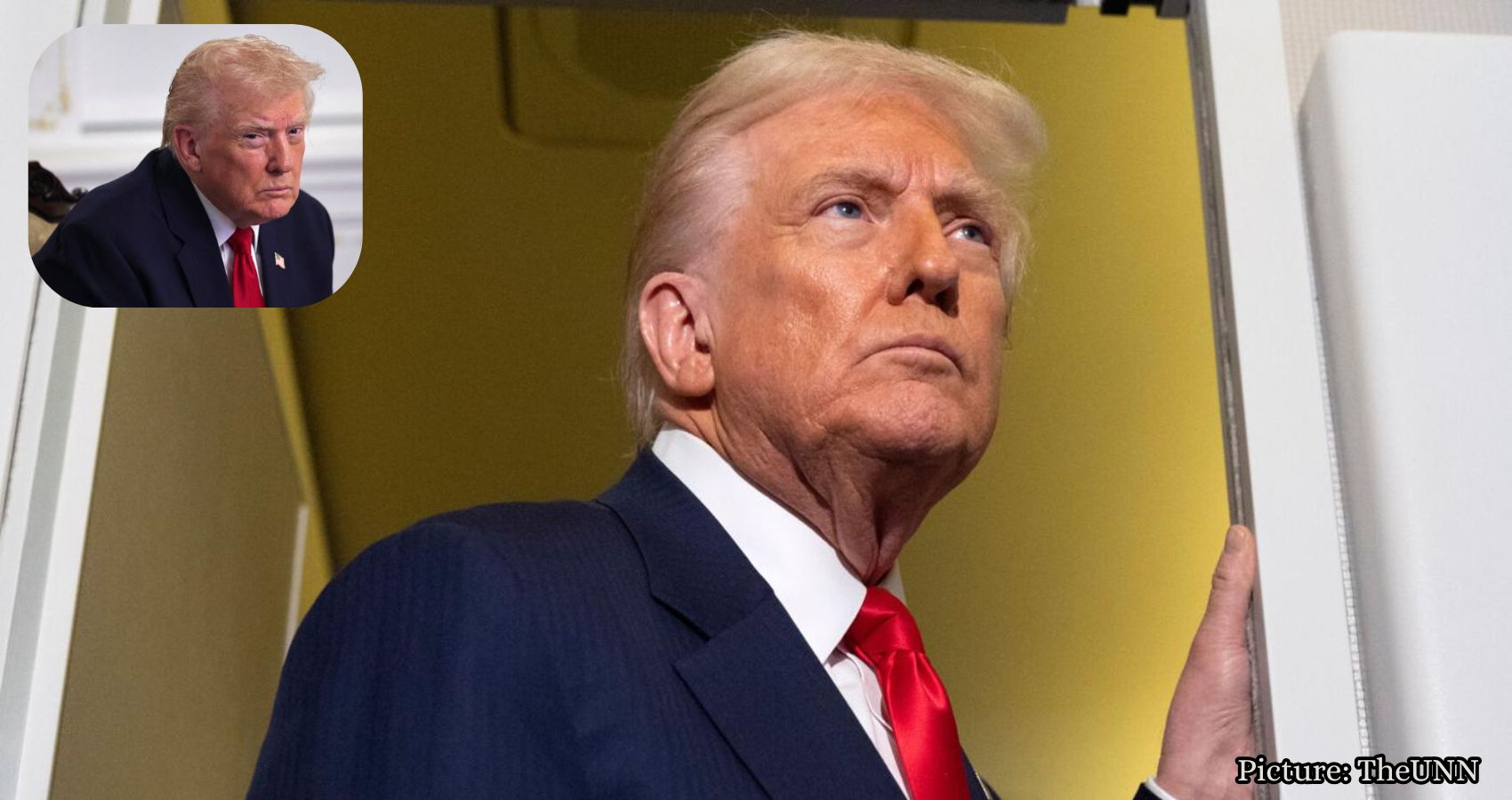
President Donald Trump has issued stern warnings to Tehran against further provocations, indicating that the U.S. is prepared to take action to ensure the strait remains open. Meanwhile, Iranian forces have reportedly laid mines and issued threats against commercial traffic in this narrow waterway, which is critical for global oil transportation.

The ongoing confrontation is revealing vulnerabilities in the Navy’s mine-warfare capabilities. As the U.S. seeks to counter Iranian mining threats and restore traffic through the Strait of Hormuz, it does so with a diminished fleet of dedicated minesweepers, relying instead on a limited mix of legacy vessels and newer unmanned systems.

Currently, any mine-clearing operations are taking place amid an active standoff in the strait. The U.S. has imposed a naval blockade on Iranian ports, while Iran has retaliated with attacks on commercial vessels, ship seizures, and threats to close the waterway entirely.

In recent days, several commercial ships have come under fire, and both the U.S. and Iran have intercepted vessels attempting to navigate through this critical chokepoint. This situation underscores the risks involved in any operation aimed at restoring maritime traffic.

Iran has linked further negotiations to the lifting of the U.S. naval blockade, while Washington insists on security guarantees and the reopening of the strait, leaving little room for immediate diplomatic resolution.

This operation follows a significant shift in how the Navy conducts mine warfare. Last year, the service retired its four Bahrain-based minesweepers, ending a decades-long era of dedicated mine-hunting vessels in the Middle East. At the onset of the current crisis, the Navy’s remaining minesweepers were stationed in Japan rather than the Persian Gulf, and newer littoral combat ships equipped for mine countermeasures were not fully deployed in the region.

Multiple news sources have reported that Iran has laid at least a dozen mines in the strait, with some estimates suggesting the number could be higher. As the U.S. works to reopen the strait, some assets are being repositioned. Two Avenger-class mine countermeasure ships, the USS Chief and USS Pioneer, have recently been tracked sailing west from Southeast Asia toward the Middle East in preparation for mine-clearing operations.

This transition has left the Navy relying on a combination of older ships being surged into the area and newer unmanned systems designed to detect and neutralize mines. Retired Vice Admiral Kevin Donegan, who previously commanded the Navy’s 5th Fleet, expressed confidence in the newer technology, stating, “To be honest, that the minesweepers retired was never a concern to me, because we had brought in newer technology.”

However, analysts caution that the Navy is still navigating a transitional phase as it replaces its older minesweepers with advanced systems. Bryan Clark, a defense analyst at the Hudson Institute, noted, “We’re sort of at this nadir of the Navy’s mine sweeping capacity.” He explained that while the Navy has invested years in developing unmanned systems to replace legacy ships, the current inventory of those systems is limited for large-scale operations.

U.S. forces are not deploying ships blindly into potential minefields. Instead, operations commence with a wave of unmanned systems tasked with scanning the seabed to identify possible threats. Underwater drones, some shaped like torpedoes, are deployed in grid patterns to map the ocean floor and detect objects that may be mines, utilizing high-resolution sonar to differentiate them from debris.

In tandem, surface drones tow sonar systems through narrow lanes, while helicopters equipped with sensors scan for mines closer to the surface. This multi-faceted approach allows the Navy to create a comprehensive picture of the underwater landscape.

However, identifying mines is just the initial phase of the operation. “The mine neutralization part is really the long leg of the process,” Clark explained. Once a mine is located, operators deploy remotely controlled systems to disable it, either by detonating it in place or puncturing it to ensure it sinks. Even after this step, the danger is not entirely mitigated.

“You’ve got to then retrieve this thing with EOD personnel,” Clark added, referring to explosive ordnance disposal teams responsible for clearing debris that could still pose a hazard to passing vessels. Clearing mines is a slow and methodical process, with timelines varying based on the number of devices in the water and their deployment patterns.

The Pentagon has informed Congress that the mine-clearing effort could take as long as six months, according to a report from the Washington Post. Clark noted that recent war-gaming scenarios suggest U.S. forces could identify and begin neutralizing mines within weeks, but fully clearing key shipping lanes could extend operations significantly longer.

“The finding part, you could do within a couple of weeks,” he said, adding that neutralizing mines could require additional time, and ensuring that lanes are completely safe could stretch operations into months. Donegan cautioned that predicting timelines is challenging, particularly since U.S. forces must first verify whether mines are indeed present in the areas claimed by Iran. “When somebody says they mined it, you have to go validate if that’s even true, and that takes time,” he stated.

As tensions continue to rise in the region, the U.S. Navy’s ability to adapt to these challenges will be crucial in maintaining the safety and security of one of the world’s most important maritime corridors.

According to Fox News, the situation remains fluid as both sides navigate the complexities of military engagement and diplomatic negotiations.

Mrunal Thakur Discusses Collaboration With Varun Dhawan in New Film

Actor Mrunal Thakur reflects on her journey to working with Varun Dhawan, a dream she manifested in 2015, as they prepare for their upcoming film ‘Hai Jawani Toh Ishq Hona Hai.’

MUMBAI—Actor Mrunal Thakur recently shared her excitement about working with fellow actor Varun Dhawan in the upcoming comedy film, ‘Hai Jawani Toh Ishq Hona Hai.’ Thakur revealed that she had “manifested” this opportunity back in 2015, making the upcoming collaboration a significant milestone in her career.

In a heartfelt birthday message posted on social media for Dhawan, Thakur expressed her joy at finally sharing the screen with him. She wrote, “From manifesting in 2015 to sharing the screen in 2026… life really listened. Happy happiest birthday to the one who made dancing feel less scary and shoots feel like home.”

Dhawan responded to her message in the comments section with a simple yet enthusiastic “wow.”

‘Hai Jawani Toh Ishq Hona Hai’ is set to be released on May 22, 2026. Directed by the renowned filmmaker David Dhawan, the film tells the story of a young man who experiences a series of rejections in his romantic life before an unexpected twist changes everything, aided by divine intervention.

This collaboration marks a significant moment for both actors, as they bring their talents together in a project that promises to blend humor with heartfelt moments. Thakur’s journey from a dream to reality serves as an inspiring reminder of the power of manifestation and perseverance in the entertainment industry.

As anticipation builds for the film’s release, fans are eager to see how Thakur and Dhawan’s on-screen chemistry will unfold in this comedic narrative.

According to IANS, the film is expected to resonate with audiences, combining relatable themes with the signature style of David Dhawan’s direction.

Israel Repatriates Members of ‘Lost Tribe’ from Manipur and Mizoram

More than 250 members of the Bnei Menashe community from India arrived in Israel on April 23, marking a significant step in their long journey back to their ancestral homeland.

NEW DELHI – A journey that spans centuries and continents reached a pivotal moment on April 23, when over 250 members of the Bnei Menashe community from India landed at Ben Gurion Airport. This arrival is part of a renewed effort by the Israeli government to facilitate their immigration.

The Bnei Menashe community’s story is not merely an immigration narrative; it is deeply intertwined with one of the most enduring traditions of Jewish identity—the concept of the Lost Tribes. The Bnei Menashe claim descent from the ancient Tribe of Manasseh, one of the Ten Lost Tribes of Israel, believed to have been exiled following the Assyrian conquest over 2,700 years ago.

While historians continue to debate the authenticity of these claims, the community’s oral traditions recount a long migration from west to east, traversing regions such as Persia, Afghanistan, Tibet, and China before finally settling in what is now northeast India. Throughout this journey, they assert that fragments of Jewish practice have persisted, including the observance of rituals like circumcision and dietary laws.

The arrival of the Bnei Menashe in Israel marks a significant milestone in their ongoing quest for recognition and return. In the 19th century, many members of the community converted to Christianity due to the influence of British missionaries, which complicated their religious identity. However, it was not until the late 20th century that segments of the community began formally returning to Judaism, seeking acknowledgment and eventual relocation to Israel.

Since the 1990s, approximately 4,000 Bnei Menashe have made the journey to Israel, largely supported by Shavei Israel, an organization dedicated to identifying and assisting groups claiming descent from the Lost Tribes.

This recent arrival represents the first group to enter Israel since the Israeli government approved a plan in November aimed at accelerating their emigration from the Indian states of Manipur and Mizoram. The initiative, dubbed Operation Wings of Dawn, seeks to relocate the remaining 6,000 members of the Bnei Menashe community by 2030, with around 1,200 expected to depart in 2026 alone.

The Bnei Menashe’s journey is emblematic of a broader narrative concerning identity, belonging, and the enduring ties to ancestral heritage. As they take this significant step toward their homeland, the community reflects a unique chapter in the ongoing story of the Jewish diaspora.

According to Australia/Israel & Jewish Affairs Council, the Bnei Menashe’s arrival is a testament to their resilience and commitment to reconnecting with their roots.

Rajasthan Royals Face Sunrisers Hyderabad in IPL 2026 Match Today

SunRisers Hyderabad and Rajasthan Royals are set to clash in IPL 2026 at Sawai Mansingh Stadium, with both teams aiming to extend their winning streaks.

As the Indian Premier League (IPL) 2026 unfolds, the Sawai Mansingh Stadium in Jaipur is poised to host its first match of the season between the SunRisers Hyderabad and the Rajasthan Royals. Both teams are looking to maintain their momentum, with the Royals coming off a strong performance against the Lucknow Super Giants.

One of the most significant updates ahead of the match is the return of Australian fast bowler Pat Cummins. Cleared by Cricket Australia to resume play, Cummins will take over the captaincy from Ishan Kishan, adding depth to the SunRisers’ lineup. The SunRisers have been on a roll, securing three consecutive victories, while the Royals have also found their rhythm with impressive bowling displays.

The match details are as follows:

Match: Rajasthan Royals vs. SunRisers Hyderabad, Match 36

Series: Indian Premier League 2026

Date: Saturday, April 25, 2026

Time: 7:30 PM IST

Venue: Sawai Mansingh Stadium, Jaipur

Live Streaming: JioHotstar and Star Sports Network

The pitch at Sawai Mansingh Stadium is known to be batting-friendly, with an average first-innings score of 198 recorded during IPL 2025. As the evening temperatures are expected to drop to around 30 degrees Celsius, the conditions may favor teams chasing a target. Given the circumstances, the captain winning the toss may opt to bowl first to take advantage of any dew that may settle on the field.

For the toss prediction, the Rajasthan Royals are favored to win. The reasoning behind this prediction lies in the potential impact of dew, which could influence the match’s outcome.

As for the probable playing XIs, the Rajasthan Royals are expected to field:

Yashasvi Jaiswal, Vaibhav Sooryavanshi, Dhruv Jurel (w), Riyan Parag (c), Shimron Hetmyer, Donovan Ferreira, Ravindra Jadeja, Jofra Archer, Ravi Bishnoi, Brijesh Sharma, and Nandre Burger. Potential substitutes include Lhuan-dre Pretorius, Yash Raj Punja, Shubham Dubey, and Tushar Deshpande.

The SunRisers Hyderabad’s lineup is likely to include:

Abhishek Sharma, Travis Head, Ishan Kishan, Heinrich Klaasen, Salil Arora (w), Aniket Verma, Nitish Kumar Reddy, Shivang Kumar, Harsh Dubey or Pat Cummins (c), Sakib Hussain, and Eshan Malinga. Impact substitutes may feature Smaran Ravichandran, Praful Hinge, Liam Livingstone, and Dilshan Madushanka.

In terms of match predictions, the Rajasthan Royals boast one of the strongest bowling attacks this season, while the SunRisers are known for their explosive batting lineup. The contest is expected to be a battle between the Royals’ bowling prowess and the SunRisers’ batting strength. However, the Royals’ vulnerability in the middle order may give the SunRisers a slight edge, leading to predictions of a victory for the visiting team.

As the excitement builds for this crucial match in IPL 2026, fans will be eager to see how the teams perform under pressure and whether the Royals can leverage their home advantage against the formidable SunRisers.

According to The Sunday Guardian, the outcome of this match could significantly influence the standings as the tournament progresses.

Fed Chair Jerome Powell Cleared of Justice Department Investigation

Federal Reserve Chair Jerome Powell is no longer under investigation by the U.S. Justice Department, a decision that may impact President Trump’s efforts to appoint a new Fed chair.

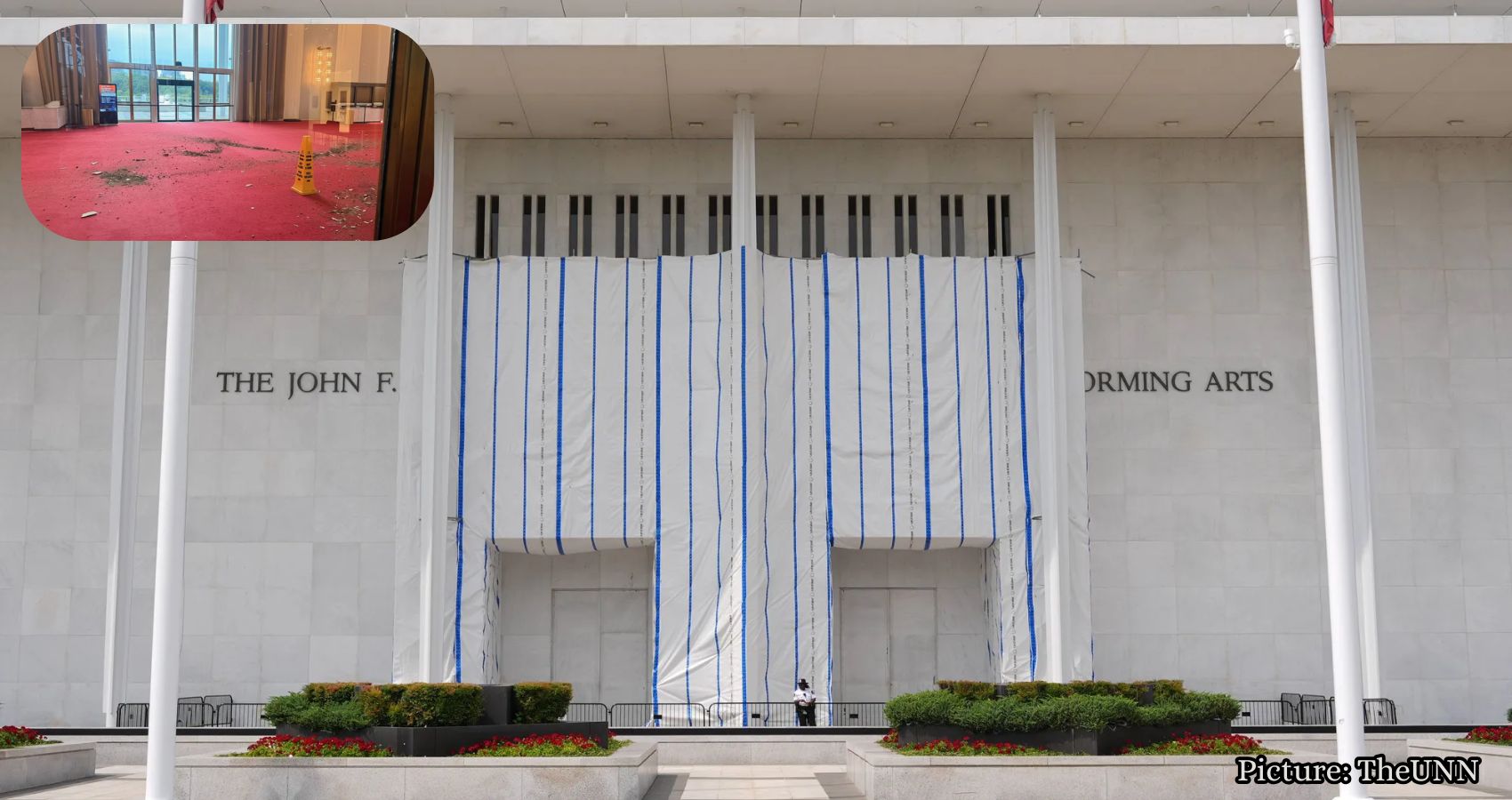
The U.S. Justice Department has officially closed its investigation into Federal Reserve Chair Jerome Powell, a move that could have significant implications for President Donald Trump’s administration. The decision comes amid ongoing scrutiny of the Federal Reserve’s financial management, particularly regarding construction cost overruns that have reportedly reached billions of dollars.

U.S. Attorney for D.C. Jeanine Pirro announced the closure of the investigation in a post on X, stating, “This morning the Inspector General for the Federal Reserve has been asked to scrutinize the building costs overruns – in the billions of dollars – that have been borne by taxpayers. Accordingly, I have directed my office to close our investigation as the IG undertakes this inquiry.”

According to NBC News, the Federal Reserve’s Inspector General had previously reviewed the project twice and found no evidence of wrongdoing. The review was initiated again in 2025 at the request of Powell, who faced mounting pressure from Trump and his allies.

Despite the closure of the investigation, the situation may still present a silver lining for Trump. The end of the inquiry could facilitate the confirmation process for Trump’s nominee to chair the Federal Reserve, Kevin Warsh. White House Spokesman Kush Desai expressed confidence in Warsh’s potential confirmation, stating, “American taxpayers deserve answers about the Federal Reserve’s fiscal mismanagement, and the Office of the Inspector General’s more powerful authorities best position it to get to the bottom of the matter.” Desai added that the White House remains optimistic that the Senate will swiftly confirm Warsh to restore competence and confidence in the Fed’s decision-making.

Trump has been vocal in his criticism of Powell, frequently pressuring him to implement sharp cuts to benchmark interest rates set by the Federal Open Market Committee. The tensions between the two escalated during a summer visit to a Federal Reserve construction site, where Trump confronted Powell over renovation costs that he claimed had ballooned to approximately $3.1 billion. Powell publicly disputed this figure during a live television appearance, stating he had not heard such an estimate.

The situation further intensified when White House budget director Russell Vought criticized Powell, likening the renovation project to the Palace of Versailles and accusing him of fiscal mismanagement. Notably, the renovation had been approved in 2017, prior to Powell’s tenure as chair.

In response to the political pressure surrounding the investigation, the Federal Reserve issued a rare statement after subpoenas were issued by Pirro’s office. The Fed warned that such actions should be viewed in the broader context of political pressure on the central bank and the threats posed to its independence.

Senate Republican Tim Scott subsequently blocked Fed nominees, asserting that no official is above the law. In defense of the institution, Powell argued that the subpoenas were part of ongoing attempts to influence interest rate policy. A federal judge later intervened, blocking the subpoenas and finding insufficient evidence of wrongdoing, suggesting that they were politically motivated.

The closure of the investigation into Powell marks a significant development in the ongoing tensions between the Federal Reserve and the Trump administration. As the political landscape continues to evolve, the implications of this decision will likely resonate throughout the financial sector and beyond.

For further details, see NBC News.

Indian American Responds to Viral Claims About Legal Status of Majority Indians

Indian American voices pushback against Sara Gonzales’ claims about Indian professionals in the U.S., highlighting the legal status and contributions of immigrants amid ongoing immigration debates.

A recent exchange on social media platform X has thrust Texas-based commentator Sara Gonzales into the spotlight once again, this time focusing on immigration, employment, and the role of Indian professionals in the United States.

The controversy began when Gonzales posted a provocative message that compared her family’s military background to her allegations about Indian workers in the tech industry. In her post, she stated, “My grandfather received a Purple Heart for his military service in World War II. Indians are coming in with fake credentials as software engineers and scamming Americans out of jobs. There is no comparison. Scammers can’t comprehend that there are people who come here legally and do things the right way. Epic levels of projection.”

Gonzales’ remarks quickly attracted criticism, including a response from a user named Priya, who appears to be Indian American. Priya countered Gonzales’ claims by sharing data that underscored the economic contributions of immigrants. She provided screenshots illustrating that immigrants have paid trillions in taxes and included a bar chart indicating that the median household income for Indian Americans is $100,500, significantly higher than the national average. Priya also noted that approximately 70% of Indian Americans hold a bachelor’s degree, compared to only 28% of the general U.S. population.

Alongside these statistics, Priya asserted, “The majority of Indian immigrants are LEGAL. You don’t research anything but post lies and hatred. I love Hispanics; they are good, nothing against them I just don’t like you.”

In response, Gonzales doubled down on her assertions, accusing Priya of misrepresenting the situation. She replied, “Don’t be intellectually dishonest, Priya. The majority of Indian immigrants are ABUSING and EXPLOITING the legal immigration system. That’s the entire point.”

Gonzales further emphasized her stance by stating, “I was born and raised here. This is my country.”

This exchange comes amid Gonzales’ ongoing commentary on immigration practices. She has recently claimed that the U.S. Department of Justice took action against a company she previously highlighted, fining Compunnel $313,000 after it allegedly specified “H-1B visa only” in a job advertisement.

Earlier this month, Gonzales also drew attention for her visit to a food truck in Dallas named Golconda Express. In a video titled “H-1B Busted Running a Food Truck,” she questioned a man she alleged was in the U.S. on an H-1B visa while operating the business under his wife’s name.

The ongoing debate reflects broader tensions surrounding immigration, skilled worker visas, and the role of foreign professionals in the American workforce. These issues continue to elicit strong and often divisive reactions across social media platforms.

As discussions about immigration and employment practices evolve, the exchange between Gonzales and Priya highlights the complexities and nuances of these topics, particularly regarding the legal status and contributions of Indian immigrants in the United States, according to The American Bazaar.

U.S. State Department Offers $10 Million Reward for KSS Leader Information

The U.S. State Department has announced a $10 million reward for information leading to the capture of Hashim Finyan Rahim al-Saraji, leader of the Iranian-aligned militia Kataib Sayyid al-Shuhada.

The U.S. State Department has officially announced a $10 million reward for information regarding Hashim Finyan Rahim al-Saraji, the leader of the Iraqi armed group Kataib Sayyid al-Shuhada (KSS). This initiative is part of Washington’s ongoing efforts to combat Iran-aligned militias operating in Iraq and Syria.

The announcement was made via the official X account for the State Department’s Rewards for Justice program, which provided details on how individuals can report information about al-Saraji. The KSS is a Shiite militia that emerged in the wake of regional instability following the rise of ISIS in Iraq in 2014. The group is widely regarded as ideologically aligned with Iran’s Islamic Revolutionary Guard Corps (IRGC) and operates within Iraq’s broader network of Popular Mobilization Forces (PMF).

The KSS has been accused by the United States of conducting attacks against civilians in Iraq, as well as targeting U.S. diplomatic facilities, military bases, and personnel in both Iraq and Syria. This reward announcement underscores the U.S. government’s commitment to disrupting the operations of such militias and reducing Iran’s influence in the region.

Al-Saraji, also known as Abu Alaa al-Walai, has been identified as both the leader and secretary-general of KSS. In 2023, he was designated as a Specially Designated Global Terrorist, and the group itself was classified as a Foreign Terrorist Organization in 2025. This classification has expanded U.S. legal powers to impose sanctions and offer higher rewards for intelligence related to the group.

The reward announcement is part of a broader U.S. strategy aimed at dismantling militia leadership structures. U.S. officials have indicated that informants providing valuable information may also be eligible for relocation assistance, in addition to financial compensation. This highlights the priority placed on gathering intelligence about KSS’s operations and leadership.

The development reflects the ongoing tensions between the United States and Iran-aligned armed groups in Iraq, where militia activity continues to play a significant role in regional security dynamics.

Hashim Finyan Rahim al-Saraji is recognized in 2026 U.S. government reports as a senior leader of the KSS, an armed group primarily active in Iraq and Syria. He is also known to use the alias Abu Ala al-Walai. However, there is limited publicly available information about his personal life, early education, or background. Most knowledge about al-Saraji is derived from government statements, sanctions records, and security reporting rather than independent biographical sources.

As a result, he is primarily known in public records as a militia leader linked to an Iran-aligned organization, rather than as a widely documented public figure with a detailed personal history.

The announcement of the reward for al-Saraji emphasizes the U.S. government’s focus on countering the influence of Iran-aligned militias in the region and reflects ongoing efforts to enhance security in Iraq and Syria.

According to The American Bazaar, the U.S. continues to prioritize intelligence gathering on militia operations as part of its broader strategy in the Middle East.

From Allahabad to Leading Thousands: A Story of Grit, Values, and Possibility

Gaurav MalikPrayagraj (formerly Allahabad), Uttar Pradesh — In a modest home near the sacred Triveni Sangam, where the rivers Ganga, Yamuna, and the mythical Saraswati meet, a middle-class family made a quiet but powerful investment—not in wealth, but in education, discipline, and belief.

That investment would one day travel across continents.

Born and raised in Allahabad, Gaurav Malik grew up in a household where learning was not optional—it was foundational. His father, a scholar and publisher of law books, and his mother, a Hindi teacher, poured their limited resources into one goal: giving their children a chance to build a life beyond constraints. There were no shortcuts, no privileges—only structure, expectations, and an unwavering belief that education could change destiny.

His early education in a Catholic school, followed by a Christian college, exposed him to diverse worldviews. That exposure sparked a lifelong interest in theology—not in a purely academic sense, but as a framework for reflection, humility, and leadership. It shaped how he would later approach decisions, people, and purpose—grounded, introspective, and values-driven.

Like many middle-class Indian families, sacrifices were made quietly. Every rupee was accounted for. Every decision was weighed against long-term opportunity. There were no grand declarations—just consistency, discipline, and hope.

That early foundation set the stage for a journey that would take Malik to the United States, where he began his professional career at General Electric in an entry-level role. What followed was not an overnight success story, but a steady climb—built on adaptability, resilience, and execution.

From early roles in finance to becoming a Lean Six Sigma Master Black Belt, Malik built a reputation for solving complex operational problems. He developed a sharp focus on efficiency, process discipline, and data-driven decision-making. His work ethic and ability to navigate ambiguity set him apart in environments where scale and precision mattered.

My beautiful daughters Janvi and Avni—my strength and inspiration every day

He later played a key role in the transformation journey of Genpact, gaining exposure to global operations and large-scale business transformation. That experience expanded his lens—from functional expertise to enterprise thinking—understanding how systems, people, and strategy intersect.

A return to healthcare through GE Healthcare marked a pivotal shift, aligning his operational strengths with a mission-driven industry. It was here that purpose and profession began to converge more clearly.

That path eventually led him to Quest Diagnostics, one of the largest diagnostic testing organizations in the United States. Starting as a senior finance leader in the Midwest, Malik quickly distinguished himself—not just through results, but through leadership presence. He earned multiple promotions and expanded his scope across operations, business development, and patient services.

Gaurav receiving his US Citizenship Gaurav Malik TheUNN
Gaurav receiving his US Citizenship Gaurav Malik

Today, he leads a workforce of more than 4,000 employees across the Southeast region—a scale that reflects not just organizational trust, but consistent performance over time.

Beyond his professional accomplishments, Malik’s sense of purpose is deeply personal. His daughter serves in the United States Army as a combat medic—a role that demands courage, discipline, and selfless service. Having already been on deployments, she represents a continuation of the family’s values of commitment and resilience, now in service to her country.

For Malik, this is a source of immense pride. It is a reminder that the same principles instilled in a modest home in Allahabad—duty, integrity, and perseverance—have carried forward across generations, shaping not just careers, but character.

Strengthening the Southern Gateway: India–U.S. Roundtable in Atlanta Drives Trade, Technology, and Investment Collaboration

The Consulate General of India in Atlanta, in partnership with the U.S.-India Business Council (USIBC), the Federation of Indian Chambers of Commerce and Industry (FICCI), and the Metro Atlanta Chamber, successfully hosted a high-level business roundtable on April 23, 2026, under the USIBC Great States Initiative. The roundtable, themed “Growing the Southern Gateway: Expanding Economic Ties Between Georgia and India,” brought together senior leaders from government, industry, and the business community to explore pathways for strengthening bilateral economic collaboration.

2. Held at the Consulate in Atlanta, the session underscored the strategic importance of the American Southeast as a key driver of India–U.S. economic engagement. Participants noted that the region, anchored by Atlanta’s global logistics ecosystem, including Hartsfield-Jackson Atlanta International Airport and connectivity to the Port of Savannah, serves as a critical gateway for Indian companies expanding into North American markets. With Indian-American investment in the region exceeding $12 billion and a strong presence of Indian companies across technology and manufacturing sectors, the discussion reaffirmed the growing depth and diversification of commercial ties.

3. The roundtable featured opening remarks by Consul General Shri Ramesh Babu Lakshmanan, who highlighted the Consulate’s commitment to advancing partnerships across trade, technology, and investment. Special remarks by Ambassador (Retd.) Atul Keshap, President of USIBC, emphasized the importance of state-level engagement in strengthening the bilateral economic corridor. Contributions from FICCI and the Metro Atlanta Chamber further underscored the role of institutional partnerships in enabling business connectivity and policy dialogue.

4. The moderated discussion brought together a distinguished group of stakeholders from federal and state governments, industry leaders, financial institutions, technology firms, logistics providers, and academia. Participants engaged in a substantive exchange on priority sectors including logistics, advanced manufacturing, technology, and energy, while also reflecting on evolving global trade dynamics and the importance of resilient supply chains.

5. Key takeaways from the discussion included the need to further leverage the Southeast’s strengths as a manufacturing and logistics hub, expand collaboration in emerging technologies, facilitate greater market access for small and medium enterprises, and strengthen institutional mechanisms for business matchmaking and investment facilitation. Participants also expressed strong interest in deepening cooperation in digital innovation, clean energy, and next-generation supply chains, aligning with shared economic priorities of India and the United States.

6. A presentation was also made on the India–USA Trade Facilitation Portal, highlighting its role in connecting verified exporters and importers, enabling seamless B2B engagement, and supporting businesses in identifying new opportunities across sectors. Participants were additionally introduced to a curated selection of millet-based dishes, reflecting India’s emphasis on sustainable and nutritious food systems and promoting millets as part of global dietary diversification.

7. The Consulate’s ongoing efforts to advance the 3Ts – trade, technology, and tourism across the Southeastern United States were highlighted as a key driver of such engagements, contributing to the shared objective of scaling India–U.S. bilateral trade to $500 billion by 2030.

8. Concluding the session, the Consulate reiterated its commitment to working closely with partners across government and industry to build on the momentum generated by the roundtable. The discussions are expected to translate into tangible collaborations, further reinforcing Atlanta’s position as a vital hub in the India–U.S. economic corridor.

***

Atlanta
April 23, 2026

WhatsApp Image 2026 04 25 at 01 14 22WhatsApp Image 2026 04 25 at 01 14 22 (1)WhatsApp Image 2026 04 25 at 01 14 23 (1)WhatsApp Image 2026 04 25 at 01 14 24 (4)WhatsApp Image 2026 04 25 at 01 14 24WhatsApp Image 2026 04 25 at 01 14 24 (1)WhatsApp Image 2026 04 25 at 01 14 24 (3)

WhatsApp Image 2026 04 25 at 01 14 23WhatsApp Image 2026 04 25 at 01 14 23 (5)WhatsApp Image 2026 04 25 at 01 14 23 (2)WhatsApp Image 2026 04 25 at 01 14 23 (6)WhatsApp Image 2026 04 25 at 01 14 23 (3)WhatsApp Image 2026 04 25 at 01 14 23 (7)WhatsApp Image 2026 04 25 at 01 14 23 (8)WhatsApp Image 2026 04 25 at 01 14 23 (9)WhatsApp Image 2026 04 25 at 01 14 23 (10)WhatsApp Image 2026 04 25 at 01 14 24 (5)WhatsApp Image 2026 04 25 at 01 14 24 (6)WhatsApp Image 2026 04 25 at 01 14 24 (7)WhatsApp Image 2026 04 25 at 01 14 24 (8)WhatsApp Image 2026 04 25 at 01 14 24 (9)WhatsApp Image 2026 04 25 at 01 14 24 (10)WhatsApp Image 2026 04 25 at 01 14 24 (11)WhatsApp Image 2026 04 25 at 01 14 25WhatsApp Image 2026 04 25 at 01 14 25 (1)WhatsApp Image 2026 04 25 at 01 14 25 (2)WhatsApp Image 2026 04 25 at 01 14 25 (3)WhatsApp Image 2026 04 25 at 01 14 25 (4)WhatsApp Image 2026 04 25 at 01 14 25 (5)WhatsApp Image 2026 04 25 at 01 14 25 (6)WhatsApp Image 2026 04 25 at 01 14 25 (7)WhatsApp Image 2026 04 25 at 01 14 26

WhatsApp Image 2026 04 25 at 01 14 26 (1)WhatsApp Image 2026 04 25 at 01 14 26 (2)

WhatsApp Image 2026 04 25 at 01 14 26 (3)WhatsApp Image 2026 04 25 at 01 14 26 (4)WhatsApp Image 2026 04 25 at 01 14 26 (5)

WhatsApp Image 2026 04 25 at 01 14 26 (6)WhatsApp Image 2026 04 25 at 01 14 26 (7)WhatsApp Image 2026 04 25 at 01 14 26 (8)

WhatsApp Image 2026 04 25 at 01 14 27WhatsApp Image 2026 04 25 at 01 14 27 (2)WhatsApp Image 2026 04 25 at 01 14 27 (3)

WhatsApp Image 2026 04 25 at 01 14 27 (4)WhatsApp Image 2026 04 25 at 01 14 27 (5)WhatsApp Image 2026 04 25 at 01 14 27 (6)

WhatsApp Image 2026 04 25 at 01 14 27 (7)WhatsApp Image 2026 04 25 at 01 14 27 (8)WhatsApp Image 2026 04 25 at 01 14 27 (9)WhatsApp Image 2026 04 25 at 01 14 27 (10)WhatsApp Image 2026 04 25 at 01 14 28WhatsApp Image 2026 04 25 at 01 14 28 (1)

WhatsApp Image 2026 04 25 at 01 14 28 (2)WhatsApp Image 2026 04 25 at 01 14 28 (5)WhatsApp Image 2026 04 25 at 01 14 28 (3)WhatsApp Image 2026 04 25 at 01 14 28 (4)WhatsApp Image 2026 04 25 at 01 14 28 (8)WhatsApp Image 2026 04 25 at 01 14 28 (6)WhatsApp Image 2026 04 25 at 01 14 28 (7)


Scientists Identify Mysterious ‘Golden Orb’ Found Deep Underwater in 2023

The mysterious golden orb discovered two miles deep in the Gulf of Alaska has been identified as a remnant of a rare giant deep-sea anemone, according to NOAA and Smithsonian scientists.

Scientists from NOAA and the Smithsonian Institution have unveiled the identity of a peculiar golden orb found at a depth of over two miles in the Gulf of Alaska. Initially thought to be everything from an alien egg to an undiscovered species, the orb has been confirmed to be part of a rare giant deep-sea anemone known as Relicanthus daphneae.

The orb was first discovered during a deep-sea expedition in 2023, utilizing a remotely operated vehicle that explored approximately 3,250 meters (over two miles) below the ocean surface. The vehicle encountered an unusual mound-shaped structure attached to a rock, which left scientists baffled.

Upon its discovery, the orb sparked a flurry of speculation both online and within the scientific community. Researchers were initially uncertain about its nature, pondering whether it was an egg case, a dead sponge, or something that had crawled into or out of it.

Dr. Allen Collins, a zoologist and director of NOAA Fisheries, noted that identifying the orb required a collaborative effort that extended beyond standard investigative procedures. “This was a complex mystery that required morphological, genetic, deep-sea and bioinformatics expertise to solve,” Collins explained.

Scientists faced challenges in their investigation due to the orb’s lack of recognizable animal features. However, detailed analysis eventually revealed that it was composed of fibrous layers filled with stinging cells, indicating a connection to cnidarians, the biological group that includes corals and anemones.

Capt. William Mowitt, acting director of NOAA Ocean Exploration, emphasized the importance of continued exploration of the deep ocean. He stated, “This is why we keep exploring — to unlock the secrets of the deep and better understand how the ocean and its resources can drive economic growth, strengthen our national security and sustain our planet.”

The discovery of the golden orb not only sheds light on the mysteries of the deep sea but also highlights the ongoing need for scientific exploration in understanding the complexities of marine ecosystems.

According to NOAA, the findings underscore the potential for uncovering more captivating mysteries hidden beneath the ocean’s surface.

Florida Retiree Loses $200K in PayPal Refund Scam

Brian Oliver, an 85-year-old retiree from Gainesville, Florida, lost $210,000 to a sophisticated scam involving a fake PayPal email and a mirrored bank website.

Brian Oliver, an 85-year-old retiree from Gainesville, Florida, is not the type of person one would expect to fall victim to a scam. With a stock-and-bond portfolio worth hundreds of thousands of dollars, he is financially savvy and sharp. However, what happened to him is a cautionary tale about the lengths scammers will go to exploit unsuspecting individuals.

Oliver’s ordeal began with a seemingly innocuous email claiming that PayPal owed him money. Having dealt with PayPal in the past, he thought it was possible that they had found some funds for him. The email included a phone number, which led him to a man who identified himself as Andrew Johnson.

“Yeah, we have $450 for you. Type in the number 100 on your computer, and we’ll get it started,” Johnson instructed. Trusting the process, Oliver complied. Johnson then claimed there had been a mistake, saying Oliver had accidentally entered $10,000 instead of $100.

When Oliver checked his Bank of America account, he was shocked to see a balance reflecting the $10,000. However, this was not real. The scammers had created a mirrored version of his bank’s website, complete with a fake balance and a fraudulent customer service number.

When Oliver called the number, a man named Josh answered, posing as a Bank of America representative. He told Oliver that to return the money without incurring a $3,500 tax penalty, he needed to withdraw $10,000 in cash and deposit it into a cryptocurrency ATM. Oliver had never heard of such an ATM before, but Josh provided directions to one located in a questionable part of town.

Carrying $10,000 in cash, Oliver entered the ATM location, where he felt vulnerable and exposed. “I’m on my knees, on a cement floor, and I’m 85,” he recalled. He painstakingly fed one hundred $100 bills into the machine, watching nervously as some bills were rejected and had to be reinserted. After successfully completing the transaction, he sent a photo of the receipt to Johnson as instructed.

Once home, Oliver informed Johnson that the transaction was complete. Johnson then instructed him to type in the number 200. Oliver complied, only to hear Johnson exclaim, “Oh my God, my boss is going to kill me. It’s $200,000 we’ve transferred to your account.”

Oliver was horrified. He opened his bank account again, and the mirrored site displayed a balance of $200,000. Josh was back on the line with a new plan, stating that the crypto ATM could not accommodate such a large amount. Instead, Oliver needed to liquidate $200,000 from his investment portfolio, convert it to cash, and buy gold coins.

Despite his protests, the scammers insisted that reversing the transfer was impossible. “This is my retirement money. 50% of my retirement money,” Oliver pleaded. They warned him not to tell anyone, particularly his broker, fearing it could lead to tax complications. In a desperate attempt to maintain the charade, Oliver told his broker he was interested in a real estate investment, which was processed without question.

Oliver then went to a gold coin store, where he wrote a check for $198,560. He waited for the check to clear, all the while staying in contact with Johnson. When the gold was ready, Johnson instructed Oliver to ask the courier for a password before handing over the box. The password was “blue.”

When the courier arrived in a black Mustang and provided the password, Oliver handed over the box containing the gold coins. “He told me the password,” Oliver said. “I handed the box, and off went my $200,000.”

However, the following day, Johnson called with urgency, claiming another $200,000 had landed in Oliver’s account, and they needed to repeat the process. This was the moment that broke the spell for Oliver. “That’s when I came out from under the ether of this scam,” he said. “And I said, this cannot be right.”

He immediately contacted the Gainesville Police Department, where Detective Justin Torres took his call and began investigating the case. The scammers had requested photos of the gold and the purchase receipt, giving law enforcement a narrow window to set up a sting operation before the courier was scheduled to return.

Detective Torres coordinated with four officers from the department’s Gun Violence Initiative unit, who were trained for such operations. They set up surveillance around Oliver’s residence, waiting for the courier, identified as Seth Wayne, to arrive.

When Wayne showed up, he was arrested on the spot. The case later went to trial, resulting in an 18-year prison sentence for Wayne. A second courier, Atharva Shailesh Sathawane, was also convicted of conspiracy to commit wire fraud and money laundering, with Oliver among his victims. Sathawane faces up to 20 years on each count, with sentencing scheduled for December 16, although he is appealing his conviction.

Detective Torres noted that the scam network was extensive, with Sathawane involved in over 30 transactions across multiple states, contributing to nearly $8 million stolen from elderly victims. Many of these victims shared harrowing stories, with some losing millions of dollars.

Once the gold or cash leaves a victim’s hands, recovery is nearly impossible. The scammers often instruct victims to meet couriers in public places, complicating law enforcement efforts to trace the funds. The call centers orchestrating these scams are typically located overseas, making it challenging to dismantle the entire operation.

Oliver’s experience serves as a stark reminder of the tactics employed by scammers. Detective Torres and Oliver shared crucial red flags to help others avoid falling victim to similar schemes. Scammers often create a sense of urgency, pressuring victims to act quickly. If someone claims to be from a legitimate organization and instructs you not to tell anyone, that is a major warning sign.

Oliver’s advice is straightforward: “If you’re told to go buy gold, the only reason they tell you to buy gold is because it can never be traced. It’s a scam.” He urges anyone approached with similar requests to stop immediately and seek help.

Despite losing a significant portion of his retirement savings, Oliver chose to share his story to raise awareness and help others avoid similar fates. His case led to real consequences for the scammers involved, but such outcomes are rare. Most victims, like Oliver, find themselves without recourse, their savings gone and justice elusive.

For more insights into Oliver’s experience and to hear the full story, visit the Beyond Connected podcast at getbeyondconnected.com, according to CyberGuy.

Riley Gaines Offers Wellness Tips for New Moms: ‘Really Powerful’

Riley Gaines shares five essential wellness tips for new moms, emphasizing the importance of consistency, protein intake, and early-morning workouts to maintain health during life changes.

Riley Gaines, the host of “The Riley Gaines Show,” recently shared her insights on maintaining wellness amid life changes in a new podcast episode. The show, hosted by OutKick, a Fox News Media brand, features Gaines’ commentary on culture, politics, and women’s sports, along with interviews highlighting women advocating for their rights.

In her latest episode, Gaines, who welcomed her first child in September 2025, emphasized the importance of striving for the healthiest version of oneself, regardless of life stage. “I don’t see anything wrong with wanting to achieve the healthiest version of yourself no matter what stage of life you’re in,” she stated.

Gaines outlined five key strategies for new moms looking to stay healthy. One of her primary recommendations is to focus on health during the first hour after waking up. She believes that prioritizing wellness early in the day helps prevent it from slipping down the to-do list.

Drawing from her experience as a competitive swimmer, Gaines acknowledged the constant demands of motherhood. “There’s just always something that needs to be done or there’s something that somebody needs from you,” she said. By carving out time in the early morning, she suggests that new moms can establish a mental edge before the day’s responsibilities begin.

“I love the concept of already doing so many things, so many hard things, before most people even hit snooze on their alarm clock,” Gaines remarked. To make this routine sustainable, she advises preparing the night before by laying out workout gear. “That way, in the morning when you wake up, all you have to do is throw it on,” she explained.

As many individuals experience a natural decline in muscle mass and energy with age, Gaines advocates for a nutrition approach that focuses on providing the body with essential nutrients rather than traditional dieting. She dispelled the myth that high protein intake leads to unwanted bulk, stating, “It’s not true, myth busted. It will keep you lean, you will feel fuller for longer.” Her rule of thumb is to aim for one gram of protein per pound of body weight.

“If you don’t have enough protein, then your body cannot effectively repair the tiny tears that happen during strength training, which is the good kind of damage that leads to stronger, more lean muscles,” Gaines added.

Gaines also emphasizes the importance of building a strong core through everyday movements. She shared a practical tip: “Every single time my car stops at a red light, I engage my core … I contract and flex my abs.” This approach allows individuals to train their muscles without traditional exercises like crunches or planks.

Recognizing that fitness can be challenging when pursued in isolation, Gaines highlighted the value of having an accountability partner. She noted that motivation can quickly fade, especially during busy or low-energy periods. “Find something or someone or some way to keep you accountable,” she advised. Gaines often works out with her family, reinforcing the idea that shared goals can enhance commitment.

“Without consistency, you’re just repeatedly starting over,” she warned. Gaines reflected on the common experience of saying, “the diet starts Monday,” only to falter by midweek. “You’re really not doing anything, actually. You’re confusing your body,” she cautioned.

By committing to show up even when motivation wanes, Gaines believes individuals can stop negotiating with themselves. “It’s consistency that builds discipline, which turns into confidence,” she explained. “You stop negotiating with yourself and start identifying as someone who follows through.” This shift in identity, she asserts, is profoundly impactful and extends to all areas of life.

For those seeking to enhance their wellness journey, Gaines’ insights offer practical strategies that can be integrated into daily routines. Her emphasis on early mornings, protein intake, core engagement, and accountability underscores a holistic approach to health that resonates with new moms and anyone navigating life changes.

According to Fox News, these tips reflect Gaines’ commitment to empowering others to prioritize their health and well-being.

Vaibhav Sooryavanshi’s India Selection Sparks Passport Debate

Vaibhav Sooryavanshi, a standout performer in the IPL, is at the center of a selection debate for the Indian cricket team following his impressive performances.

Vaibhav Sooryavanshi made a memorable entrance into the Indian Premier League (IPL) last season, scoring a century on his debut. Since then, he has continued to impress, establishing himself as one of the top run-getters in the current season.

His remarkable performances have sparked discussions about his potential selection for the Indian national team. Fans and analysts alike are eager to see if his consistent scoring will earn him a spot on the roster.

As the season progresses, Sooryavanshi’s name is increasingly mentioned in conversations about the future of Indian cricket. His ability to perform under pressure and deliver when it matters most has not gone unnoticed.

Despite the excitement surrounding his performances, some light-hearted remarks have emerged regarding his eligibility for selection. Questions about whether he has a passport have been raised, highlighting the humorous side of the ongoing debate.

While the cricketing community engages in playful banter, the focus remains on Sooryavanshi’s achievements on the field. His journey from a debutant to a key player is a testament to his hard work and dedication.

As fans await the selectors’ decision, Sooryavanshi’s future in international cricket remains a topic of keen interest. His performances will undoubtedly continue to be scrutinized as he aims to make his mark on the national stage.

With the IPL season still underway, Sooryavanshi has the opportunity to further solidify his case for selection. His batting prowess and ability to adapt to different match situations make him a valuable asset for any team.

In conclusion, Vaibhav Sooryavanshi’s rise in the IPL has not only showcased his talent but has also ignited discussions about his potential role in the Indian cricket team. As the debate continues, fans are eager to see what the future holds for this promising player, according to NDTV.

Revised Form I-129 for Visa Petitions Now Available

USCIS has released a revised edition of Form I-129, which will be required for all submissions starting May 1, 2015.

The U.S. Citizenship and Immigration Services (USCIS) has announced the availability of a revised Form I-129, officially known as the Petition for a Nonimmigrant Worker. This updated form is marked with an edition date of October 23, 2014.

Starting May 1, 2015, USCIS will only accept the October 23, 2014 edition of Form I-129. After this date, previous versions of the form, including those dated October 7, 2011, January 19, 2011, and November 23, 2010, will no longer be accepted.

USCIS encourages individuals and organizations to download the revised form from the USCIS forms website. The new version is designed to prompt users to complete the form more thoroughly, which is intended to enhance the agency’s processing capabilities.

For those looking to file Form I-129, it is crucial to ensure that the correct edition is used to avoid delays or complications in the application process. The revised form is part of USCIS’s ongoing efforts to streamline operations and improve service delivery.

For more information on the revised Form I-129 and filing instructions, please visit the USCIS website.

According to USCIS, the updated form aims to facilitate a smoother application process for nonimmigrant workers.

India Responds to Trump’s ‘Hellhole’ Remarks on Immigrants

India’s Ministry of External Affairs has acknowledged U.S. President Donald Trump’s derogatory remarks about the country, emphasizing the need for a cautious diplomatic approach amid rising tensions over immigration issues.

India’s Ministry of External Affairs (MEA) has responded to U.S. President Donald Trump’s controversial remarks, which labeled India and China as “hellholes.” The statement, issued on Thursday, acknowledged awareness of Trump’s comments but refrained from providing a detailed response. This measured approach reflects the delicate nature of U.S.-India relations, particularly in the context of ongoing discussions about immigration and national identity in the United States.

During a media briefing, MEA spokesperson Randhir Jaiswal stated, “We have seen some reports. That’s where I leave it.” This response indicates a cautious strategy by the Indian government to manage the fallout from Trump’s incendiary remarks while balancing diplomatic sensitivities.

Trump’s derogatory comments originated from a post he reshared on his social media platform, Truth Social. The post criticized U.S. immigration practices and included disparaging terms regarding several nations, notably India and China. It claimed, “A baby here becomes an instant citizen, and then they bring the entire family in from China or India or some other hellhole on the planet.” Such rhetoric has sparked significant backlash, particularly among Indian officials and the public.

In addition to the offensive language, the post accused new immigrants of lacking loyalty to the United States, asserting that the integration seen with earlier European immigrant groups has ceased. It further characterized the U.S. immigration system as a “cash in pot,” suggesting a shift away from the idea of a melting pot of cultures to one that commodifies immigration.

The reaction from India’s political landscape has been swift and sharp. The Congress party, one of the country’s primary opposition parties, condemned Trump’s remarks as “extremely insulting and anti-India.” In a statement, Congress urged Prime Minister Narendra Modi to issue a firm response, asserting that Trump’s words “hurt every Indian.”

Congress representatives have expressed frustration over what they perceive as Modi’s consistent silence in the face of derogatory remarks made by Trump in the past. One spokesperson remarked, “Given his track record so far, it cannot be expected that he will say anything in front of Trump,” indicating a growing concern about the implications of Modi’s approach to U.S.-India relations.

The relationship between the United States and India has evolved significantly over the past few decades, transitioning from a period of skepticism during the Cold War to a more collaborative partnership focused on trade, defense, and strategic interests. However, statements such as Trump’s can provoke nationalistic sentiments in India and complicate diplomatic ties, especially considering shared interests in combating terrorism and fostering economic growth.

In recent years, the two nations have engaged in various bilateral initiatives aimed at strengthening their ties, particularly in the defense sector, where the U.S. has become one of India’s top arms suppliers. Yet, inflammatory comments about immigration can resonate deeply in India, where nationalism is a potent political force, potentially leading to repercussions for diplomatic engagement.

This controversy also raises broader questions about the perception of immigrants from India and China within the U.S. The American public remains divided on immigration issues, with a notable segment perceiving Trump’s remarks as reflective of a wider sentiment against immigrants from these countries. A recent poll indicated significant divergence in opinions, revealing that many Americans are receptive to views that characterize immigration from these nations as problematic.

As the U.S. continues to grapple with immigration reform, Trump’s comments may exacerbate existing tensions and influence public discourse. The characterization of immigrants as a burden rather than contributors can impact legislative agendas and shape the experiences of Indian and Chinese nationals in U.S. communities.

As the situation unfolds, it will be crucial to observe how Indian officials navigate the diplomatic landscape following Trump’s remarks. The MEA’s restrained response may suggest a strategic decision to avoid escalation while maintaining a dignified stance. Nonetheless, the implications of Trump’s comments extend beyond mere political theater; they touch upon fundamental issues of identity, immigration, and international relations.

In summary, the ongoing discourse surrounding Trump’s remarks underscores the complexities of U.S.-India relations and the intertwined narratives of nationalism and immigration policy that define contemporary political climates in both countries. As both nations proceed, the handling of such sensitive issues will likely remain a barometer for the health of their diplomatic interactions, according to GlobalNet News.

Rep. Ami Bera Condemns Trump’s Remarks on Indian-American Immigrants

U.S. Representative Ami Bera condemned President Trump’s recent remarks about Indian immigrants, emphasizing the contributions of immigrant families to American society.

U.S. Representative Ami Bera, M.D. (CA-06), the longest-serving Indian American in Congress, issued a statement today in response to President Donald Trump’s recent post on Truth Social, which criticized Indian immigrants and referred to India as a “hellhole.”

Trump’s post included a video clip from radio host Michael Savage, which sparked significant backlash for its derogatory comments about birthright citizenship and its negative portrayal of India and China. This controversy touches on the Fourteenth Amendment of the United States Constitution, which guarantees citizenship to anyone born in the U.S. Trump has expressed opposition to this policy, although courts, including the Supreme Court, have shown reluctance to revisit it.

The debate highlights the considerable economic impact of Indian Americans, who constitute approximately 1.5% of the U.S. population yet hold significant roles in technology, business, and other high-income professions.

Bera’s statement reflected his pride in his heritage and the opportunities afforded to his family. “As the son of immigrants from India, I take great pride in both my heritage and in the country that gave my family the opportunity to build a better life,” he stated. “My parents came to the United States legally in search of that opportunity. My mother spent 35 years working as a public school teacher, while my father worked as an engineer. They raised my brothers and me with a deep belief in hard work, public service, and giving back to the country that welcomed them.”

He continued, “I am a product of that American story. I attended California’s public schools from kindergarten through medical school, became a doctor, and now have the privilege of serving our nation in Congress. That is what the American Dream looks like.”

Bera characterized Trump’s comments as “offensive, ignorant, and beneath the dignity of the office he holds.” He argued that such remarks reflect a fundamental misunderstanding of the nation’s identity. “America has always been strengthened by generations of immigrants who come here, work hard, and contribute to our country. They do not weaken America — they strengthen it,” he asserted.

He elaborated on the immigrant experience, stating, “America was built by people from all over the world who believed in its promise and worked tirelessly to make it better for the next generation. That’s the story of my family, and it’s the story of millions of families across this country.”

Bera also criticized Trump’s background, suggesting that the former president, born into wealth and privilege, lacks an understanding of the struggles faced by immigrant families. “He does not understand the grit, sacrifice, and determination it takes to build a life from the ground up. He does not understand public service, and he does not understand the values that make America the greatest nation in the world,” Bera stated.

In conclusion, Bera reaffirmed the importance of immigration to the nation’s strength, declaring, “We are a nation of immigrants, and we are stronger because of it.”

According to India Currents, Bera’s remarks come at a time when discussions about immigration and citizenship are increasingly prominent in American political discourse.

UK Visa Changes Drive Global Student Migration to Canada and Australia

New UK student visa regulations have led to a significant decline in international student enrolments, prompting a shift towards Canada and Australia as preferred study destinations.

Recent changes to UK student visa regulations have resulted in a marked decrease in international student enrolments, steering many prospective students toward Canada and Australia as their preferred study destinations. The UK Home Office’s implementation of stricter visa rules has led to a 14% drop in study visas and an 85% decline in dependent visas, affecting nearly 22,000 applicants. This trend highlights a broader decline in international student numbers in the UK, exacerbated by stringent immigration policies.

In 2024, the UK government introduced new visa restrictions that significantly limited the ability of most postgraduate students to bring dependants with them. This policy change has directly contributed to the sharp decline in dependant visa applications, as reported by the UK Home Office. Additionally, the introduction of tougher Basic Compliance Assessment standards requires educational institutions to maintain visa refusal rates below approximately 5% while ensuring high student completion rates. Although these measures aim to enhance the integrity of the visa system, they have inadvertently led to a decrease in international student enrolments.

Data from the Office for National Statistics indicates that the growth rate of international students in the UK has slowed considerably in 2024 compared to previous years. Many universities have reported a decline in confirmed admissions and a decrease in conversion rates from applications to acceptances. One-year master’s programs, which heavily depend on overseas applicants, have been particularly affected by the tightening visa regulations. The combination of increased financial thresholds and limited eligibility for dependants has resulted in a more cautious approach from prospective international students.

The financial implications for UK higher education institutions are significant. Estimates from Universities UK suggest that international students contribute more than £40 billion annually to the UK economy, with some institutions relying on international tuition fees for nearly 30% of their total income. Consequently, the decline in international enrolments is placing considerable financial strain on universities, leading to budget deficits, hiring freezes, and delayed infrastructure projects. This trend underscores the structural dependence of the UK education sector on global demand for educational services.

In contrast, Canada has experienced a notable increase in student visa applications as international students seek more predictable immigration pathways and favorable post-study work options. Statistics from Immigration, Refugees and Citizenship Canada reveal that over 800,000 study permits were issued in recent years, making Canada an attractive destination for students looking for stability. The country’s Post-Graduation Work Permit (PGWP) program allows students to work in Canada for up to three years after graduation, alongside clear pathways to permanent residency, further enhancing its appeal.

Similarly, Australia has bolstered its position in the global education tourism market by offering balanced immigration policies and a robust framework for employment opportunities. The Department of Home Affairs reports a resurgence in international student arrivals post-pandemic, with hundreds of thousands of visas granted annually. Extended post-study work rights and streamlined visa processing have made Australia a leading alternative for students migrating away from the UK.

The trend of students shifting from the UK is particularly pronounced in key source markets such as India and South Asia. Indian students, who make up a significant portion of international applicants, are increasingly favoring Canada and Australia due to their more flexible visa policies and greater long-term opportunities. This shift is also evident in other countries like Pakistan, Bangladesh, and Nigeria, where students are influenced by the success rates of visa applications and the availability of long-term residency options.

The UK government’s focus on reducing migration through stringent visa regulations has significant ramifications for international education demand and the country’s competitiveness in the global market. Official policy documents indicate that curbing net migration is a central goal, with recent student visa reforms aimed at tightening control over the system. While these policies are designed to reinforce compliance, they contribute to the ongoing decline in international student numbers.

In response to the declining international student numbers, UK universities are adapting by diversifying their recruitment strategies. Many institutions are exploring offshore campuses, particularly in India, and forming international partnerships to attract more students. Additionally, efforts are being made to bolster domestic recruitment. However, these strategies require significant time and investment, which may not fully mitigate the immediate impacts of the decreasing international enrolments.

The global education tourism sector is undergoing a structural realignment as students increasingly prioritize visa certainty and employment opportunities when choosing study destinations. The ongoing decline of international student numbers in the UK is accelerating this shift as Canada and Australia capitalize on the changing landscape. Countries such as Germany and Ireland are also gaining traction among international students, reflecting a broader transformation in which immigration policies are central to global educational competitiveness.

Looking ahead, the sustainability of UK education tourism hinges on the ability to balance migration control with maintaining international competitiveness in a rapidly evolving global market. If current trends persist, the UK risks losing significant market share to Canada and Australia, particularly in key student demographics. The ongoing decline in international student numbers may deepen unless policy adjustments are made to enhance accessibility while ensuring compliance. Long-term competitiveness will depend on aligning UK visa regulations with the expectations of prospective international students and maintaining the appeal of UK educational institutions in the shifting landscape of global student mobility, according to GlobalNet News.

PG&E Introduces Powerhouse: Fully Electrified Home Powered by Grid and EV

PG&E recently showcased its innovative Powerhouse, a fully electrified home that integrates electric vehicles and smart technology to enhance energy efficiency and sustainability.

On April 17, American Community Media collaborated with Pacific Gas and Electric Company (PG&E) to present a live demonstration of a groundbreaking home designed for the future of energy. The event featured PG&E’s Powerhouse, a pioneering fully electrified residence where advanced clean energy technologies are not only displayed but actively tested and refined.

The Powerhouse showcases an integrated system that includes bidirectional electric vehicle (EV) charging, smart electrical panels and meters, heat pumps, battery storage, and induction cooking. The overarching goal is to simplify the process of electrification, making it more affordable and accessible for everyday consumers.

A key highlight of the demonstration was the two-way interaction between the home, the electric grid, and electric vehicles. Power can flow from the grid to the home and car, and conversely, from the vehicle back to the home—an innovative approach known as vehicle-to-grid (V2G) and grid-to-vehicle (G2V).

The event featured a guided tour led by PG&E and its partners, including companies like SPAN and Tesla, who explained how these technologies converge in a practical setting.

Jason Pretzlaf from PG&E opened the tour by emphasizing the company’s long-standing commitment to clean energy. “We’ve been testing electric vehicles here since 1989—if you can believe that,” he remarked.

He elaborated that the Powerhouse aims to unlock the full potential of electric vehicles for everyday customers. The demonstration underscored a straightforward yet powerful concept: connectivity. By linking devices, the system harnesses the capabilities of new technology to power both the home and the car.

Many of the technologies showcased at PG&E’s Powerhouse are backed by its Electric Program Investment Charge (EPIC) initiative. This public-purpose program funds real-world demonstrations to bring new energy solutions to life, focusing on enhancing safety and reliability, reducing costs, supporting environmental sustainability, and expanding access to clean energy for all California residents.

Chris Moris, who oversees grid research, innovation, and development at PG&E, stated that the aim is to integrate up to 3 million electric vehicles into the energy system. Achieving this could help customers save between $10,000 and $20,000 in grid upgrade costs. “As heat pumps and other electric devices come onto the system, we want to be ready to support customers,” he said, emphasizing the need for a transition that is “quickly, affordably, and in a way that’s delightful for them.”

Arch Rao, CEO of SPAN, showcased the company’s smart panel, which is designed to facilitate home electrification in a cost-effective manner. This panel enables customers to add new electric appliances without incurring the high costs associated with upgrading their service or replacing their existing panel.

“You can buy a SPAN panel through your contractor today—they will replace your existing panel,” Rao noted, adding that SPAN is “excited to partner with PG&E,” which is currently offering the device at no cost.

Rao also introduced the SPAN Edge device, which works in conjunction with a home’s existing smart meter, known as the Advanced Metering Infrastructure (AMI) device. “We’re solving for an install that can happen in about 15 to 30 minutes,” he explained, allowing customers to benefit from electrification without the need for extensive upgrades.

Inside the Powerhouse, representatives from Itron demonstrated a “grid intelligence solution,” a smart digital system designed to keep customers informed and connected. This technology can send real-time alerts about power outages and monitor food safety using sensors.

“Our vision is to deliver a grid that is highly adaptive and resilient,” a representative stated, aiming to meet customer needs affordably while providing real-time insights. The goal is to lower operating costs and create flexibility for future innovations, whether that involves more solar energy, additional battery storage, or further electrification.

Friday Apaliski, Managing Director of Communications at the Building Decarbonization Coalition, expressed her admiration for the behind-the-meter work at Powerhouse, which aims to help both homeowners and renters fully utilize electric appliances. “PG&E and SPAN have done a great job in ensuring that panel service and potential upgrades will not hinder the adoption of electric appliances like heat pumps,” she said.

Overall, PG&E’s Powerhouse is designed to eliminate common barriers to electrification. The technologies on display facilitate the addition of electric appliances and EV charging without costly upgrades, enabling customers to manage their energy use more intelligently and improve backup power, often utilizing their own vehicles. The approach allows individuals to adopt electrification gradually, rather than all at once.

The demonstration also illustrated how this system operates in real-time. A Tesla Cybertruck powered the home while simultaneously supporting the grid, and SPAN panels monitored the available capacity, automatically adjusting the EV charger to align with the home’s limits.

Eli from PG&E’s Clean Energy Transportation team and Victor from Tesla discussed Tesla’s approach to vehicle-to-grid technology. Their system employs an AC pathway instead of DC, allowing drivers to use their EVs to support the grid—and potentially receive compensation for it.

During the demonstration, they showcased how this functionality works with the Tesla Cybertruck, currently the only model equipped with this “powershare” capability. They also indicated that Tesla plans to extend this feature across its fleet in the future.

When questioned about safety during natural disasters such as wildfires, the team assured that the technology is designed with resilience in mind. They explained that battery systems—whether stationary or plug-in—undergo rigorous testing to address risks like fires, floods, extreme weather, lightning strikes, and even physical impacts.

This article was produced as part of the ACoM-PG&E Future Energy Fellowship project, highlighting the innovative strides being made in electrification and energy management.

Indian-American Filmmaker Payal Kapadia Named Jury President at Cannes Critics’ Week

Indian filmmaker Payal Kapadia will return to the Cannes Film Festival as the jury president for the 65th edition of Critics’ Week, following her previous success at the festival.

LOS ANGELES, CA – Indian filmmaker Payal Kapadia, known for her acclaimed film “All We Imagine as Light,” which won the Grand Prix at the 77th Cannes Film Festival, is set to return to Cannes as the president of the jury for the 65th edition of Critics’ Week.

Joining Kapadia on the jury are Quebecois actor Théodore Pellerin, singer-songwriter Oklou, Ghanaian-British producer Ama Ampadu, and Donsaron Kovitvanitcha, a journalist and director of the Bangkok World Film Festival.

In a statement, Critics’ Week praised Kapadia’s body of work, highlighting her ability to blend poetry with a strong political perspective on her country through her six short and feature-length films.

“This duality underpins the power of her cinema, a universe that summons all forms to convey folk myths and bring to the fore invisible lives, class struggle, and the realities of women’s lives,” the statement added.

Kapadia studied directing at the Film & Television Institute of India in Pune. Her short films “Afternoon Clouds” and “And What Is the Summer Saying” received recognition at prestigious events such as the Cinéfondation and the Berlinale.

Her first feature documentary, “A Night of Knowing Nothing,” was selected for Directors’ Fortnight in 2021 and won L’Oeil d’Or for Best Documentary. In 2024, her second feature, “All We Imagine as Light,” was awarded the Grand Prix at the Cannes Film Festival.

Reflecting on her new role, Kapadia expressed gratitude for the support she received early in her career from film festivals. “My own journey as a filmmaker was supported early on because of film festival selections. Through these, I had the opportunity to meet others like myself from across the world and helped me build a community of future collaborators,” she said.

She emphasized the importance of nurturing emerging filmmakers, especially at a time when independent cinema faces significant challenges globally. “At a time where independent cinema is being eroded in every country, supporting the first works of filmmakers is almost a resistance to the market forces,” Kapadia stated.

Kapadia also highlighted the crucial role of film criticism in the independent and art-house film ecosystem. “The first films are often freer, more daring and fearless, having an individual voice, and to champion those is absolutely essential. First films are also fragile, and to be nurtured in a section like Critics’ Week helps them blossom amongst already established filmmakers’ work,” she added.

According to IANS, Kapadia’s leadership at Critics’ Week is expected to bring a fresh perspective to the festival, fostering a supportive environment for new talent.

San Francisco Unicorns Become Final Team in Global Super League

San Francisco Unicorns have been confirmed as the final team in the 2026 Global Super League, marking a significant milestone for Major League Cricket.

SAN FRANCISCO, CA – The San Francisco Unicorns, a franchise in Major League Cricket (MLC), have officially been announced as the fifth and final team for the 2026 Global Super League. This inclusion marks the first time an MLC team will participate in this prestigious tournament.

The third edition of the Global Super League is set to take place in Guyana from July 23 to August 1, 2026. This year’s lineup features a diverse group of teams from various cricketing leagues around the world.

The five-team roster includes the San Francisco Unicorns, Lahore Qalandars from the Pakistan Super League, Guyana Amazon Warriors from the Caribbean Premier League, Desert Vipers from the ILT20, and Perth Scorchers from the Big Bash League.

Sir Clive Lloyd, chairman of the Global Super League, expressed enthusiasm about the Unicorns’ participation. He noted that their inclusion underscores the growing international appeal of cricket and the increasing prominence of franchise cricket in the United States.

The Lahore Qalandars will be making a return to the tournament after competing in its inaugural edition in 2024. The franchise has a strong track record, having won the Pakistan Super League three times and finishing fourth in the 2024 Global Super League.

In the previous editions of the tournament, the Rangpur Riders from the Bangladesh Premier League claimed the inaugural title in 2024, while the Guyana Amazon Warriors emerged victorious in 2025. The Amazon Warriors are notable for being the only team to have participated in all three editions of the Global Super League.

The addition of the San Francisco Unicorns not only enhances the competitive landscape of the Global Super League but also highlights the rapid development of cricket in the United States, a nation that has been making strides in embracing the sport.

This milestone for the Unicorns is expected to attract more attention to Major League Cricket and further promote the growth of the sport in North America, paving the way for future international competitions.

As the tournament approaches, fans and players alike are eager to see how the San Francisco Unicorns will perform on this global stage, representing a new chapter in the evolution of cricket in the United States, according to India-West.

Social Media Reacts as Mamdani’s Supporters Criticize Homeless Shelter Decision

East Village voters who overwhelmingly supported Mayor Zohran Mamdani are now suing to block a proposed homeless shelter, highlighting a rift among his supporters and drawing criticism from conservatives.

Residents of East Village, who backed New York Mayor Zohran Mamdani by a significant 40-point margin, are now taking legal action to prevent a building in their neighborhood from being converted into a temporary homeless shelter. The lawsuit, filed with the New York City Supreme Court on Monday, reflects growing concerns among Mamdani’s supporters regarding the implications of his administration’s policies.

The news of the lawsuit has sparked a wave of conservative criticism on social media. Prominent figures, including Senator Ted Cruz of Texas, have pointed out the irony of Mamdani’s supporters now opposing the outcomes of his governance. “Oops,” Cruz remarked in a post on X, highlighting the unexpected backlash.

Another observer noted the contradiction, stating, “No one is more ‘not in my backyard’ than white progressives. This community voted for Mamdani in a landslide but don’t want to live with the consequences.” Senator Rick Scott of Florida also weighed in, expressing a lack of surprise at the situation.

Election District 45, encompassing East Village, saw Mamdani achieve a resounding victory with 70.1% of the vote against independent candidate Andrew Cuomo, who received just 26.0%. Despite this overwhelming support, a group of ten residents has joined the Village Organization for the Integrity of Community Engagement (VOICE) in their lawsuit against the city. This legal action comes in response to Mamdani’s announcement earlier this year regarding plans to convert a building at 8 East 3rd Street into a citywide intake shelter for homeless adult men.

The lawsuit argues that the city expedited the process without adhering to necessary environmental and legal protocols. According to the filing, it challenges the city’s “hastily made and legally invalid decision” to establish a new homeless adult male intake center at the specified location without following the legal requirements that should precede such a significant decision.

Furthermore, the complaint alleges that Mamdani relied on an emergency declaration from 2022 to bypass these requirements, a power initially designated to manage an influx of asylum seekers. Mamdani’s office announced the temporary housing project at 8 East 3rd Street as a response to the impending closure of Bellevue Shelter, another homeless intake site that the mayor’s office deemed too deteriorated for continued use.

“The Department of Social Services (DSS) and Department of Homeless Services (DHS) will immediately implement an operational plan to vacate 30th Street and relocate the critical functions to other sites. There are approximately 250 individuals in the shelter, and the DSS is working to relocate these individuals by mid-March,” stated Mamdani’s office in a press release.

Additionally, the mayor’s office announced plans for a second accommodation site at 333 Bowery St., set to open on May 1, aimed at housing families without minor children. As of now, the New York Supreme Court has not responded to requests for emergency relief that would halt the city’s plans.

This unfolding situation underscores the complexities and challenges faced by elected officials as they navigate the delicate balance between policy implementation and community response, particularly in urban settings where housing and social services are contentious issues. The reactions from both supporters and critics of Mamdani illustrate the ongoing debate surrounding homelessness and the responsibilities of local government.

As the legal proceedings progress, the outcome will likely have significant implications for Mamdani’s administration and its approach to addressing homelessness in New York City, as well as for the broader dialogue on community engagement and support for vulnerable populations.

According to Fox News, the developments in East Village serve as a reminder of the complexities inherent in urban governance, especially when policies directly impact local communities.

US-UK Trade Tensions: Trump Warns Starmer of Potential Tariffs

US President Donald Trump has warned UK Prime Minister Keir Starmer of potential retaliatory tariffs unless the UK drops its digital services tax, which he claims unfairly targets American tech companies.

US President Donald Trump has signaled a brewing trade conflict with the United Kingdom over its digital services tax (DST). This tax, which imposes a 2% levy on the revenues of major American tech firms, has drawn the ire of the Trump administration, which views it as an unfair financial burden on US companies.

During a press conference at the Oval Office, Trump issued a stark warning to the UK government, stating that if it does not repeal the DST, his administration will impose “big tariffs” on British goods. The tax, introduced in 2020, primarily affects tech giants such as Apple, Meta, and Google, and is seen as a way for the UK to generate revenue from companies that benefit significantly from its market.

“We’ve been looking at it, and we can meet that very easily by just putting a big tariff on the UK, so they’d better be careful,” Trump said. His comments underscore a potential escalation in trade tensions between the two nations, particularly as the UK navigates its economic policies under Prime Minister Keir Starmer.

The DST targets companies with global revenues exceeding £500 million (approximately $673 million) and UK revenues surpassing £25 million. According to estimates from Tax Justice UK, the UK could generate between £4.4 billion and £5.2 billion from the tax between 2024 and 2029, which is crucial for funding public services, including the National Health Service (NHS).

Trump’s administration has characterized the DST as a “discriminatory” measure against US businesses, warning that retaliatory tariffs could be applied to a range of British exports, including Scotch whisky and automotive parts. This potential trade confrontation poses a significant challenge for Starmer, who must balance the need for revenue against the risks of a trade war with the US, the UK’s largest single-country trading partner.

Under the “America First” economic framework, the Trump administration has made it clear that it will not tolerate unilateral digital taxes imposed by other countries. Sources close to Trump have indicated that if the UK does not repeal or significantly amend the DST, the US could initiate Section 301 investigations, a legal mechanism used to address unfair trade practices.

The implications of Trump’s tariff threats extend beyond the tech sector. British manufacturers and exporters are expressing “extreme concern” over the possibility of facing tariffs of 25% or more on goods entering the US market. Iconic British products, such as cashmere and spirits, could see significant price increases for American consumers, while supply chains for advanced engineering sectors may face disruptions.

Starmer has publicly advocated for a global solution through the Organisation for Economic Co-operation and Development (OECD), which aims to create a unified international tax framework for the digital economy. However, progress on the OECD’s global “Pillar One” agreement has stalled, leaving the UK and the US in a direct bilateral standoff.

Officials at 10 Downing Street have expressed a desire for “constructive dialogue” with the Trump administration but have not indicated a willingness to abandon the DST. Critics within Parliament have urged the government to maintain its position to protect the UK’s fiscal sovereignty, while business leaders caution that the UK cannot afford to be caught in the crossfire of a protectionist US trade policy.

Looking ahead, trade analysts believe that the DST dispute will serve as a critical test for UK-US relations under the Trump presidency. While Prime Minister Starmer hopes to negotiate a resolution with his American counterpart, the looming threat of tariffs suggests that the path to a new economic partnership will be fraught with challenges.

The global tech community remains vigilant, as the outcome of this dispute could set a precedent for how the US addresses similar digital taxes imposed by other European nations, including France and Italy. The stakes are high, and the implications of this trade rift could resonate well beyond the immediate economic interests of both countries.

According to The Sunday Guardian, the unfolding situation highlights the complexities of international trade relations in an increasingly digital economy.

South Asian Voters Mobilize for Upcoming NYC Primary Election

A growing movement of South Asian voters in Queens is mobilizing support for candidates Vichal Kumar and Somnath Ghimire ahead of New York’s primary elections on June 23.

A surge of political engagement among South Asian communities took center stage in Queens this week as South Asians for America (SAFA) organized a postcard-writing drive to support two Democratic candidates ahead of New York’s June 23 primary. The event, held in Jackson Heights, brought together volunteers, community leaders, and first-generation immigrants to rally behind congressional candidate Vichal Kumar and state Assembly candidate Somnath Ghimire.

Organizers emphasized that the initiative aimed to connect directly with voters in western Queens, where both candidates represent a diverse constituency. Volunteers dedicated hours to writing personalized messages that underscored the importance of civic participation and representation. The gathering saw strong participation from the Nepali American community, reflecting both shifting demographics and an increasing political awareness within the borough.

Co-National Director Harini Krishnan highlighted the accessibility of grassroots organizing, describing postcard campaigns as a simple yet effective way for immigrants to engage in democracy, particularly for those who may feel excluded from traditional political channels. Her remarks underscore a broader shift in U.S. civic culture, where grassroots efforts increasingly complement larger-scale campaigning.

Krishnan’s emphasis on low-barrier participation resonates with immigrant communities navigating political systems that often feel distant. By promoting small but meaningful actions, organizers hope to cultivate sustained civic habits and long-term engagement.

New York boasts one of the largest South Asian populations in the United States, yet representation at the federal level remains limited. Organizers cited this gap as a motivating factor behind their mobilization efforts. According to SAFA leaders, the community is becoming more organized and politically active, particularly among younger voters and first-generation professionals.

Co-National Director Neha Dewan introduced Vichal Kumar as a seasoned civil rights attorney with deep ties to advocacy networks. She noted his long-standing involvement with organizations such as the South Asian Bar Association, framing his candidacy as part of a broader push for representation.

Dewan’s perspective reflects a growing recognition that professional networks and advocacy groups can serve as pipelines for political leadership. Her comments suggest that Kumar’s candidacy is not merely symbolic but rooted in decades of legal and community work, aligning with national conversations about diversifying political institutions.

Kumar is running on a platform focused on immigration reform, workers’ rights, and healthcare access. He has highlighted his experience supporting immigrant families facing legal challenges and emphasized the urgency of representation amid ongoing debates over enforcement policies.

His stance connects local concerns to national policy debates, particularly surrounding immigration enforcement and labor protections. Kumar’s focus on dismantling federal immigration systems reflects a progressive agenda gaining traction in urban districts. By linking personal experience with policy goals, he positions himself as both an advocate and a reformer.

Somnath Ghimire, a Woodside resident, is campaigning for the state Assembly in District 30, which includes Elmhurst, Jackson Heights, and Woodside. He has centered his campaign on affordable housing, public education, and worker protections—issues that resonate strongly with immigrant communities.

Ghimire’s message emphasizes unity across South Asian subgroups, highlighting shared economic challenges. His focus on everyday workers, such as taxi drivers and restaurant employees, reflects the realities of Queens’ labor force. By framing his campaign around collective progress, he taps into a broader narrative of community-driven political change.

The event also featured remarks from community leaders, including Dinesh Mojumder and Dileepkumar Thankappan, alongside activist Merina Parajuli and athlete Dinesh Sunar. Their participation underscored broad-based support across cultural and professional lines.

Hosted at Nepali Bhanchha Ghar, the gathering blended civic engagement with cultural celebration, serving traditional Nepali dishes while fostering political dialogue. Organizers described the event as a turning point for South Asian political participation in New York.

As the primary approaches, SAFA leaders expressed confidence that increased voter outreach will lead to meaningful representation. Their message is clear: South Asian communities are no longer on the political sidelines but are actively shaping the future of both local and national politics, according to The American Bazaar.

CUET PG 2026 Results: Key Details on Universities and Counselling Process

The CUET PG 2026 results are anticipated to be released soon, prompting universities to initiate the counselling process and publish merit lists for postgraduate admissions.

The National Testing Agency (NTA) is expected to announce the CUET PG 2026 results shortly. Following this announcement, several universities, including Delhi University (DU), Jawaharlal Nehru University (JNU), Banaras Hindu University (BHU), and Jamia Millia Islamia, will commence their counselling processes and release merit lists for postgraduate admissions for the academic year 2026–27.

The CUET PG 2026 examination took place from March 6 to March 27, 2026. The results will be applicable solely for admissions for the 2026–27 academic year. Once the results are declared, candidates will have the opportunity to download their scorecards from the official NTA website.

After the results are released, several key steps will follow:

Firstly, universities will initiate the counselling registration process. Each institution will then publish its own cut-off and merit lists. It is important to note that the admission process will vary by university, and candidates must apply directly to their chosen institutions.

The counselling process for CUET PG 2026 will involve several steps:

Candidates should visit the official websites of the participating universities to register for counselling using their CUET PG scorecards. They will then need to fill in their preferred courses and colleges, upload the necessary documents, and await seat allotment based on merit and availability. Final admission will be contingent upon document verification.

Several prominent universities and institutions are participating in CUET 2026. These include:

Babasaheb Bhimrao Ambedkar University, Banaras Hindu University, B.R. Ambedkar School of Economics University, Central University of South Bihar, Central University of Andhra Pradesh, Central University of Gujarat, Central University of Haryana, Central University of Jammu, Central University of Karnataka, Central University of Kashmir, Central University of Kerala, Central University of Odisha, Central University of Punjab, Central University of Tamil Nadu, Devi Ahilya Vishvavidyalaya, Indore, Delhi Skill and Entrepreneurship University, Dr. A.P.J. Abdul Kalam Technical University, UP, Dr. Harisingh Gaur Vishwa Vidyalaya, Government Pharmacy College Sajong (GPCS) Rumtek affiliated to Sikkim University, Himalayan Pharmacy Institute, Majhitar, affiliated to Sikkim University, Indira Gandhi Delhi Technical University for Women, Delhi, Jamia Millia Islamia, Jawaharlal Nehru University, K.R. Mangalam University, Madan Mohan Malviya University, Mahatma Gandhi Antarrashtriya Hindi Vishwavidyalaya, Mahatma Gandhi Kashi Vidyapith, Varanasi, Mahatma Gandhi Central University, Bihar, Manipur University, Manav Rachna University, Faridabad, Mewar University, Pondicherry University, Sardar Patel University of Police, Sikkim University, University of Delhi, University of Engineering and Technology, Roorkee, and Visva-Bharati University.

In terms of the merit list process, each university will prepare its own lists based on CUET PG scores, applying course-specific cut-offs and adhering to reservation and eligibility rules. Admission lists will be published on the respective official websites of the universities.

For candidates, it is crucial to remember that the CUET PG score is mandatory for admission. Each university has distinct admission criteria, so it is advisable to regularly check the official university websites for updates. Candidates should also ensure that they have their documents and scorecards ready for the counselling process.

The CUET PG 2026 results will significantly impact postgraduate admissions across India’s leading universities. As the results are announced, the counselling and merit list processes will commence promptly at individual universities, making it essential for candidates to stay informed through official sources.

According to The Sunday Guardian, candidates should remain vigilant for updates regarding the CUET PG results and subsequent admission processes.

US Economic Pressure on Iran Intensifies Amid Collapse Risks

U.S. economic pressure on Iran has reached unprecedented levels, but inconsistent enforcement of sanctions may hinder their full impact, according to a former Treasury expert.

U.S. economic pressure on Iran has escalated to historic levels, marking one of the most significant points of leverage in decades. However, inconsistent enforcement of sanctions has limited their effectiveness, according to Miad Maleki, a former Treasury sanctions expert.

In a recent interview, Maleki, who played a crucial role in the Treasury Department’s sanctions campaigns against Iran and its proxy networks, stated that the current situation represents a rare convergence of economic, political, and diplomatic pressure on Tehran. “We’ve never had the level of leverage that we have today with Iran in the history of our conflict … since 1979,” he remarked.

This assessment comes as President Donald Trump recently indicated an escalation of pressure on Iran, asserting on Truth Social that the United States has “total control over the Strait of Hormuz,” which he claimed is “sealed up tight” until Iran agrees to a deal.

Maleki emphasized that the current moment signifies a turning point, as multiple pressure mechanisms—including sanctions, a U.S. naval blockade, and stricter enforcement—are being applied simultaneously for the first time in years. Unlike previous cycles, he noted that the strategy now directly targets Iran’s oil exports and the networks facilitating them, increasing the risk of a rapid economic downturn.

According to Maleki, Iran could exhaust its oil storage capacity within two to three weeks, necessitating production cuts. He warned that gasoline shortages could also emerge on a similar timeline due to the country’s heavy reliance on imports. Coupled with an estimated $435 million in daily economic losses, this pressure could spill into the financial system, straining the regime’s ability to pay salaries and raising the risk of renewed civil unrest.

Maleki described the Iranian economy as “on the verge of collapse,” a situation exacerbated by years of sanctions and recent disruptions. He highlighted alarming indicators, including triple-digit food inflation, a sharply devalued currency, and a staggering 90% decline in purchasing power, alongside potential long-term oil revenue losses of up to $14 billion annually.

Currently, Iran is facing significant economic challenges, costing the nation approximately $435 million a day in combined economic damage due to the blockade and the closure of the Strait of Hormuz. This strategic waterway has long been viewed as one of Iran’s primary tools of leverage in global energy markets, but Maleki noted that the dynamics have shifted.

He explained that Iran’s economy is more dependent on the Strait of Hormuz than any other nation, suggesting that its closure could be considered a form of “economic self-sabotage.” While countries in Asia, including Japan, South Korea, India, and China, are particularly vulnerable to disruptions, many have stockpiled reserves. “Japan’s oil reserve is pretty significant. Same with China,” Maleki stated.

Nevertheless, the region remains heavily reliant on the Strait, with approximately 75% of liquefied natural gas supplies for countries like India, China, and South Korea passing through this critical waterway. Within Iran, however, vulnerabilities are immediate. Despite possessing vast oil reserves, the country imports between 30 million to 60 million liters of gasoline daily to address a domestic shortfall of up to 35 million liters. “If they run out of gasoline… they’re going to have a major crisis domestically,” Maleki warned, noting that past shortages and price hikes have led to widespread protests.

The economic pressure on Iran is further intensified by a U.S. naval blockade aimed at crippling the regime’s oil exports, which serve as its primary revenue source. A senior administration official indicated that the Treasury Department is ramping up enforcement under what is termed the “Economic Fury” campaign, utilizing financial and maritime tools in tandem to undermine Iran’s revenue streams.

This strategy focuses on “systematically degrading Iran’s ability to generate, move, and repatriate funds,” including constraining maritime trade through the naval blockade that targets Iran’s oil exports. Financial pressure is also expanding globally, with the Treasury warning banks in China, Hong Kong, the United Arab Emirates, and Oman that facilitating Iranian trade could expose them to secondary sanctions, indicating a more aggressive enforcement approach beyond Iran’s borders.

Since 2025, the Treasury has issued sanctions on more than 1,000 targets under the current maximum pressure campaign, aimed at disrupting Iran’s oil trade and financial networks. The official noted that Iran is facing immediate logistical constraints, warning that storage capacity at Kharg Island—the country’s main oil export terminal—could be filled within days if exports remain blocked, potentially forcing production shut-ins.

The official also emphasized that Treasury will continue to freeze funds misappropriated by the “corrupt leadership on behalf of the people of Iran.” A new analysis from United Against Nuclear Iran indicated that the blockade is already deterring high-value shipments, even as some Iran-linked vessels continue to navigate the region.

Maleki pointed out that while sanctions are evidently having an impact, their effectiveness has been hampered by inconsistent enforcement across various U.S. administrations. Sanctions targeting Iran have been in place for years, focusing on the country’s oil exports, banking sector, and access to global financial systems. Under the Obama administration, sanctions pressure was partially alleviated under the nuclear deal, while the first Trump administration reimposed “maximum pressure,” albeit with gradual enforcement that lasted only a limited time. The Biden administration later eased enforcement in pursuit of diplomacy.

Maleki argued that cycles of tightening and relief—including sanctions rollbacks under the Iran nuclear deal and pauses in enforcement—have allowed Tehran to adapt. “What’s different now,” he said, “is the combination of sustained sanctions with real-time enforcement measures that directly restrict Iran’s ability to export oil,” a step that was largely absent in earlier phases.

To maximize pressure, Maleki asserted that Washington must maintain enforcement, particularly through secondary sanctions targeting foreign banks and companies facilitating Iranian trade. He expressed skepticism about the likelihood of outside powers providing relief to Iran. “I can’t really point to any other nation… that is going to jump in and give the Iranian regime a lifeline,” he stated.

As the situation unfolds, Maleki warned that Iran may soon face not only gasoline shortages and oil production disruptions but also a significant banking crisis that could hinder the government’s ability to pay salaries for public employees and members of the Islamic Revolutionary Guard Corps (IRGC). “Iranians run out of patience again, as they did before, and they’re back on the street,” he cautioned, adding uncertainty about whether unpaid IRGC forces would be willing to suppress their fellow citizens amid widespread grievances stemming from a collapsing economy.

These insights highlight the precarious state of Iran’s economy and the potential for significant unrest as external pressures mount, underscoring the complex interplay of sanctions, enforcement, and domestic vulnerabilities.

According to Fox News, the situation remains fluid as the U.S. continues to apply pressure on Iran.

Rakhi Israni Announces Candidacy for California’s 14th District Special Election

Rakhi Israni, an Indian American attorney and educator, has officially entered the race for California’s 14th Congressional District special election following the resignation of Eric Swalwell.

Rakhi Israni, an Indian American attorney and founder of a national educational company, has announced her candidacy for the special election to fill the House seat vacated by longtime Democratic Representative Eric Swalwell. Swalwell resigned amid allegations of sexual misconduct, prompting the need for a new representative for California’s 14th Congressional District.

Israni, a Democrat, filed her candidacy just before the April 23 deadline. The district, which includes Hayward, Pleasanton, and a significant portion of Fremont in the East Bay, has been represented by Swalwell for several years. The special election is scheduled for June 16, 2026. If a candidate secures more than 50% of the vote, they will be immediately seated in Congress. If no candidate achieves that threshold, the top two candidates will face off in a runoff election on August 18.

In a competitive field of candidates from diverse professional backgrounds, Israni aims to position herself as a bridge between local grassroots advocacy and federal legislation. If elected, she would make history as the first Indian American woman from California to serve in the U.S. House of Representatives.

Her campaign is centered on advocating for the district’s diverse families, focusing on the rising costs of living and the unique challenges faced by suburban communities in the Bay Area. Following her official filing, Israni is entering an intensive phase of voter engagement, with her team prioritizing local town halls and community outreach to build a coalition of supporters.

Israni’s professional journey is deeply rooted in her heritage and early career in India. Before establishing herself as a legal and educational leader in the United States, she worked on legal and compliance matters for the Dabhol Power project in India. She holds a Juris Doctor (JD) from the University of Houston and a Master of Laws (LLM) from Columbia Law School. These experiences, along with her upbringing, have positioned her as a prominent voice within the South Asian diaspora, where she advocates for increased civic participation and minority representation in federal policy.

As the president of Excel Test Prep, Israni has dedicated over two decades to promoting educational equity. Her campaign messaging emphasizes the importance of small business stability and transparent governance, reflecting her dual perspective as a local business owner and a mother of four.

In addition to her work in education, Israni is a recognized leader in the nonprofit sector. She serves as the Vice President of Government and Public Relations for Sewa International USA, where she plays a key role in managing a national network of thousands of volunteers dedicated to community service and disaster relief.

As the special election approaches, Israni’s campaign is gaining momentum, and her commitment to advocating for her community is evident. With a focus on the needs of her constituents and a strong background in law and education, she aims to make a significant impact in Washington, D.C.

Her candidacy reflects a growing trend of increased representation for minority communities in U.S. politics, and her potential election could serve as a pivotal moment for the Indian American community in California.

According to The American Bazaar, Israni’s campaign will continue to engage with voters as the election date approaches, emphasizing her dedication to serving the needs of the 14th District.

Kannan Srinivasan Elected Treasurer of Virginia Senate Democratic Caucus

Kannan Srinivasan has been elected Treasurer of the Virginia Senate Democratic Caucus, marking a significant leadership role within the party’s governing body.

Indian American Kannan Srinivasan, a Virginia State Senator, has been elected Treasurer of the Virginia Senate Democratic Caucus. This appointment places him in a pivotal leadership position within the party’s governing structure.

Expressing his gratitude, Srinivasan shared on X, “I am honored to be elected Treasurer of the Virginia Senate Democratic Caucus. I am grateful for the trust of my colleagues and look forward to working with them to keep the caucus strong, organized, and focused on delivering affordability, opportunity, and practical results for families across the Commonwealth.”

The Virginia Senate Democratic Caucus consists of Democratic members of the state Senate and is responsible for coordinating legislative priorities, internal strategies, and leadership elections. The caucus plays a crucial role in managing operations and organizational matters within the chamber, especially as Democrats currently hold a narrow majority in the 40-member Senate.

Srinivasan succeeds Ghazala Hashmi, another Indian American who previously held the treasurer position in 2023 before becoming the Lieutenant Governor this year. Srinivasan, who represents District 32 in Eastern Loudoun, assumed his Senate office in January 2025 after winning a special election.

Before his election to the State Senate, Srinivasan made history as the first Indian American immigrant to serve in the Virginia House of Delegates. Born in Chennai, India, he earned his bachelor’s degree in commerce from the University of Madras and became one of the youngest individuals to complete the Chartered Accountant professional certification from the Institute of Chartered Accountants of India.

In 1992, Srinivasan immigrated to Virginia to pursue a master’s degree in accounting at Old Dominion University. His professional background includes serving as the chair of the Virginia Medicaid Board, where he focused on healthcare access, consumer protection, and addressing the opioid crisis.

In recognition of his advocacy for adults with severe disabilities, Srinivasan received the 2025 Hero Award from SPARC (Specially Adapted Resource Centers).

As he steps into this new role, Srinivasan’s leadership is expected to play a vital part in advancing the Democratic agenda in Virginia, particularly in addressing the needs of families across the Commonwealth.

According to The American Bazaar, Srinivasan’s election as treasurer reflects the growing influence of Indian Americans in Virginia politics.

RCB Player Withdraws Case, Apologizes to Sri Lanka Cricket Over IPL 2026 Decision

Nuwan Thushara has withdrawn his legal case against Sri Lanka Cricket, apologizing for the dispute over his No Objection Certificate for participation in the IPL.

Fast bowler Nuwan Thushara has officially withdrawn his legal case against Sri Lanka Cricket (SLC) regarding the issuance of a No Objection Certificate (NoC) that would allow him to compete in the Indian Premier League (IPL).

The decision to withdraw the case comes after Thushara’s initial legal action, which was prompted by SLC’s refusal to grant him the necessary documentation to participate in the prestigious tournament.

In a statement, Thushara expressed his regret over the situation and acknowledged the importance of maintaining a positive relationship with Sri Lanka Cricket. He emphasized his commitment to representing his country and the need for unity within the sport.

The fast bowler’s withdrawal marks a significant development in the ongoing discussions between players and the governing body regarding participation in international leagues. Thushara’s case had drawn attention to the complexities surrounding player contracts and the permissions required to compete abroad.

Thushara’s apology reflects a desire to move forward and focus on his cricketing career, particularly as he looks to contribute to the national team in future competitions. The resolution of this matter is expected to pave the way for smoother interactions between players and SLC in the future.

According to NDTV Sports, Thushara’s decision to withdraw the case is seen as a step towards fostering better communication and understanding between Sri Lankan cricketers and their governing body.

Red Hair May Be Rising Due to Surprising Evolutionary Trends

New research from Harvard Medical School suggests that natural selection may have favored the red hair gene, indicating a potential increase in the prevalence of redheads as humanity evolves.

A recent study conducted by researchers at Harvard Medical School has revealed that natural selection has favored the red hair gene for thousands of years. This finding raises the possibility that the number of redheaded individuals may increase as humans continue to evolve.

The study analyzed nearly 16,000 ancient genomes spanning a period of 10,000 years, identifying traits that nature appears to be promoting. Among these traits, the genetic variants associated with red hair stood out prominently. The authors of the study speculated, “Perhaps having red hair was beneficial 4,000 years ago, or perhaps it came along for the ride with a more important trait.”

Published in the journal Nature, the research utilized a comprehensive database of ancient DNA from West Eurasia. By employing advanced computational methods, the team was able to filter out random fluctuations in DNA, allowing them to identify what they termed “directional selection.” This phenomenon occurs when a specific gene variant provides a significant survival or reproductive advantage, leading to its increased prevalence in a population more rapidly than would occur by chance.

Prior to this groundbreaking study, scientists were aware of only about 21 instances of directional selection in human history, one of which included lactose tolerance. The new research has unveiled hundreds more instances, expanding our understanding of human evolution.

Ali Akbari, the first author of the study and a senior staff scientist in the lab of Harvard geneticist David Reich, stated in a press release, “With these new techniques and a large amount of ancient genomic data, we can now watch how selection shaped biology in real time.”

The data indicated that genetic markers for red hair are among 479 gene variants that have been strongly favored over the past 10,000 years. One plausible explanation for this trend, according to the researchers, is a significant shift in human history: the transition to farming. As humans moved away from hunting and gathering to settle into agricultural societies, their environments and behaviors underwent radical changes, triggering an evolutionary “acceleration.”

While the Harvard study provides the first definitive statistical evidence that red hair was actively selected during the rise of farming, the researchers acknowledged that the specific prehistoric advantages of this trait still require further investigation. Scientists have long suggested that the synthesis of vitamin D may have played a crucial role in the rise of light-pigmented traits, such as red hair, particularly in northern climates.

Despite redheads currently representing a minority of the global population, the findings from the Harvard study imply that their existence is not merely an evolutionary accident. Instead, the researchers propose that the red hair trait was “boosted” by natural selection as humans adapted to the challenges of a changing world.

However, the researchers cautioned against overinterpreting these findings. They noted, “What a variant is associated with now is not necessarily why an allele propagated,” emphasizing the complexity of evolutionary processes.

As this research continues to unfold, it may reshape our understanding of human genetics and the factors that influence our physical traits over time, providing new insights into the intricate relationship between our environment and our biology.

According to Harvard Medical School, the implications of this study extend beyond red hair, potentially offering a broader perspective on how various traits have evolved in response to historical changes in human lifestyle and environment.

Booking.com Data Breach Exposes Traveler Information to Scams

Booking.com has confirmed a data breach that may have exposed customer information, raising concerns about potential phishing scams targeting travelers.

Booking.com has recently confirmed that hackers may have accessed sensitive customer data, including names, email addresses, phone numbers, and booking details. This breach raises significant concerns about the potential for targeted phishing attacks, particularly for those who have used the platform to book accommodations.

The travel booking platform alerted affected customers via email after detecting “suspicious activity involving unauthorized third parties” accessing guest booking information. This notification indicates that unauthorized individuals gained access to data that should have remained secure.

One user shared the notification on Reddit, where many others reported receiving similar messages. This suggests that the breach was not an isolated incident. The notification warned that any information customers may have shared with their accommodations could also have been compromised, indicating that the breach extends beyond basic account data.

Fortunately, Booking.com confirmed that financial information and physical home addresses were not part of the breach. This means that sensitive details such as credit card numbers and home addresses remain secure. However, the exposed data—names, email addresses, phone numbers, and reservation details—could be enough for scammers to create convincing phishing messages.

“At Booking.com, we are dedicated to the security and data protection of our guests,” a spokesperson for the company stated. “We recently noticed some suspicious activity involving unauthorized third parties being able to access some of our guests’ booking information, which may include booking details, names, email addresses, and phone numbers, as well as anything that travelers may have shared with the accommodation.”

The spokesperson added, “Financial information was not accessed from Booking.com’s systems, nor were guests’ physical addresses. Upon discovering the activity, we took action to contain the issue. We have updated the PIN numbers for these reservations and informed our guests.”

One Reddit user reported receiving a phishing message on WhatsApp two weeks before the official notification from Booking.com, which included their real booking details and personal information. While it remains unclear if this phishing attempt is directly linked to the breach, the timing is concerning and suggests that hackers may have begun exploiting the data before customers were notified.

This breach highlights the potential dangers of having detailed booking information in the hands of scammers. With knowledge of where a traveler is staying and when, hackers can craft messages that appear legitimate, such as fake alerts about reservation issues or requests for payment confirmation.

The breach is part of a broader trend of cybersecurity vulnerabilities in the travel industry. In 2024, hackers infected multiple hotels with consumer-grade spyware known as stalkerware. In one documented case, a hotel employee logged into their Booking.com admin portal while the software captured screenshots, exposing visible customer data. This incident underscores the possibility that vulnerabilities may exist not only within Booking.com but also across the hotels and systems connected to it.

To put the scale of this breach into perspective, Booking.com has facilitated 6.8 billion bookings since 2010. Even a small percentage of affected users represents a significant number of individuals whose data may be at risk.

Travelers do not need to abandon travel apps to protect themselves. There are several steps that can be taken to enhance personal security. First, check your email for any communication from Booking.com. If you received a notification, take it seriously rather than dismissing it. The company has updated PINs for affected reservations, but your account may still require attention.

Changing your Booking.com password is advisable, especially if you use the same password across multiple platforms. Credential stuffing attacks are common following data breaches, and reusing passwords can make it easier for hackers to access other accounts. Utilizing a password manager can help create and store strong, unique passwords.

Enabling two-factor authentication (2FA) is another effective measure. While it adds an extra step, it significantly enhances security by blocking access even if someone has your password.

Although financial data was not accessed in this breach, the exposed personal details can still be leveraged for scams or identity theft attempts. An identity protection service can monitor your information, alert you to suspicious activity, and provide support if your identity is compromised.

Be cautious of any messages referencing your booking details, whether they arrive via email, text, or WhatsApp. Legitimate companies rarely ask customers to click links and re-enter payment information. Scammers with access to your booking data can create convincing messages that appear urgent.

If you receive a message regarding your reservation, avoid clicking any links. Instead, open the Booking.com app or manually enter the website address. You can also contact the hotel directly using the number listed on its official website.

If you accidentally click a suspicious link, strong antivirus software can help detect malicious websites or downloads before they cause harm. Look for tools that offer real-time protection and phishing detection.

Data brokers often collect and sell personal details like phone numbers and email addresses, making it easier for scammers to link stolen booking data to real individuals. Removing your information from these sites can reduce the frequency of targeted scams.

If you receive a phishing attempt containing your real reservation details, contact Booking.com directly and report the message to your phone carrier or email provider. Reporting such incidents helps shut down scams more quickly.

Data breaches at major travel platforms can be particularly unsettling, as travel plans are often personal and detailed. While it is reassuring that financial information and home addresses were not compromised in this incident, the risk of targeted phishing attacks remains significant. Booking.com has taken steps to inform its customers and reset PINs for affected reservations, demonstrating a level of transparency that is not always seen in such situations. However, the fact that users received phishing messages weeks before the formal notification raises important questions about data security in the travel industry.

How much responsibility should companies like Booking.com bear when their customers’ personal data fuels scams? This remains an ongoing discussion in the realm of cybersecurity.

For further information, refer to CyberGuy.

Athena Lunar Lander Reaches Moon; Condition Still Uncertain

Athena lunar lander successfully reached the moon, but mission controllers remain uncertain about its condition and exact landing location.

Mission controllers have confirmed that the Athena lunar lander successfully touched down on the moon earlier today. However, the status of the spacecraft remains unclear, according to reports from the Associated Press.

While the precise location of Athena’s landing is still unknown, initial communications indicate that the lander was able to establish contact with its ground team. The lander, owned by Intuitive Machines, is equipped with an ice drill, a drone, and two rovers, which are intended for various lunar exploration tasks.

Despite receiving apparent acknowledgments from Athena, mission director and co-founder Tim Crain urged his team to “keep working on the problem.” This statement reflects the ongoing uncertainty surrounding the lander’s condition following its arrival on the lunar surface.

NASA and Intuitive Machines concluded their online live stream shortly after the landing and announced plans to hold a news conference later today to provide updates on Athena’s status.

Athena’s landing marks a significant achievement for Intuitive Machines, especially following the previous challenges faced by the company’s Odysseus lander last year, which landed sideways and created additional pressure for this mission. Athena is the second spacecraft to successfully land on the moon this week, following Firefly Aerospace’s Blue Ghost, which made its touchdown on Sunday.

Firefly’s chief engineer, Will Coogan, celebrated the success of Blue Ghost, stating, “You all stuck the landing. We’re on the moon.” This achievement made Firefly Aerospace the first private company to successfully land a spacecraft on the moon without it crashing or tipping over.

The developments surrounding Athena and Blue Ghost highlight the growing involvement of private companies in lunar exploration, marking a new era in space missions.

As the situation unfolds, further updates will be provided, particularly during the upcoming news conference, which aims to clarify the status of the Athena lunar lander, according to Associated Press.

Tesla Launches Six-Seater Model Y in India to Boost Sales

The launch of Tesla’s six-seater Model Y in India aims to strengthen its market presence amid challenges in the rapidly evolving automotive landscape.

Tesla, the renowned American electric vehicle (EV) manufacturer, has officially launched its new six-seater Model Y in India, marking a significant step in its efforts to increase sales and strengthen its foothold in one of the world’s largest automotive markets. The unveiling took place on December 1, 2023, in Mumbai, a key city in the country’s economic landscape. This introduction comes at a time when the Indian market is witnessing a notable shift toward electric mobility, driven by both consumer demand and government incentives.

The six-seater Model Y is designed to meet the growing consumer preference for larger, family-oriented vehicles. This model expands upon the standard five-seater version that Tesla previously offered, catering to urban families seeking more spacious transport options. The Indian automotive market has increasingly leaned towards larger vehicles, influenced by changing family dynamics and urban living conditions where comfort and utility are paramount.

India’s transition to electric vehicles has been bolstered by various governmental initiatives aimed at promoting sustainable transportation. The Faster Adoption and Manufacturing of Hybrid and Electric Vehicles (FAME) scheme is a notable policy that provides financial incentives for EV purchases, contributing to a significant rise in electric vehicle sales. According to the Society of Indian Automobile Manufacturers, EV sales constituted approximately 5% of total vehicle sales in 2022, a marked increase from just 1% in 2020.

Despite this growth in the overall EV market, Tesla has encountered several obstacles since its entry into India in 2021. The company’s sales figures have been described as underwhelming, with only about 6,000 vehicles sold in 2022—a stark contrast to its performance in other global markets. Analysts attribute this tepid sales performance to high import duties, a lack of adequate charging infrastructure, and fierce competition from domestic manufacturers.

The introduction of the six-seater Model Y is expected to enhance Tesla’s competitive position within the Indian automotive sector. The vehicle’s pricing strategy is crucial; it is anticipated to start at around INR 1.1 crore (approximately $132,000), placing it in the premium market segment. This pricing could appeal to affluent consumers looking for luxury EV options, although it raises questions about how well it will resonate with the broader consumer base, especially given the availability of more affordable electric vehicles from local competitors.

Moreover, the six-seater Model Y aims to capitalize on Tesla’s established reputation for safety and technological innovation. Features such as advanced driver-assistance systems and robust safety ratings are likely to attract families prioritizing both safety and modern amenities. Tesla’s ongoing commitment to enhancing its service and charging infrastructure in India will be vital in supporting the success of this new model.

Industry experts have responded positively to Tesla’s latest launch. Automotive analyst Anil Kumar noted, “The introduction of the six-seater Model Y is a significant step for Tesla in capturing a larger share of the Indian market. It addresses a specific consumer need while also showcasing Tesla’s innovative capabilities.” However, he emphasized the importance of Tesla building out its service network and charging stations to ensure potential buyers feel secure in their purchase decisions.

Concerns regarding the competitive landscape are also prevalent. With local manufacturers such as Tata Motors and Mahindra intensifying their EV offerings, Tesla faces substantial competition regarding price and availability. Popular models like Tata’s Nexon EV and Mahindra’s XUV400 are already established in the market and are priced significantly lower than Tesla’s vehicles, potentially hindering Tesla’s market penetration efforts.

The launch of the six-seater Model Y is a pivotal moment for Tesla as it seeks to navigate the complexities of the Indian automotive market. The outcome of this launch will be closely watched, both by industry insiders and consumers. Given the increasing emphasis on electric vehicles, the success of the six-seater Model Y could set a precedent for future Tesla models in India and influence the company’s long-term strategy in the region.

As Tesla continues to expand its operations globally, the Indian market presents both opportunities and challenges. With a growing middle class and heightened environmental awareness, the demand for electric vehicles is likely to increase. However, Tesla must strategically address the unique market dynamics and consumer preferences in India to achieve sustainable growth.

The introduction of the six-seater Model Y underscores Tesla’s commitment to adapting its product offerings to meet the specific needs of the Indian market. As the company endeavors to solidify its brand presence in India, the performance of this new model will play a crucial role in determining Tesla’s future trajectory in one of the world’s most promising automotive markets, according to GlobalNet News.

India’s Diplomatic Standing Under Scrutiny During U.S.-Iran Talks in Pakistan

The ongoing U.S.-Iran negotiations in Pakistan have raised questions about India’s diplomatic effectiveness and Prime Minister Modi’s ability to assert India’s role in global affairs.

India’s diplomatic standing is under scrutiny as Pakistan takes on a mediating role in the ongoing U.S.-Iran negotiations. This development has sparked criticism of Prime Minister Narendra Modi’s foreign policy, prompting concerns about India’s position as a leader in global diplomacy.

As of April 22, 2026, the geopolitical landscape is shifting, with India reassessing its diplomatic strategies amid the backdrop of the U.S.-Iran talks. These negotiations are particularly significant given Modi’s ambitions to position India as a central player within the Global South, emphasizing the country’s importance in international affairs. However, the ongoing conflicts in the Middle East and their economic ramifications have forced India to reevaluate its role in both regional and global diplomacy.

The relationship between the United States and Iran has historically been fraught with tension, marked by sanctions, military confrontations, and diplomatic standoffs. The Biden administration has sought to engage Iran through negotiations focused on nuclear non-proliferation and broader regional stability. A recent cease-fire agreement announced on April 8, 2026, underscores the evolving diplomatic dynamics in both South Asia and the Middle East.

Pakistan’s role as a host for these critical talks has raised eyebrows in New Delhi, especially considering India’s strategic relationships in the region and its geographic proximity to Iran. Critics in India view this development as a significant diplomatic failure, questioning Modi’s foreign policy approach, which has often been characterized by a personal touch and grand promises of leadership.

In response to Pakistan’s involvement, Indian Foreign Minister Subrahmanyam Jaishankar initially downplayed its significance, using a disparaging term to describe Pakistan’s role as an intermediary. This reaction reflects the Indian government’s frustration with its neighbor’s newfound diplomatic prominence, yet it has not quelled the wave of criticism directed at Modi’s administration.

Jairam Ramesh, a prominent spokesperson for the opposition Congress Party, has voiced concerns that Pakistan’s mediation represents a setback for Modi’s diplomatic efforts. Ramesh took to social media to mock Modi’s self-designation as a ‘vishwaguru’—or ‘teacher of the world’—highlighting a disconnect between Modi’s diplomatic aspirations and the current reality. He argues that this misstep in foreign policy undermines not only the substance of India’s diplomatic engagements but also its global image.

Asaduddin Owaisi, a leading Muslim politician in India, echoed these sentiments, lamenting that India would have been a more suitable venue for the U.S.-Iran talks were it not for the Modi government’s foreign policy missteps. His remarks reflect broader discontent within political circles regarding India’s diminished capacity to influence significant negotiations that affect regional stability.

The implications of these diplomatic challenges are particularly concerning for India, especially as it navigates economic uncertainties exacerbated by the ongoing conflict in the Middle East. The volatility in this region directly impacts global oil prices, which is crucial for India, one of the world’s largest oil importers. A decrease in India’s influence over regional matters could have significant repercussions for its economic stability, particularly as the country continues to recover from the impacts of the COVID-19 pandemic.

This situation invites a reevaluation of India’s foreign policy strategies. The Modi administration has long sought to assert India’s leadership on the global stage, particularly within the context of the Global South, where it aims to position itself as a counterbalance to Western hegemony. However, recent developments emphasize the need for a more pragmatic and strategically aligned approach to diplomacy that can effectively respond to the realities of a rapidly changing geopolitical environment.

The emergence of Pakistan as a key player in U.S.-Iran negotiations not only raises questions about India’s diplomatic strategy but also highlights the shifting power dynamics within South Asia. As both nations grapple with their historical rivalry, the current scenario presents an opportunity for India to reconsider its diplomatic posture. Addressing the challenges posed by its neighboring country and recalibrating its foreign policy could be pivotal for India’s aspirations to reclaim its status as a regional leader.

The Modi government now stands at a critical juncture, tasked with the challenge of restoring India’s relevance in international affairs. The ability to respond effectively to these diplomatic setbacks will play a crucial role in determining India’s standing on the global stage and its relationships with other countries in the region. As the situation continues to evolve, the Modi administration must demonstrate adaptability and foresight to ensure that India remains a significant player in key global discussions, according to GlobalNet News.

The Higher Diabetes Risk Among Indian-Americans: Understanding Contributing Factors

South Asians, particularly Indian women, face a higher risk of diabetes due to genetic and lifestyle factors, often presenting as “skinny-fat,” which complicates traditional health assessments.

When Snigdha was diagnosed with diabetes in 2008, she felt a mix of betrayal and shock. “I was thin, did not have a sweet tooth, and had never been a foodie. I am lactose intolerant, so I didn’t even have ice cream! Nobody in my immediate family had diabetes. And yet here I was,” she recalled.

Snigdha, a resident of the Bay Area, was six months pregnant with her first child when a routine glucose test revealed she had gestational diabetes. Her glucose screening, conducted during her pregnancy, measured at 163 mg/dL, well within the diabetes range. She also failed the subsequent glucose tolerance test. Despite her healthy lifestyle and low body mass index (BMI), Snigdha did not fit the typical profile of someone with diabetes.

In South Asian families, diabetes is often perceived as a condition that arises after weight gain, middle age, and clear warning signs. It is frequently associated with older relatives who casually mention, “I have a sugar problem.” However, Snigdha’s diagnosis highlights a hidden truth: Asian Indian women have the highest rates of gestational diabetes in the United States.

Dr. Venkat Narayan, executive director at the Emory Global Diabetes Research Center, explains that South Asians face unique challenges regarding diabetes. “One, we don’t secrete enough insulin, so we don’t have the metabolic capacity. Second, our muscle mass is low, so we don’t burn glucose readily. Third, we are easily prone to depositing liver fat,” he said.

After eating, blood sugar levels rise, prompting the pancreas to release insulin to help cells absorb glucose. In Type 2 diabetes, however, cells become insulin-resistant, leading to rising blood sugar levels and eventually diabetes. During pregnancy, hormones from the placenta can further interfere with insulin function. Gestational diabetes can lead to complications such as miscarriage, hypertension, and increased risks for the baby, including respiratory problems, obesity, and Type 2 diabetes later in life.

Dr. Alka Kanaya, an expert in Type 2 diabetes, obesity, and cardiovascular disease at UCSF, emphasizes the importance of understanding one’s health status. “If we don’t know our numbers, the stress of pregnancy can reveal underlying factors like diabetes,” she said. She advocates for women to have their health metrics evaluated before becoming pregnant to mitigate risks associated with gestational diabetes.

After her diagnosis, Snigdha had to navigate managing her condition while pregnant. She was prescribed metformin, a medication for high blood sugar levels, and referred to a nutritionist. “That’s the first time counting carbs came into my life,” she recalled. The nutritionist provided dietary suggestions that prompted Snigdha to make significant lifestyle changes, including moving her dinner time earlier.

Despite these adjustments, Snigdha struggled to control her glucose levels and ultimately required insulin shots. With little body fat apart from her baby bump, she found it challenging to locate a suitable injection site. Her sister-in-law, who shared a similar health profile, also experienced gestational diabetes, which helped Snigdha feel less isolated.

Snigdha welcomed a healthy baby, and within weeks of her son’s birth, her glucose levels returned to a safe range, allowing her to stop all medications. However, her OB/GYN warned her that she was at high risk for diabetes in the future and needed regular testing.

Despite maintaining a slim figure, Snigdha faced another shock seven years later during her second pregnancy when early testing revealed gestational diabetes again. This time, she accepted the diagnosis with quiet resignation and followed a similar treatment path through delivery.

After her second child was born, her blood sugar levels normalized again, and she discontinued her diabetes medications. However, in 2020, three years after her second child, Snigdha noticed her fasting glucose numbers rising. At just 44 years old and with a BMI of 23, her glucose level reached 111 mg/dL, placing her in the pre-diabetic range. Her HbA1C levels also increased, indicating a concerning trend.

Research indicates that individuals who experience gestational diabetes are more than 11 times as likely to develop diabetes within nine years after delivery compared to those who do not.

Dr. Deepika Reddy, an endocrinologist at the University of Utah, notes that diabetes is often linked to excess body fat, particularly visceral fat around the organs, which triggers inflammation and contributes to insulin resistance. However, BMI does not always accurately reflect this risk in populations like South Asians.

The phenomenon of the “thin Indian with a pot belly” illustrates a growing epidemic of obesity and Type 2 diabetes, particularly among Asian Indians. Research from the National Institutes of Health shows that Indians tend to develop diabetes at younger ages and lower BMI levels than white Caucasians.

Individuals who appear lean may still have a higher body fat percentage, a condition often referred to as “skinny-fat.” This body type may develop before birth due to genetic factors, including low levels of vitamin B12 and folate in the mother, combined with high blood sugar during pregnancy.

Dr. Narayan has been researching diabetes since 1992 and emphasizes the need to consider both biological and lifestyle factors when addressing diabetes risk among South Asians. His team has hypothesized that Type 2 diabetes may not be a single disease but could represent different types based on insulin resistance and deficiency.

Snigdha’s primary care physician has not yet prescribed medications, encouraging her to focus on diet and lifestyle changes. “I am not good with that,” Snigdha admits, noting her busy schedule as a media professional raising two children. However, she has found success in making small dietary adjustments, such as reducing her carbohydrate intake.

“I probably should dedicate time for actual exercise,” she acknowledges, recognizing the importance of physical activity in managing insulin sensitivity. Dr. Kanaya emphasizes that increasing physical activity is crucial for reducing insulin resistance.

As Snigdha navigates her health journey, she remains committed to monitoring her blood sugar levels and making healthier lifestyle choices. If left unmanaged, diabetes can lead to serious complications, including heart disease, strokes, kidney damage, nerve problems, dementia, and vision loss.

Dr. Narayan points out that more than 800 million people worldwide have diabetes, with a significant portion being of Indian descent. “Our knowledge is borrowed from other populations. The amount of research focused on Indian populations is minimal, representing only 1 to 2% of the total,” he said. “Unless we invest more in research to understand why South Asians are more prone to diabetes, we won’t solve the problem.”

At UCSF, Dr. Kanaya is working on developing better risk prediction models for South Asians through the MASALA Study. “It’s crucial for people to participate in research studies. We have very little data on South Asians because they often do not participate. If you hear about a study, please join,” she urged.

This article was produced in partnership with the USC Annenberg Center for Health Journalism’s “Healing California” Ethnic Media Collaborative.

Sewa International Introduces ASPIRE STEM Program for Lowell Students

Sewa International USA has launched the ASPIRE STEM Enrichment Program in Lowell, Massachusetts, aiming to provide hands-on STEM learning opportunities for middle and high school students.

Sewa International USA, in collaboration with Project Learn and Lowell Public Schools, has officially launched the ASPIRE STEM Enrichment Program across various middle and high school sites in Lowell, Massachusetts. This initiative has transitioned from a three-month planning phase into a fully operational program, currently serving 67 students as of March 2026, with participation numbers steadily increasing.

The program began with 25 middle school students and 11 high school students. Within a matter of weeks, enrollment surged to 38 middle school students and 29 high school students. ASPIRE aims to bridge gaps in public education by offering consistent, hands-on STEM learning experiences for students in Lowell, many of whom are first-generation learners and multilingual.

ASPIRE operates twice a week, focusing on a curriculum developed in partnership with Project Learn that incorporates engineering challenges and scientific experiments. Students engage in activities such as designing marshmallow towers to grasp load distribution concepts and observing demonstrations related to the carbon cycle.

“ASPIRE has been really unpredictable,” shared Phillip Keo, a student at Lowell High School. “When I joined, I expected it to be all schoolwork. But we get to have fun while learning.”

Educators have observed significant improvements in student engagement due to the program’s hands-on approach. “It is a great mix of hands-on learning and critical thinking,” noted Kate Keefe, Community Schools Manager at Lowell High School. “We’ve seen the program grow week by week because students are telling their friends to join.”

Mareena Sullivan, a STEM Academy teacher, emphasized that the program enables students to build upon their classroom learning and apply it in real-world contexts.

To reduce barriers to education, the ASPIRE program includes transportation support and incentive-based participation, ensuring consistent attendance among underserved youth. Chris Hickey, Community School Manager at STEM Academy, highlighted that families appreciate the support systems integrated into the program.

This initiative is backed by an anonymous donor committed to promoting educational equity. The Sewa Boston Chapter, led by Chapter Coordinator Kumar Subramanian, has prioritized the launch of this program for the local South Asian community and the broader city.

“ASPIRE is more than an afterschool STEM program—it is a launchpad for middle and high school students to explore, build, and discover their potential to shape the future,” Subramanian stated.

Local community partners also play a vital role in the program’s ecosystem. Dr. Suresh Jain, a member of the Sewa Board of Directors, mentioned that the Dharma Center of America, which has been providing food services in Lowell for a decade, has expanded its commitment to include educational incentives for participating students.

The operational framework of the program was designed by Radhika Sathe, a Harvard-trained researcher who serves as the Program Architect and Systems Lead. Sathe established compliance frameworks, audit-ready documentation, and tracking systems for evaluation, ensuring the program’s effectiveness.

“I was drawn to this work because it sits at the intersection of structure and impact,” Sathe explained. “The goal was to build a model that is accountable, scalable, and responsive to student needs.”

Sewa International’s ASPIRE framework has already benefited over 3,400 students across various centers in the United States. This collaborative model merges Sewa’s focus on mentorship and development with Project Learn’s extensive experience within Lowell Public Schools.

A public event is scheduled for June 2026, aimed at bringing together students, families, and community leaders to celebrate the program’s impact. The long-term objective for the organizers is to develop a replicable model that can be implemented in other school districts.

According to Source Name, this initiative represents a significant step towards enhancing educational opportunities for students in Lowell.

Ali Fazal Discusses Challenges and Resilience in His Career

Ali Fazal discusses the unpredictable nature of life and his commitment to creatively challenging roles as he prepares for upcoming projects.

MUMBAI – Actor Ali Fazal is gearing up for a busy year with his roles in the action film Mirzapur – The Film and the romantic anthology Lust Stories 3. In a recent conversation, he reflected on the unpredictable nature of life and his desire to embrace creatively challenging roles that push him beyond his comfort zone.

Fazal expressed enthusiasm about the upcoming year, stating, “2026 honestly feels like one of the most creatively fulfilling years I’ve had in a while. I’ve always believed that as an actor, you should constantly put yourself in uncomfortable spaces, and this year was no less.”

He elaborated on the contrasting demands of his projects, saying, “On one hand, I’m revisiting the world of Mirzapur, which is raw, intense, and physically demanding, and yet the film carries a freshness I didn’t expect. On the other hand, I’m stepping into stories that require a completely different emotional language, whether it’s romance, thrill, or a more restful restraint.”

What excites Fazal the most is the constant shift in energy that comes with these diverse roles. He remarked, “Because life is like that, it throws punches at you from all sides. We play many characters every day; we just don’t know it. So, I guess it keeps me on my toes and reminds me why I fell in love with acting in the first place—the strife to live so many different lives within a short span.”

Fazal emphasized the importance of the emotional depth required for each role, stating, “There’s action, there’s romance, there’s thrill, and each of these spaces demands a version of me that requires serious thought—not just physically but emotionally as well. That contrast is something I’m really enjoying.”

He also noted the significance of directors who challenge actors to see themselves in different lights, adding, “That championing is equally important and goes hand in hand.”

In addition to Mirzapur – The Film and Lust Stories 3, Fazal is set to appear in Raakh and Batwara 1947 (formerly Lahore 1947), a period drama that unfolds against the backdrop of India’s independence.

A source close to the actor remarked, “2026 is truly a defining year for Ali. He is consciously choosing roles that sit on opposite ends of the spectrum.”

As Fazal prepares for these diverse projects, he remains committed to exploring the complexities of life and the art of acting, ensuring that each role he takes on continues to challenge and inspire him.

According to IANS, Fazal’s journey reflects a broader narrative of artistic growth and resilience in the face of life’s unpredictability.

Tanishaa Mukerji Discusses Her Film Heritage as an Indian-American Actress

Actress Tanishaa Mukerji reflects on her family’s significant influence on her perspective of the film industry, expressing gratitude for her illustrious lineage.

MUMBAI—Actress Tanishaa Mukerji recently took a nostalgic trip down memory lane, highlighting the profound impact her family has had on her view of the film industry. In a heartfelt social media post, she expressed her gratitude for her illustrious film lineage.

In her post, Tanishaa reshared a video featuring a superhit song performed by legendary stars Nutan and Kishore Kumar. The clip showcased the iconic track “Yeh Raatein Yeh Mausam,” which is picturized on Nutan and sung by Kishore Kumar.

The song is from the classic film “Dilli Ka Thug,” which starred both Kishore Kumar and Nutan, and it remains a timeless favorite among audiences. Recently, the melody has experienced a resurgence on social media, captivating younger listeners and going viral.

Nutan, celebrated as one of Hindi cinema’s finest performers, was a dominant force in the industry from the 1950s to the 1970s. She is known for her remarkable performances in films such as “Bandini,” “Sujata,” “Seema,” and “Milan.”

Kishore Kumar, recognized as one of the most celebrated voices in Indian cinema, delivered numerous songs that continue to resonate across generations. His popular tracks include “Roop Tera Mastana,” “Mere Sapno Ki Rani,” and “Pal Pal Dil Ke Paas.” In addition to his singing career, he was also a talented actor, appearing in films like “Chalti Ka Naam Gaadi” and “Padosan.”

Tanishaa Mukerji comes from a prominent film family. Her grandmother, Shobhana Samarth, was a pioneering actress, while her mother, Tanuja, and aunt, Nutan, were leading stars of their time. Tanishaa herself has appeared in various films, including “Neal n Nikki,” “Sarkar,” and “Popcorn Khao! Mast Ho Jao.”

Her cousin, Mohnish Behl, has also made a significant mark in the industry, and her father, filmmaker Shomu Mukherjee, was a noted director and producer.

Reflecting on her family’s legacy, Tanishaa wrote, “Amazing, my Kishore dadu and Nutan moushi. Sometimes I can’t believe how my family has shaped my view of this beautiful film industry!”

Her appreciation for her family’s contributions to cinema underscores the lasting influence of her lineage on her career and perspective.

According to IANS, Tanishaa’s reflections serve as a reminder of the rich heritage that continues to inspire her and many others in the film industry.

SPLC Reports Revenue Increase Following Charlottesville Rally Amid DOJ Allegations

The Southern Poverty Law Center’s revenue surged following the 2017 Charlottesville rally, raising questions after a Department of Justice indictment alleged the group funded an informant connected to the event’s organizers.

The Southern Poverty Law Center (SPLC) experienced a dramatic increase in revenue in the months following the 2017 Charlottesville “Unite the Right” rally, an event that left one woman dead and became a significant cultural flashpoint regarding white nationalism and political violence. This surge in donations has come under renewed scrutiny following a Department of Justice (DOJ) indictment that alleges the SPLC funded an informant linked to the rally’s organizers.

The rally, which took place in August 2017, sparked widespread condemnation and led to a notable increase in donations to civil rights organizations, including the SPLC. The fallout from the event also influenced the political landscape, particularly shaping the 2020 presidential election. President Donald Trump faced criticism for his comments regarding the rally, particularly his reference to “very fine people on both sides.” Former President Joe Biden later cited the events in Charlottesville as a pivotal reason for his decision to run for president.

In a statement on social media, journalist Batya Ungar-Sargon highlighted the allegations against the SPLC, suggesting that the group’s funding of the rally’s organizers raises questions about its role in amplifying extremist activity. “For years, the Left used the ‘Jews will not replace us’ 2017 Unite the Right rally as proof of rampant antisemitism on the Right. Turns out, it was underwritten by the Leftist SPLC, which allegedly funded organizers, supervised racist posts, and coordinated transportation,” she wrote.

The DOJ’s indictment claims that the SPLC has been involved in a network of informants dating back to the 1980s, including a “covert network” that has infiltrated groups such as the Ku Klux Klan. One informant, identified as “F-37,” was reportedly part of an online leadership chat group that planned the 2017 rally. According to the indictment, F-37 attended the event at the SPLC’s direction, made racist postings under the group’s supervision, and helped coordinate transportation for attendees. Between 2015 and 2023, the SPLC allegedly paid F-37 over $270,000.

A spokesperson for the SPLC responded to the allegations, stating that the organization is reviewing the charges and calling them “false.” The spokesperson defended the SPLC’s work in monitoring extremist groups, asserting that its use of informants has “saved lives.” The SPLC plans to vigorously defend itself while continuing its mission to combat hate.

Despite the serious allegations, the SPLC’s financial growth following the Charlottesville rally is notable. In 2016, the organization reported total public support and net assets of over $51 million. By October 2017, that figure had surged to approximately $133 million. This increase was fueled in part by donations from high-profile public figures, including actor George Clooney and Apple CEO Tim Cook. Clooney and his wife, Amal, expressed their desire to contribute to the fight for equality, stating, “there are no two sides to bigotry and hate.” Cook echoed similar sentiments, emphasizing that the events in Charlottesville were unacceptable and that unchecked hate can have devastating consequences.

In addition to individual donations, Metro-Goldwyn-Mayer (MGM) Resorts contributed $1 million to the SPLC following the rally. The national Democratic Party also embraced anti-hate messaging promoted by the SPLC and other organizations in the wake of the violence.

Criticism of Trump’s initial response to the rally was widespread. He noted that some attendees were protesting the removal of a statue of Robert E. Lee, a Confederate general. Trump stated, “I was talking about people that went because they felt very strongly about the monument to Robert E. Lee, a great general. Whether you like it or not, he was one of the great generals.” In contrast, Biden remarked at the 2024 Democratic National Convention that he “ran for president in 2020 because of what I saw in Charlottesville,” describing the scene as filled with extremists carrying torches and Nazi symbols.

Trump has since referred to the backlash against his comments as the “‘very fine people’ hoax.” The 11-count indictment against the SPLC includes charges of wire fraud, bank fraud, and conspiracy to commit money laundering. If proven in court, these offenses could result in significant financial penalties, restitution, and forfeiture.

This ongoing situation continues to unfold, drawing attention to the SPLC’s operations and its role in the broader context of civil rights and extremism in America. As the organization prepares to defend itself against these serious allegations, the implications for its future and the civil rights landscape remain to be seen, according to Fox News Digital.

Mitchell Starc Cleared by Cricket Australia for IPL 2026

Mitchell Starc has been cleared by Cricket Australia to join the Delhi Capitals for IPL 2026, marking his return after recovering from injury.

Mitchell Starc is set to make a significant impact in the ongoing IPL 2026 season after being officially cleared by Cricket Australia (CA) to join the Delhi Capitals (DC). The veteran left-arm pacer, who was signed for a remarkable 11.75 crore during the mega auction, had been sidelined for the first month of the tournament due to a persistent elbow injury and shoulder issues sustained during the home summer.

On April 23, 2026, DC received the long-awaited news that Starc would be able to participate in the tournament. Fans and team officials alike have been eagerly anticipating his return, especially after weeks of speculation surrounding his fitness status. Starc himself expressed frustration over “misinformed” reports regarding his condition, emphasizing that his absence was strictly medical.

Starc is expected to make his IPL 2026 debut on May 1, 2026, against the Rajasthan Royals at the Wankhede Stadium. He is scheduled to arrive in India this weekend and will undergo a brief three-day acclimatization and training program with the DC support staff. While there was hope for an earlier appearance, the medical team has advised a cautious approach to ensure he remains fit for the remainder of the tournament and the upcoming international calendar.

The addition of Starc to the Delhi Capitals lineup is poised to change the dynamics of the team significantly. His presence provides Axar Patel, the team’s captain, with a world-class “X-factor” that has been lacking in the power play. Starc’s ability to deliver pinpoint yorkers and variations is expected to enhance the team’s bowling strategy, allowing for a more aggressive approach in the middle overs.

Starc is likely to join fellow pacers Lungi Ngidi and Mukesh Kumar, forming one of the most formidable pace attacks in the competition. His knack for taking early wickets will enable Axar to utilize Ngidi more effectively, shifting from a defensive to an aggressive bowling strategy.

Prior to receiving his clearance, Starc made headlines for addressing critics who suggested he was “saving himself” for international duty. He clarified that his delay in returning to the field was purely medical, stating he was working “double shifts” with physiotherapists in Sydney to honor his commitment to the Delhi Capitals. With the CA’s green light now in hand, Starc is reportedly “hungrier than ever” to prove his worth in the world’s richest cricket league after a multi-year hiatus.

As the IPL season progresses, all eyes will be on Starc as he prepares to make his much-anticipated return to the game. The Delhi Capitals and their fans are hopeful that his presence will elevate the team’s performance and contribute to a successful campaign.

According to The Sunday Guardian, Starc’s return is not just a personal milestone but also a pivotal moment for the Delhi Capitals as they aim for success in IPL 2026.

Jharkhand Board Class 10 Results 2026 Now Available Online

The Jharkhand Academic Council has announced the Class 10th results for 2026, with students able to access their scorecards through various online platforms.

The Jharkhand Academic Council (JAC) has officially declared the results for the Class 10th examinations of 2026. Students who participated in the matriculation exams can now check and download their scorecards online through multiple platforms.

To access the results, students can visit the official websites: jacresults.com and jac.jharkhand.gov.in.

To check their results, students will need to provide their roll number and roll code.

Here’s how to check the JAC Class 10th Result 2026 via the official website:

1. Visit the official website: jacresults.com.

2. Click on the link for “JAC Class 10 Result 2026.”

3. Enter your roll code and roll number.

4. Click on the submit button.

5. Your result will be displayed on the screen.

6. Download and print your scorecard for future reference.

In addition to the official website, students can also check their results through the DigiLocker app or website. To do this, students should follow these steps:

1. Open the DigiLocker app or visit the DigiLocker website.

2. Sign in using your mobile number or Aadhaar number.

3. Navigate to the “Issued Documents” section.

4. Select the Jharkhand Board Class 10 Marksheet 2026.

5. Enter the required details.

6. Download your digital marksheet.

Alternatively, students can use the UMANG app to check their results. Here’s how:

1. Open the UMANG app on your device.

2. Log in or register using your mobile number.

3. Search for “Jharkhand Board.”

4. Click on the Class 10 Result 2026 option.

5. Enter your roll number and roll code.

6. View and download your result.

The scorecard will include important details such as the student’s name, roll number, roll code, subject-wise marks, total marks, and result status.

Students are advised to carefully verify all details on their scorecard after downloading it, as this document is crucial for future academic endeavors. In case of heavy traffic on the official websites, DigiLocker and UMANG apps serve as reliable alternatives for accessing results smoothly.

For further information, students can refer to the official JAC website or contact their respective schools.

According to The Sunday Guardian, the results are now available for students to check.

Former Mexican Beauty Queen Found Dead; Investigators Explore Family Links

Carolina Flores Gómez, a former beauty queen, was found shot dead in her Mexico City apartment, prompting an investigation into possible family involvement, including her mother-in-law.

Carolina Flores Gómez, a 27-year-old former beauty queen, was discovered shot to death in her apartment located in the affluent Polanco neighborhood of Mexico City. Local reports indicate that authorities are treating her death as a homicide, with initial findings revealing she suffered a gunshot wound to the head.

Emergency responders arrived at the scene, where paramedics confirmed that Flores Gómez showed no signs of life. As the investigation unfolds, prosecutors are examining the potential involvement of her mother-in-law, Erika María, and a man identified in reports as her partner or husband, known as Alejandro.

According to the Mexican news outlet Azteca Guerrero, Alejandro has accused his mother of being responsible for Flores Gómez’s death. Reports suggest that Erika María was present at the scene when the gun was fired, leading investigators to scrutinize the timeline of events surrounding the incident.

Preliminary findings reported by Diario Puntual, another Mexican news outlet, indicate that a security guard at the building did not hear any gunshots, raising questions about how the crime transpired. The authorities in Baja California, Mexico, are also involved in the case, as reported by Diario Puntual.

Baja California Governor Marina del Pilar Ávila Olmeda expressed her condolences to the victim’s family and emphasized the need for clarity in the investigation. State prosecutor María Elena Andrade Ramírez stated that there is ongoing coordination with Mexico City authorities to ensure a thorough inquiry.

Flores Gómez was known for her participation in beauty pageants, having been crowned Miss Teen Universe Baja California in 2017. Her tragic death has sparked significant attention in Mexico, where concerns about violence against women continue to grow. Advocacy groups are calling for a comprehensive investigation into the circumstances of her death.

The investigation remains open and ongoing, as authorities work to uncover the details surrounding this shocking incident, which has resonated deeply within the community and beyond.

According to Reporte Índigo, the case highlights the urgent need for action against violence targeting women in Mexico.

Americans Express Pessimism About the Nation’s Political System, Pew Reports

Seventy-seven percent of Americans believe the political system requires significant changes, revealing widespread dissatisfaction, according to a recent Pew Research Center survey.

Despite boasting the highest gross domestic product (GDP) per capita among the countries surveyed, a striking 77% of Americans feel that the nation’s political system is in dire need of major changes or complete reform. This finding comes from a recent survey conducted by the Pew Research Center.

While a majority of Americans recognize the necessity for substantial changes to the political landscape, many express skepticism about the likelihood of such reforms occurring. Approximately half of the respondents, or 49%, can be categorized as “pessimistic reformers.” These individuals acknowledge the need for significant changes but lack confidence that these changes can be realized.

The remaining half of the population is divided into two groups: 27% identify as “optimistic reformers,” believing that major changes are needed and that they can be successfully implemented, while 23% are “status quo supporters,” who feel that the system requires no changes or only minor adjustments.

In contrast to the sentiments expressed in the United States, six out of the 25 countries surveyed by Pew in 2025 reported a larger proportion of optimistic reformers. These countries include India, Kenya, South Africa, Indonesia, Hungary, and Argentina. In these nations, optimistic reformers share the belief that their political systems need significant changes, but they differ from their pessimistic counterparts in their confidence that effective reform is achievable.

Interestingly, individuals in countries with a high number of optimistic reformers generally exhibit greater hope regarding the financial prospects of the next generation. A median of 42% across these nations believe that children will be better off than their parents. In India and Indonesia, this optimism is even more pronounced, with over 70% of respondents expressing this belief.

The trend of pessimistic reformers is not unique to the United States; eight other countries—Greece, France, Spain, Italy, South Korea, Japan, Turkey, and Poland—also report similar sentiments among their populations. However, the U.S. distinguishes itself with the highest GDP per capita among these nations where pessimistic reformers are prevalent. In contrast, in the next five highest-income countries surveyed by Pew, status quo supporters significantly outnumber pessimistic reformers.

Beyond dissatisfaction with their political systems, individuals in countries dominated by pessimistic reformers tend to exhibit lower levels of trust in others, a more negative perception of the morality of their fellow citizens, and a greater pessimism regarding economic conditions compared to those in countries with a larger proportion of status quo supporters. The United States aligns closely with these trends observed in other pessimistic reformer nations.

For instance, only 55% of Americans believe that most people can be trusted, a figure that is considerably lower than in several countries where status quo supporters are more common. Furthermore, the U.S. stands out as the only country surveyed where a greater number of adults characterize the morality and ethics of their fellow citizens as bad rather than good. In contrast, in countries where status quo supporters are the majority, most adults perceive their fellow citizens as morally good; for example, 92% of Canadians hold this view.

Pessimistic reformers also tend to harbor more negative views about the economic future of children in their country, reflecting a broader sense of disillusionment with the current political and economic landscape.

This survey underscores the significant challenges facing the American political system and the widespread desire for reform among its citizens, highlighting a critical juncture in the nation’s political discourse.

According to Pew Research Center.

Sanjoy Roy Guides AppsTek in AI-Driven Modernization Efforts

Sanjoy Roy has been appointed CEO of AppsTek Corp, aiming to drive AI-led enterprise transformation and modernization for Fortune 500 clients.

Veteran Indian American tech executive Sanjoy Roy has taken the helm of AppsTek Corp, a prominent digital engineering firm, with a vision to accelerate strategic growth through high-scale, AI-driven enterprise transformation.

Roy, who brings over 22 years of global leadership experience, joins the Dallas-headquartered firm, a subsidiary of Sage IT, as it seeks to assist Fortune 500 clients in navigating the complexities of modernizing their digital foundations for the AI era.

His appointment as CEO is viewed as a strategic move to enhance AppsTek’s operational precision, especially as businesses shift from isolated technology experiments to integrated, intelligent architectures.

“Sanjoy joins us at a pivotal moment,” said Sagar Pelaprolu, Chairman of AppsTek Corp. “His ability to define a clear vision and execute disciplined go-to-market strategies at scale will be essential as we sharpen our positioning and deliver consistent outcomes for our clients.”

Roy’s rise in the global tech landscape is rooted in a strong academic and professional foundation in India. An alumnus of the National Institute of Technology (NIT) Karnataka, Surathkal, he earned his Bachelor of Engineering before launching his career in Bangalore’s burgeoning tech scene.

His early professional experiences at Robert Bosch India and PwC India provided the technical and consultative groundwork that eventually led him to senior roles at IBM and Tata Consultancy Services (TCS). Most recently, he served as a key leader at Orion Innovation, managing large-scale global delivery models.

By bridging his Indian engineering heritage with decades of American corporate leadership, Roy exemplifies the influential role of the South Asian diaspora in shaping the U.S. technology sector.

“AppsTek has a formidable engineering foundation and deep-seated client trust,” Roy stated. “Our priority is now shifting toward AI-led interventions across the entire ecosystem. We are building the scalable infrastructure necessary for our clients to thrive in an economy defined by artificial intelligence.”

Under Roy’s leadership, AppsTek is doubling down on its “Engineering the Digital Core” philosophy. This strategy focuses on four primary pillars: Enterprise AI, Digital Engineering, Enterprise Platforms, and Managed Services. The firm is particularly emphasizing its Oracle Services practice to help organizations deploy agentic capabilities and automated processes.

With Roy at the helm, AppsTek is well-positioned to expand its global footprint while maintaining a focus on disciplined execution and innovative digital foundations, according to The American Bazaar.

Colorado Immigration Officer Charged with Assault During Protest

A federal immigration officer in Colorado faces assault charges following a protest incident, raising significant concerns about the use of force in immigration enforcement.

A federal immigration officer has been charged with assault after a confrontation with a protester outside a detention facility in Colorado. This case is drawing national attention amid ongoing debates over immigration enforcement and the use of force by law enforcement officials.

Prosecutors in Colorado’s Sixth Judicial District have charged U.S. Customs and Border Protection officer Nicholas Rice with third-degree assault and criminal mischief. These charges stem from an incident that occurred during a protest in Durango on October 28, 2025. The demonstration was organized in response to the mistaken detention of a local man and his children, prompting activists to gather outside an Immigration and Customs Enforcement facility.

Videos that have circulated widely online appear to show Rice placing a 57-year-old protester in a chokehold and dragging her across the street. The protester, who was filming the officer at the time, described the encounter as sudden and aggressive. Investigators reviewed the footage as part of a formal inquiry launched by state authorities.

District Attorney Sean Murray confirmed the charges, noting that they followed a thorough review of evidence and witness accounts related to the incident. His office emphasized that the legal process will determine accountability, regardless of the officer’s federal position. The charges come at a time when scrutiny of immigration enforcement tactics has intensified across the nation.

The protest in Durango was part of a larger wave of demonstrations occurring throughout the United States in response to immigration arrests and enforcement actions. These protests have gained momentum following several controversial incidents involving federal agents, including fatal shootings earlier in 2026 that sparked public outrage and calls for reform.

The protester involved in the Colorado incident stated that she was placed in a chokehold after trying to get the officer’s attention. Her account aligns with the video evidence that has been widely shared, fueling debates about whether the force used violated state restrictions on chokeholds and similar restraints.

Civil rights advocates argue that this case reflects a broader pattern of excessive force during immigration enforcement operations. They point out that Colorado, like many other states, has tightened regulations on chokeholds in response to past incidents involving law enforcement. Critics contend that this case underscores the urgent need for stronger oversight and clearer accountability mechanisms for federal officers operating within local jurisdictions.

Federal authorities have not publicly commented in detail on the charges, and it remains unclear whether Officer Rice is still on active duty. Meanwhile, legal experts suggest that the outcome of this case could set an important precedent for how misconduct allegations against federal immigration agents are addressed in the future.

As the situation develops, it highlights the ongoing tensions surrounding immigration enforcement in the United States, particularly regarding the balance between maintaining public safety and ensuring accountability for law enforcement practices.

According to The American Bazaar, the case continues to attract attention as it unfolds, reflecting broader societal concerns about the treatment of individuals during immigration enforcement activities.

Common Eating Habits Linked to Premature Immune System Aging

New research indicates that a high-salt diet may accelerate the aging of blood vessels, potentially leading to cardiovascular issues.

Recent findings suggest that a diet high in salt could trick the immune system into prematurely aging blood vessels, which may contribute to cardiovascular decline. This preclinical study, published in the Journal of the American Heart Association, reveals a biological chain reaction linking excessive sodium intake to vascular deterioration.

Researchers at the University of South Alabama conducted experiments on mice subjected to a high-salt diet. They observed that after just four weeks, the small arteries responsible for regulating blood flow lost their ability to relax effectively.

According to a press release from the study, the cells lining these blood vessels entered a state known as cellular senescence. This condition represents a form of premature aging where cells cease to divide and begin releasing inflammatory signals that can harm surrounding tissues.

In an effort to understand the underlying mechanisms, the researchers attempted to replicate the damage by exposing blood vessel cells directly to salt in a laboratory setting. Surprisingly, these cells did not exhibit any harmful effects, indicating that salt itself may not directly damage the vascular lining.

The researchers posited that the real issue may stem from the body’s immune response. Excess salt intake could prompt the immune system to release a molecule called interleukin-16 (IL-16). This molecule acts as a messenger, instructing blood vessel cells to age prematurely.

Once these cells undergo aging, they become less capable of producing nitric oxide, a crucial gas that signals arteries to dilate and maintain flexibility. This loss of function can have significant implications for cardiovascular health.

To explore potential solutions, the research team investigated a class of experimental drugs known as senolytics. They utilized a cancer medication called navitoclax, which selectively targets and eliminates aged and dysfunctional cells. Remarkably, this approach restored nearly normal blood vessel function in the mice that had been fed a high-salt diet.

By clearing out the damaged cells caused by excessive salt intake, navitoclax allowed the remaining healthy tissue to maintain its elasticity and respond appropriately to blood flow demands.

Despite these promising results, the study does have limitations. The transition from mouse models to human treatment presents a significant challenge, and the researchers cautioned that senolytic drugs like navitoclax are still undergoing safety evaluations. Previous trials have yielded mixed results regarding their effects on arterial plaque.

Furthermore, the team has yet to confirm whether the IL-16 pathway is the primary driver of vascular aging in humans, leaving room for further investigation.

As the research continues, it underscores the importance of dietary choices in maintaining cardiovascular health. The findings highlight the need for awareness regarding salt intake and its potential long-term effects on the immune system and vascular function.

According to Fox News, these insights could pave the way for new strategies in preventing cardiovascular diseases linked to dietary habits.

Australia Great Criticizes Axar Patel After SRH Loss

Australia great Axar Patel faces criticism for his bowling decisions after a loss to Sunrisers Hyderabad, particularly for not bowling his full quota of overs.

Axar Patel, the Indian cricketer, has found himself at the center of controversy following a disappointing performance against Sunrisers Hyderabad (SRH). His bowling decisions have drawn significant criticism, especially regarding his choice not to bowl his full quota of overs during the match.

In a game where every run and every over counts, Patel’s decision to allow Nitish Rana to complete all four overs of his part-time spin has raised eyebrows among fans and analysts alike. Many are questioning the strategy, particularly in a high-stakes match where the outcome hinged on effective bowling.

Critics argue that Patel’s reluctance to take the ball himself may have cost his team crucial runs and momentum. As a seasoned player, his experience is expected to guide the team through challenging situations, but this time, his choices have left many scratching their heads.

The backlash highlights the pressure athletes face in the spotlight, where every decision is scrutinized and analyzed. As the cricketing community reflects on the match, it remains to be seen how Patel will respond to the criticism and whether he will adjust his approach in future games.

According to NDTV Sports, the incident has sparked discussions about the importance of strategic bowling decisions in cricket, particularly in the fast-paced environment of the Indian Premier League.

Michael and Susan Dell Donate Over $1 Billion to AI Hospital Project

Billionaires Michael and Susan Dell have made history with a $1 billion donation to the University of Texas at Austin, funding a groundbreaking AI-driven medical campus.

Billionaire entrepreneur Michael Dell and his wife, Susan Dell, have made headlines by becoming the first donors to contribute over $1 billion to the University of Texas at Austin (UT Austin). Their substantial donation will support the development of a state-of-the-art medical research campus and hospital system that will harness the power of artificial intelligence (AI).

The couple’s latest investment includes a remarkable $750 million gift designated for the construction of the UT Dell Medical Center. This “AI-native” hospital is anticipated to open its doors in 2030 and will be part of a sprawling 300-acre advanced research campus. University officials have indicated that the project aims to integrate research, clinical care, and advanced computing technologies to enhance early disease detection, personalize treatment options, and expand access to healthcare in the rapidly growing Austin region.

The Dells’ philanthropic efforts build upon decades of support for UT Austin, which have included funding for the institution’s medical school, scholarships, and various research initiatives. “By bringing together medicine, science, and computing in one campus designed for the AI era, UT can create more opportunity, deliver better outcomes, and build a stronger future for communities across Texas and beyond,” the Dells stated.

This monumental gift ranks among the largest contributions in the history of higher education, joining the ranks of significant donations such as Phil Knight’s $2 billion pledge to Oregon Health & Science University and Michael Bloomberg’s $1.8 billion donation to Johns Hopkins University.

The new UT Dell Medical Center will be developed in partnership with the MD Anderson Cancer Center, ensuring that cancer care is seamlessly integrated into a system designed to connect prevention, diagnosis, and treatment. “We will deliver better outcomes for patients by providing research-driven cancer care that is precise, compassionate, and hope-filled,” said Peter WT Pisters, president of UT MD Anderson.

Officials have emphasized that the facility will be constructed from the ground up to incorporate AI technologies, rather than retrofitting existing infrastructure. This innovative approach is expected to transform hospital operations significantly.

However, independent experts have raised concerns regarding the implementation of AI in healthcare, noting potential risks if systems are not carefully validated. A widely referenced study published in the journal Science by researchers from the University of California, Berkeley, and the University of Chicago highlighted that a commonly used healthcare algorithm underestimated the needs of Black patients due to biased training data, underscoring broader issues of equity in AI-driven systems.

In addition to the medical center, the project will also provide funding for undergraduate scholarships, student housing, and the Texas Advanced Computing Center, where officials are working on developing one of the nation’s most powerful academic supercomputers.

Texas Governor Greg Abbott expressed optimism about the investment, stating that it will help position the state as a national leader in healthcare innovation. “Texas already dominates in technology, energy, and business, and now we will further cement our leadership in healthcare innovation as well,” Abbott remarked.

The university has announced plans to break ground on the medical center later this year and has initiated a broader campaign to raise a total of $10 billion over the next decade.

According to The Associated Press, the Dells’ transformative contribution is set to leave a lasting impact on the future of healthcare in Texas and beyond.

NASA Powers Down Voyager 1 Instrument to Conserve Energy 15 Billion Miles Away

Nasa has shut down Voyager 1’s charged particles instrument to conserve power as the spacecraft continues its journey through interstellar space, now over 15 billion miles from Earth.

NASA has taken the significant step of shutting down one of Voyager 1’s scientific instruments to conserve dwindling power, as the nearly 49-year-old spacecraft continues its remarkable journey through interstellar space, now more than 15 billion miles from Earth.

Engineers at NASA’s Jet Propulsion Laboratory (JPL) in Southern California sent commands on Friday to deactivate Voyager 1’s Low-Energy Charged Particles (LECP) experiment. This instrument has been operational almost continuously since the spacecraft’s launch in 1977.

The decision to turn off the LECP comes as the nuclear-powered probe loses approximately 4 watts of power each year. Mission managers are focused on extending the spacecraft’s operational lifespan as much as possible.

“While shutting down a science instrument is not anybody’s preference, it is the best option available,” said Kareem Badaruddin, Voyager mission manager at JPL, in a statement. “Voyager 1 still has two remaining operating science instruments—one that listens to plasma waves and one that measures magnetic fields. They are still working great, sending back data from a region of space no other human-made craft has ever explored.”

This shutdown highlights the increasingly delicate balancing act facing the Voyager team as both Voyager 1 and its twin, Voyager 2, age far beyond their original mission plans. The two spacecraft are powered by radioisotope thermoelectric generators, which convert heat from decaying plutonium into electricity. After nearly five decades in space, engineers have had to gradually power down heaters and instruments while ensuring that the spacecraft do not become too cold, which could jeopardize key systems, including fuel lines.

“The team remains focused on keeping both Voyagers going for as long as possible,” Badaruddin added.

The urgency of the situation increased after Voyager 1 experienced an unexpected drop in power during a routine roll maneuver on February 27, according to NASA. Engineers were concerned that any further decline could trigger the spacecraft’s undervoltage fault protection system, designed to automatically shut down components to protect the probe. Recovering from such a fault can be a lengthy process and carries additional risks, prompting the team to take action before the spacecraft did so autonomously.

The two Voyager probes remain the only spacecraft far enough from Earth to collect data on detecting pressure fronts and regions of varying particle density in the space beyond our heliosphere, according to NASA.

“Engineers are confident that shutting down the LECP will give Voyager 1 about a year of breathing room,” a NASA press release stated. “They are using this time to finalize a more ambitious energy-saving fix for both Voyagers, which is referred to as ‘the Big Bang.’ This plan is designed to further extend the operational capabilities of the Voyagers.”

The concept behind “the Big Bang” involves swapping out a group of powered devices all at once—hence the nickname. This would entail turning off certain systems and replacing them with lower-power alternatives, ensuring the spacecraft remains warm enough to continue gathering scientific data.

The decision to deactivate the LECP was not made hastily. NASA indicated that mission science and engineering teams had previously agreed on the order in which spacecraft systems would be shut down as power availability declined. Out of the 10 original instrument sets carried by the twin probes, seven have now been switched off. Voyager 2’s LECP instrument was deactivated in March 2025.

Given that Voyager 1 is now over 15 billion miles from Earth, commands take approximately 23 hours to reach the spacecraft. The shutdown sequence itself requires more than three hours to complete. However, one component of the LECP system—a small motor that rotates the sensor to scan in all directions—will remain powered, as it consumes only about half a watt. Engineers hope this will leave the door open for the possibility of restarting the instrument in the future if more power becomes available.

According to NASA, the ongoing efforts to manage power consumption and maintain operational capabilities highlight the dedication of the Voyager team to keep these historic spacecraft functioning for as long as possible.

Experts Caution Against Risks of Popular Natural Health Remedies in India

As the popularity of natural health remedies grows in India, experts warn of potential health risks, particularly for individuals with serious medical conditions.

In recent years, an increasing number of Indians have turned to natural remedies for various health issues. This trend has been fueled by a widespread belief that products labeled as “natural” are inherently safe and superior to conventional medicine. However, experts caution that this perception can lead to dangerous health decisions, especially for those managing serious medical conditions.

The Brown Heart Doctors have raised concerns about the potential dangers associated with the rising popularity of natural remedies. They emphasize that “natural” does not necessarily mean “harmless.” The belief that natural products are safe can result in critical health misjudgments, particularly among individuals with chronic conditions such as diabetes, hypertension, and heart disease.

Many people are drawn to natural remedies due to cultural beliefs or a desire to avoid the side effects commonly associated with traditional medications. This inclination can lead individuals to discontinue essential medications in favor of unproven alternatives. The doctors stress the importance of understanding that not all natural remedies are beneficial and that many herbal supplements can interact negatively with prescribed medications, complicating treatment plans.

The context of this trend is particularly concerning when examining health statistics for Indians and South Asians. According to the International Diabetes Federation, approximately 74 million individuals in India were living with diabetes as of 2021, a number projected to rise significantly without effective intervention. Similarly alarming is the prevalence of heart disease, with South Asians facing a higher risk of early heart attacks and related complications.

Given these statistics, the importance of relying on scientifically validated medical treatments cannot be overstated. The Brown Heart Doctors advocate for a balanced approach to health that respects traditional practices while emphasizing the need for scientific evidence. They encourage individuals to engage in critical thinking about health claims and to carefully weigh the potential risks and benefits of natural remedies against established medical treatments.

One of the key messages from The Brown Heart Doctors is the necessity of making evidence-based health decisions. They highlight that the use of herbal supplements often lacks rigorous clinical testing, leaving consumers unaware of potential side effects or interactions with other medications. The lack of regulation surrounding herbal products in many countries exacerbates this issue, making it difficult for consumers to determine which products are both safe and effective.

The doctors urge that health decisions should be guided by evidence rather than emotion or anecdotal success stories. They emphasize the importance of consulting with healthcare providers regarding the safety and efficacy of all treatments—whether natural or traditional—before making any significant changes to health management strategies.

While it is essential to respect cultural traditions and practices, experts warn that this should not come at the expense of personal health. The potential dangers of relying solely on natural remedies necessitate a more informed and cautious approach to health management, particularly for those at higher risk of serious health issues. This is especially crucial for South Asians, who may face unique health challenges.

As the conversation around health continues to evolve, individuals are encouraged to remain informed. Engaging with healthcare providers about the safety and efficacy of all treatments is crucial for making informed decisions. The Brown Heart Doctors recommend that individuals seek out reliable information and consult with healthcare professionals before adopting any new health practices or remedies.

In conclusion, while the allure of natural remedies is understandable, the risks associated with their uncritical use can be significant. Individuals must strive to strike a balance between respecting cultural practices and making informed health decisions based on scientific evidence. As more people turn to alternative remedies, it is imperative to promote a message of caution and to encourage the use of common sense in health management.

Ultimately, fostering an environment where informed health decisions are prioritized over unverified claims can lead to better health outcomes for individuals and communities alike. As health trends evolve, so too must the conversation surrounding them, ensuring that safety and efficacy remain at the forefront of health-related discussions, according to The Brown Heart Doctors.

Yale University Considers Opening Satellite Campus in San Francisco

Yale University is exploring the establishment of a satellite campus in San Francisco to enhance its research capabilities and strengthen ties with the technology sector.

Yale University, a prestigious Ivy League institution, is currently evaluating the feasibility of opening a satellite campus in San Francisco. This initiative is part of the university’s broader strategic plan to enhance its research capabilities and deepen its engagement with the burgeoning technology sector in Silicon Valley. The move reflects a growing trend among academic institutions to align their educational missions with the rapidly evolving demands of the modern economy.

The consideration of a satellite campus comes at a time when many universities are re-evaluating their traditional educational models and exploring innovative collaborations. Satellite campuses have become increasingly popular as they allow educational institutions to leverage local resources and foster partnerships with nearby industries. For Yale, a presence in San Francisco could open doors to collaborations with leading technology firms and startups, catalyzing advancements in fields such as artificial intelligence, biotechnology, and data science.

San Francisco is recognized as a global hub for technology and innovation, housing numerous startups and established companies, including major players like Google, Facebook, and Twitter. The city’s rich ecosystem of innovation presents significant opportunities for research partnerships and entrepreneurial initiatives. Yale’s administration views a potential satellite campus as a strategic move that could serve as a center for interdisciplinary studies and innovation, thereby bolstering the university’s reputation in the tech sector.

Yale University has a long-standing history of academic excellence across various disciplines, including law, medicine, and the arts. However, like many educational institutions, it faces challenges in adapting to the shifting landscape of higher education, particularly in the wake of the COVID-19 pandemic. This global crisis has accelerated the transition towards online learning and remote collaboration, prompting universities to reconsider their physical presence and academic offerings.

In recent years, several elite institutions have successfully opened satellite campuses in urban centers to align their educational missions with the needs of contemporary students and industries. For example, Stanford University has long leveraged its proximity to Silicon Valley to facilitate student internships and research initiatives that directly engage with the tech industry. Yale’s potential expansion reflects a similar ambition to establish a strategic connection with a leading economic region.

While no official announcement has been made regarding the establishment of a satellite campus, Yale officials have confirmed that they are in the exploratory phase of this initiative. A university spokesperson stated, “We are continuously looking for ways to enhance our educational offerings and research capabilities. Exploring opportunities in San Francisco is part of that ongoing effort.” This indicates that Yale is proactively seeking to expand its influence and adapt to the evolving landscape of higher education.

Despite this interest, specific details regarding the timeline, funding, and potential location for the proposed campus remain undisclosed. The uncertainty surrounding these aspects suggests that the university is still assessing the feasibility of the project and weighing its implications.

Establishing a satellite campus in San Francisco may present several challenges for Yale. The city is known for its high cost of living and real estate prices, which could hinder the university’s ability to secure an appropriate physical location for the campus. Moreover, Yale will need to ensure that its educational programs align with the needs of the local workforce and remain competitive with offerings from other institutions.

Additionally, there is an ongoing debate within the academic community regarding the effectiveness and necessity of satellite campuses. Critics argue that such expansions can dilute the university’s core mission and identity, potentially leading to a fragmented educational experience for students. Yale will need to address these concerns as it navigates the complexities involved in establishing a campus in San Francisco.

The exploration of a satellite campus in San Francisco is emblematic of broader trends in higher education, where institutions are increasingly recognizing the importance of flexibility and adaptability. As traditional models of education are challenged by technological advancements and changing student expectations, universities are seeking innovative ways to engage with industries and enhance their relevance in the global economy.

This shift is particularly evident in the context of STEM (science, technology, engineering, and mathematics) fields, where universities are under pressure to produce graduates equipped with the skills needed in a rapidly evolving job market. By establishing a campus in San Francisco, Yale could position itself as a leader in integrating academic research with real-world applications, fostering an environment that encourages entrepreneurship and innovation.

As Yale University weighs the possibility of launching a satellite campus in San Francisco, the potential implications for its educational and research missions could be profound. Engaging with the tech-centric environment of the Bay Area may not only enhance Yale’s academic offerings but also facilitate valuable partnerships with industry leaders. Stakeholders and scholars will closely monitor the university’s next steps as it navigates the challenges and opportunities presented by this ambitious initiative, according to GlobalNet News.

Immigrant Seniors Face Medicare Coverage Loss Despite Contributions

Lawfully present immigrant seniors, including those who have contributed to Medicare for decades, face disenrollment from the program due to recent legislative changes, raising concerns about their health and financial security.

Rosa María Carranza, a 67-year-old child development professional, is facing an uncertain future as lawfully present immigrants, including her, are set to lose their Medicare coverage. Carranza, who co-founded a Spanish immersion preschool in Oakland, California, has dedicated over three decades to caring for children and contributing to the community. However, recent legislative changes threaten her access to essential health care benefits that she has paid into for years.

On a sunny December morning, Carranza was helping a young girl navigate a rocky path in the forested hills of northeast Oakland. Her experience in the outdoors reflects her deep connection to nature, which she has fostered in her students. Yet, as she transitions to part-time work, she had anticipated relying on Medicare and Social Security benefits during her retirement. Unfortunately, due to the GOP’s One Big Beautiful Bill Act, signed by former President Donald Trump in July, Carranza and an estimated 100,000 other lawfully present immigrants will soon be barred from Medicare.

The legislation specifically targets various categories of immigrants, including those with temporary protected status, refugees, asylum-seekers, and victims of domestic violence and trafficking. As a result, those already enrolled in Medicare, like Carranza, will be disenrolled by January 4, 2024. This decision is part of a broader Republican strategy to reduce Medicare spending, arguing that taxpayer dollars should not fund health care for immigrants in the U.S. without authorization.

Despite their legal status, the disenrollment of these immigrants raises questions about fairness and equity in health care access. Neither the White House nor the Department of Health and Human Services has addressed concerns regarding the implications of removing legal residents from Medicare.

Immigrants without legal status have long been ineligible for Medicare and most federally funded public benefits. Carranza, who has lived in the U.S. since 1991, fears that losing her Medicare coverage could also jeopardize her legal residency status. The Trump administration previously sought to end temporary protected status for Salvadorans, which could lead to her deportation or detention.

Having left El Salvador during a civil war, Carranza initially overstayed her visa but later qualified for temporary protected status after natural disasters devastated her home country. This status has allowed her to live and work in the U.S., contributing significantly to the economy and community. However, the recent changes in Medicare eligibility threaten the peaceful retirement she envisioned after years of hard work.

Congress has narrowed Medicare eligibility to citizens, lawful permanent residents, and specific nationalities, effectively excluding many immigrants who have contributed to the system. This shift follows previous efforts to restrict access to Medicaid and other social support services for lawfully present immigrants. According to the Kaiser Family Foundation, approximately 1.4 million lawfully present immigrants are projected to lose health insurance due to these changes.

Health experts warn that the disenrollment of immigrant seniors from Medicare could lead to increased health risks. Delayed medical care can exacerbate existing health conditions, particularly for older adults who are already vulnerable to cardiovascular diseases. Emergency physician Theresa Cheng notes that seniors often face sudden health crises, and losing access to regular care could result in more severe health outcomes.

For Carranza, the stress of impending disenrollment has taken a toll on her mental health. She has begun seeking therapy to address her insomnia and anxiety, feeling as though she is “under constant attack.” The knowledge that she may lose her health insurance and legal status weighs heavily on her, especially as federal agents continue to detain immigrants across the country.

In California, where the largest population of immigrant seniors resides, state-sponsored insurance options have also been limited. Enrollment for adults with temporary protected status has been frozen, leaving many without alternatives. Governor Gavin Newsom’s recent budget proposal does not include provisions to offset federal health care cuts for lawfully present immigrants, citing significant fiscal pressures.

Despite these challenges, some state lawmakers are advocating for solutions to support immigrant seniors. Assembly member Mia Bonta is working on legislative measures to integrate those losing health coverage into Medi-Cal, California’s Medicaid program, emphasizing the need to ensure dignity and access to health care for long-time residents like Carranza.

Last year, Carranza experienced a glimpse of what losing her health coverage could mean when the Social Security Administration mistakenly informed her that she no longer qualified for retirement benefits. Although the error was eventually corrected with assistance from her congressional representative, the ordeal left her feeling vulnerable and anxious about her future.

As she reflects on her life and the contributions she has made to her community, Carranza holds a box filled with identification cards that document her journey in the U.S. “My life is in that box,” she says, encapsulating the uncertainty and fear that now accompany her as she faces potential disenrollment from Medicare and the loss of her legal status.

The implications of these legislative changes extend beyond Carranza’s individual situation, highlighting broader issues of health care access and equity for immigrant populations. As the landscape of health care continues to evolve, the experiences of individuals like Carranza serve as a poignant reminder of the need for inclusive policies that recognize the contributions of all residents.

This article was produced in collaboration with El Tímpano, a civic media organization serving and covering the Bay Area’s Latino and Mayan immigrant communities.

KFF Health News is a national newsroom that produces in-depth journalism about health issues and is one of the core operating programs at KFF, the independent source for health policy research, polling, and journalism.

Vattikuti Foundation Honors Indian-American Innovations in Robotic Surgery

The Vattikuti Foundation celebrated advancements in robotic surgery at the KS International Innovation Awards 2026, held in Miami on April 17, recognizing contributions from the global medical community.

The Vattikuti Foundation concluded its KS International Innovation Awards 2026 in Miami on April 17, highlighting significant global advancements in robotic surgery. The event recognized innovations aimed at enhancing surgical precision and improving patient recovery outcomes.

Established in 2015, the awards honor the late Shri Krishnaswamy Subrahmaniam, a pioneer who championed the adoption of robotic-assisted surgery in India and worldwide. The initiative is currently led by Indian American entrepreneur and philanthropist Raj Vattikuti, alongside CEO Dr. Mahendra Bhandari and Vice President Abhinav Vattikuti.

The 2026 awards showcased remarkable contributions from the South Asian medical community. A global jury, including Dr. Rajeev Kumar, Professor of Urology and Associate Dean at AIIMS, New Delhi, and Dr. Sherry M. Wren of Stanford University, evaluated submissions based on clinical relevance and scalability.

In the Procedure Track, Dr. Kalayarasan Raja from the Jawaharlal Institute of Postgraduate Medical Education and Research (JIPMER) in India was named Runner Up. He was recognized for his innovative robotic modified TajMahal hepatectomy, a technique that expands the possibilities of complex gastrointestinal surgery. Other notable finalists in this category included Swapnil Kushwaha and Mohan Gundeti.

The People’s Choice Award, determined by peers and the medical community, was awarded to Dr. Atanu Kumar Pal from Aster Medcity in Kochi, India. Dr. Pal’s winning entry focused on a robotic Level 3 IVC thrombectomy using suprahepatic IVC control, a complex procedure aimed at treating blood clots.

In the Technology Track, Federico Piramide of San Luigi Gonzaga Hospital secured first place for his work on immersive virtual environments for surgical planning. Daniele Amparore from the University of Turin earned the Runner Up position for his advancements in postoperative telemonitoring, while Derek Mendonca was also recognized as a finalist in this category.

Federico Lavagno, also from the University of Turin, achieved first place in the Procedure Track for his single-port nephroureterectomy technique, designed to enhance minimally invasive urologic surgery.

Abhinav Vattikuti, Vice President of the Vattikuti Foundation, emphasized that the awards reflect a transformative shift in the global application of robotic surgery. “What is particularly encouraging is the convergence of technology, data, and clinical expertise to solve real-world challenges,” he stated in a press release.

Dr. Mahendra Bhandari, CEO of the Foundation and Director of Robotic Research and Education at the Vattikuti Urology Institute at Henry Ford Hospital in Michigan, highlighted the importance of translating these advancements into tangible benefits for patients. “The real impact lies in translating this progress into better outcomes, wider access, and safer procedures for patients across diverse healthcare settings,” Bhandari remarked.

Founded in 1997 by Raj and Padma Vattikuti, the Michigan-based Vattikuti Foundation focuses on promoting the global adoption of robotic surgery to reduce patient suffering through smaller incisions and faster recovery times. Since 2010, the foundation has played a pivotal role in the Indian healthcare sector, supporting the integration of robotic systems in over 200 hospitals across the country, including government, private, and corporate institutions. To date, the foundation has trained more than 500 robotic surgeons in India, establishing robotic procedures as a standard of care in the region.

This article was prepared with the assistance of an AI tool and has been reviewed and edited for accuracy and clarity.

According to India Currents.

IPL Black Magic Controversy Intensifies Following Lalit Modi’s Claims

Former IPL chairman Lalit Modi has dismissed claims of ‘black magic’ during a recent match, while suggesting such practices have occurred in the past.

NEW DELHI – Lalit Modi, the former chairman of the Indian Premier League (IPL), has labeled a viral letter alleging the use of ‘black magic’ during the Chennai Super Kings-Sunrisers Hyderabad match as fake. He further claimed that similar practices have been observed in the past.

The controversy erupted following a video from the match held at the Rajiv Gandhi International Stadium, which depicted a fan performing a ‘lemon trick’ shortly before Chennai Super Kings batter Shivam Dube was about to face Sunrisers Hyderabad pacer Sakib Hussain.

Shortly thereafter, an unverified complaint letter, purportedly from Chennai Super Kings, began circulating on social media.

“Seems fake this time. But one team owner did indulge in this type of practice,” Modi stated on his ‘X’ account on April 20. He recalled a past incident, saying, “I remember I posted some team owner doing this to the opposing team. By doing exactly this themselves in the opposing team dressing room. I even alerted the opposing team owners about this way back in the 2011 season when it happened, and I got an alert with concrete proof.”

Modi hinted at revealing more details about such activities, stating, “I will reveal all these types of activities conducted by whom in the movie/TV series as decided by my team to disclose.”

As of now, there has been no official confirmation from IPL authorities or either franchise regarding the authenticity of the letter or the alleged act of black magic.

In the match itself, Chennai Super Kings were chasing a target of 195 runs and made a strong start, racing to 76 runs during the power-play. However, Sunrisers Hyderabad mounted a disciplined bowling effort, ultimately securing a tense 10-run victory.

This incident has reignited discussions about the influence of superstitions and rituals in sports, particularly in the high-stakes environment of the IPL.

According to IANS, the debate surrounding the alleged black magic practices continues to capture the attention of fans and analysts alike.

Daily Horoscope for All Zodiac Signs: April 22, 2026

Your daily horoscope for April 22, 2026, offers insights for all zodiac signs, guiding you through the day’s challenges and opportunities.

Aries (March 21 – April 20): Today, your imaginative and enterprising nature may lead you to success. Ganesha advises you to harness your ambition but cautions against overcommitting. Trust in your abilities, work diligently, and maintain faith in a higher power.

Taurus (April 21 – May 21): You may feel a strong urge to splurge today, but Ganesha warns against reckless spending. It’s advisable to leave your credit card at home, as impulsive purchases could lead to financial strain. Exercise caution in business dealings and avoid making hasty commitments.

Gemini (May 22 – June 21): Anxieties may cloud your mind today, making it difficult to express your feelings. Sharing your concerns with your partner could help strengthen your bond. Ganesha encourages you to let go of the past and move forward with confidence.

Cancer (June 22 – July 22): You might find joy in experimenting with new recipes at home, much to the delight of your family. Engaging in leisure activities will bring happiness, and the arrival of guests will enhance the festive atmosphere, according to Ganesha.

Leo (July 23 – August 23): Today, you may seek the opinions of others more than usual. It’s important to listen patiently and refrain from dominating conversations. Your self-confidence may waver, so avoid making significant decisions. Ganesha suggests that a major change in your work life may be on the horizon.

Virgo (August 24 – September 22): You may feel disheartened by the lack of success despite your efforts. Ganesha advises you to remain hopeful, recharge your mind, and focus on your long-term goals. Curiosity and perseverance will be key to overcoming challenges.

Libra (September 23 – October 23): Today, you will have the opportunity to showcase your skills at work, impressing those around you. Your appreciation for art may lead you to acquire a new piece, as Ganesha blesses your creative endeavors.

Scorpio (October 24 – November 22): A busy day at work may present challenges, with multiple tasks causing confusion. Ganesha encourages you to tackle one issue at a time, utilizing your resilience to navigate through the chaos. Patience and steady progress will be essential.

Sagittarius (November 23 – December 21): Expect a day filled with romantic moments and heartfelt conversations. While you may enjoy sweet exchanges with your partner, be prepared for potential challenges in your relationship, as Ganesha indicates that not all connections may endure.

Capricorn (December 22 – January 20): Your workload may feel overwhelming today, leaving little room for creativity. Ganesha notes that you have mastered time management, allowing you to prioritize effectively. Success is on the horizon as you navigate your responsibilities.

Aquarius (January 21 – February 18): Today is likely to be a productive day, with your plans aligning favorably. While obstacles may arise, Ganesha assures you that you are equipped to handle challenges. Embrace the momentum and push forward toward your goals.

Pisces (February 19 – March 20): With the planetary configuration not in your favor, it’s best to avoid starting new projects today. The risks may outweigh the potential benefits. Business dealings require extra caution, but your personal life should remain harmonious with Ganesha’s blessings.

Stay connected with the cosmos through your daily horoscope! Access your April 22, 2026, readings for every zodiac sign and discover what the universe has in store for you. Whether you are an adventurous Aries or a sensitive Pisces, our expert astrologers provide tailored insights to help you navigate life’s ups and downs.

For more detailed guidance, visit us regularly for fresh updates and stay attuned to the celestial forces shaping your destiny, according to India West.

Schlossberg Proposes Measures to Address Consumer Impact of AI

Democratic House candidate Jack Schlossberg is urging the Federal Trade Commission to investigate potential overcharging practices by rental car companies using artificial intelligence technology.

NEW YORK, N.Y. — As thousands of New Yorkers prepare for Memorial Day and summer travel, Democratic House candidate Jack Schlossberg is calling for an investigation into how rental car companies are utilizing artificial intelligence (AI). Schlossberg, the grandson of former President John F. Kennedy, has raised concerns about reports that Hertz began employing AI technology last year to scan vehicles for rental damages, warning that this practice could lead to consumers being overcharged.

“AI is being used in consumer-facing financial products, and Hertz is using AI to scan for microscopic damage on cars, invisible to the human eye, to charge people with fees for damage that they might not even be aware of,” Schlossberg stated outside a Hertz location in midtown Manhattan. “They have no opportunity to dispute, and the FTC should act here to investigate whether or not this constitutes an unfair trade practice.”

Schlossberg’s concerns are partly based on a report from The Drive, which detailed an incident involving a Hertz customer. After returning a rental vehicle, the customer was informed that a 1-inch scuff on the driver’s side rear wheel resulted in a $440 charge. This fee included $250 for repairs, $125 for processing, and a $65 administrative fee. The situation reportedly worsened when the customer attempted to dispute the charges; the company’s chatbot did not provide an option to connect with a live representative, instead routing the issue for later review.

Hertz has partnered with Israel-based Uveye to implement AI scanning technology at airport locations over the past year. This technology uses cameras and machine learning algorithms to inspect returned vehicles, aiming to enhance the frequency, accuracy, and efficiency of the inspection process while reducing the need for manual checks, according to Car & Driver.

In response to these developments, Schlossberg is urging the FTC to take four specific actions. He has stated that if elected to Congress from New York’s 12th Congressional District, he would work to establish these measures into federal law. The proposed actions include conducting a thorough investigation into Hertz’s use of AI for damage detection, assessing whether this practice constitutes an unfair or deceptive act under federal law, creating clear guidelines for the use of AI in consumer-facing financial decisions, and ensuring that consumers have a transparent, fair, and accessible process to dispute charges.

“I think that this is a harbinger of what’s to come,” Schlossberg remarked. “This is the new frontier of corporate fine print because AI is being used in ways we couldn’t imagine to price gouge, price fix, jack up prices on consumers without their consent, and basically just squeeze every nickel and dime out of consumers that they possibly can. And sometimes this can be unfair.”

Schlossberg’s campaign emphasized that “innovation must not come at the expense of the consumer,” highlighting the need for regulatory oversight in the rapidly evolving landscape of AI technology.

A spokesperson for Hertz responded to Schlossberg’s concerns, asserting that digital vehicle inspections bring “precision and transparency” to a historically inconsistent process. The company claims that this technology protects customers from being charged for damages that did not occur during their rental and allows for faster, fairer resolutions when disputes arise.

“Since launching over one year ago, we’ve been listening, learning, and improving based on customer feedback,” the spokesperson stated. “We’re committed to building upon the progress we’ve made to continue providing our customers with a more consistent rental experience and safer fleet.” The company further clarified that customers are not charged for damages that are invisible to the human eye and that they receive comprehensive reports, including before-and-after photos, which can be discussed with a Customer Care team via email, phone, or chat.

Schlossberg’s announcement, made in mid-April, aims to “get ahead of the peak season booking” as New Yorkers plan their Memorial Day weekend trips. He hopes to raise awareness about the potential pitfalls of renting a car amid the rise of AI technology.

The Federal Trade Commission has declined to comment on the matter.

Schlossberg is competing in a crowded Democratic primary scheduled for June 23 to represent New York’s 12th Congressional District. The winner of this primary is widely believed to have a strong chance of securing victory in the general election, given the district’s heavily Democratic leanings, according to Fox News.

UK Stock Market Update: FTSE 100 Rises Amid Truce Hopes

The UK stock market is experiencing mixed trading, with the FTSE 100 gaining on hopes of a US-Iran ceasefire, while the FTSE 350 shows slight declines amid cautious sentiment.

The UK stock market is navigating a volatile landscape as of April 22, 2026, with mixed trading patterns emerging in response to geopolitical developments and domestic economic data. The FTSE 100 Index is currently trading at 10,497.47, reflecting a marginal decline of approximately 0.02% from the previous close.

On this particular trading day, the FTSE 100 struggled to maintain momentum, experiencing a “choppy” session that left the index nearly flat by midday. Initial optimism surrounding a ceasefire in the Middle East provided a brief boost, but gains were largely offset by a sharp rise in domestic inflation and disappointing corporate earnings reports.

During the session, the FTSE 100 reached a high of 10,640 and a low of 10,559, with the previous close recorded at 10,498.09. Over the past year, the index has fluctuated within a range of 8,262.49 to 10,934.94, indicating a period of significant volatility.

Despite the mixed performance, UK market sentiment remains bolstered by easing geopolitical tensions, strong domestic economic indicators, and a positive outlook for banking and financial stocks. The FTSE 100 has managed to hold its ground near multi-year highs, reflecting a complex interplay of factors influencing investor behavior.

Meanwhile, the FTSE 250 Index is trading at approximately 23,020.56 as of 10:40 AM BST. This mid-cap index opened at 22,970.82 and has seen intraday highs of 23,033.93 and lows of 22,967.67. The FTSE 250 has shown resilience, benefiting from a recovery in mining stocks, renewable energy developments, and general relief across mid-cap companies.

In contrast, the FTSE 350 Index is currently hovering around the 5,700 mark, showing a slight gain of 0.06% (+3.65 points) from its previous close of 5,696.88. Major contributors to this index include prominent companies such as AstraZeneca PLC, HSBC Holdings Plc, and Shell Plc.

As investors assess the current landscape, several key market drivers are at play. One significant factor is the recent inflation data, which revealed that UK headline inflation jumped to 3.3% in March, up from 3.0% in February. This increase is primarily attributed to rising fuel prices linked to earlier geopolitical tensions, with factory input prices also exceeding economists’ expectations.

In terms of geopolitical updates, President Donald Trump announced an extension of the ceasefire with Iran via social media. While this development provided some relief to markets, caution persists due to ongoing concerns about the naval blockade of the Strait of Hormuz, which continues to exert pressure on oil prices.

On the trading floor, the UK stock market displayed mixed results, with the FTSE 100 edging higher, supported by gains in the resource and utility sectors. Mining and energy stocks led the way, with companies such as Fresnillo, Glencore, and BP demonstrating notable strength. Investor sentiment was further buoyed by potential developments in the energy sector and various corporate updates.

Among the top performers on the FTSE 100 were Fresnillo plc and Glencore plc, both of which saw significant gains. Utilities and financial firms also featured prominently, with SSE plc, St. James’s Place plc, and Rio Tinto recording substantial increases. In the mid-cap sector, Bluefield Solar Income Fund (BSIF) and Ocado Group plc outperformed many larger companies, reflecting a cautiously optimistic sentiment despite broader economic uncertainties.

In the precious metals market, UK gold prices experienced a slight decline, with 24K gold trading around £113.47 per gram, while 22K gold was approximately £104.01 per gram. Spot silver, on the other hand, saw an increase, trading between $78 and $81 per ounce globally. These prices remain volatile, influenced by ongoing geopolitical tensions in West Asia and fluctuations in the dollar.

Looking ahead, UK investors should remain vigilant regarding Middle East geopolitical tensions and their impact on oil prices, as well as upcoming UK Consumer Price Index (CPI) data and potential volatility in Q1 earnings. The FTSE 100 faces pressures from energy supply risks while simultaneously benefiting from gains in safe-haven commodities. Key stocks to monitor include those in the energy and travel sectors.

As the market continues to react to developments such as the Iran ceasefire, oil prices nearing $100, and persistent inflation pressures, investors are advised to stay informed and adapt their strategies accordingly.

According to The Sunday Guardian, the current trading environment reflects a complex interplay of global and domestic factors that will shape market dynamics in the coming weeks.

Tokyo Theme Park Worker Dies During Routine Ride Maintenance

An employee at Tokyo Dome City Attractions tragically died after becoming trapped in the mechanism of the “Flying Balloon” ride during routine maintenance.

An employee conducting routine maintenance at Tokyo Dome City Attractions in Tokyo has died after becoming trapped in the mechanism of the “Flying Balloon” ride. The incident occurred on Tuesday, as confirmed by the company.

According to the park’s statement, “During routine maintenance work on the ride, one of our employees became trapped within the ride’s gondola mechanism.” Following extensive rescue operations, the employee was transported to a hospital, where her death was later confirmed.

Local media outlet NHK World Japan identified the victim as 24-year-old Kamimura Hina. It reportedly took rescue personnel approximately five hours to free her from the mechanism, but she was pronounced dead upon arrival at the hospital.

The “Flying Balloon” is a 12-seat ride that features passengers sitting in a circle around a central pillar. The seats rotate and rise to a height of approximately 30 feet. During a monthly inspection, the seats were elevated, allowing Kamimura and five colleagues to access and inspect the ride’s mechanisms.

Tragically, it is believed that Kamimura was working on a stepladder when the raised seats unexpectedly fell, trapping her against the central pillar.

In response to the incident, the company expressed its condolences, stating, “We offer our deepest prayers for the repose of the deceased employee’s soul, and we extend our profound condolences and apologies to their bereaved family.” They also apologized to customers and stakeholders for the anxiety caused by the accident.

The corporation has announced a full-scale investigation into the cause of the accident, working in coordination with relevant authorities, including police and the fire department. Operations at all attractions within the amusement park have been suspended until further notice, as the company dedicates its efforts to thoroughly investigate the incident and implement measures to prevent a recurrence.

This tragic event highlights the inherent risks associated with amusement park operations and the importance of stringent safety protocols during maintenance work.

According to NHK World Japan, the investigation will focus on the safety measures in place at the time of the incident.

American India Foundation Raises $2.6 Million for Development Projects in India

The American India Foundation raised over $2.6 million at its silver jubilee gala in San Francisco, honoring co-founder Lata Krishnan for her leadership in social development initiatives across India.

Under the historic arches of Grace Cathedral, the American India Foundation (AIF) celebrated 25 years of impactful service, raising more than $2.6 million to enhance social mobility and alleviate poverty throughout India.

The milestone gala, held on April 11 in San Francisco and themed “Legacy of Leadership,” honored AIF co-founder Lata Krishnan. A native of India and an alumna of the London School of Economics, Krishnan embodies the connection between her heritage and her influential career in Silicon Valley.

In the wake of the devastating Bhuj earthquake in Gujarat in 2001, Krishnan played a pivotal role in establishing AIF, transforming a moment of crisis into a long-term mission that has positively impacted the lives of 21 million people.

“Giving, at its core, is a deep, pervasive spirit, one that is woven into everyday life,” Krishnan stated as she accepted the Legacy of Leadership Award. She highlighted that the organization’s achievements belong to the collective diaspora community, asserting, “That achievement doesn’t belong to me, it belongs to all of us.”

The evening’s fundraising efforts were significantly enhanced by a record-breaking pledge drive that contributed $1.4 million to the total amount raised. These funds are earmarked for AIF’s core initiatives, which focus on public health, education, and livelihoods.

To illustrate the impact of AIF’s work, the program featured Pushpanjali Majhi, a young woman from rural India. Once a migrant child supported by AIF’s Learning and Migration Program (LAMP), Majhi has broken the cycle of intergenerational poverty by graduating from college and securing a teaching position, marking the first instance of formal employment in her family’s history.

Nishant Pandey, CEO of AIF, described Krishnan as a “magnet” for purpose-driven leadership. “It is because of her leadership that AIF is stronger today than when it began,” he remarked to an audience of tech executives and community leaders.

The gala received substantial support from underwriters, including WestBridge Capital and Sumir Chadha, as well as patrons like the Wadhwani Foundation.

Since its founding, the secular organization has broadened its reach to 35 states and union territories in India, reinforcing the bond between the world’s two largest democracies.

As AIF embarks on its next quarter-century, the San Francisco event highlights the enduring commitment of the Indian American community to fostering dignity and opportunity in their homeland.

According to The American Bazaar, the gala not only celebrated past achievements but also set the stage for future initiatives aimed at improving lives across India.

Two Indian Americans Charged in Multimillion-Dollar AI Platform Scam

Two Indian American executives have been charged with orchestrating a multimillion-dollar fraud scheme involving inflated revenues at their AI technology company, iLearning Engines.

Two Indian American executives from iLearning Engines, a Maryland-based technology firm that promoted itself as an “out-of-the-box AI platform,” have been charged with running a multimillion-dollar scam aimed at defrauding investors and lenders.

A ten-count indictment against Puthugramam “Harish” Chidambaran, the founder and former CEO of iLearning Engines, and Sayyed Farhan Ali “Farhan” Naqvi, the former CFO, was unsealed in federal court in Brooklyn on April 17.

The charges stem from a years-long scheme in which the defendants allegedly misled retail and institutional investors about the company’s financial performance to secure financing, according to a media release from the U.S. Attorney’s Office for the Eastern District of New York.

Chidambaran, 57, was arrested on the morning of April 17 in Potomac, Maryland, while Naqvi, 44, was apprehended the same day in San Jose, California. Both are scheduled to appear in federal court in the Eastern District of New York at a later date.

“As alleged, the defendants exploited investor excitement over the AI boom and presented a rosy financial outlook to investors and lenders that was built on lies,” stated Joseph Nocella, Jr., U.S. Attorney for the Eastern District of New York. “While the defendants pitched iLearning as a way to revolutionize training and education through AI, the truly artificial part of the defendants’ story was iLearning’s customers and revenues.”

The indictment claims that iLearning reported revenues primarily generated from selling licenses for its platforms, boasting rapidly growing revenues that allegedly reached $421 million in 2023.

In April 2024, iLearning became a publicly traded company. Following its initial public offering, the company’s shares began trading on NASDAQ, quickly achieving a market capitalization of approximately $1.5 billion.

However, unbeknownst to investors and lenders, the defendants allegedly inflated iLearning’s revenues through a complex network of sham contracts with supposed customers, often valued at tens of millions of dollars each year.

In August 2024, an investment research firm released a report alleging that iLearning had materially misrepresented its revenue, including attributing a significant portion of its reported income to undisclosed related-party transactions.

Following the publication of this report, iLearning’s stock price plummeted, erasing a substantial portion of its market value. Ultimately, iLearning filed for Chapter 11 bankruptcy protection in the District of Delaware in December 2024, which was later converted to a Chapter 7 liquidation in 2025, marking the company’s collapse.

Prior to iLearning’s downfall, Chidambaran reportedly received over $500 million worth of iLearning common stock in connection with the company’s public offering. Naqvi was awarded approximately $11.2 million in common stock, and iLearning also paid nearly $4.5 million in cash to cover his tax liabilities.

The case highlights the risks associated with the rapidly evolving AI sector, where investor enthusiasm can sometimes overshadow due diligence. As the legal proceedings unfold, the implications of this case may resonate throughout the tech industry.

According to The American Bazaar, the charges against Chidambaran and Naqvi underscore the importance of transparency and integrity in financial reporting, particularly in high-stakes sectors like artificial intelligence.

Personalized mRNA Vaccine Shows Promise for Pancreatic Cancer Patients

New research from Memorial Sloan Kettering Cancer Center suggests that personalized mRNA vaccines may significantly improve outcomes for pancreatic cancer patients after surgery.

For decades, a diagnosis of pancreatic cancer has been associated with dismal statistics and limited treatment options, primarily revolving around invasive surgical procedures. However, recent clinical research from Memorial Sloan Kettering Cancer Center (MSK) is changing the narrative, demonstrating that messenger RNA (mRNA) technology, which gained prominence during the COVID-19 pandemic, can be repurposed to empower the body to target its own cancer cells.

Leading this groundbreaking study is Indian American surgeon-scientist Dr. Vinod Balachandran, who offers new hope for a specific group of patients who have historically faced bleak prognoses. Dr. Balachandran serves as the Director of the Olayan Center for Cancer Vaccines and has devoted his career to understanding the mechanisms behind the survival of certain “exceptional survivors”—patients who manage to defy the odds against this aggressive disease.

His research team has identified that these rare individuals possess tumors with unique protein markers known as neoantigens, which naturally signal the immune system to mount a defense. “We are essentially trying to replicate that natural immune success in every patient,” Dr. Balachandran explained. His innovative approach in precision oncology has garnered significant attention within the medical community.

The personalized treatment protocol begins with sequencing a patient’s tumor immediately following surgery to pinpoint these specific neoantigens. Within weeks, a custom mRNA vaccine is produced and administered, instructing the body’s “killer” T cells to recognize and eliminate any residual microscopic cancer cells.

The results from the Phase 1 trial, recently presented at the 2026 American Association for Cancer Research (AACR) annual meeting, are promising. Among the 16 patients who received the tailored vaccine, eight exhibited a strong immune response. Remarkably, six years later, nearly 90% of these responders remain alive and cancer-free, a stark contrast to the typical five-year survival rate of just 13% for pancreatic cancer.

This innovative vaccine, known as autogene cevumeran, functions as a sophisticated “wanted poster” for the immune system. By teaching T cells precisely what cancer cells look like, the treatment establishes a lasting internal surveillance mechanism. Notably, researchers observed that the vaccine-stimulated T cells remained active and detectable even after patients underwent follow-up chemotherapy.

While the study’s scale is small, its encouraging outcomes have set the stage for a global Phase 2 trial. For both the medical community and families affected by this formidable malignancy, this research signifies a transformative shift from traditional chemotherapy to a future where a patient’s own biological makeup serves as a powerful ally in their recovery.

As Dr. Balachandran and his team continue to explore the potential of personalized mRNA vaccines, the hope is that this innovative approach will pave the way for more effective treatments for pancreatic cancer and other challenging diseases, ultimately improving survival rates and quality of life for patients.

According to The American Bazaar, the implications of this research could redefine cancer treatment paradigms, emphasizing the importance of personalized medicine in oncology.

New Policy Shift Alters Alcohol Prices Across Indian States

Proposed changes to Karnataka’s liquor taxation model could significantly alter alcohol prices across India, highlighting the disparities between states and potentially influencing future policy reforms.

Liquor prices in India exhibit considerable variation across states, primarily due to differing taxation policies. Recently, Karnataka has proposed a significant reform in its alcohol taxation system that could reshape pricing trends throughout the country.

The Karnataka government has introduced a draft policy based on the Alcohol-in-Beverage (AIB) taxation model. This innovative system taxes liquor based on its actual alcohol content rather than the total liquid volume. Widely adopted in Western countries, this approach aims to create a more scientific and equitable taxation framework. If implemented, Karnataka would become the first Indian state to adopt this model.

Currently, Karnataka imposes one of the highest liquor taxes in India, standing at approximately 83%. Under the proposed policy, prices for budget liquor are expected to rise, while premium alcohol may see a slight decrease. This shift aims to narrow the pricing gap between low-cost and high-end spirits, ultimately creating a more structured market.

Several Indian states are notorious for their high liquor prices, primarily due to substantial excise duties. Maharashtra, for instance, levies around 71% tax on alcohol, followed closely by Rajasthan at 69%, Telangana at 68%, and Uttar Pradesh at 66%. Despite these high taxes, Telangana records the highest per capita spending on alcohol, indicating robust consumer demand in the region.

Conversely, Goa stands out as the most affordable state for liquor, thanks to relatively low duties. Delhi and Haryana also offer cheaper alcohol options, although pricing can fluctuate based on market rates and retail markups.

Karnataka’s proposed AIB taxation model could signify a pivotal shift in India’s liquor pricing system. While some states continue to impose heavy taxes, others maintain more affordable pricing, resulting in a diverse landscape of alcohol costs. If successful, Karnataka’s reform may encourage other states to reconsider their alcohol taxation policies, potentially leading to a more balanced national framework.

This evolving situation underscores the complexities of alcohol taxation in India and its impact on consumer behavior and market dynamics. As states navigate these changes, the implications for both pricing and public health will be closely monitored.

According to The Sunday Guardian, the outcome of Karnataka’s proposed reforms could have far-reaching effects on alcohol pricing across the country.

CSK’s Ayush Mhatre Out for Remainder of IPL 2026 Season

The Chennai Super Kings will miss top-order batter Ayush Mhatre for the rest of the IPL 2026 season due to injury.

The Chennai Super Kings (CSK) have suffered a significant setback as they will be without their top-scoring batter, Ayush Mhatre, for the remainder of the IPL 2026 season.

Mhatre, known for his explosive batting style, has been a key player for CSK this season, contributing significantly to the team’s performance. His absence will undoubtedly be felt as the team navigates the final stages of the tournament.

The franchise has not disclosed the specifics of Mhatre’s injury, but it has been confirmed that he will not return for the remainder of the season. This news comes as a disappointment to both the team and its fans, who were hoping to see Mhatre continue his impressive form.

CSK will need to regroup and find ways to fill the void left by Mhatre’s departure. The team has a challenging schedule ahead, and they will rely on their remaining players to step up in his absence.

As the IPL 2026 season progresses, the impact of Mhatre’s injury on CSK’s chances of success remains to be seen. The team will be looking to adapt quickly and maintain their competitive edge without one of their star performers.

According to NDTV Sports, the franchise is hopeful that Mhatre will recover quickly and return to the field in future seasons. In the meantime, CSK fans will be watching closely to see how the team adjusts to this unexpected challenge.

Surge in Cancer Deaths Among Younger Adults Without College Degrees

Colorectal cancer deaths are rising among younger adults without college degrees, highlighting significant disparities in health outcomes linked to education and socioeconomic factors.

A recent study has revealed a troubling trend: deaths from colorectal cancer are increasing among younger adults who do not hold college degrees. Once primarily viewed as a disease affecting older populations, colorectal cancer is now emerging as a significant health crisis for those aged 25 to 49.

The research, conducted by the American Cancer Society, analyzed data from over 101,000 adults in this age group who died from colorectal cancer between 1994 and 2023. The findings indicate that while death rates for college graduates have remained stable, there has been a notable increase for individuals without a bachelor’s degree.

Specifically, the mortality rate for young adults with a high school education or less rose from 4.0 to 5.2 per 100,000 people. In contrast, the rate for those with at least a bachelor’s degree remained constant at approximately 2.7 per 100,000. Researchers caution that this disparity does not imply that holding a degree provides biological protection against the disease.

Instead, the differences in mortality rates are likely influenced by the living and working conditions associated with varying levels of education. These conditions often correlate with socioeconomic status, which can impact health outcomes.

The study suggests that the higher death rates among individuals without college degrees may be linked to a greater prevalence of risk factors such as obesity, physical inactivity, smoking, and poor diet. These risk factors are known to be more pronounced among young adults with lower socioeconomic status.

It is important to note that the study relied on death certificates for its findings, which typically include information on the cause of death, age, race, and education level. However, they do not provide a comprehensive medical history of the deceased. As a result, researchers could not determine the specific reasons behind the better outcomes for college graduates.

Without access to patients’ medical records, the researchers were unable to assess factors such as the frequency of screenings or treatment options, both of which can significantly influence survival rates.

Colorectal cancer has become the leading cause of cancer death for men under 50 and the second leading cause for women in the same age group, according to recent statistics. Given that the disease is highly treatable when detected early, the U.S. Preventive Services Task Force (USPSTF) lowered the recommended screening age from 50 to 45 in 2021.

Common signs and symptoms of colorectal cancer include changes in bowel habits, such as persistent diarrhea, constipation, or narrowing of the stool lasting more than a few days. Other warning signs that should prompt a visit to a healthcare provider include blood in the stool or a continuous feeling of needing to have a bowel movement without being able to do so.

The findings of this study were published in JAMA Oncology, emphasizing the urgent need to address the growing disparities in health outcomes related to education and socioeconomic status.

According to Fox News, the implications of these findings are critical for public health initiatives aimed at improving screening and treatment access for vulnerable populations.

Common Crypto Scam Scripts Used by Criminals to Steal Funds

Understanding common cryptocurrency scam scripts can help individuals recognize warning signs and protect themselves from financial loss.

Every day, countless individuals encounter new scams, particularly those involving cryptocurrency. These scams often follow a familiar pattern: a message that feels urgent, emotional, or exciting, delivered by a confident and persuasive individual. Victims are then encouraged to send money through cryptocurrency, only to find that their funds have vanished once the transaction is completed.

The appeal of cryptocurrency to scammers lies in its rapid transaction speed, international reach, and the irreversibility of completed transactions. This combination makes crypto payments particularly attractive to criminals.

A recent inquiry from a reader named Kate highlights the effectiveness of these scams. She noted that the scripts used by scammers are convincing because they are practiced repeatedly, employing psychological tactics, urgency, and emotional manipulation to push victims toward hasty decisions.

Here, we break down some of the most common cryptocurrency scam scripts to help you recognize them before they reach your inbox or phone.

One prevalent script begins with a friendly introduction via social media, email, or text message. For example, a scammer might say:

“Hi, I work with a private investment group that trades cryptocurrency. We’ve helped many people earn steady returns. If you invest $500 today, you could earn $5,000 within weeks. I can show you proof of other investors’ success.”

To build trust, scammers may send fake screenshots of profits or allow small withdrawals initially. However, once victims send larger deposits, the scammer often ceases communication.

Another common approach involves romance scams, which typically start with a friendly message on a dating app or social media platform. The initial contact is low-pressure, such as:

“Hi, insert name here, I hope you don’t mind me saying hello. Your profile caught my attention, and you seem like a very kind person. How has your day been?”

After establishing rapport, the scammer may share personal details, claiming to work overseas in a high-paying job. They eventually introduce cryptocurrency trading as a side venture, saying something like:

“I have been doing some short-term crypto trading after work. It has helped me save a lot faster. If you are interested, I can show you the platform I use. It is very easy to start with a small amount.”

This tactic often leads victims to a fake trading site or prompts them to transfer cryptocurrency to a wallet controlled by the scammer. Initially, the account may display fake profits, leading victims to believe their investment is successful, encouraging them to send even more money. Eventually, they find they cannot withdraw any funds.

Scammers also impersonate government agencies or law enforcement. A typical script might state:

“This is an urgent notice regarding your tax account. Your Social Security number has been linked to suspicious activity. To prevent legal action, you must verify your identity and pay the outstanding balance today using cryptocurrency.”

It is crucial to note that legitimate government agencies do not demand payment in cryptocurrency. The intent behind such messages is to instill fear and prompt immediate action without verification.

Another scam often begins with a pop-up warning or an unexpected phone call, with a script like:

“Your computer has been compromised by hackers. Your bank information may be at risk. To secure your system, we need you to transfer funds temporarily into a protected cryptocurrency wallet.”

In this scenario, the scammer claims that the funds will be returned once the system is secure, but in reality, the money is sent directly to the criminal.

Some scams celebrate new cryptocurrency launches, claiming that sending a small amount of Bitcoin will yield double the return. These messages may appear to come from reputable companies or public figures, but the wallet address belongs to the scammer. Victims who send funds receive nothing in return.

Scammers may also target individuals who have previously lost money, claiming to specialize in recovering stolen cryptocurrency. A typical message might read:

“We specialize in recovering stolen cryptocurrency. Our investigators located the wallet that received your funds. To begin the recovery process, we require a small crypto payment to unlock the legal tracing tools.”

In this case, victims are led to believe they are hiring professionals to recover their lost funds, only to be scammed again.

These scams thrive on exploiting human behavior. They create urgency, build trust, and promise rewards, all while leveraging the confusion surrounding cryptocurrency. Understanding these scripts is the first step in protecting yourself from falling victim.

To avoid becoming a target, consider the following practical steps:

If someone pressures you to send money immediately, treat it as a warning sign. Take a moment to pause the conversation and verify the situation independently by contacting the company, agency, or individual through a known phone number or official website. A brief delay can prevent a scam from succeeding.

Remember that cryptocurrency transactions differ significantly from credit card or bank transfers; once funds are sent, they are typically irreversible. If someone requests payment in Bitcoin, Ethereum, or another digital currency, consider the request suspicious until proven otherwise.

Be wary of scams that promise quick profits or guaranteed returns. Legitimate investments do not guarantee profits. Before investing, research the company name, website, and contact information online, looking for warnings from regulators or consumer protection agencies. If reliable information is unavailable, it is a major red flag.

Scammers often use phishing links, fake websites, and malicious downloads to deceive victims. Utilizing strong antivirus software can help detect these threats before they cause harm. Such software can warn you about suspicious websites, block harmful downloads, and prevent phishing attempts aimed at stealing your financial information.

Scammers frequently research their targets, gathering personal information from public records, social media, or data broker websites. Limiting the amount of personal information available online can make it more challenging for criminals to craft convincing messages. Consider using a data removal service to reduce your online footprint.

Romance scams often begin with friendly messages on dating apps or social media, eventually introducing a cryptocurrency investment opportunity. If someone you have never met begins discussing cryptocurrency or asks for money, take a step back. Genuine relationships do not require financial transfers to strangers.

Be cautious of screenshots showing large profits from trading accounts, as these can easily be fabricated or displayed on fraudulent websites controlled by the scammer. If you cannot easily withdraw funds through a verified exchange, the investment may be a scam.

Many scams initiate on social media, dating apps, or messaging platforms. Scammers often request that conversations move to private messaging apps like WhatsApp or Telegram to avoid detection. If someone quickly asks you to switch apps, consider it a warning sign.

Scammers may also attempt to isolate their victims, discouraging them from discussing the situation with friends or family. Before making a significant investment or sending cryptocurrency, consult someone you trust. A second opinion can help identify warning signs that may be overlooked when emotions are involved.

If you suspect you have sent cryptocurrency to a scammer, act quickly. Contact the exchange or platform used to send the funds and report the transaction immediately. Some exchanges may be able to flag the receiving wallet and assist investigators in tracking suspicious activity.

Additionally, report the scam to the Federal Trade Commission at reportfraud.ftc.gov and notify your local law enforcement agency. If the scam originated on a social media site, dating app, or messaging platform, report the account to facilitate investigation and removal.

While recovering funds can be challenging, reporting incidents can help authorities identify larger fraud networks and potentially prevent others from becoming victims. Cryptocurrency scams continue to proliferate due to the polished and carefully tested scripts employed by criminals who understand human psychology. Recognizing these patterns is one of the most effective ways to protect yourself.

Have you ever received a message attempting to convince you to send cryptocurrency? Did the script almost seem believable? Share your experiences with us at Cyberguy.com.

According to CyberGuy.com, staying informed and vigilant is crucial in the fight against cryptocurrency scams.

ISS Crew Member Plays Prank as SpaceX Team Arrives for Mission

Russian cosmonaut Ivan Vagner welcomed NASA’s Crew-10 astronauts to the International Space Station with a lighthearted alien-themed joke during their arrival on March 16, 2025.

In a humorous twist during the arrival of NASA’s Crew-10 astronauts, Russian cosmonaut Ivan Vagner greeted the newcomers with an alien mask aboard the International Space Station (ISS). The lighthearted moment occurred on March 16, 2025, and was live-streamed for audiences back on Earth.

The Crew-10 astronauts, consisting of NASA astronauts Anne McClain and Nichole Ayers, Japan Aerospace Exploration Agency (JAXA) astronaut Takuya Onishi, and Russian cosmonaut Kirill Peskov, arrived at the ISS shortly after their SpaceX Crew Dragon capsule docked at 12:04 a.m. EDT. The capsule had launched from NASA’s Kennedy Space Center in Florida approximately 29 hours earlier, at 7:03 p.m. on Friday.

As the ISS crew prepared the capsule for deboarding, Vagner was seen floating around the station in his alien mask, hoodie, pants, and socks, adding a playful atmosphere to the occasion. A NASA spokesperson described the scene as a “lighthearted moment,” showcasing the camaraderie among the astronauts.

After the hatches between the ISS and the SpaceX Dragon spacecraft were opened at 1:35 a.m. EDT, the new arrivals were welcomed with cheers. Suni Williams, one of the current crew members, rang the ship’s bell as the astronauts floated in, exchanging handshakes and hugs with the Expedition 72 crew.

<p“It was a wonderful day. Great to see our friends arrive,” Williams told Mission Control, reflecting the excitement of the moment.

Williams and fellow astronaut Butch Wilmore are set to guide the new arrivals through the intricacies of life aboard the space station. Their mission was initially scheduled to last one week following the launch of Boeing’s first astronaut flight. However, complications had previously left them stranded in space, necessitating a return of the Boeing Starliner without any crew.

As the Crew-10 astronauts settle in, Crew-9 commander Nick Hague and Russian cosmonaut Aleksandr Gorbunov are scheduled to depart the ISS on Wednesday, with a splashdown off the coast of Florida expected as early as 4 a.m.

This playful interaction highlights the unique blend of professionalism and humor that characterizes life aboard the ISS, where astronauts from different countries work together in the pursuit of scientific discovery.

According to Fox News, the arrival of Crew-10 marks another significant milestone in ongoing international cooperation in space exploration.

Study Finds Accelerated Subsidence in Major River Deltas Threatens Millions

A recent study reveals that many of the world’s major river deltas are subsiding faster than sea levels are rising, threatening the livelihoods of over 236 million people.

A comprehensive study published in the journal Nature highlights alarming trends regarding the subsidence of significant river deltas worldwide. The research indicates that many of these vital regions are sinking at rates that outpace the rise in global sea levels, posing serious risks to hundreds of millions of people living in these vulnerable areas.

Led by Leonard Ohenhen, an assistant professor at the University of California, Irvine, the study involved a high-resolution analysis of 40 river deltas across the globe. The project was conducted in collaboration with geoscientists from Virginia Tech, including Manoochehr Shirzaei and Susanna Werth. This research marks the first detailed mapping of elevation loss in these critical regions, utilizing advanced satellite radar technology that measures changes with remarkable precision of 75 square meters per pixel.

The findings reveal that nearly every delta examined is experiencing areas where land is subsiding more rapidly than nearby sea levels are rising. Notably, in 18 of the 40 deltas studied, rates of subsidence have already surpassed those of local sea-level rise. This trend significantly heightens the risk of flooding for approximately 236 million individuals residing in these areas.

Several factors contribute to this alarming trend, including intensive groundwater extraction, a decrease in sediment flow from rivers, and rapid urban development. Ohenhen emphasized the human-induced factors involved, stating, “In many places, groundwater extraction, sediment starvation, and rapid urbanization are causing land to sink much faster than previously recognized.” In some cases, the rate of subsidence is reported to be more than double the global average for sea-level rise.

Groundwater depletion emerged as the most significant factor linked to delta subsidence, although the primary causes vary by region. Shirzaei, a co-author of the study and director of Virginia Tech’s Earth Observation and Innovation Lab, pointed out that the issue of subsidence is not a distant concern but is occurring presently at alarming scales that exceed climate-driven sea-level rise in many deltas.

Shirzaei remarked, “Our results show that subsidence isn’t a distant future problem — it is happening now, at scales that exceed climate-driven sea-level rise in many deltas.” The study underscores the urgent need for action to mitigate these effects, as the processes causing subsidence are directly linked to human activities and decisions.

According to Werth, who co-led the groundwater analysis, “When groundwater is over-pumped or sediments fail to reach the coast, the land surface drops. These processes are directly linked to human decisions, which means the solutions also lie within our control.” This highlights the potential for targeted interventions to address the driving forces behind delta subsidence.

The implications of this research extend beyond local communities, affecting global strategies to combat climate change and manage water resources sustainably. Coastal cities and regions heavily depend on deltas for their ecosystems, agriculture, and fisheries. As these areas continue to sink, the potential for economic disruption and humanitarian crises increases significantly.

Given the projected rise in global sea levels due to climate change, which is expected to exacerbate flooding and erosion in coastal regions, the study’s findings are particularly concerning. The United Nations estimates that sea levels could rise by as much as 1 meter by the year 2100 if current trends persist, posing severe risks to low-lying coastal regions worldwide.

The research utilized advanced satellite radar systems to measure changes in surface elevation across the deltas on five continents. The high-resolution maps generated provide valuable insights into localized patterns of sinking, enabling researchers to identify specific areas at risk. Major deltas, including those of the Mekong, Nile, Chao Phraya, Ganges-Brahmaputra, Mississippi, and Yellow rivers, are experiencing particularly rapid elevation loss.

This significant research was supported by substantial funding from the National Science Foundation, the Department of Defense, and NASA, emphasizing the necessity of understanding subsidence within the broader context of global climate change and water management strategies.

Overall, the study serves as a critical reminder of the urgent need for policy changes and sustainable practices to protect vulnerable delta regions and their populations from the growing threats of subsidence and rising sea levels. Effective management of groundwater resources, reduced urban sprawl, and policies aimed at preserving sediment flow to these deltas are essential steps toward mitigating the risks identified in this study.

As the world continues to grapple with the impacts of climate change, addressing the challenges presented by delta subsidence will be vital for safeguarding the livelihoods of millions and ensuring the resilience of these crucial ecosystems, according to Nature.

India’s Sodium-Cooled Reactor Reaches Criticality, Advancing Nuclear Energy Goals

India’s new sodium-cooled reactor in Kalpakkam has achieved criticality, marking a significant milestone in the country’s nuclear energy ambitions and its focus on sustainable thorium utilization.

In April 2026, India reached a pivotal milestone in its nuclear energy program with the successful attainment of criticality at a new 500 megawatt (MW) sodium-cooled reactor located in Kalpakkam, Tamil Nadu. This achievement signifies the initiation of a sustained nuclear chain reaction, a critical step in the country’s long-term energy strategy that has been in development since construction began in 2004, although initial projections anticipated completion by 2010.

The Indian government has not disclosed any figures regarding cost escalations associated with the reactor, raising questions about the financial transparency of the project. Despite this, the decision to utilize a molten salt reactor design has attracted attention, particularly given India’s limited uranium resources compared to its abundant thorium deposits.

Thorium plays a crucial role in the reactor’s design and is central to India’s broader energy ambitions. As outlined in a government press release, the emphasis on thorium is driven by the element’s sustainability and potential for a low-carbon fuel cycle. Unlike traditional uranium-based power systems, thorium reactors are believed to generate significantly fewer carbon emissions, aligning with global trends toward sustainable energy solutions. However, debates continue regarding the economic feasibility of thorium technology, with critics pointing out potential challenges related to initial development costs.

The Indian nuclear program stands in stark contrast to the current state of nuclear energy in the United States, where federal initiatives to establish a comprehensive nuclear waste management strategy have faced significant setbacks. The Obama administration’s decision to abandon plans for a permanent nuclear waste repository has left a gap in U.S. energy policy, underscoring the necessity of robust governmental support in developing and maintaining nuclear infrastructure.

In addition to the recent criticality achievement, the Indian government has laid out a long-term vision for its nuclear energy sector, which includes plans for the construction of 18 additional reactors alongside the eight currently under construction. This ambitious initiative signals a commitment to invest hundreds of billions of dollars, with financial responsibilities largely borne by the government’s balance sheet. In contrast, recent experiences in the U.S. illustrate the pitfalls of a privatized approach to nuclear energy, where high costs and complex regulatory environments have hindered growth.

Prime Minister Narendra Modi publicly celebrated the criticality achievement, asserting that it exemplifies the depth of India’s scientific capabilities and engineering expertise. His remarks reflect a broader narrative of national pride and technological achievement, reminiscent of the enthusiasm previously exhibited in the United States during the Apollo space program. This public recognition of scientific milestones indicates a cultural commitment to advancing domestic technological capabilities.

Despite these advancements, nuclear power is projected to account for less than five percent of India’s overall energy mix in the near future. This statistic highlights the intricate landscape of India’s energy needs, which are currently met through a combination of renewable sources and fossil fuels. The challenge lies in positioning nuclear energy as a more significant contributor to the country’s energy portfolio.

India’s nuclear strategy adopts a multi-faceted approach to reactor design. The program encompasses the development of uranium-fueled pressurized heavy water reactors aimed at producing plutonium, which will subsequently facilitate the creation of thorium-plutonium fuel for fast breeder reactors. This comprehensive planning is designed to ensure optimal utilization of India’s thorium resources, with emerging designs incorporating high assay low enriched uranium (HALEU) fuels that blend thorium and uranium for future energy requirements.

As India advances its nuclear energy ambitions, the global community is closely monitoring these developments. The country’s steadfast commitment to indigenous technology development and a clearly articulated long-term vision may offer valuable insights for other nations navigating their own energy policies. While the immediate global ramifications of this reactor on the energy landscape are yet to be fully realized, its significance within the framework of India’s energy strategy is undeniable.

In summary, the criticality of the sodium-cooled reactor in Kalpakkam marks a notable chapter in India’s nuclear energy story, characterized by a strategic focus on thorium utilization. This milestone not only reflects the potential for sustainable energy production but also signals a broader commitment to advancing technological capabilities in the face of global energy challenges. The success of this initiative may well influence India’s energy future and contribute to its aspirations of becoming a leader in nuclear technology, according to GlobalNet News.

A Defining Moment for Immigrants: Birthright Citizenship Debate Intensifies

The ongoing debate over birthright citizenship is reshaping America’s identity and poses significant implications for immigrant communities, particularly South Asians, as a Supreme Court ruling looms.

The battle over birthright citizenship has resurfaced, evolving from a constitutional issue into a profound examination of America’s identity. This debate resonates deeply within immigrant communities, particularly among the millions of South Asians who have established their lives in the United States.

At its core lies a fundamental question: Is citizenship an inherited privilege, or is it a promise rooted in place, belonging, and a shared future? As the nation anticipates a landmark Supreme Court decision, the outcome may redefine not only who is considered American but also whether the United States remains the nation immigrants have long trusted it to be.

On January 20, 2025, then-President Donald Trump signed an executive order aimed at denying U.S. citizenship to children born to undocumented parents and those on “lawful but temporary” visas. This includes international students, temporary workers, and many families navigating the complex U.S. immigration system. Following oral arguments on April 1, 2026, the Supreme Court is expected to deliver a pivotal ruling in June that could reshape American identity for generations to come.

For South Asian Americans, the implications of this potential policy change are far from abstract. A significant portion of this community has arrived in the U.S. through temporary visa pathways, such as H-1B professionals and international students, often spending years in legal limbo while awaiting permanent residency. Birthright citizenship has served as a stabilizing anchor, ensuring that their U.S.-born children are not similarly ensnared in uncertainty.

The prospect of rolling back birthright citizenship introduces a deeply personal layer of anxiety. While legal arguments dominate the headlines, experts caution that the broader consequences of such a policy have received insufficient scrutiny. During an April 10, 2026 national briefing hosted by American Community Media, scholars from various fields warned that the policy could disrupt labor markets, strain public systems, and create a large, permanently marginalized population.

Birthright citizenship is enshrined in the Fourteenth Amendment of the United States Constitution, adopted in the aftermath of the Civil War to overturn the Dred Scott v. Sandford decision and guarantee citizenship to formerly enslaved Black Americans. The framers of the amendment sought to reject the notion that citizenship could be inherited or denied based on lineage. Dr. Hiroshi Motomura, a scholar of immigration and citizenship, noted that the amendment affirms that those born on U.S. soil are integral to the nation’s future.

According to Dr. Motomura, “The 14th Amendment embodies an inclusive vision of the United States—one that rejects inherited citizenship and ensures people born here are part of the nation’s future. The real point of the executive order and its profound impact is to send a message about who belongs to America and who doesn’t. The message that the country is ‘not for everyone’ will linger, no matter what the Supreme Court decides.”

Scholars warn that this vision of inclusivity is now at risk—not only in legal terms but also in spirit. Dr. Motomura suggests that the executive order carries psychological ramifications that could outlast any single court decision. For immigrant families, such signals influence decisions about where to build lives, raise children, and invest in the future.

Research indicates that the policy could lead to outcomes contrary to its stated goals. Dr. Julia Gelatt, Associate Director of the U.S. Immigration Policy Program at the Migration Policy Institute, stated, “Repealing birthright citizenship threatens to really harm and jeopardize decades of successful immigrant integration. Denying citizenship to U.S.-born children would increase, not reduce, the unauthorized immigration population.” She estimates that it could add 2.7 million unauthorized immigrants over 20 years and 5.4 million over 50 years. By severing a critical pathway to integration, the policy risks entrenching long-term exclusion.

The downstream effects of this policy could be particularly evident in education and public health. Several states are already considering measures that would bar undocumented children from public schools, directly challenging the precedent set by Plyler v. Doe. Critics warn that such efforts could institutionalize what Gelatt describes as a “permanent underclass”—a population with limited access to education, healthcare, and upward mobility.

The economic implications are equally significant. Dr. Phillip Connor, an advocacy researcher on immigration, asserts that these individuals are not peripheral to the economy; they are central to it—especially in high-demand sectors such as healthcare, technology, and engineering. He stated, “At least $7.7 trillion in their income is contributed to the U.S. economy throughout that century period… they are part of a pipeline of workers that the country will desperately need.”

Dr. Connor also noted that roughly two-thirds of birthright citizenship beneficiaries enter high-skill occupations requiring some college education. Without them, the United States could lose more than 400,000 such workers in the coming decades, further weakening a labor force already under pressure from demographic aging and global competition.

This competition is intensifying. Xiao Wang, co-founder and CEO of Boundless Immigration, warns that uncertainty surrounding birthright citizenship may fundamentally alter how skilled immigrants view the United States. He remarked, “A ban on birthright citizenship is not just about changing the legal rule. It changes how talented people around the world think about building a life in the United States. Birthright citizenship has long done more than just confer legal status. It offered clarity. It told families that if your child is born here, your child can belong here. Now, at a time when other countries are leaning in, the United States is leaning out.”

Each year, more than 250,000 children are born in the United States to noncitizen parents. For decades, their citizenship has been unquestioned, reflecting a national commitment that transcends politics and administrations. Now, their status hinges on a question that has defined the country since Reconstruction: Does birth on U.S. soil guarantee belonging? For more than 150 years, the Fourteenth Amendment has answered yes.

In the coming weeks, the Supreme Court will decide whether that answer still holds. In doing so, it will shape not only the legal contours of citizenship but also the lived reality of millions of immigrant families—and the future character of the American nation itself, according to India Currents.

Carlos Alcaraz Named Global Brand Ambassador for Infosys

Infosys has appointed 22-year-old Spanish tennis sensation Carlos Alcaraz as its global brand ambassador in a multi-year partnership aimed at enhancing performance through AI technology.

Infosys, India’s second-largest software services exporter, has officially signed 22-year-old Spanish tennis star Carlos Alcaraz as its global brand ambassador in a multi-year agreement. The collaboration will utilize Infosys’ Topaz AI platform, an AI-first offering powered by generative and agentic AI, to develop match analytics and a personalized performance application that will support Alcaraz’s training and in-game strategies.

Alcaraz, recognized as one of the world’s top tennis players, has achieved remarkable success with seven Grand Slam titles. His dynamic playing style, characterized by speed and power, has garnered him a dedicated fan base. Notably, he is the youngest man in history to complete a career Grand Slam by winning each of the four major tournaments.

“I’m always looking for new ways to improve, and working with Infosys will give me the opportunity to leverage data and AI to gain deeper insights into my game and push my performance to new heights,” Alcaraz stated.

In addition to enhancing Alcaraz’s on-court performance, Infosys will also partner with the Carlos Alcaraz Foundation to harness technology for social impact initiatives.

“We are delighted to welcome Carlos Alcaraz as our global brand ambassador,” said Sumit Virmani, Global Chief Marketing Officer at Infosys. He emphasized that Alcaraz “embodies next-gen’s fearless, agile spirit, and the next generation is driven to push boundaries in pursuit of excellence.”

This partnership aligns seamlessly with Infosys’ broader tennis technology collaboration with the ATP Tour, which has been renewed through 2028. Over the past decade, Infosys has leveraged its tennis platform to provide top players with data-driven insights while enhancing the overall experience for fans around the globe.

“I’m honored to partner with Infosys; a company I’ve followed closely and admired for how it is transforming tennis through technology,” Alcaraz remarked in a press release. “Innovations delivered by them are elevating the sport for everyone – players, coaches, and fans alike. At the highest level, it’s often the small details that make the biggest difference.”

This partnership marks a significant step for both Alcaraz and Infosys, as they aim to redefine the intersection of sports and technology.

According to India Currents, the collaboration not only highlights Alcaraz’s commitment to excellence but also underscores Infosys’ dedication to leveraging technology in sports.

U.S. Highlights India’s Tariff Barriers in Ongoing Trade Discussions

The United States has highlighted India’s tariff barriers as a critical issue in ongoing trade negotiations, emphasizing the need for improved market access for American exports.

WASHINGTON, DC – The United States has identified tariff barriers in India as a key priority in ongoing trade negotiations. United States Trade Representative Jamieson Greer informed lawmakers that Washington is actively seeking improved market access for American exports.

During a congressional hearing focused on the fiscal 2027 budget for the Office of the United States Trade Representative, Greer stated that the U.S. has been engaged with India for over a year to finalize a reciprocal trade framework. He noted that agriculture has emerged as a central point of contention in these discussions.

“We’ve been working with the Indians for over a year… I met with their ambassador this week as well to try to bring that agreement to a conclusion,” Greer remarked.

He also mentioned that an Indian delegation is scheduled to visit the United States next week as negotiations continue.

Greer pointed out that tariff barriers remain a significant sticking point, particularly in sectors where U.S. exporters have lost market share. He specifically referenced the apple market, stating, “We have discussed apples many times… I’ve personally raised it with my counterpart,” indicating that the issue has been addressed at senior levels of government.

American lawmakers highlighted India’s 50 percent tariff on apples as a prime example of these barriers, noting that it has sharply reduced the U.S. share of the market. In 2018, U.S. apples accounted for 53 percent of India’s imports, but that share has since plummeted to approximately 8.5 percent. Meanwhile, competitors such as Iran, Turkey, and Afghanistan have gained ground in the Indian market.

Greer emphasized that Washington is seeking a more balanced arrangement that would provide U.S. exporters with fair opportunities in markets where India continues to rely on imports. “To the extent India is going to be importing apples, we want them also… to be importing it from America too,” he stated, while clarifying that the U.S. is not looking to undermine India’s domestic producers.

These comments come as the Trump administration continues its broader strategy of utilizing tariffs to secure market access and reshape trade relationships. Greer noted that the United States has concluded multiple agreements with trading partners and is actively working to expand export opportunities for American farmers and manufacturers.

Lawmakers expressed concerns that tariffs have raised costs for U.S. businesses and consumers, while also triggering retaliatory measures abroad that complicate export growth. For American agricultural producers, India represents both a significant opportunity and a persistent challenge.

Without tariff reductions, lawmakers warned that U.S. exporters risk losing further ground to competitors benefiting from preferential trade arrangements with New Delhi.

Greer underscored that negotiations are ongoing and that no final deal has been reached. “Nothing’s done until it’s done in these negotiations,” he concluded.

According to IANS, the discussions surrounding these tariff barriers are crucial for the future of U.S.-India trade relations.

RSS Leader Hosabale Emphasizes Ethics and Equality at Stanford Event

Dattatreya Hosabale, General Secretary of the Rashtriya Swayamsevak Sangh, emphasized the importance of ethics and equality in scientific progress during a recent conference at Stanford University.

STANFORD, CA – On April 17, Dattatreya Hosabale, the General Secretary of the Rashtriya Swayamsevak Sangh (RSS), addressed a gathering in Silicon Valley, highlighting the necessity for scientific advancement to be guided by ethics and equality. He cautioned that unchecked technological growth could exacerbate social inequalities.

Speaking at the Thrive 2026 conference held at Stanford University, Hosabale articulated that India’s civilizational knowledge systems perceive science and spirituality as interconnected domains. He expressed his intention to share insights from his civilization while also learning from global perspectives.

Hosabale characterized Indian traditions as deeply rooted in both empirical inquiry and transcendental understanding. He stated, “The roots have been sensory and super sensory, the culture, perception and reasoning based, but also that we see beyond the limits of human knowledge.” He further emphasized that there is no division between spiritual and secular knowledge within this framework.

He pointed to ancient practices such as yoga as exemplifying a scientific exploration of human anatomy, mental sciences, and the dynamics of action and inaction. “Everything is science” within this context, he asserted.

According to Hosabale, India’s scientific traditions have faced significant disruption over centuries due to invasions and foreign rule, which he claimed led to a loss of awareness regarding indigenous knowledge. He noted that recent policy initiatives are contributing to the revival of these traditional systems, stating, “the Indian knowledge system is being revived.”

However, he warned that rapid technological advancements could lead to increased inequality if not managed with care. “Where technology advances, society tends to become more unequal,” he remarked, linking disparities in access to education with broader gaps in economic growth and quality of life.

Hosabale called for a balanced approach from governments that addresses both innovation and its social implications. He underscored the critical role of education in fostering a scientific temper, cautioning that if traditional knowledge is not properly understood, scientific inquiries could be dismissed as mere superstitions.

He described the challenge of identifying genuine scientific elements within inherited traditions and integrating them into educational curricula. To this end, he proposed a three-part test for technology, focusing on economy, equality, and ethics. Technologies that disrupt social balance, exploit natural resources, or lack ethical foundations should be reevaluated, he advised.

The session, organized by the Global Science Innovation Forum, convened scholars and technologists to explore the intersection of science, ethics, and civilizational knowledge systems. According to IANS, Hosabale’s insights aim to inspire a more equitable approach to technological development.

Democratic Candidate Faces Scrutiny Over ‘Made in America’ Claim

Matt Maasdam, a Democratic congressional candidate in Michigan, faces criticism for outsourcing jobs while campaigning on a ‘Made in America’ platform.

Matt Maasdam, a Democrat running for Congress in Michigan, is under fire for his claims of supporting U.S. manufacturing. Despite his campaign’s emphasis on a ‘Made in America’ platform, Maasdam’s history reveals a reliance on outsourcing during his tenure at companies he co-founded, including one known for producing jeans favored by podcaster Joe Rogan.

The Navy SEAL-turned-businessman is competing in a crowded primary to challenge incumbent Rep. Tom Barrett, a Republican who won the seat in 2024 after former Sen. Elissa Slotkin, a Democrat, vacated it to pursue a Senate run.

Maasdam’s campaign website outlines his commitment to revitalizing American manufacturing, promising to create jobs that pay fair wages and strengthen supply chains to reduce dependence on foreign countries, particularly China.

However, scrutiny has arisen regarding his business practices. Records obtained by Fox News Digital indicate that PECOS Outdoor, a portable work table company where Maasdam serves as CEO, sought to source products from a Chinese vendor. A shipping record from 2022 shows that PECOS received a container of samples from the Nanjing Tuchun Import and Export Co.

Additionally, both Under Armour and Revtown, the apparel company he co-founded, have been criticized for outsourcing their production overseas. Revtown is recognized for its jeans, which have garnered attention as a favorite of Joe Rogan.

In response to the backlash, Emma Grundhauser, Maasdam’s campaign manager, defended his record, stating that he has always aimed to build a company that produces goods in America because it is the right thing to do, not merely the easiest option. “A one-off shipment of samples doesn’t change that record,” Grundhauser asserted, emphasizing Maasdam’s commitment to bringing jobs back to Michigan.

During a recent candidate forum, Maasdam addressed questions about his private sector record after highlighting endorsements from local labor unions. He acknowledged the challenges of manufacturing jeans in the U.S., attributing the outsourcing decisions of the companies he worked for to the lack of domestic production capabilities. “I worked for Under Armour. They made a lot of their stuff overseas. I wasn’t in charge of Under Armour, right? As much as I would like to make that stuff here, we didn’t,” he admitted.

After serving as a military aide to former President Barack Obama, Maasdam transitioned to the private sector, where he worked for Under Armour before co-founding Revtown. The company sourced denim from Italy and manufactured its products in Guatemala, citing the absence of domestic denim mills as a significant barrier to U.S. production.

Maasdam later co-founded PECOS Outdoor, which claims a commitment to American manufacturing. “I got poached from that company to start another company, and everything in that company was made in America and assembled in America,” he stated. However, the shipping record indicating a connection to a Chinese vendor raises questions about the authenticity of this claim.

As the political landscape heats up in Michigan, House Speaker Mike Johnson and other Republicans are keen to maintain control of the seat to uphold their slim majority in the House. Meanwhile, Democrats view the district as a potential opportunity to regain ground.

Critics have not held back in their assessments of Maasdam’s business practices. Zach Bannon, a spokesman for the National Republican Congressional Committee, accused him of prioritizing personal profit over the interests of Michigan workers. “Millionaire Matt Maasdam lined his own pockets by shipping jobs overseas,” Bannon stated, emphasizing the contradiction between Maasdam’s campaign rhetoric and his business history.

As the primary approaches, Maasdam’s ability to reconcile his past with his current campaign promises will be closely scrutinized by voters and political analysts alike.

According to Fox News Digital, the scrutiny surrounding Maasdam highlights the complexities of balancing business practices with political aspirations in today’s electoral climate.

8th Pay Commission May Merge 25% DA, Impacting Salaries and Pensions

Proposals under the 8th Pay Commission could significantly enhance salaries, allowances, and pensions for central government employees if approved, particularly through a merger of dearness allowance with basic pay.

The process for the 8th Pay Commission is gaining momentum, with employee unions actively submitting their demands. If these proposals are accepted, they could lead to substantial changes in salary structures, allowances, and pension benefits for central government employees.

A recent memorandum submitted by the National Council Joint Consultative Machinery (Staff Side) outlines a comprehensive overhaul that includes merging the dearness allowance (DA) with basic pay, increasing various benefits up to three times, and establishing a closer link between allowances and inflation.

One of the key demands is the merger of Dearness Allowance (DA) and Dearness Relief (DR) with basic pay and pension once it surpasses 25%. Currently, the DA/DR stands at approximately 60%, following a recent 2% increase by the government.

The memorandum states, “The prices should be calculated based on market rates and not on government rates which vary up to 25%. We propose that the 8th CPC may recommend merging the DA/DR with basic pay and basic pension if it crosses 25%.”

This proposal is significant as the DA is revised biannually to account for inflation. Merging it with basic pay would not only permanently increase the salary base but also enhance pension amounts. Furthermore, it could elevate related components such as House Rent Allowance (HRA), gratuity, and retirement benefits.

The Staff Side has also emphasized that while DA should remain fully linked to inflation, it should be merged periodically to prevent distortions in the pay structure.

The memorandum highlights several shortcomings in the current DA calculation system. These include the Consumer Price Index (CPI) not accurately reflecting the actual spending patterns of employees, and the existing 12-month average that delays the real impact of inflation. A shift to a 6-month average is proposed to align with DA revision cycles, alongside the use of market prices instead of government-controlled rates.

In light of rising housing costs, a significant revision in House Rent Allowance (HRA) has also been proposed. For X category cities, the HRA could be set at 40% of basic pay, while Y category cities would see it at 35%, and Z category cities at 30%. Additionally, the proposal suggests linking HRA with DA to ensure automatic increases with inflation, with city classifications reviewed every five years. A notable new demand is the introduction of HRA for pensioners, which could provide additional financial support post-retirement.

To address escalating living expenses, the Staff Side has recommended tripling several key allowances, including transport allowance, daily travel allowance, patient care/nursing allowance, and uniform allowance. Most of these allowances are also proposed to be linked with DA, ensuring automatic adjustments in line with inflation.

Employees in high-risk sectors such as railways, defense, healthcare, sanitation, and fire services could benefit from a minimum Risk & Hardship Allowance of ₹10,000 per month. This allowance is also proposed to be linked with DA, ensuring periodic increases over time.

The memorandum further includes operational improvements, suggesting that air travel should be permitted for all employees on official duty and that AC taxi use should be allowed for road travel. This change is aimed at enhancing efficiency, particularly for last-minute travel that complicates train bookings.

Concerns regarding overtime pay and workload have also been addressed in the document. It points out staff shortages that compel employees to work longer hours without adequate compensation. The proposal suggests that employees not covered under the Factories Act should receive overtime pay at a single rate based on Basic Pay plus DA.

In terms of education benefits, the memorandum calls for significant revisions. Proposed changes include a Children Education Allowance (CEA) of ₹10,000 per month per child, a hostel subsidy of ₹35,000 per month, and coverage extended to post-graduation and professional courses. Additional support for differently-abled children is also included to alleviate the financial burden of education for government employees.

Several other key proposals have been put forward, including an extra qualification allowance of 10% of basic pay, an increase in the cooking allowance to ₹3,000 per month, the removal of caps on sports-related increments, and no ceiling on basic pay for night duty allowance.

The government has already notified the Terms of Reference (ToR) for the 8th Pay Commission, setting the stage for a review of pay structures, allowances, and pensions. While the commission has yet to submit its recommendations, these memorandums provide a clear insight into the demands of employee unions.

If these proposals are approved, central government employees and pensioners could experience higher basic pay due to the DA merger, a significant increase in monthly take-home salaries, enhanced protection against inflation through DA-linked allowances, and improved pension and retirement benefits. However, the final outcome will depend on the Pay Commission’s recommendations and subsequent government approval, according to The Sunday Guardian.

Must-Read Short Books to Refresh Your Mind and Mood

Short, uplifting reads can rejuvenate your day, offering powerful insights and a moment of calm amidst the chaos of daily life.

In a fast-paced world, finding time to read can often feel like a luxury. However, not every book requires a lengthy commitment. Some of the most impactful reads come in small, thoughtful doses. Short books and quick reads have a unique ability to lift your spirits, spark new ideas, and provide a moment of tranquility during a hectic day. Whether you’re between meetings, commuting, or simply seeking a mindful break, these concise yet powerful books can help reset your energy and perspective in no time.

Here are some short reads that can truly rejuvenate your day:

The Alchemist by Paulo Coelho

This timeless tale about pursuing your dreams blends philosophy with storytelling. It is simple, reflective, and often serves as the reminder you need when life feels overwhelming.

Jonathan Livingston Seagull by Richard Bach

This slim classic focuses on purpose, passion, and transcending limitations. Its poetic narrative makes it a quick yet deeply inspiring read.

The Comfort Book by Matt Haig

Not a traditional narrative, this collection of notes, reflections, and reminders feels like a warm hug. It’s perfect for dipping in and out of whenever you need a mental boost.

Who Moved My Cheese? by Spencer Johnson

This short, allegorical book addresses the theme of change. It is straightforward, engaging, and surprisingly insightful for its length.

The Prophet by Khalil Gibran

A series of poetic essays covering life, love, work, and freedom, each chapter can be read independently, making it ideal for short, reflective reading sessions.

We Should All Be Feminists by Chimamanda Ngozi Adichie

Adapted from a TED Talk, this powerful essay is concise yet impactful, offering a clear and compelling perspective on equality and modern feminism.

The Little Prince by Antoine de Saint-Exupéry

This beautifully written novella combines whimsy with profound life lessons. It is short enough to read in one sitting but meaningful enough to linger in your thoughts long after.

Eat That Frog! by Brian Tracy

If you’re looking for a productivity boost, this practical guide delivers actionable tips in a crisp, easy-to-digest format.

Letters to a Young Poet by Rainer Maria Rilke

A collection of letters offering advice on creativity, solitude, and self-discovery. Thoughtful and deeply introspective, yet accessible in small doses.

Man’s Search for Meaning by Viktor E. Frankl

While emotionally intense, this short work is profoundly moving. It explores purpose and resilience in the face of adversity, leaving readers with a lasting perspective.

Short reads are not just about saving time; they create space for pause, reflection, and reconnection with oneself. In just a few pages, they can shift your mindset, inspire action, or simply provide comfort.

The next time your day feels overwhelming, consider picking up one of these quick reads. Sometimes, all it takes is a short story or a few thoughtful pages to reset your mood and bring clarity back into your day.

According to The Sunday Guardian, short books can serve as powerful tools for mental well-being, offering quick doses of positivity and reassurance.

Iran’s Revolutionary Guard Gains Influence, Marginalizes President’s Role

Iran’s Islamic Revolutionary Guard Corps has effectively sidelined President Masoud Pezeshkian, consolidating military control over key state functions amid rising tensions and a political deadlock.

Iran’s Islamic Revolutionary Guard Corps (IRGC), the elite branch of the Iranian Armed Forces, has reportedly taken significant control over state functions, effectively sidelining President Masoud Pezeshkian and blocking his appointments, according to a recent report by Iran International.

The IRGC has erected what sources describe as a security cordon around Supreme Leader Mojtaba Khamenei, further consolidating its grip on power. Behnam Ben Taleblu, senior director of the Iran program at the Foundation for Defense of Democracies, noted, “It was always a matter of when, not if, the IRGC was going to step forward even more than it has in the last three decades.”

Pezeshkian is now facing a “complete political deadlock,” as tensions between his administration and military leadership escalate. Analysts warn that a more powerful IRGC could lead to a more confrontational stance from Iran, making it less willing to compromise in negotiations with the United States and more likely to escalate military actions in the region.

With U.S.-Iran negotiations already faltering and uncertainty surrounding Tehran’s participation in upcoming talks, the rise of the IRGC raises questions about who is truly making decisions in Iran and whether any civilian official can still represent the regime. Ben Taleblu cautioned against viewing this situation as a coup, stating, “This has been the process in Iran for years now, as the regime has chosen conflict over cooperation and emboldened its security forces at every juncture.”

Pezeshkian’s recent attempt to appoint a new intelligence minister was thwarted by direct pressure from IRGC commander Ahmad Vahidi. Sources indicated that all proposed candidates, including former Defense Minister Hossein Dehghan, were rejected. Vahidi insisted that, under current wartime conditions, all critical positions must be filled and managed directly by the Revolutionary Guard until further notice.

Vahidi is considered a radical even within the regime’s hardline elite, and his ascendance signals that Tehran’s military apparatus is now calling the shots. Under Iran’s political system, the president typically nominates an intelligence minister only after receiving approval from the supreme leader. However, with the current condition and whereabouts of Mojtaba Khamenei unclear, the IRGC appears to be operating with increasing autonomy, free from civilian oversight.

Reports suggest that Pezeshkian has sought an urgent meeting with Mojtaba Khamenei but has been unable to establish contact. Instead, a “military council” composed of senior IRGC officers now controls access to the center of power, effectively isolating Khamenei from the elected government and preventing critical government reports from reaching him.

Analysts argue that this power struggle reflects a broader trend in Iran, where the IRGC has steadily expanded its influence over politics, the economy, and national security. Ben Taleblu emphasized that Pezeshkian’s apparent sidelining should not be interpreted as a dramatic shift, as the president has never wielded significant independent authority.

“Those who worry about Pezeshkian’s potential sidelining need to consider what he realistically was or wasn’t able to do mere months ago when the regime slaughtered 40,000 Iranians in the streets,” he said.

Pezeshkian, who was elected in 2025 on a platform of moderation and reform, has consistently found himself constrained by the security establishment and clerical leadership. The latest developments indicate that this dynamic has intensified as Iran grapples with growing external pressures and internal uncertainties.

One particularly striking claim involves Ali Asghar Hejazi, a powerful security official within the office of the supreme leader. Reports indicate that some of Mojtaba Khamenei’s associates are attempting to push Hejazi out due to his opposition to Mojtaba succeeding his father. Hejazi has allegedly warned members of the Assembly of Experts that Mojtaba lacks the qualifications to assume the role of supreme leader and that hereditary succession would violate principles established by Ali Khamenei.

Hejazi’s warnings suggest that placing Mojtaba in power would effectively hand control of the country to the Revolutionary Guard, permanently sidelining civilian institutions. This scenario increasingly appears to reflect the current reality in Iran.

The IRGC, originally established after the 1979 Islamic Revolution to defend the regime, has evolved into a powerful entity that controls significant sectors of Iran’s economy, oversees the country’s missile and nuclear programs, and exerts influence across nearly every branch of government. Analysts contend that the latest developments indicate the IRGC is no longer operating behind the scenes but is now openly asserting itself as the dominant force in Tehran.

Iran’s mission to the United Nations has declined to comment on these developments.

According to Iran International, the implications of this shift could resonate far beyond Iran’s borders, affecting regional stability and international relations.

Sierra Club Endorses Indian-American Amar Mukunda for Maryland State Senate

Amar Mukunda, an Indian American candidate for the Maryland State Senate, has received an endorsement from the Sierra Club, highlighting his commitment to environmental advocacy.

Amar Mukunda, an Indian American advocate for gun violence and addiction prevention, is running for the Maryland State Senate seat from District 39. He has recently secured an endorsement from the Sierra Club, a prominent U.S. environmental organization.

Mukunda is competing in the Democratic primary scheduled for June 23, aiming to represent a suburban district that includes Germantown, Montgomery Village, Clarksburg, and parts of North Potomac, Boyds, and Rockville in Montgomery County.

He is among 32 candidates for state senator, 77 candidates for state delegate, and 41 candidates for various offices across eight of Maryland’s counties who have received endorsements from the Sierra Club. The organization supports candidates committed to clean air, clean water, wildlife conservation, and proactive measures to combat climate change.

Carlo Sanchez, chair of the Sierra Club Maryland Chapter, emphasized the importance of this election cycle, stating, “At a time when the Federal Government is taking steps back when it comes to the environment, we have an opportunity to elect candidates who will ensure that Maryland continues to be a standard bearer when it comes to environmental policy.” He added that the upcoming election will determine the direction of Maryland for at least the next decade.

The Sierra Club expressed strong support for Mukunda in District 39, as well as for Raaheela Ahmed in District 23. The organization believes that both candidates will serve as more effective advocates for environmental legislation compared to the current state senators in their respective districts.

Mukunda holds a master’s degree in Energy and Infrastructure Engineering from Stanford University. As an entrepreneur, he has founded two companies and has played a significant role in community initiatives, including the establishment of Roca, a large community-based program focused on gun violence and addiction prevention.

In addressing traffic congestion on I-270, Mukunda advocates for substantial investments in public transportation, including Metro and rail systems. He also promotes the creation of clean energy opportunity zones aimed at accelerating decarbonization and generating local employment opportunities.

The son of immigrants from Pakistan and India, Mukunda was raised in Montgomery County and served as a combat engineer in the U.S. Army Reserve. His campaign highlights his experience in running Maryland’s largest gun violence prevention program.

According to his campaign site, Mukunda is dedicated to lowering the cost of living, supporting youth development, and improving transportation in UpCounty. He has outlined four key goals: to reclaim democracy, make the American Dream affordable, ensure gun-free, world-class schools, and meet the challenges posed by artificial intelligence and climate change.

This endorsement from the Sierra Club underscores Mukunda’s commitment to environmental issues and his vision for a sustainable future in Maryland, aligning with the organization’s mission to promote environmental stewardship.

For more information, visit Mukunda’s campaign site or refer to the Sierra Club’s official statements.

Indian-American Krishna Pagilla Appointed to Federal Environmental Science Advisory Board

Krishna Pagilla, an Indian American environmental expert, has been appointed to the U.S. Environmental Protection Agency’s Science Advisory Board to advise on water sustainability and public health protection efforts.

Krishna Pagilla’s journey from an aspiring engineer at Osmania University in Hyderabad, India, to a prominent figure in American environmental policy culminated in his recent appointment to the U.S. Environmental Protection Agency’s Science Advisory Board (SAB).

Pagilla, a distinguished professor of civil and environmental engineering at the University of Nevada, Reno (UNR), was appointed to the board by EPA Administrator Lee Zeldin on April 17. This prestigious role places him among an elite group of 37 scientists tasked with providing independent expertise to guide the agency’s mission of protecting human health and the environment.

For Pagilla, this appointment represents a continuation of a career characterized by “circular” thinking, particularly in the area of transforming waste into valuable resources. As the director of the Nevada Water Innovation Institute, he has dedicated years to pioneering research in water reclamation and exploring the intricate connections within the “water-energy-resource nexus.”

“Water is not just a utility; it is the lifeblood of our communities,” Pagilla has often emphasized in his research. His work focuses on ensuring that as urban centers expand, their water systems remain resilient through innovative treatment and reuse technologies.

Pagilla’s path to this significant national role began in Hyderabad, where he earned his Bachelor of Engineering from Osmania University in 1987. Driven to enhance his knowledge, he moved to the United States, where he obtained a Master’s degree from the University of Oklahoma and later a PhD from the University of California, Berkeley.

This combination of foundational education in India and rigorous research training in the U.S. has established Pagilla as a leading voice in global environmental biotechnology. His expertise is particularly relevant as Nevada and the broader American West grapple with increasing challenges related to drought.

Pagilla is no stranger to the EPA’s advisory roles, having previously served on the board during both the Trump and Biden administrations. His reappointment reflects a rare level of bipartisan respect for his scientific objectivity and technical expertise.

At UNR, Pagilla’s influence extends beyond research; he plays a crucial role in mentoring the next generation of engineers in the Scrugham Engineering and Mines building. Colleagues describe him as a bridge-builder, adept at connecting academic research with the practical needs of local water agencies.

As the challenges of water scarcity intensify, Pagilla’s expertise in potable water reuse will be essential. His commitment ensures that the water cycle continues beyond treatment plants, fostering a sustainable loop for future generations.

According to The American Bazaar, Pagilla’s contributions to environmental science and policy are poised to make a significant impact on water sustainability efforts across the nation.

Who Is John Ternus? Apple’s Next CEO Set for 2026

John Ternus is set to become Apple’s CEO in September 2026, succeeding Tim Cook, who will transition to the role of executive chairman in a planned leadership change.

Apple Inc. has announced that John Ternus will take over as chief executive officer on September 1, 2026. This transition comes as current CEO Tim Cook steps into the role of executive chairman, marking a significant shift in leadership for the tech giant.

Ternus, who is recognized as one of Apple’s most influential product leaders, has been instrumental in shaping the company’s hardware strategy over the years. As the senior vice president of hardware engineering, he has overseen the development of key products, including the iPhone, iPad, and Mac. Colleagues describe him as detail-oriented and deeply engaged in product design, combining engineering discipline with Apple’s renowned focus on user experience.

His ascent to the top role underscores Apple’s ongoing commitment to hardware-software integration, which has been a cornerstone of its success. Ternus has played a pivotal role in the company’s transition to custom silicon, which has resulted in significant performance improvements and tighter control over the ecosystem. Analysts believe his technical expertise positions him well to lead Apple through its next phase of innovation, particularly in artificial intelligence and next-generation devices.

In internal communications, Ternus has emphasized the importance of continuity while outlining his future priorities. He has highlighted plans to expand Apple’s in-house chip capabilities, accelerate the integration of AI across products, and advance the company’s environmental goals. His vision indicates that Apple will refine its existing product lines while gradually exploring new technology categories.

Tim Cook, who has been at the helm of Apple since 2011, will remain actively involved as executive chairman, focusing on long-term strategy and governance. Under Cook’s leadership, Apple has grown into one of the world’s most valuable companies, expanding its services business and strengthening its global supply chain. His ongoing presence is expected to provide stability during this leadership transition.

Support for Ternus among other Apple executives has been strong, reflecting the company’s culture of internal succession and long-term planning. Leadership has framed this change as a natural evolution rather than a strategic shift, reinforcing confidence in Apple’s future direction.

The transition is significant not only for Apple but also for the broader tech industry. As one of the world’s second most valuable companies, changes in Apple’s leadership often impact market sentiment and industry trends. Early responses from investors have been positive, with many viewing Ternus as a steady and technically grounded choice for the role.

As the handover date approaches, Ternus will face the challenge of maintaining Apple’s growth while navigating a rapidly evolving technology landscape. His tenure is likely to be defined by how effectively he balances continuity with innovation in an increasingly competitive global market.

The information regarding John Ternus’s upcoming role as CEO was reported by The American Bazaar.

Rohit Sharma Cleared to Play After Injury, Mumbai Indians Coach Confirms

Rohit Sharma is reportedly fit to return to play, according to Mumbai Indians’ bowling coach Paras Mhambrey, who also addressed concerns regarding Mitchell Santner’s injury status.

Mumbai Indians (MI) bowling coach Paras Mhambrey has provided clarity regarding the injury statuses of key players Rohit Sharma and Mitchell Santner.

Sharma, the team’s captain, has been sidelined due to injury concerns, raising questions about his availability for upcoming matches. However, Mhambrey’s recent update suggests that Sharma is now fit to return to the field.

In addition to addressing Sharma’s condition, Mhambrey also spoke about Mitchell Santner, who has been dealing with his own injury issues. The coach’s comments have alleviated some uncertainty surrounding both players as the team prepares for its next challenges.

This news comes as a relief to MI fans, who have been eagerly awaiting updates on their star players. The return of Sharma, in particular, is expected to bolster the team’s performance as they navigate the competitive landscape of the league.

As the season progresses, the Mumbai Indians will be looking to capitalize on the return of their key players to enhance their chances of success.

According to NDTV Sports, the updates from Mhambrey have sparked optimism among the team’s supporters as they anticipate the return of their captain and a strong showing in the upcoming matches.

Experts Discuss Benefits of ‘Nonnamaxxing’ for Mental and Physical Health

The trend of “nonnamaxxing” promotes a slower, more intentional lifestyle, inspired by the nurturing habits of Italian grandmothers, to enhance mental and physical well-being.

A growing social media phenomenon known as “nonnamaxxing” encourages individuals to embrace a more deliberate and slower lifestyle, reminiscent of the nurturing ways of Italian grandmothers. This trend emphasizes activities such as home cooking, gardening, and mindful walks, all aimed at fostering deeper connections and improving overall well-being.

According to Erin Palinski-Wade, a registered dietitian based in New Jersey, “Nonnamaxxing is a trend that embraces the slower, more intentional lifestyle of an Italian grandmother (a Nonna). Think cooking from scratch, long family meals, daily walks, gardening, and less screen time.” The concept advocates for stepping away from the fast-paced, overstimulated environment that characterizes modern life.

California-based psychotherapist Laurie Singer highlights the mental health benefits of reducing screen time in favor of real-world interactions. “We know that interacting with others in person, rather than spending time on screens, significantly improves mental health,” she explains. Singer notes that social media often fosters unhealthy comparisons, which can lead to diminished self-esteem.

The appeal of living more like previous generations extends beyond mere nostalgia. For instance, cooking meals from scratch has been associated with improved nutrition and more mindful eating habits. Palinski-Wade points out that adopting traditional mealtime practices can enhance diet quality and support both physical and mental health, particularly when meals are shared with family and friends.

Moreover, there are psychological advantages to slowing down and concentrating on one task at a time. Singer notes that anxiety often arises from unfinished or avoided tasks, and engaging in hands-on activities can help alleviate this stress. “Nonnamaxxing encourages us to be present around a task, like gardening, baking, or knitting, or just taking a mindful walk, that delivers something ‘real,'” she states.

While the trend promotes a return to simpler, more intentional living, Palinski-Wade warns against allowing it to become another source of pressure. She emphasizes that the lifestyle of a traditional “nonna” often assumes a different pace of life, and the key is to adapt the mindset rather than replicate it perfectly. “The goal is to reintroduce small, intentional moments that make you feel better,” she advises.

This might involve prioritizing a few shared meals each week, taking a walk without your phone, or dedicating time to a simple hobby. Singer adds that finding a positive outlet through activities that bring joy is universal. “Having a positive place to escape to, through whatever activities speak to us and make us happy, isn’t generational – it’s human,” she concludes.

As the trend of nonnamaxxing continues to gain traction, it serves as a reminder of the benefits of slowing down and reconnecting with the simple pleasures of life. By embracing these practices, individuals may find greater fulfillment and improved mental and physical health.

According to Fox News Digital.

Vice President Vance to Head U.S. Delegation for Iran Talks in Islamabad

Vice President JD Vance will lead a U.S. delegation to Islamabad for critical talks with Iranian officials aimed at extending a ceasefire and addressing escalating tensions in the region.

Vice President JD Vance is set to lead a U.S. delegation to Islamabad for crucial discussions with Iranian officials, focusing on extending a ceasefire and mitigating rising tensions in the region. The meeting, scheduled for Monday evening, comes as the ceasefire agreement is set to expire on Tuesday, according to two U.S. officials.

The urgency of these negotiations follows recent escalations, including an attack by Iranian forces on several commercial vessels in the vital Strait of Hormuz. This incident occurred shortly after President Trump expressed optimism regarding a potential peace deal with Iran. As of now, the Iranian government has not confirmed its participation in the upcoming discussions, raising questions about the likelihood of a successful outcome.

The negotiations are viewed as a last-ditch effort to solidify a ceasefire or negotiate an end to the ongoing conflict. The ceasefire, previously a point of contention, is critical for maintaining regional stability, particularly given the strategic importance of the Strait of Hormuz, through which approximately 20% of the world’s crude oil supply is transported.

This round of talks follows an unusual Saturday Situation Room meeting convened by Trump in response to the recent Iranian actions. After the gathering, Trump reiterated his desire for a diplomatic resolution, underscoring the precarious nature of the current situation.

In a post on Truth Social, Trump condemned Iran’s military actions, stating, “Iran decided to fire bullets yesterday in the Strait of Hormuz — A Total Violation of our Ceasefire Agreement!” He emphasized the U.S. commitment to negotiating a “very fair and reasonable DEAL,” while warning of potential military action should negotiations fail. Trump’s rhetoric indicated a willingness to escalate military responses, asserting, “if they don’t take the DEAL, the United States is going to knock out every single Power Plant, and every single Bridge, in Iran.” This statement marks a significant shift in tone, as Trump had previously assured both the U.S. and the international community that the conflict was de-escalating.

Iran’s recent military maneuvers, including the closure of the Strait of Hormuz, reflect a strategic response to what Tehran perceives as U.S. intransigence. The Iranian government has accused the U.S. of adopting new “maximalist” positions in negotiations, complicating the prospects for a diplomatic resolution. The attack on commercial vessels serves both as a demonstration of military capability and a signal of dissatisfaction with the current state of U.S.-Iran relations.

As tensions rise, the stakes for both parties become increasingly pronounced. The potential for further conflict looms large if the Islamabad talks do not yield satisfactory results. Observers note that the upcoming negotiations could either pave the way for a more stable relationship or set the stage for renewed hostilities.

Historically, U.S.-Iran relations have been fraught with tension, particularly since the 1979 Iranian Revolution, which severed diplomatic ties. Various administrations have attempted to engage Iran diplomatically with mixed results. The Joint Comprehensive Plan of Action (JCPOA), established in 2015, marked a significant moment of diplomatic engagement, but its abandonment by the Trump administration in 2018 further strained relations.

The current negotiations under Vance’s leadership occur against this backdrop of tumultuous history, with both sides navigating a complex web of geopolitical interests, regional alliances, and domestic pressures. The failure of past negotiations has heightened skepticism on both sides, and the stakes for a successful outcome are higher than ever.

As the U.S. delegation prepares to meet Iranian officials, the outcome of these talks remains uncertain. The international community is watching closely, aware that the implications of these negotiations extend far beyond the immediate concerns of ceasefire and conflict, potentially influencing global oil markets and international security dynamics.

The implications of these talks could reverberate far beyond U.S.-Iran relations. A successful negotiation could lead to a de-escalation of military tensions in the Middle East, potentially stabilizing oil markets that have been jittery due to the conflict. Conversely, failure to reach an agreement could result in an escalation of hostilities, with the U.S. potentially launching military strikes in retaliation for Iranian provocations.

The geopolitical landscape is further complicated by the involvement of other regional actors with vested interests in the outcome of U.S.-Iran relations. Countries such as Saudi Arabia and Israel are closely monitoring developments, as any shift in the balance of power could have significant implications for their own security concerns.

In summary, the upcoming talks in Islamabad represent a critical juncture in U.S.-Iran relations, with the potential to either stabilize or further destabilize a volatile region. The effectiveness of the U.S. diplomatic strategy, led by Vice President Vance, will be scrutinized as events unfold. The next few days will be crucial in determining whether a diplomatic resolution can be achieved or whether the rhetoric of war will again dominate the discourse, according to Source Name.

Rare Sighting of ‘Sharktopus’ Captured on Camera by Scientists

The University of Auckland recently shared a rare sighting of an octopus riding a mako shark off the coast of New Zealand, captivating marine scientists and enthusiasts alike.

A remarkable encounter between an octopus and a shark was recently captured on video off the coast of New Zealand, revealing a unique phenomenon dubbed a “sharktopus.” This rare sighting, shared by scientists from the University of Auckland, features a Maori octopus perched on the head of a mako shark, known for being the fastest shark species in the world, capable of swimming at speeds up to 46 mph.

The incident occurred in December 2023, during a research expedition aimed at observing shark feeding frenzies in the Hauraki Gulf, near Kawau Island. While conducting their study, the researchers spotted a mako shark with a distinctive “orange patch” on its head. To document the encounter, they deployed a drone and a GoPro camera into the water, leading to the unforgettable moment of the octopus clinging to the shark’s head with its tentacles.

Professor Rochelle Constantine, a marine scientist at the University of Auckland, described the sighting as one of the strangest experiences in her career. In a recent article for the university, she expressed her astonishment at the unusual behavior of the two marine creatures. “It was a mysterious sight indeed,” she noted, highlighting the contrast between the octopus, which typically resides on the seabed, and the short-fin mako shark, which prefers shallower waters.

After observing the interaction for about ten minutes, the researchers decided to move on, leaving the fate of the “sharktopus” uncertain. Constantine speculated that the octopus may have had quite the adventure, considering the speed at which the mako can swim. “At first, I was like, ‘Is it a buoy?’” she recalled, reflecting on her initial thoughts when she first spotted the unusual pairing. “Is it entangled in fishing gear or had a big bite?”

Despite her initial concerns, Constantine noted that both the shark and the octopus appeared unfazed by the encounter. “The shark seemed quite happy, and the octopus seemed quite happy. It was a very calm scene,” she remarked, emphasizing the tranquility of the moment.

This extraordinary sighting has not only intrigued marine biologists but has also captured the attention of the public, showcasing the fascinating interactions that can occur in the ocean. The video serves as a reminder of the mysteries that still exist in marine ecosystems and the importance of ongoing research in understanding these complex relationships.

As scientists continue to explore the depths of our oceans, encounters like the “sharktopus” highlight the need for conservation efforts to protect these remarkable species and their habitats. According to Fox News, the University of Auckland’s findings contribute to a growing body of knowledge about marine life and the behaviors of various species.

iPhone and Samsung Flashlight Features: Tips and Tricks to Enhance Use

Your iPhone and Samsung phone flashlights offer advanced features for brightness control, beam width adjustment, and voice commands that many users have yet to explore.

Most smartphone users treat their device’s flashlight as a simple on-and-off switch, using it only when necessary, such as searching for lost items under the couch or navigating dark parking lots. However, recent software updates have transformed the flashlight functionality on both iPhone and Samsung devices, allowing for greater control and versatility.

With these updates, users can adjust the brightness of their flashlights and, in some cases, even modify the beam width. Once you discover these features, it feels as if you’ve upgraded your phone without spending a dime.

For iPhone users, the flashlight offers more than just a basic toggle. Many people may not realize that holding down the flashlight icon instead of simply tapping it reveals additional controls. This feature has been available for several years, yet it remains underutilized.

On newer Pro models, such as the iPhone 14 Pro and iPhone 15 Pro, users can switch between a narrow, focused beam and a wide flood of light. This capability was introduced in iOS 18 and continues to be available in iOS 26.4, but it is exclusive to Pro models, meaning standard iPhones do not have access to this feature.

One of the advantages of the iPhone flashlight is its instant activation. Users do not need to unlock their phones; the flashlight turns on immediately, providing quick access without navigating through menus. Additionally, the iPhone can utilize the flashlight as a visual alert, blinking for incoming calls and notifications, which is particularly useful when the phone is on silent or in a noisy environment.

Samsung devices take a slightly different approach, often providing users with more flexibility right out of the box. Depending on the model and One UI version, many Samsung Galaxy phone users may overlook the brightness controls, which only appear when the flashlight icon is pressed and held. This feature allows for tailored brightness adjustments based on the user’s needs.

For those who use Google Assistant, Samsung’s flashlight can be activated hands-free, making it convenient for users with full hands or those who require quick access to the feature.

Samsung also offers various ways to keep the flashlight easily accessible. Users can add the flashlight to their main Quick Settings panel for quick toggling. Furthermore, Samsung phones can utilize the flashlight for visual alerts, with an option to enable screen flash notifications, allowing the display to light up for alerts.

As users begin to explore these advanced flashlight features, they quickly realize that adjusting the light settings can significantly enhance the utility of this common tool. While the flashlight is one of the most frequently used features on smartphones, many users never go beyond the basics.

Apple has improved flashlight control through both hardware and software enhancements, while Samsung has focused on providing flexibility and customization. Both approaches have made this simple tool far more capable and versatile.

Have you ever stumbled upon a hidden feature on your phone that made you reconsider what else you might be missing? Share your discoveries with us at Cyberguy.com.

According to CyberGuy, exploring these features can lead to a more efficient use of your smartphone’s capabilities.

Tesla Introduces Robotaxi Service in Dallas and Houston Markets

Tesla has launched its robotaxi service in Dallas and Houston, aiming to enhance urban transportation options while navigating regulatory challenges.

Tesla Inc. has officially launched its robotaxi service in Dallas and Houston, marking a significant step in the company’s efforts to reshape urban transportation and meet the growing demand for autonomous vehicle technology. Announced on October 25, 2023, this initiative is designed to provide an alternative mobility solution while offering potential income opportunities for Tesla vehicle owners through ride-sharing.

The newly introduced robotaxi service enables Tesla owners to utilize their vehicles as autonomous taxis when they are not in personal use. This program leverages Tesla’s Full Self-Driving (FSD) technology, which employs advanced artificial intelligence and machine learning algorithms to navigate urban environments autonomously. The service aims to enhance transportation efficiency, reduce traffic congestion, and minimize carbon emissions in densely populated areas.

Initially, the robotaxi operations will be limited to designated zones within Dallas and Houston, where the technology can be safely and effectively deployed. According to Tesla, this service seeks to address the increasing urban transportation demands as cities face challenges related to rising populations and traffic issues. The company has emphasized its commitment to safety and efficiency, utilizing real-time data to optimize the operation of its autonomous vehicles.

The demand for innovative transportation solutions has surged in recent years, driven by rapid urbanization and growing environmental concerns. Data from the U.S. Census Bureau indicates that over 80% of the American population currently resides in urban areas, where traditional transportation systems often struggle to meet increasing needs. As metropolitan regions contend with heightened traffic and pollution, the introduction of services like Tesla’s robotaxi could play a crucial role in developing sustainable transportation alternatives.

The global autonomous vehicle market is projected to reach approximately $60 billion by 2030, propelled by technological advancements and changing consumer attitudes toward mobility. By entering this market, Tesla aims not only to establish itself as a leader in the autonomous vehicle sector but also to leverage its existing customer base and brand recognition. Other automakers and technology companies are also actively investing in autonomous vehicle capabilities, intensifying competition in this rapidly evolving field.

Despite its potential benefits, the implementation of autonomous vehicle services encounters numerous regulatory challenges. The National Highway Traffic Safety Administration (NHTSA) closely monitors the progress of self-driving technology, prioritizing safety as a critical concern. As Tesla rolls out its robotaxi service in Texas, it must navigate a complex regulatory environment that varies significantly across states, including compliance with local transportation laws and safety regulations.

Texas is generally viewed as having a more favorable regulatory stance on autonomous vehicles compared to other states that have imposed stricter restrictions. However, the state is not without its challenges. Public apprehension regarding the reliability of autonomous driving systems and a history of safety incidents involving Tesla’s FSD technology have raised concerns. Investigations into accidents involving Tesla vehicles operating under autonomous conditions have added to the scrutiny surrounding the company’s technology.

The response from consumers in Dallas and Houston regarding the new robotaxi service remains to be fully assessed. However, initial reactions from existing Tesla owners have been positive, with many expressing enthusiasm about the opportunity to generate income from their vehicles. For some, this service offers a novel approach to offsetting the costs associated with car ownership while contributing to a more sustainable transportation ecosystem.

Market analysts suggest that the successful implementation of Tesla’s robotaxi service could solidify the company’s position as a dominant player in the autonomous vehicle market. Nevertheless, the company must remain vigilant in addressing safety concerns and regulatory hurdles moving forward. Continuous innovation will also be essential for Tesla to maintain its competitive edge amidst the growing presence of rival companies developing similar autonomous technologies.

In conclusion, Tesla’s expansion of its robotaxi service into Dallas and Houston signifies a pivotal step in its broader mission to integrate autonomous technology into urban transportation. The success of this initiative will largely depend on the company’s ability to navigate the multifaceted regulatory landscape, address consumer concerns about safety, and deliver a reliable and efficient transportation alternative that meets the evolving needs of urban residents, according to Source Name.

Saurab Dwivedi Discusses Life and Language at EnActe Arts Event

Indian journalist Saurab Dwivedi discussed the importance of language and community engagement during an event hosted by EnActe Arts at the India Community Center in the Bay Area.

Indian journalist Saurab Dwivedi, founder of the Hindi-language digital news platform Lallantop, was the featured speaker at an event hosted by EnActe Arts and Agora at the India Community Center on April 16. The session was moderated by Anuradha Luther Maitra.

This marked Dwivedi’s first visit to the Bay Area, following public engagements at the University of Texas at Austin and a stop in Seattle.

Lallantop, launched in 2015 under the India Today Group, has become a significant player in the Indian digital news landscape. The platform is known for its colloquial reporting style and aims to make news accessible to young audiences in the Hindi heartland by simplifying complex jargon.

With a substantial presence on YouTube, boasting over 34 million subscribers, Lallantop covers a wide range of topics, including news, politics, cinema, and history. Popular shows such as The Lallantop Show and Tarikh, along with segments like Duniyadari, Social List, and The Cinema Show, contribute to its diverse content offerings.

During the discussion, Dwivedi addressed the lingering effects of a colonized mindset in India, where opportunities are often perceived as contingent upon proficiency in English. He recounted experiences from his hometown, where it is common to hear remarks like, “How smart is this person, so fluent in English?”

Dwivedi emphasized the importance of inclusivity in language, noting that advances in technology have allowed for a broader range of voices and languages in the public sphere. He expressed pride in contributing to this change and advocated for the learning of multiple languages in a multilingual nation like India. He posed a thought-provoking question: Why should someone from Chennai need to adapt to Delhi, while a Delhi-raised individual struggles with Kannada in Bengaluru or Tamil in Chennai without basic communication skills?

He shared how his philosophy of life and purpose is inspired by India (Bharat), a land rich in history and culture, from the Indus Valley civilization to the ancient centers of learning at Nalanda and Takshila. These cultural hubs were once focal points for the exchange of ideas.

In collaboration with his wife, Dwivedi has established a library in his hometown, aimed at serving as a community space with special resources for vulnerable populations, particularly children and women. The couple has committed to creating 1,000 libraries across India. Inspired by students who offered to contribute part of their scholarships to support the initiative, Dwivedi overcame his initial reluctance to seek help from strangers, reaching out to the community to realize his vision. He quoted, “May every village have a library like Nalanda,” reflecting his commitment to education and access to knowledge.

Jyoti Bachani, who attended the event, shared her own experiences, stating, “I know my childhood would not have been the same without easy access to the Ramakrishna Mission library in my neighborhood, where new worlds opened up to me from the pages of the books and magazines, decades before the Internet was available to us.” She expressed hope for many helping hands and generous contributions to support the cause of expanding libraries in India.

When asked about the apparent disinterest of young people in reading, Dwivedi gently noted that children often mirror the behaviors of the adults around them, suggesting that the issue may not lie solely with the youth.

At one point in the evening, Maitra inquired about Dwivedi’s guiding principles, to which he responded with the Hindi term for “north star,” or “dhruv tara.”

He encouraged attendees to ask questions when they do not understand something, rather than pretending to know. He asserted that asking questions is crucial for learning and becoming better informed.

Reflecting on the importance of giving back to the community, Dwivedi remarked that there is no greater pilgrimage—regardless of religion or community—than nurturing one’s roots and reinvesting in the institutions that shaped us, whether through books, libraries, or teaching. “In a world racing forward, perhaps the most radical act is to remember—and to rebuild,” Bachani noted, highlighting the spontaneous applause Dwivedi received for many of his insights.

At her request, Dwivedi posed for a photo holding a copy of *Being Becoming Belonging*, a multilingual anthology of poetry edited by Bachani, who is a founder of the Poetry of Diaspora in Silicon Valley.

Audience members, including fellow poets from Silicon Valley’s creative community, expressed gratitude to EnActe Arts and its founder, Vinita Sud Belani, along with Managing Director Kalpana Handu Guha, for facilitating such meaningful conversations in the Bay Area.

Bachani described Dwivedi as “an extremely intelligent man with a dominant curiosity, well-read and disciplined, deeply rooted and confident, imaginative with a vision for whatever he pursues with dedication.”

As the evening concluded, the discussions left a lasting impression on attendees, reinforcing the significance of language, community, and the power of knowledge.

According to India Currents.

The Dosti Project Aims to Foster India-Pakistan Friendship

The Dosti Project aims to foster friendships between India and Pakistan, reigniting hope for cultural connections amidst a complex historical backdrop.

In the early 1990s, as a graduate student at Stanford University, I encountered an unexpected moment of connection that would shape my understanding of cultural ties between India and Pakistan. A fellow student, a year my junior, approached me to buy my used books. Despite our different backgrounds—me, an Indian, and him, a Pakistani—we shared a common ethos of thrift and resourcefulness.

When he arrived to collect the books, I was taken aback when he joined my conversation with my mother in fluent Sindhi. My family had migrated to India during the 1947 Partition, leaving behind our ancestral home in Sindh, which became part of Pakistan. My parents and grandparents often recounted their experiences of displacement, transitioning from a life of comfort to becoming refugees in a new land.

My grandfather, a civil engineer, played a crucial role in rebuilding lives after the Partition. He constructed small refugee quarters in Rajinder Nagar, having previously worked on significant projects like the Sukkur Barrage in Sindh. I had always believed that the Sindhi diaspora was largely in India, unaware that many Sindhis, including Muslims, continued to reside in Pakistan.

In 2020, while hosting multilingual poets in Silicon Valley as the founder of Poetry of Diaspora, I was introduced to the profound poetry of Shah Abdul Latif. This exploration allowed me to reconnect with cultural roots that had been severed due to migration. I discovered that my ancestral land was rich in Sufi traditions, where music and dance are integral to worship. Even today, Hindus and Muslims in Udero, Sindh, share a shrine dedicated to Udero Lal, known as Lal Sai to Hindus and Sheikh Tahir to Muslims.

This spirit of shared heritage is mirrored in the friendships formed by three Stanford undergraduate students in 2026: Luv Jawahrani, a fellow Sindhi from India, and Aimen Ejaz and Ahmad Zafar from Pakistan. They recognized their common cultural roots—similar food, music, attire, language, and even a shared love for cricket—and launched the Dosti Project, aimed at fostering friendships between Indians and Pakistanis.

While individuals from both nations have successfully built partnerships and friendships abroad, the three friends grew up amidst a political landscape marked by conflict and tension. The Dosti Project operates on the belief that if these communities can cultivate trust in cosmopolitan hubs like Silicon Valley, Dubai, Toronto, and London, they can also foster a sense of “dosti” back home.

The relationship between India and Pakistan often swings between hostility and warmth, yet cross-border friendships, artistic collaborations, and cultural exchanges continue to flourish. The Dosti Project provides a platform for individuals on both sides to seek common ground and build connections.

This initiative evokes memories of the India-Pakistan Friendship Society established in the 1990s, inspired by Gandhian principles and founded by Mahendra and Meera Mehta. Their daughter, Kala Mehta, recalls gatherings that brought together over 200 artists from both nations.

The Dosti Conference, held at Stanford from March 31 to April 1, 2026, featured an impressive array of speakers, including diplomats, tech leaders, venture capitalists, and even former Prime Ministers of Ireland and Scotland. The students behind the Dosti Project demonstrated remarkable leadership by creating a space for open dialogue on challenging subjects, promoting peace-building, understanding, and empathy.

Among the notable speakers were Sal Khan of Khan Academy, Emmy and Oscar-winning filmmaker Sharmeen Obaid-Chinoy, and Vivek Ranadive, owner of the NBA team Sacramento Kings. They shared personal stories that resonated with many South Asians, highlighting the influence of family and societal expectations.

Sal Khan recounted his mother’s concerns when he left his job in 2009 to start a nonprofit with no prior experience. Similarly, Tabarak Rehman shared how his father joined him on a 1,600-kilometer run across Pakistan, reflecting the protective instincts of parents. Former Irish Prime Minister Leo Varadkar discussed the potential for an India-Pakistan alliance, drawing parallels with the historical tensions between Ireland and the United Kingdom, which have since evolved into a cooperative relationship.

Scottish Prime Minister Humza Yousaf emphasized the importance of investing in education and opportunities for the youth of both nations, rather than military expenditures. He sang a few lines from the iconic song “Yeh Dosti Hum Nahin Chhodenge,” underscoring the enduring value of friendship.

The Dosti Project reignites hope for the many connections that exist between India and Pakistan. A poignant reminder from the conference highlighted that one of India’s most beloved patriotic songs, “Sare jahan se accha hindustan humara,” was penned by a Muslim poet, Iqbal. This sentiment resonates with the Sufi anthem from Sehwan, Sindh, often attributed to Amir Khusrow, and remains cherished across borders through performances by renowned artists from Pakistan, India, and Bangladesh.

As the Dosti Project continues to foster dialogue and understanding, it stands as a testament to the enduring bonds that can transcend political divides, encouraging a future where friendship prevails.

According to India Currents.

Daily Horoscope for All Zodiac Signs: April 20, 2026

Your daily horoscope for April 20, 2026, offers insights for all zodiac signs, highlighting personal growth, relationships, and opportunities for creativity.

Aries (March 21 – April 20): Today, you may realize that you’ve been neglecting your loved ones. To mend these relationships, be prepared to put in considerable effort. Consider treating them to dinner at a fine restaurant, a night at the theater, or a shopping spree at an upscale boutique. Ganesha suggests that these gestures will help you reconnect.

Taurus (April 21 – May 21): Your mind will be buzzing with ideas today. However, be cautious of possessiveness, which could lead to conflicts. It’s advisable to keep your temper in check to avoid unnecessary complications. Ganesha indicates that introspection will guide you in addressing your problems and seeking solutions.

Gemini (May 22 – June 21): Expect a day filled with sensitivity and compassion. You might plan a family trip or consider investing in financial ventures, as securing your family’s future will be a priority. Ganesha notes that you will also find ways to save for future needs, ensuring financial stability.

Cancer (June 22 – July 22): Today is an opportunity to indulge in your creative fantasies. Your ideas will shine, and you will gain recognition for your efforts. Ganesha assures you that this is a day of creativity and success, with blessings accompanying your endeavors.

Leo (July 23 – August 23): Today’s events may resemble a strategic game of chess, filled with arguments that lead to further disagreements. Ganesha advises that it’s wise to seek agreements to counter any conflicts. While you may need to compromise initially, remember that you will ultimately have the last laugh.

Virgo (August 24 – September 22): Children will bring you joy and appreciation today, both at home and in educational settings. Your logical thinking will be sharper, and Ganesha encourages you to maintain a peaceful demeanor, go with the flow, and enjoy the day, regardless of its challenges.

Libra (September 23 – October 23): Ganesha indicates that today is a favorable day for starting new projects. Your charm will win over those around you, and your home’s artistic decor will impress visitors. Embrace this positive energy to initiate new endeavors.

Scorpio (October 24 – November 22): Today, focus on your actions without expecting immediate returns, a lesson from Indian mythology. Ganesha suggests that patience is key, especially in business and joint ventures. Although you may need to wait for results, trust that your efforts will eventually pay off.

Sagittarius (November 23 – December 21): You may receive unsolicited yet valuable advice from well-meaning individuals today. Ganesha encourages you to take this guidance seriously and consider it for your betterment. Making decisions based on this advice could lead to beneficial outcomes.

Capricorn (December 22 – January 20): Today may bring feelings of confusion. Ganesha acknowledges that while you might struggle with negative emotions, your hard work will lay a solid foundation for the future. It’s essential to maintain a calm demeanor and reflect on your achievements, even amidst uncertainty.

Aquarius (January 21 – February 18): Your ability to see the bigger picture will shine today, allowing you to channel your energy into improving situations. This positive outlook makes you an excellent team player, bringing innovative ideas and effective solutions. Ganesha notes that you will be the life of any gathering you attend.

Pisces (February 19 – March 20): Expect a day filled with romance, laughter, and fine dining. Ganesha suggests that you may appear irresistible to others and could find yourself falling for someone special. While new relationships may develop, existing ones could also experience a refreshing change. Enjoy a delightful evening out with friends.

Stay connected with the cosmos through your daily horoscope. Access your April 20, 2026, readings for every zodiac sign to uncover what the universe has in store for you. Whether you’re an adventurous Aries or a sensitive Pisces, our expert astrologers provide tailored insights to help you navigate life’s challenges and triumphs. Visit us daily for fresh updates and stay attuned to the celestial forces shaping your destiny.

Fresh Global Attention for SRK as Academy Highlights Iconic Dialogue

Shah Rukh Khan’s iconic dialogue from the film ‘Om Shanti Om’ received renewed attention after the Academy shared a clip on its official Instagram account.

MUMBAI – Shah Rukh Khan has garnered fresh global buzz following a recent acknowledgment from the Academy. The prestigious organization shared a clip of his iconic speech from the 2007 film Om Shanti Om on its official Instagram account.

On April 16, the Academy posted the clip featuring Khan’s memorable dialogue, captioning it, “One thing about destiny… it doesn’t miss. Film: OM SHANTI OM (2007) Directed by Farah Khan Written by Farah Khan, Mushtaq Sheikh, and Mayur Puri Starring Shah Rukh Khan, Deepika Padukone, Arjun Rampal, Shreyas Talpade, and Kirron Kher.”

Om Shanti Om, directed by filmmaker and choreographer Farah Khan, is celebrated as a landmark commercial Hindi film that artfully blends romance, reincarnation, and self-aware humor. The film features Shah Rukh Khan in a dual role and marks the acting debut of actress Deepika Padukone.

Upon its release in 2007, Om Shanti Om became a major box office success, earning cult status for its grand sets, dramatic storytelling, memorable music, and homage to Bollywood cinema.

In recent developments, Shah Rukh Khan was last seen in the blockbuster film Jawan, directed by Atlee. His performance in the film earned him the National Film Award for Best Actor, an honor he shared with actor Vikrant Massey, who was recognized for his role in 12th Fail.

Looking ahead, Khan is set to star in King, directed by Siddharth Anand, who previously collaborated with the actor on Pathaan.

According to IANS, the renewed interest in Khan’s work highlights his enduring impact on cinema and the global appreciation of his contributions to the film industry.

GOP Senate Candidate Michele Tafoya Alleges Fraud Scheme Ignored by Walz, Ellison

Michele Tafoya, a GOP Senate candidate, criticizes Minnesota’s leaders for allegedly ignoring a massive fraud scheme, as she aims to secure a Republican seat in the upcoming election.

Michele Tafoya, a Republican candidate for the U.S. Senate, has directed sharp criticism at Minnesota Governor Tim Walz and Attorney General Keith Ellison over an alleged $9 billion fraud scandal. This controversy is emerging as a focal point in her campaign to replace retiring Senator Tina Smith, a Democrat.

Tafoya, 61, is running in a competitive race where Republicans are keen to challenge Walz and Ellison regarding a significant fraud scheme involving daycare, food aid, and health clinics that reportedly occurred under their watch. In an interview with Fox News Digital, Tafoya asserted that this widespread fraud could potentially flip a Senate seat red in Minnesota for the first time since 2008, emphasizing that many residents are “angry” about the situation.

“Fraud is certainly at the forefront of this election,” Tafoya stated. She further accused Walz and Ellison of negligence, claiming, “I think that Tim Walz and Keith Ellison are both to blame for this fraud. Look, they’re at the top. And as one very revered former United States senator told me, that amount of money cannot change hands without people knowing.” Tafoya insisted that accountability is necessary for the alleged fraud.

In response, Brian Evans, a spokesperson for Ellison, defended the attorney general’s record, stating that the office has actively pursued fraud cases through the Medicaid Fraud Control Unit. According to Evans, this unit has secured over 340 convictions and is recognized as one of the most efficient fraud-fighting teams in the nation. He also noted that Ellison is advocating for a bipartisan bill to enhance the resources and authority of the fraud control unit.

During a recent congressional hearing, both Walz and Ellison defended their actions regarding fraud prevention. House Oversight Committee Chair James Comer, a Republican from Kentucky, indicated that both officials were aware of the fraud but “repeatedly failed to act.” Tafoya claimed they appeared dismissive during their testimony before the committee in March, stating, “People knew this was going on. We have seen it with the Quality ‘Learning’ Center. We know that there have been so many mistakes made. And when you are the governor, the buck stops with you.”

As a first-time candidate, Tafoya aims to flip the Senate seat and believes that Minnesotans are “ready for a change.” She described the electorate as “fed up and disillusioned.” In a related discussion about a recent case of voter fraud involving a noncitizen in Minnesota, Tafoya connected this issue to the broader fraud scandal, asserting, “Walz and company want us to believe there’s zero voter fraud.” She added, “Where there’s smoke, there’s fire. I’m certain that’s not the only example. And for them to say that we had perfect elections, when they have just proven that they are willing to lie through their teeth about where our money is going, is laughable.”

Despite her criticisms of Walz and Ellison, Tafoya is not directly running against them in the current election cycle. She must first navigate a crowded primary to secure the Republican nomination. Following this, she would face either Rep. Angie Craig or Minnesota Lt. Gov. Peggy Flanagan in the general election, both of whom she claims are competing to “out-left” each other.

Tafoya specifically criticized Flanagan for a controversial statement regarding the Somali community, saying, “She got dressed in a hijab and told Minnesotans, ‘Somalis built Minnesota.’ That was so offensive to everyone in the state. So that gives you an example of how much of a leftist she is.”

While Tafoya has garnered support from prominent figures such as Senator Tim Scott, who chairs the National Republican Senatorial Committee, she is still awaiting an endorsement from former President Donald Trump. Tafoya acknowledged that it is ultimately Trump’s decision whether to endorse her campaign, stating, “I’m going to let him speak for himself on any endorsement. We would happily take it. But right now, we are the candidate that has raised the most money by far in the Republican senatorial race in Minnesota, and we think that speaks very highly of our chances.”

Tafoya has reported raising over $2 million between January and March of this year, with nearly $1.9 million remaining on hand, according to Federal Election Commission filings. She holds a financial advantage over Flanagan, who has raised $1.4 million and has $1.1 million on hand. However, both candidates trail Craig, who has raised $2.5 million and has an impressive $4.9 million available.

Fox News Digital reached out to Governor Walz for comment but did not receive an immediate response.

According to Fox News Digital, Tafoya’s campaign continues to gain traction as she emphasizes accountability for the alleged fraud scandal in Minnesota.

UK Immigration Policy: Overview of 5-Year Asylum Review and Reforms

Reform UK’s proposal to review five years of asylum claims and implement large-scale deportations has ignited intense political debate in the UK ahead of the upcoming general election.

Reform UK has unveiled an ambitious immigration proposal that could dramatically alter the United Kingdom’s approach to asylum and border control. The plan emphasizes revisiting past asylum decisions and tightening regulations for future arrivals, reflecting a broader effort to reduce migration numbers and enforce stricter policies.

This announcement has quickly emerged as a significant political issue as the country gears up for the next general election. Supporters view it as a robust approach to border control, while critics raise concerns about its legal and humanitarian implications.

The proposal underscores the centrality of immigration in current UK political discourse and sets the stage for stark policy differences among the major parties.

What is the UK New Reform Plan?

At the heart of Reform UK’s plan is a comprehensive review of asylum decisions made over the past five years, with the intention of taking action against claims that the party believes should not have been approved. The initiative aims to identify individuals who entered the UK illegally or overstayed their visas and reassess their right to remain.

Reform UK presents this as a means to restore control over the immigration system, arguing that previous governments have failed to manage asylum effectively. The proposal includes stricter checks and reduced pathways for long-term settlement, aiming for a significant overhaul of the system rather than mere adjustments. This policy is designed to send a strong message regarding enforcement.

UK Immigration Policy: Reform UK’s Asylum Review Plan

Led by Nigel Farage, Reform UK plans to reassess all successful asylum claims from the last five years, potentially affecting around 400,000 individuals. Zia Yusuf, the party’s home affairs spokesman, indicated that those found to have entered illegally or misused visa routes may lose their legal status.

The review process would involve scrutinizing documentation, entry routes, and eligibility under revised criteria. The party believes this approach will rectify what it perceives as past policy failures. However, critics caution that reviewing such a vast number of cases could overwhelm the system, raising questions about fairness and practicality.

New Immigration Rules in the UK Today

The proposed changes introduce stricter immigration controls aimed at limiting both illegal and legal migration routes. Reform UK seeks to reduce access to welfare benefits for individuals entering the country unlawfully and plans to tighten rules surrounding asylum eligibility and settlement rights.

The party argues that current regulations create incentives for misuse, and these proposed measures would reshape how migrants access support and legal protection. They would also complicate the transition to permanent residency for many individuals.

Supporters assert that these changes will deter illegal entry, while critics contend that they may exacerbate hardship for vulnerable populations. The plan signifies a shift towards more stringent enforcement policies.

UK Immigration Policy: Deportation Targets & Policy Details

Reform UK has laid out plans for large-scale deportations, with Zia Yusuf stating that the scale of removals would be “unprecedented in this country.” He emphasized the party’s commitment to preventing the exploitation of British goodwill.

Yusuf explained that the party intends to construct modular detention centers capable of housing approximately 22,500 individuals at a time, potentially facilitating monthly deportations on a scale that could reach hundreds of thousands annually.

Additionally, the party plans to “turn off welfare” support for those entering the UK illegally, ending access to free accommodation and limiting opportunities for repeated appeals. Yusuf acknowledged the challenges of implementing such measures, stating, “At no point are we saying any of this is going to be easy. If it were easy, then it would already have been done. What has been lacking is the political willpower.”

Will the New Immigration Rules Affect Those Already in the UK?

Yes, the proposed rules could have direct implications for individuals already residing in the UK. The plan includes reviewing asylum claims granted in the past five years, meaning current residents may face reassessment. Those found ineligible under the new criteria could risk losing their legal status.

This creates uncertainty for many who have established lives in the country. The policy does not solely target new arrivals but also those previously approved. Supporters argue that this ensures fairness and consistency within the system, while critics warn it could lead to legal challenges and social disruption. The impact will largely depend on how the review process is executed.

UK Immigration Strategy

Reform UK’s broader strategy extends beyond asylum reviews. The party has proposed withdrawing from the European Convention on Human Rights to facilitate deportations and plans to block small boat crossings while removing automatic rights to permanent settlement after five years.

These measures aim to diminish long-term migration and bolster border enforcement. The party has previously suggested the possibility of deporting hundreds of thousands of migrants over time, viewing these steps as essential to regaining control over immigration policy. Critics argue that such moves could isolate the UK on the international stage, reflecting a fundamental shift in the approach to migration.

UK Immigration Policy: Political Reactions & Criticism

The proposal has elicited strong reactions across the political spectrum. A spokesperson for the Labour Party stated that the current government is already taking steps to reduce migration levels and attributed the situation to previous administrations. They highlighted ongoing efforts to curb illegal crossings and increase deportations.

Conservative MP Chris Philp criticized Reform UK’s approach, asserting that it lacks detail. He noted, “The Conservatives have already proposed a detailed borders plan to pull out of the ECHR and completely ban asylum claims by illegal immigrants. Instead, we would deport them within a week of arrival.”

The Liberal Democrats also dismissed the proposal, with immigration spokesman Will Forster describing it as ineffective and impractical. He remarked, “The backlog of cases is already sky high thanks to the mess the Conservatives left us in. Reviewing five years’ worth of asylum grants is an impractical farce that will just slow down the process even more.”

The Green Party of England and Wales raised humanitarian concerns, with deputy leader Rachel Millward stating, “Another superficial, ill-thought-out and cruel announcement by Reform UK, which will fail to tackle the roots of the asylum crisis while ensuring more suffering is heaped on the most vulnerable.” She emphasized the need for compassion and sanctuary rather than insecurity and fear.

UK Immigration Policy: Rising Pressure

This announcement comes amid mounting pressure on UK immigration systems, particularly with ongoing small boat crossings across the English Channel. Recent figures indicate thousands of arrivals in 2026 alone, keeping migration at the forefront of political debate as the next general election approaches.

Reform UK’s proposal represents a significant escalation in rhetoric and policy ambition, establishing a stark contrast with other parties regarding the handling of asylum and border control in the coming years, according to The Sunday Guardian.

Stockity Aims to Simplify Trading Experience for Investors

Stockity offers a streamlined trading experience that prioritizes clarity, making it easier for both novice and experienced traders to navigate the complexities of the market.

In a marketplace filled with flashing charts, endless indicators, and overwhelming data, clarity has become a rare commodity. Many trading platforms promise power but often deliver confusion. Stockity, however, takes a different approach by simplifying the trading experience without compromising on essential features.

Positioned as a binary trading platform designed for clarity, Stockity emphasizes a clean and structured interface. Upon entering the platform, users are not overwhelmed by complexity. Instead, they are welcomed by a user-friendly layout where every element serves a clear purpose. Prices are easily visible, trends are straightforward, and opinions feel less like guesswork and more like informed decisions.

This focus on clarity is crucial for traders, as confusion can lead to financial losses. Stockity minimizes distractions by avoiding an overload of advanced tools that may confuse users. Instead, it highlights what truly matters: clear price movements, straightforward trade execution, and an intuitive layout that requires no prior knowledge to navigate. Whether you are making your first trade or your hundredth, the process feels seamless and accessible.

What sets Stockity apart is its ability to balance simplicity with functionality. The platform does not “dumb down” trading; rather, it organizes it in a way that is digestible for users. While traders still have access to charts and analytical insights, these features are presented in a manner that is easy to understand. There is no pressure to master every aspect of the platform immediately; instead, users can learn at their own pace, with the platform supporting their growth.

Another significant advantage of Stockity is its speed. In binary trading, timing is critical, and even a delay of a few seconds can alter the outcome of a trade. Stockity ensures fast and responsive execution, minimizing lag and allowing for a smooth transition from analysis to action. This level of responsiveness fosters confidence, which is vital in the trading world.

Stockity also excels in accessibility. The platform does not assume that all users are experts; it welcomes newcomers without making them feel lost. At the same time, it does not alienate more experienced traders. Achieving this balance is challenging, yet Stockity manages to create an environment where both groups can operate comfortably.

It is important to note that no trading platform can guarantee profits. Stockity is a tool designed to facilitate trading, not a guaranteed path to success. What it does provide is a clearer route for making informed decisions. By removing distractions and sharpening focus, Stockity allows traders to engage with the market in a more structured manner. In a field where emotions often cloud judgment, this kind of clarity can make a significant difference.

Ultimately, trading is not about having access to more information; it is about understanding the right information at the right time. Stockity embraces this principle by stripping away the unnecessary and highlighting what truly matters. The result is a trading environment that feels controlled rather than chaotic. For anyone frustrated with overly complicated platforms, Stockity’s approach is both refreshing and practical.

Are you ready to trade without the noise? Begin your journey with Stockity today and discover what clarity in trading truly feels like.

According to The Sunday Guardian, Stockity is redefining the trading experience by focusing on clarity and user-friendliness.

Massive 7.5-Magnitude Earthquake Strikes Off Japanese Coast, Tsunami Alert Issued

An earthquake with a magnitude of 7.5 struck off the northern coast of Japan, prompting tsunami alerts and evacuation advisories in the affected region.

A powerful earthquake struck off the northern coast of Japan on Monday afternoon, leading to immediate tsunami alerts from the Japan Meteorological Agency (JMA). The quake registered a preliminary magnitude of 7.5 and occurred at approximately 4:53 p.m. local time, with its epicenter located about 6 miles beneath the sea surface, according to the agency.

In the wake of the earthquake, a tsunami measuring around 2.6 feet was detected at Kuji port in Iwate prefecture, while another tsunami of 1.3 feet was recorded at a different port within the same region. The JMA has warned that a tsunami as high as 10 feet could potentially impact the area.

As a precautionary measure, non-binding evacuation advisories have been issued for residents in 11 towns across Iwate prefecture. Authorities are urging residents to remain vigilant and prepared for possible further developments.

This recent seismic event brings to mind the devastating 9.0 magnitude earthquake and tsunami that struck Japan in 2011, which resulted in over 22,000 fatalities and forced nearly 500,000 people to evacuate their homes. Many of those displaced were affected by the subsequent tsunami damage, while approximately 160,000 fled due to radiation concerns from the Fukushima Daiichi nuclear power plant. To date, around 26,000 of these individuals have not returned to their homes, either because their hometowns remain off-limits or due to ongoing fears regarding radiation exposure.

As the situation unfolds, authorities continue to monitor seismic activity and provide updates to residents in the affected areas. The Japan Meteorological Agency remains vigilant in assessing the risks and advising the public accordingly.

According to the Associated Press, the region is on high alert as it braces for potential aftershocks and further tsunami activity.

Raj Biyani Appointed First Chief Innovation Officer at Indiana College

Raj Biyani, a former Microsoft executive and Goshen College alumnus, returns as the institution’s first chief innovation officer to lead its human-centered artificial intelligence strategy.

Raj Biyani’s professional journey has come full circle, returning him to his roots at Goshen College in Indiana. The 1992 alumnus has been appointed as the college’s inaugural chief innovation officer, a role that will see him spearheading the ethical and practical integration of artificial intelligence in higher education.

This appointment marks a significant homecoming for Biyani, who was born and raised in India before moving to the United States in the late 1980s. His foundational experiences in India laid the groundwork for his academic pursuits at Goshen College, where he earned a degree in computer science and accounting.

Following his undergraduate studies, Biyani furthered his education by obtaining an MBA with honors from the University of Chicago and completing the Advanced Management Program at Harvard Business School. His career is highlighted by a remarkable 17-year tenure at Microsoft, where he played a pivotal role in the company’s global expansion efforts.

During his time at Microsoft, Biyani served as the managing director of Microsoft IT’s operations in India, overseeing a 1,200-member engineering center. His leadership was so impactful that it became a case study at prestigious institutions such as Harvard Business School, the Indian Institute of Management, and Singapore Management University.

In addition to his management accomplishments, Biyani holds multiple U.S. patents and was the founding product manager for the precursor to the Microsoft App Store. He also co-produced the CNBC documentary “Inventing the Zero, Reaching for Infinity,” which showcased the rise of the Indian IT industry to a global audience.

Goshen College President Rebecca Stoltzfus expressed enthusiasm about Biyani’s return, stating, “Raj brings strategic clarity, entrepreneurial energy, and humility in a rare combination. We are fortunate to have him not only as an accomplished alumnus but now as a colleague who will help shape our institutional strategy.”

Biyani’s involvement with the college began as a volunteer effort after he received the Culture for Service Award in late 2025. Since then, he has guest-lectured in over 25 classes and designed a comprehensive 12-part AI seminar for faculty and staff. His influence is already evident through the AI Innovators Program, which has funded 45 projects across 14 academic departments.

The new chief innovation officer emphasizes a “human wisdom” approach to technology. While many institutions focus on AI as a tool for efficiency, Biyani aims to prioritize the human responsibility that accompanies technological advancements.

<p“At Goshen College, we are not limiting ourselves by just asking what AI can do, but rather what we should do with it and why,” Biyani stated. “I am excited to contribute to this mission because those are questions worth dedicating the next chapter of my life to.”

As Biyani embarks on this new chapter, his vision for integrating AI in education promises to shape the future of Goshen College and its approach to technology in a rapidly evolving landscape.

According to The American Bazaar, Biyani’s leadership is expected to foster an environment where ethical considerations and human values are at the forefront of technological innovation.

Indian-American Researcher Rahul Mangharam Examines Real-World AI Agents

Indian American researcher Rahul Mangharam leads an international collaboration to study the transition of AI agents from digital environments to the physical world, focusing on safety and cooperation.

Researchers led by Rahul Mangharam, an Indian American professor at the University of Pennsylvania’s School of Engineering and Applied Science, are exploring the implications of artificial intelligence agents transitioning from the digital realm to the physical world.

As the principal investigator of the Safe Autonomous Systems Lab (xLAB), Mangharam is spearheading a new three-year international collaboration focused on Swarm AI. This project unites three universities to examine how large teams of physical AI agents can cooperate, compete, and operate safely in real-world scenarios.

“Most of today’s AI agents live purely in software,” Mangharam explains. “We’re moving toward physical AI, systems that don’t just generate answers, but act in the real world. And once AI operates in physical space, it has to deal with real constraints and real consequences.”

Unlike their digital counterparts, physical AI agents must adhere to the laws of physics. They are required to avoid collisions, respect safety boundaries, and coordinate effectively with their teammates. The research primarily focuses on cooperation and coordination in adversarial games—situations where teams of agents must strategize against opponents while maintaining internal cohesion, as detailed in an article from Penn Today.

<p“A key technical focus is understanding intent,” says Mangharam. “Agents must infer what other agents, whether human or machine, are trying to achieve and adjust their actions accordingly. They need to coordinate without centralized control and respond to dynamic, uncertain environments. This project integrates research in machine learning for multi-agent systems that utilize game theory to facilitate cooperation and competition.”

At larger scales, the challenge becomes both algorithmic and systemic: designing distributed algorithms that can scale to tens, hundreds, or even thousands of agents, enabling them to make consistent and safe decisions in real time. A distinctive feature of this project is its emphasis on neurosymbolic AI, which merges neural networks with structured, human-encoded knowledge.

<p“You can’t just throw AI at a problem and expect it to magically figure everything out,” Mangharam asserts. “There’s always human context—hard-earned domain knowledge, engineering realities, safety rules—that doesn’t live neatly in data and can’t simply be learned from scratch. If we want these systems to work in the real world, we have to teach them the fundamentals we already understand.”

<p“By building those physical limits, safety boundaries, and operational principles directly into the system, we develop physics-informed neural networks, or PINNs, which equip AI with the necessary domain knowledge about how the world operates, the expectations, and the lines that cannot be crossed,” he adds.

In recognition of his contributions to the field, Mangharam received the 2016 U.S. Presidential Early Career Award for Scientists and Engineers (PECASE) from then-President Barack Obama for his work on life-critical systems. His accolades also include the 2016 Department of Energy’s CleanTech Prize (Regional), the 2014 IEEE Benjamin Franklin Key Award, the 2013 NSF CAREER Award, and the 2012 Intel Early Faculty Career Award. He has been selected by the National Academy of Engineering for the U.S. Frontiers of Engineering in both 2012 and 2017.

Additionally, Mangharam has received multiple best paper awards from the Association for Computing Machinery (ACM) and the Institute of Electrical and Electronics Engineers (IEEE) in areas such as Cyber-Physical Systems, controls, machine learning, and education. He earned his PhD in Electrical and Computer Engineering from Carnegie Mellon University.

This ongoing research not only aims to advance the understanding of AI agents in physical environments but also seeks to ensure that these systems can operate safely and effectively in the real world, paving the way for future innovations in autonomous technologies, according to Penn Today.

H-1B Concerns Grow Amid Intensifying Pilot Training Debate

Concerns are rising among Indian Americans and aviation schools as a viral social media post amplifies fears surrounding H-1B visas and access to pilot training in the U.S.

A viral social media post has sparked significant concern within the Indian American community, particularly regarding private-plane pilots. This incident has intensified anxieties surrounding immigration policy and brought the U.S. aviation training sector into an unexpected spotlight.

The post, which gained traction on X, has faced backlash for comments that many users have labeled as inflammatory and misleading. Critics argue that the rhetoric unfairly targets Indian professionals and students, exacerbating tensions during a time when immigration debates are already highly polarized.

At the heart of the concern is the H-1B visa program, a vital pathway for highly skilled workers, many of whom hail from India. Various sectors, including technology and healthcare, rely heavily on these professionals. However, observers note that the current climate of uncertainty is beginning to affect adjacent industries, including aviation.

Specifically, the post’s references to private pilot courses have raised alarms among international students and flight schools. The United States has long been a global hub for aviation training, attracting thousands of students annually due to its advanced infrastructure, favorable weather conditions, and globally recognized certifications. Indian students constitute a significant portion of this educational pipeline.

Industry experts caution that increased scrutiny or negative sentiment could disrupt this ecosystem. Flight training academies depend on international enrollment to maintain their operations, while airlines around the world require a steady influx of trained pilots to address ongoing shortages. Any barriers—whether policy-driven or based on public perception—could have far-reaching implications for the broader aviation workforce.

Students pursuing private pilot licenses and advanced certifications often navigate a complex landscape of visa requirements, background checks, and financial commitments. Even minor regulatory changes or public controversies can delay training timelines or deter potential applicants. Aviation consultants emphasize that uncertainty, rather than outright policy changes, often has the most immediate impact on these students.

Within the Indian American diaspora, this episode has reignited discussions about representation and access. While the community has made substantial contributions across various industries, including aviation and aerospace, incidents like this reveal ongoing vulnerabilities tied to immigration status and public perception.

The amplification of this issue on social media has transformed a single post into a broader debate about who has access to specialized training opportunities in the United States.

As the aviation industry continues to confront pilot shortages and increasing global demand, stakeholders assert that maintaining open, merit-based pathways for international trainees is crucial. This controversy highlights how swiftly cultural discourse and immigration concerns can intersect with workforce needs, influencing the future of industries that extend beyond their original scope.

According to The American Bazaar, the implications of this situation could resonate throughout the aviation sector and beyond.

Barnyard Animals Assist Children With Special Needs in Sunnyvale

Animal Assisted Happiness in Sunnyvale provides therapeutic interactions with barnyard animals, helping children with special needs build social skills and emotional connections.

Jonathan Coleman recalls the challenges he faced as a child. Speaking and forming relationships were difficult until he met his three best friends: Froyo, Romeo, and Tyler, miniature goats that were part of a team of barnyard support animals.

“I got involved with Animal Assisted Happiness when I was 9 years old,” said Coleman, now 27. “That was a time when I was struggling a lot socially as someone on the autism spectrum. At the time, I didn’t see it as therapeutic, but it was a therapy to help me with thinking about other people and other living things.”

Founded in 2009 by Vicki Amon-Higa and her husband, Peter Higa, Animal Assisted Happiness has reportedly helped over 150,000 individuals through its free services.

The mission of the nonprofit is to enhance the lives of children with special needs by providing opportunities to interact with a variety of barnyard animals. Located in Baylands Park in Sunnyvale, the farm features vibrant fences, stacks of golden hay, and enthusiastic visitors eager to meet the animals.

At Animal Assisted Happiness, guests enjoy a welcoming environment where they are not judged. “Animals don’t judge. They just let you be,” Amon-Higa said, reflecting on the organization’s ethos.

The idea for the organization originated in 2006 when Amon-Higa began bringing her miniature horse, Lollipop, to visit 14-year-old Riley Church, a brain cancer patient. During these visits, Lollipop would instinctively rest her head on Church’s lap, providing comfort and companionship.

Amon-Higa now witnesses daily connections forming between children and animals, such as the bond between Dakota, a non-verbal boy, and Ginger, an outgoing miniature pig. “I have watched Dakota read to Ginger,” Amon-Higa shared. “When a child who’s nonverbal is speaking with her, it’s just the most beautiful thing to watch.”

Lisa Zuegel, a board member, describes the joy her 26-year-old autistic son, Jeffrey, experiences at the farm. “He loves seeing the horses, walking around with a huge smile on his face, and being in nature,” Zuegel said. The family has been visiting Animal Assisted Happiness since Jeffrey was a child.

“He’s welcome here, and we need more places like this in the Bay Area,” Zuegel emphasized. “Places where people aren’t judged, where they feel safe and genuinely valued for who they are and what they bring to the world, and where they can communicate and connect in ways that feel comfortable for them.”

Another horse enthusiast, 19-year-old Finlay Snell, finds that his visits help him cope with the challenges of autism and motor control. “I like horses because they help me with my balance,” he said.

A regular visitor since elementary school, Snell began volunteering in high school by walking horses and cleaning pens. “By taking care of animals, he learns how to take care of himself, too,” said his mother, Yoko Snell.

Hundreds of youth and adult volunteers dedicate their time to support the nonprofit’s operations. Coleman, now a special education teacher, credits the support he received at Animal Assisted Happiness for his success. “Animal Assisted Happiness helped me join the disabled community and learn how to communicate with others,” he said. “I had the resilience to find that calling of teaching.”

Avani Kumar, a member of the Class of 2028 at Fremont High School in Sunnyvale, contributed to this article.

This content originally appeared in the Mercury News.
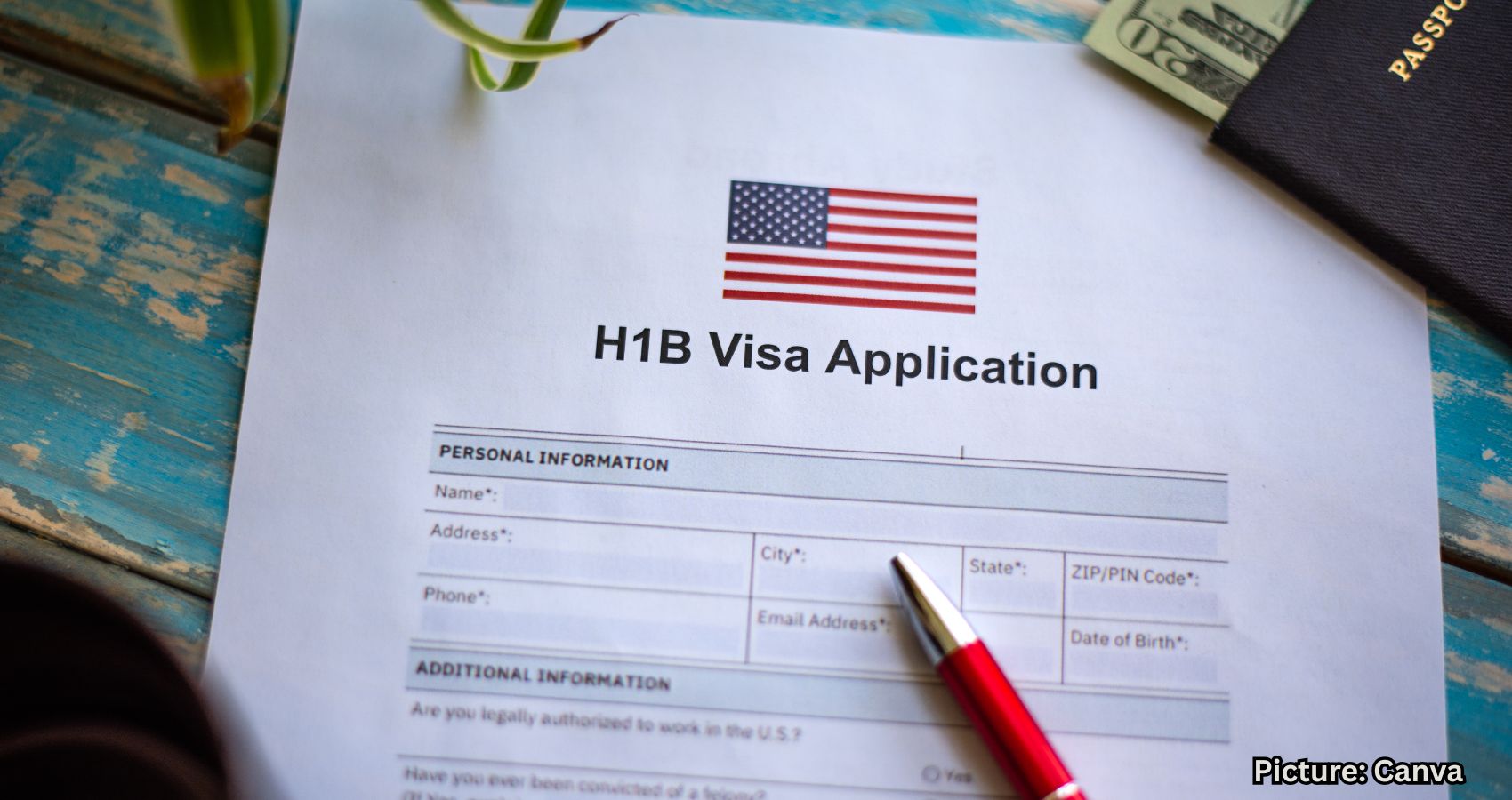
Mosaic is a partner of the Knight Collaborative, in which India Currents participates.

Researchers Discover Function of Heart Trabeculae First Described by Da Vinci

A recent study has clarified the role of trabeculae in the human heart, a feature first described by Leonardo da Vinci over 500 years ago.

A groundbreaking study published in the journal Nature has clarified the role of trabeculae in the human heart, complex structures first illustrated by the renowned artist and scientist Leonardo da Vinci. This research marks a significant advancement in our understanding of cardiac anatomy and has potential implications for cardiovascular health.

The study utilized advanced genetic analysis and fractal theory to investigate trabeculae in a cohort of 18,096 participants from the UK Biobank. The research team aimed to explore not only the morphology of these branching muscle structures but also their genetic underpinnings and their impact on heart function.

During his detailed anatomical studies in the late 15th century, Leonardo da Vinci created drawings that accurately depicted trabeculae, likening their intricate structure to that of tree roots or branches. He theorized that these structures played a vital role in the heart’s function, akin to systems designed to prevent ice from forming on roads. However, his observations remained largely unverified until modern science provided the tools to explore these theories further. The significance of da Vinci’s work lies in its pioneering nature; he was among the first to blend art with science, creating a legacy that continues to inspire contemporary research.
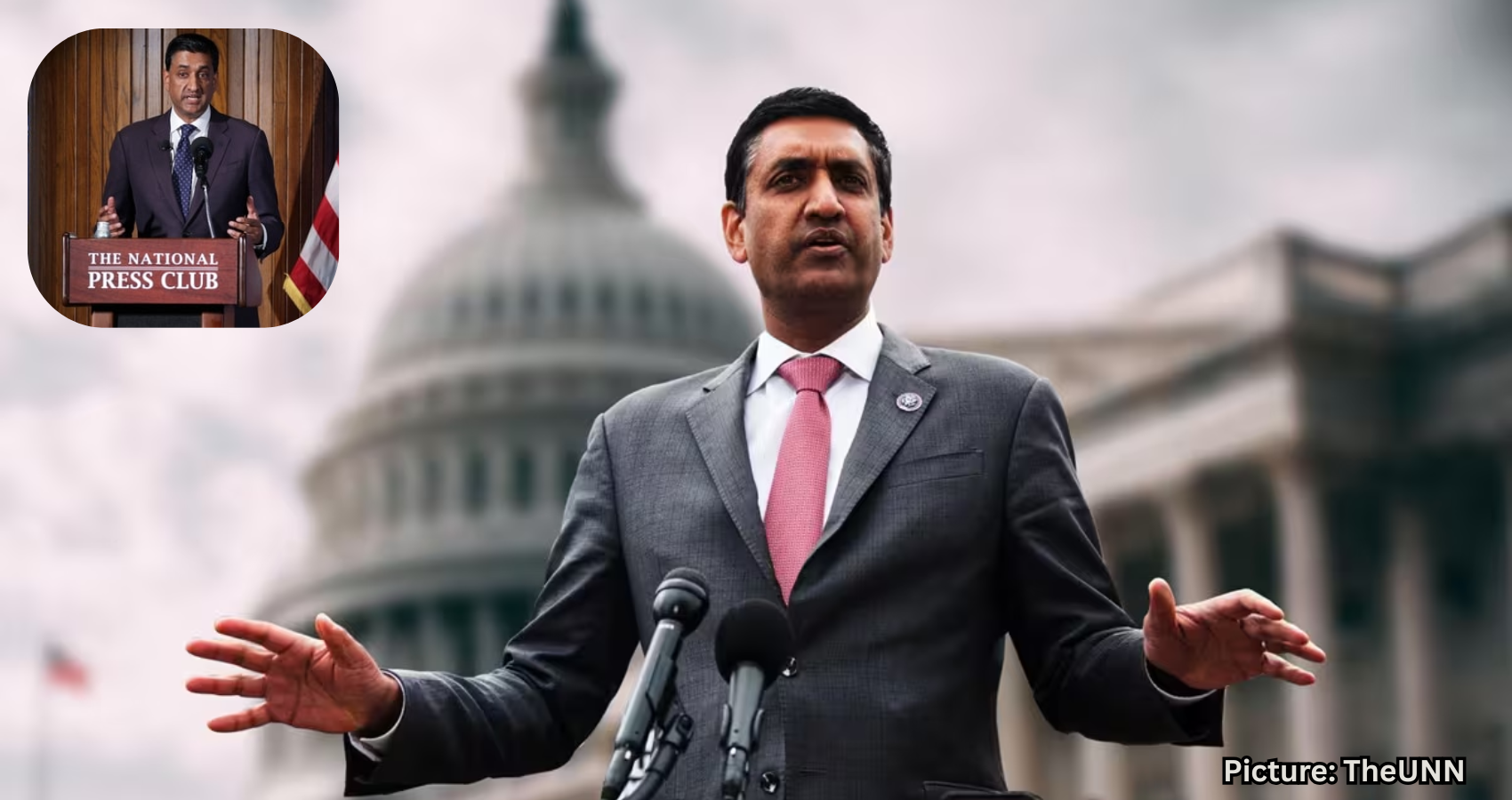

The authors of the recent study conducted a comprehensive analysis, integrating fractal theory to assess the trabecular structures. They identified that these branching features of the heart are remnants of embryonic development, and their adult function had remained largely unexplained until now. According to the researchers, “the inner surfaces of the human heart are covered by a complex network of muscular strands that is thought to be a remnant of embryonic development.”

By employing biomechanical simulations alongside observational data, the researchers demonstrated that the morphology of trabeculae plays a critical role in determining cardiac performance. Specifically, they found that certain structural configurations of trabeculae correlate with an increased risk of cardiovascular disease. The study identified 16 significant loci containing genes associated with hemodynamic phenotypes and the regulation of cytoskeletal arborization, providing new insights into how these features develop and function in adults.

The findings suggest that understanding the genetic and structural aspects of trabeculae can lead to a better grasp of cardiovascular health and disease. Researcher Hannah Meyer noted, “Only the combination of genetics, clinical research, and bioengineering led us to discover the unexpected role of myocardial trabeculae in the function of the adult heart.” This research represents an initial step toward a more nuanced understanding of trabeculae and their potential implications for cardiovascular medicine.

The implications of this study are profound, opening avenues for further research into how trabecular structures might influence heart disease risk and patient outcomes. The integration of advanced technologies, such as MRIs and genetic analysis, exemplifies the evolving landscape of cardiovascular research and its potential to inform clinical practices. For instance, identifying individuals with specific trabecular characteristics could lead to targeted interventions and personalized treatment plans for those at higher risk for heart conditions.

This study not only pays homage to Leonardo da Vinci’s early insights into human anatomy but also highlights the need for continued exploration of the complex structures within our bodies. The researchers emphasize that understanding trabeculae is merely the first step in a larger journey to uncover the intricacies of cardiac function and its relationship to genetic factors. Future research may delve deeper into the functional implications of trabecular morphology and its potential impact on heart health across various populations.

As the field of cardiovascular research progresses, the collaboration between art, science, and technology may yield further breakthroughs that could enhance our understanding of the heart. This integration of disciplines underscores the importance of interdisciplinary approaches in tackling complex health issues, particularly those related to cardiovascular disease, which remains a leading cause of mortality worldwide. By bridging historical insights with modern scientific inquiry, researchers are paving the way for innovations that could transform the prevention and treatment of heart disease.

In conclusion, the recent revelations regarding trabeculae not only validate da Vinci’s observations but also signify a critical advancement in cardiovascular research. As scientists continue to explore the implications of these findings, the hope is that they will lead to improved diagnostic tools and therapeutic strategies aimed at enhancing heart health for future generations, according to Source Name.

Congress Approves Extension of Surveillance Program Until April 30

Congress has voted to extend Section 702 of the Foreign Intelligence Surveillance Act until April 30, 2026, amid ongoing debates over privacy rights and national security.

On April 15, 2026, Congress voted to extend Section 702 of the Foreign Intelligence Surveillance Act (FISA) for an additional ten days, reflecting ongoing tensions between privacy rights and national security. This decision followed several unsuccessful attempts by Republican leaders to secure a more permanent five-year renewal and a shorter 18-month extension proposed by former President Donald Trump, both of which failed to garner sufficient support.

The House of Representatives approved the extension during a late-night vote, while the Senate confirmed it through a voice vote the following morning. This temporary measure ensures that U.S. intelligence agencies can continue their surveillance operations.

Section 702, enacted in 2008, is a vital component of U.S. intelligence efforts, allowing agencies to intercept electronic communications of foreign nationals located outside the United States. The provision aims to enhance national security by enabling the government to gather intelligence on potential threats from abroad. However, the program has faced significant criticism due to the incidental collection of communications involving American citizens who interact with foreign targets. This unintended consequence raises serious concerns regarding privacy rights and the extent of government surveillance on its own citizens.

The recent extension of Section 702 follows a lengthy and contentious debate among lawmakers, highlighting the ongoing struggle to balance national security interests with civil liberties. For nearly two decades, privacy advocates from both political parties have consistently called for reforms that would require intelligence agencies to obtain specific court approval before accessing information related to American citizens. In response, the intelligence community has argued that imposing such restrictions would hinder operational effectiveness and compromise national security.

Historically, attempts to modify FISA have encountered considerable resistance, underscoring a broader tension within U.S. politics regarding surveillance practices. Lawmakers have often struggled to find common ground, resulting in protracted discussions that reveal ideological divides between those prioritizing privacy and those emphasizing security. During the latest round of renewal discussions, proposed modifications aimed at enhancing oversight and accountability ultimately failed to satisfy privacy advocates, leaving many lawmakers frustrated and concerned about the implications of unchecked surveillance.

The process surrounding the extension of Section 702 has exposed deep divisions within Congress, particularly in the House of Representatives. GOP leaders faced criticism for their inability to secure a longer-term renewal, with accusations of ineffectiveness emerging from both within the party and from external privacy advocates. This ongoing turmoil highlights the challenges lawmakers encounter when navigating complex issues of surveillance, privacy, and national security.

As the April 30 deadline approaches, uncertainty looms over whether Congress will reach a compromise regarding the future of FISA. If Section 702 were to lapse, intelligence collection could continue, but significant legal challenges might arise. Technology and telecommunications companies, currently obligated to provide communications data to the government, could resist compliance without the legal protections that Section 702 affords. Such a potential shift could lead to prolonged litigation, complicating law enforcement efforts to gather intelligence.

The ongoing debate regarding Section 702 underscores the fundamental conflict between the necessity of robust national security measures and the imperative of protecting individual privacy rights. As lawmakers engage in discussions concerning potential reforms, the outcomes will have far-reaching implications for the future of surveillance practices in the United States. The need for transparency and accountability in intelligence operations remains a critical concern for many citizens and advocacy groups.

In light of increasing public scrutiny over surveillance activities, it is imperative that lawmakers carefully navigate these complex issues. The conversation surrounding Section 702 is not merely about extending existing surveillance powers; it is about defining the parameters of government oversight and the rights of citizens in an increasingly digital age.

The implications of this ongoing legislative process extend beyond immediate concerns. As technology continues to evolve, the methods and tools available for surveillance will also advance, potentially outpacing existing legal frameworks. This reality necessitates a proactive approach from Congress to ensure that privacy rights are adequately protected while still addressing legitimate national security concerns.

In conclusion, while Congress has temporarily extended the surveillance powers under FISA’s Section 702, the broader conversation about the intersection of privacy and national security is far from resolved. Lawmakers must strive to find a balance that preserves national security interests while safeguarding constitutional rights. This delicate equilibrium will be essential as the legislative process progresses, particularly in a rapidly evolving technological landscape where the stakes are higher than ever, according to Source Name.

Spectacular Blue Spiral Light Likely Caused by SpaceX Rocket Launch

A stunning blue spiral light, likely caused by a SpaceX Falcon 9 rocket, illuminated the night sky over Europe on Monday, captivating viewers and sparking social media buzz.

A mesmerizing blue light, resembling a cosmic whirlpool, brightened the night skies over Europe on Monday. This spectacular phenomenon was captured in time-lapse video and is believed to have been created by the SpaceX Falcon 9 rocket booster as it descended back to Earth.

The event occurred around 4 p.m. EST, or 9 p.m. local time, with the glowing spiral being particularly visible from Croatia. In the footage, the light spins across the sky, prompting many social media users to compare it to a spiral galaxy. The full video, when played at normal speed, lasts approximately six minutes.

The U.K.’s Met Office reported receiving numerous accounts of an “illuminated swirl in the sky,” attributing the phenomenon to the SpaceX rocket that launched from Cape Canaveral, Florida, earlier that day at around 1:50 p.m. EST. This launch was part of the government’s classified NROL-69 mission, with SpaceX delivering a payload on behalf of the National Reconnaissance Office (NRO), the United States’ intelligence and surveillance agency.

“This is likely to be caused by the SpaceX Falcon 9 rocket, launched earlier today,” the Met Office stated on social media platform X. “The rocket’s frozen exhaust plume appears to be spinning in the atmosphere and reflecting sunlight, causing it to appear as a spiral in the sky.”

The glowing light is often referred to as a “SpaceX spiral,” according to Space.com. These spirals occur when the upper stage of a Falcon 9 rocket separates from its first-stage booster. As the upper stage continues its journey into space, the lower stage falls back to Earth, releasing any remaining fuel. This fuel freezes almost instantly at high altitudes, and sunlight reflects off it, resulting in the unusual glow observed in the sky.

Fox News Digital reached out to SpaceX for further comment but did not receive an immediate response.

This remarkable cosmic display followed closely on the heels of a successful SpaceX mission that saw a team working with NASA return two stranded astronauts from space.

According to Space.com, the phenomenon has become a familiar sight for those who closely monitor SpaceX launches and their aftermath.

-+=