
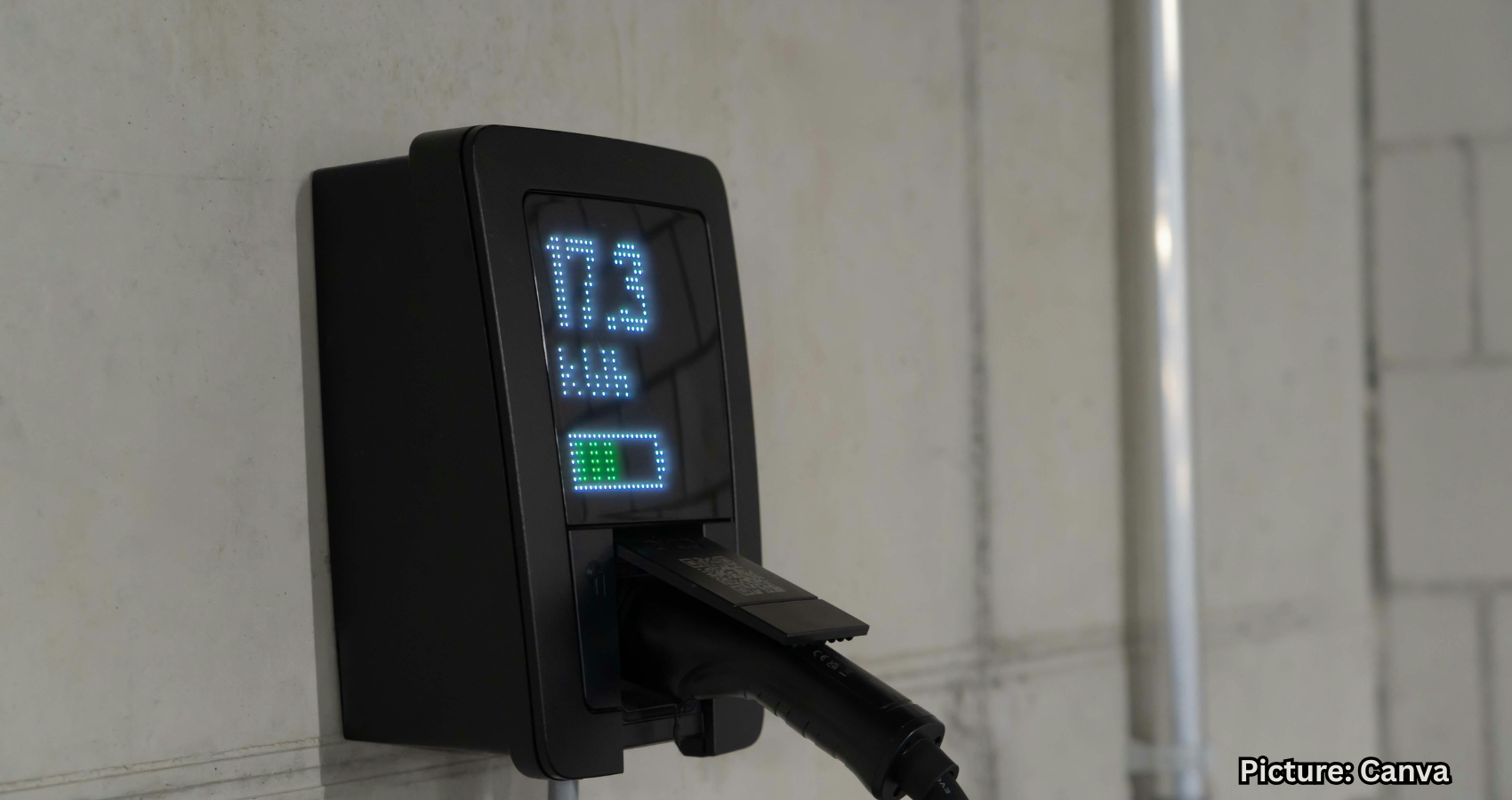
PG&E recently showcased its innovative Powerhouse, a fully electrified home that integrates electric vehicles and smart technology to enhance energy efficiency and sustainability.
On April 17, American Community Media collaborated with Pacific Gas and Electric Company (PG&E) to present a live demonstration of a groundbreaking home designed for the future of energy. The event featured PG&E’s Powerhouse, a pioneering fully electrified residence where advanced clean energy technologies are not only displayed but actively tested and refined.
The Powerhouse showcases an integrated system that includes bidirectional electric vehicle (EV) charging, smart electrical panels and meters, heat pumps, battery storage, and induction cooking. The overarching goal is to simplify the process of electrification, making it more affordable and accessible for everyday consumers.
A key highlight of the demonstration was the two-way interaction between the home, the electric grid, and electric vehicles. Power can flow from the grid to the home and car, and conversely, from the vehicle back to the home—an innovative approach known as vehicle-to-grid (V2G) and grid-to-vehicle (G2V).
The event featured a guided tour led by PG&E and its partners, including companies like SPAN and Tesla, who explained how these technologies converge in a practical setting.
Jason Pretzlaf from PG&E opened the tour by emphasizing the company’s long-standing commitment to clean energy. “We’ve been testing electric vehicles here since 1989—if you can believe that,” he remarked.
He elaborated that the Powerhouse aims to unlock the full potential of electric vehicles for everyday customers. The demonstration underscored a straightforward yet powerful concept: connectivity. By linking devices, the system harnesses the capabilities of new technology to power both the home and the car.
Many of the technologies showcased at PG&E’s Powerhouse are backed by its Electric Program Investment Charge (EPIC) initiative. This public-purpose program funds real-world demonstrations to bring new energy solutions to life, focusing on enhancing safety and reliability, reducing costs, supporting environmental sustainability, and expanding access to clean energy for all California residents.
Chris Moris, who oversees grid research, innovation, and development at PG&E, stated that the aim is to integrate up to 3 million electric vehicles into the energy system. Achieving this could help customers save between $10,000 and $20,000 in grid upgrade costs. “As heat pumps and other electric devices come onto the system, we want to be ready to support customers,” he said, emphasizing the need for a transition that is “quickly, affordably, and in a way that’s delightful for them.”
Arch Rao, CEO of SPAN, showcased the company’s smart panel, which is designed to facilitate home electrification in a cost-effective manner. This panel enables customers to add new electric appliances without incurring the high costs associated with upgrading their service or replacing their existing panel.
“You can buy a SPAN panel through your contractor today—they will replace your existing panel,” Rao noted, adding that SPAN is “excited to partner with PG&E,” which is currently offering the device at no cost.
Rao also introduced the SPAN Edge device, which works in conjunction with a home’s existing smart meter, known as the Advanced Metering Infrastructure (AMI) device. “We’re solving for an install that can happen in about 15 to 30 minutes,” he explained, allowing customers to benefit from electrification without the need for extensive upgrades.
Inside the Powerhouse, representatives from Itron demonstrated a “grid intelligence solution,” a smart digital system designed to keep customers informed and connected. This technology can send real-time alerts about power outages and monitor food safety using sensors.
“Our vision is to deliver a grid that is highly adaptive and resilient,” a representative stated, aiming to meet customer needs affordably while providing real-time insights. The goal is to lower operating costs and create flexibility for future innovations, whether that involves more solar energy, additional battery storage, or further electrification.
Friday Apaliski, Managing Director of Communications at the Building Decarbonization Coalition, expressed her admiration for the behind-the-meter work at Powerhouse, which aims to help both homeowners and renters fully utilize electric appliances. “PG&E and SPAN have done a great job in ensuring that panel service and potential upgrades will not hinder the adoption of electric appliances like heat pumps,” she said.
Overall, PG&E’s Powerhouse is designed to eliminate common barriers to electrification. The technologies on display facilitate the addition of electric appliances and EV charging without costly upgrades, enabling customers to manage their energy use more intelligently and improve backup power, often utilizing their own vehicles. The approach allows individuals to adopt electrification gradually, rather than all at once.
The demonstration also illustrated how this system operates in real-time. A Tesla Cybertruck powered the home while simultaneously supporting the grid, and SPAN panels monitored the available capacity, automatically adjusting the EV charger to align with the home’s limits.
Eli from PG&E’s Clean Energy Transportation team and Victor from Tesla discussed Tesla’s approach to vehicle-to-grid technology. Their system employs an AC pathway instead of DC, allowing drivers to use their EVs to support the grid—and potentially receive compensation for it.
During the demonstration, they showcased how this functionality works with the Tesla Cybertruck, currently the only model equipped with this “powershare” capability. They also indicated that Tesla plans to extend this feature across its fleet in the future.
When questioned about safety during natural disasters such as wildfires, the team assured that the technology is designed with resilience in mind. They explained that battery systems—whether stationary or plug-in—undergo rigorous testing to address risks like fires, floods, extreme weather, lightning strikes, and even physical impacts.
This article was produced as part of the ACoM-PG&E Future Energy Fellowship project, highlighting the innovative strides being made in electrification and energy management.