
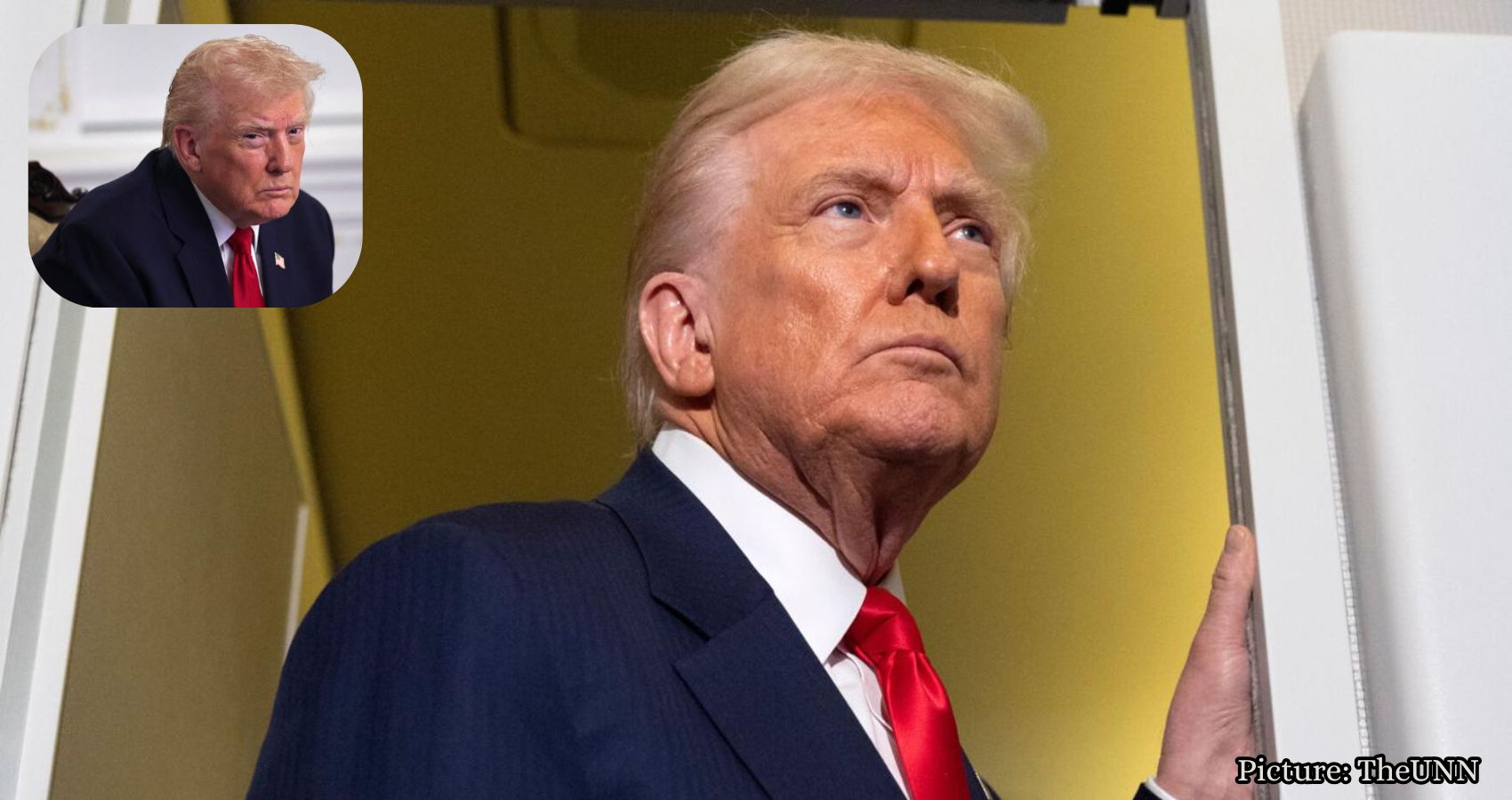
Senator Lindsey Graham transformed his rivalry with Donald Trump into a significant foreign policy partnership, becoming a key voice on issues of war and peace during the Trump administration.
Senator Lindsey Graham spent a decade evolving from one of Donald Trump’s fiercest critics to a pivotal figure in shaping U.S. foreign policy under the Trump administration. Their relationship began in 2015 when Graham labeled Trump a “jackass” and cautioned Republicans against nominating him, a move that prompted Trump to publicly disclose Graham’s personal cellphone number during a campaign rally, urging supporters to contact the South Carolina senator.
Despite their rocky start, Graham became one of the few lawmakers with consistent access to Trump on national security matters, emerging as a prominent voice within the Republican Party on issues concerning Iran, Ukraine, Israel, and NATO. Throughout his three decades in public service, Graham maintained a steadfast commitment to projecting American power abroad, contrasting with Trump’s initial promise to end what he termed “endless wars” and challenge long-standing Republican foreign policy norms.
Over time, Graham’s expertise in foreign affairs positioned him as an influential advisor to Trump, who reshaped the Republican approach to international relations around an “America First” agenda. Graham frequently urged Trump to uphold a robust U.S. presence on the global stage, even as the president expressed skepticism toward traditional alliances and prolonged military engagements.
Graham’s dedication to foreign policy was evident in his extensive travels, often meeting with world leaders and visiting conflict zones, while many of his colleagues remained in Washington. His office became an unofficial hub for foreign leaders seeking to engage with the Trump administration, reflecting his commitment to fostering international relationships.
In the hours leading up to his unexpected death on Saturday, Graham had been actively working on a bipartisan Russia sanctions bill and remained focused on advancing normalization efforts between Saudi Arabia and Israel. He had just returned from his tenth trip to Ukraine, where he had developed close ties with President Volodymyr Zelenskyy and other key leaders.
Trump described Graham as “like a member of the family” and noted that he was among the last to speak with the senator after his return from Ukraine. Graham’s influence stemmed from his hands-on approach to diplomacy; he preferred direct engagement with world leaders over writing op-eds or delivering speeches, according to retired Army General Jack Keane, a close friend.
Graham’s worldview was shaped by his experiences alongside late Senators John McCain and Joe Lieberman, with whom he championed an interventionist foreign policy that emphasized American military leadership and support for democratic allies. While he often found himself at odds with Trump over issues such as Iran negotiations and the war in Ukraine, he managed to maintain a close working relationship with the president.
Even as Trump’s foreign policy fluctuated between military aggression and diplomatic restraint, Graham’s stance remained consistent. He frequently reminded Trump of Congress’s role in reviewing any lasting agreements with Iran, emphasizing the need for legislative oversight. His efforts to push through a long-stalled sanctions bill were indicative of his commitment to maintaining a tough stance against adversaries.
Senator Amy Klobuchar described Graham as possessing a “kid-like exuberance” for his work, highlighting his passion for international diplomacy. White House deputy chief of staff Stephen Miller noted that Graham embodied the essence of a dedicated senator, fully embracing the responsibilities of his office.
Graham’s approach often prioritized maintaining the president’s support over winning individual policy arguments. He spent considerable time negotiating with the White House on his sanctions legislation, ensuring it aligned with Trump’s broader diplomatic goals, particularly in relation to Russia.
While Trump frequently questioned NATO’s value, Graham viewed the alliance as a critical asset for U.S. strategic interests. He believed that while European nations should increase their defense spending, the alliance itself was essential for deterring Russian aggression and projecting American power globally.
Graham’s unwavering support for Israel was also a cornerstone of his foreign policy perspective. He regarded Israel as America’s closest ally in the Middle East and worked tirelessly to strengthen ties between Israel and Arab nations, viewing the normalization of relations between Saudi Arabia and Israel as a historic opportunity to reshape the region.
In his decade-long journey through Washington, Graham demonstrated that proximity to power could be as impactful as formal authority. His sudden passing leaves a significant void, particularly for Ukraine, which now fears it has lost a vital advocate in the U.S. Senate. Oleksandr Merezhko, a lawmaker from Zelenskyy’s party, expressed the unexpected loss, stating, “He was truly indispensable.”
As the Biden administration navigates ongoing conflicts in Ukraine and the Middle East, it faces the challenge of doing so without the guidance of Graham, who was never hesitant to advocate for a more assertive U.S. role on the global stage. The future of Graham’s proposed sanctions bill and the broader implications of his absence in Washington remain uncertain.
Graham’s legacy as a trusted intermediary between the White House, Congress, and foreign leaders will undoubtedly shape discussions on U.S. foreign policy for years to come, as the nation grapples with the loss of a prominent and influential voice.
According to Fox News, Graham’s unique position and relationships in Washington were instrumental in shaping the administration’s foreign policy decisions.