
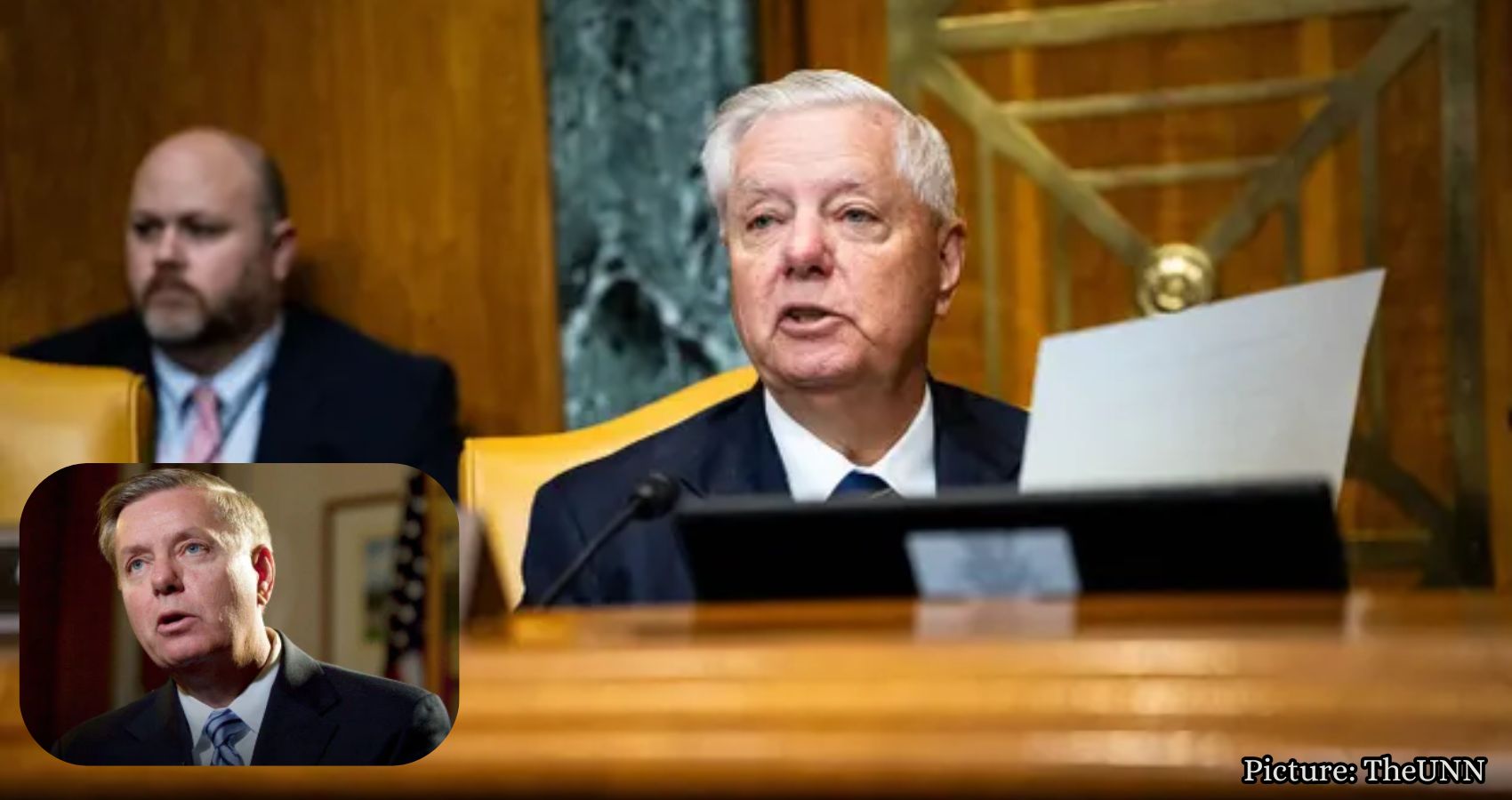
The sudden death of Senator Lindsey Graham raises significant concerns about President Trump’s legislative agenda as the Senate prepares to tackle a busy schedule.
The unexpected passing of Senator Lindsey Graham, a prominent ally of President Donald Trump, has introduced new uncertainties regarding the administration’s legislative priorities. With the Senate gearing up for a packed agenda, Republicans find themselves without a key strategist.
Graham, a Republican from South Carolina, died on Saturday at the age of 71 due to an aortic dissection. Over the years, he evolved from a critic of Trump to one of his most influential supporters, playing a vital role in advancing the administration’s judicial nominations, national security priorities, and foreign policy initiatives. As the chairman of the Senate Judiciary Committee and a senior member of several influential panels, Graham’s contributions were significant.
Several initiatives are likely to be impacted by Graham’s death. These include Trump’s proposed election reforms, the renewal of key surveillance authorities under the Foreign Intelligence Surveillance Act, legislation concerning sanctions on Russia, appropriations bills, and confirmation votes for high-profile administration nominees. Graham was deeply involved in negotiations surrounding these issues and often acted as a liaison between Senate leadership and the White House.
The realm of foreign policy may also feel the repercussions of Graham’s absence. Throughout his Senate career, he was one of Congress’s staunchest advocates for robust U.S. military engagement abroad. He consistently supported increased assistance for Ukraine, adopted a hard-line stance toward Iran, and maintained unwavering support for Israel. His influence was instrumental in shaping several of Trump’s national security decisions, particularly during recent conflicts in the Middle East.
To maintain the Republican majority, South Carolina Governor Henry McMaster appointed Graham’s sister, Darline Graham Nordone, as interim senator until a special election is held later this year. President Trump publicly endorsed this appointment, calling it a fitting tribute to his longtime political ally. Despite Republicans holding a 53-47 majority in the Senate, this transition is expected to temporarily hinder committee work and legislative negotiations.
While Graham’s replacement ensures that Republicans retain their numerical advantage, analysts suggest that replicating his institutional knowledge and close relationship with Trump will be a far more challenging task. Over recent years, Graham transformed from one of Trump’s sharpest critics into one of his most trusted confidants, frequently advising the president on matters related to judicial appointments, immigration, defense, and foreign affairs.
As Congress reconvenes this week, it faces a compressed legislative calendar, with appropriations deadlines, confirmation hearings, and national security legislation vying for attention. The death of Graham adds another layer of uncertainty as Republican leaders strive to keep Trump’s domestic and foreign policy agenda on track ahead of the 2026 midterm elections.
According to The American Bazaar, the loss of Graham’s leadership could have lasting implications for the Republican Party and its legislative efforts.