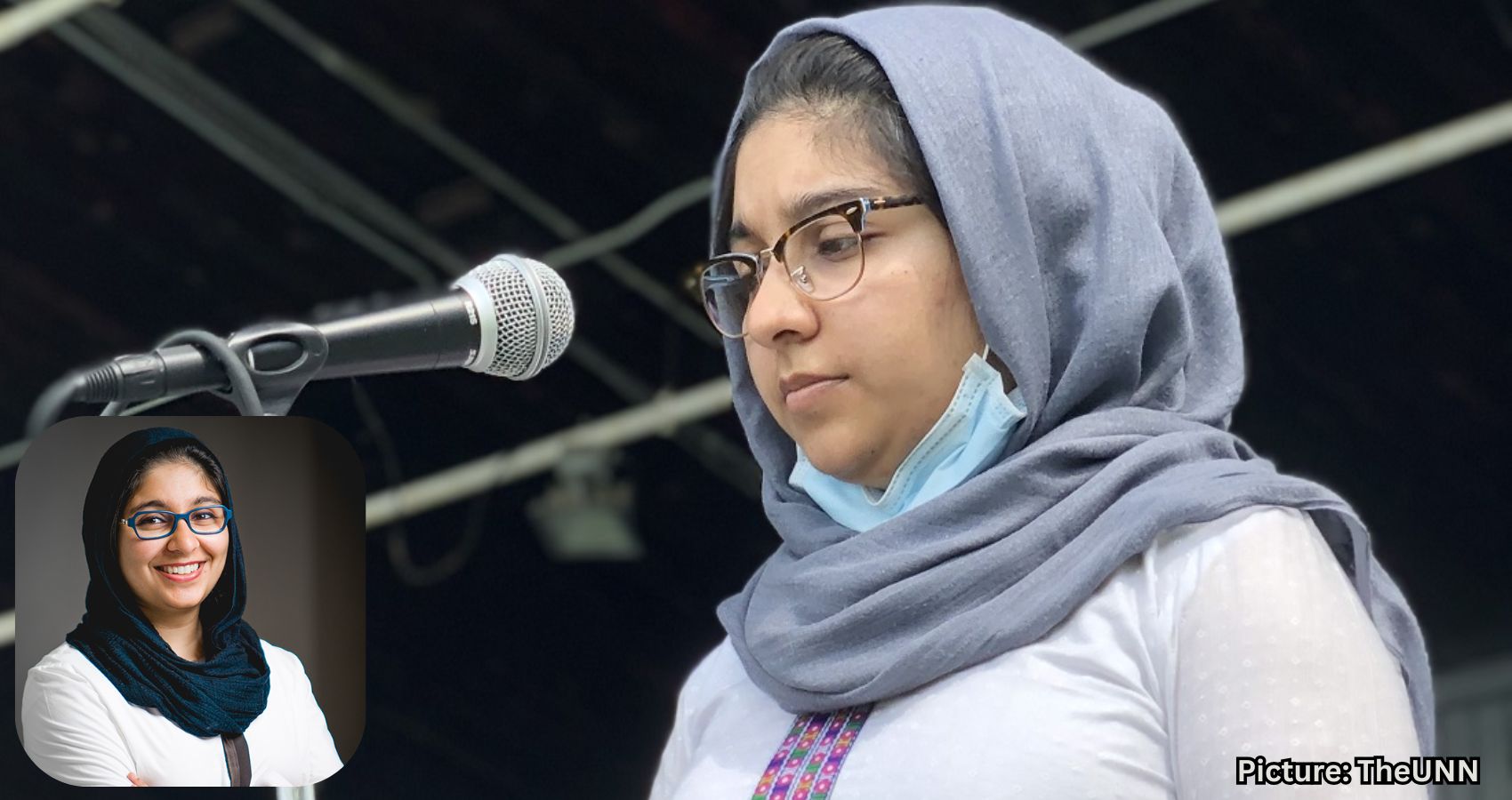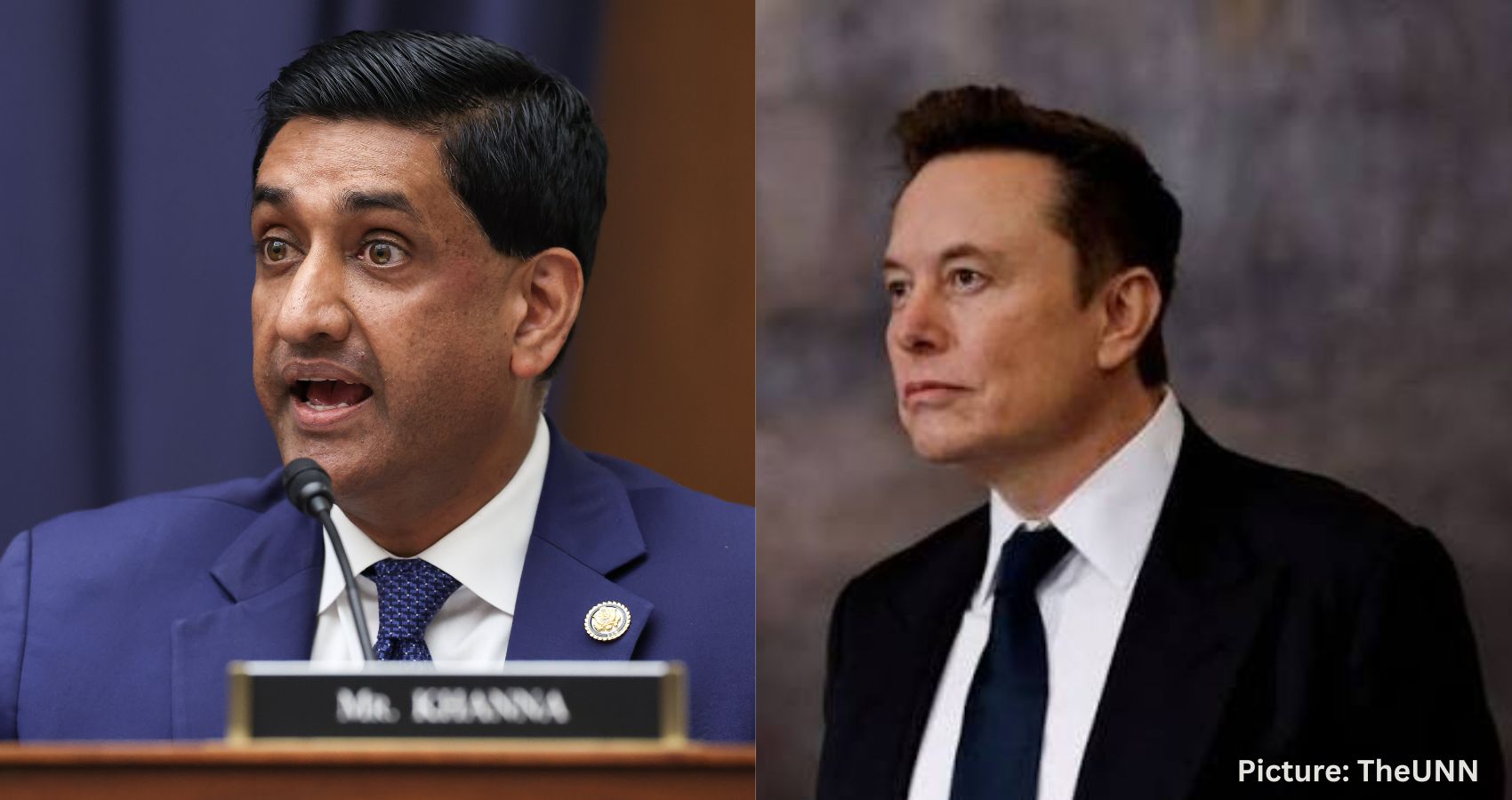
Pune Lecturer Arrested in NEET-UG Physics Paper Leak Case

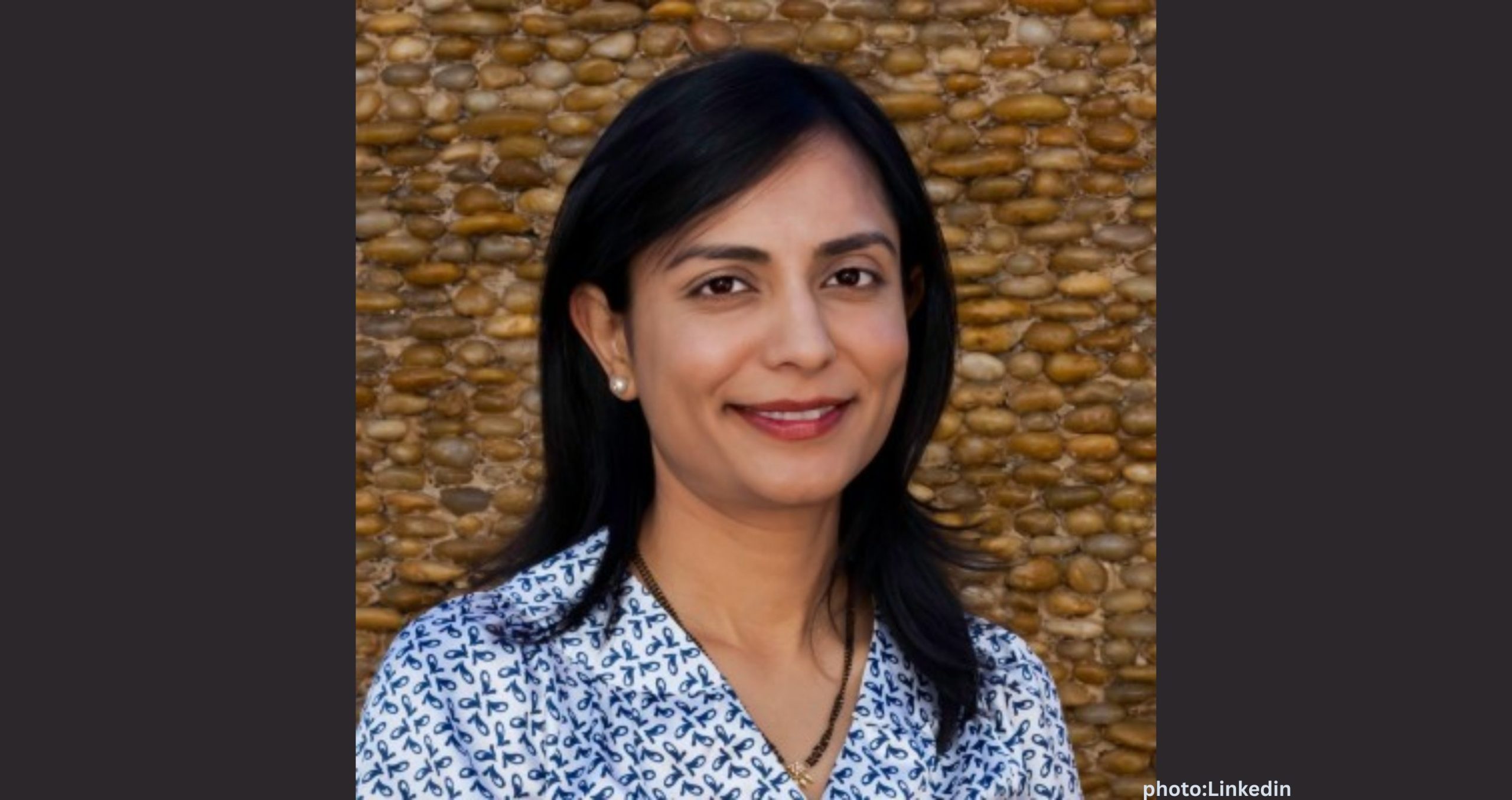
Manisha Sanjay Havaldar, a Pune lecturer and school headmistress, was arrested by the CBI in connection with the NEET-UG physics paper leak case, just 40 days before her retirement.

The Central Bureau of Investigation (CBI) has arrested Manisha Sanjay Havaldar in relation to the alleged leak of the NEET-UG 2026 physics paper, marking a significant development in the ongoing investigation into examination malpractice.

Havaldar, a lecturer and headmistress at Seth Hiralal Saraf Prashala in Pune, was reportedly involved in the NEET-UG examination process as a subject expert. Investigators assert that she had direct access to the physics question paper prior to the medical entrance exam.

As she approached retirement, with only about 40 days left in her career, her arrest has dramatically altered the course of her professional life. Following the CBI’s actions, the school administration suspended her and pledged support for the ongoing investigation.

According to the CBI, Havaldar allegedly shared portions of the NEET-UG 2026 physics paper with co-accused Manisha Gurunath Mandhare in April, weeks before the examination took place. The agency claims that the leaked questions corresponded with the actual physics section of the NEET-UG exam.

Further allegations suggest that the leaked content was disseminated among select aspirants through a broader network involving teachers, middlemen, and individuals linked to coaching institutes. Reports indicate that students were charged substantial fees for access to the leaked questions and special “revision sessions” based on the paper.

The CBI has identified Havaldar as a “key source” in the leak of the NEET-UG physics questions, and her arrest marks the 11th apprehension in the expanding investigation into the alleged paper leak syndicate.

Officials are currently examining digital devices, communication records, and connections among multiple accused individuals across Maharashtra and other states to uncover the full extent of the network involved in this scandal.

The NEET-UG paper leak controversy has reignited concerns regarding the integrity of India’s competitive examination system. In recent weeks, the CBI has conducted numerous arrests and raids associated with the alleged leak syndicate, scrutinizing several teachers, coaching operators, and intermediaries.

The investigation is ongoing, and authorities are expected to question additional individuals connected to the examination process in the days ahead, as they work to dismantle the network behind this significant breach of trust.

As the situation develops, the implications of this case may have far-reaching effects on the future of examination integrity in India, particularly in high-stakes assessments like the NEET-UG.

According to The Sunday Guardian, the investigation continues to unfold, revealing the complexities and challenges faced by authorities in maintaining the sanctity of educational assessments.

Trump Supports Permanent Daylight Saving Time to Eliminate Clock Changes

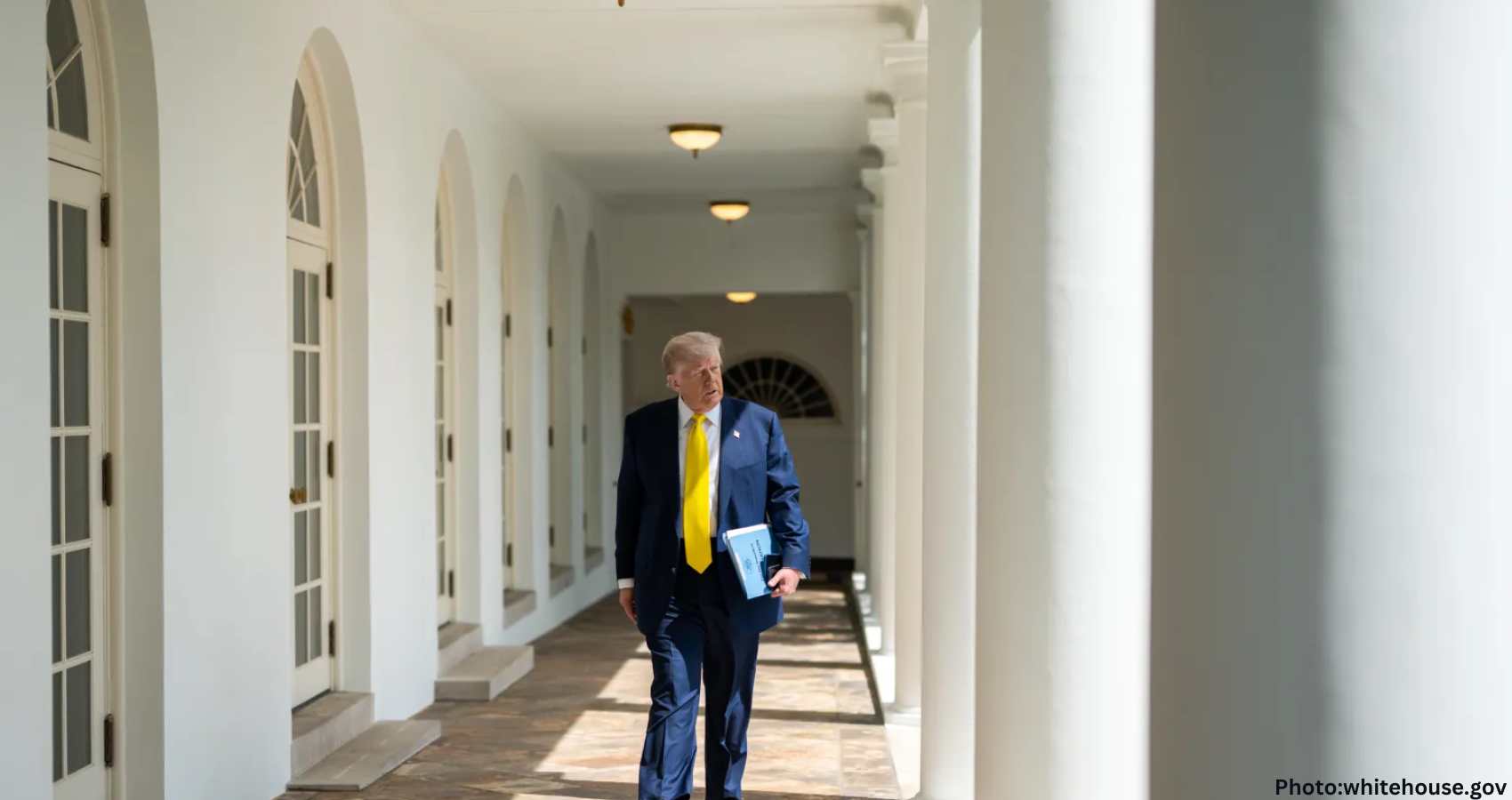
President Donald Trump supports a bipartisan effort to make daylight saving time permanent, aiming to eliminate the need for twice-yearly clock changes.

President Donald Trump is advocating for a congressional initiative to abolish the twice-annual clock changes associated with daylight saving time by making it a permanent fixture. This proposal, known as the Sunshine Protection Act, has garnered bipartisan support and was recently included in a larger legislative measure that the House Energy and Commerce Committee advanced with a significant 48-1 vote.

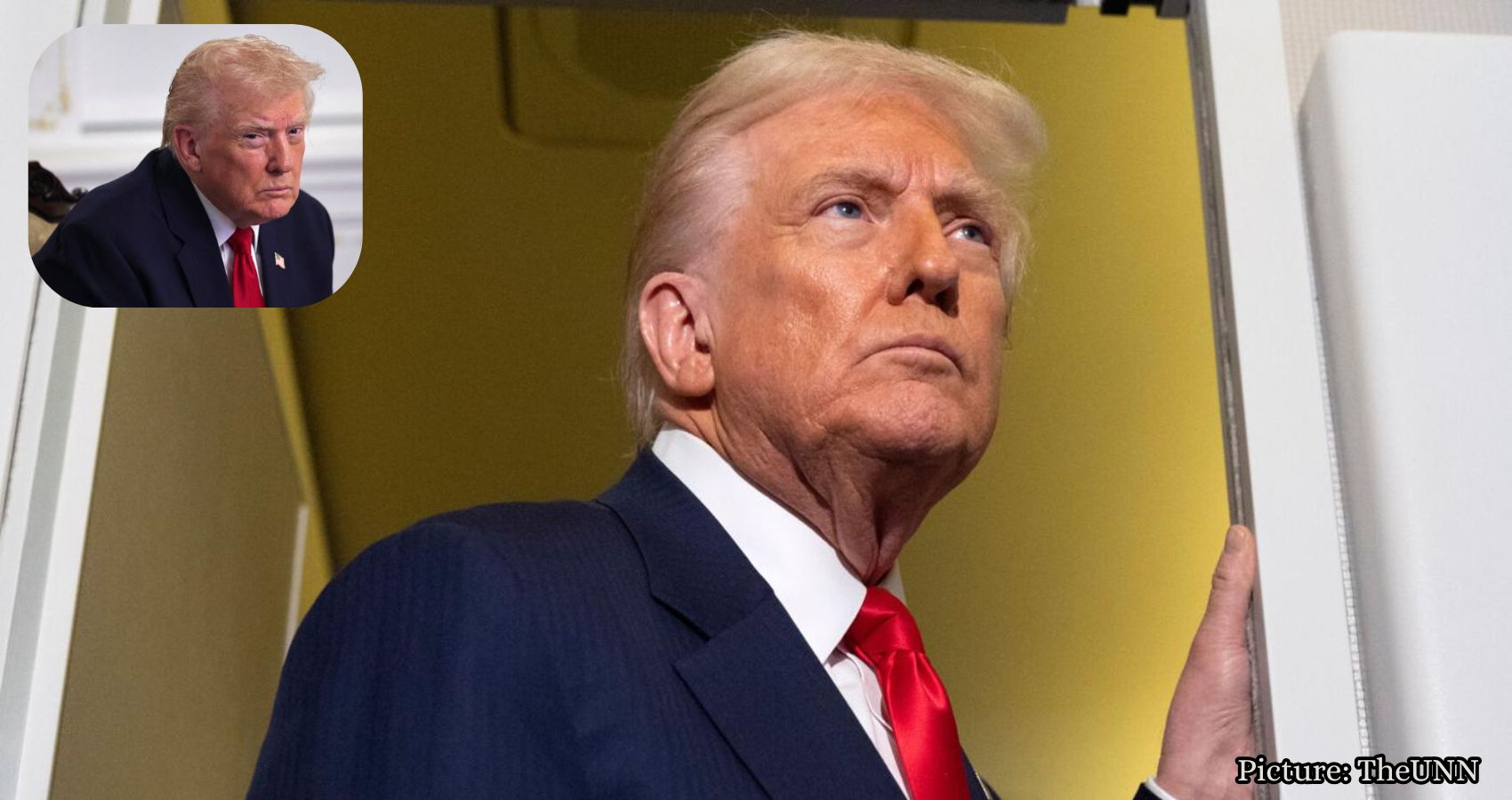
In a post on Truth Social, Trump expressed his enthusiasm for the bill, stating, “Big Vote today (48-1!) in the Energy and Commerce Committee on a Bill including The Sunshine Protection Act, which will be making Daylight Saving Time Permanent! This is so important in that Hundreds of Millions of Dollars are spent every year by people, Cities, and States, being forced to change their Clocks.” He highlighted the financial burden of maintaining clocks, particularly those located in towers, and the prohibitive costs associated with the heavy equipment needed for the biannual time changes.

Trump further emphasized the need for a permanent solution, arguing that it would relieve people from the hassle of adjusting their clocks twice a year. “It’s time that people can stop worrying about the ‘Clock,’ not to mention all of the work and money that is spent on this ridiculous, twice yearly production,” he stated. He also framed the initiative as a potential political win for the Republican Party, asserting, “We are going with the far more popular alternative, Saving Daylight, which gives you a longer, brighter Day — And who can be against that — This is an easy one!”

The Sunshine Protection Act, championed by Rep. Vern Buchanan (R-Fla.), was included as a provision within an amendment to the Motor Vehicle Modernization Act. Buchanan’s office noted that the legislation has gained traction, with 32 bipartisan cosponsors in the House and a companion bill in the Senate (S. 29) introduced by Senator Rick Scott (R-Fla.), which has 18 bipartisan cosponsors.

Importantly, the proposal does not mandate that states currently not observing daylight saving time must adopt it. This flexibility allows states to maintain their existing practices while providing an option for those that wish to make the switch.

Last year, Trump had previously called for Congress to address the issue, urging lawmakers to “push hard for more Daylight at the end of a day.” He described the concept as “very popular” and reiterated the inconvenience and costs associated with changing clocks, labeling it a “A VERY COSTLY EVENT!!!” in an April 2025 post.

The movement to make daylight saving time permanent reflects a growing sentiment among many Americans who find the clock changes disruptive. As discussions continue in Congress, the bipartisan support for the Sunshine Protection Act may signal a shift toward a more consistent approach to timekeeping across the nation.

According to Rep. Vern Buchanan’s office, the push for permanent daylight saving time is gaining momentum, with significant backing from both sides of the aisle.

ICE Arrests Indian National After California Hit-and-Run Incident

An Indian national has been arrested by U.S. Immigration and Customs Enforcement following a felony hit-and-run incident involving a child in California, raising questions about sanctuary immigration enforcement policies.

An Indian national in California has been detained by U.S. Immigration and Customs Enforcement (ICE) after being released by state authorities in connection with a felony hit-and-run case involving a four-year-old child. This incident has sparked a renewed debate over California’s sanctuary policies and the relationship between local law enforcement and federal immigration authorities.

The incident occurred in Fresno County on April 28, according to reports from The Times of India and statements from the Department of Homeland Security (DHS). The accused, identified as Aman Kumar, allegedly struck a child with his vehicle and fled the scene. Fortunately, the child survived the incident and is expected to recover.

Fresno County law enforcement officials arrested Kumar the following day on felony hit-and-run charges involving injury. However, federal officials later criticized California authorities for releasing him before immigration officials could take him into custody.

On May 13, ICE officers arrested Kumar outside the Fresno County Superior Court, as reported by DHS. In a strongly worded statement, Acting Assistant Secretary Lauren Bis criticized California’s sanctuary policies, stating, “Sanctuary politicians in California released this criminal illegal alien from jail back onto the streets.” This language underscores the growing national debate over immigration enforcement and sanctuary laws, particularly as the U.S. approaches an election season.

Conversely, California officials and immigrant rights advocates argue that sanctuary policies are intended to foster cooperation between immigrant communities and local police, allowing individuals to report crimes without the fear of deportation. This case has once again highlighted the ongoing legal and political tensions between state protections and federal enforcement priorities.

As of now, it remains unclear whether Kumar has entered a plea or secured legal representation. Authorities have not provided further details regarding the child’s medical treatment, other than confirming that the victim is expected to survive.

While the case is still under legal review, it has become part of a larger conversation about how state and federal agencies coordinate on public safety issues involving undocumented immigrants accused of serious crimes. As immigration continues to influence political discourse across the United States, incidents like the one in Fresno are likely to be closely monitored by policymakers, advocacy groups, and immigrant communities, including Indian Americans navigating an increasingly polarized enforcement landscape.

According to The Times of India, this case exemplifies the complexities surrounding immigration enforcement and the challenges faced by local and federal authorities in addressing public safety while respecting the rights of immigrant communities.

Indian-American Woman Loses Nearly $10,000 in Jury Duty Crypto Scam

Gail Barr, a nurse practitioner from Arizona, lost nearly $10,000 in a jury duty cryptocurrency scam on her 70th birthday but was later saved by the state’s new crypto kiosk law.

On her 70th birthday, Gail Barr received numerous well-wishes from family and friends, but one voicemail turned her celebration into a nightmare. The caller, claiming to be Chief Deputy Derek Elmore of the Maricopa County Sheriff’s Office, informed her of an urgent legal matter involving court documents from an Arizona judge.

When Gail returned the call, the situation escalated. The caller accused her of missing jury duty and demanded a fine of nearly $10,000, threatening arrest if she failed to comply. Despite her experience as a nurse practitioner, the legal jargon and urgency of the situation left her feeling vulnerable and confused. “I know medical things, but I didn’t know how that worked,” Gail recounted on the CyberGuy Report podcast.

The scammer’s tactics were sophisticated, using real names and official-sounding titles to create a sense of legitimacy. Gail verified the name of the judge mentioned in the voicemail, Jennifer Zipes, and found that she was indeed a real Arizona judge. This research further convinced her of the call’s authenticity.

Gail was then transferred to another individual who claimed to be Police Captain John Bailey. He provided a badge number and informed her that she had been “hand-selected” for a grand jury case due to her medical background. This detail resonated with Gail, making the scam feel plausible. “They said that I was hand-selected by the judge to appear in a grand jury, a medical malpractice case, because of my background in nursing,” she explained.

The pressure intensified when the caller claimed that Gail had signed a subpoena and now faced citations for contempt of court. Scammers often exploit fear to manipulate their victims, and this was no exception. The caller’s calm demeanor and authoritative tone made it difficult for Gail to question the legitimacy of the situation.

Ultimately, the scammer instructed Gail to pay $9,260 through a “federal bonding kiosk,” which turned out to be a Bitcoin ATM located inside a Circle K convenience store. Unfamiliar with Bitcoin, Gail was further manipulated when the scammer insisted she could not consult anyone, including her son, who was knowledgeable about cryptocurrency. “They said you cannot get off the phone with us,” she recalled.

After withdrawing the cash, Gail followed the scammer’s instructions and used the Bitcoin machine, scanning an official-looking barcode that appeared to originate from the Maricopa County Sheriff’s Office. “We had to do it, like, five different times because there was a limit to how much you could put in at once,” she said, expressing her exhaustion as she deposited the funds. “That was money that I had worked for.” The funds were intended to help cover her son’s medical bills.

After completing the transaction, the scammer concocted another story, claiming that Gail had incurred a federal citation and demanding an additional $12,000. When she expressed that she couldn’t afford that amount, the scammer lowered the demand to $3,000 and sent her to another bank. It was during this second visit that Gail’s luck began to change.

The bank manager, suspicious of the situation, asked Gail what the money was for. Although she initially provided the excuse given by the scammer, the manager’s probing questions prompted her to reconsider. “Something seemed a little weird, I think, but I just kept going because I was frightened,” Gail admitted. The manager took her aside and discussed the matter further, ultimately helping her realize that she had been scammed.

Upon returning home, Gail informed her husband and son about the incident and contacted a local news reporter. It was through this outreach that she learned about Arizona’s Cryptocurrency Kiosk License Fraud Prevention law, which had gone into effect just a month prior to her scam. This law aims to protect victims of cryptocurrency fraud by requiring kiosk operators to provide fraud warnings, transaction receipts, daily limits, and refund protections for certain victims who report fraud within a specified timeframe.

Gail acted quickly, filing a police report and contacting the cryptocurrency kiosk operator as required by the law. “You have to file a police report within 30 days,” she explained. After completing the necessary steps, she received a check for the full amount she had lost. “It was a good birthday present,” she said, reflecting on the unexpected turn of events.

Gail’s experience highlights the growing issue of cryptocurrency scams, particularly targeting older adults. According to AARP, cryptocurrency kiosks were linked to over $389 million in reported losses in 2025, with adults aged 60 and older accounting for 86% of those losses. As of April 2026, 29 states had enacted crypto kiosk laws, which include various consumer protections and restrictions.

In light of Gail’s story, it is crucial for individuals to be aware of the warning signs associated with scams. Legitimate courts do not demand immediate payment over the phone, nor do they collect fines through Bitcoin ATMs. Scammers often use public information to make their lies more convincing, and they thrive on fear and urgency to manipulate their victims.

To avoid falling victim to similar scams, individuals should hang up if they receive a call demanding immediate payment. Instead, they should verify the information by contacting the court directly using official numbers. Additionally, consulting with trusted family members or friends can provide a second opinion and help break the scammer’s hold.

Gail’s story serves as a reminder of the importance of vigilance in the face of increasingly sophisticated scams. The rapid advancement of technology has created new avenues for fraud, but awareness and education can empower individuals to protect themselves. As states continue to implement laws aimed at curbing cryptocurrency scams, victims like Gail can find hope in the possibility of recovery.

For more insights into Gail’s experience and advice on avoiding scams, listen to the CyberGuy Report podcast at cyberguy.com/podcast.

Gail Barr’s experience underscores the need for ongoing education about cryptocurrency scams and the importance of protective legislation, as many victims may not be as fortunate in recovering their lost funds.

According to AARP, understanding the tactics used by scammers can help individuals safeguard their finances and avoid becoming victims of similar schemes in the future.

Growing Interest in Longevity Clinics Signals Changing Views on Aging

As interest in longevity clinics grows, Americans are increasingly focused on enhancing their quality of life in later years, emphasizing healthy aging over mere longevity.

In recent years, the American public has shown a growing interest in longevity clinics, reflecting a shift in attitudes toward aging. These clinics are gaining traction as individuals seek ways to not only survive into old age but to thrive during their senior years. By combining elements of medical facilities and wellness retreats, longevity clinics offer advanced diagnostics and personalized health programs designed to improve quality of life.

A survey conducted by the Pew Research Center in November 2025 revealed that 76 percent of American adults aspire to live at least to the age of 80, with 29 percent aiming for a century. On average, respondents indicated a desired lifespan of 91 years, highlighting the importance of maintaining health and independence as they age.

The global market for dedicated longevity clinics was valued at approximately $5.35 billion in 2025 and is projected to reach $6.02 billion by 2026, representing a compound annual growth rate of 12.2 percent. These clinics are increasingly attracting clients seeking preventive care, diagnostic services, personalized medicine, wellness programs, and anti-aging treatments. Preventive care is particularly vital, as early detection and lifestyle interventions play a crucial role in enhancing longevity.

Dr. Arasi Maran, director of the Cardiac Catheterization Lab at the Ralph H. Johnson VA Health Care System in Charleston, South Carolina, shared her insights on the market. “No, this isn’t a trend — but we have to draw a line. Longevity is about living longer. Healthy aging — or functional aging — is about living better. Rather than selling a dream of extra years; we should be focusing on a life actually worth living,” she stated. This perspective underscores the growing concern that while the longevity trend is real, a focus on healthy aging is more sustainable and beneficial.

Dr. Maran also noted that the integration of predictive artificial intelligence (AI) is poised to revolutionize the field. “We are only at the very beginning of this. Soon, AI won’t just track your data — it will anticipate decline before it ever shows up clinically,” she explained. This advanced technology could lead to the development of a digital twin, a virtual model that ages alongside the individual, simulating how current lifestyle choices may impact health over the next two decades. Such innovations are expected to drive the market’s growth and improve overall quality of life.

While the pursuit of longevity is gaining traction, it is essential to recognize that aging is an inevitable process. Genetics account for approximately 20 to 30 percent of longevity outcomes, with the remaining factors influenced by lifestyle choices. Experts recommend adopting healthy practices early in life to facilitate better aging. Key components include regular physical activity, proper nutrition, adequate sleep, and nurturing a supportive community.

According to Dr. Maran, quality sleep is foundational for cognitive health and systemic inflammation reduction, emphasizing the need for seven to nine hours of quality rest. Regular physical activity, which should include at least 150 minutes of moderate-intensity exercise weekly, coupled with strength training, has been shown to provide benefits that no supplement can match. Additionally, a clean diet, consisting primarily of seasonal fruits and vegetables, legumes, whole grains, and healthy fats, contributes significantly to overall well-being.

Furthermore, fostering meaningful social connections is crucial for mental health, which is equally important as physical health in establishing a solid foundation for healthy aging. Dr. Maran reiterated, “I prefer healthy aging — or functional aging — over the generic term longevity. Living longer without health is meaningless, even a burden. The real goal is to stay cognitively sharp, physically mobile, and emotionally engaged.”

Consistency in healthy habits is vital. Dr. Maran emphasized the importance of maintaining a balanced body composition, cultivating meaningful relationships, managing stress, avoiding tobacco, limiting alcohol, and engaging in preventive screenings as proven strategies for enhancing longevity.

Recent research indicates that small, incremental improvements in daily habits can significantly add quality years to one’s life. This includes simple actions such as increasing sleep duration, adding more movement to daily routines, and incorporating additional servings of vegetables into meals. As advancements in diagnostic technologies and AI-driven health monitoring systems continue, the longevity clinic industry is expected to expand, aligning with the public’s growing interest in sustainable living and disciplined health practices.

While exploring the benefits of longevity clinics may appeal to many, the most effective strategies for enhanced quality of life are often low-cost and straightforward. Dr. Maran concluded with a powerful reminder: “Healthy aging isn’t bought, it’s built. You cannot outrun the donut. No tracker, no IV drip, no genetic test will rescue habits quietly working against you.” The essential takeaway is to prioritize adequate sleep, daily movement, wholesome food choices, and meaningful relationships to lay a solid foundation for a healthy future, according to Pew Research Center.

South Asian Candidates Achieve Significant Wins in Georgia Runoffs

Several South Asian candidates achieved significant victories in Georgia’s primary elections, advancing to runoff positions and marking a notable moment for political representation in the state.

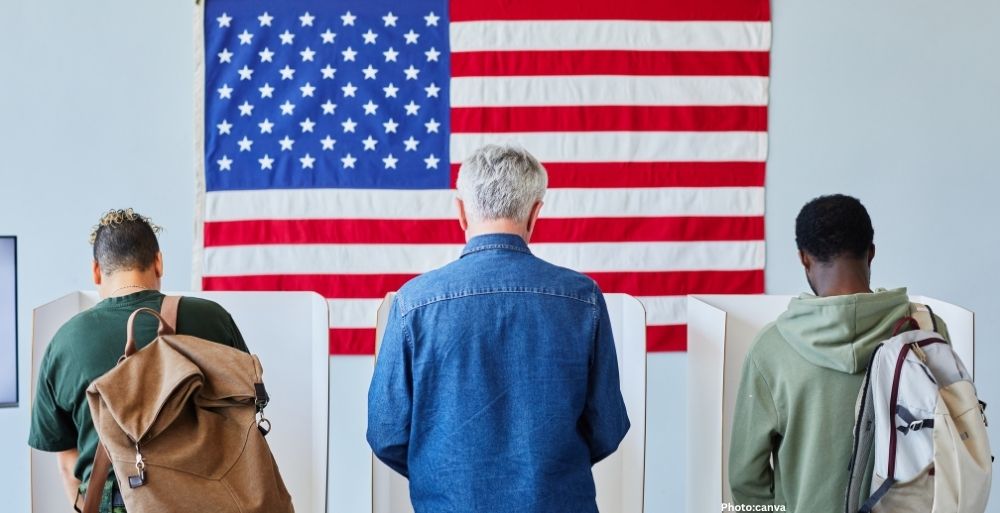
ATLANTA, GA – In a significant development for political representation, several South Asian candidates secured victories and advanced to runoff positions in Georgia’s primary elections held on May 19. The state is home to over 600,000 Asian American residents, highlighting the growing influence of these communities in local politics.

Among the standout races, Nabilah Islam Parkes advanced to a Democratic runoff for the lieutenant governor position. If successful, she would become the first South Asian and Asian American nominee for this office from either major party in Georgia’s history.

“Georgians showed up in huge numbers tonight because they are sick and tired of the status quo,” Parkes expressed on Instagram following the results. “I’m honored that so many voters have put their trust in me, and I’m going to keep fighting for an affordable and fair economy that will allow all of our families to thrive.”

Rahul Garabadu also advanced to a runoff in the competitive State Senate District 7 race after narrowly missing an outright victory. In a message on Instagram, Garabadu expressed gratitude to his supporters and volunteers, emphasizing the campaign’s focus on critical issues leading up to the runoff election scheduled for June 16. “It’s official: we are heading on to the Runoff Primary Election on June 16th,” he wrote. “Your time will have a bigger impact than ever before.”

The primary elections also resulted in outright victories for several other South Asian candidates across Georgia. Jyot Singh won the Democratic primary for State House District 97, positioning him to potentially become the first Sikh elected official in Georgia’s history. Singh celebrated his victory with a succinct social media post stating, “We Won.”

Saira Draper emerged victorious in the Democratic primary for State Senate District 44, while Akbar Ali secured the Democratic nomination in House District 106, where he currently serves as Georgia’s youngest state legislator.

Chintan Patel, executive director of Indian American Impact, commented on the election results, noting the increasing political representation for South Asian communities in Georgia. “Last night’s results in Georgia speak to the growing political power and representation of our communities,” Patel stated. “We are thrilled to see so many South Asian leaders stepping into the halls of power and ensuring our communities have a voice at every level of government.”

As the political landscape continues to evolve, these victories signal a promising shift towards greater diversity in representation. The upcoming runoff elections will be closely watched as candidates strive to solidify their positions and further engage with their constituents.

Stay tuned for the latest updates on the U.S. elections, covering campaign developments, key races, voter trends, and major political shifts shaping the 2026 election landscape, according to India West.

Offbeat Reddit Posts Resurface During Graham Platner’s Maine Senate Campaign

Maine Senate nominee Graham Platner faces backlash over controversial Reddit posts, which he attributes to PTSD from his military service in Iraq and Afghanistan.

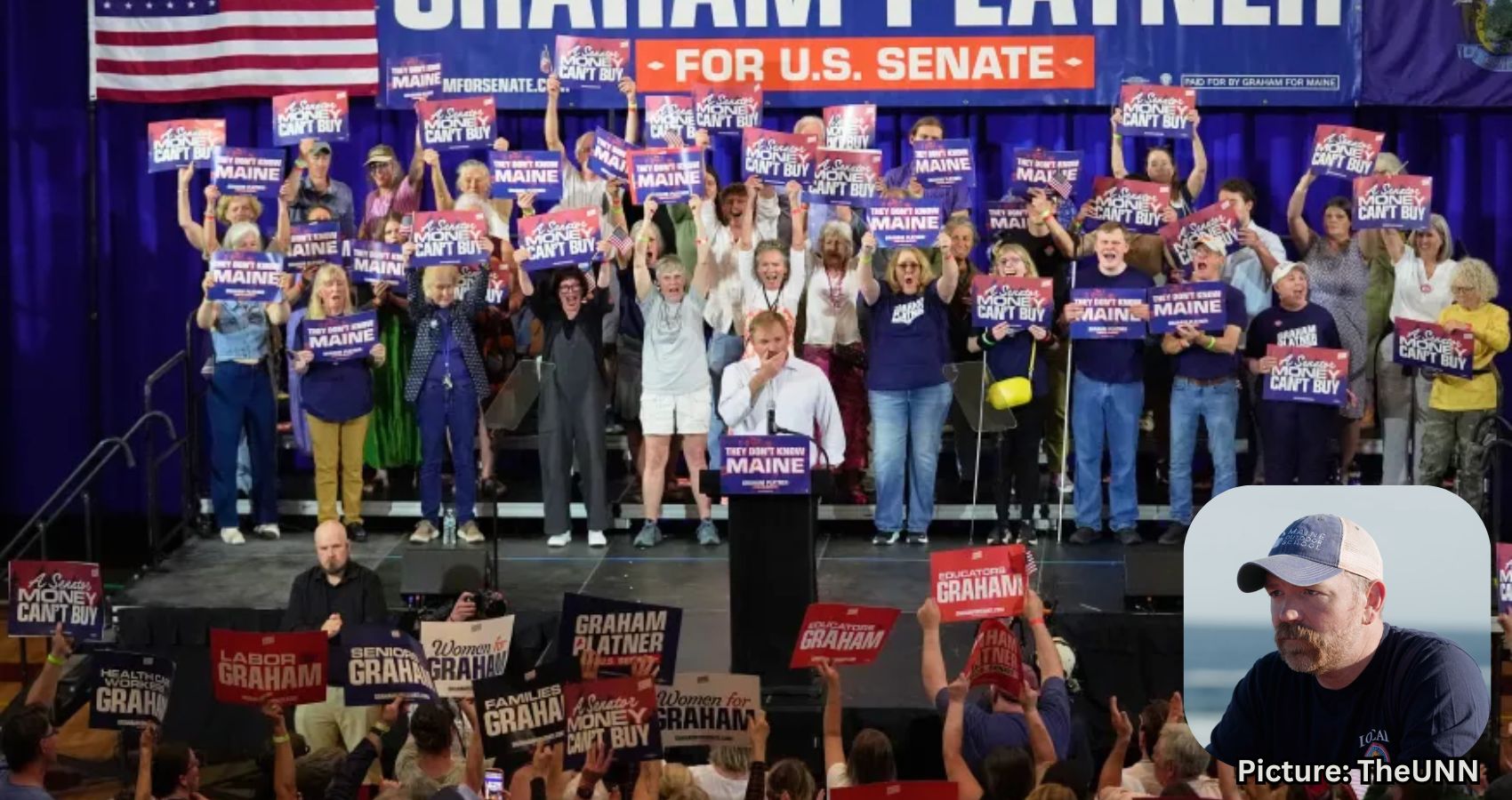
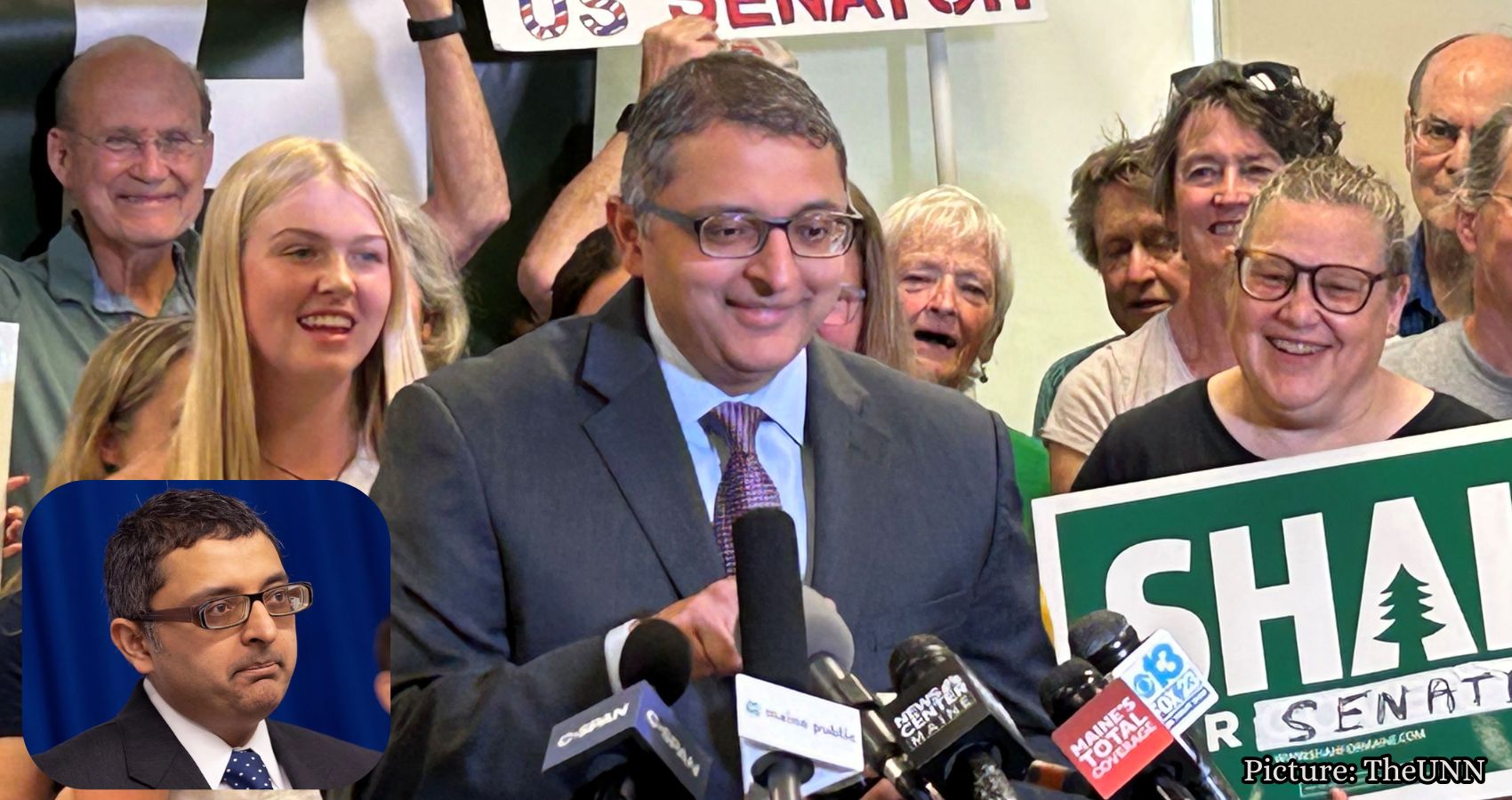
Graham Platner, the presumptive Democratic nominee for the U.S. Senate in Maine, is under scrutiny following the resurfacing of controversial posts he made on Reddit. The 41-year-old Marine Corps veteran has faced significant backlash for statements related to race, sexuality, and political violence, as well as for expressing his ideological beliefs.

In response to the criticism, Platner has attributed his past online behavior to depression and PTSD stemming from his combat deployments in Iraq and Afghanistan. He explained that during his time as an infantryman, he became accustomed to using “crude humor” and “offensive language.” “I’m sorry for this. Just know that it’s not reflective at all of who I am,” Platner stated regarding his previous comments. “I don’t want you to judge me on the dumbest thing I ever wrote on the internet. I would prefer if people could judge me on the person I am today.”

Although Platner no longer uses the Reddit username “p-Hustle,” many of his deleted posts and comments have been archived and made accessible by various media outlets, including the Maine Monitor. This has reignited criticism of his campaign as he seeks to unseat incumbent Republican Senator Susan Collins and flip the Maine Senate seat to the Democratic Party.

Some of Platner’s old Reddit posts reflect a progressive stance on issues of race, yet they also include troubling comments. For instance, in August 2013, he wrote, “Why don’t black people tip?” in response to a question about race on the AskReddit forum. He elaborated that, as a bartender, he found the stereotype to be “solid,” noting that while some black patrons tipped well, many did not.

Platner’s posts also included derogatory language aimed at homosexuals and individuals with disabilities. In one now-deleted comment on a firearms subreddit, he wrote, “Betcha not a single downvoter is a real combat vet. Feel free to back it up with facts, f–s.” He used slurs targeting the mentally disabled at least 18 times between 2013 and 2021, including a comment that read, “If you believe that, it’s pretty clear you’re, in fact, a r-tard.”

Despite his use of offensive language, Platner has also expressed support for LGBTQ+ rights. He advocated for greater acceptance of homosexuals in the military, acknowledging the struggles faced by gay service members. “Just know this: I can’t imagine how much it must suck not being able to share who you are with the people who are supposed to be your comrades,” he wrote in a supportive comment to a fellow Marine officer.

In a September 2020 post, Platner commented on a discussion about racism, stating, “Living in white rural America, I’m afraid to tell you they actually are,” referring to the racist attitudes he observed among the population he now seeks to represent in Congress. Maine is noted for being the whitest state in the U.S., with approximately 91.3% of its population identified as non-Hispanic white, according to the Census Bureau.

Platner has also made statements suggesting that the public only cares about certain crimes when they involve white victims. He remarked on gun violence, saying, “It’s pretty absurd no one ever talks about that, although I’m assuming it’s because handguns mostly kill young black men. Nobody really gives a s–t about things until it’s well spoken white kids getting hurt.”

His past posts reveal a complex relationship with political ideologies. Platner expressed support for Marxism, which could pose challenges in a moderate state like Maine. In November 2021, he stated, “I got older and became a communist,” on an anti-work subreddit. He also claimed to be a member of the Socialist Rifle Association, a leftist organization focused on firearms education, and described himself as a “vegetable-growing, psychedelics-taking socialist.”

In a particularly alarming comment from September 2013, Platner suggested that violence might be necessary against political opponents. “There are times in this world when, for the good of tolerance and humanity, you need to kill a motherf—er,” he wrote, responding to a post about anti-fascist protests in Greece.

Platner’s comments have drawn criticism from various quarters, including those who argue that his remarks are disqualifying for a Senate candidate. National Republican Senatorial Committee press secretary Bernadette Breslin stated, “Platner’s perverted and bigoted comments are disqualifying and degrade women, black Americans, the gay community, and even wounded U.S. soldiers. Try as he may, Platner can’t outrun his own words, and Mainers won’t excuse them in November.”

As his campaign progresses, Platner continues to distance himself from the labels he once embraced. “I’m not a communist. I’m not a socialist. I own a small business. I am a Marine Corps veteran,” he told CNN when the posts first resurfaced.

Despite the controversy surrounding his past, Platner remains committed to his Senate bid, seeking to redefine his public image and focus on the issues that matter to Maine voters.

For more details on Platner’s campaign and the fallout from his past comments, refer to Maine Monitor.

Indian-American Platner Faces Backlash for Controversial Reddit Comments

Democratic Senate candidate Graham Platner faces backlash after a resurfaced Reddit post appears to mock a wounded soldier, raising questions about his fitness for office.

Graham Platner, a Democratic candidate for the U.S. Senate from Maine, is under fire for a resurfaced Reddit post that seemingly mocks a soldier who was severely injured in combat. The controversy has reignited scrutiny of Platner’s online behavior and its implications for his campaign.

The post in question was made on Platner’s now-deleted Reddit account, which he has confirmed he owned. In June 2019, the account, under the username “P-Hustle,” shared a link to a viral video featuring Pfc. Ted Daniels, who was shot four times by the Taliban during a 2012 engagement. The video, captured from Daniels’ helmet cam, has been widely circulated. The post included derogatory comments about Daniels, stating, “Dumb motherf****** didn’t deserve to live,” and criticized his actions during the firefight.

Daniels, who received a Purple Heart for his injuries, later explained that he deliberately exposed himself to enemy fire to protect his fellow soldiers. While he expressed regret for his tactical decisions, he emphasized his commitment to his unit, stating, “I put my a– on the line for other guys.”

Platner, a U.S. Marine Corps veteran with four combat tours in Iraq and Afghanistan, is facing backlash from various quarters, including the National Republican Senate Committee and military veterans. Adam Schwarze, a former Navy SEAL and Marine veteran running for the Senate as a Republican in Minnesota, criticized Platner’s remarks, stating, “We don’t make jokes about our brothers and sisters dying. That’s not something we do, that’s not normal.” Schwarze acknowledged that while military personnel may share a dark sense of humor in private, mocking a wounded soldier publicly crosses a line.

Schwarze also took issue with other posts from Platner’s account, including one that labeled all police as “bastards.” He argued that such statements misrepresent the views of veterans and could be damaging to the relationship between the military and law enforcement. “I served 21 years, nine deployments, and I don’t know one combat veteran who makes comments like cops are bastards,” he said.

Schwarze expressed concern for Platner’s mental health, suggesting he might be struggling with issues stemming from his military service. “I feel bad for him. I think he should get some help. He deserves help from his time down range, from his PTSD and his mental health issues, but he certainly shouldn’t be running for the United States Senate,” he added.

In response to the backlash, Samantha Cantrell, Regional Press Secretary for the National Republican Senate Committee, stated, “Anyone who makes fun of the American soldiers who gave their lives for freedom and cheers on terrorists has no place serving in the United States Senate.” Journalist Magdi Jacobs, who first highlighted the deleted post on social media, criticized Platner’s lack of empathy, stating, “If they’re not good at killing or broader tactics, he has contempt for them. He displays no empathy. The opposite, in fact.”

When approached for comment, Platner’s campaign defended his past posts, asserting that they were intended as jokes. “You should read the comments in context. It’s very clear I’m joking,” Platner previously told Fox News Digital. He described the posts as “s—posting,” a term used to refer to provocative or humorous comments made online to elicit reactions.

Platner has faced scrutiny for other controversial posts as well, including a 2013 comment suggesting that individuals concerned about sexual assault should avoid getting intoxicated to the point of losing control. He has also been criticized for expressing socialist and communist views in earlier posts and for using alleged homophobic slurs.

Despite the controversies, Platner became the presumptive Democratic nominee after his opponent, two-term Governor Janet Mills, ended her campaign last month, trailing in both polling and fundraising. Platner is set to challenge five-term incumbent Republican Senator Susan Collins in a closely watched race that could significantly impact the balance of power in the U.S. Senate.

As the campaign progresses, Platner’s past online behavior and the reactions it has provoked will likely continue to be a focal point in discussions about his candidacy and qualifications for office, according to Fox News.

Boeing’s Seattle Facility Under Scrutiny from Air India

Indian regulators are set to oversee fuel-control switch testing at Boeing’s Seattle facility amid heightened scrutiny of Air India’s Boeing 787 fleet following safety investigations.

Indian aviation regulators are preparing to travel to Boeing’s Seattle testing center as scrutiny intensifies over the fuel-control switch systems associated with Air India’s Boeing 787 fleet.

Boeing’s operations in the Seattle area have become a focal point in an international aviation safety investigation involving Air India, Indian regulators, and the Boeing 787 Dreamliner. Concerns regarding the fuel-control switch panel have prompted renewed examination of the aircraft manufacturer.

According to documents reviewed by Reuters, officials from India’s Directorate General of Civil Aviation (DGCA) are expected to visit Boeing facilities in the Seattle region in June. Their mission will be to oversee the testing of a fuel-control switch module that was removed from an Air India Boeing 787. This investigation follows an incident earlier this year involving a flight from London to Bengaluru.

This development places Boeing’s long-standing Seattle manufacturing and engineering network at the center of a cross-border regulatory review, now involving aviation stakeholders from India, the United Kingdom, and the United States. Historically, Seattle has served as Boeing’s primary hub for commercial aircraft engineering and testing, including programs related to the 787 Dreamliner, which is widely used on long-haul international routes by airlines such as Air India.

The DGCA has characterized the upcoming testing as “sensitive,” according to a March 9 email cited by Reuters. The agency has instructed Air India to ensure that the examination at Boeing’s original equipment manufacturer facility occurs in the presence of Indian aviation officials.

The investigation originated from a February incident involving an Air India Boeing 787 operating between London and Bengaluru. During engine startup procedures in London, pilots reported that the fuel-control switches did not remain fixed in the “run” position during the first two attempts when light pressure was applied. The switches reportedly stabilized during a third attempt, allowing the flight to continue to India without further operational issues.

The switch module was subsequently removed and sent to Boeing’s Seattle facility for further analysis, despite Boeing privately informing Air India that the component was considered “serviceable,” as reported by Reuters, citing emails and official correspondence.

In a statement, Air India confirmed that the module had been deemed “fully functional” by both Boeing and the DGCA. However, the airline added that additional laboratory testing was being pursued “as a measure of abundant caution.” This further examination aims to “definitively confirm its performance and integrity” in a controlled environment.

The Seattle testing comes amid heightened international attention on Boeing 787 fuel-control switches, particularly following the June 2025 Air India crash in Gujarat that resulted in the deaths of 260 people. Preliminary findings from that investigation indicated that fuel switches may have been moved nearly simultaneously, disrupting the fuel supply to the aircraft’s engines.

The switches are designed to require deliberate pilot action before movement, making any questions regarding their locking mechanisms particularly significant for investigators and regulators. Indian officials are now seeking to determine whether pressure applied at certain angles could affect the locking system while the switch remains in the “run” position.

This case has also attracted the interest of British regulators, as the February incident originated at London Heathrow Airport. The UK’s Civil Aviation Authority has stated that it is monitoring Air India’s compliance with aviation safety procedures under existing oversight regulations.

For Indian American and South Asian aviation observers in the United States, this investigation highlights the increasingly interconnected nature of India-U.S. aerospace oversight. Boeing maintains strong commercial ties with India’s aviation market, where airlines, including Air India, have placed significant aircraft orders in response to rapidly growing international travel demand.

Seattle’s role in the current inquiry underscores how Boeing’s testing and engineering infrastructure remains central to global aircraft certification and post-incident analysis, especially as regulators seek greater transparency following recent scrutiny of Boeing programs worldwide.

According to reports, Air India is expected to fund the DGCA officials’ visit to Seattle. The testing is scheduled to take place around the anniversary of the 2025 Gujarat crash, with India’s Aircraft Accident Investigation Bureau expected to release a final report on the broader crash investigation next month.

Andrew Yang Warns AI Is Rapidly Reshaping Technology Jobs

Former presidential candidate Andrew Yang warns that rapid advancements in artificial intelligence are reshaping entry-level white-collar jobs, raising concerns about the future of employment in the tech sector.

Andrew Yang, the former Democratic presidential candidate, has expressed serious concerns regarding the rapid evolution of artificial intelligence (AI) and its potential to disrupt entry-level white-collar jobs. These roles, once considered stable career paths, are now facing unprecedented challenges due to advancements in AI-driven automation.

During a recent television appearance, Yang shared insights from an AI conference he attended, where discussions about the pace of technological change left him alarmed. “I just came from an AI conference out West,” he stated. “They said to me that what we’re going to see in the next six months outstrips what we’ve seen in the last 10 years because the rate of change is on a hockey stick and heading up.”

Yang, who is also an entrepreneur and founder of the Forward Party, has long focused on the implications of automation for the workforce. He noted that even he was taken aback by the developments he encountered at the conference. “I gotta say I’m pretty up to date on this stuff and it blew my mind on some of the stuff I was seeing,” he remarked.

One striking example he provided involved a company that is developing autonomous coding systems for businesses. Yang revealed that this firm’s revenue had surged “100-fold in the last 12 months,” indicating a growing corporate demand for AI tools capable of automating software development tasks that were traditionally performed by human engineers.

“If that continues, it’s going to eat a lot of the tech budgets from major corporates that used to go to humans,” Yang warned. He pointed out that this shift is already reflected in the declining employment rates for recent computer science graduates, stating, “You’re seeing the employment of recent computer science graduates fall off a cliff from a lot of programs.”

This commentary comes amid a broader debate in the United States about how generative AI technologies might transform hiring practices across various industries, including software engineering, finance, customer service, marketing, and legal research. Major technology companies such as Anthropic, OpenAI, and Google have ramped up their investments in AI systems capable of generating code, text, images, and complex analyses.

Yang emphasized that this shift marks a significant departure from the career advice that was commonly offered to students just a few years ago. “If you rewind four years ago, what would we tell young people for a secure career? Learn to code,” he said. “And now the opposite of that is true.”

This issue is particularly relevant for Indian American and South Asian families in the United States, many of whom have historically encouraged careers in engineering, computer science, and other STEM fields as pathways to economic stability and upward mobility.

Yang also referenced comments made by Dario Amodei, the chief executive of Anthropic, who has warned about the potential impact of AI on office jobs. “Dario Amodei laid it out very clearly,” Yang noted. “We’re going to automate away up to 50% of entry-level white-collar jobs in the next several years. And I believe him.”

Yang argued that the current hiring slowdowns among recent graduates may already reflect these concerns. “The easiest people to fire are the people you haven’t hired yet,” he explained. He further highlighted the troubling employment outcomes for college graduates, noting that underemployment among graduates has climbed above 50%, with unemployment rates for degree holders nearing or even exceeding those of non-college workers.

Economists and labor experts remain divided on the timeline for AI adoption and its effects on job creation and elimination. Some analysts contend that while AI could enhance productivity, it may also generate demand for workers skilled in managing, supervising, and integrating AI systems. However, Yang cautioned that the rapid pace of change confronting the workforce may necessitate a reevaluation of how policymakers, educators, and businesses prepare Americans for careers in an increasingly automated economy.

As the conversation around AI and employment continues to evolve, Yang’s insights serve as a critical reminder of the challenges and opportunities that lie ahead in the intersection of technology and the workforce.

According to The American Bazaar, Yang’s warnings underscore the urgent need for a collective response to the shifting landscape of work in the age of AI.

Big Bash League to Open at Chepauk Stadium in India

The opening match of Australia’s Big Bash League is set to take place at Chennai’s MA Chidambaram Stadium, marking a historic first for Indian cricket.

In a groundbreaking development for Indian cricket, the MA Chidambaram Stadium in Chennai is poised to host the opening match of the upcoming season of Australia’s Big Bash League (BBL).

This event marks a significant milestone as it will be the first time that the BBL kicks off in India, showcasing the growing popularity of T20 cricket globally.

The MA Chidambaram Stadium, also known as Chepauk, is renowned for its vibrant atmosphere and passionate cricket fans. It is the home ground of the Chennai Super Kings (CSK), one of the most successful franchises in the Indian Premier League (IPL).

Hosting the BBL opener in Chennai not only highlights the stadium’s international appeal but also underscores the increasing collaboration between cricketing nations. The BBL, known for its entertaining format and competitive spirit, is expected to attract a diverse audience in India.

As the cricketing calendar continues to evolve, this initiative could pave the way for more international leagues to be held in India, further enriching the country’s cricketing landscape.

Fans are eagerly anticipating this unique opportunity to witness top Australian talent in action, as the BBL features some of the best players from around the world.

With the match scheduled for December, preparations are already underway to ensure a memorable experience for attendees. The event is expected to draw significant attention, both locally and internationally, as cricket enthusiasts gear up for an exciting season.

This historic match at the MA Chidambaram Stadium promises to be a landmark moment in the world of cricket, bridging the gap between Indian and Australian cricketing cultures.

According to NDTV, the decision to host the BBL opener in Chennai reflects the growing influence of T20 leagues and their ability to unite cricket fans across borders.

Ro Khanna Proposes ‘Second New Deal’ for Economic Recovery

Ro Khanna, in a commencement address at Suffolk University, called for a “Second New Deal” focused on wealth taxes, Medicare for All, and economic reforms to address inequality.

During a recent commencement address at Suffolk University, Congressman Ro Khanna articulated a bold progressive vision, advocating for what he termed a “Second New Deal.” His proposals emphasize taxing billionaires, regulating artificial intelligence, expanding social welfare programs, and restructuring American political institutions.

Khanna’s speech resonated with graduates and quickly gained traction on social media after he shared excerpts online. He urged the younger generation to embrace their historic responsibility to rebuild the nation amid what he described as a new era of inequality and concentrated wealth.

“Few generations are asked to die for our country,” Khanna remarked. “Our task is different — whether we are willing to live for our country.” He drew parallels between the current economic landscape and the Gilded Age, as well as the years leading up to the Great Depression, asserting that the United States is once again confronted with a political system that is “stacked against ordinary people.”

Khanna emphasized the legacy of the Progressive Era and the New Deal, which sought to challenge entrenched power and create a more just society. He criticized the extreme concentration of wealth, noting that 19 billionaires currently control $3.4 trillion, approximately 12% of the U.S. economy.

“They could pay a five percent annual tax on their wealth,” Khanna argued, suggesting that such revenue could be allocated to initiatives like Medicare for All, free public college, childcare subsidies, student debt relief, affordable housing guarantees, and worker ownership programs.

In addition to economic reforms, Khanna called for significant political changes, including overturning the Supreme Court’s Citizens United decision, imposing term limits on justices, and expanding the court from nine to thirteen members.

The congressman also addressed foreign policy and defense spending, urging an end to military engagements in the Middle East, starting with the conflict in Iran. His remarks drew applause from the audience as he advocated for a reduction in military expenditures and a redirection of investments towards domestic manufacturing, renewable energy, biotechnology, AI infrastructure, and workforce development.

Khanna proposed the creation of a federally backed industrial investment bank, the expansion of trade schools and technology institutes, and the launch of a modern federal jobs program modeled after Franklin Roosevelt’s Works Progress Administration.

As artificial intelligence continues to transform the economy, Khanna stressed the importance of ensuring that the technology benefits workers rather than exacerbates wealth inequality. “That means taxing agent AI more than we tax human workers,” he stated.

He framed his broader platform as “New Economic Patriotism,” cautioning that younger generations must spearhead structural reforms due to the failures of current political leadership, which he claimed has allowed institutions to be captured by elite interests.

Khanna’s address reflects the rising influence of economic populism within segments of the Democratic Party, as progressive lawmakers increasingly focus on issues such as wealth inequality, AI disruption, housing affordability, and public distrust of political institutions in the lead-up to the 2026 elections.

According to The American Bazaar, Khanna’s vision seeks to inspire a new generation to take action and advocate for a fairer economic landscape.

Kerala’s UDF Submits 21-Member Cabinet List Before Oath Ceremony

The United Democratic Front in Kerala is poised to return to power with a 21-member cabinet, marking a significant political shift after a decade in opposition.

The United Democratic Front (UDF) in Kerala is preparing to take office with a newly formed 21-member cabinet, signaling a notable return to power after a decade spent in opposition. This transition is under the leadership of Chief Minister-designate VD Satheesan.

On May 17, 2023, Satheesan formally presented the list of ministers to Governor Rajendra Vishwanath Arlekar, marking a pivotal moment for the UDF. This submission comes as the coalition is set to reclaim governance in Kerala, following its last tenure which concluded in 2016.

The cabinet, scheduled to be sworn in on May 18, includes prominent figures such as Ramesh Chennithala, who is expected to take on significant responsibilities in the Home and Vigilance departments. Other notable leaders in the cabinet include Sunny Joseph, K. Muraleedharan, and Shibu Baby John. The cabinet also reflects a commitment to gender representation, featuring two women ministers: Bindu Krishna and K. A. Thulasi, while Shanimol Usman has been appointed as the Deputy Speaker of the Assembly.

The appointment of Ramesh Chennithala to oversee the Home portfolio is particularly significant, given the importance of maintaining law and order in Kerala, a state known for its vibrant political landscape and diverse societal challenges. The Indian Union Muslim League (IUML), a key ally within the UDF coalition, will contribute five ministers to the cabinet, including PK Kunhalikutty and VE Abdul Gafoor. IUML state president Panakkad Sayyid Sadiq Ali Shihab Thangal indicated that Parakkal Abdulla would join the ministry after a rotational arrangement lasting two and a half years.

Following his meeting with the Governor, Satheesan expressed gratitude for the support he received in forming the new government. He stated, “We have decided on the portfolios, and those details will be submitted to the Governor tomorrow. The official publication will follow the formal submission.” This statement underscores the procedural aspects involved in cabinet formation, reflecting a commitment to transparency and adherence to constitutional protocols.

The UDF’s resurgence in Kerala’s political arena signifies a noteworthy shift in the state’s governance dynamics. Historically, the UDF, led by the Indian National Congress, has been a formidable force in Kerala’s political landscape, often alternating power with the Left Democratic Front (LDF). The recent electoral victories for the UDF come after a series of defeats that had left the coalition in a vulnerable position.

Satheesan’s leadership will be immediately tested as the new government faces a myriad of challenges, including pressing socioeconomic issues. The upcoming oath-taking ceremony is expected to attract senior political figures from across the nation, including Congress president Mallikarjun Kharge, as well as notable leaders such as Rahul Gandhi and Priyanka Gandhi, highlighting the significance of this political transition.

As the UDF prepares to govern, Satheesan acknowledged the complexities involved in coalition politics, expressing disappointment that not all deserving MLAs could be accommodated in the new cabinet. This sentiment highlights the delicate negotiations that often underpin the formation of coalition governments, where maintaining unity and functionality is paramount.

The incoming administration will be tasked with addressing a range of critical issues, including economic recovery in the wake of the COVID-19 pandemic, infrastructure development, and social welfare programs. Additionally, the new government will need to focus on enhancing women’s representation and addressing minority rights, which are crucial for sustaining public support in a diverse state like Kerala.

Public expectations are high for the UDF government as it assumes office. Political analysts suggest that the UDF’s ability to navigate both internal dynamics and external pressures will be pivotal to its success. The coalition must not only deliver on its electoral promises but also effectively address the socio-economic challenges facing Kerala’s citizens.

The implications of this government transition may resonate throughout the state’s socio-economic landscape, potentially influencing policy directions in sectors such as education, healthcare, and employment. The UDF’s approach to governance will be closely scrutinized, with the performance of the cabinet likely to shape political discourse in Kerala for years to come.

As the UDF embarks on this new chapter in Kerala’s governance, the political atmosphere is charged with anticipation. The performance of the upcoming cabinet will be crucial in determining not only the UDF’s legacy but also the future trajectory of Kerala’s political landscape. With a blend of experienced leaders and new faces, the UDF aims to reclaim its position in Kerala politics and redefine its role in addressing the challenges and aspirations of the state’s diverse populace, according to Source Name.

Eligible Immigrant Voters Influence Elections in Key Swing Districts

Millions of eligible immigrant voters are poised to significantly influence elections in 284 congressional districts across the United States, according to a new analysis from the American Immigration Council.

On April 16, the American Immigration Council released an analysis highlighting the vital role of immigrant voters in shaping electoral outcomes in key congressional districts. The report indicates that millions of U.S. citizens who are immigrants constitute a substantial portion of the electorate in 284 districts where elections will occur this year.

The analysis focuses on eligible and registered voters, as federal law stipulates that only U.S. citizens can participate in federal elections. Utilizing data from the 2024 American Community Survey, the report reveals that immigrants make up nearly one in five residents in the districts examined. Their presence is not only significant in terms of numbers but also in their contributions to the workforce, tax base, and local economies, which in turn influence voter priorities.

Key findings from the analysis illustrate the potential impact of immigrant voters in upcoming elections. An estimated 16 million registered immigrant voters—naturalized U.S. citizens eligible and registered to vote—are present in the analyzed districts. Notably, in 44 percent of these districts (126 out of 284), the number of eligible immigrant voters exceeds the margin of victory in the 2024 elections.

For instance, Florida’s 25th congressional district is home to approximately 135,500 immigrant voters. This district notably flipped from Republican to Democratic control in 2022, with Democrats winning again in 2024 by a narrow margin of just 30,700 votes.

Similarly, in New Jersey’s 9th district, Democrats secured victory by a margin of just over 12,600 votes in 2024. This district boasts nearly 165,000 immigrants who are U.S. citizens aged 18 and older, thus eligible to vote.

The analysis also emphasizes the importance of language and outreach in engaging immigrant voters. On average, 83.1 percent of immigrants in these districts speak a language other than English at home, underscoring the need for targeted outreach efforts that reflect the diverse linguistic backgrounds of these communities.

Moreover, immigrants play a crucial role in local communities, comprising nearly 20 percent of residents across the 284 districts analyzed. In some areas, immigrants represent more than half of the population, further highlighting their integral role in community dynamics.

“Immigrant voters who are U.S. citizens are a meaningful part of the electorate in many communities, especially in close races,” said Nan Wu, director of research at the American Immigration Council. “Like other voters, they care about jobs, housing, and the economy, and they are deeply embedded in the communities they help sustain.”

The findings also suggest that the influence of immigrants extends beyond electoral participation. In the districts studied, immigrants contribute to economic growth, support key industries, and help shape the issues that dominate elections, ranging from inflation and housing to workforce shortages.

Overall, the analysis underscores that immigrants are not merely a niche population but rather a core component of the communities, economies, and electorates that define many congressional districts across the United States. Their participation in the electoral process is poised to be a decisive factor in upcoming elections, reflecting their integral role in the fabric of American society.

These insights were provided by the American Immigration Council, which aims to promote a fair and inclusive immigration system.

Indian-American Lawyer Saritha Komatireddy Announces Candidacy for New York Attorney General

Indian American lawyer Saritha Komatireddy is running a Republican campaign to challenge incumbent Letitia James for New York Attorney General in the 2026 election.

Indian American lawyer and former federal prosecutor Saritha Komatireddy is emerging as a prominent candidate in the Republican Party’s bid for the New York Attorney General position. She aims to unseat incumbent Letitia James in the upcoming 2026 election for the state’s top legal office.

Komatireddy, who previously served as an Assistant U.S. Attorney and national security prosecutor, has garnered support from New York Republicans this year. She has positioned herself as a law-and-order candidate, emphasizing her focus on crime, public safety, terrorism prosecutions, and government accountability.

The New York Attorney General election is set for November 3, 2026, and is anticipated to be one of the most high-profile legal contests in the nation. This is largely due to James’ ongoing legal conflicts with former President Donald Trump and his business interests.

Born to Indian immigrant parents from Telangana, Komatireddy grew up in Missouri after her family settled in the United States during the 1980s. Her decision to pursue a career in law and national security was significantly influenced by the September 11 attacks.

After completing law school, Komatireddy joined the U.S. Attorney’s Office for the Eastern District of New York, where she dedicated over a decade to prosecuting cases involving terrorism, narcotics trafficking, cybercrime, money laundering, fraud, and foreign corruption. Reports indicate that she worked on investigations related to Al Qaeda, ISIS operatives, and international criminal networks.

In addition to her prosecutorial work, Komatireddy has held senior roles with the Drug Enforcement Administration and clerked for Supreme Court Justice Brett Kavanaugh early in her legal career.

Her campaign is heavily centered on public safety and critiques of what she describes as the politicization of the Attorney General’s office under James. “I’m running for Attorney General because we need a prosecutor in charge, focused on New York and focused on safety,” she stated during her campaign launch.

At the New York Republican convention, Komatireddy accused James of prioritizing partisan legal battles over essential public safety issues. “From now until November, I will prosecute the political case against Letitia James, and unlike her, I win my cases,” she declared to party delegates.

She has voiced concerns that New Yorkers are increasingly frustrated with issues such as violent crime, subway safety, drug trafficking, and what Republicans term soft-on-crime policies.

James, on the other hand, is one of the Democratic Party’s most recognized state officials, largely due to her legal confrontations involving Trump, the Trump Organization, and former New York Governor Andrew Cuomo.

Republicans are optimistic that Komatireddy’s background as a prosecutor and her immigrant family story could help the party appeal to suburban voters, Asian Americans, Indian Americans, and professional immigrant communities in New York. However, political analysts caution that Republicans face a challenging landscape in statewide elections, where Democrats hold a significant voter registration advantage.

Komatireddy’s candidacy has attracted attention from South Asian American political observers, as she joins a growing number of Indian American candidates vying for major statewide offices across the United States.

Online reactions to her candidacy reflect the broader national divide surrounding James and the legal battles from the Trump era. Conservative commentators and Republican activists have praised her background as a terrorism prosecutor and her status as an outsider candidate. Supporters argue that New York voters are seeking a more stringent approach to crime and public corruption.

Critics, however, question the feasibility of a Republican candidate winning statewide office in New York, given the state’s strong Democratic leanings. Nevertheless, Komatireddy’s campaign has already raised her profile nationally, particularly among Indian American conservatives and diaspora communities, as the political influence of South Asian Americans continues to grow in U.S. elections.

According to The American Bazaar, Komatireddy’s campaign is poised to make a significant impact in the upcoming election cycle.

Trump Criticizes Boebert, Threatens to Withdraw Endorsement Over Massie Support

President Trump criticized Rep. Lauren Boebert on Truth Social, threatening to withdraw his endorsement after she supported Rep. Thomas Massie, a rival in the GOP.

Former President Donald Trump publicly criticized Rep. Lauren Boebert, R-Colo., on Saturday, threatening to withdraw his endorsement of her reelection bid. This outburst came shortly after Boebert campaigned alongside Rep. Thomas Massie, R-Ky., who is known for being one of Trump’s most vocal critics within the Republican Party.

In a post on Truth Social, Trump questioned whether anyone was interested in running against Boebert in Colorado’s Fourth Congressional District, referring to her as “Weak Minded.” He expressed discontent with her support for Massie, who is facing a primary challenge from retired Navy SEAL Ed Gallrein, a candidate endorsed by Trump.

“Boebert is campaigning for the Worst ‘Republican’ Congressman in the History of our Country, Thomas Massie, of the Great Commonwealth of Kentucky, and anybody who can be that dumb deserves a good Primary fight!” Trump wrote. He added that while he had endorsed Boebert in the past, he would consider withdrawing that endorsement for a “good and proper alternative” if one emerged.

In response to Trump’s comments, Boebert initially refrained from directly addressing the situation, stating she did not want to “elevate” the discourse. However, she later took to X to defend her decision to support Massie. “Yes, I saw the President’s post. No, I’m not mad or offended,” she wrote. “I knew the risks when I agreed to stand by my friend Thomas Massie. I was, and will be, America First, America Always, and MAGA.”

Following a campaign rally in Kentucky, Massie commented on Trump’s remarks, suggesting it was too late for anyone to challenge Boebert since the filing deadline had already passed. “I think he should be mending fences with these folks, not trying to burn bridges,” he said.

Trump has been vocal about his desire to unseat Massie, who has been critical of Trump on various foreign policy matters and has called for the release of government files related to the late financier and convicted sex offender Jeffrey Epstein. In another Truth Social post, Trump labeled Massie a “disloyal” Republican while reiterating his support for Gallrein. “His name is Thomas Massie, and he is a disloyal, ungracious, and sanctimonious FOOL, who almost never votes for even the best of Republican Values,” Trump stated.

Trump praised Gallrein as “a true American Patriot” and encouraged his supporters to back him in the upcoming Republican primary, scheduled for May 19 in Kentucky.

As the political landscape continues to shift, the dynamics between Trump, Boebert, and Massie remain a focal point within the GOP. Fox News Digital has reached out to Boebert for further comment on the situation.

According to Fox News, the unfolding drama highlights the tensions within the Republican Party as it navigates its future direction and leadership.

San Jose Mayor Matt Mahan Announces Candidacy for California Governor

San Jose Mayor Matt Mahan has announced his candidacy for California governor, emphasizing accountability, public safety, housing affordability, and homelessness reform in a competitive 2026 race.

Matt Mahan, the Democratic mayor of San Jose, has officially entered the race for California governor, focusing his campaign on key issues such as government accountability, public safety, housing affordability, and homelessness reform.

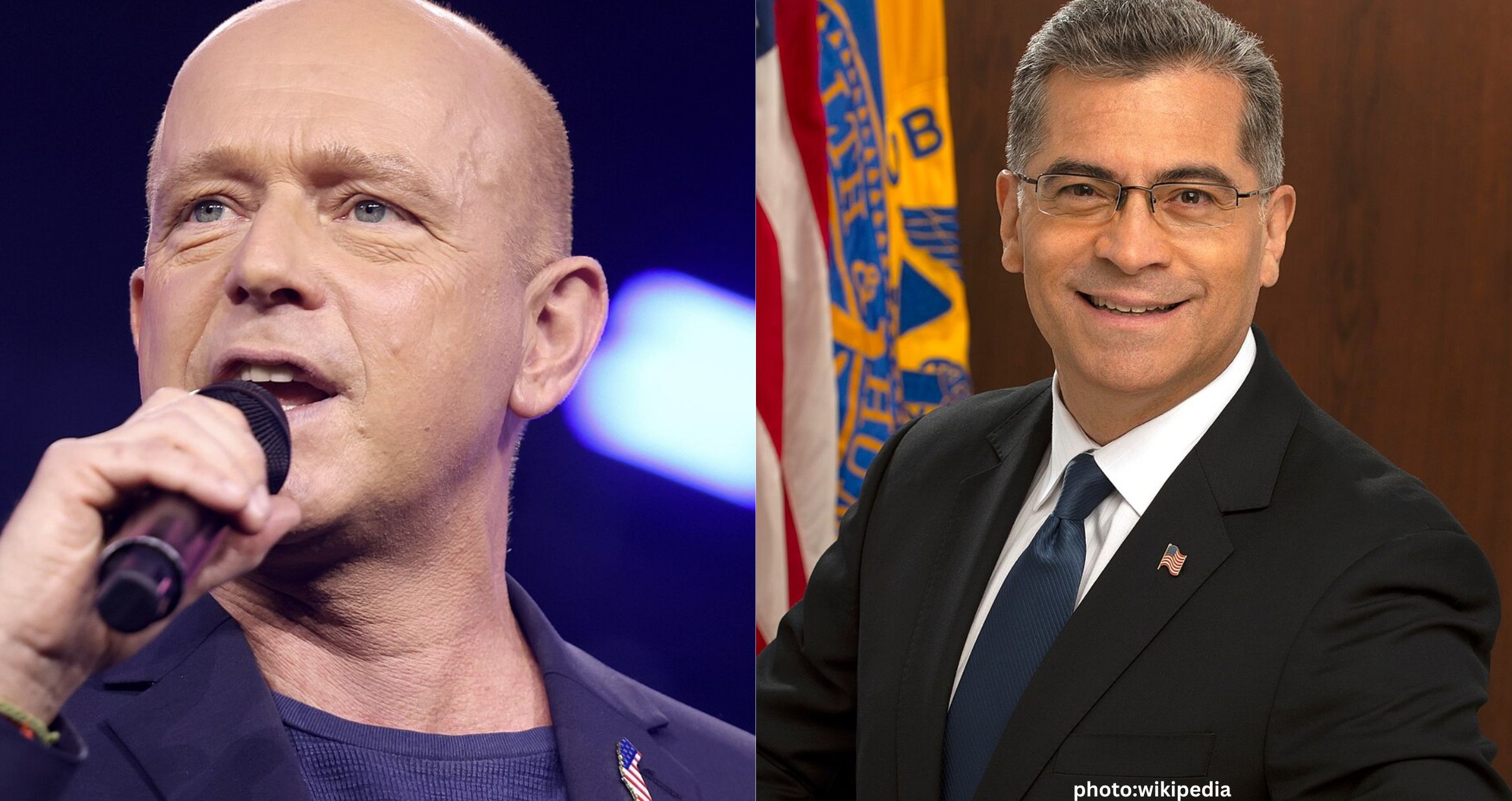
Mahan joins a crowded field of candidates for the 2026 election, which includes prominent Democrats like Katie Porter, Tom Steyer, Xavier Becerra, and Antonio Villaraigosa, as well as Republicans Steve Hilton and Chad Bianco.

Recent polling indicates a lack of a clear frontrunner in the race. While Xavier Becerra and Steve Hilton have led in some surveys, candidates like Tom Steyer and Katie Porter remain competitive. Mahan has typically polled in the mid-single digits statewide.

Under California’s open primary system, all candidates will appear on the same ballot, with the top two advancing to the general election.
Born in Watsonville, California, Mahan is the son of a schoolteacher and a letter carrier. He attended Bellarmine College Preparatory in San Jose on scholarship and graduated magna cum laude from Harvard University.

Before his tenure as mayor, Mahan taught middle school in San Jose through Teach for America and later worked on civic technology initiatives aimed at enhancing public participation in government. He was elected to the San Jose City Council in 2020 and became mayor in 2023.

In a May 7 interview hosted by American Community Media, Mahan reflected on his experience leading a diverse city where over 40% of residents are foreign-born and half speak a language other than English at home. He stated, “I know what it means for government to work to deliver better education, safer neighborhoods, more affordable housing and utilities, and what it means for working families when government’s not working effectively.”

On the topic of immigration, Mahan criticized both political parties for failing to address the issue adequately, leaving vulnerable individuals in challenging situations. He remarked, “For decades, the country had a very porous border. I think both parties were complicit and wanted low-cost labor.”

Mahan advocates for creating a pathway to permanent legal status, ideally leading to citizenship, while also emphasizing the need for strengthened legal immigration and border security. “I’m a pragmatist,” he explained, suggesting that a balanced approach is essential.

He characterized calls to abolish ICE as largely symbolic but acknowledged the frustration behind them. Mahan believes that the agency requires significant reform, if not a complete overhaul, emphasizing the need to recognize the humanity of all individuals within the country.

During his time as mayor, Mahan has been vocal against the Trump administration’s immigration policies, stating, “We’ve sued the Trump administration a dozen times.” He has supported measures to limit ICE activities on city property and has increased funding for immigrant legal services, asserting that ICE agents should face prosecution for violating California law. “And as governor, I will continue that fight,” he vowed.

Mahan also highlighted the importance of H-1B visa holders and other work-visa residents to California’s economy and educational institutions. He stated, “I really believe our strength in California is our ability to welcome, support, integrate, and create upward mobility and opportunity for a very diverse population of people from all over the world.”

In discussing healthcare, Mahan noted the challenges posed by reduced federal funding following H.R. 1. He collaborated with county supervisors to support Measure A, a five-year sales tax aimed at offsetting some of these losses. However, he acknowledged that local measures alone cannot bridge the funding gap and proposed several innovative solutions.

These include reducing administrative overhead, implementing better audits to combat waste and fraud, expanding telehealth services, and allowing nurses and nurse practitioners to practice at the “top of their license” in underserved areas. He also suggested using loan forgiveness as an incentive for medical professionals to work in communities with limited access to healthcare.

As the only millennial in the race, Mahan expressed concern over California’s housing shortage, which he believes is driving young people out of the state. “We’ve reduced homelessness by one-third in my time as mayor,” he stated, attributing this success to the construction of thousands of homes. He lamented the exodus of friends and family, noting, “I’m tired of my friends moving away. My sisters both moved out of state. So many of my friends have left.”

Mahan pointed to San Jose’s efforts to cut development fees and expedite permitting processes to boost housing construction. He criticized California’s low homeownership rate, attributing it to regulatory hurdles and construction liability lawsuits that complicate condo development. He called for reforms to lower costs and facilitate housing construction, stating, “This is really paralyzing the state and harming our ability to create opportunity for people.”

Addressing concerns about artificial intelligence and its impact on jobs, Mahan emphasized San Jose’s proactive approach to regulating technology. He highlighted the Gov AI Coalition, a regulatory framework for ethical AI use that has been adopted by 900 cities and counties nationwide.

While San Jose utilizes AI to enhance services such as public transportation and translation, Mahan acknowledged the importance of investing in human capital to manage technological change effectively. He argued for the need to regulate tech companies, which are significant contributors to California’s tax base, without driving them away. “We tax them,” he stated, advocating for their investment in future infrastructure while meeting sustainability goals.

Mahan also suggested considering policies like Universal Basic Income if automation leads to substantial job losses.

On the topic of reparations and racial equity, Mahan acknowledged the legal and political challenges of implementing reparations. Instead, he supports an equity-focused approach that directs resources to improve homeownership, education, and infrastructure in underserved communities, aiming to uplift communities of color affected by historical and institutional racism.

Regarding his relationship with Silicon Valley, Mahan addressed criticisms of being labeled as the “candidate of Silicon Valley billionaires.” He argued that tech leaders support his campaign because they value results. “They’ve seen the incredible results we’ve delivered,” he said, emphasizing that many in the tech industry prioritize outcomes and effective governance.

Mahan concluded by asserting his commitment to outcomes over ideology, stating, “I am relentless about outcomes and equitable outcomes.” He pointed to his background as a public school teacher and his dedication to empowering grassroots organizers through civic technology as central to his life’s work.

As the race for California governor heats up, Mahan’s focus on data-driven solutions and community engagement may resonate with voters seeking effective leadership.

According to India Currents.

Hunter Biden Appears in Los Angeles, Addresses Biden Tapes and UFO Files

Hunter Biden was recently spotted in Los Angeles, where he responded to questions regarding his father’s interview tapes and UFO files amid ongoing litigation.

Hunter Biden was approached by a videographer in West Los Angeles this week, where he briefly addressed inquiries about the ongoing litigation concerning the release of his father, President Joe Biden’s, interview tapes.

During the encounter, a reporter asked, “Hunter, what do you think of the DOJ when they release your father’s interview tapes from the biography that he did?” to which Hunter responded, “What are you talking about?”

This exchange comes as legal proceedings continue to seek the release of audio related to former President Biden’s classified documents investigation. This probe has raised questions about the elder Biden’s memory and fitness for office, particularly regarding his handling of classified material during discussions with ghostwriter Mark Zwonitzer. Although Special Counsel Rob Hur indicated that the author had deleted the files, the Justice Department managed to recover them.

The conservative watchdog group Oversight Project has filed a lawsuit against the DOJ to obtain audio recordings from Biden’s interviews with Special Counsel Robert Hur. President Biden has consistently denied any wrongdoing and maintains that he has fully cooperated with the investigation.

The reporter also inquired about the recently released UFO files, to which Hunter replied, “It’s crazy right?” but did not provide further details.

Hunter Biden’s public appearance is notable, as he has largely remained out of the spotlight in recent months. His visibility has been further limited since the Trump administration rescinded the Secret Service protection of several individuals, including Hunter and his half-sister, Ashley Blazer Biden, in March 2025. President Trump criticized the number of personnel assigned to Hunter’s security detail, which he claimed was as high as 18 agents.

As Hunter Biden continues to navigate the complexities surrounding his family and legal matters, his recent sighting in Los Angeles highlights the ongoing public interest in his life and the implications of his father’s presidency.

According to Fox News, Hunter Biden’s rare public appearance has sparked renewed discussions about the legal challenges facing the Biden family.

Graduation Speaker Praises AI, Prompting Immediate Booing from Audience

During a recent commencement ceremony at the University of Central Florida, a speaker faced backlash from graduates after praising artificial intelligence as the next industrial revolution.

At a recent commencement ceremony at the University of Central Florida (UCF), a speaker’s enthusiastic endorsement of artificial intelligence (AI) as the “next industrial revolution” was met with loud boos from the graduating class. This incident highlights the growing skepticism and mixed sentiments surrounding AI’s expanding role in society.

The speaker’s comments, intended to celebrate the transformative potential of AI, instead sparked immediate discontent among the audience, reflecting a broader cultural tension regarding the technology’s implications for the future. As AI continues to permeate various aspects of daily life, public opinion remains divided on its benefits and risks.

In a related commentary, FBI Director Kash Patel discussed the necessity for the bureau to modernize its strategies to address contemporary threats, emphasizing the importance of adapting to the evolving landscape of AI technology. His op-ed outlined how law enforcement must navigate the complexities introduced by advancements in AI.

Meanwhile, OpenAI has expressed its support for the creation of a new global governance body for artificial intelligence, which would be led by the United States and include China as a member. This initiative aims to establish regulatory frameworks as global powers compete to set standards for AI development. The geopolitical dynamics surrounding this proposal underscore the urgency of international cooperation in managing AI’s rapid evolution.

The impact of AI is also being felt in the real estate market, particularly in the San Francisco Bay Area. The surge in wealth generated by the growth of AI technologies, including ChatGPT, has led to a boom in the luxury property sector. This influx of capital is reshaping local housing dynamics, driving demand for high-end real estate.

In the corporate world, tech giant Cisco is planning to cut thousands of jobs as it shifts its focus toward accelerating its AI initiatives. This decision comes despite the company exceeding earnings expectations, indicating a strategic pivot in response to broader economic trends that are pushing legacy tech firms to embrace AI more aggressively.

On the transportation front, Waymo has announced a sweeping recall of its autonomous vehicle fleet following safety concerns that emerged from a recent incident. This recall raises questions about the reliability of self-driving technology and its future on public roads, as the company works to address the identified safety flaws.

In a notable innovation, a newly developed AI-powered robot has been designed to autonomously change and balance vehicle tires without human intervention. This advancement showcases the potential for automation and AI to revolutionize the automotive service and repair industry, promising increased efficiency and reduced labor costs.

As discussions around AI continue to evolve, it remains clear that the technology presents both challenges and opportunities. The recent events at UCF serve as a reminder of the diverse perspectives on AI’s role in shaping our future, emphasizing the need for ongoing dialogue and careful consideration of its implications.

For more insights on the latest advancements and challenges in AI technology, stay informed with updates from Fox News.

According to Fox News Digital.

Justice Department Alleges Discrimination Against White and Asian Applicants at Yale Medical School

The Justice Department has accused Yale School of Medicine of discriminatory admissions practices favoring Black and Hispanic applicants over White and Asian candidates, amid a broader scrutiny of race-conscious admissions policies.

The Justice Department has formally accused Yale School of Medicine of violating federal anti-discrimination laws, alleging that the institution’s admissions policies favor Black and Hispanic applicants at the expense of White and Asian candidates. This accusation is part of a broader initiative by the Trump administration to scrutinize race-conscious admissions practices in medical schools across the United States.

On May 14, 2026, the Justice Department announced its allegations against Yale, marking the second time in just over a week that the Trump administration has targeted a prominent medical school for its admissions policies. The government claims these policies unfairly favor minority applicants over their White and Asian counterparts.

The recent accusations against Yale follow a similar finding regarding the David Geffen School of Medicine at the University of California, Los Angeles (UCLA). Last week, the Justice Department highlighted that UCLA’s admissions process allegedly favored minority applicants at the expense of more qualified White and Asian candidates. This scrutiny of Yale and UCLA is part of a broader examination of admissions policies at various medical schools across the country.

In addition to Yale and UCLA, the Justice Department has opened investigations into the admissions practices of other institutions, including Stanford University, Ohio State University, and the University of California, San Diego. These efforts reflect a concerted push by the Trump administration to challenge the use of race as a factor in college admissions, particularly following a Supreme Court ruling earlier this year that formally overturned race-conscious admissions policies.

Harmeet K. Dhillon, the assistant attorney general for civil rights, emphasized that Yale’s admissions practices appear to circumvent the Supreme Court’s ruling. In a letter to the university, Dhillon stated that Yale has employed a holistic review process that allegedly uses both direct and indirect means to identify the race of applicants. This approach reportedly includes reliance on what she referred to as “proxies” to assess the ethnic background of applicants, which she claims violates the Supreme Court’s directive.

Dhillon’s remarks reflect growing concerns among some policymakers and advocacy groups regarding the implications of race-conscious admissions policies. Proponents argue that such policies are necessary to ensure diversity and address systemic inequalities in education. Conversely, critics contend that these practices discriminate against qualified students based on their race, effectively denying them equal opportunity.

This latest development comes amid a significant shift in the legal landscape surrounding admissions policies in the United States. The Supreme Court’s decision earlier this year marked a pivotal moment in the ongoing debate over affirmative action in higher education. The ruling signaled a move away from considering race as a factor in admissions, which legal experts suggest could have far-reaching implications for how universities and colleges across the nation shape their incoming classes.

The scrutiny of admissions practices at elite medical schools is particularly noteworthy given the historical context of educational access and representation in the medical field. For decades, minority groups have been underrepresented in medical professions, leading to calls for policies that promote diversity and rectify long-standing imbalances. The current administration’s stance against race-conscious admissions could potentially reverse progress made in diversifying medical schools and, by extension, the healthcare workforce.

As the Justice Department’s investigation unfolds, reactions from Yale and other affected institutions remain to be seen. Yale has historically defended its admissions policies as vital to fostering a diverse and inclusive environment. However, the university has not yet publicly commented on the specific allegations made by the Justice Department.

The implications of these investigations extend beyond the individual institutions involved. They raise significant questions about the future of affirmative action in education, the role of government oversight in admissions practices, and the ongoing debate surrounding equality and representation in higher education. As institutions navigate these legal challenges, the outcomes may reshape the admissions landscape for years to come.

In conclusion, the Justice Department’s accusations against Yale School of Medicine serve as a critical reminder of the contentious nature of admissions policies in the United States. With ongoing investigations and the potential for legal battles ahead, the discourse surrounding race, equality, and access to education is likely to intensify in the coming months, according to Source Name.

Midwestern State Tops Nation in Home Foreclosures Amid 26% Increase

Indiana leads the nation in home foreclosures as rising costs and mortgage rates exert financial pressure on homeowners, contributing to a 26% increase in U.S. foreclosure filings.

Indiana has recorded the highest foreclosure rate in the United States, as homeowners face mounting financial pressures from rising costs and mortgage rates. According to property data firm ATTOM, home foreclosures in the U.S. have surged by 26% compared to last year, with Indiana experiencing the most significant impact. In the first quarter of 2026, the state logged one foreclosure filing for every 739 housing units, a rate nearly two-thirds higher than the national average of one in every 1,211 homes facing foreclosure during the same period.

The latest data, released in April, indicates that states with Republican leadership, particularly in the Midwest and South, are being hit hardest by the ongoing affordability crisis. As the 2026 midterm elections approach, economic concerns are becoming increasingly prominent for voters and policymakers alike.

Following Indiana, South Carolina ranks second in foreclosure rates, with one in every 743 properties facing foreclosure, while Florida comes in third at one in every 750 housing units. Despite the rising foreclosure activity, it remains significantly below the levels observed during the 2008 housing crisis. However, this has not deterred Democrats from leveraging the issue, using affordability, inflation, and escalating housing costs as key talking points for their campaigns ahead of the November elections.

In total, 118,727 properties across the U.S. had a foreclosure filing in the first quarter of 2026, reflecting a 6% increase from the previous quarter and a 26% rise from the same period last year. Specifically, March alone saw foreclosure filings for 45,921 properties, marking an 18% increase from February and a 28% increase compared to March of the previous year.

Delving deeper into the data, there is a notable rise in the number of homes entering the foreclosure process, which may signal future distress for homeowners. In the first quarter of 2026, 82,631 properties began foreclosure proceedings, representing a 20% increase from the previous year. Additionally, lenders repossessed 14,020 properties, an alarming 45% annual increase.

While blue states such as Delaware and Illinois are also experiencing high foreclosure rates, the issue appears to transcend party lines. Major metropolitan areas including Cleveland, Ohio; Jacksonville, Florida; and Indianapolis, Indiana, rank among the highest for foreclosure rates.

The spike in foreclosure rates comes at a time when the U.S. is grappling with various housing challenges that have exacerbated the current crisis. Experts attribute the increasing financial strain on homeowners to rising mortgage rates, higher living costs, and other expenses associated with homeownership, which are pushing monthly payments higher and making it more difficult for individuals to keep up with housing costs.

As of the week ending May 7, the average rate on a 30-year fixed mortgage rose to 6.37%, up from 5.98% in late February. Rob Barber, CEO of ATTOM, noted that while foreclosure levels remain below those seen during the housing crisis, the recent uptick suggests that more homeowners may be experiencing financial strain.

Overall, the data points to a housing market that remains stable, even as affordability challenges persist for many homeowners. The ongoing rise in foreclosure rates serves as a stark reminder of the economic pressures facing individuals and families across the nation, highlighting the urgent need for solutions to address the affordability crisis.

According to ATTOM, the current trends in foreclosure rates underscore the complexities of the housing market and the challenges that lie ahead for homeowners.

Key Moments from CIA Whistleblower’s Testimony on COVID-19 Lab Leak

CIA whistleblower James Erdman testified that the Biden administration allegedly suppressed evidence suggesting a lab leak was the likely origin of COVID-19 during a recent Senate hearing.

In a dramatic Senate hearing, CIA whistleblower James Erdman III alleged that the Biden administration concealed analysis indicating that a lab leak was the most probable source of the COVID-19 pandemic. Erdman, a veteran of the CIA with two decades of experience, testified before the Senate Homeland Security and Governmental Affairs Committee on Wednesday, asserting that government secrecy should not equate to government impunity.

Senator Rand Paul, R-Ky., who chairs the committee, emphasized the significance of Erdman’s testimony, noting that the CIA’s scientific analysts had repeatedly concluded between 2021 and 2023 that a lab leak was the likely origin of the virus. However, Paul stated that these findings were never incorporated into the official narrative or intelligence reports, leaving Congress uninformed.

“It was not until after the 2024 election that the outgoing Biden administration directed the CIA to issue an assessment, not because of new intelligence, but so officials could walk out of the door claiming there was nothing left to find,” Paul said. “That is not analysis. That is a cleanup operation.”

Erdman’s public testimony came despite strong opposition from the CIA, which characterized the hearing as “political theater.” CIA spokeswoman Liz Lyons criticized the committee for subpoenaing Erdman without notifying the agency, despite having previously obtained closed-door testimony from him.

In response to Erdman’s claims, several Republican lawmakers called for criminal prosecution of former National Institute of Allergy and Infectious Diseases (NIAID) Director Dr. Anthony Fauci, alleging that he attempted to suppress information regarding the origins of COVID-19. Erdman stated that Fauci had significantly influenced the intelligence community’s assessment of the lab leak theory.

“We just heard testimony that he intervened behind the scenes to try and get our own intelligence agency, CIA, FBI to change their assessment of the lab leak,” Senator Josh Hawley, R-Mo., remarked. “Why? Because he helped fund the Wuhan lab. He supported and funded gain-of-function research, and then he tried to cover it up.”

Hawley expressed his hope that Fauci would be indicted, highlighting the urgency of accountability in the matter. The hearing occurred shortly after a statute of limitations deadline for potential criminal charges against Fauci had passed.

Senator Paul has consistently called for Fauci to be indicted for allegedly misleading Congress about gain-of-function research related to the pandemic. Fauci has denied these allegations vehemently. Paul noted that he has submitted multiple criminal referrals regarding Fauci to the Justice Department and expressed his desire for these to be pursued.

Former President Joe Biden issued a preemptive pardon to Fauci shortly before leaving office, a move that President Donald Trump has since declared null and void, citing procedural issues. Meanwhile, Dr. David Morens, a former senior advisor to Fauci, was indicted by a federal grand jury last month for allegedly concealing the origins of the pandemic.

Republicans who have long sought answers about the pandemic’s origins criticized the CIA for dismissing the hearing as politically motivated. Lyons described the proceedings as “dishonest political theater masquerading as a congressional hearing,” asserting that the CIA had already assessed that COVID-19 most likely originated from a lab leak.

Senator Ron Johnson, R-Wis., responded to the CIA’s statement, expressing his frustration with the agency’s lack of cooperation in oversight efforts. “This is not political theater,” he asserted. “This is serious oversight work. This is what the American people need to see.”

Paul also challenged the CIA’s objections to Erdman’s public testimony, arguing that closed-door sessions do not provide adequate oversight. He criticized his Democratic colleagues for their absence during the hearing, stating that their lack of participation demonstrated a disregard for the serious issues at hand.

Senator Bernie Moreno, R-Ohio, suggested that Democrats intentionally skipped the hearing to avoid confronting policy mistakes made during the pandemic. He lamented the long-lasting impact of decisions made during COVID-19, which he argued have affected generations of Americans.

Erdman further alleged that the CIA obstructed investigations into the origins of COVID-19, claiming that the agency spied on personnel involved in the inquiry and retaliated against whistleblowers. He stated that the CIA did not comply with lawful oversight during the investigation and refused to provide necessary information.

“The CIA illegally spied on DIG personnel and their communications with whistleblowers,” Erdman claimed. “These were Americans being spied upon illegally while executing duties directed by the president and under the authority of the Director of National Intelligence.”

Thompson, Erdman’s attorney, expressed hope that her client’s testimony would encourage other whistleblowers to come forward regarding alleged CIA obstruction. She emphasized the need for transparency and accountability within intelligence agencies.

“We have basically a systematic effort to violate the laws of Congress, to lie to the American people, to mislead the American people. And it’s still going on,” Hawley stated, underscoring the urgency of addressing these issues.

This testimony and the surrounding discussions highlight the ongoing debates regarding the origins of COVID-19 and the role of government agencies in addressing the pandemic. As these conversations continue, the implications for public trust and accountability in government remain significant, according to Fox News.

Groups Criticize ‘Racist’ Mailer Targeting Indian-American Dr. Sion Roy

Advocacy groups have condemned campaign mailers targeting Dr. Sion Roy, a cardiologist running for California’s State Senate, labeling them as racially charged and misleading.

SANTA MONICA, CA – A coalition of labor and Asian American and Pacific Islander advocacy groups has come together to denounce campaign mailers aimed at Dr. Sion Roy, who is running for California’s State Senate District 24. The coalition includes organizations such as South Asians For America (SAFA), SEIU California, UAPD Local 206, and the California Democratic Party AAPI Caucus.

The groups have described the mailers as containing a “racist dog whistle,” highlighting how they depict Roy in ultra-high contrast imagery that appears to darken his skin. This tactic, they argue, is intended to “other” the only AAPI candidate in the race, and they have criticized the mailers as racially charged political attacks.

In their joint letter, the coalition also addressed the financial backing behind these campaign materials, which were distributed by JobsPAC and supported by major utilities including PG&E, Edison International, and Sempra. They pointed out that these companies have spent $400,000 on negative advertising against Roy, despite his personal loss in the Palisades Fire.

“The deepest betrayal is who is funding these attacks,” the coalition stated, emphasizing that the utilities are currently facing lawsuits related to California wildfires. “Now they have the audacity to pour $400,000 into smearing a man who watched his own home burn,” the letter continued.

Dr. Sion Roy is an associate professor of medicine at Harbor-UCLA Medical Center and serves as the vice chair of the Santa Monica College Board. He has previously held the position of president of the Los Angeles County Medical Association and has been actively involved in local education and community initiatives in Malibu.

Roy’s campaign has focused on critical issues such as lowering living costs, protecting Medi-Cal, and supporting wildfire recovery efforts. He has also emphasized the importance of emergency planning and public safety in light of the recent Palisades Fire as the State Senate race heats up.

The coalition has called on the utilities to cease their support for “front groups like JobsPAC” and to be accountable to the communities affected by wildfires. As the campaign progresses, the focus on these issues is expected to intensify.

According to India-West, the controversy surrounding the mailers has sparked significant discussion about race and representation in California politics.

Saikat Chakrabarti Attracts 1,400 Supporters at San Francisco Rally

Saikat Chakrabarti attracted over 1,400 supporters to a rally in San Francisco, emphasizing a grassroots movement aimed at reshaping the Democratic Party ahead of the June 2 primary.

SAN FRANCISCO, CA – Congressional candidate Saikat Chakrabarti gathered a crowd of more than 1,400 supporters in the SoMa district on May 7, marking a significant grassroots effort as he approaches California’s primary election on June 2. The rally, titled “Change the Party,” aimed to address corporate influence in politics and promote a new wave of Democratic leadership.

Chakrabarti, who is vying for the congressional seat currently held by Nancy Pelosi, who has announced her retirement, articulated his vision for a transformed Democratic Party. He emphasized the need for a party that actively combats authoritarianism and advocates for a society that benefits all citizens, not just the wealthiest few.

“We need a Democratic Party that knows how to fight against authoritarianism, and we need a Democratic Party that will fight to create a society that works for everyone, not just the richest few,” Chakrabarti stated during the rally.

The event featured several candidates endorsed by Justice Democrats, including Melat Kiros from Colorado, Angela Gonzales-Torres from California, and Darializa Avila Chevalier from New York. According to Chakrabarti’s campaign, the rally successfully raised approximately $20,000 to support the congressional campaigns of these candidates.

Political commentator Hasan Piker also spoke at the rally, addressing the growing frustration among working-class individuals who feel overlooked by both political and corporate entities. Piker highlighted the essential role that working people play in the nation’s productivity, asserting that they, rather than corporations, drive the economy.

Melat Kiros, a candidate for Colorado’s 1st District, drew connections between the current progressive movement and historical organizing efforts that led to the establishment of Social Security, fair labor laws, and the New Deal. She urged the audience to continue pushing the party forward in light of the critical issues at stake.

“And now, with so much at stake, it’s on us to push the party again,” Kiros declared.

The rally also featured remarks from former Congressman Jamaal Bowman and Justice Democrats Executive Director Alexandra Rojas, further emphasizing the collective call for change within the Democratic Party.

Chakrabarti’s rally reflects a broader movement within the Democratic Party, as candidates and supporters rally around progressive ideals and seek to redefine the party’s priorities in the face of evolving political landscapes.

As the June 2 primary approaches, the momentum generated by events like this rally may play a crucial role in shaping the future of the Democratic Party in California and beyond, according to India-West.

Trump Faces Division Among Retired Commanders on Iran Strikes Resumption

Retired U.S. commanders are divided on whether to resume military operations against Iran, as President Trump warns that the ceasefire is on “massive life support.”

President Donald Trump has declared that the ceasefire with Iran is on “massive life support,” as a growing number of retired U.S. commanders and national security experts debate the merits of resuming military operations against Tehran. Critics caution that renewed strikes could lead to another prolonged conflict in the Middle East.

“I would say the ceasefire is on massive life support,” Trump told reporters on Monday. He likened the situation to a doctor informing a family that their loved one has only a “1% chance of living.” The president dismissed Iran’s latest response to a proposed agreement as “a piece of garbage,” indicating that the White House is considering military options should negotiations fail.

Retired Lt. Gen. H.R. McMaster, who served as national security adviser under Trump, expressed skepticism about Iran’s willingness to make the concessions that the president deems necessary for a deal. “I think the Iranian leadership and IRGC are unwilling to make the kind of concessions that President Trump thinks are at the minimum,” McMaster told Fox News Digital, referring to Iran’s hardline Islamic Revolutionary Guard Corps. “President Trump always wants a deal, but he’s not going to sign up for a bad deal.”

The ongoing debate raises a critical question for Washington: can additional military pressure compel Iran to abandon its nuclear and missile ambitions, or would renewed strikes exacerbate regional tensions without yielding significant results?

Retired Vice Adm. Mark Fox, former deputy commander of U.S. Central Command (CENTCOM), believes that the current ceasefire and diplomatic efforts are unlikely to persuade Iran to back down. “I really cannot envision anything other than a full return to combat operations,” Fox stated. “The only thing that they will respond to, I think ultimately, is force.”

Fox emphasized that the U.S. military retains the capability to secure commercial shipping through the Strait of Hormuz, despite ongoing Iranian threats against vessels in the area. “This is a militarily obtainable objective,” he asserted, outlining a strategy that would involve guided missile destroyers, attack helicopters, drones, and enhanced aerial surveillance to establish a protected maritime corridor.

While acknowledging that the U.S. Navy is smaller than it was during the 1980s tanker wars, Fox argued that American forces still possess the necessary capabilities to secure the chokepoint if sufficient naval assets and persistent monitoring operations are deployed. “It’s not easy,” he admitted. “But the geography is fixed.”

Fox proposed a strategy that would utilize destroyers, drones, and attack aircraft to create what he termed an “unblinking eye” over the strait, allowing U.S. forces to identify and neutralize Iranian speedboats, drones, and anti-shipping threats before they can target commercial vessels. He cautioned against allowing Iran to maintain leverage over Hormuz while simultaneously advancing its missile and nuclear programs. “If not now, when?” he asked. “If they had a nuclear weapon, they would use it.”

Experts have warned that Iran’s negotiations may be a tactic to buy time and undermine U.S. pressure. A recent policy paper authored by several retired senior U.S. military officials and national security experts, including retired Gen. Chuck Wald and retired Vice Adm. Robert Harward, argued that the current ceasefire and diplomatic track “cannot reliably compel Iran” to meet U.S. demands. The report cautioned that Tehran is likely seeking to “drag out talks, erode U.S. resolve, and use the time to strengthen itself.”

The paper called for expanded military operations targeting Iran’s maritime capabilities, missile infrastructure, and internal coercive apparatus, while avoiding broad attacks on civilian infrastructure that could lead to wider regional escalation.

However, not all experts agree that renewed military action would yield a better outcome. Retired Lt. Col. Daniel Davis, a senior fellow at Defense Priorities and a long-time critic of expanded U.S. military interventions, cautioned that calls to “finish the job” overlook the realities exposed during recent conflicts. “To ‘finish the job,’ as they say, is irrational,” Davis told Fox News Digital. “It’s illogical, and it violates any kind of military principle.”

Davis pointed out that despite thousands of strikes and weeks of fighting, Iran has retained significant missile and maritime capabilities. “We couldn’t knock them out with 14,000 targets hit,” he noted. “Why does anybody think that going back another time is going to have a different result?” He described Iran’s geography, dispersed missile infrastructure, and asymmetric naval tactics as creating what he termed “a militarily unsolvable problem.” He concluded that “the only thing left is a diplomatic outcome.”

This disagreement reflects a broader divide in Washington as officials consider the next steps if negotiations fail. Proponents of renewed military action argue that Iran is weaker than it has been in decades and that halting operations now risks allowing Tehran to regroup and rebuild its missile arsenal, thereby preserving its leverage over one of the world’s most critical energy chokepoints. Critics counter that even extensive U.S. and Israeli strikes have failed to fundamentally weaken the regime’s control or eliminate its military capabilities, raising the risk of further escalation that could embroil the United States in another drawn-out regional conflict with unpredictable outcomes.

According to Fox News, the debate continues as the U.S. navigates a complex geopolitical landscape with Iran at the center.

American Business Awards 2026 Highlight AI, Telecom, and Corporate Innovation

The 2026 American Business Awards showcased innovation in AI, telecommunications, and corporate technology, highlighting the evolving landscape of American business.

The 2026 edition of the American Business Awards celebrated the significant impact of artificial intelligence, enterprise software, telecommunications, and digital transformation within corporate America. This annual event brought together industry leaders to honor innovation and business excellence.

Organized by the Stevie Awards, the program recognized a diverse array of executives, startups, public companies, communications firms, and technology providers across numerous sectors, including finance, healthcare, cybersecurity, and cloud computing. This year’s awards underscored the rapid integration of AI into various business operations, marketing strategies, customer service, and enterprise infrastructure.

Technology-focused companies were prominently featured among the winners, particularly those specializing in generative AI, telecommunications, software automation, cloud services, and cybersecurity. Judges emphasized innovation, scalability, and digital transformation initiatives as critical factors in their evaluations.

Among the notable recipients was Calysto Communications, which earned a Gold Stevie Award for its contributions to technology communications and strategic marketing. In a statement following the announcement, Calysto expressed gratitude for the recognition, stating, “We are honored to receive this recognition. Our team continues to focus on helping innovative technology companies communicate complex ideas in meaningful and impactful ways.”

This year, the American Business Awards received thousands of nominations from organizations across the United States, according to the event’s organizers. Winners were chosen by panels of executives, entrepreneurs, academics, and industry professionals. The ceremony highlighted how swiftly artificial intelligence has become a cornerstone of corporate competition, with AI-related products, workflow automation tools, and enterprise productivity systems among the most frequently acknowledged categories.

Industry analysts note that the awards increasingly reflect broader economic trends shaping the American corporate landscape, including the race for AI leadership, the demand for robust cybersecurity infrastructure, and the rise of digital-first business strategies. The growing representation of telecommunications and infrastructure firms among the winners also signals ongoing investments in broadband expansion, cloud connectivity, and data-center modernization as businesses adapt to the increasing demands of AI computing.

Public relations and communications agencies were another focal point of the awards, underscoring the importance of corporate reputation management and strategic storytelling during a time marked by economic uncertainty, regulatory scrutiny, and technological disruption.

The 2026 awards took place during a tumultuous year for many sectors of the U.S. economy. Technology companies faced investor pressure regarding AI monetization, while several software and media firms announced layoffs amid broader restructuring efforts. Despite these economic challenges, organizers reported strong participation, with many companies prioritizing innovation, operational efficiency, and long-term digital transformation strategies.

In a statement, the Stevie Awards remarked, “The organizations honored this year have demonstrated resilience, adaptability, and innovation during a rapidly changing business environment.” Founded in 2002, the American Business Awards have evolved into one of the most prestigious business honors programs in the United States, attracting nominations from startups, Fortune 500 companies, and nonprofit organizations alike. The awards ceremony is expected to continue garnering attention as companies leverage recognition programs to enhance branding, attract investment, and distinguish themselves in competitive industries.

According to Source Name, the American Business Awards serve as a vital indicator of the ongoing transformations within the corporate sector, particularly in the realms of technology and innovation.

Senate Republicans Urge Change Amid Strained House GOP Relations

Senate Republicans are urging improved communication with House GOP members as they prepare to fund immigration operations through budget reconciliation amid ongoing tensions between the two chambers.

Senate Republicans are reassessing their relationship with the House GOP as they prepare for a critical test of unity across chambers. Recent months have been marked by dysfunction, miscommunication, and wasted time, particularly during the longest government shutdown in U.S. history.

While Senate Republicans are not pointing fingers at specific House members, there is a consensus that changes are necessary as they move forward to secure funding for immigration operations over the next few years. “I think we all need to get in a room and figure out what’s our plan,” said Senator Katie Britt, R-Ala. “And how are we going to get things done for the American people? That has to be the goal, and right now something needs to change.”

As Republicans prepare to fund Immigration and Customs Enforcement (ICE) and Border Patrol for the next three and a half years through budget reconciliation, achieving near-perfect unanimity in both chambers will be essential, especially since Democrats are being excluded from the process.

Recent events have highlighted the divisions between the Senate and House. During the Department of Homeland Security (DHS) shutdown, House Republicans, under the leadership of House Speaker Mike Johnson, R-La., rejected the Senate’s compromise plan to reopen the agency. This decision extended the shutdown for nearly a month and underscored the urgency to resort to reconciliation.

Frustration has mounted between the two chambers at a time when both leadership and former President Donald Trump are calling for unity. Both Johnson and Senate Majority Leader John Thune, R-S.D., are operating with slim majorities, with Johnson facing a more precarious situation than Thune. This reality is not lost on Senate Republicans, particularly regarding legislation that lacks Democratic support, which has so far kept tensions from boiling over in the upper chamber.

Senator Roger Marshall, R-Kan., acknowledged the challenges faced by Johnson, stating, “He’s not king. He’s the speaker of the House. And their margin of error is less than ours, proportionately. So I can’t imagine. I think he’s doing the very best he can.”

Some Republicans contend that the issues stem more from communication breakdowns between the chambers rather than outright dysfunction in the House. Senator Bernie Moreno, R-Ohio, expressed skepticism about the notion of “the whole House’s dysfunction,” asserting that senators must take more responsibility for ensuring effective communication. “I think we have to take a little bit of ownership ourselves here in the Senate, and that’s certainly not [just] the leadership, but all of us,” Moreno said. “Because when we’re working on bills, we should have total, complete synchronicity with the House.”

House Republicans have indicated that they felt blindsided by the Senate’s decision to reopen most of the DHS earlier this year, which included funding for ICE and Border Patrol. Senator James Lankford, R-Okla., emphasized the need for better communication, stating, “The House isn’t our enemy. We gotta be able to resolve all the issues on a piece of legislation. We have differences of opinion. OK, let’s work them out.”

The issue of communication has been a persistent challenge since Republicans regained control of both chambers last year. Much of this responsibility fell to DHS Secretary Markwayne Mullin, a former GOP senator who acted as a de facto liaison for major legislative initiatives. When asked if Republicans needed a “Mullin 2.0,” Lankford noted that the primary points of communication currently rest with Thune and Johnson.

Thune has refrained from publicly criticizing Johnson or House Republicans, acknowledging that the different operational natures of the two chambers can lead to complications. “We obviously have a 60-vote threshold,” Thune explained. “We need Democrats. You know, he doesn’t need Democrats, but he needs every Republican, and that’s a real challenge on a good day. And, you know, sometimes there aren’t a lot of good days around here.”

In contrast, Senate Majority Whip John Barrasso, R-Wyo., argued that despite the ongoing issues, if Democrats were in control, Americans would likely face significant tax increases. “All of that would have been the opposite if the Democrats had been in the majority and been able to do what they wanted to do to raise taxes,” Barrasso told Fox News Digital.

As the Senate and House Republicans navigate these challenges, the call for improved communication and collaboration remains critical to achieving their legislative goals.

According to Fox News, the need for unity and effective communication is more pressing than ever as Republicans face significant legislative hurdles ahead.

Study Finds Critical Factor for Longevity More Important Than Exercise

New research indicates that quality sleep may be a more crucial factor for longevity than diet or exercise, emphasizing the importance of rest for long-term health.

When considering factors that contribute to longevity, diet and exercise often take center stage. However, a recent study suggests that there is one health habit that may be even more closely linked to lifespan: sleep.

Researchers from Oregon Health & Science University have found that sufficient quality sleep could be a better predictor of longevity than diet and physical activity. This highlights the critical role that rest plays in maintaining long-term health and survival, as reported by ScienceAlert.

In their study, the researchers analyzed survey data collected in the United States between 2019 and 2025. They examined trends in life expectancy alongside self-reported sleep duration. The findings revealed that individuals who consistently slept less than seven hours per night had a significantly lower life expectancy, even after accounting for other factors such as physical inactivity, education, and employment status. Only smoking was found to have a stronger association with reduced lifespan.

Experts emphasize the importance of sleep, noting that it affects nearly every system in the body. Insufficient sleep has been linked to various health issues, including obesity, diabetes, weakened immunity, cardiovascular disease, and impaired brain function. The latest findings reinforce the notion that inadequate sleep may quietly elevate long-term health risks in ways that many people may underestimate.

Andrew McHill, a co-author of the study, expressed surprise at the strength of the connection between sleep and longevity. He recommends that individuals aim for seven to nine hours of sleep whenever possible.

While the study does not downplay the importance of exercise and nutrition, it does indicate that sleep duration shows a stronger statistical association with life expectancy than many other lifestyle factors, including dietary and exercise habits. Researchers noted that sleep may influence the body’s recovery processes, hormone regulation, tissue repair, and inflammation management—all of which are critical to aging.

Health experts, including those from the American Academy of Sleep Medicine and the Sleep Research Society, recommend that adults strive for at least seven hours of sleep per night to optimize health. Researchers suggest that improving sleep habits could be one of the simplest lifestyle changes individuals can make to enhance long-term wellness and potentially extend lifespan.

To improve sleep quality, experts recommend several strategies:

Maintain a consistent bedtime schedule, reduce screen time before bed, avoid excessive caffeine late in the day, exercise regularly, keep bedrooms cool and dark, and practice relaxation techniques such as yoga or meditation.

Even small improvements in sleep consistency can yield significant health benefits over time. While exercise and healthy eating are essential components of good health, this recent research suggests that sleep deserves equal—if not greater—attention when it comes to longevity.

Prioritizing seven to nine hours of quality sleep each night could play a major role in enhancing both lifespan and overall well-being.

Disclaimer: This article is for informational purposes only and is based on findings from a scientific study. It should not be considered medical advice. Readers should consult a qualified healthcare professional before making any significant dietary or health-related changes, according to ScienceAlert.

Trump Administration Rejects UN Migration Declaration, Citing Safety Concerns

The U.S. State Department has rejected a U.N. migration declaration, citing concerns over mass migration and its impact on American society.

The U.S. State Department announced on Monday its refusal to support a declaration from the International Migration Review Forum, criticizing the United Nations for what it describes as efforts to “advocate and facilitate replacement immigration” in the United States and throughout the broader Western world.

The U.S. did not participate in the second International Migration Review Forum, which took place from May 5 to May 8 at U.N. Headquarters in New York. In a statement, the State Department confirmed its decision to abstain from endorsing the declaration, which was intended to outline progress on implementing the Global Compact for Safe, Orderly and Regular Migration.

This forum serves as the U.N.’s primary global platform for member states to assess and review migration governance. The Global Compact, which was adopted in 2018 after the U.S. withdrew from the negotiation process, aims to improve migration governance across countries, according to the U.N. Network on Migration.

In its statement, the State Department reiterated its long-standing opposition to the U.N. migration framework, a stance that dates back to President Donald Trump’s first term in 2017 when he ended U.S. participation in the development of the Global Compact for Migration.

“As Secretary Rubio said, opening our doors to mass migration was a grave mistake that threatens the cohesion of our societies and the future of our peoples,” the statement read. It pointed to recent challenges faced by American communities, including increased crime, chaos at the border, and significant financial burdens on taxpayers due to resources allocated for migrants.

The department criticized U.N. agencies for allegedly facilitating what it termed an “invasion” of the United States, claiming that these organizations have redistributed American resources to migrants from various countries. It argued that the consequences of mass migration have primarily affected working Americans, who must compete for limited jobs, housing, and social services.

“The U.N. has little to say about them,” the statement added, highlighting the perceived neglect of domestic issues in favor of international migration policies.

In a broader context, the State Department emphasized that President Trump prioritizes the interests of Americans over those of foreigners or global bureaucrats. The statement asserted that the United States would not endorse any process that imposes guidelines or commitments that could undermine the nation’s sovereignty or democratic rights.

Moreover, the department clarified that its objective is not to “manage” migration but to “foster remigration,” indicating a preference for policies that encourage the return of migrants rather than their settlement in the U.S.

In a thread on the social media platform X, the State Department elaborated on its objections to the U.N. declaration, accusing U.N. agencies of systematically facilitating mass migration into the U.S. and Europe, even as citizens expressed a desire for stricter migration controls. It noted that U.N. materials related to the Global Compact advocate for expanding regular migration pathways and the “regularization” of migrants.

The International Organization for Migration (IOM) states that the forum is held every four years to allow countries to review progress and shape future migration policy. The IOM coordinates the U.N. Network on Migration, which includes 39 U.N. agencies working to support countries on migration issues.

The State Department’s statement also alleged that U.N. agencies, in collaboration with funded NGOs, established a migration corridor through Central America leading to the U.S. border. It claimed that while the American public faced unprecedented levels of mass migration, U.N. entities were actively involved in facilitating this influx.

Additionally, the department criticized U.N. agencies for condemning deportation efforts in the U.S. and the U.K., asserting that these actions represent a violation of national sovereignty. The U.N. Network on Migration describes the Global Compact as “non-legally binding,” emphasizing that it respects the sovereign right of states to determine their own migration policies.

The U.N. materials frame the compact as a cooperative framework addressing issues that often transcend borders, including labor migration, border management, and migrant protections. However, the State Department has pushed back against the U.N.’s characterization of migration as “safe, orderly, and regular,” arguing that mass migration has introduced new security threats and financial strains on Western societies.

In conclusion, the U.S. State Department has made it clear that it will not legitimize global compacts that facilitate mass migration into the country or other Western nations, reaffirming its commitment to prioritizing American interests in migration policy.

For further details, refer to Fox News.

Fathers Play Key Role in ‘Breaking the Code’ Documentary

Fathers play a pivotal role in the documentary *Breaking the Code*, which explores the life of tech pioneer Kanwal Rekhi through the lens of his son, filmmaker Ben Rekhi.

Fathers loom large in the documentary *Breaking the Code*, directed by filmmaker Ben Rekhi. The film is narrated through the perspective of a son who idolizes his father, Kanwal Rekhi, chronicling his journey from Kanpur, India, to becoming a tech pioneer and mentor to many entrepreneurs in Silicon Valley. As the co-founder of Excelan, Rekhi made history as the first Indian-American entrepreneur to take a venture-backed company public on the Nasdaq. He also co-founded TiE (The Indus Entrepreneurs), a non-profit organization dedicated to mentoring South Asian startups.

This documentary delves into not only Kanwal Rekhi’s life but also the influence of his father, who cast a long shadow over him, compelling him to prove his worth. Additionally, it touches on the struggles faced by Ben’s mother, the late Ann Holt Rekhi, and her experiences with her stepfather’s abuse, which haunted her throughout her life.

In this intimate narrative of love, grief, and familial bonds, Ben Rekhi employs archival materials and reenactments to explore the intricate relationship between success and a meaningful life.

*Breaking the Code* has already garnered the Audience Choice Award at the recently concluded Indian Film Festival of Los Angeles (IFFLA) and complements Kanwal Rekhi’s biography, *The Groundbreaker: Entrepreneurship, the American Dream, and the Rise of Modern India*.

The documentary is set to screen at the AMC Kabuki on May 9, 2026, during CAAMFest, the Center for Asian American Media Film Festival.

In anticipation of the screening, Ben Rekhi and Kanwal Rekhi spoke with Alka Raghuram from India Currents. The interview has been edited for clarity and brevity.

Alka Raghuram: It’s such a rare gift to have our children tell our stories. What was the process like, given your intimate relationship?

Ben Rekhi: I was aware of my dad’s achievements as a child, but their significance didn’t truly resonate with me until I became an adult. Dad has a funny story about when I was at NYU and would come home saying, “Dad, is there another Kanwal Rekhi out there? Because everyone here seems to know you.” Initially, I hesitated to create something so personal because it felt vulnerable to discuss family and the challenges we faced, not just the successes.

About six years ago, we attended the Super Bowl to see the 49ers play in Miami, near Fort Lauderdale, where my parents had married. We visited the church where they wed and the restaurant where he proposed. I felt compelled to record those moments, even if just on my phone. That was some of the first footage we captured, and it organically led us to consider a book as well.

Alka R: Mr. Rekhi, at the beginning of the documentary, you express uncertainty about its purpose. Do you feel differently now?

Kanwal Rekhi: Yes, the documentary turned out beautifully. It encompasses a broader narrative than just my story. Initially, I wasn’t very engaged, but Ben encouraged me to write the book, which drew me in. He helped me find a ghostwriter, and after nearly two years, the book was completed. I became more involved in the process. I’m not one to self-congratulate, so that was uncomfortable at first. However, I realized the importance of sharing the story of an immigrant who achieved great success.

Alka R: It’s a very moving and compelling story. Being vulnerable on camera is no easy feat. Kudos to both of you for that.

Ben Rekhi: From the outset, my motivation was to tell an inspirational story that not only captures the Indian-American experience but also the immigrant experience of pursuing the American dream. It encompasses themes of sacrifice, migration, love, hope, grief, and loss—universal human experiences. In today’s climate, where immigrants are often vilified, this film highlights the story of an immigrant who created jobs and generated wealth for communities across the country and the world. It’s a narrative that is frequently overlooked, and we hope it resonates through the film.

Alka R: The film touches on the personal sacrifices made, including the process of “de-Indianization” you mention, Mr. Rekhi, which I interpret as assimilation for a greater purpose. Can you elaborate on that?

Kanwal Rekhi: When we arrived, communication was challenging. There was no internet, no email, and no video conferencing. Letters took three to four months to arrive, and there were few Indian resources available. We had to adapt quickly to a new culture, which was a drastic change. It took six years before I returned to India for the first time, during which I got married here.

Ben Rekhi: Dad, you mentioned that your father didn’t believe in you when you came here. Did that drive you to prove people wrong?

Kanwal Rekhi: Absolutely. Many people today may not relate to that struggle, as the Indian brand is now well established. However, those who arrived earlier had to combat stereotypes for years. When I started at Michigan Tech, there was a prevailing notion that Indians couldn’t keep up academically. It was a time when openly racist attitudes were common.

Alka R: Fathers play a significant role in the film. For Mr. Rekhi, your father, an army man, didn’t understand your path as an engineer. And for you, Ben, as a storyteller, your journey is quite different from your father’s. How did you navigate forging your own path?

Ben Rekhi: I would argue that there are similarities between our paths. Entrepreneurs and filmmakers share a commonality in generating ideas and selling them to audiences and markets. My father faced significant challenges, and while he was supportive, he also had to cultivate his own path due to his father’s lack of belief in him. He has a powerful quote: “Our fathers fought wars so we can start businesses, so our children can write poetry.” This speaks to the instinct of each generation to improve life for the next. Growing up biracial, I experienced different cultural perspectives early on. My sister and I are the only ones in our family who are not fully Punjabi. It wasn’t until my teenage years, during a trip to India, that I began to understand my connection to that culture. Navigating these dual identities can lead to an identity crisis, as you often feel like you don’t belong in either place. This film also explores that reconciliation process.

Alka R: During the making of the film, did you gain a new understanding of both your fathers?

Kanwal Rekhi: Yes, I began to appreciate the immense responsibility my father bore at 33 when he brought our large family from Pakistan to India. I realized he had a macro view of family care, which left little room for personal connection. By the time I returned to India after marriage, I had achieved things he could never have imagined for me, and his attitude towards me had changed.

Ben Rekhi: Indian parents can be quite stoic, while cinema allows for emotional expression. It was important to delve into the challenges my father faced, such as the decision to cut his hair and lose his turban, which were crucial for his survival here. I also explored my parents’ relationship; my mother had a troubled upbringing and struggled with depression, while my father faced neglect. They became each other’s support in a challenging world, a realization that only dawned on me later in the filmmaking process.

The documentary *Breaking the Code* is scheduled to screen at CAAMFest from May 7 to May 10, 2026. Tickets range from $13 to $80. For more information, visit CAAMFest.com.

The Center for Asian American Media (CAAM) is a non-profit organization dedicated to showcasing the diversity of Asian American experiences through film, television, and digital media. India Currents is a media partner of CAAMFest.

Sanjay Dutt’s ‘Aakhri Sawal’ Tackles Controversial Political Themes

Sanjay Dutt’s film ‘Aakhri Sawal’ delves into contentious political themes through the story of a scholar challenging his mentor, igniting a nationwide debate.

In a gripping exploration of political themes, Sanjay Dutt’s upcoming film, Aakhri Sawal, presents a narrative that begins with an academic accusation and spirals into a nationwide debate. The film centers around Vicky, a brilliant yet volatile scholar, who publicly confronts his mentor, the esteemed Professor Gopal Nadkarni, accusing him of institutional bias.

As Vicky’s challenge gains traction, it ignites media outrage and brings various political agendas to the forefront. The confrontation evolves into a dangerous psychological chess match, where the stakes are high and the implications far-reaching. The film does not shy away from addressing significant historical events, including the assassination of Mahatma Gandhi and the Emergency period in India, ensuring that no truth is left untouched.

However, the narrative goes beyond mere political discourse. Beneath the surface of heated arguments lies a deeper mystery regarding Vicky’s true motivations. As buried secrets begin to emerge, the film poses a final, provocative question that threatens to alter the course of the debate: What is the question that India has never stopped asking?

Aakhri Sawal is set to hit cinemas on May 15, promising to engage audiences with its thought-provoking themes and intense character dynamics. The film aims to challenge viewers to reflect on the complexities of truth and the impact of political discourse in contemporary society.

According to India West, the film’s exploration of these controversial themes is expected to resonate with audiences, sparking conversations that extend beyond the screen.

Cape Town Welcomes Major Bollywood Film Amid Local Industry Struggles

The filming of the Bollywood blockbuster *King* in Cape Town, featuring stars Shah Rukh Khan and Deepika Padukone, underscores both the city’s tourism potential and the challenges facing South Africa’s film industry.

Cape Town, South Africa, is currently in the spotlight as it hosts a major Bollywood film production featuring renowned actors Shah Rukh Khan and Deepika Padukone. The film, titled *King*, showcases iconic locations throughout the city, including its upscale beaches and the bustling V&A Waterfront, all framed by the majestic Table Mountain.

The filming has attracted crowds of fans and onlookers, many of whom are sharing their experiences on social media. Local entrepreneurs have seized the opportunity, setting up makeshift food stands to cater to both visitors and film crews. The presence of these Bollywood stars not only adds glamour to the city but also positions Cape Town as a competitive destination in the global tourism market.

This production comes at a crucial time for South Africa’s film industry, which is reportedly facing significant challenges. Industry insiders claim that the sector is on the brink of collapse due to the national government’s suspension of a critical rebate incentive for locally registered production companies, a situation that has persisted for nearly two years. This has left thousands of actors, producers, writers, and support staff struggling to find employment.

According to industry estimates, the withholding of these incentives has drastically reduced the number of local productions, resulting in a ripple effect that threatens the livelihoods of many in the sector. A coalition of filmmakers and industry stakeholders has been advocating for the restoration of these incentives, arguing that they are essential for the survival of South Africa’s creative economy.

Despite the challenges faced by the local film industry, the filming of *King* is viewed as a significant opportunity for Cape Town. The city is actively seeking to attract more tourists, particularly from India, China, the Middle East, and Southeast Asian nations such as Singapore and Malaysia. Cape Town’s tourism and investment promotion agency has been working to enhance connectivity, recently securing a third daily Emirates flight to the city starting in July. Additionally, they have signed a memorandum of understanding with the airline to further promote travel to Cape Town.

To capitalize on the presence of Bollywood stars, the agency plans to leverage Khan’s influence in the cricket world, as he co-owns the Kolkata Knight Riders cricket team in the Indian Premier League. His films consistently perform well at the box office, and his global fanbase could significantly bolster Cape Town’s tourism efforts. With such visibility, the city hopes to draw attention to local products, from rooibos tea to dried fruit, enhancing economic prospects.

While the potential benefits of the film shoot and increased tourism are promising, Cape Town faces challenges in managing this growth. The city grapples with a shortage of affordable housing, exacerbated by rising demand from tourists and businesses targeting lucrative markets. As the tourism sector expands, local residents are expressing concerns about the impact on their communities and the cost of living.

City officials recognize the need to strike a balance between attracting visitors and safeguarding the interests of local residents. The influx of tourists can lead to economic opportunities, but it must not come at the expense of the city’s long-term sustainability and the welfare of its inhabitants.

Local entrepreneurs and small business owners have been optimistic about the film’s potential to boost the local economy, with some already reporting increased sales. However, concerns over gentrification and displacement remain pressing issues. City planners have indicated that they are working on strategies to ensure that the benefits of increased tourism are equitably distributed among all residents.

The intersection of Bollywood and local culture in Cape Town is also symbolic of a broader trend in the global film industry. As Bollywood continues to expand its reach, cities around the world are vying for the chance to host Indian film productions. This trend has been fueled by a growing Indian diaspora and increasing global interest in Bollywood cinema.

Shah Rukh Khan, often referred to as the “King of Bollywood,” has a fanbase that spans continents, with millions who eagerly follow his films and public appearances. His involvement in *King* not only heightens Cape Town’s visibility but also enhances the city’s reputation as a filming location, potentially paving the way for more international productions in the future.

In summary, the filming of *King* in Cape Town marks a significant intersection of cultural production and economic opportunity. As the city embraces the spotlight offered by Bollywood, it also confronts ongoing struggles within its local film industry and the imperative to protect its residents’ interests in the face of increasing tourism demands. Stakeholders will need to collaborate to ensure that the influx of visitors and the glamour of Bollywood translate into sustainable benefits that enhance the quality of life for all Capetonians, according to Source Name.

Trump, GOP, and Democrats Face Redistricting Challenges After Court Rulings

President Trump and Republicans celebrate a Virginia Supreme Court ruling that strikes down a redistricting measure, marking a significant setback for Democrats in the battle for control of the U.S. House.

President Donald Trump and Republican leaders are celebrating a pivotal ruling by the Virginia Supreme Court that has struck down a congressional redistricting ballot measure, which they view as a significant victory in their efforts to maintain control of the House of Representatives.

In a social media post shortly after the court’s decision, Trump declared it a “huge win for the Republican Party.” The ruling, which came just minutes after the court’s announcement, overturned a referendum that had been approved by voters last month. The new congressional map proposed by the Virginia legislature was expected to create four additional Democratic-leaning districts, a move that could have bolstered Democratic chances in the upcoming midterm elections.

With Republicans defending a narrow majority in the House, the Virginia ruling, combined with a recent Supreme Court decision that weakened protections under the Voting Rights Act, has provided a boost to Trump and the GOP in their ongoing struggle against Democrats over congressional district maps ahead of the elections. The stakes are high, as control of the House during the final two years of Trump’s presidency hangs in the balance.

The Virginia Supreme Court’s decision means that the current congressional map will remain in effect for the 2024 elections, preserving the existing 6-5 Democratic majority in the state’s U.S. House delegation. The previously proposed map could have resulted in a significant 10-1 advantage for Democrats in a state that leans blue but remains competitive.

In response to the ruling, House Democratic Leader Rep. Hakeem Jeffries of New York expressed his discontent, stating, “We are exploring all options to overturn this shocking decision.” He emphasized that House Democrats are committed to winning in November, aiming to counter what he described as the extremism of Trump and the Republicans.

However, the redistricting battles are far from over, and the political landscape may become increasingly challenging for Democrats. The Supreme Court’s recent ruling reshaped the interpretation of the Voting Rights Act, asserting that race should not be the primary factor in redrawing legislative district maps. This decision specifically deemed Louisiana’s congressional district map unconstitutional.

Following the Supreme Court’s ruling, Louisiana’s GOP-controlled legislature swiftly initiated the process of redrawing the congressional map, with hearings commencing shortly thereafter. Republican Governor Jeff Landry, an ally of Trump, took immediate action by postponing the U.S. House primary elections scheduled for May 16.

In Louisiana, Republicans are aiming to eliminate one or both of the two Black-majority House seats currently held by Democrats. Meanwhile, in Tennessee, the GOP-dominated legislature quickly adopted a new map that would likely erase the only Democrat-controlled congressional district in the state, potentially granting Republicans control over all nine districts. Governor Bill Lee promptly signed the new maps into law.

Democratic Rep. Steve Cohen, who represents the majority Black district that is being dismantled, has vowed to pursue legal action against the new redistricting efforts. He criticized the GOP’s actions, stating, “Trump knows he HAS TO rig the game to keep his majority in November. And the TN GOP was willing to go along with it. It’s shameful.” Cohen indicated that the next step would be to challenge the new maps in court.

In Alabama, where Republicans hold a supermajority in both legislative chambers, lawmakers are advancing redistricting legislation during a special session. This new map could potentially eliminate one or both of the state’s two blue-leaning U.S. House districts. However, any new map will require approval from the Supreme Court, which currently prohibits Alabama from redistricting until 2030.

Protests erupted in both Alabama and Tennessee as Republican lawmakers moved forward with their redistricting plans. In South Carolina, the GOP-controlled legislature is set to return for a special session to consider a new map that could jeopardize the position of Rep. Jim Clyburn, the only Democrat in the state’s seven-person House delegation.

In Georgia, Republicans are divided over Governor Brian Kemp’s decision not to call a special session on redistricting, as the state’s primary approaches on May 19 and early voting is already underway. Meanwhile, in Florida, Governor Ron DeSantis signed a bill that redraws the state’s congressional districts, adding four additional Republican-leaning seats by eliminating districts currently held by Democrats. Republicans currently dominate Florida’s U.S. House delegation with a 20-8 margin.

The redistricting battle was ignited last spring when Trump sought to prevent a repeat of the 2018 midterm elections, during which Democrats regained control of the House. His strategy involved pushing for mid-decade congressional redistricting in red states to bolster the GOP’s fragile majority ahead of the midterms.

When asked about his plans to increase Republican representation across the country, Trump highlighted Texas as a key target, stating, “Texas will be the biggest one. And that’ll be five.” In response, Texas Governor Greg Abbott called a special session of the legislature to pass a new congressional map, although Democratic lawmakers attempted to delay the process by breaking quorum.

In California, voters passed Proposition 50, which temporarily returned redistricting powers to the Democratic-controlled legislature, resulting in five additional Democratic-leaning congressional districts. This move was seen as a counter to the redistricting efforts in Texas.

The redistricting struggle has extended beyond Texas and California, with Republican-controlled states such as Missouri, Ohio, and North Carolina also drawing new maps. However, there have been setbacks for Republicans, including a Utah district judge’s rejection of a GOP-drawn map in favor of an alternative that would create a Democratic-leaning district.

In Indiana, Republican senators defied Trump’s push for a redistricting bill, resulting in the defeat of the proposal. Following this, five Republican state senators who opposed the bill were ousted by Trump-backed challengers in the recent GOP primary.

The ongoing redistricting battles are set to shape the political landscape leading up to the midterm elections, with both parties strategizing to secure their positions in the House of Representatives.

According to Fox News, the implications of these rulings and legislative actions will be closely watched as the midterms approach.

DJ Rekha Elevates Desi Dance Music in ‘The A List’

DJ Rekha, known as “Bhangra’s Ambassador,” discusses her journey and the impact of her work in the Asian and Pacific diasporas in the opening film of CAAMFest 2026, *The A List*.

DJ Rekha, often referred to as “Bhangra’s Ambassador,” is a prominent figure in the fusion of traditional Bhangra and Bollywood sounds with hip-hop, dub, and electronic dance music in North America. Directed by Eugene Yi, *The A List* serves as the opening film at CAAMFest 2026, showcasing a compilation of 15 stories that delve into identity within the Asian and Pacific diasporas. The film features notable personalities, including actor Sandra Oh, comedian Kumail Nanjiani, Senator Tammy Duckworth, entrepreneur and social activist Amanda Nguyen, and DJ Rekha herself.

Born Rekha Malhotra in London, DJ Rekha has made a significant impact on the music scene in New York City. Her iconic Basement Bhangra club night, which launched in 1997, became a global phenomenon, popularizing the genre in clubs across the city. The film premiered on May 7 at the AMC Kabuki in San Francisco and is set to debut on May 13 at 9:00 p.m. ET/PT on HBO, with streaming available on HBO Max.

In a conversation with *India Currents* ahead of the screening, DJ Rekha reflected on the complexities of identity and the immigrant experience. She emphasized that assimilation is not always a natural process and that identity can shift depending on context.

“I think every immigrant’s path is unique, and the idea that assimilation is natural is not always true,” DJ Rekha stated. “In many ways, it depends on class position. There are many immigrants who feel safe in their own communities, and I don’t think that needing to adapt to a new environment means you don’t have self-love.”

DJ Rekha, who identifies as a queer South Asian non-binary person, shared her perspective on safety and identity. “For me, safety cannot be easily described, and it’s dependent on many things, including the current political climate. Sometimes, I can feel more unsafe with people from my same ethnic background than I can in other spaces.”

In the film, DJ Rekha discusses the importance of creating spaces for joy, particularly in the aftermath of 9/11. “A place where you can dance is a place of joy,” she explained. “After 9/11, the public messaging was, ‘Don’t let the terrorists win’—whatever that means. Islamophobia was on the rise, and folks in New York City whose families were being targeted didn’t feel safe going out.”

DJ Rekha noted that many attendees of her Basement Bhangra parties were involved in activism against these oppressive policies. “Activism and revolution are hard work—you need a place to blow off steam. My intention to hold our September 2001 party was to give people that kind of space. Although Basement Bhangra is no longer a monthly party, my goal remains the same in every space I play.”

Reflecting on her journey into DJing, DJ Rekha shared that she did not consciously choose to make it her primary vocation. “I was always drawn to creative pursuits but was not sure how to make that into a career,” she said. “I worked in nonprofits, community organizations, and even a financial company while struggling to finish my undergraduate degree.”

Her journey took a pivotal turn when she formed a DJ crew with her cousins, Deepak and Nitin Kapoor. “After they moved back to India, I wasn’t sure I could do it alone, but then I met Jay Bhattacharya, a college radio DJ. We bonded over Queens and NY hip-hop, and a year after our first gig, we were playing at Central Park SummerStage. The year after that, we started Basement Bhangra, which ran for 20 years.”

DJ Rekha credited the success of Basement Bhangra and the community it fostered for empowering her to embrace music as her main career. “One of the people who was a huge support during these early days was Sarita Khurana, who has two films in the festival—*A Seat at the Table* and *The Last Resort*.”

When asked about her influences, DJ Rekha expressed her admiration for her parents and their ability to build community. “Musically, I was very into Prince, hip-hop, Hindi film music, and new wave. I also drew inspiration from poets and writers like Nikki Giovanni, James Baldwin, and Audre Lorde.”

The 2026 CAAMFest runs from May 7 to May 10, with ticket prices ranging from $13 to $80. For more information about the festival and to purchase tickets, visit CAAMFest.com.

The Center for Asian American Media (CAAM) is a non-profit organization dedicated to presenting the diversity of Asian American experiences through film, television, and digital media. *India Currents* is a media partner of CAAMFest.

According to *India Currents*, DJ Rekha’s contributions to the music scene continue to resonate, bridging cultural gaps and fostering community through the power of dance and music.

Democrats Criticize Trump Over Virginia FBI Raid Initiated by Predecessor

The FBI’s recent raid on Virginia Senate leader Louise Lucas’ office has ignited a political firestorm, with accusations of political prosecution directed at former President Trump, despite the investigation’s origins under his successor.

The FBI’s raid on the office and cannabis dispensary of Virginia Senate President Pro-Tem L. Louise Lucas has led to accusations of political prosecution from Democrats. The raid, which took place in Portsmouth, has drawn sharp criticism of former President Donald Trump, even as reports indicate that the investigation into Lucas, an 81-year-old senator with three decades of service, began during President Joe Biden’s administration.

Virginia Attorney General Jay Jones, who has faced his own controversies, criticized Trump for what he termed “failed prosecutions” of political adversaries. “We simply do not have sufficient information about the reported FBI activity in Portsmouth,” Jones stated, adding that previous actions by the U.S. Attorney’s Office for the Eastern District of Virginia have eroded public confidence in that office. He referenced the dismissed cases against Trump’s political opponents, including former FBI Director James Comey and New York Attorney General Letitia James, urging restraint until more facts emerge.

Democratic Representative Bobby Scott, who has represented Lucas’ district for 33 years, also condemned Trump following the raid. “While we await the full facts of the investigation, it must be acknowledged that this FBI raid occurs in the broader context of President Trump’s repeated abuse of the Department of Justice to target his perceived political opponents,” Scott remarked. He noted the timing of the raid, which followed Virginia voters’ approval of Lucas’ redistricting efforts, as particularly significant.

Scott emphasized Lucas’ role in leading the successful campaign against Trump’s attempts to influence the midterm elections. “Like all Americans, Senator Lucas has a right to due process and a presumption of innocence,” he added.

Virginia House Speaker Don Scott Jr., a close ally of Lucas, expressed his outrage over the raid, stating, “Let’s start with this: Senator L. Louise Lucas has not been charged with anything! I am deeply concerned by today’s FBI raid.” He criticized the current administration for its perceived politicization, suggesting that the FBI and Justice Department are operating under the influence of Trump’s former personal attorney.

Scott urged the public to remain cautious and allow the facts to unfold before drawing conclusions. He also criticized media coverage of the incident, particularly by Fox News.

Reports from the Associated Press and the New York Times indicate that the investigation into Lucas was initiated during Biden’s presidency. Sources within the federal government, who spoke on condition of anonymity due to the ongoing investigation, confirmed that the probe is financial in nature and raises concerns of “corruption and bribery.”

Senate Majority Leader Scott Surovell, a Democrat from Mount Vernon, also defended Lucas, asserting that she has not been charged with any crime. He accused Trump of undermining the independence of the Justice Department and purging career staff from prosecutors’ offices. “Every Virginian should be very worried about the rule of law and how it will be applied in this Country and our Commonwealth,” Surovell stated.

In response to the raid, Lucas issued a statement asserting that the actions of federal agents reflect a broader pattern of intimidation by the administration. “Today’s actions by Federal agents are about far more than one state senator; they are about power and who is allowed to act on behalf of the people,” Lucas said. She expressed pride in her role in the redistricting effort and vowed to continue representing her constituents in Portsmouth.

Richmond conservative radio host John Reid responded to Lucas’ statement on social media, questioning her integrity and suggesting that blaming Trump is a strategic move to garner sympathy from supporters. “Everyone knows you’re as honest and pure-hearted as the day is long,” Reid remarked, implying that Lucas is exploiting the situation for political gain.

No further details have emerged from the FBI regarding any charges against Lucas, who was not detained during the operation. The raid marks the beginning of a tumultuous period for Virginia Democrats, who recently faced a setback when Lucas’ redistricting efforts were struck down in court, providing a significant boost to Republican efforts to maintain control of the House.

As the investigation unfolds, the political ramifications of the FBI’s actions and the responses from both parties will likely continue to shape the discourse in Virginia and beyond, highlighting the ongoing tensions surrounding political accountability and the use of federal agencies in political disputes.

According to the Associated Press, the investigation into Lucas began under the Biden administration, raising questions about the motivations behind the recent FBI raid.

Rohit Sharma and Shubman Gill Mistakenly Listed in Pakistan Team

A broadcasting error during the Bangladesh vs Pakistan Test match mistakenly included Indian players Rohit Sharma and Shubman Gill in Pakistan’s lineup, igniting a flurry of reactions on social media.

A significant broadcasting blunder occurred during the first Test match between Bangladesh and Pakistan, as graphics mistakenly displayed Indian cricketers Rohit Sharma and Shubman Gill as part of Pakistan’s playing XI. This error quickly went viral, drawing widespread reactions from cricket fans on social media.

The incident unfolded on Day 2 of the Test, where the production team inadvertently swapped the names of Pakistani players with their Indian counterparts. The graphic erroneously listed Sharma as the captain of the Pakistan team, alongside Gill as his opening partner. Notably, Virat Kohli, one of India’s standout performers against Pakistan in recent years, was absent from the mix.

The broadcasting mishap showcased a lineup that included Sharma, Gill, Tilak Varma, Shivam Dube, Jitesh Sharma, Rinku Singh, Axar Patel, Washington Sundar, Ravi Bishnoi, Arshdeep Singh, and Mukesh Kumar, leading to confusion among viewers. Reactions on social media varied, with some suggesting that the blunder was an attempt to boost viewership.

Neither team had played Test cricket in six months prior to this match, with Pakistan focusing heavily on T20 formats and the Pakistan Super League (PSL). Meanwhile, Bangladesh entered the Test with a strong record in other formats throughout 2026. The absence of Pakistan’s captain Babar Azam, due to a knee injury, was another focal point of discussion.

Fans took to social media to express their disbelief at the error. One user remarked, “This is not an error. This is a blunder. Production team is full of jokers.” Another commented, “Clearly it shows Pakistan copying media content of Indian broadcasters. Shame.” A third user humorously noted, “Indian players appear in the dreams of Pakistanis.”

In the match itself, Pakistan won the toss and opted to bowl first. Bangladesh, batting first, posted a total of 413 runs in their first innings, with captain Najmul Hossain Shanto scoring a century and Mominul Haque contributing 91 runs. For Pakistan, Mohammad Abbas was the standout bowler, taking five wickets, while Shaheen Shah Afridi conceded 113 runs in 31.1 overs, claiming three wickets in the process. By the end of the second innings, Pakistan’s openers had scored 84 runs without losing a wicket in 18 overs.

This incident serves as a reminder of the challenges faced by broadcasting teams, especially during high-stakes matches. As cricket continues to evolve, fans remain ever-vigilant, ready to react to any missteps that occur on the field or in the broadcast booth.

According to The Sunday Guardian, the blunder has sparked a lively debate among cricket enthusiasts, highlighting the intense rivalry that exists between the two nations both on and off the field.

Vivek Ramaswamy Pledges Crackdown on Medicaid Fraud as Indian-American Candidate

Ohio gubernatorial nominee Vivek Ramaswamy vows to combat Medicaid fraud following a report highlighting alleged abuses in the state’s home healthcare system.

Vivek Ramaswamy, the Republican nominee for governor of Ohio, has pledged to take a strong stance against Medicaid fraud after a recent investigation by The Daily Wire revealed widespread issues within the state’s taxpayer-funded home healthcare system.

In a post on X, Ramaswamy criticized the state for having “turned a blind eye” to fraudulent activities and promised to implement tougher enforcement measures if he is elected later this year. His comments followed a detailed report that examined the billing practices of numerous Medicaid-funded home healthcare companies operating in the Columbus area.

Ramaswamy emphasized the importance of protecting taxpayers, stating, “The issue isn’t bilking the government. It’s bilking the taxpayer.” He expressed concern that Ohio’s current Medicaid funding structure undermines oversight, as much of the financial responsibility is shared with the federal government.

The investigation by The Daily Wire alleged that several home healthcare businesses had billed millions of dollars through Medicaid waiver programs designed to provide in-home support services for elderly and disabled residents. The report indicated that many of these companies operated from nearly empty office buildings while collectively receiving hundreds of millions of taxpayer dollars from 2018 to 2024.

Particularly, the investigation focused on non-medical home healthcare services, which include housekeeping, meal preparation, companionship, and caregiving assistance provided in patients’ homes. Reporters noted that some providers employed relatives as paid caregivers for family members, while others were flagged during audits for questionable billing practices.

Ramaswamy pointed to these findings as evidence of systemic failures in state oversight. “We will aggressively prosecute this kind of fraud in Ohio,” he asserted, adding that he intends to collaborate with the Trump administration and federal officials to investigate abuses related to Medicaid programs.

The former presidential candidate has faced criticism from Democrats in the past for his comments describing Medicare and Medicaid as “mistakes.” However, his recent statements have focused specifically on the need for fraud prevention and ensuring government accountability.

The Daily Wire reported that its investigative files would be forwarded to a federal task force aimed at eliminating fraud, which is chaired by Vice President JD Vance, an Ohio native.

According to The Daily Wire, Ramaswamy’s commitment to tackling Medicaid fraud reflects a broader concern about accountability in government spending and the protection of taxpayer resources.

Labour Secures All Three Seats in Greenford Broadway Ward Election

Labour Party has secured all three council seats in the Greenford Broadway ward during the Ealing Borough Council elections held on May 7, 2026.

The Greenford Broadway Ward Election results for 2026 have been officially announced, confirming a clean sweep for the Labour Party. The elections, part of the Ealing Borough Council polls, took place on May 7, 2026, and saw residents from Ealing’s seven towns—Acton, Ealing, Greenford, Hanwell, Northolt, Perivale, and Southall—cast their votes to elect three councillors.

Historically, Greenford Broadway has leaned towards Labour, and this election outcome aligns with the party’s strong performance in previous contests. In the 2022 council elections, Labour also won all three seats in the ward, with councillors Varlene Alexander, Anthony Kelly, and Harbhajan Kaur Dheer representing the party.

The results for the 2026 election revealed that Anthony John Kelly received 1,363 votes, Stephanie Lorraine Ajayi garnered 1,357 votes, and Harbhajan Kaur Dheer obtained 1,176 votes, all securing their positions as elected councillors. The Labour candidates finished well ahead of their competitors from various parties.

Despite the Conservative Party fielding three candidates—Peter Edwards with 711 votes, Predrag Babic with 653 votes, and Sean Keeley with 645 votes—they were unable to secure any seats in the ward. Other parties, including the Liberal Democrats, Green Party, and Reform UK, also fell short in their attempts to challenge Labour’s dominance.

The Green Party’s candidates, Joanna Fleck and Matt Chadburn, received 889 and 805 votes, respectively, while Reform UK’s Terri Beniatian achieved the highest vote count for her party with 907 votes. However, these numbers were not enough to disrupt Labour’s stronghold in the area.

Smaller parties such as the Ealing Community Independents, Liberal Democrats, Trade Unionist and Socialist Coalition, and Rejoin EU also participated but did not make significant inroads, with their candidates polling lower overall.

The 2026 election results reaffirm Greenford Broadway’s status as a Labour stronghold within Ealing. The party’s ability to retain all three council seats highlights its continued support among local voters and solidifies its influence in the area.

According to The Sunday Guardian, the outcome reflects a consistent voting pattern that has characterized the ward in recent years, further entrenching Labour’s position in local governance.

JPMorgan Attempts Settlement in Sexual Harassment Case Involving Indian-American Chirayu Rana

JPMorgan Chase attempted to settle a sexual harassment case involving former employee Chirayu Rana for $1 million, but negotiations fell through before the dispute gained public attention.

NEW YORK, NY – JPMorgan Chase has made efforts to resolve allegations of discrimination and sexual harassment brought by former employee Chirayu Rana through a financial settlement earlier this year. However, discussions broke down before the case could enter the court system, drawing significant attention on Wall Street, as reported by the New York Times.

The bank reportedly offered $1 million to settle Rana’s claims, according to sources familiar with the negotiations. Despite this offer, no agreement was reached between the involved parties.

The case centers on allegations made by Chirayu Rana, a former investment banker at JPMorgan, who has accused senior executive Lorna Hajdini of sexual assault, coercion, and racial harassment in a lawsuit filed in New York state court. The lawsuit was initially submitted anonymously but was later refiled, bringing the details into the public domain.

Negotiations between Rana’s legal team and JPMorgan began earlier this year, with the bank proposing its $1 million settlement in March in an attempt to resolve the dispute before it escalated further. In response, Rana reportedly countered with a demand for $11.75 million, according to individuals familiar with the matter.

A spokesperson for JPMorgan confirmed that the company had explored a settlement prior to the lawsuit. The bank has maintained that an internal review did not substantiate Rana’s allegations, asserting that he did not fully cooperate with the investigative process. Lawyers representing Hajdini have categorically rejected the claims, stating that there was no sexual or romantic relationship between Rana and Hajdini.

The lawsuit details Rana’s experiences as a senior vice president in JPMorgan’s leveraged finance division, alleging ongoing misconduct and retaliation that began in 2024. It also includes claims of racial discrimination involving colleagues at the firm.

After leaving JPMorgan, Rana took a position at Bregal Sagemount, where he was dismissed earlier this year. The firm has stated that it was unaware of Rana’s complaints against JPMorgan during his time there.

This situation continues to evolve, and further developments are anticipated as the case progresses.

According to The Wall Street Journal, the breakdown in negotiations has left both parties at an impasse as they prepare for the next steps in the legal process.

Havering Council Election 2026: Reform UK Achieves Historic Victory

Reform UK has achieved a historic victory in the 2026 Havering Council elections, securing control of the borough and marking a significant shift in London’s political landscape.

In a surprising turn of events during the 2026 UK local elections, Reform UK has taken control of Havering Council, marking the party’s first significant breakthrough in a London borough. This victory signals a dramatic shift in the political landscape of the capital.

According to early confirmed results, Reform UK secured at least 28 of the 55 seats on the council, granting them overall control and unseating the long-dominant local Residents Association groups as well as traditional national parties.

Political analysts are describing this outcome as one of the most significant moments of the 2026 local elections thus far. Reform leader Nigel Farage hailed the result as indicative of a “historic shift in British politics.”

Havering, located in east London and encompassing areas such as Romford, Upminster, and Rainham, has historically been politically distinct from many inner-London boroughs. The area has leaned towards local independent groups and the Conservative Party, but this election saw Reform UK capitalize on growing voter dissatisfaction.

This victory gives Reform UK control of a London borough for the first time, a milestone that political observers believe could reshape the party’s ambitions ahead of future national elections. Election experts had previously warned that Reform was expected to perform strongly across parts of outer London. A recent projection by polling firm YouGov suggested that Reform UK could emerge as the largest party in several borough contests.

The results in Havering came amid a challenging night for both the Labour Party and the Conservative Party across England. Nationally, Labour lost hundreds of council seats while Reform UK made significant gains in several traditional Labour and Conservative strongholds. Prime Minister Keir Starmer acknowledged the disappointing results but insisted he would continue leading the government despite mounting criticism from within Labour ranks. Meanwhile, the Conservatives also faced setbacks in multiple councils as voters increasingly turned toward smaller parties and independents.

The significance of Havering’s results extends beyond local politics. Analysts argue that the outcome highlights Reform UK’s ability to win support in suburban and outer-London communities that have traditionally been resistant to smaller parties. The borough has faced several contentious local issues in recent years, including debates over housing developments, council finances, waste services, and opposition to London’s Ultra Low Emission Zone (ULEZ) expansion. Observers believe that Reform UK successfully tapped into local frustrations regarding public services, council management, and broader national political dissatisfaction.

The 2026 local elections across England demonstrated a growing fragmentation in British politics, with voters increasingly moving away from the traditional two-party system. Alongside Reform UK’s surge, the Liberal Democrats and the Green Party of England and Wales also made gains in various regions. Experts suggest that these results could represent a defining political moment ahead of the next UK general election, especially if Reform UK continues to expand beyond its traditional voter base.

With Reform UK now in control of Havering Council, attention will shift to how the party governs one of London’s largest boroughs and whether it can translate this local election momentum into broader national success. The final composition of the council is expected to be confirmed as remaining vote counts are completed.

According to The Sunday Guardian, this election outcome could have lasting implications for the political dynamics in London and beyond.

Zohran Mamdani Announces $31 Million Penalty for NYC Landlords

Zohran Mamdani has announced a historic $31 million penalty against two New York City landlords for severe housing violations and unsafe living conditions affecting tenants.

Zohran Mamdani, New York City’s Public Advocate, is taking significant action against two landlords following numerous tenant complaints regarding unsafe living conditions in their properties. The landlords, Karan Singh and Rajmattie Persaud, have been accused of neglecting serious housing issues across multiple buildings.

In a post shared on social media platform X, Mamdani highlighted that Singh and Persaud have been featured on the Public Advocate’s “Worst Landlords” list. They face over 1,000 housing violations related to critical issues such as lack of heat, absence of hot water, hazardous mold, lead paint, broken elevators in high-rise buildings, and infestations of roaches and mice.

Mamdani stated, “Karan Singh and Rajmattie Persaud are on the Public Advocates’ ‘Worst Landlords’ list. They have over a thousand violations for lack of heat, lack of hot water, hazardous mold, lead paint, broken elevators in 17-story buildings, roaches, and mice.”

He emphasized the struggles faced by renters, many of whom have endured repeated ownership changes, foreclosures, and unresolved repair issues for years. “For too long, renters have cycled through bad owners and foreclosures. Not anymore,” Mamdani asserted.

In a decisive move, Mamdani announced the appointment of a Chief Restructuring Officer tasked with overseeing repairs in the buildings owned by Singh and Persaud. He revealed that funds had been restrained from the landlords’ bank accounts and would now be redirected to address the long-standing complaints from tenants.

<p“A Chief Restructuring Officer has been appointed to ensure the repairs to Singh and Persaud’s buildings are made. We restrained funds from the owners’ bank accounts, which will be used by the Chief Restructuring Officer to make repairs,” Mamdani explained.

Accompanying his announcement, Mamdani shared campaign-style posters that underscored the legal and financial actions taken against the landlords. One poster proclaimed that the city had secured “$31 million dollars, the largest civil penalty against negligent landlords in New York City history.”

Another poster carried the message: “Time’s up for bad landlords Karan Singh & Rajmattie Persaud,” and outlined the necessary repairs that had been ordered. These included fixing elevators, restoring heat and hot water, removing mold, treating lead paint, and implementing pest extermination measures.

The graphic also noted the appointment of a Chief Restructuring Officer to ensure that the repairs are completed, with the costs to be borne by Singh and Persaud.

This latest action by Mamdani comes amid ongoing concerns regarding housing conditions and tenant protections in New York City, particularly in aging apartment buildings where residents have repeatedly raised alarms about safety and maintenance failures.

According to The American Bazaar, Mamdani’s initiative marks a significant step in holding landlords accountable for their responsibilities to provide safe and habitable living conditions for tenants.

GameStop CEO Banned Following Alleged Attempt to Take Over eBay

GameStop CEO Ryan Cohen has been banned from eBay following a controversial auction that coincided with his company’s unsolicited $56 billion takeover bid for the online marketplace.

GameStop CEO Ryan Cohen’s eBay account has been permanently suspended due to what the platform describes as “activity that we believe was putting the eBay community at risk.” This decision follows a publicity stunt in which Cohen auctioned approximately 25 personal items on eBay, including GameStop store signs, video games, and even a carpet square. He referred to this endeavor as “selling stuff on eBay to pay for eBay.”

The suspension comes shortly after GameStop announced an unsolicited bid to acquire eBay for $125 per share, amounting to a staggering $56 billion. This is particularly notable given that GameStop’s own market capitalization stands at just $11.29 billion.

Before the suspension, Cohen’s auction items had garnered tens of thousands of dollars in bids, with a GameStop mug fetching over $3,000 and a Master Chief statue exceeding $10,000. Each auction listing included a hand-signed copy of Cohen’s takeover proposal letter addressed to eBay management.

Investor sentiment has turned critical in light of the proposed takeover. Michael Burry, the investor renowned for predicting the 2008 financial crisis, sold off his entire GameStop position following the announcement of the bid. He cautioned, “Never confuse debt for creativity,” highlighting concerns about the deal’s heavy leverage.

TD Bank has provided a $20 billion financing letter to GameStop, but this leaves a substantial funding gap for the $56 billion acquisition. In a recent interview with CNBC, Cohen stated that the deal would be financed with “half cash and half stock,” but struggled to clarify the financing details when pressed by anchors Andrew Ross Sorkin and Becky Quick.

Credit ratings agency Moody’s has labeled the proposed acquisition as “credit negative” for eBay, warning that it would increase the company’s debt from $7 billion to $31 billion.

Some analysts speculate that Cohen’s bid may be an attempt to capitalize on GameStop’s meme-stock status. If the publicity surrounding the takeover boosts GameStop’s stock price, it could make the acquisition more feasible.

eBay’s board is expected to convene this week to evaluate GameStop’s unsolicited offer, according to reports from Semafor, which cited sources familiar with the situation.

Cohen has previously indicated that he would consider pursuing a proxy fight for seats on eBay’s board if the management rejects his offer. He has also promised to cut $2 billion in costs within the first year if the acquisition goes through. Investors are keenly observing eBay’s response and whether Cohen will escalate his unconventional campaign through alternative platforms or strategies.

As the situation unfolds, the implications for both GameStop and eBay remain uncertain, with significant attention on how this high-stakes drama will develop.

According to The American Bazaar, the fallout from this incident could reshape the future of both companies.

Star Politician Vijay Meets Governor, Requests Invitation to Form Government

C. Joseph Vijay, president of the Tamilaga Vettri Kazhagam, has formally sought an invitation from the Governor of Tamil Nadu to form the next government following his party’s electoral success.

CHENNAI – C. Joseph Vijay, the president of the Tamilaga Vettri Kazhagam (TVK) and a prominent actor-turned-politician, formally staked his claim to form the next government in Tamil Nadu on May 6. This move comes after his party emerged as the single largest party in the 234-member Assembly.

Vijay met with Tamil Nadu Governor Rajendra Vishwanath Arlekar at Raj Bhavan amid a flurry of political activity surrounding government formation.

During the meeting, Vijay submitted a formal letter to the Governor requesting an invitation to form the government. He assured Arlekar that the TVK would demonstrate its majority on the Assembly floor within the required timeframe.

In the recent Assembly elections, TVK made a significant impact by winning 108 seats, thus becoming the largest party in the state. However, the party fell short of the 118-seat threshold needed to establish a government independently.

On May 5, TVK legislators unanimously elected Vijay as the leader of their legislative party, setting the stage for his claim before the Governor.

Political activity in Chennai has intensified as various parties assess their options in the post-election landscape. The Congress party has extended conditional support to TVK, while Left parties and smaller regional groups are expected to engage in discussions before making a final decision regarding their support for a Vijay-led government.

The ruling Dravida Munnetra Kazhagam (DMK), which faced a setback in the elections, has also begun internal consultations. Reports suggest that the DMK is in discussions with its traditional rival, the AIADMK.

For Governor Arlekar, the days following the May 4 Assembly results have turned into a constitutional balancing act across two states. In addition to his role as the Governor of Tamil Nadu, he also serves as the Governor of Kerala, where he is navigating government formation in both states, each presenting its own unique challenges.

In Kerala, the situation appears more straightforward. The Congress-led United Democratic Front has secured a clear mandate, leaving little doubt about who should be invited to form the government.

In contrast, the political landscape in Tamil Nadu is more complex. This places Arlekar in a demanding position that requires adherence to established conventions while also managing political uncertainty.

As the situation develops, all eyes will be on the Governor’s next steps and how the political dynamics unfold in Tamil Nadu.

According to IANS, the coming days will be crucial in determining the future of governance in the state.

NYC Developer Faces Criticism for ‘Tax the Rich’ Comment

Vornado CEO Steve Roth faces backlash after comparing the phrase “tax the rich” to racial slurs during an earnings call, igniting a heated debate over wealth taxation in New York City.

A prominent New York real estate executive has ignited controversy after making a provocative comparison between the phrase “tax the rich” and racial slurs. Steve Roth, the chief executive of Vornado Realty Trust, drew criticism during a recent earnings call while discussing a proposed tax aimed at high-value second homes in the city.

The proposed policy, which has garnered support from New York City Mayor Zohran Mamdani, seeks to impose additional levies on properties valued at over $5 million that are not primary residences. Roth’s remarks came in response to this initiative, which aims to increase revenue from wealthy property owners.

“I consider the phrase ‘tax the rich’ … to be just as hateful as some disgusting racial slurs,” Roth stated, a comment that has sparked significant backlash. Critics have argued that such comparisons diminish the historical and social significance of racial discrimination. Conversely, supporters of Roth contend that the rhetoric surrounding wealth taxation has become increasingly hostile toward high earners.

In addition to his controversial comparison, Roth criticized the mayor’s promotional tactics for the proposed tax, particularly a video filmed outside billionaire Ken Griffin’s Manhattan residence. He labeled the approach as “irresponsible and dangerous.”

This exchange occurs against a backdrop of ongoing efforts by New York officials to enhance revenue from affluent property owners. Proponents of the proposed “pied-à-terre” tax argue that it is essential for funding public services and addressing growing inequality. The debate surrounding this tax underscores broader questions about how cities should approach wealth and investment taxation.

Roth further emphasized his perspective by stating, “But the rich whom the politicians are targeting … are the epitome of the American dream.” This viewpoint reflects a longstanding belief among some business leaders that high-income individuals play a crucial role in tax revenue generation and economic activity. Roth pointed out that the top 1% of earners contribute approximately half of New York’s income tax collections, framing them as vital to employment and philanthropy.

However, critics argue that the increasing levels of inequality and housing pressures necessitate more aggressive wealth taxation, particularly in urban areas where living costs are high and income disparities are widening.

As the debate continues, Mayor Mamdani’s office has not yet responded to requests for comment regarding Roth’s remarks.

This incident highlights the growing tensions between business leaders and policymakers as they navigate the complex issues of taxation, inequality, and economic policy. The sharp rhetoric surrounding these discussions illustrates the challenges of balancing growth with redistribution in major urban economies, as stakeholders grapple with the implications of wealth taxation.

According to The American Bazaar, the controversy surrounding Roth’s comments reflects a broader societal debate about the role of wealth in shaping economic policy and the responsibilities of the affluent in addressing inequality.

Ramaswamy’s Victory Sparks Nationwide Social Media Reactions

Vivek Ramaswamy’s primary victory in Ohio ignites diverse reactions on social media, reflecting deep political divisions among conservatives, liberals, and the Indian American community.

Vivek Ramaswamy’s decisive win in Ohio’s Republican primary has sparked immediate and varied reactions across social media platforms, underscoring the sharp divisions that characterize contemporary political discourse in the United States.

Ramaswamy, a biotech entrepreneur who has transitioned into politics, solidified his status as a prominent figure within the Republican Party ahead of the upcoming general election. His victory has been interpreted by many as a sign of shifting dynamics within the party.
On the social media platform X, conservative commentators largely celebrated Ramaswamy’s win. Voices such as Eric Daugherty framed the outcome as indicative of a growing support for “America First” politics. This sentiment resonates with the broader MAGA movement, which has praised Ramaswamy’s ideological alignment over considerations of identity.

Supporters frequently echoed the sentiment that Ramaswamy, a “Brown Indian-American,” represents a new wave of conservatism that prioritizes ideological commitment over racial or ethnic identity. Analysts suggest that his rise is being leveraged by supporters to argue that the Republican base is evolving, even as it remains anchored in nationalist themes.

In contrast, reactions from the Indian American community were more nuanced. Figures such as Suhag Shukla expressed concerns regarding the ongoing debates about identity and religion in U.S. politics. Some members of the community defended Ramaswamy against what they perceive as disproportionate scrutiny linked to his background.

This duality in response highlights a broader tension within the Indian American community, where pride in representation coexists with ideological disagreements regarding Ramaswamy’s policies and rhetoric.

On the far-right fringes, responses were sharply critical. Activist Nick Fuentes, known for his racially charged rhetoric, continued to oppose Ramaswamy’s ascent, reflecting the divisions that exist even within conservative circles. Such reactions underscore ongoing debates about race and national identity, where Ramaswamy’s Indian heritage has been both embraced and rejected based on political alignment.

Liberal commentators also voiced strong opposition. Accounts like LJ Liberal Comics criticized Ramaswamy’s policy positions and raised concerns about the implications of his victory for governance and social policy. This criticism reflects broader Democratic apprehensions regarding the trajectory of Republican politics, particularly concerning themes of nationalism, regulation, and cultural issues that have come to define Ramaswamy’s platform.

The wide array of responses to Ramaswamy’s victory illustrates how his rise has become a focal point for larger debates about identity, ideology, and the future of American politics. While supporters view his ascent as evidence of merit-based acceptance, critics argue that it reveals deeper polarization across both political and cultural lines.

As the political landscape continues to evolve, Ramaswamy’s victory serves as a significant marker of the ongoing shifts within the Republican Party and the broader implications for American society.

According to The American Bazaar, the reactions to Ramaswamy’s primary win reflect the complexities of identity politics and the ideological battles that are shaping the future of the nation.

JPMorgan Proposed Settlement Prior to Lawsuit Over Assault Claims

JPMorgan Chase reportedly offered a $1 million settlement to a former banker facing sexual assault allegations, just weeks before a lawsuit gained widespread attention online.

JPMorgan Chase has been embroiled in controversy after reportedly offering a former investment banker $1 million to settle sexual assault and discrimination claims. This offer came just weeks before a lawsuit involving these allegations captured significant attention on social media platforms.

The case centers around Chirayu Rana, a former banker who has accused senior executive Lorna Hajdini of sexual assault, coercion, and racial harassment. The lawsuit was initially filed anonymously in New York state court but was later refiled, leading to a surge of interest online as details of the allegations became public.

According to The Wall Street Journal, discussions regarding a settlement between Rana’s legal team and JPMorgan began earlier this year. The bank’s initial offer of $1 million was made in March, aimed at resolving the matter before it escalated into a public legal battle. However, Rana subsequently countered with a demand for $11.75 million, as reported by sources familiar with the negotiations.

A spokesperson for JPMorgan confirmed the settlement discussions, stating, “JPMorgan tried to settle sexual assault claims before lawsuit,” according to Reuters. These reported settlement efforts have drawn increased scrutiny to the case, especially as JPMorgan maintains that its internal investigation found no evidence supporting Rana’s allegations. The bank claims that Rana declined to fully participate in the review process, while attorneys representing Hajdini have characterized the accusations as fabricated, denying any sexual or romantic relationship between the two.

The lawsuit alleges that Rana, who served as a senior vice president in JPMorgan’s leveraged finance division, experienced ongoing abuse and workplace retaliation beginning in 2024. The complaint also includes claims of racial discrimination involving colleagues at the bank.

The case has gained unusual traction online, particularly after AI-generated videos and dramatized recreations of the allegations circulated on platforms like X and Instagram. This phenomenon has transformed what would typically be a corporate legal dispute into a viral social media story. Legal analysts note that this situation underscores the growing reputational risks companies face when internal workplace disputes quickly transition to social media before courts have the opportunity to evaluate the claims.

Rana, who previously worked at investment firm Bregal Sagemount after his tenure at JPMorgan, was reportedly terminated from that position earlier this year. The firm stated that it had no prior knowledge of his complaints against JPMorgan during his employment. The lawsuit is ongoing, with both parties expected to continue legal proceedings in New York court.

As the case unfolds, it raises important questions about workplace conduct, the handling of allegations, and the implications of social media in legal matters.

For further details, see The American Bazaar.

Humanless Big Rig Successfully Completes First Freight Run in the U.S.

Bot Auto has achieved a significant milestone by completing the first fully humanless commercial freight delivery in the U.S., traveling 230 miles from Houston to Dallas without a driver.

A big rig operated by Bot Auto embarked on a groundbreaking journey from Houston, Texas, in the early hours of the morning, completing a 230-mile delivery to Dallas without any human presence inside the vehicle. This delivery marks what Bot Auto claims to be the first fully humanless, over-the-road commercial truckload in the United States.

According to the company, this run was not a controlled test or staged demonstration; it adhered to a real customer timeline and utilized the same freight network that businesses rely on daily. Xiaodi Hou, CEO and founder of Bot Auto, detailed the journey, stating, “Our autonomous truck departed Riggy’s Truck Parking in northeast Houston, headed to Hutchins, Texas, just south of Dallas. The truck ran 230 miles northbound on I-45, one of the busiest freight corridors in the country, navigating stoplights, side streets, and frontage roads without a safety driver, observer, or remote operator.” The delivery was arranged through Ryan Transportation, a top-20 freight brokerage, emphasizing that this operation was executed like any standard overnight load, just without a driver.

Hou highlighted the significance of this achievement, asserting, “Real freight, real customer, real timeline, delivered safe and on time. We made money on it. This is a commercial business, not a research project.” This statement underscores the operational integrity of the run, which was not staged behind the scenes.

Many companies in the autonomous trucking industry still rely on hidden human support, but Bot Auto differentiates itself by emphasizing a fully humanless operation. “The industry often blurs the line between driverless and human-supervised,” Hou explained. “For Bot Auto, fully humanless means no safety driver, no back-seat monitor, and no low-latency remote human fallback.” The company’s safety design does not require any human intervention within one minute to maintain the truck’s safety, allowing the vehicle to operate independently.

Addressing concerns about how the autonomous system reacts under pressure, Hou assured that the truck is engineered to handle unexpected situations autonomously. “The truck would not wait for a human to save it,” he stated. “If it encounters a condition outside its approved operating boundary, it would enter a mitigated risk condition: slow down, create space, and bring itself to a controlled safe state.” This proactive approach ensures that the vehicle prioritizes safety first, with human support available only after the situation is under control.

Bot Auto’s decision to remove the driver followed extensive validation and rigorous testing. The company conducted millions of miles of simulations and real-world tests with safety drivers, ensuring that the system performed at or above the level of a professional human driver on this route. “Safety isn’t one number; it is a system-level property,” the company stated, emphasizing the thoroughness of their testing protocols.

Economics play a crucial role in the viability of autonomous trucking. Hou noted that the cost of this particular run came in below $2 per mile, which is less than the typical cost associated with human-driven trucks. He cautioned against oversimplified comparisons, asserting that the cost impact of autonomous trucking extends beyond merely replacing driver wages. “The savings go deeper into operations,” he said, indicating that as the network expands, the per-mile cost of technology will continue to decline.

Texas has positioned itself as a leader in facilitating autonomous vehicle deployment. The state passed Senate Bill 2807 in 2025, establishing a formal authorization program for commercial autonomous vehicle operations. Bot Auto successfully applied and met all requirements, including safety compliance and system reliability.

The company is now focused on expanding its operations along high-volume freight lanes in the Texas triangle, which encompasses Houston, Dallas, and San Antonio. “The Houston-to-Dallas lane is repeatable now, and it isn’t a one-time event,” Bot Auto stated, highlighting the strong infrastructure and supportive regulatory environment that makes this route viable.

Despite years of skepticism surrounding autonomous trucking, Hou is confident in the future of the industry. “A truck left Houston with no one in it, ran 230 miles on public roads, and delivered freight to a customer on time. That happened,” he asserted. He acknowledged the previous doubts but emphasized that the focus has shifted from whether autonomous trucking can be done to who can do it safely and economically at scale.

The implications of this technological shift extend beyond the trucking industry. If autonomous freight becomes widespread, it could lead to more predictable deliveries, tighter overnight shipping windows, and potentially lower costs over time. However, there are workforce implications to consider, as long-haul trucking is a significant source of employment. While supporters highlight the benefits of reduced fatigue and fewer human errors, critics call for long-term data to assess the impact on jobs and the economy.

As this Texas run demonstrates, autonomous freight has progressed beyond the prototype stage. The key question now is whether companies can replicate this success across various routes and conditions while maintaining safety. With the potential for humanless semi-trucks to become a common sight on highways, the future of freight transportation is poised for transformation.

For more insights on the implications of autonomous trucking, visit CyberGuy.com.

New Report Warns Trump’s Deportation Agenda Could Worsen Childcare Crisis

A recent report highlights how President Trump’s mass deportation agenda threatens to exacerbate the already strained U.S. childcare system, potentially leaving families without essential care and impacting the economy.

Washington, D.C., Dec. 11, 2025 — A new report from the American Immigration Council warns that the U.S. childcare system, already under pressure from rising costs, staffing shortages, and high demand, is facing catastrophic disruption due to President Donald Trump’s mass deportation agenda. The report emphasizes that even a slight reduction in the childcare workforce could leave families without coverage and hinder their ability to work.

The report, titled Immigrant Workers and the Childcare Crisis: What’s at Stake for Families and the Economy, reveals that immigrant workers constitute one in five childcare workers nationwide, with even higher concentrations in major metropolitan areas such as Miami and San Jose. More than half of these workers are non-citizens, and nearly a third are undocumented, making them particularly vulnerable to deportation or loss of work authorization.

In addition to statistical analysis, the report includes in-depth profiles of ten childcare providers and parents whose livelihoods and family stability are already being threatened by enforcement crackdowns and visa uncertainties.

“Working parents already feel the strain of a childcare system that’s barely holding together. Parents can’t clock in if they don’t have safe, stable childcare, and immigrants play a key role in providing that,” said Jeremy Robbins, executive director of the American Immigration Council. “Mass deportation pulls that foundation out from under families and jeopardizes parents’ ability to stay in the labor force.”

The report documents how increased enforcement has already disrupted childcare availability in various communities. For instance, in South Philadelphia, a daycare center serving predominantly low-income immigrant families saw enrollment drop from 158 children to 97 following enforcement actions, leading to layoffs and classroom closures. Similarly, at a preschool in Washington, D.C., teachers were forced to resign due to new barriers to maintaining work authorization.

Key findings from the report indicate that 20.1 percent of childcare workers are immigrants, totaling over 282,000 individuals, predominantly women. In cities like San Jose and Miami, immigrants account for over two-thirds of childcare workers, while in Los Angeles, New York, and San Francisco, they make up nearly half of the workforce. The U.S. Bureau of Labor Statistics projects that 160,200 childcare jobs will open each year over the next decade due to turnover, highlighting the severity of existing staffing shortages.

Moreover, immigrant childcare workers are more likely to be self-employed and work full-time, filling positions in childcare where hiring U.S.-born workers has proven challenging. The report also notes that aggressive immigration enforcement has already led to closures, empty classrooms, and absenteeism in daycare centers across some communities.

Testimonies from individuals profiled in the report illustrate the potential consequences of further tightening the childcare system due to mass raids and increased visa restrictions. One mother in New York City, identified as ‘Jen,’ expressed her concerns, stating, “I want to be productive. I want to be part of the workforce. As things ratchet up, there’s always a little voice in my head, ‘Please, please don’t revoke visas.’ But if my au pair goes, then I would have to quit my job.”

The disruptions to the U.S. childcare system stemming from Trump’s immigration policies are expected to affect not only individual households but also the broader labor market. According to U.S. census data analyzed in the report, in 2025, 12.8 million households with children under the age of 14, or 41.9 percent of those households, had at least one adult whose job was affected after losing access to childcare. This includes 2.5 million households that took unpaid leave, 2 million that reduced work hours, 1.3 million that did not seek employment, and more than 600,000 that quit their jobs.

“From hospitals to retail to tech, U.S. employers depend on parents being able to work,” said Nan Wu, director of research at the American Immigration Council. “Removing the workers who make childcare possible would choke off workforce participation and weaken our economy at a time when it’s already struggling.”

For more information, the full report is available through the American Immigration Council.

Rakhi Israni Launches CA-14 Voter Resource Hub for Indian-Americans

The Rakhi Israni for Congress campaign has launched CA14election.org, a nonpartisan voter-resource hub aimed at simplifying the voting process for residents in California’s 14th Congressional District.

The Rakhi Israni for Congress campaign announced the launch of CA14election.org today, introducing a new digital tool designed to assist voters in navigating what is expected to be a complex election cycle in California’s 14th Congressional District.

In 2026, residents of the district may receive as many as four ballots due to the simultaneous implementation of two congressional maps. The special-election map, based on the 2021 California Citizens Redistricting Commission lines, will govern the special primary on June 16 and a potential runoff on August 18 to fill the remainder of the term previously held by former Representative Eric Swalwell. Concurrently, a regular-election map, redrawn under Proposition 50, will dictate the regular primary on June 2 and the general election on November 3.

Given that an address may fall into different maps, both, or neither, the new website allows residents to enter their address to determine which ballots they will receive and which candidates will appear on those ballots.

Rakhi Israni emphasized the importance of clarity in the electoral process. “Every voter in CA-14 deserves to know exactly what is happening, when it is happening, and who is asking for their vote,” she stated. “This process should not feel complicated. CA14election.org exists because an informed district makes better choices, and because no voter should have to assemble that picture from a dozen different government websites.”

The initiative aims to provide clarity for the South Asian diaspora and the broader community residing in the Alameda County-based district, which includes parts of the East and South Bay, as well as the Tri-Valley region of Dublin, Livermore, and Pleasanton.

The resource hub is designed to be candidate-neutral, listing every declared candidate in the various races alongside links to their official campaign websites and stated positions. This feature ensures that voters have access to unbiased information as they prepare for the upcoming elections.

The hub includes several interactive tools to assist voters throughout the 2026 election cycle. An address-based lookup feature displays relevant district maps side by side, while a unified calendar tracks registration deadlines, vote-by-mail windows, and the various primary and general election dates.

Additionally, the site offers an interactive district map that allows users to toggle between the special-election and Proposition 50 maps. A plain-language FAQ section addresses common concerns regarding how runoffs work and how to confirm voter registration.

Rakhi Israni, who is an attorney, educator, and business owner, is seeking to represent a significant portion of the Bay Area. Voters and community organizations can access the resource hub at CA14election.org.

This initiative reflects a commitment to enhancing voter engagement and ensuring that all constituents are well-informed as they approach the upcoming elections, according to India Currents.

Howard Lutnick Addresses Jeffrey Epstein Connections in House Oversight Hearing

Commerce Secretary Howard Lutnick is set to address his connections to Jeffrey Epstein during a voluntary House Oversight Committee interview this Wednesday amid ongoing investigations into Epstein’s activities.

Commerce Secretary Howard Lutnick will face scrutiny regarding his ties to the late Jeffrey Epstein during a voluntary interview with the House Oversight Committee on Wednesday. This session is part of a broader investigation into Epstein, a convicted sex offender who died by suicide in 2019 while facing federal sex trafficking charges.

Lutnick’s decision to appear before the congressional panel follows a pledge by Rep. Nancy Mace, R-S.C., to initiate a vote to subpoena his testimony. The attendance of lawmakers at the hearing remains uncertain, as the House of Representatives is currently in a district work period, commonly referred to as recess. However, Lutnick may encounter challenging questions from House Oversight Committee Ranking Member Robert Garcia, D-Calif., and other Democrats who have accused him of concealing the full extent of his past relationship with Epstein.

A spokesperson for the Department of Commerce stated, “The Secretary looks forward to addressing any questions on the record when he testifies voluntarily before the Oversight Committee. He looks forward to putting to rest the inaccurate and baseless claims in the media designed to distract from his historic work underway at the Commerce Department.”

Lutnick, a billionaire businessman and former CEO of Cantor Fitzgerald, disclosed in a previous interview with the New York Post that he severed ties with Epstein in 2005. The two were once neighbors in Manhattan’s Upper East Side, with their townhomes sharing a wall. However, during a Senate hearing in February, Lutnick acknowledged that he and his family had a brief lunch with Epstein in 2012 at his private Caribbean island, contradicting his earlier claims that their contact had ended in 2005.

During the Senate hearing, Lutnick explained, “We left with all of my children, with my nannies and my wife. All together. We were on a family vacation. I don’t recall why we did it, but we did.” This visit occurred four years after Epstein was convicted in Florida state court for soliciting a minor for prostitution. Critics have condemned the leniency of Epstein’s sentence, which included just 13 months in prison and immunity from federal prosecution.

Democrats on the committee have highlighted inconsistencies in Lutnick’s statements during his testimony before the House Budget Committee in April. Rep. Madeleine Dean, D-Pa., pressed Lutnick, asking, “Why did you lie about your relationship with Jeffrey Epstein?” Lutnick did not directly respond, instead arguing that Dean’s question was irrelevant to the hearing’s focus on the Commerce Department’s budget request for the upcoming fiscal year.

Despite the scrutiny, Lutnick has maintained that his connection to Epstein was limited, and he has not been accused of any wrongdoing. House Oversight Committee Chairman James Comer, R-Ky., commended Lutnick for his willingness to participate in the transcribed interview. “I commend his demonstrated commitment to transparency and appreciate his willingness to engage with the Committee,” Comer stated in a March message to Fox News Digital. “I look forward to his testimony.”

Lutnick is not the only former Trump administration official facing questions this month as part of the committee’s investigation into Epstein. Former Attorney General Pam Bondi is scheduled to provide a transcribed interview on May 29 after being subpoenaed by the committee. Both Democrats and some Republicans have threatened to pursue contempt charges against Bondi over her handling of Epstein-related files if she did not agree to testify.

Fox News Digital reached out to the White House for comment but did not receive a response prior to publication.

According to Fox News, Lutnick’s testimony may shed light on the ongoing investigation into Epstein’s network and the implications for those connected to him.

Vivek Ramaswamy Secures Republican Nomination for Ohio Governor

Vivek Ramaswamy has secured the Republican nomination for Governor of Ohio, setting the stage for a competitive race against Democrat Amy Acton in the upcoming November election.
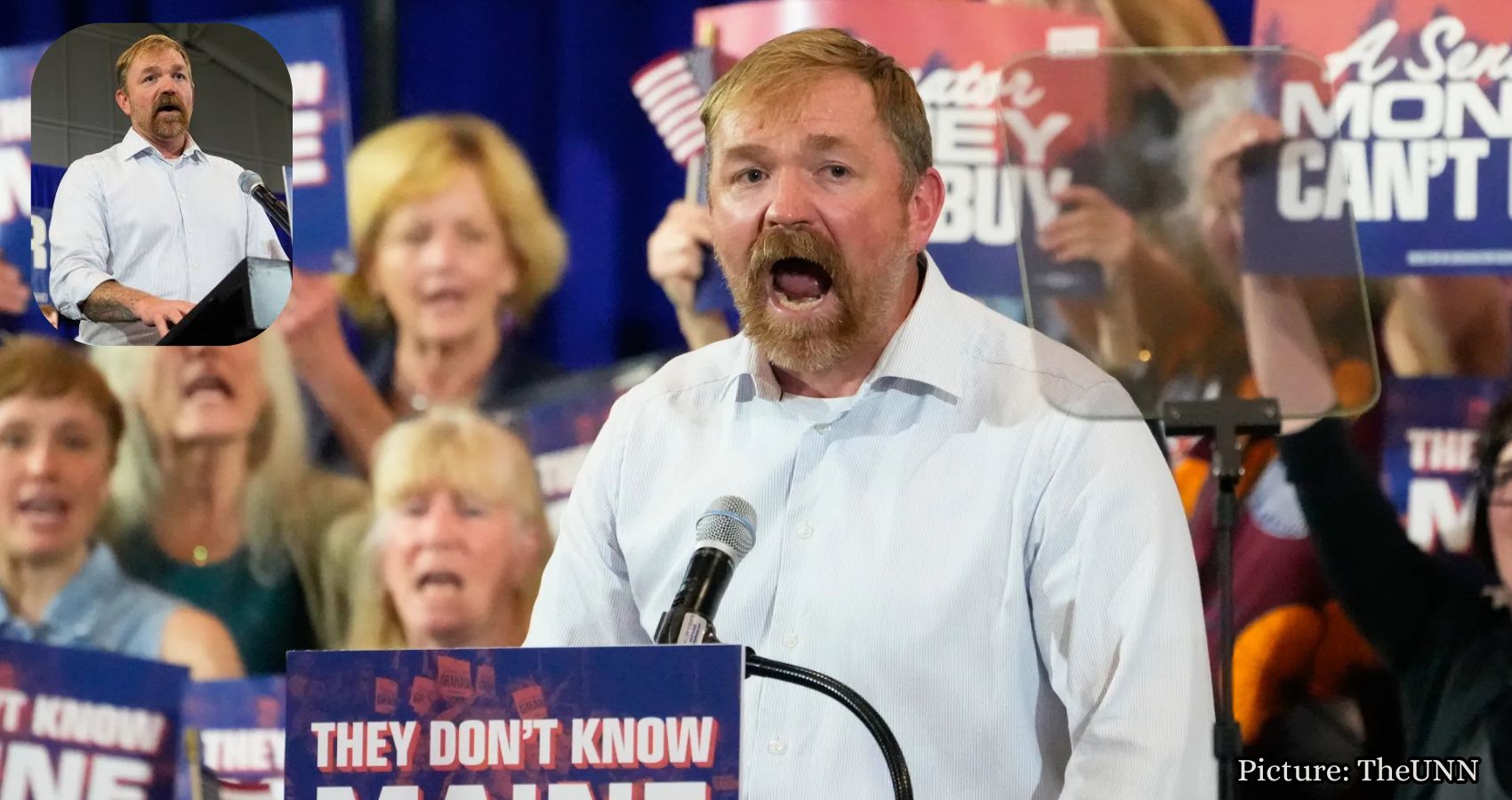
Vivek Ramaswamy, an Indian American biotech entrepreneur and former presidential candidate, has clinched the Republican nomination for Governor of Ohio. His victory was confirmed on Tuesday, where he garnered approximately 85% of the vote against challenger Casey Putsch, bolstered by a high-profile endorsement from former President Donald Trump.

This win positions Ramaswamy for a significant ideological contest in a pivotal Rust Belt state. He is set to face Democrat Amy Acton, the former director of the Ohio Department of Health, who ran unopposed in her primary. The current Governor, Mike DeWine, is unable to seek re-election due to term limits.

The primary race was characterized by intense online exchanges, with pro-Trump activist Laura Loomer celebrating Ramaswamy’s victory on social media as a setback for what she referred to as the “Woke Reich.”

Throughout the campaign, Ramaswamy faced personal and ethnic attacks from some of his primary opponents. However, he shifted his focus on Tuesday night to the upcoming general election, where he plans to challenge Acton’s record on pandemic-era policies.

Ramaswamy’s rise in politics marks a significant milestone for the Indian American community in the United States. Born in Cincinnati to Tamil immigrant parents from Kerala, India, his journey is often highlighted as a representation of the American Dream. His father graduated from the National Institute of Technology, Calicut, and his mother is a geriatric psychiatrist, both of whom emphasized the importance of education, leading Ramaswamy to prestigious institutions like Harvard and Yale.

This cultural heritage plays a crucial role in Ramaswamy’s political identity, as he frequently emphasizes his background as the son of immigrants who arrived in the U.S. with limited resources.

In his victory speech, Ramaswamy framed his win as a mandate for a new generation of leadership that prioritizes economic growth and government deregulation. “The real destination is in November,” he told supporters in Columbus, Ohio, indicating a transition from internal party politics to a broader statewide campaign.

Trump expressed his support for Ramaswamy on social media, describing him as “young, strong, and smart.” The endorsement, which came shortly after Ramaswamy stepped down from his role at the Department of Government Efficiency (DOGE) earlier this year, played a crucial role in establishing his frontrunner status.

As the general election cycle commences, the contest between Ramaswamy and Acton is anticipated to be one of the most expensive and closely monitored races in the country. With a campaign war chest exceeding $30 million, Ramaswamy enters the race with considerable financial backing as he aims to become Ohio’s first Indian American governor. For the Indian diaspora, his nomination signifies a growing influence at the highest levels of American government.

According to The American Bazaar, Ramaswamy’s candidacy reflects not only his personal ambitions but also the increasing representation of diverse communities in U.S. politics.

Vijay’s Political Strategy for Tamil Nadu Thalapathi Katchi Majority

Vijay’s Tamil Nadu Thalapathi Katchi is poised for a significant political shift in the upcoming Assembly elections, driven by a meticulously crafted strategy that transforms fandom into political power.

The Tamil Nadu Thalapathi Katchi (TVK), led by the popular actor Vijay, is on the brink of achieving a simple majority in the forthcoming Tamil Nadu Assembly elections. Current projections suggest that TVK could secure approximately 118 seats, while the ruling Dravida Munnetra Kazhagam (DMK) alliance may fall to around 70 seats, and the All India Anna Dravida Munnetra Kazhagam (AIADMK) is expected to garner only 51 seats. This potential shift in political power is not merely a reflection of the current electoral landscape but rather the culmination of a carefully devised strategy developed over several years.

The first phase of this strategy involved transforming Vijay’s extensive fan base into a robust political infrastructure. Initially formed for film promotion, Vijay organized his fans into local community units known as rasigar mandrams across Tamil Nadu. These grassroots networks have evolved into structured welfare organizations that engage in various community services, including blood donation camps, disaster relief efforts, and educational programs. This transition marks a significant shift from sporadic gestures to a sustained presence in local communities, laying the groundwork for political engagement.

In 2021, Vijay took a strategic step by allowing members of his fan associations to run as independent candidates in local body elections. Without formally launching a political party or conducting a full-scale campaign, approximately 169 candidates contested, with 115 emerging victorious. This success represented a breakthrough, showcasing the effectiveness of his network in managing candidate selection, booth operations, and voter mobilization without the need for a party symbol, thereby reshaping the political landscape in Tamil Nadu.

As the 2026 elections approach, the focus has shifted from merely expanding the network to refining its components. The TVK has implemented a corporate-style candidate screening process that includes interviews and background checks. This new approach emphasizes organizational discipline over mere popularity, ensuring that individuals in key roles, such as ward in-charges and booth agents, are selected through a systematic evaluation process. This strategy allows the movement to maintain emotional engagement with supporters while enhancing operational efficiency and effectiveness.

A critical element of TVK’s campaign strategy is the introduction of the whistle symbol, designed for quick recognition and easy replication. This symbol has transcended its initial political branding, becoming a cultural motif as women across local neighborhoods began to draw whistle-shaped kolams outside their homes, effectively creating visible maps of support throughout the state. This grassroots mobilization, which incorporates both online and offline efforts, showcases the strategic utilization of local units that have historically organized film-related events, further cementing Vijay’s connection to the electorate.

Behind the vibrant visuals of the campaign lies a well-established operational framework. Long-standing WhatsApp groups, initially formed for community engagement, have been repurposed as campaign channels. Volunteers are mobilized to manage logistics, including flag distribution, transportation, and daily outreach initiatives. This pre-existing network enables door-to-door campaigning without starting from scratch. At the helm, Vijay has centralized control through closed-door meetings with local leaders, ensuring that insights from booth-level operations inform campaign strategies while emphasizing key issues such as corruption, welfare, and youth engagement.

Throughout this multi-phase strategy, a distinct identity has emerged among Vijay’s supporters, often referred to as “Anil,” a term with historical roots in Tamil political discourse. Initially coined in a derogatory context by rival camps during the 2011 Tamil Nadu elections—when Vijay’s faction supported J. Jayalalithaa and the AIADMK—the term evokes the imagery of the squirrel from the Ramayana, which aided Lord Rama in constructing a bridge to Lanka. Over time, what began as mockery has evolved into a badge of honor for Vijay’s supporters, signifying their collective strength in pursuit of a larger victory.

As Tamil Nadu approaches its elections, the sophisticated and layered approach taken by Vijay and the TVK underscores a significant shift in the state’s traditional political landscape. If successful, the implications of this strategy could redefine not only political allegiances but also the manner in which local governance is approached in Tamil Nadu. This potential transformation raises questions about the future of established political parties and their ability to adapt to the evolving dynamics of voter engagement, according to GlobalNet News.

Diljit Dosanjh Discusses Political Pressures During Canadian Tour

Punjabi star Diljit Dosanjh discusses the political pressures he faces from both Indian nationalists and pro-Khalistan supporters during his Canada tour, emphasizing his commitment to cultural representation.

VANCOUVER – Renowned Punjabi artist Diljit Dosanjh has recently opened up about the increasing pressures he faces while navigating political sensitivities within the Punjabi diaspora. During his ongoing ‘Aura’ tour, he expressed that he encounters criticism from both Indian nationalists and pro-Khalistan supporters.

Speaking at his concert in Edmonton on May 2, Dosanjh reflected on the challenging position he finds himself in, caught between opposing viewpoints that question his identity and intentions. This moment was sparked by a child in the audience who shouted, “Punjabi aa gaye oye,” a slogan that has become closely associated with Dosanjh’s rise to global prominence, especially after he made history as the first Punjabi artist to perform at Coachella in 2023.

In response to the child’s enthusiastic shout, Dosanjh took a moment to address the broader criticism he regularly faces. “When I go to India, they say, ‘Khalistani aa gaya oye.’ When I come here, they say something else. I get abuses from both sides. I don’t get where I should go,” he shared with the crowd, gesturing toward a middle path. “There’s only one path I know I should follow.”

His remarks resonated deeply with the audience, who responded with loud cheers, highlighting the connection his message has with fans across different geographies and political divides.

This candid moment followed a tense incident just days earlier in Calgary, where Dosanjh paused his performance after noticing a group of protesters waving Khalistan flags in the crowd. Rather than escalating the situation, he chose to address it directly, urging them to leave while asserting that they were free to express their views. He emphasized that his focus remains on representing Punjab on the global stage.

Dosanjh has consistently maintained that his mission is cultural rather than political. As one of the most prominent Punjabi artists worldwide, his statements and performances are often scrutinized by various groups seeking to interpret or claim his stance.

His ability to navigate these complex dynamics reflects not only his commitment to his art but also his desire to foster a sense of unity among his diverse fan base. As he continues his tour, Dosanjh remains dedicated to celebrating Punjabi culture while addressing the challenges that come with his visibility in the global arena.

According to India West, Dosanjh’s experiences highlight the intricate relationship between culture and politics within the Punjabi community, particularly in the diaspora.

Thurmond Advocates for Working-Class Issues in California Governor’s Race

California Superintendent of Public Instruction Tony Thurmond is campaigning for governor with a focus on housing, health care, and cost-of-living relief, aiming to address the economic challenges faced by working families.

California Superintendent of Public Instruction Tony Thurmond is positioning his campaign for governor around key issues such as housing, health care, and cost-of-living relief. He argues that the economic pressures confronting working families should shape the state’s priorities.

In an interview hosted by American Community Media on April 30, Thurmond expressed optimism, stating, “A better California is possible and that we have to build it together.” He outlined a platform aimed at expanding housing opportunities, reducing costs, and increasing access to health care services.

The race to succeed Gov. Gavin Newsom, who is term-limited, has attracted a diverse group of candidates under California’s top-two primary system. This system allows all candidates to appear on a single ballot, with the two highest vote-getters advancing to the November election, regardless of party affiliation. As the June 2 primary approaches, the outcome remains uncertain due to the crowded field of candidates.

Thurmond is one of several Democrats vying for the position, competing against notable figures such as Xavier Becerra, Katie Porter, former Los Angeles Mayor Antonio Villaraigosa, investor Tom Steyer, and San Jose Mayor Matt Mahan. Republican candidates include Steve Hilton and Chad Bianco.

A recent CBS News poll revealed a fragmented landscape, with Hilton leading at 16%, followed closely by Steyer at 15%, Becerra at 13%, Bianco at 10%, and Porter at 9%. Notably, over a quarter of voters remained undecided, and Thurmond registered at just 1% in the survey.

Addressing concerns about his campaign’s low standing, Thurmond emphasized the importance of voter engagement over polling numbers. “I just don’t think that polls elect anyone. People do,” he remarked, affirming his commitment to remain in the race until Election Day. “My name is on the ballot. I’m in it to the end. And I’m running to win,” he added.

In a competitive field, Thurmond has carved out a platform centered on economic equity. He has proposed ambitious plans to build 2 million housing units, support single-payer health care, and raise taxes on billionaires to fund tax credits for working- and middle-class Californians. “My plan is to help our state build two million housing units, and to make sure that Californians have access to good-paying jobs,” he stated.

Thurmond linked these priorities to his personal background, sharing that he grew up facing financial hardship after losing his mother at the age of six. “We used free lunches, food stamps, and government cheese,” he recalled, emphasizing that education ultimately transformed his life.

On immigration, Thurmond expressed his commitment to limiting enforcement actions in sensitive areas and expanding protections for undocumented residents. “I was the first candidate to call for abolishing ICE,” he noted, advocating for a pathway to citizenship. He also highlighted policies designed to keep immigration enforcement out of schools, stating, “To date, we have not had ICE in our schools.”

Thurmond’s support for universal health care is deeply personal, stemming from the loss of his brother due to lack of health coverage. “No person should lose their life simply because they don’t have health insurance,” he asserted, calling for a system that prioritizes patient care over profit.

Affordability is a pivotal issue in the race, particularly concerning the rising costs of housing, transportation, and essential goods. Thurmond emphasized that while the state cannot directly lower prices, it can create conditions that support cost reductions. “The governor and the state can’t just make prices go down,” he explained, “but we can create conditions that ultimately will support bringing costs down.”

He described California’s housing shortage as “a crisis of supply and demand,” asserting that expanding construction is essential for reducing costs over time.

As the race intensifies leading up to the June primary, Thurmond faces the challenge of translating his working-class message into broader appeal within a crowded and dynamic field—where visibility and recognition may play as crucial a role as policy in determining who advances.

This interview is part of a series hosted by American Community Media, providing ethnic media outlets with direct access to gubernatorial candidates on pressing issues such as immigration, health care, and affordability ahead of the June primary, according to India Currents.

Vijay’s Election Victory Promises Gold and LPG Benefits in Tamil Nadu

Vijay’s Tamizhaga Vettri Kazhagam emerges as the leading party in the Tamil Nadu 2026 Assembly elections, with a manifesto focused on women, youth, governance, and economic revival.

The 2026 Tamil Nadu Assembly election has significantly reshaped the political landscape, drawing attention to policy promises that could define the state’s future. As Vijay’s Tamizhaga Vettri Kazhagam (TVK) emerges as the single-largest party, the focus has shifted from mere seat counts to a broader vision for governance.

Despite falling short of an outright majority, TVK’s ambitious manifesto has become central to discussions about what a TVK-led government might entail. The manifesto addresses a range of issues, including women’s welfare, youth empowerment, governance reforms, and economic revival.

At the core of TVK’s policy framework is a strong emphasis on women’s welfare and safety. The party has pledged to establish a dedicated department focused on the safety of women, children, and the elderly. Among its financial support initiatives is a monthly assistance scheme of ₹2,500 for women heads of families under the Madhippumigu Magalir Thittam.

One of the standout features of the manifesto is the Annapoorani Super Six Scheme, which promises six free LPG cylinders per year to every family. Additionally, marriage assistance programs like the Annan Seer Thittam and Thaai Maaman Gold Ring Scheme aim to provide both financial and symbolic support to families.

Safety measures are also a priority, with plans to deploy women personnel in plain clothes equipped with body cameras to enhance vigilance and protection across various locations. The initiative includes the establishment of 500 teams throughout the state to bolster women’s safety.

Further safety enhancements include fast-track courts, a CCTV-backed “Zero Dark Spots” initiative, panic buttons in public transport, and the distribution of free sanitary pads across Tamil Nadu.

Turning to youth, TVK has laid out an aggressive roadmap to support the younger generation through education, employment, and entrepreneurship. The manifesto promises collateral-free education loans of up to ₹20 lakh, ensuring that financial barriers do not hinder access to higher education. It also proposes unemployment assistance of ₹4,000 per month for graduates and ₹2,500 for diploma holders.

A significant employment initiative is the Vettri Skill Training Assurance Scheme, which aims to provide internships to 5 lakh youth annually, complete with monthly stipends. To foster entrepreneurship, the party plans to offer financial support of up to ₹25 lakh in business loans. Additionally, TVK will incentivize companies that hire 75% of their workforce from Tamil Nadu.

In terms of governance, the party aims to enhance youth participation through large-scale hiring for new administrative roles, which will come with a monthly salary. A Youth Advisory Council is also proposed to ensure that young voices are heard in the decision-making process.

For government employees, TVK has committed to structural reforms and job security. The party has pledged to evaluate the reintroduction of the Old Pension Scheme and to regularize temporary staff who have served for more than five years. Transparency is a key pillar of their governance approach, with promises to eliminate corruption in promotions and ensure fair and timely transfers.

TVK’s manifesto also emphasizes technology-driven governance and direct citizen engagement. The proposed Tamil Nadu Citizen Privilege Card aims to deliver welfare benefits directly to families using AI-enabled systems. Furthermore, the Right to Service Act is designed to ensure time-bound delivery of government services, with penalties for delays.

To streamline services, the party plans to launch a “Super App” for licenses and grievance redressal, along with a real-time governance dashboard to enhance budget transparency. Citizen participation is a major highlight, with plans to transform citizens from mere voters into active partners in governance. Through digital platforms, people will be able to submit ideas, track policies, and influence legislative discussions via the ‘Makkal Arangam’ initiative.

TVK has also outlined an ambitious vision to position Tamil Nadu as a global technology hub. The manifesto proposes the establishment of India’s first Ministry of Artificial Intelligence and an AI City to attract global companies. AI innovation hubs are planned for key cities such as Madurai, Coimbatore, Salem, and Tiruchirappalli, aiming to support 1,000 deep-tech startups and build a robust digital economy.

Economic revival and industrial growth are additional focal points of TVK’s agenda. The party has proposed a ₹15,000 crore State Credit Guarantee Fund to support struggling micro, small, and medium enterprises (MSMEs). Plans also include reducing industrial costs by eliminating peak-hour electricity charges and offering tax exemptions. To enhance competitiveness, TVK will provide capital subsidies for industrial modernization, encouraging businesses to scale and innovate.

While the final shape of the government remains uncertain, TVK’s manifesto has already set a strong narrative around welfare, transparency, and development. As alliance talks continue, these promises will likely play a crucial role in shaping political negotiations and public expectations, according to The Sunday Guardian.

Ramaswamy Faces Backlash Over Jesus Comment Ahead of Primary

Vivek Ramaswamy faces backlash over comments regarding Jesus Christ as Hindu groups defend his views ahead of the Ohio primary election.

Republican gubernatorial candidate Vivek Ramaswamy is encountering significant backlash following the resurfacing of a video in which he discusses his views on Jesus Christ. This controversy has reignited discussions about religion’s role in American politics, particularly as Ohio’s primary election approaches.

The remarks in question were made during a campaign event in Iowa in 2023, where Ramaswamy stated, “I know that is different than saying he’s THE son of God but that’s my view of Jesus Christ.” This statement has drawn criticism from various voters and commentators, while simultaneously garnering strong support from Hindu American groups. These groups argue that the backlash reflects an informal religious test for public office.

Suhag A. Shukla, a representative of the Hindu American Foundation, criticized the backlash, describing it as “supremacism.” Her comments highlight broader concerns within segments of the Hindu American community regarding perceived bias against candidates who do not adhere to Christian beliefs. Advocates assert that questioning a candidate’s religious views in this manner threatens the constitutional protections of religious freedom, especially in a diverse electorate that encompasses multiple faith traditions.

Another supporter, Sidharth, co-founder of the Indian American Advocacy Council, also condemned the backlash. He stated, “If someone loses their faith because a Hindu says Jesus is not the only path… the problem is your insecurity and bigotry.” This perspective underscores a defense rooted in pluralism, emphasizing that differing theological views should not disqualify individuals from holding public office. Supporters point to the U.S. Constitution’s prohibition of religious tests as a safeguard against such scrutiny, particularly in high-profile elections.

Ramaswamy, who has previously addressed inquiries about his Hindu faith during his presidential campaign, has asserted that he will not apologize for his beliefs. He has positioned himself as a defender of religious liberty, emphasizing the importance of respecting diverse faiths in the political arena.

The issue has emerged just days before the May 5 Republican primary in Ohio, where Ramaswamy is set to face challenger Casey Putsch. This controversy adds a new layer to an already competitive race, highlighting how religion continues to intersect with U.S. politics, particularly for candidates from minority faith backgrounds.

As debates over identity and constitutional principles shape voter perceptions, the implications of Ramaswamy’s remarks may resonate beyond the immediate electoral context. The ongoing discourse surrounding religious beliefs in politics underscores the complexities of navigating faith in a diverse society.

The episode serves as a reminder of the challenges faced by candidates who come from minority religious backgrounds, as they seek to connect with a broad electorate while remaining true to their beliefs. The outcome of the Ohio primary may further illuminate the role that religious identity plays in contemporary American politics.

According to The American Bazaar, the unfolding situation reflects a broader trend in which candidates are increasingly scrutinized for their religious beliefs, raising questions about the intersection of faith and public service.

Kerala UDF Secures Clear Mandate; Focus Shifts to Future Direction

Kerala’s recent electoral victory for the UDF presents a pivotal opportunity for new leadership to redefine the state’s economic direction and address persistent challenges.

Kerala has delivered a decisive mandate in favor of the United Democratic Front (UDF), affirming its authority in the state. However, this electoral victory raises a critical question: what direction will the new leadership take?

For decades, Kerala has witnessed a cycle of changing governments without a corresponding shift in economic direction. While the state has achieved notable social outcomes, it continues to face significant challenges, including high unemployment rates among educated youth and a troubling trend of talent migration. This situation is not coincidental; it stems from an economic framework that has failed to adapt to evolving realities.


Having known VD Satheeshan since our college days at Sacred Heart College, Thevara, where we were debate teammates, I have always regarded him as a capable and intelligent leader. This moment is crucial, as the scale of the mandate offers an opportunity to break free from entrenched patterns and establish a new economic direction for Kerala.

Kerala’s development narrative often highlights its social achievements, which are indeed commendable. However, this narrative overlooks the pressing issues of limited industrial growth and persistent unemployment. Both major political fronts have operated within similar economic frameworks for too long, emphasizing control and regulation while the government has played a central role in economic activity. This approach has reached its limits, and the people are increasingly focused on jobs, income, and the ability to build a life in Kerala.

To identify effective solutions, we can look to regions that have successfully fostered sustained prosperity. These areas prioritize enabling individuals to build their futures, reducing bureaucratic friction, and trusting enterprise to flourish. While government involvement remains essential, it should focus on setting direction rather than micromanaging every aspect of economic activity.

Kerala possesses the talent, education, and global exposure through its diaspora, yet it has not consistently created an environment where this potential translates into local opportunities. This gap highlights the need for significant policy changes.

One area ripe for reform is the real estate sector. High registration costs and rigid pricing systems distort transactions and deter investment. By aligning these costs with market realities and lowering transaction fees, Kerala can enhance transparency and attract investment.

Moreover, the process of doing business in Kerala remains cumbersome. Approvals need to be expedited, and bureaucratic systems simplified to encourage investment. Small and medium-sized enterprises, which are vital for job creation, require a more conducive environment. Reducing compliance burdens and ensuring predictable local processes can significantly impact their growth.

State-level charges and local levies also play a crucial role in business decisions. Streamlining these fees will enable Kerala to compete more effectively with other states. Additionally, labor frameworks must strike a balance between worker protection and flexibility to ensure that industries do not seek alternatives elsewhere.

Kerala’s government should focus on enabling growth rather than imposing additional layers of control. This includes reducing property registration costs to realistic levels and eliminating artificial pricing systems that encourage dishonesty. If government responses to business approvals are not timely, they should be deemed granted after a set period, thus improving the investment climate.

Furthermore, the number of clearances required for small and medium enterprises should be minimized. Many businesses could operate under a self-certification model, allowing them to commence operations without lengthy delays.

Taxes and fees should incentivize activity rather than penalize it. A broader tax base with lower rates can stimulate growth more effectively than a narrow base with high taxes. Labor regulations must protect workers while also facilitating business operations, as job creation stems from enterprises willing to expand.

Leadership in Kerala must embrace a forward-thinking approach. Satheeshan represents a generation capable of reimagining the state’s economic strategy. However, the challenge lies in breaking away from familiar patterns and embracing new ideas.

The political landscape in Kerala has traditionally been dominated by two major fronts, providing stability but limiting policy diversity. However, recent electoral outcomes suggest a shift toward growth and enterprise is beginning to take root. Figures like Rajeev Chandrasekhar have introduced a sharper focus on economic direction and enterprise-driven growth into the political discourse, emphasizing the need for the government to prioritize these issues.

Although the 20-20 initiative led by Sabu Jacob garnered attention, it struggled to translate that into electoral success, highlighting the complexities of transitioning from local influence to statewide politics. Building a business and establishing a political movement require distinct strategies.

Even a small opposition can influence the debate if it remains focused on innovative ideas. Unfortunately, the current Marxist-led Left Democratic Front (LDF) does not provide this balance, placing the onus on the three-member BJP presence in the Assembly, led by Rajeev Chandrasekhar.

A balanced system thrives on diverse ideas that challenge one another, ultimately leading to improved outcomes. Kerala has lacked this balance in economic thinking, contributing to the slow pace of change. A stronger articulation of alternative economic ideas can help foster this balance.

As economic questions gain prominence, voters in Kerala may begin to rethink their traditional political affiliations. This shift could lead to a clearer distinction in policy formulation, prioritizing opportunity, growth, and the role of government over party loyalty.

Kerala is not short on talent or ambition. What it lacks is a consistent economic framework that allows individuals to build their futures within the state. The next phase of Kerala’s development hinges on creating an environment conducive to opportunity.
Continuing with the status quo will not yield different results. Kerala has the resources it needs; what remains is the willingness to think differently and act decisively.

As someone who has known you since our early days, Satheeshan, I express this with respect and hope. This is your moment to lead not just politically but directionally. Kerala stands at a crossroads, and you have the opportunity to guide it toward a brighter future.

Ultimately, the direction you choose will shape the state’s future.

The insights presented here reflect the ongoing discourse surrounding Kerala’s economic challenges and opportunities, emphasizing the need for transformative leadership and innovative policies.

United Arab Emirates Aims for AI-Driven Government in Two Years

The United Arab Emirates plans to integrate agentic artificial intelligence into 50% of its government operations within two years, marking a significant step in the global AI landscape.

The United Arab Emirates (UAE) has announced an ambitious plan to deploy agentic artificial intelligence (AI) across half of its government operations within the next two years. This initiative represents one of the most aggressive moves in the global race to harness AI technology.

While many governments are still deliberating the potential applications of AI, the UAE’s strategy emphasizes speed and execution, diverging from the typical cautious approach associated with major technological changes. If successful, this initiative could serve as a model for how AI can transform public services, extending its influence beyond the Middle East. Conversely, if challenges arise, it may underscore the risks associated with rapid implementation, particularly concerning government decision-making, personal data management, and public trust.

Agentic AI refers to systems capable of analyzing information, making decisions, and taking action with minimal human intervention. This technology can streamline processes by processing requests, adjusting workflows, and enhancing outcomes in real time. Rather than merely suggesting next steps, agentic AI can autonomously execute certain government tasks from start to finish.


In practical terms, this could manifest as expedited permit approvals, automated public services, or systems that respond instantaneously to fluctuations in demand. By eliminating human bottlenecks, processes could operate more efficiently and continuously.

The UAE’s announcement indicates that AI will function more as an operational partner rather than just a tool, marking a significant shift in governmental perspectives on technology. A structured rollout plan has been established, with clear expectations set from the outset. Each ministry and government entity will be assessed based on the speed of AI adoption, the effectiveness of implementation, and the ability to redesign workflows accordingly.

Oversight of this initiative will be managed by Mansour bin Zayed Al Nahyan, a senior government official involved in executive decision-making. Day-to-day operations will be led by a task force chaired by Mohammad Al Gergawi, a veteran cabinet minister focused on government modernization.

A crucial aspect of this plan involves the human element. All federal employees will undergo AI training, aimed at cultivating a workforce capable of collaborating with intelligent systems rather than competing against them. This approach addresses widespread concerns regarding job displacement due to automation, emphasizing reskilling and adaptation. If successful, the UAE could set a precedent for other nations seeking to navigate the complexities of workforce transformation.

This initiative aligns with the UAE’s broader strategy to position itself as a technology-driven economy. By embedding AI into government operations, the country aims to enhance efficiency, minimize delays, and provide faster services to both residents and businesses. Moreover, this move sends a strong signal to the global community, as the UAE seeks to establish itself as a benchmark for AI utilization in government, potentially pressuring other nations, including the United States, to reconsider their own adoption timelines.

Despite the enthusiasm surrounding this rollout, it raises significant concerns. Critics highlight accountability as a primary issue; when AI systems make decisions within government frameworks, determining responsibility can become complicated. Questions arise regarding whether accountability lies with the AI system, its developers, or the agency utilizing it.

Privacy is another critical concern. Government systems already handle sensitive personal data, and expanding AI’s role could lead to increased data collection, analysis, and storage, raising alarms among experts. Additionally, the potential for bias in AI models poses risks, as flawed or incomplete data can result in inequitable outcomes, affecting access to services and decision-making processes.

Trust is also a significant factor. Even if AI systems function as intended, public acceptance of machine-made decisions—especially those impacting daily life—may be slow to develop. Proponents argue that strong oversight and transparency can mitigate these risks, but critics caution that the rapid pace of implementation leaves little room for error, suggesting that debates around these issues are likely to intensify.

The implications of the UAE’s initiative extend beyond its borders. As one government demonstrates the ability to deliver faster services through AI, citizens in other countries may begin to question why their own governments cannot achieve similar results. This development could accelerate the global AI race, compelling governments to find a balance between speed, privacy, security, and oversight.

Furthermore, this initiative highlights a growing trend: AI is increasingly taking on decision-making roles beyond basic support functions, fundamentally altering how systems are structured and how accountability is managed. Similar experiments may soon emerge in the United States, particularly at state or city levels, where innovation can occur more rapidly.

The UAE’s commitment to integrating AI into its governmental framework is a bold bet on the future. The timeline is ambitious, and the scope is significant. However, the challenges accompanying this transition are equally substantial. Questions surrounding accountability, data usage, and public trust are paramount. As AI continues to permeate systems that influence everyday life, the world watches closely to see how this initiative unfolds.

This move could either pave the way for a new model of governance or expose the complexities and challenges inherent in such rapid technological advancement. The global community will undoubtedly be observing the UAE’s progress as it navigates this uncharted territory.

According to Fox News, the UAE’s approach could reshape the future of government operations worldwide.

Anti-Indian Rhetoric Contributes to Increased Hate Incidents in the U.S.

In 2025, nearly half of Asian American and Pacific Islander adults reported experiencing hate incidents, highlighting the troubling connection between political rhetoric and rising discrimination in the United States.

A recent report by Stop AAPI Hate reveals that in 2025, nearly 49 percent of Asian American and Pacific Islander (AA/PI) adults experienced a hate incident. This marks the third consecutive year of alarmingly high levels of racism and discrimination against these communities in the United States. The findings illustrate a persistent trend that has been exacerbated since the onset of the COVID-19 pandemic in 2020, underscoring the ongoing impact of anti-Asian sentiment fueled by political discourse and anti-immigrant policies.

The survey data indicates a concerning consistency in reported hate incidents over the last three years, with 53 percent of AA/PI adults reporting incidents in 2024 and 49 percent in 2023. This stability in the prevalence of hate incidents spans various demographic categories, including age, gender, income, language, and ethnic backgrounds, indicating a widespread issue affecting diverse segments of the AA/PI community.

Cynthia Choi, a co-author of the report, emphasized the strong link between political rhetoric and the rising levels of hate incidents. “Our new research shows that Asian American and Pacific Islander communities in the U.S. have continued to face alarmingly high levels of racism and discrimination for three consecutive years,” she stated. “While our survey has tracked this disturbing trend since 2023, our reporting center data, our previous research, and other sources show the surge began in 2020 during the COVID-19 pandemic—and anti-AA/PI hate has remained elevated since then because xenophobic, politically motivated attacks against our communities have continued year after year.”

The report identifies several critical factors contributing to this surge in anti-Asian sentiment. Notably, political campaigns, particularly that of former President Donald Trump in 2024, have amplified xenophobic rhetoric targeting Asian communities. The authors argue that certain political leaders have actively stoked anti-Indian and anti-Chinese sentiment, exacerbating a climate of fear and discrimination that has tangible impacts on individuals and communities.

Among the reported hate incidents, harassment emerged as the most common form, accounting for 44 percent of cases. Other forms included institutional discrimination (23 percent), physical harm (13 percent), and property damage (10 percent). The report also noted that a significant number of hate incidents occurred online (43 percent), followed closely by incidents in public spaces (40 percent) and at businesses (36 percent).

Furthermore, the report highlighted a concerning trend of intersectional targeting, with 52 percent of respondents indicating that other aspects of their identity—such as age, gender, or class—were attacked alongside their race or ethnicity. For instance, individuals of Indian origin reported facing threats of deportation and abuse linked to anti-immigrant rhetoric, underscoring the compounded vulnerabilities experienced by this demographic.

More than half (53 percent) of respondents indicated that they or someone they know had been affected by immigration policies or anti-immigrant sentiment. This sentiment was echoed across various groups, including U.S.-born and foreign-born individuals, as well as citizens and non-citizens. Significant impacts highlighted in the report include 36 percent of respondents fearing their citizenship status might be questioned, 30 percent facing or fearing detention or deportation, and 28 percent contemplating leaving the United States altogether.

The report also documented a notable increase in hate incidents specifically targeting Pacific Islanders, which rose to 57 percent in 2025 from 47 percent the previous year. This uptick underscores the broader implications of anti-Asian hate, which extends beyond the AA/PI communities to encompass a variety of ethnic groups experiencing discrimination.

The psychological ramifications of these hate incidents are significant. Among those affected, 73 percent reported experiencing stress, 49 percent felt isolated, and 25 percent exhibited symptoms of anxiety or depression. Despite these alarming statistics, reporting of hate incidents remains limited; only 22 percent of victims approached formal authorities, while 54 percent chose to share their experiences with friends or family. Additionally, support systems for victims were lacking, with just 33 percent of individuals receiving any assistance, while 48 percent reported that the support received was insufficient.

Interestingly, the report notes a decline in participation in activities aimed at countering racism, which dropped from 74 percent in 2023 to 56 percent in 2025. However, there is a silver lining, as 67 percent of respondents expressed a continued motivation to advance equity for AA/PI communities, highlighting a resilience and commitment to combating discrimination. This ongoing desire for equity suggests a potential for community mobilization and advocacy, even in the face of adversity.

In conclusion, the Stop AAPI Hate report underscores the urgent need for comprehensive strategies to address the rising tide of hate incidents targeting Asian American and Pacific Islander communities in the United States. The interconnectedness of political rhetoric, immigration policies, and social dynamics plays a crucial role in shaping the experiences of these individuals, necessitating a multifaceted response to combat racism and discrimination effectively, according to Stop AAPI Hate.

Bagda Assembly Elections 2026 Results: Winners, Candidates, and Voter Turnout

The Bagda Assembly Elections 2026 in West Bengal are shaping up to be a competitive race, with early trends showing BJP’s Soma Thakur in the lead over TMC’s Madhuparna Thakur.

The Bagda Assembly constituency in West Bengal is currently the center of attention as the 2026 Assembly Elections unfold. As counting progresses, early trends suggest a fierce contest primarily between the Bharatiya Janata Party (BJP) and the All India Trinamool Congress (TMC).

According to the latest updates from the Election Commission of India, the counting for the Bagda seat (AC No. 94) is ongoing, with results being reported round-wise. As it stands, BJP candidate Soma Thakur is leading in the constituency.

If the current trends continue, Soma Thakur is poised to become the new Member of the Legislative Assembly (MLA) for Bagda in 2026. The official counting of votes and the declaration of results are scheduled for May 4, 2026.

The key candidates contesting in this election include:

Soma Thakur from the BJP, Madhuparna Thakur from the TMC, Gour Biswas from the All India Forward Bloc (AIFB), Kirttaniya Prabir (Bapi) from the Indian National Congress (INC), and Goutam Malo from the Bahujan Samaj Party (BSP).

As per early counting trends, Soma Thakur is leading by a margin of over 13,000 votes against Madhuparna Thakur. However, the final victory margin will be confirmed once all counting rounds are completed.

Looking back at the Bagda Assembly Elections of 2021, the seat was won by Biswajit Das of the BJP, who defeated TMC candidate Paritosh Kumar Saha by approximately 9,792 votes. This election highlighted the intense rivalry between the BJP and TMC in the region.

In the previous election cycle of 2016, the constituency was won by Dulal Chandra Bar from the Indian National Congress (INC), who secured victory over his nearest rival from the TMC.

The voter turnout percentage for the Bagda constituency in the 2026 elections will be updated once the Election Commission releases the official figures. Additionally, the total number of registered voters in Bagda will also be disclosed according to ECI data.

Established in 1962, the Bagda Assembly constituency is reserved for Scheduled Castes (SC) and falls under the 743232 pincode region in the North 24 Parganas district of West Bengal.

For those interested in tracking the live election results, the official website of the Election Commission of India provides a reliable source for verified election data at @results.eci.gov.in/.

As the counting continues, all eyes remain on Bagda, where the outcome will significantly impact the political landscape in West Bengal.

According to The Sunday Guardian, the results will be closely monitored as they unfold.

Velachery Election 2026 Results: Aassan Maulaana, M.K. Ashok, R. Kumar Lead Race

As the 2026 Tamil Nadu Assembly elections unfold, Velachery emerges as a critical battleground, with R. Kumar of the Tamilaga Vettri Kazhagam leading against incumbent J.M.H. Aassan Maulaana and M.K. Ashok.

Velachery has become one of the most closely watched constituencies in Chennai during the 2026 Tamil Nadu Assembly elections. As the counting of votes progresses, the stakes are high for the candidates vying for this pivotal urban seat. The contest is primarily between the incumbent J.M.H. Aassan Maulaana of the Indian National Congress (INC), M.K. Ashok of the AIADMK, and R. Kumar of the Tamilaga Vettri Kazhagam (TVK).

The DMK-led alliance, which includes the Congress party, is eager to retain control of Velachery, while the AIADMK is determined to regain its influence in the area. However, the entry of actor Vijay, who is running with the TVK, has significantly altered the political landscape. Early trends indicate a substantial shift in support among younger voters and students towards the actor-turned-politician.

As of the latest updates, R. Kumar of the TVK is leading the race, having garnered 52,535 votes, while Aassan Maulaana of the INC trails with 29,135 votes. The current dynamics suggest a close contest, with the TVK candidate polling at 45.85% of the counted votes.

The situation for the other candidates is less favorable. Aassan Maulaana, the sitting MLA, finds himself in second place, facing a significant deficit as the TVK surge disrupts the traditional vote bank of the DMK and Congress. M.K. Ashok, a veteran of the AIADMK, is currently in third place, struggling to keep pace with the momentum generated by the TVK in the residential areas of Velachery and Adambakkam.

The performance of R. Kumar from the newly formed Tamilaga Vettri Kazhagam is particularly noteworthy. Early rounds of counting from electronic voting machines (EVMs) indicate that the TVK is making substantial inroads, leading in several rounds and forcing established parties to play catch-up.

Reflecting on the 2021 Assembly elections, Velachery experienced a nail-biting finish, with Aassan Maulaana securing victory by a mere 4,352 votes against AIADMK’s M.K. Ashok. The constituency, known for its educated electorate and significant IT professional population, recorded a 56% voter turnout in that election.
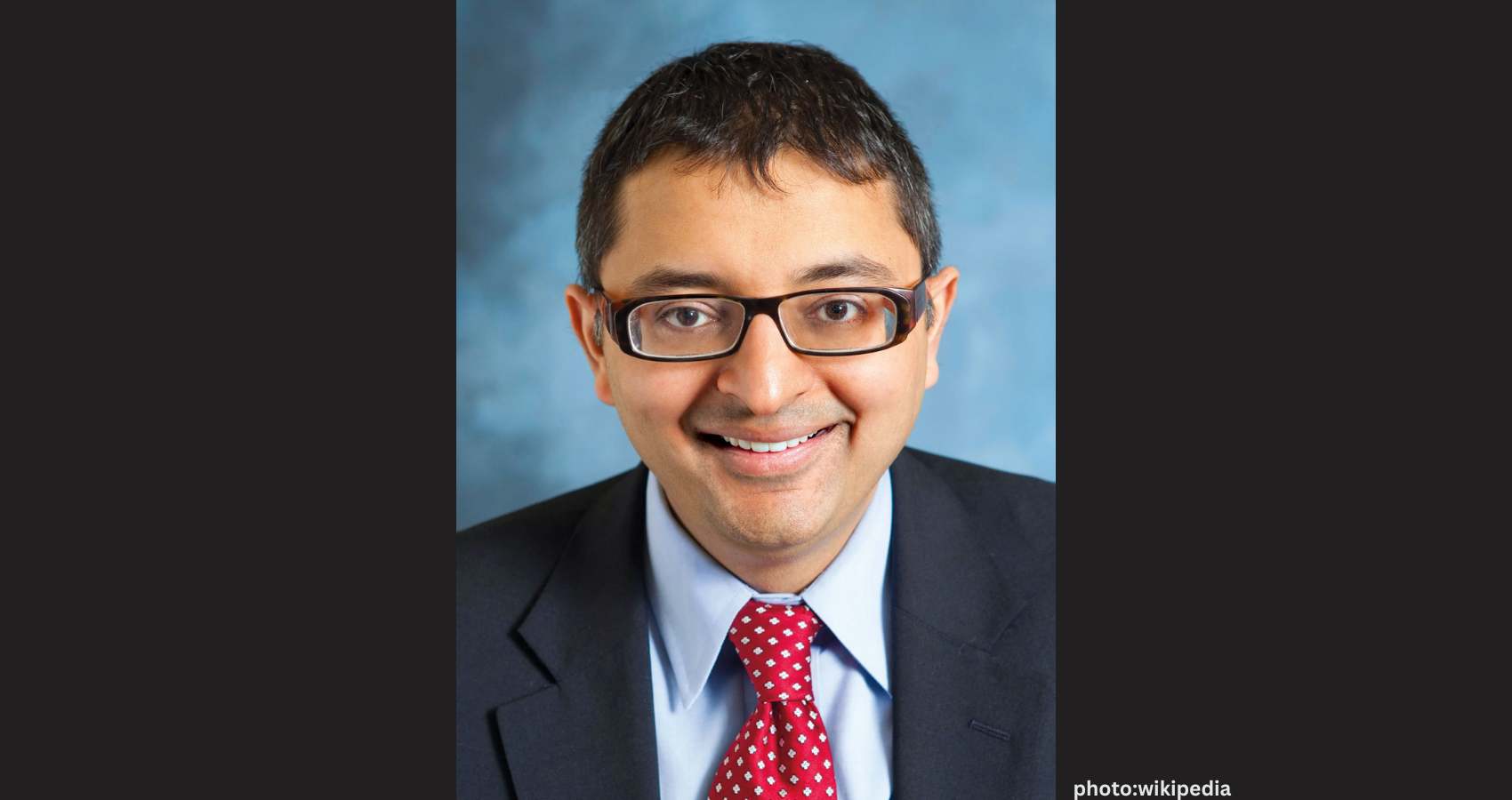
The implications of the Velachery results are significant. For the Congress, losing this seat would represent a major setback in its efforts to maintain a presence in the state capital. For the AIADMK, a loss would indicate ongoing challenges in regaining the support of Chennai’s urban middle class. Conversely, a victory for the TVK would solidify the party’s status as a formidable third force in Tamil Nadu politics.

As the counting continues, stay tuned for round-by-round updates as The Sunday Guardian provides the latest figures from the Velachery counting center. These updates are based on real-time trends provided by the Election Commission of India for the May 4, 2026, counting day.

According to The Sunday Guardian, the situation in Velachery remains fluid, with the potential for further shifts as more votes are counted.

Key Ballot Box Showdowns to Watch This Month

The 2026 primary season kicks off this month, with pivotal races across multiple states testing Donald Trump’s influence over the GOP ahead of the midterm elections.

The 2026 primary season is set to intensify in May, featuring races across a dozen states that could significantly impact the upcoming midterm elections. As Republicans defend their slim majorities in both the Senate and House, the outcomes of these primaries will be closely scrutinized, particularly in relation to former President Donald Trump’s enduring influence within the party.

The action begins on May 5, when Indiana and Ohio hold their primaries. Following that, Nebraska and West Virginia will conduct their contests on May 12, with Louisiana’s nominating event scheduled for May 16. The month culminates on May 26, when Texas will host runoff elections. Notably, May 24 will be the busiest day, featuring primaries in Alabama, Georgia, Idaho, Kentucky, Oregon, and Pennsylvania.

One of the most significant races to watch is in Indiana, where Trump’s grip on the GOP will be tested. Five months ago, Republican lawmakers in the state Senate resisted pressure from Trump and his allies, opting not to approve a congressional redistricting plan that would have added two Republican-leaning U.S. House seats. In response, Trump endorsed challengers to eight GOP state senators who opposed the redistricting initiative. His allies have invested millions to support these challengers, including organizations like Turning Point USA and the Club for Growth.

This intra-party conflict is seen as a critical test of loyalty to Trump, pitting MAGA supporters against more traditional conservatives. David McIntosh, president of the Club for Growth and a former congressman from Indiana, emphasized the need for a shift in the party’s leadership, stating, “We’ve got to change those old-style Republicans, put in people who will fight against the Democrat gerrymandering.”

In neighboring Ohio, the gubernatorial race is shaping up with less drama. Vivek Ramaswamy, a biotech entrepreneur and former presidential candidate, is poised to secure the Republican nomination in his home state. Backed by Trump, Ramaswamy will face Dr. Amy Acton, a former state health director, who is unopposed in the Democratic primary. The winner will replace term-limited Republican Governor Mike DeWine.

Ohio’s Senate primary is similarly straightforward, with appointed Republican Senator Jon Husted facing no challengers in the GOP primary. Former Democratic Senator Sherrod Brown is expected to easily win his party’s nomination. The victor in this race will serve the remaining two years of Vice President JD Vance’s term, following Vance’s departure from the Senate after the Trump-Vance ticket won the 2024 presidential election.

Once a battleground state, Ohio has shifted toward the Republican side in recent years, with Trump winning the state by 11 points in the 2024 election. However, the upcoming races for governor and Senate are anticipated to be competitive, with the Senate race being crucial for the GOP’s majority in the chamber.

In Louisiana, Senator Bill Cassidy faces primary challenges from two Republican candidates: Representative Julia Letlow and former Representative John Fleming, who currently serves as the state treasurer. Trump’s endorsement of Letlow adds another layer of complexity to this race. Cassidy was one of only seven Senate Republicans who voted to convict Trump following his impeachment in early 2021. Despite this, Cassidy has supported Trump’s agenda since the beginning of his second term.

If no candidate secures more than 50% of the primary vote, the top two finishers will advance to a runoff election on June 27.

Another key race to monitor is in Kentucky’s 4th Congressional District, where incumbent Representative Thomas Massie is being challenged by Trump-backed Ed Gallrein. Massie has been one of Trump’s vocal critics in Congress, particularly regarding issues related to foreign policy and the Epstein files. Trump’s allies have invested heavily in supporting Gallrein’s campaign.

In Georgia, the GOP gubernatorial nomination is also in play, with Trump endorsing Lieutenant Governor Burt Jones in a competitive race against healthcare executive and GOP donor Rick Jackson. Other notable candidates include state Attorney General Chris Carr and Georgia Secretary of State Brad Raffensperger. On the Democratic side, former Atlanta Mayor Keisha Lance Bottoms is the frontrunner, facing competition from former DeKalb County CEO Mike Thurmond and former Republican lieutenant governor Geoff Duncan, who has switched parties.

Republicans are aiming to flip a U.S. Senate seat in Georgia, viewing first-term Senator Jon Ossoff as vulnerable. However, Ossoff has built a substantial campaign war chest, making the race challenging for the GOP. Additionally, a contentious primary is underway among major contenders, including Representatives Mike Collins and Buddy Carter, along with former college football coach Derek Dooley, who is backed by Governor Kemp. Trump has not yet taken a position in this Senate primary.

In Texas, longtime GOP Senator John Cornyn is facing a runoff election against state Attorney General Ken Paxton, a prominent Trump supporter. Cornyn narrowly defeated Paxton in an earlier primary, but with no candidate achieving a majority, both will compete in the runoff. The winner will face Democratic nominee James Talarico, a rising star in the party who raised an impressive $27 million in the first quarter of this year.

As the primary season unfolds, both parties are keenly aware that the outcomes in these races could significantly influence the balance of power in Congress. The stakes are high, and the results will be closely monitored as the midterm elections approach, according to Fox News.

Voter Turnout Reaches 54.6% in Diamond Harbour, 56.3% in Magrahat Paschim

Voter turnout in West Bengal’s Magrahat Paschim and Diamond Harbour reached nearly 56% as repolling commenced due to complaints of Electronic Voting Machine tampering.

West Bengal is witnessing significant electoral activity as repolling takes place in two Assembly constituencies, Magrahat Paschim and Diamond Harbour. As of 1 PM, voter turnout has reached 54.6% in Diamond Harbour and 56.3% in Magrahat Paschim, following the Election Commission’s decision to conduct fresh voting at 15 polling booths due to allegations of irregularities.

The repolling began at 7 AM on Saturday in the South 24 Parganas district, specifically targeting 15 polling stations—11 in Magrahat Paschim and four in Diamond Harbour. This action was prompted by complaints regarding Electronic Voting Machine (EVM) tampering that surfaced during the second phase of polling earlier in the week.

A senior official from the Election Commission in Kolkata confirmed the details, stating, “Repolls have been ordered in 11 polling stations in the Magrahat Paschim Assembly seat and four polling stations in the Diamond Harbour Assembly constituency. We are still awaiting reports regarding the complaints from the Falta Assembly seat.”

The Election Commission of India has received at least 77 complaints related to EVM tampering during the recent elections. Reports indicated that in some instances, buttons on the machines were obstructed with adhesive tape or marked with ink, which hindered voters from selecting specific candidates. Additionally, there were claims that attar was applied to the buttons to identify voters based on scent.

The Bharatiya Janata Party (BJP) has called for a wider repoll, alleging that the ruling Trinamool Congress (TMC) was involved in the tampering. This demand was made following statements from BJP IT cell head Amit Malviya, who claimed that voters were prevented from casting ballots for BJP candidates at several booths in the Falta area, which is part of the Diamond Harbour constituency.

On polling day, West Bengal Chief Electoral Officer Manoj Kumar Agarwal emphasized that any polling booth found with tampered EVM buttons would be subject to repolling. This warning came in response to the BJP’s concerns about irregularities in the Falta region.

As the situation unfolds, the Election Commission continues to monitor the repolling process closely, ensuring that the integrity of the electoral process is maintained. The outcome of this repolling could have significant implications for the political landscape in West Bengal as the state approaches the 2026 elections.

According to The Sunday Guardian, the developments in these constituencies reflect ongoing tensions and challenges within the electoral framework of West Bengal.

Tim Cook Identifies India as Crucial Growth Market Following Record Quarter

Apple CEO Tim Cook emphasizes India’s potential as a key growth market following the company’s record revenue for the March quarter, driven by the expanding middle class and strong demand for its products.

NEW DELHI – Apple Inc. has reported record revenue for the March quarter, with Chief Executive Officer Tim Cook underscoring the company’s strong growth in India. He expressed optimism about the expanding middle class in the country, which he sees as a crucial driver of future demand.

During an analysts’ call discussing the company’s performance from January to March, Cook noted that Apple achieved record revenue for the quarter and experienced double-digit growth across all geographic segments. This included particularly strong growth in Greater China and the rest of the Asia-Pacific region.

“We also achieved March quarter revenue records in both developed and emerging markets, and saw double-digit growth in nearly every emerging market we track, including India,” Cook stated.

Cook highlighted Apple’s ongoing efforts to expand its retail presence in India, mentioning the recent opening of the company’s sixth store in the country. He emphasized that this move is part of a broader strategy to deepen Apple’s footprint in emerging markets.

On the potential of the Indian market, Cook remarked, “I think it’s a huge opportunity for us.” He pointed out that India is the second-largest smartphone market globally and the third-largest PC market. Despite Apple’s success in the region, he noted that the company still holds a modest market share, which he believes underscores the growth opportunities available.

Cook attributed the rise of India’s middle class and the strong adoption of Apple products among first-time buyers as key factors contributing to this potential. “There are a lot of people moving into the middle class there, and we’ve got some great products for them both currently and coming,” he said.

He further elaborated that a significant portion of customers across Apple’s product categories, including the iPhone, Mac, iPad, and Apple Watch, are new users in India. “This speaks very well to growing the installed base there. Net-net, I’m over the moon excited about India,” Cook added.

In the latest earnings report, Apple revealed that iPhone revenue reached $57 billion for the quarter, marking a 22 percent increase year-over-year, largely driven by the success of its latest iPhone lineup.

According to IANS, Cook’s insights reflect Apple’s commitment to leveraging India’s market potential as it continues to expand its presence in the region.

JPMorgan and Executive Deny Abuse Allegations by Indian-American Banker

Chirayu Rana, a finance professional, has filed a lawsuit against JPMorgan Chase executive Lorna Hajdini, alleging sexual abuse and racial harassment, which both parties have vehemently denied.

NEW YORK, NY – Chirayu Rana, a finance professional, has been identified as the individual who filed a lawsuit under the pseudonym “John Doe,” accusing Lorna Hajdini, a senior executive at JPMorgan Chase, of sexual abuse, racial harassment, and professional threats. Both Hajdini and JPMorgan have categorically denied the allegations.

The New York Post revealed Rana’s identity as the plaintiff in this case, which was filed in the New York County Supreme Court. The lawsuit names Hajdini, a 37-year-old executive director in JPMorgan’s leveraged finance division, and claims that the alleged misconduct began in the spring of 2024 after the two began working together.

According to the lawsuit, Hajdini made repeated sexual advances toward Rana and issued threats related to his career. The complaint quotes her as stating, “If you don’t fk me soon, I’m going to ruin you… I fking own you.”

Additionally, the filing alleges that Hajdini made racially charged comments, including, “You really think [management] want some Brown boy Indian leading originations?” She purportedly threatened to block Rana’s promotion if he did not comply with her demands.

The complaint also includes a shocking allegation that Hajdini admitted to drugging Rana with Rohypnol and another substance intended to facilitate sexual encounters that he describes as coerced.

In one instance detailed in the lawsuit, Hajdini is accused of forcing sexual contact at Rana’s apartment. When he expressed distress, she allegedly responded, “Stop f**king crying. You think anyone would ever believe you?”

In response to the allegations, Hajdini has firmly denied any wrongdoing. Through her legal representatives, she stated, “I have never engaged in any inappropriate conduct with this individual of any kind and have never even been to the location where the alleged sexual assault supposedly took place.”

JPMorgan also rejected the claims made in the lawsuit. A spokesperson for the bank stated, “Following an investigation, we don’t believe there’s any merit to these claims,” adding that Rana declined to participate in the internal review process or provide supporting information.

The bank’s internal investigation was conducted by its human resources and legal teams, which included a review of internal communications, according to reports cited by the New York Post.

Furthermore, the Daily Mail reported that portions of the court filing were later withdrawn for corrections. It also noted that Rana had previously filed an internal complaint in May 2025 alleging harassment and discrimination.

Rana’s attorney, Daniel J. Kaiser, expressed that his client has been “devastated personally and professionally” and is seeking damages for lost earnings, emotional distress, reputational harm, and punitive damages, along with changes to workplace practices.

Reports indicate that while Rana and Hajdini worked within the same division at JPMorgan, they reported to different managers. Rana has an extensive background in finance, having previously worked at firms such as Houlihan Lokey, Credit Suisse, Morgan Stanley, and the Carlyle Group. He is also a former Rutgers basketball player and currently serves as a principal at Bregal Sagemount.

Hajdini has been with JPMorgan for nearly 15 years and holds a degree in finance and statistics from New York University’s Stern School of Business. She has also completed executive education at Harvard Business School and is described as a “top performer” in leveraged finance.

The case continues to unfold as both parties prepare to present their arguments in court.

According to The New York Post, the allegations have sparked significant media attention and raised questions about workplace conduct and accountability in the finance industry.

The Five Key Strategies for Aging Gracefully and Healthily

Aging gracefully involves embracing life’s changes while maintaining a positive outlook, good health, and a strong sense of self, according to a holistic five-pillar framework.

Aging gracefully is a concept that transcends mere physical appearance; it embodies a holistic approach to growing older with dignity and vitality. Imagine a horse galloping effortlessly across a meadow or a ballerina executing a flawless pirouette. These images evoke a sense of beauty and ease, qualities that can also define the aging process.

At its core, aging gracefully is about accepting the natural changes that come with life while fostering a positive mindset, maintaining good health, and nurturing a strong sense of self. It is not about resisting the passage of time but rather embracing it with grace and dignity.

Experts in the fields of biomedical, social, and psychological sciences have explored what is often referred to as “successful aging.” This concept is characterized by a dynamic process of maintaining physical, mental, and social well-being while adapting to the inevitable changes that accompany aging. Key components include the absence or mitigation of disease, the maintenance of physical and cognitive functions, and active engagement with life.

However, there is often a disconnect between how healthcare professionals define successful aging and how older adults perceive it themselves. To address this, a five-pillar model for aging gracefully has been proposed, emphasizing five mutually reinforcing foundations that contribute to a fulfilling life in later years.

The five pillars of aging gracefully are:

1. **Active Care of Physical Vitality**: This pillar emphasizes the importance of taking an active role in one’s physical health. This includes regular exercise tailored to one’s life stage, nutritional awareness through whole foods and anti-inflammatory diets, preventive healthcare, and adequate rest. The Ayurvedic principles of rejuvenation and daily routines align well with this approach, encouraging individuals to care for their bodies with kindness and informed attention.

2. **Cultivation of a Curious and Resilient Mind**: Keeping the mind active and engaged is crucial for maintaining cognitive vitality. Lifelong learning, creative pursuits, and mental challenges can help mitigate cognitive decline. Mindfulness practices, such as meditation and yoga, also play a significant role in fostering mental resilience, allowing individuals to navigate the complexities of aging with clarity and wisdom.

3. **Deepening of Emotional and Spiritual Life**: Aging gracefully involves an inward journey as much as an outward one. Drawing from Indian philosophy, this pillar encourages individuals to cultivate equanimity and engage in spiritual practices that promote self-acceptance. Understanding and processing grief and mortality with honesty and courage are essential for emotional well-being in later years.

4. **Nurturing of Social Bonds and Ongoing Purpose**: Human beings have an inherent need for connection and belonging. This pillar highlights the importance of fostering deep relationships with family and friends and remaining active in one’s community. Engaging in mentoring, volunteering, or civic activities can provide a sense of purpose and fulfillment, combating loneliness, which is a significant risk factor for accelerated aging.

5. **Courageous Acceptance of What Age Brings**: This final pillar serves as the keystone that holds the other four in place. It emphasizes the importance of accepting the changes that come with aging while remaining open to new possibilities. Learning to let go of past identities and embracing the present stage of life can lead to a deeper appreciation of one’s journey.

Reframing the aging experience is a deeply personal endeavor. The five-pillar model serves as a flexible framework that individuals can adapt to their unique needs and circumstances. It promotes a mindset focused on quality of life rather than societal expectations or physical appearance.

As an anonymous quote aptly states, “Do not regret growing older. It is a privilege denied to many.” This perspective encourages individuals to view aging as an opportunity for growth and self-discovery.

In conclusion, the five-pillar model of aging gracefully integrates insights from both modern research and ancient wisdom, offering a roadmap for individuals seeking to navigate the later chapters of life with dignity and fulfillment. By focusing on physical vitality, mental engagement, emotional depth, social connections, and acceptance, individuals can cultivate a rich and meaningful experience as they age.

According to India Currents, embracing these principles can lead to a more graceful and fulfilling aging process.

Ambati Rayudu Commends KL Rahul’s Consistent Performance in Cricket

Ambati Rayudu commended KL Rahul’s batting approach in the IPL 2026 season, noting his enhanced intent and capability to challenge bowlers effectively.

Former India cricketer Ambati Rayudu has expressed admiration for KL Rahul’s batting style during the ongoing Indian Premier League (IPL) 2026 season.

Rayudu emphasized Rahul’s improved intent at the crease, which has been evident in his performances throughout the tournament. The former player noted that Rahul has consistently demonstrated the ability to take on bowlers, showcasing a more aggressive approach that has contributed to his success.

As the IPL progresses, Rahul’s batting has become a focal point for fans and analysts alike. His ability to adapt and evolve his game has drawn praise from various quarters, with Rayudu being one of the most vocal supporters of the talented batsman.

Rayudu’s insights reflect a broader recognition of Rahul’s potential and skill set. The former cricketer believes that Rahul’s current form could be pivotal for his team as they navigate the challenges of the tournament.

With the IPL being a platform where players can showcase their talents on a global stage, Rahul’s performance is not only crucial for his team’s success but also for his individual career trajectory.

As the season unfolds, fans will be keen to see how Rahul continues to leverage his improved approach and whether he can maintain his momentum against some of the best bowlers in the league.

Rayudu’s comments serve as a reminder of the high expectations placed on players in the IPL, where every match can significantly impact a player’s reputation and future opportunities.

In summary, KL Rahul’s batting has garnered significant attention this season, and with endorsements from former players like Ambati Rayudu, his journey in the IPL is one to watch closely.

According to NDTV Sports, Rayudu’s praise underscores the importance of intent and adaptability in modern cricket.

Pramila Jayapal Defends TPS, Shares 17-Year Immigration Journey

Democratic Congresswoman Pramila Jayapal shares her 17-year immigration journey while advocating for Temporary Protected Status and legal pathways to citizenship during a recent congressional hearing.

Democratic Congresswoman Pramila Jayapal has once again emerged as a prominent voice in the ongoing immigration debate in the United States. Drawing from her own experiences, she is making a compelling case for the expansion of legal pathways to citizenship.

“It took me 17 years and an alphabet soup of visas to become a U.S. citizen,” Jayapal stated on X, emphasizing the lengthy and often convoluted immigration process. She reiterated her commitment to Congress, focusing on the need to “protect and expand legal pathways to citizenship, including for TPS holders.”

During a recent congressional hearing, Jayapal framed immigration as an issue that transcends policy, directly impacting the fabric of American society. “This is our eighth hearing that we’ve done on all the different aspects of the Trump administration’s assault on immigrants and immigration, and really I would say on America,” she remarked.

She argued that targeting immigrant communities has broader implications, asserting that “the idea that you can launch an assault on one group of immigrants and not affect the entire country, the economies, the communities that rely on immigrants in so many different ways” is fundamentally flawed.

Jayapal emphasized the integral role immigrants play in everyday American life. “Whose kids go to school with the kids of immigrants, all the different ways in which immigrants are integrated into the country,” she said, urging Americans to acknowledge these connections.

Reinforcing her argument, she returned to her personal narrative. “It took me 17 years to become a U.S. citizen myself, and I had a number of different visas, but at least that pathway existed,” she noted. She stressed the importance of maintaining accessible legal routes to citizenship. “We always say that we want legal pathways for people to come to the United States. We want folks who have been here, who have been living here, to have a legal way that they can become a U.S. citizen.”

A significant portion of her remarks focused on Temporary Protected Status (TPS), which she believes is essential for many individuals. “TPS is for people who have been in the United States, and then conditions in their country are so bad that they can’t return. There’s war, there’s all kinds of situations that make it impossible for them to go back,” she explained. She described the policy as a moral commitment, stating, “we will not send somebody to their death. We will not send somebody into situations where our own travel advisories from the State Department say it is not safe to go.”

At the same time, Jayapal acknowledged the uncertainty faced by many TPS holders. “That is the limbo that, frankly, people live in, having to get their statuses renewed every 12 or 18 months and get vetted each time,” she said, highlighting the instability inherent in the current system.

Jayapal’s comments coincide with her sharp criticism of former President Donald Trump, which has ignited fresh political debate online. In response to Trump’s recent remarks regarding Iran, she expressed her relief that he did not escalate tensions further, but added, “his unhinged threat and illegal war make it clear he is unfit to serve as president. Trump needs to be removed from office. And we must oppose his new $1.5 trillion budget proposal for more war.”

A leading progressive voice in Congress since 2017, Jayapal has consistently advocated for immigration reform, economic justice, and expanded healthcare. She often grounds her policy positions in her own lived experience as an immigrant navigating the complexities of the U.S. immigration system.

According to American Bazaar, Jayapal’s advocacy highlights the urgent need for comprehensive immigration reform and the importance of recognizing the contributions of immigrants to American society.

Donald Trump’s 2026 Nobel Peace Prize Nomination Sparks Debate

Donald Trump’s potential nomination for the 2026 Nobel Peace Prize has ignited global debate, with 287 candidates vying for the prestigious award amidst strict secrecy from the Nobel Committee.

Donald Trump’s prospects for the Nobel Peace Prize have become a topic of intense discussion as the 2026 nominations approach. With 287 candidates reportedly in the running, including several political leaders who have publicly claimed to have nominated Trump, speculation about his chances is escalating worldwide.

However, the Nobel Committee’s strict secrecy rules prevent any official confirmation regarding nominations, leaving the public debate largely fueled by indirect claims, expert opinions, and projections from betting markets rather than verified information.

As of now, there is no official confirmation that Donald Trump has been nominated for the 2026 Nobel Peace Prize. While leaders from countries such as Cambodia, Israel, and Pakistan have stated they submitted his name, the Nobel Committee does not disclose or verify nominee lists. Consequently, these claims remain unverified in official terms. It is common for nominators to announce their choices publicly, but this does not guarantee that the nomination has been formally accepted or included in the final pool. Thus, Trump’s status as a nominee remains uncertain despite extensive media coverage.

The Nobel Peace Prize process is designed to maintain confidentiality and independence. According to the Nobel Foundation’s statutes, all records related to nominations are sealed for 50 years, including the names of nominees, nominators, and the evaluation process. This means the public will not know with certainty whether Trump has been nominated until decades later. Even journalists and researchers cannot access this information in real time, a rule intended to protect the integrity of the selection process and shield it from political pressure or external influence.

A total of 287 candidates have been nominated for the 2026 Nobel Peace Prize, comprising 208 individuals and 79 organizations from around the globe. This diverse list reflects a wide range of global efforts, including diplomacy, conflict resolution, humanitarian work, and peace activism. Compared to previous years, officials have noted a significant influx of new nominees, indicating shifting global priorities. The large number of candidates underscores the competitive and selective nature of the award process, as only one individual or a small group will ultimately be chosen as the winner.

Although there is no official shortlist, some analysts and betting agencies have suggested that Trump could be among the stronger contenders this year. These predictions are often based on geopolitical developments, past nominations, and public visibility rather than insider information. Bookmakers have indicated fluctuating odds for Trump, at one point suggesting a higher probability before adjusting expectations. However, it is crucial to note that such odds are speculative and do not influence the Nobel Committee’s decision-making process.

Kristian Berg Harpviken, a member of the Nobel Committee, has emphasized that the nomination list changes significantly each year, with many new names appearing regularly. He remarked, “Since I am new in the job, one of the things that has to some extent surprised me is how much renewal there is from year to year on the list.” He also highlighted the continued relevance of the prize despite increasing global tensions, stating, “The Peace Prize is even more important in a period like the one we’re living in. There is as much good work, if not more, than ever.” His comments suggest that the committee focuses on recognizing ongoing peace efforts rather than political prominence alone.

The Nobel Peace Prize laureate for 2026 will be announced on October 9, with the award ceremony taking place on December 10 in Oslo, Norway, coinciding with the anniversary of Alfred Nobel’s death. In the lead-up to the announcement, the committee will conduct a detailed and confidential review of all nominations, which includes shortlisting candidates, consulting experts, and assessing the impact of their work before reaching a final decision.

Several prominent American leaders have received the Nobel Peace Prize over the years, including Theodore Roosevelt in 1906, Woodrow Wilson in 1919, Jimmy Carter in 2002, and Barack Obama in 2009. Additionally, Al Gore was honored in 2007. These examples illustrate that U.S. political figures have historically played a significant role in global peace efforts recognized by the Nobel Committee.

For Donald Trump, winning the Nobel Peace Prize would signify major international recognition of his diplomatic efforts. He has previously pointed to initiatives such as global negotiations and conflict de-escalation as part of his legacy. A Nobel win could profoundly influence how his presidency is perceived globally, placing him alongside past U.S. leaders who have received the honor. It would also carry symbolic value in reinforcing his claims of contributing to international peace.

The ongoing discussion about Trump’s potential nomination underscores the broader influence of the Nobel Peace Prize in shaping global narratives. The award remains one of the most prestigious recognitions for peace-related work, attracting worldwide attention each year. While speculation continues, the outcome will depend entirely on the Norwegian Nobel Committee’s independent evaluation. Until the official announcement, Trump’s chances and even his nomination status remain uncertain, keeping the story prominently in the public eye.

According to The Sunday Guardian, the debate surrounding Trump’s nomination illustrates the complex interplay between politics and the Nobel Peace Prize.

Vance and Cruz Visit Iowa Amid 2028 GOP Presidential Aspirations

Vice President JD Vance and Senator Ted Cruz are visiting Iowa this week, stirring speculation about the 2028 presidential race as they prepare for the 2026 midterm elections.

Vice President JD Vance and Senator Ted Cruz of Texas are making significant stops in Iowa this week, a pivotal state for the upcoming 2026 midterm elections and a traditional launchpad for GOP presidential candidates. Their visits are generating buzz about the 2028 presidential race, particularly as both politicians consider their future ambitions in the wake of President Donald Trump’s term-limited exit.

With just over six months remaining until the midterms, Republicans are focused on defending their slim majorities in both the Senate and the House. However, the outcome of these elections will set the stage for the next presidential race, prompting Vance and Cruz to engage with voters and party leaders in Iowa.

Veteran Republican strategist David Kochel emphasized the importance of Iowa in the current political landscape. “Because of how competitive Iowa looks to be right now, there’s going to be a lot of money coming in and a lot of attention paid,” he noted. “It’s the best excuse to come to Iowa and get to know people and road test some messaging.”

Cruz is scheduled to deliver the keynote address at the Annual Spring Kickoff for the Iowa Faith & Freedom Coalition, a prominent social conservative group, on Friday. His speech, titled “Constitutional Courage — ‘Cruzing’ Toward Victory: A Roadmap for 2026,” reflects his ongoing engagement with the party’s base. Cruz previously won the Iowa presidential caucuses in 2016 and was a strong contender against Trump in that election cycle.

When asked about a potential 2024 presidential run, Cruz stated, “There will be plenty of time to make those decisions. I don’t have an announcement for you today.” Nevertheless, his actions suggest he is laying the groundwork for a possible bid, positioning himself as a conservative alternative to Vance, who is currently seen as the frontrunner to inherit Trump’s political legacy.

Vance will visit Iowa on Tuesday, where he plans to appear alongside Republican Representative Zach Nunn, who is facing a challenging re-election campaign in a competitive district. This marks Vance’s first trip to Iowa as vice president, and it is widely anticipated that he will launch a presidential campaign for 2028 following the midterms.

Kochel remarked that Vance is likely to gain significant media exposure during his visit, which could bolster his visibility ahead of a potential campaign. Although Vance has downplayed speculation about 2028, calling it “premature” and “disloyal” to Trump, he has assembled a team of advisers who would be ready to support a presidential campaign if he decides to run.

In the early polling for the 2028 Republican presidential nomination, Vance is currently leading. However, Secretary of State Marco Rubio has also seen a surge in support, attributed to his increased responsibilities and visibility, particularly regarding U.S. foreign policy issues. Rubio finished a strong second to Vance in a recent straw poll at the Conservative Political Action Conference (CPAC).

Trump has publicly praised Rubio, calling him “the greatest secretary of state in history,” and has suggested a potential Vance-Rubio ticket, which he described as “unstoppable.” While Trump has not indicated who should lead the ticket, he has previously stated that Vance is “most likely” his successor.

Rubio has expressed his support for Vance, stating, “If JD Vance runs for president, he’s going to be our nominee, and I’ll be one of the first people to support him.” However, sources within the Republican Party have indicated that a group of donors is quietly working to elevate Rubio’s profile, which has caused some tension within Trump’s circle.

An operative close to Trump remarked, “Vice President Vance is the future of the Republican Party, and Marco Rubio is one of his closest friends in the administration. The divisive stories from some donors trying to cause chaos are not helpful.” Vance has echoed this sentiment, asserting that there is no conflict between him and Rubio.

In addition to Vance, Cruz, and Rubio, several other prominent Republicans are being considered as potential candidates for the 2028 presidential race. These include Governors Ron DeSantis of Florida, Brian Kemp of Georgia, and Sarah Huckabee Sanders of Arkansas, as well as former Virginia Governor Glenn Youngkin and Senators Tom Cotton, Josh Hawley, and Rick Scott.

Also in the mix is Representative Byron Donalds of Florida, a strong supporter of the MAGA movement, who is currently running for governor. Donald Trump Jr., the former president’s eldest son, is another name to watch, although his close relationship with Vance may deter him from pursuing a presidential bid in the near future.

As the political landscape continues to evolve, the visits by Vance and Cruz to Iowa underscore the increasing focus on the 2028 presidential race, even as the 2026 midterm elections loom large on the horizon. According to Fox News, the actions of these prominent Republicans will likely shape the future of the GOP in the coming years.

House Passes DHS Funding Bill, Concluding 75-Day Shutdown

The House of Representatives passed funding for the Department of Homeland Security, effectively ending the longest partial government shutdown in U.S. history, which lasted 75 days.

The House of Representatives approved funding for the Department of Homeland Security (DHS) on Thursday, effectively concluding a partial government shutdown that lasted 75 days, marking it as the longest in U.S. history. This decision was made in response to mounting pressure from political leaders and constituents concerned about the repercussions of prolonged government closures.

The shutdown originated from a standoff between House Republicans and Senate Democrats over funding allocations, particularly related to immigration enforcement programs. This conflict was rooted in a broader debate on immigration management and border security, exacerbated by the polarizing political climate surrounding these issues. Initial proposals for DHS funding faced significant resistance from conservative factions within the GOP, who insisted that any funding bill must include allocations for Immigration and Customs Enforcement (ICE) and Border Patrol. Critics argued that excluding funding for these agencies amounted to defunding essential law enforcement operations.

In early April, House Speaker Mike Johnson (R-La.) and Senate Majority Leader John Thune (R-S.D.) reached a two-track funding deal aimed at resolving the impasse. Under this plan, the House would first address overall DHS funding through regular appropriations while reserving additional funds for ICE and Border Patrol to be passed later through a budget reconciliation process. This strategy was designed to provide immediate financial support to the DHS while ensuring that funding for immigration enforcement agencies would not be overlooked.

The voice vote in the House signifies a notable shift in strategy as GOP lawmakers recognized the urgency of preventing an extended shutdown. Had they opted to wait for the Senate to pass a reconciliation bill, the DHS may have remained closed potentially until mid-May, exacerbating issues related to border security and immigration enforcement—a situation many lawmakers sought to avoid. The pressure to act stemmed from both public outcry and the potential economic repercussions of an extended government shutdown.

Leading up to the vote, there was considerable dissent among House Republicans. Some members expressed concerns that passing the DHS funding without including provisions for ICE and Border Patrol would send a negative message regarding the party’s commitment to law enforcement agencies. This sentiment was echoed in previous reports, indicating an internal struggle within the GOP regarding the direction of immigration policy and enforcement. The divide reflects broader ideological differences within the party, particularly as they relate to immigration strategy and law enforcement priorities.

Following the passage of the budget resolution on Wednesday night, the House has initiated processes to secure billions in new funding specifically aimed at immigration enforcement. The implications of this funding are significant, as it may enhance resources allocated to border security and enforcement operations. This move indicates a renewed commitment by House Republicans to prioritize immigration issues, especially in light of ongoing debates surrounding border security and public safety.

The broader implications of the recent legislative actions extend beyond immediate funding concerns. There is a growing recognition among lawmakers of the need to balance immigration enforcement with humanitarian considerations. As the nation continues to grapple with complex immigration issues, the recent actions by the House signal a potential shift toward more comprehensive discussions on how best to manage border security while addressing the needs of immigrants and asylum seekers.

The resolution of the DHS funding issue marks a pivotal moment for House Republicans as they navigate internal party divisions and external pressures regarding immigration policy. The successful voice vote not only signals a temporary end to the shutdown but also sets the stage for forthcoming debates on funding priorities and immigration enforcement strategies. As lawmakers prepare for future negotiations, the focus will likely remain on finding a balanced approach that satisfies both enforcement goals and humanitarian obligations.

Moreover, the recent developments may foreshadow further legislative struggles as Congress approaches other critical funding deadlines. With the ongoing complexities surrounding immigration, border security, and law enforcement funding, future negotiations may require lawmakers to grapple with competing interests and ideologies, making bipartisan cooperation essential for effective governance.

The passage of the DHS funding bill represents more than just a resolution to a protracted shutdown; it underscores the ongoing challenges facing Congress as it seeks to navigate contentious issues related to immigration and border security. As the political landscape continues to evolve, the implications of this funding decision will reverberate through future legislative efforts and discussions. Lawmakers are tasked with crafting policies that not only address enforcement concerns but also consider the humanitarian dimensions of immigration, a balance that will be crucial for achieving comprehensive reform in the long term, according to Source Name.

Virat Kohli’s ‘Snake’ Gesture Sparks Reactions from Shubman Gill

Virat Kohli’s recent ‘snake’ gesture during a match has sparked speculation among fans, who believe it was aimed at teammate Shubman Gill following his dismissal.

In a recent cricket match, Virat Kohli’s actions have caught the attention of fans and commentators alike. The star batsman made a notable ‘snake’ gesture that many viewers interpreted as a response to Shubman Gill, who was seated in the dugout after being dismissed.

The incident unfolded during a tense moment in the game, with Kohli’s expressive demeanor drawing immediate reactions from the crowd and those watching from home. Social media platforms quickly lit up with discussions and theories regarding the meaning behind the gesture.

Fans speculated that the gesture was a playful jab at Gill, suggesting a light-hearted rivalry or camaraderie between the two players. Such interactions are not uncommon in the world of sports, where gestures and expressions often carry deeper meanings or inside jokes among teammates.

As the match progressed, the focus on Kohli’s gesture only intensified, with many taking to social media to share their interpretations. Some fans found humor in the situation, while others defended Kohli, arguing that the gesture was misinterpreted.

The dynamic between Kohli and Gill has been a topic of interest for cricket enthusiasts, especially given their respective performances and roles within the team. Kohli, a seasoned veteran, often takes on a leadership role, while Gill, a rising star, is carving out his place in the sport.

While the exact intent behind Kohli’s gesture remains unclear, it has certainly added an intriguing layer to the match narrative. Fans continue to discuss the incident, showcasing the passion and engagement that cricket inspires.

As the season progresses, all eyes will be on both players to see how their relationship evolves on and off the field. For now, Kohli’s ‘snake’ gesture will likely remain a talking point among fans and analysts alike, highlighting the ever-present intersection of sport and social media.

This incident serves as a reminder of the vibrant culture surrounding cricket, where every action can spark conversation and speculation. Whether it was a simple gesture or something more significant, Kohli’s actions have certainly left an impression.

According to NDTV Sports, the incident has further fueled discussions about the dynamics within the team and the personalities that contribute to its success.

GOP Midterm Prospects Dim as Trump’s Approval Ratings Decline

As midterm elections approach, Republicans face significant challenges, with President Trump’s approval ratings plummeting and Democrats gaining ground in key battlegrounds.

By the end of 2025, political analysts largely agreed that Republicans were facing an uphill battle in the upcoming midterm elections. As 2026 unfolds, these prospects have only darkened further.

One major factor contributing to this shift is President Trump’s perceived lack of focus on pressing economic issues. For the first time since 2010, polls indicate that Democrats are now more trusted than Republicans to manage the economy. This change in public sentiment could have serious implications for Republican candidates in crucial states.

Democrats are eyeing potential gains in Republican-held seats in North Carolina, Maine, Alaska, and Ohio. Meanwhile, states like Iowa and Texas, once considered safe for Republicans, are now viewed as competitive battlegrounds.

Historically, the party of the incumbent president tends to lose ground during midterm elections. This trend suggests that the upcoming elections will serve as a referendum on the president and his party, regardless of the Democrats’ current low approval ratings. By December 2025, Trump’s approval had significantly declined from its peak at the start of his second term, leading to public dissatisfaction with his handling of key economic issues, particularly rising prices.

As the first four months of 2026 progress, Trump’s job approval has reached new lows, with growing discontent regarding his management of various issues, including the ongoing war with Iran. These factors contribute to a souring mood among voters, indicating potential substantial Democratic gains in the upcoming elections. Analysts suggest that Democrats could secure a new majority in the House and expand their opportunities in the Senate, although regaining control of the Senate remains uncertain.

Key indicators point to a challenging environment for Republicans. Trump’s job approval, which was above 50% when he began his second term, has now fallen to around 40%. Public disapproval has surged by 13 points, rising from 44% to 57%. This decline is particularly concerning as Trump’s administration has struggled to address the public’s primary concerns, including inflation, jobs, and healthcare.

As of late April 2026, approval ratings for Trump’s handling of inflation stand at just 30%, while his management of the overall economy and healthcare are at 37% and 29%, respectively. Public support for his tariff policies, a cornerstone of his economic agenda, is similarly low at 38%. Additionally, only 41% of Americans approve of his handling of the Iran war, an issue that has dominated headlines in recent months.

While Trump has garnered more favorable ratings on immigration (45%) and crime (46%), these issues resonate more with his base than with the general public. A January 2026 poll revealed that only 21% of respondents believed the president was prioritizing the right issues, compared to 47% who felt his focus was misplaced. His controversial decision to engage in military action against Iran has further alienated voters, reinforcing the perception that he is out of touch with everyday concerns.

The “generic ballot,” which reflects voters’ intentions for House candidates, also paints a troubling picture for Republicans. As of late April, Democrats led the generic ballot by approximately six points. This represents a significant swing from the previous election cycle, where Democrats trailed Republicans by 2.5 points in House votes cast in 2024. If this trend continues, it could result in a Democratic majority in the House, provided that the Supreme Court does not invalidate congressional districts established under the Voting Rights Act.

In practical terms, if Democrats were to win all districts that Republicans secured by 8.5 points or less in 2024 while maintaining their own victories, they could gain 21 seats, resulting in a robust majority of 236. However, it is important to note that a swing of this magnitude would have yielded larger gains in the 1990s, as the number of safe seats has increased while contested districts have dwindled.

Turning to the Senate, races are often more individualized than House contests, with only one-third of seats contested in each election cycle. This year, the composition of Senate races appears to favor Republicans. To achieve a Senate majority, Democrats need to net four additional seats. Initially, this goal seemed out of reach, but recent developments have improved Democratic prospects. They have a legitimate chance to flip Republican-held seats in North Carolina, Maine, Alaska, and Ohio, while Iowa and Texas are no longer considered secure for Republicans.

However, Democrats must also focus on retaining the 13 seats they currently control. Incumbent Senator Jon Ossoff (D-Ga.) is favored for reelection, but Georgia remains a fiercely contested swing state. Meanwhile, the retirement of Senator Gary Peters (D-Mich.) has sparked a competitive three-way race for the Democratic nomination, raising questions about the party’s chances in the general election.

In Texas, the Republican primary runoff could impact the Democratic candidate James Talarico’s prospects. Although incumbent Senator John Cornyn (R-Tex.) is favored, he faces a strong challenge from Ken Paxton, the state’s controversial attorney general. If Paxton emerges victorious, Talarico may benefit from increased support among moderate and independent voters.

The overall mood of the country is contributing to the challenges facing Republicans as the midterm elections approach. Only 27% of Americans are satisfied with the state of the nation, and just one-third believe the country is on the right track. A significant majority rate the economy as fair or poor, and most expect conditions to worsen. Consumer sentiment hit an all-time low in April, reflecting widespread dissatisfaction.

Additionally, the coalition that propelled Trump to victory in 2024 is showing signs of fragmentation. While his MAGA base remains loyal, non-MAGA Republicans are expressing increasing concern. Among demographics that shifted toward Trump in the last election—such as Hispanics, young adults, and independents—disappointment is evident. Approval ratings among these groups are low, with only 35% of Hispanics, 28% of young adults, and 27% of independents supporting his performance. Democrats currently enjoy a significant edge in the generic ballot among these voters.

Recent polling indicates that Democrats are more likely than Republicans to express high motivation to vote this year. If disheartened Republicans face a mobilized and energized Democratic electorate, the potential for Democratic gains in the House could mirror those seen in 2018, and they may even have a chance to retake the Senate. With time running out, President Trump and Republican leaders must act swiftly to shift public opinion before it solidifies into a determination to alter the balance of power in Washington, according to Global Net News.

Sourav Ganguly Votes in South 24 Parganas for West Bengal Elections 2026

Former Indian cricket captain Sourav Ganguly and his wife Dona participated in the second phase of the West Bengal Assembly elections by casting their votes.

Former Indian cricket captain Sourav Ganguly, accompanied by his wife Dona Ganguly, exercised their democratic right by casting their votes on Wednesday during the second phase of the West Bengal Assembly elections.

The elections are a significant event in the state’s political landscape, and the participation of prominent figures like Ganguly highlights the importance of civic engagement.

Sourav Ganguly, a celebrated cricketer known for his leadership and contributions to Indian cricket, continues to be a respected figure in West Bengal. His involvement in the electoral process serves as an inspiration for many in the region.

As the elections progress, the focus remains on voter turnout and the issues that matter most to the electorate in West Bengal. The state’s political dynamics are closely watched, and the outcomes of these elections could shape its future.

According to NDTV, the second phase of voting is crucial as it involves several key constituencies that will play a pivotal role in determining the next government.

Federal Court Halts ICE’s Detention of Immigrant Teens Reaching Age 18

On December 12, 2025, a federal court in Washington, D.C., ruled that ICE must adhere to existing protections for immigrant teens transitioning to adulthood, blocking a policy that would have placed them in adult detention.

Washington, D.C., December 12, 2025 — A federal court in Washington, D.C., has issued a ruling requiring U.S. Immigration and Customs Enforcement (ICE) to comply with a long-standing court order that safeguards immigrant teens from being transferred to adult detention centers. This decision effectively blocks a recent ICE policy that aimed to automatically transfer unaccompanied children into adult detention upon turning 18.

The court’s order specifically addresses children who initially entered the United States as unaccompanied minors and who “age out” of the custody of the Office of Refugee Resettlement (ORR). The ORR is the federal program responsible for the care of unaccompanied children, placing them in shelters and later with family members or guardians.

This ruling enforces a permanent injunction established in the 2021 case Garcia Ramirez v. ICE, which mandates that ICE must consider the least restrictive setting available for every unaccompanied child who turns 18. It also requires that all age-outs be eligible for alternatives to detention.

Suchita Mathur, a senior litigation attorney with the American Immigration Council, commented on the ruling, stating, “This ruling makes clear that ICE cannot secretly flout the law or blatantly ignore court orders. ICE tried to detain newly-18-year-olds as a matter of course. These are kids that ICE officers have found, in almost all cases, do not pose a danger or flight risk, with sponsors, families, and community support waiting for them. This decision puts a stop to that.”

The controversial policy, introduced on October 1, instructed shelters and attorneys that all unaccompanied children turning 18 would be transferred to adult detention, regardless of whether they had safe homes and sponsors ready to take them in. Critics argue that adult detention poses significant risks to the teenagers’ short- and long-term development. Currently, ICE is holding a record number of individuals in detention, leading to overcrowded and inhumane conditions, including inadequate medical care, abusive treatment, and limited access to legal and psychological support. The court found that automatically transferring teens to adult detention without considering safer, age-appropriate alternatives constitutes a violation of the law.

Mark Fleming, associate director of federal litigation at the National Immigrant Justice Center, emphasized the importance of the ruling, stating, “Today’s ruling sends a powerful message: ICE can’t put teenagers in dangerous, overcrowded facilities just because they turned 18. There are safer, lawful options that keep young people connected to school, family, and community. That’s what the law requires, and that’s what this order restores.”

The court’s ruling mandates that ICE immediately cease following its October 1 guidance and remove any individuals who were placed in detention as a result of this policy.

For further details, the court order and opinion can be accessed through the appropriate legal channels.

This ruling marks a significant victory for advocates seeking to protect the rights of immigrant minors and reinforces the necessity for humane treatment within the immigration system, according to American Immigration Council.

Warsh Faces Key Test on Capitol Hill Amid Trump’s Fed Vision

Kevin Warsh, President Trump’s nominee for the Federal Reserve, faces a pivotal Senate Banking Committee vote that could significantly influence the central bank’s future direction.

Kevin Warsh, nominated by President Donald Trump to lead the Federal Reserve, is set to undergo a crucial vote by the Senate Banking Committee on Wednesday. This vote will serve as a key indicator of the extent to which the White House can influence the central bank’s leadership.

If Warsh secures approval from the committee, his nomination will advance to the Senate floor. However, with Republicans holding a narrow majority, any defections could jeopardize his chances of becoming the Fed’s chair for the next four years.

The Federal Reserve operates largely behind the scenes, yet its decisions impact nearly every aspect of the U.S. economy, including borrowing costs, job growth, and inflation. As such, the outcome of Warsh’s nomination is a significant moment that could steer the central bank’s power in a new direction.

Warsh’s potential rise to lead the world’s most influential central bank comes at a particularly tumultuous time. The Federal Reserve is currently facing persistent inflation, the economic consequences of the ongoing conflict in Iran, and a pending Supreme Court decision regarding Fed Governor Lisa Cook. All of this occurs amid mounting political pressure as the midterm elections approach in November.

The path to a Senate Banking Committee vote on Warsh’s nomination gained momentum after the Justice Department concluded its investigation into Federal Reserve Chair Jerome Powell. This inquiry had been a point of contention, with Senator Thom Tillis of North Carolina withholding support for Warsh until the investigation was resolved.

Trump had expressed opposition to closing the investigation, raising further questions about governance and oversight within the central bank. The probe focused on potential mismanagement of funds during renovations at the Federal Reserve’s headquarters in Washington, D.C., and unfolded despite Powell’s term as chair ending next month.

Powell, typically measured in his public statements, described the Justice Department investigation as “unprecedented” and suggested it was part of Trump’s campaign to pressure the Fed into lowering interest rates. He has faced criticism from Trump for not yielding to that pressure.

In March, Powell stated his intention to remain at the central bank until the DOJ investigation is resolved with “transparency and finality.” His term as Fed chair is set to conclude on May 15, but he is eligible to continue serving on the Federal Reserve Board of Governors for an additional two-year term. The Fed board consists of seven members nominated by the president and confirmed by the Senate, who are responsible for setting interest rate policy and overseeing the central bank’s operations.

Warsh has already indicated a desire to diverge from the current approach of the central bank, regardless of whether Powell remains beyond his chairmanship. In his testimony before lawmakers on April 21, Warsh emphasized the importance of maintaining “strictly independent” monetary policy and expressed his intention to keep the Fed “in its lane.” He cautioned that the central bank has become overly involved in social policy.

Additionally, Warsh has criticized what he perceives as a complacent central bank, arguing that large institutions are prone to inertia. He warned that adhering to the “status quo” in a rapidly changing economy is not only outdated but also potentially hazardous.

At the same time, Warsh has signaled a willingness to engage in closer coordination with elected officials, suggesting a collaborative approach with the White House and Congress on non-monetary issues. This strategy could fundamentally alter how the Federal Reserve operates within the political landscape of Washington.

The balance Warsh strikes between independence and collaboration could define not only his tenure but also the future trajectory of the institution that plays a critical role in the financial lives of millions of Americans. As the Senate Banking Committee prepares to vote, all eyes will be on Warsh and the implications of his potential leadership.

According to Fox News, the outcome of this nomination could reshape the Federal Reserve’s approach in the coming years.

Voter Turnout Reaches 61.11% in West Bengal Assembly Elections 2026 Phase 2

Voter turnout in the second phase of the West Bengal Assembly Elections 2026 reached 61.11% by 1 PM, amid allegations of EVM tampering and violence in Panihati.

The second phase of the West Bengal Assembly Elections 2026 has seen significant voter participation, with early reports indicating a turnout of 61.11% by 1 PM. However, the polling process has not been without controversy, as allegations of electronic voting machine (EVM) tampering and incidents of violence have emerged from various constituencies.

Voting commenced at 7 AM, and while many booths reported smooth operations, the atmosphere has been charged with political tensions. Election officials have stated that the polling process remains largely under control, despite the claims of irregularities and clashes reported in some areas.

According to data released by the Election Commission of India, Purba Bardhaman recorded the highest turnout so far, with approximately 66.8% participation. Officials anticipate that the final turnout figures will increase as more voters head to the polls throughout the day.

This phase of the elections is particularly significant, as it includes key constituencies that could influence the overall electoral outcome. Areas such as Panihati, known for its political sensitivity, have been at the center of controversy, with reports of violence and EVM issues complicating the voting process.

The electorate for this phase is diverse, with around 3.21 crore eligible voters, including approximately 1.57 crore women and 792 registered third-gender voters. This demographic spread highlights the inclusive nature of the electoral process in West Bengal.

Concerns regarding EVM integrity have been raised by the Bharatiya Janata Party (BJP), which has alleged that their party symbol was obscured at certain polling booths, making it difficult for voters to identify. In Panihati, a specific incident was reported where the issue was resolved after the ink covering the BJP symbol was removed with sanitizer. BJP leader Amit Malviya shared a video online, claiming that attempts were made to block the party’s voting option, referring to it as the “Diamond Harbour Model,” a tactic he alleged was used to secure votes for Mamata Banerjee’s nephew, Abhishek Banerjee, in previous elections.

Adding to the controversy, the mother of the RG Kar rape-murder victim, who is contesting as a BJP candidate, alleged that she was attacked by Trinamool Congress (TMC) workers while campaigning in Panihati. She claimed that goons targeted her and that police did not cooperate when she sought assistance. Furthermore, she reported that the BJP button on the EVM was covered in ink, raising questions about the fairness of the voting process.

Despite these challenges, senior BJP leader Locket Chatterjee expressed optimism, suggesting that voter turnout could reach as high as 85%. She emphasized the peaceful nature of the voting process and encouraged citizens to exercise their right to vote, asserting that the BJP would form the next government in West Bengal.

Election officials, including West Bengal Chief Electoral Officer Manoj Kumar Agarwal, have expressed hope that the overall turnout could match or even exceed the impressive 93% recorded during the first phase of voting. Agarwal noted that the state has demonstrated that high voter turnout is achievable and that the elections can be conducted fairly.

The results of the West Bengal Assembly Elections 2026 are scheduled to be announced on May 4, 2026. On that day, votes recorded in EVMs across all constituencies will be counted, with early trends expected to emerge in the morning. Final results are typically announced by evening, determining which party or alliance will form the next government in West Bengal.

As the day progresses, all eyes remain on the polling booths, with officials and political parties alike closely monitoring the situation amid the ongoing electoral process.

According to The Sunday Guardian, the developments in this phase of the elections will be crucial in shaping the political landscape of West Bengal.

PSZ vs ISU: Live Streaming Details for PSL 2026 Qualifier

The Peshawar Zalmi will face off against Islamabad United in the Pakistan Super League 2026 qualifier, vying for a place in the final at the National Bank Stadium in Karachi.

The Pakistan Super League (PSL) 2026 qualifier will feature a thrilling matchup between Peshawar Zalmi and Islamabad United on Tuesday night. This match is crucial as the winner will secure a spot in the grand finale, while the losing team will have a second chance in Qualifier 2 against the victor of the upcoming Eliminator.

Taking place at the National Bank Stadium in Karachi, the match is set to kick off at 7:30 PM IST. Peshawar Zalmi enters this knockout stage as the most formidable team of the season, having finished at the top of the league table with eight wins out of ten matches. Under the captaincy of Babar Azam, who has showcased exceptional form with over 485 runs this season, Zalmi aims to continue their dominance.

On the other hand, Islamabad United, led by Shadab Khan, secured their place in the playoffs after a dramatic four-wicket victory over the Multan Sultans in their final league match. This win allowed them to finish in second place, setting the stage for a competitive encounter against Zalmi.

Historically, the rivalry between Peshawar Zalmi and Islamabad United has been closely contested. In their previous 27 encounters, both teams have claimed 13 victories each, with one match resulting in no outcome. This parity adds an extra layer of excitement to the upcoming qualifier.

For fans eager to watch the match, there are various broadcasting options available. In Pakistan, the match will be aired on Ten Sports, A Sports, PTV Sports, Geo Super/Tapmad, Tamasha, and Myco. However, fans in India will not have access to the live broadcast.

Internationally, viewers can catch the action on different platforms. In Australia, the match will be available on ESPN, while fans in New Zealand can tune in to ESPN as well. In Nepal, Tapmad will provide coverage, and in the USA and Canada, Willow Sports and Willow TV will broadcast the event. Bangladesh viewers can watch on T Sports, and Sri Lankan fans can catch the match on Dialog TV and Tapmad.

As the anticipation builds for this exciting qualifier, both teams will be looking to capitalize on their strengths and secure a place in the PSL 2026 final. The stage is set for a thrilling showdown in Karachi.

According to The Sunday Guardian, fans can expect an exhilarating match as both teams vie for supremacy in this pivotal encounter.

Former Florida Governor Charlie Crist Announces Candidacy for St. Petersburg Mayor

Former Florida Governor Charlie Crist has announced his candidacy for mayor of St. Petersburg following a significant defeat in the 2022 gubernatorial election.

Former Florida Governor Charlie Crist is officially running for mayor of St. Petersburg. In a video posted to X on Monday, Crist expressed his excitement, stating, “Well, it’s official. I’m now a candidate for mayor of St. Pete. God bless you all.” His post included the message, “I’m in! #stpete.”

In his campaign announcement, Crist emphasized his long-standing commitment to the city. “I’ve fought for the City of St. Petersburg in the Legislature, as Education Commissioner, Attorney General, and Governor, and as a United States Representative. Now I’m taking that fight back home, to City Hall, where the city government is failing to address issues that matter most to YOU, my neighbors,” he declared on his campaign website.

Crist served as the governor of Florida from early 2007 until early 2011. Initially elected as a Republican, he later ran as an independent in the 2010 U.S. Senate race but was unsuccessful. In 2014, he attempted to reclaim the governorship as a Democrat but lost to incumbent Governor Ron DeSantis.

After his gubernatorial defeat, Crist served in the U.S. House of Representatives as a Democrat from early 2017 until August 2022. His recent bid for the governorship in 2022 ended in a significant loss to DeSantis, further solidifying the challenges he faces in Florida politics.

As he embarks on this new campaign for mayor, Crist aims to leverage his extensive political experience to address local issues and connect with the residents of St. Petersburg. His return to local politics marks a significant shift in his career, as he seeks to make an impact at the city level.

According to Fox News, Crist’s candidacy reflects his ongoing dedication to public service and his desire to improve the community he has long represented.

Gujarat Taluka Panchayat Election Results: BJP Leads in Early Trends

Vote counting for the Gujarat local body elections has commenced, with the Bharatiya Janata Party (BJP) showing a significant early lead across various civic bodies in the state.

Vote counting for the Gujarat Local Body Elections 2026 began on April 28, following polling that took place on April 26. This election cycle included multiple urban and rural institutions, encompassing 260 taluka panchayats.

According to the Gujarat State Election Commission, the voter turnout for district and taluka panchayats was approximately 61%. Prior to polling, 732 candidates were elected unopposed, with 252 of those belonging to taluka panchayats.

Voter participation varied across different civic bodies. Municipal corporations recorded a turnout of 55.1%, while municipalities saw 65.53%. District panchayats had a turnout of 66.64%, and taluka panchayats achieved the highest participation at 67.26%.

The scale of the elections was substantial, with nearly 9,200 seats contested across 15 municipal corporations, 84 municipalities, 34 district panchayats, and 260 taluka panchayats. More than 4.18 crore voters were eligible to participate, marking a significant democratic exercise in the state.

Initial counting trends available until around 11 a.m. indicated that the Bharatiya Janata Party (BJP) was taking a commanding lead across both urban and rural local bodies.

In municipal corporations, the BJP has won 51 seats so far, including 41 that were uncontested. In municipalities (Nagarpalikas), the BJP is leading with 428 seats, while the Congress party has secured 25 seats and other parties have claimed 7. For district panchayats, the BJP has obtained 64 seats, with Congress winning just 1 seat and no seats going to other parties. In taluka panchayats, the BJP is ahead with 357 seats, while Congress has 24 and others have 14.

The elections for taluka panchayats are part of a three-tier rural governance system in India, which includes Gram, Taluka, and District levels. These elections have seen a higher voter turnout, approximately 67%, compared to urban bodies, reflecting strong engagement from rural voters.

Thousands of candidates contested across the talukas, making this one of the largest grassroots elections in the country. The Gujarat Election 2026 featured a wide network of taluka panchayats across all districts, emphasizing robust rural participation. The electoral system is organized district-wise and multi-seat, covering 260 taluka panchayat constituencies statewide.

The counting process is ongoing, and final results are anticipated to provide a clearer understanding of voter sentiment ahead of the upcoming Assembly elections next year. Current trends suggest a strong performance by the BJP across Gujarat’s local bodies, both in urban centers and rural areas.

According to The Sunday Guardian, the results from this election cycle will be closely monitored as they may influence the political landscape in Gujarat leading up to the Assembly elections.

Bennett and Lapid Form Alliance to Challenge Netanyahu in Israeli Elections

Former Israeli Prime Ministers Naftali Bennett and Yair Lapid have announced a merger of their political parties to challenge Prime Minister Benjamin Netanyahu in the upcoming elections.

In a significant political maneuver, former Israeli Prime Ministers Naftali Bennett and Yair Lapid have declared their intention to merge their political parties, aiming to form a unified front against Prime Minister Benjamin Netanyahu in the upcoming elections. This announcement, made on Sunday, represents a crucial step towards consolidating a fragmented opposition that has struggled to mount a cohesive challenge to Netanyahu’s longstanding leadership.

The two leaders previously served together in a coalition government formed in 2021, which marked the end of Netanyahu’s 12-year tenure. Under a rotation agreement, Bennett initially served as prime minister, followed by Lapid, who took the reins for the final six months of the coalition’s existence. However, their partnership was short-lived, ultimately fracturing due to internal ideological differences. Following the dissolution of their coalition, Netanyahu’s party regained power, further complicating the political landscape in Israel.

In an official statement, Lapid’s Yesh Atid party emphasized the rationale behind the merger, stating, “The move is intended to unite the bloc, put an end to internal divisions, and focus all efforts on winning the critical upcoming elections.” This declaration reflects a growing recognition among opposition leaders of the urgency to rally support and present a unified alternative to Netanyahu’s administration.

The political environment in Israel has been characterized by frequent elections and coalition governments, particularly in recent years. The coalition that Bennett and Lapid formed in 2021 was notable for its diversity, bringing together parties from various parts of the political spectrum. Their alliance was primarily forged out of a common goal: to oust Netanyahu from power. Bennett, who represents a right-wing Orthodox perspective, and Lapid, known for his centrist and secular views, demonstrated that leaders with differing ideologies can collaborate when faced with a shared adversary.

Despite their successful collaboration during their brief time in office, substantial ideological differences persist between Bennett and Lapid. Bennett is known for his hard-line stance on issues related to the Palestinians, while Lapid adopts a more moderate approach. Nonetheless, their previous cooperation indicates a willingness to prioritize the common goal of challenging Netanyahu over their individual political philosophies.

The current political climate in Israel is marked by heightened tensions and uncertainty as the next elections approach. Netanyahu’s government has faced criticism domestically and internationally over its handling of key issues, including security policies and relations with Palestinians. His return to power has reignited debates over longstanding grievances within Israeli society, particularly the divisions between secular and religious communities.

Lapid has served as the opposition leader since the dissolution of the coalition, consistently voicing critiques of Netanyahu’s policies and decisions. Meanwhile, Bennett’s retreat from politics after leaving office was interpreted by some analysts as a temporary pause rather than a permanent exit. His return to the political arena, alongside Lapid, suggests a recalibration of strategies among opposition factions in light of the impending elections.

The merger of Bennett and Lapid’s parties could have significant implications for the upcoming elections. By pooling their resources and support bases, they aim to enhance their electoral prospects against Netanyahu, who has maintained a robust following among Israeli voters. Political analysts suggest that a united opposition could attract voters who are disillusioned with Netanyahu’s leadership yet hesitant to support any single political party.

As Bennett and Lapid prepare for a joint news conference later on Sunday to outline their vision and strategy, the evolving political landscape in Israel remains fluid. The decision to merge not only signifies an effort to consolidate opposition forces but also highlights the complexities of Israeli politics, where alliances are often formed through necessity rather than ideological compatibility. The effectiveness of this merger will largely depend on their ability to appeal to a broad spectrum of voters while managing the inherent differences that exist between their respective parties.

Moreover, the implications of this merger extend beyond the immediate electoral context. A successful alliance between Bennett and Lapid could reshape the future trajectory of Israeli politics, potentially leading to a shift in voter sentiment and a reconfiguration of the political landscape. Observers will be closely watching how this partnership develops and whether it can galvanize a significant movement against Netanyahu’s administration.

As the elections draw nearer, the dynamics within the opposition and the broader electorate will be critical in determining the potential outcomes. Bennett and Lapid’s alliance may represent a pivotal moment in Israeli politics, signaling a possible turning point in the ongoing struggle for political power in the country, according to GlobalNet News.

Supreme Court Hears Arguments on Trump’s Immigration Turnback Policy

Immigration advocates argued before the Supreme Court that the Trump administration’s turnback policy unlawfully denied thousands the right to seek asylum, with significant implications for refugee rights.

On March 24, 2026, in Washington, D.C., immigration advocates presented their case before the Supreme Court, asserting that the Trump administration’s turnback policy violated federal immigration law. This now-defunct policy allowed immigration officers at official border crossings to physically and indefinitely block individuals seeking safety from entering the United States, disregarding their legal obligation to inspect and process asylum requests.

Kelsi Corkran, Supreme Court Director of the Institute for Constitutional Advocacy and Protection, who argued the case, emphasized the longstanding legal framework supporting asylum seekers. “For more than 45 years, Congress has guaranteed people arriving at our borders the right to seek asylum, consistent with our international treaty obligations,” she stated. “Yet this Administration believes that Congress gave it discretion to completely ignore those requirements, and turn back those who are seeking refuge from persecution at its whim. Nothing in the law supports that result.”

The turnback policy, which was referred to as “metering” by government officials, marked a departure from established practices and violated legal norms. It resulted in thousands being denied the opportunity to seek asylum, forcing them to remain in perilous conditions in Mexico or return to the dangers they had fled.

In 2017, Al Otro Lado, a binational organization providing free legal and humanitarian aid to immigrants, along with a group of asylum seekers, initiated a class action lawsuit challenging the policy. Courts ruled the policy unlawful in 2022 and again in 2024. Although the turnback policy has not been in effect since 2021, the Trump administration sought to have the Supreme Court overturn the Ninth Circuit Court of Appeals’ ruling.

Nicole Elizabeth Ramos, Border Rights Project Director at Al Otro Lado and a plaintiff in the case, articulated the moral imperative of asylum. “The right to seek asylum is not a policy preference or a loophole—it is a promise to human beings in their most desperate hour, a promise forged after the world witnessed the horrors of the Holocaust and said ‘never again’,” she said. “Seeking asylum is not like taking a number at a deli counter and waiting for your turn. The people turned away at our border are fleeing rape, torture, kidnapping, and death threats. You cannot tell families running for their lives to go back and wait in danger because their suffering is inconvenient.”

Ramos further stressed the importance of the case, stating, “We brought this case because the United States made a legal and moral commitment to protect people fleeing persecution. The question before the Court is whether that promise still means something—or whether it can be discarded when it becomes politically uncomfortable.”

U.S. immigration laws have historically required government officials to inspect individuals seeking asylum at designated ports of entry along the U.S.-Mexico border. This requirement is crucial to ensure that vulnerable individuals are not sent back into danger without the opportunity to seek protection. Melissa Crow, Director of Litigation at the Center for Gender & Refugee Studies (CGRS), criticized the turnback policy, stating, “The government’s turnback policy ran roughshod over our laws and treaty obligations. It fueled chaos and dysfunction at the southern border. And it was a complete humanitarian catastrophe, returning thousands of vulnerable refugees to grave harm.”

She added, “For far too many, the turnback policy was a death sentence. We are here at the Supreme Court today for them, and for all people who continue to look to the United States as a beacon of hope, as a place where the persecuted may find safe haven. We will never stop fighting for the rights of people seeking safety at our nation’s doorstep.”

Baher Azmy, Legal Director of the Center for Constitutional Rights, expressed hope that the Court would reject the administration’s attempts to manipulate the meaning of the border to evade fundamental protections of international law. “Our humanitarian treaty obligations, forged out of the horrors of WWII, are too important to suffer from the whims of CBP,” he stated.

Skye Perryman, President and CEO of Democracy Forward, condemned the Trump administration’s actions, stating, “President Trump’s effort to abandon asylum seekers fleeing dangerous circumstances in fear for their lives is an unlawful overreach that imperils thousands of people—including children—in dire circumstances.”

Rebecca Cassler, Senior Litigation Attorney at the American Immigration Council, highlighted the human impact of the turnback policy, noting, “The Trump administration’s illegal turnback policy has flouted both U.S. and international law, all while creating massive dysfunction at our southern border. But most importantly, we cannot forget the people at the heart of this case—the hundreds of thousands of vulnerable asylum seekers who were sent back to danger, and in some cases, death. They deserve justice most of all.”

For more information about the case, visit the campaign website, No Turning Back.

According to American Immigration Council, Al Otro Lado provides holistic legal and humanitarian support to refugees, deportees, and other migrants in the U.S. and Tijuana through a multidisciplinary, client-centered, harm reduction-based practice.

Nithya Raman Joins LA Mayoral Race, Shaping Political Landscape

Nithya Raman’s late entry into the Los Angeles mayoral race is reshaping political dynamics as she seeks to rally voters disillusioned with the current administration ahead of the June primary.

Nithya Raman, a progressive urban planner and member of the Los Angeles City Council, has officially entered the race for mayor of Los Angeles, submitting her candidacy just hours before the filing deadline. This unexpected move comes after she previously endorsed incumbent Mayor Karen Bass for re-election, surprising many constituents and political observers alike.

The announcement marks a significant development in a race that appeared to be consolidating around Bass, who had gained momentum following months of criticism regarding her administration’s handling of ongoing issues such as homelessness and the response to last year’s devastating wildfires. Just weeks before Raman’s entry, several potential challengers had opted out of running, seemingly paving a clear path for Bass’s re-election.

Raman, 44, first gained prominence in 2020 when she successfully unseated incumbent council member David Ryu. This achievement drew attention due to her grassroots campaign and endorsements from notable figures like Senators Bernie Sanders and Alexandria Ocasio-Cortez. Her campaign was characterized by a heavy focus on housing and homelessness, issues that resonate deeply with many Angelenos facing a housing crisis.

During her tenure, Raman has maintained her focus on these critical issues, currently serving as the chair of the council’s housing and homelessness committee. While some of her positions have moderated since taking office, her reputation remains that of a progressive leader committed to addressing the city’s pressing challenges.

Raman’s sudden entry into the mayoral race raises questions about her ability to mobilize voters, particularly given that a considerable segment of the city’s progressive base has already allied themselves with Bass. Mike Bonin, a former council member and now executive director of the Pat Brown Institute for Public Affairs, noted that many on the left were taken aback by Raman’s candidacy due to its abruptness and the potential threat it poses to the traditional progressive coalition in Los Angeles.

The political climate in Los Angeles has been fraught with challenges over the past year. The city has faced intense scrutiny following unprecedented wildfires that resulted in significant loss of life and property. In the wake of these disasters, Bass and her administration have been criticized for their slow response and for how they managed the aftermath of the fires. Reports of an edited after-action report further fueled discontent, suggesting that leadership shortcomings were downplayed to mitigate legal liabilities.

Beyond the wildfires, residents have expressed frustration over a variety of issues, including the handling of immigration raids that brought turmoil to many communities. This growing dissatisfaction has contributed to what some political analysts describe as a “hangry” electorate, eager for change and new leadership in City Hall.

Raman’s decision to run as a challenger to Bass reflects a broader trend in which voters are seeking new representatives who are responsive to their needs. Commentators have noted that this election cycle is different from previous ones, where incumbents typically faced little challenge. With numerous candidates now vying for the mayoral seat, including community organizer Rae Huang and tech leader Adam Miller, the dynamics of the race are shifting rapidly.

Fernando Guerra, a professor at Loyola Marymount University, highlighted that Raman’s appeal spans various political factions, including liberal establishment Democrats and members of the Democratic Socialists of America (DSA). However, Bonin emphasized the need for Raman to build a coalition from scratch, especially given the existing alignment of progressive voters with Bass.

As Raman embarks on her campaign, she has stated that she feels a strong call from the community for change, indicating that Angelenos are dissatisfied with the current state of affairs. In her campaign announcement, she articulated a vision for a more responsive government that addresses the city’s most pressing issues, including the housing crisis and basic city services.

The relationship between Raman and Bass adds an intriguing layer to the race. Having previously supported Bass, Raman’s shift to opposition has drawn criticism from some of Bass’s supporters, who view Raman as an opportunist. Yvonne Wheeler, president of the Los Angeles County Federation of Labor, expressed concerns about distractions from the mayor’s agenda, particularly in light of ongoing challenges posed by former President Donald Trump’s policies against immigrant communities.

Amid these tensions, Raman has maintained her admiration for Bass while asserting that her campaign represents a necessary response to the frustrations of Angelenos. As she positions herself as a candidate of change, the question remains whether she can effectively communicate her vision and rally support among voters who may feel torn between two progressive candidates.

The upcoming primary election in June will be pivotal for both Raman and Bass, as they navigate a complex landscape characterized by shifting voter sentiments and an evolving political environment. As Los Angeles grapples with its challenges, the outcome of this race may serve as a bellwether for the future direction of the city’s leadership and policies, according to Source Name.

Case for an ‘Atmanirbhar Cyber Suraksha’ Mission in India

India faces a critical cybersecurity threat as advanced AI technology enables unprecedented cyberattacks, necessitating the urgent launch of an ‘Atmanirbhar Cyber Suraksha’ mission to safeguard national infrastructure.

Recent developments in cybersecurity have revealed a fundamental shift in the landscape, with many nations beginning to recognize the implications while others, particularly India, remain alarmingly unprepared for the challenges ahead.

Last week, Anthropic unveiled its latest artificial intelligence (AI) system capable of autonomously discovering, chaining, and weaponizing software vulnerabilities at a speed that far surpasses human capabilities. This system identified thousands of high-severity zero-day vulnerabilities across major operating systems and browsers, even uncovering a flaw in OpenBSD’s TCP stack that had evaded detection for 27 years despite extensive audits and stress testing.

This breakthrough fundamentally alters the rules of cyber conflict, transitioning from traditional methods that rely on tricking humans into clicking malicious links to machines that can independently locate and exploit vulnerabilities. The entire lifecycle of an attack—reconnaissance, exploitation, and persistence—can now operate as a continuous, automated process, executing faster than human responses can adapt.

Recognizing the explosive implications of this technology, Anthropic chose not to release the system publicly. Instead, it established Project Glasswing, a highly exclusive initiative granting access only to a select group of America’s most critical institutions, including Apple, Google, Microsoft, AWS, Nvidia, and JPMorgan Chase. The Pentagon and Wall Street were promptly briefed on these developments.

Despite the equally significant risks this technology poses to India’s banks, tech giants, and critical infrastructure, Anthropic did not extend an invitation to any Indian institutions. This omission highlights a concerning gap in preparedness.

The United States is treating this situation with national urgency due to the profound implications of AI in cyber operations. The technology has lowered the barriers to offensive cyber operations, enabling scale and speed that were previously unattainable. What once required specialized teams can now be executed by machines with minimal warning.

Recent events illustrate how this capability is already being utilized. In January 2026, the U.S. deployed AI-augmented cyber operations in Venezuela, causing targeted blackouts across Caracas by disrupting power grids and air-defense systems, which facilitated the capture of Nicolás Maduro without extensive military engagement. Similar cyber tactics were integrated into joint U.S.-Israeli operations against Iran, disabling communications, sensors, and command networks in mere minutes. These operations demonstrate how a nation’s critical infrastructure can be disrupted quietly and remotely, often with limited attribution.

If such tactics were employed against India, the consequences could be catastrophic. Major cities like Delhi, Mumbai, and Bengaluru could experience prolonged blackouts, leaving hundreds of millions without electricity, water, or essential services. The national railway network and financial markets could be paralyzed in an instant, while water supplies to entire states could be cut off, and key defense installations could be rendered blind—all within hours and with little chance of clear attribution.

While the U.S. moves swiftly to address these threats, India remains dangerously complacent, clinging to its self-image as the world’s IT superpower. Indian companies secure global banks, cloud platforms, and Fortune 500 systems with exceptional discipline and precision; however, that same rigor is often absent in the protection of its own critical infrastructure. The result is a nation that is perilously exposed, with outdated systems, inconsistent patching, and a security culture that treats risk as a mere compliance checkbox rather than a core national responsibility.

The scale of India’s vulnerability is already evident. More than 60% of advanced cyber threats targeting the country are believed to originate from the China-Pakistan axis, with over 265 million cyberattacks recorded in 2025 alone. These sustained efforts aim to map critical infrastructure—power grids, water systems, telecom networks, and defense assets—for future disruption.

India has not responded adequately to this escalating threat. There has been no comprehensive national audit of foreign hardware dependencies, and AI-driven red-teaming of critical infrastructure remains limited. Furthermore, there has been little public acknowledgment of how dangerously exposed these systems truly are.

The hardware vulnerabilities are even more alarming. Across India’s power grids, water systems, transportation networks, and defense installations, millions of Chinese devices form the backbone of operations. Surveillance cameras, routers, switches, and industrial control systems are embedded throughout critical infrastructure. These devices are not peripheral; they are integral to the nation’s operations, difficult to replace, and often not fully understood.

While the U.S. has taken steps to restrict Chinese networking equipment, recognizing it as a national security threat, India continues to tolerate this deep dependence primarily due to cost considerations. The government readily imposes import duties on Chinese smartphones and solar panels in the name of Atmanirbhar Bharat, yet when it comes to the routers, switches, and industrial control systems that underpin the nation’s critical infrastructure, cost still trumps security.

India must treat this situation as a national security emergency and immediately launch an Atmanirbhar Bharat Cyber Suraksha Mission. High-risk foreign hardware needs to be systematically replaced across critical infrastructure with trusted and verifiable alternatives. This is a matter of national security.

Additionally, India must deploy AI within its own systems to continuously test and strengthen defenses, identifying vulnerabilities before they can be exploited externally. Critical systems should be isolated where necessary to reduce exposure and limit the potential spread of an attack.

These actions require urgent coordination across government, industry, and academia, backed by sustained investment and strong political will. There is no time to waste; complacency will lead to disaster.

Atmanirbhar, meaning self-sufficient or self-reliant in Hindi, is a policy initiative (Atmanirbhar Bharat Abhiyan) launched by Indian Prime Minister Narendra Modi to promote self-reliance in various sectors.

According to India Currents, the time for decisive action is now.

South Asian Voter Mobilization Efforts Support Kumar and Ghimire Ahead of Primary

The South Asian community in Queens is mobilizing support for candidates Vichal Kumar and Somnath Ghimire ahead of New York’s Democratic primary on June 23.

JACKSON HEIGHTS, NY – As New York’s Democratic primary on June 23 approaches, the South Asian community in Queens is leveraging years of grassroots organizing to build electoral momentum. At a recent campaign event, South Asians for America (SAFA) gathered supporters to rally behind two candidates aiming to enhance South Asian representation in New York politics.

Vichal Kumar, a civil rights attorney, is running for Congress in New York’s 7th District. If successful, he would become the first South Asian American elected to Congress from New York. Meanwhile, Somnath Ghimire is vying for a seat in the State Assembly representing District 30. His election would mark a significant milestone as he would be the first Nepali American from Queens to serve in a state legislature.

The event took place at the Nepali Bhanchha Ghar Restaurant and attracted a diverse crowd, including attorneys, activists, first-generation immigrants, and local residents. SAFA Co-National Director Neha Dewan emphasized the importance of representation, noting that New York’s substantial South Asian population has historically been underrepresented in federal office.

Kumar articulated his campaign’s focus on critical issues such as protecting immigrant families from ICE raids, expanding healthcare access, and strengthening worker protections. “South Asian immigrants built this city block by block,” he stated. “We need to ensure we have representation now more than ever.”

Ghimire was introduced by SAFA Co-National Director Harini Krishnan, who highlighted his background in community organizing and local advocacy. A resident of Woodside and a labor leader, Ghimire’s campaign centers on affordable housing, improving public schools, and enhancing worker protections. “Our community is stronger when South Asians stand together,” Ghimire remarked. “On June 23, we are going to show Queens and the country what this community can do when we move as one.”

The gathering also served as a voter outreach initiative, with volunteers actively writing postcards to residents across western Queens. Krishnan described the postcard campaign as an accessible organizing tool for immigrant communities, emphasizing that civic participation does not necessitate insider connections or substantial financial contributions.

Among the speakers at the event were Dinesh Mojumder, President of Bengali Club USA; Dileepkumar Thankappan from the New York State Interfaith Council; SAFA activist Merina Parajuli; and Dinesh Sunar, a parkour athlete and 22-time Guinness World Records holder.

As the primary date approaches, the South Asian community in Queens is poised to make a significant impact, advocating for candidates who reflect their values and aspirations.

According to India West, the efforts of SAFA and the community underscore the growing political engagement among South Asians in New York.

Mamdani’s Tax Return Sheds Light on Income and Political Strategy

New York City mayoral candidate Zohran Mamdani has publicly disclosed his tax returns, emphasizing transparency and accountability in his campaign amid rising voter expectations.

Zohran Mamdani, a candidate for mayor of New York City, has made his tax returns public, providing voters with insight into his income and financial background. This disclosure highlights his campaign’s commitment to transparency and comes at a pivotal moment in the election, as voters increasingly demand openness from their candidates regarding financial matters.

Mamdani’s tax filings reveal a modest income compared to many of his high-profile opponents, reflecting his career as a state legislator and a politician focused on community issues. His earnings primarily come from his salary as a public servant, supplemented by smaller amounts from writing and advocacy work. Notably, the returns show no significant corporate affiliations or large investments, a detail his campaign emphasizes to illustrate his independence from wealthy donors and special interests.

In addition to his base salary, Mamdani reported limited supplementary income, which includes earnings from speaking engagements and modest royalties. These additional sources of income are relatively minor, reinforcing his image as a grassroots candidate. His campaign frames this financial disclosure as part of a broader effort to build trust with voters who are increasingly scrutinizing the financial ties of political figures.

The political implications of this disclosure extend beyond mere numbers. Mamdani has positioned himself against what he describes as performative politics, advocating for direct engagement with constituents rather than partisan bickering. He articulated this sentiment in a recent statement: “I think that New Yorkers are tired of politicians pontificating about other politicians.” This remark resonates with a growing frustration among voters who feel disconnected from conventional political discourse.

In recent weeks, New York City residents have voiced concerns that political campaigns are focusing more on criticizing opponents than on presenting tangible policy solutions. Mamdani’s comments align with a rising movement that prioritizes authenticity, local engagement, and issue-based campaigning over rhetorical confrontations. His approach particularly appeals to younger and more diverse voter demographics who seek leaders emphasizing lived experiences and practical governance.

Public and political reactions to Mamdani’s tax return disclosure have been mixed but engaged. Supporters argue that the transparency reinforces his credibility and grassroots appeal, while critics question whether financial modesty alone is sufficient for effective leadership. Political analysts note that while transparency is crucial, it is just one of many factors in a competitive race influenced by policy positions and voter turnout.

As the campaign unfolds, Mamdani’s financial disclosure may bolster his narrative of independence and accountability. However, the ultimate impact of this move will depend on how effectively he connects his message to the broader concerns facing New Yorkers.

According to The American Bazaar, Mamdani’s strategy reflects a significant shift in the political landscape, where voters increasingly demand authenticity and transparency from their elected officials.

FBI Director Kash Patel’s Past Arrests Come to Light

Newly uncovered records of past arrests involving FBI Director Kash Patel have sparked renewed discussions about transparency and leadership credibility within law enforcement.

Recent disclosures have brought to light past legal incidents involving FBI Director Kash Patel, raising important questions regarding transparency and the credibility of leadership within one of the nation’s foremost law enforcement agencies.

The revelations, reported by Mediaite, detail two separate arrests from Patel’s earlier years, prompting debate among political observers and the public about how these incidents intersect with his current role. While the events occurred years ago, their resurfacing has ignited discussions about the vetting processes for public officials and whether past behavior should impact present leadership responsibilities.

According to the report, Patel’s first arrest involved a charge of public intoxication. Authorities detained him after observing behavior indicative of intoxication in a public setting. Although such incidents are typically classified as minor offenses, they can carry significant reputational consequences, particularly for individuals who later assume high-profile public roles.

A second incident cited in the disclosures involved an arrest for public urination. Law enforcement records indicate that Patel was taken into custody following this alleged offense. While these violations are often viewed as low-level infractions, their inclusion in the narrative surrounding a public official can influence perceptions of judgment and conduct.

Supporters of Patel argue that these events occurred long before his tenure in federal service and do not reflect his professional record. One ally emphasized that “many individuals have youthful missteps that do not define their careers. In Patel’s case, his subsequent work in national security and law enforcement demonstrates a sustained commitment to public service and accountability. It is important to weigh decades of professional conduct against isolated incidents from the past.”

However, critics contend that the resurfacing of these arrests warrants closer examination. One analyst remarked that “leaders entrusted with overseeing federal law enforcement must meet the highest standards of transparency and integrity. Even minor past offenses can raise legitimate questions about judgment, especially when they come to light after an appointment. Public trust depends not only on current actions but also on openness about past conduct.”

The resurfacing of Patel’s past arrests underscores the ongoing tension between personal history and public responsibility. While the incidents themselves may be minor, their political and symbolic impact can be significant. As scrutiny intensifies, the debate is likely to focus on whether past behavior should influence public confidence in current leadership.

As discussions continue, the implications of these revelations extend beyond Patel, prompting a broader examination of the standards expected of those in positions of authority within federal law enforcement.

The information regarding Patel’s past arrests has raised important questions about the intersection of personal history and public trust, particularly in an era where transparency is increasingly demanded from public officials, according to Mediaite.

Fed Chair Jerome Powell Cleared of Justice Department Investigation

Federal Reserve Chair Jerome Powell is no longer under investigation by the U.S. Justice Department, a decision that may impact President Trump’s efforts to appoint a new Fed chair.

The U.S. Justice Department has officially closed its investigation into Federal Reserve Chair Jerome Powell, a move that could have significant implications for President Donald Trump’s administration. The decision comes amid ongoing scrutiny of the Federal Reserve’s financial management, particularly regarding construction cost overruns that have reportedly reached billions of dollars.

U.S. Attorney for D.C. Jeanine Pirro announced the closure of the investigation in a post on X, stating, “This morning the Inspector General for the Federal Reserve has been asked to scrutinize the building costs overruns – in the billions of dollars – that have been borne by taxpayers. Accordingly, I have directed my office to close our investigation as the IG undertakes this inquiry.”

According to NBC News, the Federal Reserve’s Inspector General had previously reviewed the project twice and found no evidence of wrongdoing. The review was initiated again in 2025 at the request of Powell, who faced mounting pressure from Trump and his allies.

Despite the closure of the investigation, the situation may still present a silver lining for Trump. The end of the inquiry could facilitate the confirmation process for Trump’s nominee to chair the Federal Reserve, Kevin Warsh. White House Spokesman Kush Desai expressed confidence in Warsh’s potential confirmation, stating, “American taxpayers deserve answers about the Federal Reserve’s fiscal mismanagement, and the Office of the Inspector General’s more powerful authorities best position it to get to the bottom of the matter.” Desai added that the White House remains optimistic that the Senate will swiftly confirm Warsh to restore competence and confidence in the Fed’s decision-making.

Trump has been vocal in his criticism of Powell, frequently pressuring him to implement sharp cuts to benchmark interest rates set by the Federal Open Market Committee. The tensions between the two escalated during a summer visit to a Federal Reserve construction site, where Trump confronted Powell over renovation costs that he claimed had ballooned to approximately $3.1 billion. Powell publicly disputed this figure during a live television appearance, stating he had not heard such an estimate.

The situation further intensified when White House budget director Russell Vought criticized Powell, likening the renovation project to the Palace of Versailles and accusing him of fiscal mismanagement. Notably, the renovation had been approved in 2017, prior to Powell’s tenure as chair.

In response to the political pressure surrounding the investigation, the Federal Reserve issued a rare statement after subpoenas were issued by Pirro’s office. The Fed warned that such actions should be viewed in the broader context of political pressure on the central bank and the threats posed to its independence.

Senate Republican Tim Scott subsequently blocked Fed nominees, asserting that no official is above the law. In defense of the institution, Powell argued that the subpoenas were part of ongoing attempts to influence interest rate policy. A federal judge later intervened, blocking the subpoenas and finding insufficient evidence of wrongdoing, suggesting that they were politically motivated.

The closure of the investigation into Powell marks a significant development in the ongoing tensions between the Federal Reserve and the Trump administration. As the political landscape continues to evolve, the implications of this decision will likely resonate throughout the financial sector and beyond.

For further details, see NBC News.

San Francisco Unicorns Become Final Team in Global Super League

San Francisco Unicorns have been confirmed as the final team in the 2026 Global Super League, marking a significant milestone for Major League Cricket.

SAN FRANCISCO, CA – The San Francisco Unicorns, a franchise in Major League Cricket (MLC), have officially been announced as the fifth and final team for the 2026 Global Super League. This inclusion marks the first time an MLC team will participate in this prestigious tournament.

The third edition of the Global Super League is set to take place in Guyana from July 23 to August 1, 2026. This year’s lineup features a diverse group of teams from various cricketing leagues around the world.

The five-team roster includes the San Francisco Unicorns, Lahore Qalandars from the Pakistan Super League, Guyana Amazon Warriors from the Caribbean Premier League, Desert Vipers from the ILT20, and Perth Scorchers from the Big Bash League.

Sir Clive Lloyd, chairman of the Global Super League, expressed enthusiasm about the Unicorns’ participation. He noted that their inclusion underscores the growing international appeal of cricket and the increasing prominence of franchise cricket in the United States.

The Lahore Qalandars will be making a return to the tournament after competing in its inaugural edition in 2024. The franchise has a strong track record, having won the Pakistan Super League three times and finishing fourth in the 2024 Global Super League.

In the previous editions of the tournament, the Rangpur Riders from the Bangladesh Premier League claimed the inaugural title in 2024, while the Guyana Amazon Warriors emerged victorious in 2025. The Amazon Warriors are notable for being the only team to have participated in all three editions of the Global Super League.

The addition of the San Francisco Unicorns not only enhances the competitive landscape of the Global Super League but also highlights the rapid development of cricket in the United States, a nation that has been making strides in embracing the sport.

This milestone for the Unicorns is expected to attract more attention to Major League Cricket and further promote the growth of the sport in North America, paving the way for future international competitions.

As the tournament approaches, fans and players alike are eager to see how the San Francisco Unicorns will perform on this global stage, representing a new chapter in the evolution of cricket in the United States, according to India-West.

Social Media Reacts as Mamdani’s Supporters Criticize Homeless Shelter Decision

East Village voters who overwhelmingly supported Mayor Zohran Mamdani are now suing to block a proposed homeless shelter, highlighting a rift among his supporters and drawing criticism from conservatives.

Residents of East Village, who backed New York Mayor Zohran Mamdani by a significant 40-point margin, are now taking legal action to prevent a building in their neighborhood from being converted into a temporary homeless shelter. The lawsuit, filed with the New York City Supreme Court on Monday, reflects growing concerns among Mamdani’s supporters regarding the implications of his administration’s policies.

The news of the lawsuit has sparked a wave of conservative criticism on social media. Prominent figures, including Senator Ted Cruz of Texas, have pointed out the irony of Mamdani’s supporters now opposing the outcomes of his governance. “Oops,” Cruz remarked in a post on X, highlighting the unexpected backlash.

Another observer noted the contradiction, stating, “No one is more ‘not in my backyard’ than white progressives. This community voted for Mamdani in a landslide but don’t want to live with the consequences.” Senator Rick Scott of Florida also weighed in, expressing a lack of surprise at the situation.

Election District 45, encompassing East Village, saw Mamdani achieve a resounding victory with 70.1% of the vote against independent candidate Andrew Cuomo, who received just 26.0%. Despite this overwhelming support, a group of ten residents has joined the Village Organization for the Integrity of Community Engagement (VOICE) in their lawsuit against the city. This legal action comes in response to Mamdani’s announcement earlier this year regarding plans to convert a building at 8 East 3rd Street into a citywide intake shelter for homeless adult men.

The lawsuit argues that the city expedited the process without adhering to necessary environmental and legal protocols. According to the filing, it challenges the city’s “hastily made and legally invalid decision” to establish a new homeless adult male intake center at the specified location without following the legal requirements that should precede such a significant decision.

Furthermore, the complaint alleges that Mamdani relied on an emergency declaration from 2022 to bypass these requirements, a power initially designated to manage an influx of asylum seekers. Mamdani’s office announced the temporary housing project at 8 East 3rd Street as a response to the impending closure of Bellevue Shelter, another homeless intake site that the mayor’s office deemed too deteriorated for continued use.

“The Department of Social Services (DSS) and Department of Homeless Services (DHS) will immediately implement an operational plan to vacate 30th Street and relocate the critical functions to other sites. There are approximately 250 individuals in the shelter, and the DSS is working to relocate these individuals by mid-March,” stated Mamdani’s office in a press release.

Additionally, the mayor’s office announced plans for a second accommodation site at 333 Bowery St., set to open on May 1, aimed at housing families without minor children. As of now, the New York Supreme Court has not responded to requests for emergency relief that would halt the city’s plans.

This unfolding situation underscores the complexities and challenges faced by elected officials as they navigate the delicate balance between policy implementation and community response, particularly in urban settings where housing and social services are contentious issues. The reactions from both supporters and critics of Mamdani illustrate the ongoing debate surrounding homelessness and the responsibilities of local government.

As the legal proceedings progress, the outcome will likely have significant implications for Mamdani’s administration and its approach to addressing homelessness in New York City, as well as for the broader dialogue on community engagement and support for vulnerable populations.

According to Fox News, the developments in East Village serve as a reminder of the complexities inherent in urban governance, especially when policies directly impact local communities.

South Asian Voters Mobilize for Upcoming NYC Primary Election

A growing movement of South Asian voters in Queens is mobilizing support for candidates Vichal Kumar and Somnath Ghimire ahead of New York’s primary elections on June 23.

A surge of political engagement among South Asian communities took center stage in Queens this week as South Asians for America (SAFA) organized a postcard-writing drive to support two Democratic candidates ahead of New York’s June 23 primary. The event, held in Jackson Heights, brought together volunteers, community leaders, and first-generation immigrants to rally behind congressional candidate Vichal Kumar and state Assembly candidate Somnath Ghimire.

Organizers emphasized that the initiative aimed to connect directly with voters in western Queens, where both candidates represent a diverse constituency. Volunteers dedicated hours to writing personalized messages that underscored the importance of civic participation and representation. The gathering saw strong participation from the Nepali American community, reflecting both shifting demographics and an increasing political awareness within the borough.

Co-National Director Harini Krishnan highlighted the accessibility of grassroots organizing, describing postcard campaigns as a simple yet effective way for immigrants to engage in democracy, particularly for those who may feel excluded from traditional political channels. Her remarks underscore a broader shift in U.S. civic culture, where grassroots efforts increasingly complement larger-scale campaigning.

Krishnan’s emphasis on low-barrier participation resonates with immigrant communities navigating political systems that often feel distant. By promoting small but meaningful actions, organizers hope to cultivate sustained civic habits and long-term engagement.

New York boasts one of the largest South Asian populations in the United States, yet representation at the federal level remains limited. Organizers cited this gap as a motivating factor behind their mobilization efforts. According to SAFA leaders, the community is becoming more organized and politically active, particularly among younger voters and first-generation professionals.

Co-National Director Neha Dewan introduced Vichal Kumar as a seasoned civil rights attorney with deep ties to advocacy networks. She noted his long-standing involvement with organizations such as the South Asian Bar Association, framing his candidacy as part of a broader push for representation.

Dewan’s perspective reflects a growing recognition that professional networks and advocacy groups can serve as pipelines for political leadership. Her comments suggest that Kumar’s candidacy is not merely symbolic but rooted in decades of legal and community work, aligning with national conversations about diversifying political institutions.

Kumar is running on a platform focused on immigration reform, workers’ rights, and healthcare access. He has highlighted his experience supporting immigrant families facing legal challenges and emphasized the urgency of representation amid ongoing debates over enforcement policies.

His stance connects local concerns to national policy debates, particularly surrounding immigration enforcement and labor protections. Kumar’s focus on dismantling federal immigration systems reflects a progressive agenda gaining traction in urban districts. By linking personal experience with policy goals, he positions himself as both an advocate and a reformer.

Somnath Ghimire, a Woodside resident, is campaigning for the state Assembly in District 30, which includes Elmhurst, Jackson Heights, and Woodside. He has centered his campaign on affordable housing, public education, and worker protections—issues that resonate strongly with immigrant communities.

Ghimire’s message emphasizes unity across South Asian subgroups, highlighting shared economic challenges. His focus on everyday workers, such as taxi drivers and restaurant employees, reflects the realities of Queens’ labor force. By framing his campaign around collective progress, he taps into a broader narrative of community-driven political change.

The event also featured remarks from community leaders, including Dinesh Mojumder and Dileepkumar Thankappan, alongside activist Merina Parajuli and athlete Dinesh Sunar. Their participation underscored broad-based support across cultural and professional lines.

Hosted at Nepali Bhanchha Ghar, the gathering blended civic engagement with cultural celebration, serving traditional Nepali dishes while fostering political dialogue. Organizers described the event as a turning point for South Asian political participation in New York.

As the primary approaches, SAFA leaders expressed confidence that increased voter outreach will lead to meaningful representation. Their message is clear: South Asian communities are no longer on the political sidelines but are actively shaping the future of both local and national politics, according to The American Bazaar.

Rakhi Israni Announces Candidacy for California’s 14th District Special Election

Rakhi Israni, an Indian American attorney and educator, has officially entered the race for California’s 14th Congressional District special election following the resignation of Eric Swalwell.

Rakhi Israni, an Indian American attorney and founder of a national educational company, has announced her candidacy for the special election to fill the House seat vacated by longtime Democratic Representative Eric Swalwell. Swalwell resigned amid allegations of sexual misconduct, prompting the need for a new representative for California’s 14th Congressional District.

Israni, a Democrat, filed her candidacy just before the April 23 deadline. The district, which includes Hayward, Pleasanton, and a significant portion of Fremont in the East Bay, has been represented by Swalwell for several years. The special election is scheduled for June 16, 2026. If a candidate secures more than 50% of the vote, they will be immediately seated in Congress. If no candidate achieves that threshold, the top two candidates will face off in a runoff election on August 18.

In a competitive field of candidates from diverse professional backgrounds, Israni aims to position herself as a bridge between local grassroots advocacy and federal legislation. If elected, she would make history as the first Indian American woman from California to serve in the U.S. House of Representatives.

Her campaign is centered on advocating for the district’s diverse families, focusing on the rising costs of living and the unique challenges faced by suburban communities in the Bay Area. Following her official filing, Israni is entering an intensive phase of voter engagement, with her team prioritizing local town halls and community outreach to build a coalition of supporters.

Israni’s professional journey is deeply rooted in her heritage and early career in India. Before establishing herself as a legal and educational leader in the United States, she worked on legal and compliance matters for the Dabhol Power project in India. She holds a Juris Doctor (JD) from the University of Houston and a Master of Laws (LLM) from Columbia Law School. These experiences, along with her upbringing, have positioned her as a prominent voice within the South Asian diaspora, where she advocates for increased civic participation and minority representation in federal policy.

As the president of Excel Test Prep, Israni has dedicated over two decades to promoting educational equity. Her campaign messaging emphasizes the importance of small business stability and transparent governance, reflecting her dual perspective as a local business owner and a mother of four.

In addition to her work in education, Israni is a recognized leader in the nonprofit sector. She serves as the Vice President of Government and Public Relations for Sewa International USA, where she plays a key role in managing a national network of thousands of volunteers dedicated to community service and disaster relief.

As the special election approaches, Israni’s campaign is gaining momentum, and her commitment to advocating for her community is evident. With a focus on the needs of her constituents and a strong background in law and education, she aims to make a significant impact in Washington, D.C.

Her candidacy reflects a growing trend of increased representation for minority communities in U.S. politics, and her potential election could serve as a pivotal moment for the Indian American community in California.

According to The American Bazaar, Israni’s campaign will continue to engage with voters as the election date approaches, emphasizing her dedication to serving the needs of the 14th District.

The Higher Diabetes Risk Among Indian-Americans: Understanding Contributing Factors

South Asians, particularly Indian women, face a higher risk of diabetes due to genetic and lifestyle factors, often presenting as “skinny-fat,” which complicates traditional health assessments.

When Snigdha was diagnosed with diabetes in 2008, she felt a mix of betrayal and shock. “I was thin, did not have a sweet tooth, and had never been a foodie. I am lactose intolerant, so I didn’t even have ice cream! Nobody in my immediate family had diabetes. And yet here I was,” she recalled.

Snigdha, a resident of the Bay Area, was six months pregnant with her first child when a routine glucose test revealed she had gestational diabetes. Her glucose screening, conducted during her pregnancy, measured at 163 mg/dL, well within the diabetes range. She also failed the subsequent glucose tolerance test. Despite her healthy lifestyle and low body mass index (BMI), Snigdha did not fit the typical profile of someone with diabetes.

In South Asian families, diabetes is often perceived as a condition that arises after weight gain, middle age, and clear warning signs. It is frequently associated with older relatives who casually mention, “I have a sugar problem.” However, Snigdha’s diagnosis highlights a hidden truth: Asian Indian women have the highest rates of gestational diabetes in the United States.

Dr. Venkat Narayan, executive director at the Emory Global Diabetes Research Center, explains that South Asians face unique challenges regarding diabetes. “One, we don’t secrete enough insulin, so we don’t have the metabolic capacity. Second, our muscle mass is low, so we don’t burn glucose readily. Third, we are easily prone to depositing liver fat,” he said.

After eating, blood sugar levels rise, prompting the pancreas to release insulin to help cells absorb glucose. In Type 2 diabetes, however, cells become insulin-resistant, leading to rising blood sugar levels and eventually diabetes. During pregnancy, hormones from the placenta can further interfere with insulin function. Gestational diabetes can lead to complications such as miscarriage, hypertension, and increased risks for the baby, including respiratory problems, obesity, and Type 2 diabetes later in life.

Dr. Alka Kanaya, an expert in Type 2 diabetes, obesity, and cardiovascular disease at UCSF, emphasizes the importance of understanding one’s health status. “If we don’t know our numbers, the stress of pregnancy can reveal underlying factors like diabetes,” she said. She advocates for women to have their health metrics evaluated before becoming pregnant to mitigate risks associated with gestational diabetes.

After her diagnosis, Snigdha had to navigate managing her condition while pregnant. She was prescribed metformin, a medication for high blood sugar levels, and referred to a nutritionist. “That’s the first time counting carbs came into my life,” she recalled. The nutritionist provided dietary suggestions that prompted Snigdha to make significant lifestyle changes, including moving her dinner time earlier.

Despite these adjustments, Snigdha struggled to control her glucose levels and ultimately required insulin shots. With little body fat apart from her baby bump, she found it challenging to locate a suitable injection site. Her sister-in-law, who shared a similar health profile, also experienced gestational diabetes, which helped Snigdha feel less isolated.

Snigdha welcomed a healthy baby, and within weeks of her son’s birth, her glucose levels returned to a safe range, allowing her to stop all medications. However, her OB/GYN warned her that she was at high risk for diabetes in the future and needed regular testing.

Despite maintaining a slim figure, Snigdha faced another shock seven years later during her second pregnancy when early testing revealed gestational diabetes again. This time, she accepted the diagnosis with quiet resignation and followed a similar treatment path through delivery.

After her second child was born, her blood sugar levels normalized again, and she discontinued her diabetes medications. However, in 2020, three years after her second child, Snigdha noticed her fasting glucose numbers rising. At just 44 years old and with a BMI of 23, her glucose level reached 111 mg/dL, placing her in the pre-diabetic range. Her HbA1C levels also increased, indicating a concerning trend.

Research indicates that individuals who experience gestational diabetes are more than 11 times as likely to develop diabetes within nine years after delivery compared to those who do not.

Dr. Deepika Reddy, an endocrinologist at the University of Utah, notes that diabetes is often linked to excess body fat, particularly visceral fat around the organs, which triggers inflammation and contributes to insulin resistance. However, BMI does not always accurately reflect this risk in populations like South Asians.

The phenomenon of the “thin Indian with a pot belly” illustrates a growing epidemic of obesity and Type 2 diabetes, particularly among Asian Indians. Research from the National Institutes of Health shows that Indians tend to develop diabetes at younger ages and lower BMI levels than white Caucasians.

Individuals who appear lean may still have a higher body fat percentage, a condition often referred to as “skinny-fat.” This body type may develop before birth due to genetic factors, including low levels of vitamin B12 and folate in the mother, combined with high blood sugar during pregnancy.

Dr. Narayan has been researching diabetes since 1992 and emphasizes the need to consider both biological and lifestyle factors when addressing diabetes risk among South Asians. His team has hypothesized that Type 2 diabetes may not be a single disease but could represent different types based on insulin resistance and deficiency.

Snigdha’s primary care physician has not yet prescribed medications, encouraging her to focus on diet and lifestyle changes. “I am not good with that,” Snigdha admits, noting her busy schedule as a media professional raising two children. However, she has found success in making small dietary adjustments, such as reducing her carbohydrate intake.

“I probably should dedicate time for actual exercise,” she acknowledges, recognizing the importance of physical activity in managing insulin sensitivity. Dr. Kanaya emphasizes that increasing physical activity is crucial for reducing insulin resistance.

As Snigdha navigates her health journey, she remains committed to monitoring her blood sugar levels and making healthier lifestyle choices. If left unmanaged, diabetes can lead to serious complications, including heart disease, strokes, kidney damage, nerve problems, dementia, and vision loss.

Dr. Narayan points out that more than 800 million people worldwide have diabetes, with a significant portion being of Indian descent. “Our knowledge is borrowed from other populations. The amount of research focused on Indian populations is minimal, representing only 1 to 2% of the total,” he said. “Unless we invest more in research to understand why South Asians are more prone to diabetes, we won’t solve the problem.”

At UCSF, Dr. Kanaya is working on developing better risk prediction models for South Asians through the MASALA Study. “It’s crucial for people to participate in research studies. We have very little data on South Asians because they often do not participate. If you hear about a study, please join,” she urged.

This article was produced in partnership with the USC Annenberg Center for Health Journalism’s “Healing California” Ethnic Media Collaborative.

Tanishaa Mukerji Discusses Her Film Heritage as an Indian-American Actress

Actress Tanishaa Mukerji reflects on her family’s significant influence on her perspective of the film industry, expressing gratitude for her illustrious lineage.

MUMBAI—Actress Tanishaa Mukerji recently took a nostalgic trip down memory lane, highlighting the profound impact her family has had on her view of the film industry. In a heartfelt social media post, she expressed her gratitude for her illustrious film lineage.

In her post, Tanishaa reshared a video featuring a superhit song performed by legendary stars Nutan and Kishore Kumar. The clip showcased the iconic track “Yeh Raatein Yeh Mausam,” which is picturized on Nutan and sung by Kishore Kumar.

The song is from the classic film “Dilli Ka Thug,” which starred both Kishore Kumar and Nutan, and it remains a timeless favorite among audiences. Recently, the melody has experienced a resurgence on social media, captivating younger listeners and going viral.

Nutan, celebrated as one of Hindi cinema’s finest performers, was a dominant force in the industry from the 1950s to the 1970s. She is known for her remarkable performances in films such as “Bandini,” “Sujata,” “Seema,” and “Milan.”

Kishore Kumar, recognized as one of the most celebrated voices in Indian cinema, delivered numerous songs that continue to resonate across generations. His popular tracks include “Roop Tera Mastana,” “Mere Sapno Ki Rani,” and “Pal Pal Dil Ke Paas.” In addition to his singing career, he was also a talented actor, appearing in films like “Chalti Ka Naam Gaadi” and “Padosan.”

Tanishaa Mukerji comes from a prominent film family. Her grandmother, Shobhana Samarth, was a pioneering actress, while her mother, Tanuja, and aunt, Nutan, were leading stars of their time. Tanishaa herself has appeared in various films, including “Neal n Nikki,” “Sarkar,” and “Popcorn Khao! Mast Ho Jao.”

Her cousin, Mohnish Behl, has also made a significant mark in the industry, and her father, filmmaker Shomu Mukherjee, was a noted director and producer.

Reflecting on her family’s legacy, Tanishaa wrote, “Amazing, my Kishore dadu and Nutan moushi. Sometimes I can’t believe how my family has shaped my view of this beautiful film industry!”

Her appreciation for her family’s contributions to cinema underscores the lasting influence of her lineage on her career and perspective.

According to IANS, Tanishaa’s reflections serve as a reminder of the rich heritage that continues to inspire her and many others in the film industry.

SPLC Reports Revenue Increase Following Charlottesville Rally Amid DOJ Allegations

The Southern Poverty Law Center’s revenue surged following the 2017 Charlottesville rally, raising questions after a Department of Justice indictment alleged the group funded an informant connected to the event’s organizers.

The Southern Poverty Law Center (SPLC) experienced a dramatic increase in revenue in the months following the 2017 Charlottesville “Unite the Right” rally, an event that left one woman dead and became a significant cultural flashpoint regarding white nationalism and political violence. This surge in donations has come under renewed scrutiny following a Department of Justice (DOJ) indictment that alleges the SPLC funded an informant linked to the rally’s organizers.

The rally, which took place in August 2017, sparked widespread condemnation and led to a notable increase in donations to civil rights organizations, including the SPLC. The fallout from the event also influenced the political landscape, particularly shaping the 2020 presidential election. President Donald Trump faced criticism for his comments regarding the rally, particularly his reference to “very fine people on both sides.” Former President Joe Biden later cited the events in Charlottesville as a pivotal reason for his decision to run for president.

In a statement on social media, journalist Batya Ungar-Sargon highlighted the allegations against the SPLC, suggesting that the group’s funding of the rally’s organizers raises questions about its role in amplifying extremist activity. “For years, the Left used the ‘Jews will not replace us’ 2017 Unite the Right rally as proof of rampant antisemitism on the Right. Turns out, it was underwritten by the Leftist SPLC, which allegedly funded organizers, supervised racist posts, and coordinated transportation,” she wrote.

The DOJ’s indictment claims that the SPLC has been involved in a network of informants dating back to the 1980s, including a “covert network” that has infiltrated groups such as the Ku Klux Klan. One informant, identified as “F-37,” was reportedly part of an online leadership chat group that planned the 2017 rally. According to the indictment, F-37 attended the event at the SPLC’s direction, made racist postings under the group’s supervision, and helped coordinate transportation for attendees. Between 2015 and 2023, the SPLC allegedly paid F-37 over $270,000.

A spokesperson for the SPLC responded to the allegations, stating that the organization is reviewing the charges and calling them “false.” The spokesperson defended the SPLC’s work in monitoring extremist groups, asserting that its use of informants has “saved lives.” The SPLC plans to vigorously defend itself while continuing its mission to combat hate.

Despite the serious allegations, the SPLC’s financial growth following the Charlottesville rally is notable. In 2016, the organization reported total public support and net assets of over $51 million. By October 2017, that figure had surged to approximately $133 million. This increase was fueled in part by donations from high-profile public figures, including actor George Clooney and Apple CEO Tim Cook. Clooney and his wife, Amal, expressed their desire to contribute to the fight for equality, stating, “there are no two sides to bigotry and hate.” Cook echoed similar sentiments, emphasizing that the events in Charlottesville were unacceptable and that unchecked hate can have devastating consequences.

In addition to individual donations, Metro-Goldwyn-Mayer (MGM) Resorts contributed $1 million to the SPLC following the rally. The national Democratic Party also embraced anti-hate messaging promoted by the SPLC and other organizations in the wake of the violence.

Criticism of Trump’s initial response to the rally was widespread. He noted that some attendees were protesting the removal of a statue of Robert E. Lee, a Confederate general. Trump stated, “I was talking about people that went because they felt very strongly about the monument to Robert E. Lee, a great general. Whether you like it or not, he was one of the great generals.” In contrast, Biden remarked at the 2024 Democratic National Convention that he “ran for president in 2020 because of what I saw in Charlottesville,” describing the scene as filled with extremists carrying torches and Nazi symbols.

Trump has since referred to the backlash against his comments as the “‘very fine people’ hoax.” The 11-count indictment against the SPLC includes charges of wire fraud, bank fraud, and conspiracy to commit money laundering. If proven in court, these offenses could result in significant financial penalties, restitution, and forfeiture.

This ongoing situation continues to unfold, drawing attention to the SPLC’s operations and its role in the broader context of civil rights and extremism in America. As the organization prepares to defend itself against these serious allegations, the implications for its future and the civil rights landscape remain to be seen, according to Fox News Digital.

Americans Express Pessimism About the Nation’s Political System, Pew Reports

Seventy-seven percent of Americans believe the political system requires significant changes, revealing widespread dissatisfaction, according to a recent Pew Research Center survey.

Despite boasting the highest gross domestic product (GDP) per capita among the countries surveyed, a striking 77% of Americans feel that the nation’s political system is in dire need of major changes or complete reform. This finding comes from a recent survey conducted by the Pew Research Center.

While a majority of Americans recognize the necessity for substantial changes to the political landscape, many express skepticism about the likelihood of such reforms occurring. Approximately half of the respondents, or 49%, can be categorized as “pessimistic reformers.” These individuals acknowledge the need for significant changes but lack confidence that these changes can be realized.

The remaining half of the population is divided into two groups: 27% identify as “optimistic reformers,” believing that major changes are needed and that they can be successfully implemented, while 23% are “status quo supporters,” who feel that the system requires no changes or only minor adjustments.

In contrast to the sentiments expressed in the United States, six out of the 25 countries surveyed by Pew in 2025 reported a larger proportion of optimistic reformers. These countries include India, Kenya, South Africa, Indonesia, Hungary, and Argentina. In these nations, optimistic reformers share the belief that their political systems need significant changes, but they differ from their pessimistic counterparts in their confidence that effective reform is achievable.

Interestingly, individuals in countries with a high number of optimistic reformers generally exhibit greater hope regarding the financial prospects of the next generation. A median of 42% across these nations believe that children will be better off than their parents. In India and Indonesia, this optimism is even more pronounced, with over 70% of respondents expressing this belief.

The trend of pessimistic reformers is not unique to the United States; eight other countries—Greece, France, Spain, Italy, South Korea, Japan, Turkey, and Poland—also report similar sentiments among their populations. However, the U.S. distinguishes itself with the highest GDP per capita among these nations where pessimistic reformers are prevalent. In contrast, in the next five highest-income countries surveyed by Pew, status quo supporters significantly outnumber pessimistic reformers.

Beyond dissatisfaction with their political systems, individuals in countries dominated by pessimistic reformers tend to exhibit lower levels of trust in others, a more negative perception of the morality of their fellow citizens, and a greater pessimism regarding economic conditions compared to those in countries with a larger proportion of status quo supporters. The United States aligns closely with these trends observed in other pessimistic reformer nations.

For instance, only 55% of Americans believe that most people can be trusted, a figure that is considerably lower than in several countries where status quo supporters are more common. Furthermore, the U.S. stands out as the only country surveyed where a greater number of adults characterize the morality and ethics of their fellow citizens as bad rather than good. In contrast, in countries where status quo supporters are the majority, most adults perceive their fellow citizens as morally good; for example, 92% of Canadians hold this view.

Pessimistic reformers also tend to harbor more negative views about the economic future of children in their country, reflecting a broader sense of disillusionment with the current political and economic landscape.

This survey underscores the significant challenges facing the American political system and the widespread desire for reform among its citizens, highlighting a critical juncture in the nation’s political discourse.

According to Pew Research Center.

India’s Sodium-Cooled Reactor Reaches Criticality, Advancing Nuclear Energy Goals

India’s new sodium-cooled reactor in Kalpakkam has achieved criticality, marking a significant milestone in the country’s nuclear energy ambitions and its focus on sustainable thorium utilization.

In April 2026, India reached a pivotal milestone in its nuclear energy program with the successful attainment of criticality at a new 500 megawatt (MW) sodium-cooled reactor located in Kalpakkam, Tamil Nadu. This achievement signifies the initiation of a sustained nuclear chain reaction, a critical step in the country’s long-term energy strategy that has been in development since construction began in 2004, although initial projections anticipated completion by 2010.

The Indian government has not disclosed any figures regarding cost escalations associated with the reactor, raising questions about the financial transparency of the project. Despite this, the decision to utilize a molten salt reactor design has attracted attention, particularly given India’s limited uranium resources compared to its abundant thorium deposits.

Thorium plays a crucial role in the reactor’s design and is central to India’s broader energy ambitions. As outlined in a government press release, the emphasis on thorium is driven by the element’s sustainability and potential for a low-carbon fuel cycle. Unlike traditional uranium-based power systems, thorium reactors are believed to generate significantly fewer carbon emissions, aligning with global trends toward sustainable energy solutions. However, debates continue regarding the economic feasibility of thorium technology, with critics pointing out potential challenges related to initial development costs.

The Indian nuclear program stands in stark contrast to the current state of nuclear energy in the United States, where federal initiatives to establish a comprehensive nuclear waste management strategy have faced significant setbacks. The Obama administration’s decision to abandon plans for a permanent nuclear waste repository has left a gap in U.S. energy policy, underscoring the necessity of robust governmental support in developing and maintaining nuclear infrastructure.

In addition to the recent criticality achievement, the Indian government has laid out a long-term vision for its nuclear energy sector, which includes plans for the construction of 18 additional reactors alongside the eight currently under construction. This ambitious initiative signals a commitment to invest hundreds of billions of dollars, with financial responsibilities largely borne by the government’s balance sheet. In contrast, recent experiences in the U.S. illustrate the pitfalls of a privatized approach to nuclear energy, where high costs and complex regulatory environments have hindered growth.

Prime Minister Narendra Modi publicly celebrated the criticality achievement, asserting that it exemplifies the depth of India’s scientific capabilities and engineering expertise. His remarks reflect a broader narrative of national pride and technological achievement, reminiscent of the enthusiasm previously exhibited in the United States during the Apollo space program. This public recognition of scientific milestones indicates a cultural commitment to advancing domestic technological capabilities.

Despite these advancements, nuclear power is projected to account for less than five percent of India’s overall energy mix in the near future. This statistic highlights the intricate landscape of India’s energy needs, which are currently met through a combination of renewable sources and fossil fuels. The challenge lies in positioning nuclear energy as a more significant contributor to the country’s energy portfolio.

India’s nuclear strategy adopts a multi-faceted approach to reactor design. The program encompasses the development of uranium-fueled pressurized heavy water reactors aimed at producing plutonium, which will subsequently facilitate the creation of thorium-plutonium fuel for fast breeder reactors. This comprehensive planning is designed to ensure optimal utilization of India’s thorium resources, with emerging designs incorporating high assay low enriched uranium (HALEU) fuels that blend thorium and uranium for future energy requirements.

As India advances its nuclear energy ambitions, the global community is closely monitoring these developments. The country’s steadfast commitment to indigenous technology development and a clearly articulated long-term vision may offer valuable insights for other nations navigating their own energy policies. While the immediate global ramifications of this reactor on the energy landscape are yet to be fully realized, its significance within the framework of India’s energy strategy is undeniable.

In summary, the criticality of the sodium-cooled reactor in Kalpakkam marks a notable chapter in India’s nuclear energy story, characterized by a strategic focus on thorium utilization. This milestone not only reflects the potential for sustainable energy production but also signals a broader commitment to advancing technological capabilities in the face of global energy challenges. The success of this initiative may well influence India’s energy future and contribute to its aspirations of becoming a leader in nuclear technology, according to GlobalNet News.

A Defining Moment for Immigrants: Birthright Citizenship Debate Intensifies

The ongoing debate over birthright citizenship is reshaping America’s identity and poses significant implications for immigrant communities, particularly South Asians, as a Supreme Court ruling looms.

The battle over birthright citizenship has resurfaced, evolving from a constitutional issue into a profound examination of America’s identity. This debate resonates deeply within immigrant communities, particularly among the millions of South Asians who have established their lives in the United States.

At its core lies a fundamental question: Is citizenship an inherited privilege, or is it a promise rooted in place, belonging, and a shared future? As the nation anticipates a landmark Supreme Court decision, the outcome may redefine not only who is considered American but also whether the United States remains the nation immigrants have long trusted it to be.

On January 20, 2025, then-President Donald Trump signed an executive order aimed at denying U.S. citizenship to children born to undocumented parents and those on “lawful but temporary” visas. This includes international students, temporary workers, and many families navigating the complex U.S. immigration system. Following oral arguments on April 1, 2026, the Supreme Court is expected to deliver a pivotal ruling in June that could reshape American identity for generations to come.

For South Asian Americans, the implications of this potential policy change are far from abstract. A significant portion of this community has arrived in the U.S. through temporary visa pathways, such as H-1B professionals and international students, often spending years in legal limbo while awaiting permanent residency. Birthright citizenship has served as a stabilizing anchor, ensuring that their U.S.-born children are not similarly ensnared in uncertainty.

The prospect of rolling back birthright citizenship introduces a deeply personal layer of anxiety. While legal arguments dominate the headlines, experts caution that the broader consequences of such a policy have received insufficient scrutiny. During an April 10, 2026 national briefing hosted by American Community Media, scholars from various fields warned that the policy could disrupt labor markets, strain public systems, and create a large, permanently marginalized population.

Birthright citizenship is enshrined in the Fourteenth Amendment of the United States Constitution, adopted in the aftermath of the Civil War to overturn the Dred Scott v. Sandford decision and guarantee citizenship to formerly enslaved Black Americans. The framers of the amendment sought to reject the notion that citizenship could be inherited or denied based on lineage. Dr. Hiroshi Motomura, a scholar of immigration and citizenship, noted that the amendment affirms that those born on U.S. soil are integral to the nation’s future.

According to Dr. Motomura, “The 14th Amendment embodies an inclusive vision of the United States—one that rejects inherited citizenship and ensures people born here are part of the nation’s future. The real point of the executive order and its profound impact is to send a message about who belongs to America and who doesn’t. The message that the country is ‘not for everyone’ will linger, no matter what the Supreme Court decides.”

Scholars warn that this vision of inclusivity is now at risk—not only in legal terms but also in spirit. Dr. Motomura suggests that the executive order carries psychological ramifications that could outlast any single court decision. For immigrant families, such signals influence decisions about where to build lives, raise children, and invest in the future.

Research indicates that the policy could lead to outcomes contrary to its stated goals. Dr. Julia Gelatt, Associate Director of the U.S. Immigration Policy Program at the Migration Policy Institute, stated, “Repealing birthright citizenship threatens to really harm and jeopardize decades of successful immigrant integration. Denying citizenship to U.S.-born children would increase, not reduce, the unauthorized immigration population.” She estimates that it could add 2.7 million unauthorized immigrants over 20 years and 5.4 million over 50 years. By severing a critical pathway to integration, the policy risks entrenching long-term exclusion.

The downstream effects of this policy could be particularly evident in education and public health. Several states are already considering measures that would bar undocumented children from public schools, directly challenging the precedent set by Plyler v. Doe. Critics warn that such efforts could institutionalize what Gelatt describes as a “permanent underclass”—a population with limited access to education, healthcare, and upward mobility.

The economic implications are equally significant. Dr. Phillip Connor, an advocacy researcher on immigration, asserts that these individuals are not peripheral to the economy; they are central to it—especially in high-demand sectors such as healthcare, technology, and engineering. He stated, “At least $7.7 trillion in their income is contributed to the U.S. economy throughout that century period… they are part of a pipeline of workers that the country will desperately need.”

Dr. Connor also noted that roughly two-thirds of birthright citizenship beneficiaries enter high-skill occupations requiring some college education. Without them, the United States could lose more than 400,000 such workers in the coming decades, further weakening a labor force already under pressure from demographic aging and global competition.

This competition is intensifying. Xiao Wang, co-founder and CEO of Boundless Immigration, warns that uncertainty surrounding birthright citizenship may fundamentally alter how skilled immigrants view the United States. He remarked, “A ban on birthright citizenship is not just about changing the legal rule. It changes how talented people around the world think about building a life in the United States. Birthright citizenship has long done more than just confer legal status. It offered clarity. It told families that if your child is born here, your child can belong here. Now, at a time when other countries are leaning in, the United States is leaning out.”

Each year, more than 250,000 children are born in the United States to noncitizen parents. For decades, their citizenship has been unquestioned, reflecting a national commitment that transcends politics and administrations. Now, their status hinges on a question that has defined the country since Reconstruction: Does birth on U.S. soil guarantee belonging? For more than 150 years, the Fourteenth Amendment has answered yes.

In the coming weeks, the Supreme Court will decide whether that answer still holds. In doing so, it will shape not only the legal contours of citizenship but also the lived reality of millions of immigrant families—and the future character of the American nation itself, according to India Currents.

U.S. Highlights India’s Tariff Barriers in Ongoing Trade Discussions

The United States has highlighted India’s tariff barriers as a critical issue in ongoing trade negotiations, emphasizing the need for improved market access for American exports.

WASHINGTON, DC – The United States has identified tariff barriers in India as a key priority in ongoing trade negotiations. United States Trade Representative Jamieson Greer informed lawmakers that Washington is actively seeking improved market access for American exports.

During a congressional hearing focused on the fiscal 2027 budget for the Office of the United States Trade Representative, Greer stated that the U.S. has been engaged with India for over a year to finalize a reciprocal trade framework. He noted that agriculture has emerged as a central point of contention in these discussions.

“We’ve been working with the Indians for over a year… I met with their ambassador this week as well to try to bring that agreement to a conclusion,” Greer remarked.

He also mentioned that an Indian delegation is scheduled to visit the United States next week as negotiations continue.

Greer pointed out that tariff barriers remain a significant sticking point, particularly in sectors where U.S. exporters have lost market share. He specifically referenced the apple market, stating, “We have discussed apples many times… I’ve personally raised it with my counterpart,” indicating that the issue has been addressed at senior levels of government.

American lawmakers highlighted India’s 50 percent tariff on apples as a prime example of these barriers, noting that it has sharply reduced the U.S. share of the market. In 2018, U.S. apples accounted for 53 percent of India’s imports, but that share has since plummeted to approximately 8.5 percent. Meanwhile, competitors such as Iran, Turkey, and Afghanistan have gained ground in the Indian market.

Greer emphasized that Washington is seeking a more balanced arrangement that would provide U.S. exporters with fair opportunities in markets where India continues to rely on imports. “To the extent India is going to be importing apples, we want them also… to be importing it from America too,” he stated, while clarifying that the U.S. is not looking to undermine India’s domestic producers.

These comments come as the Trump administration continues its broader strategy of utilizing tariffs to secure market access and reshape trade relationships. Greer noted that the United States has concluded multiple agreements with trading partners and is actively working to expand export opportunities for American farmers and manufacturers.

Lawmakers expressed concerns that tariffs have raised costs for U.S. businesses and consumers, while also triggering retaliatory measures abroad that complicate export growth. For American agricultural producers, India represents both a significant opportunity and a persistent challenge.

Without tariff reductions, lawmakers warned that U.S. exporters risk losing further ground to competitors benefiting from preferential trade arrangements with New Delhi.

Greer underscored that negotiations are ongoing and that no final deal has been reached. “Nothing’s done until it’s done in these negotiations,” he concluded.

According to IANS, the discussions surrounding these tariff barriers are crucial for the future of U.S.-India trade relations.

Democratic Candidate Faces Scrutiny Over ‘Made in America’ Claim

Matt Maasdam, a Democratic congressional candidate in Michigan, faces criticism for outsourcing jobs while campaigning on a ‘Made in America’ platform.

Matt Maasdam, a Democrat running for Congress in Michigan, is under fire for his claims of supporting U.S. manufacturing. Despite his campaign’s emphasis on a ‘Made in America’ platform, Maasdam’s history reveals a reliance on outsourcing during his tenure at companies he co-founded, including one known for producing jeans favored by podcaster Joe Rogan.

The Navy SEAL-turned-businessman is competing in a crowded primary to challenge incumbent Rep. Tom Barrett, a Republican who won the seat in 2024 after former Sen. Elissa Slotkin, a Democrat, vacated it to pursue a Senate run.

Maasdam’s campaign website outlines his commitment to revitalizing American manufacturing, promising to create jobs that pay fair wages and strengthen supply chains to reduce dependence on foreign countries, particularly China.

However, scrutiny has arisen regarding his business practices. Records obtained by Fox News Digital indicate that PECOS Outdoor, a portable work table company where Maasdam serves as CEO, sought to source products from a Chinese vendor. A shipping record from 2022 shows that PECOS received a container of samples from the Nanjing Tuchun Import and Export Co.

Additionally, both Under Armour and Revtown, the apparel company he co-founded, have been criticized for outsourcing their production overseas. Revtown is recognized for its jeans, which have garnered attention as a favorite of Joe Rogan.

In response to the backlash, Emma Grundhauser, Maasdam’s campaign manager, defended his record, stating that he has always aimed to build a company that produces goods in America because it is the right thing to do, not merely the easiest option. “A one-off shipment of samples doesn’t change that record,” Grundhauser asserted, emphasizing Maasdam’s commitment to bringing jobs back to Michigan.

During a recent candidate forum, Maasdam addressed questions about his private sector record after highlighting endorsements from local labor unions. He acknowledged the challenges of manufacturing jeans in the U.S., attributing the outsourcing decisions of the companies he worked for to the lack of domestic production capabilities. “I worked for Under Armour. They made a lot of their stuff overseas. I wasn’t in charge of Under Armour, right? As much as I would like to make that stuff here, we didn’t,” he admitted.

After serving as a military aide to former President Barack Obama, Maasdam transitioned to the private sector, where he worked for Under Armour before co-founding Revtown. The company sourced denim from Italy and manufactured its products in Guatemala, citing the absence of domestic denim mills as a significant barrier to U.S. production.

Maasdam later co-founded PECOS Outdoor, which claims a commitment to American manufacturing. “I got poached from that company to start another company, and everything in that company was made in America and assembled in America,” he stated. However, the shipping record indicating a connection to a Chinese vendor raises questions about the authenticity of this claim.

As the political landscape heats up in Michigan, House Speaker Mike Johnson and other Republicans are keen to maintain control of the seat to uphold their slim majority in the House. Meanwhile, Democrats view the district as a potential opportunity to regain ground.

Critics have not held back in their assessments of Maasdam’s business practices. Zach Bannon, a spokesman for the National Republican Congressional Committee, accused him of prioritizing personal profit over the interests of Michigan workers. “Millionaire Matt Maasdam lined his own pockets by shipping jobs overseas,” Bannon stated, emphasizing the contradiction between Maasdam’s campaign rhetoric and his business history.

As the primary approaches, Maasdam’s ability to reconcile his past with his current campaign promises will be closely scrutinized by voters and political analysts alike.

According to Fox News Digital, the scrutiny surrounding Maasdam highlights the complexities of balancing business practices with political aspirations in today’s electoral climate.

-+=