
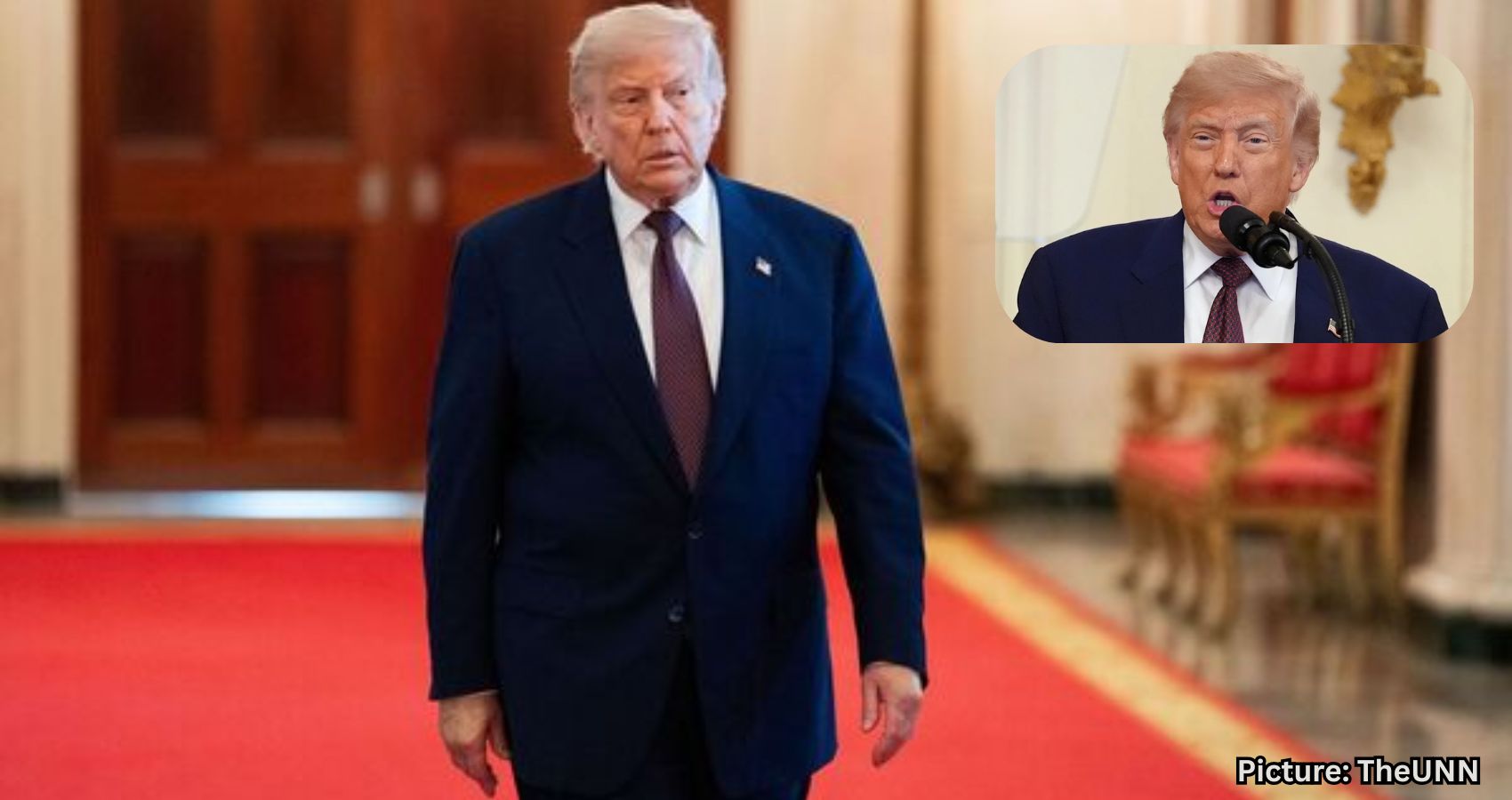
President Trump claims there are ‘no limits’ to his presidential power amid rising tensions with Iran and a newly signed memorandum aimed at reshaping U.S.-Iran relations.
In a recent interview with Axios, President Donald Trump made headlines by asserting that there are ‘no limits’ to his presidential power concerning the ongoing conflict with Iran. This statement comes as tensions escalate and a new memorandum of understanding is signed, which seeks to redefine the dynamics of U.S.-Iran relations.
When Axios reporter Marc Caputo asked Trump whether the Iran conflict had taught him that there are limitations to his power, the president replied, ‘I haven’t learned that lesson yet. I know there are, but there are no limits. We defeated them totally militarily.’ This declaration raises significant questions about the extent of executive power, particularly in the context of wartime authority and its implications for future U.S. foreign policy.
During the interview, Trump elaborated on the specifics of a 14-point agreement signed on Wednesday, which reportedly includes provisions to lift sanctions on Iran and provide a $300 billion reconstruction fund. In exchange, Iran is expected to make substantial concessions regarding its nuclear program and stockpiles of nuclear material. Trump further characterized the agreement as potentially leading to ‘unconditional surrender’ from Tehran, echoing his earlier promises regarding the war’s outcome.
However, many details of the deal were not fully articulated, with several aspects deferred to future negotiations. The immediate effect of the agreement is significant: Iran is set to reopen the Strait of Hormuz, a crucial maritime passage for global oil shipments, in exchange for the U.S. lifting sanctions on its oil exports and ending its blockade of the waterway. This development is particularly noteworthy given the strategic importance of the Strait, which sees approximately 20% of the world’s oil traffic, highlighting the geopolitical stakes involved.
The memorandum has faced swift backlash from several Republican lawmakers. Senator Bill Cassidy (R-La.) described the agreement as ‘the worst foreign policy blunder in decades,’ reflecting a broader concern among some members of Congress regarding the administration’s approach to Iran. Cassidy’s comments underscore a growing unease within the GOP about the implications of the deal, particularly in relation to national security and the perception of U.S. strength abroad.
Trump’s signing of the deal initiates a 60-day timeline for technical negotiations aimed at establishing a final peace agreement with Tehran. This timeline is critical, as it sets the stage for an extended diplomatic engagement that may alter the dynamics of U.S.-Iran relations significantly. The administration’s willingness to engage diplomatically with Iran marks a notable shift from previous strategies that emphasized sanctions and military intervention as primary tools for dealing with adversaries.
Vice President Vance was scheduled to travel to Switzerland this weekend for the next round of negotiations. However, his trip was unexpectedly postponed due to ongoing military strikes involving Israel and Hezbollah, a Lebanese militant group allied with Iran. During a press briefing, Vance expressed uncertainty about the timing of the negotiations, stating, ‘We think these technical negotiations start sometime this weekend. That’s still the plan. But that could change.’
Switzerland’s Department of Foreign Affairs confirmed the postponement of the discussions, which were intended to involve delegations from the U.S. and Iran, along with mediating countries Qatar and Pakistan. A statement from the department noted, ‘Switzerland remains ready to facilitate these talks. The relevant preparatory work at Bürgenstock is continuing. No further information can be provided at present.’
The developments surrounding the memorandum of understanding and Trump’s assertions about his presidential power have far-reaching implications for U.S. foreign policy. The decision to engage diplomatically with Iran signals a potential pivot in strategy, moving away from strict sanctions and military posturing towards a more negotiation-focused approach. This shift could reflect an evolving understanding of the challenges posed by Iran and a recognition of the need for diplomatic solutions in an increasingly complex geopolitical landscape.
As the U.S. navigates this intricate political terrain, the outcomes of the forthcoming negotiations will be closely scrutinized by both domestic and international observers. The broader ramifications of this agreement, if successfully implemented, could reshape not only U.S.-Iran relations but also the overall stability of the Middle East region. The interplay between military actions and diplomatic engagements will be a critical factor in determining the future trajectory of U.S. foreign relations.
In conclusion, President Trump’s assertions about his limitless power combined with the controversial memorandum with Iran underscore a pivotal moment in U.S. foreign policy. The next steps in negotiations and the administration’s approach will likely define the course of relations with Iran and set precedents for future diplomatic endeavors, according to Axios.