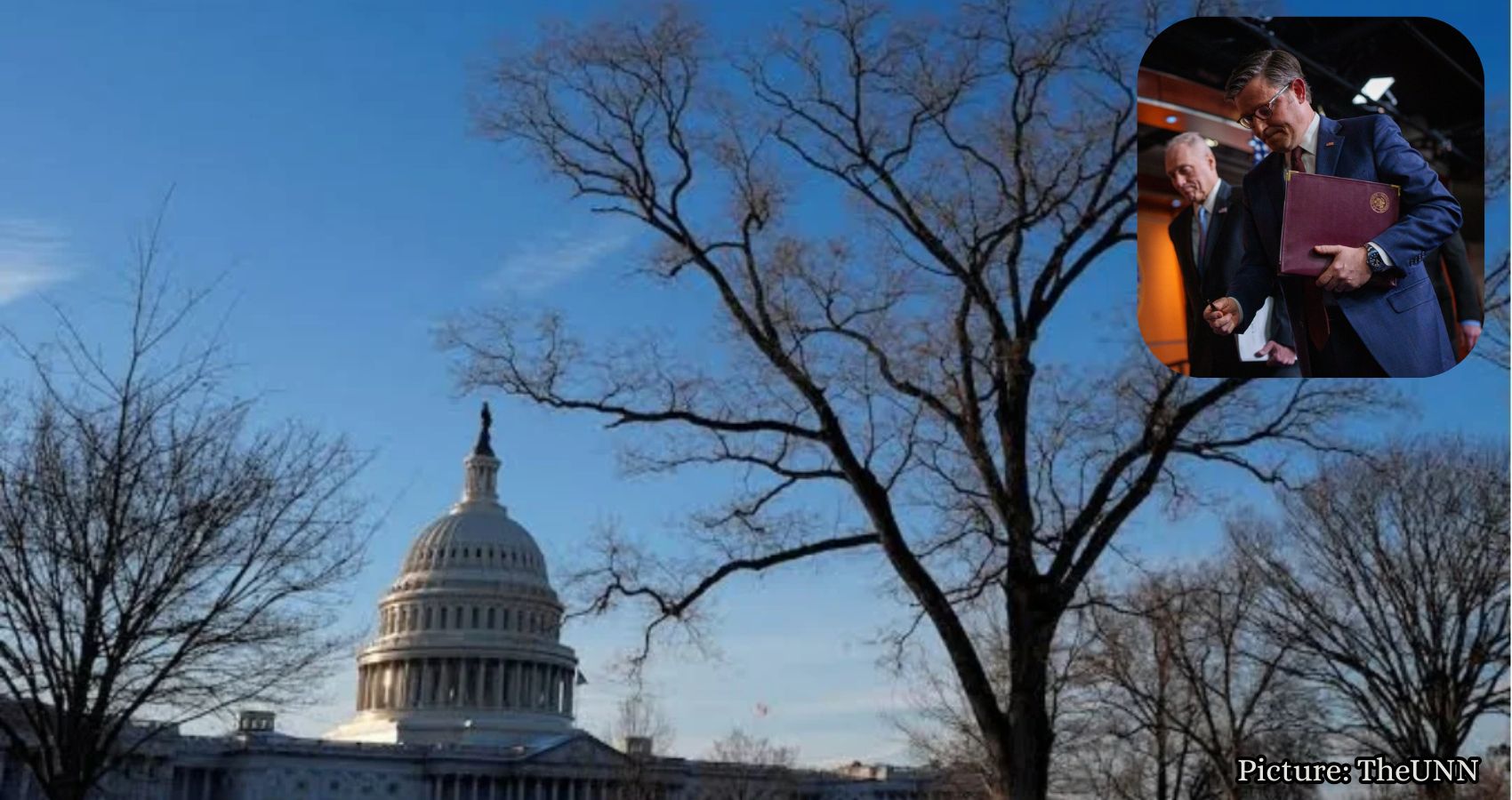
Democrats Focus on Vulnerable Republican Senators Before Health Care Vote

The Democratic National Committee is launching an ad campaign targeting four vulnerable Republican senators ahead of crucial Senate votes on Affordable Care Act tax credits that impact over 20 million Americans.

As the Senate prepares for critical votes on competing health care tax credit measures, the Democratic National Committee (DNC) is rolling out a new advertising campaign aimed at four Republican senators deemed vulnerable in their re-election bids next year.

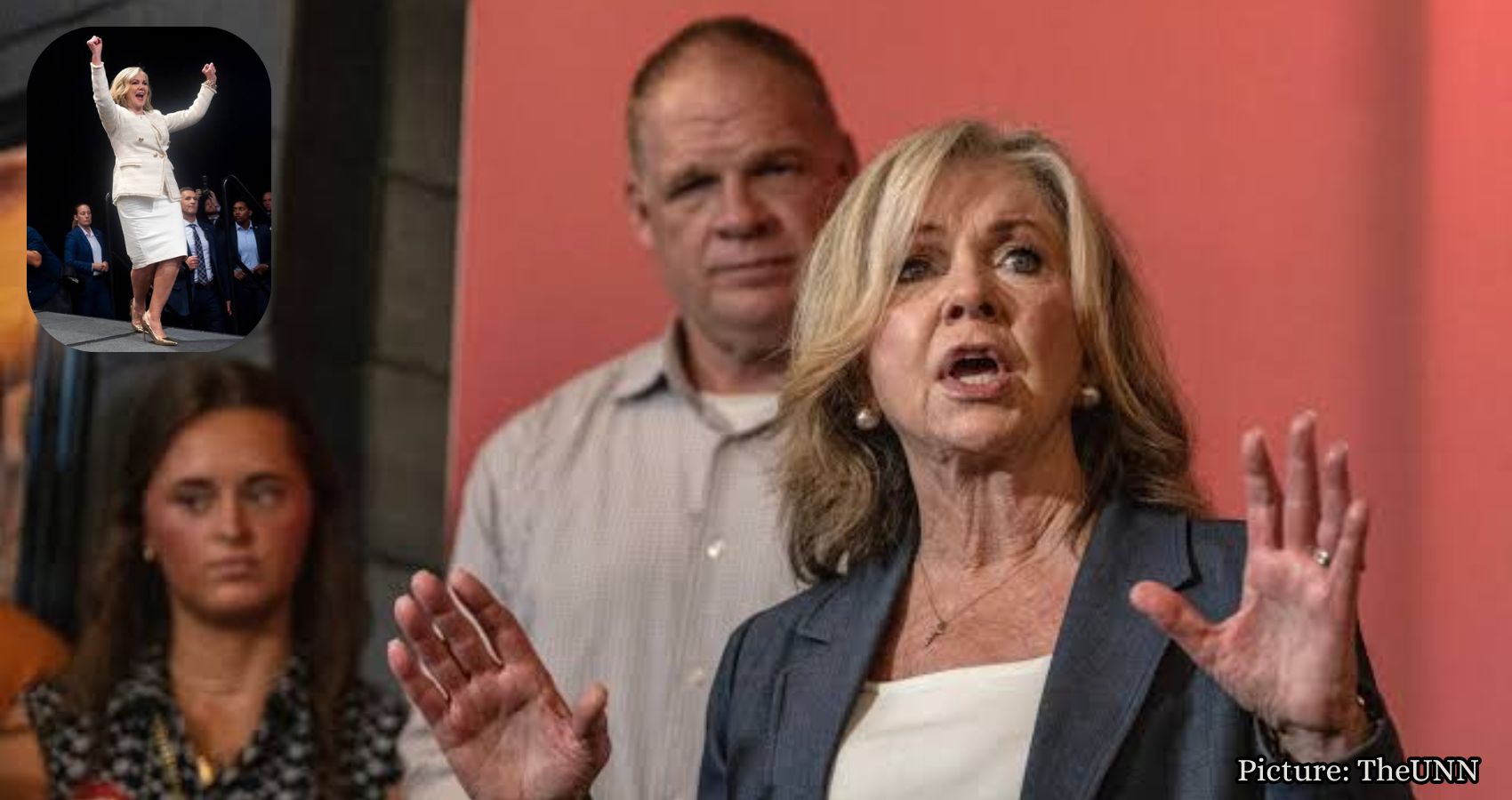
The campaign, which was first shared with Fox News Digital, specifically targets Senators Susan Collins of Maine, John Cornyn of Texas, Jon Husted of Ohio, and Dan Sullivan of Alaska. The DNC criticizes these senators for their repeated votes against extending enhanced Affordable Care Act (ACA) premium tax credits, which could lead to significant increases in health care premiums for millions of Americans.

To reach voters, the DNC is employing digital takeovers of local newspapers in the states represented by these senators, along with additional digital advertisements. The campaign also highlights Republican Senators Ted Cruz of Texas, Lisa Murkowski of Alaska, and Bernie Moreno of Ohio.

Currently, over 20 million Americans depend on these tax credits to make their health insurance more affordable under the ACA, commonly referred to as Obamacare. The Democratic Party has consistently emphasized the importance of health care costs and the impending expiration of these tax credits as part of their broader strategy to advocate for affordability. This messaging has proven effective, contributing to significant victories in recent elections.

DNC Chair Ken Martin emphasized the stakes involved in the Senate vote, stating, “Today’s Senate vote to extend the ACA tax credits could be the difference between life and death for many Americans. Over 20 million Americans will see their health care premiums skyrocket next year if Susan Collins, John Cornyn, Jon Husted, and Dan Sullivan do not stand with working families and vote to extend these lifesaving credits.”

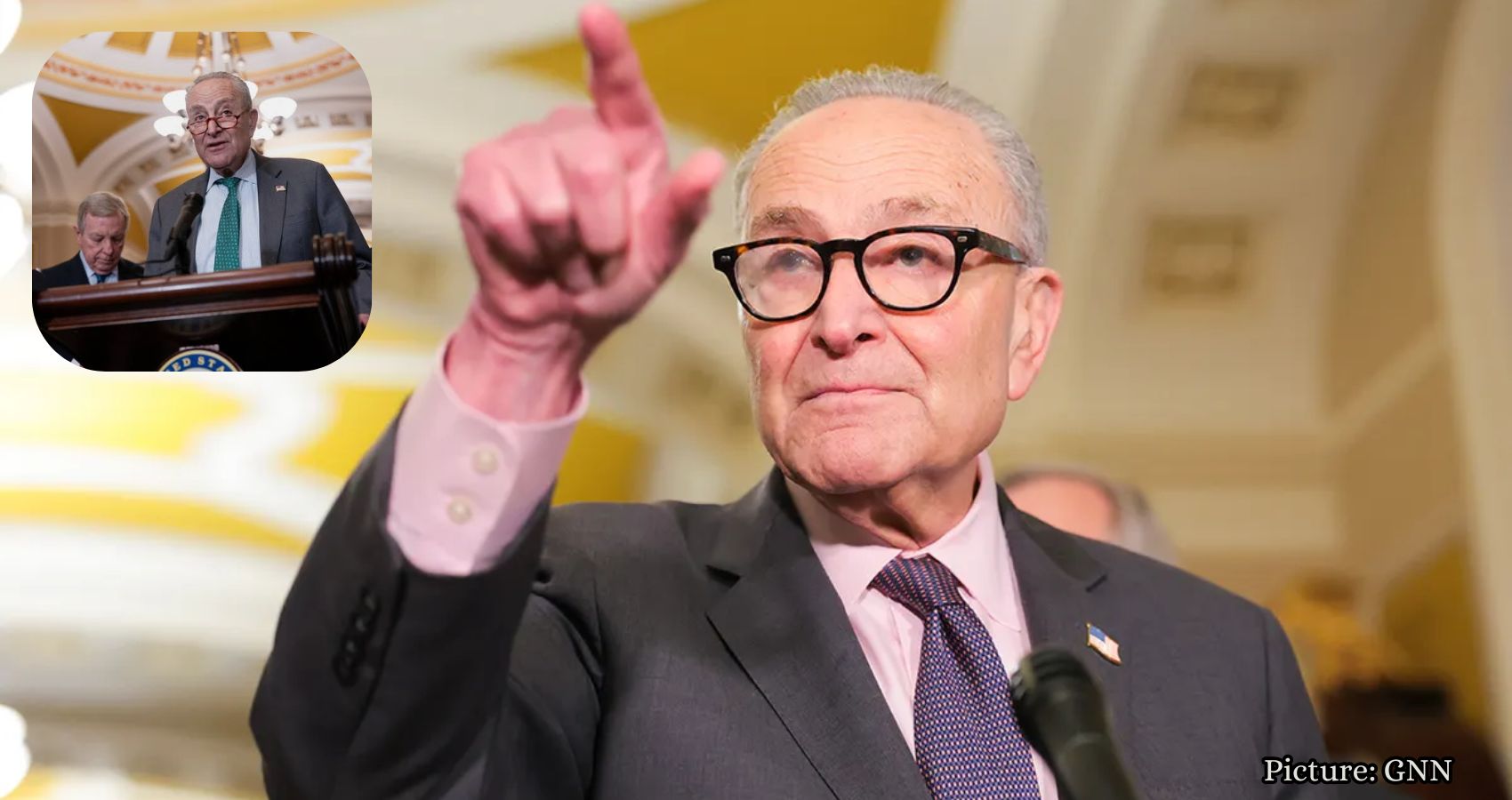
Despite the urgency, neither of the competing proposals regarding Obamacare is expected to pass. Senate Democrats, led by Minority Leader Chuck Schumer of New York, argue that their plan to extend the enhanced ACA premium credit subsidies is the most effective way to prevent a surge in health care premiums on the exchange.

On the other hand, Senate Republicans are resistant to extending these subsidies without reforms. They argue that the current program primarily benefits insurance companies rather than individuals utilizing the marketplace and that the enhanced credits are susceptible to fraud and abuse.

Earlier this week, Senate Republicans reached a consensus on a proposal from Senators Bill Cassidy of Louisiana and Mike Crapo of Idaho, who chair the Senate health and finance panels. This plan suggests completely abandoning the enhanced credits in favor of health savings accounts (HSAs), which would be seeded with amounts ranging from $1,000 to $1,500 based on age, among other adjustments favored by the GOP.

However, the Cassidy and Crapo proposal is just one of several options being considered by Republicans. Collins has also put forth a plan, in collaboration with Moreno, that has garnered interest from some Senate Democrats. This proposal would extend the subsidies for an additional two years while implementing income caps at $200,000 per household and eliminating zero-cost premiums to prevent fraud.

Husted has proposed a similar extension of the subsidies for two years, which also includes income caps and the elimination of zero-cost premiums. However, his plan incorporates stricter enforcement of the Hyde Amendment, which prohibits taxpayer funding for abortions, a stipulation that Senate Democrats are unlikely to accept.

The likelihood of any proposals being acted upon in the Senate before the deadline remains uncertain, particularly as next week will be dominated by the annual defense bill and the consideration of President Donald Trump’s nominees.

The DNC’s digital ad campaign is making its presence felt in several key local publications, including the Bangor Daily News in Maine, the San Antonio Express-News and San Antonio Current in Texas, the Cleveland Plain Dealer and Medina Gazette in Ohio, and the Anchorage Daily News in Alaska, aiming to sway public opinion ahead of the Senate votes.

According to Fox News, the DNC’s targeted approach reflects the party’s commitment to addressing health care affordability and its potential impact on millions of Americans.

Trump Introduces ‘Gold Card’ Program for U.S. Residency at $1 Million

The new Gold Card program, launched by President Trump, offers U.S. residency for $1 million, replacing the EB-5 visa with no job-creation requirements or annual caps on applicants.

President Donald Trump has officially launched the much-anticipated Gold Card program, which aims to provide U.S. permanent residency and a pathway to citizenship for foreign investors. The initiative was unveiled on Wednesday and is designed to attract global talent by allowing individuals to secure residency through a $1 million investment. Corporations can obtain residency for foreign-born employees at a cost of $2 million per employee.

The Gold Card program replaces the EB-5 visa, a long-established investor visa introduced by Congress in 1990. Under the EB-5 program, individuals could qualify for U.S. residency by investing approximately $1 million in a business that created at least 10 American jobs. However, the new Gold Card initiative eliminates the job-creation requirement and appears to lack an annual cap on the number of applicants, distinguishing it from its predecessor.

In his announcement, Trump described the Gold Card as “basically, it’s a green card but much better. Much more powerful, a much stronger path.” He emphasized that the program is designed not only to attract foreign investment but also to retain top global talent, which he believes is essential for the growth of American companies.

The launch of the Gold Card program comes after months of promotion by the president, who initially proposed a $5 million price tag for the residency card before settling on the current structure. Trump expressed enthusiasm for the program on social media, stating, “A direct path to Citizenship for all qualified and vetted people. SO EXCITING! Our Great American Companies can finally keep their invaluable Talent.”

Commerce Secretary Howard Lutnick provided additional details about the program, noting that there will be a $15,000 vetting fee for each applicant. He assured the public that rigorous background checks would be conducted to ensure that applicants meet the necessary qualifications to reside in the United States. Companies will have the option to apply for multiple Gold Cards; however, each card will be limited to one individual.

The introduction of the Gold Card program marks a significant shift in U.S. immigration policy, aiming to streamline the process for wealthy investors while potentially increasing federal revenue. As the application website goes live, it remains to be seen how this initiative will impact the landscape of U.S. immigration and foreign investment.

For further information on the Gold Card program and its implications, please refer to The American Bazaar.

Florida CAIR Considers Lawsuit Against DeSantis Over Terrorist Label

CAIR Florida plans to sue Governor Ron DeSantis after he labeled the organization a “foreign terrorist group” in an executive order, igniting a legal and political controversy.

The Florida chapter of the Council on American-Islamic Relations (CAIR) has announced its intention to file a lawsuit against Governor Ron DeSantis following his recent executive order that designates the Muslim civil rights organization as a “foreign terrorist organization.”

During a news conference, Hiba Rahim, the deputy executive director of CAIR Florida, described the governor’s order as an attack rooted in conspiracy theories. She drew parallels to historical efforts that targeted various immigrant communities in the United States, including Jewish, Irish, and Italian Americans.

“We are very proud to defend the founding principles of our Constitution, to defend free speech,” Rahim stated. “We are proud to defend democracy, and we are proud to be America first.”

Rahim further asserted that DeSantis’s support for Israel influenced the decision to label CAIR as a terrorist organization, claiming that the group’s activism had caused “discomfort” for the U.S. ally. She emphasized that CAIR does not intend to back down in the face of this designation.

In response, Governor DeSantis defended his executive order, asserting that his administration had sufficient grounds for the designation. He welcomed CAIR’s legal challenge, describing the action as “a long time coming.”

Alongside CAIR, DeSantis’s order also identifies the Muslim Brotherhood as a “foreign terrorist organization.” This move follows a recent executive order from former President Donald Trump, which initiated a federal process to consider designating certain chapters of the Muslim Brotherhood in a similar manner.

DeSantis indicated that he anticipates Florida lawmakers will pursue related legislation when the legislature reconvenes in January, calling the executive order “the beginning” of a broader initiative.

Under DeSantis’s directive, state agencies are prohibited from awarding contracts, employment, or funds to CAIR, the Muslim Brotherhood, or any organizations deemed to have materially supported them.

During the Tampa news conference, attorney Miranda Margolis criticized the executive order, arguing that DeSantis had overstepped his authority by unilaterally designating a nonprofit organization as a terrorist group.

“This designation is without legal or factual basis and constitutes a dangerous escalation of anti-Muslim political rhetoric,” Margolis stated.

Florida’s decision follows a similar proclamation made by Texas Governor Greg Abbott, which has also faced legal challenges from CAIR. The organization argues that Abbott’s designation violates both the U.S. Constitution and Texas law. Muslim and interfaith organizations in Texas have urged Abbott to rescind his order.

It is important to note that state-level designations do not carry the same legal weight as federal Foreign Terrorist Organization classifications, which can only be issued by the U.S. State Department.

CAIR contends that the Florida executive order infringes upon its First Amendment rights and due-process protections, asserting that terrorism designations should fall under federal jurisdiction rather than state power.

The Associated Press contributed to this report.

U.S. Supreme Court to Review Limits on Election Spending

The U.S. Supreme Court is set to reconsider longstanding limits on election spending, potentially reshaping the landscape of campaign finance in the wake of a Republican-led challenge.

Caps on election spending may soon become a relic of the past as the U.S. Supreme Court prepares to hear a case that could overturn a quarter-century-old decision. This challenge, spearheaded by a Republican initiative and supported by the Trump administration, seeks to eliminate restrictions on how much political parties can spend in coordination with candidates for Congress and the presidency.

In 2001, the Supreme Court upheld a provision of the Federal Election Campaign Act (FECA) that limited coordinated spending by political parties. In the case of Federal Election Commission v. Colorado Republican Federal Campaign Committee, the Court ruled that these limits were constitutional, arguing that unrestricted coordinated expenditures could bypass contribution limits and jeopardize the integrity of federal elections.

This ruling was grounded in the longstanding authority of Congress to regulate campaign finance, aiming to strike a balance between First Amendment rights and the need to prevent corruption or its appearance in federal elections.

As of 2025, the Supreme Court is revisiting this precedent in the case of National Republican Senatorial Committee v. Federal Election Commission (NRSC v. FEC). The plaintiffs contend that the campaign finance landscape has undergone significant changes since 2001, rendering previous limits on coordinated spending overly restrictive of political speech and party activities.

They argue that subsequent rulings, particularly Citizens United v. FEC (2010), which expanded the ability of independent groups to spend on elections, have altered the dynamics of campaign finance. The Court has agreed to hear this case during the 2025–2026 term, indicating a potential reevaluation of the constitutional framework governing party-coordinated expenditures.

Following the Trump administration’s collaboration with Republicans to challenge the campaign finance law, the justices appointed a lawyer to defend the existing limits. The outcome of this case could have significant implications for the future of campaign finance in the United States.

If the Court decides to strike down or substantially weaken the limits on coordinated spending, political parties may gain the ability to invest significantly more in support of their candidates. This shift could dramatically alter campaign strategies, fundraising efforts, and the overall dynamics of federal elections.

Conversely, if the Court upholds the limits, it would reaffirm Congress’s authority to regulate coordinated spending and maintain a clear distinction between independent and coordinated expenditures. However, the actual impact of any new ruling on campaign finance behavior remains uncertain, as both political strategies and legal interpretations continue to evolve.

Roman Martinez, a seasoned Supreme Court advocate, has proposed a potential resolution for the justices that would allow them to avoid making a definitive ruling. He suggests that the case should be deemed moot, given that the Federal Election Commission (FEC) now aligns with Republicans in asserting that the law is unconstitutional and that there is “no credible risk” of enforcement.

This case before the Supreme Court marks a critical juncture in the ongoing evolution of U.S. campaign finance law. At its heart, the dispute encapsulates a fundamental tension between two principles: the need to protect the integrity of federal elections by preventing corruption or its appearance, and the imperative to safeguard political speech, a core First Amendment right.

The 2001 precedent upheld limits on coordinated spending by political parties, emphasizing Congress’s role in regulating elections and maintaining clear boundaries between independent expenditures and party-directed spending. However, the plaintiffs in the current case argue that developments in campaign finance over the past two decades, particularly following landmark rulings like Citizens United, have rendered these limits outdated and unnecessarily restrictive.

The Supreme Court’s decision in this case could redefine the landscape of campaign finance, influencing how elections are funded and conducted in the years to come, according to The American Bazaar.

US Officials Identify India as Crucial Ally in Global AI Competition

Top U.S. lawmakers and experts emphasize India’s crucial role as a strategic ally in the global race for artificial intelligence amid rising competition with China.

WASHINGTON, DC – India’s significance as a vital technology and strategic partner has been underscored this week as leading U.S. lawmakers and experts caution that the global race for artificial intelligence (AI) is reaching a critical juncture. This phase is characterized by China’s swift military and industrial adoption of AI, alongside tightening U.S.-led semiconductor controls aimed at preserving technological superiority.

During a Senate hearing on December 2, witnesses highlighted the necessity for enhanced coordination among democratic allies, including India, to establish global AI standards, secure chip supply chains, and counter Beijing’s ambitions.

The Senate Foreign Relations Subcommittee on East Asia, the Pacific, and International Cybersecurity Policy convened the session to evaluate the geopolitical risks stemming from China’s rapid AI advancements. While much of the dialogue centered on export controls and military implications, India emerged early as a pivotal player in the evolving governance framework.

Tarun Chhabra, a former White House national security official now affiliated with Anthropic, drew a direct connection to India. He argued that developing trusted AI frameworks necessitates close collaboration with like-minded democracies. Chhabra stated, “The closest thing we have right now is the AI summits that are happening,” and noted, “There’s one coming up in India, and that’s an opportunity for us to build the kind of trusted AI framework that I mentioned earlier.” India is set to host a significant AI summit in February 2026.

Chhabra emphasized that leadership in AI will significantly influence economic prosperity and national security, describing the next two to three years as a “critical window” for both frontier AI development and global AI dissemination. He cautioned that China would struggle to produce competitive AI chips unless the U.S. squanders its advantage, urging stricter controls to prevent “CCP-controlled companies” from filling their data centers with American technology.

Senators Pete Ricketts and Chris Coons framed the AI race in terms that resonate with India’s strategic considerations. Ricketts likened the challenge to the ‘Sputnik’ moment and the Cold War-era space race, asserting that the U.S. now faces “a similar contest, this time with Communist China and even higher stakes.” He remarked that AI will transform daily life, with its military applications poised to reshape the global balance of power. “Beijing is racing to fuse civilian AI with its military to seize the next revolution in military affairs. However, unlike the moon landing, the finish line in the AI race is far less clear,” he stated.

Coons echoed the sentiment, asserting that American and allied leadership in AI is crucial to ensure that global adoption relies on “our chips, our cloud infrastructure, and our models.” He highlighted that China has “poured money into research, development, deployment,” and pointed out Beijing’s ambition to become the world’s leading AI power by 2030. He insisted that maintaining AI primacy must be “a central national imperative,” linking it directly to the broader geostrategic landscape.

Experts expressed concerns about the rapid advancement of China’s military integration of AI. Chris Miller from the American Enterprise Institute noted that both Russia and Ukraine are already utilizing AI to “sift through intelligence data and identify what signal is and what is noise,” arguing that these technologies are becoming essential for defense planning. He maintained that U.S. leadership in computing power remains significant, but the country must sustain its edge in “electrical power,” “computing power,” and “brain power”—the three critical components for enduring AI dominance.

Gregory Allen of the Center for Strategic and International Studies (CSIS) warned that AI is following a trajectory akin to the early years of computing, evolving into a foundational technology across military, intelligence, and economic sectors. He stated, “The idea that the United States can lose its advantage in AI and maintain its advantage in military power is simply nonsensical.” Allen praised U.S. chip export controls as the most consequential action taken in recent years, arguing that without them, “the largest data centers today would already be in China.” He also opposed granting Chinese companies remote access to U.S. cloud computing, asserting that such access would enable them to “build their own platforms” before ultimately sidelining American firms.

James Mulvenon, a prominent expert on the Chinese military, warned that the People’s Liberation Army (PLA) is integrating large language models “at every level of its system,” constructing an AI-driven decision architecture it deems “superior to human cognition.” He expressed confidence that Beijing could acquire Western chips through “smuggling and a planetary scale level of technology espionage.”

All four witnesses rejected any proposals to export NVIDIA’s advanced H-200 or Blackwell chips to China. Allen cautioned that Blackwell chips “do what Chinese chips can’t” and warned that selling them would provide Beijing with “a bridge to the future” that it currently cannot construct. This discussion underscores the urgency of maintaining a competitive edge in the AI landscape, particularly as global dynamics continue to shift.

According to IANS, the implications of these discussions highlight the importance of India’s role in the evolving global AI framework.

Trump’s Recent Pardons and Power Moves Amid Peace Prize Discussion

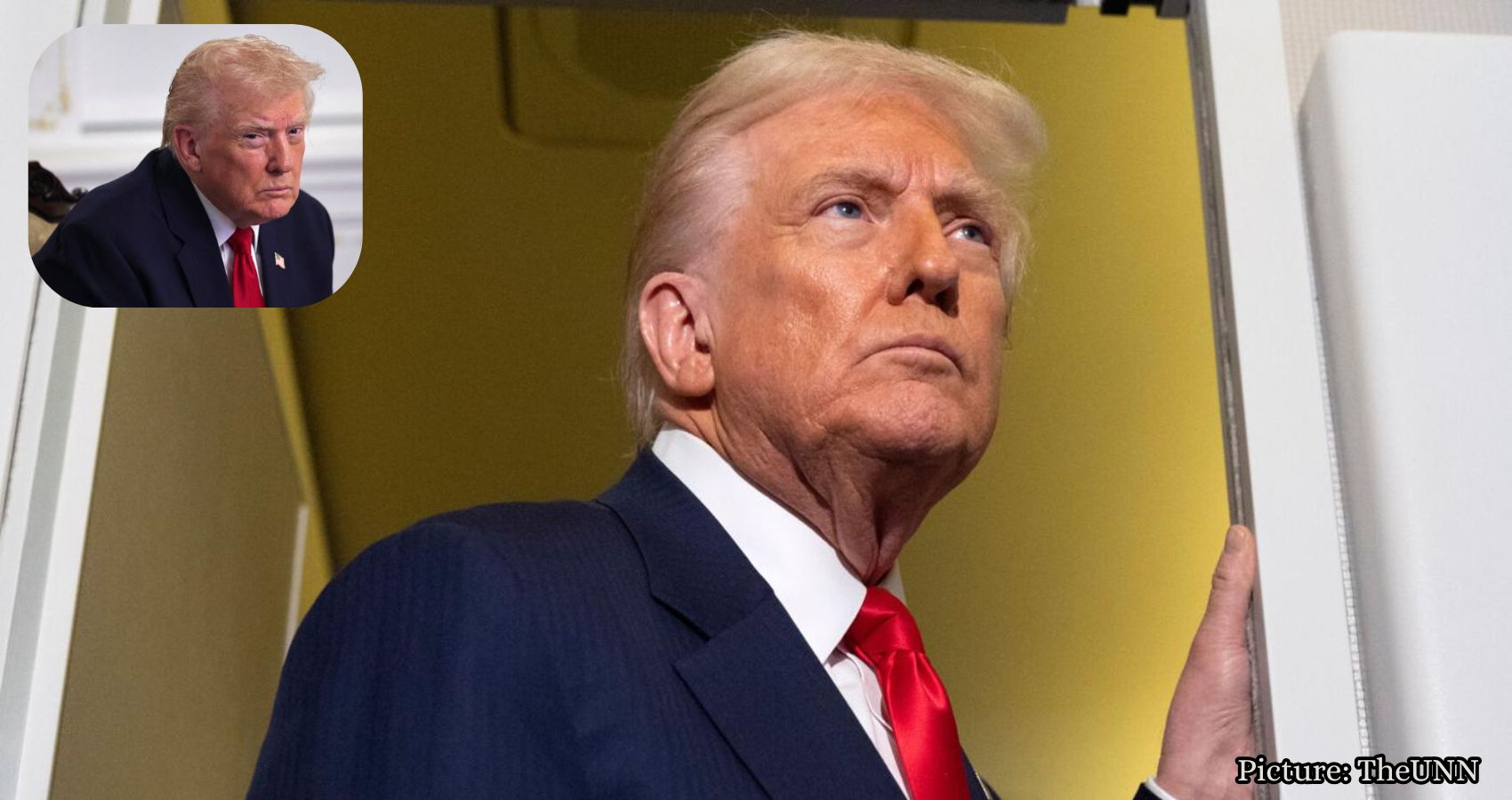
Donald Trump recently made headlines with a series of controversial pardons, a cabinet meeting filled with provocative statements, and the acceptance of a FIFA peace prize tailored for him.

Donald Trump has been restless lately. With no executive orders to sign for over a week, the former president, known for his penchant for ruling by decree, took to social media to announce the termination of pardons issued by his predecessor, Joe Biden. Trump claimed these pardons were signed using an “AUTOPEN,” a mechanical device traditionally used by presidents of both parties.

In a post on Truth Social, Trump declared, “Anyone receiving ‘Pardons,’ ‘Commutations,’ or any other Legal Document so signed, please be advised that said Document has been fully and completely terminated, and is of no Legal effect.” This unprecedented move left legal experts questioning its validity and raised eyebrows across the political spectrum.

While waiting for more official duties, Trump engaged in a five-hour social media blitz, posting 116 times on various topics from 7:09 PM until nearly midnight, averaging a post every two minutes. The following morning, during a two-hour cabinet meeting, Trump was seen nodding off, prompting speculation about his engagement level.

During the meeting, Secretary of State Marco Rubio praised Trump’s “transformational” leadership, while Trump made controversial remarks about “fourth world war countries” and referred to Somali immigrants in derogatory terms. He also dismissed concerns about the rising cost of living, labeling affordability as a “con job” and a “Democrat scam,” while boasting about “unprecedented deals” to drastically reduce drug prices.

Despite criticism regarding his public demeanor, the White House defended Trump, asserting he was “listening attentively” throughout the cabinet meeting. They cited his comments on Somali immigrants as evidence of his engagement.

Trump also announced plans to escalate military operations against drug traffickers in South America, including missile strikes on land, which he described as “taking those son of a bitches out.” This announcement came amid ongoing scrutiny regarding the legality of previous military actions against smugglers in the Caribbean.

In a surprising move, Trump pardoned former Honduran President Juan Orlando Hernández, who is serving a 45-year prison sentence for drug trafficking. He also pardoned Democratic Representative Henry Cuellar, who is facing trial for alleged bribery. Trump criticized Biden for targeting Cuellar, claiming it was a result of a “weaponized Justice Department.”

In another political development, the Supreme Court ruled in favor of Trump, allowing Texas lawmakers to utilize newly redrawn congressional maps that favor Republicans in the upcoming 2026 midterm elections. This decision came amidst a nationwide debate over gerrymandering, with both Republican and Democratic states engaged in redrawing electoral maps.

While Trump remained silent on Russian President Vladimir Putin’s recent visit to India, where Putin offered “uninterrupted fuel supplies,” he did question U.S. pressure on India regarding oil purchases from Russia. Putin even suggested discussing the matter with Trump directly.

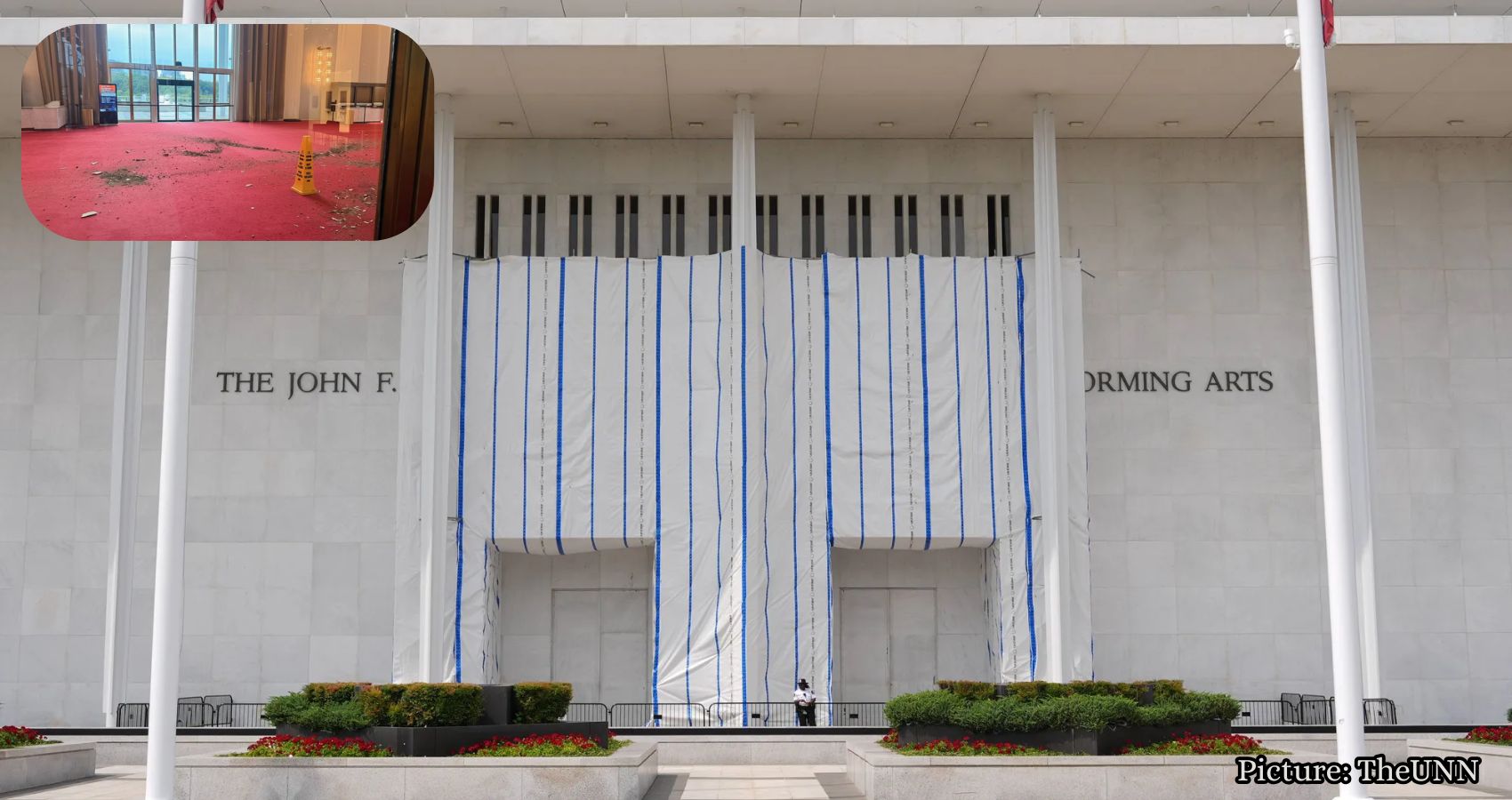
Despite not receiving a Nobel Peace Prize, Trump accepted a FIFA peace prize during the World Cup draw in Washington, D.C. The award, presented by FIFA President Gianni Infantino, was described as tailored for Trump, who accepted it at the Kennedy Center for the Performing Arts. Infantino stated, “This is your prize, this is your peace prize,” as he handed Trump a trophy, medal, and certificate.

In his acceptance speech, Trump called the award “one of the great honours of my life,” claiming to have “saved millions and millions of lives” in various global conflicts. He cited examples such as the Congo and tensions between India and Pakistan, despite the latter’s lack of acknowledgment of U.S. involvement.

As Trump donned the medal, social media erupted with jokes and memes, with one user quipping, “I paid a lot of money for this fake PEACE prize.” Regardless of the mixed reactions, the award was undoubtedly a significant moment for the former president.

Trump’s recent actions, including his controversial pardons, provocative cabinet meeting, and acceptance of the FIFA peace prize, have reignited discussions about his leadership style and political strategies. As the political landscape continues to evolve, it remains to be seen how these developments will impact his standing within the Republican Party and among the electorate.

According to The American Bazaar, Trump’s latest moves have sparked both intrigue and criticism, reflecting the ongoing complexities of his presidency.

New Platform Reveals Insights into Family Separation Challenges

New records reveal the chaotic implementation of family separations during the Trump administration, highlighting systemic failures and the importance of transparency in immigration policy.

On October 30, 2025, the American Immigration Council launched a new platform that provides critical insights into the tumultuous execution of family separations during the Trump administration’s zero-tolerance policy. This transparency project aims to shed light on one of the most controversial immigration policies in recent history.

The initiative draws from thousands of internal government emails, memos, and previously undisclosed datasets obtained through Freedom of Information Act (FOIA) requests and litigation. It reveals how the zero-tolerance policy was not merely a reactionary measure but a calculated strategy intended to deter migration by punishing families and obscuring accountability.

“Thanks to these records, we can more clearly see the inner workings of how this atrocity was carried out and the public’s struggle to obtain transparency and accountability,” said Raul Pinto, deputy legal director for transparency at the American Immigration Council. He emphasized that the same disregard for oversight and human consequences that enabled family separations is resurfacing in current mass detention and deportation efforts.

The family separation project features interactive visualizations and declassified documents that illustrate how families were effectively erased from government databases. It also highlights how officials misled the public and how congressional oversight and media scrutiny played pivotal roles in bringing an end to the policy. Notably, the project includes audio recordings of actor Corey Stoll reading key internal emails that expose the confusion and callousness surrounding the policy’s implementation.

Among the key findings from the archive are alarming admissions from officials regarding the integrity of their data on separated families. Internal emails reveal that leaders at the Immigration and Customs Enforcement (ICE) had “not very much” confidence in their own records, even while publicly denying any wrongdoing.

The project underscores the significant role that oversight from Congress, the press, and regulatory agencies played in halting family separations. However, Pinto pointed out that as of 2025, key oversight bodies such as the Department of Homeland Security (DHS) Inspector General and the Office for Civil Rights and Civil Liberties have faced sidelining or defunding, raising concerns about the future of accountability in immigration policy.

Furthermore, the records illustrate that the family separation policy was built around intentional chaos. Confusion was weaponized to create significant delays in the reunification of children with their parents, exacerbating the trauma experienced by affected families.

<p“The records don’t just show government officials’ egregiousness and cruelty. They serve as a warning for our current moment of mass detention and deportation that is still seeing families separated,” Pinto stated. He cautioned that the manipulation of data and secrecy enabled systemic human rights violations during the Trump administration, and without transparency and oversight, history is likely to repeat itself.

The newly launched portal, a result of years of FOIA litigation by the American Immigration Council and its partners, allows journalists, researchers, and policymakers to delve into key documents and data that expose the inner workings of family separation and the failures that ensued.

Despite public assertions that the family separation policy ended in June 2018, many children remained separated from their parents for years, with some still not reunited. Pinto remarked, “Family separation was a national shame made possible by bureaucratic indifference to human suffering. The lesson here is clear: a collapse of oversight allows for cruelty to fill the vacuum.”

For more information and to explore the data, visit the American Immigration Council’s new platform.

According to American Immigration Council.

Republicans Split on Obamacare’s Future Ahead of Subsidy Deadline

Republican lawmakers are grappling with whether to extend COVID-era Obamacare subsidies or pursue alternatives, reflecting deep divisions over the future of the Affordable Care Act.

Republicans are facing significant internal disagreements regarding the future of the Affordable Care Act (ACA), commonly known as Obamacare, particularly as they consider extending COVID-era subsidies that could cost the government $30 billion annually.

Many GOP lawmakers express frustration over the rising costs associated with the ACA. While some advocate for scrapping the system entirely, others caution that a complete overhaul could lead to unintended consequences. Representative Harriet Hageman of Wyoming articulated her concerns, stating, “I don’t know that you can completely remove it. We have to have stability and certainty in the market.”

Representative Mike Kennedy from Utah echoed Hageman’s sentiments, noting that certain aspects of Obamacare have been beneficial. “It’s not going away anytime soon. I think there are some parts of the Obamacare policies that are positive,” Kennedy remarked. He emphasized the need for reform that does not simply involve funneling more money to insurance companies.

Conversely, some Republicans, like Representative Randy Fine of Florida, are more decisive in their criticism. “Obamacare is a failure,” Fine asserted. He argued that relying on borrowed funds to mask true costs does not solve the underlying issues, warning that continuing on the current path could lead to national bankruptcy.

The debate over Obamacare is intensifying as Republicans weigh the implications of allowing COVID-era subsidies to expire at the end of the month. Some party members are concerned that ending these subsidies could significantly increase premiums for approximately 90% of the 24 million individuals enrolled in the program, a point highlighted by Democrats.

According to the Committee for a Responsible Federal Budget, a nonpartisan fiscal policy organization, maintaining the subsidies could result in an annual expenditure exceeding $30 billion.

As discussions unfold, Republicans are also exploring ways to reform Obamacare to enhance affordability. Representative Eric Burlison of Missouri believes that any changes must be substantial rather than superficial. “I would say we can’t be tinkering around the edges here. If we tinker, we’re really not gonna fix this problem,” Burlison stated.

Burlison suggested that rather than focusing solely on replacing Obamacare, the GOP should aim to create a more appealing alternative that could entice policyholders to leave the ACA voluntarily. “I think we need to do a new option and introduce that. And honestly, I think that this option will be so great no one will want to be in Obamacare anymore,” he remarked.

Other Republicans are open to considering more significant reforms, including the potential elimination of the program, but they remain cautious about the feasibility of such changes given the current political landscape. Representative Rich McCormick of Georgia pointed out the challenges of passing major legislation in the Senate, where 60 votes are typically required. “The question is, can you pass it? Sixty votes in the Senate. Not gonna happen. That’s just not realistic,” McCormick said.

Instead, McCormick advocates for reforms that would foster a more competitive healthcare market, which could help lower costs, even if Obamacare remains in effect. He cited the competitive pricing of non-insured medical services, such as LASIK eye surgery, as an example of how market competition can stabilize costs. “When insurance gets involved, when government gets involved, it becomes more expensive by design,” he explained.

As the deadline for subsidy decisions approaches, the Republican Party continues to grapple with its healthcare strategy, balancing the need for reform with the realities of legislative politics. The outcome of these discussions could significantly impact millions of Americans who rely on the Affordable Care Act for their health coverage.

According to Fox News, the ongoing debate highlights the complexities and divisions within the GOP as they navigate the future of healthcare policy in the United States.

NTT DATA CEO Predicts Short-Lived AI Bubble Amid Industry Changes

NTT DATA’s CEO Abhijit Dubey predicts a short-lived AI bubble, suggesting that while the market may normalize, the long-term outlook for artificial intelligence remains strong as corporate adoption grows.

The head of Japanese IT firm NTT DATA, Abhijit Dubey, has expressed his belief that the current artificial intelligence (AI) bubble will deflate more quickly than previous technology cycles. However, he anticipates that this will lead to a stronger rebound as corporate adoption aligns with increased infrastructure spending.

In an interview with the Reuters Global Markets Forum, Dubey stated, “There is absolutely no doubt that in the medium- to long-term, AI is a massive secular trend.” He elaborated that he expects a normalization in the market over the next 12 months, predicting, “It’ll be a short-lived bubble, and (AI) will come out of it stronger.”

Dubey highlighted that demand for computing resources continues to outpace supply, noting that “supply chains are almost spoken for” for the next two to three years. He pointed out that pricing power is shifting toward chipmakers and hyperscalers, reflecting their elevated valuations in public markets.

As the landscape of labor markets evolves due to AI advancements, Dubey, who also serves as NTT DATA’s chief AI officer, indicated that the company is reevaluating its recruitment strategies. He acknowledged the potential for significant disruption, stating, “There will clearly be an impact … Over a five- to 25-year horizon, there will likely be dislocation.” Despite these challenges, he affirmed that NTT DATA continues to hire across various locations.

Concerns regarding the so-called “AI bubble” have been echoed by several tech leaders in recent months. Amazon founder Jeff Bezos has characterized AI as potentially creating an “industrial bubble,” but he also emphasized that its societal benefits will be “gigantic.”

Google CEO Sundar Pichai described the current wave of AI investment as an “extraordinary moment” but acknowledged the presence of “elements of irrationality” in the market, drawing parallels to the “irrational exuberance” seen during the dotcom era. He cautioned that no company is “immune to the AI bubble.”

Dario Amodei, CEO of Anthropic, also weighed in on the topic, refraining from a simple yes-or-no answer regarding the existence of a bubble. He elaborated on the complexities of AI economics, expressing optimism about the technology’s potential while warning that some players in the ecosystem might make “timing errors” or face adverse outcomes regarding economic returns.

The term “bubble” typically refers to a period characterized by inflated stock prices or company valuations that are disconnected from underlying business fundamentals. One of the most notable examples of such a bubble was the dotcom crash of 2000, during which the value of internet companies plummeted rapidly.

As discussions around the AI bubble continue, industry leaders remain divided on the implications for the future of technology and its integration into various sectors. The consensus, however, is that while the current market may experience fluctuations, the long-term trajectory for AI appears promising.

According to Reuters, the evolving landscape of AI presents both challenges and opportunities for businesses as they navigate this transformative technology.

Fox News AI Newsletter Declares ‘Code Red’ for ChatGPT

The Fox News AI Newsletter highlights significant developments in artificial intelligence, including OpenAI’s urgent efforts to enhance ChatGPT and the evolving cybersecurity landscape.

The Fox News AI Newsletter keeps readers informed about the latest advancements in artificial intelligence technology, focusing on both the challenges and opportunities that AI presents.

In a recent update, OpenAI’s CEO Sam Altman declared a “code red” initiative aimed at improving the quality of ChatGPT, as reported by The Wall Street Journal. This internal memo indicates a pressing need for enhancements to the AI tool, which has become increasingly popular.

Meanwhile, the cybersecurity landscape is rapidly evolving due to the rise of advanced AI tools. Recent incidents have underscored how quickly the threat environment is changing, with Chinese hackers reportedly transforming AI technologies into automated attack machines.

In a different application of AI, First Lady Melania Trump is set to launch a Spanish-language edition of the audiobook of her memoir. Utilizing AI audio technology, she aims to share her story with millions of Spanish-speaking listeners, as confirmed by Fox News Digital.

In another development, FoloToy has paused sales of its AI-powered teddy bear, Kumma, after a safety group discovered that the toy provided risky and inappropriate responses during testing. Following a week of intense review, the company has resumed sales, claiming to have implemented improved safeguards to ensure children’s safety.

Elon Musk has also weighed in on the potential of AI, stating in a recent interview that robotics powered by artificial intelligence are essential for driving productivity gains and addressing the national debt, which exceeds $38 trillion.

In a shift of focus, Meta has announced a reduction in its metaverse ambitions, redirecting resources toward the development of AI-powered glasses and wearable technology. This decision reflects a broader trend within the tech industry to prioritize AI advancements.

On the robotics front, Xpeng recently unveiled its Next Gen Iron humanoid, which captivated audiences with its remarkably fluid movements. Many spectators initially mistook the robot for a human actor, highlighting the increasing lifelikeness of robotic technology.

In a more critical vein, concerns have been raised about the influence of Big Tech in legislative matters. Following a significant defeat in the Senate earlier this year, industry leaders are reportedly attempting to insert a substantial corporate giveaway into must-pass legislation, such as the National Defense Authorization Act, which is crucial for military and national security.

Additionally, Sam Altman is reportedly exploring opportunities to build, fund, or acquire a rocket company, potentially positioning OpenAI to compete in the space race against Elon Musk’s ventures.

Stay updated on the latest advancements in AI technology and explore the challenges and opportunities it presents for the future with Fox News.

Godfather of AI Agrees with Gates and Musk on Future Unemployment

The long-term impact of artificial intelligence is sparking intense debate, with experts warning that mass unemployment may be an unavoidable consequence of its rapid advancement.

The long-term implications of artificial intelligence (AI) have emerged as one of the most contentious topics in the technology sector. Nvidia CEO Jensen Huang predicts that AI will revolutionize nearly every profession, potentially paving the way for a four-day workweek. Meanwhile, Bill Gates has suggested that humans may soon become unnecessary for “most tasks.” Elon Musk has taken a more extreme stance, forecasting that within two decades, most people may not need to work at all.

These predictions, while dramatic, are not merely speculative—they are increasingly viewed as probable by experts in the field. Geoffrey Hinton, a pioneering computer scientist often referred to as the “Godfather of AI,” recently shared his concerns during a discussion at Georgetown University with Senator Bernie Sanders. Hinton warned that AI could lead to unprecedented economic disruption.

“It seems very likely to many people that AI will cause massive unemployment,” Hinton stated. He emphasized that corporations investing billions in AI infrastructure—from data centers to advanced chips—are banking on the technology’s ability to replace a significant number of workers at much lower costs. “They are essentially betting on AI replacing a large number of workers,” he added.

Hinton’s increasing vocal opposition to the direction of AI development reflects a broader critique of Silicon Valley’s priorities. He expressed to Fortune that Big Tech is primarily driven by short-term profits rather than genuine scientific advancement. This profit motive has led companies to aggressively market AI products that replace human labor with automated systems.

As the economic landscape surrounding AI continues to evolve, the viability of companies like OpenAI, the creator of ChatGPT, is under scrutiny. OpenAI is not expected to achieve profitability until at least 2030 and may require over $207 billion in investments to sustain its future growth.

Hinton’s shift from an AI pioneer to a vocal critic underscores the growing uncertainty surrounding the technology’s future. After leaving Google in 2023, he has become one of the most prominent voices cautioning against the potential dangers of AI. His groundbreaking work in neural networks earned him a Nobel Prize last year, further solidifying his influence in the field.

While Hinton acknowledges that AI will create new job opportunities, he warns that these roles will not compensate for the scale of job losses resulting from automation. He cautions against treating any long-term forecasts as definitive.

Describing the challenge of predicting AI’s evolution, Hinton remarked, “It’s like driving through fog. We can see clearly for a year or two, but 10 years from now, we have no idea what the landscape will look like.”

What is clear, however, is that AI is here to stay. Experts increasingly agree that workers who adapt and learn to integrate AI into their skill sets will be better positioned to navigate this transition.

Senator Bernie Sanders has attempted to quantify the potential scale of disruption caused by AI. In an October report, which included analyses driven by ChatGPT, Sanders warned that approximately 100 million American jobs could be at risk due to automation.

High-risk sectors identified in the report include fast food and food service, call centers, and manual labor industries. However, white-collar jobs are also vulnerable, with positions in accounting, software development, and healthcare administration facing potential downsizing.

Sanders highlighted the psychological and societal implications of such widespread job displacement. “Work is a core part of being human,” he noted. “People want to contribute and be productive. What happens when that essential part of life is taken away?”

Senator Mark Warner echoed these concerns, predicting that young workers may bear the brunt of the consequences. He warned that unemployment among recent graduates could soar to 25% within the next three years.

Warner cautioned that failing to regulate AI now could lead to a repeat of the mistakes made with social media. “If we handle AI the same way—without guardrails—we will deeply regret it,” he asserted.

As the conversation around AI’s future continues to unfold, the consensus among experts is that proactive measures are necessary to mitigate the potential fallout from this transformative technology, ensuring that the workforce can adapt to the changes ahead.

These insights reflect the growing alarm within the tech community regarding the societal impact of AI, highlighting the urgent need for thoughtful regulation and adaptation strategies.

According to Fortune, the ongoing dialogue surrounding AI’s implications for employment and society will remain a critical focus as the technology continues to evolve.

Democrats Plan Senate Vote on Three-Year ACA Funding Extension

Senate Democrats are set to push for a vote on a three-year extension of Affordable Care Act subsidies to avert significant health insurance premium increases for millions of Americans.

WASHINGTON — Senate Minority Leader Chuck Schumer announced on Thursday that Democrats will seek a Senate vote next week on legislation aimed at extending key Affordable Care Act (ACA) subsidies for an additional three years. This initiative is designed to prevent a sharp rise in health insurance premiums that could affect millions of Americans.

Schumer characterized the proposal as a “clean extension” of the enhanced ACA tax credits first introduced in 2021, which cap premiums for average marketplace plans at 8.5% of household income. He confirmed that all Senate Democrats are expected to support the measure.

Despite the Democratic push, the bill is likely to face significant opposition. Many Republicans contend that the expanded subsidies were intended as temporary pandemic relief and should not be made permanent.

“Republicans have one week to decide where they stand,” Schumer warned from the Senate floor. “They can vote to keep health care costs down — or block this bill and allow premiums to soar. This is one of the most consequential votes we’ll take.”

The upcoming vote follows a commitment made by Senate Majority Leader John Thune, R-S.D., during negotiations to resolve last month’s historic government shutdown. Thune reiterated that he would permit Democrats to bring their bill to the floor, but it will require 60 votes, necessitating at least 13 Republican senators to cross party lines.

So far, achieving bipartisan consensus has proven elusive. Some Republicans express openness to extending ACA subsidies but are advocating for stricter income limits or policy changes. Others are insisting that any extension include stronger abortion restrictions — conditions that Democrats have firmly rejected.

The stakes are high as ACA subsidies are set to expire at the end of the year, potentially leading to steep price increases on the ACA marketplace. Democrats view this impending crisis as a significant campaign issue heading into the 2026 midterms, particularly if Republicans obstruct action.

Schumer emphasized that the Democratic bill represents the “only path” to prevent premium hikes in January, noting that voters will be closely monitoring which lawmakers take action to protect their health care.

“Time is running out,” he said. “Next week is Republicans’ last opportunity to stop premiums from skyrocketing.”

Thune did not specifically address health care in his remarks on Thursday but acknowledged earlier in the week that reaching a bipartisan solution is proving challenging. Republicans have proposed a variety of ideas — from extending subsidies with limitations to eliminating them altogether — but have yet to unify around a single plan.

Senate Republican Whip John Barrasso dismissed the Democratic proposal as merely an extension of “Biden’s Covid bonus payments,” asserting that Democrats are unwilling to make necessary changes to the ACA.

Sen. Jon Husted of Ohio expressed support for an extension but emphasized the need for funds to be redirected to benefit consumers more directly. He remarked that both parties remain at an impasse.

“Obamacare hasn’t delivered on its promise to lower costs and expand choices,” Husted stated. “Democrats won’t admit it, and Republicans don’t want to prop it up.”

In the House, a bipartisan coalition led by Reps. Jen Kiggans, R-Va., and Josh Gottheimer, D-N.J., has proposed a two-year extension of ACA subsidies, coupled with stricter eligibility requirements and oversight. However, this plan has gained little traction, as most House Republicans oppose extending ACA funding altogether, and Speaker Mike Johnson has shown no interest in facilitating a vote. The only potential path forward would involve a discharge petition, which requires 218 signatures — a challenging feat given GOP reluctance.

Negotiators are increasingly pessimistic about finding a compromise. Sen. Angus King, who played a key role in brokering the agreement that allowed eight Democrats to support the reopening of the government, now believes a deal is unlikely.

“The Republicans have made Hyde a red line,” King told NBC News, referring to the longstanding abortion restrictions that many GOP lawmakers want tied to the ACA funds. “And that’s not going to work. If that’s their requirement, the deal is dead.”

With both parties entrenched and the deadline approaching, next week’s Senate vote is shaping up to be more symbolic than decisive. However, its political ramifications could resonate well into the 2026 elections, according to Source Name.

Democrats Weigh Importance of U.S. Citizens Versus Drug Traffickers

Lawmakers on Capitol Hill express differing views on prioritizing U.S. citizens versus drug traffickers amid scrutiny of the Trump administration’s military actions against drug cartels in the Caribbean.

As scrutiny intensifies regarding the Trump administration’s military actions targeting suspected cartel members in the Caribbean, lawmakers on Capitol Hill have been asked to weigh the importance of U.S. citizen victims against that of drug traffickers.

Republican lawmakers, such as Senator Tim Sheehy of Montana, expressed a clear stance. “I can’t speak for anybody else, but my top concern is American citizens, their lives, their health. So, for me, it’s an easy choice. Kill drug dealers, save Americans,” Sheehy stated.

In contrast, Democratic lawmakers offered more nuanced perspectives on the issue. Representative Johnny Olszewski from Maryland emphasized the need to combat drug trafficking while adhering to legal standards. “Look, I fully support doing whatever we can within the legal means to make sure that we’re stopping drug trafficking,” Olszewski said. He acknowledged the importance of addressing the victims of drug violence, stating, “We should absolutely be concerned about the victims of drug trafficking and people who have lost their lives to drug violence.”

Olszewski further elaborated on the need for transparency regarding military actions. “We support all efforts to interdict, arrest, and hold accountable those attempting to smuggle drugs into this country. However, we have a rule of law, and we have rules of engagement for a reason. And so, we need to make sure that we have full transparency in terms of how these strikes are happening,” he said. He also raised concerns about the legality of the administration’s drug boat strikes, suggesting they could potentially violate laws and even constitute a war crime. “So, it merits full investigation; it merits the details being released,” he added.

Representative Adam Smith from Washington pushed back against the framing of the question, questioning the effectiveness of such military actions. “Is this going to do anything to truly help them?” he asked. “Cocaine’s still flowing, the demand is still there.” Smith pointed out the complexities of addressing drug trafficking, emphasizing the need for due process. “You see a drug dealer on the street, that’s a bad person. That person is selling drugs. Let’s say they’re selling actual fentanyl, not the cocaine that we’re hitting here. Would you support allowing anyone to execute that person who wants to on the spot?” he queried. “I care about selling drugs. I don’t want a fascist regime that gets to decide who they can kill when they want to kill them without any check on that power.”

Senator Jack Reed of Rhode Island highlighted the need for a balanced approach to tackling drug distribution. “We have to do our best to disrupt drug distribution. Also, we have to invest in drug health care and drug education, et cetera. We have to do all the things. The real question is, how do you do it right?” When asked if the government should prioritize drug victims over traffickers, Reed responded, “I’ve commented and thank you for asking,” before departing.

In contrast, Republican lawmakers maintained a more unified stance in favor of aggressive actions against drug traffickers. Senator Shelley Moore Capito of West Virginia stated, “If it disrupts the flow of one drug coming into West Virginia, I’m all for it.” She emphasized the severe impact of drug-related issues in her state, noting, “A lot of deaths from fentanyl, from overdoses. So, I’m supportive of whatever the president can do to end the flow of fentanyl.” Capito also expressed confidence in the intelligence supporting these military strikes.

Representative Glenn Grothman echoed this sentiment, asserting that the administration’s actions are necessary. “For too long, politicians have been satisfied to have a hundred thousand Americans die every year of drug overdoses. Finally, President Trump has stepped up to the plate and said, ‘No more,’” Grothman stated. He added, “If you’re going to attack our country, and these people know full well Americans are dying because of what they’re doing. If you’re going to attack our country, we’re going to fight back; about time.”

The debate among lawmakers reflects broader concerns about the balance between addressing drug trafficking and ensuring adherence to legal and ethical standards in military operations. As the situation evolves, the implications of these discussions will likely continue to resonate in both political and public spheres, shaping future policies and actions.

According to Fox News, the differing views among lawmakers highlight the complexities of addressing drug trafficking while prioritizing the safety and rights of U.S. citizens.

Canadian Politician Arrested Over Alleged AI-Generated Threat Voicemail

Ontario Councilor Corinna Traill has been arrested and charged with making threats after allegedly leaving a disturbing voicemail for a former mayoral candidate, claiming it was generated by artificial intelligence.

Ontario Councilor Corinna Traill has been arrested and charged with making threats against a former mayoral candidate, Tom Dingwall. The charges stem from a voicemail she allegedly left for Dingwall last summer, which he claims contained violent threats.

According to the Peterborough Police Service, Traill was taken into custody on Wednesday and faces two counts of uttering threats. The incident reportedly occurred in August when Dingwall received a voicemail from Traill, warning him not to run for mayor so that a friend of hers could run unchallenged.

In a post on Facebook, Dingwall detailed the contents of the voicemail, alleging that Traill threatened to come to his home, kill him, and sexually assault his wife. He expressed his outrage, stating, “To be clear, no elected official, paid to represent us, should utilize intimidation or threats to dissuade anyone from pursuing elected office or engaging in public service, especially to the benefit of their friend.”

In response to the allegations, Traill took to Facebook in September to deny sending the voicemail. She asserted, “I want to state clearly and unequivocally: I did not create this message.” Traill claimed that artificial intelligence technology was involved in the creation of the voicemail, stating that while parts of the message included her voice, other portions were generated artificially.

She further explained that her team was investigating the origins of the message, emphasizing her commitment to serving her community. “For more than a decade I have worked to represent the best interests of our community, advocate for our residents, and ensure that local decision-making reflects the values and priorities of the people I serve,” she wrote. “That dedication will not waver in light of these circumstances.”

Traill has since been released from jail on her own recognizance and is scheduled to appear in court in January, according to the police department. Fox News Digital has reached out to Traill for further comment on the situation.

The case has raised questions about the implications of artificial intelligence in political discourse and the potential for misuse in threatening communications. As the investigation continues, the community watches closely to see how this unusual situation unfolds.

According to Fox News, the incident highlights the need for clarity and accountability in political communications, especially in an era where technology can blur the lines of authenticity.

Trump Aims to Expand Travel Ban to Over 30 Countries

The U.S. government plans to expand its travel ban to over 30 countries, as confirmed by Homeland Security Secretary Kristi Noem amid ongoing immigration policy changes.

The U.S. government is preparing to broaden its travel restrictions, with Homeland Security Secretary Kristi Noem announcing that more than 30 countries could be added to the existing travel ban.

In an interview on Fox News’ “The Ingraham Angle,” Noem stated, “I won’t be specific on the number, but it’s over 30, and the president is continuing to evaluate countries.” When pressed about the possibility of expanding the ban to 32 countries, she reiterated her earlier comments without providing additional details.

In June, President Trump issued a proclamation that barred citizens from 12 countries from entering the United States and imposed restrictions on travelers from seven others. The administration cited the need to protect against “foreign terrorists” and other security risks. The current travel ban affects both immigrants and non-immigrants, including tourists, students, and business visitors.

Noem did not disclose which additional countries might be included in the expanded ban, which currently encompasses 19 nations. She emphasized the administration’s focus on national security, stating, “If they don’t have a stable government there, if they don’t have a country that can sustain itself and tell us who those individuals are and help us vet them, why should we allow people from that country to come here to the United States?”

Earlier reports from Reuters indicated that the administration was considering restrictions on travelers from 36 more countries, as outlined in an internal State Department cable. An expansion of the travel ban would represent a further tightening of the administration’s immigration policies, particularly in light of a recent incident in Washington, D.C., where two National Guard members were fatally shot. The shooter was identified as an Afghan national who arrived in the U.S. in 2021 through a resettlement program, which critics of the Trump administration argue lacked adequate vetting.

In the aftermath of the shooting, President Trump pledged to “permanently pause” migration from all “Third World Countries,” although he did not specify which nations he was referring to or clarify his definition of the term.

Prior to this announcement, officials from the Department of Homeland Security (DHS) had confirmed that Trump had directed a comprehensive review of asylum approvals granted during Joe Biden’s presidency, as well as green cards issued to citizens from 19 countries.

This latest development underscores the administration’s ongoing efforts to reshape U.S. immigration policy amid heightened security concerns and political pressures.

According to Reuters, the potential expansion of the travel ban reflects the administration’s commitment to a stricter immigration stance.

Trump Appoints New Architect Amid $300 Million White House Ballroom Project

President Donald Trump has appointed a new architect to lead the $300 million renovation of the White House ballroom, marking a significant phase in the project’s development.

President Donald Trump has enlisted a new architectural firm to spearhead the next stage of the ambitious White House ballroom project, which is set to reshape the East Wing and has seen its estimated cost rise to $300 million.

On Thursday, the Trump administration announced the hiring of Shalom Baranes Associates, a prominent architectural firm based in Washington, D.C. The firm will oversee the design and development of the ballroom, which the administration describes as a vital addition to the White House.

“As we begin to transition into the next stage of development on the White House Ballroom, the Administration is excited to share that the highly talented Shalom Baranes has joined the team of experts to carry out President Trump’s vision on building what will be the greatest addition to the White House since the Oval Office — the White House Ballroom,” said White House Spokesperson Davis Ingle in a statement.

Ingle praised Baranes, noting his extensive experience and contributions to the architectural landscape of the nation’s capital over the years. “Shalom is an accomplished architect whose work has shaped the architectural identity of our nation’s capital for decades, and his experience will be a great asset to the completion of this project,” he added.

Initially, Trump had selected McCrery Architects to design the ballroom, but the firm will now serve as a consultant for the project, according to a White House official.

Construction on the ballroom commenced in October, which included the demolition of the historic East Wing of the White House. The project is being privately funded, with costs escalating from an initial estimate of $200 million announced in July.

During a cabinet meeting on Tuesday, Trump provided an update on the construction progress, humorously noting, “I wouldn’t say my wife is thrilled.” He explained that the constant noise from pile drivers has been a source of frustration for First Lady Melania Trump.

Trump emphasized the need for the renovation, stating, “This has been needed for 150 years,” and expressed confidence that the ballroom will be “the finest ballroom ever built.” The White House has indicated that the new addition will be designed to accommodate large gatherings and state visits, with plans for completion before the end of Trump’s term.

The ballroom project reflects the administration’s commitment to enhancing the White House’s functionality and aesthetic appeal, aiming to create a space that honors the building’s historical significance while catering to modern needs.

According to Fox News, the ballroom is expected to serve as a venue for significant events, further solidifying the White House’s role as a central hub for national and international gatherings.

Special Election Results for Tennessee’s 7th Congressional District

Republican Matt Van Epps secured a victory over Democrat Aftyn Behn in the special election for Tennessee’s 7th Congressional District, highlighting challenges for Democrats in competitive races.

In a closely watched special election on Tuesday, Republican Matt Van Epps defeated Democrat Aftyn Behn to represent Tennessee’s 7th Congressional District. This race serves as a significant indicator of the political landscape as the 2024 elections approach.

Historically, flipping seats in special elections for House positions proves to be a challenging endeavor. While the party challenging the incumbent may create a competitive race, such instances often reflect underlying weaknesses within the ruling party or the presidency itself. The Democrats, for instance, came close in several special elections in 2017 but ultimately did not secure any victories. Over the past 18 years, only four major “flips” have occurred in House special elections.

Van Epps’ victory raises questions about the Democratic strategy in this district. Some analysts suggest that Behn’s progressive stance may have hindered her chances. A more moderate candidate might have performed better, particularly in light of Abigail Spanberger’s success in the Virginia gubernatorial race, which showcased the potential appeal of centrist policies.

The implications of Van Epps’ win extend beyond this single election. It may embolden other Republicans to consider leaving their posts, as the House majority now stands at 220-214. Some GOP members may feel secure enough to depart, especially with the impending exit of Georgia Rep. Marjorie Taylor Greene in January.

Moderate Republicans are likely to scrutinize the outcomes of this race, particularly regarding healthcare issues. The competitive nature of the election in a district that leans heavily Republican (with a plus-20 advantage) may prompt calls for the party to address key issues that resonate with voters.

The results also signal potential challenges for moderate Republicans in other states, including California and New York, as they prepare for the upcoming midterms. The Democratic strength demonstrated in this race could serve as a warning sign for those in competitive districts.

Looking back at the 2018 elections, Democrats successfully flipped the House after coming close in several special elections. The outcome of the Van Epps-Behn race underscores the effectiveness of gerrymandering and redistricting strategies employed by Tennessee Republicans. By drawing former Democratic Rep. Jim Cooper and other Democrats out of a Nashville-area district, the GOP effectively diluted the Democratic vote across multiple districts, contributing to their success in Tuesday’s election.

As the political landscape continues to evolve, the implications of this special election will likely resonate throughout the upcoming electoral cycle, shaping strategies for both parties as they prepare for the challenges ahead.

Source: Original article

Sen. Bernie Moreno Advocates for Exclusive Citizenship Act to End Dual Nationality

Sen. Bernie Moreno has introduced the “Exclusive Citizenship Act of 2025,” which aims to eliminate dual nationality and reinforce the principle of undivided loyalty to the United States.

Senator Bernie Moreno (R-Ohio) has unveiled new legislation designed to reaffirm the notion that U.S. citizenship entails undivided national loyalty. The proposed bill, titled the “Exclusive Citizenship Act of 2025,” seeks to establish that citizens of the United States “must have sole and exclusive allegiance to the U.S.”

This legislation directly targets dual nationality, stipulating that individuals would not be permitted to maintain U.S. citizenship while also holding citizenship in another country. Should the bill become law, any American who voluntarily acquires foreign citizenship would be required to relinquish their U.S. citizenship effective from the date the measure takes effect.

Individuals currently holding dual citizenship would need to file a written renunciation of their foreign citizenship with the Secretary of State or submit a written renunciation of their U.S. citizenship to the Secretary of Homeland Security within one year of the law’s enactment.

According to the bill, those who fail to comply with these requirements would be considered to have voluntarily relinquished their U.S. citizenship under section 349(a) of the Immigration and Nationality Act.

The legislation also mandates that the Secretary of State establish regulations and procedures for declaring, verifying, and maintaining records of exclusive citizenship. Additionally, it requires collaboration with the Attorney General and the Secretary of Homeland Security to ensure that individuals determined to have relinquished their citizenship are accurately recorded in federal systems and treated as aliens under immigration laws.

“Being an American citizen is an honor and a privilege — and if you want to be an American, it’s all or nothing. It’s time to end dual citizenship for good,” Moreno stated.

If approved by Congress, the measure would take effect 180 days after being signed into law.

Historically, the Supreme Court has upheld dual citizenship as a constitutional right. In the landmark case Talbot v. Jansen (1795), the court ruled that Americans who acquire another citizenship do not have to forfeit their U.S. citizenship. Similarly, in Afroyim v. Rusk (1967), the court determined that a U.S. citizen cannot be stripped of their citizenship unless they willingly choose to renounce it.

While the U.S. government does not track the exact number of Americans with dual citizenship, estimates suggest that the figure is substantial. According to International Living, over 40 million Americans, including a significant number of Mexican Americans, are eligible for dual citizenship.

Source: Original article

Average U.S. Visa Wait Times Decrease in Major Cities

The U.S. State Department has reported a decline in average visa wait times across several key cities, although the interview waiver option is no longer available for most visa categories.

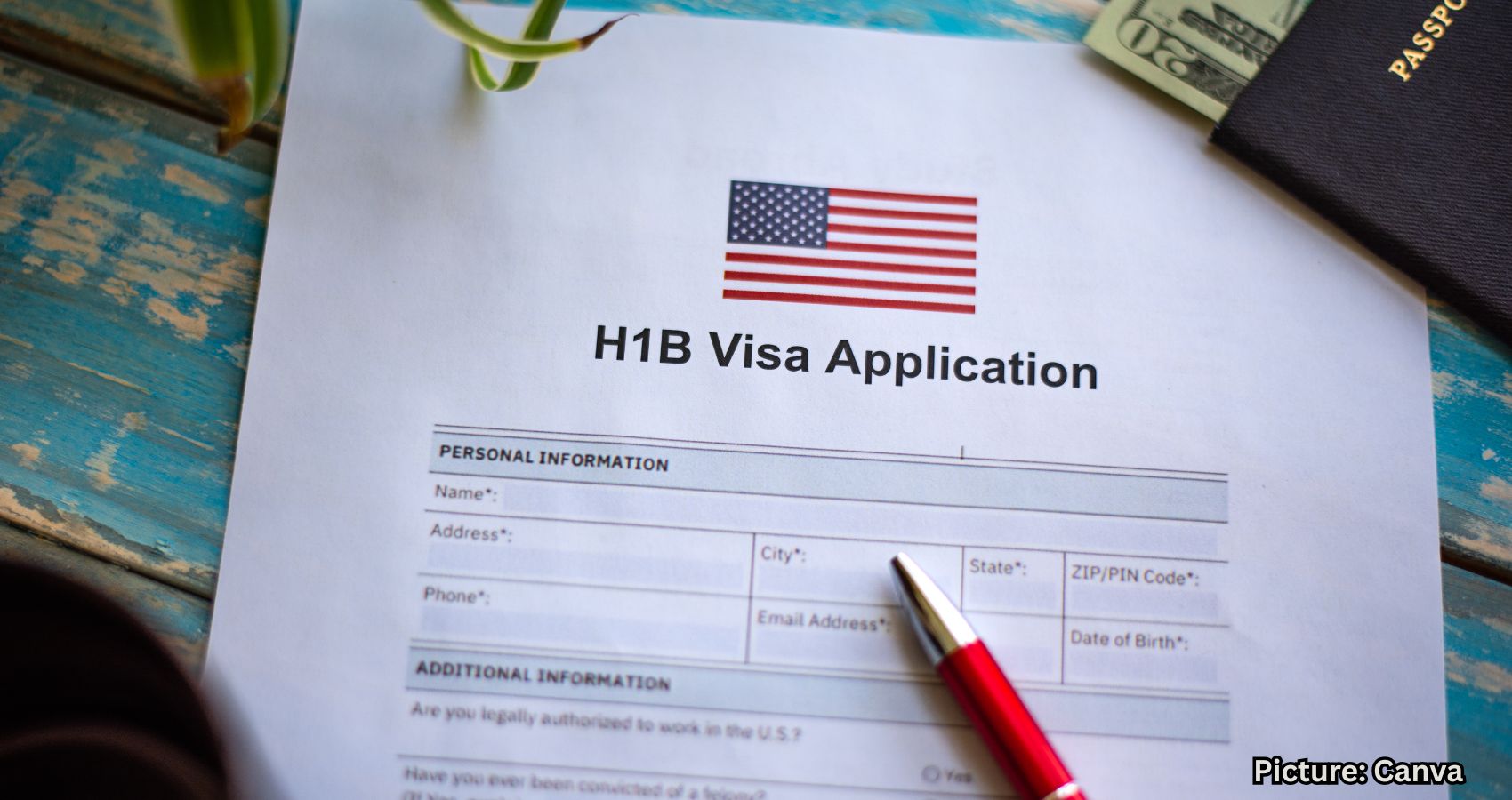
The U.S. State Department has recently updated its visa appointment wait times, revealing notable changes across various cities. One significant alteration is the discontinuation of the interview waiver option, commonly referred to as the “Dropbox” facility, which is no longer available for most visa categories, including temporary work visas and F-1 student visas. This change impacts a broad spectrum of travelers who previously relied on this expedited, paperwork-only process.

According to the BAL U.S. Practice Group, New Delhi has seen a dramatic reduction in wait times for F, M, and J visas. The wait time has decreased from approximately two months to about half a month, providing relief for many applicants in this category.

In contrast, Shanghai has experienced a significant increase in wait times for H, L, O, P, and Q visa appointments. These wait times have surged from under half a month to around three months, a notable rise compared to the figures reported in the global update from October.

Chennai (Madras) has also recorded a significant shift in wait times for B-1/B-2 visas, with average wait times moving from five months to “N/A.” The next available appointments for interviews have decreased from a five-month wait to three months since October.

New Delhi has similarly improved its B-1/B-2 interview-required wait times, which have dropped from 6.5 months to 3.5 months over the same period. However, some cities continue to experience lengthy wait times for these types of visas.

The cities with the longest wait times for B-1/B-2 interview-required visas include Toronto at 16.5 months, San Jose at 13 months, Lagos at 12.5 months, Merida at 11.5 months, and Ottawa at 11 months. While most petition-based work visas that require interviews fall within a wait window of under half a month to about three months, a few locations remain notable exceptions.

Overall, the latest global wait times in major visa-issuing cities show little movement. For work visas (H, L, O, P, Q) and student or exchange visitor categories (F, M, J), the next available interview dates have largely remained steady compared to the previous month across the key cities being tracked.

The U.S. State Department’s monthly updates provide reported wait times that reflect the average duration for non-immigrant visa interviews and an estimate for the next available visitor visa appointment. However, these averages do not guarantee that any individual applicant will secure an appointment within that timeframe.

U.S. embassies and consulates often open additional appointment slots, meaning new dates can become available regularly. The State Department counts months in 30-day increments and half months in 15-day increments, including weekends and holidays when embassies are closed. Once an interview is booked, applicants can monitor the scheduling system and reschedule to an earlier slot if one opens up.

As the visa landscape continues to evolve, applicants are encouraged to stay informed about the latest updates and changes to the appointment process.

Source: Original article

Democrats Investigate Kash Patel’s Alleged Personal Use of FBI Jet

Senior Democrats have initiated an inquiry into FBI Director Kash Patel over allegations of personal use of a government Gulfstream jet for non-official travel.

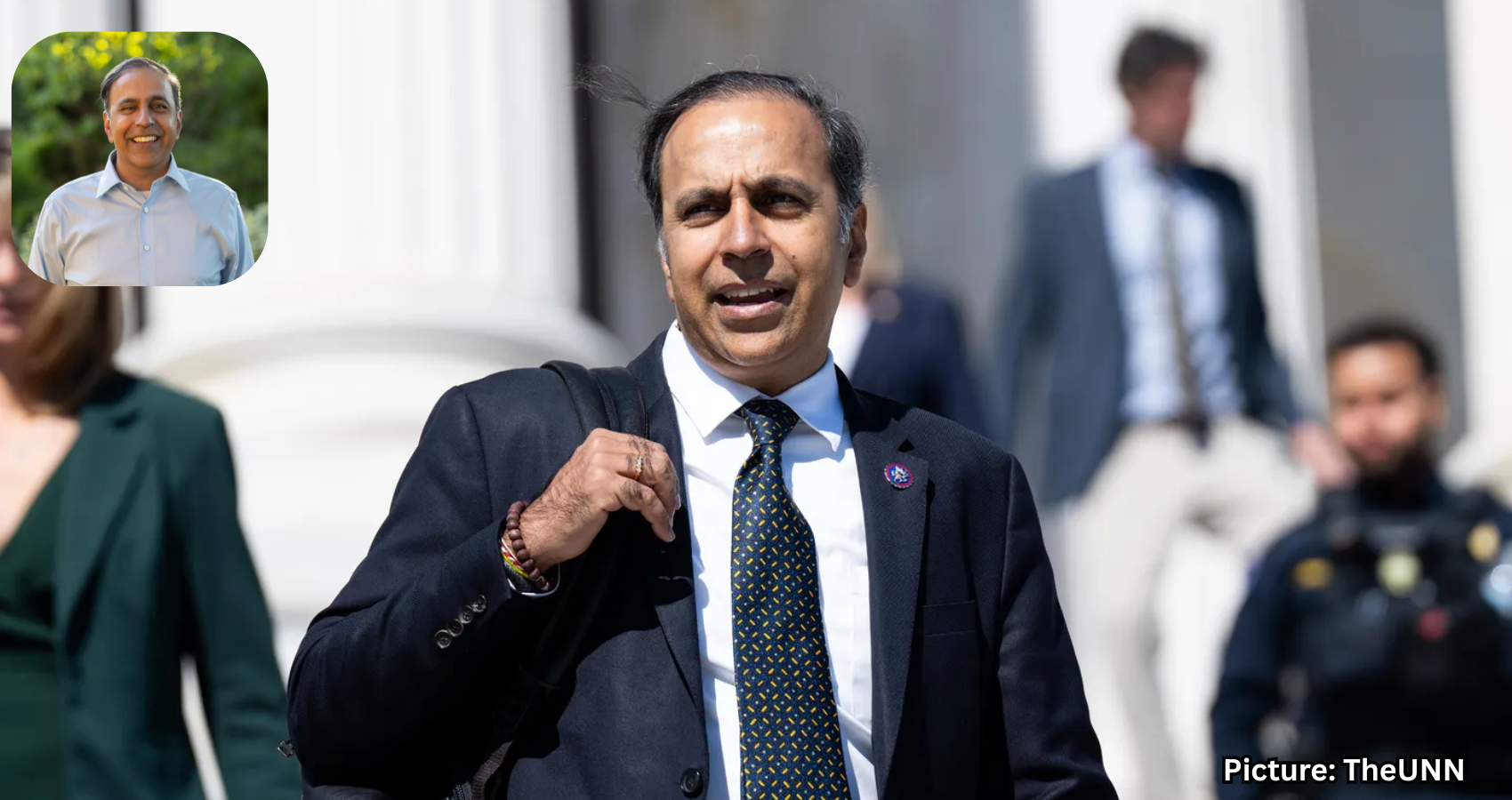
Senior Democrats on the House Judiciary Committee have launched a formal inquiry into FBI Director Kash Patel amid allegations that he used an FBI Gulfstream aircraft for personal travel, including recreational and social trips.

The investigation was prompted by multiple media reports suggesting that Patel utilized the government jet to attend non-official events. Notably, these events included a sporting occasion in Pennsylvania where his girlfriend performed, as well as subsequent travel to Tennessee and Texas. The inquiry is being spearheaded by Jamie Raskin, the ranking member of the House Judiciary Committee, alongside Sydney Kamlager-Dove.

In a formal letter addressed to the Federal Bureau of Investigation, the lawmakers have requested comprehensive documentation regarding Patel’s recent travel. This includes flight logs, passenger lists, and any communications related to the trips in question.

One of the trips under scrutiny involved Patel’s flight to Pennsylvania State University on October 25, where he attended a wrestling event featuring his girlfriend. The following day, he reportedly returned to Nashville with her aboard the FBI aircraft. The lawmakers noted that this trip appeared to lack any visible connection to official FBI responsibilities.

The inquiry also raises questions about a later trip to San Angelo, Texas, where Patel allegedly spent four days at a luxury hunting property known as Boondoggle Ranch. This property is reportedly associated with Republican mega-donor Bubba Saulsbury. Lawmakers are questioning whether this visit served any legitimate government purpose.

As of now, the FBI has not publicly responded to the allegations. Although the Democratic members have formally requested the relevant documents by December 15, they currently lack subpoena power as the minority party, which limits their ability to compel compliance.

In their correspondence, Raskin and Kamlager-Dove emphasized that FBI aircraft are taxpayer-funded assets, asserting that government planes “are not personal property but belong to the American people.”

This inquiry is not the first instance of scrutiny regarding Patel’s use of FBI aircraft. In May, CBS News reported that Senate Democrats had requested a review from the Government Accountability Office concerning his travel. According to that report, Patel had flown multiple times to Las Vegas, where he owns a home, and to Nashville, where his girlfriend resides.

Under executive branch policy, FBI directors are required to use government aircraft for both official and personal flights to ensure secure communications and emergency readiness. However, any personal travel must be reimbursed at standard commercial airfare rates, including costs for any accompanying companions. While family and friends may accompany the director, their transportation expenses must also be repaid.

Lawmakers are now seeking to verify whether Patel adhered to these reimbursement procedures and whether his recent flights complied with federal ethics and travel regulations.

Source: Original article

Sharanjit Thind Announces Candidacy for Congress in New York’s 18th District

Sharanjit Singh Thind, a lifelong Republican, is campaigning for the U.S. House of Representatives in New York’s 18th District, aiming to flip the seat currently held by Democrats.

NEW YORK, NY – Sharanjit Singh Thind is officially running for the U.S. House of Representatives, representing New York’s 18th District in the Hudson Valley. A lifelong Republican originally from Punjab, Thind is optimistic about his chances to flip this Democrat-held seat.

Thind’s campaign is centered around several key issues, including promoting business growth, making jobs resilient to automation, defending family values, and prioritizing community safety. He believes these priorities resonate with the constituents of the district.

Before filing his nomination papers in September, Thind sought the backing of the Republican establishment. He met with Ed Cox, the New York Republican State Committee Chairman and son-in-law of former President Nixon, to discuss support for his candidacy. During this meeting, Thind was informed that no other Republican candidates were in the race, reinforcing his belief that the 18th Congressional District is a strong opportunity for him.

Despite acknowledging that the current incumbent, Patrick Ryan, defeated his GOP opponent by a notable 14 points in the 2024 election, Thind argues that the political landscape has shifted. He cites growing frustration among voters regarding the presence of illegal migrants in local hotels and motels, a situation he attributes to the policies of President Biden and Mayor Adams. Thind contrasts this with the law and order he claims was restored under President Trump.

Thind’s journey to the United States began at the turn of the century, and he has since built a career with several reputable companies. He also serves as the editor and publisher of ‘The South Asian Insider,’ a platform that highlights issues pertinent to the South Asian community.

In addition to his professional endeavors, Thind has a history of public service. He served as a Commissioner on the Nassau County Human Rights Commission until 2018 and has experience working with the Receiver of Taxes office in the Town of Hempstead, the largest township in America.

To launch his campaign effectively, Thind plans to invest his own funds while also seeking support from small donors. He resides on Long Island with his wife and two sons, emphasizing his commitment to the community he aims to represent.

As Thind embarks on this political journey, he is determined to connect with voters and address the pressing issues they face, hoping to secure a seat in Congress.

Source: Original article

New Bill Aims to Double H-1B Visa Cap in Immigration Debate

A bill to double the annual H-1B visa cap has been reintroduced in Congress, reigniting discussions on high-skilled immigration amid ongoing political tensions and enforcement changes.

A new bill aiming to double the annual quota of H-1B work visas has been reintroduced in the U.S. Congress, sparking renewed debate over high-skilled immigration during a period marked by increased enforcement and political strife.

Illinois Democratic Representative Raja Krishnamoorthi has reintroduced the High-Skilled Immigration Reform for Employment (HIRE) Act. This legislation seeks to enhance America’s long-term economic and technological capabilities by expanding access to global talent. Specifically, the proposal would raise the yearly cap on new H-1B visas from 65,000 to 130,000.

This renewed initiative comes in the wake of stricter oversight of the H-1B program implemented during the Trump administration, which introduced more rigorous compliance rules and imposed a significant $100,000 application fee for new visas. This fee is currently facing legal challenges from various business groups.

The implications of the HIRE Act could significantly alter hiring practices across vital sectors such as technology, healthcare, engineering, and scientific research. Proponents argue that U.S. companies are grappling with persistent labor shortages in specialized fields and may fall behind global competitors if access to skilled foreign professionals remains restricted.

The bill’s reintroduction coincides with President Trump’s announcement of a new immigration crackdown following a tragic shooting incident involving two National Guard members near the White House. Trump pledged to “permanently pause” migration from certain developing nations, a statement that could directly impact future H-1B applicants, although formal policy details are still unclear.

The HIRE Act includes several key provisions aimed at addressing workforce needs:

The annual H-1B cap would be doubled from 65,000 to 130,000, along with increased federal funding for STEM education in U.S. elementary and secondary schools. The bill also aims to expand the domestic talent pipeline while supporting industries facing critical workforce gaps.

Advocates believe that combining foreign talent recruitment with domestic STEM investment will create a balanced long-term solution to workforce challenges.

Recent trends in H-1B visa approvals indicate a shift away from large outsourcing firms toward U.S.-based technology companies. Currently, most H-1B visas are granted to companies hiring fewer than 15 workers annually, reflecting heightened scrutiny and changes in hiring practices.

In addition, federal agencies have ramped up audits under a new enforcement initiative known as Project Firewall, which adds further compliance pressure on employers.

Supporters of the bill assert that America’s innovation economy relies heavily on access to global talent. Raja Krishnamoorthi, the bill’s sponsor, emphasized that the legislation is crucial for “building the workforce of tomorrow while keeping the U.S. at the forefront of innovation.”

Leaders from ITServe Alliance described the HIRE Act as a vital reform necessary to modernize the high-skilled immigration system, enhancing transparency and fairness. Economic policy experts point out that H-1B visas serve as the primary long-term pathway for hiring high-skilled foreign graduates, who constitute a significant portion of U.S. science and engineering programs.

However, critics from conservative policy groups argue that the current system enables abuse, suppresses American wages, and disadvantages U.S. graduates. The White House has reiterated that while temporary foreign workers may be necessary for launching large projects, companies are ultimately expected to prioritize hiring and training American workers.

As the bill moves forward, it will undergo the standard legislative process, which includes committee review, potential amendments, and debates in both the House and Senate. Given that immigration is already one of the most contentious issues in Washington, the future of the HIRE Act remains uncertain.

With mounting political pressure from business associations, labor groups, and advocacy organizations, the ongoing struggle between expanding high-skilled immigration and restricting foreign labor is expected to dominate discussions in the upcoming congressional session.

Source: Original article

USCIS Suspends Asylum Decisions Following Shooting of National Guard Members

USCIS has suspended all asylum decisions following a shooting incident involving an Afghan national that resulted in the death of a National Guard member in Washington, D.C.

The U.S. Citizenship and Immigration Services (USCIS) has announced a halt to all asylum decisions after an Afghan national was accused of shooting two National Guard members in Washington, D.C., resulting in the death of one service member.

On Friday, USCIS Director Joseph B. Edlow stated that the suspension of asylum decisions would remain in effect “until we can ensure that every alien is vetted and screened to the maximum degree possible.” He emphasized the priority of American safety in a post on X, formerly known as Twitter.

This pause in asylum decisions aligns with a broader immigration crackdown initiated by President Donald Trump. On Thursday, Trump pledged to halt migration from “Third World countries” and to reverse the admissions policies established during the Biden administration.

In a related development, Edlow indicated that officials would be reexamining green cards issued to immigrants from countries deemed concerning, including Afghanistan. USCIS has also introduced new national security measures to enhance the vetting process for immigrants from high-risk nations.

“I have directed a full-scale, rigorous reexamination of every Green Card for every alien from every country of concern,” Edlow stated.

Additionally, the Department of Homeland Security confirmed that it has suspended all immigration requests from Afghanistan and is reviewing all asylum cases that were approved under the Biden administration.

The Department of State has also acted swiftly, pausing all visa issuances for individuals traveling on Afghan passports in response to the shooting incident involving the National Guard members. “The Department is taking all necessary steps to protect U.S. national security and public safety,” the agency stated.

The shooting occurred on Wednesday, resulting in the death of National Guard member Sarah Beckstrom, 20, from West Virginia. Another service member, Andrew Wolfe, 24, remains in critical condition following the attack.

The alleged shooter, Rahmanullah Lakanwal, 29, has been charged with multiple offenses, including first-degree murder and two counts of assault with intent to kill while armed. Attorney General Pam Bondi announced that the Justice Department would seek the death penalty against Lakanwal.

Lakanwal entered the United States legally in 2021 under humanitarian parole as part of the Biden administration’s Operation Allies Welcome, which was established following the U.S. withdrawal from Afghanistan. He had been vetted by the CIA in Afghanistan due to his work with the agency and underwent additional vetting for his asylum application in the U.S. A senior U.S. official informed Fox News that Lakanwal was “clean on all checks” in his background investigation.

Notably, Lakanwal’s asylum application was approved by the Trump administration earlier this year. A report from the Department of Justice Office of the Inspector General released in June indicated that there were “no systemic failures” in the vetting process for Afghan refugees or subsequent immigration pathways.

The recent shooting has raised significant concerns regarding the vetting processes for immigrants and asylum seekers, prompting federal agencies to reevaluate their procedures to ensure national security.

Source: Original article

Trump Proposes ‘Reverse Migration’ Plan to Address Immigration Issues

Former President Donald Trump unveiled a “reverse migration” plan aimed at halting immigration from certain countries and rolling back Biden-era policies in a recent Truth Social post.

Former President Donald Trump took to Truth Social late on Thanksgiving to announce his “reverse migration” plan, which he claims would permanently stop immigration from what he refers to as “Third World Countries.” He also proposed a comprehensive rollback of immigration policies established during President Biden’s administration.

In his post, Trump asserted that his administration would impose a pause on all migration from nations he categorizes as “Third World.” He claimed that this plan would revoke what he described as “millions” of admissions granted under Biden, including those he alleges were signed by “Sleepy Joe Biden’s Autopen.” Furthermore, Trump indicated that he would seek to remove foreign nationals whom he considers public charges, security threats, or those he believes are “non-compatible with Western Civilization.”

Trump contended that the current U.S. immigration system is overwhelmed and that his proposed approach would allow it to “fully recover.” Among his promises, he vowed to eliminate federal benefits for noncitizens, denaturalize migrants accused of undermining “domestic tranquility,” and expand deportation efforts.

Trump’s announcement comes in the wake of a violent incident near the White House, where two National Guard members were shot in what officials described as a “targeted” attack. One of the guardsmen, 20-year-old Sarah Beckstrom from West Virginia, was reported dead, while the second service member, 24-year-old Andrew Wolfe, is currently “fighting for his life,” according to Trump.

The suspected shooter, 29-year-old Rahmanullah Lakanwal, is also in serious condition. Lakanwal entered the United States legally in 2021 under humanitarian parole as part of the Biden administration’s Operation Allies Welcome, which was initiated following the U.S. withdrawal from Afghanistan.

In closing, Trump issued a stern warning in his social media post: “Other than that, HAPPY THANKSGIVING TO ALL, except those that hate, steal, murder, and destroy everything that America stands for — You won’t be here for long!”

Source: Original article

Putin Describes Trump’s Peace Plan as ‘Starting Point’ for Ukraine

Vladimir Putin has expressed interest in discussing President Trump’s Ukraine peace proposal as tensions escalate, warning Ukraine to withdraw or face military action.

Russian President Vladimir Putin has indicated a willingness to consider President Donald Trump’s peace proposal as a potential starting point for negotiations aimed at resolving the ongoing conflict between Ukraine and Russia. Speaking to reporters at the conclusion of a three-day visit to Kyrgyzstan, Putin emphasized the importance of serious dialogue regarding the proposal, stating, “We need to sit down and discuss this seriously.” He noted that “every word matters” in the context of the discussions.

Putin characterized Trump’s plan as “a set of issues put forward for discussion” rather than a formal draft agreement. His comments come as U.S. envoy Steve Witkoff is set to visit Moscow, underscoring the urgency of the situation.

In a stark warning, Putin stated, “If Ukrainian troops withdraw from the territories they occupy, hostilities will cease. If they don’t withdraw, we will achieve this by force.” This declaration raises concerns about the potential for increased military action should Ukraine fail to comply with Russia’s demands.

Andy Barr, a Republican member of the House Foreign Affairs Committee, commented on the situation, asserting that it highlights the necessity for strong American leadership. “Russia invaded Ukraine because Joe Biden was the weakest president in American history,” Barr claimed. He further stated, “President Trump’s peace-through-strength leadership kept Putin fully contained. This war never would have happened under his watch. Trump is the peace president… the only leader who can end this war and bring stability back to Europe.”

However, critics of Putin argue that he may be attempting to manipulate the U.S. and the European Union. Garry Kasparov, the former world chess champion and a vocal critic of the Russian leader, expressed skepticism about the prospects for peace. He told the Polish international news network TVP, “Peace under Putin is unachievable for one simple reason: Putin is war — and Russia is gearing up for even more.” Kasparov has also criticized NATO, Trump, and the EU for their perceived failures in adequately supporting Ukraine and expelling Russian forces from its territory.

As discussions about a potential peace agreement continue, Kremlin officials have remained largely silent regarding Trump’s recent proposal. Historically, Putin has been reluctant to accept previous peace plans put forth by Trump.

Putin has insisted that Ukraine must completely withdraw from the Donetsk, Luhansk, Kherson, and Zaporizhia regions before any peace negotiations can commence. This demand notably includes areas within these regions that are not currently under Russian occupation. Additionally, Putin seeks to prevent Ukraine from joining NATO and hosting any Western military forces, aiming to reestablish Russian influence over the country.

Recent assessments from the Institute for the Study of War have cast doubt on Russian claims of an unstoppable invasion, noting that Russian forces are still struggling to capture key cities in the eastern Donetsk region. The think tank stated, “Data on Russian forces’ rate of advance indicates that a Russian military victory in Ukraine is not inevitable, and a rapid Russian seizure of the rest of Donetsk Oblast is not imminent.” They further observed that recent Russian advances have been largely opportunistic and dependent on favorable seasonal weather conditions.

As diplomatic efforts continue, U.S. special envoy Steve Witkoff is scheduled to visit Moscow next week. Meanwhile, U.S. Army Secretary Dan Driscoll, who has played a prominent role in recent peace initiatives, may also be heading to Kyiv to engage in discussions.

The initial U.S. peace proposal faced criticism for being overly favorable to Russian demands. However, an amended version emerged from talks in Geneva between American and Ukrainian officials, reflecting a more balanced approach. European leaders, concerned about their own security in light of Russian aggression, are also seeking a more active role in the peace process.

As the situation evolves, the international community remains watchful, hoping for a resolution that can bring an end to the conflict and restore stability to the region.

Source: Original article

Trump Administration Faces Lawsuit Over Permanent Housing Funding

The Trump administration faces a lawsuit from a coalition of 19 attorneys general and two governors over significant funding cuts for permanent housing aimed at individuals experiencing homelessness.

The Trump administration is once again embroiled in legal challenges, as a coalition of 19 attorneys general and two governors filed a lawsuit on Tuesday. The suit targets recent policy changes that impose new conditions and drastically reduce funding for permanent housing for individuals experiencing homelessness.

The lawsuit claims that the administration has unlawfully decreased the percentage of federal grant funding allocated to permanent housing from approximately 90% to as low as 30%. Additionally, it introduces new eligibility requirements that could further complicate access to these essential resources.

Leading the coalition is New York Attorney General Letitia James, who is seeking a court order to block what she describes as the “administration’s cuts and illegal new conditions” affecting the Department of Housing and Urban Development’s (HUD) Continuum of Care program funding.

“Communities across the country depend on Continuum of Care funds to provide housing and other resources to our most vulnerable neighbors,” James stated in a press release. “These funds help keep tens of thousands of people from sleeping on the streets every night. I will not allow this administration to cut off these funds and put vital housing and support services at risk.”

According to reports, more than half of the 2026 funding for HUD’s Continuum of Care program, which collaborates with local organizations to connect people experiencing homelessness to housing and resources, will be redirected from permanent housing assistance to temporary transitional housing assistance. This shift will come with new work or service requirements for recipients.

A spokesperson for HUD expressed disappointment over the lawsuit, stating, “HUD stands by its FY2025 Continuum of Care reforms.” The spokesperson further criticized the plaintiffs for what they termed a misuse of the courts, suggesting that the lawsuit serves a political agenda at the expense of homeless individuals, youth, and families currently living on the streets.

“Their use of the courts for political means seeks to prevent nearly $4 billion of aid from flowing nationwide to assist those in need,” the spokesperson added. “HUD intends to mount a vigorous defense to this meritless legal action.”

Permanent housing programs are designed to offer long-term stability without requiring participation in work programs or other services. This approach allows residents to focus on maintaining their housing and rebuilding their lives. Critics of the administration’s new policy argue that reallocating funds to transitional housing or imposing service requirements could destabilize current residents, potentially forcing them back into homelessness or reliance on emergency shelters.

Supporters of the policy, however, argue that linking funding to services or work expectations can promote self-sufficiency and ensure that resources are utilized efficiently. This situation highlights the ongoing tension between immediate stability and longer-term social outcomes.

The outcome of this lawsuit could have significant implications for how federal housing funds are allocated and regulated at the national level. It underscores the critical roles that courts, state governments, and federal agencies play in shaping policy priorities and protecting vulnerable populations.

Beyond the legal ramifications, this dispute brings attention to the persistent challenges in addressing homelessness, emphasizing the importance of stable housing for social and economic well-being. It also reflects the complexities involved in implementing programs that cater to diverse communities with varying needs.

Source: Original article

Politician Named Adolf Hitler Sparks Controversy in Local Election Campaign

Namibian politician Adolf Hitler Uunona, named after the infamous dictator, seeks re-election in regional elections, asserting that his name carries no ideological significance.

A local politician in Namibia, Adolf Hitler Uunona, is poised to retain his council seat in the upcoming regional elections, attracting international attention due to his controversial name. Uunona, a longtime member of Namibia’s ruling SWAPO party, is campaigning in the Ompundja constituency located in the northern Oshana region.

While final election results have yet to be announced, several international news outlets project that Uunona will win by a significant margin, consistent with his performance in previous elections. SWAPO, which has governed Namibia since the country gained independence in 1990, has transitioned from its socialist roots to adopt a more centrist, market-oriented approach to governance.

The name “Adolf Hitler” was given to Uunona by his father, who, according to Uunona, did not fully grasp the historical implications associated with it. In an interview with the German outlet Bild, Uunona reflected on his childhood, stating, “It was a perfectly normal name for me when I was a kid. It wasn’t until I grew older that I realized this man wanted to subjugate the whole world and killed millions of Jews.”

Uunona emphasized that his name does not reflect any political ideology and insisted that he has never held extremist beliefs. “The fact I have this name does not mean I want to conquer Oshana,” he remarked, noting that he generally goes by Adolf Uunona in his daily life.

Namibia was a German colony from 1884 to 1915, and the influence of this colonial past is still evident, with Germanic names and place names remaining prevalent in certain communities. Historians point out that this legacy can lead to unusual name combinations that may seem jarring by contemporary standards, yet they do not carry any inherent ideological significance.

According to official data from the Oshana regional government, the Ompundja constituency has a population of 4,659 residents, encompasses 19 administrative centers, and covers an area of 466 square kilometers.

As Uunona campaigns for re-election, his unique name continues to spark discussions about Namibia’s colonial history and the complexities of identity in a post-colonial context. His case serves as a reminder of how historical legacies can shape personal identities in unexpected ways.

Source: Original article

F-1 Visa Update: DIGNITY Act of 2025 Targets ‘Intent to Leave’ Rule

The DIGNITY Act of 2025 aims to eliminate the “Intent to Leave” requirement for foreign students applying for F-1 visas, potentially reshaping U.S. immigration policy for international education.

The number of international students selecting the United States as their study destination has been on a steady decline, largely due to stricter immigration enforcement and heightened visa scrutiny under recent U.S. policies. In response to these concerns, lawmakers have introduced the DIGNITY Act of 2025, a proposed reform designed to eliminate the long-standing “Intent to Leave” rule that currently impacts foreign students applying for F-1 visas.

While the proposed repeal could facilitate the process for students seeking U.S. study visas, another suggested change involving fixed-term admissions may introduce new challenges for international students.

The DIGNITY Act of 2025 has been jointly introduced by Congresswomen María Elvira Salazar and Veronica Escobar, along with a bipartisan group of 20 co-sponsors. A central element of the bill is the proposal to abolish the “Intent to Leave” requirement, which currently mandates that international students prove their intention to return to their home country after completing their studies.

If passed, the Act could significantly alter the evaluation process for student visa applications in the U.S.

Currently, F-1 visa applicants must demonstrate non-immigrant intent, which requires them to declare plans to leave the U.S. after finishing their education, show strong ties to their home country, and provide evidence such as property ownership, family connections, or employment prospects. Failure to convincingly prove intent to return often results in visa denials, even for academically qualified students.

The proposed repeal under the DIGNITY Act would eliminate this specific barrier, meaning future student visa decisions would no longer hinge solely on a student’s declared intention to leave the U.S. after graduation. However, it is important to note that this change does not grant automatic permission to remain in the U.S. after studies. Students wishing to stay must still qualify for appropriate employment-based or other legal immigration categories.

In tandem with the proposed repeal, the Department of Homeland Security (DHS) has suggested a regulatory shift that could affect student stay limits. This proposal seeks to change student admissions from a “Duration of Status” to a fixed time period. Currently, the “duration of status” allows students to remain in the U.S. as long as they maintain valid student status. Under the proposed system, students would be admitted for a specific, pre-determined time frame, after which they would be required to exit the country—even if their academic program is still ongoing.

This change would apply to holders of F, J, and I visas and could create uncertainty for students facing program extensions, research delays, or medical or academic interruptions.

If implemented together, these two policy changes could yield mixed outcomes for international students. On the one hand, the removal of the “intent to return” requirement could lead to easier visa approvals and reduced rejections based solely on immigration suspicion, potentially improving confidence among international applicants. On the other hand, strict exit deadlines under fixed-term admissions could result in increased paperwork for extensions and greater uncertainty for long-term academic programs.

It is essential for students to understand that the DIGNITY Act of 2025 is still a proposal and has not yet become law. The fixed-term admissions policy is still under regulatory review, and existing F-1 rules remain in effect until formal changes are enacted. Students must continue to adhere to all post-study visa procedures for legal residency.

In conclusion, the DIGNITY Act of 2025 represents a significant step toward easing one of the most restrictive aspects of U.S. student visa policy. The removal of the Intent to Leave rule could encourage more international students to consider U.S. education once again. However, the proposed shift to fixed-term admissions may introduce new uncertainties that students will need to navigate carefully.

As reforms continue to evolve, international applicants should stay informed, seek proper guidance, and plan well in advance.

Source: Original article

Trump Plans New Healthcare Proposal as ACA Subsidies Expire

President Donald Trump is set to unveil a new healthcare cost proposal aimed at addressing rising premiums as key Affordable Care Act subsidies are set to expire.

Following the dismantling of the Department of Education, President Donald Trump is shifting his focus to healthcare. He plans to announce a new proposal for managing healthcare costs as early as Monday, as his administration seeks to prevent a surge in premiums due to the expiration of critical Affordable Care Act (ACA) subsidies, according to sources familiar with the situation.

A key element of the forthcoming plan is a renewed emphasis on price transparency. The proposal will require hospitals, clinics, and insurers to disclose the actual prices of services, procedures, and negotiated insurance rates. The administration contends that enabling patients to compare costs will create market pressure that ultimately reduces overall medical spending.

In a related development, Senate Republicans have agreed to hold a mid-December vote on extending the enhanced subsidies, which are set to expire at the end of the year. This decision is part of a broader negotiation to extend government funding through January, prompting Trump and his aides to formulate their own competing proposal.

Another significant aspect of the plan focuses on making prescription drugs more affordable, particularly for high-demand treatments such as obesity and chronic disease medications. Trump has highlighted potential agreements with major pharmaceutical companies aimed at lowering prices for certain weight-loss drugs and ensuring that future pill-based versions are significantly more affordable for uninsured and cash-paying patients.

While the Trump administration has remained tight-lipped about the specifics of their plans, a White House official stated, “Until President Trump makes an announcement himself, any reporting about the Administration’s healthcare positions is mere speculation.”

Reports suggest that the framework under discussion may include a temporary extension of ACA subsidies in some form, coupled with a series of guardrails designed to limit their scope. These could potentially involve new income limits and a requirement that all enrollees contribute some form of premium.

Taken together, the proposal reflects Trump’s strategy of merging market-driven reforms with targeted agreements between the federal government and pharmaceutical companies. This initiative represents one of the administration’s most ambitious efforts to reshape healthcare affordability in 2025.

Additionally, the proposal may offer an option for certain enrollees who select lower-tier insurance plans on the exchanges to redirect some federal aid into health savings accounts, according to sources familiar with the discussions.

Trump’s emerging healthcare proposal indicates a broader shift in the administration’s approach to tackling the challenges of rising medical costs and the instability of the insurance market. By integrating price transparency measures, negotiations with pharmaceutical companies, and potential adjustments to ACA subsidies, the administration aims to balance cost-cutting with consumer choice.

Although many details remain undisclosed, the framework under consideration suggests an effort to reform the healthcare system through a combination of market incentives and targeted federal intervention. If implemented, this plan could significantly alter how millions of Americans access insurance, compare medical prices, and afford high-demand medications, including weight-loss and chronic-disease drugs.

Source: Original article

Bondi Pursues Legal Action Against Comey and James for Unlawful Conduct

U.S. Attorney General Pam Bondi announced plans for legal action against James Comey and Letitia James following the dismissal of their criminal cases by a federal judge.

U.S. Attorney General Pam Bondi has called for legal action against former FBI Director James Comey and New York Attorney General Letitia James. Her remarks came during an event in Memphis, where she was highlighting the efforts of the city’s “Safe Task Force.”

Bondi’s comments followed a ruling by U.S. District Judge Cameron Currie, who dismissed the criminal indictments against both Comey and James. The judge determined that the prosecutor responsible for the cases, Lindsey Halligan, had not been lawfully appointed. This ruling aligned with Comey’s defense, which argued that Halligan’s appointment as interim U.S. Attorney for the Eastern District of Virginia was invalid, thereby rendering the indictments defective.

“We’ll be taking all available legal action, including an immediate appeal, to hold Letitia James and James Comey accountable for their unlawful conduct,” Bondi stated to reporters. “I’m not worried about someone who has been charged with a very serious crime,” she continued, referring to Comey. “His alleged actions were a betrayal of public trust,” Bondi added.

Comey was indicted in September 2025 on charges of making false statements to Congress and obstructing a congressional inquiry. These charges stemmed from his testimony in 2018 regarding the origins of the FBI’s Crossfire Hurricane investigation, which looked into potential ties between the 2016 Trump campaign and Russia.

In response to the indictment, Comey has denied any wrongdoing, asserting that his statements were “truthful to the best of my recollection” and labeling the case as “a political hit job, not a pursuit of justice.”

Letitia James faced separate legal troubles, having been indicted in October 2025 on charges related to mortgage and bank fraud. She is accused of misrepresenting a Virginia home purchase as a secondary residence in 2020 to secure more favorable loan terms, allegedly benefiting by nearly $19,000 over the life of the loan.

Defense teams for both Comey and James have argued that the prosecutions were flawed, citing procedural irregularities and questioning Halligan’s appointment. Halligan, who previously served as a legal aide under former President Trump, was the sole federal prosecutor to sign Comey’s indictment, acting as the U.S. Attorney for the Eastern District of Virginia.

During her remarks in Memphis, Bondi defended Halligan’s credentials and her role in the case. “We have made Lindsay Halligan a special U.S. attorney so she is in court, she can fight in court just like she was, and we believe we will be successful on appeal,” Bondi stated. “And I’ll tell you, Lindsay Halligan, I talked to all of our U.S. attorneys, the majority of them around the country, and Lindsay Halligan is an excellent U.S. attorney. And shame on them for not wanting her in office,” she concluded.

Source: Original article

Trump to Unveil New Initiative Aimed at Reducing Health Care Costs

Former President Donald Trump is set to unveil a new proposal aimed at reducing health care costs, coinciding with the expiration of enhanced Affordable Care Act subsidies.

Former President Donald Trump is preparing to announce a new proposal designed to address the rising costs of health care as early as Monday. This initiative comes as the administration seeks to mitigate the steep premium increases anticipated from the expiration of enhanced Affordable Care Act (ACA) subsidies.

The forthcoming framework aims to fulfill Trump’s commitment to provide an alternative to the boosted ACA subsidies that currently assist nearly 22 million Americans. However, the proposal emerges amid a backdrop of congressional gridlock, as Democrats have refused to reopen the government without a straightforward extension of these subsidies.

In a recent agreement to keep the government funded through January, Senate Republicans have committed to holding a vote in mid-December regarding the extension of the enhanced subsidies, which are set to expire this year. This political maneuvering has prompted Trump and his team to develop a competing vision for health care.

The expanded subsidies, first introduced in the 2021 Biden COVID-19 relief package, significantly reduced marketplace premiums. If these subsidies expire, premiums could potentially double in 2025, according to the Kaiser Family Foundation (KFF). The Congressional Budget Office (CBO) estimates that an additional 2 million Americans could become uninsured as a result.

Democrats are already signaling their intention to leverage the potential fallout from these changes as a political strategy in the upcoming midterm elections. This tactic mirrors their successful approach in 2018, when Republican efforts to repeal the ACA contributed to the GOP losing control of the House.

The White House has clarified that Trump has not yet finalized his proposal. “Until President Trump makes an announcement himself, any reporting about the administration’s health care positions is mere speculation,” a spokesperson stated.

While the details of the developing GOP plan are still being finalized, it is expected to include a temporary extension of ACA subsidies, albeit with stricter controls. Proposed changes may involve restoring income caps for eligibility, requiring all enrollees to pay some premium—thereby eliminating $0 plans—and potentially redirecting federal aid into Health Savings Accounts (HSAs).

These proposed adjustments aim to address two long-standing criticisms from the GOP. First, the existence of zero-premium plans has led to reports of fraudulent enrollments. Second, middle-income Americans have disproportionately benefited from the enhanced subsidies due to the removal of income caps.

Restoring the income ceiling to 400% of the poverty level, which was in place prior to 2021, would limit assistance for the middle class, a demographic that stands to be significantly impacted if the enhanced subsidies are allowed to lapse.

The proposal to require even low-income consumers to pay a minimum monthly premium is intended to combat widespread reports of brokers enrolling or switching individuals into plans without their consent, often to earn commissions.

Another significant element under consideration is the potential shift toward Health Savings Accounts (HSAs), which would grant consumers greater control over federal assistance. Trump has consistently advocated for subsidies to be paid directly to individuals rather than funneled through insurance companies. This approach aligns with proposals from GOP Senators such as Rick Scott, who suggests allowing individuals to deposit all federal aid into HSAs and purchase non-ACA plans, and Bill Cassidy, who proposes shifting only the enhanced subsidies into HSAs to cover services like prescriptions, doctor visits, and eyewear.

A related proposal from the Paragon Health Institute would enable lower-income consumers to deposit cost-sharing assistance—subsidies that alleviate deductibles and out-of-pocket expenses—into HSAs. The institute also recommends that Congress reinstate federal funding for these payments, which would help lower premiums for specific ACA plans.

In addition to these proposals, other conservative health policy ideas, including expanding access to non-ACA insurance options, may also be featured in Trump’s framework.

As part of the new health care package, Trump is expected to advocate for the implementation of his “Most Favored Nation” prescription drug policy, which ties U.S. prices to lower rates paid in comparable countries. This policy was instrumental in securing voluntary pricing agreements with pharmaceutical companies during his presidency.

Once unveiled, the new health care proposal is likely to reignite a central political debate surrounding the ACA—an issue that has defined U.S. health policy discussions for over a decade.

Source: Original article

Federal Judge Overturns USCIS EB-5 Fee Increase, Impacting H-1B Lawsuits

A recent federal court ruling in Colorado has invalidated significant fee increases for the EB-5 Immigrant Investor Program, raising hopes for challenges to a controversial H-1B visa fee imposed by the Trump administration.

A federal judge in Colorado has struck down the steep fee increases announced by U.S. Citizenship and Immigration Services (USCIS) for the EB-5 Immigrant Investor Program. This ruling, issued on November 12, has been celebrated as a significant victory for investors and has implications for ongoing legal challenges to the Trump administration’s $100,000 H-1B visa fee.

The court’s decision mandates that USCIS revert the EB-5 fees to their pre-2024 levels, a move that many in the immigration community view as a crucial win for those looking to invest in the United States.

Legal experts are also interpreting the ruling as a potential precedent for lawsuits aimed at overturning the controversial H-1B visa fee. Prominent immigration attorney Greg Siskind, who is involved in the case “Global Nurse Force v. Trump,” stated that while the EB-5 ruling may not directly impact the H-1B fee case, it signals that judges are scrutinizing immigration policies that may not comply with established legal requirements.

The crux of the EB-5 ruling lies in whether USCIS adhered to the legal framework established by Congress. Under the EB-5 Reform and Integrity Act, the agency is obligated to conduct a comprehensive fee study before implementing any increases. Critics argue that USCIS bypassed this requirement, leading to some of the most substantial fee hikes across various visa categories.

According to the judge, the fee increases were “contrary to law,” violating both the statutory framework and the Administrative Procedure Act. Jihan Merlin, head of immigration strategy at the legal tech firm Alma, explained that the ruling reinforces the principle that USCIS must follow the rules set by Congress before raising fees. This principle could play a significant role in the H-1B lawsuits, where the legality of the $100,000 fee is being questioned.

As a result of the ruling, the 2024 fee schedule has been effectively halted, allowing investors to file at the previous, lower rates. This development has opened a new window for potential investors who were considering submitting petitions, now able to do so at significantly reduced costs.

The implications of this ruling extend to the ongoing H-1B lawsuits. Charles H. Kuck, co-counsel in “Global Nurse Force v. Trump,” emphasized that the President exceeded his legal authority by imposing an unlawful fee as a barrier for certain H-1B visa holders. He expressed confidence that the court would ultimately strike down this fee.

However, while the EB-5 ruling provides some optimism for those challenging the H-1B fee, legal experts caution that the two cases are not entirely comparable. Merlin noted that the EB-5 case dealt with a regulation from USCIS, whereas the H-1B fee stems from a presidential proclamation. Courts may exhibit more deference to the President’s broad powers under the Immigration and Nationality Act regarding the entry of noncitizens.

The $100,000 H-1B fee has been one of the most contentious issues affecting work-based visa holders since its announcement. It has faced immediate legal challenges from employers, universities, and immigrant rights groups, all arguing that the fee is not authorized by Congress and functions more as a punitive measure to deter skilled immigration.

While the Colorado ruling does not directly resolve the H-1B issue, it underscores the willingness of courts to examine whether the government has adhered to the legal boundaries set by Congress. Legal experts suggest that when a fee deviates from traditional cost-based visa charges, judges may be inclined to scrutinize its legitimacy.

In conclusion, while the EB-5 ruling does not guarantee a victory for H-1B plaintiffs, it serves as an important indicator that courts are attentive to issues of fee authority and statutory compliance. As Merlin stated, “While it’s not a crystal ball for the H-1B cases, the EB-5 decision is encouraging, because it shows courts are paying attention to whether the Executive Branch stayed within the limits Congress set.”

Source: Original article

Indian-American Ron Hira Defines H-1B as Guest Worker Program

Indian American scholar Ron Hira critiques the H-1B visa program, highlighting its role in worker exploitation and the displacement of American employees during a recent panel discussion.

Indian American scholar Ron Hira, a professor at Howard University and a noted critic of the H-1B visa system, recently shared his insights on the program’s impact on American workers. Speaking at a panel discussion titled “How the H-1B Visa Led to Importing Mass Cheap Labor,” hosted by The Heritage Foundation, Hira outlined the reasons many U.S. employers favor hiring foreign visa holders over American workers.

Hira is well-known for his research on offshoring, high-skilled immigration, and the effects of these practices on employment relations and the middle class. During the panel, he discussed the effectiveness of executive actions taken during the Trump administration aimed at reforming the H-1B program. He remarked, “Back then, 20 years ago, it was obvious that H-1B visa abuse was critical in speeding up the offshoring of these jobs. Yet for the past 20 years, Washington has turned a blind eye to this abuse.”

Hira referenced a 2017 segment from “60 Minutes” that profiled American workers forced to train their H-1B replacements. He highlighted a particularly troubling case involving the University of California, which receives significant state and federal funding to train scientists and engineers. “Now they’re forcing their own tech workers to train their H-1B replacements. Imagine the workers’ humiliation and sense of betrayal,” he said.

He posed a rhetorical question to the audience: “Does anybody really think that that’s how the program is supposed to operate?” He answered his own question, stating, “It’s certainly not sold that way. But it persists today. People are training their replacements today.”

Hira explained that the H-1B program is fundamentally a guest worker program, which he argues is more about labor policy than immigration policy. “All guest worker programs leave workers vulnerable to exploitation, whether it’s high-skilled H-1B or lower-skilled H-2A and H-2B,” he noted. “We need labor policies that protect both American and foreign workers.”

He criticized the current labor protections and regulations surrounding the H-1B program as inadequate, stating, “The H-1B labor protections and regulations and rules are a complete fiasco.” Hira emphasized the need for a redesign of these labor regulations to ensure that the H-1B program does not depress wages, protects workers, and fulfills its intended purpose of addressing genuine labor shortages without displacing American workers.

To illustrate his points, Hira provided real-world examples of how employers exploit the system. He described a situation involving Deloitte Consulting, a top H-1B employer, which claimed that a senior consultant position was actually an entry-level role for the purpose of determining the prevailing wage for H-1B workers. “Now is a senior consultant entry level? Probably not,” he remarked.

Hira expressed further concerns about the H-1B program, stating, “You have thousands of H-1B eligible workers who are just sitting overseas waiting for billable jobs to show up. That’s against the law. Nobody’s enforcing it.” He called for limitations on the types of organizations eligible for H-1B cap exemptions, arguing that these have been expanded too broadly. He also urged the Department of Homeland Security to overhaul the L-1 visa and optional practical training programs, which he noted have even fewer protections than the H-1B program.

He suggested that the Equal Employment Opportunity Commission and the Department of Justice should investigate employment discrimination by auditing all mass H-1B employers and intervening in whistleblower lawsuits related to guest worker abuse.

Hira concluded by urging Congress to consider a broader transformation of the skilled immigration system in the U.S. “Our U.S. skilled immigration system has almost no immigration in it. It’s almost entirely guest worker programs,” he stated. He highlighted the disparity between the number of skilled guest workers and available green card slots, noting that there are about 1.5 million skilled guest workers competing for approximately 60,000 green card slots.

As discussions around immigration policy continue, Hira’s insights shed light on the complexities and challenges associated with the H-1B visa program, emphasizing the need for reform to protect both American and foreign workers.

Source: Original article

Sonnet Mondal’s Poem Highlights Struggles of the Poor and Hungry

Sonnet Mondal’s poetry collection, *Clamour for a Handful of Rice*, delves into themes of hunger and survival, urging readers to confront societal inequities.

*Clamour for a Handful of Rice* is a forthcoming poetry collection by Sonnet Mondal, set to be released in 2025. This work intricately explores profound themes such as hunger, survival, conflict, and the complexities of the human condition. Through powerful imagery, Mondal addresses pressing social issues, including poverty, war, and societal indifference, challenging readers to confront harsh realities and step beyond their comfort zones.

American poet Lois P. Jones, author of *Night Ladder*, offers a compelling review of Mondal’s work, emphasizing its depth and emotional resonance.

In her review, Jones notes that Mondal’s *Clamour for a Handful of Rice* delves deep into the essence of hunger, examining what drives our innermost selves. She describes the collection as a testament to the resilience of those who suffer, portraying a poet who bears witness to the struggles of the impoverished. The imagery of individuals with empty stomachs and outstretched hands, smiling near car windows, evokes a poignant reflection on human dignity amidst adversity.

Mondal’s poetry compels readers to reassess their awareness of suffering, prompting contemplation on how we respond to the plight of others—whether through action or the consequences of inaction. The collection raises critical questions about our desires and the means by which they are fulfilled.

One of the striking lines from the collection reads:

The earth shakes every day.
Cries fill the air more than ever.
You were content with the earth supporting your legs,
bees humming to the flowers nearby
and you drifted on the flowing honey.
You lost your voice with bread inside your mouth
and the passing time faded away
with the rhythm of your chewing.

This excerpt from *The Way Time Turned Dark* exemplifies Mondal’s ability to weave together the mundane and the profound, illustrating the disconnect between comfort and the harsh realities faced by many.

Furthermore, Mondal’s work transcends the metaphor of food, probing into humanity’s insatiable hunger for war and greed. He contrasts the lives of the privileged with those of the underprivileged, painting a vivid picture of societal inequities. For instance, he depicts teenagers at the bazaar who assist their parents in selling meat, fish, and vegetables while observing the faces of school-bound children, highlighting the stark differences in their daily realities.

In another poignant passage, Mondal writes:

The tree it sits on doesn’t drink water.
It is captive and forced to drink the blood
of the people lying lifeless in her shadow.
Her shade couldn’t console them when they were alive.
Her leaves couldn’t bandage the war
and the ash around couldn’t blind the hate.

This excerpt from *Somewhere on a Tree* showcases Mondal’s fierce attention to the world and his philosophical inquiries, all while maintaining a tenderness for the elements that sustain life.

*Clamour for a Handful of Rice* is published by Copper Coin Publishing Pvt Ltd and spans 110 pages, with an ISBN of 9788199199880. Mondal’s collection promises to be a significant contribution to contemporary poetry, inviting readers to engage with the pressing issues of our time.

As the release date approaches, anticipation builds for this collection that not only reflects the struggles of the poor and hungry but also serves as a call to action for all of humanity.

Source: Original article

Georgia Worksite Raid Highlights Impact of Trump’s Immigration Policies

On September 4, law enforcement agencies conducted a large-scale immigration raid at a Hyundai plant in Georgia, detaining approximately 475 workers, many of whom were South Korean nationals.

On September 4, law enforcement agents from various state and federal agencies, including U.S. Immigration and Customs Enforcement (ICE), executed a significant immigration raid at a Hyundai manufacturing plant in southeastern Georgia. This operation reportedly led to the detention of at least 475 workers, a number of whom were South Korean nationals, including some individuals with legal status. This raid marks the largest of its kind in recent history at a single worksite.

In the wake of the raid, the American Immigration Council issued a statement highlighting the detrimental effects of such actions. Michelle Lapointe, the legal director at the American Immigration Council, who is based in Atlanta, expressed her concerns regarding the implications of the raid.

“These raids don’t make anyone safer. They terrorize workers, destabilize communities, and push families into chaos,” Lapointe stated. “This historic raid may make dramatic headlines, but it does nothing to fix the problems in our broken immigration system: a lack of legal pathways and a misguided focus on punishing workers and families who pose no threat to our communities. Raiding worksites isn’t reform; it’s political theater at the expense of families, communities, and our economy.”

Lapointe’s comments reflect a broader concern about the impact of immigration enforcement on the workforce. Nan Wu, the director of research at the American Immigration Council, emphasized the critical role that immigrant workers play in the economy. “Immigrant workers are the backbone of our economy, filling critical labor gaps in manufacturing and beyond. Nationwide, 5.7% of manufacturing workers are undocumented, and here in Georgia, they make up 6.7% of that workforce,” Wu noted.

Wu further argued that the approach of raiding worksites instead of creating pathways for legal employment is not only cruel but also counterproductive. “The chilling effect of these raids will make it less likely that people will show up to work, deepening labor shortages and hitting businesses hard at an already precarious economic moment,” she added.

The American Immigration Council has made experts available to discuss the negative consequences of worksite raids and to propose more effective immigration solutions. They argue that addressing the root causes of immigration issues is essential for the well-being of communities and the economy.

As the debate over immigration policy continues, this raid serves as a stark reminder of the ongoing tensions surrounding enforcement practices and their impact on workers and families across the United States.

Source: Original article

Trump and Indian-American Leaders: Key Meetings and Their Impact

No sparks flew during the meeting between New York’s mayor-elect Zohran Mamdani and Donald Trump, despite their past insults, as they found common ground in a surprising conversation.

In a meeting that surprised many, New York’s mayor-elect Zohran Mamdani and former President Donald Trump set aside their past insults to engage in a surprisingly amicable conversation. Mamdani, who has previously labeled Trump a “Fascist despot,” was met with a warm reception from the Queens-born real estate mogul.

During their encounter, Trump praised Mamdani for running an “incredible race” against formidable opponents. He expressed his willingness to live in New York City under a Mayor Mamdani, a statement that seemed to resonate with the newly elected official.

As reporters pressed Mamdani on whether he would retract his previous comments about Trump being a “despot” and an “authoritarian,” Trump interjected, suggesting that he had been called worse. “I’ve been called much worse than a despot, and so it’s not that insulting,” he said, predicting that Mamdani might reconsider his stance after they began working together.

When Mamdani hesitated to affirm his view of Trump as a “fascist,” Trump jovially encouraged him to simply say yes, which Mamdani did, albeit with a blush. Following the meeting, Trump described their discussion as “very productive,” noting that they agreed on more issues than he had anticipated.

Later, Trump took to Truth Social to share his thoughts on the meeting, stating, “It was a Great Honor meeting Zohran Mamdani, the new Mayor of New York City!” He accompanied his post with nine photographs of the two together, showcasing a moment of camaraderie.

In contrast to the warmth of his meeting with Mamdani, Trump was less than pleased with questions from the press regarding sensitive topics. As he prepared to welcome Saudi Crown Prince Mohammed bin Salman, Trump confronted a Bloomberg News correspondent who inquired about his reluctance to release files related to convicted sex offender Jeffrey Epstein. “Quiet. Quiet, piggy,” he admonished, dismissing her question about the potential incriminating nature of the files.

Four days later, Trump again clashed with the media, this time with an ABC News reporter who questioned the crown prince about the murder of journalist Jamal Khashoggi. Trump defended the prince, stating, “A lot of people didn’t like that gentleman that you’re talking about. Whether you like him or didn’t like him, things happen. But he knew nothing about it, and we can leave it at that.”

As the Society of Professional Journalists condemned Trump’s remarks, the White House defended him, asserting that he was simply being frank. His press secretary claimed that Trump was known for calling out “fake news” and expressed frustration with reporters who spread misinformation, though she did not specify what that misinformation was.

Amidst the controversy, Trump rolled out the red carpet for the crown prince, hosting a lavish quasi-state dinner that included a military flyover and appearances by soccer stars and billionaires from the tech and finance sectors. Trump claimed that Saudi Arabia would invest up to $1 trillion in the United States, promising “jobs, lots of jobs” as a result.

Critics argued that the visit benefited Saudi Arabia more than the U.S., with reports indicating that the crown prince secured advanced military technology and enhanced legitimacy in exchange for promised investments.

Trump continued his trend of targeting Democrats, calling for the arrest of six Democratic lawmakers who had urged military and intelligence personnel to disobey illegal orders. He labeled their actions as “SEDITIOUS BEHAVIOR AT THE HIGHEST LEVEL,” suggesting that they should be “ARRESTED AND PUT ON TRIAL.” He further escalated his rhetoric by claiming that such behavior was “punishable by DEATH!” and shared a post that proclaimed, “HANG THEM. GEORGE WASHINGTON WOULD!!”

As outrage grew among Democrats, the White House countered that Trump had never issued an illegal order and insisted that he was not threatening death.

Despite criticisms suggesting that Trump was losing support among his base, he sought to connect with voters at a McDonald’s summit, branding himself as “the VERY FIRST former McDonald’s fry cook ever to become President of the United States.” He reminisced about his brief stint at the fast-food chain during his presidential campaign.

In a lighter moment, Trump met with Portuguese football star Cristiano Ronaldo, sharing an AI-generated video of their interaction in the Oval Office. Trump described Ronaldo as a “GREAT GUY” and expressed his enjoyment of their meeting, showcasing his ability to blend politics with celebrity culture.

As the former president continues to navigate a complex political landscape, his interactions with figures like Mamdani and the crown prince reveal a blend of camaraderie and controversy that characterizes his approach to leadership.

Source: Original article

President Comments on Chicago Riot After 8 Shot, 1 Dead

President Trump claims Chicago residents are calling for federal assistance following a violent riot in the city that left eight injured and one dead over the weekend.

President Donald Trump stated on Saturday that residents of Chicago are urging him to “bring in Trump” as the city grapples with a surge in crime. This statement follows a violent riot that erupted in the downtown area, resulting in multiple injuries to police officers and several children being shot.

During the unrest, which occurred in the Chicago Loop, at least eight teenagers were shot, one of whom later died from their injuries. The riot began around 10 p.m. on Friday, shortly after a Christmas tree lighting ceremony near State and Randolph streets, according to reports from FOX 32 Chicago.

Trump took to Truth Social to express his concerns, writing, “Massive crime and rioting in the Chicago Loop area. Multiple Police Officers attacked and badly injured. 300 people rioting, 6 victims shot, one critical and one DEAD.” He criticized Illinois Governor J.B. Pritzker and Chicago Mayor Brandon Johnson for refusing federal assistance, claiming, “The people are chanting, BRING IN TRUMP!!!”

City Alderman Brian Hopkins, representing Chicago’s 2nd Ward, reported that approximately 300 juveniles participated in the riot, during which they attacked officers with mace and stun guns. At least one officer was hospitalized due to injuries sustained during the chaos.

Among the shooting victims were a 13-year-old, two 14-year-olds, a 15-year-old, a 16-year-old, and a 17-year-old. Tragically, a 14-year-old boy later succumbed to his injuries at a hospital. An 18-year-old man was also reported to have been wounded in the incident.

The violence in Chicago comes on the heels of another alarming incident involving a man with a lengthy criminal history. Lawrence Reed, 50, has been accused of setting a woman on fire while on a Chicago train. Officials described Reed as someone who “had no business being on the streets,” and he faces charges related to terrorism and violence against a mass transportation system.

Despite a history of arrests—at least a dozen since 2017, including charges of felony aggravated arson and multiple instances of battery—a judge released Reed back into the community with an ankle monitor, following prosecutors’ requests to keep him detained.

Mayor Johnson characterized the train attack as an “isolated incident,” but the recent events have raised serious concerns about public safety in the city. Local business owners have voiced frustration over the leadership’s handling of crime, with some calling for a return to law and order.

As the situation continues to unfold, the calls for federal intervention in Chicago’s crime crisis grow louder, with residents expressing their desire for a change in leadership and strategy to address the escalating violence.

According to FOX News, the unrest and subsequent calls for help highlight the ongoing challenges faced by city officials in managing crime and ensuring the safety of their constituents.

Source: Original article

Modi Ally Fuels Investment Surge in Andhra Pradesh’s Economy

A rising political figure in Andhra Pradesh, Nara Lokesh, is spearheading a significant investment wave, securing over $120 billion in commitments from global corporations in just 16 months.

AMARAVATI, India, Nov 19 — Nara Lokesh, a 42-year-old Stanford MBA and influential political figure, is rapidly becoming the go-to contact for global corporations looking to invest in India. By leveraging his party’s strong ties to Prime Minister Narendra Modi, Lokesh has established a reputation for expediting billion-dollar projects, effectively navigating through India’s notorious bureaucratic challenges.

In just 16 months, Lokesh claims to have secured $120 billion in confirmed investment commitments for Andhra Pradesh, surpassing any other Indian state or union territory.

Among the notable investments are:

Google’s commitment to building a $15 billion data center, marking the company’s largest investment in India to date.

ArcelorMittal–Nippon Steel’s pledge of nearly $17 billion towards a 17.8-million-tonne steel plant, with the joint venture affirming its commitment to the multi-phase project.

“We no longer hold meetings just to exchange MoUs and pose for photos,” Lokesh stated. “Every meeting must produce outcomes.” His party, the Telugu Desam Party (TDP), governs Andhra Pradesh and plays a crucial role in supporting Modi’s national coalition.

“I want the state to move from ‘ease of doing business’ to the speed of doing business,” he added, emphasizing the need for swift action in securing investments.

As a key power broker in a coalition era, Lokesh’s influence is significant. Although Modi has been at the helm of India since 2014, his Bharatiya Janata Party (BJP) secured only 240 seats in the 543-member parliament during the last general election. This has made the ruling coalition heavily reliant on partners like the TDP.

For years, foreign investors have expressed frustration over India’s sluggish bureaucracy, complex tax structures, and rigid regulatory frameworks. Lokesh and his father, Chief Minister Chandrababu Naidu, are striving to present a new model of governance that addresses these concerns.

Their efforts have garnered high-profile endorsements. At a recent conference, Karan Adani of the Adani Group remarked, “Your ‘Speed of Doing Business’ mantra is not a slogan — we’ve experienced it firsthand.” Adani has committed an additional $12 billion in investment over the next decade, building on the $5 billion already invested in Andhra Pradesh.

Lokesh attributes the coalition partnership with providing Andhra “a voice at the table,” but he emphasizes that national support is only effective if states can execute swiftly. His ambitious goal is to secure $1 trillion in firm commitments before the 2029 national and state elections.

One of Lokesh’s significant achievements is the breakthrough with Google. As the state minister for human resources development and electronics, he learned in late 2024 that Google was seeking a location in India for a massive AI-focused data center. The tech giant required assurances on two critical issues: no retrospective taxation, which had previously troubled companies like Vodafone and Cairn Energy, and clarity on data interception rules, particularly concerning third-country AI data.

India currently permits interception for national security purposes. Lokesh quickly mobilized a team of young officials who coordinated directly with senior ministers in New Delhi. Within months, Google announced its landmark investment, scheduled to take place between 2026 and 2030.

While Lokesh declined to disclose specifics about the concessions made, he insisted that nothing illegal or improper was involved. “The goal is speed, not shortcuts,” stated Saikanth Varma, CEO of the Andhra Pradesh Economic Development Board.

Andhra Pradesh’s “spicy” investment formula has proven effective. ArcelorMittal–Nippon Steel considered several states, including those governed by the BJP, before ultimately selecting Andhra for its mega steel plant. Lokesh noted that Modi approved a crucial 200-kilometer slurry pipeline “within seconds,” which played a pivotal role in securing the deal.

Consultant Sanjeev Singh remarked that Andhra’s aggressive approach fosters healthy competition among states. However, he cautioned that it could lead to uneven industrial growth, labor shortages, and infrastructure strain in other regions.

Neighboring Karnataka, governed by the Congress party, acknowledged that it lost the Google data center opportunity because Andhra offered concessions on power, land, water, and taxes that Karnataka deemed too costly for its public.

As Nara Lokesh continues to drive investment in Andhra Pradesh, his efforts may reshape the state’s economic landscape and set a precedent for governance in India.

Source: Original article

Access to Lawyers Critical During Trump’s Mass Deportation Campaign

As the Trump administration escalates its deportation efforts, a new report underscores the crucial role of legal representation in immigration court proceedings.

Washington, D.C., Nov. 20 — A recent report from the American Immigration Council reveals that legal representation is vital for ensuring fairness in immigration court, particularly as the Trump administration intensifies its mass deportation and detention efforts.

The analysis, which examines over 2.28 million immigration court cases from fiscal years 2019 to 2024, indicates that having a lawyer significantly decreases the likelihood of deportation. The findings also highlight how case outcomes are influenced by factors such as detention status and the geographical location of the court, which are increasingly undermining the fairness of the immigration court system.

The report, titled Where Can You Win in Immigration Court? The Impact of Lawyers, Detention, Geography, and Policy, arrives at a critical time when the Trump administration is ramping up its deportation targets while simultaneously restricting access to due process.

“The Trump administration’s enforcement surge is exposing just how vulnerable people are when they go into immigration court without a lawyer,” said Adriel Orozco, the report’s author and senior policy counsel at the American Immigration Council. “Americans expect that every single person should get a fair hearing before a judge. While in the current moment of mass arrests and rapid removals that is increasingly difficult, having a lawyer is often critical in protecting a person’s right to argue their case.”

The report’s findings are striking:

Access to legal representation is a transformative safeguard in immigration court. From FY 2019 to FY 2024, 62 percent of immigrants without legal counsel were ordered deported, compared to just 27 percent of those who had legal representation.

The situation is even more dire for those in detention. In courts with the highest deportation rates, over 90 percent of cases involving detained individuals resulted in removal orders.

Geographical disparities in access to legal representation are pronounced. For example, non-detained immigrants in Honolulu had a legal representation rate of 70 percent, while in Harlingen, Texas, that rate plummeted to just 25 percent.

Moreover, the report highlights a significant shift in case outcomes between the Trump and Biden administrations. In FY 2019, nearly 80 percent of cases under Trump ended in removal orders, while that figure dropped to 40 percent under Biden in FY 2024.

The disparities outlined in the report are likely to worsen due to current policies under the Trump administration. Immigration courts are already grappling with unprecedented backlogs, and the ongoing mass deportation and detention campaign is exacerbating the chaos. This includes the reassignment and firing of immigration judges, the expansion of “fast-track” deportation processes, and other policies that limit individuals’ opportunities to present evidence or secure legal counsel. These developments raise serious concerns about access to justice for those in immigration court and the integrity of the judicial system itself.

“This report makes one thing clear: ensuring access to a qualified lawyer is a powerful way of protecting someone against unjust or erroneous deportation,” Orozco emphasized. “However, whether someone gets a lawyer depends far too much on their location, whether they are detained, and the prevailing policies. With detentions expected to surge due to record funding approved by Congress, having a lawyer is critical in a system that this administration is deliberately breaking down.”

The full report and an interactive data tool, which includes a court-by-court breakdown, are available for those interested in exploring outcomes based on location, detention status, and representation. This resource offers one of the most detailed insights into immigration court trends to date.

Source: Original article

Top House Democrat Commits to Ongoing Focus on High Prices

Democratic Congressional Campaign Committee chair Suzan DelBene emphasizes affordability as a key strategy for flipping three GOP seats to regain House majority in the 2026 midterms.

As the 2026 midterm elections approach, the chair of the Democratic Congressional Campaign Committee (DCCC), Suzan DelBene, has made it clear that the party’s focus will remain on affordability. In an exclusive interview with Fox News Digital, DelBene outlined the Democrats’ strategy to reclaim the House majority by flipping three Republican-held seats.

DelBene, who is leading the DCCC for a second consecutive election cycle, stated, “We’re going to hold Republicans accountable for their policies that are hurting American families.” The Democrats need to secure just three additional seats to regain control of the House for the first time in four years.

High prices and the rising cost of living were pivotal issues that contributed to the Republican victories in the 2024 elections, which saw Donald Trump reclaim the White House and the GOP maintain control of the Senate and House. However, the political landscape has shifted since then.

In the recent 2025 elections, Democrats experienced significant success, particularly in gubernatorial races in traditionally blue states like New Jersey and Virginia. They also achieved notable victories in battleground states such as Georgia and Pennsylvania, as well as in liberal strongholds like New York City and California.

DelBene pointed to these results as evidence that voters are increasingly concerned about affordability. “It was clear that when folks are talking about the biggest issues affecting their communities, affordability is at the forefront,” she said. “The rising costs people have seen as a result of the policies put in place by this administration and Republicans in Congress have been rejected by voters.”

A recent Fox News national poll revealed that three-quarters of respondents viewed the economy negatively, with many voters, including Republicans, reporting increased costs for essentials such as groceries, utilities, healthcare, and housing. The poll also indicated that voters largely blame the current economic situation on Trump, with nearly twice as many respondents attributing responsibility to him compared to President Biden.

Only 38% of those surveyed approved of Biden’s handling of the economy, while Trump’s approval rating stood at 41%, the lowest of his second term according to Fox News polling.

DelBene emphasized that affordability remains the top concern for families, citing rising costs in housing, food, healthcare, childcare, and energy. She criticized Republican promises to lower costs, labeling them as “big broken promises” that have left many feeling the impact of unfulfilled commitments.

In response, Republican Rep. Richard Hudson of North Carolina, chair of the National Republican Congressional Committee, acknowledged the economic challenges but attributed them to Biden’s policies. He stated, “House Republicans, working with President Trump, are going to fix it, and we’re working very hard to do that.” Hudson also expressed confidence that families would see increased take-home pay come tax season, crediting Trump and House Republicans for this outcome.

The DCCC has strategically linked vulnerable House Republicans to Trump, with DelBene arguing that Republican policies are detrimental to American families. She pointed to tariffs imposed by Trump that have raised costs and accused Republicans of prioritizing tax breaks for the wealthy while neglecting working families.

On the other hand, the NRCC has attempted to associate Democrats with the far-left policies of New York City Mayor-elect Zohran Mamdani, suggesting that the entire Democratic Party has shifted leftward. Hudson asserted that every House Democrat must clarify their stance regarding Mamdani’s policies.

DelBene countered this narrative, asserting that Republicans lack a coherent message and are attempting to distract voters. “The folks in Iowa and Arizona aren’t focused on who the mayor of New York is,” she said. “They’re focused on who’s running for office, who’s going to stand up for them.”

As new national polls indicate a favorable outlook for Democrats in the 2026 House majority battle, DelBene remains cautious yet optimistic. “We take nothing for granted,” she stated, but expressed confidence that Democrats will successfully reclaim the House. “Our number one goal is making sure that we take back those gavels,” she emphasized, envisioning a Congress that works for the American people and serves as a check on the current administration.

Source: Original article

Pramila Jayapal Introduces Bill to Curb Corporate Lobbying Influence

Rep. Pramila Jayapal and Senator Elizabeth Warren have introduced the EXPERTS Act to combat corporate lobbying and restore transparency in federal rulemaking.

WASHINGTON, DC – On November 20, Representative Pramila Jayapal (D-WA) and Senator Elizabeth Warren (D-MA) unveiled new legislation aimed at addressing the growing concerns surrounding corporate influence in government and the erosion of federal regulatory frameworks. The proposed bill, known as the Experts Protect Effective Rules, Transparency, and Stability Act, or EXPERTS Act, seeks to enhance transparency, rebuild public trust, and reinforce expert authority in the federal rulemaking process.

The lawmakers contend that the bill is a necessary response to what they describe as the ongoing dismantling of regulatory safeguards initiated during the Trump administration. These safeguards are intended to ensure that regulations serve the public interest rather than corporate interests.

“Many Americans are taught in civics classes that Congress passes a law and that’s it, but the reality is that any major legislation enacted must also be implemented and enforced by the executive branch to become a reality,” Jayapal stated. She emphasized the importance of protecting public safety, warning that systems designed for this purpose are being compromised. “At a time when corporations and CEOs have outsized power, it is critical that we ensure that public interest is protected. This bill will level the playing field to ensure that laws passed actually work for the American people.”

Warren echoed Jayapal’s sentiments, asserting that the regulatory process has increasingly favored corporate interests over those of the general public. “Giant corporations and their armies of lobbyists shouldn’t get to manipulate how our laws are implemented,” she remarked. “While Donald Trump keeps selling away influence over our government, we’re fighting to ensure the rules are being written to help working Americans, not corporate interests.”

The introduction of the EXPERTS Act follows the Supreme Court’s decision in Loper Bright Enterprises v. Raimondo, which overturned the long-standing Chevron deference doctrine. This doctrine had previously instructed courts to defer to federal agencies’ reasonable interpretations of ambiguous laws. The lawmakers argue that the reversal of this doctrine grants courts broader authority to invalidate expert-driven regulations, thereby undermining essential protections related to worker safety, financial fairness, and environmental standards.

According to Jayapal and Warren, the current rulemaking process disproportionately favors industry lobbyists, who can exert significant influence over regulatory outcomes. They point out that companies often engage in private lobbying of regulators, fund studies that may appear scientific, and distort the anticipated impacts of stronger oversight. In contrast, the general public has limited opportunities to influence these processes.

The EXPERTS Act aims to reverse this trend through a series of comprehensive reforms. Key provisions of the bill include restoring Chevron-style deference, ensuring full transparency regarding the funding of studies submitted during the rulemaking process, and requiring public explanations when agencies withdraw proposed rules. Additionally, the legislation seeks to expedite rulemaking by eliminating private parties from the negotiated rulemaking process, reinstating a six-year limit for challenging agency actions in court, and creating new mechanisms to empower ordinary citizens. This includes imposing fines on corporations that submit misleading claims and establishing an Office of the Public Advocate.

By introducing the EXPERTS Act, Jayapal and Warren hope to create a regulatory environment that prioritizes the needs of the public over corporate interests, ultimately fostering a more equitable and transparent governance framework.

Source: Original article

Federal Judge Permits Texas AG to Challenge Harris County Bail Reforms

Texas Attorney General Ken Paxton has received court approval to challenge Harris County’s bail reforms, asserting that the policies compromise public safety.

Texas Attorney General Ken Paxton has secured a significant legal victory, as a federal judge has permitted him to intervene in a lawsuit concerning the 2019 Harris County misdemeanor bail reform consent decree.

In a statement released on Wednesday, Paxton emphasized the importance of a justice system that prioritizes the punishment of offenders and the protection of innocent citizens. He criticized what he described as the influence of “leftist judicial activists” and “liberal anti-prison organizations” that he claims have contributed to a less safe Texas by facilitating the release of criminals back onto the streets.

“I will do everything in my power to reverse this disastrous policy and uphold the law,” Paxton stated, underscoring his commitment to addressing the bail reform measures that he believes are detrimental to public safety.

The O’Donnell Consent Decree originated from a 2016 class-action lawsuit that contended Harris County’s previous bail practices were unconstitutional. The lawsuit argued that individuals charged with misdemeanors were being detained solely due to their inability to pay cash bail.

A judge approved the consent decree in 2019, which effectively eliminated most cash bail for misdemeanor offenses. It mandated the release of individuals on unsecured bonds and established an independent monitor to ensure compliance with the new regulations.

With the recent ruling, Paxton’s office is now positioned to seek the termination of the consent decree. They argue that the decree not only contravenes Texas law but also poses a threat to public safety.

According to Paxton’s office, the consent decree has allowed “radical judges” to release criminals more easily into Harris County communities. They further contend that liberal activists have attempted to broaden the decree’s application, despite existing state laws that enforce stricter bail standards.

“General Paxton seeks to vacate the decree and ensure that the rights of Harris County citizens are represented in court,” the statement from his office concluded.

This legal battle highlights the ongoing tensions surrounding bail reform in Texas, as advocates for reform argue for a more equitable system, while opponents like Paxton assert that such reforms compromise public safety.

As the case progresses, it will likely draw attention from various stakeholders, including law enforcement, civil rights advocates, and the general public, all of whom are invested in the implications of bail reform on community safety and justice.

Source: Original article

Trump Advocates for Unified Federal Oversight of AI Regulation

Former President Donald Trump advocates for a unified federal standard for regulating artificial intelligence to prevent over-regulation by individual states.

Former President Donald Trump expressed concerns on Tuesday regarding the regulation of artificial intelligence (AI) in the United States. He emphasized the necessity for a single federal standard to govern AI, warning that a fragmented approach could stifle innovation.

“Overregulation by the States is threatening to undermine this Growth Engine,” Trump stated in a social media post. He urged the need for a cohesive federal framework rather than a “patchwork of 50 State Regulatory Regimes.”

The current regulatory landscape in the United States has been characterized by a cautious, sector-focused approach aimed at balancing innovation with risk management. Various federal agencies, including the Federal Trade Commission (FTC) and the National Institute of Standards and Technology (NIST), have issued guidelines to promote transparency, safety, and non-discrimination in AI systems.

In contrast to the European Union, which has implemented a comprehensive AI regulatory framework through the EU AI Act, the U.S. lacks a sweeping federal law governing AI as of 2025. While the White House Office of Science and Technology Policy (OSTP) has released guidance on ethical AI and risk assessment, these standards are not universally enforced across all sectors.

Congress has held hearings to address the risks associated with AI technologies, such as deepfakes, bias, and autonomous systems. However, no significant federal legislation regarding liability or safety has been enacted thus far. Consequently, the U.S. regulatory approach heavily relies on state-level regulations and public-private partnerships to ensure AI safety and transparency.

The collaboration between federal agencies, private industry, and academic institutions is a cornerstone of the U.S. approach to AI regulation. This strategy aims to foster innovation while addressing the risks associated with advanced technologies. States like California have taken the lead in implementing regulations that mandate transparency in AI models, safety incident reporting, and protections for whistleblowers.

Despite these advancements at the state level, the timeline and scope of future federal legislation remain uncertain. Ongoing debates focus on whether to introduce mandatory federal standards or liability frameworks for AI technologies.

In his recent social media post, Trump called on lawmakers to consider incorporating the federal standard into a separate bill or including it in the National Defense Authorization Act (NDAA), a key piece of defense policy legislation.

As AI technologies become increasingly integrated into daily life, the demand for clear and consistent regulatory frameworks is more critical than ever. Ensuring that AI systems operate safely, transparently, and without bias is essential for maintaining public trust, particularly in high-stakes sectors such as healthcare, finance, and national security.

State-level innovations, including mandatory reporting of AI-related safety incidents and whistleblower protections, serve as practical examples of how effective oversight can be achieved without hindering innovation.

However, the ongoing discussions surrounding a unified federal AI standard underscore the tension between the need for uniformity and the desire for flexibility. While a national framework could simplify compliance and reduce conflicting regulations across states, the specifics of such legislation and its potential impact on innovation remain unclear.

As the regulatory landscape continues to evolve, the balance between technological leadership and public safety will be crucial in guiding the responsible deployment of AI technologies.

Source: Original article

Trump Criticizes ABC Reporter and Network License During White House Exchange

President Donald Trump criticized ABC News correspondent Mary Bruce during a White House exchange, calling her a “terrible reporter” and questioning the network’s broadcast license.

President Donald Trump took aim at ABC News correspondent Mary Bruce on Tuesday, labeling her a “terrible reporter” during a contentious exchange at the White House. His comments came in response to Bruce’s probing questions regarding the appropriateness of the president’s family engaging in business dealings in Saudi Arabia while he remains in office.

Bruce, who serves as ABC’s chief White House correspondent, was one of the select reporters permitted into the Oval Office for a meeting between Trump and Saudi Crown Prince Mohammed bin Salman. During the session, she confronted the crown prince about U.S. intelligence assessments that implicated him in the 2018 murder of journalist Jamal Khashoggi, a Saudi national and Virginia resident known for his critical stance toward the Saudi government.

“Your Royal Highness, the U.S. intelligence concluded that you orchestrated the brutal murder of a journalist. 9/11 families are furious that you are here in the Oval Office. Why should Americans trust you? And the same to you, Mr. President,” Bruce asked, directing her questions to both leaders.

As Bruce continued to press for answers, Trump interjected, asking which outlet she represented before dismissing ABC as “fake news.” He defended his family’s business ties in Saudi Arabia and downplayed the intelligence community’s conclusions regarding the crown prince’s involvement in Khashoggi’s death, stating that “a lot of people didn’t like” Khashoggi.

In response to Bruce’s inquiries, Prince Mohammed admitted that Khashoggi’s killing was a painful incident and described it as “a huge mistake.” However, Trump’s frustration with Bruce escalated as she continued to challenge him. After her third question, which focused on why the White House was waiting for Congress to act before releasing information related to convicted sex offender Jeffrey Epstein’s correspondence, Trump expressed his discontent.

“It’s not the question that I mind,” Trump stated. “It’s your attitude. I think you are a terrible reporter. It’s the way you ask these questions.”

After briefly addressing the Epstein question, Trump returned to his criticism of Bruce, claiming that “people are wise to your hoax.” He further suggested that ABC’s broadcast license should be reconsidered, asserting, “I think the license should be taken away from ABC because your news is so fake and it’s so wrong.”

Trump referenced FCC Chairman Brendan Carr, whose agency is responsible for overseeing licensing for local broadcast stations, implying that the chairman should investigate the network’s credibility. He added, “When you’re 97% negative to Trump, and then Trump wins the election in a landslide, that means, obviously, your news is not credible. And you’re not credible as a reporter.”

ABC News did not respond to Trump’s remarks on that day. In contrast, Bloomberg News reacted after Trump referred to one of its reporters, Catherine Lucey, as “piggy” during a recent question-and-answer session aboard Air Force One. Reuters also shared a video clip of Trump calling Lucey “quiet piggy” on its Instagram account.

As the exchange between Trump and Bruce unfolded, it underscored the ongoing tensions between the president and the media, particularly regarding the coverage of his administration and its dealings with foreign leaders.

Source: Original article

Google CEO Warns No Company Is Immune to AI Bubble

Sundar Pichai, CEO of Alphabet, warns that no company will be immune to the potential collapse of the AI boom, citing both excitement and irrationality in the current market.

Sundar Pichai, the CEO of Google-parent Alphabet, has stated that no company will remain unscathed if the current boom in artificial intelligence (AI) firms collapses. His comments come amid rising valuations and significant investments that have sparked concerns of a potential bubble in the market.

In an interview with the BBC, Pichai described the ongoing wave of AI investment as an “extraordinary moment.” However, he also pointed out the presence of “elements of irrationality” in the market, drawing parallels to the warnings of “irrational exuberance” that characterized the dotcom era.

“We can look back at the internet right now. There was clearly a lot of excess investment, but none of us would question whether the internet was profound,” Pichai noted. “I expect AI to be the same. So I think it’s both rational and there are elements of irrationality through a moment like this.”

Pichai emphasized that no company, including Google, would be immune to the risks associated with the AI market. Nevertheless, he expressed confidence in Alphabet’s unique position, citing the company’s ownership of a comprehensive “full stack” of technologies—from chips to YouTube data, models, and frontier science. This, he believes, will help the company navigate any potential turbulence in the AI sector.

During the interview, which took place at Google’s headquarters in California, Pichai also discussed Alphabet’s plans for AI development in the UK. He mentioned that the company will invest in “state of the art” research, particularly at its key AI unit, DeepMind, located in London. In September, Alphabet committed £5 billion (approximately $6.58 billion) over two years to enhance UK AI infrastructure and research, which includes establishing a new data center and further investment in DeepMind.

Pichai addressed various topics during the interview, including energy requirements, the slowing of climate targets, and the accuracy of AI models. He noted that Google plans to begin training AI models in Britain, a move that UK Prime Minister Keir Starmer hopes will help position the country as the world’s third AI “superpower,” following the United States and China.

He also warned about the “immense” energy demands associated with AI development, acknowledging that Alphabet’s net-zero targets would be delayed as the company scales up its computing power. While he recognized that the energy needs of its expanding AI operations would impact the pace of progress toward climate goals, he reiterated Alphabet’s commitment to achieving net zero by 2030 through investments in new energy technologies. “The rate at which we were hoping to make progress will be impacted,” he said.

Pichai characterized AI as “the most profound technology” humanity has worked on, stating that society will need to navigate the disruptions it brings while also recognizing the new opportunities it creates.

As discussions around the sustainability of AI valuations continue, broader markets in the U.S. have already felt the effects of inflated AI valuations. British policymakers have also raised concerns about the risks of a bubble in the AI sector.

Other executives have echoed Pichai’s concerns regarding the AI bubble. Jarek Kutylowski, CEO of German AI firm DeepL, and Hovhannes Avoyan, CEO of Picsart, recently expressed similar apprehensions in an interview with CNBC.

Source: Original article

Indian-American Author Yakub Mathew Highlights Maha Kumbh 2025 at IAAC Festival

The launch of Yakub Mathew’s book, *Seeking the Infinite: Maha Kumbh 2025*, sparked a vibrant dialogue on spirituality and culture at the IAAC Literary Festival in New York City.

The Indo-American Arts Council’s Literary Festival became a lively forum for spiritual and cultural dialogue with the launch of Yakub Mathew’s literary debut, *Seeking the Infinite: Maha Kumbh 2025*, on Sunday, November 16, 2025. The event took place at the prestigious International House in New York City and attracted seekers, scholars, and skeptics from around the world.

This gathering offered a profound exploration of faith, transcendence, and the enduring spiritual energy that characterizes India’s legendary Maha Kumbh Mela, a festival renowned for its significance in Hindu culture.

The unveiling of *Seeking the Infinite* was marked by the presence of Sadhguru, who officially released the book in front of an audience of over 600 attendees filling Davis Hall at the International House.

Following the book launch, a thought-provoking panel discussion was moderated by branding consultant Suhel Seth. The panel featured esteemed figures such as Harvard scholar Diana Eck, Rabbi Scott Matous, spiritual master Gurudev Sri Anish, and the Very Rev. Winnie Varghese, Dean of the Cathedral of St. John the Divine. Their discussion was characterized by honest inquiry and resonant interfaith dialogue.

*Seeking the Infinite* is described as “a living chronicle of spiritual encounters where faith traditions meet in humility and the sacred becomes a shared language.” The book comprises a tapestry of essays, dialogues, and reflections that take readers from the riverside rituals of the Maha Kumbh to intimate rooftop conversations. It encourages a shift in perspective, urging readers to view the festival not merely as a spectacle but as a “crucible of human yearning—for meaning, belonging, and transcendence.”

Diana Eck praised the book for its inclusive and pluralist spirit, noting, “You invite them to share their own… it’s multi-vocal with lots of different voices… it brings together your own sense of the importance of attenuating the differences between religions to a real interfaith vision.”

The anthology features insights from over fifty renowned personalities, weaving together diverse perspectives. Its foreword, contributed by Dr. Shashi Tharoor, Muzaffar Ali, and Anupam Kher, adds depth and cultural context. Tharoor remarked, “This coffee-table book is more than a collection of photographs; it is a window into the very essence—Mahima—of the Maha Kumbh. Here, each spread invites the reader to pause, to feel, and to remember that the search for the divine is both an inward journey and an outward celebration of our shared humanity.”

During the panel discussion, the complex relationship between religion and spirituality was explored. Suhel Seth posed a provocative question: “If you were given a choice, would you want the person to be religious or spiritual? You can only choose one…” This sparked dynamic and thoughtful exchanges among the panelists.

Rabbi Scott Matous emphasized the interplay between action and faith, stating, “When I give charity before I pray, when I give a helping hand, when I visit the sick, when I give honor to my parents, when I share love to a stranger. I’m connecting to God, because we are considered b’tzelem Elohim, the image of God.”

Gurudev Sri Anish championed the importance of inquiry and transformation, asserting, “Any system which kills the spirit of inquiry in asking questions… that doesn’t work. That’s when religion loses. If your version of religion or truth makes you transformational… your version of religion is working.”

Rev. Winnie Varghese offered a nuanced perspective on the dual nature of religion, stating, “Religion is used as a tool of social control, absolutely, and generates violence from conflict… but I actually think it comes, obviously, from a very pure place. I’m trying to say something true about human experience.”

Yakub Mathew, the author, is known for his financial leadership at institutions such as HSBC, Citi Private Banking, and Wells Fargo Advisors. His literary venture reflects his adaptability and commitment to values-driven service. Mathew holds advanced degrees from St. Stephen’s College, Madras University, and the Asian Institute of Management.

The Maha Kumbh Mela, which concluded in February 2025, saw over 660 million devotees from various faiths converge at the Triveni Sangam for a holy dip. This festival, rooted in the ancient Rigveda and entwined with the mythic tale of Sagar Manthan, rotates among four locations in cycles of 4, 6, and 12 years. The rare Maha Kumbh, believed to occur once every 144 years, was commemorated in Prayagraj, marking a historic moment for millions.

Reflecting on his personal pilgrimage, Mathew shared, “In January 2025, I fulfilled a lifelong dream by embarking on a pilgrimage to Prayagraj for the once-in-144-years Maha Kumbh, where the sacred rivers Ganga, Yamuna, and Saraswati meet. Joined by my wife and seventeen dear friends from across the globe, the experience became a profound celebration of the completion of my 60th year and a spiritual journey that inspired deep reflection on life’s eternal questions.”

The book has received endorsements from revered spiritual leaders, including The Dalai Lama, Sadhguru, Maharaj Avadheshanand Giri Ji, Cardinal Oswald Gracias, and Maharaj Radhanath Swami Ji. Their support, along with the presence of global thought leaders at the launch, underscores the book’s interfaith ethos and its resonance across spiritual traditions.

Mathew’s vision for *Seeking the Infinite* is heartfelt: “What began as a way to capture our memories soon evolved into this book, enriched by insights from over fifty renowned personalities across diverse fields. The Maha Kumbh reminded us that beyond faith and culture lies a shared divine essence, and through this work, we hope to spark interfaith harmony and inspire seekers everywhere to look within and seek the Infinite.”

The overwhelming turnout of over 600 attendees on a Sunday evening in New York City highlighted the festival’s status as a global gathering for thought leaders, spiritual seekers, and lovers of culture. The book launch was celebrated not only as a literary achievement but also as a rare confluence of wisdom, culture, and inspiration—an evening not to be missed by seekers, scholars, and skeptics alike.

*Seeking the Infinite* stands as a contemplative invitation to all—whether seeker, scholar, or skeptic—to reflect on faith, humility, and the universal human quest for the sacred. Through its essays, dialogues, and interfaith encounters, the book offers a meditative lens on India’s spiritual heartbeat and the global soul it awakens.

In the words of Yakub Mathew, “The Infinite is not a place to reach. But a truth to remember—that within you lies a horizon without end.”

Source: Original article

Supreme Court to Review Ninth Circuit Ruling on Asylum Seeker Turnbacks

The Supreme Court has agreed to review a Ninth Circuit ruling that deemed the Trump administration’s turnback policy for asylum seekers unlawful.

Washington (November 17, 2025) – The Supreme Court has granted the Trump administration’s request to review a Ninth Circuit decision that declared the government’s prior turnback policy, known as “metering,” unlawful. This policy allowed border officers to physically block individuals from seeking asylum at ports of entry along the southern border, effectively turning them back to Mexico.

In response to the Supreme Court’s decision, attorneys representing the asylum seekers, along with Al Otro Lado, an organization dedicated to supporting them, issued a statement emphasizing the legal rights of noncitizens. They argued that individuals seeking safety at U.S. ports of entry have a legal right to apply for asylum. The Ninth Circuit’s ruling, they noted, correctly concluded that U.S. immigration laws mandate the government to inspect and process asylum seekers at these ports, allowing them to pursue their legal claims within the United States.

The statement further criticized the government’s turnback policy as an illegal maneuver to bypass these legal requirements. It highlighted the dire consequences faced by vulnerable families, children, and adults fleeing persecution, who were left stranded in dangerous conditions where they encountered threats of violence, kidnapping, and even death. The attorneys expressed their eagerness to present their case before the Court.

Co-counsel for the case includes the American Immigration Council, the Center for Gender & Refugee Studies (CGRS), the Center for Constitutional Rights, Democracy Forward, and the Institute for Constitutional Advocacy and Protection.

Al Otro Lado provides comprehensive legal and humanitarian support to refugees, deportees, and other migrants in both the U.S. and Tijuana. Their approach is multidisciplinary and client-centered, focusing on harm reduction. They engage in individual representation, human rights monitoring, medical-legal partnerships, and impact litigation to safeguard the rights of immigrants and asylum seekers.

The American Immigration Council aims to strengthen America by influencing public perceptions and actions regarding immigrants and immigration. They advocate for a fair and just immigration system that welcomes those in need of protection while harnessing the skills and energy that immigrants contribute to society. Their strategies include litigation, research, legislative and administrative advocacy, and communications.

The Center for Gender & Refugee Studies is dedicated to defending the human rights of refugees seeking asylum in the United States. With a strategic focus and extensive legal expertise, CGRS champions complex cases, advocates for due process, and promotes policies that ensure safety and justice for refugees.

The Center for Constitutional Rights has been fighting for justice and liberation since 1966, working with communities facing threats from oppressive systems of power, including structural racism and governmental overreach. Their efforts include litigation, advocacy, and strategic communications.

The Democracy Forward Foundation is a national legal organization that promotes democracy and social progress through litigation, policy initiatives, public education, and regulatory engagement.

The Institute for Constitutional Advocacy and Protection, a non-partisan public interest organization within Georgetown Law, focuses on defending constitutional rights and protecting democratic processes through litigation, policy work, and public education.

As the case progresses, it will be closely watched for its implications on the rights of asylum seekers and the broader immigration landscape in the United States.

Source: Original article

Dr. Aditi Bussells: Indian-American Trailblazer Making Impact in the South

Dr. Aditi Bussells, the first South Asian woman elected to municipal office in South Carolina, is transforming representation and inclusion while facing xenophobic challenges in her runoff election.

During my internship at the Columbia City Council, I had the privilege of meeting Dr. Aditi Bussells, a leader who exudes confidence without apology. As an Indian woman raised in South Carolina, I often found it challenging to see individuals who looked like me in positions of public leadership, particularly in the South. Observing Dr. Bussells inspired me to embrace my identity and celebrate it rather than hide it.

Dr. Bussells has made history as the first South Asian woman ever elected to municipal office in South Carolina. In her first term, she has accomplished much more than simply breaking barriers; she has built bridges within her community. From co-hosting Diwali celebrations at the Governor’s Mansion to amplifying the voices of Asian American and Pacific Islander (AAPI) communities statewide, she has turned representation into meaningful inclusion.

As she approaches her runoff election, Dr. Bussells is confronting xenophobic attacks aimed at undermining her sense of belonging. Her opponent’s campaign has circulated messages suggesting she is “not one of us.” This rhetoric not only targets her but also impacts every immigrant, first-generation American, and young person who has ever felt alienated in their own community.

The stakes in this election extend beyond the immediate outcome; they encompass the broader future of belonging in the South. As South Asian Americans, it is imperative that we do not turn a blind eye to these challenges. Historically, the South has been overlooked in discussions about our political influence, but this narrative is shifting thanks to leaders like Dr. Bussells. She serves as a powerful reminder that representation is crucial not only in Washington or on the coasts but in every city, town, and statehouse across the nation.

Civic service should reflect the diversity of the communities it serves. Dr. Bussells exemplifies that young South Asians can—and should—occupy space in public life, paving the way for future generations to follow in her footsteps.

Source: Original article

Trump Urges House Republicans to Release Epstein Files for Transparency

President Trump is urging House Republicans to vote for the release of documents related to Jeffrey Epstein, calling the controversy a “Democrat hoax” and asserting he has “nothing to hide.”

President Donald Trump is calling on House Republicans to support the release of files associated with disgraced financier Jeffrey Epstein. He insists he has “nothing to hide” and accuses Democrats of leveraging the Epstein case to distract from Republican achievements.

In a post on Truth Social on Sunday, Trump encouraged GOP lawmakers to vote in favor of making the documents public, labeling the ongoing controversy a “Democrat hoax perpetrated by radical left lunatics.” He emphasized the need to move past the issue, claiming it serves as a diversion from the successes of the Republican Party.

“As I said on Friday night aboard Air Force One to the Fake News Media, House Republicans should vote to release the Epstein files, because we have nothing to hide,” Trump wrote. “It’s time to move on from this Democrat Hoax perpetrated by Radical Left Lunatics in order to deflect from the Great Success of the Republican Party, including our recent Victory on the Democrat ‘Shutdown.'”

Trump referenced the Department of Justice’s (DOJ) earlier release of thousands of pages of Epstein-related documents. He also pointed out that the DOJ is investigating potential connections between Epstein and various “Democrat operatives,” including former President Bill Clinton, LinkedIn co-founder Reid Hoffman, and former Treasury Secretary Larry Summers.

“The House Oversight Committee can have whatever they are legally entitled to, I DON’T CARE!” Trump stated. He further expressed his desire for Republicans to focus on key issues such as the economy, affordability, and recent successes in reducing inflation. “All I do care about is that Republicans get BACK ON POINT,” he added.

Trump highlighted several Republican achievements, including historic tax cuts, significant investments in America, military rebuilding, border security, and efforts to address issues related to transgender participation in sports.

He also suggested that if Democrats had any incriminating evidence against him, it would have emerged before the last presidential election. “Nobody cared about Jeffrey Epstein when he was alive, and if the Democrats had anything, they would have released it before our Landslide Election Victory,” Trump remarked.

Trump cautioned that some members of the Republican Party are being “used” and urged them to focus on the party’s accomplishments rather than falling into what he termed the Epstein “TRAP.” He concluded with a rallying cry, “MAKE AMERICA GREAT AGAIN!”

In related news, Attorney General Pam Bondi announced on Friday that the DOJ would investigate prominent Democrats following the revelation of new emails indicating ties to Epstein. In a post on X, Bondi stated that Jay Clayton, the U.S. attorney for the Southern District of New York, would lead the investigation. “Clayton is one of the most capable and trusted prosecutors in the country,” Bondi wrote, assuring that the Department would pursue the matter with urgency and integrity to provide answers to the American public.

Fox News Digital has reached out to the White House, Bill Clinton, Reid Hoffman, and Larry Summers for comments regarding these developments.

Source: Original article

Britain Unveils Major Changes to Asylum Policies for Refugees

Britain has announced a significant overhaul of its asylum policy, inspired by Denmark’s stringent immigration measures, marking the most substantial changes to its refugee system in modern history.

Britain is set to implement a major overhaul of its asylum policy, introducing longer wait times for permanent residency and mandating the return of refugees to their home countries once deemed safe. This shift represents the largest transformation of asylum seeker policies in modern times, drawing inspiration from Denmark, which is known for its strict immigration regulations and has faced considerable scrutiny from human rights organizations.

The Labour government in Britain has intensified its immigration stance in response to the rising popularity of the populist Reform U.K. party, which advocates for a stringent approach to immigration. As a result, Labour has felt compelled to adopt a tougher position on asylum seekers.

Among the key changes announced by the Home Office are the revocation of the statutory duty to provide housing and financial support to certain asylum seekers. Additionally, refugees will now have to wait 20 years to apply for permanent residency, a significant increase from the current five-year period. The duration of initial refugee status will be reduced from five years to two and a half years, and the rules governing family reunifications will be tightened. Furthermore, refugees will be encouraged or required to return to their home countries once it is considered safe.

The Home Office indicated that these measures will apply to asylum seekers who are able to work but choose not to, as well as those who engage in illegal activities. Support funded by taxpayers will be prioritized for individuals who contribute positively to the economy and local communities.

Home Secretary Shabana Mahmood stated that the changes aim to make the United Kingdom less appealing to illegal migrants and facilitate the removal of individuals whose asylum claims are denied. “This country has a proud tradition of welcoming those fleeing danger, but our generosity is drawing illegal migrants across the Channel,” Mahmood remarked. “The pace and scale of migration is placing immense pressure on communities.”

In response to these proposed changes, more than 100 British charities have urged Mahmood to “end the scapegoating of migrants and performative policies that only cause harm.” They argue that these measures exacerbate racism and violence against vulnerable populations.

Britain’s Refugee Council emphasized on social media platform X that refugees do not compare asylum systems when fleeing danger. Many seek asylum in the U.K. due to family connections, some familiarity with the English language, or existing networks that can help them rebuild their lives safely.

As the U.K. government moves forward with these sweeping changes, the implications for asylum seekers and the broader community remain to be seen.

Source: Original article

Michelle Obama Suggests America Is Not Ready for Woman President

Former First Lady Michelle Obama expressed her belief that America is not ready to elect a woman president, citing the recent election as evidence.

Former First Lady Michelle Obama has stated that Americans are “not ready” to elect a woman to the presidency. She pointed to the recent presidential election, where former Vice President Kamala Harris lost to President Donald Trump, as a clear indication of this sentiment.

Obama made her remarks during an event at the Brooklyn Academy of Music while promoting her new book, “The Look.” Speaking to a crowd of women, she reflected on the challenges women face in politics. “As we saw in this past election, sadly, we ain’t ready,” she said on Friday.

She further emphasized her point, saying, “That’s why I’m like, don’t even look at me about running, because you all are lying. You’re not ready for a woman. You are not.” This candid statement underscores her belief that societal attitudes towards female leadership remain a significant barrier.

Obama elaborated on her perspective, suggesting that many men in America are uncomfortable with the idea of being led by a woman. “You know, we’ve got a lot of growing up to do, and there’s still, sadly, a lot of men who do not feel like they can be led by a woman, and we saw it,” she noted.

In her recently released book, which came out on November 4, Obama discusses her experiences with fashion, beauty, and her time in the White House as the first Black woman to serve as First Lady. She highlights the scrutiny women in politics often face regarding their physical appearance rather than their leadership abilities.

Reflecting on her time in the White House, Obama wrote, “During our family’s time in the White House, the way I looked was constantly being dissected — what I wore, how my hair was styled.” She expressed a desire to reclaim her narrative and share her story on her own terms.

In a post on Facebook promoting her book ahead of its release, she stated, “I’m thankful to be at a stage in life where I feel comfortable expressing myself freely — wearing what I love and doing what feels true to me.” She emphasized that “The Look” is about more than just fashion; it encompasses themes of confidence, identity, and the power of authenticity.

Obama concluded her message with the hope that her book would inspire conversations about self-perception and societal definitions of beauty. “My hope is that this book sparks conversation and reflection about the ways we see ourselves — and the way our society defines beauty,” she added.

As discussions around gender and leadership continue to evolve, Obama’s insights resonate with many who advocate for greater representation of women in positions of power.

Source: Original article

Historic Milestone for Indian-American Marathi Theater in the Bay Area

The Marathi-speaking community in Northern California celebrated a milestone with the premiere of the first-ever locally produced Marathi musical, “Avagha Rang Ekachi Zala,” on November 2.

The Maharashtra Mandal Bay Area (MMBA) made history on November 2, when it staged “Avagha Rang Ekachi Zala,” the first-ever Marathi musical in the Bay Area. This landmark production took place at the Smithwick Theater in Los Altos Hills, marking a significant cultural achievement for the Marathi-speaking community of Northern California.

“Avagha Rang Ekachi Zala” is a unique blend of classical Indian Natya Sangeet and contemporary influences, including Western and Bollywood elements. This fusion creates an engaging East-meets-West experience that resonates with diverse audiences.

The musical was written by Dr. Meena Nerurkar and directed by Sheetal Dolas. It delves into the timeless struggle between spiritual tradition and modern expression, framed through the lens of Maharashtra’s rich kirtan (devotional music) heritage. The narrative, filled with emotional depth, takes audiences on a journey exploring faith, art, and the evolution of generational values.

At its core, “Avagha Rang Ekachi Zala” presents a dialogue between an elder, who embodies traditional beliefs, and his son, who represents contemporary thought. This conflict is not expressed through arguments but rather through the universal language of music and emotion. “It’s the story of music as a bridge — not a barrier — between eras,” Dolas explained.

The musical direction by Pandit Raghunandan Panshikar, a prominent Hindustani vocalist, provided the production with a rich classical foundation. Each song was performed live by the actors, creating a multisensory experience where traditional abhangas, bhavgeet, Bollywood melodies, and Western harmonies seamlessly coexisted.

The production featured an impressive sound stage, which included a 1,500-square-foot set and over 250 synchronized light and sound cues. The entire setup required more than 2,000 volunteer hours to bring to life.

The cast comprised local talent, including Yogita Bhatkhande, Milind Bhandarkar, Amol Paranjape, Manoj Tamhankar, Gauri Apsingekar-Joshi, and Shalaka Dolas. They were supported by live musicians Ajinkya Ranade, Rahul Zingde, Mihika Maharana, and Ayush Tarhalkar. A creative team led by Sanjay Pachpande, Pranita Saklikar, Manasi Havaldar, Amit Karmarkar, Sameer Deolikar, and Deepak Tare worked diligently to recreate medieval Maharashtra with intricate sets and period costumes designed by Meera Tamhankar and Sharvari Dolas.

The performance attracted a sold-out audience of over 800 attendees, marking a significant achievement for the local Marathi theater scene. MMBA president Bhaskar Ranade expressed pride in the production, stating, “This is a defining moment for the Bay Area’s Marathi stage. For the first time, a fully homegrown team filled a major auditorium — proving that our local talent can create art of international quality.”

Looking ahead, Dolas envisions “Avagha Rang Ekachi Zala” touring other U.S. cities and eventually making its way to India. “This isn’t just a play,” he remarked. “It’s history in the making — a reminder that passion, teamwork, and cultural pride can turn dreams into standing ovations.”

The audience responded enthusiastically, giving the performance a standing ovation. One theatergoer remarked, “Everything — from acting and singing to costumes and stagecraft — was world-class. It felt like Broadway in Marathi.”

Source: Original article

Kristi Noem Reports Faster Green Card and Visa Processing Under Trump

Homeland Security Secretary Kristi Noem announced that the Trump administration is making progress in expediting green card and visa processing, despite a significant backlog of applications.

Homeland Security Secretary Kristi Noem recently stated that the Trump administration has made significant strides in accelerating the processing of green card and visa applications. Speaking in November, Noem emphasized that the number of individuals becoming U.S. citizens has reached unprecedented levels during this administration, reflecting both faster processing times and an increase in naturalizations.

However, these optimistic remarks come amid a challenging backdrop. The U.S. Citizenship and Immigration Services (USCIS) is currently grappling with an unprecedented backlog, with over 11 million pending applications. This surge in demand encompasses various immigration categories, including green cards, work permits, and popular admissions like the H-1B visa. As a result, processing times for many applications remain lengthy, leading to frustration among applicants awaiting decisions.

Noem underscored the administration’s commitment to enhancing the integrity of the visa and green card systems. She highlighted improvements in vetting procedures, aimed at ensuring that only qualified individuals seeking legitimate entry into the United States are approved. Furthermore, she noted a strong commitment to balancing enforcement with the facilitation of legal immigration.

Despite these efforts, experts point out that while premium processing fees can offer a slight reduction in wait times for some applicants, the average processing time for employment-based green cards still extends to several years. This reality raises concerns among stakeholders who argue that reforming and streamlining immigration procedures is essential for maintaining the United States’ competitiveness in attracting global talent.

The administration’s broader immigration agenda continues to focus on security, efficiency, and legal compliance as it navigates these challenges. As the landscape of immigration evolves, the emphasis remains on improving processes while ensuring that the integrity of the system is upheld.

Source: Original article

Pennsylvania Legislation Aims to Legalize Flying Cars for Future Use

Pennsylvania’s Jetsons Act aims to establish regulations for flying cars, positioning the state as a leader in advanced air mobility technology.

Pennsylvania is taking steps to potentially welcome flying cars with the reintroduction of Senate Bill 1077, known as the Jetsons Act. State Senator Marty Flynn from the 22nd District has proposed this legislation during the 2025-2026 Regular Session.

The Jetsons Act seeks to amend Title 75 of the Pennsylvania Consolidated Statutes to create a new legal category for hybrid ground-air vehicles. These innovative vehicles would be capable of operating both on public roads as motor vehicles and in the air as aircraft.

The bill was referred to the Senate Transportation Committee on November 5, 2025. Although a similar version of the bill did not pass in the previous session, Flynn remains dedicated to making Pennsylvania a leader in advanced transportation technology. He believes that establishing a regulatory framework now will enable the state to adapt swiftly when flying cars become commercially viable.

As technology progresses, the gap between existing laws and emerging innovations continues to widen. The rise of advanced air mobility is redefining the boundaries between cars and aircraft. Several companies, including Alef Aeronautics, Samson Sky, and CycloTech, are actively developing vehicles that can take off vertically or transition from cars to small aircraft in a matter of minutes.

Other states are already paving the way for this new era. Minnesota and New Hampshire have passed legislation that formally recognizes “roadable aircraft,” marking them as the first states to classify flying cars as both vehicles and aircraft under state law. Pennsylvania aims to follow suit with its own version through Senator Flynn’s Jetsons Act.

In addition, the Federal Aviation Administration (FAA) has started approving real-world tests for flying cars. In 2023, the FAA granted a special airworthiness certificate to Alef Aeronautics for its Model A prototype, allowing it to operate on both roads and in the air for research and development purposes. This marked a significant milestone, as it was the first time a flying car received official clearance for combined ground and flight testing in the United States.

Senator Flynn is eager for Pennsylvania to be part of the national dialogue surrounding this emerging technology. In his co-sponsorship memo, he emphasized that proactive legislation will better prepare the state for the next wave of innovation.

Under Senate Bill 1077, Pennsylvania would officially define a “roadable aircraft” as a hybrid vehicle capable of both driving and flying. These vehicles would be required to register with the state, display a unique registration plate, and meet standard inspection requirements. When operated on highways or city streets, they would be subject to the same rules as other vehicles. In flight, they would remain under federal aviation oversight.

The bill also outlines how drivers and pilots must safely transition between ground and air operations. Take-offs and landings would only be permitted in approved areas, except during emergencies. Flynn believes that clear definitions and consistent oversight will help prevent confusion for both motorists and law enforcement. He hopes this clarity will also encourage manufacturers to view Pennsylvania as a viable test site for future flying car technologies.

For residents of Pennsylvania, this bill could fundamentally change perceptions of personal transportation. While flying cars are still in development, legislation like the Jetsons Act sets the groundwork for their eventual arrival. In the future, drivers may register, inspect, and insure flying cars just as they do with conventional vehicles. Pilots could utilize the same roadways to access take-off zones before transitioning to flight mode.

Even for those who may never own a flying car, the implications of this legislation could be significant. New regulations may influence local zoning laws, airspace management, and infrastructure planning. Communities might see the introduction of new vertiports or designated landing pads as part of urban development. Insurance companies and safety regulators will need to rethink their approaches to accommodate this new class of hybrid travel.
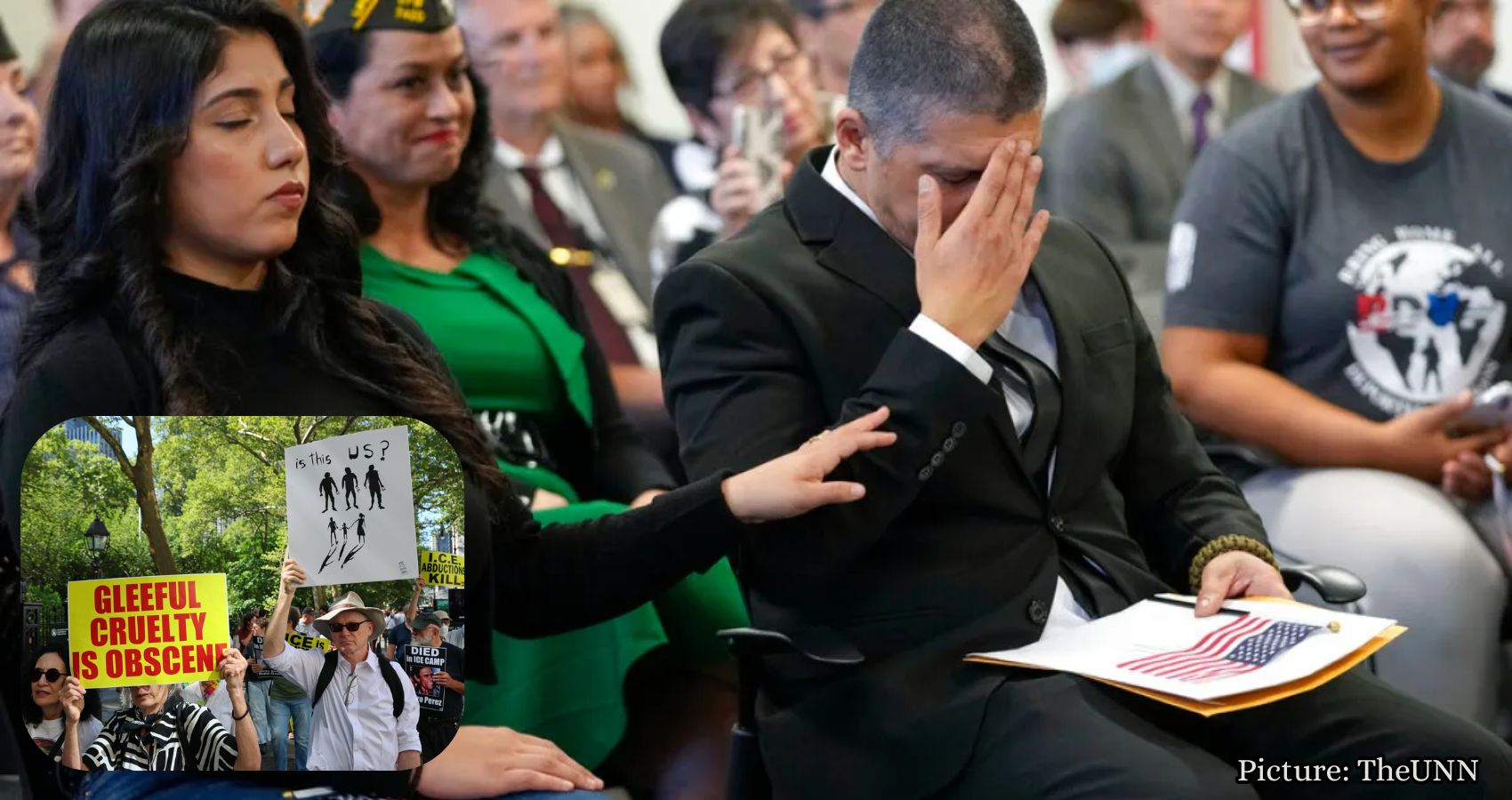
The Jetsons Act also signals a broader shift in how states are approaching innovation. Rather than waiting for federal action, Pennsylvania aims to establish a framework that welcomes new technologies while ensuring public safety.

Senator Flynn’s Jetsons Act may sound futuristic, but it reflects a growing reality in transportation. As autonomous vehicles, drones, and hybrid aircraft continue to evolve, state governments must adapt to keep pace. This legislation demonstrates Pennsylvania’s willingness to lead rather than follow. While it may take years before flying cars become commonplace, the groundwork is already being laid. Lawmakers are proactively considering licensing, safety, and the integration of flying cars into existing traffic systems. This forward-thinking approach could position Pennsylvania as one of the first states to see cars take to the skies.

Source: Original article

BBC Issues Apology to Donald Trump for Panorama Editing Error

The BBC has issued an apology to Donald Trump for misleading edits in a Panorama episode, which suggested he incited violence during his January 6, 2021, speech, but rejected his demand for damages.

The BBC has formally apologized to former U.S. President Donald Trump regarding the editing of his speech from January 6, 2021, in a 2024 episode of Panorama. The edits unintentionally created the misleading impression that Trump directly incited violence during the Capitol riots. Despite this apology, the BBC has declined Trump’s request for $1 billion in damages, citing a lack of legal grounds for a defamation claim.

Following an internal review, the BBC acknowledged that the edited segment made it appear as though Trump’s remarks were a continuous excerpt, rather than a compilation of different parts of his speech. This misrepresentation led viewers to believe he was calling for violent action. In light of this, the broadcaster confirmed it would not rebroadcast the controversial program.

The situation escalated when it was discovered that a previous broadcast of Newsnight in 2022 had similarly edited the same speech in a misleading manner, prompting further criticism of the BBC’s editorial standards. This series of events ultimately resulted in the resignation of BBC Director General Tim Davie and Head of News Deborah Turness.

In response to demands from Trump’s legal team, the BBC’s lawyers outlined five key defenses in a letter. They argued that the program was broadcast only in the U.K. and did not reach U.S. audiences, that the clip did not harm Trump’s reputation as he was re-elected shortly after the events, and that the editing was intended to condense a lengthy speech without malice. Additionally, they noted that the contested clip represented only a small portion of an hour-long program that included multiple viewpoints, some of which were favorable to Trump. The lawyers also pointed out that political commentary is afforded strong protection under U.S. defamation laws.

BBC Chair Samir Shah personally apologized to the White House, expressing regret over the editing error while maintaining that no defamation had occurred. A spokesperson for the BBC emphasized the organization’s commitment to high editorial standards and indicated that the matter remains under review.

In an interview with Fox News, Trump characterized the edit as a “butchering” of his remarks and accused the BBC of misleading the public. His legal team has set a deadline for the BBC to retract the documentary, issue a full apology, and provide compensation. However, as of now, no formal lawsuit has been filed.

This incident has also sparked discussions about BBC board appointments and the corporation’s editorial independence. Critics have raised concerns regarding potential political influences on the BBC. Ed Davey, leader of the Liberal Democrats, has called for government intervention to safeguard the BBC’s impartiality amid the legal threats it faces.

The BBC’s misstep regarding the January 6 speech highlights the delicate balance that media organizations must maintain between editorial judgment and accuracy, particularly when covering politically charged events. While the BBC has apologized for the error and has ceased airing the program, the ongoing dispute underscores persistent challenges related to public trust and media accountability.

Source: Original article

Trump Withdraws Endorsement of Marjorie Taylor Greene, Criticizes Her Behavior

Former President Donald Trump has withdrawn his endorsement of Rep. Marjorie Taylor Greene, labeling her a “ranting lunatic” and suggesting support for a primary challenger ahead of the 2026 midterm elections.

Former President Donald Trump announced on Friday night via Truth Social that he is rescinding his support for Rep. Marjorie Taylor Greene, referring to her as a “ranting lunatic” and “Wacky Marjorie.” This marks a significant shift in their relationship, as Greene has been one of Trump’s staunchest allies since she entered Congress in 2021.

In his lengthy post, Trump accused the Georgia Republican of focusing on complaints rather than celebrating what he characterized as his administration’s “record achievements.” He claimed that Greene had expressed frustration over his lack of communication, stating, “She has told many people that she is upset that I don’t return her phone calls anymore.”

Trump’s comments come in the context of the upcoming 2026 midterm elections, where he vowed to provide “Complete and Unyielding Support” to any conservative primary challenger who may emerge against Greene. He suggested that Greene had shifted “Far Left,” citing her recent appearance on the daytime talk show, *The View*.

In his post, Trump reflected on a poll he had sent to Greene, indicating that her chances of winning a Senate or gubernatorial race were slim without his endorsement. “It seemed to all begin when I sent her a Poll stating that she should not run for Senator, or Governor, she was at 12%, and didn’t have a chance (unless, of course, she had my Endorsement — which she wasn’t about to get!),” he wrote.
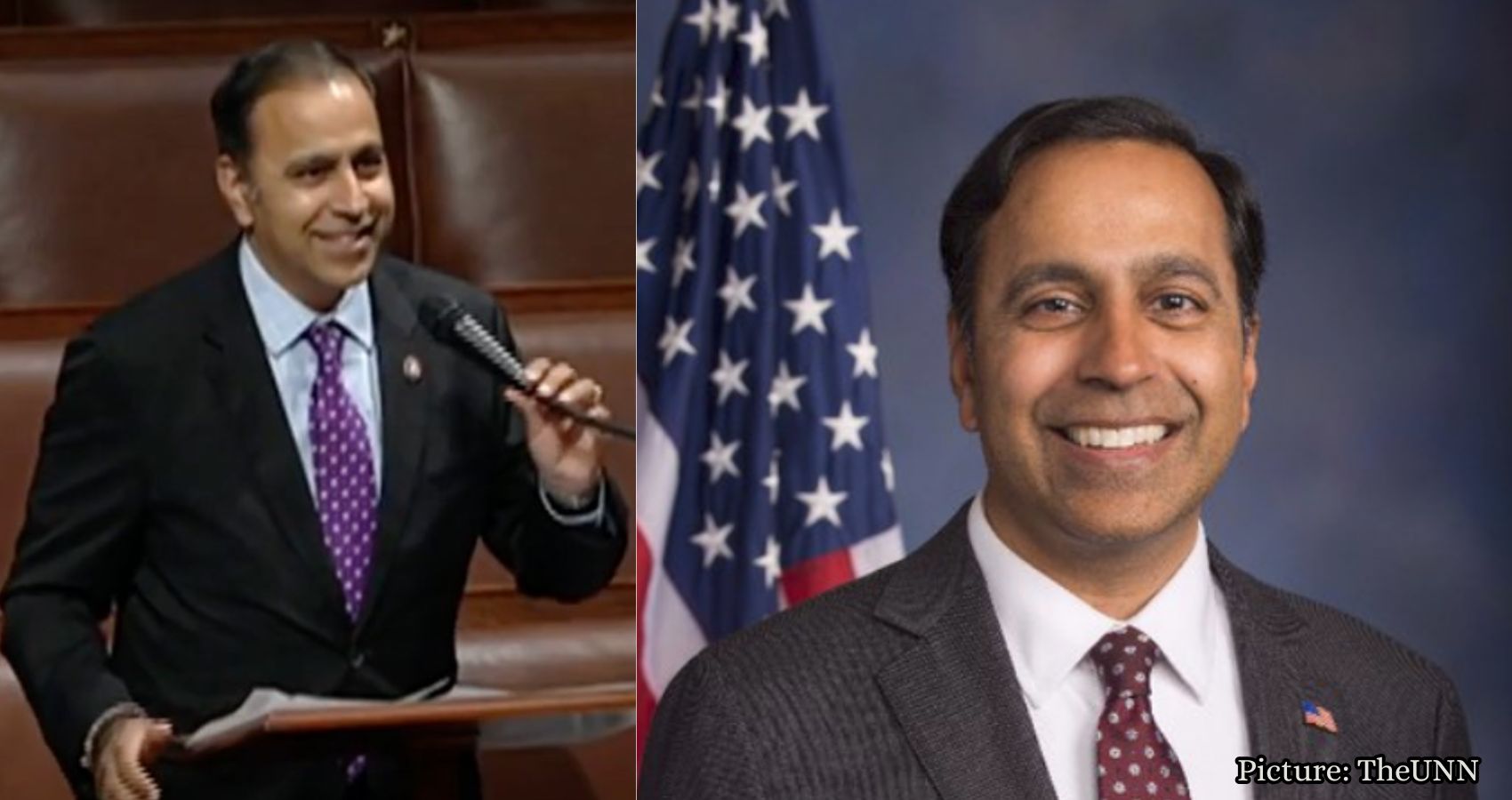
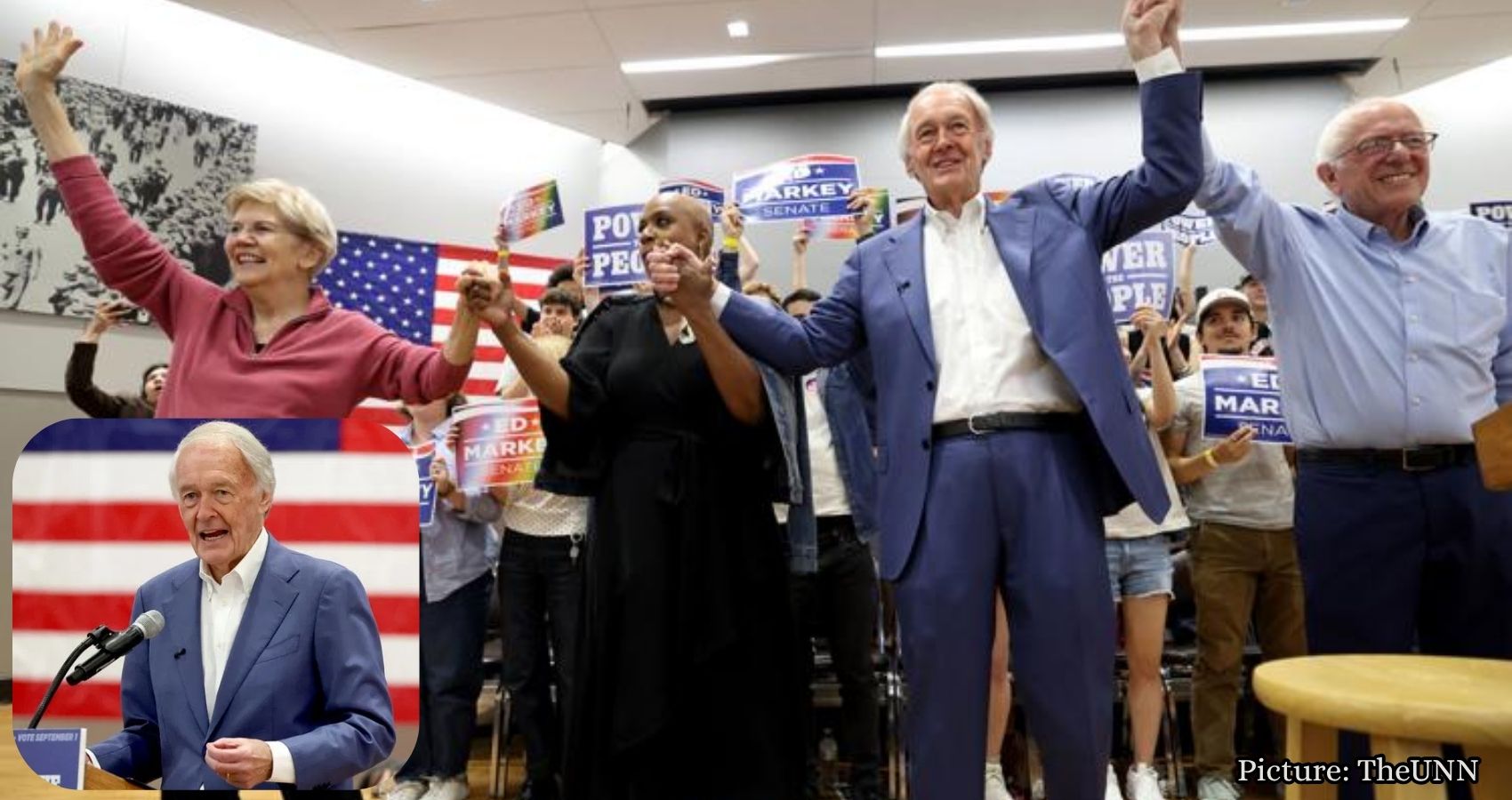
Greene quickly responded to Trump’s remarks on social media, asserting that he had attacked her and lied about their interactions. “I haven’t called him at all, but I did send these text messages today,” she stated on X, sharing screenshots of her messages. She suggested that her recent communications regarding the Epstein files may have triggered Trump’s outburst, claiming, “It’s astonishing really how hard he’s fighting to stop the Epstein files from coming out that he actually goes to this level.”

In her response, Greene appeared to distance herself from Trump, emphasizing her commitment to her constituents and her faith. “I have supported President Trump with too much of my precious time, too much of my own money, and fought harder for him even when almost all other Republicans turned their back and denounced him,” she wrote. “But I don’t worship or serve Donald Trump. I worship God, Jesus is my savior, and I serve my district GA14 and the American people.”

Trump concluded his post by touting his administration’s accomplishments since the beginning of his second term in January, asserting that he had transformed the nation from a “DEAD Country” to the “HOTTEST” in the world within a year. He criticized Greene for her perceived negativity, stating, “all I see ‘Wacky’ Marjorie do is COMPLAIN, COMPLAIN, COMPLAIN!”

This development could pave the way for potential challengers within Georgia’s Republican Party to consider running against Greene in her solidly Republican district. The White House did not immediately respond to requests for comment regarding this situation.

Source: Original article

Trump Signs Legislation to End Historic Government Shutdown

President Trump has signed legislation to end the longest government shutdown in U.S. history, providing funding through January 30 and addressing critical issues affecting federal workers and programs.

President Donald Trump has officially signed legislation that brings an end to the longest government shutdown in U.S. history, which lasted more than 40 days. The new funding measure will keep the government operational through January 30, 2025.

On Monday, Trump indicated that the government would soon reopen, as the effects of the shutdown became increasingly severe. Federal workers faced missed paychecks, and air travel was disrupted due to staffing shortages among air traffic controllers.

The legislation maintains government funding at the same levels for the fiscal year 2025, allowing additional time for lawmakers to negotiate a more comprehensive appropriations bill for fiscal year 2026. Importantly, the measure also secures funding for the Supplemental Nutrition Assistance Program (SNAP), which supports over 42 million Americans in purchasing groceries through a debit card system. This funding will continue through September.

In addition to reopening the government, the new measure reverses layoffs that the Trump administration had initiated earlier in October and ensures that employees will receive compensation for their time away from work.

The resolution comes after a prolonged stalemate between Senate Republicans and Democrats over a stopgap spending bill intended to fund the government through November 21. Following a funding lapse that began on October 1, the Senate passed the new legislation late Monday night with a 60-40 vote. Eight Democrats joined their Republican colleagues in supporting the measure.

The House of Representatives subsequently approved its version of the bill on Wednesday, facilitating the government’s reopening.

The shutdown’s fallout had reached critical levels, particularly at U.S. airports where air traffic controllers and Transportation Security Administration (TSA) officers were required to work without pay. Many of these workers began calling in sick or seeking additional employment, leading to further staffing shortages and flight delays.

The impasse between Republicans and Democrats stemmed from disagreements over healthcare provisions included in the funding measure. Trump and Republican leaders accused Democrats of attempting to extend healthcare benefits to illegal immigrants, citing a provision that would repeal parts of Trump’s tax and domestic policy bill, which had reduced Medicaid eligibility for non-U.S. citizens.

Democrats countered these claims, asserting that their goal was to permanently extend certain Affordable Care Act subsidies set to expire at the end of 2025. Although the stopgap spending bill signed by Trump does not extend these subsidies, Senate Majority Leader John Thune, R-S.D., has agreed to hold a vote in December on legislation to continue these credits.

However, Speaker of the House Mike Johnson, R-La., has not yet committed to supporting this arrangement in the House, leaving the future of healthcare funding uncertain.

As the government reopens, the focus will shift to addressing the underlying issues that led to the shutdown and ensuring that federal workers and essential services can operate without further disruptions.

Source: Original article

Dinesh D’Souza Supports Trump Following Controversy Over H-1B Comments

President Donald Trump’s recent comments on H-1B visas have ignited controversy within his “Make America Great Again” base, prompting mixed reactions from supporters and critics alike.

President Donald Trump’s recent remarks regarding H-1B visas have sparked renewed debate within his “Make America Great Again” (MAGA) base. His comments suggest a potential softening of his previously hardline immigration stance.

During an interview with Fox News, Trump stated that the United States is open to “foreign talent” who can contribute to specialized sectors. This statement has been perceived by many supporters as a surprising departure from his earlier “America First” rhetoric.

When asked if reforming the H-1B visa program remains a priority, Trump responded affirmatively, emphasizing the need to attract skilled individuals. “I agree, but you also have to bring this talent,” he said. He acknowledged the importance of raising wages for American workers but argued that the country cannot rely solely on the long-term unemployed to fill advanced positions in critical industries such as manufacturing and defense.

Trump firmly rejected the notion that the U.S. has enough homegrown talent to meet its needs. “You don’t have certain talents… And people have to learn,” he stated. “You can’t take people off an unemployment line and say, I’m going to put you into a factory. We’re going to make missiles.”

The president’s comments quickly ignited backlash among his core supporters, many of whom took to social media to express their anger and disappointment. On X, several users accused Trump of abandoning the “America First” agenda and yielding to corporate interests by favoring foreign labor over American workers.

One user lamented, “Thanks for doing your job. It’s too bad POTUS turned his back on the American people and sold us out to foreigners and big corporations.” Another user pointed out, “Maybe POTUS doesn’t know we have engineers and techies who are on that unemployment line, or far underemployed because the companies who hire H-1Bs don’t advertise to Americans. Ignorance is not becoming in a president.”

Another supporter expressed deep disappointment, stating, “When a president loses faith in his own people, he forfeits the nation’s soul. To distrust your citizens while flooding the country with 600,000 students from a rival power isn’t leadership—it’s betrayal. A nation without trust cannot stand.”

Critics were vocal about their discontent, with one user describing Trump’s response as “horrific” and “insulting” to the hundreds of thousands of displaced workers in the tech industry. Another user remarked, “I don’t know who you are lady, but you just absolutely permanently destroyed what remained of the positive image that I, and many others, had of Trump. Thanks for revealing who he really is.”

In contrast, Indian American conservative commentator and longtime Trump supporter Dinesh D’Souza came to the president’s defense, urging fellow Republicans to look past the outrage. He dismissed the critics who accused Trump of betraying American workers, labeling their outrage as misplaced.

D’Souza challenged those who claimed the president had softened his stance on H-1B visas, arguing that such critics were contradicting themselves. “Many people: Our education system sucks! It’s all indoctrination, no real learning. Standards have plummeted. The same people: Is Trump seriously saying our graduates are not the best in the world and can do any job you can think of? Let’s at least get our stories straight,” he wrote on social media.

The ongoing debate over Trump’s comments on H-1B visas highlights the deep divisions within conservative circles regarding immigration policy. For Trump, the challenge lies in balancing his nationalist rhetoric with the economic realities of a globalized labor market, where innovation often relies on international talent.

As discussions continue, it remains to be seen how this episode will influence Trump’s standing among his supporters and the broader implications for immigration policy in the United States.

Source: Original article

U.S. Investigates 175 Employers for H-1B Visa Fraud Allegations

The U.S. Department of Labor is investigating over 175 employers for potential H-1B visa fraud as part of its enforcement initiative, Project Firewall, aimed at protecting American jobs.

The United States Department of Labor has initiated a comprehensive investigation into more than 175 suspected cases of fraud within the H-1B visa program. This move underscores a determined effort to protect American jobs and ensure adherence to legal hiring practices. The investigations are part of “Project Firewall,” an enforcement initiative launched in September 2025, shortly after the introduction of a one-time $100,000 fee on H-1B visa applications by former President Donald Trump.

At the forefront of this initiative is Labor Secretary Lori Chavez-DeRemer, who has personally authorized each investigation, marking an unprecedented approach for the department. In her remarks, she emphasized the importance of this crackdown, stating, “Rooting out fraud and abuse will guarantee that highly skilled jobs are prioritized for Americans first as we work to restore our nation’s economic strength.” The administration has reiterated its commitment to protecting the American workforce by holding employers accountable for any attempts to circumvent regulations and exploit foreign workers.

Project Firewall aims to address ongoing abuses within the H-1B visa process, ensuring that it serves both American talent and genuinely skilled foreign workers. Investigations have revealed several troubling patterns of misconduct. For instance, some employers have been found to pay highly qualified visa holders significantly less than the wages promised in official documents. This practice not only undermines job prospects for American professionals but also pressures U.S. workers with similar qualifications to accept lower pay to remain competitive.

Another concerning issue involves fraudulent Labor Condition Applications (LCA) submitted by employers. The LCA process requires employers to notify their existing American workforce before hiring H-1B, H-1B1, or E-3 visa holders. Reports indicate that some companies have listed fictitious or non-existent work locations on these forms, misled workers about their job assignments, and failed to promptly report employee terminations. This has resulted in inaccurate records with authorities being maintained for weeks or even months. Furthermore, there have been documented cases where salaries did not match those detailed in the applications, and some job postings appeared to be generic templates with little relation to actual job roles.

The exploitation of foreign workers extends beyond these discrepancies. Some individuals have been paid less than the rates specified in the LCAs and have been excluded from wage cycles while awaiting new projects, which constitutes a clear violation of federal policy. Such inconsistencies not only harm visa holders but also depress wages across the labor market, creating an uneven playing field for American employees.

If companies are found guilty of these violations, they may face several penalties, including the recovery of owed back wages, civil financial penalties, and suspension from participating in the H-1B visa program for a specified duration. The Department of Labor has committed to utilizing all available resources under Project Firewall to audit and enforce compliance. This effort is not only aimed at correcting past abuses but also at deterring future misconduct within the highly scrutinized H-1B visa sector.

Source: Original article

Bill to Prevent Government Shutdown Passes Key Hurdle in House

The House is poised to vote on a bipartisan bill aimed at ending the longest government shutdown in U.S. history, following its successful passage through a key committee.

The House of Representatives is scheduled to vote on Wednesday on a measure to end the ongoing government shutdown, which has now lasted for 42 days. This follows the bill’s successful advancement through the House Rules Committee earlier in the morning.

The bipartisan agreement to reopen the federal government received unanimous support from Republicans in the committee, while all Democrats opposed it. The bill is now set to move to the full House, where sources familiar with discussions among GOP leaders indicate that it is expected to pass with strong Republican backing.

Clearing the House Rules Committee is a significant milestone in the effort to end the shutdown, which has become the longest in U.S. history, surpassing previous records by about a week. The committee’s hearing, which began on Tuesday evening, lasted more than six hours, concluding shortly after 1 a.m. on Wednesday.

During the hearing, Democrats attempted to introduce amendments related to COVID-19-era enhanced subsidies for Obamacare, which are set to expire at the end of the year. However, these attempts were unsuccessful. House Minority Leader Hakeem Jeffries, D-N.Y., made a notable appearance, advocating for his amendment to extend those subsidies for an additional three years.

The lengthy debate saw heated exchanges between members of both parties. Democrats accused Republicans of neglecting Americans’ healthcare needs and taking an extended “vacation” while their constituents suffered during the shutdown. In response, House Rules Committee Chairwoman Virginia Foxx, R-N.C., expressed her frustration, stating, “I am sick and tired of hearing you all say we had an eight-week vacation. I worked every day. I don’t know about you. I don’t want to hear another soul say that.”

Additionally, both Democrats and some Republicans criticized a provision in the funding bill that would allow GOP senators to sue the federal government for $500,000 over the alleged secret acquisition of their phone records during the investigation led by ex-Special Counsel Jack Smith. Rep. Chip Roy, R-Texas, voiced concerns about the perception of this provision, suggesting it could be seen as self-serving.

Following the committee’s approval, the bill will undergo a “rule vote” in the House, a procedural step that, if successful, will allow for further debate on the legislation. A final vote is anticipated later on Wednesday, potentially sending the bill to President Donald Trump for his signature.

President Trump has indicated his support for the legislation, stating in comments to reporters on Monday, “We’ll be opening up our country very quickly,” when asked about the deal.

The Senate had previously broken a weeks-long deadlock on Monday night, passing the legislation with a 60-40 vote. This included support from eight Democrats who joined Republicans in the effort to reopen the government.

As the shutdown continues, travel disruptions have been reported at U.S. airports, with air traffic controllers and Transportation Security Administration (TSA) officers working without pay since last month. Many of these employees have taken on second jobs to make ends meet, leading to staffing shortages and flight delays that threaten to impact the upcoming Thanksgiving holiday.

Millions of Americans who depend on federal food assistance programs are also facing uncertainty amid the ongoing partisan disputes over funding. The proposed bill aims to extend federal funding levels for fiscal year 2025 through January 30, allowing negotiators additional time to reach a longer-term agreement for fiscal year 2026.

Furthermore, the legislation would advance funding for several key departments, including the Department of Agriculture, the Food and Drug Administration, the Department of Veterans Affairs, and military construction. These departments are part of a larger package of 12 individual bills that constitute Congress’ annual appropriations, collectively referred to as a “minibus.”

In a notable concession to Democrats, the deal would reverse federal layoffs that occurred during the Trump administration in October, ensuring that affected workers receive back pay for their time off. Additionally, a side deal reached in the Senate guarantees Senate Democrats a vote on legislation to extend the enhanced Obamacare subsidies, which are set to expire at the end of the year. However, Speaker Mike Johnson, R-La., has not made a similar commitment for a vote in the House.

Source: Original article

New York Mayor Mamdani and London Mayor Khan Discuss Challenges in Podcast

New York City’s first Muslim mayor, Zohran Mamdani, and London’s Sadiq Khan share a faith and progressive vision, yet their political journeys highlight significant differences shaped by their unique cities.

New York City’s first Muslim mayor, Zohran Mamdani, has drawn considerable comparisons to London’s Muslim mayor, Sadiq Khan. While both leaders share a progressive outlook and a Muslim identity, their political journeys reveal important differences. Critics have suggested that New York under Mamdani might follow “the way of London,” but the distinct political and social dynamics of the two cities mean that the parallels extend only so far.

Sadiq Khan, who has served as London’s mayor since 2016, is a seasoned politician well-versed in the pressures of governing a global city under intense scrutiny. He has faced persistent criticism and racist attacks, including harsh condemnation from former U.S. President Donald Trump, who labeled him a “stone cold loser” and falsely accused him of wanting to impose Sharia law. Khan responded to these attacks by branding Trump as “racist, sexist, misogynistic, and Islamophobic.” Despite these challenges, Khan has successfully won three consecutive elections and has focused on improving transit, housing, and air quality in London.

In contrast, Zohran Mamdani, at 34, comes from a different background but shares Khan’s progressive vision. Born in Uganda to Indian immigrant parents and raised in the United States, Mamdani represents a new generation of grassroots activism and left-wing politics, heavily influenced by figures like Bernie Sanders. His campaign prioritized issues such as affordable housing, free childcare, and combating corruption. In his victory speech, Mamdani directly challenged Trump’s efforts to undermine his election, urging the city to reject divisiveness.

The BBC podcast titled “A Tale of Two Cities: London’s Lesson for New York’s First Muslim Mayor,” produced by Xandra Ellin, Valerio Esposito, and Cat Farnsworth, delves into these parallels in detail. The podcast features interviews with former BBC reporter Tim Donovan and Sadiq Khan himself, discussing the challenges of leading two of the world’s most diverse and dynamic metropolises. Khan emphasizes the importance of focusing on substantive policies rather than identity politics, a lesson that could prove beneficial for Mamdani as he navigates his new role.

Despite their shared religion and progressive values, Khan and Mamdani are confronted with unique political climates that will shape their leadership styles differently. Both have become targets of far-right rhetoric, yet their responses demonstrate resilience and a commitment to their cities. As Mamdani begins his tenure, the experiences of London offer valuable insights but also highlight that success will depend on navigating local challenges with strategy and coalition-building.

Source: Original article

Stefanik Honored with Jewish Award Following New York Governor Bid Announcement

Rep. Elise Stefanik received the World Jewish Congress’ highest honor while launching her campaign for New York governor, pledging to combat rising antisemitism in the state.

Rep. Elise Stefanik accepted the World Jewish Congress’ prestigious Theodor Herzl Award on Monday night, just days after announcing her candidacy for New York governor. During her speech at the Museum of Modern Art in Manhattan, she emphasized her commitment to fighting antisemitism and upholding what she described as “the very Western values that have shaped America.”

Stefanik received the award from Ronald Lauder, a businessman and former U.S. ambassador to Austria under President Ronald Reagan. The Theodor Herzl Award, established in 2012, is the highest honor given by the World Jewish Congress, recognizing individuals who embody Herzl’s vision for a secure and self-reliant Jewish community.

In her acceptance speech, Stefanik expressed gratitude to Lauder for his leadership and dedication to Jewish unity and security. “Under his leadership, the World Jewish Congress has carried forward Theodor Herzl’s vision — not only of a Jewish homeland, but of a Jewish people strong, self-reliant, and respected among the nations,” she stated.

Stefanik described the honor as “deeply humbling,” acknowledging the World Jewish Congress as a longstanding diplomatic voice and moral conscience for Jewish communities worldwide. She praised the organization for its efforts to combat antisemitism and strengthen ties between Israel and the global community of free nations.

Reflecting on her experiences in Congress, Stefanik recounted a notable 2023 hearing with the presidents of Harvard, MIT, and the University of Pennsylvania, where she posed a critical moral question regarding antisemitism. “Does calling for the genocide of Jews violate your university’s code of conduct?” she asked. Her expectation for a straightforward answer was met with a troubling response: “it depends on the context.” She asserted that this exchange sparked a global reckoning and accountability in higher education regarding antisemitism.

As she turned her focus to New York, Stefanik declared the state “the epicenter of the battle for the very Western values that have shaped America.” She emphasized the urgency of addressing antisemitism, bigotry, and anti-Americanism, particularly in a state with a significant Jewish population. “Eighty years after Kristallnacht, we must not stay silent. I will continue to call out antisemitism,” she affirmed, noting that antisemitic incidents in New York reached an all-time high last year.

Stefanik’s remarks resonated with the audience, as she invoked Theodor Herzl’s legacy, stating, “My friends, Theodor Herzl’s story is not ancient history. That is the spirit I see in this room tonight — the spirit that built Israel, the spirit that has always animated the Jewish people, and the spirit that will save New York.”

The award ceremony came a day after billionaire philanthropist Miriam Adelson publicly endorsed Stefanik’s gubernatorial campaign during the Zionist Organization of America’s Justice Louis D. Brandeis Award Dinner. Adelson praised Stefanik for her efforts to confront antisemitism on college campuses, recalling her late husband Sheldon Adelson’s emphasis on moral conviction.

Stefanik, who serves as chairwoman of the House Republican Leadership, was also honored with the Zionist Organization of America’s Mortimer Zuckerman Maccabee Warrior Award for her advocacy against antisemitism. Adelson introduced her at the gala, calling her “a great leader” and commending her commitment to defending the Jewish people, Israel, and the Free World.

With her gubernatorial campaign officially launched, Stefanik is set to challenge Democratic Gov. Kathy Hochul in the 2026 election. Once critical of former President Donald Trump during his first presidential run, Stefanik has since become one of his most ardent supporters in Congress.

Fox News Digital has reached out to Gov. Hochul’s office for a comment regarding Stefanik’s campaign.

Source: Original article

New York Mayoral Race: Could an Indian-American Muslim Candidate Win?

Queens Assemblymember Zohran Mamdani is making history as he campaigns to become New York City’s first South Asian, Indian American, and Muslim mayor, challenging political norms and energizing voters.

In the race for New York City mayor, Queens Assemblymember Zohran Mamdani has emerged as a formidable candidate, challenging traditional political norms and energizing a disillusioned electorate. His candidacy has become a significant focal point for many, with the potential outcome seen as a litmus test for the Democratic Party.

Mamdani, a 34-year-old Indian American, is the son of renowned academic Mahmood Mamdani and Oscar-nominated filmmaker Mira Nair. His candidacy is noteworthy not only for its historical implications but also for the way it reflects the evolving dynamics within the Democratic Party.

Political analysts have noted that while New York’s mayoral race may not serve as a national bellwether, Mamdani’s campaign is viewed through a lens that could influence perceptions of the Democratic Party. This perspective underscores the significance of his candidacy, marking a potential shift in the party’s direction.

Support for Mamdani appears to be growing, with some supporters coining the term “Mamdani Democrats” to describe a new wave of unapologetically progressive voters. Early voting trends indicate that he has a substantial lead as election day approaches on November 4. According to the final Emerson College poll, Mamdani holds a 25-point lead over his closest competitor, former New York Governor Andrew Cuomo, with 50% of the vote. He also leads his Republican rival, Curtis Sliwa, by 29%.

Spencer Kimball, executive director of Emerson College Polling, noted that Mamdani’s support has increased by seven percentage points since last month, while Cuomo’s support has declined. The poll revealed that Mamdani has built a diverse coalition, particularly among Black voters, where his support surged from 50% to 71%. Among younger voters, 69% support him, compared to 37% of those over 50.

If these polling trends hold, Mamdani would make history as New York’s first Indian American, South Asian, and Muslim mayor. However, the implications of his potential victory extend beyond the city. Observers suggest that a win for Mamdani could influence the Democratic Party’s national strategy, particularly as it seeks to appeal to moderate independent voters disillusioned with the Republican Party.

The Republican Party, especially its MAGA base, is closely watching the election. A victory for Mamdani could be leveraged to portray the Democratic Party as overly progressive, which could impact their strategy for the upcoming 2026 mid-term elections. This dynamic highlights the importance of Mamdani’s candidacy in the broader political landscape.

While Mamdani’s left-of-center positions may pose challenges for the Democratic Party nationally, his campaign has resonated with many voters who are concerned about the affordability of living in New York. His proposals, which include freezing rent increases on rent-stabilized housing and making public transportation free, may face scrutiny regarding their feasibility on a national scale.

Despite the potential hurdles, Mamdani’s rise in the political arena has been described as a blockbuster moment for the season. His campaign reflects a growing movement within the Democratic Party, one that seeks to address the pressing issues facing urban voters.

As the election approaches, the outcome remains uncertain, but Mamdani’s candidacy has undoubtedly sparked conversations about the future direction of the Democratic Party and its ability to connect with a diverse electorate.

Source: Original article

Sanders Criticizes Eight Senate Democrats for Government Funding Vote

Sen. Bernie Sanders criticized eight Senate Democrats for voting with Republicans on a continuing resolution, labeling it a harmful decision for working families.

Senator Bernie Sanders, an Independent from Vermont, has publicly condemned eight Senate Democrats who sided with Republicans in a recent procedural vote to advance a continuing resolution in the U.S. Senate. In a video posted to his X account, Sanders described the decision as “a very, very bad vote.”

During the vote, which took place on Sunday, Sanders expressed his disapproval, stating, “Tonight, 8 Democrats voted with the Republicans to allow them to go forward on this continuing resolution. And to my mind, this was a very, very bad vote.”

The continuing resolution was intended to provide temporary funding for the federal government and prevent a shutdown. However, Sanders argued that it included provisions that could lead to increased healthcare premiums, potential cuts to Medicaid, and tax benefits favoring high-income earners.

According to Sanders, the measure threatens to “raise healthcare premiums for over 20 million Americans by doubling, and in some cases tripling or quadrupling them.” He emphasized the burden this would place on families already struggling with high healthcare costs, stating, “People can’t afford that when we are already paying the highest prices in the world for healthcare.”

Sanders further criticized the resolution for potentially jeopardizing Medicaid coverage for 15 million individuals, warning that this could result in approximately 50,000 preventable deaths each year. “All of that was done to give a trillion dollars in tax breaks to the 1%,” he added.

Reflecting on the recent elections, Sanders noted, “As everybody knows, just on Tuesday, we had an election all over this country. And what the election showed is that the American people wanted us to stand up to Trumpism — to his war against working-class people, to his authoritarianism. That is what the American people wanted. But tonight, that is not what happened.”

In his video, Sanders framed the procedural vote as more than just a measure to keep the government operational; he viewed it as indicative of a broader policy direction that undermines healthcare protections and the interests of working-class Americans. “So we’ve got to go forward, do the best that we can to ensure and protect working-class people, to make sure that the United States not only does not throw people off of healthcare, but ends the absurdity of being the only major country on earth that doesn’t guarantee healthcare to all people,” he asserted. “We have a lot of work to do, but to be honest with you, tonight was not a good night.”

The nonpartisan Congressional Budget Office (CBO) has indicated that if the enhanced Affordable Care Act subsidies established under the American Rescue Plan are allowed to expire, millions of Americans could face significantly higher marketplace premiums. A 2023 CBO analysis highlighted that the expiration of these expanded subsidies would lead to increased out-of-pocket costs for enrollees in ACA marketplaces.

Additionally, studies referenced by the Senate Committee on Health, Education, Labor, and Pensions (HELP), which Sanders chairs, have estimated that substantial cuts to Medicaid could result in tens of thousands of preventable deaths annually. A 2023 HELP Committee report on Sanders’ website cited peer-reviewed research published in Health Affairs and The Lancet Public Health, which found that losing Medicaid coverage is associated with higher mortality rates due to reduced access to preventive and emergency care.

Supporting this alarming trend, a letter from researchers at the Yale School of Public Health and the University of Pennsylvania’s Leonard Davis Institute of Health Economics warned that proposed federal healthcare cuts could lead to over 51,000 preventable deaths each year.

Sanders’ remarks reflect his long-standing opposition to Republican budget proposals, which he argues disproportionately benefit the wealthy at the expense of working Americans. His comments have been consistently echoed in press releases on his official website since March of this year.

Source: Original article

Election 2025: South Asian-Origin Leaders Prepare for Political Contests

Last week, candidates of South Asian origin achieved historic electoral victories across the United States, marking a significant step in enhancing democratic representation.

In a remarkable turn of events, political contenders of South Asian descent made history last week by securing elected positions across the United States. Their victories not only reflect the growing diversity within American politics but also signify a commitment to breaking barriers and strengthening democracy through public service.

These newly elected officials represent a wide array of backgrounds and experiences, showcasing the rich tapestry of South Asian culture and its increasing influence in the political landscape. As they step into their roles, these leaders are poised to address critical issues affecting their communities and the nation at large.

Their success is a testament to the hard work and dedication of countless individuals who have paved the way for greater representation in government. By engaging with their constituents and advocating for policies that resonate with the needs of diverse populations, these leaders are set to make a lasting impact.

As the political landscape continues to evolve, the presence of South Asian leaders in office serves as an inspiration for future generations. Their achievements highlight the importance of inclusivity and representation in fostering a vibrant democracy.

With their election victories, these leaders are not only breaking new ground but also reinforcing the idea that public service is a powerful avenue for change. Their commitment to serving their communities will undoubtedly contribute to a more equitable society.

As we look ahead to the future, the significance of these elections cannot be overstated. The rise of leaders of South Asian origin marks a pivotal moment in American politics, one that promises to enrich the democratic process and empower underrepresented voices.

According to India Currents, the impact of these elections will be felt for years to come, as these leaders work to create a more inclusive and representative government.

Source: Original article

Trump’s Second Term Could Bring Major Immigration Overhaul

New report reveals that the Trump administration’s recent immigration policies threaten the foundations of American democracy through extreme measures and a radical overhaul of the immigration system.

WASHINGTON, D.C., July 23, 2025 — A special report released today provides a comprehensive analysis of the Trump administration’s first six months back in office, highlighting a significant transformation of the U.S. immigration system that poses a serious threat to the foundations of American democracy. While some voters may have endorsed a tougher stance on immigration during the election, the report illustrates how the administration’s extreme actions extend far beyond mere policy changes; they undermine the rule of law itself.

The report, titled Mass Deportation: Analyzing the Trump Administration’s Attacks on Immigrants, Democracy, and America, was published on July 23 by the American Immigration Council. It details a radical, multi-faceted assault on immigrants and the immigration system.

Among the administration’s actions are severe restrictions on who can enter the United States, the removal of legal protections for those already residing in the country, and an unprecedented increase in enforcement measures. In the process, the Trump administration has dismantled long-standing legal safeguards, disregarded the authority of Congress and the courts, and weaponized government resources against immigrants and dissenters alike.

“This isn’t just a hardline immigration agenda,” said Nayna Gupta, policy director at the American Immigration Council and co-author of the report. “It’s a wholesale effort to use immigrants and the U.S. immigration system to attack core tenets of our democracy and exercise unchecked executive power to realign the American government around exclusion and fear.”

The report outlines several key findings that underscore the administration’s aggressive approach to immigration:

The end of asylum. The report states that asylum at the southern border is effectively non-existent. The administration has shut down the CBP One application without providing an alternative. Asylum-seekers who attempt to approach a port of entry are often turned away, and in some instances, those who win their cases remain detained indefinitely.

Demolishing the refugee program. The U.S. Refugee Admissions Program has been indefinitely suspended, with the exception of white South Africans who have been fast-tracked under questionable persecution claims. Tens of thousands of approved refugees are left stranded abroad.

Mass revocation of legal status. The administration has aggressively revoked humanitarian parole and Temporary Protected Status (TPS) for over a million individuals within just six months, stripping them of work permits and forcing many into undocumented status.

Weaponizing bureaucracy. Legal immigration pathways are being obstructed by significant fee increases, processing freezes, and opaque barriers that make it nearly impossible for lawful applicants to obtain or maintain their status.

A maelstrom of fear and chaos. The administration’s aggressive enforcement tactics have instilled fear among immigrants of all legal statuses, leaving them anxious about their daily safety in the United States. Anyone can be targeted for arrest, detention, and deportation, regardless of their legal status, and these actions can occur in places such as churches, schools, and courthouses.

A radical reorganization of law enforcement resources. The Trump administration is establishing an unprecedented, cross-agency immigration operation that draws resources from various federal and state law enforcement agencies and the U.S. military, prioritizing immigration enforcement above all other public safety and law enforcement objectives.

Turbocharging an inhumane detention system. The “Big Beautiful Bill Act,” enacted in July, increases the budget for Immigration and Customs Enforcement (ICE) detention by 308 percent annually, setting the stage for a dramatic expansion of a detention system already criticized for its careless and cruel management, which has placed tens of thousands of immigrants in life-threatening conditions.

The report also includes powerful firsthand accounts from individuals affected by these policies. Ilia, a nonbinary Russian dissident, won their asylum case but remained in detention for over a year without a release date. Axel, a DACA recipient and youth leader, is leaving his job to return to school amid uncertainty regarding his legal status. Beatriz, an immigrant lawyer, has encountered cases that remind her of her own journey to the U.S., including a confused six-year-old who appeared in court without representation. Kaelyn is incurring debt to prevent her partner from being deported to El Salvador’s megaprison under the Alien Enemies Act.

The report warns that while some policies may change due to legal challenges, the administration’s broader agenda remains clear: to permanently redefine who belongs in America and how power is wielded by the federal government.

“The administration’s policies are reshaping the immigration system in ways that are unfair, unlawful, and out of step with core American values,” said Dara Lind, senior fellow at the Council and co-author of the report. “We’re seeing real harm to families, communities, and the rule of law, and the public deserves to understand what’s at stake.”

The full report is available for review, along with interviews featuring experts and individuals impacted by these policies.

Source: Original article

Sholay: A Timeless Classic in Indian Cinema’s Legacy

Sholay, the iconic Bollywood film that transformed the industry, celebrates its 50th anniversary this year, leaving an indelible mark on cinema and popular culture.

Sholay, a film that forever changed the Bollywood landscape, turned 50 this year. The unforgettable characters—Jai, Veeru, Thakur, Basanti, and the notorious Gabbar Singh—have become ingrained in the cultural psyche. The film marked a significant shift in Indian cinema, creating a clear divide between the eras of pre-Sholay and post-Sholay. Before its release, popular film music was primarily limited to individual songs. However, Sholay revolutionized this by releasing not only the songs but the entire film’s soundtrack on vinyl records and cassettes, leading to chart-topping hits and iconic dialogues that remain etched in our memories.

For those fortunate enough to have experienced Sholay in theaters back in 1975, it was not just a movie; it was an unforgettable experience. Many of us were too young to appreciate the Western influences that inspired the film, such as Sergio Leone’s Once Upon a Time in the West and Akira Kurosawa’s Seven Samurai. Yet, the magic of Sholay transcends these influences. Director Ramesh Sippy crafted a unique narrative that stands as a remarkable achievement in filmmaking.

Everyone who grew up in the 1970s has a personal Sholay memory. For instance, I recall my once-fearless cousin developing nightmares about Gabbar Singh, played by Amjad Khan. I, on the other hand, found myself untroubled, allowing me to tease her with the dismissive remark, “It’s just a movie, silly!” But is it merely a movie? No, it is magic; it is legend. The essence of Sholay’s magic is difficult to articulate, yet it is palpable. Upon re-watching the film recently, I was struck by the brilliance of its editing—each scene transitions seamlessly at just the right moment. The romance avoids becoming overly sentimental, the comedy remains fresh and engaging, and the violence is suggested rather than explicit.

My renewed interest in dance and the classical art of Nritya and Abhinaya led me to connect Sholay with the concept of navarasa, or the nine primary emotions in Indian classical dance. Unsurprisingly, Sholay encapsulates all nine. The film’s central revenge narrative is primarily driven by raudra ras (fury), as Thakur, portrayed by Sanjeev Kumar, grapples with his simmering rage against Gabbar Singh, who embodies vibhatsa (disgust). Gabbar’s unkempt appearance and menacing demeanor evoke fear and revulsion, particularly during the harrowing massacre of Thakur’s family, which instills terror in the audience. His chilling laughter and infamous line, “yeh haath hamein de de Thakur,” resonate long after the film ends.

The film also evokes adbhut (wonder) when the armless Thakur enlists the help of two outlaws to confront the seemingly invincible Gabbar. This leads to veer ras (heroism) as the daring duo, Jai, played by Amitabh Bachchan, and Veeru, portrayed by Dharmendra, accept the challenge armed only with their courage and cunning.

Sholay would have been a heavy watch without the infusion of shringar (love and beauty) brought to life by the vivacious Basanti, played by Hema Malini, and Veeru’s relentless pursuit of her affections. Veeru’s wooing is humorously supported by Jai, who persuades Basanti’s incredulous mausi to consider his friend as a suitor. The impeccable comic timing of Amitabh and Dharmendra, alongside memorable performances by Asrani as the jailer and Jagdeep as Soorma Bhopali, adds layers of hasya ras (laughter) to the narrative.

The film also skillfully incorporates shant and karun ras (peace and compassion), elevating it beyond a typical revenge tale. The unspoken tenderness between Jai and Radha, played by Jaya Bhaduri, is woven into the fabric of the story. A poignant moment occurs when Radha lights lanterns as dusk falls, while Jai plays the harmonica, creating an atmosphere of wistful affection. The tragic irony of Jai’s death just as Radha begins to dream again adds depth to the narrative.

While the navarasas offer a framework for understanding Sholay’s magic, they do not fully capture its essence. The film’s extraordinary blend of talent, storytelling, and music creates an experience that is truly magical. So, let’s embrace that magic and watch Sholay again. For those who have only heard about it from their parents, experiencing it together can illuminate the cherished memories that the film evokes.

Source: Original article

Prolonged Government Shutdown Drives U.S. Consumer Sentiment to Historic Lows

Consumer confidence in the U.S. has fallen to its lowest level in over three years, driven by fears of a prolonged government shutdown and ongoing political gridlock.

Concerns about a potential government shutdown have significantly impacted consumer confidence in the United States, bringing it to its weakest point in over three years. A recent report from the University of Michigan, released on Friday, reveals that growing uncertainty regarding the economy and political stalemate in Washington has shaken public sentiment, pushing it close to one of the lowest readings ever recorded in the survey’s history.

The University of Michigan’s Consumer Sentiment Index dropped sharply to 50.3 in November, reflecting a 6.2% decline from the previous month and nearly 30% lower than the same period last year. This figure fell well below economists’ expectations of 53.0, indicating a significant decline in public confidence. The last time sentiment reached such low levels was in mid-2022, during a period of soaring inflation that marked its highest level in four decades. This decline underscores renewed anxieties about the nation’s economic trajectory.

Joanne Hsu, the survey director, noted that the ongoing political deadlock in Washington has become the primary factor affecting consumers’ outlook, overshadowing any optimism that might have stemmed from the recent record-breaking performance of the stock market. “With the federal government shutdown dragging on for over a month, consumers are now expressing worries about potential negative consequences for the economy,” Hsu stated. “This month’s decline in sentiment was widespread throughout the population, seen across age, income, and political affiliation.”

Other key indicators from the survey reflected a similarly pessimistic outlook. The index tracking current economic conditions fell to 52.3, marking an almost 11% drop from the previous month as households reported feeling increased pressure from rising costs and slowing economic activity. Meanwhile, the measure of consumer expectations for the future slipped to 49.0, down 2.6%. Compared to a year ago, both figures have experienced sharp declines, with current conditions down more than 18% and future outlooks plunging over 36%, highlighting a deepening sense of financial insecurity among Americans.

Despite the overall decline in sentiment, inflation expectations remained relatively stable, providing a modest point of relief. The survey indicated that while consumers continue to feel the impact of higher prices, their long-term outlook on inflation has eased slightly, suggesting a growing belief that price pressures may gradually subside in the coming months.

In the short term, consumers now expect inflation to rise modestly, with the one-year outlook increasing to 4.7%. However, confidence in the longer-term view appears to be improving, as the five-year inflation expectation dipped to 3.6%, a decline of 0.3 percentage points. This suggests that while near-term price concerns persist, many Americans believe inflation will gradually cool over the next few years.

As federal agencies halt most data collection and reporting during the shutdown, private surveys like the University of Michigan’s consumer sentiment report have gained increased importance. In the absence of regular government updates, these independent indicators are becoming vital tools for gauging how Americans perceive the economy and how broader trends in spending, confidence, and inflation may be shifting in real time.

The survey also revealed a clear divide along income and wealth lines. While overall confidence declined, those with substantial stock market investments appeared more optimistic, buoyed by recent market gains. Hsu noted that sentiment among households with the highest levels of stock ownership actually rose by 11%, highlighting how financial assets continue to cushion wealthier Americans from the broader economic anxieties affecting the rest of the population.

As the government shutdown continues, the implications for consumer sentiment and economic stability remain uncertain. The evolving situation will likely keep Americans on edge as they navigate the complexities of both their personal finances and the national economic landscape.

Source: Original article

Rep. Ami Bera Launches Campaign for CA-03 Seat in 2024

Representative Ami Bera has announced his candidacy for re-election in California’s newly redrawn Third Congressional District, positioning Democrats to potentially reclaim the House majority in 2024.

Following the successful passage of Proposition 50, Representative Ami Bera (CA-06) declared his intention to run for re-election in California’s newly redrawn Third Congressional District. Bera enters the race with nearly $2 million in cash on hand, a significant financial advantage that strengthens the Democratic Party’s position to capture CA-03 and regain control of the House of Representatives next November.

Nonpartisan analysis indicates that the new district has a D+6 partisan lean, with Vice President Kamala Harris winning it by approximately 10 points in the 2024 election. Bera’s candidacy introduces one of California’s most experienced and well-resourced Democratic leaders into a prime opportunity for pickup.

Since first being elected in 2013, Bera has represented Sacramento County, establishing deep roots in the region and a proven track record of winning competitive races. He initially gained his seat by defeating a nine-term Republican incumbent in one of the nation’s most closely watched contests. Bera has successfully navigated three of the most competitive House elections in the country—2014, 2016, and 2018—each time increasing his margin of victory.

In the 2024 election, Bera outperformed Harris by 2.4 points in CA-06, showcasing his ability to exceed favorable Democratic baselines and garner support in swing neighborhoods and suburban communities.

Notably, Bera has represented approximately 60 percent of the new Third District at various points during his congressional career, providing him with a solid foundation as he introduces himself to new constituents across the district.

“The path to a Democratic House majority runs through California,” Bera stated. “I’m stepping up in CA-03 to help deliver that majority and to keep fighting for the hardworking families who call the greater Sacramento region home.”

With a background as a physician, Bera has dedicated 21 years to serving his community as a doctor, including roles as Sacramento County’s Chief Medical Officer and as a Clinical Professor of Medicine and Dean of Admissions at UC Davis. In Congress, he has prioritized expanding access to healthcare, supporting the middle class, and achieving tangible results for the greater Sacramento area, even amidst partisan challenges.

Since taking office, Bera has assisted over 34,000 constituents and returned more than $22 million to Sacramento County taxpayers through federal casework and benefits.

“Our campaign is built to win tough races,” Bera emphasized. “With nearly $2 million in the bank, a strong record of service, and a clear path to victory, we’re ready to take back the House majority and place a much-needed check on Donald Trump’s power.”

Bera brings over a decade of legislative experience to CA-03, currently serving as the Ranking Member of the House Foreign Affairs Subcommittee on East Asia and the Pacific, a senior Democrat on the House Intelligence Committee, and a member of the pro-growth New Democrat Coalition.

Dr. Ami Bera has lived in Sacramento County for nearly 30 years, further solidifying his connection to the community he aims to represent.

Source: Original article

Medicaid Cuts Impact Indian-American Seniors’ Quality of Life

Recent cuts to Medicaid threaten the ability of families, particularly within the Indian American community, to care for their aging loved ones with dignity and support.

When the Senate passed the sweeping Megabill that significantly reduced funding for Medicaid, it marked more than a mere shift in healthcare policy; it represented the unraveling of a vital lifeline for millions of American families. For Indian Americans, these cuts are particularly devastating, jeopardizing core values such as caring for elders with dignity, maintaining close family ties, and ensuring that parents and grandparents age surrounded by love rather than institutional walls.

My 100-year-old grandmother has lived with our family for decades, benefiting from home health services covered by Medicaid. This support has allowed four generations to share in her twilight years. Without it, the burden would fall heavily on my late mother, who battled metastatic cancer while caregiving for her; my uncle, who faces chronic illness in his seventies; and my aunt, now in her sixties. These narratives are not isolated; they reflect the experiences of countless Indian American families nationwide who honor their elders while relying on stable public support to do so.

The recent cuts to Medicaid threaten to dismantle the caregiving compact that has sustained many families. According to the Caregiving in the U.S. 2025 report by AARP and the National Alliance for Caregiving, there are currently 63 million unpaid family caregivers across the United States—approximately one in five Americans. Among them, about 6% identify as Asian American, often navigating the cultural expectations of multigenerational care alongside systemic challenges such as healthcare access, language barriers, and a lack of culturally relevant home and community-based services. Notably, three in ten caregivers of older adults provide over 20 hours of unpaid care each week, often while juggling employment commitments.

In Indian American households, where nearly 70% of older adults live with or near family members, Medicaid-funded home supports make it feasible to fulfill cultural obligations without succumbing to financial and emotional strain. The AARP report highlights that more than half of all caregivers report experiencing high emotional stress, with one in four facing severe financial burdens. The cuts to Medicaid introduce yet another layer of impossible choices: leave the workforce, sacrifice personal health, or place loved ones in understaffed facilities.

The new bill’s cuts of over $1 trillion to Medicaid strike at the fragile infrastructure that supports family caregivers, including transportation to medical appointments, respite care, physical therapy, home health aides, and essential items like dentures and eyeglasses. These services have played a crucial role in keeping aging Americans safe, independent, and at home.

This situation is particularly disheartening given that caregiver policy had begun to make progress. Bipartisan initiatives, such as President Trump’s RAISE Family Caregiver Act in 2018 and President Biden’s National Strategy to Support Family Caregivers in 2022, aimed to provide recognition and resources for caregivers. However, the recent Medicaid cuts threaten to reverse these advancements, eroding trust and pushing millions back into isolation and exhaustion, forced to bear the weight of caregiving alone.

In Indian culture, elders are often viewed as repositories of memory and identity. Caring for them is not seen as a burden but as a blessing—a recognition of the wisdom accumulated over a lifetime. However, blessings cannot substitute for broken systems. When policymakers strip financial support from caregivers, they compel families to choose between their jobs and their aging parents, between pursuing the American dream and fulfilling their cultural responsibilities.

At 100 years old, my grandmother continues to share her life stories, reminiscing about her childhood in pre-Independence India. She walks diligently on her rolling walker, engaging with each generation and communicating in broken English with her great-grandchildren, who delight in their attempts to speak Gujarati. The loss of Medicaid support now threatens these cherished interactions within our home.

As life expectancy increases and the prevalence of dementia is projected to double by 2040, the demand for home and community-based care will surge. The recent cuts to Medicaid will do the opposite of what is needed; they will accelerate institutionalization, caregiver burnout, and despair.

This issue transcends party lines. Caregiving is a universal experience that connects us across age, race, and political affiliations. AARP data indicates that 75% of Americans wish to age at home, but for this to remain a viable option, Medicaid must be preserved and strengthened.

For Indian American families, who view caregiving as an act of love and legacy, this is not merely a policy debate; it is a collective struggle to uphold the sanctity of home. As we approach Family Caregiving Awareness Month this November, let us urge our lawmakers to reverse these damaging actions and restore faith in the promise America once made to its elders: that aging with grace is not a privilege but a fundamental right.

Source: Original article

Kansas Mayor Faces Charges for Allegedly Voting as Noncitizen

Kansas Mayor Joe Ceballos faces criminal charges for allegedly voting as a non-U.S. citizen in multiple elections, raising concerns about voter fraud and registration integrity.

Kansas Attorney General Kris Kobach and Secretary of State Scott Schwab announced on Wednesday that they have filed criminal charges against Joe Ceballos, the mayor of Coldwater, Kansas. The charges allege that Ceballos, a lawful permanent resident from Mexico, voted in several elections despite not being a U.S. citizen.

The charges, which include perjury and voting without being qualified, stem from Ceballos’s participation in elections held in 2022, 2023, and 2024. If convicted, he could face a maximum penalty of more than five years in prison.

Kobach and Schwab, both elected Republicans, revealed that six charges have been filed in Comanche County against Ceballos. The mayor previously served as a city councilman before taking on his current role.

In a broader context, the issue of noncitizen voting has been a point of contention among Republicans, who argue that it is a significant problem. Kobach, a long-time advocate for stricter immigration enforcement and voter ID laws, stated, “Noncitizen voting is a real problem. It is not something that happens once in a decade. It is something that happens fairly frequently.”

States are legally required to maintain accurate voter registration lists, a process often referred to as “cleaning” the voter rolls. This includes using external databases to identify noncitizens. However, Kobach acknowledged that these methods are not foolproof.

Ceballos’s case has drawn attention not only because of the allegations but also due to the implications for local governance. Kobach noted that city officials, including mayors, are required to be U.S. citizens, a point he emphasized even though it is not classified as a criminal offense.

As the investigation continues, Kobach has not disclosed how state officials determined that Ceballos allegedly voted as a noncitizen. However, he claimed that investigators possess “unassailable evidence” against the mayor.

Ceballos was on the ballot for re-election on Election Day, but the official results have yet to be certified. Kobach expressed concerns about the integrity of the electoral process, stating, “In large part, our system right now is based on trust, trust that when the person signs the registration or signs the poll books saying that he is a qualified elector or that he is a United States citizen, that the person is telling the truth. In this case, we allege that Mr. Ceballos violated that trust.”

In an effort to enhance the integrity of voter registration, Kobach and Schwab have begun utilizing a federal government database designed to cross-check voter rolls with immigration records. They anticipate that this initiative will help identify additional voting violations in the future.

Ceballos is scheduled to make his first court appearance on December 3.

Source: Original article

Zohran Mamdani Becomes New York’s First Indian-American Muslim Mayor

Zohran Mamdani has made history as New York City’s first Indian American and Muslim mayor, winning a hard-fought election against prominent opponents.

Zohran Mamdani is set to be sworn in as the 111th mayor of New York City, marking a historic milestone as the first Indian American to lead the city. Mamdani triumphed over former Governor Andrew Cuomo, who ran as an independent, and Republican candidate Curtis Sliwa in a groundbreaking three-way race.

As the polls closed at 9:00 p.m. across all five boroughs, it became evident that New York City was in for a momentous night. Mamdani’s campaign was characterized by its grassroots approach, which defied conventional canvassing strategies and challenged established political figures like Cuomo and Sliwa. Throughout the campaign, he garnered support not only from progressives but also from younger and more diverse voters across various demographics.

Following Mamdani’s unexpected victory, Senator Bernie Sanders took to social media to commend his achievement, stating, “Starting at 1% in the polls, Zohran Mamdani pulled off one of the great political upsets in modern American history.” Sanders expressed his eagerness to collaborate with Mamdani in creating a city that serves all its residents.

For South Asian Americans, Mamdani’s election is more than just a political achievement; it symbolizes hope and resilience. In an era marked by rising anti-immigrant sentiment and racial division, his victory reinforces the belief that hard work, merit, and principles can prevail.

Celebrations erupted across New York City as Indian Americans and other South Asian communities took to the streets. Japneet Singh, a community activist and former City Council candidate from Queens, reflected on the significance of the moment, stating, “Growing up in NYC post-9/11, I never thought I would see a South Asian mayor in my lifetime.”

The atmosphere in Astoria, Queens, where Mamdani and his wife cast their votes earlier in the day, was electric. Groups gathered in pubs and eateries throughout the city, eagerly awaiting the election results. When the announcement was made, cheers erupted, followed by music and dancing that lasted well into the night.

Aditi Paul, an education strategist and community builder based in New York, captured the excitement of the evening, saying, “Zohran is in the air!” She added, “Mamdani went from rapping kanda chap chap to being the mayor of New York City in a span of 10 years. If this is not the most New York thing ever, I don’t know what is.”

Saikat Chakrabarti, another Indian American candidate running for Congress in California’s 11th congressional district, remarked, “Zohran just proved that it does not matter how much money they throw at you. Organized people will defeat organized money if you stand for real change.”

Mamdani’s victory has garnered attention not only in New York but also across the United States and even in India. Supporters attribute the strength of his campaign to his ability to unite people under a common vision, even among those who may have disagreed with him on specific issues. His messages regarding affordability, quality of life, and social justice resonated with many voters.

A notable display of support came from @HindusforZohran, a grassroots group that emerged on Instagram following Mamdani’s primary win. In the days leading up to the election, its members held a special pooja, expressing their hopes for his success.

Activist Ruchira Gupta noted that Mamdani effectively reached out to various communities, including liberal Jews, who voted in significant numbers for him. Entrepreneur Anip Patel emphasized the historical significance of Mamdani’s election, stating, “Zohran Mamdani is the new Mayor of NYC – making a historic moment in the city’s political landscape. A noteworthy moment in history, and a night that will be studied and discussed in the years to come.”

As New York City prepares for a new chapter under Mamdani’s leadership, his victory is expected to inspire future generations and reshape the political landscape in profound ways.

Source: Original article

DeSantis-Backed Gonzalez and Democrat Higgins Advance to Miami Mayor Runoff

Democratic County Commissioner Eileen Higgins and Republican Emilio González will face off in a runoff for Miami mayor on December 9, potentially making history with the election of the city’s first female mayor.

Miami’s mayoral race is set for a pivotal runoff on December 9, as Democratic County Commissioner Eileen Higgins and Republican candidate Emilio González advance from a crowded field of 13 candidates. The runoff was necessitated after no candidate secured more than 50% of the vote in the initial election.

Higgins and González will compete to succeed the term-limited Republican Mayor Francis Suarez. The runoff format is triggered when no candidate achieves the required majority, compelling the top two candidates to face off in a decisive election.

Eileen Higgins, who has served as a Miami-Dade County commissioner since 2018, represents several neighborhoods including Miami Beach, Downtown, Brickell, Coral Way, Little Havana, and West Flagler. Her diverse background includes roles as an engineer, marketing executive, and director of the Peace Corps in Belize, where she served starting in 2006. Additionally, Higgins has experience as a Foreign Service Officer with the U.S. State Department.

During a recent debate on October 16, Higgins emphasized her commitment to a drama-free administration, stating, “There’s going to be no drama. There’s going to be no corruption. There’s going to be no yelling.” She pledged to focus on the needs of Miami residents, aiming to make the city “the best place on earth.”

Her campaign priorities include enhancing affordability, restoring trust in Miami City Hall by reducing bureaucratic hurdles, funding police and first responders, improving transportation, and protecting the environment, as outlined on her campaign website.

In contrast, González, who is backed by Florida Governor Ron DeSantis and Senator Rick Scott, has positioned himself as a reform candidate. He previously served as a bilingual surrogate for Donald Trump’s presidential campaign and was involved in the transition team before becoming a senior fellow at the America First Policy Institute.

González has focused his campaign on modernizing city services, cutting property taxes, easing regulations for small businesses, increasing police presence, and reducing government spending. At the debate, he remarked, “We need reform and we need reform bad,” highlighting the loss of public trust in local government. He expressed a commitment to public service, stating, “Public service and being mayor has to be vocational. It isn’t about making money, it isn’t about making my ego bigger.”

The mayoral race has not attracted the same level of national attention as other high-profile elections, such as those in New York or gubernatorial contests in New Jersey and Virginia. However, it has been marked by political jabs and past scandals involving various candidates. In September, a Florida judge blocked a city plan to postpone the November election to 2026 without voter approval, a decision that followed a lawsuit initiated by González.

The upcoming runoff will not only determine the next mayor of Miami but also has the potential to make history by electing the city’s first female mayor. As the campaigns intensify, both candidates are expected to further clarify their visions for Miami’s future.

Source: Original article

GOP Representative Advocates for Stronger India-U.S. Relations, Warns Trump on Tariffs

Republican Congressman Rich McCormick advocates for a stronger partnership between India and the U.S., emphasizing the importance of maintaining close ties and cautioning against tariff increases.

WASHINGTON, DC – Republican Congressman Rich McCormick, co-chair of the India Caucus, has called for a stronger partnership between India and the United States, suggesting that their collaboration could lead to “another generation” of global peace.

Speaking at an event hosted by the Hudson Institute on November 3, McCormick emphasized the need for the Trump administration to keep allies like India “close” to the United States. He stated, “When you talk about India, and I’m the chair of the India Caucus, I love India. I think India and the United States pair up well into the future of the largest democracy and the wealthiest and oldest democracy. Pairing together could bring us together for another generation of peace that the world’s never seen, where you can have prosperity and wealth development.”

In addition to advocating for stronger ties, McCormick also provided advice regarding the Trump administration’s tariff policies toward India. He urged caution, noting that India has historically imposed tariffs averaging around 15 percent, while the U.S. has maintained a much lower rate of about 2 percent with no barriers. “That’s something that President Trump did very well, but we have to be careful,” he remarked.

McCormick praised India’s advancements in its space program, particularly highlighting its achievement in 2023 as the first country to successfully land a spacecraft near the dark side of the moon. He quipped, “A country that does things very well puts a spaceship on the dark side of the moon for $74 million. I always joke that we couldn’t even develop a building to talk about putting a spaceship on the dark side of the moon for that amount. We could do things so much better if we keep our friends close.”

Following a period of relative silence, many Republican lawmakers are now publicly reaffirming their support for India-U.S. relations. In recent weeks, at least six bipartisan letters and resolutions have been drafted, defending the interests of the Indian American community, reaffirming support for the India-U.S. partnership, and urging the administration to be accountable for its recent actions targeting New Delhi.

As discussions around international relations continue to evolve, McCormick’s remarks underscore the significance of maintaining strong diplomatic ties with India, particularly in the context of global peace and economic collaboration.

Source: Original article

Indian-American Candidate Seeks Nancy Pelosi’s Congressional Seat

Saikat Chakrabarti, a former aide to Bernie Sanders and Alexandria Ocasio-Cortez, is challenging Nancy Pelosi for California’s 11th Congressional District seat, aiming to reshape the political landscape in San Francisco.

As voters in New York City consider Zohran Mamdani as a potential mayor, another significant political figure is emerging on the West Coast. Saikat Chakrabarti, a 39-year-old Democrat, is running to represent California’s 11th Congressional District, which encompasses San Francisco. This district has been represented by Rep. Nancy Pelosi since 1987, with Pelosi most recently winning re-election in 2024 with an impressive 81% of the vote.

A Harvard graduate, Chakrabarti gained recognition as an early engineer at the payment processing company Stripe, where he accrued substantial wealth through company equity. However, his political experience is extensive; he served as the tech director for Rep. Bernie Sanders and was the first campaign manager and chief of staff for Rep. Alexandria Ocasio-Cortez. Chakrabarti played a pivotal role in the development of the Green New Deal.

Chakrabarti’s campaign is notable for its commitment to not accepting corporate PAC money. Public records indicate that he has already contributed over half a million dollars of his own funds to support his candidacy.

In a recent interview in San Francisco’s South of Market neighborhood, Chakrabarti discussed his ambitious plans to challenge Pelosi for her seat. Following their conversation, California State Senator Scott Wiener also announced his candidacy for the position, while Pelosi has yet to confirm whether she will run again in 2026.

Chakrabarti reflected on his journey into politics, emphasizing his desire to address pressing issues such as climate change, inequality, and poverty. He described his upbringing in Fort Worth, Texas, where he attended public schools and lived a middle-class life. Initially apolitical, he became motivated to effect change after witnessing the stark realities of inequality and unaffordability in San Francisco.

“I wrote a list: I want to work on climate change, inequality, and poverty,” Chakrabarti stated. “If our country can’t solve these issues, we just let them keep festering.”

When asked about his transition from tech to politics, Chakrabarti explained that he realized he could make a significant impact through public service. His involvement in campaigns, particularly the Green New Deal, demonstrated the potential for large-scale change when grassroots movements mobilize.

Chakrabarti is aware of the formidable challenge posed by Pelosi’s long-standing popularity in the district. He believes that the political landscape has shifted, and the issues facing Americans today require a new approach. “For most people in the country, lives are getting harder,” he noted. “People are working more hours to afford less.”

He argues that Pelosi’s political style is rooted in maintaining the status quo, which he believes is insufficient to address the systemic problems facing the nation. “I think she came up in a politics that does not believe that’s true,” he said, referring to the need for transformative change.

Chakrabarti acknowledges the current political climate, where skepticism towards progressive politics is growing. He believes that voters are seeking change rather than ideological divides. “Most people are not very ideological,” he explained. “It’s about giving this government a chance. If they don’t fix the problems, we’re going to give someone else a chance.”

He emphasized the importance of bold action and experimentation in politics, drawing inspiration from historical figures like Franklin D. Roosevelt. “We need to return to a model of bold, persistent experimentation,” he asserted, highlighting the need for a Democratic Party willing to take risks to solve significant issues.

Chakrabarti also addressed the necessity of compromise in Congress while remaining true to one’s values. He believes that some issues, such as banning congressional stock trading, have broad bipartisan support and can help restore faith in government institutions.

As a potential member of Congress, Chakrabarti would represent a growing South Asian American presence, which he sees as vital for addressing specific community issues, such as caste discrimination and immigration. He expressed concern over the Democratic Party’s increasingly anti-immigrant sentiment, advocating for a more welcoming and inclusive narrative.

Chakrabarti’s vision for the American Dream centers on ensuring that future generations have better opportunities than their parents. He believes that achieving this requires not only addressing essential services like healthcare and education but also fostering a culture of innovation and economic growth.

Reflecting on the changing dynamics within the Indian American community, Chakrabarti noted a rightward shift among younger voters, particularly among Indian American men. He attributes this trend to economic anxieties and a reaction to cultural shifts, emphasizing the need for progressive leaders to engage with these concerns.

Chakrabarti praised Mamdani’s campaign in New York City as a model for insurgent candidates, highlighting the importance of focusing on economic issues and effective governance. “We need to pitch how universal programs tackle things like healthcare and childcare,” he said.

In his closing thoughts, Chakrabarti emphasized the importance of engaging with diverse perspectives and fostering a sense of community. “People want to do good, and they want to help others,” he concluded, underscoring his commitment to building a more inclusive society.

Source: Original article

Divine Images of Lord Shiva Strengthen Faith for Indian-American Family

Divine images of Lord Shiva have emerged in a New Jersey home, deepening the faith of the Mishra family and inspiring their community.

The Mishra family in Edison, New Jersey, is currently basking in the afterglow of Diwali, a festival that they liken to a combination of Christmas and New Year. As they celebrate their traditions, they also emphasize the importance of respecting the festivals of others. “Knowing that all religions are paths to One God will bring us closer together, healing a fractured world,” says Abhishek Mishra, whose faith has been profoundly strengthened by recent mysterious events in their home.

Abhishek has reached out to local community papers to share the remarkable occurrences of naturally formed images of Lord Shiva that have appeared at their residence on Lavender Drive. The family and their friends were astonished to witness these sacred formations, which they believe signify divine presence. “We feel Lord Shiva’s divine presence on our property,” he explains.

Mishra house Shiva manifestations

Among the most astonishing manifestations at the Mishra home was a Shivling formed during the winter snow. Additionally, a striking 50-foot image of Lord Shiva holding a trident appeared in the backyard snow. Inside the house, an image of Shiva alongside Nandi was discerned on the bathroom tiles, while another meditative form of Shiva emerged from ice.

The spiritual marvels at the Mishra residence have drawn the attention of many eager onlookers. For believers, these formations are seen as signs of divine blessings that serve to strengthen their own faith and devotion.

Abhishek Mishra, an intuitive individual, aims to inspire faith in a Divine Power, which is referred to by various names across different religions and worshipped in numerous forms. He believes that aligning with this Divine Power can lead to a happy, peaceful, and prosperous life.

The Mishra family is not only spiritually inclined but also accomplished in their professional lives. Abhishek holds a master’s degree in computer science from the New York Institute of Technology and has spent 20 years working in the IT industry for Fortune 500 companies. His wife, Namita, possesses a master’s degree in computer engineering from Stevens Institute and has also worked for leading firms. Their son is currently pursuing a master’s in computer science, while their daughter works as a genetic counselor.

For those interested in learning more about the Mishra family’s experiences, Abhishek can be contacted at 732.690.0404.

Source: Original article

(Paid Advertisement)

U.S. Department of Labor Restarts H-1B and PERM Application Processing

The U.S. Department of Labor has resumed processing Labor Condition Applications for H-1B visas and PERM labor certifications following the end of the recent government shutdown.

After a government shutdown caused by a lapse in federal funding, the U.S. Department of Labor (DOL) has officially resumed processing Labor Condition Applications (LCAs) for H-1B visas and PERM labor certifications. The Office of Foreign Labor Certification (OFLC) announced that its Foreign Labor Application Gateway (FLAG) system is now fully operational.

This resumption allows employers to file new applications, track current submissions, and receive updates on pending cases. The critical restart of the FLAG system lifts a pause that began around September 30, 2025, which halted services for several weeks.

During the shutdown, employers were unable to submit new applications or amendments, resulting in a significant backlog of cases. With the system back online, employers can now submit LCAs for H-1B, H-2A, H-2B, and PERM certifications necessary for sponsoring foreign workers for both temporary and permanent employment.

However, officials have cautioned that processing times may be slower than usual due to the accumulated backlog, particularly for applications filed prior to the shutdown. This delay has significantly impacted industries that heavily rely on foreign talent, such as technology and healthcare.

Many Indian nationals, in particular, are facing extended wait times as a result of the shutdown. The DOL has committed to providing ongoing updates and technical assistance to help stakeholders navigate the resumption of services smoothly. They emphasize the importance of patience as the OFLC works to return to full operational status.

As the situation continues to evolve, employers and applicants are encouraged to stay informed about processing times and any further developments from the DOL.

Source: Original article

Trump’s Influence Felt in Key 2025 Election Day Contests

Voters across the United States are heading to the polls for key elections on Tuesday, with the outcomes seen as a significant test of former President Donald Trump’s second-term agenda.

As voters prepare to cast their ballots on Tuesday, the spotlight is on several key races across the country, including gubernatorial elections in New Jersey and Virginia, as well as a high-profile mayoral contest in New York City. These elections are viewed as the first major test of former President Donald Trump’s ambitious second-term agenda, which has sparked considerable debate and division.

Nearly ten months into Trump’s second term, the elections are being closely monitored as indicators of the political landscape leading up to next year’s midterms. Trump, leveraging his influence, has urged Republican voters to participate, stating on social media, “FAILING TO VOTE TOMORROW IS THE SAME AS VOTING FOR A DEMOCRAT.”

New Jersey and Virginia are the only states holding gubernatorial elections in the year following a presidential election, making their races particularly significant. Historically, these contests have attracted national attention and are often seen as bellwethers for the upcoming midterm elections, where the GOP will aim to defend its slim majorities in both the House and Senate.

In New Jersey, Republican candidate Jack Ciattarelli is making his third consecutive bid for the governorship. After a narrow defeat to Democratic Governor Phil Murphy four years ago, Ciattarelli is optimistic about his chances this time around. Despite New Jersey’s Democratic-leaning voter base, Ciattarelli has gained momentum in recent weeks, closing the gap with his Democratic opponent, Representative Mikie Sherrill.

Trump’s support has been pivotal for Ciattarelli, who has received significant backing from the former president in the campaign’s final days. “We appreciate what the president is doing to get the base excited, and remind them that they got to vote,” Ciattarelli stated after a campaign stop in northern New Jersey. He emphasized the importance of voter turnout, asserting that “the future of our state hangs in the balance.”

However, Sherrill has consistently linked Ciattarelli to Trump, arguing that he has aligned himself closely with the former president’s policies. The race has been further complicated by a recent controversy involving the release of Sherrill’s military records, which were improperly redacted and included sensitive personal information. This incident has added another layer of complexity to an already contentious campaign.

In Virginia, the gubernatorial race has also been fraught with drama. Democratic nominee Abigail Spanberger, a former congresswoman, was initially seen as the frontrunner against Republican Lieutenant Governor Winsome Earle-Sears. However, the race took a turn following the emergence of controversial texts from Democratic attorney general candidate Jay Jones, who faced backlash for comparing a Republican lawmaker to historical mass murderers.

Spanberger has been forced to defend her association with Jones, whose remarks have drawn widespread condemnation. During a recent debate, Earle-Sears seized the opportunity to link Spanberger to Jones, calling for her to denounce his candidacy. Spanberger, while denouncing Jones’s comments, did not distance herself from him, which could impact her campaign.

Meanwhile, the mayoral election in New York City is generating significant interest, particularly as 34-year-old democratic socialist Zohran Mamdani seeks to make history as the city’s first Muslim and millennial mayor. Mamdani’s victory in the Democratic primary earlier this year sent shockwaves through the political landscape, and he now faces challenges from former Governor Andrew Cuomo, who is running as an independent after resigning amid scandals four years ago.

Cuomo’s return to the political arena has raised eyebrows, and he is vying for a comeback against Mamdani and two-time Republican nominee Curtis Sliwa. The dynamics of this race are further complicated by the recent withdrawal of incumbent Mayor Eric Adams, who had been running for re-election as an independent but has since endorsed Cuomo.

In addition to these high-stakes races, voters in California will decide on a significant ballot measure regarding congressional redistricting. The proposed measure seeks to dismantle the state’s nonpartisan redistricting commission, allowing the Democrat-controlled legislature to redraw congressional maps for the next decade. This move is seen as an effort to create additional Democratic-leaning districts in response to recent Republican gains in Texas.

Finally, three state Supreme Court justices in Pennsylvania are facing retention elections, which could shift the balance of power in a court that currently holds a Democratic majority. The outcome of these elections could have far-reaching implications for key issues such as voting rights and reproductive rights in the state.

As voters head to the polls, the stakes are high, and the outcomes of these contests could shape the political landscape for years to come. The results will not only reflect the current sentiments of the electorate but also serve as a precursor to the upcoming midterm elections.

According to Fox News, the outcomes of these races will be pivotal in determining the direction of both state and national politics.

Source: Original article

Democratic Candidates Rely on Obama as Obamacare Premiums Set to Rise

Former President Barack Obama is campaigning for Democratic candidates as the government shutdown continues, with looming increases in Obamacare premiums adding urgency to the political landscape.

Former President Barack Obama is back on the campaign trail this weekend, aiming to bolster support for Democratic candidates facing critical elections. He will join Representatives Abigail Spanberger of Virginia and Mikie Sherrill of New Jersey, both of whom are running for governor in their respective states.

Obama is scheduled to appear with Spanberger at Old Dominion University in Norfolk on Saturday morning before heading to Newark for a get-out-the-vote rally in support of Sherrill later in the day. This marks a significant return for Obama, who remains one of the most recognizable figures in the Democratic Party.

His renewed presence comes at a time when the nation is grappling with a prolonged government shutdown, which has significant implications for the Affordable Care Act (ACA), commonly known as “Obamacare.” As the shutdown continues, Democrats have made it clear that they will not agree to reopen the government without extending subsidies for the ACA, which are set to expire in December.

Since its inception, Obamacare has provided subsidies in the form of tax credits for health insurance premiums based on enrollees’ income levels. During the COVID-19 pandemic, Congress enacted enhanced premium tax credits in 2021, which were extended by the Inflation Reduction Act through the end of 2025. However, these subsidies are now caught in the political crossfire of the ongoing shutdown.

In a recent floor speech, Senate Minority Leader Chuck Schumer of New York emphasized the stakes involved, stating that failure to extend the ACA premium tax credits could lead to devastating increases in costs for many Americans. He noted that an average couple aged 55 making $85,000 a year could see their premiums triple to $25,000 annually if the subsidies are not renewed.

“That is all Democrats want to fix. We are on the side of the people. The people know it and want it and need it,” Schumer asserted.

When Obama signed the ACA into law in 2010, he promised it would reduce costs for families, businesses, and the federal government, projecting a deficit reduction of over $1 trillion over two decades. He expressed confidence that in ten years, people would look back and recognize the law as a positive step forward.

However, more than a decade later, Republicans contend that Obamacare has failed to deliver on its promises. They argue that it has led to higher insurance premiums and diminished healthcare quality. Senator Rick Scott of Florida criticized the ACA, stating, “Obamacare was sold on a lie. The costs have skyrocketed.”

Scott pointed out that many Americans have lost their preferred doctors and health plans, contrary to the assurances made by Obama. He also highlighted the supposed savings that never materialized, claiming families were promised a $2,500 reduction in costs that did not occur.

Currently, approximately 24 million Americans are enrolled in health insurance plans through the ACA, with open enrollment for 2026 set to begin on November 1. Insurers are notifying members of impending premium increases for the upcoming year. The Kaiser Family Foundation estimates that health insurance premiums through the ACA exchanges are projected to rise by an average of 26% in 2026. In states operating their own ACA exchanges, the average benchmark silver tier premium is expected to increase by 17%, while states utilizing Healthcare.gov are facing an average rise of 30%.

The Congressional Budget Office has indicated that extending the expiring subsidies could add roughly $350 billion to the deficit through 2035. Meanwhile, reports suggest that average premiums for Obamacare plans are set to rise by 30% next year.

As Obama steps back into the political arena to support Democratic candidates, he may also find himself defending his legacy amid the ongoing government shutdown and the financial pressures it has placed on federal agencies.

Source: Original article

Voting in the November 4 Statewide Special Election: Key Details for Indian-Americans

California Secretary of State Dr. Shirley Weber emphasizes the importance of voting and outlines key information for voters ahead of the November 4, 2025, Statewide Special Election.

As the November 4, 2025, Statewide Special Election approaches, California Secretary of State Dr. Shirley Weber has provided essential information for voters during a virtual media briefing held on October 21. This event, organized in collaboration with American Community Media, aimed to ensure that diverse communities receive accurate and trustworthy information about the voting process.

Dr. Weber highlighted the significance of voting, stating, “Understand just how precious this experience is of voting in the communities that you represent.” She stressed the importance of making the voting process accessible and transparent for California’s diverse population.

According to Dr. Weber, over 2.52 million ballots have already been counted, underscoring the impact of voter participation in special elections on state policies and budgets. She encouraged early voting and addressed various concerns, including ballot security, provisional voting, and the availability of ballots in multiple languages. She reassured attendees about the integrity of the voting process and the office’s readiness for any potential legal challenges.

Dr. Weber shared her personal connection to voting, noting that her family has been in the United States for over 200 years, yet she is a second-generation voter. She recounted the challenges her parents faced in registering to vote, emphasizing the importance of recognizing the value of this civic duty.

California offers several voting options to facilitate the process, as outlined by Dr. Weber. The Voter’s Choice Act (VCA) provides various methods for casting ballots, including vote-by-mail, secure drop boxes, same-day registration, and in-person voting at polling places. “We offer these multiple ways that people can vote that’s accessible to you,” she said.

Voters in California have 11 days to cast their ballots, a significant advantage compared to states that only provide a single polling day. Dr. Weber encouraged those who prefer in-person voting to utilize polling places and to avoid waiting until the last minute. “Keep in mind, you can walk into those polling places any of those 11 days in a polling site, and you can actually vote in person,” she stated.

To ensure their votes are counted, she advised voters to submit their mail-in ballots early, especially in areas with limited postal services. “If you vote on that day, it may not be counted in certain counties in certain areas,” she warned, urging voters to take proactive steps.

Dr. Weber also emphasized the importance of properly using the postal service for mail-in ballots. Voters should ensure their ballots are stamped and counted inside the post office on election day. “Make sure you go inside the post office and have your ballot stamped,” she advised, cautioning against simply dropping ballots into a mailbox.

For those with questions or concerns about the voting process, Dr. Weber encouraged them to call the hotline at 1-800-345-VOTE, which is available at all times for assistance.

She clarified that while October 20 was the last day to register to vote, same-day registration is available. “California’s laws allow us to vote on the same day for the same-day registration,” Dr. Weber explained. Voters can register or update their registration before the deadline at RegisterToVote.ca.gov and confirm their voter status at VoterStatus.sos.ca.gov.

Individuals opting for same-day registration will receive provisional voter status and a provisional ballot, which will be counted once verified. All registered voters will receive a ballot in the mail and have the option to vote privately and drop off their ballots at designated ballot boxes throughout the city. Dr. Weber assured voters about the security of these ballot boxes, describing them as “thick” and “steel,” emphasizing that they cannot be tampered with without proper access.

Dr. Weber also reminded voters of their rights under the California Voting Rights Act of 1965, including the right to receive a new ballot if they make a mistake and assistance in casting their new ballot. Voters can drop their ballots at any polling place in California due to a statewide database of voter identification.

She cautioned against ballot collection by employers or union representatives, as well as any intimidation or influence from workplaces. Voters have the right to ask questions about election procedures and to observe the election process, although they cannot interfere with the counting of ballots.

Security measures are in place to protect the integrity of every ballot and ensure a transparent voting process. Dr. Weber addressed misinformation regarding ballot envelopes with holes, clarifying that these features are designed to assist visually impaired voters, not to compromise voter privacy.

Voters are encouraged to check the status of their ballots online and track them via the state website. “If you ask yourself, where’s my ballot? You can always go on our website,” Dr. Weber stated, noting that voters can receive updates shortly after submitting their ballots.

Election materials are available in multiple languages, with Dr. Weber highlighting that ballots are printed in nine languages in addition to English. She acknowledged the ongoing efforts to expand language support, emphasizing the importance of accurately translated ballots for local elections.

Dr. Weber reassured voters that law enforcement and federal agents present at polling places are informed of California’s election laws, and the Attorney General will work to enforce these laws. “We want folks to feel secure in voting, making sure that they’re protected, that they have access to their ballot,” she concluded.

Source: Original article

JD Vance Discusses Importance of Christian Values for America’s Future

JD Vance emphasized the importance of Christian values for America’s future during a Turning Point USA event at Ole Miss, warning against the perils of secular liberalism.

Vice President JD Vance addressed students at the University of Mississippi (Ole Miss) during a significant Turning Point USA (TPUSA) gathering honoring Charlie Kirk, a conservative activist who was recently slain. Vance articulated his belief that America’s future hinges on a robust Christian foundation and cautioned against the threats posed by secular liberalism.

After a heartfelt tribute from Kirk’s widow, Erika, Vance took the stage to share his thoughts on various topics, including immigration, National Guard deployments, and the Second Amendment. However, many questions from the audience centered on Vance’s faith and its influence on his role as Vice President. Attendees inquired about his stance on religious liberty and how he navigates raising a family in a dual-religion household, as his wife is Hindu.
“I make no apologies for thinking that Christian values are an important foundation of this country,” Vance stated in response to a question regarding the separation of church and state. He added, “Anybody who’s telling you their view is neutral likely has an agenda to sell you. And I’m at least honest about the fact that I think the Christian foundation of this country is a good thing.”

During his remarks, Vance criticized contemporary liberalism, describing it as a “perverted version of Christianity.” He acknowledged the importance of addressing the needs of disenfranchised individuals but warned against detaching such compassion from religious duty or civic virtue. “You can’t just have compassion for the criminal. You also have to have justice too,” he explained, reinforcing his belief that a properly rooted Christian moral order is essential for the nation’s future.

Vance further argued that God should not be excluded from the public square, asserting that this was not the intention of the nation’s founders. “Anybody who tells you it’s required by the Constitution is lying to you,” he contended. He criticized the Supreme Court’s interpretation of the phrase “Congress shall make no law respecting an establishment of religion,” which he believes has led to the exclusion of religious expression from public life at all levels. “I think it was a terrible mistake, and we’re still paying for the consequences of it today,” he added.

In addition to discussing policy and faith, Vance addressed the dynamics of living in an interfaith household. He shared that when he met his wife, Usha, he was not a Christian, but over time, they decided to raise their children in the Christian faith. Vance emphasized the importance of open communication and mutual respect in their marriage, noting that most Sundays, Usha accompanies him to church.

“As I’ve told her, and I’ve said publicly, and I’ll say now in front of 10,000 of my closest friends, ‘Do I hope eventually that she is somehow moved by the same thing that I was moved in by church? Yeah, I honestly, I do wish that,’” Vance remarked. He expressed his hope that his wife would come to embrace the Christian gospel, while also acknowledging her free will in the matter.

Reflecting on Charlie Kirk’s influence on his faith, Vance shared how Kirk inspired him to be more vocal about his beliefs. “This is another way in which Charlie has affected my life – I would say that I grew up again in a generation where even if people had very deep personal faith, they didn’t talk about their faith a whole lot,” he recalled. “But the reason why I try to be the best husband I can be, the best father I can be, the reason why I care so much about all the issues that we’re going to talk about, is because I believe I’ve been placed in this position for a brief period of time to do the most amount of good for God and for the country that I love so much. And that’s the most important way that my faith influences me.”

Source: Original article

Litigation Threatens USCIS Decision to End Automatic EAD Extensions

The Department of Homeland Security’s recent decision to end automatic Employment Authorization Document extensions has sparked concerns among H-4 and Adjustment of Status visa holders, prompting potential legal challenges.

As October comes to a close, the Department of Homeland Security (DHS) has introduced a significant policy change that has left many work permit holders in a state of uncertainty. The new rule, which takes effect on October 30, 2025, will eliminate automatic extensions for Employment Authorization Documents (EADs) across several categories, including H-4 visa holders and those applying for Adjustment of Status (AOS).

Under the existing policy, applicants seeking EAD renewals benefit from an automatic 540-day extension, allowing them to continue working while their applications are processed by U.S. Citizenship and Immigration Services (USCIS). However, with the new rule set to take effect just 24 hours after its announcement, many individuals are now facing the prospect of job loss.

The abrupt nature of this policy change has raised concerns about the lack of notice provided to those affected. Immigration attorney James Hollis, a partner and head of sports, entertainment, and business immigration at McEntee Law Group, criticized the timing of the announcement, suggesting that it could leave applicants vulnerable. “USCIS realizes that this is a potential problem with major policy announcements,” Hollis stated. “So, when they make an announcement on the morning of October 29, 2025, that any cases received on or after October 30, 2025, will have a different policy, my assumption is that they’re trying to catch people out.”

Hollis emphasized that this lack of notice means applicants who were preparing to submit their applications based on the previous rule will now have to navigate the new regulations, potentially leading to significant disruptions in their employment status.

Despite the challenges posed by this new rule, there may be a glimmer of hope. Hollis indicated that litigation challenging the rule is a possibility, with immigration attorneys already strategizing their next steps. “I would also suspect that litigation on this issue will be considered,” he noted.

The implications of this policy change extend beyond individual applicants; it poses serious financial and professional challenges for thousands seeking to renew their work permits. Attorney Kripa Upadhyay, co-chair of the Immigration & Global Mobility Practice at Buchalter, highlighted the broader impact on the workforce. “The biggest repercussion is unnecessary disruption to the workforce at a time when inflation is already high,” she said.

Upadhyay also pointed out the professional constraints that may arise from this policy shift. “Employees will be forced to face job loss once the current EAD expires and before the new one is issued. USCIS does not allow for premium processing options for EADs, and normal processing times can range from 7 to 10 months, depending on the jurisdiction of the case,” she explained.

The sudden change in policy has left many applicants confused and ineligible for benefits they had anticipated under the previous rules. Hollis elaborated on the potential consequences: “If someone has been preparing an employment authorization document extension believing that they will have a 540-day automatic extension while the application is pending, but haven’t submitted the application by yesterday night, they will now not receive the automatic extension and may be left for a period without work authorization.”

This situation could lead to job loss, difficulties in renewing driver’s licenses, and other complications for those affected.

The ruling also imposes challenges on employers, who may need to terminate employees once their current EADs lapse if the new EAD has not yet arrived. Upadhyay remarked, “For employers, this is an unnecessary disruption and adds compliance needs, as they will need to terminate employees and then rehire them, adequately documenting all of this to avoid I-9 fines.”

For those who may soon require an extension but have not yet applied under the previous rule, immigration attorney Leandro Carvalho, a partner at Dell’Ome Law Firm, advises prompt action. “They will need to file for an EAD renewal as soon as possible. If the new EAD is not issued in time, depending on the circumstances, they can try to submit an expedite request to USCIS. In any case, they will not be able to work without a valid EAD,” he said.

As advocacy groups and immigration lawyers prepare for potential litigation, those affected by the policy change are left anxiously awaiting the outcome. The resolution of this issue could significantly influence how USCIS implements future policy changes and whether advance notice becomes a legal requirement.

Source: Original article

US States File Lawsuit Against Trump Administration Over SNAP Stoppage

The Trump administration faces a lawsuit from a coalition of states over the impending suspension of SNAP benefits amid a government shutdown that could cost the nation $14 billion.

The Trump administration is facing significant legal challenges as a coalition of Democratic-led states has filed a lawsuit over the impending suspension of Supplemental Nutrition Assistance Program (SNAP) benefits. This action comes amid a government shutdown that is projected to cost the nation an alarming $14 billion, according to reports from Reuters.

The lawsuit, initiated on Tuesday in federal court in Boston, aims to prevent what would be a historic lapse in food aid for millions of Americans. The suspension of SNAP benefits is set to begin on November 1, coinciding with the ongoing government shutdown.

Massachusetts Attorney General Andrea Joy Campbell emphasized the urgency of the situation in a social media post. “The federal government has the money to continue funding SNAP benefits — they’re choosing to harm millions of families across the country already struggling to make ends meet,” she stated.

This legal action challenges the U.S. Department of Agriculture’s (USDA) decision not to utilize $6 billion in contingency funds designated for SNAP, which typically costs around $8 billion monthly to operate. The program provides essential food assistance to approximately 41 million Americans, relying entirely on federal funding.

With Congress failing to pass a budget by the October 1 deadline, the USDA announced that no SNAP payments would be issued beginning November 1, citing the depletion of emergency contingency funds. This pause in benefits is expected to disproportionately impact vulnerable populations, including children, seniors, and individuals with disabilities, as well as low-income households that depend on SNAP for their nutritional needs.

States like Illinois and Texas have already warned residents about potential shortfalls in food assistance, and food banks across the nation are preparing for an increase in demand as the situation unfolds.

The lawsuit argues that the suspension of benefits is arbitrary and violates existing laws and regulations governing the SNAP program. According to the Food and Nutrition Act of 2008, assistance must be provided to all eligible households. New York Attorney General Letitia James expressed her concerns, stating, “Millions of Americans are about to go hungry because the federal government has chosen to withhold food assistance it is legally obligated to provide.”

This legal challenge arises during a government shutdown that may persist for an extended period. Senate Democratic leader Chuck Schumer indicated on Tuesday that the 28-day shutdown could extend into November, coinciding with a time when millions of Americans face rising health insurance costs due to expiring Affordable Care Act tax credits. This situation is expected to increase pressure on lawmakers to resolve the ongoing impasse.

Schumer remarked, “On November 1, people in more than 30 states are going to be aghast — aghast — when they see their bills, and they’re going to cry out. And I believe there will be increased pressure on Republicans to negotiate with us.”

The lawsuit is spearheaded by the attorneys general of Massachusetts, California, Arizona, and Minnesota. They argue that the contingency funds should be utilized when necessary to ensure the continuity of program operations.

If successful, the lawsuit could compel the federal government to resume funding for SNAP, thereby ensuring that low-income families, seniors, and children continue to receive critical nutritional support. Beyond the immediate implications for food security, this legal action highlights the broader tensions between federal agencies and state governments when essential services are disrupted.

The case also underscores how political gridlock at the federal level can have direct consequences for millions of vulnerable Americans, including children, seniors, and low-income families who rely on SNAP for their basic nutritional needs. Furthermore, it sets a potential precedent for state intervention when federal agencies fail to meet their statutory obligations, emphasizing the legal and moral responsibilities of the government to safeguard public welfare.

This lawsuit not only seeks to protect those who depend on SNAP but also serves as a reminder of the far-reaching effects of political disputes on essential social programs.

Source: Original article

A Resurgence in Bihar May Influence India’s Future Development

A quiet resurgence in Bihar is reshaping perceptions of the state, highlighting its potential for growth and innovation through education and community resilience.

When people think of Bihar, they often recall its colonial past, political dysfunction, and decades of neglect. For years, the state was viewed as a symbol of what went wrong in India’s development narrative. However, a recent visit revealed a different story: a quiet, determined resurgence that could redefine India’s future.

My journey began in Bodh Gaya, a place synonymous with peace and reflection, where the Buddha attained enlightenment. On my way to Nalanda, I stumbled upon a remarkable testament to human endurance—the ridge carved by Dashrath Manjhi, known as the “mountain man.” Standing there, surrounded by sheer rock walls, I felt as though I was traversing a path forged from loss and love.

Manjhi’s wife, Falguni Devi, suffered a severe injury after falling along the rocky hillside, and the nearest hospital was located on the other side of the mountain. Tragically, by the time she could be transported, it was too late. Grief-stricken, Manjhi resolved that no one else should face such a fate due to geographical barriers. Armed only with a hammer and chisel, he dedicated 22 years to carving a passage through solid rock, connecting his village to the world beyond.

Today, that narrow road serves as a lifeline, transporting children to school and workers to nearby towns. Yet, what struck me most was not just the road itself, but the indomitable spirit that created it. Manjhi had no wealth, no formal education, and no institutional support—only a profound sense of purpose. His story resonated with my own journey of turning grief into determination, which led to the founding of Vionix Biosciences, an endeavor aimed at using science to alleviate suffering.

A few kilometers away lies Patwa Toli, a village that has transformed its identity. Once known for its weavers, generations of artisans faced hardship as the textile trade dwindled. Today, however, Patwa Toli is celebrated for producing engineers. Nearly every household boasts a member who has successfully passed the IIT entrance exam, and the literacy rate stands at an impressive 98%. Families that once struggled to make ends meet are now sending their children to some of India’s top universities.

As I wandered through the village, I was greeted by the rhythmic clatter of looms intermingling with the scratch of pencils. The same hands that once wove fabric now solve complex equations. The walls of homes are adorned with educational charts and formulas, and in the evenings, dim bulbs illuminate the faces of students studying late into the night. While they refer to Patwa Toli as “the IIT factory,” this label fails to capture the essence of what is happening here. It is a renaissance—a collective uprising against adversity.

At the heart of this movement is Vriksha Sansthan, a free mentoring center established by Chandrakant Pateshwari and Jitendra Kumar, a former IITian from the village. During my visit, I met students—the children of loom workers, mechanics, and shopkeepers—who are studying tirelessly, driven by dreams that extend beyond their immediate surroundings. The mentors, once village children themselves, volunteer their time after regular jobs to help these students unlock their potential. They emphasize that brilliance is cultivated through perseverance, not determined by one’s background, and that their aspirations are within reach.

I encouraged the students to understand that gaining admission to IIT is not the only path to success. Their grit and work ethic are invaluable assets—qualities that have fueled the growth of Silicon Valley. With the right exposure, they could emerge as innovators who create jobs rather than merely seek them. One of my technical advisors, machine learning expert Jagadish Venkataraman, is set to collaborate with them virtually, bringing the principles of Artificial Intelligence to life as a practical tool for their learning.

As I departed the village, the sun set behind the looms, their rhythmic hum fading into the evening air. The road ahead wound through fields and small towns, leading me toward Nalanda, the next chapter in Bihar’s evolving narrative. If Patwa Toli symbolizes education as liberation, Nalanda represents education as enlightenment—a bridge connecting material success with moral wisdom.

At Nalanda University, the new campus stands proudly alongside the ruins of the ancient institution, which once attracted scholars from across Asia long before the founding of Oxford and Cambridge. The original Nalanda was a beacon of reason, inquiry, and universal learning. Witnessing the new university rise from those same fields felt like observing history turn a significant corner.

What impressed me most was not the grandeur of the buildings, but the clarity of vision among the faculty. They spoke passionately about integrating science, sustainability, and ethics—reviving the spirit of Nalanda, where education was intended to uplift humanity. The campus maintains strict environmental values; for instance, non-electric vehicles require special permits to enter. This small but telling symbol of integrity brought a smile to my face.

As I walked through the courtyards of the ancient Nalanda, I reflected on Manjhi’s ridge, the village of dreamers, and this reborn university. They are all interconnected, part of a continuum of resilience and aspiration. One man broke a mountain with sheer determination. One village shattered the cycle of poverty through education. And one university is striving to dismantle the complacency that has hindered a nation capable of achieving so much more.

Source: Original article

Democrats Confront Coalition Challenges Amid Federal Employee Union Shutdown Pressure

Democrats are facing internal divisions as the American Federation of Government Employees pressures them to support a Republican-backed funding bill to end the ongoing government shutdown.

Democrats are confronting a critical test as fractures emerge within their coalition amid the ongoing government shutdown. On Monday, the American Federation of Government Employees (AFGE), a significant federal employees’ union, broke ranks by urging lawmakers to pass a “clean” stopgap funding bill proposed by Republicans. This bill aims to temporarily reopen the government without any additional policy riders.

This unexpected move has placed many Democrats in a defensive position, forcing internal discussions about how to respond while bipartisan negotiations remain stalled. The AFGE’s call for immediate action highlights the intense pressure on Democrats to demonstrate responsiveness to the hardships endured by federal workers and millions of Americans affected by the shutdown.

Senate Minority Whip Dick Durbin acknowledged the union’s influence, noting that Democrats regard their longtime allies with seriousness but face complex political pressures. The shutdown, now entering its fifth week, is exposing tensions within the party, as some Democrats weigh the growing public frustration against their demands for extended Affordable Care Act subsidies and broader health care negotiations.

Party leaders, including Senate Minority Leader Chuck Schumer and other key figures, have maintained resistance to the Republican-backed funding measure. They argue that reopening the government without addressing policy priorities, particularly health care affordability, would be a premature concession.

Meanwhile, internal party dynamics continue to shift, with a handful of Democrats breaking away to support GOP proposals, further complicating an already fragile coalition. The shutdown stalemate underscores the political challenges Democrats face in balancing foundational policy goals with the urgent need to restore government operations.

In this environment, Democrats face a moment of reckoning: they must reconcile competing demands within their base, respond to external pressures, and push forward a viable strategy to end the shutdown without abandoning core principles.

Source: Original article

Trump Suggests Possibility of Third Term, Rules Out Vice Presidency

Former President Donald Trump has hinted at the possibility of a third presidential run while firmly ruling out a vice presidential role during his recent trip to Asia.

During his recent trip to Asia, former U.S. President Donald Trump suggested that he has not dismissed the idea of running for a third term in office. In a conversation with reporters aboard Air Force One, he expressed enthusiasm, stating, “I would love to do it.” However, he was quick to reject the notion of serving as vice president as a means to reclaim the presidency, describing that idea as “too cute” and asserting that it “wouldn’t be right.”

Trump clarified that while he technically “would be allowed” to run for vice president, he has no intention of pursuing that path. “I think people wouldn’t like that,” he remarked, emphasizing his disinterest in the role.

When pressed about the prospect of a third term, Trump admitted he had not given it extensive thought but noted, “I have the best poll numbers that I’ve ever had.” This statement underscores his confidence as he contemplates the political landscape ahead.

In addition to discussing his own political ambitions, Trump took the opportunity to praise key figures within the Republican Party. He lauded Vice President JD Vance and Secretary of State Marco Rubio, calling them “unstoppable” and highlighting the strength of the party’s current roster. “We have a great group of people,” he added, reflecting on the potential for Republican leadership moving forward.

The U.S. Constitution’s 22nd Amendment limits presidents to two elected terms, making a third term a complex issue. Repealing this amendment would require a significant political shift, needing support from two-thirds of both houses of Congress and ratification by three-fourths of U.S. state legislatures. Most political analysts view such an outcome as highly unlikely.

Despite previous statements suggesting he would “probably not” run again, Trump has left the door open for a potential return to the race in 2028, hinting that he is “not joking” about the possibility.

As speculation about his political future continues, several Democrats are already positioning themselves for the upcoming election cycle. Notable figures such as California Governor Gavin Newsom and former Vice President Kamala Harris have indicated their interest in running for the presidency, setting the stage for a competitive political landscape.

Trump’s recent comments reflect a blend of ambition and strategy as he navigates the complexities of American politics. His ability to galvanize support within the Republican Party remains a focal point as the nation approaches the next election cycle.

Source: Original article

Why Proposition 50 Is Significant for California Voters

California’s Proposition 50 aims to address mid-decade redistricting conflicts and ensure fair representation in congressional districts ahead of the 2026 elections.

A mid-decade redistricting conflict has emerged in response to President Trump’s push for new congressional maps in Texas, designed to bolster Republican representation ahead of the 2026 midterms. In California, Proposition 50 seeks to counter this initiative by proposing a series of new congressional maps for approval in an upcoming special election.

During an October 16 briefing hosted by the American Community Media, policy experts from Common Cause discussed the implications of California’s special election on redistricting and representation. Common Cause, a nonpartisan government watchdog group, has been instrumental in advocating for fair representation in California, having played a key role in the establishment of the state’s independent redistricting commission.

“In 2008, we helped end partisan gerrymandering in California on legislative lines. In 2010, we did the same for congressional lines,” said Darius Kemp, Executive Director for California Common Cause. The creation of the California Citizens Redistricting Commission ensured that voters, rather than politicians, would lead the redistricting process, promoting fair and impartial representation.

Kemp emphasized the significance of this initiative, stating, “We care deeply about this because we know that redistricting is more than just lines on a map. Fair maps mean fair representation, fair votes, and a fair future for everyone.” However, Proposition 50 aims to alter the structure and authority of California’s independent redistricting commission, expanding its powers to redraw congressional districts mid-decade in preparation for the 2026 elections.

In July, the Department of Justice, under President Trump, sent a letter to Texas political leaders demanding the dismantling of congressional voting districts that were designed to empower communities of color. Dan Vicuña, Senior Policy Director of Voting and Fair Representation at Common Cause, noted that Trump also sought to flip five of Texas’s congressional districts from Democratic to Republican control.

In response, California Governor Gavin Newsom announced a plan to redraw the state’s congressional map, aiming to convert five Republican districts to Democratic control ahead of the 2026 midterms. In August, the California legislature passed a legislative package that called for a special election on November 4, 2025, where voters will be asked to adopt the new congressional map.

If approved, Proposition 50 would implement a new U.S. House map for elections from 2026 to 2030. Following the 2030 Census, the authority for redistricting would revert to the Citizens Redistricting Commission. It is important to note that Proposition 50 would only affect U.S. House districts, not State Assembly or Senate districts, and would require a simple majority to pass.

Brittany Stonesifer, Senior Program Manager for Voting Rights and Redistricting at Common Cause, explained that the districts affected would primarily be located around Los Angeles, the Inland Empire, Sacramento, Lodi, San Joaquin, and Fresno.

When evaluating the fairness of Proposition 50, Common Cause does not oppose the measure. Their fairness criteria include proportionality, public participation, racial equity, time limits, and support for federal and independent redistricting reforms. Vicuña stated, “We determined that Prop 50 meets those standards.”

He further emphasized the importance of informed voter decisions, noting, “This is no longer a one-state game in the system. It’s a national power grab designed to make Donald Trump unaccountable to voters in a midterm election he’s afraid of.” Common Cause’s fairness criteria provide a framework for determining how to allocate limited time and resources in the face of ongoing challenges to democracy.

Vicuña highlighted that mid-decade redistricting should be a targeted response to threats posed by gerrymandering, as seen in Texas and other states. Missouri has already completed a redraw, while North Carolina has announced plans to revise its gerrymandered map. Florida and Indiana are also preparing to make similar changes.

Stonesifer pointed out the disparities in voter turnout across California’s diverse population, noting that overall eligible voter turnout was 62% during the 2024 general election, with only 46% for Latino voters and 54% for Asian American voters. These persistent disparities underscore the urgency of addressing representation in the state.

To combat these challenges, California Common Cause mobilizes and trains nonpartisan election protection volunteers, who serve as a vital resource for voters facing obstacles at the ballot box. Voters in need of assistance can call or text 866-OURVOTE, a hotline available in multiple languages, including English, Spanish, Arabic, Chinese, Vietnamese, Korean, Bengali, Hindi, Urdu, and Tagalog.

To participate in California’s elections, individuals must be U.S. citizens, residents of California, and at least 18 years old on Election Day. Those currently serving a prison sentence or deemed mentally incompetent are ineligible to vote. Importantly, unhoused individuals who meet these criteria also have the right to vote.

Voter registration is required before casting a ballot, and it is crucial to ensure that registration is up-to-date. For the November 4 special election, voters can register or update their registration online or by mail until October 25. If they miss this deadline, same-day registration is available in person at vote centers or polling places until polls close on Election Day.

Californians have several options for casting their ballots, including mail-in voting. All active registered voters will automatically receive a ballot by mail, which can be returned through USPS without postage required. Ballots are available in nine languages other than English, and must be postmarked by November 4. However, voters are encouraged to mail them by October 31 to ensure timely delivery.

In-person voting will be available at locations across the state on November 4, from 7 a.m. to 8 p.m. Voters are not required to show ID to vote, although poll workers may request it to facilitate the process. Anyone in line at 8 p.m. on Election Day has the right to vote.

This November, Proposition 50 will be the only statewide measure on the ballot. As Vicuña explains, California’s proposal meets fairness criteria because it prioritizes safeguarding checks and balances during a critical moment for democracy.

Source: Original article

Trump Claims China Will Collaborate to Combat Fentanyl Trafficking

President Trump expresses optimism about collaborating with China to combat fentanyl trafficking ahead of a significant meeting with President Xi Jinping during his Asia trip.

During the final leg of his Asia trip, President Donald Trump addressed reporters aboard Air Force One, sharing his confidence in the relationship he has cultivated with Chinese President Xi Jinping. This conversation comes as Trump prepares for a crucial meeting at an economic summit in South Korea.

When questioned about U.S. efforts to combat fentanyl trafficking, Trump indicated that this issue would be a primary focus of his discussions with Xi. He expressed hope for progress on a variety of challenges, including trade, tariffs, and the ongoing fentanyl crisis.

“China is going to be working with me, okay,” Trump stated. “They’re going to be working with me, and we’re going to do something, I believe.” His remarks suggest a strong belief in the potential for cooperation between the two nations on this pressing issue.

As he anticipates the meeting, Trump emphasized the importance of addressing fentanyl trafficking. “We have to have the meeting — a meeting tomorrow. That’s a big meeting,” he remarked. “And fentanyl will be one of the things that we’re discussing.” He noted that while farmers would also be part of the discussions, fentanyl remains a critical topic.

Trump linked the fentanyl crisis to drug trafficking across the southern U.S. border, characterizing it as a significant public health issue that has resulted in “tremendous amounts of death.” He referred to the influx of drugs as “boats of death,” highlighting the severity of the situation. “Under Biden and open borders, stuff was flowing. I think they killed 300,000 people last year — fentanyl drugs coming through the southern border. And now nobody gets through this. We’re very tough on the border,” he added.

In addition to discussing fentanyl, Trump touched on other international security issues during his trip, including the ongoing conflict between Israel and Hamas, as well as North Korea’s recent missile launches. He expressed optimism about the upcoming meeting with Xi, stating, “I think we’ll get a great meeting with President Xi of China. And a lot of problems are going to be solved.”

Trump’s comments reflect his strategy of linking border security with international cooperation as key priorities in his discussions with Xi Jinping. As the meeting approaches, the emphasis on fentanyl trafficking underscores the urgency of addressing this crisis through collaborative efforts.

Source: Original article

Tesla Reintroduces ‘Mad Max’ Mode in Full Self-Driving Feature

Tesla has revived its controversial ‘Mad Max’ mode in the latest Full Self-Driving update, prompting discussions about safety and regulatory scrutiny.

Tesla is once again in the spotlight with the reintroduction of its ‘Mad Max’ mode in the Full Self-Driving (FSD) system, following the recent launch of the FSD v14.1.2 update. This feature, which enables more aggressive driving behavior, comes at a time when the automaker is facing increased scrutiny from regulators and ongoing lawsuits from customers.

The latest update follows last year’s significant FSD v14 release, which introduced a more cautious driving profile known as “Sloth Mode.” In stark contrast, the newly revived Mad Max mode allows for higher speeds and more frequent lane changes compared to the standard Hurry profile setting.

According to Tesla’s release notes, the Mad Max mode is designed to make driving feel more natural for those who prefer a more assertive approach. However, the update has sparked mixed reactions from the public. While some Tesla enthusiasts praise the feature for its dynamic driving experience, critics warn that it could encourage risky behavior, particularly as the National Highway Traffic Safety Administration (NHTSA) and the California Department of Motor Vehicles (DMV) investigate Tesla’s advanced driver-assist systems.

The Mad Max mode is not a new concept; it was first introduced in 2018 as part of Tesla’s original Autopilot system. At that time, CEO Elon Musk described it as ideal for navigating aggressive city traffic. The name, inspired by the post-apocalyptic film series, drew immediate attention due to its bold connotation.

Since the release of the latest update, drivers have reported instances of vehicles equipped with Mad Max mode rolling through stop signs and exceeding speed limits. These early reports suggest that the mode may exhibit even more assertive behavior than before, raising concerns about its implications for road safety.

The decision to bring back Mad Max mode may serve multiple purposes for Tesla. It showcases the company’s ongoing development of FSD software while appealing to drivers who favor a more decisive driving style. Additionally, it signals Tesla’s ambition to achieve Level 4 autonomy, even though its current system is classified as Level 2, necessitating constant driver supervision.

For Tesla, the reintroduction of this feature reflects confidence in its technological advancements. However, for observers, the timing raises questions. With multiple investigations and lawsuits currently underway, many anticipated that Tesla would prioritize safety over the introduction of more aggressive driving profiles.

Owners of Tesla vehicles equipped with Full Self-Driving (Supervised) can access Mad Max mode through the car’s settings under Speed Profiles. This mode offers a more assertive driving experience characterized by quicker acceleration, more frequent lane changes, and reduced hesitation.

It is crucial to note that Tesla’s Full Self-Driving system still requires active driver attention. Drivers must keep their hands on the wheel and remain prepared to take control at any moment. While the name suggests excitement and speed, safety and awareness should remain paramount.

For those sharing the road with Teslas, it is advisable to stay alert. Vehicles utilizing Mad Max mode may accelerate or change lanes more rapidly than expected, so providing extra space can help mitigate surprises and enhance safety for all road users.

The reintroduction of Mad Max mode by Tesla is both a strategic move and a provocative statement. It revives a feature from the company’s early Autopilot days while reigniting the debate over the balance between innovation and responsibility. The mode’s return serves as a reminder that Tesla continues to push the boundaries of driver-assist technology and public tolerance for it.

As Tesla navigates this complex landscape, the question remains: will the revived Mad Max mode represent a bold step toward greater autonomy, or will it prove to be a dangerous gamble in the race for self-driving dominance?

Source: Original article

Milei Achieves Significant Victory in Argentina’s Midterm Elections

Argentine President Javier Milei achieved a significant midterm election victory, expanding his congressional control and paving the way for extensive economic reforms and spending cuts.

Argentine President Javier Milei secured a decisive victory in the midterm elections held on Sunday, significantly expanding his control over Congress. This win provides his administration with renewed momentum to implement deep spending cuts and extensive free-market reforms.

The results represent a notable boost for Milei’s libertarian movement and signal a dramatic shift for one of Latin America’s largest and most volatile economies. His party, La Libertad Avanza, garnered approximately 41.5% of the vote in Buenos Aires province, marking a historic upset in a region traditionally dominated by the Peronist opposition, which received 40.8%, according to figures reported by Reuters and The Associated Press.

Nationwide, La Libertad Avanza increased its representation in the lower house from 37 to 64 seats. This expansion positions Milei to more effectively defend his vetoes and executive decrees, which have been central to his economic agenda.

“The result is better than even the most optimistic Milei supporters were hoping for,” said Marcelo Garcia, Americas director at the risk-analysis firm Horizon Engage, in comments reported by Reuters. “With this result, Milei will be able to easily defend his decrees and vetoes in Congress.”

Political consultant Gustavo Cordoba also weighed in, suggesting that the election outcome reflects a cautious optimism among voters who seem willing to give Milei’s economic policies more time to take effect. “Many people were willing to give the government another chance,” Cordoba noted. “The triumph is unobjectionable, unquestionable.”

Inflation in Argentina has seen a significant decline, falling from 12.8% before Milei’s inauguration to just 2.1% last month. His administration has also reported a fiscal surplus and implemented broad deregulation measures, marking a stark reversal after years of economic instability.

According to The Associated Press, the U.S. government under former President Donald Trump offered Argentina a $40 billion aid package, which included a $20 billion currency swap and a proposed $20 billion debt-investment facility. This support was contingent upon Milei’s performance in the midterms.

Following the election results, President Trump congratulated Milei on Truth Social, stating, “Congratulations to President Javier Milei on his Landslide Victory in Argentina. He is doing a wonderful job! Our confidence in him was justified by the People of Argentina.”

Investors responded positively to the election results, with expectations that Argentine bonds and stocks will rally. Milei’s stronger position in Congress is anticipated to provide him with the political capital necessary to accelerate his reform agenda.

Milei characterized the election as “a turning point for Argentina,” according to AFP via the Times of Israel.

Source: Original article

Ciattarelli and Sherrill Compete for Upper Hand in New Jersey Governor Race

As the New Jersey gubernatorial race approaches Election Day, both Democratic nominee Mikie Sherrill and Republican nominee Jack Ciattarelli claim to be in strong positions, setting the stage for a highly competitive showdown.

BELLEVILLE, N.J. – The race for New Jersey governor is heating up as both major party nominees prepare for a potentially close finish. Democratic nominee Rep. Mikie Sherrill expressed optimism about her campaign’s prospects, stating, “Our polling’s looking good. I think we’re feeling really good right now,” during a recent event in northern New Jersey.

With just over a week remaining until Election Day, recent public opinion polls indicate that Republican nominee Jack Ciattarelli is closing the gap with Sherrill. This election marks one of only two gubernatorial contests taking place in the nation this year.

“I think we’re in a great position,” Ciattarelli remarked in a Fox News interview following a diner stop in Linden, N.J. Despite New Jersey’s Democratic majority, recent surveys from Fox News, Quinnipiac University, Fairleigh Dickinson University, and Rutgers-Eagleton show Ciattarelli gaining ground in the race to succeed term-limited Democratic Gov. Phil Murphy.

Ciattarelli noted that many polls indicate a tight race, emphasizing that Republicans often face underrepresentation in polling due to their minority status in the state. “And when you have the endorsement of Democratic mayors across the state, it says people want change. That’s exactly what we’re going to deliver when we win this race,” he asserted.

Throughout the campaign, Ciattarelli has actively engaged with voters across the Garden State, drawing enthusiastic crowds as he approaches the final stretch. With early voting set to begin soon, he is encouraging supporters to participate. “Early voting starts this Saturday. We turn out, we win. Let’s finish strong,” he urged.

Former President Donald Trump is scheduled to hold a tele-rally with Ciattarelli ahead of Election Day, while prominent figures from the MAGA movement, including Ohio gubernatorial candidate Vivek Ramaswamy and Florida gubernatorial hopeful Rep. Byron Donalds, are also rallying support for him. Donalds remarked, “Jack’s been running a great campaign. I’ve been watching it from down in the Sunshine State. But it’s about winning. We got to help everybody get across the line.”

Patrick Cassio, former chair of the Rahway GOP, emphasized the importance of mobilizing Trump supporters, noting that many of them do not vote for other candidates. He pointed out that in the previous election cycle, approximately 400,000 Republicans did not cast their votes. “So, think about that. If he [Ciattarelli] picks up half of that, he wins. The math is pretty simple,” Cassio explained.

Ciattarelli, who is making his third consecutive bid for the governorship after a near upset against Murphy four years ago, believes the dynamics of this election are different. “Because of the closeness of that race in ’21, people are paying closer attention this time around,” he said.

In contrast, Sherrill criticized Ciattarelli as a “kind of a perennial candidate.” A U.S. Naval Academy graduate and military veteran, Sherrill was first elected to Congress in 2018 and has been actively campaigning with notable figures. Last weekend, she was joined by Michigan Gov. Gretchen Whitmer and Maryland Gov. Wes Moore, both of whom are considered potential contenders for the 2028 presidential election. Additionally, former Transportation Secretary Pete Buttigieg and Pennsylvania Gov. Josh Shapiro are expected to support her campaign in the coming days.

Sherrill’s campaign recently announced that former President Barack Obama, one of the most popular Democrats in the country, will headline a rally with her in Newark on November 1, just days before the election.

Despite facing criticism from some Republicans and political analysts regarding her campaign’s energy, Sherrill highlighted the strength of her get-out-the-vote efforts. “We’re seeing great returns on the vote by mail. We’ll start early voting on the 25th, which we’re really excited about. We’re seeing a ton of energy on the ground,” she said.

Sherrill also emphasized that her campaign boasts “the biggest volunteer field program that anyone in New Jersey has ever run. We are getting to the right doors, and I’m really excited about what we’re gonna see.”

As both candidates ramp up their efforts in the final days leading to the election, the outcome remains uncertain, with both sides claiming momentum in this closely watched race.

Source: Original article

Former GOP Senator Returns with New Mission to Serve Community

Former Republican Senator John E. Sununu announces his candidacy for the 2026 Senate race in New Hampshire, aiming to succeed retiring Democrat Jeanne Shaheen.

Former Republican Senator John E. Sununu of New Hampshire is making a significant move to reclaim his seat in the U.S. Senate. On Wednesday, he officially announced his candidacy for the 2026 race to succeed retiring Democratic Senator Jeanne Shaheen, marking his return to the political arena after nearly two decades in the private sector.

In a campaign launch video shared exclusively with Fox News Digital, Sununu expressed his concerns about the current state of Congress, describing it as “loud, dysfunctional, even angry.” He emphasized his desire to “calm the waters” and contribute to a more productive legislative environment.

Sununu, who previously served three terms in the Senate, first won election in 2002 by defeating then-Governor Shaheen. However, he lost to her in a rematch in 2008. With Shaheen’s announcement earlier this year that she would not seek re-election in the upcoming midterms, Republicans are eager to flip the seat as they aim to defend and potentially expand their Senate majority.

Reflecting on his decision to run again, Sununu stated, “Maybe you’re surprised that I’m running for the Senate again. I’m a bit surprised myself. Why would anyone subject themselves to everything going on there right now? Well, somebody has to step up and lower the temperature. Somebody has to get things done.”

Sununu is a well-known figure in New Hampshire politics, with a family legacy that includes his father, John H. Sununu, a former governor and chief of staff under President George H.W. Bush. His younger brother, Chris Sununu, currently serves as the state’s governor and has been re-elected multiple times.

However, Sununu will face competition for the GOP nomination. Former ambassador and Senator Scott Brown, who previously served in the Senate from Massachusetts and narrowly lost to Shaheen in the 2014 New Hampshire Senate race, entered the race in late June. Brown has emphasized his campaign’s resources and his commitment to grassroots politics, stating, “Our campaign will have the necessary resources for the long haul, and allow me to campaign the only way I know how: relentless hard work and a focus on retail politics that Granite State voters expect.”

Brown has also criticized Sununu for his past lack of support for former President Donald Trump, who remains a significant influence within the GOP. Sununu served as national co-chair for the 2016 presidential campaign of then-Ohio Governor John Kasich, who did not endorse Trump as the party’s nominee. Additionally, both Sununu and his brother endorsed former ambassador Nikki Haley in the 2024 New Hampshire Republican presidential primary, where she competed against Trump for the nomination.

In contrast, Brown endorsed Trump ahead of his 2016 primary victory and later served as U.S. ambassador to New Zealand during Trump’s presidency. Brown has argued that Sununu’s past affiliations with the “DC establishment” and his time in the private sector may not resonate with today’s GOP primary voters. He stated, “Anyone who thinks that a never Trump, corporate lobbyist who hasn’t won an election in a quarter century will resonate with today’s GOP primary voters is living in a different universe.”

Despite the challenges, Sununu’s candidacy has garnered attention from national Republican strategists, who view him as a strong contender to reclaim the Senate seat for the GOP. Earlier this year, Trump expressed support for Chris Sununu’s potential Senate bid, indicating a willingness to overlook past criticisms. Trump remarked, “He’s been very nice to me over the last year or so. I hope he runs. I think he’ll win that seat.”

As the race unfolds, four-term Democratic Representative Chris Pappas has emerged as the frontrunner for his party’s nomination. New Hampshire’s state primary, scheduled for next September, will be one of the last in the nation, while the state has historically held the first-in-the-nation presidential primary.

Although Republicans have seen success in state elections, controlling the governor’s office and both chambers of the state legislature, they have not won a Senate election in New Hampshire since 2010. With Sununu’s return to the political landscape, the dynamics of the race are poised to shift as both parties prepare for a competitive battle in the coming years.

Source: Original article

Trump Nominee Paul Ingrassia Faces Scrutiny Over Racist Messages

Texts obtained by POLITICO reveal troubling remarks from Trump nominee Paul Ingrassia, raising serious concerns ahead of his Senate confirmation hearing to lead the Office of Special Counsel.

Paul Ingrassia, nominated by former President Donald Trump to head the Office of Special Counsel, is facing intense scrutiny following the release of text messages that contain racist and inflammatory remarks. These messages, obtained by POLITICO, include derogatory comments about Martin Luther King Jr., Asians, and references to “white nationalism.”

Ingrassia is scheduled to appear before the Senate for a confirmation hearing on Thursday. The messages reportedly originated from a group chat involving several Republican operatives and political influencers. In one message dated January 2024, Ingrassia described the Martin Luther King Jr. holiday as deserving to be “thrown into the seventh circle of hell.” He further likened King to George Floyd, stating, “MLK Jr. was the 1960s George Floyd and his ‘holiday’ should be ended and tossed into the seventh circle of hell where it belongs.”

In response to Ingrassia’s comments, one participant in the chat expressed shock, saying, “Jesus Christ.” Ingrassia also used an Italian racial slur targeting Black individuals in a separate message, stating, “No moulignon holidays … From kwanza [sic] to mlk jr day to black history month to Juneteenth. Every single one needs to be eviscerated.”

POLITICO spoke with two participants from the chat who requested anonymity due to concerns about personal and professional repercussions. One participant shared the full text chain with POLITICO, which confirmed that the phone number associated with the messages belongs to Ingrassia. This individual stated they came forward because they believe the government should be staffed by experienced professionals who are taken seriously. The second participant, who has since deleted the chat, could not recall specific details but confirmed the conversations took place.

Ingrassia’s attorney, Edward Andrew Paltzik, suggested that the messages might have been intended as satire aimed at mocking liberals, although he did not confirm their authenticity. “Looks like these texts could be manipulated or are being provided with material context omitted,” he stated. “However, even if the texts are authentic, they clearly read as self-deprecating and satirical humor making fun of the fact that liberals routinely call MAGA supporters ‘Nazis.’” Paltzik also defended Ingrassia’s reputation, asserting that he has strong support from the Jewish community.

In one of the messages, Ingrassia reportedly admitted, “I do have a Nazi streak in me from time to time, I will admit it.” A participant in the chat noted that this comment was not perceived as a joke, and three members of the group challenged Ingrassia during the conversation. The emergence of these messages complicates Ingrassia’s nomination to lead the Office of Special Counsel, which is tasked with investigating federal whistleblower complaints, discrimination claims, and other sensitive issues.

In July, Republican senators postponed Ingrassia’s nomination hearing, with one senator citing concerns over “some statements about antisemitism.” The messages also included other racist comments, such as Ingrassia’s remark about former Republican presidential candidate Vivek Ramaswamy: “Never trust a chinaman or Indian,” followed by “NEVER.”

The Congressional Asian Pacific American Caucus responded to these comments, questioning what it would take for Republican leaders to address the anti-Asian racism and bigotry within their party. In a post on X, they highlighted Ingrassia’s statement, saying, “From a Trump nominee: ‘Never trust a chinaman or Indian. NEVER.’”

During a May 2024 exchange, Ingrassia defended his comments about being perceived as a “white nationalist.” He suggested that a Georgia operative should “read a book (if she’s able to) on George Washington and America’s founding.” A participant warned him that his remarks could have lasting consequences, stating, “You’re gunna be in private practice one day this shit will be around forever brother.”

Ingrassia shared an image in the chat featuring several Founding Fathers, including George Washington, John Adams, and Alexander Hamilton, stating, “We should celebrate white men and western civilization and I will never back down from that.” This led to further criticism from participants who expressed concern over his tone, with one remarking that he sounded “like a scumbag.” Ingrassia allegedly responded, “Nah it’s fine … Don’t be a boomer … I don’t mind being a scumbag from time to time.”

One participant, a longtime acquaintance of Ingrassia from Republican political circles, noted that Ingrassia’s personality had changed over the years, describing him as an “extreme ego-driven” loyalist of Trump. “He was too young and too inexperienced to deal with the fame,” the participant said. “It was like giving an 18-year-old $10 million and saying, ‘Have at it, kid.’”

Following the May 2024 conversation, the group chat eventually dissolved, as members grew weary of Ingrassia’s rhetoric.

Source: Original article

Trump’s Pressure on Venezuela Signals Potential Regime Change Campaign

Experts and lawmakers speculate that President Trump’s military actions against drug trafficking in the Caribbean may be aimed at pressuring Venezuelan President Nicolás Maduro to step down.

President Donald Trump recently stated that Venezuela is “feeling heat” as his administration intensifies its efforts against alleged drug boats in the Caribbean. In just the past week, U.S. forces have targeted at least two vessels. While Trump claims these strikes aim to reduce the influx of drugs into the United States, experts and some lawmakers suggest that the underlying goal is to pressure Venezuelan President Nicolás Maduro to relinquish power.

“The Trump administration is likely attempting to force Maduro to voluntarily leave office through a series of diplomatic moves, and now military action and the threat thereof,” said Brandan Buck, a foreign policy analyst at the Cato Institute, in an email to Fox News Digital. He added that whether this constitutes a ‘regime change’ is a matter of semantics.

The Trump administration has consistently refused to recognize Maduro as a legitimate leader, labeling him instead as the head of a drug cartel. In August, the administration increased the reward for information leading to Maduro’s arrest to $50 million, branding him “one of the largest narco-traffickers in the world.”

Despite the escalating military actions, the administration has remained tight-lipped regarding Maduro. Trump declined to answer questions about whether the CIA had the authority to “take out” Maduro but confirmed that he authorized the agency to conduct covert operations in Venezuela. This decision followed reports that Venezuela has released prisoners into the U.S. and that drugs were entering the country via sea routes from Venezuela.

In a recent statement, Trump noted that Maduro had offered the U.S. access to Venezuelan oil and other natural resources, claiming the Venezuelan leader did not want to “f*** around” with the U.S.

However, experts like Buck caution that these military strikes are unlikely to significantly disrupt the flow of drugs into the U.S. “It is more likely that those strikes are part of this incremental effort to dislodge Maduro than merely an effort to wage war on the cartels,” he explained. He pointed out that Pacific and overland routes through Mexico are far more prolific, and Venezuela itself plays a relatively minor role, especially concerning fentanyl trafficking.

The Trump administration has ramped up its maritime forces to combat drug threats, bolstering naval assets in the Caribbean in recent months. This includes the deployment of several U.S. Navy guided missile destroyers to enhance counter-narcotics efforts in the region, a strategy that began in August.

Geoff Ramsey, a senior fellow at the Atlantic Council, noted that the administration hopes the increased military presence will encourage the Venezuelan military to take action against Maduro. “What President Trump is hoping is that this deployment will signal to the Venezuelan military that they should rise up against Maduro themselves,” Ramsey said in an email. “The problem is that we haven’t seen this approach bear fruit in twenty years of trying. Maduro is terrible at governing, but good at keeping his upper ranks fat and happy while the people starve.”

Ramsey emphasized the need for a clear roadmap or blueprint for a transition that could appeal to the ruling party and those around Maduro who might secretly desire change but need assurance of a future in a democratic Venezuela.

As the Trump administration adopts a hard-line approach to combat the flow of drugs into the U.S., it has designated various drug cartel groups, including Tren de Aragua and Sinaloa, as foreign terrorist organizations as of February. Additionally, the White House informed lawmakers on September 30 that the U.S. is now engaged in a “non-international armed conflict” with drug smugglers, having conducted at least six strikes against vessels off the coast of Venezuela. The most recent strike resulted in the seizure of survivors, marking a shift in the nature of these military actions.

Concerns regarding the legality of these strikes have been raised by lawmakers from both parties. Senators Adam Schiff (D-Calif.) and Tim Kaine (D-Va.) filed a war powers resolution in September aimed at preventing U.S. forces from engaging in “hostilities” against certain non-state organizations. This resolution failed in the Senate by a narrow margin of 51–48 on October 8, with Republicans Rand Paul of Kentucky and Lisa Murkowski of Alaska voting alongside their Democratic colleagues.

On Friday, Schiff, Kaine, and Paul introduced a more targeted war powers resolution to prevent U.S. armed forces from participating in “hostilities” specifically against Venezuela. The lawmakers expressed concern over Trump’s comments suggesting potential land operations in Venezuela. “The Trump administration has made it clear they may launch military action inside Venezuela’s borders and won’t stop at boat strikes in the Caribbean,” Schiff stated. “In recent weeks, we have seen increasingly concerning movements and reporting that undermine claims that this is merely about stopping drug smugglers. Congress has not authorized military force against Venezuela, and we must assert our authority to prevent the United States from being dragged—intentionally or accidentally—into full-fledged war in South America.”

When questioned about lawmakers’ concerns regarding the legality of the strikes, Trump dismissed them, asserting that lawmakers were informed the vessels carried drugs. “But they are given information that they were loaded up with drugs,” Trump said. “And that’s the thing that matters. When they’re loaded up with drugs, they’re fair game. And every one of those ships were and they’re not ships, they’re boats.”

Source: Original article

Kamala Harris Criticizes Biden for Not Inviting Musk to EV Event

Former Vice President Kamala Harris criticized President Biden for not inviting Elon Musk to a 2021 electric vehicle event, calling it a “big mistake.”

Former Vice President Kamala Harris recently expressed her belief that President Joe Biden made a significant error by not inviting Tesla CEO Elon Musk to a White House event focused on electric vehicles in 2021.

During a discussion at Fortune’s Most Powerful Women Summit in Washington, D.C., Harris reflected on the August 2021 event, which featured executives from General Motors, Ford, and Stellantis, but notably excluded Musk, despite Tesla being the leading electric vehicle manufacturer in the United States.

“I write in the book that I thought it was a big mistake to not invite Elon Musk when we did a big EV event,” Harris stated, referring to her memoir, “107 Days.” In her book, she also critiques Biden for initially running for re-election amid health concerns.

Harris emphasized Musk’s role as a major American innovator in the electric vehicle space, saying, “Here he is, the major American manufacturer of extraordinary innovation in this space.” Musk is also known for his leadership at SpaceX.

The decision to exclude Musk was interpreted by many as an effort to support the United Auto Workers (UAW) and organized labor, given that Tesla’s workforce is not unionized. Harris noted in her memoir that she believed Biden was “sending a message about Musk’s anti-union stance,” but she argued that excluding him as a key player in the industry “simply doesn’t make sense.”

At the time, then-White House Press Secretary Jen Psaki explained that the event featured “the three largest employers of the United Auto Workers,” highlighting the administration’s focus on unionized labor. When questioned about whether Musk’s exclusion was a form of punishment for Tesla’s non-union status, Psaki remarked, “I’ll let you draw your own conclusion.”

The Biden administration defended its decision to invite only certain automakers, describing them as crucial partners in the president’s initiative to promote union jobs.

Harris further asserted that presidents should “put aside political loyalties” when acknowledging technological advancements. She expressed concern that the decision to exclude Musk may have affected his perspective on the administration, saying, “I don’t know Elon Musk, but I have to assume that that was something that hit him hard and had an impact on his perspective.”

Following the event, Musk appeared to express his displeasure over the snub, making several comments on social media. He remarked, “Yeah, seems odd that Tesla wasn’t invited,” and later suggested that the Biden administration seemed “controlled by unions” and was “not the friendliest administration.”

After the news broke that Tesla would not be included, administration officials reportedly extended an apology, according to The Wall Street Journal. Biden aides attempted to mend the relationship, but tensions between Musk and the administration persisted.

Harris’ remarks align with a passage in her memoir where she reiterates that the decision to exclude Tesla was a mistake, suggesting it alienated Musk, who later became a prominent financial supporter of former President Donald Trump.

“Musk never forgave it,” she wrote, noting that he subsequently endorsed Trump in the 2024 election and contributed approximately $300 million to Republican campaign efforts.

Source: Original article

Top Democratic Leaders Remain Silent on AG Nominee’s Candidacy in Virginia

House Minority Leader Hakeem Jeffries defends Virginia Democratic attorney general candidate Jay Jones, who faces backlash over violent text messages about his GOP rival.

House Minority Leader Hakeem Jeffries, a Democrat from New York, has expressed his support for Virginia’s Democratic attorney general candidate Jay Jones, despite the candidate being embroiled in controversy over violent text messages he sent regarding his Republican opponent.

Jones, who previously served as a state delegate, sent messages that included graphic fantasies about killing his GOP rival, Jason Miyares. In one text, he suggested putting “two bullets” in the head of then-House Speaker Todd Gilbert, and he also made disturbing comments about Gilbert’s children, implying that their deaths could be politically advantageous.

As calls for Jones to withdraw from the race intensify, Jeffries defended him, stating that Jones had appropriately apologized for his remarks. “The attorney general candidate has appropriately apologized for his remarks, and I know his remarks have been condemned across the board by Democrats in the commonwealth of Virginia and beyond,” Jeffries said. “And that’s the right thing to do.”

During a recent debate, Miyares, Jones’ GOP opponent, went so far as to demand that Jones disqualify himself from the race due to the resurfaced messages. The debate highlighted the severity of the situation, with Miyares asserting that Jones would not be able to pass a background check to serve as a prosecutor in any attorney general’s office across the country.

The controversy began when text messages sent by Jones to a colleague, Delegate Carrie Coyner, R-Hopewell, resurfaced. In these messages, Jones imagined a scenario where he would choose to kill Gilbert over historical figures Pol Pot or Adolf Hitler. He wrote, “Three people, two bullets. Gilbert, Hitler and Pol Pot. Gilbert gets two bullets to the head.” In a follow-up message, he stated, “Spoiler: put Gilbert in the crew with the two worst people you know and he receives both bullets every time.”

Jones also expressed a wish for Gilbert’s children to die, stating that such grief might be “a good thing” if it advanced his political agenda. Despite the graphic nature of these messages, many Democratic leaders have refrained from calling for Jones to step down from the race.

Virginia gubernatorial candidate Abigail Spanberger faced questions during her own debate about whether she would call on Jones to withdraw, but she declined to do so. This reluctance among Democratic leaders to distance themselves from Jones has raised eyebrows, especially given the violent nature of his comments.

In the aftermath of the scandal, Jones publicly expressed his shame and embarrassment over the messages during the debate with Miyares. “And I am sorry. I am sorry to Speaker Gilbert. I am sorry to his family. And I am sorry to every single Virginian,” he stated, attempting to address the fallout from his past remarks.

However, when pressed about whether his judgment should be questioned in light of the text message scandal and other incidents, including a reckless driving conviction, Jones did not provide a clear answer. His past behavior has come under scrutiny as voters consider his candidacy for attorney general.

In addition to the violent rhetoric, Jones has faced criticism for allegedly trying to evade community service requirements imposed by a judge following his reckless driving conviction. These issues have compounded the challenges he faces in his campaign.

As the election approaches, the fallout from Jones’ text messages continues to loom over his candidacy, raising questions about his fitness for office and the broader implications for the Democratic Party in Virginia.

Source: Original article

Jay Jones’ Controversial Text Messages Anticipated to Shape Virginia AG Debate

Former Virginia delegate Jay Jones is facing intense scrutiny over violent text messages, which are expected to overshadow his upcoming debate against Republican Jason Miyares.

Former Virginia state delegate Jay Jones is under fire for violent messages he sent regarding a Republican lawmaker, which are anticipated to dominate the attorney general debate scheduled for Thursday at the University of Richmond. The controversy has attracted national attention, with President Donald Trump and Republican leaders seizing upon Jones’ remarks and the muted response from fellow Democrats.

Recent polling data from Christopher Newport University, conducted on October 3 before the scandal erupted, indicated that Jones was leading Republican Attorney General Jason Miyares by six points. Other Democratic candidates on the statewide ticket were enjoying similar advantages. However, anecdotal evidence suggests that the race is tightening, as Miyares has taken on a significant role in the Republican campaign while Jones’ support appears to be waning.

During a recent debate in Norfolk, Republican gubernatorial candidate Winsome Earle-Sears pressed Democratic nominee Abigail Spanberger about whether Jones should withdraw from the race. Spanberger refrained from calling for his resignation, stating that it should be left to the voters to decide. However, several constituents in the Shenandoah Valley expressed disappointment over her lack of a stronger stance on the issue.

Jones’ fellow Democrats have largely remained silent or offered vague support for the embattled candidate as he continues his campaign, despite indications that his troubles could negatively impact the entire Democratic ticket. Current Virginia House Speaker Don Scott Jr., a Democrat from Portsmouth, defended Jones when addressing the media after the gubernatorial debate. He drew parallels between Jones’ situation and comments made by Trump regarding Wyoming Republican Liz Cheney facing threats for her political stances.

Senate President L. Louise Lucas and caucus campaign chief Sen. Mamie Locke later issued a joint statement backing Jones, cautioning that keeping Miyares in office would be a worse outcome for the state.

Meanwhile, Earle-Sears has garnered significant support from the Republican base, similar to the backing received by Governor Glenn Youngkin during his campaign. However, she continues to trail Spanberger in recent polling. Miyares appears to have either closed the gap or slightly surpassed Jones in the latest surveys, a development that political analysts suggest may dampen Democratic turnout for the entire ticket.

Republican lieutenant gubernatorial candidate John Reid recently claimed on social media that he has narrowed the gap to within a point or two of his challenger, Sen. Ghazala Hashmi, a Democrat from Chesterfield. However, the specifics of the surveys he referenced were not immediately verifiable. These developments indicate a tightening race in a state that has been leaning increasingly blue.

In 2021, Republican Glenn Youngkin achieved an upset victory, capitalizing on parental rights concerns regarding transgender athletes in school sports. Earle-Sears has since championed similar issues while criticizing Democrats for their silence or ambivalence regarding Jones’ continued candidacy.

Youngkin’s victory over Terry McAuliffe was an anomaly in recent Virginia elections, particularly when compared to Republican military veteran Hung Cao’s significant defeat against Sen. Tim Kaine in the subsequent 2024 election. Vice President Kamala Harris also defeated Trump that year.

Historically, Republicans maintained a presence in the populous northern Virginia region. Corey Stewart, a staunch conservative and former Prince William County chairman, unsuccessfully sought statewide office but remained influential in local leadership for many years. Although opposed to Trump’s brand of Republicanism, former Representative Barbara Comstock was a well-regarded officeholder in the now-progressive Loudoun County area. Currently, Del. Geary Higgins remains the only Republican delegate in the once-red county west of Washington, facing a challenging race against Warrenton innkeeper John McAuliff in November.

During his campaign, Youngkin made multiple visits to southwest Virginia to bolster turnout in Republican strongholds. This strategy, combined with support from concerned parents in northern Virginia’s Democratic-leaning suburbs, contributed to his electoral success.

Jones’ controversial messages, first reported earlier this month, included a text to Del. Carrie Coyner, a Republican from Hopewell, in which he envisioned firing “two bullets” into the head of then-House Speaker Todd Gilbert. He described Gilbert as worse than notorious dictators Pol Pot and Adolf Hitler, and referred to Gilbert’s young children as “fascists.” These revelations have sparked bipartisan condemnation, yet Democratic leaders have largely resisted calls, including from Youngkin, for Jones to withdraw from the race.

Source: Original article

Republicans Launch Effort to Shift Pennsylvania Supreme Court’s Majority

Pennsylvania voters will decide in November whether to retain three Democratic justices on the state Supreme Court amid heightened Republican efforts to challenge the court’s decisions on COVID-19 and election rules.

Pennsylvania is gearing up for a significant election this November, as voters will have the opportunity to influence the composition of the state Supreme Court. Three of the seven seats on the court are at stake, and Democrats currently hold a 5-2 majority. However, Republicans are mobilizing their base, citing controversial decisions made by the court regarding COVID-19 lockdowns and election regulations as key motivators for change.

The justices facing retention votes are Christine Donohue, Kevin Dougherty, and David Wecht. All three were elected in a sweeping victory in 2015 and are now up for consideration in the November 4 election. This election is classified as a retention race, meaning voters will cast ballots to either retain or remove each justice from their position.

The stakes are high, as the outcome of this election could shift the balance of power on the court. The Republican Party has intensified its scrutiny of the judiciary, particularly following setbacks in other states, such as Wisconsin’s Supreme Court election earlier this year. This race has garnered national attention and an influx of funding, with reports indicating it is the most expensive retention election in Pennsylvania’s history, exceeding $8 million in contributions and expenditures from outside groups and candidates.

Pennsylvania Supreme Court justices serve 10-year terms and can be retained for multiple consecutive terms. While there are no term limits, justices must retire upon reaching the age of 75. Justice Donohue is approaching that age, turning 73 this year.

If any of the justices are not retained, Democratic Governor Josh Shapiro would have the authority to appoint temporary replacements until the next election in 2027. However, these appointments would require confirmation from the Republican-controlled state Senate.

Activist Scott Presler, who leads the political action committee Early Vote Action, is spearheading efforts to challenge the status quo in Pennsylvania. His team, consisting of over two dozen full-time staff members, is focused on mobilizing voters and encouraging them to participate in the election. Presler’s initiatives have attracted significant media attention and financial backing, including a million-dollar donation from tech billionaire Elon Musk.

“We spent the last year registering voters and ensuring that those who voted last year are committed to voting this year,” Presler stated. He emphasized the importance of following up with registered voters to maximize turnout.

Despite the Republican enthusiasm, historical trends suggest that the odds of a justice losing a retention race are low. The only Supreme Court justice to have ever been voted out in Pennsylvania was Russell Nigro, who was defeated in 2005 amid public outrage over pay raises for legislators and justices.

Recent polling from Franklin and Marshall College indicates that all three Democratic justices currently hold leads of 10% or more among likely voters. However, the same poll revealed that approximately half of registered voters remain undecided, underscoring the importance of ongoing campaigning in the weeks leading up to the election.

Presler’s group is actively targeting Bucks County, planning to send out 100,000 text messages as part of their outreach efforts. This campaign coincides with the late Charlie Kirk’s birthday, with promotional materials featuring stickers that honor him.

As the election approaches, both parties are ramping up their strategies to sway voters, making this retention race a focal point in Pennsylvania’s political landscape.

Source: Original article

Republicans Propose Amendment to Withhold Lawmakers’ Pay During Shutdowns

Lawmakers are advocating for a constitutional amendment that would suspend pay for federal legislators during government shutdowns, emphasizing accountability in Congress.

In a move aimed at increasing accountability among federal lawmakers, Representative Ralph Norman, a Republican from South Carolina, has reintroduced a proposal for a constitutional amendment that would dock the pay of Congress members during government shutdowns. Norman announced the initiative on Tuesday, highlighting the disparity between the financial struggles of federal workers and the continued paychecks received by Congress members during such crises.

“During shutdowns, federal workers are told to ‘do more with less.’ Meanwhile, Congress still cashes paychecks. That’s wrong,” Norman stated in a post on X, formerly known as Twitter. He emphasized that his proposed amendment would eliminate pay for lawmakers during shutdowns, with no provision for back pay once the government resumes operations.

Norman’s proposal has garnered support from several Republican colleagues, including Representatives Bob Latta of Ohio, Jack Bergman of Michigan, Eli Crane of Arizona, Cory Mills of Florida, Dusty Johnson of South Dakota, and John Joyce of Pennsylvania, who have all signed on as cosponsors.

The text of the proposed amendment reads: “Resolved by the Senate and House of Representatives of the United States of America in Congress assembled (two-thirds of each House concurring therein), that the following article is proposed as an amendment to the Constitution of the United States, which shall be valid to all intents and purposes as part of the Constitution when ratified by the legislatures of three-fourths of the several States within seven years after the date of its submission for ratification.” This resolution aims to ensure that lawmakers do not receive compensation during periods of government shutdowns.

The amendment specifies that a government shutdown is defined as a lapse in appropriations for any federal agency or department due to the failure to enact a regular appropriations bill or continuing resolution. It also grants Congress the authority to enforce this article through appropriate legislation.

The urgency of this proposal comes as the nation braces for a partial government shutdown, which is set to take effect on Wednesday. Both Republicans and Democrats have been exchanging blame for the impasse, failing to reach an agreement to avert a funding lapse by the impending deadline.

<p”Members of Congress have a constitutional duty to fund the government’s essential functions,” Norman remarked in a press release. “If Congress fails to meet that obligation, we should not expect taxpayers to continue paying us for inaction. No one else in America would get paid for failing to fulfill their duties—Congress should face the same principle.”

As discussions continue in Washington, the proposal reflects a growing sentiment among some lawmakers that accountability measures are necessary to ensure that Congress is held responsible for its actions, particularly during times of fiscal uncertainty.

In addition to his legislative efforts, Norman is also running for governor of South Carolina, further emphasizing his commitment to public service and accountability.

Source: Original article

Portland Mayor Criticizes Federal Intervention Amid Controversial Video Claims

Portland Mayor Keith Wilson has condemned President Trump’s plan to deploy federal troops to the city, asserting that there is no current lawlessness or violence in the area.

Portland Mayor Keith Wilson voiced strong opposition on Saturday to President Donald Trump’s announcement regarding the deployment of federal troops to Oregon’s largest city. The president’s decision comes amid ongoing protests and heightened tensions between federal authorities and local activists.

In a statement made during a news conference, Wilson asserted that there is no need for military intervention in Portland, declaring that the number of troops required is “zero.” He emphasized that the city is not a military target, stating, “This is an American city. We do not need any intervention.”

Trump’s announcement, made early Saturday morning, indicated that he had directed War Secretary Pete Hegseth to provide “all necessary troops to protect war-ravaged Portland, and any of our ICE facilities under siege from attack by Antifa and other domestic terrorists.” The president suggested he would authorize full force if necessary to address what he described as lawlessness.

In response, Wilson criticized the portrayal of Portland as a city in chaos, claiming that video footage of violence being circulated was outdated, stating it was “recycled and then recycled again” from incidents that occurred five years ago. He insisted that if Trump were to visit Portland today, he would see a community engaged in everyday activities such as riding bikes, playing sports, and shopping at local markets.

Wilson highlighted the progress the city has made since the footage was recorded, noting reforms in the public safety system and efforts to support vulnerable populations. “We’ve had hard conversations, and we’ve done important work in the years since that footage was taken,” he said.

Protests have intensified near the ICE facility in Portland since June, with city officials citing land use violations, including improper detainee holding times and boarded-up windows. The facility has been the site of vandalism and clashes between protesters and federal agents, occasionally resulting in violent confrontations. Law enforcement has responded with rubber bullets, tear gas, and flashbangs to disperse crowds during these events.

In August, video footage captured a particularly violent protest, showing demonstrators rolling out a guillotine, setting fires, and clashing with authorities. This incident prompted law enforcement to take action to control the situation.

Rather than sending troops to Portland, Wilson suggested that the president consider dispatching “hundreds of engineers, or teachers, or outreach workers” to the city. He expressed disappointment with the federal government’s approach, stating, “At the end of the day, this may be a show of force, but that’s all it is. It’s a big show, and after the big show, everyone goes home.”

Wilson emphasized Portland’s long-standing tradition of peaceful protest and its commitment to positive social change. He expressed concern over the potential risks associated with the federal intervention, noting that the administration has not clarified what it means by deploying “full force” against the city and its residents.

While Trump did not explicitly state that he would deploy full force against Portland’s citizens, he did mention sending “all necessary troops” to protect the city and its ICE facilities, authorizing full force against domestic terrorism if deemed necessary.

Portland has been designated a sanctuary city since 2017, resisting federal immigration enforcement and becoming a focal point in the administration’s immigration enforcement initiatives. In August, Attorney General Pam Bondi sent a letter to Wilson, warning that the city’s sanctuary policies undermine U.S. interests and demanding compliance with federal law.

The City of Portland did not immediately respond to requests for comment regarding the situation.

Source: Original article

-+=