Scientists Forecast Underwater Volcano Eruption Off Oregon Coast

Scientists predict that the Axial Seamount, an underwater volcano located 300 miles off the Oregon coast, may erupt later this year, but it poses no threat to land or seismic stability.

The Axial Seamount, an underwater volcano situated more than 4,900 feet beneath the Pacific Ocean, is showing signs of a potential eruption later this year. Located approximately 300 miles off the coast of Oregon, this volcano has not erupted since 2015, but recent observations indicate that it may be preparing for another event.

According to the University of Washington’s College of the Environment, the Axial Seamount is formed by a geological phenomenon known as a hot spot. This occurs when hot plumes of molten material rise from the Earth’s mantle into the crust. As tectonic plates move over this stationary hot spot, it leads to the formation of long chains of volcanoes over time.

Maya Tolstoy, a marine geophysicist and dean of the College of the Environment, explained the significance of these underwater volcanic systems. “Over two-thirds of the Earth’s surface was formed by volcanic eruptions at these mid-ocean ridges,” she stated. “Axial Seamount is a direct result of these fundamental processes that continue to shape our planet today.”

Despite the potential for an eruption, scientists have reassured the public that there is no cause for alarm. The depth and distance of Axial Seamount from the shore mean that any eruption will not affect people on land. “Axial Seamount is much too deep and far from shore for people on land to even notice when it erupts,” the university’s blog post notes. Furthermore, the event is unrelated to seismic activity on land, so residents of the Pacific Northwest need not worry about it triggering major earthquakes or tsunamis.

The first indication of an impending eruption will be a noticeable increase in the frequency of earthquakes in the vicinity of the volcano. Deborah Kelley, a professor at the UW School of Oceanography and director of the Regional Cabled Array, highlighted the current seismic activity. “The volcano has already surpassed the inflation we observed in 2015, but the earthquake activity is still quite low,” she said. “We’re seeing 200 to 300 earthquakes per day, with some spikes around 1,000 per day due to the tides. If what we learned in 2015 is correct, I would expect to see more than 2,000 per day for a few months before the eruption.”

The increase in seismic activity is attributed to magma moving toward the surface. Kelley elaborated on the eruption process, stating, “That period lasts about an hour, and then the magma reaches the surface.” Once the eruption begins, lava flows will spread across the caldera, with fissures opening up to the north or south, potentially reaching distances of up to 40 kilometers (about 25 miles).

Following the initial eruption, seismic activity is expected to decrease relatively quickly over the next few days, although the eruption itself may continue at a slower pace for about a month.

As scientists continue to monitor the Axial Seamount, they remain vigilant in their efforts to understand the dynamics of this underwater volcano and its potential impact on the surrounding environment. The ongoing research not only contributes to our knowledge of volcanic activity but also enhances preparedness for future geological events.

For more information, refer to the University of Washington’s College of the Environment.

India, AI, and the United States’ Global South Strategy

The recent AI summit in India marked a significant shift in U.S. strategy towards the Global South, focusing on AI adoption, supply chain security, and international cooperation.

The massive AI summit held in India this week appeared, at first glance, to be a typical gathering of world leaders and technology executives in New Delhi, complete with impressive investment figures and carefully crafted joint statements. However, this summit was notable for being the largest global AI event to date and the first of its kind hosted in the Global South.

During the summit, I had the opportunity to observe the closed-door sessions, bilateral meetings, and formal agreements. While much of the media coverage concentrated on press releases and individual deal announcements, a more strategic agenda was quietly taking shape.

Over just a few days, the United States effectively developed a comprehensive strategy for the Global South, focusing on how emerging economies can adopt artificial intelligence, secure financing for that adoption, and ensure the security of their AI infrastructures. This initiative pairs the diffusion of AI technology with supply chain security, firmly establishing India as a central player in this new framework. This marks a significant shift in how the U.S. intends to assert its technological leadership at a time when domestic politics are increasingly inward-looking.

The strategy consists of two main components. The first involves the supply chain and critical resources, encapsulated in the initiative known as Pax Silica. Key U.S. officials, including Jacob Helberg, the undersecretary of state for economic affairs, U.S. Ambassador to India Sergio Gor, and Michael Kratsios, director of the White House Office of Science and Technology Policy, gathered in New Delhi to sign an agreement that formally welcomes India into Pax Silica. This declaration emphasizes cooperation in areas such as critical minerals, semiconductor manufacturing, energy, and data-center infrastructure, explicitly linking economic resilience to national security.

Helberg framed this initiative as a response to what he termed “weaponized dependency,” asserting that “economic security is national security.” He argued that sovereignty in the modern era derives from the ability to produce essential technologies, from extracting minerals to manufacturing silicon wafers and developing the intelligence that powers AI systems. Ambassador Gor reinforced this message, stating that India’s involvement is “not symbolic” but “strategic and essential,” directly connecting the initiative to broader U.S.-India trade, technology, and defense cooperation. The language used by U.S. officials was notably direct and assertive.

The second component of the U.S. strategy was unveiled during a press conference that garnered less media attention. Kratsios outlined a new AI export framework, representing a new phase in U.S. AI policy. This coordinated effort aims to export the American AI ecosystem on a large scale, supported by financing, standards-setting, and deployment assistance. “We want to share the great American technology,” he stated, highlighting the importance of collaboration.

This strategic focus on India as the host of the summit, rather than Washington, underscores the importance of adoption over abstraction. The summit featured leaders from the Global South, emerging AI firms, and multilateral lenders, all of whom were present by design. Indian officials emphasized the practical challenges of AI deployment and the importance of sovereignty, rather than merely aligning values. IT Minister Ashwini Vaishnaw pointed out the significant talent shortages in semiconductor manufacturing, noting that the global industry will require “roughly one million additional skilled professionals.” India is addressing this need through nationwide programs involving hundreds of universities and providing free access to advanced chip-design tools from companies like Synopsys, Cadence, and Siemens.

U.S. officials consistently highlighted India’s critical role in this new framework. Unlike many emerging economies that typically engage in a single segment of the technology value chain—such as minerals, low-cost assembly, or consumption—India operates across the entire spectrum. U.S. representatives emphasized that India possesses significant engineering talent, active participation in advanced chip design, a burgeoning domestic AI product ecosystem, and the capacity to absorb large-scale investments in data centers and energy. This positions India not just as a market but as a stabilizing node for both AI diffusion and the diversification of supply chains that have become increasingly concentrated.

The summit also highlighted a challenge in the Global South that Washington has often shied away from addressing directly. Artificial intelligence has evolved beyond being a standalone sector; it is now an essential infrastructure layer for the future economy. Effective AI deployment requires secure inputs, energy, standards, skilled labor, and sustained capital. Countries that fail to adopt AI at scale risk losing influence over its governance and will inherit systems designed elsewhere. Regulation without active participation does not provide sovereignty or stability.

The U.S. response articulated in New Delhi reflects an understanding of this reality. The American AI ecosystem is being positioned as a foundation for others to build upon, rather than a closed platform that must be rented. Financing tools from various agencies, including the U.S. Development Finance Corporation and the Export-Import Bank, are being aligned to reduce barriers to adoption. Partner-country firms are being integrated into the system rather than excluded, and standards—particularly for next-generation AI agents—are being established early, with Kratsios noting that interoperability will be crucial for smooth scaling.

Pax Silica and the AI export initiative are designed to work in tandem, creating a feedback loop between capability and resilience.

The summit’s announcement of over $250 billion in AI deals indicates that markets recognize this strategic direction. Microsoft has pledged approximately $50 billion for AI infrastructure investments across the Global South by the end of the decade. OpenAI and AMD have formed partnerships with India’s Tata Group related to AI infrastructure and deployment. Blackstone participated in a $600 million funding round for Indian AI infrastructure firm Neysa, while Nvidia expanded its venture partnerships in India. Additionally, Indian conglomerates Reliance and Adani have outlined substantial investments in data centers, measured in multiple gigawatts of capacity.

As domestic politics in the United States become increasingly consuming ahead of the midterm elections, the White House appears to be solidifying a parallel agenda abroad—one that is not reliant on legislative cycles or headline battles at home. The Global South, where AI adoption will shape growth trajectories and political alignments for decades to come, is now central to this effort. The United States is moving beyond relying solely on innovation to maintain its technological leadership. It is actively constructing an adoption architecture, securing its foundational elements, and extending its influence outward at a time when the U.S. is turning its focus inward.

This article was first published by Fox Business.

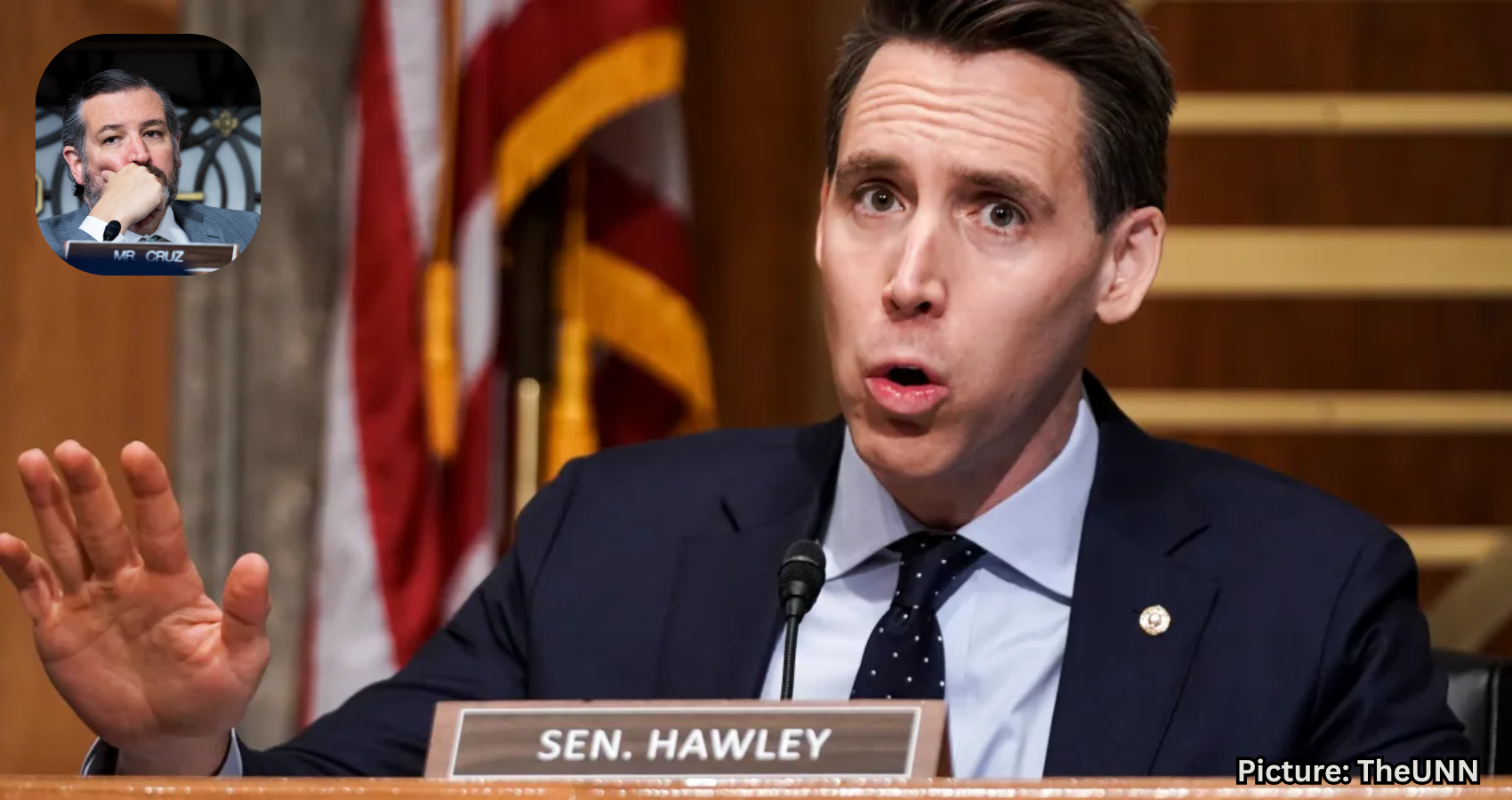
Texas Senate Primaries Heat Up as Cornyn Warns of Paxton Risks

The Texas Senate primaries are heating up as John Cornyn warns that Ken Paxton’s nomination could jeopardize Republican control, while Democrats Jasmine Crockett and James Talarico vie for their party’s nomination.

The 2026 primary season is set to commence on Tuesday, featuring critical contests in Texas, North Carolina, and Arkansas. These races could ultimately determine whether Republicans maintain their majorities in the House and Senate during the midterm elections. Central to this week’s focus are the contentious Democratic and Republican Senate primaries in Texas, a state known for its conservative leanings.

On the Democratic side, progressive Rep. Jasmine Crockett, a prominent critic of former President Donald Trump, is facing off against rising star James Talarico, a state lawmaker. The winner of this primary will attempt to become the first Democrat to win a Senate election in Texas in nearly four decades. They will face the victor of a fierce three-way Republican primary involving incumbent Sen. John Cornyn, Texas Attorney General Ken Paxton, and Rep. Wesley Hunt.

Cornyn’s campaign, along with affiliated super PACs, has invested nearly $100 million in advertisements targeting Paxton and Hunt. In the final weeks of the primary campaign, Cornyn has warned that if Paxton secures the GOP nomination, Democrats could flip the seat in the general election. He has pointed to Paxton’s history of scandals and ongoing legal issues as significant liabilities.

“If I’m the nominee, I’ll help President Trump by ensuring we carry the five new congressional seats and maintain this Senate seat,” Cornyn stated in an interview with Fox News Digital. He emphasized that nominating a candidate with “incredible baggage” like Paxton could jeopardize Trump’s agenda and the success of other Republican candidates down ballot.

Paxton, a MAGA supporter who gained national attention for his lawsuits against the Obama and Biden administrations, countered Cornyn’s claims. “I’m 3-0. I’ve won three statewide races,” he told Fox News Digital. He cited public opinion polls indicating he has an advantage over Cornyn and asserted that the senator’s comments stem from desperation as he faces a challenging primary.

The GOP nomination battle initially appeared to be a two-person race until Hunt, a West Point graduate and military veteran, entered the fray last autumn. Recent polling suggested Paxton leading Cornyn, with Hunt trailing in third. If no candidate secures more than 50% of the vote in the primary, the top two finishers will advance to a runoff in late May. Cornyn expressed confidence that a runoff is likely, while Paxton indicated that such a scenario would improve his chances.

Hunt, in an interview with Fox News Digital, asserted that he is the strongest candidate to win both the primary and the general election. He pointed to the significant financial resources spent against him by Cornyn and his allies, suggesting that his candidacy poses a real threat. “DC will not decide who will be the next senator from Texas. Texans will,” Hunt declared.

Former President Trump, who remains a significant figure within the GOP, has not yet endorsed any candidate in the Republican primary. All three contenders attended a recent event hosted by Trump in Corpus Christi, where he remarked on the competitive nature of the race.

On the Democratic front, the primary has become increasingly contentious, with race emerging as a focal point in the contest between Crockett and Talarico. Crockett, who is Black, accused a Talarico-aligned super PAC of using racially insensitive tactics in their advertising. She has also criticized claims that she is unelectable statewide as a “dog whistle” aimed at undermining her candidacy.

Talarico, who is White, has emphasized his ability to attract Republican voters and questioned Crockett’s viability in a general election. He faced accusations of making racially insensitive remarks about former Rep. Colin Allred, who recently ended his Senate campaign to pursue his old House seat.

Crockett, who has garnered attention for her outspoken opposition to Trump, has argued that Democrats must focus on mobilizing low-propensity voters rather than attempting to convert Republican supporters. “I don’t know that we’ll necessarily convert all of Trump’s supporters. That’s not our goal,” she stated in a December interview.

Meanwhile, Talarico has gained national recognition through viral social media appearances and interviews, including a notable appearance on Joe Rogan’s podcast. His campaign reported a significant fundraising boost following a controversial incident where his interview on “The Late Show with Stephen Colbert” was moved to YouTube, which his team claimed was a form of censorship.

In the final days leading up to the primary, Crockett received endorsements from high-profile figures, including former Vice President Kamala Harris and rapper Cardi B, both of whom have urged voters to support her candidacy.

Democrats are optimistic about their chances in Texas this year, given the challenging political landscape for Republicans. In addition to the Senate primaries, several House races in Texas are also drawing attention, including a tough primary for embattled Republican Rep. Tony Gonzales and a challenge to conservative Rep. Dan Crenshaw.

In North Carolina, former Republican National Committee chair Michael Whatley is the frontrunner for the GOP Senate nomination, while former Democratic Gov. Roy Cooper is expected to secure his party’s nomination, setting the stage for a competitive general election.

As the primary season unfolds, all eyes will be on Texas, where the outcomes could have significant implications for the future of both parties in the upcoming midterm elections, according to Fox News.

US Agencies Heighten Security Alert Following US-Israel Attack on Iran

Federal counterterrorism agencies are on high alert following U.S. and Israeli strikes on Iran that resulted in the death of Supreme Leader Ayatollah Ali Khamenei.

Federal counterterrorism agencies are currently on high alert for potential retaliatory attacks on U.S. soil after coordinated strikes by U.S. and Israeli forces targeted Iran, leading to the death of its Supreme Leader, Ayatollah Ali Khamenei, along with other high-ranking officials.

Matthew Levitt, a former counterterrorism official with the FBI and the Treasury Department, emphasized that Iran has developed the capability to carry out attacks abroad over many years, including within the United States. “If there was ever a time the regime would want to act on it, it would be now,” he stated.

In response to the situation, both the FBI and the Department of Homeland Security have announced that they are operating at a heightened state of readiness. This alert status echoes previous concerns that U.S. military actions, particularly those ordered by former President Donald Trump against Iranian targets, could provoke retaliatory measures from Tehran and its proxy forces.

Any significant military strike on a foreign nation, especially one with established international capabilities, raises the risk of retaliatory attacks that could extend beyond traditional battlefields. Consequently, intelligence, counterterrorism, and law enforcement agencies are tasked with continuously monitoring and preventing potential threats while balancing the need for vigilance with civil liberties and public confidence.

On February 28, FBI Director Kash Patel indicated that the bureau is “fully engaged on the situation overseas.” He has instructed the FBI’s Counterterrorism and Intelligence teams, including over 200 Joint Terrorism Task Forces (JTTFs) across the country, to remain on high alert and mobilize all necessary security assets.

“Our JTTFs throughout the country are working 24/7, as always, to address and disrupt any potential threats to the homeland,” Patel noted in a post on X. “While the military handles force protection overseas, the FBI remains at the forefront of deterring attacks here at home and will continue to have our team work around the clock to protect Americans.”

This situation underscores the complex interplay between foreign policy, military operations, and domestic security. The potential responses from Iran or its affiliated groups remain uncertain, and the timing, scope, and methods of any retaliation cannot be accurately predicted. As a result, agencies must rely on a combination of intelligence collection, international cooperation, and rapid response capabilities to mitigate risks.

The current environment also highlights the necessity for long-term strategic planning, investment in counterterrorism infrastructure, and robust coordination among federal, state, and local agencies. The broader public and private sectors may face indirect consequences, including heightened risk perception, increased security expenditures, or disruptions to daily operations, although the extent of these effects remains unclear.

Preparing for potential retaliation illustrates how military decisions made abroad can have immediate and tangible consequences at home. The effectiveness of these preparations in preventing attacks, as well as the severity of any incidents that may occur, remains uncertain, emphasizing the ongoing tension between proactive defense measures and unpredictable global dynamics.

The situation also highlights the importance of public communication and trust in national security institutions. The public’s perception of the threat and its response to heightened alerts can significantly influence social stability and the effectiveness of counterterrorism measures. Clear guidance, transparency when possible, and measured messaging are crucial to prevent panic or misinformation from spreading.

It remains uncertain how long agencies will maintain this elevated state of readiness or whether ongoing international developments could further escalate domestic precautions. Additionally, the evolving nature of asymmetric threats and technological capabilities indicates that traditional security approaches may require continuous adaptation.

As the situation develops, federal agencies remain vigilant, prepared to respond to any potential threats that may arise in the wake of these significant military actions.

According to American Bazaar.

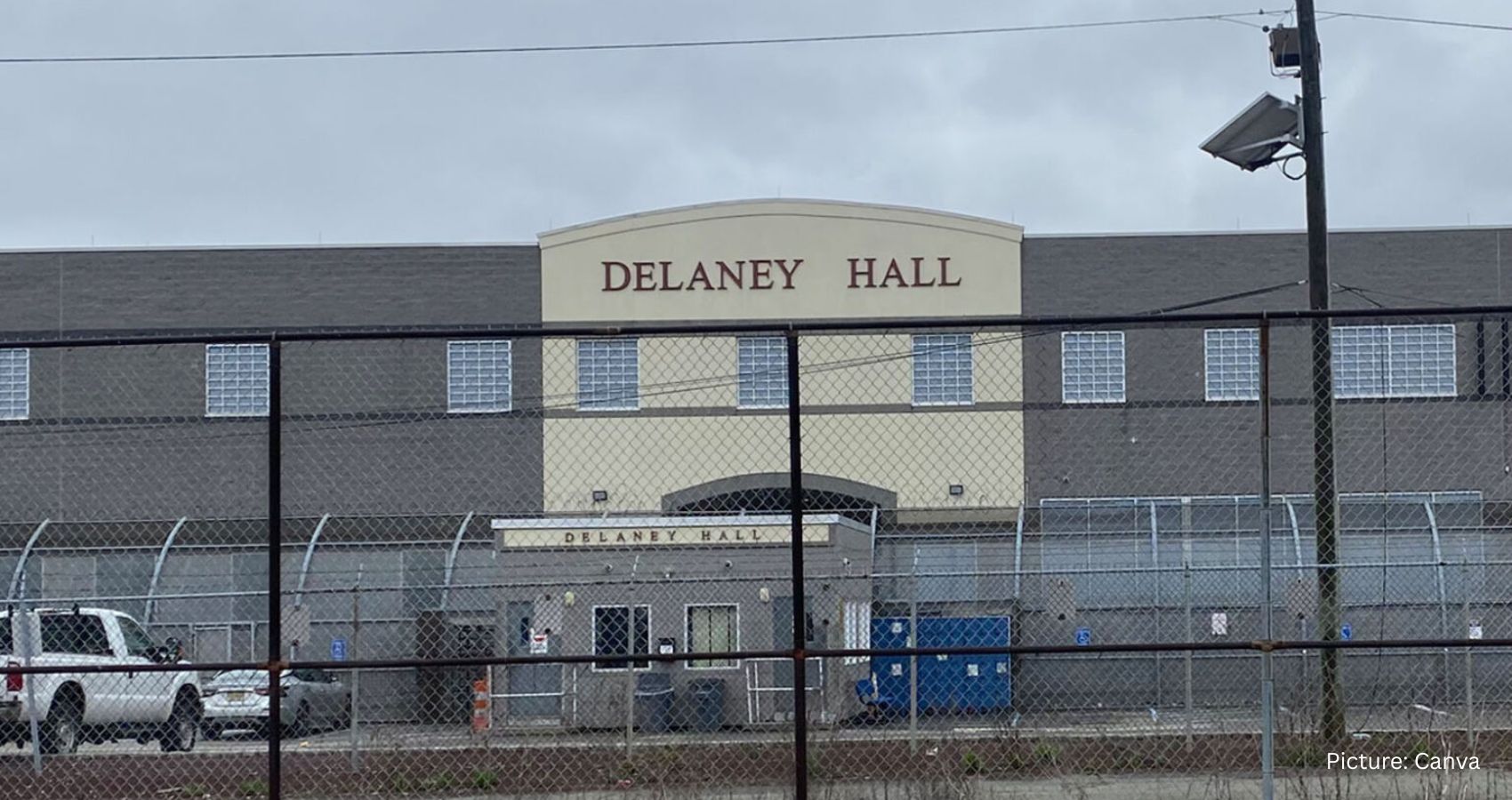
U.S. Courts Order Bond Hearings for Indian Immigration Detainees

Federal courts across the U.S. have mandated bond hearings and, in some instances, immediate release for Indian immigration detainees, highlighting concerns over prolonged detention without due process.

Federal courts throughout the United States have recently ordered bond hearings and, in certain cases, immediate release for several Indian immigration detainees. These decisions have raised questions about whether authorities applied the correct detention provisions and have highlighted concerns regarding prolonged detention without due process.

A series of federal court rulings this week provided significant relief to Indian nationals held in immigration detention. Judges ordered bond hearings and, in some instances, immediate release after identifying potential violations of due process.

District courts in California, Michigan, New York, and Oklahoma reviewed habeas corpus petitions filed by detainees who contended that they were being held under incorrect sections of the Immigration and Nationality Act or without sufficient constitutional protections. In multiple rulings, judges sided with the petitioners.

In San Diego, a federal judge granted habeas relief to Harbeet Singh, ordering immigration authorities to conduct an individualized bond hearing within seven days. The court found that Singh’s prolonged detention without a bond review had become unreasonable and constituted a violation of due process. The government is now required to demonstrate by clear and convincing evidence that he poses a flight risk or a danger to the community.

A similar ruling was issued by the Western District of Michigan in the case of Sagar Ram. The court conditionally granted his petition and directed officials to conduct a bond hearing under Section 1226(a) within five business days or release him. The judge rejected the government’s assertion that Ram was subject to mandatory detention.

In Oklahoma, a federal court ruled in favor of Karandeep Singh, determining that his detention falls under Section 1226(a), which allows for bond eligibility, rather than Section 1225(b)(2), which mandates detention for certain applicants seeking admission. The court ordered a prompt bond hearing for Singh.

In Brooklyn, a federal judge granted habeas relief to Harmanpreet Singh, requiring a new bond hearing and placing the burden on the government to prove that he is a flight risk or a danger to the community. The court found that continued detention without adequate procedural safeguards violated the Fifth Amendment.

Other rulings in California were even more decisive. One federal judge ordered the immediate release of Bhawandeep Singh Dhaliwal from Department of Homeland Security custody and prohibited authorities from re-arresting him without constitutionally adequate process. In another case in San Diego, Vikrant Singh was ordered released under the same terms and conditions as his previous release.

However, not all petitions were successful. In Michigan, a federal judge denied relief to Gurpreet Walia Singh, concluding that he had already received a custody redetermination and that his detention did not violate federal law or constitutional protections. An Oklahoma court similarly denied another challenge to a bond decision after adopting a magistrate judge’s recommendation.

The core of these cases revolves around a legal dispute regarding which detention provision applies. Section 1225 of the Immigration and Nationality Act generally mandates detention for certain individuals seeking admission to the U.S., while Section 1226 allows for bond eligibility for noncitizens already present in the country. Courts in several of this week’s rulings determined that authorities may have relied on the incorrect provision, thereby opening the door for bond hearings and, in some cases, release.

These developments underscore the ongoing legal complexities surrounding immigration detention and the rights of individuals within the system, as federal courts continue to scrutinize the application of immigration laws.

According to GlobalNetNews.

Former President Bill Clinton Deposed in Epstein Investigation Related to Congress

Former President Bill Clinton’s recent deposition in the House Oversight Committee’s investigation into Jeffrey Epstein raises significant questions about executive power and congressional precedent.

The House Oversight Committee has compelled former President Bill Clinton to testify as part of its investigation into Jeffrey Epstein, a move that could set a new precedent regarding the ability of Congress to summon former presidents. This unprecedented event took place in the snowy village of Chappaqua, New York, where Clinton testified under subpoena, marking a significant moment in congressional history.

Lawmakers have suggested that the committee’s ability to compel testimony from a former president could have lasting implications, particularly in future investigations involving other high-profile figures, including former President Donald Trump. According to congressional historians, this is the first instance of a congressional committee deposing a former president. The day prior, Hillary Clinton, the former First Lady and Secretary of State, also testified before the committee, further highlighting the unusual nature of these proceedings.

During her nearly six-hour closed-door testimony, Hillary Clinton stated, “I do not recall ever encountering Mr. Epstein. I never flew on his plane or visited his island, homes or offices.” This statement came in response to questions regarding her husband’s connections to Epstein, as lawmakers noted that Bill Clinton had previously acknowledged knowing Epstein and traveling with him on several occasions.

House Oversight Committee Chairman James Comer, a Republican from Kentucky, remarked that Hillary Clinton had referred to her husband more than a dozen times during her deposition. While there are no allegations of wrongdoing against either Clinton in relation to Epstein, the former president’s past associations have prompted scrutiny from lawmakers.

“It’s very difficult to get people in for these depositions of great power and great wealth,” Comer noted, emphasizing the challenges faced by the committee in securing the Clintons’ testimonies. The depositions took seven months to arrange, with the Clintons testifying at the Chappaqua Performing Arts Center, a venue chosen for its significance rather than a typical congressional setting.

Rep. Lauren Boebert, a Republican from Colorado, drew attention when she appeared to take a photo of Hillary Clinton during the deposition, later sharing it with conservative media outlets. Boebert defended her actions, stating, “I admire [Hillary Clinton’s] blue suit,” while critics like Rep. Yassamin Ansari, a Democrat from Arizona, accused lawmakers of prioritizing photo opportunities over serious inquiry.

After her deposition, Hillary Clinton expressed her surprise at the line of questioning, which included inquiries about conspiracy theories such as Pizzagate, a false narrative that emerged during the 2016 presidential campaign. She described the questions as “quite unusual,” reflecting the bizarre nature of some of the topics discussed during her testimony.

Rep. Nancy Mace, a Republican from North Carolina, characterized Hillary Clinton’s demeanor during her deposition as “unhinged,” expressing hope that Bill Clinton would be more composed during his own testimony. Meanwhile, Rep. Anna Paulina Luna, a Republican from Florida, speculated on the nature of Epstein’s operations, suggesting that they could have involved intelligence gathering, although she provided no evidence to support her claims.

One of the key areas of questioning for both Clintons focused on how Epstein leveraged his connections with powerful individuals to conceal his criminal activities. This inquiry has brought figures like Bill Clinton and Donald Trump into the spotlight, as both have been mentioned in previously released documents related to Epstein.

Even Donald Trump, who has faced his own scrutiny regarding Epstein, expressed some sympathy for Bill Clinton’s situation. “I don’t like seeing him deposed. But they certainly went after me a lot more than that,” Trump remarked. When asked about the Epstein files, he claimed ignorance, stating, “I don’t know anything about the Epstein files. I’ve been totally exonerated.”

Republicans on the Oversight Committee have echoed Trump’s sentiment, with Comer asserting that the evidence suggests Trump has been exonerated regarding any connections to Epstein. However, Democrats have raised concerns about the selective nature of the committee’s inquiries, questioning why Clinton was called to testify while Trump has not yet been summoned.

Rep. Robert Garcia, a Democrat from California, emphasized the implications of this new precedent, stating, “We now want President Trump to come in and to testify under oath in front of the Oversight Committee.” He further argued that the committee should also seek testimony from Trump’s wife, Melania Trump, given her past associations with Epstein.

The issue of separation of powers remains a critical aspect of the American constitutional framework. Historically, only a few presidents have testified before Congress, and none have been deposed as former presidents. The proceedings in Chappaqua could signal a shift in how congressional oversight is conducted, potentially leading to more frequent testimonies from former presidents in the future.

As the investigation into Epstein continues, the implications of the Clintons’ depositions may resonate throughout Congress and the White House for years to come, establishing a new standard for accountability among the nation’s highest officeholders.

According to Fox News, the ramifications of this unprecedented event are still unfolding, with both political and legal observers closely monitoring the situation.

Tel Aviv Analyst Experiences 30 Missile Sirens in 48 Hours, Discusses Iran’s Recovery

The past 48 hours in Tel Aviv have been marked by intense missile threats and military operations, with analysts suggesting that Iran may never recover from the current crisis.

In a dramatic escalation of conflict, the past 48 hours in Tel Aviv have been described as a “biblical event” by Kobi Michael, a senior researcher at the Institute for National Security Studies and the Misgav Institute. Speaking from his shelter in the city, Michael detailed the relentless barrage of missile threats that have plagued the region following Operation Epic Fury and coordinated U.S.-Israeli strikes in Iran.

Michael, like many residents, has spent significant time in reinforced rooms as sirens blared throughout the city. “I am very experienced in this,” he remarked, reflecting on the ongoing crisis. He expressed hope that President Trump would demonstrate the necessary time and determination to see the military operations through to their objectives.

In a video message, President Trump affirmed that military operations would continue “until all of our objectives are achieved.” Michael emphasized the importance of Trump’s leadership, stating, “He is the only one who can make the change — and that change will impact the entire region and the international order for years to come.”

As of Sunday, Tel Aviv remained under a state of emergency due to Iranian missile attacks that have resulted in casualties and extensive damage. According to reports from The Associated Press, Iranian missile and drone strikes have claimed the lives of approximately 11 Israeli civilians and injured dozens more in retaliation for the U.S.-Israeli strikes on Iran.

Shrapnel from missile impacts has damaged at least 40 buildings in Tel Aviv, with authorities confirming at least one death in the area from falling debris. The Philippine Embassy in Israel reported the death of a Filipino national following a missile strike in Tel Aviv on Saturday.

“We enter our shelter once the siren is heard and stay there until the Home Front Command announces that we can leave,” Michael explained. He noted that the duration of sheltering typically lasts about 20 to 30 minutes, unless further sirens are triggered during that time. Since the previous morning, residents have experienced around 30 sirens.

Israeli President Isaac Herzog visited an impact site in Tel Aviv on Sunday, delivering a message of resilience amid the turmoil. “The people of Israel and the people of Iran can live in peace. The region can live in peace. But what undermines peace time and again is terror instigated by this Iranian regime,” Herzog stated.

In the wake of reported strikes that killed Iran’s Supreme Leader Ayatollah Ali Khamenei and approximately 40 senior Iranian officials, Iran has established a provisional leadership council. Key figures in this council include Ayatollah Alireza Arafi, President Masoud Pezeshkian, and Judiciary Chief Gholam-Hossein Mohseni-Eje’i.

Michael noted the challenges facing the new leadership, stating, “The Supreme Leader did not complete the necessary groundwork regarding his own succession.” He added that Pezeshkian would confront significant obstacles due to the regime’s heavy losses and severe disruptions to its control and command systems, compounded by extensive bombing and attacks across Iran, including Tehran.

Even if the current regime manages to survive, Michael asserted, “It will never be able to reconstitute itself, recover or return to its previous position.” The implications of these developments could reshape the geopolitical landscape in the region for years to come, as the conflict continues to unfold.

As the situation remains fluid, analysts and residents alike are left grappling with the uncertainty of what lies ahead for both Israel and Iran.

According to The Associated Press, the ongoing conflict has far-reaching consequences that extend beyond immediate military objectives.

Intelligence Reports Challenge White House Claims on Iran’s Missile Capabilities

Recent intelligence assessments challenge President Trump’s claims that Iran is close to developing intercontinental ballistic missile capabilities that could threaten the U.S. homeland.

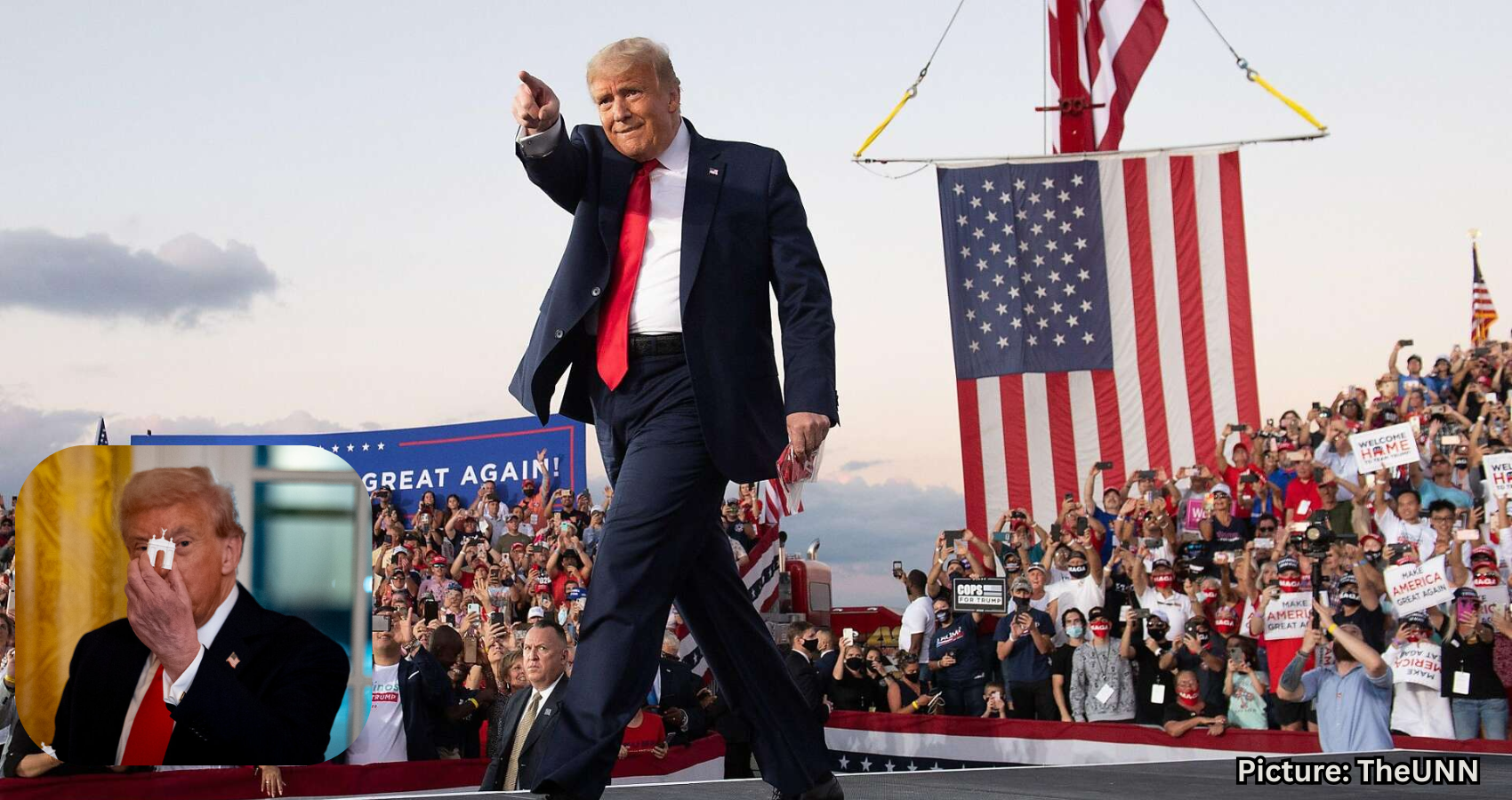
President Donald Trump recently asserted in a social media address and during his State of the Union speech that Iran is developing missile technology capable of reaching the American homeland in the near future. This claim appears to conflict with current United States intelligence assessments.

The discrepancy between the executive branch’s rhetoric and the findings of the intelligence community has sparked significant debate within Washington. While the president described the threat as imminent following recent military strikes against Iranian targets, multiple sources familiar with classified briefings indicate that there is no new data supporting the conclusion that Tehran has achieved or is on the verge of achieving intercontinental ballistic missile capabilities. This divergence highlights a growing tension between political messaging and the technical evaluations provided by defense and intelligence agencies regarding Middle Eastern security.

According to an unclassified assessment released by the Defense Intelligence Agency in 2025, Iran possesses the theoretical potential to develop a militarily viable intercontinental ballistic missile by the year 2035. However, that assessment was contingent on a specific decision by Iranian leadership to pursue such a program. Current intelligence suggests that while Iran maintains a robust arsenal of short- and medium-range ballistic missiles, there is no evidence to confirm that the regime is currently fast-tracking a weapon system designed to strike the continental United States. The short-range systems currently in Iran’s possession do pose a documented threat to American military bases and personnel stationed throughout the Middle East, a point on which both the administration and intelligence analysts agree.

Despite the absence of supporting intelligence for the “imminent” threat narrative, the White House has maintained its position. Spokesperson Anna Kelly defended the president’s remarks, stating that the administration is right to highlight the concerns posed by a nation that remains openly hostile to the United States. The administration argues that the pursuit of such technology is a logical extension of Iran’s existing military ambitions, regardless of the specific timelines suggested by analysts. This perspective emphasizes a proactive stance on national defense, prioritizing the identification of potential threats before they fully materialize.

The disconnect was further evidenced during recent high-level briefings on Capitol Hill. Sources familiar with a meeting involving Secretary of State Marco Rubio, CIA Director John Ratcliffe, and the congressional leaders known as the Gang of Eight noted that the specific issue of Iranian intercontinental missile technology was not raised as a pressing concern. The omission of this topic during a briefing intended to cover the most critical national security threats has led some lawmakers to question the urgency conveyed in the president’s public statements.

On the international stage, Iranian officials have denied the allegations. Foreign Minister Abbas Araghchi stated in a recent interview that Tehran has deliberately capped the range of its missile fleet at 2,000 kilometers. Araghchi maintained that the country’s missile program is strictly defensive in nature and intended for regional deterrence rather than transcontinental strikes. While U.S. officials often view such claims with skepticism, the 2,000-kilometer limit aligns with observed testing patterns recorded by international monitors over the past several years.

When pressed on the timeline of the Iranian threat, Secretary of State Marco Rubio declined to provide a specific window for when Tehran might acquire long-range capabilities. Speaking to reporters in St. Kitts, Rubio acknowledged that while he would not speculate on how far away the capability might be, he believes Iran is clearly on a pathway toward developing weapons that could eventually reach the United States. He pointed to Iran’s refusal to include ballistic missile technology in recent diplomatic negotiations as a primary reason for concern. To date, discussions between Washington and Tehran have remained narrowly focused on nuclear enrichment and proliferation rather than delivery systems.

Rubio also addressed the conventional weapons threat, noting that Iran’s existing arsenal is designed to challenge American interests. He argued that the possibility of future development is enough to warrant the administration’s current hardline stance. Rubio’s comments reflect a policy shift that treats potential future capabilities with the same gravity as current ones, a move that critics suggest may blur the lines between verified intelligence and preventative geopolitical strategy.

Adding to the complexity of the situation are conflicting reports regarding Iran’s nuclear program. Special Envoy Steve Witkoff recently suggested that Iran could be as little as one week away from obtaining industrial-grade material suitable for a nuclear weapon. This claim stands in contrast to previous administration statements suggesting that Iranian nuclear infrastructure had been largely incapacitated by military strikes conducted last year. Intelligence sources indicate that while Iran is indeed attempting to rebuild its enrichment capabilities—including the installation of new centrifuges and the repair of facilities damaged in those strikes—the timeline for weaponization is likely much longer than a single week.

Experts in nuclear non-proliferation note that rebuilding a destroyed or heavily damaged enrichment cycle is a meticulous process. It involves not only the physical reconstruction of facilities, many of which are located deep underground to survive aerial bombardment, but also the recalibration of sensitive machinery. While intelligence confirms that Tehran is actively seeking to restore what was lost, the consensus among technical analysts is that the process is moving at a slower pace than some administration officials have publicly suggested.

The debate over Iranian capabilities comes at a sensitive time for U.S. foreign policy in the region. The administration’s reliance on assertions that lack immediate intelligence backing has drawn comparisons to previous conflicts where intelligence was a central point of contention. For now, the intelligence community continues to monitor satellite imagery, communication intercepts, and regional movements to determine if Iran shifts its focus from regional defense to intercontinental reach.

As the situation evolves, the gap between the White House’s public warnings and the classified assessments provided to Congress remains a focal point for oversight. Lawmakers are expected to call for further briefings to reconcile these differences. The outcome of this internal debate will likely determine the trajectory of U.S. military posture in the Middle East and the future of diplomatic efforts aimed at curbing Tehran’s military expansion, according to GlobalNetNews.

US Military and Israel Conduct Joint Combat Operations Targeting Iran

The United States military has launched major combat operations in Iran, escalating tensions in the region amid missile counteroffensives from Tehran and significant international concern.

The United States military has officially commenced major combat operations within Iranian territory, as confirmed by President Donald Trump on Saturday. This announcement follows a series of coordinated aerial and maritime strikes, marking a significant military escalation in the region.

The timing of this operation coincides with a massive missile counteroffensive from Tehran, which has targeted several major cities across the Middle East, including Jerusalem and urban centers in the United Arab Emirates and Qatar. This multi-front conflict signals a breakdown in diplomatic efforts and has triggered a regional security crisis that threatens to destabilize global energy markets and international maritime trade routes.

In a video message shared on his Truth Social account, President Trump characterized the military mission as a necessary step to protect the American people from what he described as imminent threats posed by the Iranian government. He referred to the leadership in Tehran as a “vicious group” and emphasized that the objective of the military action is the total elimination of those threats.

Reports from various news agencies indicate that the initial wave of the assault involved a combination of air strikes and sea-based missile launches targeting strategic locations, including government ministries in the southern sector of the Iranian capital. The Israeli military also participated in the offensive, conducting its own strikes on Tehran, where witnesses reported seeing large clouds of smoke rising from the downtown district.

Following these initial attacks, the Israel Defense Forces confirmed that they had identified numerous inbound missiles launched from Iranian territory toward Israel. In response, the Israeli government activated its advanced aerial defense systems to intercept the incoming threats. The Home Front Command issued emergency directives to citizens via mobile alerts, instructing them to seek immediate shelter.

The escalation has turned the region into an active combat zone, with explosions reported in various secondary locations. Iran retaliated by launching ballistic missiles at several neighboring Gulf states that host Western military assets or maintain close ties with the United States. In Dubai, a producer for CNBC reported hearing at least two significant explosions as Emirati air defenses engaged incoming projectiles.

The United Arab Emirates Ministry of Defense later issued a formal statement condemning the attacks, confirming that their missile defense units successfully intercepted several Iranian ballistic missiles. The ministry praised the efficiency of its defense forces while highlighting the grave nature of the violation of their national sovereignty.

Qatar also faced direct targeting during the counteroffensive, leading to a sharp rebuke from the Qatari Ministry of Defense. Officials in Doha described the targeting of their territory as a flagrant violation of national sovereignty and expressed strong condemnation for the use of ballistic missiles against their soil. The spread of the conflict to these neutral or Western-aligned energy hubs underscores the potential for a wider regional war.

In Bahrain, the service center for the United States Fifth Fleet was reportedly subjected to a missile attack, prompting the U.S. Embassy in Manama to issue a high-level security alert. U.S. Embassy personnel in both Bahrain and the United Arab Emirates have been ordered to shelter in place as the threat of drone and missile attacks remains high. Citizens residing in these areas have been urged to review their personal security plans and remain vigilant for further strikes.

The U.S. Department of State has not yet provided a definitive timeline for the duration of these combat operations. However, the intensity of the opening salvos suggests a sustained military engagement aimed at degrading Iranian military infrastructure and command centers.

The transition from diplomacy to kinetic military action follows months of high-stakes negotiations and military positioning. The United States had previously assembled a formidable fleet of fighter jets and warships in the Persian Gulf and surrounding waters in an attempt to pressure Tehran into a new agreement regarding its nuclear program. Tensions spiked in early February when President Trump warned of severe consequences if a deal was not reached.

Despite a third round of talks held in Switzerland just days ago, the two sides remained fundamentally at odds over the scope of the negotiations. U.S. Secretary of State Marco Rubio identified Iran’s refusal to include its ballistic missile program in the nuclear discussions as a primary obstacle to peace. While Iranian officials expressed a limited willingness to discuss nuclear enrichment levels, they maintained that their missile defense capabilities were a matter of national security and not subject to international negotiation.

President Trump countered this position by claiming that Tehran was using the talks as a distraction while continuing to pursue the development of nuclear weapons and long-range delivery systems capable of reaching Europe and the American mainland. He referenced a previous military action known as Operation Midnight Hammer, which he claimed had significantly damaged Iranian nuclear facilities at Fordow and Isfahan last June.

According to the White House, Tehran was warned not to resume its nuclear activities following that engagement but allegedly chose to rebuild its capabilities instead. This perceived defiance served as the primary justification for the Saturday strikes. However, a senior Middle East diplomat suggested that the timing of the attack may have been influenced by external pressure, noting that military intervention often occurs just as diplomatic channels show signs of progress.

Israeli Prime Minister Benjamin Netanyahu praised the American leadership for taking decisive action against the Iranian regime. He stated that Iran must never be allowed to acquire nuclear weapons, which he argued would pose an existential threat to humanity. Conversely, the Iranian government has denounced the joint U.S.-Israeli operation as a gross violation of international law and territorial integrity. The rhetoric from Tehran suggests that the regime views the current situation as an act of unprovoked aggression and intends to continue its retaliatory strikes against regional targets.

International reaction to the outbreak of hostilities has been swift and largely focused on the potential for global catastrophe. French President Emmanuel Macron warned of grave consequences for the entire world and called for an urgent meeting of the United Nations Security Council. He urged the Iranian regime to return to the negotiating table but also stressed that the current military escalation is dangerous for all parties involved.

Meanwhile, the Russian Foreign Ministry issued a statement condemning the strikes as a reprehensible act that undermines the possibility of a long-term normalization of the situation in the Middle East.

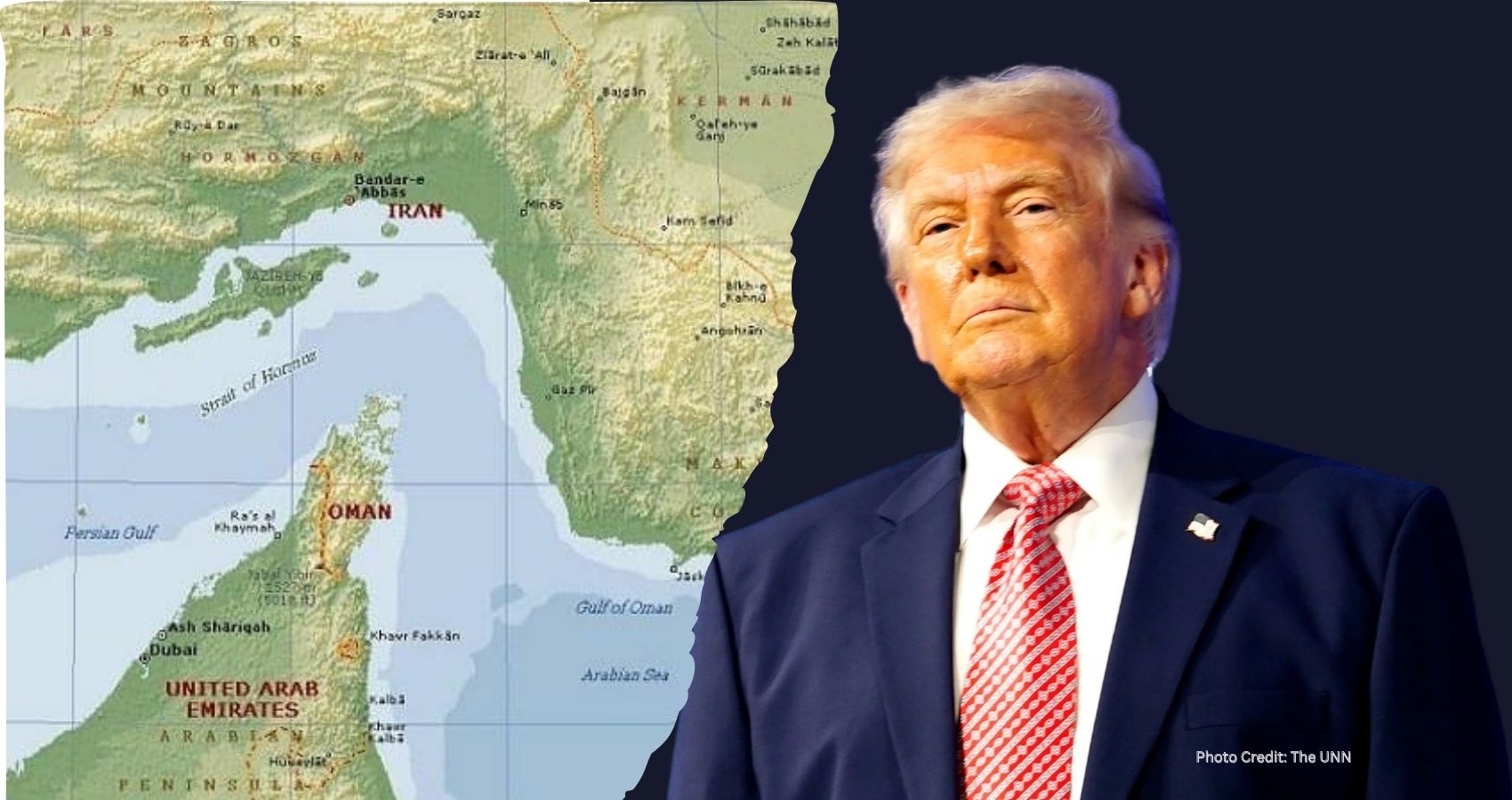
The economic impact of the conflict was immediately felt in the global energy markets. Oil prices surged to six-month highs as news of the combat operations broke, with traders fearing a total disruption of supply through the Strait of Hormuz. As a founding member of OPEC and a key player in the regional energy landscape, any prolonged conflict involving Iran threatens to choke off nearly 20 percent of the world’s daily oil transit. Market analysts are bracing for extreme volatility as the situation evolves and the possibility of a prolonged closure of vital shipping lanes becomes more likely.

According to GlobalNetNews, the situation remains fluid, and further developments are expected as both military operations and diplomatic responses unfold.

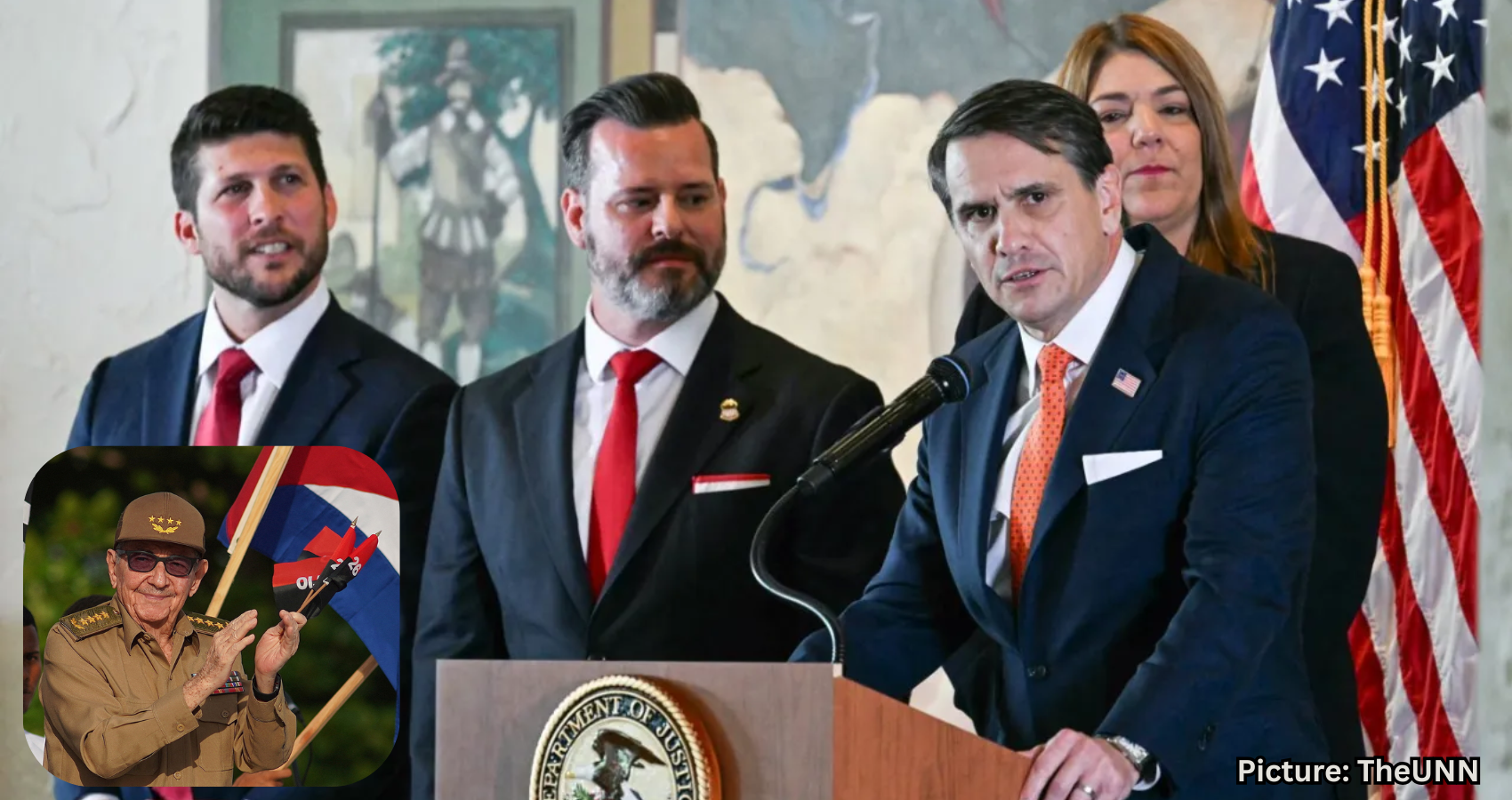
Harmeet Dhillon Announces DOJ Settlement with IT Firm Over Discrimination

Assistant Attorney General Harmeet K. Dhillon announced a settlement with Elegant Enterprise-Wide Solutions over discriminatory hiring practices that excluded American workers through AI-generated job ads.

WASHINGTON, DC – Assistant Attorney General Harmeet K. Dhillon of the Justice Department’s Civil Rights Division has announced a settlement with Elegant Enterprise-Wide Solutions, a Virginia-based IT firm. This settlement follows allegations that the company utilized artificial intelligence to create job advertisements that unlawfully excluded American workers.

The AI-generated job postings specifically restricted applicants to certain visa holders, including H-1B, OPT, or H-4 visa holders, which is a violation of the Immigration and Nationality Act.

Dhillon emphasized the importance of fair hiring practices, stating that it is “unconscionable” for companies to exclude U.S. workers during recruitment. She further asserted that the Department of Justice will not tolerate discrimination against domestic workers, regardless of whether a human recruiter or an AI tool is responsible for drafting the job advertisements.

According to the agreement signed on February 23, 2026, Elegant Enterprise-Wide Solutions will pay a civil penalty of $9,460. This settlement represents the eighth resolution since the relaunch of the Protecting U.S. Workers Initiative in 2025, which aims to enforce prohibitions against favoring employment-visa holders over domestic talent.

In addition to the financial penalty, the settlement requires the company to eliminate all citizenship-based restrictions in hiring and firing practices unless such restrictions are legally authorized. The firm is also mandated to provide comprehensive training for its recruiters on anti-discrimination laws and is prohibited from intimidating or coercing anyone involved in the investigation.

The Justice Department continues to pursue maximum penalties and back pay in similar cases to ensure equitable access to job opportunities for all authorized workers, according to IANS.

Mamdani’s Comments on Trump’s Iran Strike Draw Conservative Criticism

New York City Mayor Zohran Mamdani faces significant conservative backlash following his condemnation of the U.S. military strike that resulted in the death of Iranian leader Ayatollah Khamenei.

New York City’s socialist Mayor Zohran Mamdani is under fire from conservatives after he publicly condemned the recent U.S. military strike in Iran that led to the death of Ayatollah Ali Khamenei. His remarks, made via a post on X, have sparked widespread criticism, particularly from those who believe his response is overly sympathetic to the Iranian regime.

On Saturday, as a coordinated strike by the United States and Israel unfolded, Mamdani expressed his disapproval of the Trump administration’s actions. In his post, which has garnered approximately 20 million views, he described the military strikes as a “catastrophic escalation in an illegal war of aggression.” He emphasized the consequences of such actions, stating, “Bombing cities. Killing civilians. Opening a new theater of war. Americans do not want this. They do not want another war in pursuit of regime change.”

Mamdani further highlighted the pressing issues facing Americans, advocating for relief from the ongoing affordability crisis. He also reached out directly to the Iranian community in New York City, saying, “You are part of the fabric of this city — you are our neighbors, small business owners, students, artists, workers, and community leaders. You will be safe here.”

However, his comments quickly drew sharp criticism from various conservative figures on social media. Many accused him of appearing to support Iran’s oppressive regime while neglecting to acknowledge the plight of Iranian protesters who have suffered under Khamenei’s rule. Republican Senator Ted Cruz responded to Mamdani’s remarks by stating, “Comrade Mayor is rooting for the Ayatollah. They can chant together.”

Fox News host Brian Kilmeade also weighed in, questioning Mamdani’s stance: “Do you say anything pro-American? Do you know any Iranians? They hate Khamenei; they celebrate his death. You should be celebrating his death! He’s killed thousands of Americans and just killed 30,000 Iranians. Did you even say a word about that? You are an embarrassment! Please quit.”

Iranian American journalist Masih Alinejad expressed her concerns as well, stating, “I don’t feel safe in New York listening to someone like you, Mamdani, who sympathizes with the regime that killed more than 30,000 unarmed Iranians in less than 24 hours.” She criticized Mamdani for his perceived lack of solidarity with the Iranian people, saying, “You were busy celebrating the hijab while women of my beloved country Iran were jailed and raped by Islamic Security forces for removing it. And NOW you find your voice to defend the regime? No. I will not let you claim the moral high ground.”

Billionaire hedge fund manager Bill Ackman also chimed in, questioning Mamdani’s moral clarity: “How is it that you can’t differentiate between good and evil? Why is this so hard for you?”

GOP Representative Nancy Mace criticized Mamdani’s approach, suggesting it was audacious for a city mayor to position himself as a moral authority on foreign policy while local issues persist. “It takes a particular kind of audacity, or ignorance, for a city mayor to appoint himself the conscience of American foreign policy while his constituents step over garbage on their way to work,” she said. “History will not remember his bravery. It will not remember him at all.”

Republican New York City Councilwoman Vickie Paladino expressed skepticism about Mamdani’s support among Iranian New Yorkers, stating, “Iranian New Yorkers are thrilled today and see right through you.” Councilwoman Inna Vernikov added, “When Kuwait, Saudi Arabia, Qatar, Turkey, UAE, Bahrain all support today’s operation eliminating the world’s #1 sponsor of terror, but New York City’s Mayor @ZohranMamdani is shilling for Iran.”

Shortly after Mamdani’s post, President Trump and Israeli officials confirmed that the military operation had resulted in Khamenei’s death. Israeli leaders reported that Khamenei’s compound and offices were destroyed in a targeted strike in downtown Tehran.

Behnam Ben Taleblu, senior director of the Foundation for Defense of Democracies’ Iran program, commented on Khamenei’s legacy, stating, “Khamenei was the contemporary Middle East’s longest-serving autocrat. He did not get to be that way by being a gambler. Khamenei was an ideologue, but one who ruthlessly pursued the preservation and protection of his ideology, often taking two steps forward and one step back.”

As the fallout from Mamdani’s comments continues, it remains to be seen how this controversy will impact his political standing and the broader discourse surrounding U.S. foreign policy in the Middle East.

According to Fox News, Mamdani’s office has not yet responded to requests for comment regarding the backlash.

Khamenei’s Death Marks Uncertain Future for Iran’s Theocracy

Iran faces a critical transition following the death of Supreme Leader Ayatollah Ali Khamenei, as clerical elites and the IRGC work to maintain the Islamic Republic’s stability.

Iran has entered a significant new chapter following the death of Supreme Leader Ayatollah Ali Khamenei, who ruled for over three decades. His passing has initiated a leadership transition that the regime has long anticipated.

A senior Arab diplomat, speaking to The Times of Israel, described Khamenei’s death as a “massive blow” to the Islamic Republic. However, the diplomat noted that Tehran had prepared for this eventuality and had taken steps to endure such a scenario. “Mere survival, at this point, would be considered a victory,” the diplomat stated, referencing the backdrop of recent U.S. and Israeli military strikes across Iran.

A recent report from the Council on Foreign Relations (CFR) outlined three potential paths for Iran in the post-Khamenei era: managed regime continuity, an overt or creeping military takeover, or systemic collapse. The CFR cautioned that even a change in leadership would not necessarily lead to significant political reform in the short term, given the regime’s deeply entrenched power structure and its history of employing force to maintain control.

The report emphasized that real power within the regime lies with a small circle of clerical elites and the Islamic Revolutionary Guard Corps (IRGC). It suggested that a likely scenario for continuity would result in “Khamenei-ism without Khamenei,” where a successor from within the regime upholds the ideological framework of the Islamic Republic while relying on established security institutions to maintain stability.

Jason Brodsky, policy director of United Against Nuclear Iran (UANI), explained to Fox News Digital that the Islamic Republic’s constitution provides a succession process. The Assembly of Experts, a clerical body, is constitutionally responsible for selecting the next supreme leader. In the event of a leadership vacancy, an interim leadership council is formed, consisting of the president, the chief justice, and a member of the Guardian Council chosen by the Expediency Council. Brodsky noted that the IRGC plays a crucial role in this process and will significantly influence its outcome.

Over the past three decades, the Bayt-e Rahbari, or the Office of the Supreme Leader, has evolved into what a February report by UANI described as a “sprawling parallel state” that operates alongside Iran’s formal institutions. This analysis characterizes the Office as the regime’s “hidden nerve center,” extending its control across the military, security establishment, and major economic foundations. This structure has created a system of authority that is institutional rather than reliant on Khamenei’s physical presence.

The report concluded that the supreme leader is no longer merely an individual but is represented through an all-encompassing institution that consolidates power, manages succession, and ensures continuity. “The Islamic Republic’s most enduring strength lies in this hidden architecture of control, which will continue to shape the country’s future long after Khamenei himself departs from the scene,” the non-partisan policy organization stated.

As Iran navigates this uncertain transition, the actions and decisions of the clerical elites and the IRGC will be pivotal in determining the future of the Islamic Republic.

According to The Times of Israel, the implications of Khamenei’s death will resonate throughout the region as various factions within Iran vie for power and influence.

What Would FDR Think About Current U.S.-Iran Relations?

As tensions escalate in the Middle East, reflections on Franklin D. Roosevelt’s principles reveal insights into the current conflict with Iran and the implications for global order.

American military supremacy, after years of perceived decline, has reasserted itself in unmistakable terms. The world is watching as the United States engages in decisive military action in the Middle East, prompting reflections on the legacy of Franklin Delano Roosevelt (FDR) and his vision for international order.

In a famous photograph from Yalta in February 1945, a frail FDR is seen slumped in his chair between Winston Churchill and Joseph Stalin. Despite his physical decline, Roosevelt was one of the most significant architects of the post-World War II international order. The United Nations, the Bretton Woods institutions, and the framework for multilateral cooperation were all products of his vision, conceived just months before his death. FDR understood that a nation’s strength is not solely defined by its military might but also by its commitment to building enduring structures that transcend individual ambitions.

However, FDR also recognized that such structures require protection. Throughout his presidency, he sought to awaken an isolationist America to the existential threats facing Western civilization. He understood that there are moments when negotiation reaches its limits, and inaction can carry greater costs than decisive action. FDR witnessed the consequences of appeasement and the hesitance of democracies in the face of aggression.

In January 1941, FDR articulated his Four Freedoms: freedom of speech, freedom of worship, freedom from want, and freedom from fear, declaring them universal rights for all people. At that time, America was officially neutral, steeped in isolationism. Yet, FDR, a masterful political pragmatist, insisted that American security was intertwined with the security of human dignity worldwide, emphasizing that these freedoms had adversaries that could not be ignored or negotiated away.

Fast forward to February 28, 2026, as the aftermath of military operations in Iran unfolds. The United States and Israel have launched Operation Epic Fury, targeting military facilities and leadership in Tehran, resulting in the death of Supreme Leader Ayatollah Ali Khamenei. President Trump confirmed the operation’s success, stating that “most” of Iran’s senior leadership is gone.

In Tehran, reports indicate that ordinary citizens celebrated Khamenei’s death, a stark contrast to the regime’s long-standing rhetoric of “Death to America.” This reaction highlights a significant shift in the Iranian populace’s sentiment, as they express hope for a future free from oppression.

FDR would have recognized the significance of this moment. He was a proponent of decisive action, understanding that victory in war requires targeting the command structures and centers of power that perpetuate tyranny. The Iranian regime, which has consistently demonstrated its aggressive behavior, has been a destabilizing force in the region, funding proxy militias and pursuing nuclear capabilities. FDR would have seen the necessity of confronting such threats before they escalate further.

With the expiration of the New START Treaty earlier this month, the absence of legally binding agreements constraining nuclear arsenals poses a significant risk. FDR, who authorized the Manhattan Project, understood that some threats must be addressed proactively. He would have recognized that a nuclear-armed Iran would not only threaten regional stability but also pose a civilizational risk, potentially triggering a cascade of nuclear proliferation.

Operation Epic Fury represents a departure from the protracted conflicts of Iraq and Afghanistan, which were characterized by miscalculations and a lack of coherent strategy. Instead, this operation is a targeted campaign designed to dismantle the Iranian regime’s capacity for aggression without the intention of occupying or restructuring the nation. It aims to empower the Iranian people to determine their own future.

FDR would have noted this strategic shift with cautious optimism. He understood the importance of distinguishing between destroying an enemy’s capacity for aggression and attempting to administer its society. He would have advocated for a commitment to support the aspirations of the Iranian people, ensuring that their voices are heard in the aftermath of regime change.

As American military supremacy is reaffirmed, FDR would have emphasized the need for wisdom in its application. The recent military actions have sent a clear message to adversaries around the world, reshaping the landscape of deterrence. However, he would have cautioned that military strength must be accompanied by a commitment to building a just and equitable order.

FDR’s third freedom, freedom from want, would resonate deeply in today’s economic landscape. He would recognize the stark contrast between America’s immense wealth and the growing insecurity faced by many citizens. The federal deficit and rising economic inequality would concern him, as he believed that true freedom cannot exist without economic security. He would advocate for equitable distribution of resources to ensure that the burden of conflict does not fall disproportionately on those least able to bear it.

FDR’s commitment to democratic governance and the protection of individual freedoms would guide his response to the current situation in Iran. He would see the recent protests against the regime as a reflection of the people’s desire for self-determination and freedom. The brutal suppression of dissent by the Iranian government would reinforce his belief that such a regime has forfeited its legitimacy.

If FDR were to address the world today, he would assert that moments in history require the application of force to preserve civilization. He would recognize the Iranian regime as a threat to the international order and emphasize the importance of confronting such challenges. He would call for a commitment to support the Iranian people’s aspirations for freedom and self-governance, ensuring that American actions are aligned with the principles of democracy and justice.

In closing, FDR would remind us that the willingness to act must be accompanied by the wisdom to build what follows. The challenges of our time demand both decisive action and a commitment to fostering a just and equitable world. The events of February 28, 2026, mark a pivotal moment in history, one that requires careful consideration of the responsibilities that come with power.

American military supremacy has been reaffirmed, but the true test lies in how we navigate the complexities of the future. The unfinished business of this generation is to ensure that the sacrifices made lead to a brighter and more just world for all.

These reflections on FDR’s principles serve as a reminder of the enduring relevance of his vision in addressing contemporary challenges, particularly in the context of the ongoing conflict with Iran and the broader implications for global order, according to The American Bazaar.

Democratic Lawmaker Acknowledges Border Issues Amid Trump’s SOTU Criticism

Democratic lawmakers criticized President Trump’s State of the Union address, yet one senator acknowledged improvements in border security amidst the backlash.

Following President Donald Trump’s State of the Union address, House and Senate Democrats expressed strong disapproval, labeling his claims about health care and immigration as “lies.” Many Democrats contended that Trump’s assertions about his administration’s successes were misleading.

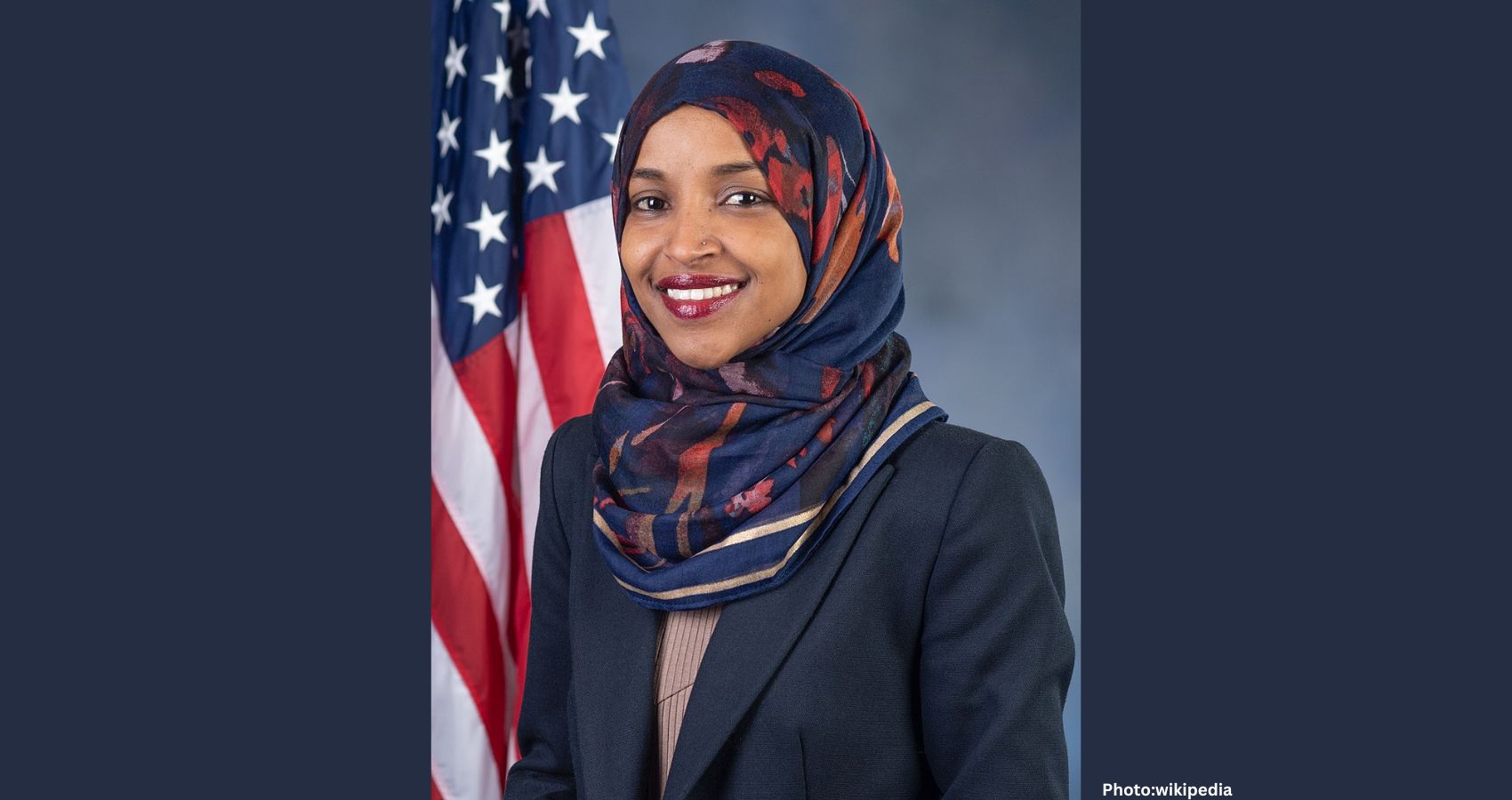
Senators Mark Warner of Virginia and Richard Blumenthal of Connecticut were among those who criticized Trump for blaming former President Joe Biden for current economic challenges, arguing that such claims were outdated. Senator Ed Markey of Massachusetts went so far as to leave the speech early, describing Trump’s remarks about improving American health as a “lie.” Other Democrats, including Senator Cory Booker of New Jersey and Representative Ilhan Omar of Minnesota, echoed similar sentiments, accusing Trump of dishonesty during his address.

Booker, when asked about Trump’s speech, stated, “I don’t want to respond to all of Dr. Trump’s lies,” highlighting the frustration among Democrats regarding the president’s rhetoric.

However, amidst the criticism, Blumenthal made a noteworthy admission regarding border security. While he condemned Trump’s tactics, he acknowledged, “the border is more secure.” This statement, though, was quickly followed by a critique of the administration’s methods. Blumenthal expressed his long-standing support for border security but emphasized the need for reforms to address what he termed “regrettable and inhumane” tactics that violate laws and constitutional rights.

Representative Omar also voiced her concerns regarding immigration enforcement, particularly the actions of Immigration and Customs Enforcement (ICE). She remarked on the frequency of presidential falsehoods, stating, “It happens all the time when a president is lying and clearly forgets that his administration killed two of my constituents.” Omar’s comments reflect the ongoing tensions surrounding immigration policy and enforcement practices.

When discussing her position on defunding ICE, Omar expressed a desire for accountability, stating, “I look forward to doing it.” She further emphasized the need for justice for individuals affected by ICE actions, specifically referencing the deaths of constituents Renee Good and Alex Pretti. Omar articulated that accountability and legal repercussions for those responsible would be prerequisites for her support of ICE funding.

The contrasting views within the Democratic Party highlight the complexities of immigration policy and border security, as lawmakers navigate their positions amidst a politically charged environment. While some acknowledge progress in border security, others remain critical of the administration’s overall approach and the implications for human rights.

As the political landscape continues to evolve, the dialogue surrounding immigration and border security remains a pivotal issue for both parties, influencing legislative priorities and public opinion moving forward.

According to Fox News, the reactions from Democratic lawmakers illustrate the ongoing debate over immigration policy and the challenges faced by the Biden administration in addressing these issues.

US Joins Israel in Preemptive Strike Against Iran Amid Combat Operations

The United States and Israel have launched preemptive strikes against Iran, escalating regional tensions as President Trump confirms major combat operations are underway.

The United States has joined Israel in launching preemptive strikes against Iran, marking a significant escalation in Middle Eastern tensions. The coordinated attack occurred on Saturday morning, shortly after 9 a.m. local time, and has been designated by the Pentagon as “Operation Epic Fury.”

In a video statement shared on Truth Social, President Donald Trump outlined the operation’s objectives, emphasizing the need to protect American citizens by neutralizing imminent threats posed by the Iranian regime. “Our objective is to defend the American people by eliminating imminent threats from the Iranian regime, a vicious group of very hard, terrible people,” Trump stated. He further noted that Iran’s menacing activities pose direct dangers to the United States, its military personnel stationed abroad, and its global allies.

Initial reports indicate that the strikes targeted locations in Iran, with a significant focus on the compound and main offices of Supreme Leader Ayatollah Ali Khamenei in downtown Tehran. However, it remains uncertain whether Khamenei was present during the assault, according to information from The Associated Press.

In retaliation, Iran launched missiles toward Israel. The Israel Defense Forces (IDF) reported that their Aerial Defense Array successfully intercepted incoming threats. Sirens were activated across various cities in Israel, including Jerusalem and Tel Aviv, prompting the IDF to advise the public to seek shelter until further notice.

Israeli Prime Minister Benjamin Netanyahu addressed the nation in a video statement, asserting that the joint operation with the United States aims to eliminate the existential threat posed by the Iranian regime. “Our joint action will create the conditions for the brave Iranian people to take their destiny into their own hands,” Netanyahu stated.

In response to the escalating situation, Israeli Defense Minister Israel Katz declared a special and immediate state of emergency throughout the country. He emphasized that the strikes were necessary to remove threats against Israel.

This developing story will continue to evolve, and updates will be provided as more information becomes available. According to The Associated Press, the situation remains fluid and requires close monitoring.

Common Vision Issues Linked to Home Lighting Choices in America

New research indicates that dim indoor lighting, rather than screen time, may contribute to the rising rates of myopia, which could affect nearly half of the global population by 2050.

Recent studies have highlighted a concerning trend: nearsightedness, or myopia, is on the rise worldwide. The World Health Organization estimates that by 2050, nearly half of the global population will be affected by this vision issue.

While heavy use of smartphones and other digital devices has been linked to an 80% increased risk of myopia—especially when combined with excessive computer usage—new research suggests that dim indoor lighting may also play a significant role in this epidemic.

For years, scientists have sought to understand the various triggers of myopia. Laboratory experiments have shown that myopia can be induced by blurring vision or using different lenses. Conversely, spending time outdoors has been found to slow its progression, indicating that environmental factors are at play.

According to the American Optometric Association (AOA), myopia occurs when the eyeball elongates too much from front to back. This elongation causes light to focus in front of the retina, resulting in distant objects appearing blurry.

Researchers at the State University of New York (SUNY) College of Optometry have identified a potential trigger for this elongation. When individuals focus on close objects, such as smartphones or books, their pupils naturally constrict. However, this constriction is not solely a response to brightness; it also serves to sharpen the image.

Urusha Maharjan, a doctoral student at SUNY Optometry who conducted the study, explained, “In bright outdoor light, the pupil constricts to protect the eye while still allowing ample light to reach the retina.” She further noted that in dim lighting, the combination of focusing on close objects and a narrowed pupil can significantly reduce the amount of light reaching the retina.

The researchers propose that when the retina is deprived of adequate light during prolonged close-up tasks, it sends signals for the eye to grow. In dim environments, the limited light reaching the retina may not be sufficient to halt this growth, leading to an increased risk of myopia.

In contrast, outdoor environments provide much brighter light levels than indoor settings. This ensures that even when the pupil narrows to focus on nearby objects, the retina still receives a strong signal, promoting healthy eye development.

The research team acknowledged some limitations of their study, including a small subject group and the challenge of directly measuring internal lens changes. The bright backgrounds used to simulate outdoor conditions resulted in pupils being too small for standard measurement equipment.

“This is not a final answer,” said Dr. Jose-Manuel Alonso, a distinguished professor and senior author of the study. “But the study offers a testable hypothesis that reframes how visual habits, lighting, and eye focusing interact.”

The findings of this study were published in the journal Cell Reports, and they open new avenues for understanding the relationship between lighting conditions and eye health.

As the prevalence of myopia continues to rise, it becomes increasingly important to consider how our indoor environments may contribute to this global health issue. Adjusting lighting conditions and encouraging outdoor activities could be vital steps in mitigating the myopia epidemic.

For more information on this topic, refer to the research conducted by the SUNY College of Optometry.

Rare Alignment of Planets to Occur in Night Sky, NASA Reports

Stargazers will have a rare opportunity to witness an alignment of six planets in the night sky, as announced by NASA, offering a captivating celestial event for observers worldwide.

Stargazers are in for a celestial treat as NASA announces an upcoming alignment of six planets, providing a rare opportunity to witness a cosmic ballet in the night sky.

In a universe as vast and mysterious as ours, moments of cosmic alignment offer a unique glimpse into the orchestrated dance of celestial bodies. The upcoming planetary alignment, as revealed by NASA, is one such event that promises to captivate both amateur astronomers and seasoned stargazers alike. This rare occurrence, where six planets will appear to line up in the night sky, serves as a reminder of the intricate mechanics governing our solar system and the profound beauty it holds.

While planetary alignments are not uncommon, they vary in visibility and the number of planets involved. The forthcoming event is particularly noteworthy due to the number of planets participating in this celestial lineup. Typically, planetary alignments involve two or three planets, but having six in a visible alignment is a rarity that occurs only once every few decades. This event will feature Mercury, Venus, Mars, Jupiter, Saturn, and Uranus, each contributing to a spectacle that is as scientifically fascinating as it is visually stunning.

The alignment is set to occur over several nights, allowing for multiple viewing opportunities. For observers in the Northern Hemisphere, the best time to witness this phenomenon will be just after sunset when the sky is dark enough for the planets to be visible but not so late that they dip below the horizon. Those in the Southern Hemisphere will also have a chance to view the alignment, although the timing may vary slightly due to differences in latitude.

Historically, planetary alignments have held significant cultural and scientific importance. In ancient times, such events were often seen as omens or messages from the gods, influencing decisions in areas ranging from agriculture to warfare. Today, while we understand the scientific principles behind these alignments, they continue to inspire awe and wonder, reminding us of our place in the universe and the interconnectedness of celestial phenomena.

From a scientific perspective, planetary alignments offer valuable opportunities for research and observation. They allow astronomers to study the gravitational interactions between planets and their effects on each other’s orbits. These interactions, while subtle, provide insights into the dynamics of our solar system and contribute to our understanding of planetary motion. Additionally, alignments can enhance the study of planetary atmospheres, as the planets reflect sunlight in unique ways during such events, offering a chance to analyze their compositions and weather patterns.

The upcoming alignment also highlights the importance of public engagement with astronomy. Events like these serve as gateways for the general public to connect with science, fostering curiosity and a deeper appreciation for the universe. Planetariums and observatories around the world often host special viewing events, providing telescopes and expert guidance to help people make the most of these celestial occurrences. For many, witnessing a planetary alignment can be a transformative experience, sparking a lifelong interest in astronomy and science.

Technological advancements have made it easier than ever to observe celestial events. With the proliferation of high-quality telescopes and smartphone apps, even novice stargazers can track the movement of planets and identify them in the night sky. Apps like Star Walk and SkySafari provide real-time data and augmented reality features, allowing users to point their devices at the sky and instantly learn about the stars and planets they are viewing. These tools democratize access to astronomy, making it accessible to anyone with an interest in the night sky.

As we prepare for this celestial event, it is worth reflecting on the broader implications of planetary alignments. They serve as reminders of the vastness and complexity of the universe, encouraging us to look beyond our immediate surroundings and consider the larger forces at play. In a world often dominated by the mundane and the routine, such events provide a momentary escape, inviting us to pause and marvel at the beauty and mystery of the cosmos.

In conclusion, the upcoming alignment of six planets is more than just a visual spectacle; it is an opportunity to engage with the universe in a meaningful way. Whether viewed through a telescope, a smartphone app, or simply with the naked eye, this rare cosmic event promises to inspire wonder and curiosity. As we gaze up at the night sky, we are reminded of the intricate dance of the planets and the enduring allure of the stars, beckoning us to explore and understand the universe we call home, according to NASA.

Genetic Analysis Sheds Light on Ancient Human-Neanderthal Interactions

The latest genetic analysis reveals that interbreeding between ancient humans and Neanderthals was more common than previously believed, particularly involving female Homo sapiens and male Neanderthals.

Recent genetic research has provided new insights into the intricate interactions between ancient humans and Neanderthals, suggesting that interbreeding was far more prevalent than previously thought. This study highlights a notable trend of couplings between female Homo sapiens and male Neanderthals, challenging long-held assumptions about these ancient relationships.

The evolving narrative of human ancestry has always captivated both scientists and the public. The latest findings come from a comprehensive study that explores the genetic remnants found in modern human DNA, offering a glimpse into the intimate encounters that have influenced our evolutionary history.

Conducted by a multidisciplinary team of geneticists, anthropologists, and archaeologists, the study employed advanced DNA sequencing technologies to analyze the genomes of contemporary humans from various populations. The primary focus was on identifying Neanderthal genetic markers that persist in modern human DNA, which provide valuable clues about the nature of ancient interbreeding events.

The results reveal a significant skew in genetic contributions, with a higher prevalence of Neanderthal DNA being passed down through the maternal line. This finding suggests that pairings between female Homo sapiens and male Neanderthals were more common than the reverse, indicating a more structured interaction than previously assumed.

This genetic evidence challenges the notion that interbreeding was a rare occurrence, driven solely by chance encounters between these two hominin groups. Instead, it points to the possibility of social dynamics that favored specific pairings, prompting a reevaluation of the cultural exchanges that may have occurred during these prehistoric interactions.

Traditionally, the relationship between Homo sapiens and Neanderthals has been portrayed as a brief and sporadic affair, primarily taking place in Europe and the Middle East around 50,000 to 40,000 years ago. However, the new genetic data suggests a more complex picture, with interbreeding events potentially spanning a longer timeframe and a broader geographical range. This perspective aligns with recent archaeological findings that indicate overlapping habitats and shared technologies between the two groups.

One of the most compelling aspects of this study is the insight it offers into the social structures of both Homo sapiens and Neanderthals. The preference for pairings of female Homo sapiens with male Neanderthals raises intriguing questions about the societal norms and mating strategies of these ancient populations. It is plausible that female humans were integrated into Neanderthal groups through established social practices, possibly as a means of alliance-building or resource sharing. Alternatively, these unions may have been driven by a scarcity of mates within isolated communities, leading to strategic pairings that enhanced the survival prospects of their offspring.

The genetic legacy of these ancient couplings is evident in modern human populations, with varying degrees of Neanderthal ancestry observed across different regions. For instance, populations in Europe and Asia exhibit a higher percentage of Neanderthal DNA compared to those in Africa. This variation reflects historical migration patterns and interbreeding events that occurred as Homo sapiens expanded out of Africa.

This genetic mosaic enriches our understanding of human diversity and underscores the interconnectedness of our species’ evolutionary journey. Beyond the academic implications, these findings resonate with broader cultural and philosophical questions about identity and heritage. The enduring presence of Neanderthal DNA in modern humans serves as a reminder of the shared history and common ancestry that unite all people.

These revelations challenge the notion of distinct and isolated human lineages, instead highlighting the fluidity and adaptability that have characterized our species’ evolution. As researchers continue to unravel the genetic tapestry of our past, advancements in technology and methodology promise to further illuminate the complex interactions between ancient hominin groups.

Future studies may uncover additional layers of genetic exchange, revealing even more about the social and environmental factors that shaped the lives of our ancestors. In the meantime, the current findings invite us to reconsider the narratives we construct about our origins and to embrace the rich tapestry of influences that have contributed to the human story.

In conclusion, the latest genetic analysis offers a fascinating glimpse into an ancient world where humans and Neanderthals not only coexisted but also intertwined their destinies through meaningful interactions. This research enriches our understanding of human evolution and encourages reflection on the enduring connections that bind us to our distant relatives. As we look to the future, the lessons of our past continue to inform and inspire, reminding us of the shared journey that has led us to where we are today, according to ABC News.

Three Indian Americans Recognized as New Voices in STEM Leadership

Three Indian American professionals have been selected for the National Academies of Sciences, Engineering, and Medicine’s New Voices program, aimed at addressing critical national and global challenges.

Three Indian American professionals—Siva Pilli, Nikitha Sambamurthy, and Sutyajeet Soneja—have been named to the 2026-2028 cohort of the National Academies of Sciences, Engineering, and Medicine’s New Voices program. This initiative seeks to broaden the expertise involved in the work of the National Academies while fostering a network of U.S. leaders dedicated to tackling pressing national and global challenges.

“Now more than ever, we need to nurture the next generation of talented American researchers, who are the future leaders of the U.S. science and innovation enterprise,” stated Marcia McNutt, president of the National Academy of Sciences, during the announcement of the new cohort.

Siva Pilli, who resides in Richland, Washington, serves as the director of strategic planning at Dassault Systèmes. In this role, he supports long-range planning across various sectors, including advanced manufacturing, life sciences and healthcare, as well as infrastructure and urban development. Pilli’s career encompasses a diverse range of experiences in global industry, national laboratories, and professional engineering organizations.

Prior to his position at Dassault Systèmes, Pilli worked at the Pacific Northwest National Laboratory, where he led programs funded by the U.S. Department of Energy. These initiatives aimed to connect government, industry, academia, and small businesses to facilitate the advancement of emerging technologies from research to practical application. He has also held leadership positions in the American Society of Mechanical Engineers and the National Society of Professional Engineers, representing the United States at various international engineering forums.

Nikitha Sambamurthy, the founder of Building Better Learning in Avon, Ohio, operates at the intersection of engineering education, learning science, and digital learning. Her work emphasizes evidence-based design and evaluation of educational technologies, including tools powered by artificial intelligence. Over the past decade, Sambamurthy has contributed to the development of digital learning products that have reached over one million STEM students, focusing on assessment design and the measurement of student reasoning and critical thinking on a large scale. She holds a doctorate in engineering education from Purdue University and has been honored with the university’s “38 by 38” award for outstanding alumni.

Sutyajeet Soneja is an associate scientist at the Center for Outbreak Response and Innovation at the Johns Hopkins Bloomberg School of Public Health, based in Ellicott City, Maryland. With more than 15 years of experience in global environmental health, exposure science, and science policy, Soneja has held various significant roles. His previous work includes involvement with MITRE on nationwide COVID-19 testing efforts in collaboration with the Centers for Disease Control and Prevention, as well as contributions to health security initiatives like the launch of ARPA-H.

Additionally, Soneja has served as a senior epidemiologist with Resolve to Save Lives, advised local COVID-19 response efforts in North Carolina, and worked as a science diplomat at the U.S. Embassy in Italy. His research interests encompass air pollution, climate change, and maternal and child health, with a particular focus on South Asia.

During their two-year term, the new cohort of 20 distinguished mid-career scientists, engineers, and medical professionals will engage in the National Academies’ consensus and convening activities, develop their own interdisciplinary projects, and continue to cultivate a robust network of emerging STEM leaders both in the U.S. and internationally.

Members of previous cohorts have participated in over 40 National Academies committees and represented U.S. mid-career STEM voices in more than 100 engagements at major international and domestic events, serving as speakers, planning committee members, and attendees.

According to a media release, the New Voices program is a vital platform for fostering innovation and collaboration among the next generation of leaders in science, technology, engineering, and mathematics.

Vinod Kachroo Appointed to Lead Tinubu’s North American Operations

Vinod Kachroo has been appointed to lead Tinubu’s North American operations, marking a significant step in the company’s strategy to enhance its presence in the specialty insurance sector.

Tinubu, a prominent provider of enterprise software tailored for the specialty insurance industry, has announced the appointment of Vinod Kachroo as the new head of its Americas Business. This strategic move underscores the company’s commitment to strengthening its foothold in the United States and modernizing the operations of carriers and brokers in handling complex surety and specialty lines.

In his new role, Kachroo will oversee regional operations and drive the growth of Tinubu’s end-to-end surety platform. His appointment comes at a crucial time when the insurance sector is under increasing pressure to transition from outdated legacy systems to more agile, cloud-based environments.

Tinubu’s leadership is confident that Kachroo’s extensive experience in high-scale digital transformation will be instrumental in helping U.S. clients unlock better data insights and enhance operational efficiency. “Vinod brings a rare combination of visionary leadership and operational excellence,” said Morgan Franc, CEO of Tinubu. Franc highlighted that Kachroo’s expertise in building high-performance technology platforms will be vital as the company continues to invest significantly in the American market.

Kachroo is not new to the Tinubu ecosystem; he previously served as the General Manager of Skye, where he played a key role in integrating Innoveo’s no-code technology into Tinubu’s core offerings following its acquisition. His career spans over three decades, including leadership roles at major firms such as AIG, Prudential, MetLife, and Tata Consultancy Services.

The surety market is currently navigating a transformative phase, with traditional workflows often hindered by manual processes. Kachroo sees this as a prime opportunity for disruption, noting that carriers are increasingly seeking configurable platforms that provide “agility without sacrificing control.”

In addition to his executive credentials, Kachroo is recognized as an industry futurist and author. He often draws parallels between his professional journey and his passion for long-distance running, suggesting that the endurance required for a marathon is essential for guiding large organizations through technological transitions.

Kachroo holds a Bachelor of Science in Engineering from the National Institute of Technology in India and an MBA from Saint Peter’s University.

For Tinubu, Kachroo’s hire is part of a broader momentum. Following a $45 million growth capital raise last year led by Morgan Stanley Expansion Capital, the company has been aggressive in its pursuit of market leadership within the specialty insurance SaaS space. By placing an experienced leader like Kachroo at the helm of its American division, Tinubu aims to translate its technological vision into tangible business impact for its North American partners.

Headquartered in Paris with a significant presence in New York, Tinubu continues to position itself as a bridge between deep domain expertise and cutting-edge software, striving to redefine the digital value chain for specialty insurers worldwide.

According to The American Bazaar, Kachroo’s leadership is expected to play a pivotal role in shaping the future of Tinubu’s operations in North America.

New Study Finds Leprosy in the Americas Before European Arrival

The discovery of Mycobacterium lepromatosis indicates that leprosy existed in the Americas long before European explorers arrived, reshaping historical perceptions of the disease.

Recent research has revealed that leprosy, also known as Hansen’s disease, was present in the Americas long before the arrival of European explorers. This finding challenges the long-held belief that the disease was introduced to the continent by settlers.

Scientists from the Institut Pasteur in Paris, France, in collaboration with a U.S. university, announced the discovery of a second species of bacteria responsible for leprosy. Previously, it was widely accepted that Mycobacterium leprae was the sole bacterium causing the disease, which was thought to have been brought to the Americas by early European explorers and settlers.

The identification of Mycobacterium lepromatosis suggests that this bacterium has been infecting humans in the Americas for at least 1,000 years prior to European contact. Dr. Maria Lopopolo, the first author of the study and a researcher at the Laboratory of Microbial Paleogenomics at the Institut Pasteur, emphasized the significance of this discovery. “This discovery transforms our understanding of the history of leprosy in America. It shows that a form of the disease was already endemic among Indigenous populations well before the Europeans arrived,” she stated.

The study was initiated after Mycobacterium lepromatosis was first identified in a Mexican patient in 2008, followed by its detection in red squirrels in the British Isles in 2016. Researchers utilized advanced genetic techniques to reconstruct the genomes of Mycobacterium lepromatosis from ancient individuals in Argentina and Canada. Their findings indicated that the two strains from these regions were closely related, suggesting that the bacteria spread rapidly throughout the continent.

The results confirmed that Mycobacterium lepromatosis had already established itself across both North and South America. The research team collaborated with Indigenous communities, various international institutions, and archaeologists, analyzing over 800 DNA samples from ancient human remains and recent medical cases exhibiting signs of leprosy.

Nicolás Rascovan, the lead author of the study at the Institut Pasteur, remarked on the implications of their findings. “We are just beginning to uncover the diversity and global movements of this recently identified pathogen,” he noted. “This study allows us to hypothesize that there might be unknown animal reservoirs.”

According to the Centers for Disease Control and Prevention (CDC), leprosy can affect the nerves, skin, and eyes of patients, but it is treatable with antibiotics. In the United States, up to 225 people are diagnosed with Hansen’s disease each year, while approximately 250,000 cases are reported globally, as stated by the CDC.

This groundbreaking research not only alters the historical narrative surrounding leprosy in the Americas but also opens new avenues for understanding the disease and its transmission. The study highlights the importance of interdisciplinary collaboration in uncovering the complexities of human health and disease.

As scientists continue to investigate the origins and spread of Mycobacterium lepromatosis, the findings underscore the need for ongoing research into the historical interactions between Indigenous populations and infectious diseases, reshaping our understanding of public health in the context of global history.

These revelations about leprosy’s presence in the Americas prior to European contact prompt a reevaluation of the historical context of the disease and its impact on Indigenous communities. The research serves as a reminder of the intricate relationship between humans and pathogens throughout history, emphasizing the importance of studying ancient diseases to inform modern public health strategies.

For further details, refer to the study published by the Institut Pasteur.

Democratic Voter Enthusiasm Dips During Trump’s Fentanyl Crackdown Remarks

Real-time voter data from President Trump’s State of the Union address revealed a partisan divide, with Democrats showing less enthusiasm for his remarks on drug cartels and fentanyl compared to Republicans and Independents.

During President Donald Trump’s recent State of the Union address, real-time voter data indicated a significant partisan split in reactions to his comments about drug cartels and fentanyl. While Republican and Independent voters responded positively to Trump’s remarks, Democrats displayed notably less enthusiasm.

Trump emphasized his administration’s efforts to combat drug cartels, stating, “For years, large swaths of territory in our region, including large parts of Mexico, really large parts of Mexico, have been controlled by murderous drug cartels. That’s why I designated these cartels as foreign terrorist organizations, and I declared illicit fentanyl as a weapon of mass destruction.” His comments were met with applause, particularly from Republican lawmakers.

A panel assembled by polling group Maslansky & Partners, which included 29 Democrats, 30 Independents, and 40 Republicans, tracked real-time reactions during the address. The data showed that Democrats’ enthusiasm dipped slightly below baseline levels when Trump began discussing his aggressive foreign policy stance, particularly regarding drug cartels in Central and South America. This included references to his administration’s bombing campaigns against these organizations, which have reportedly involved operations in the open ocean off the South American coastline and in the eastern Pacific.

In contrast, Republicans and Independents exhibited a much stronger favorable reaction to Trump’s assertions about the actions taken against drug cartels and the illegal fentanyl trade. The president also highlighted the recent U.S. assistance in capturing drug kingpin “El Mencho,” the leader of the Jalisco New Generation Cartel (CJNG), who was killed earlier this month in a military operation in Mexico. Although the operation was conducted by Mexican forces, U.S. efforts were instrumental in paving the way for El Mencho’s downfall.

On his first day in office, Trump signed an executive order directing the State Department to designate several cartels and international criminal groups as “foreign terrorist organizations” (FTOs). This designation allows for military-grade surveillance and “material support” prosecutions against these groups. The CJNG, while less known than other cartels like MS-13, was among those designated as an FTO by the Trump administration.

Following the executive order, Attorney General Pam Bondi issued a memorandum to Department of Justice employees, announcing a “fundamental change in mindset and approach” toward cartels and transnational criminal organizations, shifting to a policy of “total elimination.”

Throughout 2025 and 2026, the Trump administration engaged in an aggressive bombing campaign targeting cartel boats, alongside non-lethal maritime drug interdiction efforts. In early 2026, Venezuelan President Nicolás Maduro was captured by U.S. forces and extradited to New York on charges of drug trafficking and narco-terrorism, with Trump labeling him a “kingpin of a vast criminal network.”

The recent violence and the capture of El Mencho have raised concerns for American tourists in Mexico. White House Press Secretary Karoline Leavitt stated that the State Department has been receiving “hundreds of calls a day” from Americans seeking travel support and advice. She reassured the public, saying, “We are unaware of any reports of any Americans being hurt, kidnapped, or killed, and the Mexican drug cartels know not to lay a finger on a single American or they will pay severe consequences under this president – and they already are.”

As the political landscape continues to evolve, the differing reactions from voters underscore the challenges faced by the Trump administration in garnering bipartisan support for its policies on drug cartels and fentanyl.

According to Fox News, the partisan divide in enthusiasm highlights the complexities of addressing drug-related issues in the current political climate.

Trump Claims U.S. is ‘Winning So Much’ During State of the Union

In a lengthy State of the Union address, President Donald Trump proclaimed that the U.S. is ‘winning so much,’ emphasizing economic growth, military funding, and voter ID laws.

In a marathon State of the Union address, President Donald Trump declared that the United States was “winning so much,” highlighting a booming economy, advocating for increased military spending, and calling for tighter voter ID laws. Delivered in a record-setting 108 minutes, the speech was punctuated by frequent applause as Trump laid out his administration’s accomplishments and future goals.

Trump’s address was a sweeping narrative of American triumphalism, delivered with characteristic bravado and marked by moments of political theatre. In a speech that stretched beyond the usual hour, he presented a vision of America that was robust, prosperous, and secure, while also drawing lines in the sand on contentious issues such as military funding and voter ID laws.

The address, marked by enthusiastic applause from Republican lawmakers, aimed to project an image of a nation on the rise. Trump extolled the virtues of a booming economy, citing low unemployment rates and a stock market that was reaching unprecedented highs at the time. These economic indicators, he argued, were proof of his administration’s success in steering the country toward greater prosperity. However, the economic narrative was not without its critics. Economists and political analysts have pointed out that while the economy was performing well, factors such as wage growth and income inequality remained areas of concern.

Trump’s call for increased military funding was another key highlight of the address. Framing it as a necessary measure to ensure national security, he argued for a stronger military presence as a deterrent against global threats. This stance was consistent with his administration’s broader foreign policy approach, which emphasized military strength and readiness. Critics, however, have raised concerns about the implications of such spending on the national budget and the potential for escalating international tensions.

Perhaps the most polarizing aspect of Trump’s address was his endorsement of stricter voter ID laws. Framing it as a measure to protect the integrity of elections, Trump argued that tighter controls were necessary to prevent voter fraud. This assertion has been met with skepticism by many who argue that voter fraud is not widespread and that such laws could disenfranchise vulnerable populations. The debate over voter ID laws is emblematic of the broader partisan divide in American politics, where issues of electoral integrity and access are hotly contested.

The State of the Union address also served as a platform for Trump to tout his administration’s achievements in other areas, such as criminal justice reform and health care. He highlighted bipartisan efforts to pass the First Step Act, which aimed to reduce recidivism and reform sentencing laws. On health care, Trump reiterated his commitment to lowering prescription drug prices, a promise that resonated with many Americans concerned about rising health care costs.

In addition to policy discussions, the address was laden with symbolic gestures and moments designed to evoke emotional responses. Trump’s introduction of guests in the audience, a long-standing tradition in State of the Union addresses, included figures such as military veterans and individuals who had benefited from his administration’s policies. These moments were carefully orchestrated to underscore the human impact of policy decisions and to rally public support.

As with previous addresses, Trump’s rhetoric was a mix of optimism and confrontation. While he painted a picture of a nation on the upswing, he also took swipes at political opponents and the media, whom he accused of undermining his administration’s achievements. This dual approach of promoting unity while stoking division is a hallmark of Trump’s political style and reflects the deeply polarized nature of contemporary American politics.

Overall, Trump’s State of the Union address was a testament to his unique brand of leadership. It blended policy discussion with political theatre, aimed at consolidating support among his base while attempting to appeal to a broader audience. The address, like much of Trump’s presidency, was both celebrated and criticized, reflecting the complex and often contentious landscape of American politics.

As the nation continues to grapple with issues of economic inequality, national security, and electoral integrity, the themes and proposals outlined in Trump’s address will likely remain central to political discourse. Whether the country is indeed “winning so much” is a question that will continue to be debated by policymakers, analysts, and the public alike, according to AP News.

Indian-American Women at Increased Risk for Breast Cancer Due to Lack of Screening

Indian American women face rising breast cancer risks, often overlooked due to cultural barriers and a lack of disaggregated health data, as illustrated by the experiences of women like Srila.

During the early days of the pandemic, Srila, a healthcare professional in the Bay Area, discovered a lump in her breast. “While showering, I used to feel a little bit of something tough, but I didn’t pay much attention,” she recalled.

Having lived in the U.S. for over 20 years and balancing her career with family responsibilities, Srila was due for her biennial mammogram in 2020. However, as the world shut down and daily anxieties mounted, she found it difficult to prioritize what seemed like a non-urgent health issue. Instead, she focused on running fundraisers for a Bay Area nonprofit she co-founded to send critical pandemic supplies to India.

“I’m normally a very attentive and science-driven person, but there was so much chaos with the pandemic going on,” she said.

By August 2020, the grape-sized lump and persistent tightness in her breast could no longer be ignored. Upon contacting her primary care physician, she was urged to come in immediately. At 47, Srila was unaware of the alarming trend: breast cancer rates among Asian American women under 50 were rising significantly.

According to a 2024 report from the American Cancer Society, Asian American and Pacific Islander (AAPI) women experienced the fastest-growing breast cancer incidence of any racial or ethnic group between 2012 and 2021, with a rise of 2.6% per year. Dr. Lihua Liu, a professor at the University of Southern California, noted that cancer was once seen as a disease primarily affecting the elderly, but statistics indicate a troubling shift. Between 2000 and 2021, new breast cancer cases among AAPI women under 50 surged by 52%.

Moreover, a 2019 CDC study found that immigrant Asian women faced a two- to three-fold higher risk of developing breast cancer compared to their U.S.-born counterparts, even after accounting for known risk factors such as reproductive history and family history. The reasons for this elevated risk among women arriving from Asia remain unclear.

For Indian American women like Srila, the situation is even more complex due to the lack of disaggregated data on South Asian communities. This absence makes it difficult to fully understand the scope of their risk.

Dr. Liu emphasized that closer studies reveal significant differences in screening rates, stage at diagnosis, treatment, and health outcomes among various Asian groups. Census data often lumps together individuals from diverse backgrounds, including Indian, Pakistani, Nepalese, and Sri Lankan, obscuring the specific trends affecting South Asian populations. Despite being the second-largest Asian group in the U.S. with a median age of 34, Indian Americans have received less attention regarding their increasing breast cancer risk compared to other health issues like heart disease and diabetes.

Dr. Preeti Farmah, a breast surgical oncologist at El Camino Health, explained that breast cancer risk factors can be inherited or genetic, but they are also influenced by lifestyle and environmental factors. For immigrant Asian American women, the process of westernization plays a crucial role in shaping these risks.

As Asian Americans adopt American lifestyles, they often experience changes in diet, reproductive practices, and environmental exposures that increase their vulnerability to breast cancer. Dr. Farmah noted that adopting a westernized lifestyle can lead to higher obesity rates, declining fertility rates, and a tendency to have children later in life. These factors extend the body’s total window of estrogen exposure, modestly increasing breast cancer risk.

Additionally, the demands of balancing careers and family life in the U.S. often result in fewer pregnancies and shorter breastfeeding durations, further compounding the risk. Chronic stress can also elevate cortisol levels, which may contribute to increased breast cancer risk.

Dr. Farmah explained that estrogen acts as a fuel for cancer cells. As dietary habits shift toward higher fat and processed foods, combined with reduced physical activity, obesity becomes a significant risk factor. “When you have fatty tissue, it can also produce estrogen,” she added.

Dense breast tissue, which disproportionately affects AAPI women, complicates detection. Both small breast cancers and dense tissue appear white on mammograms, making them harder to identify. Dr. Farmah noted that this increases the likelihood of undetected cancers, as subtle signs may remain hidden.

Cultural barriers also play a significant role in preventive care. Many first-generation Asian Americans delay seeking preventive care due to health care norms from their home countries, where visits to doctors typically occur only when one is ill. Dr. Harpreet Pannu, a Kaiser internist in San Jose, explained that this mindset can hinder participation in preventive health measures.

A Rutgers study of Indian and Pakistani women in the U.S. linked poor mammogram screening rates to lifestyle and cultural factors, including lack of family support, transportation issues, modesty concerns, and beliefs about cancer as divine punishment. With two-thirds of Indian Americans born outside the U.S., these cultural norms significantly influence their approach to mammograms.

According to the CDC, AAPI women aged 40 to 49 have among the lowest mammography rates of any racial group, with only 54% reporting a mammogram in the past two years, compared to 60% of White women.

As immigrant women navigate a new culture and healthcare system while balancing work and family, preventive care often falls by the wayside.

However, early detection can lead to better outcomes. Nibedita, a Los Angeles resident, had her first mammogram at 40, which was negative. A few months later, during a self-exam, she discovered a lump. Her doctor quickly referred her for an ultrasound and biopsy, leading to a diagnosis of triple-negative breast cancer (TNBC), an aggressive form of the disease that occurs at higher rates in women of Indian subcontinent ancestry than in White women. Fortunately, her cancer was caught early, allowing her to undergo successful treatment.

Srila’s journey took a similar turn after her initial consultation. Within days, an ultrasound and needle biopsy confirmed a triple-positive breast cancer diagnosis. Following conflicting treatment recommendations, she sought a second opinion from a Stanford oncologist, who advised chemotherapy before surgery. Despite the challenges of undergoing treatment during the pandemic, Srila persevered through six cycles of chemotherapy, followed by surgery and radiation.

Tragically, her cancer metastasized to her brain, leading to multiple tumors. The experience highlighted the differences in follow-up care protocols between the U.S. and India, where full-body scans are more common after treatment.

Despite the setbacks, Srila remains determined. “I don’t want to live to breathe. I want to live to live,” she said, emphasizing her desire to continue pursuing her passions. She is currently undergoing active treatment and monitoring, benefiting from specialized care and advanced medical technology.

This article was produced in partnership with the USC Annenberg Center for Health Journalism’s “Healing California” Ethnic Media Collaborative.

Rep. Correa Honors Indian-American Ami Bera Family on House Floor

Congressman J. Luis Correa honored the Bera family on the House floor, highlighting their dedication to service, education, and community contributions in the U.S. and India.

WASHINGTON, DC – On February 24, Congressman J. Luis Correa (D-CA) paid tribute to the family of fellow Democratic Congressman Ami Bera during a session on the House floor. Correa recognized what he termed their “multigenerational commitment to service, education, and community,” as well as their significant contributions both in the United States and India.

Correa commended the Bera family’s longstanding dedication to public service and education. He traced their journey back to the 1950s, when Kanta and Babulal Bera emigrated from Gujarat, India, to the United States. The couple believed that “education is the path to opportunity” and worked multiple jobs while pursuing graduate degrees and raising their three sons: Raja, Rimal, and Ami Bera.

Rimal Bera currently serves as a clinical professor of psychiatry at the University of California, Irvine (UCI) Department of Psychiatry. Correa emphasized the family’s sustained engagement in public health and education, noting that their efforts have impacted communities from Orange County, California, to regions in India.

“The Beras’ dedication to global health has spanned a variety of impactful projects not only in Orange County but also on the other side of the world in India,” Correa stated.

Among the initiatives highlighted by Correa was the establishment of an all-girls school in India, which has successfully graduated more than 7,000 students. This school exemplifies the family’s commitment to empowering young women through education.

A central pillar of the Bera family’s philanthropic efforts has been their support for the University of California, Irvine School of Medicine. Two generations of the Bera family have attended this institution, furthering their legacy in the field of medicine.

Correa also pointed out a significant contribution made by the Bera family in 2020, when they donated $100,000 to the UCI School of Medicine. This donation was intended to permanently support medical students traveling to Rajkot, India, thereby fostering a connection between the two communities.

Through their various initiatives, the Bera family continues to exemplify a profound commitment to education and health, making a lasting impact in both their local and global communities. Their story serves as an inspiration for many, showcasing the power of dedication and service across generations.

According to IANS, the recognition by Congressman Correa underscores the importance of community engagement and the positive influence of immigrant families in American society.

Astronauts Return to Earth After ISS Mission Rescues Stranded Crew

A NASA crew successfully splashed down in the Pacific Ocean after completing a mission to the International Space Station, marking the agency’s first Pacific landing in 50 years.

NASA astronauts Anne McClain and Nichole Ayers, along with international crew members Takuya Onishi from Japan and Kirill Peskov from Russia, returned to Earth on Saturday, splashing down in the Pacific Ocean off the coast of Southern California. The landing occurred at 11:33 a.m. ET in a SpaceX capsule, marking a significant milestone as it was NASA’s first Pacific splashdown in five decades.

The crew’s mission involved relieving two astronauts, Suni Williams and Butch Wilmore, who had been stranded aboard the International Space Station (ISS) for nine months. Their extended stay was due to issues with the Boeing Starliner capsule, which had experienced thruster problems and helium leaks. NASA ultimately deemed it too risky to return Williams and Wilmore in the Starliner, which flew back to Earth without a crew. Instead, the two astronauts returned home in a SpaceX capsule after their replacements arrived.

Wilmore announced his retirement from NASA earlier this week after a distinguished 25-year career. Reflecting on their mission, McClain expressed hopes that it would serve as a reminder of the power of collaboration and exploration, especially during challenging times on Earth. She shared her anticipation of enjoying some downtime upon her return, while her crewmates looked forward to indulging in hot showers and burgers.

This mission also marked a change for SpaceX, which opted to switch its splashdown locations from Florida to California to minimize the risk of debris falling on populated areas. After exiting the spacecraft, the crew underwent medical checks before being transported by helicopter to meet a NASA aircraft bound for Houston.

Steve Stich, manager of NASA’s Commercial Crew Program, expressed satisfaction with the mission’s outcome during a post-splashdown press conference. “Overall, the mission went great, glad to have the crew back,” he stated. “SpaceX did a great job of recovering the crew again on the West Coast.”

Dina Contella, deputy manager for NASA’s International Space Station program, echoed this sentiment, noting her happiness at seeing the Crew 10 team back on Earth. She remarked that the crew had orbited the Earth 2,368 times and traveled more than 63 million miles during their 146 days in space.

This successful mission underscores the ongoing collaboration between NASA and commercial partners like SpaceX, as they work together to advance human space exploration.

According to Fox News, the mission’s success highlights the resilience and adaptability of space travel in the modern era.

Laughter in the Dark: A Reflection on Humor’s Role in Difficult Times

In a world marked by power outages and struggles, a Cuban man finds solace in laughter, reflecting on resilience and the enduring spirit of his community amidst adversity.

Another day without power. It’s a familiar reality for Father, who wakes up drenched in sweat. How many mornings can he endure this discomfort? The heat is relentless, and at his age, even the simplest tasks feel monumental.

Father knows the routine all too well. A trip to the bathroom, a quick wash of his face, and a rinse of his armpits in the sink—if only there was enough water to last. His wife, in the other room, is deep in prayer, her voice rising above the sound of the faucet.

“Gloria al Padre, al Hijo y al Espíritu Santo,” she chants, her fervent prayers echoing in the dim light of their candle-lit home. Despite the oppressive heat, she remains still, a bronzed figure beneath the painting of Jesus. Sweat beads cling to her curls, yet she shows no sign of moving.

Father contemplates approaching her, but the last time he did, she slapped him and cursed. She dislikes interruptions during her prayers, a lesson he learned after more than forty years of marriage. Yet, his heart aches to help her, even if his efforts often fall short.

What does Father truly know about help? After years spent in a hospital, he now faces the grim reality that the facility only accepts patients on the brink of death. Power outages have crippled their ability to provide care, leaving even the most critical patients vulnerable.

He wonders if the Americans want them to perish. Some Cubans living in the United States seem to believe that cutting off resources is for the best. Have they forgotten their roots? Politicians live in comfort, insulated from the struggles of ordinary citizens, while families like his endure weeks without electricity.

Fatigue washes over him. Despite a full night’s sleep, he struggles to keep his eyes open, the heat and dehydration weighing him down. He attempts to sit at the dining table, but nearly misses the chair. He knows this home too well, having lived in it for decades, yet the darkness makes it difficult to navigate.

As he settles into the chair, discomfort shoots through him. At his age, a fall could lead to serious injury, and with no surgeons available on the island, he would be left to suffer in silence. He would have to rely on expired medications and whatever water he could find.

“¿Amor, por qué te ríes?” His wife’s voice breaks through his thoughts, a mix of concern and curiosity. Perhaps she thinks he’s lost his mind. He can’t help but laugh, the sound echoing in the stillness.

Her approach brings the scent of sweat closer, and he can make out the frills of her nightgown and the dark curls of her hair. Fear and confusion flicker across her face, which only makes him laugh harder. The laughter is infectious, a release from the weight of their circumstances.

As she murmurs something he can’t quite catch, she picks up a candle and heads to the kitchen. Father wonders what she can possibly cook in the dark, and the absurdity of it sends him into another fit of laughter, one that quickly turns into a cough.

“You’ve gone crazy,” she remarks, her tone half-serious.

“No, no, that’s not it,” he replies, trying to regain his composure.

The laughter subsides, and Father reflects on their situation. It’s a blackout, but one thing is clear: he is a Cuban who has endured much and will continue to persevere. A little darkness cannot extinguish the spirit of the Cuban people. If the United States believes that depriving them of electricity will break their will, they are in for a surprise.

In the face of adversity, Father finds strength in laughter, a testament to resilience in a world that often feels devoid of light.

According to GlobalNetNews.

Indian-American Teen Questions Normalization of Hate Against Indians

Indian American teens are increasingly confronting normalized anti-Indian hate, highlighting the impact of stereotypes and casual racism on their identity and self-esteem.

During middle school, I faced my first experience of racism when someone asked me, “Does your house smell bad because you are Indian?” This moment marked the beginning of my understanding that being Indian encompassed more than just my skin color—it was a stark introduction to the prejudices that exist in society.

Over time, I began to notice that racist jokes about Indians were becoming alarmingly common. These remarks were often met with laughter, even from those who prided themselves on being socially aware. Today, the prevalence of anti-Indian hate in classrooms and on social media suggests that the norms surrounding blatant racism have shifted, allowing such comments to go unchallenged.

Has this normalization of hate against Indians in America become a troubling reality? Comments about the smell of Indian food or assumptions that Indian children are “nerdy” or socially awkward were once dismissed as harmless observations. Now, challenging these stereotypes is often viewed as being overly sensitive.

Such mocking comments have become so frequent that they may no longer be recognized as anti-Indian racism. This trend is particularly evident online, where social media posts featuring Indians often attract derogatory comments. Videos depicting Indians preparing food in unflattering ways frequently draw attention, and the comment sections are rife with stereotypes that, if directed at other ethnic groups, would be deemed unacceptable. These comments are not only tolerated but are also liked, shared, and laughed at by viewers.

According to data from aapiequalityalliance.org, over 44,000 slurs targeting South Asians were recorded in extremist digital spaces during just May and June of 2024. This alarming statistic indicates a growing acceptance of hate speech directed at Indian Americans.

One contributing factor to this phenomenon may be the perception of Indian Americans as a model minority. With an average household income estimated at around $150,000 in 2023, Indian Americans have made significant strides in fields such as medicine, engineering, and technology, often outperforming other demographic groups.

Does this perceived success render Indian Americans immune to racist remarks? Is anti-Indian hate considered permissible simply because they appear to be thriving?

Talvin Dhingra, a student at Tufts University, notes, “There is definitely a difference in how they are seen in media and politics,” even as he acknowledges that “Indians aren’t totally seen as different in younger circles.”

Media representation plays a crucial role in shaping societal attitudes. Historically, Indian characters in American television and film have been relegated to minor roles or portrayed through racial stereotypes. For example, the character Baljeet in *Phineas and Ferb* is depicted as a quintessential nerd, while Apu from *The Simpsons* is portrayed as a convenience store owner with an exaggerated Indian accent, voiced by a white actor.

Such portrayals do more than reflect stereotypes; they reinforce them. When audiences grow accustomed to seeing a particular group mocked on screen, it becomes easier to justify similar behavior in real life. A 2010 study by the National Communication Association found that viewers who frequently encountered stereotypical portrayals of African Americans and Latinos were more likely to associate these groups with negative traits, influencing their perceptions in the real world.

This environment can be particularly damaging for younger Indian Americans. As teenagers navigate their identities, casual racism can subtly shape their self-perception. Kavi Kumar-Warikoo, an Indian American high school student from Cambridge, Massachusetts, reflects, “I remember not having any Indian role models to look up to in television and the media growing up. It definitely made me somewhat accept that Indian Americans weren’t meant to be ‘popular’ or ‘cool.’”

The Mental Health Foundation highlights that racism can diminish self-esteem and instill shame, leading individuals to question their identities. Many Indian children grow up feeling embarrassed by their names, food, or cultural practices.

“When I was younger, I didn’t always realize the meaning behind jokes directed towards my race, but looking back now, it’s obvious that it was because Indian hate is normalized,” Kumar-Warikoo adds. “Even now in high school, you hear jokes and comments about Indians that are just seen as ordinary.”

When racism becomes normalized, it sends a message to young people that certain aspects of their identity are fair game for ridicule. However, it is essential to recognize that not all forms of racism are identical. While anti-Indian racism may not be systemic in the same way as anti-Black racism, it is still harmful.

Small comments, such as calling Indians smelly, along with repeated jokes and stereotypes, accumulate over time. They shape how people perceive Indians and how Indians perceive themselves. It is striking how little public attention this issue has received in the past. However, advocacy groups are beginning to document this trend, and mainstream media is starting to take notice. A recent survey by the Carnegie Endowment for International Peace reveals rising concerns among Indian Americans regarding discrimination, particularly amid recent U.S. policy changes and geopolitical uncertainties. Additionally, Stop AAPI Hate has reported a 115% increase in anti-Indian sentiment online over the past two years, while CNN has highlighted how racists are now openly targeting Indian Americans.

Reflecting on my own experiences, these anti-Indian comments did not lead me to believe I smelled bad or was only good at math. However, they subconsciously influenced my life choices. At times, I felt compelled to prove that I was like my peers, engaging in sports and consuming American food. Unbeknownst to me, this behavior contributed to a rejection of my Indian identity.

If American society genuinely believes that racism is unacceptable, this belief must be applied consistently across all ethnic groups. Challenging normalized anti-Indian hate is not about demanding special treatment; it is about seeking the same basic respect that society claims to uphold.

Real progress requires us to question the jokes we have grown accustomed to laughing at and to listen when individuals express their hurt, even if we are not used to hearing it.

According to India Currents, the normalization of anti-Indian hate is a pressing issue that deserves attention and action.

Dharma Endowment Fund Launches Grants Program for Indian-American Communities

The Dharma Endowment Fund has launched a grants program to support organizations and community projects that promote Dharma and its values.

The Dharma Endowment Fund, a nonprofit initiative, is committed to supporting organizations and community projects that uphold and promote the principles of Dharma. This includes a focus on spiritual education, the preservation of Vedic traditions, cultural heritage initiatives, humanitarian service, and programs that strengthen ethical and value-based living.

With a mission to provide financial assistance to initiatives that create meaningful and lasting impacts within their communities, the Fund is now inviting applications for its annual grants program. This program aims to support a variety of entities, including temples, spiritual institutions, educational initiatives, community outreach programs, and service-oriented organizations that align with the Fund’s core values of compassion, integrity, and service.

The Dharma Endowment Fund is particularly interested in projects that preserve sacred knowledge, expand access to spiritual learning, and uplift underserved communities. By focusing on these areas, the Fund hopes to foster a deeper understanding of Dharma and its relevance in today’s world.

For more information about the Dharma Endowment Fund, its mission, and application guidelines, interested parties can visit their website at www.dharmafund.org.

This initiative reflects the Fund’s commitment to nurturing a vibrant community that values spiritual growth and ethical living. Through its grants program, the Dharma Endowment Fund aims to empower organizations that are making a difference in their communities.

According to India Currents, the grants program is a significant step towards enhancing the impact of Dharma-related initiatives across various sectors.

U.S. Aims for Stronger Ties with India Amid China Concerns

The United States is pursuing a deeper economic partnership with India as part of its broader strategy to address China’s rise, which it identifies as a defining issue of the 21st century.

WASHINGTON, DC – The United States has characterized its response to China’s growing influence as “the defining story of the 21st century.” As part of this strategy, the U.S. is signaling a deeper, albeit conditional, economic partnership with India within the framework of its Indo-Pacific strategy.

According to the State Department’s Agency Strategic Plan for Fiscal Years 2026–2030, the document states, “How the United States responds to the rise of China will be the defining story of the 21st century.” This response is not only centered on global economic competition but also on safeguarding U.S. national interests in the Indo-Pacific region.

The plan highlights the importance of the Indo-Pacific, noting, “Asia is already the source of nearly half of the world’s gross domestic product by some estimates, and crucial sea lanes and supply chains crisscross the region.” It further emphasizes that “regional peace and stability benefit the United States irrespective of competition with countries such as China.”

In this context, India is specifically mentioned as a key partner. The strategic plan outlines, “We will seek partnership with growing regional economies such as India, but on terms that advance U.S. security and economic interests and avoid repeating past mistakes.”

The strategy adopts a dual-track approach. Economically, the U.S. aims to “advance an economic system in the Indo-Pacific that is both free from external coercion and open to the American people.” This includes a commitment to support “U.S. reindustrialization through broad commercial advocacy efforts, the development of secure and resilient supply chains, and the spread of American and trusted alternatives to Chinese-created dependencies.”

Additionally, the plan indicates a focus on tougher trade enforcement measures. The United States will work to “identify and counter attempts to evade U.S. tariffs through third-country transshipment.”

On the security front, the document stresses the need for a “favorable military balance in the Indo-Pacific to keep the trade routes free and open and to deter aggression.” It notes that China has engaged in “an unprecedented military buildup,” which the U.S. must publicly address and be prepared to counter.

Despite these security concerns, the plan asserts that Washington “desires neither war nor regime change” and will “consistently seek open lines of communication with China and means to reduce misunderstandings and risks.”

The strategy also emphasizes the importance of alliances, stating that the United States will “seek closer economic and military ties with Indo-Pacific allies and partners that benefit U.S. strength, not which come at our expense.”

Mechanisms such as the Quadrilateral Security Dialogue are highlighted as tools to “drive American and allied regional priorities and counter attempts by China to establish a hostile and exclusionary economic system.”

Linking economic statecraft with national security, the plan asserts that the United States will “rescue our industries from unfair trade practices and illegitimate competition” and aims to “firmly reestablish America as the economic and technological juggernaut of the 21st century.”

The Indo-Pacific region has emerged as the primary arena for strategic competition between Washington and Beijing over the past decade, with trade, technology, supply chains, and military posture at the forefront of tensions, according to IANS.

Unforgettable Highlights from Trump’s Record-Breaking State of the Union Address

President Donald Trump’s State of the Union address featured emotional tributes and political confrontations, highlighting his administration’s achievements and ongoing challenges, while breaking records for length.

During his historic State of the Union address on Tuesday evening, President Donald Trump honored notable figures, including the U.S. Olympic hockey team and seven-year-old crash survivor Dalilah Coleman. The speech, which lasted approximately one hour and 48 minutes, set a record as the longest State of the Union address in modern history.

Trump’s address focused heavily on the economy, emphasizing his administration’s efforts to cut taxes, reduce housing costs, and secure the nation’s borders. He framed his speech as a declaration of a national “turnaround,” showcasing what he described as significant progress under his leadership.

Among the most memorable moments was the presence of the U.S. men’s hockey team, who had recently secured a gold medal victory over Canada at the Winter Olympics. As Trump welcomed the team, the chamber erupted in chants of “USA,” with lawmakers from both parties standing to honor the athletes. Goaltender Connor Hellebuyck received particular recognition, as Trump announced he would be awarded the Presidential Medal of Freedom for his outstanding performance during the Olympic games.

“I will soon be presenting Connor with our highest civilian honor,” Trump stated. “It’s called the Presidential Medal of Freedom.” Hellebuyck’s contributions, including making 41 saves in a crucial game against Canada, were highlighted as exemplary of American triumph.

Trump also took the opportunity to criticize Democrats for their opposition to tax cuts, which he referred to as part of a “big, beautiful bill.” He accused them of contributing to rising inflation and worsening the housing crisis. At one point, he directly challenged lawmakers to reaffirm their commitment to protecting American citizens over illegal immigrants, prompting a stark divide in the chamber.

“The first duty of the American government is to protect American citizens, not illegal aliens,” Trump asserted, inviting legislators to stand in support of this principle. While Republicans rose to applaud, many Democrats remained seated, leading Trump to admonish them for their lack of support.

In a heated exchange, Minnesota Democratic Rep. Ilhan Omar shouted accusations at Trump, claiming he had “killed Americans.” This outburst came as Trump addressed issues related to immigration and crime, including a fraud scandal linked to Minnesota’s Somali community.

Throughout the evening, Trump honored several military heroes, delivering emotional tributes that resonated with the audience. He awarded the Medal of Honor to 100-year-old naval aviator Royce Williams, who had a storied career spanning World War II, the Korean War, and Vietnam. Trump recounted Williams’ bravery during a legendary dogfight against Soviet fighter planes, emphasizing the remarkable nature of his service.

Additionally, Trump recognized Army Chief Warrant Officer Eric Slover, who played a pivotal role in capturing Venezuelan dictator Nicolás Maduro, and presented Purple Hearts to U.S. Air Force Staff Sgt. Andrew Wolfe and Army Spc. Sarah Beckstrom, who was posthumously honored after a tragic attack in Washington, D.C.

Another poignant moment came when Trump honored Coast Guard rescue swimmer Scott Ruskan, who received the Legion of Merit for his extraordinary heroism during the Texas floods. Trump reunited Ruskan with an 11-year-old girl he had rescued, highlighting the personal connections forged through acts of bravery.

Among the guests invited to the address was Dalilah Coleman, a young girl who survived a life-threatening car crash in 2024. Trump shared her inspiring recovery story, noting that doctors had initially doubted her ability to walk or talk again. “But against all odds, she is now in the first grade, learning to walk,” he said, as lawmakers applauded her resilience.

Trump’s State of the Union address encapsulated a mix of celebration, confrontation, and emotional storytelling, reflecting both the achievements and challenges facing his administration. As he continues to navigate the political landscape, the address served as a platform for Trump to assert his vision for the country moving forward.

According to Fox News Digital, the address was marked by a blend of triumph and tension, showcasing the complexities of American politics today.

Kim Jong Un Appoints Daughter as ‘Missile General’ in Nuclear Program

North Korean leader Kim Jong Un has reportedly appointed his teenage daughter, Ju Ae, to a leadership role within the country’s missile program, signaling a potential succession plan.

North Korean leader Kim Jong Un has reportedly assigned his teenage daughter, Ju Ae, a significant leadership role within the regime’s influential “Missile Administration,” which oversees the nation’s nuclear forces. According to South Korean media reports, this development was revealed on Monday, with intelligence sources suggesting that Ju Ae, believed to be around 13 or 14 years old, is acting as a “missile general director.”

These reports emerged as authorities closely monitor the ongoing Ninth Congress of the ruling Workers’ Party. The Chosun Daily, citing high-level government sources, indicated that intelligence agencies have received information confirming Ju Ae’s elevation to this position. Although Jang Chang-ha is officially listed as the director of the administration, it appears that Kim’s daughter is receiving briefings from military generals and issuing directives.

South Korea’s National Intelligence Service has informed lawmakers that Ju Ae’s increasing public profile suggests she is being positioned as a potential successor to her father. The agency noted that there have been instances where she has provided input on policy matters, as reported by The Associated Press.

Ju Ae has been seen accompanying her father at various high-profile military events, including intercontinental ballistic missile launches and inspections of weapons systems. North Korean state media first acknowledged her existence in November 2022, referring to her only as a “beloved child” during a public appearance at the launch of the Hwasong-17 intercontinental ballistic missile. Notably, her name has never been officially disclosed by the North Korean regime.

This reported role for Ju Ae comes as Kim Jong Un continues to showcase advancements in North Korea’s weapons programs. On February 18, he was photographed operating a nuclear-capable 600mm multiple rocket launcher in Pyongyang, which he touted as one of the most powerful systems of its kind. State media displayed rows of launch vehicles, claiming that the rockets, which utilize artificial intelligence for guidance, have “completely changed” modern artillery warfare, according to reports from Reuters.

In a related development, Kim was re-elected as general secretary of the ruling Workers’ Party of Korea on February 22, a decision announced by state-run media following the party’s Ninth Congress. This comes amid a prolonged suspension of meaningful diplomacy between North Korea and both the United States and South Korea, following the collapse of a 2019 summit between Kim and then-President Donald Trump. The breakdown was attributed to disagreements over sanctions relief in exchange for steps to dismantle Kim’s nuclear and missile programs.

As North Korea continues to enhance its military capabilities, the role of Ju Ae may indicate a strategic move by Kim Jong Un to solidify his family’s influence within the regime and prepare for a future transition of power.

According to The Associated Press, the developments surrounding Ju Ae’s involvement in the missile program could have significant implications for North Korea’s leadership dynamics and its approach to international relations.

Heavy Snow Increases Risk of Heart Attacks, Experts Warn

Heavy snowfall poses significant health risks, particularly for those with pre-existing conditions or sedentary lifestyles, as shoveling can lead to serious heart-related events, experts warn.

As the northeastern United States braces for historic snow accumulation this week, health experts are sounding the alarm about the dangers of shoveling heavy, wet snow. The combination of strenuous physical activity and exposure to frigid temperatures can place a significant strain on the heart, particularly for individuals who are not regularly active or who have underlying health issues.

Dr. Marc Siegel, a senior medical analyst for Fox News, emphasized that the risks associated with shoveling snow are heightened by the weight of the snow and the cold winds. “The combination of the wet, heavy snow and the heavy winds make it more of a health risk because it’s much harder to get around,” he told Fox News Digital.

In addition to the physical exertion required for shoveling, heavy, wet snow can create hazardous conditions. As temperatures drop, the snow can freeze, leading to icy surfaces that pose risks for walking and driving. “In the aftermath of the storm, as the temperatures drop, the heavy, wet snow forms ice, which makes walking and driving treacherous,” Siegel noted.

Moreover, heavy snow can infiltrate clothing, increasing the risk of hypothermia in severe cases. Siegel urged individuals to dress appropriately for the conditions, highlighting the importance of wearing gloves, hats, and warm coats. “I saw this morning people who weren’t covered properly… weren’t wearing gloves, didn’t have the full hat, or the kind of overcoat they needed,” he said. “They also weren’t looking out for each other.” He stressed the need for community vigilance during such weather events.

Siegel advised against unnecessary outdoor activity, warning of the dangers posed by fallen power lines and trees weighed down by snow. “Watch out if you are outside for brief periods — for fallen power lines or for trees that are down. That’s very, very dangerous as well,” he cautioned. “That’s where a lot of the injuries come from.”

Dr. Joshua Latzman, a cardiologist at White Plains Hospital Physician Associates in New York, echoed these concerns. He explained that research indicates shoveling heavy snow can impose “significant stress on the heart.” He noted that this risk is exacerbated in cold temperatures, which can elevate blood pressure and constrict coronary arteries. “This can be especially dangerous for people who are out of shape or not used to strenuous activity,” Latzman said.

Many heart-related incidents occur among individuals who are typically inactive. Latzman warned that when someone who is sedentary suddenly engages in heavy shoveling after a storm, the unexpected physical strain can lead to serious emergencies. “Straining to lift something heavy can have the same effect if normal breathing is impacted,” he added.

Those at greater risk include individuals who are obese, smokers or former smokers, people with diabetes, and those with high cholesterol or high blood pressure. Additionally, anyone with a history of heart attacks or strokes should exercise extreme caution, according to the American Heart Association (AMA).

“Anyone with these characteristics, including people who have undergone bypass surgery or coronary angioplasty, should not be shoveling snow,” Latzman concluded.

Siegel advised those who may be at risk to avoid shoveling altogether, suggesting they “get a younger person or somebody who’s in much better shape to do it.” He described shoveling snow as “about the most cardiac expenditure of energy that you can have.” For those who must shovel, experts recommend taking a gradual approach and working at a comfortable pace.

The AMA also suggests covering the mouth and nose while shoveling and dressing in layers, including hats and gloves. Pushing or sweeping snow is generally safer than lifting and throwing it, as it requires less energy and reduces the risk of injury.

In summary, while heavy snowfall can create logistical challenges, it is crucial to recognize the potential health risks associated with shoveling. Taking precautions and being mindful of one’s physical condition can help mitigate these dangers.

For more information on health risks related to snow shoveling, consult the American Heart Association.

New Cohort Announced for Gateways for Growth Challenge 2023

The American Immigration Council and Welcoming America have announced the selection of over ten local communities for the Gateways for Growth Challenge, aimed at enhancing immigrant inclusion and community development.

WASHINGTON, D.C. & DECATUR, GA, December 15, 2025 — The American Immigration Council and Welcoming America, two prominent national nonprofits, have announced the selection of over ten local communities to receive awards as part of the Gateways for Growth Challenge (G4G) Round VI initiative. These awardees will benefit from a combination of customized research, technical assistance, and planning support designed to develop strategies that ensure all residents, including immigrants, can thrive and fully contribute to their communities.

The 2026 cohort includes a diverse array of urban and rural communities across ten states, showcasing the extensive welcoming efforts being led by local governments, nonprofits, chambers of commerce, and community coalitions. Notable awardees include:

Arlington County, Virginia

Charlotte, North Carolina

Durham, North Carolina

El Paso County, Texas

Fort Bend County, Texas

Johnson County, Kansas

Lancaster, Pennsylvania

Las Cruces, New Mexico

Mahoning County, Ohio

St. Louis, Missouri

Wabash County, Indiana

“For nearly a decade, the Gateways for Growth Challenge has empowered local communities to quantify the impact of their immigrant populations and invest in welcoming policies and programs,” said Rich André, Director of State and Local Initiatives at the American Immigration Council. “We are excited to collaborate with this new cohort to create opportunities for all residents.”

Molly Hilligoss, senior network director of Welcoming America, added, “This cohort represents local leaders who are actively working to make their communities places where everyone can participate and succeed. We are proud to support them as they translate their welcoming values into actionable initiatives.”

Since its inception in 2016, the G4G initiative has supported over 75 localities across 37 states. Participating communities have developed comprehensive welcoming plans that address critical areas such as language access, workforce development, civic participation, and social cohesion. Many of these communities have successfully passed welcoming resolutions, launched new programs, joined the broader Welcoming Network, and achieved Certified Welcoming status—a national recognition for communities that meet specific benchmarks for inclusion and welcoming.

For more information about the Gateways for Growth Challenge, visit gatewaysforgrowth.org.

About the Gateways for Growth Challenge

The Gateways for Growth Challenge (G4G) offers a competitive opportunity for localities to receive research support and technical assistance from the American Immigration Council and Welcoming America, aimed at improving immigrant inclusion in their communities. Learn more at gatewaysforgrowth.org.

About Welcoming America

Welcoming America is a nonprofit, nonpartisan organization that leads a movement to create inclusive communities that foster prosperity by ensuring that everyone belongs. Through the Welcoming Network, the organization works to transform systems and culture by providing communities with the necessary roadmap to create welcoming policies and share innovative approaches to inclusion, enabling everyone to thrive. Learn more at welcomingamerica.org.

About the American Immigration Council

The American Immigration Council is dedicated to strengthening America by shaping public perception and policy regarding immigrants and immigration. The Council advocates for a fair and just immigration system that opens doors to those in need of protection while harnessing the energy and skills that immigrants contribute. Through coordinated efforts in litigation, research, legislative and administrative advocacy, and communications, the Council aims to effect meaningful change. Follow the Council on Bluesky @immcouncil.org and on Instagram @immcouncil.

According to the American Immigration Council, the Gateways for Growth Challenge continues to play a vital role in fostering inclusive communities across the nation.

Raj Bhakta Offers 115 Acres of Land for Zero Dollars

Raj Bhakta is offering the former Green Mountain College campus in Poultney, Vermont, free of charge, seeking a steward aligned with his vision for reviving Western Civilization and the Christian faith.

POULTNEY, VT – Raj Bhakta is making headlines by offering 115 acres of land for free. The former Green Mountain College campus, which he purchased in 2020 for $5 million, is now available to a steward who shares his vision of revitalizing Western Civilization and promoting the Christian faith.

Bhakta, the founder of Bhakta Spirits, acquired the expansive property at a time when it was appraised at nearly $20 million. He is specifically looking for a Catholic organization—such as a university, diocese, or religious order—that can utilize the land for the mission and formation of the Church.

Despite his initial investment and ambitious plans to transform the Poultney landmark into a mixed-use development featuring hotels, luxury condominiums, and a micro distillery, the campus has largely remained dormant. A recent attempt to secure redevelopment permits for nearly 100 hotel rooms and a fitness center was abruptly withdrawn last autumn, leaving the historic Georgian architecture and its 20 buildings without a clear path forward.

The decision to donate the land comes in light of the increasing financial burden associated with the estate. Documents from previous permit applications indicate that Bhakta has been spending as much as $2 million annually on general upkeep and operations of the property.

Even for a new owner who might achieve nonprofit and tax-exempt status, the costs of maintaining the grounds remain substantial. A request for proposals published this month cautions prospective applicants that they should anticipate spending at least $1 million per year on basic maintenance. However, a more realistic budget of $1.5 million is suggested to adequately address the significant amount of deferred maintenance required to keep the campus functional.

As Bhakta seeks a new steward for the property, the future of the former Green Mountain College campus hangs in the balance. The opportunity presents a unique chance for organizations aligned with his vision to take on a historic site with potential for meaningful use.

According to India-West, the outcome of this initiative could significantly impact the community and the preservation of the campus’s historical significance.

DHS Shutdown Threatens Security as Secret Service Neutralizes Armed Suspect

The recent shooting incident at Mar-a-Lago, involving Secret Service agents working without pay due to a DHS shutdown, highlights the ongoing political tensions surrounding federal funding and security operations.

Secret Service agents shot and killed an armed intruder at Trump’s Mar-a-Lago resort over the weekend, an incident that has drawn attention to the ongoing partial shutdown of the Department of Homeland Security (DHS). The suspect, identified as 21-year-old Austin Martin, allegedly entered the secure area of the resort by slipping through a vehicular exit gate that had opened for another vehicle.

According to authorities, Martin was confronted by two Secret Service agents and a deputy from the Palm Beach County Sheriff’s Office. He was carrying a gas can and a shotgun. After being ordered to drop the items, he complied with the request to put down the gas can but then raised the shotgun in a threatening manner. In response, the law enforcement officers fired their weapons, neutralizing the threat.

This incident has brought renewed focus to the fact that many Secret Service agents are currently working without pay due to the ongoing DHS shutdown. The shutdown has been attributed to a standoff between Republicans and Democrats over immigration policies, particularly regarding the funding and reform of Immigration and Customs Enforcement (ICE).

Rep. Randy Fine, a Republican from Florida, emphasized the bravery of the Secret Service agents involved in the incident, stating that it serves as a reminder of the increasing political violence in the country. “The attempted assassination of President Trump at Mar-a-Lago is a stark reminder of growing leftist political violence in our country,” Fine said. He expressed gratitude for the agents who acted swiftly to neutralize the threat, despite the lack of compensation due to the shutdown.

Stephen Miller, a senior aide in the White House, criticized Democrats for their role in the funding impasse. He stated, “Democrats voted to defund Secret Service, Homeland Security Investigations, and all the intelligence and law enforcement functions that support Secret Service.” Miller claimed that this situation is unprecedented in the history of federal law enforcement.

House Small Business Committee Chairman Roger Williams, a Republican from Texas, echoed Fine’s sentiments, urging Americans to recognize the dedication of the agents who responded to the incident while working without pay. “As we continue to learn more about the armed man at Mar-a-Lago this morning, we must remember that the brave agents who responded are serving our country without pay due to the Democrat-led shutdown,” Williams said.

Prior to the shooting, Senate Majority Whip John Barrasso, a Republican from Wyoming, warned that the ongoing shutdown could jeopardize the operations of the Secret Service and other agencies, such as FEMA. He criticized Democrats for prioritizing illegal immigration over the safety of American citizens.

In contrast, Rep. Lois Frankel, a Democrat from Florida, condemned political violence and expressed gratitude to the Secret Service and local law enforcement for their prompt response. “Political violence is never the answer. Thank you to the Secret Service and Palm Beach County law enforcement for their swift response today and for their continued work in keeping the president safe,” Frankel stated.

The incident at Mar-a-Lago occurs amid broader challenges faced by agencies affected by the shutdown, including FEMA, which is grappling with a blizzard in the Northeast. Certain services managed by Homeland Security, such as TSA escorts for members of Congress, have also been suspended due to the funding lapse.

This situation underscores the ongoing complexities and ramifications of the DHS shutdown, as federal law enforcement agencies continue to operate under challenging conditions, raising concerns about national security and public safety.

According to Fox News, the implications of this incident extend beyond the immediate threat, highlighting the intersection of political discourse and the operational realities faced by federal agencies.

Indian-American Mohit Anand Appointed to Lead Campbell’s Snacks Division

Indian American Mohit Anand has been appointed as the executive vice president and president of Campbell’s snacks division, overseeing iconic brands like Goldfish and Pepperidge Farm.

The Campbell Soup Company has announced the appointment of Mohit Anand, an Indian American industry veteran, as the executive vice president and president of its snacks division. In this role, Anand will lead one of the largest snack portfolios in the United States, taking over from Elizabeth Duggan, who is leaving the company to pursue other opportunities.

Based in Camden, New Jersey, Campbell’s snacks division includes well-known brands such as Goldfish crackers, Pepperidge Farm, Snyder’s of Hanover, Kettle Brand, and Late July. Anand’s extensive experience in the consumer-packaged goods (CPG) sector will be instrumental in driving growth for these iconic products.

With over 30 years of global experience, Anand joins Campbell’s with a strong background in international business strategy. His most recent position was at Kellogg’s, where he managed the snacks business across Asia, the Middle East, and Africa. Prior to that, he spent a significant amount of time at Unilever in London, leading global initiatives in water and beverages.

Anand’s career began at Procter & Gamble, where he dedicated 15 years to developing his skills in marketing and general management across Asia. This foundational experience in high-growth markets has shaped his approach to brand building and operational excellence.

He holds a Bachelor of Engineering degree from Panjab Engineering College in Chandigarh and a Master of Management Studies from the Jamnalal Bajaj Institute of Management Studies in Mumbai.

The timing of Anand’s appointment is significant for Campbell’s, as the company continues to focus on its snacks segment, which has emerged as a key driver of overall revenue. Industry analysts believe that Anand’s international perspective will be crucial as the company seeks to modernize its supply chain and enhance the reach of its core “power brands” in a competitive retail environment.

In his new role, Anand will report directly to Campbell’s President and Chief Executive Officer Mick Beekhuizen. His focus will be on innovation and maintaining the market-leading positions of Campbell’s legacy snack products, ensuring they continue to resonate with consumers.

According to American Bazaar, Anand’s leadership is expected to bring fresh insights and strategies that will benefit Campbell’s as it navigates the evolving landscape of the snack food industry.

Caring for Afghan Children: From Kabul to Houston

Safia, an Afghan refugee, navigates the challenges of adapting to life in Houston while pursuing her dream of working in childcare, highlighting the broader issues of refugee support and the childcare crisis in the U.S.

Safia is one of the 50,500 Afghan refugees who have been admitted to the United States through the Special Immigrant Visa (SIV) program. This initiative was established by Congress to assist Afghans who worked for the U.S. government abroad. A college-educated math teacher, Safia is currently not licensed to teach in the United States. To further her career, she applied for a childcare training and licensing class at the ECDC – Houston Multicultural Center.

“In order to speed up this self-sufficiency goal, it takes everyone in the household working,” said Earlene Leverett, the former manager of the program. “Employers are finally realizing the impact that childcare has on the economy. Businesses have jobs, they need employees to fill those jobs, and those employees need childcare.”

Safia’s family had a stable life in Afghanistan. She earned a college degree and taught math at an elementary school in Kabul, while her husband worked as an electrical engineer. They had three children and seemed to be thriving.

However, her husband’s 17-year employment with the United States Agency for International Development (USAID) placed the family in jeopardy when the Taliban regained control of Afghanistan in 2021. He was placed on a death list, which put the entire family at risk.

Eventually, Safia’s family found refuge in Houston. While they are safe, they face significant economic challenges. The process of obtaining licensure to work in their respective professions in the U.S. can take years. Currently, her husband works at a lower-level job in an electronics company, and Safia has found only a low-paying position as a helper at a childcare center far from home. Without reliable transportation, commuting to work has become a significant hurdle.

“I worked one year in pre-K in Afghanistan,” Safia shared. “I love working with children.” She discovered a free childcare training and licensing class at the ECDC – Houston Multicultural Center, a nonprofit organization dedicated to supporting refugees and immigrants. Unfortunately, due to funding restrictions, the course was only available to Afghan refugees who arrived in the U.S. between 2021 and 2023, while Safia arrived in 2024.

Earlene Leverett, who managed the ECDC childcare training program for a decade, has witnessed the transformative impact it has on both refugees and the broader community. “Childcare is in crisis,” she noted. “Employers are finally realizing the impact that childcare has on the economy. Businesses have jobs, they need employees to fill those jobs, and those employees need childcare.”

During her tenure, Leverett estimates that between 350 and 400 immigrants graduated from the one-year program. Some graduates opened their own childcare businesses, providing options for parents who might otherwise struggle to find care. Most went on to secure employment at existing daycare centers, which often face staffing shortages.

“It’s a win for everyone,” Leverett explained. Parents who are already home with young children—most often mothers—can “add substantially to the household income.” This is especially beneficial for immigrant mothers who may prefer childcare providers with a similar cultural background. Employers, particularly in sectors that rely heavily on immigrant labor, such as hospitality and healthcare, can access the workforce they need.

The U.S. government offers limited financial assistance to refugees upon their arrival, but this support diminishes quickly. Nonprofits and community organizations step in with language classes and job training, aiming to help refugees achieve self-sufficiency within six months.

“In order to speed up this self-sufficiency goal, it takes everyone in the household working,” Leverett reiterated. “When there is no childcare available to employees, it becomes a huge economic issue.”

Leverett, who operated her own daycare centers in Texas for 16 years, noted that immigrants have always played a vital role in the childcare industry as employees.

Providing training for refugees like Safia to obtain childcare licenses is effective, Leverett said. “We saw the difference it made in the community. Employment was one of the key needs.”

Currently, Safia is focused on improving her English skills and finding an affordable program that will help her obtain a license to open her own childcare facility. “I like children, I’m patient with children,” she expressed. “I really want to improve in this field and work with children.”

As Safia navigates her new life in Houston, her story underscores the challenges faced by many refugees and the critical need for support systems that enable them to thrive in their new communities.

The post Caring for Children from Kabul to Houston appeared first on American Immigration Council.

Dinosaur Fossils Discovered During Construction at National Park

Construction workers at Dinosaur National Monument made a remarkable discovery when they unearthed fossils believed to belong to the Diplodocus during a routine parking lot project.

In a surprising turn of events at Dinosaur National Monument, construction workers uncovered dinosaur fossils while working on a parking lot project. This significant find marks the first time fossils have been discovered at the site in over a century.

The discovery occurred in mid-September when workers removed asphalt near the Quarry Exhibit Hall, revealing dinosaur-bearing sandstone. The National Park Service reported that park staff identified the remains on September 16, prompting an immediate halt to construction to allow paleontologists to evaluate the fossils.

Experts believe the fossils belong to a large, long-necked dinosaur known as the Diplodocus, a species commonly found in the area’s historic bonebed. Park officials noted that the excavation involved collaboration among park staff, a Utah Conservation Corps crew, volunteers, and construction workers.

Between mid-September and mid-October, crews successfully removed approximately 3,000 pounds of fossils and surrounding rock. The extracted material is currently being cleaned and studied at the Utah Field House of Natural History State Park Museum in Vernal. Visitors to the museum can observe the preparation process in the facility’s fossil lab.

This site had not seen excavation efforts since 1924, when fossil removal ceased following a series of early 20th-century digs conducted by prominent institutions, including the Carnegie Museum, the Smithsonian National Museum of Natural History, and the University of Utah. Dinosaur National Monument itself was established in 1915.

Some of the newly uncovered fossils are already on display at the Quarry Exhibit Hall, often referred to as the “Wall of Bones.” Additional specimens are showcased at the Utah Field House museum. The Quarry Exhibit Hall is the park’s most popular attraction, built atop the original Carnegie quarry, where visitors can view approximately 1,500 dinosaur fossils still embedded in rock.

Following the excavation, crews completed the parking lot and road improvement project, which included new concrete and asphalt work, as well as accessibility upgrades around the exhibit hall. This enhancement aims to improve visitor experience while preserving the rich paleontological history of the area.

The discovery of these fossils not only adds to the scientific understanding of the region’s prehistoric life but also enhances the educational opportunities available to visitors at Dinosaur National Monument.

According to National Park Service, this remarkable find underscores the importance of ongoing research and preservation efforts in national parks.

Ethnic Media Urged to Reclaim Community Narratives from Distortion

As America approaches its 250th anniversary, ethnic media plays a crucial role in reclaiming community narratives from historical revisions that seek to erase or distort the truth.

As the United States nears its 250th anniversary, a significant struggle over historical memory is unfolding. This conflict is underscored by recent actions taken by the Trump administration, which has sought to reshape the narrative of American history. Two months into his second term, President Trump signed an executive order aimed at restoring “truth and sanity to American history.”

Critics, including historians and activists, have pointed to various instances where non-white narratives have been marginalized or erased. For example, the stories of Navajo Code Talkers during World War II have been removed from government websites, and the Black Lives Matter mural in Washington D.C. was painted over. Additionally, the Department of Defense has eliminated images and articles related to diversity, equity, and inclusion (DEI).

David Blight, a historian from Yale University, described the executive order as “a declaration of political war on historians,” likening it to tactics used by the Nazis. While such comparisons may seem extreme, many scholars argue that the administration’s efforts reflect a broader attempt to erase the contributions of non-white individuals from American history.

As the nation prepares to celebrate the signing of the Declaration of Independence, the narrative surrounding this milestone is being contested. Sandy Close, Executive Director of American Community Media (ACoM), noted that the current administration is attempting to portray American history as a “white-only drama,” excluding significant contributions from non-white communities. In this context, ethnic media must take the lead in documenting and preserving community stories that might otherwise be overlooked or misrepresented.

Alan Spears, senior director at the National Parks Conservation Association, emphasized the importance of storytelling in preserving history. He remarked, “The quickest way that you can disappear people is to disappear their story or to soften it.” This sentiment echoes the actions of the National Park Service, which has removed references to slavery and LGBTQ+ history from its webpages. In New York City, signage at Jamaica Bay Wildlife Refuge referencing slavery and the incarceration of Japanese Americans has also been taken down.

During a recent hearing, U.S. Representative Jared Huffman expressed concern that the administration is using the upcoming anniversary to promote an alternate version of reality. He warned that “when you begin picking at words to soften and sanitize, to erase history, that is a dangerous precipice to be on.”

In addition to historical revisions, immigrant communities across the United States are grappling with the impact of recent immigration crackdowns. Raids conducted by Immigration and Customs Enforcement (ICE) and Customs and Border Protection (CBP) have left many communities in fear. Although cities like Los Angeles, Chicago, and Minneapolis have filed lawsuits against these actions, the Department of Homeland Security (DHS) has continued its enforcement efforts, at times disregarding judicial orders.

In this climate of tension, advocates argue that the government is victimizing immigrant communities, making it increasingly vital for these groups to assert their rights and speak out against injustices. Ethnic media has become increasingly important in this context, as many believe mainstream media has been reluctant to fully report on these issues.

National television networks and major newspapers have faced lawsuits and threats of retaliation, which have stifled their ability to pursue critical stories about the administration’s actions or to document the experiences of communities of color. Ann Burrough, President and CEO of the Japanese American National Museum (JANM), stressed the need for minority communities to see themselves represented with dignity and accuracy in the media. She warned that authoritarian regimes often begin by attacking culture and history, which can lead to the suppression of free speech and the alteration of historical narratives.

Burrough drew parallels between recent immigration enforcement and the forced incarceration of 125,000 Japanese Americans during World War II, highlighting the importance of museums like JANM in documenting “inconvenient truths” about exclusion, resistance, survival, and struggle.

Margaret Huang, Senior Fellow at The Leadership Conference on Civil Rights and Human Rights, pointed out that the systematic erasure of Black history offers critical lessons for the present. She noted that efforts to obscure the history of the Reconstruction era and the civil rights movement have persisted, reflecting a struggle to control the historical narrative in favor of white supremacy. Despite the Civil War being fought primarily in the South and East Coast, memorials to Confederate leaders remain prevalent, reinforcing a narrative that Huang describes as a “narrative of white supremacy.”

Ray Suarez, a veteran journalist, argued that America is witnessing “the last kick of a dying mule,” as white grievance seeks to impose a “fantasy narrative” during the nation’s 250th anniversary. He emphasized that whiteness is a contrived historical construct and reminded audiences that America has always been a multicultural nation.

Anneshia Hardy, Executive Director at Alabama Values, introduced the term “narrative governance” to describe the administration’s attempt to present a white-centered version of American history. She stated that the current administration aims to use the 250th anniversary to promote a narrow historical account.

Hardy’s organization is leading long-term narrative initiatives that involve historians, political scientists, community storytellers, journalists, and cultural workers to create a more comprehensive account of American history that includes diverse perspectives.

The relevance of these discussions extends to the Desi community, which has experienced significant changes in recent decades. The first wave of Indian immigrants arrived in the United States after the Immigration and Nationality Act of 1965, with many seeking opportunities in various industries. However, recent immigration crackdowns have disproportionately affected the Indian-origin community, which is now the third-largest group of undocumented immigrants in the U.S.

Official figures indicate that over 3,800 Indians were deported in 2025, and the presence of ICE and CBP agents has created a climate of fear within these communities. Businesses have shut down, families are avoiding public spaces, and many individuals are experiencing emotional trauma and economic distress. The distressing image of Aliya Rahman, a disabled Bangladeshi-American, being forcibly removed from her car by armed agents has further heightened these fears.

As America commemorates its 250 years of independence, the struggle over how its history is told has gained renewed urgency. Historians, civil rights leaders, journalists, museums, and ethnic media are actively resisting efforts to sanitize or narrow the national narrative. For immigrant and minority communities, including the Desi community, the stakes are deeply personal. Preserving historical truth is not just about the past; it shapes belonging, dignity, and citizenship in the present. The fight for inclusive and accurate storytelling is central to achieving equality and ensuring that the American narrative reflects the contributions of all who have shaped it, according to India Currents.

Top Five Memorable Moments in American State of the Union History

As President Trump prepares for his upcoming State of the Union address, we reflect on five of the most memorable moments in the history of this annual event.

President Donald Trump is set to deliver his first official State of the Union address of his second term on Tuesday night before a joint session of Congress. As viewers tune in, many will be on the lookout for viral moments and headline-grabbing exchanges reminiscent of those that have defined past speeches.

One of the most notable moments in State of the Union history occurred during President Ronald Reagan’s 1982 address. This event marked the first time a president publicly acknowledged guests in the audience, a practice that has since become commonplace. Reagan’s speech took place just weeks after the tragic crash of Air Florida Flight 90, which killed 78 people when it struck Washington’s 14th Street Bridge shortly after takeoff.

Among the few survivors of the crash was Lenny Skutnik, a Congressional Budget Office assistant who heroically jumped into the icy waters to rescue a woman who had lost her grip on a helicopter line. Reagan honored Skutnik during his address, highlighting the spirit of American heroism. “Just two weeks ago, in the midst of a terrible tragedy on the Potomac, we saw again the spirit of American heroism at its finest,” Reagan said. “We saw the heroism of one of our young government employees, Lenny Skutnik, who, when he saw a woman lose her grip on the helicopter line, dived into the water and dragged her to safety.”

Fast forward to February 2020, when Democratic House Speaker Nancy Pelosi made headlines for tearing up President Trump’s speech after he concluded his address. This dramatic act sparked a social media firestorm and solidified her place in State of the Union infamy. When asked why she did it, Pelosi responded, “Because it was the courteous thing to do considering the alternatives.” She added, “I tore it up. I was trying to find one page with truth on it.”

Pelosi’s actions came shortly after Trump’s first impeachment trial, which ended in a Senate acquittal the day after the address. The White House later tweeted, “Speaker Pelosi just ripped up: One of our last surviving Tuskegee Airmen. The survival of a child born at 21 weeks. The mourning families of Rocky Jones and Kayla Mueller. A service member’s reunion with his family. That’s her legacy,” referencing individuals mentioned by Trump during his speech.

Another unforgettable moment occurred during President Barack Obama’s 2009 address when South Carolina Republican Rep. Joe Wilson interrupted him, shouting, “You lie!” This outburst was particularly striking as such interruptions were far less common at the time. Wilson’s comment came as Obama discussed his controversial healthcare reform, specifically addressing claims that it would cover illegal immigrants.

Following the incident, Wilson issued a written apology to Obama’s chief of staff, Rahm Emanuel, stating, “This evening, I let my emotions get the best of me when listening to the president’s remarks regarding the coverage of illegal immigrants in the health care bill. While I disagree with the president’s statement, my comments were inappropriate and regrettable. I extend sincere apologies to the president for this lack of civility.”

In recent years, the tone of State of the Union addresses has continued to evolve, with moments of tension becoming more frequent. During President Biden’s address, Republican Rep. Lauren Boebert shouted at him regarding the deaths of U.S. service members due to toxic burn pits during the chaotic withdrawal from Afghanistan in 2021. Boebert, who wore an outfit emblazoned with “Drill Baby Drill,” drew boos from the audience as she interrupted Biden’s remarks.

As Biden spoke about immigration, Boebert and fellow Republican Marjorie Taylor Greene chanted “build the wall,” further contributing to the charged atmosphere. Biden addressed the crowd, saying, “Some of my Republican friends want to take the economy hostage — I get it — unless I agree to their economic plans,” prompting visible reactions from members of Congress, including then-GOP House Speaker Kevin McCarthy.

Biden’s speech was marked by interruptions, with Republicans jeering as he discussed Medicare and Social Security, leading to a heated exchange. “Instead of making the wealthy pay their fair share, some Republicans want Medicare and Social Security to sunset,” he stated, eliciting further backlash from the audience.

As we anticipate Trump’s upcoming address, it is clear that the State of the Union continues to be a platform for both policy discussion and dramatic moments that capture the nation’s attention, reflecting the evolving nature of American politics.

According to Fox News, these moments serve as a reminder of the significance and impact of the State of the Union address in American political discourse.

CIA Revises 19 Past Intelligence Assessments for Political Bias

The CIA has retracted or revised 19 intelligence assessments deemed politically biased, following an internal review that raised concerns about the agency’s analysis related to diversity, equity, and inclusion.

The Central Intelligence Agency (CIA) announced on Friday that it is retracting or substantively revising 19 intelligence assessments from the past decade that were found to exhibit political bias. This decision follows an internal review initiated by CIA Director John Ratcliffe.

The agency’s review identified assessments that did not meet the CIA’s standards for impartiality and analytic rigor. In a statement, Ratcliffe emphasized the importance of maintaining high standards in intelligence analysis, stating, “There is absolutely no room for bias in our work.” He added that when instances of compromised analytic rigor are identified, the agency has a responsibility to correct the record.

Included in the CIA’s release were three redacted assessments from between 2015 and 2021. These reports focused on topics such as the radicalization of White women, the treatment of LGBT activists in the Middle East and Africa, and the impact of the COVID-19 pandemic on access to birth control in developing countries.

The first of the three reports, titled “Women Advancing White Racially and Ethnically Motivated Violent Extremist Radicalization and Recruitment,” was published in October 2021, during the early months of the Biden administration. This assessment examined the involvement of women in extremist groups overseas, suggesting that they engage in violence due to a perceived threat to their idealized white European identity from multiculturalism and globalization.

The second report, “Middle East-North Africa: LGBT Activists Under Pressure,” was released toward the end of the Obama administration. It posited that the conservative public opinion and political competition from Islamist groups in the region were driving government actions against the LGBT community, which in turn hindered U.S. initiatives supporting LGBT rights.

The final report included in the CIA’s release was titled “Worldwide: Pandemic-Related Contraceptive Shortfalls Threaten Economic Development,” published in July 2020, near the conclusion of President Donald Trump’s first term. This assessment warned that the COVID-19 pandemic was limiting access to contraceptives in developing countries, potentially undermining efforts to address population pressures that affect economic development.

The CIA’s decision to retract or revise these assessments was prompted by findings from the President’s Intelligence Advisory Board, which conducted an independent review of hundreds of reports from the last decade. The board concluded that the flagged assessments did not adhere to CIA and Intelligence Community (IC) analytic tradecraft standards and were influenced by political considerations.

Deputy Director Michael Ellis led the internal review that corroborated the board’s findings, stating that the assessments fell short of the high standards expected from the CIA’s elite analytic workforce.

In addition to the three reports released, a senior administration official, speaking anonymously to The New York Times, indicated that the majority of the other flagged assessments were related to diversity, equity, and inclusion. Former officials expressed skepticism about the decision to declassify the three documents and questioned the claims of flaws in the assessments, suggesting they merely reflected the policy priorities of previous administrations.

The CIA’s actions underscore its commitment to transparency and accountability in intelligence analysis, as well as its dedication to maintaining objectivity in its assessments. As the agency moves forward, it aims to ensure that its intelligence products meet the high standards expected by the American public.

According to The New York Times, the implications of these revisions may extend beyond the assessments themselves, potentially influencing future intelligence analysis and reporting practices within the agency.

Bay Area Youth Learn Responsible AI Use from 11th Grader

Param Raval, an 11th grader from the Bay Area, is educating youth on the responsible use of artificial intelligence, emphasizing critical thinking over blind reliance on technology.

In a world where artificial intelligence (AI) is often viewed as either a miraculous advancement or a looming threat, Param Raval, an 11th grader from the Bay Area, California, is striving to provide clarity on the subject.

Param has centered his work around a crucial message that is often overlooked: AI is powerful, but it is neither magic nor harmless. Rather than allowing fear-driven narratives or unwarranted confidence to dictate how students engage with AI, he aims to equip this generation with a comprehensive understanding of what AI tools can and cannot do, as well as the importance of critical thinking in their usage.

“The most important thing for every student to understand about AI is that it has a lot of benefits but also a lot of harm,” Param stated in an interview with Rooted, an initiative by India Currents that amplifies the voices of second and third-generation Indian Americans. “They should try to be as educated as possible before they start integrating it into their daily lives.”

His commitment to education and balance inspired him to establish his nonprofit organization, The AI Compass, which is currently developing its online presence. The organization aims to teach students about AI—its workings, benefits, risks, and responsible usage. So far, Param reports that The AI Compass has educated 200 students through over a dozen workshops held in libraries and at his school.

What distinguishes his workshops is his balanced approach: “not only focusing on the harms and discouraging AI development, while simultaneously not being blinded by the potential and benefits that AI holds,” he explained.

Param’s journey into the world of AI began with his acceptance into Stanford’s AI4ALL summer program, where he learned machine learning at a technical level. This experience provided him with the foundational knowledge necessary to understand the complexities of AI.

Building on this foundation, he founded a school club dedicated to emerging technology, which eventually evolved into The AI Compass, a broader initiative aimed at bringing AI education to younger students throughout the Bay Area.

His goal is to help students “find the middle ground,” allowing them to harness the advantages of AI without becoming overly dependent on it. This includes teaching them the basics of how large language models operate, recognizing bias and misinformation, and understanding the dangers of treating AI-generated content as infallible.

Param emphasizes the importance of using AI tools ethically and effectively. He advises students to view AI as a tool rather than a replacement for their own critical thinking. “ChatGPT is helpful and can make you more productive, but it should not be the end-all, be-all or something you rely on to do your homework,” he cautioned.

For many students, the concept of “AI safety” may seem remote and irrelevant. However, Param’s perspective shifted dramatically during a school debate. As a member of his school’s speech and debate team, he researched artificial general intelligence, which can match human-level intelligence. This exploration forced him to confront the reality that AI is fundamentally different from other technologies.

“AI is basically categorically different from other technologies,” he asserted. While every technological advancement carries risks, he believes that AI has the potential to instigate changes that society is not adequately prepared for.

Despite this, he does not advocate for students to shy away from AI. Instead, he urges them to use it mindfully. Param points out that the allure of quick results can often overshadow the importance of deep learning and independent thought, especially when peers are using AI to expedite their work.

“The quick satisfaction of completing an assignment early” can easily overshadow the pursuit of long-term growth, he explained. His advice is to leverage AI for repetitive tasks without allowing it to replace critical thinking. “Use it for busy work, not the thinking,” he said.

Across schools nationwide, students are discovering that AI can accelerate their work. However, the critical question remains: what are they sacrificing in the process? Param advocates for using AI to eliminate mundane tasks while ensuring that schoolwork remains meaningful, enabling students to synthesize, evaluate, and create.

He likens this transition to the introduction of calculators in math education. Rather than abandoning math instruction, educators adapted assessments to focus on more complex problems. He believes a similar evolution is necessary with AI: allowing it to handle repetitive tasks while ensuring that students engage with more meaningful assignments that require critical thinking.

For instance, instead of manually formatting a table for an assignment, Param utilized AI to generate the structure, allowing him to concentrate on the underlying problem-solving aspects. “Instead of just manually creating a table and adding rows one by one, I told ChatGPT to create the empty table for me. Then I was able to complete the assignment a lot faster and spend more time actually solving the problem instead of just adding rows and columns,” he explained.

This encapsulates his core message: AI should serve to remove obstacles, not replace the effort required for learning.

One of the most significant challenges Param faces in teaching AI safety is the perception that the associated risks are distant. Students may recognize that overreliance on AI can undermine their critical thinking skills, but the long-term consequences often feel less urgent when immediate deadlines loom.

He draws a parallel to climate change, where individuals are aware of the environmental impact of gas-powered vehicles but find the transition to electric cars inconvenient. Similarly, many students understand the risks of AI but are drawn to its convenience.

Another factor influencing teens’ perceptions of AI is social media. Param has observed that extreme narratives dominate online discussions, with sensational headlines like “AI will replace everyone” or “AI will solve everything” fostering fear and misinformation.

“The only videos and articles that actually go viral… are the ones that are very extreme,” he noted. “It creates a positive feedback loop where there is more anger, more uncertainty.”

His workshops aim to disrupt this cycle. He seeks to empower students with enough knowledge to form their own conclusions rather than relying on sensationalized content. Each session includes a breakdown of how AI systems function, real-world examples of their benefits and risks, and practical guidance on using AI responsibly.

When discussing the cultural values that shaped his approach, Param highlighted the importance of education, a principle that resonates with many South Asians. He attributes his commitment to learning to his parents’ emphasis on education from an early age and the belief in delving deeper than surface-level narratives.

He also embodies the South Asian value of embracing challenges without waiting for complete readiness. This mindset, often cultivated in immigrant households, fosters independence and resilience—qualities he sees as vital in navigating the complexities of AI safety.

Looking ahead, Param believes that young people must focus on what makes humans unique in an era where AI can outperform them in various tasks. He advocates for the cultivation of emotional intelligence, values, social understanding, hard work, and experience—qualities that AI cannot replicate.

“The things that make us human are our cultures, values, our emotions, our experiences,” he stated. He also stressed the importance of developing critical thinking skills, as the advantage will belong to those who can judge, decide, and lead wisely in a world filled with powerful tools.

For Param, leading with integrity in technology means being honest, responsible, and proactive, rather than merely accepting things at face value.

As he looks to the future, Param expresses both excitement and caution regarding AI. “What excites me most about AI is the vast potential it has to unlock new possibilities,” he remarked, drawing parallels to how the internet once spawned unforeseen industries.

However, he is also wary of society’s preparedness to handle these changes on technical, social, and ethical fronts. His work with The AI Compass is not solely about teaching students how to use AI; it is about shaping their understanding of power, responsibility, and the choices they make when no one is watching.

In the midst of the noise surrounding artificial intelligence, Param Raval’s message stands out for its emphasis on balance and critical engagement rather than extremes.

According to India Currents, Param Raval’s initiatives aim to empower the next generation to navigate the complexities of AI responsibly.

Buttigieg, Newsom, AOC Lead 2028 Poll in Key Primary State

Former Transportation Secretary Pete Buttigieg leads a new poll in New Hampshire for the 2028 Democratic presidential nomination, followed closely by Gavin Newsom and Alexandria Ocasio-Cortez.

MANCHESTER, N.H. — A recent poll conducted in New Hampshire reveals that former Transportation Secretary Pete Buttigieg is the frontrunner among potential Democratic presidential candidates for the 2028 election. The survey indicates that 20% of Democratic primary voters in the state would support Buttigieg if the nomination contest were held today.

California Governor Gavin Newsom and Representative Alexandria Ocasio-Cortez of New York are tied for second place, each garnering 15% support. Former Vice President Kamala Harris and Senator Mark Kelly of Arizona follow closely behind at 10% each, while all other candidates remain in single digits.

The University of New Hampshire Survey Center released the poll on Thursday, just hours before Buttigieg arrived in the state to campaign alongside Democratic candidates for the upcoming midterm elections. When asked about the poll results by Fox News Digital, Buttigieg acknowledged, “I’m not on any ballot right now,” but expressed gratitude for the positive reception he has received in New Hampshire, a state where he previously finished a close second in the 2020 Democratic primary.

This visit marks Buttigieg’s third trip to an early voting state since stepping down as transportation secretary at the end of the Biden administration. His previous visits included stops in South Carolina and Iowa. While he has largely avoided discussions about the 2028 election, Buttigieg has indicated that he is considering what he can contribute to a potential campaign.

During his three-day visit to New Hampshire, Buttigieg is supporting Rep. Chris Pappas, who is the leading candidate for the Democratic Senate nomination to succeed retiring Senator Jeanne Shaheen. Shaheen’s seat is considered a top target for Republicans in the upcoming midterms. Buttigieg is also scheduled to participate in additional events with New Hampshire Democrats, including a grassroots mobilization event aimed at rallying support from his 2020 campaign backers.

Looking ahead, Buttigieg plans to travel to battleground Nevada next week, with intentions to campaign for candidates in Ohio, Georgia, and Pennsylvania in the coming weeks. He emphasized the importance of engaging with voters across a diverse geographical landscape, stating, “I’m a big believer in going everywhere across the media landscape and geographically. Some are well-known places on the political map. Some are a little bit off the beaten path. All of them deserve attention.”

Meanwhile, Newsom is set to make his own appearance in New Hampshire as part of a promotional tour for his new book, “Young Man in a Hurry.” His visit to Portsmouth on March 5 will mark his first trip to the state in two years. Recently, Newsom made headlines by participating in the high-profile Munich Security Conference in Germany, where he was one of the few potential Democratic presidential contenders to speak.

Ocasio-Cortez also attended the Munich conference, but her participation has drawn criticism following a gaffe during a panel discussion. When asked whether the U.S. should send troops to defend Taiwan from a potential Chinese invasion, Ocasio-Cortez appeared to hesitate for nearly 20 seconds before suggesting that the U.S. should aim to avoid conflict with China over Taiwan. Her comments sparked backlash on social media, with some critics labeling her remarks as incoherent.

Even within her own party, Ocasio-Cortez faced scrutiny. A veteran Democratic strategist, speaking anonymously, remarked to Fox News Digital, “It is abundantly clear that AOC is not ready for prime time given her remarks in Europe.”

As the 2028 presidential race begins to take shape, the dynamics among these leading candidates will be closely watched, particularly as they navigate the challenges of campaigning in a politically charged environment.

According to Fox News Digital, the early polling results reflect the shifting landscape of Democratic leadership as potential candidates position themselves for the future.

Majority of Indian Americans Disapprove of Trump, Carnegie Survey Finds

Seventy-one percent of Indian Americans disapprove of President Donald Trump’s job performance, according to a recent Carnegie survey highlighting concerns over his economic and immigration policies.

As President Donald Trump enters the second year of his second term, a significant majority of Indian Americans—71%—express disapproval of his job performance, according to a new survey conducted by Carnegie. This survey focuses on the perspectives of the over 5.2 million Indian Americans residing in the United States.

The survey reveals a largely negative assessment of Trump’s handling of key issues, including the domestic economy, international economic policy, and immigration. Additionally, evaluations of his management of U.S.-India relations are similarly unfavorable, with 55% of respondents disapproving and only 20% expressing approval. Notably, many participants reported having no opinion on this matter, indicating that foreign policy may not significantly influence their electoral decisions.

The survey suggests that Trump’s actions have strained U.S.-India relations, which were once celebrated as the “defining partnership of the twenty-first century.” The findings are part of the 2026 Indian American Attitudes Survey (IAAS), conducted in partnership with the research firm YouGov. This survey examines the evolving political preferences, increasing political ambivalence, and growing concerns about discrimination amid ongoing U.S. policy changes and geopolitical uncertainty.

While Indian Americans continue to identify predominantly with the Democratic Party, their attachment appears to be weakening. The survey indicates that 46% of Indian Americans identify as Democrats, a decline since 2020, while Republican identification has seen a modest increase to 19%.

Ideologically, the Indian American community tends to cluster around the center of the political spectrum, with moderates representing the largest group at 32%. However, the widespread disapproval of Trump’s policies has not translated into significant gains for the Democratic Party. Although a majority of Indian Americans supported the Democratic presidential ticket in 2024, Trump made notable inroads compared to 2020, particularly among younger male voters.

In 2026, while support for Trump has softened, Democratic support has not rebounded significantly, indicating a growing dissatisfaction with both major political parties. Indian Americans also report a high prevalence of perceived bias, frequent encounters with online racism, and significant levels of personal harassment or discrimination. Despite these challenges, there has been no substantial change in the proportion of respondents reporting direct experiences with discrimination since 2020.

Interestingly, while many Indian Americans are altering their behavior to avoid harassment, the majority do not plan to leave the United States and still recommend it for employment opportunities. The survey suggests that reactions to symbolic political events reveal ideological polarization rather than identity-based attachment.

Indian Americans have shown considerable enthusiasm for New York City Mayor Zohran Mamdani, driven primarily by ideological concerns rather than shared ethnicity or religion. Conversely, remarks made by Vice President JD Vance regarding religion and marriage have drawn strong negative reactions, reflecting concerns about religious inclusion, representation, and belonging.

On the domestic front, commentators have noted a rise in online hate speech and discrimination against Indian Americans. Nevertheless, the 2024 presidential election saw a meaningful increase in support for Trump among the diaspora, which has weakened, though not entirely overturned, the community’s historical alignment with the Democratic Party.

These developments underscore the complexities of how Indian Americans are navigating the current political landscape, policy changes, and debates surrounding identity and belonging in the United States during this period of political flux.

The nationally representative online survey, which included 1,000 Indian American adults, was conducted between November 25, 2025, and January 6, 2026, and has an overall margin of error of ±3.6 percent. This survey builds on earlier IAAS waves conducted in 2020 and 2024, providing a comprehensive portrait of Indian Americans’ partisan identities, voting preferences, policy priorities, evaluations of political leaders, and experiences with discrimination, according to Carnegie.

Indian-American Raja Krishnamoorthi Announces Senate Candidacy in Illinois

Raja Krishnamoorthi, a prominent Democratic politician and U.S. representative, is running for the U.S. Senate seat from Illinois, aiming to become the second Indian American senator.

Raja Krishnamoorthi is an American attorney and politician currently serving as the U.S. representative for Illinois’s 8th congressional district, a position he has held since 2017. A member of the Democratic Party, he was first elected to the U.S. House of Representatives in 2016 and has successfully won reelection in every subsequent election through 2024. If elected to the Senate in November, he would become the second Indian American to hold a Senate seat, following Kamala Harris.

Born in New Delhi, India, Krishnamoorthi was raised in Peoria, Illinois. He is married to Priya, a physician, and they reside in Schaumburg, Illinois, with their three children.

Krishnamoorthi’s political career began with his involvement in Barack Obama’s 2000 election campaign for the U.S. House of Representatives. He later served as an issues director for Obama’s 2004 Senate campaign. His first attempt to secure a political office came in 2010 when he ran for the Democratic Party nomination for Illinois Comptroller but lost in the primary. He faced another defeat in 2012 when he sought the Democratic nomination for the U.S. House of Representatives seat in Illinois’s 8th congressional district, losing to Tammy Duckworth.

However, when Duckworth ran for the U.S. Senate in 2016, Krishnamoorthi declared his candidacy for the House seat once again. He won the election and has maintained his position ever since.

As he campaigns for the Senate, Krishnamoorthi has outlined several core priorities. According to his campaign website, he aims to restore the American Dream by lowering everyday costs for families, addressing rising expenses related to housing, healthcare, groceries, and utilities. He also seeks to expand economic opportunities across Illinois and protect social safety nets and public benefits, including Social Security and Medicare. Additionally, he supports initiatives like the Supplemental Nutrition Assistance Program (SNAP) and universal free lunch proposals for school children.

Krishnamoorthi is also focused on enhancing career and technical education funding, investing in job training for individuals without four-year degrees, and advocating for stronger mental health support for healthcare workers. He has introduced a Trump Accountability Plan, which proposes measures to address what he describes as abuses of power by former President Trump and aims to prevent future presidents from overstepping constitutional limits. This plan includes blocking attempts to de-naturalize American citizens and increasing oversight of Immigration and Customs Enforcement (ICE).

As he prepares for the upcoming primary election, Krishnamoorthi faces significant challenges. Following the retirement of long-time Illinois Senator Dick Durbin, the Democratic primary is crowded, with ten Democrats and six Republicans vying for their party nominations. Among his competitors are Lieutenant Governor Juliana Stratton and Representative Robin Kelly.

According to the Federal Election Commission’s year-end reports, Krishnamoorthi leads the fundraising race with nearly $28.5 million in campaign funds, accounting for 75% of the total raised for this Senate race. His primary challenges include solidifying voter support in a competitive field, defending his campaign financing and policy record, and persuading undecided voters that his experience and agenda align with the needs of Illinois constituents.

Key voting deadlines for the upcoming primary are rapidly approaching. Early voting and vote-by-mail begin on February 5, while the deadline for online voter registration is March 1. Voters must apply for a mail-in ballot by March 12, and the primary election day is set for March 17, with polls open from 6 a.m. to 7 p.m.

As the campaign progresses, Krishnamoorthi’s ability to navigate the complexities of a crowded primary and effectively communicate his vision for Illinois will be crucial to his success in the race for the Senate.

For more information on Raja Krishnamoorthi’s campaign and priorities, visit his official campaign website.

According to India Currents.

South Korean Court Finds Ex-President Yoon Suk Yeol Guilty in Insurrection Trial

Former South Korean President Yoon Suk Yeol has been sentenced to life in prison for leading an insurrection after declaring martial law in December 2024.

A South Korean court has sentenced former President Yoon Suk Yeol to life in prison for his role in an insurrection following his declaration of martial law in December 2024. The court found Yoon guilty of abuse of authority and orchestrating the insurrection, which was deemed unconstitutional.

Yoon, who is 65 years old, has consistently denied the charges against him. He argued that his decision to declare martial law was within his presidential authority and was intended to address what he described as obstruction by opposition parties.

Prosecutors contended that Yoon’s declaration of emergency martial law was both unconstitutional and illegal, asserting that it undermined the functions of the National Assembly and the Election Commission. They argued that his actions effectively dismantled the liberal democratic constitutional order in South Korea.

The martial law declaration lasted approximately six hours and incited widespread protests across the nation. The South Korean parliament quickly moved to vote down the declaration, reflecting the public’s resistance to Yoon’s actions.

Under South Korean law, the crime of masterminding an insurrection carries severe penalties, including the possibility of life imprisonment or even the death penalty. Although prosecutors sought the death penalty in this case, the last execution in South Korea occurred in 1997, and the country has not imposed a death sentence since 2016.

Yoon is expected to appeal the court’s ruling. In addition to this case, he is currently facing eight other ongoing trials. Last month, he received a five-year prison sentence in a separate case involving charges of obstructing authorities during attempts to arrest him following his martial law declaration. Yoon has also appealed that sentence.

According to Reuters, the political ramifications of this ruling could have significant implications for South Korea’s future leadership and governance.

Jivrajka Family Donates $2 Million to UCLA for Heart Health Chair

The Jivrajka family has donated $2 million to UCLA to establish an endowed chair focused on cardiovascular health, particularly for South Asian and other high-risk communities.

The Jivrajka Family Foundation has made a significant contribution of $2 million to the University of California, Los Angeles (UCLA) to establish an endowed chair dedicated to specialized cardiovascular medicine. This initiative places a strong emphasis on prevention strategies for South Asian and other high-risk populations.

This generous donation creates a permanent funding source aimed at supporting research, clinical innovation, and community outreach in heart health. South Asians are known to face disproportionately higher risks of coronary artery disease and related conditions, making this focus particularly timely and necessary.

Dr. Ravi H. Dave, who serves as the director of interventional cardiology and the Interventional Cardiology Fellowship Program at UCLA, will be the inaugural holder of the endowed chair. He also leads the UCLA Health South Asian Heart Program, which is dedicated to culturally tailored prevention, early detection, and treatment strategies for cardiovascular diseases.

The Jivrajka Family Foundation was established in 2024 by Drs. Jayashree and Vinod Jivrajka, both of whom are physicians originally from Mumbai, India. After completing their education in India, they continued their medical careers in the United States. Their philanthropic efforts reflect decades of commitment to patient care and a desire to give back to the medical profession that has significantly shaped their lives.

In interviews released by the university, the Jivrajkas expressed that cardiovascular disease is a deeply personal concern within the South Asian community. They noted that heart attacks often occur earlier and with fewer warning signs compared to the general population. By endowing this chair, they aim to ensure that research and prevention efforts continue well beyond the limitations of a single grant cycle or campaign.

Endowed chairs provide stable, long-term funding that empowers academic leaders to pursue ambitious projects, recruit top talent, and expand programs without being solely reliant on short-term funding sources. At UCLA, the new chair is expected to enhance efforts to better understand the genetic, metabolic, and lifestyle factors that contribute to elevated cardiac risk among South Asians.

Dr. Dave remarked that this gift will accelerate ongoing work to refine risk assessment tools and expand outreach programs designed to educate families about diet, exercise, and early screening. He emphasized that prevention, rather than just intervention, is crucial to reducing the burden of heart disease.

University leaders have described the donation as transformative, particularly given that Los Angeles is home to one of the largest South Asian populations in the United States. They believe the endowed chair will help bridge clinical care, research, and community engagement in ways that directly address local needs while also contributing to a national understanding of cardiovascular disparities.

For the Jivrajkas, this gift is both a professional commitment and a personal mission. As physicians trained in India who have built their careers in America, they view the establishment of this chair as a full-circle moment. It represents their investment in the next generation of clinicians and scientists who are working to prevent the very diseases they have dedicated their lives to treating.

According to The American Bazaar, this donation underscores the Jivrajka family’s commitment to improving heart health in communities that are often underserved and at higher risk for cardiovascular diseases.

Indian-American Councilman Ashfaq Syed’s Campaign Shoes Featured in America’s 250th

Councilman Ashfaq Syed’s campaign shoes are now part of the America 250 exhibit, celebrating immigrant contributions and grassroots democracy in Naperville as the nation prepares for its 250th anniversary.

In a poignant tribute to civic engagement and representation, the campaign shoes worn by Ashfaq Syed, Naperville’s first Indian American and Muslim councilman, have been included in the America 250 commemoration. This exhibit symbolizes the ongoing evolution of American democracy.

“These shoes represent far more than a campaign,” Syed remarked. “They embody listening, trust, and the relationships built one conversation at a time. Every step reminds me of a resident who shared their concerns, hopes, and ideas for our city.”

The year 2026 holds special significance for Americans as the nation gears up to celebrate its 250th anniversary. Across the country, various events and festivities are planned leading up to the quarter-millennial celebration of the U.S. Declaration of Independence on July 4.

In Illinois, Naper Settlement, a 12-acre outdoor history museum located in Naperville, kicked off its year-long celebrations on February 16, coinciding with President’s Day. The new exhibit, titled “We the People: Naperville and the American Story,” aims to showcase local narratives and heritage through artifacts and memorabilia, including the oldest surviving map of Naperville from 1842.

Among the items on display are the well-worn campaign shoes of Councilman Ashfaq Syed. Born in Hyderabad, India, Syed made history as the first Indian American and first Muslim elected to the Naperville City Council. His shoes, which he wore while campaigning door to door, serve as a powerful reminder of community engagement and grassroots democracy.

Reflecting on the significance of his shoes, Syed shared with The American Bazaar, “After winning my 2025 Naperville City Council election, the team at Naper Settlement reached out and asked if I could share some campaign materials — T-shirts, my cape, flyers, handwritten notes, and speeches.”

He added, “I also included something unexpected: my shoes.” For Syed, these shoes held deep personal meaning. “For two years, I wore them almost every day — door knocking across neighborhoods, walking in parades, attending community events, and meeting residents one conversation at a time. I had walked thousands of miles in them.”

Even before the idea of displaying them in an exhibit emerged, Syed felt a strong attachment to the shoes. “After the election, I couldn’t bring myself to throw them away. They were worn out — the soles thin, the stitching loose — but every mark told a story. Each scuff represented a doorstep conversation. Every crease carried someone’s hopes, frustrations, or ideas about our city. They had become a physical record of civic engagement.”

At that time, Syed did not fully realize that his personal journey could serve as an inspiring narrative about an immigrant’s experience in American civic life and politics. “While speaking with the museum team, I learned they were preparing an exhibit for America’s 250th anniversary. The goal wasn’t just to highlight famous figures, but to capture everyday participation in democracy — how ordinary people shape the American story at the local level.”

He continued, “We discussed how history is often preserved through objects: letters, tools, uniforms, photographs. Naturally, the question arose — what represents civic participation today? In earlier generations, it might have been a farmer’s ledger or a factory badge. Today, grassroots democracy often looks like walking neighborhoods and knocking on doors. That’s when the shoes became meaningful beyond me.”

The curators echoed Syed’s sentiments. “They saw them as a symbol of face-to-face democracy — not advertising, not social media, but human connection. Thousands of conversations, one home at a time. They asked about the miles walked, the neighborhoods visited, and the people I met. The more we discussed it, the clearer it became that the shoes weren’t about a campaign — they were about access, trust, and participation.”

Syed emphasized that his immigrant aspirations and the realization of the American dream were stories he wanted to share widely. “I shared my journey — arriving as an immigrant, building relationships, and eventually earning the community’s trust to serve. We decided the shoes should be presented not as a political artifact, but as a community artifact — belonging to the residents who opened their doors.”

Ultimately, Syed found a more meaningful home for his campaign shoes than in his own residence. “I formally donated them for permanent preservation. The team documented their condition and included them in the America 250 exhibit as part of how local civic engagement shapes the American story.”

Reflecting on the emotional experience of seeing his shoes displayed, he said, “They no longer felt like mine. They became a shared memory. In the end, the exhibit isn’t about footwear. It’s about footsteps — thousands of them — taken together with the community.”

Syed concluded, “To see a small piece of my journey preserved in the history of the community that welcomed me is humbling beyond words. This does not belong to me — it belongs to the people who opened their doors and placed their trust in me.”

According to The American Bazaar, Syed’s shoes serve as a testament to the power of grassroots democracy and the importance of community engagement in shaping the American narrative.

Indian-American Rini Sampath Announces Candidacy for Washington Mayor

Rini Sampath, a Tamil Nadu native and first-generation immigrant, is running for mayor of Washington, D.C., focusing on basic city services and the rising cost of living.

Rini Sampath, a 31-year-old government contractor originally from Tamil Nadu, India, has officially entered the Democratic primary for the mayoral race in Washington, D.C. With a campaign centered on a “back-to-basics” platform, Sampath positions herself as a political outsider ready to address the city’s aging infrastructure and restore public trust in local governance.

Having moved to the United States at the age of seven, Sampath launched her campaign with a critical assessment of the current city leadership. In her announcement video, she pointed to several systemic failures, including delayed 911 response times, ongoing wastewater spills into the Potomac River, and inadequate responses to snowstorms that left many city sidewalks hazardous and impassable.

“We all know D.C. government is broken,” Sampath stated in her launch video. “Why would you give a promotion to someone who has failed at the basic functions of their job?”

Sampath’s heritage plays a significant role in her narrative of public service. Born in Theni, Tamil Nadu, she often references her grandparents, who had limited formal education, and her father’s bravery in immigrating to the U.S. as key influences on her ambition. Although she has lived in the nation’s capital for over a decade, she remains deeply connected to her roots; Tamil was her first language, and she attributes her family’s pursuit of the “American Dream” as a driving force behind her desire to improve the lives of district residents.

Professionally, Sampath draws on her extensive experience as a federal contractor, where she has spent years managing government programs and enhancing citizen services. She believes that her lack of ties to special interest groups or the City Council enables her to focus solely on the needs of neighborhoods rather than engaging in political maneuvering.

Her campaign slogan, “It’s time for something new,” encapsulates her focus on the rising cost of living and the deteriorating condition of city roads and waterlines. Since entering the race, she has reported raising over $15,000, a figure she hopes will demonstrate the viability of her grassroots movement.

The Democratic primary is historically the most significant hurdle in the Washington mayoral race, given the party’s dominant voter base in the district. Sampath faces a competitive field of established political insiders, but she is optimistic that her emphasis on “filling potholes” and lowering living costs will resonate with voters who are tired of the status quo.

By highlighting her journey from Tamil Nadu to the political landscape of D.C., Sampath aims to connect the district’s diverse immigrant communities with the administrative core of the city. Her campaign reflects a commitment to addressing the fundamental needs of Washington residents while advocating for a more inclusive and effective local government.

According to The American Bazaar, Sampath’s candidacy marks a significant step in her pursuit of public office, as she seeks to bring fresh perspectives to the challenges facing the nation’s capital.

Global Association of Physicians of Indian Origin Elects New President at Annual Conference

The Global Association of Physicians of Indian Origin recently held its 16th Annual Conference in Indore, where Dr. Sudhir Parikh was elected president, emphasizing innovation and collaboration in global healthcare.

In a world where the global healthcare landscape is rapidly evolving and constantly challenged, the role of international medical associations has never been more critical. The Global Association of Physicians of Indian Origin (GAPIO) recently held its 16th Annual Conference at the Brilliant Convention Centre in Indore, Madhya Pradesh. This event marked another significant milestone in GAPIO’s mission to enhance the quality of healthcare worldwide.

This year’s gathering was not only a testament to the enduring bonds among physicians of Indian origin but also a platform for innovative discourse and leadership transition. The conference attracted a diverse group of medical professionals from around the globe, creating a vibrant confluence of ideas, expertise, and cultural exchange. The selection of Indore, a city known for its rich history and rapid modernization, as the venue was emblematic of the conference’s theme: bridging tradition with innovation in healthcare.

Over the years, GAPIO has emerged as a pivotal organization, fostering collaboration among physicians of Indian descent across various continents. This year’s event was no exception, showcasing the organization’s commitment to addressing global health challenges.

One of the highlights of the conference was the election of Dr. Sudhir Parikh as the new President of GAPIO. A distinguished allergist and recipient of the Padma Shri award, Dr. Parikh brings a wealth of experience and a visionary approach to the organization. His election signals a commitment to continuing GAPIO’s legacy of leadership in global health advocacy. Dr. Parikh’s career is marked by his dedication to community service and his efforts in promoting health education, both in the United States and India. Under his leadership, GAPIO is expected to further its initiatives in medical education, research, and policy advocacy.

The conference featured a series of panels and discussions addressing some of the most pressing issues in healthcare today. Topics ranged from the integration of artificial intelligence in medical diagnostics to the challenges of healthcare delivery in rural and underserved areas. The emphasis on technology and innovation was particularly poignant, as the medical community grapples with the dual challenges of improving access to care while maintaining high standards of medical practice.

GAPIO’s annual conference serves not only as a forum for professional development but also as a celebration of the contributions of Indian-origin physicians to global health. With an estimated 1.4 million doctors of Indian origin practicing worldwide, their impact on healthcare systems is profound. These physicians often serve as bridges between different healthcare paradigms, bringing a unique blend of skills and perspectives that enrich the global medical community.

The election of Dr. Parikh underscores the importance of leadership that is both globally minded and deeply rooted in cultural heritage. His presidency is expected to usher in a new era of strategic partnerships and collaborations, particularly in the areas of telemedicine and public health. As the world continues to navigate the complexities of the COVID-19 pandemic and other emerging health threats, the role of organizations like GAPIO in fostering international cooperation and knowledge exchange is invaluable.

The conference concluded with a renewed commitment to the organization’s goals and a call to action for its members to continue their work in enhancing healthcare delivery systems worldwide. The success of the 16th Annual Conference serves as a reminder of the power of collective action and the critical role that physicians of Indian origin play in shaping the future of global health.

In summary, the GAPIO conference in Indore was more than just an assembly of medical professionals; it was a celebration of shared values and a testament to the potential of global collaboration. As Dr. Sudhir Parikh takes the helm, the organization is poised to make even greater strides in its mission to improve health outcomes across the globe, according to GlobalNetNews.

Seattle Settles for $29 Million with Family of Indian-American Jaahnavi Kandula

The city of Seattle has reached a $29 million settlement with the family of Jaahnavi Kandula, a graduate student killed by a speeding police officer in 2023.

The city of Seattle has agreed to a $29 million settlement with the family of 23-year-old Jaahnavi Kandula, a graduate student from India who tragically lost her life after being struck by a speeding police officer in 2023. Kandula was hit by Officer Kevin Dave, who was driving at speeds of up to 74 mph in a 25 mph zone while responding to a drug overdose call. At the time of the incident, he had his emergency lights activated and was using his siren at intersections.

City Attorney Erika Evans expressed hope that the settlement would provide some measure of closure for Kandula’s family. “Jaahnavi Kandula’s death was heartbreaking, and the city hopes this financial settlement brings some sense of closure to the Kandula family,” Evans stated. “Jaahnavi Kandula’s life mattered. It mattered to her family, her friends, and to our community.” Kandula was pursuing a master’s degree in information systems at Northeastern University’s Seattle campus. Attorneys representing the Kandula family did not respond to requests for comment following the announcement of the settlement.

The circumstances surrounding Kandula’s death sparked significant outrage and protests, particularly after a recording surfaced from another officer’s body camera. In the recording, Officer Daniel Auderer was heard laughing and suggesting that Kandula’s life had “limited value” and that the city should “just write a check.” This incident prompted calls for an investigation from Indian diplomats. The comments made by Auderer, who was a union leader, were found by the city’s civilian oversight body to have damaged the police department’s reputation and undermined public trust.

Auderer was subsequently fired from the police department and has since filed a lawsuit against the city for wrongful termination, claiming his remarks were intended to critique how attorneys might respond to the incident.

In addition to Auderer’s termination, Officer Kevin Dave, the driver involved in the incident, was also fired. He was cited for negligent driving and ordered to pay a $5,000 fine. However, King County prosecutors opted not to file felony charges against him, stating they could not establish that he had deliberately disregarded safety when he struck Kandula.

Of the $29 million settlement, approximately $20 million is expected to be covered by the city’s insurance.

This story has been republished with permission from The Free Press Journal.

IALA Celebrates India Republic Day with Vibrant Evening Event

The India Association of Los Angeles celebrated India’s 77th Republic Day with a vibrant gala, honoring the nation’s Constitution and showcasing cultural pride through music, dance, and community spirit.

BURBANK, CA – The India Association of Los Angeles (IALA) recently celebrated India’s 77th Republic Day with an extravagant gala at the Arbat Banquet Hall. This festive evening paid tribute to the Constitution of India and highlighted the nation’s enduring journey of unity, resilience, and hope.

More than 500 attendees gathered for the January 31 event, which blended cultural pride with joyous festivities. The program embraced the spirit of modern India through an array of music, dance, and community engagement.

The gala featured speeches from notable guests, including the Consul General of India in Los Angeles, Dr. K. J. Srinivasa, who served as the chief guest. Other distinguished attendees included Democratic Congressman Brad Sherman, Los Angeles City Councilmembers John Lee and Nithya Raman, District 3 LAUSD Director Scott Schmerelson, and Bakersfield Deputy Mayor Manpreet Kaur, along with representatives from various local and regional offices.

The formal program commenced with the national anthems of both the United States and India. In his address, Consul Srinivasa emphasized the consulate’s mission to strengthen trade, investment, and cultural ties, while encouraging attendees to reflect on India’s remarkable progress over the years.

Congressman Sherman shared his long-standing association with IALA and reiterated his support for the Indian American community. Councilmember Nithya Raman spoke about the strength of community and shared her personal experiences as an Indian American.

IALA President Falguniba Zala and IALA Chairman Pramesh Shah introduced the organization’s officials and highlighted the work undertaken by IALA to uplift the community.

During the gala, IALA honored several outstanding community leaders with Awards of Excellence. The recipients included Ravi Marwah, Dr. Abhijeet Singh, Dev Barad, Jigar Barot, and Aanand Desai, all recognized for their philanthropy, service, and unwavering commitment to the community.

The audience was treated to a rich lineup of performances throughout the evening. The Sonali Vasa Group presented a graceful fusion of classical Indian dance styles, including Kathak, Odissi, and Mohiniyattam, ushering in the spirit of spring. Students from the Kathak Kala Academy showcased a patriotic Kathak piece, while the Rhythm School of Dance entertained with contemporary Bollywood and Indian folk routines. The Bollywood Beats Dance Studio energized the crowd with their dynamic performances.

Adding to the evening’s allure, a curated fashion show coordinated by Shagun Gupta featured a modern collection infused with an Indian aesthetic, further celebrating the rich cultural heritage of India.

The event was a resounding success, reflecting the vibrant spirit of the Indian community in Los Angeles and reinforcing the importance of cultural celebration and unity.

According to India West, the gala exemplified the commitment of IALA to foster community ties and celebrate the achievements of Indian Americans.

NYC Elections Worker Declines to Report Non-Citizen Registrations

A New York City Board of Elections worker stated he would not report non-citizens attempting to register to vote, claiming it is not his responsibility.

A New York City election worker was recorded saying he would not report non-citizens trying to register to vote, asserting, “that’s not my job.” The comments were captured in undercover footage released by Muckraker, where a reporter posed as a non-citizen seeking to register.

In the video, the worker acknowledged that occasionally, individuals who are not U.S. citizens come in to register. “Once in a while … we have people come in here … and they register, they weren’t a citizen,” he explained.

When the reporter claimed to be a green card holder from Canada, the worker clarified that citizenship is a requirement for registration. “I wouldn’t fill it out,” he stated, emphasizing that one must be a citizen to complete the application.

Despite this, the worker indicated that the office could not prevent anyone from submitting an application. He cautioned the reporter about potential legal issues that could arise from non-citizens attempting to register. “We can’t stop you from submitting the application,” he said, reiterating that there have been “legal situations” involving such cases.

When pressed further by the reporter about his desire to register, the worker maintained that the decision was ultimately up to the individual. “I can’t tell you what to do. If you want to fill it out, fill it out,” he said. He also pointed out that the application clearly states that it is for American citizens, warning that if the application were to be rejected, it would be the responsibility of the applicant.

“But we accept anything that comes over the counter,” he added, indicating a willingness to process applications regardless of citizenship status.

In response to a question about whether he would report the reporter if he submitted an application, the worker firmly stated he would not. “That’s not my job to report anyone,” he said. “My job is just to collect the application and submit it to the department.”

It is important to note that in New York, it is illegal for non-citizens to register to vote. A previous measure that aimed to allow non-citizen voting in local municipal elections was ruled unconstitutional last year.

The implications of these statements raise concerns about election integrity and the enforcement of voting laws in New York City. As the debate over voter registration continues, the actions and responsibilities of election workers remain under scrutiny.

According to Muckraker, the footage highlights significant issues surrounding the registration process and the potential for non-citizens to influence elections.

Lubna Qazi Chowdhry Becomes New Jersey’s First Female Muslim Judge

Lubna Qazi-Chowdhry has made history as New Jersey’s first female Muslim judge, bringing a wealth of experience in civil rights and public service to her new role.

The New Jersey judiciary has welcomed a new legal voice with the appointment of Lubna Qazi-Chowdhry, an Indian American attorney, as a state administrative law judge. This milestone marks her as the first female Muslim judge in New Jersey’s history, a significant achievement in the state’s legal landscape.

Qazi-Chowdhry was nominated by Governor Philip D. Murphy on January 6 and received prompt confirmation from the State Senate. She took her oath of office on January 22, administered by New Jersey Supreme Court Associate Justice Rachel Wainer Apter.

Born in Kuwait and with roots in the Raigad district of Maharashtra’s Konkan region in India, Qazi-Chowdhry moved to the United States in 1990. She later relocated to New Jersey in 2005, where she has since established her legal career.

Now presiding in Newark, Qazi-Chowdhry is a graduate of Western State College of Law, where she earned her degree in 2005. Her new position places her at the intersection of government policy and individual rights, a role she is well-prepared for given her extensive background.

Her journey to the bench began far from the East Coast. After completing her undergraduate studies at the University of California, Irvine, she pursued her law degree in Southern California. It was during this time that she began to shape her professional identity, heavily influenced by her professors, particularly Professors Jenkins and Romney, who inspired her commitment to public service.

Before her judicial appointment, Qazi-Chowdhry’s career encompassed a wide range of legal experiences, including private practice and significant roles within federal and state agencies. Her portfolio includes work in civil rights, matrimonial law, and health law, areas that demand not only a thorough understanding of legal statutes but also a deep empathy for those affected by them.

Colleagues and mentors have described her as a “bridge-builder,” a quality that is enhanced by her multilingual abilities. In a diverse state like New Jersey, the capacity to communicate across cultural and linguistic barriers is crucial for maintaining public trust in the judicial system.

Her appointment is celebrated by her alma mater as a testament to the national impact of its graduates. For Qazi-Chowdhry, however, her new role transcends the title; it embodies a profound sense of responsibility. As she embarks on her tenure in Newark, she carries with her the lessons learned from her education in California and a lifelong mission to ensure that the administrative process remains accessible to all citizens.

In a time when the judiciary faces ongoing scrutiny, Qazi-Chowdhry’s background suggests a judge who perceives the law not merely as a set of rules but as a vital tool for public service. Her ascent to the bench serves as a powerful reminder of how mentorship and a diverse professional foundation can foster a legacy of leadership in the public interest.

According to The American Bazaar, Qazi-Chowdhry’s appointment is a significant step forward for representation within the New Jersey judiciary.

100 U.S. Troops Deployed to Nigeria Amid Rising Militancy Threats

Approximately 100 U.S. troops have arrived in Nigeria to bolster local forces in their fight against Islamic militants, enhancing regional security in West Africa.

In a significant move to support Nigeria’s counterterrorism efforts, around 100 U.S. troops and military equipment landed in the country on Monday. This deployment is part of a broader security cooperation initiative between the United States and Nigeria, aimed at combating the threats posed by Islamic militants and other armed groups.

The Nigerian military confirmed the arrival of the U.S. personnel, which is expected to be followed by an additional 100 troops over time. This assistance comes at the request of the Nigerian government, which has sought help in training, technical support, and intelligence sharing as it faces escalating violence from groups such as Boko Haram and the Islamic State West Africa Province.

The total deployment from U.S. Africa Command is anticipated to reach approximately 200 personnel, including intelligence analysts, advisers, and trainers. Officials have characterized this mission as a support operation designed to enhance the capabilities of Nigerian forces in their ongoing battle against Islamist extremist groups.

The deployment follows recent high-level meetings between U.S. and Nigerian officials aimed at reinforcing military ties and expanding counterterrorism cooperation. On February 8, Nigerian President Bola Tinubu met with a U.S. delegation led by General Dagvin Anderson, the commander of U.S. Africa Command, at the State House in Abuja. This meeting included senior officials from Nigeria’s military, security, and intelligence agencies and focused on improving intelligence sharing and operational coordination.

The arrival of U.S. troops comes amid a backdrop of improving relations between Washington and Abuja, which had previously experienced tensions over issues related to religious violence and civilian protection. Former President Donald Trump had criticized Nigeria for its handling of violence against Christians, citing attacks by extremist groups and armed bandits. In response to these concerns, Trump authorized airstrikes on December 25 targeting Islamic State militants, emphasizing the need to protect vulnerable populations.

In a post on Truth Social, Trump described the U.S. military’s actions in Nigeria, stating, “The United States launched a powerful and deadly strike against ISIS Terrorist Scum in Northwest Nigeria, who have been targeting and viciously killing, primarily, innocent Christians, at levels not seen for many years, and even centuries!”

The ongoing collaboration between the U.S. and Nigeria reflects a commitment to addressing the complex security challenges in West Africa, where militant groups continue to pose significant threats to regional stability.

According to the Associated Press, this deployment marks a crucial step in enhancing the operational capabilities of Nigerian forces as they confront the persistent threat of terrorism in the region.

Dr. Raj Singh of OSU Named Big 12 Faculty of the Year

Dr. Raj Singh, a professor at Oklahoma State University, has been honored as the Big 12 Faculty of the Year for his significant contributions to materials science and engineering education.

Dr. Raj Singh, an Indian American professor in the School of Materials Science and Engineering at Oklahoma State University (OSU), has been named the Big 12 Faculty of the Year. This prestigious award recognizes one outstanding faculty member from each institution within the Big 12 Conference, which spans from Arizona to West Virginia. The honor is given to those who exemplify excellence in teaching, research, and academic leadership while promoting student success.

Singh, who holds the title of Regents Professor at OSU’s College of Engineering, Architecture and Technology (CEAT), was selected for this accolade due to his groundbreaking contributions to materials science and engineering research, as well as his enduring commitment to educating and mentoring future engineers.

“Dr. Singh’s work reflects the core of CEAT’s mission, advancing cutting-edge research while preparing students to solve real-world challenges,” stated Hanchen Huang, dean of CEAT. “His selection as Big 12 Faculty of the Year highlights the caliber of faculty at Oklahoma State University and the impact they have locally, nationally, and globally.”

Singh’s research has significantly influenced innovation across various industries, and his dedication to student learning and mentorship has played a crucial role in shaping the next generation of engineers and researchers. His recognition underscores CEAT’s leadership in engineering education and applied research within the Big 12 Conference.

“We are constantly looking for ways to highlight how Big 12 faculty continue to educate and inspire the next generation of leaders,” said Jenn Hunter, Chief Impact Officer of the Big 12. “From the arts and filmmaking to business and engineering, this year’s cohort showcases the vast opportunities available to students pursuing an education on Big 12 campuses.”

The award also reflects the extensive research excellence present across the conference, covering disciplines from astronomy and psychology to engineering and the arts. Singh joins a distinguished group of faculty members recognized this year, further enhancing the reputation of OSU and CEAT for academic excellence and innovation.

“I am surprised, delighted, humbled, and grateful to the selection committee and those responsible for their support for this most prestigious recognition and award,” Singh expressed upon receiving the honor.

Singh was the founding head of the School of Materials Science and Engineering at OSU–Tulsa. He earned his Doctor of Science degree in ceramics from the Massachusetts Institute of Technology and has held positions at Argonne National Laboratory, the GE Global Research Center, and the University of Cincinnati prior to joining OSU.

His research career encompasses numerous fields, including nanostructured materials, nanotubes and nanorods, fuel cell materials, smart ferroelectric materials, and ceramic matrix composites (CMCs). Singh has authored over 350 research articles and holds 29 granted patents, establishing himself as a world-renowned expert in CMCs.

Notably, Singh pioneered the patented melt-infiltration process for producing fully dense, net-shape, damage-tolerant silicon carbide fiber-reinforced CMCs. This innovative process has been widely commercialized by GE Aviation since 2016, leading to significant advancements in the aerospace industry.

The technology has accumulated over 40 million flight hours in LEAP engines used by Airbus, Boeing 737 and 777, and COMAC aircraft, marking the world’s first commercial jet engines to incorporate CMCs as structural turbine components. These advancements have contributed to reduced engine weight, improved efficiency, and lower CO₂ and NOx emissions, creating new multibillion-dollar industries and delivering substantial societal and economic benefits.

In 2024, Singh was elected to the National Academy of Engineering, one of the highest professional honors for engineers, in recognition of his lifetime contributions to materials science and engineering.

Beyond his research accomplishments, Singh is deeply committed to educating and mentoring students. He views mentorship as a cornerstone of his role, helping students cultivate curiosity, creativity, and a lifelong passion for learning. His influence extends well beyond the laboratory, shaping the future of the engineering profession.

“The best part of my job is to help educate the best possible engineers and impart knowledge of the discipline of materials science and engineering,” Singh remarked. “I want to encourage students in the engineering field to be curious, persevering, creative, inventive, and passionate about their field. Never forget to be curious and inventive. It should be a lifelong pursuit.”

This recognition of Dr. Raj Singh not only highlights his individual achievements but also reflects the broader commitment of Oklahoma State University to excellence in education and research.

According to The American Bazaar.

Indian Student at UC Berkeley Found Dead After Disappearance

An Indian student from Karnataka was found dead near UC Berkeley six days after going missing, prompting an outpouring of grief and raising concerns about student safety.

An Indian student from Karnataka, Saketh Sreenivasaiah, was found dead in California six days after he went missing near the University of California, Berkeley. Sreenivasaiah, who was pursuing a master’s degree in Chemical and Biomolecular Engineering, was last seen on February 9, approximately one kilometer from the campus, in the vicinity of Lake Anza and the Berkeley Hills.

Following his disappearance, local authorities initiated a search in and around Lake Anza and Tilden Regional Park. During the search efforts, a backpack containing Sreenivasaiah’s passport and laptop was discovered near a residence close to the park.

The Consulate General of India in San Francisco confirmed the recovery of Sreenivasaiah’s body. In a statement shared on social media, the consulate expressed its deep regret in informing his family and loved ones about the tragic news and extended its condolences.

The consulate also mentioned that it is coordinating with local authorities to assist the family with necessary formalities, including arrangements for repatriating his remains to India as soon as possible. Consular officers are in direct contact with Sreenivasaiah’s family in Karnataka.

Prior to the confirmation of his death, community members and fellow students rallied together to help locate Sreenivasaiah. A dedicated Reddit thread and numerous social media posts circulated his photographs and details, urging residents in the Berkeley area to report any information regarding his whereabouts.

His roommate had also made an appeal for public assistance, emphasizing that Sreenivasaiah had been missing since February 9 and was last seen near Lake Anza. The post highlighted the roommate’s desperate efforts to work with police in the search.

Sreenivasaiah was an alumnus of the Indian Institute of Technology (IIT) Madras, where he completed his Bachelor of Technology (B.Tech) before moving to the United States for his postgraduate studies. He had previously studied at Sri Vani Education Centre in Bengaluru.

Publicly available profiles indicate that he was one of six inventors listed on a patent for a “microchannel cooling system for hyperloop and a method thereof.” Friends and acquaintances described him as intelligent, humble, and loyal, noting his quick wit and academic dedication.

The case has drawn attention to the broader issue of safety for Indian students studying abroad. In response to a question raised in the Lok Sabha by MP Asaduddin Owaisi, India’s Ministry of External Affairs (MEA) recently outlined the measures it takes to safeguard Indian students overseas.

According to the MEA, Indian missions and posts maintain regular contact with Indian students in their jurisdictions, conduct pre-orientation sessions on potential risks and precautions, and monitor incidents of violence against them. The ministry stated that missions address any violent or untoward incidents with host governments and can provide consular assistance, including emergency medical support, temporary accommodation, and other essential services, utilizing the Indian Community Welfare Fund when necessary.

Local authorities in California are continuing to investigate the circumstances surrounding Sreenivasaiah’s death.

This story has been republished with permission from Diyatvusa.com.

US May Reduce Countering China Efforts in Southeast Asia

The U.S. may reduce its role in countering China’s influence in Southeast Asia, prompting regional nations to reassess their strategic partnerships and strengthen local institutions.

WASHINGTON, DC – A recent report indicates that the National Security Strategy (NSS) of the Trump administration may signal a significant shift in U.S. foreign policy towards Southeast Asia. This change could mean that the United States will no longer serve as a counterbalance to China’s assertiveness in the region.

The report, published by Eurasia Review on February 11, suggests that the geopolitical landscape is evolving into a more uncertain and fragmented order. In light of this, Southeast Asian countries may need to revitalize ASEAN-led regional institutions and expand their strategic partnerships with other regional powers.

As the Philippines prepares to assume the role of ASEAN Chair in 2026, the South China Sea dispute and maritime security are expected to be central to its agenda. The report highlights that the best-case scenario for the Philippines would involve a revised and strengthened code of conduct regarding the South China Sea. However, the likelihood of achieving this has diminished, particularly in the context of the Trump administration’s forthcoming National Security Strategy, set to be released in December 2025. This document is anticipated to mark a departure from liberal internationalist values towards a more transactional, America-first approach to foreign policy.

The report further notes that the U.S. appears to be less interested in containing China and is increasingly accepting the “outsized influence of larger, richer, and stronger nations” as a fundamental aspect of international relations. This perspective suggests that China and Russia are no longer viewed as competitors or threats to the rules-based international order, allowing both nations to establish their own spheres of influence.

As Washington shifts its focus to its immediate hemisphere, Southeast Asian nations may encounter strategic uncertainty. Many countries in the region have historically relied on the U.S. as a counterbalance to China’s growing presence and as a partner in maintaining regional stability. However, the anticipated shift in American focus, as reflected in the NSS, may compel Southeast Asia’s political and economic leaders to reevaluate their strategies amid changing great-power dynamics.

While the NSS document may not fully dictate the often unpredictable nature of Trump’s foreign policy, it is clear that Southeast Asia has not been a priority for the administration. In the absence of a clearly defined U.S. strategy for the region, Southeast Asian nations must adapt to the evolving geopolitical landscape. The challenge for the Association of Southeast Asian Nations (ASEAN) will be to strengthen its own institutions, such as the ASEAN Regional Forum (ARF), the ASEAN Defense Ministers’ Meeting Plus (ADMM+), and the East Asia Summit (EAS), while fostering greater intra-regional trust and cooperation in response to China’s influence.

As the dynamics of international relations continue to shift, the implications for Southeast Asia could be profound, necessitating a reevaluation of alliances and strategies in the face of an uncertain future.

According to Eurasia Review, the evolving geopolitical landscape will require Southeast Asian nations to adapt and strengthen their regional institutions.

Department of War Transports Next-Generation Reactor in Nuclear Energy Milestone

The Department of War successfully airlifted a next-generation nuclear reactor from California to Utah, marking a significant step in advancing U.S. nuclear energy capabilities for military use.

The Department of War transported a next-generation nuclear reactor aboard a C-17 aircraft from California to Utah on Sunday. This operation is part of President Donald Trump’s executive order aimed at modernizing America’s nuclear energy infrastructure and enhancing national security.

The reactor was flown from March Air Reserve Base in California to Hill Air Force Base in Utah. Following its arrival, it is expected to be moved to the Utah San Rafael Energy Lab in Orangeville for testing and evaluation. This process is crucial for assessing how advanced nuclear systems can support military installations and remote defense operations.

Images shared by the Department of War on social media platform X depicted the reactor being loaded onto the C-17 aircraft. The agency stated, “We’re advancing President Trump’s executive order on nuclear energy. Moments from now, we will airlift a next-generation nuclear reactor.”

Officials from the Department of War emphasized that the successful delivery and installation of the reactor will create new opportunities for energy resilience and strategic independence for the nation’s defense. They described their approach as agile, innovative, and focused on commercial solutions to critical infrastructure challenges.

“By harnessing the power of advanced nuclear technology, we are not only enhancing our national security but championing a future of American energy dominance,” the agency noted in a press release. “This event is a testament to the ingenuity of the American spirit and a critical advancement in securing our nation’s freedom and strength for generations to come.”

In May, President Trump signed several executive orders aimed at expanding domestic nuclear energy development. At that time, Interior Secretary Doug Burgum remarked that America had led the postwar world in nuclear technology until it became “stagnated” and burdened by overregulation.

War Secretary Pete Hegseth asserted that the U.S. would maintain operational capabilities, stating, “We are going to have the lights on and AI operating when others are not because of our nuclear capabilities.”

One of Trump’s directives focused on reforming research and development within the Energy Department, expediting reactor testing at national laboratories, and establishing a pilot program for new construction.

The White House has indicated that nuclear energy is essential for powering next-generation technologies that secure the nation’s industrial, digital, and economic dominance while achieving energy independence and safeguarding national security.

This nuclear expansion initiative is part of a broader administration effort to bolster domestic energy production and enhance grid reliability across various sectors. Shortly after the reactor transport, Trump signed another executive order directing the Department of War to collaborate with coal-fired power plants on long-term power purchasing agreements. This move aims to ensure “more reliable power and stronger and more resilient grid power.”

The order, titled “Strengthening United States National Defense with America’s Beautiful Clean Coal Power Generation Fleet,” emphasizes the importance of a resilient and reliable electric grid, stating that it should not rely on intermittent energy sources. It further declares, “The foundation of our national defense as well as our economic stability” lies within the electric grid.

In conclusion, the Department of War’s successful airlift of the next-generation nuclear reactor marks a pivotal moment in the U.S. commitment to advancing nuclear energy capabilities for military applications, reinforcing both national security and energy independence, according to Fox News Digital.

India Showcases Technological Innovations at AI Impact Summit 2026

India is hosting the AI Impact Summit 2026, gathering global tech leaders to explore the transformative potential of artificial intelligence across economies, governance, and society.

As artificial intelligence (AI) approaches a pivotal role in reshaping human civilization, India is welcoming a summit of global tech leaders to discuss its implications for economies, governance, and society. The five-day Artificial Intelligence Impact Summit 2026 commenced on Monday evening, with Prime Minister Narendra Modi inaugurating the India AI Impact Expo 2026 at Bharat Mandapam, the summit venue in New Delhi.

In a post on X, Modi emphasized the significance of the summit, stating, “This is proof that our nation is making rapid progress in the fields of science and technology and is contributing significantly to global development.” He further highlighted the potential and capabilities of India’s youth, underscoring the nation’s commitment to harnessing AI for human-centric progress.

The theme of the summit, ‘Sarvajana Hitaya, Sarvajana Sukhaya,’ translates to “welfare for all, happiness for all,” reflecting India’s dedication to utilizing AI for the benefit of all citizens. The first day featured a leadership session focused on harnessing AI for the future of learning and work, examining how AI is reshaping global employment and redefining necessary skills.

Another significant session addressed the transformation of India’s judicial ecosystem through AI. Experts discussed the technology’s potential to enhance efficiency, transparency, and accessibility within the judicial system. Additionally, the summit included discussions on culturally grounded AI and social norms, emphasizing that AI systems often fail not due to technical limitations but because they overlook essential social contexts.

The future of employability in the age of AI is a central theme, with experts exploring how AI may create new job opportunities while rendering some existing roles obsolete, necessitating large-scale workforce reskilling. A special session titled “Artificial Intelligence for Smart and Resilient Agriculture – From Research to Solutions” aimed to gather diverse perspectives on how AI can support sustainable, efficient, and climate-resilient agricultural practices.

This summit is notable as the first global AI summit of its kind to take place in the Global South. It aims to foster a future where AI’s transformative impact serves humanity, drives inclusive growth, and promotes people-centric innovations to protect the planet.

The groundwork for the summit included five rounds of public consultations and global outreach sessions held in cities such as Paris, Berlin, Oslo, New York, Geneva, Bangkok, and Tokyo. The summit is anchored in three guiding principles: the Sutras of People, Planet, and Progress, which frame how AI should serve humanity, safeguard the environment, and promote inclusive growth.

Prior to the New Delhi summit, a strategic pre-summit gathering took place in Washington, D.C., where policymakers, technologists, diplomats, and founders convened to discuss “Co-Creating the Future: Global South–Global North Collaboration for AI Impact.” This gathering reinforced the notion that AI discussions can no longer be geographically concentrated.

The New Delhi Summit aims to chart a path toward a future where AI’s transformative power serves humanity, fosters social development, and promotes innovations that protect the planet. It also seeks to amplify the voice of the Global South, ensuring that technological advancements and opportunities are shared broadly rather than concentrated in a few regions.

However, the rapid proliferation of AI across society presents urgent challenges, including disruptions to traditional employment patterns, exacerbation of biases, and increased energy consumption. These developments underscore the need to move beyond aspirational frameworks and deliver measurable, concrete impacts that address both the promises and perils of AI.

OpenAI CEO Sam Altman, ahead of the summit, noted India’s tech talent, national strategy, and optimism about AI’s potential, stating that the country possesses “all the ingredients to be a full-stack AI leader.” In an article for The Times of India, he outlined three priorities for collaboration: scaling AI literacy, building computing and energy infrastructure, and integrating AI into real workflows.

Altman expressed OpenAI’s commitment to partnering with the Indian government to make AI and its benefits accessible to more people across the country. “AI will help define India’s future, and India will help define AI’s future. And it will do so in a way only a democracy can,” he wrote.

The AI Impact Summit 2026 represents a significant milestone in the global conversation surrounding artificial intelligence, highlighting India’s role as a leader in the technology’s development and implementation.

According to The American Bazaar, the summit is set to pave the way for a future where AI’s transformative capabilities are harnessed for the greater good.

Vinai Thummalapally: First Indian-American U.S. Ambassador and Obama’s Roommate

Vinai Thummalapally’s journey from a Hyderabad-born engineering student and Barack Obama’s college roommate to the first Indian American U.S. ambassador exemplifies the evolving narrative of immigrant success in America.

On the inaugural episode of “Inside Indian America,” host Aziz Haniffa shares the remarkable story of Vinai Thummalapally, who transitioned from being a college roommate of Barack Obama to becoming the first Indian American U.S. ambassador. Thummalapally’s journey reflects the broader narrative of Indian American success and the changing face of American representation.

Thummalapally recounted a poignant moment during his tenure as ambassador to Belize, where a young man rushed to greet him, exclaiming, “Sir, Ambassador — welcome to my country. This is the closest I’ll ever get to President Obama, my hero.” This encounter underscored the significance of his role and the impact of his story.

Born and raised in Hyderabad, India, Thummalapally arrived in the United States at the age of 19 to pursue an engineering degree. He transferred from RV College of Engineering in Bangalore to California State University, Northridge, in 1974, embarking on a journey that would see him navigate the complexities of the U.S. immigration system during the 1970s.

Thummalapally’s academic pursuits were complemented by a growing interest in management, leading him to earn a Master’s in Business Administration. By the early 1980s, he had entered the private sector, working in the manufacturing of compact discs. His career trajectory included significant roles at Warner Brothers and a Japanese firm in Colorado, where he oversaw U.S. operations and data recording processes.

Despite his success in the private sector, Thummalapally maintained a close friendship with Obama, who he met while both were pursuing their studies in Los Angeles. The two shared a home with other roommates, and Thummalapally fondly recalled Obama as a thoughtful and dedicated student. Their friendship endured as Obama transitioned into politics, with Thummalapally and his wife supporting him throughout his early campaigns.

Thummalapally’s life took a pivotal turn in early 2009 when he received a call from President Obama, who asked him to serve as ambassador. Without hesitation, Thummalapally accepted the honor, making history as the first Indian American appointed to such a position. He was confirmed unanimously by the Senate and began his role in Belize in September 2009.

During his time in Belize, Thummalapally focused on strengthening U.S.-Belize trade relations, promoting democratic governance, and fostering connections between the two nations. He recognized the symbolic weight of his position, understanding that his role represented hope for young immigrants and children of immigrants watching his journey.

After nearly four years in Belize, Thummalapally returned to Washington, D.C., to lead SelectUSA, a program aimed at attracting foreign direct investment into the United States. Under his leadership, SelectUSA generated over $23 billion in investments from approximately 70 countries, earning him recognition as the “Chief Marketing Officer for the United States” by Forbes.

Thummalapally continued his public service under President Biden, serving as deputy director and chief operating officer of the U.S. Trade and Development Agency. His work focused on connecting American technology and business expertise to emerging markets, further solidifying his commitment to public service.

Today, Thummalapally channels his experiences into nonprofit work, funding workforce training programs in economically challenged communities through Rural Empowerment. He is also a founding board member of the South Asian Impact Foundation, which supports South Asian Americans in pursuing public office. The number of South Asians in elected positions has grown significantly since 2017, reflecting the changing landscape of American politics.

As Thummalapally reflects on his friendship with Obama, he notes that they remain in touch, albeit infrequently. After the passing of Thummalapally’s father earlier this year, Obama reached out personally to offer his condolences, demonstrating the enduring bond they share.

Thummalapally’s story is not merely about being the first Indian American ambassador; it embodies the possibilities available to immigrants in America. It highlights the power of friendship, the importance of service, and the evolving definition of what it means to represent the United States on the global stage.

As the podcast concludes, Haniffa emphasizes the importance of capturing stories like Thummalapally’s, which illuminate individual achievements while reflecting the broader transformation of a community and a nation. This narrative serves as a reminder of the hope and potential that continues to inspire future generations of immigrants.

For more insights into Thummalapally’s journey and the stories of other Indian Americans, listen to the full episode of “Inside Indian America” on Spotify.

According to Aziz Haniffa.

India’s Opportunity to Redefine Power on the Global Stage

India stands at a pivotal moment where it can choose to redefine its role in global power dynamics rather than accept existing hierarchies, according to strategic analysts.

A quiet fatalism is beginning to shape India’s strategic discourse, fostering a belief that global power is inherently unequal. This perspective suggests that major powers like the United States dictate terms, and realism demands that India accept this imbalance with maturity. In this view, asymmetry is not a condition to be negotiated but a destiny to be internalized.

This polished argument, however, represents a profound misreading of how nations rise. It treats power as a static hierarchy, viewing it as a ledger of GDP, military budgets, and alliance structures, while considering diplomacy merely a mechanical consequence of these numbers. The strong extract, and the weak adjust; agency becomes an illusion, and imagination is dismissed as indulgence. While realism may describe the world, it fails to explain how the world can be remade.

The flaw in this passive realism is not its acknowledgment of asymmetry—power imbalances are indeed real—but that it freezes these imbalances in place. It mistakes a moment for a map and confuses the present with the permanent. More damagingly, it denies nations the ability to shape their own development trajectories.

Historically, nations like Japan in the 1950s, South Korea in the 1960s, and China in the 1980s did not enter the global system with symmetrical power. Instead, they leveraged their weaknesses. They traded access for technology, markets for manufacturing depth, and alignment for industrial upgrading. They did not accept the hierarchy; they climbed it. Had they embraced the logic currently urged upon India—that asymmetry justifies unequal outcomes—their transformations would have been stunted. Realism devoid of ambition is merely fatalism with footnotes.

Today, India is not a peripheral petitioner; it is a central economic and geopolitical pivot on the world stage. Its leverage is structural, characterized by a vast future consumer market, a globally embedded technology workforce, strategic centrality in the Indo-Pacific, a decisive role in supply-chain reconfiguration, and democratic legitimacy in an era wary of authoritarianism.

These attributes are not mere adornments; they are instruments of power. Modern power is defined not just by size but by position within networks. India occupies a unique node—large enough to matter, independent enough to resist, and credible enough to attract. To treat India as a supplicant is to fundamentally misunderstand the architecture of twenty-first-century influence.

Despite this, India’s recent trade and strategic negotiations remain opaque. Ministers often project confidence and highlight gains, as is their institutional role. However, the responsibility of citizens, analysts, and intellectuals is to interrogate state choices rather than echo them. Trade agreements significantly impact farmer livelihoods, manufacturing competitiveness, technological sovereignty, public health systems, and employment pathways. When the terms of these agreements remain hidden, realism becomes abdication. A democracy cannot outsource strategic judgment solely to executive discretion; opacity is not strategy; it is a substitute for it.

The real debate is not merely between optimism and pessimism; it is between two philosophies of statecraft. Passive realism posits that India is weaker and must concede, while strategic imagination asks how India can leverage today’s asymmetry to build tomorrow’s parity. India’s objective should not be to achieve equal outcomes today but to secure asymmetric gains over time. This necessitates prioritizing technology absorption over tariff cuts, manufacturing depth over short-term market access, skills transfer over capital inflows, and domestic capability over mere consumption growth. Trade must evolve into an instrument of structural transformation rather than a celebration of incremental exports. The realist school emphasizes what India cannot demand; a strategic state focuses on what India must extract.

China’s rise offers a lesson that India has yet to fully embrace. China did not negotiate as a passive recipient; it staged access, imposed conditions, demanded technology transfer, and sequenced liberalization to align with its domestic capabilities. Its dominance in manufacturing, renewable energy, electric vehicles, batteries, electronics, and critical minerals is not merely a product of wealth but a result of strategic negotiation. It treated trade as development policy, not a diplomatic courtesy. India’s reluctance to learn from this example—favoring abstract discussions on hierarchy—has cost it dearly over the past two decades.

Why, then, does passive realism persist? It is emotionally convenient; it absolves policymakers of responsibility and analysts of imagination. It transforms negotiable outcomes into inevitable fate and trains citizens to accept structural inferiority as natural. A rising nation cannot afford such a mindset.

Power is not a possession; it is a construction. It is built through institutional strength, industrial depth, technological sovereignty, educational excellence, policy consistency, and strategic patience. Every major power once lacked these attributes. The purpose of diplomacy is not to mirror current distributions of power but to reshape future ones.

India requires a doctrine grounded in leverage rather than deference, development-centric trade rather than export fetishism, radical transparency instead of strategic opacity, long-horizon negotiation over short-term optics, and moral confidence rather than defensive modesty. These are not rhetorical flourishes; they are the foundations of a nation that intends not merely to navigate the world but to shape it.

At its core, this debate transcends geopolitics; it concerns who bears the cost of realism. When trade deals disadvantage farmers, weaken small manufacturers, or constrain public healthcare, it is not merely abstract GDP that suffers; it is the most vulnerable citizens who bear the brunt.

A political economy that asks the weakest to absorb the shocks of global asymmetry while the elite capture the gains is not realism; it is injustice disguised as prudence. The true measure of national power lies not in how deftly a country navigates elite diplomatic circles but in how effectively it expands the life chances of its most vulnerable citizens.

India stands at a civilizational inflection point. It can choose to internalize a doctrine of acceptance—learning to coexist within hierarchies—or it can adopt a doctrine of transformation, using each negotiation as a rung on the ladder of ascent. Realism instructs us to understand power; history teaches us to build it. Nations that endure adapt; nations that lead transform. India still has the opportunity to become one of the great architects of the twenty-first-century order—not by inheriting the logic of power but by redefining it.

According to Satish Jha, the author, this moment is crucial for India to assert its agency on the global stage.

U.S. Lawmakers Endorse Indian-American Rep. Krishnamoorthi’s Senate Campaign

Thirty-two current and former members of Congress have endorsed Rep. Raja Krishnamoorthi’s campaign for the U.S. Senate, highlighting his bipartisan effectiveness and commitment to key issues.

On February 12, 2026, thirty-two current and former members of the U.S. House of Representatives officially launched “Reps for Raja,” a campaign endorsing Representative Raja Krishnamoorthi’s bid for the U.S. Senate. With the Illinois primaries set for March 17 and early voting already underway, this endorsement marks a significant boost for Krishnamoorthi as he seeks to secure his party’s nomination.

The lawmakers who have rallied behind Krishnamoorthi represent a diverse array of regions, generations, and ideological perspectives within the Democratic caucus, as noted in a press release from his campaign. This broad support underscores the confidence that his colleagues have in his ability to lead and effect change in the Senate.

“I am humbled and honored that so many of my colleagues across the Democratic caucus have chosen to endorse my campaign for U.S. Senate,” Krishnamoorthi stated. “I have fought alongside these leaders to deliver real results on the issues that matter most – they know firsthand what it takes to break through gridlock and secure meaningful wins for working families. It has been a privilege to work alongside these leaders in the House, and I look forward to building on that progress through bicameral partnership and action in the Senate.”

The list of endorsers includes notable figures such as Ami Bera (CA-06), Joaquin Castro (TX-20), and Chrissy Houlahan (PA-06), among others. Former members Carolyn Maloney (NY-12) and Filemon Vela (TX-34) also lend their support to Krishnamoorthi’s campaign.

According to Ballotpedia, Krishnamoorthi is among several candidates vying for the Democratic nomination, with at least four candidates deemed “Noteworthy” in the race. Alongside Krishnamoorthi, U.S. Rep. Robin Kelly and Illinois Lt. Gov. Juliana Stratton are also recognized as significant contenders. On the Republican side, former Illinois Republican Party Chair Don Tracy is highlighted as a key candidate seeking the GOP nomination.

Krishnamoorthi is viewed as a frontrunner within the Democratic field. His campaign asserts that the backing of thirty-two lawmakers demonstrates that he is the best candidate to represent Illinois in the U.S. Senate. The Indian American Congressman has built a reputation as an effective legislator, known for his ability to work across party lines when necessary. He has served as the Ranking Member on several important committees, showcasing his leadership and legislative experience.

Key issues highlighted by Krishnamoorthi’s campaign include his efforts to combat the opioid addiction epidemic, his advocacy for safe baby food formulas, and his initiatives to address the marketing practices of Big Tobacco aimed at children. Additionally, his campaign emphasizes his commitment to pocketbook issues such as job creation, education, healthcare, social security, and Medicare.

As the Illinois primaries approach, Krishnamoorthi’s endorsements and campaign focus position him as a strong candidate in the race for the U.S. Senate. His ability to connect with a wide range of constituents and his track record of legislative accomplishments will be critical as he seeks to secure the Democratic nomination.

For more information, visit the campaign’s official website or refer to the press release from Krishnamoorthi’s campaign.

According to Ballotpedia, the upcoming primaries will be pivotal in determining the Democratic candidate for the Senate seat.

IIT Alumni Gather in California for Global Innovation Conference

Thousands of Indian Institute of Technology alumni will gather in Long Beach, California, next April for the Global Pan-IIT Conference, focusing on innovation and collaboration across various sectors.

LONG BEACH, CA – The Global Pan-IIT Conference is set to take place in Long Beach, California, from April 22 to 25, 2026, bringing together thousands of Indian Institute of Technology (IIT) alumni, entrepreneurs, and executives. This four-day event aims to highlight the significant impact that this relatively small community of Indian-origin technologists has had on innovation, capital, and public life in both India and the United States.

Under the theme “Innovate, Ignite and Thrive,” the conference is expected to attract over 2,500 participants from around the globe. Shashi Tripathi, a venture capitalist and chair of the 2026 gathering, emphasized the importance of convening “some of the world’s brightest minds and industry leaders” during a time when technology, geopolitics, and economic power are rapidly evolving.

The conference will address various themes that reflect both opportunities and challenges in the global economy. Topics will include artificial intelligence, health and sustainability, investment and venture capital, private equity and exit planning, as well as what organizers describe as “global connect geopolitical issues.”

Tripathi noted that the event is designed to be inclusive, stating, “Anyone can attend. You don’t need to be from IIT, you don’t need to be Indian.” This openness aims to foster a diverse environment where ideas can flourish.

For decades, IIT graduates have been recognized for their contributions to Silicon Valley and the broader technology sector. However, Tripathi pointed out that the community has expanded its influence into healthcare, startups, venture capital, and corporate leadership. “We are now moving beyond tech,” he explained. “We are in healthcare. We are in businesses. We are into startups. We are creating the economy as part of this ecosystem.”

In addition to panels and policy discussions, the conference will offer an immersive experience for attendees. Organizers plan to include curated lunch discussions focused on careers and hiring, evening cultural programming, morning yoga sessions, and workshops for children. Audience engagement will be enhanced through a conference app, allowing for real-time questions and interactions.

The Pan-IIT conference series has previously featured notable figures such as Narendra Modi, Bill Gates, Bill Clinton, Satya Nadella, and Sundar Pichai. However, Tripathi emphasized that the 2026 edition is less about celebrity appearances and more about continuity. It serves as a reminder that a network forged in India’s engineering classrooms now spans two economies and increasingly, two futures.

According to IANS, the Global Pan-IIT Conference represents a significant opportunity for collaboration and innovation among a diverse group of leaders and thinkers.

House Republican Campaign Chair Dismisses Democrats’ Expanding Target Map

House GOP campaign chair Richard Hudson dismisses Democrats’ expanded target map for the midterm elections, asserting that Republicans are well-positioned to maintain their majority in the House.

As the midterm elections approach, congressional Democrats are expanding their battleground map to include 44 House districts, aiming to reclaim the majority they lost four years ago. However, Richard Hudson, the chairman of the National Republican Congressional Committee (NRCC), is skeptical of this strategy.

“I mean, I’ve read fiction my whole life, and I recognize it when I see it,” Hudson remarked in an exclusive interview with Fox News. Currently, Republicans hold a narrow majority in the House, with 218 seats to the Democrats’ 214, alongside two right-leaning districts and one left-leaning seat that remains vacant. To regain control, Democrats need to secure a net gain of just three seats in the upcoming elections.

This week, the Democratic Congressional Campaign Committee (DCCC) added five more districts to its list of offensive targets, which now totals 44. The new districts include those in Colorado, Minnesota, Montana, South Carolina, and Virginia, all of which were won by Donald Trump in the 2024 elections by margins of 13 points or fewer.

DCCC Chair Suzan DelBene emphasized that “Democrats are on offense,” asserting that the expanded target list reflects a growing dissatisfaction among voters with Republicans’ “broken promises.” DCCC spokesperson Viet Shelton echoed this sentiment, stating, “In a political environment where Democrats are overperforming by more than 17 points in congressional special elections, it’s pretty clear we’re poised to re-take the majority. Momentum and the American people are on our side while Republicans are running scared.”

In response to the DCCC’s strategy, Hudson dismissed the notion that the Democrats’ expanded target list is realistic. “They’ve got to have a list they can present to their donors,” he said, pointing to the DCCC’s efforts. “But it’s not realistic. If you look at the map, there are very few seats up for grabs, and the majority of those seats are held by Democrats. They’re seats that Donald Trump has carried or came very close to carrying.” Hudson maintained that the districts Republicans will be competing for this fall favor their party.

The DCCC’s move comes amid a surge of energy among Democrats, despite ongoing challenges in polling. The party has focused on affordability issues, which have resonated with voters amid persistent inflation. In recent elections, Democrats have achieved significant victories, outperforming expectations in various scheduled and special ballot contests since Trump returned to the White House over a year ago.

On the Republican side, the party faces traditional midterm headwinds, as the party in power typically experiences setbacks during these elections. Additionally, Trump’s approval ratings remain low, complicating the GOP’s position. Recent national surveys, including a Fox News poll, indicate that Democrats currently lead Republicans by mid-single digits in the generic ballot question, which asks voters whether they would support a Democratic or GOP candidate in their congressional district without naming specific candidates.

When asked about the polls, Hudson noted, “We almost never lead in the generic ballot. But a single-digit generic ballot, we do very well.” He expressed optimism about the GOP’s chances, stating he remains “very bullish.” While concerns about the cost of living helped propel Trump and Republicans to significant victories in 2024, affordability and economic issues may pose challenges for the party this year.

Despite the GOP’s slight advantage over Democrats in handling economic matters, many Americans feel that their financial situation has worsened over the past year. A recent AP/NORC national poll indicated that while the GOP has a slight edge on economic issues, public sentiment remains largely pessimistic.

However, Hudson pointed to recent government data showing that inflation eased in January, suggesting that the economy could still be a winning issue for Republicans. He highlighted the tax cuts resulting from the GOP’s One Big Beautiful Bill Act, signed into law by Trump last summer, as beneficial for American families. “We put policies in place that are going to bring prosperity to the American people, and they’re starting to feel it,” he asserted.

As the GOP prepares for the midterms, Hudson acknowledged the challenge of mobilizing their voter base, particularly among MAGA supporters who may not turn out when Trump is not on the ballot. “Our voters tend to be more working-class voters, and you have to put in extra effort to get them to the polls,” he explained. He emphasized that Trump is committed to helping the party engage these voters.

Looking ahead, Hudson mentioned the NRCC’s annual fundraising gala, which Trump will headline, as a pivotal event for the party’s fundraising efforts. “We raised a whole lot of money with President Trump last year. We plan to raise a lot of money in March with President Trump, and then he’s going to get out on the campaign trail and help us turn out those voters and make that case,” he said.

While Hudson refrained from providing specific predictions for the midterm elections, he expressed confidence in the GOP’s ability to maintain its majority. “Not going to give you a number, but we’re going to hold the majority,” he stated. “President Trump was elected with a very specific agenda. We delivered almost his entire domestic agenda, and we’re going to go back to the voters and say promises made, promises kept, and they’re going to keep this House majority,” he concluded.

According to Fox News, the upcoming midterm elections will be a critical test for both parties as they navigate a complex political landscape.

Trump Administration’s Medicaid Chief Invited Epstein to Valentine’s Day Party

Dr. Mehmet Oz, former Trump administration official, invited convicted sex offender Jeffrey Epstein to a Valentine’s Day party in 2016, raising questions about their relationship amid ongoing scrutiny of Epstein’s connections.

Dr. Mehmet Oz, who served as the administrator of the U.S. Centers for Medicare and Medicaid Services under President Donald Trump, extended an invitation to convicted sex offender Jeffrey Epstein for a Valentine’s Day party in 2016, according to documents released by the U.S. Justice Department.

The email, dated February 1, 2016, was addressed directly to Epstein and included a digital invitation for a celebration hosted by Dr. Oz and his wife, Liza Oz. The subject line of the email read: “Mehmet and Liza Oz’s Valentine’s Day Celebration.”

This correspondence is part of a larger release of millions of pages of documents related to Epstein, which were made public due to legislative requirements and court proceedings stemming from his criminal convictions. Within these files, Dr. Oz’s name appears multiple times, alongside various emails and communications involving prominent figures. However, it is important to clarify that there are no allegations of criminal conduct against Dr. Oz in relation to Epstein or his illegal activities, and the implications of their interaction remain open to interpretation.

Dr. Oz sent the invitation nearly a decade after Epstein’s first sex crime charges became public in July 2006. Epstein, a financier, died by suicide in 2019 while awaiting trial on charges of sex trafficking.

The revelation of this email has garnered public attention, particularly given Oz’s prominent role in federal health policy and his previous celebrity status. While analysts note that the email does not inherently suggest any wrongdoing, the broader implications of Oz’s connections or communications with Epstein are uncertain. The evolving nature of public perception and potential impacts on policy discussions surrounding these revelations continue to be a topic of interest.

Dr. Mehmet Oz is a Turkish-American cardiothoracic surgeon, author, and media personality, widely recognized for his contributions to medicine and public health communication. Born in 1960 in Cleveland, Ohio, he earned his MD from the University of Pennsylvania and completed his residency and fellowship at Columbia University Medical Center. Oz specializes in heart surgery and minimally invasive procedures, but he gained international fame through his television career.

He co-hosted “The Dr. Oz Show,” a daytime program that blended medical advice, wellness tips, and lifestyle guidance, which ran for over a decade and earned multiple Emmy Awards. In addition to his television work, Oz has authored numerous books on health and nutrition and has made frequent appearances on shows like “The Oprah Winfrey Show,” enhancing his reputation as a trusted, albeit sometimes controversial, public health commentator.

In addition to his media career, Oz ventured into politics and, as of 2026, serves as the administrator of the U.S. Centers for Medicare & Medicaid Services (CMS) under President Trump. This high-level federal role involves overseeing significant health programs, although the exact extent of his influence on policy decisions remains a matter of interpretation.

The implications of Dr. Oz’s past interactions with Epstein are still unfolding, as public scrutiny continues to mount over the connections between high-profile individuals and the late financier. As more information becomes available, the discourse surrounding these relationships and their potential impact on public health policy will likely intensify.

According to The American Bazaar, the ongoing examination of Epstein’s connections has prompted a broader discussion about accountability and the influence of personal relationships in the realm of public service.

Mamdani Appoints Nisha Agarwal to Lead Office for People with Disabilities

Mayor Zohran Mamdani has appointed Nisha Agarwal as the new Commissioner of the Mayor’s Office for People With Disabilities, aiming to enhance accessibility and inclusion in New York City.

NEW YORK, NY – On February 10, Mayor Zohran Mamdani announced a series of senior appointments across key New York City agencies, including new leadership for technology, disability affairs, and aging services. These appointments are part of the administration’s broader initiative to improve service delivery and coordination within city government.

Among the notable appointments, Nisha Agarwal has been named the Commissioner of the Mayor’s Office for People With Disabilities. In this role, she will oversee efforts to ensure accessibility and inclusion across various city programs, infrastructure, and services.

Mayor Mamdani emphasized Agarwal’s extensive background in government, law, and advocacy, which he believes will enable her to effectively collaborate with various agencies and the disability community. “It’s not enough for New York City to be affordable for everyone; it must be accessible to everyone, too,” Mamdani stated while announcing her appointment. He expressed confidence that Agarwal would play a crucial role in dismantling barriers related to housing, health care, education, and other essential services.

Agarwal is a seasoned public interest attorney and a dedicated public servant whose career has primarily focused on equity, access, and the needs of vulnerable populations. Before her current role, she served as the executive director for policy and communications at the New York City Department of Health and Mental Hygiene’s Division of Mental Hygiene. Additionally, she held the position of deputy executive director for impact and senior adviser at the International Refugee Assistance Project, a global legal aid and advocacy organization.

During her tenure in the de Blasio administration, Agarwal led the Mayor’s Office of Immigrant Affairs, where she worked on initiatives aimed at supporting immigrant communities.

In her new role, Agarwal expressed her commitment to addressing the priorities outlined by Mayor Mamdani, which she believes are vital for individuals with disabilities. “All of the priorities that Mayor Mamdani supports are critical for people with disabilities, from affordable housing and food to health care, transportation, education, and employment,” Agarwal stated. “I will work with and on behalf of disabled New Yorkers to ensure accessibility is central to how this city serves its residents.”

This appointment reflects the administration’s ongoing commitment to fostering an inclusive environment for all New Yorkers, particularly those with disabilities, and signals a proactive approach to addressing the challenges faced by this community.

According to India West, Agarwal’s leadership is expected to bring significant improvements in accessibility and inclusion across the city.

Texas Governor Critiques Democratic States’ Rights Stance After Biden Administration

Texas Governor Greg Abbott criticized the Democratic Party’s advocacy for states’ rights in Minnesota, labeling it as hypocritical given his own challenges enforcing border security during the Biden administration.

Texas Governor Greg Abbott has called out what he describes as the “hypocrisy” of the Democratic Party in advocating for states’ rights in Minnesota, especially in light of his own struggles to enforce border security during the Biden administration.

In an exclusive interview with Fox News Digital, Abbott stated, “Hypocrisy is the word choice that really applies to them, because, suddenly, these Minnesota states want to insist on states’ rights.” His comments come after he faced significant criticism and legal challenges for his border enforcement efforts.

In 2021, Abbott initiated “Operation Lone Star,” which involved deploying state troopers and the Texas National Guard to the border, as well as funding barrier construction to deter illegal crossings. This initiative led to a lawsuit from the Biden administration the same year.

Abbott emphasized that Texas’ situation is fundamentally different from that of Minnesota and other sanctuary states. He explained, “Texas insisted on states’ rights, but what we were doing in Texas during the Biden administration was simply trying to enforce the federal immigration laws that Joe Biden was refusing to enforce.”

He characterized the situation in Minnesota as “total chaos, total anarchy,” arguing that the state is not enforcing the law but rather interfering with its enforcement.

“My job as governor was to make sure we used every tool to secure the border, and it worked,” Abbott said. He criticized the Biden administration for creating a lack of safety, citing the millions of individuals who have crossed the border illegally and the associated crime rates. “Look at the criminals, the rapists, and murderers who came into Houston, Texas, that Joe Biden allowed in,” he added.

Abbott claimed that his policies resulted in an over 85 percent decrease in illegal immigration in Texas, along with a more than 40 percent reduction in fentanyl-related deaths.

As he campaigns for re-election, Abbott is focusing on making Texas an attractive destination for individuals seeking economic opportunity and personal freedom. A key component of his platform is a proposal to significantly reduce property taxes in Texas during the upcoming legislative session.

His five-step plan includes limiting local government spending growth to either population growth or inflation, requiring two-thirds voter approval for local property tax increases, allowing voters to initiate rollback elections with a 15 percent petition threshold, capping homestead appraisal growth at 3 percent, and expanding that cap to all properties. Additionally, he aims to require property appraisals only once every five years and pursue a constitutional amendment to eliminate school district property taxes for homeowners.

Despite predictions from some Democrats, including U.S. Senate candidate Rep. Jasmine Crockett, that Texas is on the verge of turning blue, Abbott expressed confidence in the Republican Party’s position ahead of the November elections. He stated, “As long as Republicans remain engaged, as long as we’re able to get out our vote, we’re going to win these elections and win them with ease.”

Abbott highlighted the contrast between Republican and Democratic policies, asserting that Democrats oppose property tax cuts and support defunding the police, while Republicans advocate for law enforcement and border security. “Democrats stood for these crazy open border policies, where Republicans fight to close the border, enforce immigration laws, and don’t let people in illegally,” he said.

Looking ahead, Abbott plans to actively campaign in areas traditionally considered Democratic strongholds, such as Harris County, home to Houston. “I take every election seriously. I take nothing for granted,” he remarked, emphasizing the importance of engaging voters.

He recounted recent successes in combating crime in Texas, particularly in Houston, where he claimed to have passed laws that address issues related to low bonds for violent offenders. “We fought a battle and won one here in Houston, Texas, where we had socialist judges letting murderers out of jail on low bond, only to go back out and murder somebody else,” he noted.

Abbott concluded by asserting that Texas remains a beacon of opportunity, attracting individuals from states with policies he described as chaotic and detrimental. “Texas is the state that’s most on fire in the entire United States of America,” he said. “What our goal is to make sure we continue to pass policies that keep Texas attractive.”

He reiterated his commitment to uphold the rule of law, stating, “It’s a constant battle against the socialists, whether they’re in Minneapolis or Houston, Texas, or Austin, Texas, but righteousness and the rule of law will always prevail,” according to Fox News.

Complete Mastodon Jaw Discovered in New York Homeowner’s Backyard

A complete mastodon jaw discovered in a New York backyard will undergo scientific analysis before being displayed to the public in 2025, marking a significant find in the region’s Ice Age history.

A remarkable discovery has been made in Scotchtown, New York, where a homeowner unearthed a complete mastodon jaw in their backyard. This extinct mammal, closely related to modern elephants, has intrigued researchers from the New York State Museum and SUNY Orange, who are now involved in the excavation and analysis of the find.

The jaw, along with several bone fragments, was uncovered after the homeowner noticed two unusual teeth hidden among plant fronds. Curious about the discovery, they began digging and soon found two additional teeth just inches below the surface. Recognizing the significance of the find, the homeowner contacted experts for further investigation.

“When I found the teeth and examined them in my hands, I knew they were something special and decided to call in the experts,” the homeowner stated, as quoted by the museum. “I’m thrilled that our property has yielded such an important find for the scientific community.”

The New York State Museum has announced that the fossils will undergo carbon dating and extensive scientific analysis to determine the mastodon’s age, diet, and habitat. Once the research is complete, the jaw and associated findings are set to be showcased in public programming in 2025, providing visitors with insight into New York’s rich Ice Age history.

This discovery is particularly noteworthy, as it is the first of its kind in New York in 11 years. Museum officials have described it as a “prehistoric treasure.” Alongside the well-preserved mastodon jaw, researchers also recovered a piece of a toe bone and a rib fragment, which will offer valuable additional clues about the mastodon’s life and environment.

<p”Excavation efforts by the New York State Museum and SUNY Orange unearthed a full, well-preserved mastodon jaw belonging to an adult individual,” the museum stated. “These additional toe and rib fragments provide context and the potential for further research.”

According to museum officials, approximately 150 mastodon fossils have been found across New York, with a third of those discoveries originating from Orange County, where this jaw was located. Cory Harris, Chair of SUNY Orange’s Behavioral Sciences Department, expressed optimism about the potential for further discoveries in the area.

“While the jaw is the star of the show, the additional toe and rib fragments offer valuable context and the potential for additional research,” Harris said. “We are also hoping to further explore the immediate area for more bones that may have been preserved.”

This significant find not only contributes to the scientific understanding of mastodons but also highlights the rich paleontological history of New York. As researchers continue their work, the community eagerly anticipates the insights that will emerge from this extraordinary discovery.

According to Fox News, the excavation and analysis of the mastodon jaw will pave the way for a deeper understanding of the Ice Age and its inhabitants.

Texas GOP Chair Abraham George Announces Bid for Reelection

Republican Party of Texas Chairman Abraham George is seeking reelection, citing significant conservative achievements during his tenure despite facing criticism on social media.

AUSTIN, TX — Abraham George, the Chairman of the Republican Party of Texas, has announced his intention to seek reelection. In his statement, he emphasized what he considers historic gains for conservatives during his leadership, even as he faces considerable backlash online.

“Under our watch, the Republican Party of Texas has delivered unprecedented results for conservative Texans,” George stated while declaring his candidacy. He pointed to a lawsuit initiated by the state party aimed at closing Republican primaries to non-Republicans, describing it as a landmark effort to safeguard the integrity of GOP nominations and ensure that only registered Republicans select their candidates.

George also highlighted what he termed a productive legislative session, noting that Republicans successfully passed 43 priority bills and expanded their majorities in both the Texas House and Senate.

“The future of Texas Republicanism has never been brighter, and I’m honored to continue leading this fight,” he remarked.

However, his announcement has been met with significant resistance on social media, where critics have questioned his leadership and brought up past controversies, including a legal issue in 2023 involving suspicions about his wife’s fidelity. One user expressed their discontent, stating, “Absolutely not. Read the writing on the wall — Texans do not want you,” while another added, “You’ve failed miserably. I’ll vote for anyone looking to replace you.”

This backlash occurs amid broader political tensions in Texas, particularly regarding immigration and foreign worker programs. George has publicly supported the Texas Governor’s decision to freeze H-1B hiring, reflecting his stance on these contentious issues.

In a recent interview, he identified property taxes, illegal immigration, and what he referred to as the “Islamification of Texas” as significant challenges facing the state GOP.

As George campaigns for another term, the dynamics within the Texas Republican Party continue to evolve, with internal and external pressures shaping the political landscape.

According to India-West, George remains committed to his vision for the party, despite the challenges ahead.

Biden Faces Resistance from Democrats Six Years After Political Comeback

As the 2024 election approaches, former President Joe Biden’s influence wanes among Democrats, with many candidates distancing themselves from his legacy.

Former President Joe Biden is set to be honored by South Carolina Democrats later this month, commemorating the sixth anniversary of his decisive victory in the Palmetto State primary. This win was pivotal in propelling Biden to the 2020 Democratic presidential nomination and ultimately to the White House. However, as the 2024 elections draw near, a noticeable shift is occurring within the Democratic Party.

Many Democratic candidates are distancing themselves from Biden, reflecting the party’s ongoing struggles and dissatisfaction with his presidency. A recent report from Axios highlights that nine candidates who previously served in the Biden administration are opting to keep their distance from the former president as they campaign for gubernatorial and congressional positions this election cycle.

The Democratic Party is still reeling from significant setbacks in the 2024 elections, exacerbated by Biden’s unpopularity and concerns regarding his physical and mental fitness, particularly following a challenging debate with now-President Donald Trump. As a result, the upcoming South Carolina celebration appears to be an anomaly rather than a rallying point for the party.

Biden concluded his presidency with approval ratings that were notably low, and the 13 months since he left office have not improved his standing among party members. “Biden remains a liability,” a seasoned Democratic strategist, who preferred to remain anonymous, told Fox News Digital. “Being associated with the Biden administration is doing some candidates no favors as they run this year.”

This marks a significant change from the 2018 midterm elections, when Democrats were out of power and sought to leverage the popularity of former President Barack Obama and Biden on the campaign trail. In contrast, candidates this cycle are often avoiding any mention of Biden.

For instance, Deb Haaland, a former House member from New Mexico and the former Secretary of the Interior, is running for governor in her state but does not reference Biden on her campaign website. Similarly, Xavier Becerra, who served as Secretary of Health and Human Services under Biden, has not included any mention of the former president in his campaign launch video for California governor.

While some Biden alumni running in solidly blue districts do highlight their service during his administration, such as Democratic congressional candidate Sanjyot Dunung in Illinois’ 8th District, the trend appears to lean towards distancing from Biden’s legacy.

As the political landscape evolves, it remains uncertain whether Biden’s presence will hinder potential 2028 presidential contenders who were part of his administration. Figures like former Vice President Kamala Harris and Transportation Secretary Pete Buttigieg are viewed as potential candidates for the White House.

For Democrats hoping to keep Biden out of the spotlight, the former president has largely complied. Since leaving office, he has made only a handful of high-profile public appearances and participated in just a couple of major interviews.

Fox News reached out to Biden’s post-presidency team for comment but did not receive a response before this article was published, leaving questions about his ongoing influence within the party unanswered.

As the 2024 elections approach, the dynamics within the Democratic Party continue to shift, with many candidates navigating their campaigns without the backing of the former president.

According to Axios, the distancing from Biden reflects a broader trend among Democrats as they prepare for the upcoming electoral challenges.

Nobel Laureate Injured in Assault at Notorious Iranian Prison

The Norwegian Nobel Committee is urging Iran to cease the alleged brutal treatment of Nobel Peace laureate Narges Mohammadi, who is reportedly in critical condition following a violent assault in prison.

The Norwegian Nobel Committee has issued a strong appeal to Iran, demanding an end to the alleged brutal treatment of Narges Mohammadi, a Nobel Peace laureate who has been imprisoned since December 2022. The committee has received credible reports indicating that Mohammadi is facing life-threatening mistreatment while incarcerated.

Mohammadi, a prominent human rights activist, was arrested by plain-clothes agents while attending the funeral of Khosrow Alikordi, a late human rights lawyer and advocate. According to the Nobel Committee, she has endured severe physical abuse, including beatings with wooden sticks and batons. Reports indicate that she has been dragged across the ground by her hair, resulting in significant scalp injuries and open wounds.

In addition to these brutal assaults, Mohammadi has reportedly been kicked in the genitals and pelvic region, causing her extreme pain and raising concerns about potential bone fractures. The committee expressed its horror at these acts, emphasizing that Mohammadi’s imprisonment is arbitrary and unjust.

“Her only ‘offence’ is the peaceful exercise of her fundamental rights – freedom of expression, association, and assembly – in defense of women’s equality and human dignity,” stated Jorgen Watne Frydnes, chair of the Nobel Committee.

At the time of her arrest, an Iranian prosecutor claimed that Mohammadi had made provocative remarks during the memorial service in Mashhad, encouraging attendees to chant slogans that allegedly disturbed the peace. These accusations have been met with skepticism by human rights advocates.

Mohammadi, who was awarded the Nobel Peace Prize in 2023, has spent a significant portion of the past two decades in Iran’s notorious Evin prison. The Nobel Committee is calling for her immediate release and for the Iranian government to ensure she receives necessary medical care.

The committee highlighted that Mohammadi’s situation is a grim reflection of the broader repression in Iran, particularly following the mass protests that have erupted across the country. Many individuals, both women and men, have risked their lives to advocate for freedom, equality, and basic human rights.

The international community continues to monitor the situation closely, with calls for accountability and justice for those who suffer under oppressive regimes. The plight of Narges Mohammadi serves as a poignant reminder of the ongoing struggles faced by activists in Iran and around the world.

According to Reuters, the Nobel Committee’s statements have drawn attention to the urgent need for reform and respect for human rights in Iran.

Nisha Agarwal Appointed to Lead New York City Disability Office

Nisha Agarwal has been appointed as the Commissioner of the Mayor’s Office for People with Disabilities in New York City, focusing on accessibility and equity reforms for residents with disabilities.

New York City Mayor Zohran Mamdani has appointed Nisha Agarwal as the new Commissioner of the Mayor’s Office for People with Disabilities (MOPD). Agarwal, a seasoned public servant and advocate for immigrant rights, brings a wealth of experience to the role.

The daughter of Indian immigrants, Agarwal has a strong background in public interest law and civic engagement. Her selection signals a significant shift in the city’s advocacy efforts, particularly under the leadership of the youngest mayor in New York City history.

Previously, Agarwal served as the Commissioner of the Mayor’s Office of Immigrant Affairs during the Bill de Blasio administration. In that capacity, she played a crucial role in launching IDNYC, the city’s municipal identification program, which aimed to provide identification to all residents, regardless of immigration status.

Most recently, Agarwal worked at the Department of Health and Mental Hygiene, where she focused on the intersection of policy and mental health. This experience further enhances her commitment to serving New York’s most vulnerable populations.

In her new role, Agarwal will be responsible for ensuring that New York’s infrastructure—ranging from transit and housing to education and employment—is inclusive for the millions of residents living with disabilities.

“I am honored to lead the MOPD,” Agarwal stated. She highlighted the administration’s core priorities, such as affordable housing and accessible transportation, as essential for the disability community. “I will work with and on behalf of disabled New Yorkers to tackle these issues and ensure that people with disabilities are at the forefront of creating a more livable city for all,” she added.

Agarwal’s appointment comes at a critical moment. Advocates have been closely watching how Mayor Mamdani, who campaigned on a platform of radical accessibility, would fill this important position. By choosing Agarwal, the administration is relying on a policy expert known for her ability to build broad coalitions.

Agarwal succeeds Christina Curry, who led the office for four years during the Adams administration. While Curry was recognized for her lived experience as a deaf and blind woman of color, Agarwal’s background as a systemic reformer suggests a focus on institutionalizing accessibility across all city agencies.

The transition has been met with a mix of anticipation and scrutiny. For many advocates, the true test of Agarwal’s leadership will be her ability to translate the administration’s ambitious promises into tangible improvements in the daily lives of New Yorkers with disabilities. Challenges such as navigating the subway system and securing equitable job opportunities remain significant hurdles.

As she steps into her new role, Agarwal’s first priority will likely be aligning the MOPD’s objectives with Mamdani’s broader “people-first” agenda. This alignment is crucial to ensuring that disability rights are not treated as an afterthought but are instead recognized as a central pillar of city governance.

According to The American Bazaar, Agarwal’s extensive experience and commitment to advocacy position her well to lead the MOPD during this pivotal time.

Indian-American Leader Ashok Baddi Announces Candidacy for Michigan House

Ashok Baddi, an Indian American community leader, is running for a seat in the Michigan House of Representatives, aiming to represent the changing demographics of District 56.

Ashok Baddi has become a well-known figure in the tree-lined neighborhoods of Troy, Michigan, where he has engaged in local activism for over a decade. Now, he is poised to take his commitment to public service to the next level by running for a seat in the Michigan House of Representatives for District 56.

Baddi’s journey to this political stage is emblematic of the immigrant experience. Originally from Hyderabad, India, he arrived in the United States in 2005 with his wife, a pediatric nephrologist. His path has taken him through rural Missouri and Georgia before he settled in the Detroit suburbs. Reflecting on his experiences, Baddi expresses a strong belief that civic engagement is a fundamental aspect of American identity.

“Once we are here, we are American, as American as anybody else,” Baddi stated. His motivation to run for office is driven by a desire for “people-first” leadership that addresses the needs of his home district.

Baddi’s candidacy comes at a crucial time for District 56, which has experienced significant demographic changes. Indian Americans now comprise nearly 25% of the district’s population, a voting bloc of approximately 12,000 individuals that Baddi believes has the potential to influence the upcoming election.

While Baddi has previously been active within the Democratic Party—helping to fundraise for the governor and supporting local school board candidates—he has recently shifted his allegiance to the Republican Party. He cites a change in his core values, particularly concerning education and social issues, as the reason for this realignment.

A key focus of Baddi’s campaign is the preservation of academic excellence in local schools. He has been a vocal critic of efforts to eliminate honors programs in Troy, advocating for an educational system that allows children to learn at a pace that suits their individual capabilities.

“I believe every child has a different learning capacity and capability, and it should remain so,” Baddi emphasized. “If they’re capable of learning, they should be allowed to do that.”

On the campaign trail, Baddi is challenging Democratic incumbent Sharon MacDonell. Despite having supported her in the past, he now contends that she has not adequately addressed critical local issues, such as road improvements and balanced educational policies.

Baddi is also a strong proponent of legal immigration, describing the United States as a unique land of “open door” opportunities that must be preserved through proper legal channels. He believes that maintaining these opportunities is essential for future generations.

As the race intensifies, Baddi is urging his community to move beyond passive support and recognize the financial realities of modern political campaigning. “The dollar is the mother’s milk of politics,” he remarked, stressing that for the Indian American voice to resonate in Lansing, it must be supported by both votes and financial investment.

As Baddi embarks on this new chapter of his public service journey, he aims to represent the diverse voices of his community and address the pressing issues that matter most to the residents of District 56.

According to The American Bazaar, Baddi’s campaign reflects a growing trend of Indian American leaders stepping into political roles across the United States.

Suhas Subramanyam Advocates for Hindu Rights Before Bangladesh Elections

U.S. lawmakers, led by Rep. Suhas Subramanyam, highlighted human rights violations against religious minorities in Bangladesh as the country approaches elections, calling for increased international attention.

In a recent congressional briefing, U.S. lawmakers expressed grave concerns over human rights violations and violence against religious minorities, particularly Hindus, in Bangladesh. As the nation gears up for elections, they urged for greater international scrutiny of incidents that have largely gone underreported.

Representative Suhas Subramanyam, who represents Virginia’s 10th Congressional District and serves on the Tom Lantos Human Rights Commission, emphasized the importance of shining a light on these abuses. “Human rights is an issue everywhere,” he stated. “But sometimes it gets all the news. You see it on the news every day, and sometimes it doesn’t get any attention or any news.”

The briefing, held at the U.S. Capitol, was organized by HinduAction and the Coalition of Hindus of North America (COHNA). Subramanyam noted that the focus of the discussion was on the “human rights violations and violence against religious minorities like Hindus, in Bangladesh.”

Highlighting the urgency of the situation, he remarked, “We see the faces and the names here of victims of it,” referring to the ongoing political tensions in Bangladesh. “The reality is there’s an election in three days, and one political group is not allowed to participate.”

Subramanyam also raised concerns about allegations of voter suppression and violence that disproportionately affect minority communities. “In other cases, we’re seeing instances of voter suppression of minority groups, and then we see actual violence,” he explained.

While acknowledging that the United States has its own human rights challenges, Subramanyam asserted that the nation should hold its partners and allies to fundamental standards. “We want to certainly do a good job as Americans here in the U.S. when it comes to human rights. We’re not perfect,” he said. “But we also want our friends and allies, and all countries around the world to, you know, at least meet a certain standard.”

This standard, he elaborated, involves treating individuals equally, regardless of their religion, race, background, culture, identity, or ethnicity.

Subramanyam underscored the necessity of open dialogue on these pressing issues. “This is so important to be able to discuss these issues in the open and to bring attention to things that are not getting reported enough,” he said, expressing gratitude to the organizers for facilitating the briefing.

Representative Tom Barrett also spoke at the event, linking human rights advocacy to broader U.S. foreign policy objectives. “I appreciate the partnership of all of you as we look to really carry out the best that we can through America’s foreign policy to make sure that we’re enriching the livelihoods of others across the world,” Barrett remarked.

A former U.S. Army officer, Barrett shared that his 22 years of military service were largely shaped by counterterrorism operations. “That time that I spent was centered around America’s war on terror,” he noted, emphasizing efforts to deter Islamic terrorism and protect Americans and others globally.

The discussions at the briefing reflect a growing concern among U.S. lawmakers regarding the treatment of religious minorities in Bangladesh, especially as the nation approaches a critical electoral period. The call for increased international attention highlights the ongoing struggle for human rights and the need for accountability in countries facing political turmoil.

As the situation develops, it remains to be seen how the international community will respond to these urgent calls for action, particularly in light of the upcoming elections in Bangladesh, which are expected to be contentious.

According to IANS, the briefing aimed to raise awareness and foster dialogue on these critical issues affecting religious minorities in Bangladesh.

FBI Reports Highlight Rising National Security Threat from Online Extremism

Federal law enforcement agencies are raising alarms about a decentralized network of violent online groups increasingly targeting children and adolescents, highlighting a disturbing trend in domestic terrorism.

Federal law enforcement agencies are sounding a heightened alarm regarding a decentralized network of violent online groups that increasingly target children and adolescents. Documents obtained from the Federal Bureau of Investigation (FBI) and the Department of Homeland Security (DHS) reveal a disturbing trend of nihilistic extremism that prioritizes the destruction of social order over traditional political or religious grievances. These intelligence reports underscore a significant shift in the domestic terror landscape, where digital subcultures have evolved into breeding grounds for real-world violence and psychological manipulation.

The gravity of the situation was recently illustrated by the case of a college student returning to the United States from overseas. While the individual’s family initially sought public support following his detention at a domestic airport, customs officials discovered a cache of digital evidence that suggested a much darker reality. Investigators recovered messages on the student’s mobile device that openly encouraged extreme acts of violence, sexual assault, and self-harm. The content was further populated with Nazi imagery and photographs depicting firearms pointed at victims. Subsequent investigations linked the individual to a broader network involving participants in Europe who were actively discussing the coordination of bombings across various American cities.

This specific case is representative of a broader movement that federal authorities define as nihilistic violent extremism. Unlike established extremist organizations with clear hierarchies, this movement operates through loosely connected online clusters that flourish on encrypted messaging platforms and fringe social media sites. The primary motivation for these actors is not the advancement of a specific policy or the establishment of a new government, but rather the total destabilization of society through chaos. This lack of a central ideology makes the movement particularly difficult for law enforcement to track, as traditional intelligence-gathering methods often rely on monitoring known extremist agendas.

Internal documents from the DHS acknowledge the unique difficulties in mitigating premeditated violence stemming from this network. Because the groups are decentralized and often lack a physical headquarters, identifying individual actors before they transition from online rhetoric to physical violence remains a constant struggle for federal agents. The DHS intelligence reports indicate that authorities are now making a concerted effort to enlist the help of local law enforcement agencies to spot early warning signs of radicalization within their communities. This collaborative approach is seen as essential for identifying high-risk individuals before they carry out mass casualty events.

The real-world consequences of this digital radicalization have already become tragically apparent. The FBI has opened hundreds of investigations into members of these groups over the last few years, linking the ideology to several high-profile attacks on American soil. These include the bombing of a California fertility clinic and a fatal shooting at a Nashville high school. Beyond large-scale attacks, the movement has a particularly predatory focus on minors. Court records and intelligence briefings detail instances where extremists have successfully manipulated children into performing acts of self-mutilation or killing animals on camera as a form of initiation or entertainment for the online group.

The scale of the problem is reflected in recent statistics provided by senior government officials. FBI Director Kash Patel recently noted that the bureau has seen a nearly 500 percent increase in arrests associated with this specific brand of violent extremism. This surge in law enforcement activity highlights the urgency with which the federal government is treating the threat. Officials have categorized the issue as one of the most significant domestic security challenges currently facing the nation. The rapid growth of these networks is attributed to the ease with which extremist content can be disseminated to vulnerable populations, particularly young people who spend significant amounts of time in unsupervised digital environments.

The recruitment tactics utilized by these groups are sophisticated and designed to exploit the isolation felt by many modern teenagers. Recruiters often mask their true intentions behind memes, gaming culture, or shared interests in provocative imagery. Once a young person is integrated into the private chat rooms or Discord servers associated with the movement, the content gradually shifts from edgy humor to explicit encouragement of violence. This process of radicalization can occur rapidly, often without the knowledge of parents or educators until the individual has already committed to the group’s destructive goals.

Federal reports also highlight the international nature of these online rings. While many of the targeted victims are in the United States, the administrators and influencers within these subcultures are often located abroad. This creates a complex jurisdictional landscape that requires cooperation between the FBI and international intelligence partners. The ability of these groups to coordinate across borders was evidenced by the communications found on the aforementioned college student’s phone, which showed active planning involving individuals in multiple European countries. This global reach allows the movement to maintain resilience even when domestic cells are dismantled by law enforcement.

The DHS is currently working on updated guidelines for schools and community organizations to help them identify the linguistic markers and behavioral changes associated with nihilistic extremism. Unlike previous waves of radicalization that might involve a sudden interest in specific political movements, this trend is often characterized by a profound sense of hopelessness, an obsession with morbid imagery, and a withdrawal from traditional social support systems. Authorities emphasize that early intervention is the most effective way to prevent the recruitment of children into these dangerous online circles.

As the FBI continues to allocate more resources toward monitoring these decentralized threats, the tension between digital privacy and national security remains a central point of debate. Many of the platforms used by these groups utilize end-to-end encryption, which hampers the ability of investigators to intercept planning for violent acts. However, the documents suggest that the government is increasingly relying on undercover operations and the cooperation of platform providers to penetrate these digital enclaves. The goal is to disrupt the leadership structures of these groups and cut off the flow of extremist propaganda that fuels the cycle of violence.

The ongoing investigation into the network discovered during the airport detention remains active as authorities work to identify other participants in the bombing plots. This case serves as a stark reminder of the hidden dangers that can exist behind a veneer of normal academic or social life. As federal law enforcement agencies ramp up their response, the focus remains on the dual mission of prosecuting those who incite violence and protecting the most vulnerable members of society from being drawn into a culture of destruction. The complexity of this threat ensures that it will remain a primary focus for the Department of Justice and the broader intelligence community for the foreseeable future, according to Source Name.

Ring’s AI Search Party Aims to Locate Lost Dogs More Efficiently

Ring has launched its AI-powered Search Party feature nationwide, enabling users to leverage nearby cameras to quickly locate lost dogs, even if they do not own a Ring device.

Ring has expanded its AI-powered Search Party feature across the United States, allowing anyone to utilize nearby cameras to help locate lost dogs more efficiently.

Losing a dog can be a distressing experience, often leading to frantic searches around the neighborhood and constant refreshes of local social media groups in hopes of finding a clue. To alleviate some of this stress, Ring aims to transform entire communities into additional eyes through the power of artificial intelligence. The Search Party feature now enables users to tap into a network of outdoor cameras to spot missing pets, and for the first time, it is accessible to anyone, regardless of whether they own a Ring camera.

Search Party is designed as a community-driven tool that expedites the reunion of lost dogs with their families. When a user reports a missing dog in the Ring app, nearby outdoor Ring cameras utilize AI to scan recent footage for potential matches. If a possible match is identified, the camera owner receives an alert containing a photo of the lost dog and a video clip. They can then choose to either ignore the alert or assist in the search, ensuring that sharing remains optional and pressure is minimized.

This update marks a significant shift in the functionality of Search Party. Previously, only individuals with Ring devices could access this feature. Now, anyone in the U.S. can download the free Ring Neighbors app, register, and post a lost dog alert. This change allows dog owners to connect with an existing network of cameras without the need for additional hardware or subscription fees. Neighbors without cameras can also contribute by sharing alerts and keeping an eye out for sightings.

Lost pets are already one of the most common types of posts in the Ring Neighbors app, with over 1 million reports of lost or found pets shared last year. Given that approximately 60 million households in the U.S. own at least one dog, the potential impact of Search Party is substantial.

Getting started with Search Party is straightforward. Users can download the Ring app for free from the App Store or Google Play. Once registered, anyone can create a Lost Dog Post in the app. If the post meets the necessary criteria, the app guides users through the steps to activate Search Party. This process involves sharing photos and basic information about the missing dog, after which nearby cameras will begin scanning automatically.

Search Party alerts are temporary. When a user initiates a Search Party in the Ring app, it operates for a few hours. If the dog remains missing, the user must renew the Search Party or start a new one to ensure that nearby cameras continue their search for matches. Once the dog is found, users can update their post to inform the community that the search is over.

The AI technology behind Search Party aims to reunite lost dogs with their owners efficiently. If an outdoor Ring camera detects a potential match, the camera owner is notified with an alert that includes a photo of the missing dog and a video clip. The camera owner retains control throughout the process, deciding whether to share footage or contact the owner through the app, all while keeping their phone number private.

Ring reports that Search Party has already yielded impressive results. In one instance, a woman named Kylee from Wichita, Kansas, was reunited with her mixed-breed dog, Nyx, just 15 minutes after he escaped through a small hole in her backyard fence. A neighbor’s Ring camera captured footage of Nyx and shared it through the app, providing Kylee with her only lead. “I was blown away,” Kylee said, emphasizing that even dogs with microchips can go unrecognized if they lack a collar. She credits the shared video for Nyx’s swift return, stating that she likely would not have found him without the Ring app.

Nyx is not the only success story. Ring claims that Search Party has facilitated the reunion of more than one lost dog per day, including pets like Xochitl in Houston, Truffle in Bakersfield, Lainey in Surprise, Zola in Ellenwood, Toby in Las Vegas, Blu in Erlanger, Zeus in Chicago, and Coco in Stockton, with more reunions occurring daily.

Search Party remains an optional feature that users can enable or disable at any time within the Ring app. Alongside this expansion, Ring has committed $1 million to equip animal shelters with camera systems, aiming to support up to 4,000 shelters across the United States. By integrating shelters into the network, Ring hopes to facilitate faster reconnections between dogs picked up by shelters and their owners. The company is also collaborating with organizations like Petco Love and Best Friends Animal Society and is open to additional partnerships.

Despite its benefits, the launch of Search Party last fall faced some criticism, particularly regarding privacy concerns and Ring’s connections to law enforcement. Ring maintains that participation is voluntary and that sharing footage is optional. However, the feature is enabled by default for compatible outdoor cameras, which has raised eyebrows. Nevertheless, the company appears confident in its offering and is actively promoting Search Party, even featuring it in a Super Bowl commercial.

Search Party taps into a familiar concept of neighbors helping one another during a challenging time. By making this feature available to everyone, Ring has removed a significant barrier, increasing the likelihood of quick reunions. Whether this tool becomes a community staple or ignites further privacy discussions will depend on how it is utilized by the public.

Would you be comfortable with neighborhood cameras assisting in the search for your lost dog, or does that raise concerns about surveillance? Share your thoughts with us at Cyberguy.com.

According to Fox News, the Search Party feature represents a significant advancement in community-driven pet recovery efforts.

Orbiter Images Reveal Lunar Modules from First Two Moon Landings

Recent images from India’s Chandrayaan 2 orbiter reveal the Apollo 11 and Apollo 12 lunar landing modules over 50 years after their historic missions.

Photos captured by the Indian Space Research Organization’s moon orbiter, Chandrayaan 2, have provided a stunning view of the Apollo 11 and Apollo 12 landing sites, showcasing the lunar modules more than five decades after their historic landings.

The images, taken in April 2021, were recently shared on Curiosity’s X page, a platform dedicated to space exploration. The post highlighted the significance of the photos, stating, “Image of Apollo 11 and 12 taken by India’s Moon orbiter. Disapproving Moon landing deniers,” alongside the overhead images that clearly depict the landing vehicles resting on the lunar surface.

Apollo 11, which made its historic landing on July 20, 1969, marked a monumental achievement in space exploration, with astronauts Neil Armstrong and Buzz Aldrin becoming the first humans to walk on the moon. Their colleague, astronaut Michael Collins, remained in orbit aboard the command module while Armstrong and Aldrin explored the lunar surface.

The lunar module, known as Eagle, was left in lunar orbit after its rendezvous with Collins’ command module the following day. Eagle eventually returned to the moon’s surface, leaving a lasting legacy of human achievement.

Following Apollo 11, Apollo 12 became NASA’s second crewed mission to land on the moon, occurring on November 19, 1969. During this mission, astronauts Charles “Pete” Conrad and Alan Bean followed in the footsteps of their predecessors, becoming the third and fourth men to walk on the moon.

The Apollo program continued until December 1972, culminating in the final mission when astronaut Eugene Cernan became the last person to walk on the moon.

The Chandrayaan-2 mission was launched on July 22, 2019, exactly 50 years after the Apollo 11 mission. It took two years for the orbiter to capture the remarkable images of the 1969 lunar landers.

In addition to Chandrayaan-2, India also launched Chandrayaan-3 last year, which successfully landed near the moon’s south pole, marking another significant achievement in lunar exploration.

These recent images serve as a powerful reminder of humanity’s journey to the moon and the enduring legacy of the Apollo missions, as well as the ongoing exploration efforts by countries like India.

According to Fox News, the photographs underscore the historical significance of the Apollo landings and provide compelling evidence against moon landing deniers.

Seattle Seahawks Win Second Super Bowl Title Against New England Patriots

The Seattle Seahawks clinched their second Super Bowl title, defeating the New England Patriots 29-13 in Super Bowl LX, showcasing a formidable defensive performance and a balanced offensive effort.

The Seattle Seahawks celebrated their second Lombardi Trophy in franchise history on Sunday, defeating the New England Patriots 29-13 in Super Bowl LX. The game took place at Levi’s Stadium in Santa Clara, California, where the Seahawks’ defense, known as the Dark Side, delivered a dominant performance that stifled the Patriots’ offense throughout the contest.

Under the guidance of head coach Mike Macdonald, the Seahawks’ defense systematically dismantled the New England attack, led by quarterback Drake Maye. Key defensive players, including Devon Witherspoon, Derick Hall, and Byron Murphy, combined for six sacks and multiple turnovers, showcasing their prowess. Following the game, Macdonald commended his team’s resilience, emphasizing their unwavering belief in themselves despite external skepticism. This victory not only validates Macdonald’s defensive strategies but also solidifies Seattle’s status as a premier defensive force in the NFL for the 2025-26 season.

On the offensive side, quarterback Sam Darnold effectively managed the game, marking his first career championship. Once considered a draft bust after stints with various teams, Darnold completed 19 of 38 passes for 202 yards and one touchdown. While his statistics were not particularly explosive, his ability to avoid turnovers was crucial, especially given his history of leading the league in giveaways during the regular season. With this win, Darnold becomes the first quarterback from the 2018 NFL draft class to secure a title, achieving this milestone ahead of peers such as Josh Allen and Lamar Jackson.

Running back Kenneth Walker III was instrumental in Seattle’s offensive strategy, rushing for 135 yards on a heavy workload. His outstanding performance earned him the Super Bowl Most Valuable Player award, making him the first running back to receive this honor since Terrell Davis twenty-eight years ago. Walker’s ability to gain yardage against a tough New England front seven allowed the Seahawks to control the game’s tempo and maintain the lead from the outset.

The scoring commenced early in the game when Jason Myers converted a 33-yard field goal during the opening drive. Myers went on to set a Super Bowl record by successfully making all five of his field-goal attempts, providing critical points while the Seattle offense struggled to find the end zone in the first half. His subsequent kicks from 39 and 41 yards gave the Seahawks a 9-0 lead at halftime, as the Patriots’ offense failed to gain significant traction.

The Patriots, who concluded their season with a 17-4 record, faced challenges with field position and consistency. The New England offense punted on its first eight possessions. First-year head coach Mike Vrabel expressed disappointment over the loss but highlighted the long-term potential of the program he is building in Foxborough. Despite a sluggish start, the Patriots remained within striking distance until late in the third quarter.

The momentum shifted decisively in favor of Seattle following a defensive highlight from Derick Hall. Hall’s strip-sack of Maye deep in New England territory set up a short field for the Seahawks. Darnold capitalized on this opportunity by connecting with tight end AJ Barner for a 16-yard touchdown pass, extending the lead to 19-0. This touchdown marked a breaking point for a Patriots defense that had valiantly attempted to keep the score close despite limited offensive support.

In the fourth quarter, Maye attempted to spark a comeback, reminiscent of past New England rallies. He found receiver Mack Hollins for a 24-yard gain before connecting with him again on a 35-yard touchdown pass, narrowing the deficit to 12 points and offering a glimmer of hope. However, Maye’s efforts were thwarted when he threw an interception to Julian Love on a pass intended for a heavily covered receiver. This turnover led to another field goal from Myers, extending Seattle’s lead to 22-7 with just over five minutes remaining.

The Seahawks’ defense delivered the final exclamation point when Uchenna Nwosu intercepted a deflected pass and returned it 45 yards for a touchdown. The play began when Witherspoon struck Maye’s arm during the throwing motion, sending the ball into the air. Nwosu’s pick-six effectively extinguished any remaining hopes for a New England comeback. A late 7-yard touchdown pass from Maye to Rhamondre Stevenson served only to narrow the final margin.

This victory serves as a bookend to the Seahawks’ 2013 championship run, which was defined by the Legion of Boom and ended in a heartbreaking Super Bowl loss to the Patriots a year later. This win provides a sense of closure for the organization, having triumphed over the same opponent that denied them a repeat over a decade ago. Seattle’s impressive 17-3 overall record this season represents one of the most successful campaigns in the history of the franchise.

The halftime festivities featured a high-energy performance by global superstar Bad Bunny, celebrating Puerto Rican culture with traditional Caribbean imagery and guest appearances by artists such as Cardi B. Bad Bunny’s message of self-belief in Spanish marked a historic moment for Latin representation on the NFL’s largest stage, further elevating the Super Bowl’s status as a global entertainment event.

As the NFL transitions into the offseason, the Seahawks enter a period of celebration, having successfully navigated a challenging postseason. The emergence of Mike Macdonald as a championship-winning coach and the redemption of Sam Darnold are expected to be key narratives heading into next year. For the Patriots, the focus will shift to the continued development of Drake Maye, who, despite the loss, demonstrated flashes of the talent that made him a top draft pick and an MVP contender.

With this victory, Seattle joins an elite group of franchises with multiple Super Bowl rings. The team’s reliance on a dominant defense and a strong running game underscores the effectiveness of traditional championship formulas in the modern NFL. With a young core of defensive stars like Witherspoon and Murphy under contract, the Seahawks appear well-positioned to remain contenders in the NFC for years to come, according to GlobalNetNews.

Epstein Survivors Urge Bondi to Release Documents in Super Bowl Ad

A Super Bowl ad featuring survivors of Jeffrey Epstein has reignited the debate over sealed government documents, calling for transparency and accountability from Attorney General Pam Bondi.

WASHINGTON, DC – A striking Super Bowl commercial featuring survivors of Jeffrey Epstein has brought renewed attention to the ongoing controversy surrounding sealed government files related to the financier’s case.

The 40-second advertisement, which aired on February 8 during the NFL championship broadcast, showcases eight women standing shoulder to shoulder, their mouths obscured by thick black marker strokes. This visual choice serves as a poignant reminder of the extensive redactions that have characterized the Department of Justice’s partial release of records pertaining to Epstein.

In a powerful moment, the women declare in unison, “After years of being kept apart, we’re standing together.” They hold photographs of themselves as young girls, representing the time when they allege they were sexually abused by Epstein. They conclude their message with a call for action: “Because we all deserve the truth.”

The ad culminates with a voiceover urging viewers to “Stand with us” and to “Tell Attorney General Pam Bondi it’s time for the truth.” This advertisement was produced by World Without Exploitation, an anti-slavery organization that has collaborated closely with Epstein survivors.

By placing the ad during the Super Bowl, the most-watched television event in the United States, the organization aimed to maximize public attention and exert pressure on the Justice Department. The timing of the ad coincides with growing frustration over what critics describe as a piecemeal and opaque disclosure process regarding Epstein’s case.

Justice Department officials have denied allegations that they are withholding remaining materials to protect wealthy or influential associates of Epstein. Deputy Attorney General Todd Blanche has asserted that redactions were necessary to safeguard the identities of survivors.

The Super Bowl ad highlights the survivors’ belief that essential information remains concealed. While former President Donald Trump has attempted to downplay the Epstein controversy, sometimes dismissing it outright and at other times expressing anger, the commercial and recent document releases have reignited public outrage and intensified calls for full transparency.

As the debate continues, the survivors remain resolute in their pursuit of justice and accountability, urging the public and officials alike to confront the lingering shadows of Epstein’s legacy.

According to India West, the ad has sparked renewed discussions about the need for transparency in the ongoing investigation into Epstein’s network and the implications for survivors seeking justice.

Indiana University Appoints Rahul Shrivastav Interim VP for Student Success

Indiana University has appointed Rahul Shrivastav as interim vice president for student success, aiming to enhance student support and academic leadership at the institution.

Indiana University has announced the appointment of Rahul Shrivastav as the interim vice president for student success. Shrivastav, a distinguished scholar in speech and hearing sciences and the current provost of IU Bloomington, steps into this university-wide role to further enhance the student experience.

With Shrivastav’s new position, John Ciorciari, the dean of the Hamilton Lugar School of Global and International Studies, will assume the role of interim provost at IU Bloomington. University President Pamela Whitten expressed confidence in both leaders, stating, “Rahul and John are trusted, experienced leaders who care deeply about Indiana University and the people who make this place exceptional.”

Whitten emphasized that these interim appointments will help the university maintain strong academic leadership while keeping students at the forefront of their efforts. “These interim appointments allow us to move forward with clarity and confidence, keeping students at the center of our work,” she added.

In his new role, Shrivastav aims to ensure that the university’s systems, policies, and daily practices align to genuinely support students. “Across IU, we’re here to ensure every student has an exceptional experience,” he stated. “This role is about making sure our systems, policies and daily practices come together in ways that genuinely support students and keep them moving confidently toward graduation and beyond. I’m grateful for the chance to advance this vital work alongside colleagues across IU.”

During his tenure as provost, Shrivastav has overseen significant achievements at IU Bloomington, including record enrollment and applications, the establishment of 25 new academic programs, and the recruitment of numerous leading faculty members. His leadership has also been instrumental in modernizing teaching and research facilities, establishing interdisciplinary research groups, and expanding experiential learning opportunities.

Before joining Indiana University, Shrivastav served as vice president for instruction at the University of Georgia, where he focused on undergraduate education and instructional innovation. He was also dedicated to initiatives aimed at improving student retention and graduation rates.

Prior to his role at the University of Georgia, Shrivastav was a professor and chair of the Department of Communicative Sciences and Disorders at Michigan State University, where he directed the Voice and Speech Laboratory. In recognition of his contributions to the field, he was elected as a fellow of the National Academy of Inventors in 2020.

As a distinguished scholar, Shrivastav has authored over 200 publications and presentations, contributed more than 20 invention disclosures, and holds 10 awarded patents. He also co-founded a startup that translated speech technologies into practical applications.

Throughout his career, he has successfully secured over $15 million in research funding from various federal agencies, including the National Institutes of Health (NIH) and the Department of Veterans Affairs (VA), advancing healthcare technology and rehabilitation science on a global scale.

As Shrivastav takes on this new role, the Indiana University community looks forward to his leadership in fostering an environment that prioritizes student success and academic excellence.

According to The American Bazaar, Shrivastav’s extensive experience and commitment to student support will be vital as he transitions into this interim position.

Trump Administration Introduces TrumpRx Program to Reduce Prescription Drug Costs

President Donald Trump has launched the TrumpRx program, aimed at reducing prescription drug costs significantly, but experts raise concerns about its practical impact on American consumers.

President Donald Trump officially introduced a new healthcare initiative called TrumpRx on Thursday, framing it as a pivotal change in the U.S. pharmaceutical landscape. During the announcement, the president described the program as a transformative effort intended to deliver the most substantial reduction in prescription drug prices in American history. The administration aims to address the escalating costs of medications through specific pricing agreements and direct consumer incentives.

The TrumpRx program primarily operates through a series of coupons applicable to 43 branded medications. Discounts offered through these coupons range from 33 percent to 93 percent off the standard list prices for various conditions. The initial list of covered medications includes treatments for obesity, respiratory illnesses, infertility, bladder issues, and menopause. While the administration has hailed these discounts as unprecedented, health policy experts and consumer advocates are beginning to assess the program’s actual impact on average American consumers.

Despite the significant discounts advertised, some policy analysts express skepticism regarding the extent of the savings. Observations from healthcare researchers suggest that the prices achieved via TrumpRx coupons may still be higher than the out-of-pocket costs typically incurred by individuals with comprehensive private insurance. Juliette Cubanski, deputy director of the Program on Medicare Policy at KFF, noted that insured patients often find that their existing coverage offers better value than the discounted prices featured on the new government website.

However, the program may address specific gaps for medications that are often excluded from standard insurance formularies. Treatments for weight loss and in vitro fertilization, for instance, are frequently poorly covered by private plans, meaning a broader segment of the population might benefit from the TrumpRx discounts in these specific areas. For individuals lacking robust coverage for lifestyle or specialty drugs, the platform provides a centralized means to access manufacturer-backed pricing that was previously challenging to navigate.

A notable aspect of TrumpRx is that its current offerings consist exclusively of branded versions of drugs. These prices result from Most Favored Nation pricing agreements established between the administration and pharmaceutical manufacturers. Under these agreements, drugmakers commit to providing certain medications at rates comparable to the lowest prices offered in other developed nations. While this marks a shift in federal procurement strategy, it also means the platform currently emphasizes more expensive brand-name products rather than lower-cost generics.

The focus on branded drugs has drawn criticism from consumer advocacy groups, who point out that generic alternatives are already widely available at significantly lower prices. For example, the branded medication Protonix, used for stomach acid reduction, is listed on the platform with a 55 percent discount, bringing the cost to approximately $200 for a 30-day supply. Market data indicates that the generic equivalent, pantoprazole, can be purchased for around $10 using existing market-based discount tools. Similar price disparities exist for heart medications like Tikosyn, where the generic version remains substantially cheaper than the discounted brand-name price offered through the new initiative.

The prevalence of generic medications in the United States is a crucial factor in the potential reach of TrumpRx. Data from the Food and Drug Administration suggests that over 90 percent of all prescriptions in the country are filled as generics. Since the new platform targets the branded segment of the market, its utility may be limited to patients who require specific medications without generic counterparts or those who prefer brand-name products for clinical reasons.

Advocates for healthcare reform have characterized the initiative as a reorganization of existing pharmaceutical assistance programs rather than a fundamental restructuring of the market. Anthony Wright, executive director of FamiliesUSA, suggested that the program acts more as a catalog for programs that have long existed to assist uninsured patients. From this perspective, the benefits may be limited in scope regarding the number of drugs offered and the population eligible to receive them.

Conversely, some former health officials have expressed a more optimistic view of the platform. Ashish Jha, who previously coordinated federal pandemic responses, described the initiative as a positive development for the uninsured population. For the millions of Americans without any form of health coverage, a centralized government-verified portal for drug coupons provides a layer of accessibility and cost certainty that was previously absent from the cash-pay market.

The eligibility requirements for TrumpRx include specific legal restrictions that exclude certain groups. The platform explicitly states that individuals enrolled in government-funded health plans, such as Medicaid, are ineligible to use the coupons. This exclusion is largely rooted in the federal anti-kickback statute, which prevents the exchange of items of value in connection with items or services reimbursable by federal healthcare programs. Consequently, the program is primarily tailored toward the uninsured and those with private insurance plans.

The current scale of the program is another point of discussion among academic observers. Yunan Ji, an assistant professor at Georgetown’s McDonough School of Business, noted that the scope appears limited as it currently stands. With roughly 8 percent of the American population remaining uninsured, and the platform only covering 43 medications, the immediate impact is expected to be felt by a relatively small subset of the total patient population. Administration officials have countered this by asserting that the inventory of available medications will expand in the coming months.

There are also long-term economic considerations regarding the use of Most Favored Nation pricing. Economic theory suggests that when large markets like the United States demand the lowest available global price, it can create upward pressure on initial launch prices. Manufacturers may set higher starting prices for new drugs to protect their global margins, knowing that those prices will serve as the benchmark for various international agreements. Additionally, this policy could lead to delays in drug launches in other countries with strict price controls, as companies weigh the impact of those prices on their American revenue.

During the launch event, the president acknowledged that the strategy could have international ramifications. He noted that while costs are expected to decrease for American consumers, pricing structures in other nations may see an increase as manufacturers adjust to the new domestic requirements. This shift aims to rebalance the global pharmaceutical market, where Americans have historically paid significantly higher prices than their counterparts in Europe and Asia for the same medications.

As the program rolls out, the administration will likely face ongoing questions regarding its interaction with private insurance and the potential for the platform to include generic options in the future. For now, the success of TrumpRx will be measured by its ability to provide tangible relief to the cash-pay segment of the healthcare market and whether it can effectively scale its offerings to encompass a more diverse range of therapeutic classes, according to Source Name.

Trump Defends Federal Enforcement in Minneapolis, Claims Crime Rates Dropped

President Trump asserts that crime in Minneapolis has decreased significantly following the removal of thousands of criminals by federal law enforcement.

President Donald Trump is defending the federal law enforcement operations in Minneapolis, claiming that crime has dropped sharply due to the removal of what he describes as “thousands of hardened criminals” from the city.

In an interview with NBC News’ Tom Llamas that aired on Sunday, Trump stated that crime in Minneapolis has decreased by as much as 30%, attributing this decline to stricter enforcement measures. “The crime numbers in Minnesota, in Minneapolis in particular, are down 25, 30% because we’ve removed thousands of criminals from the area,” Trump said. “These are hardened criminals… Most of them came in through an open border, and we’ve done a great job.”

Operation Metro Surge has deployed thousands of immigration agents to Minneapolis and St. Paul, resulting in numerous arrests but also sparking resistance and public outrage among residents.

In his remarks, Trump pointed to other major cities where he claims his administration has achieved significant reductions in crime. “Look at Washington, D.C.,” he said. “It’s like a safe city. You can walk to the White House. You don’t have to take an armored vehicle.” He also mentioned New Orleans and Memphis, Tennessee, as examples of cities experiencing dramatic crime reductions.

“Look at what happened in Louisiana,” Trump continued. “I got a call from the governor, ‘Please do something with New Orleans.’ We went there four weeks ago, crime is down 71%.” He further claimed that in Memphis, crime has decreased by 80% after just five weeks of intervention.

Trump believes these trends reflect the success of his administration’s tough-on-crime policies. “Crime, historically in this country, it’s down [to] the lowest level it’s ever been,” he stated. “We’ve had less murders than we have had in decades. And you know why? Because we’re tough on crime.”

Earlier this week, White House Press Secretary Karoline Leavitt noted that murders in major U.S. cities have fallen to their lowest levels since at least 1900, coinciding with a surge in federal arrests, gang takedowns, and deportations under Trump’s commitment to “restore law and order.”

Trump also revealed that he decided to withdraw hundreds of federal law enforcement agents from Minneapolis following the fatal shootings of two residents last month. He indicated that the Department of Homeland Security could “use a little bit of a softer touch” in its approach.

On Wednesday, White House border czar Tom Homan announced that approximately 700 federal agents would be leaving the Twin Cities, with plans for a “complete drawdown” of federal presence in the area.

The White House did not immediately respond to requests for comment regarding these developments.

According to Fox News Digital, the administration’s approach has sparked both support and criticism as it continues to navigate the complexities of law enforcement and community relations in urban areas.

Keir Starmer’s Chief of Staff Resigns Over Epstein-Linked Ambassador Recommendation

Morgan McSweeney has resigned as chief of staff to UK Prime Minister Keir Starmer following backlash over his recommendation of Peter Mandelson for ambassador to the U.S., amid Epstein-related controversies.

Morgan McSweeney stepped down on Sunday as chief of staff to British Prime Minister Keir Starmer, following significant criticism regarding his role in recommending Peter Mandelson for the position of UK ambassador to the United States. McSweeney’s resignation comes in the wake of revelations about Mandelson’s connections to Jeffrey Epstein, which have sparked public outrage and concern over the integrity of political appointments.

In a resignation statement obtained by The Guardian, McSweeney described the decision to appoint Mandelson as “wrong” and took full responsibility for his recommendation. He characterized his departure as the “only honourable course” given the circumstances. “He [Mandelson] has damaged our party, our country and trust in politics itself,” McSweeney stated, acknowledging the difficulty of his decision to resign.

McSweeney expressed that the controversy surrounding Mandelson’s appointment had eroded public trust in the political system. He called for a comprehensive overhaul of the government’s vetting and due-diligence processes to prevent similar situations in the future. Despite his resignation, McSweeney pledged his continued support for Starmer and the Labour government’s agenda.

Recent documents and emails released by the Justice Department in January revealed that Mandelson had maintained contact with Epstein following the latter’s 2008 conviction on two felony counts related to soliciting prostitution, one involving a minor. The Associated Press reported that these documents suggest Mandelson may have shared sensitive government information with Epstein during the period after the 2008 global financial crisis.

Financial records indicate that Epstein transferred a total of $75,000 in 2003 and 2004 to accounts associated with Mandelson or his husband, Reinaldo Avila da Silva. This financial connection has raised further questions about Mandelson’s suitability for the ambassadorial role.

On September 11, Foreign Office minister Stephen Doughty informed the House of Commons that Starmer had requested the withdrawal of Mandelson from the ambassadorial position after it became clear that Mandelson’s relationship with Epstein was “materially different” from what had been previously disclosed during his appointment process. Doughty noted that new information had emerged, particularly Mandelson’s suggestion that Epstein’s first conviction was wrongful and should be challenged.

In light of these developments and with consideration for the victims of Epstein’s crimes, Doughty confirmed that Mandelson had been withdrawn as ambassador with immediate effect. Mandelson had previously resigned from the Labour Party on February 1.

The fallout from this incident highlights the ongoing scrutiny of political figures with connections to controversial individuals and the importance of transparency in government appointments. As the Labour Party navigates this challenging situation, the implications for public trust and the party’s future remain to be seen.

According to The Guardian, the resignation of McSweeney marks a significant moment in the ongoing discourse surrounding accountability and integrity in political appointments.

GOPIO Establishes Task Force to Address Anti-Indian-American Bias Incidents

The Global Organization of People of Indian Origin (GOPIO) has established a task force to address rising anti-Indian bias incidents, focusing on civic engagement and coalition-building.

The Global Organization of People of Indian Origin (GOPIO) has announced the formation of a new task force aimed at documenting hate campaigns and civil rights violations against Indian Americans. This initiative comes in response to a concerning increase in bias incidents reported across the United States.

According to a news release from the Stamford, Connecticut-based community organization, the task force will focus on collecting reports of discrimination, providing support to affected individuals, and fostering a public response that aligns with constitutional values.

Chaired by Rajender Dichpally, the task force comprises members including Nagaraj Subbarao Sarma, Pankaj Sharma, Miraj Joshi, and Jayashri Chintalapudi. Community members are encouraged to report incidents through a dedicated email address and hotline established for this purpose.

The action plan was developed during a recent meeting of Indian American community leaders, convened by GOPIO, where participants expressed their concerns regarding the rising anti-Indian and anti-Hindu sentiment, particularly in online spaces. Leaders emphasized the importance of a response centered on civic engagement, coalition-building, and institutional dialogue, rather than confrontation.

Dr. Thomas Abraham, chairman of GOPIO USA, highlighted the challenges facing the Indian American community and stressed the necessity for strategic and responsible action. Prakash Shah, president of GOPIO International, noted that the recent hostility appears to originate from a small fringe group and does not reflect the broader attitudes of mainstream America.

Community representatives pointed out that Indian Americans have a long-standing history of peaceful integration and public service, significantly contributing to the nation’s economy and civic life. They hold leadership roles across various industries, including technology, medicine, finance, hospitality, and education, and represent a substantial portion of startups in Silicon Valley. Collectively, the community contributes hundreds of billions of dollars annually to the U.S. economy.

According to community leaders, the recent bias against Indian Americans is driven less by crime or social conflict and more by economic anxiety, politicized debates surrounding skilled immigration, racial profiling, and the proliferation of stereotypes through digital platforms. These dynamics necessitate ongoing engagement with policymakers, media organizations, and civil society groups.

In addition to monitoring incidents of bias, GOPIO’s strategy encompasses enhancing voter participation, expanding civic education, encouraging youth leadership, and fostering bipartisan outreach.

The organization has also called upon Indian Americans to increase their involvement in local communities, interfaith initiatives, and charitable efforts to strengthen social trust. Another critical aspect of their approach is coalition-building with other minority and faith-based groups to promote shared values of pluralism, inclusion, and social harmony. Collaboration is deemed essential to counteract digital hate while safeguarding free expression and democratic norms.

GOPIO reaffirmed its commitment to serving as a unifying platform for Indian American organizations, emphasizing the importance of coordination over duplication of efforts. “The Indian diaspora’s story is one of contribution, integration, and shared prosperity,” the group stated, suggesting that the community’s response to current challenges should reflect these same principles.

As the task force begins its work, it aims to create a more inclusive and supportive environment for Indian Americans, reinforcing their contributions to the fabric of American society.

According to The American Bazaar, the task force’s formation highlights the proactive steps being taken by the Indian American community to address rising incidents of bias and discrimination.

Vivek Ramaswamy and Family Welcome Daughter Savithri

Vivek Ramaswamy and his wife, Apoorva, have welcomed their third child, a daughter named Savithri, sharing the news on social media along with a family photo from the hospital.

COLUMBUS, OH – Entrepreneur and Ohio gubernatorial candidate Vivek Ramaswamy and his wife, Apoorva, have announced the birth of their daughter, Savithri. The couple shared the joyful news on social media on February 4, accompanied by a family photograph taken at the hospital.

Savithri is the couple’s third child. In his social media message, Ramaswamy expressed his happiness and gratitude for the support they have received during this special time. “Apoorva and Vivek are happy to share the news of their daughter’s birth, Savithri,” he wrote. “Mom and baby are doing well, and the family is deeply thankful for the prayers and kind messages from Ohioans and friends across the country.” The Ramaswamy family resides just outside Columbus.

Vivek Ramaswamy, 40, is the son of immigrants from Kerala, India, who worked at a General Electric factory in Ohio. He is currently campaigning for governor of Ohio after previously running for the 2024 presidential nomination, where he focused on criticism of what he termed “woke” culture and pledged to dismantle affirmative action policies. Forbes has estimated his net worth at approximately $1.8 billion.

The announcement of Savithri’s birth adds a personal touch to Ramaswamy’s public life, showcasing a family-oriented side of the candidate as he navigates the political landscape.

According to India-West, the Ramaswamy family is grateful for the outpouring of support from their community during this significant moment in their lives.

Trump Envoy Witkoff and Kushner Visit US Aircraft Carrier Amid Iran Tensions

U.S. special envoy Steve Witkoff and Jared Kushner visited the USS Abraham Lincoln amid rising tensions with Iran, coinciding with discussions on limiting Tehran’s ballistic missile program.

U.S. special envoy for peace missions Steve Witkoff, accompanied by Jared Kushner and Adm. Brad Cooper, the commander of U.S. Central Command (CENTCOM), visited the USS Abraham Lincoln in the Arabian Sea on Saturday. This scheduled deployment comes at a time of heightened tensions with Iran.

During the visit, Witkoff emphasized the importance of the service members’ roles, stating they were “keeping us safe and upholding President Trump’s message of peace through strength.” This visit followed recent talks between the U.S. and Iran in Oman regarding Iran’s nuclear program.

Witkoff expressed gratitude to the sailors and Marines, sharing his experiences on social media. He noted, “We thanked the sailors and Marines, observed live flight operations, and spoke with the pilot who downed an Iranian drone that approached the carrier without clear intent.” He added, “Proud to stand with the men and women who defend our interests, deter our adversaries, and show the world what American readiness and resolve look like, on watch every day.”

The USS Abraham Lincoln departed from San Diego in November for the Indo-Pacific region and transitioned to the Middle East in January. The carrier’s presence underscores the U.S. commitment to maintaining military readiness in the region.

Adm. Cooper also commended the service members, stating, “I join the American people in expressing our incredible pride in the sailors and Marines of the Abraham Lincoln Carrier Strike Group. Their dedication to the mission and professionalism are on full display here in the Middle East as they demonstrate U.S. military readiness and strength.”

This visit coincides with Israeli Prime Minister Benjamin Netanyahu’s upcoming meeting with President Trump in Washington, D.C., scheduled for Wednesday. The discussions are expected to focus on Iran, particularly on limiting its ballistic missile capabilities and curtailing its support for militant groups such as Hezbollah and Hamas.

Netanyahu’s office indicated that the prime minister believes all negotiations must address these critical issues. The two leaders last met in September, and the current discussions are seen as pivotal in shaping future U.S.-Israel relations concerning Iran.

Following the Oman talks, President Trump described the discussions as “very good,” noting, “Iran looks like it wants to make a deal very badly.” He emphasized the need to evaluate the terms of any potential agreement.

The ongoing diplomatic efforts and military readiness reflect the complex dynamics in the region, as the U.S. continues to navigate its relationship with Iran while supporting its allies in the Middle East.

For further insights, refer to Fox News.

Texas Controversy Grows as Elon Musk Faces Hiring Issues at SpaceX Starbase

Elon Musk reveals that SpaceX is facing significant hiring challenges at its Starbase facility in South Texas due to limited job opportunities for spouses of potential recruits.

Elon Musk has highlighted an unexpected recruitment challenge at SpaceX’s remote Starbase facility in South Texas. While the company continues to attract top engineers and technicians, many married candidates are hesitant to relocate due to limited employment opportunities for their spouses in the surrounding area.

In a recent podcast discussion, Musk, who is also the CEO of Tesla, explained that the issue is not a shortage of qualified candidates but rather the difficulties faced by families when considering a move to the region. He noted that while SpaceX offers compelling job roles, the local job market presents few options outside of the company itself.

The challenge is particularly pronounced at Starbase, which serves as SpaceX’s headquarters and has been the site of rocket building and testing since 2019. Its remote location complicates recruitment efforts, especially for engineers and technicians with families. Musk referred to this dilemma as the “significant other” problem, stating, “For Starbase, that was particularly difficult, since the odds of finding a non-SpaceX job are pretty low.”

Both SpaceX and Tesla have shifted their headquarters from California to Texas, a move that Musk acknowledged has made hiring more complicated. He pointed out that married technicians, engineers, and scientists often struggle to relocate their families due to the lack of job opportunities for their spouses in certain parts of the state.

Musk contrasted the situation at Starbase with Tesla’s operations in Silicon Valley, where the job market is more robust. “Tesla being engineering, especially being primarily in Silicon Valley, it’s easier for people to just… They don’t have to change their life very much. Their commutes are going to be the same,” he explained, noting that Tesla still maintains a majority of its engineering workforce in California.

Starbase is situated in a remote area of South Texas, near the U.S.-Mexico border, and is adjacent to the largely undeveloped Las Palomas Wildlife Management Area. The nearest city, Brownsville, is approximately a 40-minute drive away and has a population of around 187,000, according to recent U.S. Census figures. In comparison to major tech hubs, the surrounding area offers limited employment options outside of SpaceX, which contributes to the company’s recruitment challenges.

This isolation starkly contrasts with SpaceX’s former headquarters in El Segundo, California, which is close to Los Angeles and part of a much larger job market. Musk has described Starbase in blunt terms, calling it “like a technology monastery thing. Remote and mostly dudes.”

Similarly, Tesla faces a related, albeit less pronounced, issue after relocating its headquarters from California to Austin in 2021. The company’s Giga Texas campus is situated about a 30-minute drive from downtown Austin, a city with a population nearing one million residents.

Despite the challenges, Musk noted that many of Tesla’s top executives are now based in Texas, although the automaker continues to operate several robotics, energy, and manufacturing facilities in California.

As SpaceX navigates these hiring hurdles, the company remains committed to its ambitious goals and expansion plans, even as it grapples with the complexities of recruiting in a remote location.

According to The American Bazaar, the challenges faced by SpaceX at Starbase underscore the broader implications of relocating major tech operations and the importance of local job markets in attracting talent.

Measles Outbreak Raises Concerns Over Potential Brain Damage Risks

Health officials in South Carolina are warning of the potential for “irreversible” neurological damage amid a measles outbreak that has resulted in numerous hospitalizations and complications.

South Carolina health officials have issued a stark warning regarding the risks associated with a measles outbreak that has led to an increase in hospitalizations. With 876 confirmed cases reported in the state’s upstate region, at least 19 patients have been hospitalized due to serious complications.

During a briefing on February 4, state epidemiologist Linda Bell highlighted the dangers of complications arising from measles, particularly in children. “Some of these complications include measles encephalitis, or inflammation of the brain, in children and pneumonia,” she stated.

Bell underscored that encephalitis is especially perilous for young patients. “Any time you have inflammation of the brain, there can be long-term consequences, things like developmental delays and impacts on the neurologic system that can be irreversible,” she cautioned.

While the state does not systematically track every medical complication, data from the Centers for Disease Control and Prevention (CDC) indicates that pneumonia is the leading cause of measles-related death among young children, affecting approximately one in every 20 infected minors.

In response to the outbreak, a total of 147 students have been quarantined across 10 K-12 schools in the area. The outbreak also poses a significant risk to expectant mothers, as the MMR (measles, mumps, and rubella) vaccine cannot be administered during pregnancy. Several women who were exposed to the virus have recently required emergency treatment with immune globulin to provide “passive immunity.”

Bell emphasized the importance of this treatment to “protect them against the high risk of complications during pregnancy and to protect their newborn babies.” The measles virus is known for its high contagion rate, capable of lingering in the air for up to two hours after an infected person has left a room, according to experts.

In light of the outbreak, South Carolina has experienced a historic surge in vaccinations. In January alone, Spartanburg County reported a 162% increase in MMR vaccinations compared to the previous year. “I’m hoping that what we can attribute [the vaccine surge] to is a wider recognition of the threat of this disease circulating in our communities and the desire for people to be protected against the complications,” Bell noted during the briefing.

Health officials continue to urge the public to seek vaccinations, especially as a new case in the Pee Dee region suggests that the virus may be spreading beyond the initial upstate clusters through “unrecognized community transmission.” Bell reiterated the importance of increasing vaccination coverage, stating, “These are complications we hope to prevent. Increasing vaccination coverage protects those who cannot be vaccinated, like young infants, pregnant women, and those with weakened immune systems.”

According to Source Name, the ongoing outbreak highlights the critical need for public awareness and proactive health measures to combat the spread of measles and protect vulnerable populations.

U.S. Advocates for New Arms Control Treaty with Russia

The U.S. is advocating for a new arms control treaty with Russia following the expiration of the New START treaty, raising concerns about global nuclear stability.

The United States has called for a new arms control agreement with Russia after the expiration of the New START treaty, which previously set limits on the deployment of strategic nuclear weapons by both nations. President Donald Trump has expressed interest in establishing a new treaty in light of this development.

The New START treaty officially expired on February 5, marking the end of the last legally binding agreement that capped the number of strategic nuclear weapons held by the U.S. and Russia. Signed in 2010 and extended in 2021, the treaty imposed strict limits on deployed warheads, missiles, and bombers for the two largest nuclear powers. With its expiration, there are currently no formal restrictions on the number of strategic nuclear weapons either country can deploy, raising concerns about potential instability in global security.

In the lead-up to the treaty’s expiration, Russia proposed a voluntary one-year extension to allow time for discussions on a successor treaty. However, President Trump took to social media to advocate for a new treaty instead. Following his remarks, U.S. officials, including Under Secretary of State Thomas DiNanno, publicly supported the idea of negotiating a new arms control agreement.

The U.S. has emphasized the need for a multilateral approach to arms control that could eventually include other nuclear powers, particularly China, in order to prevent destabilizing growth in global nuclear arsenals. While Russia has expressed regret over the treaty’s expiration and indicated a willingness to engage in discussions, China has so far declined to participate in any new negotiations.

During a Disarmament Conference in Geneva, Under Secretary DiNanno stated that extending the New START treaty would not benefit the U.S. or the world, as it was flawed and did not account for China’s growing nuclear capabilities. He remarked, “Today, the United States faces threats from multiple nuclear powers. In short, a bilateral treaty with only one nuclear power is simply inappropriate in 2026 and going forward.”

China’s ambassador on disarmament, Shen Jian, reiterated on Friday that his country would not engage in new negotiations with Moscow and Washington. DiNanno further noted that China is projected to have over 1,000 nuclear warheads by 2030, with Russia supporting its military buildup.

The expiration of the New START treaty marks a pivotal moment in international arms control, underscoring the delicate balance between national security and global stability. With no formal limits in place between the United States and Russia, there is an increased period of uncertainty that could significantly influence the future development, deployment, and modernization of nuclear forces.

Policymakers now face the challenge of navigating a complex strategic environment in which multiple nuclear powers are expanding their capabilities and pursuing independent security agendas. Efforts to negotiate a successor agreement highlight the growing importance of multilateral engagement, transparency, and verification mechanisms in arms control.

Future frameworks may require innovative approaches to include additional nuclear powers while maintaining meaningful limitations on deployed arsenals. How the United States, Russia, and other nuclear states respond to the absence of legally binding limits—whether through restraint, accelerated modernization, or new negotiations—remains uncertain.

The success of any potential new agreements in stabilizing global security and reducing the risk of miscalculation will depend heavily on political will, enforcement mechanisms, and mutual trust among nations. The current environment presents both challenges and opportunities for international cooperation in arms control, emphasizing the need to adapt existing frameworks to a multipolar nuclear landscape while managing uncertainties regarding future actions and commitments.

According to The American Bazaar, the situation underscores the critical need for renewed dialogue and collaboration among nuclear powers to ensure a stable and secure global environment.

Ordinary Days: An Indian-American Mother and Child’s Journey

In a poignant reflection on family, memory, and the passage of time, a daughter shares her experiences with her aging mother, Geeta, as they navigate life’s ordinary moments together.

It is January 2023. My mother, Geeta, sits in my backyard, finding solace in the company of her birds, who travel long distances to be with her. They perch on an apple tree, pecking at the birdhouse that hangs from its branches. Concerned that I haven’t provided enough food for them, she rises slowly, steadying herself with a cane that trembles slightly. She makes her way to the end of the yard to examine the new roses that are budding. With a smile, she looks back and says that soon we should see many flowers blooming here. I smile in return, reminded of the roses in her front yard at Kirorimal College, where she nurtured them with care. With a distant look in her eyes, she says in Punjabi, “Kini door hai Delhi hun,” expressing how impossibly far Delhi feels now.

Tired, she returns to her room, wanting to listen to her music. Pandit Shaujaat Khan plays softly in the background as she closes her eyes and exhales slowly. It has been a long journey through years and places, with memories tugging at her heartstrings, bringing both tears and smiles.

Fast forward to early 2025. My mother often struggles to remember the year or month. As I prepare for work, she reminds me to dress appropriately for the weather, knowing that Delhi winters can be harsh. “They voted Aam Aadmi Party out,” she says, sharing the news as if it were a personal revelation. After a pause, she repeats it, slower and quieter. She turns her head slightly, the movement small and weary, looking past me for a moment before letting go of my hand. Her years as a professor of political science at Delhi University seem to be the only thing that continues to engage her mind.

In October 2025, my friends gather to celebrate my mother’s 81st birthday, though some of the extended family believe it could also be her 80th. She whispers to me that she does not like the fuss and that I should not have invited so many friends for an old woman’s birthday. Curious, they ask about her life and what advice she would give to the younger women surrounding her. Her eyes light up as she recounts stories of her progressive father from a small town who championed her education. He was a goldsmith in a prominent bazaar in Jammu, insisting that his daughter, who had a gift for learning, should pursue it. Her story of hard work and struggle captivates the group of well-educated and accomplished women, many of whom share similar journeys.

She recalls her life in fragments. “I met Yogesh,” she says, her voice softening. “He was very cultured, and I liked that he was well-read.” Almost blushing, she adds, “I married a very decent and progressive man.” I am surprised by her clarity, as she cannot recall if she ate anything after the guests left or that she even cut a birthday cake. It has been months since I’ve seen her remember any details of the past, but during the party, surrounded by patient and encouraging friends, she fights to piece together words and thoughts, articulating a life filled with struggles and accomplishments. I stand behind my camera, recording while holding back emotions that threaten to surface. She smiles into a sober laugh, concluding her story with unexpected wisdom: “My advice will be to eat, drink, and be merry. A glass of wine every day is good.” This light-hearted ending brings admiration and warm laughter to the intimate gathering.

After a fall and some fractures, her hearing begins to fade. I find myself raising my voice, louder than feels right, to reach her. She presses the speaker A bought for her against her good ear and leans toward the television. Rajdeep Sardesai’s voice breaks in and out, and she misses parts of the broadcast, filling in the gaps with her own thoughts. “I missed the debate on the Indian constitution,” she says, almost to herself. I tease her about having a crush on Rajdeep, and she smiles but does not protest.

She keeps the volume high, watching closely, searching faces for meaning. When she speaks again, it is to herself. “Why is he ruining the secular fabric of my nation?” The concern still lingers, a rare constant amidst the commentary on the Bihar elections playing in the background. Though the twinkle in her eye is infrequent now, it remains tied to her lifelong passion for politics in India.

In 2003, on a slow internet connection in Bangalore, we looked up where San Diego was, having just started our life together. I had just turned thirty and was learning the complicated art of parenting. My older son, V, would tug at his Nani’s eyeglasses whenever she scooped him up in her arms. She would quickly catch his little hand, saving her glasses while pretending to scold him, all the while laughing. At just two and a half, he chattered nonstop in Hindi, often declaring, “Geeta Puri, Yogesh Puri aapko bula rahe hain”—“Geeta Puri, Yogesh Puri is calling you.” This would send peals of laughter from Nani, prompting warm cuddles. After years of living far from V, who in her memory had remained unchanged, she is finally back in his everyday world, rediscovering the little habits and mischief she had missed.

In 2022, my younger son, Aa, graduated from Westview High School. He stood before his classmates, parents, and teachers as the chosen senior speaker, motivating his class as they ventured into the real world. I stood there, imagining how Ma and Papa would have felt at that moment had they been present. Aa concluded his address with a quote from his favorite philosopher and bedroom pop singer, Rex Orange County: “Sunflowers still grow at night.” I always felt he inherited a little something from them.

The iPad on her bedside, which she has somewhat learned to operate, plays the classic “aa laut ke aaja mere meet,” sung by the legendary Lata Mangeshkar. The faraway look in her eyes tells a story, perhaps a happier one, carried by something familiar. She worries about their home in Sahyog, their residence in Delhi for many years. She must ensure that all her belongings are still there, that her birds are being fed, and her plants are being watered. She wonders if the brass statue she brought from Cottage Emporium is still there or if someone took it. “It took me a long time to decide if I should buy it or not. It was so artistic but so expensive. Yogesh always encouraged me to indulge,” she reminisces. She now wonders what happened to her beautiful handloom sarees collected patiently from various state emporiums on Janpath and exhibitions at Pragati Maidan. Her eyes, though not seeing well, convey her concerns clearly.

Today, her iPad is uncooperative. She studies it for a moment and sighs, “This world moves so fast, Mithoo—I can’t keep up.” The page she saw yesterday has disappeared, and she worries that all her classical music is gone. She wants to listen to Kishori Amonkar next, but nothing is where it should be anymore. When I help her find it, her face softens. “Tere haath mein jaadu hai, Mithoo,” she says—there’s magic in your hands, Mithoo.

Her friend gently reminds her to continue reading and writing. She assures her she does, smiling warmly into the phone, holding it close to capture her expressions. When the call ends, her expression shifts, and she falls silent for a long while.

It is time for her to leave. The journey ahead is long, and she has been up early, anxious for the day. Her companion, friend, and caregiver, Anna, arrives early. With Ma, Anna does not count hours or watch the clock; she simply comes when needed. Anna is upset that Ma is leaving. A caring Spanish lady, Anna makes a hard living in this country. The last six months with Geeta have been a blessing for both. In her mundane but fulfilling work, it is rare for her to find someone like Geeta, whose polite grace and soft mannerisms create a bond of true concern and friendship. The writer in her finds joy in listening to Geeta’s stories from India. Anna plays Spanish music that mesmerizes Geeta. They do not always talk; sometimes, silence is enough. I cannot help but feel that this beautiful chance meeting in their life’s journey was destined, though temporary.

I sit down with my book, but I am too distracted. The words refuse to hold my attention. My thoughts drift back in time, struggling to return to the present. I see her standing at Delhi bus stops, waiting for buses and university specials, navigating her way to distant colleges. Her laughter echoes in my mind as she cuddles her daughters, enveloped in the scent of her finely ironed summer cotton sarees during Delhi’s sweltering summer, balancing her passions with the love of her family. The memories linger, refusing to fade, even as I reprimand myself. The stories are endless, as are the visuals that run constantly, refusing to pause. Somewhere behind me, the television murmurs. An ordinary day, years ago, in Bangalore keeps resurfacing in my thoughts. I turn a page, then another, knowing all along that I do not know what I have read.

According to India Currents, these reflections capture the essence of ordinary days spent with a beloved mother, highlighting the beauty and complexity of familial bonds.

Layoffs Impact Washington Post as Indian-American Journalist Ishaan Tharoor Loses Job

Ishaan Tharoor, a senior international affairs columnist at The Washington Post, was laid off amid significant workforce reductions at the newspaper, marking a major shift in its operational strategy.

WASHINGTON, DC — Ishaan Tharoor, a senior international affairs columnist and son of Congress MP Shashi Tharoor, has been laid off from The Washington Post as part of extensive job cuts described as one of the most significant in recent media history.

On February 4, the Jeff Bezos-owned newspaper announced a reduction of nearly one-third of its workforce. This restructuring effort also included the closure of its sports desk and a scaling back of several international bureaus.

Tharoor confirmed the news via social media, expressing his heartbreak for the newsroom and his colleagues. He has been associated with The Washington Post for nearly 12 years.

“I have been laid off today from the @washingtonpost, along with most of the International staff and so many other wonderful colleagues. I’m heartbroken for our newsroom and especially for the peerless journalists who served the Post internationally — editors and correspondents who have been my friends and collaborators for almost 12 years. It’s been an honor to work with them,” he wrote in a post on X.

In his message, Tharoor also reflected on the launch of his WorldView column in January 2017, which aimed to help readers better understand global issues and America’s role in them. He expressed gratitude for the half a million loyal subscribers who engaged with the column over the years.

Tharoor shared an image from inside the newsroom featuring a poster with the newspaper’s well-known slogan, “Democracy Dies in Darkness.” He captioned the image with the words, “A bad day.” His father later reshared the post, highlighting the personal impact of the layoffs.

The layoffs affected multiple departments within the newspaper, extending beyond just one unit. Several editorial teams were impacted, including those focused on international reporting, metro coverage, editing desks, sports journalism, and cultural reporting.

Founded in 1877, The Washington Post has evolved from a local newspaper into a nationally and internationally recognized institution. Its investigative journalism during the Watergate scandal, led by Bob Woodward and Carl Bernstein, remains one of the most iconic chapters in modern American media history.

Under the leadership of longtime editor Ben Bradlee, the Post’s Style section garnered acclaim for some of the country’s finest feature writing. For decades, the newspaper’s strong presence in sports, culture, books, and foreign reporting helped define its identity. The recent closures and downsizing of several of these sections signal a significant shift in how the publication is positioning itself in the current media landscape.

According to IANS, the impact of these layoffs reflects broader challenges facing the media industry as it adapts to changing consumer habits and economic pressures.

White House Criticizes Governor for Encouraging Tracking of ICE Agents

The White House criticized New Jersey Governor Mikie Sherrill after she announced a new portal aimed at tracking U.S. Immigration and Customs Enforcement officers and alerting the public to their activities.

The White House has condemned New Jersey Governor Mikie Sherrill following her announcement of a new initiative designed to monitor U.S. Immigration and Customs Enforcement (ICE) officers. The portal will allow residents to report sightings of ICE agents and share video documentation of their activities.

Sherrill, a U.S. Navy veteran who took office just weeks ago, encouraged New Jersey residents to film federal immigration enforcement operations when they encounter them. In a recent appearance on *The Daily Show*, she stated, “We want documentation, and we are going to make sure we get it.” She added, “We are going to be standing up a portal so people can upload all their cell videos and alert people. If you see an ICE agent in the street, get your phone out, we want to know.”

In response to Sherrill’s announcement, Abigail Jackson, a spokesperson for the White House, criticized the governor’s focus on tracking ICE officers rather than addressing the issue of illegal immigration. “If Sherrill was as committed to tracking down criminal illegal aliens as she was ICE officers, New Jersey residents would be much safer,” Jackson remarked.

Jackson further noted that ICE officers have experienced a staggering 1,300% increase in assaults, attributing this rise to “dangerous, untrue smears by elected Democrats.” She cited a recent incident in which an ICE officer had his finger bitten off during a confrontation with a protester, emphasizing that ICE officers “act heroically to enforce the law and protect American communities.” Jackson urged local officials to collaborate with ICE rather than oppose them.

Sean Higgins, a spokesperson for Governor Sherrill, defended the initiative, framing it as a measure to protect New Jersey residents from federal overreach. “Keeping New Jerseyans safe is Governor Sherrill’s top priority,” Higgins told Fox News Digital. He indicated that Sherrill and acting Attorney General Jennifer Davenport would soon announce additional measures aimed at safeguarding residents from federal actions.

During her appearance on *The Daily Show*, Sherrill referenced the deaths of Renee Good and Alex Pretti during confrontations with ICE agents in Minneapolis. She accused ICE agents of shooting Pretti “execution style,” labeling such actions as “unacceptable.” Sherrill expressed concerns about the lack of transparency from ICE, stating, “They have not been forthcoming. They will pick people up. They will not tell us who they are. They will not tell us if they’re here legally. They won’t check. They’ll pick up American citizens.”

Sherrill’s announcement has drawn criticism from various quarters, including New Jersey Assembly Republican Leader John DiMaio. He condemned the governor’s initiative, arguing that it “puts everyone at risk” and continues a trend of undermining law enforcement efforts. DiMaio stated, “For years now, New Jersey has been moving in the wrong direction and making it harder for law enforcement to do their jobs and easier for criminals to exploit the system.” He asserted that the portal would further target those tasked with protecting communities.

DiMaio also highlighted recent ICE operations in New Jersey, which he claimed resulted in the arrests of sex offenders who posed a danger to children. “ICE has taken real criminals off our streets—offenders convicted of serious crimes against children and violent acts that put innocent lives at risk,” he said. “At a time when leaders should be lowering the temperature, this piles on. It sends a message that enforcing the law is something to be shamed instead of respected.”

The debate surrounding Sherrill’s initiative reflects broader tensions regarding immigration enforcement and the role of local governments in relation to federal agencies. As the situation develops, it remains to be seen how the portal and the responses to it will impact public perception and law enforcement practices in New Jersey.

According to Fox News, the controversy underscores the ongoing national dialogue about immigration policy and the responsibilities of state and federal authorities.

Indian-American Sujit Singh Announces Candidacy for Congress in New Jersey

Indian American Sujit Singh is running for the Democratic nomination for Congress in New Jersey’s 12th District, aiming to be the first South Asian American elected to this seat.

Indian American community activist and technology consultant Sujit Singh has announced his candidacy for the Democratic nomination in New Jersey’s 12th Congressional District. Singh positions himself as an outsider candidate, emphasizing his commitment to human services, education, and economic opportunity.

A longtime resident of central New Jersey, Singh has built a career in both the nonprofit and technology sectors. His campaign is grounded in decades of personal experience working with families, underserved populations, and public-service organizations.

If elected, Singh would become the first South Asian American to secure a Congressional seat in NJ-12, ensuring that every voice in the district is heard and respected. He enters a competitive Democratic primary to succeed retiring Rep. Bonnie Watson Coleman, with the primary election scheduled for June 2.

Singh’s campaign centers on the belief that federal policy often neglects the everyday needs of individuals balancing work, family, and caregiving responsibilities. This is particularly relevant in a district known for its racial, cultural, and economic diversity.

Key priorities for Singh include enhancing disability services, improving public education, expanding access to affordable healthcare, and providing support for low-income families. He aims to push for meaningful legislative action in these areas.

Singh contrasts his hands-on experience with the political pedigree of traditional candidates, highlighting his personal journey as a member of an Indian farming family who immigrated to the United States. This background informs his empathy for immigrants and workers striving for economic stability.

“I’ve worked directly with families and community organizations, and I know what it feels like when voices go unheard in the halls of power,” Singh stated. “New Jersey’s 12th District deserves leadership that listens, includes, and delivers results for all its residents.”

His candidacy reflects a growing trend of community leaders entering electoral politics to address systemic challenges they encounter firsthand. In recent years, New Jersey has seen an increase in Indian American and immigrant leaders stepping into political roles, mirroring the state’s evolving demographics.

The race for NJ-12 has attracted a diverse array of Democratic contenders, including state legislators, local mayors, and business leaders. Singh’s focus on human-services policy and grassroots connections aims to distinguish him in a competitive field where name recognition and establishment support often play significant roles.

Political analysts note that New Jersey’s 12th District, which stretches from the state capital of Trenton to suburban communities near Princeton, has historically been a Democratic stronghold. With Watson Coleman’s retirement, the primary is viewed as a critical contest that will likely determine the next representative for the district in the general election.

Singh has framed his campaign around themes of accountability, compassion, and tangible improvements for constituents, steering clear of traditional party politics. He seeks to resonate with voters who are fatigued by polarization and are eager for pragmatic solutions.

As the June 2026 primary approaches, Singh’s campaign is gaining momentum, with volunteers actively engaging local communities to spread his message and broaden his appeal beyond political insiders.

Singh’s candidacy exemplifies a broader trend of civic advocates transitioning from grassroots activism to legislative leadership, aiming to bring about meaningful change in their communities.

According to The American Bazaar, Singh’s campaign reflects a significant moment in New Jersey politics as it embraces a diverse range of voices and experiences.

Satyajayant Misra Appointed Co-Chair of Tokyo INFOCOM 2026 Committee

An Indian American professor has been appointed co-chair of the Technical Program Committee for the prestigious IEEE INFOCOM 2026 conference in Tokyo.

Satyajayant “Jay” Misra, an Indian American professor and associate dean of research at the New Mexico State University College of Engineering, has been appointed as the Technical Program Committee co-chair for the Institute of Electrical and Electronics Engineers (IEEE) International Conference on Computer Communications 2026. This conference is recognized as one of the most prestigious events in the field of computer networking and communications.

Misra will co-chair the event alongside Professor Tian Lan from George Washington University. The IEEE INFOCOM conference serves as a premier international forum for presenting advances in computer communications, drawing leading researchers, industry experts, and academics from around the globe.

Scheduled to take place from May 18 to May 21, 2026, in Tokyo, Japan, the conference will feature a variety of activities, including keynote addresses, technical paper presentations, panels, workshops, tutorials, poster sessions, and programming aimed at students. This event continues a tradition that spans over four decades, dedicated to advancing the state of the art in networking research.

“INFOCOM continues to be one of the selective conferences for which networking and cybersecurity researchers work for a year or more to submit a high-quality paper,” Misra stated. “When I was a student, it was my dream to get a paper into INFOCOM any given year. It continues to be a high-impact venue. INFOCOM 2026 will bring researchers from all continents to spend four days in Tokyo, presenting and discussing cutting-edge research ideas.”

As co-chair of the Technical Program Committee, Misra will oversee the highly selective peer-review process, which involves more than 400 researchers from around the world. His responsibilities include building the technical program and ensuring the overall quality and impact of the research presented at the conference.

This role is considered one of the highest forms of professional service in the field, typically reserved for researchers who have made significant and sustained contributions. Misra joins a distinguished lineage of technical leaders associated with IEEE INFOCOM.

David Jáuregui, interim dean of the NMSU College of Engineering, remarked on Misra’s appointment, stating, “Dr. Misra’s appointment as Technical Program Committee co-chair of IEEE INFOCOM 2026 is a significant achievement. Serving in this role places NMSU alongside leading research institutions from around the world, underscoring the growing international visibility of our research efforts. It reflects not only Dr. Misra’s sustained scholarly leadership but also NMSU’s expanding contributions to advancing research in computer science, engineering, and emerging technologies on the global stage.”

For INFOCOM 2026, nearly 1,800 research papers were submitted from institutions worldwide, with approximately 330 papers accepted for presentation. Misra noted that this reflects the competitive nature and high standards for scholarly excellence associated with the conference.

“This year we had an increase of more than 20 percent in submitted papers, and this shows the growing interest in INFOCOM,” Misra explained. “The paper selection process is multi-level with significant oversight by seasoned researchers in the community, and it is rigorous and selective.”

The selection process lasts over five months and involves several rounds of anonymous interactions among reviewers for each paper. This culminates in a technical program committee meeting where borderline papers are adjudicated.

Misra’s role at INFOCOM 2026 highlights not only his personal achievements but also the increasing prominence of New Mexico State University in the global research community.

According to The American Bazaar, this appointment underscores the importance of collaboration and innovation in the rapidly evolving field of computer communications.

New Mexico Newborn Dies from Listeria After Mother Consumed Raw Milk

A newborn in New Mexico has died from a Listeria infection likely linked to the mother’s consumption of raw milk during pregnancy, prompting health officials to issue renewed warnings.

A newborn baby in New Mexico has died from a Listeria infection that state health officials believe is likely connected to the mother’s consumption of raw milk during her pregnancy. In response to this tragic incident, the New Mexico Department of Health issued a warning urging residents to avoid raw dairy products.

Health officials indicated that while they could not definitively identify the source of the infection, they consider the mother’s intake of unpasteurized milk during pregnancy to be the “most likely” cause. They emphasized that this unfortunate death highlights the serious risks that raw dairy products pose to vulnerable populations, including pregnant women, young children, the elderly, and individuals with weakened immune systems.

The consumption of raw milk has gained popularity in recent years, partly fueled by movements advocating for natural and unprocessed foods. This trend has been notably supported by figures such as Health and Human Services Secretary Robert F. Kennedy Jr.

Despite the popularity of raw milk, the U.S. Food and Drug Administration (FDA) has prohibited the interstate sale of unpasteurized milk for decades. However, there is no federal ban on raw milk, which allows individual states to determine its safety for human consumption.

Dr. Chad Smelser, deputy state epidemiologist for the New Mexico Department of Health, stressed the importance of consuming only pasteurized milk products during pregnancy to prevent potential illnesses and fatalities in newborns. Pasteurization is a process that heats milk to eliminate harmful germs.

The Centers for Disease Control and Prevention (CDC) warns that consuming raw milk or products made from it can expose individuals to various pathogens, including Campylobacter, Cryptosporidium, E. coli, Listeria, Brucella, and Salmonella. Listeria is particularly concerning, as it is the third leading cause of death from foodborne illnesses in the United States, with approximately 1,250 infections and 172 deaths reported each year.

Certain groups, including children under five, adults over 65, pregnant women, and those with weakened immune systems, are at a heightened risk of severe illness from Listeria and other foodborne pathogens.

Jeff M. Witte, New Mexico’s secretary of agriculture, reiterated the commitment of the state’s dairy producers to provide safe and wholesome products, emphasizing that pasteurization is a critical component of food safety. He encouraged consumers, especially those in high-risk categories, to choose pasteurized dairy products to mitigate the risk of serious foodborne illnesses.

This incident follows a previous outbreak last August, when raw milk from a Florida farm was linked to E. coli and Campylobacter infections that sickened 21 people, including six children.

As health officials continue to investigate the circumstances surrounding the newborn’s death, they stress the importance of awareness regarding the risks associated with raw milk consumption, particularly for vulnerable populations.

According to Fox News, the ongoing discussions surrounding raw milk safety highlight the need for informed choices regarding dairy consumption, especially for pregnant women and those with compromised immune systems.

AAPI’s YPS Summit in Cancun Highlights Young Indian-American Physicians’ Leadership

The American Association of Physicians of Indian Origin’s Young Physicians Section Educational Summit in Cancun highlighted the emerging leadership of young Indian-American physicians.

The American Association of Physicians of Indian Origin (AAPI) recently celebrated a significant milestone in its mission to cultivate future medical leaders during the Young Physicians Section (YPS) Educational Summit at the Oasis Pyramid in Cancun.

This landmark conference was organized collaboratively by the YPS and the Medical Students, Residents, and Fellows Section (MSRF), under the guidance of YPS Chair Dr. Gautam Kamthan and MSRF President Dr. Priyanka Kolli. Their dedication and meticulous planning resulted in a summit that was both educational and inspiring, reinforcing AAPI’s role as the leading voice for physicians of Indian origin.

The event attracted an unprecedented 60 young physicians, residents, fellows, and medical students, marking it as the largest YPS gathering in AAPI’s history. This impressive turnout reflects the increasing engagement of the next generation of medical professionals.

From the beginning, the summit exuded purpose and energy. More than just a routine meeting, it became a dynamic forum for emerging leaders to exchange ideas, build community, and explore the evolving responsibilities of physicians of Indian origin in the United States. Participants arrived with a shared commitment to learn, collaborate, and contribute meaningfully to AAPI’s mission, transforming the summit into a vibrant incubator of leadership and innovation.

The program featured a comprehensive array of sessions focused on career development, mentorship, physician wellness, advocacy, and the changing landscape of healthcare. Attendees participated in Continuing Medical Education (CME) offerings, a Research Poster Symposium, and interactive workshops covering topics such as social media, healthcare law, and leadership strategies. This diverse range of subjects underscored AAPI’s commitment to equipping young physicians with the necessary tools to thrive in their careers.

AAPI President Dr. Amit Chakrabarty commended the energy and vision of the participants, noting that the enthusiasm displayed in Cancun signals a promising future for the organization. “If this is the caliber of talent rising within our ranks, AAPI’s future is not only secure—it is brilliant,” he remarked. He emphasized the importance of nurturing young physicians as they step into leadership roles, stating, “These young professionals brought with them fresh ideas, bold questions, and a deep desire to shape the future of AAPI and the broader medical community.”

Dr. Hetal Gor, Chair of the AAPI Board of Trustees, highlighted the significance of the summit, stating, “As AAPI continues to expand its national and global footprint, the Cancun summit stands as a testament to the organization’s investment in its future leaders.” She noted that the passion, professionalism, and unity displayed by attendees signal a new era of engagement defined by collaboration, innovation, and a shared commitment to excellence.

Dr. Chakrabarty pointed to Dr. Soumya Neravetla, AAPI national Treasurer and a past President of YPS, as an example of how young leaders of Indian origin can achieve national leadership within AAPI. “Dr. Soumya Neravetla is a testament to how young leaders of Indian origin, who are now members and leaders of YPS/MSRF, can follow in her footsteps with dedication and total commitment,” he said.

Dr. Neravetla, a young cardiologist and the first second-generation physician of Indian origin elected to the AAPI national office, expressed her gratitude to the YPS members for organizing such a successful event. She also thanked AAPI leadership for their ongoing support of young physicians, stating, “I feel proud to stand before you today, as a national AAPI office bearer, working hand in hand with the YPS and AAPI leadership, to help our beloved organization reach greater heights.”

The YPS was established to promote and uphold the highest standards of ethics in medical practice and education. AAPI – YPS provides a platform for networking, support, and open communication among its members. Meanwhile, MSRF is a national organization dedicated to advancing the professional, political, and social goals of Indian American medical students and resident physicians.

In closing, Dr. Chakrabarty congratulated the young physicians for organizing a remarkable medical conference and invited all delegates to attend the upcoming Annual Convention and Scientific Assembly by AAPI, scheduled for June 2026 in Tampa, Florida. He also announced that for the first time in AAPI Convention history, there would be a day dedicated to AAPI YPS-MSRF.

For more information about AAPI and the upcoming convention, please visit www.aapiusa.org or www.aapiconvention.org.

According to GlobalNetNews.

India and FBI Collaborate to Dismantle $48 Million Call Center Scam

A joint operation between U.S. federal agencies and Indian law enforcement has dismantled a significant international scam network, resulting in multiple arrests and substantial financial recoveries for victims.

BALTIMORE, MD — A high-level joint operation between United States federal agencies and Indian law enforcement has successfully dismantled a massive international scam network.
On February 2, the FBI Baltimore Field Office and the Montgomery County Police Department announced that their coordinated efforts with India’s Central Bureau of Investigation led to the shutdown of several illicit call centers in December 2025. Six Indian nationals, identified as the leaders of these criminal syndicates, were arrested during the raids in India. These call centers had been orchestrating sophisticated government impersonation and tech support scams targeting Americans since 2022.

The scale of the fraud was extensive, with the FBI reporting that approximately 660 victims nationwide lost a staggering $48,778,230 to this specific network. Maryland residents were particularly affected, with nearly two dozen individuals losing more than $6.2 million. FBI Baltimore Special Agent in Charge Jimmy Paul credited the victims who came forward, stating, “Because of those reports, the FBI was able to work jointly with Indian authorities to help dismantle this massive criminal enterprise.”

The investigation revealed that the syndicates exploited fear by posing as officials from agencies such as the Social Security Administration or the FBI. Victims were often threatened with imprisonment for fabricated crimes and pressured into moving their life savings into cryptocurrency or wire transfers.

In addition to the arrests in India, local law enforcement in Maryland has arrested eight individuals since 2024, with three suspects directly linked to the Indian call centers. Montgomery County Police Captain Marc Erme emphasized the strength of this cross-border alliance, noting that the results “underscore what strong partnerships can accomplish when we work together across jurisdictions and across borders.”

This operation highlights the ongoing collaboration between U.S. and Indian authorities to combat international fraud and protect citizens from such scams. The coordinated efforts not only led to significant arrests but also raised awareness about the tactics used by scammers and the importance of reporting suspicious activities.

As investigations continue, authorities urge individuals to remain vigilant and report any suspicious calls or communications that may resemble the tactics employed by these criminal organizations. According to India West, the successful dismantling of this scam network serves as a reminder of the effectiveness of international cooperation in addressing complex criminal activities.

Democrats Compete to Retain Blue Seat Amid GOP Majority Threat

Eleven Democrats are vying for their party’s nomination in New Jersey’s 11th Congressional District, a crucial race as Republicans seek to maintain their slim majority in the House of Representatives.

Eleven candidates are competing in the Democratic Party primary for New Jersey’s 11th Congressional District, scheduled for Thursday. This seat became vacant after Mikie Sherrill, the former representative and now Governor of New Jersey, stepped down following her victory in the gubernatorial election last November.

The winner of the Democratic primary will face Republican Joe Hathaway, the sole GOP candidate, in a special election set for April 16. This election is particularly significant as it occurs while Republicans hold a precarious 218-214 majority in the House of Representatives.

The GOP could potentially bolster its numbers before the New Jersey special election. A special election is also slated for March 10 in Georgia’s 14th Congressional District, following the resignation of former Republican Representative Marjorie Taylor Greene. Greene, a prominent figure aligned with former President Donald Trump, stepped down a year before the end of her term.

In Georgia, a crowded field of 22 candidates, including 17 Republicans, will compete on the same ballot. If no candidate secures more than 50% of the vote, a runoff will be held on April 7 between the top two finishers. Greene had previously won re-election in 2024 by nearly 30 points, and Trump carried the district by a significant 37 points.

Back in New Jersey, while the Democratic primary features a large field, only a few candidates are considered serious contenders for the nomination. Among the frontrunners is former Representative Tom Malinowski, who served in the neighboring 7th Congressional District from 2018 to 2022 before losing to current GOP Representative Thomas Kean Jr. Malinowski previously held the position of Assistant Secretary of State during Barack Obama’s administration.

Other notable candidates include Essex County Commissioner Brendan Gill, former Lieutenant Governor Tahesha Way, Passaic County Commissioner John Bartlett, and progressive organizer Analilia Mejia. Mejia is running as an outsider and has garnered support from prominent progressive figures such as Senator Bernie Sanders of Vermont and Representative Alexandria Ocasio-Cortez of New York. Sanders even headlined a virtual rally for her campaign on the eve of the primary.

The 11th District, located in northern New Jersey, leans Democratic. Sherrill won re-election in 2024 by a margin of 15 points, mirroring her victory in the gubernatorial race. However, during the 2024 presidential election, then-Vice President Kamala Harris won the district by a narrower margin of just eight points, providing the GOP with some hope of flipping the seat.

In addition to the New Jersey race, there is another vacant seat in Congress following the unexpected death of Republican Representative Doug LaMalfa in California’s 1st Congressional District. A primary to fill LaMalfa’s seat is scheduled for June 2, coinciding with California’s primary day, and the special general election will take place on August 4. This district is solidly Republican.

The outcome of the upcoming elections in both New Jersey and Georgia could have significant implications for the balance of power in the House of Representatives, as both parties seek to solidify their positions ahead of the next general election.

According to Fox News, the stakes are high as Democrats aim to retain a seat that could help maintain their influence in Congress.

-+=