“It’s truly historic for ITServe Alliance to have our Boston Chapter launched, joining today with our 23 other Chapters, taking the total number of ITServe chapters to 24, spread across the United States,” said Anju Vallabhaneni, President of ITServe, the largest association of IT Solutions & Services organizations, representing over 2,500 member companies across the United States.
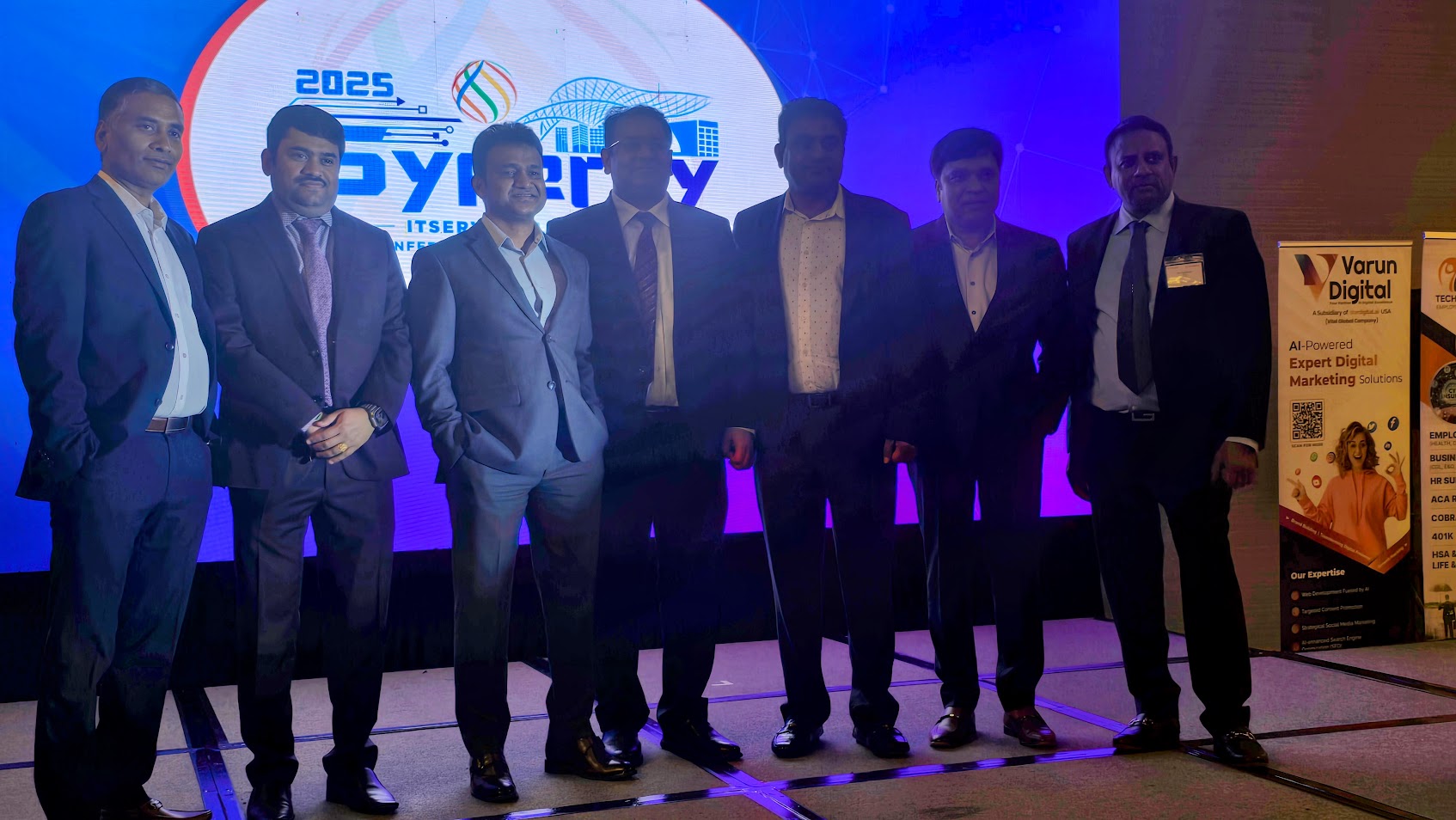
The historic launch event of the Boston Chapter was held at the Double Tree Hilton in Worcester, MA,on April 18th, 2025, with over150 ITServe members and sponsors from across the United States joining to celebrate this milestone. The energy was incredible as industry leaders shared their insights, setting the stage for the future of ITServe in Boston and across the United States.
Chandra Sekhar Nallam, in his response after being installed as the President of the ITServe Boston Chapter, said, “I am deeply honored and grateful to the ITServe National Leadership for placing their trust in me and appointing me as the ‘Founding President of the ITServe Boston Chapter.’ I would also like to extend my heartfelt thanks to the Boston Core Team for unanimously electing me as the first President of this prestigious Chapter.”
While acknowledging the vision and strategy of the Governing Board, Executive Board, and National Leadership, Chandra Sekhar Nallam thanked Srinivas Gattu, Sharad Patney, Ram Dondapati, Suman Kora, Chandra Yamsani, Venu Mammai, Dibs Mahanta, Prasad Chintalapudi, Prasad Maganti, and Srikanth Dasugari “for their invaluable contributions towards making the Boston Chapter possible.”
At the inaugural session, the newly formed Boston Chapter donated $5000 towards STEM Education to a local Community College and $1000 towards the local Police Department in Worcester.
In his Presidential address, Anju Vallabhaneni, President of ITServe Alliance, recalled his close association with Worcester, where he began his successful career in IT and Business 27 years ago. “I was a Programmer here in Worcester, so I have a special connection to this place,” he said. He expressed his gratitude and appreciation to all the Sponsors, who continue to support ITServe and its numerous initiatives. “On behalf of the ITServe leadership, I want to thank everyone for coming here today, I am proud to represent the 2,500-member company organization.”
Pointing to the role of ITServe, Vallabhaneni said, “ITServe stands up against unfair government policies and helps IT companies grow.” Quoting the famous saying, ‘if you are not at the table, you will be on the menu,’ Vallanhaneni pointed out that “We don’t want to be on the menu. In order for it to happen, we need to be unified. We need to expand, attracting more members, so that we have a lot of say in the immigration policies and expand our benefits from more companies/businesses.
Vallanhaneniexplained that ITServe provides exceptional services to members, such as discounts on immigration attorneys, telephone services, tech insurance, payroll services via ADP, FINTEX services, and more. Members also benefit from weekly webinars, networking, chapter meetings, regional meetings, and synergy sessions. ITServe has secured significant discounts from DICE and LinkedIn, and is negotiating with larger companies for great packages. These discounts can save each member $10,000 annually.
ITServe is developing a job board to make resume matching easier. Uploading a resume will show employers across the country whose requirements match your qualifications, providing a valuable benefit to members. Vallabhaneni also mentioned CSR initiatives that benefit American society and build goodwill.
Siva Moopanar, President-Elect of ITServe, said, “Boston being a tech hub, it is very vital for us, and it will be a valuable Chapter.”Pointing to the current economy, Moopanar said, IT sector is the first sector which is affected during the downturn we are seeing in the last two years, and this is the first sector to bounce back as well, and we are seeing some positive signs in the commercial sector. “And this is the right time to launch the chapter in the right city, as Silicon Valley and Boston are the epicenters of innovation. We look forward to this chapter leading in industry trends and innovation. So, Boston chapter, we are here to help in every way. We wish your chapter to cross, first 100 members, 200 members in the coming months. We will work together to add new members to the New England chapter as well, so that both the chapters will be powerful, and we are here to help.”
Proving a broader narrative of the major contributions of ITServe in recent Years, Moopanar pointed out how, ITServe through CSR, ITSS, CPAC, and PAC, is making a lasting impact on the IT industry and the larger American society, through STEM and other philanthropic activities.“We are spending more time, more money on STEM. Several congressmen, legislators, and other leaders are appreciating our efforts.”
Referring to CPAC as the pillar of ITServe, Moopanar said, ITServe was born to address the concerns the IT industry faced due to the immigration policies that hurt the industry. “The ITServe leadership is working together on how to overcome the issues that affect our businesses. We are collecting data from the member companies to identify and address common issues that impact our members.” He urged members to reach out to PAC Team regarding any concerns regarding immigration issues.
“High skill legal immigration is the backbone of our business, not only our business, and for this country,” Moopanar said. ‘We are bringing the best and the brightest from all over the world so that the innovation happens in this country, which fuels job growth and economic and we have to work together for the betterment of our businesses, and for this country.”
“ITServe has been the center point for Information advocacy, trust building, and challenging the status quo when it matters the most. Since its inception in 2010, our organization has grown from a small network in Dallas to a nationally recognized association of IT services companies. This journey and success would not have been possible without the active participation of volunteers, members, and sponsors,” said Jagadish Mosali, the immediate past president and ITServe Governing Board member.
Amar Varada, member of ITServe Governing Board, said, “From humble beginnings to being a national force, ITServe has continuously grown by fostering collaboration, advocating for policy changes, and driving innovation in the IT industry. We are now a community of 2500+ members contributing over $12 billion to the U.S. economy, creating 150,000+ high-paying jobs, and we’re just getting started!”
In his keynote address, Gururaj Deshpande, Entrepreneur & Venture Capitalist and Philanthropist, who invests in creating social and economic impact through entrepreneurship and innovation, shared with the audience key insights on ways to build and grow businesses in a fast-changing world.
Deshpande explained the gap in the product business ecosystem, highlighting the role of service companies in bridging it. He emphasized AI’s transformative impact, noting its potential to change lives and businesses. Major players like Open AI, Google, Meta, Microsoft, and Elon Musk are investing heavily, making AI vital for future success. Deshpande urged companies to familiarize themselves with AI technologies and integrate them into their clients’ businesses to stay ahead. Understanding both technology and client needs will be key to winning in the AI-driven future.
Ramesh Razdan, Global Chief Technology & Information Officer at Bain, discussed various forces shaping the world today. He emphasized the disruptive impact of AI, the post-globalization era, the need for a sustainable society, and the effects of rising interest rates on businesses. Razdan highlighted the importance of leadership and responsible citizenship in addressing these challenges. He urged individuals to focus on continuous learning, upskilling talent, and fostering innovation to adapt to these changes. Razdan’s insights underscored the need for strategic action to build a better future.
Ramesh Garlapati, Director, ITServe PR & Media expressed his heartfelt gratitude to all the attendees, sponsors, and partners who made this event possible. “Together, we continue to drive innovation and growth in the IT services and consulting industry! Your support drives our mission forward. Here’s to the continued growth of ITServe as we expand, empower, and innovate!”
Since its establishment in 2010, ITServe Alliance has been a beacon of knowledge, skills, and awareness, empowering its members through 24 Regional Chapters across the country. ITServe Alliance has built a strong member-focused community within the IT industry where professionals and experts alike can collaborate, present new business ventures, and work together to find new ways to overcome industry obstacles. For more information, please visit: www.itserve.org

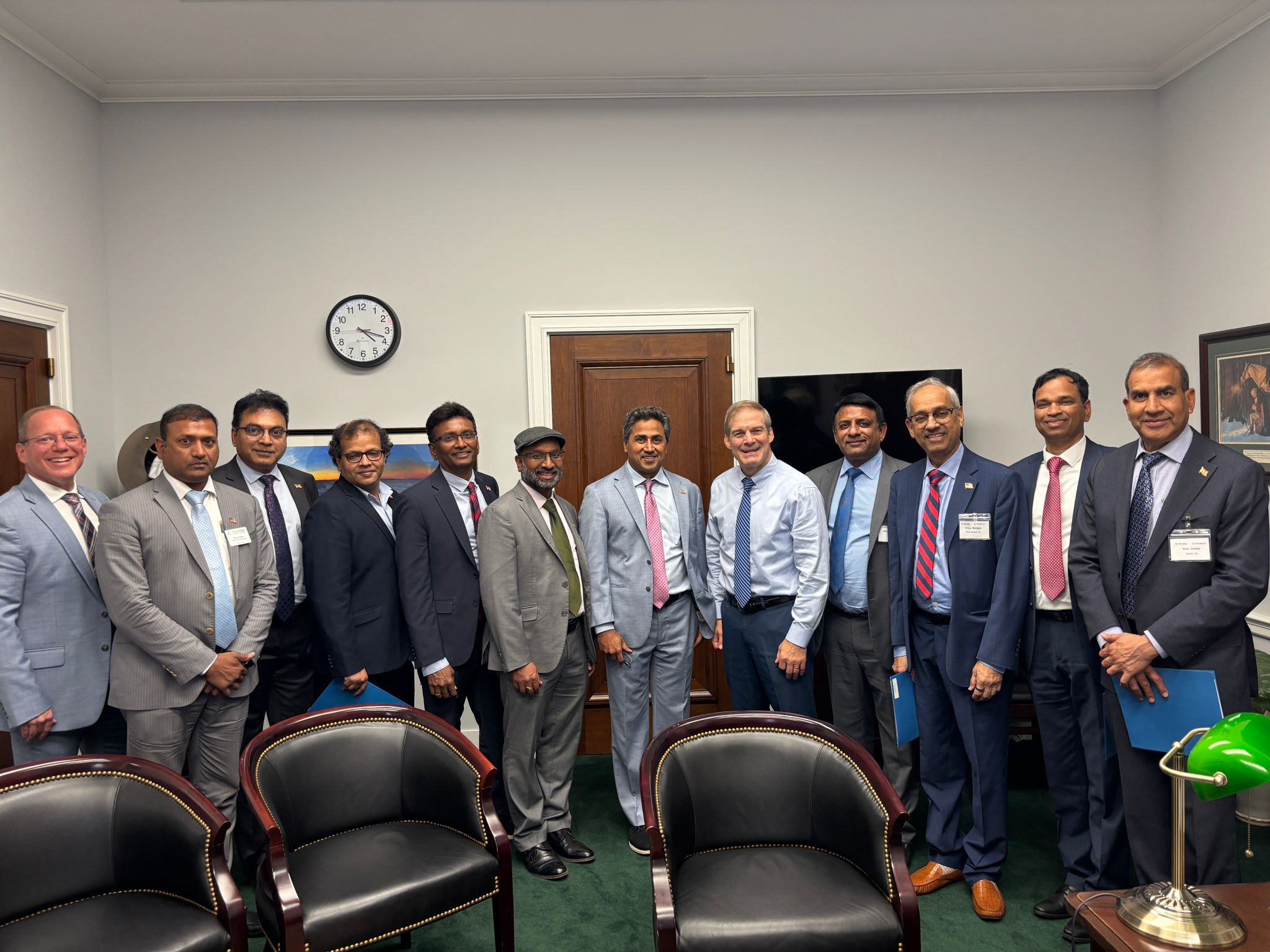 ITServe Alliance leaders met with Rep. Jim Jordan, a Republican Congressman representing Ohio’s 4th District. The powerful Chairman of the House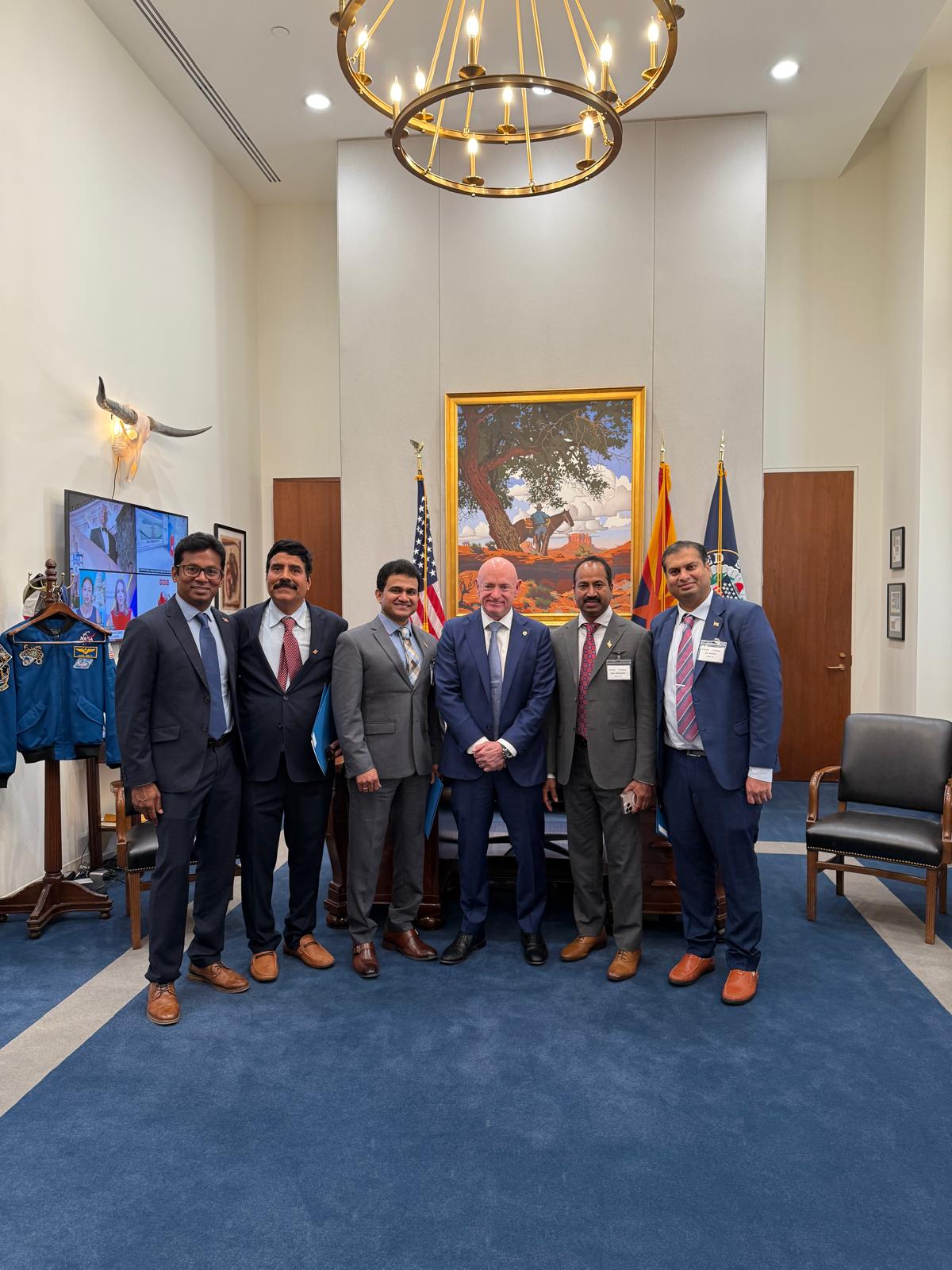
 ITServe supports the HIRE ACT Bill (High Skilled Immigration Reform for Employment). Innovation, STEM education, and avoiding brain drain are the highlights of the Bill. Another area, where ITServe has focused is the STEM Program to promote the “American Ingenuity Account” to fund State-administered grants for STEM education and worker training. Enhancing the current H1B CAP limits – from 65,000 to 130,000 per year has been a major area where ITServe has placed its efforts in recent years.
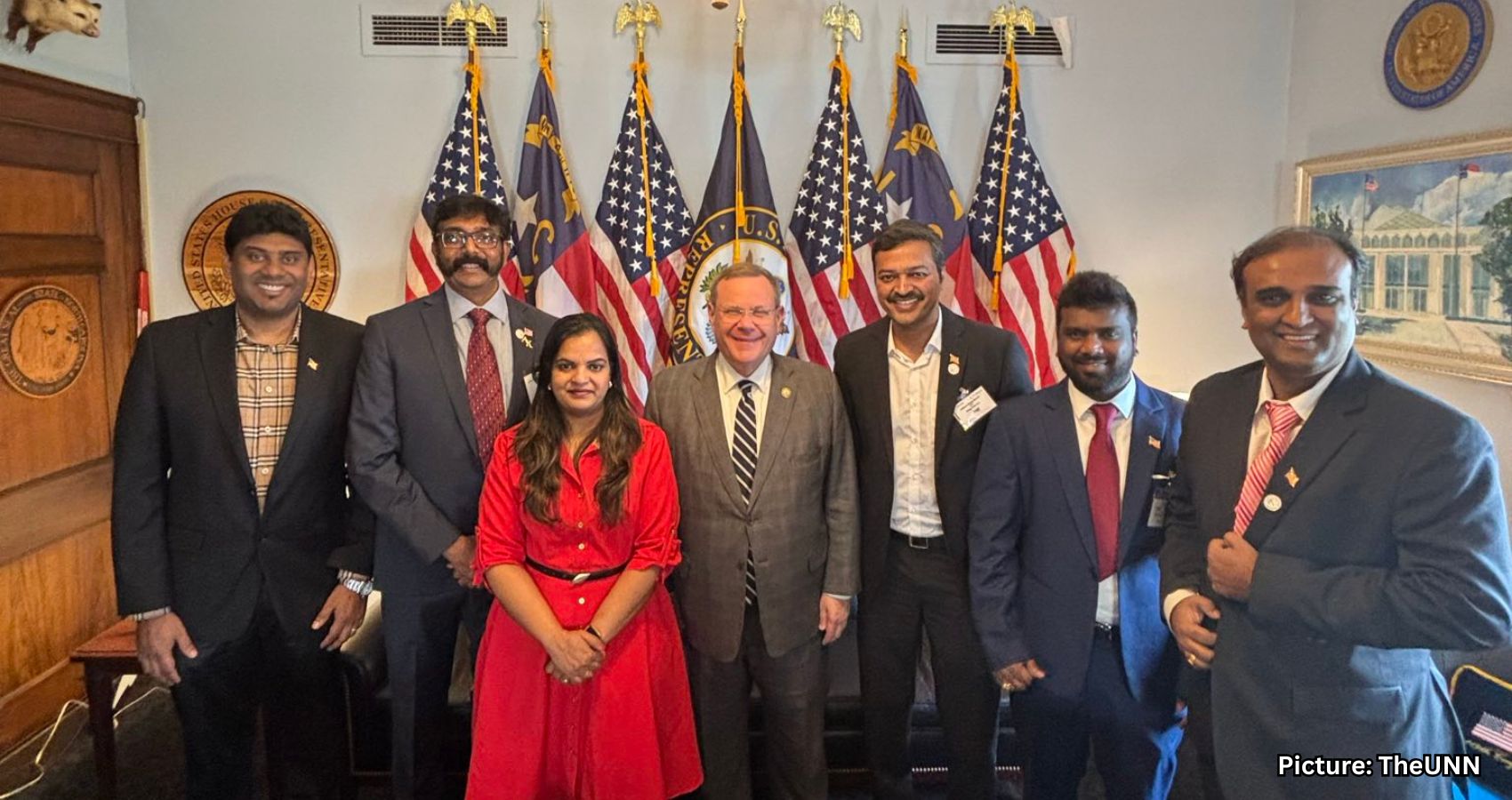 “The ITServe Alliance is consistently working to protect its members’ needs. To that end, ITServe Alliance, through its PAC teams, advocated on Capitol Hill and with the US Administration. Capitol Hill Day serves as a perfect platform to communicate our collective voice with key policymakers on important issues to our members,” added Amar Varada, ITServe Governing Board member.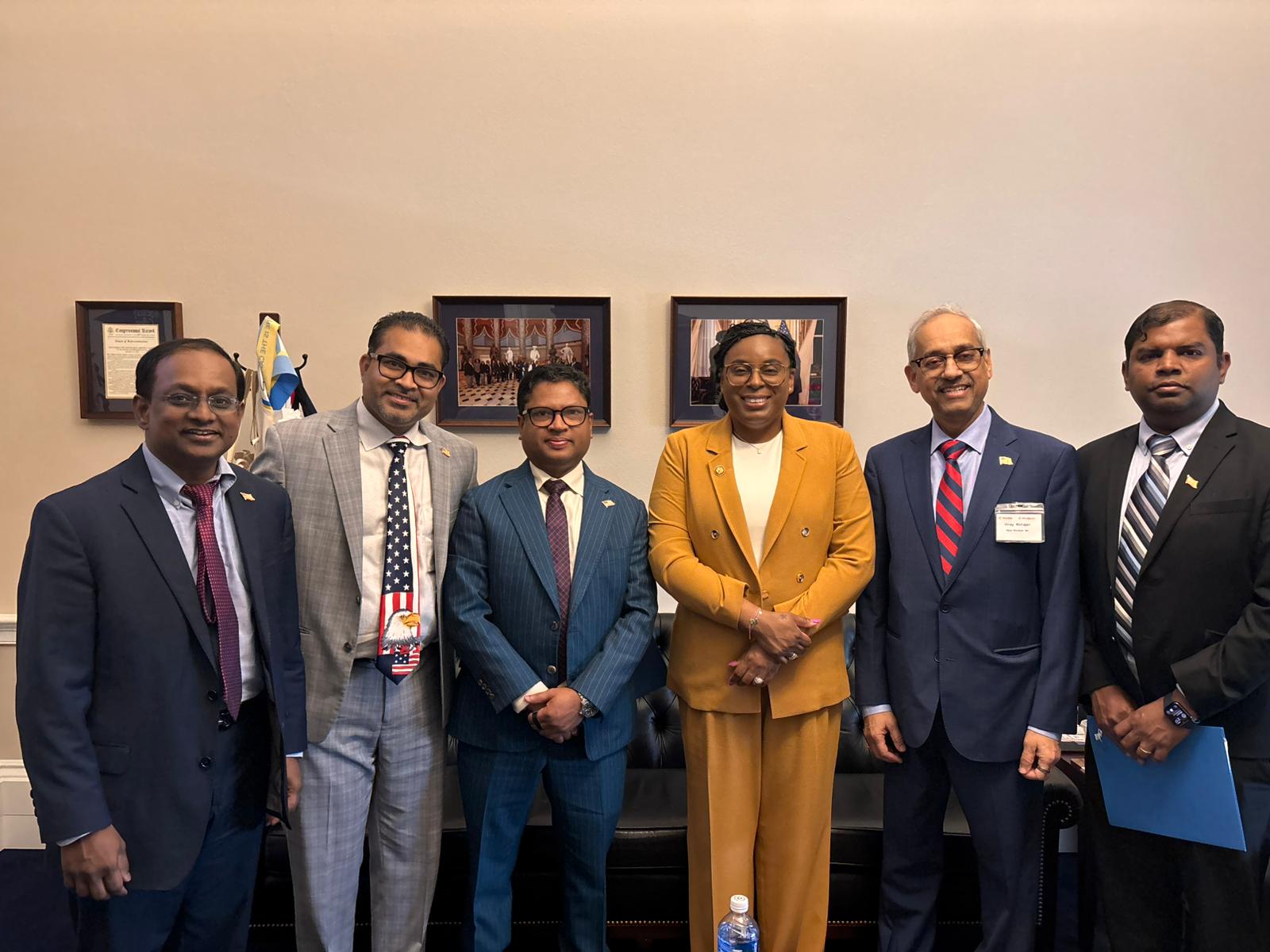
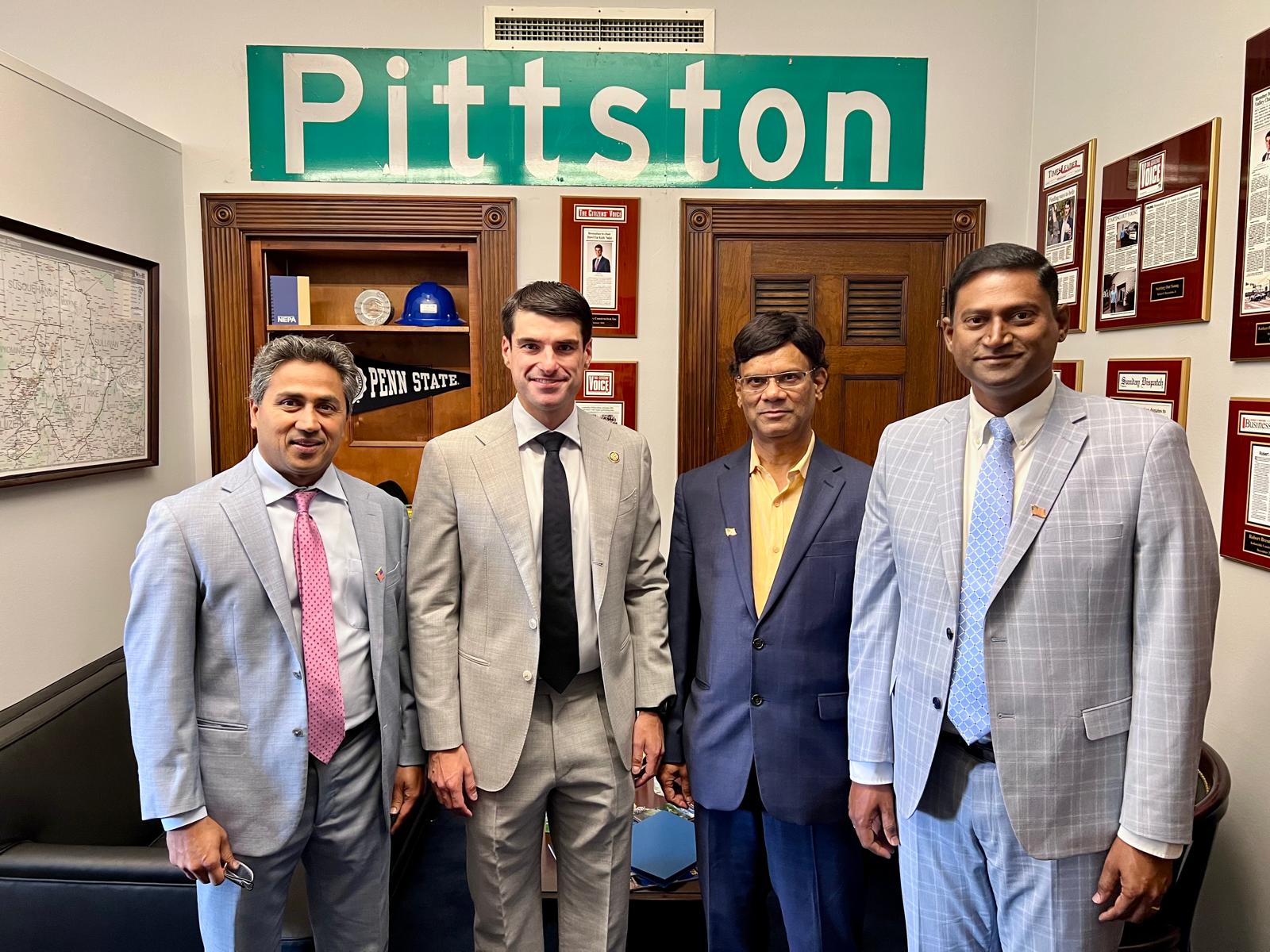
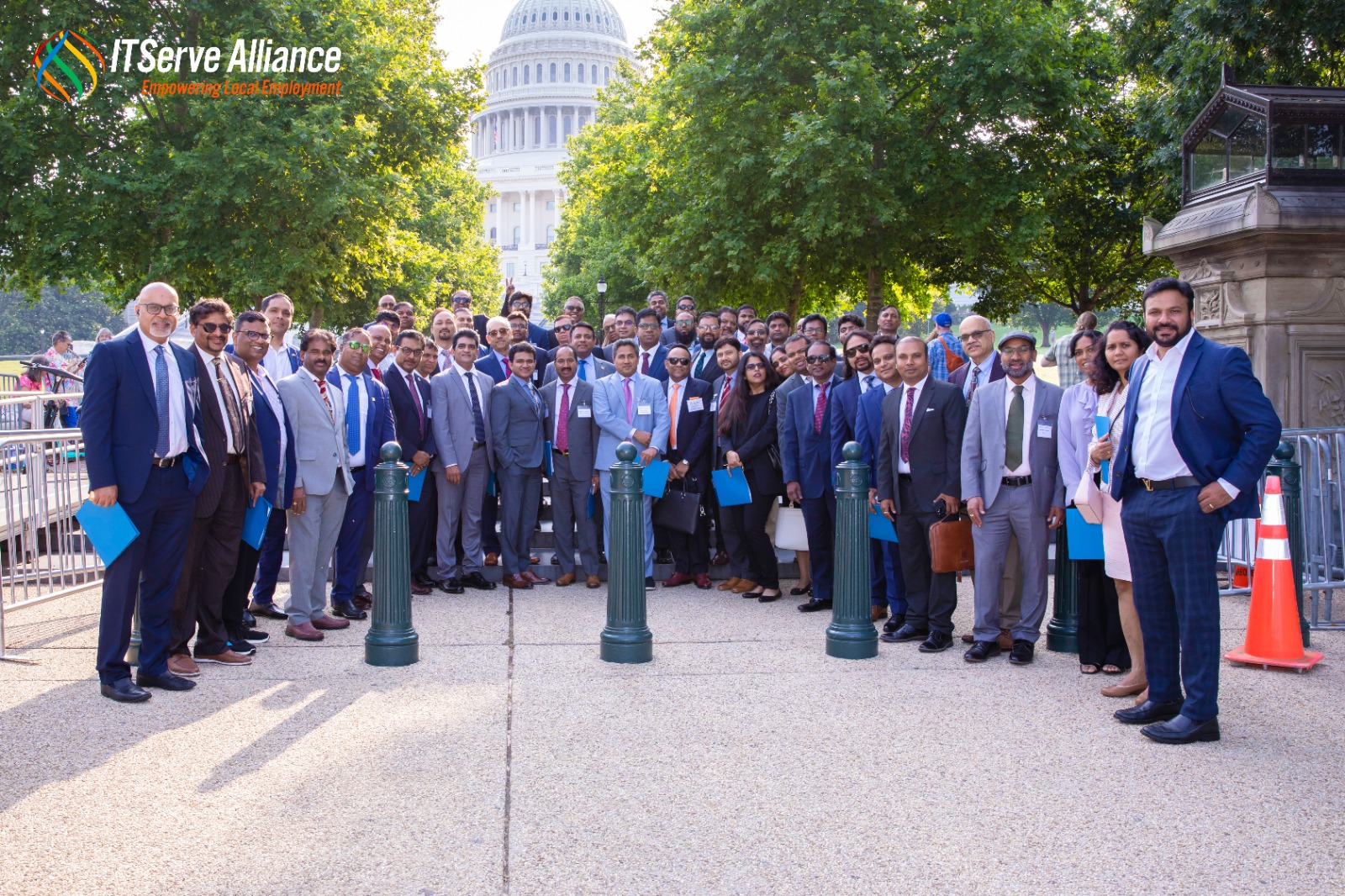 Rep. Krishnamoorthy lauded the contributions of ITServe members to the nation. He said, “I look at you today. You chose Team America. You come here and bless this country with your gifts, with your talents, with your energy, with your ideas, with your industry, with your ability to make it happen. And that’s what you did. You made your company, you hired people, you created jobs. And that’s what you’re trying to do over and over and over again. You’re trying to replicate that success.”
 A key objective of ITServe has been to raise awareness among lawmakers and the broader community about the positive impact of high-skilled legal immigration programs on businesses. Through constructive engagement and collaboration with Members of Congress and Senators, ITServe aims to address misconceptions and advocate for thoughtful legislation that supports economic growth and serves the best interests of the nation.
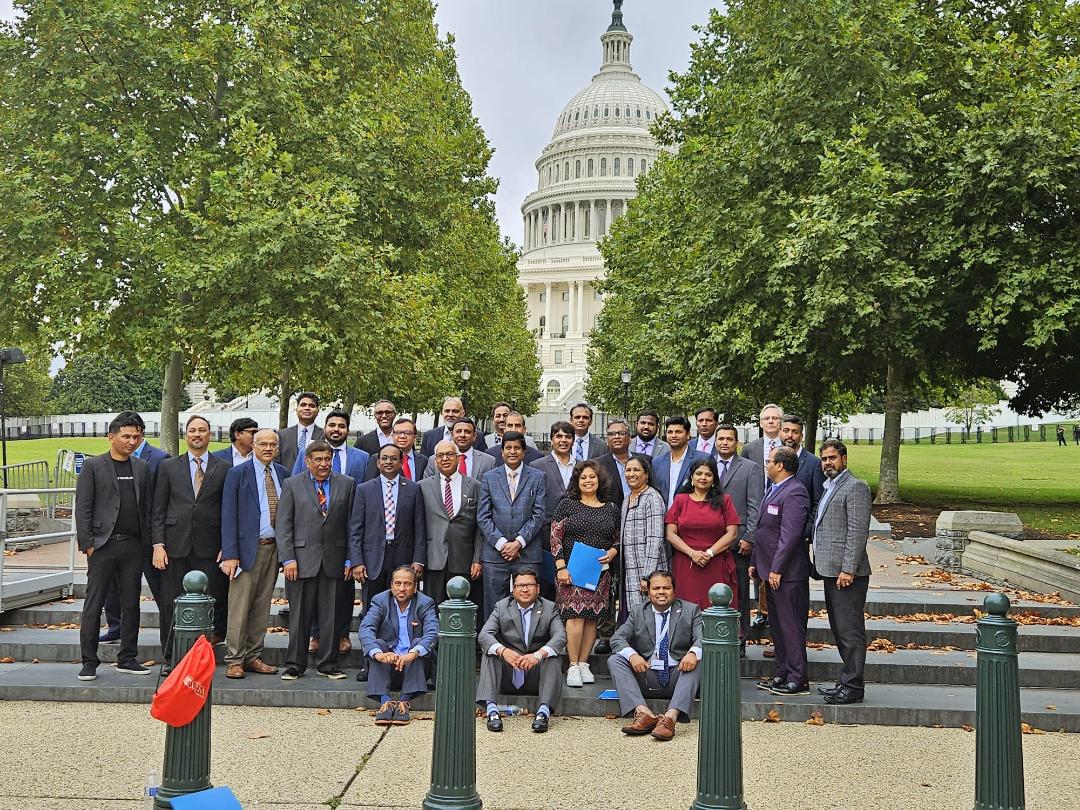 Anju Vallabhaneni, President of ITServe, while emphasizing the importance of Capitol Hill Day, said, “ITServe Alliance’s Capitol Hill Day will serve as a powerful platform in educating policymakers on the issues that are important to our members and the business community, ensuring our needs and views are reflected in policy debates and outcomes.”


 CSR has a broad range of initiatives aimed at creating a positive impact in various areas. CSR team works to establish partnerships with educational institutions, organizations, and industry experts to provide training opportunities that enhance STEM skills and knowledge. This equips individuals with the tools they need to excel in STEM careers and contributes to building a robust talent pipeline.
 Anju Vallabhaneni, President-Elect of ITServe said, “Over the years, ITServe Alliance has established a name for itself as the center point of information for its members and the larger community, covering a variety of areas ranging from immigration, technology, economy, and many more that are relevant to its members. Through our 23 Chapters across the United States, we bring resources and service to the larger humanity in every part of this innovation country.”