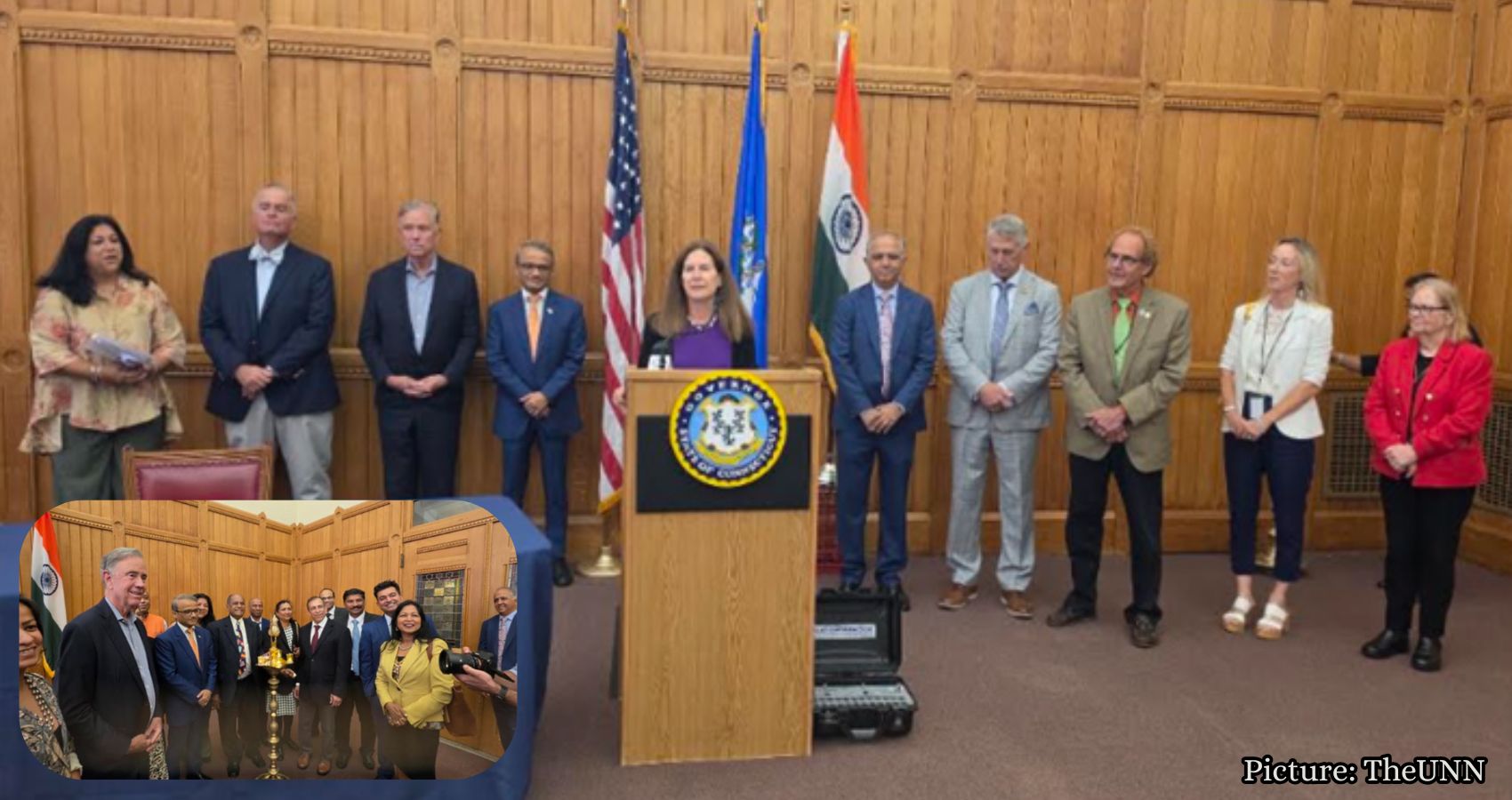
Khanna Advances in Primary as Tandon Surprises Voters

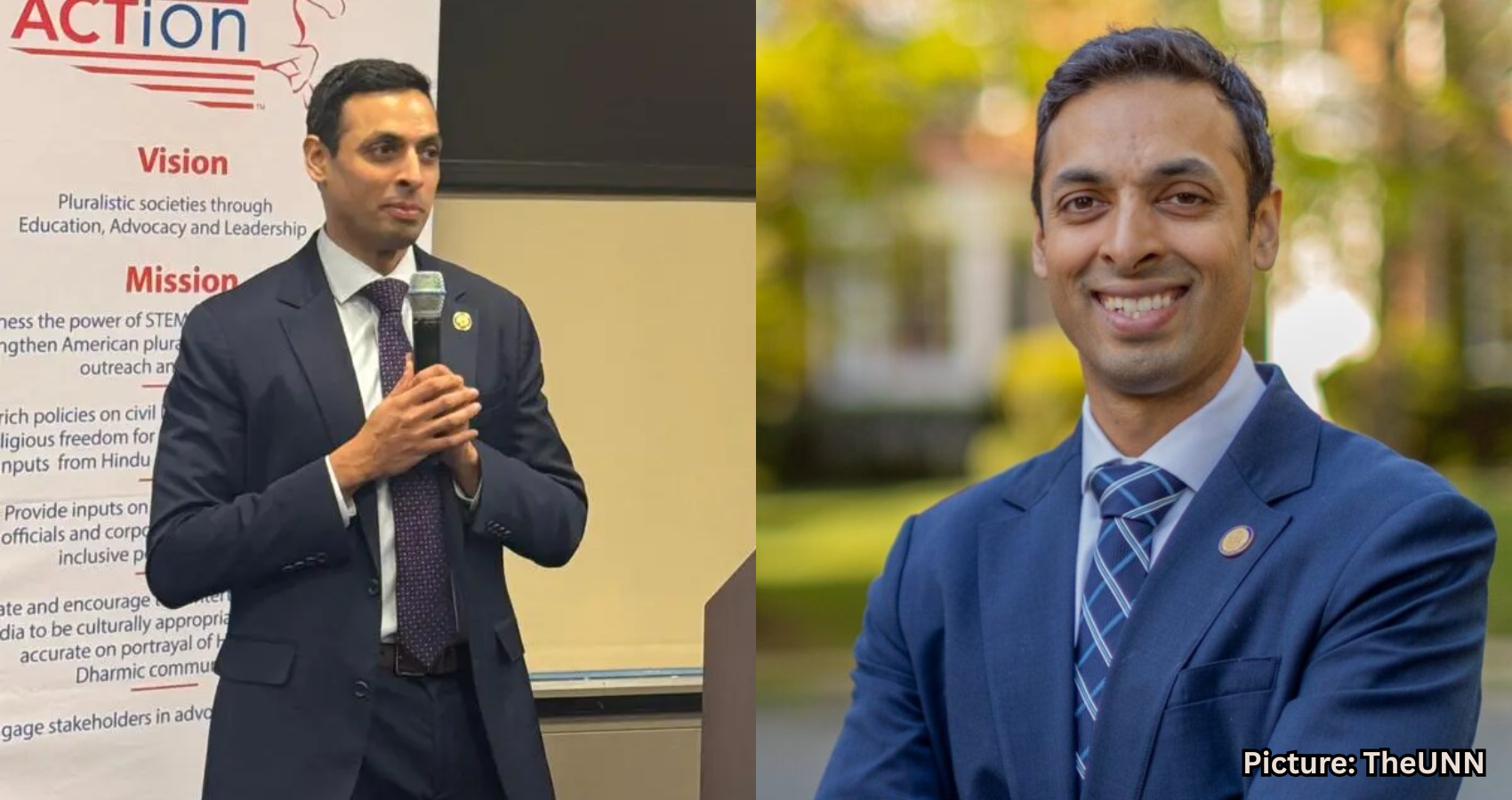
Ro Khanna secures a decisive victory in California’s 17th Congressional District primary, while GOP challenger Ritesh Tandon exceeds expectations in a competitive race.

Indian American candidates experienced a mixed outcome during the recent primary elections across the country. Incumbent Ro Khanna achieved a commanding victory in California’s 17th Congressional District, while several other South Asian candidates faced challenges in their respective races.

With just over half of the votes counted, Khanna received 38,105 votes, placing him well ahead of Republican challenger Ritesh Tandon, who secured 11,337 votes, approximately 17% of the total. Tandon’s performance surpassed some polling expectations, positioning him as a contender for one of the two spots available in the upcoming general election in November, under California’s top-two primary system.

This primary system allows the two candidates with the highest vote totals to advance, regardless of their party affiliation. At the time of reporting, Tandon was in a close race with fellow Republican Jennie Ha Phan for the second-place position.

Khanna, a progressive Democrat representing the heart of Silicon Valley, celebrated his victory in a post-election statement, framing the contest as a battle between grassroots organizing and the influence of wealthy political interests.

“Tonight, we showed that you can stand up to billionaires in the heart of Silicon Valley and prevail,” Khanna stated on social media. “When I supported a billionaire tax, the tech lords recruited a candidate to primary me and spent $1 million on false attacks. They predicted an ‘end’ to my career. The results speak for themselves.”

In his statement, Khanna also acknowledged his opponents, including Tandon, Phan, and Ethan Agarwal, recognizing the challenges associated with running a congressional campaign.

“I absolutely love the democratic process, and tonight reminds us to never underestimate the power of citizens over big money and special interests,” Khanna added.

In contrast, Indian American candidates faced difficulties in New Jersey’s 12th Congressional District. With 93% of precincts reporting, physician and Republican candidate Dr. Michael Hamawy led decisively with 20,437 votes. Indian American candidates Sujit Singh and Jay Vaingankar trailed behind with 2,886 and 2,189 votes, respectively.

This outcome drew attention from Indian American political observers, particularly since Singh had previously garnered over 4,700 votes in a West Windsor mayoral race last year. This discrepancy suggests challenges in converting local support into a successful congressional campaign.

The election results highlight both the increasing participation of Indian Americans in U.S. politics and the ongoing difficulties many first-time candidates encounter in building broad coalitions within their districts. While Khanna remains a prominent Indian American voice in Congress, candidates like Tandon illustrate that South Asian contenders are actively seeking influence across party lines in a competitive political landscape.

As the focus shifts to November, Khanna is anticipated to face the second-place finisher in California’s 17th District. Meanwhile, Republicans are looking to leverage broader national momentum as they head into the midterm elections.

According to The American Bazaar, the outcomes of this primary election reflect the evolving dynamics of Indian American political engagement and the challenges that lie ahead for candidates seeking to make their mark.

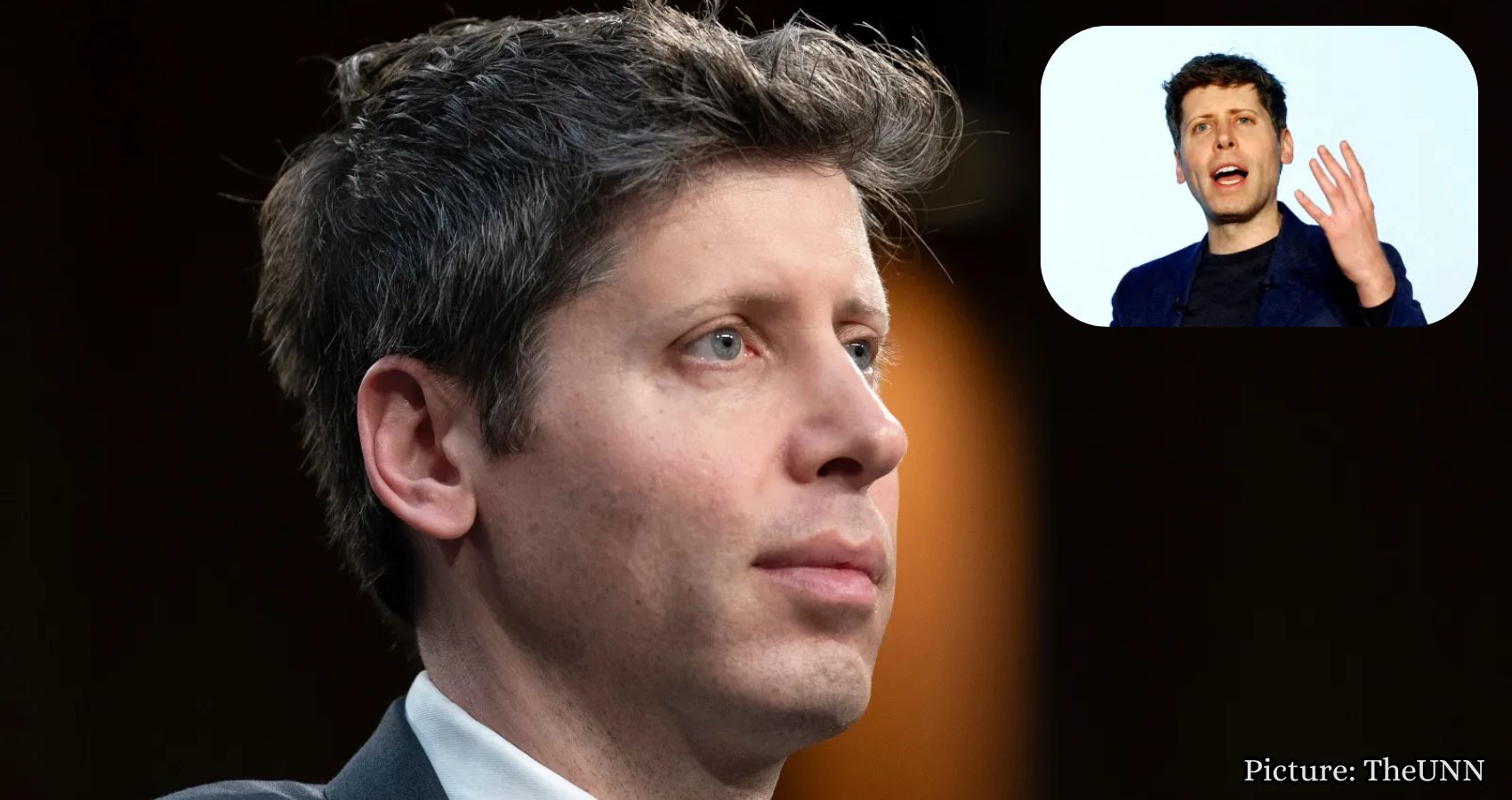
Trump Issues Executive Order Establishing AI Security Standards

President Trump has signed an executive order establishing a classified framework to evaluate the cybersecurity capabilities of advanced artificial intelligence systems, aiming to balance innovation with national security.

President Trump has signed a new executive order that establishes a classified framework for evaluating the cybersecurity capabilities of advanced artificial intelligence (AI) systems. This move represents one of the most significant policy initiatives of his second term, as the United States seeks to balance the need for innovation with pressing national security concerns.

Titled “Promoting Advanced Artificial Intelligence Innovation and Security,” the order directs federal agencies to create a classified benchmarking process within 60 days. This process will determine when an AI system qualifies as a “covered frontier model.” The framework aims to assess advanced cyber capabilities and identify potential national security risks associated with the rapidly evolving power of AI technologies.

Under the terms of the executive order, AI developers will have the option to voluntarily provide the federal government with access to qualifying models for up to 30 days prior to their public release. The White House has emphasized that this policy does not establish a mandatory licensing, permitting, or pre-clearance system for AI development, thereby allowing for continued innovation in the sector.

The administration has stated that this measure is designed to enhance cybersecurity while preserving U.S. leadership in the field of artificial intelligence. Additionally, the order instructs federal agencies to prioritize cyber defenses for critical infrastructure and federal systems, including hospitals, community banks, utilities, and other essential services. An AI cybersecurity clearinghouse will also be established to coordinate the identification and remediation of software vulnerabilities.

The policy has garnered support from major technology companies. Arvind Krishna, chairman and CEO of IBM, welcomed the administration’s focus on AI security and the protection of open-source software. Chris Lehane, Chief Global Affairs Officer at OpenAI, described the order as “an important step forward,” emphasizing that effective AI security necessitates collaboration between government and industry.

This executive order comes in response to growing concerns regarding the cybersecurity implications of frontier AI systems. According to reports, agencies including the Treasury Department, Defense Department, Homeland Security Department, and National Security Agency will be involved in evaluating advanced models and strengthening cyber defenses across critical sectors.

The White House has indicated that this initiative reflects its broader strategy of encouraging AI innovation while addressing emerging security risks. The administration believes that collaboration with industry, rather than extensive regulation, will help maintain American technological leadership in the face of increasing global competition in artificial intelligence.

The classified benchmark system established by this order is expected to become a key reference point for developers working on next-generation AI models. This initiative may significantly influence how both government and industry assess advanced AI capabilities in the years to come.

According to Reuters, the implications of this order could shape the future landscape of AI development and cybersecurity in the United States.

Identity Theft: Six Signs You May Have Overlooked

Identity theft often goes unnoticed until significant damage occurs; recognizing subtle warning signs can help protect your finances before it’s too late.

Identity thieves frequently rely on individuals overlooking small clues, such as a minor charge on a credit card or a missing bill. By identifying these subtle signs early, you can mitigate potential financial damage caused by fraud.

Many victims of identity theft do not realize their information has been compromised until they receive a call from a debt collector or face a loan rejection. However, warning signs often appear much earlier, manifesting as small charges, unexpected letters from the IRS, or missing bills. These signs can easily be mistaken for routine correspondence, which is precisely what identity thieves hope for.

One of the first indicators to watch for is a charge of $4 or less on your credit card statement. While it may seem insignificant, this small transaction can be a test by a thief to determine if your card is still active before making a larger purchase. According to the Federal Trade Commission, there were 503,450 reports of credit card fraud in the first three quarters of 2025, making it the most prevalent form of identity theft tracked by the agency. The median fraudulent transaction amount in 2025 was $100, consistent with the previous year, indicating that such charges can easily blend into a busy statement.

Another critical sign to monitor is missing mail. If you notice that bank statements, tax forms, bills, or medical notices are no longer arriving, it could indicate that someone has filed a change-of-address request in your name. The United States Postal Service (USPS) sends a Move Validation Letter to the old address within ten business days of a change-of-address request, which can serve as a warning sign. Additionally, an influx of pre-approved credit offers from unfamiliar lenders may suggest that a thief has opened or attempted to open an account in your name.

Despite the USPS tightening identity verification for change-of-address requests, criminals continue to target mailboxes and personal documents. The FBI and the Postal Inspection Service have issued warnings that stolen mail is a significant contributor to check fraud and identity theft.

Receiving unexpected tax forms, such as a 1099-K or W-2 from a company you have never worked for, is another alarming sign. This could mean that someone has used your Social Security number to earn income, potentially leading to tax complications. The IRS may treat this income as yours unless the issue is rectified. Reports of employment-related identity theft to the FTC surged by 61% in the first three quarters of 2025 compared to the same period in 2021. The IRS may also reach out to you if it detects suspicious activity, such as sending Notice CP01E, which indicates that your Social Security number has been used for employment, or Letter 5071C, which requests identity verification due to a flagged tax return.

Another red flag is discovering a new account on your credit report that you did not open. If you see a hard inquiry from a lender you did not apply to, it suggests that a thief has attempted to borrow money in your name. Such inquiries remain on your credit report for two years, even if the application is denied. Additionally, if you notice an unfamiliar address associated with your credit file, it may indicate that a thief is having your credit mail redirected to them. An email confirming a password change that you did not initiate is also a serious warning sign that someone has gained access to your account.

While a credit freeze can prevent new account applications, it does not stop inquiries, address changes, or account takeovers that are already in progress. Credit monitoring services can track activity across all three major credit bureaus and alert you to new developments within minutes, often before debt collectors become involved.

Receiving an Explanation of Benefits (EOB) for medical services you did not receive is another significant warning sign. This may indicate that someone has used your insurance information to obtain medical care, and any subsequent bills will be in your name. Be vigilant for smaller clues, such as a sudden drop in your deductible without any claims or receiving appointment reminders for visits you never scheduled. These alerts could point to medical identity theft, which can be more challenging to resolve than credit fraud, as insurers may not quickly remove false diagnoses or treatment records.

A multifactor authentication prompt that you did not request is another major warning sign. This may indicate that someone is attempting to access your account using your password. If you encounter such a prompt, deny it and change your password from a different device, treating the old password as compromised.

Receiving a breach notification from a company you use is a critical reason to act swiftly. Your personal data may already be in the hands of criminals. In such cases, it is advisable to freeze your credit, monitor for unusual account activity, and be cautious with any emails that claim to offer assistance.

Identity monitoring services can scan the dark web and data broker sites for sensitive information such as Social Security numbers, addresses, and driver’s license numbers. Alerts from these services can inform you of any findings and guide you on which accounts to secure first.

If you notice any of these warning signs, do not ignore them. Begin by addressing the account, document, or notice that raised your concern. Contact your bank, insurer, lender, or agency directly using verified contact information. Avoid using links or phone numbers from suspicious emails, texts, or letters. You can also file a report at IdentityTheft.gov, freeze your credit with all three bureaus, and set up an IRS Identity Protection PIN at irs.gov/ippin.

Identity theft support services can connect you with a fraud resolution specialist who will work directly with credit bureaus, creditors, and collection agencies on your behalf. Some plans even offer identity theft insurance of up to $1 million per adult to cover eligible recovery costs.

While no single service can prevent every form of identity theft, a combination of vigilance and proactive monitoring can significantly enhance your chances of catching issues early. Identity theft rarely begins with dramatic warnings; it often starts with subtle signs that can be easily overlooked. By staying alert and utilizing robust monitoring tools, you can better protect yourself from the consequences of identity theft.

For more information on identity theft protection and tips, visit CyberGuy.com.

Polls Open for Election Day Races Across the U.S.

Polls have opened across the United States as voters participate in critical primary elections, shaping the political landscape for upcoming races at both state and federal levels.

As primary elections unfold across the United States, voters are making their voices heard on key races that could shape the political landscape for the coming months. In California, the most populous state in the nation, voters are deciding who will lead the charge to succeed Democratic Governor Gavin Newsom, with no clear frontrunner emerging among the candidates.

In New Mexico, the spotlight is on the gubernatorial race, where former Interior Secretary Deb Haaland is vying for the Democratic nomination. Her candidacy is historic, as she could become a prominent Native American leader in the state. Alongside the governor’s race, primaries for congressional seats and various statewide offices are also on the ballot.

Meanwhile, New Jersey is witnessing one of the most closely watched House races this election cycle. In a battleground district represented by Rep. Tom Kean Jr., who has faced scrutiny for missing over 100 House votes due to a medical issue, voters are determining which Democrat will challenge him in the general election.

In Iowa, Democratic primary voters are weighing their options for the U.S. Senate seat currently held by retiring Republican Senator Joni Ernst. John Smith, a 56-year-old resident of Des Moines, expressed that his primary concern was selecting a candidate who is “best positioned” for the general election. He ultimately cast his vote for Josh Turek over Zach Wahls, noting that Turek’s experience in a red district could translate to statewide success.

California gubernatorial candidate Tom Steyer made headlines recently by celebrating Pride Month with a karaoke performance of Tom Petty’s “I Won’t Back Down.” Steyer, a former hedge fund manager turned activist, has invested millions of his own money into his campaign, hoping to secure a spot in the November election.

In a notable twist, Republican Rep. Kevin Kiley has opted to run as an independent after his Northern California district was redrawn to favor Democrats. Kiley’s decision to leave the Republican Party and criticize political gerrymandering may be his best strategy for survival in a crowded Democratic field.

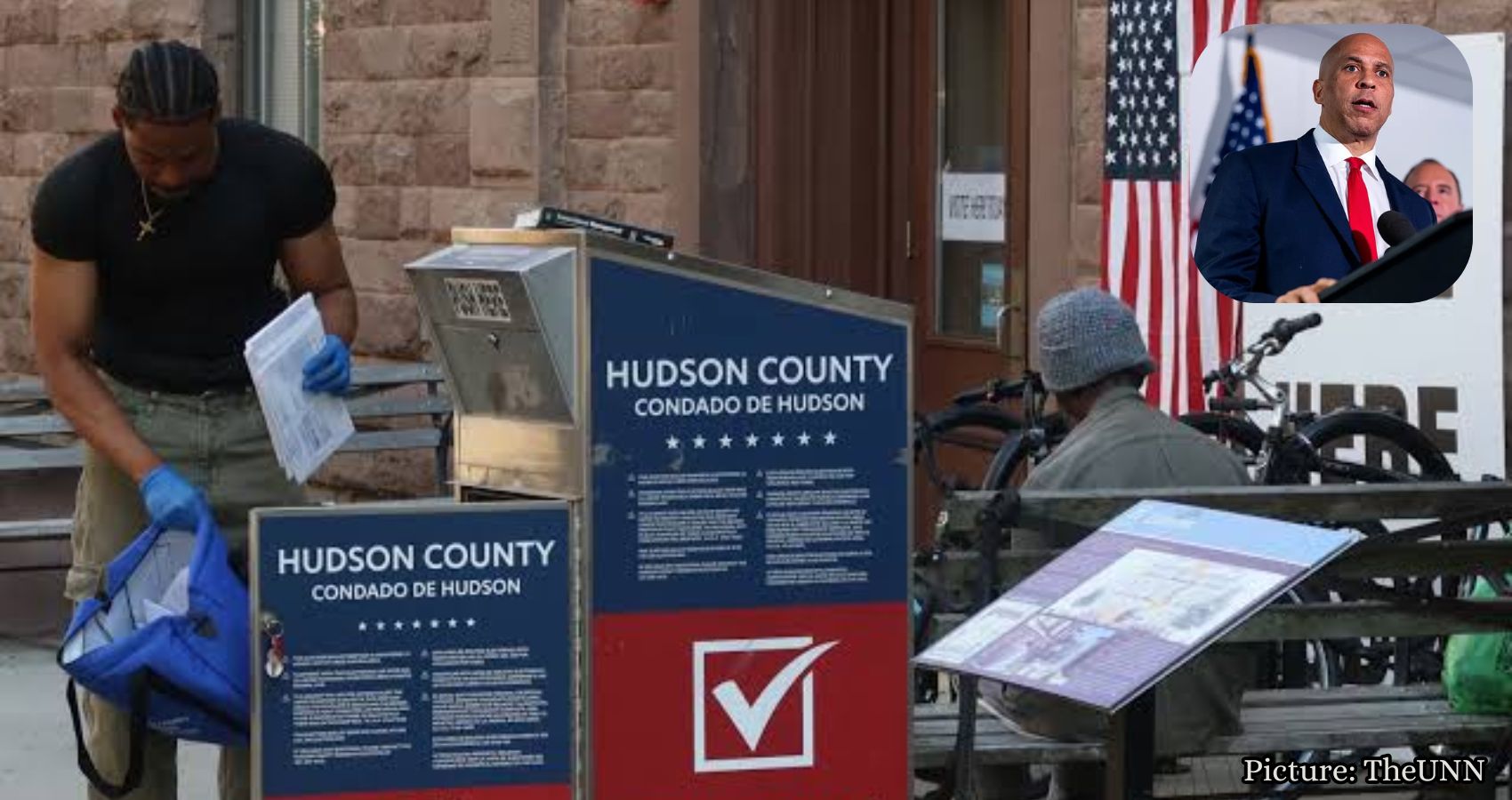
In New Jersey, the Republican Party is facing challenges as it seeks to regain its footing in a state that has leaned Democratic in recent years. Voters are presented with a four-way race among candidates including attorney Justin Murphy and former TV reporter Alex Zdan, all aiming to take on incumbent Senator Cory Booker.

In Iowa, the competition between Turek and Wahls has left many voters feeling torn. Emily MacFarland, a 49-year-old Democrat, expressed her hope for a more competitive political landscape in Iowa, stating, “I think Donald Trump is helping out all of the Democrats.” She ultimately chose Turek, citing his potential to attract moderate Republicans.

In Los Angeles, the mayoral race is heating up, with incumbent Karen Bass facing challenges from both the left and right. Republican candidate Spencer Pratt has dismissed the campaign of progressive city council member Nithya Raman, claiming it is effectively over. Pratt asserts that the real contest is between him and Bass, who is seeking a second term amid ongoing challenges such as homelessness and wildfires.

As the primary elections continue, the political dynamics in California remain fluid. Some voters are expressing uncertainty about their choices, with one San Diego resident stating, “I’m kind of pinching my nose and voting this go-around.” This sentiment reflects the chaotic nature of the governor’s race, particularly following the withdrawal of former Rep. Eric Swalwell amid allegations of sexual assault.

In New Mexico, the Democratic primary for governor has become increasingly contentious. Haaland leads in fundraising but faces a combative challenge from district attorney Sam Bregman, who has criticized her reluctance to debate. The primary race has intensified as both candidates seek to establish their credentials ahead of the general election.

As the primaries unfold, the stakes are high for candidates across the nation. With critical races in California, New Jersey, Iowa, and New Mexico, voters are poised to shape the political landscape for the upcoming general elections. The outcomes of these primaries will not only determine party nominees but also set the stage for the battles that lie ahead.

According to The Associated Press, the results of these primaries will be closely monitored as candidates prepare for the challenges of the general election season.

Stop AAPI Hate Launches Advocacy Arm to Mobilize AAPI Communities

Stop AAPI Hate has launched Stop AAPI Hate Action, a new 501(c)(4) advocacy organization aimed at mobilizing Asian American and Pacific Islander communities for political engagement and civic action.

More than six years after its founding, Stop AAPI Hate announced the launch of Stop AAPI Hate Action, a new 501(c)(4) political and advocacy organization, in a statement released on May 28. This initiative is focused on building long-term political power and civic engagement among Asian American and Pacific Islander (AAPI) communities across the United States.

The establishment of Stop AAPI Hate Action comes in response to rising concerns about authoritarianism and the increasing threats faced by communities of color and immigrants. Its mission is to empower AAPI communities to transform their experiences with racism, discrimination, and exclusion into sustained civic and political action.

In recent years, AAPI communities have encountered escalating challenges, particularly a surge in anti-Asian hate during the COVID-19 pandemic. This was compounded by a rise in xenophobic policies and racist rhetoric during the Trump administration. According to Stop AAPI Hate, these developments have contributed to broader forms of state violence affecting AAPI communities, especially South Asians and immigrants. The organization highlights issues such as racial profiling by ICE, increased arrests and deportations, efforts to undermine voting rights and due process protections, challenges to birthright citizenship, and attacks on immigration pathways like H-1B visas and green cards.

“Stop AAPI Hate has been at the forefront of calling out and combating anti-AAPI hate – and now, we’re building the political power needed to defeat it on every level,” said Manjusha Kulkarni, Co-Founder of Stop AAPI Hate.

“Across America, we are seeing an increasing sense of urgency from AAPIs and allies who want to fight back against growing assaults on our safety, freedoms, and democracy. However, there’s a need for clearer, more accessible pathways for our communities to act at the scale and speed this moment demands. Stop AAPI Hate Action aims to strengthen AAPI civic engagement and organizing infrastructure on a national scale, so that more AAPIs can take action and make an impact, no matter where they live.”

Stop AAPI Hate Action builds on years of organizing by AAPI activists and organizations at local and state levels. Rather than replacing existing efforts, it seeks to enhance them by adding national organizing capacity and addressing gaps in civic engagement infrastructure, particularly in regions where resources are limited.

To achieve its goals, the organization plans to leverage its national reach and digital platform to expand political and civic participation through grassroots mobilization campaigns. It will strengthen voter engagement networks across states and recruit volunteers from non-competitive districts to support outreach in key competitive areas. Additionally, the organization intends to invest in multilingual civic education, increase participation among underrepresented AAPI communities, and develop long-term volunteer leadership beyond election cycles.

“As the fastest-growing racial group in the United States, AAPIs have both the opportunity and responsibility to help shape the future of this country,” said Andy Wong, Managing Director of Advocacy for Stop AAPI Hate Action.

“Stop AAPI Hate Action is about ensuring AAPI communities are not just visible and active in moments of crisis, but consistently empowered, engaged, and organized to shape the decisions that impact our lives and our future. We want to help people turn their individual pain, fear, and outrage into collective power, action, and change for years to come – starting with the 2026 midterm elections cycle.”

As part of its efforts, Stop AAPI Hate Action will launch a nationwide voter mobilization campaign next month in preparation for the November midterm elections. This initiative aims to influence the balance of power in Congress by increasing AAPI voter participation in competitive districts.

The organization plans to raise and spend approximately $1 million on this initiative. Volunteers from across the country will engage AAPI voters through culturally grounded and multilingual outreach conducted in English, Cantonese, Mandarin, Vietnamese, and Korean. The campaign will primarily rely on phone banking and will also incorporate targeted peer-to-peer outreach, such as South Asian-to-South Asian and Filipino-to-Filipino voter engagement conducted in English.

“For too long, AAPI communities have lacked adequate investment in infrastructure to fuel sustained political participation,” said Tamlyn Tomita, Chair of CAPA21, a key partner in Stop AAPI Hate Action’s midterm election efforts.

“There is a pressing need for culturally competent, national-scale voter engagement work that meets AAPIs wherever they are. Stop AAPI Hate Action will help fill that gap by connecting communities across the country and expanding opportunities to get involved in the political process. We are proud to support this work ahead of the critical 2026 midterm elections and excited to see it grow.”

A portion of this text was edited with the assistance of an AI tool and has been reviewed and edited for accuracy and clarity by India Currents.

Hilton and Becerra Lead in California Governor Race as Votes Counted

Republican Steve Hilton and Democrat Xavier Becerra are leading the race for California governor as votes continue to be counted, with both candidates poised to advance to the general election.

With votes still being counted, Republican Steve Hilton and Democrat Xavier Becerra are in prime positions to secure the two spots in California’s upcoming gubernatorial election. The race is to succeed term-limited Democratic Governor Gavin Newsom in steering the nation’s most populous state and one of the world’s largest economies.

As of early Wednesday morning, Hilton, a former British political strategist turned American conservative commentator and ex-Fox News Channel host, was backed by former President Donald Trump. Becerra, a former California attorney general who later served as a Cabinet secretary in President Biden’s administration, was also leading in the unofficial early returns.

“Change is coming to California, and it’s long overdue,” Hilton told supporters during his primary night watch party in Orange County. In an exclusive interview with Fox News Digital following his speech, he emphasized the importance of communicating “honest, simple truths” to voters. “Everything is too expensive in California. We’re going to cut people’s costs,” he pledged.

Becerra, if elected in November, would make history as California’s first Latino governor since Romualdo Pacheco briefly served in 1875. He expressed gratitude to his supporters, stating that his campaign’s success is “more than a Hollywood ending. More than a milestone. That’s the everyday miracle of living in a state that makes the improbable seem inevitable. And I couldn’t have done it without you.”

California’s unique jungle primary system allows all candidates, regardless of party affiliation, to appear on the same ballot, with the top two finishers advancing to the general election. As the results continued to be tabulated, billionaire hedge fund founder Tom Steyer, who has invested over $200 million of his own money into his campaign, was in third place. More than $80 million in outside funding has also been spent on the race.

Other notable candidates include Riverside County Sheriff Chad Bianco, a Republican, along with Democratic contenders such as former Rep. Katie Porter, San Jose Mayor Matt Mahan, former Los Angeles Mayor Antonio Villaraigosa, and state Superintendent of Public Instruction Tony Thurmond. A total of 61 candidates appeared on the ballot.

Hilton aims to become the first California Republican to win a gubernatorial election since Arnold Schwarzenegger’s re-election in 2006. During his speech, he showcased the lining of his blazer, adorned with American and California flags, which he claimed Schwarzenegger encouraged him to wear. “Arnold, I did that for you,” Hilton remarked.

In the lead-up to the election, former Vice President Kamala Harris and Senator Alex Padilla considered launching their own gubernatorial bids but ultimately decided against it. This decision resulted in a lack of a clear frontrunner for the Democratic Party for the first time in over 25 years.

The race has been overshadowed in the past year by significant events, including the devastation caused by wildfires in the Los Angeles area and President Trump’s immigration raids, which dominated headlines across California. However, the gubernatorial contest gained attention earlier this year when prominent candidate Democratic Rep. Eric Swalwell dropped out of the race and resigned from Congress amid multiple allegations of sexual assault and misconduct, which he continues to deny. His exit opened the door for both Steyer and Becerra to rise in the polls.

Bianco, who launched his campaign for governor in April of last year, was initially among the top contenders until Trump’s endorsement of Hilton in early April appeared to stifle his momentum.

As the counting of votes continues, the race for California governor remains highly competitive, with both Hilton and Becerra poised to make history in their respective bids.

According to Fox News, the final results are still pending as ballots are being tallied.

Israeli Official Links EU Sanctions to Underlying Antisemitism

Israel’s Deputy Foreign Minister claims the European Union’s recent sanctions against Israeli civil society organizations reveal a troubling trend of antisemitism disguised as anti-Zionism.

Israel’s Deputy Foreign Minister, Sharren Haskel, has accused the European Union (EU) of using a “socially acceptable mask” of anti-Zionism to target the Jewish state. This accusation comes in the wake of sanctions imposed by Brussels on several Israeli civil society groups that oppose Palestinian statehood.

“We are witnessing a deeply troubling trend where traditional antisemitism has simply put on a new, socially acceptable mask: anti-Zionism,” Haskel told Fox News Digital. “Where prejudice once targeted the individual Jew, it is now directed at the collective Jewish state and our fundamental right to live in our ancestral homeland. But make no mistake, the political targeting of Israel always bleeds into an assault on Jewish life itself,” she added.

The European Union recently sanctioned four Israeli civil society organizations and three of their senior figures, alleging that they support “settler violence” and undermine the prospects for a Palestinian state. One of the targeted groups, Regavim, has described the sanctions as an infringement on Israeli sovereignty.

“Our entire activity consists of legal and parliamentary work. We collect and analyze information and policies and go to court and the legislature to highlight areas where Israel’s policy is either lacking or misguided,” said Naomi Kahn, Regavim’s Director of International Division, in an interview with Fox News Digital.

Kahn criticized the EU’s actions, stating, “The European Union is trying to control the internal political system and policies of an independent state that is supposed to be an ally. When we point out the absurdity of the situation, they don’t like it.”

In its announcement, the European External Action Service (EEAS) claimed that “extremist settlers and the organizations supporting them contribute directly to violence, forced displacement, and dispossession across the West Bank.” The sanctions, according to the EEAS, “target entities and individuals that facilitate, finance or support activities contributing to settler violence and serious human rights abuses against Palestinians.”

The statement also accused Regavim of lobbying for “the demolition of Palestinian property” and referenced an EU-funded school in Jabbet al-Dhib near Bethlehem. Kahn countered that the school was constructed illegally on Israeli state land in Area C, which is under full Israeli administrative and security control. She noted that legal proceedings regarding the structure had been carried out, ultimately leading to its demolition.

Under the 1993 Oslo Accords, the West Bank was divided into three areas: Area A, under full Palestinian control; Area B, under Palestinian civil authority with Israeli security control; and Area C, under full Israeli administrative and security control. Kahn emphasized that an engineering assessment found the school unsafe for use, arguing that placing students and teachers inside it posed “downright dangerous” conditions.

“We pointed out that the E.U. and the Palestinian Authority are simply violating the law in a very purposeful, systematic way to take control of Area C using structures like schools, sometimes mosques, and homes of innocent people that they push into those areas,” she added.

Regavim has published a report claiming that there are 100 illegal schools in Area C, which it asserts are being used by the Palestinian Authority (P.A.) as part of a broader strategy of de facto annexation. Additionally, a 2023 mapping study by Regavim estimated that roughly 103,000 unauthorized Arab-built structures exist across the West Bank, alleging that the P.A.—often with external support—has facilitated extensive illegal construction activity.

In response to the EU’s actions, Israel’s cabinet approved a set of broad measures aimed at countering efforts by the P.A. to establish de facto control over disputed territories. Under the resolution, initiatives attributed to Ramallah to create a parallel land registry in Area C were declared to have no legal validity or standing.

“The real target here is not violence, but legitimate political opposition,” Haskel stated. “The sanctioned organizations do not support violent action; rather, they have consistently challenged the concept of a two-state solution and exposed how the EU actively builds illegal structures in Judea and Samaria,” she added, using the biblical names for the territories.

Haskel accused the EU of disregarding the Oslo Accords and “attempting to unilaterally alter facts on the ground to steal Israeli land.” She acknowledged that, like any society, Israel has individuals who break the law but emphasized that they represent a small minority. Haskel argued that grouping hundreds of thousands of law-abiding Israeli residents in the West Bank with Hamas—a group she described as a genocidal terror organization—distorts moral distinctions.

“This creates a false and dangerous symmetry that minimizes the exceptional threat of global terrorism while politically targeting individual Israelis,” she said. “It is an unacceptable moral equivalence that blurs the line between a sovereign democracy defending its people and the savage terror apparatus trying to destroy it.”

Fox News Digital sought comment from the European External Action Service, which referred to its original sanctions statement for further details.

According to Fox News, the ongoing tensions surrounding these sanctions reflect broader issues of political and territorial disputes in the region.

Nvidia Responds to Tech Layoffs with High-Paying AI Job Openings

Nvidia is expanding its hiring of AI talent with lucrative salaries, contrasting the widespread layoffs in the tech industry.

As layoffs continue to reverberate throughout the U.S. technology sector, Nvidia is taking a different approach by expanding its hiring of highly skilled workers and offering some of the industry’s most competitive compensation packages. The demand for artificial intelligence talent is intensifying, and Nvidia is positioning itself at the forefront of this trend.

Under the leadership of CEO Jensen Huang, Nvidia has secured certification for approximately 1,200 H-1B visa positions during the first two quarters of fiscal 2026, according to federal labor filings reviewed by Business Insider. This marks an increase from around 1,000 certifications during the same period the previous year.

This hiring initiative sharply contrasts with broader trends in the technology industry, where several major companies, including Meta, Google, and Amazon, have either slowed foreign hiring or announced workforce reductions. These companies are redirecting their spending toward AI infrastructure and automation. For instance, Google’s approved H-1B hires reportedly dropped to about 2,200 from 5,100 a year earlier, while Amazon’s approvals fell to roughly 4,300 from 6,100.

For Indian professionals, who make up approximately 71% to 73% of approved H-1B visa beneficiaries in the United States, Nvidia’s hiring expansion comes at a critical juncture. Many foreign workers are facing increasing uncertainty amid layoffs, as visa holders typically have only 60 days to secure a new sponsor after losing their jobs.

Nvidia’s compensation packages underscore the fierce competition for AI expertise. Federal filings indicate that software engineers can earn base salaries of up to $391,000 annually, while research scientists can receive as much as $356,500. Product managers may earn up to $379,500, and hardware engineering managers can make up to $368,000. Positions at the director level command even higher salaries, with architecture directors earning as much as $488,750 in base salary alone. Stock awards and bonuses can further elevate total compensation beyond these figures.

Among the highest-paying technical roles are distinguished AI algorithms engineers, who can earn up to $471,500, and principal systems software engineers, whose compensation can reach $431,250 annually. Nvidia continues to recruit across various domains, including AI research, chip design, software engineering, cloud infrastructure, and customer-facing technical roles.

This aggressive hiring strategy reflects Nvidia’s dominant position at the center of the AI boom. The company’s processors power many of the world’s leading generative AI systems and large-scale data centers, driving record demand for specialized engineering talent.

As layoffs and AI-driven restructuring continue to reshape Silicon Valley, Nvidia’s hiring spree highlights a growing divide within the technology industry. While some companies are reducing their headcount, Nvidia is paying premium salaries for workers with expertise in artificial intelligence and advanced computing, showcasing the contrasting dynamics at play in the tech landscape.

The post Nvidia tackles tech layoffs with high-paying AI hiring appeared first on The American Bazaar.

Federal Jury Convicts Citron Research Founder Andrew Left of Securities Fraud

A federal jury in Los Angeles has found Andrew Left, founder of Citron Research, guilty of securities fraud, marking a significant moment in the scrutiny of activist short selling.

A federal jury in Los Angeles has convicted Andrew Left, a prominent investor and short seller, of securities fraud. The verdict concludes a high-profile case that scrutinized whether Left manipulated stock prices for personal gain.

Left, who founded Citron Research, was found guilty of one count of securities fraud scheme and 12 additional counts of securities fraud. Prosecutors argued that he exploited his public platform, including media appearances and social media, to influence stock prices while simultaneously taking positions that contradicted the advice he provided to investors.

Evidence presented during the trial revealed that Left published research reports and investment recommendations through Citron Research, a firm recognized for its activist short-selling strategies. Between 2018 and 2023, he reportedly built trading positions prior to releasing market-moving commentary, profiting from stock price fluctuations triggered by his own statements. Prosecutors claimed this strategy resulted in gains exceeding $20 million.

Federal prosecutors highlighted that Left’s reports often featured aggressive language intended to attract attention and sway markets. They alleged that while he publicly encouraged investors to trust his price targets and recommendations, he frequently planned to exit his positions long before those targets could be achieved. Additionally, prosecutors accused him of concealing financial relationships and coordinating trades with hedge funds.

The case involved trades related to several well-known companies, including Nvidia, Tesla, American Airlines, and Cronos Group. Prosecutors contended that Left leveraged his reputation as a respected market commentator to influence investors and temporarily manipulate share prices in ways that benefited his trading strategy.

Throughout the trial, Left maintained his innocence, arguing that his stock commentary constituted protected opinions and legitimate market analysis rather than fraudulent activity. His defense team asserted that investors understood that market opinions could evolve and that he was not obligated to disclose every detail of his trading activities.

After approximately two days of jury deliberations following a trial that lasted more than two weeks, Left was acquitted on several counts but convicted on the majority of the charges against him. Following the verdict, he expressed his intention to appeal.

This conviction represents one of the most significant criminal cases involving an activist short seller in recent years. Sentencing is scheduled for August 31, and Left faces considerable prison time, with prosecutors indicating that some of the convictions carry maximum penalties of up to 20 years. The lead securities fraud count carries a maximum sentence of 25 years.

According to CNBC, this case highlights the ongoing scrutiny of short-selling practices and the ethical boundaries of market commentary.

Indian-American Candidate Vichal Kumar Unveils Public-Focused AI Plan

Vichal Kumar, a Democratic candidate for New York’s 7th Congressional District, has unveiled a comprehensive plan aimed at ensuring public control over artificial intelligence.

Vichal Kumar, a public defender and Democratic candidate for New York’s 7th Congressional District, has introduced an extensive federal plan focused on artificial intelligence (AI). Released on Wednesday, the plan emphasizes the necessity for public oversight of AI technologies, rather than allowing a select group of tech companies to dictate their use.

The proposal outlines strategies for the federal government to mitigate the potential harms of AI, reclaim public control, and reimagine sectors where AI has significant influence. Key areas of concern include urban development, worker automation and displacement, privacy and surveillance, and the protection of children.

“AI is being built by a handful of billion- and trillion-dollar tech companies, with developers placing data centers in communities that never asked for them, and families being handed the bill,” Kumar stated. “Higher electric bills, jobs automated away with nothing to replace them, surveillance aimed at immigrants and protesters—our kids’ safety and wellbeing are at risk. I have dedicated my career to holding unaccountable systems accountable, and that is the fight I am bringing to the tech companies and developers for a fair and just use of AI. We can create an AI economy that benefits everyone, but only if we establish it on our terms, not theirs.”

At the heart of Kumar’s plan is the establishment of a Federal Artificial Intelligence Commission (FAIC) that would possess real enforcement authority, moving beyond a mere advisory role. This commission would be responsible for licensing and auditing AI applications in critical areas such as hiring, housing, lending, and healthcare. It would also mandate transparency from developers regarding the data, energy, and water consumption of their systems, set national standards for data center locations, and refer any violations to the Department of Justice.

“When radio reshaped American life, we created the FCC. When the stock market crashed in 1929, we established the SEC,” Kumar noted. “Every time a new technology has transformed this country, the government has responded with meaningful oversight. AI demands the same level of leadership. The FAIC must be constructed with input from the people affected by AI—everyone—rather than being dictated by the companies that profit from it.”

The plan also addresses the financial burdens placed on working families due to rising utility bills associated with AI infrastructure, the strain on local grids and water supplies, and the impact of automation on wages and job security. It highlights issues such as government acquisition of private data, algorithmic discrimination in housing, and the proliferation of AI-generated child sexual abuse material. Furthermore, it advocates for reclaiming local control over community development, ensuring access to quality jobs, maintaining classrooms led by teachers instead of chatbots, and protecting individual data rights.

In addition, Kumar’s proposal includes a three-year moratorium on new data centers, upgrades to local grid and water systems, an AI dividend paid directly to host communities, and binding Community Benefit Agreements (CBAs) that address noise, water usage, and design considerations.

This comprehensive approach aims to reshape the landscape of AI governance, ensuring that the technology serves the public interest rather than the profit motives of a few corporations. Kumar’s vision reflects a growing recognition of the need for accountability and transparency in the rapidly evolving field of artificial intelligence.

According to The American Bazaar, Kumar’s plan is a significant step towards empowering communities and safeguarding the rights of individuals in the face of advancing technology.

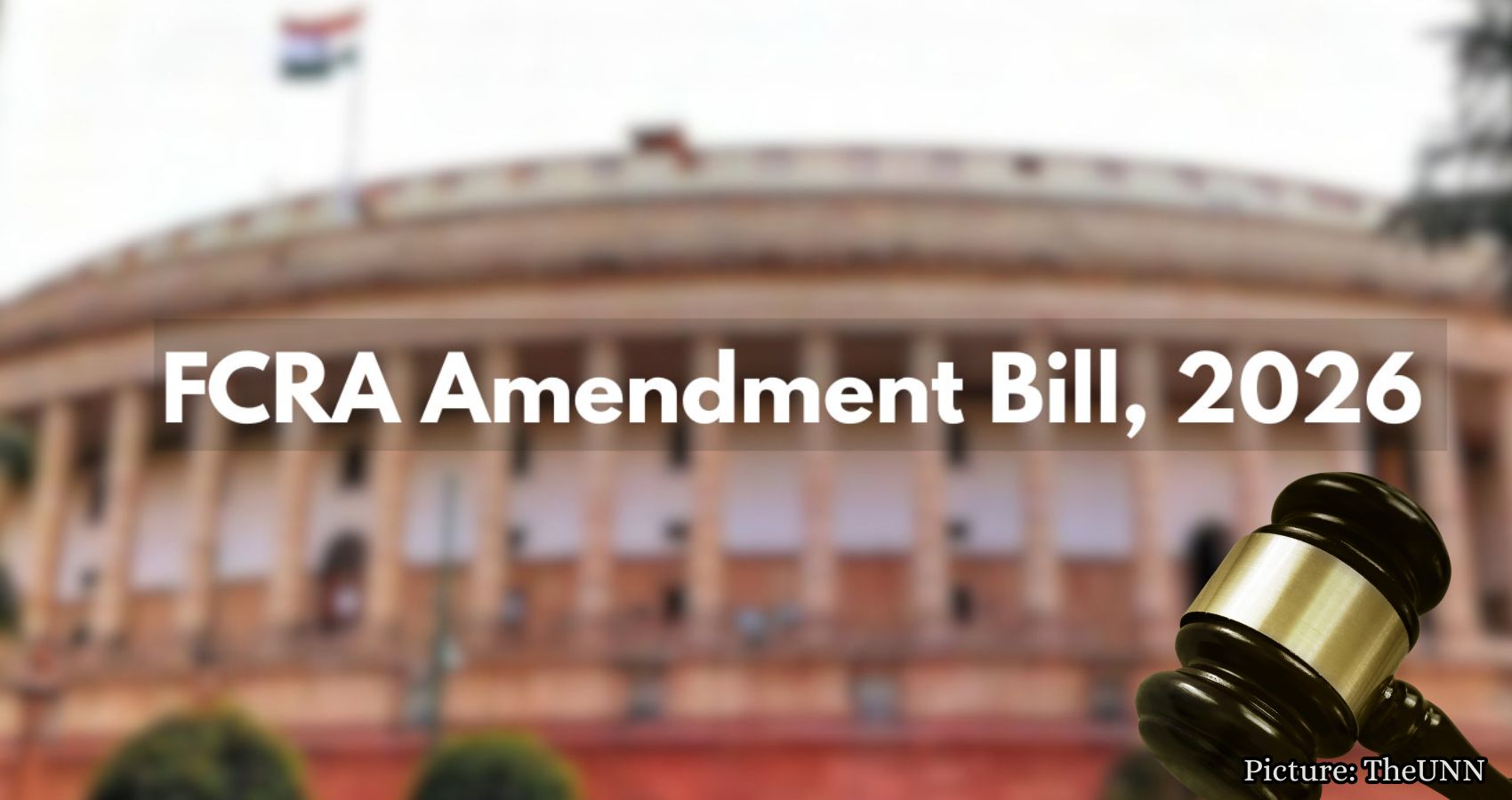
Indian Government Moves to Revive One Nation One Election Bill Ahead of 2029 Polls

The Centre is advancing plans to implement simultaneous Lok Sabha and Assembly elections, with the One Nation One Election Bill currently under review by a Joint Parliamentary Committee.

The Centre is moving ahead with efforts to revive the proposed One Nation One Election legislation, alongside a fresh delimitation Bill, following recent setbacks in Parliament.

The latest development comes months after the government introduced the Constitution (One Hundred and Twenty-Ninth Amendment) Bill, 2024, aimed at enabling simultaneous elections to the Lok Sabha and state Legislative Assemblies. The proposal sought to establish a framework under which elections across the country could be held together, reducing the frequency of electoral cycles and associated administrative costs.

In December 2024, the government proposed amendments to the Constitution, including the introduction of a new constitutional provision and changes to existing articles, to facilitate synchronized elections for Parliament and state Assemblies. The proposal was subsequently referred to a 39-member Joint Parliamentary Committee (JPC) for detailed examination.

According to The Indian Express reports, work is now underway to formalize the One Nation One Election Bill while the JPC continues its review. The committee’s tenure has been extended until the first day of the last week of the upcoming Monsoon Session of Parliament.

JPC Chairman P. P. Chaudhary told The Indian Express that the committee was making progress on its report and would submit its findings within the stipulated timeline. “The law will be amended soon. We are making good progress as far as the report is concerned, and we will submit the report in time,” he said.

The renewed push for the legislation comes alongside efforts to reintroduce the delimitation Bill after the government’s attempt to pass the Constitution (One Hundred and Thirty-First Amendment) Bill, 2026, reportedly failed to secure the required two-thirds majority in the Lok Sabha earlier this year.

The One Nation One Election proposal is based on recommendations made by a high-level committee chaired by former President Ram Nath Kovind. The committee submitted its report in September 2024 after examining the feasibility of conducting simultaneous elections across the country.

Among its key recommendations was the synchronization of Lok Sabha and Assembly elections through constitutional amendments. The committee also proposed the creation of a single electoral roll and a single Electors Photo Identity Card (EPIC) system for elections conducted by the Election Commission of India and State Election Commissions. According to the committee, such a system could help reduce duplication, improve voter record management, and streamline the electoral process.

Supporters of the proposal argue that simultaneous elections would reduce election-related expenditure, minimize disruptions caused by the Model Code of Conduct, and allow governments to focus more consistently on governance and development. Critics, however, have raised concerns regarding its impact on India’s federal structure, regional political representation, and the practical challenges of synchronizing elections across states with different political timelines.

With the JPC continuing its review and the government preparing the legislative framework, the One Nation One Election proposal appears set to remain a key political and constitutional issue in the lead-up to the 2029 Lok Sabha elections.

Ireland Secures Historic Win Over West Indies in Women’s T20I

Ireland secured their first-ever T20I victory against the West Indies, winning by just one run in a thrilling match that propelled them to the top of the Tri-Nation Women’s T20I series standings.

Ireland achieved a historic milestone in women’s cricket by defeating the West Indies by a mere one run in a nail-biting match that utilized the Duckworth-Lewis-Stern (DLS) method. This victory, which took place during the fourth match of the Tri-Nation Women’s T20I series, marks Ireland’s first-ever win against the Caribbean team in this format.

The match was filled with tension as both teams fought hard for supremacy. Ireland’s performance not only showcased their skill but also their determination to succeed on the international stage. The victory has significant implications for the tournament, as it elevates Ireland to the top of the series standings, highlighting their potential as a competitive force in women’s cricket.

This win is a testament to the progress Ireland has made in the sport, particularly in the T20 format. The team has been working diligently to improve their game and this match serves as a culmination of their efforts. The players displayed resilience and strategic acumen, which ultimately led them to this landmark victory.

As the tournament continues, Ireland will look to build on this success and solidify their position in the standings. The win against the West Indies not only boosts their confidence but also sets a precedent for future encounters with the Caribbean side.

According to NDTV Sports, this match will be remembered as a pivotal moment in Ireland’s cricketing history, marking a new chapter in their journey within women’s T20I cricket.

India-US Interim Trade Pact Advances as Piyush Goyal Engages Wall Street

Indian Commerce Minister Piyush Goyal’s recent meetings in New York signal significant progress toward finalizing an interim trade agreement with the U.S., aimed at enhancing bilateral economic relations.

In a significant diplomatic effort to strengthen economic ties with the West, Indian Union Minister of Commerce and Industry Piyush Goyal engaged in a series of high-level meetings with top corporate executives and institutional investors during a pivotal visit to New York City. Addressing an audience of over 50 global business leaders at a closed-door roundtable hosted by the Consulate General of India and the US-India Strategic Partnership Forum, Goyal provided an optimistic update on the status of bilateral trade relations, announcing that a much-anticipated India-U.S. interim trade agreement is nearing finalization.

This push for economic diplomacy follows a three-day trade delegation to Canada and comes just days before an official American negotiating team is set to arrive in New Delhi to finalize key sub-clauses related to market access, customs facilitation, and non-tariff regulatory barriers. This underscores India’s strategic aim to position itself as a reliable, reform-oriented alternative in global manufacturing and supply chains.

During his visit, Goyal met with influential financial, technology, and pharmaceutical executives, launching a targeted initiative to accelerate long-term institutional investment and secure a landmark bilateral trade pact. These high-stakes engagements marked a critical moment in India’s broader economic diplomacy strategy as the country actively promotes its domestic structural reforms to global capital markets.

At the roundtable on May 28, Goyal provided what attendees described as a confident and encouraging update on long-stalled bilateral trade negotiations. According to corporate briefers present, Goyal assured industry leaders that the interim trade agreement between New Delhi and Washington is structurally close to completion. This announcement signals a potential breakthrough in trade relations, with a U.S. technical negotiating team scheduled to visit New Delhi from June 1 to June 4 to finalize operational legal texts regarding customs facilitation, harmonized tariffs, and market access.

The centerpiece of Goyal’s New York visit involved intensive one-on-one meetings with CEOs of major financial institutions and private equity funds. In the heart of Manhattan’s financial district, Goyal highlighted India’s robust Digital Public Infrastructure (DPI), particularly the Unified Payments Interface (UPI), as a secure environment for international fintech platforms.

In a notable meeting with Mastercard CEO Michael Miebach, discussions focused on the technical integration of next-generation payment networks and digital commerce architectures. Goyal maintained an assertive yet collaborative approach, emphasizing India’s transition from a cash-heavy economy to a digital powerhouse.

“Conversations centered around India’s growing digital economy, robust digital public infrastructure, and its emergence as a trusted global hub for fintech innovation,” Goyal stated in an official dispatch following the corporate summit. Industry insiders noted that Mastercard is keen to expand its processing footprint in South Asia, making India’s regulatory predictability a key topic during the discussions.

Shifting focus from digital payments to long-term institutional funding, Goyal also met with Morgan Stanley Chairman and CEO Ted Pick. Their discussions centered on creating reliable pipelines for institutional capital into India’s expanding infrastructure and green energy sectors. Ministry officials indicated that Goyal urged Morgan Stanley to act as a primary conduit for global pension and sovereign wealth funds seeking to diversify away from traditional East Asian manufacturing hubs.

The ministerial outreach also prioritized global private equity and healthcare supply chain security, sectors that have gained strategic importance as Western corporations seek to establish “friend-shoring” networks. Goyal met with Warburg Pincus Chairman Charles “Chip” Kaye to explore the evolving global investment landscape, emphasizing India’s macroeconomic resilience against current inflationary pressures.

During their exchange, Goyal highlighted India’s structural advantages, including a vast domestic consumption base, a competitive tech talent pool, and a stable policy environment under Prime Minister Narendra Modi’s administration. “With scale, talent, rising domestic demand, and a steady policy push, India continues to create new opportunities across sectors for global investors,” Goyal remarked, reinforcing the government’s commitment to maintaining a predictable regulatory environment for foreign private equity investments.

The geopolitical necessity of diversifying active pharmaceutical ingredients (APIs) and medical manufacturing pipelines was a key focus during Goyal’s meeting with Chintu Patel, co-founder and co-CEO of Amneal Pharmaceuticals. Known as the “pharmacy of the world” for its dominant position in generic drug manufacturing, India aims to elevate its pharmaceutical sector into high-value innovation and clinical research. Goyal and Patel discussed regulatory and investment models to strengthen India’s domestic R&D ecosystems, transitioning the sector from low-cost production to a high-margin global research hub.

The culmination of Goyal’s outreach occurred at the expansive roundtable in New York, where he addressed over 50 chief executives, fund managers, and multinational corporate directors. Organized by the Consulate General of India in collaboration with USISPF, the event reflected the high economic stakes as Western corporations seek clear regulatory guarantees before making substantial capital investments.

Goyal delivered a comprehensive presentation detailing India’s macroeconomic story, highlighting consistent GDP growth that positions the country as a leader among major emerging economies. He pointed out that under the current political leadership, India has systematically dismantled bureaucratic red tape, implemented significant ease-of-doing-business reforms, and introduced robust Production Linked Incentive (PLI) frameworks across 14 critical manufacturing sectors.

According to a post-event brief from USISPF leadership, Goyal effectively communicated that “investor confidence, business stability, and a predictable regulatory environment remain top priorities for the Indian government.” The forum noted that Goyal’s transparency and detailed updates regarding the upcoming trade rounds in New Delhi injected fresh momentum into corporate planning, assuring American corporations that an interim trade framework would lower reciprocal trade barriers in the near future.

Goyal’s New York engagements were part of a broader North American economic diplomatic tour. Prior to his visit to New York, he led a delegation of over 150 elite Indian business leaders to Canada from May 25 to May 27. While the Canadian leg sought to advance a proposed Comprehensive Economic Partnership Agreement (CEPA) and secure critical mineral supply lines, the American leg focused on deep financial integration and high-technology partnerships, including collaboration in artificial intelligence, semiconductors, and advanced manufacturing.

The timing of these dual North American outreach efforts underscores a coordinated strategy by New Delhi to leverage the ongoing global realignment of industrial supply chains. By engaging directly with both political negotiators and private capital leaders, the Indian Ministry of Commerce and Industry aims to establish a dual-track economic bridge that secures both legislative frameworks and the private investment needed to transform India into a key global export engine over the next decade, according to Source Name.

Haven’t Submitted Your Ballot Yet? Important Information for Voters

Election Day is tomorrow, and voters who haven’t mailed their ballots yet must understand the new postal timelines to ensure their votes are counted.

With Election Day approaching tomorrow, voters who have yet to mail their ballots need to be aware of the necessary steps to ensure their votes are counted. Recent changes in the U.S. Postal Service’s delivery timelines could impact the validity of ballots mailed on Election Day.

In a press release issued in May, California Attorney General Rob Bonta and Secretary of State Shirley N. Weber emphasized the importance of early voting. They urged voters to submit their ballots well in advance of the primaries scheduled for June 2, 2026.

“You should never be mailing your ballot on Election Day,” a spokesperson for the Postal Service stated in the release.

Attorney General Bonta echoed this sentiment, warning that mailing a ballot on Election Day could result in it arriving too late to be counted. “If you’re mailing it that day, ask the post office for a postmark. Or better yet, use a secure drop box or vote center ahead of time,” he advised.

The press release highlighted a significant change in the Postal Service’s processes: mail dropped off at post offices and collection boxes located more than 50 miles from a regional hub will be collected the following day rather than the same day. This means that ballots dropped off on Election Day may not receive a postmark until the day after, rendering them late and ineligible for counting.

For those who have not yet cast their votes, here are some options to ensure your ballot is counted:

First, consider voting in person on Election Day. Check with your county registrar’s office for their hours and confirm your polling place by reviewing your mail-in ballot.

Alternatively, you can drop off your ballot at a secure ballot drop-off box or vote center. These drop-off locations will remain open until June 2, which is Election Day.

If you prefer to mail your ballot, visit a post office and request a postmark at the counter to confirm that you mailed it on time.

Being informed about these changes and options is crucial for ensuring that your vote counts. Make sure to take action today to participate in the upcoming election.

According to KQED, understanding these postal changes can help voters navigate the process effectively.

Character: The Enduring Value Beyond Money and Success

Character is the invisible wealth that endures beyond material success, serving as the foundation for trust and integrity in our lives.

The pricelessness of character is encapsulated in the saying, “When wealth is lost, nothing is lost; when health is lost, something is lost; when character is lost, all is lost.” This quote, often attributed to the late American evangelist Billy Graham, was a guiding principle in my upbringing. In a world that frequently prioritizes speed, image, and self-promotion, this wisdom has become increasingly relevant. Some timeless truths, like the value of character, only grow more precious with time.

Understanding the distinction between reputation and character is crucial. A quote attributed to American evangelist Dwight L. Moody states, “Character is what you are in the dark.” This definition resonates deeply, as it emphasizes that character is independent of public perception. Reputation is shaped by others’ opinions, while character is what remains when no one is watching, when applause is absent, and when there is no social reward for doing the right thing. Character is not built on a stage; it is forged in solitude.

In today’s age of social media profiles, selfies, and personal branding, we are often tempted to equate visibility with virtue. The true measure of character emerges in moments of temptation—when cheating would be easy, lying convenient, or selfishness profitable. It is in these moments that we must confront the essence of our character.

As a grandfather, I have come to view character as the hidden stitching within a garment. While people admire the dress’s color, cut, and design, it is the stitching that provides shape and reliability. Similarly, in life, money, talent, education, and social standing are all valuable, but they are held together by the invisible threadwork of character.

Character develops gradually and often imperceptibly. This is why our elders caution against “small” compromises; there is no such thing as a minor moral lapse if it becomes a habit. Just as a single misplaced brick may not topple a wall, repeated small compromises can undermine the entire structure of one’s character.

The greatness of restraint is exemplified in the stories of figures like Lord Rama, revered in the Ramayana tradition as Maryada Purushottam, or the perfect man. Rama’s life was governed by self-restraint, dignity, truthfulness, and duty. His title, Maryada Purushottam, signifies boundaries and ethical limits. In a world that often glorifies boundlessness, it is essential to recognize that social life relies on boundaries. Truth, speech, desire, and even emotions must have limits. Character embodies disciplined strength.

Another powerful story from my childhood is that of Satyavadi Raja Harishchandra, a king who, despite losing everything, remained steadfast in his commitment to truth. His narrative illustrates that while truth has a price, the cost of falsehood is even greater. Character is tested not when honesty is easy but when it is painful or costly.

This lesson resonates in modern history as well. President Abraham Lincoln, known as “Honest Abe,” exemplified the importance of character alongside political acumen. While intelligence and strategy are admirable, it is character that commands trust—the true currency of civilization. Trust is the foundation of families, friendships, businesses, and democracy. When trust erodes, relationships become fraught with suspicion and strain.

Dr. Martin Luther King Jr. famously articulated the connection between dignity and character in his iconic “I Have a Dream” speech, where he envisioned a future where individuals would be judged by the content of their character rather than their skin color. This enduring message calls for a higher moral standard, emphasizing that human worth should be determined by inner substance rather than external appearances.

As we mature, the allure of talent, charm, and success often fades, revealing their limitations. The world is filled with gifted individuals who have caused significant harm. Talent without character can lead to manipulation, charm without character can become seduction, and intelligence without character can turn into cunning. Wealth and power devoid of character can result in corruption and abuse.

For the younger generation, I would advise: do not admire brilliance without goodness or success without decency. Avoid sacrificing a lasting self for temporary gains. A compromised life is a burdensome existence, leading to internal conflict as thoughts, words, and actions become misaligned. Truth is far lighter to carry than falsehood, which is why individuals of character often exude a sense of calm. They may face suffering, but they remain undivided within.

I liken character to the root system of a tree. While the fruit, flowers, and leaves are visible, the roots remain hidden. When storms arise, a tree’s survival hinges on its roots. Similarly, public success is the fruit of our lives, while character is the root that sustains us as we age.

Building character is not achieved through grand proclamations but through consistent, ordinary actions. It involves telling the truth even when a lie is easier, keeping promises even when inconvenient, returning what is not ours, resisting gossip, and treating others with dignity. It means showing up on time and admitting when we are wrong. Character is cultivated through decent actions, even when unrecognized.

My father’s wisdom resonates throughout this journey. His teachings were not mere academic theories but lived experiences. While lost money can be regained and poor health can improve, the surrender of character leads to a fundamental collapse.

Ultimately, the lessons I have learned from my father, Lord Rama, Harishchandra, Lincoln, Dr. King, and the Upanishads converge on one truth: character is the invisible wealth that is foundational and decisive. Cultivating character is a lifelong strategy and one of the greatest inheritances a parent or grandparent can bestow upon a child.

According to India Currents, character is a vital asset that transcends material success and shapes our interactions and relationships.

LA Business Leader Attributes Pratt Surge to Crime and Wildfire Concerns

Business leader John Putnam attributes Spencer Pratt’s rise in the Los Angeles mayoral race to widespread voter frustration over crime, wildfires, and the city’s challenging business environment.

SANTA MONICA, CA — John Putnam, a prominent business leader and former city council candidate, has weighed in on Spencer Pratt’s increasing popularity in the Los Angeles mayoral race. He attributes this surge to growing voter frustration over crime, the aftermath of recent wildfires, and a challenging business climate in the city.

“I think a lot of people are concerned about what’s happening; they really don’t know how to fix this,” Putnam said. “The crime, homelessness, addiction, and other issues in our city are being exacerbated by politicians. Many people are starting to see that.” Putnam, who serves as president of Putnam Brands and Putnam Accessory Group, believes that Pratt’s straightforward approach to discussing these issues is resonating with voters.

“Even if you don’t want to vote for him, you’re listening,” Putnam noted. “I think that’s resonating with a lot of people.” Although Putnam’s own community of Santa Monica does not participate in the LA mayoral election, he emphasized that the winner’s platform will have a significant “trickle-down” effect throughout the county.

“California has a big issue, but especially in Santa Monica, we are a byproduct of what’s happening in Los Angeles and across the world,” he explained. “In Santa Monica alone, 80% of our revenue comes from outside the city. We need to generate revenue from visitors.” Putnam has operated his business near downtown Los Angeles for 40 years and has observed firsthand how crime, homelessness, high taxes, and other factors are stifling the local business environment.

<p”It costs so much to operate a business here,” he said. “Out of 250 cities surveyed a few years ago, Santa Monica was ranked as the most expensive place to do business, largely due to excessive regulations.” He added that without an inviting, safe, and clean environment, there is little hope for improvement. “We have to do something quickly, and the pain is palpable. As voters, we must determine what changes are necessary,” Putnam asserted.

Crime has emerged as a central issue in the mayoral race, which includes incumbent Mayor Karen Bass and progressive Councilwoman Nithya Raman. Despite official statistics indicating a decline in specific violent crimes, Putnam argues that the overall crime situation has worsened in recent years. “There are all sorts of stats; it’s worse. Everyone is trying to sugarcoat it, but the data is out there,” he said. “While violent crime may be down nationally, petty crime is rampant.” He pointed out that crime affects all neighborhoods, including Santa Monica, where residents are increasingly feeling the impact of rising drug addiction and related criminal activities.

Putnam also reflected on the devastating wildfires that struck the Los Angeles area about a year and a half ago, particularly the Altadena and Pacific Palisades fires, which claimed 31 lives and destroyed over 6,000 structures, including Pratt’s home. The fires crept within a few miles of Putnam’s residence in Santa Monica. He noted that the community’s frustration with the response to these disasters, particularly regarding Bass’s preparedness, is a frequent topic of conversation among residents.

<p”People are feeling left out; they don’t feel like they’re being helped,” Putnam said. “Entire towns like Altadena and the Palisades were devastated. Many local businesses, including nail salons and restaurants, have been destroyed, leaving their owners homeless and without income. They aren’t receiving the support and attention they deserve; we need to come together to help those people.” He expressed concern that the community’s anger is palpable, but he also believes that Pratt has effectively highlighted these issues, encouraging voters to recognize that change is necessary.

Pratt is set to compete in the mayoral primary against Bass and Councilmember Nithya Raman on Tuesday night. The top two candidates will advance to the general election in November. However, if a candidate secures 50% of the vote, they will be declared the next mayor outright.

Putnam’s insights reflect a broader sentiment among Los Angeles residents who are increasingly dissatisfied with the current state of affairs, particularly regarding public safety and economic viability. As the mayoral race heats up, it remains to be seen how these issues will influence voter turnout and candidate support.

According to Fox News Digital, the upcoming election could serve as a pivotal moment for Los Angeles as voters seek meaningful change in response to their growing frustrations.

US-Israel-Iran Conflict: Diplomacy or Escalation Ahead?

The future of US-Iran peace talks is uncertain as Iran pauses negotiations with the US amid rising tensions in the Middle East, despite President Trump’s insistence that diplomacy continues.

Diplomatic efforts between the United States and Iran have hit a significant snag following Iran’s decision to suspend indirect negotiations with Washington. This development comes in the wake of escalating military actions by Israel in Lebanon, raising concerns about the future of peace talks and the potential for renewed conflict in the region.

The diplomatic process aimed at easing tensions between the US and Iran has faced fresh uncertainty. Iranian officials have indicated that any agreement to resolve the ongoing conflict must include a cessation of Israeli military operations, particularly in Lebanon. This demand has complicated efforts to secure a longer ceasefire and restore stability in a region already fraught with tension.

Recent Israeli military actions in Lebanon have further complicated the situation. Iranian officials argue that these operations violate the broader ceasefire framework that regional mediators have been trying to uphold. As tensions rise between Israel, Hezbollah, Iran, and the United States, the prospects for a peaceful resolution appear increasingly fragile.

Adding to the tension, senior Iranian military official Mohammad Jafar Assadi issued a stark warning regarding the possibility of renewed conflict. He stated, “The United States demands our total surrender, and the Iranian nation will never surrender. Without surrender, war is inevitable.” Assadi’s remarks reflect the growing frustration among Iranian leaders and underscore the deep divisions that persist between Tehran and Washington, despite ongoing diplomatic efforts.

In contrast, President Donald Trump has maintained that negotiations have not collapsed. In a post on Truth Social, he asserted, “Talks are continuing, at a rapid pace, with the Islamic Republic of Iran.” Trump emphasized that he had not received any official communication from Tehran confirming a complete halt to negotiations. He suggested that discussions could still progress, even if public communication slows down temporarily.

The Trump administration remains optimistic about the possibility of reaching a new agreement with Iran. Recent statements indicate that Washington is seeking to extend the current ceasefire and facilitate the reopening of the Strait of Hormuz, a critical route for global oil shipping. Trump has expressed hope that progress can still be made and that a deal could emerge in the near future if both sides remain engaged in diplomatic discussions.

Iran’s suspension of talks appears closely linked to the ongoing situation in Lebanon. Tehran has consistently argued that Israel’s military operations in the region undermine the ceasefire framework that mediators are attempting to maintain. Iranian officials have made it clear that negotiations cannot proceed unless military actions against Lebanon cease. They have also warned that continued attacks could provoke a stronger response from Tehran and its regional allies, raising fears of a broader conflict in the Middle East.

Despite the suspension of public negotiations, reports from Iranian media suggest that Tehran is still reviewing a proposed framework for a potential agreement with the United States. However, Iranian officials remain cautious due to longstanding mistrust and concerns stemming from previous disputes with Washington. This indicates that while public discussions may be paused, diplomatic channels are not entirely closed.

One of the key sticking points in the negotiations remains the Strait of Hormuz. This vital waterway is crucial for global oil and gas exports, and any disruption could have significant implications for international energy markets. Reports indicating that Iran may consider further action around the Strait have already triggered volatility in oil prices and heightened concerns among global investors.

As it stands, Iran has linked any return to negotiations to developments in Lebanon. Meanwhile, Trump continues to express optimism about the ongoing diplomatic efforts, suggesting that a broader agreement is still within reach. While both sides maintain a tough stance, neither Washington nor Tehran has formally ruled out the possibility of future negotiations. Consequently, while diplomatic efforts remain alive, the path toward a lasting agreement appears increasingly tenuous.

According to The Sunday Guardian, the situation continues to evolve, and the international community is closely monitoring developments in the region.

QR Code Email Scam Affects Employee Reviews Across Industries

Recent phishing scams are using QR codes disguised as HR performance reviews to trick employees into revealing sensitive information. Here’s how to recognize and protect yourself from these deceptive tactics.

A new phishing scam has emerged, targeting employees through emails that appear to be official HR notices regarding performance reviews. These deceptive messages often include QR codes that lead victims to malicious websites.

The emails typically claim to provide information about pay updates, benefits, and deadlines, creating a sense of urgency. However, the true intention is to lure recipients into scanning a QR code that supposedly grants access to their appraisal. This tactic, known as “quishing,” is becoming increasingly common as scammers seek to exploit the trust associated with QR codes.

One of the most significant red flags in these emails is the sender’s address. For instance, an email may appear to come from “CyberGuy,” but the actual email address could be something unrelated, such as mario@toituresphenix.com. Legitimate companies always send HR communications from their official domains. If the domain looks suspicious, it is best to treat the email with caution.

Another tactic employed by scammers is the use of deadlines to pressure recipients into acting quickly. The email may state that action is required by a specific date, such as May 15, 2026. This urgency can lead individuals to overlook critical checks, which is precisely what scammers rely on. Authentic HR communications may include deadlines, but they typically do not demand immediate action through a random email with a QR code.

The email may also address the recipient with a generic salutation, such as “Dear Techtips,” rather than using their full name. Legitimate HR messages usually contain personalized details that scammers cannot easily replicate. Additionally, the email might reference a “secure HR access system” without naming it, avoiding any recognizable platforms like Workday or ADP, which further raises suspicion.

While the email may include recognizable logos, such as Microsoft’s, this does not guarantee authenticity. Logos can be easily copied, and the overall formatting of the email often lacks the consistency of genuine corporate communications. Furthermore, the message may be marked as “high importance,” another tactic to create a sense of urgency and compel the recipient to act without verifying the information.

Unlike standard HR procedures, which typically require logging into a secure portal, these phishing emails instruct recipients to scan a QR code to access sensitive information. Companies prioritize security and would not request that employees open files from QR codes, especially regarding compensation details.

QR codes have become ubiquitous in various settings, from restaurants to airlines, which can create a false sense of security. Scammers exploit this familiarity by embedding malicious links within the codes, making it difficult for users to preview the destination. Once scanned, victims may be directed to a fake login page designed to steal their credentials.

If a QR code leads to a phishing page, several outcomes are possible. Attackers may gain access to company systems or personal email accounts, potentially leading to further attacks on the victim’s contacts. These scams thrive on speed and distraction, making it crucial for individuals to take a moment to verify the legitimacy of any suspicious emails.

To protect yourself from these scams, consider the following precautions: pause before scanning any QR code, and instead visit the official website directly. Always verify the sender’s email address, and if it does not match the company’s domain, treat it as suspicious. Access HR systems by typing the URL you know or using a saved bookmark, and avoid clicking on links or codes in unsolicited emails.

Messages that do not address you by your real name should also raise alarms, as this is often indicative of mass phishing attempts. If something feels off about an email, reach out to your HR team directly using a known contact method, rather than responding to the email in question.

Utilizing strong antivirus software can help block malicious links, flag phishing pages, and prevent malware installation. Regularly updating your software is essential for maintaining security. Additionally, implementing two-factor authentication (2FA) can provide an extra layer of protection, even if your login credentials are compromised.

As phishing tactics continue to evolve, it is vital to remain vigilant. The latest scam may involve a QR code linked to a fake HR notice, but tomorrow could bring another equally deceptive scheme. The best defense is to avoid trusting any email path that requests sensitive information. Always verify through your own secure channels.

For more information on cybersecurity and to stay updated on the latest threats, visit CyberGuy.com.

New Cohort Announced for the Gateways for Growth Challenge

Over ten local communities have been selected for the Gateways for Growth Challenge, receiving support to enhance immigrant inclusion and community engagement.

WASHINGTON, D.C. & DECATUR, GA, December 15, 2025 — The American Immigration Council and Welcoming America, two prominent national nonprofits, have announced the selection of over ten local communities to receive awards as part of the Gateways for Growth Challenge (G4G) Round VI initiative. The awardees will benefit from a combination of customized research, technical assistance, and planning support aimed at developing strategies that enable all residents, including immigrants, to thrive and contribute fully to their communities.

The 2026 awardees encompass a diverse range of urban and rural communities across ten states, reflecting the extensive efforts being made nationwide by local governments, nonprofits, chambers of commerce, and community coalitions to foster welcoming environments. Among the selected communities are:

Arlington County, Virginia

Charlotte, North Carolina

Durham, North Carolina

El Paso County, Texas

Fort Bend County, Texas

Johnson County, Kansas

Lancaster, Pennsylvania

Las Cruces, New Mexico

Mahoning County, Ohio

St. Louis, Missouri

Wabash County, Indiana

“For nearly a decade, the Gateways for Growth Challenge has empowered local communities to quantify the impact of their immigrant populations and invest in welcoming policies and programs,” said Rich André, Director of State and Local Initiatives at the American Immigration Council. “We are excited to collaborate with this new cohort to create opportunities for all residents.”

Molly Hilligoss, Senior Network Director of Welcoming America, emphasized the importance of local leadership in fostering inclusive communities. “This cohort represents local leaders who are doing the day-to-day work of making their communities places where everyone can participate and succeed. We’re proud to support them as they turn their welcoming values into action,” she stated.

Since its inception in 2016, the Gateways for Growth Challenge has supported more than 75 localities across 37 states. Participating communities have developed comprehensive welcoming plans that address critical areas such as language access, workforce development, civic participation, and social cohesion. Many of these communities have successfully passed welcoming resolutions, launched new programs, joined the broader Welcoming Network, and achieved Certified Welcoming status—a national recognition for communities that meet established benchmarks for inclusion and welcoming.

For more information about the Gateways for Growth initiative, visit gatewaysforgrowth.org.

About the Gateways for Growth Challenge

The Gateways for Growth Challenge (G4G) is a competitive opportunity for localities to receive research support and technical assistance from the American Immigration Council and Welcoming America, aimed at improving immigrant inclusion in their communities. Learn more at gatewaysforgrowth.org.

About Welcoming America

Welcoming America is a nonprofit, nonpartisan organization that leads a movement of inclusive communities striving for prosperity by ensuring that everyone belongs. Through the Welcoming Network, the organization works to transform systems and culture by providing communities with the necessary roadmap to create welcoming policies and share innovative approaches to inclusion, fostering an environment where everyone can truly thrive. Learn more at welcomingamerica.org.

About the American Immigration Council

The American Immigration Council is dedicated to strengthening America by shaping perceptions and actions towards immigrants and immigration. The organization advocates for a fair and just immigration system that opens doors to those in need of protection while harnessing the energy and skills that immigrants contribute. The Council employs a multifaceted approach to advance change through litigation, research, legislative and administrative advocacy, and communications. Follow the Council on Bluesky @immcouncil.org and on Instagram @immcouncil.

The information in this article is based on a press release from the American Immigration Council.

Coping Strategies for Indian-Americans Facing Colorectal Cancer

Dr. Manoj Sharma discusses coping strategies and treatment options for colorectal cancer, emphasizing the importance of support networks and self-care for patients like Vidhan, a 64-year-old diagnosed with Stage 1IA cancer.

Colorectal cancer is a significant health concern, ranking as the third most deadly and fourth most diagnosed cancer worldwide. Dr. Manoj Sharma, a Professor of Social and Behavioral Health and Internal Medicine, and President of Health for All, Inc., provides insights on coping with this diagnosis through the story of Vidhan, a 64-year-old accountant from Michigan.

Vidhan began experiencing symptoms such as abdominal pain, bloating, constipation, fatigue, and unexplained weight loss. After consulting his primary care provider, he underwent several tests, including a colonoscopy, which confirmed a diagnosis of Stage 1IA colorectal cancer. Faced with this life-altering news, he sought guidance on how to navigate his situation.

Dr. Sharma explains that colorectal cancer typically originates from polyps in the inner lining of the large intestine. When these polyps exhibit abnormal growth, they can develop into cancer. Understanding the stages of colorectal cancer is crucial for patients and their families.

The progression of colorectal cancer is categorized into five stages. Stage 0 indicates the presence of abnormal polyps detected during a colonoscopy. Stage 1 involves at least one cancerous polyp in the colon wall. Stage II is further divided into three substages, with cancer spreading through the colon wall but not yet affecting the outer layer or nearby organs. Stage III signifies that cancer has spread to nearby lymph nodes, while Stage IV indicates metastasis to distant organs, such as the lungs or abdominal lining.

While the exact cause of colorectal cancer remains unclear, several risk factors have been identified. These include being over the age of 50, having a family history of cancer, possessing multiple polyps, certain genetic conditions, obesity, smoking, and excessive alcohol consumption. Dietary factors, such as low calcium intake and specific gut microbiota, may also contribute to the risk.

In terms of treatment, Dr. Sharma emphasizes the importance of adhering to medical advice. Surgery is often the primary treatment for localized colorectal cancer, which may involve polypectomy (removal of polyps) or colectomy (removal of a section of the colon). For Stage II cancers, chemotherapy may be recommended, and in later stages, radiotherapy could be necessary. Each patient’s medical team is best equipped to determine the most appropriate treatment plan.

Beyond medical treatment, Dr. Sharma highlights the significance of a robust support network. Patients should educate themselves about their condition and treatment options while actively managing their emotional and physical health. Maintaining a sense of normalcy, staying positive, and engaging in open communication with healthcare providers can help patients regain a sense of control over their lives.

Patients undergoing treatment for colorectal cancer may experience various side effects. Common surgical complications include discomfort, digestive issues, changes in bowel habits, and the risk of hernia. Chemotherapy can lead to fatigue, neuropathy, nausea, diarrhea, vomiting, hair thinning, and an increased risk of infection. Long-term effects may include chronic diarrhea, constipation, incontinence, decreased libido, and pain.

When discussing survival rates, Dr. Sharma reassures patients like Vidhan that early detection significantly improves prognosis. For Stage IIA colorectal cancer, the five-year relative survival rate is estimated to be over 90%. This stage indicates that the tumor has penetrated the muscle layer of the bowel wall but has not spread to lymph nodes or distant sites, often resulting in a favorable outlook.

While yoga and meditation are not curative for cancer, they can play a supportive role in managing symptoms and enhancing quality of life. Specific yoga poses, such as seated twists, wind-relieving pose, cobra pose, and child’s pose, can aid digestion and alleviate bloating. Meditation can help reduce stress and improve coping mechanisms for cancer survivors.

For those seeking additional resources, Dr. Sharma recommends several reputable websites, including the Cleveland Clinic and Mayo Clinic, which provide comprehensive information on colorectal cancer. The Colorectal Cancer Alliance and WebMD also offer valuable tips for coping with a cancer diagnosis and treatment.

For further inquiries, Dr. Manoj Sharma can be reached at editor@indiacurrents.com.

As patients like Vidhan navigate their journey with colorectal cancer, understanding the disease, treatment options, and the importance of support can empower them to face the challenges ahead.

NYC Landlord Seeks Help as Long-Term Squatter Drains Resources

A Brooklyn landlord describes a nearly decade-long legal battle with a tenant that has drained his finances and left him in a protracted court saga over unpaid rent and eviction.

A Brooklyn landlord is pleading for assistance as he endures a nearly decade-long legal ordeal that has cost him hundreds of thousands of dollars in unpaid rent and legal fees. His tenant continues to occupy the apartment without making direct payments, while New York courts repeatedly delay resolution of the case.

Thomas Diana, who owns a small eight-unit building in Park Slope, shared his plight with Fox News Digital. He has spent the last nine years attempting to remove a woman who initially moved into one of his apartments as a live-in companion for an elderly, disabled tenant. The woman entered the apartment in 2014 after responding to a Craigslist ad, but following the tenant’s death in 2016, disputes arose regarding her tenancy status and rent obligations.

“This has gone on for nine years. Nothing about this is justice,” Diana stated. “Every time the case gets close to resolution, there’s another delay, another lawyer change, another new story.” He noted that the tenant has changed lawyers at least eight times during this drawn-out legal saga, which he describes as a “9-year squatter situation.” The case revolves around rent stabilization laws, with both parties disputing nearly every aspect of the proceedings.

Diana expressed frustration over the financial toll the situation has taken on his family. “It drained my daughter’s college fund,” he said, wearing a T-shirt that reads, “Stuck with 8-year-squatter.” He added, “Now we’re borrowing money to pay for college while this just keeps dragging on. It gets pretty stressful. People think eviction cases are like TV where it takes two weeks. In New York, it can take years, and this one has turned into almost a decade.”

Attorneys representing the tenant strongly contest Diana’s portrayal of the case. At one point, the tenant even sued Diana, alleging that he improperly removed the apartment from rent stabilization protections. Casey Gilfoil, an attorney with Brooklyn Legal Services, stated, “Mr. Diana’s distortion of the facts in this case is a sad attempt to harass our client out of her rent-stabilized apartment, and he will not be successful.” Gilfoil pointed out that a judge has already ruled Diana improperly deregulated the apartment, and the remaining issue is determining the legal rent and any potential damages.

Brooklyn Legal Services also claims that the tenant has money set aside in escrow pending the court’s final ruling. However, Diana disputes this assertion, arguing that the court did not find any fraudulent actions on his part and that he followed guidance from the New York State Division of Housing and Community Renewal when the apartment was deregulated years ago. “The judge ruled there was no fraud,” Diana explained. “She said I incorrectly destabilized the apartment. I did it as they told me to.”

Diana further challenged the claim that the tenant has accumulated significant funds in escrow, suggesting that based on court communications regarding her employment history, it is unlikely she has saved “anywhere near” $300,000. He criticized the occupant’s lawsuit for relying on what he describes as a series of shifting and contradictory claims, including allegations that the original elderly tenant was not disabled and that the apartment was illegally deregulated.

During depositions, Diana’s attorney countered these claims with emails, photographs, rent records, and testimony, asserting that the allegations did not hold up under scrutiny. “She got destroyed on all 18 claims,” Diana remarked. “And once those fell apart, they just made up new ones.”

Court stipulations required the occupant to make monthly use-and-occupancy payments, similar to interim rent payments, of approximately $835 per month. However, Diana claims those payments ceased years ago, and he estimates the total unpaid rent now ranges between $275,000 and $325,000. The occupant testified during her deposition that she has not worked full-time in years and has limited income, a factor Diana argues the courts have allowed to justify her continued nonpayment.

Diana, who has started a GoFundMe page to help with his financial struggles, expressed concern over the prolonged case’s impact on his ability to maintain his building and cover basic expenses, including his children’s tuition. “One apartment out of eight not paying rent wipes out any profit,” he noted. “Judges talk in terms of months. They don’t talk about what $300,000 actually does to a family.”

He also highlighted systemic issues within the housing court system, describing repeated inspections that resulted in excessive and duplicative violations, further delaying proceedings and increasing costs. “They’ll cite you for a paint drip from 20 years ago and call you a slumlord,” Diana said. “Meanwhile, the tenant hasn’t paid rent in nearly a decade.”

Diana believes his case underscores a systemic imbalance in New York’s housing courts, which he claims allows bad-faith actors to exploit tenant protections indefinitely. “They tell you to sell your building. They tell you to accept a buyout, to pay the person who owes you hundreds of thousands of dollars,” he lamented. “That’s not justice. That’s legalized theft.”

As of April, the case was adjourned again until this summer, essentially ensuring that the saga will extend into its tenth year. “This court case has become a Twilight Zone Marathon,” Diana concluded.

According to Fox News Digital, the ongoing legal battle reflects broader issues within New York’s housing court system and the challenges landlords face in navigating tenant protections.

John Kear, Rugby League Legend, Dies at 71

Rugby league legend John Kear has died at the age of 71, leaving behind a remarkable legacy as a player and coach in the sport.

John Kear, a prominent figure in rugby league, has passed away unexpectedly at the age of 71. His death on May 31, 2026, has sent shockwaves through the sporting community, as tributes pour in for the beloved coach and commentator.

The Rugby Football League (RFL) confirmed that Kear’s sudden passing occurred while he was traveling back to the north of England from Wembley Stadium. Just a day prior, he had been an active contributor to the BBC commentary team during the Betfred Challenge Cup Finals.

In a heartfelt tribute, the RFL expressed their condolences, stating, “Our thoughts and condolences are with John’s wife Dawn, his family and friends.” Kear’s impact on the sport was profound, and his legacy will be remembered by many.

Born on November 25, 1954, in Castleford, West Riding of Yorkshire, England, Kear began his rugby career as a player. He played as a wing, centre, and fullback for the Castleford Tigers from 1978 to 1988, making 133 appearances. His playing career laid the foundation for what would become an illustrious coaching journey.

After retiring from playing, Kear transitioned into coaching, where he made a significant mark over the next three decades. He managed several clubs, including Bramley, Paris Saint-Germain, Sheffield Eagles, Huddersfield Giants, Wigan Warriors (as assistant), Hull FC, Wakefield Trinity, Batley Bulldogs, Bradford Bulls, and Widnes Vikings. He also had notable stints with the England national team during the 2000 World Cup and the Wales national team from 2014 to 2025.

Kear’s coaching accolades include two Challenge Cup victories, leading Sheffield Eagles to a stunning upset against Wigan in 1998, which is often regarded as one of the biggest shocks in the competition’s history. In 2005, he achieved another remarkable victory with Hull FC, defeating Leeds at Wembley.

His leadership skills were further highlighted when he guided Wales to the European Championship title in 2015, showcasing his ability to inspire and develop talent at both club and international levels.

While specific financial details regarding Kear’s earnings remain private, his estimated net worth is believed to be between $1 million and $3 million. This figure reflects his successful career as both a player and a coach in rugby league.

John Kear’s contributions to rugby league extend beyond his statistics and accolades; he was a cherished figure in the sport, known for his passion and dedication. His sudden passing is a significant loss to the rugby community, and he will be remembered for his remarkable achievements and the joy he brought to fans and players alike.

As the rugby world mourns his loss, Kear’s legacy will undoubtedly endure, inspiring future generations of players and coaches. According to The Rugby Football League, Kear’s impact on the game will be felt for years to come.

U.S. Military Conducts Self-Defense Strikes Against Iran Over Weekend

U.S. Central Command conducted self-defense strikes against Iranian targets over the weekend in response to aggressive actions, including the shootdown of an American drone.

U.S. Central Command (CENTCOM) announced that it executed “self-defense strikes” against Iranian military assets over the weekend, emphasizing its commitment to defending American interests in the region.

The strikes targeted Iranian radar and command and control sites for drones located in Goruk, Iran, and on Qeshm Island. According to a CENTCOM press release, these measured and deliberate actions took place on Saturday and Sunday in direct response to aggressive Iranian maneuvers.

One of the key provocations cited by CENTCOM was the shootdown of a U.S. MQ-1 drone, which was operating over international waters at the time of the incident. In retaliation, U.S. fighter aircraft swiftly engaged Iranian air defenses, neutralizing a ground control station and two one-way attack drones that posed significant threats to maritime traffic in the region.

Importantly, CENTCOM reported that no American service members were harmed during these operations. The command reiterated its ongoing commitment to protect U.S. assets and interests in the face of what it described as unwarranted Iranian aggression, particularly during the current ceasefire.

The situation underscores the heightened tensions between the U.S. and Iran, as military actions continue to unfold in a complex geopolitical landscape. CENTCOM’s actions reflect a broader strategy aimed at deterring further Iranian provocations while safeguarding American forces and allies in the region.

As the situation develops, CENTCOM remains vigilant and prepared to respond to any threats that may arise, ensuring that American interests are adequately defended against hostile actions.

According to Fox News, the recent strikes highlight the ongoing volatility in U.S.-Iran relations and the potential for further military engagements in the future.

U.S. Prioritizes Domestic Ebola Prevention During African Outbreaks

The U.S. government is prioritizing domestic Ebola prevention measures amid ongoing outbreaks in Africa, raising concerns about its commitment to international health response efforts.

As the Ebola outbreak expands in the Democratic Republic of Congo (DRC) and Uganda, the Trump administration’s focus on domestic protective measures has sparked concerns among health experts regarding the United States’ role in international response efforts.

The administration has adopted a notably inward-focused approach in response to the ongoing crisis, drawing criticism from infectious disease specialists who are alarmed by the implications of such isolationist policies. Recent reports from the World Health Organization (WHO) indicate that the number of suspected Ebola cases in the affected regions has surpassed 1,000, with nearly 250 reported deaths attributed to the virus.

In response to this escalating health crisis, the U.S. government has pledged over $100 million in financial assistance to support the affected countries. This includes $80 million specifically allocated for the procurement and distribution of personal protective equipment (PPE). Additionally, the Centers for Disease Control and Prevention (CDC) and the State Department have expressed their commitment to ensuring rapid viral testing capabilities and are deploying resources to the DRC and Uganda.

During a briefing with reporters, Satish Pillai, the CDC’s Ebola response leader, emphasized that the most effective means of protecting Americans is to contain outbreaks as swiftly as possible where they originate. “That’s why CDC response focuses both on supporting affected countries and maintaining readiness here at home,” Pillai stated.

However, experts with experience in managing past Ebola outbreaks have raised concerns that the administration’s strategies prioritize preventing the virus from entering the United States rather than directly aiding efforts to combat the outbreak in affected areas. A spokesperson from the U.S. Department of State underscored this sentiment, stating, “The United States’ highest priority remains protecting the health and security of the American people by working to prevent the Ebola outbreak from reaching our shores.”

This approach has manifested in concrete actions, including a temporary travel ban imposed on noncitizen travelers who had recently visited the DRC, Uganda, or South Sudan within the past 21 days. This travel restriction has since been extended to green-card holders as well.

In a further attempt to mitigate risks, the U.S. is planning to require any American potentially exposed to Ebola to undergo a 21-day quarantine in Kenya before returning to the U.S. However, this plan faced a setback when a Kenyan high court issued a ruling blocking medical operations at the designated facility while a lawsuit against the plan is ongoing.

The stringent measures taken by high-ranking administration officials to prevent any potential exposure to Ebola within U.S. borders have raised concerns among health professionals. Krutika Kuppalli, an infectious diseases specialist who previously managed an Ebola treatment center in Sierra Leone, noted that such policies could deter skilled professionals from engaging in necessary response efforts on the ground. “If individuals believe they may not be repatriated, should they become ill or exposed, it could affect willingness to participate in future response efforts,” Kuppalli warned.

Despite the availability of specialized containment facilities within the U.S. that were established to handle such outbreaks—facilities that have received significant federal funding—officials have indicated that Americans requiring advanced medical treatment for Ebola might be sent to Europe instead. This shift in policy is particularly concerning given that during the 2014-2016 Ebola epidemic, multiple Americans were successfully repatriated for monitoring and treatment without any secondary infections occurring.

Jeanne Marrazzo, the chief executive officer of the Infectious Diseases Society of America, highlighted the uniqueness of the U.S. preparedness network, stating, “There’s nothing like this in the entire world…a big network of preparedness centers with capacity for intensive care, and very importantly, staff who are trained just doesn’t exist.”

Marrazzo also criticized the current administration’s lack of a cohesive strategy, suggesting that it has deviated from established practices that previously proved effective. “The White House appears to have completely shredded the playbook that we have used for this sort of thing, I think with very good success in the past,” she remarked, adding that there is currently no comprehensive plan being articulated by the administration.

Recent developments indicate that seven Americans who had been exposed to Ebola in the DRC were transported to Europe for monitoring, including a doctor confirmed to have contracted the virus. The outbreak, caused by a rare strain of Ebola called Bundibugyo, has been classified by the WHO as a public health emergency of international concern due to its potential for rapid transmission and a fatality rate of approximately 50%.

Critics like Kuppalli are concerned that the U.S. government’s focus on isolation—evidenced by its withdrawal from the WHO and the dismantling of the U.S. Agency for International Development—signals a retreat from its historical role as a leader in global health response. “Policies that emphasize distancing the U.S. from affected regions rather than supporting response efforts on the ground may raise questions among partners about future U.S. engagement during international health emergencies,” she stated.

The implications of these policies could not only affect the immediate response to the current outbreak but also influence the U.S.’s standing and credibility in future global health crises, according to Source Name.

U.S. Clarifies Green Card Applicants Can Stay in Country Amid Backlash

U.S. authorities have clarified that green card applicants can remain in the country during the application process, following public backlash and confusion over a recent policy change.

U.S. authorities have recently clarified that green card applicants are not required to leave the country while their applications are being processed. This announcement comes in response to significant public backlash and confusion surrounding a policy change announced on May 22. Reports from the New York Times and Newsweek indicate that the clarification aims to reassure applicants and address concerns raised by earlier guidance that many feared could disrupt families and legal immigration pathways.

The initial policy change, implemented by the Trump administration, mandated that immigrants living legally in the United States must leave the country to complete their permanent residency application process unless they qualified for an exception based on extraordinary circumstances. Immigration officers were instructed to review each case individually to determine eligibility for an exemption.

This unexpected shift raised alarms among immigrant advocacy groups, immigration lawyers, and affected families. Critics of the policy warned that it could lead to prolonged separations between spouses, parents, and children. They argued that the new policy memo from U.S. Citizenship and Immigration Services (USCIS) diverged from established immigration practices and could result in family separations for individuals from over 100 countries impacted by the Trump-era visa and travel restrictions.

Advocates contend that this policy change is part of a broader effort by the Trump administration to restrict legal immigration pathways. While the administration has predominantly focused on undocumented migrants, it is now expanding its efforts to include legal immigration processes.

U.S. Representative Ami Bera, M.D. (CA-06), has publicly opposed the changes to the green card processing policy. In a statement, he expressed concern over the decision that would require many students, temporary visa holders, and other individuals seeking green cards to leave the United States during their application process. Bera emphasized that this policy creates unnecessary fear and uncertainty for families, workers, and employers who are adhering to legal protocols.

Bera highlighted that many applicants are already in the country legally and are navigating a backlogged immigration system. He noted, “America has long benefited from attracting top researchers, doctors, engineers, entrepreneurs, and innovators through our legal immigration system and worker visa programs. Forcing these individuals to leave the United States during the green card process will deprive our country of their innovation, their tax contributions, and the many ways they strengthen our economy and communities.”

In a significant shift, the Department of Homeland Security (DHS) appeared to retract part of the policy just a week after its announcement. The DHS clarified that only certain green card applicants would be required to return home to seek permanent residency. This clarification followed widespread confusion among H-1B workers, employers, and immigration attorneys regarding the May 22 policy change.

According to USCIS, individuals who can demonstrate an “economic benefit” or “national interest” to the U.S. may be permitted to apply for a green card from within the country. Others may be directed to apply from abroad based on their individual circumstances. The DHS emphasized that there was no major policy change and that most green card applicants could continue residing in the United States while their applications are processed. Decisions will still be made on a case-by-case basis, according to a DHS spokesperson.

A senior White House official described the memo as a “housekeeping” measure rather than a new immigration strategy. The official noted that factors such as visa backlogs and public assistance usage could still influence individual decisions.

Despite the clarification, questions remain regarding how immigration officers will handle individual cases. Reports indicate that some applicants attending green card interviews under the new guidance faced new types of questions that had not been previously asked. For instance, one applicant seeking a green card through marriage to a U.S. citizen was questioned about their choice to apply for adjustment of status in the United States instead of returning to their home country to apply at a U.S. embassy.

Another applicant was asked to submit a form explaining why they should be allowed to apply from within the United States, including evidence that they would not become a financial burden or “public charge.” Required documentation included a 2025 tax return, an employer letter confirming salary, and bank statements.

An immigration attorney from the American Immigration Lawyers Association noted that they are closely monitoring the situation for further updates to provide guidance as it becomes available. The attorney expressed concern that the policy could deter some companies from sponsoring green card applications for their employees.

Representative Bera, reflecting on his own background as the son of Indian immigrants, stated that the U.S. should focus on reducing delays and improving the immigration system rather than imposing additional barriers for legal applicants. He expressed support for legal challenges to the policy and anticipates that the courts will intervene to halt its implementation.

This recent clarification marks a notable shift from the initial guidance, which had caused widespread concern among immigrant communities. As the situation evolves, many are left to navigate the complexities of the immigration process while hoping for a more streamlined and supportive system.

According to Source Name, the ongoing developments will be closely watched by both advocates and applicants as they seek clarity in an uncertain immigration landscape.

India and Canada Reinforce Defense Cooperation at Shangri-La Dialogue

India and Canada are exploring enhanced defense cooperation and collaboration opportunities during discussions at the Shangri-La Dialogue in Singapore.

SINGAPORE – On May 29, India and Canada engaged in discussions aimed at strengthening defense cooperation and exploring deeper collaboration across key sectors during the Shangri-La Dialogue in Singapore.

The talks were held between India’s Defense Secretary Rajesh Kumar Singh and Canada’s Senior Associate Deputy Minister of National Defense Kelvin Brosseau.

In a statement posted on X, the Ministry of Defense’s Directorate of Public Relations noted, “Both sides discussed ways to strengthen India-Canada defense cooperation and explored opportunities for deeper collaboration across key domains, reflecting the growing convergence of strategic interests between the two nations.”

This meeting highlights the ongoing efforts by India and Canada to advance engagement in areas of mutual strategic interest. The discussions centered on enhancing bilateral defense cooperation and identifying new avenues for collaboration.

The Shangri-La Dialogue is recognized as one of Asia’s premier security forums, bringing together defense ministers, military leaders, and policymakers from around the globe. It serves as a platform for bilateral discussions on pressing regional and global security issues.

As both nations continue to navigate the complexities of international relations, their commitment to strengthening defense ties underscores a shared vision for stability and security in the region.

According to IANS, the dialogue reflects the increasing importance of defense partnerships in addressing contemporary security challenges.

Karen Bass Compares Spencer Pratt to Trump in LA Mayoral Race

The Los Angeles mayoral race is intensifying as candidates Karen Bass, Spencer Pratt, and Nithya Raman make their final appeals ahead of the primary election on Tuesday.

The Los Angeles mayoral race is approaching a likely runoff as candidates Karen Bass, Spencer Pratt, and Nithya Raman make their final pitches before the primary election on Tuesday.

Incumbent Mayor Karen Bass is vying for a second term against former reality television star Spencer Pratt and city council member Nithya Raman. Recent polling indicates a competitive landscape, with no candidate expected to secure more than 50% of the vote. Consequently, the top two finishers will advance to a runoff scheduled for November.

During the final weekend of campaigning, Bass, who enjoys the support of prominent Democrats such as former Vice President Kamala Harris and California Governor Gavin Newsom, made a stop at the Yosemite Recreation Center in Eagle Rock. While there, she was seen serving tacos and wearing an apron that read “Common Sense and Carne Asada.”

In an Instagram livestream on Saturday, Bass took aim at Pratt, stating, “You have a failed reality TV star who wants to be famous.” She appeared to draw a parallel to former President Donald Trump, adding, “We know what it means if you put somebody who is a reality TV star in a seat of power.”

Meanwhile, Pratt spent part of Saturday criticizing Raman on social media, particularly targeting her recent campaign advertisements. In a video posted to Instagram, Raman highlighted a recent poll and urged her supporters to vote, stating, “After millions of dollars of spending against us, we are still here and we are still competitive.”

Pratt, who gained fame from his role on “The Hills,” has attracted attention in the race by criticizing Bass’s handling of various issues, including the response to the January 2025 wildfires that devastated numerous structures, including his own home in Pacific Palisades. He has also been vocal about homelessness, drug addiction, and crime in the city.

In recent weeks, Pratt has gained momentum and secured endorsements from fellow reality television personalities, actors, musicians, and media figures. However, as a registered Republican, he faces significant challenges in a city where Democratic candidates have historically dominated local elections.

The outcome of the primary election on Tuesday will be crucial in determining the future of Los Angeles leadership, as the candidates make their final appeals to voters.

According to Fox News Digital, the race is shaping up to be one of the most competitive in recent history.

Anti-Cartel Hardliner Emulates Trump in Colombia’s Pivotal Election

Colombia’s presidential election is poised to redefine U.S. counternarcotics cooperation as voters choose between a hardline security approach and a dialogue-based strategy under the current administration.

Colombia’s upcoming presidential election has significant implications for U.S. counternarcotics cooperation, as voters weigh a security-first approach against a dialogue-based strategy. A hardline candidate, Abelardo De La Espriella, is gaining momentum with promises to dismantle drug cartels and overhaul the nation’s security doctrine.

As the world’s largest cocaine producer and a long-standing security partner of the United States, Colombia’s internal policies have a direct impact on narcotics flows, migration dynamics, and regional stability. Analysts suggest that a shift in leadership in Bogotá could reshape cooperation with Washington on crucial issues such as drug interdiction, intelligence sharing, and counter-cartel operations—topics that remain central to U.S. domestic and foreign policy.

De La Espriella, a businessman and successful defense attorney, has emerged as a leading candidate on the right. His platform emphasizes aggressive counternarcotics enforcement, institutional reform, and a decisive break from the negotiation-based approach of current leftist President Gustavo Petro, particularly regarding armed rebel groups.

Recently, De La Espriella stated, “The only peace process I believe in is one imposed by the force of arms and the laws of the republic. Under my government, any bandit who resists will be eliminated as appropriate, and if he submits, we will imprison him in a mega prison so he can pay his debt to justice as they should.” His hardline stance resonates with voters frustrated by crime and economic instability, mirroring trends seen in other Latin American countries.

Polls indicate that De La Espriella is likely to compete closely with leftist candidate Iván Cepeda, who shares Petro’s party affiliation, and center-right candidate Paloma Valencia. There are 14 candidates on the ballot, reflecting a diverse political landscape.

Valencia’s campaign is supported by many traditional parties and economists concerned about rising debt levels under the Petro administration. She advocates for a return to more orthodox economic policies and a strategic partnership with the United States. In a recent statement, she emphasized the importance of restoring a “strategic, close, and trustworthy relationship” with the U.S., focusing on mutual respect and national interests.

Valencia outlined her vision for strengthening cooperation in security, intelligence, military training, and the fight against transnational crime, areas she believes are essential for Colombia’s stability. She also highlighted the role of the U.S. as a key partner in economic growth, investment, and job creation, while expressing a commitment to defending democracy across the hemisphere.

Critics of Cepeda argue that his candidacy represents a continuation of Petro’s leftist policies, which emphasize dialogue with armed groups, rural reform, and a reform of Colombia’s traditional security framework with a focus on social investment.

Camilo Guzmán, executive director of Libertank, noted that the election is likely to result in a runoff between Cepeda and De La Espriella. He remarked, “Abelardo earned that ticket by reading the room better than anyone else in the opposition. He offered catharsis, speaking directly to Colombian voters’ indignation toward the traditional political class and the establishment.” Guzmán contrasted De La Espriella’s hardline security message with Valencia’s more traditional approach.

Analysts believe that the outcome of this election carries significant strategic weight for the U.S. A De La Espriella administration could align more closely with Washington’s traditional counternarcotics priorities, potentially enhancing bilateral cooperation at a time when synthetic drug flows and organized crime networks are expanding across the hemisphere.

The election is also being closely monitored as a potential inflection point for Latin America. A victory for De La Espriella or Valencia could reinforce the trend of security-focused leadership in the region, while a Cepeda presidency may signal a continuation of Petro’s policies.

José Manuel Restrepo, De La Espriella’s vice presidential candidate, emphasized the need to rebuild the relationship between Colombia and the United States, starting with a robust security policy to combat drug trafficking. He expressed the importance of restoring the historic bilateral relationship that has been strained in recent years.

Restrepo also highlighted the potential for Colombia to play a significant role in restoring democracy in Venezuela, suggesting that a strengthened relationship with the U.S. could create new opportunities for investment and support for basic needs in Venezuela.

Guzmán pointed out that De La Espriella’s anti-establishment stance does not equate to a libertarian agenda. Instead, his economic program leans towards price controls and import substitution, reminiscent of older Latin American populism. The potential for economic instability under such policies remains a concern.

Jerónimo Uribe, an analyst and son of a former president, articulated the stakes of the election, stating, “The elections in Colombia are not between the left and the right. They are between a communist model propped up by drug traffickers and a model that defends democracy and freedom.” The outcome of this election could have lasting implications for Colombia and its relationship with the United States.

Representatives for Cepeda did not immediately respond to requests for comment.

According to The Associated Press, the election results will be pivotal not only for Colombia but also for the broader geopolitical landscape in Latin America.

Ilhan Omar Seeks Reelection Amid Ongoing Minnesota Fraud Investigation

Rep. Ilhan Omar has announced her reelection campaign for Minnesota’s 5th District amid ongoing scrutiny related to a significant fraud investigation.

Rep. Ilhan Omar officially filed for reelection on May 30, announcing her decision in a brief post on X, formerly known as Twitter.

“Filed for reelection. Excited to continue representing the incredible people of Minnesota’s Fifth District,” Omar wrote in her post.

However, the announcement attracted attention for another reason: comments were disabled, preventing public responses on the platform.

This move comes as Omar faces criticism from some conservative commentators and political opponents regarding allegations that link her to individuals involved in Minnesota’s Feeding Our Future fraud scandal, one of the largest pandemic-related fraud cases in U.S. history.

The case has recently returned to the forefront of public discussion following the sentencing of Aimee Bock, the founder and former executive director of Feeding Our Future, who received a 41-year prison sentence. Federal prosecutors stated that Bock oversaw a network of fraudulent meal distribution sites that misappropriated millions of dollars from a federal program designed to provide meals to low-income children during the COVID-19 pandemic.

After her sentencing, Bock spoke to the New York Post, suggesting that Omar may have been aware of activities involving certain restaurant owners accused of submitting false or inflated reimbursement claims. However, Bock did not provide any evidence to substantiate her claims.

“I struggle to believe that she wouldn’t have known,” Bock remarked when discussing Omar’s connections to individuals implicated in the case.

Despite the allegations, no charges have been filed against Omar, and federal prosecutors have not accused the Minnesota Democrat of participating in the Feeding Our Future scheme.

The controversy surrounding Omar has continued to fuel online attacks. Earlier this month, several social media posts reignited scrutiny of her connections to figures associated with the scandal.

One widely circulated post from political commentator Eric Daugherty claimed that Omar faced a deadline to submit documents to a state committee reviewing matters related to the case. The post also alleged that she was linked to the $250 million Feeding Our Future fraud scheme.

The Feeding Our Future investigation focuses on allegations that various organizations and individuals fraudulently obtained federal child nutrition funds by creating fictitious meal sites, inflating participation numbers, and submitting false reimbursement requests. Federal authorities have charged dozens of individuals in connection with the scheme, which prosecutors describe as one of the largest fraud cases uncovered during the pandemic.

While Omar’s name has repeatedly surfaced in discussions surrounding the scandal, the congresswoman has consistently denied any involvement. As the investigation continues to be a significant political issue, Omar is likely to face renewed scrutiny as she seeks another term representing Minnesota’s 5th Congressional District.

According to The American Bazaar, the ongoing investigation and its implications will likely play a crucial role in the upcoming election cycle.

Indian National Receives 10-Year Sentence in Omaha Sex Trafficking Case

An Indian national has been sentenced to 10 years in federal prison for his involvement in a sex trafficking operation at a Nebraska hotel, according to federal prosecutors.

An Indian national has been sentenced to 10 years in federal prison for his role in a sex trafficking operation that took place at a hotel in Omaha, Nebraska. Federal prosecutors announced the sentencing on Thursday.

Kavankumar Patel, a 27-year-old resident of Gujarat, India, was sentenced in a Nebraska federal court after he admitted to paying human traffickers to assault a minor. The crimes occurred at the AmericInn hotel in Omaha in January 2025.

The investigation began on January 6, 2025, when officers from the Omaha Police Department responded to a local theft report and uncovered evidence of human trafficking. Members of the Homeland Security Task Force, in collaboration with local police, rescued two underage girls, aged 15 and 16, who had been transported from out of state for the purpose of commercial sex.

According to a statement from the U.S. Attorney’s Office for the District of Nebraska, the victims reported that their traffickers coerced them into compliance by withholding food and threatening eviction from the hotel.

Federal prosecutors revealed that hotel staff exploited the victims’ vulnerable situation to secure sex acts in exchange for lodging. The U.S. Attorney’s Office stated, “The two minor females reported that their traffickers had instructed that the minors must engage in sex with hotel staff for a reduced room rate or they would be kicked out of the hotel.”

It was reported that two hotel employees paid the trafficker to have sex with one of the minors, while a third hotel employee had sex with the other minor.

Patel confessed to investigators that he had taken cash directly from the hotel’s front desk drawer to pay the traffickers. In return for these payments, hotel employees allowed the traffickers and the two minors to remain on the property for several days.

During their stay at the hotel, the traffickers utilized online advertisements to solicit clients and arrange commercial sex acts involving the underage victims. Court documents highlight that the victims felt trapped, stating they had limited access to food and believed they had no choice but to comply with the traffickers’ demands.

In addition to his 10-year prison sentence, Kavankumar Patel is also facing deportation from the United States upon his release. Federal authorities confirmed that Patel was residing in the country illegally at the time of his arrest.

The investigation has also resulted in federal charges against several other individuals implicated in the hotel-based trafficking operation. Two other hotel employees, identified as Sumit Chaudhari and Vishal Goswami, are facing charges for their alleged involvement alongside Patel.

Furthermore, federal prosecutors have charged three suspected traffickers—Eduardo Jose Perdomo, Michel Martinez-Gonzalez, and Alfredo Zambrano-Hurtado—for their roles in transporting the minors across state lines and operating the illicit commercial sex ring out of the Omaha hotel.

This case highlights the ongoing issues of human trafficking and the exploitation of vulnerable individuals, particularly minors, in commercial sex operations.

According to The American Bazaar, the investigation continues as authorities work to dismantle the network involved in these crimes.

Former Biden Aide Warns of Democratic Support for Platner Amid Scandal

Former Biden aide Michael LaRosa expresses concern over Democratic support for Maine Senate candidate Graham Platner, deeming him unfit to challenge incumbent Susan Collins amid a growing scandal.

Michael LaRosa, former Press Secretary for First Lady Jill Biden, has voiced his alarm regarding the level of support that Graham Platner, a candidate for the Maine Senate seat, is receiving from the Democratic Party. LaRosa described the Platner campaign as indicative of a significant divide within the party.

“I am shocked at some of the people, some of the Democrats who I consider friends, being so all-or-nothing about this guy, and I don’t really understand why,” LaRosa told Fox News Digital. He expressed disbelief that Platner is being embraced by Democrats, stating, “He is not really representative of the values I would expect in a Democratic candidate, even by today’s standards.” LaRosa added that he is surprised by the number of individuals rallying around Platner in their quest to defeat incumbent Republican Senator Susan Collins.

Platner’s campaign has faced scrutiny due to resurfaced sexually explicit and vulgar online posts, including one that ridiculed a Purple Heart veteran who was shot multiple times by the Taliban. Additionally, a tattoo of a Nazi symbol on his chest has drawn criticism from across the political spectrum. Despite this backlash, Platner continues to lead in the polls.

LaRosa accused Democrats of ignoring serious concerns about Platner’s controversial past. “Democrats are playing a really dangerous game,” he remarked. “It’s really funny to me how selective and how short memories are in politics.” He emphasized that he personally draws the line at supporting “a Democrat who has Nazi tattoos,” asserting that Platner is “just not for me.”

While LaRosa acknowledged the desire to secure the Senate seat for Democrats, he stated, “I’m not willing to take anybody off the street to run just because they arouse some vibes in a few portions of the Democratic Party.” He expressed a preference for Collins, saying, “Susan Collins is much more my style than somebody who I consider kind of a performative economic populist like Graham Platner.” LaRosa pointed out that Platner attended elite private schools, which he feels contradicts his claims of being in touch with the average voter.

LaRosa believes that winning the election is “just not worth it” if it means supporting a candidate like Platner. “It’s his own behavior that disqualifies him,” he stated, referring to Platner’s history of rhetoric and advocacy for political violence, as well as his mockery of wounded U.S. soldiers. “Just because Platner is a Democrat does not mean he is qualified to serve in the U.S. Senate,” LaRosa added. “That does not make him a good candidate. It won’t make him a good senator. It just makes him a D. What’s the point in having a party if you don’t have standards anymore?”

Despite Platner’s strong polling numbers, LaRosa recalled his experience campaigning in 2020 with former Maine House Speaker Sara Gideon, who initially surged ahead of Collins in the polls before ultimately losing in a highly competitive race. “Susan Collins did not trail Sara Gideon in a single poll,” he noted. “Six years ago, our Democrat outpolled, outraised and outspent Susan Collins, and the state of Maine on Election Day chose both Joe Biden and Susan Collins by 9 points.”

Platner became the presumptive Democratic nominee after two-term Governor Janet Mills ended her campaign last month. LaRosa criticized the party’s current trajectory, suggesting that moderate positions, such as Senator John Fetterman’s support for Israel and criticism of the Democratic Party’s handling of border security, are now being used to purge candidates who do not align perfectly with the party’s leftward shift.

“We’re going to do to John Fetterman exactly what Trump is doing to candidates who opposed him or aren’t with him 100% of the time, and I don’t like it,” LaRosa said. He warned that Democrats could face a “major disappointment” and stated that he personally would not “publicly support, give money to, contribute to or work for” Platner.

LaRosa expressed concern that the Democratic Party believes Platner represents what voters outside of the Beltway want. “My party seems to think that this guy represents what the rest of America wants or what Maine voters want,” he said. “Democrats believe that Graham Platner seems to represent what people are yearning for and wanting outside of Manhattan and D.C.”

Ultimately, LaRosa emphasized that the decision now lies with the voters of Maine. “Maine now has the choice to decide if Platner will represent their values and their views and their anger and their frustrations,” he said. “They now have the opportunity to vote for him or Susan Collins, and we, the Democratic Party, have given and provided Maine that choice for them.”

Fox News Digital reached out to the Platner campaign for comment.

UFC Fight Night: Song Yadong vs. Deiveson Figueiredo Live Streaming Details

UFC Fight Night returns to China on May 30, 2026, featuring a bantamweight main event between Song Yadong and Deiveson Figueiredo, with live streaming options available worldwide.

The highly anticipated UFC Fight Night event is set to take place at the Galaxy Arena in Macau, China, on Saturday, May 30, 2026. Fans are eager to know the details surrounding the live streaming of the main event, which features a thrilling bantamweight clash between home-town favorite Song Yadong and former two-time flyweight champion Deiveson Figueiredo.

Song Yadong, known for his impressive volume striking, will defend his territory against the No. 7-ranked challenger Figueiredo, who is renowned for his exceptional grappling skills. This five-round main event carries significant implications for both fighters’ standings in the division, making it a must-watch for MMA enthusiasts.

In addition to the main event, the co-main event promises to deliver excitement as Chinese knockout artist Zhang Mingyang, who boasts a perfect finishing record, faces off against rugged veteran Alonzo Menifield, ranked No. 15 in the light heavyweight division.

Here are the essential details for the UFC Fight Night event:

Event Name: UFC Fight Night: Song vs. Figueiredo

Main Event: Song Yadong vs. Deiveson Figueiredo (Bantamweight)

Co-Main Event: Zhang Mingyang vs. Alonzo Menifield (Light Heavyweight)

Date: Saturday, May 30, 2026

Venue: Galaxy Arena, Macau SAR, China

Prelims Time: 4:00 AM EDT / 1:30 PM IST

Main Card Time: 7:00 AM EDT / 4:30 PM IST

For fans in the United States, the event will be easily accessible via Paramount+, where both prelims and main card fights can be streamed without the need for pay-per-view, requiring only a standard subscription.

In the United Kingdom, viewers will need to adjust their schedules to catch the action live. The event will be broadcast on TNT Sports, with mobile live streams available through the discovery+ app.

Indian fans can enjoy the fight during the afternoon and prime time, as the match will be aired on the Sony Sports Network. Additionally, the Sony LIV streaming platform will provide a digital feed for those who prefer to watch on multiple devices.

As UFC Fight Night approaches, anticipation builds for this exciting matchup between Song Yadong and Deiveson Figueiredo, alongside the co-main event featuring Zhang Mingyang and Alonzo Menifield. Fans worldwide are encouraged to check their local listings for broadcast details and prepare for an electrifying night of mixed martial arts.

According to The Sunday Guardian, this event promises to be a significant milestone in the careers of all fighters involved.

Pentagon Hosts First Israeli-Lebanese Military Talks to Address Hezbollah

U.S.-brokered talks between Israeli and Lebanese military delegations at the Pentagon aim to enhance ceasefire enforcement and border stability amid ongoing tensions with Hezbollah.

Israeli and Lebanese military delegations convened at the Pentagon on Friday morning, marking the beginning of a new U.S.-brokered initiative aimed at enhancing security coordination between the two nations. This effort is focused on preventing renewed escalations along the Israel-Lebanon border and reinforcing a fragile ceasefire established in mid-April.

A State Department official emphasized the importance of direct negotiations, stating, “As we have continuously stated, the only path to lasting peace is through direct negotiations between the two sovereign governments.”

The discussions signify a notable shift from traditional diplomatic negotiations to direct military coordination. Key topics are expected to include ceasefire enforcement, border stability, the Israeli withdrawal from parts of southern Lebanon, and the role of the Lebanese Armed Forces (LAF) in managing Hezbollah.

These talks come in the wake of a U.S.-brokered ceasefire that was initially reached during a broader regional conflict linked to the U.S.-Iran war. Although large-scale fighting has diminished, Israeli forces continue operations in southern Lebanon, while Hezbollah retains its drone and rocket capabilities, sustaining high tensions along the border.

The ceasefire was recently extended on May 15 for an additional 45 days, creating pressure on both parties to demonstrate progress before the current arrangement expires. Analysts have raised concerns about whether Lebanon can effectively curb Hezbollah’s military power without risking internal instability.

“This will be the first meeting between representatives of the militaries since the start of the negotiation process between Lebanon and Israel,” said Ahmed Sharawi, a research analyst at the Foundation for Defense of Democracies think tank. He noted that Lebanese Armed Forces commander Gen. Rodolphe Haykal is representing Lebanon in these talks. Haykal has previously commanded the LAF in southern Lebanon, an area where Hezbollah maintains a significant presence.

Hezbollah, an Iran-backed group designated as a foreign terrorist organization by the United States, complicates the situation further. Sharawi explained that the discussions are likely to focus on de-confliction and the expectations for the LAF regarding a broader disarmament plan targeting Hezbollah’s arsenal.

Despite the ongoing talks, Sharawi expressed skepticism about achieving a significant breakthrough as long as Hezbollah remains heavily armed and politically entrenched in Lebanon. “The biggest obstacle here is that the Lebanese state has yet to present a feasible plan to disarm Hezbollah,” he stated.

He pointed to the terms of the November 2024 ceasefire agreement, which placed the responsibility for disarming Hezbollah on the Lebanese government. “We are yet to see the confiscation of one single bullet from Hezbollah,” he added.

Sharawi also highlighted the challenges posed by Hezbollah’s strong support among Lebanon’s Shiite population, which complicates any attempts to normalize relations with Israel. “There’s a fear of a civil war,” he noted, explaining that this fear contributes to the Lebanese state’s reluctance to disarm Hezbollah.

The talks commenced as Israeli Prime Minister Benjamin Netanyahu indicated that Israel intends to maintain military pressure on Hezbollah despite the negotiations. Sharawi argued that the Trump administration appears committed to advancing the process as part of a broader strategy to diminish Iranian influence in the region. “The reason behind these meetings is that President Trump is really trying to push for a peace agreement between Israel and Lebanon,” he said. “Peace between these two countries could really undermine Hezbollah and its influence in Lebanon.”

Israeli analysts characterized the talks as more of a strategic signal to Hezbollah than a breakthrough in diplomatic relations. Yossi Kuperwasser, head of the Jerusalem Institute for Strategy and Security and former head of the Research Division of Israeli Military Intelligence, remarked, “The war between us and Hezbollah is continuing.” He noted that the Lebanese government does not have a monopoly on the use of force within Lebanon.

Kuperwasser cautioned that expectations for an immediate diplomatic breakthrough should remain low, but he emphasized that the talks themselves convey an important political message. “The purpose of these talks is first and foremost to send a message to Hezbollah and also to the Americans,” he said. “Both sides are prepared to sit together against Hezbollah and signal that they are moving, even if slowly, toward normalization between Israel and Lebanon.”

He further explained that Hezbollah has been politically and militarily weakened by the ongoing conflict and by growing discontent among Lebanese civilians affected by the fighting. “For years, Hezbollah portrayed itself as the defender of Lebanon,” Kuperwasser said. “Now many Lebanese see Hezbollah as responsible for the suffering Lebanon is experiencing.”

While Israel supports strengthening the Lebanese army, Kuperwasser noted that Beirut fears direct confrontation with Hezbollah could lead to another civil war. “The Lebanese government fears military action against Hezbollah would lead to civil war,” he said. “That fear shapes everything.”

The talks also occur amid increasing domestic pressure in Israel, where critics of Netanyahu have accused the government of pursuing a strategy of containment rather than seeking a decisive military victory over Hezbollah. During a visit to Israel’s northern front on Friday, Netanyahu stated that Israeli forces had crossed the Litani River and were operating in multiple areas of Lebanon. “We are operating in Beirut, in the Bekaa Valley, across the entire front and striking Hezbollah hard,” he said.

Meanwhile, Lebanon’s leadership is navigating the challenges of growing American pressure while balancing fears of internal instability and renewed sectarian conflict. Following Friday’s meeting, the Pentagon issued a statement indicating that Under Secretary of War for Policy Elbridge Colby hosted the military delegations from Israel and Lebanon to initiate a security track supporting ongoing talks between the two nations.

The delegations engaged in productive military-to-military discussions focused on establishing practical frameworks for regional security and stability. The outcomes of these discussions will inform the Department of State-led political track, which is scheduled to reconvene next week.

The Department of War expressed its commitment to its strategic partnerships with both the Israel Defense Forces (IDF) and the Lebanese Armed Forces (LAF), supporting Lebanon’s sovereignty and territorial integrity free from armed non-state actors. The Pentagon welcomed the commitment of both militaries to these historic efforts, viewing them as essential steps toward realizing President Trump’s vision for lasting peace in the Middle East.

The United States anticipates reconvening soon to continue the security track. Neither the Israeli Embassy in Washington nor the Lebanese Embassy in Washington immediately responded to requests for comment.

Companies Scale Back AI Investments Amid Rising Costs

As costs associated with generative AI continue to rise, tech companies are reevaluating their investments in artificial intelligence technology.

A growing number of tech companies are questioning the sustainability of the soaring costs associated with generative AI, despite the industry’s ongoing promotion of artificial intelligence as the future of work.

This week, a viral post on X (formerly Twitter) claimed that Amazon has reportedly abandoned its internal AI leaderboard due to escalating expenses. A senior executive allegedly advised employees, “don’t use AI just for the sake of using AI.”

Another post highlighted several companies grappling with the financial implications of AI spending. It claimed that one company incurred $500 million in costs for using Claude in just one month because no usage limits were established. Additionally, it alleged that Uber had implemented leaderboards to rank engineers based on their AI usage rather than their actual output, leading to the company exhausting its entire 2026 budget by April. The COO reportedly stated that he could not connect any of the spending to consumer-facing features.

The same post noted that a Chief Technology Officer (CTO) informed Axios that employees were utilizing enterprise AI for tasks as trivial as checking the weather. Furthermore, it mentioned that Microsoft had canceled most of its Claude Code licenses due to spiraling token costs. The post concluded with a stark warning about the financial strain companies are experiencing: “Companies are now laying people off to pay the AI bill. Not because AI replaced the work. Because the bill replaced the headcount.”

According to The Verge, Microsoft has indeed been scaling back the use of Anthropic’s Claude Code licenses among its employees, with cost considerations influencing this decision.

In a recent interview on the “Rapid Response” podcast, Andrew Macdonald acknowledged the widening gap between skyrocketing AI expenditures and the tangible benefits for consumers. He expressed concerns that Uber’s increased reliance on Anthropic’s Claude Code tools has not translated into innovations that enhance customer experience.

Macdonald’s remarks reflect a broader trend emerging in Silicon Valley, where companies that once aggressively pursued AI adoption are now reassessing their spending as operational costs have surged beyond expectations. Reports indicate that internal restrictions, canceled AI licenses, and warnings about uncontrolled usage are becoming increasingly common as firms strive to rein in expenses.

Last month, Madison Mills, a senior AI correspondent at Axios, shared with CNN that she has been hearing directly from companies about the extent of their AI expenditures.

For years, the belief that AI would eventually replace millions of workers fueled significant investment across the tech sector. The promise of automation was a central argument driving the AI boom. However, as operating costs continue to rise, some companies are now confronting a different reality: maintaining human employees may still be more cost-effective than deploying large-scale AI systems.

The ongoing reevaluation of AI investments underscores a critical moment for the tech industry as it navigates the balance between innovation and financial sustainability.

The post Companies forced to pull back on AI spending as costs surge appeared first on The American Bazaar.

DHS Clarifies Green Card Residency Requirements for Immigrants

The Department of Homeland Security has clarified its recent green card policy, assuring that not all immigrants must leave the U.S. to obtain permanent residency amid widespread confusion.

Following a significant policy announcement regarding green card applicants, the Department of Homeland Security (DHS) has sought to clarify its position, indicating that not all immigrants will need to leave the United States to secure permanent residency.

Last week, the DHS made headlines when it stated that immigrants seeking permanent residency would generally need to exit the U.S. while awaiting their green cards. However, after facing considerable backlash and confusion, the department issued a clarification on May 29, 2026, asserting that this was not a blanket policy change and that many applicants could remain in the country.

A DHS spokesperson explained that the announcement was intended to remind immigration officers of their existing discretionary authority to allow certain applicants to stay in the U.S. while waiting for their green cards. This clarification followed fears among immigrants and their advocates regarding a potential policy shift that could significantly affect their residency applications. “This was just a reminder to officers of their discretionary authority, which has always existed on a case-by-case basis,” the spokesperson stated.

Historically, U.S. immigration policy has permitted many immigrants to apply for permanent residency from within the country, especially those sponsored by employers or close relatives. In 2024 alone, approximately 1.4 million green cards were issued, with around 820,000 granted through a process known as “adjustment of status.” This process allows individuals to apply for green cards while residing in the U.S., thereby avoiding complications that may arise from leaving the country.

Under previous guidance, many immigrants, including those who had overstayed visas, were allowed to remain in the U.S. while their applications were processed. However, the recent announcement suggested that only those who qualify for “extraordinary” exemptions would be able to stay, raising concerns about the implications for family-sponsored applicants who might not have the necessary business visa.

The response to the initial announcement was swift and critical. Immigration lawyers expressed worries that the policy could unintentionally create significant barriers for those seeking residency. Sarah Pierce, a former U.S. Citizenship and Immigration Services (USCIS) official, remarked that the administration’s approach seemed characterized by “shock and awe” rather than a strategic vision that serves the country’s best interests.

Benjamin Johnson, executive director of the American Immigration Lawyers Association, noted that the ambiguity of the original announcement posed challenges for potential legal actions. “It does make it more difficult to figure out what you’re suing for when you don’t know what this thing really is,” he said, highlighting the confusion surrounding the scope of the changes.

Business groups also expressed concerns about the potential implications of the policy. Neil Bradley, executive vice president and chief policy officer at the U.S. Chamber of Commerce, acknowledged that while the administration’s efforts to reduce illegal immigration were commendable, they should focus on enhancing the legal immigration system instead. Bradley warned that the changes could disrupt businesses that rely on high-skilled foreign labor.

In response to the initial announcement, many employers voiced apprehension about the impact on their foreign workforce, particularly those on H-1B and other temporary visas waiting for green cards. Bernard Wolfsdorf, managing partner at Wolfsdorf Rosenthal, emphasized that these workers are vital to maintaining America’s technological edge, and the possibility of being forced to leave the country may deter them from pursuing their applications.

As the DHS attempts to clarify its position, lingering questions remain about how the new guidance will be implemented. Confusion persists regarding whether individuals from countries where immigrant visa processing has been paused will be required to leave the U.S. to apply for green cards and under what circumstances exemptions might apply based on national interest.

The muddled rollout of the policy has raised concerns that it may discourage potential immigrants altogether. Data from the hiring platform Indeed indicates a sharp decline in interest from foreign job-seekers in U.S. positions, reflecting the anxiety stemming from the recent announcements. Victoria Slatton, managing partner at Slatton & Hass, commented on the panic the memo has caused, suggesting it may effectively dissuade individuals from even considering the application process.

Ultimately, the DHS’s recent clarifications appear to be an effort to alleviate fears and confusion surrounding immigration policy. However, the effectiveness of these efforts remains uncertain as stakeholders continue to navigate the implications of the announced changes, according to Source Name.
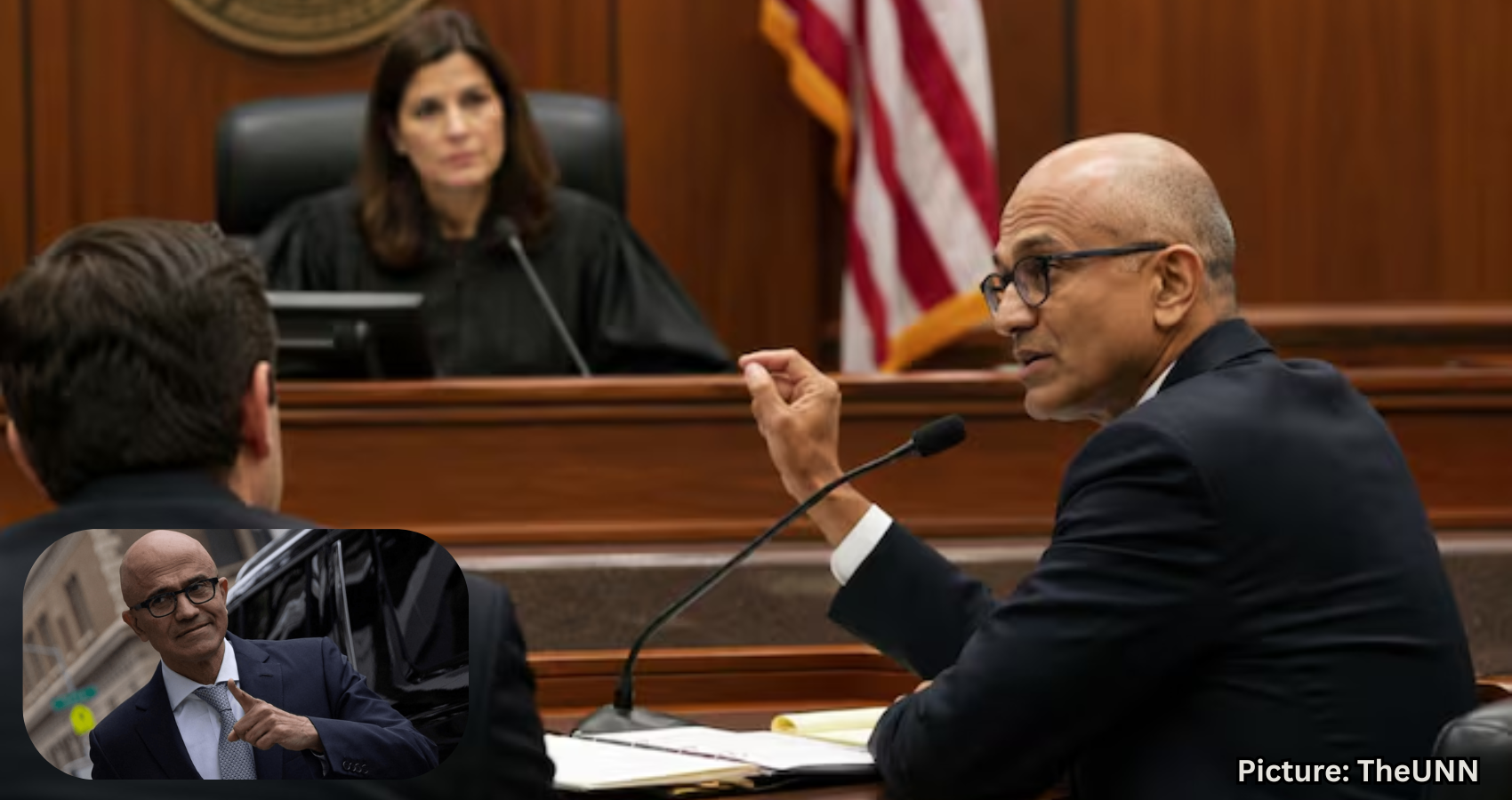
E. Sreedharan Proposes New High-Speed Rail Plan After SilverLine Cancellation

E Sreedharan has proposed a new high-speed rail plan to Kerala’s Chief Minister following the cancellation of the controversial SilverLine project, focusing on sustainability and minimal displacement.

E Sreedharan, known as ‘Metroman’ for his pivotal role in developing urban rail systems across India, has submitted a new high-speed rail proposal to Kerala Chief Minister V D Satheesan. This proposal comes in the wake of the Congress-led Kerala government’s decision to cancel the SilverLine project, which had been initiated by the previous Communist Party of India (Marxist) (CPM) administration and faced significant public opposition due to environmental and social concerns.

In a meeting with Chief Minister Satheesan on May 29, 2026, Sreedharan emphasized that his alternative plan would greatly reduce environmental impact and minimize the displacement of residents. These factors were central to the criticisms that ultimately led to the termination of the SilverLine project.

The SilverLine project was designed as a 532-kilometer high-speed rail corridor intended to connect major urban centers in Kerala, including Thiruvananthapuram and Kozhikode. However, it encountered strong resistance from various stakeholders, including environmental activists and local communities. The primary concerns revolved around the extensive land acquisition necessary for the project, which was expected to displace thousands of families and disrupt local ecosystems. Critics highlighted the potential for mass displacement and the adverse effects on the environment, particularly in areas where the rail line was planned to be constructed.

In light of these challenges, the Kerala government, under Chief Minister Satheesan, announced the cancellation of the SilverLine project earlier this month. In his public statement, Satheesan underscored the importance of pursuing an environmentally friendly alternative that would meet the demand for high-speed transportation while protecting local communities and natural habitats.

Sreedharan’s alternative proposal outlines a reconfigured railway alignment aimed at minimizing land acquisition and enhancing station accessibility. He has suggested that the rail line would primarily consist of elevated and underground sections, which would reduce the land footprint and the number of residents affected by construction. Through this approach, Sreedharan seeks to develop a high-speed rail system that is not only efficient but also adheres to modern sustainability practices.

During his presentation, Sreedharan stated, “Our goal is to create a transport system that meets the needs of the population while ensuring minimal disruption to the environment and local communities. By adopting an elevated and underground design, we can significantly limit the adverse impacts associated with traditional rail projects.” His commitment to environmentally conscious engineering reflects a growing trend in the infrastructure sector, where stakeholders are increasingly prioritizing sustainable development.

The cancellation of the SilverLine project and the introduction of Sreedharan’s alternative plan mark a significant shift in Kerala’s political landscape. The previous administration had promoted the project as a means to modernize the state’s transportation infrastructure and stimulate economic growth. However, public sentiment has increasingly favored environmental preservation, prompting a reevaluation of such large-scale initiatives.

The Kerala government’s decision to focus on more sustainable transportation solutions aligns with a broader trend across India, where environmental considerations are becoming more integral to public policy. As states navigate the dual challenges of infrastructure development and ecological conservation, Sreedharan’s proposal may serve as a model for future projects, balancing economic needs with environmental stewardship.

As the Kerala government evaluates Sreedharan’s proposal, several crucial factors will need to be addressed, including funding mechanisms, the technological feasibility of the proposed rail system, and the level of public support. Achieving consensus among stakeholders—including local communities, environmental groups, and policymakers—will be vital for the successful implementation of any high-speed rail initiative.

Moreover, the government must engage in comprehensive planning that not only tackles the technical specifications of the rail system but also anticipates the social implications for communities that may be affected by construction and operation. The political and social ramifications of this proposal could shape future infrastructure decisions in Kerala and set a precedent for similar projects throughout India.

Looking ahead, the outcome of Sreedharan’s proposal could redefine the discourse surrounding transportation infrastructure in Kerala. By exploring alternative, environmentally conscious solutions, the Kerala government may establish a new standard for balancing development needs with ecological preservation. This initiative could not only fulfill the state’s transportation objectives but also contribute to a broader narrative about responsible infrastructure investment in India, highlighting the potential for sustainable growth amid the challenges posed by climate change and urbanization, according to GlobalNet News.

Fox News Newsletter Examines Perceived Bias in Chatbots

Conservatives are raising concerns about AI chatbots exhibiting left-wing bias, while Pope Leo warns of the ethical implications of AI in a recent encyclical.

The Fox News AI Newsletter provides insights into the latest advancements in artificial intelligence, highlighting both the challenges and opportunities that this rapidly evolving technology presents.

In recent discussions, conservatives have expressed alarm over the perceived left-wing bias of AI chatbots, which millions of Americans increasingly rely on for information. Critics argue that the algorithms driving these tools reflect partisan perspectives, potentially skewing public discourse and influencing user interactions in a way that aligns with specific political ideologies.

In a related context, Pope Leo has issued a stern warning regarding the dangers of artificial intelligence in a new encyclical. He cautions that without proper ethical oversight, AI could evolve into a tool of domination, exclusion, and even death. The pontiff urges global leaders to ensure that technological advancements align with human dignity and moral responsibility.

In the tech industry, Meta has announced significant layoffs, cutting nearly 1,400 employees in Washington state as part of its ongoing workforce reduction strategy. This move underscores the structural shifts and cost-cutting measures that major companies are implementing amid economic uncertainties and changing business strategies.

In a recent trial, humanoid robots were tested for their ability to work continuously in logistics, processing packages without breaks. This evaluation seeks to assess the endurance and efficiency of these advanced machines, offering a glimpse into a future where autonomous robots could dominate warehouse environments.

At LaGuardia Airport, an AI-powered hologram has been introduced to assist travelers by providing real-time answers to their questions. This innovative system aims to enhance customer service, offering passengers an interactive and efficient way to navigate the terminal and access essential flight information.

Meanwhile, The New York Times is facing scrutiny for allegedly deploying artificial intelligence surveillance technology on its employees without prior notification to their union. This has sparked internal backlash and raised concerns about workplace privacy, as staff members demand greater transparency regarding how their digital activities and productivity are monitored.

Pope Leo’s commentary also reflects a broader concern about the intersection of faith and technology, as he warns that the rapid advancement of AI could diminish the spiritual and miraculous aspects of life. This perspective invites reflection on the potential moral costs associated with a highly automated world.

As tech layoffs continue and the adoption of artificial intelligence accelerates, many workers are experiencing heightened anxiety about automation. Reports indicate that employees across various sectors are increasingly worried that their jobs may become obsolete as companies integrate AI solutions to enhance efficiency and reduce costs.

Looking ahead, Lenovo is preparing for the 2026 FIFA World Cup by introducing AI-powered 3D avatars and enhanced referee views, among other technological innovations. These advancements promise to transform the sporting event, offering an unprecedented and immersive experience for fans and officials alike, and reshaping the future of global soccer broadcasts.

In financial news, Robinhood CEO and Chairman Vlad Tenev recently discussed the company’s new AI products and its expansion into private markets during an appearance on “Mornings with Maria.” He also touched on the company’s partnership related to Trump accounts, highlighting Robinhood’s ongoing efforts to innovate in the financial technology space.

Stay informed about the latest advancements in AI technology and explore the challenges and opportunities it presents now and in the future with Fox News.

28th March 2026: Key Developments in Indian-American Community

In Niederaichbach, Germany, a father finds himself unexpectedly immersed in a video game that rekindles memories of his son and challenges his understanding of gaming.

On the morning of May 28, 2026, a father sits in his cottage in Niederaichbach, Germany, sipping his coffee while navigating the family computer. Every day, he spends between fifty and fifty-seven minutes on the device, usually around nine in the morning. His routine is predictable; he opens Internet Explorer, occasionally mismanaging files and applications. Today, however, he accidentally logs into his son’s profile, leading him to a screen that flashes the word “Wizardry.”

Initially confused, he wonders if this is one of the video games his son used to play. As he attempts to escape the screen, he inadvertently starts the game, which presents him with a series of options: Tavern, Training Grounds, and various cryptic numbers. The bright, neon colors strain his eyes, prompting him to bend down to reset the computer. In his clumsiness, he spills his coffee all over the hardwood floor, exclaiming in frustration.

While waiting for his wife to assist with the mess, he gazes out the window at the view he cherishes. Niederaichbach Castle, with its imposing yellow walls and tiled roof, stands majestically across the road. Built in the thirteenth century by the Aichpeckens, the castle symbolizes the tranquility he sought when choosing this location. He wanted to escape the sights of nuclear plants and commercial areas, opting instead for a serene landscape that included a forest and a castle.

As he cleans up the coffee spill with a handkerchief, he reflects on the lingering scent of coffee mingling with the aging wood. His wife’s absence makes him restless, and he returns to the computer, clicking on “Maze.” Suddenly, he finds himself in a dark room, armed with a sword and shield but lacking a torch. The eerie atmosphere raises questions about his purpose in this virtual world. Why is he here? What does he hope to achieve?

As he navigates the maze, he encounters goblins and faces the reality of his low hit points. The fear of failure looms over him, yet he feels compelled to fight. The game becomes an unexpected source of obsession, reminiscent of the hours his son spent gaming during his childhood. The father recalls how he once urged his son to focus on studies instead of video games, but now he finds himself drawn into this digital realm.

Days turn into weeks, and the father’s struggle to escape the dungeon continues. He learns to recruit mages and thieves, gaining a deeper understanding of the game mechanics. Each time his wife brings him a drink, she smiles, perhaps amused by his dedication. He realizes that she may be reliving memories of their son’s gaming days, and he wonders if she finds joy in watching him navigate this challenge.

As the father immerses himself in the game, he experiences moments of intimacy with his wife, which momentarily distract him from his gaming obsession. Yet, the lure of the game remains strong, and he is determined to find the silver key that will lead him further into the maze.

By June 18, 2026, he has made significant progress but faces setbacks, including encounters with ghouls that lead to his demise. Each failure brings a mix of frustration and motivation, as he learns that the journey is as important as the destination. He finds solace in the idea that even in failure, there is growth.

As the months pass, he introduces a neighborhood boy, Herr Weber’s son, to the game, hoping to share the experience. The boy, however, struggles to grasp the mechanics, illustrating the generational gap in gaming familiarity. Despite the promise of cookies, the boy finds the game too challenging and ultimately gives up, leaving the father to ponder the changing landscape of gaming.

By February 1, 2027, the father reflects on his journey through the maze. He begins to question whether escaping is truly his goal. Perhaps the constant cycle of failure and perseverance is what he is meant to experience. He acknowledges that he is not a hero but rather a participant in a larger narrative of struggle and resilience.

On March 5, 2036, after years of intermittent play, the father finally conquers the game. The victory is bittersweet, marked by the toll it has taken on him. His son, now an adult, arrives just as he finishes, and they share a moment of connection over the accomplishment. The son chuckles, revealing that he never managed to beat the game himself, despite his childhood obsession with it.

As they reminisce, the father realizes that the journey through the game has brought him closer to his son, rekindling a bond that had faded over the years. The son introduces him to new games, and the father, despite his initial reluctance, finds himself eager to explore this new digital landscape together.

This unexpected journey through “Wizardry” has not only challenged the father’s gaming skills but has also allowed him to reconnect with his son in a way he never anticipated. It serves as a reminder that sometimes, the most meaningful experiences arise from the most unexpected places.

According to GlobalNet News.

JPMorgan Chase Invests $40 Million in American Dream Initiative for Small Businesses

JPMorgan Chase has committed $40 million to its American Dream Initiative, aiming to support small businesses and enhance economic mobility across the United States.

JPMorgan Chase & Co. has announced a significant $40 million investment as part of its American Dream Initiative (ADI), which aims to support small businesses and revive economic mobility across the United States. This initiative has the potential to unlock over $500 million in capital and create approximately 6,000 jobs.

On May 27, 2026, JPMorgan Chase revealed its pledge to address the economic challenges faced by small businesses in the U.S. The initiative was initially launched in March by CEO Jamie Dimon, who expressed concerns about the accessibility of the American Dream, stating that it is increasingly becoming unattainable for many individuals and families. The ADI is a response to a growing sentiment that hard work no longer guarantees economic mobility for a significant portion of the American population.

Dimon emphasized that the traditional notion of the American Dream, which centers around the idea that effort leads to success, is “slipping out of reach” for too many people. He articulated that this reality not only impedes economic growth but also adversely affects communities nationwide. The $40 million investment aims to serve as a catalyst for broader economic revitalization, targeting the systemic barriers that have contributed to the diminishing prospects for many aspiring entrepreneurs.

The funding will be allocated through community development financial institutions (CDFIs) rather than being distributed directly to businesses. This method is part of a long-term strategy that JPMorgan has refined over many years, highlighted by previous commitments such as the $200 million investment in Detroit in 2013 and the nearly complete $30 billion racial equity pledge initiated in 2024. The bank anticipates that this initial philanthropic investment will unlock over $500 million in total capital for small businesses nationwide, projecting a return of approximately 13 times the original funding.

Stevie Baron, CEO of Chase for Business, stated, “Small and mid-sized businesses are the backbone of the economy. Building on our American Dream Initiative, this funding will broaden access to capital and support so more entrepreneurs can start, scale, and hire.” The initiative aims to create or retain around 6,000 jobs, further underscoring its role in stimulating local economies and fostering entrepreneurship.

The urgency of this initiative is underscored by stark data from the JPMorgan Chase Institute, which revealed that fewer than 10% of new businesses achieve $1 million in revenue within their first five years—a critical benchmark for long-term sustainability. Many entrepreneurs rely heavily on personal savings or assistance from their social networks, which often disadvantages those without inherited wealth or robust connections.

Success stories from previous JPMorgan-supported programs provide a glimpse into the potential impact of the new grants. For instance, 2Latinos Latin Market in Opelika, Alabama, accessed capital through the Camino Loan Fund, a participant in the Alabama Capital Access Collective, and reported a dramatic increase in monthly revenue from $16,000 to $50,000 within just two months. Similarly, Courtsmith, an athletic apparel brand in Oakland, experienced a remarkable 259% revenue increase from 2021 to 2025 and expanded its workforce from four to 13 employees after receiving support through ICA Fund, a longstanding JPMorgan grantee.

The $40 million in philanthropic grants marks just the beginning of a larger strategy. When launching the ADI in March, Dimon committed nearly $80 billion in lending to small businesses over the next decade, which exceeds the bank’s baseline lending amounts. JPMorgan aims to expand its reach from serving 7 million small businesses today to 10 million within five years. Additionally, the bank plans to hire over 1,000 new business bankers and enhance its Coaching for Impact program to train 115,000 small business owners across more than 80 cities in the coming decade.

Beyond direct financial support, JPMorgan Chase is actively backing bipartisan legislative measures intended to strengthen federal lending programs and modernize capital formation rules. This effort recognizes that private capital alone cannot adequately address the systemic barriers that Dimon highlighted in his March address. As the bank prepares to deploy these substantial resources, the effectiveness of this initiative will hinge on its ability to deliver meaningful results and foster a more inclusive economic environment.

The $40 million investment represents a significant step towards revitalizing the American Dream for countless small business owners across the nation. However, the long-term success of the initiative will depend on the swift and effective rollout of the remaining billions in capital and the bank’s commitment to addressing the underlying challenges that have led to the current economic landscape. As the program unfolds, stakeholders will be closely monitoring JPMorgan’s progress in creating sustainable change for the small business sector and the broader implications for economic equity in the United States, according to Global Net News.

Zohran Mamdani Emerges as Influential Voice in NYC’s Political Scene

Zohran Mamdani’s election as New York City’s first Asian American mayor marks a significant milestone in the city’s evolving political landscape, reflecting the growing diversity of its communities.

Zohran Mamdani’s historic election as New York City’s first Asian American mayor has sparked conversations about representation and identity within the city’s diverse political landscape. His victory is seen as a moment of pride and empowerment, particularly for Asian American communities that have long sought greater political representation.

John Liu, a New York State Senator and the first Asian American to win a City Council seat, recalls the early days of his political career. Liu, who took office in 2002, often joked about being the head of the Asian caucus in the City Council, despite being the only member. He became a go-to resource for colleagues seeking to understand Asian cultures and traditions, highlighting the challenges of representation in a city with over 30 different ethnic groups and more than 50 languages spoken.

Today, Asian American and Pacific Islander (AAPI) communities are the fastest-growing racial group in New York City. This demographic shift has fueled a demand for political representation that reflects the city’s rich diversity, particularly in areas like Queens, where many Asian ethnoburbs have developed. Liu, who is Taiwanese American, made history again in 2010 when he became the first Asian American citywide official by winning the comptroller’s race.

After a decade of waiting, Mamdani’s election in 2025 marked a significant milestone for Asian Americans in New York City. Liu endorsed Mamdani during the Democratic primary, emphasizing the importance of representation in the city’s leadership. Their shared experience as alumni of the Bronx High School of Science further solidified their connection, with Mamdani expressing admiration for Liu’s pioneering role in city politics.

Mamdani’s popularity among Asian American communities is well-documented, with two-thirds of his initial endorsements coming from AAPI organizations. Exit polls indicated that Asian Americans overwhelmingly supported the Democratic socialist candidate, even as some Asian neighborhoods shifted politically in other recent elections. Notably, Mamdani’s campaign focused on substantive issues rather than solely on his identity, a sentiment echoed by fellow Councilmember Chi Ossé.

Ossé, who represents a historically Black district and is of Caribbean and Chinese descent, believes that Mamdani’s success is rooted in his commitment to improving the lives of all New Yorkers. While identity is an important aspect of representation, Ossé emphasizes that it should not be the sole focus of a candidate’s platform. His perspective on identity politics has evolved since becoming the first Gen Z member of the City Council, recognizing the need for broader representation beyond just shared racial or ethnic backgrounds.

The City Council has seen a shift in representation, with eight members of the Black, Latino, and Asian Caucus (BLAC) identifying as Asian American. Co-chair Christopher Marte, who represents a district that includes Chinatown, believes the council now better reflects the city’s diversity. He points to the increased awareness of AAPI issues following the pandemic and the Stop Asian Hate movement, which highlighted long-standing inequities and the need for representation.

Despite progress, challenges remain in ensuring that all voices within the AAPI community are heard. Ossé notes that mixed-race individuals and non-East Asian Americans often feel overlooked in discussions about representation. He highlights the need for greater inclusivity within the political landscape, as well as in media and cultural narratives that often focus primarily on East Asian experiences.

Mamdani’s identity has been scrutinized throughout the election cycle, with discussions surrounding his South Asian heritage and Muslim beliefs. His background is complex; born in Uganda to Indian parents from different ethnic and religious backgrounds, Mamdani embodies a multifaceted identity that reflects the diversity of the AAPI community. Liu underscores that Mamdani’s roots in India contribute to his status as an Asian American, reinforcing the idea that representation encompasses a wide range of experiences.

As May marks Asian American, Pacific Islander, and Native Hawaiian Heritage Month, Mamdani’s role as mayor serves as a reminder of the contributions of AAPI communities to New York City. During a recent visit to a Sunnyside AAPI night market, Mamdani expressed pride in serving a city shaped by generations of immigrants and their diverse cultures.

“New York City is home to more than 1 million Asian American and Pacific Islander New Yorkers whose cultures, labor, and communities make this city more vibrant, dynamic, and alive every single day,” Mamdani stated. His presence at community events has resonated with constituents, many of whom view him as a symbol of hope and representation.

As the city continues to navigate its complex political landscape, Mamdani’s election signifies a new chapter for Asian Americans in New York City. His leadership not only reflects the changing demographics but also highlights the ongoing struggle for representation and equity within the broader community.

This article was first published in the Amsterdam News.

Sharad Kelkar Discusses Shift in Indian TV Weddings Toward Relationships

Actor Sharad Kelkar discusses the evolution of wedding narratives on Indian television, emphasizing a shift from grand celebrations to authentic portrayals of relationships and emotional connections.

MUMBAI – Actor Sharad Kelkar has observed a significant transformation in wedding stories on Indian television, noting a shift from extravagant celebrations to more emotionally grounded portrayals of relationships and marriage.

Kelkar, who portrays Arya in Zee TV’s ‘Tumm Se Tumm Tak’, shared his insights on the changing nature of marriage narratives as the show enters a wedding track. He reflected on how this storyline evokes memories of his early career with Zee TV’s ‘Saat Phere’, a series that also focused on the intricacies of relationships and marriage.

“Coming back to a wedding track on Zee TV after all these years feels strangely nostalgic for me because my television journey also began with a show like ‘Saat Phere’, where relationships and marriage were at the emotional core of the story,” Kelkar stated.

He further elaborated on the evolution of how weddings are depicted on television. “But honestly, what has changed the most over the years is the way we look at marriage on television today. Earlier, weddings were often treated as just grand celebrations, but now audiences connect more with the emotional reality of relationships, the flaws, the companionship, the struggles, and the choices people make to stay together,” he explained.

Kelkar emphasized that contemporary audiences prioritize honesty and emotional authenticity in storytelling over the pursuit of perfection. This shift has made relationship-driven narratives more relatable and engaging for viewers.

As the industry continues to evolve, Kelkar’s reflections highlight a broader trend in television storytelling, where the focus is increasingly on the complexities of human connections rather than mere spectacle.

According to IANS, this evolution in narrative style resonates with viewers, who are seeking deeper emotional engagement in the stories they watch.

DHS Weighs Travel Restrictions Through Sanctuary Cities Amid Immigration Debate

The Trump administration is contemplating a proposal to halt customs and immigration processing at airports in sanctuary cities, which could significantly impact international travel.

The Trump administration is currently evaluating a proposal that would suspend customs and immigration processing for international travelers and cargo at major airports located in sanctuary cities. This information was revealed by U.S. Homeland Security Secretary Markwayne Mullin during an interview on Fox News with Sean Hannity.

Mullin indicated that discussions are ongoing within the administration, though he emphasized that no final decision has been reached. “We are currently, which we’re not initiating yet, but we’re currently drawing up plans,” he stated. He further asserted that cities that limit cooperation with federal immigration enforcement should not continue to receive international flights if local leaders “aren’t allowing us to do our job and enforce federal laws.”

The proposal specifically targets sanctuary jurisdictions, a term frequently used by Republicans to describe cities and states that restrict cooperation with federal immigration authorities. A recent list released by the Justice Department identified several major metropolitan areas with significant international airports, including Boston, Denver, Philadelphia, Chicago, Los Angeles, New York City, Newark, Seattle, and San Francisco.

If implemented, this move could disrupt international air travel and cargo operations at some of the busiest airports in the country. The timing of the proposal has raised concerns within the travel industry, especially as the United States prepares to welcome millions of visitors for the upcoming 2026 FIFA World Cup events.

Reports from Reuters and other outlets indicated that Mullin had privately discussed the potential changes with travel industry executives. The U.S. Travel Association later confirmed these discussions, stating that administration officials are considering the withdrawal of Customs and Border Protection officers from certain airports in sanctuary cities.

The association warned that such a decision could have severe repercussions for airlines, tourism businesses, and local economies that heavily depend on international visitors. In fact, over 50 million international travelers passed through the three major New York-area airports last year alone.

Airlines for America, which represents major passenger and cargo carriers, also expressed concerns. They cautioned that reducing customs staffing at major airports would create significant operational challenges for airlines, travelers, and international shipping networks.

Meanwhile, Democrats and immigrant rights advocates continue to push for reforms in federal immigration enforcement practices. They argue that there is a need for stronger oversight of agencies such as Immigration and Customs Enforcement (ICE) and Customs and Border Protection (CBP).

This ongoing discussion highlights the tension between federal immigration policies and local governance, particularly in areas that have adopted sanctuary city policies. As the situation develops, the potential implications for international travel and local economies remain a critical concern.

According to Reuters, the administration’s considerations could lead to significant changes in how international travel is managed in the United States.

House Democrats Condemn Rising Anti-Asian Rhetoric Amid Violence

Democratic lawmakers have introduced a resolution condemning racist rhetoric aimed at Indian and Chinese Americans, addressing rising concerns over xenophobia and anti-Asian hostility in the United States.

Democratic lawmakers have introduced a resolution in the House of Representatives condemning racist rhetoric and discrimination targeting Indian and Chinese Americans. This initiative marks a renewed effort in Congress to confront increasing concerns over xenophobia and anti-Asian hostility in the United States.

The resolution, designated H. Res. 1322, was introduced on May 22 by Congressman Raja Krishnamoorthi of Illinois, alongside Representatives Ted Lieu and Pramila Jayapal. According to a statement from Krishnamoorthi’s office, the measure is a response to rhetoric amplified on social media that lawmakers argue has contributed to harmful stereotypes against Asian American communities.

Specifically, the resolution references a post from Truth Social that was reposted by former President Donald Trump earlier this year, originally from conservative commentator Michael Savage. Democratic lawmakers contend that such language promotes divisive narratives at a time when Asian American communities continue to face harassment and discrimination, particularly following years of heightened political tension surrounding immigration, trade, and national security.

Advocacy groups supporting the resolution emphasized that “no American should be treated as foreign in their own country because of their ethnicity.” This sentiment underscores the importance of addressing the harmful impacts of discriminatory rhetoric.

The resolution also highlights the significant economic contributions of Indian Americans and Chinese Americans to the U.S. economy. It notes that both communities support millions of jobs and contribute hundreds of billions of dollars to the national GDP through various sectors, including entrepreneurship, technology, medicine, research, and small business ownership.

Congressman Krishnamoorthi, one of the highest-ranking Indian American lawmakers in Congress, has consistently focused on issues affecting immigrant professionals, Asian American civil rights, and workplace discrimination. Over the years, he has advocated for protections for high-skilled immigrants, particularly those from India working in technology, healthcare, engineering, and research sectors across the United States.

In addition, Krishnamoorthi has been vocal about issues related to visa backlogs, hate crimes against Asian Americans, and efforts to enhance economic opportunities for immigrant communities. His office stated that the latest resolution aims to reinforce the notion that Asian Americans should not be scapegoated during political debates over immigration or economic policy.

The introduction of this resolution comes amid ongoing political divisions over immigration rhetoric, particularly as the 2026 midterm elections approach. Congressional records indicate that the resolution has been referred to the House Judiciary Committee and currently has seven Democratic cosponsors. As of now, no Republican lawmakers have publicly supported the measure.

Asian American advocacy organizations have expressed concerns that inflammatory political rhetoric can lead to broader social hostility. Community groups have noted that Indian Americans and Chinese Americans increasingly face suspicion regarding issues ranging from immigration policy to U.S.-China tensions and debates about outsourcing in the technology industry.

This debate holds particular significance for the large Indian American professional workforce employed across Silicon Valley, financial services, medicine, academia, and small businesses nationwide. Immigration advocates argue that rhetoric portraying immigrants as economic threats can create anxiety among visa holders, international students, and long-term residents who contribute to the U.S. economy.

While the resolution is largely symbolic and does not carry the force of law, it reflects broader Democratic efforts to counter language that lawmakers describe as racially divisive. The measure is also expected to intensify discussions surrounding immigration messaging, identity politics, and Asian American voter outreach as both parties gear up for the upcoming election cycle.

According to The American Bazaar, this resolution serves as a critical step in acknowledging and addressing the challenges faced by Asian American communities in the current political landscape.

US Ally Commits Support for Trump’s Efforts in Hormuz Region

The Czech Republic expresses readiness to support U.S. efforts in securing the Strait of Hormuz, emphasizing the need for increased European defense spending and addressing the threat posed by Iran.

UNITED NATIONS — The Czech Republic is prepared to assist in safeguarding freedom of navigation in the Strait of Hormuz, aligning closely with the Trump administration on security matters, NATO, and Israel. Czech Foreign Minister Petr Macinka made these remarks during an exclusive interview with Fox News Digital at the United Nations in New York.

Macinka noted that Prague has already initiated discussions regarding the contribution of specialized capabilities to help secure the strategically vital waterway amid escalating tensions with Iran. “We are ready to contribute to freedom of passage and the Hormuz trade,” he stated. “We were among the first countries that were ready to contribute … We have no navy, as we are in the middle of Europe,” he explained, “But we have some unique passive surveillance capabilities.”

Macinka emphasized that Iran poses a global threat through what he described as four main “war tools”: nuclear proliferation, drones and ballistic missiles, international terrorism, and threats to the Strait of Hormuz. “Their nuclear military program must be stopped,” he asserted. “It’s a global risk and global threat.”

These comments come as the Trump administration has intensified pressure on European allies to take a more significant role in protecting international shipping routes, particularly in light of Iranian threats associated with the Strait of Hormuz, a critical oil transit chokepoint. Approximately one-fifth of global oil consumption passes through this narrow waterway connecting the Persian Gulf to the Arabian Sea.

Following a meeting with foreign ministers in Sweden, Secretary of State Marco Rubio raised concerns about the value of U.S. military bases in allied countries that restrict American military operations during wartime. “One of the arguments I always made was that these bases in the region provided us with logistical options that we wouldn’t otherwise have,” Rubio told reporters. “And when some of those bases are denied to you during a conflict that we’re involved in, then you question whether that value is still there.”

President Donald Trump has also criticized NATO allies for their reluctance to engage in military operations related to the Iran conflict and securing the Strait of Hormuz. In an April 1 interview with Britain’s Daily Telegraph, Trump indicated he was “strongly considering” withdrawing the United States from NATO, labeling the alliance a “paper tiger” due to its failure to support the U.S. campaign against Iran.

The Czech Republic, a NATO member since 1999, has met NATO’s benchmark of spending 2% of its GDP on defense. Macinka strongly defended calls for Europe to enhance defense spending and reduce reliance on Washington for long-term security guarantees. “We should do our homework and build our defense to become stronger,” he said, arguing that Europe has delayed necessary military investments for too long.

He also linked Europe’s defense spending challenges to the European Union’s Green Deal policies, which aim to reduce carbon emissions. Macinka described these policies as ideological and financially detrimental. “If we get rid of this green, crazy alarmism, then we have enough money to build our defense,” he stated.

Macinka expressed direct support for Trump and his administration, praising what he described as a global “common sense” shift following Trump’s election victory. “We are friends of Israel, and we are friends of America,” he said. “Especially me as a politician, I’m a friend of the ideology of the current American administration.”

He also referenced a clash earlier in 2026 with former Secretary of State Hillary Clinton at the Munich Security Conference, where he criticized Europe’s liberal political establishment and defended the populist wave reshaping parts of Europe and the United States.

Macinka linked Prague’s strong support for Ukraine to the Soviet-led invasion of Czechoslovakia in 1968, when Warsaw Pact troops occupied the country for over two decades. He noted that this historical experience continues to influence Czech public opinion and support for Kyiv. “The Czech society feels a big solidarity with Ukraine,” he said, describing the war as a “symmetric war” between a powerful Russian military and a Ukrainian army backed by the West.

Macinka highlighted Prague’s leading role in a Czech-backed ammunition initiative supplying Ukraine with artillery rounds collected through international donor efforts. He recalled a visit to Kyiv earlier in 2026, where he received intelligence briefings on battlefield ammunition consumption from Ukrainian military officials.

The Czech initiative reportedly delivered more than half a million rounds of ammunition in 2026 alone, according to Macinka, aiding in stabilizing the battlefield ahead of potential peace negotiations. He argued that maintaining a stable front is essential for meaningful negotiations, warning that shifting battle lines will only harden demands on both sides.

As Washington increasingly focuses on the Middle East, Macinka asserted that Europe must take on a larger diplomatic role in future negotiations regarding Ukraine. “America is quite busy with the Middle East,” he said. “Europe should wake up and ask for a place at the table,” according to Fox News.

Barcelona Readies Bid for Julian Alvarez Following Anthony Gordon Signing

Barcelona has reportedly made its first official bid for Julian Alvarez following the signing of Anthony Gordon, as the summer transfer window for 2026 approaches.

Barcelona is shifting its focus to securing a deal for Julian Alvarez after completing the signing of Anthony Gordon from Newcastle United. The Catalan club is eager to bolster its attacking options ahead of the upcoming season, with Alvarez emerging as a key target despite his significant market valuation.

Following the successful acquisition of Gordon, Barcelona has reportedly initiated its pursuit of Alvarez, aiming to enhance their offensive lineup. Under the management of Hansi Flick, the team had a mixed season in 2025-26, managing to secure a domestic double, including the La Liga title, while navigating financial challenges.

As the summer transfer window opens in June, Barcelona is keen on adding new talent to its roster. The club has had its eyes on Alvarez since last season, but previous financial constraints hindered any potential moves. This time, however, Barcelona has explored various options to secure the Argentine forward, who currently plays for Atletico Madrid.

According to transfer expert Fabrizio Romano, Barcelona has taken its first step toward acquiring Julian Alvarez, who may be looking to leave Atletico Madrid at the end of the season. Alvarez has reportedly communicated his desire to depart the club, which has provided Barcelona with the green light to proceed with their offer. While details of the bid remain sparse, it is understood that it will not involve any player swaps.

Romano tweeted, “Barcelona are preparing first official bid for Julián Álvarez, to be sent soon — and without any players included. Julián informed Atléti of desire to leave after rejecting a new deal months ago. After direct meeting with agent & intermediaries, Barça will send a bid.”

The question remains: will Julian Alvarez join Barcelona this summer? Earlier reports indicated that Alvarez had turned down an offer from the La Liga champions. However, the current situation appears to be different. With a market value estimated between €90 million and €110 million, Alvarez may reconsider his options if he envisions a future away from Madrid. As of now, neither Barcelona nor the player has publicly commented on the ongoing developments.

In addition to pursuing Alvarez, Barcelona has already made significant moves in the transfer market by securing Anthony Gordon from Newcastle United. The agreement reportedly involves a transfer fee of €70 million (approximately $81 million), plus an additional €10 million in bonuses. While both clubs have reached an agreement, official confirmation from the clubs is still pending.

As the summer transfer window approaches, all eyes will be on Barcelona to see how their plans unfold, particularly regarding the potential acquisition of Julian Alvarez. The club’s ambition to strengthen its squad is evident, and fans will be eager to see how these developments play out in the coming weeks.

This article is based on information from The Sunday Guardian.

RFK Jr. Addresses Snake-Handling Critics in New Video

RFK Jr. addressed social media concerns by sharing a video of himself and his wife, Cheryl Hines, carefully handling a rescued venomous rattlesnake.

Robert F. Kennedy Jr., the Secretary of Health and Human Services, recently responded to social media criticism regarding his snake-handling antics by posting a new video featuring a venomous rattlesnake rescue. The video, shared on Instagram, aims to reassure viewers about his approach to handling snakes after earlier footage sparked concern.

In the Instagram clip, Kennedy Jr. is seen in his home office when he receives a notification about a snake in his driveway. “Hold on, guys. I’ll be back in a flash,” he says before grabbing a bucket and a small net to head outside.

Once outside, Kennedy Jr. carefully scoops up the rattlesnake, drawing gasps from onlookers. After securing the snake in a bucket, he demonstrates how to safely handle it by pinning its head and lifting it toward the camera. “His fangs are in there. I don’t want to touch them,” he explains. “This is a beautiful snake. This is a Western Diamondback. You can tell by these rings at the end of his tail.”

He then asks his wife, actress Cheryl Hines, to bring him a pillowcase for transporting the snake before releasing it back into the wild. This video appears to be a direct response to the backlash he received from a previous video shared on X, where he handled two nonvenomous black racer snakes.

In that earlier clip, filmed on Dr. Mehmet Oz’s patio, Kennedy Jr. was seen grabbing the black racers with his bare hands while Hines looked on in disbelief. “Honey, honey … why?” she exclaimed as he approached the snakes. Despite her protests, Kennedy Jr. lunged at the reptiles, lifting them by their tails as they bit at his hands.

With a smile, he remarked, “Black snakes, they’re biting me,” while Hines continued to express her concern, saying, “Bobby, please! Bobby, Bobby, please.” Later, she told him, “You are nuts.” This video was captioned, “Cheryl cheerleads the removal of a pair of Black Racers from Dr. Oz’s patio.”

According to the Florida Museum of Natural History, black racer snakes are nonvenomous and generally pose no threat to humans, although they may bite if they feel threatened. The stark contrast between the two videos—one featuring harmless snakes and the other a venomous rattlesnake—has led some social media users to question whether Kennedy Jr. is taking unnecessary risks in his wildlife encounters.

As he continues to engage with his audience through social media, Kennedy Jr.’s snake-handling videos have sparked both fascination and concern, highlighting the fine line between adventure and safety in the realm of wildlife interaction. His latest video serves as a reminder of the importance of proper handling techniques when dealing with potentially dangerous animals.

Fox News Digital’s Robert McGreevy contributed to this report.

Fortune Reveals 2026 Most Powerful Women in Business List

This year’s Fortune Most Powerful Women in Business list highlights 100 influential female leaders, with Citigroup’s Jane Fraser leading the way, showcasing women’s growing impact across various industries.

On October 3, 2026, Fortune magazine unveiled its 29th annual Most Powerful Women in Business list, celebrating 100 of the world’s most influential female leaders across diverse sectors, including finance, technology, healthcare, and energy. Jane Fraser, the Chair and CEO of Citigroup, graces the cover of the June/July 2026 issue as the Most Powerful Woman in Business.

This prestigious list not only recognizes women who are currently shaping the global business landscape but also highlights those poised for greater influence in the future. The 2026 iteration features leaders from 94 companies, including 50 from Fortune Global 500 firms, emphasizing the growing global scope and recognition of female executives in high-ranking positions.

The female leaders included in this year’s list collectively oversee approximately 11.8 million employees and generate an impressive $7.3 trillion in annual revenue. The rankings reflect a diverse array of executives: 39 from Fortune 500 companies, 18 from Fortune 500 Europe companies, five from Fortune 500 China companies, and two from Fortune Southeast Asia 500 companies. This wide representation spans 20 countries and territories, illustrating the extensive global impact of these leaders.

The United States leads with the highest number of female executives on the list, followed by mainland China, which boasts nine representatives. France and the United Kingdom each contribute six women to the rankings. Other countries with notable representation include Brazil, Germany, and the United Arab Emirates with three each, while Australia, Hong Kong, and Spain are represented by two each. Additionally, countries such as India, Japan, Mexico, the Netherlands, Sweden, Switzerland, and Taiwan each have one representative, further demonstrating the significant global footprint of female leadership.

Within the list, the technology and finance sectors remain dominant, featuring 27 and 26 women, respectively. Notable figures include Yi He from Binance, who ranks 64th, and Fidji Simo, CEO of AGI Deployment at OpenAI, who is ranked 28th. The representation of women in traditionally male-dominated industries underscores a progressive shift in corporate leadership dynamics. Furthermore, Meg O’Neill, the first female CEO of BP, makes her debut on the list at 16th place, marking a significant milestone in the energy sector.

The ongoing rise of artificial intelligence (AI) is also reflected in the rankings, with leaders like Amy Hood from Microsoft at 38th place actively contributing to critical spending decisions that will shape the future of their respective industries and the global economy. As AI technology continues to evolve, women are increasingly taking prominent roles in shaping its direction and application across various sectors.

This year’s list introduces 16 newcomers, representing a broad range of industries and backgrounds. Among these rising stars are Gunjan Kedia, Chairman and CEO of U.S. Bancorp, who ranks 14th; Kecia Steelman, President and CEO of Ulta Beauty at 39th; Latriece Watkins, President and CEO of Sam’s Club at 87th; Anna Manz, Executive Vice President and CFO of Nestlé at 91st; and Christina Zhu, President and CEO of Walmart China at 92nd. The emergence of these leaders exemplifies the increasing influence of women in sectors that have historically been male-dominated, contributing to a more diverse and representative business landscape.

The Fortune Most Powerful Women in Business list serves as a critical barometer of societal progress concerning gender representation in leadership roles. The increasing visibility and influence of women across various sectors may foster further efforts toward gender equity and inclusivity in corporate environments. The recognition of these leaders also underscores the importance of mentorship and support systems that enable women to ascend to top positions within their organizations.

Overall, the 2026 list reinforces the notion that women are not only breaking barriers in their respective fields but are also driving significant change in the global economy. By showcasing these leaders, Fortune aims to inspire future generations of women to pursue leadership roles and actively participate in reshaping the business landscape worldwide. As these influential women continue to pave the way for future leaders, their impact is likely to resonate across industries, inspiring a more equitable and empowered workforce.

As the business world evolves, the recognition of female leaders in influential positions serves as a testament to the strides made toward gender equality in corporate leadership. The stories and achievements of the women highlighted in this year’s list not only celebrate their individual successes but also represent a collective movement toward a more inclusive future in business. With the ongoing push for diversity and representation, the next generation of female leaders may find inspiration in the accomplishments of those who have come before them, propelling further progress in the years to come, according to Fortune.

Doctors Advocate for New Blood Tests as Colon Cancer Cases Rise Among Younger Adults

As colorectal cancer cases surge among younger adults, the American Cancer Society updates screening guidelines to include blood tests and recommends starting screenings at age 45.

The American Cancer Society (ACS) has announced updated guidelines for colorectal cancer screening, emphasizing the importance of early detection. The new recommendations, published in the organization’s flagship journal, reaffirm that adults at average risk should begin screening at age 45 and continue through age 75 for those with a life expectancy exceeding ten years.

In addition to traditional colonoscopy, the ACS now recommends blood-based screening tests that can detect tumor DNA in the blood during a doctor’s visit. Furthermore, an at-home screening option is available, which tests for hidden blood and molecular markers in stool samples.

These updated guidelines reflect significant advancements in disease detection and represent a “critical shift in public health strategy” aimed at expanding screening options and reducing barriers to access, according to the ACS. Dr. Robert Smith, senior vice president of early cancer detection science at the ACS and senior author of the report, emphasized that colorectal cancer should be viewed as a “highly preventable disease as much as a treatable one.”

“By offering more screening tools in our guideline update, more eligible adults will be able to participate in lifesaving colorectal cancer testing, helping to close the screening gap and catch more cancers at an earlier, treatable stage,” Dr. Smith stated.

Research indicates that colorectal screening significantly improves survival rates, with studies showing that early-stage detection yields a five-year survival rate of over 90% in the United States. Despite this, approximately one in three American adults who are eligible for colorectal cancer screening have not undergone testing. The ACS highlights that colorectal cancer is the leading cancer killer among adults under 50.

For individuals at high risk of colorectal cancer, the ACS advises that screening may need to begin before age 45 or occur more frequently. Conversely, those over 85 years old should no longer be screened for the disease, according to the new guidelines.

Dr. William Dahut, chief scientific officer at the ACS, stressed the importance of screening for all demographics, particularly underserved, rural, and minority populations. “No matter which test you choose, what’s most important is to get screened,” he said.

The guideline changes come in response to a notable increase in colorectal cancer diagnoses among younger individuals. Recent ACS research revealed a 50% relative increase in diagnoses among adults aged 45 to 49 from 2021 to 2022.

Dr. Aparna Parikh, medical director of the Center for Young Adult Colorectal Cancer at the Mass General Cancer Center, noted that experts do not fully understand the reasons behind this rise. “It seems to be an interplay of a person’s risk factors, overall makeup, and early exposures,” she explained. Factors such as dietary habits, environmental influences, antibiotic use, and lifestyle choices may contribute to the increased risk.

Another ACS study found that heavy and consistent alcohol consumption throughout adulthood could elevate the risk of developing colorectal cancer. Other known risk factors include family history, obesity, smoking, a diet high in red and processed meats, inflammatory bowel disease, and personal or family history of polyps.

While colorectal cancer may not present symptoms in its early stages, certain signs should not be ignored. Dr. Eitan Friedman, PhD, an oncologist and founder of The Suzanne Levy-Gertner Oncogenetics Unit at the Sheba Medical Center in Israel, identified changes in bowel habits as a primary red flag for colorectal cancer.

Other concerning symptoms may include fatigue due to anemia, abdominal pain or discomfort, rectal bleeding or blood in the stool, weakness, and unexplained weight loss. Awareness of these symptoms is crucial for early detection and treatment.

As the ACS continues to advocate for increased screening and awareness, the hope is that these updated guidelines will lead to earlier diagnoses and improved outcomes for individuals at risk of colorectal cancer, particularly among younger adults.

According to Fox News, the ACS’s new recommendations aim to address the alarming trends in colorectal cancer diagnoses among younger populations.

Indian Entrepreneur Deepankar Rustagi Innovates Retail Supply Chain in Africa

Indian entrepreneur Deepankar Rustagi is transforming Africa’s retail supply chain with his $120 million platform, Omnibiz, aimed at digitizing the continent’s informal economy.

Deepankar Rustagi, an Indian entrepreneur, has made significant strides in the African retail sector by founding Omnibiz, a supply chain platform valued at approximately $120 million. This venture seeks to address the challenges faced by millions of small retailers on the continent, who have largely remained unintegrated into the digital economy.

Rustagi’s journey began over a decade ago when he relocated from India to Africa, initially investing $50,000, later supplemented by around $300,000 from family and friends. Despite the potential of African markets, global entrepreneurs and investors often encounter numerous operational hurdles, including infrastructural gaps, currency fluctuations, and regulatory complexities. Rustagi’s exploration of Nigeria’s business landscape revealed a significant opportunity that many international founders overlooked: the existence of one of the world’s largest informal trade economies, functioning without adequate digital visibility or operational efficiency.

In an interview with Business Insider Africa, Rustagi recounted an eye-opening experience during a simple online search for businesses in Lagos, Nigeria, which frequently redirected him to Lagos, Portugal. This issue highlighted a glaring lack of structured digital presence for countless small businesses in Nigeria’s commercial capital, which boasts a population exceeding 20 million. Rustagi articulated, “The problem became very personal for me. You had millions of small businesses operating daily, employing huge numbers of people, but there was almost no structured digital data around them. These businesses were effectively invisible to the online world.”

This realization catalyzed the creation of Omnibiz in 2019, a B2B commerce and retail technology platform designed to facilitate the digitization of trade operations across Africa. The platform now connects retailers in Nigeria, Ghana, and Ivory Coast with over 200 brands, offering digital ordering systems, embedded financial services, and logistics coordination through a network of delivery partners.

Rustagi emphasizes that Africa’s most pressing trade issue is not the size of its economy, but rather its inefficiencies. According to him, the traditional trade economy in Africa, particularly in fast-moving consumer goods (FMCG) distribution and retail, continues to underperform due to fragmented logistics systems, inadequate inventory visibility, and insufficient data infrastructure. “Traditional trade and FMCG already employ a huge number of people across Africa,” Rustagi stated. “The challenge is that the efficiency levels remain significantly lower than what you see in other parts of the world.”

He believes that enhancing these inefficiencies could unlock substantial economic growth across the continent. “When trade becomes more efficient, you generate more jobs, more products, more brands, and stronger economic activity. That is where we believe the future of Africa’s growth story sits,” he added.

Prior to launching Omnibiz, Rustagi gained valuable experience in the software, consulting, and FMCG sectors, including his work with Tolaram Group, which produces Indomie noodles in Nigeria. He also founded We Connect, a local search engine aimed at enhancing the digital visibility of small businesses. “We combined the learnings from both businesses,” he explained, noting that one initiative provided insights into technology adoption while the other illuminated the realities of distribution and retail trade in Africa.

One notable aspect of Omnibiz’s approach is its decision to operate without owning trucks, warehouses, or delivery fleets, which is atypical in the supply chain sector. Rustagi argued that the challenge was not the lack of physical infrastructure, but rather the inefficient use of existing assets. “The currently available fleets are operating at lower efficiency. If we simply buy more trucks, then we are not solving the actual problem,” he clarified. Instead, Omnibiz has focused on creating a technological infrastructure to digitize and coordinate existing supply chain networks.

Starting with relatively modest capital, Omnibiz has experienced significant growth. Rustagi noted that the company began with roughly $50,000, supplemented by an additional $300,000 from family and friends. The company remained bootstrapped through the COVID-19 pandemic before securing a $3 million seed round in 2021, followed by approximately $5 million in pre-Series A funding and another $20 million in Series A financing, bringing total investments to about $29 million. The last major funding round valued Omnibiz at $120 million.

Despite this rapid growth, Rustagi has expressed a preference for deepening market penetration over geographic expansion. “We are not looking at going wide; we are looking at going deeper into the markets where we already operate,” he stated.

Omnibiz has faced various challenges, including rising inflation, increased fuel prices, and global supply chain disruptions linked to geopolitical tensions. However, Rustagi believes that the company’s asset-light model has mitigated direct operational risks by concentrating on data management rather than fleet ownership. “We are managing the data of the supply chain, warehousing, logistics, and manufacturers,” he explained. “We intermediate between buyers and sellers at different stages, so the direct impact on us is limited.”

Nevertheless, he acknowledged that the rising costs of logistics and fuel have pressured margins within Africa’s FMCG sector, especially for distributors and retailers engaged in last-mile delivery. “The margins in trade got squeezed,” he noted. “The prices of products have not increased significantly, but the cost of delivering those products has increased.”

Looking ahead, Omnibiz plans to invest further in Nigeria, Ghana, and Ivory Coast while exploring potential expansion into Senegal, Cameroon, and the Democratic Republic of Congo. Rustagi pointed out that one major operational barrier remains the fragmented regulatory landscape across the continent. “There are 54 countries in Africa, and every market has different requirements for payments, lending, trade, and partnerships,” he noted.

Despite these hurdles, Rustagi maintains an optimistic outlook on Africa’s long-term business potential and encourages Indian entrepreneurs to invest across the continent. His advice for young African founders centers on the importance of patience and a focus on problem-solving. “Entrepreneurship is not for publicity or simply raising capital. It is a long-term game built around solving genuine problems, and anyone entering that journey should be ready to commit at least 10 years to it,” he concluded, according to Business Insider Africa.

Health Apps May Not Be Meeting User Needs, Experts Warn

Many seniors face challenges with health apps and digital portals, impacting their ability to manage care effectively despite their willingness to engage with technology.

Healthcare has increasingly transitioned to mobile platforms, offering convenience but also presenting challenges, particularly for older adults. Many seniors find themselves struggling with health apps and online portals, which can complicate tasks such as refilling prescriptions, booking telehealth visits, or accessing insurance information.

This phenomenon, known as low digital health literacy, can significantly impact seniors’ health management. Digital health literacy encompasses the knowledge, access, and confidence needed to utilize online health tools, including apps, patient portals, and telehealth services. Recent research from CVS Health highlights that while many seniors express a desire to engage with digital health tools, they often encounter obstacles that hinder their ability to do so.

These obstacles include confusing interfaces, privacy concerns, outdated devices, unreliable internet connections, and complex health information. Such challenges can lead to missed appointments, delayed care, and increased stress for individuals already managing health issues.

Healthcare providers, insurance companies, and pharmacies increasingly rely on digital tools, which can be beneficial when they are user-friendly. However, when these tools become sources of confusion, they can create barriers rather than facilitate care. The CVS Health study revealed that many older adults struggle to navigate online health information, often unsure of which portal to use or how to resolve error messages. Each healthcare provider may utilize different systems, necessitating multiple logins for various tasks, which can be overwhelming.

Simple tasks can become daunting due to issues like forgotten passwords, two-factor authentication codes, and account lockouts. While security is crucial, a complicated login process can deter seniors from accessing necessary health information. Additionally, concerns about sharing personal information online are valid, as health accounts often contain sensitive data. Scammers frequently target older adults with fraudulent medical messages and phishing attempts, leading to hesitance even when legitimate health communications arrive.

Many older adults lack reliable internet access or updated devices, which can impede their ability to utilize telehealth services effectively. Although telehealth gained popularity during the pandemic, some seniors remain skeptical about its efficacy for addressing their health concerns. While video consultations may suffice for follow-ups or minor issues, they may not feel appropriate for new symptoms or urgent health matters.

Artificial intelligence (AI) is beginning to play a role in healthcare tools, potentially simplifying the user experience by translating complex health terminology into more accessible language. However, this innovation also introduces new challenges, as users must discern when they are interacting with AI and when to seek human assistance. Trust in healthcare often hinges on knowing that help is available when needed.

For those feeling overwhelmed by health apps, it’s essential to establish a secure system for managing health-related websites and applications. Keeping a list of key portals, such as those for doctors, pharmacies, and insurance, can streamline access. Utilizing a password manager can simplify the login process and enhance security by storing strong passwords and autofilling them when necessary.

When receiving messages about health accounts, it is advisable to avoid clicking on links. Instead, users should access the official app or website directly to mitigate the risk of falling victim to phishing scams. If confusion arises while navigating a health portal, contacting the provider directly for assistance can be beneficial. Many organizations offer in-person support or printed instructions for those who need additional help.

Telehealth can be effective for routine follow-ups and non-urgent care, but for new or severe symptoms, seeking in-person care is often the best course of action. It is crucial for patients to understand when to utilize telehealth services and when to pursue traditional medical consultations.

Health apps may request access to various device features, such as location services or notifications. Users should review these permissions to ensure they are comfortable with the information being shared. Regular updates to both apps and devices can enhance functionality and security, making it easier to navigate health portals.

Robust antivirus software can protect against online threats, including phishing emails and malicious websites. Given the sensitive nature of health-related information, maintaining strong digital security is paramount. Users should remain vigilant against messages that induce panic or urgency, as these are often tactics employed by scammers.

For families assisting older adults with technology, it is essential to provide support without taking over the process. Encouraging seniors to engage with technology at their own pace can foster confidence and competence over time. Simple practices, such as bookmarking official websites and explaining each step of the process, can significantly enhance their digital health literacy.

As digital health tools become integral to everyday healthcare, it is vital that their design prioritizes user-friendliness and accessibility. The ultimate goal should be to empower individuals, particularly older adults, to manage their health effectively and confidently. When healthcare moves online, ensuring that users can navigate these tools safely and efficiently becomes a shared responsibility.

For further insights on digital health literacy and technology use, visit CyberGuy.com.

Sunrisers Hyderabad Pacer’s Celebration Over Vaibhav Sooryavanshi’s Dismissal Sparks Controversy

Sunrisers Hyderabad’s Praful Hinge faced backlash on social media for his fiery celebration following the dismissal of Rajasthan Royals’ Vaibhav Sooryavanshi during the IPL 2026 Eliminator.

In a heated moment during the IPL 2026 Eliminator, Sunrisers Hyderabad fast bowler Praful Hinge’s exuberant celebration after taking the wicket of Rajasthan Royals’ Vaibhav Sooryavanshi sparked controversy online.

The incident occurred on Wednesday, as Hinge’s aggressive display of emotion following the dismissal drew criticism from various social media users. Many felt that his reaction was excessive, especially in the context of a competitive match.

As the IPL continues to attract a diverse audience, players’ actions on the field are closely scrutinized, and Hinge’s celebration became a focal point of discussion among fans and analysts alike.

While some supporters appreciated Hinge’s passion and enthusiasm, others argued that such displays could be seen as unsportsmanlike, particularly in a high-stakes game.

The incident highlights the fine line athletes must navigate between celebrating their achievements and maintaining respect for their opponents. As the tournament progresses, players will undoubtedly continue to face scrutiny over their on-field behavior.

According to NDTV Sports, the reaction to Hinge’s celebration underscores the growing influence of social media in shaping public perception of sportsmanship in cricket.

Are Apple Devices Tracking User Activity on iPhones?

Apple devices do not secretly record conversations, but they do listen for specific commands and collect certain data, raising privacy concerns primarily from third-party apps.

Are Apple devices spying on you? This question has become increasingly common, especially as users notice ads that seem eerily tailored to their recent conversations. A recent inquiry from a concerned user named Bill highlights this issue, prompting a closer examination of how Apple devices collect data and what privacy settings users should consider adjusting.

The short answer to whether Apple devices are secretly recording everything you say is no. However, they do listen in specific ways and gather certain types of data. Understanding how this process works can empower users to make informed decisions about their privacy settings.

When using Siri on your iPhone or other Apple devices, the device is always listening locally for the wake phrase. It is important to note that this does not mean it is recording full conversations. Instead, when Siri hears the trigger phrase, it begins processing your request. While much of this processing now occurs directly on the device, there are instances when Siri may send requests to Apple’s servers for additional processing.

Accidental activations can occur, leading to short snippets of audio being processed unintentionally. Apple positions itself as a privacy-focused company, particularly in comparison to competitors like Google and Meta Platforms. This reputation is generally well-founded, but it is essential to recognize that Apple still collects certain types of data based on user settings.

Apple claims that much of the data collected is anonymized, meaning it is not directly linked to your name or identity. However, this data still exists and can be a concern for privacy-conscious users. The majority of privacy exposure does not stem from Apple itself but rather from the various apps users install on their devices.

Many apps request access to data that can lead to more extensive data collection than users might expect. If users approve these permissions, apps can gather information that may be shared with advertisers or third parties. This is often the reason users experience targeted ads after discussing specific topics aloud. However, this phenomenon typically does not result from microphone usage but rather from behavioral tracking.

Apps utilize various methods, including Bluetooth, to track nearby devices or location patterns. Additionally, apps may access your entire photo library, including metadata such as location data. Users can enable settings to monitor which apps access their data and when, providing greater transparency.

While it is not necessary to disable all tracking features, focusing on ads, analytics, suggestions, and tracking options can yield significant privacy benefits without disrupting the functionality of your iPhone. Users can turn off certain features that run quietly in the background without affecting daily use.

Despite implementing strong privacy settings, it is crucial to acknowledge that personal data can still circulate through data brokers or be exposed in databases. Utilizing an identity protection service can help monitor personal data, alert users to suspicious activity, and provide financial safeguards in case of a data breach.

In summary, Apple devices are not secretly recording conversations throughout the day. They do listen for specific commands and collect certain types of data. The more significant concern arises from the apps users choose to install and the broader tracking ecosystem that follows them online. Fortunately, users have more control over their privacy than they may realize. A few minutes spent adjusting settings can significantly reduce the amount of data shared by your devices.

As technology continues to evolve, it is essential for users to consider how much privacy they are willing to trade for convenience. For further insights and tips on managing your digital privacy, visit CyberGuy.com.

According to CyberGuy, understanding the nuances of data collection can help users protect their privacy more effectively.

Immigration Detention Expands Amid Growing Concerns Over Accountability

A recent report reveals that the Trump administration’s immigration detention system has expanded dramatically, targeting individuals without criminal records and creating harsh conditions with little accountability.

Washington, D.C., Jan. 14 — A new report from the American Immigration Council highlights the alarming growth of the immigration detention system under the Trump administration. The report indicates that hundreds of thousands of individuals, most of whom have no criminal record, are being incarcerated in a system that severely limits their ability to contest their cases or secure release.

The report, titled *Immigration Detention Expansion in Trump’s Second Term*, outlines how significant funding increases and aggressive enforcement tactics have propelled immigration detention to unprecedented levels in U.S. history. Instead of addressing genuine public safety concerns, the government is allocating billions of dollars to mass detention, pressuring individuals who pose no threat to abandon their legal cases and accept deportation.

As the Trump administration intensifies its mass deportation agenda, the consequences extend far beyond the confines of detention centers. The Department of Homeland Security’s (DHS) aggressive tactics during large-scale enforcement actions in neighborhoods across the country have already resulted in tragic and preventable deaths, underscoring the human cost of an immigration enforcement system that operates with minimal oversight and accountability.

“This has absolutely nothing to do with law and order,” said Aaron Reichlin-Melnick, senior fellow at the American Immigration Council. “Under mass deportation, we’re witnessing the construction of a mass immigration detention system on a scale the United States has never seen, where individuals with no criminal record are routinely incarcerated without a clear path to release. Over the next three years, billions more dollars will be funneled into a detention system that is on track to rival the entire federal criminal prison system. The goal is not public safety, but to pressure individuals into relinquishing their rights and accepting deportation.”

The report reveals that the number of people held in U.S. Immigration and Customs Enforcement (ICE) detention surged nearly 75 percent in 2025, rising from approximately 40,000 at the beginning of the year to 66,000 by December, the highest level ever recorded. With Congress authorizing $45 billion in new detention funding, the report warns that the system could more than triple in size over the next four years.

Key findings from the report include a significant shift in the demographics of those detained. Arrests of individuals with no criminal record skyrocketed by 2,450 percent in Trump’s first year, driven by tactics such as “at-large” arrests, roving patrols, worksite raids, and re-arrests of individuals attending immigration court hearings or ICE check-ins. The percentage of individuals arrested by ICE and held in detention without a criminal record increased from 6 percent in January to 41 percent by December.

The rapid expansion of the detention system has exacerbated already poor conditions. By December, ICE was utilizing over 100 more facilities to detain immigrants than at the start of the year. For the first time, thousands of immigrants arrested in the interior are being held in hastily constructed tent camps, where conditions are reported to be brutal. More individuals died in ICE detention in 2025 than in the previous four years combined.

Individuals are increasingly stripped of their opportunity to seek release from detention. New policies have made prolonged, indefinite detention the norm, with the Trump administration pursuing measures that deny millions of detained individuals the right to a bond hearing, where they could argue for release into their communities while their immigration cases are pending, even for those who have lived in the U.S. for decades.

Furthermore, the administration is using detention as a mechanism to drive up deportations. By November 2025, for every person released from ICE detention, more than fourteen were deported directly from custody, a stark contrast to the one-to-two ratio from the previous year.

As the administration expands detention, it is simultaneously reducing oversight. The rapid growth of the detention system has coincided with significant cuts to internal watchdogs and new restrictions on congressional inspections. This erosion of oversight has serious implications beyond detention facilities; as ICE operates with fewer checks on its authority, aggressive enforcement in cities has resulted in preventable harm and deaths, highlighting the dangers of a lack of accountability.

“The Trump administration continues to falsely claim it’s going after the ‘worst of the worst,’ but public safety is just a pretext for locking up immigrants and pressuring them to abandon their cases,” said Nayna Gupta, policy director at the American Immigration Council. “Horrific conditions inside detention facilities compel individuals to accept deportation, which fuels the administration’s inhumane deportation quotas and goals.”

The report also profiles three individuals whose experiences illustrate the real-world impact of this historic expansion of detention. One case involves a green card holder and father of two, detained by ICE at an airport due to a past conviction that was previously deemed non-threatening to his legal status. While in detention, ICE neglected his medical issues for months.

Another case features an asylum seeker who was granted humanitarian protection by an immigration judge but remains detained months later without explanation, as ICE seeks to deport her to a third country. She has stated that her treatment in federal prison for an immigration offense was better than her current conditions.

Lastly, a DACA recipient was detained following a criminal arrest and transferred multiple times across the country as ICE searched for available bed space, witnessing consistently poor conditions in various detention centers.

With billions of additional dollars already approved, the report warns that immigration detention is set to grow even larger, exacerbating the human, legal, and financial costs for families, communities, and the nation as a whole.

“This is a system built to produce deportations, not justice,” said Reichlin-Melnick. “When detention becomes the default response to immigration cases, the costs are borne by everyone. Families are torn apart, due process is set aside, and billions of taxpayer dollars are wasted on these unnecessary and cruel policies that do nothing to enhance public safety,” according to the report.

Nishesh Basavareddy Upsets Taylor Fritz in French Open First Round

Nishesh Basavareddy achieved a stunning upset over Taylor Fritz in the first round of the French Open, highlighting the challenges faced by American hardcourt specialists on clay.

PARIS — In a surprising turn of events at Roland Garros, 21-year-old American wildcard Nishesh Basavareddy defeated seventh seed and fellow American Taylor Fritz in a grueling four-set match on Court Suzanne Lenglen. This victory marks Basavareddy’s first career win against a top-10 opponent and sheds light on the physical challenges and competitive rust that have affected Fritz following a two-month hiatus due to a chronic knee injury. The match also highlights a broader issue within American men’s tennis: the difficulty of transitioning from hardcourt success to the demanding red clay of Paris.

The opening round of the 2026 French Open delivered an immediate shakeup to the men’s singles draw on Sunday, as world number 148 Basavareddy upset the seventh-seeded Fritz with a score of 7-6(5), 7-6(5), 6-7(9), 6-1. The match, played under the intense afternoon sun, lasted over three hours and effectively concluded Fritz’s highly anticipated but brief European clay-court campaign.

Basavareddy, making his main draw debut at Roland Garros, showcased a level of tactical maturity and physical resilience that belied his ranking. He faced the top-ranked American on the ATP tour and utilized a sophisticated mix of deep baseline groundstrokes and delicate drop shots to exploit Fritz’s compromised lateral movement.

For Fritz, 28, this defeat signifies a second consecutive first-round exit at Roland Garros, a disappointing setback for a player who had previously reached the semi-finals in Madrid and the quarter-finals in Rome. The loss intensifies scrutiny regarding his physical readiness after a competitive layout hampered by injury.

To understand the mechanics of this upset, it is essential to examine Fritz’s recent physical trajectory. He arrived in Paris having played only one competitive match on clay this spring—a first-round loss at the Geneva Open last week. This appearance followed a strict two-month period of inactivity due to a chronic knee issue that has periodically hindered his ability to train at high intensity.

The transition from hardcourts to clay requires unique physical adaptations. Unlike hard surfaces, where movement involves abrupt stopping and starting, clay demands continuous sliding, exceptional core stability, and prolonged baseline rallies. The surface inherently slows ball speed by roughly 20% to 25% compared to faster hard surfaces, meaning players cannot rely solely on raw serve velocity to win free points.

Fritz, whose game is built around a powerful first serve and a heavy baseline forehand, struggled to establish rhythm throughout the match. His first-serve percentage hovered below his season average of 64% during the first two sets, allowing Basavareddy ample opportunities to look for breaks of serve. The lack of match fitness became evident in the long, lateral baseline exchanges, where Fritz appeared hesitant to fully load weight onto his injured leg.

From the outset, Basavareddy demonstrated that he was undaunted by the grand stage or his opponent’s formidable pedigree. The first set progressed strictly with serve, leading to a see-sawing tiebreak. At 5-5 in the tiebreak, Basavareddy forced an error from Fritz with a deep, dipping cross-court backhand, securing the mini-break and ultimately the set.

In the second set, Fritz attempted to change his tactical approach by hitting flatter and closer to the lines. While he generated early break points, his unforced error count began to climb significantly. Basavareddy capitalized on this by varying his depth and frequently drawing Fritz into the net with impeccably disguised drop shots, forcing the taller Fritz into uncomfortable low-volley situations.

The second-set tiebreak mirrored the first. Facing consecutive set deficits, Fritz pushed a forehand wide, allowing Basavareddy to unleash a powerful, unreturnable serve down the T to double his lead.

The third set showcased Fritz’s competitive resolve. Neither player yielded a break point over 12 highly competitive games. In the ensuing tiebreak, Basavareddy earned a match point at 6-5, which Fritz saved with an aggressive inside-out forehand winner. After squandering two set points of his own, Fritz finally converted on his third attempt, taking the tiebreak 11-9 and signaling a potential shift in momentum with a loud scream toward his player box.

However, any expectations of a standard veteran comeback were quickly dispelled in the fourth set. Instead of collapsing after losing a tight third set, Basavareddy broke Fritz’s serve in the opening game of the fourth frame. The physical exertion of the previous sets clearly caught up with the seventh seed, whose movement slowed considerably.

Basavareddy raced to a 5-0 lead, conceding only four points on his own serve during the final set. He closed out the match on his second match point, prompting a standing ovation from the crowd, with portions of the stadium chanting his name.

Reflecting on his performance in the post-match press conference, a composed yet visibly elated Basavareddy detailed his mindset. “I knew I was playing at a high level,” he said, speaking to reporters in a packed interview room. “If I kept going, I’d have more chances, and I was able to come out strong in the beginning of the fourth set. That was the best set I think I’ve ever played.”

When asked about managing his nerves after the disappointment of the third set, he emphasized the significance of his achievement. “I’m super happy to get through that after losing that third set … thank you all,” Basavareddy added, nodding toward his coaching staff. “All the players play their best in these tournaments, and for me to do that today means the world.”

Basavareddy’s breakthrough victory injects a compelling narrative into American men’s tennis, a program that has experienced a renaissance in rankings depth but continues to seek a Grand Slam singles title since 2003. Historically, American players trained almost exclusively on domestic hardcourts, creating a stylistic bias toward big serves and flat groundstrokes. While modern infrastructure, such as the USTA National Campus in Orlando, has incorporated European red clay courts to bridge this developmental gap, success at Roland Garros remains elusive for many top-tier American professionals.

For Basavareddy, who spent his collegiate career developing a versatile, all-court game, this win signifies a significant rise in the live ATP rankings, positioning him to transition from the ATP Challenger Tour into mainstream ATP 250 and 500 events. For Fritz, the focus now pivots entirely to rehabilitation and preparation for the grass-court season, culminating at Wimbledon, where the lower bounce and quicker points are traditionally much friendlier to his baseline-centric style, according to Source Name.

Purple Heart Veteran Responds ato Mockery, Rejects PTSD Excuse

A Purple Heart veteran responds to Maine Senate candidate Graham Platner’s refusal to apologize for mocking him online, criticizing his comments and the use of PTSD as an excuse.

Teddy Daniels, a Purple Heart veteran, has issued a strong rebuttal to Maine Democratic Senate candidate Graham Platner after a video surfaced in which Platner declined to apologize for mocking Daniels in a now-deleted online post.

In a video interview with Fox News Digital, Daniels expressed that he does not seek an apology from Platner, stating, “I consider the source of where the comment came from, and I’m the type of person that — in order for me to worry about what you say — first I have to respect you.” He added, “There’s zero-to-no respect for a self-proclaimed communist.”

The controversy stems from a June 2019 Reddit post made by Platner under the username “P-Hustle,” where he reacted to a viral video showing Daniels being shot four times during a 2012 confrontation with Taliban fighters. In the post, Platner stated that Daniels “didn’t deserve to live” and referred to him as a “dumb motherf—er,” attributing Daniels’ survival solely to “poor marksmanship” by the Taliban.

Although the post has been deleted, it remains accessible in the Maine Monitor’s database of Platner’s deleted Reddit history. This history includes other contentious posts where Platner identified himself as a “communist” and “socialist,” used alleged homophobic slurs, and made disparaging comments about the late Navy SEAL Chris Kyle.

Daniels, who previously ran as a Republican candidate for Pennsylvania lieutenant governor, suggested that Platner’s remarks about Kyle stem from jealousy. “There was no trigger there for him except for the fact that Chris Kyle was a man 100 times greater than Grant Platner and shoes that he could never, ever fill,” Daniels said.

He further stated that if anyone deserves an apology, it is the children and widow of Chris Kyle. “I believe he owes them an apology to their face,” Daniels remarked.

Platner has cited his struggle with post-traumatic stress disorder (PTSD) as a reason for his inflammatory comments, a justification that Daniels finds unconvincing. “I think Graham Platner is using his PTSD as a crutch, as a means to avoid accountability for his actions,” Daniels said. He noted his own experiences with PTSD, having undergone over 20 surgeries related to his military service, and emphasized that while PTSD can lead to out-of-character behavior, Platner’s comments appear to be part of a pattern.

Daniels criticized Platner’s attempts to use PTSD as an excuse, stating, “This appears to be a continuing course of conduct with Graham Platner, and he is trying to blame [PTSD], which I think is insulting to every service member who actually suffers from PTSD.” He added, “The first step of being a man is taking responsibility and accountability for your actions and your words, and we’re just not seeing that here.”

Supporters of Platner have defended his controversial posts, labeling them as “locker room talk” or indicative of a soldier’s dark sense of humor. However, Daniels rejected this characterization, asserting that Platner’s comments go beyond what could be considered acceptable banter among service members. “Graham Platner and his privileged background wouldn’t know the first thing about locker room talk,” he stated. “The stuff that this guy put out there publicly is beyond locker room talk. It is just vile and disgusting.”

Fox News Digital has reached out to the Platner campaign for comment regarding the ongoing controversy.

According to Fox News, the situation continues to draw attention as Daniels stands firm in his criticism of Platner’s comments and the implications of his use of PTSD as a defense.

Israeli Ambassador Compares French Far-Left Leader’s Rhetoric to Hitler

Israel’s ambassador to France warns of rising antisemitism linked to far-left rhetoric, as Jewish families adapt their daily lives amid a surge in antisemitic incidents across the country.

PARIS, France — Israel’s ambassador to France, Joshua Zarka, has drawn a stark comparison between the rhetoric of far-left leader Jean-Luc Mélenchon and Adolf Hitler, amid a troubling rise in antisemitism in the country. Zarka’s comments come as France recorded 1,320 antisemitic acts in 2025, a significant increase from 436 incidents reported in 2022. This alarming trend has led some Jewish families to alter their daily habits to avoid being identified.

Zarka pointed out that France is home to Europe’s largest Muslim community, which he believes contributes to the high volume of antisemitic incidents reported daily. He emphasized that France also has the continent’s largest Jewish community, making the situation particularly concerning.

“The number of events is extremely high — not because the French government does not fight it, but because there is this base in which antisemitism is growing,” Zarka stated. He attributed this growth to foreign influences from countries such as Iran, Russia, Turkey, and Qatar. According to Zarka, these state actors are fueling antisemitism from abroad, while certain French political figures exploit it for electoral gain, with Mélenchon’s party, La France Insoumise (LFI), being a prime example.

“The way [LFI leader] Jean-Luc Mélenchon speaks in front of a crowd reminds me of Hitler,” Zarka remarked. “The way he uses the idea of uniting against one enemy by speaking of Israel is similar to the way Hitler used to speak about the Jews.” His comments follow a February incident where the Human Rights League criticized Mélenchon for mocking the pronunciation of Jewish names, including that of MEP Raphaël Glucksmann.

Mélenchon has previously downplayed the severity of antisemitism in France, claiming it remains “residual,” a statement that critics argue fails to acknowledge the surge in antisemitic incidents following the Hamas-led massacre in Israel on October 7.

In a broader context, Zarka noted a shift in the Jewish community’s perception of the political landscape. Many now view the National Rally, formerly led by Marine Le Pen, in a different light. “Let’s not forget that [National Rally president] Jordan Bardella went to Israel and, at Yad Vashem, made a formal commitment to fight antisemitism, be it from the right or the left, and that is significant,” Zarka said.

Recent antisemitic incidents in France have included the partial cutting down of a tree planted in memory of Ilan Halimi, a Jewish man abducted and murdered in a 2006 antisemitic attack. Other incidents include the assault of a young boy wearing a kippah and attacks on kosher restaurants in Paris. In March, two brothers were arrested for allegedly plotting a deadly antisemitic attack, which authorities described as “deadly and antisemitic.” Rabbi Elie Lemmel has also faced violence, experiencing two attacks in a short span, which he attributes to heightened tensions following the recent conflict.

Lemmel expressed understanding for those who choose to conceal their identities, stating, “You have to be vigilant. Unfortunately, some people see a kippah and it bothers them. Those who want to do harm will always find reasons.” He emphasized the importance of visibility, saying, “If we start hiding, it is the beginning of the end.” He continues to wear his kippah proudly, despite the risks.

Yonathan Arfi, president of the Conseil Représentatif des Institutions juives de France (CRIF), reported that some Jewish families have begun to take precautionary measures, such as forgoing displaying mezuzahs or using different names on mobile apps to avoid identification. “On the one hand, there is a rise in antisemitism that leads to precautionary behavior,” Arfi explained. “On the other hand, Jewish life remains more vibrant than ever, with synagogues full and more kosher restaurants than ever before.” He urged the community not to let fear dictate their lives, stating, “Wherever possible, Jewish life must continue openly and proudly.”

Despite the challenges, Arfi noted a significant increase in immigration to Israel, which he views as a warning sign that some Jews no longer see a future in France. Historically, French immigration to Israel averaged between 1,500 and 2,000 people annually after the Six-Day War, peaking at around 8,000 annually between 2012 and 2015. The numbers fell to about 1,000 in 2023 but rose again to more than 2,000 in 2024 and 3,500 in 2025, with an estimated 4,000 immigrants from France expected in 2026.

Zarka acknowledged that French authorities are taking the fight against antisemitism seriously, labeling France as a relatively safe place for Jews. However, he cautioned Israelis to exercise caution when traveling to other European countries, such as Spain, Belgium, and the Netherlands, where antisemitism is reportedly flourishing.

In a recent ceremony commemorating Ilan Halimi, French President Emmanuel Macron condemned the “antisemitic hydra” that has infiltrated various aspects of French society. He remarked on the persistent nature of antisemitism, stating, “In 20 years, and despite the resolute efforts of our police officers, gendarmes, judges, teachers, and elected officials, the antisemitic hydra has kept advancing.” Macron also highlighted the rise of “Islamist antisemitism” following the Hamas-led massacre and noted that “far-left antisemitism” rivals that of the far right.

Despite the ongoing challenges, Zarka emphasized the importance of vigilance and resilience within the Jewish community, urging them to continue their lives openly and without fear. His remarks underscore the urgent need for a collective response to the rising tide of antisemitism in France and beyond, as the community grapples with an increasingly hostile environment.

According to Fox News Digital, the situation remains critical as Jewish leaders advocate for continued vigilance and community solidarity in the face of rising antisemitism.

Indian-American Woman Killed in Suspected Robbery in Virginia

A 45-year-old Indian woman from Gujarat was shot dead during a suspected robbery at a Virginia supermarket, prompting an investigation and deep sorrow within her community.

A 45-year-old woman from Gujarat, India, was tragically shot dead during a suspected robbery at a supermarket in Virginia, leaving her family and the local Gujarati community in shock and mourning. The victim, identified as Meghnaben Patel, had dedicated nearly a decade of her life to working at the store.

Patel hailed from Jantral village in the Mehsana district of Gujarat. Her parents, Karsanbhai and Kapilaben Patel, still reside in the village, where the news of their daughter’s untimely death spread rapidly, enveloping the community in grief. She is survived by her husband, Upendrabhai Patel, and their two children, daughter Nakshiben and son Smith.

The shooting occurred on May 23, 2026, in a nearly empty supermarket. Local police responded promptly after receiving reports of the incident. Officers cordoned off the area and initiated an investigation, deploying special teams to identify and apprehend the gunman. As of now, authorities have not disclosed the identity of the suspect.

Surveillance footage from the supermarket, which emerged online following the incident, captured the moments leading up to the shooting. The video shows a hooded man entering the store, appearing to act like a regular customer. He was dressed in animal-print or camouflage-style pants, gloves, a grey jacket, a face covering, and a hat.

In the footage, the suspect is seen approaching the counter where Patel was standing and engaging her in brief conversation. Moments later, he brandishes a handgun and opens fire, causing Patel to collapse behind the counter.

The video further reveals the assailant climbing over the counter and firing additional shots before fleeing the scene through the same entrance he had used to enter. As he escapes, several items from the store can be seen tumbling to the floor.

This tragic incident has sent shockwaves through both Patel’s hometown in Gujarat and the Indian American community across the United States. Residents of Jantral village have come together to support the grieving family, while community members in the U.S. have expressed their anger and sadness over the senseless act of violence.

Patel’s death marks the fourth fatality of a person from Gujarat in the United States this year, raising urgent concerns regarding the safety of immigrant workers employed in convenience stores, gas stations, and supermarkets. Many of these workers continue to face risks by working late hours in isolated environments.

The investigation into this tragic event continues, as authorities seek justice for Meghnaben Patel and her family, according to The American Bazaar.

Scammers Target Veterans: Understanding the Threat and Prevention Strategies

Veterans face significant fraud risks, with reported losses reaching $419 million in 2024 as scammers exploit military records and VA data. Here’s how veterans can protect themselves.

This Memorial Day, while the nation honors its fallen heroes, a different kind of activity is taking place. Scammers are actively searching for military records, cross-referencing VA enrollment data, and mapping disability ratings to build detailed profiles of veterans. This is not merely a side hustle; it has evolved into a full-fledged industry targeting those who have served the country.

Veterans are uniquely vulnerable to these scams due to the nature of their service. The information generated during military service is extensive and often semi-public, making it easy for fraudsters to exploit. When a veteran serves, they receive a DD-214, the Certificate of Release or Discharge from Active Duty, which contains critical personal information. This document includes full name, Social Security number (on older forms), dates of service, character of discharge, job specialty codes, awards and decorations, and last duty station.

Veterans often submit their DD-214 to various agencies, employers, and financial institutions over the years, leading to copies being stored in more databases than they might realize. Scammers do not need to hack into systems; they simply pull information from public records requests, digitized government filings, and third-party aggregators. Once this data enters the broker ecosystem, it can be bought and sold, often ending up in the hands of fraudsters.

The statistics are alarming. According to the Federal Trade Commission’s 2024 Consumer Sentinel Network Data Book, military consumers—including veterans, service members, and their families—reported a staggering $584 million in fraud losses in 2024, marking a nearly 25% increase from the previous year. Veterans and retirees accounted for the largest share of these losses, totaling $419 million, with a median loss of $700, surpassing the median loss of $497 across all FTC complaints.

AARP’s 2025 research adds another layer of concern, revealing that 27% of veterans—over 5 million individuals—have fallen victim to fraud. Additionally, 39% of veterans reported receiving solicitations from individuals claiming to represent the VA or other government agencies, while 28% believe their veteran status has made them a target for scams.

The VA has issued warnings about the increasing targeting of veterans due to their government benefits and personal information. Common scams include impersonation of government officials, direct deposit fraud, phishing, identity theft, payment redirection, and social media scams. The evidence is clear: veterans are not randomly targeted; scammers exploit their benefits and established trust with the VA to make their schemes more believable.

From a scammer’s perspective, the process begins with a simple search. By entering a veteran’s name into websites like Spokeo, BeenVerified, or Whitepages, they can quickly access personal details such as age, home address, phone numbers, and even military affiliation. This information confirms the target’s identity and allows the scammer to craft a convincing pitch.

VA benefit enrollment information is not entirely private. Mailing addresses linked to VA correspondence and participation in VA programs create public footprints that data brokers can exploit. These brokers package “military consumer” and “veterans” audience segments, selling them to marketers and, in some cases, directly to fraudsters.

Scammers often build their pitches around military benefits. For instance, a veteran with VA disability enrollment might receive a call about a fake “benefits upgrade,” while an older veteran could be targeted by a pension-poaching scheme. Recently discharged veterans may encounter fraudulent offers related to the GI Bill or education benefits. The danger lies in the scammer’s ability to sound official, as they often possess enough personal information to instill trust.

Some of the most prevalent scams targeting veterans include impersonation calls from individuals claiming to be from the Department of Veterans Affairs. These callers may assert that a veteran’s benefits are under review, upgraded, or suspended, prompting them to “verify” personal information. The VA does not initiate calls to veterans asking for sensitive information. If you receive such a call, it is crucial to hang up and contact the VA directly.

Another sophisticated scam involves “financial advisors” or “veterans benefits consultants” who promise to help veterans maximize their VA pension or Aid and Attendance benefits for a fee. These services can cost between $5,000 and $20,000 and often lead to detrimental financial consequences, such as triggering Medicaid penalties. The VA explicitly prohibits charging fees for assistance with claims, and anyone doing so is likely committing fraud.

Veterans transitioning out of the military are also prime targets for fraudulent educational institutions that promise quick training and job placement using GI Bill benefits. Reports have highlighted significant fraud cases, such as the Retail Ready Career Center in Texas, which defrauded the VA of $72 million, and the House of Prayer Bible College in Georgia, which ran a $22 million scheme over 11 years. These predatory schools actively target veterans, and oversight failures have allowed such fraud to persist.

Scammers may also contact veterans claiming they have been approved for new grants or cost-of-living adjustments, requesting bank account information for direct deposits. It is essential to recognize that there are no unclaimed VA grants requiring personal banking details over the phone. This tactic is a form of bank account takeover scam disguised in patriotic language.

To combat these threats, veterans should actively monitor their personal information. Conduct a search on data broker sites to see what information is publicly available. Each major data broker is legally required to honor removal requests, but the process can be cumbersome as there are many brokers with varying opt-out procedures. Regularly checking these sites and removing personal information can significantly reduce exposure to scams.

Additionally, veterans should inform family members about potential scams and establish a code word for emergencies to prevent fraudsters from exploiting panic. Reporting VA impersonation to the VA Office of Inspector General and pension scams to the FTC can also help build cases against fraud rings.

The people who served this country deserve better than to spend their retirement years watching for criminals. Military discharge records, VA enrollment details, and disability information can expose veterans in ways many families may not realize. Scammers use this data to sound credible, impersonating the VA and pushing fake benefit upgrades that can quickly drain savings.

This Memorial Day, one of the best ways to honor veterans is to help make it harder for scammers to target them. By taking proactive steps to protect personal information and staying informed about potential scams, veterans can safeguard themselves and their families from fraud.

For more information on how to protect yourself, visit CyberGuy.com.

Supreme Court Hears Arguments on Trump’s Immigration Turnback Policy

Immigration advocates presented arguments before the Supreme Court, asserting that the Trump administration’s turnback policy unlawfully denied thousands the right to seek asylum, with significant implications for refugee rights.

On March 24, 2026, in Washington, D.C., immigration advocates addressed the Supreme Court, contending that the Trump administration’s controversial turnback policy violated federal immigration law. This now-defunct policy allowed immigration officers at official border crossings to physically and indefinitely prevent individuals seeking safety from entering the United States, disregarding their legal obligation to inspect and process asylum requests.

Kelsi Corkran, Supreme Court Director of the Institute for Constitutional Advocacy and Protection, emphasized the longstanding legal framework supporting asylum seekers. “For more than 45 years, Congress has guaranteed people arriving at our borders the right to seek asylum, consistent with our international treaty obligations,” Corkran stated. “Yet this Administration believes that Congress gave it discretion to completely ignore those requirements, and turn back those who are seeking refuge from persecution at its whim. Nothing in the law supports that result.”

The turnback policy, referred to as “metering” by government officials, marked a departure from established practices and was deemed unlawful by courts in both 2022 and 2024. Although the policy has not been in effect since 2021, the Trump administration sought to overturn the Ninth Circuit Court of Appeals’ ruling that deemed the policy illegal.

Nicole Elizabeth Ramos, Border Rights Project Director at Al Otro Lado and a plaintiff in the case, highlighted the humanitarian implications of the policy. “The right to seek asylum is not a policy preference or a loophole—it is a promise to human beings in their most desperate hour,” Ramos said. “The people turned away at our border are fleeing rape, torture, kidnapping, and death threats. You cannot tell families running for their lives to go back and wait in danger because their suffering is inconvenient.”

Ramos further questioned whether the United States would uphold its legal and moral commitment to protect those fleeing persecution. “The question before the Court is whether that promise still means something—or whether it can be discarded when it becomes politically uncomfortable,” she added.

For over a century, U.S. immigration laws have mandated that officials inspect individuals seeking asylum at designated ports of entry along the U.S.-Mexico border. This requirement is crucial to ensure that vulnerable individuals are not sent back to peril without the opportunity to seek protection. Melissa Crow, Director of Litigation at the Center for Gender & Refugee Studies, criticized the turnback policy, stating, “It fueled chaos and dysfunction at the southern border. And it was a complete humanitarian catastrophe, returning thousands of vulnerable refugees to grave harm.”

Crow emphasized the dire consequences of the policy, noting, “For far too many, the turnback policy was a death sentence. We are here at the Supreme Court today for them, and for all people who continue to look to the United States as a beacon of hope.”

Baher Azmy, Legal Director of the Center for Constitutional Rights, expressed hope that the Court would reject the administration’s attempt to reinterpret border policies to evade fundamental protections under international law. “Our humanitarian treaty obligations, forged out of the horrors of WWII, are too important to suffer from the whims of CBP,” Azmy stated.

Skye Perryman, President and CEO of Democracy Forward, condemned the Trump administration’s approach to asylum seekers. “President Trump’s effort to abandon asylum seekers fleeing dangerous circumstances in fear for their lives is an unlawful overreach that imperils thousands of people—including children—in dire circumstances,” Perryman remarked.

Rebecca Cassler, Senior Litigation Attorney at the American Immigration Council, reiterated the importance of addressing the plight of asylum seekers. “The Trump administration’s illegal turnback policy has flouted both U.S. and international law, all while creating massive dysfunction at our southern border,” Cassler said. “But most importantly, we cannot forget the people at the heart of this case—the hundreds of thousands of vulnerable asylum seekers who were sent back to danger, and in some cases, death. They deserve justice most of all.”

For additional context on the case, recordings of a press conference held on the steps of the Supreme Court and an interfaith vigil earlier that day are available online.

Al Otro Lado, the organization involved in the case, provides comprehensive legal and humanitarian support to refugees and migrants in the U.S. and Tijuana. Their work includes individual representation, human rights monitoring, and impact litigation aimed at protecting the rights of immigrants and asylum seekers.

The American Immigration Council advocates for a fair and just immigration system, working to reshape public perceptions and actions toward immigrants. Through litigation, research, and advocacy, the Council aims to open doors for those in need of protection.

The Center for Gender & Refugee Studies focuses on defending the human rights of refugees seeking asylum in the United States, championing challenging cases and promoting policies that ensure safety and justice.

The Center for Constitutional Rights has been fighting for justice and liberation since 1966, addressing systemic issues such as structural racism and governmental overreach through litigation and advocacy.

Democracy Forward is a national legal organization dedicated to advancing democracy and social progress through litigation and public education.

The Institute for Constitutional Advocacy and Protection, part of Georgetown Law, engages in litigation and policy efforts to defend constitutional rights and uphold democratic processes.

For more information on the ongoing legal battle regarding the turnback policy, visit the campaign website, No Turning Back.

According to American Immigration Council.

ZEE5 Global to Premiere Indian-American Film ‘Patriot’ Digitally on June 5

ZEE5 Global will premiere the political thriller ‘Patriot’ on June 5, featuring Malayalam cinema icons Mammootty and Mohanlal, alongside a stellar cast.

ZEE5 Global is set to premiere the gripping political thriller Patriot on June 5. Directed by acclaimed filmmaker Mahesh Narayanan, the film will be available in multiple languages, including Malayalam, Hindi, Telugu, Tamil, and Kannada.

Bringing together two of Malayalam cinema’s biggest icons, Mammootty and Mohanlal, after an 18-year hiatus, Patriot also stars Nayanthara, Fahadh Faasil, and Kunchacko Boban in pivotal roles. The film blends elements of espionage, politics, technology, and emotional drama, exploring the dangerous consequences of unchecked surveillance in a system built on secrecy and power.

At the heart of the story is a man who once helped create a sophisticated government surveillance program, believing it would safeguard the nation. However, as he discovers that the system is being weaponized against innocent citizens through manipulation, blackmail, and control, he is forced to question everything he once stood for. As he turns against the very machinery he helped build, Patriot examines the blurred lines between patriotism and betrayal, raising the question of whether exposing the truth makes someone a traitor or a true patriot.

Set against an Indian socio-political backdrop, yet rooted in globally relevant concerns surrounding surveillance and privacy, Patriot transforms a high-stakes conspiracy into an emotionally charged cinematic experience. With Mahesh Narayanan’s sharp storytelling and the combined screen presence of Mammootty, Mohanlal, Nayanthara, Fahadh Faasil, and Kunchacko Boban, the film promises to be an intense and thought-provoking watch. The supporting ensemble includes notable actors such as Revathy, Rajeev Menon, Darshana Rajendran, and Zarin Shihab.

Director Mahesh Narayanan commented, “Patriot is a story that reflects the anxieties of the times we live in today, where technology meant to protect people can also become a tool of fear and control. What drew me to this film was the emotional conflict at its core— a man forced to confront the consequences of something he once believed in completely. I’m excited for audiences across the country to experience Patriot on ZEE5.”

Mammootty expressed his thoughts on the film, stating, “What makes Patriot compelling is that beneath the scale and political tension, it is ultimately a very strong human story about conscience, responsibility, and courage. The film asks difficult questions while remaining emotionally grounded, and I’m looking forward to audiences discovering it on ZEE5.”

Mohanlal added, “Patriot speaks about the world we are living in today, where truth and power are constantly in conflict. It was exciting to be part of a film that feels both cinematic and deeply relevant. Reuniting with Mammootty after many years for a story like this made the experience even more special.”

Don’t miss the opportunity to watch Patriot on ZEE5 Global starting June 5, available in Malayalam, Hindi, Telugu, Tamil, and Kannada.

According to Global News.

Central Africa Ebola Outbreak Grows Amid U.S. Health Program Cuts

A rapidly growing outbreak of the Ebola Bundibugyo virus is spreading through Central Africa, highlighting the challenges posed by the recent dismantling of U.S. health programs.

A severe outbreak of the rare Ebola Bundibugyo virus disease (BVD) is escalating across the Democratic Republic of the Congo (DRC) and into neighboring Uganda. This situation marks the first significant global health crisis since the Trump administration systematically dismantled U.S. foreign aid programs. Public health experts are warning that the complete shuttering of the U.S. Agency for International Development (USAID) and the formal withdrawal from the World Health Organization (WHO) have severely undermined international detection and containment efforts.

The outbreak, which involves the Bundibugyo strain of the Orthoebolavirus, has primarily affected the DRC, particularly in the northern provinces of Ituri, North Kivu, and South Kivu. Local health officials in the DRC and Uganda declared the outbreak on May 15, 2026. Shortly thereafter, the WHO designated the situation as a Public Health Emergency of International Concern (PHEIC), citing its alarming scale and speed.

International health experts and humanitarian organizations have noted a palpable absence of U.S. leadership in coordinating the response. Although the federal government has mobilized $23 million in emergency funds, public health professionals indicate that the abrupt changes to U.S. foreign assistance delayed early detection of the virus and hindered immediate containment strategies.

As of late May 2026, health ministries reported 746 suspected cases and 176 deaths linked to the outbreak in the DRC alone. The WHO has confirmed at least 85 cases across the region, including two imported cases in Kampala, Uganda. Epidemiologists estimate that the case-fatality rate for the Bundibugyo strain ranges from 25% to 50%, with current tracking indicating a baseline mortality rate of approximately 40%. Compounding the crisis is the lack of approved vaccines or targeted treatments for this variant of the virus.

The outbreak has also impacted U.S. citizens. Dr. Peter Stafford, an American medical missionary working with the humanitarian organization Serge, contracted the virus while in the DRC. He was evacuated to Germany and is currently hospitalized in stable condition. His family has also been evacuated and is under close clinical observation.

In response to the outbreak, U.S. federal authorities have implemented domestic containment measures. The Centers for Disease Control and Prevention (CDC) has banned all non-U.S. passport holders traveling from affected nations from entering the United States. Additionally, the State Department issued an emergency travel advisory requiring U.S. citizens and lawful permanent residents who have traveled through the DRC, Uganda, or South Sudan within the past 21 days to undergo enhanced public health screenings at designated airports.

The emergence of the Bundibugyo virus coincides with a significant realignment of U.S. foreign policy. Following directives from the Trump administration in early 2025, the government systematically wound down USAID, officially ceasing operations by the summer of 2025. Concurrently, the U.S. withdrew from the WHO, a move that became legally effective in January 2026.

These policy changes have ended decades of U.S. leadership in global public health, with a particularly heavy impact on sub-Saharan Africa. In fiscal year 2024, USAID directed approximately $12.7 billion to sub-Saharan Africa, representing nearly one-third of its total global foreign assistance portfolio. Since the agency’s dissolution, bilateral aid expenditures have plummeted. Public records indicate that U.S. foreign assistance to the DRC fell from $1.4 billion in 2024 to just $21 million in the first five months of 2026. Aid to Uganda also dropped significantly during this period.

Jen Kates, senior vice president and director of the Global and Public Health Policy Program at KFF, emphasized that while the U.S. policy changes did not cause the outbreak, the dismantling of field-level infrastructure has fundamentally altered the international community’s response capabilities.

“The fact that the U.S. has significantly scaled back its funding and reduced its footprint does affect the response,” Kates stated in an interview. “The loss of infrastructure and capacity is going to take a toll, and that can impact the ability to respond.”

Kates noted that during previous health emergencies, such as the major 2018 Ebola outbreak in the DRC, USAID served as the central logistical hub for U.S. government efforts. Following the Bundibugyo outbreak announcement, the State Department mobilized $23 million in emergency funding for the DRC and Uganda, alongside plans to construct temporary treatment clinics. However, experts argue that financial resources alone cannot replace the logistical expertise that has been lost.

On the ground in the affected regions, the absence of traditional U.S. operational support has strained local health authorities and non-governmental organizations. The first known death associated with the outbreak occurred on April 24, 2026, in Bunia, where a health worker succumbed to severe hemorrhagic symptoms. Due to curtailed testing infrastructure, the virus spread undetected for weeks, allowing it to infiltrate densely populated areas.

Abraham Leno, director of government relations for the humanitarian organization Alight, highlighted the challenges faced by local relief partners. He stated that the operational retreat of the United States has introduced significant financial and systemic friction for remaining organizations.

“It has disrupted the ability for contact tracing and preventive activities to be mounted effectively,” Leno explained. “The chaos and insecurity in the country compound these challenges.”

Federal officials, however, defend the U.S. response capabilities. During a press briefing, Dr. Satish Pillai, the CDC’s designated incident manager for the Ebola response, asserted that the agency maintains strong operational depth through existing partnerships with local health authorities.

“We are supporting contact tracing, laboratory efforts, and infection prevention control,” Pillai stated. “Our approach is based on the longstanding relationships we have built over two decades.”

Despite these assurances, international health leaders warn that the current containment framework remains fragile. With field contact-tracing follow-up rates hovering around 21% in high-risk zones, the absence of robust logistical support and diplomatic coordination historically provided by the U.S. poses significant challenges in stabilizing the region.

According to Source Name, the ongoing crisis underscores the critical need for a coordinated international response to effectively combat the outbreak and mitigate its impact on public health.

Activists Challenge Redistricting in Deep South Affecting Minority Voting Power

Voting rights advocates in the Deep South are mobilizing against redistricting efforts that threaten minority electoral power following a controversial Supreme Court ruling.

A sweeping counter-offensive is underway across the Deep South as voting rights advocates, community organizers, and local officials unite to challenge a rapidly shifting electoral landscape. This mobilization follows an April 29 Supreme Court decision in Louisiana v. Callais, which invalidated Louisiana’s congressional map that included two majority-Black districts. Advocates argue that this ruling effectively undermines Section 2 of the Voting Rights Act (VRA).

The judicial pivot has triggered a swift domino effect across Southern state legislatures. Within hours of the ruling, Republican-led legislatures initiated emergency redistricting sessions to adjust district boundaries.

On May 15, voting rights activists from Louisiana, Alabama, North Carolina, and Georgia convened at a press briefing hosted by American Community Media. They discussed the implications of the ruling not only for Black voters but for all voters, as well as the strategies being employed to combat these changes.

Civil rights organizations warn that these expedited map revisions threaten to significantly dilute the electoral influence of Black, Latino, and other minority communities nationwide. Legal scholars and civil rights attorneys note that the recent trajectory of the high court marks a fundamental departure from decades of established voting protections.

Mitchell Brown, Senior Counsel for the voting rights section at the Southern Coalition for Social Justice, explained that the decision alters the burden of proof required to contest unfair maps in federal court. He stated, “What the Callais case does is it essentially makes it very hard to prove a Section 2 case because now we have to prove intentional discrimination. What that means is that you have to have smoking gun evidence essentially of a legislator or legislative body saying, ‘I drew this map to disenfranchise and to discriminate against Black, Brown, AAPI voters.’”

Brown highlighted the historical irony of this new standard, noting that the U.S. Congress amended the VRA in 1982 to remove the requirement to prove discriminatory intent, shifting the legal focus entirely to whether a policy had a discriminatory effect. Advocates argue that by reversing course, the court has significantly weakened federal oversight under the 15th Amendment.

The immediate fallout from the judicial decision became starkly evident in Louisiana, where a highly volatile political situation unfolded overnight. Following the ruling, Governor Jeff Landry exercised emergency executive powers—typically reserved for natural disasters—to suspend ongoing congressional primary elections. This suspension effectively invalidated more than 42,000 mail-in and absentee ballots that had already been submitted by early voters. In the wake of this turmoil, state legislators swiftly advanced a new congressional map that reduced Black opportunity districts from two to one, while also passing measures to prevent public disclosure of the discarded early voting data.

Louisiana Public Service Commissioner Davante Lewis described the unfolding situation as unprecedented structural instability designed to undermine minority political power. He emphasized that the strategic maneuver extends beyond congressional lines to encompass local judicial and administrative seats. “When Callais came down on Wednesday, two Wednesdays early voting for our congressional elections were supposed to start that Saturday,” Lewis said. “42,000 Louisianans had already cast their ballots via mail-in absentee, and the governor of our state suspended the election utilizing executive powers.”

The ongoing redistricting battles have prompted civil rights leaders to draw historical parallels to the late 19th century, when Southern states systematically dismantled Black political power using “race-neutral” mechanisms like poll taxes, literacy tests, and grandfather clauses.

Amir Badat, a voting rights attorney and political strategist at Fair Fight Action, noted that modern attempts to enforce a strictly “colorblind” interpretation of law echo these historical efforts to suppress minority representation without explicitly naming race. In Alabama, the legal battle remains fluid. Despite the Supreme Court’s 2023 ruling in Allen v. Milligan, which mandated the state to draw a second minority opportunity district, recent emergency interventions have allowed state leadership to push forward with contested boundaries, generating widespread public confusion ahead of critical primary dates.

Jerome Dees, Policy Director at the Southern Poverty Law Center, characterized the current judicial environment as a critical turning point that risks reversing over half a century of legislative progress. “Those who don’t learn from their history are doomed to repeat it, and we are presently in a moment of a second post-Reconstruction era,” Dees warned. “We find ourselves at a position where we could be going back to that period post-1870s where we end up with no Black representation in states like Alabama, in states like Louisiana, as we are seeing in Tennessee.”

Despite navigating a complex landscape of changing primary schedules, shifting polling boundaries, and widespread institutional confusion, community organizations report an unprecedented surge in grassroots engagement. Activists emphasize that rather than inducing apathy, the aggressive legislative maneuvers have served to re-energize local electorates. In Louisiana, early voting participation among minority demographics significantly outpaced historical averages in the days following the judicial ruling.

Meanwhile, regional advocacy networks are orchestrating large-scale mobilizations, state-level resource hubs, and community education campaigns to counter shifting electoral guidelines. Saran Wakner, Policy Narrative and Coalition Partnerships Director at Alabama Values, emphasized that the regional pushback is driven by deeply rooted, multi-generational civic infrastructure capable of sustaining a long-term defense of civil rights. “Ahead of national groups arriving in Alabama, we want to emphasize that local, Black-led organizations and Alabama civic infrastructure have been carrying this work long before national attention arrived, and will continue to long after they leave,” Wakner stated. “This is not a parachute moment. And I want to remind folks on the call, this is generational organizing rooted in resistance to white supremacy and anti-Black voter suppression.”

As state-level legal challenges progress through district courts, voting rights coalitions are urging minority communities—including Black, Latino, and Indigenous voters—to recognize the intersectional nature of the challenge and maintain high voter turnout. With the 2030 national census approaching, leaders underscore that the structural defense of regional political equity requires sustained, year-round organizing far beyond individual mid-term election cycles, according to Source Name.

Trump Urges NATO Spending; Can Europe Effectively Respond to Threats?

NATO defense spending has surged to Cold War levels due to pressure from former President Trump and Russia’s aggression, but experts warn that Europe still lacks the military capability to match its financial commitments.

NATO defense spending has reached unprecedented levels, reminiscent of the Cold War era, largely due to pressure from former President Donald Trump and the ongoing conflict stemming from Russia’s invasion of Ukraine. In response to these challenges, NATO allies have committed to a new framework aimed at increasing defense spending to nearly 5% of GDP by 2035.

For years, Trump criticized NATO allies for their reliance on U.S. military support while underfunding their own defense capabilities. His administration’s threats to reconsider U.S. commitments to allies that failed to meet spending targets transformed NATO’s spending benchmarks into a focal point of political discourse within the alliance.

“What really woke everyone up were two things,” said Jim Townsend, a former deputy assistant secretary of defense for Europe and NATO policy, now at the Center for a New American Security (CNAS). “One was the 2022 invasion by Putin, and the second was Trump, who came in and whether he scared them or he shamed them or whatever he did, that certainly added fuel to the fire as well.”

Countries closest to Russia have been the quickest to respond. Poland now allocates a larger share of its economy to defense than any other NATO member. Additionally, the Baltic states of Estonia, Latvia, and Lithuania have significantly increased their military budgets since 2022. Germany, which had long been seen as a symbol of Europe’s post-Cold War military decline, has initiated a substantial rearmament effort, including a special fund of 100 billion euros aimed at revitalizing the Bundeswehr.

On paper, these financial commitments represent a historic turnaround. According to NATO’s latest annual report, European allies and Canada increased their defense spending by 20% in 2025 compared to the previous year. Since 2014, NATO claims that European members and Canada have collectively added hundreds of billions of dollars to their defense budgets.

As governments across Europe invest in tanks, air defenses, fighter jets, and artillery systems, they are also racing to replenish stockpiles that have been depleted due to the ongoing war in Ukraine. However, this surge in spending has revealed significant limitations in actual military capabilities.

<p”You have to start off with spending more, and you’re not going to see the capability results for a while,” Townsend noted.

The war in Ukraine has highlighted how quickly a major conflict can deplete ammunition stockpiles, strain production lines, and overwhelm peacetime defense industries. While a defense budget can signal political commitment, it does not necessarily reflect the readiness of military forces, the availability of ammunition, or the ability to sustain combat operations once a conflict begins. This is the gap currently confronting NATO.

Historically, NATO assessed burden-sharing primarily through a 2% spending benchmark. This metric was straightforward, public, and easily comparable. Countries that met this target could assert they were contributing their fair share, while those that fell short often faced criticism from the U.S.

However, the situation in Ukraine has demonstrated that simply meeting a spending benchmark does not equate to having sufficient deployable forces. A nation may announce a significant weapons purchase that will not materialize for years, or it may allocate funds toward personnel, pensions, or infrastructure without enhancing its battlefield capabilities.

NATO leaders are increasingly recognizing this distinction. “This is not just about more spending,” NATO Secretary-General Mark Rutte stated in 2026, advocating for “smarter investment in the right capabilities.” Rutte has also emphasized that rising defense budgets must be accompanied by expanded production capacity as NATO strives to replenish stockpiles and prepare for prolonged competition with Russia.

Townsend pointed out that both European and American defense industries have diminished after decades of reduced military spending following the Cold War. “The defense industrial capability in Europe and the United States has atrophied,” he explained. “They lost the scale to be able to surge a lot more production.”

As a result, governments are now confronting the reality that factories cannot instantly produce the weapons NATO requires. “While the money is there and the orders are coming in, the producers are struggling to meet the requirements,” Townsend added.

The conflict in Ukraine has underscored how swiftly modern industrial warfare can overwhelm peacetime production systems. European governments that announced significant procurement plans after 2022 have frequently encountered long delivery timelines, strained supply chains, and shortages in critical sectors, including artillery ammunition and air defense interceptors.

A recent analysis by McKinsey warned that “structural constraints could slow the path from spending to military capabilities,” citing fragmented procurement systems, industrial bottlenecks, and lengthy production timelines across Europe’s defense sector. These delays have also highlighted Europe’s continued reliance on American military technology and production capacity.

<p”Europe right now is dependent on the United States and U.S. industry to provide a lot of the capabilities they know they need,” Townsend stated.

Among the most challenging capabilities for Europe to rapidly rebuild are air defense systems, long-range strike weapons, logistics networks, intelligence capabilities, and robust ammunition stockpiles. “Air defense is what they need and they need long-range fires,” Townsend emphasized, referencing systems such as Patriot missiles and High Mobility Artillery Rocket System launchers that European governments are urgently trying to acquire.

As demand for these systems surged following Russia’s invasion of Ukraine, production timelines have extended. This has prompted some NATO countries, such as Poland, to seek alternative suppliers, including South Korea, in search of faster delivery options. Concurrently, European governments are working to expand domestic production capacity to lessen their dependence on U.S. suppliers. Germany has increased ammunition production, and some civilian industrial firms are shifting portions of their operations toward defense manufacturing.

Despite these efforts, Townsend cautioned that rebuilding Europe’s military capacity will take years. The pressing question remains whether NATO can close the capability gap quickly enough to deter potential aggression from Russia.

Will the Russians take advantage of this gap? Townsend asked, highlighting the urgency of the situation.

According to Fox News, the future of NATO’s military readiness hinges on the alliance’s ability to translate increased spending into tangible capabilities.

Mass Wedding Scam in Madhya Pradesh Leaves 42 Families Deceived

Forty-two families in Madhya Pradesh were reportedly defrauded of over Rs 10 lakh in a mass wedding scam where promised brides never arrived for the ceremony in Dewas.

A troubling fraud case has emerged from Madhya Pradesh, where approximately 42 families were allegedly deceived during a planned mass wedding ceremony in Dewas. Families arrived with hopes of celebrating their sons’ marriages, only to find that the brides never showed up, leaving them in a state of confusion and disappointment.

Reports indicate that the accused targeted families whose sons were having difficulty finding suitable brides. They promised to arrange marriages with girls from an orphanage in Indore and collected money from these families for wedding preparations. Initially, the event appeared legitimate, but it soon unraveled into a well-orchestrated scam.

According to police and victim accounts, the scammers requested payments for various wedding arrangements. Some families reported paying between Rs 12,000 and Rs 20,000, while others claimed they were charged as much as Rs 25,000 each. The total amount defrauded is estimated to exceed Rs 10 lakh.

The families were informed that the mass weddings would take place in Dewas on May 25, with brides being brought from the Indore orphanage. They were also promised arrangements for a visit to Mata Tekri and accommodations at the Club Ground in Radhaganj.

On May 24, grooms and their relatives arrived at the Radhaganj Club Ground in Dewas from various districts, some arriving early in the morning, fully prepared for the ceremony. However, upon reaching the venue, they found no wedding decorations, no setup, and no sign of the brides.

The families encountered the organizers, Mukesh Bairagi and his wife, Sunita, who repeatedly assured them that the brides were en route from Indore. As hours passed, the excuses continued, and the families waited from early morning until late at night. By around 10 PM, they realized they had been scammed.

During the investigation, police discovered that the accused had allegedly downloaded photographs of models and young women from social media. These images were shown to the families via mobile phones to convince them that brides had already been selected.

The victims were led to believe that the girls were from an orphanage and that proper wedding arrangements had been made. When questioned by police, Mukesh Bairagi claimed that his elder brother, Dinesh Das Bairagi from Indore, had informed him about arranging marriages for the girls. Mukesh also stated that Dinesh had provided the contact details of the groom’s family.

According to Mukesh, after the families arrived in Dewas, Dinesh assured him over the phone that he would soon arrive with the brides. However, Dinesh’s phone was later switched off, raising suspicions about the scheme. Police also suspect the involvement of Mukesh’s father-in-law, Narsingh Das Bairagi, who allegedly acted as a middleman between the scammers and the victims.

The Madhya Pradesh Police have registered a case against Mukesh Bairagi, Sunita Bairagi, Dinesh Bairagi, and Narsingh Das Bairagi on charges of cheating. While Mukesh and Sunita have been arrested, police teams are actively searching for the other accused.

Additional Superintendent of Police Jaiveer Bhadoria stated that police received information about the incident on the evening of May 24 and promptly initiated action. Another senior police officer, Preeti Katare, noted that the individuals who collected money were missing from the venue when the families arrived.

For the 42 families who came to Dewas with dreams of celebration, the day ended in disappointment and humiliation, leading to police complaints instead of joyous wedding ceremonies. This incident highlights the vulnerabilities of families seeking matrimonial arrangements and the need for vigilance against such fraudulent schemes.

According to The Sunday Guardian, the investigation is ongoing as authorities work to bring all responsible parties to justice.

8th Pay Commission: New In-Hand Salary and DA Hike Explained

Central government employees are eagerly anticipating the 8th Central Pay Commission, focusing on potential salary increases and adjustments to their pay structure.

With the introduction of the 8th Central Pay Commission, excitement among central government employees has reached a fever pitch. Many are keenly estimating their new salaries, particularly those in Pay Level-7, which corresponds to a Grade Pay of ₹4,600.

A pressing question among employees is how much the current basic pay of ₹44,900 will increase under the new commission. They are also curious about how the fitment factor of 1.92 will alter their salary structure and what their final net in-hand salary will look like after accounting for various deductions, including the National Pension System (NPS), Central Government Health Scheme (CGHS), and income tax.

The fitment factor is a crucial element in determining the new salary structure. This multiplier is applied to the existing basic pay to calculate the revised pay under a new pay commission. If the fitment factor of 1.92 is implemented, employees in Level-7 can expect a significant increase in their salary structure, which will directly influence their revised basic pay and overall salary details.

Dearness Allowance (DA) is another vital component of the salary structure for central government employees and pensioners in India. It is designed to protect income from inflation, ensuring that purchasing power remains stable. As discussions surrounding the 8th Central Pay Commission gain momentum, demands related to DA have resurfaced as a key focus area.

The staff side of the National Council-Joint Consultative Machinery has submitted a memorandum advocating for substantial reforms in the calculation of DA. Proposed changes include more frequent revisions, the establishment of a separate inflation index, and even the merging of DA with basic pay after a certain threshold.

While these proposals are not new, they are gaining renewed attention as expectations rise for the 8th Pay Commission. The government has already announced the commission, raising hopes among over one crore employees and pensioners. However, it is important to note that the commission is not yet fully operational, as its chairman and members have yet to be appointed.

According to the memorandum, the current DA system does not adequately reflect the real inflation pressures faced by employees in their daily lives, prompting calls for change.

Among the key demands for DA revision under the 8th Pay Commission are several notable points. Employees are advocating for DA revisions every six months to ensure that salary adjustments occur more swiftly and accurately reflect price changes.

Additionally, there is a push for a separate inflation basket tailored to government employees, which would account for their specific spending patterns, including costs related to food, housing, education, healthcare, and transportation, rather than relying on a general inflation index.

Another significant demand is the restoration of the point-to-point DA calculation method, which measures inflation directly between two points instead of using averaged data. This change is expected to more accurately capture sudden price increases.

Employees are also opposing the downward rounding of DA benefits. For instance, if DA is calculated at 5.5%, it should not be rounded down to 5%, ensuring full compensation for inflation.

Furthermore, there is a call to use actual retail market prices for more accurate DA calculations, with data collected from open markets and cooperative stores rather than relying on controlled estimates.

A major proposal suggests merging DA with basic pay once it exceeds 25%. If accepted by the 8th Central Pay Commission, this could significantly alter salary structures.

Employees are also advocating for automatic linkage of allowances—such as House Rent Allowance (HRA), transport allowance, risk allowance, daily allowance, nursing allowance, dress allowance, and child education allowance—with DA increases. This would ensure that these allowances rise with inflation without requiring separate revisions.

The significance of the 8th Pay Commission’s salary revision cannot be overstated. DA plays a crucial role in maintaining the real value of salaries and pensions. As inflation diminishes purchasing power, DA serves to compensate for that loss.

Any modifications to DA rules or the fitment factor will have a direct impact on salary growth, pension updates, and the overall pay structure under the new commission. However, it is essential to recognize that these are merely employee-side demands at this stage. The actual salary revisions will depend on the recommendations of the 8th Pay Commission and the final approval by the government.

As central government employees await further developments, the anticipation surrounding the 8th Central Pay Commission continues to grow, with many hopeful for favorable outcomes that will enhance their financial well-being.

According to The Sunday Guardian.

Iran Issues Stark Warning Amid Trump Deal Negotiations

Iran’s President Masoud Pezeshkian invokes a pivotal wartime symbol, signaling Tehran’s determination to resist U.S. and Israeli pressures amid ongoing diplomatic negotiations.

On May 24, Iranian President Masoud Pezeshkian made a significant statement that underscored Tehran’s resolve to maintain its stance against the United States and Israel. This declaration came at a critical juncture in diplomatic discussions, as President Donald Trump indicated that a deal with Iran to conclude ongoing tensions was “largely negotiated.” Trump warned that the U.S. would either finalize “a great and meaningful” agreement or withdraw entirely from negotiations.

While Iran acknowledged some areas of agreement with Washington, officials emphasized that a final deal was not imminent, and discussions regarding remaining details were still ongoing.

In a post on X (formerly Twitter) commemorating the anniversary of the 1982 recapture of Khorramshahr from Iraqi forces during the Iran-Iraq War, Pezeshkian stated, “Khorramshahr today is Iran, the Persian Gulf, and the Strait of Hormuz.” He further asserted that “resistance, self-sacrifice, and repelling aggression are rooted in the culture of this land.”

Experts interpreted Pezeshkian’s remarks as a deliberate invocation of one of the Islamic Republic’s most potent ideological symbols—representing national resistance, civilian sacrifice, and defiance against invasion. Dr. Omar Mohammed, director of the Antisemitism Research Initiative Program on Extremism at George Washington University, noted the significance of the timing of Pezeshkian’s comments.

May 24 marks the anniversary of the liberation of Khorramshahr, a southwestern city that was captured by Saddam Hussein early in the Iran-Iraq War and retaken by Iranian forces after months of intense urban combat.

“This is one of the Islamic Republic’s foundational mythological moments—civilian resistance, mass sacrifice, repelling an ‘aggressor army,’” Mohammed explained. “Roughly what the Great Patriotic War is to Russia. The rhetorical move is the extension.” He emphasized that Pezeshkian was framing the current geopolitical confrontation in terms reminiscent of the Iran-Iraq War, portraying Iran as a nation under attack by an aggressor, with ordinary citizens expected to rise and defend their homeland.

According to Mohammed, some of the language used by Pezeshkian also resonates with the historical context of volunteer and Basij fighters who stood against a professional invading army. He pointed out that Pezeshkian’s reference to the “Hormuz line” reflects a common Iranian tactic of escalation.

“Invoking the strait inside a wartime-mobilization frame—even rhetorically—is a deliberate signal, not mere throat-clearing,” he added. “The Khorramshahr frame is the deepest register the regime has. It’s what they reach for to signal existential war, not a managed crisis.”

Mohammed further explained that Pezeshkian’s post is designed to convey a “high-stakes message” regarding Iran’s current posture. “It’s also a tell on internal posture: Khorramshahr, in short, means ‘we are being invaded and we will not negotiate,’” he concluded.

This invocation of historical symbolism in the context of contemporary tensions illustrates Iran’s strategy of framing its narrative around resilience and resistance, particularly as it navigates complex diplomatic waters with the United States and its allies.

As the situation develops, the implications of Pezeshkian’s statements and the broader Iranian response to U.S. negotiations will be closely monitored by analysts and policymakers alike, according to Fox News.

Todd Blanche Defends White House Ballroom Following Recent Shooting

Attorney General Todd Blanche defends the proposed White House ballroom project, emphasizing its importance for presidential security following a recent shooting incident near the complex.

Attorney General Todd Blanche is advocating for the Trump administration’s controversial White House ballroom project in light of a recent shooting near the presidential complex. He argues that the proposed expansion is essential for enhancing security measures to protect future administrations.

In a recent appeal to a federal court, Blanche urged the removal of legal barriers that have been hindering the construction of the ballroom. He described the project as critical for ensuring the “physical safety and security of all Presidents and their families,” according to CBS News and court documents reviewed by Reuters.

This renewed legal effort follows an incident in which Secret Service agents fatally shot an armed suspect near a White House security checkpoint. The shooting briefly elevated security alerts around the complex and reignited concerns regarding vulnerabilities during significant public events.

President Trump has long championed the ballroom proposal, framing it as both a ceremonial venue and a secure facility capable of hosting state functions and large gatherings within a more controlled environment. Administration officials now contend that the recent shooting underscores the necessity for improved infrastructure linked directly to White House security operations.

The Justice Department’s filing highlighted the ballroom’s intended role as a “state of the art security” facility, designed to mitigate risks associated with off-site presidential events or temporary structures. This emphasis on security has become increasingly relevant in the wake of recent events.

However, the ballroom project has encountered significant opposition from preservation groups and legal challengers, who argue that the administration has overstepped its authority in pursuing major structural changes to the White House grounds. A federal judge had previously blocked certain aspects of the construction, but an appeals court has allowed limited work to proceed while litigation is ongoing. The administration is now seeking broader clearance to advance the project more aggressively.

Supporters within the administration assert that recent security incidents illustrate the need for the White House complex to adapt to modern threats. The ballroom proposal has also taken on a political dimension for Trump, who has framed it as part of a larger modernization initiative in anticipation of America’s upcoming 250th anniversary celebrations.

Blanche’s involvement places the Justice Department at the forefront of a growing legal and political struggle regarding the extent to which administrations can alter historic federal properties in the name of security. As court battles continue, the White House ballroom proposal is increasingly being viewed not merely as an architectural addition, but as a necessary response to an evolving national security landscape.

According to CBS News, the outcome of this legal and political fight could have lasting implications for how future administrations approach security and infrastructure at the White House.

U.S. Government’s $2 Billion Quantum Investment Faces Legal Scrutiny

The U.S. government’s recent $2 billion investment in quantum computing raises legal questions regarding its funding sources and intended use.

The U.S. government recently announced a significant $2 billion investment across nine quantum computing companies, a move aimed at bolstering the domestic supply chain and countering China’s influence in critical technology sectors. This initiative includes a new venture from IBM.

However, the legality of these investments has come under scrutiny. Representative Zoe Lofgren (D–Calif.), the ranking member of the House Science, Space, and Technology Committee, has raised concerns that these deals may not comply with congressional appropriations. She argues that the funds were originally allocated to support public research in semiconductors, not quantum computing.

Lofgren stated, “This announcement is illegal and troubling on so many levels,” highlighting that the funding originates from the CHIPS and Science Act, which was enacted during the Biden administration. This legislation specifically earmarked resources for microelectronics research and development, with a focus on semiconductor technology.

According to Lofgren, the technology associated with quantum computing only partially overlaps with semiconductor technology. She emphasized that the funds were intended to foster public-private research partnerships, which she believes these deals do not represent. Furthermore, she pointed out that a substantial portion of the investment is directed toward IBM, raising concerns about potential conflicts of interest involving Dario Gil, a former IBM executive who currently serves as the Under Secretary for Science at the Department of Energy.

Despite her criticisms, Lofgren clarified that her objections do not imply that quantum processing technology is a poor investment or that the companies involved lack merit. Instead, she insists that any support for these companies should come through a proper congressional allocation of funds.

As the situation stands, it remains unclear how the investment can be halted. While a lawsuit has been suggested as a potential remedy, it would require a party willing to take legal action. A company that could have benefited from the original allocation for semiconductor research might argue that it has been adversely affected by the diversion of funds to quantum computing. However, such legal proceedings could take considerable time, potentially allowing the funds to be fully expended before a resolution is reached.

The U.S. Department of Commerce announced the investment on Thursday, detailing the distribution of funds. IBM is set to receive $1 billion to establish a new company focused on manufacturing chips for quantum computers. Additionally, contract chipmaker GlobalFoundries will receive $375 million to construct a domestic factory capable of producing components for various types of quantum machines.

Other recipients include D-Wave, Rigetti Computing, and Infleqtion, each receiving $100 million, while Diraq is allocated up to $38 million to address key technical challenges that have hindered the advancement of more powerful quantum computers, according to the Commerce Department.

The ongoing debate surrounding this investment underscores the complexities of federal funding and the legal frameworks governing technological advancements. As the U.S. seeks to maintain its competitive edge in quantum computing, the implications of this funding decision will likely continue to unfold in the coming months.

For further details, refer to The American Bazaar.

Indian-American Community Engages in Local Newsroom Initiatives

USCIS provides a comprehensive resource for news, updates, and data related to immigration and citizenship on its dedicated Newsroom webpage.

The U.S. Citizenship and Immigration Services (USCIS) offers a centralized platform for individuals seeking the latest news and updates concerning immigration and citizenship through its Newsroom webpage.

This resource features a variety of news releases and alerts that are searchable by topic and date, ensuring that users can easily find the information they need. It includes important policy and procedure updates, as well as timely announcements regarding office closures and other emergencies.

For those interested in visual content, the USCIS Newsroom also hosts a video and image gallery showcasing various aspects of USCIS operations. This gallery provides a glimpse into the agency’s work and its impact on communities across the nation.

The Immigration and Citizenship Data page is another valuable feature of the USCIS Newsroom. It offers a wealth of statistics and data across various categories of immigration, allowing users to gain insights into trends and patterns within the immigration system.

To stay connected, USCIS maintains a robust social media presence. Through its various social media accounts, individuals can follow the agency for real-time updates and information, ensuring they remain informed about the latest developments.

The Newsroom also includes access to recent speeches, statements, and Congressional testimony from USCIS leadership. These documents are searchable by topic and date, providing transparency and insight into the agency’s priorities and initiatives.

For those seeking more detailed information, the Electronic Reading Room offers access to documents identified under the Freedom of Information Act (FOIA). Users can search for topics of interest using a convenient drop-down list, making it easier to find specific information.

USCIS also recognizes the importance of media engagement and has established a network of agency representatives across the country to respond to media inquiries. This ensures that journalists and the public have access to accurate and timely information.

Additionally, the Newsroom features a section dedicated to upcoming events, including local and national engagements. This allows individuals to stay informed about opportunities to engage with USCIS and participate in discussions related to immigration and citizenship.

For more information and to access these resources, visit the USCIS Newsroom webpage.

According to USCIS, the Newsroom serves as a vital hub for all immigration-related news and updates.

Google Settles $135 Million Over Allegations of Android Data Collection

A $135 million settlement has been proposed in a class-action lawsuit against Google, alleging unlawful data collection practices from Android devices, potentially affecting millions of users.

In a significant legal development, Google has agreed to a $135 million settlement concerning allegations that it unlawfully collected user data from Android devices without proper consent. This class-action lawsuit, titled Joseph Taylor v. Google, raises critical questions about data privacy and the ethical practices of major tech companies.

The settlement stems from claims that Google effectively compelled Android users to support its data collection practices. Allegations suggest that the company programmed Android devices to continuously transmit user information, utilizing cellular data purchased by the users themselves. This has led to accusations of violating users’ privacy rights.

The case began in 2020 when plaintiffs argued that since 2017, Google had implemented updates to the Android operating system that allowed for automatic data collection via mobile carriers, without any option for users to opt out. This included instances where users attempted to disable location tracking or close applications, yet data collection persisted.

In addition to general data privacy concerns, the lawsuit alleges that Google’s practices constituted a legal violation known as conversion, which involves taking someone’s property with the intent to deprive them of it. Notably, this is one of the largest settlements ever related to a conversion claim, reflecting the severity of the allegations against Google.

Despite agreeing to the settlement, Google has denied any wrongdoing. The company maintains that its data collection practices align with standard industry protocols designed to enhance user protection. In a statement, Google spokesperson José Castañeda expressed, “We are pleased to resolve this case, which mischaracterized standard industry practices that keep Android safe. We’re providing additional disclosures to give people more information about how our services work.”

The preliminary approval of the settlement by the court is a significant step, with final approval scheduled for June 23. During this meeting, the court will confirm the payment amount, determine attorneys’ fees, and finalize a distribution plan for eligible class members. Individuals who meet the criteria for class membership will automatically be entitled to a share of the settlement payout, provided they select a preferred payment method on the settlement website by the deadline.

To qualify for the settlement, Android users must meet specific criteria. They must be living individuals in the United States or its territories, have used a mobile phone with the Android operating system and a cellular data plan at any time between November 12, 2017, and the final approval of this settlement, and not have participated in the class-action lawsuit Csupo v. Google LLC, which involved similar allegations but was limited to California residents.

Those who qualify for the settlement are automatically included unless they opt out before May 29, 2023. This opt-out option allows individuals to retain their right to pursue separate legal action against Google regarding its data collection practices.

While the exact payout amount per class member remains undetermined, the settlement imposes a cap of $100 per individual. Initially, a portion of the settlement funds will be allocated to attorneys’ fees, with the remaining balance distributed equally among class members. Should there be any residual funds after the first round of distributions, those will be allocated in a secondary distribution to eligible participants.

This lawsuit and subsequent settlement highlight the ongoing debate surrounding data privacy and the practices of major technology companies. In light of the allegations and settlement, Google has committed to modifying its terms of service to include more explicit consent from users when they first utilize new devices. The company also plans to incorporate a toggle feature allowing users to disable certain data collection practices and to provide clearer disclosures regarding data collection.

Additionally, this case is not isolated; it follows another class-action lawsuit where Google agreed to a $68 million preliminary settlement involving allegations that Google Assistant devices were listening to users without their activation. The ongoing scrutiny of Google’s data collection practices signifies a potential shift in how technology firms handle user data and the legal accountability they face.

As the final approval meeting approaches, users are advised to stay informed through the official settlement website for updates and additional information on the distribution process and eligibility criteria, according to GlobalNet News.

Frustrated Indian Youth Join Political Party Led by Unconventional Leader

Frustrated Indian youth are turning to the satirical Cockroach Janta Party, using humor to voice their discontent with government policies and social issues.

NEW DELHI — What began as a satirical online project has rapidly transformed into a significant movement among young Indians seeking an outlet for their frustrations. The Cockroach Janta Party (CJP), symbolized by the resilient insect, has gained immense popularity on social media, leveraging absurdist humor to protest against corruption, joblessness, and political dysfunction.

Since its inception, the CJP has seen an explosive growth in followers. Established just days ago, the party’s Instagram account has attracted over 15 million followers, surpassing the 8.8 million followers of Prime Minister Narendra Modi’s ruling Bharatiya Janata Party on the platform. This remarkable rise reflects a deep-seated discontent among the youth of India.

“Nothing of this was intentional,” said CJP founder Abhijeet Dipke, a political communications strategist and student at Boston University. He noted that the movement’s rapid ascent is indicative of the mounting frustration among young Indians who feel they have no other outlet for their anger towards the government.

The CJP emerged in response to remarks made by Supreme Court Chief Justice Surya Kant, who, during a recent hearing, described some unemployed young people and activists as “parasites” and compared them to cockroaches. His comments, which were perceived as dismissive, ignited a wave of backlash among youth frustrated by rising unemployment, increasing living costs, and recent government exam paper leaks that have disrupted job recruitment.

“There are youngsters like cockroaches, who don’t get any employment or have any place in the profession,” Kant stated, adding that some resort to social media activism or journalism to express their grievances. Although he later clarified that his remarks were aimed at individuals with fraudulent degrees and were not intended to insult the youth, the damage was done. The controversy led to the creation of the CJP’s Instagram account, which adopted the cockroach as its political emblem and began posting memes, mock campaign slogans, and satirical commentary targeting Modi’s government.

Within days, the movement attracted thousands of online volunteers through a Google form, receiving endorsements from some opposition leaders. “Five years ago, nobody was ready to speak up against Modi or the government. The times are changing,” Dipke remarked, referencing his previous work with the Aam Aadmi Party, which emerged from India’s anti-corruption movement in 2012.

While the CJP is not officially affiliated with any political organization, its emergence mirrors a broader trend across South Asia, where youth have played pivotal roles in anti-government movements in countries like Sri Lanka, Bangladesh, and Nepal. Dipke emphasized that the youth in India are feeling increasingly frustrated, with the government failing to acknowledge their concerns.

In a country where youth constitute more than a quarter of the population, many face limited job opportunities and growing dissatisfaction with traditional political parties. Young voters are particularly disillusioned with Modi’s ruling Hindu nationalist party, citing issues such as rising religious polarization, increasing inequality, and economic pressures.

The CJP employs self-mockery as a core element of its identity. Its membership criteria humorously include being unemployed, lazy, chronically online, and skilled at ranting. The party’s manifesto uses satire to address contentious political issues, including allegations of voter manipulation, the relationship between corporate media and the government, and the appointment of retired judges to official positions.

Despite its popularity, some critics, particularly Modi supporters, have dismissed the CJP as an online gimmick aligned with the opposition, pointing to Dipke’s past association with the Aam Aadmi Party. They argue that the movement’s surge in popularity is likely to be short-lived, viewing it as a digital campaign rather than a grassroots initiative.

However, Dipke remains optimistic about the movement’s potential to influence political discourse in India. “This is the movement that has arrived in India … it will change the political discourse,” he asserted. “It will continue online, and if required, it will also come on the ground.”

As the movement begins to spill offline, young volunteers have started appearing at protests dressed as cockroaches, signaling a shift from digital activism to real-world engagement. Yet, pushback against the movement has also begun. Recently, Dipke announced on X that the CJP’s account, which had around 200,000 followers, was withheld in India, marking one of the first visible restrictions on the rapidly growing parody movement. The reason for this action remains unclear.

In response, Dipke quickly established a new account for the group, accompanied by a poster declaring “Cockroach is back.” The post cheekily stated, “You thought you could get rid of us? Lol.”

The Cockroach Janta Party exemplifies a unique blend of humor and serious political commentary, resonating with a generation eager for change and frustrated with the status quo. As this movement continues to evolve, it may well shape the future of political engagement among India’s youth.

According to Associated Press.

Pritam Discusses ‘Mashooqa’ and Addresses Plagiarism Allegations

Raghav Chaitanya defends composer Pritam against plagiarism allegations regarding the song ‘Mashooqa’ from the upcoming film ‘Cocktail 2’, asserting its originality and the uniqueness of its creative process.

MUMBAI – Singer Raghav Chaitanya has come to the defense of music composer Pritam amid allegations of plagiarism concerning the song “Mashooqa” from the much-anticipated film “Cocktail 2.”

The controversy erupted after social media users pointed out similarities between “Mashooqa” and the 1993 Italian song “Se So Arrubate A Nonna” by the duo Bibi & Coco.

In response to the accusations, Raghav, who has provided vocals for the track featuring actors Shahid Kapoor and Kriti Sanon, took to Instagram to label the claims against Pritam as “completely baseless.”

“There has been a lot of conversation around the song ‘Mashooqa,’ and I feel it’s important to address the ongoing speculation directly. The allegations of plagiarism against Pritam da are completely baseless,” Chaitanya stated.

He emphasized the originality of the track, asserting, “As someone who has sung the song and been closely associated with its creative process, I can confidently say that ‘Mashooqa’ is an original composition.”

Raghav further explained that in music, certain melodic movements or motifs might evoke a sense of familiarity due to the limited ways emotions can be expressed. He argued that a motivic similarity does not equate to copying or plagiarism.

“To call this song inspired by another track is itself inaccurate, because the composition, arrangement, emotion, and treatment of ‘Mashooqa’ are entirely its own,” he added.

Earlier, Pritam had discussed his collaboration with Italian artist Mahmood on the track. Mahmood co-composed, wrote, and performed the Italian segments of the song.

Reflecting on this collaboration, Pritam remarked, “Imagine what collaboration with the right artist can bring to the soundscape of a song. ‘Mashooqa,’ which is shot in Sicily, is made more real and relatable by immensely talented Italian artist Mahmood, whose voice’s texture and singing style elevated the song to another level.”

Mahmood expressed his excitement about working on a Bollywood song, describing it as a unique experience. “I’ve always been fascinated by the world of Bollywood, the way music, cinema, and emotion become one powerful language. Collaborating with Pritam for this film was like stepping into an imaginary world I had admired from afar for a long time,” he said.

Directed by Homi Adajania, “Cocktail 2” also features Rashmika Mandanna and is considered a spiritual sequel to the 2012 film “Cocktail,” which starred Saif Ali Khan, Deepika Padukone, and Diana Penty.

The film is set to be released on June 19, according to IANS.

Veterans Criticize Democratic Senate Candidate for Insensitive Remarks

Combat veterans and Republican senators are condemning Democratic Senate candidate Graham Platner for derogatory remarks about soldiers and mocking a Purple Heart recipient.

Combat veterans and Republican senators are vocally criticizing Graham Platner, a Democratic Senate candidate, following the resurfacing of his derogatory comments about the Army and a mocking remark aimed at a soldier who was awarded the Purple Heart after being shot multiple times in combat.

Holland “Ricky” White, a Vietnam War veteran who served with the Army’s 173rd Airborne Brigade, expressed his outrage in an interview with Fox News Digital. “I am a decorated veteran, and people need to understand what serving in the Army cost me: congestive heart failure, bilateral hearing loss, COPD, sleep apnea, high blood pressure, hypothyroidism, and PTSD,” White said. “I understand ridicule better than most. I was ridiculed not only as a Vietnam veteran but as a Black man as well.” He continued, “I lost friends over there, and it still hurts to talk about them. I often ask God, ‘Why did You spare me and not my friends?’ I believe God wasn’t done with me when I came home, and that’s why I continue trying to make a difference today.” White concluded, “That is why comments like Graham’s are so offensive.”

The backlash against Platner has intensified amid a growing controversy surrounding his deleted Reddit account as he campaigns to challenge Republican Senator Susan Collins in the closely watched 2026 Senate race in Maine. Platner has heavily relied on his military background to appeal to voters, but the resurfaced posts threaten to undermine his campaign, as they include slurs, an embrace of socialism, and harsh criticism of the armed forces.

One of Platner’s most controversial posts dates back to 2019, where he harshly criticized a soldier who had been shot multiple times by the Taliban in 2012. “Dumb motherf—er didn’t deserve to live. At least his stupidity and fat a– wheezing are available for all future infantrymen to witness and hold in contempt,” Platner wrote in response to combat footage shared by another user. The video in question featured U.S. Army veteran Ted Daniels, who was shot four times and subsequently awarded the Purple Heart.

Steve, a veteran of Iraq and Afghanistan who has garnered a significant social media following, expressed his disgust at Platner’s remarks. “As a Purple Heart recipient myself – having been wounded for my country – I find his comments to be especially vile,” he stated. “Mocking a fellow American that took enemy fire to protect his squad shows a lack of basic understanding of brotherhood and selfless service.” Steve requested anonymity for privacy reasons.

Platner’s disdain for the Army is evident in his deleted posts. In April 2019, he wrote, “I spent another 4 in the Army after the Corps, and while I was very lucky to serve in some sh–t hot units with good dudes, as a whole the organization is absolute trash. Full of fat, lazy trash who would rather not be in uniform.”

Bill Brown, a retired Navy SEAL who served in Iraq, condemned Platner’s comments, stating, “A Senator who calls soldiers ‘trash’ and mocks a man’s Purple Heart has shown who he really is. A Senator votes to send soldiers to war, confirms the generals who lead them, and funds the equipment that protects them. Platner’s own words in his deleted post prove he can’t be trusted to do right by those that protect us.”

Kate Monroe, CEO of VETCOMM and a Marine Corps veteran, added, “Being a veteran does not make someone honorable. Honor is how you carry yourself, how you treat others, and how you speak about those who served beside you. In this case, the uniform may have been earned, but respect clearly was not.”

John Rourke, a retired Army staff sergeant who served during Operation Iraqi Freedom, echoed Monroe’s sentiments, stating that Platner’s mockery does not make him “edgy or tough” but rather “a disgrace to the uniform.”

Some of Platner’s potential future colleagues in the Senate, who also have military backgrounds, have condemned his remarks. Senator Joni Ernst, R-Iowa, remarked, “As a combat veteran, I’ve seen the cost of war up close. I’ve watched brave Americans come home with wounds, visible and invisible, that they’ll carry for the rest of their lives. Mocking servicemembers for getting wounded or killed is absolutely despicable. These are our brothers and sisters, people who volunteered to put everything on the line for this country.” Ernst has 23 years of service in the Army Reserve and Iowa Army National Guard, including a command role in Kuwait during Operation Iraqi Freedom.

Senator Tom Cotton, R-Ark., also criticized Platner, stating, “Platner’s comments about American servicemembers are disgraceful, but it’s what we should expect from a communist with a Nazi tattoo.” Cotton served as an Army infantry officer with combat tours in Iraq and Afghanistan.

Senator Tim Sheehy, R-Mont., a retired Navy SEAL, expressed skepticism about the support Platner might receive from fellow Democrats, saying, “Let’s see the courageous Democrat vets defend this one … can’t wait to hear it.” Meanwhile, the offices of some Democratic veterans in the Senate did not respond to requests for comment regarding Platner’s remarks.

The Platner campaign also did not respond to inquiries from Fox News Digital regarding the controversy.

Senator Dan Sullivan, R-Alaska, a Marine Corps veteran who served in Afghanistan, emphasized the importance of loyalty among service members, stating, “The motto and ethos of the Marine Corps is Semper Fidelis – always faithful. This means fidelity to Marines and fellow service members. This guy has failed that test.”

The fallout from Platner’s comments continues to unfold as he navigates a challenging political landscape in his bid for the Senate.

According to Fox News Digital, the controversy surrounding Platner’s remarks has sparked significant backlash from both veterans and political figures alike.

Neale Daniher, AFL Legend, Passes Away at Age 65

Neale Daniher, a celebrated figure in Australian Rules Football, has passed away at the age of 65 after a courageous battle with motor neurone disease.

Neale Daniher, a legendary player and coach in the Australian Football League (AFL), has died at the age of 65. His family confirmed the news on Monday, May 25, following his long struggle with motor neurone disease (MND). Daniher was not only known for his contributions on the field but also for his significant impact off it, particularly through his charity work.

Born on February 15, 1961, in West Wyalong, New South Wales, Daniher played 82 games for the Essendon Football Club during a 12-season playing career. He later transitioned into coaching, leading the Melbourne Football Club for 223 games, including a memorable run to the Grand Final in 2000.

Despite his success in football, Daniher’s legacy extends far beyond the sport. After being diagnosed with MND, he became a national hero by founding the FightMND charity. This initiative has raised and invested over $115 million into medical research aimed at finding a cure for the disease.

In a heartfelt statement released by the Daniher family, they expressed their grief: “We’re heartbroken to share that our much-loved husband, Dad and Poppy, Neale Daniher, passed away at home, surrounded by his family.” The family highlighted his fighting spirit, stating, “From day one, Neale was a fighter. His determination was unmatched—choosing every day to find opportunity where others might see only challenge, and taking the fight to the Beast with everything he had.”

Daniher is survived by his wife, Jan, and their four children: Lauren, Luke, Bec, and Ben, along with their partners and children. He is also remembered by his brothers, Terry, Anthony, and Chris.

While specific details regarding Daniher’s net worth remain unclear, his contributions to the FightMND charity underscore his commitment to making a difference in the lives of others battling the disease.

Neale Daniher’s legacy as a player, coach, and advocate will continue to inspire many in the AFL community and beyond. His dedication to raising awareness and funds for motor neurone disease research has left an indelible mark on the hearts of those who knew him and those who benefited from his efforts.

According to The Sunday Guardian, Daniher’s passing is a significant loss for the sports community in Australia, where he is remembered not only for his athletic prowess but also for his unwavering spirit and compassion.

Pia Dandiya Moves Congressional Campaign from Florida to 22nd District

Pia Dandiya has officially shifted her Congressional campaign from Florida’s 21st District to the newly configured 22nd District, aiming to become the first South Asian American elected to Congress from Florida.

Pia Dandiya, a former high school principal and technology manager, is making a significant move in her political career by officially shifting her campaign to Florida’s newly configured 22nd Congressional District.

Transitioning from her initial bid in the 21st District, Dandiya enters an open race focused on middle-class economic stability, reduced living costs, and increased investments in public education.

If elected, Dandiya would make history as the first South Asian American to represent Florida in Congress, a notable achievement for a state with a rapidly growing South Asian population.

Dandiya’s candidacy is bolstered by her background as a first-generation Indian American. Born and raised in Palm Beach County, her experiences were shaped by her immigrant parents, who came to the United States from India in search of better opportunities.

Before launching her campaign, Dandiya dedicated her early years to community service, spending summers during her undergraduate studies teaching English to children in the slums of New Delhi. This experience deepened her commitment to educational equity.

Currently residing in Palm Beach County with her husband and son, Dandiya began her professional career as a teacher in low-income schools, where she successfully helped over 90% of her students achieve state proficiency marks.

At just 28 years old, Dandiya founded a charter high school in Harlem, New York, becoming one of the youngest principals in the country. Under her leadership, the school became one of the highest-performing institutions in New York state, with 100% of its graduates gaining college admission, despite 86% of the student body living below the poverty line.

Her career trajectory continued to rise as she served as a White House Fellow, where she worked directly within the Domestic Policy Council and the Department of Education.

Following her fellowship, Dandiya transitioned to the private sector, leading public sector initiatives at Apple. In this role, she collaborated with state leaders to modernize public education, healthcare, and government systems.

Dandiya’s congressional platform directly addresses the ongoing cost-of-living crisis. She advocates for policies aimed at curbing inflation on essential items such as gas and groceries, lowering healthcare costs through negotiated prescription drug prices, and implementing universal pre-K programs.

Her agenda also emphasizes the need for increased public school funding, expanded vocational and trade programs, and the protection of Social Security and Medicare.

In the wake of a mid-decade redistricting plan approved by Governor Ron DeSantis, the newly drawn 22nd District has emerged as a crucial swing seat in South Florida.

With a formal endorsement from Florida Democratic Party Chair Nikki Fried and a campaign war chest of $1.17 million in cash on hand, Dandiya enters the primary contest as a prominent front-runner.

According to The American Bazaar, Dandiya’s campaign reflects her commitment to addressing the needs of her community and advocating for policies that support economic stability and educational equity.

Revised Form I-129 for Indian-American Visa Applications Now Available

USCIS has released a revised version of Form I-129, which will be the only accepted edition starting May 1, 2015.

The U.S. Citizenship and Immigration Services (USCIS) has announced the availability of a revised Form I-129, Petition for a Nonimmigrant Worker. This updated form is marked with an edition date of October 23, 2014.

Beginning May 1, 2015, USCIS will only accept the October 23, 2014 edition of Form I-129. After this date, previous versions of the form, including those dated October 7, 2011, January 19, 2011, and November 23, 2010, will no longer be accepted.

USCIS encourages individuals to download the revised form, as it is designed to prompt users to provide complete information. This enhancement aims to improve the efficiency of the processing of the form.

For more information on who may file Form I-129 and to access the revised form, visit the USCIS forms website.

According to USCIS, the changes are intended to streamline the application process for nonimmigrant workers.

12-Minute Yoga Flow Aims to Enhance Mood and Promote Positivity

A new 12-minute yoga flow has been designed to uplift mood and enhance positivity through a carefully sequenced set of poses that promote physical movement and emotional openness.

In today’s fast-paced world, stress and negativity can significantly impact mental health. Recognizing the need for quick and effective methods to boost mood, a new 12-minute yoga practice has been introduced. This structured flow aims to uplift spirits and promote a sense of well-being.

The sequence begins with the Thunderbolt Pose, a grounding position that encourages practitioners to connect their breath with their body. Kneeling with the tops of the feet resting on the mat, individuals place one hand on their heart and the other on their belly. Remaining in this pose for seven cycles of breath establishes a calming foundation for the practice.

Following the Thunderbolt Pose, practitioners transition into a Dynamic Seated Side Bend. This movement involves sweeping the arms overhead and bending to the right and left, allowing for a deep stretch of the side body. This not only enhances flexibility but also encourages a sense of playfulness, which is vital for maintaining a positive mindset. The flow continues with Cactus Arms, where practitioners bend their elbows and open their chests, further promoting heart-opening benefits and allowing for greater emotional expression.

The practice then leads into a Kneeling Forward Bend, where individuals can either remain upright or hinge at the hips for a deeper stretch. This position aids in releasing accumulated tension in the back, promoting relaxation and further grounding the practice.

Subsequently, practitioners flow into the Cow Pose and Cat Pose, two fundamental postures in yoga that enhance spinal flexibility and promote mindfulness through breath awareness. By repeating these poses three times, participants cultivate a rhythmic flow essential for maintaining focus and presence, which is crucial for mental clarity and emotional stability.

As the flow progresses, the practice transitions into Downward-Facing Dog, a well-known pose that encourages physical stretching and energizes the entire body. Participants are encouraged to pedal their feet and sway their hips, fostering a more intuitive connection to their bodies and enhancing the overall sense of well-being.

Following this energizing pose, the sequence includes various lunges and twists, such as High Lunge, Twisting High Lunge, and Reverse High Lunge. These poses are designed to build strength and stability while opening the hips and chest, encouraging emotional release and fostering a sense of expansiveness. The Revolved Pyramid Variation and Pyramid Pose Variations further enhance this sense of openness, inviting deeper stretches while grounding practitioners in the present moment.

The introduction of Standing Splits and Stork Pose adds elements of balance to the flow, challenging practitioners to find stability while maintaining fluid movement. The Dancer Pose, a highlight of this sequence, encourages joyful expression, allowing individuals to connect with their bodies in a celebratory manner, which is essential for cultivating positivity.

As the sequence nears completion, the focus shifts to grounding through poses like Goddess Pose and Wide-Legged Standing Forward Bend. These positions foster physical strength and encourage a deep sense of community and connection to oneself, reinforcing the emotional benefits of the practice.

Practitioners then move into a series of Twisting Low Lunge and Side Lunge poses, which further enhance flexibility and assist in releasing any residual tension. The sequence concludes with a return to Downward-Facing Dog, followed by a gentle transition back to Mountain Pose, where individuals can reflect on their experiences throughout the practice. This final position allows for the integration of the benefits gained during the session, culminating in a few deep breaths to consolidate the positive energy cultivated.

Finally, returning to the Thunderbolt Pose offers a sense of closure, where practitioners can express gratitude for their commitment to their practice. This reflective moment encourages individuals to acknowledge the sensations felt during the flow and emphasizes the importance of carrying this positive mood into the rest of their day or evening.

This 12-minute yoga flow is more than just a physical practice; it represents a holistic approach to enhancing emotional well-being. By dedicating a mere twelve minutes to this practice, individuals can significantly uplift their mood and foster a positive mindset, making it a valuable addition to daily routines. As mental health continues to be a critical issue for many, practices like this can serve as effective tools in promoting overall well-being and resilience amidst life’s challenges, according to Global Net News.

FIFA World Cup 2026 Broadcasting Rights: Key Contenders in India

The competition for broadcasting rights for the FIFA World Cup 2026 in India is heating up, with major players like Jio and Zee vying for the opportunity to air the tournament.

As excitement builds globally for the FIFA World Cup 2026, the race to secure broadcasting rights in India is intensifying. Scheduled to take place from June 8 to July 8, 2026, across the United States, Canada, and Mexico, Indian media companies are positioning themselves to capitalize on the anticipated viewership.

Leading the charge for these broadcasting rights are major telecommunications and media companies, particularly Jio and Zee Entertainment. Jio, backed by Reliance Industries, has established a strong foothold in the sports broadcasting sector, having previously secured rights for various tournaments. Meanwhile, Zee Entertainment, a traditional player in the Indian media landscape, aims to expand its sports programming portfolio.

The competition for sports broadcasting rights in India has evolved significantly over the past two decades. Historically, cricket has dominated the landscape, with the Indian Premier League (IPL) and international cricket matches attracting the largest audiences. However, the growing popularity of football, particularly following the establishment of the Indian Super League (ISL) in 2013, is shifting viewer interest toward the sport.

The FIFA World Cup, one of the most prestigious sporting events worldwide, is expected to draw a vast audience in India, a nation increasingly interested in football. The 2018 FIFA World Cup saw record viewership in India, underscoring the potential for media companies to profit significantly from broadcasting the event.

While the specific financial terms for the broadcasting rights of the 2026 World Cup have yet to be disclosed, industry analysts predict substantial costs. Previous broadcasting rights for major tournaments have often reached hundreds of millions of dollars. For instance, Sony Pictures Networks India acquired the broadcasting rights for the 2018 World Cup in India for approximately $50 million.

The financial commitment for the World Cup rights is not merely an expense; it represents a strategic investment aimed at capturing the growing football viewership. Experts suggest that the potential return on investment could be significant, given the scale of the event and the expanding football fanbase in India.

The competition between Jio and Zee for the FIFA World Cup broadcasting rights is likely to have implications for both viewers and advertisers. With multiple players in the market, viewers may benefit from competitive pricing and a variety of viewing options, including traditional television broadcasts and digital streaming platforms.

Increased competition in the broadcasting sector could lead to enhanced production quality and viewer engagement initiatives as media companies strive to attract and retain audiences. This may include innovative content strategies, interactive features, and localized programming designed to resonate with the Indian audience.

As the bidding for the World Cup broadcasting rights heats up, industry stakeholders have begun to express their views on the potential outcomes. A spokesperson from Jio stated, “We are committed to bringing the best sports content to our viewers and are excited about the opportunity presented by the FIFA World Cup. Our focus will remain on delivering an exceptional viewing experience.”

Conversely, a representative from Zee Entertainment remarked, “Football is rapidly gaining traction in India, and we aim to be at the forefront of this growth. Securing the broadcasting rights for the World Cup would be a significant step towards enhancing our sports offerings.”

The decision regarding the broadcasting rights for the FIFA World Cup 2026 is expected to be finalized in the coming months. As companies like Jio and Zee navigate the intricacies of negotiations, the outcome will undoubtedly shape the future of sports broadcasting in India. The implications of this competition extend beyond mere viewership, impacting advertising revenues, content strategies, and the overall landscape of sports media in the country.

In conclusion, as anticipation builds for the FIFA World Cup 2026, the race for broadcasting rights in India highlights the shifting dynamics of sports media and the growing interest in football among Indian audiences. With major players vying for a stake in this lucrative market, the outcome will be closely monitored by fans, analysts, and industry insiders alike, according to GlobalNet News.

Single-Payer Healthcare Emerges as Key Issue in California Governor Race

Leading Democrats in California’s gubernatorial race are increasingly embracing a single-payer healthcare system as a key issue, despite the challenges of funding and implementation.

When Gavin Newsom campaigned for California governor in 2018, his endorsement of a state-run single-payer healthcare system was seen as a bold and risky move. It ultimately garnered him significant support from labor unions.

Fast forward to today, and the landscape has shifted dramatically. As the race to succeed Newsom heats up, leading Democratic candidates are now positioning single-payer healthcare as a political imperative. This shift comes in response to growing voter frustration over escalating premiums and healthcare costs.

With no clear front-runner emerging in the race, candidates are engaging in debates and political advertisements to assert their commitment to a government-run healthcare model. However, none have provided a detailed plan on how California would finance comprehensive health coverage for its 40 million residents. This lack of clarity leaves voters uncertain about which candidate has a viable strategy for implementing such a system in the nation’s most populous state.

Healthcare experts note that the perception of single-payer healthcare has evolved from a progressive ideal to a mainstream political talking point in California, where Democrats outnumber Republicans nearly two to one. As the June 2 primary approaches, candidates are touting single-payer as the best solution to address affordability concerns among voters. In contrast, the top two Republican candidates have dismissed government-run healthcare as a “disaster” and a form of “socialism.”

“In many ways, single-payer healthcare has become a progressive litmus test,” said Larry Levitt, a former White House policy adviser and healthcare expert at KFF, a health information nonprofit.

Despite the growing prominence of single-payer in political discourse, many voters remain unclear about what the term actually means. Levitt pointed out that voters do not necessarily expect the next governor to achieve a single-payer system; instead, the term serves as an indicator of a candidate’s overall approach to healthcare reform.

Xavier Becerra, the former U.S. Secretary of Health and Human Services, has faced criticism for his nuanced shift away from single-payer healthcare. This change followed his endorsement from the California Medical Association, a powerful group that has historically opposed single-payer legislation in the state.

During a May 5 debate hosted by CNN, Becerra expressed his support for “Medicare for All,” a federally run healthcare proposal that has faced significant obstacles in Congress. However, he refrained from committing to a California-led single-payer initiative, stating that his immediate focus would be on addressing anticipated federal cuts to Medi-Cal, California’s Medicaid program, which serves over a third of the state’s residents.

Becerra emphasized that voters are more concerned with the affordability of healthcare than the specific terminology used, asserting that “Californians don’t care what you call it, so long as they have affordable healthcare.”

Democratic strategist Celinda Lake noted that many voters lack a clear understanding of single-payer healthcare and often require a metaphor to grasp its implications. Billionaire activist Tom Steyer has emerged as a prominent advocate for single-payer in this race, despite having previously opposed it during a brief presidential campaign in 2020.

As governor, Steyer has pledged to support legislation backed by the California Nurses Association, which has struggled to gain traction under Newsom’s administration. When questioned about how he would fund the estimated $731.4 billion cost of a single-payer system, Steyer remarked, “God is going to be in the details.”

Former U.S. Representative Katie Porter has expressed skepticism about the feasibility of achieving a single-payer system in the near term. Nevertheless, she later assured party delegates that she would “deliver single-payer.” Other candidates, such as former Los Angeles Mayor Antonio Villaraigosa and San Jose Mayor Matt Mahan, do not support single-payer and are trailing in the polls. The top two candidates, regardless of party affiliation, will advance to the November general election.

Historically, seasoned politicians have struggled to deliver on single-payer promises. Newsom, who campaigned as a “healthcare governor,” tempered his ambitions upon taking office and instead focused on achieving “universal access” to health coverage through Medi-Cal expansions and cost containment measures.

Vermont remains the only state to have enacted a single-payer healthcare law, but it ultimately reversed course when leaders could not identify a sustainable funding source.

To implement a single-payer system in California, state leaders would require federal approval to redirect billions of dollars from Medicaid, Medicare, and other funding streams—an unlikely scenario given the current political climate.

Healthcare costs are a significant concern for voters, with more than half of adults nationwide indicating that these costs will heavily influence their voting decisions in the upcoming November elections, according to an April KFF poll.

Danielle Cendejas, a Democratic consultant based in Los Angeles, noted that single-payer healthcare is increasingly appearing on candidate questionnaires from small-business advocates and local Democratic clubs, reflecting its growing importance in both state and national races.

Many California voters are eager to hear how candidates plan to provide immediate relief from rising premiums, high drug costs, and long wait times for care. Jennifer Easton, a 63-year-old Democrat from Oakland, supports a single-payer system, citing examples from other countries that have successfully lowered costs. However, she remains skeptical about the current candidates’ ability to implement such a system, viewing it as a long-term goal rather than an immediate solution.

“No one can do it in four years,” she said. For Easton, a candidate’s enthusiastic support for single-payer is indicative of their broader healthcare philosophy. “It is, if we’re lucky, a 20-year, 25-year plan.”

Republican political consultant Rob Stutzman, who advised former Governor Arnold Schwarzenegger, pointed out that while polls may show public support for single-payer, focus group discussions reveal that approval wanes when voters realize it could mean losing their current doctors or insurance plans.

During the CNN debate, Republican candidate Steve Hilton, endorsed by former President Donald Trump, warned that Californians could face subpar patient care and “sky-high taxes” to fund a single-payer system, drawing on his experiences from the United Kingdom.

Instead, Hilton suggested that the state should cease providing “free healthcare for illegal immigrants who shouldn’t even be in the country in the first place.”

As the race continues to unfold, the debate over single-payer healthcare remains a pivotal issue for candidates and voters alike, shaping the future of healthcare policy in California.

According to KFF Health News, the ongoing discussions around single-payer healthcare reflect broader national conversations about healthcare reform and affordability.

Tulsi Gabbard Resigns as Intelligence Chief, Defends Her Record

Tulsi Gabbard has announced her resignation as Director of National Intelligence, citing her husband’s health issues, while defending her record in office.

WASHINGTON, DC – Tulsi Gabbard, the Director of National Intelligence, announced her resignation on May 22, amid speculation regarding her future in the role. She cited her husband’s diagnosis with what she described as “an extremely rare form of bone cancer” as the primary reason for her departure.

Gabbard communicated her decision to President Donald Trump during a meeting in the Oval Office, as reported by Fox News Digital. Her resignation will take effect on June 30.

In a formal resignation letter obtained by Fox News Digital, Gabbard expressed gratitude to Trump for the opportunity to lead the Office of the Director of National Intelligence (ODNI) over the past year and a half.

“At this time, I must step away from public service to be by his side and fully support him through this battle,” Gabbard wrote, referring to her husband’s health challenges. She emphasized the importance of her role as a supportive partner, stating that he has been “my rock throughout our eleven years of marriage,” standing by her during her military deployment to East Africa, various political campaigns, and her tenure as the nation’s top intelligence official.

Gabbard also took the opportunity to defend her record at the ODNI, asserting that she had made “significant progress” in advancing transparency and restoring integrity within the intelligence community. However, she acknowledged that “important work” remains unfinished.

Her resignation adds to a series of high-profile departures from Trump’s Cabinet during his second term. In recent months, several prominent women, including Attorney General Pam Bondi, Homeland Security Secretary Kristi Noem, and Labor Secretary Lori Chavez-DeRemer, have also exited the administration.

During her tenure as intelligence chief, Gabbard experienced moments of tension with both the White House and Congress. Earlier this year, she informed lawmakers that Iran had made “no efforts” to rebuild its nuclear program following U.S. strikes in 2025. These comments appeared to contradict the administration’s justification for military action. Additionally, she refrained from stating that Iran posed an imminent threat to the United States at the time of the attacks.

A veteran of the military, Gabbard has been vocal in her opposition to wars and has distanced herself from the Democratic Party, aligning more closely with the GOP in recent years.

As the political landscape continues to evolve, stay tuned for the latest updates on government decisions, major policy changes, elections, and key global developments shaping today’s political environment, according to Fox News Digital.

Platner’s Controversial Online Comments on Latin American Women Resurface

Maine Senate candidate Graham Platner faces scrutiny over crude comments about prostitution and infidelity made on his now-deleted Reddit account, raising concerns among voters and party officials.

Graham Platner, the presumptive Democratic nominee for Senate in Maine, is under fire for controversial remarks made on his now-deleted Reddit account. These comments include discussions about prostitution and defending men who cheat on their spouses while abroad, which have resurfaced amid his campaign against incumbent Republican Senator Susan Collins.

In posts dating back to 2012 and 2019, Platner made references to both Thai and Latin American prostitution. In one notable April 2012 post, he responded to concerns about the exploitation of women in Colombia by saying, “You don’t have much experience with Latin American hookers, do you?” This comment was made in response to another user who expressed alarm over the realities of sex work in the region.

While the comments do not indicate that Platner engaged the services of sex workers, they do reflect a pattern of crude and hyperbolic language. This has become increasingly problematic for Platner as he seeks to unseat Collins, especially following the emergence of other inflammatory posts where he disparaged the U.S. Army, calling it “full of fat, lazy trash,” and mocked Ted Daniels, a former Army infantryman and Purple Heart recipient.

On the same day he made his remarks about “Latin American hookers,” Platner defended men who cheat on their partners while overseas. He wrote, “I’ve heard that idiotic sentiment made within the confines of the military. ‘If you can’t remain faithful to your wife, how can you remain faithful to your comrades?’ Well, I have many good buddies who lied and cheated with women, and yet were straight shooting hard men when it came to their work.” He further dismissed the criticism as a viewpoint held by “moral relativists” who needed something to complain about.

In a later post from 2019, Platner continued to discuss prostitution, suggesting that service members could avoid federal income tax by spending their leave “banging hookers in Thailand instead of getting b—-ed at by the wife back home.” This comment appeared to reference a tax strategy utilized by some government contractors who spend more than 330 days outside the United States to evade federal income tax.

Platner’s online history has raised alarms among Maine voters, prompting some Democrats to distance themselves from him. National Republican Senatorial Committee press secretary Bernadette Breslin remarked that “Graham Platner’s moral depravity has alarmed Maine voters,” highlighting the potential impact of his past comments on his campaign.

In response to the backlash, Platner has attributed his online behavior to psychological trauma from his combat deployments and the “crude humor” he encountered while serving as a Marine. He expressed regret for his past comments, stating, “I’m sorry for this. Just know that it’s not reflective at all of who I am.” Platner urged voters not to judge him based on “the dumbest thing I ever wrote on the internet,” but rather on the person he is today.

The Platner campaign did not respond to a request for comment regarding the resurfaced posts. The Reddit account in question, “P-Hustle,” has been confirmed by Platner as his own, and the comments have been compiled into a searchable database by the Maine Monitor.

As the election approaches, Platner’s controversial online history continues to be a significant liability in his bid for the Senate seat, raising questions about his suitability for public office and the potential impact on his campaign.

According to Fox News, the scrutiny surrounding Platner’s past comments may influence voter perceptions as he seeks to challenge an incumbent in a competitive race.

US-Iran Peace Talks Progress Amid Ongoing Tensions with Israel

Peace talks between the U.S. and Iran have reached a critical stage, with officials indicating a potential breakthrough could be announced within hours, raising cautious optimism globally.

Diplomatic efforts aimed at resolving the ongoing conflict involving the U.S., Israel, and Iran have entered a decisive phase. Officials suggest that a breakthrough agreement could be announced within hours, as negotiators work on final adjustments to a draft framework intended to pause hostilities and pave the way for a long-term settlement.

U.S. President Donald Trump has stated that discussions with Iran are “getting a lot closer” to completion. He noted that key elements of the agreement have already been largely negotiated, indicating that only a few issues remain unresolved before a formal announcement can be made.

U.S. Secretary of State Marco Rubio echoed this sentiment, suggesting that developments could be forthcoming “within hours.” However, he cautioned that final progress has not yet been fully achieved. Rubio emphasized that the primary objective remains preventing Iran from acquiring nuclear weapons while working to stabilize regional tensions.

Reports indicate that the emerging agreement may include a temporary ceasefire, the reopening of the strategic Strait of Hormuz for global shipping, and phased discussions regarding Iran’s nuclear program. A “relief-for-compliance” model of sanctions easing is also being considered as part of the draft deal.

Despite the optimism surrounding these negotiations, key disputes remain over final clauses. Negotiators are still addressing unresolved issues, including verification mechanisms, terms of sanctions relief, and Iran’s demands concerning sovereignty and control of critical maritime routes. Iranian officials have urged caution, stating that several points still require further mediation.

Pakistan has played a significant mediating role in facilitating indirect communication between Washington and Tehran. Regional stakeholders, including Gulf nations and European partners, have also supported continued dialogue, urging both sides to avoid escalation and finalize a settlement swiftly. Energy markets and global observers are closely monitoring these developments, as the conflict has disrupted trade routes and increased volatility in oil prices. Analysts suggest that a successful agreement could alleviate global supply pressures and reduce geopolitical risks in West Asia.

While optimism is rising, officials stress that the situation remains fragile and subject to last-minute changes. Until a formal agreement is signed and publicly confirmed, both sides continue to maintain cautious positions.

This is a developing story, and further updates will be provided as the situation evolves.

According to The Sunday Guardian, the potential for a resolution is being closely watched by international observers.

Knicks Take Commanding Lead in East Finals with Win Over Cavaliers

The New York Knicks are one win away from their first NBA Finals appearance since 1999 after a commanding victory over the Cleveland Cavaliers in Game 3 of the Eastern Conference Finals.

The New York Knicks are on the brink of reaching the NBA Finals for the first time since 1999, following a dominant 121-108 victory over the Cleveland Cavaliers in Game 3 of the Eastern Conference Finals. This win gives the Knicks a commanding 3-0 lead in the series, putting them just one step away from ending a 27-year championship drought.

What makes this playoff run particularly remarkable is the way the Knicks have been handling their opponents. They have now won 10 consecutive postseason games, marking the longest winning streak in franchise history. During this stretch, they have achieved an average winning margin of over 22 points, showcasing their dominance on the court. With no team in NBA history having ever come back from a 3-0 deficit in the playoffs, the pressure now rests squarely on the Cavaliers as they head into the next game.

In Game 3, Jalen Brunson led the charge for New York, scoring 30 points, while Mikal Bridges contributed 22 points and OG Anunoby added 21. The Knicks controlled the game from the outset, ensuring that Cleveland never found its rhythm. Their efficient shooting, smooth ball movement, and ability to capitalize on both three-point attempts and free throws allowed them to maintain control throughout the contest.

The Cavaliers managed to briefly level the score in the second quarter, but the Knicks quickly responded with a significant run to regain the lead before halftime. Brunson’s leadership was particularly evident in the third quarter, where he helped extend the Knicks’ lead into double digits, increasing the pressure on Cleveland.

Any remaining hope for the Cavaliers evaporated early in the fourth quarter when Landry Shamet caught fire, sinking three consecutive three-pointers in less than two minutes, effectively sealing the game for New York. Despite Donovan Mitchell and James Harden’s efforts, scoring 23 and 21 points respectively, the Knicks proved too powerful and composed, setting the stage for a potential playoff sweep in Game 4.

Brunson’s performance in Game 3 was crucial for the Knicks. He not only scored 30 points but also controlled the game’s tempo, showcasing his ability to lead the team during critical moments. His shot-making and leadership have been instrumental in bringing New York to the brink of the Finals.

While the Cleveland Cavaliers technically still have a chance to turn the series around, history is not on their side. No team in NBA playoff history has ever come back from a 3-0 deficit to win a series. The Knicks have displayed remarkable dominance throughout the Eastern Conference Finals, controlling the pace of the game and defending aggressively.

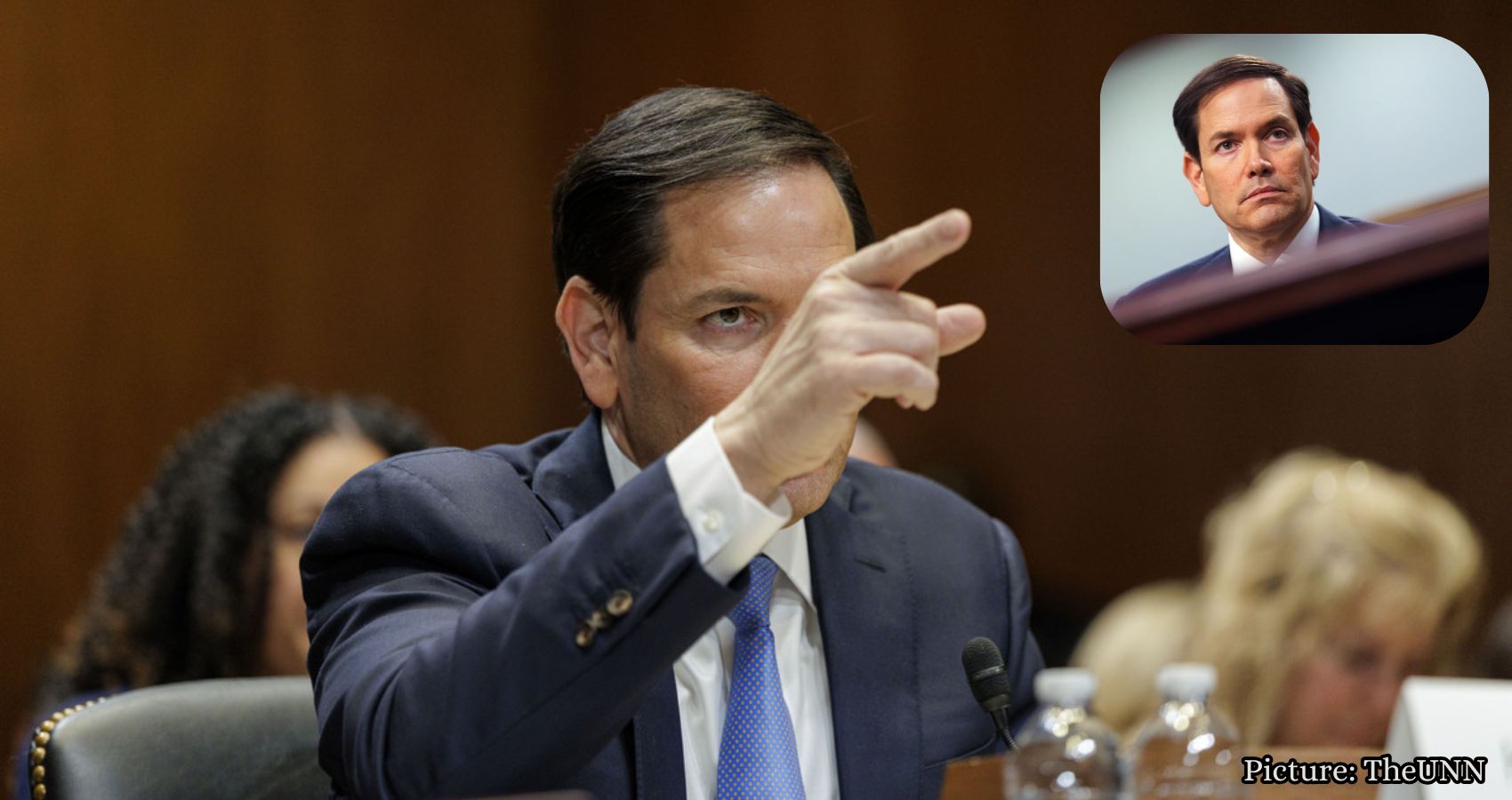
For the Cavaliers to extend the series beyond Game 4, they will need to win four consecutive games against a Knicks team that has consistently delivered in high-pressure situations. Additionally, they must find a way to slow down Jalen Brunson and improve their shooting efficiency if they hope to keep their championship aspirations alive.

As the Knicks prepare for Game 4, they stand on the cusp of an unforgettable playoff run, with the chance to secure their first NBA Finals appearance in nearly three decades.

According to The Sunday Guardian.

China Deploys Over 100 Vessels Near Taiwan After Trump-Xi Summit

China has deployed over 100 vessels near Taiwan following the recent summit between President Trump and President Xi Jinping, raising concerns about regional stability, according to Taiwan’s National Security Council.

China has reportedly stationed more than 100 vessels in the waters surrounding Taiwan in the wake of the recent summit between U.S. President Donald Trump and Chinese President Xi Jinping. This assertion was made by Joseph Wu, the Secretary General of Taiwan’s National Security Council, on Saturday.

Wu stated on X, formerly known as Twitter, that Taiwan’s intelligence, surveillance, and reconnaissance (ISR) data indicates a significant increase in Chinese naval activity. “Our ISR/intel shows that the PRC has deployed over 100 vessels around the 1st Island Chain over the past few days, so soon after the Beijing summit,” he wrote.

In his post, Wu emphasized the implications of this deployment, asserting, “In this part of the world, China is the one & only PROBLEM wrecking the Status Quo & threatening regional peace & stability.” He also shared a graphic that illustrated the high volume of Chinese vessels operating in the South China Sea, the East China Sea, and near Taiwan and the Philippines.

This announcement comes shortly after Trump’s departure from Beijing and follows comments made by acting U.S. Navy Secretary Hung Cao regarding a temporary pause in U.S. weapons shipments to Taiwan. During a Senate Appropriations Defense Subcommittee hearing, Cao explained, “Right now we’re doing a pause in order to make sure we have the munitions we need for Epic Fury.”

In January, U.S. lawmakers approved a substantial $14 billion weapons package for Taiwan, although Trump has yet to sign it into law. Taiwanese officials have expressed concern, stating they were not informed of any potential pauses in U.S. arms sales, according to reports from The Associated Press.

Cao’s announcement regarding the pause in weapons shipments coincided with the Trump-Xi summit, during which Chinese officials reiterated that the Taiwan issue remains the most critical point in U.S.-China diplomatic relations. “President Xi stressed to President Trump that the Taiwan question is the most important issue in China-U.S. relations,” said Mao Ning, a spokesperson for the Chinese Foreign Ministry, following the meeting.

Mao further warned that if the Taiwan issue is not managed properly, it could lead to significant tensions between the two nations, stating, “If it is handled properly, the bilateral relationship will enjoy overall stability. Otherwise, the two countries will have clashes and even conflicts, putting the entire relationship in great jeopardy.”

Fox News Digital has reached out to the White House, representatives from the Taiwanese government, and the Chinese Foreign Ministry for further comments regarding these developments.

According to The Associated Press, the situation remains tense as both sides navigate the complexities of their diplomatic relationship.

H-1B Workers Must Apply for Green Cards From Outside the U.S.

The U.S. is implementing a new immigration policy requiring temporary visa holders to apply for Green Cards from outside the country, impacting many foreign nationals currently residing in the U.S.

The United States is tightening its immigration process for temporary visa holders seeking permanent residency, a move that could significantly affect international students, H-1B workers, and other foreign nationals living and working in the country.

The U.S. Citizenship and Immigration Services (USCIS) recently announced a new policy memo stating that foreign nationals applying for Green Cards must generally do so from outside the United States through consular processing under the Department of State. The agency indicated that this guidance reflects long-standing immigration law and previous court decisions.

Under the updated policy, USCIS officers will continue to review adjustment-of-status requests on a case-by-case basis, but only under what the agency describes as “extraordinary circumstances.”

“We’re returning to the original intent of the law to ensure aliens navigate our nation’s immigration system properly. From now on, an alien who is in the U.S. temporarily and wants a Green Card must return to their home country to apply, except in extraordinary circumstances. This policy allows our immigration system to function as the law intended instead of incentivizing loopholes. When aliens apply from their home country, it reduces the need to find and remove those who decide to slip into the shadows and remain in the U.S. illegally after being denied residency,” said USCIS spokesman Zach Kahler.

The policy is expected to impact thousands of temporary visa holders, including F-1 students, H-1B employees, and tourists currently in the United States while pursuing permanent residency. USCIS stated that the change would also help the agency redirect resources toward other priorities such as naturalization applications, humanitarian visa cases, and applications involving victims of violent crime and human trafficking.

“Nonimmigrants, like students, temporary workers, or people on tourist visas, come to the U.S. for a short time and for a specific purpose. Our system is designed for them to leave when their visit is over. Their visit should not function as the first step in the Green Card process,” the agency added.

The announcement has already triggered criticism from various sectors, particularly in technology and education, with many arguing that the new approach could discourage skilled immigration and harm American competitiveness.

Andrew Ng, co-founder of Coursera, criticized the policy on social media platform X, calling it detrimental to legal immigration and innovation in the United States. “The new White House policy requiring green card applicants to apply from outside the U.S. is a capricious attack on legal immigration. It will hurt families, leave us with fewer doctors, teachers, and scientists, and hurt American competitiveness in AI,” Ng wrote.

The policy has also sparked conversations within the Indian tech community, especially among professionals working in the United States on temporary visas. Among those reacting was Sridhar Vembu, founder of Zoho, who urged Indians living in America on visas to consider returning home. Referring to the new immigration rules, Vembu wrote on X, “Once again, my appeal to Indians in America on a visa. Please come home. Even if you feel it is hardship and sacrifice, self-respect should dictate your course. Let’s make Bharat proud.”

His comments drew mixed reactions online. While supporters praised the patriotic message, critics pointed to his own years in the United States and questioned Zoho’s workplace culture.

This new policy marks a significant shift in the landscape of U.S. immigration and could have lasting implications for many foreign nationals currently residing in the country, according to The American Bazaar.

New Report Highlights Importance of Immigrant Workers in Texas Agriculture

New research highlights the essential role of immigrant workers in Texas’ food and agriculture sectors, emphasizing their impact on the state’s economy and food supply chain.

Recent research from the American Immigration Council reveals the vital contributions of immigrants to Texas’ food sectors, particularly agriculture. The report, titled From Field to Fork: The Economic Impact of Immigrants on Texas’ Food Industry, was developed in collaboration with Texans for Economic Growth, a statewide coalition comprising over 160 business members.

This report focuses on the state of Texas, with particular attention given to the Houston Metro Area. It was publicly released during an event hosted by Amegy Bank, which aimed to showcase the findings and engage local leaders in discussions about the impact of immigration on Texas’ food industry.

“Texas’ agriculture and food industries are a cornerstone of our state’s economy, generating more than $102 billion in economic output and supporting communities across every region of Texas,” said Chelsie Kramer, Texas State Organizer for the American Immigration Council and Texans for Economic Growth. “This report underscores something Texas employers and community leaders already know firsthand: immigrants are essential to keeping our food system moving. The report also highlights that 14.5 percent of Texas’ food workers and 13.5 percent of the state’s agricultural workforce are undocumented immigrants, reinforcing the need for workforce stability and practical policy discussions to ensure the long-term strength and competitiveness of Texas’ food economy.”

Emily Williams Knight, Ed.D., president and CEO of the Texas Restaurant Association, emphasized the integral role of immigrant workers in the restaurant industry. “Texas restaurants are built by people who work hard, serve their neighbors, and help make our communities stronger. Immigrant workers have long been part of that story, not only in restaurant kitchens and dining rooms but across the farms, suppliers, and small businesses that make our food system work,” she stated. “This report is an important reminder that practical workforce solutions do exist that would protect local businesses, keep food costs in check, and preserve the hospitality that defines communities across Texas.”

Anne McBride, Vice President of Impact at the James Beard Foundation, noted the interconnectedness of the agricultural and food sectors. “This report provides crucial data on the essential role that immigrants play in powering the American food system via Texas, from farms to restaurants. These two sectors cannot exist without the other and face similar challenges regarding our immigrant entrepreneurs and workers, which is why the James Beard Foundation is thrilled to partner on the release of this important work.”

Justin Yancy, President and CEO of the Texas Business Leadership Council, highlighted the importance of immigrant workers for the state’s economy. “This report highlights a reality Texas employers know well: immigrant workers are essential to the strength, stability, and competitiveness of our agricultural and food economy. As Texas continues to grow, maintaining a dependable workforce will remain critical to supporting our producers, businesses, and consumers alike.”

The report outlines several key findings regarding the role of immigrant workers in Texas’ food sector. Approximately 400,500 immigrant workers constitute nearly one-quarter (24.9 percent) of the workforce in this sector, contributing to various industries, including agriculture, food processing, food wholesale trade, food retail trade, and food services. Immigrants are essential throughout the food supply chain, moving food from production to consumers.

Immigrant workers in Texas hold diverse immigration statuses. About one-fifth of the workforce in the food sector are naturalized citizens, while 14.5 percent are undocumented, including 20,100 individuals eligible for Deferred Action for Childhood Arrivals (DACA). The state’s reliance on workers with varying immigration statuses means that changes in immigration policy can significantly impact workforce stability and the continuity of food production and distribution.

In 2024, the agriculture, food processing, and food services sectors are projected to generate $102.6 billion in economic output in Texas. The state exports $6.5 billion worth of agricultural commodities annually and plays a significant role in the United States’ agricultural exports.

Immigrant workers fill critical roles across the food sector. They represent 47.8 percent of miscellaneous agricultural workers, 31.7 percent of cooks, and 24.6 percent of cashiers. Farms, restaurants, and grocery stores depend on immigrants to staff essential frontline positions.

In the Houston Metropolitan Area, agriculture and food services are expected to generate approximately $2.7 million in GDP in 2024, with immigrants comprising over one-third (34.3 percent) of the workforce in the food sector.

For further insights, readers can access the full factsheet detailing the report’s findings.

About the American Immigration Council: The American Immigration Council works to strengthen America by shaping perceptions and actions toward immigrants and immigration. The organization advocates for a fair and just immigration system that opens doors to those in need of protection while harnessing the skills and energy immigrants bring. The Council employs a coordinated approach to advance change through litigation, research, legislative advocacy, and communications.

About Texans for Economic Growth: Texans for Economic Growth is a coalition of over 145 Texas business leaders and associations dedicated to recognizing and supporting the positive impact of immigrants on the Texas economy. Launched in February 2019, the coalition aims to guide immigration discussions at state and federal levels and supports common-sense federal immigration reforms that acknowledge the valuable contributions of immigrants to the state.

According to American Immigration Council.

Resurfaced Posts Show Platner’s Criticism of Army Soldiers

Democratic Senate candidate Graham Platner faces backlash after resurfaced Reddit posts reveal derogatory comments about the Army and wounded veterans, raising concerns in his campaign against incumbent Sen. Susan Collins.

Graham Platner, the presumptive Democratic nominee for Senate in Maine, has come under fire for derogatory comments he made about the United States Army in now-deleted Reddit posts. In these posts, Platner described the Army as “absolute trash” and “full of fat, lazy trash who would rather not be in uniform.”

The comments, which date back to 2019, included a particularly harsh critique of Army veteran Teddy Daniels, who was awarded the Purple Heart after being shot by the Taliban. Platner referred to Daniels as a “dumb motherf—er” who “didn’t deserve to live,” igniting significant controversy as he campaigns to unseat Republican incumbent Sen. Susan Collins.

Platner, who served in the Marine Corps and the Maryland Army National Guard with multiple combat tours in Iraq and Afghanistan, has expressed a mix of admiration and criticism for the Army. He acknowledged that while there are “some solid light infantry, reconnaissance, and SOF units that are s— hot,” he believes the organization as a whole is lacking in the “warrior ethos and leadership obsession” found in the Marine Corps.

“The Army does things differently, and as a whole, they do things much worse,” Platner wrote in March 2019. His comments have resurfaced at a critical time in his Senate campaign, where they have become a focal point for opponents and critics alike.

In a 2013 post, Platner emphasized the importance of internal criticism within the armed forces, stating, “Civilians can be as dumb f–k ret—ed as they want, but WE have a duty to be brutally honest.” However, his recent remarks have drawn ire from fellow veterans, who argue that such comments are inappropriate and disrespectful.

Adam Schwarze, a former Navy SEAL and Marine veteran running for Senate as a Republican in Minnesota, criticized Platner’s remarks, saying, “We don’t make jokes about our brothers and sisters dying, that’s not something we do, that’s not normal.”

In response to the backlash, Platner has expressed regret for his past comments, stating, “I’m sorry for this. Just know that it’s not reflective at all of who I am.” He urged voters not to judge him solely based on his past online behavior, but rather on the person he is today.

Platner’s controversial statements extend beyond Reddit. In a podcast interview earlier this year, he implied that deceased Navy SEAL Chris Kyle may have inflated his kill count by being less discriminating in his fire. He has also criticized Navy SEALs while praising Army Rangers, further complicating his standing among military communities.

National Republican Senatorial Committee press secretary Bernadette Breslin condemned Platner’s comments, stating, “Graham Platner’s vicious attacks on wounded service members and open contempt for the Army are disgusting and disqualifying.” She added that the more information that comes to light about Platner, the more difficult it becomes for his Democratic allies, including prominent figures like Elizabeth Warren, to support him.

As the campaign progresses, Platner’s past comments are likely to remain a significant issue, potentially impacting his chances against Collins in the upcoming election. The scrutiny surrounding his remarks highlights the challenges candidates face when their past statements resurface, particularly in a politically charged environment.

According to The Washington Free Beacon, the controversy surrounding Platner’s comments has raised questions about his suitability for office and the implications of his views on military service.

Pune Lecturer Arrested in NEET-UG Physics Paper Leak Case

Manisha Sanjay Havaldar, a Pune lecturer and school headmistress, was arrested by the CBI in connection with the NEET-UG physics paper leak case, just 40 days before her retirement.

The Central Bureau of Investigation (CBI) has arrested Manisha Sanjay Havaldar in relation to the alleged leak of the NEET-UG 2026 physics paper, marking a significant development in the ongoing investigation into examination malpractice.

Havaldar, a lecturer and headmistress at Seth Hiralal Saraf Prashala in Pune, was reportedly involved in the NEET-UG examination process as a subject expert. Investigators assert that she had direct access to the physics question paper prior to the medical entrance exam.

As she approached retirement, with only about 40 days left in her career, her arrest has dramatically altered the course of her professional life. Following the CBI’s actions, the school administration suspended her and pledged support for the ongoing investigation.

According to the CBI, Havaldar allegedly shared portions of the NEET-UG 2026 physics paper with co-accused Manisha Gurunath Mandhare in April, weeks before the examination took place. The agency claims that the leaked questions corresponded with the actual physics section of the NEET-UG exam.

Further allegations suggest that the leaked content was disseminated among select aspirants through a broader network involving teachers, middlemen, and individuals linked to coaching institutes. Reports indicate that students were charged substantial fees for access to the leaked questions and special “revision sessions” based on the paper.

The CBI has identified Havaldar as a “key source” in the leak of the NEET-UG physics questions, and her arrest marks the 11th apprehension in the expanding investigation into the alleged paper leak syndicate.

Officials are currently examining digital devices, communication records, and connections among multiple accused individuals across Maharashtra and other states to uncover the full extent of the network involved in this scandal.

The NEET-UG paper leak controversy has reignited concerns regarding the integrity of India’s competitive examination system. In recent weeks, the CBI has conducted numerous arrests and raids associated with the alleged leak syndicate, scrutinizing several teachers, coaching operators, and intermediaries.

The investigation is ongoing, and authorities are expected to question additional individuals connected to the examination process in the days ahead, as they work to dismantle the network behind this significant breach of trust.

As the situation develops, the implications of this case may have far-reaching effects on the future of examination integrity in India, particularly in high-stakes assessments like the NEET-UG.

According to The Sunday Guardian, the investigation continues to unfold, revealing the complexities and challenges faced by authorities in maintaining the sanctity of educational assessments.

US Arrests Sister of Cuban Official for Alleged Regime Ties

The U.S. has arrested Adys Lastres Morera, sister of a key Cuban official, over alleged connections to the communist regime and its military-run business conglomerate, GAESA.

The United States has arrested Adys Lastres Morera, the sister of the executive president of GAESA, a significant military-run conglomerate in Cuba. This action stems from her alleged ties to the communist regime, as announced by Secretary of State Marco Rubio.

GAESA has been accused of diverting millions of dollars in aid intended for the Cuban populace, acting “at the behest of the regime,” according to Rubio’s statements on social media platform X. Morera was taken into custody by Immigration and Customs Enforcement (ICE) after the State Department revoked her lawful permanent resident (LPR) status.

While residing in Florida, Morera was reportedly managing real estate assets and was said to have assisted the Cuban government. The termination of her LPR status was executed at Rubio’s discretion. Morera had entered the United States as a lawful permanent resident in 2023, as reported by Reuters.

Rubio stated, “Today, Adys Lastres Morera, a Cuban national with ties to the communist regime in Havana, was arrested following the Department of State’s termination of her lawful permanent resident (LPR) status, at my direction.”

Morera is the older sister of Ania Guillermina Lastres Morera, who was sanctioned earlier this month for her role as executive president of GAESA. Officials have characterized GAESA as an exploitative entity that extracts resources from the Cuban population.

Rubio emphasized the plight of the Cuban people, stating, “While the Cuban people suffer from the collapse of Cuba’s non-functioning communist economy, GAESA functions to allow a small circle of regime elites to plunder all the remaining resources of the island, squirreling away as much as $20 billion in illicit funds in hidden overseas bank accounts.”

He further noted that Ania Guillermina Lastres Morera, in her senior executive role, is responsible for managing international assets allegedly used to support the lavish lifestyles of the Castro-era elite and to fund broader ideological influence abroad.

Conditions in Cuba have been deteriorating, with widespread blackouts and severe shortages of food, fuel, and medicine. Rubio argued that GAESA is diverting essential resources away from the population under the current communist system.

“GAESA’s ill-gotten riches are not spent on repairing the collapsing power grid, stocking empty pharmacies, feeding hungry families, or providing for the most basic and essential needs of the Cuban people,” he said. “Instead, they are used to enrich Havana’s elites and underwrite their ongoing campaign of espionage, subversion, and revolutionary militancy against the free peoples of this hemisphere.”

This arrest highlights ongoing tensions between the United States and Cuba, particularly regarding the actions of the Cuban government and its military-run enterprises. The U.S. continues to scrutinize individuals and entities associated with the regime, aiming to hold them accountable for their roles in perpetuating the hardships faced by the Cuban people.

According to Reuters, the situation remains fluid as the U.S. government seeks to address the complexities of its relationship with Cuba and the implications of the regime’s actions on its citizens.

ClickUp Reduces Workforce by 22% Amid AI-First Strategy Shift

ClickUp CEO Zeb Evans announced a 22% workforce reduction as the company shifts towards an AI-first strategy, emphasizing a commitment to higher compensation for remaining employees.

Zeb Evans, the CEO of ClickUp, a cloud-based productivity platform, revealed on Thursday that the company has laid off 22% of its workforce. This decision comes as ClickUp accelerates its adoption of artificial intelligence (AI) across its operations.

In a post shared on X, Evans clarified that the layoffs were not a response to financial pressures but rather part of a strategic shift to adapt to the evolving landscape of AI technology. “This wasn’t about cutting costs,” he stated. “Most savings from this change will flow directly back into the people who stay. We’ll be introducing million-dollar salary bands.”

Evans also indicated that employees who excel in utilizing AI tools could see significantly higher compensation in the future. “If you create outsized impact using AI, you’ll be paid outside of traditional bands,” he added.

The layoffs come on the heels of months of rapid AI integration within ClickUp, which has increasingly relied on artificial intelligence to streamline workflows, automate tasks, and enhance productivity across teams. This move reflects a broader trend in the tech industry, where companies are restructuring their workforces while heavily investing in AI-driven operations.

Many firms have recently suggested that employees who effectively leverage AI to boost output may take on larger responsibilities and earn higher pay, even as overall headcounts are reduced. Evans’ comments have sparked a lively debate online, with some praising the company’s aggressive AI-focused strategy, while others express concern about the impact of layoffs on employees amid promises of increased salaries for those who remain.

As ClickUp continues to expand its AI-first approach, Evans emphasized that the transformation will extend beyond layoffs and changes in compensation. He noted that entire job functions within tech companies are already being reshaped by artificial intelligence.

One area he highlighted as undergoing significant change is product management. Evans explained that the traditional divide between product and design teams is beginning to blur. Future product managers are expected to work directly in sandboxed environments to test and refine ideas, rather than pushing updates directly into production systems.

He argued that this new model could eliminate what he described as the long-standing bottleneck between design and product execution, enabling teams to move faster with the support of AI tools. However, Evans acknowledged that one area remains challenging to automate: direct human interaction with customers.

He pointed out that frontline employees will become increasingly valuable as AI-generated communication becomes more prevalent across industries. In his view, authentic human engagement will become a premium that companies cannot afford to replace entirely with automated agents.

To retain high-performing employees during this transition, ClickUp plans to move away from traditional compensation structures. Evans announced that the company is introducing annual salary bands of up to $1 million for employees who demonstrate exceptional impact through AI, regardless of their department or role.

He concluded his message with a broader prediction about the future of the tech industry, stating, “Nearly every company will make changes like these. The ones that do it proactively will define what comes next.”

According to American Bazaar, ClickUp’s strategic shift underscores the growing importance of AI in shaping the future of work.

AI Robotic Beehives Installed in Florida Community Reduce Colony Collapse

A Florida community has introduced AI-powered robotic beehives to combat declining bee populations, which are essential for pollinating approximately 75% of the nation’s crops.

A community in Florida has taken a significant step towards protecting declining bee populations by deploying AI-powered robotic beehives. This initiative comes amid growing concerns about the future of the U.S. food supply, as bees are responsible for pollinating roughly 75% of the crops consumed by Americans.

The Angeline development in Land O’ Lakes has become the first master-planned community to install Beewise’s automated BeeHome system. This innovative technology utilizes robotics, sensors, and artificial intelligence to monitor hive health and safeguard colonies from various environmental threats.

Bee populations across the United States are under increasing pressure from parasites, pesticides, diseases, and extreme weather conditions, all of which pose significant risks to agriculture nationwide. “Bees pollinate roughly 75% of the crops we eat and about 80% of flowering plants around the world,” said Beewise Managing Director Steve Peck. “So, without those bees, our food supply is in jeopardy.”

The Angeline community relies on bees to pollinate a 2.5-acre farm that provides produce used throughout the development. The BeeHome system employs internal cameras, sensors, and robotic components to inspect hives and identify issues that typically require manual oversight from beekeepers.

“The robotics know where it is in the frame or where it is in the hive at any point,” Peck explained. “It can pick it up just like a beekeeper would, inspect it, and report that back to technicians around the world.”

The automated system is designed to monitor queen health, egg production, and infestations from varroa mites, which are among the leading causes of colony collapse in honeybee populations. Peck noted that the technology can also respond automatically when threats to the hive are detected.

“We can treat them within the hive by moving them to a new part of the home that raises the temperature,” he said. “It’s enough to kill the mites, but not the bees. And there, we can prevent that colony collapse, and have shown, basically a 70% reduction to what we’re seeing naturally around the world.”

The BeeHome technology is already in operation across hundreds of thousands of acres of agricultural land throughout the country. Project officials emphasize that this system is intended to support, rather than replace, traditional beekeeping practices, especially as environmental pressures continue to threaten bee colonies.

<p”Every day, bees run the risk of being destroyed due to just the weather and elements and pesticides,” said Lisa Gibbings with Metro Development Group.

The issue of declining bee populations has garnered increasing national attention in recent years. This includes expanded beekeeping efforts at the White House, where former First Lady Melania Trump initiated a program to add new bee colonies to the grounds as part of an expanded pollinator and honey production initiative.

As farmers and agricultural experts continue to express concern over the health of bee populations, it is clear that pollinators play a critical role in food production and ecosystem stability across the United States. The introduction of AI-powered robotic beehives represents a promising advancement in the ongoing effort to protect these vital creatures.

According to FOX 13 Tampa Bay, the innovative technology could be key in addressing the challenges faced by bee populations and, in turn, safeguarding the future of agriculture in the U.S.

Fake Geek Squad Billing Scam: Identifying Red Flags and Prevention Tips

A fraudulent Geek Squad billing email is pressuring consumers to click payment links and share sensitive personal information, raising significant red flags for potential victims.

In a concerning development, a fraudulent email purporting to be from Geek Squad has emerged, utilizing Razorpay branding to deceive consumers. The email claims that the recipient has signed up for Geek Squad protection, demanding a payment of $489.99. However, many recipients have never subscribed to such a service, highlighting the deceptive nature of this scam.

Upon opening the email, recipients are greeted with a sense of urgency, as the message encourages immediate action. It features a prominent “Pay Now” button, designed to entice users to click without careful consideration. A closer examination reveals numerous red flags that indicate the email is not legitimate.

One of the most glaring issues is the lack of personalization in the email. Legitimate companies typically address customers by name, especially if they have an existing account. This email, however, is addressed to a generic recipient, suggesting it was sent in bulk to thousands of people in hopes that someone will fall for the scam.

The email also combines unrelated brands, mentioning Geek Squad, which is affiliated with Best Buy, and Razorpay, a payment processor based in India. Additionally, it references “QuickTax Billing,” a vague term that does not correspond to any recognized consumer brand in this context. Genuine billing emails maintain consistent branding and messaging, while scammers often mix names to create a facade of legitimacy.

Another tactic used in the email is the claim that the recipient’s account will be charged within 48 hours. This statement is designed to create pressure, compelling individuals to act quickly without fully assessing the situation. In reality, legitimate subscriptions do not operate in this manner; customers are not typically informed of random warnings demanding immediate payment through unfamiliar links.

The email further complicates matters by stating that the recipient must complete their first transaction. This is misleading, as legitimate subscriptions would have already processed payment upon signup. Clicking the payment button could lead to one of two dangerous outcomes: either the recipient is directed to a phishing site designed to steal personal information, or they are prompted to call a support number that may connect them with a scammer.

Details within the email also suggest it has been poorly crafted. For instance, it includes a support number with the (813) area code, a common tactic used by scammers. If a victim calls this number, they may be pressured into sharing personal information or granting remote access to their devices, potentially leading to financial loss.

The email claims to have originated from subscriptions@razorpay.com, which may appear credible since Razorpay is a legitimate payment platform. However, scammers often exploit real services to send fraudulent emails, creating accounts to issue fake invoices. Razorpay has confirmed that the account associated with this email was never capable of processing actual payments, as it was operating in test mode and has since been disabled.

Despite Razorpay’s reassurances, the email remains a significant threat. Scammers rely on familiar branding to lend credibility to their messages, which can easily mislead unsuspecting recipients into clicking the “Proceed to Pay” button or calling the provided phone number. The ultimate goal is to extract personal information or redirect victims to alternative payment methods outside of secure platforms.

This type of scam is not targeted at specific individuals; rather, it is sent to vast lists of email addresses, some of which may have been scraped from online sources or obtained through past data breaches. Scammers operate on a numbers game, hoping that a small percentage of recipients will respond to their fraudulent overtures.

Both Razorpay and Best Buy, the parent company of Geek Squad, were contacted for comments regarding this scam but did not respond before the publication deadline.

The primary objectives of these scams are twofold: to extract money or obtain personal data. The $489 price tag is intentionally set high enough to instill fear while remaining plausible enough to appear legitimate. This email exemplifies many classic scam characteristics, making it essential for consumers to recognize the warning signs.

To protect yourself, adhere to a simple rule: never act directly from an email. If you receive a suspicious message, take a moment to pause and evaluate the situation. Scammers thrive on urgency, and by slowing down, you can safeguard your personal information.

At first glance, the email may seem convincing, featuring real brand names and a polished layout. However, a careful reading reveals inconsistencies, such as the absence of a personal greeting, conflicting company affiliations, and pressure tactics urging immediate payment. Familiarity with these tactics can significantly reduce the likelihood of falling victim to such scams.

As the prevalence of these deceptive emails increases, it is crucial to remain vigilant. If you suspect that an email may not be legitimate, consider reaching out to the company directly through official channels to verify the information. Awareness and caution are your best defenses against these types of scams.

For further information on cybersecurity and to stay updated on potential scams, consider visiting CyberGuy.com.

According to CyberGuy, understanding these tactics can help individuals protect themselves from falling victim to scams.

Adhitavo Redefines Identity Through Music as Indian-American Artist

Adhitavo, an Indian-born artist based in New York, is redefining identity through music by blending experimental sound and storytelling, while navigating the complexities of cultural representation.

In a world where success often follows a prescribed path, Adhitavo has chosen a different route. The Indian-born, New York-based artist is part of a growing wave of South Asian creatives who are stepping into global spaces on their own terms. His work is a fusion of experimental sound, storytelling, and technology, but above all, it is deeply introspective. Much of this introspection stems from his experiences of moving between different spaces and identities.

“I’ve always been in different spaces,” he shares. “For me, expression is the most important thing. I don’t care about the medium as long as I’m able to express myself.”

Adhitavo’s journey into music has not been linear. Although he trained in classical piano for over 15 years, he initially pursued a degree in mechanical engineering, a path familiar to many South Asian students. Yet, music remained a constant in his life.

His perspective on music began to shift during college when he participated in a large student-led production that combined music, theatre, and performance. “That’s what reminded me of how special the arts are,” he reflects.

Now, rather than identifying strictly as a musician, Adhitavo describes himself as a multidisciplinary artist, seamlessly moving between recording, production, live performances, and storytelling.

Over time, he recognized the profound impact of his work. A pivotal moment came during the COVID-19 lockdown in India when he released his first song with college friends on YouTube. This experience opened his eyes to the potential of music to connect with people beyond his immediate circle.

“We created a song called Chicken Nuggets, and it actually reflected what was happening in the country at that time,” he recalls, referencing the chaos of the pandemic. “Nothing beats that feeling when you put your first record out.”

The song gained traction and was even featured in Rolling Stone India. However, a subsequent project reached an even broader audience. Adhitavo was commissioned as a songwriter and music producer for the ninth-anniversary campaign of Clash of Clans (India), a mobile strategy game based in Finland. Through this project, he explored themes of humanity’s constant search into the unknown and began to see people from around the world connect with his work.

“I could see hundreds and hundreds of comments [on YouTube],” he notes. “That’s when it sparked a thought… there’s so much power in music to impact people.”

This realization brought with it both excitement and a sense of responsibility. “It makes you scared as well,” he admits. “But it also inspires you… There’s a responsibility for every artist to take it seriously.”

Relocating from India to New York presented a new set of challenges. “The first few weeks were very difficult,” he recalls. “I didn’t know what to write about anymore… it felt like an identity crisis.”

Everything that once felt familiar—culture, environment, and daily life—was suddenly absent. This discomfort forced him to reevaluate his identity and approach to music. “When you start connecting with people from different cultures, you realize that the emotions are the same,” he explains. “It made my work more universal.”

As time passed, he began to view his identity as fluid rather than fixed. “You’re a hybrid,” he states. “You have your past experiences, and you’re creating something new.”

Navigating identity as a South Asian artist often comes with the expectation of representing one’s culture, which can lead to being boxed into the category of “South Asian music.” “I think it’s a gift to be part of a culture,” he says, “but that doesn’t mean that’s everything about me.”

Rather than confining himself to the label of “a South Asian artist,” Adhitavo sees identity as layered and diverse. “You’re in this hybrid environment,” he explains. “You can draw from so many different things and become something new.”

He acknowledges the complexities of culture, recognizing that there are aspects one may agree with and others one may not. “There are things you agree with and things you disagree with,” he states. “And that’s okay.”

For him, the goal is not to reject culture or fully conform to it, but to engage with it authentically. “You should celebrate it,” he advises, “but you should also be able to question it.”

Adhitavo’s creative process is rooted in intention, with every element tied to meaning and emotional impact. “The first step is inspiration,” he explains. “It’s very important to know what you’re trying to convey.”

He builds upon this foundation by drawing from various cultures and technologies. “It’s about understanding what a particular sound effect does emotionally,” he elaborates. “Every element has to work together to tell that story.”

He approaches music similarly to how one would approach film or theater. “If this was a movie, how would I score it?” he asks. “How would I create that emotional journey?”

This methodology is particularly evident in his upcoming album, Incongruence, which combines experimental sound, layered production, and storytelling to explore themes of identity, pressure, and the feeling of not fitting into fixed systems. Each element is designed to contribute to a larger emotional experience rather than standing alone.

“I felt like I don’t fit in with the world,” he shares. “And I wanted to express that.”

When asked what advice he would give to young South Asians, especially those grappling with traditional expectations, his response is both honest and realistic. “The first step is to celebrate the difference and not be scared about it,” he advises.

However, he acknowledges that this journey is not always straightforward. “There are expectations and limitations… A lot of times there are no pathways, and that’s a scary thing to think about,” he admits. “Sometimes you can’t make that decision right away.”

Instead of advocating for drastic changes, he emphasizes the importance of patience. “When you’re in that situation, when you can’t make a decision, and you need to follow something you don’t want to do, or you need to conform, keep that part of you alive,” he suggests. “At some moment, you will have the power to express it.”

For Adhitavo, finding your voice is not about making one monumental decision but about holding onto what matters over time. “Don’t give up on your future self,” he encourages.

Adhitavo’s work defies a fixed formula, which is precisely what makes it so meaningful. He is not trying to fit into a single definition of success, identity, or genre of music. Instead, he is creating something that encompasses all of these elements simultaneously.

For many South Asians navigating their identities, his message is clear: “You don’t have to fit into one space. You’re allowed to create your own.”

For more insights, watch the full interview.

The post Finding Freedom in Sound: How Adhitavo Is Redefining Identity Through Music appeared first on India Currents.

Silicon Valley and Seattle Honor Microsoft Veteran Soma Somasegar, 59

The global technology community mourns the passing of S. “Soma” Somasegar, a former Microsoft executive and influential mentor, who died at the age of 59.

SAN FRANCISCO, CA — The global technology community is in mourning following the death of S. “Soma” Somasegar, a former Microsoft executive and managing director at Madrona Venture Group. Somasegar, who played a pivotal role in shaping Microsoft’s developer ecosystem, passed away on May 19, 2026, at the age of 59.

A family memorial message shared the news, stating, “With heavy hearts, we share the passing of beloved husband and father, S. Somasegar.” His death has prompted an outpouring of tributes from across Silicon Valley and Seattle, where he was highly regarded for his contributions to the tech industry.

Somasegar dedicated nearly 27 years to Microsoft before transitioning to Madrona Venture Group in 2015. His influence extended beyond his corporate roles, as he was known for mentoring generations of engineers, founders, and investors.

Entrepreneur and White House AI adviser Sriram Krishnan reflected on Somasegar’s impact, describing him as a mentor who transformed careers. “It’s hard to articulate how much of an impact Soma had on @aarthir and me,” Krishnan wrote on X. “He spotted us out of undergrad, made sure we got our first jobs, spent time with us though he was a senior executive at Microsoft and we were random junior people, and showered us with kindness.” He added, “We genuinely wouldn’t have the lives and careers we have now without him.”

Automation software company UiPath, where Somasegar served on the board of directors since September 2024, expressed their sorrow in a statement. “We are saddened to hear of the untimely passing of S. ‘Soma’ Somasegar. Our hearts go out to Soma’s wife, Akila, his daughters, and to his colleagues at Madrona.”

Technology journalist Tom Warren noted Somasegar’s significant contributions during his tenure at Microsoft, stating that he “spent 27 years at Microsoft and led the company’s Developer Division.” Warren emphasized Somasegar’s integral role in the Seattle tech scene.

GeekWire, a technology news publication, described Somasegar as “a champion of developers and startups” who mentored numerous founders and investors throughout Seattle’s technology ecosystem.

Somasegar joined Microsoft in January 1989, where he led the Developer Division and oversaw key products such as Visual Studio and .NET. He was instrumental in establishing Microsoft’s India Development Center in Hyderabad in 1998, further expanding the company’s global footprint.

After leaving Microsoft, Somasegar focused on investments in artificial intelligence, machine learning, cloud infrastructure, and intelligent applications at Madrona Venture Group.

Originally from Chennai, Somasegar studied engineering before moving to the United States for graduate studies at Louisiana State University. His legacy as a mentor and leader will be remembered by many in the technology sector.

According to IANS, Somasegar’s contributions to the tech community have left an indelible mark, and he will be missed by colleagues and friends alike.

Trump Supports Permanent Daylight Saving Time to Eliminate Clock Changes

President Donald Trump supports a bipartisan effort to make daylight saving time permanent, aiming to eliminate the need for twice-yearly clock changes.

President Donald Trump is advocating for a congressional initiative to abolish the twice-annual clock changes associated with daylight saving time by making it a permanent fixture. This proposal, known as the Sunshine Protection Act, has garnered bipartisan support and was recently included in a larger legislative measure that the House Energy and Commerce Committee advanced with a significant 48-1 vote.

In a post on Truth Social, Trump expressed his enthusiasm for the bill, stating, “Big Vote today (48-1!) in the Energy and Commerce Committee on a Bill including The Sunshine Protection Act, which will be making Daylight Saving Time Permanent! This is so important in that Hundreds of Millions of Dollars are spent every year by people, Cities, and States, being forced to change their Clocks.” He highlighted the financial burden of maintaining clocks, particularly those located in towers, and the prohibitive costs associated with the heavy equipment needed for the biannual time changes.

Trump further emphasized the need for a permanent solution, arguing that it would relieve people from the hassle of adjusting their clocks twice a year. “It’s time that people can stop worrying about the ‘Clock,’ not to mention all of the work and money that is spent on this ridiculous, twice yearly production,” he stated. He also framed the initiative as a potential political win for the Republican Party, asserting, “We are going with the far more popular alternative, Saving Daylight, which gives you a longer, brighter Day — And who can be against that — This is an easy one!”

The Sunshine Protection Act, championed by Rep. Vern Buchanan (R-Fla.), was included as a provision within an amendment to the Motor Vehicle Modernization Act. Buchanan’s office noted that the legislation has gained traction, with 32 bipartisan cosponsors in the House and a companion bill in the Senate (S. 29) introduced by Senator Rick Scott (R-Fla.), which has 18 bipartisan cosponsors.

Importantly, the proposal does not mandate that states currently not observing daylight saving time must adopt it. This flexibility allows states to maintain their existing practices while providing an option for those that wish to make the switch.

Last year, Trump had previously called for Congress to address the issue, urging lawmakers to “push hard for more Daylight at the end of a day.” He described the concept as “very popular” and reiterated the inconvenience and costs associated with changing clocks, labeling it a “A VERY COSTLY EVENT!!!” in an April 2025 post.

The movement to make daylight saving time permanent reflects a growing sentiment among many Americans who find the clock changes disruptive. As discussions continue in Congress, the bipartisan support for the Sunshine Protection Act may signal a shift toward a more consistent approach to timekeeping across the nation.

According to Rep. Vern Buchanan’s office, the push for permanent daylight saving time is gaining momentum, with significant backing from both sides of the aisle.

Dr. Gunisha Kaur, Indian-American, Appointed to USCIRF by Senator Schumer

Dr. Gunisha Kaur has been appointed by Senator Chuck Schumer to the U.S. Commission on International Religious Freedom, marking her as the first Sikh commissioner on the panel.

Dr. Gunisha Kaur has officially been appointed to the U.S. Commission on International Religious Freedom (USCIRF) by Senator Charles “Chuck” Schumer (D-NY), making her the first Sikh commissioner in the commission’s history.

A press release from the Sikh Coalition announced the appointment, highlighting the significance of her role within the independent, bipartisan agency. USCIRF Commissioners are appointed by the White House and by leaders from both parties in the House and Senate for two-year terms. The commission is tasked with monitoring the universal right to freedom of religion or belief abroad, making policy recommendations to the President, Secretary of State, and Congress, and tracking the implementation of its recommendations.

Dr. Kaur is an anesthesiologist with a specialization in human rights research. She currently serves as the Director of the Weill Cornell Medicine Human Rights Impact Lab. Additionally, she is a board member of Ensaaf, a Stephen M. Kellen Term Member at the Council on Foreign Relations, and a Faculty Fellow at the Mario Einaudi Center for International Studies.

The Sikh Coalition has worked closely with USCIRF to raise awareness about transnational repression and to honor Sikh human rights defenders, including Bhai Jaswant Singh Khalra.

Harman Singh, Executive Director of the Sikh Coalition, emphasized the deep connection between Sikh history and the issues central to USCIRF’s mission, such as persecution, displacement, and the defense of fundamental human rights. He noted that the challenges to religious freedom in South Asia and the humanitarian crises affecting Sikh communities in countries like Iran and Afghanistan underscore the importance of Sikh representation on the commission.

“We look forward to continuing our collaboration with USCIRF Commissioners and staff, and we offer our congratulations to Dr. Kaur and our gratitude to Senator Schumer and the allies who supported her nomination,” Singh stated.

Senator Schumer praised Dr. Kaur as an “exceptional” choice for the commission, noting her unique position as the first Sikh to serve on USCIRF. He highlighted her extensive background as a physician, anthropologist, human rights advocate, and academic leader at Weill Cornell Medicine, where she directs global health and human rights initiatives. Schumer expressed confidence that Kaur would bring a wealth of medical, research, and leadership expertise to the commission.

“Dr. Kaur will make history as the first and only Sikh to serve on the commission, and I am honored to support a commissioner with such extensive experience in human rights and community leadership. I am confident that she will bring her deep medical, academic, research, and leadership expertise to her service on the commission,” Schumer remarked.

This appointment not only marks a significant milestone for Dr. Kaur but also reflects the ongoing efforts to enhance diversity and representation within U.S. governmental bodies, particularly in areas concerning human rights and religious freedom.

According to The Sikh Coalition, Dr. Kaur’s appointment is expected to strengthen the commission’s focus on issues affecting Sikh communities globally and enhance its advocacy for religious freedom.

California Doctor Found Guilty in $45 Million Botox Medicare Fraud

A California physician has been convicted in a $45 million Medicare fraud scheme involving fraudulent Botox treatments and falsified patient records, raising concerns about Medicare oversight.

A California physician has been found guilty in a significant Medicare fraud case involving fraudulent Botox treatments, falsified patient records, and improper billing practices. Federal prosecutors described the scheme as amounting to $45 million, drawing attention to vulnerabilities in Medicare oversight and healthcare billing practices.

Dr. Violetta Mailyan, 45, from Glendale, California, was convicted by a federal jury on multiple counts, including wire fraud and obstruction of justice. The case centered around Medicare reimbursements tied to Botox injections billed through her clinic, Healthy Way Medical Center.

According to the U.S. Department of Justice (DOJ), Mailyan submitted claims for treatments that were either medically unnecessary or never performed. During the investigation period, she received more Medicare reimbursements for Botox than any other physician in the United States.

The case gained notoriety not only for the scale of the fraud but also for the methods used to uncover it. Investigators identified irregularities through data analysis rather than relying solely on patient complaints. Reports indicated that billing records showed Medicare claims submitted on days when the clinic was closed. Additionally, some patients were reportedly out of the country or otherwise unavailable for treatment during the times these claims were made.

Federal prosecutors also alleged that Mailyan altered patient files after investigators issued subpoenas for documentation related to migraine treatment claims involving Botox. They argued that these records were manipulated to justify reimbursement requests that had already been submitted to Medicare.

In a statement following the conviction, Assistant Attorney General Colin McDonald emphasized the severity of the fraud, stating that Mailyan “fraudulently billed for Botox injections while she was actually on lavish vacations.” Prosecutors alleged that the proceeds from her fraudulent activities financed luxury travel and expensive purchases, including rare collectibles mentioned during the trial.

This case highlights not only financial fraud but also the abuse of taxpayer-funded healthcare programs. Legal experts noted that it reflects broader concerns regarding vulnerabilities in Medicare billing systems, particularly in specialty treatment areas where reimbursement structures can be challenging to monitor in real time.

As reported by MedPage Today, federal investigators are increasingly utilizing analytics tools to detect unusual reimbursement patterns across large healthcare databases. The investigation into Mailyan’s practice serves as an example of how enforcement agencies are leveraging technology-driven oversight to identify potential fraud at earlier stages.

The conviction comes amid a broader push by federal authorities to enhance healthcare fraud enforcement efforts across the United States. Prosecutors and healthcare analysts predict that future investigations will likely focus more on billing transparency, digital auditing systems, and accountability standards for providers involved in federally funded medical programs.

The case underscores the ongoing challenges in ensuring the integrity of Medicare and protecting taxpayer dollars from fraudulent activities, according to MedPage Today.

ICE Arrests Indian National After California Hit-and-Run Incident

An Indian national has been arrested by U.S. Immigration and Customs Enforcement following a felony hit-and-run incident involving a child in California, raising questions about sanctuary immigration enforcement policies.

An Indian national in California has been detained by U.S. Immigration and Customs Enforcement (ICE) after being released by state authorities in connection with a felony hit-and-run case involving a four-year-old child. This incident has sparked a renewed debate over California’s sanctuary policies and the relationship between local law enforcement and federal immigration authorities.

The incident occurred in Fresno County on April 28, according to reports from The Times of India and statements from the Department of Homeland Security (DHS). The accused, identified as Aman Kumar, allegedly struck a child with his vehicle and fled the scene. Fortunately, the child survived the incident and is expected to recover.

Fresno County law enforcement officials arrested Kumar the following day on felony hit-and-run charges involving injury. However, federal officials later criticized California authorities for releasing him before immigration officials could take him into custody.

On May 13, ICE officers arrested Kumar outside the Fresno County Superior Court, as reported by DHS. In a strongly worded statement, Acting Assistant Secretary Lauren Bis criticized California’s sanctuary policies, stating, “Sanctuary politicians in California released this criminal illegal alien from jail back onto the streets.” This language underscores the growing national debate over immigration enforcement and sanctuary laws, particularly as the U.S. approaches an election season.

Conversely, California officials and immigrant rights advocates argue that sanctuary policies are intended to foster cooperation between immigrant communities and local police, allowing individuals to report crimes without the fear of deportation. This case has once again highlighted the ongoing legal and political tensions between state protections and federal enforcement priorities.

As of now, it remains unclear whether Kumar has entered a plea or secured legal representation. Authorities have not provided further details regarding the child’s medical treatment, other than confirming that the victim is expected to survive.

While the case is still under legal review, it has become part of a larger conversation about how state and federal agencies coordinate on public safety issues involving undocumented immigrants accused of serious crimes. As immigration continues to influence political discourse across the United States, incidents like the one in Fresno are likely to be closely monitored by policymakers, advocacy groups, and immigrant communities, including Indian Americans navigating an increasingly polarized enforcement landscape.

According to The Times of India, this case exemplifies the complexities surrounding immigration enforcement and the challenges faced by local and federal authorities in addressing public safety while respecting the rights of immigrant communities.

Indian-American Woman Loses Nearly $10,000 in Jury Duty Crypto Scam

Gail Barr, a nurse practitioner from Arizona, lost nearly $10,000 in a jury duty cryptocurrency scam on her 70th birthday but was later saved by the state’s new crypto kiosk law.

On her 70th birthday, Gail Barr received numerous well-wishes from family and friends, but one voicemail turned her celebration into a nightmare. The caller, claiming to be Chief Deputy Derek Elmore of the Maricopa County Sheriff’s Office, informed her of an urgent legal matter involving court documents from an Arizona judge.

When Gail returned the call, the situation escalated. The caller accused her of missing jury duty and demanded a fine of nearly $10,000, threatening arrest if she failed to comply. Despite her experience as a nurse practitioner, the legal jargon and urgency of the situation left her feeling vulnerable and confused. “I know medical things, but I didn’t know how that worked,” Gail recounted on the CyberGuy Report podcast.

The scammer’s tactics were sophisticated, using real names and official-sounding titles to create a sense of legitimacy. Gail verified the name of the judge mentioned in the voicemail, Jennifer Zipes, and found that she was indeed a real Arizona judge. This research further convinced her of the call’s authenticity.

Gail was then transferred to another individual who claimed to be Police Captain John Bailey. He provided a badge number and informed her that she had been “hand-selected” for a grand jury case due to her medical background. This detail resonated with Gail, making the scam feel plausible. “They said that I was hand-selected by the judge to appear in a grand jury, a medical malpractice case, because of my background in nursing,” she explained.

The pressure intensified when the caller claimed that Gail had signed a subpoena and now faced citations for contempt of court. Scammers often exploit fear to manipulate their victims, and this was no exception. The caller’s calm demeanor and authoritative tone made it difficult for Gail to question the legitimacy of the situation.

Ultimately, the scammer instructed Gail to pay $9,260 through a “federal bonding kiosk,” which turned out to be a Bitcoin ATM located inside a Circle K convenience store. Unfamiliar with Bitcoin, Gail was further manipulated when the scammer insisted she could not consult anyone, including her son, who was knowledgeable about cryptocurrency. “They said you cannot get off the phone with us,” she recalled.

After withdrawing the cash, Gail followed the scammer’s instructions and used the Bitcoin machine, scanning an official-looking barcode that appeared to originate from the Maricopa County Sheriff’s Office. “We had to do it, like, five different times because there was a limit to how much you could put in at once,” she said, expressing her exhaustion as she deposited the funds. “That was money that I had worked for.” The funds were intended to help cover her son’s medical bills.

After completing the transaction, the scammer concocted another story, claiming that Gail had incurred a federal citation and demanding an additional $12,000. When she expressed that she couldn’t afford that amount, the scammer lowered the demand to $3,000 and sent her to another bank. It was during this second visit that Gail’s luck began to change.

The bank manager, suspicious of the situation, asked Gail what the money was for. Although she initially provided the excuse given by the scammer, the manager’s probing questions prompted her to reconsider. “Something seemed a little weird, I think, but I just kept going because I was frightened,” Gail admitted. The manager took her aside and discussed the matter further, ultimately helping her realize that she had been scammed.

Upon returning home, Gail informed her husband and son about the incident and contacted a local news reporter. It was through this outreach that she learned about Arizona’s Cryptocurrency Kiosk License Fraud Prevention law, which had gone into effect just a month prior to her scam. This law aims to protect victims of cryptocurrency fraud by requiring kiosk operators to provide fraud warnings, transaction receipts, daily limits, and refund protections for certain victims who report fraud within a specified timeframe.

Gail acted quickly, filing a police report and contacting the cryptocurrency kiosk operator as required by the law. “You have to file a police report within 30 days,” she explained. After completing the necessary steps, she received a check for the full amount she had lost. “It was a good birthday present,” she said, reflecting on the unexpected turn of events.

Gail’s experience highlights the growing issue of cryptocurrency scams, particularly targeting older adults. According to AARP, cryptocurrency kiosks were linked to over $389 million in reported losses in 2025, with adults aged 60 and older accounting for 86% of those losses. As of April 2026, 29 states had enacted crypto kiosk laws, which include various consumer protections and restrictions.

In light of Gail’s story, it is crucial for individuals to be aware of the warning signs associated with scams. Legitimate courts do not demand immediate payment over the phone, nor do they collect fines through Bitcoin ATMs. Scammers often use public information to make their lies more convincing, and they thrive on fear and urgency to manipulate their victims.

To avoid falling victim to similar scams, individuals should hang up if they receive a call demanding immediate payment. Instead, they should verify the information by contacting the court directly using official numbers. Additionally, consulting with trusted family members or friends can provide a second opinion and help break the scammer’s hold.

Gail’s story serves as a reminder of the importance of vigilance in the face of increasingly sophisticated scams. The rapid advancement of technology has created new avenues for fraud, but awareness and education can empower individuals to protect themselves. As states continue to implement laws aimed at curbing cryptocurrency scams, victims like Gail can find hope in the possibility of recovery.

For more insights into Gail’s experience and advice on avoiding scams, listen to the CyberGuy Report podcast at cyberguy.com/podcast.

Gail Barr’s experience underscores the need for ongoing education about cryptocurrency scams and the importance of protective legislation, as many victims may not be as fortunate in recovering their lost funds.

According to AARP, understanding the tactics used by scammers can help individuals safeguard their finances and avoid becoming victims of similar schemes in the future.

Growing Interest in Longevity Clinics Signals Changing Views on Aging

As interest in longevity clinics grows, Americans are increasingly focused on enhancing their quality of life in later years, emphasizing healthy aging over mere longevity.

In recent years, the American public has shown a growing interest in longevity clinics, reflecting a shift in attitudes toward aging. These clinics are gaining traction as individuals seek ways to not only survive into old age but to thrive during their senior years. By combining elements of medical facilities and wellness retreats, longevity clinics offer advanced diagnostics and personalized health programs designed to improve quality of life.

A survey conducted by the Pew Research Center in November 2025 revealed that 76 percent of American adults aspire to live at least to the age of 80, with 29 percent aiming for a century. On average, respondents indicated a desired lifespan of 91 years, highlighting the importance of maintaining health and independence as they age.

The global market for dedicated longevity clinics was valued at approximately $5.35 billion in 2025 and is projected to reach $6.02 billion by 2026, representing a compound annual growth rate of 12.2 percent. These clinics are increasingly attracting clients seeking preventive care, diagnostic services, personalized medicine, wellness programs, and anti-aging treatments. Preventive care is particularly vital, as early detection and lifestyle interventions play a crucial role in enhancing longevity.

Dr. Arasi Maran, director of the Cardiac Catheterization Lab at the Ralph H. Johnson VA Health Care System in Charleston, South Carolina, shared her insights on the market. “No, this isn’t a trend — but we have to draw a line. Longevity is about living longer. Healthy aging — or functional aging — is about living better. Rather than selling a dream of extra years; we should be focusing on a life actually worth living,” she stated. This perspective underscores the growing concern that while the longevity trend is real, a focus on healthy aging is more sustainable and beneficial.

Dr. Maran also noted that the integration of predictive artificial intelligence (AI) is poised to revolutionize the field. “We are only at the very beginning of this. Soon, AI won’t just track your data — it will anticipate decline before it ever shows up clinically,” she explained. This advanced technology could lead to the development of a digital twin, a virtual model that ages alongside the individual, simulating how current lifestyle choices may impact health over the next two decades. Such innovations are expected to drive the market’s growth and improve overall quality of life.

While the pursuit of longevity is gaining traction, it is essential to recognize that aging is an inevitable process. Genetics account for approximately 20 to 30 percent of longevity outcomes, with the remaining factors influenced by lifestyle choices. Experts recommend adopting healthy practices early in life to facilitate better aging. Key components include regular physical activity, proper nutrition, adequate sleep, and nurturing a supportive community.

According to Dr. Maran, quality sleep is foundational for cognitive health and systemic inflammation reduction, emphasizing the need for seven to nine hours of quality rest. Regular physical activity, which should include at least 150 minutes of moderate-intensity exercise weekly, coupled with strength training, has been shown to provide benefits that no supplement can match. Additionally, a clean diet, consisting primarily of seasonal fruits and vegetables, legumes, whole grains, and healthy fats, contributes significantly to overall well-being.

Furthermore, fostering meaningful social connections is crucial for mental health, which is equally important as physical health in establishing a solid foundation for healthy aging. Dr. Maran reiterated, “I prefer healthy aging — or functional aging — over the generic term longevity. Living longer without health is meaningless, even a burden. The real goal is to stay cognitively sharp, physically mobile, and emotionally engaged.”

Consistency in healthy habits is vital. Dr. Maran emphasized the importance of maintaining a balanced body composition, cultivating meaningful relationships, managing stress, avoiding tobacco, limiting alcohol, and engaging in preventive screenings as proven strategies for enhancing longevity.

Recent research indicates that small, incremental improvements in daily habits can significantly add quality years to one’s life. This includes simple actions such as increasing sleep duration, adding more movement to daily routines, and incorporating additional servings of vegetables into meals. As advancements in diagnostic technologies and AI-driven health monitoring systems continue, the longevity clinic industry is expected to expand, aligning with the public’s growing interest in sustainable living and disciplined health practices.

While exploring the benefits of longevity clinics may appeal to many, the most effective strategies for enhanced quality of life are often low-cost and straightforward. Dr. Maran concluded with a powerful reminder: “Healthy aging isn’t bought, it’s built. You cannot outrun the donut. No tracker, no IV drip, no genetic test will rescue habits quietly working against you.” The essential takeaway is to prioritize adequate sleep, daily movement, wholesome food choices, and meaningful relationships to lay a solid foundation for a healthy future, according to Pew Research Center.

-+=