
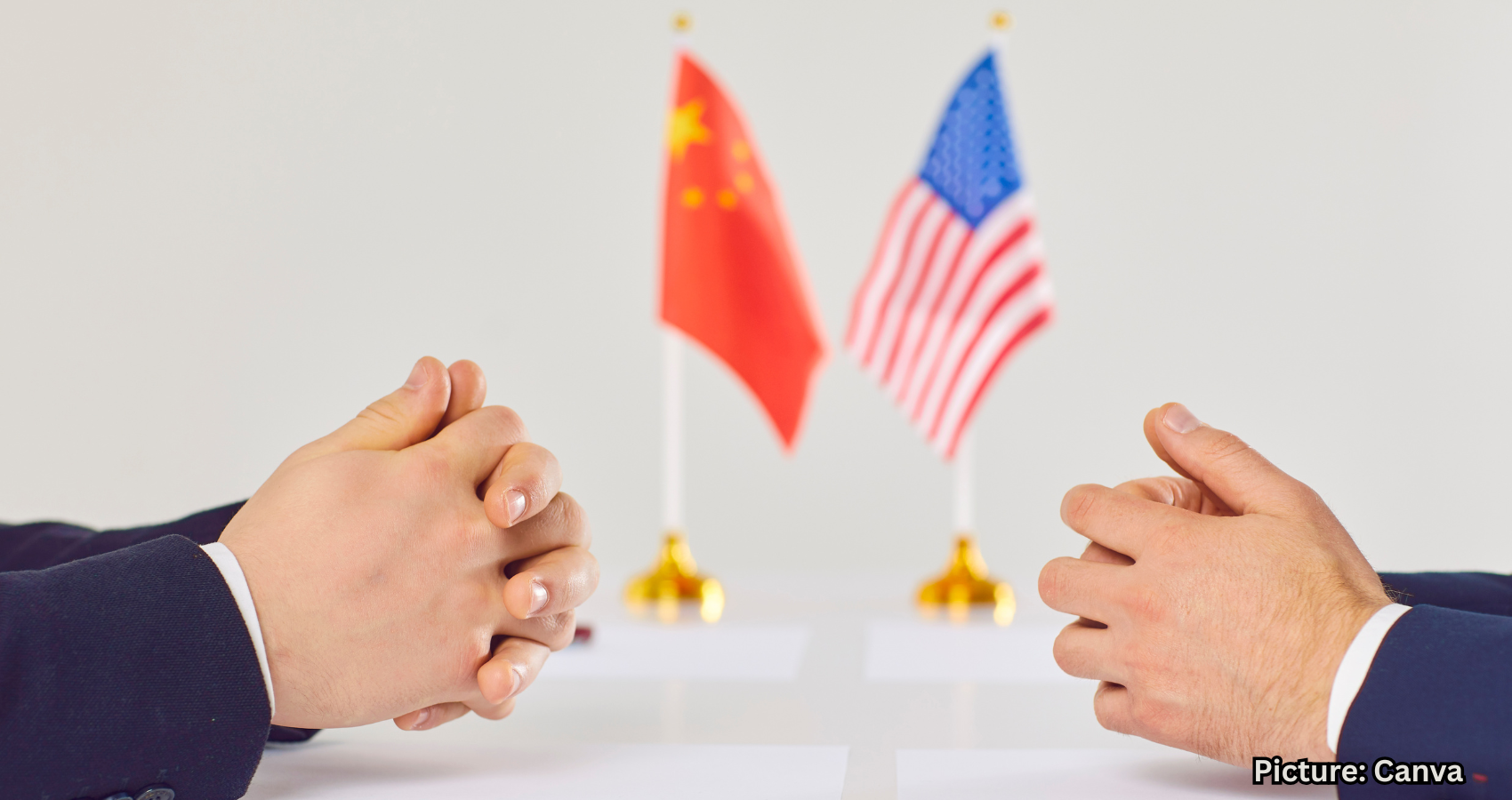
China’s Ministry of Foreign Affairs has condemned U.S. secondary sanctions targeting Iranian airlines, calling them illegal and unilateral, amid rising tensions in the U.S.-Iran conflict.
China’s Ministry of Foreign Affairs has issued a strong condemnation of upcoming U.S. secondary sanctions aimed at shutting down Iranian airlines globally, labeling these actions as illegal unilateral measures. This diplomatic pushback follows a warning from U.S. Treasury Secretary Scott Bessent regarding a potential global financial chokehold on Iran’s aviation sector, coinciding with an upcoming summit between U.S. President Donald Trump and Chinese Leader Xi Jinping.
In a recent announcement, Treasury Secretary Bessent declared a hard deadline of Wednesday, September 23, 2026, stating that all Iranian airlines would effectively be “shut down around the world.” Earlier this month, the U.S. Treasury Department imposed sweeping restrictions on 36 targets, which included all remaining Iranian commercial carriers, such as Mahan Air and Iran Air, as well as front companies operating in nations like Turkey and the United Arab Emirates.
The sanctions mechanism relies on aggressive secondary sanctions, which means the restrictions apply globally, not just to U.S. companies. Under this policy, any international entity or foreign airport that interacts with an Iranian aircraft faces immediate exclusion from the global financial network. This includes prohibitions on providing essential services such as jet fuel, landing services, ground maintenance, and catering. Additionally, businesses are barred from selling tickets or processing credit lines for these airlines. Violators risk being “knocked out of the dollar system,” losing access to international banking.
During a press briefing on September 22, 2026, Foreign Ministry spokesman Guo Jiakun formally rejected the U.S. sanctions, calling them “illegal unilateral sanctions” that lack any basis under international law or authorization from the United Nations Security Council. This response underscores China’s strategic defiance, as the nation is Iran’s primary economic partner and a significant buyer of Iranian crude oil, which is heavily processed by independent Chinese “teapot” refineries.
China’s Commerce Ministry has previously invoked a “blocking statute” established in 2021, which orders domestic firms to ignore foreign sanctions deemed illegitimate. However, when journalists asked whether China would continue to allow scheduled Iranian flights to land in major commercial hubs like Guangzhou and Shanghai, Guo Jiakun declined to provide a direct answer, highlighting the immediate practical dilemma facing Beijing.
This economic confrontation is occurring against the backdrop of an active U.S.-Iran war that erupted in late February 2026. The conflict began following joint U.S.-Israeli airstrikes that resulted in the deaths of Iran’s Supreme Leader and high-ranking military commanders. In retaliation, Tehran blockaded the Strait of Hormuz, leading to a surge in international oil prices and significant disruptions in global trade.
The tensions are further heightened just days before the anticipated summit on Thursday, September 24, 2026, between President Trump and President Xi. While Secretary Bessent noted that he had “very engaged” discussions with Chinese financial authorities regarding sanctions compliance, Beijing’s public statements indicate a firm pushback against Washington’s financial leverage ahead of the leaders’ meeting.
Prior to his public threats, Secretary Bessent had concluded meetings in Beijing with Chinese Vice Premier He Lifeng. He characterized those discussions as positive, but China’s subsequent condemnation suggests that Beijing is unwilling to openly validate unilateral American jurisdiction as the summit approaches.
The primary friction point remains scheduled Iranian commercial flights operating out of major Chinese transportation hubs. Guo Jiakun’s evasive response to questions about whether China would actively stop accommodating these flights indicates a careful evaluation of the severe financial risks that domestic airport authorities and state-owned banks could face if they were cut off from U.S. dollar clearing systems.
This ongoing diplomatic clash highlights the complexities of international relations as the U.S. seeks to exert financial pressure on Iran while China navigates its strategic interests in the region. The outcome of these tensions could have significant implications for global trade and geopolitical stability.
According to The Sunday Guardian, the situation continues to evolve as both nations prepare for the upcoming summit.