
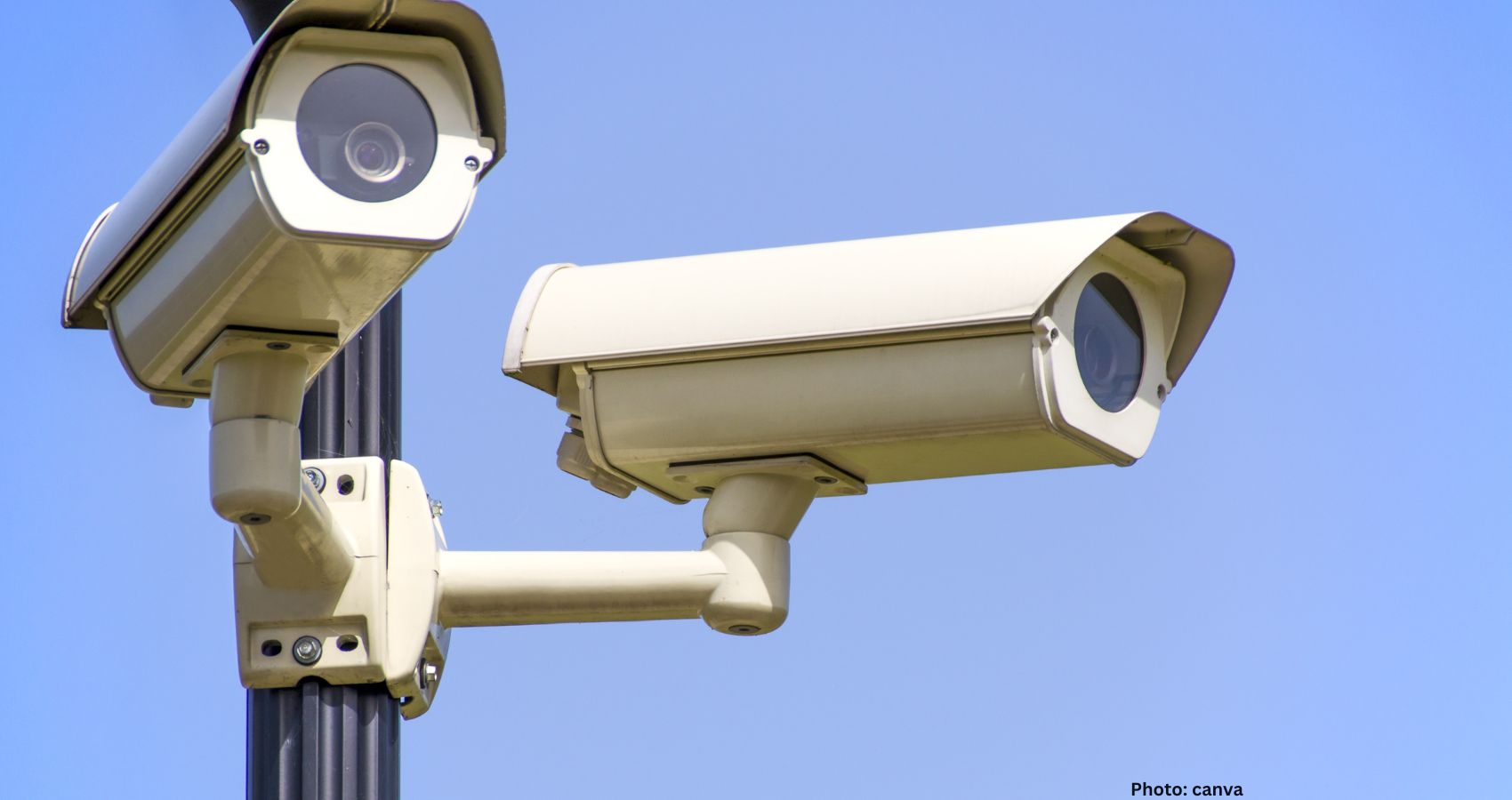
Noise cameras are emerging in at least ten U.S. cities, utilizing advanced technology to monitor and penalize loud vehicles, raising questions about enforcement and privacy.
Noise cameras are making their presence felt across at least ten cities in the United States, employing a combination of microphones and license plate readers to identify loud vehicles and impose significant fines. This technological advancement aims to address the persistent issue of excessive noise from vehicles, particularly in residential areas.
For many, the experience of being abruptly awakened by a roaring car is all too familiar. By the time a complaint is lodged with law enforcement, the offending vehicle may have already sped away. In response, cities are increasingly turning to innovative solutions. While Flock license plate readers have already become commonplace, a new type of roadside technology is gaining traction: noise cameras. These devices utilize microphones, cameras, and sophisticated software to detect loud vehicles and, in some cases, capture their license plates. Depending on the jurisdiction, this can lead to a warning, an official review, or a citation.
New York City stands out as a leader in noise camera enforcement. The city’s Department of Environmental Protection operated twelve cameras in 2025, which recorded nearly 16,000 noise events and resulted in over 1,600 summonses. These cameras are designed to target excessive engine or muffler noise, as well as violations related to honking and loud music. Penalties for muffler violations can start at $800 and escalate to as much as $2,625.
The technology behind New York’s noise cameras comes from Intelligent Instruments Ltd., a UK-based company that developed the SoundVue system. This system integrates microphones with video and license plate recognition technology. When noise levels exceed a predetermined threshold, the system identifies the vehicle responsible, allowing city officials to review the evidence before issuing a summons.
Knoxville, Tennessee, has also adopted noise camera technology through a mobile program. While the city collects data related to excessive noise events, it currently does not issue citations based on camera evidence. The technology, originally developed by 24 Acoustics, has since transitioned to Intelligent Instruments for ongoing operations.
In Miami Beach, three noise cameras were tested as part of a pilot program to assess their effectiveness in identifying offending vehicles under various traffic conditions. However, Florida law prohibits the use of camera evidence for automated noise citations, leading the city to implement a different approach. In July 2026, Miami Beach launched a year-long Quiet Zone pilot, where police officers enforce existing noise laws without relying on automated citations.
Smaller communities are also exploring noise camera technology. Avoca, Iowa, initiated a program along Highway 59 to address complaints about loud engine braking from trucks. During a one-month pilot, the city recorded 183 violations involving 83 vehicles, leading to a full implementation of the technology from Intelligent Instruments.
Hawaii has embarked on a two-year noise camera pilot on Oʻahu, with plans for ten locations, including the H-3 Freeway. While the cameras collect data on noise levels, they do not issue citations during the pilot phase. The Hawaii Department of Transportation aims to use the collected data to inform future legislation and enforcement strategies.
In Kirkland, Washington, noise cameras were tested as part of a Street Racing Noise Pilot Program. The city placed equipment in areas known for racing and modified exhaust complaints. The system generated a heat map indicating the source of the noise but did not issue tickets or warnings during the pilot.
Other cities, such as Newport, Rhode Island, and Albuquerque, New Mexico, have also experimented with noise camera technology. Newport uses Sorama technology in mobile units to address shifting noise complaints, while Albuquerque conducted a pilot with three cameras to collect noise data without issuing fines.
Santa Fe, New Mexico, has taken steps toward a broader enforcement program, signing a five-year contract with Jenoptik Smart Mobility Solutions for automated speed and noise enforcement. The initial plan includes six mobile enforcement devices, with a focus on both speed and noise violations.
As the trend of noise cameras expands, cities like University Park, Maryland, and West Haven, Connecticut, are also moving toward implementing noise camera enforcement. Connecticut law allows municipalities to use noise violation monitoring devices, provided they adopt an ordinance outlining the penalties for violations.
The growing prevalence of noise cameras raises questions about privacy and the accuracy of the technology. While systems like Intelligent Instruments and Sorama aim to pinpoint the source of noise, challenges remain in reliably attributing noise to specific vehicles. California Highway Patrol’s testing of various systems highlighted the difficulties in ensuring accurate enforcement, emphasizing the importance of human review in the citation process.
As cities continue to explore noise camera programs, it is crucial for residents to understand the implications of such technology. Each jurisdiction may have different rules regarding enforcement, data collection, and privacy protections. For those who receive noise camera citations, it is advisable to review the accompanying evidence and understand the local processes for challenging any violations.
Noise cameras represent a significant shift in how communities address excessive vehicle noise. While they offer a potential solution for residents plagued by loud vehicles, the balance between enforcement and privacy remains a critical consideration. As more cities adopt this technology, ongoing discussions about its implementation and regulation will be essential to ensure that it serves the public interest without infringing on individual rights.
For further insights into the evolving landscape of noise camera technology, refer to CyberGuy.