
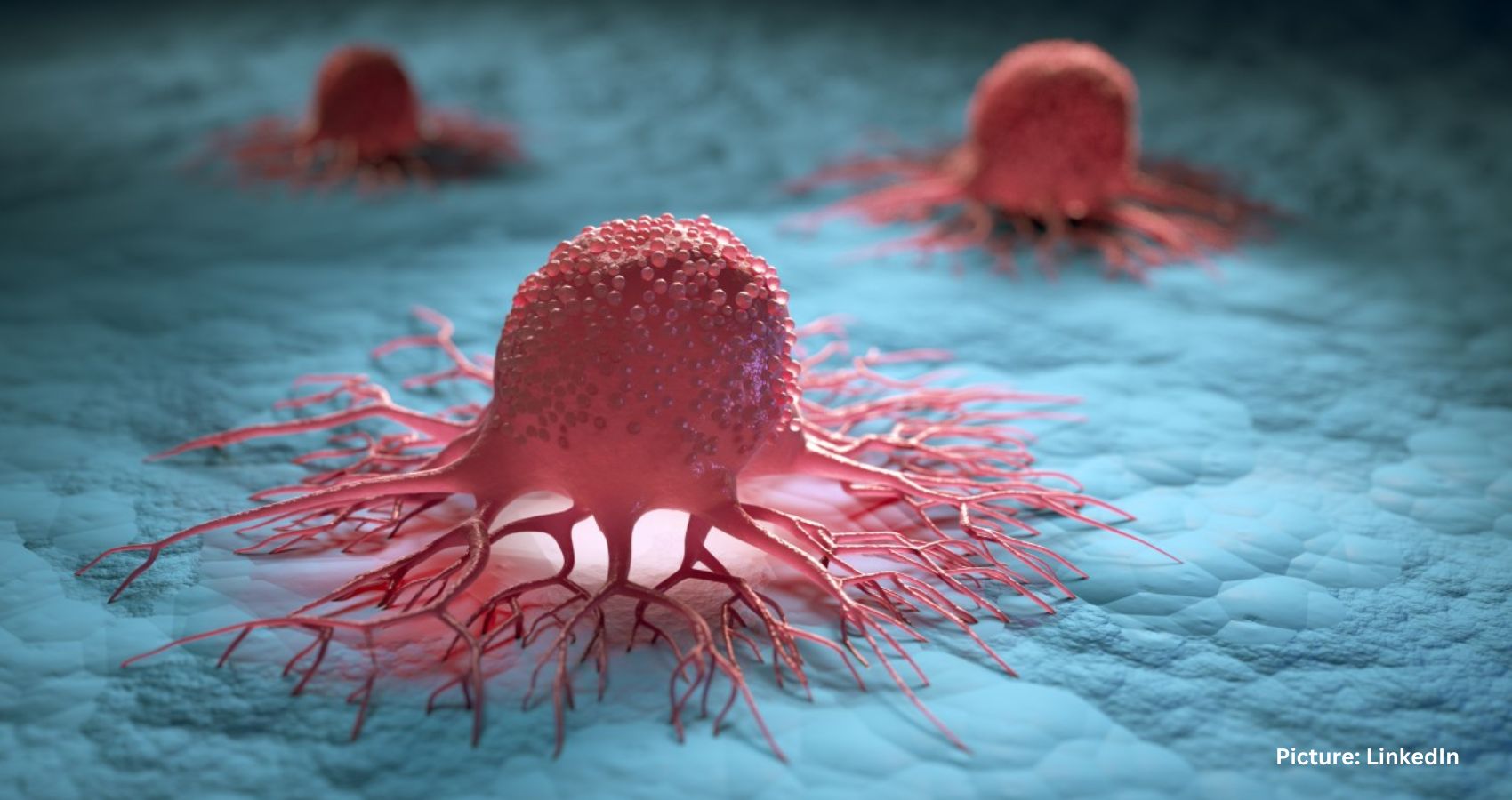
Early trial results indicate that the experimental drug daraxonrasib, when combined with chemotherapy, significantly shrinks tumors in patients with advanced pancreatic cancer.
In a promising development for the treatment of advanced pancreatic cancer, the experimental pill daraxonrasib has demonstrated the ability to shrink tumors in 60.7% of patients when used in conjunction with standard chemotherapy. These findings were presented at the EORTC-NCI-AACR Symposium in Barcelona, highlighting the potential of this combination therapy.
The phase ½ clinical trial involved 61 patients whose pancreatic cancer had metastasized to other organs and who had not previously undergone treatment for their advanced disease. Alongside daraxonrasib, the patients received two standard intravenous chemotherapy drugs: gemcitabine and nab-paclitaxel.
Pancreatic cancer is notoriously difficult to treat, with research indicating that more than half of patients are diagnosed only after the disease has spread. In major clinical trials focused on metastatic pancreatic cancer, chemotherapy alone has been shown to shrink tumors in approximately 23% to 42% of patients. However, the disease typically resumes growth within five to six months, with most patients surviving between eight and eleven months post-diagnosis. According to data from the National Cancer Institute, only about 3% of patients with distant-stage pancreatic cancer live five years beyond their diagnosis.
The new study tracked patients for a median follow-up period of 18 months. Remarkably, tumors shrank in 60.7% of cases, with 8.2% of patients experiencing complete disappearance of tumors on scans. Overall, the combination therapy halted tumor growth in 90.2% of participants. Patients also enjoyed a median of 12.8 months before their cancer worsened, nearly double the duration typically observed with standard chemotherapy. Additionally, 76.6% of patients remained alive one year after treatment began.
Dr. Wungki Park, a gastrointestinal medical oncologist at Memorial Sloan Kettering Cancer Center in New York and the study’s lead investigator, expressed optimism about the results. “We are now seeing not only substantial tumor shrinkages, including complete responses, but also durable disease control, with median progression-free survival exceeding one year,” he stated in a press release.
More than 90% of pancreatic cancers are driven by a faulty gene known as RAS, which allows tumors to continue growing. Daraxonrasib is specifically designed to inhibit this growth signal, a feat that scientists have long considered challenging to achieve with medication.
Dr. Elena Garralda, chair of the symposium and co-director of the clinical research program at the Vall d’Hebron Institute of Oncology in Spain, commented on the significance of the findings. She noted that the results indicate RAS-targeted drugs can be effectively combined with existing treatments at the onset of therapy, potentially leading to longer-lasting benefits for patients.
While the results are encouraging, the study did report some side effects, including rash, diarrhea, fatigue, and low blood cell counts associated with chemotherapy. Most of these side effects were manageable with standard care, and only 5% of patients discontinued treatment due to complications related to daraxonrasib.
Researchers acknowledged some limitations in the study. As an early-phase, single-group trial, all participants received the experimental combination without a direct comparison group of patients receiving standard chemotherapy alone. Consequently, the extent to which the new regimen outperforms standard treatment or whether it definitively extends overall survival remains uncertain.
Moreover, the findings are specific to metastatic pancreatic cancer, despite RAS mutations being implicated in several other cancer types, including certain lung, colorectal, and gynecological cancers. Additional studies would be necessary to determine whether the combination therapy is effective for these other conditions.
The trial was funded by Revolution Medicines, the California-based developer of daraxonrasib. To further investigate whether these early findings translate into a durable survival benefit, researchers have initiated a larger, randomized Phase 3 trial, named RASolute-303. This trial will directly compare daraxonrasib—both as a standalone treatment and in combination with chemotherapy—against standard chemotherapy alone.
As the research progresses, the hope is that daraxonrasib could represent a significant advancement in the fight against one of the most challenging forms of cancer.
According to Fox News, the ongoing studies will be crucial in determining the long-term efficacy of this promising treatment.