
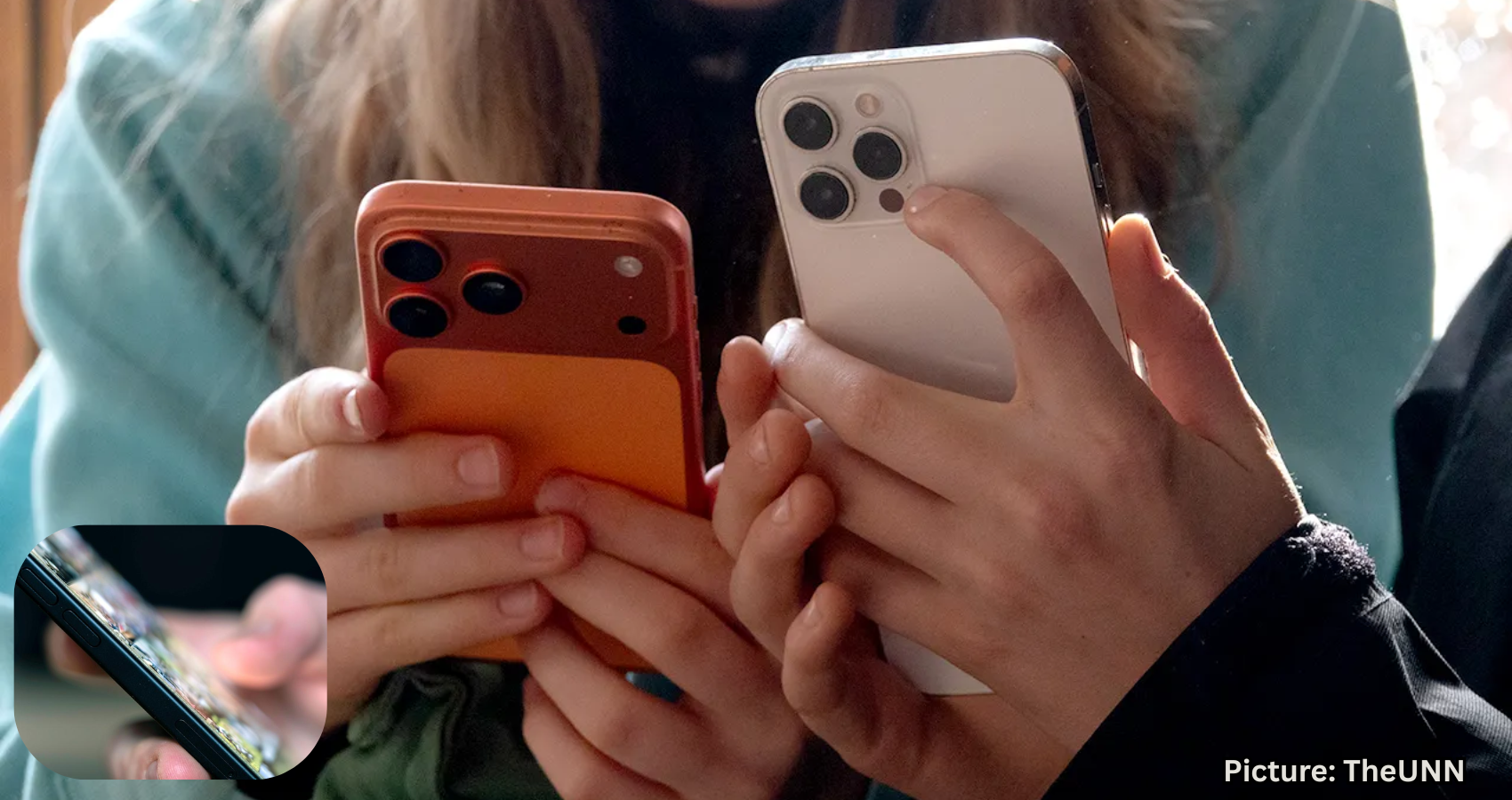
As concerns about smartphone addiction rise, a new device called Brick aims to help users limit their screen time, but built-in phone features may offer effective alternatives.
The $59 Brick device is gaining traction as a solution for those looking to curb their smartphone addiction. The device allows users to temporarily block distracting apps and websites, creating a physical barrier between them and their screens. This trend reflects a growing awareness of the need to manage smartphone use, especially as many people find themselves caught in cycles of endless scrolling.
While the appeal of the Brick device is understandable—especially for those who have experienced the phenomenon of picking up their phones for a quick check and losing track of time—it’s worth considering whether investing in another gadget is necessary. Before purchasing a device designed to limit technology use, users should explore the built-in controls already available on their smartphones.
Apple has expanded its Screen Time feature in iOS 17, while Android offers useful Digital Wellbeing tools. A few simple adjustments can make distracting apps less accessible, helping to break the automatic urge to reach for the phone.
A recent survey conducted by the Pew Research Center highlights the growing concern over smartphone usage. Among 9,750 U.S. adults surveyed from May 26 to June 1, 2026, 53% reported spending too much time on their smartphones. This figure rises to 70% among adults aged 18 to 29 and remains significant at 64% for those aged 30 to 49. The survey also revealed that 26% of U.S. adults use their smartphones almost constantly, with the number climbing to 42% among adults under 30.
As awareness of smartphone overuse increases, so does the desire to take action. Pew found that 45% of U.S. adults attempted to reduce their smartphone usage over the past year, with 58% of those under 50 making similar efforts. However, only a quarter of those who tried reported being very successful, indicating a significant gap between intention and action.
The impact of smartphone use extends beyond daily habits; it can also affect sleep quality. Pew’s research indicates that 62% of adults under 30 feel their smartphones negatively impact their sleep, while 41% of all U.S. adults share this sentiment. The cycle of checking notifications late at night can lead to disrupted sleep patterns, further complicating the issue of smartphone addiction.
The Brick device aims to address these challenges by providing a physical means to block access to distracting apps. Users can select which apps or websites to block and create different modes within the Brick app. To start a session, users simply tap their phone against the physical Brick, or they can initiate it remotely through the app. This design encourages users to leave the Brick in another room, making it less convenient to access blocked apps.
Currently priced at $59, the Brick supports iPhones running iOS 17 or later and Android devices with Android 12 or later. The device can also accommodate multiple phones, making it a versatile option for families or shared households. However, before investing in such a device, it is advisable to utilize the free tools already available on smartphones.
For iPhone users, the Screen Time feature offers various options to limit app usage. Users can set daily time limits for specific apps or categories, schedule Downtime to restrict access during certain hours, and customize which apps remain accessible during these periods. These features allow users to take control of their smartphone habits without the need for additional purchases.
Android users can similarly benefit from Digital Wellbeing tools, which provide insights into app usage, frequency of app openings, and notification counts. Users can set app timers, activate Focus mode to pause specific apps, and even protect app limits with a PIN for added accountability.
To effectively manage smartphone use, individuals should first assess their current habits. By reviewing daily averages and notification counts, users can identify their biggest distractions. Reducing the number of notifications received can also help minimize the temptation to check the phone frequently.
Ultimately, the decision to invest in a device like Brick should come after exploring existing smartphone features. If built-in controls prove effective, users can save money while still achieving their goal of reducing screen time. However, if users find themselves consistently overriding limits or struggling to resist distractions, a more structured solution like Brick may become necessary.
The trend of purchasing technology designed to limit technology use underscores a broader societal concern about smartphone addiction. While smartphones offer numerous benefits, the challenge lies in ensuring that users maintain control over their usage. By leveraging existing tools and understanding their habits, individuals can make informed decisions about their smartphone use and strive for a healthier balance.
As we navigate this digital landscape, it’s essential to ask ourselves: when we pick up our phones, are we making a conscious choice, or are we simply reacting to the devices that demand our attention?
For more insights on managing smartphone use, visit CyberGuy.com.