
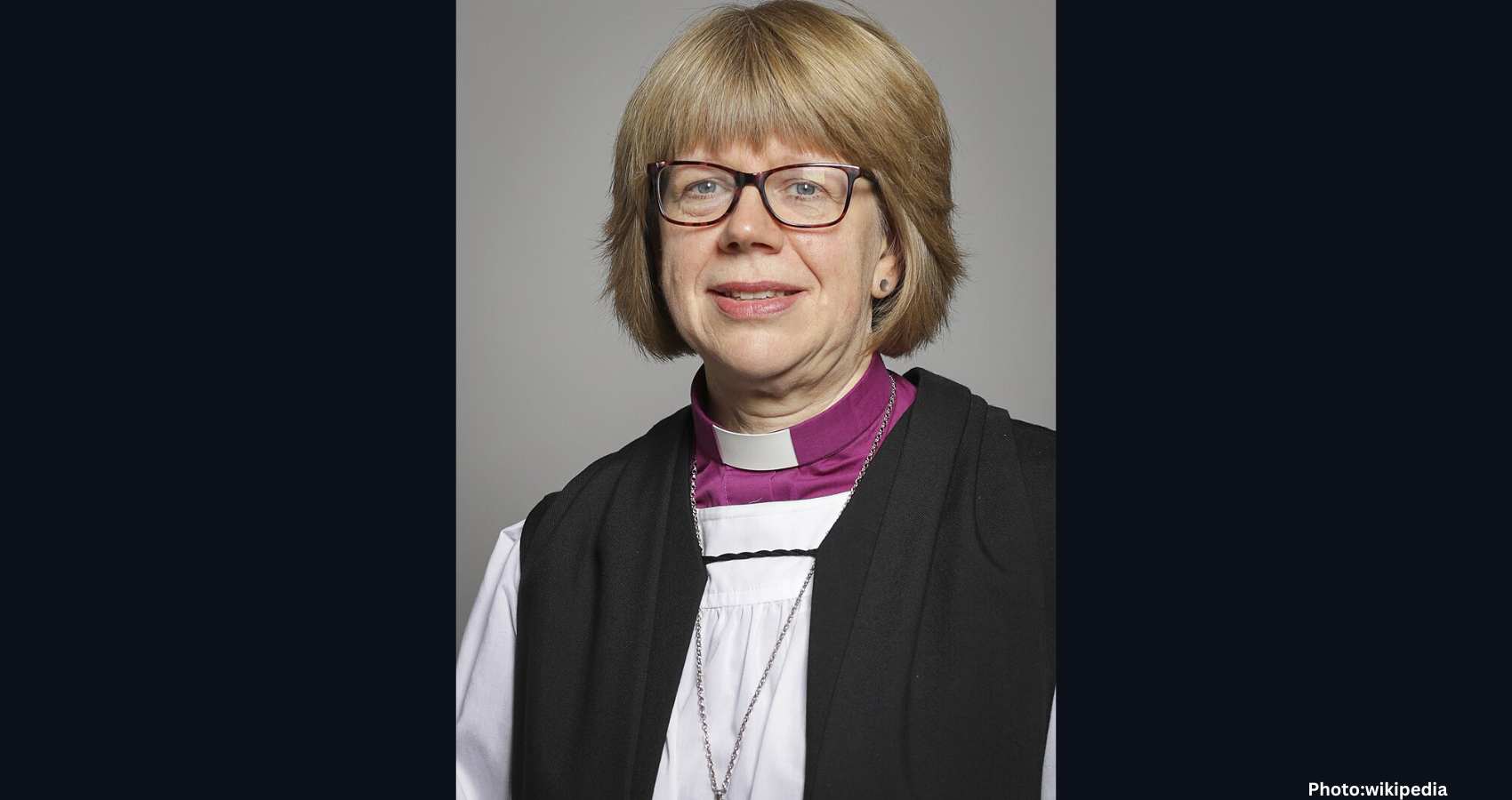
The Archbishop of Canterbury has rescinded an interfaith award from a Muslim cleric after past remarks praising Osama bin Laden emerged, prompting a reconsideration of the honor.
Maulana Hafiz Muhammad Tahir Mehmood Ashrafi, a prominent Muslim cleric, was awarded the Hubert Walter Award for Reconciliation and Interfaith Cooperation at Lambeth Palace last Friday. This ceremony coincided with the 25th anniversary of the September 11 terrorist attacks.
However, the Archbishop of Canterbury’s office announced on Thursday that it had decided to withdraw the award following the resurfacing of Ashrafi’s past comments praising Osama bin Laden. In a statement, Lambeth Palace acknowledged that these remarks had “come to light,” prompting the reconsideration of the award.
“It is a longstanding principle of interfaith dialogue and cooperation that we must engage with one another across deeply-held differences, and that remains the case,” the statement read. “However, previous comments made by Imam Ashrafi have come to light that have led Lambeth Palace to reconsider this award, and we can now confirm today that the award has been withdrawn.” The statement also indicated that Ashrafi had been informed of this decision.
Lambeth Palace emphasized its ongoing commitment to the Christian community in Pakistan and to those working for interfaith dialogue and harmony both in Pakistan and globally. The award had been presented to Ashrafi in recognition of his “longstanding support for religious minorities in Pakistan, particularly the Christian community.”
Reports indicate that Ashrafi made controversial comments about bin Laden in 2007, describing him as someone who had “been fighting for Islam against the Russians, Americans, and British.” He also stated that he would bestow upon bin Laden the title “Saifullah,” which translates to “Sword of God.” These remarks have drawn significant criticism and have resurfaced in light of the recent award.
In response to the backlash, Ashrafi claimed that his comments were “totally taken out of context” and characterized the ensuing criticism as an “unfair campaign.” He explained that his remarks about bin Laden were made in the context of addressing the “hurt felt by many Muslims” following the British government’s decision to knight Salman Rushdie, the author of “The Satanic Verses.”
During the award presentation, the Archbishop’s office highlighted Ashrafi’s dedication to promoting religious tolerance and his role as an ambassador of interfaith harmony in Pakistan. However, the recent revelations have overshadowed these achievements, leading to the withdrawal of the prestigious award.
The Archbishop of Canterbury’s decision reflects a commitment to uphold the values of interfaith dialogue while addressing the complexities that arise from past statements and actions. The situation underscores the delicate balance between honoring individuals for their contributions to peace and reconciliation while remaining vigilant against any associations that may undermine those principles.
According to The BBC, the controversy surrounding Ashrafi’s past comments has sparked a broader discussion on the challenges of interfaith dialogue in a world still grappling with the aftermath of the September 11 attacks.