
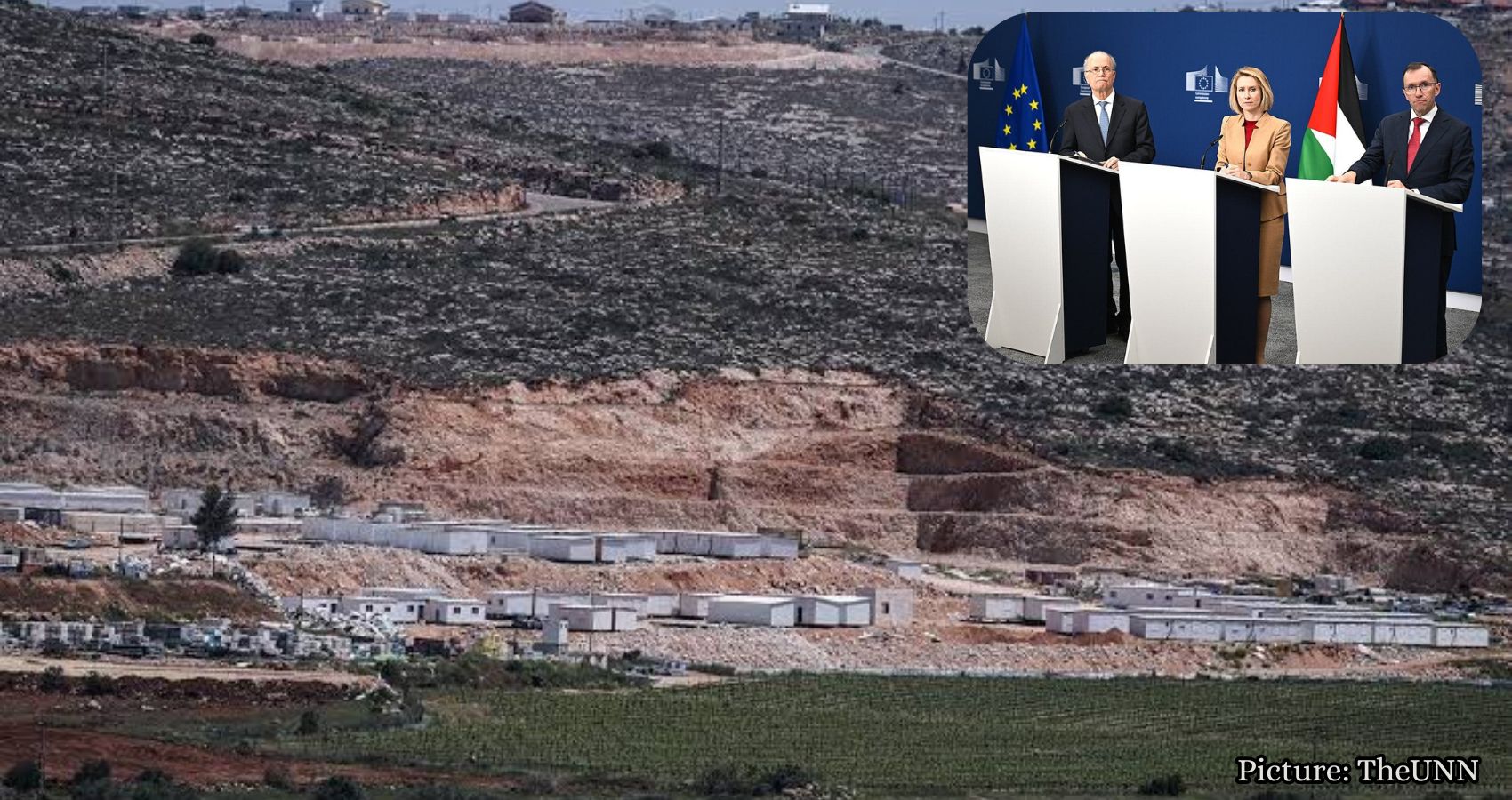
Norway’s proposed legislation to criminalize trade with Israeli settlements in the West Bank has sparked accusations of racism and backlash from critics, including Israeli officials and advocacy groups.
Norway is facing significant criticism over a proposed law that many argue unfairly targets Jewish communities. The legislation could impose prison sentences of up to three years for individuals who knowingly engage in certain business activities with Israeli settlements in the West Bank, including East Jerusalem.
Introduced by Norway’s Ministry of Foreign Affairs, the proposed law seeks to prohibit the importation of goods from Israeli communities in the West Bank and restrict the export of goods to those areas. It would also limit real estate transactions, construction and engineering services, and investments in businesses operating within these settlements.
According to Section 7 of the official consultation document from the Norwegian Ministry of Foreign Affairs, intentional violations of the proposed law could result in fines and imprisonment for up to three years, while negligent violations could lead to fines and imprisonment for up to six months.
The measure is currently under public consultation, with responses due by September 19, and has not yet been enacted.
Israeli Ambassador to the United Nations, Danny Danon, condemned the proposal in a statement to Fox News Digital, describing it as “the latest expression of their obsessive and openly hostile policy toward Israel.” He criticized Norway for choosing political grandstanding over contributing to peace and regional stability, arguing that such measures damage bilateral relations and encourage rejectionism.
The Israeli Foreign Ministry’s Northern Europe Department echoed these sentiments in a statement posted on X, condemning the proposal as a manifestation of the Norwegian foreign minister’s “obsessive anti-Israel activism.”
Norway’s Ministry of Foreign Affairs, in response to inquiries, referred to a press release from June 19 that outlined the rationale behind the proposed legislation. The release asserts that Israeli settlements violate international law and undermine the prospects for a two-state solution, which would allow Israelis and Palestinians to coexist peacefully.
Foreign Minister Espen Barth Eide emphasized that the proposed legislation aims to ensure that Norwegian citizens and companies do not profit from activities that sustain what he described as unlawful settlement activity in Palestine. He stated that the settlements contribute to displacement and violence, making a peaceful resolution increasingly difficult.
The ministry cited findings from the United Nations Security Council and advisory opinions from the International Court of Justice to support its stance on the illegality of the settlements. The proposed restrictions would encompass imports and exports, property purchases, and certain property-related services, while also safeguarding legitimate Palestinian activities and humanitarian assistance.
Notably, the proposed legislation would exempt humanitarian activities and transactions deemed to have “sufficient Palestinian ties” that do not contribute to the construction or maintenance of Israeli communities. However, Dag Juliussen, national director of the Norwegian branch of the International Christian Embassy Jerusalem, expressed concern that these exemptions could allow business with Palestinian residents while criminalizing similar transactions involving Jewish residents in the same territory.
Juliussen criticized the bill as based on a fundamentally flawed understanding of the Middle East conflict, asserting that it effectively rewards terrorism and reflects a deeply racist attitude toward Jews.
While the consultation document does not explicitly characterize the proposal as targeting Jews, it states that the measure aims to prevent commercial activities that support Israeli communities beyond the pre-1967 lines, while protecting qualifying Palestinian commerce and humanitarian efforts.
Under the proposed law, exemptions would be evaluated based on the identity of the seller and whether the transaction contributes to the construction or expansion of Israeli communities. Juliussen argued that purchasing agricultural products from Muslim, Christian, Arab, or Bedouin residents could be permitted, while similar purchases from Jewish residents could lead to criminal charges.
Norway officially recognized a Palestinian state in 2024 and has emerged as one of Israel’s most vocal critics in Europe, particularly following the Hamas-led terrorist attacks on October 7, 2023. Juliussen warned that the proposed legislation could exacerbate divisions between Israelis and Palestinians, potentially empowering extremist factions in the region.
As the public consultation period continues, the implications of this proposed legislation remain a contentious topic, drawing ire from various stakeholders and raising questions about its potential impact on peace efforts in the Middle East.
According to Fox News Digital, the situation continues to evolve as responses to the proposal are gathered and evaluated.