Venezuelan Opposition Leader Machado Resurfaces in Norway After Months of Hiding

Venezuelan opposition leader María Corina Machado made her first public appearance in Norway after 11 months in hiding, as her daughter accepted the Nobel Peace Prize on her behalf.

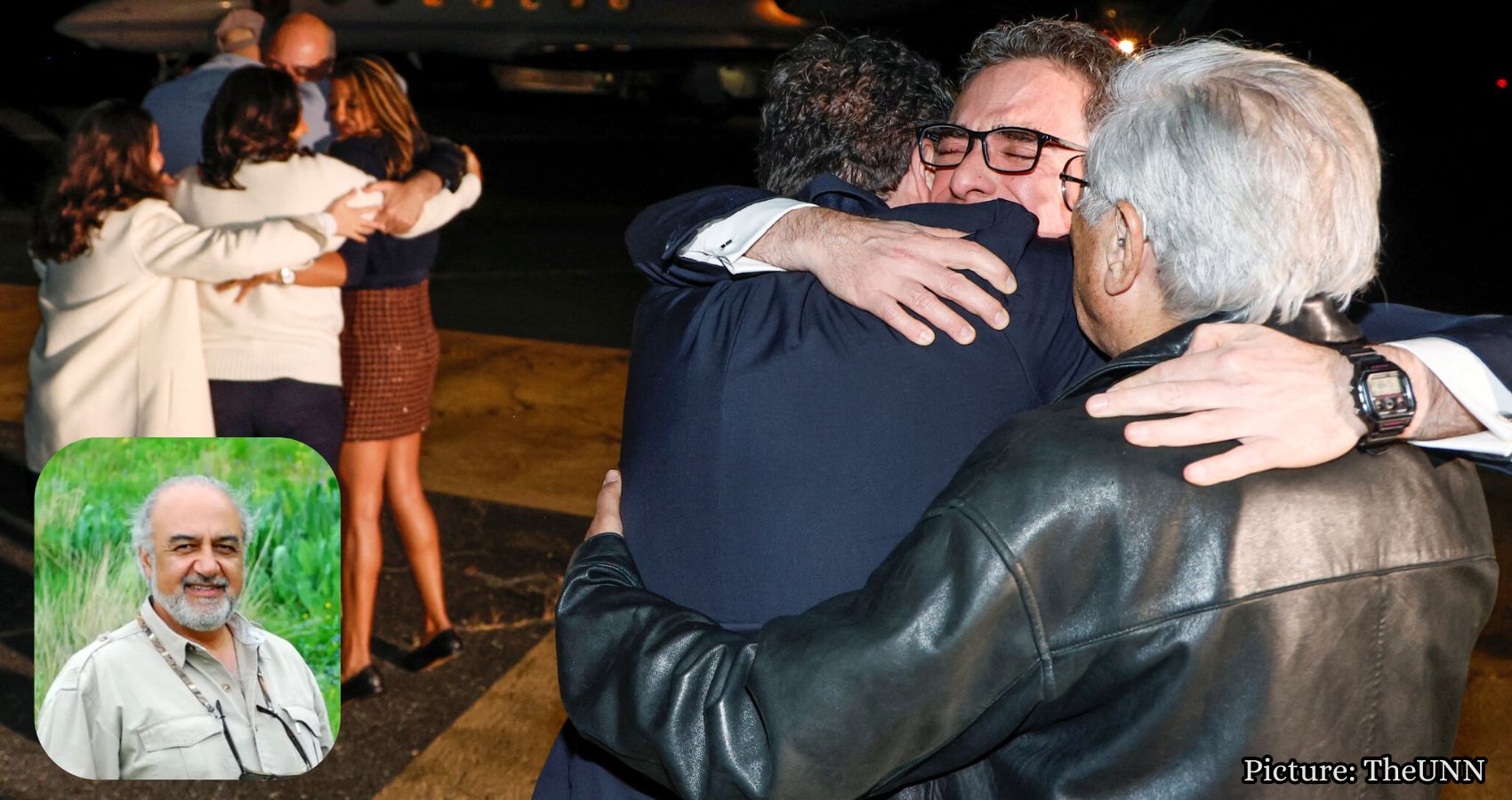
María Corina Machado, a prominent Venezuelan opposition leader, re-emerged in public on Thursday in Oslo, Norway, after spending 11 months in hiding. Her appearance coincided with her daughter accepting the Nobel Peace Prize on her behalf, a significant recognition for Machado’s efforts against the government of President Nicolás Maduro.

Machado had been in hiding since January 9, when she was briefly detained after participating in a demonstration in Caracas, the capital of Venezuela. Her public recognition comes as a result of her peaceful challenge to Maduro’s regime, which has faced widespread criticism for its authoritarian practices.

As Machado stepped onto the balcony of a hotel in Oslo, she was greeted by a crowd chanting “Freedom!” She waved to her supporters and joined them in singing the national anthem of Venezuela. In an audio recording shared on the Nobel website, Machado expressed her gratitude for the efforts made to bring her to the ceremony, acknowledging that many had “risked their lives” for her cause.

“I am very grateful to them, and this is a measure of what this recognition means to the Venezuelan people,” she stated.

In her absence, Machado’s daughter, Ana Corina Sosa, accepted the Nobel Prize, emphasizing her mother’s unwavering desire for a free Venezuela. “She will never give up on that purpose,” Sosa declared, adding, “That is why we all know, and I know, that she will be back in Venezuela very soon.”

Outside the hotel, Machado interacted with supporters, embracing them as they took photographs and chanted “President! President!” She responded to the crowd, saying, “I want you all back in Venezuela.”

Machado’s appearance in Norway came shortly after U.S. President Donald Trump announced that the United States had seized a Venezuelan oil tanker. This action is likely to exacerbate tensions between the U.S. and Maduro’s government, which is already facing extensive sanctions targeting its oil sector.

Since September, U.S. military operations have reportedly targeted alleged narcotraffickers near Venezuela, with at least 22 strikes resulting in the deaths of 87 individuals. Trump has also indicated that Maduro’s “days are numbered” and has not ruled out the possibility of a ground operation in Venezuela.

Steve Yates, a senior research fellow for China and national security policy at The Heritage Foundation, commented on “Fox News @ Night” that Machado’s visit to Norway presents an opportunity to garner “greater international support” for her cause. He noted that Trump might benefit from having more European allies endorse a “non-invasion” approach to the situation in Venezuela.

Machado has been a vocal supporter of the Trump administration’s actions against Maduro’s regime and the narcotrafficking network in the country. Following the announcement of her Nobel Peace Prize win in October, she dedicated the award to both Trump and the “suffering people of Venezuela.”

In a recent interview on “Fox & Friends Weekend,” Machado described Venezuela as being on the “threshold of freedom,” highlighting her new “freedom manifesto,” which envisions a future without the Maduro regime.

Her reappearance in Norway marks a pivotal moment for Machado and the Venezuelan opposition, as they continue to seek international support in their struggle for democracy and human rights in Venezuela, according to Fox News.
US Deploys Fighter Jets to Gulf of Venezuela Amid Rising Tensions

Two U.S. fighter jets conducted a training flight over the Gulf of Venezuela, marking a significant increase in military activity in the region amid rising tensions.

On Tuesday, the United States deployed two fighter jets over the Gulf of Venezuela, marking what is believed to be the closest known approach of U.S. military aircraft to Venezuelan airspace to date. The F/A-18 jets were tracked on Flightradar24 as they conducted a 30-minute flight over waters north of Venezuela, according to reports from the Associated Press.

A U.S. defense official, who spoke on the condition of anonymity, described the mission as a “routine training flight” aimed at showcasing the operational reach of the aircraft. The official did not disclose whether the jets were armed but emphasized that the operation was conducted entirely within international airspace.

This dual flight comes amid a backdrop of increased U.S. military activity in the region over the past several months. While the U.S. has previously deployed B-52 Stratofortress and B-1 Lancer bombers along Venezuela’s coastline, the recent F/A-18 mission represents a closer approach than those earlier operations.

The uptick in military activity began following U.S. strikes on vessels suspected of drug smuggling in both the Caribbean Sea and the eastern Pacific. The first reported U.S. military strike on a vessel allegedly departing from Venezuela with drugs occurred in September. The Trump administration characterized these operations as crucial for combating illicit drug trafficking, a claim that Venezuelan President Nicolás Maduro has consistently denied.

In November, tensions surrounding Venezuelan airspace escalated when President Trump instructed airlines to treat the region as effectively closed, aligning with warnings from the Federal Aviation Administration (FAA) to civilian carriers.

Retired Rear Admiral Mark Montgomery, senior director at the Foundation for Defense of Democracies’ Center on Cyber and Technology Innovation, previously stated that Venezuela’s most significant military threats stem from its own air and naval systems. This includes fighter jets, limited surface vessels, and Russian-made surface-to-air missiles.

“Reasonably speaking, in the first day or two of a campaign plan, we can eliminate the air and maritime threat to U.S. forces,” Montgomery noted.

Isaias Medina, an international lawyer and former Venezuelan diplomat, echoed this sentiment, suggesting that Venezuela’s military capabilities appear more formidable on paper than they are in practice.

The recent military maneuvers by the U.S. reflect ongoing concerns about the security dynamics in the region, particularly as tensions between the two nations continue to rise.

According to Fox News Digital, the situation remains fluid, with both military and diplomatic developments likely to influence future interactions in the Gulf of Venezuela.

25 Dead in Goa Nightclub Fire; Fireworks Likely Cause

At least 25 people lost their lives in a devastating fire at a nightclub in North Goa, with initial investigations suggesting that indoor fireworks may have sparked the blaze.

NEW DELHI — A tragic fire at a popular nightclub in North Goa’s Arpora has claimed the lives of at least 25 individuals, marking one of the deadliest incidents of its kind in the region in recent years. The fire broke out around midnight on December 6 at Birch by Romeo Lane, a busy venue located in the Baga-Arpora area.

Initially, authorities suspected that a cylinder blast might have caused the blaze. However, further investigations have shifted the focus toward the possibility that indoor pyrotechnics ignited the fire, a theory also reported by the BBC.

At the time of the incident, the nightclub was hosting a late-night event, which quickly turned chaotic as flames spread rapidly through the packed venue. Eyewitness accounts describe a scene of panic as many staff members found themselves trapped inside. Firefighters faced significant challenges in reaching the main structure due to a narrow causeway that spanned a small water body.

Senior officials, including the Director General of Police and teams from the North Goa district administration, arrived at the scene shortly after the fire was reported to coordinate rescue operations. By the early hours of December 7, emergency crews were still sifting through the charred remains of the building.

Authorities indicated that most of the victims succumbed to suffocation, while three individuals suffered fatal burns. Six others were hospitalized but are reported to be in stable condition. Families of the deceased gathered at the site as officials began the identification process.

Among the deceased, the majority were migrant workers from various Indian states, including Jharkhand, Uttarakhand, Maharashtra, Assam, Uttar Pradesh, West Bengal, and Karnataka. Additionally, one worker from Nepal was confirmed to be among the victims, as reported by the BBC.

In the aftermath of the tragedy, four individuals, including the nightclub’s manager, have been arrested. An arrest warrant has also been issued for the club’s owner, who remains unaccounted for.

Chief Minister Pramod Sawant visited the site and announced a formal inquiry into the incident. In a post on social media platform X, he expressed his condolences, stating, “This is a very painful day for all of us in Goa.” He emphasized that the inquiry would investigate fire-safety compliance and building regulations, asserting that “those found responsible will face the most stringent action under the law — any negligence will be dealt with firmly.”

Prime Minister Narendra Modi also expressed his sorrow over the incident, calling the fire “deeply saddening” in a social media post.

This tragic event has raised serious concerns about safety regulations in entertainment venues, prompting calls for stricter enforcement to prevent such disasters in the future. As investigations continue, the community mourns the loss of life and seeks answers regarding the circumstances that led to this devastating fire.

According to BBC, the investigation is ongoing as officials work to uncover the full details surrounding this tragic incident.

Hundreds of Bodies Discovered in Alleged Nigerian Organ-Harvesting Operation

Authorities in Nigeria have uncovered a suspected organ-harvesting ring, leading to the discovery of over 100 mutilated bodies and the search for a key suspect.

Nigerian police are on the hunt for High Chief Stanley Oparaugo, who is wanted in connection with a disturbing organ-harvesting operation that has come to light following extensive surveillance. The investigation revealed the existence of a network involved in the abduction and exploitation of victims.

According to a statement from the Imo State Police Command shared on social media platform X, the investigation was initiated after reports surfaced regarding a series of kidnappings occurring near a hotel and mortuary in Ngor Okpala. The police’s intelligence-led efforts identified Oparaugo, also known by the alias “Morocco,” as the suspected leader of this criminal enterprise. He is currently on the run.

Oparaugo is believed to own the Jessy Best Hotel in Ihitte Okwe and the nearby Ugwudi mortuary. Authorities allege that victims were lured to the hotel, where they were subsequently robbed and abducted. Families of the victims were reportedly coerced into paying ransoms, with some never seeing their loved ones again.

Following a raid on the Jessy Best Hotel, which was found abandoned, police discovered decomposed and mutilated bodies at the mortuary. Police spokesperson Henry Okoye confirmed that more than 100 bodies had been recovered from the site.

“A hotel and a private mortuary owned by the suspect, allegedly used by kidnappers and violent criminals, were inspected,” Okoye stated. He described the conditions at the mortuary as unhygienic, raising serious concerns about illegal organ-harvesting activities.

In addition to the hotel and mortuary, Oparaugo’s residence was also searched, where investigators recovered “crucial exhibits.” Forensic teams are currently documenting evidence as part of the ongoing investigation into this alarming case.

In response to the rising crime rates, particularly kidnappings and abductions, maximum security measures have been implemented along the Owerri–Aba Expressway. The police command has assured travelers of their commitment to safety during the holiday season.

The issue of crime in Nigeria has been escalating, with numerous reports of kidnappings. Recently, the Nigerian government successfully secured the release of 100 schoolchildren who had been abducted from St. Mary’s School in Papiri, Niger state, on November 21. This incident highlights the broader context of violence and persecution faced by Christians in the region, prompting international attention and concern.

As investigations continue, the situation remains critical, and authorities are urging the public to remain vigilant. The uncovering of this organ-harvesting ring raises significant ethical and legal questions regarding the safety and security of individuals in Nigeria.

According to Fox News Digital, the implications of this case extend beyond local crime, reflecting a troubling trend of violence and exploitation in the region.

Thailand Conducts Airstrikes Near Cambodia Border Amid Rising Tensions

Thailand has launched airstrikes along its border with Cambodia amid escalating tensions and mutual accusations of aggression, raising concerns about the stability of a ceasefire brokered by former President Trump.

Thailand conducted airstrikes along its disputed border with Cambodia late Monday, escalating tensions between the two nations as both sides accused each other of initiating violence. This development raises significant doubts about the sustainability of a ceasefire that was negotiated by former President Donald Trump.

Thai military officials reported that Cambodian troops opened fire in several locations along the frontier, resulting in the death of one Thai soldier and injuries to others. In response, the Thai army evacuated civilians from nearby communities as the situation intensified. Major General Winthai Suvaree stated that Cambodian forces fired first into Thai territory, prompting the airstrikes aimed at “military targets in several areas to suppress Cambodian supporting fire attacks.”

However, Cambodia rejected this narrative. Maly Socheata, a spokesperson for the Cambodian Defense Ministry, claimed that Thai forces were the aggressors and stated that Cambodia did not retaliate during the initial exchange. The ministry has called for Thailand to cease its military actions.

Footage released by Cambodia’s Education Ministry depicted students leaving schools near the border, as families hurried to retrieve their children amid the escalating conflict.

This latest escalation follows a smaller exchange of fire that occurred on Sunday, during which Thailand reported that two of its soldiers were wounded. Thai troops responded for approximately 20 minutes, while Cambodia maintained that Thailand initiated that encounter and did not return fire.

Tensions have persisted despite a ceasefire agreement reached in October, which aimed to end five days of fighting in July that resulted in numerous casualties among soldiers and civilians. The ceasefire has shown signs of strain, particularly last month when several Thai soldiers were injured by land mines in contested areas. Following this incident, the Thai government announced a suspension of certain aspects of the ceasefire agreement.

Both Thailand and Cambodia have continued to blame each other for violations of the ceasefire, even as the agreement called for cooperation on mine removal and measures to stabilize the border region.

The historical context of the conflict between Thailand and Cambodia dates back centuries, rooted in rival kingdoms that vied for influence. In contemporary times, disputes have primarily revolved around French colonial-era border maps, which Thailand contends are inaccurate.

Despite the October ceasefire, neither country has achieved a resolution to the underlying territorial dispute. Regional observers have expressed concerns that renewed clashes could lead the two nations closer to a broader conflict unless diplomatic efforts are revitalized.

According to The Associated Press, the situation remains fluid as both nations navigate the complexities of their long-standing territorial issues.

Scammers Target Wireless Customers in New Phone Scheme

A new phone return scam is targeting wireless customers, exploiting recent purchases to deceive victims into returning devices to fraudsters posing as legitimate carriers.

A recent scam has emerged, targeting wireless customers who have recently purchased new phones. This scheme involves criminals impersonating carrier representatives to trick victims into returning their devices under false pretenses.

Gary, a resident of Palmetto, Florida, shared an alarming experience involving a friend who fell victim to this scam. After purchasing a new phone from Spectrum, she received a call just two days later from someone claiming to be from the company. The caller alleged that a mix-up had occurred and that she had mistakenly received a refurbished phone instead of a new one. Trusting the caller, she returned the device.

However, later that evening, she began to suspect something was amiss. The following day, she contacted both UPS and Spectrum, only to discover that the call had been a scam. Fortunately, she was able to retrieve her phone before it was too late. UPS informed her that the return address had been altered shortly after the shipment was initiated, indicating the sophistication of the scam.

This incident underscores how quickly scammers can adapt their tactics and highlights the importance of vigilance when something feels off.

The mechanics of this scam are particularly concerning. Scammers often monitor recent phone purchases through leaked data, phishing attempts, or stolen shipment information. By knowing when a device was delivered, they can time their calls to coincide with the excitement of a new purchase.

Once they establish contact, the scammers impersonate representatives from legitimate carriers, claiming that the customer has received the wrong device. This narrative is designed to sound credible, especially since it relates directly to a recent transaction.

After convincing the victim, they send a seemingly official prepaid return label. However, once the victim ships the phone, the scammers can manipulate the destination through UPS or FedEx tools or hacked accounts, rerouting the device to an address of their choosing.

In some cases, scammers follow up with additional messages or calls to confirm receipt of the shipment, further delaying the victim’s realization that their package has been diverted.

Gary’s friend was fortunate to trust her instincts and acted quickly by contacting UPS and Spectrum, which allowed her to intercept the shipment before it reached the fraudster’s address.

To avoid falling victim to this scam, customers should take several precautionary steps. Always verify any return requests by contacting your carrier using official phone numbers or website chat options before shipping a device.

Be wary of any shipping labels that appear outside of your verified online account, as these may be attempts by scammers to reroute packages. It is crucial to use your own shipping methods and confirm the correct return address with your carrier before sending anything back.

Scammers often employ phrases like “We made a mistake” or “We will credit your account” to encourage quick action. It is essential to slow down and verify any requests before proceeding.

Implementing security measures such as creating a PIN and enabling two-factor authentication (2FA) can help protect your account from unauthorized access. Additionally, using strong antivirus software can block phishing sites and alert you to potential threats.

Another effective strategy is to utilize data removal services that can help minimize your exposure online. While no service can guarantee complete removal of your personal information, these services actively monitor and erase your data from various websites, reducing the risk of targeted scams.

Scammers may also create fake orders or return requests within your carrier account. Regularly reviewing your account activity can help you identify any unauthorized changes or suspicious requests.

Most carriers and shipping companies offer text or email alerts that can notify you of any changes to your shipments. Enabling these alerts can help you catch any unauthorized reroutes before they occur.

Securing your UPS or FedEx accounts with strong passwords is also vital, as scammers often exploit stolen credentials to alter shipping addresses. Consider using a password manager to generate and store complex passwords, reducing the risk of unauthorized access.

Lastly, never share tracking numbers or label details with anyone who calls you, as scammers can use this information to hijack shipments. Reporting any suspicious calls to your carrier’s fraud department can aid in investigations and protect other customers from similar schemes.

As phone return scams continue to proliferate, it is crucial to remain vigilant, especially during moments of excitement surrounding new purchases. Taking a few moments to verify return requests can prevent falling victim to these deceptive tactics.

For more information on protecting yourself from scams and to stay updated on the latest security alerts, consider subscribing to the CyberGuy Report for expert tips and resources, according to CyberGuy.com.

U.S. Approves $52.8 Million Sale of Sonobuoys to India

The Pentagon has approved a $52.8 million sale of anti-submarine sonobuoys to India, enhancing defense cooperation and strengthening the strategic partnership between the two nations.

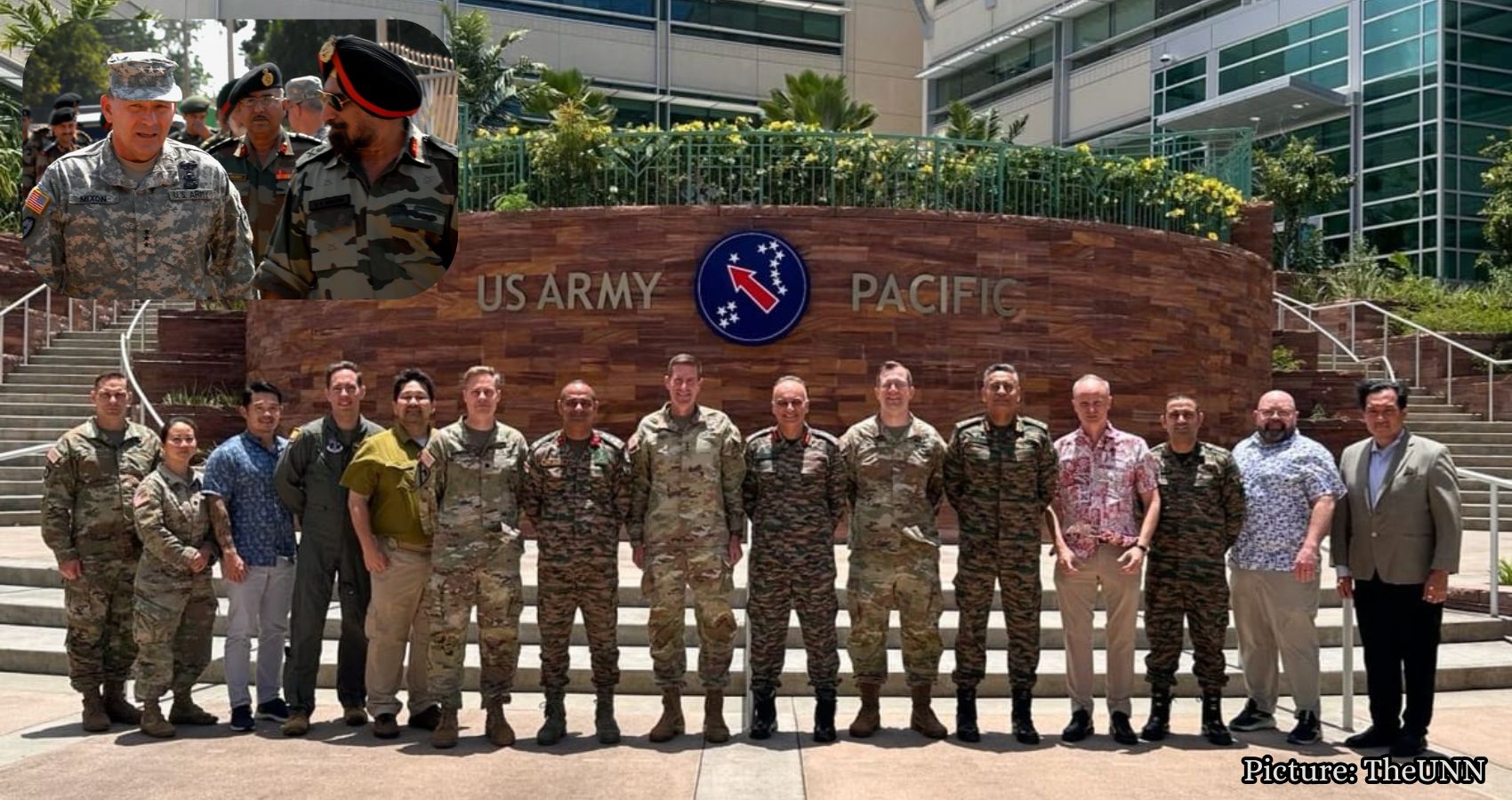
WASHINGTON, DC – The Pentagon has issued a federal notification regarding a proposed foreign military sale valued at $52.8 million to India. This transaction, which involves a new batch of anti-submarine sonobuoys, aims to deepen operational cooperation and reinforce the strategic partnership between the United States and India.

The Defense Security Cooperation Agency (DSCA) confirmed in its notification that India has requested the purchase of U.S.-made sonobuoys, which are devices deployed from aircraft to detect underwater activity. The package, funded entirely by India, also includes manuals, support services, and technical assistance. Additionally, the U.S. government and contractor teams will provide assistance to operate and sustain the equipment.

According to the notification, the proposed transfer will support U.S. foreign policy and national security objectives by strengthening the U.S.-India strategic relationship. It will also enhance the security of India, recognized as a major defense partner and an important force for political stability, peace, and economic progress in the Indo-Pacific and South Asia regions.

The Pentagon stated that the sonobuoys will enhance India’s capabilities to track underwater threats and conduct anti-submarine missions. The proposed sale is expected to improve India’s ability to address current and future threats by bolstering its capacity to conduct anti-submarine warfare operations from its MH-60R helicopters. The notification emphasized that India will have no difficulty integrating this equipment into its armed forces.

Furthermore, the U.S. assessed that the transfer poses no risk to regional stability. The Pentagon noted that the proposed sale will not alter the basic military balance in the region.

The principal contractors for this deal will be Sparton Corporation, based in De Leon Springs, Florida, and Undersea Sensor Systems Inc. (USSI) of Columbia City, Indiana, or a combination of both companies. The notification indicated that the deal includes no offset arrangements and will not require additional U.S. government or contractor personnel to be stationed in India. The Pentagon also assured that there would be no adverse impact on U.S. defense readiness as a result of this proposed sale.

An annex detailing technology sensitivity described sonobuoys as “air-launched, expendable, electro-mechanical sensors designed to relay underwater sounds to remote processors.” These devices are considered an effective and affordable capability for anti-submarine warfare (ASW) operations. The notification concluded that India meets U.S. standards for safeguarding sensitive equipment, stating that a determination has been made that India can provide a level of protection for the sensitive technology being released that is comparable to that of the U.S. government. This sale is deemed necessary to further U.S. foreign policy and national security objectives.

Over the past two decades, India and the United States have significantly expanded their defense cooperation, particularly in the areas of maritime security and undersea surveillance, as China’s naval presence grows in the Indo-Pacific. The MH-60R helicopters, for which these sonobuoys are intended, play a crucial role in India’s modernization plans. The U.S. designation of India as a “Major Defense Partner” has facilitated faster technology transfers and more advanced joint projects. This latest sonobuoy package aligns with that broader framework, reinforcing shared interests in safeguarding critical sea lanes and maintaining regional stability, according to IANS.

Russia Launches Major Drone and Missile Attack on Ukraine

Russia launched a significant drone and missile attack on Ukraine, injuring eight, as diplomatic talks between U.S. and Ukrainian officials continue in Florida.

Russia executed a substantial assault on Ukraine overnight, deploying 653 drones and 51 missiles, which resulted in eight injuries, according to Ukrainian officials. This escalation comes as diplomatic discussions between Ukraine and the United States are ongoing in Florida this week.

French President Emmanuel Macron condemned the attacks, emphasizing the need for continued pressure on Russia to seek peace. He announced plans to meet with Ukrainian President Volodymyr Zelenskyy, along with British and German leaders, in London on Monday.

Zelenskyy reported having a “substantive phone call” with U.S. officials involved in the talks with the Ukrainian delegation in Miami. U.S. special envoy Steve Witkoff provided a readout of the discussions, which also included Jared Kushner, former President Donald Trump’s son-in-law.

The readout described the talks as “constructive discussions on advancing a credible pathway toward a durable and just peace in Ukraine.” It highlighted the mutual understanding between American and Ukrainian representatives that a resolution to the war, along with credible steps toward a ceasefire and de-escalation, is essential to prevent renewed aggression. This is also crucial for enabling Ukraine’s comprehensive redevelopment plan aimed at strengthening the nation post-conflict.

Following the barrage on Friday night, Ukraine’s air force reported that 29 locations were struck. However, Ukrainian military forces successfully intercepted 585 drones and 30 missiles during the attack. Among the injured, three individuals were reported hurt in the Kyiv region, according to local officials.

The extensive attack targeted various infrastructure, including power stations across the country. Notably, the Zaporizhzhia nuclear power plant temporarily lost power during the assault, as reported by the International Atomic Energy Agency. Although the plant is under Russian control and not currently operational, it requires power to cool its shutdown reactors to avert a potential catastrophic incident.

Zelenskyy also noted that a drone strike resulted in the destruction of the train station in Fastiv, a city near Kyiv. In response to the ongoing conflict, the general staff of the Ukrainian Armed Forces stated that Ukrainian forces successfully targeted Russia’s Ryazan Oil Refinery.

The situation remains fluid as diplomatic efforts continue alongside military confrontations. The international community is closely monitoring developments as both sides navigate the complexities of peace negotiations amidst ongoing hostilities.

According to Fox News, the implications of these attacks and the diplomatic talks will be significant for the future of Ukraine and its relations with global powers.

Russian Spies Infiltrate UK via Cargo Ships to Scout Military Sites

Russian operatives have reportedly infiltrated the UK via commercial cargo ships to scout military sites and assess vulnerabilities in critical infrastructure.

Russian operatives linked to President Vladimir Putin’s intelligence networks have reportedly utilized commercial shipping routes to gain access to UK ports and critical infrastructure sites.

According to reports, two suspected Russian spies are believed to have secretly entered the UK on cargo ships before traveling to locations near key military bases and essential government facilities. The i Paper reported that the two men arrived in the UK during the spring and summer of 2025, using ports in Torquay, Middlesbrough, and Grangemouth in the northeast.

A UK defense source suggested that the men are connected to Putin’s military and intelligence networks. The pair allegedly accessed the country covertly by exploiting commercial shipping routes rather than passing through heavily monitored border entry points.

The ships they used were reportedly neither Russian-flagged nor part of the sanctioned shadow fleet associated with the Kremlin, making them less likely to attract scrutiny from authorities. A senior NATO official responsible for protecting Europe’s maritime waters indicated that intelligence agencies had detected Russian operatives traveling on non-suspicious cargo vessels.

The official stated that such ships provide an ideal means of moving personnel discreetly. “It would be the most natural place to move people around in that world, and we think it’s going on,” the source said. “They are not sailing on shadow fleet tankers; they are sailing on all types of ships,” the source added, noting that Russian agents had monitored and “tested European ports to find weaknesses.”

One of the suspected operatives reportedly entered the UK through Torquay in the South West after traveling from Finland. The second operative, previously seen in Moscow at an intelligence-linked facility, is suspected of traveling from Kaliningrad and entering via Middlesbrough and Grangemouth.

After spending time around the storage facility at Grangemouth, the second operative also traveled to Falkirk, where they visited a retail park. Both British docks were recently proposed by the Ministry of Defense (MoD) as potential sites for future UK weapons factories. These locations are currently unused brownfield sites, raising concerns about the security implications of the alleged visits.

Elisabeth Braw, a senior fellow at the Atlantic Council and a member of the Intelligence Council, commented on the situation, stating that it makes sense for Russian intelligence to exploit these vulnerabilities. “It doesn’t surprise me that Russia wants to bring certain people into the country even though they can reach people who are already there,” she said. “They need their own operatives to conduct this sort of activity,” Braw added.

The infiltration of Russian operatives into the UK through commercial shipping routes underscores the ongoing concerns regarding national security and the potential for espionage activities targeting critical infrastructure.

As tensions continue to rise between Russia and Western nations, the implications of such infiltration efforts remain a significant focus for intelligence agencies and defense officials alike, according to i Paper.

Russia Increases U.S. Citizen’s Prison Sentence to 10 Years

Russia has extended the prison sentence of U.S. citizen Robert Gilman to 10 years after he was found guilty of assaulting prison staff, highlighting ongoing legal troubles since his arrest in 2022.

Russia has once again increased the prison sentence of U.S. citizen Robert Gilman, a former Marine, after a regional court found him guilty of assaulting prison staff. This ruling adds two years to his existing sentence, bringing the total to 10 years, according to reports from Reuters.

The latest extension occurred in the Voronezh region, where Gilman is currently serving his time. Prosecutors accused him of attacking two prison guards, and the court determined that this incident constituted a new offense that warranted additional punishment.

This development follows a troubling pattern of escalating charges against Gilman since his initial arrest in January 2022. His legal troubles began when passengers on a train reported him for being intoxicated and causing a disturbance. Transport police intervened, removing him from the train in Voronezh, where he was detained for petty hooliganism.

At the time of his arrest, Russian media reported that Gilman, who was traveling between Sochi and Moscow to replace a damaged passport, appeared heavily intoxicated. He later claimed in court that he believed his drink had been spiked.

Initially, Gilman was convicted in 2022 for assaulting a police officer, receiving a sentence of three and a half years. Prosecutors had recommended a longer sentence of four and a half years, given the circumstances of the case.

Reports indicate that Gilman bruised a Russian police officer with a kick while being forcibly removed from the train. His troubles escalated further in 2024 when he was found guilty of multiple assaults, including attacking a prison inspector during a cell check and beating another guard. These convictions resulted in a sentence of eight years and one month, which was compounded by the recent court decision.

Local media, including the business newspaper Kommersant, reported that Gilman admitted to some of the assaults. He stated that he began breaking prison rules after he was threatened with a transfer from his current detention facility, which he described as humane and where he could receive packages from relatives, to a maximum-security penal colony.

During the court proceedings on Wednesday, Gilman expressed remorse and explained his preference to remain in the Voronezh facility rather than face harsher conditions elsewhere. His lawyer, Irina Brazhnikova, informed the state-run TASS news agency that Gilman would not appeal the latest verdict.

Gilman is among at least nine Americans currently imprisoned in Russia, despite several high-profile prisoner exchanges that occurred in 2024 and 2025. Many of these individuals, like Gilman, have military backgrounds, including Michael Travis Leake and Gordon Black.

Supporters of Gilman in the United States argue that he was in poor health when he was first detained and contend that he was provoked into actions that led to the additional charges against him.

Source: Original article

Macron Advocates for Europe’s Role in Ukraine Peace Negotiations

French President Emmanuel Macron and Ukrainian President Volodymyr Zelensky met in Paris to discuss Europe’s role in Ukraine peace talks amid ongoing conflict and international diplomatic efforts.

French President Emmanuel Macron hosted Ukrainian President Volodymyr Zelensky in Paris on Monday, marking a significant moment in the ongoing diplomatic efforts surrounding the war in Ukraine. Macron characterized this juncture as potentially decisive for both European security and the future of the conflict, which has persisted for nearly four years.

The high-level meeting comes as international stakeholders intensify their efforts to establish a framework for a possible ceasefire in the war between Ukraine and Russia. Zelensky’s visit followed constructive discussions between Ukrainian and American officials in Florida, where revisions to a U.S.-drafted proposal were reviewed. This proposal had previously faced criticism for favoring Russia too heavily in its terms.

European governments have expressed strong reservations about the draft, emphasizing the necessity of fully respecting Ukraine’s sovereignty. Macron underscored that negotiations remain in the preliminary stages and reiterated that only Ukraine has the authority to make decisions regarding its territorial integrity.

“Ukraine alone can speak for its territory as a sovereign nation,” Macron stated, while also acknowledging the ongoing peace efforts led by Washington.

Macron further asserted that Europe must play a direct role in shaping any final agreement regarding Ukraine’s future. He highlighted the importance of upcoming discussions between U.S. officials and Western partners, which he believes will clarify Washington’s role in post-war security arrangements.

“Questions related to frozen assets, security guarantees, future sanctions, and European Union accession cannot be resolved without Europeans at the table,” he emphasized.

During the meeting, Macron condemned Russia’s ongoing military actions, noting that Moscow has escalated its attacks even as peace negotiations are being discussed. “At a moment when peace is being talked about, Russia continues to attack and destroy,” he remarked.

Zelensky echoed these sentiments, pointing out that Russia has recently intensified missile and drone strikes in an effort to undermine public morale in Ukraine.

In terms of sanctions, Macron predicted that pressure on Russia’s energy sector would reach unprecedented levels in the coming weeks. “The pressure on Russia’s oil and gas industry will soon be the strongest since the start of the invasion. This will significantly affect the Russian economy,” he stated.

Earlier in the day, Macron and Zelensky held consultations with several European leaders, including representatives from Britain, Germany, Poland, Italy, Norway, Finland, Denmark, and the Netherlands. Officials from the European Union, such as Ursula von der Leyen and Antonio Costa, along with NATO Secretary-General Mark Rutte, also participated in the discussions. Following their meeting, Macron and Zelensky spoke by phone with U.S. special envoy Steve Witkoff to further discuss the situation.

Meanwhile, U.S. and Russian diplomatic efforts continue. Former President Donald Trump has recently downplayed a previously proposed 28-point U.S. peace framework, which included restrictions on Ukraine’s military, blocked NATO membership, and demanded territorial concessions. Trump described the proposal as a draft concept that remains open to modification.

In a related development, the Kremlin confirmed that Russian President Vladimir Putin is scheduled to meet with Witkoff this week. The role of the U.S. envoy has sparked controversy, particularly following reports suggesting he may have advised Moscow on how to present its position to Washington.

As diplomatic efforts evolve, the focus remains on ensuring that European voices are integral to any resolution regarding the conflict in Ukraine, underscoring the complexity and urgency of the situation.

Source: Original article

High-Stakes U.S. Efforts for Ukraine Peace Face Challenges in Moscow

White House envoy Steve Witkoff is in Moscow for critical talks with President Putin, following negotiations with Ukraine aimed at securing a peace deal amid ongoing territorial disputes.

White House envoy Steve Witkoff arrived in Moscow on Tuesday for crucial discussions with Russian President Vladimir Putin. This visit follows a weekend of negotiations with Ukrainian officials focused on a 19-point proposal aimed at achieving a peace deal.

Witkoff, alongside Jared Kushner, President Donald Trump’s son-in-law and occasional foreign policy advisor, is exploring whether Putin will show flexibility regarding the proposal finalized with Ukrainian counterparts. This latest round of diplomacy marks the most significant effort toward a potential settlement since Russia’s full-scale invasion of Ukraine in 2022.

Despite the momentum, significant obstacles remain. Core issues regarding territorial disputes, Ukraine’s long-term security arrangements, and the conditions for any ceasefire have yet to be resolved. Negotiators emphasize that progress will hinge on Putin’s willingness to compromise during this week’s meetings.

After an initial 28-point plan, which was perceived by Kyiv as overly favorable to Moscow, U.S. and Ukrainian officials returned to the drawing board. They convened in Geneva at the end of November to refine the plan and again met over the weekend in Florida to finalize additional details.

Both sides described the talks as productive but refrained from providing specifics on the unresolved issues. Secretary of State Marco Rubio remarked, “So much work remains. But today was again a very productive and useful session where I think additional progress was made.” Trump expressed optimism, stating, “There’s a good chance we can make a deal.”

However, despite the apparent progress, the two sides remain far apart on several sensitive topics. Russia continues to assert that Ukraine cannot join the North Atlantic Treaty Organization (NATO), despite Ukraine’s constitutional amendment designating NATO membership as a national objective. The original 28-point plan also included a demand for Ukraine to reduce its peacetime armed forces to 600,000, while European and Ukrainian officials proposed an 800,000 cap. Currently, Ukraine fields approximately 880,000 troops, a significant increase from around 209,000 before the invasion in 2022.

The most significant impasse lies in territorial concessions. Earlier drafts suggested recognizing Crimea and substantial portions of the Luhansk, Donetsk, Kherson, and Zaporizhzhia regions as de facto Russian territory. This issue has become even more complicated with the recent resignation of Ukrainian President Volodymyr Zelenskyy’s chief of staff and chief negotiator, Andriy Yermak, following a corruption investigation that led to a raid on his home. Yermak had previously stated that Ukraine would not concede land for peace, asserting, “Not a single sane person today would sign a document to give up territory.”

At the end of November, Putin indicated a willingness for “serious” talks but maintained that Russia holds the upper hand in the conflict. He asserted that Russia would only cease hostilities if Ukrainian forces withdrew from territories they had recaptured. “If they don’t withdraw, we will achieve this by force,” he stated.

Analysts suggest that Washington still possesses leverage should negotiations falter, including tightening sanctions and increasing military support for Ukraine. However, many of the most impactful economic measures, such as sanctions on major Russian energy and financial entities, are already in effect. The U.S. has also provided Ukraine with tens of billions of dollars in military aid since the onset of the conflict, leaving a narrower range of options if talks stall.

Trump has expressed frustration over the slow pace of diplomacy, suggesting that a resolution “should have happened a long time ago.” Nonetheless, officials have not indicated that Washington is preparing to abandon the negotiations.

Source: Original article

Muslim Father and Sons Charged in Drowning of Teen Over Lifestyle Choices

Prosecutors in the Netherlands are seeking lengthy prison sentences for a Syrian father and his two sons accused of murdering 18-year-old Ryan Al Najjar over her perceived “Western” lifestyle.

Dutch prosecutors announced on Friday that a father and his two sons, members of a “strict” Muslim family, could face up to 25 years in prison for the alleged drowning of 18-year-old Ryan Al Najjar. Authorities claim the family believed her behavior was bringing shame upon them, leading to the tragic incident.

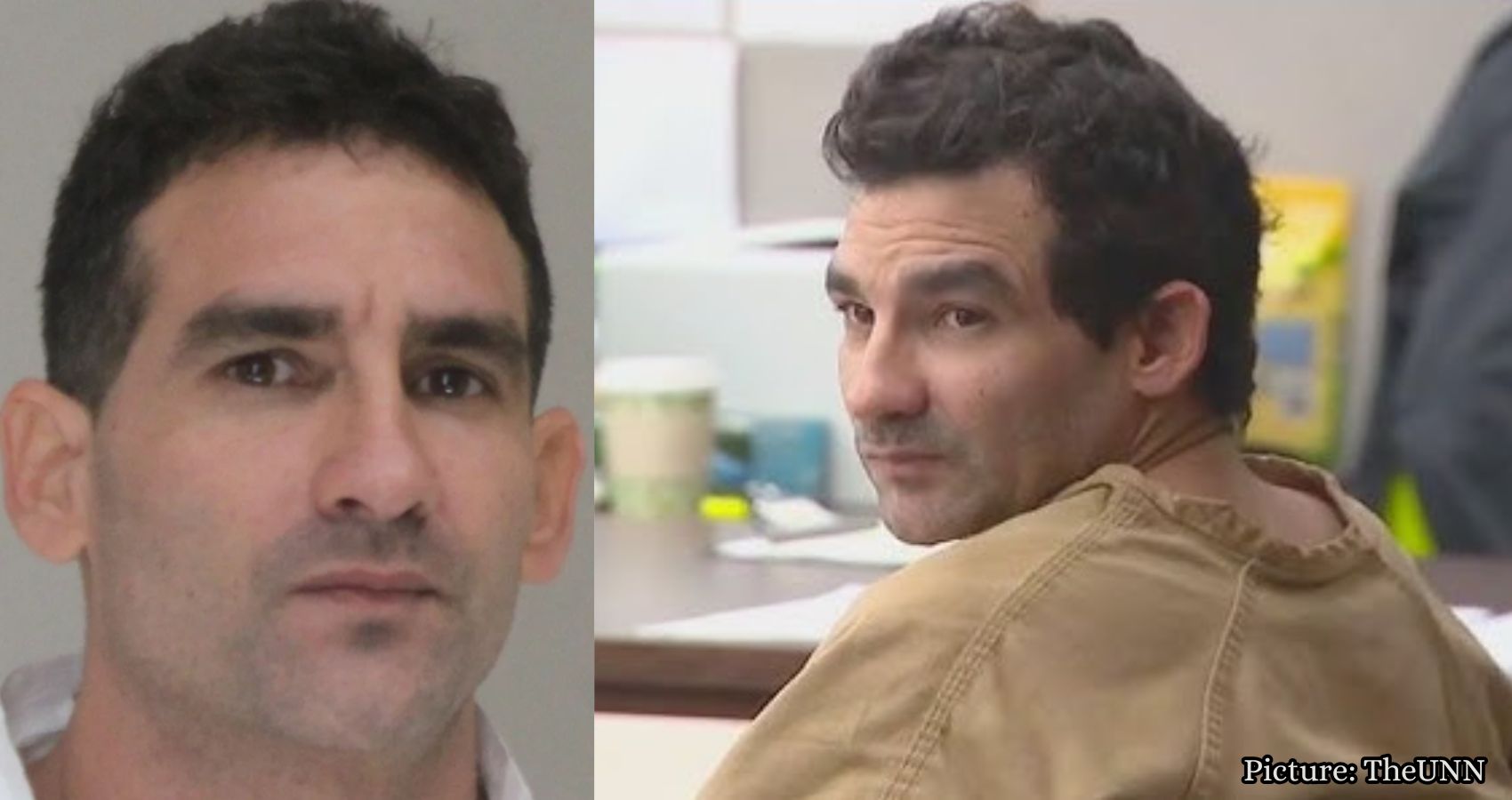
Ryan Al Najjar’s body was discovered submerged in a lake near Joure in northern Netherlands on May 28, 2024, six days after she went missing. Her hands and feet were reportedly bound tightly, prompting an investigation that resulted in the arrest of her father, Khaled, and her two brothers, aged 22 and 24. Prosecutors indicated that the murder likely occurred on May 22.

The Public Prosecution Service stated, “They saw Ryan as a burden that had to be removed, just because she was a young woman who wanted to live her own life.” The family allegedly targeted Al Najjar after she refused to wear a headscarf in public and exhibited behaviors deemed too “Western” by her relatives.

Prosecutors highlighted a specific incident that may have triggered the family’s violent response: a live TikTok video featuring Ryan without a headscarf and wearing makeup. The video reportedly caused significant embarrassment to the family, as it conflicted with their traditional values.

Once the suspects became aware of the video, they began searching for Ryan. According to the Public Prosecution Service, her brothers convinced her to accompany them to a remote location the night before her murder. This led to her being taken to Knardijk, where their father joined them, and where she was ultimately killed.

Local media outlet NL Times identified the brothers as Mohamed Al Najjar and Muhanad. All three family members have been charged with murder, while Khaled is accused of orchestrating the crime and is believed to have fled to Syria shortly after the incident.

Investigators revealed that Ryan was taken to a secluded park where her cries for help would not be heard. Evidence indicated signs of both strangulation and drowning, with approximately 60 feet of tape used to bind her before she was thrown into the water alive. Prosecutors noted that Khaled’s DNA was found under Ryan’s fingernails, suggesting he was present during the attack.

The Public Prosecution Service described Khaled’s actions as “cowardly,” stating, “[Khaled] fled to Syria immediately after the murder and left his sons to take the blame. Khaled has completely destroyed his family.”

Dutch authorities have expressed concerns about the potential difficulties in extraditing Khaled, as he has reportedly married a woman in Syria since Ryan’s death. The prosecution has recommended a 25-year prison sentence for Khaled and 20 years for each of his sons. A court ruling is expected on January 5, 2025.

Fox News Digital reached out to the Public Prosecution Service for further details regarding the case.

Source: Original article

US Embassy Commends CBI for Closing Illegal Call Center Targeting Americans

The US Embassy in India expressed gratitude to the Central Bureau of Investigation for dismantling an illegal call center that targeted American citizens and for arresting a key operative involved in the scheme.

NEW DELHI – On November 27, the US Embassy in India extended its thanks to the Central Bureau of Investigation (CBI) for dismantling an illegal call center that specifically targeted US nationals. The operation also led to the arrest of a significant figure within the transnational cybercrime network.

The Embassy highlighted the collaborative efforts between Indian and US agencies aimed at dismantling international networks that facilitate scams, thereby enhancing the safety of citizens.

Earlier this week, the CBI announced the arrest of Vikas Kumar Nimar, a key suspect who had been evading capture and was allegedly involved in managing a vast network of illegal call centers aimed at defrauding foreign nationals, particularly Americans.

Nimar was apprehended at his home in Lucknow on November 20, following a warrant issued by the Court of the Chief Judicial Magistrate in Pune.

The CBI initiated its investigation into this case in 2024, subsequently launching extensive search operations across various states in India.

In September 2024, during a series of coordinated raids, the agency successfully dismantled four illegal call centers operating out of Pune, Hyderabad, and Visakhapatnam.

Investigators revealed that these centers were part of a sophisticated cybercrime syndicate designed to defraud US citizens through deceptive calls and online schemes.

Upon Nimar’s detention at his Lucknow residence, CBI officials recovered Rs 14 lakh in cash, multiple mobile phones, and several incriminating documents believed to be connected to the cybercrime operations.

These efforts underscore the commitment of both Indian and US authorities to combat cybercrime and protect citizens from fraudulent activities.

Source: Original article

Schumer Claims Trump Is Leading U.S. Toward Conflict with Venezuela

Senate Minority Leader Chuck Schumer warns that President Trump’s actions regarding Venezuela risk pushing the U.S. toward military conflict without congressional approval.

Senate Minority Leader Chuck Schumer, a Democrat from New York, issued a stark warning on Saturday regarding President Donald Trump’s approach to Venezuela. Schumer accused the president of bringing the United States “closer and closer to another costly foreign war” without the necessary congressional approval.

In a forceful statement, Schumer criticized Trump’s recent escalations concerning Venezuela, asserting that the president has undermined the Constitution. “President Trump’s reckless actions towards Venezuela are pushing America closer and closer to another costly foreign war,” Schumer stated. He emphasized that under the U.S. Constitution, Congress holds the exclusive power to declare war, a power that has not been authorized for military action against Venezuela.

The minority leader urged Trump to refrain from entering another overseas conflict, noting that “Americans are tired of endless foreign wars that cost the lives of countless American service members and drain precious resources.” He further remarked, “This is not an America First policy.”

Schumer called for a bipartisan effort among his colleagues in Congress to “come together to return the power to declare war back to the people.” His comments came in response to a post by Trump on Truth Social, where the president declared that Venezuela’s airspace should be considered “closed in its entirety.”

In his post, Trump addressed various stakeholders, including airlines and drug traffickers, urging them to recognize the closure of Venezuelan airspace. This statement followed a warning from the Federal Aviation Administration about a “worsening security situation” in the region.

During a Thanksgiving address to U.S. service members, Trump indicated that the U.S. would “very soon” begin efforts to stop suspected Venezuelan drug traffickers “by land.” He remarked, “In recent weeks, you’ve been working to deter Venezuelan drug traffickers, of which there are many,” adding that there are fewer traffickers coming in by sea.

Trump highlighted the severe impact of drug trafficking on American lives, stating that traffickers kill “hundreds of thousands of people a year” in the U.S. through the “poisons” they bring into the country. He has not ruled out the possibility of deploying American troops to Venezuela, stating on November 17 that he has not eliminated that option.

When asked if he would rule out troop deployments, Trump responded, “No, I don’t rule out that, I don’t rule out anything.”

On Friday, Secretary of War Pete Hegseth defended the Trump administration’s military strikes on alleged drug vessels in the Caribbean Sea. Hegseth stated, “As we’ve said from the beginning, and in every statement, these highly effective strikes are specifically intended to be ‘lethal, kinetic strikes.” He emphasized that the goal is to stop lethal drugs, destroy narco-boats, and eliminate the narco-terrorists responsible for poisoning the American populace.

Hegseth’s comments followed reports from various news outlets, including The Washington Post and CNN, regarding a second military strike on a suspected drug vessel in the Caribbean. This strike occurred after an initial attack left two survivors.

In response to the reports, Hegseth criticized the media, stating, “As usual, the fake news is delivering more fabricated, inflammatory, and derogatory reporting to discredit our incredible warriors fighting to protect the homeland.”

House Armed Services Committee Chair Mike Rogers, a Republican from Alabama, and Ranking Member Adam Smith, a Democrat from Washington, issued a joint statement on Saturday. They reaffirmed the committee’s commitment to providing rigorous oversight of the Department of Defense’s military operations in the Caribbean. They expressed concern over reports of follow-on strikes on boats alleged to be transporting narcotics in the SOUTHCOM region and announced bipartisan efforts to gather a complete account of the operations in question.

Fox News Digital has reached out to the White House for comment regarding these developments.

Source: Original article

Antifa Protests Turn Violent in Germany Amid U.S. Terror Designation

Violence erupted in Giessen, Germany, as Antifa protesters clashed with police during a demonstration against the Alternative for Germany’s youth convention, raising concerns over rising extremism.

Violence erupted in Giessen, Germany, as Antifa and other protesters clashed with police during a demonstration against the youth convention of the right-wing populist party Alternative for Germany (AfD). The protests, which drew between 25,000 and 30,000 participants, delayed the start of the conference for the AfD’s youth wing, Generation Deutschland.

In response to the large turnout, authorities deployed the largest police contingent in the history of the state of Hesse, with approximately 6,000 officers on the ground. The situation escalated when demonstrators began throwing stones at police, resulting in injuries among law enforcement personnel.

AfD co-leader Alice Weidel condemned the demonstrators during her speech at the convention center, stating, “What is being done out there — dear left-wingers, dear extremists, you need to look at yourselves — is something that is deeply undemocratic.”

The protests were marked by confrontations, with police using pepper spray and water cannons to disperse crowds that ignored orders to leave. Reports indicate that 10 to 15 officers sustained minor injuries during the clashes.

Richard Grenell, the former U.S. ambassador to Germany, expressed concern over the rise of anti-democratic sentiments among the left in Germany. He warned via social media platform X that the violent left could follow a path similar to that of their counterparts in the United States, potentially leading to increased violence and a loss of public support.

Boris Rhein, the governor of Hesse from the Christian Democratic Union, criticized the violent actions against police and the attempts to disrupt the AfD youth event. He stated, “The use of violence and attempts to prevent assemblies through marches can never be democratic means.”

The AfD has gained significant traction in recent elections, securing 20.8% of the vote in February, which placed them in second place. However, mainstream German political parties have refrained from forming coalitions with the AfD due to concerns over the party’s extremist views.

At the convention, the youth division of the AfD elected 28-year-old Jean-Pascal Hohm as its chairman. According to a report from the German newspaper Die Welt, Hohm has been quoted expressing anti-immigrant and nationalist sentiments. He emphasized the party’s commitment to a migration policy that prioritizes the interests of Germans, stating, “We will fight resolutely for a genuine shift in migration policy that ensures Germany remains the homeland of Germans.”

The formation of Generation Deutschland comes after Germany’s federal intelligence agency classified the previous AfD youth chapter, Young Alternative, as an “extremist organization” in 2023, leading to its dissolution. The AfD positions itself as an anti-establishment force amid growing public disillusionment with traditional politicians.

Since entering the national parliament in 2017, the AfD has capitalized on public discontent, particularly regarding migration, which remains a central theme in their platform. The party’s leaders displayed confidence during the convention, reflecting their strategy of leveraging various societal grievances to bolster their support.

The events in Giessen underscore the ongoing tensions between far-right and far-left groups in Germany, raising questions about the implications for democracy and public safety in the country.

Source: Original article

Israel Releases Body-Cam Footage of Syria Raid on Terrorists

Israel’s military released body-camera footage of a gun battle in Syria that resulted in injuries to six soldiers during an operation targeting members of the al-Jama’a al-Islamiyya terrorist group.

The Israel Defense Forces (IDF) released body-camera footage on Friday from a rare confrontation in southern Syria, where troops from the 55th Brigade engaged in a gun battle while attempting to arrest members of al-Jama’a al-Islamiyya, a Sunni terrorist organization linked to the broader Muslim Brotherhood network. This cross-border incident coincides with heightened tensions between Israeli Prime Minister Benjamin Netanyahu and Syria’s interim president, Ahmed al-Sharaa, as the Trump administration intensifies its focus on targeting affiliates of the Brotherhood.

The overnight operation occurred in the Beit Jann area, located approximately 10 kilometers inside Syrian territory, under the command of the 210th Division. According to the IDF, troops entered the region to detain suspects involved in planting improvised explosive devices (IEDs) and planning future attacks against Israel, including potential rocket fire. During the operation, two suspects were arrested before an exchange of gunfire erupted.

Six IDF soldiers sustained injuries in the clash, with three reported to be in serious condition. The IDF confirmed that several terrorists were killed during the encounter, and the arrested suspects were subsequently transferred to Israel for interrogation.

Al-Jama’a al-Islamiyya, which originated as the Lebanese branch of the Muslim Brotherhood, has collaborated with Hamas and Hezbollah, maintaining operational infrastructure in southern Lebanon and along the Syria-Lebanon border. The IDF has targeted the organization’s sites in both Syria and Lebanon multiple times during the ongoing conflict.

Political correspondent Amit Segal of Channel 12 noted that this incident marks the first time since December 2024, when Israeli forces took control of the Syrian side of Mount Hermon, that Israeli troops have been wounded in a firefight within Syria. Segal posed a critical question regarding the implications of this incident: “Could Syria become the IDF’s new Lebanon? With six soldiers wounded overnight, the big question is whether this is a one-off event, or if it signals the beginning of a long, uncomfortable Israeli presence in Syria.”

The tensions between Netanyahu and al-Sharaa have escalated following the latter’s unprecedented visit to Washington earlier this month. Al-Sharaa met with President Donald Trump at the White House to discuss sanctions relief and counterterrorism coordination, marking the first visit by a Syrian leader to Washington since the onset of the Syrian war. Netanyahu publicly criticized the visit, asserting that al-Sharaa “returned inflated with a sense of international legitimacy,” and cautioned that any discussions between the U.S. and Syria should not come at Israel’s expense.

Additional reports from the Jerusalem Post and Channel 12 indicated that security arrangements concerning Israel’s northern front were discussed in broad terms between U.S. and Syrian officials, although no formal agreements were reached. Washington emphasized that consultations with Israel were ongoing.

This clash occurred during a week in which the Trump administration launched a comprehensive initiative to designate Muslim Brotherhood affiliates as terrorist organizations. The White House directive instructs federal agencies to evaluate and impose sanctions on Brotherhood entities in various countries, including Egypt, Jordan, and Lebanon, citing their global financial, political, and operational connections.

The White House statement described the Brotherhood as an organization that “fuels terrorism and destabilization campaigns against U.S. interests and allies.” Senator Ted Cruz, R-Texas, praised the administration’s actions during his podcast, stating that the designation represents the culmination of a decade of legislative efforts. Cruz remarked, “This is literally 10 years of hard work, and it will make America safer because the Muslim Brotherhood is funding terrorists that want to murder you and want to murder me.”

He highlighted that many U.S. allies in the Middle East, including Egypt, Jordan, Saudi Arabia, Bahrain, and the UAE, have already outlawed the organization, expressing that these nations desire the United States to take similar actions.

As the U.S. ramps up pressure on movements linked to the Brotherhood, Israel finds itself increasingly confronting armed groups associated with the organization across its northern borders—from Hamas in Gaza to al-Jama’a al-Islamiyya in Syria and Lebanon. With Beit Jann emerging as a focal point for cross-border operations and American policy tightening, analysts suggest that regional confrontations involving Brotherhood-connected groups may be entering a new phase.

Source: Original article

India and U.S. Collaborate to Disrupt Synthetic Drug Trafficking

New Delhi and Washington are intensifying their collaboration against synthetic drugs, which is proving effective in disrupting transnational trafficking networks and combating the opioid crisis.

WASHINGTON, DC – The United States and India are deepening their collaborative efforts to combat the growing threat of synthetic drugs. Officials and analysts have identified this increasing cooperation as a crucial element in disrupting transnational trafficking networks and curbing the spread of dangerous opioids.

A report released on November 28 highlights the evolution of the India–US counternarcotics partnership, which has transitioned from limited coordination to a robust security and public health alliance. The two nations have enhanced intelligence-sharing, conducted joint operations, and engaged in regulatory collaboration, resulting in significant drug seizures, arrests, and the dismantling of trafficking networks.

At the heart of this initiative is the India–US Counternarcotics Working Group, established in 2020 and now gearing up for its sixth annual meeting. This group has broadened its agenda over time, shifting focus from mere enforcement to encompass precursor chemical controls, harm reduction strategies, regulatory integrity, and public health measures. The fifth meeting, which took place in New Delhi in October 2024, prioritized the challenges posed by synthetic drugs, including fentanyl and amphetamine-type stimulants, along with the chemicals required for their production.

Given India’s significant role in global pharmaceutical production and exports, both countries recognize the importance of coordinated oversight of precursor chemicals as a vital strategy to curb the synthetic drug trade.

During a media briefing on November 26, Randhir Jaiswal, spokesperson for the Ministry of External Affairs, emphasized the positive impact of the partnership. He noted that enhanced information-sharing and joint operations with the United States have already led to substantial seizures and the dismantling of major trafficking networks. Jaiswal expressed the intention of both nations to further strengthen this cooperation.

Experts believe that the expanding partnership not only bolsters public safety in both countries but also has the potential to serve as a model for broader international cooperation against the rapidly evolving threats posed by synthetic drugs.

Source: Original article

Alleged National Guard Shooter Previously Worked with U.S. Government in Afghanistan

The Afghan national accused of shooting two National Guard members near the White House previously worked with U.S. government entities, including the CIA, during his time in Afghanistan.

An Afghan national has been accused of shooting two National Guard members in Washington, D.C., just blocks from the White House. The suspect, identified as Rahmanullah Lakanwal, 29, reportedly worked with various U.S. government entities, including the CIA, while serving as a member of a partner force in Afghanistan.

Lakanwal entered the United States shortly after the chaotic withdrawal from Afghanistan in August 2021, arriving a month later under “Operation Allies Welcome.” This program was initiated to assist Afghan allies who had worked with U.S. forces during the two-decade-long conflict.

Intelligence sources informed Fox News Digital that Lakanwal had established a relationship with U.S. government entities due to his involvement with a partner force in Kandahar. CIA Director John Ratcliffe emphasized that the Biden administration justified Lakanwal’s entry into the U.S. based on his previous work with the CIA and other government agencies.

“In the wake of the disastrous Biden withdrawal from Afghanistan, the Biden administration justified bringing the alleged shooter to the United States in September 2021 due to his prior work with the U.S. government, including the CIA,” Ratcliffe stated. “The individual—and so many others—should have never been allowed to come here.” He further expressed concern over the ongoing repercussions of the administration’s actions, stating, “Our citizens and service members deserve far better than to endure the ongoing fallout from the Biden administration’s catastrophic failures.”

The FBI is currently leading the investigation into the shooting, which is being examined as a potential act of international terrorism. Officials confirmed that the two West Virginia National Guardsmen involved in the incident remain in critical condition.

In a national address following the shooting, former President Donald Trump condemned the attack, labeling it a “savage attack.” He described the incident as a “monstrous ambush-style attack” that occurred just steps away from the White House. Trump characterized the shooting as a “heinous assault,” an “act of evil,” and a “crime against our entire nation.” He expressed his condolences to the families of the injured Guardsmen, stating, “The hearts of all Americans tonight are with those two members of the West Virginia National Guard and their families.” He also conveyed a sense of righteous anger and determination to ensure that the perpetrator faces severe consequences.

D.C. Mayor Muriel Bowser addressed the media shortly after the incident, confirming that the shooting was a targeted attack. “One individual appeared to target these guardsmen. That individual has been taken into custody,” she explained during a news conference.

The investigation is ongoing, and authorities are working to uncover further details surrounding the shooting and the suspect’s background.

Source: Original article

New Scam Targets Users with Fake Microsoft 365 Login Pages

Security researchers have identified a new phishing platform, Quantum Route Redirect (QRR), targeting Microsoft 365 users across nearly 1,000 domains in 90 countries, raising concerns about account security.

Cybersecurity experts have uncovered a significant phishing operation that specifically targets Microsoft 365 users. This new platform, known as Quantum Route Redirect (QRR), is responsible for a surge in fake login pages that are hosted on approximately 1,000 different domains. These pages are designed to deceive users and evade detection by automated security scanners.

The QRR phishing scheme employs realistic email lures that mimic legitimate communications, such as DocuSign requests, payment notifications, voicemail alerts, and QR-code prompts. Victims who engage with these messages are redirected to counterfeit Microsoft 365 login pages, where their usernames and passwords are harvested by the attackers. Many of these fraudulent pages are hosted on parked or compromised legitimate domains, which can create a false sense of security for unsuspecting users.

Researchers have tracked QRR’s activities across 90 countries, with approximately 76% of the attacks targeting users in the United States. This extensive reach positions QRR as one of the largest phishing operations currently in existence.

The emergence of QRR follows Microsoft’s successful disruption of a major phishing network known as RaccoonO365. This previous operation was notorious for selling ready-made Microsoft login copies that were used to steal over 5,000 sets of credentials, including accounts associated with more than 20 U.S. healthcare organizations. Subscribers to RaccoonO365 could pay as little as $12 a day to send thousands of phishing emails.

In response to the RaccoonO365 operation, Microsoft’s Digital Crimes Unit managed to shut down 338 related websites and identified Joshua Ogundipe from Nigeria as the operator. Investigators linked him to the phishing code and a cryptocurrency wallet that had amassed over $100,000. Subsequently, Microsoft and Health-ISAC filed a lawsuit in New York, accusing Ogundipe of multiple cybercrime violations.

QRR builds on the tactics of other phishing kits, including VoidProxy, Darcula, Morphing Meerkat, and Tycoon2FA, by incorporating advanced automation, bot filtering, and a user-friendly dashboard that enables attackers to execute large-scale campaigns quickly and efficiently.

The QRR platform utilizes around 1,000 domains, many of which are real sites that have either been parked or compromised. This strategy helps the phishing pages appear legitimate at first glance. The URLs used in these scams often follow predictable patterns that can mislead users into believing they are accessing a safe site.

One of the key features of QRR is its automated filtering system, which detects bot traffic. This system directs automated scanners to harmless pages while routing real users to the credential-harvesting sites. Attackers can manage their campaigns through a control panel that logs traffic and activity, allowing them to scale their operations rapidly without requiring extensive technical skills.

Security analysts emphasize that organizations can no longer rely solely on URL scanning to protect against phishing threats. Instead, they advocate for layered defenses and behavioral analysis to identify threats that employ domain rotation and automated evasion tactics.

When attackers gain access to a Microsoft 365 login, they can view emails, access files, and even send new phishing messages that appear to originate from the victim’s account. This can initiate a chain reaction, spreading the threat further. To mitigate risks from fake Microsoft 365 pages and look-alike emails, users are encouraged to adopt several protective measures.

First, it is crucial to verify the sender’s email address. Look for slight misspellings, unexpected attachments, or unusual wording, as these can be indicators of a phishing attempt. Before clicking on any links, hover over them to preview the URL. If it does not lead to the official Microsoft login page or appears suspicious, it is best to avoid it.

Implementing multi-factor authentication (MFA) adds an additional layer of security, making it significantly more challenging for attackers to gain access, even if they have the user’s password. Options such as app-based codes or hardware keys can provide robust protection against phishing kits.

Attackers often gather personal information from data broker sites to create convincing phishing emails. Utilizing a trusted data removal service can help scrub personal information from these sites, reducing the likelihood of targeted scams and making it more difficult for criminals to craft realistic phishing alerts.

While no service can guarantee complete removal of personal data from the internet, employing a data removal service is a prudent choice. These services actively monitor and systematically erase personal information from numerous websites, providing peace of mind and enhancing privacy.

Keeping all devices updated is essential, as updates often patch security vulnerabilities that attackers exploit in phishing kits like QRR. When accessing sensitive sites, it is advisable to type the address directly into the browser rather than clicking on links. Strong antivirus software can also provide alerts about fake websites and block scripts used by phishing kits to steal login credentials.

Most email providers offer enhanced filtering settings that can block risky messages before they reach the inbox. Users should enable the highest level of filtering available to reduce the number of fake Microsoft alerts that may slip through.

Additionally, turning on sign-in notifications for Microsoft accounts can alert users to any unauthorized access attempts. This feature can be activated by signing into the Microsoft account online, navigating to Security, selecting Advanced security options, and enabling sign-in alerts for suspicious activity.

The QRR phishing operation serves as a stark reminder of how quickly scammers can adapt their tactics. Tools like this facilitate the rapid deployment of large volumes of convincing fake Microsoft emails. However, by adopting smarter security habits, enabling stronger sign-in protections, and staying informed about the latest phishing strategies, users can significantly reduce their risk of falling victim to these schemes.

Do you believe that most people can distinguish between a genuine Microsoft login page and a counterfeit one, or have phishing kits become too sophisticated? Share your thoughts with us at Cyberguy.com.

Source: Original article

Russia May Reject US-Ukraine Peace Plan Over Alaska Summit Concerns

Russia has warned it may reject the U.S.-Ukraine peace plan if it does not adhere to key agreements made during the Alaska summit between President Trump and President Putin.

Russia is threatening to reject President Donald Trump’s proposed peace plan for Ukraine unless it upholds certain “key understandings” established during the Alaska summit with President Vladimir Putin.

Russian Foreign Minister Sergey Lavrov made this assertion during a news conference on Tuesday, emphasizing that Moscow is awaiting an updated version of the peace plan aimed at resolving the nearly four-year conflict in Ukraine.

Lavrov warned that if the terms of the “key understandings” from the August summit are not honored, the situation would shift dramatically. He reiterated Russia’s unwavering demands in the negotiations, which include barring Ukraine from joining NATO and requiring the country to relinquish control over the remainder of the Donbas region as part of any peace agreement.

As the situation evolves, the conflict has escalated, with reports of Russian bombardments in Kyiv resulting in casualties. This comes as the Trump administration moves forward with its peace plan.

John Hardie, deputy director of the Foundation for Defense of Democracies’ Russia Program, commented on the challenges facing the U.S. diplomatic efforts. He noted that Russia’s intransigence over the past ten months has been a significant obstacle to achieving peace.

Hardie stated, “The United States has really shot itself in the foot by kind of flip-flopping between strategies. One month you’re trying to pressure the Russians and saying they’re the obstacle to peace. The next minute you’re trying to force their terms on Kyiv.” He emphasized the need for sustained military support for Ukraine and economic pressure on Russia, asserting that both the Ukrainian military and Western resolve must remain steadfast.

Former CIA station chief Dan Hoffman expressed skepticism about the potential for a resolution to the conflict. He argued that the United States currently lacks the leverage necessary to compel Moscow to cease its invasion.

“Vladimir Putin’s strategic objective has always been to overthrow the democratically elected government of Ukraine. He’ll engage in negotiations, but he does it to ensure that he’s asserting the primacy of Russia in his self-designated sphere of influence,” Hoffman said. He added, “I just don’t see any evidence that Russia is going to pause in their relentless attacks on Ukraine.”

Despite the ongoing tensions, Ukraine has reportedly agreed to a peace deal aimed at ending the war with Russia, although some details remain to be finalized. A U.S. official confirmed that U.S. Army Secretary Dan Driscoll met with Russian officials in Abu Dhabi on Monday and Tuesday to discuss the framework for the peace deal.

The U.S. official also noted that a Ukrainian delegation was present in Abu Dhabi and was in communication with Driscoll and his team regarding the negotiations.

Source: Original article

Maduro Pursues Peace Initiatives Amid U.S. Military Presence in Caribbean

Nicolás Maduro showcased his defiance by dancing to a remix of his peace speeches as U.S. military presence escalates near Venezuela amid rising tensions.

Venezuelan President Nicolás Maduro recently demonstrated his defiance by dancing to an electronic remix of his own peace slogans during a student rally in Caracas. This event marks the latest in a series of performances by Maduro, who previously sang John Lennon’s iconic song “Imagine” while U.S. warships patrolled the waters near Venezuela’s coast.

Video footage from the National University Student Day celebration captured Maduro swaying to the beat, mimicking President Donald Trump’s signature dance moves, albeit with a noticeably looser style. The electronic track, identified by Reuters as “Peace, yes. War, no,” featured phrases recycled from Maduro’s speeches that promote peace and reject war, all while tensions with the United States continue to escalate.

During the rally, Maduro punctuated the music with playful finger pistols, a gesture that was captured on camera and added a lighthearted element to the serious backdrop of U.S. military maneuvers in the region.

This video surfaced about a week after Maduro’s performance of “Imagine,” where he urged for peace while the Trump administration ramped up its military presence near Venezuela, aiming to combat drug trafficking. In his remarks, Maduro invoked Lennon, referring to him as a poet and musician who left a “gift to humanity.” He encouraged young people to explore the song’s lyrics, describing it as an anthem for every generation.

In the video, Maduro paused mid-speech to reflect on the meaning of Lennon’s song, singing a few lines before elaborating on its significance. “What a beautiful song. The lyrics – young people, look up the lyrics,” he said, according to a translation. “It’s an inspiration for all time. It’s an anthem for all eras and generations that John Lennon left as a gift to humanity. Long live the eternal memory of that great poet and musician, John Lennon.”

While Maduro promotes a message of peace, the U.S. has significantly increased its military presence across the Caribbean. This includes the deployment of bombers, warships, and Marines as part of a broader campaign targeting drug trafficking operations in the region, which has involved airstrikes on suspected smuggling vessels.

On Monday, the U.S. State Department formally designated the Cartel de los Soles as a foreign terrorist organization. This cartel refers to a network of Venezuelan government and military officials involved in drug trafficking. Secretary of State Marco Rubio stated last week that the Cartel de los Soles and other Venezuelan cartels are “responsible for terrorist violence throughout our hemisphere as well as for trafficking drugs into the United States and Europe.”

As the diplomatic standoff between the U.S. and Venezuela continues, Maduro’s performances serve as a stark contrast to the military actions being taken in the region. His dance to the remix of his peace speeches highlights the ongoing tensions and the complex interplay of politics and culture in Venezuela.

Source: Original article

Hamas’ Million-Dollar Tunnel Destruction Could Shift Conflict Dynamics, Analyst Says

The Israeli Defense Forces have uncovered a significant underground Hamas tunnel in Gaza, marking a strategic blow to the militant group, according to military analysts.

The Israeli Defense Forces (IDF) have revealed one of the largest underground infrastructures utilized by Hamas, located beneath the southern Gaza city of Rafah. This extensive network, described as one of Hamas’s “most complex” tunnel systems, stretches approximately seven kilometers and reaches depths of about 25 meters. The IDF’s findings indicate that the tunnel contains around 80 rooms and was primarily used for command operations, weapons storage, and providing shelter for Hamas operatives.

A video released by the IDF on November 20 showcases the sophisticated design of the tunnel, featuring reinforced concrete passageways and large chambers. The military asserts that this particular tunnel originated beneath a compound operated by the United Nations Relief and Works Agency (UNRWA) and extends under various civilian sites, including mosques and schools.

In a statement, the IDF emphasized the significance of this discovery, noting that the tunnel was linked to the abduction of Israeli officer Lt. Hadar Goldin during the 2014 Gaza war. The IDF’s post on social media highlighted the strategic implications of the tunnel’s existence, stating, “IDF troops uncovered one of Gaza’s largest and most complex underground routes, over 7 km long, ~25 meters deep, with ~80 hideouts, where abducted IDF officer Lt. Hadar Goldin was held.”

Israeli analysts view the demolition of this tunnel as a pivotal moment in the ongoing conflict, suggesting it could pave the way for Hamas’s eventual defeat. Professor Kobi Michael, a senior researcher at the Institute for National Security Studies (INSS) and the Misgav Institute, remarked, “The destruction of this tunnel, as well as many others like it, pushes Hamas to the edge.” He noted that this tunnel serves as a “root tunnel,” which is crucial for Hamas’s underground warfare strategy, feeding into numerous tactical tunnels used for command and control, weapon storage, and logistical operations.

Michael further explained that such tunnels are typically manned by hundreds of militants and commanders, underscoring their importance in Hamas’s military infrastructure. The IDF believes that this specific tunnel network may have been connected to the area where Lt. Goldin was held captive. Earlier this month, Hamas returned Goldin’s remains to Israel after more than a decade.

The exposure of this tunnel has shed light on the extent of Hamas’s underground operations, which have been a focal point of Israel’s military strategy. The IDF continues to prioritize the destruction of these tunnel networks as part of its efforts to dismantle Hamas’s military capabilities and prevent future attacks. In 2014, Israeli Prime Minister Benjamin Netanyahu expressed a commitment to destroy the tunnels used by Hamas militants to infiltrate Israeli territory, stating he would do so “with or without a ceasefire.”

According to a 2023 investigation by Reuters, Hamas has claimed that it has utilized these tunnels to conceal hostages taken during its October 7 attack on Israel. The IDF has reported that its ground forces have uncovered approximately 1,500 Hamas tunnels and shafts throughout the Gaza Strip, highlighting the extensive nature of the militant group’s underground operations.

As the situation in Gaza continues to evolve, the implications of this tunnel discovery remain significant for both military strategy and the broader conflict between Israel and Hamas.

Source: Original article

Top Military Leaders Visit Puerto Rico to Thank Troops Supporting Missions

Top U.S. military leaders are set to visit Puerto Rico to thank troops for their contributions to ongoing Caribbean operations targeting drug networks and enhancing regional security.

Two of the U.S. military’s highest-ranking officials will travel to Puerto Rico on Monday to meet with service members and express appreciation for their efforts in supporting missions throughout the Caribbean and Latin America.

The Pentagon announced the visit in a memo on Sunday, detailing that the trip will include engagements with troops stationed in Puerto Rico and sailors operating in the Caribbean region.

“Chairman of the Joint Chiefs of Staff Gen. Dan Caine and SEAC David L. Isom are visiting Puerto Rico on November 24, 2025, for the second time to engage with service members and thank them for their outstanding support to regional missions,” the media advisory stated. “They will also visit and thank Sailors operating at sea for their dedicated, unwavering service in the SOUTHCOM area of responsibility.”

This visit follows a previous trip in September, during which Caine and Secretary of War Pete Hegseth visited to show support for troops training on the island. The earlier meeting took place at Muñiz Air Base in Carolina, just outside San Juan, and included senior military figures such as Puerto Rico National Guard Adjutant General Carlos José Rivera-Román and Public Safety Secretary Brig. Gen. Arthur Garffer.

During the September visit, Hegseth addressed nearly 300 soldiers at the base, praising their commitment and referring to them as “American warriors.” He emphasized that those serving in the Armed Forces would be the best equipped and prepared in the world.

The upcoming visit comes at a time of heightened tensions in the Caribbean Sea, as the U.S. military expands its naval presence near Venezuela. This expansion is part of President Donald Trump’s strategy to disrupt drug trafficking from Latin America.

Earlier this month, Hegseth announced the initiation of Operation Southern Spear, a mission aimed at dismantling narco-terror networks across Latin America. He stated on social media platform X that U.S. Southern Command and Joint Task Force Southern Spear would lead the operation to protect the homeland and eliminate narco-terrorist networks in the Western Hemisphere.

“This mission defends our Homeland, removes narco-terrorists from our Hemisphere, and secures our Homeland from the drugs that are killing our people,” Hegseth remarked.

Since early September, U.S. military forces have conducted multiple lethal strikes against narcotics vessels operated by designated terrorist organizations in the Caribbean and eastern Pacific. These operations have resulted in the destruction of dozens of ships linked to Venezuela’s Tren de Aragua gang and Colombia’s Ejército de Liberación Nacional (ELN), with an estimated 82 suspected narco-terrorists killed and three survivors.

The campaign commenced on September 2, with a strike that killed 11 alleged members of Tren de Aragua. It continued through October and November with a series of targeted operations that eliminated numerous threats along known trafficking routes.

U.S. forces have targeted submersibles, fishing boats, and high-speed vessels, including one ELN-affiliated craft that drew criticism from Colombia’s president after three men were killed during the operation.

Several of these strikes occurred near the coast of Venezuela, while others have been concentrated in the eastern Pacific, where recent operations have been focused.

As military leaders prepare to visit Puerto Rico, their engagement underscores the ongoing commitment of the U.S. military to combat drug trafficking and enhance regional security in the Caribbean and Latin America.

Source: Original article

Epstein Files Reveal Systemic Willful Blindness in High-Profile Cases

In the wake of the Jeffrey Epstein scandal, a troubling silence persists among powerful men, revealing a culture of complicity that perpetuates the exploitation of women globally.

The downfall of influential figures often brings with it a disturbing silence, a silence that is meticulously crafted by privilege and institutions that instinctively protect their own. Following the revelations surrounding Jeffrey Epstein, the world caught a fleeting glimpse into the depths of what the powerful are capable of when shielded from accountability.

As the curtain was pulled back, it revealed men whose reputations once seemed unassailable. Among those who retreated into the shadows were notable figures such as Larry Summers and Prince Andrew. Their proximity to Epstein demanded transparency, yet instead, they offered carefully crafted statements, legal maneuvering, and a retreat into polished invisibility. What transpired was not accountability but a choreography of avoidance, leaving the public with silence rather than truth.

This silence is far from neutral; it is a form of complicity. Complicity, especially in the context of the exploitation of women, represents a global catastrophe. The predation of women by powerful men is not merely an American disgrace or an isolated moral failure of the elite; it is a pervasive issue embedded in cultures worldwide. In India, for instance, young women and girls continue to endure brutal assaults that shock the conscience. Mothers mourn, fathers rage, and daughters suffer violence rooted in the same pathology of entitlement that fuels exploitation in the private jets and luxury apartments of the global elite.

Whether in the opulent rooms of billionaires or the dark streets of Delhi, the impulse remains the same: domination disguised as desire and power masquerading as privilege. Predatory behavior constitutes a mental health crisis that society refuses to diagnose. It stems from narcissism, unchecked entitlement, and the intoxicating allure of control. Instead of confronting this sickness, societies have constructed systems to accommodate it. Allegations are buried, colleagues look away, and entire industries protect the reputations of the men who sustain them.

Even when the truth emerges, the machinery of influence rushes to soften it, contextualize it, or bury it beneath procedural bureaucracy. What is perhaps most chilling is that the world has only glimpsed a fraction of the truth. The Epstein case serves as a doorway, not a destination, to uncovering the full extent of what transpired. There are more names behind the curtain—individuals with global influence, political power, financial reach, and cultural standing—whose identities have been partially shielded through sealed documents, quiet negotiations, and mutually beneficial silence.

As more records inevitably come to light and as more survivors find the courage to speak out, society will face the uncomfortable reality that the circle of complicity is far wider than previously acknowledged. The pressing question is not whether more powerful men will be implicated, but rather how many, and how long society has been willing to look away.

The tragedy deepens when one considers that every survivor is someone’s daughter. These young women are cherished within their families, loved unconditionally, and deserving of the fierce protection that every parent instinctively offers. Yet the hypocrisy is staggering: none of the powerful men who benefited from silence and privilege would tolerate such violence inflicted upon their own children. If the horrors suffered by these women were visited upon the daughters of the elite, there would be no hesitation, no obfuscation, and no retreat into silence. Instead, there would be outrage, justice, and an unwavering pursuit of truth. However, when the victims are not their own, the urgency dissipates, replaced by legal strategies and public relations choreography.

It is crucial to recognize that every individual has made mistakes that have hurt others, and no one is exempt from this truth. However, human imperfection does not equate to preying on young women as if it were a sport, particularly by men who are fully aware of their actions. The real scandal in cases like Epstein’s is not solely the crimes committed but the collective refusal to confront what those crimes reveal about our society.

We have cultivated a culture that prioritizes rehabilitating the powerful over protecting the vulnerable. The public has been conditioned to forget, allowing institutions to regain their confidence. The implicated gradually reemerge, cleansed not by repentance but by the passage of time and strategically engineered amnesia. Each time society allows this cycle to unfold, it betrays women everywhere.

We have lived too long under an unspoken jungle law, where the powerful roam freely while the rest of us remain silent. The powerful devour, and the vulnerable endure. If there is to be any genuine progress, we must dismantle this ancient code. A society cannot claim to be civilized if it continues to excuse its giants while sacrificing its daughters. Until we confront the culture of willful blindness that shields the powerful and abandons their victims, we will remain trapped in a world where silence is as dangerous as the crimes it conceals.

The jungle persists only because we avert our eyes. It will fall only when we find the courage to confront reality for what it is.

Source: Original article

Nigeria Experiences Severe Mass Kidnapping of Over 300 Schoolchildren

Nigeria is grappling with one of its most severe mass kidnappings, as armed men abduct over 300 schoolchildren in Niger State, raising alarms about the deteriorating security situation in the country.

Nigeria is facing a crisis following one of the deadliest mass abductions in recent years. Armed men kidnapped more than 300 schoolchildren in Niger State on Friday, amplifying concerns about the worsening security landscape across the nation.

Initial reports indicated that approximately 227 students had been taken. However, on Saturday, the Christian Association of Nigeria revealed that the actual number was significantly higher. According to the association, 315 individuals were abducted from St. Mary’s Co-Education Catholic School, comprising 303 students and 12 teachers.

The association further disclosed that a verification exercise uncovered an additional 88 students who were captured while attempting to flee from the attackers. As of now, no group has claimed responsibility for the abduction.

This incident marks a second abduction in just a few days. Earlier, gunmen targeted a secondary school in Kebbi State, seizing 25 girls. Both kidnappings come in the wake of U.S. President Donald Trump’s recent threats of military action in response to the killing of Christians by extremist groups in Nigeria. While the connection between these events remains unclear, the timing has heightened political and security anxieties.

The Nigerian government has yet to publicly confirm the total number of individuals abducted. Niger State Governor Mohammed Umar Bago stated that security agencies were still conducting a headcount and would release the final figures later in the day. In light of the escalating threat, Bago had previously ordered several schools to shut down due to security risks and has now mandated the closure of all schools in the state.

In response to the growing danger, Nigeria’s national education ministry has directed 47 boarding schools across the country to suspend operations until further notice. This decision reflects the urgent need to address the increasing violence targeting educational institutions.

As the crisis unfolds, President Bola Tinubu has cancelled upcoming international engagements, including his planned trip to the G20 Summit in Johannesburg, in order to manage the emergency situation. The U.S. Pentagon has also weighed in, following discussions between U.S. Defense Secretary Pete Hegseth and Nigerian National Security Advisor Nuhu Ribadu. The U.S. has urged Nigeria to take both urgent and lasting action to combat violence against Christians.

This latest kidnapping has revived painful memories of the infamous Chibok abductions in 2014, when Boko Haram militants kidnapped nearly 300 schoolgirls from Borno State. Many of those victims remain missing more than a decade later, underscoring the long-lasting impact of such tragedies.

Security analysts are warning that the recent surge in school kidnappings indicates a dangerous resurgence of armed criminal networks and extremist groups across northern and central Nigeria. As rescue efforts intensify, many Nigerians are left fearing that the country may be entering yet another prolonged cycle of violence targeting schools.

Source: Original article

National Immigrant Rights Groups Sue Government Over ICE Arrest Records

National immigrant rights organizations have filed a lawsuit against the federal government, demanding the release of records related to arrests at immigration courts and the dismissal of cases.

Washington, D.C., October 15 — LatinoJustice PRLDEF, the American Immigration Council, and Democracy Forward have initiated legal action in the U.S. District Court for the Southern District of New York. The lawsuit seeks the release of crucial records that the government has allegedly withheld regarding arrests at immigration courts and the subsequent dismissal of immigration cases.

Since May 20, 2025, U.S. Immigration and Customs Enforcement (ICE), along with the U.S. Department of Homeland Security (DHS), the U.S. Department of Justice (DOJ), and the Executive Office for Immigration Review (EOIR), have been involved in a coordinated effort to detain noncitizens who appear for their hearings in immigration courts across the country.

The practice of arresting individuals who voluntarily attend their immigration court dates in search of protection raises significant concerns. Immigration courts are intended to be venues that ensure fair hearings, not mechanisms that funnel individuals into detention. When those seeking justice are instead arrested, it undermines fundamental democratic principles, deters individuals from exercising their legal rights, and inflicts severe human costs.

Furthermore, ICE attorneys have been requesting immigration judges to dismiss cases and transfer individuals into expedited removal, a process that offers fewer due process protections and no pathway to permanent residence. The EOIR has instructed immigration judges to grant these dismissals immediately, despite this practice violating established agency policy and longstanding norms.

In an effort to understand the rationale behind these arrests at immigration courts, LatinoJustice and the American Immigration Council submitted a total of 11 Freedom of Information Act (FOIA) requests on July 28 and 29, 2025. Six of these requests were directed to the EOIR, while five were sent to ICE. The requests aim to obtain basic information regarding arrests and dismissals in immigration courts, as well as communications between the agencies involved in these actions. The organizations also requested expedited processing for these requests.

However, the government has failed to provide timely and adequate responses to ten of these FOIA requests, which constitutes a violation of the law. The EOIR has claimed it cannot locate any guidance issued to immigration judges concerning case dismissals and courthouse arrests, despite a copy of relevant guidance having been leaked to the public. Additionally, the EOIR has declined to search for records related to its coordination with ICE, while ICE has either ignored or delayed processing all requests directed to it.

“Our FOIA requests seek to shine a light on how ICE operates in immigration courts, where families are fighting to keep their families together and for their future,” said Rex Chen, supervising counsel for Immigrant Rights at LatinoJustice PRLDEF. “Instead of transparency, they have chosen secrecy, stonewalling, or have provided inadequate responses to our request. It is unacceptable to prolong this urgent matter.”

“Families’ futures are on the line. That’s why we need to better understand how these arrests at immigration courts are being carried out, and the degree to which supposedly independent and neutral agencies like the EOIR are pushing a mass deportation agenda. The public has a right to know what the EOIR and ICE are doing behind closed doors,” stated Chris Opila, staff attorney for transparency at the American Immigration Council.

Democracy Forward’s president and CEO, Skye Perryman, emphasized the importance of transparency, stating, “The public has a right to know when our government rewrites the rules to make mass arrests and deny people of due process — especially inside the very courtrooms meant to deliver justice. The administration cannot hide guidance that turns immigration courts into traps and accelerates deportations without fair hearings. We will not allow these agencies to operate in the shadows. Transparency is the first safeguard against abuse of power, and we’re in court to demand accountability.”

The lawsuit aims to compel the four agencies to fully comply with FOIA and release all documents responsive to seven of the requests. It also calls for the expedited disclosure of guidance directives and correspondence between ICE and the EOIR.

LatinoJustice PRLDEF has been advocating for over 50 years to create a more just society by challenging injustices through the rule of law. The organization focuses on empowering communities and fostering leadership through advocacy and education. For more information about LatinoJustice, visit www.LatinoJustice.org.

Democracy Forward Foundation is a national legal organization dedicated to advancing democracy and social progress through litigation, policy, public education, and regulatory engagement. More details can be found at www.democracyforward.org.

The American Immigration Council works to strengthen America by shaping perceptions and actions towards immigrants and immigration, aiming for a fair and just immigration system. The Council employs various advocacy strategies, including litigation, research, and communications, to protect immigrant rights and promote community integration. For updates, follow the Council on social media or visit their website.

Source: Original article

Cloud Storage Scam Targets Users, Stealing Photos and Money

A new phishing scam is deceiving users with fake “Cloud Storage Full” alerts, leading to potential theft of personal information and financial loss.

A new phishing scam is rapidly gaining traction, targeting smartphone users with alarming fake alerts that claim their cloud storage is full. These messages, which often include phrases like “Cloud Storage Full” or “photo deletion,” suggest that users must upgrade their storage to prevent the loss of their images and videos. The urgency of these alerts is designed to catch individuals off guard, prompting them to act quickly without verifying the legitimacy of the message.

According to researchers at Trend Micro, the scam has seen a staggering 531% increase in activity from September to October, indicating its swift spread among unsuspecting users. The alerts are personalized, often including the recipient’s name and a believable count of photos or videos stored, which adds to their credibility.

Upon clicking the link in the message, users are directed to a convincing fake website that resembles a legitimate cloud storage dashboard. Here, they are urged to pay a nominal fee of $1.99 to avoid losing their files. However, instead of safeguarding their data, victims inadvertently provide their credit card information, PayPal login, or other personal details to the scammers.

Trend Micro has shared several screenshots and internal samples that illustrate the sophistication of this scam. The counterfeit sites employ progress bars, countdown timers, and warnings about imminent data loss to create a sense of urgency. They meticulously mimic the layout of popular cloud storage platforms to reduce suspicion among users.

Jon Clay, Vice President of Threat Intelligence at Trend Micro, emphasized the emotional manipulation tactics employed by cybercriminals. “The recent spike in ‘Cloud Storage Full’ scams shows just how well cybercriminals are perfecting emotional manipulation,” he stated. “These scams prey on fear and urgency, warning users their photos will be deleted unless they pay a small upgrade fee.” He noted that older adults are particularly vulnerable, as they may perceive these messages as legitimate and fear losing irreplaceable memories.

Trend Micro’s analysis outlines the scam’s progression, from the initial unsolicited message to the final theft of personal information. Victims typically receive a text message that claims their photos or videos are at risk of deletion, often accompanied by their first name and a fabricated count of images. Phrases like “Act now” or “Final warning” are strategically included to incite panic, culminating in a link that leads to a malicious .info domain.

Once users click the link, they arrive at a counterfeit “Cloud Storage Full” site that closely resembles the design of legitimate cloud services. The site falsely claims that the user’s storage is full and prompts them to make a one-time upgrade payment. A progress bar indicates that the storage is at 100% capacity, while a countdown timer warns that data will be lost imminently. Clicking the “Continue” button leads to a fraudulent payment page.

Once victims enter their credit card or PayPal information, scammers can quickly harvest this data. The stolen credentials may be used for unauthorized purchases, credential stuffing, or sold on dark web markets. Some victims may even receive fake receipt emails to lend an air of legitimacy to the charge.

Trend Micro has noted that certain scam sites may redirect users to legitimate websites later to obscure their tracks. This tactic is part of a broader strategy that relies on fear and urgency to compel quick decisions from users.

To protect against such scams, experts recommend several precautionary measures. First, users should directly access their cloud storage app or website to check for any legitimate issues, rather than responding to unsolicited messages. This simple step can help prevent falling victim to fake alerts.

Additionally, individuals should avoid clicking on links in unexpected messages, as legitimate cloud services rarely send texts regarding photo deletion. Installing robust antivirus software can also provide an extra layer of protection by flagging dangerous links before they are opened.

For those concerned about their personal information being targeted, using a reputable data removal service can help scrub details from data broker sites, making it more difficult for scammers to send personalized messages. While no service can guarantee complete removal of data from the internet, these services actively monitor and erase personal information from various websites.

Users should also exercise caution when reviewing links, as scammers often use shortened URLs that may appear suspicious. Enabling multi-factor authentication (MFA) for cloud and payment accounts can add an additional layer of security in case login credentials are compromised.

Regularly reviewing financial statements is crucial, as attackers often start with small charges to test stolen cards before making larger purchases. Utilizing a password manager can help create strong, unique passwords, limiting the fallout if login information is exposed in a data breach.

Finally, users are encouraged to report scam texts by forwarding them to 7726 (SPAM), which assists carriers in blocking similar messages for all users.

This scam exploits the emotional vulnerability of individuals, particularly during times when they are capturing cherished moments on their devices. Scammers are adept at crafting messages that appear legitimate, making it essential for users to remain vigilant and verify any unexpected alerts directly through official channels.

For those who have encountered similar messages, sharing experiences can help raise awareness about these scams and protect others from falling victim.

Source: Original article

Nalin Haley Advocates Against Naturalized Citizens Holding Public Office

Nalin Haley sparked controversy by asserting that naturalized U.S. citizens should be barred from holding public office, igniting discussions on immigration and citizenship.

Nalin Haley, the son of former U.S. ambassador to the United Nations and 2024 Republican presidential candidate Nikki Haley, has ignited controversy with his recent comments regarding naturalized citizens in the United States. The 24-year-old stated that individuals who are not born in the U.S. should not be eligible for public office, claiming that growing up in America is essential for understanding the country.

Haley made these remarks during a conversation with conservative commentator Tucker Carlson, where he emphasized his belief that only those born in the United States should hold elected positions. This stance has drawn significant attention, particularly in light of his previous strong opposition to the H-1B visa program, which has predominantly benefited skilled workers from India.

In a separate interview, Haley expressed his frustration with the current job market, noting that many of his peers, despite graduating from prestigious institutions, have struggled to find employment. “We are seeing kids graduate with six figures in debt and not having a job to show for it,” he lamented during a discussion with Fox News. He highlighted that none of his friends, who graduated a year and a half ago, have secured jobs, and pointed to statistics indicating that 58% of recent college graduates are unemployed. Of those who are employed, he noted that half hold temporary positions or jobs that do not require a degree.

Haley’s comments have not gone unchallenged. He previously engaged in a heated exchange with journalist Mehdi Hasan, who reminded him of his family’s immigrant background. Hasan suggested that Haley’s anti-immigration rhetoric was hypocritical, considering that his grandfather, Ajit Singh Randhawa, immigrated to the United States from India in 1969. Randhawa, a Sikh immigrant from Punjab, faced similar anti-immigrant sentiments during his time in the U.S. and went on to have a distinguished academic career.

The irony of Haley’s remarks is underscored by the fact that his grandfather overcame significant challenges as an immigrant. After earning a master’s degree in biology and completing a PhD at the University of British Columbia, Randhawa joined the faculty at Voorhees College in South Carolina, contributing to the academic community for decades.

This debate comes at a time when the H-1B visa program is under scrutiny, with varying opinions within the Republican Party. Former President Donald Trump has recently softened his stance on immigration, leading to divisions within the MAGA base regarding the future of such visa programs.

As discussions around immigration and citizenship continue to evolve, Nalin Haley’s comments have reignited conversations about the role of naturalized citizens in American politics and the complexities of the immigration debate.

Source: Original article

Muslim Civil Rights Group CAIR Files Lawsuit Against Texas Governor Abbott

A prominent Muslim civil rights organization is suing Texas Governor Greg Abbott over his designation of the group as a “foreign terrorist organization,” claiming it violates constitutional rights.

The Council on American-Islamic Relations (CAIR) has filed a federal lawsuit challenging Texas Governor Greg Abbott’s recent designation of the organization as a “foreign terrorist organization” and a “transnational criminal organization.” The lawsuit, submitted by CAIR’s Dallas-Fort Worth and Austin chapters, seeks to overturn Abbott’s proclamation issued earlier this week.

In its lawsuit, CAIR argues that Abbott’s actions infringe upon both the U.S. Constitution and Texas state law. “This attempt to punish the nation’s largest Muslim civil rights and advocacy organization simply because Governor Abbott disagrees with its views is not only contrary to the United States Constitution, but finds no support in any Texas law,” the group stated.

Founded in 1994, CAIR operates 25 chapters across the United States, with a small staff of eight employees and two contractors in Texas, as noted in the legal filing. The lawsuit comes in the wake of Abbott’s order, which not only labeled CAIR as a terrorist organization but also extended the same designation to the Muslim Brotherhood. Notably, federal authorities have never classified either group in this manner.

Abbott’s decree also imposes restrictions on CAIR’s ability to purchase land in Texas, citing a new statute aimed at curbing transactions linked to “foreign adversaries.” CAIR contends that Abbott’s designation is based on “inflammatory statements with no basis in fact,” selectively citing remarks from affiliates to portray the organization as sympathetic to terrorism.

CAIR-Texas expressed its commitment to defending constitutional rights in a statement, asserting, “CAIR-Texas and the Texas Muslim community are standing up for our constitutional rights by directly confronting Greg Abbott’s lawless attack on our civil rights.” The organization emphasized that it will not be intimidated by what it describes as smear campaigns from politicians who prioritize foreign interests over American values.

CAIR Litigation Director and General Counsel Lena Masri commented on the lawsuit, stating, “The lawsuit we have filed today is our first step towards defeating Governor Abbott again so that our nation protects free speech and due process for all Americans.” She further emphasized that no civil rights organization is safe if a governor can unilaterally label them as terrorist groups, restrict their activities, and threaten their existence.

The Muslim Legal Fund of America has also expressed support for CAIR-Texas, asserting the importance of defending constitutional rights. Attorney Charlie Swift stated, “Mr. Abbott’s unconstitutional proclamation undermines the very foundational notions of due process that our system depends upon and it must not stand.” He called for a collective effort to defeat what he described as Abbott’s latest attack on American freedoms.

This legal challenge comes amid a broader context of scrutiny faced by Muslim organizations in Texas. Earlier this year, Texas Republicans attempted to halt the development of a Muslim-centered community near one of the state’s largest mosques, the East Plano Islamic Center (EPIC). Officials claimed that the project aimed to create a Muslim-exclusive community governed by Islamic law, allegations that EPIC representatives have called misleading and dangerous. The U.S. Justice Department ultimately closed its federal civil rights investigation into the planned community without filing any charges or lawsuits.

The outcome of CAIR’s lawsuit against Governor Abbott could have significant implications for civil rights and free speech protections in Texas and beyond. As the legal proceedings unfold, the organization remains steadfast in its commitment to advocating for justice and equality.

Source: Original article

Ajay Bhutoria Addresses ‘Go Back to India’ Abuse Against Indian-Americans

Ajay Jain Bhutoria has condemned the rise of anti-Indian American hate, attributing it to MAGA extremists and inflammatory remarks from public figures like Eric Trump.

Ajay Jain Bhutoria has issued a strong condemnation of the increasing wave of anti-Indian American hate, which he attributes to MAGA extremists and the reckless statements made by figures such as Eric Trump.

“I am personally bombarded with hundreds of racist comments on almost every single post I make on X — ‘Go back to India,’ slurs, threats, and worse — all from MAGA accounts,” Bhutoria stated. He emphasized that this hostility is a direct result of ongoing anti-immigrant scapegoating. “The very same week CNN exposed how MAGA’s rhetoric has turned Indian Americans into the latest target of surging hate crimes, Eric Trump smeared New York Assemblymember Zohran Mamdani by claiming he ‘hates the Indian population.’ The hypocrisy is staggering. Your family’s rhetoric is literally endangering Indian Americans, Eric — spare us the fake concern.”

Bhutoria highlighted the contributions of Indian Americans to the United States, stating, “While we are told to ‘go back home,’ Indian Americans are busy running America forward. We lead Google, Microsoft, Adobe, IBM, and dozens of Fortune 500 companies. We are the doctors saving your lives, the engineers building your future, the entrepreneurs creating millions of American jobs, and the highest tax-paying community in the nation.”

He continued, “We gave America Vice President Kamala Harris, NASA astronauts, Nobel laureates, and countless small-business owners who keep Main Street alive. Yet this is the thanks we get — coordinated online hate mobs and real-world threats.”

Bhutoria further criticized the notion that such behavior falls under the umbrella of free speech, stating, “This is not ‘free speech.’ This is stochastic terrorism dressed up as politics. Indian Americans will not be intimidated or silenced.”

He called for leaders from both political parties to denounce this bigotry unequivocally and to take meaningful action to protect the communities that contribute to the nation’s greatness. “We demand that leaders on both sides of the aisle denounce this bigotry in the strongest terms and take real action to protect the communities that make America the greatest nation on Earth,” he asserted.

Ajay Jain Bhutoria is a former National Finance Committee Member and an advisor to President Biden on the President’s Advisory Commission on Asian Americans, Native Hawaiians, and Pacific Islanders.

Source: Original article

Trump Administration Files Lawsuit Against California Law Restricting ICE Face Masks

The Trump administration has filed a lawsuit against California over a law that prohibits federal immigration agents from wearing masks to conceal their identities, claiming it violates constitutional authority.

The Trump administration has initiated legal action against California, contesting a new law that bans federal immigration agents from wearing masks to hide their identities. The lawsuit, filed on Monday, asserts that the state lacks the authority to impose such restrictions on federal agents, deeming the measure unconstitutional.

California Governor Gavin Newsom signed the No Secret Police Act and the No Vigilantes Act into law in September. These laws prohibit most law enforcement officers, including federal agents, from wearing masks while on duty. Additionally, non-uniformed officers are required to display their identification visibly during their operations. However, exceptions are made for undercover agents, those wearing medical masks like N95 respirators, and individuals using masks as part of tactical gear.

In a statement regarding the legislation, Newsom emphasized that federal immigration officers would no longer be “hidden from accountability” during their operations in California. “That’s not the America we’ve grown up in. And so we are pushing back,” he stated ahead of the bill signings.

Federal immigration agents have conducted raids in Southern California since June, targeting migrant workers at local businesses. These operations have sparked protests and led to the federal deployment of the National Guard and Marines. During these raids, some federal agents wore masks to conceal their identities.

The Trump administration is urging the court to rule that the California laws violate the Supremacy Clause of the U.S. Constitution, which establishes that federal law is the “supreme Law of the Land,” taking precedence over state law. The lawsuit also contends that the California laws infringe upon Article 5, Section 301 of the U.S. Code, which grants agency heads the authority to prescribe regulations governing their departments and the conduct of their employees.

Attorney General Pam Bondi expressed concerns on Monday, stating that the California laws “discriminate against the federal government and are designed to create risk for our agents.” Following Newsom’s signing of the measures, administration officials instructed ICE agents to disregard the California laws. The Department of Homeland Security announced on September 22 that it would “NOT comply with Gavin Newsom’s unconstitutional mask ban,” citing an increase in threats against ICE officers.

The lawsuit further argues that the California laws “would recklessly endanger the lives of federal agents and their family members and compromise the operational effectiveness of federal law enforcement activities.” However, supporters of the mask ban for immigration agents contend that the use of face coverings instills fear in the public and must be addressed.

In response to the lawsuit, Newsom’s office stated that California officials “will see the [Department of Justice] in court.” Spokesperson Diana Crofts-Pelayo criticized the Trump administration, suggesting that if it prioritized public safety as much as it does other issues, communities would be safer. She referred to President Donald Trump’s pardoning of individuals involved in the January 6, 2021, Capitol riots as an example of misplaced priorities.

As the legal battle unfolds, the implications of this case could have significant effects on the operations of federal immigration agents in California and the broader relationship between state and federal authorities.

Source: Original article

SNAP Benefits Freeze Affects Immigrant Families Amid Ongoing Food Insecurity

As the government nears a potential reopening, millions of Americans face a continued freeze on SNAP payments while the Trump Administration intensifies funding for immigration enforcement efforts.

As millions of Americans grapple with the ongoing freeze on Supplemental Nutrition Assistance Program (SNAP) payments, the Trump Administration is simultaneously ramping up funding for its immigration enforcement initiatives. This development comes as the government appears poised to reopen after a prolonged shutdown.

Recent documentation reveals that the administration has allocated millions in new federal contracts to Palantir Technologies, a software company that plays a crucial role in the government’s efforts to target, detain, and deport immigrants. On September 19, Immigration and Customs Enforcement (ICE) exercised a $19 million option to expand its existing contract with Palantir, aimed at enhancing its Investigative Case Management System. Just a week later, ICE announced a supplemental agreement totaling $30 million to improve the prototype of its ImmigrationOS system, designed to better track and detain immigrants. The following day, ICE awarded Palantir an additional $2 million to further support its ongoing contract.

Despite the government shutdown, ICE is ensuring that its deportation operations continue unabated. While some of the software enhancements will assist ICE’s Homeland Security Investigations (HSI) Unit in combating drug and human trafficking, it is evident that the enhanced capabilities of ImmigrationOS and the Investigative Case Management System will also be used to target immigrants who are not involved in criminal activities, including those who voice dissent against government policies.

Austin Kocher, a geographer at Syracuse University and a leading expert in immigration enforcement trends, reported a significant increase in ICE arrests, rising from 12,000 per month in January 2025, at the end of the Biden administration, to 30,000 per month by September. Alarmingly, nearly half of those detained were non-criminals.

The non-criminal detainees include many individuals who are lawfully present in the U.S., such as backlogged applicants for U visas—designated for victims or witnesses of crimes who have assisted law enforcement—T visa applicants (victims of human trafficking), backlogged asylum seekers, and DACA recipients. There is currently no comprehensive record of how Palantir’s technology has been employed to target specific individuals, but reports indicate that ICE has utilized the software to monitor individual air travel, scan driver’s licenses, and access cell phone records, among other data points.

Among the vulnerable immigrant populations are those living and working legally in the U.S. under Temporary Protected Status (TPS). These individuals face precarious circumstances, as their legal status can be revoked at any time due to arbitrary decisions made by the government. For instance, in July, nearly 9,000 Afghans had their TPS status revoked after the Department of Homeland Security determined that conditions in Afghanistan had improved, despite reports indicating that over half of the country’s population requires food aid and that rights for women and minorities are deteriorating.

Many of these Afghan TPS recipients fled their home country in 2021 amid the U.S. withdrawal, having worked with U.S. and international agencies to promote democracy or served as translators during military operations against the Taliban.

By leveraging data from various sources and utilizing Palantir’s artificial intelligence technology, ICE can more effectively target and track these vulnerable groups, including Afghans, Haitians, Venezuelans, South Sudanese, and others who have been criminalized by sudden revocations of their legal status.

It remains uncertain what specific enhancements Palantir will implement with the new influx of federal funding, and what additional personal information—including Medicaid, SNAP, IRS, and Social Security Administration data—will become accessible to the Department of Homeland Security. However, it is likely that these developments will lead to an expansion of state and commercial databases that can be used to target and monitor individuals, regardless of their immigration status.

One concerning example is the Department of Labor’s recent attempt to access individual records from the federal-state unemployment insurance system. “This should be ringing alarm bells,” said Quinn Anex-Ries, a senior policy analyst at the Center for Democracy and Technology. He noted that this effort occurs against the backdrop of the Trump administration’s extensive initiatives to collect vast amounts of information about everyday Americans, often under the pretense of preventing fraud, waste, and abuse. However, as evidenced by past actions, this data has frequently been repurposed for surveillance and immigration enforcement.

The ultimate consequences of these initiatives to access confidential personal data, authorized by executive orders aimed at eliminating waste and protecting the American populace, remain uncertain. Many of these efforts have faced legal challenges, often being rebuffed by federal judges. Nevertheless, litigation continues, and the Supreme Court has generally supported assertions of executive authority.

As the Senate reaches a tentative agreement to reopen the government following the longest shutdown in U.S. history, the focus now shifts to the House of Representatives. Meanwhile, the Trump Administration persists in its campaign to freeze some or all SNAP payments while simultaneously increasing its investments in targeting immigrants.

Source: Original article

Golden Toilet Scandal Puts Zelenskyy in Deepest Crisis Yet

Ukrainian President Volodymyr Zelenskyy faces a significant crisis as a corruption scandal involving his associates threatens his leadership amid ongoing war efforts against Russia.

Ukrainian President Volodymyr Zelenskyy is confronting one of the most challenging moments of his presidency following a corruption investigation that implicates members of his inner circle. This investigation has reportedly uncovered a scheme involving the embezzlement of approximately $100 million from Ukraine’s energy sector during the ongoing conflict with Russia.

According to a former government official, who spoke on the condition of anonymity, the scandal has raised serious concerns about the morale of Ukrainians in their fight against Russian aggression. “Ukrainians don’t have any motivation to fight now because of enormous human rights violations and also because of this corruption now exposed,” the official stated.

The investigation, dubbed “Operation Midas” by the National Anti-Corruption Bureau of Ukraine (NABU), has revealed allegations that associates of Zelenskyy have been involved in a scheme to siphon funds meant for energy projects designed to protect critical infrastructure during wartime. The former official claimed, “People inside the country are already seeing this corruption, and this is just part of the corrupt swamp. Zelenskyy is part of the problem.”

Since Russia’s invasion in 2022, scrutiny of Ukraine’s financial systems has intensified, with accusations that some individuals have been taking kickbacks from energy contracts. This situation has sparked public outrage and eroded trust in the government. The former official remarked, “This money laundering appeared to have been going on since 2022, and there were a lot of people who tried to stop this.” They further alleged that some believe Zelenskyy was aware of these schemes and may have even approved them.

In one prominent case, businessman Tymur Mindich, who co-owned the entertainment company Kvartal 95 with Zelenskyy, has been identified as a key figure in the alleged corruption. Reports indicate that investigators discovered bags of cash and a gold-plated toilet in one of Mindich’s apartments. The former official noted, “Tymur had an apartment with golden toilets that was in the same building as Zelenskyy’s, and in 2021, Zelenskyy celebrated his birthday in Tymur’s apartment.”

Another individual under investigation is Oleksiy Chernyshov, a former deputy prime minister with close ties to Zelenskyy’s family. Allegations against Chernyshov include abuse of office and the construction of several luxury homes in Kyiv. The former official claimed, “Chernyshov started building big, three or four huge houses in their most luxury place in Kyiv.”

In response to the unfolding scandal, Zelenskyy has publicly emphasized the need for accountability. During a recent address, he stated, “Everyone who put together a corrupt scheme must receive a clear legal response. There must be criminal verdicts.” He underscored the importance of maintaining integrity within the energy sector and pledged to keep Energoatom free from corruption.

Zelenskyy also commended the efforts of the Anti-Corruption Bureau, asserting, “Any effective actions against corruption are very needed. The inevitability of punishment is necessary.” However, the former official expressed skepticism about Zelenskyy’s commitment to accountability, suggesting that he is adept at managing public relations and unlikely to resign amid the investigation. “Zelenskyy is not the kind of person who feels shame even if there’s a corruption probe,” they claimed.

The former official also noted a shift in public sentiment, suggesting that many Ukrainians are increasingly supportive of former President Donald Trump, who they believe has influenced the narrative surrounding the war. “If not [for] Donald Trump, we would not be talking about peace today at all, and every day of war is destroying Ukraine,” they stated.

As the investigation continues, Zelenskyy’s administration faces mounting pressure to address the allegations and restore public trust in the government during a time of crisis.

Source: Original article

Indian Americans on H-1B Visas Face Changing Public Perceptions

Amid rising anti-immigrant sentiment, Indian Americans and H-1B visa holders are facing shifting public perceptions in the United States, particularly in the wake of Donald Trump’s presidency.

A recent encounter in Milwaukee, Wisconsin, highlights the growing tensions faced by Indian professionals in the United States. An Indian IT worker on an H-1B visa was confronted by a man who blocked his path and demanded to know, “What are you doing, and where are you from?” The worker, who is employed by an Indian American-owned IT firm, initially resisted the inquiry, stating, “It’s none of your business who I am or where I’m from.” However, the man insisted, “It is my business. I want to know who is here in my country and what they are doing.” This unsettling confrontation left the IT professional shaken, prompting him to express a desire to return to India later that evening.

This incident is not an isolated case; it reflects a broader trend of increasing hostility toward Indian Americans and those on H-1B visas. Since Donald Trump resumed his presidency in January, public sentiment has shifted dramatically, particularly among right-wing groups. Following Trump’s announcement of a $100,000 fee on new H-1B petitions in September, claims that Indians are “job stealers” have proliferated on social media, alongside calls to abolish the visa program altogether.

The political landscape has also changed, with figures such as Florida Governor Ron DeSantis taking a stand against H-1B visas. DeSantis recently declared that public universities in Florida would cease to utilize H-1B visas, asserting that they are hiring foreign workers instead of qualified Americans. This move is expected to have a significant impact on the more than 400 foreign workers employed at Florida’s state universities, further fueling anti-immigrant rhetoric across the nation.

According to fwd.us, an advocacy group that supports the H-1B program, there are approximately 730,000 H-1B visa holders in the United States, along with around 550,000 dependents, totaling nearly 1.3 million individuals. Notably, over 70 percent of H-1B recipients are Indian nationals. The majority of these visas—65 percent in 2023—were issued for computer-related occupations, with nearly half of all H-1B-sponsoring employers falling within the professional, scientific, and technical services sector, according to data from USCIS.

The H-1B visa program, which has long faced criticism, has become a political flashpoint. The current climate is marked by a notable shift, as some of Trump’s closest advisors, including White House Deputy Chief of Staff Stephen Miller and Commerce Secretary Howard Lutnick, have emerged as vocal opponents of the program. Their views are echoed by a growing chorus of right-wing voices on social media, creating a ripple effect that is reshaping the fabric of American society.

Amar Gupta, a long-time resident of New Jersey, observes the changes in public perception of Indian culture. He notes that this year’s Diwali celebrations were marred by multiple incidents of white neighbors calling the police on Indian families celebrating with fireworks. What was once an enjoyable festival for many has now become a source of contention.

Heightened scrutiny has also been directed at Indian Americans in professional and social settings. Many individuals within the community report feeling increased racism, exacerbated by the ongoing reinforcement of immigration controls and stricter visa regulations. The rise of Trump’s “Make America Great Again” movement has left many immigrant groups, including Indian Americans, grappling with a rapidly changing public image.

Today, six Indian Americans serve in the U.S. Congress, a significant increase from a generation ago when there were none. Prominent companies such as Google, Microsoft, and IBM are led by Indian American CEOs. However, this visibility may also render the community a target for immigration hardliners, as economic anxiety and political polarization grow.

Sanjeev Joshipura, executive director of Indiaspora, a leading Indian American organization, notes that the rise in anti-immigrant sentiment has been brewing for some time. He attributes this to the widening gap between affluent individuals and those who are less well-off, which has been exacerbated by recent political developments.

Joshipura emphasizes that issues such as tariffs, visas, and immigration policies, along with inflammatory rhetoric from influential figures, have contributed to the anti-India sentiment observed online and in real life. This sentiment is increasingly reflected in how Indian cultural celebrations, like Diwali, are perceived in the U.S.

Some community members argue that an overemphasis on cultural identity may also be contributing to the backlash. Instances of Indian nationals or Indian Americans involved in high-profile legal cases have drawn public attention, further complicating perceptions of the community. For example, a recent case involving an Indian national accused of orchestrating a visa fraud scheme prompted a stern warning from USCIS about immigration fraud.

In another notable incident, BlackRock was reportedly defrauded of over $500 million by an Indian-origin executive. Such cases have emerged alongside international policy shifts, including Canada’s recent tightening of controls on Indian students, aimed at curbing temporary migration and addressing student visa-related fraud.

In light of these developments, some community voices are calling for introspection. Dan Mayur, a researcher based in Sugar Land, Texas, reflects on the evolving perception of Indian identity in the U.S. He acknowledges that while most Indians are hardworking and honest, a small number of individuals engaging in fraudulent activities can tarnish the community’s reputation.

Rajat Gupta, who runs the Instagram account ouramericandream.vlogs, highlights instances of Indians clashing with civic norms, such as shoplifting and public disturbances. He believes that acknowledging these issues is crucial for the community to address and resolve them.

Mayur concurs, suggesting that while pride in cultural heritage is important, it should not come at the expense of public convenience. He notes that the differing cultural expectations between Indian and American societies can lead to misunderstandings, particularly regarding large gatherings and celebrations.

Joshipura advocates for active participation in civic and philanthropic sectors as a means for the Indian community to combat negative perceptions. He emphasizes the importance of demonstrating that Indian Americans are a valuable asset to the nation.

As the landscape of public perception continues to evolve, the Indian American community finds itself at a crossroads, navigating the complexities of identity, success, and the challenges posed by a shifting political climate.

Source: Original article

A Call for Moral Leadership After Red Fort Attack by Kashmir Solidarity USA

Kashmir Solidarity USA expresses concern over the silence of Muslim leaders in India following the recent terrorist attack at the Red Fort, calling for clear moral leadership against extremism.

Kashmir Solidarity USA has voiced deep concern regarding the noticeable silence from prominent civilian Muslim leaders across India in the aftermath of the brutal terrorist attack at the historic Red Fort. While condemnation of this cowardly assault has echoed from nearly every corner of the country, influential voices within the Muslim community have largely refrained from issuing strong, unequivocal denunciations. This silence is not only conspicuous but also alarming.

Sam Zutshi, Founder and Chairman of Kashmir Solidarity USA, stated, “When terrorism strikes at the heart of India, every responsible leader must stand up and speak out. Silence at such a moment is not neutrality—it becomes a message in itself.” In a democratic society, moral clarity is essential. Terrorism transcends religion, community, and justification. However, when respected civilian leaders choose not to condemn a violent attack that has shaken the nation, it raises serious questions about accountability and leadership.

This silence prompts critical inquiries among the populace: What does this silence signify? Why is there hesitation to condemn terrorism openly and decisively? Does this unwillingness to speak reflect quiet approval or fear of backlash from extremist elements?

Kashmir Solidarity USA emphasizes that communal harmony relies on courageous leadership that is unafraid to reject extremism “without ifs and buts.” The nation expects and deserves explicit condemnation of terrorism from all segments of society. Zutshi added, “At a time when India is fighting radicalization, silence from influential figures endangers the very fabric of our secular and democratic values.”

The organization calls upon all community leaders, regardless of their faith, to issue a public and unconditional condemnation of the Red Fort attack. It urges civil society organizations to unite against radicalization and encourages media outlets nationwide to highlight the urgent need for moral responsibility and transparent civic leadership.

This issue transcends community identity; it is fundamentally about national integrity. An attack on India is an attack on every Indian.

About Kashmir Solidarity USA: Kashmir Solidarity USA is a national advocacy organization dedicated to promoting peace, justice, and truth regarding Kashmir and the broader Indo-American community. Under the leadership of Founder and Chairman Sam Zutshi, the group has consistently spoken out against terrorism and extremist propaganda.

Source: Original article

Trump’s H-1B Visa Comments Divide Conservatives and MAGA Supporters

Donald Trump’s recent comments on the H-1B visa program have sparked intense debate among conservatives and MAGA supporters, highlighting divisions over immigration and labor policies.

President Donald Trump’s recent remarks regarding the H-1B visa program have reignited discussions across social media platforms. Many users are expressing the belief that the United States possesses sufficient talent to rely on its own workforce, rather than depending on foreign professionals. This debate raises questions about whether easing visa restrictions aligns with Trump’s long-standing “America First” philosophy.

One user on X stated, “America landed on the moon 20 years before the H-1B program even existed. Don’t give me this nonsense about America not having enough ‘talent.’ Abolish the H-1B program and invest in American youth, not foreigners.” This sentiment was echoed by another user who shared data emphasizing the contributions of foreign talent to American achievements, stating, “You mean the Moon landing was designed by a German, guided by Australians & Spaniards, & coded by Indians & immigrant engineers? America’s been powered by foreign talent long before H-1Bs existed.”

The user went on to list notable figures who contributed to the Apollo program, including Joe Mehta, an Indian engineer who worked on SIMCOM code, and Wernher von Braun, a German engineer who played a key role in developing the Saturn V rocket. This exchange quickly garnered thousands of reactions, revealing a significant divide over the United States’ reliance on global talent.

While some users argued for a focus on nurturing domestic skilled professionals, others pointed out that many of the country’s landmark achievements, from space exploration to the tech boom in Silicon Valley, have been built through international collaboration. The debate highlights how Trump’s comments have reignited broader questions about the balance between protecting domestic jobs and maintaining America’s status as a destination for global expertise.

In the midst of this debate, conservative commentator Ben Shapiro defended the H-1B visa program, arguing that it is essential for maintaining America’s technological edge. In a post on X, he pointed to gaps in U.S. education, particularly in STEM fields, and cited figures like Elon Musk, Sundar Pichai, and Satya Nadella as examples of how immigrant talent drives innovation and keeps high-tech jobs within the country.

Shapiro’s remarks, however, drew sharp backlash from the MAGA wing of the conservative movement, which accused him of prioritizing corporate interests over American workers. Supporters of the H-1B program contended that such initiatives are crucial for economic growth and global competitiveness. This division reflects a growing rift within conservative circles as Trump signals potential reforms to skilled immigration.

One user countered Shapiro’s defense, questioning the high-skilled nature of immigration by asking, “If the immigration is so high-skilled, why are their nations of origin (India and China) not desperate to retain it? Wouldn’t they surpass America as the global superpower if they were such a reservoir of entrepreneurship and expertise?”

Another user, Daniel Di Martino, shared data indicating that Indians in the U.S. have one of the lowest crime rates of any demographic group, far below that of non-Hispanic whites. This statistic was part of a broader discussion about the contributions of immigrants to American society.

Reflecting on the backlash against Shapiro, one user remarked, “All the H-1B Visa program does is circumvent the desperate need for educational reform in America.” Some users defended the program, arguing that Shapiro’s points about H-1B visas are valid, but suggested that many people simply do not understand the complexities involved.

The ongoing back-and-forth has laid bare a growing divide within conservative ranks regarding the future of America’s immigration and labor policies. On one side are those who view the H-1B program as detrimental to U.S. workers by suppressing wages and outsourcing opportunities. On the other side are conservatives who argue that restricting skilled immigration could stifle innovation, drive companies overseas, and weaken America’s leadership in technology.

This widening rift reflects a deeper ideological struggle between economic nationalism and global competitiveness, an issue that is likely to intensify as Trump’s stance on H-1B visas continues to evolve.

Source: Original article

Canadian Spy Chief Highlights Rise in Teen Terror Suspects Linked to Iran

Canadian Security Intelligence Service reports a concerning rise in minors involved in terrorism investigations, highlighting the influence of online extremism and the need for early intervention.

The Canadian Security Intelligence Service (CSIS) has revealed a troubling trend: nearly one in ten of its terrorism investigations involves individuals under the age of 18. This alarming statistic, driven largely by online extremism, was highlighted by CSIS Director Daniel Rogers during a rare public address on Thursday.

Since 2014, Canada has witnessed nearly two dozen violent extremist attacks, resulting in 29 fatalities and at least 60 injuries, according to Rogers. He emphasized that the involvement of minors in these investigations is particularly concerning, as it reflects a broader issue of radicalization among youth.

In August, a minor was arrested in Montreal for allegedly planning an attack on behalf of the terrorist group Daesh. This incident underscores the potential dangers posed by young individuals who may be influenced by extremist ideologies. Just months prior, a 15-year-old from the Edmonton area was charged with a terrorism-related offense after investigators from the Royal Canadian Mounted Police (RCMP) expressed fears that the teen was on the verge of committing serious violence linked to a transnational violent online network known as COM/764.

Rogers also noted that two 15-year-olds were arrested in Ottawa for allegedly conspiring to carry out a mass casualty attack targeting the Jewish community in Canada’s capital in late 2023 and early 2024. He remarked, “Clearly, radicalized youth can cause the same harms as radicalized adults, but the societal supports for youth may help us catch radicalization early and prevent it.”

He further stated that the tragic statistics would likely have been worse without the proactive measures taken by CSIS and its law enforcement partners. In December, CSIS collaborated with the RCMP and intelligence agencies from the United States, United Kingdom, Australia, and New Zealand to release a joint public report addressing the growing issue of youth involvement in violent extremism. This report aims to provide guidance to parents, guardians, and community members on how to identify early signs of radicalization and intervene before it escalates.

“Since 2022, CSIS has been involved in the disruption of no fewer than 24 violent extremist actions, each resulting in arrests or terrorism peace bond charges,” Rogers stated. He highlighted that in 2024, CSIS played a crucial role in thwarting two plots inspired by Daesh. In one instance, a father and son were reportedly in the advanced stages of planning an attack in the Toronto area. In another case, an individual was arrested before allegedly attempting to illegally enter the United States to target members of the Jewish community in New York.

Rogers emphasized the importance of collaboration, stating, “In these examples, and in many others I can’t discuss publicly, our counter-terrorism teams have partnered with law enforcement and saved lives.”

He attributed the rise in radicalization among youth to factors such as eroding social cohesion, increasing polarization, and significant global events that create a conducive environment for extremist ideologies to flourish. “Many who turn to violence radicalize exclusively online, often without direction from others,” Rogers explained. “They use technology to do so secretly and anonymously, seriously challenging the ability of our investigators to keep pace and to identify and prevent acts of violence.”

Additionally, Rogers noted that CSIS has been actively collecting intelligence and defending against transnational repression, which has recently included a shift in focus towards the actions of Iranian intelligence services and their proxies. “In particularly alarming cases over the last year, we’ve had to reprioritize our operations to counter the actions of Iranian intelligence services and their proxies who have targeted individuals they perceive as threats to their regime,” he said. “In more than one case, this involved detecting, investigating, and disrupting potentially lethal threats against individuals in Canada.”

As the landscape of extremism continues to evolve, the need for vigilance and proactive measures becomes increasingly critical. The rise of online radicalization among youth presents unique challenges that require a concerted effort from communities, families, and authorities to address effectively.

Source: Original article

Car Explosion Near Delhi’s Red Fort Kills Eight, Injures 24

A powerful explosion near Delhi’s Red Fort on November 10, 2025, resulted in eight fatalities and 24 injuries, prompting a high alert across the region.

A devastating explosion occurred in a Hyundai i20 car near Gate No. 1 of the Red Fort Metro Station in Delhi on the evening of November 10, 2025. The blast tragically claimed the lives of at least eight individuals and left 24 others injured. The explosion caused extensive damage to nearby vehicles and shattered windows in the bustling area, leading to widespread panic and a swift emergency response.

In response to the incident, seven fire tenders were dispatched to the scene. Teams from the Delhi Police Special Cell, the National Investigation Agency (NIA), the National Security Guard (NSG), and forensic experts quickly arrived to investigate the cause of the explosion. Authorities cordoned off the area and placed Delhi and neighboring regions on high alert.

Union Home Minister Amit Shah reported that the explosion occurred around 7 PM at the Subhash Marg traffic signal, close to the Red Fort. Law enforcement teams reached the site within ten minutes to initiate their investigation. Prime Minister Narendra Modi has been briefed on the situation, expressing condolences and pledging support for the victims. Shah also visited the hospital where the injured were being treated and has maintained communication with intelligence officials as the investigation progresses.

Delhi Police Commissioner Satish Golcha confirmed that the blast took place while the Hyundai i20 was stopped at a traffic light, resulting in damage to several nearby vehicles. As of now, investigations are ongoing, and authorities are exploring all possibilities, including potential links to terrorism. The high-intensity explosion and subsequent fires disrupted traffic and business activities, leading to the closure of the Chandni Chowk market amid heightened security measures.

Officials are urging residents to remain calm and to rely solely on official updates as the investigation unfolds. Delhi’s Chief Minister Rekha Gupta has assured that all necessary assistance is being provided to those affected and has called for public cooperation to prevent the spread of misinformation on social media.

Source: Original article

Body of Israeli Hostage Killed in Oct. 7 Attack Returned by IDF

Israeli hostage Lior Rudaeff’s body was returned after he heroically defended his community during the October 7 massacre, according to the Israel Defense Forces.

The body of Lior Rudaeff, an Israeli hostage who advocates say “fought heroically” to protect his community, has been returned following his death during a fierce battle on October 7, 2023. The Israel Defense Forces (IDF) confirmed that Rudaeff, 61, was killed while defending Kibbutz Nir Yitzhak from terrorists and was subsequently taken captive by the Islamic Jihad terrorist organization.

On Saturday, the Hostages and Missing Families Forum announced that Rudaeff’s body had been returned for burial. “Lior is brought home after 763 days,” the forum stated. They detailed how, on the morning of October 7, Rudaeff fought valiantly alongside the kibbutz’s emergency response team, successfully stopping many terrorists at the kibbutz gate.

Despite their efforts, Rudaeff was ultimately killed in the confrontation, and his body was taken to Gaza. Alongside him, the body of Tal Haimi, who was also killed during the attack, was later returned for burial.

The IDF confirmed Rudaeff’s death on May 7, 2024. He is survived by his wife and four children. In a statement, the IDF expressed deep condolences to Rudaeff’s family and reiterated its commitment to returning all deceased hostages. The military is also prepared for the ongoing implementation of a ceasefire and hostage release agreement with Hamas.

“Hamas is required to fulfill its part of the agreement and make the necessary efforts to return all the hostages to their families and to a dignified burial,” the IDF added.

According to the Hostages and Missing Families Forum, Rudaeff was born in Argentina and immigrated to Israel at the age of seven. Those who knew him described him as having a generous spirit, noting that he volunteered for 40 years as an ambulance driver in the Eshkol Regional Council and as a member of the Nir Yitzhak emergency response team. He was known for always being the first to volunteer and for extending a helping hand to everyone in need.

As of Saturday, the forum reported that the bodies of five deceased hostages remain in the Gaza Strip.

Source: Original article

Violent Mob Disrupts Pro-Israel Gathering in Toronto After Mayor’s Remarks

A pro-Israel event in Toronto was violently disrupted by anti-Israel activists, raising concerns about escalating tensions in the city following controversial remarks by the mayor.

A pro-Israel gathering in Toronto descended into chaos on Wednesday when anti-Israel activists stormed a private venue, injuring one speaker and causing significant property damage. This incident occurred just days after Toronto Mayor Olivia Chow faced backlash for her comments regarding “the genocide in Gaza,” remarks that Jewish organizations warned could exacerbate tensions in the city.

The event was organized by the student group Students Supporting Israel at Toronto Metropolitan University and featured Israeli military veterans. Due to safety concerns, the event was relocated at the last minute. Despite efforts to keep the venue secret, approximately 40 masked protesters managed to find the location and force their way inside, breaking glass and attacking attendees.

Israeli-American speaker Jonathan Karten, who splits his time between Israel and New York, was present to discuss his uncle, Sharon Edri, an Israeli soldier who was kidnapped and murdered by Hamas in 1996. “As soon as we got there, we were attacked by roughly forty protesters—terrorists, whatever you want to call them,” Karten told Fox News Digital. “Five managed to get into the main room. One had a drill bit. A guy broke through the glass door, I got knocked in the face, and we barricaded ourselves with tables and chairs until police came.”

Karten noted that the protesters appeared to have prior knowledge of the event’s location. “They were waiting for us before we even started speaking,” he said. “It’s not something I assumed would happen in a civilian population in a Western country.”

The violent disruption occurred less than a week after Mayor Chow stated during an event that “the genocide in Gaza impacts us all.” Her comments sparked immediate outrage from Jewish organizations, with Michael Levitt, CEO of the Friends of Simon Wiesenthal Center, condemning the language as “shocking and dangerous.” He urged Chow to apologize and clarify that Israel is not committing genocide, asserting that such words “validate hate and normalize the harassment of Jews.”

According to a statement from the Toronto police, a group of protesters entered the private event without permission, damaged property, and instilled fear among attendees. One individual sustained injuries from broken glass during the altercation.

Police have arrested five individuals in connection with the incident, all of whom are scheduled to appear in court in January. A spokesperson for the Toronto police informed Fox News Digital that while antisemitic incidents remain the most frequently reported hate-motivated category in the city, they have seen a 41% decline compared to the previous year.

Despite his injuries, Karten expressed his determination to continue speaking on campuses. “We’re cautious, but not scared,” he stated. “We have to make sure Jewish and Israeli voices are heard without fear.”

Source: Original article

Hegseth Supports South Korea’s Enhanced Defense Role Against North Korea

U.S. Pentagon chief Pete Hegseth commended South Korea’s plans to enhance military spending as the allies aim to bolster deterrence against North Korean aggression.

U.S. Pentagon chief Pete Hegseth expressed strong support for South Korea’s initiative to increase its military spending and assume a more significant role in defending against North Korean threats. This development comes as the U.S. seeks to shift its focus towards addressing challenges posed by China.

During a press briefing following annual security discussions with South Korean Defense Minister Ahn Gyu-back in Seoul, Hegseth conveyed his optimism regarding South Korea’s commitment to enhancing its defense capabilities. He stated that the increased investments would empower South Korea to lead its conventional deterrence efforts against North Korea.

South Korean President Lee Jae Myung addressed lawmakers on Tuesday, advocating for an 8.2% increase in defense spending for the upcoming year. He emphasized that this funding boost would facilitate the modernization of military weapon systems and reduce South Korea’s reliance on U.S. military support.

Hegseth highlighted the ongoing defense cooperation between the U.S. and South Korea, particularly in the maintenance and repair of U.S. warships stationed in South Korea. He noted that these activities leverage South Korea’s shipbuilding capabilities and ensure that the U.S. military remains prepared to respond to any crisis.

“We face, as we both acknowledge, a dangerous security environment, but our alliance is stronger than ever,” Hegseth remarked, underscoring the importance of the U.S.-South Korea partnership in the current geopolitical landscape.

While the primary focus of the alliance is to counter potential North Korean aggression, Hegseth acknowledged that other regional threats also warrant attention. “There’s no doubt flexibility for regional contingencies is something we would take a look at, but we are focused on standing by our allies here and ensuring the threat of the Democratic People’s Republic of Korea is not a threat to the Republic of Korea,” he stated. He reaffirmed the U.S. commitment to extending nuclear deterrence as previously established.

In recent years, discussions between the U.S. and South Korea have revolved around integrating U.S. nuclear capabilities with South Korea’s conventional military assets. Notably, South Korea does not possess its own nuclear weapons. Defense Minister Ahn dismissed speculation regarding the country’s potential pursuit of a nuclear weapons program or the redeployment of U.S. tactical nuclear weapons, which were withdrawn from South Korea in the 1990s.

On the same day, South Korea’s Joint Chiefs of Staff reported that the country had detected North Korea test-firing approximately ten rounds of artillery into its western waters on Monday, just prior to Hegseth’s arrival at an inter-Korean border village for his two-day visit to South Korea. Earlier in the week, Hegseth had also visited the Demilitarized Zone along the North Korean border.

As the security situation in the region continues to evolve, the commitment from both the U.S. and South Korea to enhance military readiness and cooperation remains crucial in addressing the persistent threat posed by North Korea.

Source: Original article

Judge Blocks National Guard Deployment to Portland, Citing Insufficient Justification

U.S. District Court Judge Karin Immergut has temporarily blocked the Trump administration’s deployment of National Guard troops to Portland, citing insufficient justification for the federalization.

U.S. District Court Judge Karin Immergut has extended an order that prevents the Trump administration from deploying National Guard troops to Portland, Oregon. The judge’s decision, made on Sunday, stems from the government’s failure to provide adequate justification for the federalization of these troops.

In her order, Immergut “preliminarily enjoins Defendant Secretary of Defense Hegseth from implementing” the memorandums that authorized the deployment of National Guard members from Oregon, Texas, and California to Portland. This injunction will remain in effect until the court issues a final ruling on the matter, which is expected by Friday, November 7, 2025, at 5 p.m. PT.

Immergut noted that the court had recently conducted a trial that included three days of testimony and argument, during which more than 750 exhibits were reviewed. She emphasized the importance of a thorough examination of the evidence before reaching a final decision, stating, “the interest of justice requires that this Court complete a thorough review of the exhibits and trial transcripts.”

In her assessment of the Trump administration’s actions, Immergut found the government’s justification for the deployment lacking. She indicated that there was no credible evidence to support claims that protests in Portland had escalated to a level that warranted federal intervention. “Based on the trial testimony, this Court finds no credible evidence that during the approximately two months before the President’s federalization order, protests grew out of control or involved more than isolated and sporadic instances of violent conduct that resulted in no serious injuries to federal personnel,” she wrote.

Furthermore, Immergut concluded that President Trump likely did not have a valid basis to invoke federal authority under either Section 12406(3) or Section 12406(2) to deploy the National Guard to the Immigration and Customs Enforcement (ICE) facility in Portland. She highlighted the testimony from local law enforcement officials, who provided firsthand accounts of the demonstrations, as critical to her determination that the protests did not constitute a rebellion.

“Based on trial testimony that this Court found credible, particularly the testimony of Portland Police Bureau command staff, who work in Portland and have first-hand knowledge of the crowds at the ICE building from June to the present, the protests in Portland at the time of the National Guard call outs are likely not a ‘rebellion,’ and likely do not pose a danger of rebellion,” she stated.

In addition to questioning the justification for the deployment, Immergut asserted that the administration’s actions likely violated statutory limits and constitutional protections. She wrote, “Defendants’ federalization and deployment of the National Guard in response to protests outside a single federal building in Portland, Oregon, extended beyond delegated statutory authority under 10 U.S.C. § 12406 and violated the Tenth Amendment.” This assertion underscores the potential infringement on state sovereignty, which she described as “an injury to Oregon’s sovereignty under the Constitution, and Oregon’s equal sovereignty among the States.”

As the case progresses, Immergut has indicated that she will issue her final opinion on the merits by the specified deadline. Until that time, the Oregon National Guard may remain federalized but will not be deployed.

Source: Original article

Hackers Launch New Attacks on Online Retail Stores

Hackers are exploiting a vulnerability known as SessionReaper, targeting Magento and Adobe Commerce stores, compromising over 250 sites in a single day and endangering customer data.

A serious security vulnerability has been discovered in the software that powers thousands of e-commerce sites, including Magento and its paid version, Adobe Commerce. The flaw, referred to as SessionReaper, allows hackers to infiltrate active shopping sessions without needing a password. This breach can enable attackers to steal sensitive data, place fraudulent orders, or even gain complete control of the affected online stores.

The vulnerability lies in the system’s communication protocols with other online services. Due to inadequate verification processes, the software sometimes accepts fraudulent session data as legitimate. Cybercriminals exploit this weakness by sending fake session files that the system mistakenly trusts.

Researchers at SecPod have warned that successful exploitation of this vulnerability can lead to significant consequences, including the theft of customer data and unauthorized purchases. Once the method of attack was made public, cybercriminals quickly began to capitalize on it, with security experts at Sansec reporting that more than 250 online stores were compromised within just one day. This rapid spread underscores the urgency of addressing vulnerabilities as soon as they are disclosed.

Adobe took action by releasing a security update on September 9 to address the SessionReaper vulnerability. However, weeks later, approximately 62% of the affected stores had yet to implement the update. Some store owners express concerns that the update might disrupt existing features on their sites, while others may not fully understand the severity of the risk they face.

Each unpatched store remains vulnerable, serving as an open door for attackers looking to steal information or install malicious software. As major companies like Google and Dior have recently experienced significant data breaches, the importance of cybersecurity in e-commerce cannot be overstated.

While store owners bear the responsibility of securing their platforms, consumers can also take proactive measures to protect themselves while shopping online. Being vigilant about website behavior is crucial. If a page appears unusual, loads slowly, or displays error messages, it may indicate underlying issues. Shoppers should always look for the padlock symbol in the address bar, which signifies that the site uses HTTPS encryption. If this symbol is absent or if the site redirects to an unfamiliar page, it is advisable to close the browser tab immediately.

Cybercriminals often employ deceptive promotional emails or ads that mimic legitimate store offers. To avoid falling victim to phishing schemes, it is safer to type the store’s web address directly into the browser rather than clicking on links in emails or ads.

Given that vulnerabilities like SessionReaper can expose personal data to criminal marketplaces, consumers might consider using reputable data removal services. These services continuously scan and delete private information, such as addresses and phone numbers, from data broker sites, thereby reducing the risk of identity theft if personal information is leaked through a compromised online store.

While no service can guarantee complete data removal from the internet, employing a data removal service can provide peace of mind. These services actively monitor and systematically erase personal information from numerous websites, making it harder for scammers to target individuals by cross-referencing data from breaches with information available on the dark web.

Additionally, strong antivirus protection is essential for online safety. Consumers should choose reputable software that offers real-time protection, safe browsing alerts, and automatic updates. A robust antivirus program can detect malicious code, block unsafe sites, and alert users to potential threats, adding another layer of defense when visiting online stores that may not be fully secure.

When making purchases, opting for payment services that provide an extra layer of security is advisable. Platforms like PayPal, Apple Pay, or Google Pay do not share card numbers with retailers, minimizing the risk of information theft if a store is compromised. These payment gateways also offer dispute protection in cases of fraudulent transactions.

It is wise to shop from well-known brands that typically have better security measures and quicker response times when issues arise. Before purchasing from a new website, consumers should check reviews on trusted platforms and look for signs of credibility, such as clear contact information and verified payment options. A few minutes of research can prevent weeks of frustration.

Regular updates are one of the most effective ways to safeguard data. Ensuring that computers, smartphones, and web browsers have the latest security patches installed is crucial, as updates often fix vulnerabilities that hackers exploit. Enabling automatic updates can help maintain protection without requiring additional effort.

For those creating accounts on shopping sites, it is essential to use unique, strong passwords for each account. Utilizing a password manager can help generate and store complex passwords, ensuring that if one account is compromised, others remain secure.

Consumers should also check if their email addresses have been exposed in past data breaches. Some password managers include built-in breach scanners that alert users if their credentials have appeared in known leaks. If a match is found, it is vital to change any reused passwords and secure those accounts with new, unique credentials.

Enabling two-factor authentication (2FA) on sites or payment services that offer it adds an additional security layer. This requires a second verification step, such as a code sent to a mobile device, making it more difficult for hackers to access accounts even if they obtain passwords.

Public Wi-Fi networks, commonly found in cafes, airports, and hotels, are often unsecured. Shoppers should avoid entering payment information or logging into accounts while connected to these networks. If necessary, using a mobile data connection or a reliable VPN can help encrypt online activities.

Regularly monitoring financial statements for unusual activity is also essential. Small, unauthorized charges can be early indicators of fraud. Consumers should report any suspicious transactions to their bank or credit card company immediately to prevent further damage.

The SessionReaper attack highlights the speed with which online threats can emerge and the potential consequences of ignoring updates. For retailers, promptly installing security patches is critical. For consumers, remaining vigilant and choosing secure payment methods are the best strategies for protection.

Would you continue to shop online if you knew hackers might be lurking behind a store’s checkout page? Share your thoughts with us at Cyberguy.com.

Source: Original article

US and China Establish Direct Military Hotline Following Summit

The United States and China have agreed to establish direct military communication channels to mitigate tensions following a meeting between U.S. Secretary of War Pete Hegseth and Chinese defense chief Admiral Dong Jun.

U.S. Secretary of War Pete Hegseth described his recent discussions with China’s Minister of National Defense, Admiral Dong Jun, as “positive,” highlighting a mutual agreement to open military channels aimed at easing tensions between the two nations.

Following a meeting between President Donald Trump and Chinese President Xi Jinping, Hegseth announced plans to establish military-to-military communications to “deconflict and deescalate” potential issues. In a post on X, he emphasized the importance of peace, stability, and good relations between the U.S. and China.

“Admiral Dong and I also agreed that we should set up military-to-military channels to deconflict and deescalate any problems that arise. We have more meetings on that coming soon. God bless both China and the USA!” Hegseth wrote.

Earlier on the same day, Hegseth participated in a meeting in Malaysia with defense leaders from the Association of Southeast Asian Nations (ASEAN). During this meeting, he urged ASEAN members to counter China’s aggressive actions in the South China Sea.

“China’s sweeping territorial and maritime claims in the South China Sea fly in the face of their commitments to resolve disputes peacefully,” he stated, according to reports from The Associated Press. “We seek peace. We do not seek conflict. But we must ensure that China is not seeking to dominate you or anybody else,” he added.

The South China Sea remains a contentious area, with overlapping territorial claims from China, the Philippines, Vietnam, Malaysia, and Brunei. Tensions have escalated as China’s maritime fleet has clashed with the Philippines in these disputed waters. Recently, Chinese officials labeled the Philippines a “troublemaker” for conducting naval and air drills in collaboration with the United States, Australia, and New Zealand.

During the ASEAN meeting, Hegseth defended the Philippines against China’s claims, particularly regarding the Scarborough Shoal, which was seized from the Philippines in 2012. He criticized Beijing’s designation of the area as a “nature reserve,” calling it “yet another attempt to coerce new and expanded territorial and maritime claims at your expense.”

Hegseth encouraged ASEAN members to finalize a Code of Conduct with China and proposed the creation of a “shared maritime domain awareness” network. He also suggested implementing rapid-response systems to deter provocations, ensuring that any member facing “aggression and provocation is not alone.”

In addition, he welcomed plans for an ASEAN-U.S. maritime exercise scheduled for December, aimed at enhancing coordination and safeguarding freedom of navigation in the region.

As the U.S. and China work to establish direct military communication channels, the focus remains on maintaining stability and preventing conflicts in the increasingly volatile South China Sea.

Source: Original article

Global Emissions Expected to Decline by 2035, Urgent Action Required

New findings from the UN Framework Convention on Climate Change indicate that global emissions could decrease by 10% by 2035, but urgent action is still required to meet climate goals.

NEW YORK, NY – The UN Framework Convention on Climate Change (UNFCCC) has released its synthesis report on nationally determined contributions (NDCs) for 2025, highlighting significant improvements in quality, credibility, and economic coverage. This report comes just ahead of the COP30 summit scheduled to take place in Brazil next month.

The synthesis report encompasses national climate plans that have been formally submitted to the NDC registry between January 1, 2024, and September 30, 2025, as reported by the Xinhua news agency.

According to the report, there are promising signs of genuine progress in addressing climate change through national efforts supported by global cooperation. This progress is largely attributed to the 64 new NDCs submitted by various parties to the Paris Agreement, which collectively account for approximately 30 percent of total global emissions recorded in 2019.

In their NDCs, countries are outlining new national climate targets and strategies to achieve them, which vary in pace and scale compared to previous commitments. The report indicates that while these nations are successfully bending their combined emission curve downward, the pace of change remains insufficient.

The report emphasizes that the comprehensive approaches reflected in the NDCs are increasingly recognized as essential for ensuring economic stability, job creation, health, and energy security. However, it also stresses that a significant acceleration in efforts is necessary to achieve faster and deeper reductions in emissions. Furthermore, it highlights the importance of ensuring that the benefits of robust climate action are accessible to all countries and communities.

To provide a broader perspective on global progress ahead of COP30, the UNFCCC has conducted additional calculations that incorporate new NDCs or targets submitted or announced up to the report’s publication. Stephane Dujarric, spokesperson for the UN Secretary-General, noted during a daily briefing that this expanded analysis indicates global emissions are projected to decline for the first time, with an anticipated reduction of around 10 percent by 2035.

While the report illustrates clear progress, it underscores the urgent need for accelerated action to achieve more significant emission cuts, which are critical for keeping the global temperature rise within the 1.5 degrees Celsius limit.

Dujarric reiterated the stance of both the Secretary-General and the UNFCCC, emphasizing that the scientific consensus is clear: it is both possible and essential to bring global temperatures back down to the 1.5 degrees Celsius threshold, even after a temporary overshoot of that limit.

As nations prepare for COP30, the findings of this report serve as a crucial reminder of the ongoing challenges and the imperative for swift, collective action to combat climate change.

Source: Original article

Red Cross Confirms Return of Remains of Three Hostages to Israel

The International Red Cross has confirmed the transfer of three deceased hostages to Israel, marking a significant development amid the ongoing Israel-Hamas conflict as families await further information.

The International Committee of the Red Cross (ICRC) announced on Thursday that it facilitated the transfer of three bodies to Israeli authorities. This transfer was conducted “at the request and with the approval of the parties” involved in the ongoing conflict, marking the first return of remains since hostilities resumed earlier this month.

The ICRC emphasized its role as a neutral intermediary in this sensitive process. It stated that the identification of the remains will be conducted by Israeli authorities, clarifying that the organization “does not take part in locating the remains.” The humanitarian group reiterated that its involvement was strictly limited to facilitating the transfer of the bodies.

Under international humanitarian law, the responsibility for searching for, collecting, and returning the deceased lies with the parties involved in the conflict. The ICRC’s recent actions highlight a rare instance of coordination between Israel and Hamas, particularly as humanitarian agencies continue to advocate for broader access to areas affected by the ongoing violence.

In a related development, the Israeli Defense Forces (IDF) announced that the Red Cross would receive “several coffins of deceased hostages” from the Gaza Strip. This statement underscores the ongoing complexities of the situation and the challenges faced by humanitarian organizations in navigating the conflict.

The ICRC has a long history of overseeing similar exchanges in conflicts involving Israel and armed groups in Gaza and Lebanon. Typically, the organization serves only as an intermediary, ensuring compliance with international humanitarian law during these exchanges. “The parties must act to ensure their return to their families,” the ICRC stated, emphasizing the necessity of cooperation from all relevant parties within the framework of the current agreement.

As of now, Israeli officials have not disclosed details regarding the identities of the deceased or the circumstances surrounding the transfer. The ICRC’s involvement in body transfers has been a crucial aspect of its operations for decades, often serving as one of the few remaining channels of communication between adversaries during active conflicts.

As families await answers regarding their loved ones, the situation remains fluid and complex, with ongoing calls for humanitarian access and the need for cooperation among all parties involved in the conflict.

Source: Original article

Trump’s Leverage Could Help Halt Sudan Killings, Yale Researchers Say

Yale researchers have revealed evidence of mass killings in Sudan’s El Fasher through satellite imagery, urging former President Trump to leverage his influence to halt the violence.

New satellite images have surfaced, depicting what appear to be bloodstains on the sand and bodies scattered across El Fasher, North Darfur, amid alarming reports of mass killings perpetrated by the Rapid Support Forces (RSF) in the war-torn region. Yale University’s Humanitarian Research Lab (HRL) released these images in a report published on Tuesday, coinciding with the collapse of ceasefire negotiations in Washington and the RSF’s recent entry into El Fasher.

The report from Yale HRL states, “Yale HRL finds evidence consistent with systematic mass killings of people outside El Fasher along the berm in satellite imagery collected on 27 and 28 October 2025.” The Wall Street Journal also reported that U.S. intelligence assessments have confirmed an increase in weapons transfers from the United Arab Emirates to the RSF, including drones identified by researchers at Yale.

According to Nathaniel Raymond, a researcher at Yale, “President Trump has unique leverage to stop the killing now by calling the United Arab Emirates and pressuring them to do what the Biden administration refused to do to stop arming the RSF.” Raymond noted that their lab identified a CH-95 drone in the imagery, which was supplied by the UAE to the RSF.

The team at Yale HRL analyzed high-resolution imagery from Airbus DS, confirming the presence of bodies, blood, and burned neighborhoods in El Fasher. This city has been under siege for 18 months, culminating in the RSF’s recent takeover.

Raymond explained that their surveillance efforts began in 2023 as part of the U.S. State and Sudan Conflict Observatory. He warned the United Nations that if El Fasher fell, atrocities would inevitably follow. Over the past 18 months, the team has meticulously documented the siege, producing reports for both U.N. and U.S. officials. “We told them we were approaching a genocide,” Raymond stated.

He also described how RSF forces have employed tactics to evade detection, such as hiding vehicles under trees and moving primarily at night to conceal resupply flights. Satellite measurements indicated the presence of objects on the ground consistent with human bodies, measuring approximately 1.3 to 2 meters (3 to 6 feet) long.

The RSF’s takeover has resulted in over 2,000 civilian deaths and left 177,000 people trapped under blockade. The ongoing conflict has displaced around 12 million individuals and claimed 150,000 lives since its onset in 2023.

Despite hopes for a breakthrough in U.S.-sponsored talks late last week, sources indicated that the United Arab Emirates declined to address the situation in El Fasher. In July, Trump had revived peace efforts for Sudan, which included a ministerial-level meeting with the so-called “Sudan Quartet.”

Raymond emphasized the urgency of the situation, stating, “It is time for Trump to build on the legacy of Republican leadership in Darfur and call Mohamed bin Zayed Al Nahyan in Abu Dhabi and tell him to stop.” He also mentioned that he would present this appeal to the Senate Foreign Relations Committee in the near future.

Fox News Digital has reached out to the White House for comment regarding these developments.

Source: Original article

Hamas Victim Memorial in Milan Vandalized Amid Ongoing Tensions

A memorial mural in Milan honoring Shiri Bibas and her two sons, victims of Hamas, was vandalized, prompting artist AleXsandro Palombo to condemn the act as antisemitic disguised as activism.

A memorial mural dedicated to Shiri Bibas and her two young sons, Ariel and Kfir, was vandalized earlier this month during a memorial service for victims of the October 7, 2023, Hamas attacks. The mural, created by contemporary pop artist and activist AleXsandro Palombo, commemorates the tragic loss of the Bibas family, who were kidnapped and brutally killed by Hamas terrorists.

Palombo, known for his provocative installations, has previously addressed sensitive topics through his art. One notable piece features the late Pope Francis holding a buoy, with the body of Aylan Kurdi, a three-year-old Syrian toddler who drowned while fleeing conflict, lying at his feet. The Bibas family mural was installed outside the Qatari consulate in Milan, Italy, as a poignant reminder of the violence inflicted by Hamas.

In response to the vandalism, Palombo described the act as an antisemitic gesture masquerading as activism rather than a legitimate form of protest. He expressed his dismay that a mural honoring a mother and her children could be defaced without sparking public outrage, calling it a reflection of a “sick society” and a sign of political and cultural weakness.

“In recent years, parts of the political left and activist movements have legitimized extremist pro-Palestinian factions that promote hatred rather than peace,” Palombo stated. “They exploit the rights of Palestinians, effectively serving the propaganda of Hamas.” The mural’s defacement obscured Shiri’s face with an image originally created by Vancouver street artist iHeart, depicting a boy crying over Instagram likes, symbolizing a troubling addiction to digital validation.

Creative modifications to the mural included a red bullseye stamped on the boy’s forehead, with the words “No War” displayed beneath. This artwork gained viral attention in 2014 after being noticed by the elusive artist Banksy, highlighting the ongoing discourse surrounding art and its societal implications.

Palombo characterized the vandalism of the Bibas family mural as “not an act of protest, but a serious desecration.” He emphasized that the act was not a dialogue between works of art but rather a deliberate attempt to erase a specific, painful memory. “It is an attempt to replace a documented memory with a generic, emotional image that mocks and lends itself to manipulation,” he said. “This act strips suffering of its significance, turning it into an ideological mask.”

The identity of the individual responsible for defacing the mural remains unknown. However, Palombo noted that Islamic fundamentalism appears to be gaining traction, even in Milan, a city he believes should embody openness, democracy, and civic awareness. He asserted that antisemitism played a role in the defacement, stating, “The message is not ambiguous; it’s an antisemitic act disguised as activism, exploiting aesthetics to channel a form of cultural radicalization.”

Palombo further elaborated on the nature of contemporary antisemitism, explaining that it often manifests subtly, infiltrating public discourse and art to undermine memory and normalize hatred. “Antisemitism today doesn’t march; it seeps in,” he remarked. “When freedom of expression is used to deny that of others, it’s no longer freedom; it’s a strategy of destabilization.”

The vandalism of the Bibas family mural is not the first instance of Palombo’s work being disrespected. In 2024, just hours after unveiling a mural dedicated to Nova Festival survivor Vlada Patapov, the artwork was damaged. Other murals dedicated to Holocaust survivors, including Sami Modiano, Liliana Segre, and Edith Bruck, have also faced vandalism in the past.

“My art is not decoration; it is testimony,” Palombo asserted. “Anyone who thinks they can erase it with a spray can or a threat has already lost.” Although Palombo is not Jewish, he has faced a barrage of antisemitic insults and death threats over the past three years. He acknowledges the risk of vandalism but views it as part of the ongoing struggle for memory and recognition.

“Balancing the need to honor the victims with the challenges of public art means accepting that every work is also a stronghold, an act of visual resistance,” he explained. “And if someone defaces it, they don’t weaken it; they make it even more necessary.”

Source: Original article

Rubio Discusses Intelligence Sharing That Averted Possible Hamas Attack

U.S. Secretary of State Marco Rubio announced that shared intelligence helped prevent a potential Hamas attack, while discussing plans for an international stabilization force in Gaza.

U.S. Secretary of State Marco Rubio revealed on Saturday that intelligence sharing among the U.S., Israel, and other mediators played a crucial role in averting a possible Hamas attack last weekend. Speaking to reporters while traveling from Israel to Qatar, Rubio stated, “We put out a message through the State Department, sent it to our mediators as well, about an impending attack, and it didn’t happen. So that’s the goal here, is ultimately to identify a threat before it happens.”

This announcement follows a week after the State Department reported “credible reports” indicating that Hamas was planning an attack on Palestinian civilians, which would violate the terms of the recent peace agreement.

Rubio emphasized the importance of collaboration with various nations, mentioning that the U.S. has engaged in discussions with countries such as Qatar, Egypt, and Turkey, all of whom have expressed interest in contributing to an international stabilization force in the region. He also noted that Indonesia and Azerbaijan are among those interested in participating.

However, Rubio pointed out that many of these countries would require a United Nations resolution to support the establishment of such a force. This highlights the complexities involved in international cooperation and the necessity of formal backing for military or peacekeeping initiatives.

In addition to his diplomatic efforts, Rubio met with President Donald Trump in Qatar ahead of the president’s upcoming tour of Asia. The discussions included strategies to solidify the ceasefire agreement that was implemented earlier this month.

Vice President JD Vance was also present in Israel earlier this week, accompanied by special envoy Steve Witkoff and Trump adviser Jared Kushner, who is also the president’s son-in-law. Their visit aimed to reinforce the ceasefire deal and ensure its longevity.

Next week, Rubio announced that General Dan Caine, the chairman of the Joint Chiefs of Staff, is expected to travel to Israel as part of ongoing efforts to stabilize the region.

During his meeting with Qatar’s Emir Sheikh Tamim bin Hamad al-Thani and Prime Minister Sheikh Mohammed bin Abdulrahman bin Jassim Al Thani, Trump expressed gratitude for Qatar’s role in facilitating the peace deal. “This should be an enduring peace,” he remarked to reporters, underscoring the administration’s commitment to long-term stability in the region.

Rubio’s remarks and the ongoing diplomatic efforts reflect a proactive approach by the U.S. to address security concerns in Gaza and foster international cooperation aimed at maintaining peace.

Source: Original article

Louvre Director Faces Scrutiny Over Major Security Failures

The director of the Louvre Museum has acknowledged significant security failures that allowed thieves to steal over $100 million worth of jewels, prompting a national outcry.

Laurence des Cars, the director of the Louvre Museum in Paris, is under intense scrutiny following a brazen heist that resulted in the theft of more than $100 million in jewels. In her first public address since the incident, des Cars described the security lapses as a “terrible failure,” stating, “Despite our efforts, despite our hard work on a daily basis, we failed,” as reported by The Guardian.

Des Cars admitted that the museum’s perimeter security was inadequate, revealing that the only camera monitoring the outside of the museum was positioned away from the balcony that led to the gallery housing the stolen treasures. Despite this glaring oversight, she confirmed that all of the museum’s alarms were operational during the burglary.

“We failed these jewels,” des Cars lamented, according to the BBC. She emphasized that no institution is immune to the threat of “brutal thieves — not even the Louvre.”

According to Paris prosecutor Laure Beccuau, the thieves executed their plan using a truck-mounted electric furniture lift, which they acquired by masquerading as movers. This strategic deception allowed them to bypass security measures and gain access to the museum. Beccuau noted that selling the stolen jewels for their full value would be challenging if the thieves chose to dismantle or melt the pieces.

The stolen items included eight significant pieces, such as a sapphire diadem, a necklace, and a single earring linked to 19th-century queens Marie-Amélie and Hortense. Additionally, the thieves made off with an emerald necklace and earrings associated with Empress Marie-Louise, the second wife of Napoleon Bonaparte, as well as a reliquary brooch. Among the most notable items taken were Empress Eugénie’s diamond diadem and her large corsage-bow brooch, both of which are renowned for their exquisite craftsmanship.

French President Emmanuel Macron expressed his outrage over the theft, stating in a post on X, “The theft committed at the Louvre is an attack on a heritage that we cherish, for it is our history. We will recover the works, and the perpetrators will be brought to justice. Everything is being done, everywhere, to achieve this, under the leadership of the Paris prosecutor’s office.”

The heist has sparked a national reckoning, drawing comparisons to the 2019 fire at Notre Dame Cathedral. Beccuau revealed that the investigative team has expanded from 60 to 100 members, highlighting the case’s significance on both national and international levels.

As the investigation unfolds, the Louvre Museum faces mounting pressure to enhance its security measures and restore public confidence in its ability to protect its invaluable collection.

Source: Original article

America’s ‘BAT’ Technology Aims to Counter Chinese First Strike

Shield AI has introduced the X-BAT, an AI-driven fighter jet designed to counter China’s anti-access strategy by operating independently of runways, GPS, and constant communication.

In a rapidly evolving military landscape, analysts have identified a concerning strategy employed by China: targeting U.S. fighter jets before they can even take off. This tactic has been evident in various conflicts, where disabling enemy aircraft on the ground has often been the initial move. For instance, Israel’s recent strikes on Iranian nuclear sites began with the destruction of runways, effectively grounding Tehran’s air force. Similarly, Russia and Ukraine have targeted airfields to cripple each other’s air capabilities, while India’s clashes with Pakistan saw early assaults on Pakistani air bases.

Taking these lessons to heart, the People’s Liberation Army (PLA) has invested heavily in long-range precision missiles, including the DF-21D and DF-26, designed to neutralize U.S. aircraft carriers and strike American airfields across the Pacific. The overarching goal is to keep U.S. air power out of reach before it can be deployed.

In response to this escalating threat, U.S. defense technology firm Shield AI has unveiled a groundbreaking solution: the X-BAT, an AI-piloted fighter jet capable of operating without runways, GPS, or constant communication links. This innovative aircraft is designed to think, fly, and engage autonomously.

The X-BAT can take off vertically, reach altitudes of 50,000 feet, and cover distances exceeding 2,000 nautical miles. It is equipped to execute both strike and air defense missions using an onboard autonomy system known as Hivemind. This allows the aircraft to operate from ships, small islands, or makeshift sites—locations where traditional jets cannot function effectively. The specific dash speed of the aircraft remains classified.

“China has built this anti-access aerial denial bubble that holds our runways at risk,” said Armor Harris, Shield AI’s senior vice president of aircraft engineering, in an interview with Fox News. “They’ve basically said, ‘We’re not going to compete stealth-on-stealth in the air — we’ll target your aircraft before they even get off the ground.’”
The X-BAT’s design allows three units to occupy the same space as a single legacy fighter or helicopter. Harris noted that while the U.S. has spent decades enhancing stealth and survivability in the air, it has inadvertently left its forces vulnerable on the ground. “The way to solve that problem is mobility,” he explained. “You’re always moving around. This is the only VTOL fighter being built today.”

One of the standout features of the X-BAT is its Hivemind autonomy, which enables it to operate in environments where traditional aircraft would struggle due to jamming or denial of communication. The system utilizes onboard sensors to assess its surroundings, navigate around threats, and identify targets in real time. “It’s reading and reacting to the situation around it,” Harris stated. “It’s not flying a pre-programmed route. If new threats appear, it can reroute itself or identify targets and then ask a human for permission to engage.”

Harris emphasized the importance of human oversight in the decision-making process regarding the use of lethal force. “It’s very important to us that a human is always involved in making the use of lethal force decision,” he said. “That doesn’t mean the person has to be in the cockpit — it could be remote or delegated through tasking — but there will always be a human decision-maker.”

Shield AI anticipates that the X-BAT will be combat-ready by 2029, offering performance comparable to fifth- or sixth-generation fighters at a fraction of the cost of manned aircraft. Its compact design allows for greater flexibility, enabling commanders to launch multiple X-BATs from limited spaces.

While specific pricing details have not been disclosed, Shield AI indicates that the X-BAT is positioned within the same cost range as the Air Force’s Collaborative Combat Aircraft (CCA) program, which focuses on next-generation autonomous wingmen. The company aims to scale production to maintain affordability and sustainability throughout the aircraft’s lifecycle, challenging the traditional “fighter cost curve.”

According to estimates, the X-BAT could deliver a tenfold improvement in cost-effectiveness compared to legacy fifth-generation jets, including the F-35, while remaining “affordable and attritable” enough to be deployed in high-stakes combat scenarios.

Shield AI is currently in discussions with both the Air Force and Navy regarding the integration of the X-BAT into future combat programs, as well as exploring joint development opportunities with several allied militaries.

Harris envisions the X-BAT as a key component in a generational shift toward distributed airpower, akin to the transformation SpaceX brought to the space industry. “Historically, the United States had a small number of extremely capable, extremely expensive satellites,” he noted. “Then you had SpaceX come along and put up hundreds of smaller, cheaper ones. The same thing is happening in air power. There’s always going to be a role for manned platforms, but over time, unmanned systems will outnumber them ten-to-one or twenty-to-one.”

Ultimately, Harris believes this shift is crucial for restoring deterrence through enhanced flexibility. “X-BAT presents an asymmetric dilemma to an adversary like China,” he said. “They don’t know where it’s coming from, and the cost of countering it is high. It’s an important part of a broader joint force that becomes significantly more lethal.”

Source: Original article

Federal Appeals Court Affirms Block on Iowa’s Anti-Immigrant Law

In a significant ruling, the U.S. Court of Appeals for the Eighth Circuit has upheld an injunction against Iowa’s controversial anti-immigrant law, SF 2340, protecting immigrant families and reinforcing constitutional limits on state power.

On October 23, 2025, the U.S. Court of Appeals for the Eighth Circuit delivered a decisive victory for immigrant communities and the rule of law by upholding an injunction that blocks Iowa’s Senate File 2340 (SF 2340). This law, described as the most severe anti-immigrant legislation in Iowa’s history, sought to criminalize the presence of certain immigrants in the state, even those who are legally authorized to be in the United States.

SF 2340 aimed to empower local officials to conduct arrests and deportations, a power that is constitutionally reserved for federal authorities. This federal oversight is crucial to maintaining a consistent national immigration policy, preventing a fragmented approach that could lead to family separations and chaos across state lines.

“This is a tremendous relief for thousands of Iowa families,” said Erica Johnson, founding executive director of the Iowa Migrant Movement for Justice (Iowa MMJ), the organization that initiated the lawsuit. “The court’s decision confirms that key members of our community should never have been criminalized simply for being here and living their lives in peace. This ruling restores a sense of safety and dignity to people who call Iowa home.”

The lawsuit, titled Iowa Migrant Movement for Justice v. Bird, was filed by Iowa MMJ alongside two individual plaintiffs, with representation from the ACLU of Iowa, the ACLU Immigrant Rights Project, and the American Immigration Council.

Under SF 2340, non-citizens who had previously been deported or denied entry to the United States would have faced criminal charges for residing in Iowa, regardless of any subsequent lawful status or federal permission to return. Additionally, the law would have allowed state and local law enforcement to arrest individuals based solely on their presence in the state and mandated state judges to issue deportation orders. Such powers are constitutionally designated to the federal government, ensuring that families are not divided by conflicting state regulations.

“SF 2340 is the worst anti-immigrant law in Iowa’s history. Today’s ruling keeps SF 2340 blocked and protects immigrants in Iowa from many serious harms: arrest, detention, deportation, family separation, and incarceration, all by the state,” stated Rita Bettis Austen, legal director of the ACLU of Iowa. “At a time when the federal government is causing so much harm to families, it’s all the more important that the state is not permitted to make things even worse. The Court reaffirmed that the Iowa legislature does not have authority to pass its own immigration laws to detain and deport people.”

The law was initially enacted on April 10, 2024, but was blocked from taking effect on June 17, 2024, leading the state of Iowa to appeal the decision. Following the recent ruling by the Eighth Circuit, the law will remain blocked as the case continues to navigate the federal court system.

“The Eighth Circuit’s decision resonates far beyond Iowa,” remarked Emma Winger, deputy legal director at the American Immigration Council. “Across the country, we’re seeing states attempt to take immigration enforcement into their own hands. This could create a reality in which a person could be welcomed in one state and arrested in the next, just for crossing a border. Under our Constitution, immigration has to be handled at a federal level so families aren’t trapped in chaos. This ruling upholds that principle.”

Spencer Amdur, senior staff attorney at the ACLU’s national immigrants’ rights project, emphasized the significance of the ruling, stating, “Today the Eighth Circuit reiterated what the Supreme Court has said for over a hundred years: States have no business regulating immigration on their own. This law would have torn families apart and denied people their right to live in this country and seek legal protections. The court was right to strike it down, just like courts have done for other laws like this around the country.”

As the legal battle continues, the implications of this ruling are expected to influence immigration policy discussions and enforcement practices not only in Iowa but across the United States.

Source: Original article

U.S. Conducts Strike in Eastern Pacific Against Alleged Narco-Traffickers

The U.S. military has conducted another strike in the Eastern Pacific, targeting alleged narco-terrorists, according to Pentagon chief Pete Hegseth.

Pentagon chief Pete Hegseth announced on Wednesday that the U.S. military has executed another strike in the Eastern Pacific aimed at alleged narco-terrorists involved in drug trafficking activities.

According to Hegseth, three suspected narco-terrorists were killed during the operation, which was ordered by President Donald Trump. He described the strike as “yet another lethal kinetic strike on a vessel operated by a Designated Terrorist Organization (DTO).” Hegseth emphasized that the deceased individuals were engaged in narco-trafficking in the Eastern Pacific.

“The vessel was known by our intelligence to be involved in illicit narcotics smuggling, was transiting along a known narco-trafficking route, and was carrying narcotics,” Hegseth explained. He confirmed that the strike took place in international waters, with all three terrorists aboard the vessel killed and no U.S. forces harmed during the operation.

This incident marks the ninth vessel strike since September and the second reported in the Eastern Pacific. A total of 37 individuals have reportedly been killed in these operations, while two others survived and were subsequently repatriated to their home countries.

Hegseth stated, “These strikes will continue, day after day. These are not simply drug runners—these are narco-terrorists bringing death and destruction to our cities. These DTOs are the ‘Al Qaeda’ of our hemisphere and will not escape justice. We will find them and kill them, until the threat to the American people is extinguished.”

Despite the Pentagon’s assertions, officials have declined to release the identities of those killed or provide evidence of drugs being transported on board the targeted vessel.

The Trump administration has faced scrutiny in recent weeks regarding these military strikes, particularly from Senator Rand Paul (R-Ky.), who has raised concerns about the implications of killing individuals without due process and the potential for innocent casualties. In a recent interview, Paul referenced Coast Guard statistics indicating that a significant percentage of boats boarded under suspicion of drug trafficking are, in fact, innocent.

Furthermore, the senator has argued that if the administration intends to engage in military action against Venezuela, as it has targeted boats allegedly linked to the Venezuela-associated Tren de Aragua gang, it must seek a formal declaration of war from Congress.

As the situation unfolds, the U.S. military’s approach to combating narco-trafficking continues to draw attention and debate regarding its legality and ethical implications.

Source: Original article

US Military Establishes Coordination Center in Israel for Gaza Aid Efforts

The U.S. military has established a Civil-Military Coordination Center in southern Israel to oversee ceasefire implementation and facilitate humanitarian assistance for Gaza stabilization efforts.

The U.S. military has opened a Civil-Military Coordination Center (CMCC) near Gaza, aimed at overseeing the implementation of a ceasefire and facilitating humanitarian assistance from international partners. This initiative comes just five days after world leaders endorsed a U.S.-brokered plan to end the ongoing Israel-Hamas conflict.

On Friday, the U.S. Central Command (CENTCOM) inaugurated the CMCC in southern Israel, which is intended to serve as the primary hub for stabilization efforts in Gaza. According to a news release, the CMCC will play a crucial role in coordinating the flow of humanitarian, logistical, and security assistance from international counterparts into the region.

Sources indicated that approximately 200 U.S. troops have arrived in Israel, accompanied by a C-17 transport plane loaded with command-and-control equipment and supplies. It is important to note that U.S. military personnel will not be deployed into Gaza itself; their focus will remain on facilitating support from outside the territory.

“Bringing together stakeholders who share the goal of successful stabilization in Gaza is essential for a peaceful transition,” stated CENTCOM commander Adm. Brad Cooper in the release. He emphasized that over the next two weeks, U.S. personnel will integrate representatives from partner nations, non-governmental organizations, international institutions, and the private sector as they arrive at the coordination center.

The CMCC is also tasked with overseeing the implementation of the ceasefire agreement. It features an operations floor designed to monitor real-time developments in Gaza, ensuring that all parties are informed and coordinated in their efforts.

According to reports, the CMCC is strategically located a few miles northeast of Gaza. The establishment of the center has been led by U.S. Army Central commander Lt. Gen. Patrick Frank, with about 200 service members specializing in transportation, planning, security, logistics, and engineering contributing to its creation.

Adm. Cooper expressed pride in the efforts of the team that built the CMCC, stating, “They can take great pride in knowing that they have built something that is critical to enabling the transition to civilian governance in Gaza.”

As part of the stabilization efforts, addressing the extensive tunnel network beneath Gaza City will be essential. These tunnels must be filled to ensure the ground is stable enough for construction and other activities.

However, the process has faced delays, particularly due to Hamas’s failure to return all 28 bodies of deceased hostages, which has hindered the commencement of the next phase of operations. Israel remains committed to recovering every hostage’s remains and recently received the bodies of seven identified hostages, along with one Palestinian who was mistakenly included among them.

This newly established coordination center represents a significant step in the U.S. military’s efforts to support stabilization and humanitarian initiatives in Gaza, amid ongoing complexities in the region.

Source: Original article

Discord Confirms Vendor Breach Exposed User IDs in Ransom Scheme

Discord has confirmed a data breach involving a third-party vendor, exposing sensitive user information, including government IDs, and raising concerns about cybersecurity risks associated with external service providers.

Discord, the popular chat platform primarily used by gamers, has confirmed a significant data breach that has exposed sensitive user information. The breach, which occurred on September 20, involved unauthorized access to 5CA, a third-party customer support provider utilized by Discord. This incident highlights the ongoing cybersecurity risks associated with external service providers.

According to Discord, hackers gained access to 5CA, allowing them to view a range of sensitive user data. This included usernames, real names, email addresses, limited billing details, and even government ID images. The company estimates that approximately 70,000 users globally may have had their government ID photos compromised, which were provided for age verification purposes.

Discord’s breach is part of a broader trend in which major companies, including tech giants like Google and luxury brands such as Dior, have reported similar security incidents. The ongoing battle against cybercriminals has raised questions about the effectiveness of data protection measures among large organizations.

In its response to the breach, Discord clarified that the attack did not involve a direct breach of its own servers. Instead, the unauthorized access was limited to the third-party vendor. The company disclosed the incident to the public on October 3, 13 days after the breach occurred, and has since cut off access to the compromised vendor.

Discord has initiated an internal investigation with a digital forensics team and is actively informing affected users. The company emphasized that any communication regarding the breach will come exclusively from noreply@discord.com and that it will not contact users by phone concerning this incident.

In addition to notifying users, Discord has reported the breach to relevant data protection authorities and is working closely with law enforcement. The company is also auditing its third-party vendors to ensure they meet enhanced security and privacy standards moving forward.

A representative from Discord addressed the situation, stating, “We want to address inaccurate claims by those responsible that are circulating online. This was not a breach of Discord, but rather a third-party service we use to support our customer service efforts. We will not reward those responsible for their illegal actions.” The representative also noted that full credit card numbers, CVV codes, account passwords, and activity outside of customer support conversations remained secure.

As the cybersecurity landscape continues to evolve, users are encouraged to take proactive measures to protect their personal information. Enabling two-factor authentication (2FA) adds an extra layer of security when logging into accounts, making it more difficult for attackers to gain unauthorized access. Discord supports 2FA through authenticator apps or SMS, providing users with a code each time they log in from a new device.

Additionally, users should review the personal information they have shared online and consider utilizing a personal data removal service to minimize their digital footprint. Such services can help scrub personal data from various websites, making it harder for attackers to exploit that information.

Using unique passwords across different platforms is also crucial. A password manager can assist in generating complex passwords and securely storing them, protecting not only Discord accounts but also other online services such as email and banking.

Monitoring email and login histories for unusual activity is another important step. Identity theft protection services can scan the dark web for compromised credentials and alert users if their information is being sold or misused.

Phishing attacks often increase following data breaches, so it is essential to verify the sender of any unexpected messages and avoid clicking on unknown links. Strong antivirus software can help protect against malicious links and alert users to potential phishing attempts.

The recent breach at Discord underscores a significant issue in cybersecurity: the vulnerabilities posed by third-party service providers. While Discord has taken steps to address the situation, the incident raises broader questions about the accountability of companies for breaches caused by external vendors. As the digital landscape continues to evolve, ensuring robust security measures for all service providers will be critical in protecting user data.

As organizations grapple with the implications of such breaches, the need for enhanced oversight and stringent security policies has never been more apparent. The ongoing battle against cyber threats requires vigilance and proactive measures from both companies and users alike.

Source: Original article

State Department Cautions Hamas Could Breach Ceasefire, Target Civilians

The U.S. State Department has warned that Hamas may violate its ceasefire with Israel by planning attacks on Palestinian civilians, raising concerns about the stability of the region.

The U.S. State Department issued a warning on Saturday regarding Hamas, stating that the group is reportedly planning to violate its ceasefire with Israel by launching attacks on civilians in Gaza. This potential breach of the peace agreement has raised alarms among international observers.

“This planned attack against Palestinian civilians would constitute a direct and grave violation of the ceasefire agreement and undermine the significant progress achieved through mediation efforts,” the State Department said in a statement shared on social media. The department emphasized that the guarantors of the ceasefire expect Hamas to uphold its obligations under the terms of the agreement.

The United States, along with other guarantors, remains committed to ensuring the safety of civilians and maintaining calm in the region. The goal is to advance peace and prosperity for the people of Gaza and the surrounding areas.

A ceasefire between Israel and Hamas came into effect last weekend, marking a significant development after two years of conflict that escalated following the attacks on southern Israel on October 7, 2023. As part of the ceasefire agreement, the remaining 20 Israeli hostages were returned to Israel, although more than a dozen remains of hostages who were killed are still under Hamas control.

In light of the potential threat, the State Department indicated that “measures will be taken to protect the people of Gaza and preserve the integrity of the ceasefire” if Hamas proceeds with its planned attacks.

On Thursday, former President Donald Trump issued a stern warning on Truth Social, following the circulation of footage showing Hamas fighters executing Palestinians in Gaza City’s main square. Trump stated, “If Hamas continues to kill people in Gaza, which was not the deal, we will have no choice but to go in and kill them.”

Reports from Reuters indicate that at least 33 individuals were executed by Hamas in recent days, which officials described as part of a campaign to “show strength” after the ceasefire was established. Israeli sources have reported that most of those killed were members of families accused of collaborating with Israel or supporting rival militias.

Trump later clarified that U.S. troops would not be deployed into Gaza, stating, “It’s not going to be us. We won’t have to. There are people very close, very nearby that will go in, and they’ll do the trick very easily, but under our auspices.”

The situation remains fluid, and the international community is closely monitoring developments as tensions persist in the region.

Source: Original article

Trump and Zelenskyy to Discuss Tomahawk Missile Support for Ukraine

Ukrainian President Volodymyr Zelenskyy is set to meet with President Donald Trump to discuss acquiring American Tomahawk missiles as Ukraine seeks stronger defenses against ongoing Russian aggression.

Ukrainian President Volodymyr Zelenskyy is scheduled to meet with President Donald Trump at the White House on Friday. The meeting aims to address significant defensive measures and strategies to counter Russia’s ongoing military actions in Ukraine.

This meeting comes just a day after Trump held a phone conversation with Russian President Vladimir Putin. Zelenskyy’s primary objective during this visit is to secure enhanced military support for Ukraine, particularly in the form of American Tomahawk missiles. These missiles are known for their long-range precision and capability to strike targets deep within enemy territory.

The Tomahawk missile system could potentially allow Ukraine to target not only Russian military installations but also critical components of its oil industry, which has been a significant source of funding for Putin’s military operations. However, experts caution that no single weapon system can serve as a definitive solution to the challenges Ukraine faces.

John Hardie, deputy director of the Foundation for Defense of Democracies’ Russia Program, emphasized that a multifaceted approach is necessary to effectively counter Russia’s military strategy. “No one weapon system is going to be a wonder weapon or a game changer, per se,” he told Fox News Digital. Hardie advocates for a combination of increased missile capabilities for Ukraine and economic measures aimed at undermining Russia’s war funding.

He noted that targeting Russia’s economy through sanctions and disrupting its oil industry are crucial steps to weaken its military efforts. “Putin still seems to believe, or chooses to believe, that he can grind down Ukrainian forces in this war of attrition,” Hardie said. “The goal should be to exhaust the Russian military’s offensive potential.”

While the Tomahawk missiles would enhance Ukraine’s long-range strike capabilities, Hardie pointed out that there are other systems that could be more effectively utilized for Ukraine’s immediate needs. For instance, the Extended-Range Attack Munition (ERAM) missiles, which are designed specifically for Ukraine, are expected to begin arriving in October.

In addition, Hardie highlighted the importance of defensive systems, such as Patriot missile batteries, which are essential for protecting Ukraine against Russia’s persistent missile and drone attacks.

Following his conversation with Putin, Trump remarked that “great progress” was made, although he did not elaborate on the specifics of their discussion. The two leaders agreed to meet again in Hungary, but it remains unclear whether U.S. aid to Ukraine was a topic of conversation.

During the call, Trump suggested he might need to discuss with Putin the implications of placing U.S. Tomahawk missiles near Russian borders, which seemed to signal a potential threat. However, the details of the conversation did not include any mention of Tomahawks or defensive assistance for Ukraine.

According to Russian presidential aide Yuri Ushakov, the issue of Tomahawk missiles was indeed discussed, but Putin opposed the idea. Ushakov stated, “Vladimir Putin reiterated his thesis that Tomahawks won’t change the situation on the battlefield, but they will cause significant damage to relations between our countries. Not to mention the prospects for a peaceful settlement.”

As Zelenskyy prepares for his meeting with Trump, the stakes remain high for Ukraine as it seeks to bolster its defenses against ongoing Russian aggression.

Source: Original article

Trump Expresses Confidence in Erdogan Amid Concerns Over Turkey’s Ambitions

Turkey is positioning itself for greater influence in Gaza as President Recep Tayyip Erdogan rebuilds relations with Washington following a recent ceasefire agreement.

Turkey is seeking to expand its influence in Gaza through construction contracts and peacekeeping roles as President Recep Tayyip Erdogan works to rebuild trust with Washington following the recent ceasefire agreement.

During a celebration of the ceasefire in Sharm el-Sheikh, President Donald Trump singled out Erdogan for extraordinary praise, crediting his leadership for helping to achieve the ceasefire. “A guy who’s been a friend of mine for a long time. I don’t know why I like the tough people better than the soft, easy ones,” Trump remarked. “This gentleman from a place called Turkey is one of the most powerful in the world… He’s a tough cookie — but he’s my friend.”

Throughout the conflict, Erdogan has condemned Israel’s military actions in Gaza and defended Hamas against U.S. policy, while avoiding a prominent diplomatic role in the resolution of the war. A former senior Israeli intelligence official questioned what had changed in Erdogan’s approach, noting, “What prompted him, two years later, to return to the arena of power? The most iconic image is him sitting next to Trump at the U.N. — that’s where the seeds were planted. Why did Trump suddenly seat him by his side? He was likely told, ‘He’s the one who can bring us Hamas.’”

Trump’s public endorsement highlights a new level of trust between Washington and Ankara. However, Turkish media reports indicate that Erdogan initially refused to land his plane in Egypt after learning that Israeli Prime Minister Benjamin Netanyahu, personally invited by Trump, might attend the summit. Erdogan only agreed to land once it was confirmed that Netanyahu would not be present.

Sinan Ciddi, a senior fellow and director of the Turkey Program at the Foundation for Defense of Democracies, described Erdogan’s actions as “classic Erdogan theater.” He suggested that Erdogan’s refusal to land until Netanyahu was out of the picture was a strategic move to gain domestic political capital and enhance his image in parts of the Muslim world.

Ciddi also recalled a significant moment when Erdogan stated on American television, “I don’t consider Hamas to be a terrorist organization, but a resistance movement.” He noted that Erdogan made this declaration on American soil without facing any repercussions.

According to Ciddi, Erdogan’s ambitions extend beyond mere diplomacy. “He wants Turkish construction companies to rebuild Gaza, Turkish troops to take part in any enforcement mission, and Turkey to serve as guarantor for the Palestinians,” he explained. This strategy would provide Ankara with both economic and political leverage, securing contracts for its companies, deploying troops on the ground, and ensuring a seat at every table discussing Gaza’s future.

Ciddi emphasized that Turkey’s ambitions in Gaza are part of a broader strategic calculus. “Trump’s demands from Erdogan regarding the F-35 were not just predicated on Gaza,” he said. “They included ending Turkey’s energy dependence on Russia, addressing the S-400 missile issue, and playing a constructive role in stabilizing Gaza.” He noted that while Erdogan has resisted certain aspects of this package, his role in facilitating the ceasefire is an attempt to rebuild trust with Washington and demonstrate that Turkey can once again be a valuable NATO partner.

Avner Golov, vice president of the Mind Israel think tank, expressed concerns from Israel’s perspective regarding Iran’s influence in the region. “From Israel’s perspective, an Iranian land bridge from Tehran westward through Iraq, Lebanon, Syria, and Israel must not exist. Iran remains the biggest challenge,” Golov stated. He pointed out that in the current geopolitical landscape, the Muslim Brotherhood axis, led by Turkey and Qatar, is gaining prominence. “Qatar brings the money; Turkey brings influence as a regional power,” he added.

Golov, who previously served as a Senior Director at Israel’s National Security Council, noted that early U.S. efforts to center the post-war framework around Saudi Arabia and the United Arab Emirates have diminished. “In the current deal, the big winners are not the UAE and Saudi Arabia, which would have served Israel’s interests, but Turkey and Qatar,” he said. “Before the deal, Erdogan was already a major player, and yesterday he used a veto — Trump invited, and Erdogan vetoed. Those who didn’t want Erdogan on the Syrian Golan Heights will get him in Gaza.”

He suggested that Israel and the U.S. should counterbalance Turkey’s rise by revitalizing cooperation with the Gulf states. “Israel has what Qatar and Turkey don’t — technology and credibility,” Golov remarked. “If Israel links its innovation with Gulf energy and resources, it can build a regional hub that strengthens the pro-American camp and weakens both the Muslim Brotherhood and Iran.”

A former Israeli official emphasized that Washington should view Turkey and Qatar as stakeholders rather than neutral mediators. “They promised to dismantle Hamas together with Egypt,” he said. “They are not mediators — they are owners of the business. They have to deliver.”

Ciddi expressed skepticism about the likelihood of Israel accepting any Turkish military presence in Gaza. “In Israel’s eyes, Turkish forces in Gaza would be a pathway to re-legitimizing Hamas,” he noted. “That’s a hard line.”

As the ceasefire takes hold, Erdogan’s calculated maneuvers have already secured him a prominent role on the international stage. The coming weeks will reveal whether Turkey can translate this visibility into real power or if Israel and Washington will find ways to limit Ankara’s influence.

Source: Original article

National Immigrant Rights Groups Sue Government for ICE Arrest Records

National immigrant rights organizations have filed a lawsuit against the federal government, seeking the release of records related to ICE arrests at immigration courts and the dismissal of cases.

Washington, D.C., October 15 — LatinoJustice PRLDEF, the American Immigration Council, and Democracy Forward have initiated legal action in the U.S. District Court for the Southern District of New York. The lawsuit demands the release of crucial records that the government has unlawfully withheld regarding arrests at immigration courts and the dismissal of immigration cases.

Since May 20, 2025, U.S. Immigration and Customs Enforcement (ICE), along with the U.S. Department of Homeland Security (DHS), the U.S. Department of Justice (DOJ), and the Executive Office for Immigration Review (EOIR), has engaged in a coordinated effort to detain noncitizens who appear for hearings in immigration courts across the country.

The practice of arresting individuals who voluntarily attend their immigration court dates in search of protection raises significant concerns. Immigration courts are intended to be venues for fair hearings, not mechanisms for detention. When individuals seeking justice are arrested instead, it undermines fundamental democratic principles, discourages people from exercising their legal rights, and inflicts severe human costs.

Moreover, ICE attorneys have reportedly been requesting immigration judges to dismiss cases and transfer individuals into expedited removal processes, which offer fewer due process protections and no pathway to permanent residency. The EOIR has instructed immigration judges to grant these dismissals immediately, a move that contradicts established agency policy and longstanding practices.

To gain insight into the circumstances surrounding these arrests at immigration courts, LatinoJustice and the American Immigration Council submitted a total of 11 Freedom of Information Act (FOIA) requests on July 28 and 29, 2025. Six requests were directed to the EOIR, while five were sent to ICE. These requests sought basic information about arrests and dismissals related to immigration courts, as well as communications among the agencies involved in these activities. The organizations also requested expedited processing for their requests.

However, the government has failed to provide timely and adequate responses to ten of these FOIA requests, violating legal requirements. The EOIR has claimed it cannot locate any guidance issued to immigration judges regarding case dismissals and courthouse arrests, despite the existence of leaked documents that contradict this assertion. Additionally, the EOIR has declined to search for records detailing its coordination with ICE, while ICE has either ignored or delayed responses to all requests directed to it.

“Our FOIA requests seek to shine a light on how ICE operates in immigration courts, where families are fighting to keep their families together and for their future,” said Rex Chen, supervising counsel for Immigrant Rights at LatinoJustice PRLDEF. “Instead of transparency, they have chosen secrecy, stonewalling, or provided inadequate responses to our request. It is unacceptable to prolong this urgent matter.”

Chris Opila, a staff attorney for transparency at the American Immigration Council, emphasized the importance of understanding the dynamics of arrests at immigration courts. “Families’ futures are on the line. That’s why we need to better understand how these arrests at immigration courts are being carried out, and the degree to which supposedly independent and neutral agencies like the EOIR are pushing a mass deportation agenda. The public has a right to know what the EOIR and ICE are doing behind closed doors,” he stated.

Skye Perryman, president and CEO of Democracy Forward, echoed these sentiments, stating, “The public has a right to know when our government rewrites the rules to make mass arrests and deny people due process — especially inside the very courtrooms meant to deliver justice. The administration cannot hide guidance that turns immigration courts into traps and accelerates deportations without fair hearings. We will not allow these agencies to operate in the shadows. Transparency is the first safeguard against abuse of power, and we’re in court to demand accountability.”
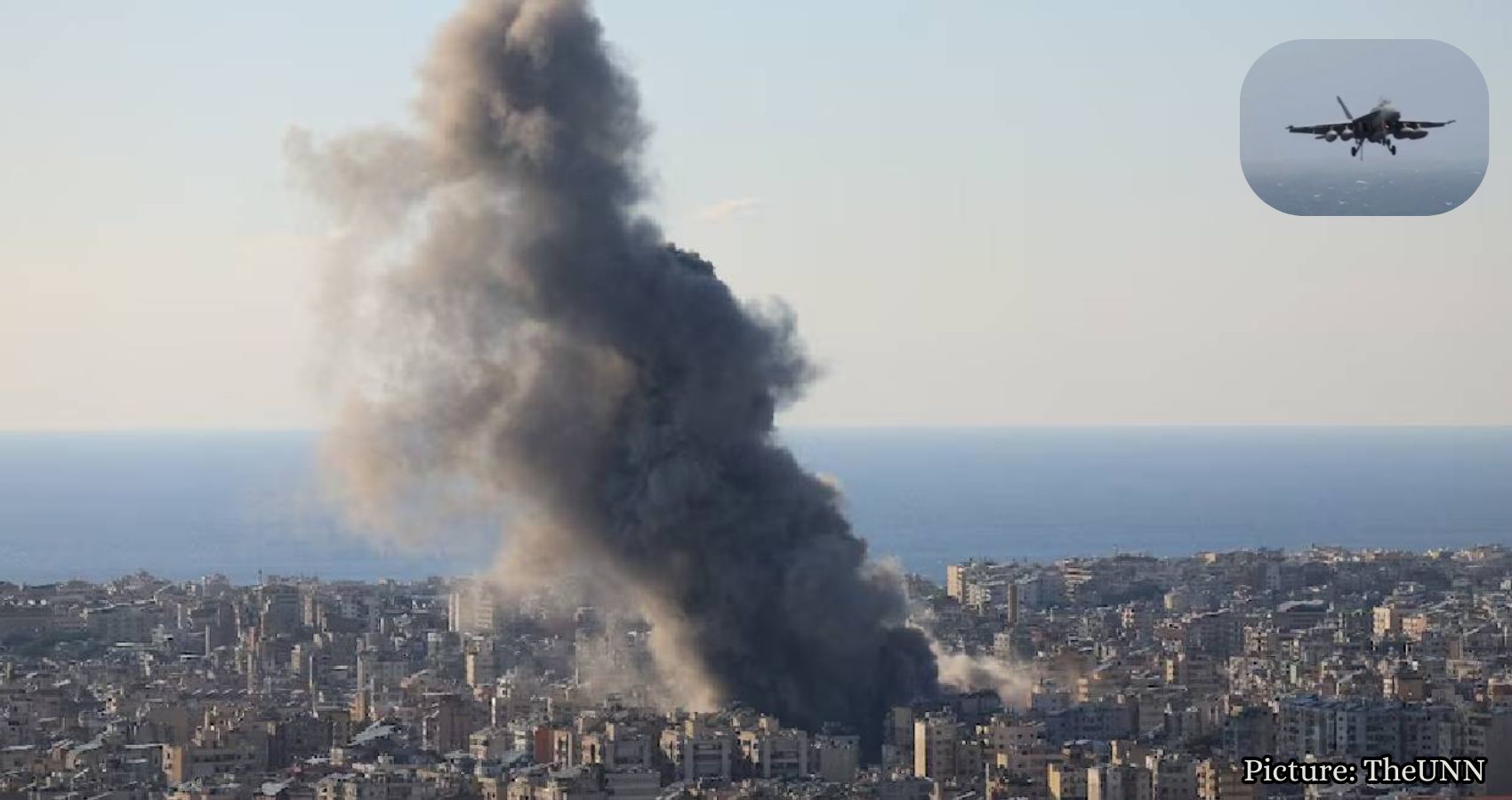
The lawsuit aims to compel the four agencies to comply fully with FOIA and to disclose all documents responsive to seven of the requests. It also seeks the expedited release of guidance directives and correspondence between ICE and the EOIR.

LatinoJustice PRLDEF has been advocating for over 50 years to create a more just society by challenging injustices and empowering communities through advocacy and education. For more information about their work, visit www.LatinoJustice.org.

Democracy Forward Foundation is a national legal organization focused on advancing democracy and social progress through litigation, policy, public education, and regulatory engagement. More details can be found at www.democracyforward.org.

The American Immigration Council works to strengthen America by shaping perceptions and actions towards immigrants and advocating for a fair immigration system. Their efforts include litigation, research, legislative advocacy, and communications. For the latest updates, follow them on social media or visit their website.

Source: Original article

MIT-Educated Indian-American Brothers to Stand Trial for $25 Million Crypto Heist

Two brothers educated at MIT are facing trial for allegedly stealing $25 million in cryptocurrency, claiming their actions were legal maneuvers against automated trading bots.

Federal prosecutors have charged two brothers, Anton Peraire-Bueno, 25, and James Peraire-Bueno, 29, with orchestrating a sophisticated cryptocurrency theft, accusing them of exploiting the Ethereum network to steal $25 million in a matter of seconds. Authorities are labeling the scheme as unprecedented in the realm of digital finance.

The brothers, however, maintain that their actions were not illegal. Their defense argues that they merely outsmarted what they describe as “predatory” automated trading bots. They contend that their actions were a clever strategy within the competitive and often chaotic landscape of cryptocurrency trading, rather than criminal behavior.

This defense is expected to be presented when their trial opens in Manhattan federal court on Tuesday. If convicted of conspiracy, wire fraud, and money laundering, the brothers could face up to 20 years in prison for each count. The trial occurs amid increasing scrutiny of the cryptocurrency industry, as the Trump administration seeks to implement tighter regulations.

Prosecutors allege that the brothers spent months preparing for the heist, executing a rapid 12-second exploit on the Ethereum blockchain in April 2023. They claim the scheme was meticulously planned, citing online searches the brothers allegedly conducted for terms like “how to wash crypto” and “top crypto lawyers.”

At one point, prosecutors noted that the brothers even searched for “Money launder statue of limitations,” mistakenly spelling “statute” as “statue.”

According to the prosecution, the brothers set up “bait transactions” to identify three target traders and analyze the operation of their bots. Once they gathered sufficient information, they allegedly lured the bots into a carefully timed trap.

Prosecutors assert that the brothers crafted an appealing package of crypto trades that they knew the victims’ bots would find irresistible. After the bots took the bait, the brothers reportedly triggered the trap, exploiting a software vulnerability that allowed them to access private transaction data and manipulate the trades in a bait-and-switch tactic. Instead of the anticipated profits, the victims discovered that their $25 million had been redirected into a collection of nearly worthless, illiquid tokens.

To conceal their identities and the location of the stolen funds, prosecutors allege that the brothers routed the money through shell companies, multiple crypto wallets, and overseas exchanges. The entire theft allegedly unfolded in just 12 seconds, during the brief window between when a cryptocurrency trade is initiated and when it is permanently recorded on the blockchain.

“Using the specialized skills developed during their education, as well as their expertise in cryptocurrency trading,” the brothers “exploited the very integrity of the Ethereum blockchain,” prosecutors stated in a 19-page indictment. The indictment claims that they “manipulated and tampered with the process and protocols by which transactions are validated and added to the Ethereum blockchain.”

In doing so, they allegedly fraudulently accessed pending private transactions and used that access to alter transactions and obtain their victims’ cryptocurrency.

During a hearing on Thursday, prosecutors indicated that the brothers’ legal team has expressed no intention of negotiating a plea deal. Instead, the defense plans to vigorously contest the prosecution’s claims during the trial before a jury.

In oral arguments presented in June, Patrick Looby, attorney for James Peraire-Bueno, argued before U.S. District Court Judge Jessica G. L. Clarke that “there’s no central authority” overseeing the Ethereum blockchain. He emphasized that “there’s no government regulations,” asserting that economic incentives guide the behavior of parties involved.

Earlier this year, in an attempt to dismiss the indictment, the defense attorneys contended that the alleged victims lost their cryptocurrency “through pre-programmed trades without ever interacting with the Peraire-Buenos, directly or indirectly.”

They further argued that prior to this indictment, no Ethereum user would have understood that thwarting a predatory attempt by bots engaged in market manipulation could lead to criminal charges. “No court has ever applied these statutes to similar transactions,” they claimed, asserting that the Peraire-Buenos had no reason to believe their actions could be deemed unlawful.

The outcome of this high-profile case could have significant implications for the cryptocurrency industry, particularly as regulatory frameworks continue to evolve.

Source: Original article

IDF Confirms Body Returned by Hamas Does Not Match Hostages

The Israel Defense Forces confirmed that a body handed over by Hamas does not correspond to any of the deceased hostages, prompting calls for further efforts to recover them.

The Israel Defense Forces (IDF) announced that one of the four bodies surrendered by Hamas does not match any of the deceased hostages. This revelation came after examinations were conducted at the National Institute of Forensic Medicine.

The IDF stated, “Following the completion of examinations, the fourth body handed over to Israel by Hamas does not match any of the hostages.” The military organization emphasized that Hamas is obligated to make all necessary efforts to return the deceased hostages.

All living hostages were released as part of a deal facilitated by former President Donald Trump. In a post on Truth Social, Trump expressed his relief regarding the return of the hostages but underscored the importance of recovering the bodies of those who did not survive.

Trump wrote, “ALL TWENTY HOSTAGES ARE BACK AND FEELING AS GOOD AS CAN BE EXPECTED. A big burden has been lifted, but the job IS NOT DONE. THE DEAD HAVE NOT BEEN RETURNED, AS PROMISED! Phase Two begins right NOW!!!”

This situation remains fluid, and updates will continue to emerge as more information becomes available.

Source: Original article

Dozens Killed in Gaza Amid Violence Between Hamas and Armed Clans

At least 64 people have died in Gaza amid violent clashes between Hamas and local militias, coinciding with the anticipated release of hostages by the militant group.

At least 64 individuals, including 52 members of the Doghmush clan and 12 Hamas militants, have been killed in violent confrontations in Gaza. The clashes erupted on Sunday, shortly before the expected release of hostages in the war-torn region, according to local reports.

The fighting unfolded as Prime Minister Benjamin Netanyahu prepared to deliver a televised address, in which he described the imminent hostage release as “the beginning of a new path.” However, he cautioned that “the campaign is not over” and that significant security challenges remain.

Witnesses reported that gunfire sent families fleeing in panic. “This time people weren’t fleeing Israeli attacks. They were running from their own people,” one witness told the BBC.

The violence reportedly began when Hamas militants launched an assault on the Sabra neighborhood in Gaza City, home to the Doghmush clan, also known as the Al Doghmush family militia. According to Israeli outlet Ynet, the Hamas Interior Ministry accused the clan of attacking its forces, while members of the Doghmush clan claimed that Hamas exploited the ceasefire to target them due to alleged cooperation with Israel.

“Children are screaming and dying; they are burning our houses,” a relative of the clan told Ynet. Another member lamented, “We are trapped. I don’t know how they entered with all kinds of weapons. Where were they when the Jews were here? They arrested all the youths, lined them up against walls, pointed weapons at their heads. There is a massacre here.”

In addition to the casualties among the Doghmush clan and Hamas militants, reports indicated that Salah al-Ja‘farawi, a blogger who had celebrated the October 7 attacks online, was killed during the clashes. Hamas’s television channel claimed he was shot dead by “armed gangs operating outside the law.” The son of senior Hamas official Basem Naim was also reported among the deceased.

A senior member of the Doghmush clan expressed a sentiment of unity, stating, “We still say – you must not shed Muslim blood by a Muslim.”

In response to the escalating violence, Hamas’s Interior and National Security Ministry announced a “clemency framework.” This initiative allows militia members and criminals not involved in bloodshed to surrender by the following Sunday, with a warning that those who do not comply will face severe punishment.

Amid the turmoil, three anti-Hamas militias publicly expressed their support for President Trump’s peace proposal, rejecting Hamas’s authority in the Gaza Strip.

As the situation develops, Israel has indicated that Hamas is expected to release 20 living hostages to the Red Cross by 5 a.m. Eastern Time (noon in Gaza) on Monday. The hostages are to be transported in six to eight vehicles under Red Cross supervision and handed over to Israeli forces inside Gaza. They will then be driven to southern Israel to reunite with their families.

Fox News Digital has reached out to the Israeli government for further comment.

Source: Original article

Trump Considers Tomahawk Missile Deliveries to Ukraine Amid Ongoing Conflict

President Donald Trump is considering sending Tomahawk missiles to Ukraine if Russia continues its aggression, describing the weapon as a significant escalation in the ongoing conflict.

Former President Donald Trump has indicated that he may authorize the delivery of Tomahawk missiles to Ukraine if Russian President Vladimir Putin fails to reach a resolution in the ongoing conflict. During a recent conversation with reporters aboard Air Force One, Trump referred to the Tomahawk missile as “incredible” and “very offensive.”

Trump’s comments came after a discussion with Ukrainian President Volodymyr Zelenskyy, who had reached out to him regarding Ukraine’s urgent need for additional military support. Trump noted that he spoke with Zelenskyy on Sunday morning, where the topic of weaponry was a focal point.

“They need Patriots very badly. They’d like to have Tomahawks. That’s a step up,” Trump stated, emphasizing the importance of providing Ukraine with the necessary arms while also ensuring that the United States retains sufficient resources for its own defense.

In contrast to the Biden administration’s approach, Trump asserted that the U.S. has historically sold and sent weapons to NATO allies, claiming that his administration had provided Ukraine with “respect and some other things,” while criticizing the current administration for its financial support of $350 billion.

Before making any decisions regarding the potential shipment of Tomahawk missiles, Trump mentioned that he might first reach out to Putin to gauge Russia’s stance on the matter. “I might speak to Russia about that, in all fairness,” he said. “I told that to President Zelenskyy because Tomahawks are a new step of aggression.”

Trump elaborated that if the conflict remains unresolved, he would consider informing Putin of the possibility of sending the missiles. “The Tomahawk is an incredible weapon, a very offensive weapon, and honestly, Russia does not need that,” he remarked. “I may tell him that if the war is not settled, we may very well. We may not, but we may do it. I think it’s appropriate to bring up.”

In a post on X, Zelenskyy confirmed that their discussions encompassed various aspects of Ukraine’s defense, including efforts to bolster air defense systems and enhance long-range capabilities. He also mentioned that they touched on details related to the energy sector, although he did not provide specifics.

Zelenskyy expressed confidence in Trump’s understanding of the situation, stating, “President Trump is well informed about everything that is happening. We agreed to continue our dialogue, and our teams are doing their preparations.”

These discussions come amid ongoing Russian attacks on Ukraine, which have resulted in significant casualties and damage. Recent strikes in Kyiv injured at least 20 individuals and caused widespread power outages. A child was also reported killed in a separate attack in southeastern Ukraine.

Late Saturday and early Sunday, Russian forces targeted Ukraine’s power grid, aiming to undermine the country’s energy infrastructure as winter approaches. This latest assault aligns with Russia’s pattern of pre-winter strikes, coinciding with Moscow’s expressed “extreme concern” over the potential U.S. provision of Tomahawk cruise missiles to Ukraine.

As the situation evolves, the implications of Trump’s potential missile delivery remain to be seen, but it underscores the ongoing complexities of international relations and military support in the region.

Source: Original article

World Leaders Commend Landmark Israel-Hamas Peace Deal Mediated by U.S.

World leaders have praised a historic peace deal between Israel and Hamas, mediated by the United States, marking a potential turning point for stability in the Middle East.

Israel and Hamas have reached a historic ceasefire agreement, prompting a wave of support from world leaders. Prime Minister Benjamin Netanyahu has hailed the deal as a significant victory for Israel.

In an exclusive interview with Fox News’ Sean Hannity, President Donald Trump announced the “landmark peace deal,” describing it as “a historic step toward peace in the Middle East.” He emphasized the collaborative effort, stating that “the whole world came together” to facilitate the agreement, attributing its success to both “luck” and “talent.” Trump remarked, “So many countries that you wouldn’t have thought of have come together. It’s been so great for Israel, so great for Muslims, for the Arab countries — and so great for the United States of America. This is more than Gaza — this is peace in the Middle East.”

Global leaders have welcomed the news, viewing it as a potential turning point in the region. Netanyahu expressed optimism about the agreement, stating, “With the approval of the first phase of the plan, all our hostages will be brought home. This is a diplomatic success and a national and moral victory for the State of Israel.” He reiterated his commitment to ensuring the return of all hostages and achieving Israel’s objectives, thanking Trump for his support.

Israeli President Isaac Herzog also praised the deal on social media platform X, expressing gratitude to Trump. He stated, “Should he visit us in the coming days, he will be received with immense respect, affection, and gratitude by the people of Israel.” Herzog highlighted the emotional impact of the agreement, saying, “This agreement will bring moments of indescribable relief to the dear families who have not slept for 733 days. This agreement offers a chance to mend, to heal, and to open a new horizon of hope for our region.”

Herzog took a moment to honor those who have suffered during the conflict, acknowledging “the heroes among us: our sons and daughters who fought bravely to bring the hostages home; the bereaved families; the wounded in body and spirit; and all who have paid an unbearable price for this historic and vital moment.”

At the United Nations, Secretary-General António Guterres welcomed the breakthrough and called for swift implementation of the agreement. According to Reuters, Guterres stated, “I welcome the announcement of an agreement to secure a ceasefire and hostage release in Gaza. The United Nations will support full implementation and recovery efforts. This momentous opportunity must not be lost.”

As part of the deal, Hamas is expected to release all 20 living hostages by the weekend. In conjunction with this, the Israeli military is anticipated to begin withdrawing troops from most areas of Gaza as part of the initial phase of the agreement. The Israel Defense Forces (IDF) also released a statement on social media, expressing approval of the agreement for the return of hostages, which was signed overnight.

Trump remarked, “This is a great day for peace. Many years they talked about peace in the Middle East — now it’s happening.” However, the Hamas-run Gaza Health Ministry has reported that more than 67,000 Palestinians have been killed since the onset of the conflict, a figure that has yet to be independently verified.

Source: Original article

Deaths and Disappearances in U.S. Immigration Detention Spark Concerns

Immigrant advocates are raising alarms over a humanitarian crisis in U.S. detention centers, citing alarming statistics of deaths, disappearances, and the treatment of asylum seekers.

A crisis is unfolding within U.S. immigration detention centers, with reports indicating that fifteen individuals have died and more than 1,200 are currently unaccounted for. Nearly 60,000 detainees are held behind barbed wire, according to advocates who spoke at an October 3 briefing hosted by American Community Media. They warned that the existing infrastructure may be on the brink of collapse.

The event featured a panel of lawyers and human rights experts who emphasized that the combination of a record number of detainees, along with a lack of transparency and neglect, is contributing to a growing humanitarian crisis. “This is a crisis,” said moderator Pilar Marrero. “And it is happening with diminishing transparency.”

One of the most concerning situations is at the Everglades detention center in Florida, often referred to as “Alligator Alcatraz.” Here, families and attorneys report that over 1,200 detainees cannot be located, raising serious concerns about their well-being.

Nationwide, the number of detainees has surged to nearly 60,000, the highest figure on record, with most individuals having not been convicted of any crime. This alarming trend has drawn attention to the plight of asylum seekers, who often find themselves treated as criminals.

Heather Hogan, Policy and Practice Counsel for the American Immigration Lawyers Association, shared her experiences as an asylum officer within detention centers. She described how asylum seekers are routinely subjected to harsh treatment, often waking up at 3:30 or 4:00 a.m. for interviews that could determine their futures. “By the time I interviewed them, they were exhausted and hungry,” she recounted. “These were life-altering interviews, but people had nothing left.”

Hogan recalled instances where asylum seekers arrived in shackles and orange jumpsuits, lined up in holding cells. Guards referred to them as “bodies,” and she described an incident where a man needed to use the restroom during an interview but was mocked by a guard for not locating it quickly enough. “That kind of behavior was common,” she noted.

She also highlighted the severe impact of prolonged detention on individuals already fleeing violence, stating that those at risk of suicide or LGBTQ detainees are often placed in solitary confinement, a practice that the United Nations has classified as torture. Hogan recounted the tragic suicide of a young asylum seeker in Arizona, who took her life shortly after expressing credible fears during her interview. “The safeguards just aren’t there,” she lamented.

Andrew Free, an Atlanta-based lawyer and founder of the project #DetentionKills, revealed that 22 individuals died in Immigration and Customs Enforcement (ICE) custody in 2025, marking the second-highest total on record. “Most of the deaths were in Florida, particularly at the Krome Detention Center,” Free stated.

He raised concerns about the accuracy of the official death toll, noting that his investigations uncovered five deaths that had not been publicly reported. “What is the true number of people dying in ICE custody?” he questioned. “I don’t know. And I don’t think anybody does.”

Free now tracks detention deaths for journalists and researchers, emphasizing that lawsuits and investigative reporting are the only reliable means to compel disclosure. “The reason we know anything about deaths in custody is because people sued,” he explained. “And reporters kept digging.”

Yannick Gill, Senior Counsel for Refugee Advocacy at Human Rights First, echoed concerns about the erosion of transparency in the detention system. He cited instances where members of Congress have been denied entry to detention centers, calling such actions unconstitutional. “It should make us stop and ask: What exactly is ICE hiding behind those walls?” he questioned.

Gill also discussed the existence of “shadow sites”—facilities not included in ICE’s public reports—where detainees often disappear from official tracking systems, leading to what he termed “enforced disappearances.” “People are simply off the grid,” he stated. “That is unacceptable in a democracy.”

Advocates argue that the harsh conditions within detention centers are not merely the result of poor management but are indicative of a deliberate strategy. “The cruelty is the point,” Hogan asserted. “Separating people from their families, traumatizing them, making conditions unbearable—that is the government’s approach now. The goal is to get people to give up their asylum claims.”

Hogan proposed that community-based case management could serve as a more humane alternative to detention, asserting that it should be rare and only used when absolutely necessary. “Instead, it has become the default,” she said.

Free added that while lawsuits may be imperfect, they can still yield significant results. He noted that during the pandemic, litigation led to the release of tens of thousands of individuals from detention, many of whom would not have survived COVID-19 if they had remained incarcerated. “Many of those people would not have survived COVID inside,” he said.

Gill emphasized the need for restored oversight, stating that Congress has the constitutional authority to enter detention centers. “Blocking that authority undermines democracy itself,” he warned.

“Immigration detention is supposed to be civil,” Free remarked. “That’s the fiction. In reality, it is indistinguishable from prison.” He concluded by stating, “This is not just about law. It’s about justice. And right now, people are dying without either.”

Source: Original article

Kaelyn Faces Debt to Prevent Partner’s Deportation to El Salvador

Kaelyn’s unexpected romance with Yapa, an asylum seeker from Venezuela, has turned into a desperate fight against his deportation, leading her into significant debt for legal support.

Last summer, Kaelyn found herself at a Latin club in Wilmington, North Carolina, when a charming stranger asked her to dance. Initially reluctant, she was drawn in by his genuine demeanor. “If anyone else had asked, I would’ve said no, but Yapa is so genuine,” she recalls, using a pseudonym to protect his identity. What began as a dance blossomed into a deep friendship and romance, but it would soon lead to a desperate battle for Yapa’s freedom.

Yapa, who fled violence in Venezuela in 2022, was an asylum seeker with a legal work permit. He attended regular court hearings and worked as a delivery driver, aspiring to obtain his commercial trucking license. As their relationship grew, Kaelyn became an integral part of his life.

They celebrated Thanksgiving together, with Yapa bonding with Kaelyn’s family, even playing pool with her father. Her affection for him was evident as his sisters affectionately called her “reina,” a term of endearment meaning queen. They spent their time watching movies and overcoming language barriers with translation apps and Kaelyn’s college Spanish. Each morning, Yapa would text her to ask about her day, solidifying their connection.

Before meeting Yapa, Kaelyn rarely considered immigration policy. Originally from Connecticut, she had relocated to Wilmington for work in film location scouting. However, the political climate shifted dramatically after President Trump’s election, which sparked her concerns about the treatment of asylum seekers.

“People would tell me, ‘Oh, you’re overreacting,’” she says. “This isn’t 1930s Germany. And I’d say, ‘Yeah, but it’s starting to feel that way.’ Looking back now, while people were telling me I was being dramatic, I was actually underreacting.”

On February 22, 2025, Kaelyn’s worst fears materialized when Immigration and Customs Enforcement (ICE) agents arrived unexpectedly in the early morning hours while Yapa was preparing for work. Without explanation, they handcuffed him, confiscating his ID and work permit—documents that have not been returned. They provided no information about his destination, only that he was being deported.

Kaelyn was devastated when Yapa’s sister called to inform her of his detention. Just the night before, Yapa had stayed with her, and she had hoped to keep him close as a U.S. citizen, believing she could better advocate for his rights. “I couldn’t explain it, but I was so emotional,” she recalls of their final night together. “And he told me, ‘There’s no reason for them to take me.’” Now, they faced an urgent need to act to save him.

Yapa was transported to Georgia’s Stewart Detention Center, where he faced allegations of gang affiliation with the Venezuelan gang Tren de Aragua (TdA) during a hearing two months later. “Shocking is not even the word,” Kaelyn says, recalling her reaction. “I was shaking.”

In a recent court filing, ICE admitted it has no evidence linking Yapa to any gang. However, a ruling from the Trump administration complicates the situation for immigrants like Yapa, who entered the country recently and are now struggling to secure their release from detention. Yapa could remain incarcerated for up to a year while his asylum case is pending, facing the grim possibility of deportation to a dangerous environment.

Kaelyn’s fear of the allegations against Yapa was palpable, knowing that if he were deported, he could end up in CECOT, a notorious prison in El Salvador known for its brutality. “I thought, I’m going to have to live the rest of my life knowing he’s in there, and there’s nothing that we can do to get him out of there,” she reflects. The thought of Yapa, along with many other innocent individuals, being imprisoned in what some describe as a modern-day concentration camp is an “atrocity,” she asserts.

The emotional and financial toll on Kaelyn has been immense. She has hired multiple attorneys to advocate for Yapa and has incurred significant debt due to legal fees. Meanwhile, Yapa is held nearly nine hours away from Wilmington, with limited access to phone communication. In April, attorneys from the American Immigration Council and the ACLU took on part of Yapa’s case pro bono. By May, they secured a ruling that prevents the Trump administration from deporting Yapa to CECOT or elsewhere based on the Alien Enemies Act without allowing him a fair chance to contest the TdA allegations. While this decision brought some relief, Kaelyn’s life has been drastically altered.

Conversations with her sister now revolve primarily around updates on Yapa’s case and the latest developments in immigration policy. “We can’t be happy when there’s literally a member of our family who’s been taken from us,” she says. “I’ll never let this go. The administration thinks they’re sowing fear—but they’re creating activists. You can’t destroy someone’s life and expect us to stay quiet.”

Source: Original article

Trump Open to Talks with Kim Jong Un Amid Missile Concerns

President Trump remains open to unconditional talks with North Korean leader Kim Jong Un, as South Korea warns that North Korea’s missiles could reach the U.S. mainland.

The White House has confirmed that President Donald Trump is willing to engage in discussions with North Korean leader Kim Jong Un “without any preconditions.” This statement comes amid warnings from South Korea that North Korea’s missile capabilities could potentially reach the U.S. mainland.

A White House official emphasized that Trump, during his first term, held three significant summits with Kim that contributed to stabilizing the Korean Peninsula. “U.S. policy on North Korea has not changed,” the official stated. “President Trump remains open to talking with Kim Jong Un, without any preconditions.”

South Korean Unification Minister Chung Dong-young made a stark assertion in Berlin this week, indicating that North Korea has become one of the few nations capable of launching an attack on the U.S. mainland. “What needs to be acknowledged should be acknowledged rationally,” he told reporters, as reported by the Yonhap News Agency. The White House did not respond to requests for comment regarding Chung’s claims.

Chung also noted that North Korea’s “strategic position is different” now compared to 2018, when Trump and Kim held their first summit in Singapore. “Acknowledging this reality should be the starting point” in addressing the regime, he added.

Experts have long suggested that North Korea possesses the capability to reach the U.S. mainland with intercontinental ballistic missiles (ICBMs). Bob Peters, a senior research fellow for strategic deterrence at the Heritage Foundation, stated, “They’ve tested ICBMs for a long time.” However, he pointed out that the critical question remains whether North Korea has developed a warhead capable of being accurately delivered by an ICBM.

Meanwhile, Kim Jong Un has indicated that dialogue with the U.S. is possible, but only on his terms. “If the United States drops the absurd obsession with denuclearizing us and accepts reality, and wants genuine peaceful coexistence, there is no reason for us not to sit down with the United States,” Kim was quoted as saying by state media.

A potential meeting with Kim would mark Trump’s fourth encounter with the North Korean leader, occurring at a time when relations between the two nations have become increasingly strained. In July, the White House reiterated that Trump “remains open to engaging with Leader Kim to achieve a fully denuclearized North Korea.” However, North Korea has made it clear that it will not engage with the U.S. if denuclearization is a precondition.

On Monday, North Korean Vice Foreign Minister Kim Son Gyong addressed the United Nations General Assembly, asserting that his country will never abandon its nuclear program, according to reports from Reuters.

Trump is set to travel to Asia later this month for an economic leaders’ summit with South Korean President Lee Jae-myung. A senior U.S. official indicated that there are currently no plans for a meeting in the Demilitarized Zone with Kim. However, reports suggest that Trump may meet with Chinese President Xi Jinping during the Asia-Pacific Economic Cooperation summit, scheduled for October 30 to November 1. Plans for this meeting are still being finalized.

In a recent call, Xi extended an invitation to Trump and First Lady Melania Trump to visit China, which Trump reciprocated. The U.S. official noted that any progress on nuclear negotiations would depend significantly on China. “The first thing that would need to happen is for the Chinese to acknowledge and be more transparent about its own programs,” the official stated.

Current U.S. estimates suggest that China’s nuclear arsenal may consist of approximately 600 warheads by 2024, with projections reaching 1,000 by 2030. In contrast, North Korea is believed to possess around 50 warheads, with sufficient fissile material for up to 90.

Last year, North Korea declared an “irreversible hegemonic position” following the test-firing of its Hwasong-19 intercontinental ballistic missile, which the regime claims can strike the American mainland. As tensions rise, Trump is reinforcing deterrence while keeping the door open for “talks without preconditions.”

Source: Original article

Italy’s Meloni Warns Gaza Flotilla Could Escalate Conflict and Ceasefire Risks

Italian Prime Minister Giorgia Meloni has criticized a Gaza-bound flotilla, warning it could escalate tensions and jeopardize peace efforts led by former President Donald Trump.

Italian Prime Minister Giorgia Meloni has condemned a Gaza-bound flotilla, which includes anti-Israel activists and notable figures such as Greta Thunberg. Her remarks come as Israel prepares for potential escalations in the ongoing conflict, raising concerns that the flotilla could undermine Donald Trump’s peace initiative.

Meloni asserted that the flotilla aims to disrupt Trump’s peace plan, stating on social media platform X, “The truth is simple: those aids can be delivered without risks. Insisting on wanting to force a naval blockade means making oneself—knowingly or not—an instrument of those who want to blow up every possibility of a ceasefire. Spare us the lesson in morality on peace if your goal is escalation. And do not exploit the civilian population of Gaza if you are not truly interested in their fate.”

The Trump administration has introduced a 20-point plan aimed at ending the conflict in Gaza and facilitating the release of Israeli hostages. However, the flotilla’s actions could redirect the narrative from diplomatic efforts back toward confrontation.

Israeli Foreign Minister Gideon Saar echoed Meloni’s sentiments, stating on X, “The flotilla to Gaza is not a humanitarian act, but a dangerous provocation intended to inflame tensions and undermine ongoing diplomatic efforts.”

The Global Sumud Flotilla, which describes itself as a “multinational civilian effort to break Israel’s illegal siege of Gaza,” claims this is the largest attempt to breach Israel’s maritime blockade of the Gaza Strip, which has been in place for 18 years. Israel maintains that the blockade is essential for preventing Hamas from acquiring arms.

The flotilla is currently navigating waters within Israel’s exclusive economic zone and is expected to reach Israeli waters around Yom Kippur. It comprises nearly 50 vessels and hundreds of anti-Israel activists. In preparation, Israel has deployed 600 police officers and naval units, establishing a special court at Ktzi’ot Prison to process potential detainees. Security officials have warned of possible provocations at sea, with a senior Israeli police officer stating, “This is a sensitive and complex operation, and we are preparing for provocations.”

The flotilla has garnered international attention not only due to Thunberg’s involvement but also because of its connections across Europe and the region. The fleet departed from Barcelona, with activists supported by groups in Spain, which Israeli authorities allege have ties to Hamas operative Saif Abu Kashk. He is accused of running a front company that allegedly controls many of the ships involved in the flotilla.

Additionally, Turkey has been monitoring the flotilla with drones and has indicated it may offer assistance on humanitarian grounds. However, Turkey has faced accusations of providing shelter to Hamas members within its borders.

For Israel, the challenge lies in preventing the activists from reaching Gaza while avoiding an international incident that could benefit Hamas. As Trump seeks to solidify a peace deal, the impending confrontation at sea threatens to shift media focus away from diplomatic discussions and back toward conflict.

On Tuesday, Israeli officials released documents linking the flotilla’s organizers to Hamas through the Palestinian Conference for Palestinians Abroad (PCPA). This group, established in Turkey in 2017, has been designated a terrorist organization by Israel and is accused of acting as Hamas’s overseas arm.

Source: Original article

Russia’s Sergey Lavrov Issues Warning to NATO in UNGA Address

Russian Foreign Minister Sergey Lavrov delivered a pointed address at the United Nations General Assembly, warning NATO and the U.S. of a “decisive response” amid rising tensions in Ukraine and the Middle East.

During his speech at the United Nations General Assembly (UNGA) on Saturday, Russian Foreign Minister Sergey Lavrov issued one of Moscow’s most direct warnings to the West, accusing NATO and the European Union of engaging in a “real war” against Russia.

Lavrov began his address with sweeping historical references to World War II, positioning Russia as the successor to the Soviet Union’s legacy in defeating Nazism and defending global sovereignty. He criticized the United States for undermining postwar principles through military interventions in regions such as Yugoslavia, Iraq, and Libya, asserting that similar actions are occurring today in the Middle East.

While condemning the October 7, 2023, attack by Hamas, Lavrov characterized Israel’s military campaign in Gaza as “collective punishment” of civilians. He linked this conflict to a broader narrative of what he described as decades of unchecked Western military force.

Lavrov accused NATO of disregarding longstanding security commitments and insisted that Russia has “never had and does not have” plans to attack NATO countries. He dismissed Western warnings of a potential Russian offensive as “provocations.” In a notable escalation, Lavrov stated, “Any aggression against my country will be met with a decisive response. There should be no doubt about this among those in NATO and the EU.”

This warning comes at a time of heightened tensions along NATO’s eastern flank, where Estonia has recently accused Russian jets of violating its airspace, and NATO forces have intercepted drones over Poland. In response, the U.S. has reiterated its commitment to defend “every inch of NATO territory.” Lavrov’s remarks underscored Moscow’s framing of any potential conflict with NATO as an existential threat to Russia.

The timing of Lavrov’s speech coincides with a shift in U.S. rhetoric regarding the war in Ukraine. President Donald Trump, who met with Ukrainian President Volodymyr Zelenskyy earlier in the week, has adopted a firmer stance, asserting that Ukraine can and should reclaim all its territory. This marks a departure from earlier indications of openness to negotiations, following rare talks between U.S. and Russian officials in Alaska over a month ago.

Lavrov’s address appeared aimed at countering Trump’s new position, reminding Washington that Moscow views the conflict not as a distant issue but as a direct confrontation involving the United States. In his own address to the General Assembly, President Zelenskyy cautioned that failing to stop Russia now could trigger “the most destructive arms race ever.”

Following his speech, Lavrov reinforced his message during a press conference, responding to inquiries about Western calls to shoot down Russian aircraft that might violate European airspace. He dismissed Trump’s earlier characterization of Russia as a “paper tiger,” noting that the president had since retracted that statement. Lavrov then issued a stark warning: “If there are attempts to down any flying object … over our territory, in our airspace, then I think people will very much regret it, undertaking such an egregious violation of our territorial integrity and sovereignty.”

In addition to addressing NATO, Lavrov criticized U.S. sanctions on Iran, labeling Western efforts to restore or tighten restrictions as “illegal” and indicative of Washington’s strategy of “blackmail and pressure.” He argued that the West has undermined diplomatic efforts to revive the 2015 nuclear deal and rejected what he described as manipulations at the U.N. Security Council aimed at isolating Tehran.

Beyond Europe, Lavrov portrayed Russia as aligned with a growing “global majority” opposing Western dominance, citing organizations such as BRICS and the Shanghai Cooperation Organization, as well as calls from African and Latin American nations for greater representation at the U.N. Security Council. He accused the U.S. of using sanctions and military alliances to maintain its hegemony while claiming that Russia is defending the sovereignty of nations across the Global South.

Source: Original article

UN Security Council Rejects Resolution to Extend Iran Nuclear Sanctions Relief

The United Nations Security Council rejected a resolution from China and Russia to extend sanctions relief for Iran, with a vote of 4-9, amid rising tensions over the nuclear deal.

The United Nations Security Council on Friday voted against a resolution proposed by China and Russia that aimed to extend sanctions relief for Iran under the nuclear deal for an additional six months. The final vote was 4 in favor and 9 against, with Algeria, China, Pakistan, and Russia supporting the resolution, while Denmark, France, Greece, Panama, Sierra Leone, Slovenia, Somalia, the United Kingdom, and the United States opposed it. Guyana and South Korea chose to abstain from the vote.

This decision comes in the wake of Britain, France, and Germany activating the “snapback” mechanism of the nuclear deal, which reinstates sanctions on Iran following stalled negotiations regarding its nuclear program. The reinstated sanctions are set to take effect unless a last-minute agreement is reached. These sanctions will include the freezing of Iranian assets abroad, a halt to arms deals with Tehran, and penalties against any development of Iran’s ballistic missile program.

Dmitry Polyanskiy, the deputy Russian ambassador to the U.N., expressed disappointment during the meeting, stating, “We had hoped that European colleagues and the U.S. would think twice, and they would opt for the path of diplomacy and dialogue instead of their clumsy blackmail, which merely results in escalation of the situation in the region.”

In the lead-up to the U.N. vote, Iran’s Foreign Minister Abbas Araghchi engaged in discussions with his counterparts from France, Germany, and the United Kingdom. However, a European diplomat later informed The Associated Press that these talks “did not produce any new developments, any new results.”

Adding to the tensions, Ayatollah Ali Khamenei, Iran’s supreme leader, stated earlier this week that Iran would not “surrender to pressure” and characterized negotiations with the U.S. as a “dead end.”

In an interview following the vote, Iranian President Masoud Pezeshkian condemned the decision as “unfair, unjust and illegal.” The rejection of the resolution underscores the ongoing complexities and challenges surrounding the Iran nuclear deal and the broader geopolitical landscape.

As the situation continues to evolve, the implications of the reinstated sanctions and the responses from Iran and the international community remain to be seen.

Source: Original article

Lawsuit Claims Illegal Immigration Arrests by Trump Administration in D.C.

Four D.C. residents and CASA have filed a class-action lawsuit against the Trump administration, alleging unlawful immigration arrests by ICE agents that have instilled fear in local immigrant communities.

A class-action lawsuit has been filed against the Trump administration by four Washington, D.C. residents and the national immigration organization CASA. The lawsuit alleges that federal agents have conducted a series of illegal immigration arrests across the District since August, creating widespread fear among immigrant communities.

Filed in the U.S. District Court for the District of Columbia, the lawsuit challenges what the plaintiffs describe as a pattern of arrests made without warrants or probable cause, which they argue violates federal immigration law. According to the law, agents are permitted to detain individuals without a warrant only if they can demonstrate probable cause that the person is unlawfully present in the country and poses a flight risk.

The plaintiffs contend that these legal safeguards have been disregarded. Each individual involved in the lawsuit claims to have been arrested without a warrant, subsequently detained, and later released. CASA, one of the plaintiffs, stated that the recent crackdown has compelled the organization to redirect its resources from social services to crisis response for community members who have been detained.

Elias, a CASA member and one of the plaintiffs, recounted his harrowing experience: “On my way to a life-saving dialysis appointment, I was detained by ICE one mile from the hospital. They ignored my U.S. driver’s license and left me without critical treatment that day, putting my health in immediate danger. I was detained for over eight hours without food or access to my necessary medicine. Since then, I have lived in fear that I could be torn from my family and deported to a place where I cannot get the medical care I need to survive. No one should be treated this way. I am standing up in this lawsuit to make sure ICE is held accountable and stops these unlawful arrests from destroying more lives.”

Advocates for immigrant rights have expressed concern that these practices have fostered an atmosphere of fear. Adina Appelbaum, program director of the Immigration Impact Lab at the Amica Center for Immigrant Rights, stated, “Families should not have to live in fear that simply walking to school, going to work, or attending a doctor’s appointment will result in being abducted and dragged away by federal agents without cause. ICE’s wide-sweeping arrests in D.C. are not just cruel; they are blatantly unlawful.”

The plaintiffs are represented by a coalition of organizations, including the American Civil Liberties Union (ACLU) of the District of Columbia, the Amica Center for Immigrant Rights, CASA, the National Immigration Project, the Washington Lawyers’ Committee for Civil Rights and Urban Affairs, and the law firm Covington & Burling LLP.

Aditi Shah, a staff attorney with the ACLU of D.C., emphasized the disruptive nature of the federal government’s actions. “The government’s policy and practice of arresting people without probable cause are illegal and have disrupted everyday life in the District. The policy and practice disregard important limits Congress has established for immigration arrests and have sown terror among immigrant communities and neighborhoods in D.C. Federal agents, like the rest of us, must follow the law,” she said.

This lawsuit arises in the context of President Trump’s declaration of a “crime emergency” in Washington, D.C., made in August. This declaration led to the deployment of federal law enforcement agents, including ICE, and authorized the Department of Justice to direct the Metropolitan Police Department to assist with immigration enforcement. Although the emergency period has since ended, federal immigration arrests in the city have persisted.

Yulie Landan, a staff attorney with the National Immigration Project, remarked, “For weeks, immigrant communities in D.C. have been living in a state of terror and disruption caused by a policy of indiscriminate targeting being carried out by immigration officials.”

CASA leaders have expressed their determination to combat these practices. Ama Frimpong, legal director at CASA, stated, “CASA members who live and work in D.C. are being targeted by immigration officials simply for existing. With this lawsuit, our members are making it clear: they have had enough of the federal government’s lawlessness and abuse of power. They will not be intimidated or silenced. They will continue to fight until the government is held accountable.”

Madeleine Gates, associate counsel at the Washington Lawyers’ Committee for Civil Rights and Urban Affairs, added that the fear extends beyond undocumented immigrants. “The federal government has created a culture of fear in D.C., including among U.S. citizens and immigrants with legal status,” she said. “People are justifiably afraid to go to work or even to walk their kids to school. We are determined to end this unlawful policy.”

A virtual press conference featuring the plaintiffs is scheduled for Friday, September 26, at 12:30 p.m. Eastern Time.

Source: Original article

73-Year-Old Sikh Grandmother Deported to India After ICE Detention

Harjit Kaur, a 73-year-old Sikh grandmother, has been deported to India after facing alleged mistreatment during her detention by ICE, raising concerns about immigration enforcement practices.

Harjit Kaur, a 73-year-old Sikh grandmother who lived in California for over three decades, has been deported to India following weeks of detention that her attorney and community advocates describe as inhumane. Her case has ignited discussions surrounding immigration enforcement and the treatment of vulnerable individuals in detention.

Kaur was detained during a routine check-in with U.S. Immigration and Customs Enforcement (ICE) on September 8 in San Francisco. Despite having reported to ICE every six months for more than a decade, she was taken into custody without warning. Kaur had resided in Hercules, California, since the early 1990s, where she worked modest jobs to support her two sons and five grandchildren, many of whom are U.S. citizens.

Her family had arranged for her to return to India on a commercial flight, intending for her to travel with dignity and be accompanied by a relative. However, ICE transferred her without notice from Bakersfield, California, to Lumpkin, Georgia, before placing her on a charter deportation flight. This abrupt action left her family without the opportunity to say goodbye.

According to her attorney, Deepak Ahluwalia, troubling details have emerged regarding Kaur’s treatment while in detention. Reports indicate that she was held for hours in cells without beds or chairs, forced to sleep on the floor, and shackled during transport. Additionally, she was denied vegetarian meals that aligned with her faith, at times receiving only an apple or even a plate of ice to take her medication. Kaur was also reportedly denied basic medical care for days and frequently refused access to water and hygiene supplies.

The Sikh Coalition, along with Kaur’s attorney, expressed outrage over her treatment. “This treatment is unacceptable for any person,” they stated, “but it is especially disturbing that a 73-year-old grandmother had to endure such conditions.”

Kaur’s immigration journey began in 1991 when she fled political turmoil in Punjab, India, after becoming a widow and raising her two young sons. Over the years, she filed multiple asylum applications, all of which were denied, with the last one submitted in 2012. Although her legal avenues for permanent residency had closed, she remained in the U.S., paying taxes and working as a seamstress at a Bay Area sari shop, Sari Palace, for nearly two decades.

Her community remembers her fondly, with many expressing heartbreak and disbelief over her deportation. “This has been heartbreaking,” one commenter noted. “I remember her from Sari Palace. She was so kind and talked to me like I was family even though it was my first time there.”

The Sikh community in California and beyond has closely monitored Kaur’s case, viewing it as representative of a broader crackdown by immigration authorities. Critics argue that her deportation highlights not only ICE’s harsh tactics but also significant policy shifts that have placed vulnerable immigrants—especially the elderly—at increased risk of mistreatment.

For years, Kaur’s deportation had been delayed due to her lack of necessary travel documents. Indian missions in the U.S. typically require verification of identity and origin before issuing emergency travel certificates, a process that can take weeks. However, this time, her deportation was executed swiftly.

Kaur has now arrived in India and is en route to Punjab, according to her attorney. Her family and community supporters remain deeply concerned about the treatment she endured during her final days in the United States.

Source: Original article

Abbas to Address UN Amid Visa Dispute and Hamas Concerns

Palestinian Authority President Mahmoud Abbas calls for Hamas to surrender its weapons and advocates for a ceasefire ahead of his upcoming address to the United Nations General Assembly.

Palestinian Authority (PA) President Mahmoud Abbas is scheduled to address the United Nations General Assembly on Thursday via video link, following the revocation of his visa by the U.S. last month. The U.N. recently voted 145-5 to allow Abbas to speak at this significant international event, despite the U.S. accusing the Palestinian leadership of undermining peace efforts and barring entry for approximately 80 Palestinians.

It remains uncertain how Abbas’ upcoming address will differ from his remarks made on Monday at an event co-hosted by France and Saudi Arabia. During that event, Abbas called for an immediate ceasefire and urged Hamas to surrender all weapons to the PA.

“Hamas will have no role in governance, and it, along with other factions, must hand over its weapons to the Palestinian Authority,” Abbas stated. “We want one unified state, without arms outside the framework of the law, under one legal system, and with one legitimate security force.”

Abbas also reaffirmed his condemnation of the actions of the Israeli occupation, while simultaneously denouncing the killing and kidnapping of civilians, including the attacks carried out by Hamas on October 7, 2023.

The PA was established in 1994 following the Oslo Accords peace agreement with Israel, but it has been largely sidelined since 2005. It continues to operate in the West Bank, although it has faced ongoing clashes with Hamas, which has held de facto power in the Gaza Strip since 2007 after a violent power struggle.

Last month, the U.S. State Department indicated that the PA “must consistently repudiate terrorism — including the October 7 massacre” before it can be considered a partner for peace.

Despite the PA’s limited role in ceasefire negotiations, Abbas expressed gratitude on Monday to the U.S., Qatar, and Egypt for their mediation efforts with Israel. He asserted that the PA is the only legitimate authority capable of assuming full responsibility for governance and security in Gaza, proposing a temporary administrative committee linked to the Palestinian government in the West Bank, supported by Arab and international partners.

Abbas outlined a “comprehensive reform agenda” aimed at strengthening governance, transparency, and the rule of law in Gaza. His proposed plan includes reforming financial institutions, aligning school curricula with UNESCO standards, establishing a social welfare program, and holding presidential and parliamentary elections within one year of the conflict’s conclusion.

The State Department did not immediately respond to inquiries regarding its support for the re-implementation of the PA. The Trump administration has consistently made clear its opposition to the actions taken by other Western nations, which have recently indicated their intention to recognize a “state of Palestine.”

Source: Original article

Trump Officials Criticize Governor for Ignoring Disruptive Anti-ICE Protests

The Department of Homeland Security has criticized Illinois Governor J.B. Pritzker for his lack of response to an anti-ICE protest that escalated into chaos, prompting federal authorities to use tear gas.

The Department of Homeland Security (DHS) has publicly criticized Illinois Governor J.B. Pritzker for his inaction during a chaotic anti-ICE protest in Broadview, a suburb of Chicago. The protest forced federal authorities to deploy tear gas and other non-lethal measures to regain control of the situation.

In a statement released on Monday, DHS claimed that local police, operating under Pritzker’s sanctuary jurisdiction, “refused to answer multiple calls for assistance.” This assertion follows reports from Fox News Digital detailing clashes between federal officials and protesters who were obstructing ICE vehicles attempting to enter and exit a processing facility.

DHS characterized the protesters as “rioters,” stating that 16 individuals have been arrested in connection with the incident. The agency alleged that the rioters engaged in various violent actions, including obstructing law enforcement, throwing tear gas canisters, rocks, bottles, and fireworks, slashing the tires of vehicles, blocking facility entrances, and trespassing on private property. Additionally, it was reported that some rioters assaulted law enforcement officials during the unrest.

In response, Matt Hill, a spokesperson for Governor Pritzker, refuted the claims made by DHS. He told Fox News Digital that it is “completely false to suggest the state or local municipalities have been obstructing federal officials.” Hill emphasized that the state had not received multiple requests for assistance from the federal government and reminded DHS of the importance of coordinating with local law enforcement to ensure public safety.

“Governor Pritzker has been clear that violence is unacceptable and everyone needs to follow the law, which includes federal agents respecting constitutional rights to peaceful protest,” Hill added.

Hill also cautioned the media to approach reports from the Trump administration with skepticism, citing a “record of lies, lack of transparency, and failure to coordinate with the state and local law enforcement.”

The DHS statement highlighted that the protest disrupted an operation targeting individuals with serious criminal backgrounds. Among those being processed at the facility were individuals with convictions for drug trafficking, domestic abuse, driving under the influence (DUI), and assault.

One of the individuals mentioned by DHS was Andres Ventura-Uvaldo, a Mexican national with a history of felony DUI and domestic violence arrests. Another, Alberto Algeria Barron, had been previously removed from the U.S. in 2014 and had two convictions for domestic battery. Additionally, Erwin Jose Roa-Mustafa, a Dominican national, was being processed after pleading guilty to federal charges related to drug distribution, including fentanyl.

Other individuals included Ibis Alberto Testa Nunez, a Mexican national with prior arrests for cocaine possession, and Salvador Alcantar-Alcantar, who had been arrested for DUI, trespassing, and assault. Carlos Eduardo Chavez-Cardenas from Bolivia had a history of DUI and drug possession convictions.

DHS Assistant Secretary Tricia McLaughlin condemned the actions of the protesters, stating, “These heinous criminals, including domestic abusers, drug traffickers, violent offenders, and drunk drivers are some of the illegal aliens being held in the ICE Broadview Processing Center.” She further remarked that the rioters were “fighting to keep rapists, murderers, and other violent criminals loose on Illinois streets.” McLaughlin urged the public to recognize the efforts of ICE officers who work daily to enhance community safety.

This incident comes amid reports from DHS indicating that ICE officials are experiencing a more than 1,000 percent increase in assaults while conducting operations across Illinois.

According to Fox News Digital, the situation underscores the ongoing tensions between federal immigration enforcement and local jurisdictions that adopt sanctuary policies.

Source: Original article

US Strikes Drug-Smuggling Boat Carrying Over Ton of Cocaine

The Dominican Republic reported a major drug seizure after a U.S. airstrike targeted a vessel carrying over a ton of suspected cocaine.

The Dominican Republic has announced a significant drug seizure following a U.S. airstrike on a vessel suspected of trafficking narcotics. The boat was reportedly carrying “approximately 1,000 kilograms of suspected cocaine,” which translates to over 2,200 pounds, or more than one ton of the drug.

In the aftermath of the airstrike, the Dominican Republic’s National Drug Control Directorate and its navy seized hundreds of packages containing the suspected cocaine. These packages were subsequently sent, under chain of custody, to the National Institute of Forensic Sciences (INACIF) for analysis to determine their exact type and weight.

The operation was described as the first “joint operation against narcoterrorism in the Caribbean region” conducted between the Dominican Republic and the United States. According to a news release from the National Drug Control Directorate, authorities detected a speedboat, known as a “Go Fast” type, which intelligence reports indicated was loaded with narcotics and heading toward Dominican territory. The intention was to use the Dominican Republic as a transit point to transport the drugs to the United States.

This airstrike is part of a broader initiative by the U.S. government to combat drug trafficking. President Donald Trump has ordered strikes on multiple vessels this month as part of this crackdown. In a recent post on Truth Social, he emphasized the administration’s commitment to targeting drug traffickers, stating, “IF YOU ARE TRANSPORTING DRUGS THAT CAN KILL AMERICANS, WE ARE HUNTING YOU!”

The U.S. government has classified cocaine as “an intense, euphoria-producing stimulant drug with strong addictive potential.” A fact sheet from the government notes that tolerance to cocaine’s effects develops rapidly, leading users to consume higher doses.

This operation underscores the ongoing collaboration between the Dominican Republic and U.S. authorities in the fight against narcotics trafficking in the Caribbean region.

Source: Original article

Massive WWII Bomb Prompts Evacuation of 6,000 Residents

Experts successfully neutralized a massive World War II bomb in Hong Kong’s Quarry Bay, prompting the evacuation of approximately 6,000 residents amid challenging weather conditions.

In a dramatic overnight operation, thousands of residents in Hong Kong were evacuated as experts worked to defuse a massive World War II bomb discovered in the Quarry Bay neighborhood. The nearly five-foot-long, 1,000-pound bomb was unearthed at a construction site early Saturday morning, raising significant safety concerns for the surrounding community.

The U.S.-made bomb, which contained 500 pounds of TNT, was confirmed to date back to World War II by police officials. Andy Chan Tin-Chu, a representative of the Hong Kong police, reported that due to the “exceptionally high risks associated with its disposal,” approximately 1,900 households, involving around 6,000 individuals, were urged to evacuate swiftly.

As the operation unfolded, the Hong Kong Police issued a statement detailing the challenges faced by the bomb disposal team. They worked from around 2 a.m. until nearly noon, braving adverse weather conditions caused by a typhoon. The team successfully neutralized the bomb by 11:48 a.m., ensuring the safety of the public without any reported injuries.

The police emphasized the importance of public safety, stating, “Given the high risks involved in the handling of the bomb that officers from our Explosive Ordnance Disposal Bureau believe to still be in good condition, the Hong Kong Police Force devised the emergency evacuation plan upon the discovery of the bomb.” This plan was implemented to protect residents living near the construction site located at No. 16-94 Pan Hoi Street.

This incident is not the first of its kind in Hong Kong. In 2018, another 1,000-pound World War II bomb was defused at a construction site in the city’s business district, marking the third such discovery that year. The historical context of these findings is significant, as Hong Kong was occupied by Japanese forces during the war and was a target of U.S. air raids.

Authorities continue to monitor the situation closely, and residents have been advised to stay informed about any further developments regarding the bomb disposal and safety measures in the area.

According to the Associated Press, the successful handling of this bomb reinforces the ongoing challenges posed by unexploded ordnance from the war, which remains a concern in various parts of the world.

Source: Original article

India Keeps Watch on Nepal Amid Rising Internal Conflict

India is closely monitoring the escalating internal conflict in Nepal, particularly among the Gen Z movement, as political instability raises concerns about the region’s future.

NEW DELHI – As Nepal navigates its path toward peace and democracy, reports of discord within the Gen Z movement have raised alarms, prompting India to keep a vigilant eye on the situation.

On September 18, the Nepal Stock Exchange experienced a significant downturn, plummeting 160.33 points. Trading was halted for the day after the index fell by 6 percent, closing at 2,511.91 points.

This abrupt decline reflects growing uncertainty among investors, many of whom are reacting to the political unrest and its potential ramifications for the economy, according to the Kathmandu Post.

The young protesters who played a pivotal role in toppling the previous government are not a unified front; instead, they are fragmented into various factions, each with its own leaders, platforms, and tactical objectives.

Conflict emerged earlier this week when a group of demonstrators, led by Sudan Gurung, gathered outside the official residence of interim Prime Minister Sushila Karki in Kathmandu. They were protesting the appointment of Om Prakash Aryal as the country’s Home and Law Minister in the interim cabinet.

The protesters asserted that they were instrumental in Karki’s rise to the premiership and warned that they could also orchestrate her removal if necessary.

Some members of the protest had previously voiced their opposition to Aryal’s appointment, advocating for a younger individual to assume the role of Prime Minister.

Among the names floated as a potential candidate was Kulman Ghising, a 54-year-old engineer currently serving in the cabinet with oversight of three portfolios. Ghising, who previously led the Nepal Electricity Authority, has been credited with addressing the country’s power challenges.

Notably, Aryal is said to have close ties with Kathmandu Mayor Balen Shah, who is alleged to have entered the cabinet through “self-nomination.” This perceived betrayal of the Gen Z movement’s democratic ideals has sparked discontent among some participants.

Shah, 35, is an engineer-turned-rapper-turned-politician who won the mayoral election as an independent candidate and has garnered significant support from Nepal’s youth. He was initially viewed as the protesters’ preferred choice to lead an interim government but declined the offer, instead expressing his support for Karki via social media.

Gurung, a prominent figure in the uprising, is the founder of Hami Nepal, a youth-led non-profit organization engaged in social work, particularly in the aftermath of the 2015 earthquake.

At 36, Gurung has transitioned from being an event organizer and DJ to a steadfast activist. However, his emotional demeanor has led to controversy; a viral video showed one of his supporters assaulting a journalist during a press conference on September 14, resulting in chaos at the event.

In light of the current unrest, security analysts are concerned about potential rifts among youth leaders. With online provocations from Pakistani netizens already underway, there is a fear that external forces may exploit the situation for their own interests.

Experts warn that this could heighten the risk of renewed unrest and could lead to arms smuggling and infiltration across the porous Indo-Nepal border.

Foreign powers may seek to manipulate the Gen Z movement to establish a parallel authority, potentially resulting in prolonged instability, echoing similar patterns observed in neighboring countries in the past.

As the situation unfolds, India remains watchful, aware of the implications that political turmoil in Nepal could have on regional stability.

Source: Original article

Ex-India Star Responds to Mohammad Yousuf’s Controversial Remarks

Former India spinner Amit Mishra criticized ex-Pakistan batter Mohammad Yousuf for his derogatory remarks aimed at Indian T20I captain Suryakumar Yadav.

In a recent exchange that has stirred controversy in the cricketing world, former India spinner Amit Mishra has taken a strong stance against ex-Pakistan batter Mohammad Yousuf. Mishra’s comments came in response to Yousuf’s derogatory remarks directed at India’s T20 International captain, Suryakumar Yadav.

The incident highlights the ongoing tensions and rivalries that often surface in the sport, particularly between India and Pakistan. Yousuf’s choice of words, which many have deemed inappropriate, has drawn sharp criticism from various quarters, including Mishra, who did not hold back in his response.

Mishra’s reaction underscores the importance of maintaining respect and sportsmanship in cricket, regardless of the fierce competition that exists between the two nations. His comments serve as a reminder that athletes should strive to uplift the sport rather than engage in personal attacks.

As the cricketing community continues to react to this incident, it remains to be seen how this exchange will impact the relationship between players from both countries. The rivalry is not just limited to the field but often spills over into social media and public discourse, making it a topic of interest for fans and analysts alike.

In a sport that has the power to unite and inspire, such derogatory remarks can detract from the positive spirit of competition. Mishra’s condemnation of Yousuf’s comments reflects a broader call for civility and respect among players, which is essential for the integrity of the game.

As discussions around this incident unfold, it is clear that the cricketing world is watching closely. The reactions from both players and fans will likely shape the narrative moving forward, emphasizing the need for mutual respect in a sport that is beloved by millions.

According to Source Name, Mishra’s comments have resonated with many who believe that sports should be a platform for positive engagement rather than personal attacks.

Source: Original article

Two Shootings Raise Concerns Among Indian-American Communities

Recent events in the U.S., including a mass shooting and ongoing tariff disputes with India, highlight complex issues of ideology and international relations.

Chicago: As the Indian media focused on U.S. President Donald Trump’s tariffs and his aide Peter Navarro’s critical remarks about India and Prime Minister Narendra Modi, a tragic mass shooting unfolded in the United States.

While the two events may seem unrelated at first glance, they share a common thread of anti-India sentiment. Observers note that the ideologies of transgederism, antisemitism, jihadism, and anti-India bigotry are interconnected in troubling ways.

The Annunciation Catholic Church Shooting

On Wednesday, August 27, 2025, the new school year began at The Annunciation Catholic School in Minneapolis, Minnesota. Just before 8:30 a.m., as children gathered at the church for Mass, a shooting erupted. The school serves students from preschool through eighth grade and is affiliated with the historic Annunciation Catholic Church.

The shooter, identified by law enforcement as 23-year-old Robin (born Robert) Westman, opened fire through the church’s stained glass windows. Tragically, the attack resulted in the deaths of two children, aged 8 and 10, and left 18 others injured. Westman ultimately died by suicide at the scene.

Reports indicate that Westman was a mentally disturbed individual radicalized by leftist jihadist ideology. A manifesto revealed violent fantasies against children, along with a detailed seating map of the church. In addition to anti-Catholic slurs, Westman’s writings included threats against “filthy Zionist Jews” and inscriptions on weapons that read “NUKE INDIA,” “Kill Donald Trump,” and “Israel Must Fall.”

This incident is not isolated; the U.S. has witnessed several high-profile cases of violence involving transgender individuals in recent years. In March 2023, Aiden Hale, a 28-year-old who identified as transgender, killed three children and three staff members at The Covenant School in Nashville, Tennessee. Hale’s manifesto referenced the Columbine High School massacre, indicating a troubling pattern of violence.

In November 2022, Anderson Lee Aldrich, who identifies as nonbinary, fatally shot five people and injured 40 others at Club Q, an LGBTQ nightclub in Colorado Springs. Aldrich was subdued by patrons and later sentenced to life in prison.

Critics argue that transgenderism represents a radical ideology that dismisses biological realities. Jessica Hart Steinmann and Leigh Ann O’Neill have noted that it teaches individuals to suppress their instincts and question the fairness of protective rules designed for their safety.

Despite the progressive narrative surrounding Hindu society, traditional Hindu values were not intended for social engineering, and many overlook this fact.

As is often the case following mass shootings in the U.S., the Annunciation Catholic Church shooting ignited a wave of liberal commentary regarding gun laws. The Second Amendment of the U.S. Constitution guarantees the right to bear arms, which has become a contentious issue in American politics. Minneapolis Mayor Jacob Frey criticized the focus on “thoughts and prayers,” emphasizing the gravity of the situation as children prayed in a church during their first week of school.

Tariffs and U.S.-India Relations

The U.S.-India relationship is currently facing significant challenges, particularly during the Modi administration. Tariffs and the purchase of Russian oil are not new issues in this bilateral relationship.

During Trump’s first term, tariffs were a major point of contention, with high tariffs on products like Harley-Davidson motorcycles causing friction. In March 2019, the U.S. revoked India’s Generalized System of Preferences (GSP) status, which allowed certain products from India to enter the U.S. duty-free.

More recently, President Joe Biden’s administration has taken a hard stance on India’s compliance with U.S. sanctions. Deputy National Security Advisor Daleep Singh, of Indian descent, warned India of “consequences” for its actions, while Under Secretary of State Victoria Nuland imposed a stealth visa ban on Indians for failing to comply with U.S. sanctions on Russia. This led to significant delays for Indians seeking visa appointments.

Senior journalist Prof. M.D. Nalapat noted that Nuland was frustrated by India’s refusal to abandon the S-400 missile deal with Russia, highlighting the complexities of U.S. foreign policy in the region.

Walter Russell Mead, a distinguished fellow at the Hudson Institute, recently suggested a shift toward protectionism in the Indo-Pacific, indicating a bipartisan move away from trade policies that promote export-oriented growth in developing economies. This shift may require India to align its policies with U.S. strategic interests, which include countering Chinese aggression and stabilizing the Middle East.

The Tragic Death of Charlie Kirk

As these discussions unfolded, the tragic news of the killing of Charlie Kirk, a 31-year-old conservative activist, emerged. Kirk was instrumental in mobilizing young voters for Trump’s 2024 campaign through his organization, Turning Point USA.

A college dropout, Kirk was known for engaging with students on college campuses about faith, family, and conservative values. His assassination on a campus—an institution meant to foster diverse ideas and free speech—serves as a grim reminder of the rising violence against conservative voices in America.

These events collectively underscore the complexities of contemporary American society, where ideological battles intersect with issues of safety, policy, and international relations.

Source: Original article

Netanyahu’s Actions Against Qatar Raise Concerns for Hostages’ Safety

Israel’s recent airstrike in Qatar has drawn widespread condemnation and raised questions about the future of peace negotiations amid ongoing hostilities in Gaza.

In a shocking turn of events, an Israeli airstrike in Qatar has claimed the lives of five senior Hamas leaders who were reportedly discussing ceasefire proposals with U.S. officials. The attack, named Operation Atzeret HaDin, or “Day of Judgement,” occurred while the leaders were meeting in a luxurious residential area in northern Doha.

Israeli President Isaac Herzog stated that the strike specifically targeted Khalil al-Hayya, the primary Hamas negotiator based in Qatar. Herzog claimed that al-Hayya had repeatedly obstructed peace efforts, asserting, “We targeted those who refused to accept the deal, including primarily al-Hayya, whose hands carried the blood of thousands of Israelis.”

However, neutral observers have criticized the strike, suggesting that it was a deliberate attempt by Israel to undermine ongoing peace talks and continue its military campaign in Gaza. Many view the attack as a move to achieve what Israel describes as a “total victory” over Hamas.

Qatar, a key mediator in the region and a U.S. ally, condemned the airstrike as a violation of its sovereignty. Prime Minister Mohammed bin Abdulrahman bin Jassim al-Thani expressed outrage, stating, “We will act firmly against the reckless breach that threatens our security.” He added that he had met with families of hostages just hours before the attack, emphasizing their reliance on diplomatic mediation for hope.

Other Gulf nations also voiced their condemnation of the Israeli strike. The United Arab Emirates, part of the Abraham Accords aimed at normalizing relations with Israel, labeled the attack a “reckless” and “flagrant violation” of international law. Iran and Saudi Arabia characterized the bombing as a “criminal act,” further escalating regional tensions.

Reports indicate that the discussions among Hamas officials in Doha included proposals for a 60-day ceasefire and the early release of hostages, both living and deceased. The negotiations also considered the release of Palestinian prisoners held in Israeli jails. However, the airstrike abruptly ended these discussions, raising questions about the future of peace efforts.

In the wake of the bombing, President Donald Trump, who had previously expressed optimism about the negotiations, altered his tone. Before the strike, he had posted on Truth Social, “The Israelis have accepted my Terms. It is time for Hamas to accept as well.” After the attack, he expressed dissatisfaction, stating, “I’m not thrilled about it. It’s not a good situation,” while distancing himself from the decision, claiming it was made solely by Prime Minister Netanyahu.

This shift in Trump’s rhetoric has led many to question the reliability of U.S. security guarantees in the region. The bombing poses a complex political dilemma for Trump, who must balance support for Israel with the need to maintain diplomatic relations with Arab nations.

Qatar hosts the largest U.S. military facility in the region, the Al Udeid airbase, which underscores its strategic importance to American interests. This military presence provides Qatar with a degree of security, especially as Israeli officials have long criticized the nation as a “Club Med for terrorism.”

The implications of the airstrike extend beyond immediate diplomatic relations. Analysts warn that the attack could lead to further destabilization in the region, with the potential for a multi-front conflict that could disrupt oil prices and exacerbate humanitarian crises. Recent Israeli strikes on other Middle Eastern capitals, including Tehran and Damascus, have already raised concerns about escalating violence.

Looking ahead, the outcome of Operation Atzeret HaDin remains uncertain. While a major rocket attack on Israel is unlikely in the immediate future, the potential for further Israeli strikes could increase tensions. Observers suggest that restraint from all parties, coupled with strong diplomatic efforts—particularly from the U.S.—could help prevent a broader conflict.

For the families of the hostages, the situation is dire. Netanyahu’s government appears to prioritize a military solution over negotiations, raising fears for the safety of the approximately 20 hostages believed to still be alive. The families are understandably anxious, as Netanyahu’s commitment to securing their release seems increasingly performative. Had he genuinely sought to negotiate, the airstrike on Qatar would not have occurred, effectively jeopardizing any chance for successful mediation.

As the UN General Assembly prepares to meet next week, where several Israeli allies may recognize an independent Palestinian state, the stakes continue to rise. Israel has initiated operations to seize Gaza City, where hostages are believed to be held, further complicating the situation.

In summary, Netanyahu’s recent actions have not only escalated military tensions but have also significantly diminished the prospects for peace, effectively signing the death warrants of innocent hostages who have endured over 700 days in captivity.

Source: Original article

Trump Administration Criticizes UN Vote on Palestinian Statehood

The United States has condemned a recent U.N. General Assembly resolution supporting Palestinian statehood, labeling it a “gift to Hamas” and counterproductive to peace efforts.

The United States has strongly condemned a U.N. General Assembly resolution that supports the creation of a Palestinian state, which passed with a vote of 142 in favor and 10 against, calling it a “gift to Hamas.” The resolution was backed by a coalition led by Saudi Arabia and France, and it has sparked significant backlash from the Trump administration.

U.S. United Nations Counselor Morgan Ortagus expressed the administration’s disapproval following the vote, stating, “Make no mistake — this resolution is a gift to Hamas.” She emphasized that the United States would not participate in what she described as an “insult to the victims of Oct. 7,” referring to the recent violence in the region. Ortagus further asserted that the resolution undermines diplomatic efforts aimed at achieving peace and securing the release of hostages.

In a statement to Fox News Digital, a White House official reiterated President Trump’s stance, indicating that recognizing a Palestinian state would reward Hamas and hinder efforts to bring hostages home. “He doesn’t think they should be rewarded,” the official stated, reinforcing the administration’s position against the resolution.

The “New York Declaration,” proposed during a U.N. conference in July, aims to outline what its sponsors describe as an “irreversible” path toward Palestinian statehood. The declaration condemns Hamas for the attacks on October 7, demands the release of hostages, and calls for Hamas to relinquish control of Gaza and hand over its weapons to the Palestinian Authority.

In Paris, the French Foreign Ministry hailed the resolution’s passage as a “historic vote,” reflecting the international community’s commitment to advancing a comprehensive roadmap for peace and security in the region. The ministry noted that the declaration embodies unprecedented support for principles such as an immediate ceasefire, the release of hostages, and the establishment of a viable, sovereign Palestinian state. It also confirmed that discussions would continue at a follow-up conference in New York on September 22, which will be attended by French President Emmanuel Macron.

Israel’s U.N. Ambassador Danny Danon criticized the vote, labeling it as “theater” and warning that the only beneficiaries would be Hamas. “When terrorists are the ones cheering, you are not advancing peace; you are advancing terror,” he stated, reflecting the concerns of many Israeli officials regarding the implications of the resolution.

Anne Bayefsky, director of the Touro Institute on Human Rights and the Holocaust and president of Human Rights Voices, described the declaration as “a direct threat to American national security” and an “unabashed attempt to destroy the Jewish state.” She expressed particular concern over the provisions related to the so-called right of return, which she argued could lead to a mass influx of Palestinians into Israel, potentially undermining the Jewish majority and self-determination.

Bayefsky criticized the resolution’s provisions regarding Hamas as “smoke and mirrors,” asserting that it undermines the Abraham Accords by restoring a Palestinian veto over regional peace initiatives. She called for a robust response from the United States to counter what she views as a dangerous precedent.

While the U.S. and nine other countries, including Argentina, Hungary, Israel, Micronesia, Nauru, Palau, Papua New Guinea, Paraguay, and Tonga, voted against the resolution, Bayefsky expressed disappointment with Germany’s support for the measure, describing it as “absolutely shocking.” She emphasized that undermining the necessity of Jewish self-determination is “abhorrent.”

On the diplomatic front, Secretary of State Marco Rubio announced plans to visit Israel ahead of high-level U.N. meetings later this month, where countries such as France and Britain are expected to formally recognize Palestinian statehood. The developments in the U.N. and the international response to the resolution indicate a complex and evolving landscape in the pursuit of peace in the region.

Source: Original article

Land Seized in Baramulla Linked to Terrorism in PoK

Baramulla Police have seized land belonging to two individuals linked to terrorism in Pakistan-occupied Kashmir, aiming to disrupt anti-national networks in the region.

Srinagar: In a significant operation against anti-national elements, the Baramulla Police executed property attachments of two proclaimed offenders involved in unlawful activities. This action was carried out under the directives of the Hon’ble Special Court designated under the Unlawful Activities (Prevention) Act (UAPA).

The operation pertains to case FIR No. 03/2008, registered at Police Station Pattan. This case involves serious charges under Sections 2 and 3 of the Enemy Agents Ordinance (EIMCO) Act, Section 121 of the Ranbir Penal Code (RPC), and Section 19 of the UAPA. The court order authorizing the attachment proceedings is numbered 122/ASJ/BLA/UAPA and is dated September 2, 2025.

The properties attached include land belonging to two individuals currently residing in Pakistan-occupied Kashmir. The first individual, Mohd Maqbool Sheikh, son of Late Ali Mohd Sheikh, has land measuring 03 Kanals 15 Marlas under Survey No. 1947/1767. The second individual, Mohd Rafiq Tantray, son of Ab Hamid Tantray, has land measuring 04 Kanals 17 Marlas under Survey Nos. 1763/1584/2395.

This attachment was executed under Section 88 of the Criminal Procedure Code (CrPC) with the active assistance of the Revenue Department. The properties were thoroughly identified and demarcated, and all necessary legal formalities, including public notification and proclamation, were completed.

This action underscores the Baramulla Police’s commitment to dismantling the terror ecosystem in the region. Authorities have indicated that the process of identifying and attaching properties belonging to individuals involved in unlawful and anti-national activities will continue in accordance with the law.

In a related development, the Baramulla Police recently dismantled a terrorist hideout in the Gogaldara-Danwas forest area, seizing a cache of arms and ammunition. These concerted efforts reflect the ongoing commitment of the Jammu and Kashmir Police to uphold peace, security, and the rule of law in the region.

Source: Original article

Jammu-Srinagar National Highway Reopens After Two-Week Closure

The Jammu-Srinagar National Highway has reopened for traffic after a 14-day closure caused by heavy rains, flash floods, and landslides, restoring vital connectivity to the Kashmir Valley.

JAMMU: The Jammu-Srinagar National Highway, the sole all-weather route connecting the Kashmir Valley with the rest of India, reopened for vehicular traffic on Wednesday after being blocked for 14 days due to severe weather conditions.

The 270-kilometer highway had been closed since August 26, with only a brief reopening on August 30 before fresh landslides necessitated another shutdown. Traffic officials reported that vehicles began moving smoothly on Wednesday following the restoration of the road.

According to the National Highway Authority of India (NHAI), the most significant challenge was a massive landslide that occurred on September 2 near Thard-Jakheni in Udhampur district. Debris from a stretch measuring 550 by 300 meters had buried the highway.

An NHAI official stated, “From the very night of the incident, NHAI officials and hundreds of workers labored tirelessly through rains, mud, and repeated disruptions to clear the highway. Despite challenges, the team stayed on the ground 24/7 and restored it.”

The construction of a 300-meter diversion road, completed rapidly starting September 7, facilitated the resumption of traffic along this critical route.

Authorities are now focused on clearing stranded vehicles, particularly trucks carrying essential supplies to the Kashmir Valley, Doda, and Kishtwar districts. The prolonged closure of the highway had severely impacted connectivity across Jammu and Kashmir, and the pilgrimage to the Mata Vaishno Devi shrine was suspended for the 16th consecutive day on Wednesday.

In addition to the reopening of the Jammu-Srinagar National Highway, the Srinagar-Sonamarg-Gumri highway, which had also been closed due to a landslide at Rusool Mode in the Zojila sector, has reopened.

Other routes, including the Kishtwar-Sinthan-Anantnag road and the Mughal Road linking Poonch with Shopian, are operational, although the Batote-Doda-Kishtwar road remains closed due to landslides.

Officials reported that the disruption had left over 4,000 vehicles stranded at various locations, including Kathua, Samba, Jammu, Udhampur, Ramban, the Kashmir Valley, and even Punjab. The recent floods and landslides have caused extensive damage, affecting nearly 12,000 kilometers of road across Jammu and Kashmir.

Source: Original article

ED Discovers Major Gold Smuggling Operation in Ladakh, Over 1,000 Kg Seized

The Enforcement Directorate has uncovered a significant gold smuggling operation that allegedly funneled over 1,000 kilograms of gold into India, valued at nearly ₹800 crore.

LEH: The Enforcement Directorate (ED) has revealed a large-scale cross-border gold smuggling operation that is believed to have brought more than 1,000 kilograms of foreign-origin gold into India during 2023 and 2024, with an estimated value of nearly ₹800 crore.

This discovery is linked to the seizure of 108 gold bars, each weighing one kilogram, near the Line of Actual Control (LAC) in eastern Ladakh. The bars were intercepted on July 9 by an Indo-Tibetan Border Police (ITBP) patrol at Sirigaple in the Changthang sub-sector, resulting in the arrest of two individuals, Tsering Chamba and Stanzin Dorgyal.

According to the ED, the operation was orchestrated by Tendu Tashi in India, who collaborated closely with a Chinese national identified as Bhu-Chum-Chum. The gold, which originated from Tibet, was transported across the border using porters. Investigators have identified Tenzin Khandap of Tibet as the designated receiver and transporter of the gold, while his uncle, Tenzin Samphel, was responsible for arranging the porters to carry the shipments.

Once the gold entered India, it was moved from Ladakh to Delhi, where it was distributed to various jewellers and dealers. Payments to the Chinese supplier were reportedly made through cryptocurrency, specifically using USDT (Tether), to evade detection by authorities.

The ED has indicated that between 2023 and 2024, the smuggling network successfully brought in 1,064 kilograms of gold into the country. As part of its investigation into money laundering, the agency has conducted searches at five locations in the National Capital Region, including Delhi, as well as one site in Ladakh.

Officials noted that the syndicate had established a sophisticated logistics and payment system to facilitate the cross-border movement and sale of the smuggled gold while evading law enforcement agencies.

The ED has stated that further investigations are ongoing to trace the proceeds of crime and to identify all individuals and entities involved in this extensive smuggling operation.

Source: Original article

Poland Intercepts Drones Amid Ongoing Russian Assault on Ukraine

Poland’s military shot down several drones that violated its airspace amid ongoing Russian attacks on Ukraine, prompting heightened security measures and coordination with NATO.

Polish defense officials confirmed that the military successfully shot down “hostile” drones early Monday morning. This action comes in response to escalating attacks by Russia on neighboring Ukraine.

Deputy Defense Minister Cezary Tomczyk announced the operation on X, stating that efforts to “neutralize objects that have violated and exceeded the border of the Republic of Poland” were underway. He also indicated that both the President and Prime Minister of Poland had been informed of the situation.

Deputy Prime Minister Władysław Kosiniak-Kamysz emphasized the importance of communication, noting that the Polish military was in “constant contact with NATO command.” He further revealed that the Territorial Defense Forces had been activated to conduct ground searches for the downed drones.

In a message on X, Kosiniak-Kamysz urged the public to remain calm and to rely solely on official announcements from military and state services. He advised citizens to avoid approaching any fragments of the drones and to report such findings to the police.

Polish Prime Minister Donald Tusk stated he was maintaining regular communication with both the President and the Minister of Defense. He mentioned receiving a “direct report from the operational commander” regarding the situation.

The Operational Command of the Armed Forces linked the drone incursions to the ongoing Russian offensive in Ukraine. They described the violation of Polish airspace as an “act of aggression” that posed a significant threat to the safety of Polish citizens.

The Command reported that, as a result of the Russian attacks on Ukrainian territory, there had been an unprecedented violation of Polish airspace by drone-type objects. They activated “defensive procedures” and, with the assistance of the Polish Armed Forces, made decisions to neutralize any potential threats.

“Some of the drones that entered our airspace were shot down. Efforts are underway to search for and locate the possible crash sites of these objects,” the Operational Command stated. They assured that the situation was being closely monitored and that Polish and allied forces remained fully prepared for any further actions.

This incident underscores the ongoing tensions in the region and the potential for escalation as Poland navigates its security concerns amid the conflict in Ukraine. The Polish government is taking proactive measures to ensure the safety of its airspace and citizens in light of the recent developments.

Source: Original article

Nepal’s Youth Movement Challenges PM Oli’s Authority and Support

Nepal’s Prime Minister K.P. Sharma Oli faces unprecedented challenges as a youth-led uprising against corruption and political stagnation gains momentum, leaving him increasingly isolated.

NEW DELHI: Prime Minister K.P. Sharma Oli of Nepal is finding his options dwindling as a youth-led uprising disrupts the political landscape. The unrest, which began just two days ago in response to the government’s decision to restrict access to social media platforms, has escalated into a nationwide revolt against corruption, unemployment, and decades of political stagnation.

From the capital city of Kathmandu to the border towns of Jhapa and Dhangadhi, streets are filled with Generation Z protesters expressing their frustration with the entrenched political system. These demonstrators are demanding an end to the “old politics” that has seen the Nepali Congress and the Communist Party alternating in power for years. The protests represent the most significant challenge Oli has faced to date, marking a sweeping rejection of Nepal’s political elite reminiscent of the 2006 uprising that abolished the monarchy.

The violent clashes have resulted in at least 19 fatalities and hundreds of injuries, as security forces have responded with tear gas, water cannons, and live ammunition. In retaliation, protesters have set fire to the residences of prominent political figures, including Maoist leader Pushpa Kamal Dahal, former Prime Minister Sher Bahadur Deuba, and President Ram Chandra Poudel. Additionally, a school associated with Foreign Minister Arzu Rana Deuba was attacked, highlighting the widespread discontent that transcends party lines.

Sources indicate that protesters rushed to Tribhuvan International Airport amid rumors that Oli might attempt to flee the country, further illustrating the depth of anger directed at him. Four ministers, including the influential home minister, have already resigned, leaving Oli with limited options. “The prime minister is left with very few choices: resign, leave politics, or flee,” stated Babu Ram Bishwakarma, a senior journalist based in Kathmandu and editor of Nepalnews.com. “The public anger, especially among the youth, is far deeper than just social media access. The old system is collapsing before our eyes.”

Notably, young members of prominent non-political families have joined the protests, indicating a broad coalition of discontent across different societal segments. What complicates Oli’s situation further is the stance of the Nepal Army. Senior military officials are reportedly holding emergency meetings, but sources suggest that the army is hesitant to align itself with Oli against the protesters. Without military support, Oli’s government appears increasingly vulnerable.

The government’s attempts to quell the unrest by restoring social media access and offering compensation to victims have failed to alleviate the situation. Protesters are not merely seeking access to platforms; they are calling for a generational shift in leadership and governance.

Independent Kathmandu Mayor Balen Shah, who has studied in Bengaluru, and members of the newly formed Rastriya Swatantra Party are notably the only politicians not facing public ire. The current atmosphere in Nepal bears a resemblance to the recent youth-led demonstrations in Bangladesh that led to the downfall of Sheikh Hasina’s government. However, unlike the unrest in Dhaka, there is no indication of foreign involvement in Nepal’s protests; this anger is homegrown, and for Oli, the walls are closing in.

Source: Original article

Multiple Casualties Reported in Jerusalem Bus Shooting Attack

At least five people were killed and fifteen injured in a shooting attack on a bus in Jerusalem, marking a significant escalation in violence amid ongoing tensions in the region.

At least five people were killed and more than a dozen injured when a group of attackers opened fire on a bus in Jerusalem on Monday morning, according to paramedics.

The shooting occurred at a busy intersection in northern Jerusalem, specifically on a road leading to Jewish settlements in east Jerusalem. Eyewitness reports indicate that two attackers boarded the bus and began firing indiscriminately.

Emergency responders reported that fifteen individuals sustained injuries, with six of those in serious condition. The chaotic scene was described as being covered in broken glass, with wounded individuals lying unconscious on the road and nearby sidewalk.

Authorities confirmed that the two attackers were “neutralized” shortly after the shooting began, but they have not disclosed any further details regarding the attackers’ identities.

This attack comes amid escalating violence in the region, as the ongoing conflict in Gaza approaches its two-year mark since the October 7 massacre. The war has led to increased hostilities in both the Israeli-occupied West Bank and within Israel itself. Palestinian militants have been involved in attacks against Israelis, while there has also been a noted rise in violence from settlers against Palestinians.

In response to the attack, Israeli Prime Minister Benjamin Netanyahu announced via a post on X that he is convening an assessment with heads of the security establishment to address the situation in Jerusalem.

This is a developing story, and updates will be provided as more information becomes available.

Source: Original article

Pakistani Intruder Captured at Indo-Pak Border During Infiltration Attempt

Border Security Force apprehends a Pakistani national attempting to infiltrate the Indo-Pak border in R.S. Pura, raising concerns about potential hostile operations.

In a significant security operation, the Border Security Force (BSF) successfully thwarted an infiltration attempt along the Indo-Pak international border in the R.S. Pura sector on Monday. The BSF apprehended a Pakistani national, identified as a resident of Sarkoda, during the incident near the Border Out Post (BOP) Octroi, which is directly opposite Pakistan’s BOP Inayat and falls under the jurisdiction of the 165th Battalion BSF.

According to security sources, alert BSF personnel observed a young man moving suspiciously toward the border fence from the Pakistani side. When confronted, the intruder continued to advance, prompting the BSF troops to apprehend him before he could breach the fence.

The individual was taken into custody, and initial interrogations indicated that he may be mentally unstable. Nonetheless, security agencies are treating the situation with the utmost seriousness. Sources have confirmed that the individual hails from Sarkoda, a location of strategic significance that was previously targeted by the Indian Air Force during Operation Sindoor.

This connection has led senior BSF officials and other security agencies to personally interrogate the suspect. Intelligence officials are investigating whether his movement was part of a reconnaissance mission, a test of border alertness, or linked to a broader infiltration plan. Given the strategic importance of Sarkoda and the heavy damage it sustained during Indian military operations, investigators are eager to determine whether the intruder acted independently or was sent with a specific mission.

“The line of questioning is aimed at uncovering whether this infiltration attempt had a deeper operational purpose or if it was merely a diversionary tactic,” a source familiar with the interrogation process stated.

Senior BSF officials have reiterated that no infiltration attempt can be taken lightly. “The border is under constant surveillance, and any misadventure from across will be dealt with firmly,” an officer emphasized.

This incident underscores Pakistan’s ongoing attempts to push individuals across the border, despite the heightened security measures and vigilant monitoring by Indian forces. The R.S. Pura, Arnia, and Samba sectors remain particularly sensitive, having witnessed past infiltration attempts and cross-border activities.

As investigations continue, intelligence agencies are working diligently to uncover the motives behind the infiltration and any potential links to hostile elements based in Pakistan.

Source: Original article

Tarun Chugh Criticizes AAP Government for Punjab Floods as Man-Made Disaster

Tarun Chugh, BJP national general secretary, attributes the recent floods in Punjab to illegal sand mining by the AAP government, labeling the situation a “Mann-made disaster.”

Chandigarh: Tarun Chugh, the national general secretary of the Bharatiya Janata Party (BJP), has launched a scathing critique of the Aam Aadmi Party (AAP) government in Punjab, led by Chief Minister Bhagwant Mann. Chugh asserts that the devastating floods currently affecting large portions of the state are not merely a natural disaster but rather a consequence of what he terms a “Mann-made disaster.”

In his statements, Chugh accused the Mann administration of permitting illegal sand mining, which he claims has compromised the structural integrity of river embankments, thereby making villages more susceptible to flooding. “The reason Punjab is being led towards disaster is the free hand given for illegal mining. People of Punjab are paying the price for Bhagwant Mann’s incompetence, failure, and inexperience,” he stated.

Chugh further criticized the state government for allegedly politicizing relief efforts. He contended that the AAP government was making announcements regarding compensation packages without conducting a thorough assessment of the damage caused by the floods. He highlighted that the central government had already allocated over Rs 11,000 crore for disaster management in Punjab.

“Prime Minister Narendra Modi has himself spoken to Bhagwant Mann. Home Minister Amit Shah has also assured every possible help. Yet the Punjab government has neither formed special teams nor undertaken a proper survey of losses,” Chugh noted. He emphasized that instead of taking decisive action on the ground, the AAP government appeared more focused on shifting blame and engaging in theatrics.

Chugh’s remarks come in the wake of growing frustration among residents in flood-affected areas, who have alleged that illegal mining activities and inadequate maintenance of embankments have exacerbated the damage. Opposition parties have accused the Mann government of being unprepared and slow to respond to the ongoing crisis.

According to Chugh, while the central government is prioritizing assistance, the state leadership has failed to act with the necessary responsibility. “Punjab needs a government that is serious about the plight of its people. Unfortunately, what we are witnessing today is negligence and immaturity,” he concluded.

Source: Original article

Venezuelan Military Jets Approach US Navy Ship, Pentagon Calls It Provocative

The Pentagon has condemned Venezuela’s recent military maneuvers as a “highly provocative move” after two Venezuelan aircraft approached a U.S. Navy vessel in international waters.

The U.S. Department of Defense confirmed on Thursday that two Venezuelan military aircraft flew near a U.S. Navy vessel operating in international waters. The Pentagon characterized the incident as a “highly provocative move,” coinciding with the Trump administration’s intensified efforts against narco-terrorism.

In a statement shared on social media platform X, the Defense Department stated, “Today, two Maduro regime military aircraft flew near a U.S. Navy vessel in international waters. This highly provocative move was designed to interfere with our counter-narco-terror operations.” The statement further warned the Venezuelan cartel against any attempts to obstruct U.S. military operations aimed at countering narcotics and terrorism.

In response to the escalating situation, the Pentagon is deploying ten F-35 stealth fighter jets to Puerto Rico to support counter-narcotics operations in the Caribbean. This deployment underscores the U.S. commitment to combating drug trafficking and related threats in the region.

The Venezuelan military’s actions followed a significant U.S. Marine strike on Tuesday that targeted a vessel operated by drug cartels. The Trump administration reported that eleven members of the Tren de Aragua, a gang designated as a terrorist organization by the U.S., were killed in the operation. This strike marked a shift in U.S. strategy, moving from primarily seizure and apprehension operations to a more aggressive military approach.

During a visit to Ecuador on Thursday, Secretary of State Marco Rubio announced the reclassification of two gangs as foreign terrorist organizations. He condemned the involvement of the Venezuelan leadership in drug trafficking, labeling Nicolás Maduro as an “indicted drug trafficker” and a “fugitive of American justice.”

Rubio emphasized the legal actions taken against Maduro, stating, “Maduro is indicted by a grand jury in the Southern District of New York. That means the Southern District of New York presented the evidence to a grand jury, and a grand jury indicted him.” He pointed out that a superseding indictment was unsealed approximately a year and a half ago, detailing Maduro’s alleged criminal activities.

Rubio also indicated that the U.S. is collaborating with allied nations to implement a tougher stance against drug cartels and international gang organizations. He remarked that “cooperative governments” would assist the U.S. in identifying drug traffickers, suggesting that extreme measures, including military action, could be necessary.

The recent developments highlight the ongoing tensions between the U.S. and Venezuela, particularly regarding drug trafficking and military posturing in the region. As the U.S. ramps up its counter-narcotics operations, the situation remains fluid and could escalate further.

Source: Original article

Hazratbal Emblem Vandalism Provokes Outrage and Calls for Arrests

Tensions escalated in Srinagar after a video emerged showing individuals vandalizing the National Emblem at the Hazratbal Shrine, prompting strong condemnation from local officials.

Srinagar: Tensions flared in the Dargah area of Srinagar following the circulation of a video on social media that allegedly depicts individuals vandalizing the National Emblem engraved on a foundation stone at a public site.

The viral footage has drawn widespread condemnation, capturing a group of unidentified individuals attempting to deface the emblem, which was installed as part of a government development project.

Dr. Darakhshan Andrabi, Chairperson of the Jammu and Kashmir Waqf Board, issued a strong denunciation of the act, describing it as a serious affront to the sanctity of the Hazratbal Shrine and the sentiments of the Muslim community.

During a press conference held within the Hazratbal shrine complex, Dr. Andrabi characterized the vandalism as “nothing short of terrorism.” She expressed her shock, stating, “It felt like a cloudburst had struck me when I saw the emblem damaged. Those who did this are not just miscreants; they are terrorists.”

Dr. Andrabi appealed to Prime Minister Narendra Modi, Home Minister Amit Shah, and senior security officials to ensure that those responsible for the vandalism are swiftly apprehended.

She also suggested that the incident might have political motivations, asserting, “This disruption appears to have been deliberately orchestrated by political elements and their supporters. I had already warned about the possibility of such incidents being provoked.”

In addition, Dr. Andrabi announced plans to file a First Information Report (FIR) against all individuals involved, including a legislator whose recent social media comments allegedly inflamed the situation.

Reaffirming the Waqf Board’s commitment to safeguarding religious sites, she stated that the ongoing renovation work at Hazratbal aims to enhance both its sanctity and accessibility. “We will not allow anyone to politicize places of worship. These are sacred spaces meant for prayer and unity,” she concluded.

Source: Original article

Pakistani Drone Narcotics Operation Disrupted in Kathua; Four Arrested

Jammu and Kashmir Police and the Border Security Force have dismantled a Pakistan-backed narcotics syndicate in Kathua, arresting four individuals and seizing drugs worth crores.

In a significant operation against cross-border smuggling, Jammu and Kashmir Police, in collaboration with the Border Security Force (BSF), successfully dismantled an interstate narcotics syndicate in Kathua. This operation was reportedly orchestrated by handlers based in Pakistan, who utilized drones to drop drug consignments across the border.

Authorities apprehended four individuals involved in the syndicate, three of whom hail from Punjab, while one is from Jammu. These individuals are believed to be part of a network that receives and distributes narcotics, further complicating the region’s ongoing battle against drug trafficking.

The breakthrough was achieved during a joint operation in the Hiranagar sector, which was launched following specific intelligence inputs. During this operation, law enforcement officials recovered substantial quantities of heroin and opium, valued at crores of rupees. This seizure represents a significant setback to the cross-border drug trade.

According to police reports, the Pakistani handlers were employing drones to drop narcotics in border areas of Kathua. Local operatives would then collect these consignments and distribute them across various states through an extensive interstate network.

In response to the operation, a case has been registered under the Unlawful Activities (Prevention) Act (UAPA) at the Hiranagar Police Station. Investigations are ongoing to identify additional members of the syndicate and to trace the financial channels that facilitate this illicit trade.

Officials emphasized that the dismantling of this syndicate underscores Pakistan’s persistent efforts to infiltrate drugs into India. This strategy is viewed as part of a broader “narco-terror” agenda aimed at financing terrorism and destabilizing the region.

As the investigation continues, authorities remain vigilant in their efforts to combat the growing threat posed by cross-border narcotics trafficking.

Source: Original article

Israel Captures 40% of Gaza City in New Military Offensive

Israel has gained control of 40% of Gaza City as the IDF intensifies its offensive against Hamas, aiming to achieve its military objectives, including the return of hostages.

The Israel Defense Forces (IDF) announced on Thursday that they will continue to target Hamas’ infrastructure and expand their control over Gaza City until all military objectives are met. An Israeli military spokesperson confirmed that the IDF currently holds 40% of the territory in Gaza City.

Brigadier General Effie Defrin addressed reporters during a news briefing, stating, “We continue to damage Hamas’ infrastructure. Today, we hold 40% of the territory of Gaza City. We will continue to operate until all the war’s objectives are achieved. First and foremost, the return of the hostages and the dismantling of Hamas’ rule.”

Last week, Israel designated Gaza City as a combat zone, with certain districts marked as red zones, urging residents to evacuate. Senior officials have indicated that military rule may be imposed, and Palestinians have been advised to move south. Some coalition partners of Prime Minister Benjamin Netanyahu are advocating for a permanent Israeli settlement in Gaza.

As the IDF presses deeper into eastern suburbs, Gaza health officials reported that at least 53 Palestinians were killed on Thursday, primarily in Gaza City. Residents have described heavy bombardments in areas such as Zeitoun, Sabra, Tuffah, and Shejaia, while Israeli tanks advanced into Sheikh Radwan, northwest of the city center, destroying homes and igniting fires in encampments.

Mahmoud Bassal, a spokesperson for Gaza’s civil emergency service, criticized the bombardment, stating that it created a “fire belt” targeting civilians. He added, “Even if Israel issues warnings, there are no places that can accommodate the people.”

Regarding evacuations, Israeli officials reported that approximately 70,000 people have fled Gaza City. However, Palestinian authorities contend that far fewer have left, with tens of thousands still in the path of advancing forces.

Israel’s major offensive in Gaza City, dubbed “Operation Gideon’s Chariots,” was launched on August 10, involving the deployment of tens of thousands of reservists alongside regular troops. Currently, there are still 48 hostages believed to be held in Gaza.

Netanyahu had previously stated that Israel intended to conquer all of Gaza after indirect negotiations with Hamas for a ceasefire and hostage release collapsed in July.

Source: Original article

Two Brothers Electrocuted in Flood-Affected Village in Ludhiana

Two brothers tragically lost their lives due to electrocution while attempting to protect their flooded home in Ludhiana, underscoring the severe impact of the ongoing monsoon crisis in Punjab.

In a heartbreaking incident in Sangowal village, Ludhiana district, two brothers were electrocuted on Sunday while trying to shield their rain-soaked home. The victims, Tejwant Singh, 20, and Manjot Singh, 19, died instantly after descending a staircase that had become dangerously wet from the relentless rainfall.

The brothers were attempting to cover the terrace of their flooded house with a tarpaulin sheet when the tragedy struck. Local MLA Jiwan Singh Sangowal expressed his condolences, stating that the family has been left devastated by the loss. He noted that the roof of their home had been leaking due to the continuous downpour, exacerbating the already dire situation.

The brothers’ father, who works as a daily wage laborer under the MNREGA scheme, and their mother, employed as a domestic helper, are now left to care for only their daughter following this tragic event. The MLA described the incident as heart-wrenching and assured the community would provide all possible support to the grieving family, including assistance with the bhog ceremony for the deceased.

This incident highlights the broader crisis facing Punjab, where relentless rainfall and flooding have affected more than ten districts. The state has reported at least 30 fatalities related to flood and monsoon incidents thus far, emphasizing the urgent need for effective disaster management and support for affected families.

As the monsoon season continues, the situation remains critical, with local authorities urging residents to take precautions against further flooding and electrical hazards. The community is rallying together to support those impacted by the ongoing crisis, demonstrating resilience in the face of adversity.

According to The Sunday Guardian, the tragic deaths of the two brothers serve as a stark reminder of the dangers posed by the current weather conditions in the region.

Source: Original article

Punjab Declares Disaster as Floods Affect Seven Districts

Punjab has declared itself a disaster-hit state as severe floods affect seven districts, submerging over 1,200 villages and impacting nearly 3.75 lakh acres of farmland.

Punjab has officially declared itself a disaster-hit state in response to relentless monsoon rains, the release of water from dams, and swollen rivers that have left the region struggling to cope. While all 23 districts have experienced the effects of the severe weather, seven districts—Ferozepur, Gurdaspur, Hoshiarpur, Jalandhar, Kapurthala, Rupnagar, and Tarn Taran—are facing particularly severe flooding, which has devastated more than 1,200 villages.

In an official order, Chief Secretary KAP Sinha, who leads the State Executive Committee under the Disaster Management Act of 2005, invoked Section 24 of the law. This action empowers Deputy Commissioners to exercise their authority under Section 34 to manage the crisis effectively. The order described the current situation as “one of the worst disasters in decades” and instructed various departments to respond with urgency.

The state government has reported that nearly 3.75 lakh acres of farmland, predominantly paddy, are submerged in flood-affected areas, resulting in the loss of crops just weeks before harvest. The situation has been exacerbated by large-scale livestock deaths, deepening the rural crisis and severely impacting households that rely heavily on dairy and animal husbandry for their livelihoods.

All District Disaster Management Authorities have been directed to implement prompt relief measures. Line departments are required to ensure that staff are available around the clock to address the ongoing crisis. The Public Works Department, Water Resources Department, and Punjab State Power Corporation Limited (PSPCL) have been tasked with urgently restoring essential services. Additionally, telecom providers have been instructed to maintain uninterrupted connectivity, while local bodies, including Panchayati Raj Institutions and civic agencies, are responsible for carrying out evacuation, relief, and restoration operations.

By declaring itself a disaster-hit state, Punjab has activated state-level disaster management protocols, which allows for the mobilization of the State Disaster Response Fund and sets the stage for potential central assistance if necessary. With the monsoon season still active and more rainfall anticipated, the state government has cautioned that conditions may worsen in the coming days.

According to The Sunday Guardian, the situation remains critical as authorities work to mitigate the impact of this unprecedented disaster.

Source: Original article

Trump’s Military Action Against Cartel Vessel Signals Warning to Maduro

The recent U.S. Marine strikes on a cartel vessel off Venezuela signal a significant shift in the Trump administration’s approach to combating narco-terrorism in the region.

U.S. Secretary of State Marco Rubio announced that the United States will intensify its efforts against narco-terrorist organizations following a series of unprecedented strikes by U.S. Marines on a cartel-operated vessel off the coast of Venezuela earlier this week.

This military action, which resulted in the deaths of 11 members of the Tren de Aragua cartel, represents a marked departure from previous U.S. strategies aimed at countering the international drug trade. Historically, U.S. military operations have focused on seizing and apprehending cartel members since the late 1980s. However, this latest strike, which targeted a group designated as a terrorist organization by the Trump administration in February, indicates a more aggressive stance.

“The gloves are off,” stated Isaias Medina, a former Venezuelan diplomat who has become a dissident under the Nicolás Maduro regime. He emphasized that the Marine strike on the Tren de Aragua vessel, which was allegedly engaged in narcotics trafficking, signifies a pivotal moment in the ongoing battle against organized crime on an international scale.

President Donald Trump has consistently expressed his strong opposition to Maduro’s regime, even offering a $50 million reward for information leading to Maduro’s arrest and conviction. In response to the deployment of U.S. troops near Venezuela, Maduro condemned the action, claiming it was an attempt to instigate regime change and asserting, “Venezuela is confronting the biggest threat that has been seen on our continent in the last 100 years.”

The White House has faced scrutiny and international pushback regarding the implications of this military strike for future U.S. policy in South America. During a visit to Mexico, Rubio sought to clarify the administration’s intentions, stating, “The President of the United States is going to wage war on narco-terrorist organizations.”

Rubio criticized the previous policy of simply seizing and apprehending cartel members, arguing that it has proven ineffective. “These drug cartels know they’re going to lose 2% of their cargo—they bake it into their economics,” he explained. “What will stop them is when you blow them up, when you get rid of them.”

Medina pointed out that Maduro’s failure to address the activities of international narcotics rings has created an opportunity for the Trump administration to take decisive action. He noted that the Marines adhered to strict rules of engagement while targeting a terrorist organization believed to be trafficking drugs intended for the U.S.

“Venezuela’s Tren de Aragua, backed by Maduro, operates much like other state-sponsored terror groups, including Iran’s support for the Houthis, Hamas, and Hezbollah, all of which destabilize regions through illicit trade and violence,” Medina said. “Safe harbors in international waters are no longer sanctuaries for traffickers and smugglers.” He added that this strike sends a clear message that American forces and their allies will provide strong resistance to such operations.

Despite Maduro’s concerns that Trump’s ultimate goal is to oust his government, experts remain skeptical about the likelihood of significant regime change. Juan Cruz, a former senior director for Western Hemisphere affairs at the National Security Council, expressed doubt that the military deployment was intended to achieve that specific objective. “I can’t imagine this deployment had that specifically as an objective,” Cruz told Fox News Digital. “But [Trump] will certainly take that as a win if, for some reason, it had that outcome.”

As the situation unfolds, the implications of this military action will likely continue to shape the dynamics of U.S.-Venezuela relations and the broader fight against narco-terrorism in the region.

Source: Original article

Plot to Kidnap Indian Diplomats in Dhaka Foiled, Reports Indicate

An Intelligence Bureau alert has uncovered a foiled plot to attack the Indian High Commission in Dhaka, involving Al Qaeda and Jamaatul Ansar fil Hindal Sharqia.

NEW DELHI – A recent alert from the Intelligence Bureau has revealed that a significant attack was being planned against the Indian High Commission in Dhaka. The intelligence indicates that the plot involved the terrorist groups Al Qaeda in the Indian Subcontinent and Jamaatul Ansar fil Hindal Sharqia.

The proposed plan reportedly included a siege of the Indian High Commission, with the intention of taking diplomats hostage. The attackers aimed to leverage this situation to demand the extradition of Sheikh Hasina, who has been granted refuge in India following the collapse of her government.

Sheikh Hasina’s extradition has become a contentious issue in Bangladesh-India relations, with the Bangladeshi government actively seeking her return. Security officials suspect that the terror groups involved may have received external support, potentially from Pakistan’s Inter-Services Intelligence (ISI). This suspicion is bolstered by previous incidents where ISI-linked networks have smuggled arms and ammunition into Bangladesh since 2023.

Officials also referenced the 2014 Burdwan case in West Bengal, where explosives were being prepared for transport to Bangladesh, highlighting the ongoing security concerns in the region.

According to Indian security agencies, recent developments indicate that training camps have been established in Bangladesh, where operatives from groups such as Jaish-e-Mohammed are reportedly providing training to local militants.

The plan to target the Indian mission in Dhaka and demand Sheikh Hasina’s extradition aligns with the agenda of groups like Jamaat-e-Islami, which has been a vocal opponent of her government.

As Bangladesh approaches its elections, tentatively scheduled for February next year, the political landscape remains fraught with tension. Sheikh Hasina’s Awami League has been barred from contesting, while the Bangladesh Nationalist Party (BNP) is currently positioned as the frontrunner. Security assessments suggest that Jamaat and other similar groups continue to wield significant influence in the political arena.

These developments underscore the complex interplay of politics and security in the region, as both India and Bangladesh navigate the implications of these threats.

Source: Original article

Study Challenges Gaza Genocide Claims, Citing Data Flaws

A new study challenges genocide allegations against Israel, asserting that claims of starvation and civilian targeting in Gaza are based on flawed data and biased humanitarian narratives.

A recent study conducted by the Begin-Sadat Center for Strategic Studies at Bar-Ilan University disputes claims that Israel has committed genocide in Gaza following the Hamas attack on October 7, 2023. The report, titled “Debunking the Genocide Allegations: A Reexamination of the Israel-Hamas War” (2023-2025), argues that allegations of starvation, indiscriminate bombing, and deliberate civilian killings lack verifiable evidence.

The researchers contend that the narrative surrounding genocide has been fueled by unreliable data, uncritical sourcing, and a humanitarian system that is susceptible to manipulation. A central claim of the genocide accusations is that Israel has intentionally starved Gaza’s population. However, the study asserts that “claims of starvation prior to March 2, 2025, were based on erroneous data, circular citations, and a failure to critically review sources.”

While United Nations officials and human rights organizations have stated that 500 trucks of supplies per day were necessary to avert famine, prewar U.N. figures indicate that Gaza received an average of 292 trucks daily in 2022, with only 73 of those carrying food. According to co-author Danny Orbach, this supply was “completely adequate to meet demand.”

The study further claims that Israel consistently exceeded the necessary food supply during the conflict, averaging more than 100 trucks a day through March 2025. During a ceasefire-for-hostage deal, that number reportedly increased to approximately 600 trucks daily.

Orbach emphasized that the notion of Hamas not seizing humanitarian aid is “absurd,” noting that armed groups typically appropriate the majority of such supplies. “We have documents and testimonies proving Hamas did so,” he stated.

The report highlights how genocide allegations proliferate through what Orbach describes as an “inverted funnel of information.” Journalists and aid workers in Gaza often rely on translators and fixers affiliated with Hamas, whose accounts then filter into U.N. reports, mainstream media, and online platforms. “The average Westerner sees dozens of reports about Israeli crimes and assumes they must be true. But they all trace back to a handful of Hamas-affiliated sources,” Orbach explained.

Another contributing factor is what the study refers to as “humanitarian bias,” which leads organizations to exaggerate conditions in order to spur action. Orbach noted that organizations often warn of impending famine based on dubious facts, making questioning their narratives seem immoral.

While the study acknowledges that civilian deaths have occurred, it finds no evidence of a systematic policy of massacre by Israel. Citing data from the BBC, Orbach pointed out that between May 2024 and January 2025, only 2.1% to 3.5% of total casualties occurred in designated safe zones, despite half of Gaza’s population being concentrated there during that time.

Orbach stated, “That indicates the zones were relatively safe, despite Hamas using them to launch rockets.” The report underscores the importance of context, noting that Hamas has deliberately positioned itself in civilian areas, utilized human shields, and obstructed evacuations to increase civilian casualties and garner international condemnation of Israel.

“Hamas exposes its own people to danger intentionally so Israel will be blamed,” Orbach asserted.

Critics have accused the Israeli Air Force of conducting indiscriminate bombings; however, the study finds that strikes generally targeted military objectives, although civilian casualties were unavoidable. “The IDF is the first army in history to issue focused warnings, deliver large-scale aid into enemy territory, and sacrifice surprise to protect civilians,” Orbach remarked. “You cannot fight an enemy embedded in 500 kilometers of tunnels, dressed as civilians without massive destruction.”

The report also scrutinizes casualty figures released by the Hamas-run Gaza Health Ministry, claiming they were manipulated to create misleading impressions regarding the demographics of the deceased. It presents alternative statistical models suggesting that combatant fatalities may have been underreported, skewing the civilian-to-combatant ratio.

The authors conclude that genocide requires a systematic intent to destroy a people—something they find absent in Gaza. “You don’t see the hallmarks of genocidal warfare here,” Orbach stated. “There are no campaigns of rape, frontal massacres, or close-range executions. In other conflicts in the Middle East, dozens of such atrocities occurred in just a few hours of fighting.”

Ultimately, Orbach and his colleagues argue that allegations of genocide against Israel rely on politicized narratives, selective data, and the exploitation of humanitarian discourse. “Analyzing devastation or civilian deaths without understanding Hamas’ tactics is absurd,” he concluded.

Source: Original article

Punjab Police Arrest Three in JeM-Linked Cab Driver Murder Case

Punjab Police have arrested three individuals linked to Jaish-e-Mohammad for the abduction and murder of a cab driver in Mohali, recovering weapons and the vehicle involved in the crime.

In a significant development, the Punjab Police announced on Monday the dismantling of a terror module associated with Jaish-e-Mohammad (JeM). This operation led to the arrest of three individuals from Jammu and Kashmir, who are accused of abducting and murdering a cab driver in Nayagaon, Mohali.

The investigation was initiated following the forcible snatching of a taxi belonging to Anil Kumar in Kharar. Kumar’s sudden disappearance, coupled with the deactivation of his mobile phones, raised immediate concerns. This prompted the Sas Nagar Police to launch a thorough investigation, mobilizing multiple teams to track down the suspects.

Through swift and coordinated action, law enforcement successfully apprehended all three accused. The police reported that the vehicle used in the crime, along with a .32 bore pistol, has been recovered. During interrogation, the suspects admitted to shooting Kumar following an altercation and subsequently disposing of his body in the Mohali area. Intensive search operations are currently underway to locate the remains.

Among those arrested is Sahil Bashir, who has a complicated criminal history. He is wanted in connection with a case under the Unlawful Activities (Prevention) Act (UAPA) and the Arms Act in Handwara, Jammu and Kashmir. His brother, Aijaz Ahmad, has previously been arrested for possessing a cache of weapons and materials linked to JeM. Both men have been identified as Over Ground Workers (OGWs) for the Pakistan-based terror organization.

A spokesperson for the Punjab Police stated, “Investigations are ongoing to dismantle the entire network and ensure that no anti-national elements find a foothold in Punjab.”

The swift action by the Punjab Police highlights their commitment to combating terrorism and ensuring the safety of citizens in the region.

Source: Original article

-+=