
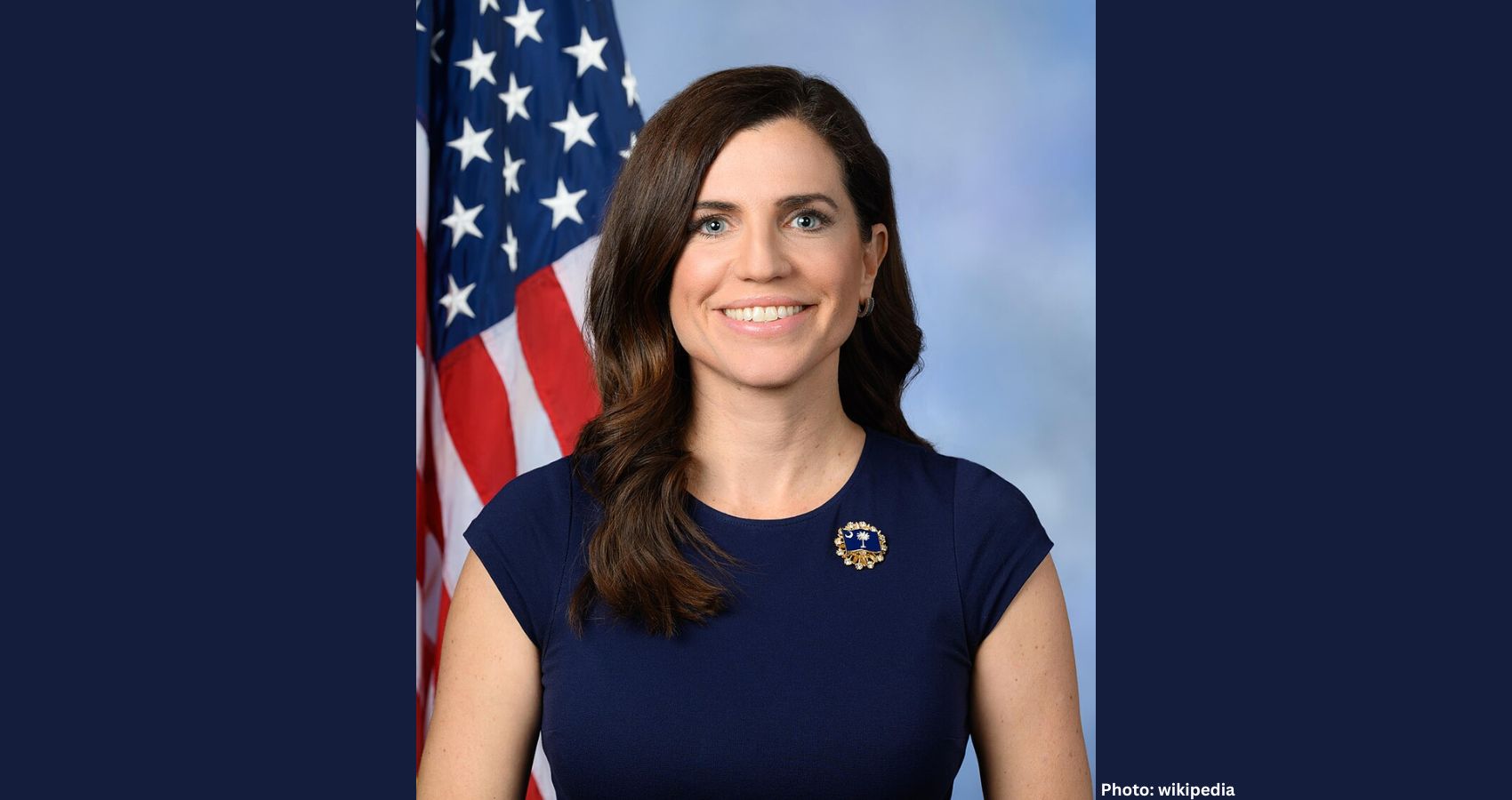
Nancy Mace’s proposed amendment to bar naturalized citizens from Congress has ignited a heated debate over immigrant representation and loyalty in American politics.
Rep. Nancy Mace’s recent proposal for a constitutional amendment has sparked significant controversy regarding the representation of immigrants in U.S. governance. The amendment aims to prohibit naturalized U.S. citizens from serving in Congress, holding Senate-confirmed federal positions, or acting as federal judges.
In a post on X, Mace articulated her stance, asserting that “the people writing America’s laws, confirming America’s judges, and representing America on the world stage should have one loyalty: America.” She emphasized that her proposal would extend the “natural born citizen” requirement currently applicable to the presidency and vice presidency to all federal offices.
Mace specifically targeted lawmakers Ilhan Omar, Shri Thanedar, and Pramila Jayapal, claiming that their “loyalty is not to America.” This statement has intensified discussions surrounding immigration, national identity, and political representation, particularly in communities that have seen a rise in immigrant visibility in American public life.
Thanedar and Jayapal, both Indian American Democrats who were born in India, are part of a growing cohort of naturalized citizens elected to Congress in recent years. Omar, who was born in Somalia, made history in 2018 as one of the first Muslim women elected to Congress after arriving in the United States as a refugee.
Currently, the U.S. Constitution permits naturalized citizens to serve in Congress, provided they meet specific residency and citizenship duration requirements. House members must be U.S. citizens for at least seven years, while senators must have held citizenship for a minimum of nine years. Only the president and vice president are constitutionally mandated to be natural born citizens.
Legal experts highlight that amending these standards would necessitate a constitutional amendment, a process that is notoriously challenging in American governance. Such amendments require a two-thirds majority in both chambers of Congress and ratification by three-fourths of the states.
Civil rights advocates and immigration organizations have criticized Mace’s language, particularly her use of terms like “foreign born members” and “America first.” They argue that this rhetoric undermines the legitimacy and patriotism of naturalized Americans, echoing longstanding political tensions surrounding immigration and assimilation in the United States.
Supporters of Mace’s proposal argue that senior federal officials should adhere to the same citizenship standards as the president, framing the amendment as a matter of national security and constitutional consistency.
The debate has resonated particularly within Indian American communities, where the political success of immigrants is often seen as a reflection of broader civic integration. Indian Americans are among the fastest-growing immigrant-origin groups in U.S. public office, with representatives increasingly serving in districts that extend beyond traditional diaspora strongholds.
This ongoing discussion raises critical questions about the future of immigrant representation in American politics and the implications of loyalty standards for naturalized citizens.
As the discourse unfolds, it remains to be seen how this proposed amendment will impact the political landscape and the representation of diverse voices in Congress, according to The American Bazaar.