
As Israel intensifies its campaign against Hamas, the killing of military chief Mohammed Odeh highlights a growing disconnect between the group’s leadership and the civilian population in Gaza.
In the wake of an Israeli airstrike that killed Mohammed Odeh, the newly appointed head of Hamas’ military wing, the streets of Gaza were bustling with activity. Just hours after the strike, which also reportedly claimed the lives of members of Odeh’s family, markets were filled with shoppers preparing for Eid al-Adha, a significant Muslim holiday. This scene starkly contrasted with the gravity of Odeh’s death, as many Gazans appeared unfazed by the loss of a figure described by Israeli officials as one of the architects of the October 7, 2023, attacks on Israel.
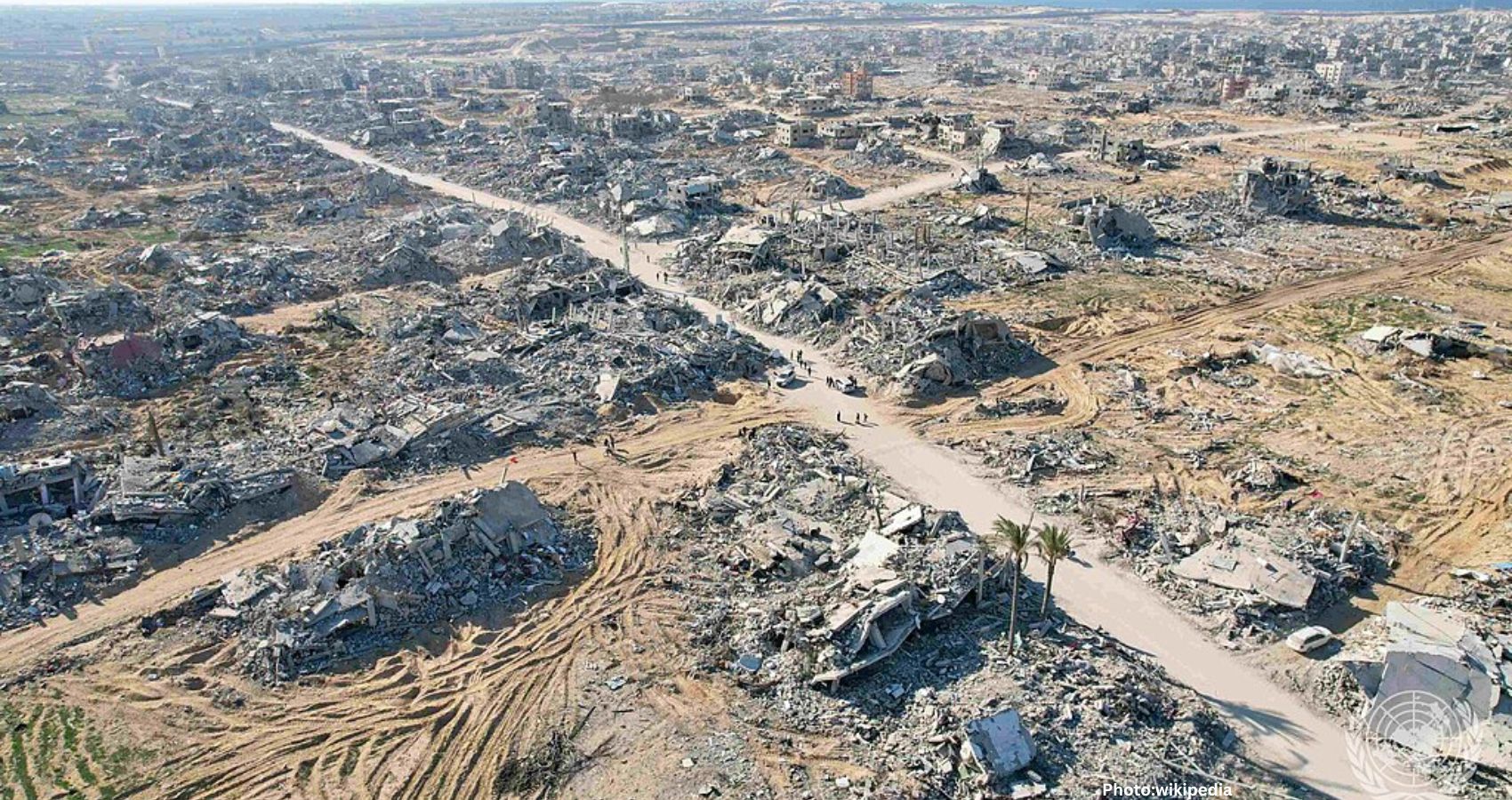
The apparent disconnect between Hamas leadership and the civilian population has become increasingly evident. According to the Hamas-run Gaza Health Ministry, nearly three years of conflict have resulted in the deaths of over 70,000 Palestinians, a figure that does not differentiate between combatants and civilians. The ongoing violence has displaced a significant portion of Gaza’s population, leading to widespread exhaustion among its residents.
Shadeel Oueis, editor-in-chief of Jusoor News, noted that the assassinations of Hamas leaders are creating “a clear vacuum” within the organization. He emphasized that the deaths of key figures are weakening coordination between Hamas leaders in Gaza and those abroad. “With the deaths of its leaders and the collapse of strong centralized command, Hamas is turning into a smaller militia competing with other armed groups operating in Gaza,” Oueis stated. “Hamas is now fighting for survival.”
Israeli Prime Minister Benjamin Netanyahu and Defense Minister Israel Katz issued a joint statement confirming Odeh’s role in the October 7 massacre, asserting that “sooner or later, Israel will reach all of them.” The urgency of this statement reflects Israel’s ongoing commitment to dismantling Hamas’ leadership structure.
Inside Gaza, many residents have expressed a shift in perspective regarding the deaths of Hamas leaders. A Gazan activist, who spoke anonymously for safety reasons, remarked, “Of course we didn’t feel anything when Haddad, Sinwar, or others were killed.” The activist referred to Izz al-Din al-Haddad, a Hamas military commander killed by Israeli forces earlier in May, and Yahya Sinwar, a former Hamas leader who was also killed in October 2024. “Ordinary people are the ones who paid the price, not the leaders who made reckless decisions without thinking,” the activist added, lamenting the devastation wrought upon Gaza.
Another Gaza-based journalist echoed this sentiment, stating, “When we heard about the killing of Izz al-Din Haddad or others, we were not affected.” The journalist highlighted the disparity between the lives of Hamas leaders and those of ordinary Gazans, noting that many leaders’ families reside comfortably abroad while residents struggle with dire living conditions.
A human rights advocate from Gaza shared similar frustrations, asserting that Hamas has inflicted harm on Palestinians as much as on Israelis. “I do not see the deaths of the leaders as losses for the Palestinians, because we ordinary people are the ones who paid the price,” the advocate said. “Honestly, Hamas did not only hurt the Israelis — they hurt us as well.”
Despite the significant losses, some Israeli analysts caution against assuming that Hamas is on the brink of collapse. Michael Milshtein, an expert on the Palestinian arena, acknowledged the severe damage Hamas has sustained since October 7, particularly with the deaths of veteran commanders who played crucial roles in shaping the organization’s military strategy. He noted, however, that Odeh was not viewed as a top-tier leader prior to the conflict, suggesting that the individuals stepping into leadership roles may lack the experience and charisma of their predecessors.
Milshtein also pointed out that Hamas continues to maintain functioning chains of command and ideological cohesion, despite the ongoing assassinations. “People know they are likely going to die, and they still compete for these leadership positions,” he observed.
The ongoing debate about Hamas’ future coincides with international efforts to establish a postwar political framework for Gaza. Nickolay Mladenov, appointed as High Representative for Gaza under the Board of Peace initiative, recently published a proposed 15-point roadmap aimed at implementing a comprehensive peace plan for the region. This proposal includes a phased disarmament of Hamas, internationally supervised security reforms, and the establishment of a unified governing authority in Gaza.
Mladenov emphasized that Gaza cannot recover while armed groups simultaneously operate as governing authorities, stating, “Gaza cannot remain hostage to the idea of permanent war while civilians alone pay the entire price.” For many Gazans, the deaths of Hamas leaders have begun to carry less emotional weight than the hope for an end to the ongoing conflict.
As the situation in Gaza continues to evolve, the disconnect between Hamas leadership and the civilian population raises critical questions about the future of the organization and the prospects for peace in the region, according to Jusoor News.