
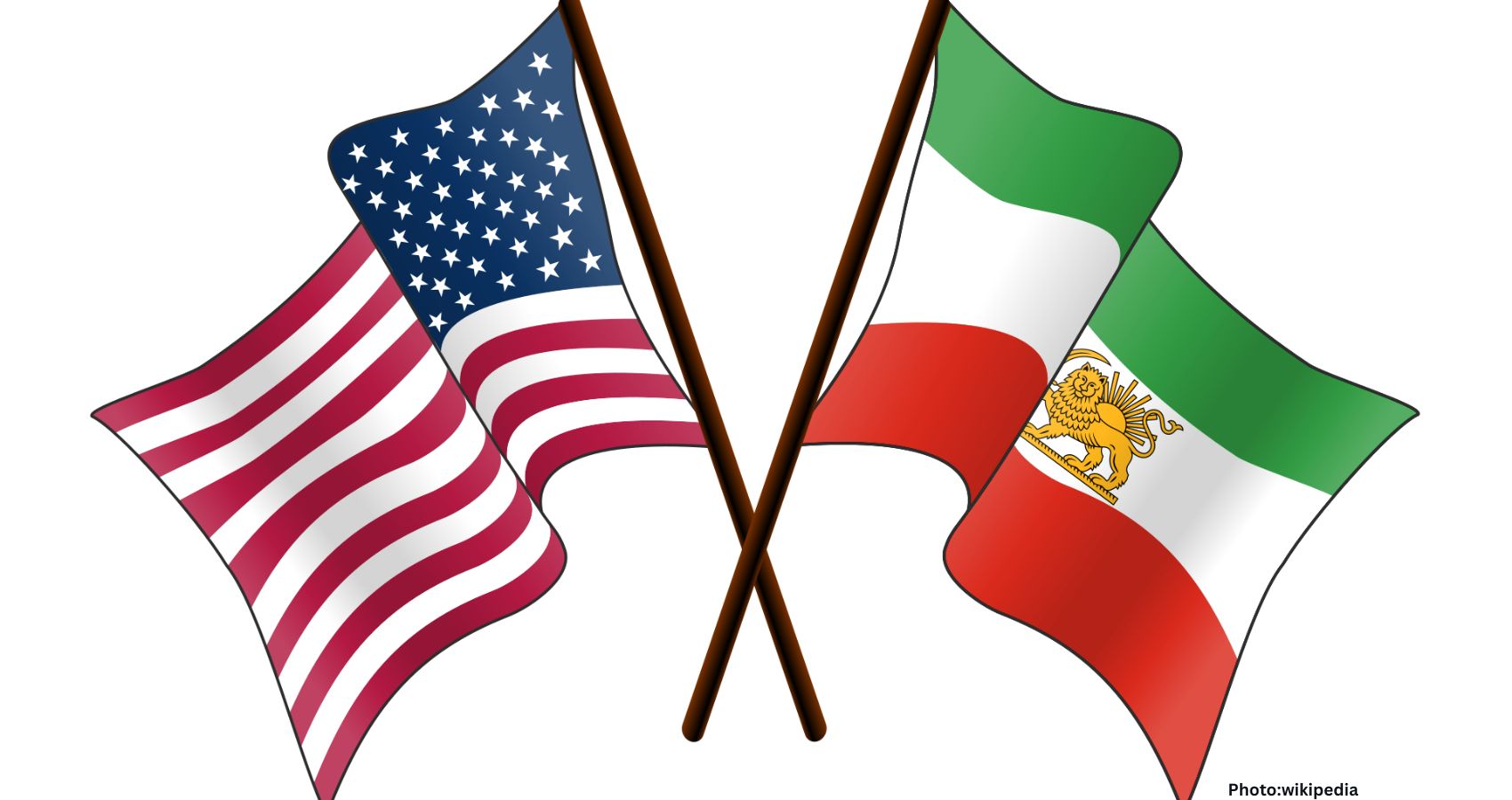
Peace talks between the U.S. and Iran have reached a critical stage, with officials indicating a potential breakthrough could be announced within hours, raising cautious optimism globally.
Diplomatic efforts aimed at resolving the ongoing conflict involving the U.S., Israel, and Iran have entered a decisive phase. Officials suggest that a breakthrough agreement could be announced within hours, as negotiators work on final adjustments to a draft framework intended to pause hostilities and pave the way for a long-term settlement.
U.S. President Donald Trump has stated that discussions with Iran are “getting a lot closer” to completion. He noted that key elements of the agreement have already been largely negotiated, indicating that only a few issues remain unresolved before a formal announcement can be made.
U.S. Secretary of State Marco Rubio echoed this sentiment, suggesting that developments could be forthcoming “within hours.” However, he cautioned that final progress has not yet been fully achieved. Rubio emphasized that the primary objective remains preventing Iran from acquiring nuclear weapons while working to stabilize regional tensions.
Reports indicate that the emerging agreement may include a temporary ceasefire, the reopening of the strategic Strait of Hormuz for global shipping, and phased discussions regarding Iran’s nuclear program. A “relief-for-compliance” model of sanctions easing is also being considered as part of the draft deal.
Despite the optimism surrounding these negotiations, key disputes remain over final clauses. Negotiators are still addressing unresolved issues, including verification mechanisms, terms of sanctions relief, and Iran’s demands concerning sovereignty and control of critical maritime routes. Iranian officials have urged caution, stating that several points still require further mediation.
Pakistan has played a significant mediating role in facilitating indirect communication between Washington and Tehran. Regional stakeholders, including Gulf nations and European partners, have also supported continued dialogue, urging both sides to avoid escalation and finalize a settlement swiftly. Energy markets and global observers are closely monitoring these developments, as the conflict has disrupted trade routes and increased volatility in oil prices. Analysts suggest that a successful agreement could alleviate global supply pressures and reduce geopolitical risks in West Asia.
While optimism is rising, officials stress that the situation remains fragile and subject to last-minute changes. Until a formal agreement is signed and publicly confirmed, both sides continue to maintain cautious positions.
This is a developing story, and further updates will be provided as the situation evolves.
According to The Sunday Guardian, the potential for a resolution is being closely watched by international observers.