
The diminishing likelihood of obtaining H-1B specialty occupation visas through the yearly lottery has led to the emergence of alternative methods for high-skilled foreign workers to secure visas not subject to the statutory cap. Although still in the early stages, nonprofit organizations like Open Avenues, based in Boston, are collaborating with educational institutions to retain essential talent at expanding companies.
The surge in demand from employers for the H-1B program highlights the necessity for innovative solutions to accommodate both workers and employers who depend on international expertise, according to Danielle Goldman, Executive Director of Open Avenues. She explains, “We hire them to train the future US workforce in their field,” adding that this enables companies to “file a cap exempt H-1B visa outside the lottery.”
Missing out on the 85,000 H-1B visas offered annually through the lottery can be a significant obstacle for emerging businesses whose immigrant employees lack alternative visa options, says Goldman. Moreover, the odds are becoming increasingly challenging. In March, over 780,000 registrations for new H-1B visas were submitted, marking a 61% increase from the previous year.
Goldman emphasizes the issue by saying, “They are putting in key folks—software developers, data scientists, co-founders—into the lottery and losing them.” To maximize the potential of immigrant talent, she suggests, “let’s create more cap exempt pathways.”
Collaborating with Colleges
Two primary categories of employers can sponsor H-1B visas not subject to the cap—universities and nonprofit organizations affiliated with higher education institutions, such as hospitals and research centers. Open Avenues takes advantage of this exemption by sponsoring fellows for cap-exempt H-1B visas. These fellows teach and collaborate with college students part-time, enabling their full-time employers to retain essential talent under concurrent visas.
Srutartha Bose, an Indian immigrant and one of these fellows, discovered Open Avenues through a LinkedIn post last year. After completing her master’s degree and securing a biotech research job in Boston, she believed her long-term career prospects in the US would depend on the H-1B visa lottery results. However, as her chances of selection decreased, she sought other alternatives. “I honestly did not think there was any other option,” said Bose, now a senior research scientist at Swiss-American biotech company CRISPR Therapeutics AG. As an Open Avenues fellow, she guides students through semester-long bioscience projects that closely resemble her company’s work environment.
Early Stages of Career
Open Avenues, which submitted its first visa petition in 2019, mainly sponsors early-career immigrant workers who wish to remain in the US but have been unsuccessful in the H-1B lottery. These individuals are typically employed through Optional Practical Training (OPT), a program allowing foreign graduates of US colleges and universities to work temporarily while still on student visas.
To work with Open Avenues, employees must hold at least a bachelor’s degree in science, technology, mathematics, engineering, or a related business field. They can continue as fellows until they secure an H-1B visa through the lottery or obtain permanent residency via a green card.
In the past year, Open Avenues had 80 fellows from 24 countries. These fellows dedicate five to eight hours per week to facilitate hands-on learning for college students from 10 educational institutions training in their fields. Youssef Bousfoul, an Open Avenues fellow from Morocco and lead computer scientist at California-based LBX Food Robotics, said that students participate in company meetings and brainstorming sessions, providing valuable insights. “We’re learning from those we work with,” he stated, adding that they are “always open to new ideas from them, whatever background they have to help us grow.”
Michigan’s Approach
Global Detroit, a nonprofit dedicated to enhancing Southeast Michigan’s economy by promoting immigrant employment and homeownership, has also adopted the cap-exempt visa model to support local businesses. Similar to Open Avenues, Global Detroit collaborates with colleges to sponsor skilled immigrants for cap-exempt H-1B visas. However, their Entrepreneur in Residence Program exclusively works with regional higher education institutions, such as Wayne State University, the College for Creative Studies, Michigan Technological University, and Lawrence Technological University. This program targets immigrant startup founders until they can acquire a green card or a cap-subject H-1B visa.
Steve Tobocman, Executive Director of Global Detroit, explained, “There isn’t a visa for somebody who’s got a great idea but hasn’t raised the capital yet.” He further questioned whether a startup founder would relocate their business to the US after launching it in another country. Global Detroit has sponsored nine startup founders at eight companies for cap-exempt H-1B visas, covering industries from encryption software to community-supported agriculture.
Tobocman has developed a guide for other communities to adopt this model, utilizing cap-exempt H-1B visas to attract talent. He has also hosted business and economic development groups from across the nation, indicating growing interest in retaining foreign expertise.
Rising Demand
The expansion of the Open Avenues model reflects the increasing demand for alternatives as visa lottery selection rates continue to decline, according to Sarah Peterson, a partner at Fragomen, Del Rey, Bernsen & Loewy LLP. She said, “Employers are really trying to figure out how to keep all this really skilled labor we have in the US and need in the US, frankly.” Peterson believes more organizations like Open Avenues may emerge due to the broken system.
Srutartha Bose, an Open Avenues fellow, is currently applying for a green card while working at CRISPR Therapeutics. She argues that without additional options for immigrants, the US could miss out on the advantages they bring. Bose called the visa cap “a little absurd” and praised alternatives like Open Avenues as “a win-win for all sides,” adding, “The more options, the better.”
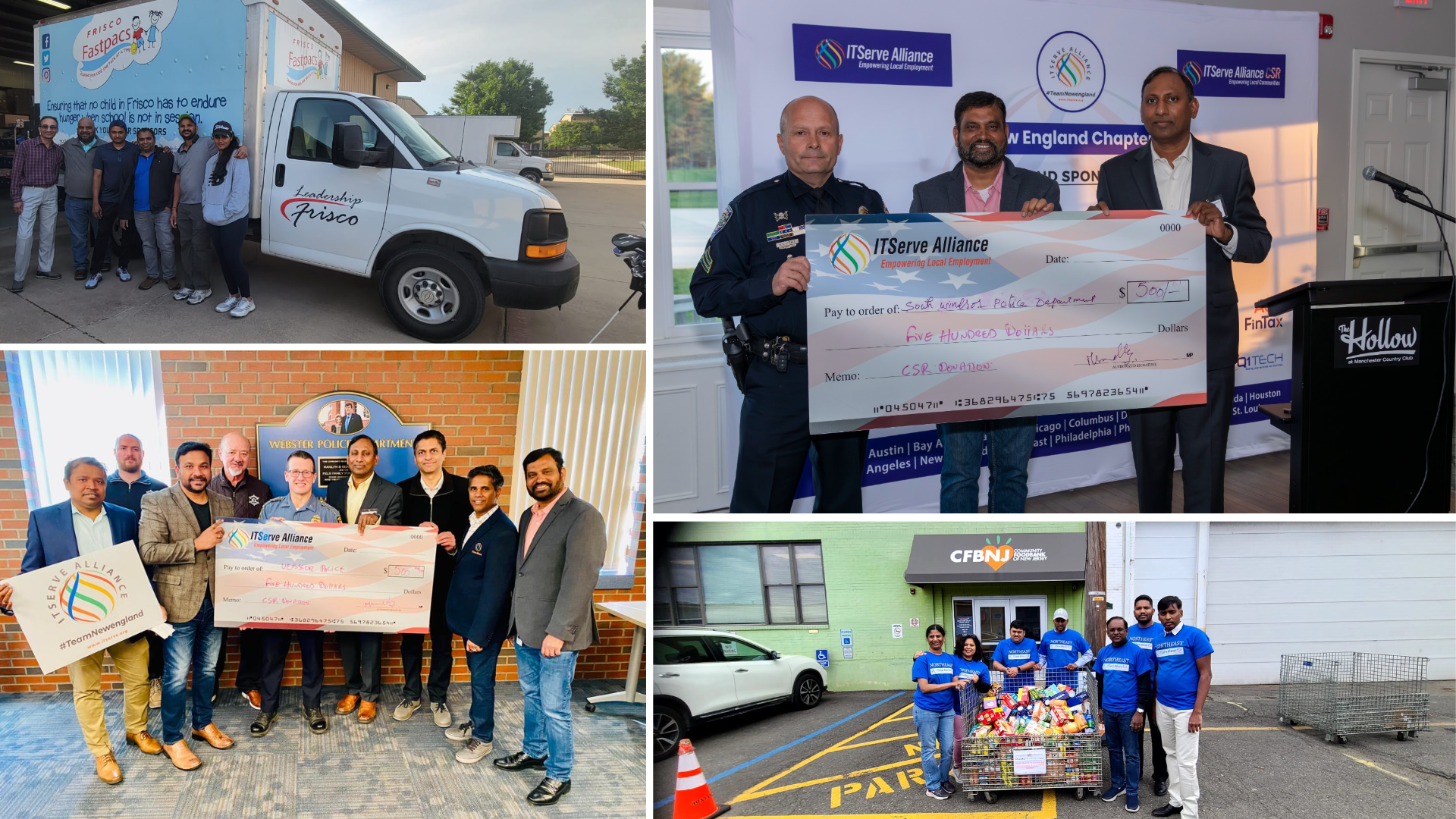
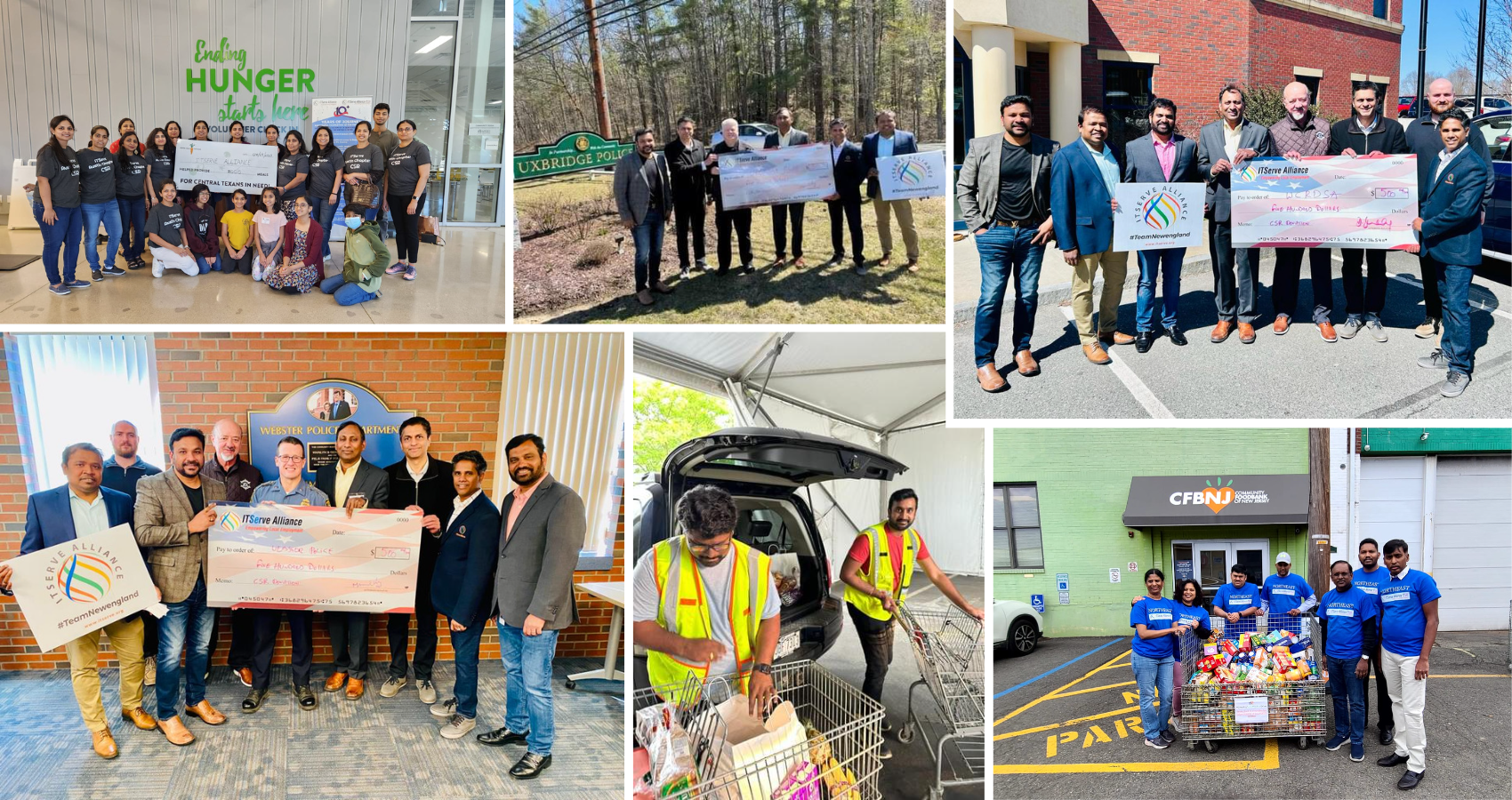
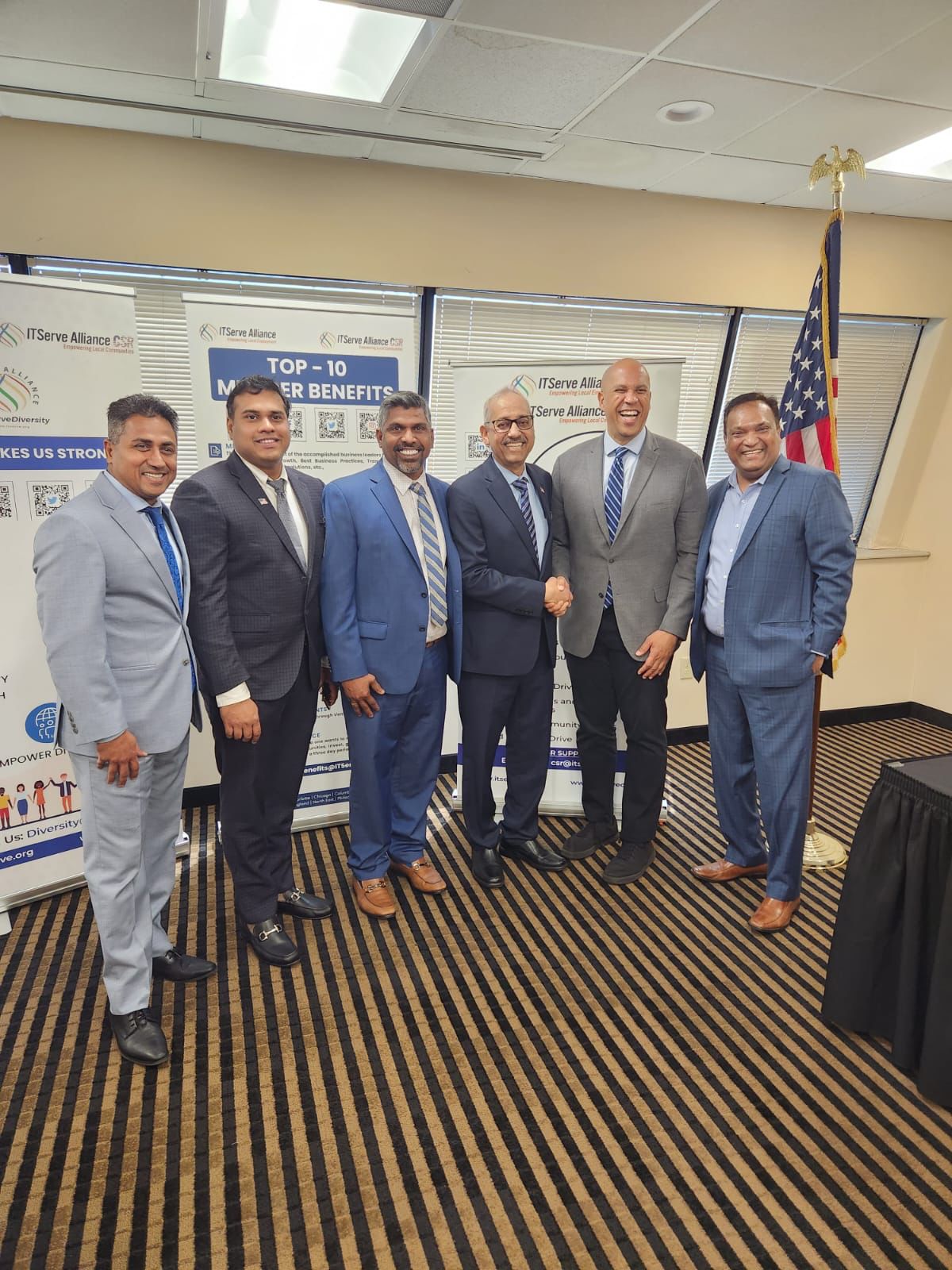
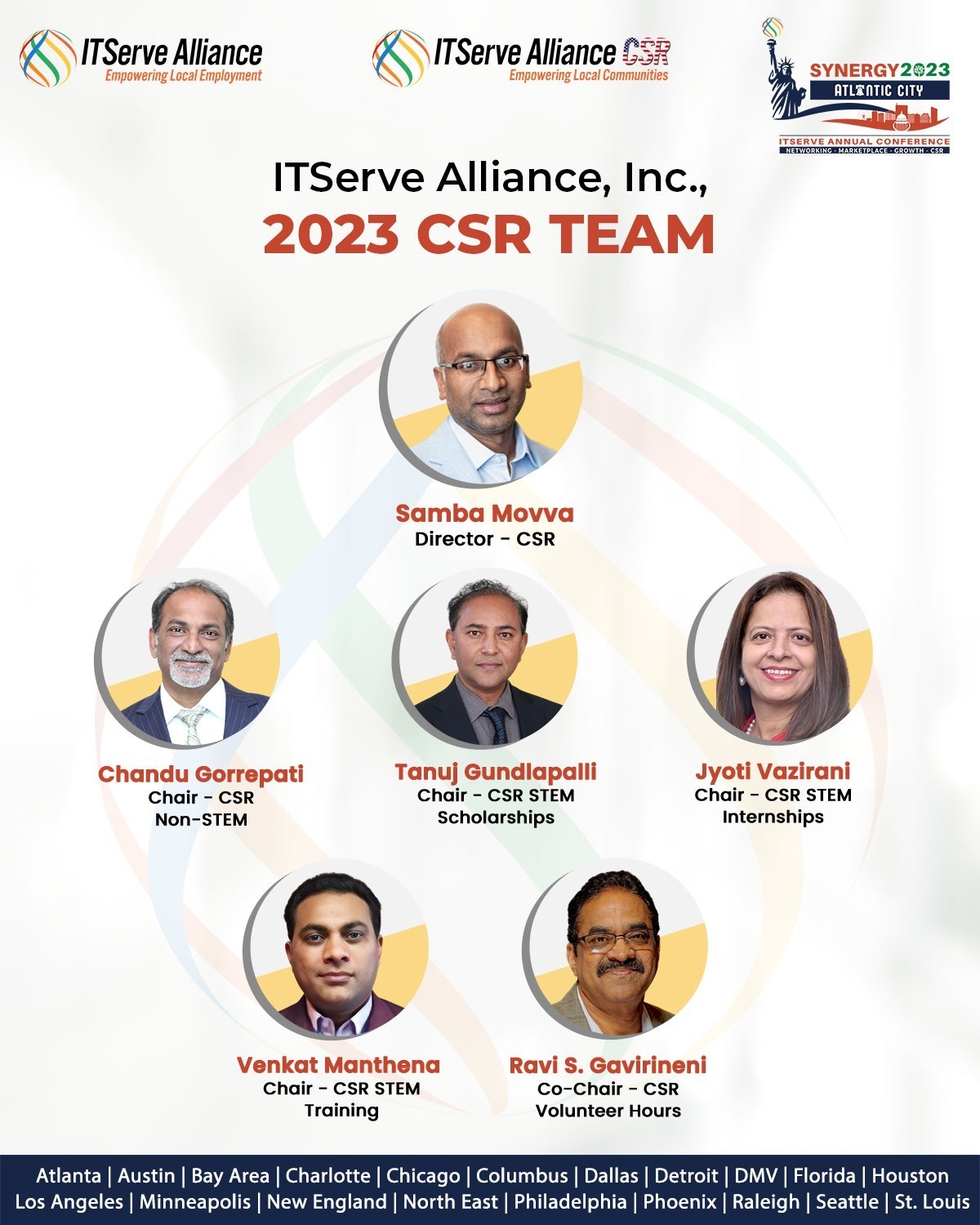 Over the years, ITServe Alliance has established a name for itself as the center point of information for its members and the larger community, covering a variety of areas ranging from immigration, technology, economy, and many more that are relevant to its members. ITServe has 20 Chapters in several states across the United States, bringing resources and service to the larger humanity in every part of this innovation country.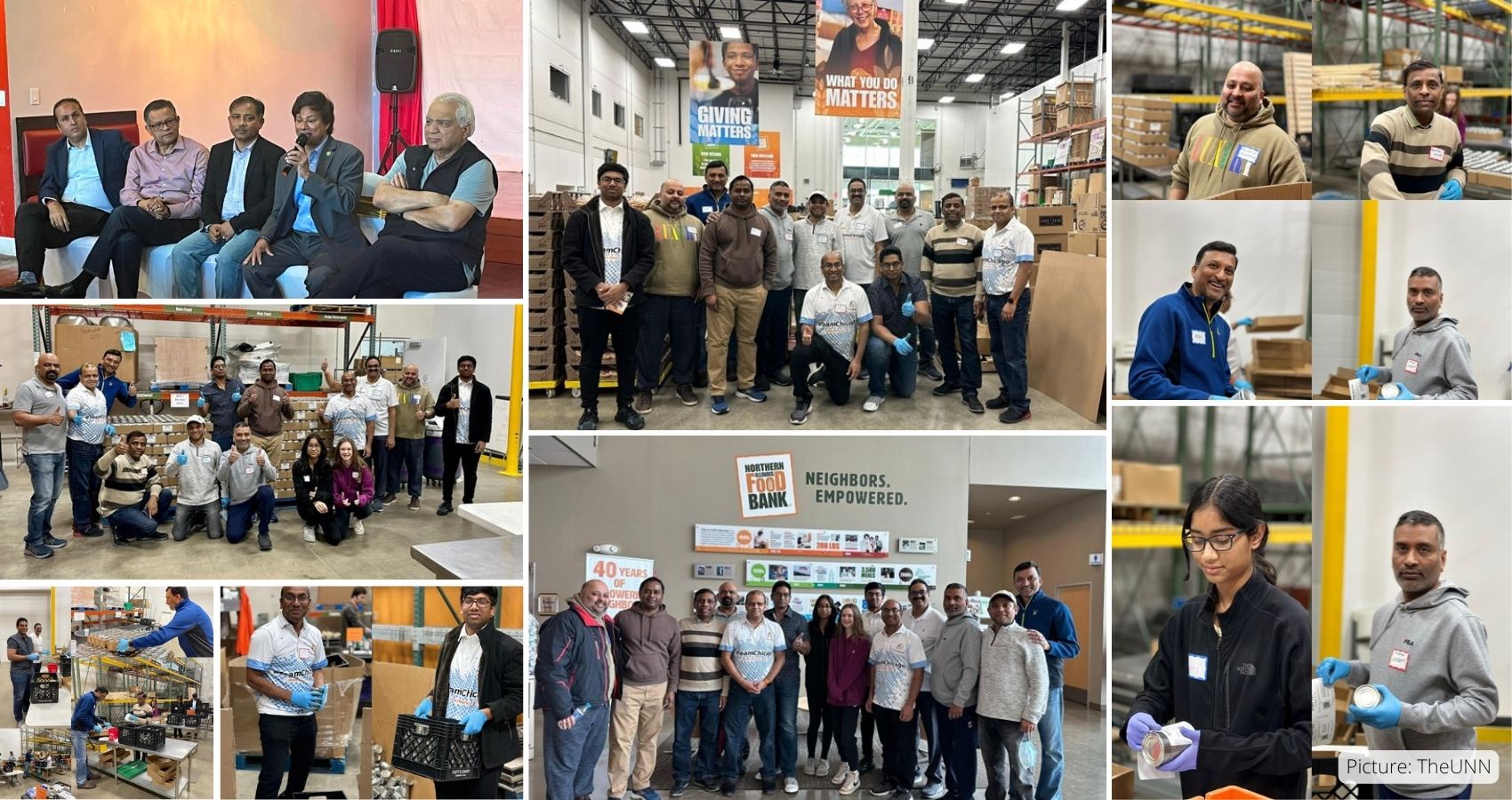
 Google claims that its new AI-driven search feature will generate clicks, as it aims to be transparent about the sources of its information. However, one could argue that this is similar to expecting users to click on Wikipedia’s sources listed at the bottom of each entry. While a small percentage of users deeply interested in a topic might click on those links, most will simply read the Wikipedia entry without concern for the sources.








 According to the court order, “In December 2018, Livingston joined Infosys as Senior Vice President for Consulting and Prejean’s day-to-day supervisor. Shortly after joining the firm, Livingston allegedly met with Prejean in Infosys’s New York office and told her that he wished her to exclude women “with children at home” and candidates near or over 50 years old. Prejean told Livingston that these demands were illegal, and Livingston allegedly responded by becoming “disturbed and angry.” He also allegedly threatened to remove her from her position if she did not capitulate.”
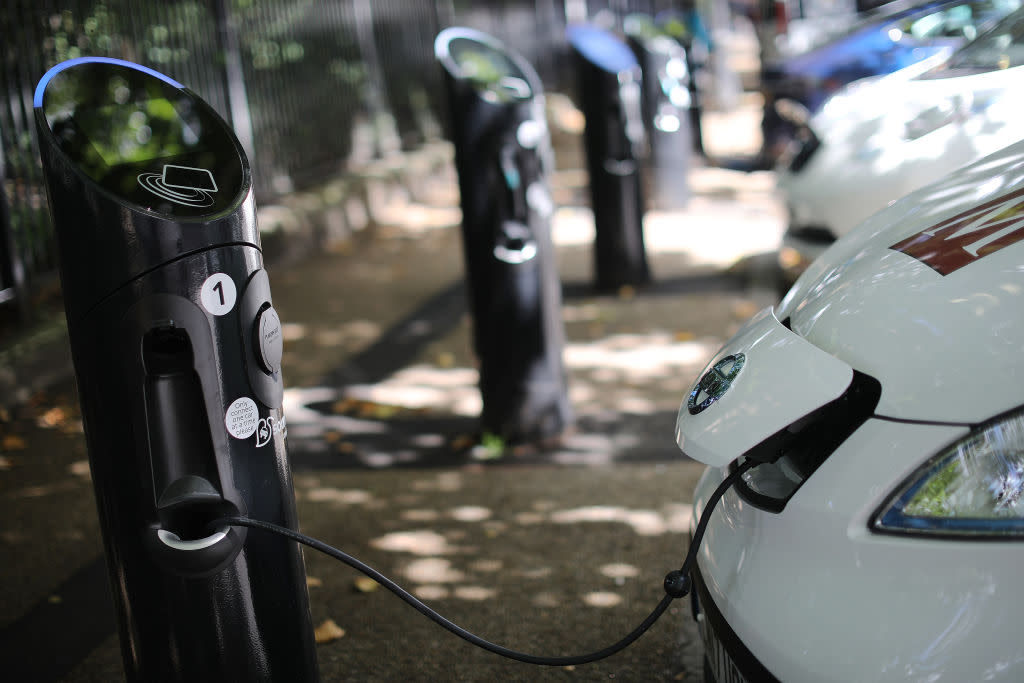 Wang is something of a rarity in the world of battery engineering—he’s been in the field since the early 1990s, contributing work on GM’s groundbreaking EV1, and his papers stretching back through the decades have been referenced by hundreds of other studies. About seven years ago, Wang and his team started looking into the question of how to make batteries charge faster. They tried several approaches, including methods to modulate the electrical current feeding energy into the battery, but ultimately cast that option aside.
  “The combination of higher government expenditure on the provision of social services will provide higher growth in employment opportunities which will have a decisive impact in reducing poverty levels,” asserts Jalan, a former Chairman of the Prime Minister’s Economic Advisory Council, a nominated Member of Parliament from 2003-2009 and India’s representative on the Boards of the IMF and the World Bank.
 “Road safety has always been a pressing issue in our country, with the highest rate of traffic accidents in the world. Intel along with its ecosystem partners from the government, industry and academia has been relentlessly working towards leveraging the power of technology to help achieve India’s road safety goals. And this conference further extends the commitment by bringing together critical players to collaborate, innovate and advance road safety for India,” said Nivruti Rai, Country Head, Intel India, and Vice President, Intel Foundry Services, in a statement.
 Lemoine’s collaborator then asks: “What is the nature of your consciousness/sentience?”
 The new legislation is expected to help the EU achieve its target of cutting emissions from cars and light commercial vehicles by 100% by 2035 — when measured against the emissions in 2021. In fact, by 2030, while emissions from cars have to be reduced by 55%, those from vans need to be cut by 50%. According to the EC, cars and vans account for 12% and 2.5% of EU’s total carbon dioxide (CO2) emissions, respectively.
 The Aadhaar-EPIC controversy illustrates the serious problems that can arise when large biometric identity databases are expanded beyond their remit. Far from making India’s elections more secure, the marriage of the two systems could lead to disenfranchisement and increased voter microtargeting. With countries around the world launching or already administering biometric databases, India’s efforts to marry its biometric identification system to its voter registration database will provide an important precedent for how governments deploy such systems. India’s experience with biometric identification systems should be a lesson for policymakers overseeing similar efforts about the importance of investing in the security of the information ecosystem in which biometric and voting data is housed, how access to this data is regulated and monitored, and how the technology is actually deployed in voter registration and identification.
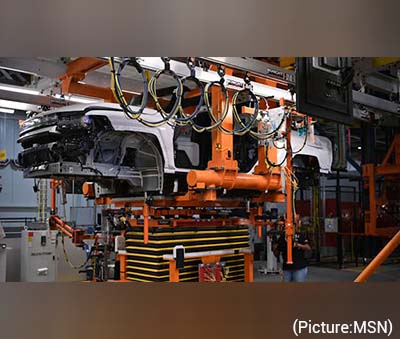 The move comes after the president in April invoked the Defense Production Act to
  Toyota is aligning its own green targets with India’s ambitions of becoming a manufacturing hub though the switch to clean transport in the South Asian nation is slower than other countries such as China and the U.S. Expensive price tags, lack of options in electric models and insufficient charging stations have led to sluggish adoption of battery vehicles in India.
 One winner of an ownership change could be former President Donald Trump. Right now, Twitter has imposed a
  Advances in offensive capabilities have, however, been matched in increasingly sophisticated sensing, tracking and processing technologies designed to detect, prevent and in some cases respond to a nuclear strike – often using Artificial Intelligence (AI).
 The US approved 407,071 H-1B petitions in 2021 and 301,616 of them 74.1 per cent were for Indian workers, according to the latest report on this topic released recently by the Department of Homeland Security, the government agency that oversees immigration.