Indian American Republicans Welcome President-elect Trump’s Pick of Marco Rubio as Secretary of State

Indian American Republicans have commended President-elect Donald Trump for nominating Marco Rubio for Secretary of State, emphasizing that he will play a key role in furthering US-India relations.

Senator Rubio, a former Presidential candidate, who previously openly opposed President Trump’s policies, will now work to implement Trump’s foreign policy agenda. Marco Rubio will most likely be the next Secretary of State as the Republican party holds the majority in the US Senate.

Highlighting the importance of the U.S.-India relationship, the US Senator from Florida, recently said that bolstering ties with New Delhi is crucial for addressing the challenges posed by Beijing. He noted in a statement, “It is essential to enhance our strategic diplomatic, economic, and military relationship with New Delhi.”

On July 25, 2024, Marco Rubio announced the introduction of the U.S.-India Defense Cooperation Act, which seeks to expand bilateral cooperation amid rising tensions between India and China. The proposed Act would elevate India’s status to that of key U.S. allies like Japan, Israel, South Korea, and NATO members in terms of technology transfers. It also authorizes the Secretary of State to negotiate a memorandum of understanding to deepen military collaborations with India.

Rubio emphasized, “Communist China continues to aggressively expand its domain in the Indo-Pacific region, all while it seeks to impede the sovereignty and autonomy of our regional partners. It’s crucial for the U.S. to continue its support in countering these malicious tactics. India, along with other nations in the region, is not alone.”

The legislation establishes a U.S. policy to support India in countering threats to its territorial integrity by providing security assistance, and enhancing cooperation in defense, space, technology, medicine, and economic investments. It proposes a limited exemption for India from CAATSA sanctions on Russian military equipment and encourages expedited approval of defense-related sales to bolster India’s capacity to deter threats, aligning with U.S. interests in peace and stability.

The legislation seeks to deepen U.S.-India defense ties by expediting excess defense articles to India for two years, granting it ally-like status, and expanding military education and training cooperation. It also mandates a report on Pakistan’s use of force, including terrorism against India, and restricts U.S. security assistance to Pakistan if it sponsors terrorism.

Executive Director of the American Hindu Coalition, Alok Srivastava, told South Asian Herald, “I welcome President Trump’s choice of Marco Rubio to serve as Secretary of State,” highlighting that Rubio serves as the vice chair of the Senate Intelligence Committee, and is a member of the Foreign Relations Committee. He previously held the position of Speaker of the Florida Assembly.

Known for championing human rights, democracy, and strong national security, Rubio has consistently been a vocal critic of authoritarian regimes and an advocate for U.S. global leadership, noted Srivastava.

“Rubio views India as a key ally in countering China’s influence in the Indo-Pacific. He supports India’s role in maintaining regional stability and advancing democratic values, aligning with U.S. strategic interests. Rubio also supports the Quad alliance (U.S., India, Japan, Australia) and advocates for a free and open Indo-Pacific,” he expressed,

Chair of the Virginia Asian Advisory Board, Srilekha Palle, pointed out Rubio’s significant role in shaping foreign policy, adding that he has actively contributed to bipartisan efforts to strengthen international relations.

Palle told South Asian Herald, “Senator Rubio’s commitment to fortifying India’s security and sovereignty through the U.S.-India Defense Cooperation Act is a pivotal step in maintaining regional stability and countering aggressive overtures in the Indo-Pacific. This legislation not only strengthens our defense ties but also upholds our shared values of democracy and mutual respect.”

Palle praised Senator Marco Rubio’s initiative to elevate India as a NATO-level strategic partner, emphasizing his recognition of India’s pivotal role in maintaining peace and stability in the Indo-Pacific region. She stated, “This partnership will deepen our military collaborations and enhance strategic alignment on global security issues.”

Former Virginia Lieutenant Governor Candidate, Puneet Ahluwalia referred to Rubio as a “great choice,” of President Trump’s “Peace through Strength” foreign policy.

Ahluwalia told South Asian Herald, “He will be assertive with China to counter their actions in South China Sea and Indo-Pacific region. Rubio’s introduction of US-India Security Partnership shows his willingness to take on China as they may try to get a direct line with President Trump.”

Ahluwalia noted that Rubio’s expertise, shaped by his experience on foreign relations and intelligence committees, equips him to address critical challenges facing the U.S. and its allies. He expressed confidence that Rubio would pursue a negotiated settlement to the Ukraine-Russia war, support Israel in securing its future, and advocate for a peaceful resolution to the longstanding Palestinian issue, working in collaboration with Arab nations.

Ahead of Prime Minister Modi’s state visit on June 22, 2023, Senator Rubio also reaffirmed his commitment to strengthening U.S.-India relations.

“As we extend a warm welcome to Prime Minister Modi, it is crucial that the Biden Administration, and the U.S. Congress, prioritize this incredibly important relationship. Our nations’ economic and security interests overlap on many of the most pressing issues, especially the growing hostility of the Chinese Communist Party in the Himalayas and in the Indian Ocean,” Rubio noted in a statement. “We find ourselves at a new juncture in global history in which both India and the United States can further strengthen this vital partnership and build upon the foundation of our shared democratic values and national interests.”

Trump Secures Victory in 2024 as America Swings Right

The nation witnessed a significant shift to the right in the 2024 presidential election compared to the 2020 race. Four years ago, President Joe Biden secured six out of seven critical battleground states, but this time, all those states moved toward President-elect Donald Trump. Furthermore, Trump is on course to win the popular vote, a stark contrast to Biden’s 7-million-vote lead in 2020.

Trump Dominates the Suburbs

Suburban areas played a decisive role in the election outcome. According to exit polls, over half of the voters in 2024 resided in suburban regions, making these areas pivotal swing zones in both the presidential race and closely contested House districts. Historically, the suburban victor has won 11 of the past 12 presidential elections, dating back to 1980. This year, Trump emerged victorious in the suburbs, securing 51% of the vote compared to Vice President Kamala Harris’s 47%.

Harris had hoped to mobilize suburban women in key swing states to her advantage. However, the anticipated support did not materialize. Exit polls revealed that Trump won white suburban women by a margin of seven points and white suburban men by a significant 27 points. While some suburban households had split votes, it wasn’t enough to propel Harris to victory.

In several swing states, Trump’s gains in suburban areas were substantial, based on near-final vote counts. The Philadelphia suburbs and two major counties near Detroit saw a net swing of nearly 60,000 votes in Trump’s favor. Similarly, in Wisconsin’s “WOW” counties—Waukesha, Ozaukee, and Washington—Trump gained over 10,000 votes. Georgia’s suburban counties near Atlanta also leaned toward Trump, contributing to his overall success.

Interestingly, in certain Atlanta metro counties, Harris outperformed Biden’s 2020 numbers, and her losses in the Charlotte metro area were not as severe as in the industrial Midwest. These trends offer Democrats a glimmer of hope for the Sun Belt’s future, even as the Midwest becomes increasingly challenging terrain.

Rural Areas Deepen Their Support for Trump

Rural America, long a Republican stronghold, turned out in record numbers for Trump. In 2024, he won 64% of the rural vote, the highest margin for any candidate since 1980. This performance surpassed even Trump’s previous high of 61% in 2016.

Trump’s dominance in rural regions helped him secure wins in key battlegrounds and bolster his popular vote tally in traditionally red states like Texas. In Texas alone, Trump gained a net of over 900,000 votes compared to 2020, and in Florida, his lead expanded by more than 1 million votes.

These gains were partly driven by Trump’s significant inroads with Latino voters, particularly in South Florida and South Texas. The shift among Latino communities further solidified his position in these critical states.

Harris Falls Short in Urban Centers

Urban areas, typically Democratic strongholds, presented challenges for Harris. While large cities remain central to Democratic success in swing states, Harris secured just 59% of the urban vote. This figure lagged behind the performances of Biden, Barack Obama, and Hillary Clinton in previous elections.

This underperformance contributed significantly to Harris’s defeats in key states. For instance, in Maricopa County, Arizona, which encompasses Phoenix, Harris received approximately 61,000 fewer votes than Biden did in 2020. In contrast, Trump gained about 56,000 votes, resulting in a 117,000-vote swing in a single county.

A similar trend was observed in Wayne County, Michigan, home to Detroit. Harris’s support fell by more than 60,000 votes, while Trump gained roughly 24,000. Wayne County is home to a significant Black voter base, as well as the nation’s largest Arab American population in Dearborn, which numbers around 100,000. Many Arab American voters expressed dissatisfaction with the Biden administration’s stance on the Gaza conflict, a factor that may have impacted Harris’s performance in the region.

The story was much the same in other major urban centers across swing states, including Las Vegas and Philadelphia. Even in traditionally blue states, Harris struggled to match Biden’s 2020 numbers. In New York, for example, Harris’s vote total declined by more than 800,000 compared to Biden’s performance four years earlier.

A Broader Electoral Landscape

The 2024 election results highlighted stark regional and demographic divides in American politics. Trump’s ability to consolidate support in rural areas and among suburban voters proved decisive, while Harris’s challenges in urban centers and among key demographic groups weakened her chances of victory.

These shifts suggest a changing political landscape, with Republicans making gains in areas where Democrats traditionally performed well, and Democrats focusing on emerging opportunities in the Sun Belt. As America moves forward, both parties will likely analyze these trends to shape their strategies for future elections.

ICC Issues Historic Arrest Warrants for Netanyahu, Gallant, and Hamas Official

The International Criminal Court (ICC) has issued arrest warrants for Israeli Prime Minister Benjamin Netanyahu, former Defense Minister Yoav Gallant, and a senior Hamas official, accusing them of war crimes related to the October 7 attacks on Israel last year. The court, based in The Hague, stated that it found “reasonable grounds” to believe that Netanyahu was criminally responsible for war crimes including “starvation as a method of warfare” and “crimes against humanity such as murder, persecution, and other inhumane acts.”

This marks the first time an Israeli leader has been summoned by an international court for alleged war crimes during the 76-year Israeli-Palestinian conflict. While ICC warrants do not guarantee arrests, they may limit Netanyahu’s travel to countries that are members of the ICC.

The Prime Minister’s office quickly dismissed the charges as “absurd and antisemitic.” They stated, “Israel utterly rejects the absurd and false actions and accusations against it by the International Criminal Court, which is a politically biased and discriminatory body.” The office further emphasized that there was “no war more just” and defended Israel’s right to self-defense following the deadly Hamas attacks, which they described as “the largest massacre against the Jewish people since the Holocaust.”

Netanyahu’s office insisted that he would not yield to pressure, declaring that he would not retreat until Israel achieved all the objectives set at the beginning of the war.

Israel, along with the United States, is not a member of the ICC and has repeatedly contested the court’s jurisdiction over actions in the conflict. The ICC maintains jurisdiction over territories occupied by Israel, including Gaza, East Jerusalem, and the West Bank, following the Palestinian leadership’s agreement to adhere to the court’s principles in 2015.

The court also issued a warrant for Hamas official Mohammed Diab Ibrahim Al-Masri, also known as Mohammed Deif, who is accused of being a key mastermind behind the October 7 attack. Although Israel claimed to have killed Deif in an airstrike in September, Hamas has not confirmed his death.

The ICC explained that it found “reasonable grounds” to believe that Deif was responsible for “crimes against humanity, including murder, extermination, torture, and rape,” as well as war crimes such as “murder, cruel treatment, torture, taking hostages, outrages upon personal dignity, and rape.” The court also alleged that Deif, through his actions, either ordered or induced these crimes and failed to exercise control over forces under his command.

The ICC noted that the crimes were part of a coordinated, systematic attack by Hamas and other armed groups targeting Israeli civilians.

In addition to Deif, the ICC prosecutor had initially sought warrants for Hamas leaders Ismail Haniyeh and Yahya Sinwar, but their deaths at the hands of Israel led the court to withdraw the applications for their arrest warrants.

Hamas responded to the ICC’s actions with approval, calling the warrants for Israeli officials a “significant historical precedent” that addressed the “longstanding course of historical injustice” against Palestinians. The group urged nations to cooperate in bringing Israeli leaders to justice and called for immediate action to stop what it described as the “genocide” in Gaza.

In response to the ICC’s action, the Biden administration expressed strong opposition, reiterating its support for Israel. President Joe Biden labeled the ICC’s pursuit of Israeli leaders as “outrageous,” emphasizing that there was “no equivalence — none — between Israel and Hamas.” He also reiterated U.S. support for Israel’s security. The U.S. has long criticized the ICC’s involvement in investigating Israel’s actions in Gaza but has refrained from supporting sanctions against the court.

In June, the U.S. House of Representatives passed a bill aimed at sanctioning anyone involved with the ICC’s efforts to prosecute U.S. allies, but the bill has not yet passed the Senate. Senator John Thune also threatened to impose sanctions against the ICC, warning that if the court did not reverse its actions, the Senate Republican majority would make this issue a priority in the next Congress.

Israeli President Isaac Herzog denounced the warrants as a “dark day for justice” and “humanity,” calling the decision a “mockery of the sacrifice of all those who fight for justice.” Herzog stressed that the ICC’s decision overlooked the fact that Israel was responding to a brutal attack and had the “duty and right” to defend its people.

The President added that the ICC’s action disregarded Israel’s status as a democracy that adheres to international humanitarian law and that it had made significant efforts to meet the humanitarian needs of civilians in Gaza.

Gideon Sa’ar, Israel’s newly appointed Foreign Minister, accused the ICC of being a political tool serving extreme elements that seek to undermine peace and stability in the Middle East. He described the court’s decision as a “moral aberration,” suggesting it turned “good into evil” and rewarded those violating international law, like Iran-backed groups.

Far-right Israeli Minister Itamar Ben Gvir also condemned the ICC as “antisemitic from start to finish,” advocating for Israel to counter by extending sovereignty over the occupied West Bank and expanding Jewish settlements in territories under Israeli control.

Yoav Gallant, the former defense minister who was dismissed by Netanyahu earlier this month following political disputes, is also named in the warrants. Netanyahu cited a “crack in trust” between himself and Gallant as the reason for his dismissal.

Eliav Lieblich, a professor of international law at Tel Aviv University, remarked that the ICC’s decision was “the most dramatic legal development in Israel’s history.” He explained that the arrest warrants could significantly impact Netanyahu and Gallant’s ability to travel, as the 124 state parties to the ICC are legally obligated to arrest them if they enter their territories.

Lieblich further noted that this could have broader implications for Israel’s cooperation with other countries, especially in military matters. He highlighted that although the ICC lacks its own police force to make arrests, it relies on member states to execute its warrants.

Since its establishment, the ICC has issued 56 arrest warrants, resulting in 21 detentions and appearances before the court. However, 27 individuals remain at large, and charges against seven have been dropped due to their deaths.

The situation remains fluid as Israel and Hamas continue to navigate the complexities of international law, justice, and political interests, with the ICC’s involvement adding a new dimension to the ongoing conflict.

Putin Updates Nuclear Doctrine Amid U.S.-Backed Strikes Inside Russia

Russian President Vladimir Putin on Tuesday formalized a significant adjustment to his country’s nuclear weapons policy, lowering the threshold for deploying nuclear arms. This shift follows the U.S. decision to allow Ukraine to use American missiles to strike targets within Russian territory.

The Kremlin confirmed that Putin had ratified an updated nuclear doctrine, redefining the conditions under which Russia might initiate a nuclear strike. According to the revised policy, Russia reserves the right to use nuclear weapons if attacked by a non-nuclear state supported by a nuclear-armed country.

The announcement came on the heels of Ukraine’s inaugural use of U.S.-supplied long-range missiles against Russian territory. The Russian Defense Ministry reported that Ukraine targeted a military site in the Bryansk region using ATACMS missiles, supplied by the U.S. While Russian air defenses intercepted five missiles, debris from another caused a fire at the site, which was swiftly extinguished. The ministry stated there were no casualties or significant damage.

“According to confirmed data, the deployed ATACMS operational-tactical missiles were American-made,” the Defense Ministry noted in its statement.

Two U.S. officials corroborated the event, confirming to NBC News that Ukraine used ATACMS missiles in the Bryansk region near Karachev. This marks the first instance of U.S.-provided weaponry being employed within Russian borders. Previously, Ukraine had relied on domestically produced drones for strikes inside Russia, lacking the firepower of the ATACMS.

Ukraine’s military also acknowledged the strike, describing the target as a military arsenal in Bryansk. However, it refrained from specifying the weapons used in the attack.

The adjustments to Russia’s nuclear doctrine represent an escalation in rhetoric from Moscow, which has frequently hinted at the possibility of nuclear conflict since the outset of its full-scale invasion of Ukraine over 1,000 days ago.

“The nuclear doctrine update was required to bring the document in line with the current political situation,” Kremlin spokesperson Dmitry Peskov told TASS, Russia’s state news agency, early Tuesday.

Peskov also framed the policy update as a response to Washington’s actions, suggesting that the U.S.’s decision to supply Ukraine with non-nuclear missiles for use against Russia could now prompt a nuclear retaliation under the new guidelines. He clarified, however, that deploying nuclear weapons would remain a “last resort measure.”

In Washington, State Department spokesperson Matt Miller described Russia’s doctrinal changes as predictable. “Since the beginning of its war of aggression against Ukraine, it has sought to coerce and intimidate both Ukraine and other countries around the world through irresponsible nuclear rhetoric and behavior,” Miller said. He added that “neither the United States nor NATO pose any threat to Russia.”

Earlier this year, Putin had hinted at the impending changes, cautioning the West against easing restrictions on Ukraine’s use of long-range weaponry. The updated doctrine aligns with these warnings. It explicitly states that “aggression against the Russian Federation and its allies by a non-nuclear country with the support of a nuclear state will be considered a joint attack.”

Another significant amendment to the doctrine is its provision for nuclear use in response to a “critical threat to the sovereignty and territorial integrity of Russia and Belarus.” This broadens the conditions for nuclear engagement compared to previous language, which only allowed for such measures if “the very existence of the state is at risk.”

The shift in policy is partly motivated by heightened tensions between Russia and NATO. Putin has previously warned that NATO’s provision of long-range weapons to Ukraine for attacks on Russian soil could escalate the conflict to a direct war between NATO and Russia.

This policy revision coincides with the Biden administration’s decision to allow Ukraine limited use of ATACMS missiles inside Russian territory. The U.S. had previously resisted such moves, mindful of the potential to provoke Russia further. However, reports of North Korean troops bolstering Russian forces have led to a reassessment of U.S. strategy.

This recalibration has drawn criticism from Moscow. On Monday, Kremlin spokesperson Peskov accused Washington of “pouring oil on the fire” and provoking “further escalation of tension around this conflict.”

Tatiana Stanovaya, a nonresident scholar at the Carnegie Endowment for International Peace and head of the political analysis firm R.Politik, said the updated doctrine gives Russia greater flexibility for a nuclear response to what it views as Western-backed strikes on its territory.

She suggested that the timing of the revisions might be linked to the political transition in the U.S. “Putin may see the current situation as a strategic ‘in-between’ moment — anticipating possible peace initiatives from (President-elect Donald) Trump while emphasizing what he views as the ‘irresponsibility’ of Biden’s policy,” Stanovaya wrote on X, formerly Twitter.

Stanovaya posited that Putin’s strategy could be to present the West with two stark options: “Do you want a nuclear war? You will have it,” or “Let’s end this war on Russia’s terms.”

“This marks an extraordinarily dangerous juncture,” she concluded.

The doctrinal changes also extend to Russia’s response if Belarus, its close ally, is attacked. Putin had earlier emphasized that aggression against Belarus would be treated as aggression against Russia, further solidifying their mutual defense pact.

As tensions continue to mount, these developments underline the fragile balance of power and the growing risks associated with the ongoing conflict.

International Students Face Challenges Despite Growth in U.S. Enrollment

The United States continues to attract a significant number of international students, cementing its status as a global hub for higher education. The Open Doors Report for the 2023-2024 academic year reveals a 7% increase in international students, bringing the total to 1,126,690 from over 210 countries. While the appeal of U.S. education remains strong, these students face numerous hurdles, particularly in securing work authorization and navigating immigration policies.

Graduate Students and Optional Practical Training at All-Time Highs

The latest data showcases notable trends in enrollment and work participation. The number of international graduate students reached a record 502,291, marking an 8% increase. Similarly, students participating in Optional Practical Training (OPT), a program allowing them to gain work experience in their field, rose by 22% to 242,782, the highest ever recorded.

Undergraduate numbers, however, dipped slightly to 342,875, reflecting a 1% decrease, while non-degree enrollments, which include exchange and intensive English programs, declined by 12% to 38,742 after a substantial 28% rise the previous year.

India Overtakes China as Top-Sending Country

For the first time since 2009, India surpassed China as the largest source of international students in the U.S. India and China collectively accounted for more than half of all international students. Indian students reached 331,602, a 23% increase, driven by graduate-level enrollments (up 19% to 196,567) and those in OPT (up 41% to 97,556).

Meanwhile, Chinese student numbers fell by 4% to 277,398. Despite the decline, China remained the top source for undergraduate (87,551) and non-degree (5,517) students. OPT participation by Chinese students grew 12%, reaching 61,552.

Strong New Enrollments Amid Persistent Barriers

New international student enrollments maintained pre-pandemic levels, with 298,705 joining in 2023-24. However, challenges remain, particularly around work opportunities. Work authorization is vital not only for financial reasons but also to gain experience in an increasingly globalized job market. Unfortunately, F-1 visa restrictions and cumbersome processes often hinder students from accessing meaningful work opportunities.

Work Authorization Options and Limitations

International students on F-1 visas have three main avenues for employment: on-campus work, OPT, and Curricular Practical Training (CPT). On-campus work is the simplest but limited to 20 hours per week during the semester and 40 hours during breaks.

OPT and CPT offer more substantial opportunities but come with challenges. OPT allows students to work in their field of study for up to 12 months, with an additional 24-month extension for STEM students. CPT, tied to specific academic requirements, mandates university approval. However, securing these authorizations is not straightforward.

Bureaucratic Delays Pose Significant Hurdles

The U.S. Citizenship and Immigration Services (USCIS) often faces backlogs, delaying work authorization for students. For OPT, students must apply 90 days before program completion, but approvals can take an additional90 days or more.

A 2023 survey by the National Association of Colleges and Employers (NACE) found that 40% of international students experienced delays exceeding three months for OPT approval, with some waiting up to six months. These delays create financial strain and limit students’ ability to gain critical practical experience.

Policy Uncertainty Adds to Challenges

Shifting immigration policies under successive U.S. administrations exacerbate the difficulties. The Trump administration introduced measures restricting work opportunities for foreign nationals, including international students. Although many of these were rescinded under President Biden, the inconsistency leaves students uncertain about their future prospects.

Data from the U.S. Department of Homeland Security indicates that only 24% of international students on F-1 visas secured OPT positions in the 2022-2023 academic year, underscoring the competitive nature of the process.

Post-Graduation Employment Barriers

Transitioning from an F-1 visa to an H-1B work visa after graduation is a significant challenge. The H-1B program caps annual visas at 85,000, with applications processed through a lottery system. In 2023, the acceptance rate for the H-1B visa lottery was just 22%, illustrating the difficulties even for students with job offers.

Financial and Mental Health Impacts

The inability to work exacerbates financial pressures for many international students, impacting both their academic performance and mental health. According to the 2023 International Student Economic Impact Study, 58% of students reported anxiety or depression due to financial and work-related constraints.

These issues underline the importance of work authorization not only for career advancement but also for overall well-being.

Key Work Authorization Pathways for International Students


Work Authorisation Type Requirements Duration Restrictions
On-Campus Employment Must be enrolled full-time Limited to 20 hours per week during term, 40 hours per week during breaks Can only work for the university or affiliated institutions
Optional Practical Training (OPT) Must be in final year of study 12 months (with a possible 24-month extension for STEM students) Employment must be directly related to field of study
Curricular Practical Training (CPT) Must be enrolled in a course requiring practical training Varies Must be part of curriculum, and may require prior approval from university

Navigating the Way Forward

Addressing the barriers international students face requires a multi-pronged approach. Policymakers and universities must advocate for streamlined processes, clearer regulations, and expanded opportunities. For students, staying informed and seeking guidance from university offices can mitigate some challenges.

As a vital component of the U.S. educational ecosystem, international students contribute significantly to academic and professional communities. Ensuring their success benefits not only the students but also the broader U.S. economy and society. As one student succinctly put it, “Navigating work authorization complexities is not just a personal challenge but a reflection of broader systemic issues that need urgent attention.”

By tackling these obstacles, the U.S. can reinforce its position as the premier destination for global talent, fostering a mutually beneficial relationship between students and their host nation.

Trump’s Shockwaves Reshape Washington with Controversial Nominations

A political whirlwind swept through Washington on Wednesday as President-elect Donald Trump reshaped the political landscape with startling nominations that surprised even some members of his party. After meeting with President Biden at the White House and receiving a warm reception from the House GOP on Capitol Hill, Trump made bold moves that commanded the nation’s attention.

Among the most shocking decisions was his nomination of Florida Republican Rep. Matt Gaetz as attorney general. The announcement came shortly after Trump revealed his choice of Tulsi Gabbard, a former Democratic congresswoman turned Republican from Hawaii, as director of national intelligence (DNI). These appointments overshadowed even Trump’s meeting with Biden and left other major announcements, such as the nomination of Sen. Marco Rubio as secretary of state, largely unnoticed.

Trump had also surprised many a day earlier by naming Fox News host Pete Hegseth as his pick for defense secretary. Though criticized for his lack of relevant experience, Hegseth’s selection paled in comparison to the controversies surrounding Gabbard and Gaetz. Collectively, these choices signaled Trump’s intent to deliver a seismic jolt to Washington as he prepares to return to the White House after his recent election victory.

Trump’s decisive win over Vice President Kamala Harris was his strongest showing across three presidential campaigns, giving him a mandate he appears eager to leverage. His actions highlight his determination to dismiss traditional political norms and intensify his brand of right-wing populism. His victory also cemented his complete takeover of the GOP, sidelining figures like Senate Minority Leader Mitch McConnell and retiring Sen. Mitt Romney. In the next Trump administration, the old Republican establishment may have no significant influence.

The appointment of Gaetz as head of the Department of Justice epitomizes this shift. A staunch Trump ally, Gaetz is well-known for his outspoken support of the former president and his penchant for media attention. He played a pivotal role in the ousting of former Speaker Kevin McCarthy and has remained a polarizing figure, even among Republicans. However, his nomination is clouded by past controversies, including his involvement in a Department of Justice investigation into alleged sex trafficking. Although he was not charged, Gaetz remains under scrutiny by the House Ethics Committee, which is investigating allegations of sexual misconduct and illegal drug use—charges he vehemently denies.

Gaetz’s confirmation in the Senate, where Republicans will hold a narrow 53-47 majority, is far from guaranteed. His divisive reputation has drawn criticism even from fellow GOP lawmakers. When informed of the nomination, Rep. Mike Simpson reportedly reacted with disbelief, saying, “Are you s—ting me?” according to a Huffington Post reporter.

Meanwhile, Trump’s choice of Gabbard as DNI has raised concerns for different reasons. In announcing her nomination, Trump praised her “fearless spirit” and her shift from the Democratic to Republican Party. Gabbard, who sought the Democratic presidential nomination in 2020, is remembered for challenging Harris’s record on criminal justice during a 2019 debate. However, her stance on issues like Russia and Ukraine has been a source of controversy. Gabbard suggested that Russia’s invasion of Ukraine might have been avoided if NATO had addressed Moscow’s “legitimate security concerns.” Additionally, she claimed the U.S. was involved in developing biological weapons in Ukraine, a statement that prompted Romney to accuse her of spreading “false Russian propaganda.” If confirmed, Gabbard would gain access to the nation’s most sensitive intelligence.

Trump’s unorthodox appointments highlight the stark contrast between him and the man he is set to replace in the Oval Office, both in temperament and ideology. Despite their fraught history, Biden hosted Trump at the White House for a two-hour meeting. This marked a significant departure from 2020, when Trump refused to extend the same courtesy to Biden after losing the election. Trump had then insisted, without evidence, that he had won—a claim that culminated in the January 6 Capitol riot.

Photos of Biden and Trump seated together before a roaring fire symbolized an uneasy truce. Trump described Biden as “very gracious,” a sentiment echoed by White House press secretary Karine Jean-Pierre, who called Trump’s demeanor during the meeting “substantive.” Despite the pleasantries, it was a bittersweet moment for Biden, whose 2020 campaign framed his battle against Trump as a fight for the “soul of America.” Biden’s reelection hopes had dimmed following a lackluster debate performance, and Harris’s failure to extend his legacy added to the disappointment.

Elsewhere on Capitol Hill, Trump received a hero’s welcome from House Republicans, who celebrated his election victory. In a buoyant meeting, Trump joked about assembling a Cabinet with 15 members of the House GOP and teased his ally, Elon Musk, in good humor.

However, not everything went Trump’s way. Sen. John Thune triumphed in the race for Senate majority leader, defeating John Cornyn and Rick Scott. Scott, the preferred candidate of Trump’s MAGA base, received the least support in the secret ballot. Nonetheless, this development was a minor blip in an otherwise chaotic day dominated by Trump’s bold moves.

Trump’s decisions signal a willingness to challenge established norms and consolidate his grip on power. His nominations underscore his readiness to prioritize loyalty and ideological alignment over conventional qualifications, ensuring his second term will be as disruptive as his first. While the day included minor setbacks, it was largely a showcase of Trump’s unyielding drive to reshape Washington on his terms.

Stephen Miller Returns to Key Role in Trump’s Immigration Agenda

President-elect Donald Trump has selected immigration hardliner Stephen Miller as his White House Deputy Chief of Staff for policy, solidifying his administration’s intent to prioritize restrictive immigration measures. Vice President-elect JD Vance confirmed the appointment on Monday, praising Miller as “another fantastic pick by the president” in a post on X.

Miller, a close Trump ally, previously served as senior adviser and director of speechwriting during Trump’s first term. He played a central role in controversial policies such as the Muslim travel ban and the 2018 family separation initiative, which drew widespread criticism.

A Strong Stand on Immigration and H-1B Visas

Throughout Trump’s 2024 campaign, Miller was a prominent figure at rallies, championing anti-immigration rhetoric. At a high-profile rally in Madison Square Garden, attended by nearly 19,500 supporters, he declared, “America is for Americans and Americans only” and vowed to “restore America to the true Americans.”

In a New York Times interview last year, Miller outlined a vision for stringent immigration policies should Trump win re-election. His proposals included detaining undocumented immigrants in camps while awaiting expulsion and imposing strict restrictions on both legal and illegal immigration.

Miller’s influence during Trump’s first administration was evident in initiatives like the Cruz-Sessions bill, which sought to prevent international students holding bachelor’s or master’s degrees from working in H-1B status for a decade. Now, in his new role, he is expected to continue advocating for curbs on H-1B visas, arguing that the program displaces American workers and suppresses wages.

The Trump Administration’s Immigration Record

Trump’s first term saw a stark departure from economic consensus, which generally recognizes the benefits of skilled immigration to the U.S. economy. His administration introduced policies that led to increased visa denial rates and tightened the definition of “specialty occupation,” limiting H-1B eligibility.

In 2020, a Trump administration rule aimed at restricting H-1B access was blocked by the courts for violating the Administrative Procedure Act. This proposed regulation sought to narrow the criteria for specialty occupations and prevent companies from hiring foreign-born professionals, including scientists and engineers. Forbes reported that if President Joe Biden’s administration fails to finalize its H-1B modernization rule before leaving office, Trump could implement a more restrictive version aligned with his administration’s priorities.

During Trump’s first term, denial rates for H-1B petitions rose sharply—from 6% in fiscal year 2015 to 24% in 2018 and 21% in 2019—following memos and policy guidance issued by his administration. After a legal settlement in 2020, denial rates dropped back to pre-Trump levels, reaching 4% in fiscal year 2021 and 2.2% in 2022, according to Forbes.

A Broader Approach to Restrictive Immigration

To further his immigration agenda, Trump has also appointed Tom Homan, the former acting director of Immigration and Customs Enforcement (ICE), as his administration’s “Border Czar.” Homan will oversee border security, as well as maritime and aviation measures, and direct deportation policies. In a post on his Truth Social platform, Trump announced that Homan would take charge of ensuring the security of U.S. borders.

Together, Miller and Homan are expected to spearhead the administration’s hardline immigration policies, focusing on measures to limit both legal and illegal immigration.

Prospects for Immigration Policies in Trump’s Second Term

The Trump administration’s approach contrasts starkly with the Biden administration’s ongoing efforts to modernize H-1B regulations. Biden’s proposed rule, announced in October 2023, aimed to make the program more accessible and aligned with economic demands. However, Forbes suggested that a renewed Trump administration would likely issue a far stricter rule, reversing much of Biden’s progress.

The implications of Miller and Homan’s appointments are clear: a continuation of the Trump administration’s restrictive stance on immigration, with an emphasis on limiting the use of H-1B visas. For many skilled foreign nationals, this visa represents the only viable path to long-term employment in the United States.

As Trump prepares to take office, his team’s appointments signal a resolute commitment to the immigration policies that defined his first term, with a renewed focus on reshaping the landscape for both legal and illegal immigrants.

Trump Hints at Third Presidential Run, But Constitutional Barriers Stand Firm

Newly re-elected President Donald Trump has hinted at the possibility of seeking an unprecedented third term, suggesting it might depend on the encouragement of his supporters. Speaking to House Republicans, Trump remarked, “I suspect I won’t be running again unless you [supporters] say otherwise.” His statement was met with enthusiastic support from his audience during a Washington D.C. address, shortly before his scheduled meeting with outgoing President Joe Biden.

Currently, the U.S. Constitution, through the 22nd Amendment, bars any president from serving more than two terms. Trump’s suggestion of a third term raises questions about the solidity of these constitutional limits and whether they could realistically be altered to permit another run in 2028. However, legal experts and constitutional scholars view any attempt to dismantle these term limits as highly improbable.

The 22nd Amendment: Limiting Presidential Terms

The 22nd Amendment, ratified in 1951, strictly limits presidents to a maximum of two terms, regardless of whether these are consecutive or separated by other administrations. Section 1 of the Amendment clearly states, “No person shall be elected to the office of the President more than twice, and no person who has held the office of President, or acted as President, for more than two years of a term to which some other person was elected President shall be elected to the office of the President more than once.”

Further restrictions apply to presidents who have assumed office mid-term; if a vice president or other official completes more than two years of a previous president’s term, they may only serve one full additional term. This provision has set firm boundaries on presidential tenure since its ratification, creating substantial obstacles for any president, including Trump, who might aim to exceed these limits.

Historical Background of the 22nd Amendment

The drive to limit presidential terms arose from Franklin D. Roosevelt’s unprecedented four-term presidency. Roosevelt, who served from 1933 until his death in 1945, remains the only U.S. president to have held office for more than two terms. His extended time in office spurred bipartisan support for setting a ceiling on presidential tenure, leading to the 22nd Amendment’s passage in 1951. Both Republicans and Democrats supported the amendment, viewing two-term presidencies as aligned with the precedent established by George Washington, who voluntarily stepped down after two terms.

Amending the U.S. Constitution: A Daunting Task

For Trump to legally pursue a third term, the 22nd Amendment would have to be repealed—a challenging and unlikely endeavor due to the complex process involved in altering the U.S. Constitution. Repealing an amendment requires a new amendment, which demands a two-thirds majority vote in both the House of Representatives and the Senate. This process would necessitate the support of 290 of the 435 House members and 67 of the 100 senators.

However, congressional approval is only the first hurdle. Following a successful vote in Congress, the proposed amendment would then need to be ratified by three-fourths of the U.S. states. With 50 states in total, at least 38 state legislatures would need to approve the change. The checks and balances embedded in this process make constitutional amendments—especially those repealing existing amendments—extraordinarily difficult to enact. A Stanford law professor recently underscored the improbability of a third term for Trump, saying, “No, there are none. This will be his last run for President.”

The Role of State Ratification

For any proposed constitutional amendment to succeed, it must clear not only the federal legislative threshold but also earn widespread state-level support. Even if Congress were to agree on repealing the 22nd Amendment, achieving a three-fourths majority in state legislatures presents another formidable obstacle. This requirement underscores the federal nature of the U.S. Constitution, as amendments must reflect not only national but also broad regional support. Given the diversity of political views across the states, securing this level of agreement is challenging for any constitutional change.

The framers of the 22nd Amendment designed it to be durable, creating a high bar for repealing presidential term limits. The lengthy, multi-stage process ensures that such changes cannot be enacted based on short-term political interests. Consequently, although Trump has floated the idea of a third term, the constitutional and political landscape renders it highly improbable.

The Symbolism of Presidential Term Limits

Presidential term limits, now embedded in the 22nd Amendment, symbolize a commitment to democratic principles and a resistance to prolonged executive power. Even in times of crisis or popular support, the two-term limit reinforces the idea of leadership turnover as a democratic ideal. Proponents of term limits argue that they prevent any one individual from amassing too much power, ensuring that leadership opportunities rotate among qualified candidates.

Term limits also serve to maintain a balance of power, reinforcing the separation of powers within the government. By restricting the presidency to two terms, the amendment ensures that executive influence cannot extend indefinitely, safeguarding the democratic process against potential abuses of authority.

Realistic Prospects for Trump’s Third Term

While Trump’s statements have rekindled discussions about potential third-term presidential runs, the practical hurdles make this an unlikely prospect. In addition to the legislative and state-level challenges involved in amending the Constitution, there is currently no significant bipartisan support for repealing presidential term limits. Both major U.S. political parties view the two-term limit as a safeguard against authoritarianism and a critical component of the nation’s democratic structure.

In his recent remarks to House Republicans, Trump’s statements may have been more rhetorical than realistic, aiming to engage his supporters with the idea of his extended leadership. However, with the constitutional boundaries firmly in place, any actual move toward a third-term presidency would face insurmountable obstacles.

The U.S. Constitution’s amendment process, designed to require widespread consensus and deliberation, functions as a robust guardrail against quick or politically motivated changes. Even for a popular or controversial figure like Trump, the procedural hurdles for repealing the 22nd Amendment render any attempt at a third term virtually impossible. Consequently, while the notion of Trump seeking a third term has sparked public interest, the Constitution’s checks and balances appear likely to prevent such an occurrence.

Although Trump has teased the possibility of a third term contingent on his supporters’ enthusiasm, the constitutional framework remains a powerful impediment. As it stands, the United States remains bound by a foundational commitment to two-term presidencies, a principle rooted in the country’s democratic legacy and supported by both historical precedent and legal barriers.

Trump Names Elise Stefanik as U.N. Ambassador Nominee

President-elect Donald Trump has chosen House Representative Elise Stefanik of New York to serve as the United States Ambassador to the United Nations, offering her a significant role in his incoming administration. Trump praised Stefanik’s leadership qualities and loyalty, stating, “I am honored to nominate Chairwoman Elise Stefanik to serve in my Cabinet as United States Ambassador to the United Nations. Elise is a strong and very smart America First fighter.”

Stefanik, currently the highest-ranking Republican woman in the House, has been a vocal supporter of Trump over the years and was even speculated to be considered as his running mate during the presidential election. Upon receiving the nomination, Stefanik expressed gratitude and a sense of responsibility, saying she felt “deeply humbled” by the opportunity to step into a role she described as critical given the current global climate.

In her statement following the announcement, Stefanik outlined the challenges she anticipates, citing a rise in antisemitism and a perceived weakening of U.S. influence under previous leadership. “The work ahead is immense as we see antisemitism skyrocketing coupled with four years of catastrophically weak U.S. leadership that significantly weakened our national security and diminished our standing in the eyes of both allies and adversaries,” she said. “I stand ready to advance President Donald J. Trump’s restoration of America First peace through strength leadership on the world stage on Day One at the United Nations.”

The next step for Stefanik will be the Senate confirmation process, which is expected to be smooth given that Republicans have regained control of the Senate. According to New York state law, if Stefanik’s House seat is vacated, Governor Kathy Hochul would be required to hold a special election within ten days. Stefanik’s district in New York is considered a solidly Republican area, making her successor likely to come from the same party.

News of Stefanik’s appointment was initially reported by CNN over the weekend, adding a layer of anticipation for the official announcement. Stefanik, who has represented New York’s 21st congressional district since her election in 2014, made history at the time as the youngest woman to win a seat in Congress. Her career in politics began on a more moderate path; she worked for former President George W. Bush and supported Mitt Romney during his presidential bid, with former Speaker of the House Paul Ryan acting as a mentor.

Stefanik’s early political stance was more conservative-moderate, which was apparent in 2016 when she criticized Trump over the infamous Access Hollywood tape, calling his comments “inappropriate” and “offensive.” This stance evolved significantly over the years, with Stefanik becoming one of Trump’s most steadfast supporters. Her loyalty was particularly evident during Trump’s first impeachment proceedings in 2019, where she emerged as a key defender. Stefanik’s support for Trump continued into the 2020 election and its aftermath, as she questioned the results, echoed election fraud claims, and backed a legal attempt to challenge President Joe Biden’s victory.

In 2021, Stefanik’s political alignment with Trump helped her ascend to the role of chair for the House Republican Conference, succeeding Liz Cheney, who was removed from the post for her criticism of Trump. Stefanik’s position and visibility increased further in her advocacy for Israel amid escalating conflicts and her commitment to combat antisemitism. Last winter, she was a prominent figure in congressional hearings on the topic, where she challenged the presidents of major universities such as the University of Pennsylvania and Harvard over the handling of antisemitic incidents on campuses.

While Stefanik takes on the role of U.N. ambassador nominee, a previous occupant of the position, former South Carolina Governor Nikki Haley, will not be returning to Trump’s team. Haley, once Trump’s primary competitor in the Republican primary for the 2024 election, served as U.N. ambassador during Trump’s first term. Trump confirmed via his Truth Social account that Haley would not be joining his new administration.

Florida Lawmakers in Contention for Major Roles in Trump’s Administration

Two prominent Florida lawmakers with firm positions against China are contenders for senior roles in President-elect Donald Trump’s administration. According to sources, Senator Marco Rubio may become the future secretary of state, while military veteran Michael Waltz is being considered for national security adviser, CBS News reports. Another potential key figure in Trump’s government is South Dakota Governor Kristi Noem, who may take on the role of homeland security secretary.

Currently, neither Rubio nor Waltz’s offices have commented on these possible appointments. Trump’s administration is beginning to solidify following his recent election victory, and his Republican Party is on the verge of holding a majority in both chambers of Congress. They have regained the Senate and are approaching a majority in the House as vote-counting continues. Certain appointments, such as secretary of state, would need Senate approval, although Trump has expressed a desire for the Senate leader to allow him to bypass this requirement. Other positions, including national security adviser, can be filled directly by the president without Senate involvement.

The possible appointments for Rubio, Waltz, and Noem follow several recent decisions by Trump. He selected Susie Wiles as his chief of staff, nominated former immigration official Tom Homan as “border tsar,” and chose New York Congresswoman Elise Stefanik as his future ambassador to the United Nations. Trump has the authority to make around 4,000 political appointments, and his first presidency demonstrated the challenges of assembling a cabinet, which took him several months to complete.

Marco Rubio: The Foreign Policy Hawk

Though unconfirmed, Rubio, 53, is widely seen as a strong candidate for the secretary of state position, the top U.S. diplomatic role. Rubio’s political career has prepared him well for such a post. He currently serves as vice-chairman of the Senate Intelligence Committee and sits on the Foreign Relations Committee. Known as a foreign policy “hawk,” Rubio has been a vocal advocate for strict stances against both Iran and China. He has also shown support for Ukraine but has remarked that the ongoing conflict with Russia “needs to be brought to a conclusion.”

Rubio and Trump were once bitter rivals during the 2016 Republican presidential primaries, with disagreements on multiple issues, especially immigration. Their clashes led to public exchanges of insults, with Trump dubbing him “little Marco,” and Rubio making comments about Trump’s “small hands.” However, Rubio eventually endorsed Trump and campaigned for him ahead of the 2024 election. He was even a potential candidate for vice president before the role went to JD Vance, who holds a similar view to Trump on China.

The son of Cuban immigrants, Rubio has a background that resonates with many working-class voters. He was first elected to the Senate in 2010, bringing with him a tough stance on foreign policy that has positioned him as a prominent voice on global security issues within the Republican Party.

Michael Waltz: Soldier Turned Congressman

Michael Waltz, 50, is expected to take on the role of national security adviser, as reported by CBS. His military background and long-standing support for Trump have made him a fitting candidate for the position, which focuses on identifying and countering threats to the U.S. Unlike other appointments, the role of national security adviser does not require Senate approval. Waltz, a decorated Green Beret, has completed multiple tours in Afghanistan, the Middle East, and Africa. His experiences, which he documented in his book Warrior Diplomat: A Green Beret’s Battles from Washington to Afghanistan, include time spent in combat operations overseas and in policy roles within the Pentagon under President George W. Bush.

Waltz is also a staunch advocate for U.S. preparedness in the Pacific, a stance shaped by his concerns over China’s expanding influence. Serving as chair of the Armed Services Subcommittee on Readiness, he has called for increased measures to prepare for potential conflicts in the region. While he has supported U.S. aid to Ukraine, Waltz has suggested recently that the extent of American spending on the war effort might need reevaluation. He believes NATO allies should bolster their defense spending, though he has not gone as far as Trump, who has reportedly floated the idea of the U.S. withdrawing from the alliance.

“Look, we can be allies and friends and have tough conversations,” Waltz remarked last month, highlighting his stance on balancing alliances with a strong national defense policy. Following the U.S. withdrawal from Afghanistan in 2021, Waltz has been a vocal critic of President Joe Biden’s handling of foreign policy.

If appointed, Waltz would be required to resign from his seat in the House of Representatives, potentially affecting a Republican majority if they end up holding a slim lead. Waltz would be the fifth national security adviser appointed by Trump, who replaced three of his four previous advisers during his first term. This included Michael Flynn, HR McMaster, and John Bolton, the latter actively opposing Trump’s 2024 campaign.

Kristi Noem: The South Dakota Governor

Governor Kristi Noem, 52, is anticipated to oversee U.S. homeland security, a critical role addressing border security, cyber threats, terrorism, and emergency response. The Department of Homeland Security, which she may head, operates with a $62 billion budget and has thousands of employees. Noem would collaborate with Tom Homan, who was named “border tsar,” and Stephen Miller, Trump’s policy lead, to implement the administration’s immigration objectives.

Noem was bypassed for the vice-presidential nomination in part due to a curious revelation in which she admitted to killing her pet dog. Her political journey began when she dropped out of college at age 22 to take over her family’s farm, a decision that eventually led her to public office. In 2018, she became the first woman elected governor of South Dakota.

Known for her close association with Trump, Noem reportedly gifted him a 4-foot replica of Mount Rushmore with his likeness added alongside former presidents George Washington, Thomas Jefferson, Theodore Roosevelt, and Abraham Lincoln. Trump once jokingly expressed a desire to see his face carved on the monument, a sentiment that Noem took as an opportunity to humor him with the personalized replica.

As Trump’s administration takes shape, figures like Rubio, Waltz, and Noem are set to play vital roles if their nominations are confirmed. Each brings a distinctive perspective and approach to Trump’s national and international policies, particularly in areas of foreign relations and domestic security. Whether Rubio’s foreign policy rigor, Waltz’s military insight, or Noem’s firm stance on immigration, the selections underscore Trump’s commitment to security and a hardline approach in dealing with global adversaries like China. Their combined influence would contribute significantly to the Trump administration’s stance on both domestic and international fronts.

Trump’s second term promises a familiar yet more resolute lineup, as allies and long-time supporters join his administration.

Trump’s Potential Second Term: Sweeping Changes Across Key Policy Areas

In his campaign for a potential second term, Donald Trump has laid out an extensive vision for the U.S., advocating policies that merge conservative values with a populist focus on trade and a reduced global footprint. His agenda includes changes to immigration, tax reforms, restrictions on federal civil rights efforts, and a significant expansion of presidential power.

Immigration

Trump’s immigration strategy has evolved from his 2016 campaign slogan, “Build the wall!” to proposing “the largest mass deportation program in history.” He suggests deploying the National Guard and granting local police new powers to enforce immigration laws. While details on the program’s specifics remain limited, his approach includes implementing “ideological screening” for immigrants, ending birthright citizenship (likely requiring constitutional amendments), and reinstating policies such as “Remain in Mexico” and bans on entrants from certain majority-Muslim countries. These efforts aim to curb both illegal and legal immigration.

Abortion

Although Trump claims credit for the Supreme Court’s decision to overturn Roe v. Wade, he has not prioritized abortion regulation at the federal level. His approach contrasts with the traditional Republican stance; in 2020, the GOP platform notably avoided advocating a national abortion ban. However, Trump hasn’t explicitly stated if he would veto federal abortion restrictions, leaving some ambiguity. Anti-abortion advocates may still pursue a national ban by asserting a fetus’s due process rights under the 14th Amendment, but Trump’s focus remains more on state-level regulation.

Tax Policy

Trump aims to extend his 2017 tax cuts, benefitting corporations and high-income earners. His tax plan includes reducing the corporate tax rate from 21% to 15%, rolling back Biden-era tax increases on wealthy individuals, and eliminating climate-related taxes under the Inflation Reduction Act. He also proposes measures aimed at middle- and working-class Americans, such as exempting tips, Social Security wages, and overtime from income taxes. Yet, the tip exemption could indirectly benefit top earners if their compensation were reclassified as “tip income.”

Trade and Tariffs

With a more skeptical view of international markets, Trump’s trade strategy would impose tariffs of 10-20% on foreign goods and higher tariffs in some cases. He pledges to reinstate a 2020 executive order mandating that the FDA purchase “essential” medicines from U.S.-based suppliers and seeks to bar Chinese entities from acquiring vital U.S. infrastructure.

DEI, LGBTQ Rights, and Civil Rights

Trump intends to diminish government support for diversity, equity, and inclusion programs, which he sees as promoting unnecessary societal divisions. His stance includes ending federal funding for DEI initiatives. On LGBTQ rights, Trump has taken a firm stance against transgender inclusion in sports, vowing to “end boys in girls’ sports.” He plans to rescind Title IX protections for transgender students and has called for federal legislation that only two genders be recognized at birth.

Regulation, Bureaucracy, and Presidential Power

To reduce federal bureaucratic influence, Trump proposes slashing regulations across industries, particularly those affecting fossil fuel production and housing development. He argues that deregulation would result in lower utility bills and stimulate economic growth. Furthermore, Trump intends to reclassify thousands of federal workers, removing civil service protections and thereby simplifying the process of dismissing federal employees. This approach could impact the government’s enforcement capabilities and deter employees from acting against presidential directives.

Trump also claims that presidents should have the authority to control federal spending autonomously, suggesting that congressional budget decisions set a maximum rather than a minimum for federal expenditure. This interpretation could lead to significant conflicts with Congress over budgetary control. Additionally, Trump has floated the idea of increasing presidential influence over the Federal Reserve, potentially altering its independent role in setting interest rates.

Education

Trump has proposed dismantling the Department of Education, though he still envisions using federal funds to influence state education systems. He advocates for the elimination of teacher tenure, merit-based pay, and scrapping of diversity initiatives across all education levels. At the higher education level, Trump aims to directly influence the accreditation process for colleges, calling it a strategy to counter “Marxist Maniacs” in academia. He also targets large university endowments, threatening to tax or fine institutions that do not adhere to his policies. Trump’s vision includes redirecting these funds to an online “American Academy” offering free college credentials to all U.S. citizens. He envisions this academy as a non-political, strictly regulated institution devoid of “wokeness or jihadism,” as he stated on November 1, 2023.

Social Security, Medicare, and Medicaid

In a second term, Trump promises to protect Social Security and Medicare, vital programs for older Americans. However, his plan to exempt tips and overtime wages from income taxes raises questions about the programs’ funding, as exempting these wages from payroll taxes would impact the revenue streams for Social Security and Medicare. Regarding Medicaid, Trump’s first term primarily supported granting states waivers for federal requirements and endorsing work requirements for recipients.

Healthcare and the Affordable Care Act

Trump remains committed to repealing the Affordable Care Act but has yet to present a concrete replacement. In a recent debate, he referred to having “concepts of a plan” for healthcare reform. He has aligned himself with Robert F. Kennedy Jr., a critic of vaccines and certain pesticides, and hinted at giving Kennedy a role in “making America healthy again.”

Climate and Energy

Trump has criticized Biden’s investments in clean energy, framing climate change as a “hoax” and proposing an energy strategy that focuses on fossil fuels. He encourages traditional energy development, including increased oil and gas drilling, and has promised to end incentives for electric vehicles while repealing fuel efficiency standards. Although he does not oppose electric vehicles outright, he resists policies that promote their adoption.

Workers’ Rights

Trump’s second-term labor policies are aimed at defending the interests of American workers, although his stance on unionization may limit their ability to organize. He often highlights Biden’s push for electric vehicles as a primary issue facing workers, blaming “union bosses and CEOs” for supporting what he calls a misguided shift toward EVs. In a recent statement, Trump encouraged United Auto Workers members to avoid paying union dues.

National Defense and Foreign Policy

Trump’s foreign policy is more isolationist and non-interventionist compared to recent U.S. strategies. He promotes military expansion, proposes a missile defense shield similar to Reagan-era initiatives, and aims to shield Pentagon spending from budget cuts. Trump has made bold claims about ending conflicts, such as Russia’s invasion of Ukraine and the Israel-Hamas war, without providing specifics on how he would achieve these goals. His “peace through strength” philosophy, borrowed from Reagan, is paired with skepticism toward NATO and critical views of U.S. military leaders. “I don’t consider them leaders,” Trump remarked about top military officials, while he has consistently praised authoritarian figures like Hungary’s Viktor Orban and Russia’s Vladimir Putin.

In summary, Trump’s proposed second term agenda spans sweeping changes across immigration, taxes, civil rights, federal power, education, and national defense. His approach diverges from recent presidents by combining conservative values with an intense focus on populist and isolationist themes, which, if enacted, could redefine America’s role on both the domestic and international stage.

Global Climate Talks Open in Baku Amid Uncertain U.S. Stance on Environmental Goals

The COP29 summit has officially commenced in Baku, Azerbaijan, a nation known for its significant oil and gas production, positioned strategically along the Caspian Sea. This annual climate summit, attended by global leaders, scientists, environmental activists, and corporate representatives, is a platform to discuss actionable strategies to mitigate global warming and address the urgent climate-related threats facing communities worldwide. However, the recent re-election of Donald Trump as U.S. President has raised concerns about the future of America’s participation in international climate initiatives, especially given the country’s status as a major historical contributor to greenhouse gas emissions.

Last year’s conference concluded with an important agreement to move countries away from fossil fuel reliance. However, Trump has consistently advocated for increased fossil-fuel production in the U.S., a stance that could hinder international climate efforts. In fact, even before Trump’s return, the United Nations had already signaled that global efforts to combat climate pollution were severely lagging. 2023 saw greenhouse gas emissions reach record highs, and scientists from the EU now suggest with near certainty that 2024 will surpass all previous years as the hottest on record.

At the heart of this year’s discussions will be financing climate change efforts. The Baku summit aims to address the immense financial demands required to transform economies that remain deeply entrenched in fossil fuels and to help countries cope with escalating extreme weather risks. These financial needs are most urgent in developing countries, which contribute minimally to global emissions yet face the heaviest burdens of climate change. Nonetheless, funding remains far short of the necessary levels, and climate experts warn that the window for averting the most severe consequences of global warming is rapidly closing.

Rich Lesser, global chair of Boston Consulting Group, noted the urgency of the situation, saying, “I remain very optimistic on the technology side. The challenge is that the timeline to do this is not set by us.”

Objectives and Purpose of the COP29 Summit

This summit traces its roots to the 1992 United Nations Framework Convention on Climate Change, an international treaty signed by nearly 200 countries to prevent human-caused greenhouse gas pollution from disrupting the Earth’s climate. The annual climate meetings, known as the Conference of the Parties (COP), bring countries together to evaluate progress. COP29 will follow the tradition of assessing global action plans toward limiting global warming to under 2 degrees Celsius, with an ideal cap of 1.5 degrees, compared to pre-industrial levels to mitigate escalating extreme weather impacts. Yet, despite the target, the global community remains far from achieving these goals.

The landmark Paris Agreement, signed in 2015, mandated countries to set specific emissions reduction targets and periodically update them. These targets are aimed at containing global temperature increases within manageable limits. Nonetheless, current projections show the world is not close to meeting the 1.5-degree goal, and achieving it remains increasingly unlikely without significant shifts in climate policies.

Impact of the U.S. Presidential Election

Trump’s election victory could influence the summit’s trajectory. Known for his dismissal of climate change as a “hoax,” Trump previously withdrew the U.S. from the Paris Agreement and has implied he may repeat this action in his upcoming term.

“President-elect Trump has made very clear that he won’t wait six months to pull out of the Paris agreement like he did in his last term,” explained Alden Meyer, senior associate at climate think tank E3G. “He will pull out on day one.”

If the U.S. were to withdraw, the process requires a year to finalize. However, the immediate threat of departure is already impacting the diplomatic atmosphere. Meyer added that due to Trump’s victory, countries at the Baku summit may look to the European Union and China for leadership rather than the U.S.

Early next year, countries are expected to submit more ambitious emission reduction commitments. Still, to move forward, they must establish a new framework to assist developing countries in reducing fossil fuel dependence and managing climate change impacts. This agenda item will be a primary focus at COP29.

Financial Assistance Promised to Developing Nations

Wealthy nations have historically built their prosperity by exploiting fossil fuels, thereby contributing significantly to global warming. Developing countries, by contrast, are responsible for a smaller share of emissions but endure disproportionate climate impacts due to weaker economies and geographic vulnerabilities.

To address this disparity, wealthier nations pledged in 2009 to allocate $100 billion annually to developing nations by 2020. This goal, reaffirmed in 2015 and extended to 2025, is intended to support developing nations in combating climate change. However, despite reaching a record $115.9 billion in 2022, these funds only partially meet the critical needs of these nations.

Vijaya Ramachandran, director for energy and development at The Breakthrough Institute, emphasized the necessity of sustained funding. “I think for me, success is when the money is actually delivered,” she said. “What we really want to see is an increase in resources to poor countries that will actually enable them to tackle climate change. Instead, what we are seeing are these pronouncements.”

Additionally, the summit will discuss the newly established “loss and damage” fund, designed to support vulnerable countries already suffering from climate-related losses. While some countries have committed to the fund, no payments have yet been distributed due to ongoing discussions on its administration.

Countries’ Commitments to Emission Reduction

Countries are scheduled to submit their next round of emissions reduction pledges in February 2025. Some nations may unveil their commitments during the Baku summit.

The 2022 climate talks reached a consensus on the need to phase out fossil fuels such as oil, gas, and coal. Yet, S&P Global Commodity Insights reports that investments in fossil fuel exploration and production have increased this year. Trump’s climate agenda, which includes promoting fossil fuels and reducing funding for renewable energy projects, contrasts sharply with global climate goals. Trump has pledged to “terminate” Biden’s climate initiatives, including investments in solar and wind energy and large-scale batteries.

Assessment of Global Climate Goals

During COP28 in Dubai last year, countries committed to tripling renewable energy capacity by 2030 and improving annual energy efficiency rates by 4%. According to the International Renewable Energy Agency (IRENA), this commitment is crucial to avoid the adverse effects of ongoing fossil fuel usage. Although countries aim to achieve 11,000 gigawatts of renewable energy capacity by 2030, a recent IRENA report suggests that they are on track to reach only half that target by the deadline.

IRENA director-general Francesco La Camera cautioned that while meeting this goal remains possible, it becomes increasingly challenging each year. “We made a shared commitment at COP28. Now it is time for us to deliver,” he said.

Countries are expected to submit detailed plans outlining how they intend to meet these climate goals in 2025. However, IRENA indicates limited progress in annual energy efficiency improvements, falling short of the 4% target.

For COP29, Azerbaijan has introduced an ambitious objective to enhance global energy storage capacity sixfold. Energy storage, primarily through batteries, is essential for maintaining renewable energy supplies during periods without sunlight or wind.

Role of Indigenous Communities

Indigenous groups have limited representation at COP meetings, but they offer valuable insights to countries willing to listen. These groups often advocate for policies that respect Indigenous rights and address the specific climate challenges they face.

Eriel Deranger, executive director of Indigenous Climate Action, highlighted Indigenous voices’ marginalization at COP29, stating, “It’s been really difficult, to be honest.”

Graeme Reed, representing North American Indigenous communities, emphasized the need for global solidarity among Indigenous groups. He explained, “The COP is predicated on the erasure of Indigenous nationhood. It’s built around the upholding of state nationhood, and as a result, we won’t see significant change until the nationhood of Indigenous peoples is acknowledged and incorporated.”

As COP29 progresses, these diverse perspectives will help shape the policies and commitments countries make toward tackling the global climate crisis. The decisions reached in Baku are likely to have lasting effects on climate actions worldwide, highlighting the urgent need for countries to not only commit to ambitious climate goals but also follow through on these commitments.

Trump’s Win Undermines Long-Standing Democratic Coalition as Voter Demographics Shift

Donald Trump’s recent electoral victory stemmed from his ability to erode support among groups once considered pivotal for Democrats to hold the White House. Post-Obama’s historic 2008 victory, there was optimism within the Democratic camp that a “coalition of the ascendant”—younger people, minorities, college-educated individuals, and blue-collar workers—would secure their dominance for generations. This coalition was culturally progressive and endorsed a robust government role in social welfare, potentially cementing a Democratic hold on the presidency for years. Optimists believed “demography is destiny,” counting on the decreasing population of older, conservative white voters as non-white Americans were expected to form the majority by 2044.

However, over time, signs of vulnerability in the Democratic coalition emerged. Non-college-educated voters began drifting away, particularly noticeable during the 2010 and 2014 midterms, and their defection to Trump in 2016 marked a substantial loss. Though Joe Biden reclaimed enough of these voters in 2020 to win, Trump’s 2024 comeback demonstrated that the cracks in this coalition had deepened.

A New Coalition for Trump

In his 2024 campaign, Trump expanded his base beyond blue-collar workers by capturing a significant share of young, Latino, and Black voters. According to exit polls, he managed to secure 13% of the Black vote compared to John McCain’s 4% against Obama, 46% of the Latino vote versus McCain’s 31%, 43% of voters under 30 compared to McCain’s 32%, and a commanding 56% of those without a college degree, a group Obama had previously won. Trump celebrated this achievement, attributing it to a realignment within the electorate, remarking, “I started to see realignment could happen because the Democrats are not in line with the thinking of the country.”

Trump’s appeal was bolstered by a hardline stance on immigration, a key campaign point involving strict border enforcement and mass deportation policies. Biden and his Democratic allies refrained from such hardline measures, largely to avoid alienating immigrant-rights advocates. As a result, illegal border crossings surged under the Biden administration, with over eight million encounters at the U.S.-Mexico border. Kevin Marino Cabrera, a Miami-Dade County commissioner, pointed out that Democrats had moved significantly left on immigration, noting, “It’s funny how far to the left [the Democrats] have gone.”

This shift enabled Trump to secure Miami-Dade, a heavily Latino region in Florida, becoming the first Republican to do so since 1988. He also won Starr County in south Texas, a region with a 97% Latino population, with 57% of the vote—an area where only 15% voted for McCain in 2008. Anti-Trump Republican strategist Mike Madrid noted the limitations of the Democrats’ “demography is destiny” strategy, arguing it incorrectly assumed that all non-white voters shared a common political identity. “That is not and nor has it ever been the way Latinos have viewed themselves,” Madrid explained.

For some Black voters, the Democratic Party’s approach also felt limiting. Kenard Holmes, a South Carolina student, expressed frustration during the primaries, saying, “I hate that if you’re Black, you’ve got to be a Democrat or you hate Black people and you hate your community.” He shared that he felt Democratic leaders took Black voters’ support for granted.

Electoral Gains in Counties and Cities

As states continued counting votes, early results showed Trump’s electoral reach had expanded in at least 2,367 counties, with a reduction in support in only 240. For Kamala Harris, the Democratic candidate, it was essential to generate strong support in urban centers to counter Trump’s dominance in rural areas. Yet, she fell short of expectations, winning just 63% in Wayne County, Detroit, compared to Biden’s 68% in 2020 and Obama’s 74% in 2008.

Economic issues, along with immigration, topped voter concerns. Polls indicated that Trump had an edge over Harris in these areas, and his messaging, devoid of identity politics, appealed across racial lines. Nicole Williams, a Las Vegas bartender, commented, “We’re just sick of hearing about identity politics…We’re just American, and we just want what’s best for Americans.”

Democrats Grapple with the Loss

The Democrats are now in a period of introspection as they come to terms with Trump’s sweeping victory, which handed Republicans control of the White House, Senate, and possibly the House of Representatives. Left-wing figures like Bernie Sanders criticized the Democrats for focusing too much on identity politics at the expense of working-class voters. Some centrists, however, believe the issues extend beyond the economy and immigration, pointing to Trump’s success in using cultural issues to fracture the Democratic coalition.

Among the positions that Republicans spotlighted were proposals to reduce law enforcement funding, decriminalize certain border crossings, and bolster protections for transgender Americans. These policies, initially popularized after George Floyd’s murder and the rise of the Black Lives Matter movement, had become vulnerabilities when appealing to broader voter demographics. Harris’s 2019 presidential bid, for instance, included support for policies that her opponents would later exploit, including taxpayer-funded gender transition surgeries for federal prisoners. The Trump campaign capitalized on this, releasing ads with slogans like, “Kamala is for they/them. President Trump is for you.” These ads reportedly accounted for over $21 million of the campaign’s ad spending in October.

Representative Seth Moulton, a Massachusetts Democrat, suggested a more direct approach, saying, “Democrats spend way too much time trying not to offend anyone rather than being brutally honest about the challenges many Americans face.” Moulton highlighted his concern over policies affecting youth sports, reflecting a broader critique of Democratic stances on cultural issues.

On the other side, progressive Democrats defended their commitment to minority rights, asserting this stance as a core value. Congressman John Moran retorted on social media, stating, “You should find another job if you want to use an election loss as an opportunity to pick on our most vulnerable.”

Political strategist Mike Madrid offered a blunt critique of the Democratic coalition, describing it as an “unholy alliance” of working-class minorities and wealthier, culturally progressive white voters, bound primarily by opposition to Republicans. With that opposition weakened, the coalition’s cohesion was jeopardized.

Reflection and the Path Forward

Though future elections may occur under more favorable circumstances for Democrats, Trump’s unique ability to mobilize new and infrequent voters may be unmatched. However, the 2024 election results will likely continue to fuel Democratic soul-searching.

According to Harris’s campaign, the loss resulted from an unsettled public and residual economic and social disruptions from the Covid pandemic. “You stared down unprecedented headwinds and obstacles that were largely out of our control,” campaign chair Jen O’Malley Dillon wrote to the staff. Dillon noted that Harris’s performance in battleground states, though close, reflected the broader rightward shift across the nation.

This sentiment resonates with voters like Moses Santana, a Philadelphia resident who, despite identifying with a demographic that once leaned strongly Democratic, now questions the party’s effectiveness. “Joe Biden promised a lot of progressive things, like he was going to cancel student debt, he was going to help people get their citizenship,” Santana noted. “And none of that happened. Donald Trump is bringing [people] something new.”

2024 Election: Trump Secures Sweeping Victory with Unprecedented Demographic Gains

The 2024 election delivered a surprising political upheaval, with former President Donald Trump winning not only the Electoral College but making strides in the popular vote, expanding his coalition in ways not previously seen. This win grants Trump the reins of Washington with an unparalleled level of control. Central to his victory were issues that resonated deeply with voters and a campaign that saw significant support, particularly among men. Here’s a breakdown of the factors and shifts that contributed to this election’s outcome.

  1. Issues Favoring Republicans from the Start

Voters’ concerns about the economy and high rates of border crossings had simmered for two years, creating a fertile ground for Republican messaging. While indicators like low unemployment, rising wages, and reduced inflation signaled economic recovery, many Americans still felt squeezed by prices that remain higher than pre-pandemic levels. Housing affordability continued to be a top concern, as did the rising interest rates driven by the Federal Reserve’s approach to combating inflation. Though the Fed recently began cutting rates, the effects will not be felt immediately—right as Trump re-enters the White House.

Voters appeared to hold the Biden administration responsible for their struggles despite the U.S. economy outperforming other developed nations. Vice President Kamala Harris, however, couldn’t sufficiently dissociate herself from these economic woes. Polls reflected Biden’s approval at a mere 40%, with two-thirds rating the economy poorly, and 75% of voters experiencing significant inflation-driven hardships over the past year. Trump gained voter trust not only on economic issues but also immigration, crime, and even foreign policy, though the latter was less of a priority for voters.

While Harris held the edge on abortion rights, it was a narrower lead than anticipated, failing to sway enough of the electorate to offset Trump’s strengths in other areas.

  1. Surge in White Voter Turnout Boosted Trump

For the first time in decades, white voters’ share of the electorate increased—from 67% in 2020 to 71% in 2024—despite their steadily declining proportion of the overall population. This increase provided Trump with a vital advantage, as white voters have traditionally leaned Republican since at least 1976. With Latino and Asian American demographics growing, the larger-than-expected white voter turnout served as a powerful bolster to Trump’s numbers.

  1. Expanded Coalition Driven Largely by Men

Trump attracted 46% of Latino voters, setting a new record for Republican support within this demographic, surpassing even George W. Bush’s 2004 levels. This surge was fueled largely by Latino men, who supported Trump by a significant margin, whereas Harris claimed 60% of Latina voters. A similar gender gap emerged among young voters, with Harris capturing 61% of young women (18 to 29), while young men narrowly leaned towards Trump. In fact, Trump won the male vote across all age brackets, with Harris unable to secure enough support among women to offset this trend.

  1. Higher Female Voter Share Did Not Translate to Victory for Harris

While women constituted 53% of the electorate—an increase from 2020—Harris’s performance among female voters fell short of expectations. She won a majority of the female vote, including “moms,” while Trump claimed “dads,” but her 53% share was notably lower than Biden’s 57% in 2020. A divide among white women by education level was evident: Harris gained with college-educated white women, but Trump performed better with those without college degrees, who turned out in higher numbers. White men with and without college degrees also leaned towards Trump, leaving Harris unable to bridge the gap.

  1. Gender Divide Raises Questions on a Female Presidency

Harris’s loss raises questions about the readiness of the American electorate to support a female president. Some analysts believe that being tied to the Biden administration’s struggles worked against her. Had a Republican been in office during this period of economic unease, Harris might have seen a different result. Surveys indicated gendered perceptions of her campaign promises, with most women seeing her proposals as sincere, while men expressed skepticism, viewing her promises as strategic vote-seeking moves. This divide will likely prompt ongoing discussion regarding gender dynamics in U.S. politics.

  1. Ticket-Splitting Helped but Couldn’t Prevent GOP Dominance

Democratic candidates outperformed Harris in numerous House and Senate races, indicating a degree of ticket-splitting. Senate Democrats held margins against Republicans in many states, including Montana, Arizona, and Ohio, but fell short in Montana, Ohio, and Pennsylvania. Democrats also hoped to win or retain House seats in Pennsylvania, Arizona, and California, yet are expected to fall just short of the majority. The top-ticket outcome underscored the challenges of riding against a strong presidential ticket during election cycles.

  1. Democratic Voter Turnout Was Noticeably Lower

Compared to Biden’s record-breaking 81 million votes in 2020, Harris may come up nearly 10 million votes short. Blue states like New York, New Jersey, and Maryland saw substantial declines in support, with Harris receiving roughly 900,000 fewer votes in New York, 500,000 in New Jersey and Maryland, 300,000 in Massachusetts, and 180,000 in Virginia. Director of the Monmouth Poll, Patrick Murray, noted a 15% drop in Northeastern states, Minnesota, and Illinois, while red states saw a 10% decline and swing states around 4%. In contrast, Trump improved his numbers across all regions, particularly in swing states.

  1. Polls Underestimated Trump but Highlighted Key Trends

Polling averages underestimated Trump’s support, showing Harris with a slight lead, which ultimately didn’t hold. Trump is expected to win the popular vote 50%-48%, with polling largely reflecting Harris’s numbers but misjudging Trump’s base strength, especially in swing states. Historically, polls have underestimated Trump’s support, with late-deciding voters swinging his way—this election was no exception. Trump won voters who decided in the last days and weeks by significant margins, demonstrating his late-game momentum.

Despite some miscalculations, the polls accurately captured certain dynamics, like Harris’s lower support among Latinos and young voters. While Harris’s campaign opened strong, the polls showed a tightening race about a month before the election, with Trump eventually leading in the swing state average. Factoring previous polling errors, analysts noted the potential for a major Trump Electoral College victory, which ultimately materialized.

  1. Democrats Face a Crossroads on Future Strategy

As with every election loss, Democrats now face the task of analyzing their shortcomings and plotting a way forward. The Democratic Party’s ongoing struggle to connect with working-class voters—once a solidly Democratic base—remains a challenge. Harris narrowly lost suburban voters, and those earning between $30,000 and $100,000 largely supported Trump, while Democrats held onto wealthier, college-educated voters. This realignment could place Democrats at risk of becoming a party perceived as catering to elites—a demographic insufficient in numbers to guarantee future victories.

The future of the Democratic Party depends on its ability to regain working- and middle-class support, particularly as rural regions continue to favor Republicans. Yet, it’s worth noting how quickly political dynamics can shift. Just a decade ago, Republicans were worried about their standing among Latino voters and anticipated a permanent minority unless they pursued immigration reform. Yet, the party’s shift in direction resulted in record Latino support in this election.

Thus, while trends may seem to indicate one trajectory, political landscapes are fluid. The unexpected gains for Trump underscore that anticipated outcomes aren’t always what materialize. The Democratic Party now faces the challenge of recalibrating to appeal to a broader cross-section of voters as it contemplates the future.

Trump Secures Arizona, Completes Electoral Sweep in Key Battleground States

Donald Trump has secured Arizona in the presidential election, marking a complete sweep across all seven key battleground states. The Associated Press called the Arizona race for Trump on Saturday, effectively solidifying his victory over Democratic Vice President Kamala Harris. With the Arizona win, Trump now has a decisive electoral college lead with an anticipated final tally of 312 votes against Harris’s 226, surpassing the 270 votes required for a White House victory.

This victory in Arizona restores the state to the Republican camp after Joe Biden won it in 2020 and represents Trump’s second win there since his initial 2016 campaign. During his campaign, Trump emphasized issues such as border security and economic stability, aligning Harris with inflation and unprecedented levels of illegal border crossings during Biden’s administration. His stance on these matters appeared to resonate with voters in Arizona, contributing to his success in the state.

Alongside Arizona, Trump clinched victories in other crucial swing states, including Michigan, Pennsylvania, Georgia, North Carolina, Wisconsin, and Nevada. In 2020, Biden had defeated Trump by securing six out of these seven swing states, narrowly losing only North Carolina. Biden’s 2020 win brought him 306 electoral college votes to Trump’s 232, an inversion of Trump’s previous success. Trump’s victory in 2016 also saw him capturing 306 electoral votes in his race against Hillary Clinton.

The Associated Press reports that nationwide, Trump garnered approximately 74.6 million votes, or 50.5% of the popular vote, surpassing Harris’s 70.9 million votes, which accounted for 48%.

In Arizona’s closely watched Senate race, Republican Kari Lake trails Democratic candidate Ruben Gallego by a narrow margin. Lake, who has publicly disputed the legitimacy of Biden’s 2020 presidential win, was behind Gallego with 48.5% to his 49.5%, a gap of around 33,000 votes as of mid-morning on Saturday.

Other races within Arizona remain highly competitive, including the contest for the state’s sixth congressional district between incumbent Republican Juan Ciscomani and Democratic contender Kirsten Engel.

The broader election outcome signals a shift in power as Republicans appear to be nearing control of the House of Representatives, complementing their victory in the Senate. With majorities in both chambers, Republicans would be positioned to advance a comprehensive policy agenda, potentially focusing on tax and spending reductions, energy sector deregulation, and enhanced border security measures.

Trump’s Broadened Coalition and Key Gains Propel His Return to the White House

Donald Trump’s path back to the White House was marked by pivotal shifts among both small demographic groups and larger population categories, according to the AP VoteCast survey of over 120,000 voters nationwide. His electoral success hinged on retaining his core base—white voters, those without college degrees, and older voters—while also making gains among younger voters, Black and Hispanic men. Kamala Harris, his Democratic opponent, saw slight improvement, particularly with white, college-educated men in urban areas. However, these gains fell short in balancing her losses in other groups.

Trump’s Increased Share of the Youth Vote

Compared to 2020, Trump’s coalition included a larger portion of younger voters. Trump’s base grew primarily due to his ability to secure slightly more than half of voters over the age of 45, while Harris secured a comparable share of voters under 45. However, older voters remain a larger segment of the electorate, giving Trump an advantage since roughly 60% of voters in the 2024 election were over 45 years old. Although he retained a similar portion of older voters as in 2020, Trump managed to increase his appeal among younger voters. He captured nearly half of the under-45 demographic in 2024, a notable rise from the four in 10 he won in 2020.

This increase was even more pronounced among the youngest voters aged 18 to 29. Trump garnered support from nearly 46% of this age group, marking a significant increase from the 36% he had attracted in the previous election.

Support Among Voters Without a College Degree

Voters without college degrees continued to form a core part of Trump’s coalition, with approximately six in 10 Trump voters lacking a college education. A majority of voters in this election did not hold college degrees, and Trump held a strong lead among them, securing 55% of their support compared to Harris’ 40%. This outcome reflected a downturn for the Democrats since Biden nearly matched Trump among non-college-educated voters in 2020, drawing 47% compared to Trump’s 51%.

Trump’s success among non-college-educated voters was largely driven by gains among non-white men and younger voters without college degrees. Additionally, he drew more support from non-white women without a college degree than he had in the last election. In contrast, Harris retained the level of support that Biden had achieved among college-educated voters, who constituted 44% of the electorate, with the majority backing her. About four in 10 college-educated voters chose Trump, a figure that left Harris struggling to balance her losses among voters without college degrees.

Trump’s Standing Among White, Black, and Hispanic Voters

Trump’s 2024 coalition was primarily white, much like it was in 2020, yet it grew more diverse as he made gains among small but significant groups. Approximately three-quarters of the electorate consisted of white voters, with their support for Trump remaining stable at a national level. Notably, Trump made some inroads among Black and Hispanic voters, each group making up around 10% of voters in this election.

While Harris received support from roughly eight in 10 Black voters, this figure dropped from the nine in 10 Black voters who supported Biden in the last election. Similarly, although Harris secured more than half of Hispanic voters, this figure fell slightly from Biden’s nearly 60% share.

Trump’s outreach among young Black men eroded a crucial demographic for the Democrats, as about three in 10 Black men under the age of 45 supported Trump—a near doubling of his support from 2020. Additionally, young Latino men showed increased openness to Trump; around half of Latino men under 45 cast their votes for Harris, a dip from the six in 10 who supported Biden.

Urban, Suburban, and Rural Divide in Trump and Harris Support

Much like the last election, Trump’s strongest backing came from rural areas, whereas Harris saw her most concentrated support in urban centers. Nearly 45% of voters identified as suburban residents, with approximately half supporting Harris and 46% favoring Trump. Trump commanded about six in 10 voters from small towns and rural areas, while Harris received the same level of support among urban voters.

Education also played a role in shaping regional support. Trump made modest gains among urban voters without college degrees, as well as non-white voters in urban and rural areas. His support among white men without a college degree living in urban areas also rose, with around six in 10 backing him compared to just half in 2020.

In contrast, Harris made strides over Biden’s 2020 numbers among urban, college-educated white men. About two-thirds of this group supported her, an increase from Biden’s support among half of them in the last election.

Expectations about Harris and Trump as president

Voters overall are divided in their predictions about how Vice President Kamala Harris or former President Donald Trump would perform as president – with negative expectations outweighing positive ones for both candidates. And while majorities of voters see both Trump and Harris as bringing change to Washington – though more say this about Trump than Harris – they are also split over whether that change would have positive or negative effects.

Would Trump and Harris be above or below average presidents?

Voters’ predictions for a Harris or Trump presidency

Voters are more likely to say each of the presidential candidates would be poor or terrible presidents than to say they would be good or great at the job.

More voters today say Trump would be a “good” or “great” president than say this about Harris (41% vs. 36%). But similar shares of voters say each would be a “poor” or “terrible” president (48% say this about Trump, 46% about Harris).

Views of a potential second Trump presidency are more polarized than views of a potential Harris presidency: Voters are more likely to say Trump would be great than to say this about Harris (22% vs. 14%). But they’re also more likely to say Trump would be terrible (38%) than to say the same for Harris (32%). Voters are more likely to predict Harris would be an “average” president (18% say this about her, 11% about him).

Supporters’ views of their candidate

While most supporters of both candidates offer positive predictions about how their candidate would perform as president, Trump supporters are more likely to say a potential Trump presidency would be good or great than Harris’ supporters are to say this about her.

  • 84% of Trump supporters say he would be a good or great president, including 46% who say he would be great. Just 13% say he’d be an average president.
  • 73% of Harris supporters say that she would be a good (44%) or great (29%) president, while 24% say she’d be an average president.

Very small shares of each candidate’s supporters (just 2% each) say their candidate would be a poor or terrible president.

Supporters’ views of the opposing candidate

About nine-in-ten among both Harris supporters (91%) and Trump supporters (89%) predict that the opposing candidate would be a poor or terrible president. Harris supporters are particularly likely to say Trump would be a terrible president (76% say this). By comparison, 67% of Trump supporters predict Harris would be terrible.

Who would bring change – for good or bad – to Washington

Most voters say Trump will change Washington but are split over whether that will be good or bad

An overwhelming majority of registered voters say that Trump would change the way things work in Washington, but they are fairly divided over whether that change would be for the better or for the worse.

While 41% say Trump would change things for the better, a somewhat larger share (48%) say he would change things for the worse. Relatively few (10%) say that he would not change things much either way.

In contrast, three-in-ten voters say Harris would not change things much either way in Washington, while 41% say she would change things for the worse and 29% say she would change things for the better.

Harris and Trump supporters have different opinions on whether their candidate would change the way things work in Washington:

  • 40% of Harris supporters say that Harris would not change the way things work much in Washington, while 59% say she’d change things for the better.
  • 86% of Trump supporters say Trump would change things for the better. Just 12% say he would not change things much.

Overwhelming shares of both Harris (92%) and Trump (83%) supporters say the opposing candidate would change things in Washington for the worse. But Trump supporters are more likely to say Harris would not change things much (16%) than Harris supporters are to say this about Trump (6%).

Harris presidency: Biden’s policies versus a new direction

Nearly six-in-ten voters (58%) expect Harris to continue President Joe Biden’s policies, while about four-in-ten (41%) expect her to take the country in a different direction.

  • Among the 58% who say Harris would continue Biden’s policies, far more say this would be a bad thing (41%) than say it would be a good thing (16%).
  • Those who say she’ll take the country in a different direction are more likely to say this would be good (30%) than bad (10%).
Most voters say Harris would continue Biden’s policiesHarris supporters

More than half of Harris supporters (58%) say she would take the country in a different direction – and they nearly unanimously view this course positively.

About four-in-ten Harris supporters (41%) say that she would continue Biden’s policies and most of this group (33%) say doing so would be a good thing for the country.

Trump supporters

Conversely, an overwhelming majority of Trump supporters (76%) say Harris would continue Biden’s policies – and this group nearly unanimously sees that as bad for the country. Only about a quarter of Trump supporters (23%) say Harris would take the country in a different direction – and most of this group (19%) say that would be a bad thing.

Have Harris and Trump clearly explained their views on issues?

When it comes to several major issues, voters are fairly divided on whether the candidates have clearly explained their policies and plans, with two notable exceptions.

  • 75% of all voters say Harris has clearly outlined her views on abortion, including 93% of her supporters and 59% of Trump backers. About six-in-ten voters (61%) also say Trump has been clear about his views on abortion.
  • 70% of all voters say Trump has clearly explained his policies and plans for addressing illegal immigration. Nearly all of his supporters (94%) and about half of Harris’ supporters (48%) say Trump has been clear about his plans on this issue.
Most voters say both candidates have made their abortion policies and plans clear, and that Trump has been clear about his plans for addressing illegal immigration

At least half of each candidate’s supporters say their candidate has clearly outlined their policies and plans for each of the policy domains asked about in the survey. But no more than a quarter of each candidate’s supporters say the other candidate has been clear about their policies and plans – with the exceptions of both candidates’ abortion policies and Trump’s policies on immigration.

Trump supporters are somewhat more likely than Harris’ to say their candidate has been clear on issues, while also being less likely to say the candidate that they oppose has clearly outlined their positions.

Addressing the concerns of supporters versus all Americans

Vast majority of voters say the candidates should address the concerns of all Americans

Both Harris (89%) and Trump (86%) supporters overwhelmingly say that, if their candidate is elected, they should focus on addressing the concerns of all Americans – even if it means that some of their supporters will be disappointed.

Only 10% of Harris supporters and 14% of Trump supporters say that their candidate should focus primarily on the concerns of those who voted for them without worrying too much about the concerns of those who did not.

These opinions closely mirror those of Biden and Trump supporters in 2020.

Views of whether the next president will work with the opposing party

Voters’ views on whether Harris and Trump, if they win the election, will work with the opposing party

A 55% majority of voters say it is likely that Harris will work with Republicans in Washington if she wins. A much smaller share (37%) say it is likely Trump will work with Democrats if he wins.

Majorities of each candidate’s supporters believe it is at least somewhat likely that their candidate will work with the opposition on important issues facing the country:

  • 91% of Harris supporters believe it is very or somewhat likely she will work with Republicans in Washington if she wins, including 38% who say this is very likely.
  • 70% of Trump’s supporters think he’d be at least somewhat likely to work with Democrats if he wins. Just 19% say this is very likely.

In 2016 – the last time this question was asked leading up to an election – voters were more likely than they are today to say Trump would work with Democrats if he won (45% said this was at least somewhat likely).

Voters’ assessments about whether Harris would work with Republicans are on par with their beliefs about a potential victory for Hillary Clinton in 2016.

Ticket-Splitting Voters Shape Key Senate Races While Supporting Trump’s Presidential Win

Duane Canther, a 66-year-old union worker in Michigan, reflects a growing group of voters who split their ballots in recent elections. Although Canther supported President-elect Donald Trump, he backed Libertarian Joseph Solis-Mullen over the major party candidates in Michigan’s Senate race, which was narrowly won by Democratic Rep. Elissa Slotkin over former Republican Rep. Mike Rogers by just 0.4 percentage points. Trump, by comparison, led the presidential race in Michigan with a 1.4-point margin. Canther explained his choice, saying, “I voted just to say I voted for somebody. They say if you don’t vote you can’t complain.” He added, “I felt both of them were flipping back and forth on certain things,” referring to the main party Senate nominees.

Similar voting patterns were evident in Wisconsin, where Democratic Sen. Tammy Baldwin retained her seat despite Trump winning the state. “Ticket-splitting” voters played a significant role, as demonstrated in North Carolina, where Trump won, but voters chose Democratic Attorney General Josh Stein for governor. Trump also prevailed in Nevada, where Democratic incumbent Sen. Jacky Rosen defeated her Republican rival Sam Brown. Trump appears set to win Arizona, where Democratic Rep. Reuben Gallego is leading Republican Kari Lake in the Senate race.

Some critical exceptions to this trend included Republicans successfully ousting incumbent Democratic Senators Jon Tester in Montana, Sherrod Brown in Ohio, and Bob Casey in Pennsylvania. Despite their losses, all three outperformed Vice President Kamala Harris in their respective states. Although ticket-splitting has diminished in recent decades due to increased partisanship, outcomes in key states indicate it remains influential. Kyle Kondik, managing editor of Sabato’s Crystal Ball at the University of Virginia Center for Politics, remarked, “There are still differences between presidential and Senate races, and those differences broke in Democrats’ favor across these states.”

In these swing states, Democrats actively worked to separate themselves from President Joe Biden, whose approval ratings have been low. In Arizona, Gallego emphasized strengthening border security, while Rosen highlighted bipartisan efforts to upgrade Nevada’s infrastructure. Baldwin, in Wisconsin, focused on policies supporting farmers, and Slotkin stressed her commitment to American manufacturing in Michigan. Some experts argue that many Trump supporters either refrained from voting down-ballot or chose third-party candidates. Others contend that down-ballot Democrats swayed Trump voters by promoting a distinct image from the national Democratic Party.

Barry Burden, a political science professor at the University of Wisconsin-Madison, explained, “The Senate candidates are often well known to voters” due to intensive campaigns, which include extensive advertising. Burden noted that similar voter turnout across both presidential and Senate races indicates that a portion of voters deliberately chose candidates from opposing parties. He elaborated, “So voters in some places are making real distinctions to say this is not somebody who is aligned with Trump or represents him in the same way, or this is someone who has the state’s interest in mind in a way that other candidates don’t. And that really is a different story from one state to the next.”

Historically, split-ticket voting was more prevalent, especially in the 1970s and 1980s, when political parties were more ideologically diverse. For instance, although Ronald Reagan won a landslide in 1984, states he won, like Iowa, Oklahoma, and Tennessee, elected Democratic Senators. Similarly, during Bill Clinton’s re-election in 1996, Republican Senators were still elected in Clinton-carrying states such as Arkansas, Oregon, and Maine. As parties have become more polarized, voters have found it increasingly challenging to justify choosing candidates from both parties. Burden estimates that only about one in ten voters now split their ballots.

Today, some of the last remaining Senate Democrats from conservative states include Tester, Brown, and retiring West Virginia Sen. Joe Manchin, who will be succeeded by Republican Sen.-elect Jim Justice. According to political scientists, split-ticket voters typically show lower political engagement, possess limited candidate knowledge, lack strong party affiliation, and often decide late. Burden pointed out that these voters are more influenced by individual candidates’ performance rather than national politics, stating, “They’re much more responsive to who the individuals are and to their performance in office and much less susceptible to the Washington style of defining politics.”

While Trump’s victory did not hinge on split-ticket voters, their behavior shows the limits of his appeal in certain regions. He would have still achieved the 270 electoral votes necessary to win without Michigan, Wisconsin, Nevada, or Arizona, all states where Democratic Senate candidates won or are leading. If Trump had also lost North Carolina, the electoral map would have shifted, favoring Harris.

Ticket-splitting is also more common in gubernatorial races. Maryland’s former Republican Governor Larry Hogan, who served from 2015 to 2023, led a heavily Democratic state but lost his Senate race to Democrat Angela Alsobrooks. Voters in Maryland also chose Harris for president.

The Democratic Senate candidates’ victories will determine the scale of the Republican majority in the upper chamber. It is projected to be between 52 and 55 seats. A smaller majority would limit Republicans’ legislative leverage, requiring bipartisan support to overcome the 60-vote threshold needed to counter a filibuster. As Burden noted, “Ticket splitters are more casual voters, but they end up being the ones who make a big difference.”

Indian-Americans Welcome Trump’s Return, Praise Strong Leadership to Address Inflation and Global Conflicts

Members of the Indian-American community expressed optimism following Donald Trump’s victory in the U.S. presidential election, seeing him as the leader the country needs to tackle inflation and illegal immigration. Many in this community see Trump’s win as a return to a leadership style they believe is crucial, particularly in handling domestic issues and maintaining firm international relations.

Donald Trump’s victory adds him to the list of U.S. presidents who have served nonconsecutive terms, a distinction he now shares only with Grover Cleveland, who held office from 1885-1889 and 1893-1897. However, Trump’s re-election came with a unique precedent—he is the first president with both criminal convictions and two impeachments. Despite these controversies, including events tied to the January 6 Capitol riots, these issues appeared to have little sway on voters’ willingness to support his return to the White House.

Dr. Avinash Gupta, a cardiologist and community leader within the Indian-American population, emphasized Trump’s leadership qualities as a critical factor in his support for the re-elected president. “Trump is a strong leader. The country needs strong leadership,” he told PTI. Comparing Trump’s previous term with that of President Biden’s, Gupta pointed out what he perceived as clear differences, especially noting the economic stability under Trump’s administration and a lack of new military conflicts during his tenure. “We have seen what Trump did for four years, and then we saw the Biden-Harris administration for four years. The difference was very clear,” Gupta said, stressing that the Biden administration struggled to match Trump’s achievements in areas like economic strength, secure borders, and U.S.-India relations.

For Gupta, who has been vocal about the need for a steady hand in international affairs, Trump’s leadership is vital at a time when global conflicts are straining diplomatic ties and peace efforts. He specifically pointed to the ongoing conflicts in Ukraine and the Middle East. “We need a strong leader who can put an end to all these wars and achieve global peace. We know that Trump is not a typical politician, so only he will be able to achieve this,” Gupta said, reflecting confidence in Trump’s non-traditional approach as essential for resolution. Earlier in the year, Trump had pledged to end the war between Ukraine and Russia, a promise he reiterated following a congratulatory message from Ukrainian President Volodymyr Zelenskyy on his Republican presidential nomination.

Echoing this sentiment, Gupta stated, “Definitely, I think if somebody can stop the war, Trump can stop the war.” According to Gupta, this sense of conviction resonates within the Indian-American community, where there is broad support for Trump’s goal of global stability.

Deepa, an Indian-American business owner in New York, voiced similar support. Having previously voted for Trump, she cited his experience and previous success as reasons behind her choice. “He knows what should be done for the country. He is the right person,” she remarked. Deepa, who wished to keep her last name private, mentioned that her backing for Trump is personal and rooted in her belief in his capacity to deliver on promises. “Everyone has their personal choice. I think Trump is better,” she explained. Deepa added that her preference for Trump over Kamala Harris was not influenced by gender; rather, it came down to a trust in action over rhetoric. “Her being a woman does not matter. (The Democrats) never deliver on their promises. They say they will do something but they don’t. Trump is not like that. He does what he says,” she stated. Living with her young family in Long Island, Deepa shared that the predictability and decisiveness she sees in Trump are key to her support.

A New Jersey businessman, who requested anonymity, voiced his concerns about the struggles faced by business owners due to the challenging economic environment. “Businesses are hurting. It is becoming unsustainable,” he said, stressing the impact of inflation and what he considers a deteriorating economy. For him and others, the current economic strain has highlighted the need for a leader who can effectively address rising costs and stabilize the financial climate. The businessman noted that domestic challenges, coupled with pressing international issues such as the conflicts in Ukraine and the Middle East, underscore the need for someone like Trump to steer the country forward.

Trump’s potential impact on U.S.-India relations remains a point of optimism for his Indian-American supporters. When asked who between Harris and Trump would better serve the interests of the two nations, the consensus was clear. “Trump, of course,” several members of the community remarked. Many within the Indian-American community see Trump as uniquely positioned to deepen the diplomatic and economic ties between Washington and Delhi, with some pointing to his previous tenure as indicative of his commitment to a strong bilateral relationship.

As Trump prepares for another term, his supporters within the Indian-American community are hopeful that his promises to reduce inflation, curtail illegal immigration, and address international conflicts will see decisive action.

Global Reactions Pour in as World Leaders Respond to Trump’s Victory

Following Donald Trump’s win in the U.S. presidential election, leaders worldwide extended their congratulations while bracing for changes in foreign policy, military dynamics, and economic relationships under his leadership.

Israel and the Palestinian Territories

Israeli Prime Minister Benjamin Netanyahu and President Isaac Herzog hailed Trump’s victory as “historic.” Netanyahu praised Trump’s comeback, calling it “one of history’s greatest comebacks” that would offer “a new beginning for America and a powerful recommitment to the great alliance between Israel and America.”

While Netanyahu had previously faced criticism over his handling of the Gaza conflict—where over 43,000 Palestinians have died since Hamas’ attack on Israel last year—some believe his decisions were influenced by expectations of Trump’s return. Shortly after the election, Netanyahu dismissed Defense Minister Yoav Gallant, who had clashed with him over military strategies in Gaza, Lebanon, and Iran.

Trump has publicly stated his desire to end the Gaza war. Analysts in Israel speculate that Trump’s victory may grant Netanyahu flexibility to conclude the conflict on terms he deems appropriate. Senior Hamas official Basem Naim said Trump’s win is a “private matter for the Americans” but emphasized a Palestinian desire for an immediate resolution to the war. Some Palestinians in Gaza, however, fear an escalation, with resident Mohammed Al Hasany expressing concern that Trump’s close relationship with Netanyahu could result in intensified violence.

Russia

Despite Trump’s history of expressing admiration for Russia, the Kremlin has not officially congratulated him. Dmitry Peskov, President Vladimir Putin’s spokesperson, noted that the U.S. is still regarded as an “unfriendly country” because of its military support for Ukraine. However, Russian officials hope for a shift in U.S. policy under Trump, with Leonid Slutsky, head of Russia’s foreign affairs committee, describing Trump’s victory as a potential “chance for a more constructive approach to the Ukrainian conflict.”

Yet, Russian analysts are cautious, recalling Trump’s 2016 win, which did not lead to improved relations. Fyodor Lukyanov, a prominent Russian political observer, remarked that any changes in U.S.-Russia relations would only occur if the conflict in Ukraine were resolved. “Whether it will be done and how it will be done, you and I will see after [Trump’s inauguration in] January,” Peskov added.

Ukraine

For Ukraine, Trump’s win could signal a dramatic shift in its alliance with the U.S. President Volodymyr Zelenskyy expressed congratulations, citing a previous “great” meeting with Trump and affirming interest in “mutually beneficial political and economic cooperation.” Zelenskyy has voiced dissatisfaction with the Biden administration’s cautious approach to military aid, but he has refrained from mentioning Trump’s often favorable view of Putin or his critical stance on NATO’s support of Ukraine.

Trump’s Vice President-elect, JD Vance, has suggested that Ukraine should relinquish occupied territories to Russia in exchange for peace. This stance has generated unease among Ukrainian officials and citizens alike, as NATO support has been vital to Ukraine’s defense efforts.

NATO

Mark Rutte, NATO’s new secretary-general, congratulated Trump and acknowledged the importance of his leadership for the alliance. Rutte, who played a diplomatic role in Trump’s previous term, emphasized the need to “keep our Alliance strong.” Trump has previously criticized NATO members’ military spending, and his stance likely influenced the surge in defense budgets across Europe. Trump has pledged to continue his pressure on NATO allies to increase their defense expenditures.

China

In Beijing, Chinese foreign ministry spokesperson Mao Ning reaffirmed that China’s policies toward the U.S. are grounded in “mutual respect, peaceful coexistence, and win-win cooperation.” Trump’s proposed tariffs of 60% on Chinese imports, intended to protect U.S. industry, remain a contentious issue, though Mao avoided commenting on these potential measures. Beijing appears cautious but optimistic that relations can remain steady.

Japan and South Korea

South Korea’s President Yoon Suk Yeol congratulated Trump, expressing optimism that the alliance with the U.S. would “shine brighter” under Trump’s leadership. In Japan, spokesperson Yoshimasa Hayashi reiterated the U.S. alliance as crucial for Japanese security. Concerns have lingered in both countries that Trump’s approach might strain their partnerships, with potential impacts on nuclear policy if they feel abandoned by U.S. commitments.

Mexico

Mexico’s President Claudia Sheinbaum responded to Trump’s win by urging Mexicans to remain calm. She expressed confidence in a stable relationship with the U.S., despite Trump’s history of targeting Mexico on immigration and trade issues. Trump’s previous threats to shut down the U.S.-Mexico border and impose tariffs on Mexican goods are still fresh concerns. Recently, he warned that unless Mexico addresses the flow of migrants and drugs into the U.S., he would implement a 25% tariff on Mexican exports. Mexico’s stance is expected to remain cooperative, as it did during Trump’s first term.

Canada

Canadian Prime Minister Justin Trudeau congratulated Trump, emphasizing the close U.S.-Canada relationship. However, former U.S. ambassador to Canada, Kelly Craft, warned that Trump’s return may bring familiar policies from his first term. Trudeau’s government could face renewed demands to increase defense spending under NATO obligations, alongside possible U.S. tariffs on Canadian goods, which could strain trade relations.

South America

In South America, Trump’s victory was especially celebrated by conservative leaders. Argentina’s President Javier Milei, a far-right libertarian, expressed admiration, pledging Argentina’s support for Trump. Brazil’s former President Jair Bolsonaro, who shares Trump’s populist style, posted supportive messages. Bolsonaro’s son even attended Trump’s celebration. Conversely, Brazil’s current President Lula da Silva extended a reserved congratulations, cautioning that “democracy is the voice of the people.” Trump’s trade policies could benefit Brazil’s agricultural sector, as he has proposed a trade war with China that may boost Chinese demand for Brazilian exports.

Africa

Trump’s previous presidency left a mixed legacy in Africa, where he was known for controversial remarks. South African President Cyril Ramaphosa extended an invitation for cooperation and highlighted upcoming U.S.-South African collaboration during their respective G20 presidencies. Ramaphosa, who leads the continent’s most developed economy, stated, “I look forward to continuing the close and mutually beneficial partnership between our two nations.”

Trump’s return to the presidency has elicited varied responses from global leaders, reflecting optimism, caution, and strategic readiness as countries assess potential shifts in U.S. foreign policy and economic priorities. While allies anticipate strengthened ties, some nations remain wary of Trump’s unpredictable approach to diplomacy, trade, and military commitments.

Kamala Harris Concedes, Pledges Peaceful Transition as Trump Prepares for Second Term

In one of the most intense presidential elections in U.S. history, Democratic candidate Kamala Harris conceded defeat to Republican President-elect Donald Trump, ending a hard-fought campaign for the White House. Speaking to her supporters for the first time after the results, Harris, the outgoing Vice President, committed to a peaceful transition of power, a promise underscored by indirect references to Trump’s previous reluctance to leave office following his defeat in the 2020 election.

“While I concede this election, I do not concede the fight that fuelled this campaign,” Harris told the crowd gathered at Howard University, her alma mater. Her supporters, visibly emotional, listened as she affirmed her continued faith in America’s promise despite the disappointing outcome. “My heart is full today—full of gratitude for the trust you have placed in me, full of love for our country, and full of resolve,” she said, expressing appreciation for her supporters’ efforts throughout the campaign.

While acknowledging the election results, Harris stressed her personal disappointment: “The outcome of this election is not what we wanted, not what we fought for, not what we voted for. But hear me when I say: The light of America’s promise will always burn bright.” She emphasized that the ideals and principles she advocated during the campaign would endure beyond the election.

In an effort to inspire hope amidst the difficult news, Harris invoked what she described as “a law of history,” referencing the belief that “only when it is dark enough can you see the stars.” She continued, “I know many people feel like we are entering a dark time, but for the benefit of us all, I hope that is not the case. America, if it is, let us fill the sky with the light of a brilliant, billion stars. The light of optimism, of faith, of truth and service.” Harris encouraged her supporters to hold onto hope and stand together with optimism and resilience.

She also urged her followers to accept the election results and come to terms with the outcome. “Folks are feeling and experiencing a range of emotions right now, I get it. But we must accept the results of this election,” she remarked, acknowledging the challenges her supporters might face in accepting the outcome but emphasizing the importance of democratic norms.

Harris disclosed that she had spoken with Trump earlier in the day to assure him of her administration’s cooperation in the transition process. “I also told him that we will help him and his team with their transition and that we will engage in a peaceful transfer of power,” Harris stated, underscoring her dedication to a smooth handover.

Meanwhile, Trump addressed his own supporters in a victory speech, promising a renewed focus on his campaign pledge to “Make America Great Again, again.” The 78-year-old Republican thanked his campaign team and his voters for their unwavering support, calling his triumph “magnificent.” Trump’s victory was clinched with wins in key battleground states, including Wisconsin, Michigan, and Pennsylvania, among others. These decisive victories underscored the electorate’s attention to critical issues such as the economy, immigration, inflation, and healthcare.

In the lead-up to his return to the White House for a second term, Trump spoke of his confidence in reviving America’s fortunes and building on his previous policies. His return to the presidency after his controversial exit in 2020 marks a significant chapter in U.S. politics, with a historic comeback for a former president.

Current President Joe Biden also reached out to Trump by phone, with plans to address the nation on Thursday (Eastern Time). In his conversation, Biden congratulated Trump on his victory and expressed his commitment to a peaceful and cooperative transition process. According to a senior White House official, Biden reiterated the importance of unity and invited Trump to meet with him in the White House. “President Biden expressed his commitment to ensuring a smooth transition and emphasized the importance of working to bring the country together. He also invited President-elect Trump to meet with him in the White House,” the official noted. The two teams are expected to schedule a specific date for the meeting soon.

Trump’s inauguration will mark him as the 47th President of the United States, a position he last held before a contentious departure four years ago. His return to office underscores the impact of his continued influence and his enduring appeal among his base, as well as the broader American public’s division on key issues shaping the nation’s future.

Shift in Indian American Support Shines Spotlight on Usha Vance Amid Republican Victory

Usha Chilukuri Vance, born and raised in California, represents the deep-rooted connection of Telugu-speaking Indians in America, with nearly 200,000 people from the community residing in the state. Her connection to India has taken on new significance following the recent U.S. election, which has seen her husband, JD Vance, become the Republican candidate for Vice President. The importance of her Telugu heritage and the influence of Indian Americans in U.S. politics is highlighted by the fact that celebrations and prayers were conducted in Indian villages in support of both Democratic and Republican candidates.

Political Support Echoes in Indian Villages

Although separated by thousands of kilometers, the election in the United States resonated in two villages in India, each with its own connection to the candidates. In Tamil Nadu’s Thulasendrapuram village, where Kamala Harris’s maternal ancestry is rooted, residents held special prayers for the Democratic candidate. Thulasendrapuram, the village of Harris’s mother Shyamala Gopalan, reverberated with chants and hymns as villagers rallied in support of Harris, whose mother emigrated from Chennai to America.

Conversely, prayers were also held in Andhra Pradesh’s Vadluru village, the ancestral hometown of Usha Chilukuri Vance’s family, for JD Vance and his campaign. With JD Vance married to Usha, an American-born woman of Indian heritage who shares ties with Andhra Pradesh, the Republican campaign stirred enthusiasm in her ancestral land. Usha’s family emigrated from Andhra Pradesh, with her parents working as professionals in the United States—her father an engineer and her mother a biologist. Her faith remains a core part of her life, and she practices Hinduism; she has even influenced her husband to adopt a vegetarian lifestyle, showcasing the cultural bridge between their backgrounds.

Kamala Harris and Usha Vance: Iconic Figures of the Indian-American Narrative

As Harris praised her mother, Shyamala Gopalan, for her “courage and determination” in moving to America alone at just 19, parallels were drawn with Usha Vance’s own journey alongside her husband, JD Vance. Usha met JD Vance while studying at Yale Law School, and their relationship flourished. The couple eventually married in a traditional Hindu ceremony, blending their faiths and traditions.

For many Indian Americans, particularly those in California, where Telugu is widely spoken, Usha Vance’s prominence brings new visibility to their community. Although JD Vance’s candidacy might appear surprising given the historical Democratic allegiance among Indian Americans, Usha’s active role and strong connection to her cultural roots make her a significant figure within the Indian-American diaspora, particularly for Telugu speakers.

Usha Vance’s Influence in Her Husband’s Career

Usha Vance has played a central role in JD Vance’s political life, frequently supporting and advising him on his political journey. The New York Times reports that the two organized a group at Yale Law School to explore themes of “social decline in white America,” illustrating her involvement in his early career. Usha has gained professional experience as a litigator, beginning her career at Munger, Tolles & Olson LLP, a prestigious law firm where she worked in both San Francisco and Washington, D.C., from 2015 to 2017. Later, she clerked for the U.S. Supreme Court in 2018 before returning to Munger, Tolles & Olson LLP in January 2019.

The couple’s partnership has been instrumental to Vance’s career, and JD Vance often speaks of Usha as his “partner in every sense of the word.” Her support has helped him navigate the challenges of political life, and her influence has contributed to his rise within the Republican Party. This shift has aligned the Telugu community and the broader Indian-American base with a renewed interest in Republican politics, marking a distinct shift in the typically Democratic-leaning Indian-American electorate.

Changing Political Landscape Among Indian Americans

The shift in Usha Vance’s prominence coincides with a broader political shift within the Indian-American community. The “Indian Americans at the Ballot Box” survey, conducted by the Carnegie Endowment for International Peace, underscores this change, showing a slight increase in Republican support among Indian Americans. The survey indicates that 57% of Indian Americans now identify as Democrats, a drop from 66% in 2020, while those identifying as Republicans have risen from 18% to 27%.

During the 2020 Presidential election, Indian Americans overwhelmingly supported Democratic candidate Joe Biden, with 68% casting their votes for him compared to 22% for the Republican incumbent, Donald Trump. However, by 2024, support among Indian Americans had shifted, with approximately 60% favoring the Democratic Party led by Kamala Harris and 30% aligning with Trump. This change highlights the evolving political preferences within the Indian-American community, particularly as more Indian-American men lean towards the Republican Party, whereas Indian-American women tend to favor the Democratic Party.

The Rise of Republican Support Among Indian Americans

Although the majority of Indian Americans still support the Democratic Party, the slight shift towards Republican support reflects a diversification of political views within the community. This change is not merely a shift in party allegiance but also signifies the expanding influence of Indian Americans in U.S. politics, as they navigate a spectrum of political choices that reflect a growing sense of agency within the community.

The 2024 election cycle reveals that Indian Americans, historically steadfast in their support for the Democratic Party, are now reconsidering their affiliations. As Republicans welcome an increasing number of Indian Americans, especially among the younger generations, prominent figures like Usha Vance play a key role in representing this change.

Two Faces of the Indian-American Dream

Kamala Harris and Usha Vance symbolize the diversity and resilience of the Indian-American experience. While Harris, with her maternal Tamil Nadu heritage, has become a symbol for Democratic supporters, Usha Vance represents a new alignment for Indian Americans with the Republican Party, particularly among Telugu-speaking communities. Each woman embodies a distinct aspect of the Indian-American narrative, yet together they highlight the contributions and accomplishments of this diverse community within the U.S. political landscape.

For the Telugu-speaking population, which has grown significantly in recent years, Usha Vance’s presence in American politics resonates as a point of pride. Donald Trump’s victory has brought renewed focus to Usha, especially among Telugu Americans in the U.S., who celebrate her influence and her husband’s achievement.

A Community Reflects on its Political Identity

The recent Republican victory, symbolized by Usha Vance’s rise, reflects a significant cultural and political shift within the Indian-American diaspora. Andhra Pradesh and Telangana’s increasing immigrant numbers have bolstered Republican support, showing a community keenly aware of its influence and willing to embrace diverse political identities. The desi focus in America, once firmly behind Kamala Harris, has begun to include figures like Usha Chilukuri Vance, whose heritage and professional success provide a fresh lens for examining the political landscape.

Both Kamala Harris and Usha Vance, with their respective ties to Tamil Nadu and Andhra Pradesh, offer a rich dual narrative for Indian Americans, showcasing how the community has navigated, contributed to, and flourished within the United States. The evolution of the Indian-American political base mirrors the community’s own journey in America—adaptable, resilient, and increasingly influential across the political spectrum.

Trump’s Reelection Raises Questions of Media Credibility and Future Direction

Donald Trump’s return to the presidency has ignited a pivotal moment for American media. His victory over Kamala Harris has sparked widespread debate among journalists and media observers, particularly around issues of credibility, influence, and engagement with audiences. These concerns may take years to fully unravel, but the election has already set off introspective conversations within the industry: What does this resurgent “red wave” signify about the current media landscape in the United States?

In the hours following Trump’s reelection, a faction of his supporters asserted that the victory signaled a decisive rejection of mainstream news outlets. On Wednesday morning, the lead story on The Federalist did not focus on Trump himself, but instead targeted what it called the “corporate media industrial complex,” which it declared “2024’s biggest loser.” Commentator Matt Walsh of The Daily Wire took to X (formerly Twitter) to echo this sentiment, claiming, “Legacy media is officially dead… Their ability to set the narrative has been destroyed. Trump declared war on the media in 2016. Tonight he vanquished them completely. They will never be relevant again.”

Walsh’s assertion of a media downfall may be overstated — Tuesday’s extensive election coverage reflected the continuing relevance of the press — yet his perspective is not uncommon among Trump’s supporters, many of whom are highly skeptical of the media. They not only distrust much of what they read but increasingly avoid engaging with mainstream sources at all. This division poses a critical question for the industry: Is there any way to bridge the gap and regain the trust of these viewers?

In a recent column for New York magazine, a quote from an unnamed TV executive underscored this issue and quickly circulated on social media. “If half the country has decided that Trump is qualified to be president, that means they’re not reading any of this media, and we’ve lost this audience completely,” the executive observed. “A Trump victory means mainstream media is dead in its current form. And the question is what does it look like after?”

The term “dead” may be an exaggeration, but the sentiment reflects legitimate concerns among journalists. A significant trust deficit persists between Trump’s base and traditional media outlets, and it is prompting some in the industry to consider whether a shift in approach is necessary. One Trump campaign aide suggested the press might benefit from a more humble stance. “Maybe we have a point,” the aide commented. “Maybe ‘misinformation’ is a lazy word that was never applied to press coverage of Biden’s health or the border. Maybe ‘offensive’ things aren’t offensive to most.”

Media analysts, such as Semafor’s Dave Weigel, have pointed out that the power of mainstream media has weakened with each election cycle. He noted on Wednesday morning that “On Harris-friendly cable news, ex-Republicans broadcast their horror at who Trump was and what he’d done; in the new social media and podcasts favored by Republicans, all of that was whining disconnected from what voters really cared about.” His observation resonates with a segment of Trump voters who feel that major outlets are out of touch with the issues they prioritize.

CNN political commentator Scott Jennings echoed this view during CNN’s early morning election coverage, describing Trump’s win as “something of an indictment of the political information complex.” Jennings remarked, “We have been sitting around for the last couple of weeks and the story that was portrayed was not true. We were told Puerto Rico was going to change the election. Liz Cheney, Nikki Haley voters, women lying to their husbands. Before that it was Tim Walz and the camo hats. Night after night after night we were told all these things and gimmicks were going to somehow push Harris over the line. And we were just ignoring the fundamentals. Inflation; people feeling like they are barely able to tread water at best; those were the fundamentals of the election.”

Jennings added that for journalists and political commentators, this election outcome underscores the importance of connecting with a portion of the American public that feels alienated from traditional media narratives. “I think for all of us who cover elections and talk about elections and do this on a day-to-day basis, we have to figure out how to understand talk to and listen to the half of the country that rose up tonight and said, ‘We have had enough,’” he stated.

Liberal commentator Ashley Allison responded, emphasizing a need for inclusivity in media coverage, noting, “I think we have to listen to everybody, actually. The people who voted for Kamala Harris are struggling too. They are feeling ignored too. A Republican’s pain is no greater or less than a Democrat’s pain.”

Looking ahead, Trump’s relationship with the press is likely to be strained, a continuation of his combative stance toward the media during his previous term. Historically, Trump has not been satisfied with the nature of news coverage, even from outlets like Fox News, which has generally shown him support. Recently, he reportedly expressed frustration to Fox patriarch Rupert Murdoch over the network’s decision to run Democratic advertisements.

Trump’s reelection could signal a new period of antagonism between his administration and both impartial and opposition-leaning media organizations. This potential clash raises important questions: Will Trump act on his frequent threats against the press? For instance, he has suggested multiple times that he might pursue revoking broadcast licenses for TV stations. Additionally, he could choose to restrict access to the White House for journalists who cover him unfavorably.

There are concerns as well that media outlets might practice self-censorship to avoid conflict with Trump, a strategy that could alienate readers and viewers who do not support him. Amid these uncertainties, some media companies are working to reassure their staff about the value of independent journalism. On Wednesday, Conde Nast chief Roger Lynch sent a memo to his employees emphasizing the organization’s commitment to independent reporting, writing, “Now, more than ever, we are steadfast in our mission to uphold the principles of independent journalism. A thriving, independent press, as protected by the First Amendment, is vital to democracy and the future we all share.”

As Trump’s second term approaches, both traditional and digital media outlets face numerous challenges in responding to the needs of a deeply divided audience. Newsrooms are tasked not only with providing factual reporting but also with reaching out to audiences that have increasingly turned to alternative media. The coming years will likely shape the future of American journalism, as reporters and editors seek to navigate these turbulent times and rebuild public trust.

Donald Trump’s Potential Return to Office May Reshape U.S. Business Landscape

If Donald Trump secures the White House in the upcoming U.S. presidential election, significant shifts may unfold across several American industries, influenced by his cabinet picks and policies, including a prominent role for Tesla’s Elon Musk. Below are some key areas to monitor:

Musk’s Role in Government Efficiency

In response to Trump’s consideration, Elon Musk, CEO of Tesla, might be tapped to lead a commission aimed at enhancing government efficiency. Musk has claimed that federal spending could be trimmed by up to $2 trillion, affecting how government oversight may function in the future. Questions remain as to whether “efficiency” will mean deregulation, as Musk has previously criticized regulatory hurdles facing his SpaceX operations. Fewer restrictions might benefit Musk’s ventures in self-driving cars and aerospace.

Still, Trump and Musk may diverge on issues like electric vehicles. Trump opposes California’s aim to mandate electric-only vehicles by 2035, while Musk’s Tesla thrives as the world’s most valuable electric vehicle company. “A rising tide raises all boats,” noted James Chen, a former policy head at Rivian and Tesla, adding that if Musk can prevent the Trump administration from undermining electric vehicles, the sector would benefit. However, how Musk would reconcile potential conflicts of interest given his expansive business interests remains uncertain.

Trump has expressed intent to position himself as a “crypto president,” potentially ousting Gary Gensler, the SEC chair critical of the crypto industry. His replacement could ease regulatory scrutiny for crypto firms like Coinbase, Binance, and Kraken, while Musk, a crypto supporter, aligns with Trump on this front. Notably, figures like Marc Andreessen and soon-to-be Vice President J.D. Vance share Trump’s favorable stance on digital assets.

Musk’s enthusiasm for clean energy, paired with Tesla’s focus on solar solutions, stands in tension with Trump’s climate goals. While Musk’s enterprises are driving advancements in renewable energy, Trump has vowed to dismantle Biden’s climate law, the Inflation Reduction Act, and end offshore wind projects. Yet, support from Republicans and oil stakeholders, who benefit from the act, suggests Trump may face internal resistance. Musk has capitalized on red state investments by expanding a Texas-based Tesla factory, underscoring the act’s bipartisan appeal.

Tariffs and Trade Policy

Trump’s proposal for a 10% tariff on U.S. imports and a 60% tariff on Chinese goods could reshape the economic landscape. The Tax Foundation estimates the plan would amount to $524 billion annually, shrinking GDP by 0.8% and potentially eliminating 684,000 jobs, largely impacting retail, the nation’s largest private sector employer. Trump has also floated the possibility of a 25% tariff on Mexican imports.

According to the National Retail Federation, tariffs could reduce consumer spending by $46 to $78 billion annually, with industries like apparel, toys, and electronics among the hardest hit. Some retailers may shift their production from China to Bangladesh, India, or Vietnam to cope, though Walmart and Target face heightened supply chain costs. However, supermarkets such as Kroger, which source minimally from China, could benefit. Logistics experts foresee a brief spike in shipping demand before potential trade downturns from such tariffs.

Tariffs may hit tech too, as Trump criticized the U.S. CHIPS Act, which subsidizes domestic semiconductor production, suggesting tariffs on imported chips instead, particularly from Taiwan’s TSMC. Renewable energy industries would also feel the pinch, as many rely on Chinese components. Bernstein Research analysts predict tariffs could raise costs for U.S.-based solar and storage projects, noting, “Trump actions without Congressional backing could include import tariffs of 10-20% (excluding China) and 60%-200% on Chinese goods.”

China’s response could exacerbate the impacts. China, a top importer of U.S. agricultural products like soy and pork, diversified its suppliers after Trump’s initial tariffs. If Trump reintroduces a 60% tariff on Chinese goods, Beijing might further reduce U.S. farm imports, possibly affecting the agricultural sector.

Energy: Pro-Oil Agenda, Anti-Iran Stand

Already the world’s top oil and gas producer, the U.S. may see further expansion if Trump lifts the freeze on new liquefied natural gas export permits and ramps up pipeline development. Trump’s support could also ease some environmental restrictions affecting fossil fuels, though his opposition to the Inflation Reduction Act could shift as oil companies gain funding for initiatives like carbon capture.

However, Trump’s stance on foreign oil rivals may prove unpredictable. Ed Hirs, an energy expert from the University of Houston, anticipates Trump may ease sanctions on Russian energy but continue restrictions on Iran. Analyst Jesse Jones of Energy Aspects expects Trump’s “maximum pressure” campaign could reduce Iranian oil exports by a million barrels per day.

Labor Unions and Workforce Dynamics

Under President Biden, unions gained ground, with Biden himself joining a picket line with U.S. auto workers. Trump, while generally opposing unions, has attracted significant support from blue-collar voters. Anthony Miyazaki, a professor at Florida International University, believes Trump might prioritize their needs to maintain this support, despite having rolled back worker protections during his first term. Union gains achieved at companies like Amazon and Starbucks might be at risk if Trump’s labor policies echo his previous administration’s stance.

Banking and Financial Regulation

Banks such as JPMorgan and Goldman Sachs are likely to benefit from less stringent regulatory pressures under Trump. Appointments of business-friendly Republicans to key regulatory positions could relieve banks from strict capital requirements and fees associated with mergers and acquisitions. However, potential inflationary pressures from tax and trade policies might counterbalance these benefits by pushing interest rates higher.

Antitrust and Technology Regulation

In technology, Trump may take a less aggressive stance on antitrust measures than Biden. He could relax Justice Department actions targeting major tech firms like Google, potentially preferring settlements to litigation. Supporters in Silicon Valley, including investors like Peter Thiel and Andreessen, advocate reduced oversight of emerging technologies, which aligns with Trump’s views. The departure of Lina Khan, the Federal Trade Commission Chair, seems probable if Trump takes office.

Media Regulation and Freedom of Speech Concerns

During his campaign, Trump urged the Federal Communications Commission (FCC) to revoke ABC and CBS broadcast licenses, raising free speech concerns. Tom Wheeler, a former FCC Chair, emphasized that these actions could threaten the independence of regulatory bodies. Trump’s proposal to place the FCC under presidential authority, invoking “national security,” has prompted free speech advocates to voice alarm. However, Trump’s return to the White House could boost viewership for networks like CNN and Fox News.

Pharmaceutical Policies and Vaccine Oversight

Trump’s recent consideration of Robert F. Kennedy Jr. to advise on vaccine policy raises concerns, given Kennedy’s controversial vaccine views. Trump co-chair Howard Lutnick indicated that while Kennedy may not lead health agencies, he could influence vaccine-related decisions. Jeremy Levin, CEO of biotech firm Ovid Therapeutics, cautioned that Kennedy’s vaccine skepticism poses significant risks. “Vaccine denialism…is perhaps as dangerous as anything you can imagine,” Levin said, fearing potential harm to U.S. health standards.

In sum, Trump’s potential return would impact sectors from clean energy to labor, finance, and media. His economic, trade, and regulatory policies, alongside key cabinet appointments like Musk, will likely shape the next chapter for American business.

Trump vs. Harris: A Presidential Race No One Predicted

The 2024 U.S. presidential election presents a scenario that few would have imagined years ago. Donald Trump, after a dramatic fall from grace, has clawed his way back to lead the Republican Party, and Vice President Kamala Harris has emerged from political obscurity to secure the Democratic nomination. It’s an election where history has been made repeatedly, creating an air of unpredictability around the outcome.

Trump, once considered unlikely to regain political traction following his departure from the White House and two impeachments, is now the Republican nominee. Harris, who has endured a low-profile term as vice president, was unexpectedly thrust into the limelight when President Joe Biden withdrew from the race, endorsing her as his successor. For both candidates, it has been a journey defined by unlikely comebacks and controversies that have further polarized the nation.

Republican pollster Neil Newhouse remarked on the surreal nature of this election: “If someone had told you ahead of time what was going to happen in this election, and you tried to sell it as a book, no one would believe it.” Newhouse emphasized the energizing yet divisive nature of the campaign, hoping it would ultimately lead to a better America.

For Trump, the Republican path was complex but achievable. Despite facing significant opposition within his own party and severe legal challenges, his resilience surprised many political analysts. After Jan. 6, 2021, when Trump’s encouragement of his supporters led to a violent storming of the U.S. Capitol, many Republicans distanced themselves. They anticipated that other figures, like Florida Governor Ron DeSantis or former South Carolina Governor Nikki Haley, might emerge as viable alternatives. Yet, Trump’s influence persisted, with the party ultimately failing to fully abandon him.

In the year following his announcement to run against Biden, Trump encountered four major legal indictments. Two of these cases related to his alleged attempts to overturn his 2020 election loss, while another involved mishandling classified documents. A New York court convicted Trump of falsifying business records in May, making him the first U.S. president to face criminal conviction. Even so, his political momentum was largely unaffected, and his supporters rallied around his cause, viewing his legal troubles as evidence of a biased system.

Trump’s campaign was fueled by widespread frustration over inflation and the issue of border security. He criticized Biden’s age and mental fitness, despite only a four-year age difference, and pointed out the administration’s struggles. These concerns resonated with many voters, lending credibility to Trump’s campaign. On July 13, during a rally in Pennsylvania, Trump narrowly escaped an assassination attempt, which ended with him rallying his supporters while injured. The incident became an iconic image of his resilience, bolstering his support among Republican voters.

While Trump’s resurgence dominated headlines, Harris experienced a turnaround of her own. She was initially seen as a likely replacement for Biden’s vice-presidential candidate but lacked a solid base due to her low-profile performance and limited influence. However, Biden’s unexpected decision to step aside in favor of Harris changed everything, giving her an opportunity to reshape her political identity. “We are not going back,” Harris declared, framing her campaign as a push for progress and inclusivity.

Her evolution as a leader began in June 2022 when the Supreme Court overturned Roe v. Wade. Harris became a vocal proponent of abortion rights, a stance that resonated strongly with a significant portion of the electorate. Her bold move to show solidarity with expelled Tennessee lawmakers protesting for gun control further showcased her willingness to champion progressive causes.

Following Biden’s announcement, Harris moved swiftly to consolidate support within the Democratic Party. By the time she formally accepted the nomination, her team had launched an aggressive campaign focused on progressive policies. In her only debate with Trump on Sept. 10, Harris promoted plans to restore abortion rights and aid small businesses, contrasting with Trump’s call for economic protectionism and divisive rhetoric on immigration. Trump accused her of being “the worst vice president in the history of our country,” a claim that added fuel to an already intense election season.

The vice president’s campaign has benefited from her increased connections with influential local figures and communities. Since stepping into her new role, Harris has worked to position herself as a capable leader, emphasizing both her vision for America and her role in advancing equality and social justice.

Despite these distinct campaign strategies, the race between Trump and Harris remains tight. Pundits and pollsters continue to scrutinize every shift in public opinion, knowing that even minor fluctuations could determine the election’s outcome.

American Voters Prepare for 2024 Presidential Election as Tight Race May Delay Results

Americans are casting their votes in a tightly contested presidential election on Tuesday, with polling hours beginning to close at 18:00 EST (23:00 GMT) and wrapping up at 01:00 EST (06:00 GMT) on Wednesday. Despite previous elections where results were called within hours, this year’s competitive race between Democratic Vice-President Kamala Harris and Republican former President Donald Trump may require additional time before a winner is declared. In past elections, winners have been named by late Tuesday night or early Wednesday morning, but this year’s close competition could delay media outlets from projecting a definitive victor.

The razor-thin margin of victory in some states may also lead to recounts. For instance, Pennsylvania, a crucial battleground state, mandates a recount if the margin between candidates is less than 0.5%. In the 2020 election, Pennsylvania’s margin was only slightly above 1%, highlighting how close this year’s results could be. Legal disputes are also anticipated, with more than 100 lawsuits filed before election day, primarily by Republicans questioning voter eligibility and management of voter rolls.

Delays in results could also be exacerbated by election-related disruptions, such as issues at polling sites. However, in certain areas like Michigan, the speed of vote counting has improved since 2020, as fewer mail-in ballots were cast compared to the pandemic election period.

Historically, results for most presidential races have been declared within hours. For instance, Trump was confirmed as the 2016 winner by 03:00 EST on election night, and in 2012, Obama’s reelection was projected before midnight. However, the 2000 election serves as a notable outlier; the battle between George W. Bush and Al Gore extended over five weeks and was ultimately resolved by the Supreme Court, which ruled to halt Florida’s recount, securing Bush’s win.

This election is expected to hinge on outcomes from seven key swing states where both Harris and Trump have viable chances of victory. Early voting turnout has been exceptionally high, breaking records in states like Georgia, where election officials estimate around 75% of ballots will be counted within the first two hours after polls close. North Carolina’s votes, on the other hand, are expected to be available by night’s end. Pennsylvania may take at least 24 hours for a sufficient number of votes to be tallied to determine a winner, while Michigan’s results are anticipated late Wednesday. Wisconsin could provide early data after its polls close at 21:00 EST, though a final outcome may not be available until the next day.

In Arizona, preliminary results might be reported as soon as 22:00 EST, but Maricopa County, the state’s largest, warns that full results might not arrive until early Wednesday. The situation in Nevada could be even more prolonged, as mail-in ballots postmarked on election day are accepted until 9 November.

Election analysts caution against interpreting early vote counts as definitive, noting that in 2020, initial results favored Trump before mail-in ballots boosted Biden’s totals. This led to Trump’s subsequent false claims that the election was “stolen.” Experts predict similar shifts may occur this year, with a possible “red mirage” favoring Trump or a “blue mirage” suggesting an early lead for Harris. According to the University of Florida’s Election Lab, over 83 million Americans have voted early, with women constituting 54% of these voters—a demographic that may benefit Harris. However, Republican turnout in early voting has also risen significantly, indicating a less predictable trend.

The process of tallying votes usually starts with those cast on election day, followed by early and absentee ballots, challenged votes, and finally military and overseas ballots. Local election officials, some appointed and others elected, conduct canvassing to verify and process each ballot. This meticulous process involves comparing cast ballots with active voter lists, checking for any ballot damage, and resolving inconsistencies. The votes are then fed into electronic scanners to be tabulated, though some cases may require manual recounts or verification. Strict regulations govern every state and county, including who can oversee the canvassing and how partisan observers are permitted to monitor vote counting.

After every valid ballot is included, the electoral college process begins, determining the presidency based on electoral votes rather than popular votes. Each state awards its electoral votes to the candidate who wins the majority, a result confirmed after electoral college meetings on 17 December. On 6 January, the newly convened US Congress meets to count these votes and formally confirm the next president.

Following the 2020 election, Trump refused to accept defeat, calling on supporters to protest at the Capitol on the day Congress certified Biden’s win. Trump also pressed Vice-President Mike Pence to reject the results, though Pence declined. Despite attempts by some congressional Republicans to overturn Biden’s victory, reforms since then have clarified that the vice president lacks the authority to discard electoral votes unilaterally. Still, concerns persist that efforts to contest the 2024 results could arise at local and state levels, especially given that Trump and Republican leaders, including running mate JD Vance, have refrained from unequivocally committing to accept the election outcome.

If the election results in a tie—an outcome that would yield each candidate 269 electoral votes—then the House of Representatives would vote to select the president in a procedure called a contingent election, while the Senate would choose the vice-president. Although such a situation has not occurred in roughly 200 years, it remains a constitutional possibility.

The new president will be inaugurated on 20 January 2025, marking the 60th such ceremony in US history. During this event, the president-elect will pledge to uphold the Constitution before delivering their inaugural address on the grounds of the US Capitol.

Historic Showdown in 2024 Presidential Election: Harris and Trump Stand Poised to Make History

As the 2024 presidential race nears its conclusion, America is on the brink of witnessing a historic moment, regardless of the outcome.

Should Vice President Kamala Harris win, she would become the first woman to hold the highest office in the United States. In contrast, if former President Donald Trump emerges victorious, he would be the second president in history to secure a return to the White House after a failed reelection bid, and the first former president to achieve this despite a criminal conviction.

ABC News presidential historian Mark Updegrove reflected on the weight of this election, stating, “You hear inevitably every four years that this is the most important election of one’s lifetime, but there is no question in my mind that this is the most important election of my lifetime, and probably the most important since 1860 when Abraham Lincoln was elected to the presidency and the fate of the country was in the balance.” Updegrove attributed the extraordinary nature of this election to both the historic backgrounds of Harris and Trump, and the ideological stakes of the race, which he described as a pivotal moment for American democracy and global diplomacy.

The political spectrum is polarized by the stark differences between Harris and Trump. “I’ve never in my life, again, seen such a marked difference in what the candidates stand for and the policy positions they have articulated,” Updegrove noted, pointing to Trump’s unconventional stance on key issues as a departure from traditional U.S. leadership.

The 2024 election cycle itself has been one of unprecedented twists and turns. President Joe Biden initially launched his reelection campaign in April 2023 and dominated the primary season with uncontested wins across all states. However, a highly anticipated and early debate with Trump in June turned the tables, as Biden’s performance led to increased concerns about his age, especially among his Democratic supporters. In July, after mounting pressure from his party, Biden stepped down, subsequently endorsing Harris—already the first Black and South Asian woman to serve as vice president—to succeed him as the Democratic nominee. By early August, Harris officially took the helm of the Democratic ticket following a virtual delegate voting process.

During her acceptance speech in Chicago, Harris spoke about the overarching themes of her campaign, calling it a “fight for America’s future.” Political science professor Brandon Rottinghaus from the University of Houston remarked on the extraordinary nature of Harris’s rise to the top of the ticket, observing, “It is exceptionally rare for presidential candidates to swap certain roles in the middle of the campaign, period. It was a wild moment for an already crazy cycle.”

Rottinghaus highlighted the historical significance of Harris’s candidacy, suggesting that her potential victory would symbolize a landmark achievement in the U.S. fight for diversity and gender equity in leadership roles. “If she wins, it will break barriers that the nation has been fighting to break since the 1920s. For a nation that has been more challenged in terms of race relations to nominate and then elect a Black woman is, by any counts, progress,” he added.

Despite the potentially groundbreaking nature of her candidacy, Harris has largely refrained from making her race or gender a focal point in her campaign messaging. Jim Kessler, co-founder of the center-left think tank Third Way, described this as a prudent approach. “That’s smart because voters aren’t interested in making history so much as being happy with where the country is going, and the voters feel very mixed,” Kessler noted.

In a recent interview with ABC News Chief White House Correspondent Mary Bruce, Harris addressed the subject of the history she could make. Harris candidly stated, “I am fully aware of my gender and race. And I know that it will be very significant in terms of the glass that will be broken. But I do not expect that anyone is going to vote for me because of my gender or race. It has to be because I earn their vote with a plan to make their lives better.”

Meanwhile, Trump’s third White House bid, announced in November 2022, has been riddled with legal battles and controversy. Over the course of his campaign, Trump has been indicted four times, with one case resulting in a conviction for falsifying business records related to hush money payments to an adult film actress during his 2016 campaign. Trump has vowed to appeal the conviction.

Despite these challenges, Trump emerged victorious in nearly every Republican primary state, fending off over a dozen rivals, including his former vice president. Most competitors dropped out before the first voting event in Iowa, and Trump was officially nominated by the Republican Party in Milwaukee, Wisconsin, not long after surviving an assassination attempt where he was shot in the ear. Updegrove characterized Trump as a figure of resilience, saying, “He’s a study in resilience and defiance, resurging despite two impeachments, Jan. 6, criminality and consistently flouting democratic norms during his presidency and as a candidate.”

If elected, Trump would join Grover Cleveland in the rare position of serving non-consecutive terms, making him the only U.S. president since 1892 to achieve such a feat.

Reflecting on the impact this election will have on future generations, Rottinghaus commented on the unique dynamics of both major parties in the race. “The Democrats were hungry for a win and despite having an incumbent president who was otherwise performing well needed to energize the ticket dramatically,” he observed. He also pointed out that Trump’s firm grip on the Republican Party essentially ensured his nomination, an outcome rarely seen in modern political history. “On the Republican side, Trump co-opted the Republican Party in a way that made his nomination inevitable. I don’t think we ever had a situation like this in the modern era,” Rottinghaus added.

The final days of the race are drawing intense attention to an election season that has defied expectations on every front. As Americans prepare to cast their ballots, they do so with a palpable awareness of the potential to shape the nation’s future and, as some political analysts argue, secure or redefine the democratic values of the United States.

Stock Market Hints at Potential Democratic Win, Despite Betting Markets Favoring Trump

Wall Street executives, political bettors, and cryptocurrency traders are increasingly wagering on former President Donald Trump’s return to the White House. Yet, the stock market appears to suggest an alternate outcome. The U.S. stock market has surged recently, with the S&P 500 index climbing over 10% since August, an increase that could indicate stability in the current administration rather than a shift in power.

The S&P 500, while not a direct reflection of the broader economy, has historically served as a strong predictor of electoral outcomes. Over the past 96 years, it has accurately forecasted the incumbent party’s success or failure in all but four presidential races. As a general trend, a drop in the S&P 500 before an election hints at investor uncertainty, likely associated with the prospect of a new administration. Conversely, a rise signals stability, which the market often associates with the continuity of the current party in power. Based on the recent rise in the S&P 500, some analysts believe Vice President Kamala Harris, who replaced President Joe Biden on the Democratic ticket, may secure victory.

“The market’s making a call for Harris to win,” says Adam Turnquist, chief technical strategist at LPL Financial, which has studied the correlation between stock movements and election outcomes. “When there’s more certainty about the incumbent party winning the White House, we know for the most part the policies they’ve [installed]. There’s just a level of comfort that the market has with that certainty.”

With the presidential race appearing as a close contest, voters are searching for clarity on the likely winner. This uncertainty has fueled interest not only in public opinion polls but also in election-betting markets and other indicators. Notably, election-betting markets are currently leaning toward Trump, as are other unconventional predictors, like the “Redskins Rule” and the outcome of the World Series.

“People are just naturally going to feel anxiety,” explains Justin Grimmer, a professor of public policy at Stanford University. “All of these things, I think, are ways for people to try to relieve this anxiety they have about this election.”

However, the S&P 500’s reliability as a predictor remains controversial. Monica Guerra, head of U.S. policy at Morgan Stanley Wealth Management, points out that the index is no “crystal ball.” She suggests that the year’s stock market gains may be attributed more to tech companies and the Federal Reserve’s measures against inflation than to election outcomes. Trump has also often credited himself for market gains, arguing that a potential return to office would continue to benefit investors.

Despite these doubts, the S&P 500’s history as a forecasting tool is difficult to ignore. The index, which represents the largest public companies in the U.S., has correctly anticipated the election outcome in 20 of the last 24 contests. For example, in 2016, the index dropped 2.3% before Election Day, reflecting the transition from Democratic to Republican leadership with Trump’s unexpected victory. “You were laughed at for even thinking about it,” Turnquist recalls of Trump’s 2016 win. “But the market was right.”

Nonetheless, the index has not always been accurate. Its performance in 2020 suggested Trump would defeat President Joe Biden. Despite this, many investors remain convinced that Trump is favored to win again in the upcoming election. Billionaire investor Stanley Druckenmiller highlighted this sentiment on Bloomberg Television, noting that various factors—including the performance of bank stocks, crypto prices, and Trump’s social media venture—indicate optimism for a Trump victory. Trump Media, for instance, has seen its stock price surge by over 200% since it hit a low last month.

Additionally, a selection of stocks that stand to gain from a Trump administration has recently shown upward movement. Morgan Stanley released a report identifying a “Republican basket” of investments, which includes companies in energy, banking, and cryptocurrency. This Republican portfolio has outperformed a similar Democratic-focused portfolio by 10% over the year.

Guerra emphasizes that mixed signals within the market reflect a tight and polarized electorate. “Part of the reason why we have conflicting indicators right now is because of how divided the electorate is and how tight it is in these swing states,” she notes. “This is a true toss-up. You can see that dynamic play out both in the markets and the economy.”

In a statement, Trump campaign spokesperson Karoline Leavitt underscored Trump’s poll dominance, adding that Republicans are making significant strides in voter registration and early voting compared to prior elections. “Voters know that Kamala Harris has destroyed our country, but President Trump will fix it — and that is why he is well-positioned for victory on November 5,” she asserted.

The Harris campaign did not provide comments in response.

Some experts, such as Reena Aggarwal, a finance professor at Georgetown University, remain skeptical of the S&P 500 as a comprehensive predictor. According to Aggarwal, the stock indexes today are less representative of the U.S. economy than they were in previous decades, mainly due to the outsized influence of tech companies. Additionally, the number of major private companies that are not publicly traded has grown, reducing the representativeness of public stock performance.

In past decades, the stock market better reflected the “broad economy,” as industrial and energy corporations with extensive workforces made up a more substantial part of the index. Now, tech giants dominate, leading to a disconnect between the stock market and the overall economy. “The market and the broader economy — there’s a disconnect,” Aggarwal points out.

For Stanford’s Grimmer, the historical link between economic indicators and presidential elections remains relevant but is ultimately limited. He warns against reading too much into patterns based on specific data points, noting that voters’ economic perspectives vary widely as Election Day approaches. Thus, the stock market may not be the best gauge of who will prevail.

“You can only use history so much,” Grimmer advises. “We’re just going to have to wait and find out. It’s a coin flip.”

U.S. Economy Reaches New Heights, Yet Voters Remain Dissatisfied

The U.S. economy has achieved a historic milestone with recent signs of strength across various indicators. Despite this, as the presidential election nears, a significant number of voters report ongoing dissatisfaction with the economy.

According to the Commerce Department, gross domestic product (GDP) grew at an annual rate of 2.8% in the third quarter, which is slightly below the 3% expansion seen in the previous quarter but above the 2.6% predicted by economists in a FactSet poll. This GDP rate, which accounts for seasonal changes and inflation adjustments, highlights steady economic growth.

The recent data reveals that the U.S. economy added an impressive 254,000 jobs in September. Alongside, inflation is now close to the Federal Reserve’s target of 2%, and consumer confidence saw its most substantial rise since March 2021, based on figures from The Conference Board. These factors collectively indicate a robust economic landscape. “I think we should declare a soft landing now,” commented James Bullard, the former president of the Federal Reserve Bank of St. Louis, in a recent CNN interview.

This “soft landing” refers to achieving a reduction in inflation without tipping the economy into recession—an accomplishment considered rare. Bullard, along with other economists and officials, acknowledged that the economy appears to have successfully achieved this outcome.

Yet, consumer sentiment remains subdued compared to pre-pandemic levels. Surveys suggest that Americans continue to feel uncertain despite these positive economic indicators. One explanation for this paradox is the higher price levels compared to 2019. While the Federal Reserve’s aggressive measures have reduced the inflation rate significantly since it reached a 40-year peak in 2022, the impact of those high prices lingers in consumers’ minds.

The Brookings Institution recently released a study arguing that Americans’ negative sentiments amid a strong economy are partly due to increased political polarization and media’s tendency to focus on negative stories. Additionally, they noted that a growing correlation between age and lower consumer sentiment could be influencing overall economic perceptions.

In the third quarter, consumer spending remained a crucial driver of economic growth, as indicated in Wednesday’s GDP report. Accounting for nearly 70% of the U.S. economy’s output, consumer spending rose sharply, led by purchases of big-ticket items, even as spending on services showed a slight decrease. Business investment also continued during the July-September period, albeit at a slower rate than in earlier quarters. Government expenditure at both federal and state levels played a role in supporting third-quarter growth.

In September, the Federal Reserve cut interest rates by half a point, marking the first reduction in over four years. This move signaled confidence among Fed officials that inflation was sufficiently under control, allowing a slight focus shift toward the labor market. The Fed has a dual mandate from Congress to ensure price stability and maximize employment through interest rate policies.

President Joe Biden lauded the U.S. economy’s progress, remarking on Wednesday that the GDP figures “show how far we’ve come since I took office — from the worst economic crisis since the Great Depression to the strongest economy in the world.” A White House official echoed this sentiment, noting that the average annual economic growth rate during the Biden-Harris administration is the highest of any administration in the 21st century.

Looking ahead, the International Monetary Fund (IMF) expects U.S. GDP to grow at an annualized rate of 2.5% in the fourth quarter, exceeding their July projections. This growth rate, if achieved, would be the strongest among the G7 advanced economies.

Trump Campaign Faces Internal Struggles as Election Approaches

As the United States heads toward the November 5 presidential election, a fiercely contested race unfolds between former President Donald Trump and current Vice President Kamala Harris. Recent online claims suggest that all is not harmonious within Trump’s campaign as he vies for a second term.

Political commentator Brian Krassenstein recently shared on the platform X that a message allegedly from “Trump Campaign insiders” implies Trump himself doubts his victory. According to the post, Trump’s supposed “only true path to victory” involves creating the perception that he is winning, making any challenge to the results seem credible. However, Krassenstein quickly dismissed the authenticity of the message, noting that the chat could be “a random text message sent by anyone on the planet to anyone on the planet,” similar to questionable claims from Harris’s campaign that speculate President Biden fears Harris may struggle to secure a win.

In his commentary, Krassenstein argued that Trump is relying heavily on claims of election rigging, a tactic he previously used. He emphasized the strong integrity of America’s election process, calling it “one of the safest on the planet.” He commented, “Seems as if things are pretty bad in the Trump campaign right now. I can’t believe that Trump appears to once again be relying on the notion that the election is rigged to try and sneak his way back into the most important office on the planet.”

Adding to these campaign challenges are reports of tension between Trump and his daughter Ivanka Trump. Allegedly, Trump expressed frustration over Ivanka’s limited involvement in his current campaign, purportedly even using an offensive term to describe her due to her reduced public support. In contrast to her significant role during Trump’s first presidential term, Ivanka and her stepmother, Melania Trump, have mostly kept a low profile this season, making only sporadic public appearances.

Krassenstein’s post cited insiders who claimed, “He is also apparently using the B-word to describe his own daughter Ivanka Trump because she hasn’t spent enough time campaigning for him this election cycle.” This distance from the political scene marks a significant shift for Ivanka, who held a high-profile advisory role during Trump’s initial presidency but has since opted for a quieter, private life. Hindustan Times quoted a source stating, “She is very happy, living her best life. She has completely moved on from politics, and even though her dad is the leading Republican candidate this time, she really doesn’t care.”

According to OK! Magazine, an insider revealed that Ivanka had informed her father from the start of his campaign that she wanted no involvement. Reflecting on her past dedication, the insider noted, “During the first election, she wanted to support him and be a good daughter, dedicating four years to his administration, but she’s had enough. She doesn’t want to do it anymore.”

Biden to Host White House Diwali Celebration with Space Message and Cultural Performances

President Joe Biden and First Lady Jill Biden will mark Diwali, the Hindu festival symbolizing light overcoming darkness, with a special reception at the White House on October 28, 2024. The celebration continues Biden’s annual tradition of recognizing Diwali during his presidency, a gesture that underlines his administration’s support for diversity and the Indian American community’s significant role in the United States.

Ceremony Set in the White House Blue Room

The festivities will unfold in the White House’s Blue Room, where President Biden will ceremonially light a Diya, a traditional lamp representing the triumph of light over darkness and good over evil. Following this meaningful ritual, Biden will deliver remarks to the audience, which will include notable Indian American community leaders, cultural icons, and other distinguished guests.

NASA astronaut Sunita “Suni” Williams will provide an inspiring start to the evening through a recorded message from the International Space Station (ISS). Williams, who assumed command of the ISS in September, is a celebrated astronaut and former Navy Captain. She is also known for proudly honoring her Indian heritage, as a practicing Hindu who has celebrated Diwali in space on previous missions. Her message will reinforce the pride many Indian Americans feel in their cultural roots, a sentiment she has displayed by carrying sacred Indian items, like an idol of Ganesha, the Upanishads, and the Bhagavad Gita, with her on space missions.

Showcase of Indian Culture and U.S. Patriotism

Adding vibrancy to the evening, Washington D.C.’s Nootana ensemble, a South Asian classical dance and music group, will perform traditional Indian pieces to provide an authentic experience of India’s artistic heritage. Their expressive dances and evocative melodies will transport attendees to the cultural heart of India. Additionally, the U.S. Marine Corps Band will perform, providing an American perspective in the evening’s entertainment. This blend of cultural and patriotic performances symbolizes the Diwali spirit, emphasizing unity, diversity, and harmony across backgrounds.

This White House Diwali event, with its unique blend of cultural representation and homage to Indian American heritage, reflects the administration’s acknowledgment of the rich contributions of this vibrant community to American society.

Hindu Americans’ Influence in US Politics Rises Amid Concerns Over Religious Freedom

The 2024 US elections may not place a Hindu in the White House, but the campaign season has underscored the rising influence of the world’s 1.2 billion Hindus in American politics.

While Vice President Kamala Harris, a Democratic candidate, identifies as a Christian, she has Hindu heritage through her Indian mother, Shyamala Gopalan, a Brahmin from India. On the Republican side, Usha Vance, the wife of Donald Trump’s running mate JD Vance, also hails from a Brahmin Hindu background. Across the nation, five Indian Americans hold seats in Congress, and nearly 50 occupy positions in state legislatures, representing Hindu, Sikh, or Muslim backgrounds.

The emergence of Hindu Americans in US politics has gained momentum over the last decade, although Dalip Singh Saund, the first Indian American Congressman, was elected in 1957. In 2023, Shri Thanedar, a Democratic representative, launched a caucus for Hindu, Buddhist, Sikh, and Jain Americans, indicating the increasing presence of Indian Americans in politics. Though Hindu Americans represent only around 1% of the US population, their influence extends beyond numbers due to their high socioeconomic status. In 2022, the median household income for Indian Americans was $145,000, offering them the means to support political campaigns. “There was always a Hindu vote, which was not recognized publicly, but it is being recognized now,” said Democratic strategist Ramesh Kapur.

As Hindu influence grows in American politics, concerns arise back in India, where many Christians fear that the increasing political clout of Hindu Americans might embolden US policies that overlook religious freedom issues in India. Rajesh Sampath, a professor who converted to Catholicism, expressed unease over “the uncritical acceptance of the Indian American rise.” He warned that a lack of scrutiny into candidates’ views on Hindu nationalism or Hindutva could “have adverse effects on civil rights, not only for Indian Christians in India but also in terms of race and equality here in the US.”

Though Hindu politicians in the US come from both major political parties and embrace diverse domestic policies, some critics are troubled by their silence regarding religious freedom for minorities in India. For example, US arms deals with India have proceeded smoothly despite calls to designate it a “Country of Particular Concern” due to religious rights concerns. According to Neal Christie, executive director of the Federation of Indian American Christian Organizations, US policymakers hesitate to condemn India’s religious freedom violations due to “many lawmakers’ vested economic interests in India and their fear of backlash from Hindu nationalists in their constituencies.”

Allen Brooks of the Assam Christian Forum observed that while American politicians, particularly Hindu leaders, readily denounce attacks on Hindu temples in the US, they rarely speak out on abuses against minorities in India. Meanwhile, as China is increasingly seen as a geopolitical threat, US leaders of both parties have nurtured ties with Hindu nationalist groups to bolster trade and security partnerships with India. Sampath argued that these politicians “have cultivated significant ties with Hindu nationalists for geopolitical gains, prioritizing trade…over the pressing issue of religious freedom for minorities.”

Under Narendra Modi’s leadership, the influence of Hindu nationalism has extended overseas, with Hindu American groups supporting Indian organizations like Rashtriya Swayamsevak Sangh (RSS) and Vishva Hindu Parishad (VHP) in their political outreach. John Dayal, a human rights activist, believes these groups promote values that resonate with segments of the Republican platform, aligning around themes of nationalism, tradition, and cultural identity. “Their main role for the moment is exonerating Prime Minister Modi and cleansing his image,” said Dayal. He warned that the “power wielded by affluent upper-caste Indian Americans” in politics and business could amplify such ideologies, posing potential risks.

This growing influence has raised concerns over the impact of Hindu American politicians on US foreign policy. Vivek Ramaswamy, a Republican candidate, praised Modi as an “excellent” leader who has “restored Indian national pride,” yet he made no reference to Modi’s record on human rights, drawing criticism from advocacy groups. Christie questioned the compatibility of Hindu American legislators’ values with principles of tolerance and fairness if they align with exclusionary nationalism in India. Dayal echoed these concerns, adding that organizations like the Hindu American Foundation (HAF) are perceived to advocate for India’s government interests while sanitizing Hindu nationalist actions.

A 2024 report from Political Research Associates alleged that HAF presents itself as a mainstream civil rights organization in the US, while opposing caste discrimination protections and supporting the BJP, India’s ruling Hindu nationalist party. By “capitalizing on fears of radical Muslims,” said Christie, the HAF advances a narrative that perpetuates harmful stereotypes against Christians in India, often labeled as “Rice Christians” for allegedly converting for material incentives.

As Hindu Americans’ political alignment shifts, data shows evolving affiliations. Although 68% of Indian Americans identify with the Democratic Party, a growing segment—29%—now leans Republican, according to a 2023 Pew Research study. The 2024 Asian American Voter Survey revealed that only 46% of Indian Americans plan to vote for Joe Biden, down from 65% in 2020. While this survey did not ask directly about Kamala Harris, it found that 54% of Indian Americans viewed her favorably. However, some Hindu voters criticize Harris and Biden for policies perceived as indifferent to their views on religious freedom and US-India relations. Political scientist Sangay Mishra observed that “Hindu Americans are increasingly framing their political choices around support for India,” and viewing Democratic critiques of Indian policies as antagonistic.

On the Republican side, candidates like Ohio state lawmaker Niraj Antani have emphasized their Hindu identity, advocating for religious freedom and traditional values. Antani frequently references his Hindu faith, recently praising the opening of the Ram temple in Ayodhya, India, a symbol of Hindu nationalist pride.

The Indian Christian community in the US, however, remains cautious. When Modi visited Biden in 2023, protests erupted in the US against rising violence in the Indian state of Manipur, where over 200 Christians had died in communal violence. These protests continued, as Indian expats and Christians staged prayer vigils in six American cities, urging peace in India. Despite this, Christie noted that many Indian American Christians avoid speaking out, fearing repercussions that might jeopardize their safety, financial stability, or citizenship.

“Indian American Christians are a minority within the minority,” Sampath explained, “trying to survive as an Indian Christian minority within the larger Indian diaspora.” Christie emphasized that religious advocacy shouldn’t be selective, suggesting, “If we benefit Muslims, Christians will benefit… Human rights is not a zero-sum game.”

Kamala Harris vs. Donald Trump: Who Will Win the White House in 2024?

On November 5, American voters will head to the polls to choose their next president. Originally, this election was expected to be a rematch of the 2020 race between President Joe Biden and former President Donald Trump. However, the race took an unexpected turn in July when Biden ended his campaign and endorsed his Vice President, Kamala Harris. This shift has raised a major question: will the U.S. see its first woman president, or will Donald Trump return for a second term?

As election day approaches, we’ll track the latest polls and analyze how each candidate’s campaign is impacting the race.

National Polls: Who is Ahead?

Since Harris entered the race in late July, she has maintained a narrow lead over Trump in national polling averages, though the gap has fluctuated over the past months. Initially, Harris enjoyed a significant boost, reaching a nearly four-point lead by the end of August. Her numbers stabilized throughout September, even following the only debate between her and Trump on September 10, a widely viewed event that attracted almost 70 million viewers. However, recent polling indicates a tightening race as the gap between them has narrowed.

National polls, though indicative of a candidate’s popularity, don’t guarantee an election outcome. The U.S. presidential election operates through an electoral college system. Each state is allocated a certain number of electoral votes proportional to its population, totaling 538 votes. A candidate must secure at least 270 to win the presidency. Consequently, the true battleground lies not in national support but in key swing states where both candidates have a viable chance of winning.

Battleground States: Who Leads Where?

In the crucial swing states, the contest remains extremely close. Polling averages show no clear frontrunner in these decisive states, which include Arizona, Georgia, North Carolina, Nevada, Michigan, Pennsylvania, and Wisconsin.

Since Harris entered the race, the data has shown interesting trends in these states, though the limited number of state-level polls and their inherent margin of error complicate any definitive conclusions. In Arizona, Georgia, and North Carolina, for instance, both candidates have traded the lead since early August, with Trump pulling slightly ahead in recent weeks. In Nevada, Harris has held a slight edge.

In Michigan, Pennsylvania, and Wisconsin, Harris consistently led by two to three points since early August. However, polling in these states has also tightened significantly. Notably, Trump has taken a small lead in Pennsylvania, a state critical for both candidates due to its relatively high number of electoral votes among the swing states. A win in Pennsylvania could greatly improve either candidate’s path to the 270 electoral votes needed for victory.

These three states were Democratic strongholds until Trump flipped them red in 2016, helping him secure the presidency. In 2020, Biden reclaimed them for the Democrats. Should Harris manage to hold these states, her path to the White House would be significantly easier. Her campaign’s gains underscore the changes since Biden left the race. On the day he withdrew, he trailed Trump by almost five points across the swing states and by 4.5 points in Pennsylvania alone. This trend shift highlights the importance of these battleground states and Harris’s appeal in those areas Biden struggled to secure.

How Polling Averages Are Created

The polling data in the graphics presented above are averages calculated by the polling analysis site 538, part of ABC News. To determine these averages, 538 gathers results from individual polls conducted by various polling firms across the nation and in swing states. Only polls from companies meeting specific quality standards—such as transparency about sample size, polling dates, and data collection methods—are included in these averages.

These standards ensure reliability to a certain extent, but all polls come with inherent limitations, which 538 addresses by applying a consistent methodology to create an average that ideally reflects overall trends.

Can the Polls Be Trusted?

Polls currently show Harris and Trump nearly tied across most swing states, suggesting an extremely close race. Given the small margins between them, it’s challenging to predict a winner based solely on current data.

Historically, polls have underestimated Trump’s support, as seen in the 2016 and 2020 elections. Polling companies have since adjusted their methods to better capture voter sentiment. They are now trying various approaches to make poll results more representative of the voting population’s composition. However, these adjustments are complex, requiring educated assumptions about voter turnout and other unpredictable factors that can only be tested once voters actually cast their ballots on November 5.

Dr. Jay Bhattacharya Receives Prestigious Zimmer Medal for Intellectual Freedom Amidst COVID-19 Policy Controversies

Dr. Jay Bhattacharya, a professor of medicine at Stanford University, was awarded the American Academy of Sciences and Letters’ Robert J. Zimmer Medal for Intellectual Freedom on Wednesday. The award, considered one of the academy’s highest honors, recognizes individuals who demonstrate exceptional courage in defending intellectual freedom, especially when faced with political pressures to alter their work. Bhattacharya’s outspoken stance on COVID-19 policies led to this recognition, which he received at the academy’s annual ceremony held at the Library of Congress in Washington, D.C. There, he also joined Princeton University Professor Stephen Macedo for a discussion on his journey and challenges faced during the pandemic.

During the interview, Macedo asked Bhattacharya about the initial moment when he opposed the government’s COVID-19 measures. Reflecting on that time, Bhattacharya shared, “I wasn’t prepared for it… I had never published an op-ed. I had never been on TV. I was a quiet scholar, and I had this idea regarding the pandemic that the disease was more widespread than people realized.” He explained that after writing an op-ed, he encountered a strong backlash, including death threats, and noted that Stanford University investigated him over unsubstantiated allegations. “The university, which I loved, … investigated me for false allegations … that they knew were false,” he said, adding, “I got sent a very clear signal that I needed to stay quiet.”

Despite the intense scrutiny and personal distress, Bhattacharya felt compelled to continue voicing his concerns. “I lost sleep, I couldn’t eat,” he recalled, “But I decided that I didn’t care about my career anymore and I needed to say what I saw.” Bhattacharya believed that the existing policies disproportionately impacted the less fortunate, saying, “These policies that we were following were going to harm a lot of poor people … and there were better policies possible.” In 2020, he co-authored the Great Barrington Declaration, an open letter aimed at public health authorities and government officials, challenging the effectiveness of lockdowns and other restrictive pandemic measures. Describing his motivations, he called the declaration “the least original thing” he had written, and Macedo observed that the ideas in the letter echoed earlier pandemic strategies.

Bhattacharya also made comparisons with past health crises, including the 1968 Hong Kong flu, humorously pointing out that the United States held the Woodstock festival rather than enforcing restrictive measures. He argued that normal social activities should not be completely halted, saying, “The idea that disrupting normal social life is in itself bad for health, I thought was a commonplace in public health.”

Macedo then asked Bhattacharya why governments worldwide resorted to lockdowns and strict measures akin to those implemented in China. Bhattacharya attributed this approach to a complex set of factors, primarily fear. “I think it’s complicated, but … the central thing is fear. I think public health authorities were scared of this new disease, and they decided that scaring people was also a good policy.” He also noted that modern technology played a significant role in allowing widespread dissemination of pandemic protocols and real-time tracking, a concept unthinkable in previous eras.

Macedo brought up the fact that while Bhattacharya was seen as “a dissenter from mainstream policy,” many others agreed with his perspective but hesitated to speak up. Bhattacharya explained that fear was a major factor holding people back. “I think people were very, very scared, both about their own physical safety, but also, they’re scared for their own careers,” he said, noting that he shared those concerns initially.

During the interview, Bhattacharya touched on a lawsuit he is involved in, which alleges that the Biden administration encouraged social media companies to suppress views contrary to official COVID-19 policies. “In 2022, when Elon Musk bought Twitter, it turns out that I had been placed on a blacklist the day I joined Twitter because I put the Great Barrington Declaration on there,” he stated. He emphasized that this action was not random, “There was a systematic campaign by the federal bureaucracy, including the CDC, the surgeon general’s office,” he said, claiming that federal agencies exerted pressure on social media platforms to silence opposition voices. “The American First Amendment didn’t hold during the pandemic. We did not have free speech,” Bhattacharya asserted. He expressed optimism that his side would ultimately prevail in court, noting, “The government going to Twitter or to Facebook and saying ‘Silence Jay or silence people like Jay who are saying these kinds of things,’ where I’m not told I’m being silenced, I don’t get to tell the government to go take a hike … that’s a violation of the First Amendment.”

The conversation shifted to what Macedo described as an increasing tendency toward “paternalism in public health,” where officials assume that the public lacks a full understanding of the science and should thus be guided rather than informed openly. Bhattacharya countered this view by pointing to the role of scientific consensus in ethical public health advice. “If I go around and say smoking is good for you … I’ve done something deeply harmful to the public … but the ethical basis for that is that there really is an honest scientific consensus that smoking is terrible for you.” However, he argued that the pandemic lacked such a consensus, adding, “What we needed was everyone speaking up and saying what they saw, so there was no ethical basis for the normal public health angle to say, ‘Look, you just need to fall in line and say what everybody else says.’”

The discussion wrapped up with Macedo asking Bhattacharya if a recent conference on COVID-19 policy at Stanford, which Bhattacharya organized, hinted at a shift in Stanford’s stance on open debate. Bhattacharya expressed optimism, sharing that the university’s president had chosen to avoid taking a stance on the matter. “What he said was, ‘We have an obligation to be the kind of place where these kinds of conversations happen,’” Bhattacharya recounted. He concluded, “What we do as universities is provide the platform where people of good faith can come together and talk to each other. That’s what we’ve forgotten about, and that leads to great things.”

The Zimmer Medal has been awarded only once before, with Sir Salman Rushdie as the inaugural recipient in 2023. Rushdie, known for his critical commentary on the Quran in his book The Satanic Verses, was celebrated for his resilience and “refusal to be silenced.”

In addition to the Zimmer Medal, the American Academy of Sciences and Letters also recognized ten professors with Barry Prizes for Distinguished Intellectual Achievement, acknowledging contributions across various academic fields. Recipients included Akhil Reed Amar and Nicholas Christakis from Yale, Henry Louis Gates, Karin Öberg, and Jeannie Suk Gersen from Harvard, among others. Each Barry Prize laureate was awarded a $50,000 cash prize as part of their recognition.

Moreover, over fifty new members joined the academy this year. Salvatore Torquato, a Princeton professor among the new inductees, commended the academy’s dedication to defending academic freedom, which he described as “sorely needed.” The academy’s mission, according to its website, is to champion “intellectual rigor” and support the “truth-seeking, knowledge-advancing” role of academic institutions. Howard University’s Gospel Choir added to the ceremony’s atmosphere with a live performance.

Bill Gates Reportedly Donates $50 Million to Nonprofit Supporting Kamala Harris’s Presidential Campaign

Bill Gates, one of the world’s richest individuals, has privately revealed that he recently contributed about $50 million to a nonprofit organization backing Vice President Kamala Harris’s presidential bid, according to a report by The New York Times. Despite the significant donation, Gates has not made any public endorsement of Harris, marking a departure from his usual approach of staying away from direct political contributions.

Gates, known for co-founding Microsoft, has long maintained a neutral stance in the political sphere. Throughout his career, he has refrained from making contributions that could associate him with specific candidates or political campaigns. Though he does not share a close personal relationship with Harris, Gates has previously expressed approval of the Biden-Harris administration’s climate change policies. According to sources speaking to The New York Times, Gates and his foundation, the Bill & Melinda Gates Foundation, are increasingly worried about potential threats to family planning and global health initiatives should Donald Trump win the presidency again.

The report suggests that Gates is particularly concerned about the future of these programs, many of which have been critical to global health, under a potential second Trump administration. The former president has made it clear that he intends to reverse many of the current administration’s policies, raising alarm among those who support programs that benefit international health and family planning. Gates’s donation may reflect his growing recognition of the role political leadership plays in shaping the future of these global initiatives.

When asked to respond to the New York Times report, Gates did not directly confirm or deny the substantial donation to the Harris-aligned nonprofit. While he did not offer an explicit endorsement of Harris’s candidacy, Gates acknowledged the high stakes of the 2024 presidential election. He pointed out that he has always taken a bipartisan approach to his work, supporting initiatives that cross party lines. However, he emphasized that the upcoming election presents a unique situation, hinting that it may be one of the reasons for his decision to get involved in political giving at this level. “This election is different,” Gates reportedly said, underscoring the potential risks he sees with a Trump comeback.

Gates’s reluctance to engage directly in politics has long been noted, particularly by his Democratic allies. Some within his circle have tried to encourage him to become more involved in political donations over the years, but he has resisted. His reluctance has been shaped by his belief in maintaining a neutral position, especially given his role as a leading philanthropist and businessman.

However, Gates is said to be experiencing mounting pressure from within his own family, specifically from his children Rory and Phoebe Gates. Both of Gates’s children have reportedly become Democratic donors themselves, with Rory, in particular, playing an active role in Democratic fundraising efforts. They have been pushing their father to take a more visible stand in political matters, especially as the 2024 election approaches. This family dynamic may have contributed to his decision to donate to the Harris-supporting nonprofit.

Despite Gates’s recent donation, many of the wealthiest backers of Harris remain cautious about associating themselves too closely with her campaign. Some donors fear potential repercussions from Donald Trump, who has a history of publicly targeting those who oppose him. In his previous run for office, Trump was known for openly criticizing his rivals and threatening retaliation against high-profile figures who supported his political opponents. This lingering fear of retaliation has led some wealthy supporters to contribute anonymously or through less direct channels, avoiding public identification as Harris’s supporters.

The political landscape for the 2024 election appears to be more charged than usual, with high-profile figures like Gates stepping into the arena, despite personal reluctance or historical disengagement. Gates’s involvement in the Harris campaign—albeit in the form of a large financial contribution rather than a public endorsement—signals a shift in the strategies of traditionally neutral or apolitical philanthropists.

Many observers are interpreting Gates’s donation as a response to the broader implications of the 2024 election, particularly for global health and climate change initiatives. His foundation has long been at the forefront of funding programs that address health disparities, poverty, and family planning, both in the U.S. and globally. A Trump return to office could potentially disrupt or defund these programs, leading to what Gates and others view as dire consequences for international health systems.

While Gates has not definitively aligned himself with Harris, his donation could be seen as a vote of confidence in the current administration’s approach to tackling issues like climate change and global health. Gates has been vocal about the need for coordinated action on climate policy, praising the Biden-Harris administration for its efforts in this area. He has also spoken at length about the importance of addressing global health inequities, issues that are closely tied to the work his foundation has been engaged in for decades.

However, for Gates, the decision to donate to a campaign-related nonprofit may also be a reflection of his belief in the critical importance of family planning and health initiatives. These are areas where Gates has invested considerable time and resources, and a change in administration could pose a significant threat to the progress made in these fields. For someone like Gates, who has worked tirelessly on these issues through his foundation, the potential impact of the election may have been too important to ignore.

The report from The New York Times also highlights the increasing involvement of high-profile figures like Gates in shaping the outcome of the 2024 election, even if they are not traditionally associated with political donations. Gates’s decision to make such a significant contribution, despite his longstanding practice of staying out of politics, underscores the unprecedented nature of the upcoming election and the concerns many have about the direction the country might take.

For now, Gates continues to avoid a full public endorsement of any candidate, but his $50 million donation has certainly caught the attention of political observers. Whether Gates will continue to increase his political involvement as the 2024 election nears remains to be seen. However, his shift in strategy—driven by concerns over global health, family planning, and climate change—suggests that the stakes of this election are motivating even the most apolitical figures to take action.

Biden-Harris Administration Holds Virtual Briefing with AAHOA on Small Business Support

On Wednesday, the Biden-Harris Administration held a special virtual briefing for members of the Asian American Hotel Owners Association (AAHOA), the largest organization of hotel owners in the world. This exclusive session, arranged by the White House Office of Public Engagement, focused on significant issues affecting small businesses while providing updates on the current economic landscape.

The briefing brought together senior officials from the administration to discuss federal initiatives aimed at helping small business owners, particularly those in the hotel industry. Among the primary topics were efforts to improve access to Small Business Administration (SBA) loans, measures to enhance the supply chain, and steps to increase transparency around resort and junk fees—charges that impact the hotel industry and other small businesses.

Key officials in attendance included Kota Mizutani, Senior Advisor for Public Engagement at the White House; Dilawar Syed, Deputy Administrator of the SBA; Karlin Gatton, Special Assistant to the President for Economic Policy; and Monica Gorman, Special Assistant to the President for Manufacturing & Industrial Policy from the National Economic Council. They each highlighted how these federal efforts are designed to help small businesses navigate the challenges of today’s economy.

Kota Mizutani praised AAHOA members and small business leaders for their critical role in driving the U.S. economy forward. “As all three of our speakers today highlighted, a huge thank you to all the members of the Asian American Hotel Owners Association, all the business leaders here who are putting in the work on the ground to make our economy run,” Mizutani said. “Thank you so much for all that you do.”

AAHOA Chairman Miraj S. Patel welcomed members to the virtual event, emphasizing the importance of the dialogue. “This briefing underscores how important AAHOA and its members are to the ongoing conversation around small business policies,” Patel said. “Having the opportunity to hear directly from senior government officials about these key issues is crucial as our members continue to navigate today’s evolving economic environment.”

During the briefing, the Biden-Harris Administration focused on several key issues of interest to hotel owners, with an emphasis on ensuring that small businesses have access to resources and support. Among the top priorities were improving access to SBA loans, addressing the challenges posed by supply chain disruptions, and enhancing transparency in resort fees and junk fees that affect the hotel industry. These efforts are aimed at ensuring that small business owners, including hotel owners, can maintain stability and growth as they continue to recover from the economic impacts of the COVID-19 pandemic and adapt to new challenges.

The availability of SBA loans was a central topic, as these loans provide critical financial resources for small businesses. Dilawar Syed, Deputy Administrator of the SBA, provided updates on how the administration is working to make these loans more accessible and streamlined for business owners. This is especially important for hotel owners, many of whom rely on SBA loans to finance improvements, expansions, and daily operations.

Supply chain disruptions were also discussed during the briefing, with Monica Gorman, Special Assistant to the President for Manufacturing & Industrial Policy, addressing the administration’s efforts to tackle these challenges. Disruptions in the supply chain have affected a wide range of industries, including the hotel sector, where delays in receiving necessary goods and services have had a direct impact on business operations. The Biden-Harris Administration has implemented policies aimed at strengthening domestic manufacturing and reducing reliance on foreign suppliers to alleviate these issues.

In addition, the briefing covered the administration’s push for greater transparency when it comes to resort fees and junk fees. These fees, often tacked onto hotel bills without clear disclosure, have been a longstanding concern for both hotel owners and their customers. The administration’s focus on addressing these fees is part of a broader effort to promote transparency and fairness in the marketplace, ensuring that consumers are not caught off guard by hidden charges.

The inclusion of AAHOA in this important conversation reflects the administration’s recognition of the significant role that Asian American hotel owners play in the U.S. economy. AAHOA members own nearly 60% of all hotels in the United States, making their input crucial to any discussions about small business policies. By engaging directly with AAHOA members, the Biden-Harris Administration is demonstrating its commitment to addressing the unique challenges faced by small businesses in the hotel industry.

AAHOA President & CEO Laura Lee Blake expressed gratitude for the administration’s willingness to engage with the association and its members. “We are grateful that the Administration recognized the importance of engaging with AAHOA and our members on the challenges small businesses face,” Blake said. “The insights shared today will empower our hotel owners to make informed decisions as they steer through current industry challenges.”

The virtual briefing also highlighted the administration’s broader efforts to support small businesses through policies that promote economic recovery, job creation, and sustainability. The hotel industry, like many other sectors, has been significantly impacted by the COVID-19 pandemic, and small business owners continue to face challenges as they work to rebuild. Federal initiatives, such as those discussed during the briefing, are aimed at helping these businesses overcome obstacles and achieve long-term success.

By focusing on SBA loan access, supply chain improvements, and fee transparency, the Biden-Harris Administration is addressing key concerns that directly affect the hotel industry. The administration’s commitment to working closely with small business owners and industry leaders is crucial to ensuring that the economic recovery is inclusive and that businesses of all sizes can thrive.

For AAHOA members, the briefing provided valuable insights into how federal policies are evolving to meet the needs of small businesses. The opportunity to hear directly from senior administration officials about these issues offers hotel owners the information they need to make strategic decisions in a challenging economic environment.

The engagement between the Biden-Harris Administration and AAHOA members also underscores the importance of open communication between the government and small business owners. As the economy continues to recover and evolve, this ongoing dialogue will play a key role in shaping policies that support the growth and success of small businesses across the country.

The virtual briefing highlighted the administration’s dedication to helping small businesses, particularly hotel owners, navigate the complex economic landscape. With a focus on improving access to loans, addressing supply chain disruptions, and increasing fee transparency, the Biden-Harris Administration is working to ensure that small business owners have the tools they need to succeed in today’s economy.

Netanyahu Faces Mounting Pressure as War Drags On Amid Military Successes

When Israeli forces eliminated Hamas leader Yahya Sinwar in Gaza, many hoped it would mark a turning point for Prime Minister Benjamin Netanyahu to declare victory and pursue a ceasefire. However, over a week later, it is evident that this expectation was misguided. Despite securing several military victories, including Sinwar’s death and the earlier killing of Hezbollah leader Hassan Nasrallah, Netanyahu has shown no signs of de-escalating the conflict. Instead, he has vowed to continue the fight, leaving observers questioning his endgame.

Netanyahu, Israel’s longest-serving prime minister, marked his 75th birthday while leading the country through its longest war. Although his international allies and many within Israel are pressuring him to end the conflict, particularly after the major military successes, Netanyahu’s focus appears to be on broader ambitions beyond neutralizing Hamas and Hezbollah. His rhetoric suggests a desire to alter the region’s power dynamics, with the death of Nasrallah described as a “necessary step” toward reshaping regional power for the foreseeable future. This ambition has raised concerns that Netanyahu may even be willing to escalate tensions with Iran.

The possibility of a direct confrontation with Iran looms large. On October 1, Iran launched a significant ballistic missile attack against Israel, heightening the risk of a larger conflict. Although Netanyahu vowed to retaliate, three weeks have passed without any concrete action, leaving the world waiting to see Israel’s next move. While the U.S. and other allies have urged Netanyahu to avoid targeting Iran’s nuclear and oil assets, it remains uncertain whether their calls for restraint will be heeded.

Netanyahu has stated that his military’s primary objective is to eliminate Iran’s proxies, namely Hamas in Gaza and Hezbollah in Lebanon. However, the situation on the ground has shown how difficult this goal may be to achieve. The Israeli military has already withdrawn from northern Gaza twice, each time claiming to have defeated Hamas in the region, only to return when signs of Hamas’ resurgence appeared. This area has once again become a war zone, with civilians bearing the brunt of the renewed violence.

In Lebanon, Hezbollah remains undeterred despite Israel’s military efforts. Over the weekend, a drone from Lebanon managed to bypass Israeli defenses and strike Netanyahu’s beach house in Caesarea, about 50 miles from the Lebanese border. This incident highlighted the ongoing threat posed by Hezbollah, even as Israel’s military campaign continues.

Netanyahu’s refusal to entertain a ceasefire deal, despite his military accomplishments, has sparked widespread anger within Israel. Weekly protests demanding an agreement with Hamas to secure the release of 101 hostages still held in Gaza have resumed. Aviv Bushinsky, a former adviser and spokesperson for Netanyahu, emphasized the significance of the hostage issue for Netanyahu’s legacy. He noted that if Netanyahu fails to secure the hostages’ release, whether through military or diplomatic means, the prime minister’s leadership will be remembered for that failure. Bushinsky remarked, “If Netanyahu is not able to release any more hostages, either by military means or by diplomatic means, (people) are going to say he failed.”

The prospect of ending the war without achieving the release of the hostages has led to some questioning the decision to kill Sinwar, despite its initial popularity across Israel. Bushinsky warned, “People will say, ‘oh, you see, we made a mistake by eliminating the single individual you could negotiate with … who knows what would have happened, but at least you had some kind of door to knock on.’”

Netanyahu’s political situation is highly complex, as he is attempting to navigate the conflicting demands of his domestic allies. His government depends on far-right figures, such as Security Minister Itamar Ben-Gvir and Finance Minister Bezalel Smotrich, who openly advocate for Israel to continue occupying Gaza and have even proposed establishing Jewish settlements there. This political alliance limits Netanyahu’s ability to pursue a ceasefire, as ending the war is not an option for his coalition partners.

Political scientist Gayil Talshir from Hebrew University pointed out that Netanyahu’s political circumstances have changed. “The usual Netanyahu that we’ve seen for the last 15 years would have probably gone for a national unity government and a big (ceasefire) agreement with the support of the U.S. But this is not the political situation we are actually in, so politically, with this coalition, he has no incentive to end the war,” she explained.

Furthermore, a national unity government would likely trigger a public inquiry into the failures that led to the October 7 attacks, something Netanyahu would want to avoid. Additionally, Netanyahu is still on trial for multiple charges of fraud, breach of trust, and bribery. His testimony in the trial is scheduled to begin in December, making him the first sitting Israeli prime minister to appear in court as a defendant. Prior to the October 7 attacks, Netanyahu attempted to push through controversial judicial reforms that would have granted his government greater control over the courts, potentially influencing his trial. A national unity government would not allow for such reforms, further complicating his options.

Netanyahu also faces mounting pressure from the U.S. The Biden administration has been clear in its desire for Israel to move towards a deal that would end the war. U.S. Secretary of State Antony Blinken visited Israel earlier this week, urging Netanyahu’s government to de-escalate tensions. However, Netanyahu seems increasingly indifferent to U.S. pressure. Blinken’s trip marked his 11th visit to the Middle East in a year, but like his previous efforts, it appeared to yield little progress.

Netanyahu’s relationship with U.S. President Joe Biden has been fraught with tension, and this dynamic is likely to worsen in the coming months. With the U.S. presidential election on the horizon, Biden must carefully balance his approach to Israel to avoid alienating key voter groups. He needs to address the humanitarian crisis in Gaza to retain the support of Arab-Americans and progressives, while continuing to back Israel to satisfy moderate and Jewish voters.

Talshir noted that the outcome of the U.S. election will significantly impact Netanyahu’s strategy. “He has a window of opportunity because there’s very little chance that Biden can restrain Netanyahu now. But after November 5, things are going to change,” she said, adding that Biden may exert greater pressure on Israel to end the war during the two-month period between the election and the new president’s inauguration. Biden has already signaled that this pressure could increase, warning that U.S. arms supplies to Israel might cease unless the humanitarian situation in Gaza improves.

Netanyahu’s aspirations may include waiting for former President Donald Trump to return to power, hoping that a Trump administration would help forge a defense alliance between the U.S., Israel, and Saudi Arabia, a move that would bolster Netanyahu’s standing at home. Bushinsky suggested that if Netanyahu secures such a major victory, he might even consider stepping down. “Most people think that he won’t, but I worked with him…if he is able to end up as a big hero, someone who has done some kind of Churchillian act for the State of Israel, he would say to himself, enough is enough,” Bushinsky said.

Netanyahu’s ultimate goal seems to be securing his legacy as the prime minister who saved Israel. If he can achieve that, Bushinsky speculated, he might negotiate a deal to avoid a criminal record, allowing him to transition into a lucrative post-political career.

Harris Holds Slim Lead Over Trump in Key Battleground States Ahead of Election

With Election Day fast approaching, Vice President Kamala Harris is leading former President Donald Trump in four key battleground states, while Trump holds narrow leads in two others. The polling, released Monday by the Washington Post-Schar School, surveyed voters in seven swing states that are critical in determining the outcome of the election.

According to the poll, Harris is leading Trump among likely voters in Georgia, Michigan, Pennsylvania, and Wisconsin, while Trump is ahead in Arizona and North Carolina. In Nevada, the two candidates are tied, each securing 48 percent of voter support.

In Georgia, Harris has a slight advantage with 51 percent of the vote compared to Trump’s 47 percent. The Peach State, which narrowly favored President Joe Biden in the 2020 election, has become a significant focus of Harris’s campaign. Her late-entry campaign efforts have centered heavily on Georgia, as she seeks to build on the Democratic momentum from the previous election.

Harris also holds a lead in Wisconsin, where she has 50 percent of voter support, compared to Trump’s 47 percent. Michigan is another close state, with Harris leading by just two percentage points over Trump. Both states are crucial for the Democrats, and Harris has benefited from the active campaigning of Wisconsin Governor Tony Evers and Michigan Governor Gretchen Whitmer, both of whom are Democrats.

Pennsylvania, with its 19 electoral votes, is seen as one of the closest contests in the election. Harris currently has a 49 percent to 47 percent lead over Trump in the state. Pennsylvania is a crucial swing state that could play a decisive role in determining the overall winner of the election.

Meanwhile, Trump is ahead in Arizona, a state that was narrowly won by Biden in 2020. Arizona has become a key battleground once again, and Trump’s focus on immigration issues has resonated with voters there. According to the poll, Trump leads Harris 49 percent to 46 percent in the state. His efforts to regain control of Arizona have centered on his strong stance on immigration, which remains a central issue for voters in the region.

Trump is also leading in North Carolina, another important state in the upcoming election. The poll found Trump has 50 percent of voter support in the state, compared to Harris’s 47 percent. Both candidates plan to make campaign visits to North Carolina in the coming days, especially in light of the recent devastation caused by Hurricane Helene, which struck the western part of the state.

As the election nears, both candidates are fighting for every vote in these critical states, knowing that the outcome in these regions could determine who wins the presidency. Harris’s campaign has focused on continuing the work of the Biden administration, particularly in addressing economic and social issues, while Trump has positioned himself as a candidate who can restore the policies and priorities from his first term in office, particularly with regards to immigration, the economy, and foreign policy.

The polling data from The Washington Post-Schar School adds to the broader picture of a highly competitive election. According to a separate aggregation of polls from The Hill/Decision Desk HQ, Harris currently has a 1.5 percentage point lead over Trump. This suggests that while Harris may have an edge in several swing states, the race remains tight, and the final outcome is far from certain.

The Washington Post survey was conducted from September 29 to October 15, gathering responses from 5,016 voters across the seven battleground states. The margin of error for the survey is 1.7 percentage points, indicating that while Harris leads in several states, the results are close enough that the race could still shift in favor of either candidate as Election Day approaches.

As the final two weeks of campaigning unfold, both candidates are expected to ramp up their efforts in these swing states, making frequent visits and targeting key voter demographics in an attempt to sway undecided voters. The remaining time will be crucial as Harris and Trump aim to solidify their support and secure the electoral votes needed to win the presidency.

Both campaigns are expected to focus on a few major issues that are particularly relevant to voters in these states. For Harris, the emphasis has been on economic recovery, healthcare access, and social justice reforms, while Trump has focused heavily on immigration, law and order, and rebuilding the economy in the wake of the pandemic.

The closeness of the race in several states reflects the deep political divisions that have marked this election cycle. Both Harris and Trump have their respective bases of support, but the key to winning may lie in convincing the relatively small number of undecided voters who are still weighing their options.

In Georgia, where Harris leads by 4 percentage points, the Democratic Party is hoping to replicate the success it had in 2020, when Biden narrowly won the state. Harris has made several trips to Georgia in the closing weeks of her campaign, highlighting the importance of voting rights and economic recovery. Trump’s campaign, meanwhile, is counting on a strong turnout from his supporters in rural areas of the state, where his message of economic revival and conservative values resonates deeply.

In Wisconsin and Michigan, Harris’s slim leads are bolstered by the active support of Democratic governors who are popular in their respective states. Both Tony Evers of Wisconsin and Gretchen Whitmer of Michigan have campaigned alongside Harris, emphasizing her commitment to expanding healthcare access, protecting workers’ rights, and addressing climate change.

Trump, however, remains a formidable opponent in these states, particularly in areas that have experienced economic hardship in recent years. His message of bringing back manufacturing jobs and revitalizing the economy has found a receptive audience among many voters in the industrial Midwest, where economic concerns often take precedence over social issues.

The race in Pennsylvania is perhaps the most closely watched, given its significant electoral vote count and its history as a swing state that can determine the outcome of national elections. Harris’s narrow lead in the state reflects the importance of voter turnout in urban areas like Philadelphia, as well as the support she has garnered from labor unions and progressive groups. Trump, meanwhile, has focused on rural and suburban voters, where his message of economic revival and his tough stance on crime and immigration have resonated strongly.

As Election Day approaches, both campaigns are preparing for a final push to win over undecided voters in these battleground states. With just two weeks left, the outcome of the election remains highly uncertain, and it is clear that every vote will count in determining the next president of the United States.

Yulia Navalnaya’s Journey: From Tragedy to Aspiring Russian Presidency

Yulia Navalnaya has her eyes set on the Russian presidency. With a firm and determined gaze, she makes no room for doubt or second thoughts. Much like the decisions made with her husband, Alexei Navalny, she has no uncertainty in her declaration.

Navalnaya is fully aware that returning to Russia while President Vladimir Putin remains in power would likely result in her arrest. Putin’s administration has accused her of involvement in extremist activities, an allegation that carries grave consequences in Russia. For many, such accusations can end in death.

Her husband, Alexei Navalny, Putin’s most outspoken critic, was sentenced to 19 years in prison for extremism, a charge widely viewed as politically driven. His death in a penal colony in the Arctic Circle in February was met with widespread condemnation, including from U.S. President Joe Biden, who unequivocally blamed Putin. Despite denials from the Russian government, many believe that Putin’s regime was behind Navalny’s death.

Seated in a legal library in London, Yulia Navalnaya presents herself as every bit the successor to her husband, the lawyer and politician who envisioned a different future for Russia. As she promotes her late husband’s memoir *Patriot*, which he was working on before his death, she reaffirms her commitment to continuing his mission for democracy in Russia.

“When the time is right, I will participate in the elections as a candidate,” she told the BBC. Navalnaya’s resolve is clear: “My political opponent is Vladimir Putin, and I will do everything I can to see his regime collapse as soon as possible.”

At the moment, this fight has to take place from abroad. Navalnaya acknowledges that as long as Putin holds power, returning to Russia is impossible for her. However, she looks forward to a time when the Putin era comes to an end, a moment she believes will eventually arrive. Like her husband, she is confident that free and fair elections will once again be possible in Russia, and when that day comes, she plans to be there, ready to stand for election.

Despite the personal toll her family has endured in their battle against the Russian regime, Navalnaya remains composed and resolute throughout the interview, especially when discussing Putin. Her grief for her husband is channeled into a strong political message, though she admits to grappling with the impact her and her husband’s political beliefs have had on their two children, Dasha, 23, and Zakhar, 16. “I understand that they didn’t choose this life,” she reflects, though she never asked Alexei to alter his course.

Barred from running for president by Russia’s Central Election Commission, Alexei Navalny had nevertheless remained a thorn in Putin’s side, with his Anti-Corruption Foundation’s investigations drawing millions of views online. One of the most notable was a video released after his last arrest, accusing Putin of constructing a billion-dollar palace on the Black Sea, a claim the president denied.

“When you live this life,” Yulia says, “you understand that Alexei would never give up, and that’s one of the reasons you love him.”

In 2020, Navalny was poisoned with the nerve agent Novichok. He was flown to Germany for treatment, and international pressure, including from the German chancellor, mounted on Putin to provide answers. Navalny, with the help of open-source investigators like Bellingcat, traced the poisoning back to Russia’s FSB security service.

During his recovery, Navalny began writing his memoir. He and Yulia returned to Russia in January 2021, where he was promptly arrested upon arrival. Many questioned why they chose to return, but Yulia insists there was never any doubt. “There couldn’t be any discussion,” she explains. “I knew that he wanted to come back to Russia, to stand by his supporters. He wanted to show people that there was no reason to fear this dictator.”

Yulia admits she never allowed herself to consider the possibility that Alexei might be killed. “You live this life for decades, sharing these difficulties, these beliefs. You support him, no matter what.”

Following his imprisonment, Navalny continued writing his memoir through journal entries, social media posts, and prison diaries, though some of his writings were confiscated by prison authorities. *Patriot* is both revealing and heartbreaking, offering a glimpse into the brutal treatment Navalny endured. His courage in the face of immense adversity shines through the pages.

During his time in solitary confinement, Navalny spent 295 days in isolation, often for minor infractions such as leaving the top button of his fatigues unbuttoned. He was deprived of phone calls and visits. Yulia recalls, “Normally, the most severe punishment is banishment for two weeks, but my husband spent nearly a year there.”

In a prison diary from August 2022, Navalny wrote about the extreme conditions: “It is so hot in my cell you can hardly breathe. You feel like a fish tossed onto the shore, gasping for air. Often, though, it feels like a cold, damp cellar… There’s constant loud music, supposedly to prevent prisoners from communicating with each other, but in reality, it drowns out the screams of those being tortured.”

Yulia was barred from visiting or speaking with her husband for two years before his death. She believes that Alexei was tortured, starved, and held in inhumane conditions.

After his death, the international response was swift, with the U.S., EU, and UK imposing new sanctions on Russia. These included freezing the assets of prison officials overseeing the Arctic Circle penal colony and sanctions on judges involved in Navalny’s prosecution. However, Yulia dismisses the global response as “a joke” and urges world leaders to show less fear of Putin. “I want him imprisoned, but not in a comfortable foreign prison. I want him in a Russian prison, enduring the same conditions Alexei faced,” she says.

Russian officials claim Navalny died of natural causes, but Yulia believes otherwise. “Putin is responsible for my husband’s death.”

Navalnaya now leads the Anti-Corruption Foundation, gathering evidence to hold Putin accountable, evidence she plans to release when the complete picture is in view.

The book *Patriot* is more than a memoir; it is a political manifesto, a call to all who believe in a free Russia. While it is being published in Russian as an ebook and audiobook, hard copies won’t be distributed to Russia or Belarus, due to concerns they wouldn’t pass customs. It remains uncertain how many Russians will dare to read it, even in electronic form, and what impact it could have.

Alexei Navalny’s humor permeates his writing, even in the darkest moments. Reflecting on his time in solitary confinement, he notes, “I’m getting for free what rich people suffering from midlife crises pay for—silence, a minimalist diet, and an escape from the outside world.”

His one moment of vulnerability came during a 2021 hunger strike. “For the first time, I feel emotionally and morally down,” he admitted.

Despite the immense pressure, Yulia never doubted that he would resist the regime. “I’m convinced that’s why they decided to kill him. They knew he would never surrender.”

Even on the day before his death, Navalny joked with the judge in court, an act of defiance Yulia describes as his “superpower.” She believes that it was his laughter that Putin hated most.

In the end, *Patriot* is also a love story, chronicling the unwavering bond between two people fighting for a shared cause. Alexei’s final words to Yulia, whispered during her last visit, reflected their deep connection: “I don’t want to sound dramatic, but I think there’s a good chance I won’t leave here alive. They will poison me.”

Yulia’s calm response? “I know.”

In that moment, it was clear—they were meant to face this battle together.

Zelensky Unveils “Victory Plan” Aimed at Ending War with Russia

Ukrainian President Volodymyr Zelensky has unveiled a much-anticipated “victory plan” to the members of parliament, designed to bolster Ukraine’s position and ultimately bring an end to the ongoing conflict with Russia.

In his address to the Ukrainian parliament in Kyiv, Zelensky stated that the plan has the potential to conclude the war, which began with Russia’s large-scale invasion of Ukraine in February 2022, by next year.

Key components of the strategy include a formal request for NATO membership, lifting restrictions imposed by allies on the use of long-range Western-supplied weaponry against targets deep within Russia, a steadfast commitment to preserving Ukraine’s territorial integrity, and the continuation of military operations into Russia’s western Kursk region.

The Kremlin dismissed Zelensky’s initiative, with a spokesperson suggesting that Kyiv needed to “sober up.”

During his address, Zelensky also condemned China, Iran, and North Korea for their support of Russia, labeling them a “coalition of criminals.” He went further to assert that Russian President Vladimir Putin had “gone mad,” emphasizing Putin’s intent to wage wars.

Zelensky indicated that he would be presenting this victory plan at an EU summit scheduled for Thursday. “We are at war with Russia on the battlefield, in international relations, in the economy, in the information sphere, and in people’s hearts,” he stated in parliament.

The plan consists of five essential points:

  1. An invitation for Ukraine to join NATO.
  2. Enhancing Ukraine’s defense capabilities against Russian forces, which includes seeking permission from allies to deploy their long-range weapons on Russian territory and continuing military operations within Russia to prevent the establishment of “buffer zones” in Ukraine.
  3. The implementation of a non-nuclear strategic deterrent package on Ukrainian soil to contain Russia.
  4. Joint protection of Ukraine’s vital natural resources by the United States and the European Union, along with collaborative economic initiatives.
  5. For the post-war period, a proposal to replace some US troops stationed in Europe with Ukrainian soldiers.

Zelensky also mentioned that three “addendums” related to the plan would remain confidential and only be disclosed to Ukraine’s partners.

In Kyiv, residents expressed their views to the BBC, with many showing support for Zelensky’s initiative. “We should not give up territory,” said Anatoly, who added that he hoped for Ukraine’s NATO membership and increased support from its allies. Nadia emphasized that the effectiveness of the plan hinged on the security guarantees Ukraine could secure. Another resident, Maria, highlighted the urgent desire for a swift conclusion to the war, stating, “people want to end the war as soon as possible.”

Zelensky’s proposal was shared with US President Joe Biden, as well as presidential candidates Kamala Harris and Donald Trump, in September. Key allies, including Britain, France, Italy, and Germany, have also reportedly been briefed on the plan. On Wednesday evening, Zelensky updated Biden on the “victory plan.”

He expressed gratitude for a new $425 million defense assistance package from the United States, which includes air defense systems and long-range weaponry. The White House characterized the package as encompassing “a range of additional capabilities,” including air defense and artillery systems, along with ammunition and hundreds of armored vehicles. In response to Zelensky’s “victory plan,” the White House noted that “the two leaders tasked their teams to engage in further consultations on next steps.”

Last month, officials from the Biden administration expressed concern that the plan lacked a comprehensive strategy, suggesting it was merely a reiteration of requests for additional weaponry and the removal of restrictions on the use of long-range missiles, as reported by the Wall Street Journal. Analysts in both Ukraine and the West speculate that the White House is keen to avoid escalating tensions with Russia in light of the upcoming US presidential election.

However, Oleksandr Merezhko, a member of Zelensky’s Servant of the People party, downplayed concerns regarding the implications of a potential Trump presidency on the war. He told BBC Newshour that “no matter who becomes the next American president, he or she will have to follow American interests and it is in the best American interest to support Ukraine.”

Zelensky’s conditions for peace appear increasingly at odds with the surrounding circumstances. In his speech before parliament, he acknowledged the rising fatigue within the nation. His own weariness was evident as he remarked, “victory has become for some an uncomfortable word and it’s not easy to achieve.”

National morale is waning under the strain of a mounting death toll, a contentious mobilization law, and persistent Russian assaults on Ukrainian territory. It is increasingly believed that any peace agreement would necessitate Ukraine conceding territory in exchange for security guarantees. Nevertheless, Zelensky showed no signs of yielding to compromise that could bring the war to a close. Instead, he reaffirmed his commitment to compelling Russia to negotiate without ceding any Ukrainian territory, aiming to bolster Ukraine’s military capabilities.

Merezhko asserted that Zelensky’s address did not imply any territorial concessions, categorizing such ideas as “out of the question.” He contended that the comprehensive plan could be realized with the consent of Ukraine’s allies rather than involving Russia.

In public statements, Zelensky continues to portray the war as existential, cautioning that Putin is intensifying his position. He framed his vision as a prospective investment opportunity for Western allies concerning natural resources and economic potential.

Zelensky is determined that his beleaguered troops continue to fight. However, with the Ukrainian military heavily dependent on Western support, the success of his “victory plan” will hinge on the endorsement of the next US president.

NATO’s new Secretary-General, Mark Rutte, responded to Zelensky’s proposal by calling it a “strong signal” from Kyiv. “That doesn’t mean that I here can say I support the whole plan – that would be a bit difficult because there are many issues that we have to understand better,” he added. Rutte expressed confidence that “in the future, Ukraine will join us [NATO].”

Immediately following Zelensky’s address, the Kremlin dismissed the plan as an “ephemeral peace plan,” insisting that Ukraine must “sober up.” Kremlin spokesman Dmitry Peskov remarked that the only path to ending the war was for Ukraine to “realise the futility of the policy it is pursuing.”

New U.S. Rule to Simplify Subscription Cancellations and Increase Transparency

Health clubs demanding in-person or certified mail cancellations and cable subscriptions requiring lengthy customer service calls to cancel have long frustrated consumers. Representatives often use aggressive tactics to discourage cancellations. These types of hurdles are set to change with a new U.S. rule designed to simplify the cancellation process for subscriptions, making it just as easy to cancel as it is to sign up.

Federal regulators report receiving around 70 complaints daily from individuals facing difficulties in canceling subscriptions or being charged for subscriptions they didn’t realize they had signed up for. In response, the Federal Trade Commission (FTC) has implemented a new regulation aimed at tackling these complaints.

The newly introduced rule, dubbed “click to cancel,” mandates that businesses, from retailers to gyms, offer cancellation processes that are as simple as their subscription sign-ups. Specifically, for online subscriptions, canceling should require the same number of clicks as signing up. If a business requires in-person sign-ups, there must be an option to cancel online or over the phone, making the cancellation process more flexible for consumers.

The rule also requires businesses to be more transparent during the sign-up process. This ensures that people fully understand the terms of their subscriptions, avoiding situations where they feel deceived or trapped. FTC Chair Lina Khan emphasized this point in a statement, saying, “Too often, businesses make people jump through endless hoops just to cancel a subscription. Nobody should be stuck paying for a service they no longer want.”

The “click to cancel” rule is part of a broader push by the Biden administration to reduce the burden of so-called junk fees, which are often hidden or unclear charges that consumers face when signing up for services. Vice President Kamala Harris has incorporated the initiative into her economic platform as a presidential candidate. The White House publicly supported the new rules upon their finalization on Wednesday.

Most of the rule’s provisions are set to take effect in about six months. Not only will these changes simplify the cancellation process, but they will also enhance the FTC’s ability to assist consumers in recovering money from companies that violate the rule. However, the final version of the rule does not include a previously proposed requirement that companies periodically remind customers about recurring charges, which was initially considered but later removed from the regulation.

The issue of difficult subscription cancellations is not new, and the FTC has taken action in the past against companies that have made it hard for consumers to cancel services. One of the most prominent cases involved Amazon, which the FTC accused of tricking customers into signing up for Prime memberships that were intentionally difficult to cancel. This lawsuit highlights how widespread the issue of subscription traps has become.

While the new rule has garnered support from the Biden administration and consumer advocates, it has faced strong opposition from business groups and some of the FTC’s Republican commissioners. Critics argue that the FTC is overreaching its authority by imposing new requirements on businesses, particularly so close to the upcoming election.

The U.S. Chamber of Commerce, one of the most vocal opponents of the new rule, labeled it as a “power grab” by the FTC, accusing the agency of trying to micromanage business practices. The Chamber stated, “The regulators made a power grab … to micromanage business decisions,” reflecting their concerns about increased regulatory burdens on companies.

Despite this opposition, the Biden administration remains committed to the initiative, framing it as part of a larger effort to protect consumers from unfair fees and practices. The “click to cancel” rule, along with other measures aimed at addressing junk fees, is seen as a critical part of the administration’s consumer protection agenda.

For consumers, the new rule is a welcome change, as it promises to reduce the frustration of dealing with complex and often deliberately difficult cancellation processes. Whether it’s a gym membership, a streaming service, or a magazine subscription, consumers will now have a much easier time canceling services they no longer want or need.

One key aspect of the rule is its focus on transparency. By requiring businesses to provide clear information about subscription terms before customers sign up, the FTC hopes to prevent situations where people unknowingly commit to long-term services or recurring payments. This level of transparency is expected to reduce complaints from consumers who feel misled or caught off guard by charges they didn’t anticipate.

As FTC Chair Lina Khan noted in her statement to NPR, the rule aims to ensure that consumers don’t feel “tricked or trapped into subscriptions.” By setting a clear standard for subscription sign-ups and cancellations, the FTC is attempting to level the playing field between businesses and consumers, ensuring that both parties have a fair and straightforward understanding of the agreement.

The rule’s requirement for subscription services to have cancellation processes that mirror the ease of sign-up is a significant change. In the past, many businesses made it quick and simple to enroll in a service but then imposed substantial barriers when customers tried to cancel. This new regulation ensures that such practices will no longer be acceptable, as businesses will now be required to offer equally accessible cancellation methods.

The exclusion of the periodic reminder requirement from the final version of the rule, while disappointing to some consumer advocates, means that businesses won’t need to send regular notifications reminding customers of their recurring payments. However, the core of the rule still represents a significant step forward in consumer protection, as it tackles one of the most frustrating aspects of subscription services: the difficulty of canceling.

Ultimately, the success of the “click to cancel” rule will depend on its enforcement. With increased authority to take action against companies that violate the regulation, the FTC is positioned to ensure that businesses comply with the new standards. Consumers who encounter difficulties canceling their subscriptions will now have a stronger recourse to seek refunds or other forms of compensation.

As the rule takes effect in the coming months, it will be interesting to see how businesses adapt to the new requirements. Some may need to overhaul their cancellation processes entirely, while others may already have systems in place that align with the new standards. Regardless, the rule marks a major shift in how subscription services are regulated and sets a precedent for future consumer protection efforts.

In the end, the “click to cancel” rule stands as a victory for consumers who have long been frustrated by confusing and cumbersome subscription practices. As businesses adjust to the new regulation, consumers can look forward to a simpler, more transparent experience when managing their subscriptions.

Kamala Harris Criticizes Trump in Heated Fox News Interview, Defends Biden Administration’s Record

In her first appearance on Fox News since taking office, Vice President Kamala Harris used the opportunity to attack her Republican rival, Donald Trump, while defending her record and the Biden administration’s policies. The interview, held Wednesday, highlighted Harris’s efforts to appeal to disaffected Republican and independent voters as the 2024 presidential race heats up.

When questioned on issues such as illegal border crossings and violent crimes involving undocumented immigrants during President Joe Biden’s tenure, Harris directed her criticism at Trump. She repeatedly mentioned the former president’s opposition to a bipartisan border security bill earlier in the year. “We have a broken immigration system,” she said, laying the blame on Trump for his refusal to back reforms.

Harris also didn’t shy away from addressing concerns about Biden’s age and mental sharpness, an issue raised frequently by Republicans. Turning the tables, she labeled Trump as “unstable” and questioned his fitness for office, emphasizing, “We should all be concerned.”

The vice president further accused Fox News of downplaying Trump’s divisive rhetoric, noting that the former president had often referred to political opponents as “the enemy within.” She said, “Here’s the bottom line: He has repeated it many times, and you and I both know that. And you and I both know that he has talked about turning the American military on the American people. He has talked about going after people who are engaged in peaceful protest. He has talked about locking people up because they disagree with him.”

Harris made it clear that, in a democracy, the president should be able to handle criticism without threatening retribution. “This is a democracy,” she stated, “And in a democracy, the president of the United States – in the United States of America – should be willing to be able to handle criticism without saying he would lock people up for doing it.”

The interview was part of Harris’s broader effort to appeal to Republican voters who are uncomfortable with Trump’s attempts to overturn the 2020 election. In recent weeks, Harris has been campaigning alongside prominent Republican figures like former Wyoming Representative Liz Cheney and others from Trump’s administration who have distanced themselves from the former president.

Earlier on Wednesday, Harris spoke at an event in Washington Crossing, Pennsylvania, near the historic site where George Washington crossed the Delaware River during the American Revolution. The event gathered over 100 Republicans supporting her campaign, including figures such as former Illinois Representative Adam Kinzinger and former Georgia Lieutenant Governor Geoff Duncan.

During the Fox News interview, Harris also sought to differentiate herself from President Biden, a departure from her earlier statements. She stressed that her presidency, if elected, would not be a continuation of Biden’s administration. “My presidency will not be a continuation of Joe Biden’s presidency,” Harris told Fox News anchor Bret Baier. “I represent a new generation of leadership,” she added. “I, for example, am someone who has not spent the majority of my career in Washington, DC. I invite ideas, whether it be from the Republicans who are supporting me who were just onstage with me minutes ago, and the business sector and others who can contribute to the decisions I make.”

In another key segment of the interview, Harris was pressed about a Trump campaign ad that highlighted her previous stance on gender-affirming care for prisoners, a position she supported during her time as a California senator and presidential candidate in 2019. When asked whether she still supports using taxpayer funds for such care, including for undocumented immigrants, Harris was careful to emphasize her commitment to following the law.

“I will follow the law, and it’s a law that Donald Trump actually followed. You’re probably familiar with, now it’s a public report that under Donald Trump’s administration, these surgeries were available on a medical necessity basis, to people in the federal prison system,” she explained. Harris pointed out that the Trump administration had allowed such services, calling the ad’s criticism hypocritical: “I think, frankly, that ad from the Trump campaign is a little bit of like throwing, you know, stones when you’re living in a glass house.”

Pressed again by Baier on whether she would personally advocate for taxpayer funding of gender-affirming surgeries, Harris remained firm, reiterating her position: “I would follow the law, just as I think Donald Trump would say he did.”

Throughout the interview, Harris repeatedly referred to the bipartisan border security bill that was blocked by Republicans earlier this year. She argued that the failure to pass this legislation has exacerbated the challenges at the US-Mexico border, where facilities are overwhelmed by the number of migrants entering the country.

Baier challenged Harris on the Biden administration’s decision to roll back Trump-era immigration policies, leading to several tense exchanges between the two. At one point, Baier pressed Harris to estimate how many undocumented immigrants had been released into the U.S. during Biden’s presidency. “Just a number. Do you think it’s 1 million, 3 million?” he asked. Harris refused to provide a figure, instead reiterating her point about the broken immigration system.

“Bret, let’s just get to the point, OK? The point is that we have a broken immigration system that needs to be repaired,” she responded. Harris acknowledged the tragic consequences of a system in disrepair, including the case of Laken Riley, a 22-year-old Georgia nursing student who was killed by an undocumented immigrant released by U.S. authorities. “First of all, those are tragic cases. There’s no question about that. There is no question about that, and I can’t imagine the pain that the families of those victims have experienced for a loss that should not have occurred,” she said.

But Harris was quick to return to her criticism of Republican opposition to border security reforms, saying, “It is also true that if a border security bill had actually been passed nine months ago. It would be nine months that we would have had more border agents at the border, more support for the folks who are working around the clock trying to hold it all together.”

Harris maintained that both parties agree on the need to fix the system: “I have no pride in saying that this is a perfect immigration system,” she admitted. “I’ve been clear — I think we all are — that it needs to be fixed.”

In response to questions about her stance on benefits for undocumented immigrants, Harris remained evasive, reiterating only that she would “follow the law.” She also confirmed that she does not support decriminalizing illegal border crossings. “I do not believe in decriminalizing border crossings, and I’ve not done that as vice president,” she said. “I will not do that as president.”

Kamala Harris Seen as Key to Tackling Medical Debt Crisis Amid Presidential Campaign

Patient and consumer advocates are turning to Vice President Kamala Harris as they hope she will intensify federal efforts to alleviate medical debt should she win the upcoming presidential election. Harris, the Democratic nominee, is viewed as a critical figure in safeguarding access to health insurance for Americans, which experts agree is the best protection against debt caused by medical expenses.

Under the Biden administration, strides have been made to strengthen financial protections for patients. This includes a notable proposal by the Consumer Financial Protection Bureau (CFPB) to eliminate medical debt from consumer credit reports. President Biden’s 2022 signing of the Inflation Reduction Act, which includes a $35-a-month cap on insulin for Medicare enrollees, has also helped ease some financial burdens. Additionally, bipartisan efforts across state legislatures have led to laws aimed at curbing aggressive debt collection practices.

Despite these advancements, advocates argue that there is much more the federal government could do to address the problem affecting 100 million Americans. The weight of medical debt often leads individuals to work extra jobs, lose their homes, or reduce spending on essentials like food.

“Biden and Harris have done more to tackle the medical debt crisis in this country than any other administration,” said Mona Shah, senior director of policy and strategy at Community Catalyst, a nonprofit organization leading efforts to strengthen protections against medical debt. “But there is more that needs to be done and should be a top priority for the next Congress and administration.”

However, these advocates fear that a second term for former President Donald Trump could reverse progress. During his first term, Trump and congressional Republicans attempted to repeal the Affordable Care Act (ACA), a move that analysts predicted would strip health coverage from millions of Americans and raise costs for those with pre-existing conditions like diabetes and cancer. Trump also promoted cheaper “skinny plans” that offered minimal coverage but left people vulnerable to significant out-of-pocket expenses if they became ill. Though Trump signed the bipartisan No Surprises Act, which shields consumers from certain surprise medical bills, his stance against the ACA and his intent to roll back the Inflation Reduction Act continue to raise concerns.

“People will face a wave of medical debt from paying premiums and prescription drug prices,” warned Anthony Wright, executive director of Families USA, a consumer group advocating for federal health protections. “Patients and the public should be concerned.”

The Trump campaign has not offered detailed plans regarding health care or medical debt in the run-up to the election. Trump has hinted at improving the ACA but has yet to provide specifics.

Harris, on the other hand, has pledged to protect the ACA and extend expanded subsidies for insurance premiums under the Inflation Reduction Act. These subsidies are set to expire next year, and Harris has voiced strong support for renewing them. Additionally, she has endorsed more government spending to purchase and cancel old medical debts. While these efforts have brought relief to hundreds of thousands, many advocates believe retiring old debts only offers a temporary solution without more systemic reforms.

“It’s a boat with a hole in it,” said Katie Berge, a lobbyist for the Leukemia & Lymphoma Society. Her group was one of over 50 organizations that last year urged the Biden administration to take more aggressive steps in addressing medical debt.

“Medical debt is no longer a niche issue,” said Kirsten Sloan, a federal policy expert at the American Cancer Society’s Cancer Action Network. “It is key to the economic well-being of millions of Americans.”

One significant proposal currently in development is a set of CFPB regulations that would bar medical bills from appearing on consumer credit reports. This move could boost credit scores, making it easier for Americans to rent apartments, secure jobs, or obtain loans. Harris has expressed strong support for this initiative, stating in June that medical debt “is critical to the financial health and well-being of millions of Americans.” She added, “No one should be denied access to economic opportunity simply because they experienced a medical emergency.”

Minnesota Governor Tim Walz, Harris’ running mate, has also taken steps to address medical debt. Walz, who has shared that his family struggled with medical debt during his youth, signed a law in June cracking down on aggressive debt collection practices in his state.

CFPB officials expect the new regulations to be finalized early next year. However, it remains unclear whether Trump would continue supporting these protections. His administration took little action on medical debt, and congressional Republicans have long been critical of the CFPB.

If Harris prevails in the election, consumer groups hope she will push the CFPB to take even more significant measures, including stricter oversight of medical credit cards and similar financial products offered by hospitals. These products often lock patients into interest payments on top of their existing debt.

“We are seeing a variety of new medical financial products,” noted April Kuehnhoff, senior attorney at the National Consumer Law Center. “These can raise new concerns about consumer protections, and it is critical for the CFPB and other regulators to monitor these companies.”

Beyond the CFPB, advocates are calling on other federal agencies, particularly the Health and Human Services (HHS) department, to become more involved. HHS oversees billions of dollars through the Medicare and Medicaid programs, giving the federal government substantial influence over hospitals and medical providers. Yet, to date, the Biden administration has not fully leveraged this power to address medical debt.

There are signs of what could come, however. North Carolina state leaders recently won federal approval for a program requiring hospitals to help alleviate patient debt in exchange for government aid. Harris has praised this initiative, and some see it as a potential model for future federal action.

Ultimately, for patients and consumer advocates, the stakes of the 2024 election are high. Harris’ focus on expanding health protections offers hope for more comprehensive solutions to the growing medical debt crisis. On the other hand, fears loom that a Trump victory could undo many of the hard-won gains and leave millions more vulnerable to the crushing burden of medical debt.

The New Divide in American Politics: Education as the Deciding Factor

American voters are increasingly divided across various lines, including gender, race, and geography, all of which are commonly used to explain the current state of politics. The gender divide has been particularly prominent, with more women supporting Democrats—a gap likely to widen after the fall of Roe v. Wade, which turned the U.S. into a patchwork of states with either abortion rights or abortion bans. This issue may significantly affect upcoming elections.

In addition to gender, the role of race remains a pivotal factor. Former President Donald Trump’s ability to draw support from voters of color, especially among Latinos and Black men, could play a decisive role in key battleground states where close margins are expected. Geographical divisions are also clear, with rural voters typically favoring Republicans and urban voters leaning towards Democrats. The suburbs, however, remain a crucial battleground, with the candidate who can sway these voters likely to emerge victorious in November.

However, according to longtime Democratic strategist Doug Sosnik, who served as former President Bill Clinton’s political director, the most significant divide in modern American politics is education. Sosnik is well known for his detailed political analyses, and he believes that the current education gap is reshaping the political landscape.

The Rise of the Education Gap

“The biggest single, best predictor of how someone’s going to vote in American politics now is education level. That is now the new fault line in American politics,” Sosnik explained on the “CNN Political Briefing” podcast. He attributes this growing divide to Trump’s influence over the past three election cycles, which accelerated an education-based political realignment that had been slowly forming since the 1970s. According to Sosnik, the roots of this shift trace back to the early days of the decline of the middle class in America.

As the U.S. continues its transition into a 21st-century economy, a stark division has emerged between those who attain higher education and those who do not. “That’s become the basic Democratic Party,” Sosnik said, referring to the more educated segment of society. Conversely, those who feel left behind by economic changes have coalesced into the core of the modern Republican base.

Economic Inequality and Political Alignment

This education gap is closely tied to growing economic inequality in the U.S., with data backing up Sosnik’s claims. A report from the Federal Reserve Bank of St. Louis in August highlighted the stark differences in wealth between households led by college graduates and those without higher education. According to the report, for every dollar of wealth in a household headed by a college graduate, a household headed by a high school graduate has just 22 cents. The disparity improves slightly for households headed by someone with some college education but no degree, who hold 30 cents for every dollar of wealth in a college graduate’s household.

In broader terms, college graduates account for about three-quarters of the nation’s wealth, despite making up only around 40% of the population. The political implications of this economic divide are clear: voters with a college degree made up 41% of the electorate in 2020, according to CNN’s exit polls, and 55% of them supported President Joe Biden, while 43% backed Trump. On the other hand, Trump maintained a strong grip on about two-thirds of White voters without a college degree, but he struggled to win over White college-educated voters.

How Education Shapes Battleground States

Sosnik took his analysis further by explaining that the battleground states, where the 2024 election is likely to be decided, also fall in the middle of the national spectrum on educational attainment. These states—such as Pennsylvania, Michigan, and Wisconsin in the Rust Belt, and Georgia, North Carolina, and Arizona in the Sun Belt—are not significantly skewed toward either highly educated or less-educated populations, which is why they remain competitive.

A report from the Lumina Foundation, using census data, ranks states by levels of educational attainment, including post-high school certifications and associate degrees. This ranking supports Sosnik’s point: the battleground states typically hover around the national average in terms of education. One notable exception is Nevada, a battleground state with one of the lowest educational attainment levels in the country. Interestingly, some states with high educational attainment, such as those in the Northeast, tend to be solidly Democratic, while Utah, a conservative state, ranks near the top in education levels.

The New Swing Voters

In this shifting landscape, the traditional concept of swing voters—those who can be persuaded to choose between candidates—is evolving. Sosnik identified two groups of swing voters in the 2024 election. The first group consists of political independents or moderate Republicans, such as supporters of Nikki Haley, who may still be swayed by campaign messaging.

However, Sosnik emphasized a second, potentially more influential group of swing voters. These individuals are not choosing between candidates; instead, they are deciding whether to vote at all. For Trump, this group consists primarily of non-college-educated White men who, if they turn out to vote, will almost certainly support him. For Harris, the critical swing voters might be women who do not typically vote but are motivated by the Supreme Court’s ruling on abortion to participate in the 2024 election.

Young voters, who have historically been less reliable at the polls, also fall into this second category of swing voters. Sosnik noted that Trump’s political success has largely been built on appealing to those who are not traditional voters, a strategy that has redefined how campaigns are run and elections are won.

A New Paradigm in Presidential Elections

Sosnik argued that the growing importance of education in politics has also flipped a long-standing trend in voter turnout between presidential and midterm elections. Traditionally, Democrats have performed better in presidential elections, thanks to infrequent voters who are more likely to align with the Democratic Party. In contrast, Republicans tended to fare better in midterm elections when high-propensity voters, who are often more conservative, dominated the electorate.

However, this pattern has been upended in the Trump era. “Up until Trump, Democrats always did better in presidential years because infrequent voters were Democratic,” Sosnik explained. “Republicans always did better in off years because the high propensity voters were Republican. That’s completely flipped on its side now.”

As the 2024 election approaches, the educational divide appears poised to play a defining role. With both parties vying for the support of suburban voters and attempting to mobilize their respective bases, education will likely remain the critical factor shaping the future of American politics.

Donald Trump’s Radical Vision Looms Large as Kamala Harris Faces Critical Election Challenge

Donald Trump is outlining an extreme vision for a new White House term, one that could drastically alter America and send shockwaves around the globe. Vice President Kamala Harris has only three weeks to counter this, as she works to regain momentum in what has become a highly competitive race leading up to Election Day.

Trump, the Republican nominee, has intensified the most inflammatory anti-immigrant rhetoric in recent U.S. political history. He has made false claims, such as asserting that Haitian migrants living legally in the U.S. were eating pets in Ohio, and warned that outsiders with “bad genes” had “invaded” the country. During a rally in Arizona on Sunday, Trump baselessly suggested that if Harris won, “the entire country will be turned into a migrant camp.” In Colorado, just two days earlier, he vowed to initiate the “largest deportation operation in the history of the United States,” stating, “We will close the border. We will stop the invasion of illegals into our country. We will defend our territory. We will not be conquered.”

Trump escalated his rhetoric further over the weekend, threatening to use the military against what he called “the enemy from within.” In an interview on Fox News’ “Sunday Morning Futures,” he hinted at turning the military on his political opponents. The former president, who incited violence after losing the 2020 election, had also said at a rally on Saturday that a heckler, who was exercising her right to free speech, should “get the hell knocked out of” her.

In another display of how Trump might use presidential power for personal and political advantage, he threatened to withhold federal disaster aid from California, a state run by Democrats. Trump also falsely accused Harris and President Joe Biden of denying aid to Republican districts affected by hurricanes. He even suggested that CBS should lose its broadcasting license because he disagreed with how the network handled Harris’ interview on “60 Minutes,” an interview he had declined to participate in. Trump’s allies raised concerns about how the potential new administration might treat big business, threatening to cancel Deloitte’s federal contracts after an employee allegedly leaked private messages from Senator JD Vance criticizing Trump.

Details have also emerged regarding Trump’s ties to foreign autocrats. The Kremlin recently confirmed that Trump had sent COVID-19 tests to Russia’s authoritarian leader, Vladimir Putin, during the pandemic—a pandemic Trump had frequently downplayed.

Although Trump has a history of making grand promises that do not always materialize, his past actions suggest his threats should not be dismissed. Furthermore, a recent Supreme Court ruling, which grants broad immunity to presidents, highlights the minimal constraints on executive power, raising concerns about Trump’s potential for authoritarian rule.

Trump’s increasingly extreme rhetoric has amplified the pressure on Kamala Harris. Prominent Democratic figures, including former Presidents Bill Clinton and Barack Obama, are urging voters in critical swing states to support Harris, particularly among Black and Latino communities. These voters will be essential in preventing Trump’s return to power.

Harris, during a rally in North Carolina on Sunday, sharpened her criticisms of Trump, accusing him of refusing to release his medical records and evading a second debate with her. She also noted his decision to decline an interview with “60 Minutes.” “He’s not being transparent with the voters,” Harris said. “It makes you wonder, why does his staff want him to hide away? One must question, are they afraid that people will see that he is too weak and unstable?”

Democratic Fears Rise

Many Democrats are becoming increasingly concerned that the initial excitement surrounding Harris’ campaign has not translated into a decisive lead over Trump. Despite her strong entry into the race and a successful debate performance, national polls show no clear leader.

The most recent polling averages suggest a tight race, and Democrats fear that, like Hillary Clinton in 2016, Harris could win the popular vote but lose the Electoral College. The fact that the contest remains so close despite Trump’s extreme positions suggests that his message is resonating with a significant portion of the electorate. Republicans have blamed the Harris-Biden administration for rising inflation, and Trump has frequently pointed to the chaotic U.S. withdrawal from Afghanistan as evidence of the current administration’s perceived weakness on the global stage. Additionally, Democrats’ failure to address immigration early in Biden’s term has left them vulnerable to Trump’s aggressive stance on the issue.

The close contest also reveals that, despite Trump’s unapologetic extremism, Democrats have once again struggled to produce a candidate or message that can decisively reassure voters. While many liberals and moderates are alarmed by Trump’s authoritarian vision, he continues to lead on what voters say is the top issue: the economy. A recent ABC News/Ipsos poll showed that 59% of respondents believe the economy is worsening, even though inflation has eased, interest rates are declining, and the job market remains strong.

Harris, as the incumbent vice president, faces an uphill battle. Her failure to distinguish herself from Biden’s policies in a recent interview with “The View” could prove costly, as Trump is likely to exploit this weakness all the way to Election Day. Harris has outlined policies to address housing affordability, healthcare costs, and immigration reform, but these initiatives have often been overshadowed by Trump’s dramatic promises to deport migrants, impose tariffs on trade rivals, and restore order to a chaotic world.

Still, there are signs of hope for Democrats. Trump’s polling numbers rarely exceed 48%, suggesting that his support remains capped, while Harris may still have room to gain. In a recent NBC News poll, 10% of voters indicated they might change their minds, and a small but potentially decisive portion of the electorate remains uncommitted. In key battleground states like Pennsylvania, Michigan, Arizona, and Georgia, even minor shifts in support could make a significant difference.

What Harris Must Do

Democratic strategist Doug Sosnik believes the election remains a 50-50 contest and that Harris has stalled while Trump has gained ground. He suggested the race could come down to which candidate can effectively position themselves as a change agent.

In a memo released Sunday, Trump’s campaign claimed that Harris had already lost the argument on change. “She can’t convince the voters that she is ‘the change agent’ in the race, that she will be better on the economy, inflation, immigration, crime, or improving people’s financial situation,” the memo stated. “The bottom line is that voters say President Trump will do a better job.”

Sosnik argued that Harris must rise to the pressure and scrutiny, giving voters a clear reason to support her. “They don’t feel like she has given them enough reason to vote for her,” he said.

Harris faces a complicated path, made more difficult by the lack of direct engagement with Trump, who has avoided most mainstream media and refuses to participate in a second debate. Trump’s rallies, once a staple of cable news coverage, now receive limited attention outside conservative media, meaning many voters may not fully grasp the extent of his increasingly extreme positions.

Obama, appearing at a rally for Harris in Pennsylvania last week, expressed disbelief at Trump’s continued popularity. “There is absolutely no evidence that this man thinks about anyone but himself,” Obama said. “Donald Trump sees power as nothing more than a means to an end.”

Nevertheless, Trump, despite his impeachments, criminal conviction, and attempts to undermine democracy, remains within striking distance of reclaiming the presidency—with a more radical agenda than ever before.

Kamala Harris vs. Donald Trump: Will America Elect Its First Female President?

On November 5, voters across the U.S. will cast their ballots to elect the next president. Initially anticipated to be a repeat of the 2020 election, the race was drastically altered in July when President Joe Biden withdrew his bid for re-election and endorsed Vice-President Kamala Harris. This shift has set up a historic showdown: will Kamala Harris become the first female president, or will Donald Trump secure a second term?

As election day nears, poll trackers are closely monitoring the race for the White House, gauging the influence of campaign events on voter preferences.

Who Leads the National Polls?

Since her entry into the race at the end of July, Harris has held a steady lead over Trump in national polling averages. These polls, regularly updated and rounded to the nearest whole number, show Harris maintaining her advantage in the race.

One significant campaign event was a televised debate on September 10 in Pennsylvania, which attracted more than 67 million viewers. Polls conducted in the week following the debate suggested Harris gained momentum, with her lead growing from 2.5 percentage points before the debate to 3.3 points a week later.

Most of this gain can be attributed to a slight dip in Trump’s polling numbers. Although Trump’s popularity had been rising in the lead-up to the debate, his numbers fell by half a percentage point afterward.

The poll tracker indicates these marginal shifts, with trend lines showing the changing averages and dots representing the individual poll results for both candidates.

While national polls provide insight into each candidate’s popularity, they are not necessarily predictive of the election outcome. This is because the U.S. does not use a simple popular vote system to decide the president. Instead, an electoral college system determines the winner, with each state allocated a certain number of votes, reflecting its population size. A candidate needs 270 electoral votes out of 538 to win the presidency.

Who Leads in Swing State Polls?

In the current electoral race, the real battleground is in the swing states. Of the 50 states, only a few—referred to as battleground or swing states—are truly up for grabs. These are the states where the election will likely be decided, as most other states consistently lean toward one party.

Polling in the seven key battleground states reveals an extremely close race, with only one or two percentage points separating Harris and Trump. Pennsylvania, a pivotal state with the highest number of electoral votes among the battlegrounds, is particularly critical. Winning Pennsylvania would make it significantly easier for either candidate to reach the necessary 270 electoral votes.

Interestingly, the dynamics of the race have shifted dramatically since Harris replaced Biden as the Democratic nominee. On the day Biden dropped out, he was trailing Trump by nearly five percentage points in these battleground states. Harris has narrowed that gap considerably, reflecting her growing strength in these crucial regions.

However, it’s important to note that fewer state-level polls are conducted compared to national polls, meaning less data is available. Additionally, all polls have margins of error, which means actual voter preferences could differ slightly from the poll results.

Despite these limitations, the trends since Harris joined the race indicate some areas where she holds an advantage. Polling averages show that Harris has been leading in three key battleground states—Michigan, Pennsylvania, and Wisconsin—since early August. Yet, these leads are narrow.

Historically, all three of these states were Democratic strongholds until Trump turned them red in 2016, helping him win the presidency. Biden managed to flip them back to the Democratic column in 2020, and if Harris can do the same this year, she will be well-positioned to win the election.

How Are Polling Averages Calculated?

The polling averages presented in this article are sourced from 538, a polling analysis website operated by ABC News. 538 gathers data from various polling companies, both at the national level and within battleground states.

To ensure accuracy, 538 uses strict quality controls and only includes polls from companies that meet certain transparency standards. For example, polling firms must disclose the number of people surveyed, the timing of the poll, and the method used—whether it was conducted by phone, online, or via text.

This level of detail is critical in ensuring the reliability of the polling averages.

Can We Trust the Polls?

As of now, polls suggest that Kamala Harris and Donald Trump are neck-and-neck in the crucial swing states. With the race so close, predicting the outcome is difficult.

Recent elections have shown that polls can underestimate Trump’s support. This happened in both 2016 and 2020, when polling companies failed to accurately predict his level of backing. Polling organizations are working to address this issue by refining their methods, aiming to ensure their results better reflect the makeup of the voting population.

One major challenge for pollsters is accounting for voter turnout. Accurately predicting who will actually show up at the polls on November 5 remains a guessing game, despite efforts to improve polling accuracy.

The 2024 U.S. presidential election is shaping up to be a close and potentially historic race. While Kamala Harris has a slight edge in national polls and is gaining ground in key battleground states, Donald Trump remains a formidable opponent. The election will ultimately be decided by the voters in a handful of crucial swing states, where the margins are razor-thin. As November 5 approaches, both candidates will be making their final push to sway undecided voters in these pivotal areas. The stakes are high, and the outcome is anything but certain.

US Mission in India Expands Visa Appointments for Indian Travelers by 250,000

The United States Mission to India recently revealed that it has opened an additional 250,000 visa appointments, benefiting Indian tourists, skilled workers, and students. This expansion is part of an ongoing effort to meet the growing demand for visas in India. US immigration officials have also noted that 2024 has been a record year for visa processing, with unprecedented numbers of applications being handled at the country’s five consular offices.

As of September 30, 2024, over 1.2 million Indians have traveled to the United States this year alone. This marks a significant increase of 35% compared to the same period in 2023. The US Mission also highlighted that “At least six million Indians already have a non-immigrant visa to visit the United States, and each day, the Mission issues thousands more.”

The major rise in demand for US visas comes on the heels of a collaborative promise made by Indian Prime Minister Narendra Modi and US President Joe Biden. They set an ambitious goal to streamline and expedite the visa process. Speaking on the progress, US Ambassador to India, Eric Garcetti, expressed his satisfaction, saying, “Prime Minister Narendra Modi and President Joe Biden set an ambitious goal to improve and expedite the visa process and I’m proud to say that we have delivered on that promise. Our consular teams at the embassy and four consulates work tirelessly to ensure that we meet the surging demand.”

This recent development is expected to significantly benefit Indian students who are eager to pursue their studies in the United States. The reduction in wait times will also ease the visa application process for other travelers. The backlog for study visa applicants, which has been a notable issue for some time, could now see considerable relief. Previously, visa interview wait times had stretched to 200 days or more in India, with applicants facing lengthy delays. However, with the September announcement, these times have improved dramatically.

As of October 9, 2024, updated wait times for F-visa interview appointments—the primary visa type for students—have dropped significantly. The average waiting period is now 42 days for applications submitted in New Delhi and 66 days for those in Mumbai. This reduction is a crucial development, especially for students facing tight deadlines related to university admissions and course start dates.

Earlier in the year, the lengthy visa processing times were a major point of concern for not only students but also for businesses and advocacy groups. The U.S. for Success Coalition, in particular, has been actively lobbying for reforms to address the visa backlogs in key markets such as India and Africa. These efforts have gained traction, with significant improvements now being seen.

“Yes, indeed our advocacy is helping to move the needle,” said Dr. Fanta Aw, CEO and executive director of NAFSA: Association of International Educators. “We want to be sure international students who are admitted to institutions in the US are able to get in for appointments, and we appreciate the work of Consular Affairs to continue to prioritize students. We, however, need to do better on reducing visa denials so as not to deter students wanting to come study in the US. NAFSA and the U.S. for Success Coalition are committed to working with the State Department on this important issue.”

These developments are expected to further boost the attractiveness of the United States as a destination for Indian students. The US has long been a favored choice for international students, and this move to expand visa appointments will likely strengthen that position even further. This is especially notable given the changing policy environments in other competing countries, such as Canada and Australia, which have recently seen shifts in demand.

Canada, in particular, has traditionally been a top choice for Indian students, but recent policy changes have made it more challenging for some to obtain student visas. Meanwhile, Australia has also been reworking its visa policies, leading to uncertainty for international applicants. These shifts have caused some prospective students to reconsider their options, and the US is now better positioned to capitalize on this trend.

The U.S. for Success Coalition and other advocacy groups continue to emphasize the importance of ensuring that the visa process is as seamless as possible for international students. They are advocating for further reductions in both visa appointment wait times and denial rates, which can create unnecessary obstacles for students who have already been admitted to US institutions. By continuing to work with the US State Department, these groups hope to ensure that the United States remains a top destination for education and employment opportunities.

Moreover, the increased availability of visa appointments for tourists and skilled workers will likely have broader economic implications for both the United States and India. With more visas being issued, there is the potential for stronger economic ties, greater tourism revenues, and increased collaboration between the two countries in various industries. The influx of Indian travelers is expected to contribute positively to the US economy, particularly in sectors like tourism, hospitality, and education.

For skilled workers, the additional visa appointments could also help address labor shortages in certain sectors within the US. Many American companies rely on skilled professionals from India, particularly in fields such as information technology, engineering, and healthcare. By easing the visa process, the US government is making it easier for these workers to enter the country and contribute to its economy.

At the same time, this move helps to address one of the major pain points for Indian travelers and workers—the long wait times for visa appointments. In previous years, applicants often faced months-long delays, which could disrupt their travel plans or employment opportunities. With this latest expansion of visa appointments, many of these challenges are being alleviated, providing a smoother and more efficient process for those wishing to visit or work in the United States.

The US Mission’s expansion of visa appointments is a clear indicator of the growing importance of India as a strategic partner for the United States. By improving access to visas, the US is not only facilitating greater mobility between the two countries but also reinforcing the strong diplomatic and economic ties that have been developing in recent years.

The United States’ decision to open an additional 250,000 visa appointments for Indian travelers represents a significant step toward meeting the increasing demand for visas in India. This move, coupled with ongoing efforts to reduce wait times and improve visa processing, will greatly benefit Indian students, tourists, and skilled workers alike. As the US continues to streamline its visa process, it is likely to remain a top destination for Indian travelers, further strengthening the relationship between the two nations.

Biden’s Diplomacy Faces Setbacks Amid Gaza War and Hezbollah Strikes  

A year after the October 7 attacks and the beginning of Israel’s offensive in Gaza, U.S. President Joe Biden became the first sitting president to visit Israel during wartime. During his visit, he told Israel, “You are not alone,” but also warned its leadership not to make the same mistakes the U.S. did after 9/11.

In September of this year, Biden once again addressed the situation during the United Nations meeting in New York, urging restraint between Israel and Hezbollah. Israeli Prime Minister Benjamin Netanyahu, however, responded defiantly, claiming Israel’s reach extended throughout the region. Less than two hours later, Israeli forces used American-supplied “bunker buster” bombs to strike southern Beirut, killing Hezbollah leader Hassan Nasrallah. This airstrike marked a significant turning point in the ongoing conflict since Hamas’s attack on Israel.

Biden’s diplomatic efforts appeared increasingly futile in the aftermath of the bombing, which used U.S.-supplied weapons. Over the past year, I have witnessed firsthand the complexities of U.S. diplomacy, following Secretary of State Antony Blinken on his trips back to the Middle East. Blinken has been at the center of these efforts, attempting to broker a ceasefire for the release of hostages in Gaza, but with little success so far.

The stakes in Gaza remain high. A year after Hamas broke through Israel’s militarized fence, killing over 1,200 Israelis and kidnapping 250 people, many hostages are still in captivity, including seven U.S. citizens. Some of them are believed to be dead. Israel’s retaliatory strikes have devastated Gaza, killing nearly 42,000 Palestinians, according to figures from the Hamas-run health ministry. The region has been reduced to ruins, with tens of thousands displaced, missing, or facing hunger.

As the war escalates, the conflict has expanded into the occupied West Bank and Lebanon, and last week, Iran fired 180 missiles at Israel, retaliating for Nasrallah’s assassination. This development threatens to engulf the region in broader conflict.

Diplomatic Struggles and Limitations

Throughout the conflict, the Biden administration has attempted to both support and restrain Netanyahu. However, its efforts to defuse tensions and achieve a ceasefire have been consistently thwarted. Biden’s administration claimed that U.S. pressure altered the course of Israel’s military operations. This is likely a reference to the belief that the invasion of Rafah in southern Gaza was less severe than it could have been, despite the extensive destruction there.

Before the invasion, Biden temporarily paused a shipment of 2,000-pound and 500-pound bombs to Israel in an effort to prevent a full-scale assault. This decision prompted backlash from Republicans in Washington and Netanyahu himself, who criticized it as an “arms embargo.” Though Biden partially lifted the suspension, it was never reinstated. The State Department asserts that U.S. involvement has facilitated more humanitarian aid to Gaza, despite the ongoing humanitarian crisis and accusations of Israel blocking shipments. “It’s through the intervention and the hard work of the United States that we’ve been able to get humanitarian assistance into those in Gaza, which is not to say that this is… mission accomplished,” stated department spokesman Matthew Miller.

Blinken has taken on the brunt of diplomatic efforts in the region, making ten trips to the Middle East since October, while the CIA has worked behind the scenes to broker a Gaza ceasefire between Israel and Hamas. However, many attempts to close a deal have fallen short. On Blinken’s ninth visit, in August, optimism about a potential agreement quickly soured. In Doha, Blinken was informed that the Emir of Qatar, a key player in communicating with Hamas, was too ill to meet him. Although officials later claimed they had spoken by phone, the trip ended in failure after Netanyahu insisted on keeping Israeli troops along Gaza’s border with Egypt, a deal-breaker for Hamas and Egypt. A U.S. official accused Netanyahu of deliberately sabotaging the agreement.

During Blinken’s tenth visit to the region, he notably avoided visiting Israel, a sign of mounting frustrations and stalled progress.

Criticisms and Defense of U.S. Strategy

For critics, the Biden administration’s call for an end to the war, while supplying Israel with billions of dollars in military aid, is either a failure to apply leverage or a blatant contradiction. “To say [the administration] conducted diplomacy is true in the most superficial sense… they never made any reasonable effort to change the behavior of one of the main actors – Israel,” said former intelligence officer Harrison J. Mann, who resigned in protest of U.S. support for Israel’s offensive in Gaza.

However, Biden’s supporters argue that his diplomacy has made important gains, pointing to last November’s truce, which led to the release of over 100 hostages in Gaza. Additionally, U.S. officials claim the administration prevented an Israeli invasion of Lebanon earlier in the conflict, despite the ongoing exchanges of rocket fire between Hezbollah and Israel. Senator Chris Coons, a Biden loyalist, emphasized the importance of Biden’s efforts, stating, “He has been successful in preventing an escalation… despite repeated and aggressive provocation by the Houthis, by Hezbollah, by the Shia militias in Iraq.”

Former Israeli Prime Minister Ehud Olmert also supported Biden’s approach, acknowledging his unprecedented support for Israel, including deploying U.S. military resources to the region. Yet Olmert criticized Netanyahu for repeatedly obstructing Biden’s diplomacy, attributing the failure to Netanyahu’s reliance on far-right ultranationalists in his government, who oppose any ceasefire. Olmert believes Netanyahu’s political alliances make it difficult for him to agree to a ceasefire, as it would weaken his coalition. “Ending the war as part of an agreement for the release of hostages means a major threat to Netanyahu, and he’s not prepared to accept it,” said Olmert.

Netanyahu, however, has denied blocking any ceasefire deals, insisting that he was in favor of U.S.-backed plans but that Hamas repeatedly changed its demands.

The Biden-Netanyahu Relationship

The relationship between Biden and Netanyahu is complex, with decades of history between them. While Biden is a passionate supporter of Israel, his critics argue that this stance has limited his ability to leverage real change. Thousands of protesters have taken to the streets in the U.S. to denounce Biden’s policies, with many carrying signs calling him “Genocide Joe.”

Rashid Khalidi, Professor Emeritus of Modern Arab Studies at Columbia University, claims that Biden’s view of Israel was shaped by a time when the Jewish state was seen as being in existential danger, resulting in an outdated perspective on the region’s dynamics. Khalidi noted that many young Americans today, exposed to images of Gaza through social media, have a very different view. “They know what the people putting stuff on Instagram and TikTok in Gaza have shown them,” he said.

Looking ahead, the U.S. election could bring further change. Vice President Kamala Harris, who will face Donald Trump in the upcoming presidential election, does not carry the same generational baggage as Biden. However, neither Harris nor Trump has outlined specific plans for resolving the conflict, leaving the future uncertain.

Biden’s Balancing Act: US Diplomacy Faces Hurdles in Israel-Gaza Conflict

A year after Hamas launched its deadly attack on Israel, sparking a brutal war in Gaza, US President Joe Biden finds himself navigating a precarious path between support for Israel and efforts to broker a ceasefire. On October 7, 2023, after Hamas attacked, killing more than 1,200 people and kidnapping 250, including US citizens, Biden became the first sitting US president to visit Israel during a time of war. During his visit, he assured Israeli leaders, including Prime Minister Benjamin Netanyahu, that “You are not alone,” but he also warned them not to repeat the mistakes made by the US in the aftermath of 9/11.

A year later, Biden’s efforts to restrain the escalation of violence while supporting Israel appear to be faltering. In September 2024, Biden led calls for de-escalation between Israel and Hezbollah at the United Nations, only for Israeli airstrikes to kill Hezbollah leader Hassan Nasrallah shortly after. This assassination, carried out with US-supplied bunker buster bombs, marked a significant turning point in the conflict, and Biden’s diplomacy seemed buried beneath the ruins of Beirut.

The US has made multiple attempts to broker a ceasefire and negotiate the release of hostages taken by Hamas. Secretary of State Antony Blinken has traveled to the Middle East ten times since the October 7 attacks, seeking to mediate between Israel and Hamas. Despite these efforts, US diplomacy has struggled to gain traction, and Blinken’s mission to secure a ceasefire has been repeatedly thwarted. On his ninth visit to the region in August 2024, optimism that a deal might be close evaporated when the Emir of Qatar, a key player in talks with Hamas, became unavailable, and Netanyahu insisted on keeping Israeli troops along Gaza’s border with Egypt. This condition was a deal breaker for both Hamas and Egypt, and the negotiations collapsed.

The situation on the ground in Gaza has deteriorated rapidly. Israel’s retaliatory offensive has killed nearly 42,000 Palestinians, according to figures from the Hamas-run health ministry. Thousands more remain missing, and the United Nations has reported record numbers of aid workers killed in Israeli strikes. Humanitarian groups accuse Israel of blocking essential aid, though the Israeli government denies these claims. The conflict has also spread beyond Gaza, with violence erupting in the occupied West Bank and Lebanon, and Iran firing missiles at Israel in retaliation for Nasrallah’s death.

Despite Biden’s administration claiming some success in moderating Israeli military actions, particularly in Gaza’s southern city of Rafah, where the invasion was reportedly less extensive due to US pressure, the overall goal of achieving a ceasefire remains elusive. Biden temporarily suspended a shipment of bombs to Israel in an attempt to restrain the military’s escalation, but this move was met with backlash from Netanyahu and US Republicans, leading the administration to partially lift the suspension soon after.

In Gaza, the humanitarian crisis continues to deepen, with famine-like conditions reported earlier in 2024. US officials, however, claim that their intervention has led to increased aid deliveries to the region. “It’s through the intervention and the involvement and the hard work of the United States that we’ve been able to get humanitarian assistance into those in Gaza, which is not to say that this is… mission accomplished,” says Matthew Miller, a State Department spokesman. “It is very much not. It is an ongoing process.”

Critics argue that US diplomacy has been superficial, given the billions in military aid sent to Israel. Some former officials claim that the US has failed to use its leverage over Israel to halt the violence. “To say [the administration] conducted diplomacy is true in the most superficial sense in that they conducted a lot of meetings. But they never made any reasonable effort to change the behavior of one of the main actors—Israel,” says Harrison J. Mann, a former US Army Major who worked in the Middle East and Africa section of the Defense Intelligence Agency. Mann resigned earlier this year, in protest of US support for Israel’s military operations, citing the high civilian death toll caused by American-supplied weapons.

However, Biden’s allies staunchly reject this criticism, pointing to the diplomatic success of last November’s truce, which resulted in the release of over 100 hostages in exchange for 300 Palestinian prisoners. The administration also claims credit for preventing an Israeli invasion of Lebanon earlier in the conflict, despite cross-border rocket fire between Hezbollah and Israel. Senator Chris Coons, a Biden ally, argues that the president has managed to prevent the war from spiraling even further, despite provocations from Iran-backed militias and other regional actors. “He has been successful in preventing an escalation—despite repeated and aggressive provocation by the Houthis, by Hezbollah, by the Shia militias in Iraq—and has brought in a number of our regional partners,” Coons says.

Former Israeli Prime Minister Ehud Olmert attributes Biden’s efforts to an unprecedented level of support for Israel, pointing to the extensive US military deployments in the region following the October 7 attacks, including aircraft carriers and a nuclear submarine. However, Olmert also believes that Netanyahu’s resistance has hindered Biden’s diplomacy. He suggests that Netanyahu’s reliance on far-right, ultranationalist cabinet members has prevented him from agreeing to a ceasefire. “Ending the war as part of an agreement for the release of hostages means a major threat to Netanyahu, and he’s not prepared to accept it,” Olmert says.

Netanyahu has consistently denied that he is blocking a ceasefire deal, asserting that he supports US-backed plans but has sought clarifications, while accusing Hamas of shifting its demands. The relationship between Netanyahu and Biden, shaped over decades, has been a key factor in the dynamics of US-Israel diplomacy. Though Biden has long been a staunch supporter of Israel, critics argue that his unyielding support has become a liability. As Gaza’s death toll rises, protesters in the US, many of them Democrats, have taken to the streets, denouncing Biden’s policies and accusing him of facilitating war crimes.

Rashid Khalidi, Professor Emeritus of Modern Arab Studies at Columbia University, believes Biden’s diplomacy is rooted in an outdated view of the region, one that fails to account for the decades of Palestinian suffering under occupation. “I think that Biden is stuck in a much longer-term time warp. He just cannot see things such as… 57 years of occupation, the slaughter in Gaza, except through an Israeli lens,” Khalidi says.

As the conflict drags on, Biden faces increasing pressure to shift his approach, both from within his own party and from a new generation of Americans who view the Gaza conflict through the lens of social media, witnessing the devastation firsthand. Vice President Kamala Harris, Biden’s successor as the Democratic candidate in the upcoming election, represents a break from this generational mindset, though she, like her Republican rival Donald Trump, has yet to outline any concrete plans for ending the conflict. How the US election may influence the course of the Israel-Gaza war remains to be seen.

Israel’s Retaliation to Iran’s Missile Attack Promises to be Deadly and Surprising, Defense Minister Warns

Israel’s defense minister, Yoav Gallant, issued a stern warning on Wednesday regarding his country’s response to a recent Iranian missile strike, promising that the retaliation would be both “lethal” and “surprising.” This warning came amid an ongoing Israeli military operation in northern Gaza and a simultaneous ground offensive in Lebanon targeting Hezbollah militants. The situation remains tense as Israel considers a broader response to Iran’s attack, which took place earlier this month.

Prime Minister Benjamin Netanyahu held a conversation with U.S. President Joe Biden on Wednesday, their first in seven weeks, to discuss Israel’s planned response. A White House press secretary confirmed that the call included deliberations on how Israel would proceed with its retaliation against Iran, underscoring the escalating tensions between the two nations.

This cycle of violence, ignited by Hamas’ October 7, 2023, attack on southern Israel, has continued with Israel intensifying its military actions. Israeli forces have expanded their ground offensive against Hezbollah in Lebanon while also weighing a major retaliatory strike on Iran, following Iran’s October 1 missile barrage. Gallant emphasized that Israel’s response would catch its enemies off guard, stating, “Our strike will be lethal, precise and above all, surprising. They won’t understand what happened and how. They will see the results. Whoever strikes us will be harmed and pay a price.”

Iran’s missile attack, which consisted of dozens of missiles, was partially thwarted by the United States, which assisted Israel in defending against the barrage. President Biden, however, has indicated that he does not support a retaliatory strike targeting Iranian sites related to its nuclear program.

Hezbollah’s Role and Attacks on Israel

On Wednesday, Hezbollah, the militant group based in Lebanon, claimed responsibility for a rocket attack that killed two civilians in the northern Israeli town of Kiryat Shmona. The town’s acting mayor, Ofir Yehezkeli, identified the victims as a couple who had been out walking their dogs when the rockets struck.

The ongoing conflict has seen a rise in casualties on both sides. In northern Gaza, heavy fighting has been reported in Jabaliya, a refugee camp that dates back to the 1948 war that accompanied the founding of Israel. Jabaliya has become a focal point for Israeli military operations, with Israeli forces conducting major offensives there. The region has been devastated by the conflict, and Gaza City has been largely isolated by Israeli forces since late 2023.

Desperate Conditions for Civilians in Gaza

Residents in Jabaliya describe a dire situation, with thousands trapped in their homes amid intense fighting. Mohamed Awda, a resident living with his family, shared the harrowing conditions, saying, “It’s like hell. We can’t get out.” He explained that bodies lay in the streets, unable to be retrieved due to ongoing battles between Israeli troops and militants. “The quadcopters are everywhere, and they fire at anyone. You can’t even open the window,” Awda added.

The Gaza Health Ministry reported that 40 bodies had been recovered from Jabaliya between Sunday and Tuesday, with another 14 bodies found in northern communities. The ministry noted that there are likely more bodies buried under the rubble in areas that are currently inaccessible.

Jabaliya residents fear that Israel’s broader plan is to depopulate the northern part of Gaza, turning it into a military zone or potentially a settlement for Jewish communities. According to local accounts, Israel has blocked all roads leading out of Jabaliya except for a single highway heading south.

“People here say clearly that they will die here in northern Gaza and won’t go to southern Gaza,” said Ahmed Qamar, another Jabaliya resident, via text message.

Hospitals in Gaza Under Strain

Hospitals in Gaza are struggling to cope with the influx of wounded civilians, and the health sector is on the brink of collapse. Fadel Naeem, the director of Al-Ahly Hospital in Gaza City, reported that his hospital had been receiving a constant stream of patients, many of whom are severely injured or dead. “We declared a state of emergency, suspended scheduled surgeries, and discharged patients whose conditions are stable,” Naeem told the Associated Press in a text message.

The fighting has made several hospitals in northern Gaza nearly inaccessible. The Gaza Health Ministry stated that three major hospitals—Kamal Adwan, Awda, and the Indonesian Hospital—have been ordered to evacuate by the Israeli army. Humanitarian aid to northern Gaza has also been halted since October 1, according to U.N. reports, worsening the humanitarian crisis.

Israel, however, denies halting the coordination of aid. The country’s authority overseeing humanitarian efforts in Palestinian territories stated that it has not blocked the entry or coordination of humanitarian supplies into northern Gaza.

Despite Israel’s claim that its military operations are solely aimed at militants, the high civilian death toll has continued to mount. Israel has long accused Hamas of using civilian areas as shields, resulting in numerous casualties among non-combatants. Israeli forces initially called for the evacuation of northern Gaza, but many residents chose to stay, and now face the devastating consequences of the ongoing conflict.

Escalation with Hezbollah in Lebanon

While the situation in Gaza remains dire, Israel is also waging a parallel military campaign against Hezbollah in southern Lebanon. On Tuesday, Netanyahu issued a warning to the Lebanese people, saying that Lebanon could suffer the same fate as Gaza if Hezbollah’s activities continue.

Israel’s military has launched numerous airstrikes across Lebanon in recent weeks, targeting Hezbollah rocket launchers and other militant infrastructure. On Wednesday, an Israeli airstrike hit a Lebanese Civil Defense center in the town of Dardghaya, killing five civil defense members stationed there. Elie Khairallah, a spokesperson for the civil defense, confirmed the deaths, including that of Abdullah Al-Moussawi, head of the Tyre Regional Center. Just a week earlier, Al-Moussawi had expressed concern about the increasing danger his team faced from Israeli airstrikes but had remained hopeful that international protections for medics would extend to his group.

Another Israeli airstrike on Wednesday targeted a hotel in the southern Lebanese town of Wardaniyeh, killing four people and wounding 10 others, according to Lebanon’s Health Ministry. An Associated Press reporter nearby heard two sonic booms from Israeli jets before the explosion, and smoke was seen rising from the hotel following the strike.

Hezbollah’s military activities have been a significant factor in the conflict, with the group firing over 12,000 rockets, missiles, and drones at Israel in the past year. Verified video footage obtained by the Associated Press also showed Israeli soldiers raising an Israeli flag in a village in southern Lebanon, underscoring the symbolic and strategic importance of the ongoing ground offensive.

With the conflict showing no signs of abating, Israel’s military actions, both in Gaza and Lebanon, are likely to continue. As the situation develops, the possibility of further escalation, particularly concerning a retaliatory strike against Iran, looms large on the horizon.

Biden Questions Netanyahu’s Motives Amid Middle East Conflict and Election Concerns

President Joe Biden has expressed uncertainty about whether Israeli Prime Minister Benjamin Netanyahu is delaying a potential Gaza ceasefire agreement to influence the upcoming U.S. election. During an unplanned appearance at a White House press briefing on Friday, Biden was asked if he thought Netanyahu’s reluctance to agree to a ceasefire might be an effort to affect the election. He responded, “Whether he’s trying to influence the election, I don’t know – but I’m not counting on that.”

Biden did not hold back when addressing his long-time ally. He firmly stated, “No administration has helped Israel more than I have. None, none, none,” and emphasized that Netanyahu should not overlook this fact.

This exchange comes as some Democrats express concern over Netanyahu’s stance on the ceasefire. There are fears that Netanyahu is ignoring Biden’s requests for a ceasefire and a hostage release deal, potentially to undermine the Democratic Party’s chances in the November election. Democratic Senator Chris Murphy highlighted these concerns earlier this week in an interview with CNN, stating, “I don’t think you have to be a hopeless cynic to read some of Israel’s actions, some of Prime Minister Netanyahu’s actions, as connected to the American election.”

The conflict in the Middle East, particularly the escalating violence and lack of a diplomatic resolution, is believed to be negatively impacting both Biden and Vice President Kamala Harris, who is set to replace him as the Democratic candidate. Polls suggest that the administration’s inability to secure a ceasefire and other diplomatic agreements is hurting their approval ratings, especially among Arab-American voters.

Biden’s support among Arab-Americans has notably decreased over the past year, a trend largely attributed to U.S. backing of Israel’s military actions. This growing discontent could pose a significant challenge for the Democratic Party in the upcoming election. For months, Biden has been advocating for a diplomatic resolution between Israel and Hamas, hinting several times that an agreement was near. A ceasefire deal ahead of the election would be a considerable achievement for the president and his party, but as the election draws closer, the possibility seems increasingly remote.

While the Biden administration has primarily criticized Hamas for its failure to negotiate a deal, the president has also been openly frustrated with Netanyahu. Recently, Biden publicly stated that Netanyahu was not doing enough to secure an agreement, signaling a shift in tone between the two leaders.

For his part, Netanyahu has denied claims that a deal is imminent. Earlier this month, in response to a U.S. official’s statement that a ceasefire agreement was 90% complete, Netanyahu said, “Hamas is not there with a deal. There’s not a deal in the making, unfortunately.” His rejection of such statements has highlighted the increasing strain between him and Biden, despite their decades-long relationship.

This growing rift stands in stark contrast to Netanyahu’s relationship with former U.S. President Donald Trump, the current Republican nominee, with whom the Israeli leader enjoyed a notably warm rapport.

As Israel continues its military actions in Gaza, it has also pushed forward with ground operations in southern Lebanon and has vowed to retaliate against Iran following a ballistic missile strike earlier this week. These developments are heightening tensions across the region and adding to the complexity of the situation.

During his Friday press briefing, Biden addressed concerns about the possibility of Israel retaliating by targeting Iranian oil fields. In response to reporters’ questions, he remarked, “The Israelis have not concluded what they are going to do in terms of a strike. If I were in their shoes, I’d be thinking about other alternatives than striking oil fields.”

Biden’s remarks came just a day after oil prices surged following his statement that the U.S. was in discussions with Israel about potential strikes on Iran’s oil infrastructure. This news has fueled speculation about potential repercussions in global energy markets and the broader geopolitical landscape.

For now, the relationship between Biden and Netanyahu continues to face challenges as the situation in the Middle East remains unresolved. With the U.S. election just around the corner, the political and diplomatic stakes could not be higher for both leaders.

A Year of Conflict: Middle East on the Brink of Wider War

Millions across the Middle East long for peaceful, undisturbed lives, free from the turmoil and violence that have gripped the region for years. Yet, the past year has brought some of the worst violence in recent times, revealing that dreams of peace remain elusive as deep political, strategic, and religious divides persist. The region is once again being reshaped by conflict, with no end in sight.

Hamas’ recent offensive is the latest escalation in a conflict that has been unresolved for over a century. When Hamas breached Israel’s lightly defended border, it resulted in Israel’s worst day of civilian casualties in its modern history. Around 1,200 people, primarily Israeli civilians, lost their lives. Israeli Prime Minister Benjamin Netanyahu described the attacks to U.S. President Joe Biden, saying, “We’ve never seen such savagery in the history of the state”; it was a devastation not seen “since the Holocaust.” For Israel, Hamas’ actions were seen as an existential threat.

Since then, Israel has retaliated against the Palestinians in Gaza with devastating force. According to Gaza’s Hamas-run health ministry, nearly 42,000 people, mostly civilians, have been killed. Much of Gaza now lies in ruins, and Palestinians accuse Israel of committing genocide. The conflict, which began as a local skirmish, has spread, with the Middle East now teetering on the edge of an even larger, more destructive war.

The Collapse of Illusions

A year of bloodshed has shattered many long-held assumptions. Netanyahu’s belief that the Palestinian issue could be managed without addressing their calls for self-determination has proven false. This misguided approach, coupled with the West’s hope that Netanyahu could eventually be persuaded to accept a Palestinian state, has crumbled. Western leaders like those in the U.S. and UK had clung to the idea that peace was achievable if Netanyahu, who has opposed a Palestinian state throughout his political career, could be swayed.

Netanyahu’s stance, rooted in his personal ideology and a widespread distrust of Palestinians within Israel, ultimately derailed an ambitious American peace proposal. U.S. President Joe Biden’s plan, which aimed for Saudi Arabia to formally recognize Israel in exchange for Palestinian independence, collapsed when Netanyahu refused to entertain the notion of statehood for Palestinians. In February, Netanyahu called the idea a “huge reward” for Hamas, while Bezalel Smotrich, an ultra-nationalist in his cabinet, referred to it as an “existential threat” to Israel.

Hamas, under its leader Yahya Sinwar, held its own misconceptions. Sinwar, who is believed to still be alive and hiding in Gaza, likely hoped that Iran and its allies in the “axis of resistance” would join the war against Israel. However, this expectation proved wrong. Sinwar kept his plans for the October 7 attack a secret, surprising not only Israel but also some within Hamas. Sources suggested that Sinwar might not have even informed Hamas’ exiled political leaders in Qatar of his plans, due to security concerns.

Despite Hamas’ offensive, Iran made it clear it did not seek a wider conflict. When Israel invaded Gaza and the U.S. deployed carrier strike groups to protect Israel, Iran refrained from escalating the war. Hezbollah, an ally of Iran and led by Hassan Nasrallah, limited its actions to targeting Israel’s northern border with rocket fire. This led to the evacuation of over 60,000 Israelis and an even larger number of Lebanese civilians as Israel retaliated.

However, Israel would not accept a prolonged war of attrition with Hezbollah. The common assumption that Israel would be deterred by Hezbollah’s military prowess and stockpile of missiles, supplied by Iran, was proven wrong when Israel launched a preemptive strike in September. Israel’s military, including the Israel Defense Forces (IDF) and Mossad, surprised many by dealing significant damage to Hezbollah, one of Iran’s strongest allies. Israel dismantled Hezbollah’s communications infrastructure and killed key leaders through remote detonation of booby-trapped devices, marking one of the most intense bombing campaigns in recent memory.

On September 27, a pivotal moment occurred when Israeli airstrikes killed Nasrallah and many of his top associates in Beirut. This strike disrupted Iran’s belief in the strength of its “axis of resistance.” Despite these setbacks, Hezbollah did not retreat, and Israel’s invasion of southern Lebanon failed to subdue Iran’s influence in the region.

Feeling pressured, Iran shifted its stance. On October 1, Iran launched ballistic missiles at Israel, marking its entry into the broader conflict. The move was risky, as it guaranteed Israeli retaliation, but for Iran’s leadership, it was seen as the least unfavorable option.

A Symbol of Trauma

The Kibbutz Kfar Aza, located near the Gaza-Israel border, became one of the first targets of Hamas on October 7. This small community, with neatly maintained gardens and lawns, was devastated, with 62 residents killed by Hamas fighters. Out of the 19 hostages taken from the kibbutz into Gaza, two were accidentally killed by Israeli troops during an escape attempt, while five remain in Gaza.

Journalists visiting Kfar Aza three days after the attack found a battle zone, with Israeli soldiers engaged in clearing out buildings where Hamas fighters were suspected to be hiding. Bodies of Israeli civilians were carried out in body bags, while the corpses of Hamas militants lay in the kibbutz lawns, decomposing under the Mediterranean sun. Today, a year later, little has changed. The dead have been buried, but the living have not returned to their homes, which remain preserved in their destroyed state. Posters and memorials display the names and faces of those who were killed.

Zohar Shpak, a surviving resident, walked journalists through the homes of neighbors who did not survive. One home had a photo of a young couple, both killed on October 7. The ground surrounding the houses had been disturbed, as the young man’s father had spent weeks searching for his son’s head, which had been missing at the time of his burial.

For Israelis, the events of October 7 remain fresh, with the stories of the dead and the hostages regularly discussed in the media. Zohar, still grappling with the trauma, said, “We are still inside the trauma. We are not in post-trauma. Like people said, we’re still here. We are still in the war. We wanted the war will be ended, but we want it will be ended with a victory, but not an army victory. Not a war victory. My victory is that I could live here, with my son and daughter, with my grandchildren and living peacefully. I believe in peace.”

Zohar and his neighbors, who once believed in peace through Palestinian independence, now view Netanyahu’s leadership as disastrous. While they blame him for leaving them vulnerable to the attack, they also no longer trust the Palestinians they once sympathized with. “I don’t believe those people who are living over there. But I want the peace. I want to go to Gaza’s beach. But I don’t trust them. No, I don’t trust any one of them,” Zohar remarked.

Gaza’s Tragedy

Hamas leaders remain steadfast, denying that their attacks were a mistake, despite the devastation it brought upon Gaza. Khalil al-Hayya, a top Hamas leader based outside Gaza, insisted that their actions were necessary to draw international attention to the Palestinian cause. “It was necessary to raise an alarm in the world to tell them that here there is a people who have a cause and have demands that must be met,” he stated.

Since October 7, Israeli Prime Minister Netanyahu has vowed to destroy Hamas and bring home Israeli hostages. However, his political opponents accuse him of prioritizing his survival over the lives of the hostages. Nonetheless, the Israeli public, hardened by the war, largely supports the campaign against Hamas, even as international humanitarian groups call for an end to the suffering in Gaza.

As the war grinds on, Gaza remains under siege, with 2 million Palestinians lacking basic necessities like food, water, and electricity. Satellite imagery reveals that over half of Gaza’s buildings have been damaged or destroyed, with waves of displacement sweeping through the territory. Even humanitarian zones designated by the Israeli Defense Forces have not been spared from airstrikes, as the conflict shows no signs of abating.

Jobs Report and End of Port Strike Offer Relief to Harris Campaign

A better-than-expected jobs report, coupled with the swift resolution of a longshoremen’s strike, has provided a significant boost to Vice President Kamala Harris’s campaign. The strike, which had the potential to severely disrupt the U.S. economy, was the most politically dangerous of several challenges Harris and the White House faced recently.

The White House moved swiftly to end the strike, applying pressure on both the International Longshoremen’s Association (ILA) and the U.S. Maritime Alliance (USMX) to reach a deal. The strike, which began after the two sides failed to agree on a contract by Monday, shut down key ports along the East and Gulf Coasts. It threatened to bottleneck the economy just a month before the election, posing a major risk to Harris and the administration.

Fortunately for Harris, the strike was resolved Thursday night, with the longshoremen’s union and port operators reaching a tentative agreement after two days of stoppage. This resolution was further bolstered by Friday’s jobs report, which showed a stronger labor market than anticipated.

In September, the U.S. added 254,000 jobs, far surpassing the 140,000 jobs forecasted by economists. Additionally, revisions for July and August showed an extra 72,000 jobs were created during those months, suggesting that earlier concerns about a weakening labor market were overstated. The unemployment rate dropped slightly to 4.1%, further easing fears of rising joblessness.

This encouraging jobs report came as inflation moved closer to the Federal Reserve’s target. After peaking at 9.1% in June 2022, the highest in 40 years, inflation has since dropped to 2.5% as of August. Meanwhile, wage growth continues to outpace inflation, with average hourly earnings rising 4% over the past year.

The Federal Reserve, which had previously raised interest rates to combat inflation, indicated it was winding down its inflation-fighting efforts by lowering rates for the first time in September, with a 50-basis-point cut.

Mark Zandi, chief economist at Moody’s Analytics, praised the latest economic data, stating, “The jobs report for September cements my view that the economy is about as good as it gets.” He added, “The economy is creating lots of jobs across many industries, consistent with robust labor force growth, and thus low and stable unemployment.”

Zandi went on to emphasize that the U.S. economy is currently at full employment. “Wage growth is strong, and given big productivity gains, it is consistent with low and stable inflation. One couldn’t paint a prettier picture of the job market and broader economy,” he said.

President Joe Biden appeared at the White House press briefing to highlight both the resolution of the port strike and the positive jobs report. “The past two days, we’ve gotten some very good news about the American economy,” Biden said on Friday.

“Just yesterday, shipping carriers, after some discussion with the International Longshoremen’s union, came to an agreement to keep the ports of the East Coast and the Gulf ports open,” Biden noted. He emphasized the importance of this agreement, stating, “We averted what could have become a major crisis for the country.”

He also expressed excitement about the jobs numbers, saying, “Today, I got more incredible news.” Biden attributed the quick resolution of the port strike and the positive jobs report as signs that the economy was on solid footing.

According to Ernie Tedeschi, director of economics at the Yale Budget Lab and former chief economist at the White House Council of Economic Advisers, the good economic news was a boost for Harris’s campaign. “Harris is not literally running for reelection, but she is coming out of an incumbent administration, so she is being judged on the state of the current economy,” Tedeschi said. “Anything that is good about the current economy probably helps her, whether fairly or unfairly.”

Although Harris has lagged behind former President Donald Trump in terms of handling the economy since joining the race in late July, recent polls suggest she has been making gains. A Marist poll conducted in September showed Harris trailing Trump by just four points on the economy, a notable improvement from the nine-point gap Biden had in June. Likewise, in a Fox News poll last month, Harris was only five points behind Trump, compared to Biden’s 15-point deficit in March.

Despite these improvements, Harris still trails Trump on economic issues in what is shaping up to be a close election. The Hill-Decision Desk HQ polling average shows Harris leading Trump by a slim 3.4%.

Had the port strike dragged on, it could have severely hurt Harris’s campaign. Experts estimated that the strike could have cost the economy as much as $5 billion a day, with consumers beginning to feel its effects if the strike had lasted several weeks.

Tedeschi warned that a prolonged strike could have reignited inflation, particularly short-term inflation similar to what was seen during the pandemic when supply chain disruptions caused prices to spike. “A port strike carried with it a lot of risk of inflation going forward, especially short-run inflation,” Tedeschi said, recalling the “supply chain bottleneck inflation” of the pandemic era.

The tentative deal between the longshoremen and port operators includes a 62% wage increase for dockworkers over a six-year contract. Additionally, both sides agreed to extend the current contract until January 15 to continue negotiations on other unresolved issues.

Had there been any weakening in the labor market, it could have also posed problems for Harris. The weaker-than-expected jobs report in July had led to concerns that the Federal Reserve had waited too long to lower interest rates, raising the risk of a recession.

Although the Fed opted for a more aggressive rate cut in September, Fed Chair Jerome Powell defended the bank’s earlier decision to hold rates steady, a move now seen as justified by the recent economic data.

However, the Trump campaign was quick to attack Harris following the release of Friday’s jobs report, criticizing her on manufacturing, immigration, and the lingering effects of inflation.

“Kamala Harris and Joe Biden have built back broke, losing 34,000 manufacturing jobs in just the past two months as foreign countries benefit from Harris’s weak economic policies,” said Karoline Leavitt, national press secretary for the Trump campaign.

Leavitt also argued that the administration’s “open border policies” had “destroyed” 825,000 jobs for native-born Americans in the past year, while creating 1.2 million jobs for foreign-born workers during the same period.

However, this trend is largely attributed to the retirement of baby boomers, as many U.S.-born workers have exited the workforce. Tedeschi and other economists have pointed out that the percentage of native-born Americans with jobs is at its highest level since the federal government began tracking this data.

Tentative Deal Reached Between Dockworkers and US Maritime Alliance, Workers to Return to Ports

Striking members of the International Longshoremen’s Association (ILA) are set to resume work on Friday following a tentative agreement with the United States Maritime Alliance (USMX), the management group representing shipping lines, terminal operators, and port authorities. The deal was announced by the union on Thursday evening, marking a breakthrough in the ongoing negotiations.

The tentative contract includes a $4-per-hour raise each year for the next six years, according to a source familiar with the negotiations. This raise translates to a more than 10% wage increase in the first year, based on the current top hourly wage of $39. Over the span of the contract, the cumulative wage hike will amount to a 62% increase.

In light of the agreement, the union has agreed to extend its contract with USMX, which had expired on Monday, until January 15. This extension allows workers to return to their posts while the final details of the agreement are negotiated. The deal will still need to be ratified by the union’s rank-and-file members before it becomes official.

President Joe Biden applauded the tentative agreement in a statement, praising both the dockworkers and the port operators for their efforts. He said, “Today’s tentative agreement on a record wage and an extension of the collective bargaining process represents critical progress towards a strong contract. I congratulate the dockworkers from the ILA, who deserve a strong contract after sacrificing so much to keep our ports open during the pandemic. And I applaud the port operators and carriers who are members of the US Maritime Alliance for working hard and putting a strong offer on the table.”

Vice President Kamala Harris also commented on the significance of the agreement, noting the importance of fair compensation for dockworkers. “This is about fairness — and our economy works best when workers share in record profits. Dockworkers deserve a fair share for their hard work getting essential goods out to communities across America,” Harris said in her statement.

Acting Secretary of Labor Julie Su was present during the final stages of the negotiations in North Bergen, New Jersey, according to a source close to the matter. Su had previously played a key role in helping to resolve a similar labor dispute between West Coast port workers, represented by the International Longshore & Warehouse Union, and the Pacific Maritime Association. That 2023 deal resulted in a 32% wage increase for those workers over the duration of a five-year contract.

Approximately 50,000 members of the ILA, who work at ports from Maine to Texas, had been on strike since early Tuesday morning. This strike significantly impacted the movement of containerized goods in and out of the U.S., disrupting imports and exports alike. Businesses relying on the flow of goods, particularly American companies that depend on overseas markets, had already begun feeling the economic effects of the strike.

While a tentative deal has been reached, it must still be approved by the ILA members. If they reject the proposal, the strike could resume. Such rejections are not unprecedented. Just last month, union members from the International Association of Machinists (IAM) voted to reject a tentative agreement with Boeing, despite their leadership recommending approval. Since then, IAM members have remained on strike.

Though the port strike was relatively short-lived, the potential economic impact loomed large, especially as it coincided with the peak holiday season. A prolonged strike would have disrupted the flow of goods crucial to retail markets and could have had significant repercussions on the broader economy.

In fact, the Biden administration was particularly concerned about the strike’s potential to affect the economy just weeks before the upcoming presidential election. White House officials, including Biden’s chief of staff, the director of the National Economic Council (NEC), the Transportation secretary, and Su, all worked to apply pressure on the shipping industry to reach an agreement and prevent further disruption. A prolonged strike could have had a substantial impact on key economic metrics, such as October’s jobs data and fourth-quarter growth, which in turn could influence voters’ perception of the economy as they head to the polls.

The White House was acutely aware of the consequences of the strike on supply chains. On Thursday, top officials met via Zoom with shipping industry leaders to push for a resolution. During this meeting, NEC Director Lael Brainard urged USMX to make a better offer to the dockworkers. Su suggested that she could convince the ILA to extend their contract if the new offer met certain expectations. Biden’s chief of staff, Jeff Zients, also briefed the president on the latest developments.

Business groups had been advocating for government intervention, asking the administration to order striking workers back on the job. The strike threatened the supply of various goods, including fruits, liquor, and luxury items, all at a time when retailers were preparing for the holiday shopping season. Additionally, shortages of certain items could have driven prices up.

Despite these pressures, Biden refrained from using the powers available to him under the Taft-Hartley Act, which allows the president to intervene in strikes that affect national security or the economy. Instead, Biden emphasized the importance of respecting the collective bargaining process, urging both sides to reach a fair deal that reflected the industry’s recent financial success. Both Biden and Vice President Harris highlighted the record profits of the shipping industry in the aftermath of the pandemic and stressed that workers should share in the benefits of this boom.

Shipping rates skyrocketed during and after the pandemic, as supply chain issues and a surge in demand for goods increased prices. Industry expert John McCown reported that the shipping industry earned more than $400 billion in profits between 2020 and 2023 — a figure surpassing the total earnings of the industry since the beginning of containerized shipping in 1957.

Initially, USMX had offered workers a nearly 50% wage increase over the six-year contract, amounting to an average raise of $3 per hour each year. The ILA, led by President Harold Daggett, demanded a higher raise of $5 per hour annually, which would have increased wages by roughly 77% over the contract’s duration. While the Biden administration suggested a compromise of $4 per hour, the union rejected the initial $3-per-hour offer, returning to its demand of $5.

As negotiations continued, the union and the shipping companies eventually agreed to the $4-per-hour wage increase, leading to the current tentative deal. However, the strike’s future still depends on the upcoming vote by ILA members.

Visa Changes Threaten Ministries of International Priests in Baltimore

More than 15 priests serving in the Archdiocese of Baltimore may face deportation if a recent change in U.S. visa law remains in effect, causing disruption to their ministries and leaving schools, parishes, and other Catholic institutions struggling to fill the gaps.

“If this law does not get changed, we will be without the priests, and it will cause a lot of holes,” said Father James Proffitt, the archdiocesan vicar for clergy. He stressed that the shortage would particularly hurt ministries that rely on priests to serve non-English-speaking communities. “This will impact the church’s ability to minister, especially in other languages. Finding non-native speakers is a real challenge. Some ministries just won’t be able to happen if we don’t have priests to fill the void.”

Priests from various countries, including Cameroon, Nigeria, Mexico, Uganda, Korea, Pakistan, the Philippines, Colombia, and Italy, serve the archdiocese, according to Father Proffitt. They contribute not only to parishes but also to schools and hospitals, where international priests often serve as chaplains due to a shortage of full-time hospital clergy.

These priests are currently in the United States under one of two types of visas designated for religious workers. The EB-4 visa is an employment-based visa allowing religious workers to immigrate to the U.S. permanently and apply for citizenship. The R-1 visa, by contrast, permits religious workers to enter the U.S. temporarily for up to five years to perform their duties.

However, in March 2023, the State Department made a sudden adjustment in the allocation of EB-4 visas, causing significant delays for many applicants. The U.S. Conference of Catholic Bishops noted in an explanatory note on its website, “One indirect impact of this change is that many more religious workers on a non-immigrant religious worker (R-1) visa, who might otherwise have sought adjustment of status under the EB-4 category, will be forced to leave the United States upon reaching the maximum five-year period of stay allowed for an R-1 visa.”

Although President Joe Biden extended the EB-4 non-minister special immigrant religious worker program through Sept. 30, the extension applies only to those entering the U.S. solely as ministers, along with their spouses and children. The situation remains uncertain for other religious workers.

“Almost immediately after being ordained and getting their first pastoral assignment, the priests apply to get the R-1 visa,” explained Father Proffitt. “This applies to both diocesan priests and external priests who are on loan to the archdiocese.”

Previously, priests with R-1 visas could apply for their green cards within the five-year limit. However, with the recent changes, processing times have increased drastically. Some estimates suggest that obtaining a green card could now take ten years or longer. This delay means that once a priest’s R-1 visa expires, they must leave the U.S. for at least 12 months before reapplying for a new visa.

“All the foreign priests, if they have not gotten a green card and do not have R-1 status, could be deported,” Father Proffitt warned. One of the priests affected is Father Kenneth Lukong, a native of Cameroon and associate pastor at the Cathedral of Mary Our Queen in Homeland. He has been serving there since July.

Father Lukong came to the United States in 2016 to attend St. Mary’s Seminary in Roland Park and was ordained in 2022. He currently holds an R-1 visa, which is set to expire in April 2025.

“Going to my country now for one year would be hazardous to my parish ministry in myriad ways,” Father Lukong expressed. He emphasized the negative impact that his departure would have on his congregation. “Firstly, it will affect the celebration of sacraments to a large population of parishioners who rely on me for spiritual sustenance. I celebrate approximately 10 Masses a week and the sacrament of confession to hundreds of people on a weekly basis.”

In addition to these responsibilities, Father Lukong is actively involved in celebrating baptisms for infants, teaching catechism to adults, and serving as the chaplain of the School of the Cathedral, where he also teaches a class.

“I say in very unequivocal terms that I feel terrible and sad to see such a change that affects a huge population of the United States, because this cannot be considered an oversight,” Father Lukong stated. “I would say the government should reconsider this law because the negative consequences would outweigh any positive impact.”

Other dioceses are similarly affected by the visa change. The Diocese of Paterson, New Jersey, and five of its priests filed a lawsuit in August against the State Department, the Department of Homeland Security, and U.S. Citizenship and Immigration Services. The lawsuit alleges that the recent visa law changes are unconstitutional and have caused “profound immigration delays for noncitizen religious workers.”

The visa law revisions are now placing religious communities and the priests who serve them in a precarious situation. The Archdiocese of Baltimore, like many dioceses across the U.S., relies heavily on international priests to serve its diverse congregations, especially as the number of U.S.-born priests continues to decline.

Father Proffitt stressed that without intervention, the consequences could be severe for the Catholic Church’s ability to maintain its current levels of ministry. “It will cause a lot of holes,” he said, reiterating that language barriers make it difficult to find replacement clergy from within the U.S.

The uncertainty surrounding the visa situation has already created anxiety among priests and parishioners alike. With many priests like Father Lukong nearing the expiration of their visas, the stakes are high. These foreign-born priests not only fulfill critical roles within their parishes, but they also bring unique cultural perspectives that enrich the spiritual life of the communities they serve.

The lawsuit filed by the Diocese of Paterson could become a key test case for religious workers and the broader debate over immigration reform in the United States. However, until a resolution is reached, many international priests in the U.S., including those in Baltimore, face an uncertain future, torn between their ministry and the legal challenges they must navigate to stay in the country.

Father Lukong’s concern reflects the apprehension of many priests in his situation: “The government should reconsider this law because the negative consequences would outweigh any positive impact.” As time runs out for many of these priests, the future of their ministries—and the communities they serve—remains in jeopardy.

Iran Launches Unprecedented Missile Strike on Israel Amid Growing Tensions

In an escalation of hostilities, Iran fired an unprecedented barrage of high-speed missiles at Israel on Tuesday night, marking Tehran’s largest-ever direct attack on its regional adversary. While the missiles were primarily aimed at military targets, Israel’s advanced aerial defense systems, bolstered by assistance from global allies such as the United States and the United Kingdom, managed to thwart the majority of the strikes.

Missile Deployment and Its Nature

The missiles launched by Iran were ballistic in nature, meaning they travel outside or near the edges of Earth’s atmosphere before striking their targets. This type of missile had been used by Tehran in previous strikes against Israel earlier in the year. Tuesday’s attack is seen as a significant escalation of the ongoing regional conflict.

Motivation Behind the Attack

Although the specifics of the attack’s timing and scale were not entirely predicted, the escalation was not entirely unexpected. For months, world powers have anticipated a regional response to Israel’s ongoing military operations in Gaza. Since the 7 October 2023 Hamas-led attack that killed around 1,200 Israelis, Israel has retaliated by intensifying its military operations in Gaza, resulting in the deaths of an estimated 40,000 Palestinians. These actions have drawn international accusations of genocide, with Israel now facing inquiries at the International Court of Justice (ICJ).

In addition to its military operations in Gaza, Israel has expanded its attacks to Lebanon, home to Hezbollah, Iran’s close regional ally. Hezbollah has been launching rockets into northern Israel as a response to the violence in Gaza. The situation in Lebanon has also been deteriorating due to Israeli airstrikes.

Hezbollah and Israeli Retaliation

Tensions between Israel and Hezbollah have been particularly high, with Israel directly targeting Hezbollah leadership in recent months. Last week, a series of explosions, believed to have been caused by Israeli operations, destroyed thousands of pagers and radios belonging to Hezbollah members across Lebanon. The explosions caused numerous casualties, killing scores and wounding thousands, including civilians.

Furthermore, on Friday, Israel conducted an assassination of Hezbollah leader Hassan Nasrallah. This attack follows another earlier incident in July when Ismail Haniyeh, the political leader of Hamas, was killed in Iran’s capital, an assassination that has been widely attributed to Israel.

The impact of these strikes has been devastating on Lebanon’s civilian population, especially in the southern suburbs of Beirut and villages in the south. More than one million people, representing about a fifth of Lebanon’s population, have now been displaced due to the violence.

International Reactions and Support for Israel

While world leaders, including the United States, have expressed concerns over a further escalation of violence in the region, they have simultaneously voiced diplomatic support for Israel. The U.S., in particular, has backed Israel both on the international stage, advocating for its actions at the United Nations and other institutions, and by providing material support. The military assistance sent by the U.S. has included bombs and other weapons, which Israel has used in its strikes.

Impact of the Iranian Attack on Israel

Though Iran aimed its missile attack primarily at military targets, Israeli defenses succeeded in intercepting most of the missiles. However, there were still impacts on the ground. According to the Israel Defense Forces (IDF), several of its airbases were struck. Residents of central and southern Israel posted images on social media showing craters caused by the missile impacts.

While no Israeli casualties were reported, a person in the West Bank was killed. Iran stated that its attack targeted military installations, although it was also reported that at least one missile struck an Israeli school.

In response to the attack, U.S. President Joe Biden referred to Iran’s efforts as “ineffective,” downplaying the impact of the missile barrage.

Potential for Further Escalation

Although Iran declared that its attacks had concluded for the time being, Tehran also warned that it has more missiles prepared for launch if Israel retaliates. This has fueled concerns about further escalation in a region already embroiled in violence and unrest.

Israeli Prime Minister Benjamin Netanyahu responded firmly to the missile strike, calling it a “big mistake” on Tehran’s part. “It will pay for it,” Netanyahu said, indicating that Israel is likely to strike back. The extent and nature of Israel’s retaliation remain to be seen, but the exchange has increased fears of an all-out conflict between the two regional powers.

As tensions between Israel and its neighbors continue to rise, the global community remains on edge, watching for the next move in what has become a volatile and dangerous situation.

Harris Declines Al Smith Dinner: Impact of Abortion Politics and Party Divide

Since September 21, when Democratic presidential candidate Vice President Kamala Harris declined an invitation to the Archdiocese of New York’s annual Al Smith Dinner, a fundraising event for children in need, Catholic media and commentators have been buzzing with analysis. The decision has raised eyebrows, particularly because the event is a major platform for political figures during election years.

New York Cardinal Timothy Dolan expressed surprise at the decision, noting, “We’re not used to this. We don’t know how to handle it.” He further added that such a situation hadn’t occurred in 40 years, recalling the last time when Walter Mondale declined in 1984, joking, “He lost 49 out of 50 states.”

However, it’s important to note that Harris’ decision, though rare, isn’t unprecedented. Since 1984, three of nine Al Smith Dinners held during presidential election years have taken place without either candidate in attendance. In the 1990s and again in 2004, Cardinals John O’Connor and Edward Egan chose to exclude candidates, citing the divisiveness of the campaigns. In fact, abortion has often been at the center of the drama. In 1980, Jimmy Carter was booed by attendees over his stance on abortion, and many speculated that John Kerry’s position on the issue influenced his exclusion in 2004.

Many believe that the tension around the Democratic Party’s abortion stance played a significant role in Harris’ decision. Steven Millies, a professor of public theology at Catholic Theological Union in Chicago, suggested that Cardinal Dolan’s perceived friendliness with Donald Trump may have also contributed. Millies pointed out, “There’s just discomfort there that Cardinal Dolan has not gone to the lengths to seem nonpartisan” as his predecessors had done.

The Archdiocese of New York did not comment on efforts to persuade the Harris campaign to attend the dinner.

Natalia Imperatori-Lee, a professor of religious studies at Manhattan University, echoed these sentiments, suggesting that Harris’ caution may also be linked to the broader political climate. “The Al Smith dinner may have been a ‘lighthearted fundraising event’ in the past, but now, with the increasing influence of Catholic bishops in U.S. politics, particularly in support of conservative causes, it may be perceived differently,” she said. She pointed to how some bishops have been vocally critical of President Joe Biden, particularly over his stance on abortion rights, with some even threatening to withhold Communion from him.

“If that’s the way they treated the Catholic president, why would she go?” Imperatori-Lee added, referencing Harris’ support for abortion rights, which has been a key part of her campaign.

Millies also speculated that Harris may be calculating that leaving Trump as the sole speaker could give him more opportunities to make controversial statements. “There’s a better than 50-50 chance that Trump will put his foot in his mouth at the Al Smith dinner anyway, and I wouldn’t want to get in his way if I were Kamala Harris when he does that,” Millies said.

Trump has a history of turning religious events into political battlegrounds. In 2016, during his appearance at the Al Smith Dinner, which traditionally features humorous remarks, Trump used the opportunity to launch personal attacks on his then-opponent, Hillary Clinton. He accused her of being “corrupt” and anti-Catholic, drawing boos from the audience. “Here she is tonight, in public, pretending not to hate Catholics,” Trump remarked about Clinton.

Clinton, for her part, responded by raising concerns about Trump’s allegations of a “rigged” election, adding, “I didn’t think he’d be OK with a peaceful transition of power.” Her comments foreshadowed Trump’s later controversies regarding the 2020 election results.

Trump’s pattern of mixing politics with religious events didn’t stop there. Four years later, at the National Prayer Breakfast, Trump, fresh from his first impeachment trial, used the platform to criticize House Speaker Nancy Pelosi and Senator Mitt Romney. He accused Pelosi of lying when she said she prayed for him and attacked Romney for “using” his faith as justification when he voted to convict Trump. “I don’t like people who use faith for justification for doing what they know is wrong,” Trump said at the time.

The fallout from these appearances has had a lasting impact. The National Prayer Breakfast has since been scaled back, moving from a large gathering to a smaller, more intimate event held at the U.S. Capitol.

Imperatori-Lee suggested that Harris’ decision to skip the Al Smith Dinner might also be due to the compressed nature of her campaign. Harris officially launched her presidential bid only two months ago, leaving little time to participate in non-essential events. “Vice President Harris is probably being very cautious about where she spends her time,” Imperatori-Lee said.

She further questioned whether the Al Smith Dinner holds much importance for the average Catholic voter. “Maybe Catholics in New York care about the Al Smith dinner,” she said. “But are Catholics in New York really a demographic that is going to move the needle for Vice President Harris or for any down-ballot people that she might be interested in helping? No.”

More significantly, Millies suggested that Harris’ decision signals a broader shift in the political landscape, with Catholic voters increasingly aligning with the Republican Party. He explained, “Catholics are now settling into being a niche constituency of one party rather than a national constituency that’s available to both parties.”

Given this political reality, skipping the dinner might be a wise move for Harris, especially with the election expected to be extremely close. “The Catholic vote, to all appearances, isn’t going to do her any good,” Millies concluded.

Despite the absence of both Harris and Trump, the Al Smith Dinner is still expected to be a significant fundraising success. Cardinal Dolan told New York’s archdiocesan media that this year’s event is projected to raise around $9 million. He added that the dinner typically raises more money during presidential election years.

Reflecting on the importance of the event, Dolan said, “When we speak about the culture of life, the dignity and sacredness of human life from the moment of conception to natural death, we need to put our money where our mouth is. The dinner exists for these causes, not the other way around.”

In the end, Harris’ decision to decline the Al Smith Dinner invitation highlights the growing polarization around issues like abortion within U.S. politics, particularly as they intersect with religious communities. With the 2024 election drawing near, the event once again serves as a flashpoint for the ongoing debate about faith, politics, and public life.

Iran Prepares for Imminent Missile Strike on Israel Amid Ongoing Tensions with Hezbollah

Iran is preparing to launch ballistic missiles targeting Israel, with the strike expected “imminently,” according to a senior White House official. The official emphasized that the U.S. is taking steps to support Israel’s defense efforts against the potential attack. “A direct military attack from Iran against Israel will carry severe consequences for Iran,” the official warned in a statement.

This development follows Israel’s announcement of launching raids into southern Lebanon. The Israeli military is targeting Hezbollah, an Iranian-backed militia group. Hezbollah, a key ally of Iran, has been severely weakened by nearly a yearlong cross-border conflict with Israeli forces, which has been exacerbated by the ongoing war in Gaza. Much of Hezbollah’s command structure has been wiped out in the fighting.

In recent weeks, Israel has intensified its efforts against Hezbollah, killing its leader, Hassan Nasrallah, and conducting attacks that included detonating communication devices like pagers and walkie-talkies used by Hezbollah members. Israeli airstrikes have also resulted in the deaths of over a thousand people in Lebanon.

After Hezbollah confirmed Nasrallah’s death, Iran’s Supreme Leader Seyyed Ali Hosseini Khamenei vowed more intense retaliation against Israel. He stated, “attacks against Israel will become even more crushing.” Despite this threat, Iran has not yet launched a direct retaliation for a bombing in Tehran at the end of July, which claimed the life of Hamas leader Ismail Haniyeh. However, Israeli authorities arrested a suspect in connection with a plot to assassinate Israeli Prime Minister Benjamin Netanyahu and other prominent figures.

Iran last attacked Israel in April, sending around 300 drones and missiles into Israeli territory. This assault was largely repelled by Israel’s defense systems, with substantial support from the U.S. and regional allies. In anticipation of potential further hostilities, the U.S. has bolstered its military presence in the Middle East, positioning an aircraft carrier strike group, a guided-missile submarine, additional amphibious assault ships, and fighter jets. On Monday, the Pentagon announced the deployment of even more troops to the region.

Israel has set a goal to return some 60,000 residents who were displaced in the northern region due to the conflict with Hezbollah. Despite pressure from the U.S. to avoid escalating the conflict and to refrain from widening the war in Lebanon, Israel has continued its military operations. The Biden administration has been pushing for months to reach a diplomatic solution, but efforts have so far been unsuccessful. Last week, a proposal for a three-week ceasefire, backed by the U.S., France, and several other nations, was rejected by Israeli Prime Minister Netanyahu. Instead, Netanyahu pledged to continue the fight against Hezbollah in Lebanon and the Iranian-backed Hamas forces in Gaza.

The current conflict in Lebanon follows Israel’s prolonged battle with Hamas in Gaza, which has gradually diminished the group’s strength. Nearly a year after Hamas launched a surprise attack on Israel on October 7, killing around 1,200 people and taking roughly 240 hostages, the militant group has been considerably weakened. However, approximately 100 hostages are still held in Gaza, and Hamas continues to operate under its new political leader, Yahya Sinwar, who remains at large.

As Hamas’s operations in Gaza have slowed, Israel has shifted focus to its northern border with Lebanon. Israeli forces have moved brigades into the north, signaling a potential expansion of the conflict with Hezbollah. Notably, small-scale Israeli raids into Gaza last October were a precursor to a full-scale invasion of the region, which unfolded last year. This pattern appears to be repeating in Lebanon.

Hezbollah, however, denies Israel’s claims of an incursion into Lebanese territory. Naim Qassem, Hezbollah’s deputy secretary general, dismissed the reports, insisting that Hezbollah has replacement leaders ready to step in. He stated, “Despite the loss of some leaders and the attacks on civilians, we will not waver,” during a televised address on Monday. “The resistance is ready for a ground confrontation with the enemy.”

Israel has consistently described its operations as targeting Hezbollah’s military infrastructure. On Tuesday, Israeli military spokesperson Rear Adm. Daniel Hagari reported that Israeli forces had entered Hezbollah territory and dismantled more than 700 “terror assets.” In a video address, Hagari claimed Hezbollah had been preparing to launch a deadly invasion of southern Israel, which the Israeli military sought to preempt. “To make sure Hezbollah can never carry out such an attack,” he said, “the military is taking action.”

While Iran continues to issue threats and prepares for missile strikes, Hezbollah’s role as a proxy force for Iran underscores the regional complexities of this ongoing conflict. The situation remains volatile, with diplomatic solutions still out of reach and the possibility of a broader war looming over both Israel and Lebanon.

As the situation develops, the focus is on how Israel will manage its dual-front conflict with Hamas in Gaza and Hezbollah in Lebanon, while Iran’s involvement continues to escalate tensions. Both Israel and the U.S. have reiterated their commitment to preventing further escalation, though actions on the ground indicate a persistent push by Israel to degrade Hezbollah’s military capacity and deter future threats from Iran-backed forces.

Harris vs. Trump: A Historic Election on the Horizon

On November 5, U.S. voters will head to the polls to elect their next president. What was initially expected to be a rematch of the 2020 election between President Joe Biden and former President Donald Trump took an unexpected turn in July when Biden ended his campaign and threw his support behind Vice-President Kamala Harris. This surprising move has left the nation asking one key question: Will America elect its first female president, or will Donald Trump win a second term in office?

As election day nears, the focus has shifted to how the candidates are performing in the polls. It remains to be seen whether the dynamics of the race will change before November.

Who is Leading the National Polls?

Since entering the race in late July, Harris has consistently led Trump in national polling averages. The margin has remained small but steady. In a highly anticipated debate between the two candidates held in Pennsylvania on September 10, over 67 million viewers tuned in to see how they would fare.

Harris’ performance in the debate seems to have given her a slight boost. Polls conducted in the week following the debate indicated that her lead over Trump increased slightly, rising from 2.5 percentage points to 3.3 percentage points. While this gain is marginal, it reflects a shift in momentum.

The slight increase in Harris’ lead appears to be more a result of a drop in Trump’s numbers than a significant surge in her own. Trump’s polling average had been climbing before the debate but saw a decrease of half a percentage point afterward. These small movements in the polls are tracked in national polling averages, which illustrate how each candidate is trending over time.

However, national polls, while informative, do not provide a comprehensive picture of how the election will play out. The U.S. presidential election is not determined by the national popular vote but rather by the electoral college system.

The Role of Battleground States

The outcome of the election will be decided in a handful of battleground states. While there are 50 states in the U.S., most of them consistently vote for the same party in every election. This leaves a small number of key states where the outcome remains uncertain and where both candidates have a real chance of winning. These states are critical in determining the final outcome and are known as battleground states.

At present, the race in these battleground states is extremely close, with only a one or two percentage point difference separating Harris and Trump in most of them. Pennsylvania, in particular, is a crucial battleground because it has the largest number of electoral votes among these key states. Winning Pennsylvania could be the key to securing the 270 electoral votes needed to win the presidency.

Before Harris became the Democratic nominee, Biden had been trailing Trump by nearly five percentage points in the seven battleground states. However, Harris’ entry into the race has shifted the dynamics. She is now performing better in several of these states than Biden had been before he exited the race.

Although there are fewer state-level polls than national polls, making it more difficult to draw conclusions, the available data shows that Harris has been gaining ground in certain battleground states. The margin of error in state polls also complicates the picture, as the actual numbers could be slightly higher or lower than reported.

Nonetheless, the trends since Harris entered the race suggest that she is in a stronger position in some key states. Polling averages show that Harris has been leading in Michigan, Pennsylvania, and Wisconsin since the beginning of August. These states, once considered Democratic strongholds, flipped to Trump in 2016, contributing to his victory. Biden won them back in 2020, and if Harris can do the same, she will be well on her way to winning the election.

How Polling Averages Are Created

The polling data used to track the race comes from various sources, including the well-known polling analysis website 538, which is affiliated with ABC News. 538 compiles data from numerous individual polls conducted both nationally and in battleground states. The polls come from a variety of polling companies, and 538 applies strict quality control measures to ensure that only polls meeting specific criteria are included in their averages. These criteria include transparency regarding the number of people polled, the time frame in which the poll was conducted, and the methodology used (e.g., phone calls, text messages, or online surveys).

By aggregating data from multiple polls, 538 creates an average that offers a more reliable indicator of where the race stands than any individual poll could provide. The methodology ensures that only credible polls are considered, reducing the likelihood of inaccurate results.

Can We Trust the Polls?

Although polls provide valuable insights, their accuracy in predicting the final outcome remains uncertain. In both the 2016 and 2020 elections, polls underestimated support for Trump, leading to unexpected results. Polling companies are working to address these past mistakes, adjusting their models to better reflect the composition of the voting population.

However, even with these adjustments, there are still challenges. One of the biggest unknowns is voter turnout. Pollsters must make educated guesses about who is most likely to vote on November 5. Voter turnout is notoriously difficult to predict, and it can have a significant impact on the election’s outcome.

At the moment, polls suggest that Harris and Trump are neck and neck in battleground states, with only a few percentage points separating them. When the race is this close, it becomes nearly impossible to predict the winner with certainty.

While Harris has the advantage in national polls, the electoral college system means that the results in a few key states will ultimately decide the election. As election day approaches, both candidates will likely focus their efforts on winning over voters in these battleground states, knowing that even a small shift in the polls could determine the next president of the United States.

While the current polling suggests that Harris has a slight edge, the election remains too close to call. With both candidates vying for victory in a handful of battleground states, the outcome will likely hinge on voter turnout and the final days of campaigning. As the country watches and waits, one thing is clear: this election has the potential to make history.

Israel-Hezbollah Conflict Reaches Critical Point Amid Escalating Violence

The situation in the Middle East has moved beyond warnings of impending conflict. Following Israel’s deadly attack on Lebanon, which claimed the life of Hezbollah leader Hassan Nasrallah, the region appears to be sliding into a full-blown war. Reports from Beirut describe a series of powerful explosions, with one resident saying it was the loudest they had heard in Lebanon’s many wars. As search and rescue efforts began in the aftermath, Hezbollah initially stayed silent regarding Nasrallah’s fate, but later confirmed his death on Saturday.

This event is a significant moment for Israel, reinforcing its belief that eliminating Nasrallah is a major victory against one of its most persistent adversaries. The Israeli military has ramped up its forces and appears to be considering the next steps, potentially even a ground invasion of Lebanon. This would be an unprecedented escalation. Although there has been an ongoing tit-for-tat exchange over the past eleven months, Israel’s latest moves suggest they are intent on pushing further.

Israel has been preparing for this conflict for years. Unlike the conflict with Hamas, which many believe Israel was unprepared for, the confrontation with Hezbollah has been in the making since 2006. The current action appears to be the realization of these long-held plans. Meanwhile, Hezbollah has continued to retaliate. Rockets fired by the group landed in southern Israel on Saturday morning, highlighting the uncertainty and danger of the present moment. While the previous period of intermittent fighting allowed both sides to maintain some level of predictability, this phase feels far more precarious.

Earlier on Friday, there was a brief glimmer of hope when it appeared that Israel might consider a 21-day ceasefire. This proposal, backed by the U.S. and France, had the support of Israel’s closest Western allies. However, in a speech to the UN General Assembly in New York, Israeli Prime Minister Benjamin Netanyahu showed no interest in diplomacy. Instead, he delivered a defiant and, at times, aggressive speech. He insisted that Israel had no choice but to continue its fight against what he described as “savage enemies” who sought the country’s destruction. Netanyahu declared that both Hezbollah and Hamas would be defeated, and that Israel would secure the release of its hostages in Gaza.

Netanyahu’s speech made it clear that a ceasefire with Lebanon was not on the table. Not long after he finished, the devastating attack on Beirut took place, which many believe was strategically timed to coincide with his strong statements at the UN. It sent a clear message that Israel was ready and willing to strike its enemies, no matter where they were. The Pentagon later stated that it had not received any advance warning from Israel about the raid. A photo released by Netanyahu’s office, showing him at a communications station in New York, indicated that he had authorized the strike from his location in the U.S.

Despite the escalating violence, U.S. Secretary of State Antony Blinken remained hopeful about diplomacy, defending the policy he had worked on for months. However, his optimism seems increasingly out of touch with the unfolding events. The U.S. finds itself with limited options in this situation. Due to legal restrictions, American officials are prohibited from negotiating with Hezbollah or Hamas, as both organizations are designated as foreign terrorist groups. With the U.S. elections approaching, the likelihood of Washington applying significant pressure on Israel is further reduced.

Since the Hamas attacks last October, some within Israel’s government and military have advocated for striking Hezbollah, believing they could deliver a decisive blow to their enemies in Lebanon. In the past, the U.S. had persuaded Israel to hold off, arguing that such actions could lead to widespread instability across the region. However, over the past year, Netanyahu has repeatedly defied President Joe Biden’s advice. While the U.S. has provided Israel with military aid, including aircraft and bombs used in the Beirut strike, the Biden administration has been largely sidelined in terms of influencing Israeli strategy.

Biden, a longtime supporter of Israel, has spent the past year attempting to influence Netanyahu by offering support and solidarity. His goal was to persuade Israel not only to change its military tactics, which he believed were causing excessive civilian casualties in Gaza, but also to accept an American proposal for a two-state solution that would create an independent Palestinian state alongside Israel. Netanyahu has consistently rejected these ideas, showing little interest in Biden’s advice.

After the Beirut attack, Blinken reiterated his belief that a combination of military deterrence and diplomacy had helped prevent a broader regional war. However, as the conflict continues to escalate, Blinken’s assertion appears increasingly hollow. The U.S. seems to be losing control over events in the Middle East, with the situation spiraling beyond its influence.

Both Israel and Hezbollah now face critical decisions. Hezbollah must decide how to respond with its remaining arsenal of rockets and missiles. Should the group launch a larger and more destructive attack on Israel, or will it hold back, knowing that Israel may target and destroy more of its stockpiles? On the Israeli side, there is also much to consider. The possibility of a ground operation in Lebanon has already been raised, and while the Israeli military has not yet mobilized all of its reserves, officials have stated they are prepared for further escalation.

Some in Lebanon believe that Hezbollah’s familiarity with the terrain could give them an advantage in a ground war, potentially offsetting some of Israel’s military superiority. Meanwhile, Western diplomats, including Israel’s most loyal allies, continue to urge restraint, hoping for a diplomatic solution. But as violence intensifies, many of these diplomats are watching the situation with a mixture of dismay and helplessness.

The region stands at a crossroads. Both sides are preparing for further conflict, with Israel emboldened by what it sees as a significant victory and Hezbollah determined to retaliate. While international efforts at diplomacy continue, the chances of a peaceful resolution appear increasingly slim as the shadow of a much larger and more destructive war looms over the Middle East.

Israeli Airstrike Kills Hezbollah Leader Nasrallah Amid Rising Tensions

The death of Hezbollah’s Hassan Nasrallah in an Israeli airstrike marks a pivotal moment in the ongoing conflict between Israel and militant groups in the Middle East. President Joe Biden addressed the killing on Saturday, framing it as a “measure of justice” for the numerous victims of Nasrallah’s long-standing “reign of terror.” Nasrallah’s death, Biden emphasized, follows more than 40 years of violence attributed to the Hezbollah leader and his organization, known for targeting Americans, Israelis, and Lebanese civilians alike.

The airstrike that killed Nasrallah occurred in Beirut, a day after Israeli forces executed the attack. Hezbollah, the powerful Lebanese militant group, confirmed the loss of their leader on Saturday, sparking widespread reactions across the region. Biden contextualized Nasrallah’s demise within the broader framework of the conflict ignited by Hamas’ massacre of Israeli civilians on October 7, 2023. In a public statement, Biden said, “Nasrallah, the next day, made the fateful decision to join hands with Hamas and open what he called a ‘northern front’ against Israel.”

Hezbollah, under Nasrallah’s leadership, has been involved in various high-profile attacks on U.S. interests. These include the infamous 1983 bombing of the U.S. Embassy in Beirut, which resulted in significant American casualties. The group was also responsible for the kidnapping and eventual death of a CIA station chief in the Lebanese capital. Additionally, Hezbollah has armed and trained militias responsible for attacks on U.S. forces during the Iraq War. Nasrallah’s death is seen as a crippling blow to Hezbollah, though the U.S. administration is cautiously navigating the situation to prevent a broader regional conflict.

The Biden administration quickly moved to distance itself from direct involvement in the Israeli operation, clarifying that it had not been informed of the airstrike beforehand. This careful approach reflects the U.S. strategy of managing the volatile Middle East situation, particularly the delicate balance between supporting Israel’s right to defend itself and avoiding a wider war that could engulf the region. Vice President Kamala Harris, in her own statement on Saturday, echoed Biden’s sentiment that Nasrallah’s death was “a measure of justice.” She emphasized the importance of diplomacy, stating, “Diplomacy remains the best path forward to protect civilians and achieve lasting stability in the region.”

Nasrallah’s death comes amid heightened tensions, with Biden’s top security advisors recently pushing for a cease-fire between Israel and Hezbollah. They hoped that such a truce could also revive stalled efforts to negotiate a cease-fire in Gaza, where fighting between Israel and Hamas continues. The Biden administration’s efforts at diplomacy are further complicated by Hezbollah’s close ties to Iran, which also backs Hamas. Following Nasrallah’s death, Israeli Prime Minister Benjamin Netanyahu delivered a forceful speech to the United Nations, pledging that Israel’s military campaign would continue until all displaced Israeli citizens could return home. Shortly after Netanyahu’s speech, Israeli forces launched the fatal airstrike against Nasrallah.

In response to the killing, Biden reiterated his call for cease-fires in both Gaza and between Israel and Hezbollah. “It is time for these deals to close, for the threats to Israel to be removed, and for the broader Middle East region to gain greater stability,” he said on Saturday. This vision of peace, however, was immediately challenged by Iranian President Masoud Pezeshkian, who condemned the United States for its alleged complicity in Nasrallah’s death. Pezeshkian accused the U.S. of aiding Israel in executing the airstrike and declared that the international community would not forget that the “order of the terrorist strike was issued from New York.”

As a precautionary measure, the U.S. State Department has ordered the families of non-essential U.S. diplomats to leave Beirut due to the “volatile and unpredictable security situation” following the airstrike. Additionally, the U.S. embassy in Beirut has provided Americans in the country with information about potential assistance for leaving Lebanon. While no formal evacuations have been organized, the embassy’s advisory hinted at the possibility of such operations if the situation worsens. The State Department had previously warned Americans against all travel to Lebanon, citing the escalating instability throughout the region.

The evacuation measures, which allow for the voluntary departure of non-essential diplomatic staff and their families at government expense, underscore the severity of the security concerns in Lebanon. The State Department regularly issues such directives in regions where the safety of American personnel is at risk. While an “ordered departure” requires those affected to leave the country, an “authorized departure” provides them the option to do so at their discretion.

Meanwhile, President Biden and Vice President Harris have been closely monitoring the situation in the Middle East from their respective locations. Biden, spending the weekend at his Delaware vacation home, and Harris, who is campaigning in California, held a call with their national security advisors on Saturday to discuss the rapidly evolving conflict. Biden remained firm in his stance on a cease-fire, responding to reporters’ questions by saying, “It’s time for a cease-fire.” However, concerns about the conflict escalating further persist, particularly as U.S. military officials continue to evaluate troop deployments and strategic posture in the region.

On Friday, Biden directed the Pentagon to reassess and potentially adjust U.S. force posture in the Middle East in response to the mounting tensions. The Pentagon had already announced earlier in the week that additional U.S. troops would be deployed to the region to address growing security concerns. The exact number of troops remains unspecified, but the move signals the administration’s efforts to bolster deterrence and ensure the safety of American personnel and assets in the area.

With Hezbollah’s Nasrallah now dead, the situation in the Middle East remains precarious. The death of one of the region’s most notorious figures is a major development, yet it also risks escalating an already volatile conflict. Both the U.S. and Israeli governments are hoping for cease-fires to take root in Gaza and along Israel’s northern border with Hezbollah. However, with ongoing military operations and diplomatic efforts hampered by deep-rooted hostilities, achieving lasting peace remains an uphill battle.

Religious Nationalism Under Fire at New York Events

This past weekend, the Federation of Indian American Christian Organizations of North America (FIACONA) was represented at two significant events in New York City, standing alongside activists, faith leaders, and civil society members to address religious nationalism and the persecution of religious minorities. On Friday, September 20, at 2 PM, an interfaith press conference took place during the Annual United Nations General Assembly. The event, held at 777 United Nations Plaza, was titled “The Scourge of Religious Nationalisms” and aimed to bring attention to the growing dangers posed by religious nationalism worldwide.

The press conference was organized under the banner of The Religious Nationalism Project (TRNP), a collaborative initiative designed to amplify diverse voices and raise awareness about the harm that religious nationalism inflicts on democratic societies. Speakers emphasized the threat posed by religious nationalism, which, they argued, undermines democracy by promoting divisive ideologies that distort religious teachings for political gain.

Several influential figures spoke at the event, including The Reverend Peter Cook, Executive Director of the New York State Council of Churches; The Reverend Neal Christie, Executive Director of FIACONA; Rabbi Barat Ellman from Rabbis for Ceasefire; The Reverend Chloe Breyer, Executive Director of the Interfaith Center of New York; Imam Saffet Catovic, Director of the UN Office of Justice for All; Sahar Alsahlani, Board Member of the Council on American-Islamic Relations (CAIR)-NY; Nikhil Arur, an organizer from Hindus for Human Rights; and The Reverend Dr. Gideon Jebamani, Board Member of both FIACONA and the New York State Council of Churches.

Here are key excerpts from some of the speakers who highlighted FIACONA’s efforts in combating religious nationalism:

The Reverend Peter Cook

The Reverend Peter Cook, a Board Member of FIACONA and Executive Director of the New York State Council of Churches, emphasized the dangers posed by religious nationalism. He began by stating, “We address the scourge of religious nationalism as heads of state come to New York for the annual United Nations General Assembly.” Cook highlighted the broad coalition of faith groups and civil society organizations that had gathered to denounce the misuse of religion by governments and politicians to advance supremacist agendas.

Cook pointed out that governments often use religion to justify harmful policies. “We are also concerned about his [President Biden’s] tepid willingness to stand up to Narendra Modi and his Hindu nationalist cause, which twists the Hindu faith to justify genocidal actions and ethnocentric violence,” he said, criticizing the U.S. government for not doing enough to address the issue in India. He stressed that religious nationalism is a global problem, noting how various religions—including Christianity, Islam, Buddhism, Hinduism, and Judaism—can be weaponized to suppress religious minorities. “We reject all forms of religious nationalism, as they are anti-democratic and strip billions of people worldwide of their religious freedom,” Cook declared.

The Reverend Neal Christie

The Reverend Neal Christie, Executive Director of FIACONA and a principal of The Religious Nationalisms Project, gave a powerful address linking religious nationalism in India to broader global threats. He criticized Indian Prime Minister Narendra Modi for creating “a valley of despair for over 1.4 billion people,” by propagating a vision of a Hindu supremacist state. Christie highlighted the deepening oppression faced by India’s marginalized communities, including Dalits, Indigenous peoples, and religious minorities.

Christie referenced a significant legal precedent in India where the Supreme Court declared Lord Ram, a Hindu deity, as a “juristic person,” giving him legal standing in a property dispute over the Babri Masjid in Ayodhya. “Tell me, in what other secular democracy except India, has one God been determined to be a ‘juristic person,’ allowing him to claim ownership of land?” Christie asked. He further stressed the international ramifications of India’s slide toward religious nationalism, quoting Dr. Fernand de Varennes, former UN Special Rapporteur for Minorities, who warned that India is becoming a major global source of instability due to the systemic persecution of minorities.

Christie recounted alarming statistics from 2023, noting a rise in attacks on Christians in India, with religious nationalists targeting over 1,570 Christians and killing more than 200. “Hate crimes have justified the demolition of 300 churches and the extrajudicial arrests of thousands,” he said. Christie called on the United Nations to investigate these violations and to support religious and human rights organizations working on the frontlines. “Now is the time to create an independent multilateral Truth and Reparations commission to investigate the systemic harm inflicted on Christians and other religious minorities by the Indian government,” he urged.

Reverend Dr. Gideon Jebamani

Reverend Dr. Gideon Jebamani, a Dalit advocate and Board Member of FIACONA, spoke about the oppression of Dalit Christians in India, calling it a profound human rights violation. He described how religious nationalism marginalizes minority groups and denies them the right to practice their faith. “In India, religious nationalism excludes all minorities of other faith groups, denying their right to practice their beliefs,” Jebamani said, adding that critics of the government are labeled as “anti-social” or “terrorists” and jailed without trial.

Jebamani condemned the false accusations against Christians in states like Uttar Pradesh, where they are often jailed for allegedly converting others to Christianity. “This is the damage that religious nationalism brings to humanity,” he said. Jebamani called for a united effort to ensure that all people, regardless of their religious affiliation, have the freedom to practice their faith. “Together, let us raise our voices against any religious nationalist movement that seeks to strip away human dignity and freedom,” he concluded.

Pieter Friedrich

Journalist Pieter Friedrich, a Board Member of FIACONA, focused his remarks on the broader global implications of religious nationalism, highlighting the rise of Christian nationalism in the United States. “Here in America, one of our most pressing concerns is the rise of Christian nationalism,” Friedrich said, noting that while it has not yet fully achieved power, its growing influence is cause for alarm. He linked the U.S. experience to the rise of Hindu nationalism in India and Jewish nationalism in Israel, warning of a global trend toward theocratic authoritarianism.

Friedrich noted a recent conference in Washington, D.C., where leaders from Jewish, Christian, and Hindu nationalist movements gathered to forge alliances. “It was a confluence of Jewish, Christian, and Hindu nationalism that vividly illustrated how these movements are forming alliances with each other,” he said. Friedrich emphasized the need for people of faith to stand against the weaponization of religion for political gain. “Our call is to educate, agitate, and organize,” he said, urging those in attendance to continue raising awareness about the dangers of religious nationalism.

The speakers at the event sent a clear message: religious nationalism, in any form, is a threat to democracy and human rights. They called for global action to combat the rise of religious extremism and protect the freedoms of all people, regardless of their faith.

India’s Ambitious Drive to Become a Semiconductor Powerhouse

India, the world’s fifth-largest economy, has set its sights on becoming a global semiconductor leader. The country, under Prime Minister Narendra Modi, has laid out ambitious goals to boost its semiconductor sector, aiming to grow its electronics industry from $155 billion today to $500 billion by 2030. This target has generated a mix of skepticism and optimism, with experts highlighting both the opportunities and challenges that lie ahead.

Despite the high aspirations, there’s a consensus among industry insiders that India cannot achieve this milestone alone. Eri Ikeda, an assistant professor at the Department of Management Studies at the Indian Institute of Technology Delhi, noted that while the pace of progress is promising, the country is essentially starting from scratch. “While the speed of development seems to be fast and the momentum is there, India has just started to embark on the semiconductor industry development from scratch,” she said.

Globally, Taiwan is the leading chipmaker, holding 44% of the market share, followed by China with 28%, South Korea at 12%, the U.S. with 6%, and Japan at 2%, according to data from Taiwanese consultancy Trendforce. For India to compete at this level, collaboration with established industry leaders is crucial.

Rishi Bhatnagar, chair of the Institution of Engineering and Technology’s future tech panel, pointed out that partnerships with international companies are key to India’s success. He referenced Taiwan’s Powerchip Semiconductor Manufacturing Corporation working with Tata Electronics to establish India’s first 12-inch wafer fabrication plant in Gujarat. Additionally, American chipmaker Micron Technology is expected to produce India’s first semiconductor chip by 2025. Last week, U.S. chipmaker Analog Devices and Tata Group signed an agreement to explore semiconductor product development in India. “These examples show that collaboration is necessary,” Bhatnagar emphasized.

Learning from China

India is increasingly seen as a potential alternative to China for companies looking to diversify their supply chains. However, analysts caution that India must first master the complexities of semiconductor manufacturing, as its industry is still in its infancy. Despite this, China remains India’s top trading partner, with bilateral trade between the two nations reaching $118.4 billion in financial year 2024. India’s imports of telecom and smartphone components from China amounted to $4.2 billion, data from the Ministry of External Affairs showed.

Bhatnagar acknowledged the gap between India and China in terms of semiconductor manufacturing but expressed optimism about India’s ability to catch up. “India is far behind China in semiconductor manufacturing. Although India may be able to run fast and catch up, China will be running faster,” he remarked, adding that collaboration between the two countries is essential.

Even China, which is striving to keep up with Taiwan’s TSMC and other semiconductor giants, has been scaling up its industry by importing vast amounts of equipment from the U.S. and Japan, Ikeda noted. She highlighted that India should learn from China’s experience as it builds its semiconductor sector.

Strengthening U.S. Ties

India’s semiconductor ambitions align with its strategy to deepen ties with the U.S., as both countries aim to counterbalance China’s dominance. In September, the U.S. Department of State announced a partnership with the India Semiconductor Mission and the country’s electronics and IT ministry to enhance the global semiconductor value chain. This move came shortly before the Biden administration imposed new export controls on critical technologies, including semiconductor goods, aimed at limiting China’s progress in AI and computing.

For the U.S., collaborating with India offers an opportunity to diversify its chip supply sources, reducing dependence on Taiwan. Bhatnagar pointed out the strategic advantages of the partnership. “They’re investing in a democratically elected country with a legal framework and a growing number of English speakers. So when two democracies are talking, that’s a very different kind of discussion. And we need to accept and agree this is needed when global scenarios are changing,” he said.

Indian Prime Minister Modi’s recent meetings with tech CEOs, including Nvidia’s Jensen Huang and Google’s Sundar Pichai, have further underscored the country’s growing importance in the global tech landscape. Huang described this as “India’s moment” and pledged to work closely with the nation. Leaders of other semiconductor firms, such as GlobalFoundries’ Thomas Caulfield and AMD’s Lisa Su, were also part of the discussions.

Analysts suggest that India’s focus on semiconductors could bolster U.S. standing in its “chip war” with China. Ikeda remarked that India’s willingness to attract both U.S. and Chinese investments could ultimately position the country as a competitor to these global giants if its efforts are successful. However, she cautioned that India faces significant challenges, particularly in terms of infrastructure and investment.

India’s Commerce and Industry Minister Piyush Goyal echoed these sentiments, acknowledging the country’s early stage in semiconductor development. “We are encouraging [the] semiconductor industry in a big way. We started building up the ecosystem, which is essential before we can see more and more foundries coming into the country to the actual chip making,” Goyal said.

India’s Advantages

While India has a long way to go before it becomes a semiconductor powerhouse, it does have several advantages. One of the most significant is its low labor costs, which make the country an attractive option for companies seeking to reduce their dependence on China. In New Delhi, the monthly minimum wage for skilled workers is 21,215 Indian rupees ($253.85), compared to 2,420 yuan ($344.30) in Beijing. Minimum wages vary across states and provinces in both countries, but the general cost difference is significant.

Ikeda believes that if India can improve its technological capabilities and offer competitively priced products, it could gain an edge over China. “If India can become more technologically advanced and cater to the global demand with cheaper and fair quality products, it will have a competitive advantage over China,” she said.

With its growing population and potential to become the world’s second-largest economy by 2075, according to Goldman Sachs, India has already attracted major tech investors like Apple and Google. Tarun Pathak, research director at Counterpoint Research, noted that Apple is now exporting more products from India than it sells domestically. “It’s huge domestic market and young nation that gives India an edge,” Pathak added.

India’s progress in infrastructure development is also expected to bolster its semiconductor ambitions. In the interim budget for 2025, Finance Minister Nirmala Sitharaman estimated that capital expenditure would rise by 11.1% to 11.11 trillion rupees ($133.9 billion), with a focus on railways and airports. This infrastructure will be crucial for supporting the country’s semiconductor supply chain. Bhatnagar highlighted that the semiconductor industry’s needs are unique, as chips are small items that can be transported efficiently by air rather than requiring large cargo ships.

As demand for semiconductors continues to rise globally, India is positioning itself as a solution for companies looking to cut costs and meet growing needs. Samir Kapadia, CEO of India Index, expressed confidence in India’s ability to reach its semiconductor goals. “I would not bet against India. When you look around the world, there are very few places where you can see the right kind of infrastructure, economics, stability and workforce to actually achieve this goal,” he said.

Kamala Harris Leads Trump by 38 Points Among Asian American Voters, Survey Reveals

Vice President Kamala Harris holds a commanding 38-point lead over former President Donald Trump in a recent survey targeting Asian American voters. This survey, conducted by the Asian and Pacific Islander American Vote (APIAVote) and AAPI Data, shows Harris’s dominance in this key demographic as she continues her campaign for the 2024 presidential election.

The poll, carried out by the National Opinion Research Center (NORC) at the University of Chicago, indicates a significant surge in support for Harris and the Democratic ticket. Since President Biden’s decision to step out of the race, Harris’s support among Asian American voters has grown by 23 points. The data places Harris in a strong position, with 66 percent of Asian American voters backing her, compared to just 28 percent supporting Trump. The remaining six percent are either undecided or favor other candidates.

Christine Chen, co-founder and executive director of APIAVote, spoke to the significance of these results: “These results reinforce what we’ve been hearing and seeing from the Asian American community since July: they are re-energized and poised to once again play a decisive role in the election.” The growing enthusiasm among Asian American voters suggests that this demographic could indeed be a major factor in determining the outcome of the 2024 election.

The survey further highlights Harris’s increasing favorability among Asian American voters. Sixty-two percent now view her positively, reflecting an 18-point rise in approval since the April-May period of 2024. Meanwhile, Trump’s favorability among the same group remains far lower, with only 28 percent of respondents holding a positive opinion of the former president. A significant 70 percent of respondents view Trump unfavorably, underscoring the challenges his campaign faces in winning over this growing demographic.

The popularity of the Democratic ticket extends beyond Harris, as the poll also indicates that Tim Walz, the Democratic vice-presidential nominee, is far more popular among Asian American voters than his Republican counterpart, JD Vance. Walz enjoys a 56 percent favorability rating, while only 21 percent of respondents view Vance positively. This disparity in favorability between the two vice-presidential candidates further strengthens the Democratic Party’s appeal among Asian American voters.

Karthick Ramakrishnan, executive director of AAPI Data, emphasized the importance of the Asian American and Pacific Islander (AAPI) electorate in the upcoming election. “Asian American and Pacific Islander voters are poised to play a pivotal role in this election. Instead of speculating about how AAPI voters are reacting to the Harris, Walz, and Vance candidacies, we have nationally representative survey data to inform news coverage and public understanding,” Ramakrishnan said. His remarks underscore the growing influence of AAPI voters, whose voting patterns have often been overlooked in previous elections.

In addition to favorability ratings, the survey also reveals a notable rise in voter engagement within the Asian American community. Seventy-seven percent of Asian American voters expressed certainty that they would vote in the upcoming election, a significant increase from 68 percent earlier in the year. This heightened level of voter commitment suggests that outreach efforts by both political parties are having an impact.

The Democratic Party appears to be making more significant inroads with Asian American voters, as 62 percent of respondents reported having been contacted by the Democratic Party. In comparison, 46 percent said they had been contacted by the Republican Party. This difference in voter outreach may further explain Harris’s strong lead among Asian American voters, as consistent communication often plays a crucial role in securing voter loyalty.

Harris’s appeal to Asian American voters is multifaceted. While her identity as an Asian Indian or South Asian is significant to some, her identity as a woman resonates more strongly within this demographic. Thirty-eight percent of Asian American voters in the survey emphasized the importance of her gender, while 27 percent highlighted her ethnic background. This demonstrates that voters are responding to both Harris’s gender and heritage, though her role as a woman appears to carry more weight with a larger portion of the electorate.

The findings of the 2024 AAPI Voter Survey provide valuable insights into the voting trends of Asian Americans, Native Hawaiians, and Pacific Islanders. The survey, conducted between September 3 and 9, 2024, reflects the growing importance of these communities in the national political landscape.

As the fastest-growing electorate in the United States, Asian American voters are increasingly viewed as a crucial bloc in the race for the presidency. The support Harris has garnered within this group further solidifies her position as a formidable candidate. Given the increasing voter engagement, as evidenced by the survey results, Asian American voters may very well play a decisive role in shaping the outcome of the 2024 election.

This shift in favor of the Democratic ticket among Asian American voters is a significant development as both parties compete for key demographic groups in battleground states. Harris’s ability to connect with Asian American voters, particularly as a woman and a representative of their community, is proving to be a vital asset for the Democratic campaign.

In contrast, Trump’s inability to improve his favorability among this demographic suggests that his campaign faces an uphill battle in trying to win over Asian American voters. With 70 percent of respondents viewing him unfavorably, it remains unclear how the former president plans to reverse these trends before Election Day.

The rise in voter engagement among Asian Americans also reflects broader efforts to increase participation within historically underrepresented communities. With voter turnout among Asian Americans rising, both political parties will likely continue to invest in outreach efforts to win over this crucial voting bloc.

The 2024 AAPI Voter Survey underscores the pivotal role that Asian American voters are expected to play in the upcoming election. With Harris holding a significant lead over Trump and the Democratic ticket receiving strong support from this demographic, the results suggest that Asian American voters will be instrumental in shaping the outcome of the 2024 presidential race. As voter outreach efforts intensify and engagement continues to rise, Asian American voters are poised to make their voices heard in a significant way this election season.

Macron Backs India’s Bid for Permanent Seat on Reformed UN Security Council

French President Emmanuel Macron has thrown his weight behind India’s push for a permanent position in a reformed United Nations Security Council (UNSC). In addition to India, Macron also endorsed Germany, Japan, Brazil, and two African nations for permanent membership.

“Germany, Japan, India, and Brazil should be permanent members, as well as two countries that Africa would designate to represent it. New elected members should also be admitted,” Macron stated. He was speaking at the general debate of the 79th session of the UN General Assembly in New York early Thursday morning, according to India’s time zone.

Macron’s address highlighted his strong stance on the need for reform within the UN system, particularly concerning the Security Council. His reasoning centered around making the council more effective and more representative of the global landscape.

“The United Nations should not be discarded, but rather reformed to reflect today’s realities,” he emphasized. Macron pointed out that the existing structure of the Security Council, often gridlocked by competing interests of its members, was no longer fit for purpose.

“Is there a better system? I don’t think so. So let’s just make these United Nations more effective, first by perhaps making them more representative. That is why France, and I repeat here, is in favour of the Security Council being expanded,” Macron explained.

He expanded on the idea by expressing hope that a reformed Security Council would lead to changes in its working methods. These changes, he suggested, could include limitations on the use of veto power in cases of mass atrocities and ensuring that the council’s decisions are focused on maintaining global peace and security.

Macron’s vision for a reformed council also touches on the need for more operational decision-making processes, which he believes are essential for the council to effectively fulfill its mandate in today’s world. “This is what we must have the courage and audacity to do, and that we must carry forward with the current permanent members,” he urged.

India’s bid for a permanent seat has garnered significant international support over recent years. Chilean President Gabriel Boric Font joined Macron in advocating for India’s inclusion, proposing a concrete timeline for reform. He suggested aligning the restructuring of the UNSC with the 80th anniversary of the UN, signaling the urgency of addressing the council’s outdated structure.

US President Joe Biden is another notable leader who has voiced strong support for India’s candidacy. During his recent bilateral meeting with Indian Prime Minister Narendra Modi, Biden reiterated the United States’ full backing of India’s bid for a permanent seat in the Security Council. The Biden administration views India as a key player in the international system and has frequently mentioned its support for India’s increased role in global governance.

Russia, a long-time ally of India, has also continued to endorse India’s aspirations. Russian Foreign Minister Sergei Lavrov, during the ongoing UN General Assembly discussions, reiterated Moscow’s stance. He emphasized the need for greater representation of developing countries on the council, which includes countries like India, as crucial to making the UN body more equitable and effective.

The growing international consensus on the need for reform has been driven by calls for the Security Council to better reflect the contemporary global order. The current structure, which grants permanent seats to five countries – the United States, the United Kingdom, France, Russia, and China – reflects a post-World War II reality that many argue is no longer representative of today’s geopolitical dynamics.

Countries like India, which has the world’s largest population and is one of the fastest-growing major economies, have repeatedly highlighted that the UNSC’s composition is outdated. India’s leaders argue that without more inclusivity and representation, the council risks losing legitimacy in the eyes of the international community.

Biden’s administration, along with other major world powers, appears to agree with the need for a more inclusive council. In his speech, Macron echoed this sentiment, stating that reforming the Security Council would be a necessary step toward making the UN more effective in its mission to maintain international peace and security.

While Macron’s support adds significant weight to India’s candidacy, the path to reforming the UNSC is far from straightforward. Changing the structure of the council would require the agreement of two-thirds of the UN member states, including the current five permanent members. Any one of these five, including China, could veto any proposal for reform. China has historically been less enthusiastic about expanding the council, particularly in ways that might reduce its own influence.

Despite these challenges, the momentum for change appears to be growing. With France, the US, and Russia all backing India’s inclusion, along with Germany, Japan, and Brazil, the push for reform is entering a critical phase. Macron’s call to limit veto powers in cases of mass atrocities may resonate with some current permanent members, who have been criticized for their use of vetoes in situations like the Syrian civil war, where humanitarian crises unfolded while the Security Council remained deadlocked.

As the UN approaches its 80th anniversary, there is increasing pressure from many corners of the world to make the body more representative of the current global power balance. Macron’s call to action reflects a widespread desire for the UN to evolve in order to stay relevant in addressing today’s challenges.

The UNSC, established in 1945, was designed to maintain international peace and security, but critics argue that it has become ineffective due to the competing interests of its permanent members. Calls for reform have grown louder as the world faces new global threats, including climate change, terrorism, and cyber warfare, which require coordinated international responses.

India, a country with significant geopolitical influence, has positioned itself as a strong candidate for permanent membership. Its participation in peacekeeping missions, commitment to multilateralism, and growing economic power make it an appealing choice for those advocating for a more balanced global governance system.

The reform of the UNSC remains a complex and politically charged issue, but the increasing chorus of world leaders advocating for change could signal a shift in the international community’s approach to global governance. The next few years may see renewed efforts to bring the Security Council in line with modern realities, potentially ushering in a new era of international cooperation.

Macron’s endorsement of India, along with the backing of several other key global leaders, marks a significant step toward the long-discussed reforms of the UN Security Council. However, the road ahead will likely be fraught with diplomatic negotiations, as the current permanent members weigh their interests against the growing calls for a more inclusive and representative council.

297 Indian Antiquities to Return from U.S. Following Diplomatic Efforts

India is set to welcome back 297 antiquities from the United States after months of investigation and negotiation. The Ministry of External Affairs (MEA) revealed that these precious items, many of which were either stolen or illegally trafficked out of India, will soon be returned. This development coincided with Prime Minister Narendra Modi’s three-day visit to the U.S. from 21 to 24 September. During this visit, the U.S. took steps to facilitate the return of these cultural treasures.

In an official statement released by the MEA on Sunday, it was announced that “in a symbolic handing over, a select few pieces were showcased to the prime minister and President Biden on the sidelines of their bilateral meeting in Wilmington, Delaware.” The symbolic gesture marked the beginning of a complex and meticulous process to bring these antiquities back to India.

Recovering antiquities is a lengthy and intricate process, requiring detailed documentation and coordination between various authorities. According to Dr. Sanjib Kumar Singh, a senior archaeologist and museologist at the National Museum in New Delhi, the process involves thorough collaboration between Indian consulates and U.S. authorities. He explained, “The embassy or consulate starts negotiations, on the advice of the Archaeological Survey of India, to share documents and photos pertaining to antiquity, to prove how the object belongs to our country. This is followed by discussions. Then, the antiquities are returned.”

The collection of antiquities being returned is a diverse array of items. Some were originally housed in the Metropolitan Museum of Art (Met) in New York, while others were confiscated by U.S. authorities and had been in the possession of the New York Attorney General’s office. Modi expressed his appreciation for this development, writing on social media platform X, “Deepening cultural connect and strengthening the fight against illicit trafficking of cultural properties.”

Antiquities Dating Back 4,000 Years

The antiquities being returned to India span a remarkable time period of nearly 4,000 years, ranging from 2000 BCE to 1900 CE. The items have origins from various regions across India, with most being terracotta artifacts from the eastern parts of the country. The collection also includes items made from stone, metal, wood, and ivory.

A significant part of the antiquities recovered in the U.S. can be traced back to Subhash Kapoor, a notorious figure in the art trafficking world. Kapoor, who operated an art gallery in the U.S., was implicated in the trafficking of over 2,500 antiquities. From 2011 to 2022, U.S. Homeland Security and the New York District Attorney’s office conducted investigations that led to the recovery of these artifacts, which were valued at over $143 million. Of the 2,500 items recovered, 307 pieces, estimated to be worth $4 million, are now slated for return to India.

Some of the most remarkable pieces in this collection include an apsara (celestial being) carved in sandstone from central India, dating back to the 10th or 11th century CE, a bronze Jain Tirthankar from central India dating to the 15th or 16th century CE, and a bronze statue of the Hindu deity Vishnu from eastern India, crafted between the 17th and 18th centuries CE.

Additionally, a number of items from this group had been part of the Met’s collection. In 2023, the museum announced that it would return 15 significant pieces to India. Among them are a terracotta sculpture of a yakshi (a female spirit associated with fertility) from 1st century BCE West Bengal, a bronze sculpture depicting the god Revanta returning from a hunt, crafted in the 10th century CE, and a 15th-century parikara (backplate). The director of the Met, Max Hollein, noted in a statement, “Last month, in light of new provenance information, we returned 16 works to India, including the celestial dancer, a sculpture that enraptured visitors for decades.”

These items, now formally handed over, are part of the total 297 antiquities being returned to India as a result of the efforts by U.S. and Indian authorities.

### The Process of Returning Antiquities

The return of stolen or trafficked cultural artifacts is governed by India’s Antiquities and Art Treasures Act of 1972. This act provides the legal framework for the identification, registration, and accession of cultural objects. Proper identification and accession—whereby each item is assigned a unique number for permanent storage and cataloging—are critical to ensuring the security and preservation of these historical treasures.

However, recovering these artifacts from overseas markets or museums is often complicated by the significant time lapse between when an item is stolen and when it reappears in foreign collections. Smugglers tend to target culturally unique or region-specific objects that hold both high monetary value and deep cultural significance. Statues of deities like yoginis, or items like ancient temple artifacts, are often the most sought after by traffickers.

According to Sanjib Kumar, spokesperson for the National Museum, New Delhi, “These smugglers often target objects which cannot be found outside of India, or are unique to the region, like yogini, or statues of various gods. These become extremely valuable, both in terms of their monetary worth and cultural significance.”

While many stolen artifacts remain at large, the return of these 297 antiquities represents a significant diplomatic and cultural achievement. “The return of antiquities is of course part of diplomacy, but, either way, it is a great moment for India’s cultural heritage,” Kumar added.

This diplomatic success highlights not only the importance of international cooperation in protecting cultural heritage but also the ongoing efforts by the Indian government to retrieve and preserve its stolen antiquities. Thanks to these initiatives, a significant portion of India’s cultural legacy will be restored, allowing future generations to experience and appreciate the artistic and historical treasures of the country.

Homeland Security Announces $279.9 Million in Cybersecurity Grant Funding for State and Local Governments

The Department of Homeland Security (DHS) has announced the release of $279.9 million in grant funding for the Fiscal Year (FY) 2024 as part of the State and Local Cybersecurity Grant Program (SLCGP). This funding, now in its third year, is intended to help state, local, and territorial (SLT) governments enhance their cybersecurity measures, reduce risks, and strengthen resilience against the increasing threat of cyberattacks. The SLCGP was established under the State and Local Cybersecurity Improvement Act and is part of the broader Bipartisan Infrastructure Law. The overall objective of the program is to provide around $1 billion over four years to help SLT governments develop the necessary tools and capabilities to detect, prevent, and respond to cyber threats.

Alejandro N. Mayorkas, Secretary of Homeland Security, emphasized the importance of cybersecurity in today’s world and the increasing risk posed by sophisticated cyberattacks on essential systems such as hospitals, schools, and energy grids. He stated, “In the modern threat landscape, every community can – and too often does – face sophisticated cyberattacks on vital systems like hospitals, schools, and electrical grids.” He further explained that the SLCGP is designed to equip governmental partners with the resources and tools they need to secure critical infrastructure and build resilience. “The Department of Homeland Security’s State and Local Cybersecurity Grant Program empowers key intergovernmental partners with the tools and support necessary to increase resilience and better secure critical infrastructure. Our message to communities everywhere is simple: do not underestimate the reach or ruthlessness of nefarious cyber actors. Through initiatives like the State and Local Cybersecurity Grant Program, we can confront these threats together,” he added.

The SLCGP is jointly managed by the Cybersecurity and Infrastructure Security Agency (CISA) and the Federal Emergency Management Agency (FEMA). CISA plays a critical role in providing cybersecurity expertise and strategic guidance, while FEMA is responsible for overseeing the grant allocation and award process. Grant recipients will be able to use the funding to implement a variety of cybersecurity improvements, ranging from hiring cybersecurity personnel to developing and exercising detailed cybersecurity plans and enhancing the digital services on which citizens depend.

CISA Director Jen Easterly highlighted the significance of these grants in maintaining the security of the nation’s infrastructure. She remarked, “These cyber grants are an investment in the security of our nation’s infrastructure, helping to ensure that communities across the country have the tools they need to defend against cyberattacks.” Easterly also noted that the SLCGP is instrumental in helping local and state governments lay the groundwork for sustainable cybersecurity programs that are resilient and robust for the long term. “CISA is proud to offer the SLCGP, helping governments lay a solid foundation for building a sustainable and resilient cybersecurity program for the future,” she said.

Additionally, Deanne Criswell, the FEMA Administrator, reiterated FEMA’s dedication to supporting its partners in strengthening their defense against cyber threats, with a special focus on improving the security of infrastructure and critical systems. She credited the Biden-Harris Administration for its role in securing funding for this program and underscored the positive impact it would have on local and state governments. “FEMA is committed to helping our partners address and withstand cybersecurity threats to both infrastructure and systems,” Criswell explained. She continued, “Thanks to funding from the Biden-Harris Administration, state, local, tribal and territorial governments will be able to build their capacity to better protect themselves from evolving cyber threats.”

For eligible entities interested in applying for the grant funding, the application period begins on September 23 and runs through December 3, 2024, at 5 p.m. ET. Applications can be submitted through the FEMA GO platform. The DHS also provides additional resources and information about the State and Local Cybersecurity Grant Program on CISA’s official website, cisa.gov/cybergrants.

This announcement comes at a critical time as cybersecurity threats continue to evolve and target vital systems across the country. By investing in programs like the SLCGP, the DHS aims to ensure that communities and governmental agencies have the resources they need to protect their systems and maintain resilience in the face of increasingly sophisticated cyberattacks. The collaboration between CISA, FEMA, and other governmental partners is central to the program’s mission of building a nationwide cybersecurity framework that can respond to current and future threats.

The $279.9 million available in this fiscal year is part of the broader four-year $1 billion plan, which has already seen substantial success in previous years. The funding allows for flexibility in its usage, giving SLT governments the ability to tailor their cybersecurity strategies based on specific needs and vulnerabilities. This includes creating comprehensive cybersecurity plans, conducting exercises to prepare for potential cyber incidents, recruiting and training cybersecurity personnel, and enhancing the cybersecurity infrastructure that supports essential services such as energy, healthcare, and education.

The program also encourages the sharing of cybersecurity best practices across state and local jurisdictions. By fostering collaboration between different levels of government, the DHS hopes to create a unified approach to cybersecurity that strengthens the overall defense of critical infrastructure in the United States. This is particularly important as cyberattacks become more sophisticated and widespread, targeting everything from small municipalities to major metropolitan areas.

One of the primary objectives of the SLCGP is to close the gaps in cybersecurity capabilities that exist between different regions and governmental bodies. By providing funding and resources to local governments that may lack the necessary cybersecurity infrastructure, the program aims to create a more even playing field in terms of cybersecurity readiness. This helps to prevent weaker points in the nation’s cybersecurity network from being exploited by malicious actors.

The program also emphasizes the importance of long-term planning in cybersecurity. Rather than focusing solely on immediate needs, the SLCGP encourages state and local governments to develop sustainable cybersecurity programs that can grow and adapt as new threats emerge. This forward-thinking approach is essential for maintaining the security of critical infrastructure in the years to come.

As the threat landscape continues to evolve, the DHS, through initiatives like the SLCGP, is positioning itself as a key player in the fight against cyber threats. By providing state and local governments with the resources they need to defend themselves, the DHS is not only protecting critical infrastructure but also ensuring the safety and security of the citizens who rely on those systems. As Mayorkas pointed out, cybersecurity is a collective effort, and programs like the SLCGP play a crucial role in fostering that collective resilience.

Entities eligible for the grant are encouraged to submit their applications within the specified timeframe and take advantage of the resources available through FEMA and CISA to build a more robust cybersecurity infrastructure. With the funding provided by the SLCGP, SLT governments will be better equipped to defend against cyberattacks and protect the essential services that communities depend on every day.

Modi and Biden Strengthen U.S.-India Partnership for a Global Future

In a pivotal bilateral meeting, Prime Minister Narendra Modi and U.S. President Joe Biden reaffirmed their commitment to advancing the U.S.-India Comprehensive Global Strategic Partnership. Hailed as the defining partnership of the 21st century, both leaders emphasized its importance in shaping a prosperous and secure future for the global community.

The meeting addressed crucial global and regional issues, particularly in the Indo-Pacific region. President Biden praised India’s leadership on the world stage, notably through its role in the G-20 and Global South initiatives. Modi’s historic visits to Poland and Ukraine were also acknowledged as a demonstration of India’s growing global influence.

Both leaders celebrated the success of the Initiative on Critical and Emerging Technology (iCET), which has expanded strategic cooperation across sectors like space, semiconductors, and advanced telecommunications. They reviewed progress on the “Innovation Handshake” agenda, a collaboration between the U.S. Commerce Department and India’s Ministry of Commerce to foster innovation ecosystems in both countries.

In the defense sector, ongoing projects were recognized, particularly in co-production of jet engines, munitions, and mobility systems. They also lauded the Security of Supply Arrangement (SOSA), aimed at ensuring a steady mutual supply of defense goods and services.

To promote clean energy, the leaders launched a program under the U.S.-India Roadmap to Build Safe and Secure Global Clean Energy Supply Chains. This initiative will accelerate the production and supply of clean energy technologies in both nations, enhancing sustainability efforts.

India’s signing of the Indo-Pacific Economic Framework for Prosperity (IPEF) was another highlight, marking a commitment to advancing resilience, sustainability, and economic growth across the region.

The leaders concluded by reviewing agreements in sectors like trade, business, healthcare, and agriculture, underscoring that the U.S.-India partnership is vital for a cleaner, inclusive, and secure global future. Their joint statement expressed confidence that this partnership will continue to reach new heights in the years to come.

PM Modi’s Three-Day US Visit Focuses on Quad Summit, Strengthening India-US Ties

Prime Minister Narendra Modi arrived in the United States for a three-day official visit aimed at deepening ties between India and the US. His visit began with a bilateral meeting with US President Joe Biden, where the two leaders are expected to discuss key areas of cooperation. Following this, PM Modi will attend the strategic Quad summit and later, the “Summit of the Future” at the United Nations General Assembly in New York.

The meeting between the two leaders, held in Wilmington, Delaware, President Biden’s hometown, aims to strengthen the India-US Comprehensive Global Strategic Partnership. Modi shared his excitement about the day’s events on social media, writing, “Landed in Philadelphia… Today’s program will be focused on the Quad Summit and the bilateral meeting with Joe Biden. I am sure the discussions throughout the day will contribute to making our planet better and addressing key global challenges.”

The Indian Prime Minister was warmly greeted upon his arrival in Philadelphia by members of the Indian diaspora. He shared photographs of the warm reception on social media and expressed his gratitude, stating, “Our diaspora’s blessings are greatly cherished.” The Indian diaspora has made a significant impact in the US across various sectors, which Modi also highlighted. He is scheduled to meet the community again at the “Modi And US” program in New York on the third day of his visit.

Several important agreements are expected to be finalized during the bilateral talks, including a multi-billion dollar deal in which India plans to acquire 31 predator drones from the US. Another major development will be an announcement about the India-US space collaboration, under which Group Captain Shubhanshu Shukla will travel to the International Space Station as part of the Axiom-4 mission. These deals and collaborations are part of Modi’s broader efforts to enhance India’s defense and technological capabilities through partnerships with key global players like the United States.

Following the bilateral discussions, Modi will join the Quad summit, where he will meet with US President Biden, Australian Prime Minister Anthony Albanese, and Japanese Prime Minister Fumio Kishida. One of the central topics on the agenda is China’s growing influence in the Indo-Pacific region. John Kirby, White House Spokesperson, emphasized the importance of addressing these challenges, noting, “It would be irresponsible if they didn’t talk about the challenges that still exist in the region caused by aggressive People’s Republic of China military action.”

The Quad summit holds special significance as this will be the final Quad summit for both President Biden and Prime Minister Kishida, as they are not seeking another term in office. The Quad, short for the Quadrilateral Security Dialogue, is a strategic partnership between India, Australia, Japan, and the United States. The group’s main objective is to maintain an open, stable, and prosperous Indo-Pacific region. Amid increasing concerns about China’s activities in the South China Sea, the Indian Ocean, and the Pacific, the Quad has emerged as a crucial platform for promoting peace, stability, and freedom of navigation in the region.

Modi, before leaving for the US, had stated that the Quad is a key platform for like-minded countries to work together for peace and prosperity in the Indo-Pacific. This year’s summit will focus on several key global challenges, including health security, climate change, emerging technologies, infrastructure, connectivity, and counter-terrorism. The leaders are also expected to discuss the ongoing conflicts in Ukraine and the Middle East, particularly the escalation between Israel and Hezbollah, as well as the Israel-Hamas and Russia-Ukraine wars.

A significant highlight of the Quad summit will be the expansion of the Indo-Pacific Partnership for Maritime Domain Awareness (IPMDA) from Southeast Asia to the Indian Ocean region. The White House announced that this expansion will include new, sophisticated technologies to enhance maritime security. A formal announcement is expected in Wilmington on Saturday. According to senior administration officials, this expanded partnership will provide new opportunities for India to work with regional partners in the Indian Ocean. “The Quad is more strategically aligned and more relevant than ever before,” said John Kirby, Strategic Communications Director at the White House National Security Council.

Originally, India was set to host this year’s Quad summit. However, following a request from Washington, India agreed to host the summit next year, allowing the United States to take the lead this year.

Apart from the Quad discussions, Modi will also participate in other significant engagements, including the “Summit of the Future” at the United Nations General Assembly in New York. His visit is part of India’s broader diplomatic efforts to assert its role as a global leader. The “Summit of the Future” is seen as an opportunity for world leaders to address pressing global challenges and forge a new international consensus on how to ensure a better and more secure future.

In a statement ahead of his departure, Modi expressed his eagerness to engage with world leaders and address global issues. “The forum has emerged as a key group of like-minded countries to work for peace, progress, and prosperity in the Indo-Pacific region,” he said. Modi also highlighted India’s desire to play a significant role in shaping global affairs, stating that the “Summit of the Future” would allow him to present India’s perspective on global challenges, representing one-sixth of humanity.

As part of his itinerary, Modi will also meet with top American CEOs working in cutting-edge fields such as artificial intelligence, quantum computing, and semiconductors. These meetings aim to foster collaboration and investment in India’s growing tech industry. Additionally, Modi will participate in a roundtable with American business leaders, a sign of India’s focus on boosting economic ties with the United States.

Modi’s address at the “Modi And US” event in New York on Sunday will offer him the chance to connect with the vibrant Indian-American community, whose contributions to the US have helped strengthen the bonds between the two countries. He is expected to speak on the importance of the India-US partnership and the role of the diaspora in fostering deeper ties.

With a packed schedule of high-level engagements, Modi’s visit to the US is set to further cement India’s position as a key player in global diplomacy and solidify its strategic partnership with the United States. His focus on defense cooperation, technological collaboration, and promoting peace in the Indo-Pacific reflects India’s ambitions on the world stage. As he attends the Quad summit and the UN General Assembly, Modi will not only represent India’s interests but also share his vision for a peaceful and prosperous future for the global community.

PM Modi’s Three-Day US Visit Focuses on Quad Summit, Strengthening India-US Ties

Prime Minister Narendra Modi arrived in the United States for a three-day official visit aimed at deepening ties between India and the US. His visit began with a bilateral meeting with US President Joe Biden, where the two leaders are expected to discuss key areas of cooperation. Following this, PM Modi will attend the strategic Quad summit and later, the “Summit of the Future” at the United Nations General Assembly in New York.

The meeting between the two leaders, held in Wilmington, Delaware, President Biden’s hometown, aims to strengthen the India-US Comprehensive Global Strategic Partnership. Modi shared his excitement about the day’s events on social media, writing, “Landed in Philadelphia… Today’s program will be focused on the Quad Summit and the bilateral meeting with Joe Biden. I am sure the discussions throughout the day will contribute to making our planet better and addressing key global challenges.”

The Indian Prime Minister was warmly greeted upon his arrival in Philadelphia by members of the Indian diaspora. He shared photographs of the warm reception on social media and expressed his gratitude, stating, “Our diaspora’s blessings are greatly cherished.” The Indian diaspora has made a significant impact in the US across various sectors, which Modi also highlighted. He is scheduled to meet the community again at the “Modi And US” program in New York on the third day of his visit.

Several important agreements are expected to be finalized during the bilateral talks, including a multi-billion dollar deal in which India plans to acquire 31 predator drones from the US. Another major development will be an announcement about the India-US space collaboration, under which Group Captain Shubhanshu Shukla will travel to the International Space Station as part of the Axiom-4 mission. These deals and collaborations are part of Modi’s broader efforts to enhance India’s defense and technological capabilities through partnerships with key global players like the United States.

Following the bilateral discussions, Modi will join the Quad summit, where he will meet with US President Biden, Australian Prime Minister Anthony Albanese, and Japanese Prime Minister Fumio Kishida. One of the central topics on the agenda is China’s growing influence in the Indo-Pacific region. John Kirby, White House Spokesperson, emphasized the importance of addressing these challenges, noting, “It would be irresponsible if they didn’t talk about the challenges that still exist in the region caused by aggressive People’s Republic of China military action.”

The Quad summit holds special significance as this will be the final Quad summit for both President Biden and Prime Minister Kishida, as they are not seeking another term in office. The Quad, short for the Quadrilateral Security Dialogue, is a strategic partnership between India, Australia, Japan, and the United States. The group’s main objective is to maintain an open, stable, and prosperous Indo-Pacific region. Amid increasing concerns about China’s activities in the South China Sea, the Indian Ocean, and the Pacific, the Quad has emerged as a crucial platform for promoting peace, stability, and freedom of navigation in the region.

Modi, before leaving for the US, had stated that the Quad is a key platform for like-minded countries to work together for peace and prosperity in the Indo-Pacific. This year’s summit will focus on several key global challenges, including health security, climate change, emerging technologies, infrastructure, connectivity, and counter-terrorism. The leaders are also expected to discuss the ongoing conflicts in Ukraine and the Middle East, particularly the escalation between Israel and Hezbollah, as well as the Israel-Hamas and Russia-Ukraine wars.

A significant highlight of the Quad summit will be the expansion of the Indo-Pacific Partnership for Maritime Domain Awareness (IPMDA) from Southeast Asia to the Indian Ocean region. The White House announced that this expansion will include new, sophisticated technologies to enhance maritime security. A formal announcement is expected in Wilmington on Saturday. According to senior administration officials, this expanded partnership will provide new opportunities for India to work with regional partners in the Indian Ocean. “The Quad is more strategically aligned and more relevant than ever before,” said John Kirby, Strategic Communications Director at the White House National Security Council.

Originally, India was set to host this year’s Quad summit. However, following a request from Washington, India agreed to host the summit next year, allowing the United States to take the lead this year.

Apart from the Quad discussions, Modi will also participate in other significant engagements, including the “Summit of the Future” at the United Nations General Assembly in New York. His visit is part of India’s broader diplomatic efforts to assert its role as a global leader. The “Summit of the Future” is seen as an opportunity for world leaders to address pressing global challenges and forge a new international consensus on how to ensure a better and more secure future.

In a statement ahead of his departure, Modi expressed his eagerness to engage with world leaders and address global issues. “The forum has emerged as a key group of like-minded countries to work for peace, progress, and prosperity in the Indo-Pacific region,” he said. Modi also highlighted India’s desire to play a significant role in shaping global affairs, stating that the “Summit of the Future” would allow him to present India’s perspective on global challenges, representing one-sixth of humanity.

As part of his itinerary, Modi will also meet with top American CEOs working in cutting-edge fields such as artificial intelligence, quantum computing, and semiconductors. These meetings aim to foster collaboration and investment in India’s growing tech industry. Additionally, Modi will participate in a roundtable with American business leaders, a sign of India’s focus on boosting economic ties with the United States.

Modi’s address at the “Modi And US” event in New York on Sunday will offer him the chance to connect with the vibrant Indian-American community, whose contributions to the US have helped strengthen the bonds between the two countries. He is expected to speak on the importance of the India-US partnership and the role of the diaspora in fostering deeper ties.

With a packed schedule of high-level engagements, Modi’s visit to the US is set to further cement India’s position as a key player in global diplomacy and solidify its strategic partnership with the United States. His focus on defense cooperation, technological collaboration, and promoting peace in the Indo-Pacific reflects India’s ambitions on the world stage. As he attends the Quad summit and the UN General Assembly, Modi will not only represent India’s interests but also share his vision for a peaceful and prosperous future for the global community.

Biden Hosts Quad Leaders in Hometown, Showcasing Legacy in Indo-Pacific Partnership

President Joe Biden is emphasizing his Indo-Pacific legacy as he hosts the leaders of Australia, Japan, and India in his hometown of Wilmington, Delaware. This gathering, held on Saturday, marks the culmination of his efforts to nurture and elevate the so-called Quad partnership during his presidency. With this summit potentially being the final Quad meeting under his leadership, Biden is looking to cement his influence on U.S. foreign policy and his focus on the Indo-Pacific.

When Biden took office, he aimed to revitalize the Quad, a coalition of the United States, Australia, Japan, and India. The group previously held meetings only at the foreign minister level. Biden sought to elevate this to leader-level meetings, aligning with his vision to pivot U.S. foreign policy away from the Middle East and toward addressing both the challenges and opportunities in the Indo-Pacific region. Since 2021, the Quad leaders have met in person four times, with Saturday’s summit being the sixth overall gathering of the group.

Biden added a personal touch to this event, hosting the leaders in his hometown and organizing a joint meeting and formal dinner at Archmere Academy, the high school he attended. The gathering comes ahead of the leaders’ appearances at the United Nations General Assembly in New York.

“You’ve heard the president say many times that all politics is personal, all diplomacy is personal,” stated Jake Sullivan, Biden’s national security adviser. He noted that Biden’s personal engagement with foreign leaders has been central to his approach to foreign policy. “Developing personal relationships has been core to his approach as president,” Sullivan continued, emphasizing that hosting the leaders of India, Japan, and Australia at his home demonstrates the value Biden places on these relationships.

Biden started the weekend by welcoming Australian Prime Minister Anthony Albanese to his home, situated on a pond in a wooded area near downtown Wilmington. On Saturday, Biden hosted the Prime Ministers of Japan and India, Fumio Kishida and Narendra Modi, for talks before bringing all the leaders together at Archmere Academy.

Describing Biden’s meeting with Albanese, Sullivan said the two leaders spent time reflecting on their political careers and discussing broader global issues in an informal setting. He remarked that the meeting felt like “two guys — one at the other guy’s home — talking in broad strokes about where they see the state of the world.”

Although Biden has placed a significant emphasis on personal diplomacy, the meetings remained private. Reporters were not allowed to cover his individual conversations with the leaders, and unlike traditional international summits, Biden chose not to hold a press conference. This decision marked a departure from the usual practice of question-and-answer sessions at such events.

The summit was not just a symbolic gesture but also resulted in tangible outcomes. The leaders announced initiatives aimed at improving maritime security, focusing on increased coast guard cooperation across the Pacific and Indian oceans. These initiatives are intended to counterbalance China’s growing assertiveness in the region. Additionally, plans to improve cooperation on humanitarian response missions were outlined.

Discussions between Biden and Modi were expected to touch upon a range of topics, including Modi’s recent visits to Russia and Ukraine, as well as shared concerns regarding China. Modi stands out as a prominent leader of a nation that has maintained a neutral stance on Russia’s invasion of Ukraine. Sullivan noted that Biden planned to emphasize the importance of upholding “sovereignty and territorial integrity” and to encourage countries like India to take a stronger stance against supporting Russia’s war efforts. “Every country, everywhere, should refrain from supplying inputs to Russia’s war machine,” Sullivan asserted.

The meeting also presented an opportunity for Biden and Japan’s Prime Minister Kishida to reflect on their shared accomplishments before stepping away from office. Both leaders are nearing the end of their terms, with Biden’s tenure concluding in January 2025, and Kishida facing dwindling public support at home. One of the key achievements for both leaders has been the strengthening of security and economic ties between the U.S., Japan, and South Korea, especially as North Korea continues to advance its nuclear program, and China becomes more assertive in the Pacific.

Biden praised Kishida for his efforts in improving relations with South Korea, a country with a long and complicated history with Japan. The improved cooperation between the two nations has been particularly significant given the escalating tensions in the Pacific. Biden commended Kishida’s “courage and conviction in strengthening ties” with South Korea, a key move in the current geopolitical landscape. During their conversation, they also addressed China’s “coercive and destabilizing activities” and discussed Russia’s invasion of Ukraine and technological advancements.

Despite the strong relationship between the U.S. and Japan, the two countries are navigating a rare moment of tension. A proposed $15 billion bid by Japan’s Nippon Steel to acquire U.S. Steel, an American company, has faced opposition from Biden, as well as from U.S. political figures like Kamala Harris and Donald Trump. The deal has not yet received a formal assessment from the U.S. government, and the review may be delayed until after the upcoming November election.

Sullivan refuted speculation that the timing of the report could signal Biden’s wavering opposition to the deal. “There’s no change in the president’s position,” he said, stressing that the review process would move forward without political interference.

The summit leaders agreed to issue a joint statement that would contain the strongest language to date on China and North Korea, reaffirming their commitment to regional stability and security. This statement was anticipated to send a clear signal of unity among the Quad nations in response to the growing challenges posed by these two countries.

As the leaders gathered to discuss geopolitical issues, they also turned their attention to a cause close to Biden’s heart: cancer prevention. The summit featured a significant announcement related to Biden’s Cancer Moonshot Initiative, a long-standing project aimed at reducing cancer mortality rates. Biden’s personal connection to this cause stems from the death of his son, Beau, who passed away from brain cancer in 2015 at the age of 46.

In a related announcement, the leaders unveiled a new collaboration focused on reducing cervical cancer in the Indo-Pacific region. This initiative is part of Biden’s broader efforts to promote health and well-being across the globe.

As Biden’s presidency nears its end, the White House is also celebrating the creation of a bipartisan “Quad Caucus” in Congress. This group is designed to ensure that the Quad partnership remains strong, regardless of the outcome of the November election.

Biden’s efforts to solidify ties among the Quad nations have been central to his foreign policy vision, and the Wilmington summit underscores the importance of these relationships as the Indo-Pacific region continues to play a critical role in global security and economic stability.

House Republicans Reject Trump’s Push for Shutdown Over Voting Bill

House Republicans are pushing back against former President Donald Trump’s call for a government shutdown unless a proof-of-citizenship voting bill is enacted. This public divergence from the GOP presidential nominee comes ahead of the November election, with most Republicans opposed to the idea.

Earlier this week, a group of Republicans rejected a bill that combined a six-month continuing resolution (CR) with Trump’s desired voting legislation, a move that hindered Speaker Mike Johnson’s (R-La.) strategy to fund the government. Now, Johnson is preparing to move forward with a clean three-month stopgap, defying Trump’s demands. Many Republicans are expected to support this alternative plan, despite the former president’s objections. While Republicans widely support the voting bill, they argue that forcing a government shutdown over the issue would harm their party’s prospects.

“Everybody wants to go home and campaign, and there are some, particularly those in really tough races, who want to go home even more,” said Rep. Gary Palmer (R-Ala.), the policy chair of the House GOP conference. Palmer also raised concerns about the potential national security risks of a shutdown. “A government shutdown would embolden our enemies and further undermine our reliability and respect among our allies. So, I don’t think a shutdown is good for anybody,” he added.

For weeks, Trump has been urging House Republicans to tie government funding to a conservative voting bill, and Johnson initially followed through on this request. However, last week, Trump escalated his demand, urging Republicans to shut down the government if they couldn’t secure “absolute assurances on Election Security.” He reiterated this stance just hours before the House voted down the six-month stopgap-plus-SAVE Act package.

“If Republicans don’t get the SAVE Act, and every ounce of it, they should not agree to a Continuing Resolution in any way, shape, or form,” Trump posted on his social media platform, Truth Social. He added, “BE SMART, REPUBLICANS, YOU’VE BEEN PUSHED AROUND LONG ENOUGH BY THE DEMOCRATS. DON’T LET IT HAPPEN AGAIN. Remember, this is Biden/Harris’ fault, not yours!”

Trump’s demands, however, are in direct contrast with the broader GOP strategy. Many Republicans saw the CR-plus-SAVE Act as an initial offer, intended to address Trump’s past false claims of a stolen election and his continued skepticism of the voting system. They knew, however, that it would not be the final measure to prevent a shutdown. Even if the House had passed the bill, the Democratic-controlled Senate and the White House would not have accepted it, especially since noncitizen voting is already illegal, and there are concerns about making voting more difficult for eligible voters.

Republicans are aware that they would likely bear the blame for any shutdown. Senate Minority Leader Mitch McConnell (R-Ky.) referred to a potential shutdown at this time as “politically beyond stupid,” and predicted that the GOP would be held responsible if the government shut down.

House Republicans echo this sentiment. Rep. Kevin Hern (R-Okla.), chair of the Republican Study Committee, the largest conservative caucus in the House, stated, “I don’t know that a shutdown really helps us right now, and what we’re trying to accomplish — keep the majority, win the White House.”

Similarly, Rep. Dave Joyce (R-Ohio), a subcommittee chair on the House Appropriations Committee, emphasized the importance of keeping the government open during the election cycle. “Closing down the government during this process is not a good idea for anyone involved, certainly for our government, certainly for momentum going into an election,” Joyce said. “I think it’s important that we stay open and get through this election and then make decisions in November and December.”

Despite Trump’s insistence, the House GOP’s leadership is moving toward a plan B: a clean, short-term stopgap that will keep the government open until December. Johnson, who has maintained a strong relationship with Trump, now faces the delicate task of balancing the former president’s expectations with the practical need to avoid a shutdown. Johnson’s role as Speaker may depend on Trump’s continued support, especially if Republicans hold the House after the election.

Johnson has spoken with Trump about the government funding fight, according to a source familiar with the matter. The Speaker met with Trump in Washington on Thursday, marking their second meeting in a week. Johnson declined to go into detail about their conversation, but noted that Trump “understands the situation” Republicans face.

“I’ve had a lot of conversations with President Trump, and I won’t divulge all of them, but he understands the situation that we’re in, and he is doggedly determined to ensure that election security remains a top priority,” Johnson said. He continued, “And I am as well, which is why I put the SAVE Act with the CR. We want to make sure that everybody understands, it is illegal to vote if you’re a noncitizen, and we’re gonna press that at every opportunity.”

Johnson’s office has continued to promote the SAVE Act vote, highlighting that 206 House Democrats opposed the bill that requires proof of citizenship to register to vote. On Friday, Johnson posted a screenshot of Trump’s Truth Social post that read: “IF YOU VOTE ILLEGALLY, YOU’RE GOING TO JAIL.”

When asked about Trump’s push for a shutdown and the prospects of a funding lapse, Johnson sought to downplay concerns. In an interview with CNBC on Wednesday, just before the House rejected the six-month CR vote, Johnson said, “no one needs to worry” about a shutdown. Later that day, after the vote failed, Johnson told Fox News, “I don’t think it’s going to come to a shutdown. I believe we can get this job done.”

While many Republicans oppose a shutdown, some fiscal conservatives believe Johnson should use it as leverage to pressure Democrats into accepting the SAVE Act. Rep. Ralph Norman (R-S.C.) expressed frustration with Johnson’s resistance to using a shutdown as a bargaining tool. “Trump is saying, have a shutdown. And just hadn’t happened. We got to fight at some point,” Norman said, adding that he did not “buy” the argument that a shutdown would endanger vulnerable House Republicans.

Rep. Chip Roy (R-Texas), a major proponent of the SAVE Act and member of the conservative House Freedom Caucus, also believes that Republicans should not shy away from a shutdown. “Everybody knows that I’m certainly comfortable with fighting and having a shutdown to force the question on whether or not we’re gonna fund government at the right levels, which means cutting spending, and make sure that we ensure that only citizens vote,” Roy said. “I’d be happy to do that. But you got to have the votes to go do it.”

Those involved in the details of government funding strongly disagree. “We can’t have a shutdown,” said Rep. Mario Diaz-Balart (R-Fla.), another appropriator. “A shutdown would be catastrophic for our national defense, for our economy.”

Asian American Unity Summit Held in The Capitol GOPIO Chairman Dr. Thomas Abraham Raises the issue of Green Card Backlog at the White House Event

The Asian American Unity Coalition (AAUC) organized the 2024 National AANHPI Unity Summit from September 19-20, 2024, in Washington D.C. The cohost of the summit includes ten other local and national as well as global AAPI organizations.

Dr THomas AbrahamChief among the many objectives of the summit was to provide a platform for Asian American Native Hawaiian and Pacific Islander (AANHPI) organizations and leaders to interact and collaborate on issues vital to their communities. The Global Organization of People of Indian Origin (GOPIO) is a Founder and Member of the Asian American Unity Coalition (AAUC) which takes up and campaigns on broad issues of Asian Americans. GOPIO is co-host of the Summit.

In his address at The White House event, GOPIO Chairman Dr. Thomas Abraham highlighted the need to address the issue of the Green Card Backlog at the White House. There are two bipartisan Bills in Congress (HR-6543 and S-3269) that could reduce this long waiting period. These bills are included in the AAUC Summit agenda.

Dr. Abraham pointed out that of the 2 million immigrants in the backlog, 1.2 million (62%) are Indians followed by Chinese and Filipinos. GOPIO has taken up this campaign to help the affected people and suggested to the Biden Administration what executive actions they can implement in the short term even before the legislative measures can solve the problem. The following are the suggestions:

1. While waiting for legislative action from Congress, we request and urge the White House administration to useAAUC briefing room with GOPIO Chairman Dr Thomas Abraham White House Director of AAUC Prasad Chintalapudi founder of Panzer Solutions LLC Ashvin executive powers and implement these reforms in Good faith immediately:

2. Instruct USCIS to remove the “Compelling Circumstances” clause for Employment Authorization Documents (EADs) and Travel Documents (Advance Parole) for approved immigrant petitioners and their dependents who have legally resided in the US for at least ten years.

3. Instruct USCIS and Department of State to create a Rule that will Lock the age of dependent and non US born children as on the approval date of the very first immigrant petition (I-140) so that these kids do not have to self-deport.

4. For EAD and Travel Documents, consider charging premium fees, may be as much as $5,000 per applicant, which will generate substantial revenue for USCIS to enhance the infrastructure to process these applications.

GOPIO DC SummitAAUC and GOPIO have requested and urged the Biden Administration to execute these administrative measures immediately and in good faith.

President Biden’s Deputy Assistant Erika Moritsugu presenting a message from President Biden at the Welcome Dinner of the AAUC/GOPIO Summit in Washington, DC. Delegates from 27 states are participating. Today the program is at The Capital with lawmakers.

As part of the Unity Summit, on September 19th, a delegate group of 70 individuals attended a White House Briefing to discuss issues concerning our diverse communities, followed by a White House tour for 100 Summit attendees. In the afternoon, representatives of the DOJ met with and listened to our community voices at the Crowne Plaza Hotel, which was followed immediately by a youth session discussing racial bias in school and cross-cultural identities.

On September 20th, during several meetings with the officials, the AAUC advocated for various causes such as racial discrimination, civil rights, hate crime prevention, immigration, and Asian American history education.

The summit marked the launch of the mobile responsive online AAPI Community Hub. During the press conferenceGOPIO DC 2 on September 20th, the AAUC presented its resolution on the Alien Land Laws. Additionally, the AAUC will also highlight the power of the online AAPI Community Hub.
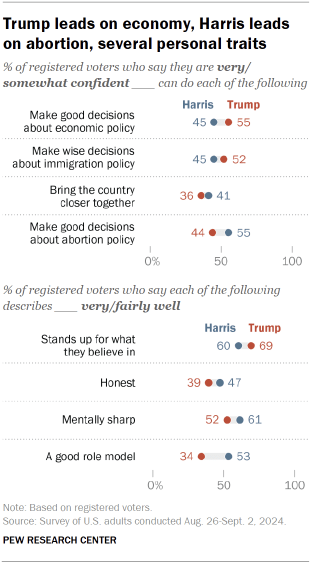
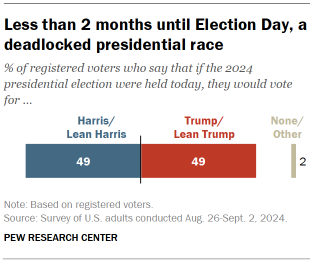
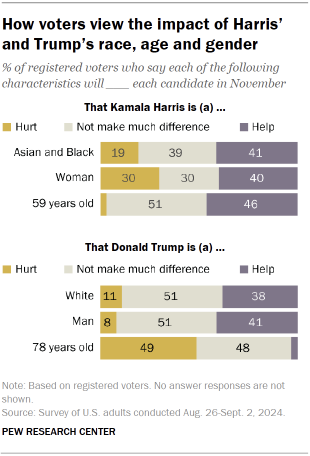
Several distinguished individuals were recognized for their contributions during the summit:

● US Rep. Judy Chu received the Political Leadership Award.

● US Rep. Andy Kim was given the Public Service Award.

● Suffolk County Police Asian Jade Society, SEWA-AIFW, Team Aids, and Elizabeth de Leon-Gamboa were honored with the Community Service Award.

● Mr. Evan Chen was recognized as Philanthropist of the Year.

● Ms. JencyMalena Mesik and Mr. Suraj Kulkarni received the President’s Young Person and Youth Awards, respectively.

Attendees from across the country representing diverse AAPI ethnicities and age groups had networking opportunities with leaders from multicultural ethnic groups through in-person interactions.

The AAUC has made significant contributions to the AAPI community by organizing national conferences, assembling a diverse working board, developing monthly newsletters and podcasts, and creating an online hub that connects over 15,000 AAPI nonprofits across all 50 states. To learn more about the conference agenda, visit 2024 Asian American Unity Summit – AAUC.

Star-Studded Virtual Event Supports Kamala Harris Campaign with Celebrity Endorsements and Emotional Appeals

A virtual event hosted by Oprah Winfrey on the evening of September 19 aimed at energizing Kamala Harris’ presidential campaign saw emotional moments and celebrity appearances, attracting a massive audience across social media platforms. Titled “Unite for America,” the event was organized in collaboration with the activist group Win with Black Women. It focused on voter registration and rallying support for Harris in key battleground states such as Pennsylvania, Georgia, and Michigan, all of which are expected to play a decisive role in the November 5 election.

One of the event’s most poignant moments came when Shanette Williams, the mother of Amber Nicole Thurman, a 28-year-old Georgia woman who passed away in August 2022 due to a delayed hospital treatment under the state’s restrictive abortion laws, addressed the virtual audience. Fighting back tears, Williams shared her grief: “You’re looking at a mother that is broken, the worst pain ever that a mother, that a parent can ever feel.” Harris responded empathetically: “I’m just so sad. And the courage that you all have shown is extraordinary.” The response drew tears from many in the studio audience of about 400 people.

Another emotional moment occurred when 15-year-old Natalie Griffith, a student at Apalachee High School in Georgia, sat in the front row alongside her parents. Natalie had recently survived a shooting in her math class just two weeks earlier, during which she was shot twice. Her mother, Marilda Griffith, expressed her frustration and sorrow: “What are we doing? We have a job, that job is to protect our children. We have to stop it.” Her plea moved many in both the virtual and in-person audience to tears.

Kamala Harris, along with the Democratic Party, has made significant promises regarding two key issues that were highlighted during the event. First, they have committed to restoring national abortion rights, which were severely impacted by the Supreme Court’s 2022 ruling. Second, Harris has vowed to push for a ban on assault weapons, which are frequently used in mass shootings like the one that affected Natalie Griffith.

The event also featured a host of celebrity appearances, lending their voices in support of Harris’ campaign. Among them were comedians Chris Rock and Ben Stiller, along with actors Julia Roberts, Meryl Streep, and Bryan Cranston. The celebrities offered their endorsements for Harris or posed questions to her during the event. Chris Rock, who was particularly enthusiastic about Harris’ candidacy, remarked, “I want to bring my daughters to the White House to meet this Black woman president.”

Oprah Winfrey, acting as the evening’s host, acknowledged Harris’ remarkable rise after President Joe Biden withdrew from the race in late July. Winfrey praised Harris for “stepping into her power” and taking command of her campaign. Harris reflected on the significance of this moment, saying, “You know we each have those moments in our lives when it’s time to step up.”

Harris’ strength as a presidential candidate had been questioned earlier in the campaign, even by some Democrats, including Biden himself. However, since Biden’s departure, Harris has managed to revitalize the Democratic Party’s prospects. Her campaign has brought in renewed enthusiasm and a surge in fundraising, boosting the party’s momentum going into the final stretch of the election.

One candid moment during the event occurred when Winfrey revealed that she had been unaware of Harris’ ownership of a firearm until the candidate’s debate with Republican rival Donald Trump. Harris responded with humor and honesty: “If somebody breaks in my house, they’re getting shot.” Realizing the weight of her statement, Harris quickly added, “Probably should not have said that.”

Harris’ campaign advisors reported that close to 200,000 people had signed up to watch the event live, and by the end of the night, the YouTube stream alone had nearly 100,000 viewers. The event was also broadcast on Instagram, Facebook, TikTok, and Twitch via the accounts of both Winfrey and Harris, further expanding its reach.

The virtual event brought together a number of grassroots organizations in a show of unity and support for Harris. Groups such as Latinas for Harris, White Dudes for Harris, and Win With Black Men had each been organizing and fundraising independently since Harris became the Democratic nominee. Thursday night’s event marked the first time they had all joined forces in a single, collective effort.

Polling data released ahead of the event provided a glimpse into the state of the race. According to a Reuters poll, Harris held a narrow lead over her opponent Donald Trump, with 47% of the vote to Trump’s 42%. In key battleground states, Harris had a slight advantage. She led in states such as Michigan, Pennsylvania, Wisconsin, Nevada, and North Carolina, while Trump was ahead in Georgia. The candidates were tied in Arizona, another crucial state in the upcoming election.

Despite Harris’ growing support, her campaign team remained cautious. “And while we have this extraordinary growing enthusiasm that the Vice President and Governor Walz are seeing everywhere, we are still in a margin of error race. It’s tied. It’s tied right here in Michigan. It’s tied in all the battleground states,” campaign chief Jen O’Malley Dillon warned the audience.

Earlier on September 18, the Uncommitted National Movement, a pro-Palestinian grassroots organization with a significant presence in Michigan, announced that it would not be endorsing Harris in the election. While the group expressed opposition to both Harris and Trump, it stopped short of encouraging its supporters to vote for third-party candidates.

As Harris continues to make her case to voters, her campaign has garnered increased attention and support from a wide range of Americans, including celebrities, activists, and everyday citizens. The emotional appeals and high-profile endorsements from the event hosted by Oprah Winfrey are expected to play a pivotal role in energizing voters as the November 5 election approaches.

Trump to Meet Modi During Upcoming US Visit Amid Trade Criticisms

Former US President Donald Trump has announced that Indian Prime Minister Narendra Modi will meet with him next week during Modi’s scheduled three-day visit to the United States. Despite his past criticisms of India as an “abuser” in terms of import tariffs, Trump praised Modi as a “fantastic man.”

Prime Minister Modi’s visit to the US is planned from September 21 to 23. Trump made this announcement during his first public appearance since an apparent assassination attempt. On Tuesday, Trump said, “He (Modi) happens to be coming to meet me next week, and Modi, he’s fantastic. I mean, fantastic man. A lot of these leaders are fantastic.” He reiterated his criticism of India’s high tariffs on imports, which has been a point of contention in the past.

Trump revealed this information during a town hall in Flint, Michigan, while addressing issues related to trade and tariffs. He highlighted, “So when India, which is a very big abuser… These people are the sharpest people. They’re not a little bit backwards… You know the expression, they’re at the top of their game, and they use it against us.” Trump added, “But India is very tough. Brazil is very tough…. China is the toughest of all, but we were taking care of China with the tariffs.” This reflects Trump’s broader critique of international trade practices and his stance on tariffs.

In his remarks, Trump outlined his approach to reciprocal trade policies. He stated, “If anybody charges us 10 cents, if they charge us USD 2, if they charge us a hundred per cent, 250, we charge them the same thing. And what’s going to happen? Everything’s going to disappear, and we’re going to end up having free trade again. And if it doesn’t disappear, we’re going to take in a lot of money.” This approach underscores his belief in a tough stance on trade imbalances to foster fairer global trading practices.

Trump is currently engaged in a competitive race for the White House against Vice President and Democratic nominee Kamala Harris. However, he did not provide additional details regarding the specifics of his upcoming meeting with Modi.

The Ministry of External Affairs in New Delhi has yet to respond to Trump’s comments or provide any additional insights regarding the visit.

Prime Minister Modi’s visit to the US will commence with the Quad Leaders’ Summit, hosted by President Joe Biden in Wilmington, Delaware. The summit will also include Australian Prime Minister Anthony Albanese and Japanese Prime Minister Fumio Kishida. Additionally, Modi is scheduled to address a community event in Long Island on September 22, followed by a speech at the Summit of the Fu.

Modi’s trip is timed just under two months before the US presidential election, with Trump and Kamala Harris as the leading candidates. The general election is set to take place on November 5.

Prime Minister Modi’s U.S. Visit: A Crucial Opportunity to Address Discriminatory Quotas in Immigration System

As Indian Prime Minister Narendra Modi prepares for his imminent visit to the United States, a pressing question emerges: Will he confront the systemic discrimination experienced by millions of Indian workers within the U.S. immigration system? Will he call on President Joe Biden and Vice President Kamala Harris to enforce U.S. civil rights laws and rectify the inequitable treatment faced by Indians solely due to their country of origin?

For decades, the U.S. immigration system has systematically discriminated against millions of Indian nationals living and working legally in the country, confining them within a bureaucratic maze due to antiquated, country-of-birth quotas. This form of discrimination stands in violation of the United Nations’ International Convention on the Elimination of All Forms of Racial Discrimination and U.S. Title VII of the Civil Rights Act of 1964.

Highly skilled Indian professionals, who significantly contribute to the U.S. economy, find themselves entangled in endless USCIS red tape. This has hampered their ability to advance, change jobs, or establish their own businesses, curtailing their career growth and personal freedom. Despite their legal status and years of dedicated service, their progress is hindered by the current system.

Prime Minister Modi’s visit represents a critical chance to address this issue with President Biden and Vice President Harris, advocating for immediate and impactful changes to end this discriminatory practice.

The Discrimination: Country-of-Birth Quotas

Central to this issue is the U.S. employment-based green card system, which imposes arbitrary limits on the number of green cards issued to immigrants based on their country of birth. These country-of-birth quotas disproportionately affect Indian nationals, who constitute a significant segment of the U.S. high-skilled workforce, particularly in technology, healthcare, and engineering sectors.

Indian professionals, despite their substantial contributions to the U.S. economy, are subjected to waiting periods that can extend over decades due to these quotas. Even though they fulfill all legal requirements for permanent residency, their path to a green card is obstructed merely because of their birthplace. This system not only restricts their career opportunities but also limits the freedom of their families, placing spouses in restrictive visa situations and creating legal uncertainties for children as they age out of dependent status.

The Human Toll: Living in Limbo

For countless Indian workers, this policy has transformed the American Dream into an American nightmare. Many entered the U.S. legally, often on H-1B visas, and have dedicated years to contributing to America’s growth and innovation. However, they remain trapped in legal limbo, unable to advance in their careers or pursue the freedom and opportunities they sought when they first arrived.

Indian nationals face severe consequences, including:

– Job stagnation: Their visa status prevents them from changing employers or seeking promotions without jeopardizing their path to permanent residency.

– Restricted mobility: Indian immigrants encounter travel limitations and cannot work freely in the U.S. like their counterparts from other countries.

– Family hardships: Spouses, many of whom are skilled professionals, are often barred from working, and children face the threat of deportation upon turning 21.

This country-of-birth discrimination creates a dual-tier system, treating workers from countries like India as second-class, despite their crucial contributions to the U.S. economy.

Will Prime Minister Modi Take a Stand?

Prime Minister Modi’s visit to the U.S. presents an opportunity to advocate for these millions of Indian nationals. As the leader of the world’s largest democracy, it is his responsibility to defend the rights and dignity of Indian citizens globally. By addressing this issue with President Biden and Vice President Harris, Prime Minister Modi can push for necessary reforms that have been long overdue.

Several potential solutions are available:

– Executive Action: The Biden administration could take executive action to amend or abolish the country-of-birth quotas for employment-based green cards, allowing highly skilled Indian workers to apply based on merit rather than nationality.

– Legislative Reform: Congress could enact immigration reform legislation to eliminate the discriminatory quota system, ensuring a fairer system for all workers, regardless of their country of origin.

– Temporary Relief Measures: Short-term solutions, such as expanding work permits for spouses and dependents or allowing greater job mobility for H-1B visa holders, could improve the living conditions of Indian workers in the U.S.

The Role of Vice President Kamala Harris

Vice President Kamala Harris, who has Indian heritage through her mother, could play a pivotal role in this dialogue. As someone familiar with the challenges faced by immigrants and who has publicly supported immigration reform, Vice President Harris could be a strong advocate for ending this discrimination. Her involvement, alongside Prime Minister Modi’s, could elevate this issue within U.S.-India relations and encourage the Biden administration to take concrete actions to address the injustices faced by Indian workers.

The Stakes for U.S.-India Relations

The U.S. and India enjoy a robust partnership grounded in shared interests in trade, security, and technological progress. However, for this relationship to reach its full potential, both nations must also focus on the fair treatment of their citizens. Indian immigrants have been integral to the U.S. economy, yet outdated laws continue to hinder their advancement. By championing these individuals, Prime Minister Modi can reinforce the U.S.-India bond, ensuring that both countries adhere to their shared values of equality, opportunity, and justice.

This issue transcends immigration policy; it concerns human rights, fairness, and the dignity of workers who have fulfilled their obligations and more. It is a test of both nations’ commitment to equality and non-discrimination.

A Historic Opportunity for Change

Prime Minister Narendra Modi has a historic chance to advocate for the millions of Indian nationals during his U.S. visit. By addressing the discriminatory country-of-birth quotas with President Biden and Vice President Harris, he can initiate long-awaited reforms that will provide relief to diligent Indian professionals and their families.

Will Prime Minister Modi seize this moment and push for the end of this unjust system? Millions of Indian workers in the U.S. are counting on his leadership. The world is watching, and the time for change is now.

Modi to Attend Quad Summit and Address UN ‘Summit of the Future’ During U.S. Visit

Indian Prime Minister Narendra Modi is set to embark on a three-day official trip to the United States from September 21 to 24. This visit will include his participation in the annual Quad Leaders’ Summit and an address at the ‘Summit of the Future’ during the United Nations General Assembly (UNGA). The trip highlights India’s growing role on the global stage, focusing on multilateral partnerships and fostering relations with major world economies.

The fourth Quad Leaders’ Summit will take place in Wilmington, Delaware, and will be hosted by U.S. President Joe Biden. This summit is especially notable as it may be the last for Biden, who has announced he will not seek a second term, and for Japan’s Prime Minister Fumio Kishida, who is also expected to step down from his post. The summit will see participation from leaders of Australia, Japan, India, and the United States, continuing the momentum of the Quad partnership. According to a statement from India’s Ministry of External Affairs (MEA), India has been chosen to host the next Quad Summit in 2025.

The Quad—an informal grouping between the United States, India, Australia, and Japan—has grown in significance in recent years, serving as a strategic platform for discussing issues relevant to the Indo-Pacific region. Quad Foreign Ministers have held eight meetings in recent years, and regular coordination at all levels among the four governments has become routine.

“The leaders will review the progress achieved by the Quad over the last one year and set the agenda for the year ahead to assist the countries of the Indo-Pacific region in meeting their development goals and aspirations,” the MEA said, adding that India’s hosting of the 2025 summit followed a request from the U.S. to host the current one. The focus of this year’s Quad discussions will be on how to address the developmental needs of the Indo-Pacific region, a strategically important area where economic, environmental, and security issues are of increasing concern.

Modi’s participation at the United Nations General Assembly will center on the ‘Summit of the Future,’ scheduled for September 23. The theme of the summit, ‘Multilateral Solutions for a Better Tomorrow,’ reflects an emphasis on global cooperation to address challenges in the 21st century. The summit is expected to bring together world leaders to discuss multilateral strategies for addressing critical issues, including climate change, economic stability, and peacekeeping.

In addition to his participation in the Quad Summit and the UNGA, Prime Minister Modi will engage in a number of key diplomatic meetings during his time in the United States. These meetings will include discussions with several world leaders on issues of mutual interest. Bilateral discussions will likely touch on topics such as trade, defense cooperation, and other areas of shared concern between India and other nations.

On September 22, Modi is scheduled to address the Indian community in New York. These gatherings of the Indian diaspora have become a regular feature of his international visits, aimed at strengthening ties between India and its overseas citizens. Indian-Americans have long played a vital role in deepening economic, cultural, and diplomatic ties between the two countries, and Modi’s address will likely focus on enhancing this relationship.

In addition to his address to the Indian community, Modi will hold meetings with top executives from leading U.S.-based companies. These meetings are seen as an opportunity to explore avenues for increased collaboration between Indian and American firms, particularly in high-tech sectors such as artificial intelligence (AI), quantum computing, semiconductors, and biotechnology. India’s growing tech industry, coupled with its skilled workforce, makes the country an attractive partner for U.S. tech giants, and Modi’s government has made fostering these relationships a priority.

“The Prime Minister is also expected to interact with thought leaders and other stakeholders active in the India-US bilateral landscape,” the MEA said in its statement, pointing to a broader agenda for the trip that encompasses both government-level and private sector interactions. These discussions are part of Modi’s broader diplomatic strategy of strengthening India’s global influence through economic partnerships, technology exchange, and fostering international alliances.

The visit is expected to further cement the India-U.S. relationship, which has been on an upward trajectory in recent years. As the world’s two largest democracies, India and the U.S. share numerous strategic and economic interests. This has resulted in growing cooperation in areas such as defense, trade, climate change, and technology. Modi’s interactions with American businesses and political leaders during this visit will likely focus on these key areas, with the aim of deepening the economic ties that are seen as critical for both nations’ long-term prosperity.

India’s participation in multilateral forums such as the Quad and the UN General Assembly underlines its increasing global influence. The Quad, which originally began as a loose grouping in response to regional challenges, has become a more structured partnership aimed at promoting security, stability, and development in the Indo-Pacific. The Indo-Pacific region, which includes the Indian and Pacific Oceans, is critical to global trade routes and has become a flashpoint for geopolitical competition, particularly as China seeks to assert its dominance in the area. The Quad countries, while not officially labeling the partnership as a counter to China, are widely seen as aligning in their efforts to maintain a free and open Indo-Pacific.

At the same time, Modi’s address at the United Nations will provide a platform for India to articulate its vision for a multilateral world order that responds to the challenges of the future. His speech is expected to touch on key issues like climate change, global health, economic development, and reforming international institutions to better reflect the contemporary global order.

India’s growing role in international organizations, including the G20 and BRICS, combined with its leadership in the Quad, demonstrates the country’s rising global stature. As the world grapples with numerous challenges, from climate change to global inequality, India has positioned itself as a voice for developing countries and a key player in shaping the international agenda.

This visit, while focused on the Quad and UN events, is part of Modi’s broader efforts to project India as a rising power on the world stage. It underscores India’s commitment to working with global partners to address regional and global issues. As the Indo-Pacific continues to be a region of strategic importance, India’s participation in the Quad and its leadership in multilateral forums will remain pivotal in shaping the future of the region.

Prime Minister Narendra Modi’s upcoming visit to the United States will be significant, not only for its role in strengthening India-U.S. relations but also for advancing India’s broader global agenda. Whether through the Quad, the UN, or bilateral meetings, the visit will underscore India’s increasing influence in global affairs and its commitment to fostering partnerships that promote peace, stability, and development.

Secret Service Responds to Elon Musk’s Deleted Comment About Biden and Harris

The U.S. Secret Service confirmed on Monday that it was aware of a social media post by billionaire Elon Musk, in which he commented on the absence of assassination attempts against President Joe Biden and Vice President Kamala Harris. Musk, the owner of the platform X, formerly known as Twitter, made the remark after a man suspected of plotting to kill former Republican President Donald Trump was arrested at Trump’s golf course in West Palm Beach on Sunday.

In his post, Musk, a supporter of Trump and the CEO of Tesla, reflected on the situation and wrote: “And no one is even trying to assassinate Biden/Kamala,” concluding his post with an eyebrow-raising emoji. The statement quickly drew backlash from both sides of the political spectrum, with users of X expressing concern that Musk’s words could potentially incite violence against the current president and vice president, who are key figures in the upcoming 2024 U.S. presidential election.

Musk’s post, which was visible to his nearly 200 million followers, was soon deleted. However, the Secret Service, whose primary responsibility is the protection of current and former U.S. leaders and other high-profile officials, had already taken note of the comment.

A spokesperson for the Secret Service stated in an email to Reuters, “The Secret Service is aware of the social media post made by Elon Musk and as a matter of practice, we do not comment on matters involving protective intelligence.” The agency emphasized, “We can say, however, that the Secret Service investigates all threats related to our protectees.”

Although the agency did not reveal whether they had directly contacted Musk regarding the matter, the billionaire responded to the criticism in subsequent posts on X. He appeared to dismiss the seriousness of the original comment, describing it as a joke. “Well, one lesson I’ve learned is that just because I say something to a group and they laugh doesn’t mean it’s going to be all that hilarious as a post on X,” Musk wrote. He acknowledged that humor often does not translate well in text, adding, “Turns out that jokes are WAY less funny if people don’t know the context and the delivery is plain text.”

Musk’s initial remark followed an incident in which a man allegedly planned to kill Trump. While no harm came to the former president, the situation drew widespread attention, particularly given the political atmosphere as the 2024 presidential election nears. Trump, who has already announced his bid for a second term in the White House, is expected to face Biden in the election. Vice President Harris, also a key figure in the campaign, is set to run for re-election alongside Biden.

In response to the news of the attempted assassination plot against Trump, both Biden and Harris expressed their relief that the former president had not been injured. Harris, a Democrat, issued a statement on Sunday night, while Biden also publicly condemned any form of political violence. The vice president’s office reiterated the importance of ensuring the safety of all political figures, regardless of party affiliation.

As expected, Musk’s post did not sit well with the White House. On Monday, Andrew Bates, a spokesperson for the White House, addressed the situation directly, condemning the tone of Musk’s remarks. “Violence should only be condemned, never encouraged or joked about. This rhetoric is irresponsible,” Bates said, emphasizing that political discourse, particularly in a tense election cycle, should not include comments that could potentially fuel harmful behavior.

The backlash Musk received for his post is not surprising, given his large and diverse following on X. With nearly 200 million people subscribed to his updates, his statements carry significant weight, and as the owner of the platform, his influence has grown even further. Despite this, Musk’s response to the controversy focused on the misunderstanding of his intended humor, rather than addressing the broader concerns about the potential impact of his words.

While it remains unclear whether the Secret Service will take any further action regarding Musk’s post, the agency’s statement highlights its ongoing responsibility to investigate any perceived threats to its protectees. Given the heightened security concerns surrounding both Biden and Harris as the 2024 election approaches, any comments, whether intended as jokes or otherwise, are likely to be taken seriously by law enforcement and government agencies.

This incident adds to the growing tension in the political landscape as the United States moves closer to another presidential election. The rise of social media and its role in shaping political discourse has been a key issue, with platforms like X serving as a battleground for public opinion, political strategy, and, in some cases, controversy.

Musk’s ownership of X has brought additional scrutiny to the platform, particularly as he often uses it to voice his opinions on various matters, including politics. Since acquiring the platform, Musk has made a number of changes, both to its structure and its policies, drawing both praise and criticism. His approach to free speech on the platform has been lauded by some as a defense of open dialogue, while others have criticized it for allowing misinformation and harmful rhetoric to spread more easily.

As the 2024 election season continues to unfold, public figures like Musk, who hold significant influence through social media, will likely face increased scrutiny for their statements. The debate over the responsibilities of social media platforms in moderating content, particularly when it comes to political discourse, is unlikely to fade anytime soon.

In this case, Musk’s deleted post serves as a reminder of the fine line between free speech and the potential consequences of public remarks, especially when made by individuals with vast platforms and influence. As the Secret Service continues to monitor threats against the president, vice president, and other officials, the role of social media in shaping political narratives and possibly inciting violence remains a critical issue for both law enforcement and the public at large.

Trump Safe After Apparent Assassination Attempt on Florida Golf Course

On Sunday, Donald Trump, the Republican presidential candidate, was unharmed after what the FBI has described as an attempted assassination. The incident occurred while Trump was golfing at his West Palm Beach, Florida course. According to law enforcement officials, Secret Service agents opened fire on a gunman who had positioned himself in bushes near the property line. The assailant was several hundred yards away from where Trump was playing.

The gunman left behind an AK-47-style assault rifle along with other belongings before fleeing the scene in a vehicle. He was arrested later. This event occurred two months after Trump had been shot at during a campaign rally in Pennsylvania, suffering a minor injury to his ear. Both incidents are clear examples of the difficulties involved in protecting presidential candidates during an intense and polarized election campaign, with just over seven weeks remaining until the November 5 election.

In a post on social media, Trump addressed the situation: “I would like to thank everyone for your concern and well wishes – It was certainly an interesting day!” He also expressed gratitude to the Secret Service and local police for ensuring his safety.

Multiple media outlets, including CNN, Fox News, and The New York Times, identified the suspect as 58-year-old Ryan Wesley Routh from Hawaii, based on information from anonymous law enforcement sources. That same evening, agents from the Secret Service and Homeland Security searched a home in Greensboro, North Carolina, which neighbors confirmed had previously been owned by Routh.

The attack raises concerns about the adequacy of Trump’s security detail, particularly since he is no longer in office. In response to inquiries from reporters, officials acknowledged that because Trump is a private citizen, the entire golf course was not sealed off. “If he was, we would have had the entire golf course surrounded,” stated Palm Beach County Sheriff Ric Bradshaw during a briefing on Sunday. “Because he’s not, security is limited to the areas that the Secret Service deems possible.”

Following the incident, Trump sent an email to his supporters, declaring: “Nothing will slow me down. I will NEVER SURRENDER!”

President Joe Biden later issued a statement confirming that he had directed his team to ensure that the Secret Service had all necessary resources to maintain Trump’s safety.

Suspect’s Background and Support for Ukraine

Routh had reportedly traveled to Ukraine after Russia’s invasion in 2022, expressing his desire to assist in recruiting foreign fighters for the Ukrainian cause after he had been deemed too old to serve. In an interview with Newsweek Romania, Routh stated, “A lot of the other conflicts are grey, but this conflict is definitely black and white. This is about good versus evil.”

He further elaborated on his views, saying, “If the governments will not send their official military, then we, civilians, have to pick up the torch and make this thing happen. We have gotten some wonderful people here, but it is a small fraction of the number that should be here.” Routh was visibly emotional during the interview, urging people from around the globe to take a stand “for humanity, for human rights, for everything that is good with the world” by supporting Ukraine.

Profiles on social media platforms such as X, Facebook, and LinkedIn that appeared to belong to Routh also expressed support for Ukraine. However, Reuters was unable to confirm whether these accounts belonged to the suspect. Law enforcement officials declined to comment on the matter, and public access to the Facebook and X profiles was removed just hours after the shooting.

When contacted by Reuters, Routh’s son Adam, who works at a hardware store in Hawaii, said he was unaware of the assassination attempt and had no information. “It’s not something I would expect my father to do,” Adam remarked. Shortly after the initial conversation, Adam left work due to an emergency.

The Incident and Response

According to Sheriff Bradshaw, the gunman was first detected by a Secret Service agent who spotted the barrel of a rifle poking out from the bushes around 400 to 500 yards away from where Trump was playing. This occurred as agents were securing the course, ensuring there were no threats present before Trump advanced to the next hole.

At approximately 1:30 p.m. on Sunday, agents engaged the suspect, firing at least four shots. The gunman abandoned his rifle, leaving behind two backpacks and other items, before fleeing in a black Nissan. Fortunately, a witness was able to capture photos of the suspect’s vehicle and license plate, aiding in his capture.

The suspect was apprehended by deputies from Martin County while traveling on Interstate 95, about 40 miles from the golf course.

In a statement, the White House said both President Biden and Vice President Kamala Harris were briefed on the situation and were relieved that Trump was unharmed. Trump is currently in a tight race against Harris, who has gained momentum in the polls since being named the Democratic Party’s candidate, replacing Biden in July. Harris shared her thoughts on the matter in a post on X, stating, “Violence has no place in America.”

Democracy and the Election

Earlier this year, Routh had warned in a post on X that the U.S. democracy was at risk in the upcoming election. This sentiment has been echoed by Harris, who has consistently argued that another term under Trump would endanger the nation’s democratic institutions. She has also maintained strong support for Ukraine as it continues to fight against Russian aggression.

In contrast, Trump has taken a more ambiguous stance on the Ukraine conflict. When asked during a recent debate whether he wanted Ukraine to emerge victorious, Trump replied that he wanted the war to end.

This latest attack brings renewed attention to the July 13 shooting during Trump’s campaign rally in Pennsylvania, where the former president was grazed on the right ear, and one person in attendance was killed. That event marked the first time in over four decades that a U.S. president or major party presidential candidate had been the target of gunfire. The security failure led to the resignation of Secret Service Director Kimberly Cheatle, following significant pressure from Congress.

Kamala Harris Takes Five-Point Lead Over Trump After Debate

Vice President Kamala Harris has gained a notable five-point lead over former President Donald Trump in two major national polls conducted shortly after their recent debate. Many political analysts have declared Harris the clear winner of the debate, with her strong performance boosting her standing among voters.

Key Poll Findings

In a poll conducted by Morning Consult on Wednesday, Harris is ahead of Trump by a margin of 50% to 45%, marking her largest lead so far in this survey group. This is a slight improvement from her previous four-point lead in a poll taken on the day of the debate, and it builds on her earlier three-point lead in surveys conducted before the event. The survey sampled 3,317 likely voters.

Similarly, a two-day Reuters/Ipsos poll concluded on Thursday shows Harris maintaining a five-point lead, with 47% of respondents supporting her compared to 42% for Trump. This is a one-point increase from a previous poll conducted by the same group between August 21 and August 28.

The Reuters/Ipsos poll also revealed that 53% of voters who had followed the debate believed Harris emerged victorious, compared to only 24% who thought Trump had won. A significant portion of the respondents did not provide an answer on this matter. The poll further showed that 91% of Democrats considered Harris the winner, while only 53% of Republicans felt the same about Trump.

Additionally, 52% of the respondents familiar with the debate said Trump did not appear as sharp as they expected, while only 21% said the same about Harris.

Pundits Weigh In

Several political analysts and commentators widely praised Harris for her debate performance. Former Fox News anchor Chris Wallace and NBC News presidential historian Michael Beschloss were among those who noted that Harris managed to put Trump on the defensive multiple times throughout the night. She questioned him about his ongoing legal troubles, criticized the size of his rally crowds, and referenced his loss in the 2020 election. Harris even brought up how U.S. military leaders allegedly view Trump as a “disgrace.”

Harris’ ability to rattle Trump and shift the narrative worked in her favor, according to many experts. By addressing key issues and managing to corner Trump on various points, she significantly strengthened her position in the race.

Poll Numbers Before and After Debate

Before the debate, Harris had been leading Trump by 2.7 points, according to polling averages compiled by FiveThirtyEight. While her lead has grown since then, polling trends suggest that her momentum may be leveling off. In one of the first major polls taken after the debate, conducted by The New York Times and Siena College from September 3 to September 6, Trump actually managed to edge out Harris by one point, securing 48% to her 47%.

Significance of the Debate

The debate, held last Tuesday, was the first and only scheduled face-off between Trump and Harris and was regarded as one of the most critical events of the 2024 presidential campaign. It marked the first time the two candidates met in person and was especially significant for Harris. Given that she entered the race later than most candidates, she is less well-known to voters from both a personal and policy standpoint.

Despite the high stakes, Harris did not introduce any new policy initiatives during the debate. Instead, the discussion largely centered around familiar topics, with the two candidates exchanging sharp criticisms over issues such as the economy, the U.S. withdrawal from Afghanistan, border policies, and abortion rights.

Harris’ performance in the debate came just over two months after President Joe Biden’s disastrous debate with Trump, which many believe ended his bid for the Democratic nomination. With Biden effectively out of the race, Harris has been able to secure her position as the Democratic frontrunner.

Debate Moderation Controversy

While Harris was widely considered the debate’s winner, some of Trump’s supporters criticized the moderators. ABC’s Linsey Davis and David Muir, who hosted the debate, were accused of showing bias by fact-checking Trump on multiple occasions but not doing the same with Harris.

Many news outlets that analyzed the candidates’ statements during the debate found that Trump made more false or misleading claims than Harris. For example, Trump inaccurately claimed that inflation was the worst it had ever been, which was widely debunked by fact-checkers. Although Harris also stretched the truth in a few instances, such as when she claimed that her stance on fracking was clear during the 2020 election, she was not corrected by the moderators.

Trump’s Reaction to the Debate

Following the debate, Trump took to his social media platform, Truth Social, to declare that he would not participate in another debate with Harris. He criticized her performance and suggested she had failed in her role as Vice President over the last four years, writing, “THERE WILL BE NO THIRD DEBATE!” Trump further accused Harris of calling for a second debate only because she lost the first one, comparing her to a “fallen UFC fighter” who wants a rematch.

As the 2024 presidential race heats up, Kamala Harris’ recent debate performance has given her a boost in national polls, leading Donald Trump by five points. While there are still months to go before the election, Harris’ ability to take control during the debate and effectively challenge Trump on key issues has strengthened her position as a strong contender for the presidency. However, with Trump’s continued presence and his refusal to debate Harris again, the dynamics of the race remain fluid. Political observers and voters alike will be closely watching how both candidates move forward in the coming weeks.

Biden to Host Fourth Quad Leaders Summit in Wilmington on September 21

On September 12, 2024, the White House issued a statement announcing that President Joe Biden will host the fourth in-person Quad Leaders Summit on Saturday, September 21. The meeting will take place in Wilmington, Delaware, and will bring together leaders from Australia, India, and Japan.

According to the statement, President Biden is looking forward to welcoming Australian Prime Minister Anthony Albanese, Indian Prime Minister Narendra Modi, and Japanese Prime Minister Kishida Fumio. This will mark the first time President Biden has hosted foreign leaders in Wilmington since taking office, with the White House highlighting the importance of the event by stating it reflects Biden’s “deep personal relationships with each of the Quad Leaders, and the importance of the Quad to all of our countries.”

The Quad, formally known as the Quadrilateral Security Dialogue, is an informal strategic forum involving the four countries, aimed at promoting stability and prosperity in the Indo-Pacific region. In recent years, it has gained significance due to shared concerns over regional security and economic issues, particularly with the rise of China as a dominant force in the Indo-Pacific.

The White House’s statement emphasized the Biden-Harris administration’s efforts to elevate and institutionalize the Quad partnership. It pointed out that this process began with the first Quad Leaders Summit in 2021 at the White House and has continued with annual meetings since then. Over time, there has been a growing alignment among the four nations, and various levels of cooperation have taken place, from meetings of Quad Foreign Ministers to broader government coordination on strategic issues. The commitment to maintaining and strengthening the Quad has been positioned as a top priority for the administration, and President Biden has been active in pursuing deeper collaboration among the Quad members.

The upcoming summit on September 21 is expected to focus on enhancing the strategic alignment among the Quad nations while advancing their “shared vision” for a free and open Indo-Pacific. This vision is rooted in ensuring stability and security in the region, with the member countries working together to address common challenges.

Key areas expected to be discussed at the summit include health security, maritime security, natural disaster response, critical infrastructure, and emerging technologies. The Quad countries have consistently emphasized the importance of high-quality infrastructure projects in the Indo-Pacific, aiming to provide alternatives to China’s Belt and Road Initiative. These efforts also extend to climate change and clean energy initiatives, with the Quad nations increasingly coordinating their policies to address global environmental challenges.

Cybersecurity will also be a major point of discussion, as the Quad members aim to strengthen their defenses against growing cyber threats. In recent years, cyberattacks and data security concerns have become pressing issues, and the Quad countries have recognized the need to enhance their cooperation in this critical area. By working together, they hope to ensure a more secure digital infrastructure for the Indo-Pacific region.

In addition to these practical concerns, the Quad summit is expected to further cement the alignment of these nations on broader geopolitical issues, including the rise of China as a major regional power. While the Quad is not explicitly defined as an anti-China alliance, the growing influence of Beijing in the Indo-Pacific has prompted Quad members to increase their focus on maintaining a free and open region, with an emphasis on sovereignty and international law.

The White House noted that this summit represents an important milestone for the Biden-Harris administration, particularly given the president’s personal commitment to advancing the Quad partnership. As the statement mentioned, the administration has placed significant emphasis on institutionalizing the Quad since the first Quad Leaders Summit in 2021, and this year’s gathering will continue to build on that progress. Regular meetings of Quad Foreign Ministers and coordination at various levels of government have further solidified the partnership, allowing the four countries to work together on key global and regional issues.

In terms of concrete outcomes, the summit is expected to deliver tangible benefits for the Indo-Pacific region in the areas of health security, disaster preparedness, and climate resilience. In particular, the Quad nations have been working to improve their joint response to natural disasters, which are becoming more frequent and severe due to climate change. Maritime security is another critical area where the Quad countries are likely to announce new initiatives, given the strategic importance of sea lanes in the Indo-Pacific for global trade and economic stability.

In recent years, the Indo-Pacific region has faced numerous security challenges, from territorial disputes in the South China Sea to increased military activity in the region. As a result, the Quad members have placed a strong emphasis on enhancing maritime security, with a focus on ensuring that international law is upheld and that regional tensions are managed in a peaceful and cooperative manner.

Looking ahead, the next Quad Summit will be hosted by India, marking another step in the continued evolution of this strategic partnership. India’s growing role in the Quad reflects its increasing influence in the region and its commitment to working with like-minded countries to promote stability and prosperity in the Indo-Pacific.

The Quad’s growing relevance in the region comes at a time when global power dynamics are shifting, and countries are seeking to navigate an increasingly complex international landscape. As the world’s largest democracies, the Quad members share common values and interests, making their collaboration essential for addressing the challenges of the 21st century.

The upcoming Quad Leaders Summit in Wilmington, Delaware, will provide an opportunity for President Biden and the other leaders to reaffirm their commitment to a free and open Indo-Pacific, while also delivering concrete benefits in areas such as health security, climate change, and cybersecurity. As the Quad continues to evolve, it will play an increasingly important role in shaping the future of the Indo-Pacific region and addressing the global challenges of our time.

In Tied Presidential Race, Harris and Trump Have Contrasting Strengths, Weaknesses

What if they win? Harris and Trump supporters differ over the acceptability of presidential actions by their own candidate.

Ahead of the scheduled Sept. 10 presidential debate between Vice President Kamala Harris and former President Donald Trump, the presidential race is deadlocked. About half of registered voters (49%) say if the election were held today, they would vote for Harris, while an identical share say they would back Trump.

Chart shows Trump leads on economy, Harris leads on abortion, several personal traitsWith less than two months before the November election, the candidates bring contrasting strengths and weaknesses to the presidential contest.

Trump’s key advantage is on the economy, which voters regard as the most important issue this year. A 55% majority of voters say they are very or somewhat confident in Trump to make good decisions about economic policy, compared with 45% who say that about Harris.

Harris’ lead over Trump on abortion is a near mirror image of Trump’s on the economy: 55% of voters have at least some confidence in Harris, while 44% express confidence in Trump.

And Harris holds sizable leads over Trump on several personal traits and characteristics, including being a good role model (a 19 percentage point advantage), down-to-earth (13 points) and honest (8 points).

The latest national survey by Pew Research Center, conducted among 9,720 adults (including 8,044 registered voters) from Aug. 26 to Sept. 2, 2024, highlights how much has changed in the campaign – and what hasn’t – since President Joe Biden withdrew from the race and Harris became the Democratic nominee.

Trump’s advantage on “mental sharpness” has disappeared. Currently, 61% of voters say the phrase “mentally sharp” describes Harris very or fairly well, compared with 52% who describe Trump this way. Two months ago, more than twice as many voters viewed Trump as mentally sharp (58%) than said that about Biden (24%). (Read more about perceptions of the candidates in Chapter 3.)

Democratic satisfaction with the candidates has increased. The share of Harris supporters who are very or fairly satisfied with the presidential candidates is nearly triple the share of Biden supporters who were satisfied in July (52% now vs. 18% then). As a result, Harris backers now are more likely than Trump backers to say they are satisfied with the candidates, a clear reversal from just two months ago. (Read more about voter engagement and views of the candidates in Chapter 5.)

Chart shows Less than 2 months until Election Day, a deadlocked presidential race

The state of the race. The overall patterns of support for each candidate have changed little since last month. For instance, Trump holds a lead among White voters (56% to 42%), while Harris maintains large advantages with Black voters (84% to 13%) and Asian voters (61% to 37%). Latino voters, whose support was evenly divided between Biden and Trump in July, now favor Harris, 57% to 39%. (Read more voter preferences in Chapter 1 and explore demographic breaks on voter preferences in the detailed tables.)

Americans’ views of the economy continue to be largely negative. Americans’ views of the national economy are about as negative today as they were at the start of this year. Only 25% rate national economic conditions excellent or good. Prices for food and consumer goods continue to be a major concern for most Americans, and increasing shares express concerns about housing costs and jobs. (Read more about economic attitudes in Chapter 7.)

In a historic election, how voters view the impact of candidates’ races and ethnicities, genders and ages

If she wins in November, Harris will make history by becoming the first woman president. She would also be the first Asian American and first Black woman president. If Trump wins, he will become the oldest person to take office, at 78. (Read more about voters’ views of the candidates’ demographic characteristics in Chapter 4.)

Chart shows How voters view the impact of Harris’ and Trump’s race, age and gender

Voters overall have mixed views of the impact of Harris’ gender and race and ethnicity on her candidacy. More say the fact that Harris is a woman and that she is Black and Asian will help her than hurt her with voters this fall. Somewhat more voters see Harris’ gender as a potential negative (30%) than see her race and ethnicity this way (19%).

Harris supporters are far more likely than Trump supporters to say the vice president’s gender and race will be a liability. More than twice as many Harris supporters (42%) as Trump supporters (16%) say the fact that Harris is a woman will hurt her with voters. Fewer Harris supporters think her race and ethnicity will be a hindrance (31%), but just 8% of Trump supporters say the same.

Nearly half of voters say Trump’s age will hurt his candidacy. Far more voters say Trump’s age will hurt him (49%) than help him (3%) in the election; the remainder say it will not make much difference. The reverse is true for how voters see the effect of Harris’ age: 46% say the fact that she is 59 will help her with voters, while just 3% say it will hurt her.

Harris, Trump supporters weigh in: What actions are acceptable for a president?

Chart shows Harris, Trump supporters differ widely on acceptability of several presidential actions if their candidate wins

Looking ahead, Harris and Trump supporters have very different ideas about the kinds of presidential actions that would be acceptable if their preferred candidate takes office (read more about these views in Chapter 6):

Investigating political opponents

More than half of Trump supporters (54%) say it would definitely or probably be acceptable for Trump to order federal law enforcement officials to investigate Democratic opponents. Half as many Harris supporters (27%) say it would be acceptable for Harris to order investigations into GOP opponents.

Pardoning family, friends and supporters; firing disloyal federal workers

Trump supporters also are far more likely than Harris supporters to say it would be acceptable for their candidate to pardon friends, family or political supporters who have been convicted of crimes and to fire federal workers at any level who are not personally loyal to them.

Executive orders

Majorities of both Trump supporters (58%) and Harris supporters (55%) say it would be acceptable for their candidate, if they win, to use executive orders to make policies when they can’t get their priorities through Congress.

Other findings: An uncertain election outcome, the more critical candidate, Trump and the 2020 election

Trump is widely viewed as too personally critical of Harris. About two-thirds of voters (66%) say Trump has been too personally critical of Harris. By comparison, fewer (45%) say Harris has been too personally critical of Trump. About four-in-ten Trump supporters (41%) say Trump has been too critical of his opponent, compared with just 12% of Harris supporters who say the same of Harris.

Most say it’s not yet clear who will win. Only 20% of voters say it is already clear which candidate will win the election, while 80% say it is not yet clear. Voters who say it is clear who will win overwhelmingly say their preferred candidate will prevail. When those who say it is not yet clear are asked for their “best guess,” they also opt for their candidate.

Chart shows Voters divided over criminal allegations that Trump tried to overturn the 2020 election

Trump’s role in the 2020 election remains divisive. More than four-in-ten voters (46%) say Trump broke the law in an effort to change the outcome of the 2020 election, while another 14% say he did something wrong but did not break the law. Another 27% say Trump did nothing wrong. These views are largely unchanged since April. While Harris supporters overwhelmingly say Trump broke the law (88% say this), Trump backers are divided: 54% say he did nothing wrong while 27% say either he did something wrong or broke the law. Trump supporters (18%) are more likely than Harris supporters (7%) to say they are not sure.

Voters also divided on Trump’s New York fraud case. The survey was completed before a New York judge delayed sentencing in the criminal case against Trump in which he was found guilty of falsifying business records and other charges related to “hush money” payments to Stormy Daniels. Among all voters, 39% say Trump should serve time in jail, while 45% say he should not. About seven-in-ten Harris supporters (72%) think Trump should have to serve jail time, while an even larger share of Trump supporters (81%) say he should not.

Source Credit: Pew Research Center

Moscow Expels British Diplomats as Putin Warns the West on Long-Range Weapons

Russia has expelled six British diplomats as tensions escalate between Moscow and Western powers over Ukraine’s use of long-range weapons. Russian President Vladimir Putin issued a direct warning to the United States and the United Kingdom, cautioning that enabling Ukraine to strike Russian territory would effectively put NATO countries at war with Russia. This warning is unusually specific and has raised alarm across the West.

According to The New York Times, Putin’s statement marks a critical point, signaling that Western support for Ukraine could lead to broader conflict. He warned that providing long-range weapons to Kyiv would provoke serious consequences, placing European and U.S. forces at risk of retaliation.

Responses from Analysts and Commentators

Russia justified the expulsion of British diplomats by accusing them of engaging in “subversive activities” that threatened its national security. However, Steve Rosenberg, the BBC’s Russia editor, believes Putin’s reaction could go beyond diplomatic expulsions. Rosenberg referenced Putin’s remarks from June, where he suggested that Russia could arm its adversaries in ways that could destabilize Western interests abroad. “The response could be much broader than just expelling diplomats,” Rosenberg said.

The New York Times also suggested that Russia might aid hostile nations like Iran in attacking American interests in the Middle East. There are concerns that Russia could share advanced technology with Iran and its proxy forces, enabling them to target U.S. forces. Additionally, Russia could strike NATO military supply hubs that are assisting Ukraine. Another possibility is that Russia may engage in cyberattacks, aiming to cripple U.S. and European infrastructure.

Cyber warfare has been a key component of Russia’s strategy in recent years. According to Politico, Russia has already launched cyberattacks on Ukrainian infrastructure and NATO member states before the full-scale invasion of Ukraine. Some experts believe these attacks could escalate to target critical infrastructure in Europe and North America.

Earlier predictions from The Daily Mail suggested that a full-blown conflict between Russia and NATO would likely begin with cyberattacks and missile strikes. The paper anticipated that Russia could launch a comprehensive assault on Eastern Europe, followed by ground, air, and naval invasions of countries like Lithuania, Estonia, or Poland. Retired U.S. General Ben Hodges, former commander of NATO’s ground forces in Europe, stated that Putin “will not be bashful” in using long-range precision missiles to hit civilian targets across Europe if tensions spiral out of control.

The possibility of a nuclear conflict has also been raised. Dmitri Trenin, a senior analyst from Moscow’s Institute of World Economy and International Relations, mentioned in an interview with PBS that Russia could threaten nuclear strikes on NATO targets in Europe. According to Trenin, this could be a way to “sober up the enemy” and force them to back down. This is a particularly troubling prospect as both Russia and NATO maintain vast nuclear arsenals.

Despite these dire warnings, some analysts believe that Putin’s rhetoric is more bluff than reality. Steve Rosenberg of the BBC pointed out that Russia has issued similar threats in the past without following through. When Putin launched the invasion of Ukraine, he warned that any interference by external powers would result in consequences “such as you have never seen in your entire history.” Yet, as Rosenberg notes, Western leaders largely ignored these threats, viewing them as mere “nuclear sabre-rattling.”

There is also skepticism within U.S. military and intelligence circles about the likelihood of a direct Russian conflict with NATO. Several military analysts and former U.S. officials, speaking to The New York Times, argued that Russia has had multiple opportunities to escalate the conflict but has not done so. For instance, Ukraine’s recent incursion into Russia’s Kursk region did not result in any major response from Moscow. To these analysts, this suggests that while Russia continues to issue threats, it may not have the intention or capability to take on the full might of NATO.

What’s Next?

As diplomatic and military tensions continue to rise, Western leaders are seeking to navigate the situation cautiously. British Labour Party leader Keir Starmer is scheduled to meet with U.S. President Joe Biden in Washington today. On his way to the U.S., Starmer dismissed Putin’s threats, stating that Russia alone is responsible for the conflict. “We don’t seek any conflict with Russia, that’s not our intention in the slightest,” Starmer said. “They started this conflict, and Ukraine’s got a right to self-defense.”

Starmer’s comments reflect the broader consensus among Western leaders that Russia’s aggression in Ukraine cannot go unanswered, but they are also wary of escalating the conflict into a broader war involving NATO. While the West remains steadfast in its support for Ukraine, there is an understanding that direct involvement in the conflict could have catastrophic consequences, including a potential nuclear escalation.

At the same time, Moscow is framing Britain as the principal antagonist in the ongoing conflict. Professor Mark Galeotti from the Royal United Services Institute (RUSI) told the BBC that the diplomatic expulsions are a sign of Russia’s growing frustration with Britain’s role in the crisis. According to Galeotti, Moscow wants to present the U.K. as being at the forefront of the “anti-Russia campaign.”

This diplomatic row comes amid growing military activity in the region. Just yesterday, the British Ministry of Defence confirmed that the Royal Navy had “shadowed” a Russian attack submarine as it passed through the English Channel. This incident, reported by The Times, underscores the growing military tension between Russia and NATO, particularly in strategic locations such as the English Channel and the Baltic Sea.

Western capitals are on high alert, monitoring Moscow’s next moves closely. While some experts believe Putin’s latest threats are a bluff, others are not so sure. The expulsion of British diplomats could be just the beginning of a broader strategy aimed at deterring NATO from further involvement in Ukraine. For now, the situation remains fluid, and the risk of escalation is ever-present.

As Russia continues to grapple with the West over Ukraine, the world watches anxiously. The expulsion of British diplomats is a stark reminder that the conflict has global ramifications, and the West must tread carefully to avoid an even more dangerous confrontation. The coming days and weeks could be crucial in determining whether the crisis de-escalates or spirals into something far more serious.

Pope Francis Criticizes U.S. Candidates on Abortion and Migration, Urges Voters to Choose Lesser Evil

Pope Francis expressed strong criticism toward both U.S. presidential candidates, focusing on their stances regarding abortion and migration. He urged American Catholics to vote in the upcoming election by determining who represents the “lesser evil” between the two. The Pope condemned both candidates for promoting what he labeled “anti-life” policies, highlighting the moral dilemmas faced by voters.

“Both are against life, be it the one who kicks out migrants, or be it the one who kills babies,” Pope Francis remarked during a news conference held aboard a plane as he returned to Rome following his four-nation visit to Asia.

Although Pope Francis did not directly name the Republican candidate Donald Trump or the Democratic candidate Kamala Harris, his remarks addressed two major issues central to the U.S. election. His strong criticism reflected his deep concerns about the stance of each candidate on abortion and migration, topics that are significant to the Catholic Church.

Abortion and Migration as Moral Concerns

Throughout his papacy, Pope Francis has prioritized advocating for the rights of migrants, speaking out passionately on the topic. He also upholds the Catholic Church’s long-standing position against abortion but has not placed the same level of emphasis on this doctrine as his predecessors. In his recent comments, the pontiff made his position on abortion clear, calling it a form of killing.

“To have an abortion is to kill a human being. You may like the word or not, but it’s killing,” Pope Francis stated. He added, “We have to see this clearly.”

His comments reflect the church’s unwavering stance on the sanctity of life from conception, a key belief upheld by Catholics worldwide. However, he also took the opportunity to emphasize that denying migrants entry and disregarding their human rights is equally concerning.

Voting and Moral Responsibility

When asked how American Catholics should approach their decision at the polls, Pope Francis emphasized the importance of exercising one’s civic duty to vote. He acknowledged that neither candidate may represent an ideal choice, but stressed that it is still necessary to participate in the electoral process.

“One should vote, and choose the lesser evil,” Pope Francis said. He explained that voters need to examine their conscience to determine which candidate aligns more closely with their values. “Who is the lesser evil, the woman or man? I don’t know,” he added, acknowledging the difficulty of the decision.

While neither Trump nor Harris was directly named in the Pope’s remarks, his comments were clearly directed toward their policies on abortion and immigration. Both campaigns, however, did not immediately respond to these statements when asked by The Associated Press.

Biden and the Catholic Church

U.S. President Joe Biden, a practicing Catholic, supports abortion rights, aligning with his running mate Kamala Harris on the issue. This stance has led to some controversy within the Catholic community, with conservative bishops and others calling for Biden to be denied Communion. Despite this, Biden has maintained a positive relationship with Pope Francis, particularly following a 2021 meeting in which the Pope reportedly assured Biden that he remained a “good Catholic.”

This issue of abortion has created divisions within the church, with some U.S. bishops taking a hardline stance. However, Pope Francis has urged bishops to focus on their pastoral duties, advising them to avoid becoming overly political. He has previously stated that bishops should not act like politicians when dealing with such sensitive issues.

Previous U.S. Election Commentary

This is not the first time that Pope Francis has commented on a U.S. presidential election. During the 2016 election, he criticized Trump’s plan to construct a wall along the U.S.-Mexico border, stating that anyone who seeks to build barriers to prevent migrants from entering “is not Christian.” At that time, Francis condemned the exclusionary policies that he saw as being contrary to Christian values.

In his remarks on Friday, Francis recalled a past Mass he celebrated at the U.S.-Mexico border, during which he was struck by the suffering endured by migrants. “There were so many shoes of the migrants who ended up badly there,” the Pope recounted, once again highlighting the ongoing humanitarian crisis at the border.

Migration and Its Role in the Election

Migration continues to be a significant issue in U.S. politics, and Trump has reiterated his stance on the matter, promising large-scale deportations if re-elected. During his first campaign, Trump’s immigration policies faced significant legal, financial, and political challenges, but he has remained committed to similar proposals in his current bid for the presidency.

On the other hand, the U.S. bishops’ conference has identified abortion as the “preeminent priority” for American Catholics when considering their vote. Harris has consistently defended abortion rights and advocated for the restoration of federal protections for abortion access.

Pope Francis reiterated the church’s position on abortion during the news conference, referencing scientific findings about the development of a fetus. “On abortion, science says that a month from conception, all the organs of a human being are already there, all of them. Performing an abortion is killing a human being,” he stated. He continued, “You can’t say the church is closed because it does not allow abortion. The church does not allow abortion because it’s killing. It is murder.”

Despite the Pope’s strong stance, scientific understanding of fetal development differs slightly. The American College of Obstetricians and Gynecologists clarifies that organs begin forming early in pregnancy, but full organ development does not occur until later in the first trimester, around 13 weeks.

Other Remarks from the Pope

In addition to discussing the U.S. election, Pope Francis touched on several other topics during the news conference. He firmly denied a report from French media claiming he would attend the inauguration of the restored Notre Dame Cathedral in Paris this December. He confirmed that he has no plans to visit Paris at that time but expressed a desire to travel to the Canary Islands to draw attention to the plight of migrants in that region.

Speculation has also continued to swirl around the possibility of the Pope returning to his homeland of Argentina later this year. Francis has not visited Argentina since he was elected pope in 2013, but on Friday, he stated that while he hopes to return, no decision has been made. “There are various things to resolve first,” he added, without providing further details.

In a more hopeful tone, Pope Francis described China as “a promise and a hope” for the Catholic Church and reiterated his desire to visit the country one day. He has long expressed optimism about the future of Catholicism in China.

Finally, Francis addressed the issue of sexual abuse within the church, calling the recent revelations about French priest Abbe Pierre “demonic.” His strong words underscored the church’s ongoing efforts to confront and address instances of abuse.

Biden-Harris Administration Takes Action on De Minimis Shipments to Safeguard Consumers and Economy

The Department of Homeland Security (DHS) and U.S. Customs and Border Protection (CBP) are at the forefront of enforcing new executive actions from the Biden-Harris Administration. These measures aim to protect American consumers, workers, and businesses by addressing the rapid increase in small packages that use the de minimis exemption, which allows low-value shipments to enter the U.S. without duty or taxes. CBP is responsible for ensuring that shipments comply with U.S. laws by targeting and blocking any that violate regulations. These actions are intended to secure national economic safety, eliminate forced labor from supply chains, and keep dangerous goods, including illegal opioids like fentanyl, out of the country.

The executive actions aim to strengthen accountability and enforcement against the misuse of the de minimis exemption, particularly by Chinese e-commerce platforms, which have been sending increasing numbers of shipments claiming the exemption. The de minimis exemption permits duty-free entry for goods valued at $800 or less, with CBP processing nearly four million such shipments daily. However, these small packages can still pose significant risks, including health hazards and threats to economic security. In fact, as of July 2024, 89% of cargo seizures, including 97% of narcotics seizures, came from de minimis shipments.

Alejandro N. Mayorkas, Secretary of Homeland Security, expressed the Administration’s determination to address the evolving challenges posed by global e-commerce. “The actions announced today by the Biden-Harris Administration will help the Department keep pace with global electronic commerce and improve our ability to protect communities from fentanyl and its precursor chemicals,” Mayorkas said. He emphasized the need for cooperation with Congress to pass comprehensive de minimis reform legislation that will provide border officials with the tools necessary to effectively manage the influx of small-dollar shipments.

Robert Silvers, DHS Under Secretary for Policy and Chair of the federal Forced Labor Enforcement Task Force, highlighted the importance of these new actions in protecting Americans. “Today’s actions will give us strong tools to ensure that imported goods comply with U.S. laws that serve to protect Americans,” Silvers remarked. He underscored the Administration’s commitment to eliminating forced labor and keeping illicit goods, including fentanyl, out of U.S. markets.

Troy Miller, Senior Official Performing the Duties of the CBP Commissioner, pointed out that despite CBP’s multi-layered enforcement strategy, the agency is hindered by outdated laws and limited resources. “These executive actions are a critical first step in modernizing our enforcement mechanisms in the small package environment so we can better protect the health and safety of Americans,” Miller explained. He stressed the need to further modernize trade laws to enhance CBP’s ability to crack down on abuse of the de minimis exemption.

The executive actions introduced new rules aimed at improving the oversight of de minimis shipments. These rules will increase the amount of information collected on shipments to improve transparency and enable CBP to better protect consumers from dangerous goods. Additionally, they will prevent certain products, particularly from Chinese e-commerce platforms, from qualifying for duty-free entry, addressing a loophole that has allowed low-value goods, such as textiles, to flood the U.S. market. Importers of consumer goods will also be required to electronically file Certificates of Compliance to ensure products meet U.S. safety standards.

These regulatory changes will be phased in over the coming weeks and months, but the Administration is also seeking legislative reforms to tackle the challenges associated with de minimis shipments. One of the key proposals is to exclude import-sensitive products from de minimis treatment, particularly those subject to U.S. trade enforcement actions, such as Section 301, Section 201, and Section 232 tariffs. The Administration is also pushing for passage of the Detect and Defeat Counter-Fentanyl Proposal, which aims to strengthen CBP’s ability to track and seize fentanyl and its precursor chemicals that are entering the U.S. through small packages.

The proposal would allow CBP to demand additional documentation on de minimis shipments, improving the agency’s capacity to analyze risks and identify patterns of illegal activity. The legislation would also introduce a user fee on de minimis packages to help fund the necessary personnel and technology to detect illicit fentanyl. Additionally, tougher penalties would be implemented to deter drug trafficking and incentivize businesses to police their own supply chains for narcotics risks.

The DHS has been building on recent efforts to strengthen enforcement of U.S. trade laws, with a particular focus on supporting U.S. textile manufacturers and eliminating forced labor from supply chains. In April, the DHS announced a strategy to combat illicit trade and support the American textile industry, spearheaded by CBP and Homeland Security Investigations (HSI). So far in Fiscal Year 2024, CBP has launched 18 Trade Special Operations (TSOs), focusing on small shipments containing textiles and apparel. These TSOs involve physical inspections of the goods and reviews to verify eligibility for preferential trade treatment under various agreements.

CBP has also initiated more than 553 verifications on textiles and apparel worth over $150.8 million, examining these shipments for correct classification and valuation. Additionally, the agency has begun audits on more than $6 billion in textile imports, aimed at verifying compliance with U.S. trade laws. The number of factory visits conducted by the Textile Production Verification Team (TPVT) has doubled compared to last year, with visits to 109 factories and six raw material providers.

The interagency Forced Labor Enforcement Task Force (FLETF), chaired by DHS, has added 26 entities from the textile sector to the Uyghur Forced Labor Prevention Act (UFLPA) Entity List in 2024, restricting imports from these entities into the U.S. DHS has pledged to continue prioritizing investigations into textile and apparel companies suspected of using forced labor, with the current UFLPA Entity List containing 73 entities across various industries.

The Administration remains committed to working with Congress on these legislative proposals to ensure that CBP has the resources, authority, and tools needed to safeguard American consumers, workers, and businesses. By closing loopholes and modernizing enforcement mechanisms, the executive and legislative actions taken by the Biden-Harris Administration represent a critical step in protecting the U.S. from the risks posed by de minimis shipments while facilitating legitimate trade.

The Biden-Harris Administration’s new executive actions aim to curb the misuse of the de minimis exemption in small shipments, particularly from Chinese e-commerce platforms, and protect American workers and consumers from dangerous and illicit goods. CBP will play a vital role in enforcing these rules whileseeking further legislative reforms to modernize trade laws and improve transparency. The Administration is also focused on combating the influx of fentanyl and forced labor in supply chains, with DHS leading efforts to strengthen trade enforcement and support U.S. industries.

White Protestants and Catholics support Trump, but voters in other U.S. religious groups prefer Harris

Heading into the fall campaign for president, U.S. religious groups that traditionally have leaned Republican are backing former President Donald Trump by wide margins, while religious groups that traditionally have favored Democratic candidates are mostly supporting Vice President Kamala Harris.

The latest Pew Research Center survey, conducted Aug. 26-Sept. 2, 2024, finds that majorities of registered voters in three key religious groups say they would vote for Trump or lean toward doing so if the election were today:

A diverging bar chart showing that most White Christians support Trump for president; majorities in several other religious groups back Harris.
Picture: pewresearch.org
  • 82% of White evangelical Protestants
  • 61% of White Catholics
  • 58% of White nonevangelical Protestants

Harris currently has the backing of roughly two-thirds or more registered voters in various other religious groups:

  • 86% of Black Protestants
  • 85% of atheists
  • 78% of agnostics
  • 65% of Hispanic Catholics
  • 65% of Jewish voters

The survey includes responses from Muslims, Buddhists, Hindus and people from many other religious backgrounds. However, it does not include enough respondents from these smaller religious groups to be able to report on them separately.

How we did this

Harris has improved on Biden’s performance with some religious groups

The new survey marks the first time that the Center has asked about voters’ preferences between Trump and Harris – without asking about any third-party candidates – since President Joe Biden withdrew as the Democratic nominee and independent Robert F. Kennedy Jr. suspended his campaign.

Harris currently garners more support from Black Protestants and Hispanic Catholics than Biden did in April, when 77% of Black Protestants and 49% of Hispanic Catholics backed him.

Otherwise, the religious dynamics of the U.S. presidential campaign look about as they did in the spring.

Support for Trump varies by church attendance

A diverging bar chart showing that support for Trump is higher among White evangelicals and White Catholics who attend church regularly.
Picture: pewresearch.org

Among White evangelicals, support for Trump is higher among those who attend church regularly – that is, at least once or twice a month – than among those who don’t. Support for Trump is also marginally higher among White Catholics who attend Mass at least monthly than among White Catholics who attend Mass less often.

By contrast, among White Protestants who are not evangelical, support for Trump is somewhat lower among regular churchgoers than among those who don’t attend church regularly.

There are no such differences in support for Harris among Black Protestants: 86% of both regular churchgoers and those who don’t often go to church support her.

How U.S. religious groups view key issues in the election

We also asked respondents how important a variety of issues will be to their vote in the presidential election.

Certain issues are highly important to voters regardless of religious group. For instance, at least six-in-ten registered voters in every religious group say the economy will be very important in their voting decision. And half or more in almost every religious group say the same about health care, Supreme Court appointments and foreign policy.

White evangelical Protestant voters stand out for the high level of importance they attach to immigration. Roughly eight-in-ten White evangelicals (79%) say immigration will be very important in their voting decision – higher than any other group. A large majority of White Catholics (72%) also say immigration will be a key factor in their decision.

Abortion, in turn, is rated as a very important issue by more atheists (a group that mostly supports legal abortion) than by people with other religious identities. Roughly three-quarters of atheists (77%) say abortion will be very important in deciding who to vote for. Around six-in-ten agnostics (62%), Jewish voters (59%) and Black Protestants (57%) also say abortion will be very important in deciding how to vote this fall. Fewer Catholics (44%) and White Protestants (including 48% of evangelicals and 43% of nonevangelicals) say the same.

A table showing that White evangelicals, Catholics especially likely to see immigration as a key issue.
Picture: pewresearch.org

These differences across religious groups reflect broader partisan patterns. White evangelicals and White Catholics mostly identify with or lean toward the Republican Party and support Trump in the current election. And the new survey shows that more Republican voters than Democratic voters say immigration will be very important to their choice this fall.

On the other hand, most atheists, agnostics, Black Protestants and Jewish voters identify with or lean toward the Democratic Party and support Harris in the current campaign. The new survey shows that abortion is a key issue for more Democratic voters than Republican voters.
Note: Here are the questions used for this analysisthe topline and the survey methodology. Here are details about sample sizes and margins of error for groups analyzed in this analysis.

Source Credit: Pew Research Center

Child Poverty Rises Sharply, Bringing Economic Policies Into Focus for 2024 Election

The number of children living in poverty surged significantly in the past year, presenting a pressing issue for both major candidates as the U.S. presidential election heats up. From 2022 to 2023, an additional 979,000 children were classified as living in poverty, raising the total number of impoverished children in the U.S. to nearly 10 million, or 9,962,000, according to the latest Census Bureau data.

These alarming figures were released as part of the Census Bureau’s Supplemental Poverty Measure (SPM), which accounts for a wider range of income sources, government assistance, and expenses than the traditional poverty metric. The SPM reflects a more comprehensive view of financial struggles in America. According to this measure, overall poverty rose from 12.4% in 2022 to 12.9% in 2023, while child poverty increased at an even faster rate, growing from 12.4% to 13.7% in just one year.

Although the increase in child poverty is concerning, the data also suggests that public policy measures have the potential to significantly alleviate this issue. Refundable tax credits, which provide payments to families even if they don’t owe any taxes, played a crucial role in lifting millions out of poverty in 2023. According to the Census Bureau’s report, these credits helped 6.4 million people escape poverty, including 3.4 million children. Among these, the refundable child tax credit proved to be particularly effective, pulling one-third of those individuals above the poverty line.

Steven Durlauf, a professor at The University of Chicago and director of the Stone Center for Research on Wealth Inequality and Mobility at the Harris School of Public Policy, emphasized the importance of these credits. He stated, “The obvious answer to reducing poverty is to increase assistance to the poor. The effectiveness of such a policy is evident when one considers the effects of the Child Tax Credit.”

The refundable child tax credit, which was expanded under President Joe Biden’s American Rescue Plan, became a key policy tool in the fight against child poverty. In 2021, the credit was increased to $3,600 per child and made fully refundable, leading to a significant drop in child poverty rates that year. However, this expanded credit expired in December 2021, and over the course of the following year, more than 5 million children fell back into poverty. Despite widespread calls for its renewal, there has been little legislative action on the matter.

As the 2024 presidential election approaches, the issue of child poverty and tax credits is gaining renewed attention. Vice President Kamala Harris, now a candidate for president, has put forward a proposal to restore the expanded child tax credit. Harris’ plan includes reintroducing the $3,600 credit for working families and providing an additional $6,000 tax credit for parents in their child’s first year of life.

“Billionaire-bought Donald Trump’s ‘plan’ for making child care more affordable is to impose a $3,900 tax hike on middle-class families,” said Joseph Costello, a spokesperson for Harris’ campaign, in a statement to Business Insider. “The American people deserve a president who will actually cut costs for them, like Vice President Harris’ plan to bring back a $3,600 Child Tax Credit for working families and an expanded $6,000 tax cut for families with newborn children.”

Meanwhile, JD Vance, Donald Trump’s running mate, has suggested a different approach. Vance floated the idea of a $5,000 child tax credit as part of their campaign’s platform. Republicans, however, have been critical of Harris’ policies, with RNC Spokesperson Anna Kelly commenting on the correlation between Harris’ tenure and the struggles families face.

“As this data shows, there is a terrible, direct correlation between Kamala Harris’ policies and parents struggling to keep their children housed and nourished,” Kelly remarked. “Families across the country know that they were better off four years ago, and they are ready to return to lower costs and commonsense policies under President Trump.”

As the election nears, economic concerns have taken center stage for voters. According to a recent Pew Research Center survey conducted between August 26 and September 2, 81% of voters indicated that the economy is a very important issue for their vote. For parents, in particular, the worsening child poverty rate may sharpen their focus on what each candidate plans to offer in terms of economic relief.

Adam Ruben, vice president of campaigns and political strategy at Economic Security Project, highlighted the urgency of restoring successful anti-poverty programs, saying, “The facts speak for themselves: millions of children are going to bed hungry and parents can’t access basic needs like groceries, gas, and prescription drugs, all because polarized politicians have failed to keep this historically effective program going.”

Despite the rise in child poverty, the broader economy still shows signs of strength, at least by some measures. The official poverty rate, which is based on more traditional metrics and excludes government assistance programs, dropped slightly from 11.5% in 2022 to 11.1% in 2023, signaling that the U.S. economy remains relatively strong overall.

“The official poverty rate ticking down tells us that the macroeconomy is strong,” said Josh Bivens, chief economist at the Economic Policy Institute. However, Bivens noted that the SPM’s increase suggests that the current system of anti-poverty programs is inadequate. “The fact that it is still 11.1% at near-full employment and the SPM rose tells us the U.S. system of anti-poverty programs needs strengthening. These programs keep tens of millions out of poverty, but if we expanded them, they’d bring tens of millions more out of poverty,” Bivens explained.

With child poverty becoming a central focus in political discussions, the debate around economic policies will likely intensify as the presidential campaigns progress. Both candidates’ approaches to addressing poverty, through child tax credits and other measures, are bound to play a major role in shaping voters’ opinions as they consider which leader can best tackle the financial struggles facing many American families. As the election nears, the solutions offered by the candidates will be critical, especially in the eyes of parents and those who have been hit hardest by rising poverty levels.

Taylor Swift Backs Kamala Harris for President, Criticizes Misinformation Spread by AI

On Tuesday, Taylor Swift publicly announced her support for Vice President Kamala Harris in the 2024 presidential race. This ends weeks of speculation about whether the globally renowned singer would share her political views ahead of the upcoming election. Swift, who has largely stayed quiet on political matters until recent years, used her Instagram platform to share her perspective following the debate between Harris and former President Donald Trump on ABC News.

“Like many of you, I watched the debate tonight,” Swift wrote. “If you haven’t already, now is a great time to do your research on the issues at hand and the stances these candidates take on the topics that matter to you the most. As a voter, I make sure to watch and read everything I can about their proposed policies and plans for this country.” Her post came shortly after the conclusion of the debate, where Harris faced off against Trump, her main Republican rival.

Swift took the opportunity not only to declare her support for Harris but also to address concerns about misinformation, particularly regarding the misuse of artificial intelligence (AI). “Recently I was made aware that AI of ‘me’ falsely endorsing Donald Trump’s presidential run was posted to his site. It really conjured up my fears around AI, and the dangers of spreading misinformation,” she wrote. “It brought me to the conclusion that I need to be very transparent about my actual plans for this election as a voter. The simplest way to combat misinformation is with the truth. I will be casting my vote for Kamala Harris and Tim Walz in the 2024 Presidential Election.”

Harris became the Democratic Party’s nominee earlier in August after President Joe Biden withdrew from the race. Shortly after, she named Minnesota Governor Tim Walz as her running mate. Swift acknowledged this in her endorsement, highlighting the qualities that attracted her to Harris and Walz.

“I’m voting for @kamalaharris because she fights for the rights and causes I believe need a warrior to champion them. I think she is a steady-handed, gifted leader and I believe we can accomplish so much more in this country if we are led by calm and not chaos,” Swift stated in her post. She went on to praise Harris’ choice of Walz as a running mate, pointing out his long-standing advocacy for LGBTQ+ rights, reproductive freedom, and in vitro fertilization (IVF). “I was so heartened and impressed by her selection of running mate @timwalz, who has been standing up for LGBTQ+ rights, IVF, and a woman’s right to her own body for decades.”

As a frequent advocate for her fanbase to engage in civic responsibility, Swift urged her followers to do their own research before making any decisions about voting. She also emphasized the importance of registering to vote. “I’ve done my research, and I’ve made my choice. Your research is all yours to do, and the choice is yours to make,” she wrote, specifically addressing first-time voters. “Remember that in order to vote, you have to be registered! I also find it’s much easier to vote early. I’ll link where to register and find early voting dates and info in my story.”

In a playful yet pointed conclusion to her post, Swift referred to herself as a “childless cat lady,” humorously alluding to a derogatory comment previously made by JD Vance, Trump’s running mate, who had used the phrase to criticize Democrats.

Swift’s endorsement quickly garnered attention from both political sides. The next morning on Fox News, Trump was asked about Swift’s support for Harris. He responded by labeling the pop star as “a very liberal person,” and predicted that her political stance might affect her popularity. “She will probably pay a price for it in the marketplace,” Trump added.

The Trump campaign also responded with a statement through spokesperson Karoline Leavitt. “More evidence that the Democrat party has become the party of the wealthy elite. President Trump will fight for the American worker, the struggling family who can’t afford groceries and gas, and the angel families who have lost loved ones due to Kamala’s open border policy,” Leavitt remarked. “Taylor Swift may not understand those problems but President Trump does.”

This is not the first time Swift has expressed her political opinions. In the 2020 presidential election, she voiced her support for Biden and Harris, an announcement that marked a shift in her previously apolitical public image. For much of her nearly 20-year career, Swift steered clear of political discussions. That changed during the 2018 midterms when she publicly backed two Democratic candidates from her home state of Tennessee. Since then, Swift has been a vocal supporter of Democratic policies, often encouraging her fans to vote while advocating for causes such as women’s rights, reproductive health, and LGBTQ+ issues.

Swift’s 2020 documentary, “Miss Americana,” shed light on her evolving political stance. In one scene, Swift spoke candidly to her father, Scott Swift, expressing regret for not having been more outspoken on political matters earlier in her career. She stressed the importance of being on “the right side of history,” indicating her growing awareness of the influence she wields as a public figure. The film also showed her criticizing Trump, further signaling her shift toward more active political engagement.

The singer’s influence has extended beyond her personal endorsements. A group of Swift’s fans, known as Swifties, have mobilized around the 2024 election, forming an online community called “Swifties for Kamala” shortly after Biden’s exit from the race. While Swift herself is not directly affiliated with the group, they have garnered thousands of followers on social media platform X and raised over $122,000 during a two-hour kickoff event in August. The virtual event featured prominent speakers such as Massachusetts Senator Elizabeth Warren and singer-songwriter Carole King.

“We believe Harris-Walz will fight for our rights and the rights of our loved ones, and help make this country safer for everyone,” said Irene Kim, the communications director of Swifties for Kamala, in a statement to CNN.

Swift’s recent political engagement and endorsement of Kamala Harris for the presidency solidify her position as an influential voice in the political sphere, despite criticisms from some conservatives. As the 2024 election draws nearer, Swift’s role in encouraging voter participation—particularly among her younger fanbase—may have significant implications for the outcome.

Child Poverty on the Rise: A Key Issue in the 2024 Presidential Election

The rise in child poverty in the United States has emerged as a significant concern, one that could become a central issue for both presidential candidates as the 2024 election approaches. Data from the Census Bureau shows a troubling increase in the number of children living in poverty, signaling that more Americans are struggling to make ends meet.

Between 2022 and 2023, nearly one million more children fell into poverty, with 979,000 additional children under the age of 18 entering the poverty category. This brought the total number of children in poverty last year to 9,962,000. The figures are based on the Census Bureau’s Supplemental Poverty Measure (SPM), which offers a broader view of poverty than the traditional official poverty line by taking into account factors like government assistance and various expenses.

The overall Supplemental Poverty Measure showed a modest increase, rising from 12.4% in 2022 to 12.9% in 2023. However, child poverty rose at a faster rate, climbing from 12.4% to 13.7%. While these numbers paint a grim picture, they also highlight the impact that government policy can have on alleviating poverty, especially for children.

According to the Census Bureau report, refundable tax credits for parents played a crucial role in reducing child poverty. These credits, which are paid out even if a family doesn’t owe taxes, helped lift 3.4 million children — and 6.4 million people overall — out of poverty in 2023. Of these, the refundable Child Tax Credit was particularly impactful, pulling one-third of those Americans above the poverty line.

“The obvious answer to reducing poverty is to increase assistance to the poor,” said Steven Durlauf, professor at The University of Chicago and director of the Stone Center for Research on Wealth Inequality and Mobility at the Harris School of Public Policy, in a statement to Business Insider. “The effectiveness of such a policy is evident when one considers the effects of the Child Tax Credit.”

The Child Tax Credit, which was expanded and made fully refundable to $3,600 per child under President Joe Biden’s American Rescue Plan in 2021, led to a sharp decline in child poverty that year. However, this expanded credit expired in December 2021, and without its continuation, over 5 million children slid back into poverty over the following year. Despite calls for renewing the expanded credit, no legislative action has been taken so far.

As the 2024 presidential election heats up, the Child Tax Credit has resurfaced as a major policy debate. Vice President Kamala Harris has proposed reinstating the enhanced Child Tax Credit as part of her campaign platform. Under her plan, lower- and middle-income parents would receive a $6,000 credit during their child’s first year of life. Harris is positioning her proposal as a direct contrast to the policies of former President Donald Trump.

“Billionaire-bought Donald Trump’s ‘plan’ for making child care more affordable is to impose a $3,900 tax hike on middle-class families,” Joseph Costello, a spokesperson for the Harris-Walz 2024 campaign, told Business Insider. “The American people deserve a president who will actually cut costs for them, like Vice President Harris’ plan to bring back a $3,600 Child Tax Credit for working families and an expanded $6,000 tax cut for families with newborn children.”

On the other side, JD Vance, Trump’s running mate, has suggested a $5,000 child tax credit as part of their platform. The Republican National Committee (RNC) has also been vocal in blaming Harris for the rising rates of child poverty. “As this data shows, there is a terrible, direct correlation between Kamala Harris’ policies and parents struggling to keep their children housed and nourished,” RNC spokesperson Anna Kelly said in a statement. “Families across the country know that they were better off four years ago, and they are ready to return to lower costs and commonsense policies under President Trump.”

With the economy already being a top concern for voters, the issue of child poverty is likely to weigh heavily on their minds as they decide who to support. According to a Pew Research Center survey conducted from August 26 to September 2, 81% of voters indicated that the economy is a very important issue for their vote. As child poverty continues to increase, the ability of candidates to address the needs of parents could become a critical factor in determining the outcome of the election.

“The facts speak for themselves: millions of children are going to bed hungry, and parents can’t access basic needs like groceries, gas, and prescription drugs, all because polarized politicians have failed to keep this historically effective program going,” said Adam Ruben, vice president of campaigns and political strategy at the Economic Security Project, in a statement to Business Insider.

The Census Bureau’s latest report also contained some positive news. The official poverty rate, which is a more narrow measure than the SPM, declined slightly, dropping from 11.5% in 2022 to 11.1% in 2023. While this decrease is encouraging, it doesn’t fully reflect the struggles many Americans continue to face.

“The official poverty rate ticking down tells us that the macroeconomy is strong,” said Josh Bivens, chief economist at the Economic Policy Institute. “The fact that it is still 11.1% at near-full employment and the SPM rose tells us the U.S. system of anti-poverty programs needs strengthening. These programs keep tens of millions out of poverty, but if we expanded them, they’d bring tens of millions more out of poverty.”

As child poverty remains a pressing issue in the United States, the role of government assistance programs like the Child Tax Credit will be critical in shaping the national conversation. Both presidential candidates are offering contrasting solutions to address the needs of parents and children, and their policies will likely resonate with millions of voters who are feeling the financial squeeze.

Whether the expanded Child Tax Credit is reinstated or a new policy is introduced, it is clear that the economic well-being of America’s children will be a defining issue in the 2024 presidential election. As the country grapples with rising poverty, both sides will need to present a compelling vision for how to lift families out of hardship and provide them with the resources they need to thrive.

American Fashion Week: A Blend of Classics and Modern Statements

In recent days, New York City — and the surrounding Long Island area — has been a hotspot for iconic brands and new interpretations of American fashion. Renowned labels like Ralph Lauren and Tommy Hilfiger aimed to revive timeless styles, while brands like Alaïa and Off-White, usually seen in Paris, made their way to New York to showcase their perspectives on American fashion.

New York Fashion Week, which opens the global fashion month, has been at a turning point in recent seasons. While cities like Milan and Paris dominate with must-see shows and high-profile guest lists, New York still brings out its share of celebrities, especially as the event coincides with the U.S. Open. This overlapping schedule draws stars to both the tennis courts and the runways.

Ralph Lauren kicked off the excitement with an early, off-calendar event in the Hamptons on Thursday. He recreated his famous Polo Bar experience for an audience that included First Lady Jill Biden, singer Usher, and actors Jude Law, Tom Hiddleston, and Naomi Watts. Meanwhile, the following night at the Solomon R. Guggenheim Museum, Alaïa reunited legendary supermodels Naomi Campbell, Linda Evangelista, Amber Valletta, and Stephanie Seymour in the audience, while Kendall Jenner led the models on a striking walk through the museum’s iconic spiral design. However, the biggest moment of the night was when Rihanna stunned everyone by appearing in a dazzling crystal mesh outfit by the French luxury house.

Sunday brought more star power with Off-White’s first-ever runway show in New York, helmed by creative director Ib Kamara. The waterfront basketball courts in Brooklyn served as the perfect backdrop for the event, which attracted stars like Zayn Malik, Mary J. Blige, Camila Cabello, and model Alessandra Ambrosio. Notably present were Olympic athletes like water poloist Ashleigh Johnson, who was joined by rapper Flavor Flav, her team sponsor this year. Also in attendance was 2024 Olympic gymnastics all-around gold medalist Sunisa Lee, further blending fashion and sports in an exciting way.

But it wasn’t just Olympic stars in the audience — some made their surprise runway debuts. Jordan Chiles, another standout from the U.S. gymnastics team, walked in Kim Shui’s show, wearing a silk floral leotard-inspired outfit complete with a cape. Sprinter Noah Lyles also stepped onto the catwalk at Willy Chavarria’s show, where he modeled white athletic shorts and armbands bearing the word “América,” representing the immigrant take on the American Dream.

Willy Chavarria’s collection was an eclectic mix of baggy, belted khakis, sleek ties, lapels, and utilitarian menswear skirts. The designer also launched a new sportswear line in collaboration with Adidas. His show’s political undertones were unmistakable, set against a backdrop of the American flag and accompanied by a performance of the Spanish classic “Querida.” As a nod to American values, guests received booklets from the American Civil Liberties Union, which included the full U.S. Constitution — a reminder of the nation’s founding ideals.

Chavarria wasn’t the only designer reflecting on America’s current political climate as the 2024 election approaches. The surrealist fashion house Area marked its 10th anniversary by teaming up with Tinder to support and donate to the national abortion rights campaign, Bans Off Our Bodies. Area’s latest collection featured garments adorned with handprints and fingerprints — a symbolic representation of the ongoing battle for women’s rights in the United States.

“We really think about and reflect on what is going on in the world and put that back into our clothes,” Area’s creative director Piotrek Panszczyk explained to CNN backstage.

Prabal Gurung, a Nepali American designer, also infused his latest collection with a message — but one of optimism. Inspired by Vice President Kamala Harris’ presidential campaign, Gurung wrote in his show notes that he wanted to create a line that was “a powerful affirmation of matriarchy, femininity, and the future.” His collection, which featured trailing scarves, sheer bustiers, and hand-draped sari-inspired pants, was a study in movement and grace. The outdoor runway, set near New York’s City Hall, lent a breezy atmosphere to the display, and there was even a playful nod to Harris herself with an embroidered coconut tree mini-dress.

“I’ve always believed in the power of women, of feminine-leaning ideas,” Gurung told CNN ahead of the show. “I’ve always believed that they saved me… and I know they can save the world.”

New York Fashion Week, which has sometimes struggled to maintain its global relevance in recent years, seems to be gaining fresh momentum. With a combination of classic American brands like Ralph Lauren and younger, more daring labels like Off-White, the event showcased both the enduring appeal of traditional American fashion and a willingness to engage with political and cultural issues. Whether it’s drawing attention to women’s rights, immigration, or the immigrant’s view of the American Dream, the designers in New York this season used their platforms to speak not just through fashion, but also about the state of the world.

In the face of rising global tensions and a fraught political landscape, American designers are finding ways to make statements that resonate beyond the runway. While New York Fashion Week may still be finding its footing compared to its European counterparts, its ability to merge fashion with cultural commentary gives it a unique place in the industry. The week was not just about showcasing clothes but also about telling stories, sharing ideals, and reflecting on where the country is headed.

With stars in attendance, surprise runway appearances by Olympians, and collections that weren’t afraid to make bold statements, this season’s New York Fashion Week was a celebration of both the past and the future. As the fashion world continues to evolve, New York remains a city that knows how to balance its rich legacy with the need for innovation and relevance. This year, the designers and their creations proved that American fashion is as diverse and multifaceted as the country itself — a blend of tradition, modernity, politics, and pop culture all rolled into one dynamic showcase.

Kamala Harris and Donald Trump Exchange Sharp Accusations in Heated First Debate of the 2024 Presidential Election

In their first face-off of the 2024 US presidential election, Kamala Harris and Donald Trump engaged in a fiery debate filled with mutual accusations, highlighting their sharply contrasting visions for America’s future. Both candidates accused each other of weakness and dishonesty throughout the exchange, reflecting the intense stakes of the race.

Debate Over Leadership and Accomplishments

In their closing statements, Harris emphasized her focus on the future, pointing to plans that she believes will steer the country forward. Trump countered by questioning her effectiveness as Vice-President, suggesting that if she had concrete plans, she should have already implemented them during her current tenure.

Contention Over Afghanistan

The debate heated up when the topic shifted to Afghanistan. Harris criticized Trump’s approach of meeting with the Taliban, arguing that it undermined U.S. credibility. In response, Trump defended his actions, insisting that the Biden administration mishandled the pullout deal he had orchestrated, leading to a chaotic withdrawal.

Clashing Views on Israel and Middle East Policy

On the issue of Israel, Trump asserted that there would be no war if he were still president, positioning himself as a strong leader on foreign policy. Harris, in contrast, called for a “two-state solution” and an end to ongoing conflicts, signaling a more diplomatic approach to resolving tensions in the region.

January 6 Riot and Calls for Accountability

When asked about the January 6 Capitol riot, Trump refused to express any regrets about his actions or statements surrounding the event. Harris, however, condemned the chaos of that day and urged the nation to “turn the page” and move forward, presenting herself as a candidate who seeks healing and unity.

Debate Over Abortion Rights and State Autonomy

On the contentious issue of abortion rights, Trump highlighted his role in returning the issue to the states, framing it as a victory for state autonomy. Harris, however, criticized this position by referencing Project 2025, arguing that state-level bans deny women essential healthcare, painting Trump’s stance as a direct threat to women’s rights.

Exchange of Insults Over Foreign Policy and Leadership

The debate reached a peak when Harris accused Trump of being soft on Vladimir Putin, stating, “Putin is a dictator who will eat you for lunch.” Trump fired back, labeling Harris “the worst vice-president in history,” underscoring the personal animosity between the two candidates.

As the 2024 presidential race unfolds, this debate has set the stage for a bitter contest where both candidates are prepared to go head-to-head on critical issues facing the nation, from foreign policy and national security to reproductive rights and the future of democracy.

Kamala Harris and Donald Trump Prepare for High-Stakes Debate with Starkly Different Strategies

Kamala Harris and Donald Trump are preparing for Tuesday’s presidential debate, employing vastly different approaches that highlight their contrasting political styles and visions for the nation. The vice president is taking a meticulous, focused approach, while Trump has opted for a more improvisational strategy, relying on instinct over extensive preparation.

Harris has chosen a historic hotel in downtown Pittsburgh as her base, where she can concentrate on crafting precise two-minute responses, in line with the debate’s rules. Aides have been working with her since Thursday, and her chosen location offers the additional benefit of allowing her to engage with voters in the crucial swing state.

Meanwhile, Trump, the Republican candidate, has largely dismissed traditional debate preparation. Instead of intensive rehearsals, he continues to attend campaign events, believing he will be prepared once he steps on stage at the National Constitution Center in Philadelphia.

“You can go in with all the strategy you want, but you have to sort of feel it out as the debate’s taking place,” Trump remarked during a town hall hosted by Sean Hannity on Fox News. He reinforced his point by quoting former boxing champion Mike Tyson, saying, “Everybody has a plan until they get punched in the face.”

Harris is well aware of Trump’s potential to throw insults and misrepresent facts during the debate. However, her campaign sees value in remaining focused on issues that matter to middle-class Americans, such as economic growth and the nation’s future.

“We should be prepared for the fact that he is not burdened by telling the truth,” Harris noted in a radio interview with the Rickey Smiley Morning Show. “He tends to fight for himself, not for the American people, and I think that’s going to come out during the course of the debate.”

In her preparation, Harris has been working with Philippe Reines, a Democratic consultant and former aide to Hillary Clinton, who is standing in as Trump during her practice sessions. Harris has frequently criticized Trump’s approach, accusing him of following a “playbook” of falsehoods used against prominent Democrats like Clinton and Barack Obama.

Harris also claims that she understands Trump’s mindset on a psychological level, which has shaped her strategy for confronting him in the debate. During speeches such as her remarks at the Democratic National Convention, she has sought to position herself as a stronger leader than Trump, a direct challenge to his focus on projecting strength.

Trump’s debate against President Joe Biden on June 27 reshaped the election, ultimately leading Biden to step aside as the Democratic nominee and throw his support behind Harris. Both campaigns are aware that Tuesday’s debate could be a pivotal moment in what has become a closely contested race.

Trump, who has repeatedly questioned the impartiality of the media, is already criticizing the ABC News moderators set to oversee the debate. Nevertheless, he insists he will let Harris speak, just as he did during his debate with Biden. “I let him talk. I’m gonna let her talk,” Trump said during the Hannity town hall.

Despite the lack of formal preparation, Trump’s team insists he is ready for the debate. According to his aides, the strategy will be similar to his approach in the previous debate—no stand-ins, no mock debate setups, and no elaborate rehearsals.

Trump’s aides point to his frequent appearances in interviews, long press conferences, and podcasts as his method of staying sharp on the issues. These informal sessions, they argue, help keep him well-versed in the topics that could arise during the debate.

“We have meetings on it. We talk about it. But there’s not a lot you can do. You either know your subject or not. You either have good policy or not,” Trump said in a New Hampshire radio interview.

Ahead of the previous debate, Trump prepared with prominent Republicans like Senator Marco Rubio, who was then under consideration as a potential running mate. This time, his team has turned to Tulsi Gabbard, the former Democratic congresswoman and presidential candidate who is now backing Trump. Gabbard, who debated Harris during the 2020 Democratic primary, has been brought in to help Trump fine-tune his strategy. She also recently hosted a town hall with Trump in Wisconsin.

Trump’s campaign is intent on putting Harris on the defensive, portraying her as too liberal and connecting her policies to Biden’s economic record. They plan to highlight her shifting stances on issues such as her previous support for a fracking ban, which she has since renounced.

“We look forward to the opportunity for Americans to see her on stage, incapable of defending her policies and flip-flops,” said Trump campaign spokeswoman Karoline Leavitt. “The president’s proven he has a command of the issues, she does not.”

Harris’s team is betting that Trump will come across as too extreme during the debate. They hope to use the event to build on the momentum generated by her relatively brief campaign. Over the weekend, the campaign plans to hold 2,000 events across the country, aiming to reach more than one million voters.

“With hundreds of offices and thousands of staff across the battlegrounds, we are able to harness all the buzz around the debate and break through to hard-to-reach voters,” Dan Kanninen, the campaign’s battleground states director, said in a statement.

The debate is shaping up to be a critical moment in the election, with both candidates keen to capitalize on the opportunity to sway undecided voters. For Trump, the goal is to paint Harris as out of touch with middle America, while Harris aims to show she is a more credible leader with a vision for a stronger, more united country.

As both candidates gear up for the high-stakes debate, their divergent approaches reflect not only their individual personalities but also the broader ideological battle at the heart of this election. Harris, with her disciplined preparation and focus on policy, is preparing to meet Trump’s unorthodox, instinct-driven approach head-on. The outcome of their clash could have far-reaching implications for the future of American politics.

Chinese Banks Reduce Assets in Russia Amid Sanctions and Payment Issue

Chinese banks are reportedly cutting back their assets in Russia due to the increasing impact of sanctions against Moscow following President Vladimir Putin’s invasion of Ukraine. These sanctions have made trade between Russia and its economic partner China more complicated, especially when it comes to financial transactions.

In the second quarter of 2024, according to Russian business outlet Frank Media, the Bank of China reduced its assets in Russia by 37%, bringing them down to 355.9 billion rubles, equivalent to about $3.9 billion. Meanwhile, the Industrial and Commercial Bank of China (ICBC) followed suit, cutting its Russian assets by 27%, to 462.4 billion rubles, or approximately $5.1 billion. Frank Media attributed these reductions to growing issues with payments between the two countries, as reflected in the banks’ financial reports. Both institutions were contacted by Newsweek for comments on the situation, but no responses have been provided as of yet.

While these major banks have scaled back, two smaller Chinese banks have taken a different approach. The China Construction Bank and China Agricultural Bank both increased their assets in Russia during the same period, by 27% and 9%, respectively. Still, Frank Media noted that even these smaller banks are slowing their business expansion in Russia due to “protracted difficulties with settlements” between the two nations, highlighting that the financial challenges between China and Russia are not isolated to the larger institutions.

Pavel Bazhanov, a Russian lawyer who provides legal support to businesses operating in China and the surrounding region, shared his insights with Newsweek. He pointed out that Chinese banks are tightening their compliance standards and have become more hesitant to process payments involving Russian clients. “Sometimes Russian banks, on behalf of their clients, in advance check with Chinese banks whether payments can be made for any particular client or transaction,” Bazhanov said. This shows a growing concern among Chinese financial institutions over whether they can legally process certain transactions without violating international sanctions.

However, Bazhanov emphasized that it remains possible to carry out payments in trade between Russia and China through Chinese banks or other financial channels. “It is still doable to make payments in Russia-China trade through Chinese banks and other channels, if the payments aren’t related to any sanctioned goods or persons,” he explained. This underscores that while there are challenges, trade between the two countries continues, albeit with more restrictions and hurdles to navigate.

Despite these growing issues, Putin has frequently touted the rising level of trade between Russia and China as a sign of economic resilience. In recent years, especially since the onset of the war in Ukraine in 2022, bilateral trade between the two nations has reached unprecedented levels, with China becoming a crucial partner in propping up Russia’s economy amidst Western sanctions.

Nevertheless, while Putin promotes this economic pivot away from Western markets, Chinese banks are becoming more cautious in their dealings with Russia. They are taking steps to avoid falling afoul of U.S. secondary sanctions, which have already begun to affect some of their operations. These sanctions, designed to limit the financial activities of entities doing business with Russia, are leading Chinese banks to delay or reject payment requests coming from Russia.

The roots of these difficulties trace back to the end of 2023, following an executive order by U.S. President Joe Biden. This order explicitly warned Chinese banks that they risk losing access to the U.S. financial system if they continue to engage in trade that supports Russia’s military industry. Given the global reach of the U.S. financial system, this threat has had a serious impact on how Chinese financial institutions approach their Russian operations.

This year has seen several Chinese banks outright refusing to process payments for Russian entities that have been sanctioned by the U.S. For instance, in May, the Russian division of the Bank of China stopped handling payments in yuan for Russian banks that were on the U.S. sanctions list. Similarly, ICBC, China CITIC Bank, and most other major Chinese lenders have taken comparable steps to distance themselves from transactions that could draw the ire of the U.S. government.

June saw another major disruption to financial transactions involving Russia, as sanctions were imposed on the Moscow Exchange. This led to a suspension of foreign trade settlements in dollars and euros, further complicating Russia’s access to global financial markets. With the Moscow Exchange effectively cut off from these key currencies, the country’s ability to engage in international trade became even more restricted.

In August, Russian media reported that 98% of Chinese banks were rejecting yuan-denominated transactions from Russia, illustrating the growing financial isolation faced by Moscow. As a result, Russian merchants and traders have been forced to rely on intermediaries to process these transactions, which significantly increases their costs due to the commissions charged by these middlemen. This added financial burden is making it even harder for businesses in Russia to maintain profitability in international trade.

These developments reflect a broader trend of increasing economic isolation for Russia as a result of its invasion of Ukraine and the sanctions that have followed. While China has provided significant economic support to Russia in recent years, Chinese banks are now clearly prioritizing compliance with U.S. sanctions and other international regulations over deepening financial ties with Russia.

This cautious approach by Chinese banks underscores the delicate balancing act that Beijing faces in its relationship with Moscow. While China is eager to maintain strong trade relations with Russia, especially in sectors like energy and raw materials, it is also wary of alienating its economic relationship with the West. For Chinese financial institutions, the risk of losing access to the U.S. financial system is too great to ignore, and this is shaping their approach to doing business with Russia.

Ultimately, the situation demonstrates the increasing complexities of international finance in a world where geopolitical tensions and economic sanctions are reshaping traditional alliances and partnerships. As long as sanctions remain in place and the threat of secondary sanctions looms large, Chinese banks are likely to continue scaling back their involvement in Russia, further complicating the financial environment for Russian businesses looking to engage in international trade.

Indian American Voters: Divided Loyalties in the 2024 Presidential Election

Satish Dharni, a 57-year-old resident of Draper, Utah, is an Indian immigrant who relocated to the United States in 2005. At that time, Dharni faced the daunting task of establishing a new life for his family, including his wife and two sons, in a foreign land. Now a registered independent, Dharni has participated in three elections, supporting former President Donald Trump in the last two. For the upcoming election, he plans to vote for Trump once again, though he has a special admiration for Vice President Kamala Harris due to her Indian heritage.

Recent data from a Deseret News and HarrisX national survey reveals that most voters perceive the Democratic Party as more welcoming to Hindus, Buddhists, and Sikhs. Although a significant portion of Indian Americans are traditionally loyal to the Democratic Party—with about three-quarters planning to vote for President Joe Biden—Trump’s tax policies, focus on small businesses, and close relationship with Indian Prime Minister Narendra Modi attract many within this demographic.

Despite his reservations about Trump’s “foul mouth,” Dharni appreciates the benefits of Trump’s Tax Cuts and Jobs Act, which he believes contributed to economic growth through deductions and reduced tax rates for both businesses and individuals. Dharni’s daughter-in-law, Shreya Chopra, who operates hotels in Utah, Idaho, and Nevada, also opposes Harris’ proposal to increase taxes for top earners and disapproves of her stance on border issues.

Dharni has criticized the current administration for not taking a firm stance against the Khalistan movement, a Sikh group advocating for an independent state separate from India. He contends that the Biden administration is quick to criticize India’s human rights record. During President Biden’s visit to Modi in New Delhi last September, Biden stated, “And, as I always do, I raised the important (subject) of respecting human rights and the vital role that civil society and a free press have in building a strong and prosperous country with Mr. Modi.”

Despite his discontent with Democratic policies, Dharni expresses a certain fondness for Harris. “I am sorry to say that I would love Kamala to be elected,” he admitted. Dharni sees Harris’s Indian heritage as a win-win situation for conservative voters like himself.

Harris’ mother, Shyamala Gopalan, was born in India and moved to the U.S. in 1958 for her college education. Harris grew up learning about Hindi culture and frequently visited her mother’s homeland. Her name, “Kamala,” meaning lotus, is associated with Goddess Lakshmi, symbolizing wealth, good fortune, happiness, youth, and beauty.

The influence of Indian American voters could be substantial in the 2024 election. Chintan Patel, executive director at the Indian American Impact Fund, highlighted the significance of South Asian American voters in key battleground states such as Arizona, Georgia, Michigan, Nevada, North Carolina, Pennsylvania, and Wisconsin. “When you look at a state like Georgia, where in 2020 the Biden-Harris campaign won that state by 11,000 votes, there are close to 100,000 South Asian American eligible voters,” Patel noted. He emphasized that the election could hinge on just a few thousand votes, with the South Asian community potentially swaying the outcome.

Patel also pointed out the heightened sensitivity of this voter bloc due to the Republican Party’s stance on immigration. He mentioned that recent support for mass deportations among Americans has increased, with nearly 60% of voters endorsing such efforts according to a CBS News poll. Patel observed, “When members of our community take a look at those signs, what they see is a party and a candidate in Donald Trump, who is trying to tear apart hundreds of thousands of South Asian American families.”

Milan Vaishnav, director and senior fellow at the Carnegie Endowment for International Peace’s South Asian program, cited a 2020 survey indicating that 45% of Indian American respondents felt Harris’s inclusion on the Democratic ticket made them more likely to vote. “Of those reporting they were more likely to vote, nearly half (49%) said Harris’ choice as Biden’s VP candidate made them more enthusiastic about the Democratic ticket. The number one reason given? Her Indian American heritage,” Vaishnav reported.

Malavika Kirtane Deo, a Salt Lake City resident and business owner of Spice Symphony, reflected on her voting decision. “I absolutely adore Joe Biden. But then it’s the same thing for Kamala Harris, again, more because I’m a woman. I wanted to see a woman president in my lifetime for the U.S.,” she said. Deo expressed frustration with the historical pattern of female candidates being undermined and highlighted her dissatisfaction with the Republican Party’s current state. “I decided, no more Republicans until they have the courage to stand up and say, ‘This is not a candidate for our party because he’s destroying the country,’” Deo stated.

Deo, who has lived in the U.S. for 35 years, noted her appreciation for Harris’s passion for public service, regardless of her Indian heritage. She believes Harris’s message about advocating for the underdog resonates with her children, reflecting values of standing up for the marginalized.

On the Republican side, efforts to appeal to Indian American voters continue. South Asian Women for Harris raised $250,000 during a two-hour Zoom call in late July. Vaishnav observed that while Indian Americans generally align with the Democratic Party, Republicans are making significant efforts to win over this electorate. “However, Republicans have consistently tried to woo Indian and South Asian voters and, this election, both sides are making a big push to win over their votes,” Vaishnav said. He added, “My sense is that the organizational, enthusiasm, and demographic advantages are with the Democrats right now.”

Former President Trump has made several efforts to court Indian American voters, including hosting the “Howdy Modi” summit in 2019, which attracted over 50,000 attendees. Trump also expressed support for giving green cards to foreign students graduating from U.S. universities, a policy likely to resonate with South Asians.

Indian Americans are increasingly active in politics. Besides Harris, the 2024 Republican primary featured candidates of Indian heritage, such as former U.N. Ambassador Nikki Haley and businessman Vivek Ramaswamy. Although these candidates have withdrawn from the race, Vice Presidential nominee Sen. JD Vance’s wife, Usha Vance, also has Indian roots. Vaishnav commented that while vice presidential candidates and their spouses typically have a limited impact on electoral outcomes, the current Republican Party’s ideologies may not align well with most Indian American voters. “As time has gone on, this race has settled down and Indian American voters are strongly behind the Harris-Walz ticket. As incomes continue to rise and the diversity of the Indian diaspora grows, it is natural that more Indian Americans will support the Republican Party. But, ideologically, this version of the Republican Party is too extreme for most Indian Americans,” Vaishnav concluded.

Goldman Sachs Analysts Predict Economic Impact of Potential Trump Presidency

Analysts from Goldman Sachs have issued a warning that former President Donald Trump’s return to office and the implementation of his proposed economic policies could result in a decline in U.S. economic performance. In particular, they highlighted that Trump’s plans to impose stricter immigration policies and levy new tariffs on Chinese goods could significantly reduce the country’s gross domestic product (GDP) growth.

Goldman Sachs’ forecast suggests that if Trump wins the 2024 election, the U.S. economy could experience a reduction in GDP growth by about half a percentage point in the latter half of 2025. However, the report also indicated that the economy could see some recovery the following year. “We estimate that if Trump wins in a sweep or with divided government, the hit to growth from tariffs and tighter immigration policy would outweigh the positive fiscal impulse,” Goldman analysts wrote in their analysis on Tuesday.

According to their predictions, Trump’s economic policies, particularly those focused on tariffs and immigration, would have a greater negative impact on growth than the potential benefits from any fiscal stimulus measures his administration might introduce. The Goldman analysts were cautious about how these proposals could affect broader economic conditions, particularly in relation to international trade and labor markets.

Trump’s proposal to increase tariffs on Chinese imports, aimed at reducing America’s trade deficit, was a key point in his economic agenda during his previous tenure. However, while such measures may aim to protect American industries, they also risk escalating trade tensions with China, one of the United States’ largest trading partners. These tariffs could lead to increased costs for U.S. consumers and businesses, which might slow down economic growth.

Moreover, the report raised concerns about Trump’s intention to tighten immigration laws. Restrictive immigration policies could limit the availability of labor, particularly in industries that heavily rely on immigrant workers, such as agriculture, construction, and healthcare. A shortage of workers in these sectors could disrupt supply chains and drive up wages, leading to inflationary pressures.

On the other hand, Goldman Sachs analysts provided a contrasting economic outlook in the event of a Harris presidency, particularly if Vice President Kamala Harris were to win the 2024 election with Democratic control of Congress. They predicted that her economic policies could lead to more favorable growth outcomes, with spending initiatives and tax credits acting as significant drivers of economic expansion.

Goldman analysts argued that Harris’s proposed policies would “more than offset” the negative impact of a higher corporate income tax rate, which she has suggested raising to 28 percent. The analysts believe that these spending initiatives would stimulate the economy by boosting investments in infrastructure, education, and healthcare, among other areas.

The corporate tax rate has been a contentious issue in U.S. politics. Trump’s 2017 Tax Cuts and Jobs Act reduced the corporate tax rate from 35 percent to 21 percent, a move that was designed to spur business investment and economic growth. However, Harris, like President Biden, has called for the corporate tax rate to be increased to 28 percent to fund social programs and reduce the national deficit. Biden’s recent budget proposal also included this tax increase as a way to balance the government’s fiscal policies.

In a scenario where Harris wins the presidency but Congress remains divided between Republicans and Democrats, Goldman Sachs predicted a more neutral outcome for the economy. In this case, policy changes would likely be minimal, resulting in little to no effect on GDP growth. “Policy changes would be small and have a neutral effect on GDP,” the Goldman report stated.

The Harris-Walz campaign expressed optimism about their economic vision. Joseph Costello, a spokesperson for the Harris-Walz campaign, highlighted the positive impact their policies could have on middle-class families and small businesses. “Vice President Harris has a positive vision to strengthen the economy by building up the middle class, cutting taxes and lowering costs for working families and small businesses, and creating opportunities for all Americans to get ahead. On the economy, the choice could not be any more clear this November,” Costello said.

Despite the attention on Trump’s and Harris’s policies, the Trump campaign has yet to provide a response to Goldman Sachs’ predictions. The analysis of the economic outlook for a potential Trump presidency comes at a time when the country is already facing numerous challenges, including inflation, labor shortages, and fluctuating job market conditions.

In addition to concerns about the long-term economic policies of the next administration, Goldman Sachs also pointed out the potential impact of short-term monetary policy changes under the Federal Reserve. The Federal Reserve is widely expected to lower interest rates in September, marking the first rate cut in over five years. According to the CME Fed Watch tool, as of Wednesday, there is a 57 percent chance of a quarter-point rate cut.

A report from the U.S. Labor Department released on Wednesday, which showed weaker-than-expected job openings, has increased the likelihood of a more significant rate cut. However, most analysts believe that a quarter-point reduction remains the most probable scenario.

This news follows the release of the July jobs report, which revealed a slight increase in unemployment, rising from 4.1 percent to 4.3 percent. While this uptick is modest, it has raised concerns about the overall strength of the labor market. A slowdown in hiring, combined with ongoing inflationary pressures, could influence the Federal Reserve’s decisions in the coming months.

Further complicating the economic picture is the ongoing behavior of bond markets, where yield curves are beginning to show signs of renormalization. Yield curves, which plot the interest rates of bonds of varying maturities, have been inverted for the past two years. An inverted yield curve, where short-term bonds yield more than long-term bonds, is often seen as a signal of an impending recession. However, the bond market is now showing signs that this inversion may be coming to an end, with the 10-year Treasury yield starting to pay out more than the 2-year Treasury yield.

Despite these warning signs, a recession has yet to materialize, leaving some market analysts cautiously optimistic. Nevertheless, the outcome of the 2024 election could significantly shape the future economic landscape, as the next president will inherit an economy facing numerous challenges, from inflation to labor shortages to international trade tensions.

As the election approaches, voters will have a stark choice between two very different economic visions. While Trump’s policies focus on protecting American industries through tariffs and reducing immigration, Harris has positioned herself as a champion of the middle class, advocating for higher corporate taxes and increased government spending to stimulate economic growth.

Ultimately, the direction of the U.S. economy in the coming years will depend not only on the policies of the next president but also on global economic conditions and domestic market dynamics. As Goldman Sachs analysts have shown, the economic consequences of the 2024 election could be significant, making it a critical issue for both policymakers and voters alike.

Kamala Harris Calls for Action on Gun Violence After Georgia School Shooting

Democratic presidential candidate and current Vice President Kamala Harris, on September 4, made an impassioned plea for Americans to put an end to the “epidemic of gun violence” in the country. This call to action came in response to a mass shooting that took place at Apalachee High School in Winder, Georgia, which claimed the lives of four individuals. Harris used the occasion to once again push for stricter gun safety measures, including a ban on assault weapons, despite the staunch opposition from Republican leaders.

Speaking at a rally in New Hampshire, Harris expressed her deep sorrow over the shooting in Georgia, which added to the growing number of mass shootings across the nation in recent years. “This is just a senseless tragedy, on top of so many senseless tragedies,” Harris stated, reflecting the emotions of many Americans who have become all too familiar with the frequent news of gun violence.

The mass shooting at the Georgia high school was one of the hundreds of such incidents that have rocked the United States in 2024 alone. Harris pointed to this tragic reality, acknowledging the fears that parents across the country experience daily. “It’s just outrageous that every day in our country, in the United States of America, that parents send their children to school worried about whether or not their child will come home alive,” she said. Harris emphasized that while these mass shootings have become alarmingly common, they do not represent an inevitable reality for the country. “We have to end this epidemic of gun violence in our country once and for all. It doesn’t have to be this way,” she stressed.

In the wake of this tragedy, Harris renewed her call for stronger gun control measures, specifically advocating for a ban on assault weapons. Such a position has drawn fierce resistance from many Republicans who argue that it infringes on the rights of gun owners. Despite this opposition, Harris remains committed to her stance on gun control, echoing a sentiment she has shared throughout her political career. She highlighted the need for Congress to pass a new assault weapons ban, similar to the one that had been enacted in 1994 during President Joe Biden’s time as a senator. That law had expired in 2004, and efforts to reinstate it have repeatedly stalled in Congress since then.

Harris didn’t stop at the assault weapons ban. She also called for universal background checks, a policy that would ensure all firearm buyers undergo a criminal history review, regardless of where they purchase their guns. In addition, she advocated for the adoption of “red flag” laws, which would allow authorities to prevent individuals deemed dangerous from buying or possessing firearms. These red flag laws, known as state protective orders, aim to reduce gun violence by proactively identifying potential threats before they escalate into tragedy.

“It is a false choice to say you’re either in favor of the Second Amendment or you want to take everyone’s guns away,” Harris said, addressing a long-standing argument from gun rights advocates. Harris has repeatedly argued that common-sense gun control laws can coexist with the constitutional rights of Americans to bear arms. “I’m in favor of the Second Amendment, and I know we need reasonable gun safety laws in our country,” she added.

Meanwhile, former President Donald Trump, Harris’ main Republican opponent in the upcoming election, responded to the shooting with a message of condolence. Trump, who is widely recognized as a champion of gun rights by his party, expressed his sorrow over the incident. He took to social media to post, “Our hearts are with the victims,” and went on to describe the shooter as a “sick and deranged monster” responsible for taking the lives of “cherished children…far too soon.” Trump, however, stopped short of endorsing any new gun control measures, reflecting his strong alignment with Republican opposition to such regulations.

Gun control has long been a divisive issue in American politics, with advocates for stricter laws arguing that they are necessary to reduce the frequency of mass shootings and gun-related deaths, while opponents, particularly within the Republican Party, argue that such laws infringe on constitutional rights and fail to address the root causes of violence. This ideological clash has contributed to the political deadlock that has stymied legislative efforts to pass comprehensive gun reform at the federal level.

Harris, a former prosecutor and California Attorney General, has positioned herself as a vocal advocate for gun safety laws throughout her career. She has often pointed to her experience in law enforcement as evidence of her understanding of the complexities of the issue. Her support for gun control has been consistent, even as the debate over gun rights continues to polarize American voters. Harris’ background in law enforcement also lends credibility to her arguments for reasonable restrictions on firearms without compromising the constitutional rights of responsible gun owners.

As the presidential race heats up, gun violence is emerging as a key issue on the campaign trail. With hundreds of mass shootings taking place in the U.S. each year, the debate over how to address gun violence has gained renewed urgency. For Harris, this issue is a central part of her campaign platform, and she has promised to make gun safety reforms a priority if she is elected president.

Despite the broad public support for some gun control measures, such as background checks, the political landscape remains challenging for those advocating for stricter laws. The powerful gun rights lobby, particularly the National Rifle Association (NRA), continues to wield significant influence over Republican lawmakers, making it difficult for Democrats like Harris to advance their proposals.

Harris’ campaign message is clear: gun violence in America has reached an unacceptable level, and immediate action is necessary to prevent further tragedies. She believes that by implementing measures such as an assault weapons ban, universal background checks, and red flag laws, the country can significantly reduce the number of mass shootings and protect innocent lives.

In contrast, Trump and other Republican leaders argue that the focus should be on mental health and other factors contributing to violent behavior rather than restricting access to firearms. The division between these two perspectives is likely to remain a contentious point throughout the 2024 election cycle.

With the Georgia shooting fresh in the minds of many voters, Harris’ appeal for action on gun violence may resonate with those seeking solutions to an issue that has long plagued the nation. As the election draws closer, both candidates will likely continue to address the topic, albeit from very different viewpoints, making gun control a central issue in the race for the White House.

Trump Shifts Focus in Battleground States as Kamala Harris Gains Ground in Polls

Former President Donald Trump is adjusting his campaign strategy, scaling back efforts in key states he had aggressively targeted just six weeks ago. This shift reflects how Vice President Kamala Harris’ rise in the polls has reshaped the dynamics of the 2024 presidential race.

Key Adjustments in Trump’s Strategy

The Trump campaign is pulling back from New Hampshire, Minnesota, and Virginia. Instead, it is concentrating resources on Pennsylvania, Michigan, and Wisconsin, commonly referred to as the “Blue Wall” states. These states are critical for both Republicans and Democrats in securing the White House.

Additionally, Trump is refocusing on North Carolina, Arizona, and Nevada. These states were initially considered strongholds for Trump before Harris entered the race, making them much more competitive.

This stands in stark contrast to late July when Trump, fresh off the Republican National Convention in Milwaukee, appeared to have a smooth path toward a potential victory. At that time, the Trump campaign was optimistic about its chances in Minnesota and Virginia, even claiming that both states were “prime opportunities to flip.”

However, the political landscape changed significantly when President Joe Biden exited the race, and Kamala Harris emerged as the presumptive Democratic nominee, putting Trump on the defensive.

New Hampshire: A Shift in Focus

In New Hampshire, the Trump campaign is notably drawing down its operations. A volunteer within the campaign shared in an email that the state was no longer viewed as a battleground and urged staff to shift their focus to Pennsylvania.

The campaign has denied this claim, maintaining that their Manchester, New Hampshire office remains fully operational. However, this volunteer’s statement highlights the changes in the campaign’s strategic approach.

Minnesota: Mixed Signals

In Minnesota, the situation is more complex. Trump’s campaign initially saw the state as a prime battleground and planned an extensive ground game. Following the Republican convention, Trump and his running mate, Ohio Senator JD Vance, held a rally in St. Cloud, Minnesota. At that time, the campaign was confident, announcing plans to open eight campaign offices and expand staff in the state.

Despite these bold claims, most of the roughly dozen campaign offices were established before Harris and Minnesota Governor Tim Walz, her running mate, joined the Democratic ticket. Since then, the campaign has hired only two full-time staff members—a state director and a senior advisor. However, a spokesperson for the Minnesota Republican Party confirmed that at least 14 full-time staffers are currently dedicated to Trump’s reelection efforts.

Minnesota Republican Party chair David Hann admitted that “the [state] party and Trump campaign have been working jointly with our local organizations to get those [offices] staffed up.” He emphasized that the campaign remains invested in the state and cited strong voter outreach efforts and volunteer engagement.

Virginia: Early Momentum Fades

In Virginia, Trump and Vance both held rallies earlier in the summer before Harris entered the race. Trump appeared in Chesapeake on June 28, just one day after his debate with Biden. Vance made his first solo appearance as the vice-presidential nominee in Radford, Virginia, on July 22, shortly after the GOP convention.

Although Trump’s campaign has continued to express optimism about winning Virginia, polls now show that Harris has overtaken Trump’s lead, securing a small but significant advantage in the state. “I truly believe we’re going to win the state,” Eric Trump said recently.

However, in the last six weeks, Trump has not held a rally in Virginia, and the campaign has seemingly ceased issuing memos touting internal polling data that once suggested the state was flippable. This quiet retreat from the state suggests that the campaign may be rethinking its earlier confidence.

Renewed Focus on the Blue Wall States

Meanwhile, Trump’s campaign has dramatically increased its spending on advertising in Pennsylvania, Michigan, and Wisconsin, indicating the importance of these Blue Wall states to his strategy. The campaign has also ramped up spending in states that were once considered safe for Trump but are now becoming more competitive due to Harris’ growing momentum.

In North Carolina, for instance, both Trump’s campaign and MAGA Inc., a super PAC supporting him, have collectively spent over $16 million on ads, a sign of how seriously they are taking Harris’ growing appeal in the state.

What Trump’s Campaign is Saying

Trump’s campaign remains publicly optimistic despite these changes in focus. Rachel Reisner, Trump’s battleground states director, emphasized that the campaign continues to build a powerful ground operation. “Team Trump continues to build out the most robust and modern ground game ever,” Reisner told Axios.

Reisner also highlighted the campaign’s steady growth, stating, “Our team is only expanding—we have new staff, offices, and volunteers weekly—with more enthusiasm, energy, and support from people and states Democrats take for granted.”

While the campaign insists that it is continuing to expand its operations and volunteer base, the shift away from earlier targeted states such as New Hampshire, Minnesota, and Virginia shows that the political landscape has changed. The rise of Kamala Harris as a competitive contender has forced Trump to refocus his efforts on crucial battleground states that will likely determine the outcome of the election.

Trump’s campaign strategy has undergone significant recalibration in response to Harris’ ascent in the polls. While the campaign was once confident in its chances of flipping traditionally Democratic states, the current focus is now on fortifying support in key battleground states where Harris’ competitiveness has shifted the dynamics. With both campaigns pouring resources into the Blue Wall and other critical states, the battle for the presidency is far from settled.

Biden Administration Investigates Airline Frequent-Flyer Programs Amid Consumer Complaints

The Biden administration is taking a closer look at the frequent-flyer programs of the four largest U.S. airlines—American Airlines, Delta Airlines, Southwest Airlines, and United Airlines—due to concerns over the devaluation of points and the constantly changing requirements for redeeming them. Many consumers have voiced frustrations about how airlines modify the number of points or miles needed to book flights, often without much notice.

On Thursday, Transportation Secretary Pete Buttigieg sent a letter to the CEOs of these four major airlines, requesting detailed reports about their loyalty programs, including policies, fees, and any other relevant features. This inquiry follows increasing concerns from consumers about the transparency and fairness of these frequent-flyer programs.

One of the most common complaints is that airlines frequently increase the number of points required to earn a free flight, making it harder for consumers to take advantage of the points they’ve accumulated. Additionally, there are reports of airlines limiting the availability of seats that can be purchased with points, further complicating the redemption process.

Buttigieg acknowledged that frequent-flyer programs do offer value to consumers, noting that many people rely on these programs to help fund vacations or family trips. However, he also raised concerns about the power imbalance between airlines and their customers. “Unlike a traditional savings account, these rewards are controlled by a company that can unilaterally change their value,” he said in a statement from the Transportation Department. He emphasized that the department’s goal is to ensure these programs are transparent and that consumers receive the value they were promised. “Our goal is to ensure consumers are getting the value that was promised to them, which means validating that these programs are transparent and fair,” Buttigieg stated.

Airlines have responded to the inquiry, each defending the integrity of their loyalty programs. Delta Airlines, for instance, said in a statement that the loyalty of its SkyMiles members “means everything to us” and that providing a rewarding experience is their top priority. Southwest Airlines also highlighted a unique feature of its program, noting that points earned never expire, and they offer more seats for booking with points than their competitors.

Airlines for America, a trade group representing the major U.S. airlines involved in this investigation, stressed the popularity of frequent-flyer programs. A spokesperson from the group commented, “Millions of people enjoy participating in these loyalty programs. U.S. carriers are transparent about these programs, and policymakers should ensure that consumers can continue to be offered these important benefits.”

Frequent-flyer programs have evolved significantly since their inception. Initially, these programs rewarded consumers based on the number of flights taken or miles flown. Over time, they’ve shifted towards being more centered around consumer spending, particularly through airline-branded credit cards. These credit card programs have become a major revenue stream for airlines, with banks purchasing miles from airlines and offering them as rewards for customers who use the cards.

In May, the Transportation Department, alongside the Consumer Financial Protection Bureau (CFPB), held a hearing about frequent-flyer programs. This hearing, which covered many of the same issues addressed in Buttigieg’s letter, included testimonies from consumer advocates and representatives from three smaller airlines. However, none of the four major airlines now under investigation were represented at the hearing.

Erin Witte, a representative of the Consumer Federation of America, was one of the advocates who testified at the hearing. She expressed frustration over how the programs have changed from their original intent. “It’s ironic that many of them have morphed into programs that are anything but loyal to their customers and instead make people feel like they need an insurance policy to keep the points they have earned,” Witte remarked. She expressed satisfaction that the Transportation Department is now taking a closer look at these programs.

A report by the Consumer Financial Protection Bureau presented during the May hearing revealed a significant rise in complaints about credit card rewards. The CFPB noted receiving more than 1,200 complaints in 2022 related to these rewards, a 70% increase compared to pre-pandemic levels. While frequent-flyer programs have drawn considerable attention, loyalty programs tied to hotels, retailers, and other businesses also play a significant role in this issue. Many of these businesses have credit card-linked loyalty programs as well, leading to increased consumer dissatisfaction.

Buttigieg has now given the airlines a 90-day deadline to provide reports covering a wide range of issues. These reports are expected to include details on how point values are determined, any fees consumers are required to pay to redeem points, and the specifics of partnerships between airlines and banks that purchase miles. These deals, involving airlines and banks, often encourage consumers to use branded credit cards by offering additional miles for their purchases.

Additionally, Buttigieg’s order requests that airlines outline any changes made to their frequent-flyer programs since July 31, 2018, including how those changes have affected the dollar value of reward points. This information is critical in determining whether consumers have experienced a reduction in the value of their earned miles or points and whether airlines are being transparent in communicating these changes.

The frequent-flyer program inquiry comes at a time when airline industry practices are under intense scrutiny. Beyond loyalty programs, airlines have also faced criticism for operational inefficiencies, such as frequent delays, cancellations, and issues related to refund policies during the pandemic. The Biden administration, through the Department of Transportation, has made it clear that it intends to hold airlines accountable for these practices to ensure consumers are treated fairly.

For now, consumers and industry experts alike will be awaiting the results of this latest investigation. As Buttigieg’s department continues its oversight of the airline industry, the reports from these major airlines will likely set the stage for future reforms. Whether the inquiry will lead to significant changes in how frequent-flyer programs operate remains to be seen, but one thing is certain: the pressure on airlines to increase transparency and fairness is mounting.

Airlines have yet to indicate whether they plan to make changes to their programs in light of the investigation. However, given the heightened focus on consumer rights and protection, airlines may soon face more regulations that aim to protect frequent-flyer participants from sudden or unfair devaluation of their earned points.

Political Turmoil in Bangladesh: Hasina’s Fall, the Rise of an Interim Government, and Regional Dynamics

What led to Sheikh Hasina’s downfall?

The “second coming” of the anti-Hasina protests.

What does the interim government reflect?

Challenges Facing the Interim Government

Bangladesh’s Foreign Policy

The Way Forward

Justice Ketanji Brown Jackson Open to Enforceable Supreme Court Ethics Code

Supreme Court Justice Ketanji Brown Jackson recently expressed her openness to the idea of an “enforceable” code of ethics for the Supreme Court. In an interview aired on “CBS News Sunday Morning,” CBS’s Norah O’Donnell asked Jackson if she supports President Biden’s proposal for a binding code of ethics that would enforce disclosure of gifts and recusals for Supreme Court justices. This proposal comes amidst growing scrutiny of some justices for not disclosing luxury gifts and trips.

Justice Jackson responded to O’Donnell’s question by highlighting the standard nature of a binding code of ethics for judges. “So, you know, a binding code of ethics is pretty standard for judges. And so I guess the question is, ‘Is the Supreme Court any different?’ And I guess I have not seen a persuasive reason as to why the court is different than the other courts,” she said.

When pressed further by O’Donnell on whether she would support an enforcement mechanism for the justices, Jackson indicated her general support. “I am considering supporting it as a general matter. I’m not gonna get into commenting on particular policy proposals. But from my perspective, I don’t have any problem with an enforceable code,” Jackson stated.

Justice Jackson’s remarks follow similar comments made by Justice Elena Kagan, who last month called for a way to enforce the Supreme Court’s code of ethics. At an annual judicial conference held by the 9th Circuit, Kagan emphasized the need for such a system. “Both in terms of enforcing the rules against people who have violated them but also in protecting people who haven’t violated them — I think a system like that would make sense,” Kagan said, as reported by The Associated Press.

The Supreme Court had already adopted a code of ethics last year after some justices faced criticism for not disclosing gifts and trips. However, the current code does not include an enforcement mechanism, which has led to calls for further reforms.

In July, President Biden proposed a three-part plan for the Supreme Court that includes implementing term limits for justices, establishing a binding code of ethics, and introducing a constitutional amendment to counteract the Supreme Court’s recent decision on presidential immunity. While Biden’s proposals align with calls from other Democrats for reforms to the Supreme Court, these measures are likely to face significant challenges in getting enacted.

Jackson’s willingness to consider an enforceable code of ethics signals a potential shift in the Court’s approach to transparency and accountability, an issue that has gained increasing attention in recent years.

-+=