As the world’s largest democracy, India has long prided itself on its diversity and tolerance. The alarming rise in attacks on Christians, their places of worship, and institutions is a threat not only to the Christian community but to the very fabric of India’s secular society.
A disturbing trend of escalating violence against Christians has continued, with last year (2024) recording 834 incidents in just 366 days. This marks a significant increase of 100 incidents over the previous year (2023), which saw 734 attacks. The alarming frequency of attacks translates to more than two Christians or institutions being targeted every day simply for practising their faith.
Data compiled from complaints received on the United Christian Forum (UCF) Helpline reveal a sharp year-on-year increase in incidents of violence against Christians since 2014.
The following numbers are revealing:
2014: 127 incidents
2015: 142 incidents
2016: 226 incidents
2017: 248 incidents
2018: 292 incidents
2019: 328 incidents
2020: 279 incidents
2021: 505 incidents
2022: 601 incidents
2023: 734 incidents
2024: 834 incidents
It means there were 4,316 attacks on Christians, their worshipping places and institutions during the last 10 years of the Modi rule. This upward trend raises serious concerns about the safety and well-being of Christians in India. During this Christmas season alone, at least 14 incidents targeting Christians were reported, ranging from threats and disruptions to arrests and outright attacks, underscoring an alarming trend of rising intolerance and hostility.
These attacks are not just random acts of violence; they are carefully orchestrated and perpetrated with impunity. The perpetrators, frequently affiliated with extremist nationalist groups, seek to intimidate and marginalise the community, undermining their right to freedom of religion and belief.
Christmas celebrations were disrupted by violent incidents across India, with reports of attacks in several states, including Manipur, Rajasthan, Uttar Pradesh, Punjab, and Kerala. The violence was allegedly carried out by Sangh Parivar organisations like the Vishwa Hindu Parishad and the Bajrang Dal.
In one incident, a Pentecostal pastor was attacked by one Sonu Singh in Ludhiana, Punjab, accusing him of trying to convert people. In Rajasthan, activists unleashed violence against teachers and students of schools celebrating Christmas in Jodhpur and Jaisalmer.
In a bizarre incident, a Zomato employee dressed as Santa Claus was beaten up by Hindu Jagran Manch activists in Indore, Madhya Pradesh. The activists also released a video threatening Zomato workers.
Violent incidents were reported in Manipur, where clashes have been ongoing for 19 months. Widespread violence was reported in various parts of the state on Christmas Day, with firing in Sinam Kom village in Eastern Imphal.
In Kerala, three Vishwa Hindu Parishad activists attacked Christmas celebrations at a government school in Palakkad, leading to widespread protests. The violence has tarnished the BJP’s efforts to woo Christians using Christmas diplomacy in the state.
The BJP Kerala leadership has demanded an investigation into the violence, which occurred on the same day Prime Minister Narendra Modi celebrated Christmas with Christian leaders in Delhi.
The spurt in attacks has phenomenally gone up after new anti-conversion laws have been enacted in many BJP-ruled States. The government’s response to these attacks has been woefully inadequate. Despite repeated assurances of protection and justice, the authorities have failed to take decisive action against the perpetrators, allowing a culture of impunity to thrive.
The consequences of inaction are far-reaching. The Christian community, which has contributed significantly to India’s social, educational, and healthcare sectors, feels increasingly vulnerable and disenfranchised. The attacks also undermine the country’s reputation as a tolerant and inclusive society, damaging its relationship with other countries and eroding investor confidence.
There have been voices of concern and condemnation from several countries and world organisations censuring these attacks. Shocked by the surge in violence against Christians, especially during Christmas prayers and celebrations, over 400 senior Christian leaders and 30 Church groups have submitted an urgent appeal to President Draupadi Murmu and Prime Minister Narendra Modi. The appeal calls for immediate and decisive action to curb the activities of violent mobs targeting Christian gatherings, terrorising communities and tarnishing the image of India and the Union Government.
The appeal points to troubling statistics from organisations like the Religious Liberty Commission of the Evangelical Fellowship of India (EFI-RLC) and the United Christian Forum (UCF).
The appeal focuses on systemic concerns, including:
1. The misuse of anti-conversion laws leading to the arrest and harassment of over 110 clergy members.
2. ??Growing threats to religious freedom through state actions, such as the implementation of the Healing (Prevention and Evil) Act, 2024, in Assam.
3. Escalating hate speech and harassment of Christian communities, including restrictions on peaceful prayer meetings and the distribution of religious literature.
4. Exclusionary policies denying Dalit Christians Scheduled Caste status, perpetuating historic injustices.
The Christian leaders also expressed deep concern about the ongoing crisis and violence in Manipur, where over 250 lives have been lost, over 360 churches destroyed, and thousands displaced since May 2023. The appeal urges the Prime Minister to play a visible and active role in fostering peace and reconciliation in the region, emphasising that Manipur’s healing is crucial for India’s unity and integrity.
The signatories have called upon the President and the Prime Minister to:
1. Order swift and impartial investigations into incidents targeting religious minorities.
2. Issue clear guidelines to state governments on protecting constitutional rights to religious freedom.
3. Initiate regular dialogue with representatives of all faith communities.
4. Protect the fundamental right to freely profess and practice one’s faith.
The appeal reiterates that inclusivity and harmony are vital not only for the moral fabric of the nation but also for its economic and social prosperity. The statement concludes with an assurance of prayers for the country’s leaders and a commitment to building a united, peaceful, and prosperous India.
The leaders of the Church, especially the CBCI and the CCBI, must take up the issue with the authorities concerned. By speaking truth to power, the CBCI president can help bring attention to these critical issues and advocate for the well-being of Christians.
In following Christ’s footsteps, the CBCI and CCBI must:
1. Emphasise the importance of religious freedom, as enshrined in the Indian Constitution.
2. Highlight the plight of persecuted Christians in Chhattisgarh, Uttar Pradesh, Madhya Pradesh and other parts of the country.
3. Promote dialogue and understanding between the government and Christian leaders.
Through courageous advocacy and prophetic courage, the Church leadership can help ensure that the voices of the Christian community are heard and rights are protected.
International organisations like Amnesty International, Human Rights Watch, International Federation of Human Rights, UN Watch, etc., have often expressed concern about discrimination and violence based on religion in India. Meenakshi Ganguly, the Deputy Asia Director at Human Rights Watch, says, “The BJP government’s discriminatory and divisive policies have led to increased violence against minorities, creating a pervasive environment of fear and a chilling effect on government’s critics… Instead of holding those responsible for abuses to account, the authorities chose to punish the victims, and persecuted anyone who questioned these actions.”
In an atmosphere of discrimination, hatred and violence against minorities, especially Christians, the citizens have a great responsibility to safeguard the millennial heritage of India – unity in diversity, pluralism and fraternity, core values enshrined in the preamble of the Constitution.
Unfortunately, a section of Christians has been vocal in supporting the ruling regime, and they get disturbed when someone highlights the violation of human rights or constitutional rights under Mr Modi. They vociferously justify the ruling regime, which is seen hand-in-glove with the fringe elements that attack the minorities. Discrimination, hatred, and violence are opposed to the teachings of Jesus and the vision of Jesus. The followers of Jesus can never compromise with any ideology that promotes hatred and violence. If they support any party that promotes division, hatred and violence, they are betraying Jesus.
India’s founding fathers envisioned a nation where people of all faiths could live in harmony and mutual respect. It is time for the government to reaffirm this vision and take bold action to protect the rights and dignity of all citizens, regardless of their faith.
The world is watching, and India’s response to these attacks will determine its place in the global community. The Modi government must choose the path of tolerance, justice and compassion and ensure that India remains a nation where diversity is celebrated, and all citizens live without fear of persecution.
Navigating Persecutions: A Christian Response
As we shed light on the alarming rise of persecution and atrocities against Christians in India, we must devise and implement effective strategies to counter these threats. While documenting and reporting incidents of persecution are crucial, it is only the first step. We must also develop a comprehensive response to protect the Christian community’s rights, safety, and dignity. Navigating the crisis of religious persecution in India, as Catholics or Christians, requires a combination of faith, resilience, and strategic action. Here are some ways we can respond.
Community Response
A strong community response is vital for Christians facing religious persecution. This involves supporting persecuted Christians through financial, emotional, and legal means. Community watch groups can be established to monitor and report incidents of persecution, providing a safety net for vulnerable members. United Christian Forum is providing yeomen services in this field. Additionally, Christian associations and organisations can be strengthened to provide a united response to persecution, advocating for the rights of Christians and other minority communities.
Advocacy and Activism
Advocacy and activism are critical components of the Christian response to religious persecution in India. Christians must document and report incidents of persecution to authorities, human rights organisations, and international bodies. By engaging with government officials, politicians, and influencers, they can advocate for the rights of minority communities and push for policy changes that protect freedom of religion. Awareness campaigns, seminars, and workshops can be organised to educate people on religious persecution. “Political catechism” is required to educate priests, religious and laity on current challenges. Sadly, the number of leaders who read newspapers is dwindling in the Church.
Legal and Diplomatic Efforts
Christians in India must employ legal and diplomatic efforts to combat religious persecution. This involves pursuing legal action against perpetrators of persecution and advocating for stronger laws to protect minority rights. Diplomatic engagement with foreign governments, international organisations, and human rights bodies can help raise awareness and garner support for the Christian community. Using UN mechanisms can also help highlight the issue of religious persecution.
Education and Empowerment
Finally, education and empowerment are essential for building a resilient Christian community in India. Christians must be educated about their rights, the Constitution, and laws related to freedom of religion. Empowerment programs can be implemented for Catholic youth, women, and marginalised communities to build confidence and resilience. Catholics can work towards creating a more just and equitable society by promoting Catholic leaders who can advocate for the community’s rights and interests.
Spiritual Response
A strong spiritual response is crucial for Christians in India in the face of religious persecution. This involves intensifying prayer and fasting efforts and seeking divine intervention and protection. Christians can organise prayer vigils and fasting campaigns to unite the community and seek God’s guidance. By deepening their faith through regular sacraments, scripture reading, and spiritual direction, they can develop the resilience needed to navigate the challenges of persecution.
Complacency: Church’s Blind Spot
Catholic institutions face a daunting task in today’s complex and often challenging environment. Not only must they adhere to intricate rules and norms governing their operations, but they must also contend with rising hostilities and targeted attacks from adversaries.
At the heart of this challenge lies the need for institutional heads to exercise extreme caution and prudence. A single misstep or perceived transgression can spark controversy and ruffle the feathers of other communities. As such, Catholic institutions must remain vigilant and proactive in maintaining harmony and avoiding conflict.
Moreover, they must be aware that their adversaries constantly seek loopholes and opportunities to exploit any perceived weaknesses or violations. This may involve scrutinising records, financial transactions, and other formalities to uncover even the slightest infraction. In response, Catholic institutions must be diligent in following laws and regulations, ensuring that their operations are transparent, accountable, and beyond reproach.
As Jesus cautioned His disciples, “Be shrewd as serpents, yet innocent as doves” (Matthew 10:16). This wisdom is particularly relevant today as Catholic institutions navigate the complexities of a rapidly changing world. By being aware of the signs of the times and responding diligently to emerging challenges, these institutions can better protect themselves and their communities from harm.
Unfortunately, they often face serious threats, violence and intimidation. In such cases, it is disturbing to note that law enforcement agencies fail to provide adequate protection and support. Instead of intervening to prevent attacks or prosecute perpetrators, the police often remain silent spectators, leaving victims vulnerable and without recourse.
The Church’s institutions are facing a crisis of perception, and it’s time to acknowledge the elephant in the room. One of the primary problems haunting these institutions is a pervasive sense of complacency. We often take things for granted, assuming that our good intentions and commitment to serving the people of God are enough to shield us from criticism.
However, this assumption is no longer tenable. The world around us is changing rapidly, and the Church’s institutions must adapt to these changes or risk becoming increasingly irrelevant. It’s time to break free from our comfort zones and confront the new realities shaping the world.
One area where the Church’s institutions are particularly lacking is in the art of public relations. Most institutions do not have a dedicated public relations officer who is conversant with modern means of communication and social networks. This is a critical omission, as effective communication is essential for building trust, fostering relationships, and promoting the Church’s mission.
In today’s digital age, social media platforms have become a crucial channel for communication. However, many institutions are still struggling to leverage these platforms effectively. This is not just a matter of having a presence on social media; it’s about using these platforms to engage with our audience, share our message, and build a community of followers.
The consequences of our complacency are being felt. The media and the public often misunderstand, misrepresent, or ignore the Church’s institutions. This can lead to a lack of trust, a decline in support, and, ultimately, a diminution of our impact.
It’s time for the Church’s institutions to wake up and take proactive steps to address this issue. We need to invest in public relations, communication, and social media management. We need to train our staff and leaders to be effective communicators in the digital age. And we need to be more intentional about engaging with our audience, listening to their concerns, and sharing our message in a way that resonates with them.
Catholic institutions must be proactive and strategic in their response to the challenges they face. By adhering to rules and regulations, maintaining transparency and accountability, and exercising caution and prudence, these institutions can better navigate the complexities of today’s world and protect their communities from harm.
Source Credit: https://www.indiancurrents.org/article-tolerance-in-tatters-christians-navigating-turbulent-waters-dr-suresh-mathew-2438.php




















































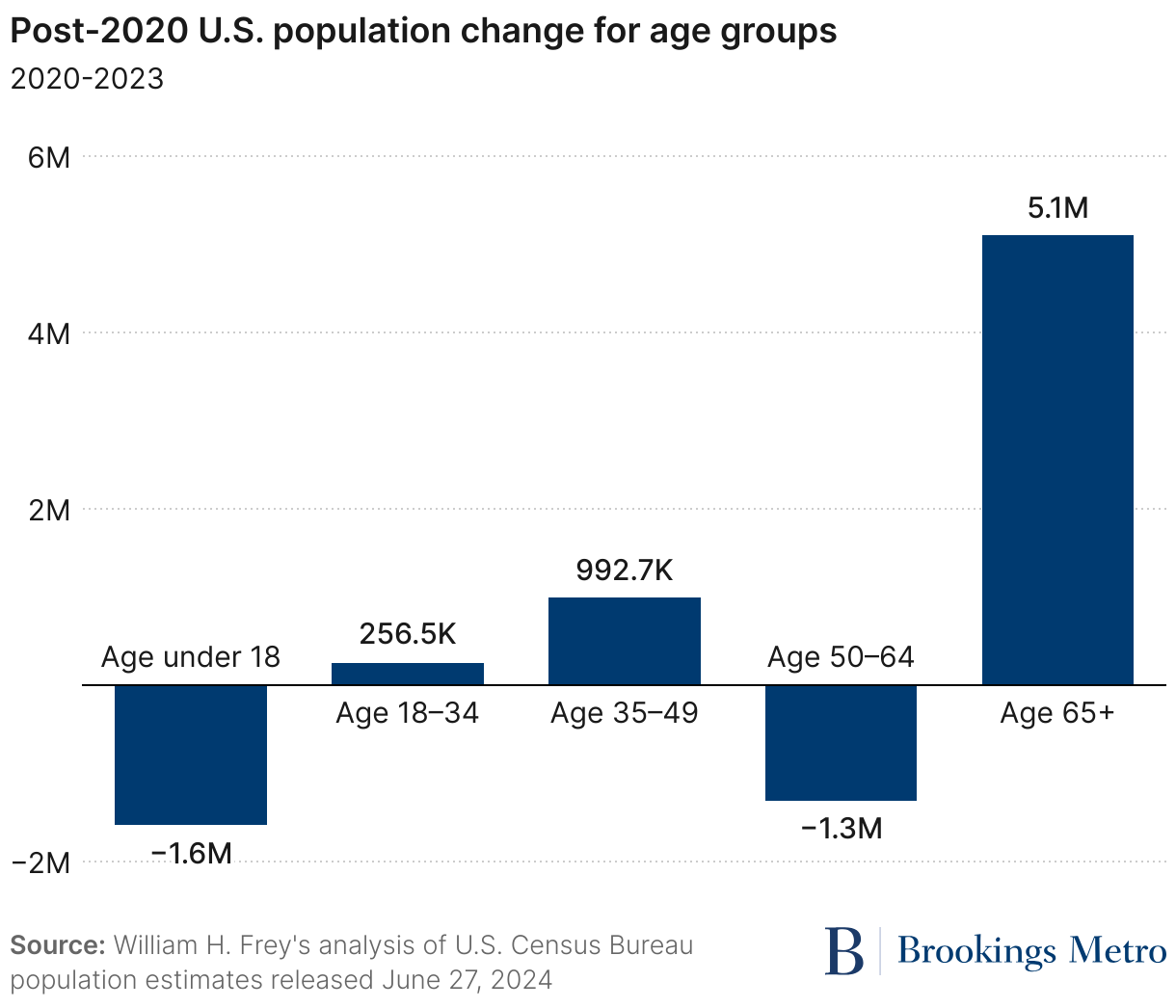
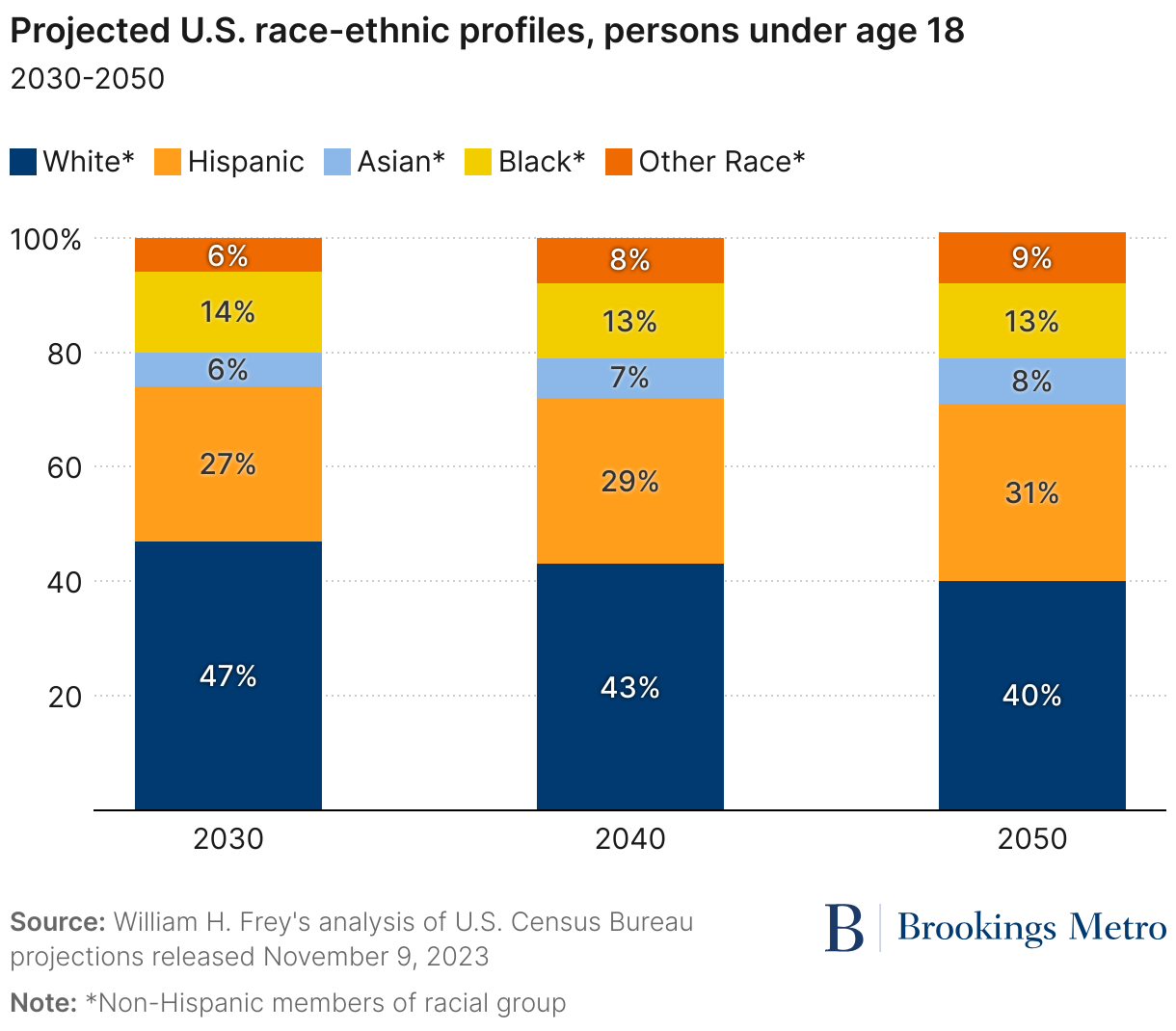
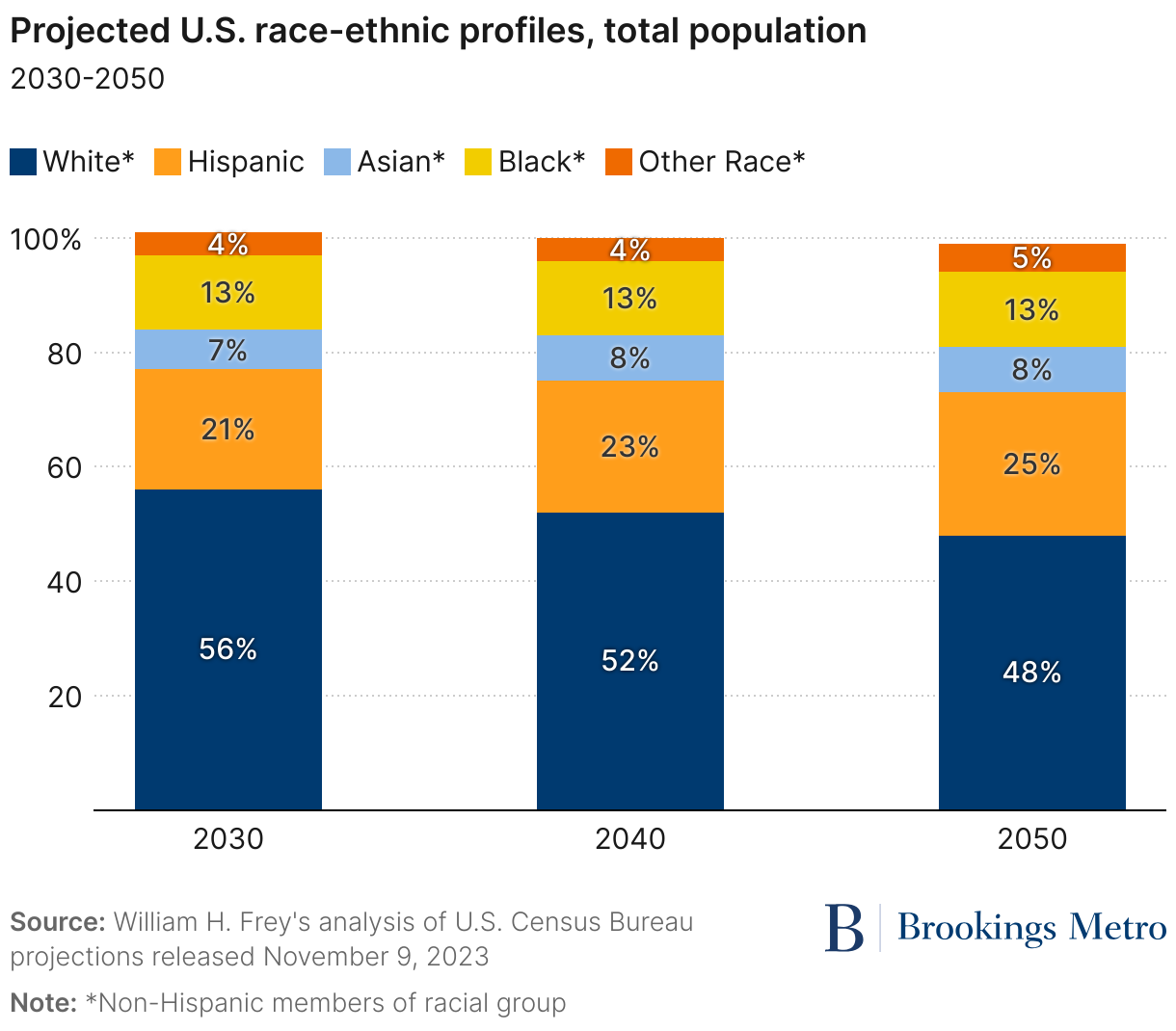
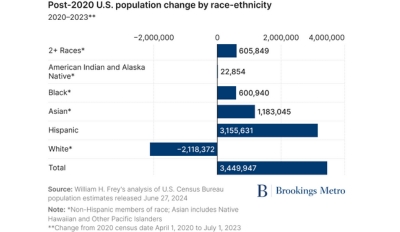 The post-2020 period has been impacted by a pandemic, a decline and then an uptick in immigration, and shifts in both births and deaths—all of which
 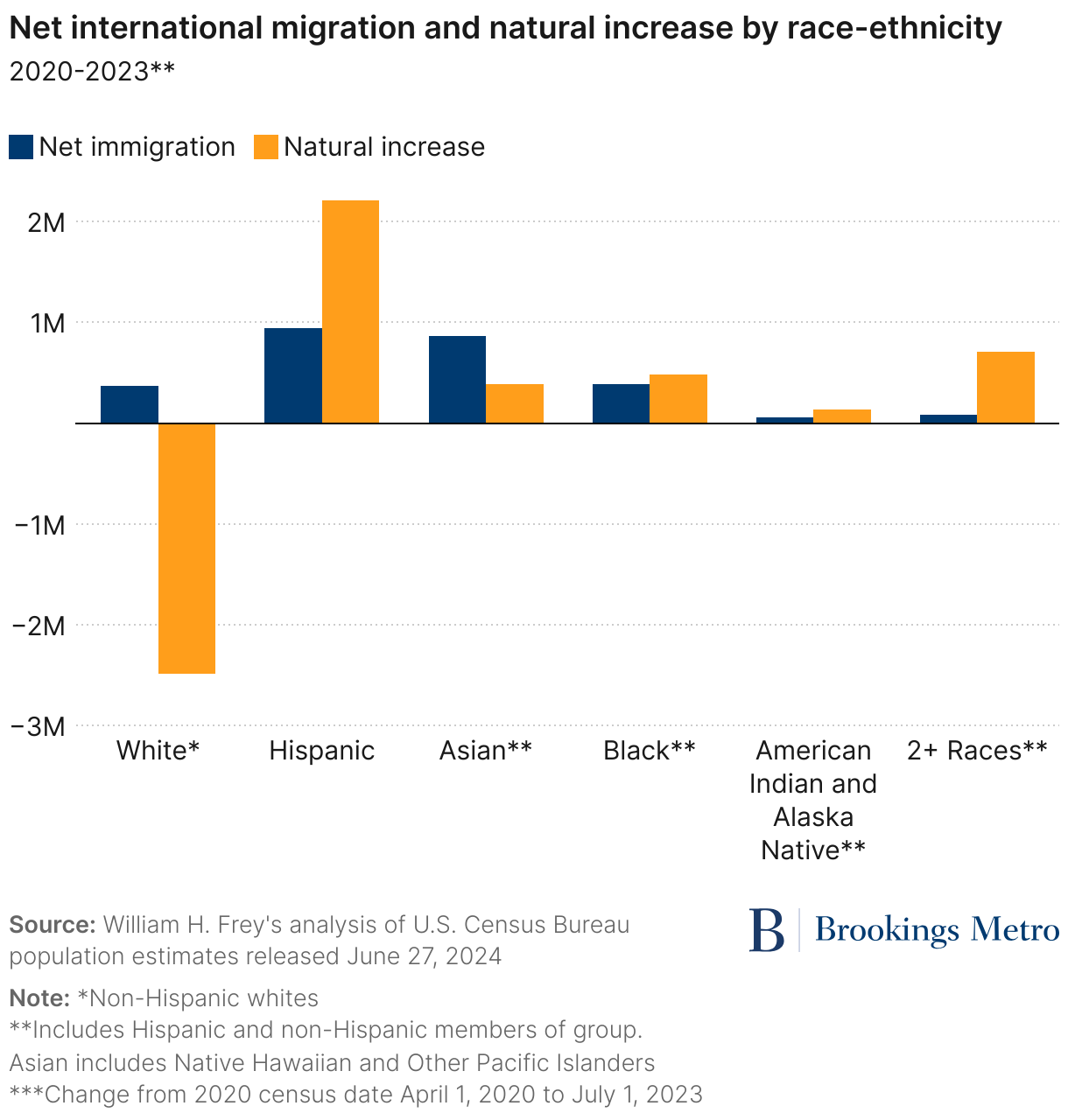 population gain of 3.4 million for this three-plus year period. Within this period, the peak pandemic year of 2020–2021 showed smaller annual gains (or greater declines) for each group, but the gains picked up through 2022–2023 (see
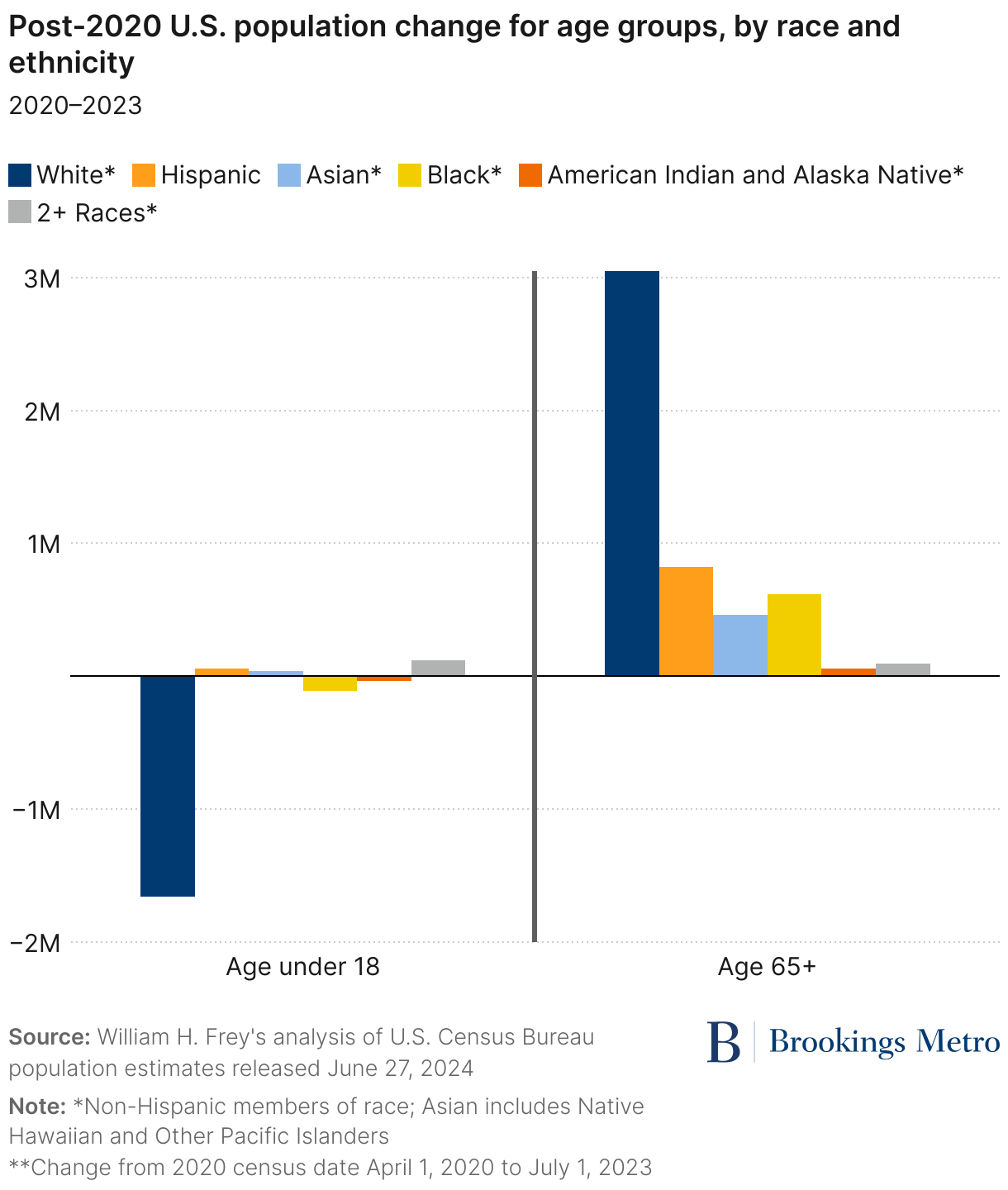
 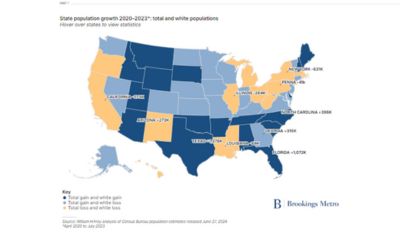 Minority populations fueled population growth across all parts of the U.S., especially in growing states. This is because white population decline is spread broadly across the nation. Over the 2020–2023 period, fully 34 states (a count that includes the District of Columbia) registered white population losses, with only 17 experiencing white gains (See
 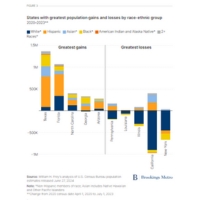 People of color contributed most, if not all, of the population gains in the fastest-growing states. This is depicted in Figure 3 for the five states with the greatest gains: Texas, Florida, North Carolina, Georgia, and Arizona. Although all of these states except Georgia received some white gains, the main contributions for each came from minority groups. Hispanic gains were substantial in each of these states, but in most, especially Texas, there were significant Black and Asian contributions. And in Georgia, a state with white losses, Black gains outnumbered those of the other minority groups.
 Just as state population shifts highlight minority growth in the states with the greatest population gains and white losses in the states with the biggest population declines, this pattern is magnified among major metro areas—those with populations exceeding 1 million (see
  Francisco, and San Jose) as well as New York (the largest decliner) and Chicago. In each, white losses were by far the greatest, though in New York, Los Angeles, and San Francisco, there were sizable losses in the Hispanic and Black populations as well. Notably, these areas
 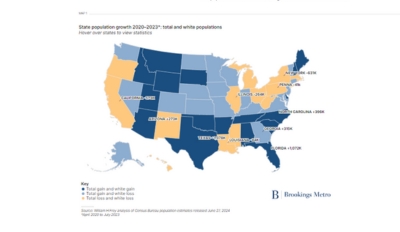 The breadth of white population declines and widespread minority gains were also apparent across the nation’s 3,141 counties. Among these counties, 1,974 (63%) had white population losses in 2020–2023. The overall growth patterns are depicted in Map 3, which shows that 1,125 counties gained both total and white populations, 553 experienced total gains while seeing white population losses, and 1,421 counties weathered losses of their overall and white populations. (An additional 42 counties had white population gains but had overall population losses.)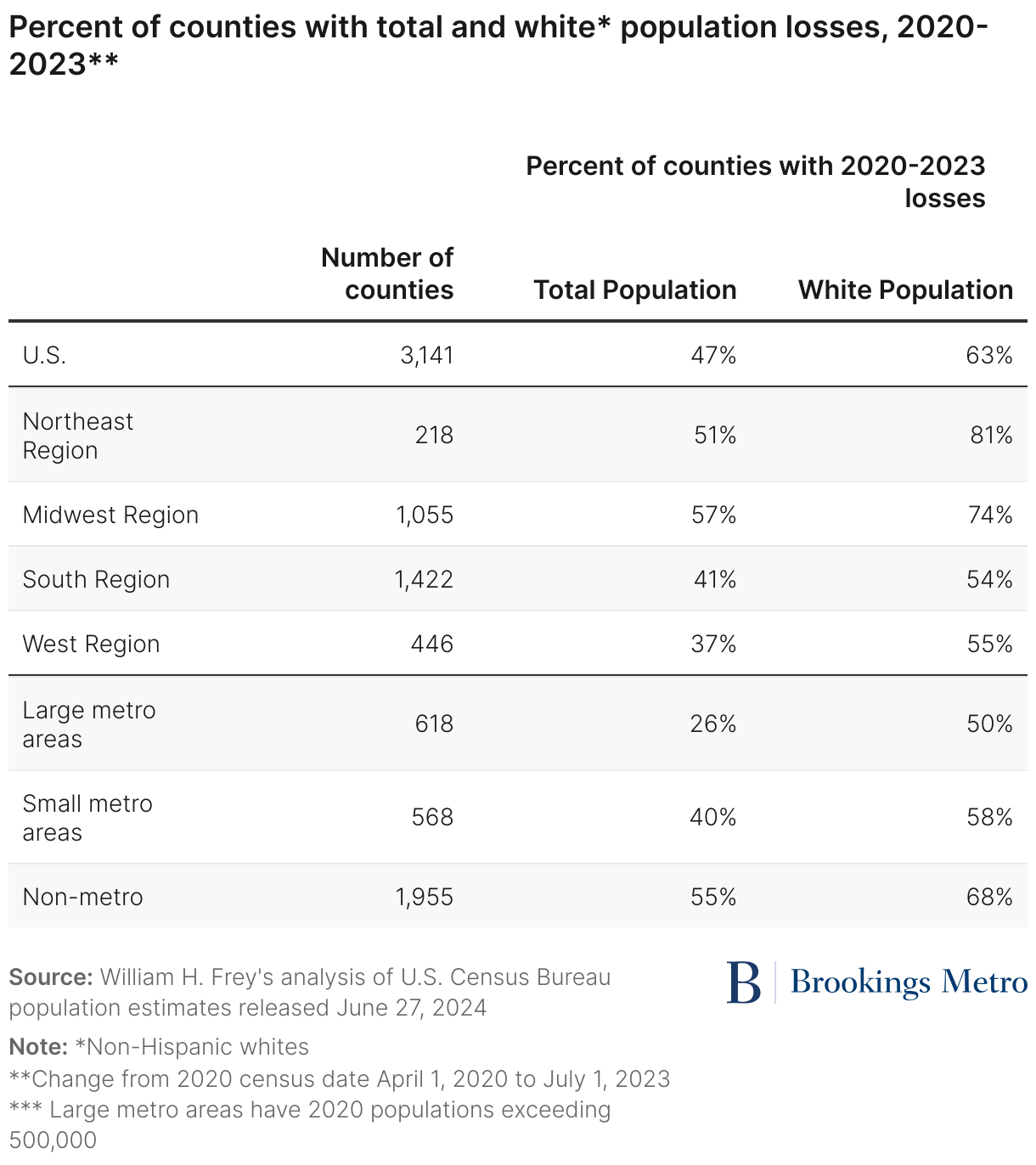
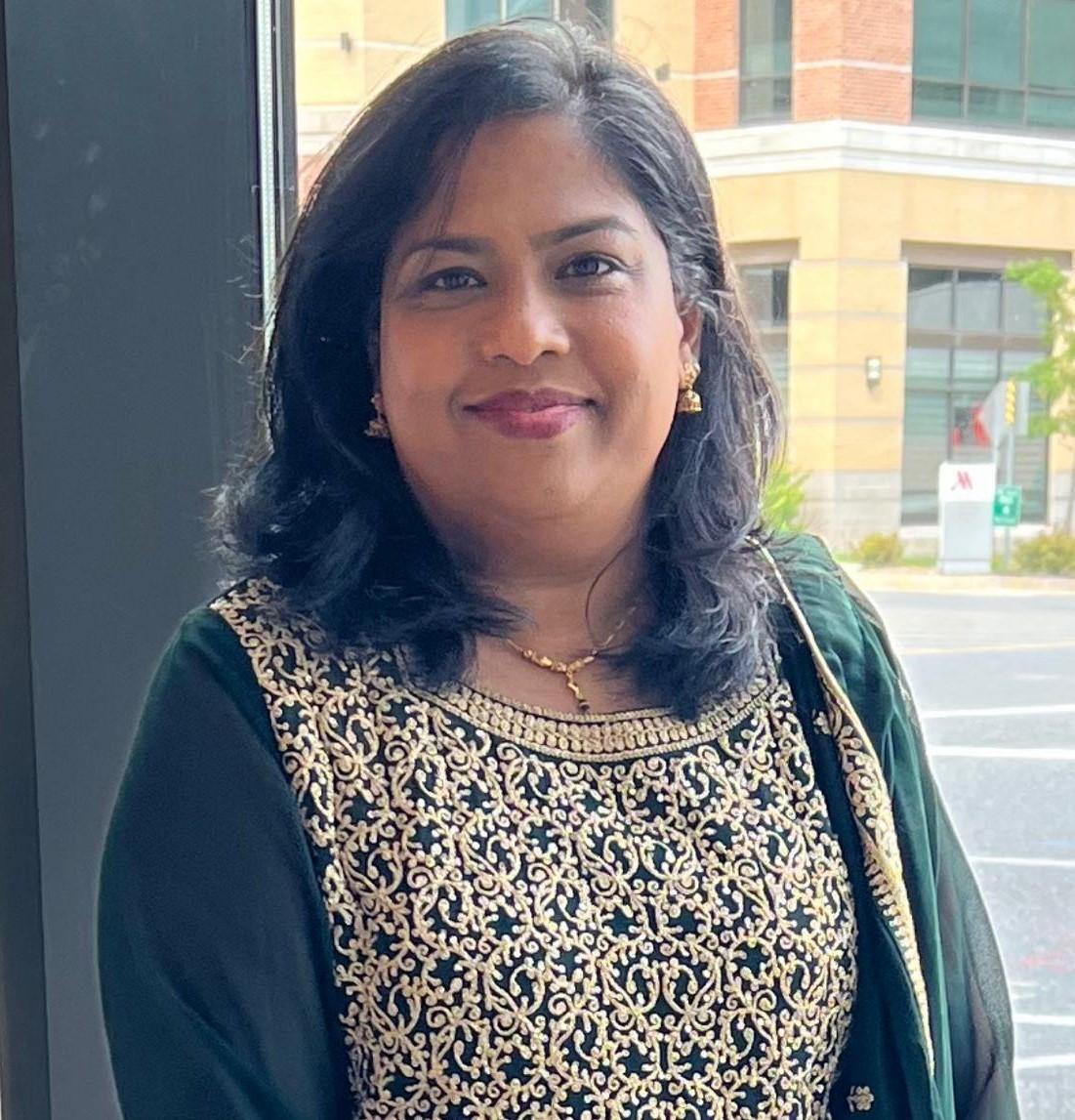 The New York area is currently experiencing a serious blood shortage. According to the American Red Cross, someone in the United States needs a blood transfusion every two seconds. Studies show that one donation of blood can save at least two lives. Many reasons such as accidents, operations, cancer treatment and blood diseases increase the importance of blood donation. According to New York Blood Center blood donation has never been so low in the last 20 years. The current shortage of blood is due to an unprecedented level of drop in donations.
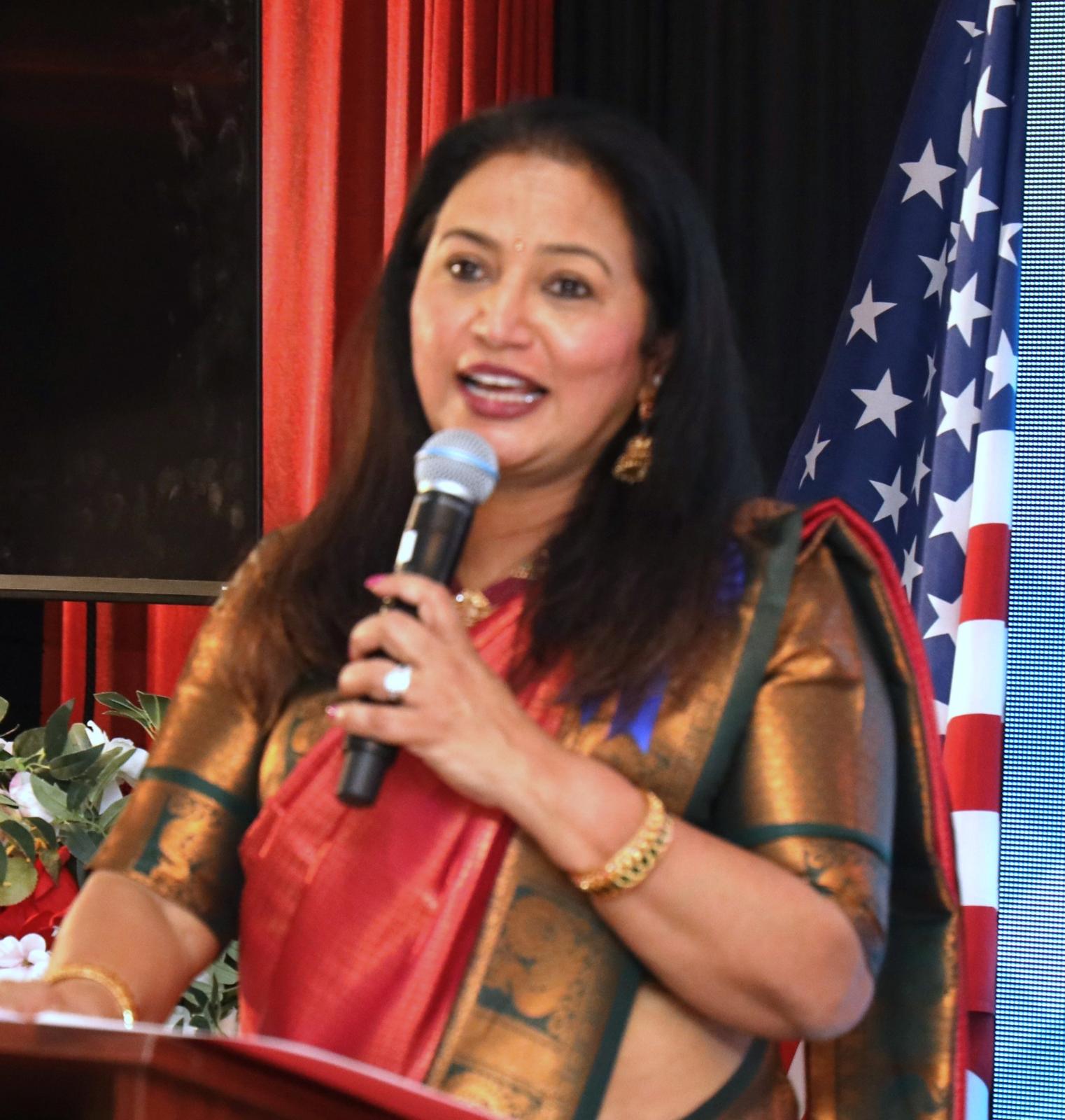 save two or three lives, the preciousness of blood donation increases. Those who come ready to donate blood will be subjected to donation only after being checked and having a blood test done.
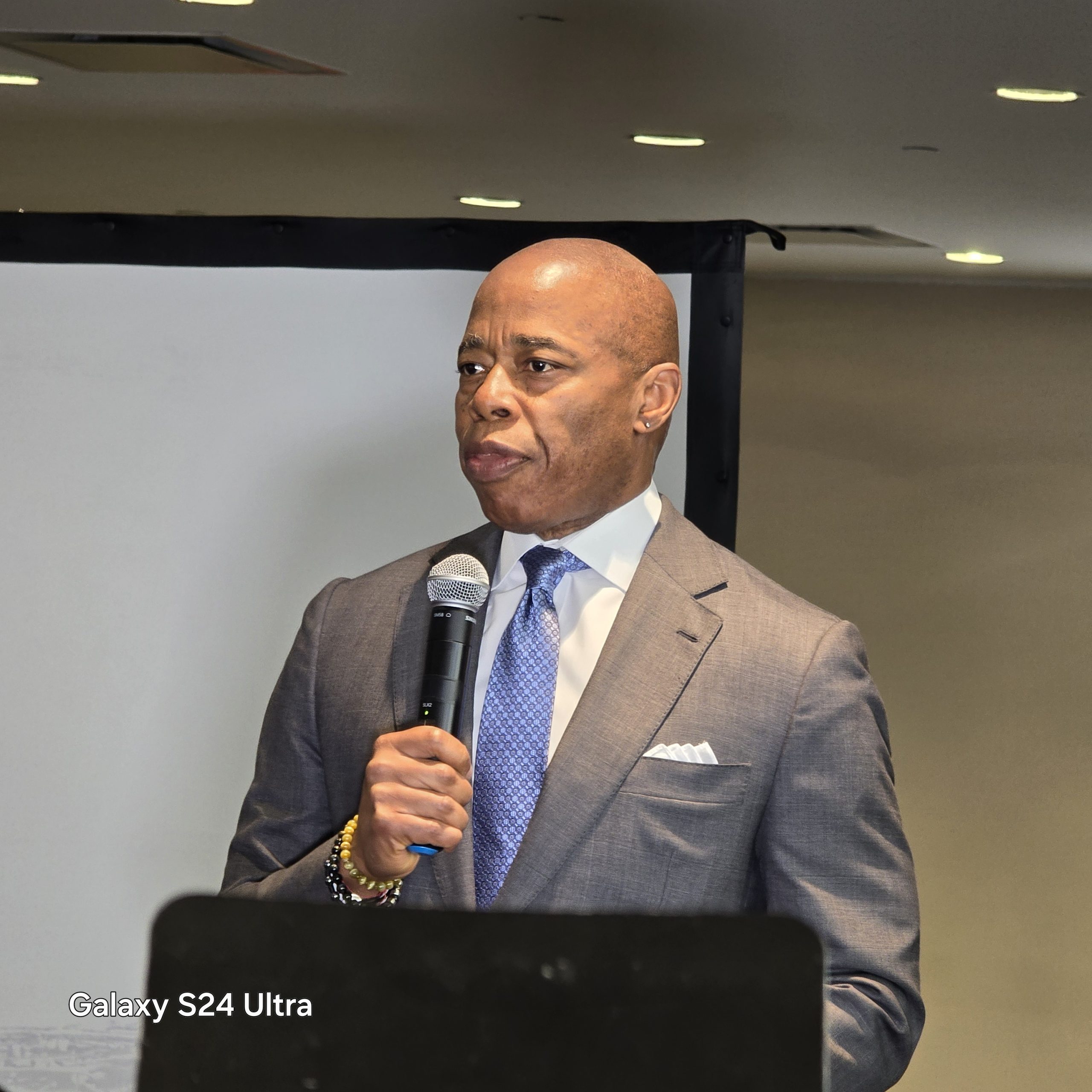 In his brief inaugural address, Adams lauded the contributions of Indian American physicians across the United States, especially during the Covid pandemic. “When you look at the 1000s of physicians across the country, you walk into any hospital, the emergency rooms, especially during COVID, you were present. You were there, and you sacrificed your own health to make sure of the health of this entire country. Your contributions are so rare.”
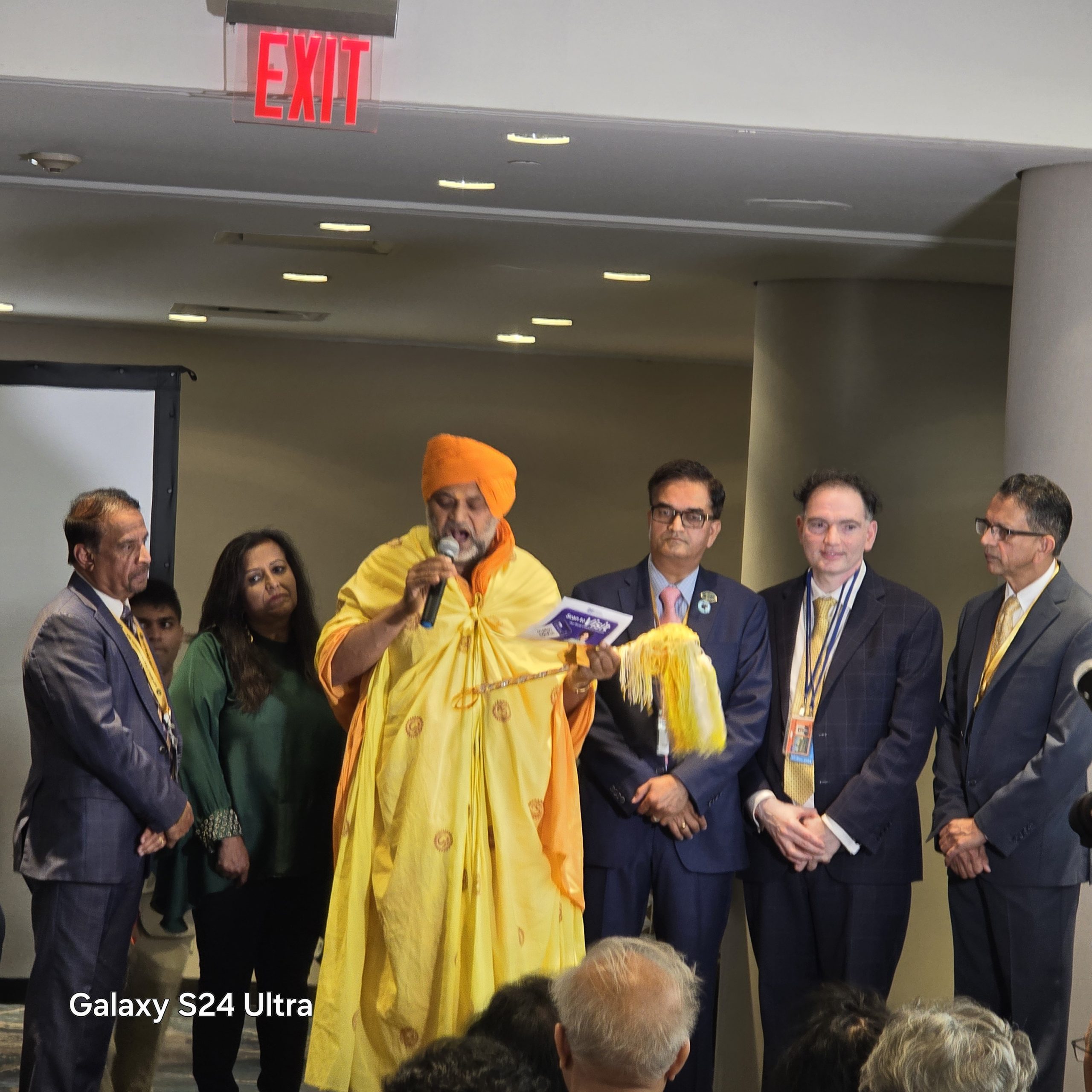 Physician, Author, and Professor Emeritus of cardiothoracic surgery at Columbia University; Smriti Zubin Irani, an Indian politician and former actress, fashion model, and television producer. She has been Minister of Women and Child Development since 2019, and also Minister of Minority Affairs since 2022; Mansukh Laxmanbhai Mandaviya is an Indian politician currently serving as the Minister of Health and Family Welfare and Chemicals and Fertilizers of India. He is also a Rajya Sabha member from Gujarat; Dr. Jesse Menachem Ehrenfeld, President of the American Medical Association and Professor of Anesthesiology at the Medical College of Wisconsin.; and, Dr. Vivek Hallegere Murthy, a vice admiral in the United States Public Health Service Commissioned Corps who has served as the 19th and 21st Surgeon General of the United States under Presidents Barack Obama, Donald Trump, and Joe Biden.
 The World Congress has, among many others, sessions on cutting-edge research and CMEs, promoting business relationships, and display the ethnic items. Artificial Intelligence (AI) is the prime focus of our World Health Congress. There will be entertainment features for children, performances by singer Atul Purohit and a comedy show by Kapil Sharma, Live entertainment by Javed Ali and Atif Aslam, Traditional Garba, Bollywood Film Festival, and a fashion show.
 A young Malayali woman, Minta Rose Santy, ranked fourth globally, out if the One hundred seventy-one young medical doctors from 16 countries Italy, India, Great Britain, Germany, Greece, Finland, Canada, Bangladesh, Ireland, Pakistan, Spain, Portugal, Turkey, Iraq, Netherlands, and Zimbabwe completed their studies at the graduation ceremony held last week in Bulgaria-Plavan.
 Minta Rose Santi, a native of Kothamangalam, has achieved the rare feat of honors and fourth rank. This is also a proud moment for Malayalis all over the world. This young doctor is the daughter of Kothamangalam Thekilakat Kudumbayogam Secretary, Global Indian Council Ambassador, and Director of Thodupuzha Global Indian Public School Mr.Santy Mathew Madappattu. Mother Lovely Santy, Siblings – Linta Maria Santy (Engineer – Bank Officer in Switzerland) and Emmanuel M Santy (IT Student – Canada), who completed 6 years of studies and graduated with Honors, Minta is also the winner of the “Best Student of the Year” award of the University 2023. Also, Minta Rose has become the First in Asia and the fourth winner globally.
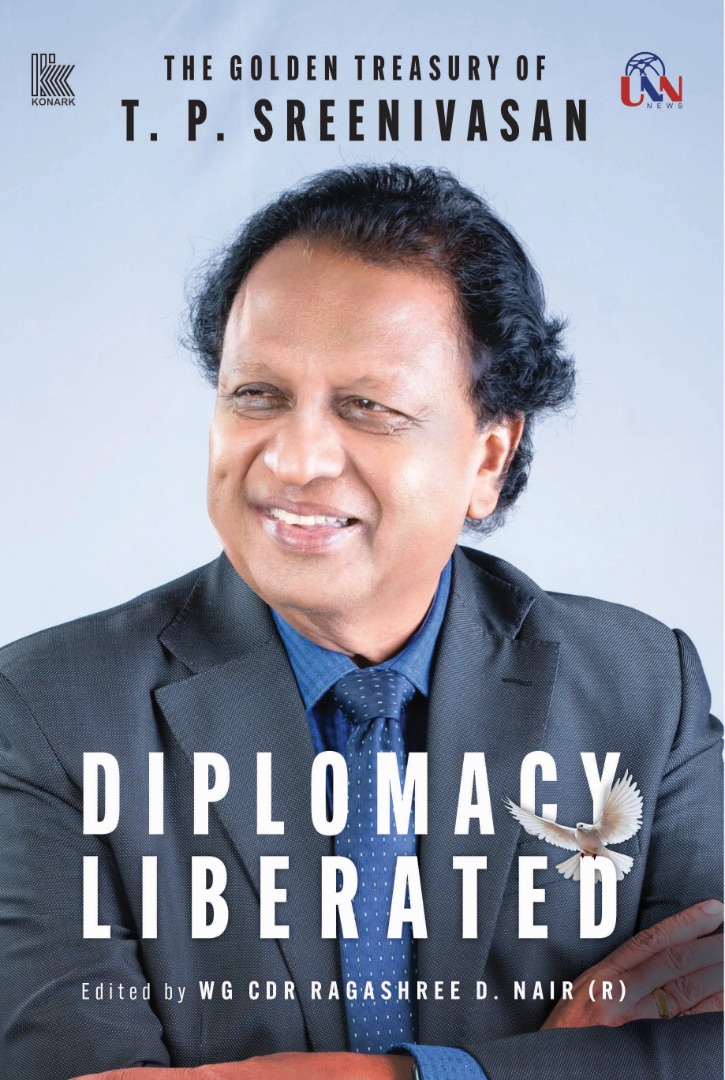
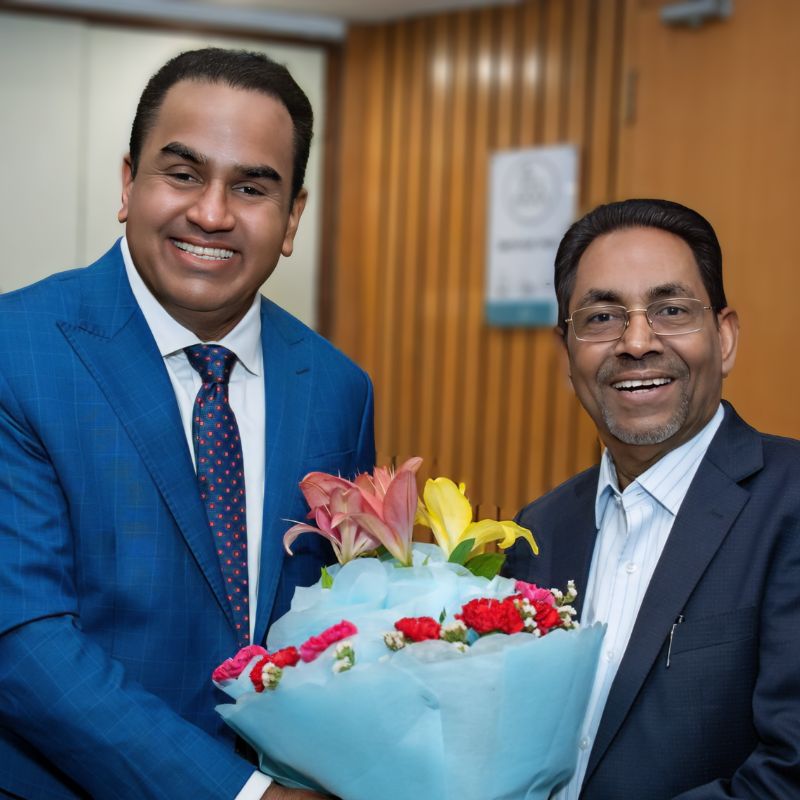 Ambassador Sreenivasan’s new anthology, meticulously edited by Wing Commander Ragashree D. Nair (Retd) offers an unparalleled insight into the complex world of diplomacy. Spanning over two decades of insightful essays and personal reflections, the book delves into pivotal geopolitical events and diplomatic challenges that have shaped modern international relations.
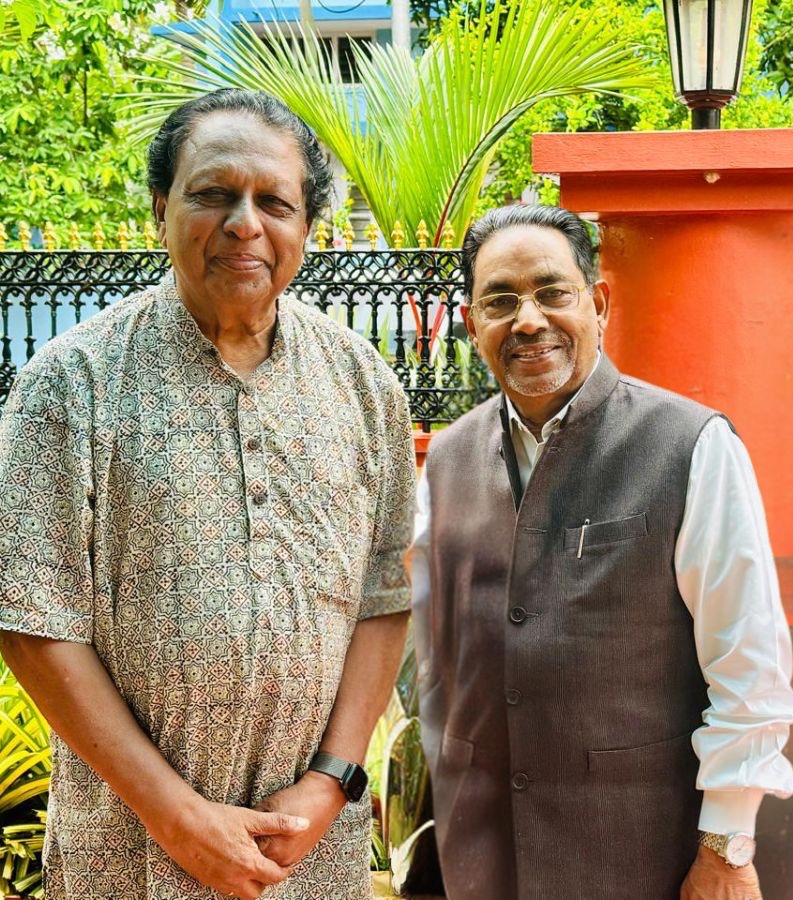 In “Diplomacy Liberated,” readers will find a treasure trove of wisdom, analysis, and personal reflections that are both enlightening and engaging. The anthology not only chronicles past events but also offers valuable insights into present and future trajectories of global diplomacy. It is a golden treasury of diplomatic wisdom that will remain relevant and influential for years to come.
 The New York area is currently experiencing a serious blood shortage. According to the American Red Cross, someone in the United States needs a blood transfusion every two seconds. Studies show that one donation of blood can save at least two lives. Many reasons such as accidents, operations, cancer treatment and blood diseases increase the importance of blood donation. According to New York Blood Center blood donation has never been so low in the last 20 years. The current shortage of blood is due to an unprecedented level of drop in donations.
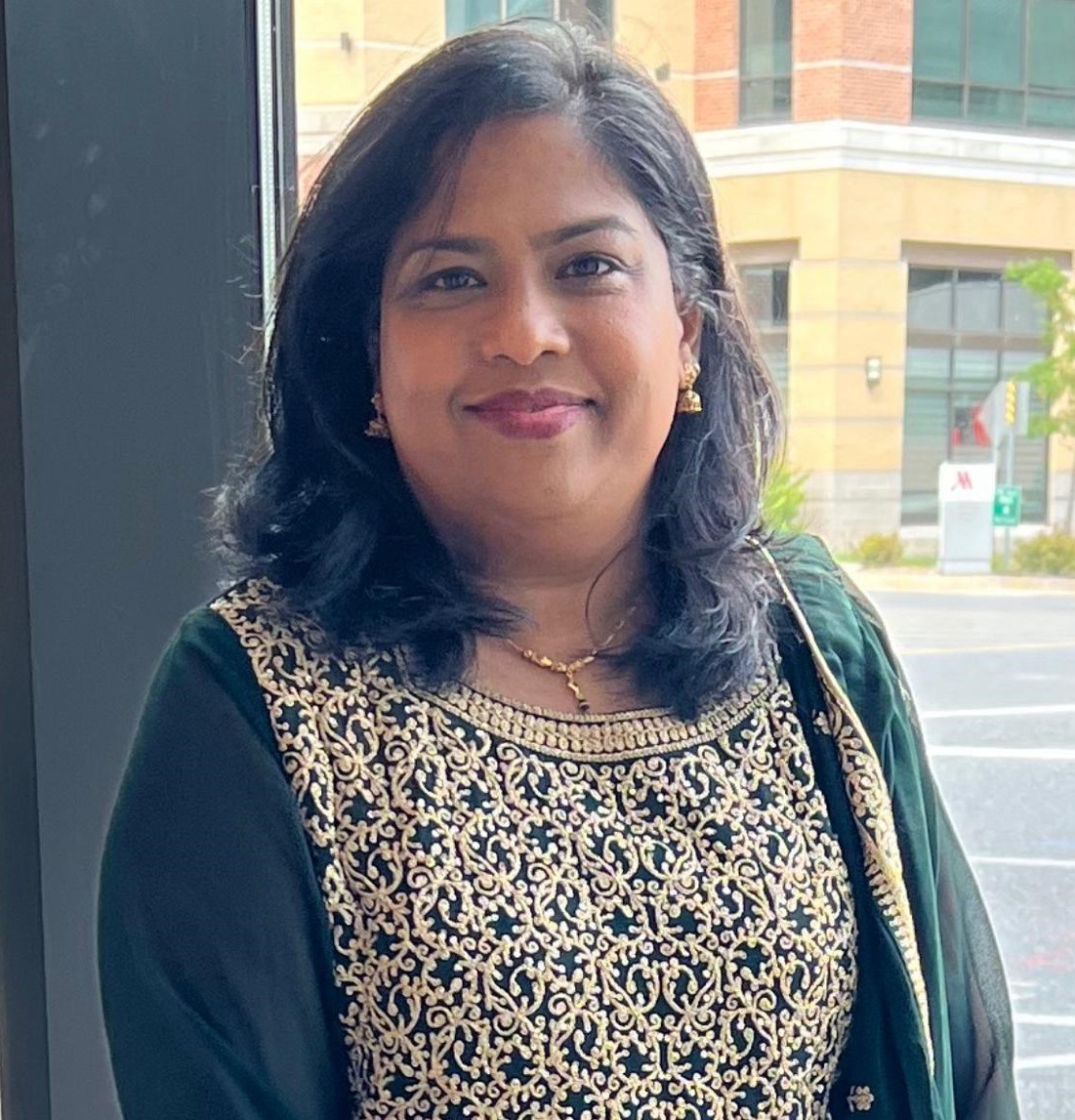 for testing at the doctor’s office, hospital, etc. Some find it difficult to spend time to donate. Yes, it takes about forty-five minutes to an hour for a single donation of blood. But, when we consider spending an hour spent by us saves two or three lives, or the significant difference and impact our donation makes, it takes us to a different level of invaluable gratification.
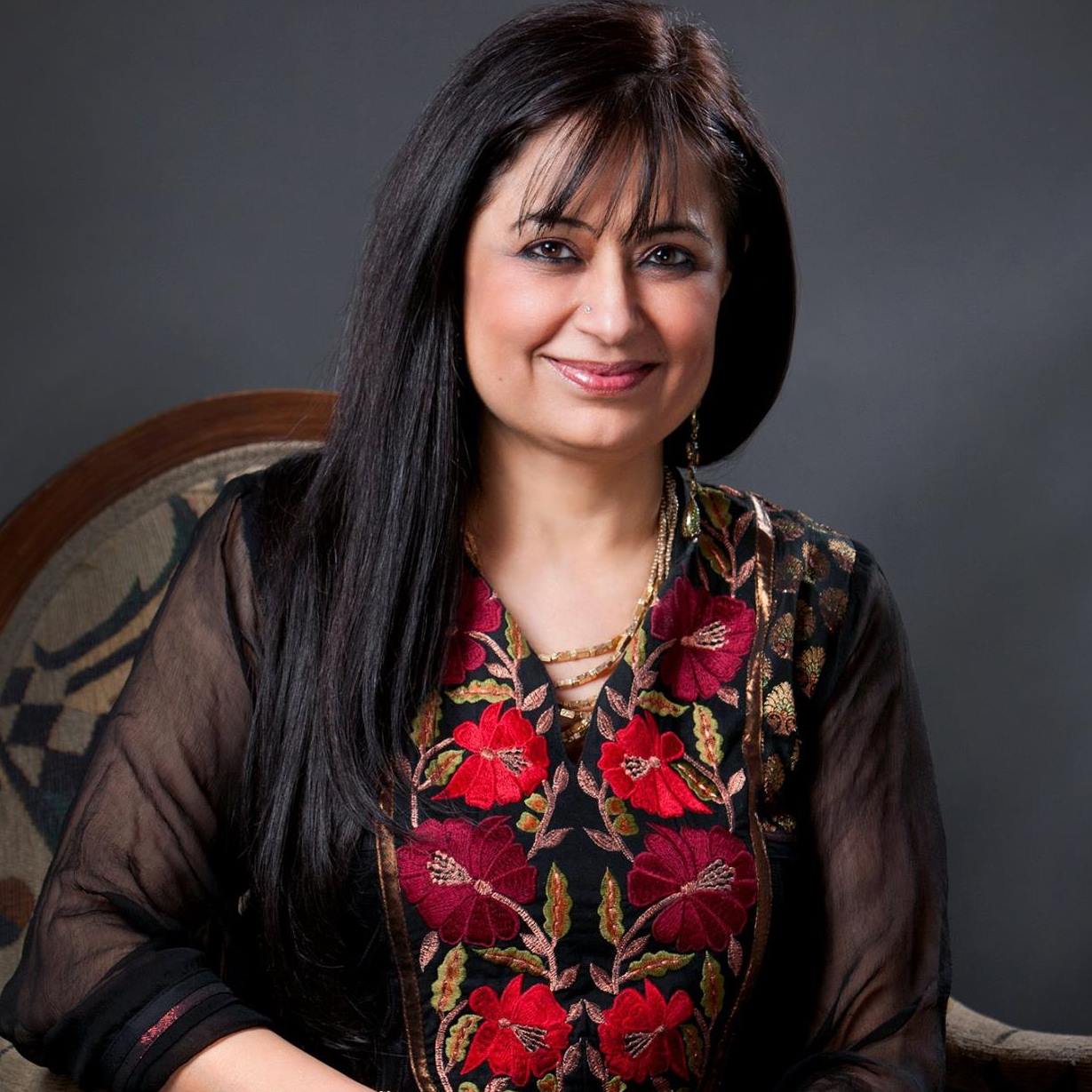 She is known for her celebrity interview series Chai with Manju, which recently celebrated its 10 year anniversary and has received millions of views and featured esteemed guests including Indra Nooyi, Sadhguru, Elizabeth Warren, and Joe Kennedy to name a few. Her passion for empowering women is reflected in her work as the Director of Woman of the Year Award Gala for the past 12 years, and her previous work as Chair of the Advisory board of Saheli and with Asian Task Force [ATASK] over the years.