Alzheimer’s-Like Changes Found In COVID Patients’ Brains; Flu Shot, Mrna Booster Safe Together

The following is a summary of some recent studies on COVID-19. They include research that warrants further study to corroborate the findings and that has yet to be certified by peer review.

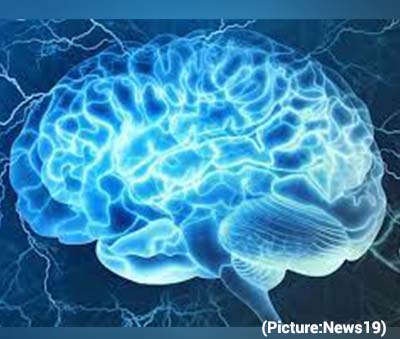
Alzheimer’s-like changes seen in COVID-19 patients’ brains

People who die of severe COVID-19 have brain abnormalities that resemble changes seen in Alzheimer’s disease – accumulation of a protein called tau inside brain cells, and abnormal amounts of the protein beta-amyloid that accumulates into amyloid plaques – small studies have found.

At Columbia University, Dr. Andrew Marks and colleagues studied the brains of 10 COVID-19 patients and found defects in proteins called ryanodine receptors that control the passage of calcium into cells. In Alzheimer’s disease, defective ryanodine receptors are linked to accumulation of tau into so-called neurofibrillary tangles. These tangles were present in high levels in the COVID-19 patients’ brains, the Columbia team reported on Thursday in Alzheimer’s & Dementia. Other research teams have looked for – and found – abnormal amyloid levels in brains of COVID-19 patients, according to reports posted online ahead of peer review on bioRxiv and on The Lancet’s preprint server.

In all the studies, patients had experienced the most severe forms of COVID-19. If similar changes are occurring in the brains of patients with milder illness, that might help explain the “brain fog” associated with long COVID, Marks said. Patients with severe COVID-19 might be at higher risk for dementia later in life, but it is too soon to know, he added. His advice: Get a booster vaccine and avoid the virus. “If you get COVID-19, you probably won’t die, but we still don’t know a lot about the long-term effects.”

Seniors can get flu shot, mRNA COVID-19 booster together

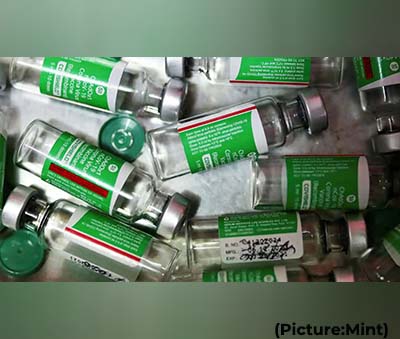
Seniors can safely get the high-dose flu vaccine and an mRNA COVID-19 booster dose at the same time, a new study confirms.

The study’s 306 participants, all older than 65, were randomly assigned either to receive Sanofi’s Fluzone High-Dose Quadrivalent influenza vaccine and a third shot of Moderna’s mRNA vaccine at the same time, or either of the vaccines alone. Blood samples obtained before and 21 days after vaccination showed that giving the two vaccines together did not affect the resulting immune response, with similar antibody levels generated in participants in each of the three groups, according to a report published on Tuesday in The Lancet Respiratory Medicine.

A spokesperson for Sanofi said combined administration of the COVID-19 and influenza vaccines “did not raise any safety concerns and the study team is continuing to follow study participants through 6 months after vaccination.”

Fluid in some rapid COVID tests could be deadly for kids

In some COVID-19 rapid test kits, the small bottle of “reagent” fluid contains sodium azide, a powerful poison that is particularly dangerous for small children, experts warn.

In adults, small amounts can quickly cause dangerously low blood pressure, dizziness, fainting, or even heart attacks or strokes, said Dr. Kelly Johnson-Arbor, Co-Medical Director of the National Capital Poison Center in Washington, D.C. Higher doses can be fatal, she and her colleagues wrote in The American Journal of Emergency Medicine. Sodium azide levels in COVID-19 rapid test kits are not always high enough to cause low blood pressure in adults, and the iHealth kits being sent out by the U.S. government do not contain any sodium azide at all, Johnson-Arbor said. “However… since children are typically much smaller than adults, they are at a higher risk of experiencing poisonous effects after swallowing any amount,” she said.
Poison control hotlines have been getting reports of accidental exposures to the reagent fluid. “Some people have swallowed the solution, some have spilled it onto their skin, and others have put it in their eyes,” mistaking the bottle for eye drops, Johnson-Arbor said. “If you or a loved one swallows the reagent fluid or gets the fluid in their eyes or on the skin, contact Poison Control right away.” (In the U.S., at www.poison.org or 1-800-222-1222; in the UK at https://www.npis.org/).

FDA Fully Approves Moderna Vaccine

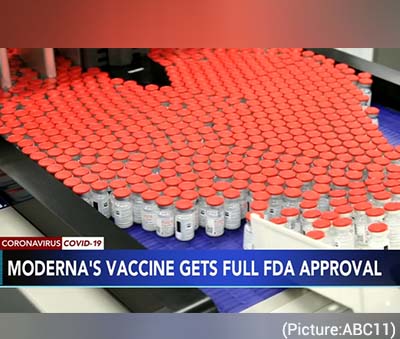
The Food and Drug Administration (FDA) on Monday, January 31st granted full approval to Moderna’s COVID-19 vaccine, giving an additional vote of confidence in its safety and effectiveness.

The full approval for people ages 18 and older was based on follow-up data showing “high efficacy and favorable safety approximately six months after the second dose.”

The vaccine had already been available since December 2020 under an emergency use authorization, but full approval provides an extra emphasis.

Acting FDA Commissioner Janet Woodcock said she hoped the move gives some people additional confidence in the vaccine.

“The public can be assured that Spikevax meets the FDA’s high standards for safety, effectiveness and manufacturing quality required of any vaccine approved for use in the United States,” she said in a statement. “While hundreds of millions of doses of Moderna COVID-19 Vaccine have been administered to individuals under emergency use authorization, we understand that for some individuals, FDA approval of this vaccine may instill additional confidence in making the decision to get vaccinated.”

Pfizer’s vaccine already received full approval in August.

“Our COVID-19 vaccine has been administered to hundreds of millions of people around the world, protecting people from COVID-19 infection, hospitalization and death,” Moderna CEO Stéphane Bancel said in a statement. “The totality of real-world data and the full [approval] for Spikevax in the United States reaffirms the importance of vaccination against this virus. This is a momentous milestone in Moderna’s history as it is our first product to achieve licensure in the U.S.”
A booster shot of the Moderna vaccine is also recommended five months after the second shot.

About 74 percent of adults are now fully vaccinated, according to Centers for Disease Control and Prevention data. The numbers are much lower for boosters, which are crucial for achieving higher protection against the omicron variant, with 44 percent of fully vaccinated adults having received a booster, according to the public health agency.

In the other big COVID-19 vaccine news, Maryland-based Novavax finally applied for emergency use authorization for its vaccine in adults.

The request was based in part on results from two large clinical trials of approximately 30,000 participants in the U.S. and Mexico. The company said two doses of the vaccine given three weeks apart demonstrated an overall efficacy of approximately 90 percent, though the trials took place before the omicron variant became dominant.

Novavax was one of the six companies the U.S. invested in as part of Operation Warp Speed. The company originally wanted to ask the FDA for authorization by May 2021, but had to delay the request multiple times due to numerous development and manufacturing setbacks.

The protein-based vaccine could provide an alternative to the mRNA shots available from Pfizer and Moderna, as there is a small risk the mRNA vaccines cause heart inflammation in certain adults.

The authorization process from FDA could take several months, though the vaccine is available under emergency use from the European Commission, and the World Health Organization.

The Novavax vaccine is given in two doses spaced 21 days apart; the company recently announced plans to test a booster shot.

Toyota Says, “Sending Our Cars To The Moon Is Our Mission”

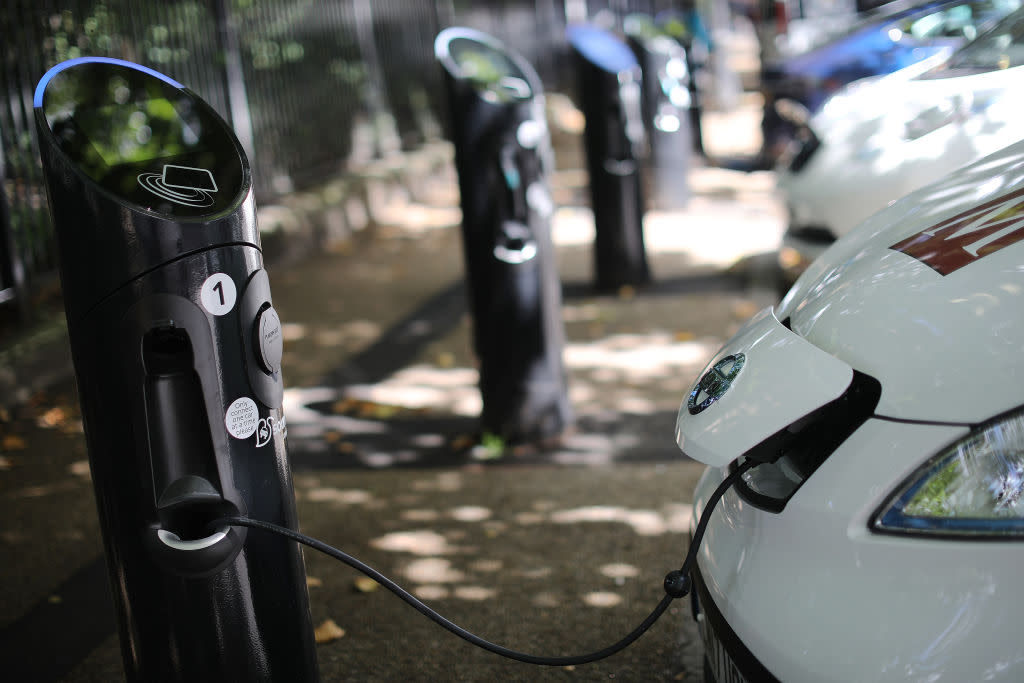
Toyota is working with Japan’s space agency on a vehicle to explore the lunar surface, with ambitions to help people live on the moon by 2040 and then go live on Mars, company officials said Friday.

The vehicle being developed with the Japan Aerospace Exploration Agency is called Lunar Cruiser, whose name pays homage to the Toyota Land Cruiser sport utility vehicle. Its launch is set for the late 2020’s.

The vehicle is based on the idea that people eat, work, sleep and communicate with others safely in cars, and the same can be done in outer space, said Takao Sato, who heads the Lunar Cruiser project at Toyota Motor Corp.

“We see space as an area for our once-in-a-century transformation. By going to space, we may be able to develop telecommunications and other technology that will prove valuable to human life,” Sato told The Associated Press.

Gitai Japan Inc., a venture contracted with Toyota, has developed a robotic arm for the Lunar Cruiser, designed to perform tasks such as inspection and maintenance. Its “grapple fixture” allows the arm’s end to be changed so it can work like different tools, scooping, lifting and sweeping.

Gitai Chief Executive Sho Nakanose said he felt the challenge of blasting off into space has basically been met but working in space entails big costs and hazards for astronauts. That’s where robots would come in handy, he said.

Since its founding in the 1930s, Toyota has fretted about losing a core business because of changing times. It has ventured into housing, boats, jets and robots. Its net-connected sustainable living quarters near Mount Fuji, called Woven City, where construction is starting this year.

Japanese fascination with the moon has been growing.

A private Japanese venture called ispace Inc. is working on lunar rovers, landing and orbiting, and is scheduled for a moon landing later this year. Businessman Yusaku Maezawa, who recently took videos of himself floating around in the International Space Station, has booked an orbit around the moon aboard Tesla CEO Elon Musk’s Starship.

Toyota engineer Shinichiro Noda said he is excited about the lunar project, an extension of the automaker’s longtime mission to serve customers and the moon may provide valuable resources for life on Earth.

“Sending our cars to the moon is our mission,” he said. Toyota has vehicles almost everywhere. “But this is about taking our cars to somewhere we have never been.”

Are Scientists Being Fooled by Bacteria?

For decades, a small group of cutting-edge medical researchers have been studying a biochemical, DNA tagging system, which switches genes on or off. Many have studied it in bacteria and now some have seen signs of it in, plants, flies, and even human brain tumors. However, according to a new study by researchers at the Icahn School of Medicine at Mount Sinai, there may be a hitch: much of the evidence of its presence in higher organisms may be due to bacterial contamination, which was difficult to spot using current experimental methods. 

To address this, the scientists created a tailor-made gene sequencing method which relies on a new machine learning algorithm to accurately measure the source and levels of tagged DNA. This helped them distinguish bacterial DNA from that of human and other non-bacterial cells. While the results published in Science supported the idea that this system may occur naturally in non-bacterial cells, the levels were much lower than some previous studies reported and were easily skewed by bacterial contamination or current experimental methods. Experiments on human brain cancer cells produced similar results.

“Pushing the boundaries of medical research can be challenging. Sometimes the ideas are so novel that we have to rethink the experimental methods we use to test them out,” said Gang Fang, PhD, Associate Professor of Genetics and Genomic Sciences at Icahn Mount Sinai. “In this study, we developed a new method for effectively measuring this DNA mark in a wide variety of species and cell types. We hope this will help scientists uncover the many roles these processes may play in evolution and human disease.”

The study focused on DNA adenine methylation, a biochemical reaction which attaches a chemical, called a methyl group, to an adenine, one of the four building block molecules used to construct lengthy DNA strands and encode genes. This can “epigenetically” activate or silence genes without actually altering DNA sequences. For instance, it is known that adenine methylation plays a critical role in how some bacteria defend themselves against viruses.

For decades, scientists thought that adenine methylation strictly happened in bacteria whereas human and other non-bacterial cells relied on the methylation of a different building block—cytosine—to regulate genes. Then, starting around 2015, this view changed. Scientists spotted high levels of adenine methylation in plant, fly, mouse, and human cells, suggesting a wider role for the reaction throughout evolution.

However, the scientists who performed these initial experiments faced difficult trade-offs. Some used techniques that can precisely measure adenine methylation levels from any cell type but do not have the capacity to identify which cell each piece of DNA came from, while others relied on methods that can spot methylation in different cell types but may overestimate reaction levels.

In this study, Dr. Fang’s team developed a method called 6mASCOPE which overcomes these trade-offs. In it, DNA is extracted from a sample of tissue or cells and chopped up into short strands by proteins called enzymes. The strands are placed into microscopic wells and treated with enzymes that make new copies of each strand. An advanced sequencing machine then measures in real time the rate at which each nucleotide building block is added to a new strand. Methylated adenines slightly delay this process. The results are then fed into a machine learning algorithm which the researchers trained to estimate methylation levels from the sequencing data.

“The DNA sequences allowed us to identify which cells—human or bacterial—methylation occurred in while the machine learning model quantified the levels of methylation in each species separately,” said Dr. Fang.

Initial experiments on simple, single-cell organisms, such as green algae, suggested that the 6mASCOPE method was effective in that it could detect differences between two organisms that both had high levels of adenine methylation.

The method also appeared to be effective at quantifying adenine methylation in complex organisms. For example, previous studies had suggested that high levels of methylation may play a role in the early growth of the fruit fly Drosophila melanogaster and of the flowering weed Arabidopsis thaliana. In this study, the researchers found that these high levels of methylation were mostly the result of contaminating bacterial DNA. In reality, the fly and the plant DNA from these experiments only had trace amounts of methylation.

Likewise, experiments on human cells suggested that methylation occurs at very low levels in both healthy and disease conditions. Immune cell DNA obtained from patient blood samples had only trace amounts of methylation.

Similar results were also seen with DNA isolated from glioblastoma brain tumor samples. This result was different than a previous study, which reported much higher levels of adenine methylation in tumor cells. However, as the authors note, more research may be needed to determine how much of this discrepancy may be due to differences in tumor subtypes as well as other potential sources of methylation.

Finally, the researchers found that plasmid DNA, a tool that scientists use regularly to manipulate genes, may be contaminated with high levels of methylation that originated from bacteria, suggesting this DNA could be a source of contamination in future experiments. 

“Our results show that the manner in which adenine methylation is measured can have profound effects on the result of an experiment. We do not mean to exclude the possibility that some human tissues or disease subtypes may have highly abundant DNA adenine methylation, but we do hope 6mASCOPE will help scientists fully investigate this issue by excluding the bias from bacterial contamination,” said Dr. Gang. “To help with this we have made the 6mASCOPE analysis software and a detailed operating manual widely available to other researchers.”

This work was supported by the National Institutes of Health (GM139655, HG011095, AG071291); the Icahn Institute for Genomics and Multiscale Biology; the Irma T. Hirschl/Monique Weill-Caulier Trust; the Nash Family Foundation; and the Department of Scientific Computing at the Icahn School of Medicine at Mount Sinai. Methods validation using Mass Spectrometry was supported by the collaborators at the Chinese Academy of Sciences (XDPB2004) and the National Natural Science Foundation of China (22021003).

About the Mount Sinai Health System

The Mount Sinai Health System is New York City’s largest academic medical system, encompassing eight hospitals, a leading medical school, and a vast network of ambulatory practices throughout the greater New York region. Mount Sinai advances medicine and health through unrivaled education and translational research and discovery to deliver care that is the safest, highest-quality, most accessible and equitable, and the best value of any health system in the nation. The Health System includes approximately 7,300 primary and specialty care physicians; 13 joint-venture ambulatory surgery centers; more than 415 ambulatory practices throughout the five boroughs of New York City, Westchester, Long Island, and Florida; and more than 30 affiliated community health centers. The Mount Sinai Hospital is ranked on U.S. News & World Report’s “Honor Roll” of the top 20 U.S. hospitals and is top in the nation by specialty: No. 1 in Geriatrics and top 20 in Cardiology/Heart Surgery, Diabetes/Endocrinology, Gastroenterology/GI Surgery, Neurology/Neurosurgery, Orthopedics, Pulmonology/Lung Surgery, Rehabilitation, and Urology. New York Eye and Ear Infirmary of Mount Sinai is ranked No. 12 in Ophthalmology. Mount Sinai Kravis Children’s Hospital is ranked in U.S. News & World Report’s “Best Children’s Hospitals” among the country’s best in four out of 10 pediatric specialties. The Icahn School of Medicine is one of three medical schools that have earned distinction by multiple indicators: ranked in the top 20 by U.S. News & World Report’s “Best Medical Schools,” aligned with a U.S. News & World Report “Honor Roll” Hospital, and No. 14 in the nation for National Institutes of Health funding. Newsweek’s “The World’s Best Smart Hospitals” ranks The Mount Sinai Hospital as No. 1 in New York and in the top five globally, and Mount Sinai Morningside in the top 20 globally.

For more information, visit https://www.mountsinai.org or find Mount Sinai on FacebookTwitter and YouTube.

Europe Could Be Headed For Covid Pandemic “Endgame”: WHO

The Omicron variant has raised long-awaited hopes that Covid-19 is starting to shift from a pandemic to a more manageable endemic illness like seasonal flu.

The Omicron variant has moved the Covid-19 pandemic into a new phase and could bring it to an end in Europe, the WHO Europe director said Sunday.

“It’s plausible that the region is moving towards a kind of pandemic endgame,” Hans Kluge told news agency AFP in an interview, adding that Omicron could infect 60 percent of Europeans by March.

Once the current surge of Omicron currently sweeping across Europe subsides, “there will be for quite some weeks and months a global immunity, either thanks to the vaccine or because people have immunity due to the infection, and also lowering seasonality.”

“We anticipate that there will be a period of quiet before Covid-19 may come back towards the end of the year, but not necessarily the pandemic coming back,” Kluge said. Top US scientist Anthony Fauci expressed similar optimism on Sunday.
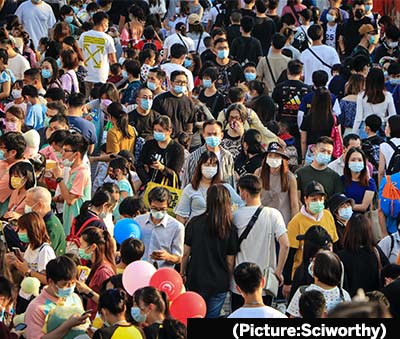
He told ABC News talk show “This Week” that with Covid-19 cases coming down “rather sharply” in parts of the United States, “things are looking good”.

While cautioning against over confidence, he said that if the recent fall in case numbers in areas like the US’s northeast continues, “I believe that you will start to see a turnaround throughout the entire country”.

The WHO regional office for Africa also said last week that cases of Covid had plummeted in that region and deaths were declining for the first time since the Omicron-dominated fourth wave of the virus reached its peak.

The Omicron variant, which studies have shown is more contagious than Delta but generally leads to less severe infection among vaccinated people, has raised long-awaited hopes that Covid-19 is starting to shift from a pandemic to a more manageable endemic illness like seasonal flu.

But Kluge cautioned that it was still too early to consider Covid-19 endemic. “There is a lot of talk about endemic but endemic means…that it is possible to predict what’s going to happen. This virus has surprised (us) more than once so we have to be very careful,” Kluge said. With Omicron spreading so widely, other variants could still emerge, he warned.

Focus On ‘Minimising Disruption’

The European Commissioner for Internal Markets, Thierry Breton, whose brief includes vaccine production, said Sunday that it will be possible to adapt existing vaccines to any new variants that may emerge.

“We will be able to better resist, including to new variants”, he told French television LCI.

“We will be ready to adapt the vaccines, especially the mRNA ones, if necessary to adapt them to more virulent variants”.

In the WHO Europe region, which comprises 53 countries including several in Central Asia, Omicron represented 15 percent of new cases as of January 18, compared to 6.3 percent a week earlier, the health body said.

Omicron is now the dominant variant in the European Union and the European Economic Area (EEA, or Norway, Iceland and Liechtenstein), the EU health agency ECDC said last week.

Because of the very fast spread of the variant across Europe, Kluge said emphasis ought to be on “minimising disruption of hospitals, schools and the economy, and putting huge efforts on protecting the vulnerable”, rather than measures to stop transmission.

He, meanwhile, urged people to exercise personal responsibility. “If you don’t feel well, stay home, take a self test. If you’re positive, isolate,” he said.

Kluge said the priority was to stabilise the situation in Europe, where vaccination levels range across countries from 25 to 95 percent of the population, leading to varying degrees of strain on hospitals and health-care system.

“Stabilising means that the health system is no longer overwhelmed due to Covid-19 and can continue with the essential health services, which have unfortunately been really disrupted for cancer, cardiovascular disease, and routine immunisation.”

Dr. Fauci Says U.S. Omicron Outbreak ‘Going in the Right Direction’

President Joe Biden’s chief medical adviser expressed optimism that the omicron surge that has pushed Covid-19 infections and hospitalizations to records will soon peak, though that decline won’t be uniform throughout the U.S.“Things are looking good,” Anthony Fauci, director of the National Institute of Allergy and Infectious Diseases, said on ABC’s “This Week” on Sunday. “We don’t want to get overconfident, but they look like they’re going in the right direction right now.”

Infections are “starting to come down rather sharply” in the U.S. Northeast and Midwest, Fauci said, in line with the variant’s trajectory in South Africa and other places. He said he expected that states in the South and West where cases are still rising will soon follow the same downward path, depending in part on vaccination rates.

“I believe that you will start to see a turnaround throughout the entire country,” he said. “There may be a bit more pain and suffering with hospitalizations in those areas of the country that have not been fully vaccinated or have not gotten boosters.”

Fauci sketched out two longer-term scenarios for Covid-19 as the pandemic enters its third year.

The first is that Covid-19 becomes “less virulent” and can be controlled.

“You’re not eradicating it but it gets down to such a low level, that it’s essentially integrated into the general respiratory infections that we have learned to live with,” he said.

The worst-case scenario is the emergence of a still-more dangerous variant, he said. He said this possibility is more reason for people to get vaccinated and receive booster shots, and to make testing and medical treatment more widely available.

Anthony Fauci, top US infectious disease expert, has said he is confident that most states in the country will reach a peak of Omicron infection cases by mid-February.

“You never want to be overconfident when you’re dealing with this virus,” Fauci added on Sunday in an interview with ABC News.

“Things are looking good. We don’t want to get overconfident, but they look like they’re going in the right direction right now,” he said.

Fauci added that there are states in the northeast and in the upper midwest where cases have already peaked and declined “rather sharply.” But cases are still rising in southern and western states, Xinhua news agency reported.

“There may be a bit more pain and suffering with hospitalisations in those areas of the country that have not been fully vaccinated or have not gotten boosters,” he warned.

The recent Covid-19 surge in the US driven by the Omicron variant is leading to record high cases, hospitalisations and critical shortage of healthcare staff.

The country has recorded over 70 million Covid-19 cases and nearly 866,000 deaths as of Sunday afternoon, according to real-time data from Johns Hopkins University.(IANS)

Over 10 Million Perform ‘Surya Namaskar For Vitality’ Globally On Makar Sankranti

Over 10 million people are reported to have joined the first ever Global Sury Namaskar event, organized by the Ministry of AYUSH under ‘Azadi Ka Amrit Mahotsav’ celebrations on the occasion of Makar Sankranti on Friday, January 14. The global Surya Namaskar demonstration was done to mark the occasion of Makar Sankranti.

The Surya Namaskar’s significance is all the more critical on the auspicious occasion of Makar Sankranti. It is celebrated to worship the Sun God and is the beginning of the harvest season for farmers. In light of this, the Ayush Ministry organised an event dedicated to the transitional movement of the sun as it moves towards the North. “Surya Namaskar has a profound impact on the physical, mental and spiritual well-being of humans,” Sarbananda Sonowal, India’s Minister for AYUSH said.

The sun will rise a little to the north on Makar Sankranti, January 14, bringing along many messages of cultural, spiritual and agricultural significance for the country. The word “sankranti” signifies transitional movement, the movement for betterment within and without, transitions on a cosmic level and in the zodiac signs.

The Ministry of Ayush has decided to utilize this occasion to reach out to humanity with a special and topical message of rejuvenation through the surya namaskar — the set of yoga asanas used to “salute” the sun.

Thirteen rounds were conducted on the DD National channel between 7 and 7:30 am. Many leading Yoga gurus and institutes like the Indian Yoga Association, National Yoga Sports Federation participated. In his address, Sonowal highlighted the advantages, “Scientifically, the Surya Namaskar has been known to develop immunity and improve vitality, which is significant to our health during the pandemic conditions.”
Calling the sun as the primary source of energy, it provides essential Vitamin D in the body and has been recommended by several medical experts around the world. The minister also added that the initiative sends a special message. “The demonstration also intends to carry the message of climate change and global warming. In today’s world where climate consciousness is imperative, the implementation of solar energy will reduce carbon emissions that threaten the planet.”

Sarbananda Sonowal addressed the audience during the festival and explained the same benefits. A statement issued by the Ministry said, “On the auspicious day of Makar Sankranti and during the celebrations of Azadi Ka Amrit Mahotsav, the Ministry of AYUSH is hosting the first-ever global Surya Namaskar demonstration programme.” ‘Surya Namaskar For Vitality’ Around one crore people globally took part in the demonstration that took place virtually. Under the hashtag ‘Surya Namaskar for Vitality’, Twitter was buzzing with activity as many shared videos of them in action.

Considering the importance of yoga, the Ministry of AYUSH has dedicated due resources towards its growth and development — along with naturopathy — under the ambit of Indian traditional medicine systems. Furthermore, in a bid to popularise yoga at the global level, it has also been recognised as a competitive sport. The International Yoga Sports Federation (IYSF) has been constituted by the ministry and concrete steps are being taken to promote it as a sport at the international level.

Since 2014, when the International Day of Yoga was recognised, the event has grown each year, with greater international participation. As a part of its commitment to promote yoga on a grand scale, the ministry is in the process of setting up a centre of excellence for Ayurveda and yoga in the United Kingdom. In order to further boost professional activity in the domain, the Ministry of AYUSH has constituted the yoga certification board for yoga professionals and  accreditations to the institutions.

Building upon the “whole of government” approach of PM Narendra Modi, a surya namaskar demonstration program is being launched in line with the tribute to 75 years of India’s independence, Azadi ka Amrit Mahotsav. The AYUSH ministry has not only engaged other ministries and state governments but has involved all major stakeholders in the global yoga fraternity in this mass demonstration program.

The universal appeal of yoga is embodied in the surya namaskar. As the sun is the source of vitality for all living beings, the surya namaskar is a sure-shot dose of vitality for humans without any side effects. The world is realising that vitality and strong immunity from within are the most pressing requisites to battle the re-resurfacing Covid-19 infection. For this reason, the surya namaskar becomes even more important.

Surya namaskar is a combination of eight asanas performed in 12 steps. The beauty of these asanas is that all age groups can perform them without much difficulty and their regular practice makes the whole system resilient. I will not go into the details of the benefits of performing regular surya namaskars here but would just like to remind the reader that a practitioner, like myself, is bound to feel energised, with overall well-being, throughout the day, thus saving personal and national expenditure on health-related issues to a great extent.

I am sure that this Makar Sankranti will herald the beginning of a novel resolve from the global community in making natural resources of energy, like the sun and the surya namaskar, our best and most dependable friends. This will help our planet in more ways than one.

Study Identifies Predictors Of Severe Outcomes In Children With COVID-19

A new international study offers a clearer picture of the impact of COVID-19 infection and the risk of severe outcomes on young people around the world.

The study was co-led by a team of researchers from the University of Calgary’s Cumming School of Medicine (CSM), Ann & Robert H. Lurie Children’s Hospital of Chicago, and University of California-Davis Medical Center.  It followed more than 10,300 children at 41 emergency departments in 10 countries including Canada and United States, Italy, Spain and Australia.

Researchers followed more than 3,200 children who visited hospital emergency departments and tested positive for COVID-19. Approximately 3 percent (107 total) of those diagnosed with COVID-19 experienced severe outcomes within two weeks of their visit to an emergency room. In addition, 23 percent (735 total), were hospitalized for treatment. Severe outcomes included cardiac or cardiovascular complications, such as myocarditis (inflammation of the heart), as well as neurologic, respiratory, or infectious problems. Four children died. The study was published in JAMA Network Open.

“The study sought to quantify the frequency of and risk factors for severe outcomes in children with COVID-19,” says study co-lead Stephen Freedman, MD, a paediatrician and professor at the CSM.  “We found that older age, having a pre-existing chronic condition and symptom duration were important risk factors for severe outcomes.”
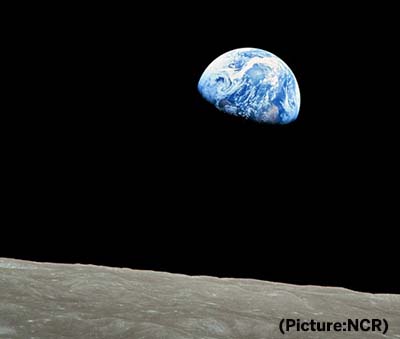
Researchers also found children deemed healthy at an initial emergency department visit rarely deteriorated significantly after the first visit.

“Fortunately, the risk of developing severe disease in children with COVID-19 discharged from the emergency department is very low,” says study co-lead Todd Florin, MD, MSCE, director of Research in Emergency Medicine at Ann & Robert H. Lurie Children’s Hospital of Chicago and associate professor of Pediatrics at Northwestern University Feinberg School of Medicine. “Our findings can provide reassurance to parents and clinicians for children well enough to be managed in the community, while also providing important insights on which children may be at particular risk for severe outcomes.”

Although asthma has previously been suggested as a risk factor for severe outcome, this study was not able to confirm a link. It also did not find that very young infants were at a higher risk for severe outcomes.

“With emergency departments across the world seeing an influx of patients due to the COVID-19 pandemic and stressing capacity, this study will help address the surge by providing an estimate of the risk among pediatric COVID-19 patients screened in emergency department,” said Nathan Kuppermann, MD, MPH, chair of Emergency Medicine at University of California Davis Medical Center and co-lead of the study. “It will support emergency physicians triage of pediatric patients more efficiently by knowing who has risk factors for severe outcomes and focus advanced level care to those who do.”

The study occurred within the Pediatric Emergency Research Network, a global consortium of the world’s major pediatric emergency care research networks. It received support from the Canadian Institutes of Health Research, Alberta Innovates, Alberta Health Services and the University of Calgary. It also received COVID grant funding from the University of California Davis, Cincinnati Children’s Hospital Medical Center and Ann and Robert H. Lurie Children’s Hospital of Chicago. Dr. Anna Funk, PhD, an epidemiologist and UCalgary postdoctoral fellow, was lead author of the study.

“There are no specific evidence-based treatments and therapies for children at this time and detailed research data describing outcomes in young people with COVID-19 has been lacking, so this study offers important insights that we believe will be helpful to front-line care providers treating children with COVID-19,” adds Freedman.

Research at Ann & Robert H. Lurie Children’s Hospital of Chicago is conducted through the Stanley Manne Children’s Research Institute. The Manne Research Institute is focused on improving child health, transforming pediatric medicine and ensuring healthier futures through the relentless pursuit of knowledge. Lurie Children’s is ranked as one of the nation’s top children’s hospitals by U.S. News & World Report. It is the pediatric training ground for Northwestern University Feinberg School of Medicine.

Earth, One Of God’s Failed Experiments?

Could the Earth be one of the trillions of experiments God is running throughout the universe? If so, will it be a failed experiment?

Humankind’s sacred Scriptures, written in prescientific times, often portray the Earth and humanity as the center of the universe. Recent scientific discoveries have suggested that this is not so. It is time to update our theological imaginations.

I spent New Year’s weekend bingeing on NOVA’s five-part series on astronomy, “Universe Revealed,” which premiered in October. It beautifully describes the findings of NASA’s astronomical satellites, including the Hubble Space Telescope, the Chandra X-ray Observatory and the Fermi Gamma Ray Space Telescope.

We have learned that our Milky Way is one of 2 trillion known galaxies in the universe. Our galaxy alone has 200 billion stars and most of these stars appear to have planets. The probability of intelligent life somewhere in our galaxy or in another galaxy is high, given these numbers.

Why would God create such a huge universe with so many possible sources of life if he did not want thousands of species to bloom? Do we think that God has so little imagination that we are the only possibility he could come up with?

This is humbling for the human species, which thinks that it is the most important thing in the universe. It means that we are just one of God’s many children — and probably not the most important. We may be in our infancy in comparison with our siblings in other parts of the universe.

A Hubble photo shows but a small portion of one of the largest seen star-birth regions in the galaxy, the Carina Nebula. Towers of cool hydrogen laced with dust rise from the wall of the nebula. Captured here are the top of a three-light-year-tall pillar of gas and the dust that is being eaten away by the brilliant light from nearby bright stars. Photo courtesy of NASA, ESA, and M. Livio and the Hubble 20th Anniversary Team (STScI)

Perhaps the universe is incredibly huge so that God could provide “social distance” between all his experiments so that they would not cross-contaminate.

As for us, God has granted us a very beautiful and rich planet, made from star dust. He has given us intelligence with which we have gained great power for both good and evil.

And yet he appears to have included a fail-safe in the human experiment: If we do not evolve morally, we will destroy ourselves before we can reach the stars and pollute the rest of the universe.

The human experiment can fail, and if so our failure will not be God’s failure. God gives us every chance, but we can blow it. That is what we call free will. But he has other experiments running throughout the universe, and some of them will succeed.

On the other hand, we may also succeed and join our other siblings in the universe in discovering God’s plan for uniting himself with the cosmos

Pope Benedict XVI described the risen Christ as the next step in human evolution. That evolution is a spiritual consciousness that puts service above domination, puts generosity above greed and puts love above self-indulgence.

Pierre Teilhard de Chardin, the Jesuit paleontologist, had a similar vision of the universe, infused with the Spirit, evolving into the Cosmic Christ. Do we want to be part of that evolution or will we fight it?

Perhaps we do have a special place in the universe. Perhaps like Bethlehem, Earth is a backwater in the universe that has something worth sharing. I hope so. But unless our spiritual development matches our scientific development, the human experiment will fail.

New Study Sheds Light on Origins of Life on Earth

New Brunswick, N.J. (Jan. 14, 2022) – Addressing one of the most profoundly unanswered questions in biology, a Rutgers-led team has discovered the structures of proteins that may be responsible for the origins of life in the primordial soup of ancient Earth.

The study appears in the journal Science Advances.

The researchers explored how primitive life may have originated on our planet from simple, non-living materials. They asked what properties define life as we know it and concluded that anything alive would have needed to collect and use energy, from sources such as the Sun or hydrothermal vents.

In molecular terms, this would mean that the ability to shuffle electrons was paramount to life. Since the best elements for electron transfer are metals (think standard electrical wires) and most biological activities are carried out by proteins, the researchers decided to explore the combination of the two — that is, proteins that bind metals.

They compared all existing protein structures that bind metals to establish any common features, based on the premise that these shared features were present in ancestral proteins and were diversified and passed down to create the range of proteins we see today.
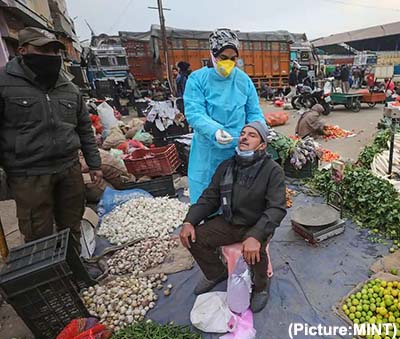
Evolution of protein structures entails understanding how new folds arose from previously existing ones, so the researchers designed a computational method that found the vast majority of currently existing metal-binding proteins are somewhat similar regardless of the type of metal they bind to, the organism they come from or the functionality assigned to the protein as a whole.

“We saw that the metal-binding cores of existing proteins are indeed similar even though the proteins themselves may not be,” said the study’s lead author Yana Bromberg, a professor in the Department of Biochemistry and Microbiology at Rutgers University-New Brunswick. “We also saw that these metal-binding cores are often made up of repeated substructures, kind of like LEGO blocks. Curiously, these blocks were also found in other regions of the proteins, not just metal-binding cores, and in many other proteins that were not considered in our study. Our observation suggests that rearrangements of these little building blocks may have had a single or a small number of common ancestors and given rise to the whole range of proteins and their functions that are currently available — that is, to life as we know it.”

“We have very little information about how life arose on this planet, and our work contributes a previously unavailable explanation,” said Bromberg, whose research focuses on deciphering the DNA blueprints of life’s molecular machinery. “This explanation could also potentially contribute to our search for life on other planets and planetary bodies. Our finding of the specific structural building blocks is also possibly relevant for synthetic biology efforts, where scientists aim to construct specifically active proteins anew.”

The study, funded by NASA, also included researchers from the University of Buenos Aires.

Broadcast interviews: Rutgers University has broadcast-quality TV and radio studios available for remote live or taped interviews with Rutgers experts. For more information, contact John Cramer at john.cramer@rutgers.edu

ABOUT RUTGERS—NEW BRUNSWICK Rutgers University–New Brunswick is where Rutgers, the State University of New Jersey, began more than 250 years ago. Ranked among the world’s top 60 universities, Rutgers’s flagship is a leading public research institution and a member of the prestigious Association of American Universities. It has an internationally acclaimed faculty, 12 degree-granting schools and the Big Ten Conference’s most diverse student body.

Omicron Less Likely To Put You In The Hospital, Studies Say

Two new British studies provide some early hints that the omicron variant of the coronavirus may be milder than the delta version. Scientists stress that even if the findings of these early studies hold up, any reductions in severity need to be weighed against the fact omicron spreads much faster than delta and is more able to evade vaccines. Sheer numbers of infections could still overwhelm hospitals.

Still, the new studies released Wednesday seem to bolster earlier research that suggests omicron may not be as harmful as the delta variant, said Manuel Ascano Jr., a Vanderbilt University biochemist who studies viruses. “Cautious optimism is perhaps the best way to look at this,” he said.

An analysis from the Imperial College London COVID-19 response team estimated hospitalization risks for omicron cases in England, finding people infected with the variant are around 20% less likely to go to the hospital at all than those infected with the delta variant, and 40% less likely to be hospitalized for a night or more.

That analysis included all cases of COVID-19 confirmed by PCR tests in England in the first half of December in which the variant could be identified: 56,000 cases of omicron and 269,000 cases of delta.
A separate study out of Scotland, by scientists at the University of Edinburgh and other experts, suggested the risk of hospitalization was two-thirds less with omicron than delta. But that study pointed out that the nearly 24,000 omicron cases in Scotland were predominantly among younger adults ages 20-39. Younger people are much less likely to develop severe cases of COVID-19.

“This national investigation is one of the first to show that Omicron is less likely to result in COVID-19 hospitalization than Delta,” researchers wrote. While the findings are early observations, “they are encouraging,” the authors wrote.

The findings have not yet been reviewed by other experts, the gold standard in scientific research.

Ascano noted the studies have limitations. For example, the findings are specific to a certain point in time during a quickly changing situation in the United Kingdom and other countries may not fare the same way.

Matthew Binnicker, director of clinical virology at Mayo Clinic in Rochester, Minnesota, said that in the Scottish study, the percentage of younger people was almost twice as high for the omicron group compared with the delta group, and that “could have biased the conclusions to less severe outcomes caused by omicron.”

He nonetheless said the data were interesting and suggest omicron might lead to less severe disease. But he added: “It’s important to emphasize that if omicron has a much higher transmission rate compared to delta, the absolute number of people requiring hospitalization might still increase, despite less severe disease in most cases.”

Data out of South Africa, where the variant was first detected, have also suggested omicron might be milder there. Salim Abdool Karim, a clinical infectious disease epidemiologist in South Africa, said earlier this week that the rate of admissions to hospitals was far lower for omicron than it was for delta.

“Our overall admission rate is in the region of around 2% to 4% compared to previously, where it was closer to 20%,” he said. “So even though we’re seeing a lot of cases, very few are being admitted.”

A New South African Study

A new South African study found the omicron variant could be significantly less severe than previous strains of the novel coronavirus.

The study found people with omicron infections had an 80 percent lower chance of being hospitalized, compared to other COVID-19 cases.

The researchers cautioned, though, that it is unclear to what extent omicron is intrinsically less severe than earlier strains, and to what extent the drop is due to more immunity in the population, from both prior infection and vaccination, than there was in earlier waves.

“It is difficult to disentangle the relative contribution of high levels of previous population immunity versus intrinsic lower virulence to the observed lower disease severity,” the study, which has not yet been peer-reviewed, states.  Still, the findings could provide some good news.

“New pre-print from South Africa suggests that, at least among those vaccinated and/or previously infected, Omicron is much less severe than Delta,” tweeted Tom Frieden, former director of the Centers for Disease Control and Prevention. “Will that hold true in the US with an older population? We’ll find out in the coming weeks.” The South African study adds to earlier indications that omicron could be less severe, though researchers are still gathering data.

US-Authorizes Pfizer Pill For COVID Treatment

U.S. health regulators on Wednesday authorized the first pill against COVID-19, a Pfizer drug that Americans will be able to take at home to head off the worst effects of the virus.  The long-awaited milestone comes as U.S. cases, hospitalizations and deaths are all rising and health officials warn of a tsunami of new infections from the omicron variant that could overwhelm hospitals.

The drug, Paxlovid, is a faster way to treat early COVID-19 infections, though initial supplies will be extremely limited. All of the previously authorized drugs against the disease require an IV or an injection.

An antiviral pill from Merck also is expected to soon win authorization. But Pfizer’s drug is all but certain to be the preferred option because of its mild side effects and superior effectiveness, including a nearly 90% reduction in hospitalizations and deaths among patients most likely to get severe disease.

“The efficacy is high, the side effects are low and it’s oral. It checks all the boxes,” said Dr. Gregory Poland of the Mayo Clinic. “You’re looking at a 90% decreased risk of hospitalization and death in a high-risk group — that’s stunning.”

The Food and Drug Administration authorized Pfizer’s drug for adults and children ages 12 and older with a positive COVID-19 test and early symptoms who face the highest risks of hospitalization. That includes older people and those with conditions like obesity and heart disease, though the drug is not recommended for patients with severe kidney or liver problems. Children eligible for the drug must weigh at least 88 pounds (40 kilograms).
The pills from both Pfizer and Merck are expected to be effective against omicron because they don’t target the spike protein where most of the variant’s worrisome mutations reside.

Pfizer currently has 180,000 treatment courses available worldwide, with roughly 60,000 to 70,000 allocated to the U.S. The company said it expects to have 250,000 available in the U.S. by the end of January.

Federal health officials are expected to ration early shipments to the hardest hit parts of the country. Pfizer said the small supply is due to the manufacturing time — currently about nine months. The company says it can halve production time next year.

The U.S. government has agreed to purchase enough Paxlovid to treat 10 million people, and it will be provided free to patients. Pfizer says it’s on track to produce 80 million courses globally next year, under contracts with the U.K., Australia and other nations.

President Joe Biden said the pill marks a “significant step forward in our path out of the pandemic” and said his administration will work with states to ensure equitable distribution.

Health experts agree that vaccination remains the best way to protect against COVID-19. But with roughly 40 million American adults still unvaccinated, effective drugs will be critical to blunting the current and future waves of infection.

The U.S. is now reporting more than 140,000 new infections daily and federal officials warn that the omicron variant could send case counts soaring. Omicron has already whipped across the country to become the dominant strain, federal officials confirmed earlier this week.

Against that backdrop, experts warn that Paxlovid’s initial impact could be limited. For more than a year, biotech-engineered antibody drugs have been the go-to treatments for COVID-19. But they are expensive, hard to produce and require an injection or infusion, typically given at a hospital or clinic. Also, laboratory testing suggests the two leading antibody drugs used in the U.S. aren’t effective against omicron.

Pfizer’s pill comes with its own challenges.

Patients will need a positive COVID-19 test to get a prescription. And Paxlovid has only proven effective if given within five days of symptoms appearing. With testing supplies stretched, experts worry it may be unrealistic for patients to self-diagnose, get tested, see a physician and pick up a prescription within that narrow window.

“If you go outside that window of time I fully expect the effectiveness of this drug is going to fall,” said Andrew Pekosz, a Johns Hopkins University virologist.

The FDA based its decision on company results from a 2,250-patient trial that showed the pill cut hospitalizations and deaths by 89% when given to people with mild-to-moderate COVID-19 within three days of symptoms. Less than 1% of patients taking the drug were hospitalized and none died at the end of the 30-day study period, compared with 6.5% of patients hospitalized in the group getting a dummy pill, which included nine deaths.

Pfizer’s drug is part of a decades-old family of antiviral drugs known as protease inhibitors, which revolutionized the treatment of HIV and hepatitis C. The drugs block a key enzyme which viruses need to multiply in the human body.

The U.S. will pay about $500 for each course of Pfizer’s treatment, which consists of three pills taken twice a day for five days. Two of the pills are Paxlovid and the third is a different antiviral that helps boost levels of the main drug in the body.

Eye Drops Could Replace Reading Glasses For Millions Of Adults

Can’t find your reading glasses? A new eye drop out Thursday could be a game-changer for millions of aging Americans who struggle to see up close.

“It’s definitely a life changer,” Toni Wright, one of the 750 participants in a clinical trial to test the drops, told CBS News national correspondent Jericka Duncan.

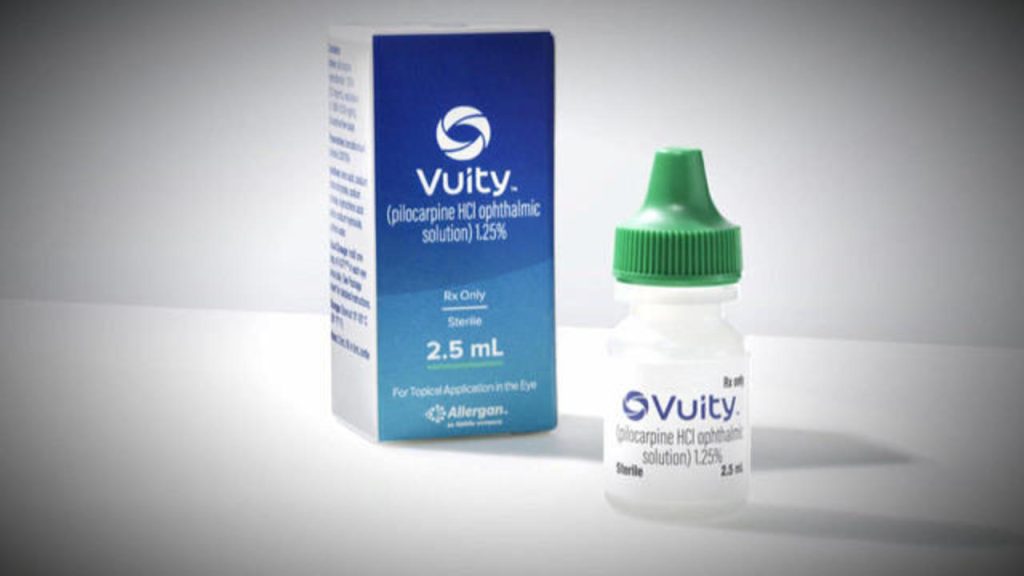
Vuity, the first eye drop for sharpening near vision, hit the market this week after the Food and Drug Administration approved it in October. The new medicine is meant to be used once a day and can improve vision for up to six hours at a time.

The eye drops will work best for people between the ages of 40 and 55, a Vuity spokesperson told CBS. That age group comprised two clinical trials and is most likely to notice the onset of near vision loss. 

Presbyopia, or age-related blurred near vision, typically sets in after age 40, according to the American Optometric Association. Around 1.8 billion people around the world have presbyopia, according to a 2018 estimate, and the condition affects almost half of US adults per earlier estimates.

For this group, Vuity offers a potential alternative to reading glasses. The eye drops might be easier to keep track of, but they are pricier at about $80 for a 30-day supply, according to a press release from biopharmaceutical giant AbbVie. The drops must be prescribed by a physician and are not currently covered by insurance.

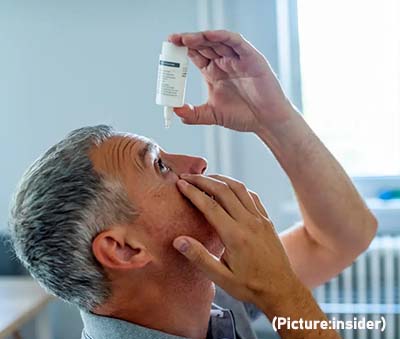
The medicine works by causing the pupil to constrict, which naturally allows the eye to focus at different ranges. About 15 minutes after administering one drop in each eye, participants in clinical trials could see three additional lines on a reading chart.

The drops are not meant to be used for night driving, although they worked in low-light conditions for at least three hours after application in the trials. Side effects detected during the three-month trial period included headaches and red eyes, and some users had difficulty adjusting their focus between near and far objects.

Eye Drops Approved By FDA To Replace Reading Glasses

A newly-approved eye drop could change the lives of millions of Americans with age-related blurred near vision, a condition affecting mostly people 40 and older, CBS News reported. Vuity, which was approved by the Food and Drug Administration (FDA) in October, would potentially replace reading glasses for some of the 128 million Americans who have trouble seeing close-up.

The new medicine takes effect in about 15 minutes, with one drop on each eye providing sharper vision for six to 10 hours, according to the company, the CBS News report said. Toni Wright, one of the 750 participants in a clinical trial to test the drug, said she liked what she saw. “It’s definitely a life changer,” she told the media.

Before the trial, the only way Wright could see things clearly was by keeping reading glasses everywhere — in her office, bathroom, kitchen and car. “I was in denial because to me that was a sign of growing older, you know, needing to wear glasses,” she said.

It was in 2019 that her doctor told her about a new eye drop with the potential to correct her vision problems, temporarily. The 54-year-old online retail consultant, who works from her farm in western Pennsylvania, instantly noticed a difference, the report said. “I would not need my readers as much, especially on the computer, where I would always need to have them on,” she said.

Vuity is the first FDA-approved eye drop to treat age-related blurry near vision, also known as presbyopia. The prescription drug utilizes the eye’s natural ability to reduce its pupil size, said George Waring, the principal investigator for the trial. “Reducing the pupil size expands the depth of field or the depth of focus, and that allows you to focus at different ranges naturally,” he said.

A 30-day supply of the drug will cost about $80 and works best in people 40 to 55 years old, a Vuity spokesperson said. Side effects detected in the three-month trial included headaches and red eyes, the company said. “This is something that we anticipate will be well tolerated long term, but this will be evaluated and studied in a formal capacity,” the CBS News report quoted Waring as saying.

Vuity is by no means a cure-all, and the maker does caution against using the drops when driving at night or performing activities in low-light conditions. The drops are for mild to intermediate cases and are less effective after age 65, as eyes age. Users may also have temporary difficulty in adjusting focus between objects near and far.

A Planet 10 Times Size Of Jupiter Orbiting Superhot Massive Stars Discovered

Scientists have discovered a planet 10 times as massive as Jupiter orbiting a pair of stars in another solar system, according to new research. 

The research, published Wednesday in the journal Nature, points to the discovery of a planet named b Centauri (AB)b or b Centauri b, with an image captured by the European Southern Observatory’s Very Large Telescope in Chile.

The planet is 10 times as massive as Jupiter and “one of the most massive planets ever found,” according to the observatory.    

Also the planet orbits b Centauri, a two-star system that has at least six times the mass of the Sun and is 325 light-years away from Earth. 

That makes it the most “massive system around which a planet has been confirmed,” according to a statement from the observatory. The statement also explained, “Until now, no planets had been spotted around a star more than three times as massive as the Sun.”  
Markus Janson, professor of astronomy at Stockholm University and a co-author of the peer-reviewed research, told the media that “at some point, as you increase the mass of the star, it also becomes much hotter, and that means that it gives off a lot more very high-energy radiation.” The observatory noted, “The large mass and the heat from this type of star have a strong impact on the surrounding gas” which “should work against planet formation.” And prior to the discovery of this planet, some scientists believed planets could not exist near stars “this massive and hot.”   

B Centauri b was seen orbiting the star system at a distance 100 times greater than Jupiter orbits the sun. It has been imaged in previous research, but it was not specifically recognized as a planet by scientists. 

Janson said that “I would maybe have expected to find planets around a bit more massive stars, maybe than three solar masses. But something like six solar masses, that was really a surprise,” he said.  

Quest Begins To Drill Antarctica’s Oldest Ice

Efforts are about to get under way to drill a core of ice in Antarctica that contains a record of Earth’s climate stretching back 1.5 million years. A European team will set up its equipment at one of the highest locations on the White Continent, for an operation likely to take four years. The project aims to recover a near-3km-long cylinder of frozen material.

Scientists hope this ice can help them explain why Earth’s ice ages flipped in frequency in the deep past.

“Beyond EPICA”, as the project is known, is a follow-up to a similar venture at the turn of the millennium called simply EPICA (European Project for Ice Coring in Antarctica).

The new endeavour will base itself a short distance away from the original at Little Dome C, an area located roughly 40km from the Italian-French Concordia Station, on the east Antarctic plateau

At an altitude of 3,233m above sea level and over 1,000km from the coast, Little Dome C will be an inhospitable place to work. Even in summer, temperatures won’t get much above -35C.

The camp where the drill team will base itself was set up in the 2019/20. This coming season will largely be about putting in the necessary drilling infrastructure. But the technicians do aim to at least start on their core quest by getting down beyond the first 100m.

This should take the borehole past the lightly compacted snow layers, or firn, into the impervious ice layers that are the real interest for scientists. The deep ice in Antarctica contains tiny bubbles of air. These little gas pockets are a direct snapshot of the historic atmosphere.

Scientists can read off the levels of carbon dioxide and other heat-trapping components, such as methane.

Analysing the atoms in the water-ice molecules encasing the gases also gives an indication of the temperature that persisted at the time of the snowfall that gave rise to the ice.

The previous ice core showed temperature and carbon dioxide moving in lock-step

When researchers drilled the original EPICA core, they uncovered a narrative of past climate temperature and atmospheric carbon dioxide stretching back 800,000 years.

It’s become one of the key climate data-sets of recent decades.

It showed that CO2 and temperature moved in lock-step. Whenever the Earth went into an ice age and temperature fell, the concentration of greenhouse gases in the atmosphere would also decline. And when the climate warmed back up again, the CO2 rose in parallel.

These cycles occurred roughly every 100,000 years – a phasing that is most likely linked to slight shifts in the eccentricity of Earth’s orbit (a larger or smaller ellipse) around the Sun.

But it is recognised from an alternative record of past climate, which has been deciphered from ocean sediments, that deeper back in time the ice age cycle was much shorter – at about every 41,000 years.

That is a period probably dominated by the way the Earth tilts back and forth on its axis. But why the switch occurred, no-one is really sure. The new Beyond Epica core may contain some clues if its ices can extend the climate narrative back to 1.5 million years ago.

“We believe this ice core will give us information on the climate of the past and on the greenhouse gases that were in the atmosphere during the Mid-Pleistocene Transition (MPT), which happened between 900,000 and 1.2 million years ago,” said team-leader Carlo Barbante, the director of the Institute of Polar Sciences of the National Research Council of Italy.

“During this transition, climate periodicity between ice ages changed from 41,000 to 100,000 years: the reason why this happened is the mystery we hope to solve.” Beyond EPICA camp was set up during the 2019/20 Antarctic summer season.

To achieve an 800,000-year record, the original EPICA project drilled to a depth of 2,774m. The bedrock at Little Dome C is just over 2,800m down. The extra 700,000 years being sought by the new project should be in the additional metres of layered ice.

“We already have the 800,000 years of ice, so much of the first few years of drilling will simply be a repeat of ice we already have,” explained Robert Mulvaney from the British Antarctic Survey.

“In practice, with many new PhD students coming online, and new groups getting involved, and new analytical techniques always being developed, we will make good use of the ice younger than 800,000 years.

“We will also use the younger ice to ensure our techniques are working well by the time we get to the deep ice, where we only get one chance to get all the analyses right,” he told BBC News.

Beyond EPICA is funded by the European Union. UK scientists are allowed to participate because the money comes from a period when Britain was still a part of the 27-member-state bloc.

3 Factors That Determine If People Inform Themselves Or Remain Ignorant

Newswise — People choose whether to seek or avoid information about their health, finances and personal traits based on how they think it will make them feel, how useful it is, and if it relates to things they think about often, finds a new study by UCL researchers.

Most people fall into one of three ‘information-seeking types’: those that mostly consider the impact of information on their feelings when deciding whether to get informed, those that mostly consider how useful information will be for making decisions, and those that mostly seek information about issues they think about often, according to the findings published in Nature Communications.

Co-lead author Professor Tali Sharot (UCL Psychology & Language Sciences and Max Planck UCL Centre for Computational Psychiatry and Ageing Research) said: “Vast amounts of information are now available to individuals. This includes everything from information about your genetic make-up to information about social issues and the economy. We wanted to find out: how do people decide what they want to know? And why do some people actively seek out information, for example about COVID vaccines, financial inequality and climate change, and others don’t?

“The information people decide to expose themselves to has important consequences for their health, finance and relationships. By better understanding why people choose to get informed, we could develop ways to convince people to educate themselves.”
The researchers conducted five experiments with 543 research participants, to gauge what factors influence information-seeking.

In one of the experiments, participants were asked how much they would like to know about health information, such as whether they had an Alzheimer’s risk gene or a gene conferring a strong immune system. In another experiment, they were asked whether they wanted to see financial information, such as exchange rates or what income percentile they fall into, and in another one, whether they would have liked to learn how their family and friends rated them on traits such as intelligence and laziness.

Later, participants were asked how useful they thought the information would be, how they expected it would make them feel, and how often they thought about each subject matter in question.

The researchers found that people choose to seek information based on these three factors: expected utility, emotional impact, and whether it was relevant to things they thought of often. This three-factor model best explained decisions to seek or avoid information compared to a range of other alternative models tested.

Some participants repeated the experiments a couple of times, months apart. The researchers found that most people prioritise one of the three motives (feelings, usefulness, frequency of thought) over the others, and their specific tendency remained relatively stable across time and domains, suggesting that what drives each person to seek information is ‘trait-like’.

In two experiments, participants also filled out a questionnaire to gauge their general mental health. The researchers found that when people sought information about their own traits, participants who mostly wanted to know about traits they thought about often, reported better mental health.

Co-lead author, PhD student Christopher Kelly (UCL Psychology & Language Sciences and Max Planck UCL Centre for Computational Psychiatry and Ageing Research) said: “By understanding people’s motivations to seek information, policy makers may be able to increase the likelihood that people will engage with and benefit from vital information. For example, if policy makers highlight the potential usefulness of their message and the positive feelings that it may elicit, they may improve the effectiveness of their message.

“The research can also help policy makers decide whether information, for instance on food labels, needs to be disclosed, by describing how to fully assess the impact of information on welfare. At the moment policy-makers overlook the impact of information on people’s emotions or ability to understand the world around them, and focus only on whether information can guide decisions.”

How Do Memories Form? New Study Reveals

In a discovery that could one day benefit people suffering from traumatic brain injury, Alzheimer’s disease, and schizophrenia, UT Southwestern researchers have identified the characteristics of more than 100 memory-sensitive neurons that play a central role in how memories are recalled in the brain.

Bradley Lega, M.D., Associate Professor of Neurological Surgery, Neurology, and Psychiatry, said his findings, published in the journal NeuroImage, may point to new deep brain-stimulation therapies for other brain diseases and injuries.

“It sheds important light on the question, ‘How do you know you are remembering something from the past versus experiencing something new that you are trying to remember?’” said Dr. Lega, a member of the Peter O’Donnell Jr. Brain Institute.

The most significant finding was that firing occurs with different timing relative to other brain activity when memories are being retrieved. This slight difference in timing, called “phase offset,” has not been reported in humans before. Together, these results explain how the brain can “re-experience” an event, but also keep track of whether the memory is something new or something previously encoded.

“This is some of the clearest evidence to date showing us how the human brain works in terms remembering old memories versus forming new memories,” Dr. Lega said.

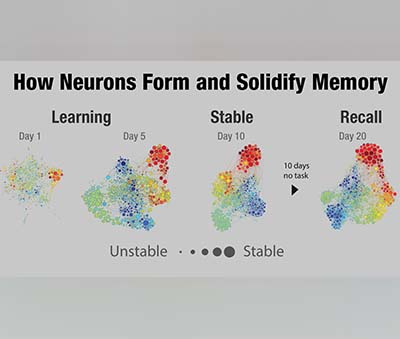
His study identified 103 memory-sensitive neurons in the brain’s hippocampus and entorhinal cortex that increase their rate of activity when memory encoding is successful. The same pattern of activity returned when patients attempted to recall these same memories, especially highly detailed memories.

This activity in the hippocampus may have relevance to schizophrenia because hippocampal dysfunction underlies schizophrenics’ inability to decipher between memories and hallucinations or delusions. The neurons identified by Dr. Lega are an important piece of the puzzle for why this happens, said Carol Tamminga, M.D., Professor and Chair of Psychiatry and a national expert on schizophrenia.

“Hallucinations and delusions in people with a psychotic illness are actual memories, processed through neural memory systems like ‘normal’ memories, even though they are corrupted. It would be important to understand how to use this ‘phase offset’ mechanism to modify these corrupted memories,” Dr. Tamminga said.

An opportunity to learn more about human memory arose from surgeries where electrodes that were implanted in epilepsy’s patients’ brains to map the patients’ seizures could also be used to identify neurons involved in memory. In this study, 27 epilepsy patients who had the electrodes implanted at UT Southwestern and a Pennsylvania hospital participated in memory tasks to generate data for brain research.

The data analysis does not conclusively prove, but adds new credibility to important memory model called Separate Phases at Encoding And Retrieval (SPEAR) that scientists developed from rodent studies.

“It’s never been nailed down. It’s one thing to have a model; it is another thing to show evidence that this is what’s happening in humans,” Dr. Lega said.

The SPEAR model, which predicts the “phase offset” reported in the study, was developed to explain how the brain can keep track of new-versus-old experiences when engaged in memory retrieval. Previously, the only evidence in support of SPEAR came from rodent models.

Omicron Virus Found In South Africa Described By WHO As “Variant Of Concern”

The World Health Organization (WHO) has designated a new variant, B.1.1.529, named as “Omicron” found in South Africa initially, and has now been found in several other countries as a “variant of concern (VOC).” The variant, which was announced by scientists in South Africa on Thanksgiving Day, November 25th has caused alarm around the world.

Fears that a new, fast-spreading coronavirus variant could potentially be more dangerous than even the Delta variant prompted several countries to impose restrictions on travel from affected regions, and caused stock markets across the globe to crash.

The WHO said about 100 genome sequences of the variant have been reported so far. Many of the infected people were fully vaccinated, with at least one person in Israel having also received a third, booster dose of vaccine.

The World Health Organization (WHO) has warned that the Omicron coronavirus variant poses a high risk of infection surges around the globe.

The variant could lead to severe consequences in some regions, the WHO said on Monday.  The head of the organisation, Dr Tedros Adhanom Ghebreyesus, renewed a call for a global push to get vaccines to poorer nations.

Covid-19 is “not done with us” yet he warned. The variant was detected in South Africa earlier this month with initial evidence suggesting it has a higher re-infection risk. South Africa has been praised for its prompt reporting of the variant.

“Omicron has an unprecedented number of spike mutations, some of which are concerning for their potential impact on the trajectory of the pandemic,” the WHO said.

The epidemiological situation in South Africa has been characterized by three distinct peaks in reported cases, the latest of which was predominantly the Delta variant. In recent weeks, infections have increased steeply, coinciding with the detection of B.1.1.529 variant. The first known confirmed B.1.1.529 infection was from a specimen collected on 9 November 2021.

This variant has a large number of mutations, some of which are concerning. Preliminary evidence suggests an increased risk of reinfection with this variant, as compared to other VOCs. The number of cases of this variant appears to be increasing in almost all provinces in South Africa. Current SARS-CoV-2 PCR diagnostics continue to detect this variant.

Several labs have indicated that for one widely used PCR test, one of the three target genes is not detected (called S gene dropout or S gene target failure) and this test can therefore be used as marker for this variant, pending sequencing confirmation. Using this approach, this variant has been detected at faster rates than previous surges in infection, suggesting that this variant may have a growth advantage.

There are a number of studies underway and the TAG-VE will continue to evaluate this variant. WHO will communicate new findings with Member States and to the public as needed.

The scientific analysis till now suggests that the new variant has been spreading at a rate faster than any other variant, including Delta. The fact that several of the infected people were fully vaccinated, including one with a booster dose, is an indication that this variant also has considerable capability to evade the immune response.

This means that this variant is a cause of worry on at least two of the three criteria that are used to assess how dangerous any new variant is. As of now, there is no information on its ability to cause severe disease, the third crucial criteria.

“This variant has a number of mutations, some of which are concerning. Preliminary evidence suggests an increased risk of reinfection with this variant, as compared to other VOCs,” the WHO said in a statement.

“The number of cases of this variant appears to be increasing in almost all provinces in South Africa… This variant has been detected at faster rates than previous surges in infection, suggesting that this variant may have a growth advantage,” it said.

The Delta variant, first discovered in India late last year, has been the deadliest variant of SARS-CoV2 on all these three counts till now. It is the dominant variant now in most regions, and is the reason behind the deadly second wave in India, and the ongoing surge in Europe and a few other regions.

“Not everything is known about this variant yet. Data is still coming in. As of now, we know that it has over 30 mutations, of which 10 are in the spike protein. Whether this variant turns out to be a faster spreading one, or one that has greater ability to evade immune response is still to be seen. But we need to be very alert,” virologist Shahid Jameel said.

Vineeta Bal, an immunologist associated with the Indian Institute of Science Education and Research (IISER), Pune, said the emergence of the variant was not an unexpected development, but authorities needed to respond with increased surveillance to ensure early detection and effective isolation. “Viruses mutate all the time. That is something to be expected. But we should be able to ensure that it does not gain a foothold in many people,” Dr Bal said.

The coronavirus evolves as it spreads and many new variants, including those with worrying mutations, often just die out. Scientists monitor for possible changes that could be more transmissible or deadly, but sorting out whether new variants will have a public health impact can take time.

As such, countries are asked to do the following:

  • enhance surveillance and sequencing efforts to better understand circulating SARS-CoV-2 variants.
  • submit complete genome sequences and associated metadata to a publicly available database, such as GISAID.
  • report initial cases/clusters associated with VOC infection to WHO through the IHR mechanism.
  • where capacity exists and in coordination with the international community, perform field investigations and laboratory assessments to improve understanding of the potential impacts of the VOC on COVID-19 epidemiology, severity, effectiveness of public health and social measures, diagnostic methods, immune responses, antibody neutralization, or other relevant characteristics.

Individuals are reminded to take measures to reduce their risk of COVID-19, including proven public health and social measures such as wearing well-fitting masks, hand hygiene, physical distancing, improving ventilation of indoor spaces, avoiding crowded spaces, and getting vaccinated.

Vaccine Makers Optimistic About Producing Omicron-Specific Shots If Needed

Vaccine makers say they are in the midst of testing their shots’ effectiveness against the newly discovered omicron coronavirus variant, and they remain optimistic that a new variant-specific vaccine could be produced and rolled out quickly if needed.

When asked about the new omicron variant that was first detected in southern Africa, Paul Burton, Moderna’s chief medical officer, told ABC News’ “Good Morning America” on Monday that vaccine manufacturers around the world, including Moderna, “are testing samples from people who have received our vaccines against the strains.”

Burton said that while the company thinks “vaccine effectiveness may come down, based on the mutation seen in this in this virus,” he added that with booster shots of the existing version of the vaccine, “We should be able to get antibody levels up, so that’s a very important initial line of defense.”

Burton said that researchers will know just how effective the vaccines are against this variant “in the next couple of weeks.” If manufacturers need to make an omicron variant-specific vaccine, it should take approximately “two to three months” to test and manufacture it, he said.
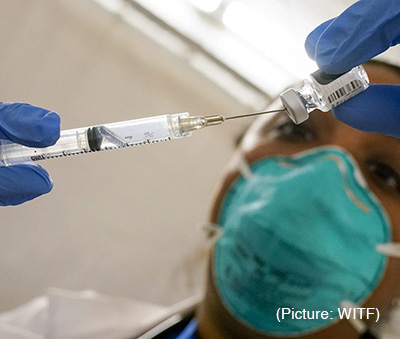
Fellow coronavirus vaccine maker Pfizer similarly expressed confidence that it could produce a new vaccine quickly if needed. Pfizer’s CEO Albert Bourla told CNBC’s “Squawk Box” on Monday that he is very optimistic the company will be able to speedily switch production to a new vaccine, if the research merits, without losing any volume.

Johnson & Johnson also said in a statement Monday that it is evaluating its current COVID-19 vaccine against the omicron variant.

“In addition, the company is pursuing an omicron-specific variant vaccine and will progress it as needed,” it said.

Scientists suspect the omicron variant could partially chip away protection from current vaccines due to its mutations, but they are still waiting on testing to learn if, and to what extent, that could be the case.

Vaccine experts have told ABC News that the current COVID-19 vaccines, which rely on genetic technology, could easily be updated to better combat emerging variants. This has not been necessary so far, as the original vaccines have been effective against the dominant variants that have spread in the past, but companies are preparing to tweak vaccines to respond to the omicron variant just in case.

The good news is that these novel vaccines employing genetic technology mean updates can be made to the vaccines easily — unlike vaccines based on older technology, which used a piece of the virus or a killed virus to mimic infection.

The new vaccines, which use the genetic technology, introduces an instruction manual of sorts into your body. This introduction manual tells your cells to start churning out a protein normally found on the outside of the virus, and your body activates an immune response when your body senses that viral protein.

In remarks on Monday, President Joe Biden assured Americans that the omicron variant “is a cause for concern, not a cause for panic.”

“We have the best vaccine in the world. The best medicines, the best scientists, and we’re learning more every single day,” the president said. “And we’ll fight this variant with scientific and knowledgeable actions and speed. Not chaos and confusion.”

How Vaccine Makers Plan To Address The New COVID-19 Omicron Variant

A new strain of COVID-19 first discovered in South Africa was declared a variant of concern by the World Health Organization on Friday. Here’s how the pharmaceutical industry plans to address the latest coronavirus curve ball.

Vaccine makers are already pivoting their efforts to combat the new variant: testing higher doses of booster shots, designing new boosters that anticipate strain mutations, and developing omicron-specific boosters.

In a statement sent to NPR, Moderna said it has been working on a comprehensive strategy to predict variants of concern since the beginning of 2021. One approach is to double the current booster from 50 to 100 micrograms. Secondly, the vaccine maker has been studying two booster vaccines that are designed to anticipate mutations like those found in the omicron variant. The company also said it will ramp up efforts to make a booster candidate that specifically targets omicron.

“From the beginning, we have said that as we seek to defeat the pandemic, it is imperative that we are proactive as the virus evolves,” said Moderna CEO Stéphane Bancel. “The mutations in the Omicron variant are concerning and for several days, we have been moving as fast as possible to execute our strategy to address this variant.”

Pfizer and BioNTech told Reuters that they expect more data about the omicron variant to be collected within two weeks. That information will help determine whether or not they need to modify their current vaccine. Pfizer and BioNTech said a vaccine tailored for the omicron variant, if needed, could be ready to ship in approximately 100 days.

Johnson & Johnson said in a statement sent to NPR that it too is already testing its vaccine’s efficacy against the new variant.

The omicron variant was first reported to the WHO on Nov. 24, the WHO said. Preliminary evidence indicates the variant poses an increased risk for reinfection due to the large number of mutations. Until recently, cases across South Africa have predominantly been from the delta variant, an earlier strain that has pushed health care systems to the max since early summer. But omicron infections have been on the rise in recent weeks, the WHO reported.

More concerning, omicron cases have emerged across the globe. Cases have been confirmed in Botswana, the United Kingdom, Italy, Germany, Belgium, Israel, the Netherlands, Australia and Hong Kong.

News of the rapidly spreading variant led to a new set of air travel restrictions from South Africa and seven other countries, implemented by President Joe Biden, that go into effect Monday. The president made the announcement the day after Thanksgiving, one of the busiest travel periods of the year.

Unlike last year, when millions of people traveled against the advice of health experts, the Centers for Disease Control and Prevention and chief medical adviser to the president, Dr. Anthony Fauci, more or less condoned Thanksgiving get-togethers for vaccinated Americans. And, according to an American Automobile Association travel forecast, over 53 million people were expected to travel for Thanksgiving — an 18% jump compared to last year — including more than 4 million by air.

As of Friday, the CDC said that no cases of the omicron variant had been identified in the United States. However, Fauci said on Saturday that he would not be surprised if the variant is already here.

“We have not detected it yet, but when you have a virus that is showing this degree of transmissibility and you’re already having travel-related cases that they’ve noted in Israel and Belgium and other places … it almost invariably is ultimately going to go essentially all over,” he said in an interview on the Today show.

As Americans prepare to transition from one busy holiday to the next, the CDC is predicting that coronavirus cases, hospitalizations and deaths will increase over the next four weeks. More than 776,000 people in the U.S. have died of COVID-19 to date, according to Johns Hopkins University’s tracker, and the country is projected to surpass 800,000 deaths by Christmas.

Indian Government To Re-Examine Advisory On Efficacy Of Ashwagandha

The Ministry of Ayush in India has decided to re-examine the matter pertaining to the use of Ashwagandha — Withania somnifera — leaves in Ayurveda, Siddha and Unani (ASU) drugs by constituting an expert group to this end.

The Ayush Ministry earlier had directed ASU drug manufacturers to refrain from the usage of Ashwagandha (Withania somnifera) leaves, saying that no substantial evidence and literature is available to endorse the efficacy of crude drug or extract of Ashwagandha.

The Ministry also issued an advisory to all ASU Drugs Manufacturers Associations seeking the manufacturers of the crude drug/extracts, sellers, ASU drug manufacturing companies, ASU drug exporters not to use Withania somnifera leaves either in crude or extract or any other form for therapeutic purposes under the ambit of ASU drugs.

“No substantial evidence and literature is available to endorse the efficacy of crude drug/extract of Withania somnifera leaves. Considering this, it would not be appropriate to consider the Withania somnifera leaves as ASU medicine at this stage,” the ministry had said in its advisory.

However, after industry’s intervention, the Ayush Ministry invited the stakeholders to discuss their concerns about utilization of Ashwagandha leaves in ASU products.

After the discussion with the ASU industry partners, the Ministry of Ayush has decided to set up an expert group to re-examine the advisory issued to the drug manufacturers to refrain from using Ashwagandha leaves.

The group will make appropriate recommendations to the Centre on the use of Ashwagandha leaves and Panchanga of Ashwagandha in ASU products based on scientific evidence. (IANS)

Earth Has A Second Moon

It’s easy to be brand loyal to the moon. We’ve only got the one, after all, unlike Jupiter and Saturn, where you’d have dozens to choose from. Here, it’s luna or nada. Or not. The fact is, there’s another sorta, kinda moon in a sorta, kinda orbit around Earth that was discovered only in 2016. And according to a new study in Nature, we may at last know how it was formed.

The quasi-moon—named Kamo’oalewa, after a Hawaiian word that refers to a moving celestial object—is not much to speak of, measuring less than 50 m (164 ft) across. It circles the Earth in a repeating corkscrew-like trajectory that brings it no closer than 40 to 100 times the 384,000 km (239,000 mi.) distance of our more familiar moon. Its odd flight path is caused by the competing gravitational pulls of the Earth and the sun, which continually bend and torque the moonlet’s motions, preventing it from achieving a more conventional orbit.

“It’s primarily influenced just by the sun’s gravity, but this pattern shows up because it’s also—but not quite—on an Earth-like orbit. So it’s this sort of odd dance,” says graduate student Ben Sharkey of the Lunar and Planetary Laboratory at the University of Arizona, the lead author of the paper.

None of this means that Kamo’oalewa has to have especially exotic origins. The solar system is littered with asteroids, some of which are captured by the gravity of other planets and become more conventional—if fragmentary—moons. Others don’t orbit other planets in the common way but fall into line in front of them or behind them and pace them in their orbits around the sun, like the flocks of so-called Trojan asteroids that precede and trail Jupiter.
Either way, Kamo’oalewa was bound to get attention because its composition posed a stubborn mystery. Asteroids tend to reflect brightly in certain infrared frequencies, but Kamo’oalewa just doesn’t. It’s dimmer somehow—clearly made of different stuff, which suggests a different origin.

To investigate the mystery, Sharkey, under the guidance of his PhD adviser, planetary scientist Vishnu Reddy, first turned to a NASA-run telescope in Hawaii routinely used for studying Earth-vicinity asteroids. But even through the usually reliable instrument, the infrared signature seemed too faint. Instead they switched to a University of Arizona-run monocular telescope that, as Sharkey says, could “squeeze every last ounce of photons out of that object.”

That produced better, clearer results, but still they were incomplete. The rock was made of common silicates like other asteroids, but they were common only in their general composition, not in their infrared signature, which remained stubbornly off.

At last, the answer suggested itself. If Kamo’oalewa was behaving like a sort of quasi-moon, perhaps it was an artifact of the actual moon. Earlier in Sharkey’s PhD program, one of his advisers published a paper on lunar samples brought back by the Apollo 14 mission in 1971. When Sharkey compared the data he was getting in his telescope with what the earlier geologists came up with in the rock lab, the results matched perfectly. The kind of space-weathering lunar silicates undergo when they’re still on the surface of the moon precisely accounted for the differences in the infrared reflectivity between common asteroids and Kamo’oalewa.

“Visually, what you’re seeing is weathered silicate,” says Sharkey. “The eons of exposure to space environment and the micrometeorite impacts, it’s almost like a fingerprint and it’s hard to miss.”

How Kamo’oalewa shook free of our lunar companion is no mystery. The moon’s been getting bombarded by space rocks for billions of years, resulting in all manner of lunar debris getting ejected into space (nearly 500 bits of which have made it to the surface of the Earth as meteorites). Kamo’oalewa is one such piece of lunar rubble that spiraled away from the moon. But rather than landing on Earth or simply tumbling off into the void, it found itself a quasi-satellite in its own right.

“We see thousands of craters on the moon, so some of this lunar ejecta has to be sticking around in space,” says Sharkey. Kamo’oalewa won’t stick around all that long, as its current trajectory is not entirely stable. According to estimates from Sharkey and others, the object will remain an earthly companion for only about 300 more years—nothing at all on the cosmic clock—after which it will break free of its current gravitational chains and twirl off into the void. Originally a part of the moon, then a companion of Earth, it will spend the rest of its long life traveling on its own.

How Do People Understand Other People?

Newswise — To successfully cooperate or compete with other people in everyday life, it is important to know what the other person thinks, feels, or wants. Dr. Julia Wolf, Dr. Sabrina Coninx and Professor Albert Newen from Institute of Philosophy II at Ruhr-Universität Bochum have explored which strategies people use to understand other people. For a long time, it was assumed that people relied exclusively on a single strategy: mindreading. This means that people infer the mental states of others solely based on their behaviour. In more recent accounts, however, this ability has been relegated to the background. The Bochum-based team now argues that although people use a number of different strategies, mindreading also plays an important role. They present their findings in the journal Erkenntnis, published online on 10 November 2021.

Strategies for understanding others

In recent years, researchers have criticised mindreading for being too complicated and demanding to be a common strategy for understanding other people. Julia Wolf provides an example of mindreading: “When I see someone running towards a bus, I infer that this person has the desire to catch the bus,” she says. “In doing so, I can either picture myself in their situation, or draw on my knowledge of general principles regarding the behaviour of others.”
However, in order to recognise the feelings, desires, and needs of others, people may take a different approach. They can directly perceive that a person is stressed based on physical features and other contextual cues. But they can also predict what a person will do next based on learned behavioural rules, without having to infer and attribute a mental state. “When someone gets on the bus, I can predict that they will show their ticket at the entrance without thinking about what is making them do so,” says Sabrina Coninx.

People combine different strategies

Today, researchers assume that people combine several strategies to understand others. “We argue that mindreading is more than an unreliable and rarely used backup strategy in this context – it plays a major role in social cognition,” Albert Newen sums up the findings. The authors identify three criteria that could be used to test the importance of mindreading: how frequently it is used, how central it is, and how reliable it is.

While more empirical research is needed to answer the frequency question, the Bochum-based team thinks that there are good reasons to think that mindreading is central to social understanding. “It enables us to develop an individual understanding of others that goes beyond the here and now,” explains Julia Wolf. “This plays a crucial role in building and maintaining long-term relationships.”

Moreover, the researchers see no reason to assume that mindreading is less reliable than other strategies. “All strategies have limited reliability; social cognition is only successful by combining them,” says Sabrina Coninx. The Bochum-based group therefore suggests that social cognition shouldn’t be considered in terms of competing strategies. They assume that the strategies interact, support each other, and can be combined flexibly to best suit the situation at hand.

Indian American Hotmail Founder Launches A New Social Video App – Showreel

Sabeer Bhatia, the man who played a significant role in making email the default communication medium it is now, wants to change video content with his new social video app, Showreel.

The app can be used to create more natural video resumes for job applications that offer much more context than just text, but also to pitch a startup idea or just to find a partner for yourself.

The Hotmail co-founder, now a serial entrepreneur based in California, says the idea came in the middle of the pandemic when he saw his eight-year-old daughter effortlessly make TikTok videos.

“That sparked an idea. I said this is the future, video is the future of all content consumption. Can we do something to help the 1 billion unemployed people?”

However, the first version of Showreel was not a big success as the videos which came in response to text questions were not that natural. That’s when he decided to change the questions also into video and now in the app, the respondents answer questions that Bhatia asks, almost like a natural conversation.

“I believe in the next 10 years, rather than sending a resume to a prospective employer, you will be more likely to send a more effective video or a QR code that points to a video,” says Bhatia, explaining how this format helps companies cut down on recruitment time by helping filter candidates faster.

Also, at some point, the AI layer will kick in and show candidates that align to the recruitment philosophy of the company, adds Bhatia, who has hired a team of engineers to help set up the product and take it to the next level.

With video, he says, the context is set and you subconsciously already know who you are going to talk to and what to expect. “Through a LinkedIn profile, you don’t know anything about the person. A picture says a few more things, but a video will complete him, you know, so it will be better for business interaction, not just for employment,” he adds, underling that this platform offers rich data that makes it more intelligent.

Beyond recruitment, startup’s and matrimony, Bhatia already sees the platform being used to take surveys, especially where people find the written text a stumbling block. He also thinks there will be applications in health too where he will get doctors to formulate the right questions to plug gaps in the health system.

Bhatia is already working with top companies as well as the global university system to plug this into their hiring and placement process. The app, available on both iOS and Android, can also be customized based on their requirements. He said language versions can be expected soon.

As for a business model, Bhatia is candid that he is yet to think of one. But if he solves the problem of connecting job seekers with employers and making it an easier process, monetization wouldn’t be a tough problem to solve.

Apple’s Autonomous Car Could Debut In 2025

Apple is accelerating the development of its electric car and is refocusing the project around full autonomous capabilities, Bloomberg reported. The company has set itself a target of 2025 to complete the project, the report said.

Fully autonomous cars are the holy grail of self-driving cars, but has so far been out of reach for even companies such as Google’s Waymo, which has been testing its cars on roads in California and Florida for years. Tesla, too, has said it will release full self-driving capabilities in its cars in a few years.

But carmakers have found that even Level 2 self-driving — which is two steps behind full autonomous capabilities, or Level 4 — can be costly. Last year, Uber sold its self-driving car division to startup Aurora, ending a five-year run that was marred by litigation and a fatal crash. Tesla’s Autopilot, which controls the car on highways, though a driver is to keep his hand on the steering wheel, has gotten into after a few high-profile crashes.
Apple’s project, which began in 2014 under the codename “Project Titan”, has itself taken some twists and turns. But now the company reached a key milestone in developing the car’s underlying self-driving system, as per Bloomberg, and has completed much of the core work on the processor that will power the cars.

Demand for electric vehicles has surged as countries and customers turn more environment conscious, propelling the market value of companies such as Tesla (TSLA.O) and Rivian (RIVN.O) far above traditional carmakers around for decades longer.

“It’s a matter of when, not if,” Wedbush analyst Dan Ives said, adding that chances of Apple unveiling its own standalone car by 2025 as 60% to 65%.

The Bloomberg report said some people working on the project were skeptical about the timeline even with recent progress, which includes the car’s underlying self-driving system, processor chips and advanced sensors.

Reuters had reported in December that Apple was targeting 2024 to produce a passenger vehicle that could include its own breakthrough battery technology. read more

Meanwhile, The Information, citing a memo, reported that Apple was preparing to bring back employees to offices starting Feb. 1 and will let staff work for up to four weeks remotely each year.

Now You Can Increase Your Life Span

Daejeon, South Korea–While everyone wants to live a long and healthy life, it isn’t possible for everyone. However, recent research has highlighted the significance of the tumour suppressor protein PTEN that can increase your health span, when targeted to create therapies to promote a longer life span.

This study was conducted under Professor Seung-Jae V. Lee from the Department of Biological Sciences.

It was published in the ‘Nature Communications Journal’. Insulin and insulin-like growth factor-1 (IGF-1) signalling (IIS) is one of the evolutionarily conserved ageing-modulatory pathways present in life forms ranging from tiny roundworms to humans. The proper reduction of IIS leads to longevity in animals but often causes defects in multiple health parameters including impaired motility, reproduction, and growth.
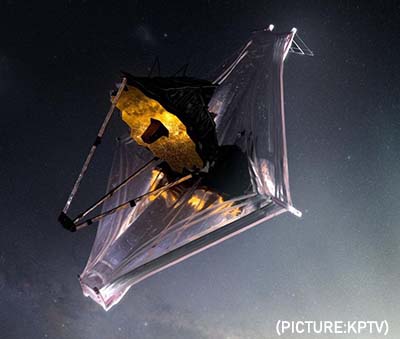
The research team found that a specific amino acid change in the PTEN protein improves health status while retaining the longevity conferred by reduced IIS. They used the roundworm C. elegans, an excellent model animal that has been widely used for ageing research, mainly because of its very short normal lifespan of about two to three weeks.

The PTEN protein is a phosphatase that removed phosphate from lipids as well as proteins. Interestingly, the newly identified amino acid changed delicately recalibrated the IIS by partially maintaining protein phosphatase activity while reducing lipid phosphatase activity.
As a result, the amino acid change in the PTEN protein maintained the activity of the longevity-promoting transcription factor Forkhead Box O (FOXO) protein while restricting the detrimental upregulation of another transcription factor, NRF2, leading to long and healthy life in animals with reduced IIS.

Professor Seung-Jae V. Lee said, “Our study raises the exciting possibility of simultaneously promoting longevity and health in humans by slightly tweaking the activity of one protein, PTEN.”

This work was supported by the Ministry of Science and ICT through the National Research Foundation of Korea

Exploring Mysterious Worlds In ‘The Hunt For Planet B’

If the universe is a seemingly endless desert, planet Earth is just a grain of sand. The mere thought can send you down an existential rabbit hole. But I like to look at the universe and consider all of the possibilities just awaiting discovery. Astronomers have yet to find a solar system quite like ours. And of the thousands of known exoplanets, none quite match up with the planets in our cosmic backyard. But scientists have only just begun to scratch the surface of these planets outside the solar system. The next step is looking inside of them.

After years of delays, the Webb telescope is scheduled for launch December 18 from French Guiana. It will study exoplanets in new ways and look deeper into the universe than ever before.
The telescope’s name is not without controversy, and many still hope NASA will change it.
Webb will peer into the very atmospheres of exoplanets, some of which are potentially habitable. For those of you who submitted questions about the mission, we’ve tracked down answers from the experts.

Webb is ready to help us understand the origins of the universe and begin to answer key questions about our existence, such as where we came from and if we’re alone in the cosmos.
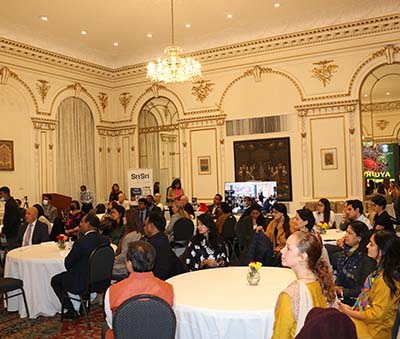
Other worlds

Oh, the places Webb will go! The telescope will look at varied objects, like stars and galaxies in the distant universe and planets in our own solar system, but many associate Webb with exoplanets.

Once it launches, the telescope will undergo months of setup to prepare for taking observations a million miles from Earth. Then, the magic begins.

The observatory is slated to look at the TRAPPIST-1 system, which includes seven Earth-size exoplanets orbiting a cool dwarf star about 40 light-years away.
But astronomers are also eager to investigate still other mysterious exoplanets, like those between the sizes of Earth and Neptune. No known planet like this exists in our solar system — but they are the most common exoplanet in our galaxy. Now, scientists want to know how they formed.

Across the universe

Scientists agree that for humankind, there is likely no Planet B. We must do everything we can to take care of Earth because they say it’s the only world for us. But looking ahead, it’s a question astronomers puzzle over: If Planet B exists, what might it be like?

Some believe it will be a true Earth twin where life forms in much the same way as it does here.
Others hope we’ll learn life can form in a variety of ways. When looking at the diversity of exoplanets around different types of stars, that doesn’t seem so far-fetched.
And then there is an even more intriguing idea: What if life didn’t begin on Earth at all, but somewhere else?

Fantastic creatures

If you’ve been working from home in the pandemic, chances are your pet has grown used to extra quality time — which makes the separation anxiety that much tougher once you’re back in the office.

Ilyena Hirskyj-Douglas, a lecturer in animal-computer interaction at the University of Glasgow in Scotland, has set out to change that with the DogPhone. Unlike other pet tech, DogPhone allows dogs to call their owners.

She tested her invention on Zach, her black Labrador retriever, by hiding a sensor inside a ball. If the ball is moved, it triggers a computer video call. The results are promising.
Ocean secrets

It’s time to go to the twilight zone — the one in the ocean. This region, before daylight gives way to the perpetual dark of the deep sea, is as mysterious to us as space.

The more researchers learn, the more they realize the animals that inhabit it play a critical role in regulating the Earth’s climate. Here, beautiful and bizarre creatures migrate up and down daily.
This zone has a surprising advocate: filmmaker James Cameron.

“It acts as this giant carbon pump that’s pulling carbon out of the atmosphere and taking it down into the deep ocean,” Cameron told CNN. It’s just one of many reasons he wants to preserve this region, the largest biomass on our planet.

All Adults Can Receive COVID-19 Booster Shots

An influential U.S. advisory panel will discuss expanding eligibility for COVID-19 vaccine booster shots to all adults Friday, a move that could make the shots available nationwide as early as this weekend.

Some cities and states already allow all adults to get boosters of Pfizer’s vaccine, but it is not yet official U.S. policy. In the last week, California, New Mexico, Arkansas, West Virginia and Colorado expanded the shots to all adults. New York City made a similar move.

Pfizer asked U.S. regulators last week to allow boosters of its COVID-19 vaccine for anyone 18 or older. The Food and Drug Administration is expected to sign off on Pfizer’s application before the advisory panel meets Friday. The final step — CDC’s official recommendation — could come soon after the meeting.

The move would greatly expand who is eligible. Boosters are now recommended for people who initially received their second Pfizer or Moderna shots at least six months ago if they’re 65 or older or are at high risk of COVID-19 because of health problems or their job or living conditions. Boosters are also recommended for people who received the single-dose Johnson & Johnson vaccine at least two months ago.

Nearly 31 million Americans have already received a dose beyond their original vaccination, including those with weakened immune systems, such as cancer patients and organ transplant recipients who need an extra dose to be fully vaccinated.

While all three vaccines used in the U.S. continue to offer strong protection against severe COVID-19 illness and death, the shots’ effectiveness against milder infection can wane over time.

Pfizer has submitted early results of a booster study in 10,000 people to make its case that it’s time to further expand the booster campaign. The study found that a booster could restore protection against symptomatic infection to about 95%, even as the extra-contagious delta variant was surging. Side effects were similar to those seen with the company’s first two shots.

Members of the panel, the Advisory Committee on Immunization Practices, have debated in prior meetings whether there is sufficient evidence that boosters are currently needed for all adults.

Ayurveda Day Held At Indian Consulate In New York

The Consulate General of India in New York organized an event to celebrate Ayurveda Day on 2nd November 2021.  Ayurveda Day is celebrated on Dhanvantri Jayanti or Dhanteras, a festival that takes place two days before Diwali.  Welcoming the guests, Consul General Randhir Jaiswal conveyed his greetings to one and all on the occasion of the sixth Ayurveda Day. He recalled how Ayurveda, an ancient Indian system of medicine, was fast becoming relevant to health and well-being in modern times.

To treat ailments today, one has to draw from all available sources of scientific medical knowledge, and for that reason integrative medicine approach which counts on Ayurveda along with other systems, was fast becoming popular” – he noted.  He emphasized how the salience of Ayurveda and traditional knowledge were on the rise across the world, especially at a time when there was a strong urge among the global community to go “back-to-basics”.

In this regard, he highlighted some data points from the WHO Global Report on Traditional and Complementary Medicine 2019 – number of countries with national policy on traditional and complementary medicine has increased from 25 in 1998 to 98 in 2019 and countries with health insurance cover for traditional and complementary medicine has increased from 37 in 2012 to 45 in 2018.  Consul General underlined the vast network of scientific studies being undertaken on Ayurveda in universities in the United States and in research ecosystems across the world including in India.
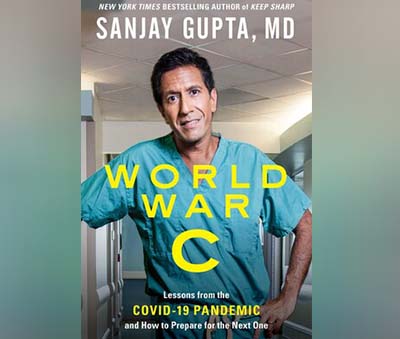
The highlight of the event was a panel discussion held on the theme “Ayurveda in everyday life for the modern fast lifestyle”.  The discussion was moderated by Mr. Kushal Choksi, a former Wall Street trader who has co-founded ‘Elements Truffles’, an Ayurveda inspired food start-up.  The distinguished panelists included Mr. Bhushan Deodhar, an Ayurveda enthusiast and CEO of Shankara Naturals; Ms. Divya Alter, Founder & Director of Bhagavat Life, which is perhaps the only dedicated Ayurvedic culinary center in New York City, and also credited with North America’s first Ayurvedic chef certification program; Ms. Alak Vasa, Co-Founder of Element Truffles, an Ayurveda inspired artisanal chocolate company; and Ms. Nidhi Pandya, a renowned Ayurvedic expert.

The panelists focused their presentations on how to bring Ayurvedic way of living in modern life.  They also emphasized on the benefits of Ayurveda and how it connected health to sustainability. Explaining the tenets of Ayurveda, they outlined the myriad ways in which it embraces nature and the environment.

They appreciated the push being given by the Government of India to promote Ayurveda and traditional systems of medicine in India and abroad. In this context, they noted the establishment of a special Ministry in India – Ministry of AYUSH (Ayurveda, Yoga, Naturopathy, Unani, Siddha, and Homoeopathy) – to give a boost to traditional medicine and knowledge. The conversation reinforced Ayurveda’s position as a way of life with universal appeal. It renewed commitment of the community to share this time-tested knowledge that could benefit people across cultures, traditions and lifestyles.

The program ended with chanting of musical mantras by Ms. Jahnavi Harrison. The guests at the event were served delicious Ayurveda inspired vegetarian lunch comprising super foods such as Makhana (commonly known as foxnuts) and other specialties. The audience was most delighted to know that an Ayurveda ecosystem was fast developing in New York area with Ayurvedic expertise and choices for a healthy living.

Dr. Sanjay Gupta Looks To A Future Living With COVID In ‘World War C’

We’ve all heard talk about “the new normal,” whatever that even is. CNN’s chief medical correspondent Dr. Sanjay Gupta has his own ideas, and despite the harsh realities of nearly 3 years living through a pandemic — quarantines, hospital staffing shortages, massive loss of life — he remains optimistic. In his new book World War C, he says, COVID is something we’ll likely live with… forever. But that doesn’t mean it has to control our lives. He sat down with NPR’s Rachel Martin to talk about it in today’s episode.

CNN chief medical correspondent Sanjay Gupta, MD, offers an accessible, data-packed answer to our biggest questions about Covid-19: What have we learned about this pandemic and how can we prepare for—or prevent—the next one?
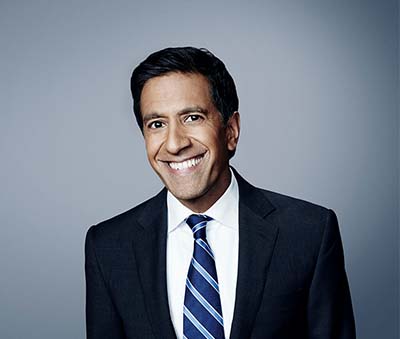
As America’s favorite frontline Covid-19 health journalist, Dr. Sanjay Gupta has barely left his primetime seat in his makeshift studio basement since the pandemic began (other than to perform brain surgery). He’s had the insider of insider access to the drama’s unfolding, including exclusive conversations with the world’s top public health experts and behind-the-scenes scientists racing to find treatments and cures. And now he’s sharing what he’s learned in a book that will answer not only all our questions about what happened, but also about how our world will change in the years ahead, even once we’re back to “normal.”
Gupta argues that we need to prepare for a new era where pandemics will be more frequent, and possibly even more deadly. As the doctor who’s been holding America’s hand through the crisis with compassion, clarity, and well-earned wisdom, he gives you the unvarnished story behind the pandemic, including insights about the novel virus’s behavior, and offers practical tools to ready ourselves for what lies ahead. He answers critical questions: Can we stamp out the virus for good (and if not, how do we live with it)? Should we put our parents in a nursing home? Where should we live? What should we stockpile? What should we know before taking a trip? Does it make sense to spend more on health insurance to deal with any long-term effects? How do you decide when it’s safe to go to a public pool or schedule elective surgery? What should Covid survivors know about protecting their future health? What if you become a long-hauler with chronic health challenges stemming?

Dr. Sanjay Gupta is CNN’s Emmy Award–winning chief medical correspondent and the host of the acclaimed podcast Chasing Life (formerly Coronavirus: Fact vs Fiction), America’s go-to resource for expert advice on how to stay healthy and safe. The #1 New York Times bestselling author of Chasing Life, Cheating Death, Monday Mornings, and Keep Sharp, Dr. Gupta lives in Atlanta, where he works as an associate professor of neurosurgery at the Emory University School of Medicine.
World War C will give you hope for the future along with real information that leaves you more resilient and secure.

November 19th Will Have Longest Partial Lunar Eclipse In 580 Years

On November 19, stargazers can enjoy a partial lunar eclipse which will also be the last lunar eclipse of the year. This will also be the longest eclipse in 580 years.

On November 19, stargazers can enjoy a partial lunar eclipse which will also be the last lunar eclipse of the year. The last time such a lengthy partial eclipse occurred was on February 18, 1440, and the next time a similar one will occur on February 8, 2669.

A partial lunar eclipse occurs when the Earth comes between the Sun and the Moon, but not in a perfect line. A small part of the moon gets covered by the Earth’s shadow and we can see a reddish Moon. It is also called the frost moon or beaver moon. Full moons in November earned this name as this is the time of first snowfall and frost, and beavers start building their dams or traps.

The partial lunar eclipse will be visible from North America, South America, Eastern Asia, Australia, and the Pacific Region.

In India, a small part of Arunachal Pradesh and Assam will experience the partial eclipse, and those from Uttar Pradesh, Bihar, Jharkhand can see the end part of the penumbral eclipse. A penumbral lunar eclipse takes place when the Moon, Sun, and Earth are imperfectly aligned and the Moon moves through the outer part of Earth’s shadow called the penumbra.

Dr Debiprosad Duari, Director, Research & Academic at MP Birla Planetarium, Kolkata explains: “The partial eclipse will start around 12:48 IST and will end at 16:17 IST. The duration of the partial eclipse hence will be for 3hrs 28 minutes and 24 seconds, making it the longest eclipse of the 21st century and the longest in almost last 600 years.”

“The penumbral eclipse preceding and succeeding the umbral partial eclipse will begin at around 11:32 IST and end at 17:33 IST. At the maximum partial eclipse, at around 14:34 IST, 97% of the Moon will be covered by the Earth’s shadow and the Moon may appear to be blood red in colour, which happens when the red part of the sunlight passes through the Earth’s atmosphere get least deflected and falls on the Moon giving it a reddish tinge.”

The next total lunar eclipse will be on May 16, 2022, but it will not be visible from India. India will experience a total lunar eclipse on November 8, 2022.

AAPI Announces 40th Annual Convention In San Antonio, TX In June 2022 During Curtain Raiser

(San Antonio, TX: November 12, 2021) “It is with great pleasure that we announce that the 40th American Association of Physicians of Indian origin (AAPI) Annual Convention and Scientific Sessions will be held from June 23-26, 2022 in the beautiful city of San Antonio, Texas,” Dr. Anupama Gotimukula, President of AAPI announced here at the virtual kick off meeting on Sunday, November 7th, 2021.

In her welcome remarks, Dr. Anupama Gotimukula, the 4th woman President of AAPI in the history of AAPI, who has been leading AAPI to newer heights with her dynamic leadership, provided a brief history of AAPI, stating how AAPI’s mission has evolved in the past 40 years. “Today, AAPI is strong representing over 100,000 Indian American physicians, 130 local Chapters, who make up of 10% of total physicians in the US and  nearly 50% of International Medical Graduates, rooted in every corner of the nation, who serve every 7th patient in the US. We are proud of our achievements and our contributions to the healthcare industry and the millions of people we serve.”

“We invite you to the AAPI 40th Annual Convention in the beautiful city of San Antonio, Texas,” Dr. Jayesh Shah, past President of AAPI and Chair of AAPI Convention 2022 said. Welcoming the delegates to his “Home city of San Antonio,” which is hosting the 2nd national convention, Dr. Shah said, “We have convened a fantastic group of people to meet the needs of the 2022 convention and are very excited about this year. Please reach out to any one of the representatives from the San Antonio team with questions or comments.”

The convention will be held at the Henry B. Gonzales Convention Center in San Antonio, TX located on the River Walk. This world-class facility will afford an intimate setting that will facilitate our ability to convey cutting-edge research and CME, promote business relationships, and display ethnic items. Vendor satisfaction and comfort are our top priorities.

Dr. Jayesh Shah introduced the strong and dedicated team of Convention Committee members, including Mr. Venky Adivi, Chief Executive Officer of the Convention; Dr. Aruna Venkatesh, Convention Treasurer; Dr. Vijay Koli, Past President of AAPI & Convention Advisor; Dr. Rajam Ramamurthy, Convention Advisor; Dr. Rajeev Suri, President of TIPS & Co-Chair of the Convention, Dr. Shankar Sanka, Co-Chair of the Convention; Dr. Hetal Nayak, Co-Chair of the Convention; Kiran Cheruku, Co-Chair of the Convention; and Chief Operating Officers, R. Reddy Yeluru and Ram Joolukuntla.

In his felicitation address, Honorable Aseem Mahajan, Consul General of India in Houston, said, “Honored to be part of the virtual Curtain Raiser.” Mr. Mahajan referred to the significance of “India and the United States, the two most vibrant democracies, representing two great multicultural societies with shared values, who are natural partners” working together in several areas of interest to both the nations.  Pointing to the immense opportunities for collaboration in healthcare between the US and India, as India is working towards “Expanding on the MedTech sector for global presence & position India as a global hub for medical devices, an attractive destination for medical devices by encouraging manufacturing, innovation, and R&D based on emerging technological landscapes, and transforming India into a hub for medical devices & emerge as the “diagnostic capital” of the world.”

Welcoming AAPI delegates to San Antonio, The mayor of the City, Mr. Ron Nirenberg said, “2022 is most exciting time to be in San Antonio, which hosts one of the largest Diwali celebrations in the United States. We are honored to host the largest gathering of Indian American physicians in our vibrant city, home to some of the best healthcare facilities in the nation.”

Confirming his presence at the Convention, “Little Master” Sunil Gavaskar told AAPI members as being part of the “greatest profession in the world,” and said, “It’s a unique honor to be part of the important AAPI convention in Texas. I am looking forward to meeting you all in Texas.” Mr. Gavakar referred to his association with the “Heart to Heart Foundation” and how the Foundation is touching many hearts around the world.

“Our physician members have worked very hard during the covid 19 pandemic as the 2022 convention is a perfect time to heal the healers with a special focus on wellness,” said Dr. Jayesh Shah. Accordingly, some of the major themes at the convention include: Yoga and Meditation practices, Welcome kit with books & self-care supplies, A Personal Reflexology Session, Take home wellness routine, Ailment based yoga therapy sessions, Workshop on Spiritual well-being, Book talk with Yoga Gurus, including on the science of Yoga & Lifestyle medicine, as well as a unique opportunity to visit first of its kind in San Antonio, Aum Ashram as part of the Wellness session.
In addition to colorful entertainment, exquisite authentic Indian cuisine, esteemed yoga gurus and experts, who are planned to share their wisdom and leading the Wellness Sessions include: Paramguru Sharatha Jois, Sadhvi Bhagawati, Saraswati Eddie Stern,  Dr. Sat Bir Khalsa, Dr. Dilip Sarkar, Dr. Pankaj Vij, and  Dr. Param Dedhia.

The American Association of Physicians of Indian Origin Convention offers an exciting venue to interact with leading physicians, health professionals, academicians, and scientists of Indian origin. The physicians and healthcare professionals from across the country will convene and participate in the scholarly exchange of medical advances, to develop health policy agendas, and to encourage legislative priorities in the coming year.

Planned to have a limited number of attendance due to the ongoing covid pandemic and taking into account the safety of the participants, including Physicians, Academicians, Researchers and Medical students, “The annual convention offers extensive academic presentations, recognition of achievements and achievers, and professional networking at the alumni and evening social events,” Dr. Gotimukula added.   For more information, please visitwww.aapiconvention.org  and www.aapiusa.org

Indian American Scientist Named Primary Contributor To Invention Of Moderna’s Covid Vaccine

An Indian American scientist has been identified by Moderna as the primary contributor to its Covid-19 vaccine. A filing by the company for its patent application for the coronavirus vaccine using the revolutionary RNA technique listed Pune-educated bioinformatics scientist Mihir Metkar as the “first named inventor,” a designation that usually recognizes the primary contributor to the invention.

He is also listed as one of the inventors in two other Covid-19 vaccine patent applications by Moderna to the U.S. Patent Office. Moderna is of the new class of vaccines that use what is called messenger RNA (mRNA) that cause the body to create some proteins similar to that in the Covid-19 virus and trigger the body’s immune system to make antibodies that will fight the coronavirus if it invades the body. (Conventional vaccines use either dead viruses or parts of them or a modified version of the gene of a different virus.)

Metkar’s identification as the “first named inventor” is in the document filed by Moderna to dispute the U.S. government’s National Institutes of Health assertion that its scientists should also be credited as inventors of the vaccine, which was developed in collaboration with it and with $1.53 billion provided by the administration of former President Donald Trump under the Operation Warp Speed program to quickly produce vaccines.
Vladimir Presnyak and Guillaume Stewart-Jones are listed after him in the original application for the patent. Metkar received his MSc degree from the Institute of Bioinformatics and Biotechnology at the Savitribai Phule Pune University and worked at the Indian Institute of Science Education and Research in Pune as a project assistant before coming to the United States, according to his LinkedIn profile.

He did his Ph.D. at the RNA Therapeutics Institute at the University of Massachusetts Medical School in Worcester and worked there as a post-doctoral fellow, before joining Moderna in 2018, the profile said. In a separate patent filing, Moderna listed Sunny Himansu, who has an MBBS degree, as one of the two inventors of the Betacoronavirus Vaccine.

Moderna’s vaccine is one of the two main vaccines in the U.S. and about 164 million doses of it have been given so far in the U.S., according to the Centers for Disease Control. In addition, millions of people have been vaccinated in Europe and elsewhere with the Moderna vaccine.

The other main vaccine used in the U.S. is the Pfizer-Biontech, which was developed in Germany and uses mRNA. A third vaccine from Johnson & Johnson is also used in the U.S. It was developed by J&J’s Jansen Pharmaceutical, whose global head of research and development is Mathai Mammen.

The patent document naming Metkar as the “first named inventor” was filed on behalf of Moderna by an intellectual property law firm asserting that the three NIH scientists who collaborated with them should not be considered co-inventors as the NIH has asked.

If the NIH scientists are recognized as co-inventors, the NIH and the government may be entitled to receive a share of royalties from the use of the patents and also be able to allow others to make the vaccine.

An NGO, Public Citizen, has pointed out in a letter to the head of the NIH that co-ownership of the patent “can empower the U.S. government to authorize” other manufacturers around the world to use some of the patents to make the vaccine. The group said that with “huge gaps in global vaccine access” the need for the government to exercise control over the vaccine technology “only grows more urgent.”

Artificial Intelligence – Friend or Foe?

Artificial Intelligence(AI) is an overused term today and as with any ubiquitous technology it is either loved or feared. Why does it have such a split following? It has a lot to do with its history and to some extent with how it is marketed today and more importantly how it is predicted to impact all facets of our lives tomorrow.

AI made its humble beginnings many decades ago in academic circles as an endeavor to understand and mimic how humans think and act. While the goal was to understand and copy brain function, the field of AI developed largely with very little active collaboration between computer scientists and neuroscientists.  As a result, AI developed in those days, never really had human like cognitive functions.

In as early as 1968,  2001: A Space Odyssey, a movie based on a science fiction novel by Arthur C Clarke, described an on-board computer, HAL, on Discovery One that had uncanny decision-making capability to control the mission to Jupiter. Much later in 1977, the movie Star Wars depicted two human-like robots R2-D2 and C-3PO that had human like attributes. While HAL had undeniably evil overtones the Star Wars robots were merely amusing and harmless. I would argue that the divergence in opinions on AI started during that period. Soon after the 80s, academia seemed to lose interest in AI and the field went into a Rip Van Winkle like 20-year slumber.

So, what has changed when the field of AI re-awakened in the last decade? The ideas upon rebirth were not particularly novel but the researchers had access to three important enabling technologies. First was the availability of relatively cheap and abundant computing power, the second was access to massive amounts of data that machines could train on (i.e. be taught with) and third was novel compute algorithms developed to use all this data (big data) and compute horsepower.

This brought about amazingly rapid progress in the field of AI. The early manifestations of AI were at best clunky in that they exhibited a very rudimentary ability to learn and recognize simple objects. Even that basic function required extensive training with large amounts of labeled data i.e., show the system thousands of cat pictures and then it was able to identify a cat from a picture that it had not seen before. However, with the rapid progress of neural networks and especially with the advent of deep neural nets, the machines learned to draw inferences with increasing accuracy making them suitable for real-life enterprise and consumer applications.

As more AI applications begin to appear in the horizon a new set of fears has emerged. This time it had to do with at least three important issues. One, will AI replace humans?  second, can AI be trusted? and finally, can we be sure the results are not biased? These are being researched actively today. The issues of trust and bias will not be discussed at length here as they are worthy of more extensive discussions. The discussion of machines replacing humans in the work force is not always based on observed facts but more from apprehension and more recently is taking on political overtones.

However, industry and academia are making great strides in understanding the basis for the fear. There has been a big shift in how intelligent machines are being touted. It has gone from machines mimicking human function to machines helping humans do more. This shift in perspective is very important as it represents how these machines will be used in real life applications thus helping reduce anxiety in the work force. Many centers have emerged across the globe that talk about machines and humans working together to excel in a task.

One such center is at Stanford and is called the Institute for Human Centered AI (https://hai.stanford.edu/). Per this website, this center helps with understanding and guiding the human and societal impact of AI, augmenting human capabilities, and developing AI technologies inspired by human intelligence. These projects promise to play a significant role in defining future work in AI from academia to industry, government, healthcare, and civil society.

The issues of trust and bias will turn out to be pivotal in real-life applications as they will have even more far-reaching implications on our lives. The trust vector has to do with the fact that neural networks cannot easily explain how a decision or inference was made.  In certain applications like in health care where AI tools can be used to help doctors make better decisions, there will be limited acceptance if the doctor cannot see the decision-making rationale. The bias topic is even more scary because the machines are trained with extensive amounts of past data and if the data were biased then the results will be too. The more humans are involved in training the machines the harder it is to eliminate bias.

In summary, AI has a great promise of augmenting human capability. With that will come whole new fields of education and job opportunities. The issues of trust and bias will be addressed over time to allay our fears. (Spike Narayan is a seasoned hi-tech executive managing exploratory research in science and technology at IBM)

Why You Should Vaccinate Your Kids Against COVID-19?

In a step many parents have been awaiting, the U.S. Food and Drug Administration (FDA) this afternoon granted emergency-use authorization to Pfizer-BioNTech’s COVID-19 vaccine for children ages 5 to 11.

After reviewing evidence provided by Pfizer and taking into account the overwhelmingly positive recommendation of the agency’s independent advisory panel, FDA officials said the shot’s benefits outweigh its potential risks for young kids. It has been shown to be more than 90% effective at preventing symptomatic disease among kids 5 to 11, with no serious side effects reported among a group of 3,000 children who participated in trials.

Like Pfizer-BioNTech’s adult vaccine, the pediatric version is meant to be given in two doses, spaced three weeks apart. Each dose, however, is smaller than that given to adults.

The shot must still be recommended by the U.S. Centers for Disease Control and Prevention (CDC) before it is widely available to younger kids, but the FDA’s green light is a major step toward that outcome. The CDC’s advisory committee will meet to discuss the shot next week.

If the CDC does recommend the shot for some or all 5- to 11-year-olds, the next challenge will be convincing parents to get it for their children. In a recent poll, almost 30% of U.S. parents with kids in that age group said they would vaccinate them right away, but another 35% said they either definitely wouldn’t vaccinate or wouldn’t unless required. The remaining chunk said they wanted to “wait and see.”

Waiting to vaccinate all children would be a mistake. Based on the data we have, the right answer is clear: the CDC should recommend that all kids ages five to eleven should have be vaccinated as quickly as possible.

There is one thing all experts agree on: Vaccinating children should be based on rigorous evidence and we should set a particularly high bar for using vaccines in healthy children.

The Pfizer COVID vaccine has cleared that bar. Whether these vaccines work in kids is beyond dispute: they are extremely effective, reducing COVID infections by more than 90 percent. This number is based on data gathered during the Delta surge in the U.S., when vaccine breakthroughs among adults were becoming more common in the U.S. Such a high level of protection from the vaccine at a time when infection rates were extremely high is remarkable.

The next question is how the risks and benefits of the vaccine compare to the risks of getting COVID. Here, the calculation is also straightforward: the virus is a constant threat, to our children and all with whom they interact—including playmates, friends, and relatives. We have seen what COVID can do if we don’t control its spread. The worst of the Delta surge is behind us, but over 1000 Americans still die every day from the disease. Vaccines prevent infections and the spread of the virus, and save lives.

Like all vaccines, COVID vaccines can have the standard side-effects of a sore arm, fever or headaches, but these side-effects are mild and short-lived. There are also important concerns about one specific side effect that is crucial to recognize and fully understand: myocarditis—or an inflammation of the heart muscle.

There is a need to start preparing for a world in which SARS-CoV2 will be endemic, circulating for decades or longer, just like measles, whooping cough and the flu. This is why essentially every expert on child health has come out in support of vaccinations. The American Association of Pediatrics, has been vocally supportive, as has the American Association of Family Practitioners, who represent physicians who care for millions of children.

It is helpful to take a step back, and remember how vaccines have transformed our lives, and the life expectancy of our children. We give children dozens of vaccines, without which they would be vulnerable to potentially fatal diseases from measles to pneumococcal disease—diseases that continue to sicken unvaccinated children around the world. It is time for the CDC to continue its important work on protecting our children by adding another tool to the arsenal. We need COVID vaccinations for all children five to eleven years old so parents can get their children vaccinated and keep them safe. That’s what I’m going to do.

Where children are being vaccinated

Cuba became the first country in the world to vaccinate children as young as 2 last month, with the government saying that its homegrown vaccines are safe for younger kids. Cuba has yet to provide data on its vaccines to outside observers, but has said it will seek WHO approval.

Chile, China, El Salvador and the UAE have also approved vaccines for younger children. In Chile, children aged 6 and older can get the Sinovac shot, while in China, the Sinovac and CoronaVac vaccines are authorised for use in children as young as 3. In El Salvador, children as young as 6 will soon be able to get vaccinated, while in the UAE — where Sinopharm is approved for 3-year-olds — the government has made it clear that the vaccination program will be optional. Meanwhile, US children between 5 and 11 are now eligible for the vaccine starting this fall, after approval came from the USFDA.

Still weighing the option

The UK has been more cautious than many other European countries in regard to vaccinating younger populations, only recommending the shot for 12-15 year olds, following advice from its chief medical officers.

France, Denmark, Germany, Ireland, Italy, Spain and Poland are among EU countries that have rolled out their vaccination campaigns for 12-15 year olds, with uptake varying across the bloc. Switzerland — which is not part of the EU — has been vaccinating the younger age group since June. Sweden will offer the vaccine to 12-15 year-olds later in the fall.

And India?

If approved by India’s drugs regulator, Covaxin would be the first shot to be available for kids aged between 2 and 12, while those in the 12-18 years age-group can choose between Covaxin and Zydus Cadila’s DNA-based vaccine. Two other companies, Serum Institute of India and homegrown drugmaker Biological E, have also been allowed to test their shots on children.

WHO Needs More Data To Approve Covaxin

Seeking “additional clarifications” for a final “risk-benefit assessment” in order to grant emergency use listing (EUL) to Bharat Biotech’s Covid-19 vaccine, Covaxin, the technical advisory group (TAG) of the World Health Organisation (WHO) has held back approval for the indigenously developed vaccine, till at least one more week, if not longer. This, after the TAG convened on Tuesday specifically to discuss granting EUL to Covaxin.

The TAG — which is an independent advisory group that recommends to WHO on whether a Covid-19 vaccine fulfils criteria for EUL or not — will meet next on November 3.

This increases the uncertainty about the vaccination status of millions of people who received the two jabs of Covaxin as several regions, including North America and the European Union, only consider those people fully vaccinated who have received their full course of WHO-approved vaccines.

The WHO last week said that it “cannot cut corners” in granting EUL to the vaccine. It had also put the onus of the delay on Bharat Biotech, saying that the timeframe for granting EUL depends on how quickly a company can submit all the data required in order to evaluate the vaccine’s quality, safety, efficacy and its suitability for low- and middle-income countries.

The company, which has been submitting clinical trial data of its vaccine on a rolling basis to the WHO, had earlier in May said that it had applied for WHO’s EUL that was expected between July to September. Later in June, it claimed that it had held a “pre-submission” briefing with the world health body regarding EUL approval for Covaxin. Last month, in a statement, it said that “all data was submitted for EUL Application to WHO in early July.”

A pre-submission briefing provides an opportunity to the company to receive advice and guidance before submission of the final dossier, as well as an opportunity to meet WHO assessors who will be involved in examining their product. This implies that it should be held before submitting the application — and not after it.

Even earlier this month, the Strategic Advisory Group of Experts on Immunisation (SAGE) of the WHO had held back on giving EUL to Covaxin, which has demonstrated 77.8% efficacy against symptomatic Covid-19 and 65.2% efficacy against the Delta variant.

Artificial Intelligence Can Predict The Future Of The Earth

Newswise — AI offers additional possibilities, greater accuracy for climate models. Computer simulations that scientists use to understand the evolution of the Earth’s climate offer a wealth of information to public officials and corporations planning for the future. However, climate models — no matter how complex or computationally intensive — do contain some degree of uncertainty. Addressing this uncertainty is proving increasingly important as decision makers are asking more complex questions and looking to smaller scales.

To improve climate simulations, scientists are looking to the potential of artificial intelligence (AI). AI has offered profound insights in fields from materials science to manufacturing, and climate researchers are excited to explore how AI can be used to revolutionize how the Earth system, and especially its water cycle, can be simulated in order to dramatically improve our understanding and representation of the real world.  In particular, AI offers the potential to dramatically increase the accuracy of predictions down to the scales of interest to scientists, and even stakeholders focused on designing, financing and deploying equitable climate solutions to America’s most disadvantaged communities.

Motivated by this opportunity, the U.S. Department of Energy (DOE) is launching a comprehensive workshop: Artificial Intelligence for Earth System Predictability (AI4ESP). After the collection of more than 150 white papers from the scientific community, AI4ESP is kicking into high gear by hosting a workshop beginning October 25. The workshop will include 17 sessions over a six-week period designed to create a new scientific community that marries climate research with artificial intelligence, applied math and supercomputing.

“Earth system predictability refers to the intersection of climate with hydrology, ecology, infrastructure and human activities,” said Nicki Hickmon, an Argonne scientist, director of operations for the Atmospheric Radiation Measurement (ARM) user facility and the lead for the AI4ESP workshop.

By linking researchers in Earth system predictability and computer sciences, AI4ESP seeks to create a paradigm shift in simulating the Earth system. AI4ESP seeks to inspire a new generation of AI algorithms specifically aimed at Earth system predictability.

According to Hickmon, continuous improvements will enhance the ability of current simulations to provide deeper insights into community-scale issues and those involving extreme weather, potentially allowing stakeholders a better grasp of the uncertainties that surround such events.

“AI for climate is still in its infancy,” said Hickmon. ​“However, it is still essential that we explore the potential of AI to see how it can better inform our models and prepare us for the future.”

Click here to see the agenda and register for the workshop, which will open with an address by Deputy Secretary of Energy David Turk. The public is welcome to attend any of the open sessions. Some components of the workshop are invitation-only in order to gather the required materials for the workshop report.

The workshop is sponsored by the DOE’s Office of Biological and Environmental Research and Office of Advanced Scientific Computing Research.

Argonne National Laboratory seeks solutions to pressing national problems in science and technology. The nation’s first national laboratory, Argonne conducts leading-edge basic and applied scientific research in virtually every scientific discipline. Argonne researchers work closely with researchers from hundreds of companies, universities, and federal, state and municipal agencies to help them solve their specific problems, advance America’s scientific leadership and prepare the nation for a better future. With employees from more than 60 nations, Argonne is managed by UChicago Argonne, LLC for the U.S. Department of Energy’s Office of Science.

The U.S. Department of Energy’s Office of Science is the single largest supporter of basic research in the physical sciences in the United States and is working to address some of the most pressing challenges of our time. For more information, visit https://​ener​gy​.gov/​s​c​ience

CDC While Approving Moderna, J & J Boosters, Allows Mix & Match

Millions of Americans are now eligible for Moderna and Johnson & Johnson booster shots and also they that they can choose a different company’s vaccine for that next shot, after the nation’s top public health official endorsed recommendations from expert advisers that the shots are safe and effective at bolstering protection against the coronavirus.

Certain people who received Pfizer vaccinations months ago already are eligible for a booster and now the Centers for Disease Control and Prevention says specific Moderna and Johnson & Johnson recipients qualify, too. And in a bigger change, the agency is allowing the flexibility of “mixing and matching” that extra dose regardless of which type people received first.

The green light on October 20th from Rochelle Walensky, director of the Centers for Disease Control and Prevention, means that eligible Americans at risk of severe disease can choose any of the three boosters now authorized in the United States regardless of their original shot.

“The evidence shows that all three COVID-19 vaccines authorized in the United States are safe — as demonstrated by the over 400 million vaccine doses already given,” Walensky said in a statement Thursday night, several hours after receiving unanimous recommendations from the expert panel, called the Advisory Committee on Immunization Practices. “And, they are all highly effective in reducing the risk of severe disease, hospitalization, and death, even in the midst of the widely circulating delta variant.”

Walensky’s action — following authorization from federal regulators — largely fulfills the administration’s August pledge to make boosters of all three vaccines available to Americans, albeit a month later than promised and for a smaller group. The administration’s focus on boosters came as the highly contagious delta variant sickened millions and killed tens of thousands, and also reflected concern about waning immunity from the vaccines.

CDC’s sign-off on the additional boosters as well as the flexibility to mix and match the shots gives greater leeway to consumers, as well as to clinicians and pharmacies administering them to vulnerable populations. Health officials have repeatedly sought ways to make it easier for people to get a booster dose, especially those who have had side effects from one brand, or who worry about risks associated with a particular shot.

The availability of boosters will be particularly welcome to the 15 million recipients of the Johnson & Johnson vaccine, many of whom have been particularly fearful of breakthrough infections given that shot’s lower level of protection compared with the messenger RNA vaccines.

“I agree that those who received a [Johnson & Johnson] vaccine should receive a second dose — I would prefer that those individuals get an mRNA vaccine” rather than a second Johnson & Johnson shot, said advisory panel member Pablo J. Sanchez, a pediatrician at Ohio State University.

Interchangeability of shots is also likely to speed booster vaccination in nursing homes and other institutional settings where residents received different shots during the early rollout. The Pfizer-BioNTech booster is already in use since it was authorized and recommended last month.

“I think the opportunity for these [mix and match] boosts [is] priceless,” said Helen Keipp Talbot, an infectious-disease doctor at Vanderbilt University and panel member.

The CDC plans to release guidance early next week with more detailed information about who might benefit from choosing one booster over another, as the panel requested. CDC advisers and agency officials are still working out whether to recommend that some people stick to their original vaccine if possible.

“A really important aspect of all of this is being clear and not dancing on the head of a pin so that we don’t confuse the American people,” said Beth Bell, a global health professor at the University of Washington.

The advisory panel’s recommendation was similar to Wednesday’s action by the Food and Drug Administration. The FDA did not take a position on whether people should stay with the original vaccine or switch to another one, saying it did not have the data to make such judgments.

The FDA has authorized a third shot of Moderna or Pfizer-BioNTech for anyone 65 and older, or any adults at high risk of severe illness because of underlying conditions, job exposure or because they are in institutional settings, and who have gone at least six months since their second dose.

It broadened eligibility much further for those who received the single-shot Johnson & Johnson vaccine to anyone 18 and older who has gone at least two months since getting the shot — criteria reflecting the lower protection afforded by that vaccine compared with the others.

Advisers to the CDC suggested in their all-day meeting Thursday that mixing and matching booster shots may appeal to consumers concerned about possible risks associated with their first vaccine.

“A lot of what our efforts are centered around is trying to mitigate risk as much as possible, both from disease as well as vaccination,” said Grace Lee, a professor of pediatrics at Stanford University School of Medicine and chair of the panel.

More data on the safety of booster shots for specific groups may help determine “whether or not a different boost would be appropriate, for example, for young women” who first received Johnson & Johnson, Lee added.

Some panel members questioned the wisdom of administering a second Johnson & Johnson shot to women of childbearing age, for instance, because of rare but serious risk of blood clots associated with that vaccine. Analyses of data for those who have received that shot suggest an increased risk of a rare type of clot, especially for women 18 to 49 years old.

About 105 million fully vaccinated people have received the two-shot Pfizer series, according to the CDC. About 70 million fully vaccinated people have received the Moderna shots. Only 15 million Americans were vaccinated with Johnson & Johnson shots, which arrived later and were delayed by an investigation of a rare adverse event, as well as a manufacturing problem. More than 11 million people have received a booster or an additional dose of a vaccine to date.

There still are restrictions on who qualifies and when for a booster. Starting six months past their last Pfizer or Moderna vaccination, people are urged to get a booster if they’re 65 or older, nursing home residents, or at least 50 and at increased risk of severe disease because of health problems. Boosters also were allowed, but not urged, for adults of any age at increased risk of infection because of health problems or their jobs or living conditions. That includes health care workers, teachers and people in jails or homeless shelters. Moderna’s booster will come at half the dose of the original two shots.

As for recipients of the single-shot J&J vaccine, a COVID-19 booster is recommended for everyone at least two months after their vaccination. That’s because the J&J vaccine hasn’t proved as protective as the two-dose Moderna or Pfizer options.

About two-thirds of Americans eligible for COVID-19 shots are fully vaccinated, and the government says getting first shots to the unvaccinated remain the priority. While health authorities hope boosters will shore up waning immunity against milder coronavirus infections, all the vaccines still offer strong protection against hospitalizations and death, even as the extra-contagious delta variant burned through the country.

A Cure for Diabetes?

Newswise — A novel approach to treating type 2 diabetes is being developed at the Technion. The disease, caused by insulin resistance and reduction of cells’ ability to absorb sugar, is characterized by increased blood sugar levels. Its long-term complications include heart disease, strokes, damage to the retina that can result in blindness, kidney failure, and poor blood flow in the limbs that may lead to amputations. It is currently treated by a combination of lifestyle changes, medication, and insulin injections, but ultimately is associated with a 10-year reduction in life expectancy.

Led by Professor Shulamit Levenberg, Ph.D. student Rita Beckerman from the Stem Cell and Tissue Engineering Laboratory in the Technion’s Faculty of Biomedical Engineering presents a novel treatment approach, using an autograft of muscle cells engineered to take in sugar at increased rates. Mice treated in this manner displayed normal blood sugar levels for months after a single procedure. The group’s findings were recently published in Science Advances.

Muscle cells are among the main targets of insulin, and they are supposed to absorb sugar from the blood. In their study, Prof. Levenberg’s group isolated muscle cells from mice and engineered these cells to present more insulin-activated sugar transporters (GLUT4). These cells were then grown to form an engineered muscle tissue, and finally transported back into the abdomen of diabetic mice. The engineered cells not only proceeded to absorb sugar correctly, improving blood sugar levels, but also induced improved absorption in the mice’s other muscle cells, by means of signals sent between them. After this one treatment, the mice remained cured of diabetes for four months – the entire period they remained under observation. Their blood sugar levels remained lower, and they had reduced levels of fatty liver normally displayed in type 2 diabetes.

“By taking cells from the patient and treating them, we eliminate the risk of rejection,” Prof. Levenberg explained. These cells can easily integrate back into being part of the body and respond to the body’s signalling activity.

Currently around 34 million Americans, just over 1 in 10, suffer from diabetes, 90% of them from type 2 diabetes. An effective treatment – and one that is a one-time treatment rather than daily medication – could significantly improve both quality of life and life expectancy of those who have diabetes. The same method could also be used to treat various enzyme deficiency disorders.

This work was funded by Rina and Avner Schneur as part of the Rina and Avner Schneur Center for Diabetes Research.

Almost All Studies Show, Humans Cause Climate Change

Newswise — ITHACA, N.Y. – More than 99.9% of peer-reviewed scientific papers agree that climate change is mainly caused by humans, according to a new survey of 88,125 climate-related studies.

The research updates a similar 2013 paper revealing that 97% of studies published between 1991 and 2012 supported the idea that human activities are altering Earth’s climate. The current survey examines the literature published from 2012 to November 2020 to explore whether the consensus has changed.

“We are virtually certain that the consensus is well over 99% now and that it’s pretty much case closed for any meaningful public conversation about the reality of human-caused climate change,” said Mark Lynas, a visiting fellow at the Alliance for Science at Cornell University and the paper’s first author.

“It’s critical to acknowledge the principal role of greenhouse gas emissions so that we can rapidly mobilize new solutions, since we are already witnessing in real time the devastating impacts of climate-related disasters on businesses, people and the economy,” said Benjamin Houlton, Dean of the College of Agriculture and Life Sciences at Cornell and a co-author of the study, “Greater than 99% Consensus on Human Caused Climate Change in the Peer-Reviewed Scientific Literature,” which published Oct. 19 in the journal Environmental Research Letters.

In spite of such results, public opinion polls as well as opinions of politicians and public representatives point to false beliefs and claims that a significant debate still exists among scientists over the true cause of climate change. In 2016, the Pew Research Center found that only 27% of U.S. adults believe “almost all” scientists agreed climate change is due to human activity, according to the paper. A 2021 Gallup poll pointed to a deepening partisan divide in American politics on whether Earth’s rising observed temperatures since the Industrial Revolution were primarily caused by humans.

“To understand where a consensus exists, you have to be able to quantify it,” Lynas said. “That means surveying the literature in a coherent and non-arbitrary way in order to avoid trading cherry-picked papers, which is often how these arguments are carried out in the public sphere.”

In the study, the researchers began by examining a random sample of 3,000 studies from the dataset of 88,125 English-language climate papers published between 2012 and 2020. They found only four out of the 3,000 papers were skeptical of human-caused climate change. “We knew that [climate skeptical papers] were vanishingly small in terms of their occurrence, but we thought there still must be more in the 88,000,” Lynas said.

Co-author Simon Perry, a United Kingdom-based software engineer and volunteer at the Alliance for Science, created an algorithm that searched out keywords from papers the team knew were skeptical, such as “solar,” “cosmic rays” and “natural cycles.” The algorithm was applied to all 88,000-plus papers, and the program ordered them so the skeptical ones came higher in the order. They found many of these dissenting papers near the top, as expected, with diminishing returns further down the list. Overall, the search yielded 28 papers that were implicitly or explicitly skeptical, all published in minor journals.

If the 97% result from the 2013 study still left some doubt on scientific consensus on the human influence on climate, the current findings go even further to allay any uncertainty, Lynas said. “This pretty much should be the last word,” he said.

Support for the Alliance for Science is provided by the Bill and Melinda Gates Foundation.

World’s Oldest Rubies Linked To Early Life

Newswise — While analyzing some of the world’s oldest coloured gemstones, researchers from the University of Waterloo discovered carbon residue that was once ancient life, encased in a 2.5 billion-year-old ruby.

The research team, led by Chris Yakymchuk, professor of Earth and Environmental Sciences at Waterloo, set out to study the geology of rubies to better understand the conditions necessary for ruby formation. During this research in Greenland, which contains the oldest known deposits of rubies in the world, the team found a ruby sample that contained graphite, a mineral made of pure carbon. Analysis of this carbon indicates that it is a remnant of early life.

“The graphite inside this ruby is really unique. It’s the first time we’ve seen evidence of ancient life in ruby-bearing rocks,” says Yakymchuk. “The presence of graphite also gives us more clues to determine how rubies formed at this location, something that is impossible to do directly based on a ruby’s colour and chemical composition.”

The presence of the graphite allowed the researchers to analyze a property called isotopic composition of the carbon atoms, which measures the relative amounts of different carbon atoms. More than 98 per cent of all carbon atoms have a mass of 12 atomic mass units, but a few carbon atoms are heavier, with a mass of 13 or 14 atomic mass units.

“Living matter preferentially consists of the lighter carbon atoms because they take less energy to incorporate into cells,” said Yakymchuk. “Based on the increased amount of carbon-12 in this graphite, we concluded that the carbon atoms were once ancient life, most likely dead microorganisms such as cyanobacteria.”

The graphite is found in rocks older than 2.5 billion years ago, a time on the planet when oxygen was not abundant in the atmosphere, and life existed only in microorganisms and algae films.

During this study, Yakymchuk’s team discovered that this graphite not only links the gemstone to ancient life but was also likely necessary for this ruby to exist at all. The graphite changed the chemistry of the surrounding rocks to create favourable conditions for ruby growth. Without it, the team’s models showed that it would not have been possible to form rubies in this location.

The study, Corundum (ruby) growth during the final assembly of the Archean North Atlantic Craton, southern West Greenland, was recently published in Ore Geology Reviews. A companion study, The corundum conundrum: Constraining the compositions of fluids involved in ruby formation in metamorphic melanges of ultramafic and aluminous rocks, was published in the journal Chemical Geology in June.

FDA Recommends Moderna Covid-19 Booster Shot

A 19-member committee has voted unanimously in favor of advising the FDA to recommend booster shots for people who have previously been vaccinated with Moderna’s COVID-19 vaccine. It’s now up to the FDA to make a final decision, which the Centers for Disease Control’s (CDC) Advisory Committee on Immunization Practices will then consider shortly in coming up with the final recommendation for who should get the Moderna booster.

The COVID-19 vaccine made by Moderna is the second to get the greenlight from a panel of experts assigned to advise the Food and Drug Administration (FDA). Moderna follows Pfizer-BioNTech, which, in September, received FDA authorization for its booster. The CDC followed up with a booster recommendation for anyone over 65 years old who received their last Pfizer-BioNTech vaccine dose at least six months earlier; and anyone aged 18 to 64 who is more vulnerable to complications of COVID-19 because of underlying health conditions or because they work in a higher risk setting including a hospital, grocery store or school.

The advisory committee unanimously voted in support of a booster of the Moderna vaccine; however, in a discussion following the vote members raised concerns about whether the data the committee and FDA have been reviewing so far are adequate to justify boosters for the wider population. Several committee members voiced their support of a booster dose for vulnerable populations, including those over age 65 and people with compromised immune systems, who are at greater risk of developing severe COVID-19 and its complications, but noted the dearth of data supporting the benefit among younger people, even those in jobs that might put them at risk of exposure. 

Still, the members voted to recommend the Moderna shot for a population that mirrors that currently eligible for the Pfizer-BioNTech booster. (The same FDA committee had voted against recommending the Pfizer-BioNTech booster for these groups, but CDC director Dr. Rochelle Walensky decided to include them so those who find themselves in high-risk settings have the option of getting an additional dose.)

Moderna booster dose would give younger people who mount adequate immune responses after the initial shots any extra protection. Indeed, FDA scientists presenting to the committee emphasized that the immunity from the original two doses remains strong enough to protect most people from getting sick enough to need hospitalization, or from dying of COVID-19. 

Dr. Patrick Moore, another committee member and a professor at the University of Pittsburgh Cancer Institute, said he voted in favor of the booster “more from a gut feeling rather than based on really, truly serious data. The data itself is not strong, but [is] certainly going in the direction that is supportive of this vote.”

Quantum Phase Transition Detected On A Global Scale Deep Inside The Earth

Newswise — New York, NY—October  12, 2021—The interior of the Earth is a mystery, especially at greater depths (> 660 km). Researchers only have seismic tomographic images of this region and, to interpret them, they need to calculate seismic (acoustic) velocities in minerals at high pressures and temperatures. With those calculations, they can create 3D velocity maps and figure out the mineralogy and temperature of the observed regions. When a phase transition occurs in a mineral, such as a crystal structure change under pressure, scientists observe a velocity change, usually a sharp seismic velocity discontinuity.

In 2003, scientists observed in a lab a novel type of phase change in minerals–a spin change in iron in ferropericlase, the second most abundant component of the Earth’s lower mantle. A spin change, or spin crossover, can happen in minerals like ferropericlase under an external stimulus, such as pressure or temperature. Over the next few years, experimental and theoretical groups confirmed this phase change in both ferropericlase and bridgmanite, the most abundant phase of the lower mantle. But no one was quite sure why or where this was happening.

In 2006, Columbia Engineering Professor Renata Wentzcovitch published her first paper on ferropericlase, providing a theory for the spin crossover in this mineral. Her theory suggested it happened across a thousand kilometers in the lower mantle. Since then, Wentzcovitch, who is a professor in the applied physics and applied mathematics department, earth and environmental sciences, and Lamont-Doherty Earth Observatory at Columbia University, has published 13 papers with her group on this topic, investigating velocities in every possible situation of the spin crossover in ferropericlase and bridgmanite, and predicting properties of these minerals throughout this crossover. In 2014, Wenzcovitch, whose research focuses on computational quantum mechanical studies of materials at extreme conditions, in particular planetary materials predicted how this spin change phenomenon could be detected in seismic tomographic images, but seismologists still could not see it.

Working with a multidisciplinary team from Columbia Engineering, the University of Oslo, the Tokyo Institute of Technology, and Intel Co., Wenzcovitch’s latest paper details how they have now identified the ferropericlase spin crossover signal, a quantum phase transition deep within the Earth’s lower mantle. This was achieved by looking at specific regions in the Earth’s mantle where ferropericlase is expected to be abundant. The study was published October 8, 2021, in Nature Communications.

“This exciting finding, which confirms my earlier predictions, illustrates the importance of materials physicists and geophysicists working together to learn more about what’s going on deep within the Earth,” said Wentzcovitch.

Spin transition is commonly used in materials like those used for magnetic recording. If you stretch or compress just a few nanometer-thick layers of a magnetic material, you can change the layer’s magnetic properties and improve the medium recording properties. Wentzcovitch’s new study shows that the same phenomenon happens across thousands of kilometers in the Earth’s interior, taking this from the nano- to the macro-scale.

“Moreover, geodynamic simulations have shown that the spin crossover invigorates convection in the Earth’s mantle and tectonic plate motion. So we think that this quantum phenomenon also increases the frequency of tectonic events such as earthquakes and volcanic eruptions,” Wentzcovitch notes.

There are still many regions of the mantle researchers do not understand and spin state change is critical to understanding velocities, phase stabilities, etc. Wentzcovitch is continuing to interpret seismic tomographic maps using seismic velocities predicted by ab initio calculations based on density functional theory. She is also developing and applying more accurate materials simulation techniques to predicting seismic velocities and transport properties, particularly in regions rich in iron, molten, or at temperatures close to melting.

“What’s especially exciting is that our materials simulation methods are applicable to strongly correlated materials–multiferroic, ferroelectrics, and materials at high temperatures in general,” Wentzcovitch says. “We’ll be able to improve our analyses of 3D tomographic images of the Earth and learn more about how the crushing pressures of the Earth’s interior are indirectly affecting our lives above, on the Earth’s surface.”

About the Study

The study is titled “Seismological expression of the iron spin crossover in ferropericlase in the Earth’s lower mantle.” Authors are: ​​Grace E. Shephard 1, Christine Houser 2, John W. Hernlund 2, Juan J. Valencia-Cardona 3, Reidar G. Trønnes 1,4 & Renata M. Wentzcovitch 5,6,7


CDC’s Data On COVID-19 Cases Shows Deaths By Vaccine Type

Unvaccinated people are about six times more likely to test positive for COVID-19 and 11 times more likely to die from the illness compared to people who are vaccinated, though there are slight differences in risk based on vaccine type, according to newly released CDC data

The CDC published data Oct. 15 that breaks down the rate of COVID-19 cases and deaths by vaccination status and vaccine type. The rates are based on data from 16 public health departments — representing about 30 percent of the U.S. population — and cover April through the end of August. 

Five notes: 

1. Overall, unvaccinated people had the highest COVID-19 case and death rates. 

2. The COVID-19 case and death rates were slightly higher among Johnson & Johnson vaccine recipients, followed by Pfizer recipients and then Moderna.

3. As of Aug. 15, there were about 737 cases per 100,000 population among unvaccinated people — the highest rate during the period for which data was collected.

4. The case rates as of Aug. 15 for J&J recipients were about 172 cases per 100,000, followed by about 136 cases per 100,000 among Pfizer recipients, and 86 cases per 100,000 among Moderna recipients. 

5. The death rates as of Aug. 15 were nearly 13 per 100,000 among unvaccinated people, 3 per 100,000 for J&J recipients, about 1.4 per 100,000 for people who got Pfizer’s shot, and 0.69 per 100,000 for Moderna recipients.

Anthony Fauci Oks Mix And Match Covid-19 Vaccines For Booster Dose

Anthony Fauci, the chief medical advisor to President Joe Biden, said American drug regulator will consider whether those who have been inoculated with one dose of Johnson & Johnson (J&J) vaccine should be administered an mRNA-based vaccine, like Moderna or Pfizer as a booster shot to help induce a higher number of antibodies.

“If you boost people who have originally received J&J with either Moderna or Pfizer, the level of antibodies that you induce in them is much higher than if you boost them with the original J&J,” Fauci told reporters during a television interview.

Fauci’s comment comes after a second dose of the J&J vaccine was recommended by the Food and Drug Administration (FDA) for 18 years and above as a booster shot. FDA also recommended a third dose of the Modern vaccine as a booster shot to high-risk adults.

Both Pfizer-BioNTech SE and Moderna vaccines are based on mRNA technology while the J&J shot uses adenovirus like India’s Covishield. Experts opine that mix-and-match of vaccines if sanctioned will give individuals greater flexibility in deciding which booster shot they should opt for to help battle waning immunity against the virus.

The infectious disease expert had said towards the end of September that efficacy data on the pairing of vaccines will be available in the first two weeks of October, months after the National Institutes of Health started a mix-and-match trial of Pfizer, Moderna, and J&J shots on roughly 150 adults on June 1. All the participants were given a booster shot of a different vaccine three to four months after completing their first vaccine regimen.

Fauci also said individuals will have the freedom to choose which booster shot they would like to go for. “I believe there’s going to be a degree of flexibility of what a person who got the J&J originally can do, either with J&J or with the mix-and-match from other products,” he said.

Mixing and Matching Covid Vaccine Is Effective

More COVID-19 boosters are likely on the horizon: Last week, a U.S. Food and Drug Administration (FDA) advisory committee recommended a half-dose of Moderna’s vaccine for those over 65, as well as younger adults with certain health conditions and those who work in high-risk settings.

Subsequently, the committee unanimously voted to recommend boosters for Janssen/Johnson & Johnson recipients who are 18 or older, at least two months after their first dose. The FDA, which previously green-lit Pfizer boosters, is expected to follow both of the committee’s recommendations.

But when it comes to booster shots, one big question lingers: should people be mixing and matching by getting an extra dose of a vaccine other than the one they initially received?

A highly anticipated study of “mixing and matching” Covid-19 vaccines found the approach to be safe and effective, although the Moderna and Pfizer-BioNTech vaccines were found to spark stronger immune system responses than Johnson & Johnson’s vaccine. “Mixing and matching” refers to giving a booster dose of a vaccine different from the vaccine type that was used for the initial vaccination series.

According to the findings from the study by the National Institutes of Health, which was released last week, but has yet to be peer reviewed, participants who received a booster of a different vaccine than the one they originally got experienced antibody increases similar to or higher than those who received another dose of the same vaccine they were previously given.

The study found that people who received the Johnson & Johnson vaccine produced stronger antibody levels after they got booster shots made by Moderna or Pfizer, compared to boosters from Johnson & Johnson. Those who were originally vaccinated with the Pfizer or Moderna vaccines and received either company’s booster shot produced similarly strong immune responses, the researchers found.

Mixing and matching could help the booster rollout in the U.S., since people could receive whatever vaccine their pharmacy had on hand, rather than seeking out the shot they were originally given. As Alice writes, “The findings are encouraging because they suggest that it’s safe for providers to mix and match doses when it comes to boosters. … The ability to get any of the three vaccines will ensure that more people will get the additional shot.” However, at least for now, the FDA and CDC aren’t even considering whether to approve mixing and matching.

Astronaut Raja Chari Led Crew-3 Mission To Launch On Oct 31

Indian-American astronaut Raja Chari is in the thick of training for a mission to space launching at the end of October. Chari, for whom it will be the first space flight, will be the Commander of the SpaceX Crew 3 flight which is scheduled to take off for the International Space Station for a long stay in space, NASA announced in a press release Sept. 14, 2021. The crew will complete a six-month science mission aboard the microgravity laboratory in low-Earth orbit.

The Crew-3 mission is part of NASA’s Commercial Crew Program. This will be the third time that SpaceX Crew Dragon spacecraft and Falcon 9 rocket will carry astronauts to the International Space Station for a long duration mission.

The Crew-3 mission will launch NASA astronauts Raja Chari, mission commander, Tom Marshburn, pilot, and Kayla Barron, mission specialist, along with European Space Agency (ESA) astronaut Matthias Maurer, also a mission specialist in microgravity.

The four astronauts will hitch a ride on SpaceX Falcon 9 rocket strapped into the Dragon capsule from Launch Complex 39A at NASA’s Kennedy Space Center in Florida. The four-member crew will be on a long-duration mission in space.

Nasa said that the Crew-3 astronauts plan to arrive at the station to overlap with NASA astronauts Shane Kimbrough and Megan McArthur, Japan Aerospace Exploration Agency (JAXA) astronaut Akihiko Hoshide, and ESA (European Space Agency) astronaut Thomas Pesquet, who flew to the station as part of the agency’s Crew-2 mission in April 2021. The earliest targeted launch date is Sunday, Oct. 31, from Launch Complex 39A at the Kennedy Space Center in Florida, NASA said.

Chari was selected by NASA to join the 2017 Astronaut Candidate Class and reported for duty in August 2017. An Iowa native, Chari graduated from the U.S. Air Force Academy in 1999 with bachelor’s degrees in astronautically engineering and engineering science.

He earned a master’s degree in aeronautics and astronautics from Massachusetts Institute of Technology and graduated from the U.S. Naval Test Pilot School. He also logged more than 2,500 hours of flight time in the F-35, F-15, F-16, and F-18, according to the profile provided by NASA.

Prof. Samit Shah Receives Naratil Pioneer Award For Leading Way To Improved Heart Disease Diagnosis In Women

Yale School of Medicine assistant professor of clinical medicine Dr. Samit Shah is at the front lines in improving the diagnosis of heart disease in women, thanks to receiving the Wendy U. and Thomas C. Naratil Pioneer Award.

Women come to a hospital Emergency Department or doctor’s office complaining of chest pain, shortness of breath, nausea, lightheadedness, jaw pain, or other symptoms considered concerning for a heart problem. The women might undergo standard testing to see if they have a critical cholesterol blockage in their arteries, the hallmark of obstructive coronary artery disease.

But only 50 percent of women presenting with these symptoms show a blockage after cardiac catheterization — a procedure in which a long, thin tube is inserted through the blood vessels to the heart — and an angiogram — an x-ray of the blood vessels taken to show the blood supply to the heart muscle. If a blockage is not detected, they are often sent home without additional testing or a clear diagnosis.

“Women are suffering because of this,” said Shah, an interventional cardiologist at Yale School of Medicine. “If we tell patients they have no blockages, but don’t do further testing, they will have ongoing symptoms and probably end up in the ER again. If we take the extra steps that we are now learning to take, we can make accurate diagnoses and help patients better manage their disease.”

With this year’s Wendy U. and Thomas C. Naratil Pioneer Award from Women’s Health Research at Yale, Dr. Shah is leading a team to demonstrate the effectiveness of validated, but not widely administered procedures for the many women who have reduced blood flow to the heart without blocked arteries or cholesterol build-up often associated with heart disease.

The tests are designed to detect conditions that elude the standard angiogram. One condition, known as microvascular disease, involves the smaller blood vessels that branch off the larger blood vessels to supply blood and the oxygen it carries to the heart. These smaller vessels control the amount of blood flow to the heart and can increase flow by up to four times when needed to meet increased demand while exercising.

In coronary microvascular disease — associated with high blood pressure and possibly caused by disease to the blood vessels themselves or damage from a prior heart attack — the smaller blood vessels do not open up when required, preventing the heart from receiving the blood it needs. To a patient this could feel the same way a blockage might.

A second condition, known as coronary vasospasm, causes blood vessels to clamp down when they should open up, possibly triggered by cold air, smoking, or stress. To the patient this also feels like a heart attack but involves no blockage and cannot be detected by a standard angiogram or stress test.

Dr. Shah’s team is studying 100 women over two years who get referred for coronary angiography to Yale New Haven Hospital and comparing outcomes for patients who receive the standard care with those undergoing the cutting-edge tests to detect coronary microvascular disease or vasospasm. His goal is to show the value of the new tests, already covered by insurance, so they become the standard of care for patients — mostly women — who have reduced blood flow to the heart but no obstruction.

In addition, the researchers are using structured interviews to compare the patients’ experiences, including their perception of their illness, ability to control symptoms, quality of life, lifestyle modification, and medication changes.

“We see patients coming back with the same symptoms, and we do not know what the toll is on them when they are left without answers,” Shah said. “If we can change that experience, characterize it, and give women a diagnosis, we can avoid future invasive procedures and help them to better manage their health.”

The researchers are also constructing a registry of data and procedural practice to share with other institutions, building on WHRY-funded work begun by Dr. Erica Spatz to guide future research and treatment for heart disease so that it more accurately represents the biology and experiences of women. If we can give women a diagnosis, we can avoid future invasive procedures and help them to better manage their health.

People with microvascular disease benefit from different medications than patients with coronary vasospasm, and sometimes when you mix them together, people do worse, Shah said. By demonstrating the effectiveness of these additional tests, he hopes to better target medical therapies to meet patients’ needs. “One female patient said to me, ‘I’m 55 years old and active,’” Shah said. “‘Why am I on the same medication as my dad who had a quadruple bypass?’”

Current medical practice does not have the answer to her question, but Shah expects his study to help change that. “Beyond saving lives, getting re-admitted for the same problem is a burden on the patient and the system,” he said. “We can do better.”

World’s 1st Malaria Vaccine Approved

The World Health Organization (WHO) has said that it has recommended widespread use of the world’s first malaria vaccine called RTS,S/AS01 (RTS,S) for children in sub-Saharan Africa. According to the WHO, the vaccine is the result of 30 years of research and development by British pharmaceutical company GlaxoSmithKline (GSK) in partnership with the international non-profit organization Program for Appropriate Technology in Health (PATH) and with a network of research centers in Africa.

The WHO said on Wednesday its recommendation is based on results from more than 2.3 million doses of the vaccine that have been administered to more than 800,000 children in pilot countries Ghana, Kenya and Malawi since 2019, Xinhua news agency reported.

According to the WHO, more than two-thirds of children in the three countries who were not sleeping under a bednet were benefiting from the vaccine, bringing about a 30 percent drop in severe malaria, even when introduced in areas where insecticide-treated nets were widely used and there was good access to diagnosis and treatment.

The vaccine has a favorable safety profile, the WHO said, with no negative impact on the uptake of bednets, other childhood vaccinations, or health seeking behavior for febrile illness. “It’s safe, it significantly reduces life-threatening severe malaria, and we estimate it to be highly cost-effective,” WHO Director General Tedros Adhanom Ghebreyesus said at a press briefing.

According to the WHO, “the vaccine should be provided in a schedule of four doses in children from five months of age for the reduction of malaria disease and burden.” Malaria is a life-threatening disease caused by parasites that are transmitted to people through the bites of infected female Anopheles mosquitoes. It is preventable and curable.

The WHO’s records show that malaria remains a primary cause of childhood illness and death in sub-Saharan Africa. More than 260,000 African children under the age of five die from the disease annually. “This long-awaited malaria vaccine is a breakthrough for science, child health and malaria control,” said Tedros. “This vaccine is a gift to the world, but its value will be felt most in Africa, because that’s where the burden of malaria is greatest.” (IANS)

4 Persons of Indian Origin Win 2022 New Horizons ‘Oscars of Science’ Prize in Physics

Indian Americans Vedika Khemani, assistant professor of physics at Stanford University, and Mansi Kasliwal, California Institute of Technology Astronomy Professor, have each been named recipients of the New Horizons in Physics prize from the Breakthrough Prize Foundation. The prize is nicknamed the “Oscars of Science.” The Breakthrough Prize Foundation’s sponsors include Sergey Brin, co-founder of Google; Facebook founder Mark Zuckerberg and his wife Priscilla Chan; Russian-Israeli entrepreneurs and venture capitalists Yuri and Julia Milner; and Anne Wojcicki, CEO of the personal genomics company 23andMe.

Two Indian researchers from the University of Cambridge in England also won this year’s prize. Sir Shankar Balasubramanian, in the Department of Chemistry at the University of Cambridge, was honored with the Life Sciences prize for developing next generation sequencing technologies, which allowed for immediate identification and characterization of the Covid-19 virus, rapid development of vaccines, and real-time monitoring of new genetic variants.

“Before their inventions, re-sequencing a full human genome could take many months and cost millions of dollars; today, it can be done within a day at the cost of around $600. This resulted in a revolution in biology, enabling the revelation of unsuspected genetic diversity with major implications from cell and microbiome biology to ecology, forensics and personalized medicine,” noted the Breakthrough Prize Foundation in a press statement. Balasubramaniam was knighted in 2017.

Suchitra Sebastian, a condensed matter physicist at Cavendish Laboratory, University of Cambridge, received a New Horizons Prize in Physics for her work with “high precision electronic and magnetic measurements that have profoundly changed our understanding of high temperature superconductors and unconventional insulators,” according to a press release. According to a press release issued by Stanford, time crystals, like all crystals, are structurally arranged in a repeating pattern. But, while standard crystals – like diamonds or salt – have an arrangement that repeats in space, time crystals repeat across time forever. Importantly, they do so without any input of energy, like a clock that runs forever without batteries.

Khemani’s work offered a theoretical formulation for the first-time crystals, as well as a blueprint for their experimental creation. But she emphasized that time crystals are only one of the exciting potential outcomes of out-of-equilibrium quantum physics, which is still a nascent field, noted Stanford. The researcher described her work as creating a “checklist” of what actually makes a time crystal a time crystal, and the measurements needed to experimentally establish its existence, both under ideal and realistic conditions.

Khemani sees great promise in these types of quantum experiments for physics. “While many of these efforts are broadly motivated by the quest to build quantum computers – which may only be achievable in the distant future, if at all – these devices are also, and immediately, useful when viewed as experimental platforms for probing new non-equilibrium regimes in many-body physics,” she said, in a press release issued by Stanford. “None of the world is in equilibrium; just look out your window, right? We’re starting to see into these vastly larger spaces of how quantum systems evolve through experiments,” said Khemani, who is on the faculty in the School of Humanities and Sciences and a member of Q-Farm, Stanford’s broad interdisciplinary initiative in quantum science and engineering. “I’m very excited to see what kinds of new physics these new regimes will bring. Time crystals are one example of something new we could get, but I think it’s just the beginning,” she said.

Do You Know The Number Of Nuclear Weapons In US Stockpile?

In a reversal from the Trump administration, the State Department revealed the number of nuclear weapons in the US stockpile for the first time in four years on Tuesday. The US has 3,750 nuclear warheads in its stockpile and 2,000 are waiting to be dismantled, according to a release from the State Department, which emphasized the importance of transparency.

The release of the “Transparency in the U.S. Nuclear Weapons Stockpile” fact sheet comes as the Biden administration is conducting a review of its nuclear weapons policy and capabilities ahead of a 2022 meeting of the Nuclear Non-Proliferation Treaty conference, where the US and other nuclear powers who are party to the Treaty will review each signatory’s disarmament commitments. “Increasing the transparency of states’ nuclear stockpiles is important to nonproliferation and disarmament efforts, including commitments under the Nuclear Non-Proliferation Treaty, and efforts to address all types of nuclear weapons, including deployed and non-deployed, and strategic and non-strategic,” the State Department said.

Arms control experts welcomed the announcement. “The Biden administration’s decision to declassify updated information on the number of nuclear warheads in the U.S. nuclear weapons arsenal is a welcome step that reverses an unwise decision by the Trump administration to classify this information,” the Arms Control Association said in a statement Wednesday. “It also puts pressure on other nuclear armed states that maintain excessive secrecy about their arsenals.”

The ACA noted that “progress toward serious nuclear weapons stockpile reductions have stalled in recent years, and some states, particularly China and Russia, appear to be increasing the size and/or diversity of their arsenals.” Daryl Kimball, the ACA’s executive director, told CNN that Wednesday’s announcement could put pressure on Russia and China to be more forthcoming about their stockpiles. The Biden administration hopes to pursue further talks with Moscow to reach new agreements that supersede the New Strategic Arms Reduction Treaty, or START. “To do that we need the Russians to be a little bit more transparent than they are,” Kimball said.

The Chinese also “need to provide some basic information, which they have as a matter of their own policies through the decades, not provided.” ‘Strong, credible deterrent’ “So what the Biden administration is trying to do here is lead by example,” Kimball said, “put some pressure on the other major nuclear armed countries to be more forthcoming about the nuclear weapons they have.”

During the 2020 presidential campaign, then-candidate Joe Biden said that the US doesn’t need new nuclear weapons and that his “administration will work to maintain a strong, credible deterrent while reducing our reliance and excessive expenditure on nuclear weapons.”

After Biden’s first budget request, however, critics rapped the President for proposing to continue all parts of the spending plans left by the Trump administration, including “the controversial additions made by President Trump to the Obama-era program, such as additional, more usable lower-yield nuclear capabilities,” the ACA said.

The ACA called Biden’s budget request inconsistent with his “stated desire to reduce the role of nuclear weapons in U.S. policy and seek new risk reduction and arms control arrangements with Russia and perhaps China.” In Tuesday’s release, the State Department said there are 3,750 nuclear warheads in the US nuclear stockpile as of September 2020, an 88 percent decrease from its maximum number of 31,255 in 1967, according to the department.

The US also dismantled 11,683 nuclear warheads from 1994 to 2020, including 711 nuclear warheads since September 30, 2017. Two thousand nuclear warheads are retired and waiting to be dismantled, the department also said. In 2010, the Obama administration revealed the US had 5,113 nuclear warheads in the stockpile as of September 30, 2009. According to data released in 2015, the US had 4,717 nuclear warheads in the stockpile as of September 2014.

“Mystery Plant” From The Amazon Declared A New Species

Newswise — In 1973, a scientist stumbled upon a strange tree in the Amazon rainforest, unlike anything he’d ever seen. It was about 20 feet tall, with tiny orange fruits shaped like paper lanterns. He collected samples of the plant’s leaves and fruits, but all the scientists he showed them to wound up scratching their heads– not only were they unable to identify the plant as a species that had previously been described by scientists, but they couldn’t even declare it a new species, because they couldn’t tell what family it belonged to. But in a new study in the journal Taxon, scientists analyzed the plant’s DNA and determined where it belongs in the family tree of trees, finally giving it a name meaning “Mystery of Manu,” after the park in Peru it came from.

“When I first saw this little tree, while out on a forest trail leading from the field station, it was the fruit — looking like an orange-colored Chinese lantern and juicy when ripe with several seeds — that caught my attention,” says Robin Foster, the scientist who originally collected the mystery plant in Peru’s Manu National Park, a retired curator at Chicago’s Field Museum and now a researcher with the Smithsonian Tropical Research Institute. “I didn’t really think it was special, except for the fact that it had characteristics of plants in several different plant families, and didn’t fall neatly into any family.  Usually I can tell the family by a quick glance, but damned if I could place this one.”

Foster wasn’t the only one who couldn’t figure it out. Nancy Hensold, a botanist at the Field Museum, remembers him showing her a dried specimen of the plant more than 30 years ago. “I came to work at the Field Museum in 1990, and Robin showed me this plant. And I tried to get it identified using little fine technical characters like boiling up the ovaries of the flowers and taking pictures of the pollen, and after all that, we still didn’t know,” she recalls. “It really bugged me.”

The mystery plant sat in the Field Museum’s herbarium, a library of dried plant specimens, for years, but Hensold and her colleagues didn’t forget about it. “When you have a plant no one can put in a family, it can fall through the scientific cracks. I felt for it,” she says. The team eventually got a grant to study the plant, funded by the Field Museum’s Women’s Board, and the search was on.

The team attempted to analyze the plant’s DNA using the dried specimens, but when that didn’t work, they enlisted the help of Patricia Álvarez-Loayza, a scientist who works in the Manu National Park and has spent years monitoring the forest there, to find a fresh specimen of the plant. She did, and when the researchers back at the Field analyzed it in the museum’s Pritzker DNA Laboratory, they were shocked by what they found. “When my colleague Rick Ree sequenced it and told me what family it belonged to, I told him the sample must have been contaminated. I was like, no way, I just couldn’t believe it,” recalls Hensold.

The DNA analysis revealed that the mystery plant’s closest relatives were in the Picramniaceae family, which was a big deal to the botanists because it didn’t look anything like its closest relatives, at least at first glance. “L​​ooking closer at the structure of the tiny little flowers I realized, oh, it really has some similarities but given its overall characters, nobody would have put it in that family,” says Hensold. The researchers sent specimens to Wayt Thomas, a curator emeritus at The New York Botanical Garden and an expert in Picramniaceae. “When I opened the package and looked at the specimens, my first reaction was, ‘What the heck?’ These plants didn’t look like anything else in the family,” says Thomas, the lead author of the paper in Taxon. “So I decided to look more carefully–once I looked really carefully at the tiny, 2-3 milimeter long flowers, things fell into place.” With the DNA finally revealing what family the plant belonged to, the researchers were able to give it a formal scientific name, Aenigmanu alvareziae. The genus name, Aenigmanu, means “mystery of Manu,” while the species name is in honor of Patricia Álvarez-Loayza, who collected the first specimens used for the genetic analysis. (It’s worth noting that while Aenigmanu alvareziae is new to scientists, it has long been used by the Indigenous Machiguenga people.)

The researchers say that finally getting a scientific classification for Aenigmanu alvareziae could ultimately help protect the Amazon rainforest in the face of deforestation and climate change. “Plants are understudied in general. Especially tropical forest plants. Especially Amazon plants.  And especially plants in the upper Amazon. To understand the changes taking place in the tropics, to protect what remains, and to restore areas that have been wiped out, plants are the foundation for everything that lives there and the most important to study,” says Foster.  “Giving them unique names is the best way to organize information about them and call attention to them. A single rare species may not by itself be important to an ecosystem, but collectively they tell us what is going on out there.”

A Cousin Of Viagra Reduces Obesity By Burning Fat

Newswise — Researchers at Johns Hopkins Medicine have found that a drug first developed to treat Alzheimer’s disease, schizophrenia and sickle cell disease reduces obesity and fatty liver in mice and improves their heart function — without changes in food intake or daily activity.

These findings, published online Oct. 7 in the Journal of Clinical Investigation, reveal that a chemical inhibitor of the enzyme PDE9 stimulates cells to burn more fat. This occurred in male mice and in female mice whose sex hormones were reduced by removing their ovaries, thus mimicking menopause. Postmenopausal women are well known to be at increased risk for obesity around their waist as well as at risk for cardiovascular and metabolic disease. Inhibiting PDE9 did not cause these changes in female mice that had their ovaries, so female sex hormone status was important in the study.

“Currently, there isn’t a pill that has been proven effective for treating severe obesity, yet such obesity is a global health problem that increases the risk of many other diseases,” says senior investigator David Kass, M.D., Abraham and Virginia Weiss Professor of Cardiology at the Johns Hopkins University School of Medicine. “What makes our findings exciting is that we found an oral medication that activates fat-burning in mice to reduce obesity and fat buildup in organs like the liver and heart that contribute to disease; this is new.”

This study follows work reported by the same laboratory in 2015 that first showed the PDE9 enzyme is present in the heart and contributes to heart disease triggered by high blood pressure. Blocking PDE9 increases the amount of a small molecule known as cyclic GMP, which in turn controls many aspects of cell function throughout the body. PDE9 is the enzyme cousin of another protein called PDE5, which also controls cyclic GMP and is blocked by drugs such as Viagra. Inhibitors of PDE9 are experimental, so there is no drug name yet.

Based on these results, the investigators suspected PDE9 inhibition might improve cardiometabolic syndrome (CMS), a constellation of common conditions including high blood pressure; high blood sugar, cholesterol and triglycerides; and excess body fat, particularly around the waist. CMS is considered a pandemic by medical experts and a major risk factor for heart disease, stroke, type 2 diabetes, cancers and COVID-19.

While PDE9 inhibitors remain experimental, they have been developed by several pharmaceutical companies and tested in humans for diseases such as Alzheimer’s and sickle cell. The current mouse study used a PDE9 inhibitor made by Pfizer Inc. (PF-04447943) that was first tested for Alzheimer’s disease, though eventually abandoned for this use. Between the two reported clinical trials, over 100 subjects received this drug, and it was found to be well tolerated with no serious adverse side effects. A different PDE9 inhibitor is now being tested for human heart failure.

To test the effects of a PDE9 inhibitor on obesity and cardiometabolic syndrome, the researchers put mice on a high-fat diet that led to doubling their body weight, high blood lipids and diabetes after four months. A group of female mice had their ovaries surgically removed, and most of the mice also had a pressure stress applied to the heart to better mimic cardiometabolic syndrome. The mice were then assigned to receive either the PDE9 inhibitor or a placebo by mouth over the next six to eight weeks.

In female mice without their ovaries (a model of postmenopause), the difference in median percent weight change between the drug and placebo groups was -27.5%, and in males it was -19.5%. Lean body mass was not altered in either group, nor was daily food consumption or physical activity. The PDE9 inhibitor lowered blood cholesterol and triglycerides, and reduced fat in the liver to levels found in mice fed a normal diet. The heart also improved with PDE9 inhibition, with ejection fraction (which measures the percentage of blood leaving the heart each time it contracts) relatively higher by 7%–15% and heart mass (hypertrophy) rising 70% less compared with the placebo. An increase in heart mass is evidence of abnormal heart stress. However, having this lowered by the inhibitor indicates stress on the heart was reduced.

The investigators found PDE9 inhibition produces these effects by activating a master regulator of fat metabolism known as PPARa. By stimulating PPARa, levels of genes for proteins that control fat uptake into cells and their use as fuel are broadly increased. When PPARa was blocked in cells or the whole animal, the effects from PDE9 inhibition on obesity and fat-burning were also lost. They found estrogen normally plays this role of PPARa on fat regulation in females, but when its levels fall like they do after menopause, PPARa becomes more important to regulate fat and so PDE9 inhibition has a greater effect.

“The finding that the experimental drug did not benefit female mice that had their ovaries shows that these sex hormones, particularly estrogen, had already achieved what inhibiting PDE9 does to stimulate fat-burning,” notes Sumita Mishra, the research associate who performed much of the work. “Menopause reduces sex hormone levels, and their control over fat metabolism then shifts to the protein regulated by PDE9, so the drug treatment is now effective.” According to the U.S. Centers for Disease Control and Prevention, more than 40% of people living in the U.S. are obese; and 43% of American women over the age of 60 — long past menopause — are considered obese. Kass notes that if his lab’s findings in mice apply to people, someone weighing 250 pounds could lose about 50 pounds with an oral PDE9 inhibitor without changing eating or exercise habits.

“I’m not suggesting to be a couch potato and take a pill, but I suspect that combined with diet and exercise, the effects from PDE9 inhibition may be even greater,” says Kass. The next step would be testing in humans to see if PDE9 inhibitors produce similar effects in men and postmenopausal women. “PDE9 inhibitors are already being studied in humans, so a clinical obesity study should not be that far away,” Kass says. The other researchers involved in the study include Nandhini Sadagopan, Brittany Dunkerly-Ering, Susana Rodriguez, Dylan Sarver, Sean Murphy, Hildur Knutsdottir, Vivek Jani, Deepthi Ashok, Christian Oeing, Brian O’Rourke and G. William Wong from Johns Hopkins Medicine; Ryan Ceddia and Sheila Collins from Vanderbilt University; and John Gangoiti and Dorothy Sears from the University of California San Diego.

The Johns Hopkins University has filed a patent on behalf of investigators Kass, Mishra and a prior member of the Kass laboratory, D.I. Lee, for the use of PDE9 inhibitors to treat cardiometabolic syndrome.

Covid Symptoms Last Longer Than Previously Thought

One in three people infected with the coronavirus has had Covid-like symptoms persist or recur for three to six months after diagnosis, a new study says, suggesting the so-called “long Covid” is afflicting more people than previously thought.

The study, led by University of Oxford scientists, used anonymized data from millions of electronic health records, primarily in the United States, to compare 273,618 patients with Covid-19 with 114,449 patients with influenza. The researchers looked at such symptoms as chest/throat pain, abnormal breathing, abdominal symptoms, fatigue, depression, headaches, cognitive dysfunction and muscle pain over a period of time.

It found that about 36% of Covid patients still reported disease symptoms three and six months after diagnosis. Most previous studies estimated the so-called long-haul Covid to afflict 10% to 30% of patients. The researchers also found that of those who had long COVID three to six months after diagnosis, roughly 40% had no record of such symptoms in the prior three months.

There was a higher incidence of long-Covid features in the elderly, in more severely affected patients, and in women, the study notes. But long-Covid features were also recorded in children and young adults, and in more than half of non-hospitalised patients, confirming that they occur even in young people and those who had a relatively mild illness.

They say: “The results confirm that a significant proportion of people, of all ages, can be affected by a range of symptoms and difficulties in the six months after Covid-19 infection,” said Dr. Max Taquet, who led the analysis at the University of Oxford. The findings were published in the journal PLOS Medicine

A Phase 3 safety and efficacy trial, conducted in the US, Chile and Peru, of AstraZeneca’s AZD1222 Covid-19 vaccine — which is available as Covishield in India — said the vaccine “was safe, with low incidences of serious and medically attended adverse events and adverse events of special interest” demonstrating an “overall estimated vaccine efficacy was 74.0%.”

The study, published in the New England Journal of Medicine, was conducted on more than 32,000 participants and found that in the age group of 65 years and above, the “estimated vaccine efficacy was 83.5%.”

The study, conducted between August 28, 2020 and January 15, 2021, reported that “119 serious adverse events occurred among 101 participants (0.5%)” who were administered the vaccine. In addition, “a total of 7 adverse events leading to death occurred in 7 participants in the AZD1222 group and 9 adverse events leading to 7 deaths occurred in the placebo group.”

However, the study does not attribute any of the deaths “to be related to the vaccine or placebo” and adds that while there were no deaths due to Covid-19 in the group administered the vaccine, there were two deaths due to the pandemic in the group that was given a placebo.

While it has been a long wait for AstraZeneca to get approval for use in the US, the company had in July said that rather than seeking emergency use authorisation, it would go in for a full approval from the USFDA. It is also exploring the possibility of supplying booster doses to people administered its own vaccine as well as those who have been administered either Pfizer-BioNTech’s or Moderna’s vaccine

Morality Demonstrated In Stories Can Alter Judgement For Early Adolescents

Newswise — BUFFALO, N.Y. – An important lesson in the moral education of children could be as close as the book in their hands. Stories matter. And they can play a role in shifting the importance of particular moral values in young audiences, according to the results of a new study. “Media can distinctly influence separate moral values and get kids to place more or less importance on those values depending on what is uniquely emphasized in that content,” says Lindsay Hahn, PhD, an assistant professor of communication in the University at Buffalo College of Arts and Sciences.

Hahn is first author of the new study, which adds critical nuance to a body of literature that explores how media content affects children. While many previous studies have focused on broad conceptualizations, like prosocial or antisocial effects that might be associated with specific content, Hahn’s study looks at how exposure to content featuring specific moral values (care, fairness, loyalty and authority) might influence the weight kids place on those values.

Do children reading about particular moral characteristics absorb those traits as a building block for their own morality? The findings, which appear in the Journal of Media Psychology, suggest so, and further support how this indirect approach to socializing children’s morality can supplement the direct teaching of moral principles kids might receive through formal instruction.

“Parents, caregivers and teachers are often wondering how media can be used for good,” says Hahn, an expert in media psychology and media effects. “How can it be used for good things? How can it discourage bad habits? How can it educate?”

Answering those questions begins with a better understanding about how to use media.

“When parents are considering what media they might want to select for their children, they can take into account what particular moral value is being emphasized by the main character, and how the main character is treated because of those actions,” she says.

For the study, Hahn and her colleagues took the main character from a young adult novel and edited the content to reflect in each version the study’s focus on one of four moral values. A fifth version was manipulated in a way that featured an amoral main character. Those narratives were shared with roughly 200 participants between the ages of 10 and 14. This is a favorable range for media research because it’s more difficult to introduce narrative comprehension in younger kids, while equally challenging to hold the attention of older adolescents, who become bored with rudimentary storylines, according to Hahn. The team then created a scale designed to measure the importance kids place on moral values to determine how participants might be influenced by specific narratives.

“Measuring these effects can be difficult,” says Hahn. “That’s why, in addition to testing our hypothesis, another purpose of this research was to develop a measure of moral values for kids. Nothing like that exists yet, that we know of.” That measure, notes Hahn, can facilitate future research on media effects in young audiences. Paper co-authors include Ron Tamborini, Michigan State University (MSU) professor of communication; Sujay Prabhu, an MSU affiliate; Clare Grall, Dartmouth College postdoctoral researcher; Eric Novotny, University of Georgia postdoctoral researcher; and Brian Klebig, Bethany Lutheran College associate professor of communication.

Is A Variant Worse Than Delta On The Way?

Somewhere in India last October, a person—likely immunocompromised, perhaps taking drugs for rheumatoid arthritis or with an advanced case of HIV/AIDS—developed COVID-19. Their case might have been mild, but because of their body’s inability to clear the coronavirus it lingered and multiplied. As the virus replicated and moved from one cell to another, parts of the genetic material copied itself incorrectly. Maybe the person lived in a crowded home or went out to buy food in a busy market, but wherever it happened, the altered virus was spread to others. Experts believe this singular situation in one individual is likely how the Delta variant now wreaking havoc in the U.S. and around the world was born.

In the course of the COVID-19 pandemic, thousands of variants have been identified, four of which are considered “variants of concern” by the World Health Organization—Alpha, Beta, Gamma, and Delta, all closely tracked by scientists on websites such as GiSAID and CoVariants. Delta is by far the most contagious—some 97 percent more sothan the earliest circulating virus, according to European researchers. But is it the worst the world might see? Understanding how mutations develop can help us grasp whether more concerning versions may yet appear.

That turn of events in India—or others that may come in other places—was expected by microbiologists who study viruses, although they could not have predicted where it would happen, exactly when, and which lines of genetic code would shift inside the germ. “Every single time the virus gets in a cell it replicates its genome so it can spread to other cells, and this has the potential to make an error,” says Bethany Moore, chair of the microbiology and immunology department at the University of Michigan.

Mutations generally appear randomly and spontaneously, rather than in a systematic way.

Most mutations either kill the virus or they die out from lack of spread, victims of an infected person isolating or passing the germs to a small number of others who then stay home. But when enough mutations are created, some will get lucky (from the virus’s perspective) and catch hold, perhaps when an infected person attends a crowded sporting event or a large indoor gathering such as a wedding. “It’s like there’s an evolutionary windstorm over many smoldering embers of little hopeful mutants that might normally go extinct, but when you have rampant infection, natural selection gains the upper hand,” says Vaughn Cooper, professor of microbiology and molecular genetics at the University of Pittsburgh School of Medicine.

Coronaviruses more prone to mutations than other germs

Scientists always expected to see variants with SARS-CoV-2 because coronaviruses inevitably copy their genomes more sloppily than humans and animals, or even some other pathogens, replicate their own genetic codes. Rather than a double-helixed deoxyribonucleic acid (DNA) carrying their genes, coronaviruses contain single-stranded ribonucleic acid (RNA). “Due to very ancient accidents of history, the enzymes that make new copies of RNA are more error-prone,” Cooper says, although he notes that coronaviruses don’t spin out as many mutations as other RNA viruses such as influenza because of a proofreading enzyme tasked with double-checking its work. “The majority of viruses that go into a patient and come out from that patient is the same,” Cooper says. For coronaviruses, the estimate is that one mistake happens in a million or more replicated units of RNA, Moore says.

But it doesn’t take many slipshod copies of a virus to wreak havoc on the world. “There’s a reason health professionals have always worried about pandemic respiratory threats,” says Sten Vermund, an infectious disease epidemiologist at the Yale School of Public Health. Germs transmitted when we breathe or talk spread faster than those requiring touch or sex or bad sanitation. The threat from this coronavirus is compounded by the fact that we can pass it, and its mutated versions, before we even know we have it.

So far, the genome, or complete set of genetic material, of more than a million SARS-CoV-2 viruses have been sequenced by scientists, who are keen to stay on top of how the virus is evolving in order to determine how best to protect people from it. Earlier this year the United Kingdom, a leader in this endeavor, launched a $3.5 million effort to study the effects of emerging mutations. Sequencing got off to a slow start in the U.S., but in fall of 2020 the Centers for Disease Control and Prevention launched the National SARS-CoV-2 Strain Surveillance (NS3)  program that contracts with universities and private laboratories to sequence the coronaviruses circulating here. Hundreds of thousands of genomes have already been sequenced under this program.

Sets of the random mutations found in a virus are classified as variants only when they give the pathogen an advantage, Moore says. Within each variant are subvariants (as indicated in the alternative naming system known as Pango, where Delta is known as B.1.617.2, the later numbers indicating sub-lineages). Still, the overall blueprint of the genome remains the same. Were SARS-CoV-2 to mutate in a way that changes its essential nature, it could become a new species, perhaps SARS-CoV-3, she notes.

Convergent evolution

Mutations that take hold survive for a reason, Cooper says, such as by helping the virus increase transmissibility, infectivity, virulence, or the ability to escape our immunity. But scientists are less concerned about any specific mutation than about similar changes arising in multiple independent variants, Cooper says, “because that suggests they make the virus more evolutionarily fit.” This phenomenon is known in evolutionary biology as convergent evolution.

For example, in all of the variants of concern, a common mutation occurs in one section of the spike protein, the protrusions dotting the surface of the virus that help it infect human cells. In position 614, one type of amino acid (called aspartic acid) has been swapped for another (glycine). This mutation, known as D614G, makes the virus more transmissible and infectious.

Another common mutation, L452R, flips the amino acid leucine to arginine, again on the spike protein. The fact that mutations in L452 are seen in more than a dozen separate lineages indicates that this mutation confers an important advantage to the coronavirus, researchers recently noted after sequencing hundreds of virus samples around the U.S. In addition to providing the virus with a stronger attachment to our cells, it may be that L452R helps infect people with some immunity.

Because the spike protein has been critical for developing vaccines and treatments, more research has gone into studying mutations there compared with other proteins in the coronavirus. But it’s important to pay attention beyond this area, says Nash Rochman, an evolutionary virology expert at the N.I.H.’s National Library of Medicine. Rochman coauthored a recent paper that concludes that while the spike protein is an important site, so is another part of the virus called the nucleocapsid protein, which makes up the coating that surrounds the virus’s RNA genome.

In fact, the two areas might be working together, Rochman says. “A variant with a mutation in the [spike protein] without any change in the nucleocapsid protein might behave very differently than another variant that has mutations in both regions.” Groups of mutations working in concert is a concept known as epistasis, and modeling by Rochman and colleagues show that a small group of mutations in various spots could collectively have the major impact of helping the virus evade antibodies and thus making vaccines less effective.

The mutations that appeared in the U.S. this year are the reason the pandemic is not under control. “Just as we were making progress with vaccination, Delta comes along,” Vermund says, and rather than the expected case reductions from the vaccine, rates rose because of Delta’s increased transmissibility. “If we had only circulation of Alpha at that time, the rise in cases would not have occurred,” he says.

That the virus could obtain mutations that help it escape vaccines is of course everyone’s biggest concern. Currently, all three vaccines authorized in the U.S. remain protective. (Mu, the newest “variant of interest” does seem to weaken vaccine effectiveness, but it is not widely spreading at this time.) Some people think the small percentage of vaccinated people testing positive or developing symptoms is a sign the virus is outsmarting the shots, but Vermund says that’s not so. “I hate the term ‘breakthrough infection,’ because it’s misleading on the science,” he says. Vaccines are not like power shields that deflect the Klingons, he says. Instead, they allow the enemy to get on the ship (hence the positive tests) but they are immediately surrounded by a well-armed crew.

With such a small part of the world’s population vaccinated (some 43 percent have gotten at least one shot, but only 2 percent of those in low-income countries have), the virus doesn’t yet have much incentive to outwit the immune system of those who’ve been innoculated. “Vaccine evasion isn’t what the virus is looking for right now,” Cooper says. It’s easier for the germs to seek new and improved ways to infect the billions of people who don’t yet have this immunity.

Still, no one knows what mutations lie ahead and how much damage they might do. Vermund points out that 95 percent of people on Earth can visit another place within 48 hours—within the incubation period of COVID-19—which is why a variant emerging even in a remote, low-population area can become a global problem.

“Mutations happen when there is viral replication. So the best way to stop future variants is to severely limit the amount of viral replication that is occurring in the world,” says David Peaper, a Yale Medicine pathologist who directs the Yale New Haven Hospital Clinical Microbiology Laboratory. That’s why getting everyone in the U.S. and the world vaccinated is the most important thing we can do, he says. “As long as there is SARS-CoV-2 anywhere in the world, there’s an opportunity for dangerous variants to emerge.”

Human Footprints Thought To Be Oldest In North America Discovered

New scientific research conducted by archaeologists has uncovered what they believe are the oldest known human footprints in North America. Research done at the White Sands national park in New Mexico discovered the ancient footprints, with researchers estimating that the tracks were between 21,000 and 23,000 years old, reported Science.

The prints were buried in layers of soil in the national park, with scientists from the US Geological Survey analyzing seeds embedded in the tracks to calculate the age of the fossils. Researchers also determined that the dozen footprints found belonged to a variety of people, mostly children and teenagers. Previously, scientists had widely assumed that the earliest appearance of humans in the Americas was 11,000 to 13,000 years ago because of stone spears found throughout North America and associated with what is known as the Clovis culture.

“The evidence is very convincing and extremely exciting,” says Tom Higham, an archaeological scientist and radiocarbon-dating expert at the University of Vienna to Nature. “I am convinced that these footprints genuinely are of the age claimed.” The new research was conducted by experts from White Sands national park, the National Park Service, US Geological Survey, Bournemouth University, University of Arizona and Cornell University.

“The paper makes a very compelling case that these footprints are not only human, but they’re older than 20,000 years,” said Spencer Lucas, a palaeontologist at the New Mexico Museum of Natural History & Science in Albuquerque to Nature. “That’s a gamechanger.”

Pfizer Vaccine Has “Robust” Immune Response Among 5-11 Year Olds

While it’s true that younger kids generally don’t suffer serious illness from COVID-19, anything we can do to protect our kids—and help prevent them from spreading the virus to others—is a good thing. So far, about 5 million U.S. children have tested positive, per the American Academy of Pediatrics, while nearly 500 have died.

The US, where Covid-19 is now officially the deadliest epidemic since the Spanish Flu of 1918 with over 675,000 deaths, has also seen a rather high number of infections among children. For the week ended September 9, new infections among children totaled 243,000 and constitute 30% of all new infections in the country. Up until January this year, children made up just 15% of new Covid-19 infections in the US.

Some of that long-awaited good news arrived this morning: After several months of waiting, Pfizer has announced that the Covid-19 vaccine by Pfizer and BioNTech generates a “robust” immune response among 5-11 year olds, according to data released by the company on September 20th — moving a step closer to start of vaccination of sub-12 year olds by the end of next month.

Pfizer said today that the vaccine it makes alongside BioNTech is safe and effective in kids aged 5-11, and it will soon seek approval from U.S. regulators to start doling out shots for that age group. The pediatric version of the shot contains just one-third the dose of the adult version, but still generates a strong antibody response with only minor, if any, side effects, Pfizer Senior Vice President Dr. Bill Gruber told the Associated Press. “I think we really hit the sweet spot,” Gruber said. (Vaccine maker Moderna is also testing its shot in children, and data from studies on kids as young as six months could be available before year’s end.)

There are limitations to Pfizer’s data. For one thing, the company only studied about 2,300 kids. That’s enough to show vaccinated kids were producing similar antibody levels as inoculated teens and adults—which is seen as a decent proxy for performance—but there weren’t enough cases among the participants to judge performance directly. Furthermore, the data has yet to be submitted to a peer-reviewed journal.

Still, Pfizer plans to formally submit its 5-11 year-old vaccine for U.S. approval by the end of September. It will then take regulators at least a few weeks to make a decision. But if all goes well, kids aged 5-11 could be eligible for their first dose by Halloween—a treat, indeed.

The results, which were based on a clinical trial of over 2,200 children, involved administering 10 microgrammes of the vaccine — which is one third of the amount of dose administered to teens and adults — three weeks apart.

However, even as the company claims the side effects observed in children were similar to those observed in adults, such as fatigue, headache, muscle pain, chills, fever and nausea, it has not yet made public all details of side effects experienced by children in the trial, including whether or not they experienced myocarditis, a rare heart condition affecting some teens and adults.

The final nod from the US FDA is expected to take four to six weeks after it receives and reviews all the data submitted by Pfizer and BioNTech, whose vaccine is already approved for use in children above 12. Pfizer also expects to submit data for clinical trials among children between the ages of 6 months to 5 years by the end of next month.

Dr. Bellamkonda K. Kishore-Led Team Releases Summer Edition of JAAPI

The summer edition of the peer-reviewed scientific Journal of the AAPI (JAAPI) has been released in September 2021. Dedicated to Edward Jenner, FRS, Father of Immunization, the 2nd ever issue of JAAPI, has been acclaimed as among a leading journal with a variety of articles benefitting the larger section of physician community around the world.

Dr. Anupama Gotimukula, President of AAPI while congratulating the Editorial Team of JAAPI said, “This is the fruit of our teamwork and it’s a good opportunity for the members of AAPI to contribute scientific articles, and make it better as we move on. JAAPI is a peer-reviewed medical and health journal published by the AAPI. In line with the vision and mission of AAPI, JAAPI is dedicated to facilitate physicians to excel in patient care, teaching and research, and thus pursue their aspirations in professional and community affairs. JAAPI is open to contributions from physicians and scientists of all backgrounds and from all over the world.” In his introductory note, the Founding Editor-in-Chief of the peer-reviewed JAAPI, Dr. Bellamkonda K. Kishore, who is an outstanding academician, innovator, and entrepreneur, writes, “ We are pleased to present you the Summer issue of peer-reviewed JAAPI. It is made possible with the unconditional support of AAPI President Dr. Anupama Gotimukula and the Executive Committee Members, the relentless work of Members of the JAAPI Editorial Board, Editorial Advisors, and Reviewers as well as Ms. Vijaya Kodali, the Chief Operations Officer of AAPI.”

The summer issue of JAAPI has “excellent contributions by eminent physicians and scientists, and has come out in an outstanding manner. We are committed to maintain the same standards in the future. Excellence and thoroughness are our motto,” says Dr. Kishore. Acknowledging that JAAPI has only made a small beginning, Dr. Kishore says, “Our goal is to make JAAPI as the passport of AAPI, and thus to elevate AAPI on par with other premier medical associations such as AMA, AHA, ASN, ADA, ACP etc.”

“This is a historical milestone in the annals of AAPI. The foundation for this milestone was laid one year ago in February 2020 by our visionary leaders, Drs. Sudhakar Jonnalagadda and Suresh Reddy,” said Dr. Kishore, said.  Describing the vision and the efforts that have given shape to the launching of JAAPI, Dr. Kishore said, “A Peer Review Journal needs group synergy and cultivation of the culture of peer-review process and publication. It is like agriculture – crop after crop. But the very fact that we are able to assemble a passionate and diligent team of editorial board members, and developed the required group synergy and culture bringing out the journal as planned, itself is a sign that AAPI has reached a level of academic maturity, capability and perfection.”

Describing the importance of JAA{I, Dr. Kishore says, “The doctors who save lives of their patients are not always made in medical schools. They often create themselves through diligent practice of Evidence-based Medicine in the community. The real test a doctor faces is not the one administered in the medical school, but the one s/he has to face when standing between the life and death of patients. What empowers a doctor in those critical moments is right knowledge, despite technological superiority of modern medicine – Knowledge is Power of the Noble Profession that has the potential to elevate a
Nation.”

JAAPI has already found recognition among leading physicians community. “The American Association of Nephrologists of Indian Origin (ANIO) has shown interest in using JAAPI as a platform for publishing synopsis of their webinar on Kidney Disease and Vascular Risk in South Asian Populations. Like wise JAAPI has the potential to cater publication needs of the specialty societies of Indian American physicians,” Dr. Kishore points out.

After one or two years of publication, JAAPI will be registered with MEDLINE so that it will be indexed in PubMed and other databases. JAAPI is a fully Open Access journal with no manuscript submission or publication charges. And we welcome articles by authors from all over the world without any restrictions. We are also open to eminent academicians wishing to join the editorial board. Details are provided in the journal. JAAPI follows next generation peer-review model by which it discloses the identity of editors and reviewers after publication, but the review process itself is blind. This will give due credit to editors and reviewers, and also ensures fair review process. The cover page is designed to reflect the heart of AAPI, an association of Indian American Physicians – with colors of the flag of India, our motherland, on top and the red and white stripes of American flag, over which the AAPI emblem rests, indicating the way we adopted this Great Land.

In order to achieve the lofty goals, on behalf of Editorial Advisors, Deputy Editors, Editorial Board Members of JAAPI, Dr. Kishore urges the AAPI fraternity to help and support JAAPI by doing one or more of the following. (1) Submit your own articles or solicit articles from experts in your field and circle; (2) Promote JAAPI by forwarding its PDF copies and sharing them with your colleagues and friends; (3) Display hard copies of JAAPI at your meetings and conventions (contact us for hard copies); (4) Submit synopsis of your CME programs to JAAPI; and (4) Solicit advertisements from the pharma industry or organizations and businesses that cater the interests or needs of physicians. “Together we can reach new heights,” he promises AAPI members. For more information on AAPI and to read, contribute and sponsor JAAPI, please visit: www.aapiusa.org

Students From India Develop Plant-Based Air Purifier

In a development that may help in addressing the issue of indoor air purification amid the ongoing pandemic, an Indian startup has developed the world’s first ‘Plant based’ smart air-purifier “Ubreathe Life” that uses breathing plants for the filtration of contaminants. Young scientists at the Indian Institutes of Technology, Ropar and Kanpur and Faculty of Management Studies of Delhi University have developed the living-plant based air purifier “Ubreathe Life” that amplifies the air purification process in the indoor spaces. “These indoor spaces can either be hospitals, schools, offices and your homes,” says a scientist.

The IIT Ropar’s startup company, ‘Urban Air Laboratory’ claims the air purifier to be the world’s first, state-of-the-art ‘Smart Bio-Filter’ that can make breathing fresh. It has been incubated at IIT Ropar, which is a designated iHub – AWaDH (Agriculture and Water Technology Development Hub) by the Department of Science and Technology. A World Health Organization (WHO) report points out that indoor air spaces are five times more polluted than outdoor air spaces. That is a cause of concern, especially in the present Covid pandemic times. Research, recently published in The Journal of the American Medical Association (JAMA), calls upon the governments to alter building designs by fixing air changes per hour (a measure of room ventilation with outdoor air). The ‘Ubreathe Life’ can be a solution to this concern.

Sanjay Maurya, CEO, Ubreathe claims, “The product has certain biophilic benefits, such as supporting cognitive function, physical health, and psychological well-being. Thus, it’s like having a bit of Amazon forest in your room. The consumer need not water the plant regularly as there is a built-in water reservoir with a capacity of 150ml which acts as a buffer for plant requirements,” he explained. He further said that the device supplies water to the roots whenever it gets too dry. Explaining the working of the device Maurya further said, “‘Ubreathe Life’ effectively improves indoor air quality by removing particulate, gaseous and biological contaminants while increasing the oxygen levels in the indoor space through specific plants, UV disinfection and a stack of Pre-filter, Charcoal filter and HEPA (high-efficiency particulate air) filter fitted in a specially designed wooden box. There is a centrifugal fan that creates a suction pressure inside the purifier, and releases purified air, formed at the roots, through the outlet in a 360degree direction. The specific plants tested for air-purification include Peace Lily, Snake Plant, Spider plant etc. and all have given good results in purifying indoor air.”

The product has already been tested. Scientists said that ‘Ubreathe Life’ can be a game-changer for maintaining clean air indoors. They argued that the new research had suggested that Covid-19 vaccination by itself may not guarantee safety at workplaces, schools and even closed fully air-conditioned homes unless air filtration, air purification and indoor ventilation becomes part of the building design. “The results of testing, conducted by National Accreditation Board for Testing and Calibration Laboratories and the Laboratory of IIT Ropar maintains that the AQI (Air Quality Index) for a room size of 150sqft drops from 311 to 39 in 15 minutes after using ‘Ubreathe Life,” Director, IIT, Ropar, Professor Rajeev Ahuja said.

Dr Vinay and Dr Deepesh Agarwal from AIIMS, New Delhi said that the ‘Ubreathe Life’ infuses oxygen in the room making it conducive to patients with breathing issues, a department of science note said. Budding Indian scientists have developed a living plant-based air purifier named ‘Ubreathe Life’, which amplifies the air purification process in indoor spaces. These indoor spaces can be hospitals, schools, offices or even people’s homes. The state-of-the-art ‘Smart Bio-Filter’ can make breathing fresh, claimed Urban Air Laboratory, a startup incubated at the Indian Institute of Technology (IIT), Ropar. The budding scientists are from IIT Ropar, IIT Kanpur and the Faculty of Management Studies, Delhi University.

“The technology works through the air-purifying natural leafy plant. The room air interacts with leaves and goes to the soil-root zone where maximum pollutants are purified. The novel technology used in this product is ‘Urban Munnar Effect’ along with patent-pending ‘Breathing Roots’ to exponentially amplify the phyto-remediation process of the plants. Phyto-remediation is a process by which plants effectively remove pollutants from the air,” said a release from the Ministry of Science and Technology. ‘Ubreathe Life’ effectively improves indoor air quality by removing particulate, gaseous and biological contaminants. It also increases the indoor space’s oxygen levels through specific plants, UV disinfection, and a stack of pre-filter, charcoal filter and HEPA (high-efficiency particulate air) filter fitted in a specially designed wooden box.

A centrifugal fan creates a suction pressure inside the purifier and releases purified air, formed at the roots, through the outlet in a 360-degree direction. The specific plants tested for air purification include peace lily, snake plant, spider plant etc., and all have given good results in purifying indoor air quality, the release added.

COVID-19 Vaccines Are Effective At Reducing Severe Illness And Hospitalization

New evidence on breakthrough infections indicates people who tested positive for SARS-CoV-2 after 1 or 2 vaccine doses had significantly lower odds of severe disease, hospitalization, or Long COVID than unvaccinated. http://www.thelancet.com/journals/laninf/article/PIIS1473-3099(21)00460-6/fulltext

  • After two vaccines doses, the odds of hospitalisation were reduced by more than two-thirds and breakthrough infections were almost two times more likely to be completely asymptomatic.
  • The odds of long COVID-19 (symptoms continuing for 28 days or more after testing positive) were also reduced by more than half for people who received two vaccine doses.
  • People over age 60 who were frail or had underlying conditions had higher odds of a breakthrough infection, especially after only one dose.
  • The findings could have implications for health policies around timing between vaccine doses, potential COVID-19 vaccine booster shots, and for continuing personal protective measures, including mask-wearing and social distancing.

People who tested positive for SARS-CoV-2 after one or two vaccine doses had significantly lower odds of severe disease or hospitalisation than unvaccinated people, according to a large-scale study investigating COVID-19 breakthrough infections published in The Lancet Infectious Diseases journal.   Researchers also found that the odds of experiencing long COVID (illness lasting 28 days or more after a positive test) were cut in half for people who received two vaccines doses.

People most vulnerable to a breakthrough infection after their first vaccine dose included frail older adults (60 years and older), and older adults living with underlying conditions such as obesity, heart disease, kidney disease, and lung disease. In all age groups, people living in deprived areas, such as densely populated urban settings, were more likely to experience a breakthrough infection. These factors were most significantly associated with a post-vaccination infection after receiving the first vaccine dose and before receiving a second dose.

“We are at a critical point in the pandemic as we see cases rising worldwide due to the delta variant. Breakthrough infections are expected and don’t diminish the fact that these vaccines are doing exactly what they were designed to do—save lives and prevent serious illness. Other research has shown a mortality rate as high as 27% for hospitalised COVID-19 patients.

We can greatly reduce that number by keeping people out of the hospital in the first place through vaccination. Our findings highlight the crucial role vaccines play in larger efforts to prevent COVID-19 infections, which should still include other personal protective measures such as mask-wearing, frequent testing, and social distancing,” says study co-lead author Dr Claire Steves of King’s College London, UK. [1]

Stellar Collision Triggered Supernova Explosion

Newswise — Astronomers have found dramatic evidence that a black hole or neutron star spiraled its way into the core of a companion star and caused that companion to explode as a supernova. The astronomers were tipped off by data from the Very Large Array Sky Survey (VLASS), a multi-year project using the National Science Foundation’s Karl G. Jansky Very Large Array (VLA). “Theorists had predicted that this could happen, but this is the first time we’ve actually seen such an event,” said Dillon Dong, a graduate student at Caltech and lead author on a paper reporting the discovery in the journal Science.

The first clue came when the scientists examined images from VLASS, which began observations in 2017, and found an object brightly emitting radio waves but which had not appeared in an earlier VLA sky survey, called Faint Images of the Radio Sky at Twenty centimeters (FIRST). They made subsequent observations of the object, designated VT 1210+4956, using the VLA and the Keck telescope in Hawaii. They determined that the bright radio emission was coming from the outskirts of a dwarf, star-forming galaxy some 480 million light-years from Earth. They later found that an instrument aboard the International Space Station had detected a burst of X-rays coming from the object in 2014.

The data from all these observations allowed the astronomers to piece together the fascinating history of a centuries-long death dance between two massive stars. Like most stars that are much more massive than our Sun, these two were born as a binary pair, closely orbiting each other. One of them was more massive than the other and evolved through its normal, nuclear fusion-powered lifetime more quickly and exploded as a supernova, leaving behind either a black hole or a superdense neutron star. The black hole or neutron star’s orbit grew steadily closer to its companion, and about 300 years ago it entered the companion’s atmosphere, starting the death dance. At this point, the interaction began spraying gas away from the companion into space. The ejected gas, spiraling outward, formed an expanding, donut-shaped ring, called a torus, around the pair.

Eventually, the black hole or neutron star made its way inward to the companion star’s core, disrupting the nuclear fusion producing the energy that kept the core from collapsing of its own gravity. As the core collapsed, it briefly formed a disk of material closely orbiting the intruder and propelled a jet of material outward from the disk at speeds approaching that of light, drilling its way through the star. “That jet is what produced the X-rays seen by the MAXI instrument aboard the International Space Station, and this confirms the date of this event in 2014,” Dong said. The collapse of the star’s core caused it to explode as a supernova, following its sibling’s earlier explosion. “The companion star was going to explode eventually, but this merger accelerated the process,” Dong said.

The material ejected by the 2014 supernova explosion moved much faster than the material thrown off earlier from the companion star, and by the time VLASS observed the object, the supernova blast was colliding with that material, causing powerful shocks that produced the bright radio emission seen by the VLA. “All the pieces of this puzzle fit together to tell this amazing story,” said Gregg Hallinan of Caltech. “The remnant of a star that exploded a long time ago plunged into its companion, causing it, too, to explode,” he added. The key to the discovery, Hallinan said, was VLASS, which is imaging the entire sky visible at the VLA’s latitude — about 80 percent of the sky — three times over seven years. One of the objectives of doing VLASS that way is to discover transient objects, such as supernova explosions, that emit brightly at radio wavelengths. This supernova, caused by a stellar merger, however, was a surprise. “Of all the things we thought we would discover with VLASS, this was not one of them,” Hallinan said. The National Radio Astronomy Observatory is a facility of the National Science Foundation, operated under cooperative agreement by Associated Universities, Inc.

Arctic Warming Can Cause Severe Winter Weather

A new study has now pointed out that these changes in the Arctic region induced by anthropogenic global warming have disrupted a wind system called Stratospheric Polar Vortex (SPV). In the recent past, the Arctic region has warmed rapidly and studies have shown that the temperatures in the region have risen about twice as fast as global temperatures. This phenomenon is termed Arctic amplification and multiple factors including increased greenhouse gas emissions and atmospheric transport of heat to the region play important roles. Recently, researchers from India and Brazil noted that this Arctic warming was behind the heatwaves in India. The warming was found to have an impact on the frequency and intensity of heat waves. Though very counterintuitive, there have also been a few studies stating that this Arctic warming has propelled the cold winter spells in North America.

A new study has now pointed out that these changes in the Arctic region induced by anthropogenic global warming have disrupted a wind system called Stratospheric Polar Vortex (SPV). This stretching of SPV can lead to extreme cold events in parts of Asia and North America. The report published Friday in Science adds that this SPV disruption was behind the February 2021 Texas cold wave. “The SPV consists of strong westerly winds from 10km to 50km above the surface. It peaks at around 50 m/s on average near 50km and is strongest in mid-winter, however, on occasion it can weaken, and sometimes the winds reverse direction entirely,” explains one of the authors Prof. Chaim Garfinkel in an email to indianexpress.com. He is the Head of the Graduate Program in Atmospheric Science at Hebrew University, Israel. He adds that these stretching events almost certainly occurred before greenhouse gas emissions began increasing, but the current emissions are leading to an increase in the occurrence of these types of events.

Lead author Judah Cohen told theguardian.com: “When the polar vortex is nice and circular, that’s a sign all the cold air is bottled up over the Arctic…When it stretches like this, a piece of it goes into Asia and a piece of it goes towards eastern North America. So that’s what we’re seeing. And that was what happened with the Texas cold wave.” A reversal of the polar vortex is known to bring warm winter temperatures in Southern Asia. When asked if the disruption can have an effect on India, Dr Cohen told indianexpress.com that the polar vortex stretching events are associated with relatively cold temperatures in Central and East Asia but there are no strong signals in India. “If anything these events might slightly favour relatively mild temperatures,” he adds.

The team is currently studying the various dynamics of this disruption. “Our modelling work needs to be elaborated to explore stronger forcings that might occur by the end of the century,” adds Prof. Garfinkel. The team writes that by identifying the precursor pattern to these stretching events, we can extend the warning lead time of cold extremes in Asia, Canada, and the United States. “Preparing for only a decrease in severe winter weather can compound the human and economic cost when severe winter weather does occur,” concludes the report.


Dr. Vemuri S. Murthy: A Global Champion Of Resuscitation Medicine

World Heart Day is being observed on September 29th this year with the objective of raising awareness of heart disease and promoting “Healthy Heart” lifestyles. “Human heart disease is the number one Global Public Health problem,” says Dr. Vemuri S. Murthy. He is an advocate of Community and Physician resuscitation education. And training for more than three decades in the USA and India. “It is disheartening to see patients with reversible health conditions die suddenly due to lack of both Community Health Awareness and Timely Emergency Care based on Evidence-based Resuscitation Practices”.

An alumnus of Guntur Medical College, Guntur and All India Institute of Medical Sciences, New Delhi (General Surgery), and a former Chairman of Anesthesiology Department at West Suburban Medical Center, Oak Park, Illinois, as a “Pioneer of Resuscitation Medicine in India” Dr. Murthy hailed. Also the reputed leader of organized medicine in the USA, Dr. Murthy has served as the President of the Chicago Medical Society and the Indian American Medical Association, Illinois.

Heart disease Indian CPR ProjectAffiliated with various US medical organizations and institutions, the soft-spoken Dr. Murthy is a Resuscitation Educator and Researcher, Advisor to Resuscitation Training Centers, Champion of Community Cardiopulmonary Resuscitation (CPR), and a Leader of US Organized Medicine.  His Mission has been “Saving Lives” in Sudden Cardiac Arrests and common heart issues.

Global evidence-based and heart disease newspaper articles information has proven that Bystander CPR is life-saving in sudden cardiac arrest. The latter can be recognized by the sudden collapse of the person without any breathing, pulse, or consciousness.   According to the articles about the heart of the American Heart Association, there are more than 356,000 out-of-hospital cardiac arrests annually in the U.S. Nearly 90% of them are fatal. Cardiopulmonary Resuscitation (CPR), if performed immediately, can double or triple a cardiac arrest victim’s chances of survival. Heart attack news articles say that in the majority of cases, immediate Hands-only CPR may have similar survival outcomes. And it is comparable to the conventional CPR performed with both chest compressions and breaths.

Dr. Murthy is a guide and co-investigator of a ground-breaking Indian Resuscitation Research Project and Cardiac Arrest Registry, Warangal Area Out of Hospital Cardiac Arrest Registry 2018, based on an international format. He contributed to “CPR” and “Women’s Heart Health” videos and educational articles in news media and actively involved with Indo-US collaborated comprehensive Cardiac Care Projects.

Quoting evidence-based studies done, Dr. Murthy, a past President of the Chicago Medical Society and current adjunct faculty in the Department of Emergency Medicine at the University of Illinois College of Medicine, Chicago, Illinois, points to the fact that South Asians are at a four-times greater risk of heart disease than their Western counterparts and have a greater chance of having a heart attack before 50 years of age. Heart attacks strike South Asian Men and Women at younger ages. As a result, both morbidity and mortality are higher among them compared to any other ethnic group. They tend to develop heart disease ten years earlier than other groups.

Heart disease Dr. VemuriThe Founder of Chicago Medical Society’s Community CPR Project Saving More Illinois Lives through Education (SMILE,) Dr. Murthy, takes upon himself the life-long mission of saving lives through effective preventive measures. He says, “Almost one in three among South Asians may die from heart disease before 65 years of age.”

What causes heart problems in India? Heart disease remains the number one cause of death. Common risk factors are smoking and a diet high in sugar, salt, refined grains, and fat. A large number of South Asians appear to have “insulin resistance”, a condition in which the body does not utilize insulin efficiently, resulting in Diabetes, which leads to a significant number of heart-related problems and serious heart conditions. Lack of adequate exercise, stress, and genetic predisposition are also contributing factors,” adds Dr. Murthy, a distinguished Chicago Physician.  Illinois offers Project SMILE programs at various community events. International dignitaries, Members of the US Congress, Illinois Governor, and Legislators, and Indian Consul Generals commend it by.

A Visiting Professor of Indian Medical Universities, Dr. Murthy has been promoting resuscitation courses for nearly three decades in India. Indian Instructor Faculty trains thousands of physicians, medical students, and nurses with his guidance. He pioneered an “Indian Medical University Resuscitation Education and Training Model” at Dr. NTR University of Health Sciences, Andhra Pradesh (2012). He conducted simulation-based advanced Resuscitation Workshops with international faculty and guided mass community CPR events. He chaired several Resuscitation Conventions in India and organized workshops at prestigious Indian Medical Institutions such as AIIMS, New Delhi.

Heart disease Vemuri S MurthyDr. Murthy served the American Heart Association in different capacities. Such as National and International Faculty, Member of the International Committee, and Advisor to AHA International Training Centers, Also as  AHA Liaison to Medical Organizations in the USA too. He co-chaired programs at the AHA Scientific Sessions and delivered Resuscitation-based lectures at prestigious US medical institutions.

He also contributed to AHA’s “Saving Children’s Lives” project in Gujarat, India.  AHA leadership recognized his decades of service: “For Volunteer Leadership in Support of Lifesaving Mission of the AHA and its Emergency Cardiovascular Care Programs”. Dr. Murthy has been actively involved with AAPI as the Chairman of the “AAPI-AHA Liaison Committee”, “Global Resuscitation Committee”, and “Editorial Board Advisor” of the peer-reviewed Journal of AAPI (JAAPI). He also initiated an International AAPI Webinar Continuing Medical Education (CME) program (2020), an IAMA, IL Community CPR Project (2015), and an Indo-US CPR Research Project involving Resident Physicians from US Medical Universities (2016).

In a recent interview for a heart health article 2020, Dr. Vemuri Murthy shared his thoughts and concerns regarding the current status of the out-of-hospital cardiac arrests and diminishing bystander resuscitation help during the COVID-19 pandemic. “Bystander CPR with Defibrillation is a Blessing of Contemporary Medicine enhancing the survival of Sudden Cardiac Arrest Victims. Saving Lives with Best Practices should be the top Healthcare Priority for every Nation,” says Dr. Murthy, who hails from the state of Andhra Pradesh. He has devoted his entire life towards learning and sharing his knowledge and expertise with the noble cause of Heart Education.   Dr. Vemuri Murthy’s contributed to Global Health, Resuscitation Medicine, and Community Service. And this have been widely recognized through the numerous awards and recognitions that have been bestowed on him.

Dr. Murthy was honored with a Medal from US Congressmen as “Global Champion of Resuscitation,” “Lifetime Achievement Award” and “Distinguished Physician Award” from the Indian American Medical Association, Illinois.”

Chicago Medical Society gave the “Henrietta Herbolsheimer Public Service Award” and “Leadership Award” to Dr. Murthy. Also, the American Association of Physicians of Indian Origin bestowed on him the “Pioneer of Resuscitation Medicine in India” and “Most Distinguished Service” Awards. And, he received the “Global Champion of Health Award” from the Global Health Consortium, USA and the “Paul Harris International Service Award” from the Rotary Club and “Global Humanitarian Award” from The Institute of Medicine of Chicago “for providing voluntary, longstanding, and International Humanitarian Health Services” along with commendations from Indian Medical Universities and Medical Societies such as Indian Medical Association and Cardiological Society of India.

Indeed, Dr. Vemuri S. Murthy is truly a “Global Champion of Resuscitation Medicine!”

Dr. B.K. Misra First Indian Receives Lifetime Achievement Award from American Association of Neurological Surgeons

Well-known Mumbai-based neurosurgeon Dr. B.K. Misra has been conferred the prestigious American Association of Neurological Surgeons’ ‘International Lifetime Achievement Award in Neurosurgery’, an official said here Aug. 26. Misra is the head of the Department of Surgery and Division of Neurosurgery and Gamma Knife Radiosurgery at the P.D. Hinduja Hospital here. He received the International Lifetime Achievement Award from the American Association of Neurological Surgeons (AANS) at its Annual Scientific Meeting 2021, Orlando. He is the first Indian ever to be bestowed with this award. The felicitation ceremony was conducted through an online event amidst the pandemic. AANS is the world’s apex body of neurosurgeons. “We have the best of tech, infrastructure and skills at par with the best in the world to treat the most complex neurosurgical conditions and even have the potential to become the destination for neurological treatment,” Misra said on receiving the award.

The hospital’s CEO, Gautam Khanna, lauded Misra’s medical accomplishments and accolades as a testament to his dedication and treating thousands of patients under his care. Misra, president of the Asian Australasian Society of Neurological Surgeons and the World Federation of Skull Base Societies, is also first vice president of the World Federation of Neurosurgical Societies. AANS, the world’s most prestigious apex body of neurosurgeons, has bestowed its highest international distinction honoring Dr. Misra’s lifetime of achievements in neurosurgery in India and globally. Dr. Misra is Honorary President of Asian Australasian Society of Neurological Surgeons (AASNS), is the 1st Vice President of World Federation of Neurosurgical Societies (WFNS), and President of the World Federation of Skull Base Societies, all leading international neurosurgical societies.

Dr. Misra has a long list of “firsts” to his name. He was the first to execute Image-Guided Aneurysm Microsurgery globally and the first in South Asia to perform Gamma Knife Radiosurgery. Acoustic Neuroma Surgery, Vascular Neurosurgery (Aneurysm, AVM), Skull Base Surgery, Pituitary Surgery, Gamma Knife Radiosurgery, Awake Craniotomy, Minimally Invasive Neurosurgery, and Surgery of Complex Brain and Spine Disorder are among Dr. B. K. Misra’s areas of expertise in neurosurgical patient care. He was the first neurosurgeon to do Awake Craniotomy for brain tumours in India. He’s also the recipient of the prestigious Dr. B C Roy National Award as Eminent Medical Person of the Year, 2018 (the Highest Medical Award in India).

On the occasion of receiving the award, Dr. B K Misra said, “It’s my privilege and honor to receive the International Lifetime Achievement award from AANS. A recognition like this, from peers, means a lot to me personally and professionally and inspires me further. I would like to express my gratitude to my family and P.D Hinduja Hospital for their constant support and to my patients for having bestowed their trust on me. Today in India, we have the best of technology, infrastructure and skills, at par with the best in the world, to treat the most complex neurosurgical conditions. We have the potential to become a destination for neurological treatment .” With a long string of credits and firsts, he was the first in the world to execute an Image-Guided Aneurysm Microsurgery, first in South Asia to perform a Gamma Knife Radiosurgery, and first in India to perform an Awake Craniotomy for brain tumors. Earlier, Misra received the Dr. B.C. Roy National Award-2018, and contributes through numerous publications to improve the quality of education in neurosurgery and facilitate spreading the treatment for neurosurgical patients in poor countries globally.

US Unsure On Covid Origins

The US intelligence community has failed to reach a consensus on the origin of Covid-19 disease, while ruling out the possibility that China developed the virus as a biological weapon, according to key takeaways from a classified report delivered to President Joe Biden this week. Biden had, in May, ordered the country’s intelligence community “redouble their efforts” and report the origins of the pandemic within 90 days. Their report was delivered to the White House on Tuesday. While most of the new information gathered remains classified, some was released this week as an unclassified summary of assessment on Covid-19 origins.

The intelligence community “assesses that SARS-CoV-2, the virus that causes Covid-19, probably emerged and infected humans through an initial small-scale exposure that occurred no later than November 2019,” said the unclassified summary, compiled by the Office of the Director of National Intelligence. “We judge the virus was not developed as a biological weapon,” it added. Majority of agencies also assessed with low confidence that SARS-CoV-2 probably was not genetically engineered; however, two agencies believe there was not sufficient evidence to make an assessment either way.

One intelligence agency said it assessed with moderate confidence that the first human infection with SARS-CoV-2 most likely was the result of a laboratory-associated incident, while four agencies noted with low confidence that the initial SARS-CoV-2 infection was caused naturally. The report did not name the agencies. “After examining all available intelligence reporting and other information, the IC remains divided on the most likely origin of Covid-19. All agencies assess that two hypotheses are plausible: natural exposure to an infected animal and a laboratory-associated incident,” the report said.

The report also noted that China’s officials did not have foreknowledge of the virus before the initial outbreak of Covid-19 emerged. At the same time the agencies also noted a lack of clinical samples or a complete understanding of epidemiological data from the earliest Covid cases. “If we obtain information on the earliest cases that identified a location of interest or occupational exposure, it may alter our evaluation of hypotheses,” the agencies added in the report. The agencies asked for more cooperation from China to reach a conclusive assessment of the origins of Covid-19. Beijing, however, continues to hinder the global investigation, resist sharing information and blame other countries, including the US.

“These actions reflect, in part, China’s government’s own uncertainty about where an investigation could lead as well as its frustration that the international community is using the issue to exert political pressure on China,” the agencies wrote in the report. Meanwhile, China’s foreign minister has dismissed the report as “anti-science”. In a statement after the report was published, Biden criticized China for not cooperating with the investigation. “Critical information about the origins of this pandemic exists in the People’s Republic of China, yet from the beginning, government officials in China have worked to prevent international investigators and members of the global public health community from accessing it,” Biden was quoted as saying. “The world deserves answers, and I will not rest until we get them,” he added.

Want To Connect Diaspora To Indian Researchers: Science And Tech Ministry

Stressing the important role that the Indian diaspora could play in connecting with Indian academia and Industry, a top official said the government is determined to connect them with Indian researchers. “Given the constraints and cultural differences in research ambience of two countries, we can work through mutual collaborations with the help of government initiatives such as VAJRA, SPARC etc. particularly in futuristic technologies like cyber-physical system, quantum, hydrogen, electric mobility, in which several Indian scientists are also doing substantial work,” Science and Technology Secretary, Professor Ashutosh Sharma, said during his recent interaction with several Indian origin presidents of US-universities.

The Science and Technology Ministry is determined to connect the Indian diaspora with Indian researchers, and DST has had several dialogues with the National Science Foundation and the US Department of Energy on the development of bilateral scientific cooperation, he said, as per an official release. Sharma has been periodically interacting with Persons of Indian Origin (PIO) in Science, Technology, Engineering, Medicine, and Mathematics (STEMM). On August 20, 2021, he, along with University Grants Commission Chairman, Professor D.P. Singh had interacted with 11 Presidents/Chancellors of US Universities in which India’s Ambassador in the United States Taranjeet Singh Sandhu had also participated.

DST’s Head, International Cooperation, S.K. Varshney pointed out that in STEMM areas, the first significant step was taken by organising the Vaishwik Bharatiya Vaigyanik (VAIBHAV) summit in 2020, and now an online portal, Pravasi Bharatiya Academic and Scientific Sampark (PRABHASS) has also been launched to connect Indian diaspora with Indian academic and research institutes. Prof Singh shared his insights on the new National Educational Policy. During the interaction, Indian diaspora suggested that frequent actions need to be taken on collaborations along with a set timelines and defined focus areas. They proposed upgrading the healthcare system and promotion of medical sciences along with technical education so as to develop cooperation in certain focus areas like health care, artificial intelligence machine learning, agriculture, and so on, the release added.

The meeting was attended by Prof Satish K Tripathi of the State University of New York, Buffalo, Prof Pradeep Khosla of the University of California, San Diego, Prof Michael Rao of the Virginia Commonwealth University, Prof Kumble Subbaswamy of the University of Massachusetts, Amherst, Prof Ashish Vaidya of the Northern Kentucky University, Prof Renu Khator of University of Houston, Prof Neeli Bendapudi of the University of Louisville, Kentucky, Prof Venkat Reddy of the University of Colorado, Colorado Springs, Prof Mauli Agrawal of University of Missouri, Kansas City, Prof Mantosh Dewan of the Upstate Medical University, SUNY, and Prof Mahesh Daas of the Boston Architectural College, Boston.

Dr. Vivek Murthy Defends US Booster Shot Plan

By now, many public health experts, and the public for that matter, have accepted that vaccinated people may need another dose (US Booster Shots) of whichever COVID-19 shot they received in order to better protect against new variants of COVID-19.

US Booster Shot COVID-19U.S. Surgeon General Dr. Vivek Murthy has defended the Biden administration’s plans to begin rolling out vaccine boosters shots for Americans as early as next month, despite criticism from the World Health Organization and others that the U.S. should not offer shot boosters to Americans while many countries lag in vaccine access.”We have to protect American lives and we have to help vaccinate the world. Because that is the only way this pandemic ends,” Murthy told ABC “This Week” co-anchor, Martha Raddatz.

Murthy conceded that — assuming vaccine supply does not change — “taking more vaccines for Americans in the form of boosters will take away from the rest of the world,” but said the focus has been on increasing the supply and pointed to the U.S. donation of more than 120 million vaccine doses to other countries and its 500-million-dose commitment.

It is recorded the highest daily COVID-19 America active case count in nearly seven months last week, with just over 163,000 new cases reported, according to the CDC.

While only US booster shots of Pfizer and Moderna have been announced, Murthy said they are waiting on efficacy data for a second Johnson & Johnson shot. “We anticipate the people who receive J&J will likely need booster shots as well,” Murthy said.

Asked about the safety of taking a third US booster shot. Murthy emphasized that the booster vaccine shots distribution plan is “contingent on the (Food and Drug Administration). And the (Centers for Disease Control and Prevention) Advisory Committee doing their full and independent evaluation”. “Safety is absolutely essential in this process. And we would not execute a plan if the FDA did not weigh in. And say that that third booster shot was. In fact, safe,” Murthy said. “But again, keep in mind this — that we have a tremendous amount of experience with these vaccines so far.”

Amid the surge, U.S. vaccination rates have also increased. White House COVID-19 data director Cyrus Shahpar said Saturday marked the third day in a row. And that the U.S. has administered more than 1 million COVID-19 vaccine doses.

The White House announced the news on Friday. It is that at least 200 million Americans can vaccinate with at least one COVID-19 vaccine dose. The FDA has yet to determine that US booster shots are both safe and needed. But Fauci stressed that staying ahead of the virus as well as preparing for booster shots is the best way to tamp down the growing threat of the Delta variant. “If you wait for something bad to happen before you respond to it. Then you find yourself considerably behind in the full capability of your response,” he said. “You don’t want to find yourself behind and playing catch up. Better to stay ahead of it than chasing after it.”

The data on which health officials based their updated US booster shot recommendation included results from a New York City study that showed the effectiveness of the COVID-19 vaccines in preventing infection with SARS-CoV-2 dropped from 91.7% in May to 79.8% by the end of July, by which time the Delta variant was the dominant strain in the area.

In another national study of nursing home residents conducted by the National Healthcare Safety Network, researchers found that vaccine effectiveness in protecting people from getting infected with SARS-CoV-2 was 74.7% prior to the emergence of the Delta variant, but dropped to 53.1% by the end of July. In addition to the data generated within the U.S., health officials have also been poring over information from Israel, which has been serving as a vaccination bellwether for the world. Since health officials, there were able to quickly vaccinate a significant percentage of the population.

The idea of the US booster dose is to bring people’s immune defenses—specifically antibodies—back up to the level generated soon after the last vaccine dose. It’s a well-established principle in immunology that antibodies tend to decline in number over time. Whether it is after people get vaccinate or get naturally infect with a virus. The vaccines has never designed to protect completely against the virus. It is only for from getting severely ill after get infect.

The FDA is pushing to issue full approval for Pfizer-BioNTech’s two-dose COVID-19 vaccine, further expediting an earlier timeline for licensing the shot. Dr. Murthy said he “wouldn’t be surprised” if the FDA issue a full approval of the Pfizer vaccine soon. Even that approval may convince some individuals on the fence about vaccination. And this is for getting the shot and encouraging companies and schools to implement vaccine mandates.

“I think you’ll see more universities and workplaces. Those were considering putting in requirements for vaccines to create safer places to learn and work. You’ll see more of them likely moving forward on their plans to require vaccines in the workplace and school,” Dr. Murthy said.

On rising pediatric cases and hospitalizations, Dr. Murthy encouraged adults to get vaccinated to protect children who are ineligible and highlighted measures schools can take to limit the likelihood of COVID transmission. “I really feel strongly that it is our moral responsibility. As this society to do everything we can to protect our children,” Murthy responded.  “And that means that number one, all of us got vaccinate as adults and adolescents is important because kids who are too young to get vaccinate. But it’s also why making sure we are taking every measure possible in schools. And to ensure that our kids are safe is so important,” Murthy added. “Those include masks, improving ventilation, doing regular testing, and ensuring that our children are outdoors as much as possible.”

India To Sign Mou With Florida International University On Himalayan Geology

The Government of India have given approval for signing of a MoU between the Geological Survey of India (GSI) and Florida International University, the US, for cooperation in the field of geology.

Chaired by Prime Minister Narendra Modi, the Cabinet gave its approval for signing the MoU between the GSI, under the Ministry of Mines, and the varsity’s board of trustees on behalf of its Department of Earth and Environment, a government statement said. The identified area of cooperation between the two participants would include development of geological knowledge, research regarding geologic and tectonic environment of post collisions magmatism in India-Asia collisional margin, geologic history and tectonics of the Eastern Himalayan Syntaxis and developing cooperative projects in the fields of regional geological, geochemical, petrological and multi-isotopic studies related to the evolution of post collisional magmatic belts.

The MoU will provide an institutional mechanism between Geological Survey of India (GSI) and the Florida International University (FIU) on cooperation in the field of Geology.The objectives of the MoU are to understand the geologic and tectonic environment of the generation and emplacement of post-collisional magmatism in India-Asia Collision margin in particular and to construct a model of post-collisional magma genesis in continental collision zones in general and to construct the geologic and tectonics of the Eastern Himalayan Syntaxis.

The identified area of cooperation between the two Participants will be as follows:

  • Development of the geological knowledge, research regarding geologic and tectonic environment of post collisions magmatism in India-Asia collisional margin, geologic history and tectonics of the Eastern Himalayan Syntaxis.
  • Developing cooperative projects in the fields of regional geological, geochemical, petrological and multi-isotopic studies related to the evolution of post collisional magmatic belts.

“Food Without Fear,” A Book By Dr. Ruchi Gupta Presents A Groundbreaking Approach To Food Allergies And Sensitivities

One in five people in the United States have food intolerances or sensitivities, and while these can be debilitating, they are chronic and can also be life-threatening in the long-term. Every day, more than five hundred people in the US go to the emergency room following a bad allergic reaction to food; 1 in 10 people have food allergies — and they are acute, alarming, and can be life-threatening. These are just a few of the statistics that prove what most of us know anecdotally. Food allergies are on the rise. But allergy itself is just the tip of the iceberg — and it’s not just a problem for kids. There is a whole spectrum of food-related conditions, including sensitivities, intolerances, and challenges.

The spectrum of these ailments is wide and deep, with many tricky “masqueraders” in the mix creating confusion, potential misdiagnoses, and faulty or poor treatment, and causing immeasurable suffering for millions of people. Dr. Ruchi Gupta, a world-renowned researcher and physician on the front lines of this silent epidemic, in her first book, shares revolutionary research from her lab to address the entire spectrum of food-related health conditions.

“FOOD WITHOUT FEAR: Identify, Prevent, and Treat Food Allergies, Intolerances, and Sensitivities,” a newly released book by Dr. Ruchi Gupta, an young and talented Indian American, illuminates what she has coined the food reaction spectrum—a revolutionary way to look at food-related conditions—and offers a new approach to managing adverse responses to food with a practical plan to end the misery and enjoy eating with ease.

Considered as the very first book to identify the entire spectrum of food-related health conditions, from allergy to sensitivity, and what we can do about it, Dr. Gupta, a professor of pediatrics and medicine at Northwestern University Feinberg School of Medicine and a clinical attending at Ann & Robert H. Lurie Children’s Hospital of Chicago, promises hope, help, and food freedom to the individuals and their families who so need it. In FOOD WITHOUT FEAR you’ll learn the STOP method, a way for families to track their symptoms and gain the tools to identify, manage, and treat their unique condition to prevent future reactions.

With more than 17 years of experience as a board certified pediatrician and health researcher and currently serving as the founding director of the Center for Food Allergy & Asthma Research (CFAAR) at Northwestern Feinberg School of Medicine and Lurie Children’s Hospital of Chicago, Dr. Gupta known to be a curating revolutionary researcher, this young Indian American’s panoramic view debunks common myths, such as the misconception that an allergy and an intolerance are the same thing, but both can have life-threatening consequences, and she empowers you to know what questions to ask your doctor to get the correct diagnosis.

In the book, Dr. Gupta details: The differences between an allergy and an intolerance or sensitivity; What “masqueraders” are and how to identify them; Which health conditions are mistaken for food allergies—or can be triggered by them; The surprising allergies on the rise (think red meat and exercise; and, The issues with allergen labeling on food and drugs FOOD WITHOUT FEAR’s assessments, information on the most up-to-date treatments, and practical tips will help welcome anyone suffering from food-related health conditions back to the table.

The book has won excellent reviews from well-known authors. David Perlmutter, MD, Fellow, American College of Nutrition, author, #1 New York Times bestseller Grain Brain and Brain Wash, wrote of the book:  “Food Without Fear explores how our individual uniqueness plays into how we respond to the information that our food choices purvey. And the dichotomy between “good” and “bad” foods is explored through the lenses of both leading edge science as well as our food-related responses. Both these data sets empower the reader with tools to optimize food choices and pave the way for a healthier life.”

Dr. Gupta is world-renowned for her groundbreaking research in the areas of food allergy and asthma epidemiology, most notably for her research on the prevalence of pediatric and adult food allergy in the United States. She has also significantly contributed to academic research in the areas of food allergy prevention, socioeconomic disparities in care, and the daily management of these conditions. Dr. Gupta is the author of The Food Allergy Experience, has written and co-authored over 150 peer-reviewed research manuscripts, and has had her work featured on major TV networks and in print media.

Kristin Loberg has a lengthy list of successful collaborations with multiple New York Times and Wall Street Journal bestsellers to her credit. Kristin earned her degree from Cornell University, and lives in Los Angeles. She is a member of the Author’s Guild, PEN, and teaches an intensive proposal-writing workshop at UCLA annually.

Published by Hachette Books, (ISBN-13:92 78030684650) “FOOD WITHOUT FEAR: Identify, Prevent, and Treat Food Allergies, Intolerances, and Sensitivities” is available on all major bookstores and online, including at Amazon and Barnes And Nobles. For more details, please visit: https://foodwithoutfearbook.com/

Scientists Warn Time Of Reckoning Has Come For The Planet

Heatwaves and the heavy rains that cause flooding have become more intense and more frequent since the 1950s in most parts of the world, and climate change is now affecting all inhabited regions of the planet. Drought is increasing in many places and it is more than 66% likely that numbers of major hurricanes and typhoons have risen since the 1970s.

“If there was still a need for a proof that climate changes is caused by human activities, then this is the report that provides it,” said Prof Corinne Le Quéré of the University of East Anglia. And the consequences of humanity’s massive act of atmospheric interference are now clear: what is hot today will become hotter tomorrow; extreme floods will become more frequent, wildfires more dangerous and deadly droughts more widespread. In short, things can only get worse.

“Our future climate could well become some kind of hell on Earth,” said Prof Tim Palmer, of Oxford University. Or, as Prof Dave Reay, executive director of Edinburgh University’s Climate Change Institute, put it: “This is not just another scientific report. This is hell and high water writ large.”

Certainly the numbers outlined in the report were stark and strikingly emphatic in comparison with past, far more cautious, IPCC offerings. As it makes clear, humans have pumped around 2,400bn tonnes of carbon dioxide into the atmosphere since 1850, creating concentrations of the gas that have not been seen on Earth in the last 2 million years.

And the consequences of humanity’s massive act of atmospheric interference are now clear: what is hot today will become hotter tomorrow; extreme floods will become more frequent, wildfires more dangerous and deadly droughts more widespread. In short, things can only get worse.

Indeed, by the end of the century they could become threatening to civilisation if emissions are allowed to continue at their present rate. “That might seem like a long way away but there are millions of children already born who should be alive well into the 22nd century,” added Prof Jonathan Bamber of Bristol University, another report author.

In fact, they could become utterly catastrophic with the occurrence of world-changing events – such as continent-wide forest die-backs or collapsing Antarctic ice sheets, says Prof Andrew Watson of Edinburgh University. “The IPCC report gives a comprehensive update on the knowns of climate change, and that makes for grim reading. But it also makes the point that climate models don’t include ‘low probability-high impact’ events, such as drastic changes in ocean circulation, that also become more likely the more the climate is changed. These ‘known unknowns’ are scarier still.”

The new IPCC report is certainly a very different, uncompromising document compared with previous versions, as meteorologist Keith Shine of Reading University pointed out. “I was heavily involved in IPCC’s first assessment report back in 1990. We weren’t even sure then that observed climate change was due to human activity. The IPCC now says the evidence is ‘unequivocal’. That means there is no hiding place for policymakers.”

A Crucial Ocean Circulation’s Instability Would Have Serious Impacts On Our Weather

A crucial system of currents in the Atlantic Ocean that helps control temperatures in the Northern Hemisphere and has implications for the entire planet’s weather systems is showing signs of instability due to human-made climate change, scientists say.  Its collapse would have dire consequences for our weather and life on Earth.

The Atlantic Meridional Overturning Circulation (AMOC) — which the Gulf Stream is a major part of — helps maintain the energy balance in the Atlantic Ocean. It is often described as a “conveyor belt” that takes warm surface water from the tropics and distributes it to the north Atlantic. The colder, saltier water then sinks and flows south.

A study, published Thursday in Nature and Climate Change, warned of “an almost complete loss of stability of the AMOC over the course of the last century. Researchers say it could be close to a collapse from a strong circulation to a weak circulation, though the threshold for such a collapse is still uncertain.

Scientists have warned for years that the circulation is weakening. Heavy rain and melting ice sheets are making the water in the North Atlantic Ocean less salty, which makes it lighter and less likely to sink. If the water in this region becomes too light, the entire circulation could be disrupted.

Global weather patterns are critically linked to the circulation and its transport of heat and nutrients around the planet. A collapse of this system would result in significant and abrupt changes, including fast sea level rise, more extreme winters in Western Europe and disruptions to monsoon systems in the tropics.

It could also have a cascading effect and destabilize other components of the Earth’s climate system, including the Antarctic ice sheet and the Amazon rainforest.

This scenario was the premise for the 2004 climate science fiction film “The Day After Tomorrow,” in which a series of extreme weather disasters strike after climate change caused the AMOC to collapse.

The circulation is weaker than it has been in around 1,000 years, scientists had previously said, but they did not know whether it had actually been destabilized or undergoing natural changes. This week’s study used eight datasets looking at surface temperatures and salinity in the North Atlantic over a period of 150 years, and found global warming was driving the destabilization.

“The difference is crucial,” the study’s author, Niklas Boers from the Potsdam Institute for Climate Impact Research, told CNN in an email.

“Imagine a chair, which can be either shifted (with all four legs remaining on the ground) or tilted. Both change the position of the chair (corresponding to the change in mean AMOC strength), but in the first case the stability of the chair won’t be affected, while in the latter case there exists a critical point. If we tilt the chair just slightly further, it will fall down. My results suggest that what is happening to the AMOC is more likely to be a tilting than only a shifting, so the AMOC has moved toward the critical threshold at which it may collapse,” he said.

Boers added that he himself was surprised by his findings that the AMOC had been destabilized and was “moving toward its critical threshold, at which it could abruptly collapse.”

A collapse of the circulation would mean significant cooling in Europe, Beors said, “but maybe more concerning is the effect of an AMOC collapse on the tropical monsoon systems of South America, Western Africa, and India; especially in Western Africa, an AMOC collapse could lead to permanent drought conditions.”

Boers recognizes in his study that he and other scientists still don’t know if and when the current might collapse, but he called on the world to reduce greenhouse gas emissions “as much and as quickly as possible.”

“Every gram of extra greenhouse gas in the atmosphere will increase to the probability of an AMOC collapse in the future, so emitting as little as possible, both on individual but of course also on collective and international level, is the key.”

The study comes ahead of a major report by the UN’s International Panel on Climate Change on Monday, which has been years in the making and is expected to provide the most conclusive look yet at the extent of human-made climate change. It will also likely paint a picture of what the future could look like, depending on what action the world takes to reduce its greenhouse gas emissions.

Potential Dangers of Cannabis

The stigma encompassing marijuana has been steadily declining with states legalizing it for both medical and recreational use. On March 31st, New York became the 15th state to legalize cannabis. There are currently 18 states in the U.S. that legalized recreational cannabis and the number of states are only expected to increase with time. As cannabis continues to grow in popularity, it’s important to understand the potentially harmful consequences that come along with the drug.

According to Fiona Clement, a health-policy researcher at the University of Calgary’s Cummings School of Medicine, multiple studies have shown associations between marijuana and possible adverse effects. These side effects include the risk of impaired driving, increased chance of stroke and testicular cancer, brain development changes that may affect learning and memory, and mental illnesses involving psychosis.

After the legalization of marijuana in Colorado, cases of acute injuries and various illnesses linked to cannabis use began to rise. Research shows that cannabis-related visits to hospitals in Colorado increased around 40%, from 824 per 100,000 visits to 1,146 per 100,000, in the years between 2012 and 2014. Many of those cases were related to mental illnesses, which were found to be diagnosed in individuals who use cannabis five times more than those who choose to abstain.

Mental illnesses were not the only concerning cases related to cannabis use that the Colorado hospitals had to handle. Unfortunately, cases of marijuana use leading to cyclic vomiting syndrome also increased, with some hospitals doubling in these diagnoses. There have also been several occurrences where children, under the age of 10, were accidentally poisoned by cannabis. These incidents of marijuana-related visits to the children’s hospital nearly doubled after the legalization of cannabis, suggesting that there are real risks even to individuals who are not consuming the drug.

The potential adverse outcomes have evidently not abated the popularity of cannabis. However, the age restriction for the use of marijuana should be strictly adhered to. Minors are prone to sustaining long-term damage as their brains are still in the process of developing. THC binds to cannabinoid receptors in the brain, which play an important role in neurotransmitter release. These receptors should increase during adolescence, as they are vital for the genetic expression of neural (brain) development. Regular use of marijuana could significantly alter these neurodevelopmental systems, leading to poor cognitive and emotional outcomes in adulthood.

There are clear risks with cannabis use and it’s important to be transparent about these consequences. “Cannabis is not the root of all evil, nor is it the cure for all diseases,” Monte says. “You’ve got to understand what the good is and what the bad is, and then make a balanced decision.”

Decline In CO2 Cooled Earth’s Climate Over 30 Million Years Ago, Scientists Find

Newswise — New research led by the University of Bristol demonstrates that a decline in the concentration of atmospheric CO2 played a major role in driving Earth’s climate from a warm greenhouse into a cold icehouse world around 34 million years ago. This transition could be partly reversed in the next centuries due to the anthropogenic rise in CO2.

Between 40 and 34 million years ago, Earth’s climate underwent a major climatic transition. Before 40 million years ago, during the Eocene, Antarctica was covered by lush forests, but by 34 million years ago, in the Oligocene, these forests had been replaced by thick continental ice sheets, as we know Antarctica today. The main driver of this greenhouse to icehouse transition is widely debated, and little information is available about how climate changed on land. An international team led by Dr Vittoria Lauretano and Dr David Naafs at the University of Bristol used molecular fossils preserved in ancient coals to reconstruct land temperature across this transition.

The team used a new approach based on the distribution of bacterial lipids preserved in ancient wetland deposits. It was developed as part of the ERC-funded project, The Greenhouse Earth System (TGRES), which also funded this study. The TGRES PI and paper co-author Rich Pancost, from the University’s School of Chemistry, explained: ‘These compounds originally comprised the cell membranes of bacteria living in ancient wetlands, with their structures changing slightly to help the bacteria adapt to changing temperature and acidity. Those compounds can then be preserved for tens of millions of years, allowing us to reconstruct those ancient environmental conditions.’

To reconstruct temperature change across the greenhouse to icehouse transition, the team applied their new approach to coal deposits from the southeast Australian Gippsland Basin. These remarkable deposits span over 10 million years of Earth history and have been extensively characterised by collaborators on the study from the University of Melbourne, Dr. Vera Korasidis and Prof. Malcolm Wallace.

The new data show that land temperatures cooled alongside the ocean’s and by a similar magnitude of about 3C. To explore causes of that temperature decline, the team conducted climate model simulations, Crucially, only simulations that included a decline in atmospheric CO2 could reproduce a cooling consistent with the temperature data reconstructed from the coals.

These results provide further evidence that atmospheric CO2 plays a crucial role in driving Earth’s climate, including the formation of the Antarctic ice sheet.

J&J’s COVID-19 Vaccine Works Well Against Delta Variant

Johnson & Johnson’s COVID-19 vaccine helps prevent severe disease among those infected with the Delta variant, according to a trial involving almost 480,000 health workers in South Africa. The study, known as Sisonke, provides the first large-scale evidence that the J&J vaccine works against this dominant variant, according to trial co-lead Glenda Gray. It’s probably more protective against Delta than it was with the earlier beta strain, she said in a presentation Friday.

The single-dose shot was 71% effective against hospitalization and as much as 96% effective against death, she said. It also demonstrated durability of eight months. “These results show there is no need for a booster yet,” said Gray, who is president of the South African Medical Research Council.

While the J&J vaccine is a key element to South Africa’s vaccination plan, the country temporarily paused its use in April after the U.S. decided to suspend the shot because of its link to rare blood clots. Other data have raised questions about how well the shot holds up against the highly contagious strain that has driven renewed outbreaks in countries including the U.S. and China.

One U.S. study released last month showed the J&J shot produced relatively low levels of antibodies against Delta. J&J said that analysis, which hasn’t been published in a peer-reviewed journal, had examined only one aspect of protection and didn’t consider long-lasting responses among immune cells stimulated by the vaccine. The drugmaker’s researchers have said their own data indicated that the vaccine neutralizes the variant and that additional doses weren’t needed.

Africa’s Rollout

Earlier this year J&J agreed to supply as many as 400 million vaccines to the African Union through the end of 2022, delivering a boost to a continent trailing most of the world in the race to inoculate. The dose’s requirement for just a single shot is seen as beneficial for Africa, where vaccine distribution to more than 1 billion widely dispersed people is likely to present a challenge.

In the study, the vaccine was administered to the health workers at 120 sites in both urban and rural areas from Feb. 17 to May 17. Analysis of a third data set is expected in coming days. There were two cases of the rare clotting disorder thrombocytopenia thrombosis syndrome among participants, with both making a complete recovery, Gray said.


What The Delta Variant Means For COVID-19 Spread And Vaccines

News wise — If you check the Centers for Disease Control and Prevention COVID-19 data tracker, which tracks cases in each state, much of the country is colored bright red, indicating a high rate of transmission of COVID.

A large chunk of the population is still unvaccinated against COVID-19, fewer people are wearing masks, and more people are getting together—all while the highly contagious Delta variant of the coronavirus continues to spread.

Last week, the CDC recommended that even vaccinated people wear masks indoors in areas with substantial or high rates of transmission to try to turn the tide and reduce cases. That recommendation was based in part on data gathered from a July 4th holiday COVID outbreak in Provincetown, MA that seemed to indicate that even vaccinated people could spread the virus. The news left many confused and concerned about just how well they are protected.

There is danger in reading too much into this case, however, said Adam Lauring, M.D. Ph.D., an infectious disease specialist at Michigan Medicine.  “While this is clearly something to pay attention to, in the CDC report, they are pretty clear in the discussion about the limitations and what they are saying and not saying. Of course, not everyone made it that far,” noted Lauring. For example, as more people are vaccinated, it follows that more cases detected will be in vaccinated individuals.

Lauring also noted that a nasal swab COVID test measures how much viral RNA is present in a person’s nose but can’t measure how much of that virus is infectious. “The amount of genome present is a marker, but it is not the same thing as saying these people are equally as infectious,” said Lauring.

Another important point is that a swab is taken at one moment in time. “You could picture a situation where vaccinated people with Delta have a really steep rise and then a really steep fall in the amount of virus shed, whereas an unvaccinated person would have a steep rise that would remain high for longer.”

Even with all the unknowns, what was true before Delta is true now: the majority of cases will be in unvaccinated people. But, he added, “the big change is before, we were thinking vaccinated people would not transmit that often, whereas it appears that vaccinated people with the Delta variant will transmit more often than with other variants,” said Lauring.

What does this mean practically? This means that it will take additional measures, like wearing masks in certain situations—such as indoor spaces with a lot of local cases—in addition to vaccines to stop the spread of COVID.

Early data show that the vaccines are still more than 80% effective at preventing severe illness and death and are still reducing transmission. As far as boosters go, said Lauring, “I’m more concerned about people who have not been vaccinated at all.” And in the U.S., case counts continue to be highest in areas with low vaccination rates, evidence that the vaccines are working against all variants.

What about kids under 12 who don’t yet have an approved COVID vaccine?

Lauring noted that the risk of severe illness and death is low for children and that hasn’t changed, even with Delta. But as more adults become vaccinated, more of any future cases will be in unvaccinated people, including kids.

“The more transmissible the virus is, the higher the percentage of immune people you’ll need to shut down transmission.”

The best thing to do to protect kids, immunocompromised individuals and to reduce the chance for the emergence of even more transmissible variants remains to get as many people vaccinated against COVID-19 as possible to safely approach herd immunity.

Lauring noted that COVID is probably here to stay.

“My sense is people are coming to grips with what that means. From a policy level, we’ll have to figure out what level of circulation and hospitalization we are comfortable with,” he said.

Back To School: FSU Center Offers Resources For Families To Help Young Learners

News wise — As children across the country prepare to go back to the classroom — some for the first time since the COVID-19 global pandemic began — the Florida Center for Reading Research (FCRR) at Florida State University has launched a resource section specifically for families navigating those crucial early years of learning.

The “For Families” section of the FCRR website contains a diverse array of videos, instructional materials and even a comic book series to give parents, caregivers and families resources to support their children’s reading.

“The pandemic continues to present so many challenges to children’s learning in school and at home,” said FCRR Director Nicole Patton Terry. “The picture that is emerging is distressing, especially among our students who were already more vulnerable to experiencing difficulty in school. Now more than ever, teachers and families are searching for solutions. The very least we can do is make sure they have access to evidence-based resources and support to help their children.”

As researchers across the country are still trying to understand how the pandemic has impacted student learning, emerging evidence suggests that many students did not experience the learning gains that schools would have hoped for last year. The disparities between student groups are pronounced, with reports of many students with disabilities, students who are growing up in poverty, and students in race-, ethnic-, and language-minority groups experiencing even greater challenges to learning.

FCRR was established in 2002 by the Governor’s office and the Florida Legislature to improve reading — and thus learning — through the latest research. Over the past two decades, they have produced evidence-based resources for children, families, schools and communities.

As more families supported their children’s learning at home over the past 18 months, FCRR created and adapted materials geared toward that learning environment. The “For Families” page is an extension of that work and includes resources developed by faculty-sponsored projects and initiatives including the Regional Education Laboratory Southeast, the National Center on Improving Literacy and more.

FCRR faculty and students also have been actively involved in helping support educators.

The FCRR website features additional resources specifically geared toward educators and provides activity pages, screening assessments and the latest research on different educational issues.

On a local level, this summer, FCRR faculty and students offered sessions at the Florida Department of Education’s Summer Literacy Institute and provided training in reading instruction for teachers in Leon County Schools.

“We’re working with Leon County Schools to connect the dots so that educators, families and communities have access to the evidence-based tools and resources they need and so that we can develop new solutions that can address the needs they’ve identified for their students,” Patton Terry said.

The Florida Center for Reading Research is an interdisciplinary research center at Florida State University. Drawing from multiple disciplines, FCRR investigates all aspects of reading and reading-related skills across the lifespan. Through rigorous and robust research, innovation and engagement, FCRR advances the science of reading to improve learning and achievement from birth through adulthood.

When Will FDA Give Full Approval of Pfizer-BioNTech Vaccine as Delta Variant Surges?

The Food and Drug Administration (FDA) has begun accelerating the process to fully approve the Pfizer-BioNTech COVID-19 vaccine, facing pressure to add resources from those who believe the lack of full approval is hampering efforts to get more Americans vaccinated.

“We recognize that for some, the FDA approval of COVID-19 vaccines may bring additional confidence and encourage them to get vaccinated,” Abigail Capobianco, a spokeswoman at the FDA, said in a statement on Aug. 4. “Acknowledging the urgency related to the current state of the pandemic, we have taken an all-hands-on-deck approach, including identifying additional resources such as personnel and technological resources from across the agency and opportunities to reprioritize other activities, in order to complete our review to help combat this pandemic surge.”

President Joe Biden said last week he expects a fully approved vaccine by the early fall, but the FDA would not comment on the time frame.

Data show that being vaccinated dramatically reduces the risk of hospitalization or death following a COVID-19 infection. More than 192 million Americans have gotten at least one dose of the three vaccines that have been given emergency use authorization (EUA) in the U.S., made by Pfizer-BioNTech, Moderna and Janssen/Johnson & Johnson, without widespread side effects, data show. But now the number of Americans fully vaccinated against COVID-19 has begun to stall with about 92 million people over age 12 still unvaccinated, according to U.S. Centers for Disease Control and Prevention (CDC) data. Meanwhile, the more contagious Delta variant of the virus is spreading rapidly among the unvaccinated population.

The spike in COVID-19 cases in states that have low vaccination rates has threatened to claw the U.S. back into the worst of the pandemic, and it creates a looming political liability for Biden. On Aug. 3, Biden gave a sober speech from the East Room of the White House, saying the country’s “best line of defense” against the virus “is the vaccine.” “It’s as simple as that. Period. The vaccine,” he said.

But as Biden attempts to mount more aggressive vaccination efforts to stave off the spread of the highly transmissible Delta variant, the fact that the FDA has yet to fully approve any of the vaccines is threatening to slow progress. About 30% of unvaccinated people say they would be more likely to get a shot with full FDA approval, according to recent polls from the Kaiser Family Foundation. While the pollsters warn that may be a “proxy for more general concerns,” some doctors and public health experts in areas with low vaccination rates also say they frequently hear the FDA’s emergency authorization cited as a reason people remain hesitant to get the shot.

The Biden Administration has said all civilian federal employees must be vaccinated against COVID-19 or submit to regular testing, and many hospital systems and universities, as well as a number of large private employers like Walmart, Google, and Disney, have begun to follow suit.

The Justice Department’s Office of Legal Counsel recently released an opinion saying federal law does not prohibit companies from requiring vaccines even if they are under emergency authorization, and courts have generally upheld vaccine mandates.

But some employers and organizations have been reluctant to make similar requirements while the vaccines are still under emergency authorization. A number of public educational institutions—including the State University of New York and Colorado State University systems—have said they will mandate vaccination for students once a vaccine is fully approved. In other parts of the country, Republican politicians have used the lack of full approval to block vaccine requirements from being put into place. In Texas, for example, Republican Gov. Greg Abbott signed an executive order on July 29 preventing any organization that receives state funds, including public universities, from requiring vaccines under emergency use authorization.

Health systems have also taken a mixed approach. Mass General Brigham, which employs 80,000 workers in Massachusetts, said it will require employees to get vaccinated once the FDA issues its full approval for at least one of the vaccines, as did Beaumont Health, the largest health care system in Michigan. Other large health systems like Cleveland Clinic, Intermountain Health, and Christus Health have not put in place vaccine requirements and say they are still monitoring the situation.

“We need to see a full approval before we’ll do another evaluation of thinking about a requirement in the future,” says Dr. Sam Bagchi, executive vice president and chief clinical officer at Christus. He notes that the health system is already facing “unprecedented staffing challenges” due to many health care workers quitting or taking early retirement during the pandemic. If his hospitals required workers to get vaccinated now, he fears it would push workers away at a time when they need more staff due to rising COVID-19 cases.

Long-term care facilities are in a particularly precarious position. LeadingAge, the national trade group for non-profit nursing homes and other aging services, recently called for its members to require employees to get vaccinated against COVID-19 as vaccination efforts have stalled in places where the virus devastated residents and staff last year. But Katie Smith Sloan, the group’s president and CEO, says she knows many of her member facilities can’t afford to lose staff who aren’t ready to get vaccinated. “We’re already facing acute shortages, particularly nursing assistants and nurses in long-term care, home health, nursing homes, and assisted living,” she says. She hopes that an FDA approval will make more workers volunteer to get vaccinated and encourage more facilities to require it.

Even the U.S. military is still weighing what to do. It has not yet required that its 1.3 million active duty personnel be vaccinated, and senior military medical officials are watching the FDA approval process closely. Secretary of Defense Lloyd Austin is consulting with medical experts and still weighing whether to request approval from Biden to require vaccines, Pentagon spokesman John Kirby said on Aug. 3.

The FDA typically completes a priority review, like it is conducting for Pfizer, in six to eight months. Pfizer says it submitted a rolling application in May and Moderna—which manufactures one of the other approved COVID-19 vaccines—says it submitted a rolling application in June, meaning both companies could turn in portions of their applications while continuing to collect data. The process is “moving forward as rapidly as possible in keeping with the high-quality complete assessment that the public expects from the FDA,” said FDA spokeswoman Capobianco.

The COVID-19 pandemic was the first time that the FDA granted emergency use authorization to a vaccine for widespread use. The EUA designation was developed after the Sept. 11 attacks and originally intended for potentially lifesaving medicines or other products during an emergency like a terrorist attack or a more acute disease outbreak. To get an EUA for the COVID-19 vaccines, manufacturers had to follow special guidelines that included submitting two months of clinical trial data, along with information about the quality and consistency of the vaccines—and the FDA had to establish that the “potential benefits outweigh the known and potential risks” of the vaccine.

For full approval, the FDA must review significantly more data and make a larger determination that a vaccine is ready to be licensed, according to Dr. Jesse Goodman, former chief scientist at the FDA and a professor at Georgetown University. This involves analyzing hundreds of thousands of pages of material about the clinical trials, manufacturing processes and how the vaccines have functioned in the real world since the agency authorized it for emergency use. Regulators will check the vaccine manufacturer’s data and perform their own analyses to verify the vaccine’s efficacy, how that efficacy might decline over time and any evidence of potential side effects. They will also inspect manufacturing plants to ensure high levels of quality control—a particularly complex job given that these vaccines used new technology, Goodman says. He notes the FDA “has historically been under-resourced” and that there are a limited number of people with the appropriate expertise to review these new vaccines.

While all that can take time, public health experts are calling for more transparency from the agency as the U.S. struggles to convince a significant portion of its population to take the lifesaving shot. “It’s been a black box,” says Dr. William Schaffner, an infectious disease professor at Vanderbilt University Medical Center. “Particularly since we’re dealing with a pandemic and the taxpayers of the United States are paying for this vaccine, I think having the leadership of the FDA be more explicit about what the process is, and why it’s taking so long, would be at the very least instructive.”

But some worry hastening the approval process could backfire. Peter Marks, director of the Center for Biologics Evaluation and Research at the FDA, warned in a letter to the New York Times last month that “any vaccine approval without completion of the high-quality review and evaluation that Americans expect the agency to perform would undermine the F.D.A.’s statutory responsibilities, affect public trust in the agency and do little to help combat vaccine hesitancy.”

Dr. Arnold Monto, a professor of epidemiology at University of Michigan who chairs the committee of outside experts that advises the FDA on vaccines, including for COVID-19, agrees. “They’re trying as hard as they can,” he says, “given the constraints that they’re working under.”

The U.S. government’s top infectious disease expert, Dr. Anthony Fauci, said last week that he was hopeful the Food and Drug Administration will give full approval to the coronavirus vaccine by month’s end and predicted the potential move will spur a wave of vaccine mandates in the private sector as well as schools and universities.

Moderna’s Vaccine Is 93% Effective After 6 Months

Moderna said its COVID-19 vaccine remained 93% effective through six months after the second shot, as it reported second-quarter earnings and revenue that beat expectations. A final analysis of the company’s late-stage study, described in a statement on Thursday, suggests the vaccine’s protection remains stable for long after recipients complete the standard two-dose regimen. The 93% effectiveness level is just short of the shot’s initial efficacy of 94%.

Concern that the effectiveness of COVID-19 vaccines could wane has stoked talk of booster shots, and some countries have begun to offer vulnerable people third doses. However, World Health Organization Director-General Tedros Adhanom Ghebreyesus called for a moratorium on such measures on Wednesday until more people in the developing world are inoculated. The recommendation could limit the reach of Moderna’s shot, called Spikevax.

The shares fell 2.9% as of 8:28 a.m. before U.S. markets opened Thursday. COVID-19 vaccine-maker Pfizer lost 0.6%, while its partner BioNTech shed 3.8%.

Moderna’s latest efficacy data hasn’t been published in a medical journal and further details weren’t released. Despite the apparent endurance of its vaccine, Moderna is exploring options for supplemental shots that could fend off emerging strains of the virus.

All three of the company’s booster candidates produced “robust antibody responses” against delta and other variants of concern in a phase 2 human study, Moderna said in its statement. The boosters are being tested at a 50 microgram dose, or half what is used in the current shot. That data has been submitted to a journal for publication, the company said.

Seeking Approval

Cambridge, Massachusetts-based Moderna also said it expected to complete its submission for full Food and Drug Administration approval for its vaccine this month.

The agency is already reviewing the submission for a rival messenger RNA vaccine from Pfizer Inc. and BioNTech SE, and is under growing pressure to complete the process quickly. With the delta variant sparking a new wave of cases, advocates say an approval could help convince more people to get a shot.

Moderna, which reported its first profit earlier this year, had net income of almost $2.8 billion in the quarter ending June 30 on revenue of $4.4 billion, almost all of which is from its COVID-19 shot. Diluted earnings per share of $6.46 easily beat analysts expectations, according to a survey of analysts by Bloomberg, while revenue only slightly exceeded expectations.

The company said in the release it has signed $20 billion worth of COVID-19 vaccine purchase agreements for 2021, up from the $19.2 billion it announced in May. For 2022, it already has signed agreements for $12 billion in vaccine sales with options for $8 billion more. Moderna didn’t increase its forecast that it will produce 800 million to 1 billion COVID vaccine doses this year.

Seeking Deals

Moderna’s views for total sales of its COVID-19 vaccine pale in comparison to the Pfizer-BioNTech partnership, which has a higher manufacturing capacity for its shot. Last month, Pfizer boosted its vaccine sales forecast for 2021 to $33.5 billion.

Moderna’s shares have quadrupled since the beginning of the year, and the company hit $100 billion in market value for the first time July 14. The stock was made part of the S&P 500 last month and is the index’s best performer this calendar year.

As the biotech seeks to grow further, it will look opportunities to acquire or license technologies that could enhance its platform. Moderna, which has more than $12 billion in cash and investments, will focus on nucleic acid technologies, such as mRNA, gene editing, and gene therapy, the company said in a presentation.

Moderna has also built out its suite of leaders to double down on its commercial franchise. In the last quarter, the company hired Paul Burton, a former Johnson & Johnson executive, to serve as chief medical officer, and Ogilvy’s Kate Cronin as chief brand officer.

Why WHO Wants The World To Hold Off On Booster Dose?

The World Health Organization (WHO) has called upon wealthy nations to halt their plans for administering booster doses till at least end of September in order to ensure enough vaccine availability for the less developed and poor nations.

The agency said the halt should last at least two months, to give the world a chance to meet the director-general’s goal of vaccinating 10% of the population of every country by the end of September.

“We need an urgent reversal from the majority of vaccines going to high-income countries, to the majority going to low income countries,” WHO Director General Tedros Adhanom Ghebreyesus said at a press briefing.

The request is part of Ghebreyesus’ plan to vaccinate 40% of the world by December, according to his senior advisor, Dr. Bruce Aylward.

According to WHO Director General Tedros Adhanom Ghebreyesus, the world needs “an urgent reversal from the majority of vaccines going to high-income countries, to the majority going to low income countries” in order for at least 10% of each country’s population to be vaccinated by end of September and 40% of the world’s population by December.

While booster doses are now accepted as a reality as most vaccines’ efficacy wanes after some months, very few countries have started administering booster shots given that even the first two doses of double-dose vaccines have not yet been given. Countries that have started administering boosters include Dominican Republic, which is not exactly in the club of wealthy nations and has a population of less than Delhi’s. Israel is another country to have announced its decision to administer booster doses to its geriatric population. In the US, the San Francisco Department of Public Health and Zuckerberg San Francisco General Hospital have said they would allow booster dose of the Johnson and Johnson vaccine, which is a single shot vaccine.

Experts have blamed cornering of vaccines by high income countries for the vaccine inequity. High-income countries administered around 50 doses for every 100 people in May, and that number has since doubled, according to WHO. Low-income countries have only been able to administer 1.5 doses for every 100 people.

The European Union (EU), with a population of around 448 million, has ordered enough vaccines to inoculate each EU resident with 6.9 doses. The UK has ordered 8.2 doses per citizen. The US, with a population of 328 million, has ordered enough to administer each of its citizens with 4.6 doses. The case of Canada is even more glaring — for a population of around 38 million, it has ordered enough doses to administer each citizen with 10.5 doses.

Contrast that with countries like Haiti, which only recently received its first batch of vaccines, to administer the first dose. The African Union, on the other hand, has ordered just enough to administer 0.4 doses per citizen.

Added to that is the export restrictions that were imposed by several wealthy nations on vaccines, many of which were being manufactured there. In cases like that of India, the country’s prioritization for vaccinating its own population first coupled with production capacity constraints that have still not been resolved has led to India not being able to fulfil its global obligations for vaccine supply.

Was US Money Used To Fund Risky Research Lab In China That Supposedly Is The Origin Of Coronavirus?

As the debate continues over the origins of the coronavirus, a heated political battle is taking place over virus research carried out in China using US funds. It’s linked to the unproven theory that the virus could have leaked from a lab in Wuhan, the Chinese city where it was first detected.

A report released by Republican lawmakers cites “ample evidence” that the lab was working to modify coronaviruses to infect humans and calls for a bipartisan investigation into its origins.

Republican Senator Rand Paul also alleges that US money was used to fund research there that made some viruses more infectious and more deadly, a process known as “gain-of-function”.

But this has been firmly rejected by Dr Anthony Fauci, the US infectious diseases chief. What is ‘gain-of-function’ research? “Gain-of-function” is when an organism develops new abilities (or “functions”).

This can happen in nature, or it can be achieved in a lab, when scientists modify the genetic code or place organisms in different environments, to change them in some way.

For example, this might involve scientists trying to create drought-resistant plants or modify disease vectors in mosquitoes to make them less likely to pass on infections.

With viruses that could pose a risk to human health, it means developing viruses that are potentially more transmissible and dangerous.

Scientists justify the potential risks by saying the research can help prepare for future outbreaks and pandemics by understanding how viruses evolve, and therefore develop better treatments and vaccines.

Did the US fund virus research in China?

Yes, it did contribute some funds. Dr. Fauci, as well as being an adviser to President Biden, is the director of the US National Institute of Allergy and Infectious Diseases (NIAID), part of the US government’s National Institutes of Health (NIH).

This body did give money to an organization that collaborated with the Wuhan Institute of Virology. That organization – the US-based Eco Health Alliance – was awarded a grant in 2014 to look into possible coronaviruses from bats.

Eco Health received $3.7m from the NIH, $600,000 of which was given to the Wuhan Institute of Virology. In 2019, its project was renewed for another five years, but then pulled by the Trump administration in April 2020 following the outbreak of the coronavirus pandemic.

In May, Dr Fauci stated that the National Institutes of Health (NIH) “has not ever and does not now fund gain-of-function research in the Wuhan Institute of Virology”.

Senator Rand Paul asked Dr Fauci if he wanted to retract that statement, saying: “As you are aware it is a crime to lie to Congress.” Senator Paul believes the research did qualify as “gain-of-function” research, and referred to two academic papers by the Chinese institute, one from 2015 (written together with the University of North Carolina), and another from 2017. One prominent scientist supporting this view – and quoted by Senator Paul – is Prof Richard Ebright of Rutgers University.

He told the BBC that the research in both papers showed that new viruses (that did not already exist naturally) were created, and these “risked creating new potential pathogens” that were more infectious. “The research in both papers was gain-of-function research”, he said.

He added that it met the official definition of such research outlined in 2014 when the US government halted funding for such activities due to biosafety concerns. The funding was paused to allow a new framework to be drawn up for such research.

Why does Dr Fauci reject this charge?

Dr Fauci told the Senate hearing the research in question “has been evaluated multiple times by qualified people to not fall under the gain-of-function definition”. He also said it was “molecularly impossible” for these viruses to have resulted in the coronavirus, although he did not elaborate.

The NIH and Eco Health Alliance have also rejected suggestions they supported or funded “gain-of-function” research in China. They say they funded a project to examine “at the molecular level” newly-discovered bat viruses and their spike proteins (which help the virus bind to living cells) “without affecting the environment or development or physiological state of the organism”.

One of the US scientists who collaborated on the 2015 research on bat viruses with the Wuhan institute, Dr Ralph Baric from the University of North Carolina, gave a detailed statement to the Washington Post.

He said the work they did was reviewed by both the NIH and the university’s own biosafety committee “for potential of gain-of-function research and were deemed not to be gain-of-function”. He also says that none of the viruses which were the subject of the 2015 study are related to Sars-Cov-2, which caused the pandemic in 2020.

Ayurveda Tech Platform Nirogstreet Secures Funding Of $2.5 Million

NirogStreet, India’s first technology-led Ayurveda doctor platform, has secured $2.5 million in Series A funding from a series of investors including DoorDash executive Gokul Rajaram, Raj Mishra of Indea Capital, former Morgan Stanley CEO Ashutosh Sinha and Anuj Srivastava, founder of Livspace, among others.

Ram N Kumar, the founder of NirogStreet, has told the media that he was fortunate to find a clutch of investors from the US, who could not just invest but guide. “For me, if you get a person like Gokul to help you while building a company, it is a once in a lifetime opportunity,” Kumar said.

The firm plans to use the funds to strengthen its technology offering for doctors and to start operations in more States. The start-up intends to create an engaging technology platform that will allow ease of access to Ayurvedic healthcare through technological interventions, while creating easy access to high quality medicines, avenues for income generation for doctors, and also helping SME medicine manufacturers to reach out to a larger base of doctors.

“Ayurveda has demonstrated its leadership in the time of Covid-19 and we played an important role in making Ayurveda mainstream. The focus of NirogStreet is to create tech-oriented data and solutions to create better opportunities for both doctors, manufacturers and customers,” NirogStreet founder Ram N Kumar, said in a statement.

“As a B2B2C technology-enabled and doctor-led platform, we are consistently focusing on identifying best practices to improve the supply chain of Ayurvedic services and medicine, giving Ayurveda its due share and the recognition that it deserves by empowering those at the centre of this universe – Ayurveda doctors – to create an experience that patients can trust,” he said.

Gokul Rajaram, top executive at Doordash and currently on the Pinterest and Coinbase boards as member said, “I’m incredibly excited to support Ram and the NirogStreet team in their mission to enable people globally to access and benefit from Ayurveda. He is doing a commendable job in nurturing the Ayurvedic fraternity in India as well as the sustainable healthcare ecosystem by capacity and knowledge building. We’re proud to back Ram and his team at NirogStreet.”

NirogStreet claims to work with over 50,000 doctors on its peer-to-peer learning, Electronic Health Record and B2B e-commerce platform, with a focus on strategic deployment of technology. Since the beginning of the pandemic, NirogStreet’s unique tech platform has also empowered ayurvedic doctors to consult patients across the globe via Tele-Ayurveda and offer solutions that were previously not available to them. It has also enabled doctors to dispatch medicines on time to their patients using NirogStreet.


Rajaram reportedly said that he was inspired by Kumar’s journey and compelling founding story. “He contracted hepatitis C and got cured through Ayurvedic treatments,” Rajaram said about Kumar. “As he started researching the space, he learned that there are more than 1.1 million non-allopathic practitioners in India alone, and many more globally. These doctors were poorly served by existing infrastructure, which led him to start NirogStreet, a B2B platform to help non-allopathic doctors order medicines, connect with patients, and overall run their business more effectively and serve their patients better.

“The company is doing well and growing rapidly,” Rajaram said. “What is interesting is how much interest they get from practitioners outside India. They have decided to stay focused on India in the near-term, but this is a global opportunity.”

According to the Confederation of Indian Industry, the Ayurveda product market is at was at $3.5 billion at the end of FY18, pegged to grow at 16 percent compound annual growth rate (CAGR).

NirogStreet [https://nirogstreet.com/], Kumar said, is the only company in India that has brought in 50,000 Ayurvedic practitioners globally to its platform and each doctor associated has the Bachelor of Ayurvedic Medicine and Surgery (BAMS) degree. On top of this, the doctors who follow NirogSteet’s protocols and digital practice are also certified by NirogSteet.

“I come from a low middle class family, and so had to leave studies when I was in Grade 11 to look for work,” said Kumar, who traces his roots to Muzzaffarpur in the eastern Indian state of Bihar.

In 2000, he founded his first business Techlus, that helped promote information about computers to people in the smaller towns of India. “I was 15-16 years old and was not even aware what entrepreneur means,” Kumar said over the phone with a hearty laugh.

He said was fascinated with the computer and he approached the computer center in town that had just one PC in a small room. Kumar offered to work there in exchange of lessons in JAVA. He eventually graduated in Computer Science from Sikkim Manipal University.

Kumar said he realized that “Ayurveda in India is an unorganized sector…. Also, what I observed was people have trust in Ayurveda but they don’t trust the medicines. There is no knowledge sharing.” He said that the Ayurvedic doctors are like small entrepreneurs but they are not tech savvy. They are legally allowed to sell medicines but there is no knowledge-sharing platform. Kumar said he saw a business model in that.

“Just an idea that I can create something where doctors can engage among themselves because a knowledge platform is not happening in Ayurveda like it is in western medicine,” Kumar said. He said the Ayurveda market was unorganized but vast. “India has close to 9000 licensed pharmacies but the challenge is enforcement [of rules and quality control] is very weak,” he said.

“When the threat to life is immediate people will go to allopathy and when threat to life is long they go to Ayurveda,” said Kumar. Asked about the impact of the Covid-19 pandemic on Ayurveda, he said: “Pandemic boosted the business, doctors are more open to technology … and actually it was a boost to us. Just in 12 months we grew 300 percent.”

He said: “What we are seeing with the Ayurveda is that at least it brings down the cost of treatment and Ayurveda makes you healthy, wealthy and wise. For better quality of life, Ayurveda is the only answer.”

Immunovant Receives $200 Million Strategic Investment from Roivant Sciences Proceeds will fund continued development of IMVT-1401 in multiple indications

Immunovant, Inc. (Nasdaq: IMVT), a clinical-stage biopharmaceutical company focused on enabling normal lives for people with autoimmune diseases, today announced that it has received a $200 million strategic investment from Roivant Sciences. Immunovant intends to use the proceeds from this investment to advance the development of IMVT-1401 in multiple indications.

Roivant has purchased 17,021,276 shares of Immunovant’s common stock at a price of $11.75 per share, which purchase has been approved by a special committee of Immunovant directors not affiliated with Roivant. This represents approximately a 15% premium to Immunovant’s 20 trading day volume weighted average price. After giving effect to the investment, Immunovant has a pro forma cash balance of approximately $600 million and Roivant has increased its ownership stake in Immunovant from 57.5% to 63.8%, based on Immunovant’s cash balance and share count as of March 31, 2021.

“We are excited to announce this significant investment by Roivant, which will expedite our development of IMVT-1401 for a wide range of autoimmune disorders,” said Dr. Pete Salzmann, Chief Executive Officer of Immunovant. “Over the next 12 months, we plan to initiate a pivotal trial for myasthenia gravis, resume our trials in WAIHA and TED and initiate at least two additional clinical studies, including another pivotal trial in 2022.”

“Roivant and Immunovant explored a range of possible transactions over the past few months, including a potential acquisition by Roivant of the minority interest in Immunovant, and ultimately agreed on this significant investment in order to support a robust development plan for IMVT-1401 and increase our stake in the company,” said Matt Gline, Chief Executive Officer of Roivant Sciences. “We are incredibly excited about the prospects for IMVT-1401, and we are eager to support Immunovant through this investment. We look forward to continuing to work closely with Dr. Salzmann and the Immunovant management team to help develop IMVT-1401 to maximize benefit for patients with high levels of unmet medical need.”

Immunovant is a clinical-stage biopharmaceutical company focused on enabling normal lives for patients with autoimmune diseases. Immunovant is developing IMVT-1401, a novel, fully human anti-FcRn monoclonal antibody, as a subcutaneous injection for the treatment of autoimmune diseases mediated by pathogenic IgG antibodies. For more information, visit www.immunovant.com.

Roivant’s mission is to improve the delivery of healthcare to patients by treating every inefficiency as an opportunity. Roivant develops transformative medicines faster by building technologies and developing talent in creative ways, leveraging the Roivant platform to launch ‘Vants’ – nimble and focused biopharmaceutical and health technology companies. For more information, visit www.roivant.com.

Next-Generation Antibodies Could Neutralize Any COVID-19 Variant And Help Prevent Future Pandemics

In late May, The US Food and Drug Administration (FDA) allowed for Emergency Use Authorization (EUA) to combat the COVID-19 pandemic, resulting in the investigational monoclonal antibody therapy sotrovimab. This new therapeutic weapon allows for the treatment of mild-to-moderate COVID-19 in patients over 12 years of age with positive outcomes. Its widespread use includes patients who are at a higher risk of more severe symptoms of COVID-19 such as individuals who are over 65 years old or those with certain medical conditions.

With a lead over the first-generation monoclonal antibody (mAb) therapies for COVID-19, Sotrovimab is reportedly referred to as super-antibodies due to their broad neutralization capacity when encountered with viral pathogen variants.

Sequencing each version of the virus the patients are suffering from would not only be overly meticulous but also equally painstaking. Therefore, Sotrovimab’s large range in capabilities is enticing to physicians as stated by analysts and researchers.


When a person is infected with COVID-19, antibodies are typically produced to fight against the invading disease. These antibodies are unique to each individual, meaning that some antibodies are better than others at combating the virus. Thus, pharmaceutical companies study thousands of these antibodies to take advantage of the most effective ones with the highest barrier to resistance.

Out of these pharmaceutical companies, Vir Biotechnology and GlaxoSmithKline derived the monoclonal antibody sotrovimab from patients who had SARS in 2003, which targets parts of the COVID-19 virus that it shares with the original SARS virus. By targeting these areas, it lowers the chance for the virus to mutate and should allow for the antibody to work against new variants.

According to data from clinical trials, sotrovimab showed positive results with a 79% reduction in risk of hospitalization or death, appearing to yield activity against the currently known problematic variants of COVID-19.

Sales for these antibody therapies were expected to diminish as vaccination rates continuously rose, however, analysts predict that the market for COVID-19 mAbs will endure to assist in treatments for those who are unable to receive their vaccination shots for medical reasons.


India, UK To Conduct Clinical Trials On ‘Ashwagandha’ For Covid Recovery

The Ayush ministry’s All India Institute of Ayurveda in collaboration with the United Kingdom’s London School of Hygiene and Tropical Medicine will conduct a study on ‘Ashwagandha’ for promoting recovery from Covid-19 in a boost to the traditional Indian medicine system.

Both the institutions signed a Memorandum of Understanding to conduct the clinical trials of Ashwagandha on 2,000 people in three UK cities — Leicester, Birmingham, and London (Southall and Wembley), said the ministry in a statement.

Ashwagandha (Withania Somnifera), commonly known as ‘Indian winter cherry’, is a traditional Indian herb that boosts energy, reduces stress, and makes the immune system stronger.

It is an easily accessible, over-the-counter nutritional supplement in the UK and has a proven safety profile. The positive effects of Ashwagandha have been observed in Covid, which is a multi-system disease with no evidence of its effective treatment or management.

The successful completion of the trial can be a major breakthrough and give scientific validity to India’s traditional medicinal system. While there have been several studies on Ashwagandha to understand its benefits in various ailments, this is the first time the Ministry has collaborated with a foreign institution to investigate its efficacy on Covid-19 patients.

AIIA director Dr Tanuja Manoj Nesari, who is also a co-investigator in the project along with Dr Rajgopalan, Coordinator – International Projects, said that the participants have been randomly selected. Dr Sanjay Kinra of LSHTM is the principal investigator of the study.

The participants will have to take the 500mg tablets twice a day. A monthly follow-up of self-reported quality of life, impairment to activities of daily living, mental and physical health symptoms, supplement use and adverse events will be carried out.

“For three months, one group of 1,000 participants will be administered Ashwagandha (AG) tablets while the second group of 1,000 participants will be assigned a placebo, which is indistinguishable from AG in looks and taste. Both patients and the doctors will be unaware of the group’s treatment in a double-blind trial,” Dr Nesari


Climate Change Is Driving Deadly Weather Disasters From Arizona To Mumbai

Heat waves. Floods. Wildfires. It’s been a destructive summer so far, and forecasts for droughts, fires and hurricanes are looking downright bleak.

We know that climate change is to blame. But how exactly is global warming driving dangerous weather?

Lauren Sommer and Rebecca Hersher from NPR’s climate team broke down the details in a conversation with Morning Edition’s Noel King.

The country is experiencing yet another heat wave this week. Is it just us or is this summer unusual?

It’s not just our memories — this past June was the hottest June recorded in the U.S. in more than a century, about four degrees hotter on average. Heat waves (like in the Pacific Northwest) can be deadly, and many cities are just realizing now how underprepared they are to deal with them.

What’s the connection between these extreme heat events and climate change?

There’s been about two degrees Fahrenheit of warming so far worldwide. The number sounds small, but it’s enough to “profoundly shift the statistics of extreme heat events,” according to Dr. Radley Horton, a climate scientist at Columbia University. He says these “dangerous thresholds of really high temperature and high humidity” could potentially happen twice as often as they have in the past.

What does this mean for wildfires?

About 95% of the West is in drought right now, and there’s a clear cycle where heat dries out land and vegetation. So when wildfires do happen, they burn hotter and even create their own weather systems in which huge pyrocumulus clouds can generate lightning strike — in turn causing even more fires.

What does a hotter Earth have to do with flash flooding?

It’s been a wild few weeks for flash flood disasters, from Central China to western Europe to Mumbai to Arizona. These fast-moving waters have killed hundreds of people, but they’re not a surprise to climate scientists, who have been sounding the alarms for years.

Even though these floods happened around their world, their root cause was the same: extreme rain. And it’s getting more common as the Earth gets warmer (hot air + hot water = more moisture in the air).

Plus, as the planet heats up, some climate models show winds in the upper atmosphere slowing down in certain places, which would mean that extreme weather would linger there longer.

Scientists are working hard to predict how common these disasters will be in the years to come. After all, lives are on the line.


6 Factors That Will Determine The Severity Of The COVID-19 Surge In The U.S This Fall

Here we go again. The United States is now experiencing a fourth wave of COVID-19, with very rapidly rising infections. The surge in new daily cases is driven by the Delta variant, which makes up 83% of sequenced samples in the U.S. and which is estimated to be twice as transmissible as the original strain. One of the reasons that Delta spreads more easily is that a person infected with this variant has a viral load 1,000 times higher than someone infected with the original version of SARS-CoV-2.

Hospitalizations and deaths are also rising, though more slowly than cases, reflecting the fact that 49% of all Americans are fully vaccinated. Even with Delta, COVID-19 vaccines are extremely effective at preventing severe illness and death. Anthony Fauci, President Joe Biden’s chief medical advisor on COVID-19, estimates that over 99% of people dying in the U.S. from the illness are unvaccinated. But the levels of vaccination are not high enough in some areas to prevent new surges among those who are not inoculated. And with growing infections among the unvaccinated, some vaccinated people are not surprisingly getting breakthrough infections because no vaccines are 100% effective. So, what happens next? How is the pandemic likely to play out into the fall and winter? Here are six factors that are likely to drive the shape of the pandemic in the coming months.

First, local vaccination rates will continue to be the most important factor in determining what will happen

The U.S. now has a patchwork pandemic, in which communities with low vaccination rates are likeliest to see surges in infection. One recent analysis found that 463 U.S. counties now have high rates of new infection—at least 100 new cases per 100,000 residents in the past week, which is over five times the overall U.S. rate. In 80% of these counties, less than 40% of residents are fully vaccinated. The five states with the lowest rates of full vaccination—Alabama (34%), Arkansas (35%), Louisiana (36%), Mississippi (34%), and Wyoming (36%)—are all experiencing major surges.

In these five states, while 4 out of 5 people aged over 65 have had at least one shot, the vaccination rate is much lower in the 18-65 age group, and lower still in adolescents (those aged 12-17). Few adolescents in these states have had at least one dose: just 24% in Arkansas, 16% in Alabama, 17% in Louisiana, 15% in Mississippi, and 19% in Wyoming. This leaves young people highly vulnerable to the fast-spreading Delta variant. Compare these numbers with a highly vaccinated state like Vermont, where almost 100% of those aged over 65 and 68% of those aged 12-17 have had at least one dose—and cases and hospitalizations are less than 3 and 1 per 100, 000, respectively.

It is also clear that the uptake of vaccines has slowed down and in some places almost stagnated, particularly in the southern states. The U.S. went from administering more than 3 million doses a day in mid-April to only around 500,000 doses a day right now. If you live in a poorly vaccinated community—and especially if vaccination rates are stagnant or barely rising—your community is at an elevated risk of a surge. Data from this week suggest that in some states affected by surges the rate of vaccinations is increasing, but it is unclear if this trend will continue.

In highly vaccinated states, an influx of unvaccinated visitors can also create a potential set up for local outbreaks. We saw this in Provincetown, Mass., where a super-spreader event presumed to be from a large influx of unvaccinated visitors led to a major cluster (430 confirmed cases as of July 23, 2021). Of the Massachusetts residents affected in this outbreak, 69% reported that they were fully vaccinated. And it would have been much worse had the vaccination levels of the Provincetown community not been so high. But the secondary impact of these types of clusters on pockets of unvaccinated children and on high risk or immunocompromised adults will in part depend on the amount of transmission from vaccinated people who have breakthrough infections.

Moving forward, we think a few policy and social aspects will have a huge impact on whether vaccination rates increase in this country—in particular, whether there is a concerted effort to depoliticize vaccines (political affiliation appears to be driving differences in vaccination uptake) and whether more businesses and schools start to require vaccinations for participation and employment.

Second, whether public health measures are reinstated will affect how long those surges continue

In communities facing a surge related to the Delta variant, the right public health response is to restore control measures such as community-wide indoor mask mandates, social distancing rules, scaling up test and trace, and intensifying workplace and school mitigations (including improved ventilation) until vaccination rates increase. Los Angeles county, for example, recently reinstated an indoor mask mandate for everyone, regardless of vaccination status, to help curb its rapid spread of the Delta variant. Similarly, last week San Francisco Bay Area health officials urged residents of seven counties and the city of Berkeley to resume wearing masks indoors. Sound pandemic management requires tailoring measures to the local situation on the ground.

The U.S. Centers for Disease Control and Prevention (CDC) placed a significant roadblock to such tailored management when it changed its mask guidance in May, saying vaccinated people no longer need to wear masks indoors—this guidance had no nuance to account for community transmission levels or outbreak status. The guidance basically gave local governments and businesses the cover to drop mask mandates and indoor limits for both vaccinated and unvaccinated, leading both to change their behavior and putting other unvaccinated people, including children under 12, at risk. We agree with former Surgeon General Jerome Adams when he says, “the CDC urgently needs to revise its guidance to vaccinate and mask in places where cases are rising yet vaccination rates remain low.” CDC should consider releasing specific metrics for on-ramping and off-ramping public health measures that local and state public health bodies can take into consideration. Such guidance would lead to less confusion and build more public trust. Many schools are reopening in five weeks, and we think there is an urgency for the CDC to provide more specific guidance on masks, testing, and other mitigations against COVID-19 in schools. The American Academy of Pediatrics now recommends that all students over 2 years old, and all teachers and staff, wear masks, regardless of whether they have been vaccinated against COVID-19—that could help, though the need for masking should be tailored to local community transmission levels.

University and college campuses will also need to grapple with the challenges that Delta brings. A new study by Yale University researchers David Paltiel and Jason Schwartz found that colleges where over 90% of all students, faculty and staff are fully vaccinated can safely return to normalcy, but campuses below this vaccine coverage may need measures such as distancing and frequent testing of the unvaccinated.

Third, the local pattern of COVID-19 could be influenced by how much protection is provided by past infection.

Research suggests that if you have had COVID-19, you acquire some degree of immunity. In theory this might mean that if your community has low vaccination rates but a high proportion of people were previously infected, the chances of a surge from the Delta variant are lower. But we need to be careful about jumping to any conclusions. The science suggests that the immunity from past infection may be partial and short term, which is why the World Health Organization, CDC, and other public health agencies recommend that people who have been infected by SARS-CoV-2 still get vaccinated. Additionally, a new analysis from Public Health England found that reinfection is more likely with the Delta variant compared to the Alpha variant—further argument for even those who have had and recovered from COVID-19 to get vaccinated.

A fourth factor is whether vulnerable Americans will need booster shots and if some decrease in immunity will lead to seasonal increases in cases, similar to the way influenza rates rise every winter

Last week, Israel’s health ministry released data raising the possibility that the protection that the Pfizer vaccine provides against infection may wane over time. We need to be very cautious about the data: they are preliminary and based on small numbers, and other nations have not seen a similar waning. There are also supportive data based on lab studies that say that for most people, vaccine-induced immunity may last years (at least against the current variants), although such immunity may wane for those who are more advanced in age or have weakened immune systems.

After previously ruling out the need for boosters, the Biden Administration has now signaled that it is looking into recommending a booster (a third shot of either the Pfizer/BioNTech or Moderna vaccine) for people 65 and older or those with weakened immune systems. Experts are also considering whether those who received the single-shot Johnson & Johnson vaccine should get a booster shot of Pfizer/BioNTech or Moderna. At a recent senate hearing, CDC Director Rochelle Walensky said that her agency is following large cohorts of vaccinated residents in nursing homes as well as cohorts of vaccinated frontline health workers with weekly testing to understand how efficacy against vaccines may be changing over time. Such data will likely help determine whether and when boosters are needed.

Some infectious disease experts, such as the German virologist Christian Drosten, believe that COVID-19 could become a “seasonal epidemic,” with an annual rise in cases in the winter. If it turns out that immunity from the vaccine does decline over time among the elderly and immune compromised and that COVID-19 is seasonal, this combination would provide a strong case for giving these vulnerable people boosters ahead of winter.

Fifth, we don’t know exactly how common it is for vaccinated people to become infected and transmit SARS-CoV-2 to others, though so far it appears to be relatively uncommon

The good news is that all the authorized vaccines greatly reduce your chances of becoming infected (e.g. the Pfizer/BioNTech and Moderna vaccines reduce this risk by 91%)—and reduce the risk of becoming severely ill, hospitalized, or dying from COVID-19 at an even higher rate. But no vaccine is 100% effective. So we would still expect a small proportion of fully vaccinated people to get infected and sometimes transmit the virus to others.

Research is underway to try and determine just how common it is for vaccinated people to transmit SARS-CoV-2 to others and how the Delta variant impacts this risk, and the results will have a bearing on the next phase of the pandemic.

Sixth, another new variant of concern could arise

All viruses change (mutate) over time, and such mutations are more likely when a virus is circulating widely. Most mutations don’t change the ability of the virus to cause infections and disease, but some canThat means that, as long as SARS-CoV-2 is spreading, there’s a possibility that new variants of concern could arise, which could again change the trajectory of the pandemic.

The good news is that COVID-19 vaccines are highly effective against all known variants. Scientists are also confident that if a new variant arises that evades the protection of current vaccines, vaccine manufacturers will be able to quickly reformulate and test vaccines against these new variants. But currently, half of America and most parts of the rest of the world are not vaccinated; in Africa, for example, just 2% of people have received at least one dose of the vaccine. Globally, cases and deaths have gone up by 25% over the last two weeks and these continued surges are giving the virus ample opportunity to evolve. As new variants evolve, it won’t be our ability to create reformulated vaccines that will limit us. Instead, the main hurdle will be to turn those new vaccines into vaccinations here in the U.S. and worldwide.

During the 1918 influenza pandemic, one third of the world’s population was infected and society was vulnerable to consecutive waves with minimal number of tools to combat them. In 2021, we have extremely powerful vaccines in addition to tried and true non-pharmaceutical measures such as masks that can help us shape our destinies to a greater measure than was possible a century ago. But the COVID-19 pandemic has revealed that even with these tools, there are significant social and political challenges that are delaying our recovery.

2 Doses Of Pfizer,Astrazeneca Vaccines Effective Against Delta Variant

A full course of two of the most widely available coronavirus vaccines is about as effective against the more contagious delta variant as it was against a previously dominant version of the virus, according to a study published in the New England Journal of Medicine.

Two doses of the Pfizer-BioNTech vaccine offer 88 percent protection against symptomatic disease caused by the delta variant, compared to 94 percent against the alpha variant that was first discovered in Britain and became dominant across the globe earlier this year, the study said.

A double dose of the Oxford-AstraZeneca vaccine was 67 percent effective against delta, according to the British researchers, down slightly from an efficacy rate of 75 percent against the alpha variant.

Here are some significant developments:

  • China said Thursday that it will not accept the World Health Organization’s suggested plan for the second phase of investigation into the origins of the coronavirus. A senior Chinese health official criticized the agency’s proposal to include the lab-leak hypothesis as a research priority.
  • Officials announced that some 200 million people or more than half of all adults in the European Union have now been fully vaccinated.
  • The United States has extended restrictions on nonessential travel at the borders with Canada and Mexico until Aug. 21. The Department of Homeland Security said the decision was made because of the “continued transmission and spread of [the virus] within the United States and globally.”
  • Australia’s most populous state Thursday reported its highest number of new, locally transmitted cases for the year, even as much of the country remained under lockdown to stem an outbreak of the more contagious delta variant. New South Wales, which includes Sydney, recorded 124 new infections, health authorities said.
  • Tunisia’s president has ordered the military to oversee the country’s coronavirus response as the North African nation battles its worst outbreak of the pandemic. Earlier this week, the health minister was fired for bungling Tunisia’s vaccine rollout as the virus spread.
  • The Tokyo 2020 Organizing Committee announced 12 new coronavirus cases among accreditation holders, including two unnamed athletes who were living in the Olympic Village. Eight athletes have tested positive since arriving in Tokyo for the Games.

The authors of the new study said a single dose of either the Pfizer-BioNTech or the Oxford-AstraZeneca vaccine was significantly less effective against the delta variant than two doses. One dose of the vaccine developed by U.S. firm Pfizer with German partner BioNTech was just 36 percent effective, the study found, while a single shot of the vaccine from Oxford University and British-Swedish company AstraZeneca offered 30 percent protection.

“Absolute differences in vaccine effectiveness were more marked after the receipt of the first dose,” the authors wrote. The research confirmed earlier data released by Public Health England that suggested the two vaccines offered similar levels of protection against the delta variant when administered as a full course. It also offered some hope to those nations struggling to beat back outbreaks caused by the delta variant, which the World Health Organization says has reached at least 124 countries.

The study stood in contrast to preliminary data made public by Israel’s Health Ministry earlier this month that said the Pfizer-BioNTech vaccine was only 64 percent effective in preventing symptomatic infection caused by the delta variant. Some public health experts warned that the data from Israel was observational and not the result of a controlled study.

Why COVID-19’s Origins Must Be Investigated

The theories vary widely in credibility and likelihood, but no one is really sure how COVID-19 became the world’s worst health crisis. But researchers should dig deeper into the origin of the virus that has caused the world pandemic to prepare for future viral outbreaks, according to Peter Hotez, MD, PhD. He is dean of the National School of Tropical Medicine at Baylor College of Medicine and co-director of the Texas Children’s Hospital Center for vaccine development in Houston.

COVID-19 is not the first serious viral outbreak in the 21st century and it is unlikely to be the last, he said during a recent episode of “AMA COVID-19 Update.” To be prepared for the next outbreak, medical researchers need to understand the development and growth of current one, he said. Ongoing research over the past 10 years actually helped the medical research community respond quickly to the pandemic with treatment and vaccines, Dr. Hotez said. COVID-19 marks the third “major coronavirus epidemic” of the 21st century, he explained.

“We had SARS, the original coronavirus pandemic/epidemic. Severe acute respiratory syndrome rose out of Guangdong province in South China in 2002 and then spread to Toronto and caused a lot of deaths and havoc in the city of Toronto, shut down the city for a while in 2003. “Then we had MERS, Middle Eastern respiratory syndrome, in 2012 and that has lasted a few years. It went into South Korea and caused a hospital-associated outbreak there. Again, very high mortality and a lot of deaths,” he said.

In aftermath of other epidemics

As a result, researchers expected another coronavirus epidemic or pandemic, though not necessarily one as bad as the COVID-19 outbreak. “This was the worst by far,” he said. Researchers anticipated the initial outbreak from China where the preceding epidemics occurred, but were surprised it came from Central China, not Southern China, as was the case with the 2002 SARS epidemic, he said.

The biggest surprise, however, was the public reaction and the belief that the disease did not arise naturally, but from some sort of laboratory leak or manipulation. He said that charge didn’t make sense because the other similar outbreaks were clearly natural, not the result of laboratory issues. “Look, it’s not impossible, but here’s what we need to do. The most important thing is to uncover the origins and the only way you are really going to do that, whether it’s lab leak or otherwise, is to do an outbreak investigation. And we know how to do this,” he said. Visit the AMA COVID-19 resource center for clinical information, guides and resources, and updates on advocacy and medical ethics.

More investigation in China

“We need to bring in a team of scientists that are working Hubei province—international scientists, U.S. scientists, working with Chinese scientists to collect saliva, blood samples from bats, from other potential secondary animal sources, from humans and really trace the origins of COVID-19.”

Why bats, rather than other common animals?

“We know bats have an important role because coronaviruses are found naturally in bats. Bats are natural hosts to other catastrophic viruses. … So, the point is that understanding how the bat ecology interfaces with other animal reservoirs as a second intermediate host, or how the viruses jump from bats to people or bats to another animal to people,” he said. All of this is critical to evading the next coronavirus pandemic, he said.

“I don’t see how you could think about designing prevention strategies without having some understanding of that,” he said. While Dr. Hotez has pushed back on “outrageous conspiracy theories of sending infected Chinese abroad” to intentionally spread SARS-CoV-2, he added that the role of the Chinese government and its researchers should be examined. The slow flow of information and lack of transparency in the early days of the pandemic may have led to a slower medical response.

Get the latest news on the COVID-19 pandemic, vaccines, variants and more reliable information directly from experts and physician leaders with the “AMA COVID-19 Update.” You can catch every episode by subscribing to the AMA’s YouTube channel or the audio-only podcast version.

Largest Known Comet Is Heading Close Enough To Us To Become Visible

Astronomers have discovered the largest known comet, and it’s about a thousand times more massive than others.  Comet Bernardinelli-Bernstein, so named because it was found by University of Pennsylvania department of physics and astronomygraduate student Pedro Bernardinelli and Professor Gary Bernstein, is between 62 to 124 miles (100 to 200 kilometers) across. The team announced the discovery in June. This unusual comet will make itsclosest approach to our sun in 2031, but you’ll likely need a large amateur telescope to see it.  The giant comet, also known as C/2014 UN271, is from the outskirts of our solar system and has been making its way toward our sun for millions of years. This is also the most distant comet to be discovered on its inbound journey, which will provide scientists a chance to observe and study it for years to come.

Comet Bernardinelli-Bernstein was found in six years of data collected by the Dark Energy Camera, which is located on the Víctor M. Blanco 4-meter Telescope at Cerro Tololo Inter-American Observatory in Chile. The data collected by this camera feeds into The Dark Energy Survey, a collaboration of more than 400 scientists across seven countries and 25 institutions. The camera, also known as DECam, is helping to map 300 million galaxies across the night sky — but it also captures glimpses of comets and trans-Neptuinan objects, or icy celestial bodies that reside along the outskirts of the solar system, beyond Neptune’s orbit.

Bernardinelli and Bernstein used algorithms at the National Center for Supercomputing Applications at the University of Illinois at Urbana-Champaign to identify trans-Neptunian objects. During their work, the astronomers traced 32 detections to one object. Comets are icy relics that were kicked out of the solar system when the giant planets formed and migrated to their current configurations. As comets approach our sun during their orbits, their ices evaporate, creating their signature appearance.

Comets include a nucleus, or the solid “dirty snowball” at its center. Comas are the gaseous clouds that form around the nucleus as the comet’s ices evaporate. The evaporating gas and dust is pushed behind the comet as well, creating two tails illuminated by sunlight. These tails can be hundreds or even millions of miles in length. Images of the object taken between 2014 and 2018 did not show a cometary tail. But within the past three years, the object grew a tail, which officially makes it Comet Bernardinelli-Bernstein.

Observations made using the Las Cumbres Observatory network of telescopes around the globe helped confirm the status of the active comet. “Since we’re a team based all around the world, it just happened that it was my afternoon, while the other folks were asleep. The first image had the comet obscured by a satellite streak, and my heart sank. But then the others were clear enough and gosh: there it was, definitely a beautiful little fuzzy dot, not at all crisp like its neighbouring stars!” said Michele Bannister, astronomer at the University of Canterbury in New Zealand, in a statement.

The comet’s journey started over 3.7 trillion miles (6 trillion kilometers) away from the sun, or 40,000 astronomical units. The distance between Earth and the sun is one astronomical unit. For reference, Pluto is 39 astronomical units from the sun. The comet came from the OortCloud of objects, an isolated group of icy objects that are more distant than anything else in our solar system. Scientists believe this is where comets come from, but they have never actually observed an object within the OortCloud.

The OortCloud is located between 2,000 and 100,000 astronomical units from the sun. Eventually, NASA spacecraft like Voyager 1 and 2, as well as New Horizons will reach the OortCloud. But by the time they do, their power sources will have been dead for centuries. Comet Bernardinelli-Bernstein is currently about 1.8 billion miles (3 billion kilometers) away — about the distance of Uranus from the sun– and at its closest point in 2031, it will be just a bit more than Saturn’s distance to the sun.

“We have the privilege of having discovered perhaps the largest comet ever seen — or at least larger than any well-studied one — and caught it early enough for people to watch it evolve as it approaches and warms up,” Bernstein said in a statement. “It has not visited the planets in more than 3 million years.” This unusual opportunity to study an inbound comet will allow astronomers a chance to better understand the origin and composition of the comet. It may be just one of many giant comets originatingin the OortCloud.

Indian Scientists In Antarctica Discover New Species

Biologists from the Central University of Punjab have discovered a new species of moss in Continental Antarctica. The species has been named Bryumbharatiensis after one of the remotest Indian research stations in the desert continent of Antarctica. Coincidentally, the name also pays tribute to the Hindu Deity Bharati, who is the Goddess of learning. Presenting our discovery of Bryumbharatiensis, a new species of moss from Antarctica named after Goddess Saraswati (Bharati)! BBC featured a detailed story on the discovery. @narendramodi@PMOIndia@EduMinOfIndiahttps://t.co/Igbqkf53jW — Felix Bast (@ExaltFibs) July 12, 2021

The plant was first discovered growing on some rocks near the research station by Dr. Felix Bast, a polar and marine biologist who heads the Department of Botany in the Central University of Punjab. He was part of the Indian Antarctic Expedition 2016-17. With the rising earth temperature, Antarctica has been fast losing large amounts of its ice cover. With areas that were once perennially frozen now slowly being thawed and melting away for the first time in millions of years, patches of green have appeared on what was once a frigid wasteland. Thus, increasing the likelihood of discovering new species of plants and microbes that were previously frozen deep under the thick ice sheets. So, in 2017, a team of biologists from Punjab University had gone to the Indian research station as a part of a six month long expedition, specifically to collect samples and examine the plant life.

After it was first discovered, samples were brought back by Dr. Bast to the university, where it was extensively researched upon by a group researchers including Wahid Ul Rahman, a fourth-year PhD student at CUPB and Kirti Gupta, the head of the Botany Department at DAV College in Bathinda. The identification and classifying of new species is a laborious process and it took over five years of careful study of the DNA sequencing of the plant, for scientists to confirm the existence of Bryumbharatiensis. A paper was then published in the journal of Asia-Pacific Biodiversity – a leading international journal by the team, describing the discovery of the moss.

It is yet unknown how the moss survived the rock and ice that makes up close to 99 percent of the Antarctic landmass. Plants require amongst other things, sunlight, water, and several minerals including nitrogen, phosphorus and potassium to survive. It was discovered that this moss grows primarily in areas inhabited by large numbers of penguins. Penguin excrement is an excellent source of nitrogen and it has been theorized that it is used by the moss as a form of manure.

Antarctica being at the very bottom of the Southern Hemisphere faces an interesting phenomenon where the entire continent experiences six whole months of continuous sunlight during the summers and the six months of winter are spent in constant darkness. Scientists think that the moss dries up, not entirely unlike a seed and remains dormant during the winter months. And when the sun comes out in September it germinates by absorbing the water from the melted snow. Over a hundred different moss species have been previously been found in the Antarctic. This particular moss is native to Eastern Antarctica and monumentally, the first and only plant species discovered in last four decades of the Indian Antarctic Mission.

A 16-Million-Year-Old Tree Tells A Deep Story Of The Passage Of Time

The sequoia tree slab is an invitation to begin thinking about a vast timescale that includes everything from fossils of armored amoebas to the great Tyrannosaurus rex. PaleobotanistScott Wing hopes that he’s wrong. Even though he carefully counted each ring in an immense, ancient slab of sequoia, the scientist notes that there’s always a little bit of uncertainty in the count. Wing came up with about 260, but, he says, it’s likely a young visitor may one day write him saying: “You’re off by three.” And that would a good thing, Wing says, because it’d be another moment in our ongoing conversation about time.

The shining slab, preserved and polished, is the keystone to consideration of time and our place in it in the “Hall of Fossils—Deep Time” exhibition at the Smithsonian’s National Museum of Natural History. The fossil greets visitors at one of the show’s entrances and just like the physical tree, what the sequoia represents has layers.

Each yearly delineation on the sequoia’s surface is a small part of a far grander story that ties together all of life on Earth. Scientists know this as Deep Time. It’s not just on the scale of centuries, millennia, epochs, or periods, but the ongoing flow that goes back to the origins of our universe, the formation of the Earth, and the evolution of all life, up through this present moment. It’s the backdrop for everything we see around us today, and it can be understood through techniques as different as absolute dating of radioactive minerals and counting the rings of a prehistoric tree. Each part informs the whole.

In decades past, the Smithsonian’s fossil halls were known for the ancient celebrities they contained. There was the dinosaur hall, and the fossil mammal hall, surrounded by the remains of other extinct organisms. But now all of those lost species have been brought together into an integrated story of dynamic and dramatic change. The sequoia is an invitation to begin thinking about how we fit into the vast timescale that includes everything from fossils of armored amoebas called forams to the great Tyrannosaurus rex.

Exactly how the sequoia fossil came to be at the Smithsonian is not entirely clear. The piece was gifted to the museum long ago, “before my time,” Wing says. Still, enough of the tree’s backstory is known to identify it as a massive tree that grew in what’s now central Oregon about 16 million years ago. This tree was once a long-lived part of a true forest primeval. There are fossils both far older and more recent in the recesses of the Deep Time displays. But what makes the sequoia a fitting introduction to the story that unfolds behind it, Wing says, is that the rings offer different ways to think about time. Given that the sequoia grew seasonally, each ring marks the passage of another year, and visitors can look at the approximately 260 delineations and think about what such a time span represents.

Wing says, people can play the classic game of comparing the tree’s life to a human lifespan. If a long human life is about 80 years, Wing says, then people can count 80, 160, and 240 years, meaning the sequoia grew and thrived over the course of approximately three human lifespans—but during a time when our own ancestors resembled gibbon-like apes. Time is not something that life simply passes through. In everything—from the rings of an ancient tree to the very bones in your body—time is part of life.

The record of that life—and even afterlife—lies between the lines. “You can really see that this tree was growing like crazy in its initial one hundred years or so,” Wing says, with the growth slowing as the tree became larger. And despite the slab’s ancient age, some of the original organic material is still locked inside. “This tree was alive, photosynthesizing, pulling carbon dioxide out of the atmosphere, turning it into sugars and into lignin and cellulose to make cell walls,” Wing says. After the tree perished, water carrying silica and other minerals coated the log to preserve the wood and protect some of those organic components inside. “The carbon atoms that came out of the atmosphere 16 million years ago are locked in this chunk of glass.”

And so visitors are drawn even further back, not only through the life of the tree itself but through a time span so great that it’s difficult to comprehend. A little back of the envelope math indicates that the tree represents about three human lifetimes, but that the time between when the sequoia was alive and the present could contain about 200,000 human lifetimes. The numbers grow so large that they begin to become abstract. The sequoia is a way to touch that history and start to feel the pull of all those ages past, and what they mean to us. “Time is so vast,” Wing says, “that this giant slab of a tree is just scratching the surface.”

(Riley Black is a freelance science writer specializing in evolution, paleontology and natural history who blogs regularly for Scientific American.)

Tamil Nadu College Student’s Electric Cycle Offers 50 Kms Ride In Just Rs 1.50

When the fuel prices are at an all-time high, a Madurai college student, Dhanush Kumar has designed a unique solar-powered electric cycle.The college student from Madurai in Tamil Nadu who designed a solar-powered electric cycle. His story has now prompted people to share all sorts of appreciative comments. The bicycle is powered by a 24 volt and 26 ampere battery. The bicycle can run for up to 50 km continuously with the help of solar panels. A rider can travel more than a 20 kms after the electric charges reduce to the downline. Dhanush hailing from Madurai, an II-Tier city in Tamil Nadu, claimed that this design is his own and is apt for cities like Madurai as it can be driven in with a maximum speed of 40 Kms.

When asked about the working of the electric cycle, he said, “The cost of electricity used for this battery is very low compared to the price of petrol. It costs Rs 1.50 to travel up to 50 km. This bike can run at a speed of 30-40 km. This speed is enough to drive this bike inside an II-tier city like Madurai.” When the petrol and diesel prices are skyrocketing in the country, an electric designed cycle would be a respite for people finding it tough to commute.

ANI took to Twitter to share about the student named Dhanush Kumar. “Madurai college student, Dhanush Kumar designs solar-powered electric cycle. The bicycle can run for up to 50 km continuously with the help of solar panels. A rider can travel more than a 20 kms after the electric charges reduce to the downline,” they wrote. They also shared a few images of the student and his creation.

While replying to their own post, they shared a quote from the creator talking about the bicycle. “The cost of electricity used for this battery is very low compared to the price of petrol. It costs ₹1.50 to travel up to 50 km. This bike can run at a speed of 30-40 km. This speed is enough to drive this bike inside a city like Madurai, says Dhanush Kumar,” reads the tweet.

Heart Risk ‘Calculators’ Overlook Increased Risk For People Of South Asian Ancestry

Newswise — DALLAS, July 12, 2021 — People of South Asian ancestry have more than double the risk of developing heart disease compared to people of European ancestry, yet clinical risk assessment calculators used to guide decisions about preventing or treating heart disease may fail to account for the increased risk, according to new research published today in the American Heart Association’s flagship journal Circulation. About a quarter of the world’s population (1.8 billion people) are of South Asian descent, and prior research has shown South Asians experience higher rates of heart disease compared to people of most other ethnicities.

To better understand the variables surrounding the heart disease risk for people of South Asian ancestry, researchers evaluated data from a subset of participants in the UK Biobank study who did not have atherosclerotic cardiovascular disease when they enrolled in the study between 2006 and 2010. There were 8,124 participants of South Asian Ancestry and 449,349 of European ancestry included in this analysis. Their average age was 57 and they were followed an average of 11 years. People in the South Asian ancestry group were defined as those who self-reported being of Indian, Pakistani or Bangladeshi origin, or who reported other South Asian heritage, such as their country of birth as Bhutan, Maldives, Nepal or Sri Lanka. European ancestry was based on self-identification as being white British, white Irish, or any other white European background.

Researchers compared the rates of developing cardiovascular disease (heart attack, stroke, or a procedure to restore normal blood supply to the heart) among people of South Asian ancestry to the rate among people of European ancestry. They found that 6.8% of participants of South Asian ancestry had a cardiovascular disease event, compared to 4.4% of those who reported having European ancestry. After adjustment for age and sex, this represents a more than two-fold higher risk for people of South Asian descent. The higher relative risk was largely consistent across a variety of age, sex and clinical subgroups. However, this increased risk was not captured by the clinical estimators used in the United States or Europe.

“Based on previous studies, we expected South Asians would have higher rates of heart disease – in fact, the American Heart Association now considers South Asian ethnicity a ‘risk enhancer’ beyond the standard risk calculator,” said senior study author Amit V. Khera, M.D., M.Sc., a cardiologist in the Corrigan Minehan Heart Center and leader of a research group within the Center for Genomic Medicine, both at Massachusetts General Hospital in Boston.

“We were surprised by the magnitude of the increased risk — even within contemporary clinical practice, it was more than double — and how much of it remains unexplained by traditional clinical or lifestyle risk factors,” he said. “Our current tools do not help us predict this extra risk in the South Asian population, likely because no South Asians were included in developing the U.S. tool, so we may be missing opportunities to prevent heart attacks and strokes in this group. Intensive control of risk factors like high cholesterol and Type 2 diabetes are even more important in this population.”

A higher percentage of people in the South Asian study group did have more risk factors for heart disease, including Type 2 diabetes (even in the absence of obesity), high blood pressure and increased central adiposity (belly fat). However, even when researchers accounted for the known risks, the risk for people of South Asian ancestry was still 45% higher than for people of European ancestry.

“We need to dig deeper to better understand why South Asians are having heart attacks and strokes at higher rates even after accounting for these risk factors,” said Aniruddh P. Patel, M.D., lead author of the study and a cardiology fellow at Massachusetts General Hospital. “Our ability to study South Asian and other populations in general in the United States using public databases has been limited because individuals are grouped together by race rather than ancestry. This makes recognizing and addressing these disparities among a fast-growing South Asian population in the U.S. more difficult. In addition to recruiting more South Asians in clinical trials and cohort studies, better reporting of ancestry in addition to race in hospital data systems and electronic medical records would help us better understand and target these disparities.”

The research does have some limitations. The study included adults between the ages of 40 and 69 living in the United Kingdom, thus the results may not be generalizable to younger individuals or those who live in other countries. Additionally, based upon the data, people who volunteered for the UK Biobank study were known to be healthier compared to the general population, thus, there were potentially reduced rates of heart disease in both ancestry groups. Further, medical records of study participants were reviewed electronically rather than manually, so underreporting may have occurred.

Khera and colleagues have assembled a team of international investigators to aggregate data and expertise needed to develop new genetic risk estimators for South Asian individuals as part of an NIH-funded consortium. As for the clinical risk estimator tools, South Asians have been severely under-represented to-date, accounting for only about 1% of studied individuals.

How Does Our Immune System Reacts to COVID-19 Variants

Newswise — Australian scientists researching how our immune system responds to COVID-19 have revealed that those infected by early variants in 2020 produced sustained antibodies, however, these antibodies are not as effective against contemporary variants of the virus.

The research is one of the world’s most comprehensive studies of the immune response against COVID-19 infection. It suggests vaccination is more effective than the body’s natural immune response following infection and shows the need to invest in new vaccine designs to keep pace with emerging COVID variants.  Published today in PLOS Medicine, the study was made possible by a partnership between the University of Sydney, Kids Research, Sydney Children’s Hospitals Network, the Kirby Institute at UNSW Sydney, Australian Red Cross Lifeblood, St Vincent’s Hospital and NSW Health Pathology, as well as other local and international collaborators.

The team analysed the serum of 233 individuals diagnosed with COVID-19 over 7 months and uncovered that the level of immunity over time is dependent on disease severity and the viral variant. They show that antibodies developed during the first wave had reduced effectiveness against six variants, ranging from those observed in the second wave in Australia through to three variants of concern that have driven the global pandemic in the UK, Brazil and South Africa.

How do we study the immune response?

The serum of COVID-19 infected individuals was of interest as it is the part of our blood that contains crucial information about our immune system. Analysis of the serum made it possible to create a detailed timeline of the level of ‘neutralising antibodies’ produced against COVID-19 infection, and so to see if there was long-term immunity. 

Neutralising antibodies are part of our immune system’s frontline arsenal that is triggered during infection and vaccination. Their job is to shield cells that are usually the target of a pathogen (such as the SARS-CoV-2 virus which causes the COVID-19 disease) from being infected. The level of neutralising antibody response can be a defining feature of how effectively our body fights off illness.

Interestingly, a rare group of ‘super responders’ was also identified as an exception.  This group of ‘super responders’ had a stable and robust level of antibodies across all COVID-19 variants. The researchers say this group could prove useful for investigating the potential of convalescent plasma (using blood from people who have recovered to treat others) which has so far proven ineffective against severe COVID-19 illness. In addition, key donors could be looked at closely and their antibodies cloned for future therapeutic use.

Why it is important?

Co-senior author Associate Professor FabienneBrilot of the University of Sydney and Kids Research, Sydney Children’s Hospitals Network, and her research team led the analysis branch of the study, using highly sensitive tools they developed to study the antibodies in detail.

“We can learn a great deal from these people who were infected in the first wave in Australia as they were infected with the same variant that our current vaccines are based on,” said Associate Professor Brilot.  “While the approved vaccines are showing good responses, our study highlights the importance of continued vaccine development, especially taking into account the differences in variants.” Co-senior author Associate Professor Stuart Turville of the Kirby Institute said the study was conducted to investigate the level, breadth and longevity of the immunity generated from COVID-19 infection and whether mutation of the virus compromises immunity.

“What this work has shown us is that current observations about vaccines show they offer a much broader protection against COVID-19 and its variants than the body’s natural immune response following infection, which is usually only protective against the variant of the virus that the person was infected with. We, therefore, should not rely on the body’s natural immune response to control this pandemic, but rather the broadly protective vaccines that are available.”

Key findings 

  • SARS-CoV-2 antibody responses are sustained for up to seven months post-infection.
  • The immune response remained stable in some individuals, and while it decreased in others, no individual showed a negative response during the seven-month period.
  • Levels of virus-neutralising antibodies were associated with COVID-19 severity.
  • Antibodies generated after early infection displayed a significantly reduced antibody binding and neutralisation potency to globally emerging viral variants.

Financial Literacy Movement Launched By Sal Khan & Others

A group of business, sports, entertainment and nonprofit leaders, including Khan Academy’s Indian American founder and chief executive officer Sal Khan, has banded together to launch the “Financial Literacy for All” initiative. The initiative, which launched June 21, will support embedding financial literacy into American culture. This 10-year commitment will reach millions of youth and working adults enabling them to achieve greater financial success for themselves and their families, according to a news release.

In addition to Khan, the group includes Doug McMillon, CEO of Walmart; Bob Chapek, CEO of The Walt Disney Company; Brian Moynihan, chairman and CEO of Bank of America; Rosalind Brewer, CEO of Walgreens; Ed Bastian, CEO of Delta Air Lines; Roger Goodell, commissioner of the NFL; Adam Silver, commissioner of the NBA; Tony Ressler, executive chair of Ares Management and principal owner of the Atlanta Hawks; and John Hope Bryant, chair and CEO of Operation HOPE. McMillon and Bryant will serve as co-chairs of “Financial Literacy for All,” with expectation that the initiative will expand as additional organizations sign on.

“I believe we are in a moment in history, where the public and private sector can join together to help every American reach their potential and fully participate in the greatest economy on earth,” said Bryant. “With this initiative, we are not just seeking to change America’s relationship with their finances, but to change their mindset on what they can accomplish.” “Financial well-being begins with good pay and benefits, but it also includes real opportunity for career growth and access to tools and resources that help manage daily financial needs, build greater financial resiliency and plan for retirement.” added McMillon. “We are inspired by Operation Hope’s vision and look forward to collaborating with other major employers to discover new and better ways to support and engage our associates along their individual financial well-being journey.”

Underscoring the need for financial literacy, the Financial Industry Regulatory Authority’s current Investor Education Foundation survey found that only one-third of U.S. residents surveyed could answer basic questions about interest rates, financial risk and mortgage rates—down by nearly one-quarter from 2009, according to the release. In addition, the cost of financial illiteracy to U.S. citizens is estimated to be $415 billion for 2020, according to a recent study by National Financial Educators Council.

Given the importance and societal impact of financial literacy and with a goal to expand people’s access to opportunities, these organizations are acting now—leveraging their collective innovative and creative expertise as well as their daily interaction with millions of employees, clients, customers and suppliers to spur a national movement of financial capability, it said. This alignment of vision and mission is supported by making financial literacy easier to understand and generating public awareness of its importance by directly connecting with working adults; and providing targeted outreach to middle and high school students as well as those attending community college and four-year universities with innovative outreach and existing “Best Practices.”

Specific steps include promotion of a recently launched educational video series from Walmart that will reach more than a million of its associates; all 80,000 Delta people in the U.S. will have access to in-person and/or virtual Operation HOPE coaches and curriculum starting July 12; and Bank of America will expand access to its award-winning Better Money Habits platform, the release noted.

With 20% of Covid Cases, “Delta Variant Is Greatest Threat to US”

The Delta variant has emerged as the greatest threat to the efforts of combatting the coronavirus pandemic in the U.S. as it now accounts for more than 20 percent of cases in the country, top infectious disease expert Dr. Anthony Fauci has said. “As was the case with B117 – we seem to be following the pattern with the Delta variant, with a doubling time of about two weeks if you look from the May 8th with 1.2, to 2.7, to 9.9, and as of a couple of days ago, 20.6 percent of the isolates are Delta,” Fauci said at a White House briefing June 22.

“Similar to the situation in the UK, the Delta variant is currently the greatest threat in the U.S. to our attempt to eliminate Covid-19,” he added. President Joe Biden had earlier set a target of vaccinating 70 percent of the country’s adult population with at least one dose by July 4. However, it looks like the country may narrowly miss the target. Currently, 65 percent of the adult population has received at least one shot and 56 percent are fully vaccinated, according to data from the U.S. Centers for Disease Control and Prevention. At current rates, the U.S. is on track to get to about 67 percent people with at least one shot by July 4.

“Our aspirational goal for July 4th was 70 percent of the adult population receiving at least one dose, but that is not the goal line, nor is it the endgame. The endgame is to go well beyond that, beyond July 4th, into the summer and beyond, with the ultimate goal of crushing the outbreak completely in the United States,” Fauci said. Under-vaccinated people, particularly young individuals between 18 and 26, are the main obstacles for that, said Fauci, who is director of the National Institute of Allergy and Infectious Diseases. Further, he said that the Delta variant is a growing threat and is more transmissible than the original Covid virus and Alpha variant.

“The transmissibility is unquestionably greater than the wild-type SARS-CoV-2, as well as the Alpha variant. It is associated with an increased disease severity, as reflected by hospitalization risk, compared to Alpha. And in lab tests, associated with modest decreased neutralization by sera from previously infected and vaccinated individuals,” Fauci noted. However, the good news is that the vaccines Pfizer-BioNTech and Oxford-AstraZeneca are effective against the Delta variant, said Fauci. “The effectiveness of the vaccines – in this case, two weeks after the second dose of Pfizer-BioNTech – was 88 percent effective against the Delta and 93 percent effective against the Alpha when you’re dealing with symptomatic disease.

“When you look at hospitalizations, again, both the Pfizer-BioNTech and the Oxford-AstraZeneca are between 92 and 96 percent effective against hospitalizations,” Fauci said. India-West Staff Reporter adds: According to a PTI report, U.S. Surgeon General Dr. Vivek Murthy told MSNBC June 23 that the Delta variant, which he said now makes up 90 percent of all new cases, is significantly more transmissible and more dangerous in terms of severity of illness that it causes.

“We have seen how quickly it has taken over in the United Kingdom, where it’s become – getting close to 100 per cent of new COVID cases, Delta. And we have seen a surge here too. So I am worried,” Murthy said. “I’m quite worried about the Delta variant. It is more transmissible, significantly more transmissible. It also may be more dangerous in terms of severity of illness that it causes,” he said.

Making Seawater Drinkable In Minutes

Newswise — According to the World Health Organization, about 785 million people around the world lack a clean source of drinking water. Despite the vast amount of water on Earth, most of it is seawater and freshwater accounts for only about 2.5% of the total. One of the ways to provide clean drinking water is to desalinate seawater. The Korea Institute of Civil Engineering and Building Technology (KICT) has announced the development of a stable performance electrospun nanofiber membrane to turn seawater into drinking water by membrane distillation process. Membrane wetting is the most challenging issue in membrane distillation. If a membrane exhibits wetting during membrane distillation operation, the membrane must be replaced. Progressive membrane wetting has been especially observed for long-term operations. If a membrane gets fully wetted, the membrane leads to inefficient membrane distillation performance, as the feed flow through the membrane leading to low-quality permeate.

A research team in KICT, led by Dr. Yunchul Woo, has developed co-axial electrospun nanofiber membranes fabricated by an alternative nano-technology, which is electrospinning. This new desalination technology shows it has the potential to help solve the world’s freshwater shortage. The developed technology can prevent wetting issues and also improve the long-term stability in membrane distillation process. A three-dimensional hierarchical structure should be formed by the nanofibers in the membranes for higher surface roughness and hence better hydrophobicity.

The co-axial electrospinning technique is one of the most favorable and simple options to fabricate membranes with three-dimensional hierarchical structures. Dr. Woo’s research team used poly(vinylidene fluoride-co-hexafluoropropylene) as the core and silica aerogel mixed with a low concentration of the polymer as the sheath to produce a co-axial composite membrane and obtain a superhydrophobic membrane surface. In fact, silica aerogel exhibited a much lower thermal conductivity compared with that of conventional polymers, which led to increased water vapor flux during the membrane distillation process due to a reduction of conductive heat losses.

Most of the studies using electrospun nanofiber membranes in membrane distillation applications operated for less than 50 hours although they exhibited a high water vapor flux performance. On the contrary, Dr. Woo’s research team applied the membrane distillation process using the fabricated co-axial electrospun nanofiber membrane for 30 days, which is 1 month.

The co-axial electrospun nanofiber membrane performed a 99.99% salt rejection for 1 month. Based on the results, the membrane operated well without wetting and fouling issues, due to its low sliding angle and thermal conductivity properties. Temperature polarization is one of the significant drawbacks in membrane distillation. It can decrease water vapor flux performance during membrane distillation operation due to conductive heat losses. The membrane is suitable for long-term membrane distillation applications as it possesses several important characteristics such as, low sliding angle, low thermal conductivity, avoiding temperature polarization, and reduced wetting and fouling problems whilst maintaining super-saturated high water vapor flux performance.

Dr. Woo’s research team noted that it is more important to have a stable process than a high water vapor flux performance in a commercially available membrane distillation process. Dr. Woo said that “the co-axial electrospun nanofiber membrane have strong potential for the treatment of seawater solutions without suffering from wetting issues and may be the appropriate membrane for pilot-scale and real-scale membrane distillation applications.”

The Korea Institute of Civil Engineering and Building Technology (KICT) is a government sponsored research institute established to contribute to the development of Korea’s construction industry and national economic growth by developing source and practical technology in the fields of construction and national land management. This research was supported by an internal grant (20200543-001) from the KICT, Republic of Korea. The outcomes of this project were published in the international journal, Journal of Membrane Science, a renowned international journal in the polymer science field (IF: 7.183 and Rank #3 of the JCR category) in April 2021.

Does The Universe Expand?

Newswise — Our universe is expanding, but our two main ways to measure how fast this expansion is happening  have resulted in different answers. For the past decade, astrophysicists have been gradually dividing into two camps: one that believes that the difference is significant, and another that thinks it could be due to errors in measurement. If it turns out that errors are causing the mismatch, that would confirm our basic model of how the universe works. The other possibility presents a thread that, when pulled, would suggest some fundamental missing new physics is needed to stitch it back together. For several years, each new piece of evidence from telescopes has seesawed the argument back and forth, giving rise to what has been called the ‘Hubble tension.’

Wendy Freedman, a renowned astronomer and the John and Marion Sullivan University Professor in Astronomy and Astrophysics at the University of Chicago, made some of the original measurements of the expansion rate of the universe that resulted in a higher value of the Hubble constant. But in a new review paper accepted to the Astrophysical Journal, Freedman gives an overview of the most recent observations. Her conclusion: the latest observations are beginning to close the gap.   That is, there may not be a conflict after all, and our standard model of the universe does not need to be significantly modified.

Universal questions

The rate at which the universe is expanding is called the Hubble constant, named for UChicago alum Edwin Hubble, SB 1910, PhD 1917, who is credited with discovering the expansion of the universe in 1929. Scientists want to pin down this rate precisely, because the Hubble constant is tied to the age of the universe and how it evolved over time. A substantial wrinkle emerged in the past decade when results from the two main measurement methods began to diverge. But scientists are still debating the significance of the mismatch.

One way to measure the Hubble constant is by looking at very faint light left over from the Big Bang, called the cosmic microwave background. This has been done both in space and on the  ground with facilities like the UChicago-led South Pole Telescope. Scientists can feed these observations into their ‘standard model’ of the early universe and run it forward in time to predict what the Hubble constant should be today; they get an answer of 67.4 kilometers per second per megaparsec.

The other method is to look at stars and galaxies in the nearby universe, and measure their distances and how fast they are moving away from us. Freedman has been a leading expert on this method for many decades; in 2001, her team made one of the landmark measurements using the Hubble Space Telescope to image stars called Cepheids. The value they found was 72.  Freedman has continued to measure Cepheids in the years since, reviewing more telescope data each time; however, in 2019, she and her colleagues published an answer based on an entirely different method using stars called red giants. The idea was to cross-check the Cepheids with an independent method.

Red giants are very large and luminous stars that always reach the same peak brightness before rapidly fading. If scientists can accurately measure the actual, or intrinsic, peak brightness of the red giants, they can then measure the distances to their host galaxies, an essential but difficult part of the equation. The key question is how accurate  those measurements are. The first version of this calculation in 2019 used a single, very nearby galaxy to calibrate the red giant stars’ luminosities. Over the past two years, Freedman and her collaborators have run the numbers for several different galaxies and star populations. “There are now four independent ways of calibrating the red giant luminosities, and they agree to within 1% of each other,” said Freedman. “That indicates to us this is a really good way of measuring the distance.”

“I really wanted to look carefully at both the Cepheids and red giants. I know their strengths and weaknesses well,” said Freedman. “I have come to the conclusion that that we do not require fundamental new physics to explain the differences in the local and distant expansion rates. The new red giant data show that they are consistent.”  University of Chicago graduate student Taylor Hoyt, who has been making measurements of the red giant stars in the anchor galaxies, added, “We keep measuring and testing the red giant branch stars in different ways, and they keep exceeding our expectations.”

The value of the Hubble constant Freedman’s team gets from the red giants is 69.8 km/s/Mpc—virtually the same as the value derived from the cosmic microwave background experiment. “No new physics is required,” said Freedman.The calculations using Cepheid stars still give higher numbers, but according to Freedman’s analysis, the difference may not be troubling. “The Cepheid stars have always been a little noisier and a little more complicated to fully understand; they are young stars in the active star-forming regions of galaxies, and that means there’s potential for things like dust or contamination from other stars to throw off your measurements,” she explained. To her mind, the conflict can be resolved with better data.

Kicking the tires

Next year, when the James Webb Space Telescope is expected to launch, scientists will begin to collect those new observations. Freedman and collaborators have already been awarded time on the telescope for a major program to make more measurements of both Cepheid and red giant stars. “The Webb will give us higher sensitivity and resolution, and the data will get better really, really soon,” she said. But in the meantime, she wanted to take a careful look at the existing data, and what she found was that much of it actually agrees. “That’s the way science proceeds,” Freedman said. “You kick the tires to see if something deflates, and so far, no flat tires.”

Some scientists who have been rooting for a fundamental mismatch might be disappointed. But for Freedman, either answer is exciting.  “There is still some room for new physics, but even if there isn’t, it would show that the standard model we have is basically correct, which is also a profound conclusion to come to,” she said. “That’s the interesting thing about science: We don’t know the answers in advance. We’re learning as we go. It is a really exciting time to be in the field.”

-+=