You’ve likely encountered the recommendation that adults should strive for 10,000 steps daily. While this guideline offers a straightforward directive, it overlooks the diversity of human lifestyles and physical compositions.
A global team of researchers has uncovered that even individuals with predominantly sedentary habits can mitigate the adverse effects of prolonged sitting by integrating more steps into their daily routines.
The prevalence of sedentary lifestyles is on the rise, with established connections to heightened risks of cardiovascular disease (CVD), elevated susceptibility to cancer and diabetes, and a reduced lifespan. Conversely, individuals with higher step counts and brisk walking paces tend to experience diminished risks.
Yet, it remained uncertain whether markedly sedentary individuals could mitigate these concerning health risks through daily step increments.
The study revealed that irrespective of sedentary tendencies, higher step counts correlated with reduced CVD risk and mortality rates. Consequently, those confined to desk-bound roles need not despair entirely, although researchers emphasize the importance of overall sedentary time reduction.
“This is by no means a get out of jail card for people who are sedentary for excessive periods of time,” says population health scientist Matthew Ahmadi from the University of Sydney in Australia.
“However, it does hold an important public health message that all movement matters and that people can and should try to offset the health consequences of unavoidable sedentary time by upping their daily step count.”
Ahmadi and his team scrutinized data from 72,174 volunteers enrolled in the UK Biobank, an extensive longitudinal dataset established in 2006 to track participants’ health metrics over at least three decades.
Each participant contributed an average of 6.9 years’ worth of general health data. Utilizing wrist accelerometers worn for seven days, researchers estimated physical activity levels, including step counts and sitting durations.
The median daily sedentary duration stood at 10.6 hours. Individuals surpassing this threshold were categorized as having ‘high sedentary time,’ while those falling below were labeled as having ‘low sedentary time.’
The study excluded participants whose initial two years of data might have been influenced by poor health, limiting the findings to generally healthy individuals for the first two years of data collection. It remains uncertain whether the dataset included participants with disabilities impacting their step counts.
The research revealed that accumulating between 9,000 and 10,000 steps daily proved optimal for counteracting the effects of a highly sedentary lifestyle, reducing incident CVD risk by 21 percent and mortality risk by 39 percent.
Regardless of sedentary behavior, researchers found that half of the benefits manifested at approximately 4,000 to 4,500 daily steps.
“Any amount of daily steps above the referent 2,200 steps per day was associated with lower mortality and incident CVD risk, for low and high sedentary time,” Ahmadi and colleagues conclude.
“Accruing between 9,000 and 10,000 steps a day optimally lowered the risk of mortality and incident CVD among highly sedentary participants.”
In the midst of spring, there was a perplexing occurrence: the harvest festivities were underway, yet the fields were far from yielding ripe produce. This puzzling discrepancy dated back to the 1st Century BC when the Roman calendar, in its disarray, failed to align these crucial celebrations with the agricultural reality.
Julius Caesar perceived the urgency in rectifying this chaotic calendar, a task demanding the synchronization of the Roman Empire’s timekeeping with both the Earth’s daily rotation and its yearly orbit around the Sun. His solution birthed a profound transformation – introducing the longest year in history, augmenting and subtracting months, securing the calendar to the seasons, and instituting the concept of leap years. This monumental endeavor, however, encountered a peculiar hurdle in the form of Roman numerical quirks.
Thus, the year 46BC unfolded, known as the Year of Confusion, emblematic of the intricate challenges Caesar and his advisors faced. Helen Parish, a visiting professor of history, elucidates that the early Roman calendar, rooted in lunar and agricultural cycles, comprised only 10 months, leaving significant gaps unaccounted for.
Parish elaborates on Numa Pompilius’ efforts in 731BC to enhance the calendar by introducing additional months to cover the winter period, thereby extending the year to 355 days. However, this number, although aligning with the lunar year, bore superstitions against even numbers, leading to the addition of an extra day. Consequently, February, with its 28 days, became symbolic of purification.
Despite these advancements, the calendar remained approximately 11 days adrift from the solar year, evidenced by historical discrepancies such as the misdated solar eclipse of 200BC. Attempts to rectify this misalignment with ad-hoc intercalary months proved ineffective, often manipulated for political ends rather than seasonal accuracy.
Julius Caesar, advised by the astronomer Sosigenes, undertook bold measures to synchronize the calendar with the Sun, introducing two unprecedented months in 46BC. This decision extended the year to 445 days, paving the way for the abandonment of intercalary months thereafter.
Nonetheless, aligning the calendar with the solar year posed ongoing challenges due to the fractional excess in Earth’s orbit, prompting the introduction of leap years every four years. This adjustment, although initially prone to doubling errors in Roman counting, was eventually rectified by Augustus, solidifying the Julian calendar’s foundation.
Further refinements occurred in 1582 with Pope Gregory’s calendar reforms, introducing adjustments to ensure long-term accuracy, such as skipping leap years on centennial years unless divisible by 400. Despite the calendar’s enhancements, its adoption remained subject to political and religious influences, with dissent over perceived temporal theft by the Papal decree.
Parish highlights the global adoption of the Gregorian calendar over time, albeit with variations across different countries, leading to temporal discrepancies that could perplex international correspondence. Despite its improvements, the Gregorian calendar isn’t flawless, with potential discrepancies looming in the distant future.
Nevertheless, it has afforded humanity a semblance of temporal order, buying time until the next adjustment becomes necessary.
Ashok Veeraraghavan, an innovative computer engineer and professor of Indian descent, has been honored with the prestigious Edith and Peter O’Donnell Award in engineering, a highly esteemed academic accolade in Texas. The Texas Academy of Medicine, Engineering, Science and Technology (TAMEST), which bestows this award to promising researchers in the state, highlighted Veeraraghavan’s groundbreaking imaging technology aimed at rendering the imperceptible visible.
This annual award is conferred upon exceptional researchers in various fields including medicine, engineering, biological sciences, physical sciences, and technological innovation. Veeraraghavan, a distinguished professor of electrical and computer engineering at Rice University’s George R. Brown School of Engineering, was selected for his group’s “revolutionary imaging technology that seeks to make the invisible visible,” as stated by TAMEST.
Expressing his delight, Veeraraghavan, originally from Chennai, acknowledged the collective efforts of his team at Rice University, stating, “I am delighted to receive this award. It is the recognition of the wonderful and innovative research that many students, postdocs and research scientists, in the computational imaging lab at Rice University have done over the last decade.”
Veeraraghavan’s research endeavors encompass a holistic approach to imaging processes, spanning from optics and sensor design to machine learning processing algorithms. This comprehensive strategy enables his team to tackle imaging challenges that were previously beyond the capabilities of existing technologies. Veeraraghavan emphasized the significance of co-design in imaging systems, stating, “Most imaging systems today are designed in a way that does not take all these three things into account together; they are designed separately.”
His research primarily aims to address imaging scenarios where the target visualization is impeded by the scattering of light in participating media. He elucidated, “There are many examples of this. One familiar example is when you’re driving a car and it’s foggy, so you can’t see too far out.”
Luay Nakhleh, the William and Stephanie Sick Dean of Engineering and professor of computer science and biosciences at Rice, lauded Veeraraghavan’s accomplishment, asserting that he “richly deserves this special recognition.”
Furthermore, Ramamoorthy Ramesh, Rice’s executive vice president for research and a professor of materials science and nanoengineering, physics and astronomy, extolled Veeraraghavan’s contributions and the wide-ranging impact of his research, stating, “Ashok has used math and technology to solve some of the most difficult problems in imaging.”
Ramesh expressed his satisfaction at seeing Veeraraghavan honored with the Edith and Peter O’Donnell Award, highlighting the broader applications of his work in fields such as human health, microscopy, national security, autonomous vehicles, and photography. He also noted the significance of Veeraraghavan’s achievement for Rice University, particularly as it marks the second consecutive year that a faculty member from the institution has received the O’Donnell Award, with Jamie Padgett being the recipient in the previous year.
The sex determination process in humans and other mammals hinges on the presence of a male-determining gene on the Y chromosome. However, concerns arise as the human Y chromosome faces degeneration, potentially disappearing within a few million years and posing an existential threat unless a new sex gene emerges.
The Y chromosome, historically vital for male development, is gradually losing genetic material, raising questions about our species’ future. Despite this, intriguingly, certain rodent lineages have already navigated the loss of their Y chromosome, offering hope for evolutionary adaptation.
Research highlighted in a recent Proceedings of the National Academy of Science paper sheds light on the spiny rat’s evolutionary journey towards a novel male-determining gene. This discovery underscores the potential for species to adapt in response to genetic challenges.
The intricate dance of sex determination unfolds through the interplay of chromosomes. In mammals, females possess two X chromosomes, while males carry a single X and a diminutive Y chromosome. Despite its modest size, the Y chromosome harbors a critical gene triggering male development during embryonic stages.
This master gene, aptly named SRY (sex region on the Y), orchestrates the activation of downstream genes, including SOX9, pivotal for testis development and subsequent male hormone production. The intricate genetic pathways governed by these genes ensure the differentiation of male and female characteristics.
The evolutionary trajectory of sex chromosomes unveils intriguing complexities. While most mammals, including humans, possess X and Y chromosomes, some species, like Australia’s platypus, exhibit distinct sex chromosome systems resembling those of birds. This diversity underscores the dynamic nature of genetic evolution across species.
An analysis of the Y chromosome’s fate reveals a concerning trend of gene loss over millions of years. This gradual erosion suggests a potential endpoint where the Y chromosome ceases to exist, sparking debates about the timeline of its demise.
Remarkably, amidst these speculations, the resilience of certain rodent populations offers a glimmer of hope. Species such as mole voles and spiny rats have thrived despite losing their Y chromosome, challenging conventional notions of sex determination.
Intriguingly, researchers studying spiny rats have identified a remarkable adaptation—a tiny genetic duplication near the crucial sex gene SOX9 on chromosome 3. This duplication, exclusive to males, suggests a potential mechanism for sustaining male development in the absence of traditional male-determining genes.
The implications of these findings extend beyond rodents, prompting reflection on the future of human evolution. While the disappearance of the Y chromosome may spell doom for conventional reproductive mechanisms, the emergence of alternative sex determining genes offers a glimmer of hope.
However, the prospect of evolving new sex determining genes introduces a new set of challenges and uncertainties. The possibility of disparate evolutionary pathways leading to the emergence of multiple sex determination systems raises questions about species divergence and future biodiversity.
Ultimately, the fate of the Y chromosome and the emergence of new sex genes offer a glimpse into the intricate tapestry of evolutionary processes. Whether humanity faces extinction or diversification hinges on the complex interplay of genetics, adaptation, and environmental factors.
In the grand tapestry of evolutionary biology, the journey towards a new era of sex determination underscores the resilience and adaptability of life forms in the face of genetic challenges. As we ponder the fate of the Y chromosome, we are reminded of the dynamic nature of evolution and the endless possibilities it holds for the future of life on Earth.
An American firm has achieved a groundbreaking milestone by becoming the inaugural commercial entity to land a spacecraft on the Moon.
Intuitive Machines, headquartered in Houston, successfully deployed its Odysseus robot near the lunar south pole.
Confirmation of the craft’s touchdown was initially delayed, but flight director Tim Crain eventually announced, “What we can confirm, without a doubt, is our equipment is on the surface of the Moon and we are transmitting,” prompting cheers and applause from company staff.
This achievement holds significant importance not only for the commercialization of space but also for the broader US space program. Intuitive Machines’ feat marks the end of the United States’ fifty-year hiatus from the lunar surface, tracing back to the last Apollo mission in 1972.
The Odysseus mission included six scientific instruments purchased by NASA, whose administrator Bill Nelson swiftly extended his congratulations, hailing the mission as a “triumph” and emphasizing the significance of NASA’s commercial partnerships in rekindling American lunar exploration.
Despite encountering a potentially mission-threatening technical glitch prior to descent, with Odysseus’ ranging lasers malfunctioning, engineers managed to resolve the issue by integrating experimental lasers from NASA into the navigation system.
After touching down at 23:23 GMT, initial communication with the robot was absent, causing apprehension among controllers. However, a faint link was eventually established, leading to relief as Intuitive Machines confirmed Odysseus’ upright position and data transmission, including imagery.
The designated landing site, adjacent to the Malapert mountain complex, marked the southernmost point ever visited by a spacecraft on the Moon, situated at 80 degrees South. This location, under consideration for future human exploration as part of NASA’s Artemis program later in the decade, features deep craters perpetually shrouded in darkness, potentially harboring frozen water, a critical resource for sustaining human presence on the Moon.
Lori Glaze, NASA’s director of planetary science, emphasized the significance of lunar ice, highlighting its potential to provide water and essential resources for astronauts, thereby facilitating human exploration efforts.
Among NASA’s payloads aboard Odysseus, scientific investigations aim to better understand lunar dust behavior, addressing challenges faced by Apollo astronauts, including equipment scratching and clogging.
Additionally, six commercial payloads, including a student camera system from Embry-Riddle Aeronautical University and an artistic contribution by Jeff Koons representing lunar phases, enhance the mission’s scientific and cultural significance.
Prior to Intuitive Machines’ achievement, government space agencies exclusively executed soft landings on the Moon, including the US, the Soviet Union, China, India, and Japan.
In January, another American company, Astrobotic, attempted a lunar landing with its Peregrine lander, which encountered technical issues en route and was unable to touchdown, resulting in its return to Earth’s atmosphere for disposal.
Astronomers have made a groundbreaking discovery, potentially identifying the most luminous entity in existence, a quasar housing a black hole at its core that is consuming matter at an extraordinary rate, equivalent to devouring a sun each day.
Described as “the brightest object in the universe,” this remarkable quasar shines an astonishing 500 trillion times brighter than our own sun. The black hole fueling this celestial phenomenon is a colossal 17 billion times more massive than our sun, as detailed by an Australian-led research team in a recent publication in Nature Astronomy.
Though appearing as a mere speck in visual representations, scientists conceptualize this quasar as an intensely turbulent environment. The encircling disk around the black hole, comprised of luminous swirling gases and remnants of engulfed stars, resembles a cosmic tempest.
Lead author Christian Wolf from the Australian National University characterizes this quasar as “the most violent place that we know in the universe,” underscoring the extreme nature of this cosmic entity.
Initially discovered as part of a 1980 sky survey by the European Southern Observatory and cataloged as J0529-4351, this object was initially mistaken for a star. It wasn’t until recently that it was correctly identified as a quasar, thanks to observations from telescopes in Australia and Chile’s Atacama Desert.
Commenting on this revelation, Yale University’s Priyamvada Natarajan noted, “The exciting thing about this quasar is that it was hiding in plain sight and was misclassified as a star previously,” highlighting the significance of this reclassification.
Further scrutiny and computational simulations have revealed the quasar’s voracious appetite, estimated to consume the mass equivalent of 370 suns annually, roughly one sun per day. The black hole’s mass has been calculated to range between 17 to 19 billion solar masses, although additional observations are warranted to ascertain its growth rate accurately.
Situated approximately 12 billion light-years away, this quasar has existed since the early epochs of the universe. To put this vast distance into perspective, a light-year spans a staggering 5.8 trillion miles.
The discovery of this exceptionally luminous quasar, powered by a supermassive black hole,provides valuable insights into the cosmic phenomena occurring in the universe’s distant reaches. Through meticulous observation and analysis, astronomers continue to unravel the mysteries of these awe-inspiring celestial objects, shedding light on the fundamental processes shaping our cosmos.
A massive US programme that aims to improve health care by focusing on the genomes and health profiles of historically underrepresented groups has begun to yield results.
Analyses of up to 245,000 genomes gathered by the All of Us programme, run by the US National Institutes of Health in Bethesda, Maryland, have uncovered more than 275 million new genetic markers, nearly 150 of which might contribute to type 2 diabetes. The work has also identified gaps in genetics research on non-white populations. The findings were published on 19 February in a package of papers in Nature1,2, Communications Biology3 and Nature Medicine4.
They are a “nice distillation of the All of Us resource — what it is and what it can do”, says Michael Inouye, a computational genomicist at the University of Cambridge, UK. “This is going to be the go-to data set” for genetics researchers who want to know whether their findings are generalizable to a broad population or apply to only a limited one, he adds.
Bridging the gap
Researchers have long acknowledged the lack of diversity in the genomes available for them to study, says Jibril Hirbo, a geneticist at Vanderbilt University Medical Center in Nashville, Tennessee, who studies the genetics of health disparities. One study5 that looked at data gathered up until January 2019 found that 78% of people in most large-scale genomic studies of disease were of European descent. This has exacerbated existing health disparities, particularly for non-white individuals, Hirbo says. When researchers choose genetic or molecular targets for new medicines or create models to predict who is at risk of developing a disease, they tend to make decisions on the basis of non-diverse data because that’s all that has been available.
The All of Us programme, which has received over US$3.1 billion to date and plans to assemble detailed health profiles for one million people in the United States by the end of 2026, aims to bridge that gap, says Andrea Ramirez, the programme’s chief data officer. It began enrolling people in 2018, and released its first tranche of data — about 100,000 whole genomes — in 2022. By April 2023, it had enrolled 413,000 anonymized participants, 46% of whom belong to a minority racial or ethnic group, and had shared nearly 250,000 genomes. By comparison, the world’s largest whole-genome data set, the UK Biobank, has so far released about half a million genomes, around 88% of which are from white people.
The All of Us data set is “a huge resource, particularly of African American, Hispanic and Latin American genomes, that’s massively missing from the vast majority of large-scale biobank resources and genomics consortia”, says Alicia Martin, a population geneticist at Massachusetts General Hospital in Boston.
In addition to the genomes, the database includes some participants’ survey responses, electronic health records and data from wearable devices, such as Fitbits, that report people’s activity, “making this one of the most powerful resources of genomic data”, Martin says.
An urgent need
A study in Nature on type 2 diabetes2 is an example of the power of using a database that includes diverse genomes, Ramirez says. The condition, which affects about one in ten people in the United States, can be caused by many distinct biological mechanisms involving various genes. The researchers analysed genetic information from several databases, including All of Us, for a total of more than 2.5 million people; nearly 40% of the data came from individuals not of European ancestry. The team found 611 genetic markers that might drive the development and progression of the disease, 145 of which have never been reported before. These findings could be used to develop “genetically informed diabetes care”, the authors write.
In another of the studies3, researchers used All of Us data to examine pathogenic variants — that is, genetic differences that increase a person’s risk of developing a particular disease. They found that, among the genomes of people with European ancestry, 2.3% had a pathogenic variant. Among genomes from people with African ancestry, however, this fell to 1.6%.
Study co-author Eric Venner, a computational geneticist at Baylor College of Medicine in Houston, Texas, cautions that there should be no biological reason for the differences. He says that the disparity is probably the result of more research having been conducted on people of European ancestry; we simply know more about which mutations in this population lead to disease. In fact, the researchers found more variants of unknown risk in the genomes of people with non-European ancestry than in those with European ancestry, he adds. This underscores the urgent need to study non-European genomes in more detail, Venner says.
Updating models
Gathering and using more genomic and health data from diverse populations will be especially important for generating more accurate ‘polygenic risk scores’. These provide a picture of a person’s risk of developing a disease as a result of their genetics.
To calculate a score for a particular disease, researchers develop an algorithm that is trained on thousands of genomes from people who either do or don’t have the disease. A person’s own score can then be calculated by feeding their genetic data into the algorithm.
Previous research6 has shown that the scores, which might soon be used in the clinic for personalized health care, tend to be less accurate for minority populations than for majority ones. In one of the current papers4, researchers used the more-inclusive All of Us data to improve the landscape: they calibrated and validated scores for 23 conditions and recommended 10 to be prioritized for use in the clinic, for conditions including coronary heart disease and diabetes. Martin applauds these efforts, but she hopes that future studies address how physicians and others in the clinic interpret these scores, and whether the scores can improve a person’s health in the long term because of the treatment decisions they elicit.
The All of Us programme plans to release a tranche of data every year, representing new enrolees and genomes, including one later in 2024, Ramirez says. It’s excellent that diverse data are coming in, Hirbo says, adding that he would like to see existing algorithms that were trained mainly on the genomes of people of European ancestry updated soon. “The models are still way behind,” he says.
Research recently published in the peer-reviewed journal Nature Geoscience reveals a surprising trend amidst the escalating global temperatures due to climate change: glaciers surrounding the world’s tallest mountains are experiencing a slight cooling during the warm season. The study, conducted at the Pyramid International Observatory, situated about 3.1 miles above sea level on the southern face of Mount Everest in the Khumbu Valley, presents intriguing insights into high-elevation climate dynamics.
For nearly four decades, the observatory has diligently collected data on various meteorological parameters, including air temperature, precipitation, humidity, and wind speed. The analysis of this extensive dataset uncovered a peculiar pattern: a decline in maximum daytime temperatures during the warmer months from May to October, amounting to approximately 0.040°C per year over the past 15 years.
Upon scrutinizing the data further, scientists corroborated this cooling trend with observations from neighboring weather stations across the southernmost regions of the Tibetan plateau. Surprisingly, the phenomenon wasn’t confined to Mount Everest; it spanned across the entire Himalayan range. This revelation contradicts prior assumptions, as a recent report indicated accelerated melting of Himalayan glaciers between 2010 and 2019, implying an overall warming trend in line with global climate trends.
Experts attribute this unexpected cooling to katabatic winds, a well-understood meteorological phenomenon. As sunlight warms the glaciers during the day, the air near the surface heats up and ascends, creating a vacuum that draws cold air downwards from the surrounding peaks. This process generates local katabatic winds, which peak in the afternoon, often exceeding speeds of 100 mph. With rising global temperatures amplifying this effect, the intensified katabatic winds contribute to the observed cooling trend by facilitating the descent of colder air.
Interestingly, researchers speculate that these chilly winds might have mitigated glacier melt to some extent, counteracting potentially more severe outcomes. However, the study highlights a caveat: while daytime temperatures exhibit a cooling trend, nighttime temperatures during colder months (November to April) are on the rise. This nuanced interplay results in a deceptive impression of temperature trends, ultimately underscoring the inevitability of glacier melt amidst climate change.
The intricate relationship between glaciers and local climate dynamics underscores the critical role of ice in modulating temperature variations. Glacier ice acts as a thermal buffer, absorbing heat during the day and releasing it at night, thereby tempering temperature extremes in the vicinity. Consequently, temperature readings farther away from the glacier provide a more accurate reflection of daily temperature fluctuations, which significantly influence glacial melting processes.
Franco Salerno, the lead author of the study and an environmental scientist at the National Research Council, Institute of Polar Sciences, Milan, expresses relief at finally unraveling this complex phenomenon after nearly a decade of observation. He anticipates that the findings will pave the way for further research into local weather dynamics, shedding light on the intricate mechanisms shaping mountain climates.
Beyond its scientific implications, the study underscores the profound impact of glaciers on local mountain environments, particularly for climbers. The intensification of katabatic winds poses heightened risks for mountaineers, necessitating careful route assessment and navigation. Gordon Janow, director of the mountain climbing guide service Alpine Ascents, laments the increasing technical challenges and extended durations required for summit attempts, attributing these changes to the evolving mountain environment.
Moreover, the melting of glaciers, driven by these local weather phenomena, poses challenges not only in the Himalayas but also in mountains worldwide. Mount Rainier, a renowned training ground for mountaineers, exemplifies this trend, with changing terrain and increased hazards complicating ascent routes. Janow emphasizes the need for a nuanced understanding of contemporary mountain environments, cautioning against presumptions based on past experiences.
In essence, the research illuminates the complex interplay between climate change, local weather dynamics, and glacial responses, underscoring the need for comprehensive strategies to mitigate the impacts on mountain ecosystems and mountaineering activities alike.
“The enigma of consciousness, often termed ‘the hard problem,’ resonates across disciplines, permeating both academic discourse and popular culture,” reflects the opening lines of an article discussing the elusive nature of consciousness. Coined by philosopher David Chalmers three decades ago, this label has since found its way into various realms, even serving as the title of a play by Tom Stoppard. Notably, it’s referenced in a recent episode of Big Think’s Dispatches from the Well, featuring discussions on consciousness with prominent figures including neuroscientist Christof Koch, Swami Sarvapriyananda from the Vedanta Society of New York, technology entrepreneur Reid Hoffman, complexity expert Melanie Mitchell from the Santa Fe Institute, and mathematical physicist Roger Penrose.
Koch delves into the essence of consciousness, describing it as encompassing sensory perceptions, emotions, and experiences. He states, “It’s what you see, it’s what you hear, it’s the pains you have, the love you have, the fear, the passion.” This sentiment echoes Descartes’ famous assertion, “Cogito, ergo sum” – “I think, therefore I am.” Sarvapriyananda draws parallels to Descartes as well, portraying consciousness as “the light of lights” that illuminates all existence.
Mitchell offers a perspective of consciousness as a spectrum, varying in intensity and present not only in humans but also in different species. She suggests, “I’m more conscious when I’m awake,” indicating a fluctuation in consciousness levels. Moreover, Mitchell ponders the potential for consciousness to emerge in non-biological entities, envisioning a spectrum where machines might one day reside.
The conversation turns to the realm of artificial intelligence (AI) as host Kmele Foster engages with Hoffman, an AI researcher. Despite remarkable advancements in AI technology, few would attribute consciousness to current AI chatbots. Yet, Hoffman suggests that striving to imbue machines with not just intelligence but consciousness could yield insights into the workings of human consciousness.
Penrose introduces a provocative theory positing that consciousness arises from unpredictable quantum processes within the brain’s microtubules. This perspective challenges conventional understandings of consciousness and underscores its complexity. Koch adds a speculative dimension by proposing that consciousness might permeate all forms of matter to varying degrees.
The article reflects on the multifaceted nature of consciousness, encapsulating various philosophical, scientific, and speculative perspectives. Ultimately, whether consciousness stems from quantum processes, emerges across a spectrum of entities, or remains a deeply personal experience, its true nature continues to elude definitive explanation.
The allure of peering into the unknown future has captivated humanity for ages, from consulting tarot cards to scanning daily horoscopes. However, the landscape of divination shifted dramatically in November 2022 with the emergence of ChatGpt by OpenAI, ushering in a new era of AI-powered astrology that revolutionized predictive practices.
Before the advent of AI, generating astrological charts required inputting birth details into various programs, a process primarily driven by mathematical algorithms. However, the interpretation of these charts and the provision of remedies for potential adverse events remained within the realm of human expertise.
AI has seamlessly integrated into astrology, offering a plethora of applications:
Automated Horoscope Generation: AI algorithms utilize birth data to craft personalized horoscopes, leveraging vast datasets to enhance reliability and efficiency.
Data Analysis and Pattern Recognition: Through machine learning techniques, AI systems analyze astrological data to discern trends and patterns, potentially refining astrological interpretations.
Personalized Recommendations: AI-powered recommendation systems merge horoscope data with user preferences to offer tailored insights and suggestions, spanning various astrological services and applications.
Matchmaking: AI-powered software expedites the process of matching horoscopes, a crucial facet in cultures like India, where astrological compatibility often dictates relationships.
Several AI astrology tools have garnered attention in 2024:
KundliGPT: Integrating ancient wisdom with advanced AI/ML technology, KundliGPT offers personalized horoscope insights and responses, streamlining the acquisition of astrological knowledge.
Melooha: Employing AI-driven algorithms, Melooha provides hyper-personalized interpretations and real-time insights, catering to individual life trajectories.
Aistro: Offering comprehensive astrological insights, Aistro blends tradition with innovation to facilitate self-exploration and decision-making.
Vedic AstroGPT: Merging Vedic astrology with contemporary AI capabilities, Vedic AstroGPT delivers real-time astrological readings tailored to individual life circumstances.
AstroGuide AI: Powered by OpenAI’s GPT-3.5 Turbo, AstroGuide AI offers a range of astrological services, aiming to foster self-awareness and exploration.
While AI in astrology offers more concrete results compared to human-led interpretations, the latter retains value due to its nuanced understanding and subjective approach. Integrating AI predictive analytics with human expertise can enhance the accuracy of astrological predictions, bridging science and tradition to unravel life’s mysteries synergistically.
In essence, the marriage of AI and astrology represents not a replacement but a collaboration, propelling humanity’s quest to decipher the complexities of existence.
Prioritizing your happiness holds immense significance for several reasons, each carrying its own set of advantages that warrant careful consideration. The article highlights the pivotal role happiness plays in enhancing both physical and mental well-being, fostering engagement, focus, and resilience, particularly in challenging circumstances, and ultimately contributing to professional success.
The piece delves into three scientifically proven strategies aimed at bolstering happiness:
1.Strategic Downtime: In today’s tech-driven world, while technology has undoubtedly revolutionized convenience, it has also introduced new challenges. The incessant need to stay connected and productive, even during unconventional hours, adversely affects brain function. Research indicates that this addiction to constant stimulation leads to a loss of focus and mental clarity. Understanding the necessity of rest and rejuvenation is crucial for maintainingoptimal brain function throughout the day. Just as our sleeping brains undergo 90-minute cycles, transitioning from light to deep sleep and back again, a similar pattern repeats during waking hours. It is recommended to incorporate 10-minute breaks after every 80 to 120 minutes to calm brain activity. Creating intentional gaps in your schedule, free from meetings or work-related discussions, allows for uninterrupted time to think, meditate, take a nature walk, or engage in casual conversations. Guarding this precious downtime is vital and requires deliberate allocation.
2.Gratitude through Giving: The adage “It’s better to give than to receive” finds scientific validation in the realm of happiness. Generosity, particularly when tied to social connections, significantly enhances one’s sense of well-being. Research emphasizes the importance of “social giving,” where the act of giving benefits another individual, thereby fostering positive emotions in the donor. Whetherit’s supporting a friend’s GoFundMe campaign or contributing to a grassroots charity, the social connection amplifies the psychological rewards of altruism.
3.Optimism as a Mindset Shift: Embracing change with optimism is pivotal for navigating life’s uncertainties. Optimistic individuals approach challenges with hope, blending realism with a positive outlook. Despite the prevailing stressors, cultivating optimism allows individuals to sidestep unnecessary drama, set ambitious goals, and celebrate achievements with enthusiasm. Harvard-trained happiness researcher Shawn Achor advocates for a daily practice to cultivate optimism: sending a positive email or text to a different person each day, expressing gratitude or praise. This simple activity, when repeated for 21 days,facilitatesa lasting shift towards a more positive and optimistic mindset.
In essence, fostering happiness transcends mere transient gratification; it emerges as a strategic imperative for personal fulfillment and success.
The precise genesis of life on our planet remains a profound mystery, with numerous uncertainties surrounding its how, where, and why. The lack of a universally accepted definition for “life” exacerbates this challenge. While most life forms are unmistakably alive, the study of life’s origins necessitates an exploration of a process that transforms non-living matter into living entities, blurring the delineation between mere chemical reactions and the emergence of vitality.
To delve into the origins of life, it becomes imperative to establish a basic working definition of life. Life, in essence, is defined as that which undergoes Darwinian evolution. This entails the experience of natural selection, wherein traits conducive to survival and reproduction are perpetuated across generations, while those less advantageous are discarded or carried along without significance.
Earth stands as the sole known site in the universe where Darwinian evolution operates. To thrive under evolutionary pressures and distinguish itself from mere chemical processes, life must fulfill three fundamental criteria.
Firstly, life must possess the capacity to store information, encompassing the encoding of various processes, traits, and chracteristics essential for survival and reproduction.
Secondly, life must exhibit self-replication, enabling the faithful reproduction of its molecular structure to perpetuate its encoded information across successive generations.
Lastly, life must catalyze reactions within its environment, facilitating functions such as movement, energy acquisition, growth, and other vital activities.
Through the interplay of information storage, self-replication, and catalytic reactions, life evolves, gradually advancing in complexity and specialization over vast expanses of time, culminating in conscious beings capable of contemplating their own origins.
In the modern era, life on Earth has evolved an intricate array of chemical and molecular mechanisms to propagate itself. DNA, RNA, and proteins constitute the triad of molecular tools fundamental to life’s functioning and evolution.
DNA serves as the primary repository of genetic information, utilizing combinations of four molecules—adenine, guanine, cytosine, and thymine—to encode vast amounts of data. The information density of DNA rivals that of digital systems, far surpassing natural languages in efficiency.
RNA, akin to DNA but with subtle distinctions such as uracil substitution for thymine and the presence of ribose sugar, acts as an intermediary in gene expression, translating genetic instructions from DNA to synthesize proteins.
Proteins, encompassing a diverse array of molecular machines, undertake a multitude of tasks vital for life, including molecular manipulation, structural support, energy transformation, and DNA replication. Crucially, proteins facilitate the unraveling of DNA and the faithful reproduction of its genetic code, thereby perpetuating the cycle of life and enabling evolutionary adaptation.
The intricate interdependence of DNA, RNA, and proteins underscores the complexity of life’s molecular machinery, a product of billions of years of evolutionary refinement. This interconnectivity precludes the spontaneous emergence of life from primordial conditions, as the absence of any component would disrupt the entire system, akin to a three-legged table collapsing without one leg.
Thequest to unravel the origins of life on Earth remains a compelling scientific endeavor, necessitating a nuanced understanding of life’s defining characteristics and the intricate molecular mechanisms underlying its evolution.
Consistent physical activity is widely acknowledged as beneficial for health and well-being. However, determining the optimal duration and intensity of exercise necessary to decrease mortality risk has remained a topic of interest. A study recently published in the Circulation journal sheds light on this matter.
The study’s findings challenge the current 2018 physical activity guidelines, which suggest that adults should aim for 150 to 300 minutes per week of moderate exercise or 75 to 150 minutes of vigorous activity, or a combination of both. Surprisingly, exceeding these recommendations appears to confer even greater benefits in terms of reducing mortality risk.
Moderate physical activity encompasses activities like walking and weightlifting, while vigorous exercise includes running, biking, and swimming. The study drew data from two large prospective U.S. cohorts, involving 116,221 adults who self-reported their leisure-time physical activity over three decades.
Participants who engaged in two to four times more than the recommended amount of vigorous physical activity saw a significant decrease in cardiovascular disease mortality risk. Similarly, those exceeding the moderate physical activity guidelines by the same margin, roughly 300 to 599 minutes weekly, experienced the most substantial benefits.
The study revealed that individuals who surpassed the recommended levels of moderate physical activity by two to four times had a notable reduction in all-cause mortality (26% to 31%), cardiovascular disease mortality (28% to 38%), and non-cardiovascular disease mortality (25% to 27%).
Likewise, adults who exceeded the recommended vigorous physical activity levels by two to four times (approximately 150 to 299 minutes per week) showed a decreased risk of all-cause mortality (21% to 23%), cardiovascular disease mortality (27% to 33%), and non-cardiovascular disease mortality (19%).
The study emphasizes the importance of combining moderate and vigorous physical activity for optimal results. Individuals who maintained adequate levels of both types of activity experienced significantly lower mortality risks. Furthermore, higher levels of vigorous activity were particularly beneficial for individuals with insufficient moderate activity levels.
However, for individuals already engaging in high levels of moderate physical activity (over 300 minutes weekly), additional vigorous activity didn’t yield further mortality reduction benefits.
Moreover, those who were inadequately active—engaging in less than 75 minutes of vigorous or 150 minutes of moderate physical activity weekly—could significantly reduce mortality risks by incorporating modest levels of either type of exercise.
A separate study published in JAMA Oncology suggests that even small amounts of vigorous intermittent lifestyle physical activity, such as short bursts of fast walking or stair climbing, are associated with decreased cancer risk.
Contrary to common assumptions, age did not appear to influence the impact of exercise intensity on mortality reduction. Both younger individuals, who typically opt for vigorous activities, and older adults, who often prefer moderate exercise, experienced similar benefits from long-term physical activity.
Furthermore, the study found no evidence to suggest that high levels of long-term vigorous physical activity had adverse effects on cardiovascular health, contrary to previous concerns. However, further research is warranted to confirm these findings conclusively.
In a momentous recognition of India’s prowess in space exploration, the Indian Space Research Organisation (ISRO) was conferred with the prestigious Leif Erikson Lunar Prize on December 19, 2023. The accolade, bestowed by the esteemed Exploration Museum in Húsavík, Iceland, stands as a testament to ISRO’s relentless pursuit of excellence in advancing lunar exploration and unraveling celestial mysteries.
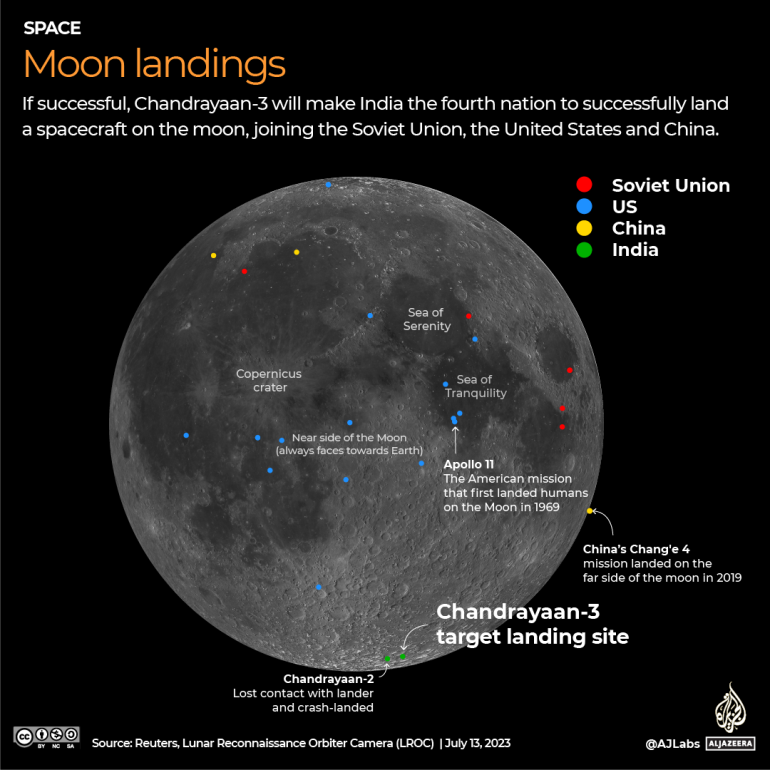
The Leif Erikson Lunar Prize, named after the legendary Norse explorer, is a coveted acknowledgment of extraordinary achievements in lunar exploration. ISRO’s Chandrayaan-3 mission, a landmark in India’s space exploration history, received this honor for its groundbreaking efforts in lunar exploration, particularly the successful soft landing near the Moon’s South Pole on August 23, 2023.
Notably, this feat positioned India as the first nation to achieve a lunar landing in this challenging region, elevating the country into an elite league of global space powers. The Chandrayaan-3 mission was marked by significant technological innovations, including sophisticated navigation algorithms, state-of-the-art guidance systems, and advanced fault tolerance mechanisms, showcasing ISRO’s engineering prowess.
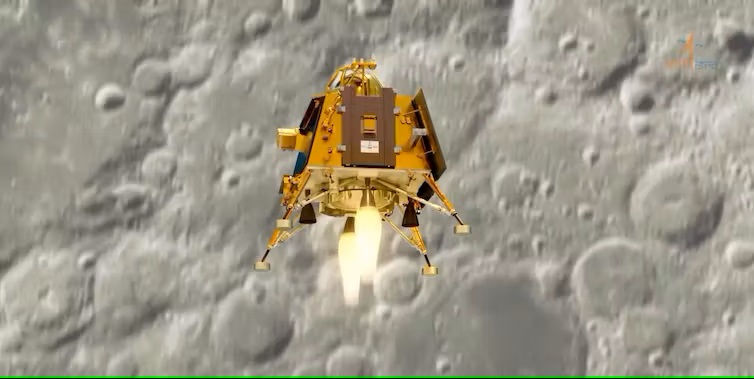
The mission’s lander, Vikram, equipped with the Chandra’s Surface Thermophysical Experiment (ChaSTE), played a pivotal role in acquiring crucial data about the Moon’s surface temperature, penetrating up to 10 centimeters below the surface. Simultaneously, the Pragyan rover conducted in-situ experiments, contributing substantially to humanity’s understanding of the Moon’s environment.
ISRO Chairman S Somanath expressed his gratitude for the global recognition, underscoring the award’s significance in reflecting India’s ascent as a major player in space exploration. He stated, “The Leif Erikson Lunar Prize not only acknowledges ISRO’s achievements but also highlights the international community’s recognition of India’s capabilities in space exploration.”
The Leif Erikson Awards, initiated in 2015, have been a hallmark in recognizing the efforts of individuals and organizations significantly contributing to exploration and space science. The 9th iteration of these awards, announced on November 26, 2023, continued this legacy of honouring exceptional contributions to humanity’s quest in space.
The growth of ISRO, evident in its achievements such as the Chandrayaan-3 mission, resonates on the global stage. Comparatively, ISRO’s strides in space exploration stand tall among other space organizations, showcasing India’s commitment to pushing the boundaries of scientific exploration.
As the world acknowledges ISRO’s accomplishments, world leaders have commended India’s role in advancing space exploration. “ISRO’s Chandrayaan-3 mission is a remarkable demonstration of India’s technological prowess and its commitment to contributing to our understanding of the universe. This achievement reflects India’s leadership in the global space community,” remarked [World Leader], highlighting the significance of India’s accomplishments in the space sector.
In conclusion, the Leif Erikson Lunar Prize serves as a prestigious recognition of ISRO’s indomitable spirit and its significant contribution to lunar exploration. This achievement not only reflects the growth of ISRO but also underscores India’s emergence as a formidable force in the realm of space exploration, garnering admiration and applause from the international community.
Erosion has sculpted massive arches and cavernous hollows into the world’s largest iceberg as it drifts away from Antarctica, as evidenced by stunning new photographs. The captivating images were taken by photographers aboard a vessel operated by EYOS Expeditions, navigating a section of the colossal A23a iceberg. The photos vividly depict the immense scale of the iceberg, surpassing twice the size of London, as it extends into the distant horizon.
The captured images showcase profound surface cracks and intricately carved caves on the iceberg’s surface. The A23a iceberg is undergoing a gradual erosion process as it travels northward from Antarctica, encountering milder air and warmer ocean temperatures. According to a spokesperson from EYOS Expeditions, the expedition team observed chunks of the iceberg breaking off and plunging into the sea.
After nearly three decades grounded on the seafloor in Antarctica, the A23a iceberg is now on the move. Originating from the Filchner-Ronne ice shelf in 1986, the massive ice mass calved and promptly grounded on the Weddell Sea floor in Antarctica. Measuring about 400 meters (1,312 feet) thick and covering an area of nearly 4,000 square kilometers (1,544 square miles), the iceberg is more than three times the size of Los Angeles.
A23a has held the title of the “largest current iceberg” multiple times since the 1980s, occasionally being surpassed by larger but shorter-lived icebergs such as A68 in 2017 and A76 in 2021. The colossal iceberg is destined to eventually vanish completely.
Scientists assert that while the detachment of this particular iceberg likely occurred as part of the natural growth cycle of the ice shelf, climate change is inducing alarming transformations in this expansive and secluded continent, potentially leading to catastrophic consequences for global sea level rise. In February of the previous year, Antarctic sea ice reached its lowest extent since records began, measuring at 691,000 square miles.
The photographs taken during the EYOS Expeditions showcase the dynamic nature of the A23a iceberg as it undergoes erosion and fragmentation. The deep surface cracks and hollowed-out caves on the iceberg’s surface are testament to the transformative effects of its journey away from Antarctica.
The A23a iceberg’s movement is a significant development after nearly thirty years of being grounded on the Antarctic seafloor. Having broken away from the Filchner-Ronne ice shelf in 1986, the iceberg has undergone a prolonged period of stability before its recent drift. The vast thickness of the iceberg, measuring at 400 meters (1,312 feet), adds to its impressive dimensions, making it a formidable presence in the ocean.
EYOS Expeditions, responsible for the captivating photographs, has been actively engaged in exploring the A23a iceberg’s trajectory. The expedition team, witnessing chunks of the iceberg breaking off and entering the sea, provides valuable insights into the ongoing process of erosion. The visual documentation of the iceberg’s transformation serves as a unique contribution to understanding the dynamics of such colossal ice masses.
The A23a iceberg, covering an expansive area of almost 4,000 square kilometers (1,544 square miles), has consistently claimed the title of the “largest current iceberg” since the 1980s. Despite occasional challenges from larger but short-lived icebergs like A68 in 2017 and A76 in 2021, A23a has maintained its position as a prominent feature in the Antarctic landscape.
The inevitable disappearance of the A23a iceberg is a natural progression, considering its detached status and the ongoing erosive forces at play. The iceberg’s journey away from Antarctica, encountering milder air and warmer ocean temperatures, accelerates its deterioration. The visual documentation of chunks breaking off into the sea serves as a poignant reminder of the transient nature of these colossal ice masses.
Scientists emphasize that while the detachment of the A23a iceberg aligns with the natural growth cycle of ice shelves, the broader context of climate change raises concerns for Antarctica. The continent’s isolation and vast expanse make it a critical indicator of climate-related shifts, with potential repercussions for global sea level rise. The visible impact on the A23a iceberg underscores the urgency of addressing climate change to mitigate its far-reaching consequences.
In a broader environmental context, the Antarctic sea ice’s record-low extent in February of the previous year serves as a troubling indicator of changing climate patterns. The extent, measured at 691,000 square miles, marks a historic low point since records began. This alarming trend further underscores the need for concerted efforts to address climate change and its cascading effects on polar regions and, consequently, global sea levels.
The captivating photographs of the A23a iceberg taken by EYOS Expeditions offer a visual narrative of its dynamic transformation as it journeys away from Antarctica. The erosion, surface cracks, and cavernous hollows captured in the images provide a unique perspective on the natural processes shaping these colossal ice masses. As the A23a iceberg continues its drift, scientists emphasize the broader implications of climate change on Antarctica, underscoring the urgent need for global efforts to address and mitigate environmental challenges. The visual documentation of the iceberg’s evolution serves as a poignant reminder of the delicate balance in polar ecosystems and the interconnectedness of climate-related changes on a global scale.
In a conclusive declaration, scientists affirm that Earth experienced its warmest year in 150 years, providing irrefutable evidence of the escalating global temperature crisis. The relentless surge in temperatures began gaining momentum midway through the year, shattering records month after month.
Quoting the European Union’s Copernicus Climate Change Service, last year’s global temperatures averaged 1.48 degrees Celsius (2.66 Fahrenheit) higher than the second half of the 19th century, surpassing the previous record-holder, 2016. NASA and the National Oceanic and Atmospheric Administration (NOAA) concurred, with NASA reporting a 1.37-degree Celsius rise from preindustrial levels and NOAA indicating a 1.34-degree Celsius increase over the preindustrial average.
Despite variations in methodology, the consensus is unanimous: 2023 stands out as the hottest year on record by a considerable margin. Russell Vose, Chief of Climate Monitoring and Assessment at NOAA National Centers for Environmental Information, remarked, “This is a big jump,” underscoring the gravity of the situation during the announcement of the agency’s findings.
The link between unrestrained greenhouse gas emissions and the surge in global temperatures comes as no surprise to climate scientists. The burning question now is whether 2023 signifies the onset of a trend where heat records are not just broken but obliterated, suggesting an acceleration in the planet’s warming.
Carlo Buontempo, Director of the European Union climate monitor, added a historical perspective, noting that when combining satellite readings with geological evidence, 2023 ranks among the warmest years in at least 100,000 years. “There were simply no cities, no books, agriculture, or domesticated animals on this planet the last time the temperature was so high,” he emphasized.
Each tenth of a degree in global warming amplifies thermodynamic fuel, intensifying heatwaves, storms, and contributing to rising seas, along with hastening the melting of glaciers and ice sheets. The repercussions were vividly apparent in 2023, with scorching temperatures affecting Iran, China, Greece, Spain, Texas, and the American South. Canada bore witness to its most devastating wildfire season on record, consuming over 45 million acres. Additionally, less sea ice formed around the coasts of Antarctica, both in summer and winter, than ever before.
NOAA’s Chief Scientist, Sarah Kapnick, stressed the need for preparedness in the face of climate change impacts, urging communities, businesses, and individuals to utilize the released data to build resilience for the future.
Under the 2015 Paris Agreement, nations pledged to restrict long-term global warming to 2 degrees Celsius, with an aspirational goal of 1.5 degrees. However, current greenhouse gas emission rates are on track to render the 1.5-degree target unattainable in the near future.
While carbon dioxide and other greenhouse gases remain the primary drivers of global warming, 2023 saw additional natural and human-induced factors contributing to the temperature surge. The underwater volcano eruption near Tonga in 2022 released substantial water vapor into the atmosphere, trapping more heat. Limits on sulfur pollution from ships also reduced aerosol levels, tiny particles that reflect solar radiation and aid in cooling the planet.
Another significant factor was El Niño, a cyclical shift in tropical Pacific weather patterns, often associated with global heat records. However, the unusual timing of last year’s El Niño, starting midyear, suggests it was not the primary driver of the abnormal warmth, leaving scientists wary of potentially higher temperatures in 2024.
Climate scientists caution against drawing sweeping conclusions from a single exceptional year like 2023. Nonetheless, other indicators point to an accelerated pace of global warming. Approximately 90 percent of the energy trapped by greenhouse gases accumulates in the oceans, and recent data indicates a significant acceleration in the oceans’ heat uptake since the 1990s.
Sarah Purkey, an oceanographer at the Scripps Institution of Oceanography, highlighted the non-linear nature of this acceleration, suggesting a rapid increase. In France, a group of researchers found that Earth’s overall heating across oceans, land, air, and ice had been accelerating since 1960, aligning with the trends of increased carbon emissions and reduced aerosols in recent decades.
However, scientists acknowledge the need for continued research to comprehend potential additional factors at play, emphasizing that “something unusual is happening that we don’t understand,” according to Karina von Schuckmann, an oceanographer at Mercator Ocean International in Toulouse, France.
In a serendipitous turn of events during the Covid-19 lockdowns, Gabe Guo, an undergraduate senior at Columbia University, found himself contemplating the uniqueness of fingerprints. This seemingly innocuous question sparked a three-year-long exploration that ultimately led to a paradigm-shifting study challenging the long-accepted belief that every fingerprint is distinct. Guo, along with his coauthor, Professor Wenyao Xu from the University of Buffalo, recently published their findings in the journal Science Advances, raising eyebrows and generating both excitement and skepticism within the forensic community.
The journey to these groundbreaking results involved overcoming numerous rejections from academic journals, with the forensics community initially pushing back against the unconventional findings. Guo, who had no prior background in forensics, noted the initial resistance: “For the first iteration or two of our paper, they said it’s a well-known fact that no two fingerprints are alike. I guess that really helped to improve our study because we just kept putting more data into it until eventually the evidence was incontrovertible.”
The study employed an artificial intelligence model called a deep contrastive network, commonly used for tasks such as facial recognition. Adding their unique twist, the researchers fed the AI system a US government database containing 60,000 pairs of fingerprints, some from the same person but different fingers and others from distinct individuals. The AI system, focused on angles and curvatures at the center of fingerprints, revealed surprising similarities between prints from different fingers of the same individual, challenging the established belief in fingerprint distinctiveness.
Guo explained the departure from traditional minutiae analysis, stating, “They are great for fingerprint matching, but not reliable for finding correlations among fingerprints from the same person.” The team acknowledged potential biases in their data, emphasizing the need for further validation across diverse demographics for the AI system to be considered reliable in actual forensic applications.
Despite skepticism from some experts, Guo expressed confidence in the potential impact on criminal investigations: “The most immediate application is it can help generate new leads for cold cases, where the fingerprints left at the crime scene are from different fingers than those on file.” He also highlighted the potential to spare innocent individuals from unnecessary investigations.
Notable forensic science professor Christophe Champod, while finding the use of deep learning on fingerprint images interesting, questioned the novelty of the study, stating, “Their argument that these shapes are somewhat correlated between fingers has been known from the early start of fingerprinting.” In response, Guo asserted that their study systematically quantified and utilized the similarities between fingerprints from different fingers to an unprecedented degree.
Simon Cole, a professor at the University of California, Irvine, echoed Champod’s sentiments, emphasizing that the unproven claim that no two fingerprints are ‘exactly alike’ remains intact. Cole questioned the practical utility of the study, particularly in cases where all ten fingerprints are routinely recorded during standard procedures.
The study authors, confident in their results, have open-sourced the AI code for public scrutiny. Guo sees the study’s significance extending beyond forensics, emphasizing the transformative role of AI in revealing hidden patterns: “This isn’t just about forensics, it’s about AI. Humans have been looking at fingerprints since we existed, but nobody ever noticed this similarity until we had our AI analyze it.”
The groundbreaking study challenges the conventional wisdom surrounding fingerprint uniqueness, offering potential implications for criminal investigations. The debate continues within the forensic community, with some experts praising the study’s novelty and others expressing skepticism about its practical applicability. Only time will tell whether this discovery proves to be a tempest in a teacup or a catalyst for reevaluating long-standing beliefs in the world of forensic science and artificial intelligence.
On January 6, 2024, at approximately 16:00 Hrs (IST), the Indian Space Research Organisation (ISRO) achieved a significant milestone with the successful Halo-Orbit Insertion (HOI) of its solar observatory spacecraft, Aditya-L1. This final phase of the maneuver involved a brief firing of control engines, culminating in the spacecraft’s insertion into a periodic Halo orbit located around 1.5 million km from Earth on the Sun-Earth line.
The Aditya-L1 spacecraft is now positioned in a unique three-dimensional orbit at Lagrangian point L1, involving the Sun, Earth, and the spacecraft itself. This specific Halo orbit, with an orbital period of approximately 177.86 Earth days, was meticulously selected to ensure a mission lifetime of five years. The advantages of this strategic orbit include minimizing station-keeping maneuvers, reducing fuel consumption, and providing a continuous, unobstructed view of the sun.
The primary mission of Aditya-L1 is to observe and understand the chromospheric and coronal dynamics of the Sun in a continuous manner. Placing the spacecraft in a Halo orbit around L1 offers several advantages over a Low Earth Orbit (LEO), including a smooth Sun-spacecraft velocity change suitable for helioseismology, positioning outside the Earth’s magnetosphere for “in situ” sampling of the solar wind and particles, and enabling continuous observation of the Sun and Earth for seamless communication with ground stations.
The intricate process of Halo orbit insertion began as Aditya-L1 crossed the XZ plane in the Sun-Earth-L1 rotating system with the required orbital state. This insertion maneuver was crucial to nullify the X and Z velocity components and attain the required Y-velocity in the L1 rotating frame for the desired Halo orbit. The targeted parameters for Aditya-L1’s Halo orbit are Ax: 209200 km, Ay: 663200 km, and Az: 120000 km.
The insertion of Aditya-L1 into this Halo orbit represented a critical mission phase, demanding precise navigation and control. Constant monitoring and adjustments to the spacecraft’s speed and position were carried out using onboard thrusters. The success of this insertion not only highlights ISRO’s capabilities in complex orbital maneuvers but also instills confidence in handling future interplanetary missions.
Aditya-L1, designed and realized at the UR Rao Satellite Centre (URSC) with contributions from various ISRO centers, carries payloads developed by Indian scientific laboratories such as IIA, IUCAA, and ISRO. Launched on September 2, 2023, by PLSV-C57 from SDSC SHAR, Aditya-L1 initially entered an elliptical parking orbit (EPO) of 235.6 km by 19502.7 km. The spacecraft then embarked on a remarkable journey toward the Sun-Earth-L1 Lagrange point, progressively increasing its orbital size with the help of the onboard propulsion system.
During the Earth orbit phase, five liquid engine burns (LEB) were executed to raise the apogee of the EPO gradually. The fifth burn, known as the trans-L1 injection (TL1I) maneuver, played a crucial role in achieving the desired trajectory. To minimize incremental velocity addition (ΔV) and reduce exposure to the high radiation Van Allen belts, a careful maneuver strategy was implemented. Addressing errors during the TL1I phase, two short burns, TCM-1 on October 5, 2023, and TCM-2 on December 14, 2023, were conducted to ensure compliance with Halo orbit insertion condition parameters.
The spacecraft then underwent a cruise phase lasting approximately 110 days to reach the present condition before the targeted HOI on January 6, 2024. Throughout the pre-commissioning phase, all payloads were rigorously tested, confirming the satisfactory performance of each payload.
ISRO’s successful Halo-Orbit Insertion of Aditya-L1 not only marks a key milestone for India’s space exploration endeavors but also demonstrates the organization’s adeptness in executing intricate orbital maneuvers. This success paves the way for continued advancements in solar observation and sets a precedent for future interplanetary missions. As India continues to make strides in space exploration, Aditya-L1 stands as a testament to the nation’s growing prowess in the field of astrophysics and satellite technology.
In a historic decision, the Food and Drug Administration (FDA) has granted approval for the first-ever gene-editing treatment aimed at mitigating human illness. This groundbreaking development encompasses two gene therapies specifically designed for individuals aged 12 and above grappling with the most severe manifestation of sickle cell disease, an agonizing blood disorder that has long been overlooked in medical research.
Dr. Nicole Verdun, the director of the Office of Therapeutic Products within the FDA’s Center for Biologics Evaluation and Research, expressed enthusiasm, stating, “Sickle cell disease is a rare, debilitating and life-threatening blood disorder with significant unmet need, and we are excited to advance the field, especially for individuals whose lives have been severely disrupted by the disease by approving two cell-based gene therapies today.”
The approval marks significant milestones in both sickle cell treatment and the swiftly advancing domain of gene editing, generating anticipation for addressing numerous diseases. Dr. Verdun emphasized the potential of gene therapy, stating, “Gene therapy holds the promise of delivering more targeted and effective treatments, especially for individuals with rare diseases where the current treatment options are limited.”
Jennifer Doudna of the University of California, Berkeley, a key figure in the discovery of the CRISPR gene-editing technique employed in one of the sickle cell treatments, conveyed her excitement, stating, “I’m elated, excited, in awe. It’s an exciting day and the beginning of a new day in medicine.”
The CRISPR treatment, developed collaboratively by Vertex Pharmaceuticals and CRISPR Therapeutics, involves extracting cells from the patient’s bone marrow, editing a gene using CRISPR, and then reintroducing billions of modified cells back into the patient. This process prompts the production of fetal hemoglobin, restoring normal red blood cell function. While not a definitive cure, the therapy, named Casgevy, is designed as a one-time treatment expected to alleviate symptoms for a lifetime.
According to data presented to the FDA, the CRISPR treatment resolved severe pain crises for 96.7% of subjects for at least 18 months, demonstrating promising results. Another gene therapy, Lyfgenia, developed by bluebird bio inc., received FDA approval for sickle cell treatment without utilizing CRISPR. Instead, Lyfgenia employs a conventional gene therapy approach using a virus to transport a gene into cells.
However, the approval’s celebratory tone is tempered by concerns about accessibility and cost. Both treatments are priced significantly, with Casgevy at $2.2 million and Lyfgenia at $3.1 million wholesale. Additionally, the complex and labor-intensive procedures involved may pose challenges for many hospitals, limiting accessibility for patients.
“We have a lot more work to do,” cautioned Doudna, emphasizing the need to make gene-editing treatments widely available.
Sickle cell disease, caused by a genetic defect leading to abnormal hemoglobin production, results in misshapen red blood cells that cause severe pain and organ damage. Primarily affecting individuals of African, Middle Eastern, and Indian descent, sickle cell is a rare yet prevalent genetic disorder.
While bone marrow transplants offer a potential cure for some patients, the majority struggle to find suitable donors. Approximately 20,000 severe cases in the U.S. could potentially benefit from the CRISPR treatment.
Dr. Lewis Hsu, a pediatric hematologist at the University of Illinois at Chicago, expressed excitement, stating, “This is something that we’ve been waiting for in the sickle cell community for basically 70 years. This is a very big deal.”
The approval holds personal significance for Victoria Gray, a sickle cell patient from Forest, Miss., who became the first person to receive the CRISPR treatment in the U.S. in 2019. Reflecting on the approval, Gray said, “I’m ecstatic. It’s a blessing that they approved this therapy. It’s a new beginning for people with sickle cell disease.” She described the treatment as transformative, allowing her to lead a more energetic life, work full time, and spend quality time with her children.
Despite these positive outcomes, concerns persist regarding the technical complexity and lengthy hospitalization required for the treatments. The intricate procedures involve multiple hospital visits, bone marrow transplants, and extended hospital stays, potentially deterring patients due to physical and logistical challenges.
Melissa Creary, an assistant professor at the University of Michigan studying sickle cell, acknowledged the promise of technology but cautioned about potential disparities, stating, “I am excited about the promise that this technology has for those living with sickle cell disease. But as this technology comes to market, it’s going to be really interesting to see the ways in which profit overtake social justice.”
The geographical and financial challenges of accessing treatment also raise concerns. Many countries lack the necessary medical infrastructure for these advanced treatments, and even in the U.S., availability may be limited.
Doudna, leading a center at Berkeley focused on simplifying gene-editing treatments, and the National Institutes of Health are actively working to address these challenges. Biotech companies are collaborating with insurers to explore coverage options. Advocates argue that the high upfront costs may be justified by the long-term savings from avoiding lifelong sickle cell complications.
Amid these developments, concerns about potential “off-target” effects and unintended consequences of gene editing persist. The FDA has issued a warning about Lyfgenia, which employs a more conventional gene therapy approach, potentially increasing the risk of blood cancer.
The companies involved plan to monitor patients for 15 years to assess the treatment’s longevity, effectiveness, and potential long-term complications. CRISPR-based treatments also show promise in addressing other conditions, such as amyloidosis and familial hypercholesterolemia.
“This is only the beginning,” remarked CRISPR researcher Doudna, underscoring the ongoing evolution of gene-editing technologies.
The Healthcare Technology Report has published its list of the Top 25 Women Leaders in Biotechnology for 2023. They were recognized for their leadership which influenced corporate strategies and helped make real-world impact.
Brinda Balakrishna, Rachna Khosla, Avni Santani, Sulagna Bhattacharya, and Shreya Jani were among the five Indian-Americans on the list. They were recognised for their efforts in steering their biotech companies to success and making important contributions to international health programs.
Balakrishnan, currently serving as chief business development officer at BioMarin Pharmaceutical, has played a crucial role in its global biotech initiatives, dedicated to transforming lives through genetic discovery.
She has experience in licensing, fundraising, and program advancement through her work with Vision Medicines, a company she co-founded that specializes in treating rare ophthalmic diseases. With a background at McKinsey & Company and Genzyme, Dr. Balakrishnan holds degrees from MIT and Harvard Medical School.
Since September 2021, Khosla has served as Amgen’s senior vice president of business development, where she has been instrumental in leading the company to success through strategic partnerships, collaborations, and acquisitions.
She has previously held roles at Lazard, Credit Suisse Healthcare M&A, Sanofi Aventis, JP Morgan Chase, and Salomon Brothers. She has a BA from Barnard College and an MBA from Columbia Business School.
Santani is the chief genomics officer at LetsGetChecked, a global digital healthcare solutions company. Formerly the CMO at Veritas Genetics, she played a crucial role in clinical development plans.
She specializes in crafting innovative product portfolios through sequencing, informatics, and AI, ensuring swift and effective disease diagnosis. With a PhD in genetics from Texas A&M University, she holds board certification in clinical laboratory genetics and genomics from the American Board of Medical Genetics and Genomics (ABMGG).
Bhattacharya is the co-founder and chief executive officer of Nanoscope Therapeutics, a clinical-stage biotechnology company specializing in gene therapies for retinal degenerative diseases. With a background in management consulting at Deloitte and Hitachi Consulting, Bhattacharya has experience in business intelligence, risk management, market research, and product development.
In addition to holding international patents and publishing extensively, Bhattacharya is also a co-founder of a number of successful biotech and biomedical device/diagnostic companies.
Jani became the senior vice president of corporate affairs at BeiGene in 2021, overseeing a corporate affairs function aligned with BeiGene’s vision for accessible cancer medicines. In 2023, she spearheaded the Global Health Equity initiative, partnering with the Max Foundation to provide BRUKINSA, BeiGene’s BTKi inhibitor, to patients in 29 under-served countries.
Currently serving on the Board of the National Partnership for Women and Families, Jani earned her Bachelor of Arts and Master of Public Health from New York University and has a history of advocacy with non-profits on HIV/AIDS and reproductive health issues.
In a groundbreaking discovery, a telescope surpassing the size of Earth has detected a plasma rope in the vastness of the Universe. Utilizing a network of radio telescopes both on Earth and in space, astronomers have unveiled the most intricate view ever captured of a plasma jet emanating from a supermassive black hole situated at the center of a remote galaxy.
The jet originates from the heart of a distant blazar known as 3C 279, hurtling through space at nearly the speed of light and revealing intricate, twisted patterns near its source. Surprisingly, these patterns challenge the conventional theory that has stood for four decades, attempting to explain the formation and evolution of such jets over time.
The Max Planck Institute for Radio Astronomy in Bonn, Germany, played a pivotal role in these observations. The institute facilitated the combination of data from all participating telescopes, creating a virtual telescope with an effective diameter of approximately 100,000 kilometers.
Blazars, a subclass of active galactic nuclei, are the brightest and most powerful sources of electromagnetic radiation in the cosmos. They consist of galaxies with a central supermassive black hole accreting matter from a surrounding disk. About 10% of active galactic nuclei, classified as quasars, generate relativistic plasma jets. Blazars specifically belong to a small fraction of quasars where these jets point almost directly at the observer.
Recently, a team of researchers, including scientists from the Max Planck Institute for Radio Astronomy, imaged the innermost region of the jet in the blazar 3C 279 with unprecedented angular resolution. They detected remarkably regular helical filaments, suggesting a need for a reevaluation of the theoretical models used thus far to explain the processes behind jet production in active galaxies.
Antonio Fuentes, a researcher at the Institute of Astrophysics of Andalusia in Granada, Spain, and leader of the research, expressed gratitude for the RadioAstron space mission, which enabled the highest-resolution image of a blazar’s interior to date.
The new insights into the plasma jet of 3C 279, facilitated by the RadioAstron mission, reveal previously unseen details. The jet, extending over 570 light-years from the center, displays at least two twisted filaments of plasma. Eduardo Ros, a member of the research team, highlighted the complementary role of different telescopes, noting that the GMVA and the EHT observed the inner jet at shorter wavelengths but couldn’t detect the filamentary shapes due to their faintness and size.
Contrary to the previous belief that plasma jets from blazars are straight and uniform, the twists and turns observed in 3C 279, referred to as helical filaments, indicate the influence of forces around the black hole. This led to the realization that the existing theory explaining jet evolution over time is no longer sufficient. Consequently, the astronomers emphasize the necessity for new theoretical models to elucidate the formation and evolution of helical filaments near the jet’s origin.
Guang-Yao Zhao, affiliated with the MPIfR, pointed out an intriguing aspect suggesting the presence of a helical magnetic field confining the jet. This magnetic field, rotating clockwise around the jet in 3C 279, might play a role in directing and guiding the jet’s plasma, moving at an astonishing 0.997 times the speed of light.
Andrei Lobanov, another scientist from MPIfR, highlighted the novelty of the study, connecting these filaments to intricate processes in the immediate vicinity of the black hole producing the jet.
The study, featured in the latest issue of Nature Astronomy, contributes to a better understanding of the role of magnetic fields in the initial formation of relativistic outflows from active galactic nuclei. It underscores the challenges in current theoretical modeling and emphasizes the need for advancements in radio astronomical instruments and techniques for imaging distant cosmic objects at record angular resolutions.
The technological advancements that enabled this discovery relied on Very Long Baseline Interferometry (VLBI), creating a virtual telescope by combining data from different radio observatories. Yuri Kovalev, the RadioAstron project scientist, emphasized the importance of international collaboration, with observatories from twelve countries synchronized to form a virtual telescope the size of the distance to the Moon.
Anton Zensus, director of the MPIfR and a key figure behind the RadioAstron mission, highlighted the exceptional achievements resulting from international scientific collaboration, spanning decades of planning and execution. The success of the mission underscores the significance of connecting large ground-based telescopes and meticulous data analysis for unlocking the mysteries of the cosmos.
In a groundbreaking achievement, an experiment conducted aboard NASA’s Psyche spacecraft has utilized deep space optical communications (DSOC) to transmit a laser-encoded message to Earth from a distance unprecedented in space exploration. The DSOC, part of a two-year tech demonstration riding alongside the Psyche mission en route to the asteroid Psyche, successfully beamed a near-infrared laser carrying test data from a position approximately 16 million kilometers away—about 40 times farther than the Moon is from Earth. This remarkable feat marks a significant milestone in optical communication technology and has the potential to revolutionize spacecraft communication methods.
The Deep Space Optical Communications (DSOC) achieved “first light” on November 14, as reported by NASA’s Jet Propulsion Laboratory (JPL), the entity overseeing both missions. This accomplishment resulted from a precise maneuver where the DSOC’s laser transceiver locked onto JPL’s powerful uplink laser beacon at the Table Mountain Observatory. This alignment enabled the DSOC’s transceiver to direct its downlink laser to the Hale Telescope at Caltech’s Palomar Observatory in California, located 130 kilometers away.
Trudy Kortes, Director of Technology Demonstrations at NASA HQ, highlighted the significance of this achievement, stating, “Achieving first light is one of many critical DSOC milestones in the coming months, paving the way toward higher-data-rate communications capable of sending scientific information, high-definition imagery, and streaming video in support of humanity’s next giant leap: sending humans to Mars.”
While optical communications have been employed in Earth’s orbit previously, this marks the farthest-ever distance covered by laser beams. Laser communication involves the transmission of a beam of photons moving in the same direction at the same wavelength. The advantage lies in the ability to pack vast amounts of data into tight waves, allowing for unprecedented data transmission speeds. The DSOC tech demo aims to demonstrate transmission rates 10-100 times greater than current top radio communication systems, offering the potential for missions to carry higher-resolution scientific instruments and enabling faster communication for deep space missions, such as live video streams from the surface of Mars.
Dr. Jason Mitchell, Director of the Advanced Communications and Navigation Technologies Division within NASA’s Space Communications and Navigation program, emphasized the benefits of optical communication for scientists and researchers, stating, “Optical communication is a boon for scientists and researchers who always want more from their space missions and will enable human exploration of deep space. More data means more discoveries.”
Despite the success of this record-breaking technology demonstration, challenges remain. The precision required to point the laser beam increases with greater distances, and the signal’s photons become fainter, leading to potential lag times in communication. During the November 14 test, the photons took approximately 50 seconds to travel from Psyche to Earth. As Psyche reaches its farthest distance, this travel time is expected to extend to around 20 minutes, necessitating adjustments in the laser positions on both Earth and the spacecraft to account for changes in position.
Meera Srinivasan, Operations Lead for DSOC at JPL, acknowledged the formidable challenge faced by the DSOC and Psyche operations teams, stating, “[The] test was the first to fully incorporate the ground assets and flight transceiver, requiring the DSOC and Psyche operations teams to work in tandem. It was a formidable challenge, and we have a lot more work to do, but for a short time, we were able to transmit, receive, and decode some data.”
Abi Biswas, Project Technologist for DSOC at JPL, encapsulated the achievement by stating, “[We] were able to exchange ‘bits of light’ from and to deep space.” This exchange of bits of light holds the potential to redefine how we communicate in the realm of space exploration, opening up new frontiers for data transmission and scientific discovery.
A recent study conducted by researchers at Columbia University has highlighted the potential connection between inadequate sleep and an increased risk of diabetes in women, particularly in postmenopausal individuals. The findings emphasize the importance of sufficient sleep in maintaining optimal health, shedding light on the impact of even a mild sleep deficit over a six-week period.
Lead researcher Marie-Pierre St-Onge, director of the Center of Excellence for Sleep and Circadian Research at Columbia University, explained the significance of the study, stating, “Throughout their lifespan, women face many changes in their sleep habits due to childbearing, child-rearing, and menopause. And more women than men have the perception they aren’t getting enough sleep.”
The study enrolled 38 healthy women, 11 of whom had undergone menopause. All participants consistently slept for at least seven hours each night, falling within the recommended range of seven to nine hours for optimal health. However, a substantial portion of the American population fails to meet this guideline.
In a randomized order, the women participated in two phases of the study. In one phase, they maintained their regular sleep duration, while in the other phase, they delayed bedtime by an hour and a half, resulting in a total sleep duration of around six hours. Each phase spanned six weeks.
The results of the study indicated that reducing sleep by just 90 minutes over six weeks led to a notable increase in insulin resistance, particularly among women accustomed to adequate sleep. Fasting insulin levels rose by over 12% overall and 15% among premenopausal women. Insulin resistance increased by nearly 15% overall and exceeded 20% in postmenopausal women.
Surprisingly, the study found that the impact of sleep loss on insulin resistance was not associated with an increase in belly fat, a known driver of insulin resistance. St-Onge remarked on this, stating, “The fact that we saw these results independent of any changes in body fat, which is a known risk factor for type 2 diabetes, speaks to the impact of mild sleep reduction on insulin-producing cells and metabolism.”
Although average blood sugar levels remained stable for all participants during the study, the researchers cautioned that changes in insulin resistance could lead to long-term increases in blood sugar levels.
The study, published in the journal Diabetes Care on Nov. 13, marks the first instance where a mild sleep deficit maintained for six weeks has been shown to elevate the risk of diabetes. This novel insight prompts further investigation into the potential benefits of improved sleep on blood sugar control and glucose metabolism.
St-Onge and her team are now set to explore whether enhancing sleep quality can positively influence blood sugar control and glucose metabolism. This avenue of research could provide valuable insights into preventive measures against diabetes and the role of adequate sleep in overall metabolic health.
The study underscores the importance of recognizing sleep as a crucial factor in maintaining women’s health, particularly in the context of diabetes risk. The findings advocate for prioritizing sufficient sleep, especially considering the challenges women face in various life stages that can disrupt their sleep patterns. As research continues, a clearer understanding of the intricate relationship between sleep duration, metabolic health, and disease risk is likely to emerge, paving the way for targeted interventions and improved public health awareness.
As the Indian capital grapples with an alarming surge in toxic air, the Delhi government is contemplating the use of cloud seeding—a rain-making technique—to mitigate pollution levels. The potential implementation of this strategy hinges on securing approval from India’s Supreme Court and various federal ministries, with a tentative timeline set for later this month, dependent on favorable weather conditions.
The proposal to employ cloud seeding as a remedy for Delhi’s air pollution is not novel, but skepticism surrounds its effectiveness. Experts argue that this complex and costly process lacks conclusive evidence of its efficacy in combating pollution, emphasizing the need for further research to discern its long-term environmental impact.
The recent escalation of pollution in Delhi, as reflected in the Air Quality Index (AQI), has sparked renewed urgency. Over the past two weeks, the AQI consistently surpassed the 450 mark, nearly ten times the acceptable limit. Despite a temporary respite from natural rainfall over the weekend, air quality deteriorated again on Monday due to Diwali celebrations involving firecrackers.
Delhi’s air quality woes persist throughout the year, driven by factors such as high vehicular and industrial emissions, as well as dust. The situation exacerbates in winter when crop residue burning by farmers in neighboring states and low wind speeds lead to heightened pollutant concentrations. In response, the Delhi government has declared early school winter breaks, imposed a ban on construction activities, and is now pinning its hopes on Supreme Court approval for cloud seeding.
Understanding Cloud Seeding:
Cloud seeding is a technique designed to accelerate the condensation of moisture in clouds, inducing rain. It involves spraying particles of salt, such as silver iodide or chloride, onto clouds using aircraft or ground-based dispersion devices. These salt particles act as ice-nucleating agents, facilitating the formation of ice crystals in the clouds. Moisture then adheres to these ice crystals, ultimately condensing into rain.
The success of cloud seeding, however, is contingent on precise atmospheric conditions. Polash Mukerjee, an independent researcher on air quality and health, underscores the importance of optimal moisture, humidity, and dynamic wind speeds in the clouds. Additionally, the choice of cloud type is crucial, with weather scientist JR Kulkarni noting that vertical growth is preferable over horizontal expansion.
Cloud seeding is not a recent innovation; climatologist SK Banerji, the first Indian director general of the meteorological department, experimented with it as early as 1952. In the 1960s, the US military controversially utilized the technique to manipulate the monsoon in certain areas of Vietnam during the war. Various countries, including China, the UAE, and certain Indian states, have explored cloud seeding to enhance rainfall or address drought conditions.
The Delhi Government’s Plan:
The cloud seeding project proposal originates from researchers at the Indian Institute of Technology (IIT) Kanpur, a leading engineering institution. The two-phase project, covering approximately 300 square kilometers, is slated to commence in late November if approved. Meteorological conditions on the suggested dates of November 20 and 21 are deemed favorable for implementation, according to Manindra Agrawal, the scientist leading the project.
Agrawal acknowledged that full cloud coverage over Delhi might not be achievable, but emphasized that a few hundred kilometers would be beneficial. The underlying rationale is that rainfall could potentially wash away particulate matter in the atmosphere, resulting in cleaner and more breathable air.
Debating the Efficacy of Cloud Seeding:
While Delhi experienced a reduction in pollution levels after natural rainfall last week, experts remain uncertain about the effectiveness of artificial rain generated through cloud seeding. Mukerjee argues that while rainfall immediately lowers pollution levels, the impact is transient, with pollution rebounding within 48-72 hours. He deems cloud seeding an expensive, short-term solution that diverts scarce resources.
Mukerjee stresses the necessity for a well-deliberated policy, involving a multidisciplinary team comprising meteorologists, air quality policy experts, epidemiologists, and more. Abinash Mohanty, a climate change and sustainability expert, echoes these sentiments, expressing concern about the lack of empirical evidence regarding the AQI reduction achievable through cloud seeding.
Mohanty underscores that addressing pollution requires concerted efforts beyond meteorological variables, advocating for comprehensive strategies rather than scattered trial-and-error experiments. He highlights the inherent limitations of altering natural processes through cloud seeding, emphasizing the need for a more thorough understanding of its potential effects.
The proposal to employ cloud seeding as a solution to Delhi’s persistent air pollution crisis is met with both anticipation and skepticism. As the Delhi government awaits the Supreme Court’s decision, the efficacy and long-term impact of cloud seeding remain subjects of debate among experts, emphasizing the ongoing challenges in combating the city’s hazardous air quality.
The universe is a vast realm of enigmatic wonders, and as Halloween approaches, NASA has uncovered some eerie cosmic phenomena. From a haunting “face” on Jupiter to a ghostly skeletal hand-shaped nebula, these celestial discoveries are sending shivers down the spines of stargazers.
Jupiter’s Eerie ‘Face’
NASA’s Juno mission, which has been orbiting Jupiter and its largest moons since 2016, recently completed its 54th close flyby of the gas giant on September 7. During this pass, Juno’s JunoCam instrument captured stunning images of Jupiter’s northern regions along the terminator, the line that separates the day side from the night side.
In these images, observers with vivid imaginations may detect what resembles a Picasso-like face emerging from the turbulent atmosphere. This phenomenon, known as pareidolia, occurs when viewers perceive familiar shapes and objects in random patterns. The raw data from this flyby, publicly available on the JunoCam website, was meticulously processed by a citizen scientist named Vladimir Tarasov. The close proximity of Juno, approximately 4,800 miles (7,700 kilometers) above the planet’s cloud tops, allowed for a dramatic interplay of sunlight and shadows, enhancing the eerie appearance of this celestial face.
X-Rays Reveal Celestial Bones
Over a century ago, physicist Wilhelm Röntgen pioneered the use of X-rays to image the bones of his wife’s hand in 1895. Now, two X-ray telescopes have unveiled the “bones” of a luminous hand-shaped cloud that originated from the aftermath of a collapsing star.
This cloud of gas and dust, a nebula known as MSH 15-52, formed 1,500 years ago when a massive star exhausted its nuclear fuel and collapsed. Situated a staggering 16,000 light-years from Earth, the nebula boasts a remarkable history. When the star underwent its collapse, it left behind a dense remnant, a neutron star. Neutron stars that rotate rapidly and possess powerful magnetic fields are classified as pulsars. These pulsars emit energetic jets and powerful winds, giving rise to this particular nebula.
In 2001, NASA’s Chandra X-ray Observatory initially observed the pulsar, identified as PSR B1509-58, located at the “palm” of the hand-shaped nebula. A distinct jet emerging from the pulsar can be traced down to the “wrist.”
Mapping a Nebula’s Magnetic Field
Fast forward over two decades, and NASA’s Imaging X-ray Polarimetry Explorer (IXPE) embarked on a 17-day observation campaign of the nebula. Launched in December 2021, IXPE recorded its most extended observation period to date. The findings of this operation were recently published in The Astrophysical Journal.
Lead study author Roger Romani, a professor of physics at Stanford University in California, explained, “The IXPE data gives us the first map of the magnetic field in the ‘hand.'” He continued, “The charged particles producing the X-rays travel along the magnetic field, determining the basic shape of the nebula, like the bones do in a person’s hand.” This observation revealed the unique capability of IXPE to identify regions within the magnetic field where particles in the nebula are accelerated by turbulence.
As we approach Halloween, these otherworldly discoveries remind us that the cosmos is a realm of both beauty and mystery, offering glimpses of the extraordinary, even in the farthest reaches of space.
Sir David Attenborough’s latest installment of the Planet Earth series has garnered praise for its breathtaking visuals and poignant storytelling, but it has also evoked a sense of concern and sadness among viewers. The third season of this award-winning program debuted on BBC One, attracting an audience of 5.6 million.
The eight-part series offers a glimpse into the struggles of wildlife across the globe as they contend with ever-changing environmental conditions. The Guardian hailed the first episode as “majestic TV” from the venerable broadcaster, describing it as both awe-inspiring and disconcerting. Rebecca Nicholson, in a five-star review, noted, “It is possible to watch and enjoy it purely for the astonishing footage – but it will horrify you too.” She also emphasized the darker tone of this series compared to its predecessor, highlighting the concerning trends in the natural world.
Narrated by the 97-year-old Sir David, the documentary features footage from drones and remotely operated deep-sea submersibles, collected over a five-year period across 43 countries. The initial episode explores coastlines from Kent to South Africa, Mexico to Australia, and beyond. It presents two cautionary tales centered on the challenges faced by Caribbean flamingos on Mexico’s Yucatán Peninsula and the endangered green turtles of Raine Island on the Great Barrier Reef. The episode also includes vintage footage of a young Sir David visiting the same island more than 60 years ago, highlighting the impact of human activity on these ecosystems.
Carol Midgley of The Times, in a four-star review, praised the series as magnificent but also acknowledged its potential to evoke sadness. She cited examples such as desert lions hunting cormorants in the sea at night, a remarkable sight, but also the distressing scenes of Caribbean flamingos and their nests being destroyed by worsening storms, attributed to climate change. She noted, “Soaked and cold [they] will soon perish unless they can get out of the water. Some years no chicks survive.”
Ed Power of The Telegraph celebrated Sir David’s ability to convey the beauty and fragility of our planet. He marveled at the stunning visuals presented in the series, including mesmerizing shots of flamingos in flight and their vulnerable young struggling to survive in the rain. Power concluded that Sir David’s presence is reassuring at a time of uncertainty in the world.
This season, the series has moved to an earlier time slot to make it more accessible to children, giving them opportunities to connect with and understand the natural world. Sir David emphasized the importance of children’s innate understanding of nature while cautioning against deforestation and the encroachment on natural spaces. He highlighted the need for coexistence with the natural world, asserting that we must accommodate and protect it.
In his review for the Daily Mail, Christopher Stevens found every moment of the opening episode fascinating. He praised the series for being visually stunning, acknowledging that it’s challenging to single out a “best” Attenborough series from the past seven decades but suggested that Planet Earth III could be the most visually spectacular.
The I newspaper’s Gerard Gilbert, in a five-star review, characterized the show as spectacular, eye-opening, awe-inspiring, and terrifying. He underscored that this series reflects the closest Sir David Attenborough has come to despair, conveying a message of urgency to appreciate and safeguard the natural world before it’s too late.
The latest installment of the Planet Earth series has captivated viewers with its stunning visuals and powerful storytelling. It presents both the grandeur of the natural world and the urgent need to protect it, leaving audiences with a profound sense of wonder and concern.
In a groundbreaking study published in the journal Cell, a team of scientists has proposed a novel explanation for some cases of long Covid, shedding light on a potential biological pathway underlying the condition. The research, conducted by experts at the University of Pennsylvania, points to depleted serotonin levels as a key factor in the manifestation of certain long Covid symptoms, including memory problems and neurological and cognitive issues. This discovery has significant implications for the diagnosis and treatment of long Covid, a condition that presents in various forms and often eludes conventional diagnostic tools.
The study suggests that the reduction in serotonin levels may be triggered by residual viral remnants lingering in the gut. This revelation has the potential to open doors to innovative treatments, including medications designed to boost serotonin production. Additionally, the researchers propose that their outlined biological pathway could serve as a common link between various theories surrounding the causes of long Covid, such as the persistence of viral remnants, inflammation, increased blood clotting, and autonomic nervous system dysfunction.
As Christoph Thaiss, a lead author of the study and an assistant professor of microbiology at the Perelman School of Medicine at the University of Pennsylvania, states, “All these different hypotheses might be connected through the serotonin pathway.” He also highlights the possibility that therapies targeting the serotonin pathway could benefit at least a subset of individuals with long Covid.
Akiko Iwasaki, an immunologist at Yale University, commends the study, describing it as “an excellent study that identifies lower levels of circulating serotonin as a mechanism for long Covid.” She notes that her team and colleagues at the Icahn School of Medicine at Mount Sinai have recently conducted a study that identified other biological changes associated with some cases of long Covid, including hormone cortisol levels. These findings suggest that there might be specific subtypes of long Covid or different biological markers at different stages of the condition.
The research involved the analysis of blood samples from 58 patients who had been experiencing long Covid symptoms for a duration ranging from three months to 22 months post-infection. These results were compared to blood samples from 30 individuals with no post-Covid symptoms and 60 patients in the early, acute stage of a coronavirus infection.
Maayan Levy, a lead author of the study and an assistant professor of microbiology at the Perelman School of Medicine, highlights that serotonin levels and other metabolites were altered immediately following a coronavirus infection, a pattern observed with other viral infections. However, in individuals with long Covid, serotonin was the only significant molecule that did not return to pre-infection levels.
The researchers delved deeper into their investigation by analyzing stool samples from some long Covid patients, where they discovered the presence of residual viral particles. Through a combination of patient data and studies on mice and miniature models of the human gut, where serotonin production primarily occurs, the team identified a potential pathway contributing to certain long Covid cases.
The proposed mechanism revolves around viral remnants prompting the immune system to produce interferons, which are proteins that fight infection. Interferons induce inflammation, reducing the body’s ability to absorb tryptophan, an amino acid crucial for serotonin production in the gut. Moreover, blood clots that can develop following a coronavirus infection may impair the circulation of serotonin in the body. Depleted serotonin levels are believed to disrupt the vagus nerve system, which transmits signals between the body and the brain. As serotonin plays a role in short-term memory, this disruption could potentially lead to the memory problems and cognitive issues often experienced by individuals with long Covid.
While the study presents a promising breakthrough, there are some caveats to consider. The sample size was relatively small, necessitating the confirmation of these findings through additional research. Moreover, participants in other long Covid studies, which included individuals with milder symptoms, did not consistently exhibit depleted serotonin levels. This variation might suggest that serotonin depletion occurs primarily in individuals with more severe and complex long Covid symptoms.
In the quest to identify biomarkers for long Covid, which are measurable biological changes that aid in diagnosing the condition, this study has put forth three potential indicators: the presence of viral remnants in stool, reduced serotonin levels, and elevated interferon levels. Most experts believe that there won’t be a single biomarker for the condition; instead, several indicators may emerge, varying based on the type of symptoms and other factors.
The need for effective long Covid treatments is substantial, and clinical trials testing various treatment approaches are currently underway. Dr. Levy and Dr. Thaiss have announced their intention to launch a clinical trial to evaluate fluoxetine, a selective serotonin reuptake inhibitor often marketed as Prozac, and potentially tryptophan. They hope that supplementing serotonin or preventing its degradation could help restore vagal signals and improve memory and cognition in individuals with long Covid. This research paves the way for novel diagnostic methods and potential therapies to address the multifaceted challenges of long Covid.
Blood clots are one of the most preventable causes of death among hospitalized patients. About 400,000 in the US and 10 million people around the world are diagnosed with blood clots every year. In the US alone the cost related to blood clots is close to $10 Billion. Prolonged immobility due to sickness, hospitalization, surgery, or travel is the most common cause of venous blood clots. Obesity, smoking, pregnancy, birth control pills, cancer can increase the risk further.
World Thrombosis Day, founded by the International Society on Thrombosis and Haemostasis (ISTH), is a global initiative held annually on October 13th with the mission is to raise awareness about thrombosis, that is about blood clots, a condition often underestimated and misunderstood.
“October 13th is World Thrombosis Day, aimed at increasing awareness of blood clots which are one of the most common preventable cause of death, especially in hospitalized patients,” said Dr. Satheesh Kathula, MD, FACP, DipABLM, Clinical Professor of Medicine; Hematologist and Oncologist, and President Elect, AAPI. “I was honored to be invited as a chief guest for an event promoting awareness of blood clots in Austin, Texas last week.”
Blood is in fluid state because we have perfect balance of factors promoting and preventing blood clots. If there is imbalance it will result in blood clots.
About 10 million people are diagnosed with blood clots every year in the world. About 400,000 cases are diagnosed every year in the United States and the cost related to blood in the US healthcare system is close to $10 billion every year. 1 in 4 deaths are felt to be due to clotting of blood.
Type of blood clots:
Blood clots can form either in the arteries or veins due to different set of risk factors and lead to different type of damage to the organs. Venous clots are more common due to passive flow and the most common cause of death due to venous clots is pulmonary embolism (clots traveling to lungs). 60% of venous clots are due to hospitalization.
Risk factors:
If there is endothelial (inner lining of the blood vessels) damage, inflammation or venous stasis ( pooling of the blood). Any of these can lead to disturbance in the smooth flow of blood resulting in blood clots.
Prolonged immobility due to being sick or hospitalization, surgery, travel is one of the most common cause of blood clots. Obesity, smoking, pregnancy, being on birth control pills, cancer will increase the risk further. Some people are born with (hereditary) risk factors such as factor V Leiden and prothrombin gene mutations, protein C, S, and anti-thrombin III deficiency.
Treatment:
Blood clots are treated with blood thinners which are available widely in the form of IV, injections or pills.
Prevention:
Blood clots are highly preventable cause of morbidity and death. Early and frequent ambulation of hospital patients is of paramount importance. People who travel either by road or air should get up and walk every 2 hours or so. Loosing weight, if one is obese; quitting smoking are highly encouraged. Those who are at high risk should receive prophylactic blood thinners as a preventive measure, especially when they are hospitalized, undergoing surgery or become pregnant.
“As a hematologist treating patients with blood clots for over 22 years and as a life style medicine promoter, my message on this day is to MOVE.. MOVE and MOVE!” says, Dr. Kathula, who has dedicated nearly a quarter century of his life in preventing and treating Thrombosis.
You might think you know all the continents, but what about Zealandia? In 2017, a previously unknown expanse of New Zealand’s shores made global headlines when it was unveiled to the world.
Zealandia, referred to as Te Riu-a-Māui in the Māori language, encompasses over 5 million square kilometers, dwarfing the subcontinent of India in size, being twice its magnitude.
The reason for this lies in the fact that a staggering 95 percent of its landmass is concealed beneath the southwest Pacific Ocean, having submerged eons before human beings walked the Earth. Only a substantial mountain chain, essentially comprising the two islands of New Zealand, along with some petite oceanic islands, protrudes above the water’s surface.
The newly discovered continent, Zealandia, remains shrouded in mystery due to its virtually inaccessible nature. Nevertheless, an international team of geologists has collaborated to create a novel geological map encompassing Zealandia. This map was fashioned through a fusion of ocean-recovered rock samples and advanced geophysical mapping techniques.
During their quest for samples, geologists identified extensive sandstone formations and deposits of basaltic rock pebbles along Zealandia’s outer boundaries. These sandstones are estimated to be approximately 95 million years old and contain older granite and volcanic pebbles, suggesting that when Zealandia was above sea level, it was traversed by rivers streaming from volcanic highlands and filling tectonic basins.
The volcanic highlands were an active geological feature at least 30 to 50 million years prior, but the erosion likely occurred when the sandstone layers were deposited.
Geologists posit that Zealandia underwent a gradual inundation roughly 40 million years ago. This conclusion is substantiated by the discovery of basalt pebbles linked to underwater volcanic activity.
The findings from this research, titled “Reconnaissance basement geology and tectonics of North Zealandia,” have been documented in the 2023 edition of the journal Tectonics.
Recent images from the James Webb Space Telescope have unveiled intriguing pairs of planet-like objects in the Orion Nebula that defy previous detection. The Orion Nebula, a luminous cloud of dust and gas, is among the most prominent nebulae in the night sky and is recognizable as the “sword” in the Orion constellation. Situated 1,300 light-years from Earth, this nebula has been a focal point for astronomers, offering a plethora of celestial objects to investigate, including planet-forming disks encircling young stars and brown dwarfs, which are celestial bodies with mass falling between that of planets and stars.
Astronomers employed Webb’s near-infrared camera, known as NIRCam, to capture comprehensive images of the Orion Nebula, spanning both short and long wavelengths of light, thereby unveiling unprecedented insights and unforeseen revelations.
In their examination of the short-wavelength image of the Orion Nebula, astronomers Samuel G. Pearson and Mark J. McCaughrean directed their attention to the Trapezium Cluster, a youthful star-forming region approximately one million years old, teeming with thousands of emerging stars. Among these stars, the scientists identified brown dwarfs, celestial objects too small to initiate the nuclear fusion process characteristic of stars. Brown dwarfs possess a mass less than 7% that of the Sun.
While on the quest to locate additional low-mass isolated entities, the astronomers stumbled upon an entirely novel phenomenon: pairs of planet-like objects with masses ranging from 0.6 to 13 times that of Jupiter. These enigmatic objects appeared to challenge some fundamental tenets of astronomical theories, prompting the scientists to christen them “Jupiter Mass Binary Objects,” or JuMBOs.
Although some of these JuMBOs exceed the mass of Jupiter, they are generally comparable in size, only slightly larger. According to Pearson, a European Space Agency research fellow based at the European Space Research and Technology Centre in the Netherlands, “Although some of them are more massive than the planet Jupiter, they will be roughly the same size and only slightly larger.”
The astronomers’ investigation unveiled a total of 40 pairs of JuMBOs and two triple systems, all of which exhibited wide orbits around one another. Despite their paired existence, these objects typically maintained a separation of about 200 astronomical units, equivalent to 200 times the distance between Earth and the Sun. Completing an orbit around each other required a substantial duration, ranging from 20,000 to 80,000 years.
These enigmatic JuMBOs exhibited a temperature range spanning from 1,000 degrees Fahrenheit (537 degrees Celsius) to 2,300 degrees Fahrenheit (1,260 degrees Celsius). These gaseous entities are relatively youthful in astronomical terms, boasting an age of approximately one million years, whereas our solar system has endured for 4.57 billion years
Mark J. McCaughrean, senior adviser for science and exploration at the European Space Agency, aptly characterized these objects as “3-day-old babies” compared to the age of our solar system. Their continued luminosity and warmth stem from the energy they retained at their formation, allowing them to emit detectable light.
To document their discoveries in the Orion Nebula, McCaughrean and Pearson composed two research papers, which have been submitted for publication in academic journals. Preliminary findings are available on the preprint platform arXiv. However, numerous questions about JuMBOs persist, particularly regarding their origins.
The formation of stars typically originates from massive clouds of gas and dust that succumb to gravitational forces, a process accompanied by the emergence of planetary systems. Nevertheless, existing theories fail to account for the formation of JuMBOs or their presence in the Orion Nebula, as McCaughrean noted. While some might liken JuMBOs to rogue planets, objects of planetary mass that roam through space independently of stars, it remains challenging to explain how pairs of these objects were simultaneously expelled while maintaining gravitational connection.
Pearson emphasized the implications of these discoveries, stating, “Scientists have been working on theories and models of star and planet formation for decades, but none of them have ever predicted that we would find pairs of super low mass objects floating alone in space — and we’re seeing lots of them.” This revelation raises questions about the understanding of both planet and star formation.
Picture: CNN
The Orion Nebula ranks among astronomers’ favored targets for observation. As telescopes grow in size and sophistication, they reveal an increasing number of objects within this nebula. Pearson underscored the significance of Webb’s infrared capabilities, stating, “JWST is the most powerful infrared telescope that has ever been built, and these observations simply wouldn’t be possible with any other telescope.”
Future observations scheduled for early 2024 may provide further insights into the atmospheric compositions of JuMBOs. Researchers also seek to refine their understanding of these objects by obtaining precise measurements of their masses. Furthermore, investigations focused on other star-forming regions could determine whether JuMBOs are present beyond the confines of the Orion Nebula.
As Pearson summarized, “The main question is, ‘What?! Where did that come from?’ It’s just so unexpected that a lot of future observations and modeling are going to be needed to explain it.”
In a quaint neighborhood located in Venice, California, there exists a row of unassuming, similar residences inhabited by ordinary people going about their finite lives, engaging in activities like sharing pizza with friends, celebrating birthdays by blowing out candles on cakes, and indulging in late-night television binges. However, in the midst of this typical scene, halfway down the street, resides Bryan Johnson, a 46-year-old tech entrepreneur of substantial wealth, who has dedicated the past three years to an extraordinary pursuit: the quest for immortality.
Johnson, a centimillionaire, has invested over $4 million in the development of a life-extension system known as Blueprint. This system entails relinquishing all decisions regarding his physical well-being to a team of medical experts who employ data-driven methods to devise a strict health regimen aimed at reducing what Johnson terms his “biological age.” This regimen entails the daily consumption of an astounding 111 pills, the use of a cap emitting red light onto his scalp, the collection of his own stool samples, and the attachment of a miniature jet pack to his penis during sleep to monitor nocturnal erections—a regimen that categorizes any action hastening the aging process, such as enjoying a cookie or sleeping fewer than eight hours, as an “act of violence.”
Bryan Johnson is not alone in his pursuit of defeating the ravages of time among middle-aged, ultra-wealthy individuals. Figures like Jeff Bezos and Peter Thiel have previously invested in Unity Biotechnology, a company dedicated to developing therapeutics targeting age-related diseases. Elite athletes also resort to various therapies to maintain youthful bodies, from hyperbaric chambers to cryotherapy, along with specialized “recovery sleepwear.” However, Johnson’s mission transcends conventional means of preserving health and vitality; it is about surrendering his entire being to an anti-aging algorithm, with the firm belief that death is a choice he refuses to make.
Outsourcing the management of his body, in Johnson’s view, necessitates triumphing over what he terms his “rascal mind”—the part of human nature inclined toward post-dinner ice cream, 1 a.m. amorous encounters, or late-night beer with friends. The ultimate objective is to rejuvenate his 46-year-old organs to mirror the vitality and function of 18-year-old counterparts. Johnson asserts that the data amassed by his medical team suggests that Blueprint has already bestowed upon him the bones of a 30-year-old and the heart of a 37-year-old. This experiment has led him to assert that “a competent system is better at managing me than a human can,” marking a profound breakthrough that, in his perspective, redefines the essence of human existence. His rigorous dietary and exercise regimen, he contends, holds a place in history alongside the Italian Renaissance and the invention of calculus; while Michelangelo had the Sistine Chapel, Johnson extols his special green juice.
However, when I arrived at Johnson’s residence one Monday in August, my intention was not solely to ascertain the effectiveness of his intricate anti-aging strategies. Given my family’s history of cancer and my personal penchant for pepperoni pizza, I harbored doubts about my own prospects for longevity. Instead, I dedicated three days to observing Johnson’s lifestyle, aiming to understand what life governed by an algorithm would entail and whether this “next evolution of being human” would retain any semblance of humanity. If living akin to Johnson promised eternal life—a considerable if!—would such an existence be desirable at all?
Kate Tolo, Johnson’s 27-year-old chief marketing officer and ardent follower, greeted me at the door. Originally from Australia, Tolo had committed to Blueprint just two months prior, becoming the first individual besides Johnson to test its effects on a female body. Tolo is known as “Blueprint XX.”
Picture: Bible.com
Upon entering Johnson’s residence, I was struck by its exquisite simplicity, devoid of clutter, with expansive floor-to-ceiling windows offering vistas of the pool and luxuriant green surroundings—an ambiance reminiscent of an Apple Store set amidst a jungle. Tolo presented me with a small bowl of specially prepared chocolate, meticulously processed to eliminate heavy metals and sourced exclusively from regions with a high polyphenol density. Regrettably, it tasted quite disagreeable. Additionally, she prepared a juice-like concoction containing chlorella powder with spermidine, an amino complex, creatine, collagen peptides, cocoa flavanols, and ceylon cinnamon. Tolo and Johnson affectionately referred to it as the “Green Giant,” yet its appearance leaned more toward obsidian, resembling the residue washed off a duck following an oil spill. She deftly mixed it, avoiding any spillage on her pristine white jumpsuit, and informed me that its transit through the digestive system could vary among individuals. I hesitantly took a sip, finding it akin to Gatorade but gritty.
Johnson entered the room, attired in a green T-shirt and minuscule white shorts. His physique resembled that of an 18-year-old, though his visage bore signs of extensive cosmetic procedures undertaken in pursuit of a perpetually youthful appearance. His complexion radiated a pale, luminescent glow, partly attributed to numerous laser treatments and the absence of body hair. Johnson clarified that the hair on his head was not dyed, but he employed a “gray-hair-reversal concoction” infused with “an herbal extract” to impart a dark brown hue to his hair. Gesturing toward my glass of the Green Giant and then to the nearby bathroom, he inquired if Tolo had issued any warnings. I feigned another sip.
The following day, Johnson meticulously elucidated his morning routine, offering a step-by-step account. Although he had risen at 4:53 a.m., he had deferred most activities until my 7 a.m. arrival to facilitate observation. His bedroom appeared almost austere, devoid of photographs, books, television, or any items one might typically find in a bedroom—no glass of water, phone charger, chair laden with discarded clothing, neglected dry cleaning, towels, mirrors, or any other accoutrements. “I only sleep in here,” he stated. “No work, no reading.” The sole furnishings in the room, aside from his bed, comprised a laser face shield employed for collagen enhancement and wrinkle reduction, and the device attached to his penis during sleep to gauge nocturnal erections. “I experience an average of two hours and 12 minutes of nightly erections of a certain quality,” he disclosed. “To emulate an 18-year-old, it should be three hours and 30 minutes.” Johnson emphasized that nighttime erections serve as a “biological age marker for sexual function” with implications for cardiovascular fitness. The erection monitoring device resembled a petite AirPods case featuring a turquoise strap, resembling a purse for a unique purpose. (It is imperative to clarify that no visual observation of male genitalia occurred during the research for this article.)
When Johnson awakens and detaches the device, he steps onto a scale utilizing “electrical impedance” to gauge his weight, body mass index, hydration level, body fat, and a metric called “pulse wave velocity,” the specifics of which he elucidates but I struggle to fully comprehend. “I’m within the top 1% for ideal muscle fat,” he asserts. Following this, he engages a light-therapy lamp (emulating sunlight) for two to three minutes to reset his circadian rhythm. Monitoring changes in his body, he measures his inner-ear temperature. He initiates his day with two ferritin pills to boost his iron levels, accompanied by vitamin C. Afterward, he proceeds to cleanse his face, apply an anti-wrinkle cream, and dons a laser light mask for five minutes, featuring red and blue lights designed to stimulate collagen production and manage blemishes. By this time, it’s typically around 6 a.m., and Johnson descends to commence his day.
The Blueprint supplement regimen is meticulously laid out on Johnson’s kitchen counter, meticulously organized from left to right. It begins with eye drops intended for pre-cataract care. He then employs a small vibrating device against the side of his nose, purportedly stimulating a nerve that aids in tear production. Johnson prepares his “Green Giant” concoction, a blend he consumes alongside additional pills while sipping a dark-green sludge. “It’s what my body demands,” he remarks. Is there ever a pang of longing for coffee, even a hint? “I adore coffee; it’s such a delight,” he acknowledges. “It’s an addictive escalator for me.”
At this juncture, he embarks on specialized exercises to bolster his grip strength. Subsequently, he proceeds to his home gym, adorned with floor-to-ceiling wallpaper featuring a forest photograph. He partakes in a one-hour routine, even though Johnson is capable of leg-pressing 800 pounds, his daily workout doesn’t differ significantly from that of an exceedingly enthusiastic individual at the gym: a regimen involving weights, planks, and stretches. He adheres to this regimen seven days a week, supplementing it with a high-intensity workout three days a week. On certain occasions during these high-intensity workouts, he wears a plastic mask to gauge his VO2 max, the maximum oxygen consumption rate during physical exertion. Johnson asserts that his VO2 Max places him in the top 1.5% bracket compared to 18-year-olds.
Following his workout, Johnson consumes a meal comprising steamed vegetables and lentils, blended to a consistency resembling that of a sea lion’s skin. He and Tolo eschew conventional meal labels like “breakfast,” “lunch,” or “dinner,” opting instead for “first meal,” “second meal,” and so forth. This is his “first meal.” He extends an offer of “nutty pudding,” a concoction composed of macadamia nut milk, ground macadamia and walnuts, chia seeds, flaxseed, Brazil nuts, sunflower lecithin, Ceylon cinnamon, and pomegranate juice. It possesses the hue of a pencil eraser and offers a somewhat dusty taste, reminiscent of vegan yogurt if you have a palate for it.
Johnson contends that all of these practices are driven by a broader purpose beyond sculpting his physique and preserving a youthful appearance. “Most individuals assume that death is inevitable. We are essentially endeavoring to extend the time available to us before our demise,” he asserts. He further maintains that, until now, there has not been a historical era when Homo sapiens could assert with sincerity that death might not be an unavoidable fate.
However, experts hold a sharply contrasting viewpoint. “Death is not a choice; it is ingrained in our genetic makeup,” asserts Dr. Pinchas Cohen, the dean of the Leonard Davis School of Gerontology at the University of Southern California. Cohen underscores that while extending human life expectancy is conceivable — over the course of the 20th century, life expectancy surged from around 50 to over 80 years — achieving immortality is an implausible aspiration. “There is absolutely no substantiated evidence to support it,” Cohen contends, “and no existing technology even hints at such a possibility.”
Dr. Eric Verdin, CEO of the Buck Institute for Research on Aging, concurs, adding, “If you desire immortality, you should turn to a church.” He expresses skepticism not only about Johnson’s claims regarding attaining immortality but also about his assertions regarding age reversal. “He professes to be transparent in his approach, but as a scientist, it’s exceedingly challenging to comprehend the methods he employs to assess his age,” Verdin comments. He notes that the Buck Institute attempted to collaborate with Johnson on research but received no response. Johnson’s disinclination to engage in collaborative efforts with independent scientists deepened Dr. Verdin’s skepticism. “I believe that if he wishes to convince the scientific community that his methods are credible, he should be open to scrutiny and challenges from fellow researchers,” Verdin insists. (Johnson, on the other hand, claims not to recall ignoring Verdin’s invitation and asserts that he and Verdin have recently exchanged amicable emails.)
Some scientists believe that limited age-reversal is within the realm of possibility. In a provocative and hotly debated endeavor, researchers at Harvard Medical School claim to have rejuvenated older mice and are now in the process of investigating whether the aging process can be reversed in human skin and eye cells. However, their experiments adhere to established scientific protocols. In contrast, Brian Johnson, a visionary entrepreneur, has chosen to be a human guinea pig by embracing a multitude of age-related treatments simultaneously, aiming to discern their effectiveness.
Medical professionals not only question Blueprint’s potential to achieve immortality but also express concerns about the health implications of Johnson’s regimen. Dr. Nir Barzilai, the director of the Institute for Aging Research at the Albert Einstein College of Medicine in New York City, met Johnson at a recent retreat for the Academy for Health & Lifespan Research and was disconcerted by his appearance. Dr. Barzilai noted that Johnson looked unwell, with a pallid complexion and a distinct change in his facial features. He also raised alarms about Johnson’s low body fat, an essential component for bodily functions. Dr. Barzilai emphasized the potential dangers of Johnson’s approach, where numerous supplements and treatments are combined, suggesting that these treatments could interact adversely. He pointed out that conventional medical research typically focuses on the effects of one drug at a time, rather than studying the cumulative effects of over a hundred pills concurrently. Dr. Barzilai firmly stated that Blueprint is not an experiment accepted by the scientific or medical community.
Johnson has not made his personal medical team available for interviews, nor has he provided detailed information about his team. Nevertheless, he intends to share Blueprint with the public. Johnson makes all his biological measurements, ranging from resting heart rate to plaque index to images of his intestines, available online. His YouTube videos detailing his exercise routine and therapeutic experiments have garnered millions of views, and approximately 180,000 people subscribed to his newsletter in the first five months. Blueprint’s inaugural commercial product, a cholesterol-reducing olive oil, is available on his website and features a black box adorned with a red-lit image of Johnson, accompanied by the slogan “Build your autonomous self.” Johnson himself consumes this olive oil, constituting fifteen percent of his daily diet, and it has quickly sold out.
As Johnson, his associate Tolo, and I prepare to enjoy our “first meal” on his expansive rust-colored couch, Johnson directs my attention to a bookshelf filled with biographies of historical figures like Ben Franklin, Harry Truman, Winston Churchill, and Napoleon. He emphasizes his affinity for the 25th century more than the 21st century, asserting that he is more concerned with how future generations will perceive him.
Johnson believes that artificial intelligence (AI) represents the most significant development in the galaxy’s history. He contends that in response to the impending AI revolution, allowing algorithms to manage the human body is the ultimate form of human-AI “alignment.” Johnson argues that as AI optimizes various aspects of human life, from marketing to legal research to retail, it is logical for algorithms to also oversee human physiology. He views this as an evolutionary adaptation to an AI-dominated future.
I inquire about the intangible aspects of human existence, the emotions and experiences that define us beyond mere biological functions. Johnson’s perspective is starkly different. He asserts that everything, from love to sex to attending a baseball game, can be reduced to biochemical states in the body. He believes that humanity is heading into a future where control over these aspects will diminish, leading to a divorce from traditional human customs, including philosophy, ethics, morals, and happiness.
I attempt a different angle, questioning the implications of living forever. I ask Johnson to imagine outliving everyone he knows, including his children and grandchildren. He compares this scenario to the feelings of separation experienced during “senior night” in high school, where individuals bid farewell to friends with the understanding that they may never meet again. Johnson suggests that life is a series of transitions, and each stage prompts the question of whether it’s worth continuing.
Tolo, who has been quietly enjoying her nutty pudding on a separate corner of the couch, has not contemplated this aspect. She expresses hope that as many people as possible can embark on the journey of immortality.
In the pursuit of immortality and a future deeply intertwined with AI, Brian Johnson’s Blueprint experiment challenges conventional wisdom, stirring both fascination and skepticism within the scientific and medical communities. While Johnson’s unorthodox approach raises numerous questions, it undeniably provokes contemplation about the boundaries of human existence and the potential for radical transformations in our understanding of life itself.
Johnson voices his perspective once more, stating, “I think your question reflects Homo sapiens for the 21st century. The underlying assumption is, they have roughly 70 years of life. That’s their starting frame: I’m going to die soon, and I can’t do anything about it. So I’m optimizing in this window of time… If you change the frame, and death is not inevitable, none of the previous practiced thought patterns work.”
My 21st-century Homo sapien mind remained skeptical. Johnson seemed to imply that for humans to thrive in a future harmonized with AI, they might have to relinquish some of their innate humanity. It brought to mind “Tuck Everlasting,” the 1975 children’s book about an immortal family who, due to their inability to age, became disconnected from the world, forever isolated.
After leaving Johnson’s residence, I headed to the DoubleTree hotel in Marina Del Rey. At the front desk, as is customary at DoubleTrees, I was offered a chocolate chip cookie. My impulse was to indulge, but I recognized it as an act that would expedite my inevitable demise. So, I left it on the counter and took my Blueprint-approved dinner—steamed broccoli, cauliflower, and lentils, doused in $75 olive oil but utterly devoid of flavor—up to my room.
Johnson’s path to this perspective was far from straightforward. He grew up in a small Mormon community in Utah, where his grandfather owned a farm with horses. Johnson and his four siblings spent most of their time outdoors, assisting with the harvesting of alfalfa and corn. He served as a Mormon missionary in Ecuador, pursued education at Brigham Young University, and later attended business school at the University of Chicago. He married, became a father of three, and in 2007, he established Braintree, a payment-processing company. Five years later, Braintree acquired Venmo, and in 2013, the merged entity was sold to PayPal for approximately $800 million, leaving Johnson with over $300 million.
Despite his financial success, Johnson describes this period as agonizing. He plunged into a deep depression in 2004, which lasted for a decade. The challenges of building his company while raising three young children overwhelmed him. Neither medication nor therapy provided relief. He found himself 50 pounds overweight and deeply unhappy.
Within a year of selling his company, Johnson divorced and left the Mormon church. In 2014, he invested $100 million in creating the OS Fund, which focuses on companies operating in what he terms the “programmable physical world.” These are companies utilizing AI and machine learning to develop new technologies in therapeutics, diagnostics, and synthetic biology. In 2016, he established Kernel, a neurotechnology company that employs a specially designed helmet to measure brain activity. The company’s objective is to detect cognitive impairment at its earliest stages, with a current focus on identifying biomarkers for psychiatric conditions. It can also serve as a somewhat quirky hobby to measure the age of his own brain.
During my visit, we drive to Kernel’s offices, located approximately 20 minutes from Johnson’s home. Despite his mission to “not die,” he still drives himself around Los Angeles in an electric Audi, albeit at a notably sedate pace. Before pulling out of his driveway, he repeats his pre-driving mantra: “Driving is the most dangerous thing we do.” Johnson is aware that his unwavering commitment to living indefinitely could render an accidental death rather ironic. He muses, “What would be more beautiful irony than me getting hit by a bus and dying?”
In Kernel’s open-plan office, I am ushered into a small room where a technician equips my head with what resembles a ski helmet fitted with numerous circular probes. I am instructed to sit and watch a screensaver-style video featuring soft, crystalline shapes morphing into one another. Later that day, I receive my results via email, revealing that despite being 34 years old, my brain’s age is 30.5.
On the way back home, Johnson repeats his pre-driving mantra as he cautiously navigates the streets of LA at around 16 miles per hour. As he elucidates once more why Blueprint represents “the most significant revolution in the history of Homo sapiens,” a black Chevy truck emerges from a Trader Joe’s parking lot. He swerves to avoid it, scarcely missing a beat before returning to his comparisons with explorers like Magellan and Lewis and Clark. Johnson clarifies, “I’m not a biohacker. I’m not an optimization enthusiast. I’m an explorer, concerned with the future of human existence.”
In the not-so-distant past, even individuals with the most futuristic aspirations were once ordinary humans. Tolo initiated contact with Johnson back in 2016 when she was immersed in the world of fashion in New York City. The dawn of the AI revolution was on the horizon, and she strongly believed that the future of our species necessitated a symbiotic relationship with AI. Her motivation stemmed from encountering a quote by Johnson in a tech newsletter, where he advocated for humans to “merge with AI.” It was at that point she resolved to work alongside him. After years of persistent efforts, an opportunity eventually materialized, leading Tolo to accept a lower job title and reduced pay to become Johnson’s assistant at Kernel. She reminisces about the countless hours spent in his office, engaging in discussions about the trajectory of humanity.
At the outset of her tenure with Johnson, Tolo was your typical twenty-something individual. She enjoyed alcoholic beverages, creamy lattes, fast food, and late-night dancing escapades with her friends. However, earlier this year, she and Johnson began deliberating whether she should embrace Blueprint, an endeavor to understand how this lifestyle would affect a female body. Before fully committing, Tolo requested a 30-day trial period, during which she adhered to a stringent regimen. This included a meticulously structured sleep schedule, Johnson’s precise dietary protocol, the ingestion of over 60 pills daily, and a rigorous exercise routine consisting of 13 minutes of intense activity and 39 minutes of moderate exercise daily. Tolo also closely monitored her ovulation and menstrual cycle.
Reflecting on her trial period, Tolo recalls attending brunches with friends while bringing her Blueprint-compliant food. She experienced a tinge of melancholy as her friends savored delectable dishes while she adhered to her prescribed regimen. Ultimately, she decided to fully commit to Blueprint, convinced that the health benefits outweighed the lifestyle adjustments. Tolo’s friends adapted to her Blueprint lifestyle, and she shifted her social engagements to earlier hours to safeguard her sleep pattern. They grew accustomed to her habit of bringing her own vegetable concoctions to restaurants. This decision was more than just a commitment; it was a definitive choice. Tolo expressed, “It would also be the final decision in a way. It’s like, I’m deciding to no longer decide again.”
As Blueprint XX, Tolo has relinquished numerous aspects of her life that she had come to cherish. She and Johnson view themselves as contemporary versions of Adam and Eve, contemplating even an Adam-and-Eve themed photoshoot to convey the magnitude of the revolution they advocate for the entire human race. Although Tolo is positioned as vital to humanity’s future, she served and plated all the meals during the visit and appeared to handle most of the household chores.
Currently single, Johnson spends the majority of his time with his 18-year-old son, Talmage. While Talmage adheres to the Blueprint diet, rest, and exercise routines, he opts out of the anti-aging therapies. He briefly donated blood plasma to his father as part of an experiment to assess its impact on aging but discontinued after the results proved inconclusive. Talmage, on the verge of embarking on his freshman year of college, shares many of his father’s attitudes towards lifestyle and life extension. He remarks, “The idea of having pizza is more painful than pleasurable for me.”
Johnson acknowledges that his lifestyle makes dating a challenging prospect, citing “10 reasons why [women] will literally hate me.” These reasons include early dinner times, a lack of sunny vacations, a strict bedtime of 8:30 pm, aversion to small talk, solitary sleeping habits, and prioritizing matters above relationships.
Throughout the visit with Johnson, the interviewer contemplated the concept of “the emergent self,” a notion esteemed by Johnson. It is a self guided “more by computational guidance and less by human want.” However, the innate human trait of desire cannot be discounted. The experience of wanting is profoundly human. Observing Johnson’s commitment to his unconventional lifestyle, questions arose: What did he truly want? Did he miss indulging in birthday cake, staying up late dancing, or savoring hot dogs and beer during baseball games? Johnson yearned for eternal life, but what is life without desires?
There existed numerous desires, each potentially leading to life’s eventual end. The desire to meet a friend for cocktails in Santa Monica, to luxuriate in a hotel bed while watching TV, or to engage in late-night text conversations with friends. The longing to FaceTime with a daughter, one who had led to a joyful weight gain during pregnancy due to buttery pasta and cheese pizza indulgence. The craving for eggs and bacon for breakfast. A fundamental realization surfaced: the richness of life is intertwined with desires, and the pursuit of these desires, despite potential consequences, is an inherent aspect of being human. Life is too brief to cease wanting.
Researchers have revealed that the human brain naturally conducts complex calculations, akin to high-powered computers, through a process known as Bayesian inference. This innate ability enables us to swiftly and accurately interpret our environment by blending prior knowledge with new evidence. The study underscores how the structure of our brain’s visual system is inherently geared to perform Bayesian computations on the sensory information it receives, offering potential breakthroughs in fields ranging from artificial intelligence (AI) to therapeutic strategies in clinical neurology.
Key Points:
Human Brain’s Utilization of Bayesian Inference: Human brains employ Bayesian inference, a statistical technique, to effectively merge prior knowledge with incoming data, facilitating efficient environmental interpretation.
Inherent Brain Structure for Bayesian Computations:The research suggests that our brain’s visual system possesses an intrinsic structure and connections that enable it to carry out Bayesian computations naturally.
Broad Implications for Multiple Fields:This discovery holds significance in diverse domains, including AI, where replicating these brain functions can revolutionize machine learning, as well as in innovative therapeutic approaches in neurology.
In a study published in the journal Nature Communications, scientists from the University of Sydney, University of Queensland, and University of Cambridge developed a specialized mathematical model that closely mirrors the brain’s functioning when processing visual information. This model encompassed all the necessary elements for conducting Bayesian inference.
Bayesian inference is a statistical method that combines prior knowledge with fresh evidence to make informed guesses. For instance, if you possess knowledge of what a dog looks like and encounter a furry, four-legged creature, you might use your prior knowledge to infer that it’s a dog.
This inherent capability empowers individuals to interpret their surroundings with remarkable precision and speed, in contrast to machines that can struggle with basic CAPTCHA security measures when asked to identify objects like fire hydrants in a set of images.
Dr. Reuben Rideaux, the study’s senior investigator from the University of Sydney’s School of Psychology, remarked, “Despite the conceptual appeal and explanatory power of the Bayesian approach, how the brain calculates probabilities is largely mysterious.”
“Our new study sheds light on this mystery. We discovered that the basic structure and connections within our brain’s visual system are set up in a way that allows it to perform Bayesian inference on the sensory data it receives.”
“What makes this finding significant is the confirmation that our brains have an inherent design that allows this advanced form of processing, enabling us to interpret our surroundings more effectively.”
The study’s findings not only validate existing theories about the brain’s utilization of Bayesian-like inference but also introduce opportunities for further research and innovation. The brain’s natural capacity for Bayesian inference could be harnessed for practical applications that benefit society.
Dr. Rideaux stated, “Our research, while primarily focused on visual perception, holds broader implications across the spectrum of neuroscience and psychology.”
Picture : ScienceABC
“By comprehending the fundamental mechanisms that the brain employs to process and make sense of sensory data, we can lay the groundwork for advancements in fields ranging from artificial intelligence, where emulating such brain functions can transform machine learning, to clinical neurology, potentially offering new strategies for therapeutic interventions in the future.”
The research team, led by Dr. William Harrison, made this breakthrough by recording brain activity in volunteers as they passively viewed specially designed displays meant to evoke specific neural signals related to visual processing. Subsequently, they formulated mathematical models to compare various competing hypotheses regarding how the human brain perceives visual information.
Amid fresh concerns of Covid-19 due to the new highly mutant Omicron sub variant BA.2.86, two new studies from the US have confirmed that it is less contagious as well as immune evasive.
This comes after two studies last week from China’s Peking University and Karolinska Institutet in Sweden showed that the variant is less transmissible than XBB and EG variants.
The new study, led by researchers from Beth Israel Deaconess Medical Center in the US, reported on X, formerly Twitter, that their first data from their antibody neutralisation experiments suggest responses to BA.2.86 were lower than to BA.2.
However, they were comparable to or higher than the current circulating variants. Neutralising antibodies to all variants, including BA.2.86, increased following XBB infection.
The experiments were done on samples from 66 people, including 44 who had received the bivalent (two-strain) mRNA Covid booster, said Ninaad Lasrado, one of the researchers at the Barouch Lab at the Centre, on X.
He added that the findings fuel hopes that the new XBB.1.5 vaccines have the potential to induce cross-reactive neutralising antibodies against other recombinants and against BA.2.86.
According to Dr. Dan Barouch, director of the Center for Virology and Vaccine Research at the Center, their results align with earlier experiments by labs in China and Sweden.
Taken together, the data suggests that BA.2.86 will not be as troublesome as experts had feared. In short, this one seems to be a “scariant”, he was quoted as saying to CNN.
But another variant, FL.1.5.1, which is causing an estimated 15 per cent of new Covid-19 infections in the US, may be a different story. This fast-growing descendant of the XBB recombinant variant has a constellation of mutations that have raised the eyebrows of variant trackers.
In lab testing, it was the most immune-evasive. “If there wasn’t so much hype about BA.2.86, that would actually be the focus of the paper,” Barouch said.
In the second study, researchers at the Columbia University used blood plasma from 61 adults: 17 who had gotten three monovalent vaccine doses and two bivalent vaccines, 25 who had recovered from a BA.2 breakthrough infection and 19 who’d recovered from an XBB breakthrough infection.
The results were substantially similar to the study at Barouch lab, the report said. Across the range of immune profiles, antibodies in the blood were able to recognise BA.2.86 just as capable as they were other circulating variants. People with the highest degree of immunity against BA.2.86 were those who’d recovered from recent XBB infections.
That was a surprise because of how many mutations BA.2.86 has. Scientists had predicted that based on what was known about those specific mutations, it might be highly immune-evasive, the report said. “The news is better than I was expecting, and makes me more encouraged that the new upcoming vaccine will have a real benefit against current dominant variant (EG.5) as well as BA.2.86,” Dr. Ashish Jha, former White House Covid-19 response coordinator, in a post on X.
BA.2.86, which descended from a Omicron variant, has so far been linked with 29 cases of Covid across four continents. The variant has been detected from both human and wastewater specimens. So far, it has not been found to cause more severe illness. But the limited number of cases means it’s too soon to know whether it causes more severe Covid-19 or is more transmissible than other variants. (IANS)
New research has unveiled a fascinating insight into how people across the world spend their daily 24 hours. With a global population of approximately 8 billion, this translates to an astonishing 190 billion human hours every day. How we distribute this time has profound implications for our environment and life experiences. To gain a deeper understanding of how individuals worldwide allocate their time, a team from McGill University embarked on an extensive study, offering an unprecedented glimpse into a typical day on our planet.
Eric Galbraith, a professor in Earth System Science at McGill University and the senior author of the study, emphasized the need for fresh perspectives in addressing global challenges. He stated, “If we are to sustainably navigate climate change and biodiversity loss, adapt to rapid technological change, and achieve global development goals, it is crucial to understand the big picture of how the global human system functions, so that we can see where there is potential for change.”
Picture : TheUNN
The research aimed to provide a holistic, bird’s-eye view of our collective daily activities. William Fajzel, a Ph.D. student in Earth System Science at McGill University and the first author of the study, explained their objective: “We wanted to know – what does the time allocation of humanity look like, averaged over all people and across all countries? In other words, if the world were a single average person, what would their day look like?”
To answer this question, the research team analyzed time use and labor data spanning from 2000 to 2019, a period that excluded any impacts from the COVID-19 pandemic. They gathered data from over 140 countries, representing 87% of the world’s population.
The researchers categorized all the activities people engage in during their waking hours, encompassing both work-related and non-work-related activities. These activities were classified into 24 categories falling into three broad groups:
Activities intended to alter the external world, including tasks related to food, energy, construction, and environmental maintenance.
Activities focused directly on human minds or bodies, encompassing personal care, education, leisure, socializing, and more.
Organizing activities within society, such as transportation, trade, finance, law, and governance.
In their meticulous analysis, the team manually classified nearly 4,000 distinct activities, leading to some intriguing findings.
The most significant portion of our daily hours is devoted to activities centered around humans, totaling just over 9 hours. Additionally, sleep or being in bed accounts for another 9 hours, including the longer sleep patterns observed in youth. Of the remaining 6 hours, various tasks like food cultivation and preparation, commuting, and allocation-related duties (e.g., trade, finance, sales, law, governance, policing) each occupy approximately 1 hour. Astonishingly, waste management claims only 1 minute of our global day, a sharp contrast to the 45 minutes spent on cleaning and maintaining our living spaces. Furthermore, all construction and infrastructure-related activities take up just about 15 minutes.
Interestingly, the study found that the time allocated to activities like meals, daily travel, personal hygiene, and food preparation does not exhibit a systematic relationship with a population’s material wealth. In contrast, the time spent on food cultivation and collection displayed a strong correlation with economic status, varying from over 1 hour in low-income countries to less than 5 minutes in high-income countries.
Approximately one-tenth of the day is dedicated to economic activities. This includes both economic and non-economic activities. Within these categories, some of the total time represents individuals engaged in economic activities, such as doctors, nurses, cooks, and agricultural laborers.
The research team estimated that the entire global economy occupies approximately 2.6 hours of the average human day. Agriculture and livestock production dominate this economic activity, followed by allocational activities like trade, finance, law, and manufacturing. While this 2.6-hour figure may appear small, it equates to a 40-hour workweek for the two-thirds of the world’s working-age population (ages 15-64) that comprise the labor force.
These findings offer a unique perspective on the interplay between economic activities and the broader tapestry of human life on a global scale. They also suggest opportunities to reevaluate the allocation of time among specific activities, such as resource extraction, energy provisioning, and waste management, which currently require only around seven minutes of our daily lives.
India has officially concluded its lunar mission with the Pragyan rover, the pioneering craft that successfully reached the elusive lunar south pole. The Indian Space Research Organisation (ISRO) confirmed the rover’s transition into “Sleep mode” following its fruitful two-week assignment, equipped with charged batteries and an active receiver. ISRO expressed hope for a future reawakening for new tasks but also acknowledged the possibility of the rover remaining a perpetual lunar representative for India.
In a statement, ISRO stated, “Hoping for a successful awakening for another set of assignments! Else, it will forever stay there as India’s lunar ambassador.” This decision marks the end of a remarkable lunar endeavor that placed India alongside prestigious spacefaring nations like the United States, China, and the former Soviet Union. Furthermore, India achieved a significant milestone by venturing beyond these nations to reach the challenging lunar south pole, following the unfortunate crash of Russia’s Luna-25 during a similar attempt.
Chandrayaan-3, India’s lunar mission, achieved a remarkable and precise touchdown, a stark contrast to the earlier failed attempt in 2019. This achievement sparked jubilation across the nation, with the media lauding it as India’s most outstanding scientific accomplishment to date.
Picture: Reuters
Pragyan, the rover, played a pivotal role in this mission by embarking on a journey of over 100 meters (330 feet) across the lunar surface. During its travels, it confirmed the presence of essential elements such as sulphur, iron, and oxygen on the moon, providing valuable insights into lunar composition and geology.
With the lunar mission’s success, India has set its sights on the sun, launching a probe on Saturday designed to study solar phenomena, particularly solar winds that can disrupt Earth’s magnetosphere and lead to the captivating auroras. ISRO has reported that the satellite is currently in good health and orbiting Earth as it prepares for its ambitious 1.5 million-kilometer (930,000-mile) journey towards the sun.
India’s lunar mission, encompassing the Pragyan rover and the Chandrayaan-3 spacecraft, has concluded after a productive two-week assignment. The Indian Space Research Organisation (ISRO) announced that the Pragyan rover has entered “Sleep mode,” equipped with charged batteries and an active receiver, marking the end of its lunar exploration phase. ISRO expressed optimism for the rover’s potential reactivation for future missions but also acknowledged the possibility of it remaining a permanent lunar envoy for India.
ISRO conveyed this development in a statement, stating, “Hoping for a successful awakening for another set of assignments! Else, it will forever stay there as India’s lunar ambassador.” This decision signifies the culmination of a remarkable lunar endeavor that propelled India into the ranks of esteemed spacefaring nations, including the United States, China, and the former Soviet Union. Notably, India went beyond these achievements by successfully reaching the challenging lunar south pole, an accomplishment that followed the unfortunate crash of Russia’s Luna-25 during a similar attempt.
Chandrayaan-3, India’s lunar mission, achieved a precise and flawless landing, a stark contrast to its previous failed attempt in 2019. This achievement sparked jubilation throughout the nation, with the media heralding it as India’s most significant scientific achievement to date.
Crucially, the Pragyan rover played a pivotal role in the mission’s success, embarking on an extensive journey covering over 100 meters (330 feet) across the lunar terrain. During its travels, Pragyan confirmed the presence of key elements such as sulphur, iron, and oxygen on the moon. These findings have provided invaluable insights into lunar composition and geology, enhancing our understanding of Earth’s celestial neighbor.
Having achieved success on the lunar front, India is now setting its sights on the sun, launching a probe designed to study solar phenomena, particularly solar winds that can disrupt Earth’s magnetosphere and give rise to the captivating auroras. ISRO has reported that the satellite is currently in a healthy state and is orbiting Earth as it prepares for its ambitious 1.5 million-kilometer (930,000-mile) journey towards the sun.
In summary, India’s lunar mission, highlighted by the Pragyan rover and the Chandrayaan-3 spacecraft, has officially concluded its lunar exploration phase after accomplishing a series of experiments over a two-week period. ISRO’s decision to transition the rover into “Sleep mode” marks the end of this remarkable lunar journey, while also holding the possibility of future reactivation for new missions. This achievement elevates India to the ranks of prestigious spacefaring nations, with the unique distinction of reaching the challenging lunar south pole. Moreover, the flawless landing of Chandrayaan-3 in contrast to the previous attempt in 2019 garnered widespread acclaim, establishing it as a landmark in India’s scientific endeavors.
The Pragyan rover’s extensive exploration of over 100 meters on the lunar surface confirmed the presence of essential elements, such as sulphur, iron, and oxygen, further enriching our knowledge of the moon’s composition and geology. Looking ahead, India’s space endeavors continue with a mission focused on the sun, aimed at studying solar winds and their impact on Earth, particularly the creation of auroras. ISRO has reported that the sun-studying satellite is in excellent condition and is poised to embark on its ambitious 1.5 million-kilometer journey toward the sun.
India’s first solar observation mission, Aditya-L1, is set to be launched by PSLV-C57 rocket from the spaceport on Sriharikota, an island off the southern state of Andhra Pradesh last week.
The development comes days after India became the first country to land a spacecraft close to the lunar south pole on August 23.
The sun is our nearest star and, therefore, can be studied in much more details compared to other stars.
Aditya-L1’s seven payloads are expected to provide crucial information to understand coronal heating, coronal mass ejection, pre-flare and flare activities and dynamics of space weather among other things.
The primary payload of Aditya-L1 will be sending 1,440 images per day to the ground station for analysis on reaching the intended orbit.
Picture: EurekTV.com
The spacecraft is scheduled to spend 125 days, travelling 1.5 million km to its destination. The solar mission will make India one of a small group of countries with probes studying the sun.
China has two such spacecraft orbiting Earth. Hinode, backed by space agencies from Japan, the UK, the US and Europe, is orbiting Earth and measures the magnetic fields of the sun.
Then there is the Solar & Heliospheric Observatory mission (SOHO), a joint project of NASA and the European Space Agency. The US has other solar missions, including the Parker Solar Probe, which in 2021 became the first spacecraft to pass through the sun’s corona, or upper atmosphere.
India’s lunar rover has concluded its exploration on the moon’s surface and has been placed in sleep mode, marking a significant milestone in the nation’s space endeavors. This development occurred less than two weeks after the rover’s historic landing near the lunar south pole, as confirmed by India’s space mission.
In an official statement released on a Saturday evening, the Indian Space Research Organization (ISRO) reported, “The rover completes its assignments. It is now safely parked and set into sleep mode.” This decision was influenced by the impending lunar nightfall, as daylight on that part of the moon was coming to an end.
The ISRO statement further revealed that the rover’s scientific instruments had been powered down, and the data it diligently gathered during its lunar expedition had been successfully transmitted to Earth through the lander.
Originally, the Chandrayaan-3 lander and rover were expected to function for a single lunar day, equivalent to 14 days on Earth. In a hopeful note, the statement mentioned the current status of the rover’s battery, stating, “Currently, the battery is fully charged. The solar panel is oriented to receive the light at the next sunrise expected on September 22, 2023. The receiver is kept on. Hoping for a successful awakening for another set of assignments!”
Despite the success in various aspects of the mission, there was no mention in the statement regarding the outcome of the rover’s mission to search for signs of frozen water on the lunar surface. Such discoveries could prove crucial for future astronaut missions, serving as a potential source of drinking water or even the production of rocket fuel.
Just a week prior, the space agency had announced a significant discovery by the rover, confirming the presence of sulfur and identifying several other elements on the lunar surface. The rover’s laser-induced spectroscope instrument had also detected the presence of aluminum, iron, calcium, chromium, titanium, manganese, oxygen, and silicon.
However, the mission wasn’t without its challenges. The Indian Express newspaper reported that the electronic components on board the Indian lunar mission were not designed to endure the extreme low temperatures experienced on the moon, dropping to less than -120 degrees Celsius (-184 degrees Fahrenheit) during the lunar night, which spans approximately 14 days on Earth.
Pallava Bagla, a renowned science writer and co-author of books focusing on India’s space exploration, emphasized the rover’s limited battery power. He noted that while the data had safely made its way back to Earth, the rover’s ability to wake up during the next lunar sunrise remained uncertain, as the electronic circuits and components weren’t equipped to withstand the moon’s frigid conditions. Bagla remarked, “Making electronic circuits and components that can survive the deep cold temperature of the moon, that technology doesn’t exist in India.”
India’s achievement in successfully deploying a rover to the lunar surface came after a previous attempt to land on the moon in 2019 had encountered difficulties. This recent success positioned India alongside the United States, the Soviet Union, and China as the fourth nation to accomplish this remarkable feat.
This triumphant mission not only signifies India’s growing prominence in the realms of technology and space exploration but also aligns with Prime Minister Narendra Modi’s aspirations to project India as an ascendant nation, asserting its position among the global elite.
This multifaceted mission commenced over a month ago and was executed with an estimated budget of $75 million. India’s success on the lunar surface closely followed Russia’s Luna-25 mission, which had the same lunar region as its target but sadly veered into an uncontrolled orbit and crashed. Luna-25 had aspired to become Russia’s first successful lunar landing in 47 years.
Roscosmos, Russia’s state-controlled space corporation, attributed the mission’s failure to a lack of expertise, resulting from the prolonged hiatus in lunar research following the last Soviet mission to the moon in 1976.
India’s space journey has been active since the 1960s, encompassing satellite launches for both domestic and international purposes. Notably, in 2014, India successfully placed a satellite in orbit around Mars, a significant accomplishment that drew global attention. As part of its future plans, India is gearing up for its maiden mission to the International Space Station in collaboration with the United States, demonstrating its continued commitment to pushing the boundaries of space exploration.
In the 6th century BC, Pythagoras, a renowned mathematician, unveiled his groundbreaking discovery that the square of the hypotenuse in a right-angled triangle equals the sum of the squares of its other sides. This revelation garnered immense acclaim, with the Greek colony of Croton declaring a 10-day celebration complete with a sumptuous feast. Pythagoras’s reputation as an academic superstar was solidified (“Pythagorean Theorem and its Reception: Ancient Greece’s Mathematical Triumph”).
In 8th century BC India, Baudhayana made a parallel revelation in his Sulba Sutra, establishing that the square formed by the “diagonal” of a triangle encompassed the combined area of squares formed by the triangle’s length and breadth. This concept mirrored the Pythagorean theorem, indicating its emergence even earlier in India (“Unveiling the Indian Origin of the Pythagorean Theorem”).
Advancing to Pythagoras’s era, his assertion that any number could be expressed as a perfect ratio of two natural numbers was challenged by a student, possibly Hippasus. Hippasus discovered that the square root of 2 could not be exactly expressed as a ratio, leading to a conundrum. Pythagoras, in order to preserve his theorem’s integrity, allegedly resorted to extreme measures, committing the chilling act of murdering Hippasus (“The Enigma of Hippasus and the Challenge to Pythagoras”).
Contrasting the peaceful academic climate in ancient India, Baudhayana and Aryabhata readily embraced irrational numbers, exemplified by approximations for the square root of 2 and “pi.” Unlike the Greeks, who struggled with arithmetic due to the absence of a place-value number system, these Indian mathematicians exhibited a more pragmatic approach (“Embracing Irrationality: Ancient Indian Mathematics”).
The absence of zero in the Greek mathematical framework posed difficulties in numerical calculations. Roman numerals, devoid of a place-value system, complicated arithmetic operations. Additionally, the Greeks were averse to the concept of zero, which they deemed a void, and they lacked negative numbers as these held no relevance in subtracting larger areas from smaller ones (“Zero’s Emergence and the Greek Numerical Dilemma”).
The 6th and 7th centuries AD marked a pivotal period for zero’s conceptual evolution, particularly with the mathematician Brahmagupta. While zero was used symbolically prior, Brahmagupta was the first to define zero as the remainder when subtracting a number from itself. This innovation facilitated the integration of zero into arithmetic and the establishment of the place-value decimal system. Brahmagupta also introduced negative numbers, endowing them with practical significance as “debts” (“Brahmagupta: Architect of the Concept of Zero”).
Brahmagupta’s seminal work, the Brahmasphutasiddhanta, penned in 628 AD, later reached the attention of Caliph al-Mansur of Baghdad through Indian scholar Kanka. This prompted an Arabic translation of the text, leading the Arabs to gradually embrace the concept of zero, which they termed “sifr” (“Zero’s Journey to the Arab World”).
Zero’s impact on Europe was delayed by 400 years until the Moors introduced it upon conquering Spain. While businesses embraced zero for balancing accounts, governments exhibited resistance; Florence even banned its use in 1299. The allure of zero persisted among merchants, who clandestinely employed a symbol to represent it despite the ban. The association of zero with secret codes gave rise to the term “cipher” (“Zero’s Assimilation in Europe: The Battle between Merchants and Governments”).
Ultimately, the enduring popularity of a number system is evident in the creation of secret codes to continue its use illicitly. Brahmagupta and Baudhayana, the architects of numerical concepts, may not have foreseen their profound influence. Regrettably, Baudhayana’s theorem is often attributed to Pythagoras, and Brahmagupta’s pivotal contributions to “Arabic numerals” remain relatively obscure (“Legacy of Mathematical Thought: Baudhayana, Brahmagupta, and the Evolution of Numbers”).
Various ancient philosophies across the world have categorized the structure of the Universe into five fundamental elements: Earth, Water, Fire, Air, and Ether (Space). These elements, often referred to as the “Panch Mahabhoot,” hold immense significance as they provide insights into the laws governing nature.
Each of these five elements symbolizes distinct states of matter present in the natural world. The “Earth” element signifies solid matter, “Water” embodies liquids, “Air” encompasses gases, “Fire” represents the transformative force within nature, and “Ether” acts as the foundation for elevated spiritual experiences.
Interestingly, the connection between the elements in the human body and those in nature is profound. All of creation consists of varying combinations of these five elements. The human body, too, is a manifestation of these elements in different proportions: 72% water, 12% earth, 6% air, 4% fire, and the remainder being Ether. Although the ratios of the first four elements generally remain constant, the proportion of Ether can be elevated. Each element plays a distinct role in forming different anatomical structures within the body.
The “Earth” element is responsible for solid structures such as bones, muscles, skin, teeth, hair, and tissues, providing the body with strength and form. “Water” gives rise to vital fluids like saliva, urine, blood, semen, and sweat. The “Fire” element governs hunger, thirst, sleep, visual perception, and skin complexion. “Air” is intricately linked with all types of bodily movement, including expansion, contraction, vibration, and restraint. Meanwhile, “Ether,” being the subtlest of the elements, is found in the body’s hollow spaces as forms of radiation such as radio frequencies, light, and cosmic rays.
The harmony of these elements is closely tied to the concept of “Prana” or vital force within the human body. Nature’s laws dictate the necessity of maintaining a balance among these elements.
Imbalances among the five elements can give rise to various diseases. The root cause of chronic illnesses often lies in the impurity or disproportionate presence of one element or a disharmony between different elements within the body.
Water Element Imbalance: This is evident through symptoms like excessive mucus, cold, sinusitis, glandular swelling, tissue edema, and variations in blood viscosity.
Earth Element Imbalance: Such an imbalance manifests as general bodily weakness, calcium loss from bones, obesity, cholesterol irregularities, fluctuating weight, muscular disorders, and more.
Fire Element Imbalance: Imbalance of this element leads to conditions like fever, skin inflammations, abnormal body temperature, profuse sweating, hyper-acidity, sluggish digestion, toxin accumulation, and diabetes.
Air Element Imbalance: Disorders linked to this element include dry skin, blood pressure anomalies, respiratory problems, persistent dry cough, bloating, constipation, lethargy, insomnia, muscle spasms, and depression.
Space Element Imbalance: Disruptions in the balance of this element manifest as thyroid issues, throat ailments, speech disorders, epilepsy, mental disturbances, and ear-related problems.
Yoga’s Remedial Role
The practice of yoga serves as a potent means to purify the elements, restore equilibrium, and promote overall well-being. Techniques designed for purifying the five elements are collectively termed “Bhuta Shuddhi.” These practices aim to tap into the latent potentials harbored within each element. Furthermore, yoga offers methodologies to master these elements, known as “Bhuta Siddhi.”
As we delve into these ancient wisdoms, it becomes evident that our physical constitution is intricately intertwined with the very elements that shape the world around us. Embracing this connection and striving to maintain a harmonious equilibrium within ourselves allows us to unlock our inner potential and lead healthier, more balanced lives.
Chinese master Laozi is credited with the saying that “a journey of a thousand miles begins with a single step”. The journey of Chandrayaan-3 ended on the lunar surface on Wednesday, August 23rd, 2023 at 6:04 pm when its lander with the rover inside gently touched the terrain about 600 miles off the moon’s South Pole unfurling the tricolour. It was nothing but pure ecstasy.
Now, let me narrate how the lunar journey began in India. The United Nations wanted to support the setting up of a rocket launching station. There were three contenders — India, Pakistan and Sri Lanka. It had to be in an area where the magnetic needle, when freely suspended, remained horizontal.
Alas, there was one problem, a big one at that. The areas identified as suitable in all the three countries were thickly populated. Thousands of people would have to be evicted and their houses or dwelling units destroyed. It would have been a great human rights violation. The UN did not want its image to be sullied in this manner.
Neither Pakistan nor Ceylon, as Sri Lanka was known then, had the magic wand to clear the area of human habitation. Because of Prime Minister Jawaharlal Nehru’s vision, the Indian Space Research Organisation (ISRO) was formed with Dr Vikram Sarabhai as its head.
Nehru contacted the Kerala Government to explore the possibility of getting Thumba cleared of the fish workers living there. He was able to convince Chief Minister R. Shankar about the greatness of the proposed Thumba Equatorial Rocket Launching Station (TERLS) and how it would one day transform the nation’s image from a land of snake-charmers and rope-tricksters to a nation with the largest pool of scientists.
Shankar’s second-in-command was PT Chacko, who held both the Home and Revenue portfolios. In other words, he had the power to acquire the land and evict the people forcibly, if necessary.
Thumba was a short drive from the state capital, Thiruvananthapuram, and he knew the imposing Cathedral Church at Pallithura nearby, dedicated to Mary Magdalene, considered the “apostle of apostles”. She is mentioned in all the four Gospels as one of several Galilean women who followed Jesus and supported Him and the other disciples out of their personal means. After resurrection, He appeared first to her.
Chacko also knew that the area Nehru was eyeing for the rocket project was inhabited by the Latin Catholics, a majority of whom were fish workers. They had immense faith in Mary Magdalene as their lodestar while they were fishing in the deep waters. They were not very educated but their attachment to the church was unwavering.
When the church bell rang for whatever reasons, thousands would assemble at the church in an instant. Chacko had a brainwave. He did not take long to call the bishop of Trivandrum, Rt. Rev. Dr. Vincent Dereira OCD, who was assisted those days by the Auxiliary bishop, Rt. Rev. Dr. Peter Bernard Pereira. The former was a Belgian and the latter was from Thiruvananthapuram.
Chacko, who is himself a Catholic, talked to the bishop and convinced him that nothing mattered more for the church than the progress of the nation. “We should not be found wanting when the nation called for us to sacrifice’, he implored the ecclesiastical authorities.
Soon afterwards, Dr Sarabhai came to Thiruvananthapuram and on the suggestion of Chacko, he called on the bishop at his residence at Pallithura. He was accompanied by a young recruit of ISRO, who later became famous as the Missile Man of India and, eventually, the President of India.
When Sarabhai and APJ Abdul Kalam met Bishop Pereira, he had one suggestion: “Please attend the mass on Sunday”. The thought that might have occurred to the Hindu and the Muslim was whether it was the Bishop’s attempt to convert them to Catholicism.
As promised, the duo took their seats at the Cathedral Church of Mary Magdalene at Pallithura. When it was time for the sermon, the Bishop introduced the two guests to the faithful and told them that they were there to take over the church and his own house for a scientific project that the Government of India wanted to initiate. “When Jesus could sacrifice His life to redeem us, why can’t we sacrifice our houses, including my own house?”, he asked.
The faithful who had come to partake in the Holy Qurbana, also called the Eucharist, were stunned by the Bishop’s sermon. At the end, the bishop said a word of prayer that ended when the people said, “Amen” in a chorus. There was not a word of protest from anyone assembled in the church.
Abdul Kalam has in his autobiography titled ‘Wings of Fire’ describes how the church became ISRO’s first laboratory. The scientists also occupied the bishop’s house. His cattle shed became another wing of the laboratory. What followed was a story of faith and grit.
About 500 families living in the area were relocated to another place nearby so that they could continue their fishing job. A new church, though less impressive than the old one, was built to meet their spiritual needs. Some of them were given jobs by ISRO. The new land where they were settled was owned by the church. Bishop Pereira was instrumental in building as many as 220 houses for the displaced.
There were political forces which tried to instigate the people against the church leadership but they did not succeed because the people’s faith in their spiritual leaders was unalloyed.
Some of the people at Pallithura had to wait till a few years ago to get the title deeds of the land they now occupy. Yet, they never protested. The church which became the headquarters of ISRO had many idols, including that of Mother Mary, Jesus, Joseph etc. They were carried away in a gunny bag. Nobody considered it sacrilegious.
In contrast, there was a main road in New Delhi which could not be widened for many years because a religious shrine blocked the widening. Thousands of vehicles had to slow down or stop because of the chicken neck created by the shrine. This continued for nearly a decade.
To return to Thumba, nobody could have imagined that when the young scientists led by Sarabhai were putting together the first rocket, that on August 23, 2023, India would become the fourth country in the world after the US, the erstwhile Soviet Union and China, to hoist its flag on the moon, often described as the ultimate beauty.
Poets down the centuries have described not in so many ways how the Sun loves the Moon so much that he dies every day to let her breathe and, in return, she reflects his love.
As I watched the lander on the Moon, I remembered someone saying, “Ten years ago, the Moon was an inspiration to poets and an opportunity for lovers. Ten years from now, it will be just another airport”. Few would have believed that ISRO had such a humble beginning but for a photographer who documented it for posterity.
It showed a part of the first rocket being shifted to the assembly area on a bicycle. Another showed a part of the rocket arriving at Thumba on a bullock-cart. Finally, on November 21, 1963, the first rocket blasted off from Thumba. One of my friends, John Philipose, was present there to watch the great event.
He was in his early twenties. One of his relatives was married to a Latin Catholic from the same area. In Thiruvananthapuram, he stayed in the house that belonged to PT Chacko’s private secretary. He recalls that moment: “We were all excited. We thought something big would happen. In the end, the rocket took off into the air leaving a hail of smoke. If my memory does not fail me, the rocket fell into the sea within a few minutes. To me, it appeared a version of the fireworks at the Shiva temple at Thrissur”.
When the rocket was fired, it ignited the minds of countless people in the country. They knew that it was a milestone in the country’s pursuit of science. Philipose is no ordinary person. He is a museologist. It was he who guided the government in setting up many museums, including the Parliament museum in New Delhi.
There is one museum, though not linked to the Philipose, which showcases India’s space journey. It is located in the same church where ISRO began in 1963. Today it is known as Vikram Sarabhai Space Centre Museum. In any discussion on India’s space programme, let’s not assume that India was ploughing a lonely furrow.
There are many to thank from that first launch at Thumba: the US, for the two-stage Nike Apache rocket; France, for the sodium vapour payload; the Soviet Union, whose Mi-4 helicopter gave the range clearance; and, of course, ISRO’s rocket and payload engineers.
In 1975, I had the privilege of reporting the starting of the Satellite Instructional Television Experiment (SITE) from a few villages in Rajasthan in the company of journalists like John Dayal and photographers like Raghu Rai.
I have read with great interest ISRO chief S. Somanath having been quoted saying that all the scientific principles were contained in the Vedas, which the Europeans appropriated for their own scientific pursuits. I wish he had quoted at least one verse that helped him and his agency in launching Chandrayaan-3.
Nonetheless, I have great admiration for Somanath, who studied engineering at the Thangal Kunju Musaliar College of Engineering at Kollam in Kerala. The college was set up by a Muslim. He was not very educated. He was known as the Cashew King. He had 12 factories to process cashew nuts. He employed 25,000 to 30,000 people. No individual in the world employed so many.
With the money he earned, he could have built a house like the one in which Mukesh Ambani stays. Or, he could have built his own statue that could rival the Statue of Liberty. Instead, he used the money to set up the best engineering college, east of the Suez Canal. I am happy that Somanath is the product of Musaliar’s (1897-1966) vision for a better country.
Our space mission is on the right track. It has many ambitious programmes up its sleeves. One of them is to make a station as close as possible to the Sun to do continuous study of solar energy. A manned mission to the Moon is also on the anvil.
The Russians have proved that they are no longer a space power, busy as they are fighting their own people in Ukraine. Their lunar mission had to be abandoned on August 19. Of course, China is far ahead of India in space technology but we are close behind.
Unfortunately, as our scientists want to take the country forward, there are forces at work which want to take the country back to the mythical period when esoteric plastic surgery was conducted and people moved about in aeroplanes that could move in four directions and perform feats as described in texts written with great imagination.
What we need is the scientific mind. When a person threw his cigarette butt away, he found that it caused a small flame that never extinguished itself. He got the area dug asking the worker to “Dig Boy, Dig”. That is how oil was found at Digboi in Assam. It was the first oil well in the whole of Asia. Even today it produces oil.
Had the man been superstitious, he would have built a shrine and started worshipping the flame calling it “Jwalamukhi”. We need to build a scientific temper among the people. If Chandrayaan-3 makes us more scientific in our approach to life, it will make India really the Vishwa Guru. Otherwise, we will remain calling one another, Hindu, Muslim, Christian etc forgetting that we are Indians. Courtesy: Indian Currents (www.indiancurrents.org)
In recent weeks, a celestial competition took place, as both India and Russia raced to be the first nation to achieve a lunar landing in the moon’s southern polar region. On the 14th of July, India’s spacecraft, Chandrayaan-3, took off from the Satish Dhawan Space Center, carrying a lander weighing 1,726 kg, housing a 26 kg rover. Following this, Russia launched its Luna 25 lander, weighing 1,750 kg, on the 9th of August from the Vostochny Cosmodrome.
Eventually, on August 23rd, India emerged as the victor, with Chandrayaan-3 gently touching down in the polar terrain at 8:34 AM ET. S. Somanath, the head of ISRO, exclaimed, “We have achieved a soft landing on the moon,” celebrating the successful endeavor. Prime Minister Narendra Modi echoed this sentiment, stating, “This success belongs to all of humanity. And it will help moon missions by other countries in the future.”
The fact that India and Russia were in a competitive race despite India’s 26-day lead was due to ISRO’s strategy of taking a leisurely five-week trajectory, maneuvering through multiple orbits around Earth before reaching lunar proximity. In contrast, Russia’s Luna 25 embarked on a quicker trajectory, aimed at reaching the moon in under two weeks, with both planned for landing around August 23rd.
DEccan Harald
However, a twist occurred. Luna 25 entered lunar orbit on August 16th but crashed into the lunar surface on August 20th after an engine firing mishap. Roscosmos, the Russian space agency, conveyed that the spacecraft deviated from its intended path, leading to a collision with the moon’s surface.
Modi’s claim of a historic landing was substantiated. While the U.S., China, and the former Soviet Union had previously achieved soft lunar landings, none had reached the moon’s south pole. This location presents unique challenges due to its rugged and boulder-strewn terrain. ISRO’s achievement of navigating Chandrayaan-3 through hover mode at 850 meters above the surface, searching for a suitable spot, attested to both the spacecraft’s agility and the expertise of mission control engineers.
Despite the difficulties, the moon’s south pole remains a crucial target for space agencies and private companies. The area is believed to contain water ice and potentially frozen lakes in permanently shadowed craters. India’s Chandrayaan-1, launched in 2008, confirmed these theories, detecting icy regolith through onboard instruments and verifying water’s presence with an impactor probe.
The significance of these findings resonates with future lunar exploration plans. Water ice can be used for drinking water, oxygen production, and rocket fuel. NASA’s Artemis program aims to land astronauts in the south pole region in the coming years for such purposes, with China pursuing a similar goal by 2030.
However, the focus now shifts to Chandrayaan-3’s mission. Equipped with various instruments and a small rover, it will explore and study the moon’s surface. This research is a step toward understanding the region that may eventually become a home for human explorers.
The space race between India and Russia concluded with India’s successful landing in the moon’s south polar region.
While Luna 25 encountered difficulties and crashed, Chandrayaan-3 achieved a remarkable feat by touching down in a challenging area. The implications of this achievement for future lunar exploration and potential human settlement are significant, as scientists uncover the moon’s resources and prepare for further missions.
During the summer of 2020, Nick Kharufeh experienced a life-altering accident that left him blind in his left eye. A malfunctioning firework struck him in the face during an Independence Day party in California. Kharufeh, who had aspirations of becoming a pilot, found his dreams shattered by the severe damage caused to his eye. Traditional treatments proved ineffective, and Kharufeh’s life took a drastic turn as he grappled with the loss of his vision.
However, a glimmer of hope emerged a few months later when Kharufeh’s mother stumbled upon a groundbreaking experimental trial being conducted in Boston. Researchers were developing a restorative technique tailored specifically for individuals like Kharufeh, who had sustained single-eye injuries that conventional treatments could not address adequately.
Conventionally, a cornea transplant can restore functionality and vision to a damaged eye. However, this method is only effective if the patient still possesses a healthy reserve of limbal stem cells around the cornea. These specialized adult cells maintain the clear surface layer of the eye, preventing it from becoming uneven, opaque, and painful. Unfortunately, Kharufeh’s situation had led to the growth of white tissue over his eye, causing it to painfully fuse with his eyelid following the accident.
Picture: MDPI
Kharufeh’s journey led him to relocate from California to Boston in order to participate in the trial. Faced with bleak prospects from his doctors in California, he embraced the trial with the mindset that even though the worst outcome might be continued blindness, there was also a chance that his vision could be restored.
Fast forward three years from his accident, and Kharufeh’s story represents a beacon of hope. The initial findings of the trial, published on August 18 in Science Advances, showcased positive outcomes for him and several other trial participants.
In this revolutionary technique spearheaded by Dr. Ula Jurkunas, a corneal surgeon at Mass Eye and Ear, stem cells are extracted from a patient’s healthy eye through a minute biopsy. The collected sample is then divided into smaller fragments, and enzymes are employed to separate the stem cells from their underlying tissue. Over a span of approximately two weeks, these cells develop into a sheet, which is subsequently transplanted into the injured eye. This process effectively restores the natural functionality of the cornea.
The Science Advances paper highlights the successful vision improvements experienced by two patients following the stem cell transplant. Furthermore, two additional patients regained enough functionality to be eligible for cornea transplants.
The focus of the paper revolves around the first five participants of the trial. Notably, one participant did not witness success with the stem-cell harvesting and grafting technique. Kharufeh, having advanced to the subsequent phase of the trial, underwent the same procedure and will be included in forthcoming publications.
While various researchers globally have explored different avenues of using stem cells to restore vision, Dr.Jurkunas’ technique stands out. Though similar therapies have gained approval in Europe, and some doctors in the U.S. perform limbal stem cell transplants, these methods often involve larger biopsies that pose risks to the patient’s healthy eye or donor cells that could be rejected. Dr.Jurkunas’ trial represents an exciting milestone by demonstrating successful results using a small quantity of the patient’s own cells. Despite its promising outcomes, the approach remains experimental. Dr.Jurkunas and her team are refining the method and collaborating with U.S. regulators to design comprehensive studies. Ensuring the reproducibility of the technique in other surgical settings is also vital, a task that involves collaboration with colleagues from Dana-Farber Cancer Institute, Boston Children’s Hospital, and the JAEB Center for Health Research.
The paper’s described procedure caters to a specific group of patients: those who retain one healthy eye from which stem cells can be harvested, yet possess an injury severe enough to preclude a cornea transplant. Approximately 1,000 individuals in the U.S. fit this description annually. Dr.Jurkunas, however, sees this approach as a stepping stone toward the development of future cell-based therapies.
The procedure has already been huge for Kharufeh, whose left-eye vision is now blurry but functional, with the potential for even more dramatic improvement with further corrective surgery. “I can completely navigate my apartment or walk across the street with just my bad eye now,” he says.
Kharufeh has put aside his dream of becoming a pilot, but with his eyesight improving and fewer follow-up appointments required at the hospital, he’s even thinking of going back to school to get his master’s degree in marketing.“It’s so cool,” he says, “to see out of my left eye.”
The innovative stem cell technique pioneered by Dr. Ula Jurkunas holds great promise for restoring vision in cases of single-eye injuries that defy traditional treatments. With early positive results showcased in the Science Advances paper, this breakthrough offers hope to individuals like Nick Kharufeh, who can now envision a future with restored vision and renewed possibilities.
An unprecedented discovery in the realm of paleontology has unveiled a 300,000-year-old skull that challenges the known narrative of premodern human evolution. Recent research conducted by an international coalition of scholars from China, Spain, and the United Kingdom has brought to light a fossilized skull fragment, specifically the lower jawbone, in the Hualongdong area of eastern China in 2015. This fossil, along with 15 other specimens found at the same site, is believed to have originated during the late Middle Pleistocene era, a crucial juncture in the evolutionary trajectory of hominins, species closely related to humans.
The study, published on July 31 in the Journal of Human Evolution, illuminates the profoundly distinctive nature of the mandible, designated as HLD 6. It has defied conventional classification, perplexing researchers with its enigmatic attributes that defy existing taxonomic groups. This peculiarity is not an isolated occurrence among Chinese Pleistocene hominin remains; several others have eluded straightforward categorization, previously regarded as outliers. However, this recent revelation, coupled with other contemporaneous investigations, is steadily reshaping the understanding of evolutionary developments during the late Middle Pleistocene era.
HLD 6 and its Mosaic of Characteristics
Upon meticulous examination of the HLD 6 mandible, juxtaposed with those from Pleistocene hominins and modern humans, the research collective observed a fusion of features. Strikingly similar in shape to the mandible of Homo sapiens, the modern human species tracing its roots to Homo erectus, HLD 6 also exhibits a distinguishing trait akin to another branch stemming from Homo erectus: the Denisovans. A noticeable absence of a chin, a shared aspect with the Denisovans, is evident in HLD 6.
María Martinón-Torres, a co-author of the study and the director of the National Research Center on Human Evolution (CENIEH) in Spain, elucidated, “HLD 6 does not present a true chin but has some weakly expressed traits that seem to anticipate this typically H. sapiens feature.” This amalgamation of primitive attributes and those reminiscent of Homo sapiens distinguishes the Hualongdong population as the earliest known Asian fossil group to exhibit such a distinctive blend.
The postulation emerges that HLD 6 belongs to a class that remains unnamed, suggesting that hallmark characteristics of modern humans may have manifested as far back as 300,000 years ago, preceding the emergence of anatomically modern humans in eastern Asia. To account for potential variations between juvenile and adult skull structures, the researchers contemplated the age of the individual to whom the jawbone belonged.
HLD 6 is inferred to have been part of a 12- to 13-year-old individual. Although a comparable adult skull of the same species for comparison was unavailable, the team examined skulls from Middle and Late Pleistocene hominins of equivalent ages. Notably, the consistent patterns in cranial shapes across different ages provided further validation for their hypothesis.
Despite the insightful revelations gleaned from HLD 6, Martinón-Torres underscores the necessity for further investigation to definitively contextualize this find within the broader evolutionary framework.
In conclusion, an unparalleled archaeological revelation has been unveiled, carrying the potential to redefine the historical trajectory of human evolution. The unearthing of a 300,000-year-old mandible, referred to as HLD 6, in China’s Hualongdong region has stumped researchers due to its unprecedented amalgamation of traits that defy conventional classification. This discovery challenges prior assumptions about Pleistocene hominin fossils in China and compels a reconsideration of late Middle Pleistocene evolutionary patterns.
This groundbreaking study, featured in the Journal of Human Evolution on July 31, underscores the intriguing mixture of attributes within HLD 6’s mandible. Resonating with the shape of Homo sapiens’ mandibles while sharing the unique lack of a chin with the Denisovans, HLD 6 encapsulates a distinctive blend of characteristics that demarcates it as a novel entity. This mosaic of features presents a pioneering insight into the evolutionary development of early hominins in Asia, potentially indicating that recognizable modern human traits had emerged Religion300,000 years ago.
Nevertheless, the researchers acknowledge the complexity of their discovery and the necessity for additional investigations. In the absence of an adult skull of the same species for direct comparison, the team turned to comparable hominin skulls of varying ages, finding consistent patterns that reinforce their assertions. María Martinón-Torres, a lead researcher on the project, highlights the significance of continued research to holistically contextualize HLD 6 within the broader evolutionary narrative.
“More fossils and studies are necessary to understand their precise position in the human family tree,” she said.
Distributing research and getting awards is profoundly cutthroat, and companion commentators and funders reject paper and award proposition for some reasons. In any case, analysts who concentrate on Asian American and Pacific Islander (AAPI) people group can confront another boundary: guardians who minimize social disparities that influence AAPIs and excuse concentrating on them.
For example, the Midwest Longitudinal Investigation of Asian American Families, the biggest investigation of its sort, dives into emotional wellness challenges among in excess of 800 Asian American families in metropolitan Chicago. The National Institutes of Health (NIH) this year dismissed an award proposition to grow the review, which started in 2014. Three analysts offered expansive remarks that reduced enemy of Asian bigotry or that the battles of Asian Americans were “not generally so terrible with respect to Blacks and Latinos,” says David Takeuchi, co-investigator of the study and a professor of sociology and social work at the University of Washington.
Picture : NBC
Tragically, these sorts of remarks are normal. Takeuchi presented a paper to a conspicuous social science diary when he was an alumni understudy in the last part of the 1980s. A friend commentator said his examination of low scholarly execution among 8,000 AAPI understudies in Hawaii was “truly entrancing.” However, the commentator likewise said something with the impact of: “‘ Really awful this is about Asian Americans. On the off chance that this had a Dark example, we could contemplate distributing it,'” says Takeuchi. ” I was deterred, so at no point ever presented the paper in the future for distribution.”
Might nearsighted guardians at any point hinder research on AAPIs? It appears to be probable, particularly taking into account information shows an obvious hole in financing for research on AAPIs. A recent report in JAMA Organization Open found that clinical examination zeroed in on AAPIs and financed by the NIH contained simply 0.17 percent of its all out financial plan, in view of 529 tasks somewhere in the range of 1992 and 2018.
What’s more, simply 0.01 percent of articles from 1966 to 2000 in MEDLINE, the National Library of Medicine’s database, referenced AAPIs, as per a 2003 paper.
Without subsidizing, there are less assets for research, in this way making an endless loop of overlooking AAPIs from persuasive academic work. There is likewise a chilling impact on scientists who need to concentrate on AAPI issues however verifiably realize there may be more obstructions to subsidizing and distributing their work.
In any event, when scientists can examine information on AAPIs, they face barriers from cavalier scholastic friend analysts.
“We face separation as specialists. We hear that Asian Americans don’t count, they don’t have wellbeing inconsistencies,” says Stella Yi,assistant professor at N.Y.U. School of Medicine.. ” In any event, when we have information, individuals actually return with these cliché figures of speech about sound Asians: judo, soy sauce. It’s insane.”
The lacuna reaches out past wellbeing research. Sociologists of Asian descent were 74% more outlandish than white sociologists to get government financing, including from NIH and National Science Foundation (NSF).
Also, Asians are not considered an underrepresented minority bunch by NIH and NSF so Asian agents are not qualified for supplements pointed toward expanding variety in research, says XinQi Dong, professor at Rutgers College.
Without subsidizing and research, critical social issues among AAPI connected with everything from wellbeing incongruities and psychological sickness to neediness and wrongdoing are not even recognized, significantly less examined and tended to. “We have all caught wind of, and by and by experienced or saw, surveys that have been blurred by the model minority generalization: ‘ Asians are doing perfect, we don’t have to concentrate on them,'” says Tiffany Howl, professor and chair of the psychology department chair at Fordham University.
They stay undetectable in spite of the fact that Asians in the U.S. have dislodged Blacks as the racial gathering with the best pay disparity in the nation, as per Pew Research. Social imbalances among almost 20 million AAPIs, the quickest developing racial or ethnic gathering in the U.S., are dismissed. All things considered, calling for consideration and examination on AAPIs shouldn’t detract from assets for Blacks, Latinos, Native and other minimized networks out of luck. Rather, endeavors to decrease social disparities should likewise incorporate AAPIs.
AAPIs who are low-pay, restricted English-speakers, workers, older and undocumented are particularly defenseless against social issues yet experience peacefully. Overlooking them in examination could add to their eradication in press inclusion, strategy and generosity — as well as the other way around.
Consider that AAPIs were the focal point of media stories on racial and monetary imbalance under 4% of the time in an examination of nearly 380 articles from 2019, as per a report from Asian Americans/Pacific Islanders in Philanthropy (AAPIP). Regardless of whether exploration incorporate information about AAPI disparity, media articles overlooked it 37% of the time.
It has taken a flood in enemy of Asian prejudice and brutality during the pandemic for some to perceive that AAPIs really do encounter extremism and social imbalance. In any case, poor, older Asians gathering jars in New York and San Francisco don’t make it into titles — until they are beaten into a state of unconsciousness on a bustling road. Low-pay Asian salon laborers remain unnoticed — until they are killed, as in the Atlanta spa shootings this Walk.
A contributor to the issue is that regardless of whether information on AAPIs are gathered, the data gets lumped together. This conglomeration veils profound incongruities. The box experienced by weak AAPIs are concealed by the pinnacles of top level salary Asians. The different, rough scene of AAPI people group becomes smoothed.
At the point when AAPI information are disaggregated, the outcomes can strike. Rate of liver malignant growth is multiple times and multiple times higher for Laotian people, individually, contrasted and non-Hispanic white grown-ups.
In excess of 34% of Cambodian, Laotian and Hmong understudies don’t finish secondary school, contrasted and 13 percent of the overall U.S. populace. Wrongdoing research with disaggregated AAPI information is uncommon, yet one review showed youth capture rates were most noteworthy for individuals of Samoan identity, trailed by Dark, Laotian and Vietnamese individuals, in Alameda Region in the San Francisco Cove Region.
In New York City, an investigation of Chinese workers showed high paces of diabetes and pre-diabetes at 38%. Filipinos in California had higher predominance of stoutness, hypertension, diabetes, or asthma. A similar report showed that Japanese had 40% higher chances of being corpulent or overweight that whites. South Asians are multiple times bound to have coronary illness or diabetes than the overall US populace. Additional astounding information about Asian abberations remain to a great extent covered up and neglected.
It’s a disappointing chicken-and-egg situation. Nearsighted guards persuaded that AAPIs don’t encounter wellbeing and social issues reject endeavors to concentrate on these issues, which renders disparities imperceptible. The incongruity is that guardians, who are specialists in general wellbeing, medication, sociology and different fields, add to foundational prejudice through their predispositions and inclinations.
Absence of consideration can convert into a major hole in friendly administrations for AAPIs out of luck. In New York City, around 22% of Asian Americans live in destitution, as per an administration report. Asians contained almost 15% of New York City’s populace, yet 1.4 percent of city-based organization contracts were granted to Asian American social administrations suppliers north of 13 years, as per a 2015 report from Asian American Federation.
Across the U.S., just 0.20 percent of establishment subsidizing for work in the U.S. is assigned for AAPI people group, as per an AAPIP report. All in all, for each $100 granted by establishments, simply 20 pennies go to AAPIs.
In Spring, NIH reported its Join drive to end underlying prejudice in wellbeing research. Counting AAPIs should be important for endeavors at NIH, as well as at other plan setting establishments. More staff and award analysts with aptitude on AAPIs ought to be selected and given enemy of inclination preparing. They can likewise just be liberal that social disparities exist among AAPIs. What’s more, they can go on an outing to food banks and overpowered social help organizations that serve great many low-pay AAPIs consistently.
The need is self-evident — if by some stroke of good luck guards decide to look and tune in. It’s a tragedy that it takes a mass shooting and bigoted assaults to make AAPIs deserving of consideration lastly difficult to overlook.
India has landed its Chandrayaan-3 spacecraft on the moon, becoming only the fourth nation ever to accomplish such a feat. The mission could cement India’s status as a global superpower in space. Previously, only the United States, China and the former Soviet Union have completed soft landings on the lunar surface.
India is on the brink of a historic moment to land its Chandrayaan-3 spacecraft on the moon thatcould make it only the fourth nation ever to accomplish such a feat.
The Indian Space Research Organization confirmed that Chandrayaan-3, which is Sanskrit for “moon vehicle,” is on track and “smooth sailing is continuing.” The spacecraft is set to begin its final descent to the moon’s surface on Wednesday at 5:45 p.m. IST (8:15 a.m. ET). India’s space agency will livestream the landing attempt starting at 5:20 p.m. IST (7:50 a.m. ET) on Wednesday.
If successful, the mission could cement India’s status as a global superpower in space. Previously, only the United States, China and the former Soviet Union have completed soft landings on the lunar surface.
Chandrayaan-3’s projected landing site is also closer to the moon’s south pole than any other spacecraft in history has ventured. The south pole region is considered an area of key scientific and strategic interest for spacefaring nations, as scientists believe the region to be home to water ice deposits.
The water, frozen in shadowy craters, could be converted into rocket fuel or even drinking water for future crewed missions.
India’s attempt to land its spacecraft near the lunar south pole comes just days after another nation’s failed attempt to do the same. Russia’s Luna 25 spacecraft crashed into the moon on August 19 after its engines misfired, ending the country’s first lunar landing attempt in 47 years.
As Chandrayaan-3 approaches the moon, its cameras are capturing photographs, including one taken on August 20 that India’s space agency shared Tuesday. The image offers a close-up of the moon’s dusty gray terrain.
Meanwhile, India’s space agency has unveiled the latest captivating images of the Moon as its third lunar expedition makes its approach towards the lesser-explored south pole. The imagery has been captured by Vikram, the lander of Chandrayaan-3, which commenced its final mission phase on Thursday.
Picture : Earth Sky
Accompanied by a rover, Vikram is scheduled to make a landing near the lunar south pole on the 23rd of August. On Thursday, the lander successfully separated from the propulsion module, responsible for ferrying it to the Moon’s proximity. These monochromatic photographs provide intricate views of lunar rocks and craters, even featuring a snapshot of the propulsion module.
Chandrayaan-3 and Russia’s Luna-25 are currently at the forefront of the lunar race, both en route to the Moon’s southern pole with anticipated landing dates in the upcoming week. Notably, Luna-25, Russia’s initial lunar undertaking since 1976, when it was under the banner of the Soviet Union, initiated its journey last week.
The mission aims to etch history by executing a gentle touchdown on the 21st or 22nd of August, merely days prior to India’s own lunar touchdown. A successful Luna-25 mission could potentially place Chandrayaan-3 in the secondary position for reaching the south pole.
Picture : AlJazeera
However, India will mark a significant milestone as only the fourth country to achieve a soft lunar landing, following the United States, the former Soviet Union, and China. The Indian Space Research Organisation (ISRO) shared on Friday that the lander module has begun its descent towards a lower lunar orbit. Chandrayaan-3, the third installment in India’s lunar exploration endeavor, is anticipated to build upon the triumphs of its predecessors.
This endeavor comes 13 years after India’s inaugural lunar mission in 2008, a pivotal mission that unveiled the presence of water molecules on the parched lunar terrain and validated the existence of lunar daytime atmosphere. In 2019, Chandrayaan-2 was launched, encompassing an orbiter, lander, and rover components. However, its success was only partial, as the orbiter continues its lunar observations, while the lander and rover failed to execute a soft landing and crashed upon touchdown.
ISRO’s leader, Sreedhara Panicker Somanath, conveyed that the agency meticulously analyzed the crash data and performed simulation exercises to rectify the issues in Chandrayaan-3. The mission, with a mass of 3,900kg and a budget of 6.1 billion rupees ($75 million), seeks to rectify the setbacks of its predecessor. The lander module itself weighs around 1,500kg, including the 26kg Pragyaan rover.
The south pole of the Moon remains largely uncharted, with the shadow-covered surface area exceeding that of the lunar north pole. Experts propose that these shadowed regions might harbor water resources. A primary objective shared by both Chandrayaan-3 and Luna-25 is to seek out water ice, a resource deemed crucial for potential lunar habitation. Moreover, water ice could serve as propellant for spacecraft voyaging to destinations such as Mars and beyond.
As India’s third lunar pursuit inches closer to its landing, Vikram’s awe-inspiring photographs provide a glimpse into the enigmatic lunar landscape. The concurrent missions of Chandrayaan-3 and Luna-25 signal a renewed race to unravel the mysteries of the Moon’s south pole. While Luna-25 aims to rekindle Russia’s lunar legacy, Chandrayaan-3 aspires to fortify India’s position in the realm of space exploration. Both missions are fueled by the hope of uncovering invaluable resources that could potentially pave the way for human settlement on the Moon and facilitate interplanetary travel.
A luminous symbol resembling a question mark, originating from the cosmos, has unexpectedly appeared in the background of NASA’s most recent imagery obtained through the James Webb Space Telescope. Experts are now speculating about the identity and nature of this enigmatic cosmic feature.
Unveiled on July 26, the initial near-infrared depiction portrayed a pair of fledgling stars denominated as Herbig-Haro 46/47. These stars are located within the Vela constellation of the Milky Way galaxy, situated at a distance of 1,470 light-years. These youthful stars are in an active phase of formation and are engaged in an intimate orbital dance around each other.
Although space and ground-based observatories have been scrutinizing these two stars since the 1950s, the extraordinary sensitivity of the Webb telescope has permitted the capture of the most intricate and high-resolution image to date. Distinguishing itself from its predecessors, the Webb telescope is designed to perceive the universe through longer wavelengths of light, offering a unique vantage point for exploration.
The James Webb Space Telescope serves as a beacon of insight into the origins of the cosmos. However, the presence of an enigmatic entity in the background of this image has sparked a multitude of questions, eclipsing the available answers. This cosmic question mark has yet to be subjected to meticulous observation and study, thus leaving scientists uncertain about its origin and composition.
Picture : NASA
Yet, grounded in the object’s form and position, scientists are constructing hypotheses. Matt Caplan, an assistant professor of physics at Illinois State University, noted, “The very first thing you can rule out is that it’s a star in the Milky Way… Stars always have these really big spikes… because stars are point-like.” This diffraction phenomenon, emanating from the mirror edges and camera supports, is a stark contrast to the anomaly’s structure. Caplan elaborated that the Webb telescope typically reveals six to eight stellar “prongs,” which unequivocally dismisses the possibility of it being a star.
Christopher Britt, an education and outreach scientist at the Space Telescope Science Institute, responsible for managing the Webb telescope’s scientific operations, posited the possibility of the object being a merger between two galaxies positioned billions of light-years away. This distance far surpasses the proximity of Herbig-Haro 46/47. According to Britt, the universe houses an array of galaxies beyond the confines of our own Milky Way, and their interactions, including collisions, lead to various configurations. These collisions can result in diverse shapes, even resembling a question mark.
While this specific entity’s appearance may be unprecedented, the amalgamation of galaxies into question mark-like configurations has manifested before. A contrasting variation of this form emerged from the Antennae Galaxies in the Corvus constellation. Moreover, most galaxies have undergone numerous interactions similar to this throughout their existence. However, these shapes are often transient, fleeting through cosmic time.
“The nature of space defies precise determination,” stated Caplan, underscoring the inherent complexity of cosmic movements. The Earth’s sun, partaking in its orbit around the galaxy, and the galaxy itself, composed of stars, experience gravitational forces tugging them in myriad directions. This ceaseless interplay underscores the dynamism of celestial mechanics.
This cosmic interplay is also the ultimate destiny for our own Milky Way galaxy, which will eventually merge with the Andromeda galaxy in approximately 4 billion years, as predicted by Britt. However, the precise configuration of this amalgamation remains uncertain.
Britt further hypothesized that the question mark shape might indicate a gravitational interaction between the two galaxies. “That hook of the question mark on the top looks a lot, to me, like what we call a tidal tail, where the stream of stars and gas has been kind of ripped off and has flown out into space,” he explained. To unravel the mysteries of this enigma, more data in the form of spectroscopic analyses is required, as emphasized by both Britt and Caplan. Such analyses could divulge essential details about the object’s distance and chemical composition.
“Nobody’s going to do this, though, because this is very much ‘a local man finds a chicken tender that looks like George Washington,’” Caplan said. “But there (are) observations you could make if you were motivated enough.”
“Dying Could Become Optional in 27 Years, Genetic Engineers Claim, as Immortality and Reversible Ageing Are on the Horizon”
During the book presentation of “The Death of Death” in Barcelona, two genetic engineers, José Luis Cordeiro and David Wood, made bold assertions about the future of human mortality and ageing. Cordeiro, hailing from Venezuela with Spanish roots and associated with the Massachusetts Institute of Technology (MIT) in the USA, and Wood, a mathematician from Cambridge (UK) and co-founder of the ‘Symbian’ operating system, firmly believe that dying may become optional within the next 27 years, and that ageing could become reversible.
Their book explores the possibility of achieving immortality through scientific means, and they assert that this milestone could come sooner than previously imagined. According to their predictions, by approximately the year 2045, humans would only die from accidents and never from natural causes or illnesses, given the advancements in medical science and genetic engineering.
Picture : MedIndia
A crucial aspect of their vision involves reclassifying old age as an “illness” to enable publicly-funded research aimed at finding a “cure” for ageing. They emphasize the significance of nanotechnology and other genetic manipulation techniques as central to the process. The proposed approach includes transforming detrimental genes into healthy ones, removing dead cells from the body, repairing damaged cells, implementing stem cell treatments, and even 3D printing vital organs.
At the core of the ageing process lies the shortening of DNA ‘tails,’ known as ‘telomeres,’ in chromosomes. In most cells (except red blood and sex cells), these chromosomes have 23 pairs, and as telomeres become progressively shorter, ageing occurs. Factors like exposure to toxins, such as smoking, alcohol, and air pollution, can accelerate this shortening process, leading to premature ageing.
Cordeiro and Wood’s research has led them to believe that within the next decade, diseases like cancer will become curable. Major corporations, including Google and Microsoft, are already expressing interest in medical breakthroughs related to ageing, with Microsoft setting up a cryopreservation center to investigate cancer’s potential complete eradication.
The engineers point out that the immortality they envision won’t necessarily lead to overpopulation concerns. They argue that the Earth still has ample space for more inhabitants, especially since modern societies tend to have fewer children than in the past.
Additionally, they predict that living in space will be a feasible option by that time, further expanding human habitation possibilities.
Addressing concerns about the cost of anti-ageing treatments, Cordeiro likens it to the initial high prices of smartphones, stating that the cost will gradually decrease as the technology becomes more accessible and widespread. They draw parallels with technological advancements, which initially tend to be costly and exclusive but eventually become democratic and affordable.
The engineers disclose that they have already been applying their techniques for two years, albeit illegally, in Colombia due to the country’s less stringent regulations regarding genetic manipulation. They highlight the case of Elisabeth Parrish, their first human patient, who sought their treatment after experiencing signs of ageing. Although the treatment is deemed risky and currently illegal, Parrish has not experienced any adverse side effects, and her blood’s telomere level has reportedly become “20 years younger than before.”
“I want Spain to have a place in the world of these technologies and show that we’re not mad, it’s just that people still don’t know about them,” Wood concluded.
Their book, “The Death of Death,” will be published in Spanish, English, Portuguese, and Korean, with all proceeds from sales reinvested into their research.
While their predictions may be met with skepticism, Cordeiro and Wood’s vision represents a bold and ambitious leap into the future of medical science and genetic engineering. Only time will tell if their optimism is justified and if humankind can indeed overcome the barriers of mortality and ageing through groundbreaking scientific innovations.
A momentous report has revealed that plants have the capacity to effectively eliminate harmful gas exhaust, including cancer-causing substances like benzene, from indoor air.
The exploration was led by Associate Professor Fraser Torpy, a bioremediation master from the University of Technology Sydney (UTS), in a joint effort with a main Australian plantscaping arrangements organization Ambius.
The specialists found that the Ambius little green wall, containing a blend of indoor plants, was exceptionally compelling at eliminating destructive, malignant growth causing poisons, with 97% of the most harmful mixtures eliminated from the encompassing air in only eight hours.
Poor indoor air quality is liable for 6.7 million unexpected losses internationally, as indicated by the World Health Organisation. The vast majority invest 90% of their energy inside at home, school, or the working environment, so embracing new methodologies to further develop air quality is basic.
Ambius General Manager Johan Hodgson said the exploration introduced new proof of the basic pretended by indoor plants and green walls in cleaning the air we inhale rapidly and economically.
“We realize that indoor air quality is frequently essentially more contaminated than outside air, which thus influences mental and actual wellbeing. Yet, the incredible news is this study has shown that something as straightforward as having plants inside can have a colossal effect,” Mr Hodgson said.
Past examinations on indoor plants have shown they can eliminate an expansive scope of indoor air impurities, in any case, this is the initial review into the capacity of plants to tidy up gas fumes, which are one of the biggest wellsprings of poisonous mixtures in structures around the world.
Workplaces and private apartment complexes frequently interface straightforwardly to parking structures, either by entryways or deep openings, making it challenging to stay away from unsafe gas related compounds saturating work and neighborhoods. Numerous structures are additionally presented to fuel vapor from neighboring streets and interstates.
Breathing fuel vapor can prompt lung disturbance, migraines, and queasiness, and has been connected to an expanded gamble of malignant growth, asthma, and other persistent illnesses from longer-term openness, adding to diminished future.
Associate Professor Torpy said the review results, in light of estimations from a fixed chamber, had far surpassed their assumptions when it came to eliminating fuel poisons from the air.
“This is whenever establishes first have been tried for their capacity to eliminate fuel related compounds, and the outcomes are amazing. Besides the fact that plants eliminate can most of contaminations from the air very quickly, yet they likewise eliminate the most hurtful fuel related toxins from the air most effectively, for instance, known cancer-causing agent benzene is processed at a quicker rate than less destructive substances, similar to alcohols.
“We likewise found that the more gathered the poisons in the air, the quicker and more viable the plants became at eliminating the poisons, showing that plants adjust to the circumstances they’re filling in,” Academic administrator Torpy said.
Mr. Hodgson said the discoveries affirmed criticism they’d got in the wake of introducing plants in many places of business the country over.
“At Ambius, we see again and again the impacts plants have in further developing wellbeing, prosperity, efficiency, and office participation for the a great many organizations we work with. This new exploration demonstrates that plants shouldn’t simply be viewed as ‘ideal to have’, yet rather a vital piece of each and every working environment health plan.
“Basically awesome, generally financially savvy, and most reasonable method for combatting destructive indoor air pollutants in your work environment and home is to present plants,” Mr. Hodgson said.
If you could go back to the Eemian period—from 116,000 to 129,000 years ago—you’d feel right at home. OK, the woolly mammoths lumbering about might take you aback, as might the hippopotami roaming freely across what would one day be the streets of Europe. But when it comes to climate, things would not be all that different. Mean global temperatures today are about 1ºC warmer than they were in the pre-industrial era, leading to the extreme weather and other events we’ve been experiencing: heat waves, wildfires, droughts, floods, super storms, savage hurricanes, and more.
In the Eemian, things were warmer still, close to 2ºC hotter than in the pre-industrial era, surely leading to even more severe conditions. Individual weather events like hurricanes are too brief to be preserved in the so-called climate archive that Earth scientists use to study climate history, particularly deep cores drilled from ice sheets, the ocean floor, lake silt, and the land. But computer models coupled with the data from the cores do suggest a turbulent Eemian.
1.5°C of Warming in Next 5 Years, U.N. Warns
“We are not exclusively tied to the climate archive,“ says Syee Weldeab, professor of Earth Science at the University of California, Santa Barbara. “We can run [computer] models that change [the weather] as we increase the energy in the atmosphere and the ocean.”
One study in Research Gate found that Eemian hurricanes were stronger and more northerly than those observed today—even increasing the incidence of winter storms, which lasted well beyond the contemporary hurricane season. Another, in Scientific Reports, found Eemian droughts and brush fires in Australia that lasted multiple centuries at a time.
Yet more research in the Proceedings of the National Academy of Sciences reports that the Eemian was characterized by “‘superstorms’ more intense than any observed historically.” If the Eemian is Earth’s past, it is also Earth’s portent—a potential warning of the kind of climatological upheaval we face if we allow our global temperature to creep past the 1ºC threshold to the 2ºC that defined the Eemian.
No matter how violent the Eemian was, planetary scientists today are alarmed that our current era marks the warmest the planet has been since a period that occurred so long ago. After all, it took the Eemian more than 16 millennia to unfold and fade. Human-caused climate change required less than 300 years—since the dawn of the fossil-fueled industrial age in 1760—to cause such disruption in the one world we’ve got.
“It’s amazing,” says Gifford Miller, distinguished professor emeritus of geological sciences at the University of Colorado, Boulder. “I think a lot of people struggle to imagine that us little, tiny human beings can actually alter the energy balance so much that it will fundamentally change the climate.”
Why the Earth Ran a Fever
Unlike contemporary climate change, the global warming and knock-on weather effects of the Eemian had little to do with greenhouse gasses in the atmosphere. Analysis of the archive cores indicates that the concentration of carbon dioxide and other greenhouse gasses in the atmosphere back then was about 280 parts per million (ppm), according to Miller. Today, the National Oceanic and Atmospheric Administration puts the figure at an alarming 417.06 ppm. Even if humans turned off the CO2 spigot today, the emissions already in the system would continue to warm the world for decades.
So if greenhouse gasses were little more than a bit player in the extreme warming of the Eemian, what was responsible? The answer is the angle of the Earth and the relative positions of the planet and the sun. Earth does not spin evenly around its axis, but rather, can wobble like a top—a process called precession. At the beginning of the Eemian, that wobble pointed the North Pole toward the sun, slightly increasing the 23.7 degree angle the Earth usually maintains, and exposing the northern hemisphere to more sunlight than it would usually get.
“The north leaned closer to the sun,” says Miller, ”and there was about 9% more solar energy being absorbed by the planet.”
Then too, there was the proximity of the Earth and the sun. The average distance between the two bodies is 150 million km (93 million mi.). But that figure changes over the course of the year. Once every 12 months, the Earth reaches what is known as its aphelion—or furthest approach—drifting out to about 150 million km (94.5 million mi.). Six months later, it reaches its perihelion, drawing closer to 147 million km (91.4 million mi.).
But eccentricities in the Earth’s orbit can sometimes disturb this cycle. Periodically the planet will linger close to the perihelion distance—generally for a few thousand years or so. A handful of millennia are nothing on a cosmic scale, but, as with hemispheric tilt, the phenomenon can dramatically affect energy absorption. “Those two combinations,” says Miller, “a higher tilt and being closer to the sun resulted in an overall increase of 12% of the sun’s energy received.”
The Parallels Between Then and Now
That 12% made a big difference in a lot of ways similar to the ones we’re seeing with contemporary global warming. For starters, there’s the oceans, which absorb enormous amounts of heat and evaporate more water vapor in the process—a sort of feedback loop since water vapor is itself a potent greenhouse gas.
Northward migration of plant life exacerbated climate change in the Eemian too, something that ancient, preserved DNA from the Canadian Arctic revealed—and something that’s happening today as well. At temperatures warm, Arctic areas that once weren’t hospitable to trees begin to support them. Leaf canopies cover up bright, white snow, which would ordinarily reflect sunlight back into space. Instead the leaves absorb the heat, warming up the Arctic forests and causing them, like the oceans, to release temperature-raising water vapor into the atmosphere.
Then too there is the lesser-known matter of methane hydrates—again both an Eemian and likely contemporary problem. A combination of methane and water, methane hydrates usually remain in a frozen state in the deep ocean. As the ocean warms, however, the deposits thaw and separate, releasing the methane alone—another powerful greenhouse gas, allowing it to rise up in the water and escape into the atmosphere.
“There’s a long-term climatic feedback process in this,” says Weldeab, “something that amplifies the warming.”
The Eemian ultimately came to an end after the Earth straightened its tilt a little and returned to its usual aphelion-perihelion cycle; by the time that happened—13,000 years after the Eemian began—the ice from the prior glaciation had been lost. Compare that slow melt to the mere decades it’s taken human-induced climate change to do such damage to vast expanses of ice in Greenland and Antarctica and create the likelihood of an ice-free Arctic summer as early as 2030. Overall, humans have needed just 263 years, since the dawn of the Industrial Age, to create their own overheated Eemian. Unlike the last one, there is no natural process like the realignment of the planet that will step in and set things to rights. We made the mess—and it’s ours to clean up. (TIME.COM)
In a little over 15 minutes after launch, the Chandrayaan-3 propulsion module, carrying the lander, was put into an elliptical orbit around the Earth by the Indian Space Research Organisation’s (ISRO’s) heaviest rocket — the Geosynchronous Satellite Launch Vehicle (GSLV) Mark-III.
Over the next two weeks, ISRO will conduct between five to six orbit raising maneuvers using the onboard propulsion system.
With every burn of the onboard propulsion system, the module will keep spiralling outwards in increasingly elongated ellipses.
The speed of the propulsion module will steadily increase until it reaches the escape velocity necessary to break free from Earth’s gravity, enabling it to enter a Lunar Transfer Trajectory (LTT) and set a course towards the moon.
Translunar injection, which is when Chandrayaan-3 will leave Earth orbit for the Moon, will take place on 1 August. The landing is projected to take place sometime around 23 August, over three weeks later.
Over 40 days after the launch and several orbital manoeuvres later, the lander will reach the surface of the moon and deploy the rover.
Although the travel duration may seem reasonable given the distance between the Earth and the Moon, it is important to note that previous missions have completed this journey in a shorter timeframe.
China’s Chang’e 2, launched in 2010, also took just four days covering the distance between the Earth and the Moon, and so did its follow up mission to the lunar surface, Chang’e 3.
The Soviet Union’s Luna-1, the first unmanned mission to reach close to the Moon, took just 36 hours to make the journey.
Even Apollo-11’s command module, Columbia, carrying three astronauts, reached the Moon in just a little over four days.
Why, then, is Chandrayaan-3 taking weeks to reach the cratered sphere?
The simple answer is because ISRO does not have a rocket powerful enough to put Chandrayaan-3 on a direct path to the Moon.
In the case of Apollo missions, including Apollo 11, a direct trajectory called Translunar Injection (TLI) was used. The Saturn V launch vehicle propelled the Apollo spacecraft into Earth orbit first.
From there, a powerful engine burn was executed to send the spacecraft on a trajectory directly towards the Moon. The spacecraft was directed to the LTT through a single six-minute-long burn of the Saturn rocket’s third stage, akin to a slingshot effect.
This direct path allowed the Apollo missions to reach the Moon relatively quickly, within a few days.
As explained earlier, the mission will use a series of Earth orbits and engine burns to gradually increase the spacecraft’s speed and position it for a lunar insertion.
The spacecraft will first enter an initial Earth orbit and then perform engine burns at specific times to transfer to a trajectory that intersects with the Moon’s orbit. Finally, another engine burn will be conducted to insert the spacecraft into lunar orbit.
Mission profile for Chandrayaan-3.
This multi-step approach used by the ISRO for the Chandrayaan and Mangalyaan missions requires more time but allows for the use of a relatively less powerful launch vehicles.
While the GSLV Mk-III is a capable launch vehicle, it does not have the same power and payload capacity as the Saturn V used in the Apollo missions. As a result, a more gradual trajectory was chosen to optimize the mission within the constraints of the launch vehicle.
More Manoeuvres And Some Clever Use Of Gravity
ISRO will use Earth and Moon’s gravity to workaround the constraints.
While orbiting the Earth in an elliptical orbit, the module will be at its highest speed when it passes through the point in that orbit closest to the planet. This point is called the perigee.
Exactly opposite to this point in the orbit is the apogee, where the module will be the furthest from the Earth and at its slowest speed. The speed varies across different points in the orbit due to the variation in the Earth’s gravitational pull.
The closer the module is to the Earth, the more the gravitational pull, and the greater the speed. Each time the module reaches the perigee, or the point of highest speed, the onboard engine fires, increasing its speed even more, pushing it into a higher, more elongated orbit as a result.
With every burn of the onboard propulsion system, the module will keep spiralling outwards in increasingly elongated ellipses.
Eventually, as the module continues its journey, it reaches the escape velocity necessary to break free from Earth’s gravity. At this point, the module’s orbit will elongate, allowing it to set a course towards the moon.
The entry of the Chandrayaan-3 module into the LTT is carefully timed to align with the moon’s position in its own orbit. This strategic timing ensures that the module reaches proximity to the moon’s orbit precisely when the moon is located in that region.
Once the module reaches this point, a precise manoeuvre is executed using the onboard propulsion system. This manoeuvre, known as lunar orbit insertion, is designed to reduce the module’s velocity.
The gravitational field of the moon can then pull the module into a stable lunar orbit. This successful lunar insertion completes the crucial phase of placing the spacecraft in orbit around the moon.
Having escaped Earth’s gravity and entered lunar orbit, the module will start revolving around the moon in an elliptical orbit.
A series of manoeuvres will be used to progressively lower the altitude of the module and place it in a 100 km circular orbit around the moon. It is at this point that the propulsion module will separate from the lander, which will continue its journey towards the lunar surface.
If all proceeds as planned, sometime around 23 August, Chandrayaan-3 will accomplish a groundbreaking feat as the first mission ever to successfully soft-land in the vicinity of the lunar south pole.
India has sent off its third Moon mission, expecting to be quick to land close to its little-investigated south pole.
In the event that effective, India will be just the fourth country to accomplish a delicate arriving on the Moon, after the US, the previous Soviet Association and China.
Great many individuals watched the send off from the watcher’s exhibition and pundits portrayed seeing the rocket “taking off overhead” as “lofty”. The scientists and the crowds gave the lift off a round of applause and cheers.
The BBC’s Arunoday Mukharji, who was at the send off site, said there were thunders of “Bharat Mata ki jai [Victory to mother India]” from each edge of the corridor.
In his initial remarks following the successful launch, Indian Space Research Organization (Isro) chief Sreedhara Panicker Somanath stated, “Chandrayaan-3 has begun its journey towards the Moon.” Our send off vehicle has placed the Chandrayaan on the exact circle around the Earth.” That’s what isro tweeted “the wellbeing of the shuttle is typical”.
Chandrayaan-3, according to Prime Minister Narendra Modi, “scripted a new chapter in India’s space odyssey.”
“It soars high, raising every Indian’s hopes and dreams. This pivotal accomplishment is a demonstration of our researchers’ tenacious devotion. I salute their inventiveness and spirit!” he composed on Twitter.
The third in India’s program of lunar investigation, Chandrayaan-3 is supposed to expand on the progress of its prior Moon missions.
Mylswamy Annadurai, Chandrayaan-1’s project director, described it as “the first and most detailed search for water on the lunar surface and established the Moon has an atmosphere during daytime,” 13 years after the country’s first Moon mission in 2008.
Chandrayaan-2 – which likewise contained an orbiter, a lander and a wanderer – was sent off in July 2019 however it was just to some extent fruitful. Its orbiter proceeds to circle and concentrate on the Moon even today, however the lander-wanderer neglected to make a delicate landing and crashed during score. It was a result of “a latest possible moment misfire in the stopping mechanism”, made sense of Mr Annadurai.
According to Mr. Somanath, they have carried out simulations and carefully examined the data from the most recent crash to address the issues.
Chandrayaan-3, which costs $75 million and weighs 3,900 kilograms; He added that the £58 million project has the “same goals” as its predecessor, which are to ensure a soft landing on the Moon’s surface.
The 26-kilogram rover known as Pragyaan, which is the Sanskrit word for wisdom, is carried by the lander, which is named Vikram after the founder of Isro. The lander weighs approximately 1,500 kg.
After Friday’s takeoff, the art will take around 15 to 20 days to enter the Moon’s circle. After that, over the course of the following few weeks, the scientists will begin reducing the rocket’s speed in order to get it to a point where Vikram can make a soft landing.
The six-wheeled rover will then eject and roam the rocks and craters on the Moon’s surface, collecting crucial data and images that will be sent back to Earth for analysis if everything goes according to plan.
“The wanderer is conveying five instruments which will zero in on learning about the actual attributes of the outer layer of the Moon, the environment near the surface and the structural movement to concentrate on what happens beneath the surface. I’m trusting we’ll find a novel, new thing,” Mr Somanath told Mirror Now.
The south pole of the Moon is still generally neglected – the surface region that remaining parts in shadow there is a lot bigger than that of the Moon’s north pole, and that implies there is plausible of water in regions that are for all time shadowed. Chandrayaan-1 was quick to find water on the Moon in 2008, close to the south pole.
“We have more logical interest in this spot in light of the fact that the tropical locale, which is ok for landing, has proactively been reached and a ton of information is accessible for that,” Mr Somanath said.
“If we have any desire to make a critical logical disclosure, we need to go to another area like the south pole, yet it has higher dangers of landing.”
Mr Somanath adds information from Chandrayaan-2 accident has been “gathered and broke down” and it has helped fix every one of the blunders in the most recent mission.
“The orbiter from Chandrayaan-2 has been providing a lot of very high-resolution images of the spot where we want to land. That data has been thoroughly studied so that we know how many boulders and craters are there and we have widened the domain of landing for better chances.”
The arrival, Mr Annadurai said, would need to be “totally exact” to harmonize with the beginning of a lunar day (a day on the Moon rises to 14 days on The planet) in light of the fact that the batteries of the lander and the wanderer would require daylight to have the option to charge and work.
According to the Moon mission, Mr Annadurai, was concocted in the mid 2000s as a thrilling undertaking to draw in ability during a period of the IT blast in India, as most innovation graduates needed to join the product business.
“The outcome of Chandrayaan-1 aided on that count. India’s space program has become a source of pride, and working for Isro is now regarded as extremely prestigious.
Be that as it may, the bigger objective of India’s space program, Mr Annadurai says, “incorporates science and innovation and the fate of mankind”.
There is a growing interest in the Moon from around the world, not just India. Additionally, according to scientists, the Moon, which is frequently referred to as a gateway to deep space, still has a lot to learn.
“To foster the Moon as a station, an entryway to profound space, then we really want to do a lot more investigations to see what kind of environment would we have the option to work there with the locally-accessible material and how might we convey supplies to our kin there,” Mr Annadurai says.
“Hence, the ultimate objective of India’s probes is that one day, when the Moon will become an extended continent of Earth, separated by 360,000 kilometers, we will not be a passive spectator but will have active, protected life in that continent, and we must continue to work toward that.” Furthermore, an effective Chandrayaan-3 will be a huge move toward that heading.
The Ludhiana-based institution, which played a pivotal role during the Green Revolution to make India surplus in foodgrains by developing high-yielding strains, has bred a new wheat variety with high amylose starch content, known to reduce risks of type-2 diabetes and cardiovascular diseases.
From “quantity” to “quality” and from “food security” to “nutritional security” — this seems to be the new research focus of the Punjab Agricultural University (PAU).
The Ludhiana-based institution, which played a pivotal role during the Green Revolution to make India surplus in foodgrains by developing high-yielding strains, has bred a new wheat variety with high amylose starch content, known to reduce risks of type-2 diabetes and cardiovascular diseases.
Eating chapatis made from this wheat — called PBW RS1, with RS being short for resistant starch — won’t cause an immediate and rapid rise in glucose levels. The high amylose and resistant starch, instead, ensure that glucose is released more slowly into the bloodstream. Being slower to digest also increases a feeling of satiety; a person consuming 4 chapatis from normal wheat would now feel full after having just two.
It has total starch content, almost the same as the 66-70 per cent in other wheat varieties. But it has 30.3 per cent resistant starch content as against only 7.5-10 per cent for other varieties including PBW 550, PBW 725, HD 3086 and PBW 766, show trials conducted by PAU over four years. The other varieties have 56-62 per cent non-resistant starch content which is nearly half (37.1 per cent) in PWB RS1. Similarly, PBW RS1 has 56.63 per cent amylose compared to only 21-22 per cent in other varieties.
“Chapatis and biscuits made from its whole grain flour also have lower glycemic index (a value used to measure how specific foods increase blood sugar levels), which is linked to the decreased digestibility of the starch. So, it can help bring down the prevalence of diet-related diseases, including obesity and diabetes (especially type 2),” said Achla Sharma, principal wheat breeder at PAU, which was rated the country’s top state agricultural university in 2023 as per the National Institute Ranking Framework.
The variety has been developed over a period of 10 years by a team of wheat breeders led by Dr V S Sohu, head, department of plant breeding and genetics. PAU is the first to combine five novel alleles (genes) affecting resistant starch levels for developing this variety.
Earlier, PAU had released two varieties – PBW Zn1 with high zinc content, and PBW1 Chapati whose flour had premium chapati quality that remained fresh for long – on nutritional lines but none had features as PBW RS1.
Sharma noted that millets are considered healthy because they don’t lead to a spike in blood sugar levels. Dieticians even recommend that diabetic and obese persons give up wheat altogether. “But the fact is that both production and consumption of wheat are much higher and not everyone can have millets on a daily basis. Our idea was, therefore, to breed a wheat variety which feels and tastes like normal wheat, but has higher RS and lower glycemic index,” she said.
But PBW RS1 has a significant drawback that might come in the way of its cultivation by farmers. The average grain yield from the variety at PAU’s field trials has been recorded at 43.18 quintals per hectare. This is below Punjab’s average yield of 48 quintals, which has touched 52 quintals in some years with many farmers harvesting 60 quintals or more.
PAU vice-chancellor Dr Satbir Singh Gosal, however, felt that a beginning towards ushering in nutritional security had to be made. He has urged the Punjab government to promote PBW RS1 flour as a product with “high medicinal and nutritional value”. With proper marketing, the wheat could “fetch higher price” from buyers, similar to the premium that millers are paying for basmati paddy over regular parmal varieties.
“Yes, lower productivity is a challenge. But then, PBW RS1 should be identified as a special-trait variety that will be priced high enough to incentivise farmers to grow it. We have pitched the idea for marketing it as a special quality flour to Markfed (the Punjab State Cooperative Supply & Marketing Federation),” Gosal told The Indian Express, adding that PBW RS1 is the country’s first ever improved wheat variety bred for quality, and not just quantity.
Sharma said seeds for the new variety will be made available to farmers in September to enable them sow in the upcoming rabi season. Apart from its nutritional attributes, PBW RS1 is “completely resistant” to yellow rust and “moderately resistant” to brown rust fungal diseases.
“Chapatis and biscuits from its flour taste just like normal wheat. The high amylose/resistant starch content, translating into increased total dietary fibre, would also be advantageous to bakers and food processors. They can produce products without incorporating fibre or additives from other sources to their formulas,” she said.
A Harvard genetics professor who only gets six hours of sleep each night and does not exercise every day claims that three habits helped him age by a decade. David Sinclair consumes polyphenols in a couple of spoonfuls of yogurt in the morning, green matcha tea, and 80 percent dark chocolate on occasion to maintain his healthy lifestyle.
However, Sinclair, a 54-year-old Harvard Medical School professor of genetics and co-director of the Paul F. Glenn Center for Biology of Aging Research, is not rigid about everything.
In a recent interview, he told GQ that he doesn’t usually exercise every day and doesn’t sleep more than six hours a night (standard guidelines recommend 150 minutes of moderate-intensity exercise per week and between seven and nine hours of sleep each night).
Despite this, he claims that his regimen has helped him maintain a biological 10 years younger than his age, highlighting the modern phenomenon known as “reverse aging” or fighting decline and disease caused by age.
Sinclair tells GQ, “I think a lot of us think that when you’re in your twenties, you’re impervious to aging and illness. What we now know is that the epigenetic clock starts to tick from birth and that what we do in our twenties does affect our ultimate longevity.”
Experts say that your epigenetics are the focus of research that is relatively new on delaying and reversing aging. The 12 hallmarks of aging, which include epigenetic changes, cellular senescence, and chronic inflammation, have been outlined by longevity experts. The aging process may be slowed down by lifestyle choices and other treatments that target one or more of these characteristics.
Sinclair previously stated to Fortune, “Biological age is a much better representation of health status than birthday candles.” Birthday candles don’t tell you how well you’ve been living or how many years you have left in your life.
He is of the opinion that we will one day be able to go back 20 years. He continued, “I see no reason why that wouldn’t be possible.” The only question is when.
So, how does Sinclair manage to stay young and healthy as she gets older? In his early thirties, he started working on it. The longevity researcher started out in three ways:
Consuming Resveratrol Sinclair swears by resveratrol, a natural polyphenol or antioxidant that can be found in peanuts, red wine, and berries. Each morning, he takes it as a supplement along with “a couple of mouthfuls of yogurt.” Sinclair also has green matcha tea, which is high in polyphenols like ECGC catechins.
Antioxidant properties of polyphenols have been shown to improve mood, strengthen the gut microbiome, lower the risk of tissue damage, and increase heart strength.
Sinclair, on the other hand, consumes the micronutrient as a supplement, which is not regulated by the FDA in the United States; As a result, the dosage may be ambiguous and higher, increasing the likelihood of adverse effects like nausea and vomiting. The Cleveland Clinic says that the whole food source of the micronutrient is more likely to help you than the micronutrient in a supplement.
Sinclair tells GQ that for about 15 years he has made morning polyphenols a priority. Skipping breakfast Sinclair does intermittent fasting, in which he waits between 16 and 18 hours between large meals—a practice that is supported by many C-suite executives.
He tells GQ, “That’s basically having a very late lunch or a big dinner.” However, he warns against malnutrition and starvation and says that starting this regimen when you’re younger can be risky.
Intermittent fasting may reduce the risk of diabetes, heart disease, and dementia, all of which are common causes of aging. Fasting, on the other hand, is not for everyone and can be harmful to one’s health, as well as a trigger for people who struggle with eating disorders or disordered eating. Without being excessively severe, there are additional ways of fasting that might work for you.
Specialists suggest beginning little, making feasts exceptionally nutritious, and remaining hydrated. Sinclair began reducing his intake of sugar and meat. He centers around a plant-based diet; Rice, couscous, and almonds make up a typical dinner.
According to what he tells GQ, “I rarely, rarely eat anything other than plant-based and nut-based foods, including milk.” Even though drinking wine is a part of the Mediterranean diet, Sinclair has given up the nightcap.
I’ve stopped eating dairy and alcohol as well. I rarely consume food or drink, but when I do, I’m happy to do so for a celebration or other occasion, but that’s what I focus on. Additionally, he admits to having an “occasional french fry.”
He claims that his diet “made a huge difference to my blood biomarkers and epigenetic age” within months. A plant-based diet is related with medical advantages like bringing down the gamble of diabetes, dementia, stoutness, and hypertension. Additionally, eating foods made from plants lowers the risk of cardiovascular disease. According to Harvard Health, excessive sugar consumption, particularly added sugar in highly processed foods, is linked to diabetes, obesity, and heart issues.
“My memory also returned when I switched to this new diet. He tells GQ, “I used to have a hard time remembering phone numbers and key codes. Now it’s easy. As a result, I returned to my 20-year-old mind.”
There aren’t all people who are self-assured, well-organized, or great at solving problems who are happiest at work or who become millionaires before retiring?
According to Juliette Han, a Harvard-trained neuroscientist, a different skill gives successful people a competitive advantage in the workplace: Self-awareness.
Yet, Han, who is likewise an employee at Columbia Business college and a scholastic counsellor at Harvard Clinical School, says many individuals erroneously accept that mindfulness is “tied in with grasping your sentiments and defects.”
She adds that reflecting on your strengths and mapping them to your goals is part of being self-aware. Research recommends that creating mindfulness assists us with being more inventive, pursue sounder choices, convey better and assemble more grounded connections. Han describes it as “the most underrated skill” that successful individuals use to advance in their careers.
To discover your strengths and cultivate greater self-awareness, here are three suggestions:
Consider your skills and interests. What are your strengths? What activities do you enjoy? These are two of the main inquiries you ought to present yourself at work, whether you’re beginning a new position or crashing from burnout, says Han.
“For instance: Do you appreciate driving a group, or investigating information?” she says. ” You may be able to identify repetitive tasks with the assistance of these questions.”
When you have a decent comprehension of your assets and the work liabilities you’d appreciate, you can foster an arrangement to work on your abilities and spotlight on the ventures and errands that invigorate you.
When you meet with your boss or go out for coffee with a coworker, ask them for feedback by asking them these questions: Can you give me a specific instance when I contributed to your work?
Anything their response is will “assist you with gathering something important to you, the effect you have on those you work with and how others view you,” Han makes sense of.
Additionally, these conversations can assist you in determining which skills need improvement. For instance: On the off chance that a collaborator specifies a period your capacity to perform multiple tasks came in grasp on a significant venture, and this isn’t an expertise you use frequently, you should consider rehearsing that ability more.
Han asked her dear companions how they would portray her in three words, and “amusing” sprung up in pretty much every reaction. She understood that her humor not just made her an old buddy, as per her loved ones — it could likewise make help her be a more sympathetic, cordial chief.
Han adds, “Sometimes, you don’t realize your strengths until you see them through the eyes of someone else.”
Put forth objectives and keep tabs on your development
When you know which abilities you need to improve or integrate more into your work, you ought to lay out objectives and keep tabs on your development, which can assist you with remaining inspired and work all the more proficiently.
According to Han, the skill pays off in dividends, but it takes a long time to notice measurable improvements in self-awareness.
Han says, ” It is possible to possess all of the world’s technical skills and charisma, but if you are completely unaware of who you are, how you present yourself, and how you interact with others, it will be much more difficult to cultivate the friendships you need to truly succeed.
The MIT group needed to check whether they could expand that finding into domains all the more usually connected with inventiveness, for example, narrating. They also wanted to find out if they could control what people’s dreams contained and how that controlled content might affect the creative process.
“One of the objectives of our gathering is to give individuals more bits of knowledge into how their mind functions, and furthermore what their mental state is and the way that they might have the option to impact it,” Maes says.
Toward that end, Horowitz worked with a group of individual MIT Media Lab understudies in fostering a gadget called Dormio that could be utilized for designated dream brooding. Changes in muscle tone, heart rate, and skin conductance are three physiological sleep markers that are measured by the glove and sent to an app for a smartphone or laptop.
As somebody wearing the glove enters the N1 express, the application prompts them to dream about a particular point. When the wearer enters the next stage of sleep after a few minutes, the app wakes them up, asks them to describe their dream, and records their response.
According to Esfahany, who is majoring in computation and cognition, a program offered jointly by MIT’s departments of Brain and Cognitive Science and of Electrical Engineering and Computer Science, “Before that device, there were no causal studies where people could guide dreams toward certain topics and then look at post-sleep behavior.”
In a 2020 paper, the researchers first demonstrated that they could utilize the Dormio device for targeted dream incubation. In their new review, they utilized this way to deal with investigate how dreaming, and designated dreaming specifically, impacts imagination.
In a 2020 paper, the researchers first demonstrated that they could utilize the Dormio device for targeted dream incubation. They used this strategy to investigate how creativity is influenced by dreaming, and specifically by targeted dreaming, in their new study.
The researchers divided 49 participants into four groups for this study. One group was given 45 minutes to sleep while the Dormio device asked them to dream of a tree and recorded their dreams. The wearer was again prompted to dream about a tree and encouraged to go back to sleep each time a dream was reported.
A different group of people napped while using the device, but they were only told to watch what they were thinking. Throughout the 45-minute period, two additional groups remained awake: The other was instructed to observe their thoughts, while one of these were given prompts to consider trees.
Subjects were asked to complete three tasks that have previously been shown to correlate with creativity after napping or being awake for 45 minutes. First was a narrating task, where the members were approached to compose an innovative story including “tree.”
Human raters who read the stories and were unaware of which participants were in each group determined that study participants who were instructed to dream about trees produced the most inventive stories. In addition, those who took a break without being prompted to do so displayed greater creativity than those who had remained awake throughout the experiment.
Divergent thinking tasks, two additional measures of creativity, gave the highest scores to those who were instructed to have dreams about trees. In one task, participants were required to think of as many inventive uses for a tree as possible. In the second, individuals were presented with a list of nouns and asked to respond with the first verb that came to mind for each one.
At the point when the specialists broke down each of the three errands, members who snoozed with designated dream brooding performed 43% more imaginatively than members who rested without designated dream hatching, and 78 percent more innovatively than the people who remained alert without brooding.
The scientists likewise found that inside the gathering told to dream about trees, the people who had a bigger number of dreams about trees likewise showed greater imagination in their accounts. These individuals additionally consolidated a large part of the substance of their fantasies in their accounts.
“That proof recommends that it’s not simply being in the N1 rest express that makes individuals more imaginative. According to Esfahany, “people are more creative because they are also utilizing the dreams that are occurring in that sleep state.”
Outfitting the psyche
The analysts likewise found that individuals who rested had the best execution on one more measure connected with inventiveness, known as semantic distance. The difference in meaning between two words or concepts is known as semantic distance. Mother and frog, for instance, would be further apart, while father and mother would be closer together.
The researchers found that people who napped produced word combinations with a much greater semantic distance than those who stayed awake in the verb generation and alternative use tasks. This supports the hypothesis that during rest beginning, the mind unites ideas that it probably won’t interface during waking hours.
“In the event that we guide your reasoning during that period, that amazing chance to look for farther separated ideas is additionally directed,” Esfahany says. ” If we direct you to have a dream about a tree, you’ll develop much broader associations with trees, which you can use to come up with creative responses.
The Dormio device is not required for targeted dream incubation, the researchers emphasize; It can be done with any device that can play and record sound, as well as track sleep. Additionally, they have developed a simpler version of their protocol that is accessible online to anyone who wishes to use it and makes use of a timer rather than tracking sleep states.
“That is actually our objective with a ton of this work: to give individuals more devices to figure out how to bridle their own personalities,” Maes says.
The analysts are presently investigating whether they can grow their fantasy brooding convention to later rest stages, like REM. They are also looking into ways to make the protocol easier to use and use it in other areas, like helping to treat distress caused by nightmares.
The Indian Institute of Technology (IIT) in Mumbai has achieved its highest-ever ranking, entering the top 150 universities worldwide in the latest QS World University Ranking. This achievement is significant as it is the first time in eight years that an Indian higher education institution has made it into the top 150, with the Indian Institute of Science (IISc) Bangalore being the last to do so in 2016, ranked at 147.
In this year’s rankings, IIT Bombay has made an impressive leap, climbing 23 positions to secure the 149th rank globally. However, there have been notable fluctuations in the list, including a drop of 70 positions for IISc, which now stands as the third-highest ranked Indian institution. Similarly, IIT Delhi, IIT Kanpur, and IIT Madras have also experienced declines in their rankings.
The UK-based ranking agency, QS Quacquarelli Symonds, has attributed these fluctuations partly to a revision of the assessment parameters. Three new indicators were introduced, namely sustainability, employment outcomes, and international research network, each accounting for 5% of the ranking criteria. To accommodate these new indicators, QS made adjustments to the importance given to other parameters. The weightage of academic reputation was reduced from 40% to 30%, faculty-student ratio decreased from 15% to 10%, and employer reputation increased from 10% to 15%.
The reduced emphasis on faculty-student ratio has adversely affected institutions like IISc, which has a research-focused approach with a lower teaching load compared to the IITs. IISc’s ranking has been impacted due to the decreased weightage, although QS clarifies that other factors also contributed to the fall in rankings, such as drops in indicators related to global engagement, citations per faculty, and employer reputation.
IIT Bombay, on the other hand, has demonstrated excellence in employment reputation and citation per faculty. Notably, there has been a remarkable improvement in citation per faculty, with a rise from 55.1 to 73.1. Over the past five years, IIT Bombay has enhanced its employer reputation ranking and citations per faculty rank. The institute’s research productivity received a boost during the pandemic lockdown, resulting in numerous research papers published in high-impact journals, which contributed to the improved ranking.
Subhasis Chaudhuri, Director of IIT Bombay, highlights the institute’s impressive research output, with a substantial number of academic papers and citations. The research quality is evident, with 30% of the output published in the top 10% of academic journals by impact, surpassing the global average and outperforming Indian institutions. However, the institute still needs to show progress in internationalization metrics.
Chaudhari also emphasizes the institute’s success in the employment reputation parameter, surpassing the scores of international universities. This achievement reflects IIT Bombay’s mission to produce highly skilled professionals who are now leading in global companies.
India has demonstrated a strong presence in the global university rankings this year, with 45 universities being ranked. This places India as the seventh most represented country worldwide and the third in Asia, trailing only Japan with 52 universities and China (Mainland) with 71 universities. Additionally, two Indian universities, the University of Delhi (ranked 407th) and Anna University (ranked 427th), have made their debut in the top 500 universities globally. Furthermore, four new Indian universities, namely the University of Petroleum and Energy Studies (UPES), Chitkara University, Guru Gobind Singh Indraprastha University, and the Indian Statistical Institute, have secured rankings this year.
In terms of the overall rankings, the Massachusetts Institute of Technology (MIT) in the US has claimed the top spot for the twelfth consecutive year, followed closely by the University of Cambridge and the University of Oxford from the UK. Notably, the National University of Singapore (NUS) has made significant progress, moving up three positions from last year’s 11th rank to become the first Asian university to break into the top 10.
Australia has also witnessed notable advancements in its universities, with three institutions entering the top 20. The University of Melbourne, achieving a ranking of 14th (a first for any Australian institution), has advanced by 19 positions. Additionally, the University of New South Wales and the University of Sydney have both improved their rankings, moving up by 26 and 22 places, respectively, and now sharing the 19th position.
Girish Panicker was recognized for his outstanding contribution in conservation research. The Soil and Water Conservation Society (SWCS) awarded Indian American researcher Dr Girish Panicker, the 2023 International Conservation Research Award for his outstanding achievements in conservation research.
Panicker currently serves as the director of the United States Department of Agriculture (USDA) Conservation Research Program and a professor at the Alcorn State University in Mississippi. According a statement, his research on C-factor (Cover and Management) technology is used by graduate students and environmentalists to stop soil erosion and deal with climate change issues.
According to Alcorn University, the Kerala-born professor has experimented with blueberries to prevent lung cancer and coronary heart disease. He also has collaborated with the U.S. government impacting organic fertilizers, studied and produced muscadines with research designed to move toward eliminating breast cancer, and researched cover crops producing information for erosion prediction, nutrient management, and climate change.
Panicker’s efforts have gained him numerous accolades throughout his career, including the Pride of India Award and the 2020 Organic Achievement Award from the American Society of Agronomy, and others.
“This is a great recognition for me and Alcorn State,” Panicker said. “I was so blessed that I got the job here. Dr Bristow sent me to work on my PhD, and I came back to Alcorn because I knew that this project of conserving soil and water could help around the globe. Our research goes to so many countries around the world.”
The SWCS, a preeminent nonprofit scientific and educational organisation, honoured Panicker for his great contributions to conservation research. The SWCS promotes conservation professionals and science-based practices, programmes, and policies.
When Leo Tolstoy, a Russian philosopher, wrote the opening line of Anna Karenina, he might have been right. Blissful families are indistinguishable; each troubled family is miserable in its own specific manner.”
A new report distributed in Mental Science and drove by a researcher now at the USC Dornsife School of Letters, Expressions and Sciences, recommends that with regards to their cerebrums handling data, individuals who are not forlorn are similar, yet every desolate individual cycles the world in their own, peculiar way.
Overflowing examination shows that forlornness is inconvenient to prosperity and is many times joined by self-announced sensations of not being perceived by others. A new report from the US Top health spokesperson’s office alluded to depression as a general wellbeing emergency in response to the developing number of grown-ups experiencing this condition. Indeed, even before the beginning of the Coronavirus pandemic, around half of U.S. grown-ups revealed encountering quantifiable degrees of depression.
Forlornness is peculiar
While she was a postdoctoral individual at UCLA, Elisa Baek, partner teacher of brain research at USC Dornsife, looked to all the more likely comprehend what adds to such sensations of separation and being misconstrued. Baek and her group utilized a neuroimaging procedure called practical attractive reverberation imaging (fMRI) to look at the cerebrums of 66 first-year understudies while they watched a progression of video cuts. The videos covered a wide range of topics, from melodramatic music videos to party scenes and sporting events, giving researchers a wide range of scenarios to examine.
The UCLA Loneliness Scale, a survey that measures a person’s subjective feelings of loneliness and feelings of social isolation, was given to the participants, whose ages ranged from 18 to 21, prior to being scanned.
In view of the review results, the analysts isolated the members into two gatherings: desolate and “nonlonely” (those not encountering depression). After that, they used fMRI to scan each participant’s brain as they watched the videos.
Contrasting the cerebrum imaging information between the two gatherings, the analysts found that lonelier people displayed more different and eccentric mind handling designs than their non-desolate partners.
This finding is critical in light of the fact that it uncovers that brain comparability, which alludes to how comparable the mind movement examples of various people are, is connected to a common perspective of the world. This common perspective is significant for laying out friendly associations. Individuals who experience the ill effects of depression are not just less like society’s standard of handling the world, yet each desolate individual varies in novel ways, also. The feelings of loneliness and a lack of social connections may be exacerbated by this individuality.
Baek said, “It was amazing for observe that desolate individuals were even less like one another.” The way that they don’t track down shared trait with desolate or nonlonely individuals makes accomplishing social association considerably more challenging for them.
Dejection isn’t tied in with having or not having companions
All in all, does peculiar handling in forlorn people cause dejection, or is it a consequence of depression?
The specialists saw that people with elevated degrees of depression – ; regardless of the number of social connections or friends they had -; were bound to have eccentric cerebrum reactions. This raised the likelihood that being encircled by individuals who see the world uniquely in contrast to oneself might be a gamble factor for depression, regardless of whether one mingles routinely with them.
The study also suggests that a person’s idiosyncratic way of processing the world may be influenced by the degree to which social connections or disconnections change over time.
Looking forward, Baek said she is keen on analyzing individuals who have companions and are socially dynamic yet at the same time feel forlorn. In addition, the researchers are examining how lonely people react to specific situations in different ways. For instance, do desolate individuals show mannerisms while handling unforeseen occasions or questionable social settings in which things can be deciphered in an unexpected way?
United Nations Secretary General Antnio Guterres on the eve of International Day of Yoga said that benefits of this ancient practice (Yoga) are precious in today’s dangerous and divided world.
“In a dangerous and divided world, the benefits of this ancient practice (Yoga) are particularly precious. Yoga offers a heaven of calm,” he said in a message on Tuesday, on the eve of the International Day of Yoga, which is observed on June 21 every year.
He further added that, “On this International Day of Yoga, let us embrace the spirit of unity, and resolve to build a better, more harmonious world for people, planet and ourselves.”
Prime minister Narendra Modi is set to lead a yoga session at UN headquarters in New York on Wednesday during the course of his ongoing US visit.
Following is UN Secretary-General António Guterres’ message for the International Day of Yoga, observed on 21 June:
The International Day of Yoga celebrates the restorative healing and inner peace provided by this ancient practice.
This year’s theme — Yoga for Humanity — reminds us how yoga is truly universal.
With roots in India, yoga is now practiced worldwide, giving people of all faiths and walks of life the tools and practices they need to enhance and balance their physical, spiritual and mental wellbeing.
For hundreds of millions of people worldwide, yoga has also been an essential lifeline during the COVID-19 pandemic, providing an important means of coping with the challenges of social isolation and stress.
And in a world beset by disaster and division, yoga’s values of mindfulness, balance, moderation and discipline are essential as we seek out a new relationship with one another and with our planet.
On this important day, let us be inspired by this timeless practice and its values.
NASA’s Jet Propulsion Laboratory (JPL) has released a stunning postcard image of “Marker Band Valley” on Mars. The image shows two parts of the same day on the red planet; the panorama on the left is from 9.20 AM local Mars time whilst the one on the right is from 3.40 PM the same day. The image is a composite of two black and white panoramas taken by Curiosity’s navigation cameras. Additional colour was added to create a more artistic aesthetic, including blue for the part taken in the morning and red for the afternoon picture. The two images were taken to provide contrast to make the details stand out. The photo was taken on April 8, 2017 when the rover was in the foothills of Mount Sharp in the Gale Crater, an area it has been exploring since it landed in 2012.
The Marker Band Valley is a sulphate bearing region featuring unexpected signs of an ancient lake. From a distance, the valley is visible as well as two hills known as Bolivar and Deepdale. Curiosity engineer, Doug Ellison, said “capturing two times of day provides dark shadows because the lighting is coming in from the left and the right, like you might have on a stage – but instead of stage lights, we’re relying on the Sun.”
Although the two panoramas provide the main attraction, there are other features in the image. Since the camera was looking past the backside of the rover, parts of the rover itself is visible in the picture. There were three antennas and the rover’s nuclear power source, Radioisotope thermoelectric generator clearly visible. Additionally, the Radiations Assessment Detector in the image is designed to measure radiation levels on the planet. The data collected will be analyzed to determine how future astronauts can be protected from radiation during long-duration missions.
NASA’s Curiosity rover has been exploring Mars for more than five years, the longest duration of any Martian rover to date. Although Curiosity was not specifically designed to search for any indication of past or present life on the Red Planet, it is still an important mission. The data is critically important for understanding Mars and planning for future manned missions to the planet. Despite its longevity, Curiosity’s engineers are still discovering ways to explore and bring new information back to Earth.
As stated earlier, Curiosity’s target is to spend two Martian years exploring the Gale Crater area and then move to an area where there may be fresh mineral deposits. Meanwhile, NASA is preparing to send more rovers and drones to Mars to further investigate the Red Planet before manned missions are launched. With other space agencies such as SpaceX and Blue Origin also planning trips to Mars, the planet appears to be the next big endeavour of the space race.
Mount Everest, the tallest peak on Earth, pales in comparison to the astonishingly high mountains found deep within our planet’s interior, according to the BBC. These enormous subterranean mountain ranges, known as ultra-low velocity zones (ULVZ), have left scientists scratching their heads over their origins.
Located at the core-mantle boundary inside Earth, approximately 1,800 miles deep, these ULVZs can reach heights of “4.5 times the height of Everest,” or over 24 miles, researchers informed the BBC. They remained concealed until seismic data from earthquakes and even nuclear explosions brought them to light.
Samantha Hansen, a geologist from the University of Alabama, told the BBC, “We found evidence for ULVZs kind of everywhere,” further stating that “if it’s big enough, we can see it.”
The Enigma Deepens
Scientists are considering various theories to explain the existence of these colossal structures, such as the possibility that they are remnants of ancient oceanic crusts pushed deep into Earth’s interior or sections of the mantle superheated by the planet’s scorching core.
Adding to the intrigue, these hidden mountains are often accompanied by another enigmatic deep-Earth feature: large low-shear-velocity provinces, or “blobs,” as scientists commonly refer to them. The BBC notes that these mountain ranges and blobs could provide crucial insights into the movements and interactions of tectonic plates as they transition from the Earth’s crust into the depths of the mantle.
Global Discoveries
Hansen and her team of scientists have been investigating these ULVZs using seismology stations situated in Antarctica. The southernmost continent serves as a fascinating location to study these concealed behemoth mountains, as it is far removed from any blobs or tectonic plates that have shifted or descended.
However, their presence in Antarctica suggests that these enormous peaks may exist across the globe, challenging the notion that these towering subterranean peaks were previously ancient ocean floors.
“Seismic investigations, such as ours, provide the highest resolution imaging of the interior structure of our planet,” Hansen stated earlier this year, adding that “we are finding that this structure is vastly more complicated than once thought.”
The United States Food and Drug Administration (US FDA) has recently uncovered a series of regulatory failures in Indian pharmaceutical factories, raising concerns about the quality of drugs manufactured in the country. India is one of the largest producers of generic drugs, supplying approximately 40% of generic medicines consumed in the United States. Consequently, any lapses in manufacturing standards could have far-reaching implications for both the Indian pharmaceutical industry and patients relying on these medications.
The US FDA’s inspection reports reveal several instances of inadequate quality control measures, lack of data integrity, and improper sanitation practices in various Indian pharmaceutical plants. These issues have led to multiple warnings and import alerts from the regulatory body, which could potentially damage the reputation and export prospects of Indian drug manufacturers.
One such case involved Lupin Ltd., India’s third-largest drugmaker by sales, which received a warning letter from the FDA in November 2017. The warning cited significant violations of current good manufacturing practice (CGMP) regulations at two of the company’s facilities. Issues raised included insufficient oversight of suppliers, poor laboratory controls, and a lack of proper documentation.
Similarly, Dr. Reddy’s Laboratories, another major Indian pharmaceutical firm, faced an FDA warning in 2015 for CGMP violations at three of its manufacturing plants. The regulatory agency observed inadequate quality control systems, incomplete investigations into product failures, and a lack of data integrity in the company’s records.
These findings have prompted the Indian government to take action to improve the compliance of domestic pharmaceutical companies with international standards. The Central Drugs Standard Control Organization (CDSCO), India’s national regulatory body for pharmaceuticals and medical devices, has initiated efforts to strengthen its inspection processes and enhance collaboration with the US FDA.
To address the issue of data integrity, CDSCO is working on guidelines that will clarify expectations for Indian pharmaceutical companies regarding data management and record-keeping. The organization is also focusing on capacity-building initiatives, such as training programs for drug inspectors and regulatory staff to improve their understanding of CGMP requirements.
The Indian pharmaceutical industry has acknowledged the need to enhance its manufacturing standards and maintain transparency in its operations. Industry representatives have expressed their commitment to working closely with regulators to address these concerns and ensure the safety and efficacy of their products.
US FDA’s findings have highlighted significant shortcomings in the quality control measures employed by some Indian pharmaceutical factories. These revelations underscore the importance of stringent regulatory oversight and adherence to international manufacturing standards to safeguard public health. As the Indian pharmaceutical industry continues to expand its global presence, it must prioritize compliance with CGMP regulations and work collaboratively with regulatory bodies to uphold the highest standards of drug quality and safety.
Establishing trust with others is crucial for success, but setting an example as a leader is not the most effective approach, according to a Harvard-educated leadership consultant. Yasmene Mumby, founder of management consulting firm The Ringgold, tells CNBC Make It that many people believe demonstrating their leadership competence will earn them trust. However, she emphasizes that trust is built when people know “that you have their back, that they’re supported by you and that your support isn’t going to be used for exploitation later.”
Mumby suggests that the key to cultivating this deep connection lies in active listening. By being fully engaged in conversations and demonstrating understanding through your responses, you can gain the trust of others. “Go in utilizing your deep, inquiry-based listening,” Mumby advises, adding, “That’s what I would do.”
Mastering this simple yet not necessarily easy strategy involves maintaining eye contact, remaining still, and waiting for the speaker to complete their thoughts before responding, as mental health coach Amanda O’Bryan suggested in a Positive Psychology blog post. When you do respond, consider asking open-ended follow-up questions, such as “How did that make you feel?” or “How can I help?”
According to Mumby, giving undivided attention is essential, as any form of mental multitasking can detract from the conversation.
A 2010 study from the University of Utah’s psychology department found that only 2.5% of people can multitask effectively. To truly build trust, Mumby emphasizes the need for consistency and repetition in practicing active listening.
She concludes, “You need to be able to demonstrate that you’re consistent and you don’t switch up when the moment is right.”
In 1905, a package arrived at S Neumann & Co, a mining sales agency in London. The plain cardboard box was addressed to the agency and weighed just over a pound, but it carried cargo that was far from ordinary. Three months earlier, the surface manager of the Premier Mine in South Africa had been doing a routine inspection when he saw a reflected light in the rough wall above him. He thought it was a piece of glass that a colleague had placed there as a joke. Just in case, he took out his pocketknife to dig it out. Unfortunately, the knife snapped, and it took a lot of effort to remove the rock. Once it was removed, it turned out to be a monster of a diamond weighing 3,106.75 carats, almost the size of a fist. The Cullinan diamond, as it came to be known, was not just enormous but also unusually transparent.
After being polished and cleaved into several more manageable stones, the largest crystal it yielded would shine like the cool glow of a star in a distant galaxy, now known as the Great Star of Africa. The Cullinan diamond is the largest diamond ever found, known across the globe for its size and transparency. These characteristics were no accident. They were Clippir diamonds, a special category of the largest and clearest diamonds ever found, and they hold enigmatic stories of the Earth’s interior.
Today, the Cullinan diamonds are part of the British Crown Jewels, normally kept in the Tower of London and brought out for state events. The Cullinan I is in the Sovereign’s Sceptre, and the Imperial State Crown is embedded with its next-largest sibling, the Cullinan II. The less famous Cullinan III, IV, and V also featured in King Charles III’s coronation, placed on Camilla’s head during the ceremony on May 6th.
Before the rough diamond could take its place in history, however, it needed to be sold, which led to a significant concern: how do you transport such a valuable stone 7,926 miles (12,755km) without it being stolen? The precious rock was ultimately sent from Johannesburg by ordinary registered post for a mere three shillings, while a replica, placed conspicuously within the captain’s safe, was transported by steamboat to London, heavily guarded by police.
Clippir diamonds are fragments of the deep Earth, intriguing geological anomalies found disguised as mere jewellery. They are capsules from Earth’s mysterious realm of unfathomable pressures, swirling green rock, and elusive minerals far below the surface. Scientists worldwide have been studying them for decades to unlock the region’s secrets, and it’s the diamonds that we value most that are transforming our understanding of Earth’s interior.
The largest diamonds, like the Cullinan, have the most intriguing stories to tell. These special diamonds are stowaways from a world that we are rarely aware of, reaching the surface and providing clues about our planet’s otherwise inaccessible depths. These diamonds are unlike any other object that has made it out of the Earth’s interior without being changed to an unrecognizable extent.
The Cullinan diamond and other Clippir diamonds are captivating geological specimens. Their value is not just in their aesthetic appeal, but also in their tales about an enigmatic realm beyond our immediate experience. Clippir diamonds are transforming our understanding of Earth’s deep interior, and it’s a story that never fails to captivate the imagination of many.
Challenges in Diamond Research
Diamonds are some of the rarest and most valuable minerals on earth. They hold scientific value as well as commercial value, and researchers are always seeking new insights into their formation and characteristics. However, obtaining large, high-value diamonds for scientific research is no easy task. Even researchers who work regularly with diamonds find it difficult to acquire large specimens.
Maya Kopylova, a professor of mineral exploration at the University of British Columbia, acknowledges the challenges of obtaining diamond samples for research purposes. “Researchers have to have a good relationship with companies and they will never give you valuable samples,” she says. “So, they will never give us diamonds that are 6mm (0.2 inches) in size or larger.”
The obstacles to obtaining diamond samples are significant. Access to high-security facilities where diamonds are sorted is required, and identifying the specimens to be studied takes time and effort. Then comes the paperwork – all diamonds must travel with a Kimberley Process certificate, which proves their provenance and helps to prevent conflict or “blood” diamonds from entering the market.
Despite these challenges, Evan Smith, a research scientist at the Gemological Institute of America (GIA), has access to one of the largest collections of diamonds on the planet – millions of gems that have been sent there to be valued, so that they can be insured or sold. “Every few days, you might get to borrow a diamond for maybe a few hours, maybe a day or two and study it,” says Smith.
Smith and an international team of scientists requisitioned 53 of the largest, clearest, and most expensive diamonds available, including some from the same mine as the Cullinan diamond, one of the largest diamonds ever found. What they found was revolutionary. Nearly three-quarters of the diamonds contained tiny pockets, or “inclusions” of metal that had avoided rusting, while the remaining 15 contained a kind of garnet which only forms within the Earth’s mantle, the layer above its molten core.
Together, these inclusions provide a wealth of chemical clues that reveal how the diamonds were formed and under what conditions. These clues indicate that the diamonds could only have formed no fewer than 360km (224 miles) and no more than 750km (466 miles) below the earth’s surface. In this Goldilocks zone, it’s deep enough to explain the metal inclusions that hadn’t been exposed to oxygen, which is abundant higher up, and it’s not so deep that the garnet rocks would have broken down under the immense pressures of the lower mantle. Ordinary diamonds originate below the crust, just 150-200km (93-124 miles) down.
Smith’s latest research project involved examining a diamond worth almost as much as a small country – about the size of a walnut, with 124 carats of wonderous brilliance. Smith carefully stretched some rubber gloves over his fingers, peered into the microscope’s lenses, and examined the diamond for inclusions. Working with high-value diamonds is always a tricky business, but at GIA, Smith has access to the equipment, facilities, and expertise necessary to conduct cutting-edge research.
Together with Wuyi Wang, who is vice president of Research & Development at GIA, Smith analysed the 124-carat diamond and found that it formed at the deeper end of the possible range – at least 660km (410 miles) below the earth’s surface. Their findings have important implications for our understanding of the processes that shape our planet, as well as for the mining industry and the global economy.
From the depths
According to Evan Smith, “From a geological perspective, diamonds [in general] are really strange minerals.” Interestingly, humans invest millions of dollars every year in the search for diamonds, despite the destruction and chaos that often comes with the mining of these precious stones. The unusual properties of diamonds make them intriguing and valuable rocks. In fact, diamonds are unique in comparison to other rocks on Earth because they form at much deeper levels – up to 600 km below the surface. Even magma that reaches the surface comes from around 400 km down, but that is melted rock. Thus, diamonds that emerge on the surface are a significant composition of the Earth’s deeper layers.
Every diamond besides lab-grown ones that has ever been sold or worn is at least 990 million years old and crystallized during a time when there were only primitive algae on the planet, just starting to grow on land. Some diamonds are more ancient, originating from at least 3.2 billion years ago, when the planet was mostly water with no visible land or continents. After forming at such substantial depths, it takes an unusual series of events to bring diamonds to the Earth’s surface.
First, magma containing diamonds, developed over hundreds of millions of years of movement in the mantle, reaches closer to the surface as part of massive “plumes”. Next, it has to be in the right spot at the right time to be blasted to the surface. Then the diamond has to be in the right place at the right time, to be blasted up in magma. Finally, the diamond has to be located within kimberlite rock, where it is preserved for millions of years before being discovered.
In the last few decades, scientists began to notice that while most diamonds have a considerable amount of nitrogen, some larger diamonds contain much less. Typically, these are the Type II diamonds, which were exceptionally rare until discovered in large, high-quality diamonds like the Cullinan. “It’s not just that they’re big that sets them apart,” says Smith. “When you look at these big, high-quality [type II] diamonds, like the Cullinan, there turned out to be something strange about them that makes them more likely to fall into this category that should otherwise be something very rare. This was kinda a long-standing mystery.”
After studying some of these super-deep diamonds found at the Cullinan and Letseng mines in South Africa, researchers discovered that some diamonds had formed deeper in the Earth’s mantle than others. However, Smith’s team found a mineral in their 124-carat specimen that was discovered only six years ago – bridgmanite, the most abundant mineral on Earth that can only exist at the extreme pressures found in the lower mantle, the layer above the Earth’s molten core. Smith concludes that the sparkle of super-deep diamonds is due to the unusual formation process at extreme depths, which causes them to contain a unique mineral.
Despite these scientific insights, mining for diamonds remains a challenging and controversial activity. The pursuit of scientific knowledge must continue, but “the budget of any research project” is comparatively small in comparison to that of the diamond industry. Thus, although mining for diamonds and the geological properties of these stones coincide, ethical considerations need to be taken into account while harvesting these rocks.
Ancient carbon
The formation of the world’s largest and most valuable diamonds is a result of their unusual qualities, according to renowned diamond expert, Evan Smith. Regular diamonds are believed to start as a fluid, most likely ancient seawater trapped deep underground along with sinking oceanic plates. However, super-deep diamonds such as the Cullinan are formed from carbon dissolved within liquid metal, far down in the planet’s interior.
These vanished, subducting plates that are usually heavier, oceanic ones, eventually drift down into the lower mantle, but it has never been confirmed. Smith explains that super-deep diamonds provide important clues to confirm this phenomenon, as they may be composed of what these subducting plates are made of.
In addition to confirming what happens to oceanic plates that end up in our planet’s interior, super-deep diamonds can also reveal the kinds of things that may exist in the lower mantle. Carbon is a key component of these diamonds, but scientists have also discovered a rare super-deep diamond from Juína, Brazil, which contains a pocket of hydrous ringwoodite, a high-pressure form of olivine. Interestingly, this type of ringwoodite contains around 2.5% water and suggests that water is stored lower down in the mantle, where many super-deep diamonds form. Scientists have believed for years that all water on the Earth’s surface ultimately comes from the mantle; however, where it is stored has been up for debate considering olivine does not store water well.
Smith emphasizes that super-deep diamonds aren’t just extraordinarily valuable in monetary terms, but they also provide valuable scientific data about the Earth’s inner workings. “The more scientists learn about them, the clearer it becomes that super-deep diamonds aren’t just extraordinary valuable in monetary terms – without them, many of the processes inside the Earth would have remained hidden from view,” says Smith.
Furthermore, the rough form of diamonds can offer valuable insights into their formation. When diamonds emerge from the Earth, they’re lumpy and coarse, with none of the sparkle they acquire after they’ve been cut and polished. However, these lumps reveal a history of their adventures underground and may provide scientists with a chance to analyze diamonds in their natural state.
Super-deep diamonds offer valuable insights into the inner workings of the Earth. From confirming the process of subduction to understanding the storage of water in the mantle, these unusual diamonds have the potential to unlock a wealth of scientific data. As Evan Smith puts it, “There’s kind of a weird duality, where super-deep diamonds are both extraordinarily scientifically valuable, but also very commercially valuable.”
“The diamond can be chemically etched away by magma, and you end up with these really unusual shapes and intricate features… the natural surfaces that have been sculpted by all these different forces over millions of years. That is unique, and I see a lot of beauty in that.”
The US Food and Drug Administration (FDA) has granted approval for a new vaccine that can help fight respiratory syncytial virus (RSV), an illness that leads to the death of thousands of people each year in America. The vaccine, named Arexvy by the UK-based manufacturer GSK, has been hailed as a significant breakthrough that could save many lives. However, it still needs evaluation from the US Centers for Disease Control and Prevention (CDC) before it can be made available to the public.
Dr Peter Marks, who leads the Center for Biologics Evaluation and Research at the FDA, said, “Today’s approval of the first RSV vaccine is an important public health achievement to prevent a disease which can be life-threatening.”
RSV is a respiratory disease that typically causes cold-like symptoms for adults. However, it can prove dangerous for young children, those with underlying health conditions, and older adults aged over 65 who suffer from the virus. On average, it kills between 100 and 300 children under the age of 5 in America every year, and causes between 6,000 to 10,000 fatalities among adults over 65 annually, leading to between 60,000 to 120,000 hospitalisations.
According to the CDC, the quickest way to prevent RSV is through vaccination. Arexvy is the first vaccine capable of preventing RSV anywhere in the world, having been in development for over 60 years. Arexvy has an efficacy rate of 82.6%, according to a study by GSK in February.
The most common side effects are “mild or moderate,” such as discomfort around the injection site or fatigue, typically subsiding within two days. Officials say the vaccine could be available to people aged over 60 within the next few months.
Dr Susanna Naggie, an infectious disease specialist, at Duke University School of Medicine, in Durham, North Carolina said, “This is a very important and long-awaited advance for an infection that causes significant morbidity and mortality, particularly in older adults.”
The breakthrough vaccine could potentially save numerous lives, and its approval by the FDA is a critical step in the fight against RSV.
Recognizing the Signs of Respiratory Syncytial Virus (RSV) in Children
RSV typically begins with a stuffy or runny nose, followed by a dry cough, fever, and occasionally, difficulty breathing. In most cases, it is mild and can be managed with infant paracetamol or ibuprofen. If your child is not drinking enough fluids, having difficulty breathing or has a temperature that won’t go down, consult your doctor or seek medical attention. If your little one is having trouble breathing to the point of exhaustion – muscles around their ribs are prominently drawing in as they take each breath and they are pale and sweaty – immediately call emergency services.
A group of scientists from MIT, Harvard University, Caltech and other institutions have made an extraordinary observation of a planet being engulfed by a star. For the first time, researchers have witnessed a star swallowing a planet, which provides crucial insight into how Earth will meet its end. The event observed was a hot Jupiter-size world that spiralled towards a dying star, approximately 1,000 times larger, until it was eventually ingested. This caused the star to grow rapidly and become over 100 times brighter in just 10 days, before gradually fading from view. The novel observation bolsters researchers’ understanding of what Earth’s finale is likely to be. Many astronomers believe that Earth will be subject to a similar fate billions of years down the line when the sun consumes its closest planetary neighbours.
Kishalay De, the lead author of the study and a postdoctoral student at MIT, commented that “all that we see around us, all the stuff that we’ve built around us, this will all be burned in a flash when the Sun decides to evolve and become puffy in 5 billion years”. This means that Earth, along with all of humanity’s creations, will disappear when the sun becomes a red dwarf.
Despite this pessimistic prediction, the researchers involved in the study are thrilled by their groundbreaking observation. The event witnessed allows us to gain a better understanding of the nature of celestial bodies and cosmological phenomena, improving our knowledge of the universe we inhabit. By being able to witness and understand this event, scientists can further their knowledge of how galaxies form and develop over time.
“Wow! That is my first reaction,” Amanda Karakas, an astrophysicist at Monash University in Australia who was not involved in the study, said in an email. “It certainly provides clues as to what will happen to the planets in our solar system and the Earth, many years from now.”
A Star Engulfed a Planet: Discovery by Accident
A team of astrophysicists from the California Institute of Technology have discovered that a star in the Milky Way galaxy, 12,000 light years away in the Aquila constellation, recently consumed a Jupiter-sized planet. The team was initially analyzing data in search of eruptions of binary star systems, in which two stars orbit each other and one brightens as it pulls mass from the other.
However, they noticed that one star became far brighter over roughly a week. When the researchers investigated its chemical composition using observations from the Keck Observatory in Hawaii, they found it was surrounded by molecules that can only exist at cold temperatures. After taking infrared observations nearly a year later, the team discovered the star was still shining brightly in the infrared bands of light, even though it was no longer visible to the naked eye, which suggests the star was brightening as a result of merging with something else. This led the team to estimate the total amount of energy released by the star to be 1,000 times smaller than past observations of stars merging with one another, leading Dr. De, a Caltech investigator, to declare “what you have is the star that engulfed the planet.”
The team also suggested that planet engulfments are in fact quite common, though hard to spot, because they are usually much less pronounced than big flares that emanate from stars caused by other violent events such as binary mergers. The infrared data has illuminated these processes, previously obscured by brighter eruptions. Co-author Mansi Kasliwal stated that when “it’s just a planet merging into a star, it’s intrinsically very weak, so it’s harder to find them…When something is harder to find, all we need is a more powerful camera.”
This theory was then put to the test by other members of the team who modelled the observations and reconstructed what may be happening. The team hypothesised that the initial bright flash was the final moments of the planet getting eaten by the star, which led to a blast of the star’s outer layers. This then settled as cold dust over the following year, which accounts for the leftover dust also observed.
While it is challenging to detect these events, researchers are growing increasingly skilled at observing them with updated technology. As this continues to develop, scientists foresee the discovery of many more similar events on a much larger scale. For instance, Dr. Anna Ho, other Caltech astronomer, suggested that a recently discovered dimming star could have been caused by the merger of a smaller star or planet with a much larger one.
Dr. Emily Levesque, an astronomer at the University of Washington, echoed this sentiment, stating that this discovery is “interesting and exciting” for the field. She went on to say that the “idea of planets falling into their stars is not that new…. [Planet engulfment is] something that we do expect to happen, but we don’t know that much about the occurrences … [That is] why getting any observational handle on the candidates is really important for our theoretical understanding and modeling of what’s going on.” The sheer amount of observational data that astrophysicists have access to continues to grow, and this is paving the way for more discoveries of this kind in the years ahead.
Geoffrey Hinton, one of the pioneers of artificial intelligence (A.I.), has quit his job at Google and has become one of a growing number of critics concerned about the risks of generative artificial intelligence. Generative A.I. is the technology that powers popular chatbots like ChatGPT. Despite being credited with creating the intellectual foundation for the development of A.I. systems that are considered to be the key to the future of the tech industry, Hinton is now expressing regret for his life’s work. The fear is that the new A.I. systems, which could be as important as the introduction of the web browser in the early 1990s, could pose profound risks to society and humanity.
Picture : Barrons
Hinton’s journey from an A.I. pioneer to doomsayer marks an important inflection point for the technology industry. Industry leaders believe that generative A.I. systems could lead to breakthroughs in various fields, including drug research and education. However, many industry insiders fear that they are releasing something dangerous into the wild, as generative A.I. can already be a tool for misinformation and could be a risk to jobs and humanity in the future. Hinton believes that it is hard to see how bad actors can be prevented from using it for bad things.
After OpenAI released a new version of ChatGPT in March, more than 1,000 technology leaders and researchers signed an open letter calling for a six-month moratorium on the development of new systems because A.I. technologies pose “profound risks to society and humanity.” This was followed by a letter from 19 current and former leaders of the Association for the Advancement of Artificial Intelligence warning of the risks of A.I.
Hinton, often called “the Godfather of A.I.,” did not sign either of those letters and said he did not want to publicly criticize Google or other companies until he had quit his job. He notified the company last month that he was resigning and talked by phone with Sundar Pichai, the CEO of Google’s parent company, Alphabet. He declined to publicly discuss the details of his conversation with Pichai. Jeff Dean, Google’s chief scientist, said in a statement: “We remain committed to a responsible approach to A.I. We’re continually learning to understand emerging risks while also innovating boldly.”
Hinton is a 75-year-old British expatriate and lifelong academic who has always been driven by his personal convictions about the development and use of A.I. In 1972, as a graduate student at the University of Edinburgh, Hinton embraced an idea called a neural network, which is a mathematical system that learns skills by analyzing data. Few researchers believed in the idea at the time, but it became his life’s work.
In the 1980s, Hinton was a professor of computer science at Carnegie Mellon University but left the university for Canada because he was reluctant to take Pentagon funding. At the time, most A.I. research in the United States was funded by the Defense Department. Hinton is deeply opposed to the use of artificial intelligence on the battlefield, which he calls “robot soldiers.”
Google has spent $44 million to acquire a company founded by Dr. Geoffrey Hinton and his two students, which led to the development of new chatbots like ChatGPT and Google Bard. Dr. Hinton and two other collaborators received the Turing Award often called “the Nobel Prize of computing,” in 2018 for their work on neural networks. They believed that neural networks, which learn from vast amounts of digital text, were a powerful way for machines to understand and generate language but were inferior to human language processing.
However, last year, Dr. Hinton’s views changed as Google and OpenAI built systems using much larger amounts of data. He believed that while the systems were inferior to the human brain in some ways, they were surpassing human intelligence in others. This made him concerned that as companies improve their AI systems, they become increasingly dangerous. He warned that the rapid advancement of AI technology is a scary prospect and believes it will eventually upend the job market.
Dr. Hinton’s immediate concern is that the internet will be filled with false information that will make it difficult for people to differentiate between what is true and what is not. He is also worried about AI technology’s potential to create autonomous weapons, and that future versions of the technology could pose a threat to humanity because they often learn unexpected behavior from the vast amounts of data they analyze.
Dr. Hinton believes that the race between Google, Microsoft, and other tech giants to develop AI technology will escalate into a global race that will not stop without some form of global regulation. However, he acknowledges that this may be impossible because there is no way of knowing whether companies or countries are working on the technology in secret.
Dr. Hinton suggests that the world’s leading scientists collaborate on ways of controlling the technology before scaling it up further. He said, “I don’t think they should scale this up more until they have understood whether they can control it.”
Dr. Hinton used to respond to people’s concerns about working on potentially dangerous technology by quoting Robert Oppenheimer’s statement: “When you see something that is technically sweet, you go ahead and do it.”
Researchers at the Grossman School of Medicine at NYU have discovered new evidence as to why human hair loses its natural colour over time, which they believe can also be applied to preventing the greying of human hair. The study examined the melanocyte stem cells (McSCs) that control hair colour, and found that earlier in life, these cells can be remarkably dynamic. However, with age, these cells tend to slow down, getting trapped in what is known as the hair follicle bulge, meaning they do not get a chance to finish the job they were created to do. Reinforcing these cells could mean the end of grey hair, according to the team at NYU.
“The newfound mechanisms raise the possibility that the same fixed positioning of melanocyte stem cells may exist in humans. If so, it presents a potential pathway for reversing or preventing the graying of human hair by helping jammed cells move again,” said study leader, Qi Sun,a postdoctoral fellow at NYU Langone Health
Lab mice that had their hair “physically aged” by plucking and forced regrowth were observed to have a 15% higher concentration of McSCs stuck in that follicle bulge before their hairs were pulled. Following the intervention, the percentage of hairs that no longer had pigment generating abilities rose to nearly 50%. With the greater understanding of the stalled-out cells and their probable responsibility for loss of hair colour, researchers are now focusing on how to get the McSCs back on track.
The next research step will be “to investigate means of restoring motility of McSCs or of physically moving them back to their germ compartment, where they can produce pigment,” according to lead researcher Professor Mayumi Ito,PhD
Dr Doris Day, a dermatologist affiliated with Lenox Hill Hospital in New York City, commented that although the new study is interesting and needed, it is still “early days” for any human hair solution.
Dr. Dattatreyudu Nori, a world renowned Indian-American oncologist, has been appointed as the senior advisor to the Chennai-center of the Memorial Sloan Kettering Cancer Center from New York. The Padma Shri awardees was named one of the top doctors in America for the treatment of cancers, especially in women. Memorial Sloan Kettering Cancer Center (MSKCC), a cancer treatment and research institution in the borough of Manhattan in New York City is one of the world’s top cancer centers.
Picture : TheUNN
The center’s Chennai facility is its first overseas center, which opened last year. Dr. Nori stated that the opening of the center in India is a big deal and aims to bring the best practices of cancer treatment from the United States to India. He also emphasized the importance of providing the best treatment for cancer patients. The center’s presence in India will help to increase awareness in the fight against the deadly disease and save a large number of lives.
Speaking to the media, Nori said that he gets a lot of patients from India whom he treats at MSKCC. He noted that Indian patients look out for different hospitals and opinions, and they spend a lot of money going to different centers before reaching MSKCC. And therefore, he had aimed to have one of its centers open in India.
According to him the India centre will make a second opinion option available to Indians within the country, eliminating the need to travel to the US. Nori emphasized that the first treatment for cancer cure should be the best. “There is no room for catching up,” the doctor said.
A MSKCC centre was opened in Chennai, India in 2020. However, Nori mentioned that good cancer centers are coming up in the country in the last ten years, but they are not able to cater to the needs of all cancer patients. He recommended the Indian government to focus on controlling the incidents of cancer through screening and early detection. The doctor is also trying to introduce new programs in India that were successful in the US.
Speaking on the importance of early screening, Nori said that in the US it has reduced the occurrence of cervical cancer by 24 per cent, mammography has reduced the mortality of breast cancer, and awareness programs about smoking caused a downward trend of lung cancer. He revealed that he will be introducing some of these programs in India.
The Padma Shri awardee who hails from Andhra Pradesh obtained his medical degree from Kurnool Medical College and a postgraduate degree from Osmania Medical College. He is known for the development and application of brach.
Reading is the art of listening to words. It is listening to words written on paper, a mobile screen, boards, or sounds while speaking. Decoding each word creates its own world to explore and experience. People have different opinions on the topic of reading. Each individual perceives it to be different from one another. For some, it is a gateway to imagination and creativity; for others, it is a form of escapism; for others, it is a means for developing a skill, while for a few, it is a space for introspection and growth. The words on the page come to life as we visualize the characters, settings, and events described by the author.
Here are some stories from strangers about their experience with reading:
“Reading for me is formally for the purpose of education and language,” said one person. Reading is a forced experience in life, where one is forced to read to understand topics and learn. It is a must-do for the purpose of education. but moving forward, the word reading took a different shape of its own in different minds.”
“Reading fantasy gives me a lot to imagine, a lot more to think on, and a lot more to vent my energy on,” said Amit, another colleague, whom I interviewed for this story. Fantasy was the genre that was preferred by most people during the course of interviews.
Picture : TheUNN
The opportunity to think beyond the boundaries of the present world and to imagine a world with magic, chants, and spells has its own unimaginable pleasure for the minds of readers. At a young age, Amit started his reading journey with J.K. Rowling’s ‘Harry Potter,’ which later moved on to Rick Riordan’s ‘Percy Jackson.’
Amit shared about how much of an obsessive reader he was of Harry Potter. The set of books he would never let go of, even in the midst of exams and work.
Rose talked about Leigh Bardugo’s ‘Six of Crows and Sarah J. Mass’s ‘A Court of Thorns and Roses.’ The feeling of transportation to different realms, immersed in rich, vivid imagery ignites the worlds of imagination. This is how she explained reading a book about an unknown world.
Young adult stories, which are later adapted into movies, are the next thing on the list that people prefer. John Green’s ‘The Fault in Our Stars,’ Stephen Chbosky’s ‘The Perks of Being a Wallflower,’ Jennifer Niven’s ‘All the Bright Places,’ and Five Feet Apart’ have topped the list.
When asked as to what they preferred, the movie or the book, most of them picked the movie, while a few chose the book. But the intriguing part of the question was formed when one replied, “I prefer both movies and the book; often I prefer to read the book first, then watch the movie, and later revisit the book again with the revealed images of the characters.”
Sometimes getting a face to imagine and relate the story gives way to incredible fan art.
There are many different reading genres that one can explore and enjoy. A few examples are non-fiction, literary fiction, mystery or thriller, romance, science fiction, historical fiction, young adult, contemporary fiction, horror, biographies, and autobiographies.
To conclude, one can safely say that reading is a form of art that profoundly affects people’s brains, hearts, and souls. It is seen as a skill that many people nurture and celebrate, adding worth and enhancing one’s own life and the one’s world of imagination.
A strong memory is essential to maintaining a healthy and productive lifestyle. Neuroscientists at MIT Sloan have discovered two simple exercises to boost both working and long-term memory. These exercises can be done daily to improve memory.
Chunking: Strengthen your working memory
The first exercise is chunking, breaking down long or complex pieces of information into smaller chunks. A phone number like “3-3-2-1-6-7,” can be divided into “33,” “21,” and “67” and given a special meaning. Chunking is also useful for presentations where lengthy talks can be divided into key points with a list of catchphrases to remember them.
Space repetition: Strengthen your long-term memory
The second exercise is space repetition, which focuses on memory retention over longer intervals. After learning a fact, it should be repeated out loud a few times, then again after a few hours, days, and weeks. If needed, start the process again to reinforce the memory.
In addition to memory exercises, a healthy lifestyle can also contribute to improved cognitive function. Exercise plays an important role, with cognitive decline being almost twice as common among adults who are inactive. The Centers for Disease Control and Prevention recommends at least 150 minutes a week of moderate-intensity physical activity or 75 minutes of vigorous-intensity activity for adults.
A healthy diet is also essential for cognitive function with a colourful variety of vegetables and plants being recommended. Darker vegetables such as kale and eggplants are particularly beneficial, as are foods containing high levels of polyphenols, such as coffee and dark chocolate in moderation.
Clearing headspace can help reduce information overload. Taking time to think about what is important and what is easily recalled can enable intentional changes to be made in daily life, leading to a reduction in forgetfulness.
According to MIT Sloan neuroscientist, “Chunking and space repetition are two easy exercises that can be done daily to improve the memory strength of an individual especially to help to ward off memory issues later on. Any mentally stimulating activity will boost your brainpower, but it is important to have plenty of exercise, a healthy diet and clear up headspace on regular basis”, she added.
Centers for Disease Control and Prevention recommends at least 150 minutes a week of moderate-intensity physical activity or 75 minutes of vigorous-intensity activity for adults. A healthy diet is also essential for cognitive function with a colourful variety of vegetables and plants being recommended.
The task force was created in coordination with the Biden administration’s U.S.-India initiative on Critical and Emerging Technology (iCET), which seeks to grow technological and industrial collaboration between the two nations.
A group of renowned Indian-origin academicians were appointed with varying roles to the newly created task force of The Association of American Universities (AAU), that aims to expand research and higher education partnerships between the United States and India.
The co-chairs of the AAU Task Force include Pennsylvania State University president Neeli Bendapudi, University of California San Diego chancellor Pradeep K. Khosla, University at Buffalo president Satish K. Tripathi, and current Johns Hopkins University Provost, senior vice president for Academic Affairs Sunil Kumar, who is set to become president of Tufts University on July 1, 2023.
The task force was announced by AAU President Barbara Snyder during the launch of the U.S.-India Initiative on Critical and Emerging Technology which was jointly launched by U.S. President Joe Biden and Prime Minister of India Narendra Modi in May 2022.
As per the mandate, the task force will make efforts to advance academic and research partnerships between both sides. The group of academicians are set to meet monthly to determine key focus areas for bilateral research and education cooperation, to identify existing programs that could provide blueprints for future partnerships, and to formulate strategies on how best to move forward, AAU said in a statement.
In addition to the co-chairs, several Indian-origin members from various universities were inducted into the task force. They include dean of engineering, Case Western Reserve University, Venkataramanan Balakrishnan, provost and executive vice president for academic affairs, Emory University, Ravi V. Bellamkonda, vice president for research and economic development, University at Buffalo, Venu Govindaraju, chief, Division of Infectious Diseases, Johns Hopkins University, Amita Gupta, professor and Qualcomm endowed chair, to name a few.
AAU is composed of America’s leading research universities. Association’s member universities collectively help shape policy for higher education, science, and innovation; promote best practices in undergraduate and graduate education; and strengthen the contributions of leading research universities to American society.
Humans will be able to upload consciousness and sensibility in computers by the end of 2023, claims an Indian-origin computer scientist.
Dr Pratik Desai has asked people to start recording their loved ones’ voices, which will “live” even after their death.
In other words, users can create a computerised avatar that resembles their loved one before their death, which can live forever on their screens.
“Start regularly recording your parents, elders and loved ones,” Desai recently wrote on Twitter.
“With enough transcript data, new voice synthesis and video models, there is a 100 per cent chance that they will live with you forever after leaving physical body.
“This should be even possible by end of the year,” he noted.
Desai is not the only one who has claimed this.
Previously, metaverse company Somnium Space offered an AI-based “live forever” mode. It aims to allow individuals to talk with their loved ones in the metaverse.
In an interview with Motherboard, the company’s founder and CEO Artur Sychov said his project will allow people to store the way they talk, move, and sound until after they die, when they can come back from the dead as an online avatar to speak with their relatives.
“Literally, if I die — and I have this data collected — people can come or my kids, they can come in, and they can have a conversation with my avatar, with my movements, with my voice,” Sychov was quoted as saying to Vice.
“You will meet the person. And you would maybe for the first 10 minutes while talking to that person, you would not know that it’s actually AI. That’s the goal,” he added.
Another US-based company Deepbrain has also developed a programme called “Re;memory” which allows users the opportunity to walk down a memorial hall dedicated to a late loved one and even interact with the person “through an actual conversation”. (IANS)
The vaccine technology America learned about during the pandemic was originally aimed at cancer, but its use against infectious diseases took off in the pandemic. Now a new study suggests specially designed mRNA shots can help prevent recurrences of melanoma, a dreaded skin cancer.
The study, presented Sunday at a research conference, showed that after nearly two years, patients who received a personalized mRNA vaccine made by Moderna and Merck were 44% more likely to be alive and avoid new tumors than those who received only the standard of care.
If the results hold up in a larger, longer study planned to start later this year, it will mark a dramatic turnaround for cancer vaccines, which have been tested and failed for decades.
“It’s probably the first real data that suggests that this personalized approach to vaccination may be worth exploring further,” said Dr. Ryan Sullivan, an oncologist at Mass General Cancer Center, who was a co-author on the study.
Instead of using a vaccine to try to prevent or shrink a tumor, the new mRNA vaccines are aimed at reducing the chances of a high-risk cancer recurring.
“This represents a big shift in how we’re using cancer vaccines,” said Dr. Robert Vonderheide, who was not involved in the study but is the program committee chair of the American Association for Cancer Research’s annual meeting, where the study was presented.
The pandemic proved that mRNA vaccines, already in development for cancer, could be used safely and developed quickly, said Vonderheide, who also directs the Abramson Cancer Center at the University of Pennsylvania.
Benefits seen in melanoma, a cancer known to be controlled by the immune system, are likely to hold up in other cancers that are affected by the immune system, he and several other experts said. The next one to be tested will be non-small-cell lung cancer, which kills about 100,000 Americans a year.
But it made sense to try first in melanoma.
“No cancer is as immunotherapy sensitive as melanoma is,” said Dr. Rodabe Amaria, a melanoma oncologist at MD Anderson Cancer Center in Houston, who was not involved in the study. “You have to prove it in melanoma before you try it in other cancers.”
How would an mRNA cancer vaccine work?
These vaccines are designed to prevent cancer recurrences, not an initial run-in with the disease.
After surgical removal of a tumor or a separate biopsy, scientists send a sample of tissue and blood for genetic sequencing, looking for proteins that are unique to the cancer and not present in healthy tissue.
The mRNA vaccine is then designed to target 34 of these distinctive proteins, getting the immune system to recognize them and hopefully kill the cells that make them without damaging healthy tissue.
Because there are so many possible neoantigens, resulting from a patient’s own genetics and the evolution of their tumor cells, the vaccine must be bespoke, designed specifically for each person.
Researchers aren’t sure how many neoantigens to target or which are likely to offer the most benefit, “so we cram in as many potential neoantigens as possible,” said Dr. Eliav Barr, chief medical officer of Merck, which supported the trial.
Each vaccine takes about eight weeks to manufacture and is based on tumor cells removed during surgery. While the patient waits for their personalized vaccine, they start taking the drug pembrolizumab (brand name Keytruda), made by Merck, which unleashes the immune system to attack cancer.
Pembrolizumab is given as a 30-minute infusion every three weeks for a year. Patients receive two or three doses of pembrolizumab and then, when their vaccine is ready, they get nine doses along with their next nine infusions, before completing pembrolizumab.
According to findings released Sunday by the researchers, but not yet peer reviewed, among 107 volunteers who received both the experimental vaccine and pembrolizumab, the cancer returned in 24 (22%) within two years. There were 20 recurrences (40%) among the 50 people who received only pembrolizumab.
(Keytruda sells for a list price of $185,000 a year, although most people will not pay the list price, according to Merck. It’s too soon to know how much companies will charge for mRNA vaccines.)
Melanoma is diagnosed in about 100,000 Americans per year. If caught early, nearly everyone survives for at least five years, but only one-third of patients whose cancer has spread widely survive that long.
“Pembro” already dramatically decreased recurrences, but the new study showed a 44% extra benefit with the addition of the mRNA vaccine, called mRNA-4157/V940.
“We’re already reaping those benefits (from pembro), and now, in such a short period of time to have an additional therapeutic agent that builds on that progress is a very exciting thing,” Amaria said.
Side effects of mRNA vaccine for cancer
The addition of the mRNA vaccine did not seem to add substantially to the side effects already seen with pembrolizumab.
Pembro often affects the endocrine system, Amaria said, causing diabetes and potentially permanent thyroid problems. Other common side effects include exhaustion, muscle pain, rash, diarrhea, fever, cough, decreased appetite, itching, shortness of breath, constipation and nausea.
As more patients live longer with melanoma, these side effects are becoming more noticeable, Amaria said. “In some patients, the benefit goes hand-in-hand with the toxicity,” so side effects may be a sign the treatment is working.
“In some patients, we’re fundamentally changing their quality of life,” she said, but “most people do have normal lives, recovered from side effects.”
What is mRNA?
Messenger RNA carries instructions from a cell’s DNA code to the cellular machinery that manufactures proteins, telling it what to make. Delivered as a vaccine, the short-lived mRNA turns cells into factories that produce desired proteins.
With COVID, mRNA vaccines produce the spike protein found on the surface of the SARS-CoV-2 virus, training the immune system to recognize and wipe out viral cells.
In the case of these cancer vaccines, the mRNA triggers the body to produce the 34 neoantigens, training the immune system to recognize and target them.
In cancers that have spread beyond an initial tumor, surgeons can’t remove all the cancerous cells. In people with Stage 2 melanoma or above, this dangerous spread has already begun and the risk of recurrence after surgery is very high.
The vaccine should help prevent these dangerous recurrences, Barr said.
The mRNA vaccine can’t be used to prevent disease, as it is with COVID, because the neoantigens don’t exist until the tumor does, Barr said. But it appears to work well when designed to target a specific person’s cancer and hopefully providing long-term memory, so even future cancer cells will be killed.
BioNTech, the German company that helped develop the other mRNA vaccine against COVID, is also working on cancer vaccines, including against ovarian and lung cancer, as are several other companies.
It’s not really clear why an mRNA vaccine would be effective against cancer when so many other approaches have failed, several experts said. The technology may simply spur more reaction from tumors, Sullivan said.
What happens next?
The new study, launched in 2018, was relatively small and only lasted a few years, so Merck hopes to start a large, Phase 3 trial later this year. It will be open to people with Stage 2 or Stage 3 melanoma.
Amaria said she and her colleagues at MD Anderson are considering participating. Patients often come to her asking for an mRNA vaccine against their cancer, she said.
Dr. Jeffrey Weber, who led the new study and is the deputy director of the Perlmutter Cancer Center at NYU Langone, said he’s optimistic about the future of mRNA vaccines against cancer.
“It’s got a ways to go, but I do believe that these results will hold up over time,” he said.
The Huanan seafood and wildlife market in China has been a focal point in the search for the origin of the coronavirus that has impacted the world as none other in the past three years. People around the world have been seeking to identify the origin of the deadly virus.
Now a research team in China has published analysis of samples taken more than three years ago from the market linked to the outbreak of Covid-19. This is the first peer-reviewed study of biological evidence gathered from the market back in 2020.
By linking the virus with animals sold in the market, it could open new lines of inquiry into how the outbreak began. The research reveals swabs that tested positive for the virus also contained genetic material from wild animals.
Some scientists say this is further evidence that the disease was initially transmitted from an infected animal to a human. But others have urged caution in interpreting the findings and it remains unclear why it took three years for the genetic content of the samples to be made public.
The Chinese research team posted an early version of their study online back in February 2022, but they did not publish the full genetic information that was contained in the samples gathered from the market.
This new analysis, which has been validated by other scientists before being published in the journal Nature, includes more important detail about the content of those samples, which were collected from stalls, surfaces, cages and machinery inside the market. Before the 2020 outbreak, scientists took photos of animals, including racoon dogs, being sold in the Huanan market
The Chinese research team’s paper showed that some samples – collected from areas where wildlife was being sold – had tested positive for the virus. Their analysis also showed that animals now known to be susceptible to the virus, particularly raccoon dogs, were being sold alive in those locations.
But the Chinese researchers have pointed out that their discoveries fall short of definitive proof of how the outbreak started. “These environmental samples cannot prove that the animals were infected,” the paper explains. The possibility remains, it adds, that the virus was brought into the market by an infected person, rather than an animal.
Prof David Robertson, from the University of Glasgow, is a virologist who has been involved in the genetic investigation into the origin of SARS-CoV-2 since it emerged in 2020. He told BBC News: “The most important thing is that this very important dataset is now published and available for others to work on.”
But he added that the contents of the samples were “compelling evidence that animals there were probably infected with the virus. It’s the whole body of evidence that’s important,” he said. “When you bring this together with the fact that the early Covid-19 cases in Wuhan are linked to the market, it’s strong evidence that this is where a spillover from an animal in the market occurred.”
According to BBC, the published findings come amid signs that the lab leak theory is gaining ground among authorities in the US. The Chinese government has strenuously denied suggestions that the virus originated in a scientific facility, but the FBI said it now believes that scenario is the “most likely”, as does the US Department of Energy.
Various US departments and agencies have investigated the mystery and produced differing conclusions, but on March 1st, the FBI’s director accused Beijing of “doing its best to try to thwart and obfuscate”, and disclosed the bureau had been convinced of the lab leak theory “for quite some time now”.
The FBI has not made their findings public, which has frustrated some scientists. The lead researcher of the new report, from the Chinese Center for Disease Control and Prevention (China CDC) in Beijing, has been contacted by the BBC for comment.
Northwestern University researchers have discovered a previously unknown mechanism that drives aging. In a new study, researchers used artificial intelligence to analyze data from a wide variety of tissues, collected from humans, mice, rats, and killifish. They discovered that the length of genes can explain most molecular-level changes that occur during aging.
All cells must balance the activity of long and short genes. The researchers found that longer genes are linked to longer lifespans, and shorter genes are linked to shorter lifespans. They also found that aging genes change their activity according to length. More specifically, aging is accompanied by a shift in activity toward short genes. This causes the gene activity in cells to become unbalanced.
Surprisingly, this finding was near universal. The researchers uncovered this pattern across several animals, including humans, and across many tissues (blood, muscle, bone, and organs, including liver, heart, intestines, brain, and lungs) analyzed in the study.
The new finding potentially could lead to interventions designed to slow the pace of — or even reverse — aging. The study was published December 9 in the journal Nature Aging.
“The changes in the activity of genes are very, very small, and these small changes involve thousands of genes,” said Northwestern’s Thomas Stoeger, who led the study. “We found this change was consistent across different tissues and in different animals. We found it almost everywhere. I find it very elegant that a single, relatively concise principle seems to account for nearly all of the changes in activity of genes that happen in animals as they age.”
“The imbalance of genes causes aging because cells and organisms work to remain balanced — what physicians denote as homeostasis,” said Northwestern Engineering’s Luís A.N. Amaral, a senior author of the study. “Imagine a waiter carrying a big tray. That tray needs to have everything balanced. If the tray is not balanced, then the waiter needs to put in extra effort to fight the imbalance. If the balance in the activity of short and long genes shifts in an organism, the same thing happens. It’s like aging is this subtle imbalance, away from equilibrium. Small changes in genes do not seem like a big deal, but these subtle changes are bearing down on you, requiring more effort.”
An expert in complex systems, Amaral is the Erastus Otis Haven Professor of Chemical and Biological Engineering at the McCormick School of Engineering. Stoeger is a postdoctoral scholar in Amaral’s laboratory.
Looking across ages
To conduct the study, the researchers used various large datasets, including the Genotype-Tissue Expression Project, a National Institutes of Health-funded tissue bank that archives samples from human donors for research purposes.
The research team first analyzed tissue samples from mice — aged 4 months, 9 months, 12 months, 18 months, and 24 months. They noticed the median length of genes shifted between the ages of 4 months and 9 months, a finding that hinted at a process with an early onset. Then, the team analyzed samples from rats, aged 6 months to 24 months, and killifish, aged 5 weeks to 39 weeks.
It seems that, at a young age, our cells are able to counter perturbations that would lead to an imbalance in gene activity. Then, suddenly, our cells are no longer able to counter it. Thomas Stoeger Postdoctoral Scholar, Northwestern University
“There already seems to be something happening early in life, but it becomes more pronounced with age,” Stoeger said. “It seems that, at a young age, our cells are able to counter perturbations that would lead to an imbalance in gene activity. Then, suddenly, our cells are no longer able to counter it.”
After completing this research, the researchers turned their attention to humans. They looked at changes in human genes from ages 30 to 49, 50 to 69 and then 70 and older. Measurable changes in gene activity according to gene length already occurred by the time humans reached middle age.
“The result for humans is very strong because we have more samples for humans than for other animals,” Amaral said. “It was also interesting because all the mice we studied are genetically identical, the same gender and raised in the same laboratory conditions, but the humans are all different. They all died from different causes and at different ages. We analyzed samples from men and women separately and found the same pattern.”
‘Systems-level’ changes
In all animals, the researchers noticed subtle changes to thousands of different genes across samples. This means that not just a small subset of genes that contributes to aging. Aging, instead, is characterized by systems-level changes.
This view differs from prevailing biological approaches that study the effects of single genes. Since the onset of modern genetics in the early 20th century, many researchers expected to be able to attribute many complex biological phenomena to single genes. And while some diseases, such as hemophilia, do result from single gene mutations, the narrow approach to studying single genes has yet to lead to explanations for the myriad changes that occur in neurodegenerative diseases and aging.
“We have been primarily focusing on a small number of genes, thinking that a few genes would explain disease,” Amaral said. “So, maybe we were not focused on the right thing before. Now that we have this new understanding, it’s like having a new instrument. It’s like Galileo with a telescope, looking at space. Looking at gene activity through this new lens will enable us to see biological phenomena differently.”
Lengthy insights
After compiling the large datasets, many of which were used in other studies by researchers at Northwestern University Feinberg School of Medicine and in studies outside Northwestern, Stoeger brainstormed an idea to examine genes, based on their length.
The length of a gene is based on the number of nucleotides within it. Each string of nucleotides translates to an amino acid, which then forms a protein. A very long gene, therefore, yields a large protein. And a short gene yields a small protein. According to Stoeger and Amaral, a cell needs to have a balanced number of small and large proteins to achieve homeostasis. Problems occur when that balance gets out of whack.
Although the researchers did find that long genes are associated with increased lifespans, short genes also play important roles in the body. For example, short genes are called upon to help fight off pathogens.
“Some short genes could have a short-term advantage on survival at the expense of ultimate lifespan,” Stoeger said. “Thus, outside of a research laboratory, these short genes might help survival under harsh conditions at the expense of shortening the animal’s ultimate lifespan.”
Suspected ties to long COVID-19
This finding also may help explain why bodies take longer to heal from illnesses as they age. Even with a simple injury like a paper cut, an older person’s skin takes a longer time to recover. Because of the imbalance, cells have fewer reserves to counteract the injury.
“Instead of just dealing with the cut, the body also has to deal with this activity imbalance,” Amaral hypothesized. “It could explain why, over time with aging, we don’t handle environmental challenges as well as when we were younger.”
And because thousands of genes change at the system-level, it doesn’t matter where the illness starts. This could potentially explain illnesses like long COVID-19. Although a patient might recover from the initial virus, the body experiences damage elsewhere.
“We know cases where infections — predominantly viral infections — lead to other problems later in life,” Amaral said. “Some viral infections can lead to cancer. Damage moves away from the infected site and affects other areas of our body, which then is less able to fight environmental challenges.”
Hope for medical interventions
The researchers believe their findings could open new venues for the development of therapeutics, designed to reverse or slow aging. Current therapeutics to treat illness, the researchers argue, are merely targeting the symptoms of aging rather than aging itself. Amaral and Stoeger compare it to using Tylenol to reduce a fever instead of treating the illness that caused the fever.
“Fevers can occur for many, many reasons,” Amaral said. “It could be caused by an infection, which requires antibiotics to cure, or caused by appendicitis, which requires surgery. Here, it’s the same thing. The issue is the gene activity imbalance. If you can help correct the imbalance, then you can address the downstream consequences.”
Other Northwestern co-senior authors include Richard Morimoto, a professor of molecular biosciences in the Weinberg College of Arts and Sciences; Alexander Misharin, an associate professor of medicine at Feinberg; and G.R. Scott Budinger, the Ernest S. Bazley Professor of Airway Diseases at Feinberg and chief of pulmonary and critical care at Northwestern Medicine.
Indian-origin software and robotics engineer, Amit Kshatriya has been appointed as first head of NASA’s new Moon to Mars Program Office at the agency’s headquarters in Washington. The new office aims to carry out NASA’s human exploration activities at the Moon and Mars for the benefit of humanity.
“The Moon to Mars Program Office will help prepare NASA to carry out our bold missions to the Moon and land the first humans on Mars,” said NASA Administrator Bill Nelson, in a statement. “The golden age of exploration is happening right now, and this new office will help ensure that NASA successfully establishes a long-term lunar presence needed to prepare for humanity’s next giant leap to the Red Planet.”
As directed by the 2022 NASA Authorization Act, the Moon to Mars Programme Office focuses on hardware development, mission integration, and risk management functions for programmes critical to the agency’s exploration approach that uses Artemis missions at the Moon to open a new era of scientific discovery and prepare for human missions to Mars.
This includes the Space Launch System rocket, Orion spacecraft, supporting ground systems, human landing systems, spacesuits, Gateway, and more related to deep space exploration.
The new office will also lead planning and analysis for long-lead developments to support human Mars missions. The office resides within the Exploration Systems Development Mission Directorate (ESDMD), and Kshatriya, appointed as deputy associate administrator, will report to its Associate Administrator Jim Free.
Kshatriya previously served as acting deputy associate administrator for Common Exploration Systems Development, providing leadership and integration across several of the programmes that now fall within the new office.
In the new role, Kshatriya is responsible for programme planning and implementation for human missions to the Moon and Mars. He will direct and lead the programmes to ensure Artemis and Mars planning, development, and operations are consistent with ESDMD requirements, and will serve as the single point of focus for risk management.
Kshatriya began his career in the space program in 2003, working as a software engineer, robotics engineer, and spacecraft operator primarily focused on the robotic assembly of the International Space Station.
From 2014 to 2017, he served as a space station flight director, where he led global teams in the operations and execution of the space station during all phases of flight. From 2017 to 2021, he became deputy, and then acting manager, of the ISS Vehicle Office, where he was responsible for sustaining engineering, logistics, and hardware programme management.
In 2021, he was assigned to NASA Headquarters in the Exploration Systems Development Mission Directorate as an assistant deputy associate administrator, where he was an integral part of the team that returned a spacecraft designed to carry humans to the Moon during the Artemis I mission.
Son of first-generation Indian immigrants to the US, Kshatriya holds a Bachelor of Science in Mathematics from the California Institute of Technology in Pasadena, California, and a Master of Arts in Mathematics from The University of Texas at Austin.
He has also been decorated with the NASA Outstanding Leadership Medal for actions as the lead flight director for the 50th expedition to the space station, as well as the Silver Snoopy — an award that astronauts bestow for outstanding performance contributing to flight safety — for his actions as lead robotics officer for the Commercial Orbital Transportation Services Dragon demonstration mission to the orbiting laboratory. (IANS)
A new study of human intelligence posits a narrative that may surprise the general public: American IQs rose dramatically over the past century, and now they seem to be falling.
Cognitive abilities declined between 2006 and 2018 across three of four broad domains of intelligence, the study found. Researchers tracked falling scores in logic, vocabulary, visual and mathematical problem-solving and analogies, the latter category familiar to anyone who took the old SAT.
In the 12-year span, IQ scores dipped up to 2 points in the three areas of declining performance. Scores declined across age groups, education levels and genders, with the steepest drops among younger and less-educated test-takers.
IQ scores rose in just one area, spatial reasoning — a set of problems that measure the mind’s ability to analyze three-dimensional objects.
The study, authored by researchers at Northwestern University and the University of Oregon, appears in the May-June issue of the journal Intelligence.
Researchers across the globe have been tracking an apparent decline in human IQs, starting around the turn of the millennium. Theories abound as to why scores are dropping, but the smart money says our cognitive skills may have plateaued, teetering into an era of intellectual lethargy.
If you want to ascribe blame, look no further than this screen.
Cognitive researchers hypothesize that smartphones and smart speakers, autocomplete and artificial intelligence, Wi-Fi and runaway social media have conspired to supplant the higher functions of the human brain. In its quest for labor-saving tech, the world may be dumbing itself down.
“We’re all getting super lazy in our cognition because it’s getting super easy to do everything,” said Ruth Karpinski, a California psychologist who studies IQ. “We’re using Waze and Google Maps to get where we need to go. We’re losing our whole sense of compass.”
The new study joins a growing body of research on something called the Flynn effect. James Flynn, a New Zealand intelligence researcher, tracked a dramatic rise in IQ scores across the 20th century.
How dramatic? If you gave an early-1900s IQ test to a person of average intelligence in 2000, the test-taker would rate in the top 5 percent of the Teddy Roosevelt-era population in cognitive ability.
“IQs rose all over the world, over the course of the century, about 30 points,” said Robert Sternberg, a psychology professor at Cornell who studies intelligence. “To give you a sense of what 30 points means, the average is 100. Usually, gifted would start around 130. So, we’re talking about the difference between an average IQ and a gifted one.”
Until recently, IQ scores had been rising for nearly as long as we had IQ tests. The first tests emerged around 1905, tailored for struggling schoolchildren in France.
Intelligence testing in the United States “took off after World War I” as a selection tool in the military, said Stefan Dombrowski, a psychology professor at Rider University who studies IQ. “We needed some means to distinguish the cannon fodder from officer material.” Army IQ tests evolved into the SAT, which became the dominant college entrance exam, a rite of passage for the upwardly mobile.
Flynn’s research found that IQ scores rose by 3 to 5 points per decade, a finding that implied humans were getting gradually smarter. Cognitive researchers spent decades debating the reasons for the Great Smartening.
“Some people thought it was nutrition, some thought it was schooling, some thought it was better parenting,” Sternberg said. Over the course of the 20th century, Americans generally ate better, stayed in school longer and refined brutalist parenting techniques.
Flynn himself believed rising IQs reflected the growing complexity of human affairs. As farms gave way to factories, horses to cars, typewriters to computers, “it became more complicated to live in the world,” Sternberg said. “And so, IQs went up.”
To some researchers, the Flynn effect undermines the credibility of the IQ. Human intelligence is supposed to be largely innate, inherited, fixed. How, then, to explain the 30-point rise, an arc that seems to have transformed the average American into Wile E. Coyote?
“The level of gain makes it absurd to continue to believe that the tests are measuring some innate, supremely important, fixed quantity that is central to human existence,” Sternberg said.
The Flynn effect suggests that humans can, indeed, learn the skills measured on IQ tests.
“Children, I believe, have gotten better at taking tests,” said Donna Ford, distinguished professor of education and human ecology at the Ohio State University. “They’ve gotten wiser at taking tests because they’re so used to taking tests.”
Test-taking skills suffused American culture well before the No Child Left Behind Act of 2001, perhaps the high-water mark of high-stakes testing in American schools.
Another perennial concern with intelligence testing is racial and socioeconomic bias. Some historians argue that the testing movement is rooted in sustaining white privilege.
“When these tests are made,” Ford said, “the items favor white, middle-class populations.”
She cites an old IQ test item that asked children to explain the saying, “One swallow does not make a summer.” Children from low-income urban homes often thought the question alluded to human digestion.
Whatever its flaws, the IQ test remains a fixture in American culture, used in various forms to document cognitive decline in Alzheimer’s and Parkinson’s patients, to flag children for special-education instruction and to spare mentally disabled inmates from execution.
“IQ is the most researched construct in all of psychology,” Dombrowski said. Innumerable studies have linked higher or lower IQ scores to better or worse life outcomes, from academic attainment to career success. Colleges and employers often select candidates with high scores on ersatz IQ tests, whereupon the benefits of a high IQ become a self-fulfilling prophecy.
And now, with IQ scores appearing to fall, researchers are embracing the notion that the Flynn effect may have run its course.
“The line can’t go up forever,” said Elizabeth Dworak, lead author of the new study. “It’s called the ceiling effect. You eventually hit that threshold.” Dworak is a research assistant professor of medical social sciences at Northwestern’s Feinberg School of Medicine.
Previous research hinted that IQ scores may have plateaued around the turn of the millennium. One Finnish study found IQ scores had dipped by 2 points between 1997 and 2009. A French study found a 4-point drop from 1999 to 2009.
Perhaps human society has reached a cognitive peak. Computers and smartphones are more complex than ever, but human routines are oddly simpler. Generations ago, dishwashers and clothes dryers eased physical labors in daily life. Today, iPhones and the Amazon Echo eliminate mental labors.
“When you can just say, ‘Alexa, do this,’ or, ‘Siri, do that,’ as software becomes more and more sophisticated, there’s less that the human mind has to do,” Sternberg said.
The research design was far from perfect. The test-takers were somewhat better-educated than the overall U.S. population. The test wasn’t delivered in a controlled setting. Test subjects “might have been sitting on the bus,” Dworak said.
A 2018 write-up in the Washington Post sent a flood of readers to the test-taking website. “The sample started skewing older,” Dworak said.
If cognitive ability has indeed plateaued, then the next logical question is: When? Dworak would like to analyze scores by birth year.
One day, perhaps, researchers will identify a specific moment — the launch of Wi-Fi, or the rollout of the first smart speaker — when American intelligence turned south.
Did you know that 71 percent of the Earth’s surface is covered in water? Okay, maybe that one was too easy. But try this one on for size: Did you know that there’s an absolutely massive supply of water hidden underneath the Earth’s crust that’s three times bigger than the oceans that sit on the surface?
Back in 2014 scientists discovered that we essentially have a reservoir of water hidden beneath our feet – though it might not look that way at first.
This huge supply of water is buried a whopping 400 miles underground, so it’s not exactly accessible. Plus, it’s contained inside a blue rock known as ‘ringwoodite’ in the Earth’s mantel, which acts as a sort of sponge for that huge body of H2O.
Picture :UNILAD
So it’s not a liquid, solid, or gas, but a fourth molecular structure of water contained inside the mantle rock. “The ringwoodite is like a sponge, soaking up water, there is something very special about the crystal structure of ringwoodite that allows it to attract hydrogen and trap water,” said geophysicist Steve Jacobsen, who was part of the monumental discovery. “This mineral can contain a lot of water under conditions of the deep mantle.”
The watery rock was discovered by scientists from Northwestern University in Illinois using seismometers to measure the waves being generated by earthquakes across the US.
In their research, they found that the waves weren’t limited to the Earth’s surface, but moving throughout the planet’s core.
By measuring the speed and depth of those waves, researchers were able to work out what sort of rocks the water was being contained in – landing on ringwoodite in the end. Research has found that ringwoodite can contain up to 1.5 percent water.
If the ringwoodite under the surface has just 1 percent water in its molecular build-up, it would mean that it holds three times more water than all of the oceans on the Earth’s surface.
It’s also contained inside a rock called ringwoodite – so good luck getting to it. Credit: Pixabay
This discovery could help scientists determine how Earth was formed, furthering the theory that the Earth’s water ‘came from within’, rather than from asteroids and comets.
Jacobsen explained at the time: “I think we are finally seeing evidence for a whole-Earth water cycle, which may help explain the vast amount of liquid water on the surface of our habitable planet.
The watery rock was discovered by scientists from Northwestern University in Illinois using seismometers to measure the waves being generated by earthquakes across the US.
In their research, they found that the waves weren’t limited to the Earth’s surface, but moving throughout the planet’s core.
By measuring the speed and depth of those waves, researchers were able to work out what sort of rocks the water was being contained in – landing on ringwoodite in the end.
Research has found that ringwoodite can contain up to 1.5 percent water.
This discovery could help scientists determine how Earth was formed, furthering the theory that the Earth’s water ‘came from within’, rather than from asteroids and comets.
Jacobsen explained at the time: “I think we are finally seeing evidence for a whole-Earth water cycle, which may help explain the vast amount of liquid water on the surface of our habitable planet.
For now, researchers have only found evidence of the ringwoodite rock beneath the surface of the US. Now, Jacobsen and his team want to determine whether or not this layer wraps around the entire planet Earth.
As U.S. clocks shift forward this weekend, many earthlings will find themselves momentarily confused about what time it is. But scientists say a far larger temporal problem is looming on the horizon: With multiple missions to the moon in the planning phase, it’s time to set a Lunar time standard.
“We need to define a time on the moon,” says Javier Ventura-Traveset of the European Space Agency (ESA). Without it, Ventura-Traveset warns, docking spacecraft could tumble into each other, astronauts might get lost on the lunar surface, and of course, nobody will know when they can take their lunch break.
When humans first traveled to the moon in the 1960s and 1970s, they didn’t worry too much about what time to use, according to Andrew Chaikin, an author and space historian. “They set their watches to Houston time because that’s where mission control was,” he says. More formally, he adds, the Apollo missions used something called “mission elapsed time,” which was a clock that started the second the rocket lifted off from Earth. But in the decades since those missions, time has taken on a new importance here on Earth.
While nations set their times according to their position on our rotating ball of rock, all time zones globally are defined against single Coordinated Universal Time (UTC). UTC is set by the International Bureau of Weights and Measures in Paris, France. It’s created using an ensemble of atomic clocks all over the globe: they feed their times into the Parisian central laboratory, thereby ensuring that every nation ticks in synchrony to within a tiny fraction of a second.
In our modern world, that timing is essential to keeping computer networks humming and markets trading. Perhaps most importantly, time is the cornerstone of the world’s global navigation systems.
Satellites – like those used for GPS – send time signals down to Earth. Because those signals arrive a fraction of a second later than the current time on the ground, the time difference can be used to determine a person’s position on the planet’s surface to astonishing accuracy.
Ventura-Traveset is part of a European effort to create a GPS-like system for the moon. Known as “Moonlight,” the system would use a small number of satellites to create a communications and navigation network around a crewed landing site on the lunar surface.
Currently, lunar missions use UTC like everyone else, and that might seem like the simplest solution, Ventura-Traveset says. But in fact, he believes it’ll be tricky to use UTC on the moon. Part of the problem is the sheer distance between Earth and the moon, which means a timing signal from Earth would take over a second to get from earth to the moon – an eternity by the standards of today’s atomic clocks.
But there’s an even more fundamental problem: Einstein’s theory of relativity states that time actually ticks differently in different parts of space. Specifically, the moon’s lower gravity and its motion relative to Earth cause time to pass around 56 microseconds faster each earth day.
This 56 microseconds is not some abstract concept: Every day, astronauts living on the moon will age 56 microseconds more quickly than they will on Earth. That’s far too small a time gap to make a difference in a human lifespan, but for navigation, that kind of time difference is enormous, Ventura-Traveset says.
To get accurate positions, “you need the level of nanoseconds,” he says. In other words, the different rate of time flow on the moon means that clocks on the lunar surface cannot simply be run from Earth. Instead, he thinks a set of lunar clocks will need to be created that keep a special “moon” time.
Given the moon’s proximity to Earth, Ventura-Traveset thinks that it may make sense to use some additional calculations to keep lunar time in sync with UTC, to give the illusion of continuity between the Earth and the moon. But as humans explore further into the solar system, he believes it will be necessary to create completely separate timescales. “If you are on Mars, or you are even farther away, probably you have your own time,” he says.
ESA is working with NASA to figure out how to create standards for communications and navigation on the moon. In a statement, NASA told NPR that “subject matter experts throughout the international community are discussing an approach to provide recommendations to the International Astronomical Union for lunar reference frame and time systems.”
Ventura-Traveset hopes ESA’s proposal for a separate lunar time will ultimately be accepted by other space agencies around the world. “It’s fascinating times,” he muses. (Heard on Weekend Edition Sunday at NPR)
Newswise — Early in the formation of Earth, an ocean of magma covered the planet’s surface and stretched thousands of miles deep into its core. The rate at which that “magma ocean” cooled affected the formation of the distinct layering within the Earth and the chemical makeup of those layers.
Previous research estimated that it took hundreds of million years for that magma ocean to solidify, but new research from Florida State University published in Nature Communications narrows these large uncertainties down to less than just a couple of million years.
“This magma ocean has been an important part of Earth’s history, and this study helps us answer some fundamental questions about the planet,” said Mainak Mookherjee, an associate professor of geology in the Department of Earth, Ocean and Atmospheric Science.
When magma cools, it forms crystals. Where those crystals end up depends on how viscous the magma is and the relative density of the crystals. Crystals that are denser are likely to sink and thus change the composition of the remaining magma. The rate at which magma solidifies depends on how viscous it is. Less viscous magma will lead to faster cooling, whereas a magma ocean with thicker consistency will take a longer time to cool.
Like this research, previous studies have used fundamental principles of physics and chemistry to simulate the high pressures and temperatures in the Earth’s deep interior. Scientists also use experiments to simulate these extreme conditions. But these experiments are limited to lower pressures, which exist at shallower depths within the Earth. They don’t fully capture the scenario that existed in the planet’s early history, where the magma ocean extended to depths where pressure is likely to be three times higher than what experiments can reproduce.
To overcome those limitations, Mookherjee and collaborators ran their simulation for up to six months in the high-performance computing facility at FSU as well as at a National Science Foundation computing facility. This eliminated much of the statistical uncertainties in previous work.
“Earth is a big planet, so at depth, pressure is likely to be very high,” said Suraj Bajgain, a former post-doctoral researcher at FSU who is now a visiting assistant professor at Lake Superior State University. “Even if we know the viscosity of magma at the surface, that doesn’t tell us the viscosity hundreds of kilometers below it. Finding that is very challenging.”
The research also helps explain the chemical diversity found within the Earth’s lower mantle. Samples of lava — the name for magma after it breaks through the surface of the Earth — from ridges at the bottom of the ocean floor and volcanic islands like Hawaii and Iceland crystallize into basaltic rock with similar appearances but distinct chemical compositions, a situation that has long perplexed Earth scientists.
“Why do they have distinct chemistry or chemical signals?” Mookherjee said. “Since the magma originates from underneath the Earth’s surface, that means the source of the magma there has chemical diversity. How did that chemical diversity begin in the first place, and how has it survived over geological time?”
The starting point of chemical diversity in the mantle can be successfully explained by a magma ocean in the Earth’s early history with low viscosity. Less viscous magma led to the rapid separation of the crystals suspended within it, a process often referred to as fractional crystallization. That created a mix of different chemistry within the magma, rather than a uniform composition.
Doctoral student Aaron Wolfgang Ashley from FSU as well as Dipta Ghosh and Bijaya Karki from the Department of Geology and Geophysics at Louisiana State University were co-authors of this paper. This work was funded by the National Science Foundation.
Most detailed geological model reveals Newswise — Climate, tectonics and time combine to create powerful forces that craft the face of our planet. Add the gradual sculpting of the Earth’s surface by rivers and what to us seems solid as rock is constantly changing.
However, our understanding of this dynamic process has at best been patchy.
Scientists today have published new research revealing a detailed and dynamic model of the Earth’s surface over the past 100 million years.
Working with scientists in France, University of Sydney geoscientists have published this new model in the prestigious journal Science.
For the first time, it provides a high-resolution understanding of how today’s geophysical landscapes were created and how millions of tonnes of sediment have flowed to the oceans.
Picture : TheUNN
Lead author Dr Tristan Salles from the University of Sydney School of Geosciences, said: “To predict the future, we must understand the past. But our geological models have only provided a fragmented understanding of how our planet’s recent physical features formed.
“If you look for a continuous model of the interplay between river basins, global-scale erosion and sediment deposition at high resolution for the past 100 million years, it just doesn’t exist.
“So, this is a big advance. It’s not only a tool to help us investigate the past but will help scientists understand and predict the future, as well.”
Using a framework incorporating geodynamics, tectonic and climatic forces with surface processes, the scientific team has presented a new dynamic model of the past 100 million years at high resolution (down to 10 kilometres), broken into frames of a million years.
Second author Dr Laurent Husson from Institut des Sciences de la Terre in Grenoble, France, said: “This unprecedented high-resolution model of Earth’s recent past will equip geoscientists with a more complete and dynamic understanding of the Earth’s surface.
“Critically, it captures the dynamics of sediment transfer from the land to oceans in a way we have not previously been able to.”
Dr Salles said that understanding the flow of terrestrial sediment to marine environments is vital to comprehend present-day ocean chemistry.
“Given that ocean chemistry is changing rapidly due to human-induced climate change, having a more complete picture can assist our understanding of marine environments,” he said.
The model will allow scientists to test different theories as to how the Earth’s surface will respond to changing climate and tectonic forces.
Further, the research provides an improved model to understand how the transportation of Earth sediment regulates the planet’s carbon cycle over millions of years.
“Our findings will provide a dynamic and detailed background for scientists in other fields to prepare and test hypotheses, such as in biochemical cycles or in biological evolution.”
Authors Dr Salles, Dr Claire Mallard and PhD student Beatriz Hadler Boggiani are members of the EarthColab Group and Associate Professor Patrice Rey and Dr Sabin Zahirovic are part of the EarthByte Group. Both groups are in the School of Geosciences at the University of Sydney.
The research was undertaken in collaboration with French geoscientists from CNRS, France, Université Lyon and ENS Paris.
If six galaxies discovered by NASA’s James Webb Space Telescope (JWST) are any indication, either the universe is much older than it has been described to be or galaxies form much quicker than what the current scientific wisdom says.
A paper detailing the JWST findings was published by Nature on February 22. In the three days since its publication the scientific community is agog with questions over what all this means.
In either case, the JWST discovery is threatening to potentially upend astrophysics unlike ever before. What has thrown off the scientific community is that the six galaxies came into existence between just about 500 million years and 700 million years after the Big Bang some 13.7 billion years ago. Typically, galaxies take billions of years to form but if the ones discovered by the JWST formed so quickly, there is a fundamental problem. The idea that the universe could have produced fully-formed galaxies in its own infancy is astounding.
Picture : MDPI
Primordial galaxies of the kind discovered are about ten times bigger than the Milky Way which is confounding scientists. What this discovery can potentially do is force the scientific community to fundamentally rewrite the theory of the creation of the universe. One way to look at the discovery is that if the theory that galaxies take billions of years to form holds true, then the universe ought to have formed much earlier than its 13.7-billion-year-old age. If not that, then galaxies form much more rapidly than so far theorized. So far it appears as if only one of the two can be true.
However, a third explanation being offered is that the six galaxies are an optical illusion. They are, in fact, baby galaxies whose sizes seemed dramatically enlarged because of gravity as a magnifying glass. Gravity can bend space and time to create a magnifying lens. But then there are those scientists who think that the six are monster black holes.
Another finding that is causing a great deal of excitement is that the mass of stars within each of these objects totals to several billion times larger than that of our sun. At least one of the six contains mass that is 100 billion times the mass of our sun, making it much more massive than the Milky Way which contains stars whose mass total 60 billion times that of the sun.
It is, of course, still early days to throw out the old physics about the universe but the discovery is certainly compelling the scientific community to at least consider the possibility of revising the theory of creation almost entirely.
Whatever may turn out to be the case eventually, the $10-billion JWST has been a spectacular success in revealing structures and phenomena across the universe in such breathtaking resolution as never thought possible. (IndiCa News)
Newswise —Arjun Krishnan, Associate Professor of Biomedical Informatics at the Center for Health AI, University of Colorado Anschutz, on behalf of his research team, Krishnan Lab, received the FASEB DataWorks! Prize, Significant Achievement Award.
The Federation of American Societies for Experimental Biology (FASEB) and the Office of Data Science Strategy at the National Institutes of Health (NIH) announced the award this week. The prize showcases research teams’ exemplary achievements in biological and biomedical research that were made possible through data sharing and reuse.
As inaugural winners of the DataWorks! Prize, Krishnan’s research team received a $12,500 prize. The team’s winning project focused on methods that address unstructured metadata and missing metadata that are barriers to discovering and reusing public omics data. They will present their project and celebrate their achievement at an upcoming symposium on April 25.
Sharing and reusing scientific data openly has tremendous potential to catalyze new scientific discoveries. Exemplary data management and sharing requires innovative and interdisciplinary collaboration to maximize impact.
Picture : TheUNN
The DataWorks! Prize, a component of FASEB DataWorks!, is a partnership between FASEB and NIH to incentivize innovative practices and increase community engagement around data sharing and reuse. A panel of NIH officials selected a total of 11 research teams as winners.
With community engagement as a key part of the DataWorks! Prize, FASEB recognized two teams with People’s Choice awards based on crowd voting. More than 2,150 votes were cast from the community.
An annual challenge, the DataWorks! Prize is a component of FASEB DataWorks!, which brings the biological and biomedical research communities together to advance human health through data sharing and reuse. Learn more about FASEB DataWorks! and the DataWorks! Prize.
About FASEB
FASEB is comprised of 27 scientific member societies with 115,000 members, making it the largest coalition of biomedical research associations in the United States. FASEB’s mission is to advance health and well-being by promoting research and education in biological and biomedical sciences through collaborative advocacy and service to member societies and their members. Visit faseb.org for more information.
The global exchange of information and best practices in health would be best achieved in cooperation with doctors around the world, India’s Minister of Health said at the 13th annual conference of the Global Association of Physicians of Indian Origin (GAPIO) which took place Feb. 11-12, 2023, in Gandhinagar, Gujarat.
More than 500 doctors from 57 countries, including doctors of Indian origin practicing in the United States, the UK, and Australia among others, attended.
India’s Health Minister Mansukh Mandavia speaking at the Feb. 11-12, 2023, conference of the Global Association of Physicians of Indian Origin in Gandhinagar. Photo GAPIO
Picture : TheUNN
“The healthcare sector in India and across the world is going through transformative changes, especially after the onset of the COVID-19 pandemic,” Dr Mansukh Mandaviya, India’s Minister of Health & Family Welfare and Chemicals & Fertilizers, Government of India, said at the opening session. “Indian doctors practicing anywhere in the world have created a name for themselves. In order to further strengthen the healthcare system of the country, exchange of knowledge and information amongst doctors about global best practices is key.”
Chief Minister of Gujarat Bhupendra Patel, speaking at the Feb. 11-12, 2023, conference of GAPIO, held in Gandhinagar, Gujarat. Photo: GAPIO
Chief Minister of Gujarat Bhupendra Patel said, “While India has successfully come out of the shadows of the COVID-19 pandemic, there are greater challenges ahead in the healthcare sector due to the growing burden of non-communicable diseases such as cancer, heart diseases, and diabetes. The way forward is to provide innovative solutions which are also cost-effective and can be availed by all sections of society. Doctors have a significant role in coming up with these solutions and serving mankind.”
Founder President of GAPIO and Chairman Apollo Hospitals Group Dr. Prathap C. Reddy, said “The spirit of the physicians of Indian origin to excel in India and overseas is what we are striving to recognize. Their laudable efforts and path breaking work across the globe has made every Indian proud. The awardees’ exemplary work is an inspiration for others to emulate.”
Dr Anupam Sibal, outgoing president of GAPIO and Group Medical Director, Apollo Hospitals Group, and Senior Consultant Pediatric Gastroenterologist and Hepatologist, said, “GAPIO provides a platform to doctors of Indian origin practicing anywhere in the world to share their knowledge and exchange ideas on clinical skill development, solutions to contemporary health issues, and modernizing the approach to delivering healthcare.”
Dr Nandakumar Jairam, incoming president of GAPIO said, “Research and innovation can improve the delivery of quality healthcare in India to the last mile. As the country braces to overcome its myriad health challenges, this conference will help identify methodologies most suitable to skill and scale the healthcare workforce in the country.”
Dr. Sudhir Parikh, vice president of GAPIO speaking at the two-day conference of the organization Feb. 11-12, 2023, in Gandhinagar, Gujarat. Photo GAPIO
Dr Sudhir Parikh, vice president of GAPIO and Chairman and Publisher of Parikh World Wide Media and ITV Gold 24×7 TV Channel in United States commented, “With our presence among 57 countries, GAPIO is committed to its vision of Improving Health Worldwide. GAPIO serves to establish collaborations, bringing 1.4 million physicians of Indian origin under one umbrella platform. In the coming year, our activities will be enhanced to build a stronger well connected physician community.”
Dr. Rohini Sridhar, secretary general of GAPIO, speaking at the Feb. 11-12 conference in Gandhinagar, Gujarat. Photo: GAPIO
Dr Ramesh Mehta, past president of BAPIO (British Association of Physicians of Indian Origin) and Past President GAPIO, said, “The conference has gone beyond discussing hard-core medical specialities. Other important issues discussed such as tragedy of avoidable childhood blindness: What GAPIO can do? The evolution of Genomics: Reaching beyond the unseen, Climate change and its impact on human health, Navigating Change and Preparing for the Future – The Nursing perspective, Reversal of NCD’s, LEADS for healthcare in India, Leadership mantras, Women in Medicines make this conference really unique.”
Dr Sanku Rao, Past President, GAPIO expressed his happiness about the academic component of this conference. With around 500+ delegates, many doctors attending virtually and having more than 150 faculty members from all over the world including USA, UK, Australia and India, the conference is truly labelled as “Global” he noted.
Over two days, physicians discussed public health and the latest innovations in cardiac sciences, neurosciences, nephrology, oncology, kidney and liver transplants, gastroenterology, nutrition, and nursing among others.
A dedicated session on the use of robotics and artificial intelligence was also held. It focused on colorectal surgery, pushing the envelope by complex myomectomy with robotics, robotic upper CI surgery benefits, robotic arthroplasty, AI in cardiac disorders, artificial intelligence simplified, the role of robotics in thoracic surgery, and established and evolving indication of proton therapy in the Indian context.
During the conference, winners of the Annual GAPIO Awards to Indian physicians for noteworthy contributions to the field of medicine were also announced.
Award winners in the distinguished category:
GAPIO Lifetime Achievement Award: Prof. Dhavendra Kumar, Spire Cardiff Hospital, UK
Prathap C Reddy Philanthropy Award: Dr Rayapu Ramesh Babu, Blood Donors Organization for Social Service, Tirupati
IA Modi Award: Prof. Ajay Kumar Duseja, PGIMER, Chandigarh
GAPIO Surgical Excellence Award: Prof. Devendra Kumar Gupta, AIIMS, New Delhi
GAPIO Excellence in Diagnostic Award: Prof. Anita Borges, SL Raheja Hospital, Mumbai
GAPIO Excellence in Radiology/ Radiation Therapy Award: Prof. Akshay Kumar Saxena, PGIMER, Chandigarh
Award winners in the Young Category:
Dr IA Modi Award: Dr Sanjith Saseedharan, SL Raheja Hospital, Mumbai
GAPIO Surgical Excellence Award: Dr. Saurabh Jain, MGMMC, Indore
GAPIO Excellence in Diagnostic Award: Dr. Tushar Sehgal, AIIMS, New Delhi
GAPIO Excellence in Radiology/ Radiation Therapy Award: Dr. Chandrashekhara S H, AIIMS, New Delhi
Established in 2011, GAPIO aims to bring 1.4 million physicians of Indian origin across the world under one professional platform. Members belong to various medical specialties and super specialties, and several are recipients of distinguished awards.
(AP) — Astronomers have discovered what appear to be massive galaxies dating back to within 600 million years of the Big Bang, suggesting the early universe may have had a stellar fast-track that produced these “monsters.”
While the new James Webb Space Telescope has spotted even older galaxies, dating to within a mere 300 million years of the beginning of the universe, it’s the size and maturity of these six apparent mega-galaxies that stun scientists. They reported their findings Wednesday.
Lead researcher Ivo Labbe of Australia’s Swinburne University of Technology and his team expected to find little baby galaxies this close to the dawn of the universe — not these whoppers.
“While most galaxies in this era are still small and only gradually growing larger over time,” he said in an email, “there are a few monsters that fast-track to maturity. Why this is the case or how this would work is unknown.”
Each of the six objects looks to weigh billions of times more than our sun. In one of them, the total weight of all its stars may be as much as 100 billion times greater than our sun, according to the scientists, who published their findings in the journal Nature.
Yet these galaxies are believed to be extremely compact, squeezing in as many stars as our own Milky Way, but in a relatively tiny slice of space, according to Labbe.
Labbe said he and his team didn’t think the results were real at first — that there couldn’t be galaxies as mature as the Milky Way so early in time — and they still need to be confirmed. The objects appeared so big and bright that some members of the team thought they had made a mistake.
“We were mind-blown, kind of incredulous,” Labbe said. The Pennsylvania State University’s Joel Leja, who took part in the study, calls them “universe breakers.”
“The revelation that massive galaxy formation began extremely early in the history of the universe upends what many of us had thought was settled science,” Leja said in a statement. “It turns out we found something so unexpected it actually creates problems for science. It calls the whole picture of early galaxy formation into question.”
These galaxy observations were among the first data set that came from the $10 billion Webb telescope, launched just over a year ago. NASA and the European Space Agency’s Webb is considered the successor to the Hubble Space Telescope, coming up on the 33rd anniversary of its launch.
Unlike Hubble, the bigger and more powerful Webb can peer through clouds of dust with its infrared vision and discover galaxies previously unseen. Scientists hope to eventually observe the first stars and galaxies formed following the creation of the universe 13.8 billion years ago.
The researchers still are awaiting official confirmation through sensitive spectroscopy, careful to call these candidate massive galaxies for now. Leja said it’s possible that a few of the objects might not be galaxies, but obscured supermassive black holes.
While some may prove to be smaller, “odds are good at least some of them will turn out to be” galactic giants, Labbe said. “The next year will tell us.”
One early lesson from Webb is “to let go of your expectations and be ready to be surprised,” he said.
Neurologists share tips for maintaining brain health throughout your lifespan
Newswise — Dementia affects millions of Americans — including nearly one in 10 adults over age 65. While the causes of different dementias vary, a 2020 report from a Lancet commission identified several modifiable risk factors that together account for around 40% of dementia worldwide.
This means that many dementia cases might be prevented or delayed by living a healthy lifestyle, said Judith Heidebrink, M.D., a neurologist at University of Michigan Health and co-leader of the Michigan Alzheimer’s Disease Research Center’s Clinical Core.
With the Lancet findings as an anchor, Heidebrink is joined by fellow neurologist and center director Henry Paulson, M.D., to share how you can reduce your risk for dementia and maintain a healthy brain throughout your life.
Keep an eye on your blood pressure
Heidebrink: Aim for a systolic blood pressure of 130 mm Hg or lower in midlife (from around age 40). Research has shown that better control of blood pressure during midlife not only reduces the risk of cognitive impairment and dementia but also of heart attack and stroke.
Protect your hearing
Paulson: Be sure to wear ear protection when you’re around excessive noise exposure to reduce your risk of hearing loss. Also, use hearing aids when needed. A recent study found that older adults who get a hearing aid for newly diagnosed hearing loss have a lower risk of dementia in the following three years.
Support efforts to reduce air pollution
Heidebrink: There is growing evidence linking air pollution, such as the gases and small particles emitted by cars and factories, to cognitive decline and dementia. Encouragingly, sustained improvements in air quality appear to reduce the risk of dementia.
Prevent head injury
Paulson: Physical damage to the brain, including traumatic brain injury, can disrupt normal brain function. Be sure to wear proper protective equipment when playing contact sports or riding a bike, wear a seat belt in cars and see a physician right away if you have concerns about a concussion or TBI.
Limit alcohol use and avoid smoking
Heidebrink: It has long been known that alcohol misuse is associated with damage to the brain and an increased risk of dementia. Limiting alcohol consumption to 1 drink per day appears safest. Smoking tobacco also increases the risk of dementia. Stopping smoking, even later in life, can help reduce the risk.
Stay cognitively engaged
Paulson: People with more years of formal education are at lower risk of dementia than those with fewer years of formal education. This is because keeping your brain cognitively engaged, helps maintain your brain health. Staying cognitively engaged can mean taking a class at a local college or online, or challenging your mind with puzzles, games or a new hobby. Socializing with others also engages your brain, so keeping up with friends and family is helpful.
Follow a heart healthy diet and maintain regular exercise throughout life
Paulson: A good rule of thumb is, “If it’s good for your heart, it’s also good for your brain.” Eating a well-rounded diet full of fruits, vegetables, and healthy fats (such as the Mediterranean diet) can help maintain a healthy weight and mitigate the risk of obesity, high blood pressure, high cholesterol and diabetes, which are known to contribute to dementia in later life.
Maintaining a regular exercise routine — 150 minutes of moderate to intense physical activity throughout your week — helps to maintain good cardiovascular health to ward off dementia.
People often forget how important simple aerobic exercise is for the brain. A brisk walk, or a stint on a stationary bike, three times a week helps your brain work better. And it’s good for your body, too.
Maintain healthy sleep patterns
Heidebrink: Sleep benefits the mind in many ways. It gives the brain a chance to lock in memories and enhances the ability to learn new skills. Current research suggests that sleep disturbances like sleep apnea may be linked to a greater risk of developing dementia. Getting enough quality sleep could help reduce your risk.
Stay socially engaged
Paulson: Studies suggest that remaining socially active throughout life may support brain health and possibly reduce the risk of dementia. Schedule regular social outings to stay socially connected with friends and family, or choose a social activity that is meaningful to you, such as volunteering or participating in community groups.
Take care of your mental health
Heidebrink: Some studies have linked a history of depression to dementia in later life. Maintaining social activities and hobbies can help ward off depression, and physical activity can help reduce stress. If you experience signs of depression, anxiety, or another mental health concern, be sure to discuss these with your health care provider.
It’s important to note that many dementia risk factors disproportionately affect minority ethnic groups.
“In addition to taking steps as individuals to decrease our own dementia risk, we should take steps as a society to ensure that everyone has equitable access to an environment and resources that promote brain health,” Heidebrink said.
For more information about dementia, including Alzheimer’s disease, Lewy body dementia, vascular dementia, frontotemporal dementia and more, visit the Michigan Alzheimer’s Disease Center website.
Many research studies are also available to contribute to our understanding of dementia, including studies that further investigate dementia in at-risk populations. If you are interested in joining a research study, please contact the Michigan Alzheimer’s Disease Center at 734-936-8332 for a full list of recruiting studies.
Priyamvada Rai, Ph.D., is the new Tumor Biology Research Program co-leader at Sylvester Comprehensive Cancer Center, part of UHealth – University of Miami Health System.
In her role, Dr. Rai will boost interactions and collaborations among Sylvester’s researchers to better understand how cancer cells behave — a critical step for developing therapeutic approaches that benefit patients in South Florida and beyond, according to Wael El-Rifai, M.D., Ph.D., associate director for Basic Sciences at Sylvester, who leads the Tumor Biology Research Program with Scott M. Welford, Ph.D., and Dr. Rai.
Dr. Rai’s experience as a cancer researcher, leader, and mentor within and outside Sylvester make her an ideal addition to the program’s leadership, Dr. El-Rifai said. “Dr. Rai is an outstanding researcher who focuses on understanding the molecular basis of tumor initiation and progression, fitting well into the aims of the tumor biology program,” Dr. El-Rifai said. “She is an excellent communicator who works collaboratively with Sylvester members and investigators across the Miller School of Medicine and the University of Miami.”
Dr. Rai, professor of radiation oncology and director of the Medical School Summer Undergraduate Research Fellowship (SURF) Program, joined the Miller School in 2008. She has been involved with Sylvester’s Tumor Biology Program in the past. In 2017, she was an Aim leader for the Mechanisms of Tumor Initiation and Progression component of the program, assisting program leaders with this specific aim of the original Cancer Center Support Grant for National Cancer Institute (NCI)-designated Cancer Centers.
Her research is also in line with the goals of the Tumor Biology Research Program, focusing on the fundamental issue that underlies many cancer types.
“In some sense, my research is relevant to cancer as a phenomenon but not necessarily restricted to a specific cancer,” Dr. Rai said. “My lab has worked on a number of different cancers with the aim of tying together oxidative stress response, DNA damage, oncogenic signaling, and tumor suppression, which are key hallmarks of a lot of different tumors. My research is being developed into clinical trials. For example, in prostate cancer, we looked at mechanisms of tumor initiation, progression, and suppression, and identified novel pathways that are clinically actionable.”
Dr. Rai’s work outside institutional walls helped her to stand out for the new leadership role. Since 2015, she has been an ad hoc member and now is a standing member of the National Institutes of Health’s (NIH) Cancer Biology Section.
“This NIH study section gets grants from very broad areas of tumor biology, so I have had to hone and expand my expertise. We review grants and provide feedback as to their scientific merit,” she said. “My membership on this study section provides me with a snapshot of cancer research trends in the U.S. in recent years.”
From mentorship and leadership perspectives, Dr. Rai shines for her work directing Sylvester’s SURF program, an NCI- and Miller School- funded 10-week fellowship for undergraduate students interested in oncology-focused research.
Cancer research is evolving from focusing on individual gene mutations to understanding the not only complexities of individual mutations but how genetic changes impact cellular interactions within tumors and nonmalignant tissue, according to Stephen D. Nimer, M.D., director of Sylvester, Oscar de la Renta Endowed Chair in Cancer Research and executive dean for research at the Miller School of Medicine.
“Dr. Rai has the depth of experience in cancer biology to help guide the Tumor Biology Research Program as we continue to mature as an NCI-designated cancer center,” Dr. Nimer said. Dr. Rai has long worked alongside Dr. Welford, who is professor and Biology Division chief in Radiation Oncology.
“Dr. Rai is extremely knowledgeable and resourceful. One of her greatest strengths is her ability to connect people of different research backgrounds and develop collaborative teams,” Dr. Welford said. “She will be a great addition to our leadership.”
Newswise — New images of Saturn from NASA’s Hubble Space Telescope herald the start of the planet’s “spoke season” surrounding its equinox, when enigmatic features appear across its rings. The cause of the spokes, as well as their seasonal variability, has yet to be fully explained by planetary scientists.
Like Earth, Saturn is tilted on its axis and therefore has four seasons, though because of Saturn’s much larger orbit, each season lasts approximately seven Earth years. Equinox occurs when the rings are tilted edge-on to the Sun. The spokes disappear when it is near summer or winter solstice on Saturn. (When the Sun appears to reach either its highest or lowest latitude in the northern or southern hemisphere of a planet.) As the autumnal equinox of Saturn’s northern hemisphere on May 6, 2025, draws near, the spokes are expected to become increasingly prominent and observable.
The suspected culprit for the spokes is the planet’s variable magnetic field. Planetary magnetic fields interact with the solar wind, creating an electrically charged environment (on Earth, when those charged particles hit the atmosphere this is visible in the northern hemisphere as the aurora borealis, or northern lights). Scientists think that the smallest, dust-sized icy ring particles can become charged as well, which temporarily levitates those particles above the rest of the larger icy particles and boulders in the rings.
The ring spokes were first observed by NASA’s Voyager mission in the early 1980s. The transient, mysterious features can appear dark or light depending on the illumination and viewing angles.
“Thanks to Hubble’s OPAL program, which is building an archive of data on the outer solar system planets, we will have longer dedicated time to study Saturn’s spokes this season than ever before,” said NASA senior planetary scientist Amy Simon, head of the Hubble Outer Planet Atmospheres Legacy (OPAL) program.
Saturn’s last equinox occurred in 2009, while NASA’s Cassini spacecraft was orbiting the gas giant planet for close-up reconnaissance. With Cassini’s mission completed in 2017, and the Voyager spacecrafts long gone, Hubble is continuing the work of long-term monitoring of changes on Saturn and the other outer planets.
“Despite years of excellent observations by the Cassini mission, the precise beginning and duration of the spoke season is still unpredictable, rather like predicting the first storm during hurricane season,” Simon said.
While our solar system’s other three gas giant planets also have ring systems, nothing compares to Saturn’s prominent rings, making them a laboratory for studying spoke phenomena. Whether spokes could or do occur at other ringed planets is currently unknown. “It’s a fascinating magic trick of nature we only see on Saturn —for now at least,” Simon said.
Hubble’s OPAL program will add both visual and spectroscopic data, in wavelengths of light from ultraviolet to near-infrared, to the archive of Cassini observations. Scientists are anticipating putting these pieces together to get a more complete picture of the spoke phenomenon, and what it reveals about ring physics in general.
The Hubble Space Telescope is a project of international cooperation between NASA and ESA. NASA’s Goddard Space Flight Center in Greenbelt, Maryland, manages the telescope. The Space Telescope Science Institute (STScI) in Baltimore conducts Hubble science operations. STScI is operated for NASA by the Association of Universities for Research in Astronomy, in Washington, D.C.
For image and animation files and more information about Saturn’s ring spokes and Hubble, visit:
We have a new exoplanet to one day scour for potential signs of life. Just 31 light-years away, astronomers have identified an incredibly rare Earth-sized world orbiting at a distance from its star that should be hospitable to life as we know it. If, that is, the exoplanet itself has the right conditions to be conducive to life’s emergence.
That information isn’t available to us yet, but the world represents a promising candidate for a future search for biosignatures on nearby, Earth-mass exoplanets.
The search for exoplanets – that is, extrasolar planets, those outside our Solar System – is hobbled by the limitations of our current technology. Make no mistake, that technology is amazing; but our primary methods for finding exoplanets are way better at finding large worlds than small ones.
That’s because they rely on indirect signs, the effects an exoplanet has on its host star. The transit method detects the very faint, regular dips in starlight as an exoplanet orbits between us and its star; and the radial velocity method detects minute changes in wavelength of light as the star is very, very slightly moved around on the spot by the gravitational interaction with the exoplanet.
So, while more than 5,200 exoplanets have been confirmed at time of writing, fewer than 1.5 percent of those have masses below that of two Earths.
And of those, perhaps a dozen are orbiting their stars at a distance where temperatures could allow for liquid water on the surface – not so hot that it burns off, nor so cold that it freezes.
A location in this so-called habitable zone is the first step in narrowing down whether a world may or may not be hospitable to life. And this is what a team of astronomers led by Diana Kossakowski of the Max Planck Institute for Astronomy (MPIA) in Germany have discovered a nearby red dwarf star Wolf 1069.
The newly discovered exoplanet, 1.36 times the mass of Earth, has been named Wolf 1069b. “When we analyzed the data of the star Wolf 1069, we discovered a clear, low-amplitude signal of what appears to be a planet of roughly Earth mass,” Kossakowski says.
“It orbits the star within 15.6 days at a distance equivalent to one-fifteenth of the separation between the Earth and the Sun.”
That would definitely be too hot for habitability if Wolf 1069 was a star like the Sun, but red dwarfs are much smaller and cooler than our home star. This means that their habitable zones are significantly closer to the star than our Solar System’s habitable zone, which just extends from around Venus and just reaches Mars.
Although Wolf 1069b is 15 times closer to its star than Earth is to the Sun, the radiation it receives is around 65 percent of what Earth receives from the Sun.
At this level, a bare, rocky Wolf 1069b similar to Mercury should have a temperature around -23 degrees Celsius (-9.4 degrees Fahrenheit). That’s way too cold for liquid water; but, without an atmosphere, liquid water would turn to vapor anyway.
Obviously there’s a lot more that goes into habitability than just the right proximity to the star. An atmosphere could trap heat and lift the average temperature, but it would need to be a nice, thick atmosphere. Mars has an atmosphere, and its mean temperature sits at -65 degrees Celsius.
The red planet’s atmosphere is also rather flimsy, and this is thought to be because it doesn’t have a protective global magnetic field like Earth does. ( Venus doesn’t have an internally generated magnetic field, either, but its interaction with the solar wind creates an external one. It’s a Venus thing.)
An internally generated global magnetic field is the result of rotating, convecting, and conducting fluids within the planet’s core that converts kinetic energy into magnetic energy to create a magnetic field. And it’s possible that Wolf 1069b has one of these.
“Our computer simulations show that about 5 percent of all evolving planetary systems around low-mass stars, such as Wolf 1069, end up with a single detectable planet,” says astronomer Remo Burn of the MPIA.
“The simulations also reveal a stage of violent encounters with planetary embryos during the construction of the planetary system, leading to occasional catastrophic impacts.”
These encounters would heat the young world, suggesting that the core of Wolf 1069b is still molten, like Earth’s core, and therefore could be generating a magnetic field.
There’s just one more problem. You know how the same side of the Moon is always facing Earth? That’s called tidal locking, and it’s the result of gravitational “brakes” being applied to a body’s rotation if it’s in close orbit with a more massive one.
Because the habitable zone of red dwarf stars is so close to the star, most potentially habitable red dwarf exoplanets are tidally locked. That means one side is in permanent day, and the other in permanent night.
All, however, is not lost. Research shows that such worlds can still be habitable, particularly around the terminator, the twilit line between night and day. A simulated temperature map of Wolf 1069b, however, shows that liquid water is most likely to be present on the region directly facing the star.
Unfortunately, we’re going to have to wait to find out more: Wolf 1069b doesn’t pass between us and its star, which means we currently have no way of probing it for an atmosphere.
“We’ll probably have to wait another ten years for this,” Kossakowski says. “Though it’s crucial we develop our facilities considering most of the closest potentially habitable worlds are detected via the radial velocity method only.”
On the occasion of Republic Day, India achieved yet another milestone on the global stage as it launched the world’s first intranasal COVID-19 vaccine. Bharat Biotech’s iNCOVACC was unveiled by Dr Mansukh Mandaviya, Union Minister of Health & Family Welfare in the presence of Union Minister of State (IC) for Science and Technology, Dr Jitendra Singh, officials from the union government, co-founder and executive chairman, Bharat Biotech Dr Krishna Ella and co-founder and MD, Bharat Biotech Suchitra Ella.
World’s 1st intranasal
• iNCOVACC® is the world’s first Intranasal vaccine for COVID to receive approval for the primary 2-dose schedule, and as a heterologous booster dose, administered as nasal drops.
• iNCOVACC® is a cost effective COVID vaccine which does not require syringes, needles, alcohol wipes, bandage, etc, saving costs related to procurement, distribution, storage, and biomedical waste disposal, that is routinely required for injectable vaccines.
• iNCOVACC® utilizes a vector-based platform, which can be easily updated with emerging variants leading to large-scale production, within a few months. These rapid response timelines combined with the ability of cost-effective and easy intranasal delivery, makes it an ideal vaccine to address future infectious diseases.
• A rollout of iNCOVACC® is expected to begin in private hospitals that have placed advance orders. Initial manufacturing capacity of several million doses per annum has been established, this can be scaled up to a billion doses as required. iNCOVACC® is priced at INR 325/dose for large volume procurement by State Governments and Govt of India.
• Phase III trials (as a 2-dose regimen) were conducted for safety, immunogenicity in ~3100 subjects, in 14 trial sites across India.
• Heterologous booster dose studies were conducted for safety and immunogenicity in ~875 subjects, with BBV154 intranasal vaccine administered in those previously completing a regimen of the commonly administered COVID vaccines. The trials were conducted in 9 trial sites across India.
• iNCOVACC® recipients demonstrated significant levels of Mucosal IgA antibody levels (measured in the saliva). Mucosal IgA antibodies in the upper respiratory tract may provide benefits in reducing infections and transmission. New Delhi/Hyderabad, Jan 26, 2023: Bharat Biotech International Limited (BBIL), a global leader in vaccine innovation and developer of vaccines for infectious diseases, today dedicated iNCOVACC® (BBV154) to the nation, world’s 1st COVID intranasal vaccine for Primary series and Heterologous booster.
Picture : TheUNN
iNCOVACC® was launched by Dr. Mansukh Mandaviya, Hon’ble Minister for Health and Family Welfare, in the presence of Dr. Jitendra Singh, Hon’ble Minister for Science & Technology, on the occasion of Republic Day. Product development and clinical trials for iNCOVACC® were funded in part by the Government of India, through the Department of Biotechnology’s, COVID Suraksha Program.
Bharat Biotech received approval from the Central Drugs Standard Control Organization (CDSCO) for iNCOVACC® to be administered for primary series and as heterologous booster doses.
Amid growing COVID- 19 cases and emerging variants of the highly transmissible virus, a booster dose of the vaccine becomes imperative. iNCOVACC® is now available on CoWIN, and priced at INR 800 for private markets and INR 325 for supplies to Govt of India and State Governments.
iNCOVACC® is a recombinant replication-deficient adenovirus vectored vaccine with a pre-fusion stabilized spike protein. This vaccine candidate was evaluated in phase I, II and III clinical trials with successful results.
This vaccine has been specifically formulated to allow intranasal delivery through nasal drops. The nasal delivery system has been designed and developed to be cost-effective in low and middle-income countries. As a needleless vaccination, Bharat Biotech’s iNCOVACC® will be the world’s first such booster dose. India will now have more options when it comes to third doses or precautionary doses.
Clinical trials and extensive humoral and cell mediated responses were conducted to evaluate iNCOVACC® as a primary dose schedule, and as heterologous booster dose for subjects who have previously received two doses of the two commonly administered COVID-19 vaccines in India. The intranasal vaccine is stable at 2- 8°C for easy storage and distribution and has been designed for efficient distribution and easy pain free administration.
iNCOVACC® was developed in partnership with Washington University, St. Louis, which had designed and developed the recombinant adenoviral vectored construct and evaluated in preclinical studies for efficacy.
It’s been 13 years in the making, but Dr. David Sinclair and his colleagues have finally answered the question of what drives aging. In a study published Jan. 12 in Cell, Sinclair, a professor of genetics and co-director of the Paul F. Glenn Center for Biology of Aging Research at Harvard Medical School, describes a groundbreaking aging clock that can speed up or reverse the aging of cells.
Scientists studying aging have debated what drives the process of senescence in cells—and primarily focused on mutations in DNA that can, over time, mess up a cell’s normal operations and trigger the process of cell death. But that theory wasn’t supported by the fact that older people’s cells often were not riddled with mutations, and that animals or people harboring a higher burden of mutated cells don’t seem to age prematurely.
Sinclair therefore focused on another part of the genome, called the epigenome. Since all cells have the same DNA blueprint, the epigenome is what makes skin cells turn into skin cells and brain cells into brain cells. It does this by providing different instructions to different cells for which genes to turn on, and which to keep silent. Epigenetics is similar to the instructions dressmakers rely on from patterns to create shirts, pants, or jackets. The starting fabric is the same, but the pattern determines what shape and function the final article of clothing takes. With cells, the epigenetic instructions lead to cells with different physical structures and functions in a process called differentiation.
In the Cell paper, Sinclair and his team report that not only can they age mice on an accelerated timeline, but they can also reverse the effects of that aging and restore some of the biological signs of youthfulness to the animals. That reversibility makes a strong case for the fact that the main drivers of aging aren’t mutations to the DNA, but miscues in the epigenetic instructions that somehow go awry. Sinclair has long proposed that aging is the result of losing critical instructions that cells need to continue functioning, in what he calls the Information Theory of Aging. “Underlying aging is information that is lost in cells, not just the accumulation of damage,” he says. “That’s a paradigm shift in how to think about aging. “
His latest results seem to support that theory. It’s similar to the way software programs operate off hardware, but sometimes become corrupt and need a reboot, says Sinclair. “If the cause of aging was because a cell became full of mutations, then age reversal would not be possible,” he says. “But by showing that we can reverse the aging process, that shows that the system is intact, that there is a backup copy and the software needs to be rebooted.”
In the mice, he and his team developed a way to reboot cells to restart the backup copy of epigenetic instructions, essentially erasing the corrupted signals that put the cells on the path toward aging. They mimicked the effects of aging on the epigenome by introducing breaks in the DNA of young mice. (Outside of the lab, epigenetic changes can be driven by a number of things, including smoking, exposure to pollution and chemicals.) Once “aged” in this way, within a matter of weeks Sinclair saw that the mice began to show signs of older age—including grey fur, lower body weight despite unaltered diet, reduced activity, and increased frailty.
The rebooting came in the form of a gene therapy involving three genes that instruct cells to reprogram themselves—in the case of the mice, the instructions guided the cells to restart the epigenetic changes that defined their identity as, for example, kidney and skin cells, two cell types that are prone to the effects of aging. These genes came from the suite of so-called Yamanaka stem cells factors—a set of four genes that Nobel scientist Shinya Yamanaka in 2006 discovered can turn back the clock on adult cells to their embryonic, stem cell state so they can start their development, or differentiation process, all over again. Sinclair didn’t want to completely erase the cells’ epigenetic history, just reboot it enough to reset the epigenetic instructions. Using three of the four factors turned back the clock about 57%, enough to make the mice youthful again.
“We’re not making stem cells, but turning back the clock so they can regain their identity,” says Sinclair. “I’ve been really surprised by how universally it works. We haven’t found a cell type yet that we can’t age forward and backward.”
Rejuvenating cells in mice is one thing, but will the process work in humans? That’s Sinclair’s next step, and his team is already testing the system in non-human primates. The researchers are attaching a biological switch that would allow them to turn the clock on and off by tying the activation of the reprogramming genes to an antibiotic, doxycycline. Giving the animals doxycycline would start reversing the clock, and stopping the drug would halt the process. Sinclair is currently lab-testing the system with human neurons, skin, and fibroblast cells, which contribute to connective tissue.
In 2020, Sinclair reported that in mice, the process restored vision in older animals; the current results show that the system can apply to not just one tissue or organ, but the entire animal. He anticipates eye diseases will be the first condition used to test this aging reversal in people, since the gene therapy can be injected directly into the eye area.
“We think of the processes behind aging, and diseases related to aging, as irreversible,” says Sinclair. “In the case of the eye, there is the misconception that you need to regrow new nerves. But in some cases the existing cells are just not functioning, so if you reboot them, they are fine. It’s a new way to think about medicine.”
That could mean that a host of diseases—including chronic conditions such as heart disease and even neurodegenerative disorders like Alzheimer’s—could be treated in large part by reversing the aging process that leads to them. Even before that happens, the process could be an important new tool for researchers studying these diseases. In most cases, scientists rely on young animals or tissues to model diseases of aging, which doesn’t always faithfully reproduce the condition of aging. The new system “makes the mice very old rapidly, so we can, for example, make human brain tissue the equivalent off what you would find in a 70 year old and use those in the mouse model to study Alzheimer’s disease that way,” Sinclair says.
Beyond that, the implications of being able to age and rejuvenate tissues, organs, or even entire animals or people are mind-bending. Sinclair has rejuvenated the eye nerves multiple times, which raises the more existential question for bioethicists and society of considering what it would mean to continually rewind the clock on aging.
This study is just the first step in redefining what it means to age, and Sinclair is the first to acknowledge that it raises more questions than answers. “We don’t understand how rejuvenation really works, but we know it works,” he says. “We can use it to rejuvenate parts of the body and hopefully make medicines that will be revolutionary. Now, when I see an older person, I don’t look at them as old, I just look at them as someone whose system needs to be rebooted. It’s no longer a question of if rejuvenation is possible, but a question of when.”
The quest to find another world, similar to that of Earth with resources that could sustain human life has remained the foundation of the global exoplanet hunt. Astronomers from across the world have been looking to find unique worlds outside our Solar System, where humanity could transcend in the future.
2022 was a year of great success in that direction as astronomers from around the world managed to find over 200 planets outside our solar system and some of them are primed for deeper observations by the James Webb Space Telescope and others. When the year started, the exoplanet catalogue had fewer than 5,000 planets since the planetary survey beyond our Solar System began.
“We started the year with fewer than 5,000 confirmed exoplanets. We end with 5,235 known worlds. About 4% are rocky planets like Earth or Mars. What will the new year bring? More planets!” Nasa said in a tweet.
The exoplanet catalogues so far have a varied range of worlds when it comes to their composition and characteristics. These include small, rocky worlds like Earth, gas giants many times larger than Jupiter, and hot Jupiters in scorchingly close orbits around their stars.
Meanwhile, the list also includes “super-Earths,” which are possible rocky worlds bigger than our own, and “mini-Neptunes,” smaller versions of our system’s Neptune.
The latest planet to be discovered in 2022 is HD 109833 b, which is a Neptune-like exoplanet that orbits a G-type star. According to Nasa, Its mass is 8.69 Earths and it takes 9.2 days to complete one orbit of its star. It was discovered using the transit method as astronomers looked at the star and noticed a dip in its light every time the object came in front of it.
Astronomers also found two exoplanets orbiting a red dwarf star that is unique in their composition and was unlike any other discovered before. These two planets are filled with water and located in a planetary system 218 light-years away in the constellation Lyra. The planets, which are about one and a half times the size of the Earth, were discovered along with their host star by Nasa’s Kepler Space Telescope.
The director of the George Washington University School of Medicine argues that the brain of an older person is much more practical than is commonly believed. At this age, the interaction of the right and left hemispheres of the brain becomes harmonious, which expands our creative possibilities. That is why among people over 60 years of age you can find many personalities who have just started their creative activities.
Of course, the brain is no longer as fast as it was in youth. However, it gains in flexibility. Therefore, with age, we are more likely to make the right decisions and are less exposed to negative emotions. The peak of human intellectual activity occurs around the age of 70, when the brain begins to function at full strength.
Over time, the amount of myelin in the brain increases, a substance that facilitates the rapid passage of signals between neurons. Due to this, intellectual abilities increase by 300% compared to the average.
Also interesting is the fact that after 60 years, a person can use 2 hemispheres at the same time. This allows you to solve much more complex problems.
Picture : NIH
Professor Monchi Uri, from the University of Montreal, believes that the old man’s brain chooses the path that consumes less energy, eliminates the unnecessary and leaves only the right options to solve the problem. A study was conducted involving different age groups. Young people were very confused when passing the tests, while those over 60 years of age made the right decisions.
Now, let’s look at the characteristics of the brain between the ages of 60 and 80. They are really pink. *CHARACTERISTICS OF THE BRAIN OF AN ELDERLY PERSON.*
Neurons in the brain do not die, as everyone around you says. The connections between them simply disappear if one does not engage in mental work.
Distraction and forgetfulness arise due to an overabundance of information. Therefore, it is not necessary for you to concentrate your whole life on unnecessary trifles.
From the age of 60, a person, when making decisions, does not use one hemisphere at the same time, like young people, but both.
Conclusion: if a person leads a healthy lifestyle, moves, has viable physical activity and is fully mentally active, intellectual abilities do NOT decrease with age, they simply GROW, reaching a peak at the age of 80-90 years .
So do not be afraid of old age. Strive to develop intellectually. Learn new crafts, make music, learn to play musical instruments, paint pictures! Dance! Take an interest in life, meet and communicate with friends, plan for the future, travel as best you can. Do not forget to go to shops, cafes, shows. Don’t shut up alone, it’s destructive to anyone. Live with the thought: all good things are still ahead of me! (SOURCE: New England Journal of Medicine)
(AP) — Long before the bobbleheads and the “Fauci ouchie,” Dr. Anthony Fauci was a straight-shooter about scary diseases — and “stick with the science” remains his mantra.
Fauci steps down from a five-decade career in public service at the end of the month, one shaped by the HIV pandemic early on and the COVID-19 pandemic at the end.
In an interview with The Associated Press, Fauci said he leaves excited by the prospect of advances such as next-generation coronavirus vaccines — but worried that misinformation and outright lies mark a “profoundly dangerous” time for public health and science.
“Untruths abound and we almost normalize untruths,” Fauci said. “I worry about my own field of health, but I also worry about the country.”
Fauci, who turns 82 on Christmas Eve, has been a physician-scientist at the National Institute of Allergy and Infectious Diseases for 54 years, and its director for 38 of them.
Picture : AP
Because he candidly puts complex science into plain English, Fauci has advised seven presidents, from Ronald Reagan to Joe Biden, about a long list of outbreaks — HIV, Ebola, Zika, bird flu, pandemic flu, even the 2001 anthrax attacks.
“Stick with the science and never be afraid to tell somebody something that is the truth — but it’s an inconvenient truth in which there might be the possibility of the messenger getting shot,” Fauci said. “You don’t worry about that. You just keep telling the truth.”
He added, with characteristic understatement: “That’s served me really quite well with one exception that, you know, the truth generated a lot of hostility towards me in one administration.”
For all his prior influence on national and even global responses to infectious diseases, it wasn’t until COVID-19 paralyzed the world in early 2020 that Fauci became a household name — giving the latest updates at daily White House press conferences and in frequent media interviews.
But eventually, Fauci found himself having to contradict then-President Donald Trump’s attempts to downplay the severity of the viral threat and promote unproven treatments. Trump and his allies began attacking Fauci, who even received death threats that required a security detail for his protection.
As the world enters another year of COVID-19, Fauci still is a frequent target of the far right — but also remains a trusted voice for millions of Americans.
Under his watch, researchers at the National Institutes of Health laid the scientific groundwork for the speedy development of powerful coronavirus vaccines. An analysis released by the Commonwealth Fund last week found the shots saved 3.2 million lives in the U.S. alone and prevented 18.5 million hospitalizations.
With another winter uptick underway, Fauci’s disappointed that just 14% of people eligible for the updated COVID-19 boosters — shots that add protection against omicron strains — have gotten one.
“That doesn’t make any sense at all, when you have a vaccine that you know is life-saving,” he said. But he’s also looking forward to next-generation vaccines that do a better job of preventing infection, citing promising leads like nasal vaccines.
For all the political attacks, the public did struggle to understand why some of his and others’ health advice changed as the pandemic wore on — such as why masks first were deemed unnecessary and later mandated in certain places.
Fauci said one of the pandemic’s lessons is to better convey that it’s normal for messages to change as scientists make new discoveries. “That doesn’t mean you’re flip-flopping. That means you’re actually following the science,” he said.
Fauci has had a hand in life-saving scientific advances for decades. As a young researcher at the National Institutes of Health, he helped develop highly effective therapies for rare but once-fatal blood vessel diseases known as vasculitis syndromes.
Then came the AIDS crisis and days that Fauci, treating patients in NIH’s hospital, recalled as “very dark and very difficult. As a physician you’re trained to heal people. And we weren’t healing anybody. Everybody was dying in front of us.”
Fauci created an AIDS division that, together with drug companies and universities, led research into drugs that eventually transformed HIV into a manageable chronic disease. Later, under President George W. Bush, Fauci helped develop PEPFAR, the President’s Emergency Plan for AIDS Relief, to bring those HIV medications to poor countries. The program is credited with saving more than 20 million lives over the past 20 years.
But it took years to get even the first anti-AIDS medications — and in the late 1980s and early ’90s, furious activists protested what they saw as government indifference. Fauci brought the activists to the table, making it standard practice for patient advocates to have a voice in government decisions about drug research. Unfortunately, he said, that experience can’t help bridge today’s political divisions that are hurting public health.
The AIDS activists “were theatrical. They were iconoclastic. They were provocative. They were confrontational, all of the above. But the fundamental core message that they had was a correct message,” Fauci said. “That is enormously different from what is going on right now with COVID, where untruths abound, conspiracy theories abound, distortions of reality abound.”
For the first time ever, US scientists at the National Ignition Facility at the Lawrence Livermore National Laboratory in California successfully produced a nuclear fusion reaction resulting in a net energy gain, a source familiar with the project confirmed to CNN.
Using powerful lasers to focus enormous energy on a miniature capsule half the size of a BB, scientists at the Lawrence Livermore National Laboratory in California started a reaction that produced about 1.5 times more energy than was contained in the light used to produce it.
There are decades more to wait before fusion could one day — maybe — be used to produce electricity in the real world. But the promise of fusion is enticing. If harnessed, it could produce nearly limitless, carbon-free energy to supply humanity’s electricity needs without raising global temperatures and worsening climate change.
At the press conference in Washington, the scientists celebrated. “So, this is pretty cool,” said Marvin “Marv” Adams, the National Nuclear Security Administration deputy administrator for defense programs.
The result of the experiment would be a massive step in a decadeslong quest to unleash an infinite source of clean energy that could help end dependence on fossil fuels. Researchers for decades have attempted to recreate nuclear fusion – replicating the fusion that powers the sun.
US Energy Secretary Jennifer Granholm will make an announcement Tuesday on a “major scientific breakthrough,” the department announced Sunday. The breakthrough was first reported by the Financial Times.
Nuclear fusion happens when two or more atoms are fused into one larger one, a process that generates a massive amount of energy as heat. Unlike nuclear fission that powers electricity all over the world, it doesn’t generate long-lived radioactive waste.
Scientists across the globe have been inching toward the breakthrough, using different methods to try to achieve the same goal.
The National Ignition Facility project creates energy from nuclear fusion by what’s known as “thermonuclear inertial fusion.” In practice, US scientists fire pellets that contain a hydrogen fuel into an array of nearly 200 lasers, essentially creating a series of extremely fast, repeated explosions at the rate of 50 times per second.
The energy collected from the neutrons and alpha particles is extracted as heat, and that heat holds the key to producing energy.
“They contain the fusion reaction by bombarding the outside with lasers,” Tony Roulstone, a fusion expert from the University of Cambridge’s Department of Engineering, told CNN. “They heat up the outside; that creates a shockwave.”
Even though getting a net energy gain from nuclear fusion is a big deal, it’s happening on a much smaller scale than what’s needed to power electric grids and heat buildings.
“It’s about what it takes to boil 10 kettles of water,” said Jeremy Chittenden, co-director of the Centre for Inertial Fusion Studies at Imperial College in London. “In order to turn that into a power station, we need to make a larger gain in energy – we need it to be substantially more.”
In the UK, scientists are working with a huge donut-shaped machine outfitted with giant magnets called a tokamak to try to generate the same result.
After a small amount of fuel is injected into the tokamak, giant magnets are activated to create a plasma. The plasma needs to reach at least 150 million degrees Celsius, 10 times hotter than the core of the sun. This forces the particles from the fuel to fuse into one. With nuclear fusion, the fused product has less mass than the original atoms. The missing mass converts to an enormous amount of energy.
Neutrons, which are able to escape the plasma, then hit a “blanket” lining the walls of the tokamak, and their kinetic energy transfers as heat. This heat can then be used to warm water, create steam and power turbines to generate power.
Last year, scientists working near Oxford were able to generate a record-breaking amount of sustained energy. Even so, it only lasted 5 seconds. Whether it’s using magnets or shooting pellets with lasers, the result is ultimately the same: Heat sustained by the process of fusing the atoms together holds the key to helping produce energy.
The big challenge of harnessing fusion energy is sustaining it long enough so that it can power electric grids and heating systems around the globe.
Chittenden and Roulstone told CNN that scientists around the globe now must work toward dramatically scaling up their fusion projects, and also bring the cost down. Getting it commercially viable will take years of more research.
“At the moment we’re spending a huge amount of time and money for every experiment we do,” Chittenden said. “We need to bring the cost down by a huge factor.”
However, Chittenden called this new chapter in nuclear fusion “a true breakthrough moment which is tremendously exciting.”
Roulstone said there’s much shows more work needs to happen to make fusion able to generate electricity on a commercial scale.
“The opposing argument is that this result is miles away from actual energy gain required for the production of electricity,” he said. “Therefore, we can say (it) is a success of the science but a long way from providing useful energy.”
Newswise — The idea that climate change and geological events can shape evolution isn’t a new one: anyone who’s heard of dinosaurs knows that a big change in the environment (like, say, a meteor hitting the Earth 66 million years ago and causing a chain reaction of storms, earthquakes, cold, and darkness) can dictate how animals live, die, and evolve. But while it’s a generally agreed-upon concept, scientists rely on painstakingly precise data to map how these sorts of changes affect the course of evolution for even one species. A new study in PNAS compiles data on more than 3,000 species to show how climate and geologic changes across Asia over the last 66 million years have shaped the evolution of the continent’s mammals.
Asia is the world’s largest continent, and it’s home to just about every type of biome. “Asia has desert up north, tropical forests in the south, temperate forests in the east,” says Anderson Feijó, the study’s lead author, a researcher at the Institute of Zoology, Chinese Academy of Sciences and a former research fellow at Chicago’s Field Museum. “My idea was to understand how all these regions were connected and how we ended up with different species of mammals in different areas.”
“To understand historical events, scientists look for associations with their timing and location– when and where did species appear, and what else was happening then and there? This paper does that for the entire Asian mammal fauna,” says Bruce Patterson, a curator emeritus at the Field Museum and co-author of the paper.
Asia doesn’t have the most mammal species in the world, or the most different kinds of habitats, but “what makes it special is its connections,” says Patterson. “It’s a crossroads for connections to North America, Africa, Europe, and Australasia.” The researchers wanted to see how different mammals came to Asia and left from there over time, as well as how new species evolved, and determine whether they could link these changes in Asia’s mammal diversity with changes in the region’s geology (like shifting tectonic plates forming mountains) and climate.
“One big step of this project was building a very good understanding of the distribution of mammal species. And this took quite a while because I needed to go through the literature, public databases, and museum collections,” says Feijó. Museums like the Field and the National Zoological Museum of China house collections that include preserved animal specimens and fossils coupled with info about where the animal was found and when. They also used family trees showing how different species are related to shed light on the bigger picture of mammalian evolution. Combining both info, Feijó and his colleagues were able to map where different species have been found over time.
Overall, the researchers found clear links between changes in the Earth’s climate over the past 66 million years and the mammals found in different regions of Asia. As the climate slowly warmed and cooled, some species were driven extinct or moved to new habitats, while others thrived. Similarly, tectonic plate activity, like when the Indian subcontinent inched towards the rest of Asia and eventually crashed into it, buckling the land and forming the Himalayas, played a big role in the movement, extinction, and evolution of mammals.
The researchers were even able to explore the effects of climate and geology on the evolution of individual species; Feijó gives the example of the pikas. Pikas look like their close relatives, rabbits, but have small rounded ears, and they’re adapted to live in high altitudes with low oxygen levels. “Pikas originated around 15 million years ago on the Tibetan Plateau, and we believe that the formation of this plateau was a big driver of the evolution of this group,” says Feijó. “Then from there, they colonized the lowlands of northern Asia and then invaded North America, where they’re still found today.”
Overall, “this paper made very clear that everything is connected.”says Feijó. “We are seeing a lot of climate change happen today, and this paper shows that every geological climate change event has led to either diversification or extinction or migration, and we can expect the same thing to happen in the future.”
Newswise — Needhi Bhalla, Professor of Molecular, Cell, and Developmental (MCD) Biology at the University of California, Santa Cruz (UCSC), will receive the 2022 American Society for Cell Biology Prize for Excellence in Inclusivity award. ASCB will recognize Bhalla on Saturday, December 3, before the keynote of the Cell Bio 2022 meeting in Washington, DC. She also will write an essay to be published in Molecular Biology of the Cell (MBOC) and will receive $5,000 to use as she chooses.
ASCB’s Prize for Excellence in Inclusivity recognizes a scientist with a strong track record of cell biology research who has demonstrated the importance of inclusion and diversity in science through mentoring, cultural change, outreach, or community service. The award is made possible by a Howard Hughes Medical Institute grant.
Susan Strome, Distinguished Professor in MCD Biology at UCSC, strongly recommended Bhalla for her research endeavors and high-impact diversity, equity, and inclusivity actions over the years. For example, Bhalla outlined an actionable plan in her 2019 MBoC Perspective, “Strategies to Improve Equity in Faculty Hiring.” She created an annotated bibliography on best practices for advancing faculty diversity at UCSA. She serves on the ASCB Council and advocates for including speakers from underrepresented groups. She’s also created equity and inclusivity professional development opportunities at the Gordon Research Conferences.
“(Needhi) is a leader in advocating for appropriate representation of underrepresented groups, and her voice is recognized and sought on the national stage,” Strome wrote in her letter of support.” She has been invited to give numerous ‘Diversity Outreach’ talks over the last few years and routinely includes discussion of (diversity, equity, and inclusion) issues in her research seminars. She maintains a library of equity-focused books and web links to share with others.”
However, social media may be one of Bhalla’s most prolific and impactful outreach platforms. Soni Lacefield, Professor of Biology at Indiana University, remarked in her recommendation letter: “(Needhi) uses Twitter to reach her 13,800 followers to provoke them into thinking about issues of equity and diversity. She points out issues of inequity and how they have hurt scientific progress. She comments on the equity and diversity literature. She calls out racist, sexist, and ableist behaviors. And, she gives concrete ideas on how to implement change. Personally, I have learned more about issues of equity and diversity through following her account than through any other means.”
A New York native, Bhalla earned a bachelor’s degree from Columbia College. She obtained her doctorate in Andrew Murray’s lab at the University of California, San Francisco, where she trained with Andrew Murray and studied how mitotic chromosomes segregate in budding yeast. During her postdoctoral training with Abby Dernburg in the E.O. Lawrence Berkeley National Labs, University of California, Berkeley, Bhalla identified a meiotic checkpoint that monitors whether chromosomes have synapsed correctly.
Currently, the Bhalla lab combines genetic and biochemical approaches with high-resolution microscopy and cytological techniques in the nematode worm Caenorhabditis elegans to understand better how chromosomes are partitioned correctly during sexual reproduction (meiosis) and development (mitosis). Having an incorrect number of chromosomes, also called aneuploidy, can lead to cancer, congenital disabilities, miscarriages, and infertility, underscoring the importance of this question to human health, Bhalla explained.
“I have integrated equity into all aspects of my work at my university and in my scientific field, including research, teaching, and service,” Bhalla added. “I consider this work essential to improve the quality and application of research science.”
Foundational to all her research endeavors, Bhalla says she is “deeply committed to promoting equity in academic science, at the level of both trainees and faculty.”
“I’m excited and humbled to be recognized by ASCB and my cell biology colleagues for this important work,” Bhalla said. “Making science more equitable is essential to improve the quality and application of research science, and I hope this recognition encourages others to consider taking on this work too.”
A team of Indian scientists has developed a breakthrough output in collaboration with Atlanta’s Emory University—a coronavirus countering unique monoclonal antibody that effectively neutralizes a wide range of COVID-19 variants.
The collaboration between the scientists at the Delhi-based International Centre for Genetic Engineering and Biotechnology (ICGEB), funded by the ICMR and Emory Vaccine Center (EVC) effectively neutralizes a wide range of SARS-CoV-2 variants including Alpha, Beta, Gamma, and the different Omicron sub-lineages including, BA.1, BA.2 and others., Dr. Rafi Ahmed, Director, Emory Vaccine Center, told NRI Pulse. The antibody has been tagged 002-S21F2.
002-S21F2 is a dream come true for scientists and researchers who, since the emergence of the pandemic, have been in pursuit of a single antibody that can fight not only one strain of the virus but subsequent variants.
Dr. Ahmed says, is a result of research carried out on patients in India who had mild cases of the original Wuhan strain of Covid-19. The collaborative research was carried out by ICGEB in partnership with the National Institute of Malaria Research (ICMR-NIMR, New Delhi) working with the Emory Vaccine Center (Atlanta, USA). Dr. Ahmed credits the discovery to Dr. Anmol Chandele, who serves as the Group Lead at ICGEB and resides in Delhi and Dr. Murali-Krishna Kaja, who splits his research time between Atlanta and New Delhi.
The screening of single-cell Memory B cells, the organisms that create lifelong immunity to infecting pathogens, derived from covid-19 recovered patients from India was the base of the research and discovery.
Antibodies target particular cell surfaces and either destroy the infected cell or eradicate the virus from the host. Monoclonal antibody (protein) is produced from a cell line made by cloning a unique white blood cell.
“Scientists at ICGEB generated a batch of over 300 different antibodies that came from different patients in India who were affected by the original Wuhan strain,” Dr Ahmed says. “At the time, there were no new variants. So most of the antibodies that were generated by our lab were able to neutralize the Wuhan strain, and not surprisingly, did not react effectively with other strains, because typically antibodies are very effective against the strain the infected them.”
But the team was lucky. “Two, out of the 300 or so monoclonals we discovered, were broadly cross-reactive, and one antibody, in particular, is a very rare one as described anywhere. It not only neutralized the Wuhan strain but the Delta, Beta and also Omicron and its sub-lineages including, BA.1, BA.2 and many others. And then a group of structural biologists at Emory in Atlanta, with Dr. Anamika Patel and Dr. Eric Ortlund researched reasons to find out why the antibody was so successful in neutralizing all the variants.”
“It turned out that this (antibody) is seeing a very unique part of the spike protein (the spike you see in the pictures everywhere) is what binds to the cellular receptor. So, if that is blocked, the binding is blocked. This monoclonal was seeing it from an angle which was common to all variants and not limited to any one type. It is actually a better monoclonal in terms of any of the other licensed monoclonals across the world. They are not as effective as this one,” Dr. Ahmed elaborated.
Unlike other monoclonal antibodies that target the (virus) areas that are a hotspot for mutation, 002-S21F2 attacks the protein spikes (portion of the virus) that remain the same across all variants. It targets a highly conserved area on the outer surface of the receptor binding domain of the virus, and with 002-S21F2 being broad-spectrum, neutralizes all the known variants. And since it is derived from human strains, tolerance is not an issue.
“We are now hoping is that the Indian government will work with the appropriate pharmaceutical companies in India. This antibody is patented in India, so it can be used in India and produced by a pharmaceutical company in India and we want to ensure that it is not expensive to buy for patients,” Dr. Ahmed notes.
“If produced quickly it could be of great value, particularly in immuno-compromised patients, or someone who is really sick or for people with cancers related to immune systems, lymphoma, multiple myeloma, or transplant patients who are on immunosuppressive regimen who cannot be given vaccines,” he added.
Antibodies cannot be administered to everybody. They have a short half life – meaning they disappear from the body after a few weeks because there is nothing to produce it. While vaccines can be made available to everyone, antibody treatments are the solution to specialized cases with immediate requirements such as immunocompromised cases mentioned above.
Newswise — When the U.S. Food and Drug Administration gave controversial accelerated approval to the first Alzheimer’s drug in nearly 20 years, it had a surprising impact on attitudes about research into the disease. A survey by University of California, Irvine neuroscientists has found news coverage of the FDA’s decision made the public less willing to volunteer for Alzheimer’s pharmaceutical trials.
Picture : UCI News
The study was conducted by the UCI Institute for Memory Impairments and Neurological Disorders, known as UCI MIND. It appears in the Journal of Alzheimer’s Disease. (Link to abstract: https://content.iospress.com/articles/journal-of-alzheimers-disease/jad220801)
The UCI team performed the survey in tandem with the FDA’s spring 2021 consideration of aducanumab. The monoclonal antibody reduces brain plaques, an Alzheimer’s hallmark, in people with the condition. A panel of outside experts advised the FDA against approval, saying aducanumab’s ability to decrease plaques hadn’t shown an impact on the disease’s clinical progression. The agency’s controversial go-ahead and further disaccord over the drug’s labeling and price captured widespread media attention.
The UCI MIND researchers conducted their study among people aged 50 to 79 who had expressed willingness to take part in drug research. Two weeks before the FDA’s decision, UCI MIND asked respondents if they would be interested in enrolling in a hypothetical four-year study of a plaque-reducing monoclonal antibody and a plaque-preventing drug known as a BACE inhibitor. Eight days after the FDA gave aducanumab the green light, UCI MIND sent survey participants a similar questionnaire with a new section about the monoclonal antibody and its approval.
“We found those who had heard about the FDA decision before our follow up became less willing to take part in a drug trial,” said neurobiology & behavior graduate student Marina Ritchie, corresponding author of the paper. “The people who learned about it from our materials demonstrated absolutely no change in their willingness.”
UCI MIND Director Joshua Grill added: “This is surprising, because it goes against some of our previous data showing people are generally more willing to take part in studies involving approved drugs compared to investigational ones. We believe it could be evidence of the powerful influence of media coverage of science.”
The survey’s findings may offer important insights for Alzheimer’s disease researchers. “Alzheimer’s is the most important medical condition society faces and we need an army of citizen volunteers to participate in drug trials,” said Grill, a professor of neurobiology & behavior and psychiatry & human behavior. “Anything that diminishes credibility in scientific research impedes our progress. Media coverage has the potential to influence people’s choices. That can hold us back or push us forward.”
The findings also show researchers need to be aware of sample bias. It occurs when people with certain characteristics participate in a study at a higher rate than others without those traits or if some research population segments are not fairly represented.
“It’s crucial for trial participants to reflect the scope of people affected by the disease,” Ritchie said. “One thing we don’t know is whether the impact of media attention may be more or less important for particular groups, especially groups underrepresented in research.”
The UCI MIND team plans to conduct further research into the issue, with emphasis on learning how to better ensure diverse populations are part of Alzheimer’s clinical trials. “We need to understand what barriers to trust may exist and overcome them so our research is inclusive and applicable to everyone,” Grill said. Funding for the project was provided by the UCI Alzheimer’s Disease Research Center.
Not just SpaceX CEO Elon Musk, the US space agency also thinks that humans could stay on the Moon for a longer period in this decade.
Howard Hu, who leads the Orion lunar spacecraft programme for NASA, told the BBC that the Artemis missions “enable us to have a sustainable platform and transportation system that allows us to learn how to operate in that deep space environment”.
“We’re going to be sending people down to the surface and they’re going to be living on that surface and doing science,” Hu was quoted as saying in the report that came out on Sunday.
Picture : Live Sciences
“It’s really going to be very important for us to learn a little bit beyond our Earth’s orbit and then take a big step when we go to Mars,” he added.
Five days into the 25.5-day Artemis I mission, Orion continues on its trajectory toward the Moon.
On Sunday, the uncrewed Orion had traveled 232,683 miles from Earth and was 39,501 miles from the Moon, cruising at 371 miles per hour.
“It’s the first step we’re taking to long-term deep space exploration, for not just the United States but for the world,” said Hu.
“I mean, we are going back to the Moon, we’re working towards a sustainable programme and this is the vehicle that will carry the people that will land us back on the Moon again,” the NASA official noted.
The US space agency last week sent its next-generation rocket into space as part of its ambitious, uncrewed Artemis I Moon mission which faced two failed attempts amid years of delays and billions of dollars spent.
The Space Launch System (SLS) rocket took off from Cape Canaveral in Florida and sent the Orion spacecraft on its way to Moon’s orbit.
The Orion will continue onward to the Moon, which it will orbit for several days before its likely return to the Earth on December 11.
In 2025, NASA plans to launch the first crewed Moon landings since the Apollo 17 mission in 1972. That will include the first woman and the first person of colour to walk on the Moon.
Artemis I will provide a foundation for human exploration in deep space and demonstrate NASA’s commitment and capability to extend human existence to the Moon and beyond. (IANS)




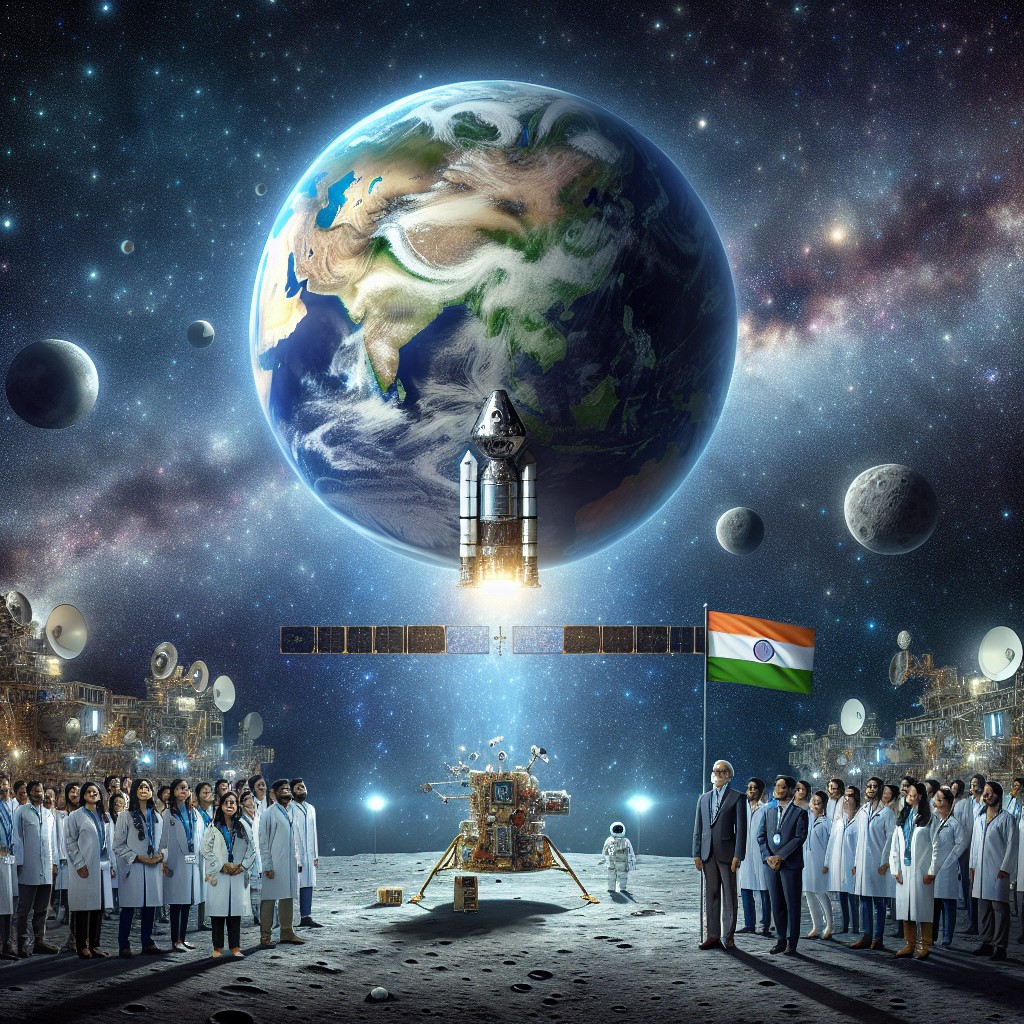 ISRO Chairman S Somanath expressed his gratitude for the global recognition, underscoring the award’s significance in reflecting India’s ascent as a major player in space exploration. He stated, “The Leif Erikson Lunar Prize not only acknowledges ISRO’s achievements but also highlights the international community’s recognition of India’s capabilities in space exploration.”
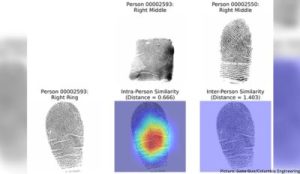

 As Christoph Thaiss, a lead author of the study and an assistant professor of microbiology at the Perelman School of Medicine at the University of Pennsylvania, states, “All these different hypotheses might be connected through the serotonin pathway.” He also highlights the possibility that therapies targeting the serotonin pathway could benefit at least a subset of individuals with long Covid.
 Blood is in fluid state because we have perfect balance of factors promoting and preventing blood clots. If there is imbalance it will result in blood clots.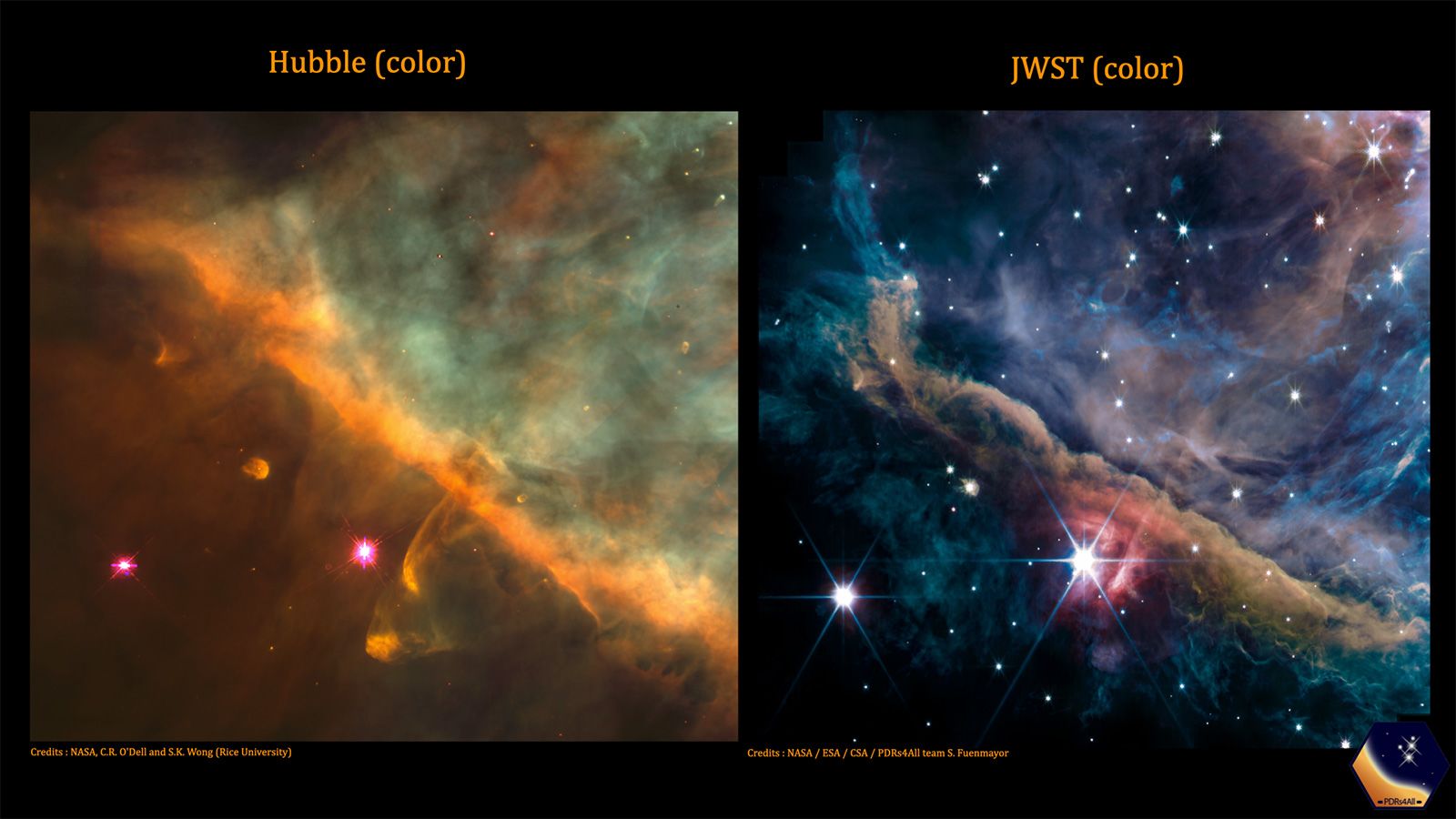


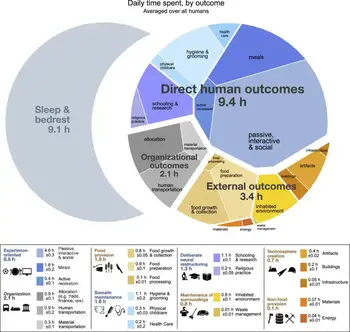
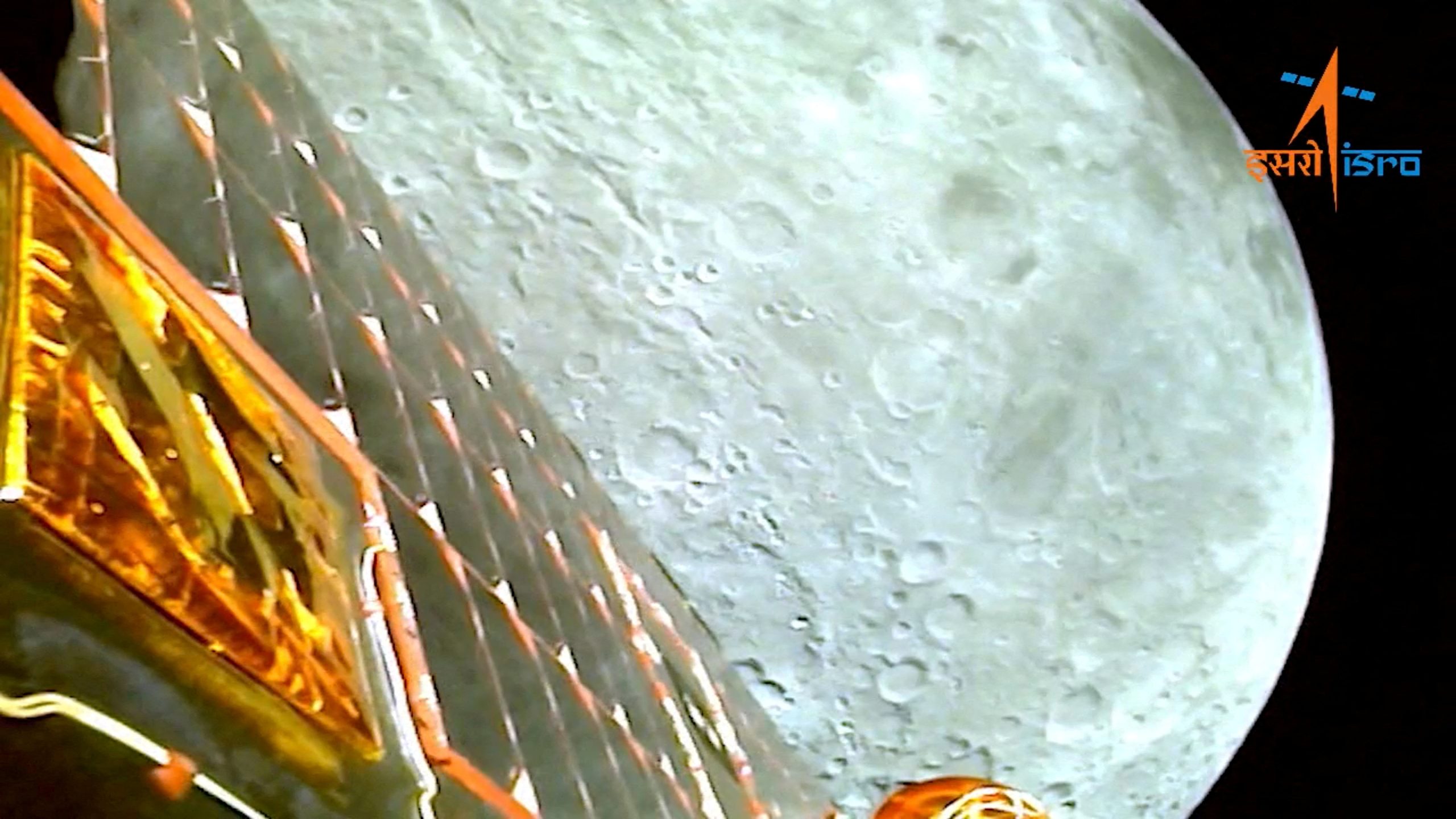
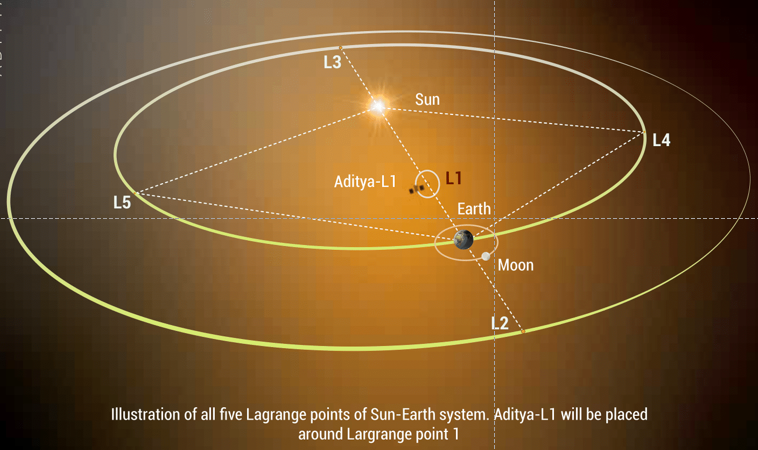

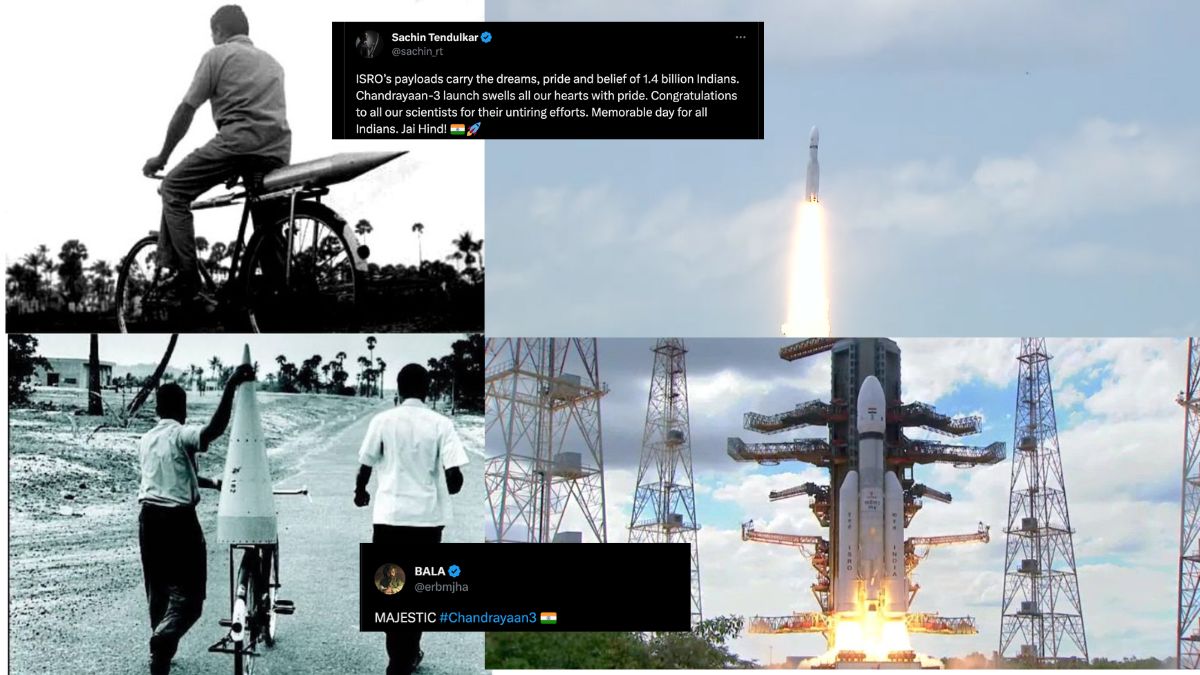
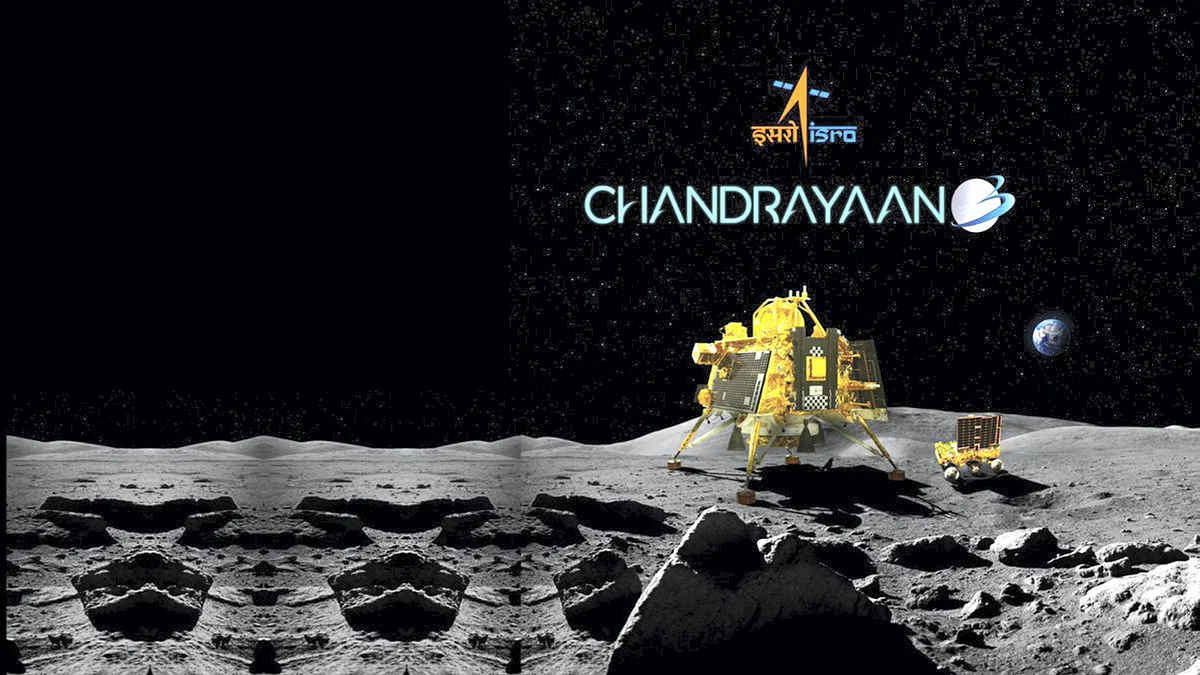
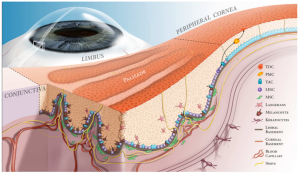

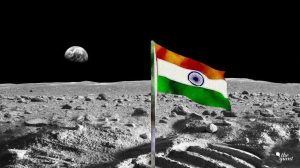 Chandrayaan-3’s projected landing site is also closer to the moon’s south pole than any other spacecraft in history has ventured. The south pole region is considered an area of key scientific and strategic interest for spacefaring nations, as scientists believe the region to be home to