Catastrophic Sea-Level Rise from Antarctic Melting is Possible with Severe Global Warming

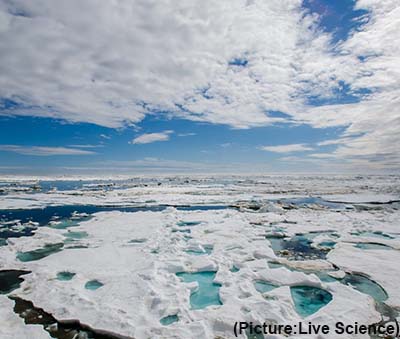
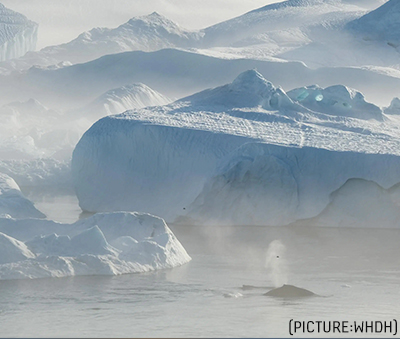
Newswise — The Antarctic ice sheet is much less likely to become unstable and cause dramatic sea-level rise in upcoming centuries if the world follows policies that keep global warming below a key 2015 Paris climate agreement target, according to a Rutgers coauthored study.

But if global warming exceeds the target – 2 degrees Celsius (3.6 degrees Fahrenheit) – the risk of ice shelves around the ice sheet’s perimeter melting would increase significantly, and their collapse would trigger rapid Antarctic melting. That would result in at least 0.07 inches of global average sea-level rise a year in 2060 and beyond, according to the study in the journal Nature.

That’s faster than the average rate of sea-level rise over the past 120 years and, in vulnerable coastal places like downtown Annapolis, Maryland, has led to a dramatic increase in days of extreme flooding.

Global warming of 3 degrees Celsius (5.4 degrees Fahrenheit) could lead to catastrophic sea-level rise from Antarctic melting – an increase of at least 0.2 inches per year globally after 2060, on average.

“Ice-sheet collapse is irreversible over thousands of years, and if the Antarctic ice sheet becomes unstable it could continue to retreat for centuries,” said coauthor Daniel M. Gilford, a post-doctoral associate in the Rutgers Earth System Science & Policy Lab led by coauthor Robert E. Kopp, a professor in the Department of Earth and Planetary Sciences within the School of Arts and Sciences at Rutgers University–New Brunswick. “That’s regardless of whether emissions mitigation strategies such as removing carbon dioxide from the atmosphere are employed.”

The Paris Agreement, achieved at a United Nations climate change conference, seeks to limit the negative impacts of global warming. Its goal is to keep the increase in global average temperature well below 2 degrees Celsius above pre-industrial levels, along with pursuing efforts to limit the increase to 1.5 degrees Celsius (2.7 degrees Fahrenheit). The signatories committed to eliminating global net carbon dioxide emissions in the second half of the 21st century.

Climate change from human activities is causing sea levels to rise, and projecting how Antarctica will contribute to this rise in a warmer climate is a difficult but critical challenge. How ice sheets might respond to warming is not well understood, and we don’t know what the ultimate global policy response to climate change will be. Greenland is losing ice at a faster rate than Antarctica, but Antarctica contains nearly eight times more ice above the ocean level, equivalent to 190 feet of global average sea-level rise, the study notes.

The study explored how Antarctica might change over the next century and beyond, depending on whether the temperature targets in the Paris Agreement are met or exceeded. To better understand how the ice sheet might respond, scientists trained a state-of-the-art ice-sheet model with modern satellite observations, paleoclimate data and a machine learning technique. They used the model to explore the likelihood of rapid ice-sheet retreat and the western Antarctic ice-sheet’s collapse under different global greenhouse gas emissions policies.

Current international policies are likely to lead to about 3 degrees Celsius of warming, which could thin Antarctica’s protective ice shelves and trigger rapid ice-sheet retreat between 2050 and 2100. Under this scenario, geoengineering strategies such as removing carbon dioxide from the atmosphere and sequestering (or storing) it would fail to prevent the worst of Antarctica’s contributions to global sea-level rise.

“These results demonstrate the possibility that unstoppable, catastrophic sea level rise from Antarctica will be triggered if Paris Agreement temperature targets are exceeded,” the study says. Gilford said “it’s critical to be proactive in mitigating climate change now through active international participation in reducing greenhouse gas emissions and by continuing to ratchet down proposed policies to meet the ambitious Paris Agreement targets.”

Rutgers coauthors include Erica Ashe, a post-doctoral scientist in the Rutgers Earth System Science & Policy Lab. Scientists at the University of Massachusetts Amherst, Pennsylvania State University, University of California Irvine, University of Bristol, McGill University, Woods Hole Oceanographic Institution and University of Wisconsin-Madison contributed to the study.

Global Climate Trend Since Dec. 1 1978: +0.14 C Per Decade

Global Temperature Report: April 2021

(New Reference Base, 1991-2020)

Global climate trend since Dec. 1 1978: +0.14 C per decade

 April Temperatures (preliminary)

Global composite temp.:  -0.05 C (-0.09 °F) below seasonal average

Northern Hemisphere: +0.05 C (+0.09 °F) above seasonal average

Southern Hemisphere: -0.15 C (-0.27 °F) below seasonal average

Tropics: -0.28 C (-0.50 °F) below seasonal average

 March Temperatures (final)

Global composite temp.:  -0.01 C (-0.02 °F) below seasonal average

Northern Hemisphere: +0.12 C (+0.22 °F) above seasonal average

Southern Hemisphere: -0.14 C (-0.25 °F) below seasonal average

Tropics: -0.29 C (-0.52 °F) below seasonal average

 Notes on data released May 3, 2021 (v6.0, with new reference base)

This is the period in the La Niña-induced cooling cycle where the global temperature typically reaches its coolest value.  NOAA again reports that the water temperatures in the tropical Pacific are still below average – about the same as March – but much warmer than last November and December.

The global departure from average of -0.05 °C (-0.09 °F) represents a slight cooling from March led by declines in the atmosphere’s temperature over the Northern Hemispheric land areas.   A key indicator of the next few months’ temperature is the tropical anomaly which in April was essentially the same as March.  This is an indication that this cool episode is likely bottoming-out around 0.4 °C cooler than last August to November.  Will the La Niña return next fall?  Will there be neutral conditions?  We are in the time of year called a forecast barrier beyond which it is difficult to predict what the next winter will see in terms of La Niña/El Niño/Neutral conditions.  The indicators will start showing their hand in the latter part of the northern summer.

The warmest grid cell, in terms of departure from average, was +3.7 °C (+6.7 °F) over the Bering Sea just north of the Rat Islands (part of the Aleutian chain).  Anomalous warmth centered there spread to the western conterminous US and eastward to the Russian coast.  Other areas of anomalous warmth were in NE Canada, western Russia southward to the Caspian Sea, the South Pacific and Argentina eastward into the South Atlantic.

The coldest departure from average was over the Baltic Sea just north of Poland at -3.2 °C (-5.8 °F).  This cool region stretched from the Arctic southward to the Mediterranean Sea.  Additional cool areas were found in north-central Canada, the African Sahel, India to western China, and several regions over the oceans, especially the southern oceans, primarily related to La Niña.

The conterminous US cooled from March’s warmth to -0.02 °C (-0.04 °F), almost exactly at the 30-year average.  As is often the case the average is a small residual of two contrasting areas – the West was warm and the East was cool.  Adding in Alaska’s above average temperature puts the 49-state average at +0.10 °C (+0.18 °F) – still very close to the average.  [We don’t include Hawaii in the US results because its land area is less than that of a satellite grid square, so it would have virtually no impact on the overall national results.]

New Reference Base Jan 2021.  As noted in the Jan 2021 GTR, the situation comes around every 10 years when the reference period or “30-year normal” that we use to calculate the departures is redefined.  With that, we have averaged the absolute temperatures over the period 1991-2020, in accordance with the World Meteorological Organization’s guidelines, and use this as the new base period.  This allows the anomalies to relate more closely to the experience of the average person, i.e. the climate of the last 30 years.  Due to the rising trend of global and regional temperatures, the new normals are a little warmer than before, i.e. the global average temperature for Januaries for 1991-2020 is 0.14 °C warmer than the average for Januaries during 1981-2010.  So, the new departures from this now warmer average will appear to be cooler, but this is an artifact of simply applying a new base period.  It is important to remember that changes over time periods, such as a trend value or the relative difference of one year to the next, will not change.  Think about it this way, all we’ve done is to take the entire time series and shifted it down a little.

To-Do List: There has been a delay in our ability to utilize and merge the new generation of microwave sensors (ATMS) on the NPP and JPSS satellites.  As of now, the calibration equations applied by the agency have changed at least twice, so that the data stream contains inhomogeneities which obviously impact the type of measurements we seek.  We are hoping this is resolved soon with a dataset that is built with a single, consistent set of calibration equations.   In addition, the current non-drifting satellite operated by the Europeans, MetOP-B, has not yet been adjusted or “neutralized” for its seasonal peculiarities related to its unique equatorial crossing time (0930).  While these MetOP-B peculiarities do not affect the long-term global trend, they do introduce error within a particular year in specific locations over land.

As part of an ongoing joint project between UAH, NOAA and NASA, Christy and Dr. Roy Spencer, an ESSC principal scientist, use data gathered by advanced microwave sounding units on NOAA, NASA and European satellites to produce temperature readings for almost all regions of the Earth. This includes remote desert, ocean and rain forest areas where reliable climate data are not otherwise available.  Drs. Danny Braswell and Rob Junod assist in the preparation of these reports.

The satellite-based instruments measure the temperature of the atmosphere from the surface up to an altitude of about eight kilometers above sea level. Once the monthly temperature data are collected and processed, they are placed in a “public” computer file for immediate access by atmospheric scientists in the U.S. and abroad.

The complete version 6 lower troposphere dataset is available here: http://www.nsstc.uah.edu/data/msu/v6.0/tlt/uahncdc_lt_6.0.txt

Archived color maps of local temperature anomalies are available on-line at: http://nsstc.uah.edu/climate/

Neither Christy nor Spencer receives any research support or funding from oil, coal or industrial companies or organizations, or from any private or special interest groups. All of their climate research funding comes from federal and state grants or contracts.

While Harvard Introduces Covid-19 Vax Requirement For Students, Will Others Follow Soon?

Students at the Harvard University in the US will be required to be vaccinated against Covid-19 at the start of the new term later this year. “To reach the high levels of vaccination needed to protect our community, Harvard will require Covid vaccination for all students who will be on campus this fall,” the elite university in Cambridge, Massachusetts, announced on Wednesday.

According to the statement, exceptions would only be granted for medical or religious reasons. Previously, a number of other Ivy League universities such as Yale, Columbia and Princeton had already introduced such a vaccination requirement.

Before returning to campus, students must have completed their vaccination with a vaccine approved by the Food and Drug Administration (FDA) or the World Health Organization (WHO).

This means at least two weeks must have passed since the last vaccine dose was administered, the statement added. International students and others who do not have access to a vaccine before the autumn will be offered vaccination by the university upon their arrival.

Founded in 1636, Harvard University is considered one of the elite schools in the US, producing several presidents and dozens of Nobel laureates, among others.

More than 23,000 students are currently enrolled at the private university, which is known for its rigorous admissions standards.

Dalai Lama Holds Dialogue With Russian Scientists On Research Into Buddhist Thukdam Meditation

His Holiness the Dalai Lama last week conducted an in-depth online dialogue with Russian neuroscientists to discuss their ongoing research into the Buddhist phenomenon and practice of thukdam meditation (Tib: ཐུགས་དམ་).

The term thukdam, derived from the Tibetan words thuk, meaning mind, and dam, meaning samadhi, describes an advanced type of tantric meditation in the Vajrayana tradition practiced by a Buddhist adept during the intermediate or transitional state of death known as bardo. During this period, when biological signs of life have ceased yet the body remains fresh and intact for several days, the master is described as being absorbed in the primordial “clear light stage,” a process of inner dissolution. In 2018, the Dalai Lama initiated a scientific inquiry into the neurophysiological mechanisms of thukdam.

“We need to undertake more research and investigate more cases of thukdam to establish whether the visions are associated with dissolution of the coarser elements,” His Holiness said during the dialogue on 5 May. “Since it is observed that the body of a person going through this process can remain warm, it may be that the dissolution of the earth, water, and fire elements do not coincide with the three visions.” (His Holiness the 14th Dalai Lama of Tibet)

Meanwhile, reports suggest, in a first scientific evidence, Russian scientists have demonstrated that the body of a person in the rare spiritual meditative state of ‘thukdam’ is in a quite different state from the body of someone undergoing the ordinary process of death.

The scientists have established research laboratories in the Tibetan settlements in Bylakuppe and Mundgod in Karnataka where they have examined 104 monks in meditation. They are carrying out a project of research into ‘thukdam’, the phenomenon that sometimes occurs when an accomplished meditator dies and their subtle consciousness remains in the body, even after clinical death.

Recently the scientists were able to observe a monk who was in ‘thukdam’ for 37 days at Gyuto Monastery. They invited a forensic physician to examine the physical body at various stages after death.

These facts came to light in a virtual conversation between Tibetan spiritual leader, the Dalai Lama, and Professor Svyatoslav Medvedev of the Russian Academy of Sciences and founder of the Institute of the Human Brain on Wednesday.

On query of Professor Medvedev that what value the study of ‘thukdam’ could have for humanity in general. The spiritual leader replied Tibetan Buddhists believe that people go through a process of dissolution in the course of death.

Once some accomplished meditators cease breathing, the process of dissolution they go through includes three visions — whitish appearance, reddish increase and black near attainment.

In the course of these three stages 80 different conceptions dissolve, 33 during the vision of whitish appearance, 40 during reddish increase and finally seven during the stage of black near attainment.

“We need to undertake more research and investigate more cases of ‘thukdam’ to establish whether the visions are associated with dissolution of the coarser elements.

“Since it is observed that the body of a person going through this process can remain warm, it may be that the dissolution of the earth, water and fire elements do not coincide with the three visions.

“When an ordinary person dies, there is a dissolution of the elements. Buddhists believe that beings go through past and future lives, so there is some bearing on this too. My own senior tutor Ling Rinpoche remained in ‘thukdam’ for 13 days. Recently, a monk at Kirti Monastery remained in this state for 37 days. “This is an observable reality, which we need to be able to explain.

“There is evidence to see and measure. We can also find a detailed explanation of the inner subjective experience of the process of death in the Guhyasamaja Tantra texts. I hope scientists can take all this into account and come up with an explanation,” His Holiness said.

Professor Alexander Kaplan, Head of the Laboratory for Neurophysiology and Neuro-Computer Interfaces, Moscow State University (MSU), asked what Buddhist ideas could help Western scientists to understand the workings of the brain?

At this, the elderly Buddhist monk replied that in the past, modern science as it had developed in the West had tended to focus on external phenomena, things that can be seen and measured.

“Gradually people have begun to recognize that peace of mind has an important role to play in our day-to-day lives. Consequently, scientists have also begun to show an interest in how to develop peace of mind. Mental afflictions like anger, fear and frustration detract from our good health, so, never mind about our next life or our reaching enlightenment, all seven billion human beings alive today need peace of mind here and now.

“In order to achieve and maintain peace of mind, we need to understand the workings of the mind and the whole system of emotions. Buddhism outlines 51 mental factors in six categories: five ever-functioning mental factors; five ascertaining ones; 11 constructive emotions; six root disturbing emotions and attitudes; 20 auxiliary disturbing emotions and four changeable mental factors.

“On the basis of understanding these we can learn to tackle destructive emotions as they arise, even under difficult circumstances. Peace of mind is within our reach.” Konstantin Anokhin, Director of the Institute for Advanced Brain Studies, MSU, wanted to know about evidence for the existence of past lives.

The spiritual leader told him that he has heard of cases of children who belong to communities that give past and future lives no credence, who apparently describe memories of past lives. Among Indians and Tibetans, people who accept the idea of past and future lives, children with such recollections are not unusual.

“There was a boy born in Tibet, who, once he could talk, insisted to his parents ‘This isn’t where I belong, I want to go to India’. They brought him to India and came to Dharamsala. But even here he said, ‘This isn’t my place’. So, they took him to Mundgod Tibetan Settlement in South India.

“When they reached Ganden Monastery, the boy told them, ‘This is where I belong’ and led them to one of the houses. They went inside and pointing to a drawer, he said, ‘My glasses are in there’. They looked and they were.

“In my own case, as a small boy, I recognised monks in the party searching for the Dalai Lama’s reincarnation. I was able to remember their names. One of the principal procedures employed when seeking to recognize the reincarnation of a Lama is to show the candidate a number of possessions.

“If a child is able to recognize and select those items that had ‘belonged to them before’, it is taken as a positive indication. However, these memories fade as the children grow up.

“Something else that could be regarded as significant is that some children are able to study and learn much more readily than others. This is taken to imply that they are already familiar with the material from their studies in their previous lives.

“In my case I learned easily, which could be a sign of revising what I had learned before.” His Holiness the 14th Dalai Lama, Tenzin Gyatso, describes himself as a simple Buddhist monk.

In 1989, the Dalai Lama won the Nobel Peace Prize for his non-violent struggle for Tibet. He was awarded the US Congressional Gold Medal in October 2007, even in the face of protests by China.

The Dalai Lama now lives in exile in this northern Indian hill station along with some 140,000 Tibetans, over 100,000 of them in different parts of India. Over six million Tibetans live in Tibet.

Sharks Use Earth’s Magnetic Fields To Find Their Way Home

Newswise — Each year, many shark species migrate hundreds of miles, traversing ocean waters to return to the same spot year after year. Now, Florida State University researchers have found that sharks likely use the Earth’s magnetic fields to help guide them on these long-distance journeys.

“Sharks use map-like information from the geomagnetic field as a navigational aid,” said Bryan Keller, a recent Ph.D. graduate who conducted his research at the FSU Coastal and Marine Laboratory. “This ability is useful for navigation and possibly maintaining population structure.”

The research team’s work is published the latest issue of Current Biology.

Researchers have known that some shark species migrate long distances annually in response to seasonal changes in the environment, prey availability or for reproductive functions, such as finding mates or giving birth. They also knew that sharks are sensitive to electromagnetic fields and thought that there may be a connection with their migration patterns.

Keller specifically examined a group of bonnethead sharks that spend the summer off the coast of the FSU Coastal and Marine Laboratory before migrating south for the winter. Other populations of bonnetheads have been shown to undertake migrations over 620 miles roundtrip.

“That’s not bad for a shark that is only 2 to 3 feet long,” said Dean Grubbs, associate director of research for the  laboratory. “Many shark species display similar migration patterns. The question is how do they find their way back to that same estuary year after year.”

Though scientists had theorized about a potential connection between electromagnetic fields and migration, Keller, Grubbs and their colleagues had to find a way to prove it.

Researchers exposed 20 juvenile, wild-caught bonnetheads to magnetic conditions representing locations hundreds of miles away from where the sharks were captured.

Scientists predicted that if the sharks used the magnetic conditions as a directional tool that they would naturally orient north when exposed to the southern magnetic field. They also predicted that the sharks would have no preference in their orientation when exposed to the magnetic field that matched the field of their capture site.

Both predictions were borne out in the experiments.

“For 50 years, scientists have hypothesized that sharks use the magnetic field as a navigational aid,” Keller said. “This theory has been so popular because sharks, skates and rays have been shown to be very sensitive to magnetic fields. They have also been trained to react to unique geomagnetic signatures, so we know they are capable of detecting and reacting to variation in the magnetic field.”

Co-authors of this study are Nathan Putnam from 2LGL Ecological Research Associates, David Portnoy from Texas A&M University-Corpus Christi and Tim Murphy from the FSU-headquartered National High Magnetic Field Laboratory.

This work was supported by the Save Our Seas Foundation and the FSU Coastal and Marine Laboratory.

Pfizer Says, Covid Oral Pill Could Be Ready By Year-End

US-based pharmaceutical major Pfizer’s Chief Executive Officer Albert Bourla said that the company’s Covid-19 oral antiviral pill, which is in early-stage trials, could be ready by the end of the year, the media reported.

According to CNBC, the company, which developed the first authorised Covid-19 vaccine in the US with German drugmaker BioNTech, began an early-stage clinical trial for testing a new antiviral therapy for Covid-19 in March.

The drug is part of a class of medicines called protease inhibitors and works by inhibiting an enzyme that the virus needs to replicate in human cells.

“If clinical trials go well and the Food and Drug Administration (FDA) approves it, the drug could be distributed across the US by the end of the year,” Bourla told CNBC.

Protease inhibitors are used to treat other viral pathogens such as HIV and hepatitis C, the report said.

Last month, the pharmaceutical giant asked the US Food and Drug Administration (FDA) to expand the Emergency Use Authorisation (EUA) for its Covid-19 vaccine to include children ages 12 to 15.

The request to expand emergency use comes just days after Pfizer released data demonstrating its vaccine was 100 per cent effective and well-tolerated by the younger group.

Pfizer is also working on its vaccine for 6-month to 11-year-old children.

A recent study, published in the journal Science, showed that a single dose of Pfizer-BioNTech vaccines against Covid may boost immunity against the Covid-19 variants, only in people who were previously infected with the deadly virus.

In people who have not previously been infected and have so far only received one dose of vaccine, the immune response to variants of concern may be insufficient, the study indicated. (IANS)

At ASEI’s 2021 AI Summit, AI For Social Good, Data & Ethics Highlighted

The American Society of Engineers of Indian Origin (ASEI) convened an AI Summit with a number of researchers, authors, speakers and experts covering Artificial Intelligence  from multiple perspectives: Augmented Intelligence with Data, AI/ML Solutions for social benefit and Artificial Intelligence Applications for the enterprise & AI Ethics on April 24th, 2021.

Opening the summit, Divya Ashok, who serves as VP of Innovation and Strategy at Salesforce, introduced the AI Summit Chair Piyush Malik who has been working in the Data & AI domain for over 25 years, currently as the Senior Vice President at SpringML, a Google partner startup in Silicon Valley. Piyush gave a bird’s eye view of the AI landscape, the real life and enterprise application opportunities as well as set the stage for the plenary segment where the theme was AI for Society. He recognized  the  contributions of AI pioneer technologists and Turing awardees over the past 7 decades including Prof  Raj Reddy, the first Asian and the only Indian origin person to have won the Nobel prize of computing (i.e. Turing Award for AI) in 1994 long before the current euphoria over AI was commonplace.

  Vilas Dhar,  President and Trustee of the Patrick J. McGovern Foundation (PJMF), gave a message of support from PJMF to ASEI as we work towards our shared vision for AI – powered yet human-centric ethical endeavor for the benefit of society as we  explore the future of meaningful work through youth empowerment. PJMF is a 21st century philanthropy advancing artificial intelligence (AI) and data solutions to create a thriving, equitable, and sustainable future for all. Vilas, a biomedical engineer by initial training is an entrepreneur, technologist, and human rights advocate with a lifelong commitment to creating more robust, human-centered social institutions. His message of support for AI for social benefit  and data philanthropy fostered through interactions with ASEI leadership was complemented by the next speaker Dr Sundar Sundareshwaran, AI Fellow at the World Economic Forum (WEF) where PJMF is a supporter.

At WEF, Dr Sundar is co-creating a governance framework with a multi-stakeholder community for the use of Chatbots in healthcare amongst other initiatives which he talked about in detail having an impact in the COVID era.  Sundar  represents Mitsubishi Chemical Holdings Corporation in his role at WEF’s Centre for the Fourth Industrial Revolution. He  is a seasoned technologist with research, development, P&L and executive leadership experience. With a Master’s degree in Natural Language Understanding and a PhD in Computer Vision, Sundar has made numerous research contributions in robotics, neural networks, human computer interaction, virtual/augmented reality and autonomous vehicles. His plenary talk at the AI summit gave a broader view of the Policy impact AI is having at the World stage and he welcomed the opportunity for ASEI members to join hands in making the world a better place through fair use of AI rather than fearing from it. On behalf of ASEI, Piyush portrayed the excitement of being able to work with evangelists, policymakers, data and AI professionals and social changemakers at the WEF and PJMF.

In the next section of the summit three  authors spoke about their respective work and the impact each of them are having in the field of AI.  Anyone who has tried to learn GCP or machine learning with Google technologies would have seen Dr Valiappa (Lak) Lakshmanan  in action via his Coursera lessons and courses. Lak as he is popularly known, serves as the Director for Data Analytics and AI Solutions at  Google Cloud. Previously as a Director at the Climate Corporation, he led a team of data scientists building probabilistic estimates of past, current and future weather. Currently with his team he  builds software solutions for business problems using Google Cloud’s data analytics and machine learning products but he is very passionate about AI for Social good on which he spoke at length. Real world proof points and examples in the field of flood control, agriculture, healthcare etc were shared with the summit audience which resulted in a lot of interactive chats and Q&A.

ASEI Michigan chapter president Muthu Sivanantham introduced and facilitated discussion with the next two speakers.  Dr Raj Ramesh, a TEDx speaker who happens to have a doctorate in AI was the next author to speak. He has broad experience with digital transformation and helps  organizations bring together complementary strengths of machines and humans to effect grand change.  His talk featuring interesting doodles and interactive audience participation surveys was patterned on his recent book, “AI & You” and he advised how to co-exist with machines by sharing  how to think, thrive, and transform in an AI driven future.
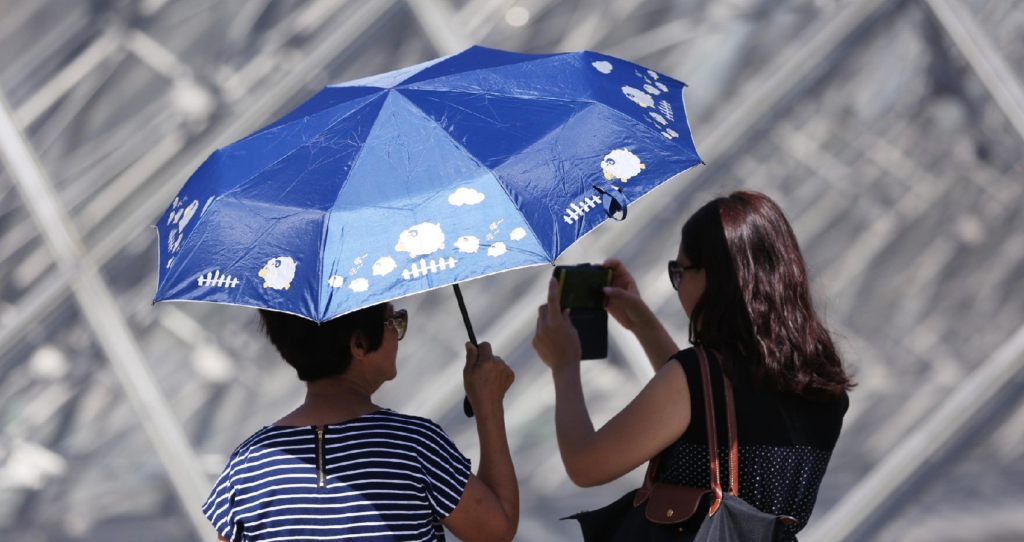
“AI will present a lot of opportunities in the future.  Sure, some jobs will be replaced, but each of us can leverage our knowledge, passion, and experience to position ourselves at the forefront of this cognitive revolution” – Dr Raj Ramesh at the ASEI AI Summit

The next speaker Ashish Bansal with his cool demeanour brought to light an example of how rubber meets the road in AI though Models in Natural Language Processing. NLP is a topic of increasing attention given the recent popularity of Open AI’s GPT3 model and discussions of “AI creating AI”. Ashish has previously worked in AI/ML  & Recommendation systems  for Twitter and Capital One and currently is a Director at  Twitch. His recent book Natural Language Processing with Tensorflow was discussed in brief as well.

Final section of the AI Summit was the “Women in Data & AI” segment facilitated  by Vatsala Upadhya and featured a lively and colorful “Ethics in AI” discussion between  Dr Sindhu Joseph, CEO of Cognicor with 6 Patents in AI, and Bala Sahejpal, SVP at DataRobot with Piyanka Jain, President and CEO of Aryng moderating

Issues of bias, reproducibility , transparency and equity and inclusion in  data and AI from people of color perspective was discussed as well as importance of governance and building checks and balances in the development and testing of AI systems was deliberated

Bala is an accomplished leader with over 25 years of experience and a proven ability in leading cross functional global teams for building Data and Analytics solutions delivering enterprise success while securing multimillion-dollar savings for diverse business functions. She shared what made her interested in AI infused  automation and drove her towards joining DataRobot after stints at Cisco/Appdynamics, Juniper and Netapp.

Piyanka has two Master’s degrees, with her thesis involving applied mathematics and statistics. Before founding Aryng, she was the Head of Business Analytics at PayPal-North America.She happens to be a bestselling author of “Behind every Good Decision”  and a regular contributor to Forbes, HBR, InsideHR, TDWI, Experian, Modern Workplace, Predictive Analytics World, etc. Her efforts over the years have driven $1b+ in business impact for her clients. Injecting her 20+ years of Data & Analytics experience during the panel discussion, she said “As AI becomes more prevalent, AI literacy for leaders and AI governance are two ‘must-haves’ to truly capitalize on the power of AI to drive significant business value while staying clear of AI fiasco like Tay”

Recounting the challenges that are faced in the adoption of ethical AI, Dr. Sindhu Joseph, founder, and CEO of CogniCor, which provides a digital assistant platform for financial services, said – “AI is not just scaling solutions, but amplifying the historic biases embedded in our society. Given that the most popular branch of AI namely ML/DL learns its models from historic observations, our inherent biases make their way into the data sets, making a small, select, and often homogeneous group of developers, organizations as guardians of fairness.”

 This session underscored the need for diversity in organizations and in startups developing AI algorithms and attention and investment in branches of AI that have the potential to bring about fairness.

The interactive Q&A sessions and chat texts continued to buzz throughout the nearly 4 hour conference with an engaged audience. The most interesting audience questions and some early bird participants won 10 books courtesy the three  authors and publishers. Proposing the vote of thanks, Raju Sreewastava, CEO of Big Data Trunk announced the list of winners.

The AI Summit showed the attendees the depth of AI/ML experience and thought leadership amongst Indian diaspora & ASEI members and gave a glimpse of the richness of  its collaborations with national and international professional bodies.

As is evident from recent events and newsletters, ASEI has had a fantastic 2021 so far with a large number of activities and new programmes such as MentorConnect, UniversityConnect and YouthPrograms to serve its members’ interests and build the next generation of engineers and technologists.

The American Society of Engineers of Indian Origin (ASEI) is a not-for-profitorganization that provides a platform for networking, career advancement,community service, mentoring and technology exchange for professionals,students and businesses in the United States and abroad. Members are guidedby several objectives, including the creation of an open, inclusive, andtransparent organization; providing positive role models, awarding scholarships,and remaining socially responsible. ASEI was founded in 1983 in Detroit,Michigan by a handful of visionaries. Today, the organization  has active chaptersin Michigan, Southern California, Silicon Valley, San Diego, and Washington, DC with more in the pipeline.

Roivant Sciences & MAAC to Combine and Create Publicly Traded Leader in Biopharma and Health Technology

Roivant Sciences, a biopharmaceutical and healthcare technology company, and Montes Archimedes Acquisition Corp. (Nasdaq: MAAC), a special purpose acquisition company sponsored by Patient Square Capital, today announced that they have entered into a definitive business combination agreement. Upon closing of the transaction, outstanding shares and warrants of MAAC will be exchanged for newly issued shares and warrants of Roivant Sciences, which is expected to be listed on Nasdaq under the new ticker symbol “ROIV.”

The transaction is expected to deliver up to $611 million of gross proceeds to fund discovery and development programs. This includes up to $411 million currently held in MAAC’s trust account, as well as a concurrent $200 million common stock private investment in public equity (“PIPE”) priced at $10.00 per share. New institutional and strategic investors and existing Roivant shareholders have committed to participate in the PIPE, including Fidelity Management & Research Company LLC, Eventide Asset Management, Suvretta Capital, Palantir Technologies, RTW Investments, LP, Viking Global Investors, Sumitomo Dainippon Pharma, and SB Management, a subsidiary of SoftBank Group Corp. Proceeds are expected to extend the company’s operating runway through mid-2024.

Patient Square Capital and key Roivant equity holders and management have agreed to long-term lockups, with at least 50% of their holdings locked up for three years. In addition, Patient Square Capital has agreed to convert an additional 30% of its shares of MAAC to earn-out shares subject to performance vesting thresholds: 20% of its shares will vest at $15.00 per share and 10% will vest at $20.00 per share for 20 of 30 trading days within five years of closing.

Jim Momtazee, Managing Partner of Patient Square Capital, will join Roivant’s board of directors. Prior to founding Patient Square Capital, Mr. Momtazee was a 21-year veteran of KKR where he helped form its health care investment team 20 years ago and ran that team for over a decade.

“Roivant is at the cutting edge of using technology to discover and develop transformative medicines for a wide range of serious diseases, and in a very short time they have established a remarkable track record of building subsidiaries that have run successful registrational clinical trials for approved medicines,” said Mr. Momtazee. “I first met the company in 2015 and have watched its growth over the last 6 years with admiration. Based on our extensive due diligence spanning the last 5 months, I look forward to a long-lasting partnership with one of the most exciting and innovative companies in the life sciences industry.”

Roivant will continue to operate under its current management team led by Chief Executive Officer Matthew Gline. Roivant founder Vivek Ramaswamy will continue to serve as Executive Chairman.

“I look forward to the next chapter of Roivant’s growth by beginning our life as a public company with an exceptionally strong and diverse base of long-term investors,” said Mr. Gline. “We look forward to continuing to deliver important medicines to patients through our development engine and our rapidly growing drug discovery capabilities spanning multiple therapeutic areas and modalities.”

The boards of directors of both Roivant and MAAC have unanimously approved the proposed transaction. Completion of the transaction, which is expected in the third quarter of 2021, is subject to approval of MAAC shareholders and the satisfaction or waiver of certain other customary closing conditions. A link to investor presentation materials is included below.

We Know More As To How The Vaccines Work

COVID-19 vaccines teach our immune systems how to recognize and fight the virus that causes COVID-19. It typically takes two weeks after vaccination for the body to build protection (immunity) against the virus that causes COVID-19. That means it is possible a person could still get COVID-19 before or just after vaccination and then get sick because the vaccine did not have enough time to provide protection.  People are considered fully protected two weeks after their second dose of the Pfizer-BioNTech or Moderna COVID-19 vaccine, or two weeks after the single-dose Johnson & Johnson’s Janssen COVID-19 vaccine, CDC has stated.

Studies have shown that several vaccines are highly effective in preventing people getting seriously ill from Covid-19. Now, early results from a survey in the UK suggest two commonly used vaccines — the Pfizer-BioNTech and AstraZeneca shots — can significantly reduce infections.

Twenty-one days after the first vaccine, odds of a new Covid-19 infection were reduced by 65%, according to results from the COVID-19 Infection Survey, coordinated by the University of Oxford, the Office of National Statistics and the Department for Health and Social Care. The largest reductions in odds were seen after a second dose, it said.

The numbers appeared more promising for the prevention of symptomatic infections. The odds of testing positive and self-reporting symptoms were reduced by 90% after the second dose. And vaccination was just as effective in the vulnerable over-75 age group as it was in younger people.

Two studies highlighting the results were posted as pre-prints and have not been peer-reviewed. They analysed 1.6 million test results from nose and throat swabs taken from more than 373,000 people between December and the start of April.

But experts advise people to continue with Covid prevention measures, as some infections will still be transmitted, particularly when large numbers of the population have had just one dose in a two-dose regimen or haven’t been vaccinated at all. Although infections are at a record high, lives are being saved in countries with effective immunization programs.

Although COVID-19 vaccines are effective at keeping you from getting sick, scientists are still learning how well vaccines prevent you from spreading the virus that causes COVID-19 to others, even if you do not have symptoms. Early data show the vaccines do help keep people with no symptoms from spreading COVID-19, but we are learning more as more people get vaccinated.

We’re also still learning how long COVID-19 vaccines protect people. For these reasons, people who have been fully vaccinated against COVID-19 should keep taking precautions in public places, until we know more, like wearing a mask, staying 6 feet apart from others, avoiding crowds and poorly ventilated spaces, and washing your hands often.

CDC Panel Allows J&J Vaccine for COVID-19 To Resume

A committee of the U.S. Centers for Disease Control (CDC) has decided to lift the temporary hold on using the COVID-19 vaccine made by Johnson & Johnson/Janssen as of April 23rd. The U.S. Food and Drug Administration (FDA) and CDC had temporarily halted vaccination with the J&J shot on April 13 after six reports of unusual blood clots in the brain occurred among nearly 7 million people vaccinated with the shot in the U.S.

Within hours, CDC director Dr. Rochelle Walensky accepted the panel’s recommendation and FDA officials said vaccinations could resume immediately. “The American public should feel reassured by the safety protocols we have in place for COVID-19 vaccines,” said Walensky at a briefing following the committee’s decision.

The panel of 15 independent experts was under some pressure to make a decision about the safety of the vaccine, which is the only single-shot vaccine for COVID-19 currently authorized in the U.S. But after an initial meeting on April 14, the group decided it needed more information.

Over the past week, an additional nine cases of unusual blood clots, called cerebral venous sinus thrombosis (CVST) were reported, bringing the total so far to 15 cases. All 15 have occurred in women, and most were in their 30s. However, since that’s still among several million people who had recently been vaccinated with the shot, CDC vaccine-safety experts still felt the overall risk is very small.

To put those 15 cases in context, Dr. Sara Oliver, from the CDC’s National Center for Immunization and Respiratory Diseases, and her team presented data from models they constructed to estimate how the 11-day pause in using the J&J vaccine affected COVID-19 cases, hospitalizations and death. The models showed that if the vaccine were reinstated for all adults over age 18 years, there would be 26 to 45 additional cases of the rare blood clots side effects over the next six months, but 800 to 3,500 fewer admissions to the ICU and anywhere from 600 to 1,400 fewer deaths. If officials restricted the vaccine only to people over age 50—which might make sense given that younger people are more at risk of the clotting side effect— they would expect two to three additional cases of clotting compared to 300 to 1,000 fewer ICU admissions and 40 to 250 fewer deaths.

J&J representatives at the meeting reiterated that the vaccine starts protecting people against disease within days of administration, and that data from the company’s clinical trials showed it was 85% efficacious in protecting people from severe COVID-19, including against new variants of the virus. The company favored adding a warning label about the risk of clotting, similar to the way the risk of anaphylaxis is now included in the label for the mRNA vaccines from Pfizer-BioNTech and Moderna.

Nearly 286.1 million doses of the COVID-19 vaccine have been shipped to various U.S. states as of this afternoon, of which 222.3 million doses have been administered thus far, according to TIME’s vaccine tracker. About 27.5% of Americans have been completely vaccinated. A single dose of either the AstraZeneca-Oxford University or Pfizer-BioNTech vaccine may provide protection against COVID-19 for at least 10 weeks, Oxford researchers reported during a press briefing.

World Moving Towards a “Devastating Marriage” of Artificial Intelligence & Weapons of War

STOCKHOLM, Apr 16 2021 (IPS) – Landmines are among the most insidious and cruel weapons of all, because they do not distinguish between armed soldiers, civilians or even children.

According to the Landmine Monitor 2020, explosive devices hidden in the ground killed or injured at least 5,554 people worldwide last year alone — that’s an average of 15 deaths and serious injuries per day.

With her International Campaign to Ban Landmines (ICBL), Professor Jody Williams (70) has been advocating a ban on landmines for almost 30 years, and she received the Nobel Peace Prize in 1997 for her commitment.

Excerpts from the interview:

Professor Williams, thank you for taking the time for this interview with the Faces of Peace initiative. To begin, we would first of all like to ask you: What does “peace” mean for you personally?

WILLIAMS: Peace is not simply the absence of armed conflict. That is the baseline on which sustainable peace can be built. For me, sustainable peace is peace built on human security, not national security. We do not need more, “modernized” nuclear weapons.

We do not need fully autonomous weapons that on their own can target and kill human beings. We need to use our resources so that the needs of people are met, not the needs of arms producers.

People should be able to live dignified lives, with equal access to education, health care, housing, etc. We need to focus on human security for sustainable peace, not national security to protect the infrastructure of the state. Peace and security should be people centered!

On 3 December 1997, 122 states signed the treaty for the banning of landmines. You and your campaign received the Nobel Peace Prize for this. How did you, as an American, come on the topic of landmines?

WILLIAMS: Actually, I was asked by two organizations – the Vietnam Veterans of America Foundation and a German humanitarian relief organization, “Medico International” – if I thought I could create an international coalition of nongovernmental organizations to pressure governments to ban antipersonnel landmines.

It was an amazing challenge that totally sparked my interest so I accepted that challenge and the International Campaign to Ban Landmines was born. Today, some 164 nations are part of the Mine Ban Treaty.

Speaking of the Landmine Monitor 2020: With 5,554 dead, the global death toll remains high 23 years after the ban on landmines. Is this a sobering figure? What else can the international community do?

WILLIAMS: It is a very sobering question and demonstrates how long it takes to clean up the mess as chaos caused by war and violence. The international community must maintain its focus on supporting countries still plagued with landmines and that are working on mine-clearance.

The danger of landmines – especially improvised explosive devices – still exists. And the world has not become more peaceful anyway. What are the biggest threats to peace in 2021?

WILLIAMS: To my mind, the global obsession with weapons and violence while at the same time painting people who believe that peace is possible as intellectual “light weights” who don’t understand the harsh reality of the world are the two sides of the double-edged sword that keeps the world believing that only more weapons will keep us safe.

The biggest threats are the “modernization” of nuclear weapons and the new “revolution” of weapons – killer robots. The weapons are fully autonomous and can target and kill human beings on their own. A devastating “marriage” of artificial intelligence and weapons of war!

Bombs do not kill ideology: Just in office, U.S. President Joe Biden ordered an airstrike in Syria – and another was called off at the last minute. What are your thoughts about that?

WILLIAMS: As you point out, bombs cannot kill ideology. In fact, bombing and other acts of violence can strengthen ideological conviction and make recruiting new people easier. I did not support Obama’s extensive use of drone warfare either.

And speaking of Joe Biden: The US has so far not signed the Ottawa Convention. What do you think the chances are of this happening during Joe Biden’s presidency? Does the world need US leadership?

WILLIAMS: I cannot predict what Biden will do regarding the Mine Ban Treaty. But it is very likely he will roll back Trump’s policy and align his administration’s policy with that of the Obama administration, which brought the US very close to compliance with the treaty even if it was not signed.

Professor Williams, you are also chair of the Nobel Women’s Initiative. What exactly does this initiative do and how can one support your important work?

WILLIAMS: The Nobel Women’s Initiative was launched in 2006. It brings together five women recipients of the Nobel Peace Prize, who use our influence and access to shine a spotlight on grassroots women’s organizations in conflict areas around the world working for sustainable peace with justice and equality.

*About the Faces of Democracy and Faces of Peace initiatives:

With almost 100 prominent figures from politics, business, the media and society – including the former President of the European Commission Jean-Claude Juncker, the Prime Minister of the Kingdom of Norway Erna Solberg, the President of the Republic of Estonia Kersti Kaljulaid, the German Federal Minister of Foreign Affairs Heiko Maas and OSCE Secretary General Thomas Greminger – the Faces of Democracy initiative is now in its fifth year of existence.

The first “faces” of the 2019 founded Faces of Peace initiative are SIPRI Director Dan Smith, the Chairman of the Atlantic Brücke e.V. Sigmar Gabriel, the OSCE CiO 2019 and Minister of Foreign and European Affairs of the Slovak Republic Miroslav Lajčák and the Chief of Staff of the 69th Submarine Brigade of the Northern Fleet Vasili A. Arkhipov.

(Sven Lilienström: The writer is Founder of the Faces of Democracy initiative & Faces of Peace initiative.)

U.S. Surgeon General Vivek Murthy Says, Additional Funds To Places Hit disproportionately by COVID-19

U.S. Surgeon General Vivek Murthy has said the U.S. was increasing funding to areas that had been hit disproportionately by COVID-19, including $4 billion in funding to the Indian Health System. Though the IHS has impressively distributed 1 million vaccines in Indian Country, recent data showed that American Indians and Alaska Natives suffered devastating loss when the pandemic was at its worst.

According to a recent CDC report, they were 3.5 times more likely to get COVID than white people and more than four times as likely to be hospitalized as a result of COVID-19.

Murthy said the steady increase in cases over the last month had him more concerned than the J&J pause, which was put into place on Tuesday after the CDC and FDA found that out of the nearly 7 million people who got the J&J shot, at least 6 patients suffered blood clots roughly 6-13 days afterward.

The pause could last at least a few more weeks, according to an independent CDC advisory panel that on Wednesday decided to wait and see if more patients developed symptoms before recommending next steps on the vaccine.

“As much attention as the J&J news has received though, what I’m most concerned about, the numbers which are most on my mind are the rising cases and hospitalizations among those who are not vaccinated,” Murthy said.

He underscored the positive news, however, which is that the U.S. is one of the few countries in the world with three vaccine options and hundreds of millions of doses.

“We’re really fortunate to have highly effective vaccines and a system that’s working day and night to keep us safe. It gives me faith that we will make it through this pandemic together,” Murthy said.

All Americans age 16 and up can now get a Covid-19 vaccine. But the challenge is getting enough people to roll up their sleeves so we can finally quash this pandemic.  “The vaccine is the most important pathway to ending this pandemic. That means we’ve got to get everyone in our country vaccinated,” US Surgeon General Dr. Vivek Murthy said Monday.

“Now what we’ve got to do is No. 1: Get the vaccine. No. 2: Turn around and look at our family and friends and ask if they’re going to get vaccinated. If they need help, that’s what we’ve got to do.”

About 40% of the US population — more than 132 million people — have received at least one dose of the Covid-19 vaccine and about 26% of the population — more than 85 million — are fully vaccinated, according to the Centers for Disease Control and Prevention.

Nearly 212 million doses have been administered in the US, with an average of 3 million shots per day, the CDC said. It’s critical for those age 16 and up to get vaccinated before new, more contagious strains emerge — just like the B.1.1.7 variant did.

2020 Saw 1.2 Degrees Celsius Rise In Global Temperature

The global average temperature was about 1.2 degrees Celsius above pre-industrial levels despite the cooling effect of La Nina ocean-atmosphere phenomenon in 2020, the World Meteorological Organisation confirmed on Monday in its State of the Global Climate 2020 report. The Intergovernmental Panel on Climate Change (IPCC) had warned that a 1.5 degree C warming will mark a menacing milestone in the warming of the planet.

UN Secretary-General, Antonio Guterres who released the report on Monday said the UN is building a global coalition to reach net-zero emissions by 2050. “2020 was 1.2 degrees Celsius hotter than pre-industrial times. We are getting dangerously close to the 1.5-degree Celsius limit set by the scientific community. We are on the verge of the abyss. To avert the worst impacts of climate change, science tells us that we must limit global temperature rise to within 1.5 degrees of the pre-industrial baseline. That means reducing global greenhouse gas emissions by 45% from 2010 levels by 2030 and reaching net-zero emissions by 2050. We are way off track. This must be the year for action,” he said adding that all countries should phase out coal by 2040.

Last year was one of the three warmest years on record; the six years since 2015 have been the warmest on record and 2011-2020 was the warmest decade on record, the report highlighted adding that decrease in the annual growth rate of CO2 concentration due to the Covid 19 lockdown will be practically indistinguishable.

Globally averaged carbon dioxide (CO2) concentrations have already exceeded 410 parts per million (ppm), 148% of pre-industrial levels, and if the CO2 concentration follows the same pattern as in previous years, it could reach or exceed 414 ppm in 2021, according to the report.

“Developed countries must lead in phasing out coal — by 2030 in Organisation for Economic Cooperation and Development (OECD) countries, and 2040 elsewhere. No new coal power plants should be built.” Guterres also called for an agreement among all countries to follow a common direction of travel. “The United Nations is building a global coalition committed to net zero emissions – to cover all countries, cities, regions, businesses and financial institutions. Second, the next 10 years need to be a decade of transformation. Countries need to submit ambitious new NDCs — the nationally determined contributions to the Paris Agreement – which are their climate plans for the next 10 years,” he said.

The report comes ahead of the April 22-23 Virtual Leaders’ Summit on Climate convened by the United States of America. The Summit will have participation from 40 world leaders and one of its aims is “Galvanizing efforts by the world’s major economies to reduce emissions during this critical decade to keep the goal of limiting warming to 1.5 degree Celsius within reach,” according to the US department of state.

United States Special Presidential Envoy for Climate, John Kerry had met Prime Minister Narendra Modi and environment minister Prakash Javadekar earlier this month regarding increasing climate ambition ahead of COP 26 in Glasgow this November. Minister for Europe and Foreign Affairs of France, Jean-Yves Le Drian had also met Javadekar and said all countries should be on track to achieve carbon neutrality and start phasing out coal.
Javadekar had said India will not raise its climate ambition at the behest of or under pressure from developed countries. India has the right to develop and its poor have the right to grow and that countries should respect the principle of common but differentiated responsibilities (CBDR). (CBDR, a principle under the Paris Agreement requires richer countries to lead and take historical responsibility for the emissions caused in the past by them.)

According to Climatewatch’s net-zero tracker, 59 countries representing 54% of global emissions have announced net-zero targets. Only 6 parties have legislations on net-zero emissions. India is among 6 countries that are compliant with the Paris Agreement’s 2-degree target including Bhutan, Costa Rica and the Philippines according to Climate Action Tracker. 7 countries are “critically insufficient” and their pledges will lead to 4+degree C warming including the US and the Russian Federation.

Temperatures reached 38.0 degrees C at Verkhoyansk, Russian Federation on June 20, the highest recorded temperature anywhere north of the Arctic Circle. The Arctic minimum sea-ice extent in September 2020 was the second-lowest on record. The sea-ice retreat in the Laptev Sea was the earliest observed in the satellite era. Some 9.8 million people were displaced largely due to hydrometeorological hazards and disasters, and were recorded during the first half of 2020. Annual precipitation totals in monsoon in North America, Africa, South-West Asia and South-East Asia were unusually high in 2020. Monsoon seasonal totals in India were 109% of the long-term mean, the third-highest seasonal total after 1994 and 2019.

“2020 was one of the warmest years despite having a La Niña with cool waters in the east Pacific. La Niñas typically has a cooling effect on global temperatures, but this is now offset by global warming due to greenhouse gas emissions. As a result, La Niña years now are warmer than years with El Niño events of the past,” Roxy Mathew Koll, a climate scientist at the Indian Institute of Tropical Meteorology (IITM), Pune.

“International agreements on climate change aim to keep global warming within the safe range of 1.5C to 2C, but few people realise that the world’s average temperature is already more than a degree warmer than it was 200 years ago. Parts of the world like the Himalayas are warming even faster. This is a serious concern for India because climate change could have a compounding effect on existing scarcities, stresses and extreme events. For example, in 2020, even as we were fighting the Covid-19 pandemic, we also had to face Cyclone Amphan, which intensified rapidly in a warmer ocean. It is crucial that all countries invest in adaptation to climate impacts, especially to protect those who are most vulnerable to extreme events. At the same time, we need to accelerate policies and technologies to mitigate global greenhouse gas emissions as rapidly as possible,” said Ulka Kelkar, director of climate programme at the World Resources Institute, responding to the WMO report.

First Ever Human-Monkey Embryos Created To Help Produce Organs For Transplants

Scientists have successfully created the first embryos containing both human and monkey cells, an important step in helping researchers find ways to produce organs for transplants. The results of the groundbreaking experiment, published Thursday in the journal Cell, describe the first mixed-species embryos known as chimeras.

The research team in China was led by Juan Carlos Izpisua Belmonte, who has previously experimented with human and pig embryos. The team injected 25 human stem cells into the embryos of macaque monkeys.

“My first question is: Why?” said Kirstin Matthews, a fellow for science and technology at Rice University’s Baker Institute. “I think the public is going to be concerned, and I am as well, that we’re just kind of pushing forward with science without having a proper conversation about what we should or should not do.”

Still, the scientists who conducted the research, and some other bioethicists defended the experiment. “This is one of the major problems in medicine — organ transplantation,” said Juan Carlos Izpisua Belmonte, a professor in the Gene Expression Laboratory of the Salk Institute for Biological Sciences in La Jolla, Calif., and a co-author of the Cell study. “The demand for that is much higher than the supply.”

“I don’t see this type of research being ethically problematic,” said Insoo Hyun, a bioethicist at Case Western Reserve University and Harvard University. “It’s aimed at lofty humanitarian goals.”

Thousands of people die every year in the United States waiting for an organ transplant, Hyun noted. So, in recent years, some researchers in the U.S. and beyond have been injecting human stem cells into sheep and pig embryos to see if they might eventually grow human organs in such animals for transplantation.

But so far, that approach hasn’t worked. So Belmonte teamed up with scientists in China and elsewhere to try something different. The researchers injected 25 cells known as induced pluripotent stem cells from humans — commonly called iPS cells — into embryos from macaque monkeys, which are much more closely genetically related to humans than are sheep and pigs.

After one day, the researchers reported, they were able to detect human cells growing in 132 of the embryos and were able study the embryos for up to 19 days. That enabled the scientists to learn more about how animal cells and human cells communicate, an important step toward eventually helping researchers find new ways to grow organs for transplantation in other animals, Belmonte said.

“This knowledge will allow us to go back now and try to re-engineer these pathways that are successful for allowing appropriate development of human cells in these other animals,” Belmonte told NPR. “We are very, very excited.”

Such mixed-species embryos are known as chimeras, named for the fire-breathing creature from Greek mythology that is part lion, part goat and part snake.

“Our goal is not to generate any new organism, any monster,” Belmonte said. “And we are not doing anything like that. We are trying to understand how cells from different organisms communicate with one another.”

In addition, Belmonte said he hopes this kind of work could lead to new insights into early human development, aging and the underlying causes of cancer and other disease.

However, there are several concerns that using human cells in this way could produce animals that have human sperm or eggs. “Nobody really wants monkeys walking around with human eggs and human sperm inside them,” said Hank Greely, a Stanford University bioethicist who co-wrote an article in the same issue of the journal that critiques the line of research while noting that this particular study was ethically done. “Because if a monkey with human sperm meets a monkey with human eggs, nobody wants a human embryo inside a monkey’s uterus.”

Belmonte acknowledges the ethical concerns. But he stresses that his team has no intention of trying to create animals with the part-human, part-monkey embryos, or even to try to grow human organs in such a closely related species. He said his team consulted closely with bioethicists, including Greely.

Greely said he hopes the work will spur a more general debate about how far scientists should be allowed to go with this kind of research. “I don’t think we’re on the edge of beyond the Planet of the Apes. I think rogue scientists are few and far between. But they’re not zero,” Greely said. “So I do think it’s an appropriate time for us to start thinking about, ‘Should we ever let these go beyond a petri dish?’ “

For several years, the National Institutes of Health has been weighing the idea of lifting a ban on funding for this kind of research but has been waiting for new guidelines, which are expected to come out next month, from the International Society for Stem Cell Research.

The notion of using organs from animals for transplants has also long raised concerns about spreading viruses from animals to humans. So, if the current research comes to fruition, steps would have to be taken to reduce that infection risk, scientists said, such as carefully sequestering animals used for that purpose and screening any organs used for transplantation.

Google Earth’s New Timelapse Feature Shows Chilling Effect Of Climate Change

Google Earth users can now see the striking effect of climate change over the past four decades.  Google’s latest feature, Timelapse, is an eye opening, technical feat that provides visual evidence of how the Earth has changed due to climate change and human behavior. The tool takes the platform’s static imagery and turns it into a dynamic 4D experience, allowing users to click through timelapses that highlight melting ice caps, receding glaciers, massive urban growth and wildfires’ impact on agriculture.

Timelapse compiles 24 million satellite photos taken from 1984 to 2020, an effort Google (GOOG) said took two million processing hours across thousands of machines in Google Cloud. For the project, the company worked with NASA, the United States Geological Survey’s Landsat program — the world’s longest-running Earth observation program — the European Union’s Copernicus program and its Sentinel satellites, and Carnegie Mellon University’s CREATE Lab, which helped develop the technology behind Timelapse.

To explore Timelapse in Google Earth, users can type any location into the search bar to see it in motion, whether it’s a landmark or the neighborhood in which they grew up. Google said it removed elements such as clouds and shadows from the images, and computed a single pixel for every location on Earth for every year since 1984; ultimatel stitching them together into a timelapse video.

For example, it’s possible to see the Cape Cod coast slowly shifting south, agriculture growth in the middle of a desert in Al Jowf, Saudi Arabia, and the development of Songdo beach, a man-made beach in Busan, South Korea.

“Visual evidence can cut to the core of the debate in a way that words cannot and communicate complex issues to everyone,” said Rebecca Moore, a director of Google Earth, in a blog post on Thursday.

Google also created various guided tours through Voyager, its storytelling platform, around some of the broader changes seen in the imagery.

The company said it hopes governments, researchers, journalists, teachers and advocates will analyze the imagery, identity trends and share their findings.

“We invite anyone to take Timelapse into their own hands and share it with others — whether you’re marveling at changing coastlines, following the growth of megacities, or tracking deforestation,” Moore said. “Timelapse in Google Earth is about zooming out to assess the health and well-being of our only home, and is a tool that can educate and inspire action.”

Molnupiravir New Drug Gives Hope In Trials Against Coronavirus

Over the last year, several drugs have either been developed or tested to treat coronavirus. Now there’s another that’s showing some promise.  Molnupiravir is an antiviral drug in clinical trials.

In an interview with molecular epidemiologist Dr. Jill Roberts says the way that it works is it messes up viral replication. It’s shown some use against other viruses such as SARS and MERS.

Dr. Roberts says during an animal study on ferrets, they tried to get coronavirus to spread, and it wouldn’t. So while it’s a treatment designed to prevent hospitalizations and deaths, it also seems to prevent transmission.

While there is no timetable about when this would be available, it could be promising for future viruses or pandemics.  “This is a great tool to have to be able to know for future viruses maybe if we get a mutant that actually circumvents the vaccines, this drug will still work.”

Dr. Roberts says now that Merck is behind it, it has the resources to do a big enough trial to send to the FDA to get Emergency Use Authorization or even full authorization.

A couple of other positives she pointed out with this drug: it can also be used for people who do not want to get a vaccine or don’t have the resources to get shots. And, this is a pill, unlike other treatments right now that are IVs and have to be given at a treatment center.

It would be a pill, exquisitely calibrated to target SARS-CoV-2, with tolerable side effects and a low price tag. And it would work just as well as those antibody treatments that require an hourlong intravenous infusion, but it would come in a handy packet patients could take home.

“We’re looking for something I could give everyone in an urgent care setting who comes in with exposure or a positive test,” said Nathaniel Erdmann, an infectious disease specialist at the University of Alabama at Birmingham Hospital who treats Covid-19. “An easy, oral, safe drug.”

NIH Director Francis Collins called his “dream”: a highly effective pill that can be given immediately after diagnosis.“It’s just a damn long pathway,” Collins said in an interview. First scientists have to find molecular vulnerability in a virus, and then comes the process of screening hundreds of thousands of would-be drugs to find the few that latch onto that target. Then medicinal chemists get to work on honing a Goldilocks molecule that balances power, specificity, and safety, and if everything goes well in the Petri dish, there’s still months of animal testing to do before a single human being can take a pill in a clinical trial.

“But I will tell you that this is an extremely high priority for Tony Fauci and Francis Collins and the Biden administration, to work with these companies to try to make sure that we speed this up,” Collins said. “Because this pandemic is going to be with us — even with great vaccines — and people are going to get sick.”

There is hope, even in the short term. Any day now, Merck is expected to present pivotal data on an oral treatment akin to remdesivir. Behind that is a treatment from Atea Pharmaceuticals, first developed for hepatitis C virus, which could have pivotal results in the coming months. Neither is purpose-built for the virus that causes Covid-19, but experts said the treatments could still tick many of the boxes of a hoped-for antiviral.

Perhaps most promising is a novel antiviral from Pfizer, a drug engineered specifically for the virus SARS-CoV-2 that entered its first clinical trial last month.

New Jersey-based Merck acquired the drug, MK-7110, through its $425 million acquisition of privately held biopharmaceutical company OncoImmune late last year. An interim analysis of clinical trial data suggested the drug improved the chances of recovery for the sickest patients with Covid-19 and reduced the risk of death or respiratory failure.

Sumit K. Chanda-Led Team Spots Genes That Fight Covid Infection

A team of US scientists, led by an Indian-origin researcher at Sanford Burnham Prebys have identified a set of human genes that fight SARS-CoV-2 infection, the virus that causes COVID-19. Knowing which genes help control viral infection can greatly assist researchers’ understanding of factors that affect disease severity and also suggest possible therapeutic options. The genes in question are related to interferons, the body’s frontline virus fighters. The study was published in the journal Molecular Cell

According to Sumit K. Chanda, professor and director of the Immunity and Pathogenesis Programme at Sanford Burnham Prebys Medical Discovery Institute, the scientists have gained new insights into how the virus exploits the human cells it invades.  “We are still searching for its Achille’s Heel so that we can develop optimal antivirals,” Chanda said in a paper published in the journal Molecular Cell.

Knowing which genes help control viral infection can greatly assist researchers’ understanding of factors that affect disease severity and also suggest possible therapeutic options.  The genes in question are related to interferons, the body’s frontline virus fighters.

“We wanted to gain a better understanding of the cellular response to SARS-CoV-2, including what drives a strong or weak response to infection,” says Sumit K. Chanda, Ph.D., professor and director of the Immunity and Pathogenesis Program at Sanford Burnham Prebys and lead author of the study. “We’ve gained new insights into how the virus exploits the human cells it invades, but we are still searching for its Achille’s heel so that we can develop optimal antivirals.”

Soon after the start of the pandemic, clinicians found that a weak interferon response to SARS-CoV-2 infection resulted in some of the more severe cases of COVID-19. This knowledge led Chanda and his collaborators to search for the human genes that are triggered by interferons, known as interferon-stimulated genes (ISGs), which act to limit SARS-CoV-2 infection.

Based on knowledge gleaned from SARS-CoV-1, the virus that caused a deadly, but relatively brief, outbreak of disease from 2002 to 2004, and knowing that it was similar to SARS-CoV-2, the investigators were able to develop laboratory experiments to identify the ISGs that control viral replication in COVID-19.

“We found that 65 ISGs controlled SARS-CoV-2 infection, including some that inhibited the virus’ ability to enter cells, some that suppressed manufacture of the RNA that is the virus’s lifeblood, and a cluster of genes that inhibited assembly of the virus,” says Chanda. “What was also of great interest was the fact that some of the ISGs exhibited control across unrelated viruses, such as seasonal flu, West Nile and HIV, which leads to AIDS.”

“We identified eight ISGs that inhibited both SARS-CoV-1 and CoV-2 replication in the subcellular compartment responsible for protein packaging, suggesting this vulnerable site could be exploited to clear viral infection,” says Laura Martin-Sancho, Ph.D., a senior postdoctoral associate in the Chanda lab and first author of this study. “This is important information, but we still need to learn more about the biology of the virus and investigate if genetic variability within these ISGs correlates with COVID-19 severity.”

This knowledge led Chanda and his collaborators to search for the human genes that are triggered by interferons, known as interferon-stimulated genes (ISGs), which act to limit SARS-CoV-2 infection.

“We found that 65 ISGs controlled SARS-CoV-2 infection, including some that inhibited the virus’ ability to enter cells, some that suppressed manufacture of the RNA that is the virus’s lifeblood, and a cluster of genes that inhibited assembly of the virus,” Chanda explained.

“What was also of great interest was the fact that some of the ISGs exhibited control across unrelated viruses, such as seasonal flu, West Nile and HIV, which leads to AIDS”.

The team also identified eight ISGs that inhibited both SARS-CoV-1 and CoV-2 replication in the subcellular compartment responsible for protein packaging, suggesting this vulnerable site could be exploited to clear viral infection.

“This is important information, but we still need to learn more about the biology of the virus and investigate if genetic variability within these ISGs correlates with Covid-19 severity,” said Laura Martin-Sancho, a senior postdoctoral associate in the Chanda lab.  As a next step, the researchers will look at the biology of SARS-CoV-2 variants that continue to evolve and threaten vaccine efficacy.

Study Finds, Moderna Vax Has More Side Effects Than Pfizer/Biontech

In a first, a new study has pointed out that those taking the Moderna vaccine have reported more side effects than people who get the Pfizer/BioNTech jabs. The study, published in the journal JAMA, analysed reports collected via a Centers for Disease Control and Prevention (CDC) programme called v-safe that tracks side effects in vaccine recipients. A total of 3,643,918 people were enrolled in v-safe and completed at least one health survey within seven days following their first vaccine dose before February 21, and 1,920,872 v-safe participants reported receiving a second vaccine dose and completed at least one daily health survey within seven days following the second dose. Nearly 70 per cent of those said they had some kind of injection site reaction, like pain or swelling, and half had generalised reaction like fatigue or chills.

“A greater percentage of participants who received the Moderna vaccine, compared with the Pfizer-BioNTech vaccine, reported reactogenicity; this pattern was more pronounced after the second dose,” the researchers noted. Reactogenicity refers to a subset of reactions that occur soon after vaccination. People who got a Moderna shot were more likely to have a side effect — 73 per cent had an injection site reaction, compared with 65 per cent of people who had a Pfizer/BioNTech dose.

Nearly 51 per cent of Moderna recipients had full-body symptoms, compared with 48 per cent of people who got the Pfizer/BioNTech shot. The gap widened after the second dose. Almost 82 per cent of people getting their second Moderna shot had injection site pain versus just under 69 per cent of people with Pfizer/BioNTech, reports The Verge. “Overall, 74 per cent of people said they had general reactions after their Moderna shot, compared with 64 per cent of people getting Pfizer/BioNTech,” the report said on Tuesday.

People over 65 were also less likely to have side effects than people under 65, regardless of which vaccine they received. “Data from millions of v-safe participants indicate that injection site pain is common after both the first and second doses of either mRNA-based vaccine,” the study noted. Systemic reactions, including fatigue, headache, myalgia, chills, fever, and joint pain, occurred in participants after the first dose, although they were more frequently reported after the second dose among both Pfizer-BioNTech and Moderna vaccine recipients. (IANS)

A 3,000-Year-Old ‘Lost Golden City’ Has Been Unearthed In Egypt

A 3,000-year-old “lost golden city” has been unearthed in the southern city of Luxor, a discovery that could be the most significant find in Egypt since the tomb of the boy king Tutankhamen, an archaeological mission said on April 8, 2021) in a statement.

Archaeologists have hailed the discovery of what is believed to be the largest ancient city found in Egypt, buried under sand for millennia, which experts said was one of the most important finds since the unearthing of Tutankhamun’s tomb. The famed Egyptologist Zahi Hawass announced the discovery of the “lost golden city”, saying the site was uncovered near Luxor, home of the Valley of the Kings.

“The Egyptian mission under Dr Zahi Hawass found the city that was lost under the sands,” the archeology team said. “The city is 3,000 years old, dates to the reign of Amenhotep III, and continued to be used by Tutankhamun and Ay.” It called the find the largest ancient city, known as Aten, ever uncovered in Egypt.

Aten is believed to have been founded by King Amenhotep III, the ninth king of ancient Egypt’s 18th dynasty who ruled the country from 1391 to 1352 B.C., the mission’s statement said. It is believed to be that era’s largest administrative and industrial settlement, nestled on the western bank of Luxor.

“The discovery of this lost city is the second most important archaeological discovery since the tomb of Tutankhamen,” Betsy Bryan, an Egyptology professor at Johns Hopkins University and member of the mission, said in the statement. Its discovery “will give us a rare glimpse into the life of the ancient Egyptians” when the empire was at its wealthiest.

The lost city is the latest in a series of archaeological discoveries unearthed in recent months across the country that are bringing fresh understanding of the dynasties that ruled ancient Egypt. Egypt’s government hopes that such findings will bolster the nation’s all-important tourism industry, battered in recent years by the coronavirus pandemic, Islamist militant attacks and political instability.

Aten promises to be among the most significant of the recent finds.

Archaeologists started excavating in September in the area between the temples of King Ramses III and Amenhotep III. The original goal of the mission was to find King Tutankhamen’s mortuary temple, the statement said.

“Within weeks, to the team’s great surprise, formations of mud bricks began to appear in all directions,” the statement said. “What they unearthed was the site of a large city in a good condition of preservation, with almost complete walls, and with rooms filled with tools of daily life.

“The archaeological layers have [lain] untouched for thousands of years, justify by the ancient residents as if it were yesterday,” it said. “Many foreign missions searched for this city and never found it,” Zahi Hawass, an Egyptian archaeologist and former minister of state for antiquities affairs who led the mission, said in the statement.

The city was active during the reign of Amenhotep III as well as during his co-regency with his son, Amenhotep IV, also known as Akhenaton. The city was later used by Tutankhamen and his successor, King Ay. Hawass said the city’s streets are flanked by houses, some of which have walls nearly 10 feet high.

The archaeological team dated the settlement through hieroglyphic inscriptions found on wine vessels, rings, scarabs, pottery and mud bricks bearing the seals of King Amenhotep III’s cartouche, the statement said.  “Work is underway and the mission expects to uncover untouched tombs filled with treasures,” the statement read.

Does Moon Impact Your Sleep?

Irrespective of geography, bustle and light pollution, the coming of the full moon affects people in the same way, a new study has found. Over the years, the moon has been blamed for mood swings and bad luck, baby booms and spikes in crime. Could it also be keeping us from dropping off at night?

A recent study by scientists at the University of Washington, the National University of Quilmes in Argentina, and Yale University published in the journal Science Advances this January, links the lunar cycle to sleeping patterns and has shown that , irrespective of geography, bustle and light pollution, and no matter where you are in the world, the coming of the full moon affects people in the same way.

Sleep cycles in humans still oscillate in keeping with the 29.5-day lunar cycle. About five days before the full moon, it takes about 30 minutes longer to drop off, and people on average sleep a little less than usual too.

The study analysed the sleep patterns of 98 people from three different indigenous Toba-Qom communities living in Argentina. One group had no access to electricity, a second had limited access such as a single source of artificial light at home, and the third lived in an urban setting with full access.

Researchers expected only those in the rural communities to be affected by the lunar phases, since artificial light has been shown to have such an immediate and powerful impact on sleep cycles in urban areas. But when the findings came in, it turned out that the lunar forces were equally at play across all three groups. A strong pattern emerged, showing that, on average, people took about 30 minutes longer to fall asleep in the three to five nights before the moon reached its brightest phase.

“Access to electric light did tend to delay the timing of sleep and shorten sleep times. However, it didn’t affect the impact of lunar rhythms, which were prevalent in all communities,” Leandro Casiraghi, co-author of the study and a postdoctoral scholar in the University of Washington’s department of biology, said.

These findings were so surprising that the scientists decided to expand their study and also evaluate data from 464 Seattle-area college students who had been enlisted in another sleep study. The lunar patterns found in sleep timings were almost identical in both populations.

“We still don’t have an explanation for the mechanism that drives this,” says Casiraghi. “Our theory is that it is an ancestral adaptation to the extended period of sky illumination on these days, in which after sunset , the moon is already above the horizon and allows for safe outdoor activity. Non-moonlit night skies are very dark and hence being outside without any other light sources would have been difficult and dangerous.”

This corresponds with the fact that the effects are not seen on full-moon nights, when the moon rises with more of a delay after sunset. “It’s interesting that these moonlit evenings seem to mimic what we do with electric light,” Casiraghi says. “We use it to extend our evening activity, but hardly ever use it to wake up before dawn.”

Pfizer’s COVID-19 Vaccine Shows ‘100% Efficacy’ In Adolescents

The COVID vaccine made by Pfizer and BioNTech appears to work in children as young as 12 years old. That news comes from results from a study the company conducted in volunteers aged 12 to 15, reports here suggest

The vaccine was 100% effective in protecting against symptomatic disease in a study of more than 2,200 children, the companies said. Researchers also didn’t find any safety concerns. The Pfizer-BioNTech vaccine was safe and effective in adolescents as young as 12, the drug companies announced in a joint news release last week.

New clinical trials showed that Pfizer’s COVID-19 vaccine elicits “100% efficacy and robust antibody responses” in adolescents from 12 to 15 years old, the drug company announced last week. The trial included 2,260 participants; the results are even better than earlier responses from participants ages 16 to 25.

Pfizer and its vaccine partner BioNTech said they will submit the results “as soon as possible” to the U.S. Food and Drug Administration and the European Medicines Agency, asking regulators to expand their authorizations for the vaccine’s use in young people.

Pfizer will submit the data “in the coming weeks,” Pfizer CEO and Chairman Albert Bourla said in a news release about the trial. Calling the results encouraging, he added that the company is acting “with the hope of starting to vaccinate this age group before the start of the next school year.”

The Covid-19 vaccine from Pfizer Inc. and BioNTech SE safely protects children between the ages of 12 and 15, the companies said, results likely to lead to inoculations within that age group before this summer.

Data from a trial of the vaccine in nearly 2,300 people between the ages of 12 and 15 will be submitted to the Food and Drug Administration in the coming weeks, with the hope that vaccinations could begin before the next school year.

“Across the globe, we are longing for a normal life. This is especially true for our children. The initial results we have seen in the adolescent studies suggest that children are particularly well protected by vaccination,” said Ugur Sahin, chief executive of BioNTech, the German company that developed the vaccine in partnership with U.S. pharmaceutical giant Pfizer.

The findings, though expected, were much anticipated by parents, health authorities and school officials. They have been waiting for signs on when vaccines that adults have been getting could also be made available to children.

Like other authorized vaccines, the Pfizer-BioNTech shot hasn’t yet been cleared for use in adolescents under 16 years of age. Health experts say children will need to be vaccinated for a population to move past pandemic restrictions, like masking and physical distancing.

The vaccine was 100% effective at preventing symptomatic illness within the trial, with 18 cases of covid-19 in the group that received a placebo and none in the group that received the vaccine, the companies said. The vaccine triggered immune responses that were even more robust than those seen in young adults.

The data is the beginning of what many families, eager for normalcy to return, have been waiting to see. The Pfizer-BioNTech vaccine is currently authorized by the FDA for emergency use for people 16 and older. If regulators extend the authorization to younger age groups, Pfizer chief executive Albert Bourla said that vaccinations could begin before the school year.

Last week, Pfizer-BioNTech also started a trial in younger children, ages 6 months to 11 years. That trial will step down in age, establishing a safe dose first in children 5 to 11, then in 2- to 5-year-olds and then in children from 6 months to 2 years.

U.S. biotech firm Moderna is also conducting similar trials to test its coronavirus vaccine in teenagers and young children. Its vaccine is authorized by the FDA for emergency use for people over age 18.

Moderna, whose COVID-19 vaccine is authorized for people 18 and older in the U.S., is also testing its vaccine in adolescents; it announced a trial of around 3,000 participants from 12 to 18 years old in December. Moderna also said earlier this month it had administered the first doses of its vaccine to young children in a separate study that involves kids from 6 months to less than 12 years old.

Johnson & Johnson, whose vaccine got U.S. authorization one month ago, has also been moving to include children in clinical trials. The company will test the vaccine in only a small number of adolescents initially, with plans to expand the study if it is shown to be safe, according to a spokesperson at Janssen, the Johnson & Johnson subsidiary that developed the vaccine.

NASA Shares Data Of Mars Mission With India

The U.S. space agency NASA has exchanged data of its current Mars mission with its counterparts in China, India, the UAE and the European Space Agency to lower the risk of a collision as their spacecraft were also currently hovering the red planet, a media report said on March 31.

The purpose of exchanges was to lower the risk of a collision, as their spacecraft are orbiting the red planet, Hong Kong-based South China Morning Post reported, quoting a NASA (National Aeronautics and Space Administration) statement as saying.

“To assure the safety of our respective missions, NASA is coordinating with the UAE, European Space Agency, Indian Space Research Organisation and the China National Space Administration, all of which have spacecraft in orbit around Mars, to exchange information on our respective Mars missions to ensure the safety of our respective spacecraft,” NASA’s statement said.

“This limited exchange of information is consistent with customary good practices used to ensure effective communication among satellite operators and spacecraft safety in orbit,” the report said.

ISRO’s Mars Orbiter Mission, Mangalyaan, spacecraft remained in Mars orbit since it entered there in 2014.. India is the first Asian country to successfully send a spacecraft to Mars. NASA’s Perseverance has landed on Mars last month and its rover is currently exploring its surface, while China’s Tianwen-1 consisting of an orbiter, a lander and a rover, entered the parking lot of orbit around Mars on February 24 and expected to land there in the next few months.

United Arab Emirates (UAE) spacecraft, Hope, is also orbiting the Mars planet. There are two spacecraft from the European Space Agency in the Martian orbit, the report said. For information exchange cooperation with China, NASA had sought approval from the U.S. Congress and spoke to CNSA, the U.S. space agency confirmed on Monday, the Post report said.

Previously the U.S., Russia, EU besides India have succeeded in sending spacecraft to Mars regarded as the most complex space mission. Indian education success a model for replication, finds UK’s race report

Indian pupils tend to perform well in education and also go on to have high average incomes as a result, a model that needs further research to be replicated across other ethnicities, finds a new review set up by Prime Minister Boris Johnson into the UK’s racial disparities.

The Commission on Race and Ethnic Disparities report released on Wednesday concluded that class differences had overtaken racial disparity as an impact on life chances in the UK and overall found the country to be fairer even though overt racism remained a reality, particularly online.(Shutterstock)

Indian pupils tend to perform well in education and also go on to have high average incomes as a result, a model that needs further research to be replicated across other ethnicities, finds a new review set up by Prime Minister Boris Johnson into the UK’s racial disparities.

The Commission on Race and Ethnic Disparities report released on Wednesday concluded that class differences had overtaken racial disparity as an impact on life chances in the UK and overall found the country to be fairer even though overt racism remained a reality, particularly online.

One of its central recommendations includes discontinuation of the term BAME, which stands for Black, Asian and Minority Ethnic, as no longer “helpful” and proposes references such as British Indian instead.

“It is the commission’s belief that educational success should be celebrated, replicated and used as an exemplar to inspire all pupils across the UK. Evidence shows that certain ethnic groups such as Black African, Indian and Bangladeshi pupils perform better than White British group, once socio-economic status is taken into consideration,” reads the report, chaired by education consultant Dr Tony Sewell.

“This outstanding performance is in part due to what is termed ‘immigrant optimism’: a phenomenon where recent immigrants devote themselves more to education than the native population because they lack financial capital and see education as a way out of poverty. In practice, this means there are significant factors at play that can help groups overcome their socio-economic status and succeed,” it reads.

The 258-page report recommends the Department for Education (DfE) must invest in “meaningful and substantial research” to understand and replicate the underlying factors that drive the success of the high performance of pupils from different ethnicities, such as British Indians.

“In fact, as of 2019, the ethnicity pay gap – taking the median hourly earnings of all ethnic minority groups and the White group – is down to just 2.3 per cent and the White Irish, Chinese and Indian ethnic groups are on average earning notably more than the White British average,” it adds.

How Did Covid-19 Originate? WHO Has Possible Answers

Following a month-long fact-finding mission in China, a World Health Organization (WHO) team investigating the origins of the COVID-19 pandemic concluded that the virus probably originated in bats and passed to people through an intermediate animal.

More than a year after Covid-19 touched off the worst pandemic in more than a century, scientists have yet to determine its origins. The closest related viruses to SARS-CoV-2 were found in bats more than 1,000 miles from the central Chinese city of Wuhan, where the disease erupted in late 2019. Initially, cases were tied to a fresh food market and possibly the wildlife sold there. Other theories allege the virus accidentally escaped from a nearby research laboratory, or entered China via imported frozen food. Amid all the posturing and finger-pointing, governments and scientists agree that deciphering the creation story is key to reducing the risk of future pandemics.

Following a month-long fact-finding mission in China, a World Health Organization (WHO) team investigating the origins of the COVID-19 pandemic concluded that the virus probably originated in bats and passed to people through an intermediate animal. But fundamental questions remain about when, where and how SARS-CoV-2 first infected people.

To trace the virus’s origin, it’s crucial to pin down exactly when the first cases occurred in people. The WHO team established that the first person known to have COVID-19 was an office worker in Wuhan with no recent travel history, who began showing symptoms on 8 December 2019, says Peter Ben Embarek, a food-safety scientist at the WHO in Geneva, Switzerland, who led the investigation. But the virus was probably spreading in the city before that, because it was well-established by later that month, he says.

While the World Health Organization (WHO) report on the origins of the novel coronavirus was released on March 30th, 2020, the draft report has said that the laboratory origin theory of SARS-Cov-2 — that it was leaked from a laboratory — is “extremely unlikely”. According to a report by CNN, which says that it has reviewed the draft report, the virus started spreading probably a month or two before December 2019, when it first came into notice.

Markets that sold animals — some dead, some alive — in December 2019 have emerged as a probable source of the coronavirus pandemic in a major investigation organized by the World Health Organization (WHO).That investigation winnowed out alternative hypotheses on when and where the pandemic arose, concluding that the virus probably didn’t spread widely before December or escape from a laboratory. The investigation report, released today, also takes a deep look at the likely role of markets — including the Huanan market in Wuhan, to which many of the first known COVID-19 infections are linked.Of the four possible scenarios on how Covid-19 spread, the draft says the most likely way the pandemic started would have been through an intermediate wild animal which may have been captured and raised on a farm, via a bat, which is considered the most likely origin. However, the report says “the possible intermediate host of SARS-CoV-2 remains elusive”.

Another way the virus could have spread may have been through direct transmission form an infected animal, such as a bat or a pangolin. The report also considers the possibility of the virus having spread from frozen or chilled food, though it says “there is no conclusive evidence for foodborne transmission of SARS-CoV-2 and the probability of a cold-chain contamination with the virus from a reservoir is very low”.
The report, prepared by a joint team of Chinese and international researchers, also looked at the role of Huanan seafood market in Wuhan and said that since there’s evidence of the virus circulating even before the outbreak at the market, which may be ascribed to the crowds gathered there, “Huanan market was not the original source of the outbreak”. The report advises more testing of blood samples taken and stored before the first report of outbreak in December 2019 as well as more testing of animals from Southeast Asia.

“We could show the virus was circulating in the market as early as December 2019,” says the WHO’s Peter Ben Embarek, who co-led the investigation. He adds that this investigation is far from the last. “A lot of good leads were suggested in this report, and we anticipate that many, if not all of them, will be followed through because we owe it to the world to understand what happened, why and how to prevent it from happening again”.

Eddie Holmes, a virologist at the University of Sydney in Australia, says that the report does a good job of laying out what’s known about the early days of the pandemic — and notes that it suggests next steps for study. “There was clearly a lot of transmission at the market,” he says. “To me, looking at live-animal markets and animal farming should be the focus going forward.”

Nevertheless, exactly what happened at the Huanan market remains unknown. Genomic analyses and inferences based on the origins of other diseases suggest that an intermediate animal — possibly one sold at markets — passed SARS-CoV-2 to humans after becoming infected with a predecessor coronavirus in bats. But inconclusive doesn’t mean impossible. Analysts say, there will be more work to come. “This report is a very important beginning, but it is not the end.”

What happened to MARS’s water? Is It still trapped there?

Newswise — Billions of years ago, the Red Planet was far more blue; according to evidence still found on the surface, abundant water flowed across Mars and forming pools, lakes, and deep oceans. The question, then, is where did all that water go?

The answer: nowhere. According to new research from Caltech and JPL, a significant portion of Mars’s water–between 30 and 99 percent–is trapped within minerals in the planet’s crust. The research challenges the current theory that the Red Planet’s water escaped into space.

The Caltech/JPL team found that around four billion years ago, Mars was home to enough water to have covered the whole planet in an ocean about 100 to 1,500 meters deep; a volume roughly equivalent to half of Earth’s Atlantic Ocean. But, by a billion years later, the planet was as dry as it is today. Previously, scientists seeking to explain what happened to the flowing water on Mars had suggested that it escaped into space, victim of Mars’s low gravity. Though some water did indeed leave Mars this way, it now appears that such an escape cannot account for most of the water loss.

“Atmospheric escape doesn’t fully explain the data that we have for how much water actually once existed on Mars,” says Caltech PhD candidate Eva Scheller (MS ’20), lead author of a paper on the research that was published by the journal Science on March 16 and presented the same day at the Lunar and Planetary Science Conference (LPSC). Scheller’s co-authors are Bethany Ehlmann, professor of planetary science and associate director for the Keck Institute for Space Studies; Yuk Yung, professor of planetary science and JPL senior research scientist; Caltech graduate student Danica Adams; and Renyu Hu, JPL research scientist. Caltech manages JPL for NASA.

The team studied the quantity of water on Mars over time in all its forms (vapor, liquid, and ice) and the chemical composition of the planet’s current atmosphere and crust through the analysis of meteorites as well as using data provided by Mars rovers and orbiters, looking in particular at the ratio of deuterium to hydrogen (D/H).

Water is made up of hydrogen and oxygen: H2O. Not all hydrogen atoms are created equal, however. There are two stable isotopes of hydrogen. The vast majority of hydrogen atoms have just one proton within the atomic nucleus, while a tiny fraction (about 0.02 percent) exist as deuterium, or so-called “heavy” hydrogen, which has a proton and a neutron in the nucleus.

The lighter-weight hydrogen (also known as protium) has an easier time escaping the planet’s gravity into space than its heavier counterpart. Because of this, the escape of a planet’s water via the upper atmosphere would leave a telltale signature on the ratio of deuterium to hydrogen in the planet’s atmosphere: there would be an outsized portion of deuterium left behind.

However, the loss of water solely through the atmosphere cannot explain both the observed deuterium to hydrogen signal in the Martian atmosphere and large amounts of water in the past. Instead, the study proposes that a combination of two mechanisms–the trapping of water in minerals in the planet’s crust and the loss of water to the atmosphere–can explain the observed deuterium-to-hydrogen signal within the Martian atmosphere.

When water interacts with rock, chemical weathering forms clays and other hydrous minerals that contain water as part of their mineral structure. This process occurs on Earth as well as on Mars. Because Earth is tectonically active, old crust continually melts into the mantle and forms new crust at plate boundaries, recycling water and other molecules back into the atmosphere through volcanism. Mars, however, is mostly tectonically inactive, and so the “drying” of the surface, once it occurs, is permanent.

“Atmospheric escape clearly had a role in water loss, but findings from the last decade of Mars missions have pointed to the fact that there was this huge reservoir of ancient hydrated minerals whose formation certainly decreased water availability over time,” says Ehlmann.

“All of this water was sequestered fairly early on, and then never cycled back out,” Scheller says. The research, which relied on data from meteorites, telescopes, satellite observations, and samples analyzed by rovers on Mars, illustrates the importance of having multiple ways of probing the Red Planet, she says.

Ehlmann, Hu, and Yung previously collaborated on research that seeks to understand the habitability of Mars by tracing the history of carbon, since carbon dioxide is the principal constituent of the atmosphere. Next, the team plans to continue to use isotopic and mineral composition data to determine the fate of nitrogen and sulfur-bearing minerals. In addition, Scheller plans to continue examining the processes by which Mars’s surface water was lost to the crust using laboratory experiments that simulate Martian weathering processes, as well as through observations of ancient crust by the Perseverance rover. Scheller and Ehlmann will also aid in Mars 2020 operations to collect rock samples for return to Earth that will allow the researchers and their colleagues to test these hypotheses about the drivers of climate change on Mars.

The paper, titled “Long-term Drying of Mars Caused by Sequestration of Ocean-scale Volumes of Water in the Crust,” published in Science on 16 March 2021. This work was supported by a NASA Habitable Worlds award, a NASA Earth and Space Science Fellowship (NESSF) award, and a NASA Future Investigator in NASA Earth and Space Science and Technology (FINESST) award.

A Mouse Embryo Grown In An Artificial Womb

Biologists from Israel’s Weizmann Institute of Science have grown a mouse embryo — complete with beating heart cells, a head, and greenshoots of limbs — in an artificial womb for 12 days, longer than ever before. That’s about half the animal’s natural gestation period. The human equivalent of the period would be the first trimester.

How: The embryo was not grown in vitro starting from a fertilised egg. Instead, the scientists collected 5-day-old embryos from pregnant mice and moved them into glass vials filled with a special nutrient liquid. The vials were slowly spun and provided with a pressurised oxygen mixture. The mouse embryos grew till Dat 12 and only died after they became too large for the oxygen to diffuse through them, since they lack the natural blood supply a placenta could provide. The findings were published in the journal Nature (paywall).

The significance: Much of what is known about mammalian embryonic development today comes either from observing the process in non-mammals like frogs or fish that lay transparent eggs, or by obtaining static images from dissected mouse embryos (at different stages of development) and adding them together, explains Prof. Jacob Hanna of the Weizmann Institute. Growing an embryo in the lab gives scientists a whole new level of insight.

And marks a step towards… the ethical minefield of developing human embryos in a glass jar. In fact, in the same issue of Nature, two other research groups reported a leap forward in creating “artificial” human embryos, the MIT Technology Review notes.

Guardrails: Scientists currently adhere to a protocol of not developing human embryos beyond 14 days of sterilisation. Some countries have coded that as a law. But there are calls for allowing human embryos to grow longer. Hanna says doing so also would give access to lab-grown embryo tissues required for scientific research — for example, in the development of vaccines — instead of obtaining them from abortions.

(Source: Weizmann Institute of Science)

12 Indian Institutions Among Top 100 In World

This year, 12 Indian institutions have made it to the top 100 of the QS World University Rankings by Subject 2021. These are IIT Bombay, IIT Delhi, IIT Madras, IIT Kharagpur, IISC Bangalore, IIT Guwahati, IIM Bangalore, IIM Ahmedabad, Jawaharlal Nehru University, Anna University, University of Delhi, and O P Jindal University.

Among these, IIT Madras has been ranked 30th in the world for Petroleum Engineering, IIT Bombay has been ranked 41st and IIT Kharagpur 44th for Minerals and Mining Engineering, and the University of Delhi has been ranked 50th in the world for Development Studies.

Union Education Minister Ramesh Pokhriyal on Thursday said the reforms made by the government in higher education has improved representation of Indian institutions in globally acclaimed rankings.

“Over the last few years, the government’s continuous focus on improvement and reform in Indian higher education has resulted in significant improvement in the representation of Indian institutions in globally acclaimed and reputed rankings like QS,” the Union education minister said at the unveiling of the QS World University Rankings by Subject (2021).

“India’s higher education system plays a vital role in driving the nation’s competitiveness. Today, India is a leading nation with the highest number of higher education institutions across the globe with significant progress in the last few years in terms of enrolment in higher education which now stands at 37.4 million,” Pokhriyal said.

About the government’s efforts towards minimising the gender gap in higher education, he said women constituted 48.6 per cent of the total enrolment. The minister also said that the ‘National Education Policy’ is aimed at transforming Indian higher education into a knowledge superpower in the 21st century.

“NEP has a forward-looking vision for holistic and multidisciplinary education, eliminating the rigid separation of streams. It paves the way for internationalisation of education and encourages top world-ranked universities to open campuses in India,” Pokhriyal said. He also stressed on the active participation of all stakeholders in the implementation of the policy.

We Need To Foundationally Transform Cloud: Nadella

In order to herald the next generation of innovation in Cloud technology, tech companies need to foundationally transform how Cloud can drive the next level of broad economic growth that everyone can participate in, Microsoft CEO Satya Nadella has stressed.

Addressing the Microsoft ‘Ignite 2021’ virtual conference, Nadella said that it’s time for us to reflect on how the Cloud will change over the next decade.

“As computing becomes embedded everywhere in our world — transforming how we interact with people, places and things — and as physical and digital worlds converge, we will require more sovereignty and decentralised control. Cloud and edge computing will evolve to meet all of these real-world needs,” he emphasised.

The volume, variety and velocity of data will go through explosive growth in the cloud — and in particular at the edge devices, driving the decentralised architecture of compute.

“In this world, data will be more private, more sovereign. Data governance and provenance will take on new importance. We will develop new methods of federated machine learning to drive the next generation of personalized and yet privacy-preserving services,” the Microsoft CEO added.

At the digital conference, Microsoft unveiled the public preview of Azure Percept, a platform of hardware and services that aims to simplify the ways in which customers can use Azure AI technologies on the edge.

Roanne Sones, corporate vice president of Microsoft’s edge and platform group, said the goal of the new offering is to give customers a single, end-to-end system, from the hardware to the AI capabilities, that “just works” without requiring a lot of technical know-how.

The Azure Percept platform includes a development kit with an intelligent camera, Azure Percept Vision.

There’s also a “getting started” experience called Azure Percept Studio that guides customers with or without a lot of coding expertise or experience through the entire AI lifecycle, including developing, training and deploying proof-of-concept ideas.

Nadella said that in the artificial intelligence (AI) we create using all this enormous power of the cloud, we will look for increasing levels of predictive and analytical power, common sense reasoning, alignment with human preferences –and perhaps most importantly, augmenting human capability.”

“Our economy will find a new balance between consumption and creation. We believe the next decade will require technology advances that radically democratise creation,” he noted. (IANS)

Earth Has Life Span Of Nearly 1bn Years More: Study

The future life span of Earth’s oxygen-rich atmosphere is approximately one billion years, a new study reveals.

According to the study, published in the journal Nature Geoscience, Earth’s surface environment is highly oxygenated — from the atmosphere to the deepest reaches of the oceans, representing a hallmark of active photosynthetic biosphere.

However, the fundamental timescale of the oxygen-rich atmosphere on Earth remains uncertain, particularly for the distant future.

“For many years, the lifespan of Earth’s biosphere has been discussed based on scientific knowledge about the steadily brightening of the sun and global carbonate-silicate geochemical cycle,” said researcher Kazumi Ozaki, Assistant Professor at Toho University.

To examine how Earth’s atmosphere will evolve in the future, the team constructed an Earth system model which simulates climate and biogeochemical processes.

Because modelling future Earth evolution intrinsically has uncertainties in geological and biological evolutions, a stochastic approach was adopted, enabling the researchers to obtain a probabilistic assessment of the lifespan of an oxygenated atmosphere.

The team ran the model more than 400,000 times, varying model parameter, and found that Earth’s oxygen-rich atmosphere will probably persist for another one billion years before rapid deoxygenation renders the atmosphere reminiscent of early Earth before the Great Oxidation Event around 2.5 billion years ago.

“The atmosphere after the great deoxygenation is characterized by an elevated methane, low-levels of CO2 and no ozone layer. The Earth system will probably be a world of anaerobic life forms,” said Ozaki.

Earth’s oxygen-rich atmosphere represents an important sign of life that can be remotely detectable. However, this study suggests that Earth’s oxygenated atmosphere would not be a permanent feature, and that the oxygen-rich atmosphere might only be possible for 20-30 per cent of the Earth’s entire history as an inhabited planet, the researchers said.

Oxygen (and photochemical byproduct, ozone) is the most accepted biosignature for the search for life on the exoplanets, but if we can generalize this insight to Earth-like planets, then scientists need to consider additional biosignatures applicable to weakly-oxygenated and anoxic worlds in the search for life beyond our solar system, the team added. (IANS)

Johnson & Johnson’s Covid-19 Vaccine Approved For Use

Centers for Disease Control and Prevention vaccine advisers voted Sunday, Feb 28th to recommend the Johnson & Johnson Covid-19 vaccine for the US. It is the first of the three authorized Covid-19 vaccines that comes in a single dose.

In a unanimous 22-0, a panel of advisers to the Food and Drug Administration recommended that the COVID-19 vaccine developed by Johnson & Johnson be authorized for emergency use in adults during the pandemic.

The vote in favor of the vaccine, which requires only one shot for protection, was taken to answer this question: Do the benefits of the Johnson & Johnson vaccine outweigh its risks for use in people 18 years of age and older. The FDA typically follows the advice of its expert advisers. If the agency agrees, the Johnson & Johnson vaccine would be the third one cleared for use in the U.S.

A quick decision is expected given the state of the pandemic. The FDA authorized the Pfizer-BioNTech and Moderna COVID-19 vaccines one day after the same panel recommended them for clearance during separate meetings last December.

Two weeks ago, Dr. Mathai Mammen, Janssen’s global head of research and development, said if the vaccine is authorized for emergency use, “Our plan is to have supply immediately upon launch.” Even those who got moderate cases of Covid-19 in the trial tended to develop a milder course and fewer symptoms, said Dr. Mathai Mammen. From one month after the shot, all hospitalizations and deaths occurred in the placebo group.

The Johnson & Johnson vaccine was tested in an international study of about 40,000 people, half of whom got the vaccine and half of whom got a placebo. The study found the company’s vaccine to be 66% effective overall in preventing moderate to severe COVID-19 disease. For disease judged severe or critical, the effectiveness was 85%. The study was conducted in the U.S., South America and South Africa.

The main study included in the company’s application found that 28 days or more after immunization, the Johnson & Johnson vaccine prevented hospitalizations and death related to COVID-19.  The overall efficacy figures are lower than Pfizer’s 95% for preventing COVID-19 disease and 94% for Moderna.

As the pandemic has drawn on, the coronavirus has mutated. Variants first seen in South Africa and Brazil, where the Johnson & Johnson vaccine was tested, mutated in ways that help them evade the immune response prompted by vaccines developed against the original form of the virus.

The vaccine was tested in more than 44,000 people in the US, South Africa and Latin America. Globally, it was 66.1% effective against moderate to severe/critical Covid-19 at least four weeks after vaccination, according to an FDA analysis. In the US, it is considered 72% effective, and offered 86% protection against severe forms of the disease.

Among more than 6,000 study participants who were queried within a week of vaccination, the most common side effects were pain at the site of injection (49%), headache (39%), fatigue (38%) and muscle pain (33%). These side effects were mostly mild or moderate.

The authorization of Johnson & Johnson’s vaccine would help expand the supply of COVID-19 shots. The company said 4 million doses of vaccine would be available in the U.S. as soon as the FDA gives its OK. A total of 20 million doses would be ready by the end of March, and Johnson & Johnson has committed to deliver 100 million doses under its contract with the federal government by the end of June.

The CDC’s Advisory Committee on Immunization Practices is a group of vaccine and public health experts that helps set guidelines for the CDC concerning the best practices with vaccinations. Members voted unanimously, with one recusal for a potential conflict of interest, to recommend the vaccine. They did not make any recommendations about specific groups who should receive the vaccine.

“I just want to state explicitly how very grateful I am that we now have three highly effective vaccines,” said ACIP member Dr. Matthew Daley of the Institute for Health Research with Kaiser Permanente Colorado.

The vaccine, made by Johnson & Johnson’s Janssen vaccine arm, can be kept at regular refrigerator temperatures, which experts said would make it much easier to distribute than vaccines made by Moderna and Pfizer/BioNTech.

“During a pandemic, the data show that the best utilization of resources is to employ all available vaccines with acceptable vaccine efficacy. This will save cost and lives,” the CDC’s Dr. Sara Oliver told the ACIP meeting. A single-dose vaccine has an advantage, particularly in settings where a second dose “would be challenging.” For example, it could be used to help protect the homeless, people in the justice system, and those with limited access to health care like people who are homebound or live in rural areas, Oliver said.

Overall, non-fatal serious adverse events were infrequent, according to the FDA’s analysis, and there were no reported cases of anaphylaxis following vaccination in the trial. There have been a small number of severe allergic reactions with the Moderna and Pfizer/BioNTech vaccines. For example, in the first week of the Pfizer vaccine rollout, there were only 29 cases out of 1.9 million doses administered, according to the CDC. More research is needed to now for sure, but the FDA analysis also hinted that the J&J vaccine may help prevent asymptomatic infections.

“These are three highly efficacious vaccines,” said Dr. Anthony Fauci, the director of the National Institute of Allergy and Infectious Diseases. “I can tell you I have been fully vaccinated with one that was available. It was the Moderna. If I were not vaccinated now and I had a choice of getting a J&J vaccine now or waiting for another vaccine, I would take whatever vaccine would be available to me as quickly as possible.”

“We want to get as many people vaccinated as quickly and expeditiously as possible,” Fauci said Sunday on CNN’s State of the Union. “So this is good news because we have another very good vaccine in the mix.”

The US has ordered 100 million doses and the company has been manufacturing it while it has been testing the vaccine. Typically, companies wait to make the vaccine after its been approved, but that changed during the pandemic.  Johnson & Johnson says it can meet its 100 million dose commitment by June.

Scientists Talked To People In Their Dreams. They Answered

Researchers say two-way communication is possible with people who are asleep and dreaming.  Specifically, with people who are lucid dreaming — that is, dreaming while being aware you’re dreaming.

In separate experiments, scientists in the U.S., France, Germany and the Netherlands asked people simple questions while they slept. Sleepers would respond by moving their eyes or twitching their faces in a certain way to indicate their answers.

“Since the ’80s, we’ve known that lucid dreamers can communicate out of dreams by using these signals,” says Karen Konkoly, a Ph.D. student at Northwestern University who is the first author on the study published this month in Current Biology.

“But we were wondering, can we also communicate in? Can we ask people questions that they could actually hear in their dreams that we could kind of have a more meaningful conversation?”

They were studying rapid-eye-movement sleep, which is the stage of sleep where people dream most vividly. In REM sleep, “every muscle in your body is completely paralyzed, except you can twitch and you can move your eyes,” Konkoly tells Scott Simon on Weekend Edition. “So if you become lucid in a dream and you want to communicate, then when people are dreaming, they just look left-right, left-right, really dramatically. And then we know that they’re communicating out.”

Lucid dreaming is not common. So to study it, researchers recruited people who had experience with it and also trained people to try to make lucid dreaming more likely.

Before the participants went to sleep, they were also trained on how to communicate their answers. Special sensors measured people’s eye movements or experts would judge their facial movements.

For example, a typical question would be to ask what is 8 minus 6. A 19-year-old American man was able to respond by moving his eyes left-right, left-right — two times — to signal “2.” Researchers asked the question again, and he moved his eyes the same way two times again.

Out of the 158 trials among 36 participants, about 18% of the time, they were able to give correct answers. In another 18%, it wasn’t clear whether participants were responding or not. They were wrong 3% of the time. Most often, 61%, participants didn’t respond at all.

For the people dreaming, they didn’t always interpret the questions they were hearing as a simple question from researchers. “Sometimes stimuli were perceived as coming from outside the dream, but other times, the stimuli emanated from elements of the dream, contextualized in a way that made sense in relation to ongoing dream content,” the researchers write. One participant “heard the questions transposed over their dream as though it was God talking to them,” Konkoly says.

The researchers write that their findings present “new opportunities for gaining real-time information about dreaming, and for modifying the course of a dream” and “could usher in a new era of investigations into sleep and into the enigmatic cognitive dimensions of sleep.”

Konkoly says there’s the possibility of one day doing a sort of “dream therapy” for talking down people experiencing lucid nightmares.

And if more reliable communication methods can be worked out, it could help people with creative activities and ideas. “People often use lucid dreaming or dreaming for a kind of artistic, creative inspiration,” she says. “But in that dream state, your resources thus far are only the ones that you have in the dream.”

So with the help of an awake person, Konkoly says it could be possible to “combine those logical advantages of wake with the creative advantages of dreams and maybe have some more applications.”

(Samantha Balaban and Ed McNulty produced and edited the audio interview. Courtesy: NPR)

The COVID-19 Virus Is Mutating. What Does That Mean for Vaccines?

As we enter the second year of living with the new coronavirus SARS-CoV-2, the virus is celebrating its invasion of the world’s population with yet more mutated forms that help it to spread more easily from person to person.


One, first detected in the U.K. in December, has already raised alarms about whether the COVID-19 virus is now escaping from the protection that vaccines just being rolled out now might provide. The variant has also been found in the U.S. Already, U.K. officials have tightened lockdowns in England, Scotland and Wales, and over the holidays, more than 40 countries banned travelers from the region in an effort to keep the new strain from spreading to other parts of the world.


Health officials are also concerned about a different strain found in South Africa that could become more resistant to vaccine protection. This variant includes a few mutations in key areas that antibodies, generated by the vaccine, target.


Exactly how the new strains affect people who are infected—such as whether they develop more severe symptoms—and whether they can lead to more hospitalizations and deaths, aren’t clear yet. But scientists are ramping up efforts to genetically sequence more samples from infected patients to learn how widespread they are. So far, there are enough hints to worry public health experts.


The fact that SARS-CoV-2 is morphing into potentially more dangerous strains isn’t a surprise. Viruses mutate. They must, in order to make up for a critical omission in their makeup. Unlike other pathogens such as bacteria, fungi and parasites, viruses have none of the machinery needed to make more copies of themselves, so they cannot reproduce on their own. They rely fully on hijacking the reproductive tools of the cells they infect in order to generate their progeny.


Being such freeloaders means they can’t be picky about their hosts, and must make do with whatever cellular equipment they can find. That generally leads to a flurry of mistakes when they sneak in to copy their genetic code; as a result, viruses have among the sloppiest genomes among microbes.


The bulk of these mistakes are meaningless—false starts and dead ends—that have no impact on humans. But as more mistakes are made, the chances that one will make the virus better at slipping from one person to another, or pumping out more copies of itself, increase dramatically.


Fortunately, coronaviruses in particular generate these genetic mistakes more slowly than their cousins like influenza and HIV—scientists sequencing thousands of samples of SARS-CoV-2 from COVID-19 patients found that the virus makes about two errors a month. Still, that’s led so far to about 12,000 known mutations in SARS-CoV-2, according to GISAID, a public genetic database of the virus. And some, by sheer chance, end up creating a greater public health threat.


Just a few months after SARS-CoV-2 was identified in China last January, for example, a new variant, called D614G, superseded the original strain. This new version became the dominant one that infected much of Europe, North America and South America. Virus experts are still uncertain over how important D614G, named for where the mutation is located on the viral genome, has been when it comes to human disease. But so far, blood samples from people infected with the strain show that the virus can still be neutralized by the immune system.


That means that the current vaccines being rolled out around the world can also protect against this strain, since the shots were designed to generate similar immune responses in the body. “If the public is concerned about whether vaccine immunity is able to cover this variant, the answer is going to be yes,” says Ralph Baric, professor or epidemiology, microbiology and immunology at University of North Carolina Chapel Hill, who has studied coronaviruses for several decades.


The so-called N501Y variant (some health officials are also calling it B.1.1.7.), which was recently detected in the U.K. and the U.S., may be a different story. Based on lab and animal studies, researchers believe this strain can spread more easily between people. That’s not a surprise, says Baric, since to this point, most of the world’s population has not been exposed to SARS-CoV-2.


That means that for now, the strains that are better at hopping from one person to another will have the advantage in spreading their genetic code. But as more people get vaccinated and protected against the virus, that may change. “Selection conditions for virus evolution right now favor rapid transmission,” he says. “But as more and more of the human population become immune, the selection pressures change. And we don’t know which direction the virus will go.”


In a worst case scenario, those changes could push the virus to become resistant to the immune cells generated by currently available vaccines. The current mutants are the virus’ first attempts to maximize its co-opting of the human population as viral copying machines. But they could also serve as a backbone on which SARS-CoV-2 builds a more sustained and stable takeover.


Like a prisoner planning a jailbreak, the virus is biding its time and chipping away at the defenses the human immune system has constructed. For example, the virus may mutate in a way that changes the makeup of its spike proteins—the part of the virus where the immune system’s antibodies attempt to stick to in order to neutralize the virus. And that one mutation may not be enough to protect the virus from those antibodies. But two or three might.


The biggest concern right now, says Baric, is that there are already two or three variants of SARS-CoV-2 that have mutations in just such places, “where additional mutations can make a more significant change in terms of transmissibility or virulence.”

The best way to monitor that evolution is by sequencing the virus in as many people who are infected, as often as possible.


Only by tracking how SARS-CoV-2 is changing can scientists hope to stay ahead of the most dangerous and potentially more lethal mutations. In Nov., the U.S. Centers for Disease Control (CDC) launched a sequencing program that will ask each state to send 10 samples every other week from people who have been infected, in order to more consistently track any changes in SARS-CoV-2’s genome. But it’s a voluntary program. “It’s still not a national effort, it’s voluntary, and there is no dedicated funding for it,” says Baric.


“Come on, we’re in the 21st century—let’s enter the 21st century.”

Without substantial federal funding dedicated specifically to sequencing SARS-CoV-2 genomes, most of the work in the U.S. is currently being done by scientists at academic centers like the Broad Institute of MIT and Harvard and the University of Washington. Since early last year, the CDC has been working to better characterize SARS-CoV-2 viruses from patient samples in partnership with some of these academic labs, as well as state and local health departments and commercial diagnostic companies, in the SARS-CoV-2 Sequencing for Public Health Emergency Response, Epidemiology and Surveillance (SPHERES) consortium.


“If we sequence one out of 200 cases then we’re missing a lot of information,” says Baric. “If we’re sequencing about 20% of cases, then we might start to see something and we would be in the ball game to find new variants. We probably could be doing a better job of that here in the U.S.”


Other countries are also working on this effort. The U.K. has long been a leader in genetic sequencing, and likely because of their efforts were able to identify the new variant relatively quickly after it emerged. Globally, scientists have also been posting genetic sequences from SARS-CoV-2 to the public GISAID database.


Dr. Anthony Fauci, director of the National Institute of Allergy and Infectious Diseases, and chief medical advisor to President-elect Joe Biden, says that his teams are sequencing and studying the new variants to better understand what effect they might have on disease, how close they might be to causing more severe illness and, more importantly as more people get vaccinated, whether the new variants can escape the protection of the vaccines we know work today.

The good news is that if the mutant strains do become resistant to the current vaccines, the mRNA technology behind the Pfizer-BioNTech and Moderna should enable the companies to develop new shots without the same lengthy developing and testing that the originals required. “The mRNA platform is eminently flexible to turn around,” says Fauci.


If a new vaccine were needed, it would be treated by the Food and Drug Administration as a strain change in the virus target, similar to how flu shots are modified every year. “You could get that out pretty quickly,” says Fauci, after showing in tests with a few dozen people that the new vaccine produced satisfactory amounts of antibodies and protection against the mutant virus.


Tracking every change the virus makes will be critical to buying the time needed to shift vaccine targets before SARS-CoV-2 leaps too far ahead for scientists to catch up. “We are taking [these variants] seriously and will be following them closely to make sure we don’t miss anything,” says Fauci.

Swati Mohan At NASA’s Perseverance Rover Mission

When NASA’s Perseverance rover gently touched down on the surface of Mars on Thursday after seven months in space, it was an Indian-American named Dr. Swati Mohan, who first confirmed that the rover had survived a particularly tricky plunge into the Martian atmosphere.


“Touchdown confirmed! Perseverance is safely on the surface of Mars, ready to begin seeking the signs of past life,” a calm and composed bindi-clad Mohan announced soon after the rover landed, as cheers erupted in NASA’s mission control room in California.


Mohan, who successfully spearheaded the development of attitude control and the landing system for the rover, was among the team of scientists behind the historic mission. The attitude control system is responsible for pointing the rover in the direction it needs to be and also helps figure out where the spacecraft is oriented in space.


The Cornell graduate has been associated with the Perseverance Mars Mission since its inception and has been part of a number of other NASA missions over the years. Notably, she also worked on NASA’s Cassini mission to Saturn.


On Thursday, Mohan made history yet again, when she steered the controls and landing system of the rover and navigated a rather difficult touchdown, while the whole world watched with bated breath.


The NASA scientist first emigrated from India to the United States when she was just a year old. Most of her childhood was spent in the Northern Virginia-Washington DC area. Mohan traces her love for space back to the American science fiction series ‘Star Trek’, which she first watched at the age of 9. While she wanted to become a paediatrician until she was 16, she later decided to become an engineer and pursue her interest in space exploration.


Not only is Mohan a pivotal player in the effort to determine whether there was ever life on the red planet; she’s also a reflection of the progress NASA has made in reflecting the nation it represents.


Her passion for space started with ‘Star Trek’


Mohan has been interested in space ever since she saw her first “Star Trek” television episode at age 9. It opened up her world to the beauty and expanse of the universe.

“I remember thinking ‘I want to do that. I want to find new and beautiful places in the universe,'” she recalled in a Q&A on NASA’s website. “The vastness of space holds so much knowledge that we have only begun to learn.”


Still, she thought she would grow up to become a pediatrician. It wasn’t until she took her first physics class at age 16 that she began considering a career in engineering, which would allow her to follow her childhood dreams of exploring space.

Mohan went on to study mechanical and aerospace engineering at Cornell University, followed by a masters degree and doctorate in aeronautics and astronautics at the Massachusetts Institute of Technology. Eventually, she landed at NASA.

Before her work on Perseverance, Mohan was a part of space exploration efforts such as Cassini, a spacecraft that unearthed countless discoveries about Saturn, and GRAIL, a mission that sent twin spacecraft around the moon.


She started working on the Mars 2020 mission in 2013, and ultimately became the lead engineer for guidance, navigation and controls operations. She helmed the mission’s attitude control system, which helps make sure the spacecraft is heading in the direction it needs to be.


“During the cruise phase heading toward Mars, our job is to figure out how we are oriented, make sure the spacecraft is pointed correctly in space (solar arrays to sun, antenna to Earth), and maneuver the spacecraft to get it where we want to go,” Mohan explained in a NASA Q&A. “During entry, descent, and landing on Mars, GN&C determines the position of the spacecraft and commands the maneuvers to help it land safely.”


And on Thursday, she was one of two voices heard in the control room and around the world — explaining major milestones in NASA’s first mission to search for signs of life on another planet.


“I’ve been on Perseverance longer than I’ve been at any school,” Mohan told the newspaper Florida Today. “I’ve been on Perseverance longer than my younger daughter is alive. It’s just taken up such a large portion of my life for so long.”

This was a diverse mission


It wasn’t just Mohan, either.  The Perseverance rover mission was diverse by a number of measures: race, gender and sexuality. That the team behind the historic spacecraft included folks like landing lead Allen Chen, and engineers such as Moogega Cooper, Cj Giovingo and Gregorio Villar, shows it was representative of the nation’s demographics.


That array of names and faces is a sign of the progress NASA has made since it was founded in 1958. White men were long seen as the face of the space exploration program, despite significant contributions from women and people of color over the years. The agency had only ever selected White men as astronauts until 1978, when it admitted a class that included the first female, first African American and first Asian American astronauts.


There is still progress to be made, but NASA’s workforce now looks much more like the nation.  Of the more than 17,000 people who work for NASA, 72% are White, 12% are Black, 8% are Asian American or Pacific Islander, 7% are Hispanic or Latino, 1% are American Indian or Alaska Native and less than 1% are more than one race, according to agency data

Rover Touches Down On Mars In Search Of Past Life Form

Nasa’s Perseverance, the most advanced robotic rover ever sent to Mars, touched down safely on an ancient lakebed in the Jezero Crater on the Red Planet on Thursday, seven months after it was launched from Florida. NASA dubbed the spacecraft’s descent and landing during a complex series of man oeuvres “the seven minutes of terror”.


The robotic vehicle sailed through space for nearly seven months, covering 293m miles (472m km) before piercing the Martian atmosphere at 12,000mph (19,000km/h) to begin its approach to touchdown on the planet’s surface.


The six-wheeled Perseverance, weighing about 1,025 kilograms, will search for signs of past organisms in the first life hunt conducted on the Martian surface since NASA’s twin Viking landers ceased operations in the early 1980s. Note: Perseverance is focused on life forms from the distant past.


Jezero Crater is a good bet, explains Space.com, as it has hosted a lake the size of Lake Tahoe long ago and also sports an ancient river delta. Perseverance will collect about 40 samples from promising sites and seal them inside special tubes. This material will then be brought back to Earth by a joint NASA-European Space Agency campaign, perhaps as early as 2031.


Perseverance’s payload also includes demonstration projects that could help pave the way for eventual human exploration of Mars, including a device to convert the carbon dioxide into pure oxygen. Such equipment, if scaled up, could help humanity get a foothold on Mars down the road, NASA said.


Another round of cheers and applause erupted in the control room as the images of the surface arrived minutes after touchdown. Partially obscured by a dust cover, the first picture was a view from one of the Perseverance’s hazard cameras. It showed the flat, rocky surface of the Jezero crater.

A second image taken by a camera on board the spacecraft showed a view from behind the rover of the Jezero crater. The rover appeared to have touched down about 32 metres (35 yards) from the nearest rocks.

“It really is the beginning of a new era,” Nasa’s associate administrator for science, Thomas Zurbuchen, said earlier in the day during Nasa’s webcast of the event.

Extreme Life Beneath Antarctica’s Ice Shelves Poses Several Questions

Dr. Huw Griffiths, marine biologist and lead author of the study, said that the stationary animals are like sponges and potentially several previously unknown species. The discovery appears to go against all previous theories of what kind of life could survive in such an extreme condition.(British Antarctic Survey)


Researchers accidentally discovered extreme life far underneath the ice shelves of the Antarctic during an exploratory survey, a recent study published in the journal Frontiers in Marine Science said. At a distance of 260km away from the open ocean, the researchers found out the existence of stationary animals attached to a boulder on the seafloor as they drilled through 900 metres of ice in the Filchner-Ronne Ice Shelf with their cameras lowered down.


Dr Huw Griffiths, marine biologist and lead author of the study, said that the stationary animals are like sponges and potentially several previously unknown species. In a video shared by the British Antarctic Survey, Griffiths said it was a surprising discovery because they never expected animals that “filter feed their food from the water column to be found this far from a source of food or daylight.”


“This discovery is one of those fortunate accidents that pushes ideas in a different direction and shows us that Antarctic marine life is incredibly special and amazingly adapted to a frozen world,” the biogeographer said in a separate statement.


The first-ever record of a hard substrate community deep beneath an ice shelf throws up more questions than it answers since the researchers don’t know how did they get there, what they have been eating or how long they have been there. The researchers are wondering whether these are the same species seen outside the ice shelf or are they new species. There are also few questions around the survival of these species in case the ice shelf collapses.


The discovery appears to go against all previous theories of what kind of life could survive in such an extreme condition. The dependence on drilling and cameras mean, according to Griffiths, the area underneath the giant floating ice shelves is probably one of the least known habitats on Earth. But getting up close with these animals and their environment remains a challenge for polar scientists.


“We have no idea what species these animals are. We don’t know how they are coping with these extreme conditions. And the only way we are going to be able to answer those questions is to come up with a new way of investigating their world,” added Griffiths.

Humans Versus Earth: The Quest To Define The Anthropocene

Crawford Lake is so small it takes just 10 minutes to stroll all the way around its shore. But beneath its surface, this pond in southern Ontario in Canada hides something special that is attracting attention from scientists around the globe. They are in search of a distinctive marker buried deep in the mud — a signal designating the moment when humans achieved such power that they started irreversibly transforming the planet. The mud layers in this lake could be ground zero for the Anthropocene — a potential new epoch of geological time.


This lake is unusually deep for its size so its waters never fully mix, which leaves its bottom undisturbed by burrowing worms or currents. Layers of sediment accumulate like tree rings, creating an archive reaching back nearly 1,000 years. In high fidelity, it has captured evidence of the Iroquois people, who cultivated maize (corn) along the lake’s banks at least 750 years ago, and then of the European settlers, who began farming and chopping down trees more than five centuries later. Now, scientists are looking for much more recent, and significant, signs of upheaval tied to humans.


Core samples taken from the lake bottom “should translate into a razor-sharp signal”, says Francine McCarthy, a micropalaeontologist at nearby Brock University in St Catherines, Ontario, “and not one blurred by clams mushing it about.” McCarthy has been studying the lake since the 1980s, but she is looking at it now from a radical new perspective.


Crawford Lake is one of ten sites around the globe that researchers are studying as potential markers for the start of the Anthropocene, an as-yet-unofficial designation that is being considered for inclusion in the geological time scale. The Anthropocene Working Group (AWG), a committee of 34 researchers formed by the International Commission on Stratigraphy (ICS) in 2009, is leading the work, with the aim of crafting a proposal to formally recognize the Anthropocene. This new epoch would mark a clear departure from the Holocene, which started with the close of the last ice age. To define a new epoch, the researchers need to find a representative marker in the rock record that identifies the point at which human activity exploded to such a massive scale that it left an indelible signature on the globe.


Given how much people have done to the planet, there are many potential markers. “Scientifically, in terms of evidence, we’re spoiled for choice, but we have to pin it down,” says Jan Zalasiewicz, a palaeobiologist at the University of Leicester, UK, and chair of the AWG.


The committee’s current plan is to look to the legacy of the atomic age, when radioactive debris from mid-twentieth-century nuclear bomb blasts left a fingerprint of radioisotopes in the atmosphere, rocks, trees and even humans. “There’s a big bomb spike somewhere between 1952 and 1954 that is quite distinct and unmistakable,” says Zalasiewicz.

Once they pick their representative marker, researchers working with the AWG need to gather enough evidence from around the world to convince the governing bodies of geoscience that they have found a truly reliable signal for the start of the Anthropocene.


But some scientists argue that human activity has been shaping the planet for thousands of years, and that the working group has settled too quickly on the 1950s for the start of the proposed epoch. Erle Ellis, a geographer at the University of Maryland, Baltimore County, and an AWG member, has criticized the committee’s plans for designating the start of the Anthropocene. “The AWG decided the timing of the boundary before deciding on the marker, not the other way around,” says Ellis.

Hard evidence


In the end, it will be the rocks that have the final say. The decision on whether to officially designate the Anthropocene will come down to stratigraphic evidence preserved in the geological record — that is, whether humans have left a distinctive set of marks preserved in rock, seafloor mud or glacial ice that indicates a fundamental change in the planet.


After a decade of investigating this question, the AWG decided in May that humans had, in fact, left an indelible geological mark. In a binding vote in May, 29 of the 34 members opted to move forward with developing a proposal supporting the designation of the Anthropocene.

The AWG’s next task is to put forward a formal proposal identifying a global boundary stratotype section and point (GSSP), or ‘golden spike’ (see C. N. Waters et al. Earth Sci. Rev. 178, 379–429; 2018). A GSSP is a primary geological marker at one location that can be correlated with sites around the globe in diverse environments. The Anthropocene’s golden spike needs to demonstrate that there was a globally synchronous moment when physical, chemical and biological processes amounted to the irreversible crossing of a geological threshold from the Holocene to something altogether different.

In its recent vote, the AWG members decided overwhelmingly to pursue a GSSP in the mid-twentieth century. This time marks the start of the ‘Great Acceleration’, a vast transformation after the Second World War when the growing population began consuming resources and creating completely new materials at an exponential rate, eclipsing even the Industrial Revolution. All that activity poured unprecedented amounts of persistent organic pollutants into the environment, ramped up the rate of animal extinctions and created geological features that had never before existed.


These include 4-kilometre-deep gold mines and landfills more than 70 metres high, such as Teufelsberg in Berlin, where rubble from the Second World War was piled into an artificial hill. Although the AWG is still exploring several potential golden spikes, the radioactive record from the nuclear age has emerged as the front runner. “Radionuclides still look like the sharpest signal,” says Zalasiewicz. The AWG summed up its current work in The Anthropocene as a Geological Time Unit, published in February by Cambridge University Press.

Protein Slowing Down Covid Spread In Asia?

A team of scientists from the National Institute of Biomedical Genomics in Kalyani, West Bengal, have found a biological reason for the slower spread of a mutant of coronavirus in Asia compared to the West. They explained how higher levels of a human protein — neutrophil elastase — helps the virus to enter the human cell, multiply and also spread faster from infected individuals.

However, this protein is kept in check by the biological system, which produces another protein called alpha-1 antitrypsin (AAT). AAT deficiency leads to higher levels of neutrophil elastase in the cells, which in turn helps in faster spread of the virus. This deficiency is known to be much higher in Europe and America than among Asians. The study has been published in the journal Infection, Genetics and Evolution.

The team of scientists led by Nidhan Biswas and Partha Majumder observed that the rate of the spread of the mutant virus — D614G — has been non-uniform across geographical regions. The researchers say that, “…in order to reach 50% relative frequency, the 614G subtype took significantly longer time in East Asia (5.5 months) compared to Europe (2.15 months) as well as North America (2.83 months).”

The researchers linked the differential spread to an additional cleavage site created by the D614G mutant virus, for entry into the human cell.

“However, some naturally-occurring mutations in the AAT-producing gene results in deficiency of the AAT protein,” said Majumder. “This deficiency is known to be much higher in the Caucasians of Europe and America than among Asians. While we used AAT deficiency data from East Asia, along with North America and Europe, for the study, considering the pace at which the coronavirus is spreading, the numbers are representative of other Asian regions too, including India.”

Per their data, AAT deficiency is the least in East Asian countries — 8 per 1,000 individuals in Malaysia, 5.4 per 1,000 in South Korea, 2.5 in Singapore. On the other hand, 67.3 in per 1,000 individuals in Spain are AAT deficient, 34.6 in the UK and 51.9 in France and in the US it is prevalent in 29 individuals among 1,000.

Scientists Design Rotation Profile Of The Sun Based On Century-Old Sunspot Images

A team of international solar researchers, led by Bibhuti Kumar Jha, a PhD scholar from Aryabhatta Research Institute of Observational Sciences (ARIES) in Nainital, has designed a rotation profile of the Sun after studying the varying behaviours of sunspots observed over 100 years. Sunspots are small and dark but cooler areas on the solar surface having strong magnetic forces.

The solar rotation profile is based on the fact that the bigger sunspots rotate at a slower rate in comparison to the smaller ones. “The presence of strong magnetic fields around bigger sunspots prevents them from having a faster rotation rate. This, as opposed to smaller sunspots which possess a comparatively less intense magnetic field allowing it to rotate faster,” Jha said.

Researchers at ARIES, in collaboration with their counterparts at Max Planck Institute for Solar System Research, Germany and Southwest Research Institute, US, studied several thousand digitised images of sunspot images retrieved from older photographs and films. The images were generated by the Kodaikanal Solar Observatory (KoSO) between 1923 and 2011.

Run by the Indian Institute of Astrophysics, Bengaluru, KoSO has a repository of about 4 lakh images of the Sun recorded since 1904. All of them have been digitised in the recent years.

Unlike Earth — a solid mass of body having uniform rotation, the Sun has differential rates of rotation. This means, the solar equator rotates faster than its poles. The scientists have attempted to precisely track sunspots at various latitudes of the Sun in order to understand the rotational behaviours at different latitudes.

Besides, sunspots and solar cycles have helped scientists understand the Sun’s behaviour from the past. These continue to remain observable characters to predict the Sun’s future. However, what makes the tracking of sunspots challenging is the time and the position on the Sun’s surface. Generally, they start appearing at higher latitudes and later shift towards the equator as the solar cycle (which spans 11 years) progresses.

“We do not see sun spots across all latitudes at all times. As sunspots do not appear beyond 45 degrees latitude, sunspots are not formed around the poles,” Dipankar Banerjee, director, ARIES, and a collaborator in the study, told The Indian Express.

Due to limited camera resolution at the time of image capturing during telescope observations, results from several past studies were based only on larger sun spots. But the KoSO image data-set featured sun spot images captured in all sizes. “Even using the dynamo models, the rate of differential rotation still remains unestablished,” Banerjee added.

Contrary to what is believed, no variation in rotation rates was noted between solar activity extremes, that is, between a solar maxima and minima, the researchers confirmed.

If one can understand solar dynamo, it can give a better insight into the solar cycle which in turn, will help predict how the Sun will behave in future, Jha said.


UAE’s Historic Mission To Mars

The UAE has become the fifth country after the US, Russia, China, the EU, and India, to reach the Martian orbit. The primary objective of the mission is to study Martian weather dynamics.

The United Arab Emirates’ first mission to Mars entered the orbit of the red planet on Tuesday, seven months after the Emirati-built ‘Hope Probe’ was launched from Tanegashima in Japan. With this, the UAE has become the fifth country after the US, Russia, China, the EU, and India, to reach the Martian orbit.

Relieved ground controllers at the UAE’s space station in Dubai broke into applause after the unmanned spacecraft called ‘Al-Amal’ — the Arabic word for hope — executed a ‘burn’ on its braking engines to reduce speed and successfully slipped into Mars’ gravity.

“What you have accomplished is an honour for you, and an honour for the nation. I want to congratulate you,” said Abu Dhabi Crown Prince Sheikh Mohammed bin Zayed after entering the control room, AFP reported. The historic event was timed to coincide with the 50th anniversary of the unification of the UAE’s seven emirates.

What is the UAE’s Hope Probe?

First announced in July 2014, the Emirates Mars Mission was developed and operated by the Mohammed Bin Rashid Space Centre in collaboration with the University California, Berkeley, Arizona State University and the University of Colorado-Boulder in the United States.

In July 2020, it was launched from the Tanegashima Space Centre in Japan aboard a Mitsubishi Heavy Industries’ H-II A rocket and its launch became the 45th for H-II A. Carrying three instruments, including a high-resolution camera and a spectrometer, the spacecraft is on an orbital mission to collect data on Martian climate dynamics and help scientists understand why Mars’s atmosphere is decaying into space.

Hope is the UAE’s fourth space mission and first interplanetary one. The previous three were all Earth-observation satellites. Once it is successfully able to reach the planet, it will start orbiting the planet. Its overall mission life is one Martian year, which is about 687 days on Earth.

The mission is one of three launched to Mars from Earth in July. The other two — China’s Tianwen-1 dual orbiter-rover and Perseverance from NASA — are expected to reach the red planet later this month. While Hope was the first to arrive, Tianwen-1 will reach on February 10, followed by Perseverance on February 18.

he timing of the mission is crucial as it was launched at a time when Earth and Mars were aligned at their closest points around the Sun, the Verge reported.

What is the objective of the mission?

The primary objective of the mission is to study Martian weather dynamics. By correlating the lower atmosphere and upper atmosphere conditions, the probe will look into how weather changes the escape of hydrogen and oxygen into space.

By measuring how much hydrogen and oxygen is spilling into space, scientists will be able to look into why Mars lost so much of its early atmosphere and liquid water. Over the next two months, the spacecraft will continue to move into its final orbital position — around 20,000-43,000 kilometres about the planet. The distance is calculated in a way that allows the craft to use all three instruments to capture a complete view of the Martian atmosphere every nine days for the next two years.

It is expected to create the first complete portrait of the planet’s atmosphere. With the information gathered during the mission, scientists will have a better understanding of the climate dynamics of different layers of Mars’ atmosphere.

Al-Amal will be the first “true weather satellite” orbiting around the planet. But the UAE also wants the mission to inspire the country’s youth to take up careers in the sciences. The government also hopes that the mission will boost the UAE’s science and technology sector.


Age-Related Macular Degeneration: Poised For A New Treatment Era

Newswise — SAN FRANCISCO – For more than a decade, ophthalmologists have treated wet age-related macular degeneration (AMD) with eye injections given every month or two, and dry AMD with antioxidant vitamins. These treatments were groundbreaking when introduced, offering hope for the first time that this sight-threatening disease could be slowed, and in some cases stopped or even reversed. As we mark February as AMD Awareness Month, the American Academy of Ophthalmology is highlighting what the next decade may hold for the 11 million Americans suffering from AMD.

The good news is that AMD treatment continues to evolve to the benefit of patients. Ophthalmologists expect to soon have more effective options to protect people from going legally blind from AMD.

“While our current treatments have made a huge difference in the lives of hundreds of thousands of people, new treatments offer hope to patients whose AMD previously could not be treated,” said Sunir J. Garg, MD, FACS, a retina specialist and clinical spokesperson for the American Academy of Ophthalmology. “New treatments will also help patients receive beneficial treatment more conveniently than ever before.”

The following is a review of the most promising research.

Dry AMD

Dry AMD can be divided into three forms: early, intermediate, and late. For those with intermediate disease, a formulation of antioxidant vitamins called the AREDS2 formula can help many patients reduce their risk of vision loss. But for those with late-stage disease, also called geographic atrophy, there is no treatment available. However, there are several promising clinical trials underway.

  • Targeting the immune system A part of the immune system called the “complement cascade” has long been identified as a culprit in AMD. Two new drugs that target the complement cascade and stop it from attacking the retina have recently advanced to late-stage clinical trials. One (pegcetacoplan, APL-2) targets a complement protein called C3, the other drug candidate (Zimura, avacincaptad pegol) targets a different protein in the cascade, C5. Like currently available treatments for wet AMD, these drugs are injected directly into the patient’s eye. Already proven safe in people, researchers are now investigating whether they can substantially improve vision. Results are expected in about a year.
  • Replacing vision cells Another concept under investigation is the possibility of replacing some cells that begin to die in late dry AMD. These retinal pigment epithelial cells can be produced from stem cells and then placed under the retina during a surgical procedure. Trials have shown that cell replacement did not have unexpected side effects. Additional trials are now evaluating whether it can actually improve vision. Even though intriguing investigations are progressing, stem cell treatments still have a long way to go before approval.

Wet AMD

Before anti-VEGF treatments were introduced about 15 years ago, people with wet AMD were almost certain to develop severe vision loss or blindness. While clinical trials show that anti-VEGF injections have allowed more than 90 percent of patients to keep their vision, in the real world the percentage is closer to 50 percent. That’s because people aren’t being treated as regularly as they should. The problem is most people need an injection every four to eight weeks to keep their vision. This can be a difficult schedule to maintain for many elderly patients struggling with other maladies and reliant on others to get them to their ophthalmology visits.

Some of the most exciting research today is looking at better alternatives to frequent injections. It’s not just about convenience; the hope is that a more consistent treatment will also help people keep more of their vision.

  • New delivery methods One promising approach that could be available soon is a refillable drug reservoir. The device, about the size of a grain of rice, is surgically implanted in the eye, just under the eyelid. After the device is filled with a concentrated version of the anti-VEGF drug Lucentis, it delivers drug to the back of the eye over time. Instead of an injection every six to eight weeks, patients might get a fill up once or twice a year at the doctor’s office. The device can be refilled using a special needle. The latest studies show many people treated this way were able to go 15 months in between treatments.
  • Gene therapy Gene therapy offers the hope of a potential “one-and-done” treatment. Researchers are using already proven gene therapy methods to deliver a treatment that enables the eye to make its own anti-VEGF medicine. Two different methods are under investigation: One injects the gene therapy underneath the retina in a surgical procedure; the other injects it into the eye just like a routine anti-VEGF treatment is done in the doctor’s office. There are four different drug candidates under investigation for wet AMD and one for dry AMD. Despite the promise of gene therapy, the long-term effectiveness remains to be seen. Among the challenges it faces is the likely sky-high cost of such a treatment.
  • New targets Anti-VEGF treatments are effective because they target one key factor that contributes to wet AMD, vascular endothelial growth factor (VEGF). But what if a drug could target two key contributing factors to the development of AMD? That’s the idea behind the drug faricimab. It targets both VEGF and the protein angiopoietin-2. It’s injected into the eye like a standard anti-VEGF treatment, but it lasts longer. The latest research shows patients could go up to four months in between treatments. However, this data is so new that it has not yet been published in a peer-reviewed journal.

“This is an exciting time for clinical research for age-related macular degeneration that gives hope to many of our patients,” said Rahul N. Khurana, a retina specialist and clinical spokesperson for the American Academy of Ophthalmology. “For dry AMD patients suffering from vision loss, there may be treatments on the horizon. For wet AMD, there are new delivery options with longer duration of action and new molecular targets that may lead to more effective therapies.”

The American Academy of Ophthalmology is the world’s largest association of eye physicians and surgeons. A global community of 32,000 medical doctors, we protect sight and empower lives by setting the standards for ophthalmic education and advocating for our patients and the public. We innovate to advance our profession and to ensure the delivery of the highest-quality eye care. Our EyeSmart® program provides the public with the most trusted information about eye health. For more information, visit aao.org.

Dr. Mathai Mammen, J&J’s Global Head Of Research And Development, Is Confident Of Its Covid Vaccine

A third Covid-19 vaccine, one made by Johnson & Johnson, could be authorized for use in the United States in the near future. The vaccine was made through a collaboration of J&J’s Belgium-based vaccine division, Janssen Pharmaceutical, and Beth Israel Deaconess Medical Center, and it works a bit differently.

The company will apply for an EUA “middle to late next week,” Dr. Mathai Mammen, Janssen’s global head of research and development, said during a call with reporters last week. The call was held along with officials from the National Institutes of Health. Janssen is the vaccine arm of Johnson & Johnson. If the vaccine is authorized for emergency use, Mammen said, “Our plan is to have supply immediately upon launch.” 

Once an application is submitted, “The FDA really looks very, very carefully at the data in each age group and in each demographic group,” Dr. Anthony Fauci, director of the National Institute of Allergy and Infectious Diseases, said during the call.


Data about the single-shot vaccine released, and the company is now collating its data to apply to the US Food and Drug Administration for emergency use authorization. Here’s what’s known about how it works and how it will fit into the mix of vaccines.

How effective is it?

Johnson & Johnson’s Covid-19 single-shot vaccine was shown to be 66% effective in preventing moderate and severe disease in a global Phase 3 trial, the company announced Friday.

The vaccine is 85% effective overall at preventing hospitalization and death in all regions where it was tested.

Its efficacy against moderate and severe disease ranged from one country to another: 72% in the US, 66% in Latin America and 57% in South Africa. This was measured starting one month after the shot.

In South Africa, 95% of cases in the trial were due to a variant known as B.1.351, which is known to be more contagious and carries mutations that may make the virus less susceptible to the antibody immune response — including antibodies prompted by vaccination.

Even those who got moderate cases of Covid-19 in the trial tended to develop a milder course and fewer symptoms, said Dr. Mathai Mammen, Janssen’s global head of research and development. From one month after the shot, all hospitalizations and deaths occurred in the placebo group.

How it works

The J&J vaccine is what is known as a non-replicating viral vector vaccine, using a common cold virus called adenovirus 26. Scientists made this vaccine by taking a small amount of genetic material that codes for a piece of the novel coronavirus and integrating it with a weakened version of adenovirus 26. J&J scientists altered this adenovirus so it can enter cells, but it cannot replicate and make people sick. 

AstraZeneca uses a similar platform, but its adenovirus comes from a chimpanzee. The adenovirus carries the genetic material from the coronavirus into human cells, tricking them into making pieces of the coronavirus spike protein — the part it uses to attach to cells. The immune system then reacts against these pieces of the coronavirus.

“So you’re not being infected with the virus that can give you Covid-19 when you get this vaccine. It just has some of the harmless Covid virus proteins on its surface,” explained Dr. William Schaffner, an internist and infectious disease specialist with Vanderbilt University’s Department of Health Policy. “So essentially it’s a sheep in wolf’s clothing, and when your immune system sees it, it responds to it and creates protection against it and in the future, against the real virus that causes Covid-19.”

The technology used in the Covid-19 vaccine has worked with the Ebola vaccine by Janssen.

How is it different from the other Covid-19 vaccines?

Dr. Paul Offit, the director of the Vaccine Education Center at Children’s Hospital of Philadelphia, said the Moderna, Pfizer and J&J Covid-19 vaccines all take a similar approach, but there is a small difference with the J&J approach.

“In the case of the Moderna and Pfizer vaccine you’re just giving the gene in a lipid nanoparticle or a fat droplet,” Offit said. “In the case of J&J you’re giving the gene in a virus that can’t reproduce itself.”

The J&J vaccine is the only Covid-19 vaccine so far to be given in a single dose. Moderna and Pfizer’s use two. Like Moderna’s, it can also be kept at regular refrigerated temperatures and does not need a deep freeze like Pfizer’s.

How does a single-dose shot affect the rollout?

A single dose and would be much easier to administer and would mean more people could be vaccinated, as none would need to be set aside to give someone a second shot. 

“This advantage goes up in neon,” said Schaffner who believes adding a vaccine like this would “really accelerate” vaccination efforts in the US and around the world.

“If it’s a single-dose vaccine, then a billion vaccine doses would translate into a billion people vaccinated,” said Dr. Dan Barouch of Harvard Medical School, who helped develop Johnson & Johnson’s vaccine candidate on CNN’s Coronavirus Fact vs. Fiction podcast.

The cold-chain advantage 

J&J’s other advantage is that it can be stored at regular refrigerator temperatures, unlike the Pfizer vaccine, which needs special deep freezers. The vaccine is stable for up to three months at 36 degrees F to 46 degrees F, the company said. That means health care facilities would not have to buy extra equipment to safely store the vaccine.

“If they’re successful, these vaccines would especially be popular in the developing world, because they would be easy to store and administer,” said Dr. Rafi Ahmed, the director of the Vaccine Center at Emory University.

The vaccines would also be popular in rural communities in the US and regular doctor’s offices that may not have access or the budget to afford specialized equipment.

“In other words, we could bring the vaccine to the people,” Schaffner said, “rather than bringing the people to the vaccine.”

What happens next?

The company will request what’s known as an emergency use authorization, or an EUA, from the FDA in early February. The data will get a close look from the FDA and advisers to the US Centers for Disease Control and Prevention.

While the FDA is reviewing the data, it schedules a public meeting of its Vaccines and Related Biological Products Advisory Committee. The committee is made up of independent science and public health experts who will discuss the J&J data and make a recommendation to the agency.

Once an application is submitted, “The FDA really looks very, very carefully at the data in each age group and in each demographic group,” Dr. Anthony Fauci, director of the National Institute of Allergy and Infectious Diseases, said during a call on Friday.

After the meeting, FDA staff members consider the committee input along with the agency’s evaluation of the company’s data and will make a decision about whether the vaccine should by authorized.

Shortly after an EUA, the CDC’s Advisory Committee on Immunization Practices, also known as ACIP, goes through the data, too.

Once the CDC committee has made a recommendation and it has been approved by the CDC director, the company plans to ship the vaccines immediately and it can go into arms right away.

How long does the authorization process take?

The process for the Johnson & Johnson vaccine should be about the same as it was for the Moderna and Pfizer vaccines, according Offit, who is a member of the FDA’s VRBPAC.

With the Pfizer vaccine, it took a little over three weeks from the time the company submitted its data to an EUA. With the Moderna vaccine, it took a little more than two weeks.

If the vaccine is authorized for emergency use, “our plan is to have supply immediately upon launch,” Mammen said.

How many doses are there?

The US has ordered 100 million doses and the company has been manufacturing it while it has been testing the vaccine. Typically, companies wait to make the vaccine after its been approved, but that changed during the pandemic.  Johnson & Johnson says it can meet its 100 million dose commitment by June.

Dr. Mammen’s mission is to work with the best research and development professionals in the world to make meaningful medicines that impact the lives of patients, their families and communities.

Prior to joining Janssen in June 2017, Dr. Mammen was Senior Vice President at Merck Research Laboratories, responsible for research in the areas of Cardiovascular, Metabolic and Renal Diseases, Oncology/Immuno-Oncology and Immunology. Jointly with his team, he initiated numerous new programs and progressed eight into early clinical development. He also nucleated a new discovery site in the San Francisco Bay Area.

Prior to Merck, Dr. Mammen led R&D at Theravance, a company he co-founded in 1997 based on his work at Harvard University. Under his leadership, the Theravance team of 200 scientists nominated 31 development candidates in 17 years, created three approved products (Breo®, Anoro®, Vibativ®), two additional assets that have successfully completed Phase 3 studies and a pipeline containing 11 further development-stage compounds in 2016. In 2014, he and the Theravance Leadership Team separated Theravance into two publicly traded companies: Innoviva (INVA) and Theravance Biopharma (TBPH).

Dr. Mammen has more than 150 peer-reviewed publications and patents and serves on various boards and advisory committees. He received his M.D. from Harvard Medical School/Massachusetts Institute of Technology (HST program) and his Ph.D. in Chemistry from Harvard University’s Department of Chemistry, working with George Whitesides. He received his BSc in Chemistry and Biochemistry from Dalhousie University in Halifax, Nova Scotia.

(Courtesy: CNN’s Amanda Sealy, Jacqueline Howard and Maggie Fox)

The Rate Of The Universe’s Expansion Explained

Newswise —A combination of astrophysical measurements has allowed researchers to put new constraints on the radius of a typical neutron star and provide a novel calculation of the Hubble constant that indicates the rate at which the universe is expanding.
“We studied signals that came from various sources, for example recently observed mergers of neutron stars,” said Ingo Tews, a theorist in Nuclear and Particle Physics, Astrophysics and Cosmology group at Los Alamos National Laboratory, who worked with an international collaboration of researchers on the analysis to appear in the journal Science on December 18. “We jointly analyzed gravitational-wave signals and electromagnetic emissions from the mergers, and combined them with previous mass measurements of pulsars or recent results from NASA’s Neutron Star Interior Composition Explorer. We find that the radius of a typical neutron star is about 11.75 kilometers and the Hubble constant is approximately 66.2 kilometers per second per megaparsec.”
Combining signals to gain insight into distant astrophysical phenomena is known in the field as multi-messenger astronomy. In this case, the researchers’ multi-messenger analysis allowed them to restrict the uncertainty of their estimate of neutron star radii to within 800 meters.
Their novel approach to measuring the Hubble constant contributes to a debate that has arisen from other, competing determinations of the universe’s expansion. Measurements based on observations of exploding stars known as supernovae are currently at odds with those that come from looking at the Cosmic Microwave Background (CMB), which is essentially the left over energy from the Big Bang. The uncertainties in the new multimessenger Hubble calculation are too large to definitively resolve the disagreement, but the measurement is slightly more supportive of the CMB approach.
Tews’ primary scientific role in the study was to provide the input from nuclear theory calculations that are the starting point of the analysis. His seven collaborators on the paper comprise an international team of scientists from Germany, the Netherlands, Sweden, France, and the United States.
Los Alamos National Laboratory, a multidisciplinary research institution engaged in strategic science on behalf of national security, is managed by Triad, a public service oriented, national security science organization equally owned by its three founding members: Battelle Memorial Institute (Battelle), the Texas A&M University System (TAMUS), and the Regents of the University of California (UC) for the Department of Energy’s National Nuclear Security Administration.
Los Alamos enhances national security by ensuring the safety and reliability of the U.S. nuclear stockpile, developing technologies to reduce threats from weapons of mass destruction, and solving problems related to energy, environment, infrastructure, health, and global security concerns.

Biden Leads the Way with Receiving COVID-19 Vaccine

President-elect Joe Biden received his first dose of the Pfizer-BioNTech COVID-19 vaccine on December 21st in front of cameras to help build confidence in the vaccine across the country.
Biden joined a list of high-profile politicians and millions of other font line healthcare workers and Seniors across the nation, vaccinated Dressed in a navy blue mock turtleneck and wearing two masks, Biden pushed up his left sleeve for the vaccination at ChristianaCare’s Christiana Hospital in Newark, Delaware.

“I’m doing this to demonstrate that people should be prepared, when it’s available, to take the vaccine. There’s nothing to worry about. I’m looking forward to the second shot,” Biden said shortly after receiving his vaccination.

“We owe these folks an awful lot. The scientists and the people who put this together and frontline workers, the people who were the ones who actually did the clinical work, it’s just amazing,” Biden said. “We owe you big, we really do.”

Biden’s vaccination comes as a second coronavirus vaccine, produced by Moderna, has begun to be distributed across the country, and as the death toll from the virus nears 320,000 Americans.
As the number of Covid-19 cases reported in the United States passed 18 million, the second vaccine given emergency authorization was being administered Monday for the first time outside of clinical trials.

One of the first people to get a public dose of the Moderna Covid-19 vaccine was a doctor in Texas who has gone to work, fighting the virus for 277 consecutive days. “This is like having gold,” Dr. Joseph Varon told CNN as he held a box of doses shortly before he was vaccinated. “I don’t cry, but I came very close … You know how many lives you can save with this?”

The president-elect said the Trump administration “deserves some credit” for getting the vaccine and distribution off the ground with Operation Warp Speed, but stressed that while the vaccines marked progress, the country needs to continue taking precautions to slow the spread of coronavirus, particularly around the upcoming holidays.

“I don’t want to sound like a sour note here, but I hope people listen to all of the experts and the Dr. Faucis on … talking about the need to wear masks during this Christmas and New Year’s holidays. Wear masks, socially distance. And if you don’t have to travel, don’t travel. Don’t travel. It’s really important because we’re still in the thick of this,” Biden said

Biden, 78, had long promised to take the vaccine if advised by Dr. Fauci to do so. In an interview with ABC’s “Good Morning America” last week, Fauci recommended Biden receive the vaccine as soon as possible.

“Dr. Fauci recommends I get the vaccine sooner than later. I want to just make sure we do it by the numbers, and we do it — but when I do it, you’ll have notice and we’ll do it publicly. Thank you,” Biden told reporters last Tuesday.

Vice President-elect Harris and her husband, incoming second gentleman Doug Emhoff, are also expected to receive the vaccine at a later date.

“Consistent with security and medical protocols, the Vice President will not receive the vaccine at the same time as the president. We expect she and Mr. Emhoff will receive their first dose of the vaccine the following week, and we will have additional details on that next week,” the incoming White House press secretary, Jen Psaki, said Friday.

Biden joins several political leaders who have received the vaccine, including Vice President Mike Pence, House Speaker Nancy Pelosi, Senate Majority Leader Mitch McConnell and several members of Congress.

One politician yet to take the vaccine is President Donald Trump, who has largely been out of public sight since the two COVID-19 vaccines have received emergency use authorization from the FDA.

As of Monday morning more than 614,000 Americans have received a vaccine shot, according to the US Centers for Disease Control and Prevention’s Covid Data Tracker.
Most Americans will have to wait months before getting their inoculations.

In the meantime, new infections, hospitalizations and deaths keep soaring, prompting health experts to urge the public to stay home this Christmas week.
“This is really not the time to be traveling,” epidemiologist Dr. Celine Gounder said.
But millions of airline passengers ignored such advice and traveled over the weekend.
Now travelers risk getting infected with a variant of coronavirus that might be even more contagious.

‘Christmas Star’ Brightens Up The Sky As Jupiter And Saturn Come Closer Than They Have In Centuries

If popular culture has taught us anything about the holidays, it’s that this is a season of reunions: a time when people conquer great distances and lengthy separations just to be together again. Usually, though, such stories involve cross-country trips — not the orbits of the two largest planets in our solar system.

This year is different.

On Dec. 21, Jupiter and Saturn — which are actually separated by more than 400 million miles —appeared closer to each other in the night sky than they have for centuries. Seen at the right hour, whether by telescope or the naked eye, the gas giants are separated by roughly a fifth of the diameter of the typical full moon. At this proximity, the planets will appear to touch or even form one large, brilliant star in the sky.

The spectacle is a curious effect of their orbits. Since Jupiter takes a little less than 12 years to circle the sun and Saturn takes more than 29, the planets appear to earthlings to meet roughly every 20 years, in what astronomers call a “great conjunction.” The last great conjunction occurred in May 2000, though its position in the sky at the time meant the average stargazer likely lost it in the glare of the sun.

But you’ll need to reach much further into the past to find the last instance such a conjunction was this close and this visible to stargazers. The Perth Observatory in Australia says that Jupiter and Saturn last approached this closely to each other in July 1623, but as with the conjunction in 2000, it was hard to spot.

“You’d have to go all the way back to just before dawn on March 4, 1226, to see a closer alignment between these objects visible in the night sky,” Patrick Hartigan, an astronomer at Rice University, explained in a statement last month.

There’s still another holiday connection at work here, beyond a simple coincidence of timing. Some astronomers, dating back to Johannes Kepler in the 17th century, have conjectured that the Star of Bethlehem that guided the three wise men to Jesus Christ’s birthplace in the Bible was a conjunction like the one set to appear later this month — although likely one involving different planets.

“Alignments between these two planets are rather rare, occurring once every 20 years or so, but this conjunction is exceptionally rare because of how close the planets will appear to one another,” said astronomer Patrick Hartigan, a professor of physics and astronomy at Rice University in Houston, in a statement.

Saturn and Jupiter began appearing close to each other this past summer, but this spectacle of proximity will be clearest beginning in mid-December.

“Look for them low in the southwest in the hour after sunset. And on December 21st, the two giant planets will appear just a tenth of a degree apart — that’s about the thickness of a dime held at arm’s length!” NASA explained earlier this month. “This means the two planets and their moons will be visible in the same field of view through binoculars or a small telescope. In fact, Saturn will appear as close to Jupiter as some of Jupiter’s moons.”

After the winter solstice, the two planets will appear to begin moving apart again.
Now, this sentimental holiday reunion is no Hallmark movie; if you miss it this year, don’t expect to see it again next December. Astronomers say there won’t be another great conjunction this close until 2080. (Courtesy: NPR.COM)

Thirumala-Devi Kanneganti led Team Develops Potential Strategy to Deal with COVID-19 Symptoms

A team led by Thirumala-Devi Kanneganti, vice chair of the St. Jude Department of Immunology, identified a previously unknown interaction between two messenger proteins that can unleash a cascade of inflammatory cell death, leading to tissue damage and multiple organ failure. The team also reported that two existing drugs based on neutralizing antibodies appear to disrupt this deadly process.

The study, published online in the journal Cell, comes as researchers around the globe race to develop therapies and vaccines to staunch a pandemic that, in less than one year, has killed some 1.2 million people and sickened millions more. With effective treatment options currently limited, doctors often rely on supportive care, including supplemental oxygen and mechanical breathing assistance, in their efforts to save patients.

“Understanding the pathways and mechanism driving this inflammation is critical to develop effective treatment strategies,” said Kanneganti, who was corresponding author of the study. “This research provides that understanding.”

The scientists, led by Thirumala-Devi Kanneganti, vice chair of immunology at St. Jude Children’s Research Hospital in Memphis, Tennessee, identified the drugs after discovering that the hyperinflammatory immune response associated with Covid-19 leads to tissue damage and multi-organ failure in mice by triggering inflammatory cell death pathways, the report said.

“Understanding the pathways and mechanism driving this inflammation is critical to develop effective treatment strategies,” Kanneganti, who was born in Telangana and earned her undergraduate degree at Kakatiya University in Warangal, said in the report.

“This research provides that understanding. We also identified the specific cytokines that activate inflammatory cell death pathways and have considerable potential for treatment of Covid-19 and other highly fatal diseases, including sepsis,” she said in the report.

Kanneganti worked with Bhesh Raj Sharma, Rajendra Karki and others at her lab for the research that helps increase understanding of the pathways and mechanism that drives COVID-19 inflammation so researchers can develop effective treatment strategies, it said.

The infection is marked by increased blood levels of multiple cytokines. These small proteins are secreted primarily by immune cells to ensure a rapid response to restrict the virus. Some cytokines also trigger inflammation, the release notes.

Kanneganti’s team focused on a select set of the most elevated cytokines in COVID-19 patients. The scientists showed that no single cytokine induced cell death in innate immune cells, it said.

The investigators showed that blocking individual cell death pathways was ineffective in stopping cell death caused by TNF-alpha and IFN-gamma, according to the report.

“The findings link inflammatory cell death induced by TNF-alpha and IFN-gamma to COVID-19,” said Kanneganti. “The results also suggest that therapies that target this cytokine combination are candidates for rapid clinical trials for treatment of not only Covid-19, but several other often fatal disorders associated with cytokine storm,” she said.

The work by Kanneganti’s team focused on cytokines, tiny proteins secreted primarily by immune cells. Infections involving SARS-CoV-2 — the virus that causes COVID-19 — can lead to increased blood levels of cytokines.

These proteins sometimes cause inflammation, and when they flood the bloodstream in dramatically increased levels, lead to what researchers call a “cytokine storm.” Other life-threatening disorders such as sepsis and hemophagocytic lymphohistiocytosis (HLH) can lead to the same immune system overreaction. But the exact pathways initiating the cytokine storms and subsequent inflammation have remained a mystery.

To find them, Kanneganti and her team examined the cytokines most often present in elevated levels in COVID-19 patients. After finding that no single cytokine caused cell death, the scientists tested 28 combinations of the proteins and discovered that just one pair, working together, did induce inflammation and tissue damage mirroring the symptoms of COVID-19.

Researchers further concluded that existing drugs, Remicade and Gamifant, which are used to treat such inflammatory diseases as Crohn’s disease and colitis prevented COVID-19 complications in laboratory models.

“The results also suggest that therapies that target this cytokine combination are candidates for rapid clinical trials for treatment of not only COVID-19, but several other often fatal disorders associated with cytokine storm,” Kanneganti said.

The study’s co-first authors are Rajendra Karki, PhD, and Bhesh Raj Sharman, PhD, of the Kanneganti laboratory. The other authors are Shraddha Tuladhar, Parimal Samir, Min Zheng, Balamurugan Sundaram, Balaji Banoth, R. K. Subbarao Malireddi, Patrick Schreiner, Geoffrey Neale, Peter Vogel and Richard Webby, of St. Jude; and Evan Peter Williams, Lillian Zalduondo and Colleen Beth Jonsson, of the University of Tennessee Health Science Center.

The research was supported in part by a grant from the National Institutes of Health (NIH); and ALSAC, the fundraising and awareness organization for St. Jude.

Moderna Seeking US, European Regulators To Approve Covid-19 Vaccination

Moderna Inc, which has reported its Covid-19 vaccine is 94 per cent effective, on Monday announced it is filing with US and European regulators for emergency use authorization. Moderna follows barely a week after Pfizer and its German partner BioNTech filed for US regulatory approval. By the end of 2020, Moderna expects to have approximately 20 million doses of its mRNA-1273 vaccine available in the U.S and is “on track to manufacture 500 million to 1 billion doses globally in 2021.

Moderna created its shots in collaboration with the U.S. National Institutes of Health and got a final batch of results over the weekend which show the vaccine is more than 94% effective. Moderna’s efficacy results are based on 196 Covid-19 cases in its huge U.S. study with more than 30,000 participants. Of the 196 cases, 185 were in participants who received the dummy shot and 11 who got the vaccine. Severe cases and one death were reported in participants who got the dummy shot.

Moderna expects to present its data to the US Food and Drug Administration on December 17. First up will be Pfizer and BioNTech, on December 10. Both Pfizer and Moderna are two-shot vaccines.

The US government’s vaccine management chief has said all systems are ready to deliver the vaccines to priority groups within 24 to 48 hours of FDA approval.  Government Model Suggests U.S. COVID-19 Cases Could Be Approaching 100 Million

The actual number of coronavirus infections in the U.S. reached nearly 53 million at the end of September and could be approaching 100 million now, according to a model developed by government researchers.

The model, created by scientists at the Centers for Disease Control and Prevention, calculated that the true number of infections is about eight times the reported number, which includes only the cases confirmed by a laboratory test.

Preliminary estimates using the model found that by the end of September, 52.9 million people had been infected, while the number of laboratory-confirmed infections was just 6.9 million, the team reported in the Nov. 25 issue of the journal Clinical Infectious Diseases.

“This indicates that approximately 84% of the U.S. population has not yet been infected and thus most of the country remains at risk,” the authors wrote.

Since then, the CDC’s tally of confirmed infections has increased to 12.5 million. So if the model’s ratio still holds, the estimated total would now be greater than 95 million, leaving about 71% of the population uninfected. The model attempts to account for the fact that most cases of COVID-19 are mild or asymptomatic and go unreported.

Scientists used studies looking for people who have antibodies to the coronavirus in their blood – an indication that they were infected at some time — to estimate how many infections went undetected. Some of these antibody studies have suggested that only about one in 10 coronavirus infections is reported.

The goal in creating the model was to “better quantify the impact of the COVID-19 pandemic on the healthcare system and society,” the authors wrote. The model also estimated that official counts do not include more than a third of the people hospitalized with COVID-19.

NPR (11/26, Hamilton) reported “the actual number of coronavirus infections in the U.S. reached nearly 53 million at the end of September and could be approaching 100 million now, according to a model developed by” Centers for Disease Control and Prevention researchers. The model “calculated that the true number of infections is about 8 times the reported number, which includes only the cases confirmed by a laboratory test.” NPR added, “Preliminary estimates using the model found that by the end of September, 52.9 million people had been infected, while the number of laboratory-confirmed infections was just 6.9 million, the team reported in…Clinical Infectious Diseases.”

-+=