Millennials Love Their Gin &Tonic

Gin and Tonic is one such cocktail that has had the privilege to stand out among others, such as whisky and soda, rum and cola, and vodka and sprite. It is the one spirit that has earned the slang ‘G&T’. For those of us who are unfamiliar it is gin with ice, tonic water, and a squeeze of lime on top.

Gin and tonic is an iconic drink that was created in India, way back in early 19th century when India was ruled by the Britishers, they mixed gin with quinine, water, and sugar to prevent malaria. This turned out to not only be a medicinal drink but an extremely good combination yielding to a flavour-some cocktail. Tonic water was born as a soda drink with quinine, and the result the classic Gin & Tonic.

British palates grew accustomed to the combination of bitter, sweet, and a tinge of citrus. Gin and tonic took its position in the global cocktail world when the British returned to the UK. Today, across UK there are multiple gin bars with a lengthy list of options to explore.

When people travel, they often try new cuisine and drinks from various cultures. In the United Kingdom, G&T has become the drink of choice, and visitors to the nation find it everywhere. As a result, its popularity among young millennials has grown because of its delicious blended clarity with a 5-7 per cent alcoholic strength.

Although it appears to be a simple drink, it is quite easy to go wrong. The following are crucial measures to remember while making a perfect G&T:

* Gin — Choosing a good quality gin is an excellent. Tanqueray London Dry is a magnificent choice for a well-balanced cocktail. Tanqueray 10 is ideal for those seeking a citrus-forward spirit. And for those who enjoy botanical flavors, Gordon’s London dry gin is an excellent choice. Always measure your spirit to ensure that you know how much you’re drinking and how much tonic to add.

* Glass — It’s critical to have a glass that’s clean, unchipped, and cold. However, you may drink your gin and tonic in a copa or red wine glass if you can locate one. The copa, or red wine glass, can hold ice and has a stem to keep the drink cold for longer. While taking a drink, the design allows the scent to be focused on the nose.

* Ice — Preferred choice should be a quality ice with a shape and size that delays the dilution process (often round or square), and that is dry enough not to melt quickly. This may be fixed with a block of clear ice, which is devoid of gas and contaminants, melts slowly, and does not react with the fizz in tonic. As a result, it stays bubbly for a long time.

* Tonic Water — Chilled tonic water dissolves CO2 and keeps it effervescent for a long time. To avoid disturbing the fizz, it should be poured carefully from the glass’s wall. Maintain a 1:3 or 1:4 ratio (1 part gin to 3 or 4 parts of Tonic). If the ratio is not followed, the drink will likely taste spirit-forward or diluted, and both are going to ruin the experience.

* Lime — It is the most popular garnish. It should be squeezed over the drink to provide citrus flavor and freshness. Lime should be juicy, fresh and should not have been sliced the day before.

Some of the other most popular gin cocktails would be Negroni, Gibson, Gimlet, Martini, Tom Collins, Singapore Sling & Bees’ Knees. Gin based cocktails hold great standard and class in a bar. The Martini right from its inception had been a signature cocktail for celebrities. Negroni had been extremely popular with elite get-togethers.

How Parents Can Help Teens Navigate Social Media

Newswise — BUFFALO, N.Y. — How can families help children and teens navigate the ever-changing landscape of social media — especially when many of today’s parents and caregivers did not grow up with these technologies as central to their daily lives?

Sourav Sengupta, MD, a University at Buffalo expert in child and adolescent mental health, says one way that trusted adults can support young people is by setting age- and developmentally-appropriate boundaries. It’s not a matter of “teetotaling,” he notes: It’s about slowly teaching young people how to use social media in healthy ways.

“I think we are generally behind as adults in keeping up with our children’s social technology use,” Sengupta says. “While some parents of younger children identify as ‘digital natives,’ many parents became more active social technology users beyond childhood or adolescence.

“Our children will need to grow up to find a reasonable way to incorporate, tolerate and utilize social technologies in their lives,” Sengupta adds. “We really cannot afford to be passive in that process. We need to be engaged, which includes offering firm boundaries.”

Sengupta is an assistant professor of psychiatry and pediatrics in the Jacobs School of Medicine and Biomedical Sciences at UB, and program director for the Child and Adolescent Psychiatry Fellowship in the Jacobs School.

Q: What are some ways that social media impacts mental health?

Sengupta: “There is significant evidence for the negative social and emotional impacts of excessive social technology use. For example, there are concerns for increased social isolation, lower self-esteem, decreased participation in normative healthy activities, and decreased concentration.

“On the other hand, there is also evidence to support adolescents utilizing social technologies to explore their identities, connect with peers and family, and learn more about their world.”

Q: How do generational gaps create challenges for parents and caregivers?

Sengupta: “I think that many of us do not have meaningful lived experiences of what it means to be a modern child with so much access to such a broad range and depth of social, cultural and technological information, all the time.

“For parents and caregivers who find themselves a bit overwhelmed, we may need to catch up a bit. Check in with other parents, spend some time interacting with the apps your kids are using. If you’re looking for a little primer, check out Common Sense Media’s Social Media resource page for parents.”

Q: Instagram has been in the news a lot lately. What are some considerations for this platform?

Sengupta: “Instagram is a highly visual medium. It immediately grabs our attention at a very primal level. Combine that with the experience of getting (or not getting) ‘likes,’ responding to comments, and constantly comparing complex experiences through pictures with limited context, and you’ve got a recipe for a highly stimulating, variably rewarding, intermittently toxic social experience for young people.

“Instagram can really lend itself to the ‘curated life’ phenomena. If you see other users primarily posting about their most amazing positive experiences, it can give the impression that others’ lives are amazing while mine is ‘just okay.’ Teens can spend a significant amount of time agonizing over getting a post ‘just right.’ To me, parents’ supervision and potential concern over use may need to be proportional to the amount of time and energy an adolescent spends crafting the perfect image or comment.”

Q: What tips do you have for parents?

Sengupta: “Think purposeful and pro-social. If young people are using social media to learn something new, interact with peers about a special event coming up, or directly connect with a friend or family member, these can be healthy ways for them to feel connected and engaged in their social world.

“Limits are important. We know that spending hours a day on social media can put young people at increased risk for depression. One study showed that limiting use to 30 minutes or less per day was associated with decreased loneliness and depression. For teens, 30 minutes or less a day is a great goal but may feel far off for many teens and families. If you are pulling back, do it gradually and don’t be surprised by resistance. For younger children, strongly consider holding off on anything other than directly supervised use or video calls with trusted friends and families. And don’t forget, there should be a significant amount of screen-free time before bed.

“Slowly grant increasing freedom as young people demonstrate they are developmentally prepared to handle that autonomy. It’s like how you’d approach helping young people gradually develop a healthy relationship with alcohol or rich foods or romance. Different families will have different values and priorities that inform how much and how often their kids will use these technologies, but we need to be involved. We need to (re)engage.

“Familiarize yourself with the social technologies children and teens are using. You should be on their platforms as a friend or connection. There should be a clear understanding that you get to ‘vet’ what is being posted.

“Talk to young people about digital safety. They should understand that they shouldn’t give away personal/private information to strangers. For teens, we need to discuss healthy emotional expressions and contrast those with exploitative or risky expressions they may come to regret. If teens are being too excessive or risky in their social media use, parents may have to be creative and persistent in finding ways to appropriately limit use. And if this is feeling too difficult, it may be time to check in with a teen’s pediatrician or consult with a therapist.

“Lastly, work to be a good role model. Teens are going to find it difficult to listen to their parents about less screen time if adults in the household are constantly on their devices. Find ways to unplug and spend quality time together as a family. Not always easy, but always worth it.”

Changes In Sex And Intimacy Among Single Indians In Covid Times

The pandemic and lockdown restrictions have changed dating for single Indians and shaped the way single people in India are approaching sex and intimacy. In its Intimacy in a Pandemic Report, Bumble, the women-first dating app and social networking platform, shows how partner priorities are also seeing a seismic shift.

There’s an increased openness towards sexual exploration among the dating app’s users globally right now as per the recent global survey conducted within the app. India had the highest percentage of Bumble users (34 per cent) who respond that they are more open to exploration when it comes to sex compared to the US, UK, Australia and Canada.

The app’s recent nationwide survey showed 65 per cent of single Indians claim the pandemic has changed their approach to sex and intimacy. More than one in three (37 per cent) people surveyed claim they are being more open to sharing their boundaries and desires with someone they are dating right now. About one in three (33 per cent) people have ‘locked down’ and started living with someone they met on a dating app since the second wave hit India in March 2021.

The new research and insights about the state of sex and intimacy for daters in India show:

Confidence levels are at an all-time high

The past year has been a time of reflection for singles to think about what they are looking for in a relationship. This time ultimately gave people an opportunity to define their relationship priorities and the confidence to take control of their dating lives.

Nearly half of Indians surveyed on Bumble (47 per cent) are feeling more confident about what they want and need from a sexual partner, and we’re also seeing an increased openness to sexual experimentation.

Over half of the users (60 per cent) surveyed in India indicated that they were looking to be more sexually active following ease in lockdown restrictions.

Compatibility is a top priority

The app’s latest research shows that daters are prioritizing compatibility now more than ever as people start dating IRL with increased confidence in what they are truly looking for in a sexual partner. People are also expressing an increased openness to communicating their boundaries and desires when it comes to sexual health and preferences.

More than one in three (37 per cent) people surveyed claim they are being more open to sharing their boundaries and desires with someone they are dating right now.

Over a quarter of Bumble users surveyed in India (26 per cent) indicated that they are planning to express their sexuality differently now compared to a year ago.

Bumble’s latest data indicates that there’s been a shift in the way people are approaching sex and intimacy in India with over half (51 per cent) of those surveyed responding that they are doing something different when it comes to sex and intimacy this year.

“We’re seeing a trend of single people in India being more intentional when it comes to dating, with over half of daters surveyed indicating that they are focused on trying to find a partner that’s right for them. In fact, 13 per cent of our Bumble community in India responded that they’ve added more steps to screen potential partners. People are more intentional now when they interact with potential partners and focused on compatibility. We are excited to see how the Bumble community expresses their newfound confidence in their dating journeys as restrictions ease across the country,” shares Samarpita Samaddar, Communications Director, Bumble India.

Ranking Healthfulness Of Foods From First To Worst

New nutrient profiling system, most comprehensive and science-based to date, clears up confusion to benefit consumers, policymakers

Newswise — A scientific team at the Friedman School of Nutrition Science and Policy at Tufts has developed a new tool to help consumers, food companies, restaurants, and cafeterias choose and produce healthier foods and officials to make sound public nutrition policy. Food Compass is a new nutrient profiling system, developed over three years, that incorporates cutting-edge science on how different characteristics of foods positively or negatively impact health. Important novel features of the system, reported Oct. 14 in Nature Food, include: Equally considering healthful vs. harmful factors in foods (many existing systems focus on harmful factors);

Incorporating cutting-edge science on nutrients, food ingredients, processing characteristics, phytochemicals, and additives (existing systems focus largely on just a few nutrients); and Objectively scoring all foods, beverages, and even mixed dishes and meals using one consistent score (existing systems subjectively group and score foods differently). “Once you get beyond ‘eat your veggies, avoid soda,’ the public is pretty confused about how to identify healthier choices in the grocery store, cafeteria, and restaurant,” said the study’s lead and corresponding author, Dariush Mozaffarian, dean of the Friedman School. “Consumers, policy makers, and even industry are looking for simple tools to guide everyone toward healthier choices.”

The new Food Compass system was developed and then tested using a detailed national database of 8,032 foods and beverages consumed by Americans. It scores 54 different characteristics across nine domains representing different health-relevant aspects of foods, drinks, and mixed meals, providing for one of the most comprehensive nutrient profiling systems in the world. The characteristics and domains were selected based on nutritional attributes linked to major chronic diseases such as obesity, diabetes, cardiovascular problems, and cancer, as well as to risk of undernutrition, especially for mothers, young children, and the elderly. Food Compass was designed so that additional attributes and scoring could evolve based on future evidence in such areas as gastrointestinal health, immune function, brain health, bone health, and physical and mental performance; as well as considerations of sustainability.

Potential uses of Food Compass include:

Encouraging the food industry to develop healthier foods and reformulate the ingredients in popular processed foods and snacks;

Providing food purchasing incentives for employees through worksite wellness, health care, and nutrition assistance programs;

Supplying the science for local and national policies such as package labeling, taxation, warning labels, and restrictions on marketing to children;

Enabling restaurants and school, business, and hospital cafeterias to present healthier food options; Informing agricultural trade policy; and, Guiding institutional and individual investors on environmental, social, and corporate governance (ESG) investment decisions.

Each food, beverage, or mixed dish receives a final Food Compass score ranging from 1 (least healthy) to 100 (most healthy). The researchers identified 70 or more as a reasonable score for foods or beverages that should be encouraged. Foods and beverages scoring 31-69 should be consumed in moderation. Anything scoring 30 or lower should be consumed minimally.

Across major food categories, the average Food Compass score was 43.2.

The lowest scoring category was snacks and sweet desserts (average score 16.4).

The highest scoring categories were vegetables (average score 69.1), fruits (average score 73.9, with nearly all raw fruits receiving a score of 100), and legumes, nuts, and seeds (average score 78.6).

Among beverages, the average score ranged from 27.6 for sugar-sweetened sodas and energy drinks to 67 for 100% fruit or vegetable juices.

Starchy vegetables scored an average of 43.2.

The average score for beef was 24.9; for poultry, 42.67; and for seafood, 67.0.

Food Compass is the first major nutrient profiling system to use consistent scoring across diverse food groups, which is especially important for mixed dishes. For example, in the case of pizza, many other systems have separate scoring algorithms for the wheat, meat, and cheese, but not the finished product itself. Consistent scoring of diverse items can also be helpful in assessing and comparing combinations of food and beverages that could be sold and consumed together, such as an entire shopping basket, a person’s daily diet pattern, or a portfolio of foods sold by a particular company.

“With its publicly available scoring algorithm, Food Compass can provide a nuanced approach to promoting healthy food choices–helping guide consumer behavior, nutrition policy, scientific research, food industry practices, and socially based investment decisions,” said last author Renata Micha, who did this work as a faculty member at the Friedman School and is now at the University of Thessaly. Additional authors are Naglaa H. El-Abbadi, Meghan O’Hearn, Josh Marino, William A. Masters, Paul Jacques, Peilin Shi, and Jeffrey B. Blumberg of the Friedman School.

The study is part of the Food-PRICE (Policy Review and Intervention Cost-Effectiveness) project, a National Institutes of Health-funded research collaboration working to identify cost-effective nutrition strategies that can have the greatest impact on improving health outcomes in the United States. This work was supported by Danone and the National Heart, Lung, and Blood Institute of the National Institutes of Health under award numbers R01HL130735 and R01HL115189. The content is solely the responsibility of the authors and does not necessarily represent the official views of the National Institutes of Health. Please see the study for conflicts of interest.

Are You Addicted To Technology?

Newswise — During the COVID-19 shutdown, many people increasingly turned to technology for entertainment and information, a trend that raises concerns about an increase in technology addiction.

According to the Pew Research Center, about 30 percent of Americans are almost constantly online, and health officials are concerned about the amount of time children and adults spend with technology. China recently banned children from playing online games for more than three hours a week, internet addiction centers have been opening in the United States and Facebook has come under fire for teenagers’ obsessive use of its Instagram app.

“There is functional, healthy engagement with technology – ubiquitous and necessary in our everyday lives – and addictive use, and it can be difficult to know when that line has been crossed,” says Petros Levounis, chair of the Department of Psychiatry, associate dean at Rutgers New Jersey Medical School and author of Technological Addictions. “However, while obsessive use of technology may signal an addiction, it could otherwise be a sign of another mental health disorder.”

What does it mean to be addicted to technology?
While the majority of people who use technology will not have any problems – indeed, there are professional and recreational benefits from using electronics – a small percentage could develop an addiction and suffer consequences similar to that from substance abuse. In fact, studies have shown that as internet addiction worsens, so does the probability of developing a substance use disorder.

Using technology can become an obsession. People start engaging activities like online gaming, internet auctions, surfing the Net, social media, texting or cybersex and get caught up in the excitement. Soon, the focus shifts from generating feelings of pleasure and reward to being an activity they do to avoid feeling anxious, irritable or miserable.

How has the COVID-19 shutdown contributed to technology addiction?
We have noticed emerging addictions. For example, during the COVID-19 pandemic, cybersex has increased, with online dating apps, text chats and online pornography. Internet gaming, too, has exploded. One of the most concerning aspects with online gaming is that companies are now using psychology labs to maximize the effectiveness of their products in a way that is highly reminiscent of how the tobacco companies employed chemists to maximize their products’ addictiveness.

How do people know they’re addicted?
The two major red flags are: continued use of technology despite the knowledge of adverse consequences – people say “I know it’s bad for me, but I have to keep doing it” – and lying to people who are important to you about the frequency of the activity.

If you suspect you or someone you love is addicted to technology, what can you do?
Do not try to get the person into a rehab to be “cured.” Find a psychiatrist, preferably one who specializes in addiction, who can evaluate the person for a variety of disorders. The person might have depression, anxiety or a more serious psychiatric disorder like schizophrenia or bipolar disorder, which is masquerading as a technological addiction.

How can parents help their children to use technology wisely?
Parents need to be good role models and be consistent in setting rules. For example, it is not okay for parents to declare that dinner time is a “cell phone free” time and then proceed to check emails during meals. If parents take technology out of their children’s bedrooms to promote good sleep hygiene, they should abide by these rules as well.

Did You Ever Wonder What Makes A Society Happy?

According to the World Happiness Report 2021 which was released by the UN Sustainable Development Solutions Network, Finland was once again crowned as the world’s happiest country. India has been ranked 139 out of 149 countries in the list of UN World Happiness Report 2021. To make society happy, firstly it is really important to spread awareness on how it is okay to relax, chill and take a break. People tend to normalise overworking, which is so wrong. Of Course, we need a job to live and sustain ourselves but you shouldn’t be working yourself to death, and the fact that this is seen as normal is really worrying. You spend more hours at work than you do awake at home, so if those hours are drenched in misery then sadness basically becomes the norm. A study from Gallup (2017) found that happier employees were more engaged, which resulted in improved customer relationships, and a 20 percent increase in sales.

Also, lowering down the crime level would act as a major factor towards a happy society. People who witness crimes, or come across evidence of a crime in their local area, can suffer anxiety and may feel demoralised or powerless. We should also teach them to stop judging people by materialistic things and accept everyone with all their flaws. Media plays an important role in making society happy because they have the power of reaching out to billions of people and helping them out through a solution-based approach.

As per Aishwarya Jain, the Founder of IM Happiness, a social community that works to increase awareness of mental well-being, “Every great leader always talks about building a happier society from Chanakya to J.R.D. Tata. As J.R.D Tata said, “I do not want India to be an economic superpower. I want India to be a happy country”. Happiness makes good things happen. It actually promotes positive outcomes. It’s high time corporates start taking importance of mental well-being like it’s happening around the world. Last week, Nike became the latest company to close its offices for a week to give employees a mental health break. That’s after LinkedIn, Bumble, and Hootsuite have all shut down their offices for a week this year to address mental health. I think the global revolution of happiness has started.”

Our brains are literally hardwired to perform at their best not when they are negative or even neutral, but when they are positive. Yet in today’s world, we ironically sacrifice happiness for success only to lower our brain’s success rate . When we are happy — when our mindset and mood are positive — we are smarter, more motivated, and thus more successful. Happiness is the centre, and success revolves around it. IM Happiness is a community that believes happiness is a skill to be enhanced by training and practice. The team works day and night to help the sufferers get rid of their mental chaos and teach them the skill of being optimistic and happy in every situation, either favourable or adverse. They work on the aim of the United Nations Goals of promoting good health and well-being and have worked closely with the organisation. The team is utilizing the power of Science and Spirituality in achieving this aim.

IM Happiness is initiating a new campaign, ‘Hello Happiness’. The campaign unites 30+ celebrities from across the country to have a surprise conversation with selected people in India. Ranveer Brar, Daniel Weber, Masoom Minawala Mehta and Ash King are some of the celebrities who will be a part of this campaign. With this campaign, the community wants to help people deal with their emotions and to motivate them. The campaign is free of cost and the nominee just has to register, wherein the unique algorithm will connect the nominee with a celebrity or other mentors on a call according to their keywords. The community is trying to bring a change but it is the society’s accumulative effort to spread awareness and to make oneself happy. We should try to start small and it will eventually make a great difference because a better society allows us to lead a better life. (IANS)

Is Breakfast Really Good For You?

You’ve heard that breakfast is the most important meal of the day. But you’ve also probably heard that it’s fine to skip. A 2019 research review published in The BMJ only adds to the debate: It analyzed 13 breakfast studies and found that eating a morning meal was not a reliable way to lose weight, and that skipping breakfast likely does not lead to weight gain. So should you say goodbye to your eggs and toast? Here’s what the science says about breakfast.

Does eating breakfast help you lose weight?

The weight-loss question has been central to the breakfast debate for years, in part because several high-profile studies — some of which were funded by cereal companies, including Quaker and Kellogg — claimed that eating early in the day was necessary for controlling weight. When looking at research that isn’t funded by the food industry, however, the answer is less clear. Some studies have found that breakfast eaters tend to weigh less than people who skip the meal and burn more calories throughout the day. But it’s possible that lifestyle and socioeconomic factors may be driving forces here, making a person more likely to eat breakfast and also have better overall health. For example, making time for breakfast is easier for people with 9-to-5 jobs than it is for night shift workers (who research has shown face a range of health risks). Other research, including the new review, has found no strong connection between breakfast and weight loss. One paper from 2017 actually found that skipping breakfast may lead to more calorie burning — but also higher levels of inflammation in the body.

Despite all the back and forth, Sharon Collison, a registered dietitian nutritionist and a clinical instructor in nutrition at the University of Delaware, says she’s not aware of any studies that have shown that eating breakfast can make you gain weight — so there’s likely no harm in eating it. Anecdotally, Collison says she’s seen from her clients that “people who struggle with weight tend to eat more of their calories later in the day and less earlier in the day. People who don’t eat enough earlier in the day may have increased hunger and increased cravings later in the day and will end up eating more.” But more research is needed.

Is it unhealthy to skip breakfast?

Weight loss aside, Collison says she’s “totally pro-breakfast” and encourages the vast majority of her clients to eat it, for a range of reasons. “People who consume breakfast regularly often have increased physical activity. They have better dietary profiles and lower intake of snacks,” Collison says. “Skipping breakfast is associated with increased disease risk — not only obesity but diabetes, heart disease and just lower dietary quality.” One small study from 2017 suggested that breakfast-eating could improve a range of metabolic health markers, potentially improving the body’s ability to burn fat and fight chronic conditions like type 2 diabetes — at least among people who were already lean. More research is needed to know how different types of people respond to fasting, the scientists say. But what if you’re truly not hungry in the morning? Collison says that may be indicative of other problematic eating habits, like snacking at night. “If you eliminate that snacking and then wake up hungry and eat a good breakfast, your overall dietary pattern is going to be so much better, and your health status is going to be better,” Collison says.

What’s the healthiest breakfast?

Even if you’ve decided to eat breakfast, a question remains: what should you eat? A donut and coffee, Collison says, are not going to give you the same benefits as a well-balanced plate. Collison says a good morning meal incorporates four things: protein, whole grains, healthy fat and a fruit or vegetable. Research has shown that protein and fat can increase satiety and cut down on unnecessary snacking later, while whole grains and produce add nutritious fiber, vitamins and minerals. Collison recommends Greek yogurt with nuts, berries and whole-grain cereal or farro; scrambled eggs with veggies, plus toast with avocado and fruit on the side; or oatmeal made with milk, nut butter and fruit. Generally, she says she steers clients away from smoothies or juices. “I do encourage people to eat their breakfast, because you just don’t get the same sense of fullness” with a liquid.

When should you eat breakfast?

The exact timing will vary depending on a person’s needs and schedule, but Collison says a good rule of thumb is to eat within an hour of waking. “It’s kind of like putting gas in your car,” Collison says. If you’re going to work out in the morning, plan to eat something beforehand. “The quality of your workout could be compromised if you don’t fuel your body before,” Collison says. “The closer it is to the physical activity, the more you want carbohydrates and less fat and fiber, because that will take longer to digest.” Collison recommends a banana, oatmeal or cereal. If you’ve done a vigorous workout, like running, for 45 minutes or more, you’ll likely need to eat again afterward for recovery. Something that replenishes fluid, carbs and protein — like chocolate milk — is a good option, as is a banana with peanut butter or cheese, crackers and fruit. A recovery meal probably isn’t necessary if you’ve done lighter exercise, like walking, Collison says.

Why Partners Become Emotionally Unavailable To Each Other?

We’ve all been there, the stage when we are falling in love with a person and everything feels so perfect. An expert says: It’s perfectly normal to go through this process but what happens next? How do we mature from this infatuation into something more stable and sustainable? How do we manage to deal with our partner’s flaws once we get past the butterflies-in-the-stomach stage?

Chandni Tugnait, a psychotherapist, life and business coach, and founder-director of Gateway of Healing, says there are many reasons why people become emotionally unavailable to their partners. Tugnait talks about what one can do about this disconenct:

Getting too caught up in the infatuation phase

Falling head over heels for someone isn’t everyone’s cup of tea. Some people enter relationships rather slowly, taking time to really get to know the other person and letting themselves fall slowly, whereas others rush into relationships and focus only on the good things. To some extent, all of us have rose-tinted glasses on, when we are infatuated with someone; everything about our new love-interest feels perfect, therefore we conclude that they must be right for us. We might also tend to neglect the issues in the relationship as a whole because we are driven by an intense need for completion that makes it hard for us to see things objectively. For this reason, people can get disappointed in their partners once they come out of this infatuation stage simply because they expect certain things from them that were never established.

No personal boundaries

Setting your own boundaries is something that many of us struggle with, especially in romantic relationships. It can feel scary to put a certain distance between you and your partner and it can be hard to find that right balance between getting too close and being suffocated by the relationship. However, having solid boundaries would allow you to enjoy this relationship while not losing yourself in it.

They have unrealistic expectations

Having realistic expectations about what you are entering into when you start a serious relationship is very important for the success of the relationship. A lot of people tend to set themselves up for failure as they create unrealistic expectations; for example, they might expect their partner to always be available and willing to put their relationship first, leaving other things aside.

Having problems accepting your own flaws

The best way for your partner not to feel overwhelmed by your flaws is simply by first accepting them yourself. There are many people who refuse to take responsibility for some of the things they do wrong in relationships, yet they still get upset when their loved ones point out those flaws which in turn fuels the conflict between them. It is also very important to be empathetic towards your partner and try to understand their point of view so that you can establish a healthy communication.

They stop putting in effort

Putting in some sort of effort is what will keep relationships alive. When people stop trying to make things work it usually means that they have lost interest in the relationship but still want to hold on to it for as long as possible; usually because they are afraid of being alone or lonely.

They start thinking that they don’t deserve better

A lot of us enter new relationships with the idea that we don’t deserve someone better and therefore we end up accepting all sorts of unacceptable behaviour from our partners. We might even be in this situation ourselves! Think about that for a second; when you think that you don’t deserve better, it means that one day you will stop making an effort to find someone who is actually good for you because deep down, the idea that, “they are as good as it gets” still lingers.

They stop seeing their partner’s flaws

A relationship can only work if both people acknowledge each other’s flaws and learn how to deal with them accordingly. For example, if your partner has anger management issues, much care needs to be taken so they don’t lash out at you when they get mad or hold a grudge after they calm down. However, this can only happen if both partners are willing to talk about their flaws and improve the way they act on them.

They don’t express their feelings

Even when it comes to expressing our feelings, some people tend to take things too far by saying everything that pops into their head without thinking or saying nothing and suppressing it all. This usually results in an overload or lack of information, respectively, that makes it hard for anyone to keep up with what’s going on. The worst part is that this never allows your partner to fully understand how you feel so they won’t be able to comfort you and help you through difficult situations. Expressing yourself is very important as you learn about what bothers you and how you can fix it while enabling your partner to understand and comfort you.

They start thinking that they don’t deserve to be happy

Again, this goes back to the point we talked about earlier, when you think that you don’t deserve better and therefore end up accepting all kinds of bad behaviour from your partner. This also leads to a feeling of apathy because no matter what happens, your life will always remain stuck in the same place where it is hard for anything new or exciting to happen. This in turn, makes you feel unhappy.

They try taking control over their relationship

This usually happens when people are afraid of losing their loved ones so they try doing whatever it takes in order to keep them around as long as possible. However, trying to control every aspect of a relationship usually results in a lack of communication, emotionally suffocating the partner, nagging, sulking, and prevents any kind of healthy relationship from emerging.

They isolate themselves

Being emotionally unavailable to the point when you stop having friends can be very dangerous because when there is no one around to support you, it will be harder for your partner to do so as well. This makes the situation even worse because it becomes more and more difficult for anyone to help you break out of that vicious cycle.

They are simply lazy

Some people are unable to complete tasks or maintain good habits once they stop thinking about what would happen if they fail at something. For instance, it’s easy to cancel your plans last minute a couple of times but as those habits stack up over time, your partner will start feeling that their presence does not matter much and this usually leads to an emotionally abusive relationship.

They think the grass is greener on the other side

Some people always want more, no matter what. Often, it results in their relationships deteriorating because they seek for better things outside even if they already have everything in and around them. Over time, you can develop an attitude of constantly wanting something else or expecting too much from your partner as well and this may cause them to feel less loved by you.

They lose themselves along the way

Sometimes, we forget about our feelings or desires because we let ourselves get carried away with day-to-day chores. This usually happens after long-term relationships where partners start feeling like they cannot do anything without having their significant other around all the time to support them and make everything better. In the end, it’s hard to feel like you have your own identity because the other person starts taking too much control over your life.

They get comfortable with the routine

Some people don’t know how to get out of a rut so they do nothing about it and this results in them feeling stuck with their partner on an emotional level as well. This usually happens when one becomes complacent with the current situation and stops caring about improving things between them. If you let these opportunities for change slip away from you, what would remain is simply a relationship that no longer exists or one that doesn’t have value anymore.

They become toxic themselves

Sometimes people just become emotionally unavailable because of their own issues which stem from past experiences or by being exposed to those experiencing them, for too long. If you surround yourself with destructive people, sooner or later you will start developing a lifestyle based on toxicity which would invariably be unfavourable for everybody around you.

Be mindful, take responsibility and nurture the relationship with your partner by being emotionally available to them and allowing the same for yourself too. Reaffirm commitment, surprise your partner and most importantly, be available for them. (IANS)

Involve Your Kids In Happier Activities To Reduce Screen Time

“I miss the good old busy mornings of packing lunch, braiding my daughter’s hair, nagging my son to be ready on time and dropping them off at the bus stop. What replaces all this is screens. Lunch boxes come in the form of meals served on study tables, staring at gadgets,” says Divya Singh Vishwanath, Lifestyle Blogger and Stylist. But what is the solution? School is online and so are submissions’, extra classes and social activities. This is worrying, but Divya suggests some fun solutions to reduce screen-time:

* Board games: Get a few that interests the kids, as children of all ages enjoy these and there are so many available; something is sure to work. The best is to involve them in choosing. You could teach them a few card games or tricks as well.

* Art: Works great even if neither of you is artistic. You could even make a board game like snakes and ladders and knots and crosses at home. It gets the kids all excited and off the screen. Try paper-mache or pottery or simple paint and paper. Mandala art books are a good idea. Even if nothing comes out of the craft sessions, you and your kids have had a lot of fun and that counts.

* Puzzles: Kids of all ages love puzzles and every possible puzzle is available online.

* Cooking: Making dinner or evening snacks and cleaning up could be a part of family activity. Your meals will be delicious, it’s good bonding time, kids will learn about nutrition, you would have kept them away from screens and the food will finish without a fuss.

* Dancing: How about a little workout before bed? And what better way to do that than a quick dance! It’s fun and good exercise.

* Reading time: Get your kids to read every day. Discussing the story afterwards is super fun. Change a scenario in the book and ask them to add to the story. If not the book, give them any situation and ask them to make a story around it. You will be surprised at the ideas they come up with.

* Make studying fun: With lockdown, life is boring for them as it is. Make studies fun, I taught my kids simple addition and subtraction by playing snakes and ladders. We wrote alphabets on rocks and made words; a box of dice was used to do math sums; word blocks were used to make sentences; a candy for every paragraph written; words followed by a small drawing; a representation of a story/essay through a drawing. It’s tough but you will manage.

* Routine: This is very important for kids and for grownups (of course with some flexibility). In my experience, a set waking up time and sleeping time is a good start.

* Physical Activity: Try making them play a sport every day, be it a trek or a run, a long walk, tennis, badminton, anything that can be arranged. It’s good for their health, their energy gets used up and they sleep well. If nothing is possible, get innovative. Hide the puzzle pieces around the house and ask them to find it and all to be done without pausing. A treasure hunt around the house is a good idea too. So is climbing stairs. Just a few examples.

* Conversation: Talk to them. Share how your day went and ask them to do the same. No bond is built better than by talking and listening. Ask them for their thoughts on certain decisions you need to take. It’s beautiful to hear their views and opinions on things and situation. (IANS)

Family Values, Religious Sanctity Keep Indian Marriages Together’

A strong sense of family values and religious sanctity are two important factors that keep marriages together in an Indian family, says Kiran Chadha, a former bureaucrat, writer, motivational speaker, philanthropist, and adventure lover, who points out that 99 percent of marriages stay alive in India against just 60 percent globally. She also feels that the pandemic and the WFH (work from home) norm can be a blessing in disguise. Because “if everybody learns to share work and accommodate each other”.

Indian Marriages Celebrations“In spite of India’s different regions and religions, there is a common thread in Indian marriages that have kept them intact in spite of the institution being under strain in various parts of the world. To my mind, there are five,” Chadha. The author of the meticulously researched “Magic of Indian Weddings – Timeless Traditions, Sacred Customs” (Rupa), told IANS in an interview. “First is the importance of family life in India. Second is the religious sanctity of marriage ceremonies. Third, are the social compulsions. Fourth is the union of two families of the bride and the groom. Lastly, is the legal aspect of age and progeny.”

“Because of this, the rate of divorce in Indian Marriages is only one percent as compared to the rest of the world. The word divorce has no equivalent in Sanskrit or Hindi. This was unheard of till the Britishers came into India. The global rate of divorce is close to 40 percent, which is astounding. I again point out that families in India play a positive role in the progress of matrimonial lives of their children,” Chadha explained.

The book came about through her fascination for weddings. “I find weddings magical. There is a feeling of overwhelming joy. All wait for the auspicious time of the saat pheres, kanyadan and doli. It was the curiosity to learn, what is it that has held this institution alive for thousands of years. I wanted to know what each custom entails; what do the shlokas mean. Why the mauli? Why the kalash pujan? all in Indian marriages. I often asked the scholars or the learned religious heads to explain. But got information in bits and pieces,” Chadha said. As writing became her calling after she retired from the government, she decided to research about the intricacies of weddings.

“Initially, I had envisaged a treatise on the Hindu weddings. And only later, I expanded the scope of my research to include wedding celebrations all over the country to include Christian, Muslim, Parsi, Sikh, Jain, Buddhist and tribal weddings. All covering the traditions and rituals from Kashmir to Kanyakumari and from the east to the west. “My endeavor has been to explain to the new generation that marriage is not just the big fat Indian wedding events with more entertainment and less substance. This institution of Indian marriage is a commitment. A lifelong commitment”. “Each ingredient used, from the coconut to the rice flakes to the Mauli, Agni, candles, flowers bear testimony to the rituals while each of these symbolizes a belief, a norm or a practice. In all weddings, both religion and society play an exclusive and inclusive role,” Chadha elaborated.

As the scope of the subject is as large as the scriptures. And books already available, she read many books, searched the libraries. Also went through some of the old scriptures too, though briefly. She read on Hindusim, Catholicism, and Islam apart from available notes on the Indian marriage rituals and superstition. And also in Indian marriage dresses too. These all are in different regions to study the sequences of the ceremonies and get authentic nomenclatures.

She also met religious heads in temples, gurudwaras, churches, and the Arya Samaj. Also met the residents of various states to validate her research. What are the additional precautions marriage couples need to take in these pandemic times with WFH increasingly becoming the norm, schools reopening, and the space for physical social interaction shrinking et al? While this might not be an issue for couples above 50, how do younger couples give each other space?

I discussed this with a few couples. For WFH couples, the lockdown and pandemic have been either a blessing in disguise or a total catastrophe. Space not only in terms of time but space as in the number of rooms a family has played a vital role. All are required to draw on their inner strengths to be accommodating and adjusting. Where there was enough space, couples and children managed well. Others, who had to work in close proximity lost control of their lives,” Chadha said.

“WFH can be a blessing if everybody learns to share work and accommodate each other. This should not mean that you are working all the time since you are at home. Whether they are Indian marriages or others, my advice is to maintain office times, dress up well, take short breaks, close the office (in his case computers) and spend quality time with the family. And also play with kids and yet reserve special private time for your spouse and help each other at home. Those above 50 need to busy themselves with hobbies. So they do not feel left out and yet remain occupied,” she added.

Chadha took up writing a post a personal loss when she decided that she must carry on in life both productively and positively for her children and grandchildren. The tryst started in 2015 and her first work was a coffee table book, “Dalhousie� through my eyes”, a pictorial history of the quaint hill town from where she hails, right from its founding by the British in 1859. The book covers schools, the NGOs, history, the landmarks, the fauna and flora, the hotels and some bungalows of those times. The book was released in 2017 to rave reviews in the electronic and print media and was taken up for a special session in the Khuswant Singh Literary Festival in Kasauli in 2019.

The second work, “Echoes of the Heart� Dil Se” is a poetry book with verses and poems both in English and Hindi. The book has reached some 600 libraries in India for the visually handicapped through the Braille format. “This book is my emotional ode to myself; mostly penned during the lockdown and is not for sale,” Chadha said. With two PhD’s in the subjects of petroleum and iron ore, her quest for knowledge continues in her current role of an author and a poet. During a very successful career in the Indian government spanning 36 years, in different ministries, she traveled extensively to more than 50 countries. She made a mark in Geneva as an excellent orator who spoke on the future of iron ore exports from India. She has written many papers and her exposition on the Second World War was published in 2001.

Awarded the Shresht Putri Award by the Governor of Himachal Pradesh in 2002, Chadha’s love for the Himalayas stems from her childhood as an avid trekker with a group ‘Himtrek’ that has undertaken challenging treks all over the Himalayan range, including Mansarovar & Mount Kailash. She imbibes her values from her alma mater, Sacred Heart Convent, Dalhousie. Her interests include reading, music, knitting, dancing and trekking. Post-retirement, apart from writing, Chadha is also engaged in social and welfare activities and started the NGO ‘Swachh Dalhousie’ in 2014.

What next? What’s her next project?

“Writing keeps me positive, occupied, and productive. My next project is about the friendship during lockdown between a seventeen-year-old girl and a seventy-year-old successful woman. Who mentors who are the theme as it is slowly taking shape in my mind,” Chadha concluded.

Life Begins At 60; No Work, Only Leisure, These Are The Best Years, After All!

With a strong focus on ageing positively, senior citizens want to explore new career avenues, pursue their passions, and at the same time engage in social good more actively. Contrary to widespread belief, today’s senior citizens are far from retirement.

In celebration of World Senior Citizen’s Day (August 21), Columbia Pacific Communities, India’s largest senior living community operator, launched India’s first ever report on the golden agers, The Positive Ageing Report. Supported by extensive desk research, the report, aims to examine traditional notions and understand evolving needs of seniors while giving key insights on the changing aspirations, needs of senior citizens and their view of ageing in the 21st century.

People older than 60 years account for 8 per cent of the Indian population. However, by 2050, the number of elderly will almost double, with over 319 million people aged over 60. This necessitates reimagining of our existing infrastructure and services to support positive ageing and better senior care for the ageing population. In the given scenario, the findings of the Report will help enhance our understanding and drive conversations around what senior citizens feel about ageing and the kind of support they need from society. The Report is based on face-to-face and telephonic interviews conducted by Innovative Research Services (India) Pvt. Ltd.

Some of the key findings from the report are as follows:

* For people over 60, men (31 per cent ) identify themselves with their careers (compared to 19 per cent women), women (30 per cent ) believe their identity comes from their passions and interests (compared to 23 per cent men).

* The proportion of women over 60 (36 per cent ) who spend over four hours daily on social media is greater than millennial and Gen Z men (22 per cent ) and more than double of millennial and Gen Z women (15 per cent).

* More than two out of five respondents over 60 (45 per cent ) agree with the statement — ‘Life begins at 60; no work, only leisure, these are the best years, after all!’

* Nearly a third (31 per cent ) of the respondents believe that it is only after 60 that they would have all the time and the wisdom to achieve their ambitions.

According to Mohit Nirula, CEO, Columbia Pacific Communities, “The philosophy of positive ageing is central to all our efforts at Columbia Pacific Communities. We strive towards creating an ecosystem that fosters a healthy ageing experience for the elderly. Considering several factors of the rapidly transforming world and the significant shift in our population demographic, we wanted to ascertain the future needs of seniors better. “Therefore, we commissioned a survey on positive ageing, examining people across age groups within three broad frameworks — identity, technology and health. The findings of the survey have been eye-opening and have challenged pre-existing notions. The report reveals Indian seniors to be as independent, focused, enterprising and aspirational as any other age group. It is our pleasure to release “:The Positive Ageing Report and we are confident that it will provide key perspectives to policy makers and other stakeholders and help them strengthen their efforts towards the health and well-being of the elderly,” Mohit Nirula said. On the occasion, putting the spotlight on the issue of loneliness among the elderly, Columbia Pacific Communities, launched the initiative #ReplyDon’tReject with the critically acclaimed senior actor, Boman Irani.

The initiative calls out to the younger generations, by offering a unique perspective, and appeals them to avoid treating frequent video, photo, or good morning messages from senior citizens as mere forwards and view the mere act of frequent messaging as the desire to connect and share as well as the struggle to fight their solitude. (IANS)

Life Partner USA Launched in Chicago

Chicago IL: Life Partner USA – A community-based organization dedicated to facilitating meeting of life partners – has been ceremoniously launched in Chicago with the attendance of a host of community and business leaders on July 31, 2021 at Naren Patel Auditorium in the Hillside, IL with the attendance of Chicago’s prominent community and business leaders.

It takes 10 seconds to break someone’s life and takes your entire life to give someone new life. In Indian community any reason a person over 50 years old’s wife expires. He has everything except nobody to talk to. He is feeling too lonely and causes mental health problems such as depression. They get addicted to NARCO (Tylenol 3, Vicodin) alcohol, marijuana, and drugs. In severe cases, they commit suicide. On the other hand, no Indian women get ready after 50 years old. This is a massive growing problem in our society, if you find out from seances bureau numbers are very high for them. To resolve this, we have Life Partner U.S.A.

We are not a marriage bureau or matchmakers, our main goal is bringing two people together, everything will be confidential; nobody will know about you and our Service is Free of cost. This official launch of Life Partner USA was celebrated with a great festivity overwhelmed by an extravagant musical show featuring some of Chicago’s finest vocalists: Bhupinder Singh, Rama Raghu, Jitender Bulsara, Rita Shah and Pratibha Jairath with the masterful orchestration led by Hitesh Master and his troupe.

The event kicked-off with the lamp-lighting ceremony with frontline community leaders. Chicago Alderman David Moore, who served as the chief, guest in his remarks, commended Mr. Suresh Bodiwala for creating an outstanding platform for the people to find life partners who are devoid of them in the life. Alderman David Moore expressed his praise for the Life Partner USA and its mission to help meet soulmates.

Speaking at the ceremony, Founder/President Suresh Bodiwala said he is truly impacted by struggles of life of single/divorced/widowed individuals living without a life partner in abject loneliness silently suffering the pangs of life without companionship.  President Suresh Bodiwala explained in detail the objective of Life Partner USA which he founded and narrated his journey of life.

Presiding over the event, Mr. Suresh Bodiwala expressed his desire to serve the supreme power by assisting mankind and by serving humanity. He has a strong will to live up to his ripe age and use each hour to serve humanity for the remaining 31 years. He is also the founder President / Chairman for Asian Media USA, Asian community USA, Asian cremation USA, Asian Wedding USA, Asian Business USA, Asian Broadcasting USA, Best of Chicago USA, Gandhi Memorial Chicago, Bollywood Ticket and Bollywood Muzik.

The event was supported by some amazing sponsors who were recognized with a plaque for their community service in their respective fields. The Grand Sponsor was Mr. Mafatbhai Patel, Distinguished Community Leadership Award, Mr. Sunil Shah, Distinguished Community Leadership Award, Mr. Iftekhar Shareef, Distinguished Community Leadership Award, Shobhana Kothari, Media Excellence Award were Rita Shah, Distinguished Community Service Excellence Award, Keerthi Kumar Ravoori  with Distinguished Leadership award, Dr. Bhupinder Beri, Community Service Award , Pinky Dinesh Thakkar Community Service Award, Sohan Joshi, Community Service Award, Ketan Shah , Community Service Award, Hasmukh Kothari, Community Service Excellence Award, Hanumanth Reddy, Leadership role in the Indian American community.

The efforts of Life Partner USA are supported by a number of ambassadors representing a variety of communities and language groups. The ambassadors are Hema Shastri, Bharti Desai, Hima Mehta (NJ), Sandhya Bhatt, Mr Kanti N Patel, Farhana Altaf Bukhari, Nita Bodiwala, Vishnu Mahadeshwar, Subhash Mantri, Meena savant, Srinivas Aanaya, Lakshman Swamy, Shirley Kalvakota, Gurmeet Singh Dhalwan, Usha Kamaria, Keerthi Ravoori, and Umira Khan. Noman Khan served as the Emcee for the evening.

Mr. Suresh Bodiwala immigrated to the United States in 1969. He is an academic scholar and worked as a Director of Engineering in Research and Development fields in Aerospace and Nuclear Industries for 36 years winning several distinguished honors and awards. He is married to his childhood sweetheart, Usha, for over 48 wonderful years. “With the blessing of God, we are physically and mentally blessed and are a ‘happy’ family with three talented daughters and four grandchildren”, said Mr Bodiwala while addressing the audience.

Why Food Could Be The Best Medicine Of All

When Tom Shicowich’s toe started feeling numb in 2010, he brushed it off as a temporary ache. At the time, he didn’t have health insurance, so he put off going to the doctor. The toe became infected, and he got so sick that he stayed in bed for two days with what he assumed was the flu. When he finally saw a doctor, the physician immediately sent Shicowich to the emergency room. Several days later, surgeons amputated his toe, and he ended up spending a month in the hospital to recover.

Shicowich lost his toe because of complications of Type 2 diabetes as he struggled to keep his blood sugar under control. He was overweight and on diabetes medications, but his diet of fast food and convenient, frozen processed meals had pushed his disease to life-threatening levels.

After a few more years of trying unsuccessfully to treat Shicowich’s diabetes, his doctor recommended that he try a new program designed to help patients like him. Launched in 2017 by the Geisinger Health System at one of its community hospitals, the Fresh Food Farmacy provides healthy foods—heavy on fruits, vegetables, lean meats and low-sodium options—to patients in Northumberland County, Pennsylvania, and teaches them how to incorporate those foods into their daily diet. Each week, Shicowich, who lives below the federal poverty line and is food-insecure, picks up recipes and free groceries from the Farmacy’s food bank and has his nutrition questions answered and blood sugar monitored by the dietitians and health care managers assigned to the Farmacy. In the year and a half since he joined the program, Shicowich has lost 60 lb., and his A1C level, a measure of his blood sugar, has dropped from 10.9 to 6.9, which means he still has diabetes but it’s out of the dangerous range. “It’s a major, major difference from where I started from,” he says. “It’s been a life-changing, lifesaving program for me.”

\Geisinger’s program is one of a number of groundbreaking efforts that finally consider food a critical part of a patient’s medical care—and treat food as medicine that can have as much power to heal as drugs. More studies are revealing that people’s health is the sum of much more than the medications they take and the tests they get—health is affected by how much people sleep and exercise, how much stress they’re shouldering and, yes, what they are eating at every meal.

Food is becoming a particular focus of doctors, hospitals, insurers and even employers who are frustrated by the slow progress of drug treatments in reducing food-related diseases like Type 2 diabetes, heart disease, hypertension and even cancer. They’re also encouraged by the growing body of research that supports the idea that when people eat well, they stay healthier and are more likely to control chronic diseases and perhaps even avoid them altogether. “When you prioritize food and teach people how to prepare healthy meals, lo and behold, it can end up being more impactful than medications themselves,” says Dr. Jaewon Ryu, interim president and CEO of Geisinger. “That’s a big win.”

The problem is that eating healthy isn’t as easy as popping a pill. For some, healthy foods simply aren’t available. And if they are, they aren’t affordable. So more hospitals and physicians are taking action to break down these barriers to improve their patients’ health. In cities where fresh produce is harder to access, hospitals have worked with local grocers to provide discounts on fruits and vegetables when patients provide a “prescription” written by their doctor; the Cleveland Clinic sponsors farmers’ markets where local growers accept food assistance vouchers from federal programs like WIC as well as state-led initiatives. And some doctors at Kaiser Permanente in San Francisco hand out recipes instead of (or along with) prescriptions for their patients, pulled from the organization’s Thrive Kitchen, which also provides low-cost monthly cooking classes for members of its health plan. Hospitals and clinics across the country have also visited Geisinger’s program to learn from its success.

But doctors alone can’t accomplish this food transformation. Recognizing that healthier members not only live longer but also avoid expensive visits to the emergency room, insurers are starting to reward healthy eating by covering sessions with nutritionists and dietitians. In February, Blue Cross Blue Shield of Massachusetts began covering tailored meals from the nonprofit food program Community Servings for its members with congestive heart failure who can’t afford the low-fat, low-sodium meals they need. Early last year, Congress assigned a first ever bipartisan Food Is Medicine working group to explore how government-sponsored food programs could address hunger and also lower burgeoning health care costs borne by Medicare when it comes to complications of chronic diseases. “The idea of food as medicine is not only an idea whose time has come,” says Dr. Dariush Mozaffarian, a cardiologist and the dean of the Friedman School of Nutrition Science and Policy at Tufts University. “It’s an idea that’s absolutely essential to our health care system.”

Ask any doctor how to avoid or mitigate the effects of the leading killers of Americans and you’ll likely hear that eating healthier plays a big role. But knowing intuitively that food can influence health is one thing, and having the science and the confidence to back it up is another. And it’s only relatively recently that doctors have started to bridge this gap.

It’s hard to look at health outcomes like heart disease and cancer that develop over long periods of time and tie them to specific foods in the typical adult’s varied diet. Plus, foods are not like drugs that can be tested in rigorous studies that compare people who eat a cup of blueberries a day, for example, with those who don’t to determine if the fruit can prevent cancers. Foods aren’t as discrete as drugs when it comes to how they act on the body either—they can contain a number of beneficial, and possibly less beneficial, ingredients that work in divergent systems.

Doctors also know that we eat not only to feed our cells but also because of emotions, like feeling happy or sad. “It’s a lot cheaper to put someone on three months of statins [to lower their cholesterol] than to figure out how to get them to eat a healthy diet,” says Eric Rimm, a professor of epidemiology and nutrition at the Harvard T.H. Chan School of Public Health.

But drugs are expensive—the average American spends $1,400 a year on medications—and if people can’t afford them, they go without, increasing the likelihood that they’ll develop complications as they progress to severe stages of their illness, which in turn forces them to require more—and costly—health care. What’s more, it’s not as if the medications are cure-alls; while deaths from heart disease are declining, for example, the most recent report from the American Heart Association showed that the prevalence of obesity increased from 30.5% in 1999–2000 to 37.7% in 2013–2014, and 40% of adults have high total cholesterol.

What people are eating contributes to those stubborn trends, and making nutrition a bigger priority in health care instead of an afterthought may finally start to reverse them. Although there aren’t the same types of rigorous trials proving food’s worth that there are for drugs, the data that do exist, from population-based studies of what people eat, as well as animal and lab studies of specific active ingredients in food, all point in the same direction.

The power of food as medicine gained scientific credibility in 2002, when the U.S. government released results of a study that pitted a diet and exercise program against a drug treatment for Type 2 diabetes. The Diabetes Prevention Program compared people assigned to a diet low in saturated fat, sugar and salt that included lean protein and fresh fruits and vegetables with people assigned to take metformin to lower blood sugar. Among people at high risk of developing diabetes, those taking metformin lowered their risk of actually getting diabetes by 31% compared with those taking a placebo, while those who modified their diet and exercised regularly lowered their risk by 58% compared with those who didn’t change their behaviors, a near doubling in risk reduction.

Studies showing that food could treat disease as well soon followed. In 2010, Medicare reimbursed the first lifestyle-based program for treating heart disease, based on decades of work by University of California, San Francisco, heart expert Dr. Dean Ornish. Under his plan, people who had had heart attacks switched to a low-fat diet, exercised regularly, stopped smoking, lowered their stress levels with meditation and strengthened their social connections. In a series of studies, he found that most followers lowered their blood sugar, blood pressure and cholesterol levels and also reversed some of the blockages in their heart arteries, reducing their episodes of angina.

In recent years, other studies have shown similar benefits for healthy eating patterns like the Mediterranean diet—which is high in good fats like olive oil and omega-3s, nuts, fruits and vegetables—in preventing repeat events for people who have had a heart attack. “It’s clear that people who are coached on how to eat a Mediterranean diet high in nuts or olive oil get more benefit than we’ve found in similarly conducted trials of statins [to lower cholesterol],” says Rimm. Researchers found similar benefit for people who have not yet had a heart attack but were at higher risk of having one.

Animal studies and analyses of human cells in the lab are also starting to expose why certain foods are associated with lower rates of disease. Researchers are isolating compounds like omega-3s found in fish and polyphenols in apples, for example, that can inhibit cancer tumors’ ability to grow new blood vessels. Nuts and seeds can protect parts of our chromosomes so they can repair damage they encounter more efficiently and help cells stay healthy longer.

If food is indeed medicine, then it’s time to treat it that way. In his upcoming book, Eat to Beat Disease, Dr. William Li, a heart expert, pulled together years of accumulated data and proposes specific doses of foods that can treat diseases ranging from diabetes to breast cancer. Not all doctors agree that the science supports administering food like drugs, but he’s hoping the controversial idea will prompt more researchers to study food in ways as scientifically rigorous as possible and generate stronger data in coming years. “We are far away from prescribing diets categorically to fight disease,” he says. “And we may never get there. But we are looking to fill in the gaps that have long existed in this field with real science. This is the beginning of a better tomorrow.”

And talking about food in terms of doses might push more doctors to put down their prescription pads and start going over grocery lists with their patients instead. So far, the several hundred people like Shicowich who rely on the Fresh Food Farmacy have lowered their risk of serious diabetes complications by 40% and cut hospitalizations by 70% compared with other diabetic people in the area who don’t have access to the program. This year, on the basis of its success so far, the Fresh Food Farmacy is tripling the number of patients it supports.

Shicowich knows firsthand how important that will be for people like him. When he was first diagnosed, he lost weight and controlled his blood sugar, but he found those changes hard to maintain and soon saw his weight balloon and his blood-sugar levels skyrocket. He’s become one of the program’s better-known success stories and now works part time in the produce section of a supermarket and cooks nearly all his meals. He’s expanding his cooking skills to include fish, which he had never tried preparing before. “I know what healthy food looks like, and I know what to do with it now,” he says. “Without this program, and without the support system, I’d probably still be sitting on the couch with a box of Oreos.” (Photographs By Zachary Zavislak)

Weight Gain During Covid-19: The Resulting Sleep Pandemic

We strive to help you make smarter purchasing decisions. While we adhere to strict editorial integrity, this post may contain references to products from our partners. Here’s an explanation for how we make money.

The COVID-19 pandemic has changed the world and our lives in so many ways, and for so many of us, this time that was largely spent at home staying safe also meant indulging in comfort foods. As a result of this, many Americans have gained weight over the last year. One study of 3,000 Americans done by the American Psychological Association found that 61 percent of respondents had an unwanted weight change during COVID.
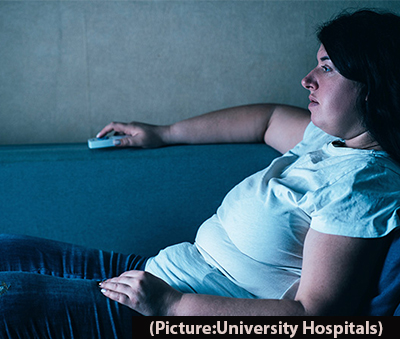
The thing is, yes, our bodies may have changed in ways we didn’t want them to, but the most important thing to remember is that our bodies also got us through a global pandemic, and that’s something to be grateful for. But with the new working-from-home lifestyle, elevated stress levels, and gym closures that we all faced during the pandemic, it means that some have put on a few pounds. Other than the extra weight being an annoyance, it can also lead to other lifestyle hiccups, like sleep, for instance. Weight fluctuations, believe it or not, can affect your sleep hygiene, so it’s important to understand how weight, stress, and sleep go hand in hand (in hand), so you can make sure you’re still getting enough sleep at night, even with a change in lifestyle and health.

If you’ve found that you’ve recently experienced a change in weight and your sleep has been affected as a result of it (or if you just want some assistance in finding better sleep), we’ve put together a guide on understanding your new body and how it can affect the rest of your lifestyle.

The Pandemic’s Negative Effects on Weight Gain and Healthy Sleep

The COVID-19 pandemic, to put it simply, has been awful. Not only has it had a huge, negative impact on the world as a whole, but it’s been incredibly stressful (and dangerous) for people everywhere. This stress over the past year has had a direct result on your sleep, whether you’ve realized it or not. Dubbed “coronasomnia,” this COVID-related sleeplessness has been difficult to battle, but stress is only one factor here.

Stress is actually related to why so many people have gained weight over the last year, along with lack of activity. While we were all playing it safe by staying home to avoid getting sick, many of us were also not moving very much. Suddenly many people are working from home and falling into a totally different lifestyle from what they were used to.

The APA survey found that the average amount of weight gain over the last year was 29 pounds, but answers varied greatly. The survey also asked about how the pandemic affected mental health, and many said they felt a negative impact. When your mental health suffers, so much can go right along with it, including your physical health. During this time, when there was so much uncertainty, many found comfort in things like food or curling up on the couch with Netflix. While those might provide immediate comfort, it also leads to weight gain, which can have further negative effects on your body.

Other pandemic habits that could have negatively affected your weight include:

Your work-from-home lifestyle: Working from home means you aren’t getting any movement you might have gotten from a commute. Even if you drive to and from work, you aren’t getting up in the morning and doing a morning routine, walking to your car, walking into work, and reversing it at the end of the day. A WFH lifestyle has been appealing for many because you got time back in your day, but it also meant less activity.

Being stuck indoors: For many people, their activity was an outdoor thing. For much of the last year, we’ve been staying indoors, which cut out outdoor activities that increased exercise. As the virus started to wane, people were able to get outside more and more, but that was only after several months of staying inside. The benefits of being outdoors are not only great for physical health but mental health, as well.

Gym closures: Gyms and fitness centers were closed for a long time, and if that was your only way of working out, you might have lost out on your exercise time. Not everyone has the space or means to work out at home, so maybe you took a break from calorie-burning. That’s okay!

Many things could have gone into your weight gain over the past year, and, again, the most important thing to remember right now is that you’re here, you’ve made it through this pandemic, and you want to live a healthy lifestyle, and that means making sure you’re paying attention to your sleep hygiene, even with a little bit of extra weight on you. Don’t worry, we’ve got you covered on everything you need to know.

How Weight Gain Can Impact Your Ability to Sleep

An unfortunate side effect of gaining weight is disrupted sleep. It can happen for a variety of reasons, but many of these factors can be tied back to a change in your weight. Just like other factors in your life can affect how you sleep at night, a change in your body in any form definitely can. Here’s a look at how weight affects your sleep hygiene.

Sleep apnea

Sleep apnea is what occurs when you momentarily stop breathing while you’re asleep. Studies have shown that sleep apnea can occur for a number of reasons, one of which is an elevated weight. If you’re an older man, you’re also at a higher risk for sleep apnea, and weight gain can only make you more at risk for this sleep disorder. Sleep apnea can be very dangerous if left untreated, so if you have any suspicion that you’re dealing with this (snoring, insomnia, and morning headaches are all symptoms), check with your doctor for treatment.

Discomfort while sleeping

If you’ve put on a significant amount of weight, you might feel uncomfortable while sleeping. This can be from added strain on your body from the extra weight. Your joints probably aren’t used to some extra weight on them, and that can make you uncomfortable while you’re sleeping. If you’re not comfortable, you won’t sleep well. One way to combat this is with a more comfortable sleeping environment, like with a better mattress and supportive pillows.

Added stress

This is a vicious cycle. The pandemic has certainly added stress to your life, which may have contributed to your weight gain, and the stress and weight gain can make it more difficult to sleep at night. Without a good night of sleep, you’re more likely to make poor food choices during the day and be more stressed because you’re tired, continuing the cycle. Stress wreaks so much havoc on your sleep patterns, so it’s important to do whatever you can to cut back on stress in the way that works best for you.

A way to target all of these sleep issues is, of course, to work toward a healthy weight goal, but we know that’s easier said than done and not necessarily a priority for everyone. Studies have shown that a decrease in belly fat is linked to better sleep, but it’s virtually impossible to target belly fat when working out or eating healthy. While you can tone certain muscles with weight lifting, you can’t reduce fat on your body. So if you want to reduce belly fat, you simply have to eat healthily and exercise — the fat will come off everywhere, including your belly.

Your weight also factors into your Body Mass Index (BMI), and while this metric is often viewed as wildly outdated and irrelevant, studies have analyzed how it equates to sleep patterns. One study showed that people who had a lower BMI slept longer hours than those with a higher BMI. A healthy BMI range is considered to be about 18.5 to 25. While it can be a goal to aim for what is considered a healthy BMI on the scale, your better bet is to either consult your own healthcare provider on what a healthy weight is for you or simply work toward a level of health that is attainable and maintainable.

Tips for Achieving Better Sleep

No matter what your concern, there are always ways to improve your sleeping habits. It may take some trial and error to figure out what tips will work for you, but good sleep is worth the effort. Here are a few things you can try.

Set a consistent bedtime

This is one of the best things you can do to improve sleep. Create a routine for yourself that starts with bedtime preparation. Maybe it includes a warm bath, and maybe it includes reading a few pages, maybe it includes listening to some music. All of these can help you wind down, but whatever you have to do, make sure you’re climbing into bed around the same time every night. Ideally, you want to get in bed in enough time for a complete night of sleep (depending on age, this could vary from seven to 10 hours for people over the age of 13).

Consider what time you need to wake up in the morning and work your way back from there to set your bedtime, and stick to that. This routine will help get your body in the mode for bedtime on a regular basis.

Avoid snacking before bed

While some foods can help you sleep, eating the wrong foods before bed is more of a bad idea than a good one. Some foods can lead to indigestion or prolonged wakefulness. If you’re very hungry and it’s nearing bedtime, reach for foods with natural melatonin or things that will sit well in your stomach as you’re falling asleep.

Create a den of comfort

If your bed isn’t comfortable, you won’t sleep well, plain and simple. Make sure you have a mattress that’s appropriate for your sleeping style, as well as any bells and whistles you might need. These could be mattress toppers for more comfort, pillows that better support your neck, or even an adjustable bed base to elevate you. Though these changes in your bed can come with a price tag, there are plenty of affordable options for mattresses, pillows, and accessories. For the best sleep, it’s important to create a comfortable and supportive sleeping environment.

If your weight has changed, it might make your mattress feel completely different than it used to. Different mattress constructions will hold your weight differently, and if you’re heavier, you’ll sink into the mattress more. On some mattresses, that means you have less support than you once did.

It’s important to consider your weight when shopping for a mattress and understanding how different mattresses feel for different body types. Someone who is incredibly petite will have a different sleeping experience than someone who is of average weight. If you’re on the heavier side, you want to find a mattress that will support you for a long period of time and not break down or start to sag. There are mattresses on the market designed for people of larger stature so you can be sure you’re getting a supportive night of quality sleep. In general, these mattresses are hybrids made with coils or innersprings. Foam mattresses don’t provide proper support for larger people, which is why looking for a mattress with a spring or coil core is a better option.

If you’re struggling with sleep and think changing your mattress could help, it’s worth looking into a properly supportive mattress for your sleeping style or even your weight.

Consider the season

The time of year can absolutely affect how well you sleep. If it’s cold season, that can make it harder to breathe or sleep comfortably during the night. If it’s allergy season, you might also have a hard time breathing at night. While it can be tricky to really do much about something like a cold or allergies, it’s worth keeping them in mind if insomnia is knocking at your door. Do what you can to remedy any of these seasonal annoyances, like by using a humidifier or dehumidifier (depending on your concern) while you sleep or adding some melatonin into your bedtime routine to make sleeping easier.

Exercise

Yes, exercise will definitely help you sleep. You can look at it in a few different ways. One, exercise can be a great stress relief, and less stress usually means better sleep. Exercise also, quite simply, makes you tired. (Though you don’t want to exercise right before bed because your body doesn’t have enough time to cool down and head into the proper circadian rhythm.) Exercising during the day raises your heart rate and encourages the release of melatonin into the body, keeping your circadian rhythm running smoothly — which all contribute to a restful night of sleep.

And of course, we know exercise is a great way to burn off some calories, which can be helpful if you’re carrying a little extra weight that you don’t want. It doesn’t take much to get your heart rate up and break a sweat. Even a simple walk each day is beneficial for all these factors that contribute to better sleep.

Cut the screens

Ditch your phones, TVs, and tablets before bedtime. Though it’s not a big deal to use your gadgets earlier in the evening, once you get in bed, you should put them away or turn them off. The harsh light makes it harder to sleep, and we all know how addicting it can be to continuously scroll through social media. Put them away when you get in bed and reset your mind for sleep instead.

Closing

The most important thing you can remember from all of this is that your body got you through a pandemic. So maybe it looks a little different today than it did a year ago. Bodies change all the time, and you have to give yourself a little bit of grace. Though weight fluctuations can affect your lifestyle, including your sleep hygiene, it’s a manageable concern that you can definitely get through. You’re still here, and you’re open to finding ways to make changes. That’s what matters.

Sunday Mass: Obligation Or Opportunity?

When I was a boy in the United States, pillows, mattresses, upholstered furniture and other stuffed items (but not teddy bears) came with a tag on them that said, “Do not remove this tag under penalty of law.”

The closest I ever came to a life of crime was at about age nine when I pulled the tag off my pillow. I was pretty sure government agents would not raid my bedroom, but it felt deliciously wicked to run the risk.

Since it did not fall under the “I disobeyed my parents and fought with my siblings” script of kids’ confessions, I never brought it up in confession. (What does an orphaned only child confess?)

Donate to UCA News with a monthly contribution of your choice

Decades later, the tags were reworded to make it clear that the sanction, meant to guarantee the safety of the filling, was on producers and retailers, not consumers who could legally remove the tags. So, my life of crime was not criminal after all.

I recall those tags as I hear of announcements that the “dispensation from the obligation to attend Sunday Mass in person” in effect during the pandemic will be lifted and the “obligation” reinstated. “Do not miss Sunday Mass under penalty of law.”

We can be confident that anyone who violates the “obligation” is no more likely to find a halberd-bearing Swiss Guard at their door than I was to find an FBI agent under my bed.

While not so good as in-person celebrations of the liturgy, in a sad number of cases it may be better than what is on offer at local churches

Researchers in the United States found that before the pandemic more than one-quarter of Catholics who went to Mass on Sunday did so out of habit. In some, maybe most, cases, what lay behind the habit was a sense of being under an obligation to attend.

Though the statistics may vary in other countries, the situation is probably not very different.

Now that people have formed a new habit of not going to church on Sunday, how likely are they to revert to their old habit?

Will reinstating an “obligation” be effective at helping people reactivate that old habit? Even from a marketing point of view, it is likely to provoke resistance, liturgical tag tearing.

Instead of emphasizing obligation, why don’t bishops emphasize opportunity?

“After more than a year and a half of being unable to come together in worship, we now have the opportunity to do so again!” is more attractive than, “Your dispensation from the obligation to attend Sunday Mass is hereby cancelled.”

Of course, if people’s pre-pandemic experience was of uninspiring preaching that insulted the spirits and intelligence of its victims, sloppy liturgy and a crowd rather than a community, no amount of enthusiastic sales pitches will bring them back.

Something else may complicate drawing people back into church buildings. Those with internet access and an interest in maintaining whatever liturgical connection they could during pandemic shutdowns have had almost two years to shop around among streamed offerings. They have found preaching, music and a liturgical style that helps their religious life.

While not so good as in-person celebrations of the liturgy, in a sad number of cases it may be better than what is on offer at local churches. Given the choice between un-involving in-person liturgy and moderately involving remote liturgy, people may opt for virtual participation, even if that precludes receiving the Eucharist.

Perhaps that is the reason for emphasizing reinstatement of an obligation. Since so much of people’s Sunday experience has been uninspiring or even repelling, and since many have found more satisfactory alternatives including total non-engagement, bishops feel they must resort to probably futile coercion.

In preparation for the reopening of churches, bishops have an opportunity to raise the quality of liturgical service

What might bishops do instead? Or better, what have we a right to expect from them?

A bishop is responsible for the liturgy in the diocese. For the most part, they seem satisfied so long as there are no egregious violations of rubrics. We rarely hear of a bishop taking action because a preacher is unprofessional or because the liturgy is sloppily performed.

For the most part, so long as the rules are more or less followed, bishops seldom concern themselves with what is actually the core of liturgical worship, bringing the People of God together in the Spirit to offer fitting worship to the Father through the Son.

In preparation for the reopening of churches, bishops have an opportunity to raise the quality of liturgical service. Workshops for clergy on preaching and liturgy can be done remotely while waiting for the resumption of normal activities.

Other professionals are expected and required to engage in updating and continuing education. Why not liturgical ministers?

I served in an area where pastors agreed to videotape our Sunday Masses and then sit on uncomfortable chairs to experience what our parishioners saw and heard. (And felt — are pews designed to keep congregations from falling asleep?) Even that simple exercise made a difference.

If people know that the pandemic period was used to prepare an opportunity for their better return to liturgy, they will be more likely to return. Or at least “check it out.”

Otherwise, we may see Mass attendance go the way of my pillow tag.

William Grimm is a missioner and presbyter in Tokyo and is the publisher of the Union of Catholic Asian News (UCA News). The views expressed in this article are those of the author and do not necessarily reflect the official editorial position of UCA News.

Alcohol Consumption Positively Correlates With Cancer Risks

Alcohol use in today’s society  is exceedingly widespread, taking place not only in bars but also in school dorms, households, and a variety of other locations. With alcohol being such a popular means of socializing, people often disregard the dangers that are associated with drinking.

According to a study published in Lancet Oncology, “fewer than one in three Americans recognize alcohol as a cause of cancer”. Harriet Rumgay, a researcher at the International Agency for Research on Cancer, continues, stating that this belief is “similar in other high-income countries, and it’s probably even lower in other parts of the world”.

This assumption was proven false by the study that found that at least 4% of esophageal, mouth, larynx, colon, rectum, liver, and breast cancers diagnosed globally in 2020, which accounted for more than 740,000 people, can be traced back to alcohol consumption. Out of the 740,000 alcohol-related cancer cases diagnosed, men accounted for three-quarters, while the majority of the remaining 172,600 women were diagnosed with breast cancer. In 2019, more than 44,000 people in the U.S. died of alcoholic liver disease, proving the conclusion that alcohol consumption can be lethal if not monitored.

While most people believe that drinking in moderation would not drastically damage their health, researchers found that the amount of alcohol consumed positively correlates with an individual’s cancer risk. Moderate drinking consists of one or two alcoholic drinks per day, which may not seem like a great deal, however, this lifestyle accounted for approximately 14% of alcohol-related cancers.


Cancers develop when there is unregulated cell division causing abnormal growth of tissue, resulting in tumors. Alcohol can induce this irregular growth by increasing hormone levels, such as estrogen, which leads to increased cell division and thereby providing more opportunities for cancers to develop. Alcohol also contains ethanol, an organic compound, which gets broken down into acetaldehyde, a toxic molecule that is known to damage DNA and interferes with cells’ ability to repair the damage.

What seems to be the “responsible” amount of alcohol consumption may actually be an agent for biological damage. Even the concerning evidence presented in the study, which links alcohol to cancer, is considered to be an underestimate. “That’s because we didn’t include former drinkers in our main analysis, even though they may have an increased risk of cancer,” as stated by Rumgay.

Since people don’t recognize alcohol as a potentially harmful substance that can be abused, it opens up more health complications that could have been avoided with the right guidance. Doctors like Amy Justice, a professor of medicine and public health at Yale University, are making an effort to reduce the number of alcohol-related cancers by giving brief motivational information and consultations.

In the future, encouraging health care providers to talk with patients about alcohol use hopefully may reduce the number of alcohol-related cancer cases.

Americans With Higher Net Worth At Midlife Tend To Live Longer

Newswise — EVANSTON, Ill., — One of the keys to a long life may lie in your net worth. In the first wealth and longevity study to incorporate siblings and twin pair data, researchers from Northwestern University analyzed the midlife net worth of adults (mean age 46.7 years) and their mortality rates 24 years later. They discovered those with greater wealth at midlife tended to live longer.

The researchers used data from the Midlife in the United States (MIDUS) project, a longitudinal study on aging. Using data from the first collection wave in 1994-1996 through a censor date of 2018, the researchers used survival models to analyze the association between net worth and longevity. To tease apart factors of genetics and wealth, the full sample was segmented into subsets of siblings and twins. In the full sample of 5,400 adults, higher net worth was associated with lower mortality risk. Within the data set of siblings and twin pairs (n=2,490), they discovered a similar association with a tendency for the sibling or twin with more wealth to live longer than their co-sibling/twin with less. This finding suggests the wealth-longevity connection may be causal, and isn’t simply a reflection of heritable traits or early experiences that cluster in families.

“The within-family association provides strong evidence that an association between wealth accumulation and life expectancy exists, because comparing siblings within the same family to each other controls for all of the life experience and biology that they share,” said corresponding author Eric Finegood, a postdoctoral fellow in the Institute for Policy Research at Northwestern. The researchers also considered the possibility that previous health conditions, such as heart disease or cancer, could impact an individual’s ability to accrue wealth due to activity limitations or healthcare costs — possibly confounding any association between wealth and longevity. To address this, they re-analyzed the data using only individuals without cancer or heart disease. However, even within this sub-group of healthy individuals, the within-family association between wealth and longevity remained.

The study’s senior author is Greg Miller, the Louis W. Menk Professor of Psychology and faculty fellow at the Institute for Policy Research at Northwestern. Co-authors of the study include other Northwestern faculty and trainees (Edith Chen, Daniel Mroczek, Alexa Freedman) as well as researchers from the University of Illinois, Urbana-Champaign; West Virginia University; Purdue University; and the University of Minnesota. “Far too many American families are living paycheck to paycheck with little to no financial savings to draw on in times of need, said Miller. “At the same time, wealth inequality has skyrocketed. Our results suggest that building wealth is important for health at the individual level, even after accounting for where one starts out in life. So, from a public health perspective, policies that support and protect individuals’ ability to achieve financial security are needed.”

Studies Examine Different Understandings, Varieties Of Diversity

Newswise — Attitudes toward diversity vary, and its meaning can often be difficult to find consensus about in an increasingly diverse but politically polarized nation such as the United States. In a report published by Personality and Social Psychology Bulletin, University of Illinois Chicago researchers detail findings from three studies that explore the connection between political ideology, attitudes, and beliefs toward diversity.

“Our studies explored the possibility that atti­tudes toward ‘diversity’ are multidimensional rather than unidimensional and that ideological differences in diversity attitudes vary as a function of diversity subtype,” said the report’s lead author Kathryn Howard, UIC doctoral candidate in psychology. The first study investigated ideological differences in attitudes towards a wide variety of diversity features. Participants rated how much diversity or homogeneity they would desire in 23 different community features that could be considered relevant to diversity.

The study found more conservative participants preferred viewpoint diversity and more liberal participants preferred demographic diversity. The second study assessed participants’ attitudes towards the general concept of diversity without providing a definition of the term.  By investigating whether general attitudes towards diversity actually predict how people feel about specific types of diversity, the findings suggest that demographic features may be central to peoples’ prototypes of diversity and that positive attitudes towards the general concept of diversity predicted demographic diversity preferences for both conservatives and liberals.

According to the researchers, “liberals were more likely than conservatives to endorse the general concept of diversity. Further, general diversity did not predict viewpoint diversity, but did significantly predict demographic diversity preferences. Thus, it may be that when people think of diversity in the abstract, people primarily imagine differences in ethnic and cultural groups, and do not necessarily consider diversity in attitudes.” Because the first two studies found that diversity is multidimensional and contains at least two distinct factors — viewpoint and demographic diversity — the third study aimed to investigate possible variations in the perceived meaning of “diversity” by asking participants to judge the relevance of a set of features to diversity.

Respondents were asked to imagine “a very diverse community,” and to think about “the types of people and places that exist in a very diverse community.” They also had to determine how relevant 29 different community features were to their image of a diverse community. “People do not perceive diversity as a unidimensional or even bi-dimensional construct, but rather likely perceive at least three categories of diversity. Further, people rated demographic features as most relevant to diversity, followed by viewpoint and consumer features. Lastly, conservatives rated viewpoint features as more relevant to diversity than liberals, and liberals rated demographic features as more relevant to diversity than conservatives,” the report states.

“Conservatives and liberals do not differ only in their attitudes toward diversity, but they also differ in their understanding of what ‘diversity’ means.  When asked to think about ‘diversity,’ liberals and conservatives think about different things; different aspects of social life come to mind,” Howard said. The divergent political and social media realms where liberals and conservatives are centered, combined with increased political and affective polarization, likely accounts for the difference of perspective on both sides, according to the researchers, who add that the results provide hope for bridging the liberal-conservative political divide.

“Once you recognize that existence of multiple components of ‘diversity,’ it opens the door to identifying some aspects of diversity on which liberals and conservatives agree,” said Daniel Cervone, UIC professor of psychology and study co-author. “Breaking the concept of ‘diversity’ into parts and identifying those parts on which people agree could be one small step toward reducing political polarization.” (Matt Motyl of Facebook is a co-author on the report.)

How Your Personal Data Is Being Scraped From Social Media

How much personal information do you share on your social media profile pages?Name, location, age, job role, marital status, headshot? The amount of information people are comfortable with posting online varies. But most people accept that whatever we put on our public profile page is out in the public domain.So, how would you feel if all your information was catalogued by a hacker and put into a monster spreadsheet with millions of entries, to be sold online to the highest paying cyber-criminal? That’s what a hacker calling himself Tom Liner did last month “for fun” when he compiled a database of 700 million LinkedIn users from all over the world, which he is selling for around $5,000 (£3,600; €4,200).

The incident, and other similar cases of social media scraping, have sparked a fierce debate about whether or not the basic personal information we share publicly on our profiles should be better protected. In the case of Mr Liner, his latest exploit was announced at 08:57 BST in a post on a notorious hacking forum. It was a strangely civilized hour for hackers, but of course we have no idea which time zone, the hacker who calls himself Tom Liner, lives in.”Hi, I have 700 million 2021 LinkedIn records”, he wrote.

Included in the post was a link to a sample of a million records and an invite for other hackers to contact him privately and make him offers for his database. Understandably the sale caused a stir in the hacking world and Tom tells me he is selling his haul to “multiple” happy customers for around $5,000 (£3,600; €4,200).He won’t say who his customers are, or why they would want this information, but he says the data is likely being used for further malicious hacking campaigns. The news has also set the cyber-security and privacy world alight with arguments about whether or not we should be worried about this growing trend of mega scrapes.
What’s important to understand here is that these databases aren’t being created by breaking into the servers or websites of social networks.They are largely constructed by scraping the public-facing surface of platforms using automatic programs to take whatever information is freely available about users. In theory, most of the data being compiled could be found by simply picking through individual social media profile pages one-by-one. Although of course it would take multiple lifetimes to gather as much data together, as the hackers are able to do. So far this year, there have been at least three other major “scraping” incidents. In April, a hacker sold another database of around 500 million records scraped from LinkedIn.In the same week another hacker posted a database of scraped information from 1.3 million Clubhouse profiles on a forum for free.

Also in April, 533 million Facebook user details were compiled from a mixture of old and new scraping before being given away on a hacking forum with a request for donations.The hacker who says he is responsible for that Facebook database, calls himself Tom Liner. I spoke with Tom over three weeks on Telegram messages, a cloud-based instant messenger app. Some messages and even missed calls were made in the middle of the night, and others during working hours so there was no clue as to his location. The only clues to his normal life were when he said he couldn’t talk on the phone as his wife was sleeping and that he had a daytime job and hacking was his “hobby”.Tom told me he created the 700 million LinkedIn database using “almost the exact same technique” that he used to create the Facebook list. He said: “It took me several months to do. It was very complex. I had to hack the API of LinkedIn. If you do too many requests for user data in one time then the system will permanently ban you.”

API stands for application programming interface and most social networks sell API partnerships, which enable other companies to access their data, perhaps for marketing purposes or for building apps.Tom says he found a way to trick the LinkedIn API software into giving him the huge tranche of records without setting off alarms. Privacy Shark, which first discovered the sale of the database, examined the free sample and found it included full names, email addresses, gender, phone numbers and industry information. LinkedIn insists that Tom Liner did not use their API but confirmed that the dataset “includes information scraped from LinkedIn, as well as information obtained from other sources”. It adds: “This was not a LinkedIn data breach and no private LinkedIn member data was exposed. Scraping data from LinkedIn is a violation of our Terms of Service and we are constantly working to ensure our members’ privacy is protected.”

In response to its April data scare Facebook also brushed off the incident as an old scrape. The press office team even accidentally revealed to a reporter that their strategy is to “frame data scraping as a broad industry issue and normalise the fact that this activity happens regularly”. However, the fact that hackers are making money from these databases is worrying some experts on cyber security.The chief executive and founder of SOS Intelligence, a company which provides firms with threat intelligence, Amir Hadžipašić, sweeps hacker forums on the dark web day and night. As soon as news of the 700 million LinkedIn database spread he and his team began analyzing the data.

MrHadžipašić says the details in this, and other mass-scraping events, are not what most people would expect to be available in the public domain. He thinks API programmes, which give more information about users than the general public can see, should be more tightly controlled. “Large-scale leaks like this are concerning, given the intricate detail, in some cases, of this information – such as geographic locations or private mobile and email addresses. “To most people it will come as a surprise that there’s so much information held by these API enrichment services. This information in the wrong hands could be significantly impacting for some,” he said.Tom Liner says he knows his database is likely to be used for malicious attacks. He says it does “bother him” but would not say why he still continues to carry out scraping operations.

MrHadžipašić, who is based in southern England, says hackers who are buying the LinkedIn data could use it to launch targeted hacking campaigns on high-level targets, like company bosses for example. He also said there is value in the sheer number of active emails in the database that can be used to send out mass email phishing campaigns. ‘No ambiguity’ But cyber-security expert Troy Hunt, who spends most of his working life poring over the contents of hacked databases for his website haveibeenpwned.com, is less concerned about the recent scraping incidents and says we need to accept them as part of our public profile-sharing.

“These are definitely not breaches, there’s no ambiguity here. Most of this data is public anyway.The question to ask, in each case though, is how much of this information is by user choice publicly accessible and how much is not expected to be publicly accessible.” Troy agrees with Amir that controls on social network’s API programmes need to be improved and says we can’t brush off these incidents. “I don’t disagree with the stance of Facebook and others but I feel that the response of ‘this isn’t a problem’ is, whilst possibly technically accurate, missing the sentiment of how valuable this user data is and their perhaps downplaying their own roles in the creation of these databases.”

Mr Liner’s actions would be likely to get him sued by social networks for intellectual property theft or copyright infringement. He probably wouldn’t face the full force of the law for his actions if he were ever found but, when asked if he was worried about getting arrested he said “no, anyone can’t find me” and ended our conversation by saying “have a nice time”.

Over 740,000 Cancers A Year Linked To Alcohol Use

At least 4% of the world’s newly diagnosed cases of esophageal, mouth, larynx, colon, rectum, liver and breast cancers in 2020, or 741,300 people, can be attributed to drinking alcohol, according to a new study. The link between smoking and cancer is well-documented and widely known. But alcohol? “Fewer than one in three Americansrecognize alcohol as a cause of cancer,” says Harriet Rumgay, researcher at the International Agency for Research on Cancer, the specialized cancer agency of the World Health Organization. “That’s similar in other high-income countries, and it’s probably even lower in other parts of the world.”

A new study shows just how much of a risk drinking can be. At least 4% of the world’s newly diagnosed cases of esophageal, mouth, larynx, colon, rectum, liver and breast cancers in 2020, or 741,300 people, can be attributed to drinking alcohol, according to a study in the July 13 edition of Lancet Oncology. Men accounted for three-quarters of alcohol-related cancers. Of the 172,600 alcohol-related cancer cases suffered by women, the vast majority, or 98,300 cases, were breast cancer. It’s the first time, Rumgay says, that research has quantified the risks of different levels of drinking. “Our study highlights the contribution of even relatively low levels of alcohol to the risk of new cancer cases,” says Rumgay.

What’s the connection?

There are a few biological pathways that lead from alcohol consumption to a cancer diagnosis, according to the study. Ethenol, the form of alcohol present in beer, wine and liquor, breaks down to form a known carcinogen called acetaldehyde, which damages DNA and interferes with cells’ ability to repair the damage. Alcohol can also increase levels of hormones, including estrogen. Hormones signal cells to grow and divide. With more cell division there are more opportunities for cancer to develop. Alcohol also reduces the body’s ability to absorb certain cancer-protective nutrients, including vitamins A, C, D, E and folate.

What’s more, the combination of drinking and smoking might indirectly increase the risk of cancer, with alcohol acting as a kind of solvent for the carcinogenic chemicals in tobacco. The more a person drinks, the greater the likelihood of biological damage. To come up with their statistical estimate, researchers crunched three sets of data: estimated global alcohol consumption estimates, specific cancer risks from alcohol, and estimates of the global incidence of those cancers in 2020. They found that the more alcohol people drink, the higher their risk of an alcohol-related cancer. Drinking at least two, and more than six, drinks a day, defined as risky to heavy drinking, posed the greatest risk of a future cancer. Even moderate drinking, two or fewer drinks a day, accounted for an estimated 14%, or 103,000 cases, of alcohol-related cancers, according to the study.

The study’s authors suggest that the numbers of alcohol-related cancers are probably even higher than their estimates. “That’s because we didn’t include former drinkers in our main analysis, even though they may have an increased risk of cancer,” says Rumgay. Instead, they looked at countrywide estimates of current drinkers. They also looked only at cancers where the risk factor has been scientifically shown to increase with alcohol use. They didn’t include cancers that emerging evidence suggests are likely linked to alcohol, such as pancreatic and stomach cancers.

When they further analyzed their data incorporating former drinkers and including the two cancers possibly linked to alcohol, the numbers went up significantly. “When we did the analysis and included former drinking, pancreatic and stomach cancers, the numbers increased to 925,000 alcohol-related cancers,” she said. That’s an additional 185,000 possible alcohol-related cancers, or 5% of all the world’s cancers. Some of the highest proportions of alcohol-related cancers were found in Moldova and Romania, she said. But recent changes in taxing policy, increasing the cost of alcohol in those countries, have caused a drop in alcohol sales. And that could foreshadow a future reduction in related cancers, she said.

On the other hand, economic growth in places like China, India and Vietnam might lead to increased alcohol use and related cancers down the road. The lowest rates of alcohol-related cancers in the world were found in Saudi Arabia and Kuwait, where religious-based policies ensure low rates of drinking. Drinking rates are relatively low in parts of Africa, but that seems to be changing. “Drinking trends show that alcohol use is increasing in countries in sub-Saharan Africa. We predict that the number of cases of cancer in Southern Africa will increase by two thirds over the next 20 years, and in Eastern Africa cases will double,” says Rumgay.

What that means is that nations in those areas of Africa should be thinking now about strategies to control drinking. “Currently, only 16 of 46 countries in sub-Saharan Africa have national alcohol strategies,” says Rumgay. Those strategies could include increasing taxes on alcohol and adding cancer warning labels to alcohol similar to warnings now on cigarette packages. While such public policies are effective and necessary, says Dr. Amy Justice, professor of medicine and public health at Yale University, we need to go further. Justice wrote a commentary in Lancet Oncology accompanying the alcohol-related cancer study. She agrees with the authors that the results are, if anything, an understatement of the impact of alcohol on cancer cases. And she has suggestions to reduce the burden of alcohol-related cancers that go beyond governmental action.

“I’m a doctor,” she says. And as a physician, she thinks about the things she can say individually to a patient, one on one, to encourage them to reduce their drinking. “There’s pretty good data that you can get people to decrease their alcohol consumption with brief motivational information,” she said. That might mean teaching doctors around the world to talk about alcohol use as a possible cause when a patient complains of sleep or memory problems or has the beginning signs of liver disease. “You tailor the information to the personal concerns of the patient in front of you,” says Justice.

(Susan Brink is a freelance writer who covers health and medicine. She is the author of The Fourth Trimester and co-author of A Change of Heart.)

Global Forgiveness Day: Why One Should Let Bygones Be Bygones?

On the occasion of Global Forgiveness Day on Wednesday, several artistes of the Indian television fraternity shared their perspective about the value of forgiveness and how important it is to not only forgive others but ourselves, too. For Gracy Singh, who is seen in “Santoshi Maa Sunaye Vrat Kathayen”, forgiveness is important because unsolved anger affects mental wellness.

“Forgiveness is an important virtue that helps us in all walks of life. Being angry at someone affects us more than it does the other person. Unsolved anger affects mental wellness as it often leads to unmanaged stress and other serious health issues. On this day, take a long breath and exhale all the negativity while stepping towards the joy of forgiving,” said Gracy. Actor Samir Soni said: “I believe in ‘forgive and forget’. The more you hold grudges, the more you harm yourself and not the person who might have wronged you. It reminds me of famous American Novelist Anne Lamott, who once said, ‘Not forgiving is like drinking rat poison and then waiting for the rat to die’.”

For Nikhil Bhambri, forgiveness is necessary to maintain one’s sanctity of mind. “I believe forgiveness is important to maintain the sanctity of mind as well as peace of mind. I would like to share a memory from my childhood. Once my best friend in school did something that upset me but it was only recently that I realised that my resentment was futile. It was last year when we bonded again. Today we are there for each other through thick and thin. I only wish I had forgiven him sooner. So, if there is someone you can forgive, do it today,” the actor said.

Actor Rohitashv Gour of “Bhabi ji Ghar Par Hai!” said: “During these unprecedented times, the only way where one can find peace is by living in the moment and liberating ourselves from anger and practising forgiveness as a way of life. Forgiveness works like magic. The person who receives it feels a burden has been lifted and the person who forgives finds peace.” “Another important aspect is learning to forgive yourself, as it is an important step towards self-love. We must accept that nobody is perfect and mistakes can only make you better. Make compassion a part of your life and see your life take a positive route,” Gaur added. (IANS)

Two-Thirds Of Romantic Couples Start Out As Friends, Study Finds

Newswise — Movies and television often show romance sparking when two strangers meet. Real-life couples, however, are far more likely to begin as friends. Two-thirds of romantic relationships start out platonically, a new study in Social Psychological and Personality Science finds. This friends-first initiation of romance is often overlooked by researchers. Examining a sample of previous studies on how relationships begin, the authors found that nearly 75 percent focused on the spark of romance between strangers. Only eight percent centered on romance that develops among friends over time.

“There are a lot of people who would feel very confident saying that we know why and how people choose partners and become a couple and fall in love, but our research suggests that is not the case,” says lead author Danu Anthony Stinson, a psychology professor at the University of Victoria, Canada. “We might have a good understanding of how strangers become attracted to each other and start dating, but that’s simply not how most relationships begin.” The team analyzed data from nearly 1,900 university students and crowdsourced adults, with 68 percent reporting that their current or most recent romantic relationship began as a friendship. There was little variation across gender, level of education, or ethnic groups, but the rate of friends-first initiation was even higher among 20-somethings and within LGBTQ+ communities, with 85 percent of such couples beginning as friendships.
Among university students, “friends-first initiators” were friends for one-to-two years before beginning a romantic relationship. Researchers noted that the vast majority of these participants reported that they did not enter their friendships with romantic intentions or attraction. Stinson also noted that the average length of pre-romance friendships means it is likely that the couples were genuine, platonic friends before transitioning to romance. Nearly half of the students reported that starting as friends was their preferred way of developing a romantic relationship, making it far and away more popular than other options presented, such as meeting at a party or online.

Given the prevalence of romantic relationships that begin platonically, Stinson would like to see further studies examining this kind of relationship initiation. She also hopes that this research will push people to revisit their preconceived notions about love and friendship. Stinson notes that we are often taught that romance and friendship are dissimilar types of relationships that form in different ways and meet distinct needs.

“Our research suggests that the lines between friendship and romance are blurry,” says Stinson, “and I think that forces us to rethink our assumptions about what makes a good friendship but also what makes a good romantic relationship.”

Social Psychological and Personality Science (SPPS) is an official journal of the Society for Personality and Social Psychology (SPSP), the Association for Research in Personality (ARP), the European Association of Social Psychology (EASP), and the Society for Experimental Social Psychology (SESP). Social Psychological and Personality Science publishes innovative and rigorous short reports of empirical research on the latest advances in personality and social psychology.

Panipat: The Indian City for Pickles

It’s a scorching afternoon in July and fresh mangoes have just been rolled past the gates of the pickle factory in Panipat, a city 55 miles north of Delhi. Men in cotton clothes unload large jute sacks that are weighed on a scale taller than the nine-year-old me. It’s mango season, which means my grandfather’s pickle factory will run 24 hours a day to pickle the raw fruit in bulk and make enough to meet demand for the entire year.

Spending summers with my grandparents is one of my most fond childhood memories. Panipat felt like an alternative universe where a fleet of air-conditioned cars awaited my presence and half a dozen staff catered to my requests in between their formal duties. My favorite product from the factory was amla murabba, a sour gooseberry preserved in sugar syrup. Amla is known for its health benefits so the grown-ups encouraged its consumption, even if it was the sugary variation.

Panipat has a long history as North India’s capital of pickles. My great-grandfather started the business in Mianwali and moved to Panipat before the India-Pakistan partition in 1947. He chose the town for its drier climate. Now, Panipat is famous for three things: Three legendary battles fought by empires and dynasties that created major shifts in history, a handloom and textile industry, and, as my great-grandfather’s small business turned big, pickles. My grandfather completed his education at Allahabad Agricultural Institute and joined his father and brothers in the business. Over time, the business expanded to other states in India, and the brothers expanded to multiple factories, all branches of the Pachranga brand name. My grandfather spearheaded the international expansion reaching markets across the world. The Pachranga brand grew like the aroma of spices rising up in the pickle factory.

Those crossing Panipat on Grand Trunk (GT) Road, a major highway across the subcontinent that travels through Bangladesh, India, Pakistan, and Afghanistan, started detouring through the city or stopping at one of the pickle shops on the highway to buy the famous Pachranga pickles. The street that connected the factory to GT Road was named Pachranga Bazaar. A nearby stretch of the highway adjacent to the village of Murthal is popular for dhabas, small roadside restaurants known for buttery parathas and big glasses of lassi, and they often serve Panipat pickles on their plates. Travelers across the region stopped in Panipat to buy pickles for their dinner tables. My grandfather was a man whose larger-than-life presence warranted attention when he entered a room, so it came as no surprise to me that his family’s pickles captured the attention of diners.

In the summers when I was there, produce for the growing business was purchased early in the morning, even before sunrise, at the sabzi mandi, a wholesale fruit and vegetable market. Farmers brought in their goods and buyers conducted bidding wars for the top quality fruits and vegetables. The produce, including limes, chillies, and different fruits and vegetables, was then transported on rickshaws to the factory, and sometimes through narrow lanes directly to the homes of seasonal workers for cutting, to maximize the amount of mangoes sliced and pickled everyday. Mangoes—one of the most popular fruits for pickling—don’t last long in the summer heat and my grandfather used to say that if they sat out, they would become too soft to make good quality pickles, so they had to be pickled before the next morning’s fresh produce arrived.

As an adult, adding a mango or chilli pickle to my plate feels like completing the final touches on a canvas. When I walk into a grocery store in Canada, where I live, and find bottles of pickles with my grandfather’s photo on them, they fill me with joy and longing. A yearning for the bustle in my grandfather’s living room, a secondary office for the company; the carefree mood of summers in India; and fruit baskets on the kitchen table overflowing with ripe mangoes, lychees, and plums. Pickles are preserved with memories and wisdom from the past. They’re a staple item on the shelf that survives from season to season. They’re made in preparation for the future—and for me, a sign of hope until I can visit again.

How To Make The Perfect Online Dating Profile

Visiting a bar, going for a picnic in a garden or drinking a coffee in a cafe are all nice ways to meet strangers in Hollywood and Bollywood movies but in real life, societal compulsions and constraints make the youth turn to dating apps, where they feel they can be themselves without being judged or elbowed. Moreover, dating apps offer the option to display more than your face and physique. While using these apps, you can give people a glimpse into what you like, dislike, what your hobbies and passions are and probably what your personality is like– things which would elude a person in love at first sight.

Since dating app profiles go beyond just looks, it is essential that they have substance to them. Describing what kind of a person you are not just with pictures but also with your bio, by talking about your interests, etc. can give other users a more dynamic impression of you than the one based on just your appearance. According to a survey conducted by QuackQuack, one of India’s leading dating apps, users responded to questions on what makes for a perfect dating profile for them when they are liking and crushing on the app.

What are the elements of a good bio for you

Most of the people in the age group of 18-30, 72 per cent agree that an eye-catching bio is short, concise, and to the point. “Bios are supposed to be funny and attractive, not long and boring like autobiographies”, said one of the QuackQuack users. With a short span of attention, the youth does not look forward to reading long paragraphs about one person when they could just simply skip their profile. For people above 30, 56 per cent of the users prefer reading about the career, life achievements and goals of their matches as opposed to 44 per cent of them who prefer quirky bios. Men, 45 per cent of them, agree that shorter the bio, the better in contrast to 64 per cent of women who instead like longer bios. People from tier 2 cities like reading longer bios with more details to them and elements that demarcate them from the rest of the users whereas people from metros choose short and funny descriptions instead.

What would you like to see in their pictures

When the question of pictures uploaded on dating apps was brought up, 67 percent of 18-30 year olds said that pictures should be a reflection of what a person does on a regular basis and how they are in real life. To put it simply, pictures of hanging out with friends, pictures of engaging in your favourite activities and sports and pictures that give a sneak peek into who you are. For 87 per cent of men, full length body pictures of users without their entourage was a priority while 59 per cent of women showed preference for pictures with pets. Forty per cent of tier 2 city folks showed no aversion to the use of filters in the pictures uploaded by other users whereas 62 per cent of metropolitan folks did.

Talking about the survey, Ravi Mittal, CEO of QuackQuack said, “Today, dating apps are the first choice of any person who wishes to make friends or look for a partner and it is imperative that the profile of users seems striking and attractive.”

What makes their profile unique for you

Fifty-two per cent of people in the age group of 18-30 concur that honesty is what makes a person’s profile unique and stand out from the rest. A bio that is written by a person himself is likely to get more likes than the one filled with cliches. Moreover, copied or similar bios are a huge no for the majority of young QuackQuack users. As for men, no mention of past relationships is what ticks all the right boxes for them. Fifty-nine per cent of men agree that they wouldn’t like a profile that talks about their ex(es). For women, humbleness was a key factor. A Mr. I, Me, Myself who is all about himself would have his profile skipped by 66 per cent of women. For people in metro cities, good grammar was something that made a profile unique for 74 per cent of them in contrast to 42 per cent of people in tier 2 cities.

Religion In India: Tolerance And Segregation

Indians say it is important to respect all religions, but major religious groups see little in common and want to live separately. More than 70 years after India became free from colonial rule, Indians generally feel their country has lived up to one of its post-independence ideals: a society where followers of many religions can live and practice freely. India’s massive population is diverse as well as devout. Not only do most of the world’s Hindus, Jains and Sikhs live in India, but it also is home to one of the world’s largest Muslim populations and to millions of Christians and Buddhists.

A major new Pew Research Center survey of religion across India, based on nearly 30,000 face-to-face interviews of adults conducted in 17 languages between late 2019 and early 2020 (before the COVID-19 pandemic), finds that Indians of all these religious backgrounds overwhelmingly say they are very free to practice their faiths. Indians see religious tolerance as a central part of who they are as a nation. Across the major religious groups, most people say it is very important to respect all religions to be “truly Indian.” And tolerance is a religious as well as civic value: Indians are united in the view that respecting other religions is a very important part of what it means to be a member of their own religious community.
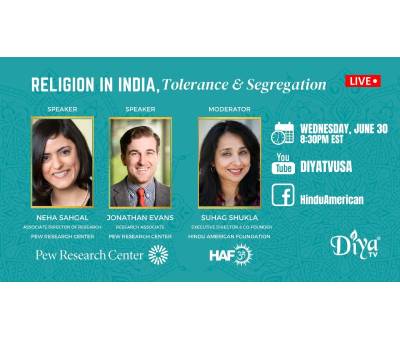
These shared values are accompanied by a number of beliefs that cross religious lines. Not only do a majority of Hindus in India (77%) believe in karma, but an identical percentage of Muslims do, too. A third of Christians in India (32%) – together with 81% of Hindus – say they believe in the purifying power of the Ganges River, a central belief in Hinduism. In Northern India, 12% of Hindus and 10% of Sikhs, along with 37% of Muslims, identity with Sufism, a mystical tradition most closely associated with Islam. And the vast majority of Indians of all major religious backgrounds say that respecting elders is very important to their faith.

Yet, despite sharing certain values and religious beliefs – as well as living in the same country, under the same constitution – members of India’s major religious communities often don’t feel they have much in common with one another. The majority of Hindus see themselves as very different from Muslims (66%), and most Muslims return the sentiment, saying they are very different from Hindus (64%). There are a few exceptions: Two-thirds of Jains and about half of Sikhs say they have a lot in common with Hindus. But generally, people in India’s major religious communities tend to see themselves as very different from others.

This perception of difference is reflected in traditions and habits that maintain the separation of India’s religious groups. For example, marriages across religious lines – and, relatedly, religious conversions – are exceedingly rare (see Chapter 3). Many Indians, across a range of religious groups, say it is very important to stop people in their community from marrying into other religious groups. Roughly two-thirds of Hindus in India want to prevent interreligious marriages of Hindu women (67%) or Hindu men (65%). Even larger shares of Muslims feel similarly: 80% say it is very important to stop Muslim women from marrying outside their religion, and 76% say it is very important to stop Muslim men from doing so.

Moreover, Indians generally stick to their own religious group when it comes to their friends. Hindus overwhelmingly say that most or all of their close friends are also Hindu. Of course, Hindus make up the majority of the population, and as a result of sheer numbers, may be more likely to interact with fellow Hindus than with people of other religions. But even among Sikhs and Jains, who each form a sliver of the national population, a large majority say their friends come mainly or entirely from their small religious community.

Fewer Indians go so far as to say that their neighborhoods should consist only of people from their own religious group. Still, many would prefer to keep people of certain religions out of their residential areas or villages. For example, many Hindus (45%) say they are fine with having neighbors of all other religions – be they Muslim, Christian, Sikh, Buddhist or Jain – but an identical share (45%) say they would not be willing to accept followers of at least one of these groups, including more than one-in-three Hindus (36%) who do not want a Muslim as a neighbor. Among Jains, a majority (61%) say they are unwilling to have neighbors from at least one of these groups, including 54% who would not accept a Muslim neighbor, although nearly all Jains (92%) say they would be willing to accept a Hindu neighbor.

Indians, then, simultaneously express enthusiasm for religious tolerance and a consistent preference for keeping their religious communities in segregated spheres – they live together separately. These two sentiments may seem paradoxical, but for many Indians they are not.

Indeed, many take both positions, saying it is important to be tolerant of others and expressing a desire to limit personal connections across religious lines. Indians who favor a religiously segregated society also overwhelmingly emphasize religious tolerance as a core value. For example, among Hindus who say it is very important to stop the interreligious marriage of Hindu women, 82% also say that respecting other religions is very important to what it means to be Hindu. This figure is nearly identical to the 85% who strongly value religious tolerance among those who are not at all concerned with stopping interreligious marriage.

In other words, Indians’ concept of religious tolerance does not necessarily involve the mixing of religious communities. While people in some countries may aspire to create a “melting pot” of different religious identities, many Indians seem to prefer a country more like a patchwork fabric, with clear lines between groups.

The dimensions of Hindu nationalism in India

One of these religious fault lines – the relationship between India’s Hindu majority and the country’s smaller religious communities – has particular relevance in public life, especially in recent years under the ruling Bharatiya Janata Party (BJP). Led by Prime Minister Narendra Modi, the BJP is often described as promoting a Hindu nationalist ideology. The survey finds that Hindus tend to see their religious identity and Indian national identity as closely intertwined: Nearly two-thirds of Hindus (64%) say it is very important to be Hindu to be “truly” Indian.

Most Hindus (59%) also link Indian identity with being able to speak Hindi – one of dozens of languages that are widely spoken in India. And these two dimensions of national identity – being able to speak Hindi and being a Hindu – are closely connected. Among Hindus who say it is very important to be Hindu to be truly Indian, fully 80% also say it is very important to speak Hindi to be truly Indian.

The BJP’s appeal is greater among Hindus who closely associate their religious identity and the Hindi language with being “truly Indian.” In the 2019 national elections, 60% of Hindu voters who think it is very important to be Hindu and to speak Hindi to be truly Indian cast their vote for the BJP, compared with only a third among Hindu voters who feel less strongly about both these aspects of national identity.

Overall, among those who voted in the 2019 elections, three-in-ten Hindus take all three positions: saying it is very important to be Hindu to be truly Indian; saying the same about speaking Hindi; and casting their ballot for the BJP. These views are considerably more common among Hindus in the largely Hindi-speaking Northern and Central regions of the country, where roughly half of all Hindu voters fall into this category, compared with just 5% in the South. Whether Hindus who meet all three of these criteria qualify as “Hindu nationalists” may be debated, but they do express a heightened desire for maintaining clear lines between Hindus and other religious groups when it comes to whom they marry, who their friends are and whom they live among. For example, among Hindu BJP voters who link national identity with both religion and language, 83% say it is very important to stop Hindu women from marrying into another religion, compared with 61% among other Hindu voters.

This group also tends to be more religiously observant: 95% say religion is very important in their lives, and roughly three-quarters say they pray daily (73%). By comparison, among other Hindu voters, a smaller majority (80%) say religion is very important in their lives, and about half (53%) pray daily.

Even though Hindu BJP voters who link national identity with religion and language are more inclined to support a religiously segregated India, they also are more likely than other Hindu voters to express positive opinions about India’s religious diversity. Nearly two-thirds (65%) of this group – Hindus who say that being a Hindu and being able to speak Hindi are very important to be truly Indian and who voted for the BJP in 2019 – say religious diversity benefits India, compared with about half (47%) of other Hindu voters. This finding suggests that for many Hindus, there is no contradiction between valuing religious diversity (at least in principle) and feeling that Hindus are somehow more authentically Indian than fellow citizens who follow other religions.
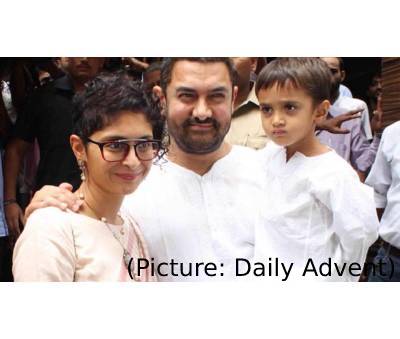
Among Indians overall, there is no overwhelming consensus on the benefits of religious diversity. On balance, more Indians see diversity as a benefit than view it as a liability for their country: Roughly half (53%) of Indian adults say India’s religious diversity benefits the country, while about a quarter (24%) see diversity as harmful, with similar figures among both Hindus and Muslims. But 24% of Indians do not take a clear position either way – they say diversity neither benefits nor harms the country, or they decline to answer the question. (See Chapter 2 for a discussion of attitudes toward diversity.)

India’s Muslims express pride in being Indian while identifying communal tensions, desiring segregation

India’s Muslim community, the second-largest religious group in the country, historically has had a complicated relationship with the Hindu majority. The two communities generally have lived peacefully side by side for centuries, but their shared history also is checkered by civil unrest and violence. Most recently, while the survey was being conducted, demonstrations broke out in parts of New Delhi and elsewhere over the government’s new citizenship law, which creates an expedited path to citizenship for immigrants from some neighboring countries – but not Muslims.

Today, India’s Muslims almost unanimously say they are very proud to be Indian (95%), and they express great enthusiasm for Indian culture: 85% agree with the statement that “Indian people are not perfect, but Indian culture is superior to others.” Relatively few Muslims say their community faces “a lot” of discrimination in India (24%). In fact, the share of Muslims who see widespread discrimination against their community is similar to the share of Hindus who say Hindus face widespread religious discrimination in India (21%). But personal experiences with discrimination among Muslims vary quite a bit regionally. Among Muslims in the North, 40% say they personally have faced religious discrimination in the last 12 months – much higher levels than reported in most other regions.

In addition, most Muslims across the country (65%), along with an identical share of Hindus (65%), see communal violence as a very big national problem. (See Chapter 1 for a discussion of Indians’ attitudes toward national problems.) Like Hindus, Muslims prefer to live religiously segregated lives – not just when it comes to marriage and friendships, but also in some elements of public life. In particular, three-quarters of Muslims in India (74%) support having access to the existing system of Islamic courts, which handle family disputes (such as inheritance or divorce cases), in addition to the secular court system. Muslims’ desire for religious segregation does not preclude tolerance of other groups – again similar to the pattern seen among Hindus. Indeed, a majority of Muslims who favor separate religious courts for their community say religious diversity benefits India (59%), compared with somewhat fewer of those who oppose religious courts for Muslims (50%).

Aamir Khan And Kiran Rao Divorce Ending 15 Years Of Marriage

After 15 years of married life, Kiran Rao and Aamir Khan, announced their separation in a joint statement on Saturday, July 3rd. They had tied the knot on December 28, 2005. Their marriage has been one of the most creative associations of Indian cinema, bringing together one of its biggest superstars and a cinema lover who aspired to make her mark as a writer-director.

“In these 15 beautiful years together we have shared a lifetime of experiences, joy and laughter,” the statement said. Khan, 56, and Rao, 47, first met in 2001, and married four years later. They said they wanted to “begin a new chapter in our lives – no longer as husband and wife, but as co-parents and family for each other”. They added that their relationship had “only grown in trust, respect and love”. They met on sets of the AshutoshGowariker-directed Lagaan (2001), one of the most commercially successful Indian movies, where the former was an assistant director. Their romance, Khan said in some interviews, bloomed later when the actor was going through the process of legal separation from his first wife, Reena Dutta. Khan and Dutta, who have a son, Junaid, and a daughter, Ira, together, divorced in 2002.
Kiran Rao was a co-producer of several critically acclaimed as well as commercially successful films made by Aamir Khan Productions. These include JaaneTu…YaJaane Na (2008), Peepli Live (2010), Delhi Belly (2011), Dangal (2016) and the documentary RubaruRoshni (2019).

Aamir is doubtless one of the most dedicated actors in this world. With his recent successes in both the Indian and Chinese markets he has shouldered his way into becoming one of the world’s biggest superstars. Aamir has garnered praise from all parts of the globe. His most visible transformations can be seen in such movies as Ghajini, 3 idiots, Talaash, Dhoom 3, PK and Dangal. Aamir Khan’s streak of Chinese box office hits continued into and throughout the 2010’s with the rapid-fire release of Dhoom 3 (2013), PK (2014), Dangal (2016) and Secret Superstar (2017).

Kiran Rao and Aamir Khan’s plain-spoken statement assures that they will continue collaborating on work and pet projects. “We began a planned separation some time ago, and now feel comfortable to formalise this arrangement, of living separately yet sharing our lives the way an extended family does. We remain devoted parents to our son Azad, who we will nurture and raise together. We will also continue to work as collaborators on films, Paani Foundation, and other projects that we feel passionate about,” they said. Announcing Azad’s birth in 2011, the former couple had shown similar forthrightness when they mentioned that he was born after “a long wait” and “through IVF-surrogacy”. They ended their statement saying: “A big thank you to our families and friends for their constant support and understanding about this evolution in our relationship, and without whom we would not have been so secure in taking this leap. We request our well wishers for good wishes and blessings, and hope that — like us — you will see this divorce not as an end, but as the start of a new journey.”
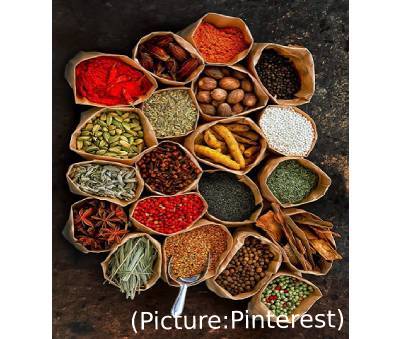
Shorter Workweek Leads To ‘Major Success’

As many people contemplate a future in which they don’t need to commute to offices, the idea of working less altogether also has its appeal. Now, research out of Iceland has found that working fewer hours for the same pay led to improved well-being among workers, with no loss in productivity. In fact, in some places, workers were more productive after cutting back their hours.

Granted, Iceland is tiny. Its entire workforce amounts to about 200,000 people. But 86% of Iceland’s working population has moved to shorter hours or has the right to negotiate such a schedule, according to a report by the Association for Democracy and Sustainability and the think tank Autonomy. This follows two successful trials, involving 2,500 workers, that the report called “a major success.”

The trials were conducted from 2015 to 2019. Workers went from a 40-hour weekly schedule to 35- or 36-hour weekly schedules without a reduction in pay. The trials were launched after agitation from labor unions and grassroots organizations that pointed to Iceland’s low rankings among its Nordic neighbors when it comes to work-life balance. Workers across a variety of public- and private-sector jobs participated in the trials. They included people working in day cares, assisted living facilities, hospitals, museums, police stations and Reykjavik government offices.

Participants reported back on how they reduced their hours. A common approach was to make meetings shorter and more focused. One workplace decided that meetings could be scheduled only before 3 p.m. Others replaced them altogether with email or other electronic correspondence. Some workers started their shifts earlier or later, depending on demand. For example, at a day care, staff took turns leaving early as children went home. Offices with regular business hours shortened those hours, while some services were moved online.

Some coffee breaks were shortened or eliminated. The promise of a shorter workweek led people to organize their time and delegate tasks more efficiently, the study found. Working fewer hours resulted in people feeling more energized and less stressed. They spent more time exercising and seeing friends, which then had a positive effect on their work, they said. One worker quoted in the research cited an increased respect for the individual as a motivating factor. Rather than being seen as machines that work all day, there was recognition that workers have desires and private lives, families and hobbies.

What We Learned About Relationships During The Pandemic

The pseudo-scientific formula that explains most human bonding is basically time + affection + togetherness = relationship. So what happens to humans and their interconnectedness when two of the key elements—time and togetherness—are removed or increased? Can digital communication replace human to human contact? How do couples cope with stressful events they have never before encountered? This is the focus of a series of studies published in the Journal of Social and Personal Relationships, which has dedicated several special issues to relationships in the time of COVID-19.

“When COVID hit it became clear to me that… it would be really important for us to provide a space for relationship science to showcase their work,” says Pamela Lannutti, the director of the Center for Human Sexuality Studies at Widener University in Chester, Penn., and one of the editors of the series of issues. So the journal put out a call for researchers who had begun research on what relationships were like in this unique set of circumstances and the studies flooded in.

Some of the results were obvious: health workers needed supportive spouses during this time, digital communication with friends helped with loneliness and college couples who were dating grew apart when they couldn’t see each other. Others were a little more surprising. Here’s what we’ve learned so far.

Gender roles in the home got more, not less, defined.

A study out of New Zealand found that during the stay-at-home measures, with people working from home and schools closed, each partner in heterosexual relationships had to take on more responsibilities around the house. But women took on many more. While both men and women recognized the situation was imbalanced, it only led to relationship dissatisfaction among the women, unless the men were doing a lot of childcare. That is, the men could see the burden was being unevenly carried, but it didn’t bother them. “There’s definitely a shift back towards traditional gender roles in ways that perhaps weren’t there before COVID,” says Lannutti. “Here’s something that came along and just shook up society in this really unexpected and really quick way. And still those gender roles were so powerful.”

Contrary to expectations, lonely single people didn’t settle.

Using a multinational survey of almost 700 single people, most of them female, a group of researchers from across the globe found that single people were more interested in finding a partner if they were more concerned about COVID-19. The researchers expected single people to lower their standards given the exigent circumstances. They did not. Not even about looks. “They still cared about physical attractiveness,” says the journal’s co-editor, Jennifer Bevan, a professor of communication at Chapman University in Orange, California, “which I thought was such an interesting element.”

People who don’t like video chat just kept meeting in person.

Getting together via video took off during the early days of lockdown, with workplaces and families having to quickly adjust to meeting over Zoom, Google meetings, Bluejeans or other digital platforms. A Utah State university study found that those who had difficulty adjusting to this form of communication were more likely to violate social distancing protocols and pleas to avoid gatherings, in order to see other humans. “The need for connection overrides what’s happening at that moment, which is a scary thought,” says Bevan. “How do we kind of override the need for connection? I know it’s really difficult to do.”

Same sex couples who avoided fighting were less happy than those who voiced their complaints.

In a study of LGBTQ couples, those who refrained from complaining about their relationships when something was wrong had less satisfying relationships, suffered more anxiety and depression, and leaned more heavily on substance use during COVID-19. Their dissatisfaction with their relationships was also worse if they were people of color or had higher internalized homophobia. The researchers noted that one fifth of the participants in the study had decided to move in together because of the pandemic—which paradoxically had made them less anxious while also making the relationship less stable. “We recommend same-sex couples to actively discuss their moving in decisions,” the researchers suggested, “rather than rushing to cohabit without adequate considerations.”

When people can’t meet in person, even fictional characters and celebrities feel like friends.

The lockdown proved to be a bumper time for what researchers call “parasocial relationships,” that is, relationships with folks who don’t know you, but with whom you form an attachment. Because of the isolation and the direct access people had to celebrities via social media as well as via streaming platforms, many people became much more attentive to their favored celebrities. The study found that people maintained stable relationships with friends as the social distancing measures went on, but felt much closer to the celebrities they followed. The editors theorized this closeness might partly be the result of people consuming a lot more content in their homes, through their personal devices. “It‘s not the same as going to an arena and seeing the concert. They’re sitting at their house,” says Bevan, who acknowledged that Taylor Swift helped get her through some hard days. “It makes that experience a lot different.” These can be famous people, or even fictional characters.

“A problem a lot of couples can face during times of hardship or crisis is relational uncertainty—meaning they aren’t sure how committed they or their partners are or where the relationship is going,” says Helen Lillie, a post-doctoral Fellow at the University of Utah. According to the school of relationship science known as Communication Theory of Resilience, couples who focus on five habits can weather hard times more easily. The five techniques are: maintaining some semblance of normalcy with their routines, talking to their spouse as well as sympathetic others about their concerns, reminding themselves of who they are and what they believe, reframing their situation in a more positive or different way and focusing on how good things will be when the crisis is over. Lillie’s study surveyed 561 people to ascertain whether couples who used those strategies were getting on with their partners better during the pandemic, and found that they did. The study also found humor helped couples cope with the lockdown, although it didn’t always improve couple communication.

10 Healthiest Herbs And Spices That Have Health Benefits

There are several herbs and spices with multiple potential health benefits, such as those with anti-inflammatory properties, cognitive boosters, and some that may even aid in fighting cancer, to name just a few.

Some of these herbs and spices include turmeric, peppermint, ginger, and many more. Long before modern medicine, the ancient Greeks used a variety of spices and herbs for their healing properties. Hippocrates (460-377 BCE) used saffron, cinnamon, thyme, coriander, and other plants as treatments, many of which people still use today as holistic remedies for fevers, aches and pains, and other ailments.While there is little to no scientific evidence that they directly cure serious diseases, research increasingly shows that many herbs and spices possessTrusted Source properties that may help mitigate certain symptoms. This article will explore the health benefits of 10 herbs and spices, including the aforementioned turmeric, peppermint, ginger, and more.

Turmeric 

Turmeric, sometimes called curcumin, is one of the most popular spices used today for cooking and health benefits alike. Laboratory studies have shown that turmeric has some anti-inflammatory, antioxidant, antibacterial, antiviral, and antiparasitic benefits. Of all of these, research shows that turmeric is most effective for its anti-inflammatory and antioxidant properties.

As a chain-breaking antioxidant and anti-inflammatory spice, turmeric improves oxidative stressTrusted Source with its ability to scavenge toxic free radicals in the body. Free radicals are tissue-damaging molecules with an uneven number of electrons that can be catalysts for chronic diseasesTrusted Source, such as cardiovascular disease and cancer. With its high antioxidant content, turmeric can work to reduce the risk of free radicals forming and reduce the effects of stress on the body.

Ginger 

People have been using ginger for thousands of years as a remedy for nausea and gastrointestinal issues. Today, people primarily use the ginger root as a spice, or as a supplement to treat digestive problems. Closely related to turmeric, ginger also contains anti-inflammatory propertiesTrusted Source and a very high level of total antioxidants. Only pomegranates and certain types of berries contain more. As an antinausea agent, several controlled studies have proven that ginger is effective as an antiemeticTrusted Source. People can use it for seasickness, motion sickness, and morning sickness.

Some studiesTrusted Source have demonstrated that ginger may have anticancer effects. This is largely due to ginger’s high antioxidant levels. It can also slow down cells reproducing, cause cells to stop dividing, and stop certain activator proteins and signaling pathways that contribute to cancer. That said, most of these studies took place in a lab, and more human clinical trials must take place.

Cumin 

Cumin is a popular cooking spice used for its aromatic effects. StudiesTrusted Source show that it is also beneficial for weight loss, cholesterol, stress management, and more. It also has high antioxidant potentialTrusted Source. Research also shows that cumin is an antidiabetic. A group of 80 people took an Ayurvedicformulation containing cumin over a period of 24 weeks, and their postprandial blood sugar was significantly reduced.

Peppermint

An extremely popular herb that is commonly used as a flavoring agent, peppermint is native to Europe and Asia. In these regions, people used it before the advent of modern medicine for its cooling effects, antibacterial properties, and to improve digestive health.

Research shows that as a holistic remedy, peppermint is also effective in improving cardiovascular (heart) and pulmonary (lung) health by acting as a bronchodilator. Bronchodilators work by widening air passages (bronchioles) in the lungs. By inhaling the smell of peppermint, a person will also increase their nasal air force, in turn supplying more air to the lungs. In addition, some studies also show that peppermint is an effective muscle relaxer thanks to its cooling menthol compound, which is why menthol is often an active ingredient in ointments and creams that target muscle pain.

Echinacea 

Derived from the coneflower plant, echinacea is a supplement that is best known for targeting the immune system and helping prevent colds. While research has yet to prove that the herb can fight viruses, many use echinacea to support the treatment of conditions such asTrusted Source:

Echinacea treatments for these illnesses are not proven to be effective. The majority of studies show otherwise or are inconclusive at best. There may be a loose correlationTrusted Source between taking echinacea and strengthening the immune system, but much of the evidence for the herb’s efficacy is anecdotal.

Cinnamon

Ancient civilizations have used cinnamon since 2,800 BCE for anointing, embalming, and treating ailments. Though not as widely used for its therapeutic properties as it was thousands of years ago, cinnamon still provides myriad health benefits as an antimicrobial, antioxidant, anti-inflammatory, antidiabetic, and anticarcinogenic spice.

A 2015 reviewTrusted Source shows that cinnamon may reduce blood sugar levels. Its role in regulating glucose in the body has been suggested in many small randomized control trials, though the results have not been significant enough to prove conclusive.

Cinnamon also has cognitive enhancement effects, and researchers have sought to determine whether the spice could be an effective treatment for Alzheimer’s disease. In particular, scientists have studied CEppt (an extract found in cinnamon bark) to ascertain whether it could help prevent the symptoms of Alzheimer’s from progressing. When mice ate this extract, it greatly improved their cognitive abilityTrusted Source.

Chili powder 

2015 researchTrusted Source suggests that capsaicin, the phytochemical that makes chili powder spicy, may play an important role in regulating heart and metabolic health.

When people consume chili powder, the spice triggers beneficial protein changes in the body that are conducive to weight loss. But researchers do not fully understand the mechanism of how this works. People who participated in a studyTrusted Source where they consumed moderate amounts of chili over a 12-week period experienced weight loss results, which was triggered by chili’s impact on the body to better control insulin, among other therapeutic effects. In another studyTrusted Source, researchers observed that regular consumption of chili also significantly reduced abdominal adipose tissue (fat) levels and reduced appetite and energy intake.

When it comes to cardiovascular benefits, recent research provided by the American Heart Association found that those who regularly consume chili powder may reduce their risk for developing heart disease mortality by 26%. Additionally, frequent chili consumption correlates with a 25% reduction in mortality from any cause and 23% fewer cancer deaths.

Thanks to its anti-inflammatory properties, chili powder could also be effectiveTrusted Source for supporting arthritis treatments, as well as for alleviating muscle and joint inflammation.

Parsley

Parsley is an herb that originated from the Mediterranean region. Many have used it through the years for both culinary flavoring and therapeutic treatment for a range of health conditions, including high blood pressure and allergies. This herb is full of antioxidantsTrusted Source, carotenoids, and other beneficial vitamins that support a healthy body and immune system. Among these is vitamin K, an essential nutrient for bone health.

Oregano

Another herb that is prevalent in the Mediterranean diet is oregano, which many use not only as a flavor enhancer for food but as an aromatic oil and supplement. The herb’s antioxidants contribute to its powerful taste and smell, and may also provide benefitsTrusted Source such as:

  • strengthening the immune system against infections
  • reducing inflammation
  • regulating blood sugar
  • improving insulin resistance
  • alleviating urinary tract symptoms and menstrual cramps
  • fighting cancer

Oregano as a standalone herb cannot singlehandedly produce these results. But people may use it for its antioxidative properties that are beneficial for many health conditions.

Cardamom

Cardamom is yet another spice that provides a wide range of potential health benefits. Coming from the seeds of plants that belong to the ginger family, people often consume cardamom in teas, such as chai tea, as well as some coffee, desserts, and even savory dishes.

Some of the conditions that researchTrusted Source shows cardamom may treat are:

The spice’s healing benefits come primarily from a combination of its volatile oils, fixed oils, phenolic acids, and sterols. In particular, the volatile oils present in cardamom seeds are analgesic, anti-inflammatory, antimicrobial and antispasmodic. Animal studies found cardamom may also help with obesity or high cholesterol. When researchers implemented cardamom supplementation on obese rats, the spice lowered their total cholesterolTrusted Source and triglyceride levels.

Summary

Herbs and spices make flavorful additions to meals, but are also powerhouses for essential nutrients that greatly benefit the body. People may experience some benefits or health improvements from incorporating herbs and spices into their diet, but should not depend upon them solely for full treatment of conditions.Those with serious health conditions should talk with a doctor to discuss the best course of treatment for them.

(Credit: Medical News Today)

Chocolate With Whisky And Rum

Whisky, rum, and chocolate are some of the most delectable flavours on the planet, and they’re perfect to go with each other. Pairing chocolate with whiskey or rum is an interesting combination, since it arouses all your senses.To get the most out of whisky, take a sip first and let the flavour deliquesce in your mouth, then take a little piece of chocolate and allow it to gently melt on your tongue, enabling the tastes of the whisky to mingle. Doesn’t it sound delicious?

The best side dish to have while drinking rum is to have dark chocolate. The darker the chocolate, the better the whole experience is. Chocolate gives a new layer of depth and intensity to the rum that is irresistible.On this World Chocolate Day, here is a compiled a list of the top whiskies and rums to pair with your chocolates:

Toasted Coconut Dark Chocolate with Bootz Dark Jamaica Rum

Bootz Dark Jamaica Rum is rich and incredibly complex, with notes of espresso, tropical fruit and Dark Caramel, this concoction makes you want to lay back and enjoy every sip of it. Are you familiar with the coconut and chocolate bar taste that still lingers on your tongue? Toasted coconut brings out the nutty flavours adding a slightly crispier texture and the chocolate balances them perfectly. Now imagine that with some sweet and complex flavour of Rum. When coconut chocolate and Rum combine, it really is magical.

Sea Salt Dark Chocolate with The Macallan Sherry Oak 12 years old Single Malt

The Macallan Sherry Oak 12 years old. When matured exclusively in Oloroso sherry seasoned oak casks from Jerez, Spain, the rich, fruity and full-bodied ‘new make’ spirit is transformed into a classic single malt. Once filled, the maturing spirit remains undisturbed in the same casks for 12 years and is brought together in this rich and complex whisky characterised by spice and dried fruit and a natural rich golden colour. A dash of Sea Salt to intensify the flavours of the lingering bitterness of dark chocolate with the underlying sweetness of whisky can take you a long way. The Macallan Sherry Oak 12 years old will go perfectly with your delicious sea salt dark chocolates; it’s all about the contrast!.

Orange Dark Chocolate with The Macallan Triple Cask Matured 12 Years Old Single Malt

The Macallan Triple Cask Matured 12 Years Old is aged in three casks: European and American sherry seasoned oak casks, as well as American ex-bourbon oak casks. This sophisticated blend of oak barrels produces a smooth and delicate character with notes of citrus fruits, vanilla, and fresh oak. Orange Dark Chocolate evokes that simply refreshing smell of springtime and balances the bitterness of the chocolate. The lingering taste of whisky mingled with the sweet orange chocolate will have you coming back for more.

Hazelnut Milk chocolate with CuttySark Scotch Whisky

When drinking premium malt Scotch, you’ll frequently be interacting with the Whisky’s deeper flavours. CuttySark includes some of Scotland’s best single malts and is a well-known scotch whisky across the globe. The Clean; balanced and lively taste with vanilla and citrus fruits flavours of the Whisky and the mutual creaminess of Chocolate and Hazelnut creates an unparalleled velvety experience. Neither the milk chocolate nor the whisky will overpower each other and the fruit and nut flavours combine to make an irresistible, elegant pairing.

Caramel Chocolate with The Famous Grouse Scotch Whisky

The Famous Grouse is blended with the best ingredients to make a natural spirit, which is then aged in handmade barrels to give the exquisite flavour. The blended scotch whisky gives a bold flavour of dried fruit, soft spices (cinnamon/ginger) and a hint of oak. On the other hand, the rich, luxurious chocolate, filled with the buttery rich flavour of golden caramel and a warm gooey texture makes it the most delectable treat. When the two combine, they produce a whole variety of diverse flavors that can elevate any occasion. (IANS)

Eating Chocolate In The Morning Could Help Burn Fat, Reduce Blood Glucose

Eating milk chocolate every day may sound like a recipe for weight gain, but a new study of postmenopausal women has found that eating a concentrated amount of chocolate during a narrow window of time in the morning may help the body burn fat and decrease blood sugar levels. To find out about the effects of eating milk chocolate at different times of day, researchers from the Brigham collaborated with investigators at the University of Murcia in Spain. Together, they conducted a randomized, controlled, cross-over trial of 19 postmenopausal women who consumed either 100g of chocolate in the morning (within one hour after waking time) or at night (within one hour before bedtime). They compared weight gain and many other measures to no chocolate intake.

Researchers report that among the women studied:

• Morning or nighttime chocolate intake did not lead to weight gain;
• Eating chocolate in the morning or in the evening can influence hunger and appetite, microbiota composition, sleep and more;
• A high intake of chocolate during the morning hours could help to burn fat and reduce blood glucose levels.
• Evening/night chocolate altered next-morning resting and exercise metabolism.

“Our findings highlight that not only ‘what’ but also ‘when’ we eat can impact physiological mechanisms involved in the regulation of body weight,” said Scheer. “Our volunteers did not gain weight despite increasing caloric intake. Our results show that chocolate reduced ad libitum energy intake, consistent with the observed reduction in hunger, appetite and the desire for sweets shown in previous studies,” said Garaulet

(Frank A. J. L. Scheer, PhD, MSc, Neuroscientist and Marta Garaulet, PhD, Visiting Scientist, both of the Division of Sleep and Circadian Disorders, Departments of Medicine and Neurology, Brigham and Women’s Hospital. Drs. Scheer and Garaulet are co-corresponding authors of a new paper published in The FASEB Journal.)

37 Million People Connected in US through Yoga

On the occasion of the seventh International Day of Yoga on Monday June 21, 2021, the US State Department has reported that Yoga, the ancient discipline with origin s in India connects people around the world, including over 37 million people from the United States. Taking to Twitter, the US State Department said: “Happy #InternationalDayOfYoga! The word ‘yoga’ derives from Sanskrit and means to join or unite. This ancient discipline from India connects people around the world, including over 37 million people in the United States who practice yoga.”

The International Day of Yoga is celebrated every year on June 21 across the country. This year, the theme of the occasion is ‘Yoga For Wellness’, and will focus on practicing Yoga for physical and mental well-being. Since 2014, the occasion has been observed in mass gatherings in different parts of the country. The observation of IDY is a global activity and the preparatory activities normally start 3-4 months prior to June 21. Millions of people are introduced to Yoga in the spirit of a mass movement as part of IDY observation every year, especially since 2015, a year after the Prime Minister suggested the day at the United Nations.

On the occasion, United Nations General Assembly (UNGA) President VolkanBozkir said that yoga was a lifeline during the COVID-19 lockdown as it helps to maintain physical wellbeing and manage the stress of uncertainty and isolation. “The COVID 19 pandemic has clearly demonstrated the consequences of poor global health, the social and economic consequences have been devastating for many around the world. Yoga was a lifeline during lockdown,” Bozkir said in a statement on Monday. Earlier, the Indian Embassy in the United States on Sunday celebrated the IDY 2021 at the India House, with the theme “Yoga for Wellness”.

India’s Permanent Representative to the United Nations, TS Tirumurti on Monday stressed on practicing Yoga for physical and mental well-being on the occasion of the seventh International Day of Yoga. “Yoga has particularly emerged as a powerful tool to reduce the impact of stress and help with anxiety and depression during the pandemic,” said Tirumurti. Back home in India, “Yoga has provided a ray of hope to the people across the world amid the ongoing COVID-19 pandemic,” said Indian Prime Minister Narendra Modi on Monday, June 21, 2021, on the occasion of the 7th International Yoga Day.

“Yoga is a ray of hope amid the ongoing COVID-19 pandemic as the enthusiasm for Yoga has only increased over the last two years,” he said while addressing the 7th International Day of Yoga (IDY). “When the invisible virus of Corona had struck the world, then no country was prepared for it, by any means, be it strength, in the form of resources or mentally,” Modi said, adding, “We all have seen that in such difficult times, yoga became a great medium of self-confidence.”

The Prime Minister further elaborated on how practicing Yoga has helped healthcare and frontline workers protect not just themselves from the coronavirus, but also helped their patients. “When I spoke to frontline warriors and doctors, they tell me that they’ve made Yoga a protective shield against the virus. They have used Yoga not just for safeguarding themselves, but also for patients,” he said. “There are pictures of hospitals, with doctors, nurses teaching Yoga performing breathing exercises,” PM Modi said. “Today, while the whole world is fighting the COVID-19 pandemic, yoga remains a ray of hope. For two years now, no public event has been organized in India or the world, but enthusiasm for Yoga has not gone down,” PM Modi said.

Noting that whenever India and its sages spoken of health, Modi said it has not only meant physical health. “That is why so much emphasis has been laid on physical health as well as mental health in Yoga. Yoga shows us the way from stress to strength and from negativity to creativity. Yoga takes us from depression to ecstasy and from ecstasy to ‘prasad’.”

The Prime Minister mentioned if there are threats to humanity, Yoga often gives us a way of holistic health. “Yoga also gives us a happier way of life. I am sure, Yoga will continue playing its preventive, as well as promotive role in healthcare of masses.”

When India proposed the International Day of Yoga in the United Nations, the Prime Minister said it was the spirit behind it to make this science of Yoga accessible to the whole world.
Today, Modi announced that India has taken another important step in this direction along with the United Nations and the World Health Organisation.

“Now the world is going to get the power of M-Yoga app. In this app, many videos of yoga training will be available in different languages of the world based on the Common Yoga Protocol.” The seventh International Yoga Day is being celebrated in 190 countries across the globe on Monday. The theme for this year is ‘Yoga for wellness’.


Hundreds Join Virtually International Yoga Day 2021 By GOPIO Manhattan, Happy Life Yoga

The GOPIO-Manhattan (NYC) and Happy Life Yoga in cooperation with The Indian Panorama and Indian American Forum (Long Island) organized an International Yoga Event to raise awareness of Yoga and raise funds for “The Covid-19 Relief in India”.  SiddharthDeoraj Jain, Founding Life Member GOPIO Manhattan; introduced Tirlok Malik, an Emmy-nominated filmmaker and Happy Life Yoga speaker and invited him to start The International Yoga Day-2021.

Malik hosted a highly interactive and informative Yoga session featuring experts and speakers across various walks of life. He explained his vision, “A way of living inspired by the wisdom of Ayurveda, Yoga and Indian Philosophy is beneficial for everyone. In the aftermath of COVID, the world has realized that it is of paramount importance to have a good health, physically and emotionally, and the Happy Life Yoga platform can show how to achieve it.”

Ambassador Randhir Kumar Jaiswal, the Chief Guest, commented “Yoga is a way of life. The idea of Yoga is truly universal and it must be heard, celebrated and promoted in each and every part of our society and community. The key is to not just celebrate Yoga as a health practice, for it needs to be celebrated in its entirety,” asserted Jaiswal. He highlighted how the International Yoga Day has evolved into in major annual event that’s celebrated across the globe ever since Prime Minister Narendra Modi proposed the idea during his speech at the United Nations General Assembly back in September 2014.

Dr. BhuvanLall, the award-winning filmmaker, international entrepreneur, motivational speaker and author, touched upon the importance of Yoga in our day-to-day life and advised “Everybody wants to be happy. Everybody wants to have a long life and Yoga provides the answer by teaching us how to deal with unhappy situations that we come across. So, Yoga is really the way forward.”

Prof. IndrajitSaluja, Chief Editor/Publisher, The Indian Panorama quoted “The key is to love yourself and love the world around you. When you are trying to achieve equilibrium among the various faculties in your life that’s where Yoga comes into play.”  Sangeeta Agrawal, CEO and Founder, Helpsy added “The first step involves preparing oneself as that equips one to deal with the situation. Further one must reach out to experts for their advice and guidance allowing one to make and execute plans aimed at recovery from the ailment.”

Deborah Fishman Shelby, Founder & Executive Director, FED talked about teachings of Judaism while sharing examples from Torah and exploring the idea of happiness. RanjuNarang emphasized upon the need to inhaling and exhaling out all the negativity and toxicity. Indu Jaiswal, Chairperson, Indian American Forum, an accomplished dietician and nutritionist spoke about the importance of balance diet for happy life.

Neil and Andrea Garvey, Publishers/Editors of the Creations Magazine, who have been vegans for over three decades emphasized about the need for communication between partners. Anil Narang, Vegan activist, talked about the benefits of vegan diet for a healthy living. While talking about the importance of harmony between mind, body and spirit, he stressed upon the need to go vegan during the COVID-19 times in order to boost immunity and health. Dr. Renee Mehrra talked about meditation and the need to control thoughts as a means to calm down the brain.  PallaviVermaBelwariar, Founding Life Member GOPIO Manhattan; entertained the viewers with her melodious voice with Malik egging on the viewers to dance in their chairs.

ShivenderSofat, President GOPIO-Manhattan; spoke about importance of Yoga in daily life, discussed chapter activities and motivated everyone to donate generously towards the GOPIO Manhattan Fund Raising for The Covid-19 Relief in India. Dr. Thomas Abraham, GOPIO Chairman; complimented GOPIO-Manhattan, NYC for taking this initiative and organizing several other programs during the last one year. Dr. Abraham also appealed the audience to support the Covid Indian Relief Fund and GOPIO-Manhattan’s Community Feeding conducted every last Monday of the month.

Chitranjan Sahay Belwariar, Founding Life Member GOPIO Manhattan; concluded with the Vote of Thanks to all Speakers at the event and provided technical support with Zoom streaming and recording.  The event ended with a thunderous applause even as Malik promised to bring more Happy Life Yoga events in the near future. Happy Life Yoga is the creation of Tirlok Malik and the Ayurveda Cafe team. It is essentially an educational platform that offers a unique holistic approach to health and happiness using tools from Ayurveda, Indian Philosophy, and Yoga to help better manage modern-day challenges such as work, finances, relationships, family and other social pressures. It was launched in June 2019 in New York.

In accordance with its mission to serve the larger society and those in need, GOPIO-Manhattan Chapter has taken several initiatives in the recent past. A Community Feeding is organized by the Chapter providing ​vegan or ​vegetarian lunch for the homeless and needy at Tomkins Square Park in Manhattan on the last Monday of every month. The chapter appeals to the community to support the initiative by being a volunteer and/or a sponsor. For more info on GOPIO Manhattan, call President ShivenderSofat at 731-988-6969, e-mail: info@gopiomanhattan.org or visit here: https://gopiomanhattan.org/

Yoga Suggestions To Help You Breathe Easy

New Delhi– Yoga is often mistaken as an ‘exercise’ that only caters to the body. But the most important thing we forget, is that the central dogma of yoga is breath. Life is breath. “We breathe in oxygen and release carbon dioxide, it’s simple biology,” is what some said. But breathing is a very powerful way to control the mind. Here’s an example, if you breathe slowly and deliberately, you begin to feel sleepy. Your heart rate normalizes and you feel calmer. But when you are stressed, your breath quickens, it increases blood pressure. It increases heart rate and so on. If we flip the situation here and breathe easy while stressed, we’re training our body to react calmly to situations of stress! I’d say breathing is not just inhaling and exhaling, it’s actually a complex combination of intricate internal processes that lead to life!

(Here are five things you can practice for better breath control and easier breathing. (Inputs are from Sarvesh Shashi, Founder, SARVA, yoga-based wellness platform.)

The first pose is Bhujangasana or the Cobra pose. Designed to open the chest muscles, the Bhujangasana is a beginner-friendly pose that not only provides relief in asthamatic conditions but also allows one to calm the mind and promotes an overall feeling of happiness.

The second pose is the ArdhaMatsyendrasana or the half fish pose. Designed to be a great twist for the upper body, this induces deeper breathing than usual and enhances the muscles of the Lungs to perform better. It also aids in better circulation to the body and provides relief in times of stress.

The third pose is the toughest. No its not an elaborate twisting and balancing exercise, its Shavasana. We carry tension around our bodies for several days/weeks and some of us even years! This can really affect our breathing patterns. Shavasana helps regulate these in a resting pose. Clearing your mind of the chaos and the body of all the tension is a challenging task for us, who live every single conscious moment thinking or doing something!

The last two are breathing techniques that one must practice to breathe better. Not just this, there are a host of other benefits that are attached to these.

The concept of pranayama is often mistaken for deep breathing.The difference is, In pranayama the movements are so slow that there is adequate time for every part of the lung to absorb in oxygen. Breath retention is a powerful way to energise the body. Anulomvilom is a specific type of controlled breathing (pranayama). It involves holding one nostril closed while inhaling, then holding the other nostril closed while exhaling. The process is then reversed and repeated. Alternate nostril breathing is said to have many physical and psychological benefits, including stress reduction and improved breathing and circulation.

And lastly, Bhramari Pranayama. Bhramari word is made from the Hindi word “Bhramar” which means Bumble Bee. Brahmari (Bee Breath) is a very effective pranayama for calming the mind. The activity of this respiratory exercise helps to induce a calming impact on the mind rapidly. Brahmari Pranayama edges in reducing high vital signs, fatigue, and mental stress. This Pranayama is one of the great breathing exercises to release the mind of disquiet, anxiety, or frustration and get rid of anger.

There is research that corroborates the fact that Yoga is very beneficial for breathing. While the universe of Yoga is endless. It speaks of asanas, pranayamas, mudras, meditation techniques that have several benefits from their practice, the above are suitable for beginners to start their journey to yoga. We must remember that breath is life and life is breath. SARVA’s latest campaign #StarttohKaro is a call to action for people to start on their physical and mental health journeys with any style of activity that suits and excites them.

Consistent daily exercise, breathing techniques to boost immunity and good nutrition can do the trick, just like it did for me during the time I suffered from Covid. June is celebrated as International Day of Yoga Month, as it lauds a practice that ensures holistic well-being. We want people to start their tryst with good health and utilize our platform towards helping communities thrive and work towards feeling healthy, physically and mentally. (IANS)

UN Emphasizes Yoga’s Role In Helping World Recover From Covid

Yoga, which provided a ‘lifeline’ during the Covid-19 pandemic, can help the world recover from its ravages, leaders at the United Nations said on Monday on the occasion of the 7th International Day of Yoga. “As we take steps to recover from the pandemic, let yoga inspire us to approach challenges holistically, to work together through the multilateral system so we recover better, stronger and greener,” UN General Assembly President VolkanBozkir said. “The social and economic consequences (of the pandemic) have been devastating for many around the world (and) yoga was a lifeline during the lockdown. It helped maintain physical well-being while also managing the stress of uncertainty and isolation,” he said.

Because of the pandemic, the Yoga Day was observed virtually at the UN this year — just like last year — without the mass exercises with the participation of top UN officials and diplomats from around the world that became a part of the UN tradition since 2015. Deputy Secretary-General Amina Mohammed said that yoga can “play a significant role in the care and rehabilitation of COVID-19 patients in allaying fears and sorrow.” “The Covid-19 pandemic has caused enormous stress and anxiety to many people worldwide, who are stemming from loss, isolation, economic insecurity or disruption to normal routines and work-life balance. Yoga can help us cope with the uncertainty and anxiety,” she said.

India’s Permanent Representative to the UN, T.S. Tirumurti, said the Yoga Day this year “seeks to reaffirm the rejuvenating role of yoga in promoting health and wellbeing of the global community which is presently coping with the pervasive effects of the Covid-19 pandemic.” “Yoga organisations and practitioners around the world have been raising awareness through digital platforms about the potential of yoga in mitigating the adverse effects of the pandemic on the physical and mental well-being of the people,” he said.

Yoga practitioners from eight countries participated in a digital demonstration conducted by New York-based yoga teacher Eddie Stern. The United Nations General Assembly had declared June 21 as the International Day of Yoga in 2014 at the initiative of India with the support of 177 countries. Unlike the UN, which still maintains strict Covid-19 precautions, the host city New York had dropped most Covid related restrictions last week as the city’s vaccination rate surged to about 70 per cent, enabling a mass celebration.

On Sunday, the city’s Times Square held its first major event after the restrictions fell off, celebrating Yoga Day to coincide with the Summer Solstice, which came a day earlier this year. A relay of yoga practice with over 3,000 people participating took place at Times Square, which is known as the ‘Crossroads of the World’, from 7:30 am to 8 pm. Across the Hudson River at Jersey City’s Liberty State Park against the backdrop of the Statue of Liberty, the tristate Federation of Indian Associations organised a celebration on Sunday. Both the events were organized in partnership with the Consulate General of India. (IANS)

Childhood Exercise Could Maintain And Promote Cognitive Function In Later Life

Newswise — A research group including Professor MATSUDA Tetsuya of Tamagawa University’s Brain Science Institute (Machida City, Tokyo; Director: SAKAGAMI Masamichi) and Assistant Professor ISHIHARA Toru from Kobe University’s Graduate School of Human Development and Environment has illuminated the changes in the brain’s neural network and cortex structure that underlie the positive association between childhood exercise and the maintenance and promotion of cognitive function in later life. These results were published in the academic journal NeuroImage on May 23, 2021.

Main Points

The researchers showed that people who are physically active during childhood (up to 12 years of age) have higher cognitive functions in later life.However, they could not find a correlation between cognitive function and post-childhood physical activity. The positive association between childhood exercise and cognitive function was evident in the modular (*1) segregation of brain networks, strengthened inter-hemispheric connectivity, greater cortical thickness, lower levels of dendritic arborization and decreased density. During childhood, the formation of the brain’s network is susceptible to environmental and experience-related factors. It is thought that exercise during this period optimizes brain network development and is linked to the maintenance and promotion of cognitive function in later life.

Research Background

Research over the previous decade has shown that exercise during childhood affects the development of cognitive functions. Recent findings have indicated that these benefits of childhood exercise extend to the maintenance and promotion of cognitive functions in middle age and later life. However, the changes in brain functionality and structure related to this positive association have yet to be illuminated. This research study investigated the relationship between physical activity in childhood and cognitive function in later life, using MRI (magnetic resonance imaging) to illuminate the structural and functional changes in the brain that are behind this relationship.

Experiment Method

The research group conducted a study on 214 participants ranging in age from 26 to 69 in order to investigate the relationship between childhood exercise and cognitive function, and the underlying functional and structural neural networks and cortical structure. Childhood exercise was assessed via questionnaire. One aspect of cognitive function, response inhibition (the ability to suppress inappropriate behaviors), was measured using a Go/No-go task. The image data from the MRI was analyzed and the following were calculated: structural and functional connectivity (*2), cortical thickness, myelination, the degree of neurite orientation dispersion and density index. The brain was divided into 360 areas in accordance with the Human Connectome Project (*3), and functional and structural parameters were obtained for each area. In the statistical analysis, information obtained through the questionnaire was used as confounders. This included each participant’s educational background, parents’ educational background, number of siblings and exercise during adulthood.

Experiment Results

Firstly, the researchers analyzed the relationship between whether participants exercised during childhood and Go/No-go task performance (false alarm rate). They found that participants who exercised during childhood (up until age 12) had a lower false alarm rate than those who didn’t (Figure 1). Furthermore, this correlation was found regardless of the age of the participant. However, no such relationship was found between task performance and post-childhood exercise.

Next, the research group investigated structural and functional connectivity in the brain relating to Go/No-go task performance in participants who exercised during childhood. From these results, they confirmed that in terms of structural connectivity in the brain, there were positive associations (Figure 2A: connections indicated in red) and negative associations (Figure 2A: connections indicated in blue) between exercise during childhood and the false alarm rate in the Go/No-go task. Large-scale network connectivity was found in over half (73%) of structurally connected areas that were positively associated with the Go/No-go task false alarm rate (Figure 2B, left portion). On the other hand, inter-hemispheric connectivity was found in the majority (88%) of structurally connected areas that were negatively associated with the task’s false alarm rate (Figure 2B, right portion).

In terms of connections between functional areas, connections showing positive associations (Figure 3A: connections indicated in red) with the Go/No-go task false alarm rate were identified in participants who exercised during childhood but no negatively associated connections were found. Furthermore, large-scale network connectivity was found in the majority (91%) of connected areas that were positively associated with the task’s false alarm rate (Figure 3B, left portion).

In those participants who did not exercise during childhood, there was no structural or functional connectivity identified in relation to the false alarm rate in the Go/No-go task. Lastly, the researchers investigated cortical structure parameters in relation to the Go/No-go false alarm rate for participants who exercised as children. They found that task performance was negatively associated with cortical density, and positively associated with the degree of neurite orientation dispersion and density. The above results demonstrate that modular segregation and strengthened inter-hemispheric connections in the brain networks of people who exercised during childhood reduced the number of mistakes that they made in the Go/No-go task.

Lack Of Nutrients Cause Behavioral Changes?

It is a universal fact that a wholesome diet is mandatory for a healthy body. Lack of nutrition can lead to various diseases. The whole dietary pattern can be defined as the quantity, frequency, variety and combination of different foods and drinks that need to be consumed. Deficiency of any nutrients may cause physical, mental, and behavioural effects, says an expert. AseemSood, Managing Director, Proveda India, shares insights on the dietary pattern and its behavioral impact.

Iron Deficiency

If you find your child being tired and often irritated, then it is important to know the cause of it. These kids are also disruptive, have a short attention span and lack interest in their surroundings. Such behavioural changes are cause due to a lack of iron in the body. Iron deficiency can cause Anaemia. It is a condition in which you don’t have enough healthy red blood cells to carry adequate oxygen to your body’s tissues. Iron deficiency is commonly seen in preschool children and if they are not given iron-rich foods then they are easily prone to this deficiency.

Vitamin A deficiency

We often hear parents complaining about their kids being very aggressive and have rule-breaking behaviour. These kids show anxiety disorders in adolescence. Forgetfulness and low energy level show the deficiency of Vitamin A which is a very crucial group of nutrients. It is also required for a healthy reproductive system in men and women. Green and orange vegetables are a great source of Vitamin A nutrients. For newborn babies, breast milk is considered the best source of vitamin A.

Iodine Deficiency

In many cases, we have seen that children with mental disabilities, impaired intellectual development or impaired growth are victims of low iodine. Almost a third of the world’s population is shaken by Iodine deficiency. Thyroid hormones are a part of various physical growth like brain development, strong bones and regulating the metabolic rate in the body. The most widespread symptom of iodine deficiency is an enlarged thyroid gland. This may also cause an increase in heart rate, breathing problem, and weight gain.

Calcium Deficiency

If a person, irrespective of age groups, experiences weakness throughout, lack of energy and an overall feeling of sluggishness. Fatigue due to calcium deficiency can also lead to light headedness and dizziness which is also characterized by a lack of focus, forgetfulness, and confusion. Moreover, calcium works as a communicating particle. Without this, your heart, muscles, and nerves would not be able to function. Dairy products and dark green vegetables are a good source of calcium.

Magnesium Deficiency

A deficit of Magnesium can be seen through some symptoms like hyperactivity where the kid is fidgeting with hand or feet or is squirms in the seat. They become impulsive and don’t have control over their anger or movements. Their lack of attention, careless mistakes, loss of interest in a certain task where mental effort is required are all signs of low magnesium. The deficiency of magnesium can also lead to several conditions like type 2 diabetes, metabolic syndrome and heart disease. In a long-term symptom, one may not notice insulin resistance and high blood pressure.

Improving diet intake is not easily achieved. Healthy eating patterns are all about regular consumption of a variety of foods from key food groups which includes cereal and cereal products, fruits and vegetables, meat and dairy products. Every so often, consuming foods contributing an equal quantity of nutrients to our health quotient is not possible and hence Immunity boosters are supplemented in our meal to fill in the required minerals. Considering the present scenario, Proveda India launched a segment of immunity boosters and drinks that are a unique combination of science and nature. (IANS)

Husband With 39 Wives Passes Away

A 76-year-old man believed to be the head of the world’s largest family has died in India’s Mizoram state.Ziona Chana, the head of a religious sect that practised polygamy, died on Sunday, leaving behind 38 wives, 89 children and 36 grandchildren.The news was confirmed by Mizoram’s chief minister, Zoramthanga, who offered his condolences on Twitter “with a heavy heart”. Chana reportedly suffered from diabetes and hypertension.

Doctors told the media that Chana’s condition deteriorated at home in his village, BaktawngTlangnuam. He was admitted to hospital on Sunday evening, where he was declared dead on arrival. It’s hard to say if Chana was indeed the head of the world’s largest family since there are others who claim the title.It’s also hard to estimate the exact size of Chana’s family. At least one report claims he had 39 wives, 94 children, 33 grandchildren and one great-grandchild, which adds up to 181 people.

While various local news reports have referred to him as holding the “world record” for such a large family, it’s unclear which global record it is. It has also been widely reported that the family has been featured twice on the popular TV show Ripley’s Believe it or Not.But world record or not, Chana and his family are a local sensation of sorts, attracting tourists to their village in India’s north-east. The enormous family lives together in a four-storied house called “ChuuarThan Run” or New Generation House, with 100 rooms. His wives share a dormitory near Chana’s private bedroom, according to local media.

The mansion is a major tourist attraction in the state, with people from around the world thronging the village to get a peek into the family’s lifestyle.According to Reuters news agency, Chana was born in 1945. He met his oldest wife, who is three years older than him, when he was 17. The family lives in a 100-room mansion, which is a tourist attractionThe family belongs to a Christian sect – Chana Pawl – that has about 2,000 followers. They all live around Chana’s house in BaktawngTlangnuam, about 55km (34 miles) from Mizoram’s capital, Aizawl. The sect, which allows polygamy for men, was founded by Chana’s grandfather in 1942.

The Cost Of Getting Old: Mitigating The Physical And Financial Challenges Of Aging

It’s undisputed that aging is part of the life cycle. Life expectancy for babies born in the U.S. is 77.8 years, according to a 2020 study from the U.S. Centers for Disease Control and Prevention. But all aging is not created equally. The quality of life during the aging process and how it will unfold, including the cost of aging, are the big unknowns.

Will you be able to walk to the mailbox, drive yourself to do errands, get yourself out of bed on your own strength? What can be done early to reverse and/or slow aging? These are just some potential concerns that every living person will have to face.

The American Physiological Society (APS) recently polled its member-experts to learn what some of the top challenges are that scientists say people should expect to face during the aging process. The list of concerns includes, but is not limited, to the following:

  • Diminishing “healthspan” (length of time an aging person is healthy)
  • Aging as the cause of almost all chronic diseases
  • Slowing aging to increase healthspan
  • Loss of functional independence due to physical and cognitive decline
  • Organ deterioration, especially of the heart

APS has compiled a list of leading physiologists studying aging. These experts are available for interviews on this topic. Below are their names, the institutions they represent and their specific area(s) of expertise within aging.

  • Paul Welling, MD, Johns Hopkins University School of Medicine, hypertension and kidney disease
  • Benjamin Miller, PhD, Oklahoma Medical Research Foundation, muscle loss and treatments to slow aging
  • Amanda Jo LeBlanc, PhD, University of Louisville Cardiovascular Innovation Institute, heart function
  • Andrea Salvador Pascual, University of California, Berkley, muscle physiology and exercise
  • Charlotte A. Peterson, PhD, Center for Muscle Biology, University of Kentucky, muscles
  • Dudley Lamming, PhD, University of Wisconsin-Madison, aging and animal use in research

For more details, contact: American Physiological Society (APS)

Memories From Age 2.5 Can Be Recalled

Newswise — On average the earliest memories that people can recall point back to when they were just two-and-a-half years old, a new study suggests. The findings, published in peer-reviewed journal Memory, pushes back the previous conclusions of the average age of earliest memories by a whole year. They are presented in a new 21-year study, which followed on from a review of already-existing data. “When one’s earliest memory occurs, it is a moving target rather than being a single static memory,” explains childhood amnesia expert and lead author Dr Carole Peterson, from Memorial University of Newfoundland.

“Thus, what many people provide when asked for their earliest memory is not a boundary or watershed beginning, before which there are no memories. Rather, there seems to be a pool of potential memories from which both adults and children sample. “And, we believe people remember a lot from age two that they don’t realize they do. That’s for two reasons. First, it’s very easy to get people to remember earlier memories simply by asking them what their earliest memory is, and then asking them for a few more. Then they start recalling even earlier memories -sometimes up to a full year earlier. It’s like priming a pump; once you get them started its self-prompting. Secondly, we’ve documented those early memories are systematically misdated. Over and over again we find people think they were older than they actually were in their early memories.”

For more than 20 years Dr Peterson has conducted studies on memory, with a particular focus on the ability of children and adults to recall their earliest years.This latest research reviewed 10 of her research articles on childhood amnesia followed by analyses of both published and unpublished data collected in Dr Peterson’s laboratory since 1999. It featured a total of 992 participants, and memories of 697 participants were then compared to the recollections of their parents.Overall, it shows that children’s earliest memories come before when they think it happened, as confirmed by their parents.

In some of the research reviewed by Peterson, the evidence to move our potential memory clock is “compelling”. For example, when reviewing a study which interviewed children after two and eight years had passed since their earliest memory they were able to recall the same memory, however in the subsequent interviews gave a later age as to when they occurred.”Eight years later many believed they were a full year older. So, the children, as they age, keep moving how old they thought they were at the time of those early memories,” says Dr Peterson, from the Department of Psychology at Memorial University.And she believes that the finding is due to something in memory dating called ‘telescoping’. “When you look at things that happened long ago, it’s like looking through a lens. The more remote a memory is, the telescoping effect makes you see it as closer. It turns out they move their earliest memory forward a year to about three and a half years of age. But we found that when the child or adult is remembering events from age four and up, this doesn’t happen.”

She says, after combing through all of the data, it clearly demonstrates people remember a lot more of their early childhood and a lot farther back than they think they do, and it’s relatively easy to help them access those memories.
“When you look at one study, sometimes things don’t become clear, but when you start putting together study after study and they all come up with the same conclusions, it becomes pretty convincing.”

It’s this lack of clarity which Dr Peterson states is a limitation of the research and, indeed, all research done to-date in the subject area.”What is needed now in childhood amnesia research are independently confirmed or documented external dates against which personally derived dates can be compared, as this would prevent telescoping errors and potential dating errors by parents,” Dr Peterson says. Such research – using verified dating – is currently ongoing both in her laboratory and elsewhere to further confirm the answer to this long-debated question.

NRI Couple Files Petition in Delhi Court, Urging India to Recognize Same-Sex Marriages

An Indian American couple has filed a precedent-setting petition with the Delhi High Court, urging the Indian government to recognize same-sex marriages. The case was scheduled to be heard by the court on May 24 morning. But as petitioners Parag Mehta and Vaibhav Jain watched the proceedings virtually from the U.S., attorneys for the Government of India asked for an extension of time to prepare their case. The motion was granted, representing the third time the case has been postponed for a hearing by the Court.

While seeking adjournment of petitions demanding recognition of same-sex marriages under existing law, the Centre told the Delhi High Court on Monday that there are other urgent matters that need consideration.Centre added that “nobody is dying because of the lack of marriage registration.” The hearing on the matter was adjourned to July 6.Solicitor general Tushar Mehta submitted before the court that the state is dealing with a pandemic at present and there are other urgent matters, which need consideration.“As a government, our focus in terms of urgency is on urgent, imminent issues,” submitted Mehta, adding that law officers are also dealing with pandemic-related cases.

“It was really upsetting to have it delayed again. This feels like a stalling tactic,” Jain — who served as the senior advisor for outreach and engagement at the AAPI Victory Fund — told the media, noting that his parents, who live in New Delhi, and Mehta’s parents, who live in Texas, were also watching, to support their sons.“We are not asking the Indian government for a new law, but to implement law that already exists,” Mehta, senior vice president at Mastercard, is reported to have said. “The Indian Constitution prohibits discrimination on the basis of sex. We are asking the Indian government to interpret these laws in an inclusive way.”

Section 377 of the Indian Penal Code, which prohibited homosexual activity, was overturned in 2018. But India has yet to recognize same-sex marriages, which are recognized in 29 countries, including the U.S.Mehta and Jain are seeking legal recognition of their marriage under India’s Foreign Marriage Act of 1969. The Foreign Marriage Act allows Indian citizens who have married abroad to have their marriage certified by a consular officer so that the spouse can legally participate in health directives, inheritances, and similar matters. “I need to prove I am Parag’s legal husband so I can make decisions on his behalf,” said Jain. The Act also allows a consular officer to “solemnize” — officiate — a marriage outside of India, if at least one of the spouses is an Indian citizen.

But the Act prohibits certifying “prohibited relationships,” though it does not define what types of relationships are prohibited. It furthermore states that the marriage cannot be in contravention of local laws. In March 2020, at the onset of the Covid-19 pandemic, Jain and Mehta went to the Indian Consulate in New York to have their marriage certified. They brought along friends as witnesses in case their marriage needed to be “solemnized” by a consular official. The couple filed their petition with the Delhi High Court after the Indian Consulate in New York declined to certify their marriage.

Woman Sets New Fastest Climber Record ForMount Everest

“When you aim high, expect high,” Tsang Yin Hung, a former teacher from Hong Kong, told reporters in Nepal.It is a phrase she often repeated to her friends before recording the world’s fastest ascent of Mount Everest by a woman last Sunday.

Ms Tsang, 45, reached the top of the world’s highest mountain from base camp in 25 hours and 50 minutes. She is one of three climbers who have set new Everest records in recent days.That was fast enough to beat the previous record, set by a Nepalese climber in 2017, by more than 12 hours.

“I just feel a kind of relieved and happy because I am not looking for breaking record. I just [wanted to] challenge myself,” Ms Tsang told media in Nepal’s capital Kathmandu on Sunday, after safely returning from Everest.Last Sunday, Arthur Muir, 75, became the oldest American to climb the mountain, while 46-year old Zhang Hong of China became the first blind man from Asia to complete the feat on Monday.

The record-breakers are three of the hundreds of climbers who have summited the mountain so far this spring.They have done so despite a surge in coronavirus cases in Nepal and Everest base camp since mid-April.Nepal’s government reopened Mount Everest to foreigners in April after it was shut last year because of the coronavirus pandemic.

‘I feel relieved’

Ms Tsang made a previous attempt on 11 May, but bad weather forced her to turn back. Determined to make it to the top, she returned a week later.She left base camp at 13:20 local time (07:35 GMT) on 22 May and reached the top at 15:10 the next day, a Nepalese government official said told AFP news agency. Usually climbers spend several days in different camps before reaching the peak.

Ms Tsang beat the 2017 record set by Nepali woman PhunjoJhangmu Lama, who climbed Everest in 39 hours and six minutes.Ms Tsang attributed the record to her ability, team work and luck. But for her, the record was an afterthought.”I always tell my working team, my friends, when you aim high, expect high,” Ms Tsang was quoted as saying by Reuters news agency. “So I feel relieved because I can prove my work to my friends, to my students.”

‘A strong mind’ over matter

Mr Zhang reached the top of the 8,849m-tall (29,031ft) mountain a few days after Ms Tsang on 24 May.The Chinese mountaineer lost his sight at the age of 21 due to glaucoma, an eye condition where the optic nerve becomes damaged.Mr Zhang, who was born in south-western Chinese city of Chongqing, was escorted to the top by three guides.”No matter if you’re disabled or normal, whether you have lost your eyesight or you have no legs or hands, it doesn’t matter as long as you have a strong mind,” Mr Zhang told Reuters.

China Allows 3 Kids Per Couple

China’s ruling Communist Party has said, it will ease birth limits to allow all couples to have three children instead of two in hopes of slowing the rapid aging of its population, which is adding to strains on the economy and society.The ruling party has enforced birth limits since 1980 to restrain population growth but worries the number of working-age people is falling too fast while the share over age 65 is rising. That threatens to disrupt its ambitions to transform China into a prosperous consumer society and global technology leader.

A ruling party meeting led by President Xi Jinping decided to introduce “measures to actively deal with the aging population,” the official Xinhua News Agency said. It said leaders agreed ”implementing the policy of one couple can have three children and supporting measures are conducive to improving China’s population structure.”Leaders also agreed China needs to raise its retirement age to keep more people in the workforce and improve pension and health services for the elderly, Xinhua said.

Restrictions that limited most couples to one child were eased in 2015 to allow two, but the total number of births fell further, suggesting rule changes on their own have little impact on the trend.Couples say they are put off by high costs of raising a child, disruption to their jobs and the need to look after elderly parents.Comments on social media Monday complained the change does nothing to help young parents with medical bills, low incomes and grueling work schedules known popularly as “996,” or 9 a.m. to 9 p.m. six days a week.

“Every stage of the problem hasn’t been solved,” said a post on the popular Sina Weibo blog service signed Tchaikovsky. “Who will raise the baby? Do you have time? I go out early and get back late. Kids don’t know what their parents look like.”Another, signed Hyeongmok, joked bitterly: “Don’t worry about aging. Our generation won’t live long.”

China, along with Thailand and some other Asian economies, faces what economists call the challenge of whether they can get rich before they get old.The Chinese population of 1.4 billion already was expected to peak later this decade and start to decline. Census data released May 11 suggest that is happening faster than expected, adding to burdens on underfunded pension and health systems and cutting the number of future workers available to support a growing retiree group.

The share of working-age people 15 to 59 in the population fell to 63.3% last year from 70.1% a decade earlier. The group aged 65 and older grew to 13.5% from 8.9%. The 12 million births reported last year was down nearly one-fifth from 2019.About 40% were second children, down from 50% in 2017, according to Ning Jizhe, a statistics official who announced the data on May 11.

Chinese researchers and the Labor Ministry say the share of working-age people might fall to half the population by 2050. That increases the “dependency ratio,” or the number of retirees who rely on each worker to generate income for pension funds and to pay taxes for health and other public services.Leaders at Monday’s meeting agreed it is “necessary to steadily implement the gradual postponement of the legal retirement age,” Xinhua said.It gave no details, but the government has been debating raising the official retirement ages of 60 for men, 55 for white-collar female workers and 50 for blue-collar female workers.

The potential change is politically fraught. Some female professionals welcome a chance to stay in satisfying careers, but others whose bodies are worn out from decades of manual labor resent being required to work longer.The fertility rate, or the average number of births per mother, stood at 1.3 in 2020, well below the 2.1 that would maintain the size of the population.

China’s birth rate, paralleling trends in other Asian economies, already was falling before the one-child rule. The average number of children per Chinese mother tumbled from above six in the 1960s to below three by 1980, according to the World Bank.Demographers say official birth limits concealed what would have been a further fall in the number of children per family without the restrictions.The ruling party says it prevented as many as 400 million potential births, averting shortages of food and water. But demographers say if China followed trends in Thailand, parts of India and other countries, the number of additional babies might have been as low as a few million.

What the Science Really Says About Grilled Meat and Cancer Risk

Is backyard cookout season kicks into high gear, many people may be eyeing their sizzling burgers and dogs with suspicion. And for good reason: a number of studies published in the past two decades have turned up evidence that eating charred, smoked, and well-done meat could raise cancer risk—pancreatic, colorectal, and prostate cancers, in particular.

A 2010 review of the evidence on cancer and “well-done” meat, conducted by researchers at Vanderbilt University, concluded that “the majority of these studies have shown that high intake of well-done meat and high exposure to meat carcinogens, particularly HCAs, may increase the risk of human cancer.” Heterocyclic amines (HCAs), which some experts also refer to as heterocyclic aromatic amines (HAAs), are a class of chemical that forms in cooked red meat and, to a lesser extent, in poultry and fish, according to a 2011 study in the journal Chemical Research in Toxicology.

Another class of chemicals, called polycyclic aromatic hydrocarbons (PAHs), has also been linked to cancer. “PAHs are formed when fat and juices from meat grilled directly over a heated surface or open fire drip onto the surface or fire, causing flames and smoke,” according to a fact sheet published by the National Cancer Institute (NCI). “The smoke contains PAHs that then adhere to the surface of the meat.” Even if meat isn’t charred or cooked at high temps, smoking meat can increase its levels of PAHs.Both HAAs and PAHs are metabolized by enzymes in the body. And some of the byproducts of this process can cause DNA damage that may contribute to the development of cancer, suggests the research of Robert Turesky, an expert in cancer causation at the University of Minnesota.

But there’s a lot of variance in how a given piece of grilled meat affects any individual person. “The concentrations of HAAs formed in cooked meats can vary by over 100-fold, depending on the type of meat, the method, temperature, and duration of cooking,” says Turesky. “In general, the highest concentrations of HAAs [are found] in well-done cooked meats, and in meats that are charred, such as by barbequing or flame broiling,”Turesky’s research also indicates that a person’s genetic makeup may influence how they respond to the chemicals, and so “the risk of developing cancer for individuals who eat well-done meat may vary considerably,” he says.

Further, there’s mounting evidence tying the consumption of processed meats—such as hot dogs, bacon, and salami—with some of the same cancers studies have linked to grilled or well-done meat. It may be that individuals who eat a lot of charred steak or well-done burgers are also more likely than the average person to eat a lot of bacon or hot dogs. And so it could be the processed meat—not the blackened steak—that accounts for any increased cancer risks. “Sorting out what’s driving these associations is very hard,” says Dr. Stephen Freedland, director of the Center for Integrated Research in Cancer and Lifestyle at Cedars-Sinai Medical Center in Los Angeles.

Another challenge to the “grilled-meat-causes-cancer” narrative is that the real-world evidence linking the consumption of well-done meat to cancer is inconsistent. While that 2010 Vanderbilt study found “a majority” of studies have turned up a cancer connection, that majority was slim. Some studies have found evidence of increased cancer risk among people who eat a lot of grilled meat, but other studies have not found a significant association.

“Population studies have not established a definitive link between HCA and PAH exposure from cooked meats and cancer in humans,” according to the NCI. While studies in rodents indicate that these chemicals can cause cancer, “the doses of HCAs and PAHs used in these studies were very high—equivalent to thousands of times the doses that a person would consume in a normal diet,” the NCI’s fact sheet states.

Freedland’s take on the evidence is that eating a lot of charred meat—say, two to three meals a week for many years—could produce the kind of cellular damage that raises cancer risk. “But I don’t want people to be paranoid,” he says. “I worry a lot more about the desserts and soda people are having with their grilled meat.”The sugar in these foods and drinks likely contributes to obesity, and obesity is a clear risk factor for cancer. “I think eating charred meat is probably not the best thing for you, but here and there, it’s probably okay,” Freedland says. He notes that grilling meat on tin foil and marinating it in herbs and spices may also reduce the development of potential carcinogens.

“Clearly, the risk [of eating charred meat] is far lower than for someone who smokes a pack of cigarettes a day or heavily imbibes alcohol,” Turesky says. “But many people who are meat-eaters consume low levels of these potentially carcinogenic compounds daily, and the exposure may add up over time.” He advises eating meat “in moderation,” and trying not to overcook or char meat.Long story short, eating a blackened steak every night for dinner is probably imprudent if you’re worried about cancer. But enjoying the occasional burned burger or ribeye isn’t something you should stress about.

How Your Birth Order Can Impact Your Health, Happiness, and Success

Death is often said to be life’s greatest leveler, but it seems birth is far less equitable. According to a new study by researchers in Sweden, younger siblings are more likely to suffer from cardiovascular disease, heart attacks and strokes than their older brothers and sisters. And the more older siblings you have, the higher your risk of contracting the ailments.

The research found that the youngest child of three is 13 per cent more at risk of suffering from coronary heart disease than the eldest. A girl with two older siblings is two per cent more at risk of cardiovascular disease and 14 per cent more at risk of heart disease than the eldest; while a boy with four older siblings has a seven and 23 per cent increased risk respectively.

According to Dr Peter Nilsson of Lund University, lead author of the study, this could be down to many complex factors. “First-borns receive more parental attention, expectations and stimulation,” he said. “But language development might be faster in later born siblings as they will have older brothers/sisters to learn from. To be a first-born means that you are expected to behave more correctly and avoid bad things (alcohol overuse, drugs, tobacco) that later born siblings with less parental supervision may be prone to try.”A wider look at science shows that there’s plenty of evidence to suggest that the first-born child is blessed with advantages, in both health and happiness…

Better careers

Your parents may have told you that hard work pays off, but that may not be the full story. A 2017 paper found that first-born children are 30 per cent more likely to be CEOs or politicians. Researcher Sandra Black wrote that first-borns choose occupations that demand more “sociability, leadership ability, conscientiousness, agreeableness, emotional stability, extraversion, and openness.” Indeed, Elon Musk, Richard Branson and Jeff Bezos are all first-borns. Black’s paper only looked at boys, but the drive to succeed is arguably even stronger in women: research from 2014 found that 13 per cent of first-born women end up more ambitious than first-born men.

The foundations of this success are formed early on. A 2013 paper found that school performance declines with birth order, which the researchers put down to “reputational model of strategic parenting.” In other words, the first-born child is blessed – both with their parents’ attention, and with the responsibility of enforcing rules on the rest of the family. This role, the researchers say, builds intelligence, discipline, and leadership qualities which filter into later life. Which all points to…

Higher IQs

The 2017 paper also discovered that first-borns stay in school longer, make more money, have a higher IQ, and even spend more time on homework than watching television. One widely cited Norwegian study from 2007 shows that first-borns have an IQ around three points higher than the next eldest child; a different body of research points out that first-born children outperform their younger siblings on cognitive tests from infancy.

Relationships 

There is evidence to show that first-borns are more likely to marry earlier than their siblings. According to a study of more than 3,000 families, the odds of a happy marriage are highest when a first-born woman marries a last-born son. First-borns who are attracted to each other, such as Prince William and Kate Middleton, tend to be more “conventional and rule-following”, as they are used to being responsible for other family members, said Lisette Schuitemaker, co-author of the book The Eldest Daughter Effect.Yet according to Katrin Schumann, author of The Secret Power of Middle Children, middle children tend to be the happiest in relationships because there’s no pressure to be the best (like the eldest) or a need for constant attention (like the youngest).

Bad habits

A study in the journal Economics and Human Biology reported that later-born children are more likely to have poorer physical and mental health. It found that first-borns were 13 per cent less likely to smoke daily than fifth-borns, potentially saving them from health problems later down the line.

Indeed, these habits could be formed early on. According to a study by researchers in Denmark and Finland, younger brothers are more likely to have disciplinary problems. “In families with two or more children, second-born boys are 20 to 40pc more likely to be disciplined in school and enter the criminal justice system compared to first-born boys even when we compare siblings,” they wrote.

Weight 

Being the first-born does have its downsides. Black’s 2017 study found that the first-born is more likely to be obese, and have higher blood pressure. The researchers suggest this could be down to the stress of having to succeed and meet career expectations. “Compared to second-borns, first-borns are four per cent more likely to be overweight, and two per cent more likely to be obese,” said Black. “Overall, we find that first-borns are less healthy in terms of physical markers such as blood pressure, triglycerides, and indicators of overweight and obesity.”


World Population On The Decline, With Sweeping Ramifications

All over the world, countries are confronting population stagnation and a fertility bust, a dizzying reversal unmatched in recorded history that will make first-birthday parties a rarer sight than funerals, and empty homes a common eyesore.Maternity wards are already shutting down in Italy. Ghost cities are appearing in northeastern China. Universities in South Korea can’t find enough students, and in Germany, hundreds of thousands of properties have been razed, with the land turned into parks.

Like an avalanche, the demographic forces — pushing toward more deaths than births — seem to be expanding and accelerating. Though some countries continue to see their populations grow, especially in Africa, fertility rates are falling nearly everywhere else. Demographers now predict that by the latter half of the century or possibly earlier, the global population will enter a sustained decline for the first time.

A planet with fewer people could ease pressure on resources, slow the destructive impact of climate change and reduce household burdens for women. But the census announcements this month from China and the United States, which showed the slowest rates of population growth in decades for both countries, also point to hard-to-fathom adjustments.

The strain of longer lives and low fertility, leading to fewer workers and more retirees, threatens to upend how societies are organized — around the notion that a surplus of young people will drive economies and help pay for the old. It may also require a reconceptualization of family and nation. Imagine entire regions where everyone is 70 or older. Imagine governments laying out huge bonuses for immigrants and mothers with lots of children. Imagine a gig economy filled with grandparents and Super Bowl ads promoting procreation.

“A paradigm shift is necessary,” said Frank Swiaczny, a German demographer who was the chief of population trends and analysis for the United Nations until last year. “Countries need to learn to live with and adapt to decline.”

The ramifications and responses have already begun to appear, especially in East Asia and Europe. From Hungary to China, from Sweden to Japan, governments are struggling to balance the demands of a swelling older cohort with the needs of young people whose most intimate decisions about childbearing are being shaped by factors both positive (more work opportunities for women) and negative (persistent gender inequality and high living costs).

The 20th century presented a very different challenge. The global population saw its greatest increase in known history, from 1.6 billion in 1900 to 6 billion in 2000, as life spans lengthened and infant mortality declined. In some countries — representing about a third of the world’s people — those growth dynamics are still in play. By the end of the century, Nigeria could surpass China in population; across sub-Saharan Africa, families are still having four or five children.

But nearly everywhere else, the era of high fertility is ending. As women have gained more access to education and contraception, and as the anxieties associated with having children continue to intensify, more parents are delaying pregnancy and fewer babies are being born. Even in countries long associated with rapid growth, such as India and Mexico, birthrates are falling toward, or are already below, the replacement rate of 2.1 children per family.

The change may take decades, but once it starts, decline (just like growth) spirals exponentially. With fewer births, fewer girls grow up to have children, and if they have smaller families than their parents did — which is happening in dozens of countries — the drop starts to look like a rock thrown off a cliff.“It becomes a cyclical mechanism,” said Stuart GietelBasten, an expert on Asian demographics and a professor of social science and public policy at the Hong Kong University of Science and Technology. “It’s demographic momentum.”

Some countries, like the United States, Australia and Canada, where birthrates hover between 1.5 and 2, have blunted the impact with immigrants. But in Eastern Europe, migration out of the region has compounded depopulation, and in large parts of Asia, the “demographic time bomb” that first became a subject of debate a few decades ago has finally gone off.

South Korea’s fertility rate dropped to a record low of 0.92 in 2019 — less than one child per woman, the lowest rate in the developed world. Every month for the past 59 months, the total number of babies born in the country has dropped to a record depth.Families in sub-Saharan Africa are often still having four or five children. By the end of the century, Nigeria could surpass China in population.Credit…Luis Tato/Agence France-Presse — Getty Images

That declining birthrate, coupled with a rapid industrialization that has pushed people from rural towns to big cities, has created what can feel like a two-tiered society. While major metropolises like Seoul continue to grow, putting intense pressure on infrastructure and housing, in regional towns it’s easy to find schools shut and abandoned, their playgrounds overgrown with weeds, because there are not enough children.

Expectant mothers in many areas can no longer find obstetricians or postnatal care centers. Universities below the elite level, especially outside Seoul, find it increasingly hard to fill their ranks — the number of 18-year-olds in South Korea has fallen from about 900,000 in 1992 to 500,000 today. To attract students, some schools have offered scholarships and even iPhones.

To goose the birthrate, the government has handed out baby bonuses. It increased child allowances and medical subsidies for fertility treatments and pregnancy. Health officials have showered newborns with gifts of beef, baby clothes and toys. The government is also building kindergartens and day care centers by the hundreds. In Seoul, every bus and subway car has pink seats reserved for pregnant women.

But this month, Deputy Prime Minister Hong Nam-ki admitted that the government — which has spent more than $178 billion over the past 15 years encouraging women to have more babies — was not making enough progress. In many families, the shift feels cultural and permanent.A village school in Gangjin County, South Korea, has enrolled illiterate older people so that it can stay open as the number of children in the area has dwindled.Credit…Chang W. Lee/The New York Times

“My grandparents had six children, and my parents five, because their generations believed in having multiple children,” said Kim Mi-kyung, 38, a stay-at-home parent. “I have only one child. To my and younger generations, all things considered, it just doesn’t pay to have many children.”Even in countries like India that have long been associated with rapid growth, birth rates are falling toward, or are already below, the replacement rate of 2.1 children per family.

The population in Capracotta has dramatically aged and contracted — from about 5,000 people to 800. The town’s carpentry shops have shut down. The organizers of a soccer tournament struggled to form even one team.More people in more countries may soon be searching for their own metaphors. Birth projections often shift based on how governments and families respond, but according to projections by an international team of scientists published last year in The Lancet, 183 countries and territories — out of 195 — will have fertility rates below replacement level by 2100.In a speech last week during a conference on Italy’s birthrate crisis, Pope Francis said the “demographic winter” was still “cold and dark.”

Is There A Link Between Nutrition And Skin Ageing?

There is a whole gamut of skincare products available right now online and in stores that might give our skin the glow, shine, anti-ageing, smoothness that we all crave. But, what happens when we stop using these products? Many of us have an endless list of skin concerns like pigmentation, others about dryness or oiliness, or pimples, or allergies. However, as you grow older, one of the best ways to take care of your skin is to focus on what you eat, rather than what you apply.

Many of us face challenges in deciding what to eat to keep our skin young and healthy, defining a healthy diet, and understanding the role of diet in ageing. Currently, the buzzing topic is finding ways to maintain healthy skin and delay skin aging.

According to a study, there is a close association between sugar and some food processing methods (such as grilling, frying, baking, etc) with skin ageing, and their mechanisms are related to skin advanced glycation end products. Skin health is closely linked to nutrition, which is required for all biological processes in the skin, from youth to ageing or disease. Nutritional deficiencies and eating habits can both repair and cause damage to the skin.

There are several simple things we don’t follow regularly that can cause skin ageing: Not drinking enough water, deficiency of vitamin, proteins, trace elements like zinc, copper, iron, iodine, etc.

Water deficiency in the body can lead to tissue dehydration and functional issues (such as ageing and inflammation). Skin is no exception, and the state of moisture in the body is reflected in the appearance of the skin on the lips and limbs. It is advisable to at least drink more than two litres of water every day.

Almonds are a source of 15 nutrients such as vitamin E, magnesium, protein, copper, zinc, iodine, etc. A new research suggests that there may be more than one reason to add almonds to your daily skin care routine. The study found that eating almonds daily in place of typical calorie-matched snacks improved measures of both wrinkle severity and skin pigmentation in postmenopausal women. Almonds are known to be a rich source of antioxidant vitamin E and deliver essential fatty acids and polyphenols, which make them a great addition to one’s daily diet for improved skin health.

Lack of Vitamin C can also cause skin disorders. They are available in abundance in oranges, lemons, strawberries and guavas.

All of the body’s tissue cells are constantly renewed, and only a sufficient protein intake can keep normal tissue renewal and repair going. The skin is no exception, with a 28-day skin renewal cycle being the norm. Apart from almonds that are rich in protein, you could also consume other protein-rich foods such as yoghurt (dahi), lentils and oats for healthier skin. (IANS)

Candles Help Ease And De-Stress Your Body And Mind

Considering the amount of time we’ve been spending indoors, our homes have truly become our havens. As we battle out several things and our homes still serve as refuge, a beautiful way to nourish your space is by stocking up on beautiful, mood-lifting candles.

Home grown artisanal green perfumer, NasoProfumi, brings you an array of pure soy wax candles which contain healing powers that help ease and de-stress your body and mind. The healing properties of these natural ingredients are very effective for revival and rejuvenation.

Pick from an array of candles to freshen and brighten your home this season. While the candle burns creating a soothing aroma, dip your fingertips and use the pure soy on the back of your wrist and side of your neck for healing properties.

SAFFRON INFUSED IN MUSK & AMBER

The hearty saffron releases serotonin in the body and helps fight depression and anxiety. Sweet Amber opens the throat centre, treating goiters and other throat problems. It also improves self-esteem and confidence. The hearty saffron with musk and amber, helps fight anxiety and depression. It lures you to the bright side. A soothing musk infused in hearty saffron makes the atmosphere calm, warm and soothing, eases your mind. Helps in focus and concentration.

Price – 4,000.00, Pure Soy Wax Candle, Burns: 50 Hours, 610g/21.5oz

MUD INFUSED IN OUD

An Instant mood booster for your everyday work from home schedule to renew and replenish the mind body and soul.

Price – 4,000.00, Pure Soy Wax Candle, Burns: 50 Hours, 610g/21.5oz

BASIL INFUSED IN SAMBAC

Derived from the Persian word Yasmin, Jasmine literally translates to “Gift of God.” From time immemorial, it has represented magic and mystery in the Indian folklore.

Healing Powers: A mild aphrodisiac, with intoxicating properties, that dissolve emotional barriers and promote intimacy, while soothing the senses and calming anxiety.

Price – 2,000.00, Pure Soy Wax Candle, Burns: 50 Hours, 610g/21.5oz

MINT INFUSED IN ROSE & LEMON

MINT INFUSED IN ROSE & LEMON

The refreshing aura of fresh citrus and mint leaves meets the eternal romance of the rose to make a happiness inducing blend. Crowned as the king of flowers, the scent of the rose is a distinctly familiar olfactory sensation. Exude a passionate intensity and vivacity when you wear this lively fragrance.

Healing Power: Lures you to the bright side with increased energy levels and gives your mood a gentle upliftment.

Price – 2,000.00, Pure Soy Wax Candle, Burns: 50 Hours, 610g/21.5oz

TAMARIND INFUSED IN BERGAMOT

An exotic amalgamation of Italian and Indian scents come together for the creation of this deliciously fruity fragrance. Combining diverse odors ranging from mildly spicy Ielements, rich and succulent smells, to bittersweet aromas, this nuanced layering of flavours makes an indelible statement.

Healing Powers: Aids in relieving stress and known to induce great sleep!

Price – 4,000.00, Pure Soy Wax Candle, Burns: 50 Hours, 610g/21.5oz

BLACKCURRANT INFUSED IN LILAC

The fruity blackcurrant is fused with the winey aroma of red grapes and pomegranate seeds, creating a sweet and comforting fragrance that is exceptional. The fruitiness is combined with the warmth of the cedar-wood at the base, resembling pine-trees in the winter, curating a robust experience.

Healing powers: Emotionally uplifting Improves blood circulation Helps balance hormones and skin tone

Price – 2,000.00, Pure Soy Wax Candle, Burns: 50 Hours, 610g/21.5oz (IANS)

Drinking Alcohol Causes Damage To The Brain

There is no such thing as a “safe” level of drinking, with increased consumption of alcohol associated with poorer brain health, according to a new study.In an observational study, which has not yet been peer-reviewed, researchers from the University of Oxford studied the relationship between the self-reported alcohol intake of some 25,000 people in the UK, and their brain scans.

The researchers noted that drinking had an effect on the brain’s gray matter — regions in the brain that make up “important bits where information is processed,” according to lead author Anya Topiwala, a senior clinical researcher at Oxford.”The more people drank, the less the volume of their gray matter,” Topiwala said via email.

“Brain volume reduces with age and more severely with dementia. Smaller brain volume also predicts worse performance on memory testing,” she explained.

“Whilst alcohol only made a small contribution to this (0.8%), it was a greater contribution than other ‘modifiable’ risk factors,” she said, explaining that modifiable risk factors are “ones you can do something about, in contrast to aging.”

Type of alcohol doesn’t matter

The team also investigated whether certain drinking patterns, beverage types and other health conditions made a difference to the impact of alcohol on brain health.

They found that there was no “safe” level of drinking — meaning that consuming any amount of alcohol was worse than not drinking it. They also found no evidence that the type of drink — such as wine, spirits or beer — affected the harm done to the brain.

However, certain characteristics, such as high blood pressure, obesity or binge-drinking, could put people at higher risk, researchers added.”So many people drink ‘moderately,’ and think this is either harmless or even protective,” Topiwala told the media.

“As we have yet to find a ‘cure’ for neurodegenerative diseases like dementia, knowing about factors that can prevent brain harm is important for public health,” she added.

No safe limit

The risks of alcohol have long been known: Previous studies have found that there’s no amount of liquor, wine or beer that is safe for your overall health. Alcohol was the leading risk factor for disease and premature death in men and women between the ages of 15 and 49 worldwide in 2016, accounting for nearly one in 10 deaths, according to a study published in The Lancet in 2018.

“While we can’t yet say for sure whether there is ‘no safe level’ of alcohol regarding brain health at the moment, it has been known for decades that heavy drinking is bad for brain health,”Sadie Boniface, head of research at the UK’s Institute of Alcohol Studies, told CNN via email.

“We also shouldn’t forget alcohol affects all parts of the body and there are multiple health risks,” said Boniface, who was not associated with the University of Oxford study.

Tony Rao, a visiting clinical fellow in Old Age Psychiatry at King’s College London, told CNN that given the large sample size, it was unlikely the study’s findings could have arisen by chance.Rao said the study replicates previous research that has shown there is no safe limit in the level of alcohol consumption for its role in damage to the structure and function of the human brain.

“Previous research has found that subtle changes which demonstrate damage to the brain can present in ways that are not immediately detectable on routine testing of intellectual function and can progress unchecked until they present with more noticeable changes in memory,” he said.

“Even at levels of low-risk drinking,” he said, “there is evidence that alcohol consumption plays a larger role in damage to the brain than previously thought. The (Oxford) studyfound that this role was greater than many other modifiable risk factors, such as smoking.””The interaction with high blood pressure and obesity on increasing the damage done by alcohol to the brain emphasizes the wider role of diet and lifestyle in maintaining brain health,” he added. (Courtesy: TIME)


Dark Chocolate, Fish, Eggs, Yoga To Build Immunity Against Covid

In the pandemic, there has been a lot of emphasis on healthy eating. Experts have always insisted that your health and immunity are directly dependent on the food you eat. As such, the government has listed some food items on its mygovindia Twitter handle, which it recommends you consume to boost your natural immunity amid the Covid crisis. Read on.

The general measures state that the main focus for a Covid patient would be to consume foods that would help rebuild muscle, immunity and energy levels.

It advises the consumption of whole grains like ragi, oats and amaranth. Sources of protein such as chicken, fish, eggs, soy, nuts and seeds are recommended, as are healthy fats like walnuts, olive oil and mustard oil.

Among other things, it suggests that since the loss of taste, smell, and difficulty in swallowing is commonly experienced, it is important to eat soft food at small intervals. Adding amchoor to the food is also advisable.

Take turmeric milk once a day to boost immunity. Also, have dark chocolate with at least 70 per cent cocoa — in small amounts — to get rid of anxiety.

Additionally, make sure you get five servings of coloured fruits and vegetables to get adequate vitamins and minerals into your system.

8 Expenses to Factor Into Your Home Budget 

Your home budget, also known as your household budget, is the money you set aside that will go toward essential living expenses. It’s critical to budget your finances to only spend what you can afford and reach your savings goals.

You can guess what kind of things go into a home budget: rent or mortgage, groceries, savings, debt repayment, utilities, etc. However, people sometimes forget to factor the following expenses into their budgets, which catches them by surprise and forces them to reallocate their spending. Keep these costs in mind when figuring out how to budget your monthly paycheck and savings:

Transportation & Parking

You know you’ll need to pay for your vehicle each month if you own or lease one, but what about gas? Parking? If you don’t own a car, then how much does public transportation cost in your area?

According to Student Loan Hero, the United States’ median household income was $61,937 in 2018. Households that earned this amount spend an average of $763 per month on transportation, including gasoline and car payments. Public transportation is cheaper, but again, it depends on where you live — you still might spend as much as $160 per month if you exclusively use Bay Area Rapid Transit in San Francisco.

Insurance Premiums

Insurance premiums are a significant hit on your wallet, but they’re necessary to have. Health and car insurance go without saying, but you may owe mortgage insurance if you put less than 20% down when purchasing your home. There’s also life insurance, personal insurance, contributions to social security, and more.

It’s difficult to calculate how much the average person in the U.S. spends on insurance because people’s situations vary tremendously. You might be lucky and only spend a few hundred dollars a month if you live in an inexpensive state and only need the basics. If you need more, then you could spend well over a thousand. Other factors affect your insurance premiums, too, such as your age, marital status, job, and education level, so combine all kinds of insurance you need to pay for when calculating your monthly household budget.

Out-of-Pocket Costs and Emergencies

Insurance doesn’t cover everything, though. Medical care is notoriously expensive in the U.S., so you should be prepared to pay out-of-pocket costs that exceed the scope of your health plan.

Disasters strike in other ways, too. Hopefully, it’s small — maybe you spilled coffee on your only nice shirt and need to buy a new one for work — but it might be an outright emergency, such as someone robs you or a natural disaster impacts your home. It’s crucial to have emergency money set aside to cover an irregular or unforeseen circumstance.

Pet Care

You budgeted to feed yourself, but what about your pet? These costs might be low if all you need to buy is food every month and a few toys that last you a year, but vet bills can be expensive if your animal friend has health issues. If you prefer to outsource much of your pet care, you should budget much more to account for sitters, boarding, and walks. Of course, pet care expenses depend on the kind of animal you have, so anticipate how much financial TLC your pet will need.

Subscriptions and Memberships

Subscriptions and membership fees on auto-renewal can sneak up on you. Don’t fall into the trap of thinking you’ve planned your budget for the month perfectly, only to be hit with a $15 Netflix bill you forgot to account for. These costs shouldn’t be out-of-sight, out-of-mind, so keep track of streaming services, subscription boxes, or shopping memberships you pay for.

Fees, Fees, and More Fees

Fees are everywhere. They’re like pests you can’t seem to get rid of, but you forget about them when they’re not in the room. Make a list of all the fees you might need to pay throughout the month, including:

  • Bank account maintenance fees;
  • ATM fees;
  • Overdraft fees;
  • HOA dues;
  • Credit card fees;
  • Late fees;
  • Monthly service fees.

And more. There are ways to avoid or reduce many of these, but don’t buy something you don’t need if a fee will hit you later and you’re living paycheck to paycheck.

Home & Vehicle Maintenance

It’s rare for everything to work as it should, especially if you can’t afford high-quality goods that last longer. Expect to pay for vehicle upkeep, appliances that stop functioning, and fixing potential damage. These costs are related to your emergency funds, but paying for regular maintenance will (hopefully) prevent actual emergencies from happening in the first place.

Different Kinds of Savings

Save as much as you can. Don’t forgo leisure entirely — it’s important to your mental health to have fun, and you deserve to — but besides general savings accounts, remember to save to buy a house, pay for college (or someone else’s education), emergencies, retirement, and more. Your monthly contribution to each may vary, but having substantial savings will set you up for major purchases later in life.

Budgeting is an essential skill. You can use a budget finance app if you need assistance, but remember to factor in every possible expense to avoid tight situations.

This article originally appeared on Earnin.  Please note, the material collected in this blog is for informational purposes only and is not intended to be relied upon as or construed as advice regarding any specific circumstances. Nor is it an endorsement of any organization or Services.

“Alone But Not Lonely – Living In The Reality Of New Normal,” An Insightful Event Held By GOPIO-Manhattan

(New York, NY: April 20, 2021) Isolation due to COVID-19 has reshaped the face of humanity. While the world faces great uncertainty with the coronavirus’ strength waxing and waning, the “new normal” has included extended periods of lockdown. With restrictions tied to the coronavirus outbreak leaving millions confined to their homes, everyone is feeling the effects of extended periods of quarantine on the body and mind. One major outcome of sustained solitude is being stuck in loneliness. Human beings are inherently social creatures, and the experience of loneliness can cause profound damage, including impairments in well-being, productivity, creativity, focus, as well as psychological harms and shortened life-spans.

In this context, a timely discussion by an experts’ panel organized virtually by GOPIO-Manhattan on “Alone But Not Lonely – Living In The Reality Of New Normal” on Friday, April 16th, 2021, was attended by hundreds of participants from around the world and broadcast live via Facebook.

The panel of experts included: Dr. Lipi Roy, an internal medicine physician board certified in addiction medicine as well as an MSNBC and NBC News Medical Contributor; Dr. Shuvendu Sen, a pioneer in multiple collaborations leading to superior Institutional performances, has been credited for adopting dynamic and innovative measures to foster higher productivity, employment, and education; Dr. Taruna Chakravorty, a Visiting Professor at Hans Raj College in New Delhi, India, where she teaches Spanish; and, Dr. Arnab Ghosh, physician-scientist is a medical oncologist who specializes in hematopoietic stem cell transplantation, with focus of research being making tumor immunotherapy more effective. During a lively and inspiring discussion they shared their wisdom thoughts with anecdotes and real life experiences.

Dr. Lipi Roy, who is a sought-after, charismatic speaker and media personality with mission to educate and empower the public to make healthy decisions through addiction awareness, nutrition, and mindfulness, said, “The past year been very difficult as the Covid pandemic has affected us in unique and universal ways.” Stating that most people have been “isolated from routine life, the pandemic has affected our normal ways of life.” Recalling how a year ago in April 2020, everything was shut down, with Streets empty, turning out crowded cities into Ghost town, “It’s been a very tough year for all of us. Many of us had to start collecting unemployment benefits, which is a new experience for many. This pandemic has been devastating. And it was a tough go for most of us in many ways,” she added.

Dr. Roy reminded the audience that “We are all social beings. We thrive on social connections. This need transcends all barriers universally.”  While admitting that “Pandemic has affected people differently.” Dr. Roy pointed out: “There are tools within each of us that we can use. We have ways to connect with people. Practicing Meditation, deep breathing. Watching comedies, and talking to people” are effective ways to combat loneliness, Dr. Roy said and added, “Love is the biggest game changer.”

In his address, Dr. Shuvendu Sen, an Ambassador of the New Jersey Re-entry Commission, who contributes to the behavioral and medical health of the formerly incarcerated female population, and a best-selling author of the book, Why Buddha Never Had Alzheimer’s: A Holistic Treatment Approach through Meditation, Yoga and the Arts, thanked GOPIO for its contributions to enhance Indian values and for the many accomplishments. Dr. Sen reminded the audience that “This is not the first time it has happened. The world has experienced similar calamities, changing our well structures lifestyles.  We have seen it time and time again. However, whenever we have been hurt, humanity is tremendously powerful to resurface from the dust.”

While so many of us have experienced the feelings of doom during the pandemic, we have had the HOPE that humanity will come out of that even stronger, Dr. Sen said.  Sharing his own personal experiences, Dr. Sen said, My hope came not from scriptures, but from my patients whom I treat every-day. They showed me the Strength of humanity. They gave me hope through their personal stories, which have been very compelling and moving.” Stating that his “mission is to use holistic medicine, using one’s inner strength, Dr. Sen said, “This is an opportunity to regain our strength and to rediscover ourselves. We need to appreciate the goodness and the strength in ourselves.”

Dr. Sen shared about how physician burn out and public distrust have impacted his life. He admitted that when the pandemic broke out, there were uncertainties of the treatment modalities. At the beginning of the pandemic, physicians were fearing for their own lives and were unable to support and help patients. “You have to take care of yourself first before taking care of others.” He stressed the need for “Friendship, fellowship and honesty.” Dr. Sen concluded by saying, “We have every reason is to be optimistic. Optimism is the opium” for a better more fulfilling life, he said.  He mentioned about the National Suicide Prevention Lifeline available to all in the USA that one can call 1 (800) 273 TALK (8255) and talk to a person and get the help they need.

Dr. Taruna Chakravorty, wife of former Consul General in New York, Ambassador Sandeep Chakravorty,  a life coach, motivational speaker and healer, said, she loves to work with people of all ages, helping them to live their lives happily and joyously.  Her mantra is “The human spirit is meant to soar the skies in jouful abandon, free from fear, full of love and compassion.” Dr. Taruna Chakravorty shared her knowledge about this state of being which is not elusive after all. Her mantra is “Happiness is yours to experience and is well within the reach of us all.”

“We forget to be grateful for the many things that we have in our lives,” Dr. Chakravorty said. “Our sense of gratitude builds positivity within us. There is no need looking for something outwards, but look inwards,” she said and the way to the inward journey is through “Meditation that leads to inner sense of peace.” According to her, When we can give to others, and when we can do something good to others, and when are instrumental in giving love and compassion to others, we find that inner peace and joy. “The more you give, the more you receive,” she said.

Dr. Chakravorty shared about her own personal story of she and her family transitioning from New York to Delhi during the pandemic and how it has impacted her family. In the face of losing one’s dear ones in life and the many challenges, especially while living in a virtual world and the many anxious moments in life we face, Dr. Chakravorty stressed the importance “to look inward rather than outward, by prating the techniques in mediation. Experience for yourself about the brilliance of how meditation impacts us.

Be conscious of what make you happy and uplifts you. And you can impact and help all around you. It is in our hands and we need to make the decision. Being happy is a conscious choice.” she stressed.

Dr. Arnab Ghosh, whose goal is to develop strategies in preclinical models and translate them into clinical studies, was instrumental in putting together the panelists. Dr. Ghosh said, The objective of the discussion is “Sharing knowledge and empowering the community, while learning how the pandemic t has impacted the community. And the focus is on people’s life stories and how they have been personally impacted.” He suggested that “doing simple things like wearing masks and distancing and learning how one behavior affects me and the society at large. We are all in this together. Science has given us the hope.”

There were several video presentations by people as to how they have been impacted by Covid and how they have coped with the pandemic. Dr. Asha Samant, the International Coordinator of GOPIO in her introduction shared about the series of panel discussions the GOPIO Manhattan Chapter has initiated with the objective of educating the public.

Dr. Thomas Abraham, Chairman of GOPIO International reminded the audience who for over a year, we are homebound. He said, Vaccination gives us hope. He commended the US government for the great roll out of the vaccination. “We are grateful to Dr. Ghosh, who has become a great assets to the Chapter.” He thanked Vimal Goyal and Asha Samant and the GOPIO Manhattan leadership, especially Shivender Sofat, GOPIO Manhattan President.

Mr. Sofat thanked the panelists and participants to the timely and very important discussion on COVID and on ways to live the new reality after Covid pandemic has impacted all. He shared about some of the initiatives by the Chapter in the recent past, especially the political and community engagement, supporting the student population and Community Feeding every month organized by the Chapter. He urged the community to support the initiative by being a volunteer and or a sponsor. Dr. Vimal Goyal proposed vote of thanks.

Call National Suicide Prevention Lifeline for those needing assistance: 1 (800) 273 TALK (8255)

10 Happiest Countries in the World

Happiness is a difficult thing to measure, but one initiative at the United Nations has been trying to figure it out. Every year, the U.N. Sustainable Development Solutions Network publishes its World Happiness Report—a study that examines the connections between happiness and development, all while encouraging policymakers to place more of an emphasis on the former. Around 1,000 people in each U.N. member state rate their quality of life on a scale from 0 to 10, while researchers cull data from six areas: GDP per capita, life expectancy, social support, trust and corruption, perceived freedom to make life decisions, and generosity.

The World Happiness Report 2021 was released recently, and while the results follow previous trends (every Nordic country made the cut)—the list is a little more interesting amid the COVID-19 pandemic. The report paid special attention to evaluate how different governments have dealt with the pandemic, and how trust in said governments is directly related to overall happiness.

For the fourth year in a row, Finland is number one when it comes to happiness. The country consistently ranks among the top education systems in the world, occasionally beaten out by countries like South Korea, Japan, and Singapore. Much of that success comes from a widespread reverence for teachers, who are required to have a master’s degree (their education is state-funded), and a pedagogical system that focuses less on quantitative testing and more on experiential learning and equal opportunity.

Norway has been dropping in this ranking since 2017, when it held the top spot, and this year it comes in as the sixth-happiest country in the world. Iceland comes 4th, while Netherlands has taken 5th place, Norway 6th, Sweden comes 7th, Luxembourg 8th, New Zealand 9th, and the last of the 10 happiest country is Austria.

Closely following Finland, the second place goes to: Denmark, which rates near the top in all the reported metrics—life expectancy, social support, and generosity among them—but it is also a country hugely committed to renewable energy production (39.1 percent of its energy was wind-generated in 2014). Home to the world’s most bike-friendly city and a coastline that you could spend a lifetime exploring, the country’s happiness certainly comes in part from a respect for the planet it’s built on. But a recent study from the Copenhagen-based Happiness Research Institute (whose existence is probably reason enough for a top spot) narrows down Denmark’s happiness to a number of different categories, including trust in the government, economic security, freedom, civil participation, and work-life balance.

Switzerland, which moved up three spots this year, has taken third place. This European country is where everything is voted on, from how many vacation days workers should have to how many immigrants should be allowed into the country, and referendums down to the local level happen many times a year. This system of direct democracy means that Swiss citizens feel an unparalleled sense of participation in their country’s evolution, from landmark decisions on human rights to whether a new traffic light should be installed in their neighborhood. The Swiss are known to be insular, and it can be off-putting to first-time visitors, but there is a strong social fabric held together by a belief that every voice matters, which can go a long way toward feeling content.

Austria made the cut this year with high scores in life expectancy and GDP per capita. One main takeaway from the institute’s continuing research is that if you want to be happy, the first step is to stop stressing about how happy you are and go for a bike ride. New Zealand beat its neighbor Australia, who didn’t even make the top 10, this year. Luxembourg made quite the upward leap—from 14th to 10th—bumping top 10 darlings Canada and Australia down a few pegs. With a population under 600,000, the small country offers high salaries and a strong social security system to help its citizens after retirement.

Sweden remained in the seventh spot. A high GDP per capita, which it shares with many of its Nordic neighbors, is not the sole reason, either: An emphasis on social equality that is built into the education system starting in kindergarten, 16 months of paid family leave that can be split between a couple after a new child is welcomed into a family, and free day care also make Sweden the best country for women.

In the Netherlands, it turns out, happiness starts young. A 2013 Unicef report rated Dutch children the happiest in the world, based on a number of metrics related to educational well-being, safety, and health. Vincent van Gogh was the exception, not the rule. Iceland ranks high in terms of the proportion of respondents who said they felt like they had a fellow citizen to count on when the going gets rough.

Does Moon Impact Your Sleep?

Irrespective of geography, bustle and light pollution, the coming of the full moon affects people in the same way, a new study has found. Over the years, the moon has been blamed for mood swings and bad luck, baby booms and spikes in crime. Could it also be keeping us from dropping off at night?

A recent study by scientists at the University of Washington, the National University of Quilmes in Argentina, and Yale University published in the journal Science Advances this January, links the lunar cycle to sleeping patterns and has shown that , irrespective of geography, bustle and light pollution, and no matter where you are in the world, the coming of the full moon affects people in the same way.

Sleep cycles in humans still oscillate in keeping with the 29.5-day lunar cycle. About five days before the full moon, it takes about 30 minutes longer to drop off, and people on average sleep a little less than usual too.

The study analysed the sleep patterns of 98 people from three different indigenous Toba-Qom communities living in Argentina. One group had no access to electricity, a second had limited access such as a single source of artificial light at home, and the third lived in an urban setting with full access.

Researchers expected only those in the rural communities to be affected by the lunar phases, since artificial light has been shown to have such an immediate and powerful impact on sleep cycles in urban areas. But when the findings came in, it turned out that the lunar forces were equally at play across all three groups. A strong pattern emerged, showing that, on average, people took about 30 minutes longer to fall asleep in the three to five nights before the moon reached its brightest phase.

“Access to electric light did tend to delay the timing of sleep and shorten sleep times. However, it didn’t affect the impact of lunar rhythms, which were prevalent in all communities,” Leandro Casiraghi, co-author of the study and a postdoctoral scholar in the University of Washington’s department of biology, said.

These findings were so surprising that the scientists decided to expand their study and also evaluate data from 464 Seattle-area college students who had been enlisted in another sleep study. The lunar patterns found in sleep timings were almost identical in both populations.

“We still don’t have an explanation for the mechanism that drives this,” says Casiraghi. “Our theory is that it is an ancestral adaptation to the extended period of sky illumination on these days, in which after sunset , the moon is already above the horizon and allows for safe outdoor activity. Non-moonlit night skies are very dark and hence being outside without any other light sources would have been difficult and dangerous.”

This corresponds with the fact that the effects are not seen on full-moon nights, when the moon rises with more of a delay after sunset. “It’s interesting that these moonlit evenings seem to mimic what we do with electric light,” Casiraghi says. “We use it to extend our evening activity, but hardly ever use it to wake up before dawn.”

Covid Was Third Leading Cause Of Death In US In 2020

COVID-19 was the third-underlying cause of death in 2020 after heart disease and cancer, the Centers for Disease Control and Prevention confirmed on Wednesday.

Reports published in the CDC’s Morbidity and Mortality Weekly Report sheds new light on the approximately 375,000 U.S. deaths attributed to COVID-19 last year, and highlights the pandemic’s disproportionate impact on communities of color — a point CDC Director Rochelle Walensky emphasized at a White House COVID-19 Response Team briefing last week.

She said deaths related to COVID-19 were higher among American Indian and Alaskan Native persons, Hispanics, Blacks and Native Hawaiian and Pacific Islander persons than whites. She added that “among nearly all of these ethnic and racial minority groups, the COVID-19 related deaths were more than double the death rate of non-Hispanic white persons.”

Covid-19 was the third leading cause of death in the US in 2020, behind heart disease and cancer, according to a new study of the US Centers for Disease Control and Prevention (CDC).

The Covid-19 pandemic caused approximately 375,000 deaths in the US during 2020. The Covid-19 death rate was the highest among Hispanics, the study published on Wednesday, revealed, Xinhua reported. Covid-19 death rates were the lowest among children aged 1 to 4 years and 5 to 14 years, and the highest among those aged over 85 years. Meanwhile, the age-adjusted Covid-19 associated death rate among males was higher than that among females, according to the study.

The total number of deaths occurred in the country in 2020 was 3,358,814, an increase of 15.9 per cent over the previous year, according to the CDC. The deadliest weeks of 2020 were at the beginning of the pandemic in April and then in the middle of the holiday surge in late December, the study showed. (IANS)

World Happiness Report: India Ranks 139th

Of the 10 top countries in the list, nine were in Europe. Finland was followed by Denmark, Switzerland, Iceland, the Netherlands, Norway, Sweden, Luxembourg, Austria, and New Zealand.

Finland has been declared the world’s happiest country for the fourth year running, according to the World Happiness Report 2021 published on Friday by the United Nations Sustainable Development Solutions Network.

Meanwhile, India ranked 139th out of the 149 countries in the list — a slight improvement since last year, when it was ranked 140th. Of the 10 top countries in the list, nine were in Europe. Finland was followed by Denmark, Switzerland, Iceland, the Netherlands, Norway, Sweden, Luxembourg, New Zealand and Austria.

The report evaluated levels of happiness by taking into account factors such as GDP, social support, personal freedom, and levels of corruption in each nation. But this year, the authors had a unique new challenge to address in the report — the ongoing Covid-19 pandemic and its devastating impact on nations around the world.

“The pandemic reminds us of our global environmental threats, the urgent need to cooperate, and the difficulties of achieving cooperation in each country and globally,” one of the authors, Jeffrey Sachs, said. “The World Happiness Report 2021 reminds us that we must aim for wellbeing rather than mere wealth, which will be fleeting indeed if we don’t do a much better job of addressing the challenges of sustainable development.”

With the pandemic wreaking havoc across the globe, this years’ report provided two different sets of rankings — one was the usual list based on the the average of three years of surveys taken in 2018-2020 by Gallup, while another focussed solely on 2020 to understand how Covid impacted subjective well being.

According to the authors of the paper, trust was the key factor used to measure happiness in each country. Nations where citizens had more faith vested in its institutions and had greater income equality were considered to be more successful in combating the pandemic.

Afghanistan remained the least happy country in the world, as per the list. Meanwhile, the United States slipped one spot to number 19. A number of Asian countries fared better this year than they had last year, while China moved to the 84th spot from the 94th.

“Surprisingly there was not, on average, a decline in well-being when measured by people’s own evaluation of their lives,” John Helliwell, another author of the report, said.

The Effect of Covid: Weight Gain For all Americans

I f you’re like most Americans, the past year has been a time of fear, anxiety and often profound tedium—but also of worsening dietary habits. Take 328 million people and confine them to their homes for weeks and months on end and they’re going to start eating more and exercising less. That means, no surprise, weight gain. A study published March 22 in JAMA took a crack at determining just how many pounds the average American packed on in between February and June 2020, and came up with about 7.08 lb. (3.24 kg).

Even before the pandemic began, the researchers, all from the University of California, San Francisco, were involved in a program known as the Heart eHealth Study, in which 250,000 volunteers share their blood pressure, electrocardiograms, weight and more by entering them into a phone app or connecting the phone to Bluetooth-enabled devices if they own them. There is no set frequency with which the volunteers are expected to participate, but the more often they log on and contribute their readings, the more data the researchers can collect. The goal is to learn more about the lifestyles and patterns of underlying health that lead to heart disease and how it might be possible to reverse them before trouble starts. When, in mid-March and early-April of last year, 45 states issued shelter-in-place orders, it got the research team wondering about what the sudden shift to a more sedentary lifestyle would do to eating habits and body mass.

To determine this, the team selected a broadly representative sample group from their existing pool of heart health subjects: 269 people from 37 states, with a median age of 51.9 years, and close to evenly divided between men and women. Over the course of four months, from Feb. 1, 2020—before pandemic-related social restrictions began—to June 1, 2020, the investigators collected a total of 7,444 weight readings from their sample pool. Over that time, the subjects gained an average of 0.59 lb. (0.27 kg) every 10 days.

That was unsurprising, to an extent, given the fact that so many Americans were forced to adapt to a much less active lifestyle. But it was especially troubling because so many of the subjects included in this study had actually been losing weight before the four month period began, says Dr. Gregory Marcus, a cardiologist, UCSF professor of medicine, and a coauthor of the study. “This means that their healthy behavior was not just interrupted, it was actually reversed.”

Equally worrisome, the 250,000 people from whom the 269 were selected were by no means precisely representative of the entire population. The mere fact that they enrolled in the Heart eHealth Study and that some own the bluetooth-enabled scales, ECGs and blood pressure cuffs that help them participate means that they are surely more health-conscious than much of the rest of the population. Merely to have their data included in the new weight study, they had to step on the scale a minimum of twice in the four-month study period, something that many other people may not do for months at a time.

“It might be that the general population has actually experienced more weight gain than our sample group has,” says Marcus. “It might be that this is just the tip of the iceberg.” As data from the Heart eHealth program continue to pour in, Marcus and his colleagues are keeping an eye on the 269 subjects and maintaining a record of their readings. They have not decided whether they will publish a follow-up study on their weight-gain or loss, but, says, Marcus, “It will be interesting to see what happens after all of the shelter in place orders are lifted.”

Massachusetts and Connecticut Hold 8 Out of the Top 10 Best Places to Live

Expertise.com, a resource that evaluates and publishes the best local experts, has published a comprehensive report on the safest cities and towns in the U.S. The study ranks the safest to most dangerous cities and towns with a population of 10,000 or more. Research experts collected data from the FBI Crime Database and used a detailed methodology to assess each municipality.

The top five safest cities are Wayland, Massachusetts, Frederick, Colorado, Weston, Connecticut, Clinton, Massachusetts, and Sagamore Hills, Ohio. Massachusetts and Connecticut held 8 out of the top 10 best places to live, three cities from Connecticut and five from Massachusetts.

In contrast, the five most dangerous cities and towns are spread across various states. The lowest ranking areas on the list are Muskegon Heights, Michigan, Tukwila, Washington, Myrtle Beach, South Carolina, Memphis, Tennessee, and Little Rock, Arkansas.

“The pandemic has created more opportunities to work remotely, and people now have the flexibility to explore other cities,” says David Franklin, General Manager of Expertise.com. “This study was conducted to help Americans assess different relocation options and address public safety concerns.”

Researchers at Expertise.com accessed crucial data from the FBI’s 2019 National Incident-Based Reporting System. Each city was evaluated based on the number of violent crimes, other crimes to persons, and other crimes to property per 1,000 residents. The report highlights 1,434 cities and towns and the final scores were generated using a percentile rank formula.

Top 10 Safest Cities and Towns in America

  1. Wayland, MA
  2. Frederick, CO
  3. Weston, CT
  4. Clinton, MA
  5. Sagamore Hills, OH
  6. Newtown, CT
  7. Madison, CT
  8. Franklin, MA
  9. Medway, MA
  10. Hopkinton, MA.

Why The Rich Seem Happier?

In a surprising finding in 2010, a study revealed that money could make you happier, but there was actually an “enough” point — a level after which happiness tended to plateau even with rising income. Now it turns out the “enough” point may be a myth.

In the study, published in the journal Proceedings of the National Academy of Sciences, Matthew Killingsworth reports that, after tracking the lives of over 33,000 volunteers in the US for seven years, he is yet to see the happiness plateau

In a new study published on January 26, in the journal Proceedings of the National Academy of Sciences, Matthew Killingsworth, a senior fellow at the University of Pennsylvania’s Wharton School reports that, after tracking the lives of over 33,000 volunteers in the US for seven years, he is yet to see the happiness plateau.

Technology helped Killingsworth capture real-time data on his volunteers (a total of over 1.7 million data points by the end of the study), allowing him a deeper look into their lives, he says. At least thrice a day, the volunteers were asked multiple-choice questions that called on them to rate: “How do you feel right now?” and “Overall, how satisfied are you with your life?” From time to time they were also asked about their sense of financial security, their sense of control over their lives, among other factors.

The Surprising Link Between Marriage and Heart Health

People in marriages that steadily get sweeter have lower cholesterol and healthier weight than marriages that stay the same, according to a new 16-year study. But both were preferable to marriages that got worse: couples in them were more likely to develop high blood pressure later in life.

The study, published in the Journal of Epidemiology & Community Health, isn’t the first to suggest a link between marital quality and heart health. But most research has only looked at relationship satisfaction at one point in time, which makes it tough to determine whether marriage really has a protective effect on health, or if healthier people simply tend to be in happier marriages.

The new research measured marital ups and downs over the years to see if they went along with changes in heart health. To do so, researchers analyzed data from a long-running study of parents and children in Britain, in which fathers were surveyed about their marriage quality when their children were about 3, and again at about age 9.

Bottom of Form

More than 2,000 people completed the survey once at the start of the study and again six years later, and 620 completed a follow-up analysis about a decade after the study’s start. At that time, the men had their blood pressure, resting heart rate, body mass index (BMI), cholesterol and fasting glucose levels measured, all of which indicate heart-disease risk factors.

Interestingly, there was very little difference in cardiovascular risk profiles between men who had consistently good relationships and those who had consistently bad ones during the study. But after adjusting for several influencing factors, including age, education, height and household income, the researchers noticed small but distinct patterns for men whose marriages had either improved or deteriorated during that time.

Men who said their marriage got better over the years had lower LDL—or “bad”—cholesterol and healthier weights (about 1 BMI unit less) at the end of the study, compared to those whose relationship satisfaction was consistently good for those years.

Meanwhile, those whose relationships got worse ended up with blood pressure an average of 2.74 points higher than those with consistently good marriages.

The researchers write in the paper that it makes sense that changes in marital quality could trigger these types of changes in cardiovascular health, and that they may not become obvious until after a “latency period” of several years.

The fact that people in consistently good marriages fared no better than those in bad ones is contradictory to other research, but the researchers say their data about marital quality over time may paint a more complete picture. People in unchanging relationships may become habituated to their circumstances, the authors hypothesize, which may keep them from benefiting as much as those whose relationships steadily improve.

The study, however, can’t draw cause-and-effect conclusions. The authors point out that a large number of people dropped out before the final measurements were taken and that those who remained were more likely to report better marriage quality and fewer health and financial problems.

Because the people in the study are still relatively young, it’s also unclear whether more risk factors will actually lead to more heart disease. The researchers also don’t know if their findings would apply to women—but in the paper, they refer to a 2014 study in which worsening relationships were linked to worsening cardiovascular health more strongly for wives than for husbands. (Men “may be less likely to internalize a poor relationship than women,” the authors of that study speculated.)

There are still a lot of unknowns about the link between marital quality and heart health. But in their paper, the authors raise the possibility that working to improve the former may help improve the latter. “Further research needs to determine if effective marriage counseling, or when appropriate, abandoning a deteriorating relationship, has longer term physical health benefits over and above psychological well-being,” they write.

Like Wine, Environmental Conditions Impact Whiskey Flavor

Flavor differences in whiskey can be discerned based solely on the environment in which the barley used to make the whiskey is grown, a new study suggests.

This is the first scientific study that found the environmental conditions, or terroir, of where the barley is grown impacts the flavor of whiskey, according to researcher Dustin Herb from the Oregon State University.

“Understanding terroir is something that involves a lot of research, a lot of time and a lot of dedication. Our research shows that environmental conditions in which the barley is grown have a significant impact,” Herb said.

Initially, the team focused on the contributions of barley to beer flavour. Their research found notable differences in the taste of beers malted from barley varieties reputed to have flavour qualities.

Then, the team attempted to answer the question of whether terroir exists in whiskey.

Herb designed a study, published in the journal Foods, that involved planting two common commercial varieties of barley in Ireland, Olympus and Laureate, in two distinct environments — Athy, Co. Kildare and Buncloudy, Co. Wexford in 2017 and 2018.

Athy is an inland site and Buncloudy is a coastal site. They were selected in part because they have different soil types and different temperature ranges and rainfall levels during the barley growing season.

The crops of each barley variety at each site in each year were harvested, stored, malted and distilled in a standardized way. Once distilled, the product is called “new make spirit.” (It isn’t called whiskey until it is matured in a wooden cask for at least three years.)

The researchers used gas chromatography mass spectrometry and the noses of a six-person trained sensory panel to determine which compounds in the barley most contributed to the aroma of the new make spirit.

That analysis, along with further mathematical and statistical analysis, found that the environment in which the barley was grown had a greater contribution to the aroma of the whiskey than the variety of the barley.

In Athy, it was more positively associated with sweet, cereal/grainy, feinty/earthy, oily finish, soapy, sour, stale and moldy sensory attributes and in Bunclody it was more associated with dried fruit and solventy attributes. (IANS)

Indian Culture Vs. Same Sex Marriage

“It is against Indian culture” that is what the Supreme Court says now, when activists are debating that it is the right time to push for legalizing homosexuality. Two years back, the government ruled out that same-sex marriages cannot be legalized. But Indian government affirms that according to our culture, “Marriage is the unity of a man and woman.”

Now the question is, what is so specific about Indian culture.

Hinduism is against Homosexuality and is unacceptable to most Hindus. Hinduism teaches that the ‘natural’ thing is for men and women to marry and have children. On the contrary, those who go against this natural relationship are violating their own dharma.Joys

In Sikhism, The Guru Granth Sahib only mentions marriage in relation to a man and a woman forming a spiritual union.

The Quran mentions sex between men several times, in the context of the story of Sodom and Gomorrah, in which some city inhabitants demand sexual access to the messengers sent by God to the prophet Lot. God destroyed Sodom and Gomorrah for their sin and perversions; hence it is ‘Haram,’ Islam has for centuries been much more tolerant than Christianity.

The biblical emphasis upon the loving union of male and female, as an integral part of God’s creation ordinance, establishing family only by a man and woman.

Even Rituparna Borah, co-director of Nazariya Queer Feminist Resource Group, remarked, “There are so many differences in how people live across the country.”

Indian Supreme Court has made it clear that it is neither possible nor practical to call one person a husband and the other a wife in same-sex marriage. India’s solicitor general is staunchly against the legalization of same-sex marriage. As per Delhi High Court in September, “our laws, our legal system, our society, and our values do not recognize the marriage, which is a sacrament, between same-sex couples.”

When the Indian government talks about our culture, they are definitely referring to the good old Hindu upper-caste culture. This particular petition is not challenging Hinduism. In fact, it helps to glorify the fact that Hinduism allows so many weird relationships according to Hindu mythology. The sculptures at Ellora caves, Khajuraho, and Konarak temples may be exceptions, but they reveal so much of the erotic relationships of Indian community in the ancestral days!

On the issue of same sex marriages Wikipedia clarifies with a bit of history “Same-sex marriages are not legally recognized in India nor are same-sex couples offered limited rights such as a civil union or a domestic partnership. On the contrary in 2011, a Haryana court granted legal recognition to a same-sex marriage involving two women. After marrying, the couple began to receive threats from friends and relatives in their village. The couple eventually won family approval”.


Off late in October 2020, two women, Kavita Arora and Ankita Khanna submitted a petition in a Delhi court for their constitutional right to marry. They arguing that without official recognition, they are “strangers in law.”

Several same-sex marriage petitions are pending with different levels of judiciary courts. Whereas On 12 June 2020, the Uttarakhand High Court acknowledged that even though same-sex marriage may be illegal, cohabitation and “live-in relationships” are protected by the law.

Yet in approval to a petition filed in the Delhi High Court by a same sex couple requesting to legalize gay marriage, Solicitor General Tushar Mehta representing the Indian Government affirmed that same sex marriage is against Indian culture – that is the latest update on the same sex marriage issues in India.


The government has affirmed that it is neither possible nor practical to call one person a husband and the other a wife in same-sex marriage. The affidavit states that this will lead to many legal issues.


The affidavit was filed by the Central Government in a High Court notice seeking permission for same-sex marriage under the Hindu Marriage Act. The court will reconsider the petition in April. “Living together as partners and having sex with a person of the same sex cannot be compared to the Indian family concept of husband, wife and children, ”the Center said.


Plaintiffs cannot claim same-sex marriage as a fundamental right. The Center also said that registering same-sex marriages violates existing legal provisions .’ Parliament has designed and framed marriage laws in a country governed by individual laws relating to different religions’ customs. These laws only acknowledge a man’s unity with a woman that provides legal permission through religious permission. Any intervention in this regard will completely upset the delicate balance of individual laws in the country,” the affidavit said. India’s solicitor general has taken a stance against the legalization of same-sex marriage.

“There are so many notable LGBTQ personalities in India. The acronym LGBTQ describes the lesbian, gay, bisexual, transgender, queer community.

India’s LGBTQ community is not focused on marriage equality right now. What they want is acceptance from their families, communities, and society. It is not their fault or decision, but they are born like that; others should not discriminate against them.

Hence the case and the counter affidavit by the government attracted much relevance now. The plaintiffs cannot claim same-sex marriage as a fundamental right. The Center also said that registering same-sex marriages violates existing legal provisions .’’Indian Parliament has designed and framed marriage laws in a country governed by individual laws relating to different religions’ customs. Any intervention in this regard will completely upset the delicate balance of particular rules in the country,” the affidavit said.

In a country with so many religions of very conservative customs and faith prevail, the court has a Herculean task to manage the already sensitive issue of same-sex marriage and redressing the grievances of the LGBTQ activists in the long run.

Money vs. Happiness

The question whether the rich are more satisfied with their lives is often taken for granted, even though surveys, like the Gallup World Poll, show that the relationship between subjective well-being and income is often weak, except in low-income countries in Africa and South Asia. Researcher Daniel Kahneman and his collaborators, for example, report that the correlation between household income and reported life satisfaction or happiness with life typically ranges from 0.15 to 0.30. There are a few plausible reasons. First, growth in income mostly has a transitory effect on individuals’ reported life satisfaction, as they adapt to material goods. Second, relative income, rather than the level of income, affects well-being — earning more or less than others looms larger than how much one earns. Third, though average life satisfaction in countries tends to rise with GDP per capita at low levels of income, there is little increase in life satisfaction once GDP per capita exceeds $10,000 (in purchasing power parity). This article studies the relationships between subjective well-being, which is narrowly defined to focus on economic well-being in India, and variants of income, based on the only panel survey in India Human Development Survey (IHDS).

Why do we need a new measure of well-being when there is already a widely used, objective welfare measure based on per capita income? There are several reasons. The first stems from the distinction between decision utility and experienced utility. In the standard approach to measure well-being, ordinal preferences are inferred from the observations of decisions made supposedly by rational (utility maximising) agents. The object derived is decision utility. In contrast, recent advances in psychology, sociology, behavioural economics and happiness economics suggest that decision utility is unlikely to illuminate the utility associated with different experiences — hence the emphasis on measures that focus more directly on experienced utility, notably using subjective well-being (SWB) responses.

We draw upon the two rounds of the IHDS for 2005 and 2012. An important feature of IHDS is that it collected data on SWB. The question asked was: compared to seven years ago, would you say your household is economically doing the same, better or worse today? So, the focus of this SWB is narrow. But as it is based on self-reports, it connotes a broader view that is influenced by several factors other than income, assets, and employment, like age, health, caste, etc.

There is a positive relationship between SWB and per capita expenditure (a proxy for per capita income, which is frequently underestimated and underreported): the higher the expenditure in 2005, the greater was the SWB in 2012. The priority of expenditure, in time, rules out reverse causation from high SWB to high expenditure, i.e., higher well-being could also be associated with better performance resulting in higher expenditure. High expenditure is associated with a decent standard of living, good schooling of children, and financial security. As India’s comparable GDP per capita in 2003 (PPP) was $2,270, well below the threshold of $10,000, it is consistent with extant evidence.

Aspirations and achievements

In order to capture the gap between aspirations and achievements, we have analysed the relationship between SWB and ratio of per capita expenditure of a household to the highest per capita expenditure in the primary sampling unit. Although this is a crude approximation to relative deprivation, we get a negative relationship between SWB and this ratio. In other words, the larger the gap, the greater is the sense of resentment and frustration, and the lower is the SWB.

The larger the proportionate increase in per capita expenditure between 2005 and 2012, the greater is the SWB. To illustrate this, we construct three terciles of expenditure in 2005: the first representing extremely poor, the second the middle class, and the third the rich. If the proportionate increase in per capita expenditure is highest among the extremely poor and lowest among the rich, the higher will be the SWB of the extremely poor. This is indeed the case.

This provides important policy insights. One is that in a lower-middle-income country like India, growth of expenditure or income is significant. However, the widening of the gap between aspirations and achievements or between the highest expenditure/income of a reference group and actual expenditure/income of a household reflects resentment, frustration and loss of subjective well-being. So, taxing the rich and enabling the extremely poor to benefit more from economic opportunities can enhance well-being. In conclusion, objective welfare and subjective well-being measures together are far more useful than either on its own.

(Veena S. Kulkarni teaches Sociology at Arkansas State University and is a co-author for this article. Raghav Gaiha is Research Affiliate, Population Studies Centre, University of Pennsylvania; Vani S. Kulkarni teaches Sociology at University of Pennsylvania. The Oped was published in the Hindu and at IPS)

A Full Year Of Americans’ Life Expectancy Lost Due To Covid

Life expectancy in the United States fell by a full year in the first six months of 2020, the federal government reported on Thursday, the largest drop since World War II and a grim measure of the deadly consequences of the coronavirus pandemic.


Life expectancy is the most basic measure of the health of a population, and the stark decline over such a short period is highly unusual and a signal of deep distress. The drop comes after a troubling series of smaller declines driven largely by a surge in drug overdose deaths. A fragile recovery over the past two years has now been wiped out.


The data gives the first full picture of the pandemic’s effect on American expected life spans, which dropped to 77.8 years from 78.8 years in 2019. It also showed a deepening of racial and ethnic disparities: Life expectancy of the Black population declined by 2.7 years in the first half of 2020, slicing away 20 years of gains. The life expectancy gap between Black and white Americans, which had been narrowing, is now at six years, the widest it has been since 1998.


“I knew it was going to be large but when I saw those numbers, I was like, ‘Oh my God,’” Elizabeth Arias, the federal researcher who produced the report, said of the racial disparity. Of the drop for the full population, she said, “We haven’t seen a decline of that magnitude in decades.”


Still, unlike the drop in life expectancy caused by the long-running, complex problem of drug overdoses, this one, driven largely by Covid-19, is not likely to last as long because deaths from the virus are easing and the population is slowly getting vaccinated. The last time a pandemic caused a major decline in life expectancy was 1918, when hundreds of thousands of Americans died from the flu pandemic. Life expectancy declined by a whopping 11.8 years from 1917 to 1918, Dr. Arias said, bringing average life spans down to 39 years. But it fully rebounded the following year as deaths eased.


Data released by the US Centres for Disease Control and Prevention (US CDC) has revealed that the Covid-19 pandemic has caused a decline of one year in the life expectancy of Americans during the first half of 2020 as the first wave of novel coronavirus hit the country. This is the biggest fall in life expectancy in the US since World War 2.


Life expectancy at birth is defined as the number of years a baby born today can expect to live. A baby born between January-June 2020 in the US had a life expectancy of 77.8 years, which is a full year shorter than the 78.8 years a baby born in 2019 is expected to live. In terms of gender divide, it was 75.1 years for males and 80.5 years for females.

The hardest hit has been the Black community, which saw a drop of 2.7 years in their life expectancy, to 72, followed by the Hispanics whose life expectancy declined 1.9 years to 79.9 years and Whites, who saw a drop of 0.8 years in their life expectancy to 78. The 6 year glaring chasm between the life expectancy of the Blacks and the Whites reverses a trend of narrowing the gap since 1993. There was no preliminary data for Asians and Native Americans

Living With Partner Linked To Higher Well-Being Amid Pandemic

Not your kids or pets, but living with your romantic partner can help you feel more socially connected during the pandemic, which may ultimately lead to higher well-being, a new study suggests.


The study indicates that people living with a romantic partner were most likely to improve in social connection after social distancing measures.  “Research prior to the pandemic has long shown that partners are one of the strongest predictors of social connection and well-being,” said researcher Karynna Okabe-Miyamoto from the University of California – Riverside.


“And our research during the current Covid-19 pandemic has shown the same. Living with a partner uniquely buffered declines in social connection during the early phases of the pandemic,” Okabe-Miyamoto added.

For the study, published in the journal PLOS ONE, the team included more than 800 adults in two studies. In the studies, participants reported their perceived social connection before and during the pandemic.


They were asked to rate statements such as “I felt close and connected with other people who are important to me” and “People are around me, but not with me.”

They were also asked to declare their social distancing adherence and whether they travel outside of the home for work.


Looking at participants before and during the pandemic, the researchers said that people living with a romantic partner were most likely to improve in social connection after social distancing measures.


Working outside the home did nothing to help people feel socially connected, nor did video calls with friends and family, the team said.


The researchers said the finding is consistent with past research that affirms romantic relationships lead to a greater sense of wellbeing and feeling connected. (IANS)

4 Steps to Walk Away From Loneliness

There are plenty of times where we may be alone—working remotely, commuting solo, or even living by ourselves. Just because we’re by ourselves doesn’t mean we feel lonely. Sometimes we thrive in this “alone time,” allowing us to do activities we enjoy on our own.

But many of us don’t like to admit we all feel lonely from time to time.

According to a 2018 survey by Cigna, nearly half of Americans reported sometimes or always feeling alone, and one in five people reported never feeling close to people.

The American Psychological Association (APA) defines loneliness as “…discomfort or uneasiness from being or perceiving oneself to be alone….” The APA cites various reasons for loneliness, such as a lack of companionship or a lack of desired closeness in relationships.

Certain situations, such as moving to a new city, or a major life change, such as divorce, can contribute to feelings of loneliness. Any events that may negatively impact your social circles may make you feel lonely.

Mental health conditions can also play a factor. Someone with social anxiety may struggle to interact with others, even though they may crave human connection.

“Humans need social connections,” explained Lisa W. Coyne, PhD, psychologist and senior clinical consultant at the Child and Adolescent OCD Institute (OCDI Jr.) at McLean Hospital. “When we don’t have them, it’s harder for us to handle things on our own. There are some issues and problems in this world that are best dealt with as a community.”

We can even feel alone when we’re surrounded by other people. For example, you may feel alone if traveling to a country where the language is unfamiliar to you. Often, teens who feel misunderstood by their parents and siblings may feel lonely at home.

“Some of us are introverts,” Coyne said, “but at the same time, we have a herd mentality. We need connections to survive.”

Confronting Loneliness

Regardless of the reason, loneliness is painful. Even worse, it can lead to mental health issues, such as depression and Alzheimer’s disease, and physical conditions, including heart disease and cancer.

We can take steps, however, to cope with loneliness and even change our state of mind.

Step 1: Practice Gratitude

Studies have shown that acts of gratitude can help us feel more positive and have stronger relationships.

Think of the people in your life you appreciate. They may include someone from the past who had a major impact on your life, such as a mentor in your youth. Or they could be someone you see more frequently, such as the friend who recently helped you move.

Consider sending this person a handwritten card or letter, reaching out by email, or calling to express your appreciation. Not only will you likely brighten someone’s day with your action, but you will make yourself happier by fostering the connection and being kind.

Even silently recognizing a good person or situation in your life can develop a sense of gratitude.

Keeping a gratitude journal, in which you write about what you feel grateful for, can improve your mental health. Gratitude journaling helps us realize what we have in our lives as opposed to what we lack.

For a more targeted approach to gratitude journaling, follow the Three Good Things exercise in which you write about three good things (large or small) that happened throughout your day. Try the practice daily for a set period of time, such as one week, and note if your sense of loneliness has shifted.

Love and Isolation in the Time of COVID

Drs. Jacqueline Olds and Richard Schwartz help us understand how the COVID-19 pandemic is causing an increase in feelings of loneliness, while simultaneously creating difficulties in couples’ relationships from too much closeness.

Step 2: Participate in Meaningful Activities

By pursuing your passions, your mind and spirit are engaged, decreasing feelings of loneliness. By joining a recreational sports team, library book club, volunteer effort, or other activities you enjoy, you are also more likely to meet others who have shared interests.

If you find that you don’t see your friends as often as you’d like, consider setting up a recurring virtual gathering. Having a date and time planned in your calendar (for example, 2pm every other Tuesday) will encourage everyone to meet automatically and make it easy to maintain your connections with each other.

Step 3: Remember That You Are Unique

Feeling “less than” can contribute to feelings of loneliness.

Try to avoid comparing yourself to others. It is only human to look at someone else and feel sad when their surface-level feelings or apparent situation seem happier than our own.

“We have pretty critical minds,” said Coyne. “Our mind has evolved to be our threat detector. And our brain is going to be keeping an eye on things like: Are you doing all the things to connect? Are you keeping up with the Joneses?”

With these questions, she explained, some information can be useful—and some is not. “The only way to really tell is to defuse—step back and notice—that my mind is having a field day with my social interactions,” Coyne said. “And that gives me the liberty to ask: Is this helping me? Or can I organize my thoughts and mental energy in another way?”

Sometimes, if we get hooked on negative social evaluations, we can get stuck in organizing our behavior around avoidance. “As a result, you might not behave in a way that benefits you the most and instead you’re feeding negative personal judgment,” Coyne explained.

Alone and lonely are not the same; finding moments of solitude is healthy for the mind and body

Such comparisons can create a sense of distance from others. However, that increases our sense of isolation. It’s important to realize we never know what is going on in someone else’s life.

We all have good times as well as challenging periods in our lives—and keeping this universal truth in mind can help us feel connected. On the other hand, remember that you are unique: There is no one else on earth like you. It can be satisfying to recognize that you are doing what you can with what you have.

Step 4: Connect With Yourself

Solitude is different from loneliness because it is the state of being alone without necessarily feeling lonely. The word often implies there is an opportunity for reflection or doing things we enjoy.

While there are various ways you can reduce loneliness through connecting to others, consider the relationship you have with yourself and how you can enrich it. If you can do this, you may feel less isolated.

“Change your criteria for success,” said Coyne. “Don’t ask: Am I keeping up with whoever is in my social circles? Am I keeping up in a way that my mind says is comparable to others? Instead, ask yourself: Am I being true to myself today? Have I been kind or a good friend? Did I do things that are consistent with what I value?” Engaging in small mental choices and small habitual changes over time can give you a sense of self-efficacy, esteem, and comfort with yourself.

Set aside a period of time each day to check in with yourself. You could meditate, pray, practice yoga, or read a couple of pages of a spiritual text. This practice can be done in as little as five minutes, but it’s helpful to do it every day so it becomes a healthy habit.

Connecting with yourself doesn’t mean turning inward and calling it a day. We’ve all heard it before, but it’s so important to exercise and eat a balanced diet with plenty of fruits and vegetables. What we eat directly affects our body and mind.

If you are experiencing anxiety or depression, consider cutting back on alcohol because it can make you feel worse. Additionally, getting enough sleep—7-9 hours per night for adults—is one of the most important things we can do for our health.

Even if You Feel Lonely—You Are Not Alone!

If you are feeling lonely, reach out to an understanding loved one. If your feelings of loneliness don’t go away or feel unbearable, or if you are feeling anxious or depressed, contact a mental health professional.

“How do you know if you’re taking care of yourself and your social relationships in a way that’s vital to you?” asked Coyne. “A good way to look at it is to ask yourself some of these questions: Are you avoiding doing things? How’s your mood? Do you feel disconnected? Do you feel guilty for not talking to friends, or are you talking yourself into social situations?” All of these can be signs that you need to take steps toward developing good, intimate, and authentic relationships.

Consider taking the step of making connections through a support group. Support groups address a variety of issues, from specific mental health conditions to various challenges, including grief and physical illness. Many groups are free and available online.

If you need help right away, contact a hotline. The National Suicide Prevention Lifeline is 1.800.273.8255. Even if you’re feeling lonely, know that you are not alone.

Study Highlights Importance, Complexities Of Family Mealtimes

Mealtimes are a central aspect of family life, affecting the health and wellbeing of both children and adults. Although the benefits of healthy mealtimes are straightforward, helping all families realise those benefits is quite complicated, new research suggests.

The study highlights ways in which some solutions — such as an exclusive focus on improving food access or on improving mealtime preparation and organisation skills — may be less effective if done in isolation. “Family mealtimes are probably one of the most fundamental and frequent tasks that families engage in. If we are going to improve the health of children and families, effectively addressing family mealtimes will require some attention,” said Allen Barton from the University of Illinois in the US.

For the study, published in the journal Appetite, the team studied more than 500 families with elementary school-aged children throughout the state of Illinois. Family members responded to a host of questions on food security, food planning and preparation, and mealtime organisation. The researchers analysed the data for patterns and identified three distinct groups or family profiles.

The first profile, which comprised 55 per cent of the sample, was characterised as food secure and having high levels of household organisation. The families in this group reported the lowest levels of food insecurity and household chaos among the three profiles, as well as the highest levels of efficacy in preparing food.

The second profile was at the opposite end of the spectrum and included 27 per cent of the sample. “This group not only reports they are food insecure, but they also report the lowest levels of confidence in preparing and planning meals and most difficulty in daily structure and routine in the home,” the researcher said.

The third profile group, which comprised 18 per cent of the sample, had food security levels that ranged between the other two groups, but they reported levels of meal planning efficacy and household chaos similar to families in the food secure group.

That food insecurity is co-occurring with other family risk patterns means efforts to promote healthy family mealtimes should address multiple aspects, the researcher said. The researchers also identified specific differences among the groups in food preparation strategies and mealtime behaviours.

In particular, families in the second profile reported fewer weekly meals together, higher technology use during meals, and greater usage of away-from-home food preparation strategies than families in the other groups. All these behaviours correlate with less healthy food consumption and outcomes, the researcher said. (IANS)

Definition Of A Good Friend, According To Big B

Bollywood star and icon Amitabh Bachchan on Sunday offered the definition of a good friend. The actor said a good friend could be compared to white colour and explained why he feels this way.

“Good friends are like white colour, if you mix any colour in white, a new colour can be formed. But even if all colours of the world are mixed together, it cannot create white,” Amitabh Bachchan wrote in Hindi.

Last week, the veteran actor took to social media to celebrate his film “Black” completing 16 years of its release date. Talking about the Sanjay Leela Bhansali directorial, Big B (also referred to Amitabh Bachchan) said “Black” is a movie which was made way ahead of its time.

“It has been 16 years… since Debraj Sahai. “Black”…a movie way ahead of its time. Every dialogue, every instance in the movie was so beautifully crafted that it has engraved its existence in everyone’s heart, including mine. #16YearsOfBlack #RaniMukerji #SanjayLeelaBhansali,” Amitabh Bachchan recently shared on Instagram.

In the critically acclaimed film, Big B played Debraj Sahai, teacher of a differently-abled girl ‘Michelle McNally’ born with visual and hearing impairment. The character of Michelle was played by actress Rani Mukerji.

On the work front, Bachchan is currently shooting for the Ajay Devgn directorial film “MayDay”. Directed and produced by Devgn, “MayDay” also stars actress Rakul Preet Singh. (IANS)

(Picture: Statesman)

Indian Couple Takes The Plunge To Marry Underwater

Talk about making the wedding unique! Scuba diving proposals are fairly common, but have you ever come across an underwater wedding? This couple here from Tamil Nadu literally took a plunge as they dived down 60 feet underwater to get married! The underwater wedding happened off the coast of Neelankarai in Chennai, and yes, we are as intrigued as you are!

A couple literally took the plunge and got married 20 metres underwater off the coast of Chennai, a city in southern India.  V Chinnadurai and S Swetha donned traditional clothes and exchanged garlands in a Hindu ceremony – all underwater.

And if you think that the couple are some pro divers who decided to have an underwater wedding, you couldn’t be more mistaken. The bride, Shwetha took special scuba diving lessons to prepare for her big plunge! And they had a whole wedding setup underwater, with an arch made with coconut leaves, decor with flowers, banana leaves and even jaimalas! And instead of the usual scuba suits, the couple wore traditional clothes! The groom wore a veshti and the bride wore a saree.

The entire ceremony was recorded before the couple swam back up to celebrate with family and friends. Plus, they had another agenda for their wedding too, they wanted to create awareness about waste accumulation in the sea. Now isn’t that a wedding to remember?

(Footage courtesy of Temple Adventures)

Men Are Not Expressive In Their Friendships

Expressing yourself leads to better mental health, something that’s crucial for us all during a global pandemic. But, it turns out that Indian men are not keen on showing emotion, no matter how close the bond with their friend is.

A recent survey by YouGov India & McDowell’s No1 Soda has revealed that most friends prefer to not express their true emotions. The survey conducted across the country among men in the age group of 25-45 years aimed to understand the complex nature of Indian friendships. Here are some of the findings. 


  60% of the people said they call/reach out to their family members and partners every day. However, when it came to best friends, less than one-third (28%) stated that they are able to keep in touch on a daily basis. 

  However, over 50% of them are likely to reach out to their friends first and foremost if they were left stranded in the middle of the night, indicating that the relationship is not just casual, but one that’s based on dependability. 

    Close to 7 in 10 (68%) say that they don’t actually tell their best friends how they feel about them very often. This was further validated where the respondents said, even though friends are trusted to come to the rescue in difficult times, talking to them about feelings or emotions is somehow not the “norm”, and is saved for times of need. 

  The reasons indicate that they believe the bond to be stronger than words can express. Whilst 44% say that they don’t do it “Because it is not .. 

  Whilst 44% say that they don’t do it “Because it is not required, they know how I feel”; another 38% say that its “Because they mean more to me than I can express in words.” 

  Data suggests that they are most likely to do it when things are not right – like when either of them is facing any stress in personal life (56%), or when either of them is heart broken or had their heart broken (42%) 

The survey also brought forth statistics that confirmed that nearly 40% of the men interviewed in this survey agreed that the frequency of calling/reaching out to their friends had gone down compared to a time before the pandemic. Whereas, 7 in every 10 men also indicated that the pandemic has not been able to shake their bond – while on one hand, 38% of the men agreed that talking to a friend helps them feel normal during these times, another 32% say that despite the physical restrictions, their friendship has remained strong.

Alarming Rate Of Nation’s Opioid Deaths

On 5th July 2020, Ikonkar Manmohan Singh Sandhu, a young 23 year old boy, died from an opioid overdose in Michigan just months before he was to be married. He is by no means an isolated case in the Indian American community.


A small group of doctors are sounding the alarm on the nation’s opioid crisis. Dr. Arun Gupta is one of those who is urging health authorities to wake up to this catastrophe, which is ripping through communities with scant regard for race, gender, educational level or financial standing.


To be fair, before COVID-19 ravaged the country, the growing opioid addiction was giving the nation’s health officials sleepless nights. The pandemic put this issue on the back burner and while more Americans are dying from the virus, it can be just as deadly if left unchecked.


Opioid overdoses have killed more than 70,000 young people annually between the ages of

18-54 for the past five years. In 2011, the CDC reported that overdose deaths superseded auto accident deaths for the first time in 32 states This is now virtually true for all 50 states. The organization also reported that more than 700,000 young Americans have died between 1999- 2017 from poly drug overdose. That number is expected to be as high as one million by the end of 2020. The report further states that, “preventable disease & retroactive analysis show that most of these deaths were unintentional.”  Isolation, stress and the depression, that came in the wake of the pandemic is shooting cases through the roof. “Parents are burying their children and children are burying their parents,” says Dr. Gupta.


Dr. Gupta is quick to rid you of the rosy view that Indo American families have been unaffected by this affliction. It is a growing trend in the community, he says, largely due to parents’ unrealistic expectations for their children or the ABCD generation that faces conflicting cultures. What worsens it, is that many are either in denial or wary of seeking professional help for fear of being stigmatized or shunned. These are lives that could have easily been saved, he laments, much like the case of a distant relative who died because the family hesitated to reach out for help or were unaware of the problem.


A physician for 34 years, of which 14 are as a doctor of addiction management, Dr. Gupta has seen enough to be worried. He has been charting the surge in cases throughout the nation for the past decade and is seeing it played out at his doorstep – the rural region of Monroe, Michigan where he runs his private practice.


For 11 years, Dr Gupta was the local prison doctor where he saw the interplay of drugs and death up close and the ineffectiveness of the administration’s efforts to curb it. This pushed him to change tracks from being a general physician to addiction management. Rural communities, he observes, are more prone to opioid addiction than urban areas where the population is better educated and have higher paying jobs. The problem is compounded when there is family instability, lack of education, poverty,  physical, mental and sexual abuse in childhood, mental illness or addiction both in the family and the patient.


So why are addictive opioids prescribed in the first place and how do they hook us? About 25 years ago, pharma company Purdue, manufacturers of the painkiller Oxycodone, pushed the government to sanction prescribing painkillers for non-cancer related pain. The American Pain Society also classified pain as the fifth vital sign after blood pressure, pulse, temperature, and weight. Statistically, 40% of the country’s population is in chronic pain and many require pain medication to carry out their daily activities or even go in to work.


Addiction starts innocuously enough with a prescription for a painkiller to treat post-surgery or chronic pain as in instances of back pain. Consuming these painkillers diminishes the pain but also brings on a euphoric feeling as it raises dopamine – the brain’s pleasure hormone. Celebrities like Michael Jackson were known to use them before a performance, a term referred to as, “spotlight euphoria.” Additionally, it changes the perception of reality for those dealing with psychological issues such as an inferiority complex or anxiety,  these people now start “liking themselves and feeling good.” This altered reality quickly spirals into an emotional and social need followed by dependence and cravings for the painkiller.


The signs of addiction are evident in drastic mood changes, lethargy or impaired decision-making, among others. Discontinuing the painkillers could lead to a host of withdrawal symptoms such as chills, tremors, body aches, bone pain, vomiting, diarrhea or irregular respiration. However, Dr. Gupta clarifies that not everyone gets addicted to painkillers and the risk of  addiction is only about 10%.


Soon, Oxycodone grew so popular that it began to have, “street value.” When prescriptions ran out, users turned to the streets where it could be obtained illegally. Hustlers began faking health issues to procure and sell these painkillers giving rise to the term “pill-mill.” The cost of one milligram of Oxycontin is one dollar so someone using 1000mg was spending $1000 a day. While insurance took care of legitimate prescriptions, those who were addicted were shelling out their own money. This, of course, was done in connivance with “some doctors who played the game.” Dr. Gupta estimates that about 1000 doctors have been apprehended so far for violating this practice and have “tarnished the image of doctors.”


There is an obvious connection between mental disorders and addictive disorders and its consequences can sometimes be life threatening. Doctors, however, are required by law to treat pain with painkillers even if there is a sense/awareness that this medication could become addictive to the patient. On the other hand, if doctors practice caution in prescribing pain medication, they risk a bad review on their practice, something every doctor understandably wants to avoid.


In 1999, the Center for Disease Control went on record for the first time and shared its report of 4000 young Americans who died from drugs. The government scrutinized the problem and rolled out the Drug Addiction Treatment Act of 2000. For the first time, this law allowed practicing doctors to learn and treat addiction with an FDA approved drug. The law also stipulated that any practicing doctor could complete an addiction program and receive a X DEA license which would allow them to treat 30 patients per month for a year. If the doctor’s records are found in order, they could treat 100 patients per month. Past President Barack Obama signed a law that would allow some doctors with specific credentials to treat 275 patients a month. This number was controlled to prevent its misuse but sometimes the best-intentioned laws have unintended consequences.


This one did.


Only 4300 doctors in the US can treat 275 patients a month and Dr. Gupta is one of them. It’s a drop in the ocean for the estimated 20-40 million people who need help overcoming their addiction. There are more than 100,000 healthcare providers in the country that include doctors, nurses and physician assistants who have the necessary X- DEA credentials  to treat opioid use disorders. But less than 20,000 are actively involved in dealing with the growing opioid epidemic in the country. This lack of access to a healthcare provider aggravates the problem leading to more deaths than recoveries. Meanwhile, the pandemic has not made things easier. There is excessive stress and limited counselling due to the shutdowns and prescriptions cannot be given on the phone without the necessary drug testing. This explains the rise in overdose deaths and addiction cases in the past nine months.


Apart from flawed policy, the American Society of Addiction states that every doctor who graduates from medical school is required to study addiction management. There are 179 medical schools and approximately 9000 residency programs in the country and not one of them teaches this course.  Moreover, addiction management is not considered on par with other areas of medical specialization and neither do insurance companies view addiction like other chronic diseases such as blood pressure or diabetes.


In 2002, a drug Buprenorphine was approved for addiction treatment and ten years later another drug Zubsolv made it to treatment plans. These drugs block the opioid receptors in the brain and reduce a person’s craving for the painkiller. Another ingredient in the drug, naloxone, reverses the effects of opioids. Together, they prevent withdrawal symptoms and deter the abuser from snorting or injecting it. Dr. Gupta pairs medication with counselling, and non-addictive medication in cases of insomnia or anxiety. Recovery takes anywhere from six weeks to six months depending on the severity of the addiction, but the struggle to remain clean continues for the rest of their lives.


With death rates from opioid misuse surging, more than 500 laws were enacted in the last 10 years against doctors, pill mills and pharmaceutical companies to curb the problem but this has only exacerbated the issue. Addicts are now forced to go to the streets instead of visiting a doctor for treatment. Dr. Gupta notes that national autopsy results over the last 5 years consistently show that fentanyl, heroin and cocaine are the first three drugs in more than 55% of the people with drug overdose deaths as opposed to prescription medication.


Over the past few years, Dr. Gupta has presented more than 150 talks to schools, doctors, healthcare systems and social organizations like Rotary clubs and the Kiwanis Club to highlight the gravity of the problem and his message that addiction can be cured. He is talking to elected officials to leverage their influence and galvanize the government to rethink the limit of patients and allow greater access to people who want to overcome their addiction. 


Addiction, he warns, has become synonymous with a death sentence in this country.


(Picture Courtesy: Times Herald)

Unintentional Drowning Risk Factors: How and Where People Drown

Unintentional drowning is a terrifying experience with an astonishing prevalence. New World Health Organization statistics indicate that drowning is the third leading cause of unintentional death, accounting for 7% of all such deaths – 320,000 annually. What’s more, there are indications that this figure is underestimated. By analyzing the reasons why people lose their life to water, and focusing on improving standards in those areas, global authorities can help to minimize this figure.

The danger of watercraft

According to the CDC, two primary risk factors involved with drowning are an inability to swim and a lack of life jacket use. This is clearly not an issue in shallow water, and is rather associated with recreational craft usage. This could be a way to vastly reduce the amount of deaths in water, and is dependent on standards being implemented that seek to raise awareness of drowning risks on watercraft and ensure that all who embark take the necessary precautions. This will be a very constructive first step in addressing the wider problem.

A poverty gap

According to WHO statistics, low and middle income countries account for 90% of all drowning deaths. Conversely, developed countries such as the USA experience the majority of their deaths in the developed income category – generally, those taking leisure events. The likely cause of many people in low income countries losing their life to drowning stems from a need to undertake economic activity in poorly regulated environments. It is important that governments, internationally, who profit from cheaper labor, put pressure on for better standards and support this economically.

Better medical care

Improving medical care will help to save some lives in these countries, and it will also help to raise awareness of factors that can influence drowning. CNN note that conditions such as epilepsy and heart disease can create risk factors that are otherwise not present. Having a solid healthcare and support system in place to ensure people are aware of these risks and can respond accordingly is going to be important in ensuring that all people have equal access to safe swimming and a reduced risk of drowning.

Bringing these factors together can create real change across the world. Drowning is an avoidable death in the majority of cases, and much can be done to stop it impacting families globally. As always, the power lies in the hands of lawmakers.

This could be a way to vastly reduce the amount of deaths in water, and is dependent on standards being implemented that seek to raise awareness of drowning risks on watercraft and ensure that all who embark take the necessary precautions. This will be a very constructive first step in addressing the wider problem.

WHO ARE YOU?

This question, when I heard it for the first time, really raised my blood pressure with a bit of anger raged in my subconscious mind. He was staring at me as if I am a stranger, seeing him for the first time. I have been reading his favorite books and sometimes feeding him for the last few months, all turned futile and null today.
I have been volunteering in a reputed Retirement Home in Kentucky, often with my boss Robert Meihaus during our weekends. This Resident who has been an Executive Officer with Reserve Bank of India for more than 30 years is now under the grip of Alzheimer’s disease. He very rarely speaks and his soft and feeble talks in Kannada and Hindi, could not be recognized by the Caregivers; that is where my services were of great importance to the facility.

Once I understood the depth of the disease tormenting his brain; gradually I became very patient and did spend my time according to his wishes. Every time I went to his room, miserably I was a stranger to him.
In the United States, an estimated 5.4 million people have been diagnosed with Alzheimer’s disease. This catastrophic figure is growing rapidly with the aging population.
Let me reiterate some thoughts on this tormenting disease I recently read, which elaborates the importance of our Coconut Oil to deal and manage this hiding enemy, which might have already hooked some of our relatives, or maybe awaiting for us at the threshold to creep in at any moment.
One of them to be a model patient on this topic is Mr. Stevenson. His wife, Dr. MarIanne learned that her husband had severe Alzheimer’s disease. (Thanks Dr. Mary and Steve Newport)
“When the doctor examined her husband at the hospital, he asked Stevenson to paint a clock. Instead, he drew a few circles and then drew a few figures without any logic. It was not like a clock at all!.
The doctor pulled her aside and said: “Your husband is already on the verge of severe Alzheimer’s disease!”
It turned out that it was a test of whether a person had Alzheimer’s disease. Dr. MarIanne was very upset at that time, but as a doctor, she would not just give up. She began to study the disease. She found out Alzheimer’s disease was associated with glucose deficiency in the brain.
Her research says: “The dementia of the elderly is like having diabetes in the head! Before one has the symptoms of diabetes or Alzheimer’s disease, the body has already had problems for 10 to 20 years.”
According to Dr. Marianne’s study, Alzheimer’s disease is very similar to Type 1 or Type 2 diabetes. The cause is also an insulin imbalance. Because insulin has a problem, it prevents the brain cells from absorbing glucose. Glucose is the nutrition of brain cells. Without glucose, brain cells die. As it turns out, these high-quality proteins are the cells that feed our bodies. But nutrition for our brain cell is glucose. As long as we have mastered the source of these two kinds of food, we are the masters of our own health!
The next question is, where to find glucose? It cannot be the ready-made glucose that we buy from the store. It is not from fruits such as grapes. She started looking for alternatives. Ketones are necessary for brain cells. Ketones cannot be found in vitamins. 
*Coconut oil* contains triglycerides. After the triglycerides in *coconut oil* is consumed, it is metabolized into ketones in the liver. This is the alternative nutrient for brain cells!
After this scientific verification, Dr. Marianne added *coconut oil* to her husband’s food. After only two weeks, when he went to the hospital again to do painting and clock tests, the progress was amazing.
Dr. Marianne said: “At that time, I thought, has God heard my prayers? Wouldn’t it be coconut oil that worked? But there is no other way. Anyway, it’s better to continue taking the*coconut oil*. Dr. Marianne clearly knew the capabilities of traditional medicine. 

This progress was not only intellectual but also emotional and physical.: “He could not do his running earlier, but now he can run. He could not read for a year and a half, but he can read again now after taking *coconut oil* for three months.”
Her husband’s actions had already begun to change. He did not speak in the mornings. Now she noticed a lot of changes: “Now after he gets up, he is spirited, talking and laughing. He drinks water himself and takes utensils for himself on his own.” On the surface, these are very simple daily tasks, but only those who have come to the clinic or have demented relatives at home can experience the joy: It is not easy to see such progress!
After frying the greens & onions in coconut oil, making cakes with coconut, after taking 3 to 4 tablespoons of coconut oil per meal, 2-3 months later, his eyes too can now focus normally.
Her studies proved that *coconut oil* can improve the problem of dementia in the elderly. Apply *coconut oil* to bread. When coconut cream is used, the taste is unexpectedly good.
Dementia is caused because nutrients cannot be transported to brain cells, and nutrients must be passed from the body to the brain by insulin. Especially for diabetic patients it’s not easy to get insulin secretion. “Nutrition cannot get to the brain. When brain cells are starved to death, they are deprived of intelligence.”
*Coconut oil* contains medium-chain triglyceride, which can supply nutrients to the brain without using insulin. So, it can improve Alzheimer’s disease and Parkinson’s disease. You won’t lose anything by trying this, as coconut oil is natural and has no side effects.
I also hear that many scientific studies are happening in clinical trials, to stop the hidden death clock that is inside each of our cells: because many experts affirm that the same death clock is the root cause of virtually all aging and chronic diseases.
Be not be scared to survive in an increasingly dangerous world: though we do not know what is in store for us!

The Covid-19 Baby Boom

In June of 2020, three months after the COVID pandemic began in earnest in the United States, we wrote a report suggesting that the public health crisis and associated recession would result in 300,000 to 500,000 fewer births in 2021. Six months later, we have been asked several times if we have an updated estimate. We have revisited the issue and stand by our initial prediction of a large reduction in births. Based on our previous methodology and a labor market that improved somewhat more quickly than we anticipated, we place more emphasis on the lower range of our original estimate, likely closer to 300,000 fewer births. However, additional factors that we did not incorporate into our model – in particular, ongoing school and day care closures – might very well mean a larger reduction in births than that.
It will still be several months before birth data will become available that will enable us to count the “missing” births. Additional survey evidence has come out, though, since we released our initial report that supports a coming baby bust. Corroborating evidence generated since our June report supports our prediction of a baby bust next year. A survey conducted by Laura D. Lindberg, Alicia VandeVusse, Jennifer Mueller and Marielle Kirstein of the Guttmacher Institute reveals that that 34 percent of American women have either delayed their plans to have a child or reduced the number of children they expect to have as a result of the pandemic. A different survey conducted by Francesca Luppi, Bruno Arpino, and Alessandro Rosina shows that European women similarly report that they plan to postpone giving birth or have fewer children.
Levels of sexual activity have also fallen. In one survey (conducted by Justin Lehmiller, Justin Garcia, Amanda Gesselman, and Kristen Mark of the Kinsey Institute), almost half of adults surveyed report a decline in their sex lives. In another (conducted by Devel Hensel, Molly Rosenberg, Maya Luetke, Tsungchieh Fu, and Debby Herbenick at the University of Indiana), those with young children and, particularly, those with school-age children report the largest declines in intercourse.
One way to gauge individual behavior is to examine what they search for in Google; these data are available through Google Trends. A study by Joshua Wilde, Wei Chen, and Sophie Lohmann based on these data supports our prediction of reduced fertility. The authors report that searches for pregnancy-related terms, such as “ClearBlue” (a pregnancy test), “ultrasound,” and “morning sickness” have fallen since the pandemic began. Based on the reduced searches for pregnancy-related terms, the authors of that study forecast a reduction of births on the order of 15 percent, an even larger drop than what we forecasted.
In the six months that have elapsed since our original June report, labor market conditions have improved more rapidly than experts were predicting back in June. A key element of our forecast for declining births was based on our empirical analysis that found that a one percentage point increase in the unemployment rate is associated with a one percent drop in the birth rate. We applied that estimated relationship to the expectation of a seven to 10 percentage point increase in the unemployment rate, which was in line with Federal Reserve expectations.
From today’s vantage point, it looks more likely that unemployment will have risen by around 5.5 percentage points in the year following the start of the pandemic (April 2020 through March 2021) from 3.5 percent to roughly nine percent. This estimate is based on observed data from the Bureau of Labor Statistics for April through November and assumes little change in the next few months. Using this revised expected change in unemployment, we would predict a 5.5 percent reduction in births from the unemployment effect alone. Applying that to the number of births in 2019 (3.75 million) suggests 206,000 fewer births in 2021.
Our original forecast also incorporated an additional reduction in births coming from the anxiety and social conditions associated with the public health crisis. We incorporated this into our forecast by examining the experience of the 1918 Spanish Flu. Back then, every spike in the death rate attributable to the flu was associated with a dramatic reduction in births nine months later. We relied on that evidence to increase our forecast based solely on labor market conditions by one to three additional percent, or another 38,000 to 114,000 fewer births.
The public health crisis has unfolded much as anticipated in the spring and similar in magnitude to the 1918 experience. That pandemic led to 408,000 deaths in the year after it began. Currently 290,000 deaths have occurred as of December 8 and 539,000 deaths are forecast to occur by April 1. The population of the United States is three times as large today as it was in 1918, but medical care has significantly improved, which should have reduced the death rate for a similar level of disease. We see no reason to alter our forecast based on these data. Combining the updated impact of the recession with our earlier additional impact of the public health crisis indicates that we should expect a baby bust in the range of about 245,000 to 320,000.
Yet there are reasons to believe that our July prediction might understate the impact on fertility. Ongoing school closures are putting tremendous strain on families that may reduce their willingness to have more children. Restrictions on public gatherings and social encounters might mean fewer new couplings that could lead to pregnancies, intended or otherwise. The extended nature of this crisis also is likely to create large structural changes in the economy; a sizable share of the jobs lost will be permanent. The longer the duration of the income loss that workers expect, the more likely it is that delayed births will never happen. We did not attempt to make any predictions based on these additional factors because we had no previous context or data from which to draw empirical conclusions.
It will still be several months before data will be available on the number of post-pandemic births that we can use to begin to assess our forecast. In the meantime, we have revisited our prediction based on the most recent evidence available. As of now, we stand by our prediction of a COVID baby bust of around 300,000 fewer births. But the longer the pandemic lasts, and the deeper the economic and social anxiety runs, it is feasible that we will see an even larger reduction in births with an increasing share of them averted permanently.

30 Writing Prompts about Love: What is a writing prompt?

A prompt is a writing exercise in the form of a single word, phrase, or even a photo used as a starting point to focus and practice creative writing. This exercise is important for writers of any level to expand their craft and explore new grounds. It can be the inspiration behind an idea, an article, or even a whole work of fiction. The point is to begin writing whether it is on the specific topic of the prompt or an entirely different one that you wander to.
Why use writing prompts?
Overcome writer’s block. There is nothing more daunting than a blinking cursor on your screen. Whether you are in the middle of your piece or trying to come up with something new, a prompt can get you going in a new direction. Resetting your brain to a new angle can be just what you need to finish your work or turn on a creative light bulb.
Expand creatively. Working with prompts can actually be a great way to start building your own ideas. Some prompts can lead you to new avenues that you have not yet explored as a writer. The more you wander into new territories, the more imaginative and creative your writing can be. In addition, the materials you end up writing following a prompt can in fact prove to be worth pursuing. You never know what could come out once you start writing, sometimes, it can be way more than you expected.
Form a habit. If you are an aspiring writer, you might be struggling with making a habit out of writing or finishing your pieces on time. Doing more and more writing exercises can be genuinely beneficial to improve your skills as well as help you write more regularly. The more you train your brain using these prompts, the easier you will find writing to be.
Get immersed in the community. During your search for writing prompts, you will encounter many blogs, forums, and Facebook groups that share ideas, review writing and offer support. Getting involved in these communities can be great for any writer in order to meet like-minded people and form meaningful relationships with fellow writers.
30 writing prompts about love and relationships
Writing about love may seem trivial to some, but it is actually one of the most sought-after genres of fiction. Love is at the core of the human condition, and it is what drives us to do a lot of what we do even if it is irrational or strange. That’s why love is at the center of any powerful story from Wuthering Heights to Star Wars.

It is not the easiest thing to write about love especially with so many clichés out there. To write a realistic and moving love story, whether it is romantic or Platonic, a writer must dig deep within themselves and be truly vulnerable in their expression. It means to look past the clichés and tropes and find the truth between characters.

Even if writing about love is not your forte or your preferred genre, a spice of love in your horror, thriller, or adventure piece of fiction is necessary for an emotional dimension to your storytelling.
So without further ado, here are 30 writing prompts that can inspire your next piece of writing:

  • Friends with benefits: happily ever after or a terrible idea?
  • Enemies forced to work on a common goal: will they or won’t they?
  • Their break up was a mistake but is it too late?
  • They are from different worlds. Can they find a way?
  • Lies have corrupted their relationship. Is there room for a second chance?
  • Forced apart by reasons beyond their control. Will they ever find their way back?
  • Afraid of rejection: what happens when you risk it all for love?
  • Fighting for a cause: romance within the wreckage
  • What happens when they reveal their true supernatural selves?
  • When time travel and love collide in a single second. Can they find each other?
  • They found love in a lucid dream. Can it become a reality?
  • Can love survive with a workaholic partner?
  • How to hold on to the person of your dreams?
  • How to choose the perfect partner for you?
  • How to make your partner feel loved?
  • Signs your relationship is healthy
  • Red flags that mean you need to run from your relationship
  • How does love make you a better person?
  • How can an unhealthy relationship affect you?
  • Communication: the key to a successful relationship
  • Love clichés that actually ring true
  • Unexpected places to meet new people
  • Finding love in a hopeless place
  • The most challenging parts of maintaining a relationship
  • The unforgivable sins of love, lust, and betrayal
  • How to save a failed relationship?
  • Can long distance really work?
  • How to revive romance in a dead relationship?
  • How to heal a broken heart?
  • The power of ‘I love you’

Love is all around us wherever we look. From the love our mothers give us to the support we shower our friends with finding the one, love is an essential part of your story. When you write characters, love has to be part of their story too. These prompts can help you find the angle of romance in your fiction piece or inspire you to write your own version.

-+=