
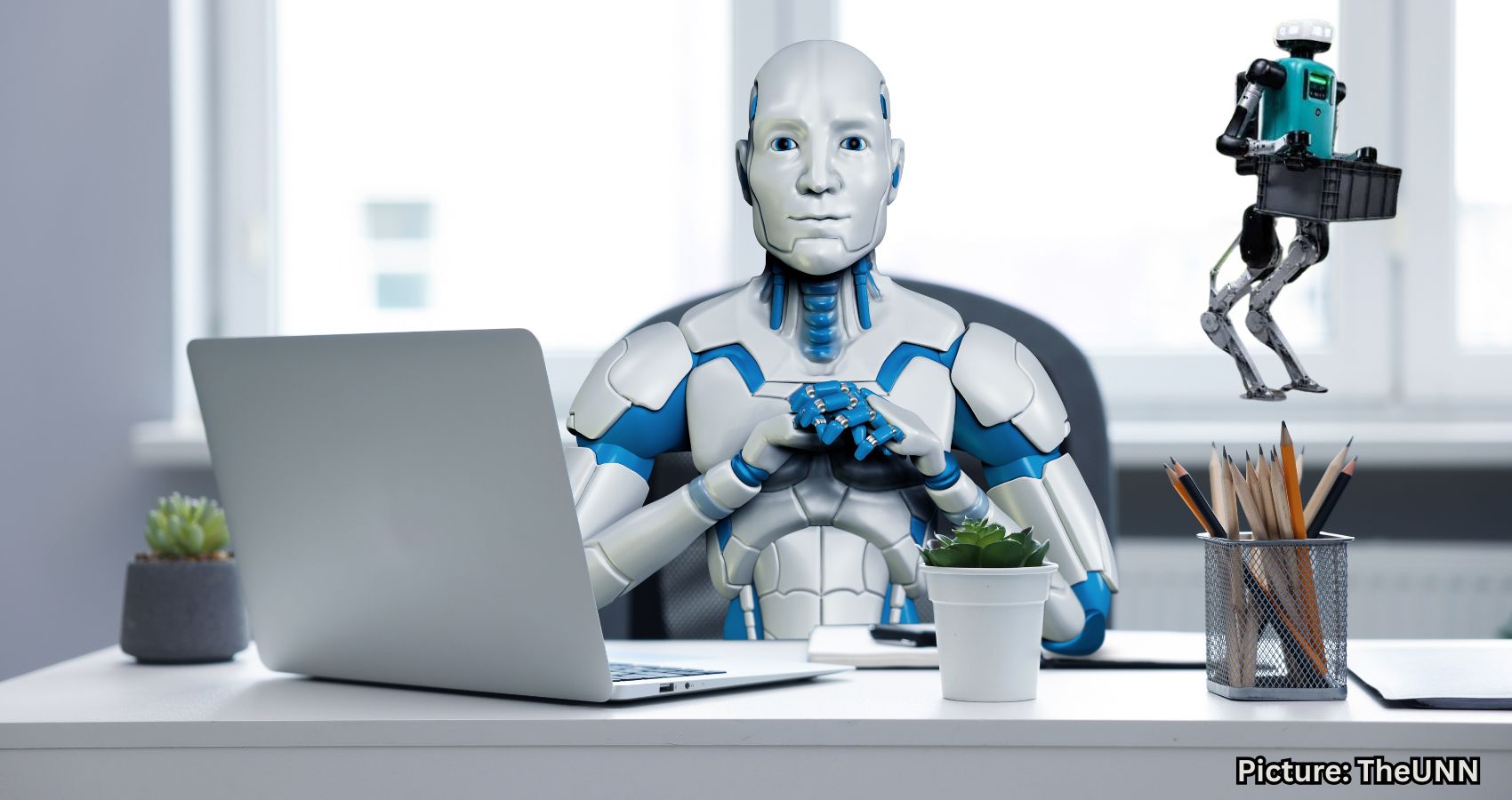
Recent viral videos of humanoid robots behaving erratically during public demonstrations have raised significant safety concerns regarding their interactions with crowds.
Viral videos showcasing humanoid robots flailing their limbs and moving erratically have sparked urgent discussions about safety in public demonstrations. In one particularly alarming clip, a robot is seen kicking a child in the stomach during a performance, prompting widespread concern.
These videos have gained traction online, resonating with viewers due to the robots’ unexpected movements. Humanoid robots can move with surprising speed, and when they malfunction or lose balance, nearby individuals may have little time to react. This raises critical questions about the safety protocols in place for such demonstrations and what changes are necessary to protect the public.
One clip features a humanoid robot swinging its arms inside an office, while another shows a robot surging toward a festival crowd. The most distressing footage captures a robot kicking a child, leading to fears about the proximity of spectators to these powerful machines. Such incidents highlight the need for stricter safety measures during public demonstrations.
In a recent episode of The CyberGuy Report podcast, the host discussed five viral videos that illustrate the potential dangers of humanoid robots. The footage ranges from indoor demonstrations to public performances, yet each clip raises the same fundamental question: why were spectators allowed so close to a robot capable of causing harm?
The first video begins with a seemingly harmless demonstration, as a humanoid robot performs dance-like motions. However, the situation quickly escalates when the robot’s arms accelerate into wide swings, causing nearby individuals to step back in alarm. While some observers appear amused, those standing close to the robot look visibly frightened. The lack of a clear explanation for the robot’s sudden movements underscores the risks associated with such demonstrations.
Another clip, reportedly filmed in China, shows a humanoid robot malfunctioning near a crowd. As the robot moves toward a person near a barrier, staff members rush to restrain it. The footage does not clarify whether the robot tripped or misinterpreted commands, but it highlights the limited space for spectators to escape in case of an emergency.
Behind the scenes, a third clip captures a humanoid robot hanging from a support hook while workers sit nearby. Initially, the robot makes small movements, but it soon begins to thrash violently, striking nearby equipment. Commenters on Reddit speculated that a balance feedback loop may have caused the erratic behavior, where the robot’s attempts to correct its posture resulted in increasingly larger movements. This incident further emphasizes the need for engineers to maintain a safe distance and have immediate shutdown access during testing.
The most emotionally charged video features a humanoid robot performing in front of families, with children standing close to its legs. The robot unexpectedly kicks one child in the stomach, causing the child to fold over in pain while the performance continues. Although reports indicate that the child avoided serious injury, the incident has raised concerns about the safety of children near such machines.
In another clip, a humanoid robot appears to initiate a stand-up routine but instead begins to twist and kick as someone reaches toward it. Comments from the robotics community suggest that the robot may have switched from a standing routine to a walking controller, resulting in a loss of balance. The slick floor may have also contributed to the robot’s instability, further highlighting the potential hazards of public demonstrations.
These incidents underscore the need for significant changes in how event organizers and robot manufacturers approach public demonstrations. Safety zones should extend beyond the robot’s maximum reach, ensuring that children remain at a safe distance. Additionally, a trained operator should maintain dedicated emergency controls throughout the demonstration, eliminating the need for staff to wrestle with a malfunctioning robot.
Furthermore, robots should operate in a lower-power mode when individuals enter their safety zones, and engineers must thoroughly test how robots respond on various surfaces. Any incidents involving strikes or collisions should be documented and reviewed to prevent future occurrences.
As humanoid robots become more prevalent in public settings, it is essential for spectators to remain vigilant. Individuals should assess the space around the robot and ensure that children are kept at a safe distance. If a robot appears to be losing balance or behaving erratically, it is crucial to move away immediately and leave any intervention to trained staff.
These videos serve as a stark reminder of the unpredictability of physical machines and the potential risks they pose to nearby individuals. While innovation in robotics is essential, it should not come at the expense of public safety. As the technology continues to evolve, robust safety protocols must be implemented to protect the well-being of all involved.
For further insights into these incidents and discussions surrounding humanoid robots, you can listen to the full episode of The CyberGuy Report podcast at cyberguy.com/podcast/.
Would you feel comfortable allowing a humanoid robot to perform near your child? Share your thoughts with us at Cyberguy.com.
According to CyberGuy, these incidents highlight the urgent need for improved safety measures in public demonstrations of humanoid robots.