
Progressive Senate candidates are invoking faith and drawing parallels to Jesus Christ to connect with voters and promote their left-wing agendas during the current campaign cycle.
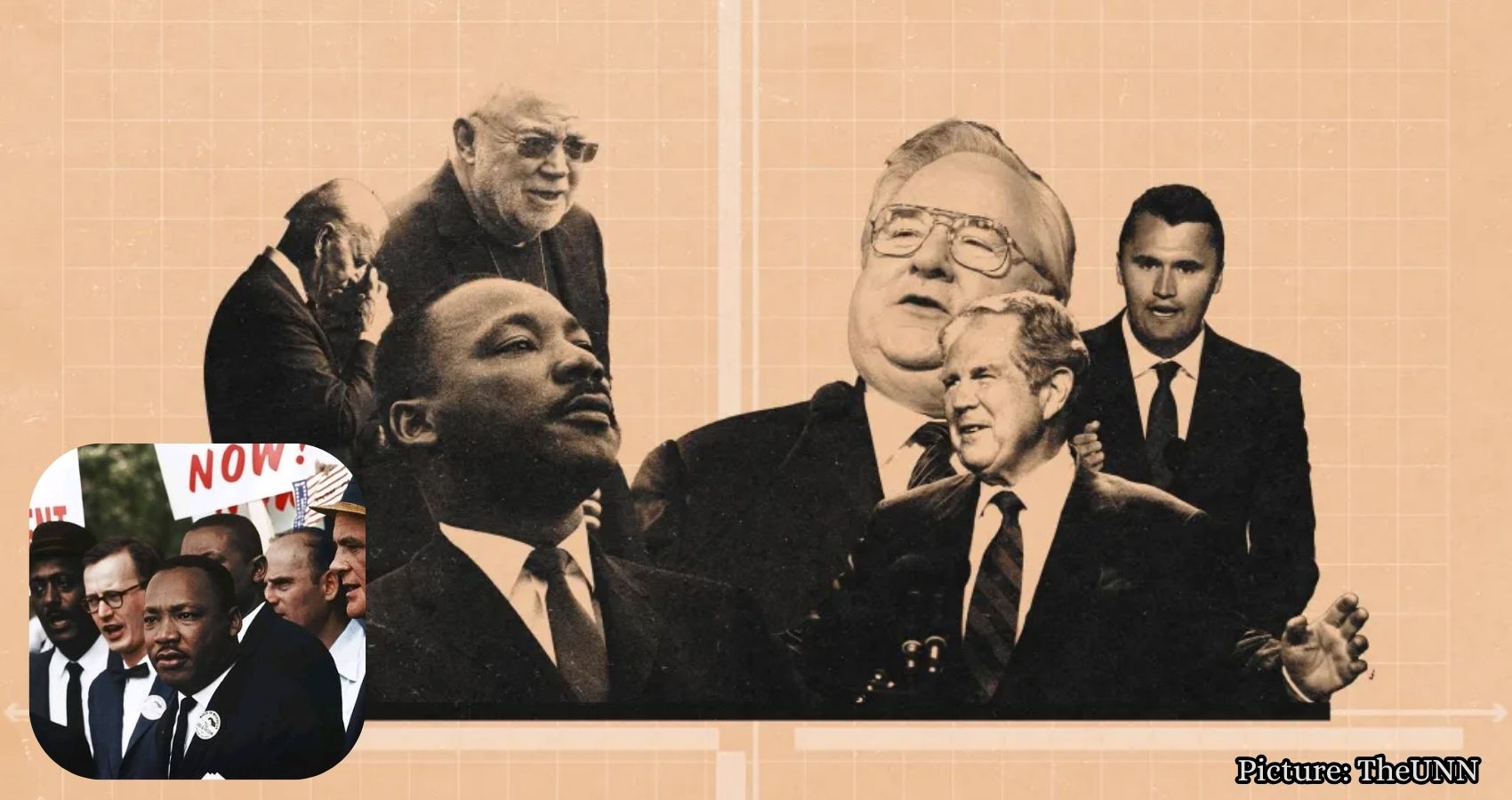
Progressive Democratic candidates are increasingly integrating their faith into their Senate campaigns, drawing comparisons to Jesus Christ to resonate with voters. This strategy mirrors tactics used by their Republican counterparts, particularly during the rise of the Moral Majority in the late 1970s.
Among those making these religious connections are Florida state Rep. Angie Nixon, Abdul El-Sayed, and Texas state Rep. James Talarico. Each candidate has positioned themselves as challengers to the Democratic establishment, gaining traction in their respective races this midterm cycle.
Nixon recently gained significant attention after her upset victory over Alexander Vindman, a prominent figure during former President Donald Trump’s impeachment trial. Vindman was backed by the Democratic establishment, making Nixon’s win particularly noteworthy. As she prepares to face incumbent Sen. Ashley Moody, R-Fla., in November, Nixon has become a target for the GOP, partly due to her affiliation with the Democratic Socialists of America (DSA).
During a sermon at the Saint Paul AME Church in Jacksonville, Florida, Nixon articulated her beliefs, asserting that her “radical” positions align with those of Jesus. “They are trying, y’all. They are trying … to label me as this extremist, this radical. But, you know, Jesus was a radical,” she stated. Nixon emphasized that her advocacy for civil rights reflects a contemporary struggle, likening it to historical movements for justice.
El-Sayed, who is running in Michigan’s competitive race against former Rep. Mike Rogers, has also drawn parallels between his faith and the teachings of Jesus. In a May appearance on the Progressive Christians Podcast, he addressed the perception of radicalism associated with his policy views. “Well, you know, Jesus, peace and blessings be upon him, was considered radical in his time, too,” El-Sayed remarked. He highlighted the importance of standing firm against corruption, suggesting that true principles often clash with popular opinion.
Meanwhile, Talarico has been the most overt in expressing his faith throughout his campaign. He is currently taking seminary classes to become a Presbyterian minister and has woven his religious beliefs into his policy platform since launching his candidacy. Talarico has faced criticism from Republicans for his faith-based approach, particularly regarding his defense of transgender rights.
In response to Texas Republicans’ anti-trans legislation, Talarico argued that the justification for such measures is often framed in religious terms. He pointed out the nuanced portrayal of God in the Bible, stating, “The first two lines in Genesis use two different Hebrew words to describe God. One is the masculine Hebrew noun for divinity. The second is the feminine Hebrew noun for spirit. God is both masculine and feminine, and everything in between.” He concluded with the assertion that “God is non-binary.”
The use of religious rhetoric by these candidates reflects a broader trend among progressives seeking to connect with voters on moral and ethical grounds. By invoking the teachings of Jesus, they aim to frame their policy positions as aligned with fundamental values of compassion and justice.
As the midterm elections approach, the effectiveness of this strategy remains to be seen. However, it is clear that these candidates are willing to challenge traditional narratives and engage with voters on a deeply personal level, using faith as a bridge to their political ideals.
According to Fox News, this approach may resonate with a segment of the electorate seeking authenticity and moral clarity in their political representatives.