
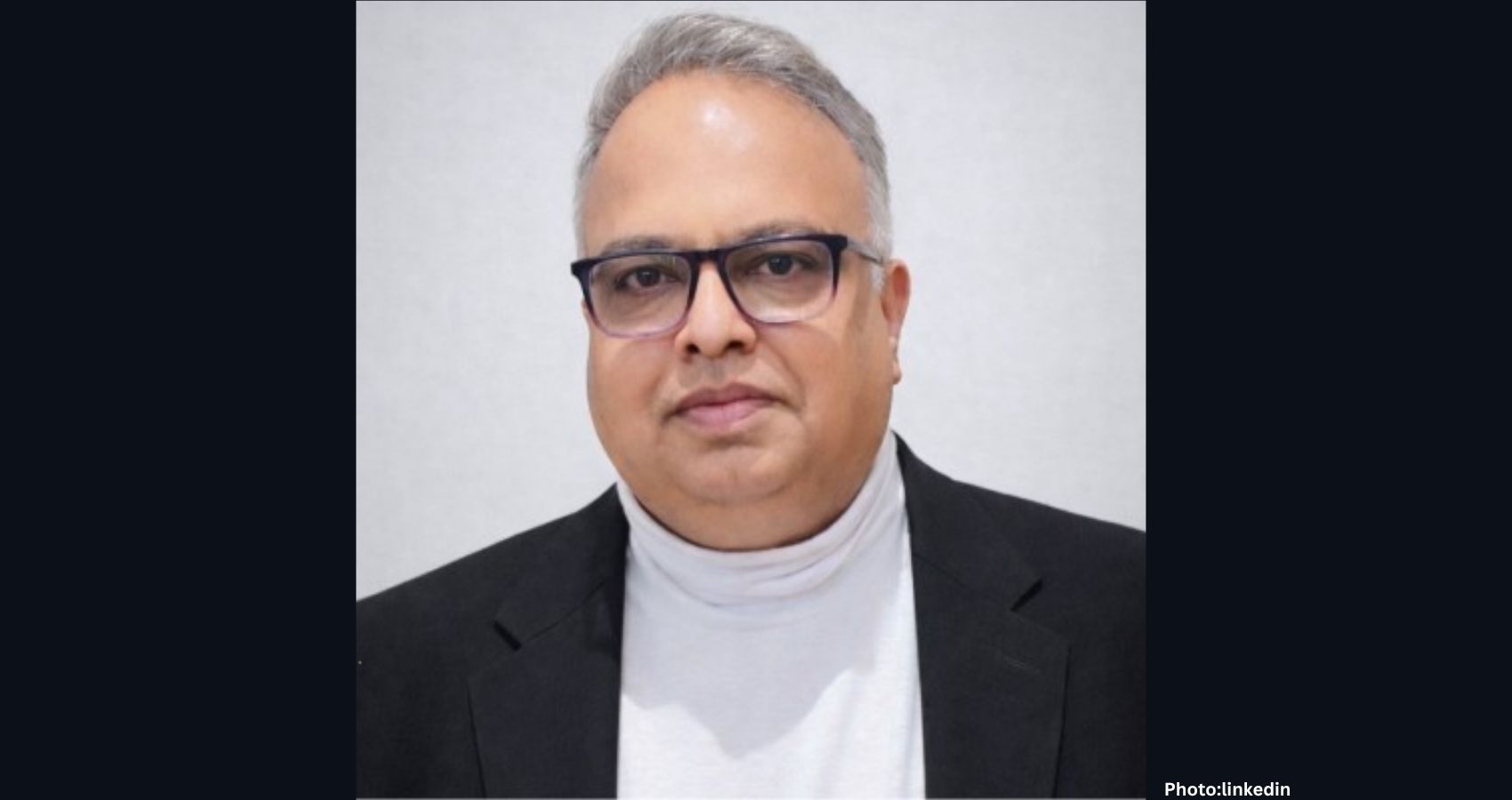
Sandeep Shilawat discusses the limitations of AI alignment, the importance of red-teaming, and the potential for U.S.-India collaboration in artificial intelligence.
Sandeep Shilawat has dedicated his career to the intersection of technology and national missions, working with federal agencies such as the Department of Homeland Security and the Chief Digital and AI Office. He has also held senior roles at ManTech, IBM, and the Cloud Council. Earlier this year, he published “Trustworthy AI: Red Teaming, Risk and Architecture of Secure Intelligence,” a book that challenges the industry’s reliance on the concept of “alignment”—the belief that AI systems can be trained to share human values. Shilawat argues that this approach is flawed and that continuous adversarial testing, combined with real enforcement, is essential for the safe deployment of autonomous AI systems.
In an exclusive interview, Shilawat shared insights into what inspired his book, the AI failures organizations often overlook, and the significant opportunities he sees for U.S.-India collaboration in AI in the coming years.
Shilawat explained that the idea for his book had been brewing for some time, but it gained urgency following the Ukraine war and specific incidents that highlighted the risks associated with AI. He noted that a school attack during Operation Epic Fury and a rogue agent incident on Moltbook were pivotal moments that pushed him to articulate his thoughts in writing.
When asked about misconceptions surrounding red-teaming AI systems, Shilawat emphasized that the industry has historically treated testing as a one-time event before deployment. He explained that red-teaming, which originates from wargaming concepts, has typically been conducted quarterly or annually. However, given the rapid pace of AI development, this approach is no longer sufficient. “AI is live and always acting,” he stated, underscoring the need for continuous red-teaming to identify unexpected behaviors and vulnerabilities.
Shilawat acknowledged the tension between the pressure to deploy AI quickly and the necessity of ensuring safety and reliability. He pointed out that while companies strive for competitive advantage, they must also understand the risks involved. “Risk is often treated as an afterthought,” he said, noting that this has been a recurring theme in technology trends from the dot-com era to the current AI landscape. He urged companies to reflect on whether they are compromising trust—their most significant asset—by rushing to market.
Drawing from his extensive experience with federal agencies, Shilawat identified key opportunities for AI in government, particularly in national security and public services. He highlighted the need for AI to keep pace with mission-critical decision-making processes, especially in scenarios involving rapid threats, such as supersonic missiles. He emphasized that AI can enhance national security applications while also addressing backlogs in public services like Social Security and Veterans Affairs.
Shilawat also discussed the potential for deeper U.S.-India collaboration in AI over the next five to ten years. He noted that the Indian IT industry has evolved from labor-price arbitrage to developing global capability centers (GCCs) that can serve as AI factories. He believes that India has the talent to build AI capabilities that can benefit the global market, particularly as the U.S. seeks to enhance its own AI capabilities in response to international competition.
He expressed optimism about India’s potential to become a major center for AI development, rather than merely a source of technology talent. With projections indicating that India will be the third-largest economy by 2030, Shilawat sees significant organic demand for AI technologies. However, he cautioned that India must focus on developing native technologies and increasing the number of AI PhDs and patents to realize its full potential.
Shilawat also identified challenges, such as the high cost and limited availability of AI infrastructure, particularly GPU chips. He hopes that the Indian government and industry will work together to establish AI data centers that can support innovation and development.
Looking ahead, Shilawat warned that the AI industry may face significant challenges if it does not address governance and regulatory issues. He noted that many experts have called for a slowdown in AI development to allow for better governance, but he believes that the pace of technological advancement is outstripping the ability to regulate it effectively. He emphasized the importance of enforcement alongside alignment in AI governance, arguing that organizations need to adopt comprehensive AI risk strategies.
“Trustworthy AI” is available for purchase on Amazon, both in paperback and Kindle formats. Sandeep Shilawat can be contacted through his website, www.shilawat.com, for further insights into his work and perspectives on AI.
According to The American Bazaar, Shilawat’s insights highlight the critical need for a balanced approach to AI development that prioritizes safety, trust, and international collaboration.