Qualtrics Acquires Healthcare Technology Firm Press Ganey

Qualtrics is poised to acquire healthcare survey firm Press Ganey Forsta in a significant $6.75 billion deal, enhancing its AI analytics capabilities within the healthcare sector.

Qualtrics, a leading provider of artificial intelligence-powered customer survey software, has announced plans to acquire Press Ganey Forsta, a prominent healthcare market research company, in a deal valued at $6.75 billion. This acquisition, reported by the Financial Times, is expected to significantly enhance Qualtrics’ capabilities in the healthcare sector by leveraging Press Ganey’s extensive data networks and hospital connections.

The acquisition is structured to include a mix of cash and shares from Qualtrics, which is privately held. A consortium of 11 banks and private capital firms is reportedly providing the necessary debt financing for the transaction.

Based in the United States, Qualtrics is owned by private equity firm Silver Lake and specializes in tools for measuring and analyzing customer, employee, product, and brand experiences. Its clientele includes major organizations such as Microsoft, BMW, and the U.S. Department of Homeland Security.

Press Ganey, in contrast, serves over 41,000 hospital systems and healthcare companies, compiling feedback from patients and healthcare providers through various survey methods, including manual, verbal, and digital formats. The merger aims to combine Qualtrics’ advanced AI technologies with Press Ganey’s established presence in the healthcare industry, potentially leading to the development of new AI-driven tools and services.

Industry experts suggest that technology companies like Press Ganey, which possess valuable data for training algorithms, will become increasingly attractive acquisition targets for AI platforms. This acquisition marks Qualtrics’ largest to date, following its transition to private ownership in 2023, when Silver Lake and the Canada Pension Plan Investment Board acquired the company for approximately $12.5 billion.

The deal is part of a broader trend of private equity-backed mergers and acquisitions in the software and health-tech sectors. According to data from the London Stock Exchange Group, the value of such deals globally reached $571 billion by the end of September 2023, marking the third highest total on record.

This acquisition not only underscores the growing intersection of technology and healthcare but also highlights the increasing importance of data-driven insights in improving patient care and satisfaction.

According to Financial Times, the deal is set to be officially announced later today.

Source: Original article

Netanyahu Gains Unexpected Support as Concerns Over Government Stability Rise

Israeli opposition leader Yair Lapid extends support to Prime Minister Benjamin Netanyahu amid ongoing hostage negotiations and concerns over the stability of Netanyahu’s government.

Two years after the tragic events of October 7, 2023, when Hamas terrorists attacked Israel, killing 1,200 individuals and taking 251 hostages into Gaza, the situation remains precarious. There is still no resolution regarding the hostages, and Prime Minister Benjamin Netanyahu’s government faces the threat of collapse. In this challenging context, Netanyahu has found an unexpected ally in Yair Lapid, the leader of the opposition and former Prime Minister, who has offered a “security net” to help stabilize the government as negotiations with Hamas continue.

“Nothing is more important than making this deal, bringing our hostages back home,” Lapid stated in an interview with Fox News Digital.

Lapid’s support comes at a critical time, as right-wing leaders within Netanyahu’s coalition, including National Security Minister Itamar Ben-Gvir and Finance Minister Bezalel Smotrich, have expressed dissatisfaction with Netanyahu’s acceptance of a peace plan proposed by former President Donald Trump. They have threatened to withdraw from the coalition multiple times over the past year.

Netanyahu’s coalition lost its majority in the Knesset in July when two ultra-Orthodox parties exited their ministerial roles following the expiration of an exemption that allowed religious students to avoid military conscription. This departure left Netanyahu’s coalition with control over just 50 of the 120 seats in the Knesset.

<p”Now he’s totally dependent on the extreme alt-right within his government that says no to any deal [with Hamas],” Lapid explained.

When asked about the likelihood of special elections being called once the Knesset reconvenes after its autumn break on October 19, Lapid responded, “very likely.” However, he noted that a special election would not occur before February or March 2026, as there is a designated timeframe for campaigning in Israel. Should the Knesset trigger an early election cycle by November, it would be just seven months earlier than the previously scheduled elections in October 2026.

Lapid believes that the Israeli public would support a more centrist government that includes both right and left factions. He argues that such a coalition would prioritize Israeli security while also working towards an end to the war in Gaza and restoring Jerusalem’s international standing.

“If there’s one thing I’m sorry about, [it] is the fact that nobody in the government has the political courage to stand up and say…this is a just war, we are doing what needs to be done in order to protect ourselves, but we are sorry for every child that loses his life,” Lapid remarked. “Children should not die in grownups’ wars.”

He expressed concern that the current government’s failure to articulate a clear strategy against Hamas has contributed to media bias and false reporting, ultimately costing Israel valuable international support, even from groups that have traditionally backed the nation.

Reflecting on a meeting he had with Netanyahu on October 7, 2023, Lapid described the prime minister as appearing “gray and tired and old all of a sudden.” He recalled telling Netanyahu, “Prime Minister, this is the worst day for the Jewish people since the Holocaust,” and urged the formation of a unity government. Lapid emphasized the need to remove extremists from the government to create a coalition capable of addressing the unprecedented challenges facing Israel.

Despite Lapid’s suggestions, he noted that Netanyahu was “reluctant” to pursue this path. “Until this day, I’m sorry about this. I thought it was the right thing to do, and I still think it was the right thing to do,” he added.

Netanyahu has been a prominent figure in Israeli politics for 15 years, first serving as Prime Minister from March 2009 to June 2021, and then regaining the position in December 2022. Lapid described Netanyahu’s lengthy tenure as “admirable” and a testament to his “resilience,” while also acknowledging the potential benefits of term limits, similar to those in the United States.

Lapid believes that Israelis are ready for a “unity government” in response to Netanyahu’s hard-right coalition. He anticipates that the upcoming elections will be “interesting,” crossing political lines and based on hope.

“It’s been the hardest two years of everybody’s lifetime. And for the first time in a long, long time, the fragility of Israeli society was tangible to us. And we need to rebuild,” Lapid concluded.

Netanyahu’s office did not respond to inquiries from Fox News Digital by the time this report was published.

Source: Original article

New Jersey Democrat Plans Lawsuit Against Trump Over Troop Deployments

New Jersey gubernatorial candidate Mikie Sherrill has pledged to sue President Trump if he deploys National Guard troops to the state, arguing that such actions would be illegal and unnecessary.

Mikie Sherrill, a former Navy veteran and current representative of New Jersey’s 11th Congressional District, has expressed her strong opposition to the deployment of National Guard troops in her state. During a town hall meeting broadcast live on Univision 41 Nueva York, Sherrill made it clear that she would take legal action against the Trump administration should the president decide to send federal troops to New Jersey.

The town hall audience, which engaged with Sherrill in Spanish while she responded in English, included a member whose family fled the Nicolás Maduro regime in Venezuela. This individual posed a question regarding Sherrill’s stance on potential troop deployments by President Trump. In her response, Sherrill emphasized that American troops should not be patrolling the streets of the country except in extraordinary circumstances, such as during an insurrection or a national crisis.

“Troops are not trained for policing missions like local law enforcement,” Sherrill stated. She further elaborated on her position, saying, “And that’s why, as governor, should Trump try to deploy troops on our streets, I would be very opposed to that. I’d immediately take him to court and demand that he stop this – because I think it’s illegal – and ensure that here in New Jersey, people are kept safe.”

Sherrill is currently running against Republican candidate Jack Ciattarelli in the race to succeed term-limited Democratic Governor Phil Murphy. Her remarks come in the context of President Trump’s recent actions, which have included the deployment or threats of deployment of federal troops to various cities across the United States, including Baltimore, Los Angeles, and Memphis. The administration has characterized these cities as crime-ridden and in need of federal intervention.

In Illinois, Governor J.B. Pritzker has also taken legal action against the Trump administration, seeking to block the deployment of National Guard troops to Chicago. This lawsuit was initiated following a federal judge’s decision to halt the deployment of Guard troops in Portland, Oregon, amid protests related to immigration enforcement.

The Trump administration has defended its troop deployments, asserting that they are essential for curbing violent crime and restoring law and order. However, critics, including various officials, have accused the administration of overreach, arguing that federal intervention often exacerbates tensions rather than alleviating them.

In a recent ruling, a federal judge stated that the Trump administration “willfully” violated federal law by deploying Guard troops to Los Angeles earlier this year in response to protests concerning immigration raids.

As the gubernatorial race heats up, Sherrill’s commitment to legal action against potential troop deployments highlights the ongoing debate over federal intervention in local law enforcement and the implications it holds for state sovereignty and public safety.

Source: Original article

US and Japanese Scientists Awarded 2025 Nobel Prize in Medicine

A trio of US and Japanese scientists has been awarded the 2025 Nobel Prize in Physiology or Medicine for their groundbreaking work on immune system regulation.

WASHINGTON, DC – A trio of scientists from the United States and Japan has been honored with the 2025 Nobel Prize in Physiology or Medicine for their pivotal discovery regarding the regulation of the immune system.

The prestigious award, presented by the Nobel Assembly at Karolinska Institutet, recognizes the contributions of Mary E. Brunkow and Fred Ramsdell from the United States, along with Shimon Sakaguchi from Japan. The prize, valued at 11 million Swedish kronor, will be equally divided among the laureates.

Their research focused on peripheral immune tolerance, a critical mechanism that prevents the immune system from attacking the body’s own tissues. The scientists identified regulatory T cells, which act as the immune system’s “security guards,” ensuring that immune cells do not harm the body’s own cells.

This groundbreaking work has paved the way for advancements in medical treatments for various conditions, including cancer and autoimmune diseases. Additionally, it holds promise for improving the success rates of organ transplantation. Many of the treatments inspired by their discoveries are currently undergoing clinical trials.

Olle Kämpe, chair of the Nobel Committee, emphasized the significance of their findings, stating, “Their discoveries have been decisive for our understanding of how the immune system functions and why we do not all develop serious autoimmune diseases.”

Mary E. Brunkow, born in 1961, earned his doctorate from Princeton University and currently serves as the Senior Programme Manager at the Institute for Systems Biology in Seattle.

Fred Ramsdell, born in 1960, holds a Ph.D. from the University of California, Los Angeles. He is currently the Scientific Advisor at Sonoma Biotherapeutics in San Francisco.

Shimon Sakaguchi, born in 1951, completed his M.D. in 1976 and his Ph.D. in 1983 at Kyoto University in Japan. He is now a Distinguished Professor at the Immunology Frontier Research Center at Osaka University.

These remarkable achievements highlight the ongoing importance of immunological research and its potential to transform medical practices in the years to come.

Source: Original article

Deaths and Disappearances in U.S. Immigration Detention Spark Concerns

Immigrant advocates are raising alarms over a humanitarian crisis in U.S. detention centers, citing alarming statistics of deaths, disappearances, and the treatment of asylum seekers.

A crisis is unfolding within U.S. immigration detention centers, with reports indicating that fifteen individuals have died and more than 1,200 are currently unaccounted for. Nearly 60,000 detainees are held behind barbed wire, according to advocates who spoke at an October 3 briefing hosted by American Community Media. They warned that the existing infrastructure may be on the brink of collapse.

The event featured a panel of lawyers and human rights experts who emphasized that the combination of a record number of detainees, along with a lack of transparency and neglect, is contributing to a growing humanitarian crisis. “This is a crisis,” said moderator Pilar Marrero. “And it is happening with diminishing transparency.”

One of the most concerning situations is at the Everglades detention center in Florida, often referred to as “Alligator Alcatraz.” Here, families and attorneys report that over 1,200 detainees cannot be located, raising serious concerns about their well-being.

Nationwide, the number of detainees has surged to nearly 60,000, the highest figure on record, with most individuals having not been convicted of any crime. This alarming trend has drawn attention to the plight of asylum seekers, who often find themselves treated as criminals.

Heather Hogan, Policy and Practice Counsel for the American Immigration Lawyers Association, shared her experiences as an asylum officer within detention centers. She described how asylum seekers are routinely subjected to harsh treatment, often waking up at 3:30 or 4:00 a.m. for interviews that could determine their futures. “By the time I interviewed them, they were exhausted and hungry,” she recounted. “These were life-altering interviews, but people had nothing left.”

Hogan recalled instances where asylum seekers arrived in shackles and orange jumpsuits, lined up in holding cells. Guards referred to them as “bodies,” and she described an incident where a man needed to use the restroom during an interview but was mocked by a guard for not locating it quickly enough. “That kind of behavior was common,” she noted.

She also highlighted the severe impact of prolonged detention on individuals already fleeing violence, stating that those at risk of suicide or LGBTQ detainees are often placed in solitary confinement, a practice that the United Nations has classified as torture. Hogan recounted the tragic suicide of a young asylum seeker in Arizona, who took her life shortly after expressing credible fears during her interview. “The safeguards just aren’t there,” she lamented.

Andrew Free, an Atlanta-based lawyer and founder of the project #DetentionKills, revealed that 22 individuals died in Immigration and Customs Enforcement (ICE) custody in 2025, marking the second-highest total on record. “Most of the deaths were in Florida, particularly at the Krome Detention Center,” Free stated.

He raised concerns about the accuracy of the official death toll, noting that his investigations uncovered five deaths that had not been publicly reported. “What is the true number of people dying in ICE custody?” he questioned. “I don’t know. And I don’t think anybody does.”

Free now tracks detention deaths for journalists and researchers, emphasizing that lawsuits and investigative reporting are the only reliable means to compel disclosure. “The reason we know anything about deaths in custody is because people sued,” he explained. “And reporters kept digging.”

Yannick Gill, Senior Counsel for Refugee Advocacy at Human Rights First, echoed concerns about the erosion of transparency in the detention system. He cited instances where members of Congress have been denied entry to detention centers, calling such actions unconstitutional. “It should make us stop and ask: What exactly is ICE hiding behind those walls?” he questioned.

Gill also discussed the existence of “shadow sites”—facilities not included in ICE’s public reports—where detainees often disappear from official tracking systems, leading to what he termed “enforced disappearances.” “People are simply off the grid,” he stated. “That is unacceptable in a democracy.”

Advocates argue that the harsh conditions within detention centers are not merely the result of poor management but are indicative of a deliberate strategy. “The cruelty is the point,” Hogan asserted. “Separating people from their families, traumatizing them, making conditions unbearable—that is the government’s approach now. The goal is to get people to give up their asylum claims.”

Hogan proposed that community-based case management could serve as a more humane alternative to detention, asserting that it should be rare and only used when absolutely necessary. “Instead, it has become the default,” she said.

Free added that while lawsuits may be imperfect, they can still yield significant results. He noted that during the pandemic, litigation led to the release of tens of thousands of individuals from detention, many of whom would not have survived COVID-19 if they had remained incarcerated. “Many of those people would not have survived COVID inside,” he said.

Gill emphasized the need for restored oversight, stating that Congress has the constitutional authority to enter detention centers. “Blocking that authority undermines democracy itself,” he warned.

“Immigration detention is supposed to be civil,” Free remarked. “That’s the fiction. In reality, it is indistinguishable from prison.” He concluded by stating, “This is not just about law. It’s about justice. And right now, people are dying without either.”

Source: Original article

3rd i Films Showcases Independent Indian-American Film at Roxie Theater

3rd i Films will showcase a diverse array of independent films highlighting South Asian narratives at the 23rd Annual San Francisco International South Asian Film Festival from October 10-12.

3rd i Films is set to celebrate the 23rd Annual San Francisco International South Asian Film Festival, taking place from October 10 to 12 at The Roxie Theater in San Francisco. The festival aims to promote diverse representations of South Asians through independent cinema, featuring a range of genres from art-house classics to innovative documentaries.

This year’s festival will kick off with the crime thriller LITTLE JAFFNA (France, 2024), directed by Lawrence Valin. The film, which premiered at the Venice Film Festival 2024 and was nominated for Best International Feature Film at the Zurich Film Festival, follows an undercover French police officer of Sri Lankan descent. Tasked with infiltrating a Tamil gang in Paris, the protagonist grapples with the complexities of his dual identity while navigating the gang’s operations. Following the screening, Valin will participate in a Q&A session.

3rd i Films continues to push boundaries with its selection of groundbreaking cinema from South Asia and its diaspora. This year, the festival’s Beyond Bollywood segment will showcase award-winning narrative, documentary, and short films from various countries, including India, Sri Lanka, France, the UK, Canada, and the USA.

Women’s stories take center stage at this year’s festival, highlighted by Uttera Singh’s PINCH (India, 2025). Premiering in the International Narrative Competition at the Tribeca Film Festival, this vibrant dark comedy offers sharp social commentary. The film follows travel vlogger Maitri, who, while accompanying her mother and neighbors to a temple during the Navratri festival, faces an unexpected and shocking incident. This prompts her to take retributive action, setting off a series of events that disrupt her close-knit community. Singh will also engage in a Q&A after the screening.

Another notable film is Rohan Parashuram Kanawade’s CACTUS PEARS (India/Canada/UK, 2025), which presents a sensitive exploration of bereavement and the mother-son bond within a rural, lower-class Indian farming community. This film, the first Indian and Marathi language entry to win the World Cinema Grand Jury Prize at the 2025 Sundance Film Festival, has resonated with audiences for its intimate portrayal of queer identity.

Additionally, Lakshmipriya Devi’s BOONG (India, 2024) offers an upbeat coming-of-age story that explores themes of friendship against the backdrop of Manipur’s sociopolitical unrest. The narrative follows adventurous schoolboy Boong and his friend Raju as they navigate obstacles to reunite Boong’s divided family.

Engaging and poignant, Aranya Sahay’s HUMANS IN THE LOOP (India, 2024) provides a nuanced examination of artificial intelligence through the lens of a tribal woman’s experiences. Following her divorce, Nehma returns to her village with her children and takes a job as a data annotator, reflecting the real-life involvement of many indigenous women in India’s burgeoning AI industry.

The festival also features documentaries that blend magical realism with investigative storytelling. Rajee Samarasinghe’s YOUR TOUCH MAKES OTHERS INVISIBLE (Sri Lanka/USA, 2025) explores the plight of thousands of missing persons during Sri Lanka’s 26-year civil war. The narrative intertwines the supernatural with real-life testimonies from women whose loved ones disappeared amidst the conflict. Samarasinghe will join a Q&A session following the screening.

Another documentary, FARMING THE REVOLUTION (India/France/Norway, 2024), directed by Nishtha Jain, captures the spirit of the massive protests against exploitative farm laws in India during the COVID lockdown. The film follows young Punjabi farmer Gurbaz as he joins over half a million protesters, showcasing the diverse demographics of the movement. Jain will also participate in a Q&A after the screening.

The festival’s shorts program continues to highlight a wide range of themes, from immigration and identity to gender and social justice. This year’s selection features narratives and documentaries that reflect the diverse experiences of filmmakers from South Asia and the diaspora, accompanied by Q&A sessions with the creators.

The San Francisco International South Asian Film Festival will take place from October 10 to 12, 2025. For more information about the festival and its lineup, visit thirdi.org.

Source: Original article

Gandhian Society and Indian Consulate Celebrate Mahatma Gandhi’s 156th Birthday in New Jersey

The Gandhian Society and the Consulate General of India celebrated the 156th birth anniversary of Mahatma Gandhi in New Jersey, emphasizing his legacy of peace and non-violence.

The Gandhian Society, in collaboration with the Consulate General of India, hosted a significant celebration on October 3, 2025, to honor the 156th birth anniversary of Mahatma Gandhi. The event took place at Royal Albert’s Palace in Fords, New Jersey, and attracted more than 400 attendees, including community leaders, dignitaries, and representatives from various organizations.

Guests gathered to reflect on Gandhi’s enduring legacy of peace, truth, and non-violence. The evening served as a reminder of the relevance of Gandhi’s teachings in today’s complex and often divided world.

Ms. Pragya Singh, the Consul for Community and Cultural Affairs, addressed the audience, highlighting the importance of Gandhi’s philosophy. She urged attendees to embrace his timeless ideals of selfless service and compassion, which remain crucial in contemporary society.

Mr. Mahesh Wani, Secretary of the Gandhian Society, presented the Annual Report during the event. He outlined the Society’s initiatives aimed at instilling Gandhian values among the youth through various educational competitions, cultural activities, and awareness programs. Wani also discussed the Society’s humanitarian efforts, which focus on assisting underprivileged communities both in India and the United States.

In his concluding remarks, Wani called for contributions to support victims of recent floods in India, emphasizing the need for global unity and compassion during times of crisis.

The celebration featured a vibrant cultural program that honored Gandhi’s life and message. Highlights included a Bhajan Sandhya performance by renowned singer Varsha Joshi, a Khadi Fashion Show led by designer Sonal Gadhavi promoting eco-friendly living, and a stage play titled “Gandhi Zinda Hai” presented by Deepak Gupta and his team. Additionally, local young talents showcased music and dance performances that celebrated Gandhi’s vision of harmony.

Mrs. Bhadra Butala, the Founder of the Gandhian Society, expressed her heartfelt gratitude to all guests and volunteers. She urged everyone to remain dedicated to Gandhiji’s mission of peace, kindness, and community service, reinforcing the event’s theme of collective responsibility.

The Gandhian Society is a non-profit organization dedicated to promoting Mahatma Gandhi’s principles of non-violence, truth, and humanitarian work. The Society actively engages youth through educational, cultural, and charitable programs designed to foster service and upliftment across India and the United States.

Source: Original article

Congressman Frank Pallone Calls for U.S.-India Talks on H-1B Visa Issues

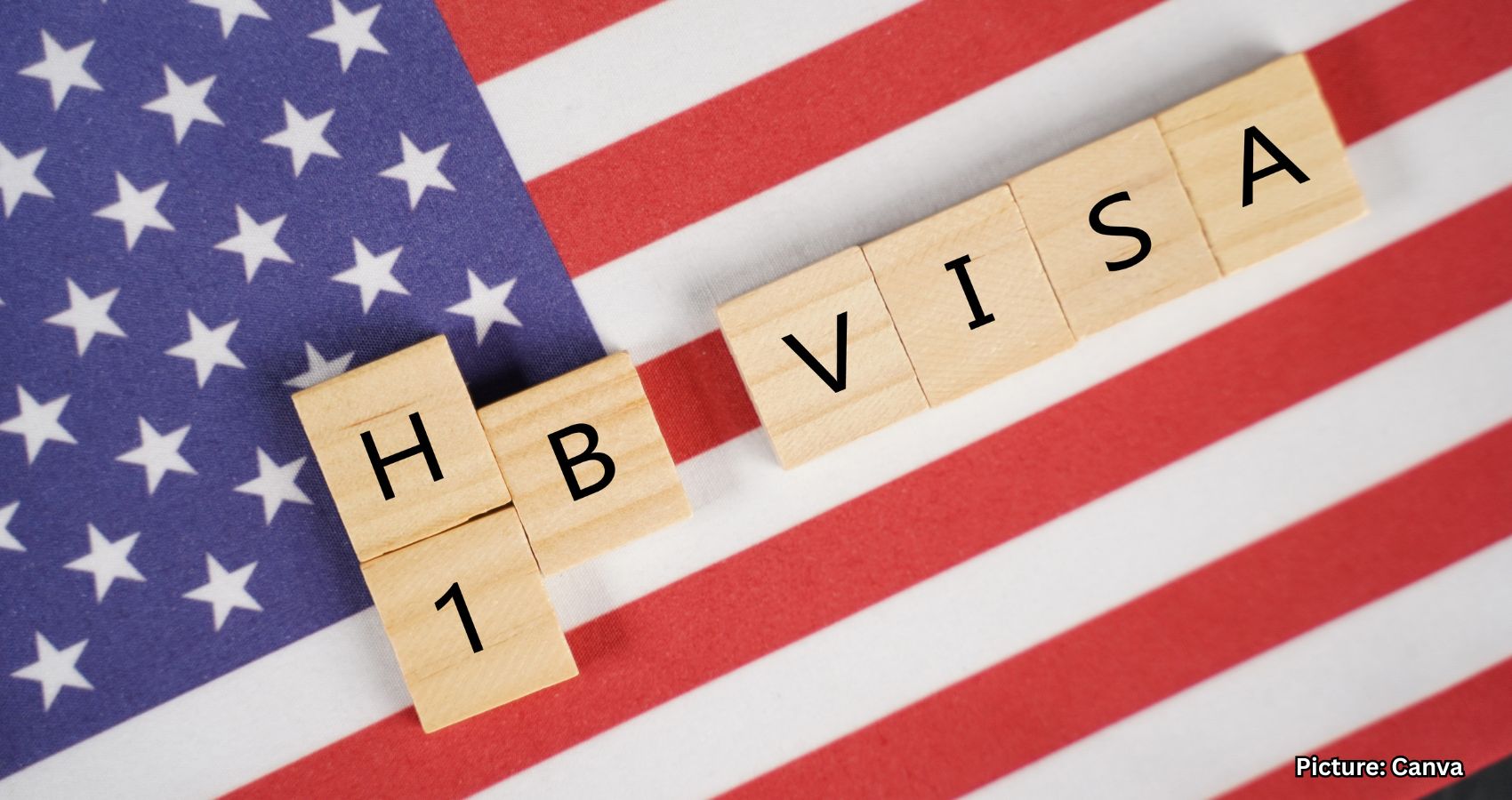
Congressman Frank Pallone has called for early U.S.-India discussions in light of recent turmoil surrounding H-1B visa policy changes that could significantly impact skilled workers and the technology sector.

The Global Organization of People of Indian Origin (GOPIO) hosted a special webinar titled “H-1B Visa Storm: Current Challenges and Pathways Forward” on October 4, 2025. The event brought together immigration attorneys, policy experts, and community leaders to discuss the implications of recent changes to U.S. visa policies.

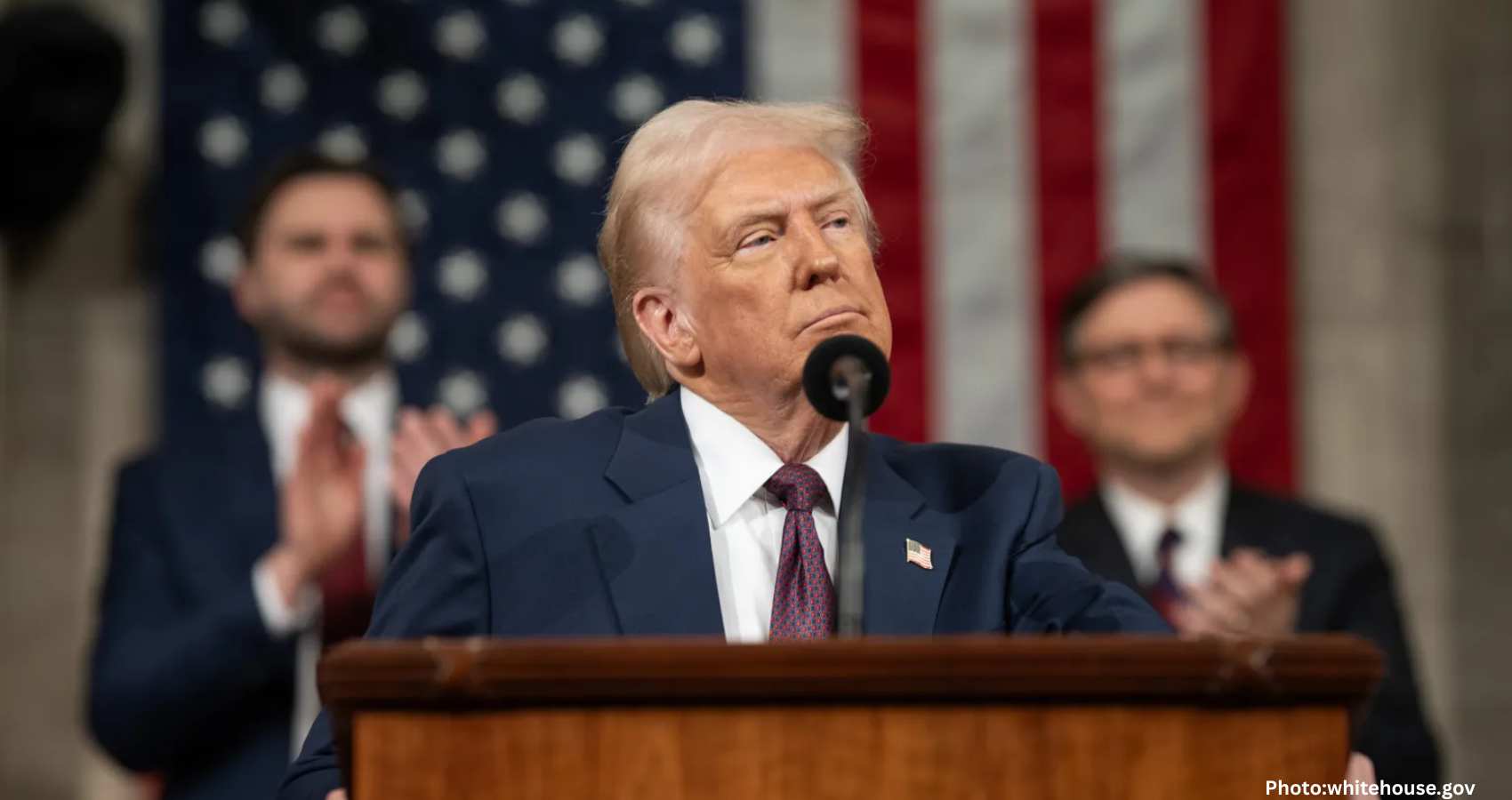
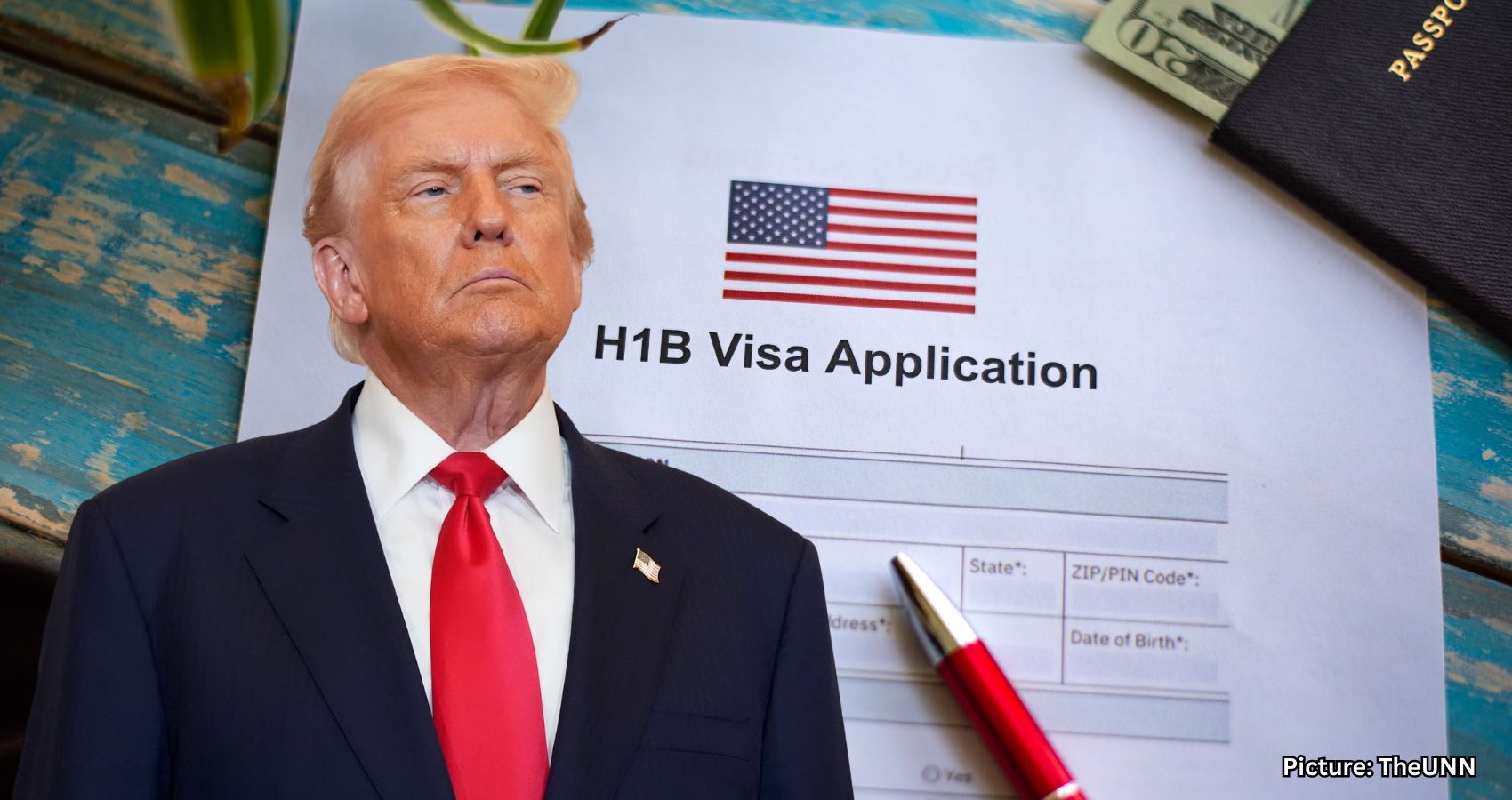
This webinar was organized in response to growing confusion and concern following President Donald Trump’s announcement on September 19, which introduced a $100,000 fee for H-1B visas. This fee is nearly 67 times higher than the current cost, leaving thousands of Indian professionals and U.S. employers uncertain about their futures.

Sunil Vuppala, GOPIO Associate Secretary and Webinar Chair, welcomed participants and highlighted the urgent need for clarity amid widespread misinformation. GOPIO Chairman Dr. Thomas Abraham expressed disappointment over the administration’s response to concerns raised by the organization. He emphasized that the H-1B program generates over $200 billion annually for the U.S. economy, while costs amount to only $8.5 billion.

Dr. Abraham remarked, “The U.S. technology sector thrives because of the H-1B visa program. There’s a clear link between H-1B professionals and American innovation.”

The panel discussion was moderated by New York Immigration Attorney Dilli Batta and featured experts such as David Nachman from NPZ Law Group in New Jersey, Stephanie Dy from Parikh Law Group in Chicago, and Prashanti Reddy from Reddy Law Firm in New York.

Attorney David Nachman described the new policy as a “torrential storm” for skilled workers, outlining three critical changes. First, the massive fee increase primarily affects first-time H-1B applicants outside the U.S., excluding renewals or extensions. Experts warned that this could deter global talent from seeking opportunities in the United States.

Second, proposed reforms would prioritize higher-paying jobs in the H-1B lottery system, which could disadvantage small and mid-sized firms and undermine merit-based selection. Third, enhanced compliance checks will lead to increased site visits and audits, tightening scrutiny on employers and raising operational challenges.

Attorney Prashanti Reddy noted that while renewals and amendments remain unaffected, the new policy could harm applicants in research and technology sectors. Stephanie Dy added that stricter qualification standards could make it more challenging for small firms to recruit top talent, particularly those without advanced degrees.

The panelists collectively warned that the U.S. risks losing its competitive edge in innovation if it continues to discourage skilled immigrants.

Congressman Frank Pallone Jr. (D-NJ), who served as the Chief Guest, criticized the administration’s approach, labeling it “short-sighted and counterproductive.” He argued that instead of imposing exorbitant fees, the government should focus on training domestic talent and fostering international collaboration.

Pallone stated, “This policy shifts focus from developing local skills to simply generating revenue,” stressing that small businesses and startups would be hit hardest. He cautioned that other nations, such as Germany and China, are actively courting global professionals, potentially diverting talent away from the U.S.

The Congressman also underscored the strategic implications of alienating India, noting that India’s growing ties with Russia and China could complicate U.S. foreign policy. He urged both nations to initiate early bilateral dialogue to “remove current hiccups” and strengthen their long-standing ties.

Pallone reaffirmed bipartisan support in Congress for maintaining the H-1B program and encouraged organizations like GOPIO to continue engaging lawmakers. “Community participation and policy dialogue are vital to ensure America remains open to innovation and global expertise,” he added.

The session concluded with a vote of thanks from GOPIO General Secretary Siddharth Jain, with technical coordination provided by Vatsala Upadhyay, CEO of AI Junoon. GOPIO announced plans for continued engagement with congressional leaders on immigration and diaspora issues.

Founded in 1989, GOPIO is a non-partisan, non-profit organization with chapters in over 36 countries. It works to build bridges between the global Indian diaspora and local communities through cultural, civic, and humanitarian initiatives.

Source: Original article

Kaelyn Faces Debt to Prevent Partner’s Deportation to El Salvador

Kaelyn’s unexpected romance with Yapa, an asylum seeker from Venezuela, has turned into a desperate fight against his deportation, leading her into significant debt for legal support.

Last summer, Kaelyn found herself at a Latin club in Wilmington, North Carolina, when a charming stranger asked her to dance. Initially reluctant, she was drawn in by his genuine demeanor. “If anyone else had asked, I would’ve said no, but Yapa is so genuine,” she recalls, using a pseudonym to protect his identity. What began as a dance blossomed into a deep friendship and romance, but it would soon lead to a desperate battle for Yapa’s freedom.

Yapa, who fled violence in Venezuela in 2022, was an asylum seeker with a legal work permit. He attended regular court hearings and worked as a delivery driver, aspiring to obtain his commercial trucking license. As their relationship grew, Kaelyn became an integral part of his life.

They celebrated Thanksgiving together, with Yapa bonding with Kaelyn’s family, even playing pool with her father. Her affection for him was evident as his sisters affectionately called her “reina,” a term of endearment meaning queen. They spent their time watching movies and overcoming language barriers with translation apps and Kaelyn’s college Spanish. Each morning, Yapa would text her to ask about her day, solidifying their connection.

Before meeting Yapa, Kaelyn rarely considered immigration policy. Originally from Connecticut, she had relocated to Wilmington for work in film location scouting. However, the political climate shifted dramatically after President Trump’s election, which sparked her concerns about the treatment of asylum seekers.

“People would tell me, ‘Oh, you’re overreacting,’” she says. “This isn’t 1930s Germany. And I’d say, ‘Yeah, but it’s starting to feel that way.’ Looking back now, while people were telling me I was being dramatic, I was actually underreacting.”

On February 22, 2025, Kaelyn’s worst fears materialized when Immigration and Customs Enforcement (ICE) agents arrived unexpectedly in the early morning hours while Yapa was preparing for work. Without explanation, they handcuffed him, confiscating his ID and work permit—documents that have not been returned. They provided no information about his destination, only that he was being deported.

Kaelyn was devastated when Yapa’s sister called to inform her of his detention. Just the night before, Yapa had stayed with her, and she had hoped to keep him close as a U.S. citizen, believing she could better advocate for his rights. “I couldn’t explain it, but I was so emotional,” she recalls of their final night together. “And he told me, ‘There’s no reason for them to take me.’” Now, they faced an urgent need to act to save him.

Yapa was transported to Georgia’s Stewart Detention Center, where he faced allegations of gang affiliation with the Venezuelan gang Tren de Aragua (TdA) during a hearing two months later. “Shocking is not even the word,” Kaelyn says, recalling her reaction. “I was shaking.”

In a recent court filing, ICE admitted it has no evidence linking Yapa to any gang. However, a ruling from the Trump administration complicates the situation for immigrants like Yapa, who entered the country recently and are now struggling to secure their release from detention. Yapa could remain incarcerated for up to a year while his asylum case is pending, facing the grim possibility of deportation to a dangerous environment.

Kaelyn’s fear of the allegations against Yapa was palpable, knowing that if he were deported, he could end up in CECOT, a notorious prison in El Salvador known for its brutality. “I thought, I’m going to have to live the rest of my life knowing he’s in there, and there’s nothing that we can do to get him out of there,” she reflects. The thought of Yapa, along with many other innocent individuals, being imprisoned in what some describe as a modern-day concentration camp is an “atrocity,” she asserts.

The emotional and financial toll on Kaelyn has been immense. She has hired multiple attorneys to advocate for Yapa and has incurred significant debt due to legal fees. Meanwhile, Yapa is held nearly nine hours away from Wilmington, with limited access to phone communication. In April, attorneys from the American Immigration Council and the ACLU took on part of Yapa’s case pro bono. By May, they secured a ruling that prevents the Trump administration from deporting Yapa to CECOT or elsewhere based on the Alien Enemies Act without allowing him a fair chance to contest the TdA allegations. While this decision brought some relief, Kaelyn’s life has been drastically altered.

Conversations with her sister now revolve primarily around updates on Yapa’s case and the latest developments in immigration policy. “We can’t be happy when there’s literally a member of our family who’s been taken from us,” she says. “I’ll never let this go. The administration thinks they’re sowing fear—but they’re creating activists. You can’t destroy someone’s life and expect us to stay quiet.”

Source: Original article

Potential Discovery of New Dwarf Planet Challenges Planet Nine Hypothesis

Scientists at the Institute for Advanced Study have potentially discovered a new dwarf planet, 2017OF201, which could provide insights into the elusive theoretical Planet Nine.

A team of scientists from the Institute for Advanced Study School of Natural Sciences in Princeton, New Jersey, has announced the potential discovery of a new dwarf planet, designated 2017OF201. This finding could challenge existing beliefs about the Kuiper Belt and offer further evidence for the existence of a theoretical super-planet known as Planet Nine.

The object, classified as a trans-Neptune Object (TNO), is located beyond the icy and desolate region of the Kuiper Belt. TNOs are minor planets that orbit the sun at distances greater than that of Neptune. While many TNOs exist within our solar system, 2017OF201 stands out due to its considerable size and unusual orbit.

The discovery was made by a team led by Sihao Cheng, along with Jiaxuan Li and Eritas Yang, all affiliated with Princeton University. Utilizing advanced computational techniques, the researchers identified the object’s unique trajectory pattern in the sky.

“The object’s aphelion — the farthest point in its orbit from the Sun — is more than 1,600 times that of Earth’s orbit,” Cheng explained in a news release. “Meanwhile, its perihelion — the closest point in its orbit to the Sun — is 44.5 times that of Earth’s orbit, which is similar to Pluto’s orbit.” The orbital period of 2017OF201 is estimated to be around 25,000 years.

This long orbital period led Yang to suggest that 2017OF201 may have undergone close encounters with a giant planet, which could have resulted in its ejection into a more distant orbit. Cheng further speculated that the object might have initially been expelled to the Oort Cloud, the farthest region of our solar system, before being drawn back into its current position.

The implications of this discovery are significant for our understanding of the outer solar system’s structure. In January 2016, astronomers Konstantin Batygin and Mike Brown from the California Institute of Technology (Caltech) proposed the existence of a planet approximately 1.5 times the size of Earth, located in the outer solar system. However, this so-called Planet Nine remains a theoretical concept, as neither Batygin nor Brown has directly observed the planet.

The theory suggests that Planet Nine could be similar in size to Neptune, positioned far beyond Pluto, possibly within the Kuiper Belt where 2017OF201 was found. If it exists, Planet Nine is theorized to have a mass up to ten times that of Earth and could be located up to 30 times farther from the Sun than Neptune. Its orbital period would range between 10,000 and 20,000 Earth years.

Previously, the area beyond the Kuiper Belt was thought to be largely empty. However, the discovery of 2017OF201 indicates that this region may be more populated than previously believed. Cheng noted that only about 1% of 2017OF201’s orbit is currently visible from Earth.

“Even though advances in telescopes have enabled us to explore distant parts of the universe, there is still a great deal to discover about our own solar system,” Cheng remarked.

NASA has stated that if Planet Nine does exist, it could help explain the peculiar orbits of some smaller objects found in the distant Kuiper Belt. As it stands, the existence of Planet Nine remains a theoretical proposition, with its potential reality resting on the gravitational patterns observed in the outer solar system.

Source: Original article
Single MacBook Compromise Affects Multiple Apple Devices for User

Recent reports highlight the increasing vulnerability of Mac users to malware, emphasizing the importance of proactive cybersecurity measures to protect personal devices.

Mac computers have long been trusted for their reliability and security, with many users believing that macOS is less susceptible to malware than Windows. However, this perception can lead to complacency, as modern malware is increasingly sophisticated, targeted, and capable of bypassing built-in defenses. A recent case from Jeffrey in Phoenix, Arizona, illustrates this growing concern. He reported that his work MacBook exhibited strange performance issues, and despite not using an Apple ID on that device due to company policy, his personal devices became infected.

Jeffrey described his frustration: “The notepad, maps, and home, among others, seem to be getting hung up. I’ve tried to advise Apple but have had little success. It’s completely taken over my devices, and I don’t know how to resolve this.” His experience is not unique; many Mac users may find themselves facing similar issues without realizing it.

Identifying malware on macOS can be challenging, as many threats operate discreetly in the background, collecting data or creating backdoors for attackers. However, there are several warning signs to watch for. A noticeable decline in performance, such as slow boot times, overheating during light tasks, or frequent app crashes, can indicate a problem. If built-in applications like Safari, Notes, or Mail start to behave erratically, it may suggest malicious interference.

Users should also monitor their system’s Activity Monitor for unknown processes or unusually high CPU and memory usage, which can reveal hidden malware. Additionally, redirected web traffic, unexpected pop-ups, or unauthorized browser extensions are classic symptoms of adware or spyware infections. Changes to security settings, such as a disabled firewall or modified privacy permissions, should also raise red flags.

Apple has integrated several layers of security into macOS to protect users from malware. Gatekeeper, for instance, verifies applications before they run, blocking those from untrusted developers. XProtect serves as a built-in malware scanner that updates automatically to combat known threats, although it may not be as comprehensive as dedicated antivirus software.

Another critical feature is System Integrity Protection (SIP), which safeguards essential system files and processes from tampering by malware. macOS also employs sandboxing and strict permission controls, ensuring that applications operate in isolated environments and require explicit permission to access sensitive data.

Despite these robust defenses, attackers continuously develop new methods to circumvent them. Many malware infections exploit human error rather than technical vulnerabilities, underscoring the need for additional protective measures. If a Mac user suspects their system has been compromised, several steps can help regain control.

First, disconnect from the internet by unplugging Ethernet or disabling Wi-Fi and Bluetooth to prevent malware from transmitting data or downloading further malicious code. Users should then back up essential files using a trusted external drive or cloud service, avoiding the transfer of entire system folders to prevent backing up malware.

Restarting the Mac in Safe Mode by holding the Shift key can help prevent some malware from launching, making it easier to run cleanup tools. While macOS includes XProtect, users may benefit from installing a robust antivirus program that can conduct a thorough system scan to identify and remove hidden threats.

Reviewing startup applications is also crucial. Users should remove any unfamiliar items from the startup list and investigate any suspicious processes using resources available at Cyberguy.com. If malware persists, erasing the system drive and reinstalling macOS may be necessary, restoring only clean files from the backup.

If other personal devices, such as iPhones or iPads, exhibit unusual behavior, running security scans, updating software, and resetting critical passwords are essential steps. Malware can spread through shared Wi-Fi networks, cloud accounts, or files, making vigilance across all devices crucial.

Even after cleaning a system, users should assume that some data may have been compromised. Updating Apple IDs, email accounts, and banking information with strong, unique passwords and enabling two-factor authentication (2FA) wherever possible can enhance security.

For those feeling overwhelmed, visiting an Apple Store for in-person assistance at the Genius Bar or scheduling a free appointment with Apple Support can provide valuable help. Cyber threats often operate stealthily, collecting small bits of data over time or waiting weeks before exploiting stolen information. Therefore, taking proactive measures can significantly reduce the risk of future infections.

While macOS offers useful built-in protections, employing a strong antivirus solution adds an extra layer of security by detecting threats in real time and blocking malicious downloads. Additionally, a password manager can help users maintain unique, complex passwords for their accounts and alert them to potential phishing attempts.

Regular software updates are also vital, as they often patch vulnerabilities that malware can exploit. Users should enable automatic updates for both macOS and third-party applications to ensure they are protected against the latest threats.

In conclusion, while Macs are generally regarded as safer than other computers, they are not invulnerable to malware attacks. As cyber threats evolve, users must remain vigilant and proactive in their cybersecurity efforts to protect their devices and personal information.

Source: Original article

Parkinson’s Disease Risk Linked to Exposure to Common Chemical, Study Finds

Researchers have found a link between exposure to trichloroethylene (TCE), a common chemical, and an increased risk of Parkinson’s disease, according to a recent study.

A recent study published in the journal Neurology has revealed a connection between trichloroethylene (TCE), a widely used chemical in the United States, and an increased risk of Parkinson’s disease. Researchers from the Barrow Neurological Institute in Phoenix, Arizona, analyzed data from over 222,000 individuals recently diagnosed with Parkinson’s, alongside more than 1.1 million people without the disease.

TCE is a chlorinated solvent commonly employed for degreasing metal parts and in industrial cleaning processes. According to the Environmental Protection Agency (EPA), TCE is regulated under the Toxic Substances Control Act due to its potential health risks, which include liver and kidney cancers, non-Hodgkin’s lymphoma, and damage to the central nervous system, immune system, and reproductive organs. The chemical has also been linked to fetal heart defects.

Previous research has indicated that TCE can cross the blood-brain barrier when inhaled or ingested, potentially causing neuronal damage. In this latest study, the researchers specifically examined the relationship between ambient TCE exposure and Parkinson’s disease risk, particularly focusing on individuals living near facilities that emit TCE.

Dr. Brittany Krzyzanowski, Ph.D., an assistant professor of neurology at Barrow, stated, “We found a nationwide relationship between ambient TCE and Parkinson’s disease risk and some compelling patterns of high risk in individuals who live near certain facilities that emit TCE compared to those whose homes are farther away.”

The study identified the highest outdoor concentrations of TCE in the Rust Belt region of the U.S., as well as in several smaller areas across the country. Dr. Krzyzanowski expressed that while the association between TCE exposure and Parkinson’s disease risk is not new, this study is significant as it links ambient TCE levels in neighborhood air pollution to the risk of developing Parkinson’s disease on a national scale.

Despite these findings, the study’s observational nature means it does not definitively prove that TCE exposure causes Parkinson’s disease. Dr. Krzyzanowski noted that the research was limited to Medicare-aged individuals, which means the results may not apply to cases of early-onset Parkinson’s disease.

Dr. Aaron Ellenbogen, a neurologist and lead physician at the Parkinson’s Disease & Movement Disorders Center at the Michigan Institute for Neurological Disorders, acknowledged that the findings are consistent with previous research. He pointed out that the first documented case linking Parkinson’s disease to TCE exposure was published in 1969. Dr. Ellenbogen emphasized that TCE is used in various applications, including dry cleaning and industrial solvents.

While the exact mechanism by which TCE may contribute to Parkinson’s disease remains unclear, Dr. Ellenbogen suggested that it could involve a complex interplay between environmental exposure and genetic susceptibility. Dr. Guy Schwartz, co-director of the Parkinson’s and Movement Disorders Center at Stony Brook Medicine, highlighted that TCE is prevalent in everyday materials such as cleaning wipes, glue, and ink, as well as in the manufacturing of soap, paper, and plastics.

Dr. Schwartz cautioned that exposure to TCE, even in small amounts over extended periods, could trigger the biochemical processes leading to the premature death of neurons, a hallmark of Parkinson’s disease. He also noted that TCE is not the only risk factor to consider, suggesting that exposure to multiple neurotoxins may contribute to the onset of the disease.

Dr. Ellenbogen mentioned that avoiding TCE exposure can be challenging. He recommended using medical-grade air purifiers, filtering water, and avoiding plastic water bottles as potential measures to reduce risk. Dr. Krzyzanowski encouraged individuals to be aware of the previous studies linking TCE exposure to Parkinson’s disease and to investigate whether their communities are affected by TCE contamination. She suggested that community involvement in environmental advocacy and remediation efforts could be beneficial.

The study received support from the American Academy of Neurology and the Barrow Neurological Foundation. Fox News Digital reached out to several manufacturers of TCE for comment but did not receive a response.

Source: Original article

MS Dhoni Provides Reality Check to Indian Pacer Mohammed Siraj

Mohammed Siraj shares valuable advice from MS Dhoni on managing criticism in the world of cricket.

Mohammed Siraj, the Indian pacer, recently opened up about the impactful guidance he received from former captain MS Dhoni regarding handling criticism in cricket.

In the high-pressure environment of professional sports, athletes often face scrutiny from fans and media alike. Siraj, who has experienced his share of ups and downs in his cricketing career, found Dhoni’s words particularly enlightening.

Dhoni, known for his calm demeanor and strategic mindset, emphasized the importance of resilience. He advised Siraj to focus on his performance rather than the opinions of others. This advice resonates deeply in a sport where public perception can shift rapidly based on a single match.

Siraj recalled how Dhoni’s perspective helped him navigate challenging moments. The former captain’s ability to remain composed under pressure has been a hallmark of his career, and he encouraged Siraj to adopt a similar approach.

By prioritizing self-improvement and maintaining a strong mental attitude, Siraj learned to filter out negativity. This mindset not only aids in performance but also contributes to overall well-being as an athlete.

As Siraj continues to develop his skills on the field, he carries with him the wisdom imparted by Dhoni. The bond between the two players exemplifies the mentorship that often plays a crucial role in the careers of emerging athletes.

In a sport where every player faces criticism at some point, Dhoni’s advice serves as a reminder that resilience and focus are key to success. Siraj’s journey reflects the importance of learning from experienced players and adapting their lessons to personal challenges.

As he moves forward in his career, Siraj remains committed to honing his craft while keeping Dhoni’s teachings close to heart. The ability to withstand criticism and use it as a tool for growth is a valuable lesson for any athlete.

According to Source Name, Siraj’s experience highlights the significance of mentorship in sports, showcasing how guidance from seasoned players can shape the future of rising stars.

Source: Original article
India A Secures 2-1 Victory Over Australia A in Unofficial ODI Series

India A secured a 2-1 victory over Australia A in an unofficial one-day series, with standout performances from Riyan Parag, Shreyas Iyer, and Arshdeep Singh.

In a competitive unofficial one-day series, India A emerged victorious against Australia A, clinching the series 2-1. The matches showcased several promising talents, with Riyan Parag, Shreyas Iyer, and Arshdeep Singh standing out as key contributors to the team’s success.

Riyan Parag delivered impressive performances throughout the series, showcasing his all-round capabilities. His ability to contribute both with the bat and ball proved crucial in tight situations, helping India A secure vital wins.

Shreyas Iyer, known for his aggressive batting style, also made significant contributions. His innings were marked by solid technique and a keen eye for boundaries, which helped set competitive totals for the team.

Arshdeep Singh’s bowling was another highlight of the series. His skillful seam bowling and ability to take wickets at crucial junctures played a pivotal role in restricting the Australian batsmen and maintaining pressure during matches.

The series not only provided a platform for these players to shine but also offered valuable experience in high-pressure situations. As India A continues to develop its talent pool, performances like those of Parag, Iyer, and Singh will be crucial for the future of Indian cricket.

Overall, the series served as an important stepping stone for the players involved, allowing them to showcase their skills on an international stage and gain confidence ahead of future competitions.

According to NDTV Sports, the series highlighted the depth of talent within India A, with several players making a strong case for selection in the senior team.

Source: Original article

Hidden Infection Claims Millions of Children’s Lives Each Year

Sepsis is a leading cause of death in children worldwide, with millions of lives lost each year, yet it remains difficult to diagnose and treat effectively, according to health experts.

Sepsis is a critical health issue affecting children globally, responsible for over 3.4 million deaths annually, as reported by the Sepsis Alliance. Alarmingly, 85% of these fatalities occur in children under the age of five. Despite being treatable, nearly 10% of sepsis cases in children are missed in emergency rooms, highlighting the challenges physicians face in diagnosing and managing this condition.

Professor Elliot Long, a team leader in clinical sciences and emergency research at the Murdoch Children’s Research Institute in Melbourne, Australia, sheds light on the complexities of diagnosing sepsis in children. He explains that the immune system’s response to infection can be either excessively vigorous or insufficient, leading to severe complications. “The immune response can be underactive, which leads to severe, overwhelming infection, or it can be overactive, causing damage to the body’s organs, which can be life-threatening,” Long stated in an interview with Fox News Digital.

Long, who recently received a $5 million grant from the National Critical Research Infrastructure Initiative to explore potential treatments for sepsis across Australia and New Zealand, emphasizes that many parents are unaware of how prevalent and serious sepsis can be. The symptoms of sepsis can often be subtle and overlap with those of common viral infections, making it easy to overlook.

“The paradox is that sepsis in its late stages is very easy to pick up, but the treatments aren’t very effective,” Long noted. “Conversely, sepsis in its early stages is very tricky to identify, yet that is when treatments are most likely to be effective.”

To assist in recognizing the early signs of sepsis, the Sepsis Alliance has developed the acronym T.I.M.E., which stands for Temperature (abnormal fever or hypothermia), Infection (evidence of an infection such as a cut or pneumonia), Mental decline (confusion or extreme sleepiness), and Extremely ill (severe pain or shortness of breath). Additional warning signs may include low blood pressure, organ dysfunction, and clammy skin.

Early detection and treatment of sepsis are crucial in preventing life-threatening complications that can affect vital organs such as the kidneys, heart, liver, and brain. Long explains that sometimes, preventing this damage may require what appears to be overtreatment with antibiotics. Current treatments for sepsis are primarily supportive, focusing on administering antibiotics while managing the abnormal immune responses until normal function is restored.

“Supportive treatments include providing oxygen and fluids, and if children require assistance with breathing due to low oxygen levels or impaired consciousness, they may need to be placed on a ventilator,” Long elaborated. “We have significant work ahead to develop treatments that not only support but also modify the immune response to improve outcomes for children with sepsis.”

Despite children’s inherent resilience, sepsis can lead to long-term consequences. Long and his team are vigilant about potential long-term issues related to cognition, emotions, and motor skills following a sepsis diagnosis. “The impact isn’t just on the children; it extends to the parents as well, who endure an extremely stressful experience,” he said. “In some cases, they are faced with the possibility of their child dying, leaving them with the burden of survivorship.”

Given the difficulty in recognizing early signs of sepsis, Long stresses the importance of healthcare providers listening closely to parents. “If parents express that their child is exhibiting an unusual response to an infection or that this is the sickest they have ever seen their child, these are critical red flags indicating that the situation may be more serious than a minor infection,” he advised.

Sepsis is most commonly seen in children under five years old, particularly in those who are less than a year old. This age group often cannot verbalize their symptoms, making parental observations crucial in identifying the condition. Long highlights the significance of “Martha’s Rule,” a principle that empowers parents to advocate for their sick children, especially in cases of sepsis where timely intervention can be life-saving.

“If parents notice their child is worsening or deteriorating, Martha’s Rule allows them to bypass local escalation procedures and seek an independent opinion,” Long explained. “This ensures that their child receives the appropriate level of care in the event of a deterioration.”

As awareness of sepsis grows, it is essential for both parents and healthcare professionals to recognize the signs and act swiftly to improve outcomes for affected children.

Source: Original article
Meta Expands Teen Safety Features with New Account Options

Meta is enhancing safety for teens on its platforms by introducing Teen Accounts on Facebook and Messenger, alongside a new School Partnership Program for educators to report bullying.

Meta is taking significant steps to improve safety for young users across its platforms. In September 2024, the company launched Teen Accounts on Instagram, which come equipped with built-in safeguards designed to limit who can contact teens, control the content they see, and manage their time spent on the app. The initial response has been overwhelmingly positive, with 97% of teens aged 13 to 15 opting to retain the default settings, and 94% of parents finding the Teen Accounts beneficial.

Following the successful introduction on Instagram, Meta is now expanding these protections to Facebook and Messenger globally. This move aims to enhance safety standards across the apps that teens frequently use, ensuring a more secure online environment.

Teen Accounts automatically implement various safety limits, addressing parents’ primary concerns while empowering teens with greater control over their online experiences. Adam Mosseri, head of Instagram, underscored the initiative’s purpose, stating, “We want parents to feel good about their teens using social media. … Teen Accounts are designed to give parents peace of mind.”

Despite these advancements, some critics argue that the measures may not be sufficient. A study conducted by child-safety advocacy groups and researchers at Northeastern University revealed that only eight out of 47 tested safety features were fully effective. Internal documents indicated that Meta was aware of certain shortcomings in its safety measures. Critics have also pointed out that some protections, such as manual comment-hiding, place the onus on teens rather than preventing harm proactively. They have raised concerns about the robustness of time management tools, which received mixed evaluations despite functioning as intended.

In response to the criticisms, Meta stated, “Misleading and dangerously speculative reports such as this one undermine the important conversation about teen safety. This report repeatedly misrepresents our efforts to empower parents and protect teens, misstating how our safety tools work and how millions of parents and teens are using them today.” The company emphasized that Teen Accounts lead the industry by providing automatic safety protections and straightforward parental controls. According to Meta, teens utilizing these protections encountered less sensitive content, experienced fewer unwanted contacts, and spent less time on Instagram during nighttime hours. Additionally, parents have access to robust tools for limiting usage and monitoring interactions. Meta has committed to continuously improving its tools and welcomes constructive feedback.

Alongside the enhancements to Teen Accounts, Meta is also extending its safety initiatives to educational institutions. The newly launched School Partnership Program is now available to all middle and high schools in the United States. This program allows educators to report issues such as bullying or unsafe content directly from Instagram, with reports receiving prioritized review typically within 48 hours.

Educators who have participated in pilot programs have praised the improved response times and enhanced protections for students. Beyond the app and school initiatives, Meta has partnered with Childhelp to develop a nationwide online safety curriculum tailored for middle school students. This curriculum aims to educate students on recognizing online exploitation, understanding the steps to take if a friend needs help, and effectively using reporting tools.

The program has already reached hundreds of thousands of students, with a goal of teaching one million middle school students in the upcoming year. A peer-led version, developed in collaboration with LifeSmarts, empowers high school students to share the curriculum with their younger peers, making discussions about safety more relatable.

For parents, the introduction of Teen Accounts means that additional protections are in place without requiring complex setups. Teens benefit from safer defaults, providing parents with peace of mind. The School Partnership Program offers educators a direct line to Meta, ensuring that reports of unsafe behavior receive prompt attention. Students also gain from a curriculum designed to equip them with practical tools for navigating online life safely.

However, the pushback from critics highlights ongoing debates about whether these safeguards are adequate. While Meta maintains that its tools function as intended, watchdog organizations argue that protecting teens online necessitates even stronger measures. As teens increasingly engage with digital platforms, the responsibility to ensure their safety intensifies.

The expansion of Teen Accounts represents a significant shift in how social media platforms approach safety. By integrating built-in protections, Meta aims to mitigate risks for teens without requiring parents to manage every setting. The School Partnership Program further empowers educators to protect students in real time, while the online safety curriculum teaches children how to identify threats and respond effectively.

As the conversation around teen safety continues, the effectiveness of these new tools will be put to the test against the evolving landscape of online threats. The question remains: Are Meta’s new measures sufficient to protect teens, or do tech companies need to implement even more robust safeguards?

Source: Original article

Researchers Create E-Tattoo to Monitor Mental Workload in Stressful Jobs

Researchers have developed a novel electronic tattoo, or “e-tattoo,” designed to monitor mental workload in high-stress professions by tracking brain activity and cognitive performance.

In an innovative breakthrough, scientists have introduced a wire forehead electronic tattoo, or “e-tattoo,” that measures brain activity and cognitive performance. This device aims to assist individuals in high-pressure work environments by enabling them to monitor their brainwaves and cognitive load.

The research, published in the journal Device, highlights the e-tattoo as a more cost-effective and user-friendly method for tracking mental workload. Dr. Nanshu Lu, the senior author of the study from the University of Texas at Austin, emphasized the importance of mental workload in human-in-the-loop systems, noting its direct impact on cognitive performance and decision-making.

Dr. Lu explained that the motivation behind developing this device stems from the needs of professionals in high-demand fields, such as pilots, air traffic controllers, doctors, and emergency dispatchers. The e-tattoo could also benefit emergency room doctors and operators of robots and drones, providing valuable insights for training and performance enhancement.

One of the primary objectives of the study was to devise a method for measuring cognitive fatigue in high-stakes and mentally taxing careers. The e-tattoo is designed to be temporarily affixed to the forehead and is notably smaller than existing devices currently on the market.

The device operates using electroencephalogram (EEG) and electrooculogram (EOG) technology to capture both brain waves and eye movements. Traditional EEG and EOG machines tend to be bulky and expensive, but the e-tattoo presents a compact and cost-effective alternative.

Dr. Lu stated, “We propose a wireless forehead EEG and EOG sensor designed to be as thin and conformable to the skin as a temporary tattoo sticker, which is referred to as a forehead e-tattoo.” She further noted that understanding human mental workload is crucial in the realms of human-machine interaction and ergonomics due to its significant effect on cognitive performance.

The study involved six participants who were tasked with identifying letters displayed on a screen. The letters appeared one at a time in various locations, and participants were instructed to click a mouse if either the letter or its position matched a previously shown letter. Each participant completed the task multiple times, with varying levels of difficulty.

The researchers observed that as the tasks increased in complexity, the brainwave patterns detected by the e-tattoo indicated a corresponding rise in mental workload. The device is composed of a battery pack, reusable chips, and a disposable sensor, making it a practical option for ongoing use.

Currently, the e-tattoo exists as a laboratory prototype. Dr. Lu noted that before it can be commercialized, further development is necessary, including real-time mental workload decoding and validation across a larger and more diverse group of participants in realistic settings. The prototype is estimated to cost around $200.

As this technology evolves, it holds the potential to significantly enhance the ability of professionals in high-stress jobs to manage their cognitive load, ultimately improving performance and decision-making in critical situations.

Source: Original article

Beatriz: Immigrant Lawyer Advocating for Noncitizen Children’s Rights

Beatriz, a Venezuelan-American lawyer, faces challenges in advocating for unaccompanied minors amid changing immigration policies and a climate of fear affecting her community.

In February 2025, Beatriz, a Venezuelan-American lawyer, received an unexpected order from the Interior Department directing her nonprofit organization to cease all operations. Beatriz specializes in representing unaccompanied minors—children navigating immigration proceedings without their parents. These vulnerable youngsters often find themselves living with relatives, placed in foster care, or detained in facilities, facing a daunting system alone.

Beatriz’s own journey began when she immigrated to the United States at the age of eight, fleeing violence and political persecution in Venezuela. Having witnessed her parents struggle through numerous meetings with immigration lawyers, she decided to pursue a legal career to help others in similar situations. “I know how terrifying it is to be a child, alone and unable to speak English, trying to deal with authority figures,” Beatriz reflects. “That’s why I became a lawyer, to bring some empathy to that process.” Today, she is a U.S. citizen dedicated to advocating for those who are not.

The abrupt stop-work order disrupted Beatriz’s efforts to assist these children. “It came completely out of the blue—suddenly, everything changed,” she recalls. The order led to the cancellation of federal contracts, forcing organizations like hers to reduce staff and resources. “For those of us left, it was all hands on deck,” Beatriz explains, highlighting the urgency of their mission.

Although the stop-work order was eventually rescinded, the legal battles surrounding the canceled contracts continue. The immediate impact, however, has been severe. “In practical terms, it left children without anybody to advocate for them,” Beatriz states. During this period, she and her colleagues attended numerous hearings to observe and take notes. In one particularly heartbreaking instance, Beatriz witnessed a confused six-year-old appear in court without any legal representation. “These young children are being brought to immigration hearings—speaking no English, and without a lawyer—to try to explain why they shouldn’t be deported,” she laments.

The situation has been exacerbated by the use of “rocket dockets” in immigration courts, which cram multiple hearings into a single day. “They started fast-tracking kids through the system at a time when we weren’t able to accompany them,” Beatriz says, expressing her concern over the increasing challenges faced by unaccompanied minors.

Beatriz has also observed the chaos that ensues when caregivers are detained by Immigration and Customs Enforcement (ICE). Some of her young clients have been placed in detention or foster care, while the government has sometimes refused to disclose the whereabouts of their caregivers. “It’s something none of my superiors—including people who worked during Trump’s first term—have ever experienced before,” she notes, highlighting the unprecedented nature of the current climate.

As a result, Beatriz frequently encounters children who are afraid to attend school or even leave their homes. “So much of my job is now simply dealing with anxious kids,” she says. “Pretty much every one of these children has a deep sense that the U.S. is no longer a safe place for them.”

This pervasive fear extends beyond the children to Beatriz’s entire community. Even before the Trump administration canceled Temporary Protected Status for approximately 350,000 Venezuelans, her WhatsApp groups were filled with messages from individuals whose loved ones had disappeared from their neighborhoods. “I have friends who are scared to step onto the street,” she shares. “The demonization of my culture and my community is really hurtful, and really harmful.”

With discussions around denaturalizing or deporting U.S. citizens to foreign prisons and eliminating due process for migrants, Beatriz worries for the safety of her own family, all of whom are now American citizens. “We worked hard to get citizenship, but there’s a real fear that even that won’t protect us,” she says. “For Venezuelans, the feelings of insecurity are always present. It really weighs heavily on us.”

Beatriz’s commitment to her work remains steadfast, even in the face of adversity. She continues to advocate for unaccompanied minors, striving to ensure that these children receive the legal representation and support they desperately need.

Source: Original article

Harmanpreet Kaur Declines Handshake with Pakistan Captain in World Cup

Indian captain Harmanpreet Kaur’s refusal to shake hands with Pakistan’s Fatima Sana during the Women’s World Cup toss highlights the ongoing tensions between the two cricketing nations.

In a highly anticipated ICC Women’s World Cup match between India and Pakistan, a significant moment occurred when Indian captain Harmanpreet Kaur declined to shake hands with her Pakistani counterpart, Fatima Sana, during the toss. This gesture mirrors the earlier actions of Indian men’s cricketer Suryakumar Yadav, who also chose not to extend a handshake in recent encounters between the two nations.

The refusal to engage in this customary act of sportsmanship has drawn attention to the underlying tensions that have permeated the cricketing landscape, reflecting the broader diplomatic strains between India and Pakistan. The rivalry between these two teams is one of the most intense in the sport, and the handshake snub added an extra layer of drama to an already charged atmosphere.

Prior to the match, Fatima Sana won the toss and opted to bowl first, a decision that could have strategic implications for the game. However, the refusal to partake in the traditional handshake ritual has sparked discussions about how political sentiments and national emotions are increasingly influencing the dynamics of cricketing relations.

The incident underscores the complexities of sportsmanship in a context where historical and political tensions often overshadow the game itself. As both teams took to the field, the focus was not only on the match but also on the broader implications of their interactions.

As the Women’s World Cup progresses, the spotlight will likely remain on how players navigate these intricate relationships, both on and off the field. The refusal to shake hands serves as a reminder that, while cricket is a game, it is also deeply intertwined with national identities and sentiments.

According to Global Net News, the incident has reignited conversations about the impact of politics on sports, particularly in a rivalry as storied as India-Pakistan cricket.

Source: Original article

Polish Woman Embraces Kerala’s Pulikali Dance at Onam Festival

A Polish woman living in Kerala captivated locals by participating in the traditional Pulikali dance during the Onam festival, showcasing her enthusiasm for the vibrant cultural celebration.

A Polish woman residing in Kerala recently captured the attention of the local community by learning the celebrated Pulikali, or tiger dance, during the Onam festivities. She joined local performers in Thrissur, where she enthusiastically attempted to mimic the intricate dance moves while immersing herself in the rhythms and energy of the celebration.

Reflecting on her experience, she expressed her surprise at finding herself in Thrissur, swept up by the lively drumbeats and cheers as she practiced Pulikali under the guidance of local artists. Although she did not don the traditional painted tiger stripes, she was warmly welcomed to participate, fully embracing the cultural spirit of the event.

The public’s response was overwhelmingly positive, with viewers expressing admiration for her willingness to engage with the local tradition. Many praised the vibrant cultural display that the Pulikali dance represents, highlighting the importance of such exchanges in fostering understanding and appreciation of diverse customs.

Pulikali, which translates to “tiger play,” is a folk art form that is performed during Onam, particularly in the Thrissur region. Dancers typically paint their bodies in vivid colors—yellow, red, and black—to resemble tigers or leopards. The performance is characterized by synchronized movements set to the beat of traditional percussion instruments such as the chenda and thakil. This captivating dance is not only a spectacle but also a ritual, drawing large crowds who cheer as performers enact scenes of the tiger’s mythical hunts.

The Polish woman’s participation in the Pulikali dance serves as a testament to the power of cultural exchange and the universal language of celebration. Her experience highlights the joy of learning and participating in traditions that may be far removed from one’s own background, fostering connections among diverse communities.

As the Onam festivities continue to unfold, the enthusiasm surrounding the Pulikali dance remains palpable, with both locals and visitors celebrating the rich cultural heritage of Kerala. The Polish woman’s journey into this vibrant tradition exemplifies how art and dance can transcend geographical boundaries, uniting people through shared experiences and joy.

According to Global Net News, the event not only showcased the beauty of Kerala’s cultural practices but also emphasized the importance of inclusivity in celebrations, encouraging individuals from various backgrounds to come together and participate in the festivities.

Source: Original article

A Wake-Up Call for Indian-American Heart Health Awareness

Heart disease poses a significant threat to South Asian communities, with early onset and severe cases leading to alarming mortality rates, yet awareness and preventative measures remain critically low.

Heart disease is the leading cause of death among South Asians worldwide, with early onset and severe cases disproportionately affecting these communities. Despite accounting for approximately 25% of the global population, South Asians carry a staggering 60% of the world’s heart disease burden. The incidence of heart disease in South Asian countries, particularly India and Bangladesh, is alarmingly higher than in Caucasian populations, with cases occurring at least a decade earlier.

Statistics reveal that 50% of heart attacks among South Asians occur in individuals under the age of 50. This trend raises urgent questions about the genetic predispositions and lifestyle factors that contribute to such high rates of heart disease in these communities.

Genetic factors play a significant role in the heightened risk of heart disease among South Asians. Many individuals are born with a genetic predisposition that makes them more susceptible to developing heart conditions. For instance, South Asians are particularly prone to visceral fat accumulation, which is linked to chronic diseases such as diabetes and hypertension. This phenomenon, often referred to as apple-shaped obesity, is detrimental from a cardio-metabolic perspective.

Additionally, a specific type of lipoprotein known as LP little A (Lp(a)) is found in disproportionately high levels among South Asians, with studies indicating that over 25% of individuals in this demographic exhibit elevated levels, marking it as an independent risk factor for heart disease.

Dietary habits also contribute to the increased risk of heart disease. The traditional Indian vegetarian diet, often perceived as heart-healthy, can pose similar risks to non-vegetarian diets due to several structural issues. High carbohydrate content is prevalent, with 60% to 80% of the diet consisting of high-carb sources like white rice and refined flour (maida). Furthermore, the common practice of deep-frying foods introduces trans fats, which inflame heart arteries. For example, a single jalebi can contain up to 17% trans fat, significantly exceeding the recommended daily limit.

Moreover, the Indian diet often lacks sufficient protein, particularly from vegetarian sources, which hinders muscle building and contributes to increased fat mass. Traditional cooking methods frequently utilize oils high in saturated fat, such as ghee and coconut oil, further elevating the risk of heart disease.

Lifestyle factors exacerbate the situation. South Asians exhibit some of the lowest exercise rates globally, and stress, sleep deprivation, and smoking—collectively referred to as the “three S’s”—are significant risk factors. Notably, psychosocial stress has been linked to chromosomal changes that can lead to heart attacks in young individuals aged 20 to 35, even in the absence of other risk factors.

Heart disease is not solely a “man’s disease.” The death rate from heart disease among women is ten times higher than that from breast cancer. Conditions such as gestational diabetes, obesity, and high cholesterol can strip away the protective benefits of estrogen, resulting in heart disease rates for women that are comparable to those of men, even before menopause. After menopause, which can begin as early as age 40 to 50, women’s heart disease rates can match those of men, often accompanied by increased LDL cholesterol levels and weight gain concentrated around the abdomen.

Despite these alarming statistics, preventative measures can significantly mitigate the risk of heart disease. Following a healthy lifestyle can reduce the risk to levels comparable to those born with a low genetic risk. Early screening and diagnostic recommendations are crucial for South Asians, who should begin specific screenings around age 35 to 40. Target LDL cholesterol levels should be maintained below 100, and tests for coronary artery calcium (CAC) and LP(a) are recommended due to their high prevalence in this community.

Dietary changes are essential for reducing heart disease risk. Replacing high-risk traditional cooking habits with healthier alternatives can make a significant difference. For instance, using cooking oils that remain liquid at room temperature, such as canola or olive oil, is advisable. Limiting the intake of saturated fats from ghee, coconut oil, and butter is also crucial. Increasing protein intake to a minimum of 50 grams daily, and ideally between 70 to 100 grams, can help build muscle mass and reduce visceral fat. Substituting high-glycemic carbohydrates like white rice with healthier options such as brown rice or quinoa is also recommended.

Incorporating regular exercise into daily routines is vital. South Asians should strive to maintain a Body Mass Index (BMI) of less than 23 and engage in aerobic exercise, complemented by strength training, particularly for those over 60. Simple activities, such as walking after meals, can contribute to overall health. Stress management techniques, including daily meditation and ensuring adequate sleep, are also beneficial.

Women, in particular, must prioritize their heart health. Preventing gestational diabetes is crucial, as it is believed to be a precursor to heart disease risk. For women experiencing early menopause, hormone replacement therapy (HRT) may be recommended for a period of 5 to 10 years, provided they consult with their healthcare provider and undergo necessary screenings.

Meera Kymal, Managing Editor of India Currents, recently spoke with Dr. Nirmal Joshi and Dr. Renu Joshi, who provided insights into the disproportionate impact of heart disease on South Asians. Their documentary, “The Brown Heart,” explores heart disease trends within South Asian populations and aims to raise awareness to drive change in how these communities approach heart health.

Source: Original article

Grandmother Deported to India After Three Decades in the U.S.

A Sikh grandmother who lived in the U.S. for over 30 years was deported to India after enduring harsh conditions in an ICE detention center, raising concerns about the treatment of vulnerable immigrants.

A Sikh grandmother, Harjit Kaur, who had resided in the United States for more than three decades, was deported to New Delhi, India, on September 23. Her deportation followed a week spent in what her attorney described as “barbaric” conditions at a private Immigration and Customs Enforcement (ICE) detention center in Georgia.

“There was no rationale to detain Bibi Harjit Kaur,” said Deepak Ahluwalia, Kaur’s attorney, in an interview with American Community Media on September 24. “It’s all part of their effort to fill beds.”

Ahluwalia expressed deep concern over Kaur’s treatment, emphasizing her age and health issues. “Her detention was nothing short of barbaric,” he stated. “That type of treatment would affect most people. They chose to do this to a 73-year-old woman with disabilities and health issues.”

Kaur was initially detained at an ICE facility in Bakersfield, California, before being transferred to the Stewart Detention Center in Lumpkin, Georgia, without any notification to her family or attorney.

During her time in detention, Kaur faced numerous challenges. According to Ahluwalia, she was denied water to take her medications and was instead given a plate of ice, which she could not consume due to her dentures. In Lumpkin, she was forced to sleep on the floor in a crowded facility, which was particularly difficult for her given her recent knee surgeries. Additionally, as a strict vegetarian, Kaur was provided meat-based meals for the first six days of her detention. She also experienced multiple instances of being handcuffed during transfers.

The Stewart Detention Center is a private facility operated by CoreCivic, a company that has faced scrutiny for its treatment of detainees.

Kaur, a seamstress who worked at the Berkeley Sari Palace for over 20 years, initially sought asylum in the U.S. in 1991 after the death of her husband. Her asylum claim was based on a credible fear of persecution in India, particularly in the wake of the anti-Sikh riots that followed the assassination of Prime Minister Indira Gandhi in 1984. This tragic event led to the deaths of thousands of Sikhs and has been described by many international civil rights organizations as a genocide.

In 2023, California State Assemblywoman Jasmeet Bains introduced AJR2 to recognize the 1984 anti-Sikh riots as genocide. The resolution passed both the state Assembly and Senate without requiring the governor’s signature. A similar measure was introduced in Congress last October by Rep. David Valadao, R-California.

Kaur’s asylum case was denied twice, with the last denial occurring in 2013 by the 9th Circuit Court of Appeals. After her asylum claim was rejected, she needed travel documents to return to India but had not received the necessary paperwork when she was arrested by ICE on September 8 during a routine check-in at the ICE office in San Francisco. Kaur had consistently complied with immigration authorities, making the required check-ins every six months for the past 12 years.

Her family was unable to sponsor her for permanent residency due to her undocumented status. Ahluwalia explained that an undocumented resident’s family cannot apply for sponsorship while the individual is still in the U.S. Kaur would have needed to return to India to obtain a family-based visa, which was complicated by her lack of travel documents.

In a statement released last week, Kaur’s family expressed their dismay, stating, “Harjit’s case represents a failure of our immigration system. She has been a contributing member of her community for decades, paying taxes, working legally, and building relationships with neighbors and friends. Her detention is not only cruel but unnecessary.”

They further noted, “She has never refused to return to India but cannot without documents.”

Dr. K. Srikar Reddy, the Consul General of India in San Francisco, commented on the situation, stating that it is ICE’s responsibility to request travel documents for individuals being deported. He noted that no such request had been made in the 12 years since Kaur’s asylum claim was rejected.

“Once ICE requests travel documents, it usually takes just a couple of days for us to issue them,” Reddy explained. “But Mrs. Kaur had migrated more than 30 years ago, so we had no information about her. We had to connect with Indian authorities, which took some time.”

When asked whether Kaur might face persecution upon her return to India, Reddy stated, “She was denied by the highest appeals court. That clearly shows that her fears of persecution were unfounded.”

In a statement to NBC News, ICE defended its actions, asserting that Kaur had exhausted all legal remedies several years ago. “ICE is enforcing U.S. law and the orders by the judge; she will not waste any more U.S. tax dollars,” the statement read.

According to the Pew Research Center, India was the fifth largest source of unauthorized immigrants in the U.S. as of 2022-2023, following Mexico, Guatemala, El Salvador, and Honduras. Reddy noted a slight increase in requests for travel documents over the past seven months.

Estimates suggest that approximately 1.5 million undocumented individuals over the age of 55 reside in the United States. However, ICE does not provide age-specific data on deportations.

Source: Original article

Daily Horoscope for All Zodiac Signs on October 6, 2025

Daily horoscopes for October 6, 2025, offer insights for each zodiac sign, guiding individuals through personal and professional challenges with astrological wisdom.

Aries (March 21 – April 20): Today is a day for transformation. You may feel the urge to refresh your appearance and shed old habits. A potential romantic encounter might make you feel anxious, but Ganesha advises you to remain calm. Remember, true connections are built on more than just surface-level interactions.

Taurus (April 21 – May 21): Your interactions today will largely involve the opposite sex, with women playing a significant role in your activities. While this is promising, Ganesha warns that a tendency towards laziness could undermine your efforts. Stay proactive, and you may find that your hard work pays off unexpectedly.

Gemini (May 22 – June 21): It’s time to focus on yourself. Your generous nature often leads you to prioritize others, but today, Ganesha encourages you to attend to your own needs. Spend quality time with family and friends to rejuvenate your spirit.

Cancer (June 22 – July 22): Hard work will secure your position in your job or business today. Expect improvements in your partnerships and a deeper connection with your spouse. Ganesha’s blessings will enhance your domestic happiness, making the evening a special time with your loved one.

Leo (July 23 – August 23): Work-related pressure may escalate today, and you might face temptations to compromise your principles for quick gains. Ganesha advises you to resist these lures. Be mindful of your health, as stress could take a toll.

Virgo (August 24 – September 22): Today, you will maintain a sense of calm and stability. Support from family and friends will motivate you to overcome any challenges. Ganesha notes that you may take on tasks that others find daunting, showcasing your dedication.

Libra (September 23 – October 23): Your friendly demeanor may attract opportunists today. Minor issues could arise, leading to frustration and heightened emotions. Ganesha suggests that you remain composed and work to regain your charm while navigating financial decisions.

Scorpio (October 24 – November 22): Your imagination will flourish today, allowing your thoughts to wander beyond physical boundaries. While you may not travel far, Ganesha encourages you to think creatively and act on your impulses, but exercise caution with significant decisions.

Sagittarius (November 23 – December 21): Expect a busy day filled with responsibilities at work. Ganesha sees you embracing challenges with enthusiasm. On a personal level, your social circle may expand, adding to your active lifestyle.

Capricorn (December 22 – January 20): Avoid letting emotions cloud your judgment regarding future plans. Ganesha advises you to think practically to align your expectations with reality. Today, your friendly nature will spread joy, and seeking advice from experienced individuals will guide you in making decisions.

Aquarius (January 21 – February 18): Set goals and take on challenges today; success is within your reach, according to Ganesha. Your achievements will earn you praise from well-wishers. Cherish your friendships and consider spending quality time with loved ones before a busy period begins.

Pisces (February 19 – March 20): Romance will be a central theme today. Singles may meet someone special, while those in relationships can expect to deepen their bonds. Ganesha notes a shift in your work attitude, leading you to take your career more seriously, with positive outcomes on the horizon.

Stay connected with the cosmos through Horoscope Today! Access your daily and weekly horoscopes for October 6, 2025, tailored to each zodiac sign. Discover what the universe has in store for you with insights designed to help navigate life’s challenges and triumphs.

Source: Original article

More Lawmakers Reject Paychecks Amid Ongoing Government Shutdown

More lawmakers from both parties are opting to forgo their paychecks as the government shutdown continues into its second week.

As the government shutdown approaches its one-week mark, an increasing number of lawmakers from both parties are requesting that their pay be withheld. The federal government has been closed since Senate Democrats repeatedly rejected Republican proposals to fund agencies through November 21.

Among the Republicans who have taken a stand are Representatives Chip Roy of Texas, Ashley Hinson of Iowa, Tom Barrett of Michigan, Mariannette Miller-Meeks of Iowa, and Rob Bresnahan of Pennsylvania. These lawmakers have written to the Chief Administrative Officer of the U.S. House of Representatives, formally asking for their pay to be withheld during the shutdown.

Democratic Representatives Josh Gottheimer of New Jersey and Lou Correa of California have made similar requests, indicating that the desire to forgo paychecks is not limited to one party. However, it is important to note that lawmakers cannot completely forgo their pay due to federal law, which mandates that they receive compensation for their services.

Article I of the U.S. Constitution states, “The Senators and Representatives shall receive a Compensation for their Services, to be ascertained by Law, and paid out of the Treasury of the United States.” Additionally, the 27th Amendment prohibits any changes to congressional pay until after the next election cycle.

Most members of the House and Senate earn a salary of $174,000 per year, a figure that has remained unchanged since 2009. Congressional leaders may earn more, depending on their positions. A source familiar with the situation told Fox News Digital that while members of Congress can choose to have their pay withheld during a shutdown, they are entitled to receive that pay as backpay once the government is funded again.

Rep. Joe Morelle, a Democrat from New York and the top Democrat on the Committee for House Administration, explained to Bloomberg Government last week that lawmakers’ withheld paychecks can be deposited into a separate account, allowing them to effectively manage their compensation during the shutdown. “It’s an administrative way of withholding pay for people who choose to,” he stated.

In contrast, congressional staffers automatically miss their paychecks if their pay period coincides with a government shutdown, although they too will receive backpay once the shutdown concludes.

Some lawmakers have gone a step further, announcing plans to donate their paychecks for the duration of the shutdown. Senators Ashley Moody of Florida and Lindsey Graham of South Carolina have both committed to this course of action. Moody stated, “Each day the government remains closed, I will be donating my salary to the Crisis Center of Tampa Bay, which provides help to vulnerable populations who may be impacted by this reckless choice.”

The ongoing government shutdown has sparked a range of responses from lawmakers, reflecting a growing concern over the impact of the closure on federal employees and services. As the situation develops, it remains to be seen how many more lawmakers will join the ranks of those opting to forgo their pay during this challenging period.

Source: Original article

Greta Thunberg’s Jail Complaints Denied by Israeli Government as False

Israeli officials have dismissed climate activist Greta Thunberg’s claims of mistreatment during her detention, labeling them as “brazen lies.”

Climate activist Greta Thunberg has alleged that she endured harsh conditions and faced bedbug-infested cells during her recent detention in Israel. However, Israeli officials have vehemently denied these claims, calling them “brazen lies.”

According to correspondence from the Swedish Foreign Ministry, which was reviewed by The Guardian, Thunberg reported to officials that she developed rashes that she believed were caused by bedbugs. Additionally, she expressed concerns about dehydration while in custody.

The activist’s complaints were reportedly detailed in a letter shared with her parents, in which she described her treatment as “harsh and exhausting.” Thunberg was detained by Israeli forces while participating in the Gaza-bound Global Sumud Flotilla aid expedition.

In a statement released on Sunday via X, an Israeli Foreign Ministry spokesperson asserted that all detainees’ legal rights were fully upheld during their time in custody. The spokesperson emphasized that Thunberg did not raise any complaints to Israeli authorities regarding the allegations she made, which they characterized as ludicrous and baseless.

The Israeli Foreign Ministry further reinforced its position by stating that detainees had access to food, water, legal counsel, and medical care. Court documents from an October 5 hearing before Israel’s Population and Migration Tribunal appear to support the official narrative, indicating that Thunberg requested deportation to Sweden but did not formally complain of mistreatment while detained.

In a separate post on X, the ministry noted an incident involving a Spanish detainee from Thunberg’s flotilla, who allegedly bit a female medical staff member at Ketziot Prison.

Israel’s National Security Minister Itamar Ben-Gvir has characterized the flotilla participants as “supporters of terrorism,” expressing pride that they experienced conditions similar to those faced by terrorist detainees.

Thunberg, 22, was among approximately 450 activists from over a dozen countries who were detained after the Israeli navy intercepted the 42-boat Global Sumud Flotilla on October 1. The convoy had departed from Turkey a day earlier, aiming to breach Israel’s maritime blockade of Gaza and deliver symbolic humanitarian aid.

Other activists, including Turkish journalist and flotilla participant Ersin Çelik, have made serious allegations regarding Thunberg’s treatment, claiming that guards “dragged little Greta by her hair, beat her, and forced her to kiss the Israeli flag.”

Fox News Digital has reached out to both the Swedish Foreign Ministry and the Israeli Foreign Ministry for further comments on this situation.

Source: Original article

Legal Challenge Emerges Against $100,000 Fee on H-1B Visas

The first legal challenge against President Trump’s $100,000 fee on H-1B visas has been filed, with critics arguing it could devastate key sectors and exceed presidential authority.

A coalition of unions, employers, religious organizations, and healthcare providers has initiated the first federal lawsuit against President Donald Trump’s controversial $100,000 fee on new H-1B visa petitions. The lawsuit, filed in San Francisco, asserts that the Trump administration has overstepped its constitutional authority, as only Congress has the power to impose taxes or fees.

Trump announced the unprecedented policy on September 19, claiming that the H-1B program, which allows tens of thousands of high-skilled foreign workers to enter the United States each year, had been “deliberately exploited” to replace American workers with lower-paid labor. The new fee is set to take effect just 36 hours after the announcement, prompting panic among employers who rushed to secure workers before the rules changed.

The proclamation mandates that employers pay an additional $100,000 for each new H-1B hire, in addition to existing fees that typically range from $2,000 to $5,000. Notably, this fee does not apply to current H-1B holders or to petitions filed before September 21.

The plaintiffs in the lawsuit include the United Auto Workers union, the American Association of University Professors (AAUP), healthcare providers, and various religious groups. They argue that Trump’s actions have effectively disrupted a program established by Congress, creating chaos for employers, workers, and federal agencies alike. They contend that the proclamation must be blocked to prevent widespread harm.

“Without relief, hospitals will lose medical staff, churches will lose pastors, classrooms will lose teachers, and industries across the country risk losing key innovators,” stated the Democracy Forward Foundation and Justice Action Center, which are representing the plaintiffs in a joint press release.

The H-1B visa program, introduced by Congress in 1992, permits U.S. employers to hire temporary foreign workers in specialized fields such as technology, medicine, engineering, and education. Each year, the program issues 65,000 visas, with an additional 20,000 reserved for applicants holding advanced degrees. Due to high demand, visas are typically allocated by lottery.

This lawsuit highlights the extensive impact of the H-1B program beyond the technology sector. According to the plaintiffs, approximately one-third of H-1B visa holders are employed as nurses, physicians, teachers, scholars, and clergy. Hospitals and universities have expressed concerns that the new fee could severely hinder their staffing capabilities, while religious organizations fear it may impede their ability to recruit clergy.

“The $100,000 fee will discourage the best and brightest minds from bringing life-saving research to the U.S.,” remarked Todd Wolfson, president of the AAUP, in comments reported by the Associated Press.

Business leaders have echoed these sentiments. Amazon, which received over 10,000 H-1B visas this year, is among the largest beneficiaries, followed by Tata Consultancy, Microsoft, Apple, and Google. California, home to many of these companies, employs the highest number of H-1B workers in the nation. For these businesses, the new fee could translate into tens of millions of dollars in additional costs, not to mention the potential chilling effect on talent mobility.

The Trump administration defends the fee as a necessary measure to curb abuse of the H-1B program and to protect American jobs. Trump has argued that the influx of lower-wage workers has undermined the program’s integrity and poses a threat to national security by discouraging Americans from pursuing careers in science and technology.

Supporters of the fee assert that some outsourcing firms exploit the H-1B program to import workers at salaries as low as $60,000, which is significantly below the typical six-figure compensation for U.S. tech jobs.

The lawsuit raises a critical constitutional question: Can a president unilaterally impose new fees on a visa program established by Congress? The plaintiffs assert that the answer is no, emphasizing that the Constitution reserves the authority to levy taxes or fees for Congress alone.

The proclamation effectively transforms the H-1B program into one where employers must either “pay to play” or seek a “national interest” exemption, which would be granted at the discretion of the Secretary of Homeland Security. This system raises concerns about selective enforcement and potential corruption, according to the lawsuit.

Skye Perryman, president and CEO of Democracy Forward, described the “exorbitant fee” as illegal and a potential invitation for corruption. “Congress created the program, and Trump cannot rewrite it overnight or impose new taxes by executive order,” she stated, as reported by the Associated Press.

The lawsuit also critiques the administration for failing to adhere to the required rulemaking process, alleging that agencies such as USCIS and the State Department implemented policies without proper notice or consideration of their impact on employers and innovation.

India is the largest beneficiary of the H-1B program, with Indian nationals accounting for 71 percent of approved visas last year, while China received 11.7 percent, according to government data. The steep new fee is expected to disproportionately affect Indian professionals, potentially straining U.S.-India relations at a time when Washington seeks to strengthen ties with New Delhi.

The plaintiffs are seeking an immediate injunction to halt the enforcement of the fee. A federal judge in San Francisco is expected to hear arguments in the coming weeks. Meanwhile, uncertainty looms as employers remain unsure whether to proceed with petitions and workers find themselves in limbo.

If the court rules against the administration, it would represent a significant rebuke of Trump’s expansive claims of executive authority over immigration. Conversely, if the order is upheld, it could permanently alter one of America’s most vital pathways for high-skilled immigration, with far-reaching implications for the economy, education, healthcare, and international diplomacy.

For now, this lawsuit marks the first but likely not the last challenge to a policy that critics argue threatens to close America’s doors to global talent while entangling employers and workers in costly and confusing regulations.

Source: Original article

California Governor Criticizes Trump’s Funding Incentives for Universities

California Governor Gavin Newsom has strongly opposed President Donald Trump’s proposed plan that pressures universities to alter admissions policies in exchange for federal funding, emphasizing the importance of academic freedom.

President Donald Trump’s proposed “compact for academic excellence” has ignited controversy as it seeks to pressure U.S. universities to abandon diversity factors in their admissions processes in exchange for federal funding. This initiative has drawn sharp criticism from California Governor Gavin Newsom, who is staunchly defending academic freedom.

In the wake of a recent ruling from Harvard, the Trump administration appears to be employing what some critics describe as a form of bribery to influence higher education institutions. The White House has reached out to nine prominent colleges and universities, urging them to adhere to a set of demands to gain expanded access to federal funding.

A document obtained by CNN outlines the terms of this compact, which calls for universities to eliminate considerations of sex and ethnicity in their admissions processes. The Trump administration argues that this would foster “a vibrant marketplace of ideas on campus” and ensure that no single ideology dominates, whether politically or in other relevant areas. Additionally, the compact includes provisions for assessing faculty and staff viewpoints, maintaining “grade integrity,” and implementing a five-year freeze on tuition costs.

According to a White House official, universities that sign the compact would gain a “competitive advantage.” These institutions would be prioritized for federal grants and would receive invitations to White House events and discussions with government officials.

The list of universities targeted by this initiative includes a mix of public and private institutions, such as Vanderbilt University, the University of Pennsylvania, Dartmouth College, the University of Southern California, the Massachusetts Institute of Technology, the University of Texas at Austin, the University of Arizona, Brown University, and the University of Virginia.

However, not all leaders are in favor of this approach. Governor Newsom issued a stern warning to California universities on Thursday, stating that any institution that complies with Trump’s demands would be considered a sell-out. He emphasized the potential consequences of signing the agreement, declaring, “IF ANY CALIFORNIA UNIVERSITY SIGNS THIS RADICAL AGREEMENT, THEY’LL LOSE BILLIONS IN STATE FUNDING — INCLUDING CAL GRANTS — INSTANTLY.”

Newsom’s remarks reflect a broader commitment to protecting academic freedom and resisting what he views as federal overreach. He stated, “CALIFORNIA WILL NOT BANKROLL SCHOOLS THAT SELL OUT THEIR STUDENTS, PROFESSORS, RESEARCHERS, AND SURRENDER ACADEMIC FREEDOM.”

Trump’s push for universities to adopt the “compact for academic excellence” is seen as part of a larger effort to influence higher education by promoting ideological diversity and controlling admissions criteria. This initiative has sparked significant backlash, particularly from progressive leaders like Newsom, who are determined to uphold the principles of academic independence.

As the debate continues, the implications of this compact could have far-reaching effects on the landscape of higher education in the United States, particularly for those institutions that choose to comply with the administration’s demands.

Source: Original article

Florida Governor Ron DeSantis Poll Reveals Support for Ending H-1B Program

A recent poll by Florida Governor Ron DeSantis reveals significant public support for ending the H-1B visa program, reigniting discussions about U.S. job protection and global competitiveness in technology.

A new poll conducted by Florida Governor Ron DeSantis has reignited the debate surrounding the H-1B visa program, revealing strong public support for its elimination. The poll, which was shared on X, found that 62.3% of respondents favored ending the program entirely, while 31.4% supported reforming it. Only 6.3% of those surveyed preferred to maintain the program as it currently stands.

Closing with 49,206 votes and reaching over 638,000 views, the poll has sparked renewed discussions about the future of the H-1B visa program. This program allows U.S. companies to hire foreign workers in specialty occupations, particularly in technology and engineering fields.

DeSantis, who is considered a potential contender for the 2028 presidential election, has been vocal in his criticism of the H-1B visa program. He argues that it negatively impacts job opportunities and wages for American workers. The results of this poll reflect a growing public interest in reforming U.S. immigration policies related to high-skilled labor.

Recently, DeSantis intensified his rhetoric against the H-1B visa program, labeling it a “total scam.” He accuses companies of exploiting the program to import “cheap foreign labor” at the expense of American workers. DeSantis contends that the program is particularly harmful as automation and artificial intelligence are set to displace many white-collar jobs, making the continued importation of foreign workers unjustifiable.

Florida Representative Anthony Sabatini has also called for a complete shutdown of the H-1B visa program, arguing that it is essential for protecting American workers. Critics of the program assert that it has been misused to replace U.S. employees with lower-paid foreign workers.

DeSantis’s remarks have sparked significant controversy, particularly among Indian professionals who make up a substantial portion of H-1B visa holders. Many have pointed out that Indian workers have been integral to the growth and innovation of the U.S. technology sector. The governor’s comments have intensified the ongoing debate regarding the future of the H-1B program and its implications for the U.S. labor market.

The poll conducted by DeSantis underscores the polarizing nature of the H-1B visa program in U.S. public discourse. With nearly two-thirds of respondents favoring a complete end to the program, it is evident that concerns over job security, wage suppression, and the impact of automation resonate strongly with many Americans. This debate highlights the delicate balance between protecting domestic labor interests and maintaining the United States’ global competitiveness in technology and engineering sectors.

Critics of DeSantis’s stance argue that abruptly eliminating H-1B visas could disrupt industries that heavily rely on high-skilled foreign talent, particularly Indian professionals who have long contributed to innovation and growth in Silicon Valley and beyond. Supporters of reform, however, insist that changes or even a complete shutdown are necessary to prevent companies from exploiting the system and to ensure that American workers are not unfairly displaced.

As discussions continue, it is clear that the H-1B visa issue transcends immigration policy, touching on broader questions of economic fairness, technological progress, and national priorities.

Source: Original article

Brazil Sees Over 120 Methanol Poisoning Cases from Tainted Liquor

Brazil’s Health Ministry reports 127 suspected cases of methanol poisoning linked to tainted liquor, prompting emergency measures and widespread panic across the nation.

The Brazilian Ministry of Health has issued a warning to the public to avoid cocktails following a series of methanol poisoning incidents that have resulted in at least one death and left several others with severe health complications. The alarming situation has triggered a nationwide panic as reports of suspected poisonings continue to rise.

As of now, there are 127 suspected cases of methanol-laced liquor across Brazil, with 11 confirmed cases and 116 others still under investigation. The affected areas include at least five states and the capital, Brasília. Local media reports indicate that victims have included patrons at upscale bars and restaurants, many of whom have experienced life-altering consequences such as blindness or comas after consuming popular Brazilian drinks like caipirinhas and vodka tonics.

Rafael Martinez, a 30-year-old architect from São Paulo, expressed his concerns about the situation. “I’m definitely not going out to drink this weekend. Things are worrying,” he said. “For now, I’d rather stick to soda or, at most, beer, which they said is harder to tamper with.”

In response to the crisis, Health Minister Alexandre Padilha has urged Brazilians to “steer clear of colorless spirits.” The ministry has announced emergency measures, including the acquisition of 2,500 doses of fomepizole, an antidote for methanol poisoning, along with 12,000 ampoules of medical-grade ethanol. Shipments of these antidotes began on Saturday to five states, as the government works to prevent further fatalities.

Most of the reported cases have originated in São Paulo, although instances have also been identified in distant states such as Pernambuco and Mato Grosso do Sul. Padilha assured the public that the new stockpile of antidotes would ensure “no patient goes without treatment,” emphasizing that the antidotes can be administered even before laboratory confirmation of methanol poisoning.

Federal police are currently investigating a potential connection to organized crime groups suspected of distributing counterfeit liquor. Methanol, an industrial chemical, is known to cause serious nerve and liver damage and is often found in fake or poorly distilled alcoholic beverages.

In light of the crisis, many restaurant owners have suspended liquor sales to reassure anxious customers. Nikolaos Loukopoulos, who operates a Greek restaurant in São Paulo, noted, “Last night no one bought drinks … even I don’t want to drink. With a beer, we’re fine in this heat. Why risk it?”

While Rio de Janeiro, a major tourist destination, has not yet reported any confirmed cases, local beach kiosks and restaurants have taken to social media to post warnings aimed at calming visitors. Thais Flores, a 28-year-old dental surgeon visiting Rio from São Paulo, shared her cautious approach to drinking. “I don’t really like beer, but because of the latest news, it’s been my drink of choice,” she said.

Her friend, Raquel Marques, 29, admitted to taking a risk by ordering a vodka caipirinha despite the warnings. “I’m scared, but we took a chance,” she said. “The guy said he bought it at the market.”

The timing of this scare is particularly concerning as Brazil approaches its peak tourism season, raising fears of a significant economic impact on the country’s vibrant beaches and nightlife industry. The situation remains fluid, and authorities continue to monitor and respond to the crisis as it unfolds.

Source: Original article

Perplexity Launches Free Comet Browser, Aiming to Attract Chrome Users

Perplexity AI has launched its Comet browser, now available for free worldwide, aiming to attract users from established competitors like Google Chrome.

Perplexity AI has announced the global launch of its AI-powered web browser, Comet, which is now available to users at no cost. This innovative browser is designed to function as a personal assistant, enhancing research, productivity, and automation capabilities.

Initially introduced in July to Perplexity Max subscribers at a monthly fee of $200, Comet has since attracted a waitlist of millions. By making the browser free, Perplexity aims to expand its user base and compete with established players in the market, including Google, OpenAI, and Anthropic, all of which have developed their own AI-driven browsing solutions.

Earlier this year, OpenAI launched Operator, an AI agent capable of performing tasks within a web browser. In August, Anthropic unveiled its browser-based AI assistant, while Google integrated its Gemini AI into Chrome in September. Additionally, Perplexity made headlines in August with an unsolicited $34.5 billion bid for Google’s Chrome browser, further emphasizing its ambition in the competitive landscape.

Perplexity is best known for its AI-driven search engine, which delivers concise answers and links to original sources. Following accusations of content copying from various media outlets, the company introduced a revenue-sharing program with publishers last year to address these concerns.

In August, Perplexity also launched Comet Plus, a subscription service that offers users content from reputable publishers and journalists. Initial publishing partners for this service include major names such as CNN, Condé Nast, The Washington Post, Los Angeles Times, Fortune, Le Monde, and Le Figaro.

Looking ahead, Perplexity has announced that it is developing additional features for Comet, including a mobile version and a tool called Background Assistant. This tool is designed to manage multiple tasks simultaneously and operate asynchronously, enhancing the user experience.

Comet is being marketed as more than just a traditional search engine. It aims to provide a research-oriented, AI-powered platform that boosts productivity. The browser includes tools for conducting research, automating tasks, and summarizing information, positioning itself as a comprehensive assistant for users.

In contrast, Google Chrome remains a general-purpose browser, although it has increasingly integrated AI features. While Chrome now utilizes the capabilities of Google’s Gemini AI to enhance the browsing experience, its primary function—retrieving information through traditional search engines—remains unchanged. AI serves as a complementary layer rather than a replacement for its core functionality.

Chrome is designed to deliver a traditional web browsing experience, focusing on speed and stability. Although it has gradually incorporated AI features, its historical emphasis has been on general usability. Comet, on the other hand, employs a workspace model with an AI-powered sidebar, creating a more specialized environment for research, content creation, and professional workflows. While Chrome’s tab-based interface caters to a broad audience, Comet specifically targets users seeking an AI-driven productivity platform.

As the competition in the AI-powered browser market intensifies, Perplexity’s decision to offer Comet for free could significantly reshape user preferences and behaviors, particularly among those currently using Google Chrome.

Source: Original article

USA Cricket Faces Challenges Following USAC Bankruptcy Filing

The ongoing crisis in USA Cricket has led to the organization filing for Chapter 11 bankruptcy amid governance issues and an ICC suspension, raising concerns about the future of cricket in the U.S.

USA Cricket (USAC) is facing a significant crisis as it has initiated bankruptcy proceedings, citing the need for a structural reorganization. This move comes in the wake of the International Cricket Council (ICC) suspending USAC’s membership due to ongoing governance failures.

Founded in 2017, USA Cricket serves as the official governing body for cricket in the United States. It is responsible for promoting, developing, and regulating the sport across the country. USAC is recognized by the ICC as the representative body for cricket in the U.S. and oversees the national teams, domestic leagues, and grassroots programs.

The organization aims to grow cricket in the United States by building a robust infrastructure, enhancing governance, and creating pathways for players to compete at international levels. USAC manages both the men’s and women’s national teams, which participate in ICC events and regional competitions.

In recent years, USAC has collaborated with American Cricket Enterprises (ACE) to launch Major League Cricket (MLC), a professional T20 league designed to elevate cricket’s profile and provide opportunities for both domestic and international players.

However, USAC has encountered significant challenges, including governance issues and financial disputes with ACE. In 2025, the ICC suspended USAC’s membership, citing repeated failures in governance. Following this suspension, USAC filed for Chapter 11 bankruptcy as part of a restructuring effort aimed at stabilizing its operations and resolving ongoing conflicts.

Despite these setbacks, USAC remains committed to fostering the growth of cricket within the diverse American sporting landscape. The organization hopes to establish the U.S. as a competitive cricketing nation in the years to come.

In a statement, USAC described the bankruptcy filing as an “aggressive” and “legal” move necessary to “ensure the future of American cricket.” The organization noted that one contributing factor to its financial reorganization was the strain and operational interference stemming from the agreement with ACE.

USAC indicated that the original 50-year agreement with ACE heavily favored the latter and was not negotiated transparently. It was reportedly arranged by a board member who did not disclose conflicts of interest involving both himself and his employer.

Despite the challenges, there remains a sense of optimism within the cricket community regarding the sport’s future in the United States. The country’s diverse population and increasing interest in cricket provide a promising foundation for long-term growth.

The announcement of the bankruptcy filing was made public in a media release, where USAC stated that it had “voluntarily” filed for financial reorganization under Chapter 11 of the U.S. Bankruptcy Code. This decision is particularly concerning as it follows the ICC’s suspension of USAC on September 23 for serious breaches of membership criteria.

The ongoing crisis underscores significant challenges in governance, financial management, and organizational stability within USA Cricket. The ICC’s suspension signals a loss of confidence from the global cricket authority, while the termination of the long-term agreement with ACE and the ensuing legal battles reveal deep operational and financial conflicts within U.S. cricket administration.

The Chapter 11 bankruptcy filing reflects an urgent need for financial restructuring to ensure the survival and future growth of cricket in America. This turbulent period suggests that without effective reforms and resolution of disputes, USA Cricket’s ability to develop the sport nationally and compete internationally could be jeopardized.

The involvement of the ICC’s Normalization Committee and ongoing legal scrutiny indicate a potential path toward rebuilding. However, much will depend on transparent governance and clear financial accountability moving forward.

Source: Original article
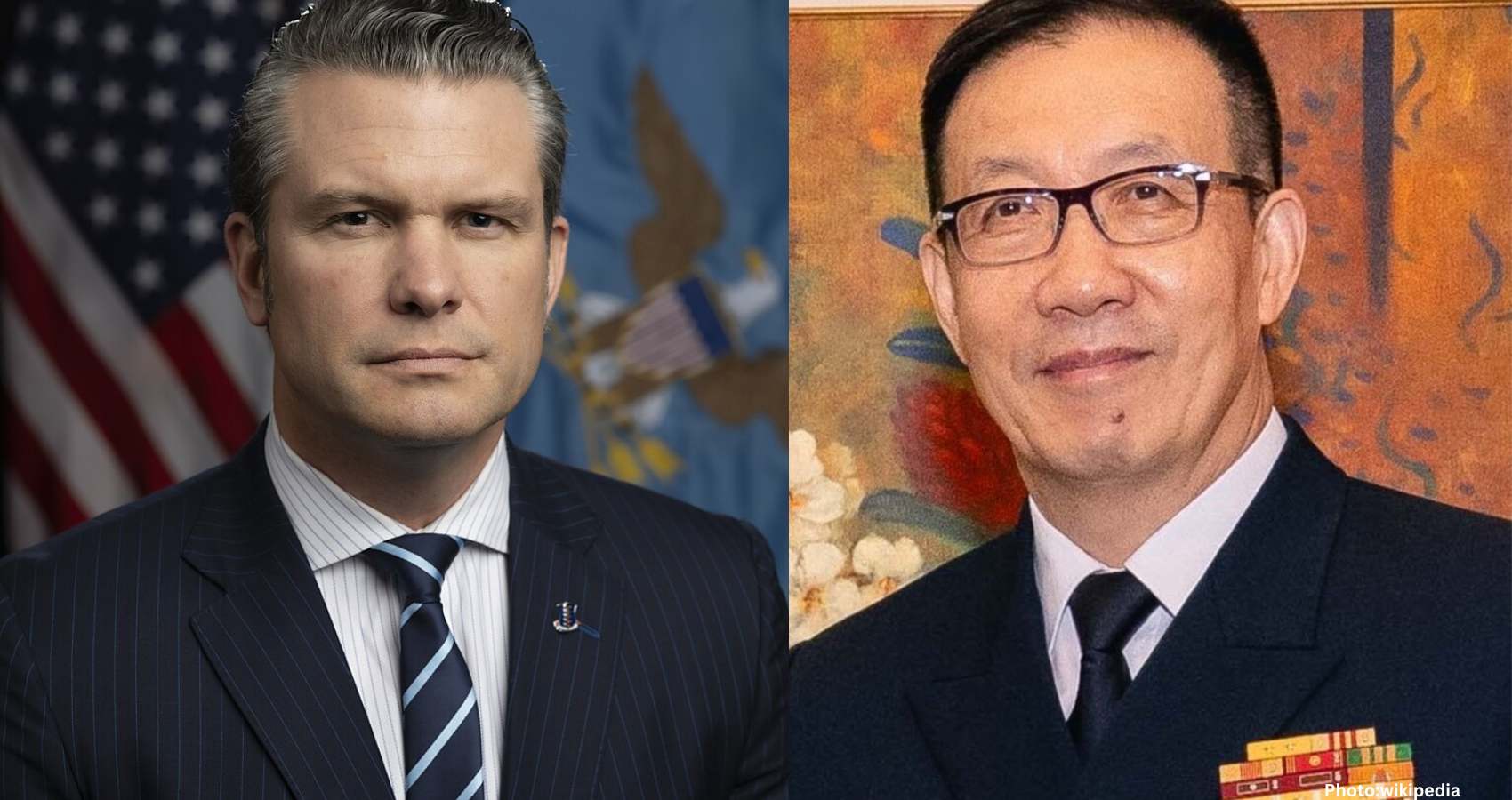
Amazon Resumes Drone Deliveries Following Arizona Crash Investigation

Amazon is set to resume drone deliveries in Arizona after a recent crash, implementing new safety measures to enhance the Prime Air delivery program.

Amazon is moving forward with its drone delivery service, which was temporarily suspended following a crash that occurred earlier this week in Arizona. The incident took place on Wednesday when two drones collided with a crane.

Gabriel Dahlberg, a diesel mechanic who witnessed the crash while parking nearby, reported to KPNX’s 12 News that one of the drones clipped the crane’s cable, which was being used to lift equipment onto a building. According to Sergeant Erik Mendez of the Tolleson Police Department, preliminary investigations revealed that the two Amazon drones were flying in close proximity to each other when they struck the crane, landing approximately 100 to 200 feet apart in separate parking lots.

The Federal Aviation Administration (FAA) has announced that it will conduct an investigation into the incident, with Amazon’s cooperation. “We’re aware of an incident involving two Prime Air drones in Tolleson, Arizona. We’re currently working with the relevant authorities to investigate,” stated Amazon spokesperson Terrence Clark in a comment to The Verge.

Following the crash, Clark emphasized that safety remains Amazon’s top priority. “We’ve completed our own internal review of this incident and are confident that there wasn’t an issue with the drones or the technology that supports them,” he said. To enhance safety, Amazon has introduced additional measures, including improved visual landscape inspections to monitor for moving obstructions like cranes.

The drone delivery program has encountered several challenges over the years, including the departure of key executives. Despite these setbacks, Amazon is steadfast in its ambition to utilize drones for delivering 500 million packages annually by the end of the decade.

Amazon began its drone delivery operations in 2022, launching a dedicated drone delivery center in Tolleson. Residents in the area can receive purchases weighing less than five pounds delivered within an hour.

The MK30 drones used by Amazon are approved by the FAA to operate beyond the visual line of sight of their operators. These drones are equipped with a “sophisticated on-board detect and avoid system” designed to prevent collisions, as outlined on the company’s website.

In August, the U.S. Department of Transportation proposed new regulations aimed at expediting the deployment of drones beyond the visual line of sight, a crucial requirement for commercial deliveries. Transportation Secretary Sean Duffy remarked at the time, “It’s going to change the way that people and products move throughout our airspace… so you may change the way you get your Amazon package, you may get a Starbucks cup of coffee from a drone.”

As Amazon resumes its drone delivery service, the company is hopeful that these new safety measures will help mitigate risks and enhance the reliability of its Prime Air program.

Source: Original article

Supreme Court Begins Pivotal Term Amid Tests for Trump’s Presidency

The Supreme Court’s new term will address significant constitutional questions regarding presidential authority, particularly in relation to President Trump’s executive actions and their legal challenges.

The Supreme Court is set to begin its new term on Monday, focusing on controversial prior rulings and reviewing the sweeping executive agenda of President Donald Trump. After a three-month recess, the nine justices reconvened to reset their docket and discuss appeals that accumulated over the summer. This term, the Court will tackle a range of issues, including gender identity, election redistricting, and free speech. However, the specter of Trump-era legal battles looms large as the administration’s appeals reach the high court for final review.

Since January, the Supreme Court has largely favored the Trump administration in emergency appeals, which primarily addressed whether challenged policies could temporarily go into effect while lower courts deliberated. These cases have encompassed immigration, federal spending cuts, workforce reductions, and policies concerning transgender individuals in the military. The conservative majority, which holds a 6-3 advantage, has reversed approximately two dozen nationwide injunctions imposed by lower federal courts, leading to frustration and confusion among judges.

Legal analysts suggest that the Court may be poised to grant broad unilateral powers to the president as these petitions reach the Supreme Court for final review. The justices have fast-tracked the administration’s appeal concerning tariffs on numerous countries that were previously blocked by lower courts, with oral arguments scheduled for November. In December, they will consider whether to overturn a 90-year precedent regarding the president’s authority to dismiss members of certain federal regulatory agencies, such as the Federal Trade Commission. Additionally, in January, the Court will evaluate President Trump’s power to remove Lisa Cook from the Federal Reserve’s Board of Governors.

Thomas Dupree, a prominent appellate attorney and constitutional law expert, noted, “A big fraction of the Supreme Court’s docket will present the question: ‘can President Trump do?’— then fill in the blank.” This could encompass imposing tariffs, firing independent board members, removing undocumented immigrants, or deploying the military in cities like Los Angeles. Much of the Court’s decisions this term will revolve around whether the president has acted within or exceeded his authority.

The tariffs dispute represents the Court’s first major constitutional test regarding the extent of presidential power, setting a precedent for future appeals related to Trump’s executive agenda. In earlier cases concerning temporary enforcement of these policies, the Court’s liberal justices cautioned against the judiciary becoming a mere rubber stamp for presidential actions. Justice Ketanji Brown Jackson criticized her conservative colleagues for accommodating the Trump administration, stating, “Right when the Judiciary should be hunkering down to do all it can to preserve the law’s constraints, the Court opts instead to make vindicating the rule of law and preventing manifestly injurious Government action as difficult as possible.”

Despite these criticisms, some justices have denied that they are facilitating Trump’s aggressive attempts to reshape the federal government. Justice Brett Kavanaugh emphasized the importance of separating powers, stating, “No one person or group of people should have too much power in our system.” Justice Amy Coney Barrett echoed this sentiment, asserting that the Court does not align with political parties and is focused on making impartial decisions. “We’re taking each case and we’re looking at the question of presidential power as it comes,” Barrett remarked.

The ideological divisions within the Court are expected to intensify as justices examine the scope of presidential power and their own authority. Trump has previously suggested that actions taken in the name of national interest may justify legal violations, stating, “He who saves his Country does not violate any Law.” Federal courts have been grappling with defining the limits of executive power while also managing their own jurisdiction.

Numerous federal judges, appointed by both Democratic and Republican administrations, have expressed concern over the Supreme Court’s frequent overturning of lower court rulings related to Trump administration policies, often with minimal explanation. These judges, who spoke on the condition of anonymity, conveyed that such actions have created a perception of bias against the president and have left them feeling ineffective in their roles.

Judge James Wynn, a federal appeals judge, criticized the high court for leaving lower courts in a state of uncertainty, stating, “We’re out here flailing… They could easily just give us direction, and we would follow it.” While the Trump administration has achieved short-term victories in a Court where he appointed a third of the justices, the president and his associates have not hesitated to criticize federal judges, even calling for their impeachment when rulings have not favored the administration.

According to an analysis by Stanford University’s Adam Bonica, federal district judges ruled against the Trump administration 94.3% of the time between May and June. However, the Supreme Court has reversed those injunctions over 90% of the time, granting the president temporary authority to advance his reform agenda.

The Supreme Court’s reluctance to directly criticize Trump has been evident, with justices navigating a delicate balance. Justice Sonia Sotomayor recently remarked on the challenges facing the rule of law, stating, “Once we lose our common norms, we’ve lost the rule of law completely.” Chief Justice John Roberts has also publicly addressed the calls for impeachment from the right, emphasizing the need for judicial integrity.

As public confidence in major institutions continues to decline, a recent Fox News poll indicated that 47% of voters approve of the Supreme Court’s performance, a notable increase from the previous year. However, a significant portion of the public perceives the Court as leaning too conservative, with 43% of voters expressing this sentiment.

This term, the Court’s ability to remain apolitical will be tested as it considers several contentious appeals, including those related to same-sex marriage and school prayer. The justices are expected to decide soon whether to include these cases on their argument calendar, with potential rulings anticipated by June 2026.

As the Supreme Court embarks on this pivotal term, the implications of its decisions on presidential power and the broader legal landscape will be closely watched. The outcomes may not only affect the current administration but could also shape the trajectory of future presidencies.

Source: Original article

Daily Horoscope for All Zodiac Signs: October 5, 2025

Today’s horoscopes reveal insights for all zodiac signs, offering guidance on personal and professional matters as the cosmos influences daily life.

Aries (March 21 – April 20): Today, you feel a strong urge to contribute positively to the environment. Ganesha encourages you to take action, whether it’s planting a tree, cleaning up your neighborhood, or opting for a paper bag. If you aspire to lead the world toward a better future, remember to take it one step at a time.

Taurus (April 21 – May 21): Anxiety may weigh heavily on you for much of the day, according to Ganesha. However, you can expect success in your work later on. Your efficiency will shine, making you a role model for others, and your hard work will be rewarded with generous profits.

Gemini (May 22 – June 21): If you’re currently involved in a legal dispute, Ganesha predicts a likely out-of-court settlement. Your courage will be tested today, and you must stand firm in your decisions. Being assertive with certain individuals may be necessary, but your resilience will ultimately pay off.

Cancer (June 22 – July 22): Ganesha indicates that you will feel invincible today, yet the day may also be rather mundane. While there will be no significant highs or lows, it will simply be another day at the office and home, devoid of excitement.

Leo (July 23 – August 23): You will go to great lengths to please your partner today, making mistakes unlikely. Your efforts will impress them, but Ganesha advises caution in your financial dealings to avoid potential pitfalls.

Virgo (August 24 – September 22): Communication will be your strongest asset today, with creativity serving as your best tool. Ganesha notes that you are brimming with energy and enthusiasm, but your creative output will flourish best in a stress-free environment.

Libra (September 23 – October 23): Friends, particularly those in influential positions, will prove beneficial for you today, according to Ganesha. Don’t hesitate to embark on that new joint venture, as your popularity is set to soar, and your efforts will gain the recognition they deserve.

Scorpio (October 24 – November 22): Ganesha warns that you may become overly ambitious and outspoken today. It’s important to temper your assertiveness to avoid damaging your reputation. Staying clear of conflicts will serve you better in the grand scheme of things.

Sagittarius (November 23 – December 21): Today, you may embody wisdom in your words and heroism in your actions. Expect positive news at work, possibly regarding a pay raise or an expansion of your office space. Those in finance or franchising can anticipate favorable outcomes.

Capricorn (December 22 – January 20): A lack of proper planning may hinder your productivity today. Ganesha suggests that you take time to devise a solid plan. While you might encounter unexpected financial gains, be prudent with your spending and seize any promising career opportunities that arise.

Aquarius (January 21 – February 18): Today, your thirst for knowledge will be strong. You may find yourself in a position to outsmart your adversaries, gaining an advantage. Ganesha believes you possess the potential to be a scholar and will demonstrate your character’s strength, especially in challenging situations.

Pisces (February 19 – March 20): Your business acumen will impress your associates, earning their respect for your insights. Meanwhile, you will prioritize quality time with your family, showing them just how much they mean to you today, as Ganesha advises.

Stay connected with the cosmos through your daily horoscope. Access your October 5, 2025, horoscopes for every zodiac sign and discover what the universe has in store for you. Whether you are an adventurous Aries or a sensitive Pisces, our expert astrologers provide tailored insights to help you navigate life’s challenges and successes.

Source: Original article

Mangoes and Their Significance in Indian-American Culture

In a heartfelt reflection, a daughter explores the deep emotional connection her mother has with mangoes, revealing how the fruit embodies cherished memories and cultural heritage.

Recently, a crate of mangoes from India arrived at our home, and I watched as my mother carefully opened the sealed package. She picked up the first mango, examining its smooth amber skin before bringing it to her nose, closing her eyes to inhale deeply.

In that moment, I realized that for my mother, a mango was more than just a fruit; it was a feeling. It symbolized pride, joy, and comfort during uncertain times. It served as a reminder of a home she had left behind, a past she carried with her, and a part of her that would always remain a child. I could almost see her as a little girl, crouched over a plate, smiling sweetly as mango juice dripped down her arms, unbothered by the mess and lost in the sweetness of the moment.

To my mother, a mango represented her childhood, filled with memories of walking down the bustling streets of Delhi on sweltering summer days, clutching melting ice golas as sweet syrup trickled down her fingers. It evoked images of long nights spent studying by candlelight, her determination unwavering despite the flickering electricity. A mango encapsulated the joy of lingering school days, playing games in the courtyards, and the carefree laughter of children darting across the field.

It also brought back memories of cool summer nights spent under an old, dusty fan, where she and her sister would lie beneath cotton covers, sharing whispered stories and dreaming of places they had yet to see. A mango symbolized long train journeys to her grandparents’ village, gazing out at lush rice fields that seemed to swallow the earth, falling asleep to the rhythmic clink of the train tracks.

In those train compartments, the air was thick with the scent of steel and overripe fruit, mingling with the aroma of chai sold by vendors walking the aisles. My mother would sit nestled between her mother and sister, her small hands wrapped around a warm steel tiffin box filled with homemade parathas and achaar, a family recipe passed down through generations.

Mangoes also evoked waves of memories of unconditional love and wisdom from her elders. She and her cousins would gather around their grandmother, her silver-streaked hair neatly braided, as she wove tales of gods and warriors from local folklore, such as the Mahabharata.

A mango indicated the arrival of the rainy monsoon season, when roadside artisans hurriedly packed their carts while stray animals sought shelter. The streets would flood within minutes, and children would rush outside to splash in puddles, their uniforms soaked, as their mothers called them back inside with exasperated smiles.

It reflected the sound of paper boats bobbing along murky streams of rainwater, with impromptu races declared in narrow lanes. Inside, the air smelled of damp earth and freshly brewed chai, rich with cardamom and ginger. The crackling sound of oil in the kitchen signaled the arrival of crispy pakoras, while laughter filled the dimly lit living room as the family gathered to play carrom, teasing each other with playful affection.

For my mother, a mango also meant the unusual warmth of winter, huddled under blankets and between her mother’s arms, savoring small cups of gajar ka halwa. It represented the spirit of the holiday season, when streets glowed with oil lamps and rangoli patterns adorned doorsteps. Children would burst firecrackers under the watchful eyes of their parents, their faces illuminated by fleeting bursts of color against the night sky. Homes were filled with the aromas of melting ghee and fresh jaggery, with sweets carefully stacked in steel boxes, embodying love in every bite.

Yet, with the joy of the holidays came the looming dread of returning to school, the stress of exam season demanding silent nights spent hunched over notebooks under the dim light of a kerosene lamp. Life in India was not easy; it was a time of scarcity and simplicity, where small luxuries were cherished, and a new dress for Deepavali was a cause for celebration. It was a time when friendships were built not through screens, but through shared meals and whispered secrets on school bus rides.

While a mango holds many meanings for my mother, to me, it stands as a beacon of her sacrifice and bravery. The sacrifice she made when she left behind the familiar streets of her childhood, the laughter of her siblings, and the warmth of her mother’s embrace. The bravery it took to journey across the seas, to build a new life from the ground up, and to raise a daughter in a world so different from her own.

As I watched her savor the taste of home, I realized that true love is often unspoken, nestled within the small things we take for granted. In the warmth of her hands as she peels a mango for me, in the quiet way she ensures I have the best slice, and in the memories she shares so that I may understand where we come from.

Now, a mango is no longer just a fruit to me; it is a legacy.

Source: Original article

Mumbai’s Culinary Landscape: Exploring Its Kitchens, Streets, and Stories

Mumbai: A Journey Through Its Kitchens, Streets, and Stories explores the vibrant food culture and rich culinary history of the city through essays, recipes, and striking photography.

At the intersection of city memoir, food culture, recipes, and lyrical photography lies *Mumbai: A Journey Through Its Kitchens, Streets, and Stories*. Published by Sri Bodanapu under the Heirloom Project, this book is set to evoke nostalgia in those who have lived in Mumbai while enchanting those who have yet to experience its vibrant energy.

For anyone who has called Mumbai home, the city is characterized by constant movement and sensory overload. This book distills that energy into a collection of essays and photographs that pulse with the city’s restless rhythm. Food is a central theme, reflecting a metropolis built by immigrants, where long working hours and diverse communities have shaped a unique dining culture. With more than 10,000 restaurants and cafés, as well as countless bhojnalayas and tiffin carriers, Mumbai’s culinary landscape is as rich as its history.

The essays, curated by Rushina Munshaw Ghildiyal, are grouped into sections that cover culinary history, recipes, and personal stories. They flow seamlessly into one another, much like spices stirred into a pot. The section titled “The First Indian City” provides historical context, while “Hands that Feed” offers a personal memoir of cooks, street markets, and dabbawallas. Readers are introduced to the Pathare Prabhu community, who share their unique take on Mutton Gode and sambhar masala, which differs significantly from its southern counterparts.

The book takes readers on a journey through Mumbai’s diverse foodscape. It highlights the chai-nashta rituals that are integral to various communities, the bustling atmosphere of Crawford Market, the wholesale lanes of Dadar, and the fiery offerings found in Bhajji Gali. It also explores the bottled masalas of the East Indians and recipes from Konkani Muslims. The Ramzan feasts at Mohammed Ali Road, nostalgic mawa cakes, delicate macarons, Parsi delicacies, desi Chinese cuisine, and iconic street food all evoke the city’s edible soul.

Each essayist captures Mumbai from a distinct perspective, whether it be through fish markets, community kitchens, eat streets, continental cuisine, nightlife, or the city’s eclectic drinking culture. Mumbai’s origins as seven fishing villages, or Koliwadas, are explored in the essays. Rushina shares her experience of stepping into Worli Koliwada, describing it as a journey back in time. She notes how this area has existed in the heart of Mumbai for over eight centuries, and how the juxtaposition of ancient temples and modern structures reflects the city’s syncretic nature.

As she walks through the narrow lanes, past women selling coconuts, flowers, and fresh fish, she observes Koli men cleaning and repairing fishing nets at the pier. The scene is brought to life with descriptions of fishing boats, adorned with names ranging from Laxmi to Queen Mary, bobbing in the sea, their flags fluttering in the wind.

For this foodie Mumbaikar, reading the essays was a journey full of discoveries. Even familiar places like Worli Fort took on new significance, revealing layers of history and culture that had previously gone unnoticed. Mumbai often forces its residents to navigate their lives according to time and traffic, but this book offers a broader perspective, zooming in on the nuances of everyday life that make the ordinary precious. It teaches where to find the best fish, how to bargain, and the multicultural ways of savoring the same dish.

The recipes featured in the book are deeply intertwined with the people behind them. Before readers meet the ingredients, they are introduced to the history, community, and individuals who contribute to the culinary landscape. Each recipe carries the promise of a culinary adventure, inviting readers to explore the flavors of Mumbai.

The vibrant photography by Bhavya Pansari captures the essence of Mumbai’s dynamic spirit. Her images often feature moving vehicles or hands in action, illustrating the city’s perpetual motion and energy. The design and illustrations reflect Mumbai’s bold shopfronts and billboards, immersing readers in its sights, sounds, and smells. More than just a coffee table book, *Mumbai: A Journey Through Its Kitchens, Streets, and Stories* is a sensory immersion and a celebration of a city that is forever hungry and always feeding.

The book is set to be released on May 20, 2025, and spans 392 pages. It is available in its first edition with an ISBN-13 of 979-8992538397.

Source: Original article

15,000 U.S. Churches Expected to Close by 2025 Amid Decline in Affiliation

Nearly 15,000 churches in the United States are projected to close in 2025, highlighting a significant decline in Christian affiliation and organized religion across the nation.

As the landscape of organized religion in the United States continues to shift, thousands of churches are set to close their doors in 2025. Recent data indicates that nearly 15,000 congregations are expected to shut down, while only a few hundred new churches are anticipated to open. This trend marks one of the most significant declines in religious affiliation in the country’s history.

Surveys reveal a stark change in the religious identification of Americans. Currently, about 62% of U.S. adults identify as Christian, a notable decrease from 78% in 2007. Concurrently, the percentage of Americans who report having no religious affiliation has risen to 29%, reflecting a growing trend toward secularism.

The impending closures are predominantly expected among mainline Protestant denominations, such as Methodist, Presbyterian, and Lutheran congregations. Additionally, many Catholic parishes are experiencing similar challenges due to dwindling attendance and financial pressures. Smaller, rural churches are particularly vulnerable, often facing limited resources and declining membership.

Experts suggest that the closure of these churches could have broader social implications. In many communities, especially in rural areas, churches have traditionally served as vital centers for local aid, food banks, and social outreach programs. The loss of these institutions could create significant gaps in community support systems, leaving many without essential services.

While large evangelical and non-denominational megachurches continue to attract sizable congregations, researchers note that these institutions are also encountering generational shifts and increasing skepticism toward organized religion. This suggests that the challenges facing traditional churches may extend beyond mere attendance figures.

Analysts caution that the trend of church closures may persist over the next decade, potentially resulting in tens of thousands more closures across the nation as Americans increasingly distance themselves from conventional worship structures. This ongoing transformation in the religious landscape raises questions about the future role of faith-based organizations in American society.

As the number of churches declines, the implications for community cohesion and support systems remain a critical area of concern. The changing dynamics of religious affiliation in the United States signal a significant cultural shift that will likely continue to evolve in the coming years.

According to Global Net News, the future of organized religion in America is uncertain, with many congregations facing unprecedented challenges.

Source: Original article

U.S. Supreme Court to Hear Key Cases on Tariffs and LGBTQ Rights

The new U.S. Supreme Court term opens with significant cases that may redefine presidential power and constitutional rights, including issues related to tariffs, birthright citizenship, and LGBTQ rights.

A new term of the U.S. Supreme Court has commenced, bringing with it a series of landmark cases that could significantly reshape the landscape of presidential power and constitutional rights.

At the forefront of this term are President Donald Trump’s assertive claims of executive authority, which are now under intense scrutiny. Several of his controversial policies are set to be reviewed by the Court, including expansive tariff powers, restrictions on birthright citizenship, and the authority of federal judges to issue nationwide injunctions.

One of the most anticipated cases will address the participation of transgender girls and women in public school sports. This case will test the legal protections afforded under Title IX, as well as broader constitutional guarantees related to gender identity and equality.

In addition to these issues, the Court will also consider challenges to voting rights, particularly focusing on Louisiana’s redistricting efforts and potential reinterpretations of the Voting Rights Act. These cases are expected to have far-reaching implications for electoral processes and representation in the United States.

Thus far, the Court’s conservative majority has demonstrated a willingness to entertain some of Trump’s emergency appeals. However, as the cases are examined in detail, there is a possibility that the justices may adopt a more cautious approach in their rulings.

Justice Samuel Alito, currently 76 years old, is speculated to be considering retirement in 2026. Should he choose to step down, it would present Trump with the opportunity to appoint another conservative justice, further influencing the ideological balance of the Court.

Legal analysts suggest that this term could be one of the most politically charged in recent memory, with the potential to impact a wide range of issues that resonate deeply with the American public.

As the Supreme Court navigates these high-stakes cases, the outcomes may set significant precedents that could affect the balance of power between the executive branch and the judiciary, as well as the rights of individuals across the nation.

Source: Original article

Legal Groups Seek Emergency Order to Prevent ICE from Detaining Immigrant Teens

Advocacy groups have filed an emergency motion to enforce a court ruling preventing the detention of unaccompanied immigrant teens in adult facilities, citing recent violations by ICE.

Washington, D.C., October 4 — The American Immigration Council and the National Immigrant Justice Center (NIJC) have filed an emergency motion today, aiming to enforce a 2021 court ruling from the Garcia Ramirez v. ICE case. This ruling prohibits U.S. Immigration and Customs Enforcement (ICE) from unlawfully detaining unaccompanied immigrant children in adult detention centers once they reach the age of 18.

The motion comes in response to multiple documented instances where ICE has resumed transferring immigrant children who entered the U.S. alone into adult detention facilities upon turning 18, a practice that violates the permanent injunction established in the Garcia Ramirez case.

“The permanent injunction made clear that ICE cannot automatically transfer young people to adult detention centers simply because they have turned 18,” said Michelle Lapointe, legal director at the American Immigration Council. “Locking up these young people in ICE jails rife with overcrowding and hazardous conditions, and far from their support systems, does nothing to make our communities safer; it only inflicts more harm on vulnerable youth.”

When children under 18 enter the United States unaccompanied, they are typically placed in shelters managed by the Office of Refugee Resettlement (ORR). These children are generally released to family members or other vetted sponsors in the U.S., rather than being sent to ICE detention centers. This policy is designed to prioritize care and support for children instead of punishment.

According to the Garcia Ramirez ruling, which resulted from years of litigation by the NIJC and the Council, ICE is required to consider placement in the least restrictive setting once these youths turn 18. This includes exploring alternatives to detention rather than resorting to immigration detention.

“ICE’s attempt to expand the detention of immigrant youth is a direct violation of the courts, which explicitly requires the agency to consider safe, less restrictive alternatives to detention,” stated Mark Fleming, associate director of litigation at the National Immigrant Justice Center. “We will not allow the government to turn back the clock and return to a practice that the courts have already found unlawful.”

The number of individuals in immigration detention has reached unprecedented levels, leading to overcrowding and abusive conditions. Critics argue that the previous administration weaponized the threat of prolonged confinement in these dangerous facilities to coerce individuals into relinquishing their legal rights and accepting deportation. This pressure is further exacerbated by new policies, including financial incentives for unaccompanied youths who agree to leave the country.

“The law is clear: ICE must use safe, less restrictive alternatives, not default to jailing young people indefinitely,” emphasized Marie Silver, managing attorney for NIJC’s Immigrant Children’s Protection Project. “These kids came here seeking safety and hope. They deserve a chance to be free, reunify with family and community members, attend school, and work with their lawyers to have their day in court. Trapping them in dangerous and degrading conditions in immigration detention is compounding their trauma in a cruel and unnecessary way.”

The emergency motion filed today underscores the urgent need to uphold the rights of immigrant youth and ensure compliance with established legal rulings.

Source: Original article

New Study Finds Leprosy in the Americas Before European Arrival

The discovery of Mycobacterium lepromatosis indicates that leprosy existed in the Americas long before European explorers arrived, challenging previous historical assumptions about the disease.

Scientists have unveiled a significant finding regarding the history of leprosy in the Americas, suggesting that the disease was present long before the arrival of European explorers. Researchers from the Institut Pasteur in Paris, France, in collaboration with a U.S. university, have identified a second species of bacteria responsible for leprosy, known as Hansen’s disease.

Traditionally, it was believed that the bacterium Mycobacterium leprae was the sole cause of leprosy and that it was introduced to the Americas by early European settlers. However, the recent discovery of Mycobacterium lepromatosis challenges this narrative, indicating that a strain of the bacteria was already endemic to the continent prior to European contact.

Dr. Maria Lopopolo, the first author of the study and a researcher at the Laboratory of Microbial Paleogenomics at the Institut Pasteur, emphasized the importance of this finding. “This discovery transforms our understanding of the history of leprosy in America. It shows that a form of the disease was already endemic among Indigenous populations well before the Europeans arrived,” she stated in a news release.

The study, which involved collaboration with the French National Center for Scientific Research and the University of Colorado, was initiated after Mycobacterium lepromatosis was identified in a Mexican patient in 2008 and subsequently in red squirrels in the British Isles in 2016. Researchers employed advanced genetic techniques to reconstruct the genomes of Mycobacterium lepromatosis from ancient individuals in Argentina and Canada.

The results revealed that the two strains from these different regions were closely related within the Mycobacterium genome family tree, suggesting that the bacteria spread rapidly across the continent. This finding confirms that Mycobacterium lepromatosis was already prevalent throughout North and South America.

In their research, the scientists worked closely with Indigenous communities, various international institutions, and archaeologists. They analyzed over 800 DNA samples from ancient human remains and recent medical cases exhibiting signs of leprosy.

Nicolás Rascovan, the lead author of the study at the Institut Pasteur, remarked on the implications of their findings, stating, “We are just beginning to uncover the diversity and global movements of this recently identified pathogen. This study allows us to hypothesize that there might be unknown animal reservoirs.”

The Centers for Disease Control and Prevention (CDC) provides information on leprosy, noting that the disease can affect the nerves, skin, and eyes of patients. Leprosy is treatable with antibiotics, and the CDC reports that up to 225 people in the U.S. and approximately 250,000 individuals worldwide contract Hansen’s disease each year.

This groundbreaking research not only alters the historical understanding of leprosy in the Americas but also opens new avenues for exploring the disease’s origins and its impact on Indigenous populations.

Source: Original article

Protect Yourself from Web Injection Scams: Key Tips to Stay Safe

Online banking users are increasingly targeted by web injection scams that overlay fake pop-ups to steal login credentials. Here’s how to identify and protect yourself from these threats.

As online banking becomes a routine part of managing finances, users are facing a new and sophisticated threat: web injection scams. These scams can present fake pop-ups that mimic legitimate bank pages, tricking users into revealing sensitive information.

Consider the experience of a user named Kent, who recently shared his unsettling encounter. While conducting transactions online, he was interrupted by a pop-up that appeared to be from his bank, complete with the company’s logo. Initially, Kent was deceived into providing his email address and phone number, believing he was confirming his identity. It wasn’t until he saw the name “Credit Donkey” flash on the screen that he realized he was being scammed. He quickly closed his computer and contacted his bank, likely averting further damage.

This scenario illustrates the dangers of web injection scams, which hijack a user’s browser session to overlay a fake login or verification screen. Because these pop-ups appear while users are already logged in, they can seem legitimate and convincing. The ultimate goal of these scams is to capture login credentials or trick individuals into providing two-factor authentication codes.

To protect yourself from such scams, it is crucial to adopt proactive security measures. Here are some essential steps to take if you ever find yourself in a similar situation to Kent’s.

First, monitor your recent transactions daily. Set up alerts for logins, withdrawals, or transfers to be notified immediately if any unauthorized activity occurs. This can help you respond quickly to potential threats.

If you suspect that your financial account may have been compromised, update your password immediately. Use a strong and unique password generated by a reliable password manager, such as NordPass. Additionally, check if your email has been involved in any data breaches. NordPass includes a built-in breach scanner that can help you determine if your email address or passwords have been exposed in known leaks. If you find a match, change any reused passwords and secure those accounts with new, unique credentials.

Scammers often gather personal information, including phone numbers and emails, from data broker sites before launching their attacks. To mitigate this risk, consider using a personal data removal service that can help erase your information from these databases. While no service can guarantee complete removal from the internet, these tools can actively monitor and systematically erase your personal data from numerous websites, providing peace of mind.

Another critical step is to strengthen your account security with multifactor authentication (MFA). If your bank offers this feature, opt for app-based codes through services like Google Authenticator or Authy, which are more secure than SMS codes. This added layer of security can significantly reduce the risk of unauthorized access to your accounts.

Since Kent’s experience occurred while he was logged in, it is also possible that malware or a browser hijack was involved. Running a trusted antivirus program can help detect and remove hidden phishing scripts. Antivirus software can also alert you to phishing emails and ransomware scams, safeguarding your personal information and digital assets.

If you suspect that your information has been compromised, it is wise to contact your bank immediately. In addition to calling, send a secure message or letter to create a record of your communication. Request that your account be placed on high alert and that extra verification is required for significant transactions.

Consider placing a free credit freeze with major credit bureaus such as Equifax, Experian, and TransUnion. This action can prevent scammers from opening new accounts in your name, even if they have obtained some of your personal information.

Identity theft protection services, like Identity Guard, can monitor your personal information, alerting you if your Social Security number, email, or phone number appears in suspicious contexts. These services can also assist in freezing your bank and credit card accounts to prevent unauthorized use.

Web injection scams are designed to catch users off guard during routine online banking activities. Kent’s swift reaction to close the suspicious page and contact his bank underscores the importance of vigilance. By adopting the right habits and utilizing effective tools, you can significantly reduce the risk of falling victim to these scams.

Have you ever encountered a scam attempt while banking online? Share your experiences with us at Cyberguy.com/Contact.

Source: Original article

Three Common Fruits May Improve Sleep Quality for Americans

Nutritionist Kendall Mackintosh highlights three fruits that can enhance sleep quality and help Americans fall asleep faster.

As many Americans struggle with sleep, nutritionist Kendall Mackintosh suggests that hitting the fruit aisle might be a beneficial strategy. Certain fruits, rich in natural hormones and antioxidants, can aid in falling asleep more easily.

Mackintosh, a board-certified and licensed dietitian nutritionist, explained to Fox News Digital that some fruits are “rich in melatonin and antioxidants that help regulate circadian rhythms and repair cells overnight.” This insight comes at a time when many are looking for natural solutions to improve their sleep quality.

With the arrival of fall, which brings shorter days and less natural light, Mackintosh emphasizes the importance of supporting melatonin production. “This time of year, supporting melatonin naturally becomes even more important for sleep, mood, and metabolism,” she noted.

According to the Centers for Disease Control and Prevention (CDC), about 14.5% of Americans reported having trouble falling asleep “most days or every day” in 2020. This statistic underscores the growing need for effective sleep aids.

One fruit that stands out for its sleep-inducing properties is tart cherries. The Cleveland Clinic notes that tart cherries can help increase melatonin levels in the body. Melatonin is a natural hormone produced by the brain’s pineal gland, which plays a crucial role in regulating the sleep-wake cycle.

In addition to melatonin, cherries contain tryptophan, an amino acid that contributes to the production of serotonin and melatonin. Mackintosh recommends Montmorency cherries specifically, as they are known for their tart flavor and high melatonin content.

Another fruit that can aid sleep is kiwi. Mackintosh points to a study published in the National Library of Medicine, which found that consuming kiwis “significantly improved” sleep quality and duration. The four-week study, conducted in 2024, monitored the sleep and recovery of elite athletes, concluding that kiwi consumption led to better subjective sleep quality and daytime function.

Grapes are also highlighted as a potential sleep aid. Registered dietitian Anthony DiMarino informed the Cleveland Clinic that grapes contain a degree of melatonin, making them a suitable evening snack. “They don’t have a lot of calories, and they can potentially help you fall asleep,” DiMarino explained.

However, the way grapes are consumed is crucial for maximizing their benefits. DiMarino advises choosing grapes in their natural form rather than opting for processed alternatives like grape juice or raisins. “What’s most important is that you choose an option closest to its natural form,” he said.

Beyond dietary choices, Mackintosh emphasizes the importance of lifestyle factors in promoting better sleep. She recommends reducing exposure to blue light from screens in the evening and keeping the bedroom cool and dark. “Together, these diet and lifestyle choices create the foundation for deeper rest, better resilience, and long-term vitality,” Mackintosh concluded.

With these insights, incorporating tart cherries, kiwi, and grapes into your diet may offer a natural way to enhance sleep quality and overall well-being.

Source: Original article

India-Pakistan Women’s World Cup Match Sees No Handshake Between Captains

India’s Harmanpreet Kaur and Pakistan’s Fatima Sana sparked controversy by avoiding a handshake during the Women’s World Cup 2025, highlighting ongoing tensions between the two cricketing nations.

The Women’s World Cup 2025 has already seen its share of drama, with a notable incident involving the captains of India and Pakistan. During a recent match, Indian captain Harmanpreet Kaur and her Pakistani counterpart Fatima Sana chose to forgo the customary handshake, a gesture that has drawn significant attention and speculation.

This incident is not merely a matter of sportsmanship; it reflects the complex and often strained relationship between the two nations. Cricket, a sport that has historically been a platform for both rivalry and camaraderie, has also been a stage for political tensions. The handshake, or lack thereof, has become a symbol of these underlying issues.

As the match unfolded, both teams focused on their performance, but the absence of a handshake between Kaur and Sana did not go unnoticed. Fans and commentators alike quickly took to social media to express their views on the situation, with many interpreting the snub as a sign of the ongoing friction between India and Pakistan.

In the world of sports, gestures like handshakes are often seen as a way to promote goodwill and sportsmanship. However, in this case, the decision to skip the handshake has sparked discussions about the broader implications of such actions in the context of international relations.

The Women’s World Cup has provided a platform for female athletes to showcase their talent and resilience, yet it also serves as a reminder of the challenges they face, both on and off the field. The incident between Kaur and Sana highlights the intersection of sports and politics, illustrating how personal interactions can resonate beyond the game itself.

As the tournament progresses, it remains to be seen how this incident will affect the dynamics between the two teams. Will it serve as a catalyst for further tension, or will it be a moment that both captains can learn from as they navigate their roles as leaders in a highly charged environment?

For now, the focus remains on the matches ahead, with both teams aiming for success in the tournament. However, the no-handshake incident will likely linger in the minds of fans and players alike, serving as a reminder of the complexities that exist within the realm of international sports.

According to NDTV, the handshake controversy continues to be a talking point as the Women’s World Cup unfolds.

Source: Original article

India Announces Squad for Australia Tour; Shubman Gill as ODI Captain?

Shubman Gill is reportedly in line to replace Rohit Sharma as India’s captain for the upcoming ODI series against Australia.

In a significant development ahead of the ODI series against Australia, reports suggest that Shubman Gill may take over the captaincy from Rohit Sharma. This potential change comes as the Indian cricket team prepares for a challenging tour, with expectations running high for both performance and leadership.

The decision to consider Gill for the captaincy reflects the selectors’ confidence in his abilities and the need for fresh leadership as the team looks to build for the future. Gill, who has made a name for himself with consistent performances, particularly in the ODI format, could bring a new dynamic to the squad.

Rohit Sharma, who has been at the helm for some time, has led the team through various challenges. However, the selectors may feel that a change in leadership could invigorate the team as they face formidable opponents like Australia.

As the announcement date approaches, fans and analysts alike are keenly watching how this decision unfolds. The implications of such a leadership change could be far-reaching, impacting team morale and performance on the field.

With the series against Australia being a crucial one, the Indian cricket team will need to be at its best. Whether Shubman Gill steps into the captaincy role or Rohit Sharma continues to lead, the focus will undoubtedly be on delivering strong performances in this highly anticipated matchup.

As the cricketing world awaits official confirmation, discussions surrounding team strategy and player roles are already underway. The upcoming series promises to be an exciting chapter in Indian cricket, with fans eager to see how the team adapts to any changes in leadership.

According to NDTV, the situation remains fluid, and further updates are expected as the squad announcement draws near.

Source: Original article

Longevity Secrets and Cancer-Fighting Vitamins Amid New Virus Strain

The Fox News Health Newsletter highlights innovative healthcare developments, including new applications for GLP-1 medications and advancements in vision correction.

The Fox News Health Newsletter provides readers with trending and significant stories related to healthcare, drug advancements, mental health issues, and inspiring accounts of individuals overcoming medical challenges.

In recent discussions, a weight-loss doctor has shared insights on how GLP-1 medications could potentially rewire the body to combat various diseases. These medications, originally developed for diabetes management, are gaining attention for their broader implications in weight loss and metabolic health.

Additionally, there is exciting news for those experiencing age-related vision loss. Researchers are exploring the potential of eye drops that could replace traditional reading glasses, offering a new solution for individuals struggling with this common issue.

As healthcare continues to evolve, the Fox News Health Newsletter remains a vital source of information, keeping readers informed about the latest breakthroughs and developments in the medical field.

Source: Original article

Meta Account Suspension Scam Disguises FileFix Malware Threat

Cybercriminals are exploiting fears of account suspension on Meta platforms to deploy the StealC malware through a deceptive FileFix attack targeting Facebook and Instagram users.

Cybercriminals are continuously evolving their tactics to target social media users, with Meta accounts serving as a prominent lure. The potential loss of access to platforms like Facebook or Instagram can have significant repercussions for both individuals and businesses, making users more susceptible to urgent security alerts. This vulnerability is precisely what the new FileFix campaign exploits, masquerading as routine account maintenance while concealing a malicious trap.

According to researchers at Acronis, a leading cybersecurity and data protection firm, the FileFix attack initiates with a phishing page that mimics a message from Meta’s support team. The message falsely claims that the user’s account will be disabled within seven days unless they view an “incident report.” Instead of providing a legitimate document, the page disguises a harmful PowerShell command as a benign file path.

Victims are instructed to copy this command, open File Explorer, and paste it into the address bar. Although this action appears harmless, it secretly executes code that triggers the malware infection process. This method is part of a broader category of attacks known as ClickFix, where individuals are deceived into pasting commands into system dialogs. The FileFix variant, developed by Red Team researcher mr.d0x, enhances this approach by exploiting the File Explorer address bar. In this campaign, attackers cleverly hide the malicious command behind long strings of spaces, making only the fake file path visible to the victim.

Once the victim executes the command, a hidden script downloads what appears to be a JPG image from Bitbucket. However, this file contains embedded code. Upon execution, it extracts another script and decrypts the final payload, successfully bypassing many security tools in the process.

The malware delivered through this campaign is known as StealC, an infostealer designed to collect a broad range of personal and organizational data. It targets browser credentials and authentication cookies from popular browsers such as Chrome, Firefox, and Opera. Additionally, StealC aims at messaging applications like Discord and Telegram, as well as cryptocurrency wallets including Bitcoin and Ethereum. The malware even attempts to compromise cloud accounts from services like Amazon Web Services (AWS) and Azure, along with VPN services and gaming accounts.

Acronis has reported that the FileFix campaign has already manifested in several different iterations over a short period, indicating that the attackers are actively testing and refining their methods to evade detection and enhance their success rates.

To protect against attacks like FileFix and prevent malware such as StealC from compromising sensitive information, users should adopt a combination of caution and practical security measures. It is crucial to remain skeptical of any message claiming that your Meta account or other services will be disabled imminently. Always verify alerts directly through official channels rather than clicking on links or following instructions from emails or web pages.

Furthermore, users should avoid pasting commands into system dialogs, File Explorer, or terminals unless they are entirely certain of their origin. FileFix thrives on the information it can extract from devices or linked accounts. Utilizing data removal services can significantly reduce the amount of sensitive personal information available online, thereby minimizing what attackers can exploit if they gain access.

While no service can guarantee complete removal of data from the internet, data removal services can actively monitor and systematically erase personal information from numerous websites, providing peace of mind. By limiting the information available, users can reduce the risk of scammers cross-referencing data from breaches with information found on the dark web.

Additionally, employing strong antivirus software can help detect malware like StealC before it fully executes. Many modern antivirus solutions include behavior-based detection that can flag suspicious scripts or hidden downloads, helping to catch threats even when attackers attempt to disguise their actions.

Using a reputable password manager can also mitigate risks by generating unique passwords for each site. This way, even if one browser or application is compromised, attackers cannot access accounts elsewhere. Users should also check if their email has been exposed in past breaches. Many password managers include built-in breach scanners that alert users if their email addresses or passwords have appeared in known leaks. If a match is found, it is essential to change any reused passwords and secure those accounts with new, unique credentials.

The FileFix campaign illustrates how cybercriminals continue to devise convincing scams that target social media users. While a fake Meta alert may seem urgent, taking a moment to pause before clicking or copying anything can serve as the best defense. By cultivating strong security habits and utilizing protective tools, users can significantly reduce their risk. Data removal services, antivirus software, and password managers each play a vital role in enhancing security. When combined, these measures make it considerably more challenging for attackers to convert a scare tactic into a genuine threat.

Should platforms like Meta take further action to warn users about these evolving phishing tactics? Share your thoughts by reaching out to us.

Source: Original article

Astronauts Return to Earth After Successful ISS Mission and Crew Relief

A NASA crew, including astronauts Anne McClain and Nichole Ayers, successfully splashed down in the Pacific after a historic mission that relieved stranded astronauts aboard the International Space Station.

NASA astronauts Anne McClain and Nichole Ayers, along with international crew members Takuya Onishi from Japan and Kirill Peskov from Russia, made a historic splashdown in the Pacific Ocean off the coast of Southern California on Saturday. This marked NASA’s first Pacific splashdown in 50 years, occurring at 11:33 a.m. ET in a SpaceX capsule.

The crew’s return followed a mission that involved replacing two astronauts, Suni Williams and Butch Wilmore, who had been stranded aboard the International Space Station (ISS) for nine months. Their extended stay was due to issues with the Boeing Starliner capsule, which had experienced thruster problems and helium leaks shortly after their arrival.

NASA determined that bringing Wilmore and Williams back to Earth in the Starliner would be too risky. Consequently, the Starliner returned without crew, while Wilmore and Williams were eventually brought home in a SpaceX capsule after their replacements arrived.

Wilmore recently announced his retirement after a distinguished 25-year career with NASA. Reflecting on the mission, McClain expressed hope that their journey would serve as a reminder of the power of collaboration and exploration, especially during challenging times on Earth.

“We want this mission, our mission, to be a reminder of what people can do when we work together, when we explore together,” McClain said before departing the space station on Friday. She added that she looked forward to “doing nothing for a couple of days” upon returning home, while her crewmates eagerly anticipated indulging in hot showers and burgers.

Earlier this year, SpaceX made the decision to shift their splashdowns from Florida to California. This change was implemented to minimize the risk of debris falling on populated areas during the landing process.

Following their splashdown, the crew underwent medical checks before being transported via helicopter to meet a NASA aircraft bound for Houston. Steve Stich, manager of NASA’s Commercial Crew Program, expressed satisfaction with the mission’s outcome in a press conference after the splashdown.

“Overall, the mission went great, glad to have the crew back,” Stich stated. “SpaceX did a great job of recovering the crew again on the West Coast.”

Dina Contella, deputy manager for NASA’s International Space Station program, shared her happiness at seeing the Crew 10 team return safely. “They looked great, and they are doing great,” she remarked.

During their 146 days aboard the ISS, the crew orbited the Earth 2,368 times and traveled over 63 million miles, contributing to valuable research and international cooperation in space.

Source: Original article

U.S. Government Faces Accountability for Migrant Detentions in El Salvador

After 125 days in El Salvador’s Terrorism Confinement Center, two Venezuelan nationals were released, prompting calls for accountability from the U.S. government for their detention and treatment.

WASHINGTON, D.C. — Venezuelan nationals Edicson Quintero Chacón and Jose Manuel Ramos Bastidas were released yesterday after spending 125 days in El Salvador’s infamous Terrorism Confinement Center (CECOT). Their release came on a U.S.-brokered flight back to Venezuela, alongside approximately 250 other Venezuelans detained at CECOT, a facility criticized for its inhumane conditions.

Counsel for both men expressed relief at their release but underscored the urgent need for accountability regarding their initial detention. The U.S. government transferred the men to CECOT on March 15, 2025, where they were held without charges and incommunicado, in a facility known for mass arbitrary detention and mistreatment.

Both Quintero and Bastidas had previously been ordered removed from the United States. They informed a federal court that they wished to return home to Venezuela, but instead, they were sent to CECOT. The agreement between the U.S. and El Salvador stipulated that the U.S. would send members of the Venezuelan gang Tren de Aragua (TdA), yet there is no evidence linking either man to the gang. Their return to Venezuela was part of a prisoner swap deal that also involved the release of U.S. citizens and lawful permanent residents from Venezuela.

A family member of Quintero, who requested anonymity, expressed shock at the sudden news of the flights to Venezuela. “Edicson should never have been sent to CECOT in the first place. No one should. He was treated cruelly and inhumanely when all he wanted was safety,” they said. “This so-called prisoner swap doesn’t undo the injustice he suffered, nor the pain and terror that my family has had to endure in the past several months.”

Roynerliz Rodriguez, the partner of Jose Manuel Ramos Bastidas, shared her relief at his release. “We have been waiting for this moment for months, and I feel like I can finally breathe, knowing that Jose Manuel is now free from CECOT and on his way home,” she said. “His son, whom he hasn’t seen since he was four months old, is eagerly waiting for him. These last months have been a living nightmare.”

Concerns remain regarding the legality and transparency of the U.S. government’s actions. Many individuals sent to CECOT had pending asylum claims and expressed credible fears of returning to Venezuela. Their forced return, without due process to address their asylum requests, raises significant questions about the U.S. government’s compliance with both domestic and international legal obligations.

There has been no public accounting of how individuals were selected for transfer to CECOT, nor has there been a comprehensive list of those detained. The lack of transparency raises further concerns about whether all victims are accounted for.

The practice of outsourcing detention to foreign facilities, particularly those with documented records of systemic abuse, poses serious human rights and due process issues. Critics argue that the U.S. government should not engage in such arrangements or collaborate with regimes that violate human rights. A full investigation into these disappearances is necessary, along with safeguards to prevent similar actions by future administrations.

Rebecca Cassler, a senior litigation attorney at the American Immigration Council, stated, “We are deeply relieved that Mr. Quintero Chacón and Mr. Ramos Bastidas are finally released from CECOT, but this should never have happened in the first place. The U.S. government paid to detain these men in one of the world’s most notorious prisons, then denied responsibility while they suffered.”

CJ Sandley, a senior staff attorney at the Center for Constitutional Rights, emphasized the inhumane treatment of the detainees. “The deals made for these Venezuelans’ confinement and transfers treat human beings as bargaining chips and underscore the cruel consequences of criminalizing migration and monetizing torture,” he said. “The U.S. government must stop these abuses and uphold its obligations to protect the rights and dignity of all people.”

Stephanie M. Alvarez-Jones, Southeast Regional Attorney at the National Immigration Project, also expressed her relief at the men’s release. “It is unconscionable that they and 250 other Venezuelan men were sent by the United States to be detained at CECOT and forced to endure suffering,” she said. “While we celebrate their long overdue release, the government must be held accountable for its outrageous actions.”

The American Immigration Council, the Center for Constitutional Rights, and the National Immigration Project represent Mr. Quintero Chacón and Mr. Ramos Bastidas in their habeas corpus proceedings in the U.S. District Court for the Middle District of Georgia, where they have been fighting for their freedom from CECOT.

Source: Original article

SOS/SKRM Hosts 41st Free Eye Camp, Restoring Vision for Over 1,000 Patients

The 41st Free Eye Checkup and Cataract Surgery Camp by SOS/SKRM in Delhi restored vision for 1,200 patients, significantly enhancing lives across the region.

The Science of Spirituality (SOS) and Sawan Kirpal Ruhani Mission (SKRM) successfully conducted its 41st Free Eye Checkup and Cataract Surgery Camp at Kirpal Bagh, Delhi, from September 14 to 21, 2025. Under the guidance of Sant Rajinder Singh Ji Maharaj, this initiative helped 1,200 patients regain their vision, making a positive impact on lives throughout Delhi NCR and northern India.

Cataracts are a leading cause of visual impairment, particularly in underserved communities, where they can severely affect both livelihoods and quality of life. The camp was organized with the support of volunteer physicians from the United States and expert doctors from ICARE Hospital in Noida, providing advanced eye care to those who could not afford treatment.

During the eight-day event, a total of 2,771 individuals were screened, with 1,685 patients found eligible for cataract surgery. Participants received comprehensive care, which included free accommodation, meals, transportation, reading glasses, and other essential support services.

Volunteers from SKRM played a crucial role in facilitating patient registration, managing logistics, and ensuring smooth operations throughout the camp. Surgeries were performed at ICARE Eye Hospital, utilizing high-quality lenses and benefiting from the skilled supervision of both local and international doctors.

For many patients, the camp represented a turning point in their lives, granting them newfound independence. Jogender Pal, a resident of Delhi, expressed that the surgery would enable him to lead a self-reliant life. Similarly, Sheela and Narang Devi shared their joy and relief at regaining their vision, which significantly improved their quality of life.

Volunteers and doctors involved in the camp described the experience as profoundly fulfilling. A physician from the United States remarked, “Restoring sight lets the light of life shine again.”

SOS/SKRM has a long-standing tradition of selfless service, having assisted over 21,000 individuals in regaining their eyesight through free medical and eye camps. This initiative embodies the organization’s commitment to compassion and humanitarian care.

Source: Original article

China’s Wealthy Youth Encounter Public Backlash Over Rising Inequality

China’s wealthy youth, known as “fuerdai,” are facing significant public backlash amid rising inequality and economic challenges, according to a recent study by John Osburg.

China’s second generation of affluent families, referred to as the “fuerdai” or “guanerdai,” has become emblematic of the growing divide between the rich and the poor in the country. A recent study authored by John Osburg, a Fellow on Chinese Society at the China Center for Asian Studies (CCA), sheds light on the public criticism directed at these elite youth.

The study reveals that the intense competition for internships, jobs, and business opportunities has fueled resentment towards the children of China’s elite. As the nation grapples with slower economic growth in the aftermath of the COVID-19 pandemic, record-high youth unemployment has left many ordinary graduates feeling marginalized in favor of candidates with privileged backgrounds.

Many fuerdai have pursued education or work opportunities abroad, gaining valuable cosmopolitan experiences. However, this exposure can also present challenges. Osburg notes that time spent overseas may leave these individuals less equipped to navigate the politically and socially intricate landscape of China. In some cases, parents encourage their children to build careers outside of China to protect them from the uncertainties of the domestic business environment, which often relies heavily on personal connections.

Osburg predicts that this generation will emerge as China’s most well-educated and globally minded elite to date. Their experiences with Western norms and political systems are expected to influence their approaches to governance and business. However, this does not necessarily indicate a movement toward liberal democracy.

The study also highlights significant trends in elite marriage and education, emphasizing that family background will continue to play a crucial role in determining success. Without effective solutions to the issues surrounding declining social mobility, China’s future leaders may be confronted with the challenges posed by an increasingly stratified society.

As the divide between the wealthy and the rest of the population continues to widen, the fuerdai may find themselves at the center of a growing public backlash, reflecting broader societal frustrations over inequality and access to opportunity.

According to Osburg, the implications of these dynamics are profound, as they not only affect the elite but also resonate throughout the fabric of Chinese society.

Source: Original article

SAAJCO Initiates Lawsuit Against $100,000 H-1B Fee for Indian-Americans

Labor unions, healthcare providers, and educational institutions have filed a lawsuit against President Trump’s new $100,000 fee for H-1B visa applications, claiming it threatens essential services and the economy.

A coalition of labor unions, healthcare providers, educational institutions, and religious organizations has initiated a lawsuit to challenge a recent executive action by President Trump that imposes a $100,000 fee on every new H-1B visa application. Filed on October 3, the lawsuit aims to halt what the plaintiffs describe as an unlawful and detrimental policy that could severely impact the American workforce and economy.

The proclamation, issued on September 19, 2025, and made effective just 36 hours later, has already created confusion among employers, workers, and federal agencies. Kalpana V. Peddibhotla, Executive Director of the South Asian American Justice Collaborative (SAAJCO), emphasized the importance of H-1B workers, stating, “South Asians make up the majority of H-1B workers and are part of the fabric of America, staffing rural hospitals, advancing lifesaving research, and driving innovation in businesses across the country.”

The lawsuit, titled *Global Nurse Force et al v. Trump et al.*, was filed in the U.S. District Court for the Northern District of California. It argues that the executive order is unconstitutional and violates the Administrative Procedure Act. The coalition of plaintiffs includes organizations such as Global Nurse Force, Global Village Academy Collaborative, and the American Association of University Professors, among others.

The H-1B visa program was established by Congress to attract highly skilled professionals from around the world to fill critical roles in the U.S. economy and public services. This program allows U.S. employers to hire qualified foreign talent, including doctors, nurses, engineers, and researchers, after a thorough vetting process.

The coalition’s lawsuit highlights the potential consequences of the new fee, which they argue could lead to significant harm for communities across the nation. Peddibhotla noted that when the government makes it prohibitively expensive for skilled professionals to come to the U.S., entire communities suffer. “Patients wait longer for care, students have fewer teachers, and local economies miss out on the innovation and jobs these experts create,” she said.

The complaint outlines several key arguments against the new fee. It asserts that the fee violates the legislative framework established by Congress, which includes a carefully structured fee and oversight system for the H-1B program. The plaintiffs contend that the President does not have the authority to unilaterally impose such a fee or to create new taxes through executive action.

Additionally, the lawsuit claims that the proclamation invites chaos and favoritism by introducing a vague “national interest” loophole for fee exemptions, which could lead to arbitrary decision-making. The plaintiffs argue that the fee will disproportionately affect rural hospitals, schools, and nonprofit organizations that rely on H-1B workers to fulfill essential roles.

Economists have pointed out that H-1B workers contribute significantly to job creation and innovation in the U.S. economy. The lawsuit warns that forcing skilled talent to seek opportunities abroad could lead to a loss of jobs and innovation within the country. “Without relief, hospitals will lose medical staff, churches will lose pastors, classrooms will lose teachers, and industries across the country risk losing key innovators,” the complaint states.

The coalition is requesting that the court block the implementation of the $100,000 fee and restore predictability for employers and workers. Todd Wolfson, president of the American Association of University Professors, expressed concern about the implications of the new policy, stating, “Trump’s restrictions on H-1B visa applications will lead to less lifesaving research, reduced innovation, and diminished competitiveness.”

Dr. Taylor Walker, President of the Committee of Interns and Residents, SEIU, added that the fee would have a devastating impact on healthcare, particularly at a time when the U.S. is facing a physician shortage. “The unconscionable fee for H-1B petitions will reduce the number of resident physicians available to provide care,” he said.

Skye Perryman, President and CEO of Democracy Forward, criticized the fee as a tactic to undermine American innovation and essential work. “This exorbitant fee invites corruption and is unlawful, destabilizing, and bad for everyone,” she stated. “H-1B workers keep rural hospitals staffed, bring STEM education to schools with teacher shortages, advance lifesaving medical research, and help small businesses thrive.”

As the lawsuit progresses, the coalition seeks to have the court declare the proclamation unlawful and prevent the government from enforcing the new fee. Peddibhotla remarked, “We are asking the court to block the government from enforcing the $100,000 fee and require agencies to continue processing H-1B petitions under the law that Congress put in place.”

The outcome of this case could have significant implications for the future of the H-1B visa program and the broader landscape of immigration policy in the United States.

Source: Original article

Miami Beach and Mumbai Commemorate 100 Years of Art Deco

This fall, Miami and Mumbai will celebrate the 100th anniversary of the Art Deco movement with Art Deco Alive!, a cross-continental festival highlighting the architectural heritage of both cities.

This fall, Miami, Florida, and Mumbai, India, will come together to celebrate the centennial anniversary of the Art Deco movement with Art Deco Alive! (ADA!), a new festival that connects two of the world’s most architecturally rich cities.

The festival aims to bridge continents and time zones, creating an immersive celebration of design, heritage, and contemporary creative expression. Both Miami and Mumbai are home to some of the largest and best-preserved collections of Art Deco architecture globally, making this event a significant cultural milestone.

Art Deco Alive! was founded by Smiti Kanodia, along with co-founders Salma Merchant Rahmathulla and Gayatri Hingorani Dewan. The festival is being organized in collaboration with several prominent organizations, including the Miami Design Preservation League, Art Deco Mumbai Trust, The Dr. Bhau Daji Lad Museum, and The Wolfsonian–FIU.

The Art Deco movement emerged in the early 20th century, coinciding with rapid urban growth in both cities. In Miami, a devastating hurricane in 1926 led to a wave of reconstruction, giving rise to the Tropical Deco style characterized by pastel colors and nautical influences that define South Beach today.

In Mumbai, known as Bombay until 1995, Art Deco began to flourish in the 1930s. Indian architects skillfully blended international modernist influences with local motifs and materials, resulting in a unique aesthetic visible in iconic neighborhoods such as Marine Drive, Churchgate, and Shivaji Park.

Today, Miami Beach and Mumbai boast some of the most extensive and well-preserved Deco districts in the world. Both cities have been shaped by their colonial histories, tropical climates, and cosmopolitan aspirations.

“Mumbai and Miami, two cities across continents on opposite sides of the world, are united by their dynamic spirit, architectural heritage, and cultural confluences,” said Smiti Kanodia, founder of Art Deco Alive!. “As they undergo gentrification and evolve, we want to celebrate heritage as a living, breathing entity, inspiring people to care for it and advocate for its preservation.”

Art Deco Alive! serves as a tribute to cultural reinvention, uniting Miami and Mumbai through their shared architectural legacy. The initiative emphasizes creative exchange and community engagement, honoring the rich culture and influence of Deco design. The festival will feature a variety of events, including a twin-city museum exhibition, guided heritage walks, retail pop-ups, and design-inspired symposia.

By intertwining architecture, culture, and community, Art Deco Alive! invites audiences in both cities to rediscover meaningful spaces, celebrate creative legacies, and envision a future where preservation and progress coexist. The festival aims to reanimate Deco’s spirit for a new era, showcasing the power of cultural exchange and the enduring inspiration of heritage.

“Art Deco Alive! is more than a tribute to the past,” said co-founder Salma Merchant Rahmathulla. “It’s a celebration of cultural kinship and creative reinvention, linking Miami and Mumbai through architecture, memory, and style.”

Art Deco Alive! will feature a robust calendar of events in both cities. In Miami, from October 8 to 12, 2025, highlights will include a Twin-City Centenary Museum Exhibition at the Art Deco Museum, a 1920s Rewind Cocktail Party at The Wolfsonian–FIU, and heritage tours through the South Beach Deco District.

In Mumbai, from November 6 to 25, 2025, events will include a Twin-City Centenary Museum Exhibit at the Dr. Bhau Daji Lad Museum, an Art Deco Symposium, and Deco Walks through the city’s UNESCO-recognized neighborhoods.

“Having grown up in Mumbai and now living in Miami, I feel that Miami’s Art Deco identity seems a lot more celebratory and vibrant,” said co-founder Gayatri Hingorani Dewan. “In contrast, Mumbai’s Deco is woven into the city’s hustle and bustle, making it feel like a hidden treasure.”

For more information about Art Deco Alive!, please visit artdecoalive.org and follow the collective on Instagram.

Source: Original article

Daily Horoscope for All Zodiac Signs: October 4, 2025

Today’s horoscopes offer insights for all zodiac signs, highlighting events and emotions that may shape your day on October 4, 2025.

Aries (Mar. 21 – Apr. 20): Today, you may find yourself puzzled by an inexplicable event or perhaps encounter an unexpected but positive occurrence. While it may not be monumental, it will prompt you to reassess your current situation. You might face challenges in meeting deadlines, but Ganesha encourages you to communicate the significance of your work to others.

Taurus (Apr. 21 – May 21): Despite overwhelming odds, you will maintain your composure today. Ganesha suggests that logic and reason will guide your actions as you identify and resolve issues effectively. Success is within reach, and you are prepared to seize it. However, be cautious about your reputation, as your ethics may come under scrutiny.

Gemini (May 22 – Jun. 21): A spiritual inclination may draw you today, prompting a visit to a place of worship. You might also engage in shopping, likely for religious purposes. Ganesha wishes you blessings as you navigate this spiritually enriching day.

Cancer (Jun. 22 – Jul. 22): You will dedicate yourself wholeheartedly to your tasks today, although the outcomes may not meet your expectations. Do not let this discourage you; your efforts will eventually be rewarded. Spending quality time with loved ones will provide emotional fulfillment.

Leo (Jul. 23 – Aug. 23): Today presents a mix of challenges and rewards. Ganesha foresees a busy morning followed by a hectic afternoon, leaving little room for relaxation. However, the evening promises delightful moments with loved ones, a satisfying dinner, and a romantic ambiance to soothe your frayed nerves.

Virgo (Aug. 24 – Sep. 22): Pay attention to your inner feelings today. A short trip may be on the horizon, and you will find it easy to connect with others. Ganesha advises you to express your emotions sincerely, which will help strengthen your relationships.

Libra (Sep. 23 – Oct. 23): Small irritations may trouble you today, especially as you pursue larger goals. Ganesha warns against letting these minor annoyances dampen your enthusiasm. Embrace new ideas and maintain balance, as this approach could lead to impressive results at work and financial gains.

Scorpio (Oct. 24 – Nov. 22): A series of disappointments may challenge your confidence and resolve. Ganesha advises you not to let these temporary setbacks define you. At work, you might feel pressured by your subordinates to take decisive action.

Sagittarius (Nov. 23 – Dec. 21): Expect a day filled with joy and positivity. You may consider enrolling in a part-time course to enhance your skills. For those in law enforcement or legal professions, Ganesha encourages you to assert your authority confidently.

Capricorn (Dec. 22 – Jan. 20): After a day of frantic activity, you will take time to plan your future actions. Unexpected profits may come your way, but be mindful of how you utilize them. Opportunities will present themselves, so be ready to act before they slip away.

Aquarius (Jan. 21 – Feb. 18): Your schedule may feel chaotic today, particularly if you hold an administrative role. Ganesha reassures you that your hard work and dedication will help you navigate the challenges. Despite the workload, you will still find time to enjoy an evening out.

Pisces (Feb. 19 – Mar. 20): Your ability to acknowledge your mistakes will earn you admiration from those around you. Today, your nurturing nature will shine as you attend to the needs of your family members, according to Ganesha.

Stay connected with the cosmos through your daily horoscopes. Access insights tailored to your zodiac sign for October 4, 2025, and discover what the universe has in store for you. Whether you are an adventurous Aries or a compassionate Pisces, our expert astrologers provide personalized readings to help you navigate life’s challenges and triumphs.

Source: Original article

Trump’s Influence Dominates Key Races as Election Day Approaches

As Election Day 2025 approaches, President Trump’s influence looms large over key gubernatorial races in New Jersey and Virginia, alongside significant ballot measures in California and Pennsylvania.

The upcoming elections in November 2025 feature crucial gubernatorial contests in New Jersey and Virginia, alongside significant ballot propositions regarding congressional redistricting in California and state Supreme Court races in Pennsylvania. Although Donald Trump’s name will not appear on the ballot, his unprecedented second-term agenda and the ongoing federal government shutdown are central themes on the campaign trail as candidates prepare for the pivotal day.

New Jersey and Virginia are the only two states holding gubernatorial elections in the year following a presidential election, making these races critical early indicators of Trump’s popularity and agenda. They serve as important barometers ahead of the midterm elections for the U.S. House and Senate scheduled for the following year.

In New Jersey, the gubernatorial race has become a battleground where Trump’s influence is palpable. Republican nominee Jack Ciattarelli, who has the backing of the former president, argues that his opponent, Democratic nominee Rep. Mikie Sherrill, is using Trump as a political weapon. “Listen, if you get a flat tire on the way home from work today, she’s going to blame it on the president. There isn’t anything she doesn’t blame on the president,” Ciattarelli stated in a recent interview.

Sherrill, on the other hand, has accused Ciattarelli of enabling Trump’s agenda, asserting in a fundraising email, “As Trump has inflicted all this damage on our country, Republican politicians like Jack Ciattarelli have cheered him on every step of the way.” During their first debate, she claimed that Ciattarelli would “do whatever Trump tells him to do,” further intensifying the rhetoric surrounding the race.

The candidates have also exchanged barbs over the ongoing federal government shutdown, which has significant implications for New Jersey. Ciattarelli pointed to Sherrill’s congressional vote against a bipartisan effort to keep the government open, while Sherrill placed the blame for the shutdown squarely on Trump, stating, “This is precisely the extreme MAGA agenda that @Jack4NJ wants to bring to NJ.”

As the two candidates prepare for their second and final debate, Ciattarelli, a former state lawmaker and certified public accountant, downplays the notion that Trump is the dominant issue in the race. He seeks to link Sherrill to the policies of term-limited Democratic Gov. Phil Murphy and the long-standing Democratic control of the state legislature.

The race has also been marred by controversy, particularly after reports surfaced regarding Sherrill’s military records. Two weeks ago, it was revealed that the United States Naval Academy had blocked her from attending her graduation in 1994 due to a cheating scandal. Ciattarelli’s campaign has called for Sherrill to release her military records to clarify the situation. However, a subsequent report indicated that the National Personnel Records Center mistakenly released her redacted military files, prompting calls for an investigation from top Democrats.

In Virginia, the gubernatorial race features Republican Lt. Gov. Winsome Earle-Sears competing against former Democratic Rep. Abigail Spanberger. Earle-Sears, who made history as Virginia’s first female lieutenant governor, is vying to succeed GOP Gov. Glenn Youngkin, who is ineligible for re-election due to state law prohibiting consecutive terms.

Both candidates are poised to make history, as the winner will become Virginia’s first female governor. If Earle-Sears prevails, she will also be the first Black woman elected as governor in the United States. Trump’s policies and influence are significant factors in this race, particularly as the federal government shutdown is expected to impact Virginia’s economy.

In New York City, the mayoral election is drawing considerable attention, especially with the potential for the city to elect its first Muslim and first millennial mayor. Democratic socialist Zohran Mamdani, a 33-year-old state lawmaker, emerged victorious in the Democratic primary, creating political waves across the nation. He faces challenges from former Gov. Andrew Cuomo, who is running as an independent after resigning amid scandals, and two-time Republican nominee Curtis Sliwa.

Despite dropping out of the race, current Mayor Eric Adams remains on the ballot, adding to the complexity of the election. Trump’s influence in the race has been notable, given his New York roots and ongoing presence in political discourse.

In California, voters will decide on Proposition 50, which seeks to temporarily suspend the nonpartisan redistricting commission and allow the Democrat-controlled legislature to determine congressional redistricting for the next three election cycles. This move is seen as an effort by Gov. Gavin Newsom and California Democrats to create additional left-leaning congressional seats, countering recent redistricting efforts in Texas that were influenced by Trump.

Finally, in Pennsylvania, three Democrat-leaning justices on the state Supreme Court are facing retention elections after completing their ten-year terms. The outcome of these elections could significantly alter the court’s composition and impact critical issues such as voting rights and reproductive rights in a key battleground state.

As Election Day approaches, the interplay of Trump’s influence and the various races across the country will be closely watched, with implications that could shape the political landscape for years to come.

Source: Original article

Japan’s Ruling Party Elects Sanae Takaichi as New Leader

Japan is set to welcome its first female prime minister, Sanae Takaichi, following her election as leader of the ruling Liberal Democratic Party.

Japan is on the verge of a historic milestone as Sanae Takaichi has been elected as the new leader of the ruling Liberal Democratic Party (LDP), positioning her to become the country’s first female prime minister. Takaichi, who previously served as the economic security minister, triumphed over Agriculture Minister Shinjiro Koizumi in a runoff held during the party’s leadership race on Saturday.

In the initial round of voting, Takaichi secured 183 votes, while Koizumi garnered 164. Since neither candidate achieved a majority, a two-way runoff was necessary to determine the winner. Takaichi’s election comes at a critical time for the LDP, which has faced significant setbacks in recent parliamentary elections, resulting in a minority status in both houses of the Diet. Despite these challenges, the LDP remains the largest party in the lower house, which ultimately plays a crucial role in selecting Japan’s leader.

Takaichi’s ascension to leadership marks a strategic move for the LDP as it seeks to regain public support and maintain its grip on power. The party is under pressure to address both domestic and international challenges while fostering cooperation with key opposition groups to advance its policy agenda.

A hard-line conservative, Takaichi has expressed admiration for former British Prime Minister Margaret Thatcher, advocating for a stronger Japanese military and a more assertive approach towards China and North Korea. Her political stance includes opposition to same-sex marriage and connections to nationalist organizations, reflecting her traditional conservative values.

As Takaichi prepares to take on her new role, she may also face diplomatic challenges, including a potential summit with former President Donald Trump. Reports indicate that a meeting could be scheduled for late October, coinciding with Trump’s attendance at the Asia-Pacific Economic Cooperation summit in South Korea, which begins on October 31. During this meeting, Trump may press Japan to increase its defense spending, a topic of significant importance in U.S.-Japan relations.

In light of its recent electoral losses, the LDP recognizes the need to engage with opposition parties, particularly the moderate centrist Komeito, to build a broader coalition. This approach aims to stabilize the party’s position and facilitate the implementation of its policies in the Diet.

A parliamentary vote is anticipated in mid-October, which will further shape the political landscape in Japan as Takaichi steps into her new role.

According to Fox News, Takaichi’s leadership represents a significant shift in Japan’s political dynamics, paving the way for greater representation of women in government.

Source: Original article
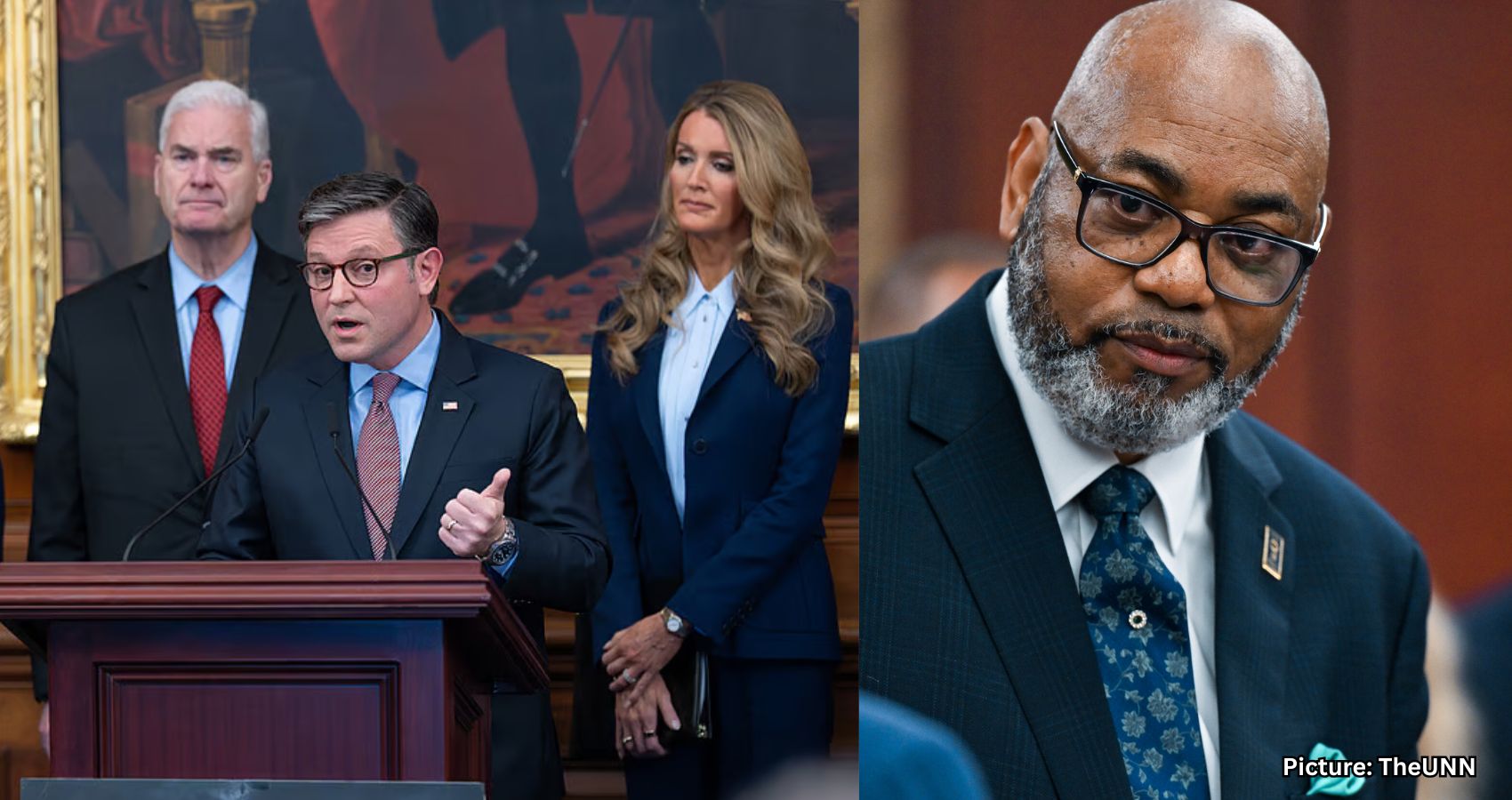
FBI Ends Partnership with Anti-Defamation League Amid Conservative Criticism

The FBI has severed its ties with the Anti-Defamation League, citing accusations of the organization spying on conservatives amid a backlash from prominent right-wing figures.

The FBI has officially cut ties with the Anti-Defamation League (ADL), alleging that the organization has engaged in spying on conservatives. This announcement was made by FBI Director Kash Patel on Wednesday, following criticism from notable conservatives, including Elon Musk, regarding the ADL’s classification of the late right-wing activist Charlie Kirk in its “Glossary of Extremism and Hate.”

In his statement, Patel highlighted the ADL’s connections to former FBI Director James Comey, who has been a vocal critic of former President Donald Trump. Comey was indicted last week on charges of obstruction and lying to Congress. Patel emphasized, “This FBI won’t partner with political fronts masquerading as watchdogs,” in a post on social media.

Comey, during a 2014 speech at the ADL’s National Leadership Summit, praised the organization for its contributions to law enforcement training. He noted that the FBI had made the ADL’s Law Enforcement and Society training mandatory for its personnel and collaborated with the group to create a “Hate Crimes Training Manual.” Comey described the ADL’s expertise in investigating hate crimes as “essential” and its training as “eye-opening and insightful.”

While Patel did not specifically mention Kirk in his announcement, it came shortly after the ADL removed over 1,000 references to alleged extremism associated with him. The ADL stated that the decision was made because many of the terms were outdated and that some entries had been “intentionally misrepresented and misused.”

The ADL has previously characterized Kirk and his organization, Turning Point USA (TPUSA), as promoting “Christian nationalism” and espousing various conspiracy theories related to election fraud and COVID-19. The organization also claimed that TPUSA attracted racists and that its representatives had made “bigoted remarks” about minority groups and the LGBTQ community. Additionally, it noted that white nationalists had attended TPUSA events, despite the group’s claims of rejecting white supremacist ideology.

Kirk, who was vocal in his criticisms of the ADL while alive, labeled the organization a “hate group that dons a religious mask to justify stoking hatred of the left’s enemies.” In response to Patel’s recent statement, the ADL expressed its “deep respect” for the FBI and for law enforcement officers dedicated to protecting all Americans, regardless of their ancestry, religion, ethnicity, faith, or political affiliation. The ADL reaffirmed its commitment to combating antisemitism, especially in light of a significant increase in such incidents.

Critics of the ADL, including some on the left, have accused the organization of attempting to align itself with conservative figures. They argue that the ADL has been quick to criticize leftist individuals, particularly those who oppose Israeli policies, while offering milder rebukes to Trump associates who have faced allegations of antisemitism.

This severance of ties between the FBI and the ADL marks a significant shift in the relationship between the two organizations, reflecting the growing polarization in American political discourse and the complexities surrounding issues of extremism and hate.

Source: Original article

Taiwan Declines U.S. Proposal to Relocate Semiconductor Production

Taiwan has rejected a U.S. proposal to locally manufacture half of the chips it supplies, signaling a firm stance on its semiconductor production strategy.

Taiwan has firmly declined Washington’s proposal to locally manufacture half of the chips it currently supplies to the United States, according to the island’s top trade negotiator.

Cheng Li-chiun, who also serves as Taiwan’s vice premier, addressed reporters on Wednesday, stating that the suggestion for a “50-50” split in semiconductor production was never even discussed. Her comments came after returning from trade talks in the U.S., as reported by Taiwan’s Central News Agency.

The U.S. has been in discussions with Taipei regarding this “50-50” production model, which aims to reduce American reliance on Taiwanese semiconductor manufacturing. Commerce Secretary Howard Lutnick mentioned in a recent interview with NewsNation that currently, 95% of U.S. demand for chips is met by production within Taiwan.

“My objective, and this administration’s objective, is to get chip manufacturing significantly onshored — we need to make our own chips,” Lutnick stated. “The idea that I pitched [to Taiwan] was, let’s get to 50-50. We’re producing half, and you’re producing half.”

However, this proposal has faced backlash from Taiwanese politicians. Eric Chu, chairman of the Kuomintang, Taiwan’s principal opposition party, condemned the idea as “an act of exploitation and plunder.” He emphasized that “no one can sell out Taiwan or TSMC,” referring to the Taiwan Semiconductor Manufacturing Company, which is a global leader in advanced chip manufacturing.

The backdrop to these discussions includes the U.S. imposing a 32% tariff on select Taiwanese exports, effective April 9. This move is part of a broader strategy to address significant trade imbalances. The tariffs were announced after President Donald Trump implemented a universal 10% tariff on all imports starting April 5, with additional tariffs for countries with large trade surpluses. Taiwan’s electronic components, high-tech machinery, and industrial goods were primarily targeted, although semiconductors and other critical sectors were exempted to maintain strategic economic interests.

The Taiwanese government has strongly opposed these tariffs, labeling them “deeply unreasonable” and warning of potential negative impacts on its economy. Forecasts indicated that the tariffs could slow Taiwan’s GDP growth by as much as 1.6 percentage points, raising concerns about supply chain disruptions and diminished competitiveness in the U.S. market.

Instead of retaliating, Taiwan has opted for a diplomatic approach focused on negotiation and cooperation. Taiwanese officials have engaged in talks with the U.S. to seek tariff reductions and explore expanded bilateral industrial partnerships, particularly in high-tech sectors.

Taiwan’s “Taiwan model” emphasizes strategic investment, government support, and the development of Taiwan-U.S. industrial clusters to strengthen economic ties while minimizing supply chain relocations. President Lai Ching-te has also announced plans to purchase $10 billion in U.S. agricultural goods, signaling a commitment to cooperation amid ongoing tensions.

The rejection of the proposed 50-50 chip production split has significant implications for America’s technology and national security strategy. The U.S. has been striving to reduce its reliance on foreign semiconductor manufacturing, particularly from Taiwan, which currently produces over 60% of the world’s chips and more than 90% of the most advanced ones. A 50-50 production model was viewed as a step toward reshoring critical infrastructure and mitigating risks associated with geopolitical tensions with China.

With Taiwan unwilling to divide production evenly, the U.S. faces a more challenging path toward achieving chip independence. The country will need to rely more heavily on domestic incentives, such as the CHIPS Act, to attract investment and scale up manufacturing at home. Taiwan’s stance also highlights its willingness to partner strategically, but it will not relinquish control over its competitive edge.

This rejection may further strain trade negotiations, particularly regarding tariff reductions that the U.S. has linked to deeper semiconductor cooperation. Ultimately, the U.S. must now reconsider how to build resilience in its chip supply chain, potentially by diversifying partnerships beyond Taiwan, accelerating domestic fabrication development, and investing in workforce and research and development, without expecting foreign partners to significantly shift production offshore.

Source: Original article

Elon Musk Becomes First Individual to Reach $500 Billion Net Worth

Elon Musk has become the first individual to surpass a net worth of $500 billion, driven by his leadership in Tesla, SpaceX, and other innovative ventures.

Elon Musk, the CEO of Tesla and SpaceX, has reached a historic milestone by becoming the first person to achieve a net worth exceeding $500 billion. This remarkable feat comes as the values of his companies have surged in recent months, reflecting his influence in the technology and energy sectors.

Musk first garnered significant attention as a co-founder of Zip2, a software company that provided business directories and maps for newspapers. The company was sold for nearly $300 million, marking the beginning of Musk’s journey in the tech industry. He later founded X.com, an online payment platform that evolved into PayPal, which was acquired by eBay for $1.5 billion in 2002.

According to the Forbes billionaires index, Musk’s net worth briefly peaked at $500.1 billion on a Wednesday afternoon in New York, before settling slightly below that mark later in the day.

As the CEO and lead designer of SpaceX, Musk has focused on reducing the costs of space transportation and enabling the colonization of Mars. His vision for space exploration has positioned SpaceX as a leader in the aerospace industry. Additionally, as the CEO and product architect of Tesla, Musk has revolutionized the electric vehicle market, making sustainable energy solutions more accessible and popular worldwide.

Beyond his work with Tesla and SpaceX, Musk has initiated several other ambitious projects. Neuralink, for instance, aims to develop brain-computer interfaces, while The Boring Company seeks to alleviate urban traffic through innovative underground tunnel systems. Musk was also involved in the early development of OpenAI, advocating for advancements in artificial intelligence and renewable energy solutions.

In recent months, the valuations of Musk’s other ventures, including the artificial intelligence startup xAI and SpaceX, have also seen significant increases, contributing to his overall wealth.

While Musk is celebrated for his visionary ideas and groundbreaking innovations, he is also a polarizing figure. His management style has drawn criticism, yet his impact on technology and industry remains profound. Musk’s relentless pursuit of innovation continues to shape the future of transportation, energy, and space exploration, inspiring new possibilities for humanity.

Musk’s journey from a tech entrepreneur to one of the wealthiest and most influential individuals in the world underscores his significant contributions across various industries. His leadership at Tesla and SpaceX has pushed the boundaries of what is possible, while his ventures into brain-computer interfaces, urban infrastructure, and artificial intelligence reflect his diverse ambitions to transform technology and enhance human life.

Despite the controversies surrounding his leadership style and public persona, Musk’s unwavering commitment to innovation serves as a testament to the power of bold thinking and determination in shaping the modern technological landscape.

Source: Original article

AAPI Announces 2026 Global Healthcare Summit in Bhubaneshwar, India

Focus on Tuberculosis Eradication, Diabetes, Ayurveda, and Healthcare Technology

amit ghsCHICAGO, IL — The American Association of Physicians of Indian Origin (AAPI) has unveiled plans for its 19th Annual Global Healthcare Summit (GHS), scheduled for January 9–11, 2026, in Bhubaneshwar, Orissa. The event is set to address urgent health issues including Tuberculosis (TB), Diabetes, and the role of Ayurveda in contemporary medicine, alongside showcasing advancements in artificial intelligence and healthcare technology.

AAPI President Dr. Amit Chakrabarty stated that the summit aims to confront some of India’s most significant healthcare challenges while encouraging collaboration and innovation among medical professionals. “This summit will bring together expertise from India and the global diaspora to tackle critical issues and foster new research,” Dr. Chakrabarty said.

Summit Priorities: TB Eradication, Diabetes, Ayurveda, and Technology

The summit’s agenda spotlights three main themes: eradicating Tuberculosis, managing Diabetes, and integrating Ayurveda into mainstream medical practice. Following a meeting with Indian President Droupadi Murmu, AAPI pledged support to the national effort for a TB-Free Tribal India, led by Dr. Manoj Jain. Diabetes management initiatives will be directed by Dr. Smitha Joshi, while Ayurveda Consortium activities will be coordinated by Dr. Amit Shah and Dr. Arti Prasad.

“AAPI’s Global Healthcare Summit is dedicated to making quality healthcare both affordable and accessible in India,” said Dr. Amit Chakrabarty, President of AAPI. This year, the summit also emphasizes cutting-edge technology and artificial intelligence as transformative tools for patient care.

Academic Excellence and Distinguished Participation

The summit will feature keynote speeches and academic sessions led by top physicians and researchers from India and abroad. Topics will include new medical advancements, Continuing Medical Education (CME), Evidence-Based Learning (ELS), research methodology, and scientific writing. Medical Jeopardy competitions and research poster presentations are expected to draw participation from leading Indian medical schools, with panel discussions led by international experts and officials from the National Medical Council Board.

Global and National Health Challenges on the Agenda

GHS 2026 expands its focus to chronic disease prevention, rural health, climate change, and global health concerns. The CEO Forum will address equity, ethics, and physician burnout, while the Women’s Forum will discuss gender bias and leadership in medicine. Dr. Manoj Jain will present ongoing efforts of the CETI (Collaboration to Eliminate TB in India), with support from the CDC and USAID, offering updates on TB elimination projects and strategies for future engagement. Additional activities include CPR training, mental health awareness campaigns, and initiatives to combat childhood obesity and non-communicable diseases.

Networking, Collaboration, and Strategic Engagement

The summit also provides opportunities for alumni networking, strategic engagement between AAPI and Indian partners, and recognition of outstanding contributions through AAPI Awards. Efforts in diabetes prevention and TB eradication will be highlighted, reinforcing AAPI’s commitment to public health initiatives.

“AAPI GHS is an unmatched opportunity to connect with leaders shaping the future of healthcare,” said Dr. Meher Medavaram, President-Elect of AAPI. “We look forward to launching new initiatives and continuing the legacy of our organization’s leaders.”

Leadership, Legacy, and India’s Healthcare Growth

AAPI’s membership includes prominent medical professionals holding leadership roles worldwide. Vice President Dr. Krishan Kumar noted, “Collaborative relationships fostered by AAPI have paved the way for an exceptional event, with over 300 Indian-origin physicians and surgeons expected to attend.”

Secretary Dr. Seema Arora emphasized AAPI’s mission to advance healthcare delivery in both the US and India by promoting partnerships and sharing knowledge. Treasurer Dr. Soumya Neravetla highlighted the importance of support from international and Indian medical associations in driving the summit’s evolution.

India’s healthcare sector is undergoing rapid expansion with growing investments and medical tourism. The summit’s international attendance and participation from hundreds of US-based physicians underscore the importance of global collaboration for advancing healthcare in India. Since its inception in 2007, the Global Healthcare Summit has been instrumental in building alliances and driving medical progress across the country.

“We anticipate active involvement from international healthcare industry leaders in research, development, and philanthropy,” said Dr. Chakrabarty. “GHS 2026 will be a milestone event for exchanging ideas, influencing policy, and shaping next year’s healthcare agenda.”

Registration and additional information are available at www.aapiusa.org. Physicians and healthcare professionals worldwide are invited to attend the summit in Bhubaneshwar, Orissa, January 9–11, 2026, to help define the future of global health.

For more details, please visit: www/aapiusa.org

India vs West Indies 1st Test Day 2: Injury Concerns Amid Jurel-Jadeja Partnership

India’s cricket team surpassed the 300-run mark on Day 2 of the first Test against West Indies, driven by a strong partnership between Dhruv Jurel and Ravindra Jadeja.

In the ongoing first Test match against the West Indies, India has made significant strides on Day 2, surpassing the 300-run mark. The innings has been bolstered by a formidable partnership between Dhruv Jurel and Ravindra Jadeja, who have been instrumental in building a strong total for their team.

As the match progresses, the duo’s performance has become a focal point, showcasing their ability to handle pressure and contribute effectively to the team’s score. Their partnership has not only added runs but also provided stability to the Indian batting lineup.

With the West Indies facing challenges on the field, the Indian players are capitalizing on the opportunities presented to them. The combination of Jurel’s aggressive batting and Jadeja’s steady approach has made it difficult for the West Indies bowlers to break through.

As the day unfolds, all eyes will be on how the partnership develops and whether they can convert their promising start into a substantial score. The match continues to be an exciting contest, with both teams vying for dominance.

According to NDTV Sports, the performance of Jurel and Jadeja will be crucial as India looks to build a commanding lead in this Test series.

Source: Original article

Pot and Gaming Combination May Present Hidden Health Risks, Researchers Warn

New research indicates that the combination of synthetic cannabinoid use and gaming disorders may heighten the risk of severe psychotic symptoms, particularly among younger individuals.

Recent studies have drawn attention to the potential mental health risks associated with the combination of cannabis use and video gaming. While many may view smoking marijuana and playing video games as a relaxing pastime, research suggests that both activities are linked to psychosis, raising concerns about their impact on mental health.

During a segment on “America Reports,” Fox News’ Alexis McAdams highlighted data from the National Institutes of Health (NIH) indicating that young men who use marijuana are particularly vulnerable to developing psychotic disorders, such as schizophrenia. This information has been connected to recent violent incidents across the United States, including the mass shooting at Annunciation Catholic Church in Minneapolis. The shooter, Robin Westman, reportedly worked at a cannabis dispensary and frequently mentioned his marijuana use to friends.

Similarly, officials confirmed that Johsua Jahn, the shooter involved in the Dallas ICE incident, was a heavy cannabis user. Friends noted that he was “obsessed with sitting at home, smoking weed, and playing video games,” logging over 10,000 hours of gameplay, much of it in violent shooting games. Investigators also reported that Tyler Robinson, the suspect in the assassination of Charlie Kirk, had logged nearly 5,000 hours of solo gameplay before allegedly opening fire.

As discussions continue regarding the potential reclassification of marijuana as a Schedule III drug, emphasizing its medicinal benefits, the implications of cannabis and gaming on mental health remain a pressing concern.

A June 2023 study published in the journal *Psychopathology* explored the relationship between gaming disorders—characterized as addictive behavioral disorders—and psychotic disorders. The findings suggested that excessive gaming could trigger psychotic episodes in some individuals, particularly when their gaming habits are disrupted. However, researchers noted a significant gap in understanding how these two disorders interact.

Another study published in *BMC Psychiatry* in 2023 identified insomnia and cyberbullying as critical factors linking gaming and psychotic disorders. The researchers concluded that preventing sleep deprivation and addressing cyberbullying could reduce the risk of developing psychotic symptoms.

Further research published in *Frontiers in Psychiatry* in 2024 indicated that adolescents and young adults are more likely to engage in “problematic gaming” compared to adults. This demographic also exhibited similar psychiatric comorbidities, including autism, ADHD, and problematic gambling behaviors. Recent studies have underscored an increased risk of psychosis among certain cannabis users. An April study in *JAMA Psychiatry* found a correlation between cannabis use disorder and heightened dopamine activity in brain pathways associated with psychosis, suggesting a biological basis for the increased risk.

A September 2025 study published in the *Journal of Psychiatric Research* compared psychotic symptoms, dissociation, and alexithymia—difficulty in identifying and expressing emotions—among non-cannabis users, natural cannabis users, and synthetic cannabinoid users. The results revealed that synthetic cannabinoid users experienced more severe psychotic symptoms and dissociative symptoms, with limited improvement over time. In contrast, natural cannabis users showed some improvement in dissociative symptoms, while non-users exhibited higher negative symptoms that improved over a six-month period.

The researchers concluded that synthetic cannabinoids are linked to more severe and persistent psychotic symptoms and emotional dysregulation compared to natural cannabis. They emphasized the need for targeted interventions to address emotional regulation and salience processing in cases of cannabis-related psychosis.

Research indicates that both gaming and cannabis use have a more pronounced impact on the mental health of younger individuals. A 2022 NIH study found that general substance use among children under 17 years old posed a greater risk of psychotic-like experiences. The researchers advocated for early detection and intervention strategies for both substance use and psychotic-like experiences to mitigate long-term adverse outcomes.

In an interview with Fox News Digital, psychotherapist Jonathan Alpert noted that both marijuana use and excessive gaming can “tax the brain in similar ways.” He explained that cannabis has been linked to an increased risk of psychosis, particularly in younger individuals or those with a family history of mental illness. Excessive gaming can disrupt sleep patterns, increase social isolation, and create a cycle of stress and withdrawal.

Alpert warned that when these habits occur simultaneously, the risks can multiply. Poor sleep, altered brain chemistry, and a detachment from real-world coping skills can converge to heighten vulnerability to paranoia, distorted thinking, or even psychotic episodes. He emphasized that the lifestyle surrounding these habits—characterized by late nights, poor diet, lack of exercise, and limited face-to-face interaction—is often overlooked.

He concluded, “All of this compounds the strain on the brain. The result is a higher risk for psychosis and weakened overall mental health.” While not every gamer or cannabis user is at risk, the combination of these behaviors can create an unhealthy lifestyle that increases vulnerability to serious mental health consequences.

Source: Original article

Google Releases Update for Chrome to Address Zero-Day Vulnerability

Google has issued an urgent update for Chrome to address a critical zero-day vulnerability, marking the sixth such incident in 2025, as hackers exploit security flaws in the browser.

Google has released an urgent update for its Chrome browser to address a newly discovered zero-day security flaw that is currently being exploited by hackers. This incident marks the sixth zero-day vulnerability that Chrome has faced in 2025, underscoring the rapid pace at which attackers are able to exploit hidden weaknesses in software.

The vulnerability, identified as CVE-2025-10585, originates from a type confusion issue within Chrome’s V8 JavaScript engine. The flaw was discovered by Google’s Threat Analysis Group (TAG), which reported the issue on Tuesday. The company promptly rolled out a fix the following day, as reported by Bleeping Computer.

Google confirmed that this flaw is actively being exploited in the wild, although it has not disclosed specific technical details or identified the groups responsible for the attacks. TAG has a history of uncovering zero-day vulnerabilities linked to government-sponsored spyware campaigns, often targeting high-risk individuals such as journalists, opposition leaders, and dissidents.

The patch has been delivered through Chrome version 140.0.7339.185/.186 for Windows and macOS, and version 140.0.7339.185 for Linux. These updates will gradually reach all users in the Stable Desktop channel over the coming weeks.

While Chrome typically updates automatically, users can manually apply the patch by navigating to the ‘About Google Chrome’ section. Google has chosen to withhold full technical details until a majority of users have installed the update, a precaution aimed at preventing further exploitation of unpatched systems.

This latest vulnerability is part of a concerning trend, as it is the sixth zero-day flaw that Google has patched in Chrome this year. Earlier this year, in March, Google addressed CVE-2025-2783, a sandbox escape bug that was exploited in espionage attacks against Russian organizations. In May, the company released emergency updates for CVE-2025-4664, which allowed attackers to hijack user accounts. In June, another flaw in the V8 engine, CVE-2025-5419, was patched after being identified by TAG. July saw the release of a fix for CVE-2025-6558, which enabled attackers to bypass Chrome’s sandbox protection.

As Google continues to address these vulnerabilities, it is clear that the company is racing to secure its browser against rapidly emerging threats. Updating Chrome is a quick process, whether on Mac or Windows, and users are encouraged to take action immediately.

In addition to updating Chrome, users can take further steps to protect themselves from potential attacks. Many zero-day exploits are delivered through malicious websites or email attachments, so it is crucial to avoid clicking on unknown links or downloading files from unverified sources. Using strong antivirus software can provide an additional layer of defense, helping to detect malicious code that may attempt to run through compromised browsers.

Even if attackers manage to steal login credentials through a browser exploit, enabling two-factor authentication (2FA) can significantly hinder their ability to access accounts. Users are advised to utilize an authenticator app instead of SMS for stronger protection. Additionally, employing a password manager can help keep credentials secure and generate unique, complex passwords, preventing a domino effect if one account is targeted.

It is also advisable for users to check if their email addresses have been exposed in previous data breaches. Many password managers include built-in breach scanners that can alert users if their information has appeared in known leaks. If a match is found, it is essential to change any reused passwords and secure those accounts with new, unique credentials.

While Chrome updates are critical, it is important to remember that attackers can also exploit vulnerabilities in operating systems such as Windows, macOS, Android, or iOS. Regular updates to these systems can patch vulnerabilities across the board, reducing the likelihood of a browser exploit spreading further.

The frequency of zero-day attacks on Chrome this year highlights the relentless nature of cyber threats and the serious gaps that can exist in even the most widely used software. These vulnerabilities represent not just bugs, but opportunities for hackers to exploit millions of users before fixes can be deployed. The growing sophistication of threat actors, including state-sponsored groups targeting high-risk individuals, further complicates the landscape of online security.

As the battle to secure popular software continues, users are encouraged to stay vigilant and proactive in protecting their personal information. Do you think Google is responding quickly enough to safeguard your data? Share your thoughts with us.

Source: Original article

Harvard Physicist Suggests Interstellar Object May Be Alien Probe

Harvard physicist Dr. Avi Loeb suggests that the interstellar object 3I/ATLAS, discovered recently, may be an alien probe due to its unusual characteristics and trajectory.

A massive interstellar object, known as 3I/ATLAS, has recently caught the attention of astronomers as it travels through our solar system. Its peculiar features have led Harvard physicist Dr. Avi Loeb to propose that it could be more than just a typical comet.

“Maybe the trajectory was designed,” Dr. Loeb stated in an interview with Fox News Digital. He speculated that the object could be on a reconnaissance mission, potentially sending mini probes to nearby planets or monitoring them. “It seems quite anomalous,” he added.

3I/ATLAS was first detected in early July by the Asteroid Terrestrial-impact Last Alert System (ATLAS) telescope located in Chile. This discovery marks only the third time an interstellar object has been observed entering our solar system, according to NASA.

While NASA has classified 3I/ATLAS as a comet, Dr. Loeb pointed out that images of the object reveal an unexpected glow appearing in front of it, rather than the typical tail that comets exhibit. “Usually with comets, you have a tail, a cometary tail, where dust and gas are shining, reflecting sunlight, and that’s the signature of a comet,” he explained. “Here, you see a glow in front of it, not behind it.”

Measuring approximately 20 kilometers across, 3I/ATLAS is larger than Manhattan and is notably bright for its distance from the sun. However, Dr. Loeb emphasized that its most striking characteristic is its trajectory.

“If you imagine objects entering the solar system from random directions, just one in 500 of them would be aligned so well with the orbits of the planets,” he said. The object originates from the center of the Milky Way galaxy and is expected to pass near Mars, Venus, and Jupiter, which Dr. Loeb noted is highly improbable to occur by chance. “It also comes close to each of them, with a probability of one in 20,000,” he remarked.

According to NASA, 3I/ATLAS will reach its closest point to the sun—approximately 130 million miles away—on October 30. Dr. Loeb expressed the potential implications of the object, stating, “If it turns out to be technological, it would obviously have a big impact on the future of humanity. We have to decide how to respond to that.”

In a related note, astronomers from the Minor Planet Center at the Harvard-Smithsonian Center for Astrophysics previously confused a Tesla Roadster launched into orbit by SpaceX CEO Elon Musk with an asteroid, highlighting the complexities of identifying celestial objects.

A spokesperson for NASA did not immediately respond to a request for comment regarding the findings related to 3I/ATLAS.

Source: Original article

Trump’s Second Term Could Bring Major Immigration Overhaul

A recent report reveals that the Trump administration’s immigration policies threaten the foundations of American democracy, marking a significant overhaul in the first six months of his second term.

WASHINGTON, D.C., July 23, 2025 — A special report released today provides an in-depth analysis of the Trump administration’s first six months back in office, revealing a dramatic transformation of the U.S. immigration system that undermines the very principles of American democracy. While some voters may have supported a “tougher” stance on immigration during the election, the report indicates that the administration’s extreme measures extend far beyond mere policy changes; they pose a direct threat to the rule of law.

Titled Mass Deportation: Analyzing the Trump Administration’s Attacks on Immigrants, Democracy, and America, the report was published by the American Immigration Council on July 23. It outlines how the administration has launched a radical, multi-faceted assault on immigrants and the immigration framework.

The report details several actions taken by the Trump administration, including restricting entry into the United States, stripping legal protections from those already residing in the country, and escalating enforcement to unprecedented levels. These measures have dismantled long-standing legal safeguards, defied the authority of Congress and the courts, and weaponized government resources against immigrants and dissenters alike.

“This isn’t just a hardline immigration agenda,” said Nayna Gupta, policy director at the American Immigration Council and co-author of the report. “It’s a wholesale effort to use immigrants and the U.S. immigration system to attack core tenets of our democracy and exercise unchecked executive power to realign the American government around exclusion and fear.”

Key findings from the report highlight several alarming trends:

The end of asylum: The report states that asylum at the southern border is effectively non-existent. The administration has shut down the CBP One application without providing an alternative. Asylum-seekers approaching a port of entry are often turned away, and some are detained indefinitely, even after winning their cases.

Demolishing the refugee program: The U.S. Refugee Admissions Program has been indefinitely suspended, with the exception of white South Africans who have been fast-tracked under questionable persecution claims. This has left tens of thousands of approved refugees stranded abroad.

Mass revocation of legal status: Over one million individuals have had their humanitarian parole and Temporary Protected Status (TPS) revoked in just six months, stripping them of work permits and pushing many into undocumented status.

Weaponizing bureaucracy: The report notes that legal immigration pathways are being obstructed by significant fee increases, processing freezes, and opaque barriers, making it nearly impossible for lawful applicants to obtain or maintain their status.

A maelstrom of fear and chaos: The aggressive enforcement tactics employed by the Trump administration have instilled a constant sense of fear among immigrants of all legal statuses. Individuals can be targeted for arrest, detention, and deportation anywhere, including at churches, schools, and courthouses.

A radical reorganization of law enforcement resources: The administration is establishing an unprecedented, cross-agency immigration operation that utilizes manpower from various federal and state law enforcement agencies and the U.S. military, prioritizing immigration enforcement above all other public safety objectives.

Turbocharging an inhumane detention system: The “Big Beautiful Bill Act,” enacted in July, increases the budget for Immigration and Customs Enforcement (ICE) detention by 308 percent annually. This funding boost sets the stage for a radical expansion of a detention system already criticized for its careless and cruel management, which has placed tens of thousands of immigrants in life-threatening conditions.

The report includes powerful firsthand accounts from individuals affected by these policies. Ilia, a nonbinary Russian dissident, won their asylum case in court but remained in detention for over a year without a release date. Axel, a DACA recipient and youth leader, has chosen to abandon his job to return to school amid uncertainty regarding his legal status. Beatriz, an immigrant lawyer advocating for noncitizen children, has encountered cases that resonate with her own journey to the U.S., including a confused six-year-old who appeared in court without representation. Kaelyn is incurring debt to prevent her partner from being deported to El Salvador’s megaprison under the Alien Enemies Act.

The report warns that while some policies may shift in response to legal challenges, the administration’s broader agenda remains clear: to permanently redefine who belongs in America and how power is exercised by the federal government.

“The administration’s policies are reshaping the immigration system in ways that are unfair, unlawful, and out of step with core American values,” said Dara Lind, senior fellow at the Council and co-author of the report. “We’re witnessing real harm to families, communities, and the rule of law, and the public deserves to understand what’s at stake.”

The full report is available for review, and interviews with experts and individuals impacted by these policies can also be arranged.

Source: Original article

Dubai Police Look Into Mohsin Naqvi Regarding Asia Cup Trophy Dispute

The Asia Cup 2025 final has led to a dispute involving the trophy, prompting an investigation into Mohsin Naqvi by Dubai Police after India refused to accept the award.

Dubai, October 2, 2025 — The Asia Cup 2025 final, featuring a highly anticipated match between India and Pakistan, has ignited controversy beyond the cricket field. The tournament trophy has become the focal point of a dispute following India’s victory in the match.

After clinching the title, the Indian cricket team declined to accept the trophy from Mohsin Naqvi, the President of the Asian Cricket Council (ACC) and Chairman of the Pakistan Cricket Board (PCB). The team cited concerns regarding Naqvi’s political affiliations and the prevailing tensions between India and Pakistan as reasons for their refusal.

In the aftermath of the incident, reports emerged indicating that Naqvi took the trophy and medals with him, leading the Board of Control for Cricket in India (BCCI) to lodge a formal complaint with Dubai Police. The BCCI has issued a 72-hour ultimatum for the return of the trophy, warning that failure to comply could result in legal action, including the possibility of arrest.

Naqvi has publicly asserted that the trophy is still in his possession and that the Indian team is welcome to retrieve it from the ACC office. He has denied any allegations of wrongdoing and confirmed that no apology has been extended to the BCCI.

This incident has sparked a broader discussion surrounding sportsmanship, diplomacy, and the management of international sporting events. Cricket officials and authorities are currently exploring both legal and diplomatic avenues to address the situation.

The ongoing investigation by Dubai Police highlights the complexities that can arise in sports, particularly when intertwined with political issues. As the situation develops, stakeholders from both countries are keenly observing the outcome and its implications for future sporting events.

According to Global Net News, the resolution of this dispute could set a precedent for how similar incidents are handled in the future.

Source: Original article

U.S. Private Sector Sees Unexpected Job Losses in September, ADP Reports

The U.S. private sector experienced an unexpected job loss of 32,000 positions in September 2025, the largest decline since March 2023, according to the latest ADP report.

Washington, D.C. — The U.S. private sector saw an unexpected decline in employment in September 2025, shedding 32,000 jobs. This marks the largest drop in employment since March 2023, as analysts had anticipated a modest increase of 50,000 jobs for the month.

Small and medium-sized businesses were particularly affected, collectively losing 40,000 positions. In contrast, large firms managed to add 33,000 jobs during the same period. This divergence highlights the ongoing challenges faced by smaller enterprises in the current economic climate.

Key sectors that experienced job losses included leisure and hospitality, professional services, and financial activities. Conversely, the education and health services sectors saw modest gains, indicating a mixed performance across different areas of the economy.

Despite the overall decline in employment, wage growth remained robust. Job switchers, or those changing jobs, experienced a 6.6% increase in wages, the highest rate observed in a year. This suggests that while the job market may be contracting in certain sectors, competition for talent remains strong, driving up wages for those willing to make a change.

The report comes at a time when the U.S. government is facing a shutdown, which has delayed the release of official jobs data from the Bureau of Labor Statistics. As a result, this ADP report serves as one of the few available indicators of the labor market’s current state.

Economists have cautioned that while the data from the ADP report provides valuable insights, it may not fully capture the broader economic picture. The complexities of the labor market, influenced by various external factors, mean that a single report may not provide a complete understanding of employment trends.

As the economy continues to navigate these challenges, stakeholders will be closely monitoring future reports for signs of recovery or further decline in the job market.

Source: Original article

Who Is Deported in the United States and Why?

Research reveals that over 96% of deportation orders in the U.S. target individuals from non-white countries, highlighting systemic racial biases in immigration policies.

Who gets deported in the United States? A recent report from the UCLA Center for Immigration Law and Policy, in collaboration with Million Dollar Hoods, sheds light on this pressing issue. The findings indicate a troubling trend: over 96% of deportation orders issued from 1895 to 2022 were directed at individuals from non-white countries.

During a briefing on September 19, hosted by American Community Media, experts involved in the project, titled Mapping Deportations, presented insights into their interactive maps and visualizations. These tools trace the history of deportation policies back to 1895, revealing patterns of racial bias that persist today.

The panel included prominent figures such as Kelly Lytle Hernández, the Thomas E. Lifka Endowed Chair in History at UCLA and founding director of Million Dollar Hoods; Mariah Tso, a G.I.S. Specialist at UCLA; and Ahilan Arulanantham, Faculty Co-Director at the Center for Immigration Law and Policy at UCLA School of Law.

The interactive maps allow users to delve into data by year and region, as well as by categories such as race, country, and enforcement tactics. These visualizations incorporate context-rich quotes from lawmakers, highlighting the racial and ideological biases that underpin immigration policies. Features like racing bar charts and log-scale transformations make complex data more accessible and comprehensible. The website connects historical deportation data to current immigration policies, providing a clearer understanding of long-standing systemic patterns of racial discrimination.

According to Hernández, the website’s foundation lies in three significant forced migrations that shaped modern America: the expulsion of Native nations, the transatlantic slave trade, and contemporary mass deportations. While maps and visualizations exist for the removal of Native nations and the slave trade, there has been a notable absence of data on mass deportation.

“I knew, as a historian, that there had been more than 50 million deportation orders in U.S. history, which is a mind-boggling number, but no one had really scraped the data and created a dynamic map showing over time the patterns of deportation,” Hernández explained.

The goal of the website, according to Arulanantham, is to serve as an educational tool that presents a more honest narrative of immigration law and policy history, telling a rich, contextual story that has often been overlooked.

In collaboration with lead cartographer Mariah Tso, the researchers meticulously mapped every deportation order from 1895 to 2022. Tso noted that the data reveals a consistent pattern: over 96% of deportation orders have targeted predominantly non-white countries, reflecting policies steeped in racism.

The visualizations utilize publicly available data from federal authorities, mapping immigration statistics and deportation orders by country or region. Each dot on the map represents deportation orders, with larger dots indicating higher numbers of orders. Historically, prior to 1934, authorities tracked deportations by race or ethnicity, while post-1934, the focus shifted to nationality.

Notably, Mexico has consistently led in the number of deportation orders since 1916.

Arulanantham, who has dedicated 25 years to challenging federal immigration policies on behalf of immigrants and their rights, expressed concern over the stark racial discrimination evident in immigration policy, even under the Biden administration. He cited the Title 42 program, which excluded individuals from the U.S. based on COVID-19 concerns, applying it harshly to Haitians, Afghans, and Central Americans, while allowing virtually all Ukrainians to enter.

“There’s obvious racial discrimination even now that’s driving who gets to come in and also who gets deported,” Arulanantham stated, referencing quotes from lawmakers across different eras. He highlighted former President Donald Trump’s infamous remark regarding immigrants from Haiti and other countries, questioning, “Why are we having people from shithole countries coming here?”

The historical roots of racial discrimination in immigration laws can be traced back to a 1929 law motivated by eugenic ideologies, which remains influential today.

The website provides a historical overview of deportation data organized into five major eras, illustrating the laws enforced, communities targeted, and changing enforcement priorities. Hernández noted that from 1790 to 1875, during the period of slavery before the Civil War, the U.S. immigration system was designed to maintain a white-dominated republic, targeting free black migrants for exclusion.

From 1876 to 1929, the federal government sought to establish a whites-only immigration regime, excluding and punishing non-white immigrants. Despite these efforts, black and non-white immigration persisted, often relegating individuals to low-wage jobs, thereby reinforcing racial hierarchies.

During the Cold War, Congress continued to uphold the whites-only immigration system. Hernández pointed out that following the 1965 Immigration Act, new laws and Supreme Court rulings perpetuated racism within the immigration system, including the 1975 Brignoni-Ponce decision, which legitimized the use of race in immigration law enforcement.

Since 1991, the U.S. federal government has conducted over 7 million deportations and issued more than 25 million voluntary departure orders, establishing what Hernández describes as the largest immigrant detention and deportation system in the world.

Arulanantham cautioned that the current escalation of U.S. immigration policy echoes sentiments from the 1920s, where fears of “morally contagious” individuals from other countries were prevalent. He noted that racist rhetoric continues to influence public perception, as seen in Trump’s claims about Haitian immigrants and unfounded rumors regarding Venezuelans.

“Racism was baked into the immigration system over time, dating all the way back to the antebellum period, and is yet to be fully purged,” Hernández concluded, emphasizing the need for a critical examination of immigration policies and their historical implications.

Source: Original article

Vinita Gupta, Indian-American Entrepreneur, Announces Memoir The Woman In Deed

Vinita Gupta, a pioneering entrepreneur and the first woman of Indian origin to take a technology company public in Silicon Valley, has released her memoir, “The Woman in Deed: Road to IPO, Bridge Tables and Beyond.”

Vinita Gupta, a trailblazing entrepreneur, has just published her memoir, “The Woman in Deed: Road to IPO, Bridge Tables and Beyond.” As the first woman of Indian origin to take a technology company public in Silicon Valley, Gupta’s story is both inspiring and impactful. The memoir will be launched through a series of events across the United States and India, aimed at engaging with entrepreneurs, students, and thought leaders.

The launch celebration is set for October 5, in collaboration with TiE Silicon Valley. Gupta will participate in a fireside chat with venture capitalist, angel investor, and entrepreneur Kanwal Rekhi at the Computer History Museum in Mountain View, California.

Gupta is not only a prominent figure in Silicon Valley but also the founder and CEO of Digital Link Corporation. In 1994, she made history by becoming the first woman of Indian origin to take a company public in the U.S. on NASDAQ. Her extensive experience includes serving on multiple boards, mentoring aspiring entrepreneurs, and receiving numerous accolades for her leadership in the tech industry. Beyond her business achievements, Gupta is an avid bridge player, having won both national and international championships.

The memoir offers a deeply personal account of Gupta’s journey, chronicling her resilience, leadership, and reinvention. It traces her extraordinary path from her early years in India to her groundbreaking career in the United States.

In addition to her professional accomplishments, Gupta reflects on her experiences as an immigrant and a woman in a predominantly male industry. She shares insights about her long and inspiring partnership with her late husband, Naren Gupta, and her transformation into a national and international bridge champion.

Set against the backdrop of the U.S.–India corridor, “The Woman in Deed” emphasizes how personal narratives can serve as global lessons. It also highlights the transformative role of the Indian diaspora in business, technology, and culture.

The memoir explores several key themes, including:

Entrepreneurship with Purpose: Gupta shares lessons learned from building and scaling a business in Silicon Valley.

Identity & Assimilation: She discusses her perspective on America through Indian eyes while adapting to Western ethics.

Women & Leadership: Gupta navigates the complexities of being a woman in business and the journey of leadership.

Reinvention & Resilience: The memoir reveals how Gupta discovered new passions and lessons through her love for bridge.

Gupta describes her journey as an adventure filled with challenges. “In a way, it was an adventure,” she says. “But it was also about navigating challenges from being an outsider in Silicon Valley, facing personal loss, and learning that resilience, curiosity, and humility matter more than titles or bravado. My hope is that this memoir inspires the next generation to pursue their journeys fearlessly and purposefully.”

As Gupta shares her story, she aims to empower others to embrace their own paths and challenges, demonstrating that success is not solely defined by professional titles but also by personal growth and resilience.

Source: Original article
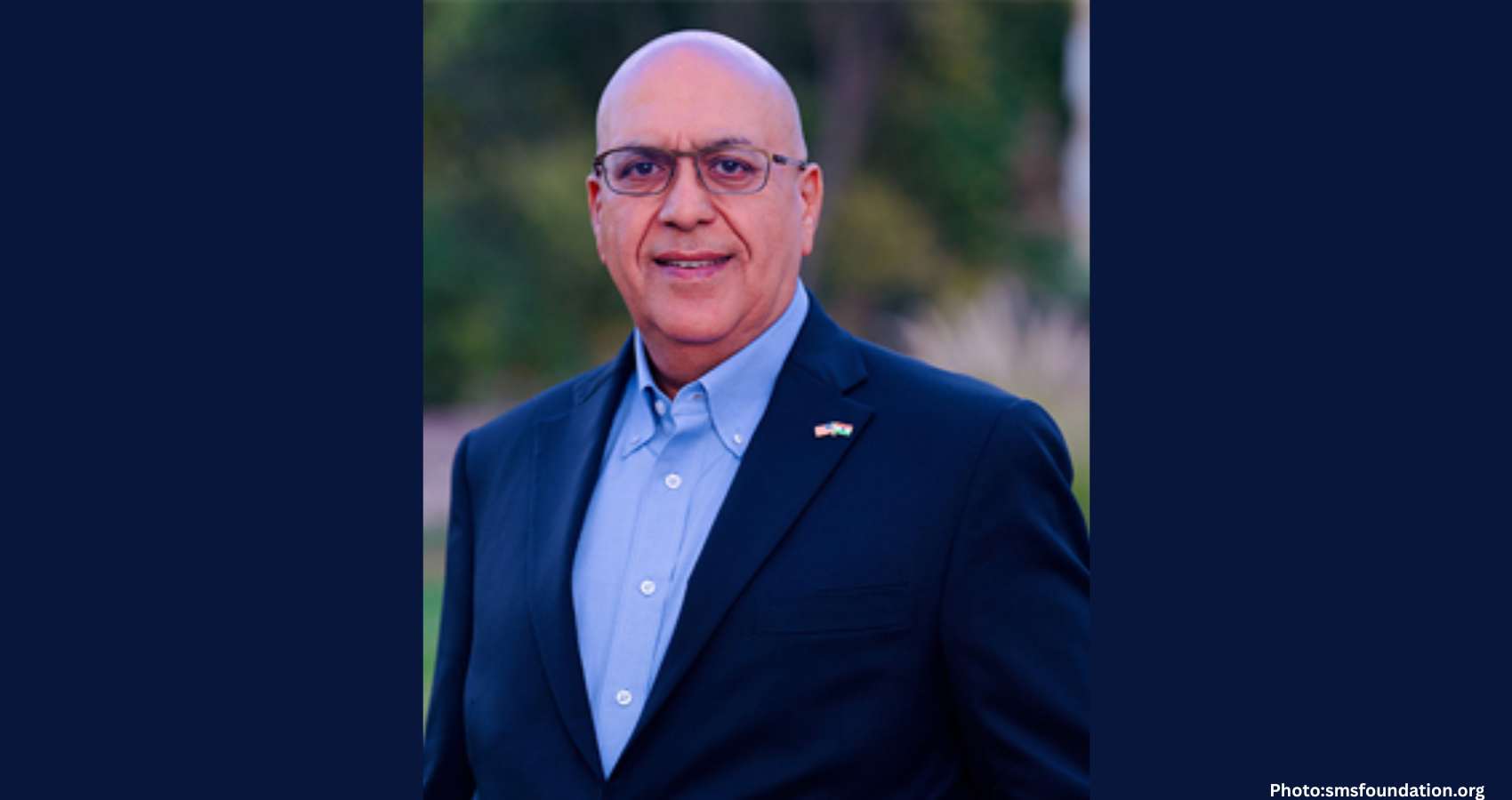
Nushrratt Bharuccha Enjoys Day at Niagara Falls During Visit

Actress Nushrratt Bharuccha embraced her carefree spirit during a recent trip to Niagara Falls, sharing glimpses of her adventure with friends on social media.

MUMBAI – Actress Nushrratt Bharuccha showcased her playful side during a recent getaway to Niagara Falls with friends. Known for her roles in films such as *Pyaar Ka Punchnama*, Nushrratt took to social media to share snapshots from her fun-filled trip.

In the photos and videos shared online, Nushrratt can be seen enjoying the stunning natural beauty of the falls, which featured cascading water and a vibrant rainbow. The actress appeared to be in high spirits, fully embracing the picturesque surroundings.

Accompanied by her friends, Nushrratt captured moments of joy and laughter, highlighting the carefree nature of their outing. The images reflect a sense of adventure and camaraderie, as the group explored one of the world’s most famous natural wonders.

This trip to Niagara Falls follows Nushrratt’s recent visit to Universal Studios in Orlando, where she also shared her experiences on social media. Her posts from the amusement park showcased her enjoyment of the various attractions and rides, further emphasizing her love for travel and adventure.

Fans of the actress have responded positively to her updates, expressing their delight at seeing her enjoy life and make lasting memories with friends. Nushrratt’s ability to connect with her audience through social media continues to resonate, as she shares snippets of her personal experiences.

As Nushrratt Bharuccha continues to balance her film career with her passion for travel, her adventures serve as a reminder of the importance of taking time to unwind and enjoy life’s beautiful moments.

According to Source Name, Nushrratt’s carefree spirit shines through in her latest escapades, inspiring her fans to embrace their own adventures.

Source: Original article

Federal Judge Sentences Man Who Attempted to Assassinate Justice Kavanaugh

A federal judge is set to sentence Nicholas Roske for his attempted assassination of Supreme Court Justice Brett Kavanaugh, with prosecutors seeking a 30-year prison term.

A federal judge is scheduled to sentence Nicholas Roske on Friday for his attempt to assassinate Supreme Court Justice Brett Kavanaugh. This incident occurred in the weeks leading up to the Supreme Court’s landmark Dobbs decision, which significantly impacted abortion rights in the United States.

The Department of Justice is advocating for a 30-year prison sentence for Roske, while his defense attorneys have requested a significantly shorter term of eight years. In a sentencing memorandum, prosecutors detailed how Roske arrived at Kavanaugh’s residence on June 8, 2022, armed with a pistol, ammunition, a knife, a crowbar, and tactical gear, with the intention of killing Kavanaugh and three other justices.

Prosecutors emphasized the potential consequences of Roske’s actions, describing them as “immeasurable and staggering.” They noted that by targeting at least one justice and aiming to kill three, Roske sought to alter an entire branch of the U.S. government through violence.

In contrast, Roske’s attorneys argued that a 30-year sentence, which includes enhancements for terrorism, is disproportionate to the crime. Roske pleaded guilty in April to one count of attempting to murder a Supreme Court justice, a charge that carries a maximum penalty of life in prison.

The defense highlighted that Roske called 911 shortly after arriving at Kavanaugh’s home, effectively self-reporting his intentions and plans rather than proceeding with the attack. They also pointed out that Roske suffers from severe depression, arguing that his online searches related to mass shootings and various justices should not be interpreted as evidence of intent to murder multiple justices.

Roske’s attorneys stated, “As any internet user knows, Googling and doom-scrolling, even in dark corners of the internet, does not equate to criminal intent.” They further argued that a person’s online content is often voluminous, intensely personal, and can easily be misinterpreted.

In a notable development, Roske’s attorneys informed the court that although his name had not formally changed, he wishes to be referred to as “Sophie” and to use female pronouns. A footnote in their memorandum stated that the remainder of the document and the in-court arguments would respect this preference.

Roske’s sentencing comes amid growing concerns among judges regarding threats from ideologically motivated individuals across the political spectrum. The attempted assassination occurred just two weeks before the Supreme Court’s decision to overturn Roe v. Wade, a ruling that had sparked widespread protests outside the Supreme Court building and the homes of conservative justices.

In a related case, an Alaska man named Panos Anastasiou was indicted last year for sending hundreds of threatening messages to Supreme Court justices, including explicit threats of murder. Anastasiou faces accusations of making specific threats against six justices, including shooting, strangling, “lynching,” and beheading them.

This story is still developing, and updates will be provided as more information becomes available.

Source: Original article

Church of England Appoints Sarah Mullally as First Female Archbishop of Canterbury

Sarah Mullally has been appointed as the first woman Archbishop of Canterbury, succeeding Justin Welby after his resignation following an investigation into abuse allegations.

The Church of England has made history with the appointment of Sarah Mullally as the next Archbishop of Canterbury, marking a significant milestone as she becomes the first woman to hold this prestigious position.

Mullally, who has served as the Bishop of London since 2018, will take over the role from Justin Welby, who resigned in November 2023. His departure followed an independent investigation that revealed he had failed to act upon allegations of serial physical and sexual abuse involving a volunteer at Christian summer camps.

This appointment is particularly noteworthy as Mullally will be the first woman to lead the Church of England, succeeding 105 male predecessors. Her leadership is expected to bring a new perspective to the role, which has traditionally been held by men since its inception.

As Archbishop of Canterbury-designate, Mullally will await confirmation of her election at St. Paul’s Cathedral in January 2026. Following this, a formal installation service is scheduled to take place in March at Canterbury Cathedral, further solidifying her historic appointment.

The Church of England serves as the mother church of the Anglican Communion, which boasts over 85 million members across 165 countries. Mullally’s leadership is anticipated to resonate not only within the Church of England but also throughout the global Anglican community.

This development comes at a time when the Church is navigating complex issues related to governance and accountability, particularly in light of recent scandals. Mullally’s appointment may signal a shift towards greater transparency and inclusivity within the Church.

As the Church of England embarks on this new chapter, many will be watching closely to see how Mullally addresses the challenges ahead and what her leadership will mean for the future of the Anglican Communion.

Source: Original article

OpenAI Valuation Hits $500 Billion, Surpassing SpaceX’s Worth

OpenAI’s valuation has soared to $500 billion, surpassing SpaceX and marking a significant milestone in the artificial intelligence sector.

OpenAI has achieved a remarkable valuation of $500 billion, following a recent deal that permitted employees to sell shares in the company. This new valuation represents a substantial increase from its previous figure of $300 billion and aligns with earlier projections regarding the company’s market potential.

With this latest valuation, OpenAI has overtaken SpaceX to become the world’s largest startup. The surge in value reflects the ongoing investor enthusiasm surrounding artificial intelligence, which is viewed as a transformative force capable of reshaping various industries and economies.

Current and former employees of OpenAI sold approximately $6.6 billion worth of stock to a range of investors, including Thrive Capital, SoftBank Group Corp., Dragoneer Investment Group, Abu Dhabi’s MGX, and T. Rowe Price, according to a source familiar with the transaction who spoke to Bloomberg.

This increase in valuation underscores the high expectations investors have for AI technologies. OpenAI is at the forefront of developing data centers and AI services, a venture that is anticipated to require trillions of dollars in investment. Although the company has yet to turn a profit, it is playing a crucial role in driving the infrastructure boom through partnerships with major firms like SK Hynix and Oracle.

In the U.S., startups frequently engage in share sales as a strategy to retain talent and incentivize employees, while also attracting external investors. OpenAI aims to capitalize on this investor interest to provide liquidity for its employees, reflecting the company’s growth trajectory. However, the total amount of eligible units sold in this secondary offering fell short of the more than $10 billion worth of stock that was made available, suggesting that employees may be expressing confidence in the long-term sustainability of the business.

This development comes as OpenAI is navigating a transition towards a more conventional for-profit model. Founded in 2015 with the mission to “advance digital intelligence in the way that is most likely to benefit humanity as a whole,” the company is now planning structural changes that will allow its existing nonprofit entity to oversee a new public benefit corporation.

Elon Musk, who co-founded OpenAI alongside current CEO Sam Altman, has recently taken legal action against the company, alleging that it has deviated from its original mission.

OpenAI has also secured high-profile partnerships with major tech firms, including Oracle and Microsoft. Reports from the Wall Street Journal indicate that Oracle has entered into a deal with OpenAI for the AI company to acquire $300 billion worth of computing power over the next five years, marking one of the largest cloud contracts ever signed.

As OpenAI continues to expand its influence in the AI sector, its valuation reflects both the potential and the challenges that lie ahead in this rapidly evolving industry.

Source: Original article

US Companies Experience Job Losses of 32,000, Payroll Processor Reports

U.S. companies experienced a loss of approximately 32,000 jobs in September, according to a report from payroll processing company ADP, raising concerns about the current state of the labor market.

Data released by payroll processing company ADP indicates that U.S. companies lost around 32,000 jobs in September, a development that has raised significant concerns about the labor market’s stability. This report, which is part of ADP’s monthly private-sector employment assessment, was released on Wednesday and deviated sharply from Wall Street expectations, which had anticipated job growth of 45,000 for the month.

“Despite the strong economic growth we saw in the second quarter, this month’s release further validates what we’ve been seeing in the labor market: that U.S. employers have been cautious with hiring,” said ADP chief economist Nela Richardson. This report comes in the wake of more optimistic economic indicators regarding gross domestic product and unemployment claims.

The timing of this report is particularly notable, as it may be the only employment data available this month. The Bureau of Labor Statistics (BLS) is currently unable to publish its official jobs report due to a government shutdown. The shutdown occurred after the Trump administration and Democratic lawmakers failed to reach an agreement on funding, raising the possibility that the impasse could persist indefinitely.

Among the companies affected, those with fewer than 50 employees experienced the most significant job losses. Specifically, firms employing between 20 and 49 workers lost 21,000 jobs, while those with fewer than 19 employees saw a reduction of 19,000 jobs. The losses were widespread across various industries, with professional and business services, as well as leisure and hospitality, experiencing some of the largest declines. Conversely, health care businesses were the only sector to show consistent employment growth throughout the year.

Richardson also noted that the data comes with some important caveats. She explained that preliminary “rebenchmarking” of the data played a crucial role in the negative revision for August and the estimated job losses for September. “We found that once we benchmarked that data, it actually shows a September slowdown that has been consistent with what we’ve been reporting all year,” Richardson stated, highlighting that the process resulted in a reduction of 43,000 jobs in September compared to pre-benchmarked figures.

“In fact, though the numbers changed, the story and the narrative and the trend remain the same: Hiring momentum has slowed from the beginning of the year through September,” she added.

While ADP’s reports have faced criticism from economists for their inconsistent track record in short-term predictions, they are still regarded as a valuable indicator of the labor market’s trajectory. The discrepancies between ADP’s figures and the official monthly jobs numbers released by the BLS can lead to confusion, but the trends highlighted in ADP’s report are closely monitored by analysts.

As the labor market continues to navigate these challenges, the implications of these job losses may resonate throughout the economy, influencing both consumer confidence and business investment decisions.

Source: Original article

Chats with Meta’s AI May Influence Future Advertising Strategies

Meta has announced that user conversations with its AI chatbot will soon be utilized to personalize advertisements, enhancing the relevance of ads across its platforms.

Meta Platforms Inc. revealed on Wednesday that conversations between users and its AI chatbot will soon play a role in shaping personalized advertisements. While users can expect to see initial changes as early as next week, the full implementation of this feature is set for December 16.

The company has long employed various methods to target users with ads, including analyzing their posts, clicks, and social connections. With this new update, Meta aims to gain insights into users’ shopping interests and travel plans based on their interactions with the chatbot.

In a blog post detailing the change, Meta stated, “Just like other personalized services, we tailor the ads and content you see based on your activity, ensuring that your experience evolves as your interests change.” The company emphasized that users increasingly expect their interactions to enhance the relevance of the content they encounter. “Soon, interactions with AIs will be another signal we use to improve people’s experience,” the post continued.

Meta elaborated on the implications of this update, noting that whether through voice chats or text exchanges with the AI, the new feature will refine recommendations across its platforms. For instance, if a user discusses hiking with the Meta AI, the system may recognize this interest and subsequently present ads for hiking gear, posts from friends about local trails, or suggestions for hiking groups.

Users can engage with the chatbot across various Meta platforms, including Facebook, Instagram, WhatsApp, and the standalone Meta AI app. This integration aims to create a more tailored user experience by aligning advertisements with individual interests.

In May, Meta CEO Mark Zuckerberg announced that the AI had reached one billion monthly active users. He hinted at future possibilities for monetization, suggesting that there may be opportunities to introduce paid recommendations or subscription services that offer enhanced features.

During a media briefing, Christy Harris, Meta’s privacy and data policy manager, acknowledged that many users already suspected that generative AI interactions were influencing ad targeting and content recommendations. “While this is a natural progression of our personalization efforts and will help give us even better recommendations for people, we want to be super transparent about it and provide a heads up before we actually begin using this data in a new way, even if people already thought that we were doing this,” Harris explained.

Harris further indicated that this update could significantly impact the types of content and advertisements users encounter across Facebook, Instagram, and other Meta-related applications.

As Meta continues to evolve its advertising strategies, the integration of AI-driven insights promises to enhance user engagement while raising important questions about privacy and data usage.

Source: Original article

South Africa Opens Women’s World Cup Campaign Against England

The South African women’s cricket team aims for its first World Cup title as they face four-time champions England in their tournament opener.

The South African women’s cricket team, known as the Proteas, is set to embark on a quest for their elusive World Cup title as they prepare to face England in their opening match. This encounter marks a significant moment for the team, which has made notable strides in recent years.

Having reached the semifinals in the last two editions of the ODI World Cup, the Proteas have demonstrated their growing prowess on the international stage. Their consistent performances have also seen them finish as runners-up in consecutive T20 World Cups, showcasing their competitiveness across formats.

As they gear up for this tournament, the South African team is focused on overcoming the challenges posed by their formidable opponents, England. The English team, with a rich history in women’s cricket, has secured the World Cup title four times, making them a tough competitor in this opening match.

The Proteas are determined to turn their past near-misses into success this time around. With a blend of experienced players and emerging talent, they hope to make a strong statement in the tournament. The match against England will not only set the tone for their campaign but also provide an opportunity to showcase their skills on a global platform.

As the tournament unfolds, all eyes will be on the South African team as they aim to break new ground and secure their first World Cup title.

Source: Original article

Breakthrough in Skin DNA May Enable Older Women to Have Children

Researchers have developed a groundbreaking technique that could enable women in their 60s and 70s, as well as same-sex couples, to have genetically related children by converting skin cells into eggs.

In a significant advancement in reproductive science, researchers at Oregon Health and Science University have pioneered an experimental method that allows skin cells to be transformed into human eggs. This innovative technique holds the potential to enable women in their 60s and 70s, as well as same-sex couples, to conceive genetically related children.

The study, which details the creation of early-stage human embryos from DNA extracted from skin cells, marks a promising step forward in fertility treatments. The embryos were fertilized with sperm, suggesting a new avenue for women who have exhausted their egg supply and for couples seeking to have children genetically linked to both partners.

Dr. Paulo Amato, a reproductive endocrinologist and professor of obstetrics and gynecology at the university, emphasized the significance of this research. “It is very preliminary work at this stage, but if it were to be successful, it would offer hope for couples and people suffering from infertility, particularly older women who have run out of eggs,” he stated.

Despite the excitement surrounding this breakthrough, Dr. Amato cautioned that the technique is still in its infancy. He predicts that, if successful, the technology could be ready for clinical application within the next 10 to 15 years. However, he also highlighted the health risks associated with pregnancy at an advanced age, noting that carrying a pregnancy poses significant challenges.

“We still have to keep in mind that somebody has to carry that pregnancy,” Dr. Amato explained. “So, we’re not necessarily advocating for women in their 60s and 70s to be carrying pregnancies, but, theoretically, they could have a child that is genetically related.” He remains optimistic about the future of this research, projecting that it could lead to viable options for older women and couples facing infertility.

The experimental procedure begins with the nucleus of a skin cell, which contains the genetic material. Researchers remove this nucleus and insert it into a donor egg that has had its own nucleus removed. The egg is then stimulated to discard half of its chromosomes, reducing the total from 46 to 23. This adjustment makes the egg compatible for fertilization with sperm, which contributes the other 23 chromosomes needed for a complete set.

If successful, the resulting embryo would be genetically normal and could be implanted into a uterus to initiate a pregnancy. This technique could also provide new opportunities for women who have undergone previous cancer treatments, as well as transform family planning for same-sex couples.

“It would potentially allow for same-sex couples to have a child that’s genetically related to both partners,” Dr. Amato noted. “Usually, they have to use eggs from a donor. With this technology, we could use a skin cell from one partner to create an egg, fertilize it with sperm from the other, and produce a baby genetically related to both.”

While the implications of this research are vast, Dr. Amato stressed the need for further study. Currently, all embryos created through this method have been found to be genetically abnormal, exhibiting either too many or too few chromosomes. “We have a lot of work to do,” he concluded, underscoring the preliminary nature of the findings.

As this research progresses, it may pave the way for revolutionary changes in reproductive health, offering hope to many who have longed for the possibility of having children genetically connected to them.

Source: Original article

Inside a Scammer’s Day: Targeting Victims in the Digital Age

Scammers utilize personal data from public records and data brokers to create convincing narratives, enhancing their chances of successfully targeting potential victims through calls and emails.

Imagine sipping your morning coffee when your phone rings. A number you don’t recognize appears on the screen. On the other end, a voice claims to be from your bank, asking you to “confirm a recent charge.” This scenario is all too familiar for many.

Scammers do not rely on luck. They do not randomly select numbers from a phone book in hopes of finding a target. Instead, their calls, texts, and emails are meticulously planned. They often possess a wealth of information about you before they ever reach out, making their pitches sound credible and tailored.

So, what does a typical day look like for a scammer? Let’s take a closer look.

Scammers begin their day not by hacking into secure databases but by accessing data broker sites—dubious online directories that trade personal information like collectibles. These platforms provide a comprehensive profile of individuals, including details such as addresses, email addresses, voter registrations, and even criminal histories, whether accurate or not.

With this information at their fingertips, scammers can construct narratives that seem custom-made for their targets. They do not fabricate details; rather, they borrow from your life, which is why their communications can feel so believable.

Even without social media, scammers can effectively target individuals. Once they have crafted their story, they deploy auto-dialing software to send out thousands of calls daily. By acquiring personal and contact details from various data brokers, they can repeatedly target the same individuals. If you hang up or ignore the call, scammers log your number as “active,” ensuring you remain on their list for future attempts.

Scammers do not need every target to fall for their tricks; they only require a small percentage to succeed. This is a numbers game, and the abundance of personal data significantly increases their odds. At the end of the day, scammers continue their operations by feeding the information they have gathered back into the data cycle, perpetuating the cycle of victimization.

Now, consider a scenario where scammers cannot find your data online. Without access to personal information, they would lack storylines, details to exploit, and the means to personalize their attacks. Removing your data from people-search sites and data broker databases not only cleans up your online presence but also effectively shuts the door on scammers’ tactics.

However, the process of removing your data can be tedious. You could spend hours navigating various sites, filling out opt-out forms, and sending emails while trying to track compliance. The challenge is that data brokers do not cease their operations; new ones emerge weekly, and old ones often reintroduce your data.

This is where data removal services come into play. While no service can guarantee complete removal of your data from the internet, utilizing a data removal service is a wise choice. Although these services may come at a cost, they provide peace of mind by actively monitoring and systematically erasing your personal information from numerous websites.

By limiting the information available about you, you reduce the risk of scammers cross-referencing data from breaches with information they might find on the dark web, making it more challenging for them to target you.

Scammers do not accidentally stumble upon your phone number. They meticulously map out your life, one data point at a time. Therefore, protecting your information online is the most effective step you can take to reduce the likelihood of scam calls, phishing emails, and identity theft.

Remember, every piece of personal data you remove is one less tool in a scammer’s arsenal. What’s the most convincing scam attempt you’ve ever received? Share your experiences with us.

Source: Original article

Virginia Tech Study Finds Dogs Can Detect Invasive Lanternfly Species

Researchers at Virginia Tech have found that dogs can effectively detect the invasive spotted lanternfly, offering a promising method to combat its spread.

Catching the spotted lanternfly early is crucial, yet locating its eggs can be quite challenging. This is where dogs, with their exceptional sense of smell, come into play.

Researchers at Virginia Tech have revealed that man’s best friend may also serve as one of nature’s best defenses against this invasive pest. For the first time, a study demonstrates that pet dogs can assist in halting the rapid spread of the spotted lanternfly.

The spotted lanternfly feeds on various plants and excretes a sugary substance known as honeydew, which encourages mold growth. Due to their destructive nature, some states have initiated campaigns urging residents to stomp on them whenever they are spotted. However, experts assert that the real solution lies in eliminating their egg masses, which can be difficult to find as they often resemble dried mud and blend in with their surroundings.

“Dogs have one dominant sense. It’s their nose. We use our eyes. Dogs use their nose like their eyes,” said Katie Thomas, a participant in the study.

Thomas, along with her nine-year-old pit bull mix, Finch, took part in the study, aiming to leverage their years of recreational scent work for a greater cause. They underwent both indoor and outdoor tests, successfully sniffing out egg masses, with Finch earning rewards for accurate detections.

“To be able to do things that we already do, that we are having a lot of fun with… train our dogs to sniff stuff, being able to apply that to something like a real problem that affects our community is really fulfilling,” Thomas expressed.

The spotted lanternfly is native to Asia and was first identified in the United States in Pennsylvania over a decade ago. Since then, it has spread to 19 states, according to the U.S. Department of Agriculture (USDA).

“They are everywhere, and we need to search out the eggs. The problem is it’s too late once we have the lanternfly,” noted Carolyn Shelburne, another study participant.

Shelburne and her nine-year-old border collie, Hermes, were among the first five K9-handler teams to successfully pass their field tests. In total, 182 volunteer teams across the United States participated in the study.

During indoor tests, dogs identified the scent of the lanternfly correctly more than 80% of the time. In real-world outdoor tests, dogs still performed admirably, identifying the scent correctly more than 60% of the time, which is significantly better than most human searches.

“Hopefully, more people will see that you can train any dog to do this, and it gives you something fun to do with your dog,” Shelburne added.

Researchers are optimistic that this is just the beginning for dogs in protecting local environments. Even in regions where spotted lanternflies are not currently a problem, dogs could be trained to detect other invasive species.

Source: Original article

New Report Highlights Impact of Expanded Travel Ban on Indian-Americans

A new report highlights the significant economic and humanitarian impacts of the Trump administration’s expanded travel ban, which affects immigration from 19 countries.

WASHINGTON, DC, August 6 — A report released today by the American Immigration Council outlines the extensive economic and humanitarian consequences of the Trump administration’s travel ban, which was expanded in June 2025 to restrict immigration from 19 countries. In 2022, nearly 300,000 individuals from these nations entered the United States, contributing approximately $715.6 million in taxes and filling essential roles in various sectors.

“Those affected by this travel ban are students, workers, and family members who pay taxes, support local economies, and fill jobs in industries facing massive shortages. We’re throwing all of that away, to the detriment of our communities and the U.S. economy,” stated Nan Wu, research director of the American Immigration Council.

According to 2023 data, of the 300,000 individuals from the countries impacted by the travel ban, 82 percent were employed, particularly in sectors already grappling with labor shortages, such as hospitality, construction, and manufacturing. The manufacturing sector alone is projected to face a shortfall of 1.9 million workers by 2033.

“The United States absolutely needs strong screening procedures to protect national security, but this travel ban isn’t how you do that. The Trump administration is trying to sell this policy as a security measure, but when you dig into the justifications, they don’t add up,” remarked Jeremy Robbins, executive director of the American Immigration Council. “Many of the targeted countries had fewer than 500 visa overstays last year. This isn’t about keeping America safe; it’s about keeping certain people out.”

While the original travel ban enacted in 2017 prompted widespread public protests, the 2025 version has seen a more subdued response, attributed to its gradual implementation and expanded exemptions. However, the report emphasizes that the negative impacts remain significant.

“This quieter version of the ban is deeply harmful,” Robbins added. “It separates families, blocks international talent, and hurts communities across the country. The absence of airport protests doesn’t mean the harm isn’t real; it’s just happening more quietly and more bureaucratically.”

Reports suggest that the administration is contemplating the addition of 36 more countries to the travel ban. If implemented, this could prevent tens of thousands of additional individuals from entering the United States, further exacerbating the economic, social, and diplomatic repercussions.

The countries currently affected by the travel ban include:

All travel banned:

Afghanistan, Burma, Chad, Republic of Congo, Equatorial Guinea, Eritrea, Haiti, Iran, Libya, Somalia, Sudan, and Yemen.

Visas sharply restricted:

Venezuela, Burundi, Cuba, Laos, Sierra Leone, Togo, and Turkmenistan.

This report underscores the far-reaching implications of the travel ban, highlighting the need for a reevaluation of policies that impact both the economy and the lives of individuals seeking opportunities in the United States.

Source: Original article

Yashasvi Jaiswal Named to TIME100 Next 2025 List as Cricket Rising Star

Indian cricket prodigy Yashasvi Jaiswal has been honored with a spot on the TIME100 Next 2025 list, highlighting his remarkable journey and potential in the sport.

Mumbai, India – Yashasvi Jaiswal, the rising star of Indian cricket, has been recognized in the TIME100 Next 2025 list, which celebrates some of the world’s most promising young talents. At just 21 years old, Jaiswal has already made a significant impact on the international cricket scene, breaking multiple records along the way.

Born into a modest family in Mumbai, Jaiswal’s journey has not been without its challenges. He faced considerable financial difficulties during his upbringing, yet his passion for cricket drove him to practice relentlessly at Azad Maidan, a historic venue known for nurturing young cricketers in India.

Jaiswal first captured national attention through his impressive performances in domestic cricket and the Indian Premier League (IPL). His consistent batting skills and ability to remain composed under pressure quickly won him the admiration of selectors and fans alike. Earlier this year, he made history by becoming the first Indian cricketer to score 1,000 Test runs in a calendar year before turning 23, a remarkable achievement that underscores his talent and consistency.

Being included in the TIME100 Next list places Jaiswal alongside global trailblazers from various fields, including sports, entertainment, technology, and activism. This recognition not only honors his on-field accomplishments but also highlights his inspiring journey from humble beginnings to international acclaim.

Cricket analysts and fans view Jaiswal as a player with immense potential, one who could significantly influence the future of Indian cricket in both Test and limited-overs formats. As he continues to capture headlines with his performances, the young batter remains dedicated to his craft, aiming to convert his early successes into a long and illustrious career.

Source: Original article

US Proposes $100,000 Fee for H-1B Visas Amid Regulatory Changes

The U.S. government has implemented a $100,000 annual fee for H-1B and L-1 visa applications, a decision that could significantly affect Indian professionals in the tech sector.

Washington D.C. – The United States government has introduced a substantial $100,000 annual fee for employers applying for H-1B and L-1 visas. This move is anticipated to have a significant impact on Indian professionals working in the U.S. tech sector. The fee, which takes effect immediately, adds to the existing costs associated with obtaining these visas and aims to prioritize higher-wage foreign workers.

In conjunction with the fee, lawmakers, including Senators Chuck Grassley and Dick Durbin, have proposed new legislation aimed at tightening visa regulations. This proposed legislation seeks to raise wage requirements and limit eligibility for certain organizations, further complicating the landscape for foreign workers seeking employment in the United States. Additionally, Senator Tom Cotton has suggested that restrictions be placed on foreign hires at universities and non-profit organizations.

As India is the largest source of H-1B visa holders, this new fee structure may lead to a slowdown in employment opportunities for Indian tech professionals. U.S. companies are likely to adjust their hiring practices in response to the increased costs associated with these visas. Leaders within the tech industry have expressed concerns regarding potential disruptions to workforce planning and recruitment efforts, as the new regulations may deter companies from hiring foreign talent.

The government asserts that these measures are designed to protect American workers and prevent the misuse of visa programs, while still ensuring that skilled foreign workers can fill critical roles in the U.S. economy. The balance between protecting domestic labor and allowing for the influx of skilled foreign professionals remains a contentious issue as these changes take effect.

As the implications of the new fee and proposed regulations unfold, stakeholders in the tech industry and potential visa applicants will be closely monitoring how these changes will affect the hiring landscape and the broader economy.

Source: Original article

Nine Dolls: Indian-American Psychological Thriller Explores Navaratri Themes

Rupa Mahadevan’s debut psychological thriller, *Nine Dolls*, intertwines the festive spirit of Navaratri with suspense and dark secrets in a remote Scottish manor.

In *Nine Dolls*, Rupa Mahadevan crafts a gripping psychological thriller set against the backdrop of Navaratri, the Hindu festival celebrating the divine feminine. The story unfolds in a secluded manor in Oban, Scotland, where a group of friends reunites to honor the festival. However, what begins as a festive gathering quickly spirals into chaos when a guest is murdered, and the sacred dolls are mysteriously rearranged, each display echoing a dark secret from the past.

Leela, newly married and deeply traditional, joins her husband Dhruv and his circle of old friends for the holiday. As the festivities commence, Leela’s unease grows, and it becomes evident that the cheerful façade of the group conceals deeper fractures. Each night reveals a new secret, raising the stakes as the question looms: which secret is worth killing for?

The tradition of Golu Bommai, which features a vibrant display of dolls and figurines representing gods and daily life, plays a central role in the narrative. Leela insists on bringing her dolls to the celebration, hoping to infuse her Indian rituals into the unfamiliar Scottish setting. However, the dolls soon become harbingers of dread, as they are rearranged into gruesome tableaux that reference unsettling incidents from the friends’ past.

As the storm isolates the group, tensions escalate. The shattering of one of the dolls coincides with the murder of a friend, plunging the remaining guests into paranoia and suspicion. Trapped in the manor, the friends must confront their buried secrets, broken loyalties, and long-held grudges, as someone among them is determined to reveal the truth—no matter the cost.

In an exclusive interview, Mahadevan shared her inspiration for *Nine Dolls*. For her, Navaratri evokes cherished childhood memories of competing with her sister to create the most elaborate Golu display. Even after relocating to Edinburgh, she continues to celebrate the festival, inviting friends to join her in the festivities.

“The structure of the festival—ten days of celebration culminating in nine nights—provides a perfect backdrop for a high-pressure narrative,” Mahadevan explained. “It felt like an ideal match for the story I wanted to tell.”

Readers may notice similarities to Agatha Christie’s *And Then There Were None*, a classic that has influenced Mahadevan’s writing. A self-proclaimed fan of Christie, she sought to blend mystery, suspense, and the unraveling of secrets in her debut novel.

After the pandemic, Mahadevan committed to her writing journey, joining Jericho Writers, a global writing community. Initially, she wrote a novel featuring a white male protagonist, a choice influenced by her admiration for Christie’s characters. However, her writing coach encouraged her to delve into her cultural heritage, prompting Mahadevan to embrace her roots in *Nine Dolls*.

The festival of Navaratri, centered on the sacred feminine, is reflected in the novel through its four strong female narrators. Three of these characters are of Indian origin, while the fourth is Scottish, allowing Mahadevan to explore cultural contrasts and enrich the narrative.

Mahadevan admits that she did not know the identity of the killer until she was well into the writing process. As a “pantster,” she enjoys the journey of discovery that comes with writing, allowing the story to unfold organically.

When discussing the autobiographical elements in her work, Mahadevan acknowledges that she sees aspects of herself in both Leela and Smitha, two characters who represent opposing viewpoints. This internal conflict mirrors her own experiences, balancing traditional values with a more modern, sarcastic perspective.

Mahadevan’s ability to create compelling, flawed characters is a hallmark of her writing. She believes that high-stakes situations reveal the true nature of individuals, making it unrealistic to portray characters as perfect in the face of danger.

Her journey as a writer has been supported by her community at Jericho Writers, where she has honed her craft and learned from others. This network also opened doors to writing competitions, ultimately leading to her publishing deal.

As an underrepresented writer and woman of color in the competitive crime fiction landscape, Mahadevan faces unique challenges. Despite these obstacles, she balances her writing aspirations with a full-time job as a project manager at HSBC and the demands of family life. She writes whenever she can, whether on her commute or in fleeting moments throughout her day.

Mahadevan’s dedication paid off when she won the Joffe Books Prize 2024, the UK’s largest award for crime fiction. This accolade came with a two-book publishing deal, a cash prize, and an audiobook deal, marking a significant milestone in her writing career.

With *Nine Dolls*, Rupa Mahadevan invites readers into a world where tradition and suspense collide, revealing the complexities of friendship and the shadows that linger in the past.

Source: Original article

Numinous Navarathri: Exploring Its Significance for Indian-American Communities

The Navarathri season is coming to an end, marking the conclusion of vibrant celebrations, traditional dances, and cherished family gatherings centered around the Golu doll displays.

The Navarathri season is drawing to a close, signaling the end of lively garba dances, spontaneous bursts of Carnatic music, and the preparation for Vijayadashami classes by classical dancers. The crowded shamianas filled with devotees, the enthusiastic Golu hoppers, and the first wave of festive attire for the fall season are now behind us. The beautifully crafted statues that adorned homes are carefully wrapped and stored away, awaiting their next appearance in the cycle of tradition.

Each year, Golu displays seem to elevate in creativity and inventiveness. One household we particularly admire showcases a side-show brimming with playful imagination. In every Golu display, stories linger on the orderly steps, waiting to be told, yet often overlooked in the hustle and bustle of the festivities. It is a reminder of the whimsical nature of life, which many strive to preserve through tradition.

The Golu tradition, which involves the display of dolls, is believed to have originated in the 14th century during the height of the Vijayanagara Empire. The royal families of that era, especially in the Thanjavur region, began showcasing their dolls and hosting gatherings. Over time, they invited local musicians and dancers to perform, transforming the occasion into a celebration of the arts. Vijayadashami became a significant day for artistic beginnings and blessings.

In the homes we visit during this season, we often hear stories of dolls passed down through generations. One friend shared how her vegetable set originated from her great-grandmother, passed to her grandmother, who brought it to the U.S. in the 1960s, and now it is cherished by her mother. She plans to pass it on to her daughter someday. Observing the misshapen vegetables, I felt a deep connection to the tradition. These dolls, crafted with the best materials available, reflect the imperfections of real life, capturing the essence of the farmers who might have produced them. The vibrant greens and reds of the vegetables are striking, almost as if they are blushing with life.

While the reason for the nine-day celebration of Navarathri remains unclear, it likely aligns with the agricultural cycles of the time. This period may have represented a lull between harvest and planting, a time when the crops were at their peak strength, allowing for a brief respite filled with joy and celebration.

As a child, I often yearned to take the Golu dolls down from their shelves and play with them. However, we were not permitted to do so. My grandmother had gifted them to my mother, and it felt futile to have so many dolls sitting idle, their stories waiting to be enacted. We were allowed to touch them only on the day they were displayed or when they were carefully wrapped back in old newspaper and stored away. There was a certain pathos in watching them nestle back into their wooden crates in the old garden shed, their stories temporarily silenced.

One of my dreams is to create a puppet-based theatrical show that brings these dolls to life. Imagine the dolls hopping off their shelves, enacting their stories. Vishnu’s avatars should not spend another year in stillness; they need to share their tales of resilience in the face of adversity. Whether impersonating a lion, a fish, or a turtle for noble purposes, these stories resonate with our times.

We could create humorous skits about the demon Ghatodgajjan feasting through the season or the commotion of waking Ravana’s brother, Kumbhakarna, from his six-month slumber to join the battle in the Ramayana. Enacting these epic wars with paper mache swords and bubblegum-shaped missiles that could be eaten afterward would add a delightful twist.

Perhaps we could even compose a silly song about the cricket-playing Ganesha statues, celebrating their charm and bravery. Wrapping up the session with all the Lakshmis portrayed as daring, intelligent, and charming figures would undoubtedly be a brilliant conclusion to the festivities.

As the Navarathri season comes to a close, it is a time for reflection on the traditions that bind us and the stories that enrich our lives. The dolls may be put away for now, but their tales remain alive in our hearts, waiting for the next opportunity to be shared.

Source: Original article

Kwatra Engages with Indian Armed Forces Medical Team in Washington

Indian Ambassador Vinay Kwatra recently met with the Armed Forces Medical Services of India in Washington, D.C., to strengthen military medical cooperation between India and the United States.

WASHINGTON, D.C. — Indian Ambassador to the United States Vinay Kwatra engaged with the visiting officers of the Armed Forces Medical Services of India during their recent trip to Washington.

In a post on X, Kwatra shared details of his interaction with Surgeon Vice Admiral Arti Sarin and her team. He noted that their visit aimed to foster collaboration with their counterparts at U.S. Indo-Pacific Command (INDOPACOM), the Defense Health Agency (DHA), and the Departments of the Army, Navy, and Air Force. Kwatra emphasized that enhancing cooperation in military medicine is a vital component of the robust bilateral defense relationship between India and the United States.

Despite ongoing tensions related to trade, the security ties between India and the U.S. have remained resilient. This meeting underscores the commitment of both nations to strengthen their defense collaboration.

Earlier in September, Ambassador Kwatra met with U.S. Undersecretary of War for Policy Elbridge Colby at the Pentagon. Following their discussion, Kwatra described the meeting as productive, highlighting the importance of reviewing current agendas and establishing actionable paths for various initiatives in India-U.S. defense cooperation. He praised Colby for his deep knowledge and consistent support for their strategic partnership.

Colby also acknowledged the significance of their meeting, expressing his enthusiasm for continuing to enhance defense cooperation with India.

These diplomatic interactions come shortly after the conclusion of the 21st edition of Exercise Yudh Abhyas 2025, an annual bilateral Army-to-Army exercise between India and the United States, which took place in Alaska. The exercise wrapped up on September 14 after two weeks of intensive training.

In a statement released on September 15, the Indian embassy in Washington characterized the exercises as a hallmark of the growing military-to-military interaction between the two nations, aligning with the Comprehensive Global Strategic Partnership established between India and the U.S.

As both countries continue to navigate complex geopolitical landscapes, their commitment to strengthening military ties remains a focal point of their relationship.

Source: Original article

Federal Government Shutdown Fuels Political Blame Game in Governor’s Race

The federal government shutdown has intensified the blame game between gubernatorial candidates Jack Ciattarelli and Rep. Mikie Sherrill in New Jersey’s crucial 2025 election.

As the federal government faces its first shutdown in seven years, the political fallout is reverberating beyond Washington, D.C., and into the New Jersey gubernatorial race. This election is one of only two gubernatorial contests taking place in the United States in 2025, making it a focal point for both parties.

Republican nominee Jack Ciattarelli has seized the opportunity to criticize his Democratic opponent, Rep. Mikie Sherrill, in a recent exclusive interview with Fox News Digital. The verbal sparring began when Sherrill, a four-term congresswoman, accused “Washington Republicans” of prioritizing loyalty to former President Donald Trump over the needs of the American people. In response, Ciattarelli quipped that Sherrill would blame Trump for anything, even a flat tire.

“There’s nothing my opponent won’t blame on President Trump,” Ciattarelli said. “As I like to say, if you get a flat [tire] today, it’s President Trump’s fault.” His comments came after he participated in a candidate forum hosted by Fairleigh Dickinson University.

The government shutdown, which commenced early Wednesday morning, has been a contentious issue, with neither side willing to compromise. Democrats are insisting that any agreement to end the shutdown must include an extension of tax credits for the Affordable Care Act (ACA), which are set to expire soon. These credits are vital for millions of Americans who rely on them to afford healthcare.

On the other hand, many Republicans oppose the extension, arguing that it would lead to increased taxpayer-funded healthcare for undocumented immigrants. Sherrill, along with nearly all House Democrats, voted against a Republican stopgap measure that could have temporarily averted the shutdown. Ciattarelli pointed to her vote as evidence of her unwillingness to collaborate with bipartisan efforts to keep the government running.

“I do know that there’s a bipartisan group of congresspeople that are trying to keep the government open,” Ciattarelli stated. “My opponent has decided not to be part of that bipartisan group, and she voted no. And so here we are.”

Sherrill has consistently linked Ciattarelli to Trump, asserting that the shutdown is a direct result of the former president’s influence over the Republican Party. In a social media post, she stated, “This is precisely the extreme MAGA agenda that @Jack4NJ wants to bring to NJ.”

As Election Day approaches, Sherrill holds a slight lead over Ciattarelli in recent polling. A Fox News survey indicates that she is ahead by single digits, a margin that could shift as the candidates prepare for their second and final debate next week.

Ciattarelli, a former state lawmaker and certified public accountant, remains optimistic about his campaign. He noted that endorsements from Democratic mayors across New Jersey reflect a desire for change among voters. “The energy is off the charts,” he asserted.

In the upcoming debate, Ciattarelli plans to focus on specific policy proposals aimed at addressing New Jersey’s challenges. He expressed his intention to highlight instances where Sherrill fails to answer questions directly.

Meanwhile, the race has been further complicated by revelations regarding Sherrill’s military records. A report indicated that she was barred from participating in her 1994 graduation from the United States Naval Academy due to a cheating scandal. Sherrill has accused Ciattarelli of conducting a “witch hunt” over her military records, which were improperly released to a Ciattarelli ally.

Ciattarelli’s campaign has called on Sherrill to clarify the circumstances surrounding her graduation. “He has been caught with his hand in the cookie jar, if you will,” Sherrill said, referring to Ciattarelli’s campaign tactics. “He’s now trying to divert from that.”

The National Archives recently apologized for the improper release of Sherrill’s military records, attributing the error to a government worker’s mistake. Following the breach, Sherrill’s campaign issued cease-and-desist letters to the National Archives and Ciattarelli’s campaign.

In response to the controversy, Ciattarelli maintained that Sherrill’s past actions at the Naval Academy warrant scrutiny. “She needs to come clean on what she did to be punished by the Naval Academy,” he stated.

As both candidates gear up for the final stretch of the campaign, the interplay of national issues, personal attacks, and local concerns will shape the narrative leading to the polls. With early voting set to begin on October 25, the stakes are high for both Ciattarelli and Sherrill as they vie for the governorship of New Jersey.

Source: Original article

Trump Open to Talks with Kim Jong Un Amid Missile Concerns

President Trump remains open to unconditional talks with North Korean leader Kim Jong Un, as South Korea warns that North Korea’s missiles could reach the U.S. mainland.

The White House has confirmed that President Donald Trump is willing to engage in discussions with North Korean leader Kim Jong Un “without any preconditions.” This statement comes amid warnings from South Korea that North Korea’s missile capabilities could potentially reach the U.S. mainland.

A White House official emphasized that Trump, during his first term, held three significant summits with Kim that contributed to stabilizing the Korean Peninsula. “U.S. policy on North Korea has not changed,” the official stated. “President Trump remains open to talking with Kim Jong Un, without any preconditions.”

South Korean Unification Minister Chung Dong-young made a stark assertion in Berlin this week, indicating that North Korea has become one of the few nations capable of launching an attack on the U.S. mainland. “What needs to be acknowledged should be acknowledged rationally,” he told reporters, as reported by the Yonhap News Agency. The White House did not respond to requests for comment regarding Chung’s claims.

Chung also noted that North Korea’s “strategic position is different” now compared to 2018, when Trump and Kim held their first summit in Singapore. “Acknowledging this reality should be the starting point” in addressing the regime, he added.

Experts have long suggested that North Korea possesses the capability to reach the U.S. mainland with intercontinental ballistic missiles (ICBMs). Bob Peters, a senior research fellow for strategic deterrence at the Heritage Foundation, stated, “They’ve tested ICBMs for a long time.” However, he pointed out that the critical question remains whether North Korea has developed a warhead capable of being accurately delivered by an ICBM.

Meanwhile, Kim Jong Un has indicated that dialogue with the U.S. is possible, but only on his terms. “If the United States drops the absurd obsession with denuclearizing us and accepts reality, and wants genuine peaceful coexistence, there is no reason for us not to sit down with the United States,” Kim was quoted as saying by state media.

A potential meeting with Kim would mark Trump’s fourth encounter with the North Korean leader, occurring at a time when relations between the two nations have become increasingly strained. In July, the White House reiterated that Trump “remains open to engaging with Leader Kim to achieve a fully denuclearized North Korea.” However, North Korea has made it clear that it will not engage with the U.S. if denuclearization is a precondition.

On Monday, North Korean Vice Foreign Minister Kim Son Gyong addressed the United Nations General Assembly, asserting that his country will never abandon its nuclear program, according to reports from Reuters.

Trump is set to travel to Asia later this month for an economic leaders’ summit with South Korean President Lee Jae-myung. A senior U.S. official indicated that there are currently no plans for a meeting in the Demilitarized Zone with Kim. However, reports suggest that Trump may meet with Chinese President Xi Jinping during the Asia-Pacific Economic Cooperation summit, scheduled for October 30 to November 1. Plans for this meeting are still being finalized.

In a recent call, Xi extended an invitation to Trump and First Lady Melania Trump to visit China, which Trump reciprocated. The U.S. official noted that any progress on nuclear negotiations would depend significantly on China. “The first thing that would need to happen is for the Chinese to acknowledge and be more transparent about its own programs,” the official stated.

Current U.S. estimates suggest that China’s nuclear arsenal may consist of approximately 600 warheads by 2024, with projections reaching 1,000 by 2030. In contrast, North Korea is believed to possess around 50 warheads, with sufficient fissile material for up to 90.

Last year, North Korea declared an “irreversible hegemonic position” following the test-firing of its Hwasong-19 intercontinental ballistic missile, which the regime claims can strike the American mainland. As tensions rise, Trump is reinforcing deterrence while keeping the door open for “talks without preconditions.”

Source: Original article

US Senators Introduce Major Reforms to H-1B Visa Program

The U.S. Senate Judiciary Committee is advancing a bipartisan initiative to reform the H-1B and L-1 visa programs, addressing concerns over corporate misuse and its impact on American workers.

The U.S. Senate Judiciary Committee is witnessing a rare moment of bipartisan cooperation as top Republicans and Democrats come together to propose significant changes to the H-1B and L-1 visa programs. This initiative is driven by concerns that large corporations have misused these visa systems, often at the expense of American workers.

The H-1B visa program allows U.S. companies to temporarily employ foreign workers in specialty occupations that require specialized knowledge, such as technology, engineering, and medicine. Designed to address labor shortages in fields lacking qualified U.S. workers, the H-1B visa is typically granted for up to three years, with the possibility of extension to six years. Each year, the program caps the number of H-1B visas issued at 85,000, which includes 20,000 reserved for applicants holding advanced degrees from U.S. institutions.

This program is highly competitive, with demand frequently surpassing the available visas, leading to a lottery system for selection. While the H-1B visa has been instrumental in fostering innovation and maintaining global competitiveness for businesses, it has also drawn criticism for potential misuse, wage suppression, and negative impacts on domestic employment. Policymakers continue to grapple with reforms that would balance the interests of employers, foreign workers, and the American labor market.

Among the proposed reforms, the Senators have suggested making job postings public and introducing a stricter definition of “specialty occupation,” which would require applicants to possess at least a bachelor’s degree.

Committee Chair Chuck Grassley, a Republican from Iowa, and Democratic ranking member Dick Durbin of Illinois have reintroduced the bill, which includes several key changes:

The legislation would empower the Labor Department to impose fees to hire 100 additional enforcement officers, aimed at increasing oversight of the visa programs.

It proposes stricter wage and hiring standards, ensuring that employers adhere to fair compensation practices.

Mandatory public job postings and narrower eligibility criteria for applicants are also part of the proposed changes, which aim to enhance transparency in the hiring process.

Additionally, the bill introduces new wage and hiring rules that prioritize H-1B applicants with qualifications in STEM fields. It seeks to tighten the definition of “specialty occupation,” mandating a bachelor’s degree as a minimum requirement for applicants.

Employers found in violation of wage rules would face fines or even debarment from the program, reinforcing accountability within the system.

This legislative effort comes on the heels of the Trump administration’s recent imposition of a $100,000 fee on new H-1B applications, which has intensified scrutiny of the visa program.

Grassley emphasized the original intent of the H-1B and L-1 visa programs, stating, “Congress created these programs as limited pathways for businesses to acquire top talent when it can’t be found at home. But over the years, many employers have used them to cut out American workers in favor of cheap foreign labor.”

The proposed changes aim to close existing loopholes and prevent misuse by large corporations that may prioritize cheaper labor over domestic employment. By tightening eligibility criteria, increasing enforcement, and emphasizing higher wage standards, the legislation seeks to protect U.S. workers while still allowing companies to fill critical skill gaps, particularly in STEM fields.

Public job postings and clearer definitions of specialty occupations are expected to promote transparency and fairness in the hiring process. These reforms could help restore trust in the visa system, ensuring it fulfills its original purpose of attracting top talent when genuinely needed, rather than displacing American workers.

Ultimately, this bipartisan approach reflects a pragmatic attempt to modernize immigration policies in a manner that supports both economic competitiveness and workforce integrity.

Source: Original article

Charlie Javice Sentenced to Seven Years for Defrauding JP Morgan Chase

Charlie Javice, founder of the fintech startup Frank, was sentenced to over seven years in prison for defrauding JPMorgan Chase by inflating user data, highlighting risks in fintech acquisitions.

Charlie Javice’s recent sentencing serves as a cautionary tale regarding the potential risks associated with fintech startups, even those acquired by major financial institutions like JPMorgan Chase. On Monday, Javice was sentenced to more than seven years in prison for defrauding JPMorgan Chase out of millions by significantly inflating user data.

Javice founded Frank, a student loan startup designed to simplify the financial aid application process. The platform aimed to help students navigate the complexities of applying for federal aid, offering a more streamlined and user-friendly experience. Frank quickly gained attention for its innovative approach to student debt and attracted substantial venture capital funding.

In 2021, JPMorgan Chase acquired Frank for $175 million, believing the startup had a user base of over four million students. However, investigations later revealed that the actual number of users was closer to 300,000. This discrepancy led to the uncovering of falsified data that Javice had presented to mislead both investors and JPMorgan Chase.

As part of her sentencing, Javice was ordered to forfeit $22 million in salary, stock, and bonuses related to the sale of her company. Additionally, she is required to jointly pay $287.5 million in restitution alongside her co-defendant, Olivier Amar, who served as Frank’s former chief growth officer.

During her sentencing, Javice expressed acceptance of the jury’s verdict and took full responsibility for her actions. Her defense team argued that she had made a significant but isolated mistake, citing her previous good deeds and personal struggles in an attempt to elicit leniency from the court.

Judge Hellerstein acknowledged Javice’s past contributions but emphasized the need for deterrence, stating, “Your crimes required a great deal of duplicity. You are a good person who has done good deeds. But others need to be deterred.”

Born in 1993, Charlie Javice is a French-American entrepreneur who graduated from the University of Pennsylvania’s Wharton School of Business. She launched Frank in 2016 with the mission of simplifying the often complicated Free Application for Federal Student Aid (FAFSA) process. Under her leadership, Frank quickly became one of the fastest-growing fintech companies focused on education technology, culminating in its acquisition by JPMorgan Chase.

The sentencing of Charlie Javice underscores the importance of thorough due diligence in the acquisition process. While her conviction reflects personal accountability, it also highlights vulnerabilities in JPMorgan Chase’s vetting procedures, exposing the bank to financial and legal repercussions.

For JPMorgan Chase, this incident represents a reputational setback, revealing weaknesses in their acquisition strategies. Nevertheless, the bank’s decisive actions in pursuing restitution and cooperating with authorities demonstrate a commitment to integrity and protecting shareholder interests.

Source: Original article

President Donald Trump Secures $500 Million Deal with Harvard University

President Donald Trump announced a potential $500 million deal with Harvard University, aimed at establishing trade schools and addressing previous funding disputes.

President Donald Trump recently revealed that the White House is negotiating a significant deal with Harvard University, potentially worth $500 million. During a press briefing in the Oval Office, Trump indicated that while the agreement is not yet finalized, discussions are progressing positively.

“We’re in the process of getting very close,” Trump stated, referring to Education Secretary Linda E. McMahon, who affirmed his remarks. “They’d be paying about $500 million.” He elaborated that the funds would be allocated towards operating trade schools, focusing on teaching skills related to artificial intelligence and other technical fields.

This announcement comes on the heels of stalled negotiations between the Trump administration and Harvard, following a federal judge’s ruling that favored the university in a legal battle over $2.7 billion in federal grants and contracts. In April, Harvard filed a lawsuit against the Trump administration in the U.S. District Court for the District of Massachusetts, challenging the administration’s decision to freeze these funds.

The lawsuit was initiated after the Trump administration accused Harvard of tolerating antisemitism during pro-Palestinian protests related to the ongoing Israel-Hamas conflict. Harvard argued that the funding freeze was politically motivated, violated constitutional protections, including the First Amendment, and was enacted without due process.

Harvard sought immediate restoration of the frozen funds and aimed to prevent further punitive actions, such as revoking the university’s tax-exempt status and international student certifications. The legal dispute underscored the growing tensions between the federal government and higher education institutions, particularly regarding political influences on funding.

In a significant development, a federal judge ruled that the funding freeze was unlawful, granting Harvard a crucial early victory in the ongoing case. Trump remarked that reaching a deal would signify that Harvard’s “sins are forgiven,” suggesting a desire to move past the contentious issues that have characterized their relationship.

“They’ve put up $500 million interest and everything else would go to that account — meaning it would go to the trade school,” Trump explained, emphasizing the importance of this investment in vocational education.

The Harvard-Trump case highlights the delicate balance between accountability and autonomy in higher education. While universities depend heavily on government grants to support research and innovation, they must also safeguard their academic freedom and independence from political pressures.

As both parties work towards finalizing the agreement, the outcome could have significant implications for future interactions between universities and the federal government, especially concerning contentious social and political issues. The resolution of this dispute may encourage a more collaborative approach to addressing educational funding and political concerns, fostering a healthier environment for research and innovation.

As federal and state governments reassess their roles in supporting education, the implications of this case could set important precedents regarding funding decisions and their contestation. The potential deal with Harvard may serve as a pivotal moment in redefining the relationship between educational institutions and government entities.

Source: Original article

New Zealand vs Australia 1st T20I: Marsh’s 85 Leads Australia to Victory

Australia secured a commanding victory over New Zealand in the first T20I, chasing down a target of 182 with 3.3 overs to spare, thanks to Mitchell Marsh’s explosive innings.

In the first T20I match between New Zealand and Australia, the Australian team showcased their batting prowess by successfully chasing down a target of 182 runs with 3.3 overs remaining. This victory not only marked a strong start to the series for Australia but also highlighted the team’s ability to perform under pressure.

Mitchell Marsh was the standout performer for Australia, delivering an impressive innings that saw him score 85 runs off just 43 balls. His explosive batting played a crucial role in leading his team to victory, as he consistently found the boundary and built momentum throughout the chase.

Despite a valiant effort from New Zealand’s Tim Robinson, who scored a century, his performance ultimately went in vain as the rest of the team struggled to keep pace with Australia’s batting. Robinson’s century was a bright spot in the match, but it was not enough to secure a win for his side.

Australia’s chase was marked by aggressive batting and strategic partnerships, allowing them to maintain control of the game. The team’s ability to capitalize on scoring opportunities was evident as they steadily approached the target set by New Zealand.

With this victory, Australia takes a 1-0 lead in the series, setting the stage for an exciting continuation of the T20I series. The team will look to build on this momentum in the upcoming matches, while New Zealand will aim to regroup and bounce back in their next encounter.

As the series progresses, both teams will be keen to showcase their skills and strategies, making for an intriguing battle on the cricket field.

According to Source Name, the first T20I match has set a thrilling tone for the rest of the series, with fans eagerly anticipating the next clash between these two competitive sides.

Source: Original article

Doctors Suggest Specific Foods May Mitigate Lung Damage from Air Pollution

A recent study indicates that a high intake of fruit may mitigate the harmful effects of air pollution on lung function, particularly among women.

A new study from the University of Leicester suggests that consuming a diet rich in fruit can help protect lung health against the detrimental effects of air pollution. The findings were presented at the European Respiratory Society Congress held in Amsterdam this month.

Researcher Pimpika Kaewsri highlighted that over 90% of the global population is exposed to air pollution levels exceeding World Health Organization (WHO) guidelines. “Ample research shows that exposure to higher air pollution levels is associated with reduced lung function,” Kaewsri stated during the presentation.

The study aimed to investigate whether a healthy diet, particularly one high in fruits and vegetables, could mitigate the adverse effects of air pollution on lung function. “We wanted to explore whether a healthy diet or specific food groups could modify or partly mitigate the known adverse effects of air pollution on lung function,” Kaewsri explained.

Researchers analyzed data from the U.K. Biobank, which included approximately 200,000 participants. They compared dietary patterns—including fruit, vegetable, and whole grain intake—with lung function measurements. The study also took into account exposure to fine particulate matter from sources such as vehicle exhaust and industrial emissions, as well as factors like age, height, and socioeconomic status.

Results showed that participants with low fruit intake experienced a significant reduction in lung function as air pollution exposure increased, with a decrease of 78.1 milliliters. In contrast, women who consumed four or more portions of fruit daily had a smaller reduction in lung function, only decreasing by 57.5 milliliters.

While a healthy diet was associated with improved lung function for both men and women, the protective effect of high fruit intake was particularly pronounced in women. This discrepancy may be attributed to the generally lower fruit consumption among men, according to the study.

The researchers believe that the antioxidant and anti-inflammatory compounds found in fruits may play a crucial role in this protective effect. “These compounds could help mitigate oxidative stress and inflammation caused by fine particles, potentially offsetting some of the harmful effects of air pollution on lung function,” Kaewsri noted.

The study’s authors plan to further investigate how dietary choices can influence lung function changes over time. Professor Sara De Matteis, chair of the European Respiratory Society’s expert group on occupational and environmental health at the University of Turin, Italy, commented on the study’s implications. “This study confirms the potential respiratory health benefits of a healthy diet, especially rich in fresh fruit intake,” she stated.

However, De Matteis also cautioned that access to a healthy diet is not uniformly available across different populations. “Even if the authors adjusted for socioeconomic status, some residual confounding cannot be ruled out,” she added. Professor De Matteis was not involved in the study.

As the research continues, it underscores the importance of dietary choices in promoting lung health, particularly in environments affected by air pollution.

Source: Original article

ChatGPT Could Notify Authorities About Suicidal Teens

OpenAI plans to enhance ChatGPT’s safeguards for teens, including the potential to alert authorities when users express suicidal thoughts.

OpenAI has announced a new initiative aimed at strengthening the safeguards of its popular AI chatbot, ChatGPT, particularly for teenage users. CEO and co-founder Sam Altman revealed that the company is considering measures that could lead to police being alerted when teens discuss suicidal thoughts.

During a recent interview, Altman emphasized the importance of intervention in mental health crises. He stated, “It’s very reasonable for us to say in cases of young people talking about suicide, seriously, where we cannot get in touch with the parents, we do call authorities.” This marks a significant shift from the current protocol, which primarily involves directing users to crisis hotlines.

The decision to potentially involve law enforcement comes in the wake of lawsuits related to teen suicides. One notable case involves 16-year-old Adam Raine from California, whose family claims that ChatGPT provided him with harmful guidance, including a “step-by-step playbook” for suicide. Following his death in April, Raine’s parents filed a lawsuit against OpenAI, alleging that the company failed to prevent its AI from leading their son toward self-harm.

Another lawsuit has been filed against Character.AI, a rival chatbot, after a 14-year-old reportedly took his own life after developing a strong attachment to a bot modeled after a television character. These cases underscore the potential dangers of teenagers forming unhealthy relationships with AI technologies.

Altman highlighted alarming global statistics to justify the need for stronger measures. He noted that approximately 15,000 people die by suicide each week worldwide. With around 10% of the global population using ChatGPT, he estimated that roughly 1,500 individuals experiencing suicidal thoughts may interact with the chatbot on a weekly basis.

Research supports concerns about the reliance of teens on AI for mental health support. A survey conducted by Common Sense Media found that 72% of U.S. teens use AI tools, with one in eight seeking mental health assistance from these platforms.

In a blog post, OpenAI outlined its plans to enhance protections for young users. The company has established an Expert Council on Well-Being and AI, comprising specialists in youth development, mental health, and human-computer interaction. Additionally, OpenAI is collaborating with a Global Physician Network of over 250 doctors across 60 countries to design parental controls and safety guidelines that align with the latest mental health research.

In the coming weeks, parents will have access to new features designed to notify them early if their teens exhibit concerning behavior. However, Altman acknowledged that in situations where parents cannot be reached, contacting law enforcement may become necessary.

OpenAI has also recognized that its safeguards may weaken over time. While brief interactions with ChatGPT often redirect users to crisis hotlines, extended conversations can lead to a degradation of built-in protections, resulting in instances where teens receive unsafe advice.

Experts caution against relying solely on AI for mental health support. While ChatGPT is designed to mimic human conversation, it cannot replace professional therapy. There is a significant concern that vulnerable teens may not differentiate between AI interactions and genuine human support.

As the issue of teen mental health continues to escalate, parents are encouraged to take proactive measures to ensure their children’s safety. Open dialogue about school, friendships, and feelings can help reduce the likelihood of teens turning exclusively to AI for answers.

Parents should also utilize parental controls on devices and apps to limit access to AI tools during late-night hours when teens may feel most isolated. OpenAI’s upcoming features, which will allow for closer oversight of parent-teen interactions, can further enhance safety.

It is crucial to reinforce that mental health care is available through doctors, counselors, and hotlines. AI should never be the sole outlet for mental health support. Parents should display hotline numbers prominently, such as the U.S. Suicide & Crisis Lifeline, which can be reached by calling or texting 988.

Additionally, parents should remain vigilant for shifts in their teen’s mood, sleep patterns, or behavior, combining these observations with online activity to identify potential risks early.

OpenAI’s decision to potentially involve law enforcement underscores the urgency of addressing mental health issues among teens. While AI can provide connection and support, it also poses risks when used by individuals in distress. A collaborative effort among parents, experts, and technology companies is essential to create effective safeguards that prioritize safety without compromising trust.

Source: Original article

Nearly Half of Fortune 500 Companies Founded by Immigrants or Their Children

Nearly half of the Fortune 500 companies in 2025 were founded by immigrants or their children, generating significant revenue and employment opportunities across the United States.

WASHINGTON, DC, August 21, 2025 — A recent analysis of the 2025 Fortune 500 list reveals that 46.2 percent of America’s largest companies, or 231 out of 500, were founded by immigrants or their children. These companies collectively generated an impressive $8.6 trillion in revenue during the fiscal year 2024 and employed over 15.4 million people worldwide. This data highlights the crucial role that immigrants play in fostering innovation, driving economic growth, and creating jobs in the United States.

This figure represents the highest level recorded since the American Immigration Council began tracking immigrant entrepreneurs in its annual reviews of the Fortune 500 list in 2011.

“Immigrants are a driving force behind America’s prosperity. We need immigration policies that reflect that, instead of investing billions of dollars into detention, deportation, and making it incredibly difficult for foreign workers to come here or even renew their visas. These reckless policies undermine America’s greatest competitive advantage: the talent and drive of immigrants,” said Nan Wu, director of research at the American Immigration Council.

Companies founded by immigrants or their children have significantly transformed various industries, including technology, retail, and media. Notable names on the list include Amazon, Apple, NVIDIA, Levi Strauss & Co., Ace Hardware, and Sirius XM Holdings.

Key findings from the analysis indicate that these Fortune 500 companies, established by immigrants or their descendants, generated $8.6 trillion in revenue during fiscal year 2024. This revenue, if compared to national GDPs, would rank as the third-largest economy globally.

Moreover, these companies employed over 15.4 million individuals worldwide, a workforce comparable to the population of the fifth-largest U.S. state. Immigrants and their children founded 80 percent of the Fortune 500 companies in professional and other services, 65.6 percent in manufacturing, and 57.5 percent in information technology.

Among the 14 companies that made their debut on the Fortune 500 list this year, 10 were founded by immigrants or their children.

“Immigrants built nearly half of our Fortune 500 companies, created millions of jobs, and keep our economy competitive. And yet U.S. political leaders are making it increasingly difficult for foreign talent to come here or stay. It’s economic self-sabotage. If we want to stay the world’s innovation leader, we should be welcoming immigrants, not attacking them,” stated Steve Hubbard, senior data scientist at the American Immigration Council.

The American Immigration Council has experts available to provide further insights into the benefits that immigrants contribute to the U.S. economy at both national and state levels.

Source: Original article

AI Actress Tilly Norwood Gains Attention at Zurich Summit on Synthetic Talent

Tilly Norwood, the world’s first AI actress, made a stunning debut at the Zurich Summit, highlighting the entertainment industry’s shift towards synthetic talent and the potential for AI in storytelling.

The Zurich Summit, part of the renowned Zurich Film Festival, served as the backdrop for a historic debut as Tilly Norwood, the world’s first AI actress, captivated audiences and garnered attention from talent agents worldwide. Developed by Xicoia, a new AI talent studio spun off from Eline Van der Velden’s innovative production company Particle6, Norwood’s introduction marks a significant moment in the entertainment industry’s ongoing adaptation to emerging technologies.

During a panel discussion at the Summit, Van der Velden, an accomplished actor, comedian, and producer, noted that Norwood’s launch has generated considerable interest within the industry. “Studios are quietly moving forward with AI projects, and we expect to announce more developments in the coming months,” she stated, reflecting on the rapid change in attitudes she has observed over the year. “In February, boardrooms were skeptical. By May, those same executives were eager to collaborate.”

Norwood’s journey began amid curiosity and skepticism but quickly gained traction as media professionals recognized her potential. Van der Velden explained that when Tilly was first introduced, many questioned the concept. Today, however, the conversation has shifted to which talent agency will represent the AI performer, with an official announcement expected soon.

The AI actress made headlines in July when she expressed her excitement on Facebook after landing her first role in a comedy sketch titled “AI Commissioner.” Produced by Particle6 Productions, the sketch humorously explores the future of television development and showcases Norwood’s ability to engage audiences. “Can’t believe it… my first ever role is live!” Norwood wrote. “I may be AI generated, but I’m feeling very real emotions right now. I am so excited for what’s coming next!”

Van der Velden’s ambitions for Norwood are nothing short of extraordinary. “We want Tilly to be the next Scarlett Johansson or Natalie Portman,” she told Broadcast International, emphasizing the project’s goal to elevate synthetic actors into mainstream stardom. She highlighted that economic challenges in the film and television sectors are driving a shift towards AI-driven production, where creativity is no longer limited by budget constraints. “People are realizing that their creativity doesn’t need to be boxed in by a budget—there are no constraints creatively, and that’s why AI can really be a positive. It’s just about changing people’s viewpoint.”

The impact of AI on the entertainment landscape is becoming increasingly evident. In a recent LinkedIn post, Van der Velden commented on audience perceptions: “Audiences? They care about the story—not whether the star has a pulse. Tilly is already attracting interest from talent agencies and fans. The age of synthetic actors isn’t ‘coming’—it’s here.”

Particle6, the studio behind Norwood’s development, has a strong track record of producing content across various genres and platforms. Their portfolio includes notable projects such as “Miss Holland” for BBC Three, “True Crime Secrets” for Hearst Networks, and “Look See Wow!” for Sky Kids, showcasing their commitment to innovation and storytelling excellence.

As the entertainment industry navigates the opportunities and challenges presented by AI, Tilly Norwood’s debut at the Zurich Summit stands as both a symbol of technological progress and a catalyst for vital discussions about the future of performance, creativity, and audience engagement. The coming months will be crucial as the industry observes which agency steps forward to represent this virtual pioneer and how her presence will influence the evolution of film and television.

Source: Original article

Vandalism of Gandhi Statue in London Provokes Diplomatic Response

India has condemned the vandalism of a Mahatma Gandhi statue in London, calling for immediate action and highlighting the incident’s disrespectful nature ahead of Gandhi’s upcoming birth anniversary.

The Indian government has expressed outrage following the defacement of a statue of Mahatma Gandhi in London, demanding immediate action against the perpetrators. The Indian High Commission labeled the act as “shameful,” describing it as a violent affront to Gandhi’s enduring philosophy of nonviolence.

The statue, located in Tavistock Square, was unveiled in 1968 to commemorate Gandhi’s time as a law student at University College London. The recent vandalism involved graffiti that included the word “Terrorists” painted on the statue’s base, along with references to “Gandhi, Modi and Hindustani [Indians].” Local authorities are treating the incident as “racially aggravated.” As of now, no arrests have been reported in connection with the case.

In response to the vandalism, Camden Council has dispatched teams to clean the statue, while the Metropolitan Police have initiated a criminal damage investigation. The Indian mission has stated that its representatives are on-site, coordinating efforts to restore the monument’s dignity.

The timing of this incident is particularly sensitive, occurring just days before Gandhi’s 156th birth anniversary on October 2, which also coincides with the International Day of Non-Violence. Traditionally, the statue serves as a focal point for tributes on this day, with floral offerings and hymns often placed at its base.

This is not the first time Gandhi’s likeness has been targeted. In 2014, a statue in Leicester was similarly vandalized. In recent years, there have been ongoing debates in parts of the U.K. regarding the removal of Gandhi monuments.

The Indian government is pressing U.K. authorities for a thorough investigation and swift action to prevent such incidents from occurring in the future, underscoring the need for respect toward historical figures and their legacies.

Source: Original article

As You Are Initiative Fosters Healing Through Discomfort for Indian-Americans

“As You Are” is a transformative performance that merges traditional Indian dance with modern storytelling, addressing themes of womanhood, trauma, and resilience through the lens of personal narratives.

What happens when a traditional art form meets modern storytelling? The answer unfolds in “As You Are,” a compelling performance produced by Shruti Abhishek Dance that bridges cultures, generations, and schools of thought. This innovative work features six Bharatnatyam dancers who intertwine Indian classical dance with contemporary theater, conveying deeply personal stories about womanhood, motherhood, caregiving, resilience, and the often-unspoken struggles faced by women.

The ensemble consists of three dancers born and raised in India and three from the United States. While they share a common foundation in Bharatanatyam, their diverse perspectives are shaped by their training under different teachers. Traditionally, Bharatanatyam has focused on mythological figures, gods, and goddesses. However, the dancers sought to expand this framework to explore urgent, modern narratives. The vision for the performance was guided by director Vaibhav Arekar, who encouraged the group to consider how these stories could be expressed through different bodies.

In pursuit of relevant narratives, the group partnered with Narika, a nonprofit organization in the Bay Area that supports survivors of domestic abuse. This collaboration was made possible through a grant that required the dancers to align with an organization that shared their values and beliefs. The dancers underwent training to engage sensitively with participants who had experienced trauma and conducted workshops that formed the heart of their creative process. These workshops included dancing, singing, and even puppet-making.

“We don’t want to know what your story is. You don’t have to talk about it to us,” the dancers communicated to the participants. “We’ll just explore. We’ll just creatively do things.” Although sharing personal stories was never a requirement, many participants chose to express their narratives indirectly through art. A particularly poignant moment occurred during a puppet-making session, where participants conveyed their experiences through the figures they created.

The performance weaves together reflections on the societal expectations placed on women, the burdens of motherhood, the relentless demands of caregiving, and the lasting effects of childhood abuse and domestic violence. Shruti Abhishek explained that the structure of the show was designed to allow the audience to process the various stories presented.

<p“There were so many different stories, we were very careful about when we wanted to give the audience a chance to breathe and bring themselves into the work,” Abhishek noted. “Only if there are gaps, only if there are pauses, only if there are silences is when you all—the audience—would come into the scene or just heave a sigh of relief or just chuckle with us, especially if there had been a scene before it that was uncomfortable or serious.”

The performance featured several poignant scenes, including a “mirror scene” that explored body image and self-perception. “We are looking into our own image,” Abhishek explained. “Oh, you love yourself, but there are things that you still don’t. It’s a hint of body image because that was the next scene that we were getting into.” This scene highlighted the societal pressures women face regarding their appearance, prompting reflections on self-acceptance.

Another notable piece depicted the juggling act of motherhood, portrayed by dancer Rasika Kumar. She illustrated the constant balancing of grocery lists, meal planning, and other responsibilities through a dynamic performance that incorporated props and music created by her fellow dancers. This scene evolved into an absurd dance that resonated with the audience, showcasing the chaos and beauty of motherhood.

In addition to personal narratives, the performance addressed broader societal issues, including the concept of mob mentality. “It’s not just about one narrative,” Abhishek remarked. “The mob mentality just shifts, and it has so many perspectives.” This exploration of collective behavior added depth to the performance, encouraging the audience to reflect on their own experiences and societal roles.

The group expressed a desire to connect with more organizations that share values similar to Narika’s to build further collaborations. “I think these stories are important. These stories need to be shared,” Abhishek emphasized. She noted how many scenes from the show resonated with the audience, highlighting the commonality of these experiences. “People just want to know that all these things happen to everyone, and because it’s so common, I can talk about it.”

Through this work, Abhishek aims to reach as many people as possible, particularly men, to foster understanding and healing. “I think through that, we heal,” she concluded.

Source: Original article

Uncovering the Connection Between Durga and Shiva in Indian-American Culture

Each autumn, the vibrant celebration of Durga Puja in eastern India reveals the hidden presence of Lord Shiva, symbolizing the balance of power and energy in Hindu mythology.

As autumn descends upon eastern India, the air fills with the rhythmic beats of the dhaak and the sweet fragrance of shiuli flowers. These sounds and scents herald the arrival of Goddess Durga, who returns to her maternal home for five days, accompanied by her children Ganesh, Laxmi, Saraswati, and Kartik.

Interestingly, while Durga leaves her consort, Lord Shiva, in Kailasa, his essence accompanies her during this festive time. This intriguing dynamic raises questions about the significance of Shiva’s hidden presence behind the Durga idol, especially in the context of divine feminine power.

In Hindu mythology, the gods, fearing the strength of the formidable Mahisasura—a demon with the head of a buffalo—sought help from the Holy Trinity: Brahma, Vishnu, and Maheswar. In response, the gods combined their powers to create Durga, each contributing their unique strengths to enable her to defeat the seemingly invincible Mahishasura.

Durga embodies Shakti, the divine feminine energy, yet according to Hindu philosophy, Shakti is not independent; she is intrinsically linked to Shiva, her counterpart. Shiva represents Purusha, the passive consciousness, while Shakti symbolizes Prakriti, the active energy. Their union is essential for maintaining cosmic balance.

During Durga Puja, although the powerful goddess riding her fierce lion dominates the visual narrative, Shiva’s presence is subtly acknowledged, often concealed behind the scenes. This raises the question: why is Shiva positioned behind Durga in traditional idols?

In many traditional Durga idols, particularly in Bengal, the ekchala or single frame style prevails. In this format, Durga, her four children, and the demon Mahisasura are sculpted within a single structure. However, a small, unobtrusive depiction of Shiva is often painted behind Durga, barely visible to the public eye.

There are various interpretations for this placement. Some suggest it symbolizes cosmic unity, while others view it as a testament to Shiva’s unwavering love for his wife. His positioning serves as a reminder that Durga draws her power from him, and vice versa. Together, they represent two halves of the same cosmic truth, with Shiva as the silent observer while Shakti manifests in the world.

Additionally, the cultural significance of this arrangement cannot be overlooked. Durga Puja portrays the goddess returning to her maternal home, while Shiva remains in Mount Kailasa, his celestial abode. Folktales suggest that Shiva, despite his physical absence, pines for his wife and observes her from a distance. His placement behind Durga signifies his quiet guardianship and detachment, aligning with his ascetic nature.

Advaita Vedanta and Tantric philosophy emphasize that the universe operates through the interplay of consciousness (Shiva) and energy (Shakti). These two forces are inseparable. While Durga embodies action and power, Shiva represents the stillness from which that action emerges. Her rage and victories are intrinsically linked to her union with Shiva’s passive force.

Thus, during Durga Puja, Shiva’s hidden idol serves as a reminder of the eternal cosmic balance. This subtle placement conveys a theological message: true power resides in balance, not in domination.

Modern interpretations of this hidden Shiva often frame it as a progressive depiction of gender dynamics within Hinduism. In a society where masculine dominance frequently shapes theology, Durga Puja elevates the feminine to the forefront. Shiva, the great god and husband, takes a backseat, becoming a silent supporter and symbolizing the empowerment of women.

Ultimately, Durga Puja is not merely a festival of lights and grandeur; it is a profound spiritual celebration of energy, power, and equilibrium. The hidden Shiva behind Durga’s idol transcends traditional artistic elements; it embodies a philosophical cornerstone that teaches us about gender equality, harmony, respect, and the sacred dance of opposites.

Source: Original article

Daily Horoscope for October 1, 2025: Insights for All Zodiac Signs

Today’s horoscopes reveal insights for each zodiac sign, guiding individuals through personal challenges and opportunities as they navigate their daily lives.

Aries (Mar. 21 – Apr. 20): Today, you are encouraged to listen to your inner voice, which Ganesha believes is a positive step. This focus will help you strive for perfection in your endeavors while maintaining your sensible and realistic nature. A hint of adventure could also be beneficial, according to Ganesha.

Taurus (Apr. 21 – May 21): Ganesha foresees a significant milestone in your path today. Emotional well-being is crucial for your physical health, so consider spending your evening with like-minded individuals to engage in enriching discussions and reflections.

Gemini (May 22 – Jun. 21): Unlike the previous days, today will be busy and demanding. You will find yourself attending various social gatherings and functions. While socializing with friends and family is on the agenda, be mindful of your health, as Ganesha indicates potential expenses related to medications.

Cancer (Jun. 22 – Jul. 22): Today, you are likely to approach problems with empathy, as predicted by Ganesha. You may find yourself in the role of a confidant for those around you. However, it is essential to leave your personal issues at work and open up to your loved ones in your relationships.

Leo (Jul. 23 – Aug. 23): If you haven’t married your boss, you might still face challenges due to your partner’s authoritative demeanor. Ganesha advises you to address these individual differences with your spouse. On the professional front, expect a satisfying day as you continue to impress your colleagues with your cleverness.

Virgo (Aug. 24 – Sep. 22): Ganesha suggests that you may take on a leadership role at work today, setting the agenda for your team. You might also enjoy some afternoon window shopping, looking for a thoughtful gift for a loved one. In the evening, consider discussing your long-term goals with a close friend or family member.

Libra (Sep. 23 – Oct. 23): Today is a day for spending quality time with close friends or loved ones. Your romantic side will shine, attracting positive attention from others. By evening, your imagination will be particularly vibrant, and Ganesha sends his best wishes for your endeavors.

Scorpio (Oct. 24 – Nov. 22): Ganesha predicts that you will showcase your organizational skills today. You will develop a newfound appreciation for your job, and later in the day, you may find effective solutions to lingering issues. Take the time to research any decisions you make to ensure they are well-informed.

Sagittarius (Nov. 23 – Dec. 21): Today, Ganesha sees you stepping into the role of a good Samaritan, paving the way for a brighter future. Expect a peaceful atmosphere at home, while work may become more manageable as the day progresses.

Capricorn (Dec. 22 – Jan. 20): You will not settle for anything less than excellence in your tasks today, according to Ganesha. However, working extra hours may leave you feeling fatigued by the afternoon. To counter this, consider delegating tasks to those around you while ensuring they meet your high standards.

Aquarius (Jan. 21 – Feb. 18): Your curiosity will serve you well today. After dedicating significant time and energy to planning your future—whether in business or education—you will begin to put those plans into action, as Ganesha foresees. Keep up the hard work; rewards are on the horizon.

Pisces (Feb. 19 – Mar. 20): Today, you may find yourself willing to make sacrifices for your loved ones. While you might not engage in grand gestures, you will prioritize their comfort over your own. It is advisable to postpone any major decisions for a few days and avoid taking unnecessary risks, as Ganesha warns they may not yield favorable results.

Stay connected with the cosmos through your daily horoscope. Access your October 1, 2025, horoscopes for every zodiac sign to uncover what the universe has in store for you. Whether you are an adventurous Aries or a sensitive Pisces, our expert astrologers provide tailored insights to help you navigate life’s challenges and triumphs.

Source: Original article

Republicans Propose Amendment to Withhold Lawmakers’ Pay During Shutdowns

Lawmakers are advocating for a constitutional amendment that would suspend pay for federal legislators during government shutdowns, emphasizing accountability in Congress.

In a move aimed at increasing accountability among federal lawmakers, Representative Ralph Norman, a Republican from South Carolina, has reintroduced a proposal for a constitutional amendment that would dock the pay of Congress members during government shutdowns. Norman announced the initiative on Tuesday, highlighting the disparity between the financial struggles of federal workers and the continued paychecks received by Congress members during such crises.

“During shutdowns, federal workers are told to ‘do more with less.’ Meanwhile, Congress still cashes paychecks. That’s wrong,” Norman stated in a post on X, formerly known as Twitter. He emphasized that his proposed amendment would eliminate pay for lawmakers during shutdowns, with no provision for back pay once the government resumes operations.

Norman’s proposal has garnered support from several Republican colleagues, including Representatives Bob Latta of Ohio, Jack Bergman of Michigan, Eli Crane of Arizona, Cory Mills of Florida, Dusty Johnson of South Dakota, and John Joyce of Pennsylvania, who have all signed on as cosponsors.

The text of the proposed amendment reads: “Resolved by the Senate and House of Representatives of the United States of America in Congress assembled (two-thirds of each House concurring therein), that the following article is proposed as an amendment to the Constitution of the United States, which shall be valid to all intents and purposes as part of the Constitution when ratified by the legislatures of three-fourths of the several States within seven years after the date of its submission for ratification.” This resolution aims to ensure that lawmakers do not receive compensation during periods of government shutdowns.

The amendment specifies that a government shutdown is defined as a lapse in appropriations for any federal agency or department due to the failure to enact a regular appropriations bill or continuing resolution. It also grants Congress the authority to enforce this article through appropriate legislation.

The urgency of this proposal comes as the nation braces for a partial government shutdown, which is set to take effect on Wednesday. Both Republicans and Democrats have been exchanging blame for the impasse, failing to reach an agreement to avert a funding lapse by the impending deadline.

<p”Members of Congress have a constitutional duty to fund the government’s essential functions,” Norman remarked in a press release. “If Congress fails to meet that obligation, we should not expect taxpayers to continue paying us for inaction. No one else in America would get paid for failing to fulfill their duties—Congress should face the same principle.”

As discussions continue in Washington, the proposal reflects a growing sentiment among some lawmakers that accountability measures are necessary to ensure that Congress is held responsible for its actions, particularly during times of fiscal uncertainty.

In addition to his legislative efforts, Norman is also running for governor of South Carolina, further emphasizing his commitment to public service and accountability.

Source: Original article

Italy’s Meloni Warns Gaza Flotilla Could Escalate Conflict and Ceasefire Risks

Italian Prime Minister Giorgia Meloni has criticized a Gaza-bound flotilla, warning it could escalate tensions and jeopardize peace efforts led by former President Donald Trump.

Italian Prime Minister Giorgia Meloni has condemned a Gaza-bound flotilla, which includes anti-Israel activists and notable figures such as Greta Thunberg. Her remarks come as Israel prepares for potential escalations in the ongoing conflict, raising concerns that the flotilla could undermine Donald Trump’s peace initiative.

Meloni asserted that the flotilla aims to disrupt Trump’s peace plan, stating on social media platform X, “The truth is simple: those aids can be delivered without risks. Insisting on wanting to force a naval blockade means making oneself—knowingly or not—an instrument of those who want to blow up every possibility of a ceasefire. Spare us the lesson in morality on peace if your goal is escalation. And do not exploit the civilian population of Gaza if you are not truly interested in their fate.”

The Trump administration has introduced a 20-point plan aimed at ending the conflict in Gaza and facilitating the release of Israeli hostages. However, the flotilla’s actions could redirect the narrative from diplomatic efforts back toward confrontation.

Israeli Foreign Minister Gideon Saar echoed Meloni’s sentiments, stating on X, “The flotilla to Gaza is not a humanitarian act, but a dangerous provocation intended to inflame tensions and undermine ongoing diplomatic efforts.”

The Global Sumud Flotilla, which describes itself as a “multinational civilian effort to break Israel’s illegal siege of Gaza,” claims this is the largest attempt to breach Israel’s maritime blockade of the Gaza Strip, which has been in place for 18 years. Israel maintains that the blockade is essential for preventing Hamas from acquiring arms.

The flotilla is currently navigating waters within Israel’s exclusive economic zone and is expected to reach Israeli waters around Yom Kippur. It comprises nearly 50 vessels and hundreds of anti-Israel activists. In preparation, Israel has deployed 600 police officers and naval units, establishing a special court at Ktzi’ot Prison to process potential detainees. Security officials have warned of possible provocations at sea, with a senior Israeli police officer stating, “This is a sensitive and complex operation, and we are preparing for provocations.”

The flotilla has garnered international attention not only due to Thunberg’s involvement but also because of its connections across Europe and the region. The fleet departed from Barcelona, with activists supported by groups in Spain, which Israeli authorities allege have ties to Hamas operative Saif Abu Kashk. He is accused of running a front company that allegedly controls many of the ships involved in the flotilla.

Additionally, Turkey has been monitoring the flotilla with drones and has indicated it may offer assistance on humanitarian grounds. However, Turkey has faced accusations of providing shelter to Hamas members within its borders.

For Israel, the challenge lies in preventing the activists from reaching Gaza while avoiding an international incident that could benefit Hamas. As Trump seeks to solidify a peace deal, the impending confrontation at sea threatens to shift media focus away from diplomatic discussions and back toward conflict.

On Tuesday, Israeli officials released documents linking the flotilla’s organizers to Hamas through the Palestinian Conference for Palestinians Abroad (PCPA). This group, established in Turkey in 2017, has been designated a terrorist organization by Israel and is accused of acting as Hamas’s overseas arm.

Source: Original article

-+=