
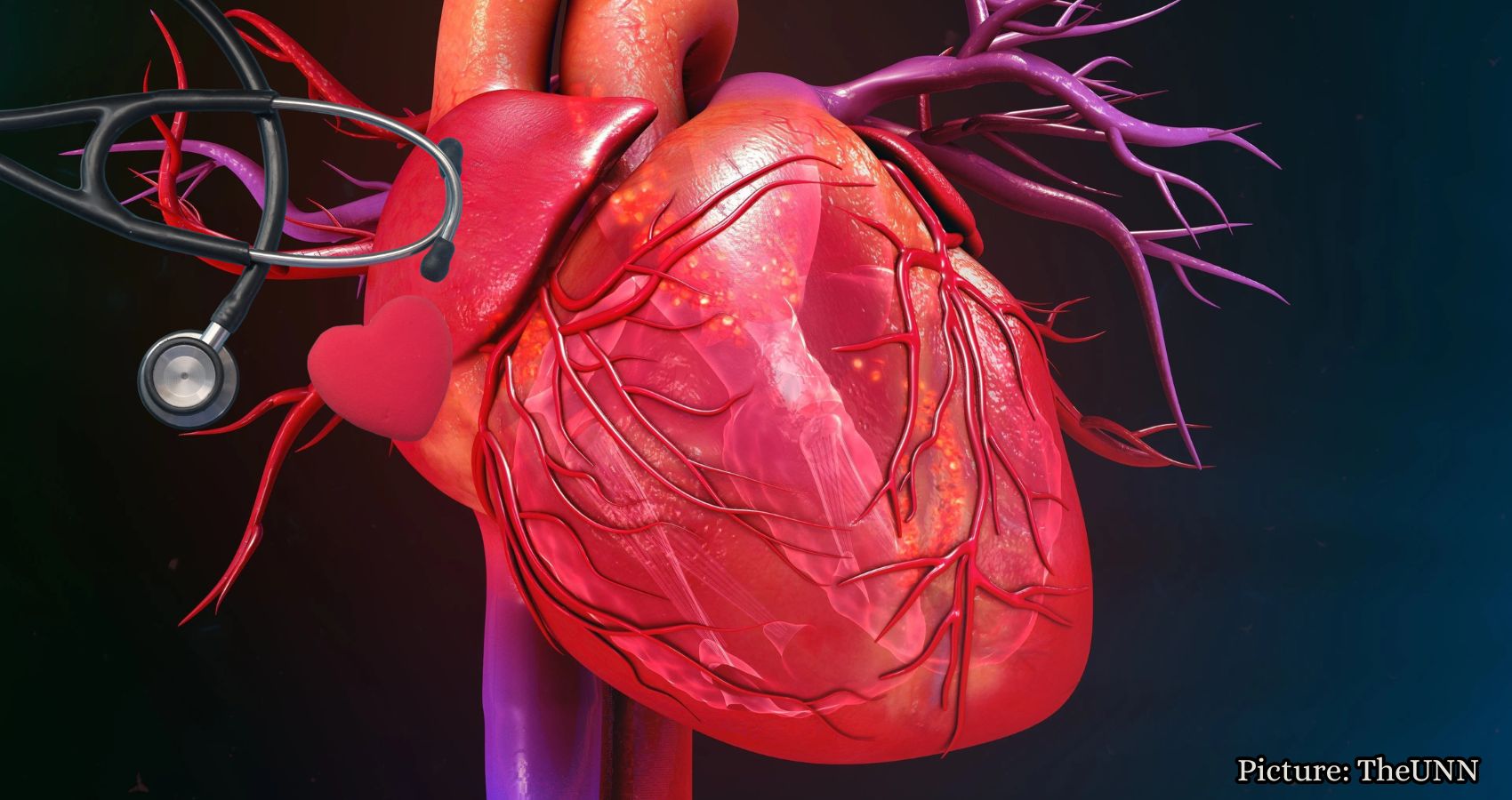
A clinical trial in China has shown that a novel stem cell therapy may reverse severe heart failure in 90% of patients, offering new hope for treatment options.
A clinical trial conducted at Nanjing Drum Tower Hospital in China has revealed that a groundbreaking stem cell therapy could reverse severe heart failure in 90% of patients. This promising development may transform treatment options for a condition that often relies on limited traditional therapies, such as heart transplants.
Heart failure is a chronic and debilitating condition affecting millions of people worldwide. It is characterized by symptoms including shortness of breath, fatigue, swelling in the legs, rapid weight gain, and persistent coughing. The condition occurs when the heart is unable to pump enough blood to meet the body’s needs. Current treatment options typically include lifestyle modifications, medications, and, in severe cases, heart transplants. However, the shortage of available organs presents a significant challenge for many patients seeking effective treatment.
The clinical trial involved 20 patients diagnosed with severe heart failure, who were randomly assigned to two groups. Ten patients received injections of induced pluripotent stem cells (iPSCs) derived from their own body cells, which were then differentiated into specialized heart muscle cells. These cells were injected into the damaged areas of their hearts. The control group consisted of 10 patients who underwent traditional coronary artery bypass surgery.
After a 12-month follow-up, researchers reported that 90% of the patients who received the stem cell injections experienced significant improvements in heart function. Many patients noted a reduction in symptoms, allowing them to resume normal daily activities with only mild residual symptoms. Improvements were particularly evident in chest tightness and shortness of breath, which are common complaints among individuals with heart failure.
One of the key metrics used to assess treatment effectiveness was the six-minute walking test, which measures a patient’s exercise capacity. Patients treated with the stem cell therapy demonstrated nearly double the improvement in walking distance compared to those in the control group. The research team stated, “Secondary efficacy analyses indicated that cell transplantation provided significantly greater improvements in 6-min walk distance,” underscoring the therapy’s positive impact on patients’ functional abilities.
Furthermore, evaluations of cardiac function indicated that the average amount of blood ejected from the patients’ hearts per beat improved significantly following the stem cell therapy. In contrast, only 60% of the control group patients achieved a similar level of improvement. Notably, one patient in the control group passed away eight months after surgery, highlighting the inherent risks associated with traditional surgical interventions.
Regarding safety, the trial reported no severe adverse events among those who received the stem cell treatment. While two patients did experience clinically significant tachycardia, these cases peaked within two to three weeks post-procedure and resolved completely without further medical intervention. This favorable safety profile is particularly noteworthy, given that many new treatments often face scrutiny over potential side effects.
Despite the encouraging results, the researchers stressed the need for further studies to assess the long-term safety and risk-benefit ratio associated with iPSC heart muscle therapy. As the field of regenerative medicine continues to evolve, understanding the implications of such treatments will be crucial for their integration into standard clinical practice.
This trial not only signifies a potential shift in the treatment of severe heart failure but also reflects the growing interest and investment in stem cell research globally. Heart disease remains one of the leading causes of morbidity and mortality worldwide, and advancements like these could offer new hope for millions affected by this challenging condition.
As researchers delve deeper into the possibilities of stem cell therapies, the findings from this trial may pave the way for new clinical guidelines and treatment protocols. The ability to regenerate heart tissue and restore function could fundamentally alter the landscape of cardiac care, particularly for patients with limited treatment options.
In summary, the results of this clinical trial represent a significant advancement in the treatment of heart failure, potentially providing a solution to a condition that has historically posed considerable challenges for both patients and healthcare providers. As further research unfolds, there is hope that such innovative treatments will soon become part of routine medical practice, ultimately enhancing patient outcomes and quality of life, according to Source Name.