
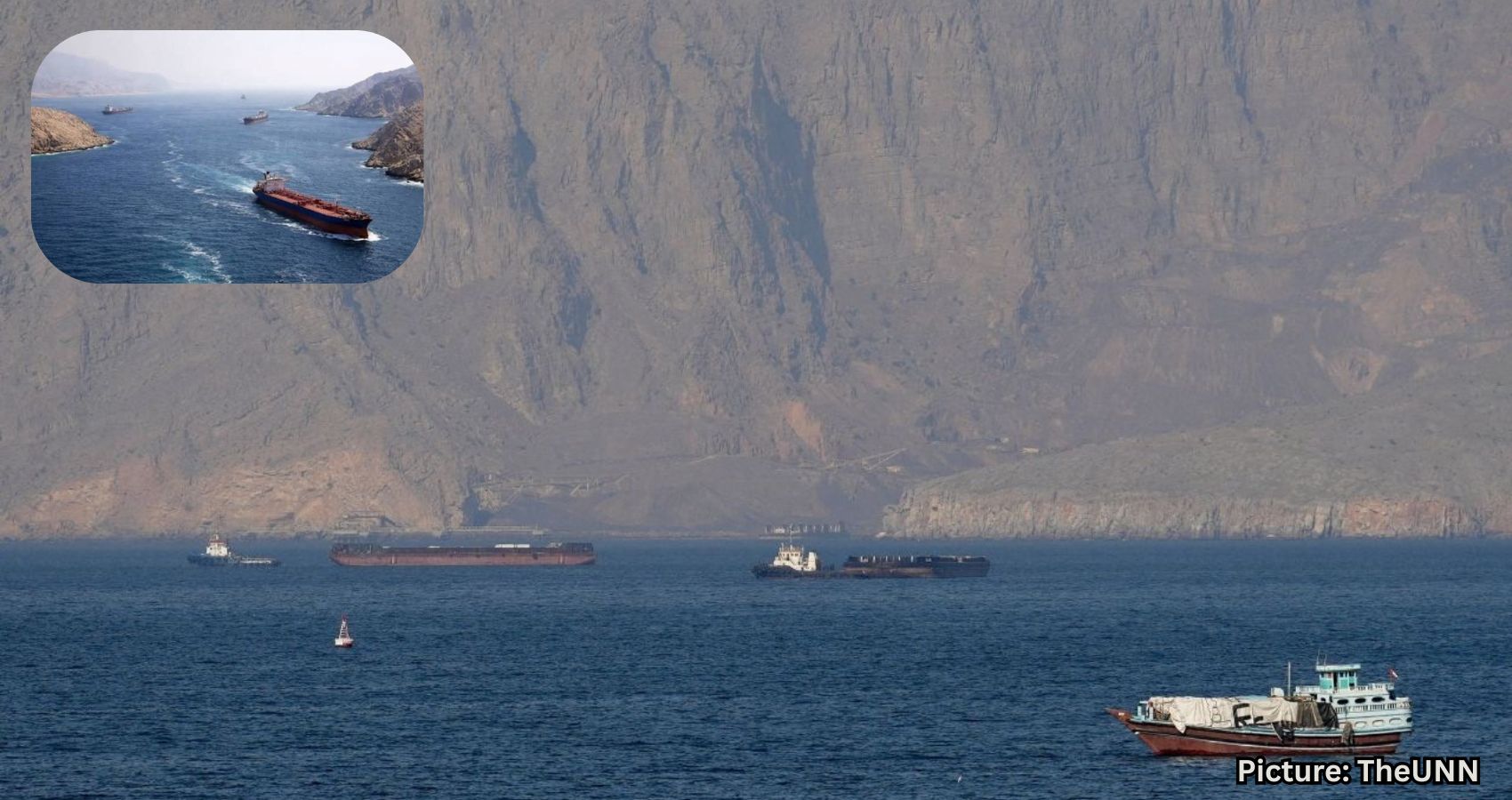
Petroleum geologist Art Berman warns that the ongoing crisis near the Strait of Hormuz may lead to lasting disruptions in oil production, potentially affecting global energy markets long after hostilities cease.
As the world focuses on the movement of tankers through the Strait of Hormuz, a deeper and potentially more significant energy crisis is brewing beneath the surface, according to petroleum geologist Art Berman. With over 40 years of industry experience, Berman cautions that millions of barrels of oil production in the Persian Gulf remain shut in, and restoring these wells is far more complex than merely reopening the strategic waterway.
“This is potentially a kind of a world-changing event, even if we resolve the political issues,” Berman stated in an interview. He emphasized that approximately 8 million barrels of Persian Gulf production are currently offline, contributing to a global production shortfall of about 10 million barrels per day.
While discussions often center on the ability of tankers to safely navigate the Strait of Hormuz, Berman argues that the more pressing issue lies in the upstream challenges of oil production itself. “We can move tankers around and obsess about whether there are 4 million barrels getting through or 6 million or 9 million,” he explained. “But eventually, those tankers have to be filled with oil.”
A White House official noted the recent decline in oil prices following a memorandum of understanding and confirmed that the Strait of Hormuz is currently open, with U.S. naval forces maintaining a blockade. Berman’s estimates regarding Gulf shut-ins align with the latest report from the International Energy Agency (IEA), which indicated that Gulf oil production rose to 23.9 million barrels per day in July, still 8.3 million barrels below pre-war levels.
In contrast, the U.S. Energy Information Administration (EIA) reported an average of 5.5 million barrels per day in production shut-ins for July. The EIA has warned that ongoing constraints on Hormuz transit may lead to increased forecasts for shut-in production in the coming months. They anticipate a return to pre-conflict conditions by early 2027, although some Gulf producers may struggle to regain their previous output levels.
Berman highlighted the technical difficulties associated with restarting oil wells, explaining that it involves re-establishing communication between surface equipment and reservoirs located thousands of feet underground. “This is not like turning on a switch for a light bulb,” he said. “It’s a complicated, high-risk, relatively long-term process, and we don’t know the outcome.” He estimates that about 80% of affected wells could return to near their previous production levels, but this could take weeks or even months. Some wells may require additional engineering work, and a portion of production may never return.
Other analysts in the energy sector share concerns about the challenges of restarting Gulf production. However, Wood Mackenzie offers a more optimistic outlook, projecting that affected fields could recover to approximately 70% of their previous production within three months and 90% within six months, assuming a controlled restart. The final million barrels per day may take significantly longer to recover.
Berman cautioned against assuming that a ceasefire or political agreement would lead to an immediate restoration of pre-war energy flows. He noted that shipowners, insurers, and crews would need to regain confidence in the safety of navigating the waterway, and logistical and security issues could persist even after a political resolution is reached. “A simple political agreement doesn’t mean the problem’s over,” he said.
Beyond the immediate oil-market recovery, Berman argues that the Persian Gulf conflict represents a fundamental shock to the global energy and economic system, with repercussions likely to endure even after the crisis subsides. He compared the scale of the disruption to the COVID-19 pandemic, emphasizing that the extent of oil production affected makes it comparable to the largest economic upheavals in recent history.
“This is not just a news cycle,” Berman asserted. “This is potentially a kind of a world-changing event, even if we resolve the political issues.” He further explained that while the United States is the world’s largest oil producer, this does not insulate American consumers from the disruptions caused by the crisis. The global nature of the oil market means that U.S. refineries require various grades of crude oil to produce gasoline, diesel, jet fuel, and other petroleum products, making domestic production alone insufficient to eliminate exposure to international market fluctuations.
Berman noted that disruptions in the Strait of Hormuz have already prompted international buyers to seek alternative sources of petroleum products, contributing to higher U.S. refinery margins, production, and exports. The trajectory of recovery, whether it aligns with the EIA’s expectations or encounters the technical challenges Berman warns about, will significantly influence how long the economic consequences of the conflict persist after hostilities cease.
Ultimately, Berman poses a critical question: Will the global energy system that emerges after this crisis operate in the same manner as it did before? The White House has countered concerns about the lasting threat to U.S. energy security by highlighting record American production and attributing instability in the Strait of Hormuz to Iran. White House spokeswoman Taylor Rogers stated, “Thanks to President Trump, the United States is now the world’s number-one producer and exporter of oil and gas. Record oil and gas production strengthens our energy independence and national security.” She added that the Iranian regime’s actions in the Strait of Hormuz underscore the need for allies to invest in reliable energy sources and foster partnerships with the United States to enhance global energy security.
As the situation continues to evolve, the implications of the crisis near the Strait of Hormuz remain a critical area of focus for energy analysts and policymakers alike, with the potential for long-lasting effects on the global oil market.
According to Fox News Digital.