
The California State Assembly has officially recognized Diwali 2026, honoring the cultural and spiritual significance of the Festival of Lights and expressing deep respect for the Indian-American community.
The California State Assembly has adopted a resolution to recognize Diwali on November 8, 2026. This gesture pays tribute to the cultural and spiritual significance of the Festival of Lights while expressing “deepest respect” for the Indian-American community in California and the broader Indian diaspora worldwide.
House Resolution 137 (HR 137), introduced by Assembly Members Darshana Patel and Ash Kalra, acknowledges Diwali as a festival of great importance to Indian-Americans and South Asian Americans. The resolution encourages Californians to participate in this year’s celebrations, noting that the festival is observed annually by Hindus, Sikhs, Buddhists, and Jains across the United States and around the globe.
Within a week of its introduction on August 13, the resolution received unanimous approval from the Assembly Rules Committee and advanced to the floor on August 20.
Patel explained that lawmakers decided to recognize Diwali ahead of the festival because the Legislature will be out of session during the celebration in November. “Diwali may not be until November, but with the Legislature out of session during the festival, we’re marking the occasion a little early,” she shared on Instagram.
“I was proud to present our Diwali resolution on the Assembly Floor, recognizing the Festival of Lights and the traditions of hope, renewal, and community at its heart,” Patel stated. “Bringing this resolution forward now ensures this important cultural tradition has its moment on the Assembly Floor before the legislative session comes to a close.”
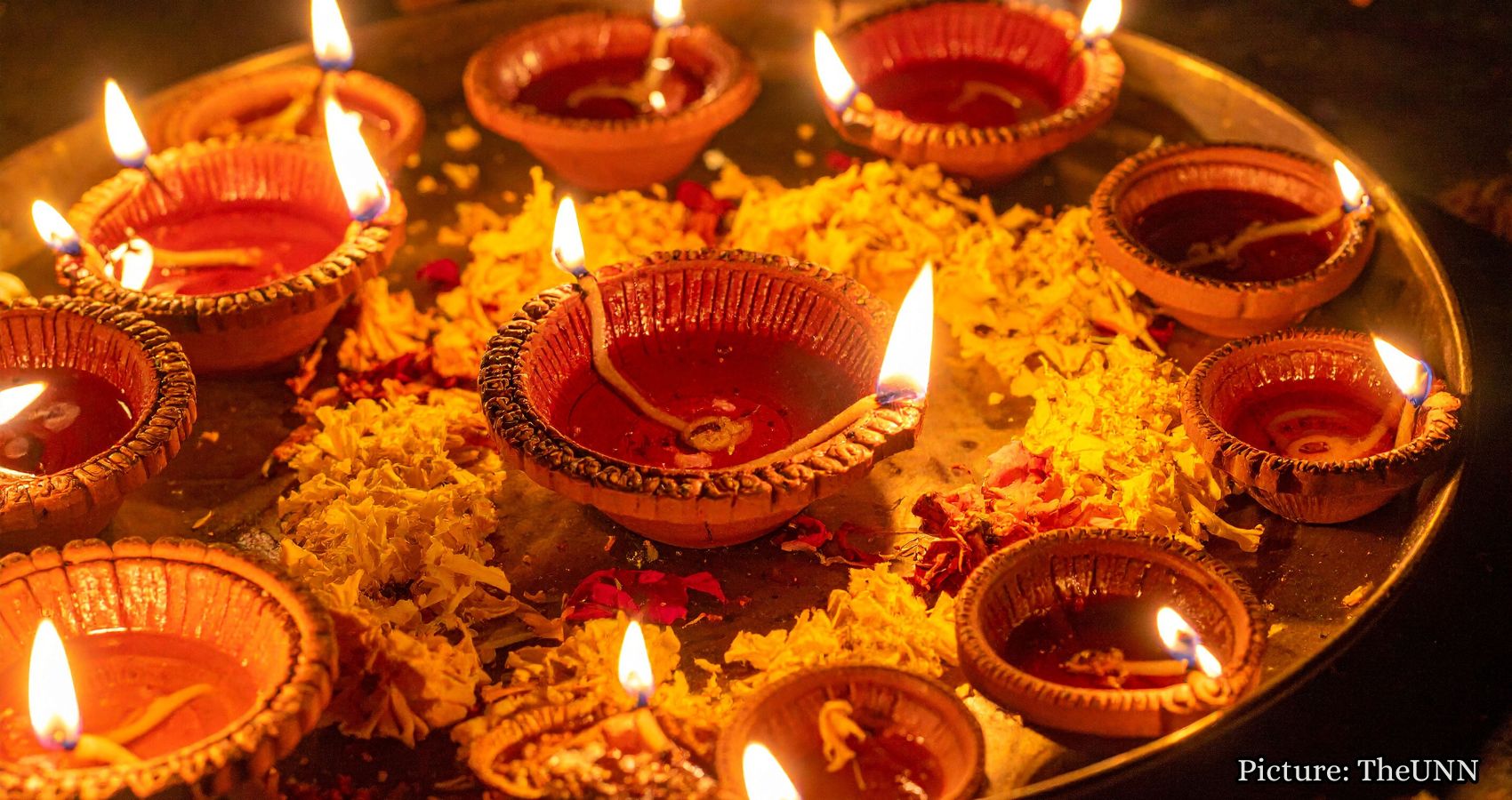
The resolution describes Diwali, or Deepavali, as meaning “a row of lamps.” It highlights the centuries-old festival as a time when families, friends, and communities come together to celebrate generosity, unity, joy, and appreciation, as well as a time for reflection. Homes are traditionally illuminated with candles, oil lanterns, and clay lamps, symbolizing the triumph of light over darkness.
Additionally, the measure emphasizes broader themes associated with Diwali, such as the triumph of good over evil, overcoming struggles, embracing positivity and humility, and maintaining kindness in the face of personal challenges.
“Diwali is a time to commit to knowledge, growth, and happiness; it is a time to reflect, signifying the importance of wisdom, kindness, and transformation,” the resolution states.
For many celebrants, the festival also marks the beginning of the New Year. The resolution details various traditions associated with Diwali, including cleaning and decorating homes, creating colorful rangolis, sharing meals, and gathering for music, dance, and community celebrations. These traditions foster a deep sense of community while celebrating values such as truth, justice, duty, and family.
This recognition builds upon California’s formal acknowledgment of Diwali in state law. In 2025, the state enacted Assembly Bill 268, authored by Kalra, which added Diwali—observed on the 15th day of the month of Kartik in the Hindu lunar calendar—to California’s list of official state holidays.
HR 137 specifically acknowledges this milestone, stating that California designated Diwali as an official state holiday “to formally recognize the cultural significance of Diwali for all Californians who celebrate, embracing the diversity that enriches our state.”
The resolution arrives as California’s Indian-American community continues to play an increasingly prominent role in the state’s civic, economic, and cultural life. With HR 137, lawmakers have formally placed this year’s Diwali observance on the Assembly record while encouraging Californians statewide to participate in the Festival of Lights.
Patel extended her greetings to all those celebrating, wishing them “a joyful and bright Festival of Lights this fall,” according to The American Bazaar.