Law Targeting Nazis May Strip Citizenship from More Americans

The U.S. Department of Justice, under the Trump administration, is looking to expand its denaturalization efforts, placing millions of naturalized citizens at potential risk of losing their citizenship.

The Justice Department (DOJ) has traditionally employed denaturalization powers to revoke citizenship from those who falsely obtained it or hid significant parts of their past, such as former Nazis. However, a recent memo indicates a potential broadening of this scope under the current Trump administration, raising concerns among legal experts.

According to the memo, attorneys are now instructed to focus their efforts on denaturalizing individuals who may pose a “potential danger to national security.” This marks a shift that aligns with the administration’s stringent immigration policies and could affect a significant number of naturalized citizens by risking their deportation.

The efforts prioritize individuals who have committed violent crimes or are associated with gangs, drug cartels, or have engaged in fraudulent activities. The memo, issued by the head of the DOJ’s Civil Division, outlines these priorities.

Experts and officials are voicing concerns that the broader initiative may instill fear among legal immigrants, especially those critical of the Trump administration. Cassandra Burke Robertson, a law professor at Case Western Reserve University, expressed concern about this potential politicization of citizenship, stating, “The politicization of citizenship rights is something that really worries me, I think it’s just flatly inconsistent with our democratic system.”

This current effort harkens back to a McCarthy-era statute initially used to identify Communists. Over the years, it has primarily targeted war criminals, marked by the establishment of a DOJ unit in 1979 which focused on deporting individuals affiliated with the Nazis.

More historic efforts included Operation Janus under the Obama administration, focusing on identity theft in obtaining citizenship. Trump had previously attempted to extend denaturalization by establishing a specialized office at the DOJ in 2020, which was later dismantled by the Biden administration.

On returning to power, Trump has aimed to remodel immigration enforcement broadly, enlisting agencies like the FBI and U.S. Marshals in deportation efforts and scrutinizing foreign student visas. The new directive does not revive the prior office; instead, it prompts the entire Civil Division to prioritize denaturalization “in all cases permitted by law,” as per the memo. This guidance suggests that U.S. attorneys across the nation should highlight cases potentially suitable for denaturalization proceedings.

During Trump’s first term, 102 denaturalization cases were filed, compared to the 24 cases filed under Biden, stated Chad Gilmartin, a DOJ spokesperson. In Trump’s second term, five cases have been filed in its initial five months.

The DOJ clarified, “Denaturalization proceedings will only be pursued as permitted by law and supported by evidence against individuals who illegally procured or misrepresented facts in the naturalization process.” However, several current and former DOJ officials expressed concern that the memo’s broad directives could be used to expel individuals based on vague allegations.

Robertson noted that the administration might seek out historical errors in the naturalization process of political opponents, including student activists. Irina Manta, a law professor at Hofstra University, suggested the policy change could stifle free speech due to fear among citizens, stating, “I regularly observe the fear firsthand.”

Adding to this concern, Trump has suggested deporting certain American citizens, although his seriousness remains ambiguous. He has implied that the administration should potentially examine removing individuals, like criticizing businessman Elon Musk, following a disagreement over policy.

In a formal step reflecting this stance, Congressman Andy Ogles recently requested Attorney General Pam Bondi to investigate whether Zohran Mamdani, a New York City mayoral candidate and naturalized citizen from Uganda, should be considered for denaturalization due to his political expressions in support of contentious figures.

The broader implications of these potential policy shifts remain provocative, with significant apprehension among legal professionals and immigrants distressed over what may follow, according to CNN.

Source: Original article

Trump Signs Significant Bill into Law

President Trump signed a comprehensive reconciliation package into law, incorporating tax cuts and Medicaid reductions, marking a major political achievement for his administration following extensive negotiations with Congressional Republicans.

President Trump finalized a significant legislative accomplishment on Friday by signing into law an expansive reconciliation package that includes extended tax cuts and phased-in reductions to Medicaid, culminating after months of challenging negotiations with Republicans on Capitol Hill.

The signing took place during a Fourth of July military family picnic at the White House. Trump had aimed to have the legislation ready by Independence Day, a goal that seemed uncertain just days before. “We made promises, and it’s really promises made, promises kept, and we’ve kept them,” Trump declared from the balcony overlooking the South Lawn. He added, “This is a triumph of democracy on the birthday of democracy. And I have to say, the people are happy.”

First Lady Melania Trump, various Cabinet officials, and numerous Republican lawmakers, including Speaker Mike Johnson (R-La.), House Majority Leader Steve Scalise (R-La.), House Majority Whip Tom Emmer (R-Minn.), and Rep. Jason Smith (R-Mo.), attended the ceremony. The event featured added spectacles such as a flyover by two B-2 bombers. These aircraft recently carried out strikes on Iranian nuclear facilities last month.

The Senate passed its version of the bill early Tuesday morning, with Vice President Vance casting the tie-breaking vote after three Republicans opposed it. The House approved the legislation without amendments on Thursday afternoon, following extended efforts to secure support from hesitant members during a procedural vote. The final House vote was close at 218-214, with two Republicans voting against it.

Friday’s bill signing capped off a series of favorable developments for Trump, including achievements in foreign policy, a strong jobs report, and historic low apprehension numbers at the southern border. “We’ve I think had probably the most successful almost six months as a president and the presidency,” Trump stated. “I think they’re saying it was the best six months, and I know for a fact they’re saying the last two weeks, there has never been anything like it as far as winning, winning, winning.”

The legislation incorporates key elements from Trump’s 2024 campaign platform. It extends the tax cuts originally enacted in 2017, which were due to expire later this year. It also eliminates certain taxes on tipped wages and raises the cap on state and local tax (SALT) deductions, a contentious issue during negotiations.

The bill allocates $150 billion for border wall funding, immigration enforcement, and deportations, alongside $150 billion in new defense spending for projects like shipbuilding and the “Golden Dome” missile defense initiative. It cuts green energy incentives while boosting domestic fossil fuel production. The legislation also increases the debt ceiling by $5 trillion, alleviating concerns about a potential federal default.

Democrats have criticized the bill for its cuts to low-income health and nutrition programs, arguing that these reductions offset tax cut revenue losses but also threaten health coverage for millions. House Minority Leader Hakeem Jeffries (D-Calif.) delivered an extensive speech opposing the bill, claiming it would harm working families. Trump dismissed Jeffries’ remarks and Democratic criticism as a “con job.”

Despite negative polling, White House officials have downplayed criticism, contending that public opinion will improve once Republicans adequately inform constituents about the bill’s benefits, according to The Hill.

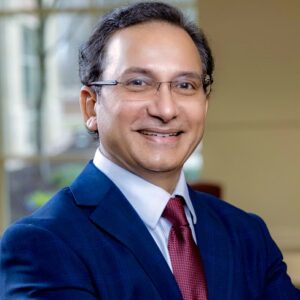
Dr. Amit Chakrabarty & Dr. Hetal Gor Formally Assume Charge as President & BOT Chairperson AAPI

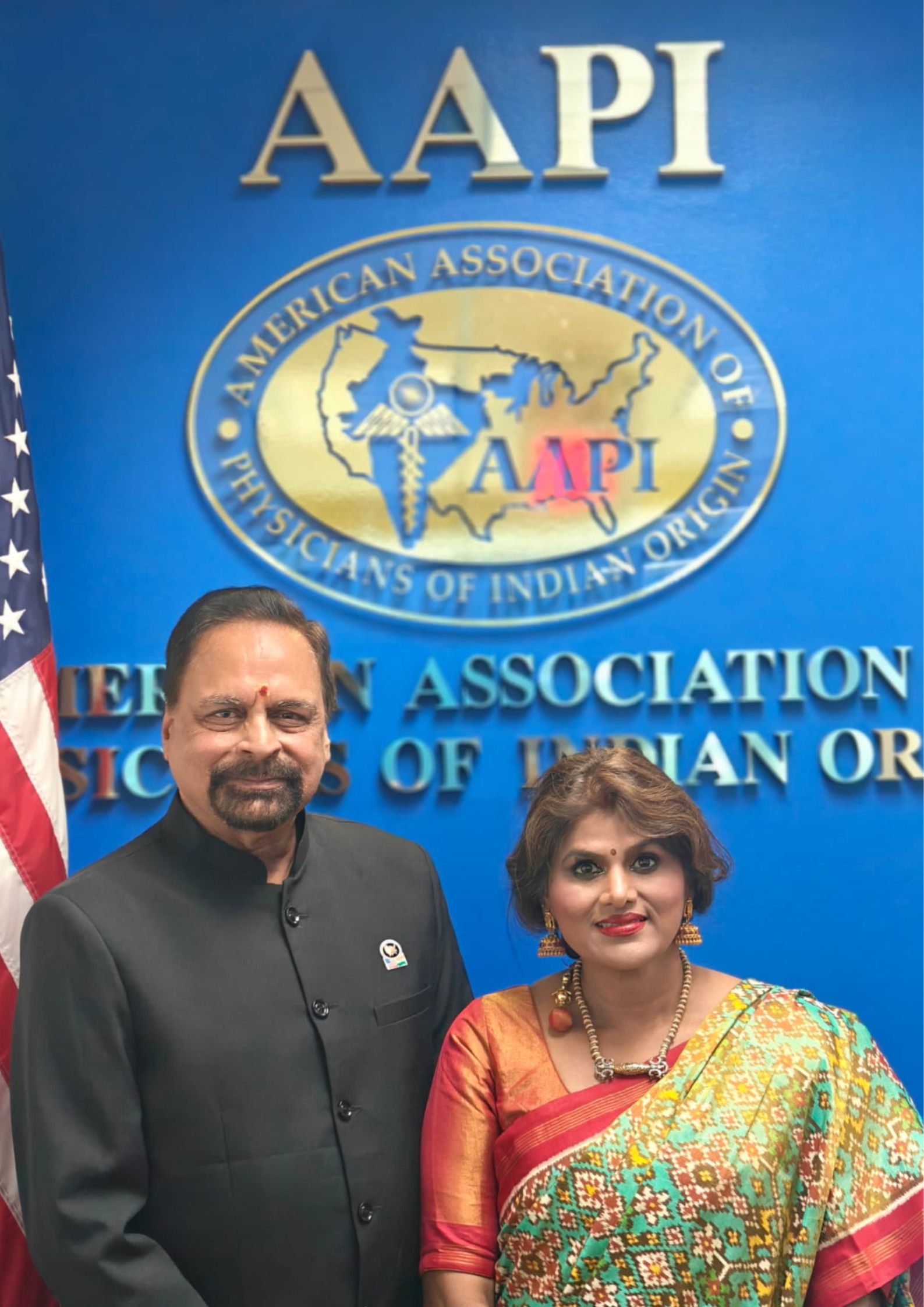
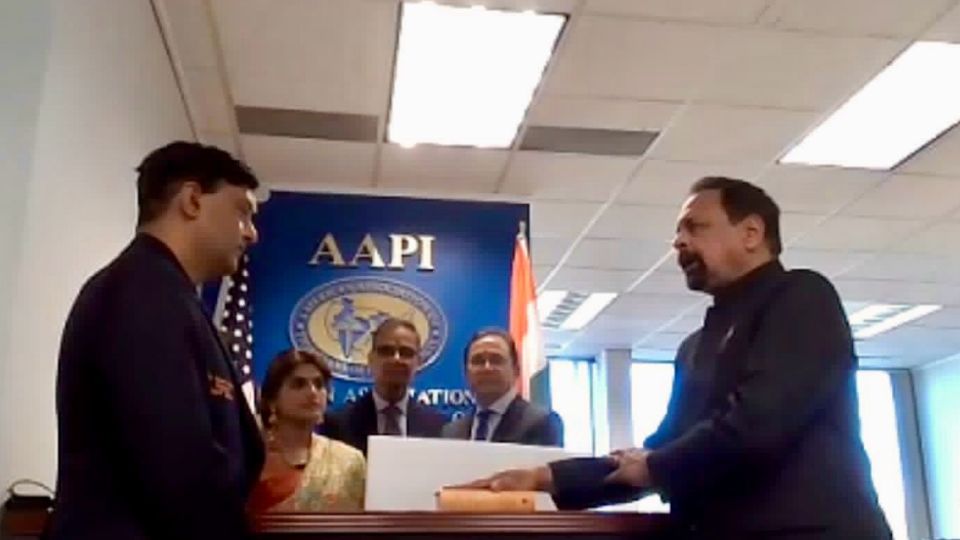
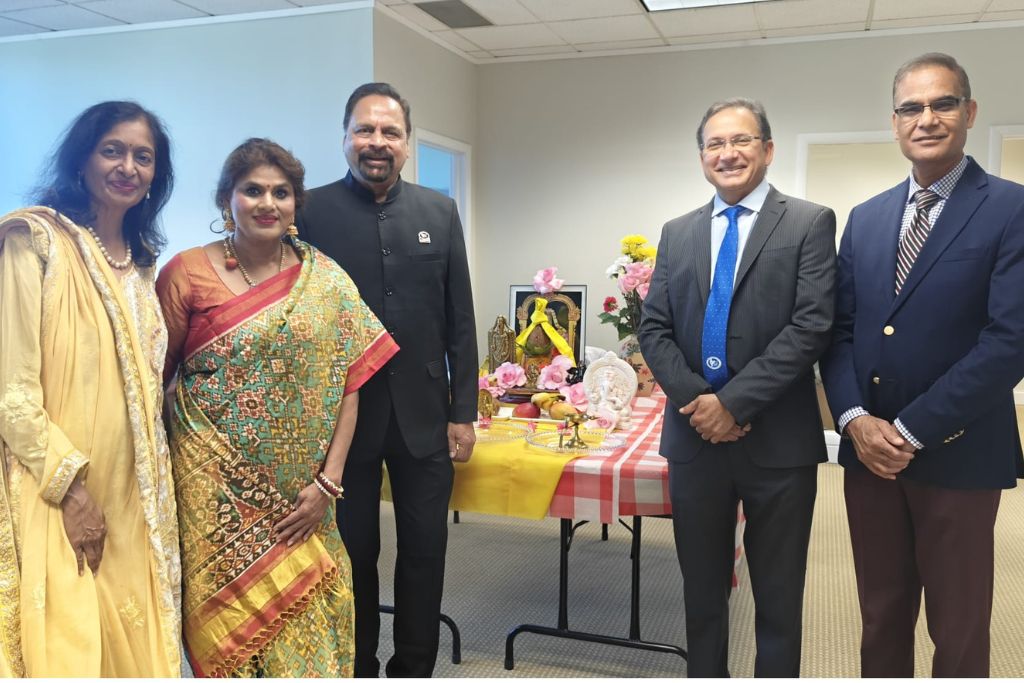
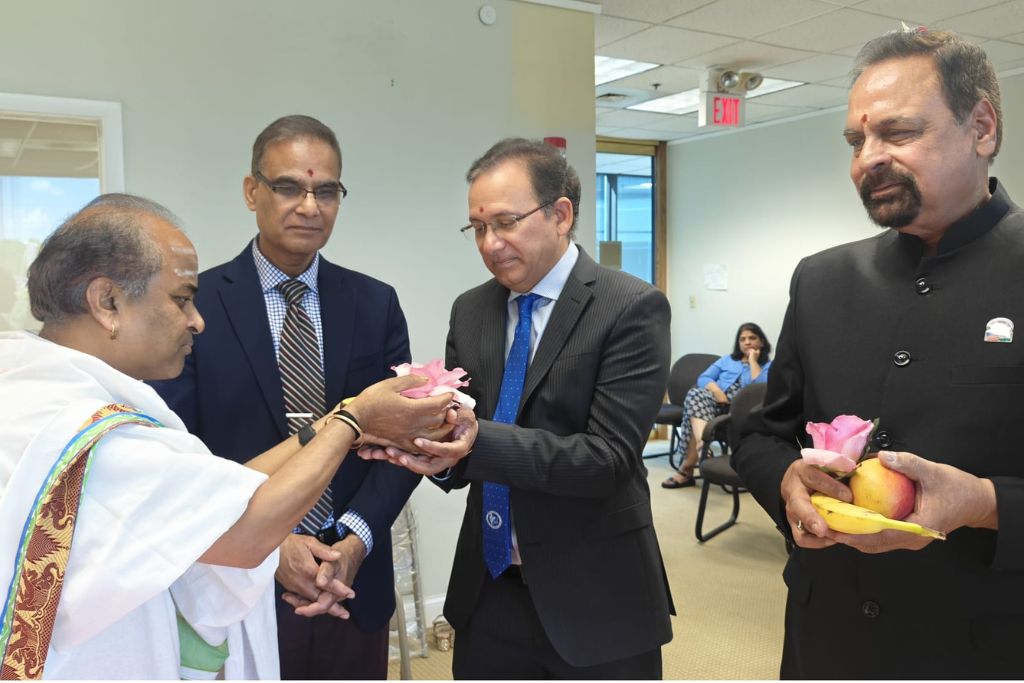
6 Dr Amit Chakrabarty & Dr Hetal Gor Formally Assume Charge as President & BOT Chairperson AAPIFor the first time in the history of the American Association of Physicians of Indian Origin (AAPI), during a formal ceremony Dr. Amit Chakrabarty and Dr. Hetal Gor were formally administered the oath of office as  the President & Chairperson of the Board of Trustees of AAPI, respectively at a solemn ceremony at the AAPI office in Oak Brook, IL, on July 3rd, 2025.

Dr. Suresh Reddy, a past President of AAPI and an elected Trustee of the Oak Brook Township administered the oath of Office to the incoming leaders of AAPI, who are committed to take AAPI to the next level in the coming year.

According to Dr. Satheesh Kathula, current President of AAPI, “In accordance with AAPI Bylaws, the President-Elect and Chair-Elect of the Board of Trustees officially assumed office on July 3rd. While the ceremonial Gavel Transfer will be held during the Annual Convention Gala on Saturday, July 26, 2025, the formal Presidential & BOT Chair Handover Ceremony was held on Thursday, July 3, 2025. This ceremony marks a meaningful leadership transition for our organization.”

Dr Amit Chakrabarty Oath

2 Dr Amit Chakrabarty & Dr Hetal Gor Formally Assume Charge as President & BOT Chairperson AAPI“We have the potential to make a significant impact on the healthcare landscape of this country,” Dr. Chakrabarty said. “My goal this year is to unify AAPI by transcending the regional divides that have hindered our progress in recent years. Indian American physicians represent tremendous talent and potential, and the key to realizing that lies in collective action and a united voice—something I am committed to fostering.”

Dr. Hetal Gor, a board-certified obstetrician-gynecologist, assumed charge as the Chair, Board of Trustees of AAPI. Dr Gor is the president/Founder of Bergen Indian Medical Association , President /Founder of US chapter of FOGSI (Federation of OBGYN Society of India, and had served as the past President of the American Association of OBGYN of Indian Origin. Dr Gor is the Chair of North NJ chapter of Indian American Women Entrepreneurs Association. Dr Gor is a Board of Trustees of Bergen Performing Arts Center in Englewood, NJ, where she brings Indian art and artists to showcase Indian Heritage.

Dr. Meher Medavaram, a Board Certified in Family Medicine Physician and a Fellow of Academy of American Family3 Dr Amit Chakrabarty & Dr Hetal Gor Formally Assume Charge as President & BOT Chairperson AAPI Physician, serving as the Medical Director of Mount Sinai Hospital, FAQH Center, and a Staff Physician Advocate at Good Samaritan  Hospital as well as a Clinical Preceptor at UIC College of Medicine, Department of Family Medicine CMU School of Medicine also was administered the oath of office as the President Elect of AAPI.

The growing influence of physicians of Indian heritage is evident, as increasingly physicians of Indian origin hold critical positions in healthcare, academic, research, and administrative positions across the nation. We the physicians of Indian origin are proud of our great achievements and contributions to our motherland, India, our adopted land, the US, and in a very significant way to the transformation of Indo-US relations.

4 Dr Amit Chakrabarty & Dr Hetal Gor Formally Assume Charge as President & BOT Chairperson AAPIServing 1 in every 7 patients in the US, AAPI members care for millions of patients every day, while several of them have risen to hold high-flying jobs, shaping the policies and programs, and inventions that shape the landscape of healthcare in the US and around the world.

“Since its inception in 1982, AAPI has been at the forefront, representing a conglomeration of more than 125,000 practicing physicians in the United States, seeking to be the united voice for the physicians of Indian origin. I trust and believe that the new Team under Dr. Amit Chakrabarty will continue the noble mission and strengthen our efforts to make AAPI reach greater heights,” said Dr. Satheesh Kathula.  For more details about AAPI, please visit: www.appiusa,org

5 Dr Amit Chakrabarty & Dr Hetal Gor Formally Assume Charge as President & BOT Chairperson AAPI

House Approves Trump’s Tax Bill, Marking Second-Term Milestone

House Republicans successfully passed President Donald Trump’s significant tax cuts and spending reduction bill, heralding it as a landmark achievement for his second term, despite fierce opposition from Democrats.

In a closely contested vote, House Republicans pushed through President Donald Trump’s tax cuts and spending reductions bill with a slim 218-214 margin. The approval came just in time for the Fourth of July deadline, signaling a high-stakes victory for Trump’s administration as they compile a core policy initiative early in his second term.

The bill, widely seen as a key GOP victory, was finalized amidst controversy and political maneuvering. Two Republican lawmakers joined all Democrats in opposing the legislation. GOP leaders, in collaboration with Trump, worked tirelessly to quell internal dissent and secure the votes necessary for passage.

Celebrating the legislative success in Iowa at the start of events commemorating the nation’s approaching 250th anniversary, Trump expressed gratitude toward Republican lawmakers, disparaging Democrats for their resistance to what he described as a beneficial measure.

House Speaker Mike Johnson of Louisiana echoed Trump’s sentiment, encouraging Republicans to unify behind the bill. The colossal document, nearing 900 pages, encapsulates multiple Republican priorities under one legislative package, now labeled colloquially as Trump’s “one big beautiful bill.”

The enactment preserves $4.5 trillion in tax cuts from 2017 and introduces new ones, favoring provisions such as deductions for workers’ tips and overtime, and a sizeable deduction for older adults with particular income qualifications. Furthermore, it pledges $350 billion towards national security, including advancement in Trump’s deportation policies and the development of a new defensive system, dubbed the “Golden Dome.”

However, to offset substantial tax revenue losses, the bill implements substantial reductions, slashing $1.2 trillion from Medicaid and food stamp funding, with stricter work requirements imposed on beneficiaries. The Congressional Budget Office warns of a $3.3 trillion deficit increase over the next decade, with 11.8 million individuals potentially losing health coverage.

The bill starkly contrasts with Democratic priorities and faced unified Democratic opposition. Democratic leader Hakeem Jeffries of New York mounted a record-breaking speech on the House floor, challenging the ramifications of Trump’s “big ugly bill.” His extensive address underscored Democrats’ concerns over social program cutbacks, painting the legislation as detrimental to vulnerable populations.

As Jeffries highlighted the human costs, Democrats collectively denounced the measure as regressive and harmful to working-class citizens. Jeffries’ heartfelt oration warned of life-threatening consequences due to Medicaid cuts and their broader impact on public welfare. Republican counterarguments focused on preventing imminent tax increases while reaffirming beliefs in economic growth and program efficacy through regulatory revisions.

The Senate approved the bill days prior, with Vice President JD Vance casting the tie-breaking vote. As tensions simmered on the House floor, Johnson and Trump’s team marshaled extensive resources to rally wavering Republicans, balancing concerns between moderates and conservatives within the party.

After the conclusion of the vote, jubilant Republicans celebrated, with Trump loyalists attributing personal political stakes to the passage of the bill. Critics warned that bucking Trump’s agenda could result in significant electoral consequences, illustrating the fierce political entanglements intertwined with the passage of the legislation.

The bill represents a profound challenge to former Democratic administrations’ accomplishments, notably scaling back healthcare expansions from the Affordable Care Act and relaxing green energy incentives earmarked in prior congressional terms. Democrats caution against severe social repercussions, particularly for those reliant on federal assistance programs.

In summary, proponents argue the legislation fosters economic sustainability and secures Trump’s fiscal legacy, while detractors emphasize its expansive social health costs. The ongoing debate underscores entrenched partisan divides, persistent ideological battles, and the complexity of bipartisan governance.

According to Associated Press

Source: Original article

India-US Interim Trade Deal Expected; Agriculture a Key Issue

An interim trade deal between India and the United States is expected to be finalized within the next two days, as negotiators work to overcome differences primarily surrounding agriculture and dairy sector access.

An interim trade agreement between India and the United States is anticipated to be finalized within the next 48 hours. This development comes just days before the July 9 deadline for President Donald Trump’s proposed reciprocal tariffs, according to sources familiar with the negotiations. The discussions are in their final stages, with India firmly maintaining its position against fully opening its agriculture and dairy sectors to the United States.

India is keen to secure greater access for its labor-intensive industries such as textiles, gems and jewelry, leather goods, plastics, and chemicals. This aspect of the negotiations reflects India’s effort to expand its presence in the U.S. market while safeguarding its own sensitive sectors.

The key sticking point involves the Trump administration’s insistence on wider access to India’s agricultural sector. Lead negotiator and special secretary Rajesh Agarwal has had to extend his stay in Washington as talks continue. India has resisted lowering tariffs on genetically modified crops such as corn, soybeans, rice, and wheat grown in the United States, and has also rejected the opening of its dairy sector, which supports over 80 million workers.

The reluctance to ease restrictions on agriculture is rooted in the politically sensitive nature of the sector in India, where fears of increased foreign competition could spark farmer protests. This resistance illustrates the complexities facing trade negotiators as they attempt to balance domestic political concerns with international trade objectives.

President Trump has previously accused India of being a significant abuser of tariffs and has threatened to impose a 26% duty on Indian imports under a set of reciprocal tariffs announced on April 2. While he suspended these tariffs for 90 days to provide time for negotiation, Trump has reiterated the need for a trade deal with reduced tariffs that enables open competition between the two nations.

“I think we are going to have a deal with India. And that is going to be a different kind of a deal,” Trump said, emphasizing that less restrictive trade policies would allow both countries to compete effectively. He called for India to open its markets to foreign competition, suggesting that an agreement on reduced tariffs could be reached soon.

The bilateral trade agreement (BTA) aims to significantly increase trade between the two countries, with a target of doubling its value to $500 billion by 2030. This ambitious goal was also highlighted during Prime Minister Narendra Modi’s visit to the United States earlier this year.

As both sides work to finalize the terms of the trade pact, the outcome will be closely watched by industry stakeholders and policymakers in both countries, who hope to see a sustainable path forward for U.S.-India trade relations.

Source: Original article

House Approves Tax and Spending Bill, Benefiting Johnson and Trump

House Republicans passed President Trump’s sweeping legislation on Thursday, marking a significant legislative victory as it now awaits the president’s signature.

In a vote that concluded with a narrow margin of 218-214, two Republican lawmakers joined all Democrats in opposing the bill, which has been touted by President Trump as his “big, beautiful bill.” The legislation now heads to Trump’s desk, where he is expected to sign it on July 4, meeting his self-imposed deadline for enacting the package.

The road to passage was not without its hurdles. The GOP leadership kept procedural votes open for several hours in an attempt to persuade undecided members to support the measure. President Trump played an active role in rallying support, while House Minority Leader Hakeem Jeffries (D-N.Y.) delivered an extensive speech lasting 8 hours and 44 minutes in opposition to the legislation.

Despite these challenges, the passage of the bill represents a major triumph for both President Trump and House Speaker Mike Johnson (R-La.), solidifying their legislative agenda amidst a closely divided Congress.

The vote saw Republican Representatives Thomas Massie of Kentucky and Brian Fitzpatrick of Pennsylvania break ranks with their party, ultimately voting against the bill.

Alongside his political endeavors, President Trump is scheduled to accompany First Lady Melania Trump in a meeting with former Israeli hostage Edan Alexander later on Thursday. Following this engagement, President Trump will travel to Iowa to deliver a speech at the state fairgrounds, signaling the commencement of the nation’s 250th-year celebrations.

The developments come as Trump maintains a significant presence on the political stage, with his legislative priorities playing a central role in shaping the current political landscape.

According to The Hill, the legislative journey of this bill has involved significant strategic maneuvering and political involvement from the highest levels of government.

Source: Original article

Jaishankar Discusses Quad, US-India Relations, and Political Unity

India’s Foreign Minister S. Jaishankar highlighted the political pluralism and unity displayed by India’s All-Party delegations and provided insights into the progress of the Quad’s initiatives during a press conference in Washington, D.C.

India’s Foreign Minister S. Jaishankar emphasized the global advocacy efforts of seven All-Party delegations that followed Operation Sindoor, remarking on how these initiatives showcase India’s “political pluralism” and deliver a powerful “unified message.”

Speaking at a press conference on July 2, 2025, at the Willard Intercontinental in Washington, D.C., Jaishankar responded to a query from the South Asian Herald, highlighting the unity demonstrated by diverse political figures coming together on key issues. He noted, “When you have a set of people with a track record, with that diversity—you actually saw the political pluralism of India come together on an important issue and send a strong unified message.”

Joined by the Indian Ambassador to the United States, Vinay Kwatra, and Additional Secretary (Americas) Nagaraj Naidu, Jaishankar expressed personal admiration for the initiative, stating it demonstrated India’s national interest positively. “We very much value and appreciate what they did,” he said, emphasizing the importance of a wide-ranging delegation speaking with one voice on international platforms to convey national unity.

The project, comprising leaders across the political spectrum such as Shashi Tharoor, Supriya Sule, Ghulam Nabi Azad, Kanimozhi Karunanidhi, and several others alongside ruling party members like Ravi Shankar Prasad, and Jai Panda, reflected the initiative’s diverse nature. It also included those with foreign affairs experience, including Salman Khurshid and Anand Sharma.

In response to another inquiry regarding the progress of the Quad, Jaishankar described it as a “unique organization” without a formal legal framework but united by “commonality of purpose” and “convergence of interest.”

“There’s a universe of things remaining to be done,” he explained, discussing the evolving agenda shaped by changing global needs, with issues like undersea cables and critical minerals moving to the forefront of discussions.

Jaishankar shared insights from the recent Foreign Ministers’ meeting on July 1, noting it was more extensive compared to earlier meetings. During discussions, the Quad members agreed to strengthen strategic stability in the Indo-Pacific and delved into regional issues, notably those involving Israel, Iran, and U.S. regional engagement.

Specific initiatives announced include the Quad Critical Minerals Initiative, focusing on mineral recovery, an Indo-Pacific Logistics Network, the Quad-at-Sea Ship Observer Mission for enhanced Coast Guard cooperation, and a Maritime Legal Dialogue to be hosted online by India.

Additional efforts include an Expanded Indo-Pacific partnership on maritime domain awareness, a Maritime Initiative for Training in the Indo-Pacific workshop, a Ports of the Future Partnership conference, and a conference on undersea cables under the Quad Partnership on Cable Connectivity and Resilience.

Jaishankar emphasized the Quad’s focus on four key thematic areas: Maritime and Transnational Security; Economic Prosperity and Security; Critical and Emerging Technologies; and Humanitarian Assistance and Emergency Response.

Further illustrating the depth of India’s diplomatic engagements, he recounted bilateral discussions with Secretary of State Marco Rubio on wide-ranging issues such as trade, technology, defense, and energy. Additional meetings with Australia’s Foreign Minister Penny Wong, Japan’s Foreign Minister Iwaya Takeshi, Defense Secretary Pete Hegseth, and Energy Secretary Chris Wright further underscored strong bilateral ties.

Responding to a question on the U.S.-India relationship’s foundation, Jaishankar underscored the partnership’s centrality by acknowledging India’s position as a leading global economy and its collaborative efforts in sectors like trade and technology.

He affirmed the Quad’s respect for ASEAN’s central role in regional matters, noting the group’s considerable focus on ASEAN. As the sole Global South nation in the Quad, India voices developing countries’ priorities and perspectives during discussions, which also include development projects in the Global South.

Looking ahead, India is preparing to host the next Quad Summit later this year and has shared preliminary proposals with other member countries, according to Jaishankar.

Source: Original article

“The World’s Happiest Man” Premieres at NAIFF 2025 Festival

The U.S. premiere of “The World’s Happiest Man” at the Nepal-America International Film Festival 2025 highlighted the power of cinema to bridge diverse cultures and address compelling immigrant narratives.

The much-anticipated U.S. premiere of the feature film “The World’s Happiest Man” was celebrated during a red-carpet event on June 28, 2025, at the AFI Silver Theatre and Cultural Center in Silver Spring, Maryland. The event was a part of the Nepal-America International Film Festival (NAIFF), which showcased more than 30 films from 14 countries, running from June 26-29 across venues in Silver Spring and Greenbelt, Maryland.

“We’re trying to bridge diverse cultures in the United States through cinema,” said Purna Baraili, president of the Nepal America Film Society, which has hosted the NAIFF annually since 2017. This year’s festival featured critically acclaimed films such as “Shambhala,” directed by Min Bahadur Bham, which opened the festival and previously competed at the Berlin International Film Festival. The festival closed with “Pooja, Sir,” directed by Deepak Rauniyar, which initially premiered at the Venice International Film Festival.

Baraili acknowledged the significant contributions of Director Binod Paudel and legendary Nepali actor, filmmaker, and comedian Hari Bamsha Acharya, who were both present at the June 28 screening of “The World’s Happiest Man.” Director Paudel explained that the film centers on Nepali-speaking Bhutanese refugees who were expelled from Bhutan between 1998 and 1990. Having initially settled in Nepal for 22 years, many were subsequently resettled in the United States. The movie narrates the story of one individual living in the U.S. who desires to return to Bhutan but faces continual rejection of his visa applications. The film portrays the intricate psychological journey of this individual.

Paudel emphasized that the film explores the intergenerational dynamics of exile and adaptation, showing an older generation longing for their homeland, a middle generation caught between cultures, and a younger generation embracing an American identity. “This is an immigrant story. The movie captures the essence of the psychological journey of these generations at the same time,” he stated.

The concept of the film originated in Ohio in 2020, as Paudel observed an alarming frequency of suicides among the Bhutanese refugee community, often attributed to identity crises and psychological trauma. He developed the screenplay as a fictional narrative deeply rooted in real-life experiences after conducting research and speaking with affected families.

Filmed in various locations in Akron, Ohio, “The World’s Happiest Man” was completed and released in 2025. Expressing gratitude, Paudel said, “I was quite lucky that Acharya accepted my script and decided to act in my film.” Actor Acharya commented on his involvement, saying, “I was very impressed with his script. I read it three times and was happy that he reached out to me. I have seen his work previously as well. He also made a beautiful Nepali movie called ‘Bulbul.’ So, I agreed to the offer.”

“Bulbul” had also been screened at NAIFF in a previous edition. Paudel reiterated his long-standing support for Baraili and the Nepal America Film Society. Acharya noted that despite his over 20 visits to the U.S., this marked his first time attending a film festival in the country.

Actress Aditi Pyakurel, a Bhutanese refugee who also appeared in “The World’s Happiest Man,” shared her experiences with the film, stating, “It was fun acting in this movie – a story that’s like my own that I’ve seen reflected so much within my community.”

Meanwhile, Director Min Bahadur Bham, whose film “Shambhala” opened the festival, described it as his second feature, which was shot in the high Himalayas at altitudes ranging from 4,000 to 6,500 meters—a region known as one of the highest human settlements on Earth. Bham shared his inspiration, saying, “I used to hallucinate about my previous life. I always saw myself in some strange mountain village, as a young monk. Since that time, I was always curious to discover that place.”

Bham recounted writing a poem about reincarnation at 12 years old and a short story on the same theme during high school. After completing his first feature in 2015, he visited the village that had appeared in his visions and was amazed by the familiarity of every detail, from its landscapes and monastery to the local monks.

Among the attendees of the June 28 screening was director and producer Vijaykumar Mirchandani. Though his film was not selected for NAIFF this year, he came to support his peers. “But it’s always good to come and support your peers. I’m here to support one of the producers of the film, Kirtana Banskota, who is a friend of mine. She’s also an actor director for my next short film,” he said.

Kirtana Banskota, a co-founder of the Nepal America Film Society and NAIFF, traveled from Austin, Texas, for the festival. “The festival was founded in 2017 with the sole purpose of not only bridging communities together but also highlighting Nepali films,” she noted. NAIFF, supported by Prince George’s County, Maryland, is committed to offering local filmmakers opportunities to showcase their work alongside international cinema, according to South Asian Herald.

Source: Original article

U.S. Economy: 147K Jobs Added in June, Exceeding Expectations

The U.S. economy added 147,000 jobs in June while the unemployment rate held steady at 4.1 percent, surpassing economists’ expectations, according to the Labor Department.

The labor market continued its steady progress last month, outpacing economists’ predictions that called for 100,000 new jobs and a slight uptick in the unemployment rate to 4.3 percent. These numbers reflect the resilience of the U.S. economy, which has withstood challenges from President Trump’s extensive tariffs that have significantly raised import tax rates and fueled uncertainty about future trade relations.

Tensions over trade seemed to ease slightly as President Trump delayed or reduced some proposed tariffs initially set out in April. However, a deadline looms as the White House approaches a self-imposed cutoff on July 9 to negotiate agreements with nations affected by these tariffs. President Trump has maintained that he is prepared to re-impose significant tariffs, which could revive economic apprehension.

The June jobs report detailed sector-specific growth: the health sector saw an addition of 39,000 jobs, while social assistance jobs increased by 19,000. However, sectors such as oil and gas, construction, manufacturing, and mining saw little change, with manufacturing employment decreasing by 7,000 jobs for the month.

A notable rise in government employment contributed to the overall job growth, with 73,000 jobs added primarily at the state and local levels, while federal employment declined by 7,000 positions. Concurrently, the labor force experienced a decline of 130,000 individuals, with the workforce participation rate slightly decreasing to 62.3 percent from May’s 62.4 percent.

Amid these economic developments, the Federal Reserve has refrained from altering interest rates, holding off on cuts to evaluate the influence of tariffs and other macroeconomic factors on pricing. Inflation indicators show an upward trend with the consumer price index and the personal consumption expenditures price index recording annual increases of 2.4 percent and 2.3 percent, respectively.

There is anticipation among forecasters that the impact of tariffs on consumer prices will become more pronounced over the summer. However, uncertainties remain regarding how these import taxes will affect different points in the value chain, or if they will diminish product demand or be transferred to consumers.

President Trump has been vocal about his frustration towards the Federal Reserve’s reluctance to reduce rates, having sent a message to Fed Chair Jerome Powell urging significant rate cuts, citing substantial financial losses. Currently, U.S. inflation surpasses other regions, with the European Union achieving a 2 percent inflation rate in June, meeting the Fed’s target rate. Christine Lagarde, President of the European Central Bank, noted this accomplishment at an international conference, while Jerome Powell attributed the Fed’s static rate policy to the ongoing tariffs imposed by the White House.

According to The Hill, these economic dynamics continue to play a vital role in shaping both domestic and international financial landscapes.

Source: Original article

Report Shows Increase in Hate Crimes Against Indian Communities in Canada

Hate crimes and harassment against South Asian communities, particularly those of Indian descent, have drastically increased in Canada, fueled by online extremist networks, according to a recent report by the Institute for Strategic Dialogue (ISD).

Hate speech and targeted harassment against South Asians have significantly escalated in Canada, with individuals of Indian origin being specifically targeted, according to a report from the UK-based Institute for Strategic Dialogue (ISD). The report highlights a dramatic rise in police-reported hate crimes against South Asians in Canada, increasing by 227 percent from 2019 to 2023. This surge positions them as the third most targeted racial group in the country, trailing behind Black and Arab communities.

On social media, the volume of posts containing anti-South Asian slurs skyrocketed by over 1,350 percent between 2023 and 2024, with more than 26,600 posts using derogatory terms like “pajeet” between May 2023 and April 2025. This spike in online vitriol has occurred alongside direct calls for deportation, as South Asians face demonization both online and offline.

A significant part of the rise in hate incidents is attributed to Canadian extremist networks, notably the alt-right organization Diagolon. Founded in 2020 by former Canadian Armed Forces member Jeremy MacKenzie, Diagolon has been central to the dissemination of anti-South Asian rhetoric. The group has launched coordinated attacks on elected officials, political candidates, and advocacy organizations, frequently employing hateful slogans that advocate for mass deportation.

Diagolon members have shared content celebrating violence against South Asians, including a disturbing Telegram video circulated in March 2025 showing a South Asian man being hit by a vehicle. The video was captioned with the phrase: “Yeet the jeet before a jeet yeets you!” using the shortened slur “jeet” from “pajeet.” Such violent slogans have gained popularity within the group.

In one instance from April 2025, a prominent Diagolon figure derisively conflated Sikhs with Hindus, Pakistanis, and Bangladeshis, claiming they “look, sound and smell the same.” The group has also reposted footage showing Indians being struck by trains, accompanied by celebratory captions. Moreover, they have targeted political figures, such as Jeff Lal, a Hindu candidate from the People’s Party of Canada, calling for his deportation.

The April 2025 Canadian federal election debate saw an uptick in extremist narratives, with more than 2,300 anti-South Asian posts generating over 1.2 million engagements between March 1 and April 20. Political figures were not spared; New Democratic Party leader Jagmeet Singh was singled out, as evidenced by posts describing Sikh voters in Nova Scotia as proof of a “demographic replacement.” A Khalistani activist was similarly demonized as an “Indian invader,” with demands for his deportation circulating widely.

Diagolon’s attacks were not limited to individuals but extended to civil society organizations. When the World Sikh Organization (WSO) released an election guide focused on combating hate, it was met with a barrage of slurs. A Diagolon leader responded with dismissive hostility, suggesting members of the South Asian community return to their ancestral countries.

The rise in hate is not confined to Canada. ISD’s research, utilizing ethnographic monitoring and social media analytics, indicates that nearly a quarter of these hate-laden posts originated from the United States, with 36 percent coming from India itself. Far-right commentary from the UK and US has also contributed to the vilification of Canada’s Indian-origin population, framing the country as a failing multicultural endeavor.

The ISD report contextualizes this surge in hate within a broader landscape of economic anxiety and changes in immigration policies. In the face of housing shortages and job insecurities, public frustration has been directed towards immigrant communities, predominantly South Asians. Advocacy groups warn that recent governmental measures to cap immigration might unintentionally enhance xenophobic narratives.

Concluding its findings, ISD underscores the threat posed by this rise in hate as extending beyond law enforcement concerns. “This surge not only threatens the physical and psychological safety of South Asian communities but also deters affected individuals from civic engagement and weakens social cohesion,” the report asserts.

Source: Original article

House Approves Tax and Spending Bill Backed by Johnson, Trump

House Republicans narrowly passed President Trump’s “big, beautiful bill,” with a final vote of 218-214, sending it to his desk for signing.

House Republicans successfully passed President Trump’s “big, beautiful bill” on Thursday, with a tight vote margin of 218-214. The bill now awaits Trump’s signature, which is expected to take place on the Fourth of July, meeting the deadline he had set for its arrival at his desk.

The legislation’s passage did not come without challenges. GOP leaders engaged in hours of procedural votes, striving to secure the necessary support. Among those opposing the bill were two Republican representatives, Thomas Massie of Kentucky and Brian Fitzpatrick of Pennsylvania, who joined all Democrats in voting against it.

Trump was actively involved in the process, and House Minority Leader Hakeem Jeffries (D-N.Y.) delivered a substantial floor speech that lasted 8 hours and 44 minutes, criticizing the legislation.

The bill’s approval represents a significant triumph for both President Trump and Speaker of the House Mike Johnson (R-La.).

Beyond the legislative victory, President Trump plans to attend additional engagements. On Thursday, he will meet with former Israeli hostage Edan Alexander alongside First Lady Melania Trump. Following this meeting, he will travel to Iowa to commence the celebration of America’s 250th year with a speech at the state fairgrounds.

The original report of the bill’s passage was shared by The Hill.

Source: Original article

Study: 1 in 10 Adults Under 55 Leave Childhood Religion

One in ten adults under 55 worldwide have left their childhood religion, reflecting a subtle but significant global shift in religious affiliation.

According to a recent study by the Pew Research Center, as of 2020, approximately 76% of the world’s population identifies with a religion, marking a slight decrease from 77% in 2010. This change is primarily attributed to individuals shedding their religious identities after being raised in a religious environment. Most notably, among adults under 55 who were raised with a religion, an estimated 10% have since switched affiliations, choosing either another religion or no religion at all.

The study, which analyzed surveys from 117 countries and territories covering 92% of the global population in 2010, focuses on the age group of 18 to 54 years to examine contemporary patterns in religious switching. While such changes can occur at any stage of life, they are most prevalent in young adulthood. Researchers explored religious switching among Christians, Muslims, Buddhists, Hindus, and those identifying as religiously unaffiliated, noting that while Jews and other small religious groups were part of the study, their sample sizes were too small for individual analysis.

The category of “religiously unaffiliated” encompasses individuals who identify as atheists, agnostics, or respond with “nothing in particular” when questioned about religious identity. It also includes those who select “No religion” or “None” in various surveys and national censuses.

The study reveals that 91% of adults aged 18 to 54 remain within the religion or non-religion of their upbringing, a phenomenon known as “retention.” However, retention rates differ significantly among various religious categories. Hindus and Muslims exhibit the highest retention rates at 99% each, with only 1% of individuals raised in these faiths switching out. Among those who grew up without a religion, 93% continue to hold no religious affiliation.

Conversely, Christians, the largest religious group globally, show a lower retention rate with 83% of adults raised in the faith continuing to identify as Christian. Buddhists have the lowest retention rate among studied religions, with fewer than eight in ten (78%) retaining their childhood faith.

Globally, the most common trend in religious switching is disaffiliation—individuals leaving their childhood religion to adopt no religious identity. Both Buddhists and Christians demonstrate the highest rates of individuals transitioning to a religiously unaffiliated status. For example, 19% of those raised as Buddhists no longer identify with any religion, while an additional 3% follow a different faith.

In contrast, it is more common for those raised as Hindus and Muslims to convert to other religions rather than to no religion at all. Meanwhile, 7% of individuals brought up without a religious background have embraced a religion during adulthood.

The impact of religious switching on each group’s size depends not only on retention but also on the number of newcomers to the faith. Christians have witnessed the largest overall losses due to religious switching, with a net loss of 11.6 individuals per 100 raised as Christians. Buddhists experience significant losses as well, losing 22.1 people per 100 raised as Buddhists, offset by a relatively high joining rate, resulting in a net loss of 9.8 people.

On the other hand, the religiously unaffiliated category has seen a net gain of 16.7 individuals per 100 originally raised without a religion, indicating the highest rate of people joining (24.2) against a moderate leaving rate (7.5).

Muslim and Hindu populations have remained largely unaffected by religious switching as the rates of entrance into and exit from these religions have roughly balanced out. However, the Christian and Buddhist shares of the global population have declined between 2010 and 2020, with Christians dropping by 1.8 percentage points and Buddhists by 0.8 points.

Religious switching is more prevalent in countries with a high Human Development Index (HDI), which measures life expectancy, education, and income. In regions with HDI scores of 0.8 or higher—classified by the United Nations as “high”—18% of individuals aged 18 to 54 have changed religions. Conversely, in the 16 countries with HDI scores below 0.55, only 3% of the same age group have switched religions.

However, economic development alone does not explain the patterns of religious switching, as several countries across different HDI score ranges demonstrate low switching rates, particularly in many Muslim-majority nations and Buddhist-majority countries like Thailand and Cambodia. Legal restrictions in some regions, such as Algeria, Brunei, Egypt, and Malaysia—where laws impose penalties for leaving Islam—also contribute to these low switching rates. In India, numerous states enforce anti-conversion laws, further influencing religious retention.

These findings suggest a nuanced but meaningful shift in global religious dynamics, with implications for cultural and sociopolitical landscapes worldwide.

Source: Original article

Project 2025 Groups Impact Supreme Court Decisions in 2023

Groups linked to the conservative Project 2025 were highly influential in this year’s Supreme Court decisions, with the majority of rulings favoring arguments aligned with their agenda.

During this Supreme Court term, organizations associated with Project 2025—a controversial conservative policy agenda created by the Heritage Foundation—played a significant role. These groups found favor in multiple pivotal cases, with the court siding with their perspectives more often than not. Nevertheless, setbacks did occur as the court also ruled against some cases directly linked to these organizations.

Project 2025 was primarily championed by the Heritage Foundation but included a network of over 100 conservative organizations on its advisory board. Designed ahead of the 2024 election, this agenda aimed to restructure the executive branch under a potential conservative president.

In a breakdown of the term’s Supreme Court cases, approximately 30 organizations tied to Project 2025 filed amicus briefs, engaging in a total of 12 critical cases decided between October 2024 and June. This analysis indicates that these groups were involved in four key cases through direct representation: Oklahoma Statewide Charter School Board v. Drummond and Medina v. Planned Parenthood South Atlantic, managed by Alliance Defending Freedom; Kennedy v. Braidwood Management, concerning the Affordable Care Act, managed by America First Legal; and FCC v. Consumers Research, involving challenges to regulations by the Texas Public Policy Foundation.

Beyond these, a variety of organizations, along with Project 2025-linked groups, submitted amicus briefs nearly 60 times in major court cases this term. The Supreme Court aligned with the interests of these groups in eight of the 12 major cases reviewed by Forbes. These decisions included allowing restrictions on transgender health care and Planned Parenthood funding, expanding religious tax exemptions, maintaining Texas’ age verification law, dismissing Mexico’s lawsuit against U.S. gun-makers, and upholding the federal TikTok ban.

However, the justices rejected cases concerning religious charter schools, the Affordable Care Act, the FCC, and federal rules on ghost guns, indicating limitations in Project 2025’s judicial influence.

Alliance Defending Freedom emerged as the group with the highest number of filings and a substantial Supreme Court presence. In addition to being a party in two cases, it also filed multiple amicus briefs and saw its members drafting briefs on behalf of other similarly aligned organizations.

The Heritage Foundation, the leading entity behind Project 2025, did not engage in any direct Supreme Court cases. Nevertheless, they expressed approval of several court rulings this term, particularly those affecting transgender healthcare, President Trump’s citizenship case, and decisions on educational content and Planned Parenthood funding.

Controversy surrounded Project 2025 as several groups listed as advisory board members distanced themselves, citing reasons that ranged from unintentional registration to political alignment discrepancies. Various organizations, such as Americans United for Life, withdrew their association citing nonpartisanship.

While Project 2025 maintains a primarily executive branch focus, its agenda aligns with certain Supreme Court decisions, especially around topics like gender-affirming care bans, parental rights in education, and opposition to Planned Parenthood funding. These overlaps highlight the broader conservative policy shifts that reflect the group’s proposed policies.

Project 2025’s origins trace back to a concerted effort for potential GOP governance, featuring a database of potential White House team members and a 900-page policy blueprint. The plan proposes comprehensive reforms across federal agencies to concentrate power in the presidency. Despite being disavowed by President Trump prior to the 2024 election, the overlap in personnel and policy between Trump’s second term and Project 2025’s proposals has continued, aligning with the organization’s vision as described by former project head Paul Dans.

According to Forbes, this year’s Supreme Court decisions have spotlighted Project 2025’s broader influence within conservative policy-making circles, illustrating a complex political ecosystem shaped by shared goals among right-leaning entities.

Source: Original article

Eucharistic Host Miracle in Vatican Recognized as Holy Event

Vatican approval has officially recognized a Eucharistic miracle in Kerala, India, where witnesses claim the Holy Face of Jesus appeared on a host in 2013.

The Vatican has validated reports of a Eucharistic miracle in the Christ the King Church, located in Vilakkannur, Kerala, India, where believers say the face of Jesus Christ appeared on a consecrated host during a Mass in 2013. This recognition comes more than a decade after the phenomenon was first reported.

The extraordinary event took place on November 15, 2013, when Rev. Fr. Thomas Pathickal was conducting a morning Mass. During the elevation of the host, a mysterious spot was noticed, which gradually transformed into what appeared to be the face of Jesus Christ. Thousands of people flocked to the church to witness and venerate the host.

Following the initial appearance, the host was sent for scientific evaluation three days later, and subsequently returned to Christ the King Church for veneration. It was decreed by the diocese that the host should be placed at a specially arranged site on a side altar, rather than the main altar, and was not to be used for Eucharistic adoration.

The Vatican’s decision to authenticate the event was confirmed in May 2025, delivering validation and a sense of spiritual affirmation to the thousands who visited the church since the occurrence. A statement from the official website of the Eucharistic miracle describes the moment Rev. Fr. Pathickal noticed the transformation of the host as it presented the face of Jesus during the Mass.

In an earlier interview with Matters India in 2020, Baby Joseph Payikatt, a former parish trustee, recounted how the host was taken to the Syro-Malabar Catholic Church headquarters in Kakkanad, India, where it was presented to Apostolic Nuncio Archbishop Giambattista Diquattro. A special Mass and prayers were held at Christ the King Church before presenting the host to the apostolic nuncio.

Payikatt also highlighted the profound impact of the event on the church community, noting that hundreds of people have visited the parish, praying and witnessing the host. The phenomenon reportedly brought significant spiritual and social changes among the parishioners.

Additionally, Archbishop George Njaralakatt has encouraged the documentation of any signs or supernatural occurrences associated with the Eucharistic miracle, suggesting that the event’s implications continue to unfold in the lives of the faithful.

This miraculous event’s Vatican endorsement confirms the enduring interest and significance of spiritual phenomena in the Catholic faith, as believers around the world look to these occurrences for inspiration and religious affirmation, according to ChurchPOP.

Source: Original article

House GOP Leaders Strive to Unite on Trump Megabill

GOP leaders are racing to secure alignment within their ranks to pass a pivotal Senate bill that embodies former President Trump’s domestic agenda before the impending holiday weekend.

Republican leaders face significant challenges as they attempt to unify their caucus behind a substantial Senate bill aimed at implementing key aspects of former President Trump’s agenda, including substantial tax cuts, stricter immigration policies, a pivot from green energy initiatives, and significant reductions in federal health and nutrition programs.

The endeavor comes amid resistance from both moderate Republicans concerned about increased Medicaid cuts and conservatives alarmed by a rise in deficit spending, both measures exacerbated in the Senate’s version of the legislation. This discord poses a critical test for Speaker Mike Johnson (R-La.) and other GOP leaders who are under pressure to pass the bill, which demands nearly unanimous support given the slim Republican majority in the House.

Rep. Chip Roy (R-Texas), a prominent member of the conservative House Freedom Caucus, voiced skepticism about the bill’s ability to achieve the Trump administration’s objectives. “I know why they’re going to lobby for it, I know why the president’s going to push for it. They want to see it get done, and I get it,” Roy said, but he added, “But I think we have more work to do.”

Tensions are rising as House Republicans must decide between opposing a Senate-modified bill they originally supported or yielding to pressure for party unity and delivering Trump a legislative victory. Some, like a moderate House Republican, have expressed uncertainty about the best course of action. “Maybe I’ll get lucky and have a rough enough landing or something that I’m unable to make [it] to D.C. for a few weeks,” the member said to The Hill.

Former President Trump is actively lobbying Republicans to back the bill, with threats suggesting primary challenges against those who oppose what he calls the “big, beautiful bill.” Rep. Thomas Massie (R-Ky.), who opposed the House version in May, faces a MAGA-backed push to unseat him due to his expected dissent against the Senate bill.

Meanwhile, Democrats remain critical of the legislation, which includes significant cuts in low-income health and nutrition programs to fund tax reductions. House Minority Leader Hakeem Jeffries (D-N.Y.) highlighted the bill’s potential impact on constituents, questioning why Republicans, especially those in competitive districts, would support it.

With a self-imposed deadline to pass the bill by July 4, Speaker Johnson acknowledges the ambitious timeline. He stated, “We’ll see what happens in the next 24 hours,” also admitting discontent with the Senate’s modifications but recognizing the necessity to advance without alterations to avoid another Senate vote.

There are doubts regarding the House’s ability to meet this timeline, as expressed by Rep. Marlin Stutzman (R-Ind.) on social media. Stutzman pointed out the Senate’s “unacceptable increases to the national debt and the deficit,” making House passage challenging.

The urgency is evident as the House Rules Committee convened to discuss the bill, marking the beginning of its progression through the House. If cleared, GOP leaders plan to move forward quickly, initiating debates and votes as early as Wednesday morning. However, initial steps face obstacles. Rep. Andy Harris (R-Md.), aligned with the Freedom Caucus, announced opposition to the procedural rule necessary for advancing the bill, threatening a legislative standstill.

The margin is slim, with Republicans allowed only three defections if Democrats uniformly oppose the rule. Already, Harris and Rep. Ralph Norman (R-S.C.) have committed to voting against it.

Trump, undeterred, hailed the Senate’s passage and urged House Republicans to follow suit. “I thought the Senate was going to be tougher than the House. We got there. We got pretty much what we wanted,” he said, emphasizing the importance of passing the landmark bill.

A senior White House official, stressing urgency, called for the bill’s enactment in its present form by the July 4 deadline to allow Trump to sign it ceremonially on Independence Day. “The end of the road is here. The bill is finished. The bill needs to be sent to the president’s desk and it needs to be done … on or before July 4,” the official stated.

The administration is conducting an extensive effort to galvanize support, utilizing top officials, including Trump, his budget director, and heads of relevant departments, to coordinate the endeavor.

Source: Original article

Gill Blasts Akash Deep For Big Mistake In 2nd Test: Dekh Kya Raha Hai?

Shubman Gill slammed a majestic 269, a knock which will be talked about a lot in future, as he carried a dominant India to 587 in 151 overs of their first innings

The second day of the second India vs England Test in Birmingham belonged to one man – Shubman Gill. The Indian cricket team captain slammed a majestic 269, a knock which will be talked about a lot in future, as he carried a dominant India to 587 in 151 overs of their first innings. It was a statement knock where Gill passed every challenge with his grit and determination to bat for more than eight hours and post the highest score by an Indian batter in Tests in England, as well as for an India captain overall.

With his technical excellence in attacking bowlers and being water tight in defence against good balls, Gill left everyone in awe of his knock laced with 30 fours and three sixes. Gill is now the seventh highest scorer for an Indian batter in Tests.

Just before Tea on Day 2, Gill wanted to take a quick single but Akash Deep was not quite ready. He was slow to start as Ollie Pope, at mid on, showed alacrity to dive to his right, and threw the ball towards the keeper.

It was not an accurate throw and gave Akash Deep some extra time to get back to his crease. Gill, after reaching the non-striker’s end, gave Akash Deep a piece of his mind. “Dekh kya raha hai? Bhaag jaldi se (What are you staring at? Run quickly)” Gill screamed. This was Gill’s rare outburst at a teammate after becoming India Test captain.

pic.twitter.com/cXM1utO4a8
— Nihari Korma (@NihariVsKorma) July 3, 2025

Apart from that, Gill was a picture of calm.

At 211/5, a total worth 450 wasn’t a practical possibility for India. But Gill stepped up in stunning fashion to hit his career-best knock in Tests and ensure India ended 13 runs away from reaching 600, which is now their fourth highest total in Tests.

Ravindra Jadeja (89) and Washington Sundar (42) gave him solid support in adding partnerships of 203 and 144 for the sixth and seventh wickets with Gill, meaning that the lower-order runs did come for India. For England, who didn’t get much help on offer, Shoaib Bashir ended with figures of 3-167, while Chris Woakes and Josh Tongue took 2-81 and 2-119 respectively.

With IANS inputs

DHS Adds New Languages to CBP Home Mobile App to Support Voluntary Self-Deportation Under Project Homecoming

Chinese and Hindi added to the CBP Home Mobile App

WASHINGTON – The Department of Homeland Security (DHS) announced it is adding two new languages to the CBP Home Mobile App: Simplified Chinese and Hindi. This update dramatically expands the app’s accessibility to make it easier for millions of illegal aliens to voluntarily self-deport under President Trump’s Project Homecoming initiative.

With these new additions, even more illegal aliens can take control of their departure, avoid detention, and manage their return with dignity and order.

“There is ZERO excuse for you to stay in the United States if you are an illegal alien. The United States taxpayer is generously offering those in this country illegally $1,000 and a free flight home.” said DHS Assistant Secretary Tricia McLaughlin. “These new languages make it easier than ever for illegal aliens to do the right thing and self deport with dignity and order. Don’t make us come after you. If we do, you will be arrested, fined, deported, and never allowed to return. Download the CBP Home Mobile App and leave NOW.”

Through Project Homecoming, illegal aliens who self-deport using the CBP Home Mobile App benefit from several incentives, including:

  • Cost-free travel to their home country or another country where they have lawful status.
  • Forgiveness of civil fines for failure to depart after a final order or voluntary departure order.
  • A $1,000 exit bonus upon confirmed return, using the mobile app.
  • Preserve the potential opportunity to return to the United States the right, legal way.

CBP Home is available for free on any Apple or Android device via Apple’s App Store and Google Play, or directly from DHS.gov. For further information, visit DHS.gov/CBPhome.

Senate Passes Latest Version of Trump’s Bill

Republicans are nearing the passage of a dramatic tax and spending cut bill, loaded with tax breaks, defense spending, and provisions aimed at President Trump’s border security agenda, while facing staunch Democratic opposition.

The Republican-led initiative, encompassing roughly 887 pages, is a comprehensive measure that includes significant elements of tax cuts, fiscal adjustments, and conservative policy objectives. This extensive legislation aims to solidify President Donald Trump’s vision for comprehensive fiscal reform by the Fourth of July, compelling vacationing lawmakers to expedite the process.

If unified, the Republicans, who control both the House and Senate, could push the bill past one final hurdle in the House. Notably, Vice President JD Vance broke a tie in the Senate to propel the measure forward, while prior House approval was narrowly secured.

The substance of the bill is as varied as it is vast, containing provisions from tax amendments to immigration policy enhancements, and defense allocations. Central to the Republicans’ stance is the prevention of a looming tax hike, which they argue will take effect when existing tax breaks expire at year’s end.

The proposed tax legislation promises approximately $4.5 trillion in deductions, seeking to enshrine current tax rates and introduce new tax advantages championed during Trump’s campaign. These incentives include tax exemptions on tips and overtime pay, deductible auto loan interest, and a $6,000 tax deduction for older adults with earning restrictions.

Additionally, the bill seeks to raise the child tax credit, albeit modestly, from $2,000 to $2,200, leaving some low-income families unable to reap full benefits. The cap on state and local deductions—integral to high-tax states—would see a temporary fourfold increase but is limited to five years, conflicting with the House’s ten-year preference.

The legislation’s expansive provisions extend beyond individual and business realms, allocating funds for an aggressive border security plan, military enhancements, and infrastructure projects. Approximately $350 billion is earmarked for border enforcement and national security, with Trump’s ambitious border wall and large-scale deportation efforts at its core.

Immigration policy changes propose new fees, increased personnel, and incentivized state cooperation, with funding streams partially derived from these new fees. In tandem, the defense sector would witness investments in shipbuilding, missile defense, and servicemember welfare.

Offsetting these tax reductions and expenditures demands fiscal cuts, predominantly targeting Medicaid and nutritional assistance programs. Proposed reforms include heightened work requirements for Medicaid recipients and a contentious co-payment model for services. Based on a Congressional Budget Office (CBO) forecast, these adjustments could deny coverage and benefits to millions, further intensifying political discourse.

The contentious proposal also disrupts green energy tax credits pivotal to renewable energy growth, prompting Democratic objections regarding potential economic repercussions and environmental impacts. These reversals mark significant departures from former President Biden’s environmental and healthcare legislative milestones.

Amid controversial frontal tax policy changes, the bill augments deductions for metallurgical coal, introduces a national children’s savings initiative, and outlines funds for a proposed National Garden of American Heroes. Higher-education financial structures and gun licensing protocols will also see adjustments, alongside increases in federal borrowing limits.

Late-stage negotiations brought modest revisions, including increased rural healthcare funding and revised tax impositions on renewable energy projects. The CBO projects that cumulative deficit levels would escalate by roughly $3.3 trillion over a decade. However, Senate Republicans dispute these estimates, employing an accounting method that excludes existing tax benefits from the tally, an approach heavily scrutinized by both Democrats and watchdog entities.

This legislative saga demonstrates deep-seated partisan divides and polarizing fiscal ideologies, encapsulating President Trump’s hallmark economic agendas amid long-standing debates on fiscal responsibility and social justice.

Source: Original article

Global South Cardinals Urge Climate Action at Vatican

Three prominent cardinals from the Global South have issued a compelling call for decisive international action on climate change, warning of the dire consequences that await if the status quo is maintained.

Three influential cardinals from the Global South presented a significant document at the Vatican on Tuesday, urging for bold international measures on climate change. The call to action comes ahead of COP30, the 30th United Nations climate summit, scheduled to take place in November in Brazil.

“Our message today is not diplomatic — it is pastoral,” stated Cardinal Filipe Neri Ferrão, archbishop of Goa, India, and president of the Federation of Asian Bishops’ Conferences. “It is a call to conscience in the face of a system that threatens to devour creation.” Ferrão was joined by Cardinal Jaime Spengler, archbishop of Porto Alegre, Brazil, and president of the Latin American Bishops’ Conference, and Cardinal Fridolin Ambongo Besungu, archbishop of Kinshasa, Congo, and president of the Symposium of Episcopal Conferences of Africa and Madagascar.

The document, titled “A Call for Climate Justice and the Common Home: Ecological Conversion, Transformation and Resistance to False Solutions,” was crafted by bishops, activists, and climate experts from Africa, Asia, Latin America, and the Caribbean. Addressed to world leaders, its release coincides with the 10th anniversary of both Pope Francis’ “green” encyclical, “Laudato Si’,” and the 195-nation Paris Agreement on climate change.

Pope Leo XIV, who endorsed the document and met with its authors, reflects a commitment to continuing his predecessor’s environmental legacy. The document describes the climate crisis as an existential issue of justice, dignity, and care for the world shared by all peoples.

“There is no climate justice without ecological conversion,” Cardinal Spengler remarked. “We need to move from consumption to sacrifice, from greed to generosity, from waste to sharing — from ‘I want’ to what God’s world needs.”

The churches of the Global South vowed to educate Catholics on environment-related issues and collaborate with nations at both local and global levels. They also called for a “historic coalition” between the Global South and North to address debt and advance justice.

“It is necessary for the advanced countries to recognize their historical and ecological debt as perpetrators of greenhouse emissions and resource extraction,” Ferrão emphasized.

The document references studies projecting that North America and Europe will have accumulated $192 trillion in ecological debt — an assessment involving past resource exploitation and historical emission contributions — by 2050. This contrasts with the estimated $2 trillion annually extracted from current Global South resources. The U.N. has noted the significant funds required for climate adaptation efforts. Furthermore, the document cautioned that regions in the Global South, which have contributed the least to climate change, bear its most severe consequences.

Cardinal Ambongo expressed a heartfelt appeal regarding the many Africans afflicted by climate change impacts. “Africa wants to live. Africa wants to breathe — and to contribute to justice for all humanity,” he stated.

Pope Francis previously championed the idea of “happy sobriety,” advocating for wealthier nations to relinquish excess and assume shared climate responsibility. His vision drew inspiration from indigenous values of “buen vivir,” or good living, which promote environmental harmony — values embraced by climate activists and institutions.

“If the Global North is not willing to make sacrifices, we will not advance in this matter. There is a price to pay,” Spengler warned, highlighting the need for wealthy countries to make “bold decisions” to prevent future generations from bearing high costs.

On another note, the document castigated “elites of power” for maintaining a “denialist and apathetic stance” on climate change. Spengler stressed that despite opposition from certain world leaders, Catholics must “promote conscience, education, and have the courage of prophetically declaring what we can and must do and not have fear.”

It also criticized the inequalities fostered by “green capitalism” — policies masked as environmentally beneficial but which ultimately enrich only a select few. The churches proposed a decentralized approach to renewable energy policies, aiming to benefit local communities and especially addressing the needs of the impoverished.

The cardinals urged Pope Leo to represent the Church at the upcoming COP30 summit in Brazil. However, during their meeting with him on Tuesday, he had not committed to attending. “We want the forthcoming COP30 to be not just another event, but a moral turning point,” Ferrão expressed.

Later in November, Leo is anticipated to visit Nicea, Turkey, to commemorate the 1,700th anniversary of the first ecumenical council.

Source: Original article

Jaishankar Refutes Trump’s Ceasefire Claims

External Affairs Minister S. Jaishankar refuted U.S. President Donald Trump’s claims that trade pressure was used to coerce India and Pakistan into agreeing to a ceasefire.

External Affairs Minister S. Jaishankar has provided a firsthand account to counter U.S. President Donald Trump’s assertions regarding a purported use of trade pressure to achieve a ceasefire between India and Pakistan. Jaishankar clarified that during crucial communications, no such linkage between trade and ceasefire was made as far as India was concerned.

Speaking in New York, Jaishankar recalled being present on May 9 when U.S. Vice President J.D. Vance spoke to Indian Prime Minister Narendra Modi via phone. “I can tell you that I was in the room when Vice President Vance spoke to Prime Minister Modi on the night of May 9, saying that the Pakistanis would launch a very massive assault on India,” he stated.

Jaishankar emphasized that India did not capitulate to any pressures and that Prime Minister Modi remained resolute despite threats from Pakistan. “We did not accept certain things,” he explained, “and the Prime Minister was impervious to what the Pakistanis were threatening to do.”

Jaishankar further elaborated that the Indian response was firm and immediate following Pakistan’s aggressive actions. “The Pakistanis did attack us massively that night, (and) we responded very quickly,” he recounted, providing a detailed sequence of events.

The sequence included a subsequent interaction with U.S. Secretary of State Marco Rubio, which Jaishankar discussed. “And the next morning, Mr. Rubio called me up and said the Pakistanis were ready to talk,” Jaishankar said, indicating a breakthrough in dialogues without mentioning any trade negotiations.

On the same day, Pakistan’s Director General of Military Operations, Major General Kashif Abdullah, directly contacted his Indian counterpart, Lieutenant General Rajiv Ghai, to propose a ceasefire. Jaishankar reaffirmed these details from his personal experience, stressing the absence of trade discussions in these engagements.

Trump reiterated claims of having leveraged trade to mediate a ceasefire during a news conference in The Hague. He stated, “I ended that with a series of phone calls on trade,” alleging that both countries were pushed towards a deal by withholding trade agreements.

Jaishankar, however, contested these assertions, underscoring that trade and diplomacy operated independently. “I think the trade people are doing what the trade people should be doing, which is negotiate with numbers and lines and products and do their tradeoffs,” he said, emphasizing a more structured and professional approach to trade negotiations.

Operation Sindoor was initiated by India targeting terrorist bases in Pakistan as a retaliation for the Pahalgam terrorist attack, which was claimed to be orchestrated by The Resistance Front, a group linked to Pakistan-supported Lashkar-e-Taiba, according to IANS.

Source: Original article

GOP Leaders Work to Unite Party on Trump Megabill

Republican leaders in the House are urgently working to unite their party behind a substantial Senate bill aimed at enacting former President Donald Trump’s domestic agenda before the upcoming holiday weekend.

The effort is proving challenging, as both moderate and conservative Republicans have expressed concerns. Moderates are troubled by the expanded cuts to Medicaid — a change made in the Senate — while conservatives are alarmed by the increased deficit spending also introduced by the Senate. These divisions threaten the bill’s passage, as the GOP holds only a slim majority in the House, necessitating nearly unanimous support from the party.

Rep. Chip Roy of Texas, a member of the conservative House Freedom Caucus, expressed skepticism about the bill: “If you look at the totality of this, I don’t believe this delivers what the president, what the administration, were working to deliver on,” he said, indicating ongoing efforts to manage deficit spending.

Speaker of the House Mike Johnson of Louisiana and other GOP leaders are racing against time to consolidate support for the bill. The legislation is critical to Trump’s second-term agenda, comprising sweeping tax cuts, a hardline stance on immigration, a shift away from green energy policies, and substantial reductions in federal health and nutrition programs.

House GOP members, from moderates to hard-liners, originally cautioned against a bill changed by the Senate that could be perceived as “worse.” They now face a difficult choice: abandon their initial stance to deliver a victory for Trump, or maintain their position and risk defeating the bill.

Echoing the internal struggle, a moderate House Republican remarked to The Hill, “Maybe I’ll get lucky and have a rough enough landing or something that I’m unable to make [it] to D.C. for a few weeks,” underscoring the challenge of their predicament.

Adding to the pressure, former President Trump is strongly advocating for the bill, warning House Republicans of potential primary challenges if they oppose the legislation he terms the “big, beautiful bill.” This is not an idle threat; Rep. Thomas Massie of Kentucky, who opposed the House version, has been targeted by a MAGA-super PAC, and Sen. Thom Tillis of North Carolina faced backlash from Trump, leading to his announcement of retirement after the current term.

While Democrats cannot block the bill, they are underscoring its most controversial elements, like significant cuts to low-income health and nutrition programs — proposals aimed at funding the Republican tax cuts. House Minority Leader Hakeem Jeffries criticized the bill, saying, “This bill won’t make life more affordable for the American people. It will make life more expensive.”

The timeline for passing the legislation adds another layer of complexity. Johnson and GOP leaders aim to meet a self-imposed deadline of July 4, requiring swift action from lawmakers.

Despite the tight timeline, there is skepticism about meeting this goal. Conservatives and moderates alike have voiced concerns about increased national debt and deficits, complicating efforts to consolidate support. Rep. Marlin Stutzman of Indiana stressed the need to ensure the bill is more fiscally responsible for future generations.

On Tuesday, the House Rules Committee held a meeting as the first step in the legislative process. Subsequent actions include convening the House to debate and vote on procedural rules before deciding on the legislation. However, progress is already facing hurdles; Rep. Andy Harris of Maryland, head of the Freedom Caucus, intends to vote against the procedural rule, jeopardizing the bill’s advancement.

Trump continues to push the bill, praising the Senate’s approval and urging the House to follow suit, highlighting its significance. A senior White House official stressed the urgency of passing the bill in its current form before July 4, dismissing any notion of conferencing the House and Senate versions.

As the deadline looms, the White House is intensifying efforts to rally support, with top officials engaged in outreach to ensure the bill’s passage.

Source: Original article

Zohran Mamdani’s Mayoral Win Inspires Over 6,000 Young Leaders

Zohran Mamdani’s victory in the Democratic primary for New York City Mayor has sparked an unprecedented wave of political engagement, with over 6,000 young Americans signing up to run for office through Run for Something within a week.

In the aftermath of Zohran Mamdani’s historic win, a significant political shift is underway. Mamdani, who recently secured a victory in the Democratic primary for New York City Mayor, has inspired a wave of political interest among young Americans. In just one week, more than 6,000 individuals have expressed their intention to run for office via the organization Run for Something, marking the largest surge of candidate interest since the group’s establishment in 2017.

Amanda Litman, co-founder and President of Run for Something, emphasized the broader implications of this development. “This isn’t just a moment—it’s a movement,” she stated. “Zohran’s victory wasn’t just a win for New York City — it was a clarion call to aspiring changemakers everywhere that our time to lead is now.” The fact that so many young people are eager to take steps toward leadership indicates a significant generational shift in American politics.

Mamdani’s campaign managed to strike a chord with voters, particularly the youth, due to its strong emphasis on key issues such as affordable housing, public safety, transportation, and the cost of living. His grassroots approach and genuine connection with the public, combined with his disregard for traditional political pathways, attracted the support of those who often felt alienated or disenchanted by the political process.

His unexpected triumph over a well-established incumbent has not only transformed New York City’s political landscape but is setting a precedent for a new wave of leaders determined to challenge entrenched powers across various levels of government.

In response to this surge of political enthusiasm, Run for Something is actively ramping up its efforts. The organization specializes in recruiting and supporting young, diverse progressives to pursue political careers. Many of the recent sign-ups have no previous experience in running for office, but with access to tailored resources, coaching, and training sessions, Run for Something aims to cultivate these burgeoning leaders’ capabilities to convert their passion into tangible political influence.

“This isn’t just about running,” Litman added. “It’s about building sustainable leadership pipelines in communities that have been historically shut out of the political process.” The structured programs offered by Run for Something include political education, campaign logistics, and mentorship to ensure new candidates are well-prepared for the road ahead.

This surge is part of a larger trend that has been building momentum since the 2024 presidential election. Major national issues, including the controversial federal budget compromise and significant layoffs of federal employees, have heightened the call for political change at local and state levels. Since 2024, over 55,000 individuals have reached out to Run for Something, showing more interest in running for office than the combined inquiries received during the organization’s first three years. As of now, their candidate pipeline exceeds 215,000 potential political aspirants nationwide.

The current wave of interest is not only noteworthy for its size but also for its diversity and deep roots in community service. Many of those considering candidacy come from sectors such as education, organizing, health care, and environmental justice. They are motivated not just by the desire to hold office, but by the ambition to redefine leadership.

As Zohran Mamdani gears up for an anticipated general election campaign, his influence continues to extend far beyond New York City. Far from waiting for permission, the new generation of leaders is actively seeking to secure their spots on the ballots, signaling a transformation in the political landscape.

According to India New England News, this movement is a significant signal of change in America’s political fabric.

Source: Original article

Indian-American Lawmakers Criticize Senate Passage of GOP Budget Bill

Indian American lawmakers have expressed strong disapproval following the U.S. Senate’s passage of a Republican-led budget proposal that aims to significantly alter federal spending, including deep cuts to healthcare and social safety net programs while increasing funds for military and immigration enforcement.

On July 1, the U.S. Senate passed a controversial budget package that has stirred significant opposition from Indian American members of Congress. The proposal, led by Republicans, has come under fire for significant cuts to federal healthcare programs and social safety net initiatives while allocating more resources to military and immigration enforcement.

Representative Raja Krishnamoorthi (D-IL) criticized the Senate bill’s journey through Congress, stating, “The House Republican version of the Trump budget was already a disaster for the American people. The Senate somehow made it even worse.”

Representative Pramila Jayapal (D-WA) described the Senate’s amendments to the budget as “selfish, cruel and expensive,” particularly criticizing the healthcare provisions. She noted, “Senate Republicans just voted to cut healthcare for millions of Americans to pay for a tax break for the rich. Americans will die so that billionaires can get a tax cut.”

Other lawmakers, including Representative Suhas Subramanyam (D-VA), weigh in on the matter, asserting that the current bill compounds the shortcomings of the original proposal. “Old version: slashed Medicaid, cut clean energy, exploded the debt. New version: slashes more Medicaid, cuts more clean energy, raises the debt even more,” said Subramanyam. He also emphasized that “Nearly 17 million Americans are projected to lose their health insurance because of the Trump Administration’s Big Ugly Bill.”

Representative Shri Thanedar (D-MI) warned of the severe implications for food security and health coverage, stating, “This bill will take food off the table of 2 million Americans and take away access to healthcare from 16 million more,” continuing, “All to give billionaires yet another tax cut. I’m heading to DC right now to vote HELL NO on this Big Ugly bill in the House.”

Echoing this sentiment, Representative Ami Bera (D-CA) underscored that Democrats are in solidarity against the bill. “House Democrats stand united against this harmful bill that will strip at least 16 million Americans of their health care. We must defeat this,” he stated.

The Senate vote was narrowly split at 51-50, with Vice President JD Vance casting the tie-breaking vote after three Republicans—Thom Tillis of North Carolina, Susan Collins of Maine, and Rand Paul of Kentucky—sided with all 47 Democrats in opposing the bill.

Next, the budget bill will be reviewed by the House of Representatives, where Republicans maintain a slim majority of 220-212, making the outcome uncertain. House Democrats are anticipated to stand unanimously against the measure.

Stepping up efforts for its enactment by the Fourth of July, President Trump is expected to take a prominent role in convincing House Republicans to pass the bill.

According to New India Abroad

Source: Original article

Tina Shah Announces Congressional Run in New Jersey’s 7th District

Dr. Tina Shah, a physician and former White House advisor, has announced her candidacy for Congress, aiming to reform healthcare and challenge Rep. Tom Kean Jr. in New Jersey’s 7th District.

Dr. Tina Shah, a prominent intensive care physician of Indian origin from Westfield, New Jersey, officially launched her congressional campaign on July 1. The Democrat is targeting a seat in the U.S. House of Representatives, representing New Jersey’s 7th District, which is currently held by Republican Rep. Tom Kean Jr. Shah’s campaign focuses on healthcare reform, leveraging her extensive medical background and expertise.

Shah is no stranger to the political landscape, having served as a White House advisor. Her candidacy is set against the backdrop of a district that tilted towards President Joe Biden in 2020 but supported Donald Trump in the subsequent 2024 election cycle. This swing district presents both challenges and opportunities for Shah as she seeks to unseat an incumbent preparing for a third term.

A native of New Jersey, Shah boasts impressive credentials in the medical field. She is triple board-certified in internal medicine, pulmonology, and critical care. Her professional work is centered at RWJ Barnabas Health, where she continues to influence patient care and healthcare policy. Shah has gained national recognition as a healthcare expert, often appearing on television to provide insight into various public health issues.

The 7th District race promises to be closely watched as Shah campaigns on a platform of healthcare reform, highlighting her plans to address systemic issues within the current medical system. Her expertise and experience are expected to be central themes of her campaign as she aims to resonate with voters concerned about healthcare accessibility and quality.

According to New India Abroad, Shah’s announcement sets the stage for a competitive electoral contest in New Jersey, bringing healthcare to the forefront of the political conversation.

Source: Original article

Manjusha P. Kulkarni and Priyamvada Natarajan Chosen for ‘Pride of America Award’

Celebrating Indian American Excellence Among 2025 Carnegie Honorees

Every year, the United States pauses to shine a spotlight on the remarkable achievements of immigrants who have shaped the nation’s story. One of the most prestigious recognitions in this sphere is the “Pride of America Award,” an honor bestowed upon distinguished naturalized citizens who have made extraordinary contributions to American society.

Organized by the Carnegie Corporation of New York, this annual tradition—now in its nineteenth year—celebrates the enduring power and promise of immigration. During a solemn ceremony, this esteemed accolade was conferred upon 20 exceptional individuals hailing from 16 different countries. The award spotlights individuals whose work uplifts and advances equity, inclusion, and visibility across sectors.

Two stellar representatives of the Indian American community, Manjusha P. Kulkarni and Priyamvada Natarajan, were named to the “Great Immigrants, Great Americans” list, a testament to their dedication, leadership, and transformative impact.

Manjusha P. Kulkarni: Champion of Justice and Equity

Born in India and raised in the United States, Manjusha P. Kulkarni has emerged as a formidable advocate for social justice, equity, and civil rights. As the Executive Director of the AAPI Equity Alliance, Kulkarni leads one of the most influential organizations representing the interests of 1.6 million Asian Americans and Pacific Islanders in Los Angeles County. In this role, she has been a relentless voice for marginalized communities, working to advance policies and programs that dismantle systemic barriers and foster inclusion.

Kulkarni’s commitment to justice extends far beyond organizational leadership. She is a co-founder of Stop AAPI Hate, the largest reporting center in the United States dedicated to addressing hate incidents targeting Asian Americans and Pacific Islanders. Under her guidance, Stop AAPI Hate has played a critical role in documenting, analyzing, and responding to the alarming surge of anti-AAPI sentiment and violence in recent years. Her tireless efforts have not gone unnoticed: in addition to being named one of TIME magazine’s 100 Most Influential People in the World, Kulkarni received the highly regarded James Irvine Leadership Award in 2024, recognizing her visionary leadership and steadfast advocacy.

Priyamvada Natarajan: Trailblazer in Astrophysics

Priyamvada Natarajan’s journey from Tamil Nadu, India, to the upper echelons of American academia is a story of intellectual brilliance and scientific discovery. After moving to the United States to pursue higher education, Natarajan established herself as one of the world’s leading astrophysicists. She is currently a professor of astronomy and physics at Yale University, where her groundbreaking research explores the most profound mysteries of the universe: dark matter, dark energy, and black holes.

Natarajan’s pioneering work has significantly advanced our understanding of the cosmos, earning her numerous accolades and fellowships. Among her many honors are the Emeline Bigelow Conland Fellowship, the respected Guggenheim Fellowship, and the coveted 2025 Dannie Heineman Prize. In 2024, she joined the ranks of TIME magazine’s 100 most influential people, a fitting recognition for a scientist whose curiosity and expertise continue to expand the horizons of human knowledge.

A Moment of Pride for the Indian American Community

The recognition of Manjusha P. Kulkarni and Priyamvada Natarajan by the Carnegie Corporation of New York is a source of immense pride for the nearly five million people of Indian origin living in the United States. Their induction into the elite circle of “Great Immigrants, Great Americans” will take place on July 4th, coinciding with America’s Independence Day—a symbolic reminder of the ideals of freedom, opportunity, and pluralism that define the nation’s character.

Their stories, rooted in perseverance and the pursuit of excellence, are a beacon for aspiring immigrants across the world. By honoring these two exceptional women, America not only acknowledges their individual achievements but also reaffirms its enduring belief in the transformative power of diversity and inclusion. As their names join the historic roster of honorees, Kulkarni and Natarajan stand as living testaments to the promise of the American dream.

Honoring the Legacy of Indian American Achievement

The inclusion of Kulkarni and Natarajan in the 2025 cohort continues a proud tradition of Indian-origin individuals receiving this distinguished honor. In 2024, the award celebrated four such luminaries: Nobel laureate and economist Abhijit Banerjee; Dr. Ashish Kumar Jha, a leader in public health; Premal Shah, a visionary in social entrepreneurship; and Eboo Patel, a prominent interfaith advocate. These trailblazers joined an illustrious group of previous honorees, including Gita Gopinath, the former chief economist of the International Monetary Fund; Kamlesh Lulla, a renowned NASA scientist; Dr. Vivek Murthy, former U.S. Surgeon General; Pulitzer Prize-winning author Siddhartha Mukherjee; Santanu Narayen, CEO of Adobe; and Sundar Pichai, CEO of Alphabet. Their stories embody the spirit of innovation, resilience, and community service that has long defined the immigrant experience.

Rashmika Mandanna, Vijay Deverakonda to Join India Day Parade

This year’s India Day Parade in New York will feature film stars Rashmika Mandanna and Vijay Deverakonda as part of the 43rd Independence Day celebrations on August 14.

Film stars Rashmika Mandanna and Vijay Deverakonda are set to take part in the 43rd India Day Parade in New York on August 14, marking a highlight of this year’s Independence Day celebrations. Preparations for this significant event were discussed at a meeting held by the Federation of Indian Associations (FIA) at the Indian Consulate.

The meeting commenced with a solemn tribute to the victims of the terrorist attack in Pahalgam and the Air India plane crash in Ahmedabad.

Adding to the celebratory atmosphere, large LED displays showcased images of Rashmika, known as “India’s beloved actress,” and Deverakonda. These images were accompanied by welcoming messages in multiple languages, including Hindi, Tamil, Telugu, Malayalam, Kannada, and English.

During the preparations, Consul General Binaya S. Pradhan emphasized the FIA’s role in preserving the Indian-American identity, further underscoring the cultural significance of the parade.

This year’s parade is supported by title sponsor CrickMax Connect, whose CEO, Vinay Bhimjiani, revealed ambitious plans to elevate the popularity of cricket to that of soccer in the U.S. As part of these efforts, a celebration on July 14 at the Los Angeles Coliseum will commemorate cricket’s inclusion in the 2028 Olympics.

Dr. Atul Rai, CEO of USA Cricket, mentioned that this year’s theme centers around the impact of sports in nation-building.

FIA President Saurin Parekh announced that the official theme for this year is “Sarve Bhavantu Sukhinah,” which translates to “May all be happy.”

Joint Treasurer Harish Shah also noted that the Indian flag will be hoisted at Times Square on August 15, and the Empire State Building will be illuminated in tricolor lights to celebrate Indian Independence Day.

Indian Film Stars to Head FIA India Day Parade

The Federation of Indian Associations (FIA-NY-NJ-CT-NE) launched its 43rd India Day Parade with announcements highlighting cricket’s potential in America and the involvement of top Bollywood stars.

The Federation of Indian Associations (FIA-NY-NJ-CT-NE) recently kick-started the countdown to its 43rd India Day Parade with an event held at the Indian Consulate in New York. The curtain-raiser began with a tribute to the victims of the Pahalgam terrorist attack and the Ahmedabad plane crash.

The event was marked by ambitious announcements that set the stage for the upcoming parade, including the revelation of who would lead this year’s celebration, scheduled for August 14. Indian film icons Vijay Deverakonda and Rashmika Mandanna, affectionately known as India’s “National Crush,” will serve as Co-Grand Marshals. They greeted the audience via a pre-recorded video message in multiple languages—Hindi, Telugu, Tamil, Kannada, Malayalam, and English—culminating with the phrase “Jai Hind!”

Consul General of India in New York, Binaya S. Pradhan, hailed the FIA’s lasting impact on the Indian-American community. “For half a century, the Federation of Indian Associations has been a force-multiplier for India’s image in America,” he remarked, emphasizing the need for FIA to copyright its signature events for potential replication globally. Deputy Consul General Vishal Jayesh Harsh also lauded FIA’s innovative spirit, remembering last year’s Chandrayaan-3 and Ram Mandir floats.

Cricket’s Bold Entry into America

In a gesture signaling a major shift in American cultural dynamics, Vinay Bhimjiani, CEO and founder of Cricmax Connect, announced that his company would be the title sponsor for this year’s Indian Independence celebrations. Bhimjiani’s vision is to integrate cricket deeply into American culture within the next decade. “Major League Cricket is only in its third season and already boasts investments from giants like Microsoft and the IPL franchises KKR and CSK,” he said. He announced a July 14 exhibition match at the L.A. Coliseum as a preview of cricket’s inclusion in the 2028 Olympics.

During the parade on August 14, attendees can experience an interactive cricket session through a mini-pitch set up on Madison Avenue. Cricmax’s new app will offer real-time stats and coaching tips, further enhancing this immersive cricket experience.

USA Cricket CEO Dr. Atul Rai joined Bhimjiani on stage, highlighting their partnership as “nation-building through sport.” He urged U.S. cities to adapt baseball diamonds for cricket use, observing that cricket is already the world’s second-most popular game and expressing a desire to elevate its status in the U.S.

FIA President Saurin Parikh introduced the parade’s central theme, “Sarve Bhavantu Sukhinah”—A Global Initiative for Universal Well-being. “This is a healing message in turbulent times,” he explained, as a poster adorned with mandalas and peace symbols was unveiled.

In a move to promote inclusivity, ethnic associations are invited to participate in the parade without any fee, a first in the event’s history. “This parade isn’t pay-to-play; it’s pride-to-participate,” Parikh emphasized.

Chairman Ankur Vaidya paid homage to the late Chairman Emeritus Ramesh Patel, reinforcing the message that the event belongs to the community. Vaidya outlined new collaborations, while mentioning a post-parade gala at Cipriani Wall Street as part of these efforts.

The FIA Executive Committee provided updates on the parade’s extensive scale. Immediate Past President Dr. Avinash Gupta encouraged subscriptions to the Diaspora Bi-Weekly newsletter. Joint Treasurer Haresh Shah confirmed that the Empire State Building would be lit in India’s tricolor on August 15 alongside a flag-hoisting at Times Square. Joint Secretary Mahesh Dubal noted the event’s growing inclusivity with participation from various global Indian communities.

Vice President of FIA, Deepak Goel, identified the participation of Guyanese, Mauritian, and Réunion Island groups, highlighting India’s global identity. Executive VP Smita Miki Patel revealed plans for a series of youth performances themed around wellness, while Priti Ray Patel, another Vice President, previewed a culturally rich post-parade gala.

Manan Saxena, the Gala Convenor, spoke of merging traditional and modern elements in the gala, which promises expansive, Instagram-worthy culinary displays. Amit Verma, Country Head of State Bank of India (USA), reflected on the bank’s long-standing relationship with FIA since its formation in 1970.

With the integration of cricket and the confirmed presence of Bollywood stars, FIA envisions the 43rd India Day Parade as a notable cultural and sporting event. Madison Avenue is set to resonate with the spirit of India through vibrant displays of tricolor flags, dances, costumes, and music.

Source: Original article

Spain and England Experience Hottest June Amid European Heatwave

Spain and England experienced their hottest June on record, as a severe heatwave gripped Europe, impacting daily life and leading to widespread concerns about climate change.

Spain and England have recorded their hottest June ever, as blistering temperatures continue to affect Europe. According to Aemet, Spain’s weather service, June’s average temperature was an unprecedented 23.6C (74.5F), surpassing records typically seen in July and August.

The situation is similar in England, where the Met Office reported that June’s mean temperature hit a record 16.9C, making it the hottest June since monitoring began in 1884. The UK as a whole recorded its second warmest June on record, with a mean temperature of 15.2C, only surpassed by June 2023 which saw 15.8C.

In Portugal, a daily high of 46.6C was recorded in Mora, exceeding the national June record. The country’s monthly average data has yet to be finalized.

The extreme weather has had severe consequences. In Turkey, tens of thousands of residents were evacuated as wildfires swept through several provinces, causing significant damage and prompting emergency responses. Two separate heat-related fatalities were reported in Italy.

Meanwhile, night-time temperatures remained high across Spain, with Seville and Barcelona registering 28C and 27C, respectively. The UK recorded its hottest day of the year with 34.7C in St James’s Park, London, after seeing 33.1C at Heathrow Airport the previous day. Wimbledon experienced its hottest opening day with 32.9C.

In France, the heatwave prompted red alert warnings across Paris and 15 other regions, leading to the closure of nearly 1,896 schools and colleges. At Paris Orly airport, the temperature reached 37.6C. The intense heat also led to the closure of the Eiffel Tower.

Italy’s Tuscany region reported a 20% increase in hospital admissions, and work hours were adjusted to avoid the hottest part of the day. In Florence, a temperature of 38.9C was recorded, while Cagliari in the south reached 38.6C. In Greece, temperatures approached 40C, causing wildfires in coastal areas near Athens. Similarly, Germany’s Rivalling heat forced a warning as temperatures neared 38C, affecting the Rhine River’s shipping capacity due to lower water levels.

The heatwave also had environmental impacts. The Adriatic Sea’s rising temperatures accommodated invasive species like lionfish and stressed shrinking alpine glaciers. In the Balkans, intense heat led to cooler conditions; however, wildfires persisted in Montenegro.

The United Nations’ Human Rights Chief, Volker Turk, highlighted the heatwave’s alarming implications, stressing the urgent need for adopting climate-friendly practices. Rising temperatures, floods, and droughts pose threats to public health and environmental sustainability. According to the UN’s Intergovernmental Panel on Climate Change, human activity is intensifying heatwaves which are expected to become more severe with ongoing global warming.

Richard Allan, Professor of Climate Science at the University of Reading, explained that greenhouse gas accumulation is making it more challenging for Earth to shed surplus heat, resulting in escalated heatwave intensity.

As Europe faces one of its hottest summers, the impact of climate change becomes increasingly visible, urging collective action towards sustainability and environmental consciousness.

Source: Original article

Elon Musk Plans for More Children to Support Humanity

Billionaire Elon Musk is reportedly negotiating secret agreements to expand his family, with claims suggesting he offers financial incentives to women to bear his children, according to a recent Wall Street Journal report.

Elon Musk, the CEO of Tesla and SpaceX, is under scrutiny following allegations that he is expanding his family through secret arrangements and financial incentives. According to a report by the Wall Street Journal, Musk has at least 14 children with four women and is believed to be actively seeking more.

The allegations surfaced after conservative influencer Ashley St. Clair claimed Musk offered her a substantial financial package to keep silent regarding their child, born in September 2024. St. Clair asserts that Musk initially provided a one-time payment of $15 million and $100,000 monthly in child support, contingent on her silence—a condition she ultimately refused.

The paternity of St. Clair’s child, named Romulus, was confirmed through a court-ordered test showing a 99.9999% probability that Musk is the father. Nevertheless, Musk has yet to publicly recognize the child. St. Clair explained that she had to persuade Musk to agree to the paternity test, which was the focal point of legal proceedings.

Musk’s reaction to the Wall Street Journal’s report was to downplay it on social media, tweeting, “TMZ >> WSJ,” comparing the newspaper unfavorably with a celebrity gossip outlet. Nonetheless, the report has drawn significant attention, indicating that Musk’s known offspring count might be much greater than previously acknowledged.

In a detailed account, St. Clair recounted a New Year’s encounter on the island of St. Barts where she reportedly informed Musk of her ovulatory timing, to which he responded enthusiastically. After their son’s birth, Musk’s financial manager, Jared Birchall, allegedly modified the financial deal after St. Clair refused to sign a confidentiality agreement. Subsequently, her monthly child support decreased to between $20,000 and $40,000.

St. Clair claims Birchall warned her against pursuing legal action, suggesting that it would lead to a worse outcome for her than accepting the nondisclosure terms. Meanwhile, her accumulated legal costs in the paternity and custody dispute with Musk have exceeded $240,000.

The Wall Street Journal report elaborates on Musk’s broader familial ambitions, noting claims that he is actively seeking potential mothers via X, a social media platform he owns. Musk’s purported outreach extends to other influencers like Tiffany Fong, a cryptocurrency advocate, whom he reportedly approached with a proposal for surrogacy. Fong, however, declined the proposition and shared the encounter with friends, including St. Clair.

Musk, who has consistently advocated for increased birth rates, has previously commented on global population issues. During a conference in Saudi Arabia last year, he suggested that low birth rates pose a significant threat to civilization, urging countries to view it as a primary concern.

His current children include X Æ A-Xii, Exa Dark Sideræl, and Tau Techno Mechanicus with the artist Grimes; Strider, Azure, Arcadia, and Seldon Lycurgus with Neuralink executive Shivon Zilis; and twins Vivian Jenna Wilson and Griffin, and triplets Kai, Saxon, and Damian with ex-wife Justine Musk.

This extraordinary tale highlights Musk’s ongoing influence and controversial pursuits, emphasizing his belief in bolstering the human population amid worries about declining birth rates.

According to The Wall Street Journal.

Source: Original article

Trump’s Birthright Citizenship View Contradicts Historical Facts

The Fourteenth Amendment of the United States Constitution, long interpreted to grant birthright citizenship to immigrant children born in the U.S., has become a focal point of debate following President Donald Trump’s remarks questioning its applicability.

“All persons born or naturalized in the United States, and subject to the jurisdiction thereof, are citizens of the United States and of the State wherein they reside.” This opening line of the Fourteenth Amendment has been traditionally understood by legal scholars as conferring citizenship on anyone born on U.S. soil, including the children of immigrants. However, President Donald Trump recently challenged this interpretation, claiming the amendment was intended only for descendants of enslaved individuals.

During a press conference celebrating a Supreme Court decision that partly allows the administration to push forward with ending birthright citizenship, Trump asserted, “This had to do with the babies of slaves.” While the ruling addressed lower courts’ limits to block the policy nationwide, Trump’s larger legal goal faces further challenges. He insists the framers of the amendment never intended it to apply to immigrant children.

The Fourteenth Amendment, indeed, was primarily drafted to secure rights for formerly enslaved people, as the post-Civil War era saw ex-Confederate states enacting laws severely restricting the freedoms of newly freed Black Americans. The Black Codes, as they were known, effectively sought to maintain slavery in all but name through restrictive regulations on labor, property ownership, and other civil rights.

To counteract these abuses, Congress passed the Civil Rights Act of 1866 over President Andrew Johnson’s veto, granting rights and citizenship to Black residents in the South. Recognizing these protections might not endure under changing political climates, lawmakers sought to enshrine them constitutionally in the Fourteenth Amendment.

Trump’s objections rest on two points: an interpretation of the amendment’s phrasing around jurisdiction and a belief that it was never intended to cover immigrant children. Critics of Trump’s perspective point to the framers’ intentions as evidence against his claims.

Senator Jacob Howard of Michigan, who drafted the amendment’s language, articulated its purpose was to declare that every person born in the U.S. was a citizen. He clarified, however, that the provision did not apply to children of foreign diplomats, indicating that other immigrant groups were included.

This understanding is further illustrated during Senate debates. Senator Edgar Cowan of Pennsylvania expressed fears that the amendment would lead to demographic upheaval by granting citizenship to immigrant children. His concerns, voiced during discussions, were especially focused on the Roma community in Pennsylvania and Chinese immigrants in California. However, Senator John Conness of California defended the amendment, stating it would rightfully include children of Chinese immigrants.

Though Cowan’s apprehensions highlighted racial and ethnic biases of the time, the broader consensus among the amendment’s supporters, both then and in judicial interpretations such as the 1898 United States v. Wong Kim Ark decision, was that birthright citizenship was meant for all born on U.S. soil, regardless of parental nationality.

The Supreme Court in Wong Kim Ark upheld that individuals born in the U.S. to immigrant parents were citizens, setting a crucial precedent that remains today. Despite Trump’s stance, the recent court decision did not directly support his interpretation of the Fourteenth Amendment. Rather, it addressed procedural aspects, limiting lower courts from issuing broad injunctions, effectively opening pathways to potentially uneven application across states.

Trump’s reading challenges the way millions of American families of European descent historically acquired citizenship. While current debates center on Asian or other non-European immigrant communities, European immigrants benefited from broad interpretations of existing laws. The framers focused then on the citizenship eligibility of Asian immigrants, not Europeans, under the original 1790 Naturalization Act provisions.

If Trump’s interpretation prevailed, the American identity and citizenship path for many with immigrant ancestors would be in question. The historical record, however, underscores a longstanding recognition of birthright citizenship as foundational to America’s national identity, bridging diverse origins under one citizenry.

Legal experts assert that the history is clear: the Fourteenth Amendment’s birthright citizenship clause was intended to be inclusive. Originalism, a judicial philosophy favored by conservatives, emphasizes interpreting the Constitution as understood at its inception, and within this framework, the historical context affirms the broader application of the citizenship clause.

For now, as legal battles continue, the understanding established since 1868 – that birthright citizenship applies to all born in the U.S. – remains valid, although its future is potentially at the mercy of ongoing legal interpretations and political intentions.

Source: Original article

Powell: Fed Rates Unchanged This Year Due to Tariffs

The Federal Reserve would likely have lowered interest rates this year if not for significant policy changes by President Donald Trump, Chair Jerome Powell stated Tuesday.

In a central banking forum in Sintra, Portugal, Jerome Powell, Chair of the Federal Reserve, indicated that the Fed might have reduced interest rates this year had it not been for the substantial policy shifts implemented by President Donald Trump. When questioned about the possibility of rate cuts, Powell remarked, “I do think that’s right.”

So far this year, the Federal Reserve has refrained from lowering interest rates. Central bankers anticipate that Trump’s tariffs will impact the U.S. economy, prompting them to take a cautious approach, opting to monitor how these changes affect the economic landscape before making any decisions on rate adjustments.

This cautious stance, however, has drawn criticism from President Trump, who has persistently criticized Powell’s decision not to reduce rates. Trump has called Powell derogatory names such as a “numbskull” and a “moron” for maintaining higher interest rates compared to other countries.

In a handwritten note shared on his social media platform on Monday, Trump lambasted Powell, alleging that the Fed’s policies have financially harmed the United States. White House press secretary Karoline Leavitt confirmed that this note was delivered to the Fed on the same day.

The sentiment to cut rates is shared, albeit to a lesser extent, by others within the Fed. Two officials — Michelle Bowman, Fed Vice Chair for Supervision, and Fed Governor Christopher Waller — have opined that a rate cut could be considered as early as July. However, unlike Trump, they have refrained from advocating dramatic cuts, emphasizing that any decision should be contingent on economic conditions, specifically the severity of tariff-induced inflation.

Despite some internal support for rate adjustment, the likelihood of a rate cut in July remains slim, as indicated by futures data which estimate an 81% probability of rates holding steady at the Fed’s July 29-30 meeting, compared to a 19% chance of a quarter-point rate cut.

Powell, during his panel in Sintra, acknowledged that a majority of Fed officials foresee the necessity of reducing rates later this year, depending on inflation trends and labor market developments. He stated, “A solid majority of (Fed officials) do expect that it will become appropriate later this year to begin to reduce rates again.”

When asked about the possibility of a July rate cut, Powell refrained from giving a definitive answer, noting that he “can’t say” but would not dismiss any meeting from consideration.

European Central Bank President Christine Lagarde, who was also on the Sintra panel, expressed support for Powell’s data-driven approach to policymaking and commended him for his apolitical stance. She affirmed that Powell “epitomizes the standard of a courageous central banker.”

Powell has refrained from responding to President Trump’s public barbs and reiterated his commitment to his responsibilities, stating, “I’m very focused on just doing my job.” Lagarde, when asked how she would respond to criticisms akin to those from Trump, supported Powell’s stance, suggesting, “I think we would (all) do exactly the same thing as our colleague, Jay Powell, does.”

Following Lagarde’s comment, attendees at the conference offered applause in support. Powell reiterated the Fed’s mission to maintain macroeconomic stability, emphasizing the need for a non-partisan approach, stating, “We don’t take sides. We don’t play one side against the other. We stay out of issues that are really not our bailiwick.”

Source: Original article

Senate Approves Trump Agenda Bill After Extended Voting Session

The Senate has narrowly passed President Donald Trump’s domestic agenda bill, which now moves to the House of Representatives for further approval.

The Senate passed President Donald Trump’s ambitious legislative package on a knife-edge vote of 50-50, with Vice President JD Vance casting the decisive vote. This megabill represents a core component of Trump’s domestic agenda and has set the stage for a significant legislative battle as it heads to the House of Representatives.

Republican leaders in the Senate managed to secure enough votes after intense negotiations with key holdouts in their ranks. However, the next hurdle appears imminent, with GOP leaders in the House now facing a high-stakes effort to ensure the bill reaches the president’s desk by July 4.

While visiting a makeshift detention facility called “Alligator Alcatraz” in Florida, President Trump confidently predicted the bill’s successful passage in the House. He also downplayed concerns related to potential impacts on American health care coverage, which have been a point of contention among critics of the bill.

This extensive bill outlines significant tax reductions and boosts in funding for national security, all of which will be offset by the most considerable cuts to the federal safety net seen in decades. As Washington gears up for another legislative showdown, the focus now turns to the House as lawmakers evaluate the sweeping changes proposed within this multi-trillion-dollar plan.

According to CNN, the bill’s advancement symbolizes a pivotal moment in Trump’s tenure, potentially reshaping the nation’s fiscal landscape if fully enacted.

Source: Original article

Gas Vehicle Surpasses EV Leader as Best-Selling Car Worldwide

The Toyota RAV4 reclaimed its position as the world’s best-selling car in 2024, narrowly surpassing the Tesla Model Y.

In a continually evolving global car market, Toyota has managed to reassert its dominance. The Toyota RAV4 has reclaimed its position as the world’s best-selling vehicle, edging ahead of the Tesla Model Y. With this achievement, Toyota has demonstrated its resilient market strategy and extensive appeal, especially notable in a market increasingly shifting toward electric vehicles.

Toyota’s triumph is not limited to just the RAV4. The company placed five models in the global top ten, reflecting its broad appeal across multiple vehicle categories. Joining the RAV4 are the Corolla Cross, Corolla sedan, Hilux, and Camry, highlighting Toyota’s comprehensive market reach.

This 2024 ranking originates from industry analyst Felipe Munoz, who utilized a wide array of sources for his analysis. His robust methodology combines data from national statistics offices, dealership associations, customs records, specialized websites, industry blogs, and other analysts’ informed estimates. Munoz’s study encompasses 153 markets, accounting for approximately 99% of global car sales, providing an in-depth look into the automotive industry’s current landscape.

The numbers illustrate Toyota’s narrow victory with combined sales of the RAV4 and its China-market variant, the Wildlander, reaching 1,187,000 units. This slightly surpassed the Tesla Model Y’s sales figure of 1,185,000 units, marking a narrow yet significant win.

It’s notable that both models received updates shortly after the reporting period. Toyota’s RAV4 underwent a complete redesign, yet to hit the market, while Tesla has already released its refreshed Model Y, known as Juniper. Despite these updates, the Model Y retains its status as the best-selling electric vehicle, although 2025 figures suggest a potential slowdown.

The compact crossover segment continues to drive significant sales, as evidenced by the Toyota Corolla Cross, which secured third place in the rankings with 859,000 units sold. Its widespread availability across various markets contributes largely to its success. Trailing closely is the Honda CR-V/Breeze SUV, which achieved sales of 854,000 units.

Toyota’s stronghold is further solidified by the Corolla sedan with 697,000 units sold, landing it in fifth place, and the Hilux pickup with 617,000 units, in sixth place globally. Despite its aging model, the Hilux stands out as the world’s best-selling pickup, even as it is absent from North American and Chinese markets, two of the largest for trucks. In contrast, the Ford F-150 sold 595,000 units, securing the seventh position overall and placing second in U.S. vehicle sales, shadowed only by the RAV4.

Closing the top ten are sedans maintaining their relevance amidst the rising tide of crossovers and SUVs. The Toyota Camry achieved eighth place with 593,000 sales, followed by the Tesla Model 3 at 560,000, and the BYD Qin, the sole Chinese brand to make this year’s list, at 502,000. The inclusion of BYD underscores its growing influence as a competitor in both the EV and traditional combustion markets.

These figures depict a global automotive landscape where traditional manufacturers like Toyota retain significant influence while newer players like Tesla and BYD carve out substantial market niches. As the industry continues to evolve, particularly toward electrification, these dynamics will likely shift, presenting both challenges and opportunities for manufacturers worldwide.

According to Carscoops, these developments reflect the ongoing transformations within the car industry as manufacturers strive to meet changing consumer expectations and regulatory landscapes.

Source: Original article

The American Telugu Association (ATA) successfully convened its Board Meeting and Selected the Baltimore Convention Center for the 19th ATA Conference and Youth Convention.

DSC02222The American Telugu Association (ATA) held its Board Meeting on Saturday, June 28, 2025, at the APA Hotel Woodbridge in New Jersey. The event began with a devotional prayer song, followed by graceful classical dance performances. The board discussed recently conducted events, upcoming priorities, and partnerships, and approved the site and dates for the 19th ATA Conference.

Activities: During the board meeting, President Jayanth Challa highlighted several impactful initiatives that ATA has recently undertaken. These include a strategic collaboration with IIT Hyderabad to develop educational programs for students, as well as the celebration of Mother’s Day and Women’s Day across 12 U.S. cities. He also emphasized ATA’s focus on community engagement through eventsDSC02100 such as ATA Days, sports activities, 5K runs, yoga sessions, and community clean-up drives. Additionally, ATA has hosted a series of webinars addressing student concerns, health awareness, and immigration issues. Further initiatives include the launch of SAT preparation courses, IT training programs, and plans to expand health and fitness activities across multiple cities.  Looking ahead, ATA will host Start-up Cubes competitions in six major cities to promote innovation and help transform promising ideas into successful ventures. ATA is also advancing support for small businesses and women entrepreneurs, especially in the non-IT sector, through a series of awareness seminars that will guide participants from business setup to scalable operations. Further DSC02340strengthening its service efforts, ATA is partnering on clean water projects to empower NRIs to support development initiatives in their hometowns and villages across Telugu-speaking states. In addition, A presentation was given on Krishivaas, an AI-based mobile app developed by Agribridge, which aims to assist rural farmers in improving agricultural productivity while enabling NRIs to contribute toward enhancing farmer livelihoods.

Secretary and Treasurer Reports: Secretary Sainath Boyapalli and Treasurer Srikanth Gudipati presented their respective reports, along with updates from various standing and special committees. The Treasurer reportDSC02100 showcased the tradition of providing full transparency on ATA finances.

ATA Vedukalu: Seva Days in ATA President-Elect Satish Reddy announced the launch of “ATA Seva Days” in December 2025, which will culminate in the ATA Vedukalu Grand Finale on December 27, 2025, at Ravindra Bharathi in Hyderabad.

ATA 19the Conference and Youth Convention: The ATA Board unanimously approved the plan to host the 19th ATA Conference & Youth Convention from July 31 to August 2, 2026, at the Baltimore Convention Center in Baltimore, Maryland. Board members emphasized that Baltimore’s central location in the northeastern corridor makes it an DSC02055ideal choice for the convention. The event will take place under the leadership of ATA President Jayanth Challa. The ATA Board also reviewed and approved the budget for the upcoming national conference.

Appreciation to the NJ Team: The meeting concluded with warm appreciation for the New Jersey team for their excellent coordination and hospitality. ATA members and Board of Trustees from across the country participated in the event.

Attendees: The meeting was attended by President Jayanth Challa. President-Elect Satish Reddy, Secretary Sainath Boyapalli, Treasurer Srikanth Gudipati, Joint Secretary Sharada Singireddy, Joint Treasurer Vijay Reddy Thupally, Executive Director Narsi Reddy Gaddikoppula, along with members of the Board of Trustees, Kashivishwanath Kotha, Kishore Guduru, Maheedhar Muskula, Narsimha Reddy Dhyasani, Raghuveer Maripeddi, Raju Kakkerla, Ram Mattapalli, Ramakrishna Reddy Ala, RV Reddy,  Santosh Koram, Sreedhar Kanchanakuntla, Sridhar Banala, Srinivas Dargula, Sudheer Bandaru, Venkatram Reddy Ravi, Vijay Kundoor, Vinod Koduru, Vishnu Madhavaram,  Regional  Coordinators, Standing Committee Members, Advisors and Past Presidents  from various cities, who have been actively serving the community participated in large numbers.

Next Board Meeting: It was decided to conduct the next board meeting in Baltimore on October 25th, 2025.

For more information, please visit: www.ataworld.org

Justice Department to Focus on Revoking Naturalized Citizenship

The U.S. Department of Justice (DOJ) is intensifying efforts to revoke the citizenship of naturalized Americans who have committed crimes, aligning with the Trump administration’s broader immigration policies.

The recent initiative by the DOJ emphasizes denaturalization, focusing on individuals involved in activities categorized under “war crimes,” “extrajudicial killings,” “human rights abuses,” and those posing ongoing threats, including terrorism. The directive is part of a memo, urging the DOJ’s Civil Division to prioritize these cases to the full extent permitted by law and supported by evidence.

This development marks a significant escalation in the Trump administration’s immigration agenda, which seeks to target not just undocumented immigrants but also lawful permanent residents and naturalized citizens.

Naturalization is the process by which U.S. citizenship is granted to a lawful permanent resident, following criteria set by Congress in the Immigration and Nationality Act (INA). According to U.S. Citizenship and Immigration Services (USCIS), there were 24.5 million naturalized citizens in the U.S. in 2022, accounting for 53% of the immigrant population, based on data analyzed by the Migration Policy Institute.

The path to naturalization is rigorous, requiring individuals to be lawful permanent residents for a minimum of five years—exceptions are made for spouses of U.S. citizens and U.S. military members—and to possess proficiency in English as well as an understanding of U.S. history and government.

The shift towards increased denaturalization began under the Obama administration, as noted by Cassandra Burke Robertson, a law professor at Case Western Reserve University. The rise was due in part to improved digital tools for identifying cases of naturalization fraud. The trend has accelerated under the Trump administration, which has been actively pursuing denaturalization at unprecedented levels.

Statistics from the DOJ indicate at least 305 denaturalization cases were filed between 1990 and 2017, with the number surging during Trump’s first term. From January 2017 to August 2018, USCIS reviewed approximately 2,500 cases for possible denaturalization, referring over 110 cases to the DOJ for prosecution.

The recent memo from Assistant Attorney General Brett Shumate includes denaturalization among the top five priorities for the DOJ’s Civil Division. Denaturalization is pursued in instances where individuals have allegedly obtained citizenship fraudulently by concealment of material facts or willful misrepresentation.

Concerns over the constitutional aspects of these efforts have been voiced, with Robertson arguing that civil litigation to strip citizenship may violate due process under the 14th Amendment. The DOJ’s approach allows for the potential use of denaturalization as a tool against free speech, targeting individuals and institutions for allegations ranging from antisemitism to criticism of U.S. foreign policy.

The DOJ has already denaturalized individuals in cases involving serious criminal convictions. One case involved the revocation of citizenship from a person convicted of collecting and distributing child sexual abuse material.

This DOJ initiative reflects a broader strategy by the Trump administration to leverage immigration policy as a means to address national security and public safety concerns, often amidst debate over the balance between enforcement and civil liberties.

Source: Original article

Documentary Review: “The Brown Heart” Offers Thought-Provoking Insights

Two senior doctors investigate a rising wave of heart attacks among young South Asians, aiming to uncover causes and increase awareness about this critical health issue.

“The Brown Heart” is a compelling documentary that delves into a growing health crisis: the sudden increase in heart attacks among young South Asians. Directed by a duo of Indian-origin doctors based in the United States, the film explores this unsettling trend through a combination of expert interviews and personal stories, providing both scientific insights and emotional narratives.

Over the course of more than two hours, Dr. Nirmal Joshi and Dr. Renu Joshi, who collectively bring over 70 years of medical expertise, conduct a thorough investigation spanning India, the United Kingdom, and the United States. One of the film’s early revelations comes from Dr. Devi Shetty, a highly respected cardiac surgeon, who notes a troubling reversal: it is now often the father, not the son, requiring bypass surgery. This stark observation highlights the alarming youthfulness of the victims.

Dr. Ankur Kalra, an interventional cardiologist, provides further grim statistics, citing that around 70% of South Asian heart attack deaths occur in individuals aged 30 to 60. The documentary references real-life cases, such as the untimely deaths of singer KK, actor Puneeth Rajkumar, and ten people during Garba festivities last year, adding a sobering layer to the narrative.

The filmmakers pose three critical questions: How extensive is this epidemic? Why are South Asians disproportionately affected? And most importantly, what preventive measures can be taken? Through detailed data and striking facts, the film paints a clear picture of South Asians’ heightened vulnerability compared to their white counterparts, and draws attention to India’s high rate of early cardiac deaths.

The documentary also addresses cultural misconceptions, such as ignoring early heart attack signs due to assumptions they’re just gas or acidity, which often leads to tragic outcomes. This widespread ignorance underlines the urgency of improving awareness and detection.

What makes “The Brown Heart” especially impactful is its ability to effectively communicate complex medical information in an accessible manner. While technical terms are used, the language remains straightforward, ensuring viewers can grasp the seriousness of the issue without being overwhelmed.

The film’s most profound moment arrives towards the end with a focus on diet and its dire implications. Traditional snacks like jalebi and samosa are exposed in a new, unsettling light, with trans fats—a substance often underestimated—revealed as dangerously harmful. For instance, jalebi contains 17% trans fats, significantly exceeding the WHO’s recommended limit of less than 1%, creating a chilling effect on dietary habits.

“The Brown Heart” is not a lecture; it’s an education. It delivers its message effectively enough to spark reflection and, potentially, inspire change in its audience.

According to The Times of India, this insightful documentary seamlessly blends heartfelt stories with scientific rigor, making it an essential watch for anyone concerned about health.

Source: Original article

Vismaya Mohanlal to Make Acting Debut in Jude Anthany Joseph’s ‘Thudakkam’

Vismaya Mohanlal, daughter of Malayalam superstar Mohanlal, is all set to step into the world of cinema with her acting debut in the upcoming film ‘Thudakkam’, directed by acclaimed filmmaker Jude Anthany Joseph.

The announcement was made by Mohanlal himself on X (formerly Twitter), where he shared a heartfelt message for his daughter.

“Dear Mayakutty, may your Thudakkam be just the first step in a lifelong love affair with cinema,” he wrote, tagging the team behind the film, including producer Antony Perumbavoor and Aashirvad Cinemas.

Production banner Aashirvad Cinemas, which is bankrolling the project, also took to X to officially welcome Vismaya to the silver screen.

“Aashirvad Cinemas takes immense pride and honour in introducing Ms. Vismaya Mohanlal in her silver screen debut. With hearts full of pride and eyes set on the horizon, we unveil a new voice, a fresh vision, and the dawn of a luminous new chapter.”

Known to many as a writer, Vismaya previously published a collection of poems and illustrations titled ‘Grains of Stardust’. She now follows in the cinematic footsteps of her brother Pranav Mohanlal, who has carved a niche for himself as a promising actor in the Malayalam film industry.

Producer Antony Perumbavoor, a long-time associate of Mohanlal and the head of Aashirvad Cinemas, shared a nostalgic photo of him holding Vismaya as a child, along with a blessing in Malayalam. Playing on the film’s title, which means “Beginning”, he wished her a bright start in her new journey.

“All the best, Maya Kutty!” he wrote.

Director Jude Anthany Joseph, known for critically acclaimed hits like ‘Ohm Shanthi Oshaana’ and ‘2018’—India’s official entry to the 2024 Oscars—will helm the project.

With a seasoned creative team and cinematic legacy backing her, Vismaya Mohanlal’s Thudakkam marks not just a debut, but the beginning of a new chapter in Malayalam cinema.

Tehran Refutes Trump’s Statements on Nuclear Negotiations Progress

Despite U.S. President Donald Trump hinting at a possible revival of nuclear negotiations with Iran, Tehran has categorically denied any such agreement. Iranian officials say recent U.S. and Israeli airstrikes have only deepened mistrust, making future diplomacy even more unlikely.

Following nearly two weeks of intense conflict that pushed the Middle East to the edge of wider war, Washington and Tehran are now offering starkly different narratives. While Trump suggested on June 25 that nuclear talks could resume as early as next week, Iran’s leadership rejected the claim outright, citing recent military attacks on its nuclear sites as a major obstacle.

“I want to state clearly that no agreement, meeting, or conversation has been made to start new negotiations,” Iranian Foreign Minister Abbas Araghchi said on state television on June 26.

U.S.-Israel Strikes Seen as Major Setback

Araghchi argued that recent U.S. and Israeli military operations have significantly undermined the chances of any diplomatic breakthrough.

“The next negotiations won’t be easier for the Americans. Lives have been lost. You can’t simply move past that and make a deal,” he warned.

Iran Holds Firm on Nuclear Position

Foreign Ministry spokesperson Esmaeil Baghaei echoed that sentiment, stating that Iran’s nuclear stance remains unchanged despite what he described as the use of “naked force” against a sovereign nation.

“We’ve shown that pressure, threats, and even outright military aggression will not force Iran to give up its rights,” he told IRNA, the state-run news agency.

Accusations of U.S. Bad Faith

Baghaei also accused Washington of negotiating in bad faith, claiming the U.S. had no serious intent to reach an agreement even before the latest escalation.

“All signs indicate the Americans were never sincere. The proposed talks in Oman before the Israeli attacks prove that,” he said, adding that Iran’s engagement only served to expose “the hypocrisy and lies” of its counterparts.

No Trust, No Talks

On the matter of trust, Baghaei was blunt: “We never trusted the United States. Some say recent events have eroded trust, but there was none to begin with.”

He cited the U.S.’s history of “breaking promises” as the foundation for Iran’s ongoing skepticism.

No Timeline for Talks

Despite international appeals for restraint and diplomacy, Tehran has made clear that no timeline exists for resuming nuclear negotiations. Iranian officials say any future dialogue will face far greater hurdles than in the past.

Justice Department Intensifies Denaturalization Drive, Raising Constitutional Concerns

The Justice Department is increasingly focusing on stripping U.S. citizenship from certain naturalized Americans. According to a memo dated June 11, DOJ leadership is instructing attorneys to prioritize denaturalization in cases involving naturalized citizens who have committed specific crimes. The directive also grants U.S. attorneys more authority in deciding when to pursue such actions. This policy shift targets individuals not born in the United States, and as of 2023, nearly 25 million immigrants had obtained U.S. citizenship through naturalization.

The new emphasis on denaturalization has already produced results. On June 13, a judge revoked the citizenship of Elliott Duke, an American military veteran originally from the United Kingdom who uses they/them pronouns. Duke had been convicted of distributing child sexual abuse material, a crime they later admitted to committing even before becoming a U.S. citizen.

Historically, denaturalization was a prominent tool during the McCarthy era in the late 1940s and early 1950s. It was further utilized during the Obama administration and expanded under President Trump’s first term. The process has typically targeted individuals who concealed past crimes or affiliations with banned organizations—such as the Nazi Party or communist groups—on their citizenship applications.

In his memo, Assistant Attorney General Brett A. Shumate emphasized the importance of this effort: “The Civil Division shall prioritize and maximally pursue denaturalization proceedings in all cases permitted by law and supported by the evidence.”

This renewed focus aligns with the Trump administration’s broader effort to reshape the U.S. immigration system. President Trump has made immigration policy a central issue in his governance, seeking to end birthright citizenship and reduce refugee admissions. These moves reflect a fundamental redefinition of who is entitled to American citizenship.

However, constitutional scholars and immigration experts have expressed significant alarm about this denaturalization push. Cassandra Robertson, a law professor at Case Western Reserve University, noted that the DOJ’s reliance on civil litigation for denaturalization raises serious concerns. In civil court, those targeted do not have the right to government-appointed attorneys, the standard of proof is lower, and cases can be resolved more quickly.

Robertson warned, “Stripping Americans of citizenship through civil litigation violates due process and infringes on the rights guaranteed by the 14th Amendment.”

Still, the move has supporters. Hans von Spakovsky of the Heritage Foundation endorsed the initiative, stating, “I do not understand how anyone could possibly be opposed to the Justice Department taking such action to protect the nation from obvious predators, criminals, and terrorists.” Regarding concerns over legal representation, he added, “Nothing prevents that alien from hiring their own lawyer to represent them. They are not entitled to have the government — and thus the American taxpayer — pay for their lawyer.”

He further argued, “That is not a ‘due process’ violation since all immigration proceedings are civil matters and no individuals — including American citizens — are entitled to government-furnished lawyers in any type of civil matter.”

Neither the DOJ nor the Trump White House commented on the matter.

The June 11 memo significantly broadens the categories of offenses that could trigger denaturalization. These include crimes related to national security and fraud against individuals or the government, such as Paycheck Protection Program loan fraud or Medicaid and Medicare fraud.

Sameera Hafiz, policy director at the Immigrant Legal Resource Center, described the administration’s new approach as “very shocking and very concerning.” She stated, “It is kind of, in a way, trying to create a second class of U.S. citizens,” implying that naturalized citizens remain vulnerable to losing their status despite having followed legal processes.

Adding to these concerns, the memo grants federal attorneys the discretion to pursue denaturalization cases beyond the listed categories. “These categories do not limit the Civil Division from pursuing any particular case,” the memo reads, further noting that priorities may include “any other cases referred to the Civil Division that the Division determines to be sufficiently important to pursue.”

Steve Lubet, professor emeritus at Northwestern University’s Pritzker School of Law, found this language troubling. “Many of the categories are so vague as to be meaningless. It isn’t even clear that they relate to fraudulent procurement, as opposed to post-naturalization conduct,” he observed.

Von Spakovsky countered that the government is right to be uncompromising. “When we extend the opportunity for naturalization to aliens, we are granting them a great privilege — the privilege of becoming a U.S. citizen,” he said. “Anyone who has abused the privilege of the opportunity of becoming a U.S. citizen should have that citizenship revoked when they engage in such reprehensible behavior.”

Lubet also pointed out the broader implications for families, particularly children who derived citizenship through a naturalized parent. “People who thought they were safely American and had done nothing wrong can suddenly be at risk of losing citizenship,” he said.

The DOJ did not address questions about how children of denaturalized parents would be affected or what would happen if individuals were rendered stateless.

The case of Elliott Duke appears to be an early example of how the new denaturalization efforts might play out. Duke, who became a U.S. citizen in January 2013, was found to have started distributing child sexual abuse material while serving in Germany in 2012. Duke relinquished their U.K. citizenship to become an American. The DOJ filed the case in February in Louisiana, citing both the prior conviction and Duke’s failure to disclose criminal activity during the naturalization process.

During the legal proceedings, Duke struggled to secure representation and could not attend court in Louisiana. “My heart shattered when I read the lines [of the order]. My world broke apart,” Duke said.

Shumate, in a statement, warned, “If you commit serious crimes before you become a U.S. citizen and then lie about them during your naturalization process, the Justice Department will discover the truth and come after you.”

Laura Bingham, executive director of the Temple University Institute for Law Innovation and Technology, cautioned that the Duke case sets a worrying precedent. “Citizenship is not supposed to be something that you can continuously open up for some people, and you can’t for others,” she said.

Historically, denaturalization surged during the McCarthy era, with over 22,000 cases filed annually. “At the height of denaturalization, there were about 22,000 cases a year… It was huge,” Robertson recalled. However, a 1967 Supreme Court ruling curtailed the practice, citing its incompatibility with democratic values.

From that point until the Obama era, denaturalization became rare. The Obama administration revived it with initiatives like Operation Janus, which sought out potential naturalization fraud, especially linked to national security concerns.

Trump’s first term saw further expansion, with a preference for pursuing denaturalization through civil rather than criminal courts. Although Robertson questions how many cases will meet the criteria outlined in the recent memo, she fears the aggressive push may target individuals with minimal infractions. “It fits in with the other ways that we’ve seen immigration enforcement happening,” she said.

This recent policy shift marks a significant chapter in U.S. immigration enforcement, raising crucial questions about due process, equal protection, and the long-term security of naturalized citizenship.

US Embassy in India Emphasizes Strict Visa Screening and Social Media Disclosure as National Security Measure

The United States Embassy in India has reiterated the stringent vetting procedures tied to its visa policies, describing each visa adjudication as a matter of national security. In a statement posted on the social media platform X, the embassy highlighted the requirement for all applicants to provide complete details of their social media presence over the last five years while applying for nonimmigrant visas.

“Visa applicants are required to list all social media usernames or handles of every platform they have used from the last 5 years on the DS-160 visa application form. Applicants certify that the information in their visa application is true and correct before they sign and submit,” stated the US Embassy in a recent post.

This disclosure requirement, according to the embassy, is an integral part of the broader national security screening process employed by the United States. Failing to comply with this requirement could have serious consequences. “Omitting social media information could lead to visa denial and ineligibility for future visas,” the post further warned.

This advisory is part of a broader campaign by the embassy to inform and caution visa applicants about the importance of accuracy and transparency in their applications. The embassy’s post included digital posters reiterating the security aspect of the visa process. One poster read, “Every U.S. visa adjudication is a national security decision,” and emphasized, “The United States requires visa applicants to provide social media identifiers on visa application forms. We use all available information in our visa screening and vetting.”

In a related update earlier this month, the embassy had urged applicants falling under F, M, or J non-immigrant visa categories to make their social media accounts public. This recommendation was made to aid US authorities in verifying applicants’ identities and establishing their admissibility under American law. These visa categories include F and M for students and J for exchange visitors.

The embassy elaborated that since 2019, the United States has mandated the disclosure of “social media identifiers” as part of both immigrant and non-immigrant visa applications. This long-standing requirement, according to the embassy, is vital to national security and helps immigration authorities thoroughly vet each applicant.

The embassy’s statements come amid a wider crackdown on immigration in the United States. Recently, the Trump administration intensified enforcement actions in Los Angeles, targeting immigration violations more aggressively. In light of this, the US Embassy in India has stepped up its communication, providing frequent updates on policy and legal expectations for visa applicants.

On June 24, the embassy issued another warning, stating that immigration law enforcement had been stepped up across the country. The message was unambiguous—those found violating immigration laws would face strict penalties, including detention, deportation, and permanent ineligibility for future visas.

Adding to this, the embassy’s statement noted, “The US had increased enforcement of immigration laws, and violators would face detention, deportation and permanent consequences for future visa eligibility.” The warning was not limited to overstays or misrepresentation; it also made it clear that illegal entry into the United States would result in jail time and removal from the country.

This was not the only caution issued during the month. On June 19, the embassy released another strongly worded statement reminding applicants that obtaining a US visa is not a guaranteed right but a discretionary privilege. It emphasized that screening and scrutiny continue even after a visa is issued. Authorities in the US reserve the right to revoke a visa if the holder is found in violation of any laws.

The embassy said, “A US visa was a privilege, not a right,” underscoring that post-issuance reviews are routine and can result in visa cancellation if necessary. It further added that involvement in illegal activities, including drug use or breaking US laws while in the country on a student or visitor visa, could severely impact one’s ability to receive future visas.

This line of messaging from the US Embassy in India has been consistent throughout the month. The campaign has included reminders that although the US continues to welcome legal travelers, any attempt to enter the country illegally or abuse the visa system will not be tolerated.

Reiterating this stance, the embassy made a significant statement on June 16, asserting that the United States “will not tolerate those who facilitate illegal and mass immigration to the US.” This message also revealed a policy shift: the US had introduced “new visa restrictions” aimed specifically at foreign government officials and individuals who violate immigration laws.

This multi-pronged approach by the US government reflects a broader tightening of immigration and visa processes, especially in the wake of mounting concerns around illegal immigration. With policies targeting both individual applicants and those facilitating unlawful entry, the US is sending a clear signal about the importance of legal compliance.

By highlighting these issues through multiple channels and on various dates, the US Embassy in India is working to ensure that prospective travelers are well aware of the rules and expectations. The detailed advisories, warnings about visa ineligibility, and emphasis on national security collectively serve to underline the gravity with which the US government views visa applications.

These measures not only aim to safeguard national interests but also serve as a deterrent for those considering bypassing legal immigration processes. By requiring disclosure of social media identifiers, encouraging transparency, and increasing legal enforcement, the United States is fortifying its immigration system against potential risks.

At the same time, the US government continues to stress that it welcomes legal immigration and supports those who abide by the rules. But any deviation from lawful practices will result in serious and lasting consequences.

The embassy’s message, repeated throughout June, is unambiguous: compliance with visa rules, honesty in the application process, and adherence to US laws are non-negotiable. The US authorities are equipped to detect discrepancies and enforce immigration laws without hesitation.

From urging public visibility of social media accounts to warning against drug use and law violations, the embassy has rolled out a series of reminders to leave no room for misunderstanding. These reminders serve both as guidance for sincere applicants and a deterrent for those contemplating any kind of misuse of the system.

Ultimately, the consistent tone and content of the embassy’s advisories reflect a strategic policy direction that prioritizes national security while maintaining opportunities for legal entry. Through transparency, accountability, and firm enforcement, the United States aims to maintain the integrity of its immigration system.

Shifting Social Security Rules Push Retirement Age Higher: How Americans Can Strategize Early Retirement Plans

For many years, the age of 65 has represented a symbolic point at which Americans envisioned hanging up their work boots and enjoying retirement. However, due to a series of gradual legislative changes, the Social Security system is moving the goalposts. Starting in 2025, individuals born in 1959 will reach full retirement age (FRA) at 66 years and 10 months. For everyone born in 1960 or later, the FRA will be a full 67 years. While this shift might appear minor, its financial effects are far from negligible, particularly for those considering retiring early.

These changes reflect long-term policy decisions intended to keep the Social Security system financially sustainable. Understanding how the adjustments impact benefits and creating a financial plan tailored to these evolving realities is crucial for ensuring a comfortable retirement.

Understanding the Adjustment to Full Retirement Age

The phased increase in the full retirement age can be traced back to the 1983 Social Security Amendments, which were designed to improve the program’s long-term viability. These amendments incrementally raised the FRA from the longstanding age of 65 to 67. The implementation has been gradual, increasing by two months for each birth year.

For example:

  • Those born in 1958 face an FRA of 66 years and 8 months
  • Individuals born in 1959 will reach FRA at 66 years and 10 months
  • Anyone born in 1960 or after will face an FRA of 67

Though people can start claiming Social Security as early as age 62, doing so comes with a permanent reduction in benefits. For those born in 1959, claiming benefits at 62 results in about a 29% decrease in monthly payments. The cut increases to 30% for those born in 1960 or later.

On the other hand, delaying benefits past FRA can result in an 8% annual boost, continuing until age 70. If you wait until then, you can receive up to 32% more each month. These numbers can significantly impact your long-term financial picture.

How to Handle the Income Gap Before Full Benefits

While many workers aim to retire before hitting FRA, doing so without careful planning can harm long-term financial health. Several strategies can help bridge the income gap from early retirement until full Social Security benefits become available.

One practical method is phased retirement. Instead of leaving the workforce entirely, you might negotiate a lighter schedule—working three or four days per week. Even working 15 to 20 hours weekly can help cover essential expenses and slow the depletion of your savings.

Another recommended approach is building a financial buffer. Experts advise saving enough to cover 18 to 24 months of living expenses in a high-yield savings or money market account. This safety net allows you to avoid dipping into long-term investments during volatile market periods.

Unused personal assets can also generate income. For instance, homeowners might consider renting out a spare room, potentially bringing in $700 to $1,000 per month. If you live in an urban area, leasing your driveway for parking could yield $150 to $300 per month.

There’s also the option of taking on a bridge job that offers both pay and benefits. Employers like Costco, Home Depot, and Trader Joe’s often hire part-time workers and provide health coverage for those working 20 to 28 hours weekly. These roles are especially attractive for early retirees looking for flexibility and medical benefits.

Making Withdrawals Work for You

If you retire before age 65 or delay claiming Social Security, your finances will depend heavily on personal savings. Using tax-efficient withdrawal strategies can minimize your tax burden and help your money go further.

One approach is to withdraw from taxable brokerage accounts first. This avoids early withdrawal penalties and allows retirement accounts to continue growing in a tax-advantaged environment.

You can also tap into Roth IRA contributions at any time without penalties or taxes, as long as you only withdraw the contributions and not the earnings. This provides an additional source of tax-free income.

Keeping your Modified Adjusted Gross Income (MAGI) low is another valuable tactic. A lower MAGI can help you qualify for subsidies under the Affordable Care Act, which can dramatically reduce health insurance costs before you’re eligible for Medicare at age 65.

Generating Side Income Can Help Too

If you’re looking for extra income without the responsibilities of a full-time job, side gigs can offer flexibility and supplemental cash flow. Tutoring, for example, pays between $30 and $50 per hour and can be done on your schedule. Other options include pet sitting, dog walking, or selling crafts through platforms like Etsy.

Prepare for the Possibility of Future Policy Changes

Though the FRA currently caps at 67, ongoing discussions in Washington suggest it could rise further. Some proposals have floated the idea of increasing it to 68 or even 69, citing long-term funding concerns for the Social Security system. While these are not yet law, staying prepared for further changes is wise.

To stay ahead, build a plan that allows for delayed benefits if necessary. Emergency savings and alternative income sources offer greater financial flexibility. Regularly reviewing your retirement income plan will also help you adapt to any policy shifts.

Conclusion: Retirement on Your Own Terms

The gradual rise in Social Security’s full retirement age might seem like a bureaucratic detail, but for millions of Americans, it redefines when and how retirement can happen. Without planning, it can mean smaller monthly checks and more years of work. However, by strategically saving, leveraging assets, working part-time, and utilizing smart withdrawal tactics, you can take control of your financial future.

Retirement shouldn’t be defined by a government schedule. With a solid plan in place, you can retire when you’re ready—on your own terms.

By recognizing the impact of changing policies and preparing accordingly, you give yourself the freedom to shape your own retirement journey.

House Passes Bill to Deport Noncitizens Convicted of Drunk Driving

The U.S. House of Representatives on Friday passed a bill that would mandate the deportation of noncitizens convicted of driving under the influence, according to a report by Breitbart. The legislation, titled the Jeremy and Angel Seay and Sergeant Brandon Mendoza Protect Our Communities from DUIs Act, was put forward by Representative Barry Moore, a Republican from Alabama. The bill is named in remembrance of victims who lost their lives due to accidents caused by intoxicated migrant drivers.

Representative Moore introduced the legislation to honor Jeremy and Angel Seay, a couple from his district, who were tragically killed when a noncitizen driving under the influence struck them while they were riding a motorcycle. Speaking to the Alabama Daily News, Moore said, “Their lives were cut short by the senseless act.” He added, “Tragedies like this are not uncommon across this country,” emphasizing the wider impact of such incidents involving impaired driving by noncitizens.

The bill has ignited a heated debate in Congress, receiving overwhelming support from Republican lawmakers. Most Republicans view the legislation as a necessary measure to safeguard American communities from individuals who repeatedly break laws and endanger lives through reckless behavior such as drunk driving. The bill aims to amend existing immigration policy by making DUI convictions grounds for mandatory deportation.

In contrast, 160 Democrats voted against the bill, raising concerns about the potential for overly broad enforcement and its implications for immigration justice. Opponents argue that while DUI offenses are serious, automatic deportation removes the opportunity for due process or context to be considered, especially for immigrants who may have lived in the U.S. for extended periods or have deep family and community ties.

Despite the partisan split, the legislation’s passage in the House marks a significant step in the ongoing political effort to link public safety and immigration enforcement. The bill now moves to the Senate, where its future remains uncertain, particularly given the different power dynamics and legislative priorities in that chamber.

Representative Moore, in advocating for the legislation, has highlighted personal tragedies such as those experienced by the Seay family to bring attention to what he sees as preventable deaths caused by lax immigration enforcement. By attaching specific names to the bill, including that of Sergeant Brandon Mendoza, a police officer killed in a similar incident, Moore is stressing the real-world consequences of policy gaps. Mendoza’s case, like that of the Seays, has become a symbol in political discussions about the intersection of immigration and criminal law.

“Their lives were cut short by the senseless act,” Moore repeated in statements to the press, underscoring the emotional weight behind the legislation. His remarks reflect a broader Republican viewpoint that public safety should take precedence in immigration decisions, especially when there is a criminal record involved.

The bill’s language stipulates that any noncitizen convicted of driving under the influence would be subject to mandatory removal from the United States. Supporters argue that the measure closes a loophole that allows dangerous individuals to remain in the country despite endangering others through impaired driving. Critics, however, caution that the legislation could lead to disproportionate punishment and may particularly impact certain immigrant communities more heavily than others.

Immigration rights groups and some Democratic lawmakers have expressed concerns that such legislation could further criminalize immigrant populations and erode trust between law enforcement and communities. They argue that while preventing DUI-related deaths is important, a one-size-fits-all deportation policy fails to take into account rehabilitation efforts, family situations, and other mitigating circumstances.

Still, proponents believe the law will serve as a deterrent to noncitizens who might otherwise engage in reckless behavior. By introducing automatic consequences for DUI convictions, supporters contend that the law strengthens both immigration policy and public safety.

The bill’s naming after specific victims adds a human face to what is otherwise a policy discussion, which may help in gaining public support. The use of personal stories has become a common legislative strategy to create empathy and urgency around specific issues, and Moore’s bill is a prominent example.

While the political divide on immigration-related bills continues to grow, this legislation’s focus on DUI offenses could garner some bipartisan interest in the Senate, especially among lawmakers who prioritize public safety. However, it is expected that the bill will face stronger opposition in the Senate, where Democratic control and a more moderate stance on immigration issues could result in amendments or outright rejection.

For now, the bill’s approval in the House reflects a broader Republican push to tighten immigration enforcement and prioritize citizen safety, especially in cases involving criminal behavior. Whether or not this bill becomes law, it has already sparked a national conversation about how the U.S. should handle immigration enforcement in cases involving criminal activity, and how policy can be crafted to prevent further tragedies like those that took the lives of Jeremy and Angel Seay.

With its passage, the House has signaled its stance on the matter, placing the burden of next steps on the Senate. If the bill passes there, it could significantly alter how DUI offenses are treated in the context of immigration law, potentially impacting thousands of noncitizens across the country.

Until then, the debate over balancing compassion in immigration policy with accountability for criminal conduct is likely to continue, both in Congress and among the American public.

Discovery of TOI-1452 b: A Possible Ocean World Just 100 Light-Years from Earth Sparks Scientific Excitement

A remarkable exoplanet located merely 100 light-years away from Earth has caught the attention of the astronomical community. Identified as TOI-1452 b, this celestial body is not just another planet outside our solar system—it might be the first documented “ocean planet.” Scientists believe that up to 30% of this planet could be covered in water. The potential presence of such a large amount of water on a distant planet is stirring conversations about the possibility of life beyond Earth.

What makes this finding even more intriguing is the apparent contradiction between the planet’s physical characteristics and current scientific understanding. TOI-1452 b orbits a star in a zone where prevailing theories in physics and chemistry suggest that liquid water shouldn’t be able to exist. Despite this, all available data points to the possible presence of vast water reserves. As one researcher observed, “The unthinkable seems real: TOI-1452 b challenges everything we thought we knew about exoplanets!”

This potentially groundbreaking discovery has prompted many scientists to label TOI-1452 b as a kind of cosmic cousin to Earth, albeit a more distant and significantly larger one. In terms of physical features, this exoplanet has an ideal combination of properties that set it apart: low density, a balanced temperature based on the energy it receives from its star, and a substantial size.

Initial scientific assessments hint that the planet might be composed of layers of water or ice, possibly resembling the hidden subsurface oceans found on some of our solar system’s moons, such as Ganymede and Enceladus. Located in the Draco constellation, TOI-1452 b is also perfectly positioned for detailed study by the James Webb Space Telescope. The telescope is already being readied to analyze the planet’s atmosphere for any indicators of habitability—or even signs of life.

From a classification standpoint, TOI-1452 b qualifies as a “super-Earth.” Although the term may sound dramatic, it simply refers to a type of rocky planet that is larger than Earth but smaller than the gas giants such as Neptune or Jupiter. With a diameter 70% greater than Earth’s and a mass approximately five times larger, it certainly earns this designation.

What really piqued scientists’ interest was the planet’s density. Based on the numbers, something didn’t quite add up. A planet of that size and mass should be composed primarily of rock or metal, but the relatively low density pointed to another possibility. “Was it a bird? A plane? No! Water!” one scientist quipped, highlighting their conclusion that the most plausible explanation for the low density is a substantial water composition. The presence of such a significant amount of water would also explain how the planet could support potentially habitable conditions, despite its closeness to its host star.

Indeed, TOI-1452 b orbits its star in just 11 Earth days, indicating that it lies very close to the star. Under normal circumstances, a planet in such proximity would be far too hot to support liquid water. However, TOI-1452 b’s host star is not a sun-like star. It is a red dwarf, significantly smaller and cooler than our Sun. This difference may allow the planet to retain moderate temperatures, potentially supporting water in its liquid state. “Isn’t it incredible?” the article exclaims, reflecting widespread astonishment in the scientific community.

To uncover more about this strange world, all eyes are now on the James Webb Space Telescope. The plan is to analyze the exoplanet’s atmosphere as it transits across the face of its star. This method allows researchers to detect specific gases, such as water vapor or hydrogen, in the planet’s atmosphere. Scientists are even optimistic about the possibility of detecting organic molecules—biosignatures that could indicate the presence of life. Are we witnessing the first step toward discovering life beyond Earth?

The label “water world” is not given lightly. While the presence of water on TOI-1452 b has not yet been directly confirmed, the planet exhibits more Earth-like features than any previously discovered exoplanet. That alone makes it a strong candidate for the first confirmed water-covered planet outside our solar system. “We can say that TOI-1452 b is emerging as the planet with the most characteristics similar to Earth,” notes the report.

The broader scientific mission remains focused on understanding how planetary systems form and evolve. However, discoveries like TOI-1452 b inevitably turn the discussion toward the age-old question of life beyond Earth. Based on what is currently known, it’s conceivable that TOI-1452 b could support life in ways similar to Earth. Although, as the article humorously suggests, “maybe they’re not as conflictive as us humans.”

One of the most exciting implications of this discovery is what it suggests about the prevalence of habitable planets in our galaxy. If a planet so close to its star can sustain large quantities of water, perhaps the criteria scientists use to define “habitable zones” have been too narrow. Without a doubt, what stands out most about this discovery is that, if a planet so close to its star can have large amounts of water, we may have underestimated the number of habitable worlds in our galaxy!

In essence, TOI-1452 b may be more than just an exciting discovery. It could mark a turning point in the search for extraterrestrial life, redefining what scientists look for when evaluating whether a planet might support life. As technology advances and more exoplanets like this are observed, the chances of finding a truly Earth-like world—or even alien life—continue to grow.

Indian Diaspora Center Hosts 2025 Annual Diaspora Lecture on Role of Diaspora in India’s Freedom Movement

Elmont, NY – June 28, 2025 – The Indian Diaspora Center at the Dr. Thomas Abraham Library, in collaboration with Global Organization of People of Indian Origin (GOPIO) and the Indian American Kerala Cultural and Civic Center, hosted its 2025 Annual Diaspora Lecture and Interactive Session on Sunday, June 22, at the Kerala Center in Elmont, New York. The event, titled “The Role of America and the Indian Diaspora in the Freedom Movement of India,” featured a compelling presentation by distinguished author and speaker Dr. Bhuvan Lall.

Dr Thomas Abraham and Dr Bhuvan Lall in front of the Indian Diaspora Center
Dr. Thomas Abraham and Dr. Buvan Lall in front of the Indian Diaspora Center housed at the Indian American Kerala Center

The program commenced at 4:00 p.m. with a networking coffee/tea followed by Dr. Lall’s talk and discussion at 4:30 p.m. Keral Center President Alex Esthappan welcomed audience and said that the center is happy to house the Dr. Thomas Abraham Library. The evening concluded with drinks and an Indian dinner at 6:00 p.m. Attendees gathered at the Library Hall, located at The Kerala Center in Elmont, New York.

Dr. Lall captivated the audience with his vivid storytelling, shedding light on the pivotal contributions of Lala Har Dayal and the Ghadar Movement in the United States and Europe during the early 20th century.

Dr Bhuvan Lall speaking at the Annual lecture of the Indian Diaspora Center
Dr. Bhuvan Lall speaking at the Annual Lecture of the Indian Diaspora Center

 Dr. Lall stated, “According to the timeworn, intelligence reports and records locked away in the archives, Hukumat-i-Britannia considered Har Dayal the single biggest threat to the empire as long as he was alive. The origin of Britain’s MI6 was intertwined with the life of Har Dayal. Sir David Petrie, Director-General MI 5 (1941-46) & Chief of British Intelligence in India wrote, “No man in recent times has sinned more grievously against the (British) Government… than Har Dayal…” Year after year Hukumat-i-Britannia termed him as the most brilliant person born in India, the most dangerous revolutionary the British Empire had encountered in India, and the most decent human being one could meet on Planet Earth. However, despite many attempts, Hukumat-i-Britannia could never silence or arrest the phenomenon called Har Dayal.”

Dr Lall also highlighted the inspiring legacy of Subhas Chandra Bose, as the Ghadar Party morphed into the Azad Hind Fauj. He emphasized the Indian diaspora’s role in India’s struggle for independence. Attendees praised Dr. Lall’s commitment to presenting objective historical truths, and his laudatory approach to Indian history and unsung patriots.

As a token of appreciation, Dr. Lall was presented with two rare First Day Covers, canceled and released by the US Postal Service during the First Global Convention of People of Indian Origin in New York City in 1989, where GOPIO was founded. These collector’s items of US Postal Service’s First Day Covers featuring Mahatma Gandhi stamps, honored the Indian diaspora and the historic global meet.

The event was attended by community members, scholars, and notable figures, including GOPIO Chairman Dr. Thomas Abraham who chaired the meeting, GOPIO International Coordinator for North America Prof. Raj Vangapaty, GOPIO Council Chair for Seniors Mukund Mehta, Kerala Center Secretary Raju Thomas and officials pf GOPIO and Keral Center, fostering vibrant discussions on India’s freedom movement.

Speaker Dr Bhuvan Lall and Dr Aarti Lall with GOPIO and Kerala Center officials members and supporters
Speaker Dr. Bhuvan Lall and Dr. Aarti Lal Lall with GOPIO and the Kerala Center officials, members and supporters

For more information about the Indian Diaspora Center and future events, contact the Dr. Thomas Abraham Library at the Indian American Kerala Center, 1824 Fairfax St., Elmont, NY 11003, Tel: 516-358-2000.

About the Indian Diaspora Center at the Dr. Thomas Abraham Library – The Indian Diaspora Center is dedicated to preserving and promoting the history and contributions of the Indian diaspora through educational programs, cultural events, and community engagement.

About GOPIO – The Global Organization of People of Indian Origin (GOPIO) is a non-profit organization committed to fostering unity, cultural heritage, and advocacy for the Indian diaspora worldwide.

About the Indian American Kerala Cultural Center – The Kerala Center serves as a hub for cultural, educational, and community activities, celebrating the heritage of Indian Americans, particularly those from Kerala.

Dalai Lama’s Successor: A Religious Decision with Global Strategic Stakes

The selection of the Dalai Lama’s successor is not only of immense spiritual importance for Tibetan Buddhists but also a critical issue with geopolitical implications for China, India, and the United States. As the 14th Dalai Lama approaches his 90th birthday on July 6, attention is intensifying around how his successor will be chosen and who will influence the decision.

The current Dalai Lama, a Nobel Peace Prize laureate, is recognized globally for his spiritual guidance, human rights advocacy, and peaceful stance on Tibetan autonomy. His influence stretches far beyond religious followers, making the process of choosing his successor a matter of worldwide interest.

Tibetan Buddhism believes that the soul of a senior monk, such as the Dalai Lama, is reincarnated after death. The current Dalai Lama, born Lhamo Dhondup on July 6, 1935, into a farming family in what is now China’s Qinghai province, was recognized as the reincarnation of the 13th Dalai Lama at just two years old. According to his official website, the decision was based on various signs observed by a search party dispatched by the Tibetan government. Among the most convincing indicators was when the young child correctly identified personal items of the 13th Dalai Lama, saying, “It’s mine, it’s mine.”

Following these events, Lhamo Dhondup was brought to the Potala Palace in Lhasa, the capital of what is now the Tibet Autonomous Region, in the winter of 1940. There, he was formally installed as the Dalai Lama, becoming the spiritual head of Tibetan Buddhists.

The question now arises: how will his successor be found? In his recent book Voice for the Voiceless, released in March 2025, the Dalai Lama made it clear that his reincarnation would be born outside China. This announcement directly challenges the Chinese government’s assertion that it holds authority over the reincarnation process. Since fleeing to India in 1959 following an unsuccessful uprising against Communist rule, the Dalai Lama has lived in exile in Dharamshala, in northern India. From there, he continues to lead and influence the Tibetan exile community.

Speaking at a gathering in Dharamshala just days before his 90th birthday, the Dalai Lama addressed the succession issue, saying, “There will be some kind of a framework within which we can talk about the continuation of the institution of the Dalai Lamas.” While he did not elaborate further, his comments suggest that preparations are underway for a structured transition.

The Tibetan parliament-in-exile, based in Dharamshala, has also indicated that mechanisms have been set up to ensure continuity. They state that while the exiled government will carry on its administrative functions, the responsibility of identifying and recognizing the next Dalai Lama will rest with officers of the Gaden Phodrang Foundation. This foundation, established by the Dalai Lama in 2015, was created “to maintain and support the tradition and institution of the Dalai Lama” in religious and spiritual matters. Its leadership includes several of the Dalai Lama’s trusted aides.

Meanwhile, China insists that it holds the right to approve the Dalai Lama’s successor, based on what it claims is a historical legacy. Specifically, China refers to a ritual from 1793 during the Qing dynasty, where names of potential successors are drawn from a golden urn. Chinese officials argue that this selection process must conform to national laws, which require the successor to be born within China and selected through the urn ceremony.

However, many Tibetans view this claim with suspicion, believing it is a strategy by Beijing to tighten its control over Tibetan affairs. The Dalai Lama himself has strongly objected to China’s involvement in the religious process. “It is inappropriate for Chinese Communists, who reject religion, to meddle in the system of reincarnation of lamas, let alone that of the Dalai Lama,” he has stated. In his book, he urged Tibetans to reject any successor “chosen for political ends by anyone, including those in the People’s Republic of China.”

Despite his message of peace and non-violence, Beijing continues to label the Dalai Lama a separatist. The Chinese government has banned public displays of his image and suppresses any visible acts of devotion toward him. In March 2025, a spokesperson for China’s foreign ministry dismissed him as a “political exile with no right to represent the Tibetan people at all.”

Beijing maintains that its policies in Tibet have brought progress and modernity, claiming that Chinese rule ended serfdom and brought development to what it describes as a backward region. However, critics argue that these claims mask systemic suppression of religious and cultural freedoms.

India, which hosts the Dalai Lama and an estimated Tibetan population of over 100,000, plays a unique role in this complex issue. Tibetan refugees in India are free to practice their religion, study, and work. The Dalai Lama is held in high regard by many Indians, and his presence in the country is seen by analysts as giving New Delhi a strategic edge in its often tense relationship with China.

The United States has also taken a strong stance on Tibetan autonomy and religious freedom. U.S. lawmakers have consistently supported the Dalai Lama’s right to determine his own successor, independently of Chinese interference. In 2024, then-President Joe Biden signed legislation aimed at pushing China to resolve long-standing issues over Tibet’s autonomy. This law was viewed as a direct signal to Beijing that Washington would not tolerate manipulation of the succession process.

In recent years, successive U.S. administrations have emphasized human rights in Tibet as a priority, and top officials have met with Tibetan leaders in exile. The bipartisan position in the U.S. Congress continues to advocate for a peaceful and autonomous Tibetan community, free from Chinese political influence.

As the Dalai Lama marks his 90th birthday, the debate surrounding his successor becomes more urgent. While spiritual in nature, the decision holds deep geopolitical weight. The coming years will determine whether the succession remains true to centuries of Tibetan Buddhist tradition or becomes entangled in the strategic contest between global powers.

Generative AI’s True Potential Lies in Enhancing Team Collaboration, Not Replacing It

The true revolution of generative AI may not be in its individual capabilities, but in how it reshapes teamwork and collaboration among humans. Rather than focusing on its potential to replace jobs or the proliferation of superficial AI-generated content online, a quieter yet more significant transformation is underway: integrating generative AI into team workflows to boost collective intelligence and create societal value.

Alongside colleagues from the Brookings Center for Sustainable Development (CSD), researchers have explored the role generative AI can play in collaborative research and insight generation for solving some of the world’s most pressing issues—such as extreme poverty, inequality, and environmental degradation. As demonstrated through the 17 Rooms initiative, these are complex challenges that no single entity can solve alone. Progress often hinges on temporary, cross-sectoral teams working together to share knowledge, prioritize efforts, and take action.

In this context, generative AI’s capabilities in natural language processing and generalized reasoning are most valuable not for improving individual outputs like cleaner writing or faster code, but for enabling teams to think collectively and design systemic strategies. This leads to a central question: how can generative AI be embedded into team interactions in a way that strengthens, rather than undermines, human collaboration?

To address this, the Brookings team has developed an experimental approach called “vibe teaming.” Developed with insights from CSD colleagues, this method incorporates AI into the collaborative process from the beginning—not as a productivity tool for individuals, but as an active participant in group problem-solving. This new approach is detailed in a working paper that aims to encourage feedback and broader experimentation over time.

Vibe teaming is inspired by the viral concept of “vibe coding,” a term coined by renowned software engineer Andrej Karpathy. In vibe coding, developers describe the desired outcomes in natural language, and generative AI handles the first draft of code. This allows developers to shift focus from syntax to strategy and iterate more quickly. As the idea evolved from coding to working, the team began experimenting with “vibe teaming”—where AI participates in the upstream phases of ideation and problem-solving, not just downstream tasks like editing or formatting.

By offloading routine work such as transcribing conversations, drafting text, and iterative revisions, AI tools have enabled teams to focus more on interaction and collaborative synthesis. This shift has enhanced both the efficiency and the creative depth of teamwork. As the authors explain, the emphasis has moved to idea generation and joint problem-solving, stretching the boundaries of team performance and thought.

To evaluate the approach, the team tested vibe teaming on a particularly ambitious and urgent challenge: eradicating extreme poverty. They organized a virtual session with Homi Kharas, senior fellow at Brookings and an expert on global poverty, to co-develop a high-level strategy for achieving Sustainable Development Goal (SDG) 1.1—ending extreme poverty by 2030.

This session followed a four-step process that has emerged as the core structure of vibe teaming:

Table 1. Four steps to vibe teaming

Step Human-AI configuration Details
1. Structured team conversation, transcribed by AI Team (Homi, Jacob, Kershlin)+AI A semi-structured team discussion with the domain expert (Homi in this instance) focused on problem diagnosis, constraint identification, and framing of strategic levers. The discussion was recorded and transcribed using AI tools, enabling a real-time capture of insights (30 minutes).
2. First draft via AI Individual (Kershlin)+AI A custom language model—primed with both the transcript and a five-part strategic framework—generated an initial draft strategy reflecting the conversation’s core themes (5 minutes).
3. Human-AI drafting Team (Jacob, Kershlin)+AI We engaged in rapid iteration with the AI model, probing the draft for feasibility, political nuance, operational logic, and communication strategy. This was a collaborative thinking process, where AI helped us test and stretch emerging insights (10 minutes).
4. Structured team review, transcribed by AI Team (Homi, Jacob, Kershlin)+AI A second discussion with the domain expert (Homi) provided both validation and further ideation. The transcript of this exchange informed revisions to the strategy and supported the development of a draft Brookings-style commentary (15 minutes).


After this, the team spent another 30 minutes refining the final document using the review transcript. In total, the vibe teaming session took around 90 minutes. Despite the short duration, the approach yielded high-quality outputs. Similar trials with other Brookings scholars—on subjects like gender equality, state fragility, and community-led development—have shown equally promising results. These experiments demonstrate the potential of a fast-paced “human-human-AI” workflow to enhance knowledge work. According to the researchers, “with vibe teaming we spend more time collaborating—brainstorming and discussing—and less time on individual tasks like transcription and drafting, compared to our conventional workflows.”

The main breakthrough was not just faster results or more polished writing, but a transformation in how the team operated. Traditional AI use often begins with minimal or generic prompts. In contrast, vibe teaming starts with rich, real-time human dialogue. This gives the AI a stronger foundation for synthesis. Throughout the process, AI catalyzed the generation of insights, but the key ideas came from dynamic human interaction and the collective reflection of the team.

Though more testing is needed, three early lessons from vibe teaming have emerged:

  1. Start with rich human context: Transcripts from live discussions among multiple team members are more effective than abstract, templated prompts.
  2. Customize and coach: Adapting AI models and prompts to specific domains helps prevent vague or overly agreeable responses, improving relevance and depth.
  3. Human review remains essential: Expert oversight is necessary to fix errors and ensure the strategic framing is as sharp as possible—something AI cannot do alone.

Despite its promise, vibe teaming introduces several risks that must be managed thoughtfully:

  • Data privacy and security: The transcription of team conversations increases the need for strong data protection policies—often beyond typical norms.
  • AI’s tendency to please: Since generative models favor conventional responses, teams must build in checks to encourage critical thinking and expert oversight.
  • Cognitive atrophy: Overreliance on AI can dull human skills in writing and argumentation, especially among junior team members or underperforming groups.

To address these risks, well-designed team practices can help. These include bias audits, roles for data stewardship, and creating a team culture that values critical questioning. As the authors point out, while “writing is thinking” remains a valid belief, vibe teaming opens new avenues for co-authoring with AI—a shift that calls for its own skillset and discipline.

As organizations across sectors adapt to a future shaped by AI, the challenge will not just be about adopting new technologies, but about redesigning how people work together. Vibe teaming offers a preview of what thoughtfully integrated human-AI collaboration can look like. As the authors conclude, this approach embeds AI from the very beginning, “not to replace human insight, but to unlock its potential.”

USCIS to Change Text Alert Number Starting July 1: Applicants Urged to Save New Contact

Beginning July 1, the United States Citizenship and Immigration Services (USCIS) will implement a significant change in how it communicates via text messages with applicants. The federal agency, which oversees lawful immigration to the United States, has announced it will discontinue its current text alert number and begin using a new one.

Until now, USCIS has sent text messages to applicants from the number 468-311, which many came to recognize as GOV-311. This number will be retired, and all future messages will instead come from the new number 872466. The numeric sequence represents USAIMM, an abbreviation for “U.S.A. Immigration.” The agency’s move aims to improve clarity and foster trust among those receiving these messages.

This transition is particularly important for applicants who rely on USCIS text updates, such as notifications about the status of their immigration cases or reminders for scheduled appointments. The agency is encouraging everyone who receives these updates to save the new number in their contacts. Doing so, they say, will help avoid misidentifying official USCIS messages as spam or fraudulent texts.

The use of text alerts by USCIS is targeted primarily at applicants who opt for electronic communication. This preference is indicated by filing Form G-1145, which allows individuals to receive notifications via text and email. The text messages typically include a receipt number and guidance on how to check the status of a case on the USCIS website.

In a statement, USCIS clarified that the reason behind the number switch is to make it easier for applicants to recognize messages from the agency. It also seeks to improve the public’s confidence in the legitimacy of the communications they receive. The agency explained: “Effective July 1, 2025, USCIS will no longer send text (SMS) messages from the phone number 468-311 (GOV-311). Our new number will be 872466 (USAIMM).”

Form G-1145, officially known as the E-Notification of Application/Petition Acceptance, plays a supportive role in the immigration application process. While it does not directly confer any immigration benefit or legal status, many applicants attach it to other USCIS forms—such as Form I-485, used for applying for lawful permanent residency—to ensure they receive prompt acknowledgment when their documents are accepted. The form provides a receipt number and directs applicants to the tools they need to track case progress online, adding convenience and assurance in a process that can otherwise feel uncertain.

USCIS’s decision to update its text message system aligns with its broader push toward improving communication and technological efficiency. The new number is intended to reflect the agency’s identity more clearly and reduce the risk of applicants missing important updates due to unfamiliar sender information.

This change to the text alert system follows another update from USCIS earlier in June, which affected all new applications for permanent residency. The agency now requires applicants to submit an updated medical examination form with each new green card application. This marks a shift from the previous policy, where applicants could reuse medical forms indefinitely. The updated requirement is part of a series of recent adjustments in USCIS procedures.

Back in March, a more abrupt change in multiple immigration application forms caused widespread confusion among applicants and immigration lawyers. The sudden implementation of new forms, without sufficient notice, led to concerns and legal action. Immigration attorneys filed a lawsuit in response, urging the agency to provide a smoother transition. USCIS responded by modifying its policy and offering at least a two-week grace period for the new forms to become mandatory, giving applicants more time to adjust to the updated requirements.

In addition to procedural updates, USCIS continues to urge applicants to be vigilant about scams. The agency emphasized that it never requests payment or passwords via text message. If an applicant receives a suspicious text claiming to be from USCIS, the advice is clear: do not respond, and instead report the message through the official USCIS website. This warning serves as a reminder that scammers often attempt to exploit applicants during periods of administrative change.

Scammers have been known to mimic official government communications, making it essential for recipients to verify the source of any message. Saving the new 872466 number in a contact list will help reduce the risk of falling victim to such frauds. Additionally, individuals should remain wary of unsolicited messages requesting sensitive information or financial transactions.

With the July 1 transition date approaching, USCIS has provided straightforward guidance: individuals who receive text updates should immediately add the new number to their phone contacts and stop responding to or expecting valid messages from the former 468-311 number. “USCIS recommends that users add the new number to their contacts and disregard any texts from the old number beginning July 1,” the agency stated.

This measure is part of the agency’s continuing efforts to modernize and streamline its services while maintaining security and transparency for applicants. As the immigration process involves numerous steps, forms, and deadlines, clear communication from USCIS plays a vital role in ensuring that applicants remain informed and compliant.

To sum up, the main takeaway for all USCIS applicants is to update their contact list with the new number 872466, stay alert for official notifications, and continue using Form G-1145 to receive electronic updates. These small but crucial actions can help applicants avoid unnecessary delays or complications in their immigration journey.

By making this simple yet impactful adjustment in its messaging system, USCIS hopes to ensure that its communications are immediately recognizable and trusted. The agency’s recent actions, including the rollout of a new number and improvements to policy transparency, reflect its broader aim of providing better service in a landscape where timely and clear communication is more essential than ever.

In conclusion, while the change may seem minor, it represents a continuing evolution in USCIS’s approach to applicant engagement. By focusing on clarity, responsiveness, and fraud prevention, the agency aims to foster a more secure and streamlined process for those navigating the complexities of the U.S. immigration system. Applicants should take note, act accordingly, and remain cautious to ensure that their interactions with USCIS remain safe and effective.

Waning Investor Optimism Dampens India’s Market Rally Amid Global Shifts

India’s stock market, which had emerged as a safe harbor when U.S. President Donald Trump’s sweeping tariff hikes rattled global markets in April, is now witnessing a cooling of investor enthusiasm. The country’s relatively insulated $5.4 trillion equity market initially benefited from trade uncertainties elsewhere. However, with trade tensions easing and other Asian markets gaining traction, the motivation to hold India’s highly valued shares is diminishing.

Concerns about slowing earnings growth are taking the sheen off India’s market rally, especially as Chinese stocks listed in Hong Kong gain momentum and attract global capital. These developments come at a time when India’s markets offer limited exposure to the rapidly advancing artificial intelligence sector, making them less appealing to investors seeking growth in tech-related areas.

Together, these factors suggest Indian equities may be poised for a prolonged period of underperformance compared to their Asian counterparts. This comes after a robust four-year bull run that saw Indian shares reach record highs.

“This is not the year for India,” remarked Amol Gogate, an emerging markets fund manager at Carmignac in London. “Overall, 2025 is going to be tough as India doesn’t have a lot going for it compared with other markets such as China,” he added.

India had initially shown strong resilience to global disruptions triggered by Trump’s tariffs and was the first major economy to fully recover from the losses those policies inflicted. But in the rebound that followed the market dip in April, the MSCI India Index has lagged behind the broader Asian rally.

As the first half of 2025 comes to a close, India’s MSCI index has risen by 6.3 percent. That gain, however, falls short of the MSCI Asia Pacific Index, which has outpaced it by nearly six percentage points. Meanwhile, Chinese shares traded in Hong Kong have surged by 20 percent this year. Their ascent is largely attributed to progress in artificial intelligence and an influx of exciting new listings.

One of the major sticking points for investors looking at India is its steep valuations. The MSCI India Index currently trades at close to 23 times projected earnings, which makes it among the costliest stock markets globally. This figure is well above the five-year average of 21.5. Compounding the concern is India’s relatively modest earnings growth outlook, especially when compared to regional competitors like South Korea and Taiwan, according to Bloomberg data.

“We don’t have an overweight allocation to India and that’s mainly because of valuations,” said Jian Shi Cortesi, a fund manager at GAM Investment Management in Zurich. “We like the country for its longer-term potential but right now valuation is even more stretched than in the past,” she noted.

Despite the headwinds, some investors who focus on medium- to long-term horizons still find compelling reasons to stay optimistic about India’s prospects. The country remains the fastest-growing major economy and benefits from a robust domestic market, both of which continue to make its equity space attractive for certain players.

“We still believe in the long-term growth potential of India and usually take dips as buying opportunities for Indian stocks,” said Joohee An, chief investment officer at Mirae Asset Global Investments in Hong Kong.

Yet, recent foreign capital flows suggest that confidence is wavering. The sharp rally that took Indian markets to new highs in late September has raised alarms about stretched valuations. In response, global investors have reduced their stakes by almost $9 billion in 2025 alone. According to data compiled by Bloomberg, India is now on track to record its first consecutive year of foreign outflows since 1999.

Investor sentiment appears subdued across other financial instruments as well. The Indian rupee, for instance, has seen a minor decline against the U.S. dollar this quarter. This places it among only two Asian currencies to have weakened during the same period. In the bond market, foreign investors have pulled back significantly, reducing their holdings in Indian index-eligible debt securities by $3.4 billion since April.

“Earnings are performing in line with expectations but you need faster growth and positive profit revisions to justify continued expansion of valuation multiples,” said Alan Richardson, a senior portfolio manager at Samsung Asset Management Co. He added, “I am surprised the market even managed to recover so fast from the April lows on narratives with little change in fundamental growth.”

In essence, while India’s long-term economic narrative remains appealing, the immediate outlook has become less convincing for global investors. High valuations, tempered earnings expectations, and a lack of exposure to emerging themes like AI are diminishing its appeal relative to faster-growing or more attractively priced markets in Asia. The landscape for Indian equities in the second half of 2025 could well hinge on whether the economy can surprise investors with stronger growth or compelling sectoral developments.

Understanding the Final Shift in Social Security Retirement Age: What It Means for Future Retirees

Changes to the Social Security retirement system have not come unexpectedly. Instead, they are part of a carefully phased plan initiated in 1983 to ensure the long-term stability of the Social Security trust fund. This final phase marks the completion of a broader reform strategy intended to reflect the realities of longer life spans and shifting demographic and economic circumstances in the United States. As a result, those who are approaching retirement need to be fully aware of what these adjustments mean, particularly when it comes to the Full Retirement Age (FRA).

The Full Retirement Age is the point at which individuals are eligible to receive 100 percent of their Social Security benefits. Under the current system, individuals born in 1959 will reach their FRA at the age of 66 years and 10 months. For people born in 1960 or after, the FRA is set at age 67. This shift directly affects not only the size of monthly benefit payments but also the timing of when one should ideally start collecting them. The change in FRA is a crucial element that current and future retirees must factor into their planning.

This increase in FRA is not arbitrary but is rooted in the structural challenges facing the Social Security system. Americans are living longer than previous generations, which means they spend more years collecting retirement benefits. Without reforms like this one, the Social Security system would be under significant financial strain, potentially jeopardizing its ability to make payments to future retirees.

The importance of understanding these changes is heightened for those nearing retirement age. As reiterated, those born in 1960 or later will need to wait until they are 67 years old to receive full Social Security benefits. Opting to claim benefits before reaching that age comes at a cost. Monthly payments are permanently reduced for those who decide to start collecting benefits earlier. For example, if benefits are claimed at age 62—the earliest possible age—individuals can expect a reduction in their monthly payments by about 30 percent for the rest of their lives.

The timing of when to begin collecting Social Security benefits should be based on a mix of personal and financial considerations. For people in good health with a secure financial foundation, delaying benefits might be the more sensible option. Postponing benefits allows retirees to receive larger monthly payments for the rest of their lives. On the other hand, individuals who are dealing with medical issues or who have a shorter life expectancy may find it more beneficial to begin collecting earlier. This flexibility allows retirees to tailor their decisions based on their specific circumstances.

One of the most effective ways for individuals to navigate these changes is by staying informed and regularly reviewing their Social Security statements. These documents provide a detailed record of earnings and an estimate of future benefits, which can help in making more informed decisions. Tools like the SSA Retirement Estimator also allow users to simulate different retirement scenarios by entering different retirement ages. This helps in visualizing the financial impact of various decisions and planning accordingly.

“The increase in the FRA responds to structural needs of the system, as Americans are living longer, so retirees are collecting benefits for more years than before, and without these adjustments, the Social Security system would face severe financial pressure that would compromise future payments,” the article noted, summarizing the key rationale behind the gradual increase in the retirement age.

There’s no one-size-fits-all answer when it comes to deciding the optimal time to claim benefits. It requires a careful balance of health, finances, and life expectancy. Deciding when to claim Social Security benefits depends on personal and financial factors. If you are in good health and have a stable financial situation, it is best not to anticipate claiming benefits. While in a case with a shorter life expectancy, it may be advisable to anticipate the collection of monthly payments.

This guidance underscores the need for personalized retirement planning rather than relying on broad assumptions. The consequences of claiming too early or too late can be substantial, and every year of delay past age 62 results in increased monthly benefits—until the age of 70. Beyond that, there is no additional advantage to waiting.

Another crucial point made is about the value of the SSA tools: “It is also advisable to regularly review the Social Security statement to track income and estimated benefits. Tools such as the SSA Retirement Estimator can be used to help get an idea of how much would be received at different ages.” These resources empower individuals to take control of their retirement planning and make educated decisions that align with their long-term goals.

Ultimately, the final phase of the Social Security retirement age reform is not merely a bureaucratic update but a necessary adjustment to meet today’s economic and demographic realities. For those approaching retirement, understanding the impact of this change and using available tools to plan accordingly is critical. Retirees who take the time to educate themselves and make informed choices will be in a much better position to ensure financial stability in their later years.

The overarching lesson from these reforms is the importance of proactive planning. Whether it’s delaying retirement to maximize monthly benefits or making early claims due to personal health conditions, the decisions individuals make today will shape their financial well-being for years to come. The shift in FRA from 66 to 67 may seem small, but its impact is far-reaching. Being aware of it and understanding its consequences is the first step toward a more secure retirement.

As the Social Security system adapts to the evolving needs of the population, staying informed and making strategic decisions will be essential. The final phase of the 1983 reform serves as a reminder that financial sustainability requires forward-thinking policies—and individuals who are prepared to make the most of them.

Unshackled Conference 2025 in California to Empower High-Skilled Immigrants with Career and Immigration Insights

The India Community Center in Milpitas, California, is set to host the highly anticipated Unshackled Conference 2025 from August 15 to 16. This major event is designed specifically for high-skilled immigrants in the United States, offering them critical tools and strategies to navigate the complex American immigration system and boost their career trajectories.

Spearheaded by Greencard Inc. in collaboration with Unshackled.club, the conference is positioned as a crucial platform for immigrant professionals. It aims to bridge the gap between ambition and immigration realities through sessions focusing on innovation, career development, and policy engagement.

With attendance expected to run into the thousands, the two-day event promises an enriching experience through its three simultaneous thematic tracks—Immigration, Innovation, and Impact. Each track is tailored to address the specific needs of attendees, covering key subjects ranging from visa pathways to personal branding and entrepreneurial growth.

On the immigration front, the conference will delve deep into U.S. visa categories such as EB-1A, EB-2 National Interest Waiver (NIW), O-1 for individuals with extraordinary abilities, and the EB-5 investor visa program. These discussions are designed to help professionals understand their options and map out effective strategies for securing permanent residency.

The Innovation track will feature practical advice on launching startups, navigating the tech ecosystem, and identifying scalable opportunities. This section is especially beneficial for founders and entrepreneurs seeking to balance immigration constraints with their business goals.

The Impact track will shed light on how immigrants can influence grassroots policy reform and build a strong personal brand. Topics such as storytelling for advocacy and community-driven change are expected to resonate with those who want to go beyond individual success and contribute meaningfully to broader social transformations.

A strong lineup of over 40 speakers will share their expertise and experiences across these themes. Among the headline names is Vijay Amritraj, the globally renowned sports commentator, actor, and retired professional tennis player, whose diverse career will serve as an inspiration to many navigating multidimensional paths.

Joining him will be Deedy Das, a principal at Menlon Venturs known for his investment acumen; Nikita Gupta, co-founder of Careerflow.ai, whose work lies at the intersection of career development and AI technology; and Vidya Srinivasan, lead product manager at Meta, who brings a wealth of experience from the tech world.

Another highlight of the conference is the opportunity for attendees to engage in free legal consultations, a crucial benefit for those wrestling with intricate immigration issues. This legal support will be available throughout the event, making it easier for participants to get personalized advice without the usual costs and barriers.

Panel discussions are also on the agenda, featuring immigration attorneys, startup mentors, recruiters, and public policy advocates. These sessions aim to offer holistic perspectives on navigating career and immigration hurdles in tandem. For job seekers, the visa-friendly job fair promises to be a game-changer, featuring participation from more than 50 startups based in the Bay Area. This career fair is tailored to accommodate international professionals and H-1B visa holders, making it a rare opportunity to connect with employers who understand the challenges and legalities involved in hiring global talent.

Adding to the event’s richness is a unique blend of community engagement and professional insight delivered by Craig Montuori and Danielle Goldman. Both are widely recognized for their contributions to immigrant entrepreneurship and visa reform. Their sessions are expected to strike a chord with those who want to take an active role in shaping a more inclusive immigration narrative in the United States.

The entertainment segment of the conference is not to be missed either. Kenny Sebastian, a celebrated comedian with a global following, will headline the entertainment portion of the conference. His performance is set to bring much-needed comic relief and celebration to an otherwise intense and knowledge-driven gathering.

The conference is designed to cater to a wide spectrum of participants including H-1B visa holders, international students, academic researchers, startup founders, and other professionals seeking employment-based permanent residency in the U.S. By covering a broad array of subjects and offering diverse formats—legal help, job fairs, panel discussions, and entertainment—the event promises a comprehensive experience for attendees.

Registrations are currently open and those interested can sign up to secure their spots for this major two-day conference. This event is particularly significant in today’s context, where high-skilled immigrants often find themselves navigating uncertainty around work visas and green card processing delays. By bringing together experts, community leaders, and solution-oriented sessions, Unshackled Conference 2025 is set to serve as a pivotal moment of clarity, empowerment, and opportunity for thousands in the immigrant professional community.

As the conference draws near, it is clear that the organizers aim to go beyond typical networking or educational events. They intend to spark meaningful change and equip immigrants with the tools and knowledge necessary to break free from bureaucratic bottlenecks and professional stagnation.

In summary, the Unshackled Conference 2025 is not just another event on the calendar—it is a dynamic, multi-dimensional forum crafted to address the unique struggles and aspirations of high-skilled immigrants in the United States. Through its three specialized tracks—Immigration, Innovation, and Impact—it offers something of real value for every participant, whether they are at the start of their immigration journey or well on their way toward permanent residency and professional growth.

The blend of high-profile speakers, visa guidance, job opportunities, and entertainment ensures that the two-day conference will leave a lasting impact on attendees. As Vijay Amritraj and others bring their stories and insights to the stage, the event will likely inspire a wave of new momentum within the immigrant community to continue pushing boundaries and forging new paths.

Registrations remain open, and prospective attendees are encouraged to sign up early to take full advantage of the sessions, consultations, and opportunities that await at the India Community Center in Milpitas on August 15 and 16.

Wealth Gap Widens as World’s Richest 1% Control 43% of Global Assets, Says Oxfam

The wealthiest 1% of the global population now possess an astonishing 43% of the world’s total assets, with their wealth growing by almost $34 trillion over the past ten years, according to a new analysis by Oxfam International. This sharp rise in private wealth stands in stark contrast to the alarming decline in public wealth and development aid, which the report argues is fueling global poverty and inequality.

Oxfam released its report titled “From Private Profit to Public Power: Financing Development, Not Oligarchy” ahead of the International Conference on Financing for Development scheduled for June 30. The conference, hosted by Spain and attended by representatives from more than 190 countries, will focus on strategies to address the growing inequality in wealth distribution.

The Oxfam analysis draws attention to a troubling global trend: while private wealth continues to surge, public wealth has been consistently shrinking. The implications for the world’s poorest are severe, especially for the 3.7 billion people currently living in poverty.

The report underscores the extent to which inequality has derailed global development. Since 2015, the world’s wealthiest individuals have increased their fortunes by $33.9 trillion. Oxfam states that the combined wealth of just 3,000 billionaires now represents 14.6% of the global GDP. At the same time, the richest 1% hold nearly half—specifically, 43%—of the world’s total assets.

Oxfam’s findings indicate a stark disparity in the growth of private and public wealth. From 1995 to 2023, private wealth surged by $342 trillion, a figure that is eight times higher than the $44 trillion growth in public wealth during the same period. This widening gap is not just a statistic; it highlights a structural problem where public wealth, as a share of total global wealth, has actually declined over the years.

Further complicating the issue is the role of wealthy nations, which Oxfam criticizes for retreating from their responsibilities. The organization notes that affluent countries have slashed critical development aid more drastically in the past decade than at any time since 1960. The G7 nations—comprising Canada, France, Germany, Italy, Japan, the United Kingdom, and the United States—are particularly culpable, as they collectively provide three-quarters of all international aid. Yet these same countries are planning to reduce their aid contributions by 28% in 2026 compared to levels in 2024.

As rich countries pull back on aid, poorer nations are plunging deeper into debt. Oxfam reports that 60% of low-income countries are now spending more on debt repayments than they are on essential public services like healthcare, education, and infrastructure. This dynamic leaves them even less equipped to tackle poverty, inequality, and economic instability.

Meanwhile, the world’s wealthiest individuals continue to consolidate their fortunes. According to Forbes, nine of the ten richest people on Earth are Americans. The list includes Elon Musk, Larry Ellison, Mark Zuckerberg, Jeff Bezos, Warren Buffett, Larry Page, Steve Ballmer, Sergey Brin, and Jensen Huang. The only non-American in the top ten is Bernard Arnault and his family from France.

The current state of global inequality threatens the very goals that world leaders committed to a decade ago. In 2015, countries around the globe endorsed the Addis Ababa Action Agenda—a comprehensive framework for financing sustainable development goals (SDGs). However, Oxfam warns that these goals are failing. Only 16% of the agreed-upon targets are on track to be achieved by the 2030 deadline.

Oxfam International’s Executive Director, Amitabh Behar, criticized the dominance of private wealth in shaping global development, pointing out that the interests of a few are being prioritized over the needs of the majority. “There is glaring evidence that global development is desperately failing because – as the last decade shows – the interests of a very wealthy few are put over those of everyone else,” Behar said.

Behar added that rich countries are favoring corporate and financial elites over public welfare systems. “Rich countries have put Wall Street in the driver’s seat of global development. It’s a global private finance takeover which has overrun the evidence-backed ways to tackle poverty through public investments and fair taxation. It is no wonder governments are abysmally off track, be it on fostering decent jobs, gender equality, or ending hunger. This wealth concentration is choking efforts to end poverty”, he said.

The consequences of this inequality are not abstract. They affect real lives. More than 3.7 billion people worldwide live in poverty, and over 700 million are experiencing hunger. These numbers are likely to worsen with ongoing cuts in aid and development support. According to the Oxfam report, reductions in international aid could result in 2.9 million more deaths by 2030 due to causes related to HIV/AIDS alone.

The report appeals to citizens and policymakers alike to take action. It urges governments to support transformative policies that confront extreme inequality head-on and reshape the way development is financed. Behar emphasized the importance of taxing the ultra-wealthy and redirecting resources toward public services. “Trillions of dollars exist to meet the global goals, but they’re locked away in private accounts of the ultra-wealthy. It’s time we rejected the Wall Street consensus and instead put the public in the driving seat. Governments should heed widespread demands to tax the rich – and match it with a vision to build public goods from healthcare to energy. It’s a hopeful sign that some governments are banding together to fight inequality – more should follow their lead,” Behar added.

The Oxfam report concludes with a powerful message: solving global poverty is not a question of whether the world has enough resources. Rather, it’s a matter of political will and economic priorities. The wealth required to address global inequality and achieve the 2030 sustainable development goals already exists—it is simply not being shared.

By presenting these findings ahead of the International Conference on Financing for Development, Oxfam hopes to influence global leaders to move away from profit-driven models and invest in policies that serve the public good. If current trends continue, the organization warns, the gap between the richest and the rest of humanity will only widen, making it increasingly difficult to achieve a just and equitable world.

Trump’s Sweeping Agenda Bill Clears Initial Senate Hurdle Amid GOP Fractures

A sweeping legislative package reflecting former President Donald Trump’s policy vision narrowly advanced in the Senate, overcoming internal Republican dissent and late-night wrangling. Despite opposition from key GOP senators over Medicaid cuts and debt concerns, the bill gained enough support to move forward, setting the stage for intense debate and a possible July 4 final vote.

In a dramatic turn of events on Capitol Hill, Senate Republicans narrowly pushed forward a massive legislative package championed by former President Donald Trump, despite public resistance from members within their own ranks. The 1,000-page bill — a centerpiece of Trump’s revived domestic agenda — cleared its first procedural vote late Saturday, overcoming internal turbulence and a tense standoff that tested GOP unity.

Two Republican senators, Rand Paul of Kentucky and Thom Tillis of North Carolina, broke ranks and opposed the measure. Paul voiced sharp objections to the bill’s proposed $5 trillion debt ceiling hike, while Tillis cited a projected $38.9 billion cut to Medicaid funds in his home state, warning of devastating consequences for hospitals and rural communities.

The measure, which includes $160 billion for border security, $150 billion in defense spending, and sweeping tax reforms, teetered on the edge of collapse as GOP leaders scrambled to secure votes. The drama unfolded in real time on the Senate floor, where Senate Minority Leader John Thune (R-S.D.), flanked by top Republicans, anxiously awaited key votes from skeptical colleagues.

Senators Mike Lee, Rick Scott, and Cynthia Lummis eventually cast their votes in favor after closed-door negotiations, with Senator Ron Johnson switching from “no” to “yes” under mounting pressure. Their support came after Vice President J.D. Vance and party leaders engaged in last-minute talks behind closed doors, culminating in a late-night walk to the chamber that clinched the advancement.

One of the most contentious points came earlier in the week when the Senate parliamentarian struck down a key Medicaid tax provision for violating the Byrd Rule. Republican leaders hastily rewrote the section to comply with Senate rules. Another flashpoint emerged just hours before the vote, when freshman Senator Tim Sheehy (R-Mont.) threatened to oppose the bill over a clause requiring the sale of public lands. Party leaders diffused the crisis by promising him a vote on an amendment to remove the language.

Despite these efforts, criticism from both sides of the aisle remains fierce. Senate Majority Leader Chuck Schumer (D-N.Y.) lambasted Republicans for dropping a nearly 1,000-page substitute amendment late Friday, leaving senators little time for review. He accused the GOP of hiding the bill’s true fiscal impact, stating, “They’re afraid to show how badly this will increase the deficit.”

Schumer cited a preliminary Congressional Budget Office (CBO) estimate indicating the legislation would slash Medicaid by $930 billion, a far deeper cut than the House-passed version. “It’s worse on health care, worse on SNAP, worse on the deficit,” he declared, vowing resistance.

Senator Susan Collins (R-Maine), often a pivotal swing vote, offered tentative support for moving the bill forward but made clear she’s not yet on board for final passage. “There are positive changes, but I still want to see further revisions,” she told reporters, adding that she plans to propose several amendments.

Outside the chamber, the proposal also drew backlash from high-profile figures like Elon Musk, who denounced the bill as a backward-looking handout. “It’s full of giveaways to fossil fuel industries and will kill millions of jobs,” Musk posted on X, formerly Twitter.

In a procedural twist, Schumer warned that if the bill proceeded, he would invoke a time-consuming tactic to have the entire bill read aloud on the Senate floor — a move that could delay debate for up to 12 hours and test the stamina of both clerks and lawmakers ahead of a lengthy series of amendment votes, colloquially known as vote-a-rama.

With a July 4 deadline set by President Trump for final passage, the legislation now heads into what promises to be a grueling final stretch. While Thune celebrated the initial advancement as a “once-in-a-generation opportunity,” deep divisions within the GOP and fierce Democratic resistance signal that the road ahead will be anything but smooth.

Schumer Plans Procedural Block to Delay GOP’s Megabill Passage

Senate Democratic Leader Chuck Schumer of New York has informed fellow Democrats that he intends to enforce a full reading of the 1,000-page Republican megabill on the Senate floor as a procedural counter to Republican efforts. This strategy, to be enacted after the Republicans vote to proceed with the legislation, is expected to consume roughly 12 hours and potentially delay President Trump’s legislative timeline by at least half a day.

According to a Democratic insider with knowledge of the internal floor strategy, Schumer has instructed members of his caucus to be ready for the lengthy procedural maneuver. His objective is to compel Senate clerks to read aloud the entirety of the bill, a rarely used Senate tactic that can significantly slow down legislative action. The reading would likely stretch through Saturday night and into early Sunday morning, disrupting Senate Republicans’ timeline and forcing staff and senators to endure a prolonged overnight session.

The Senate’s Republican leadership had been bracing for this move, anticipating Schumer might use it as a form of protest. Schumer’s action aligns with broader Democratic resistance to the Republican-led bill, which encompasses sweeping tax cuts and government spending initiatives. The bill is a key component of President Trump’s agenda, and Senate Republicans have been scrambling to pass it before the July 4 deadline set by the president himself.

Originally, GOP leaders had planned to hold a procedural vote on Saturday afternoon to move the bill forward. That vote was to be followed by as many as 20 hours of formal debate. After debate time expired, the Senate would begin a “vote-a-rama” — a marathon session in which senators can offer an unlimited number of amendments, each requiring a vote.

However, Schumer’s procedural move has now shifted that anticipated timeline. With the full reading of the bill expected to last approximately 12 hours, the vote-a-rama is likely to begin much later than planned, potentially in the early hours of Sunday or even later.

There is also uncertainty about whether the Republicans will push clerks to begin reading the bill immediately and continue late into the night, or allow for some pause to give Senate staff time to rest. That decision could affect not only the comfort of Senate staffers but also the pace at which Republicans can push the bill through the chamber.

At the core of this dramatic Senate standoff is President Trump’s aggressive timeline. The administration and GOP leaders want the bill passed quickly to secure a legislative victory before the Independence Day holiday. Schumer’s procedural tactic, while not capable of stopping the bill outright, is meant to spotlight Democratic concerns about the content of the legislation and the rushed manner in which Republicans are pushing it forward.

While Schumer’s strategy is creating logistical hurdles for Republicans, it is not the only obstacle in their path. The vote margin is razor-thin, and GOP leaders are confronting internal dissent within their own ranks. The Senate Republican majority is slim, and they can only afford to lose three votes on any given measure if all Democrats are opposed.

Currently, three Republican senators — Rand Paul of Kentucky, Ron Johnson of Wisconsin, and Thom Tillis of North Carolina — have indicated that they will vote “no” on advancing the bill. Their opposition adds to the suspense surrounding whether the legislation will ultimately move forward.

Senator Schumer’s procedural move is not without precedent. While rarely used, forcing the full reading of a bill is a legitimate tool available to any senator and can be used to slow down the legislative process, especially when a party is seeking more time for scrutiny or public awareness. In this case, the Democrats argue that the Republican bill is being rushed through without adequate discussion or consideration.

The size and scope of the bill — a sprawling legislative package that touches on both tax policy and government spending — make it particularly consequential. Democrats contend that such a large and impactful bill deserves a more deliberate and transparent legislative process. By compelling a reading of every line, Schumer is emphasizing his party’s position that the bill merits far more debate than it has received.

A source close to Democratic leadership summed up the mood within the caucus, saying that the goal is “to make it absolutely clear to the American people that this bill is being rammed through without proper vetting.” The source added that Schumer’s tactic was meant to “draw attention to the sheer size and recklessness of the legislation.”

Republicans, meanwhile, have expressed frustration with the delay. They view Schumer’s maneuver as a political stunt designed to obstruct rather than contribute to the process. However, they are aware that this is one of the few procedural levers Democrats can still pull in a chamber where they lack the majority.

For GOP leaders, the clock is now a significant factor. With the July 4 deadline looming and resistance within their own party, any delay — even one lasting just 12 hours — increases the pressure on their legislative strategy. The timing of the vote-a-rama, already a grueling process under normal conditions, is now more unpredictable than ever.

Whether Republicans will respond to Schumer’s tactic by immediately pushing through the reading overnight or pausing to regroup remains unclear. Either approach carries risks. An overnight reading could strain staff and senators alike, while a pause might give Democrats more time to mobilize public opposition or sway wavering Republicans.

Ultimately, Schumer’s move is a high-profile signal of Democratic dissatisfaction with both the substance and the speed of the Republican bill. While it may not be enough to kill the legislation, it underscores the increasingly acrimonious environment in the Senate as both parties clash over priorities and procedures.

In the coming hours, all eyes will be on the Senate floor — not just to see if the clerks begin their long reading, but also to gauge whether the Republican majority can hold together. With just three Republican senators needed to block the bill, and three already publicly opposed, the outcome remains on a knife’s edge.

As one Democratic source put it, “This is about more than just reading a bill. It’s about standing up for transparency, accountability, and the rights of the minority party.”

Indian Diaspora Center Hosts 2025 Annual Diaspora Lecture on Role of Diaspora in India’s Freedom Movement

The Indian Diaspora Center at the Dr. Thomas Abraham Library, in collaboration with Global Organization of People of Indian Origin (GOPIO) and the Indian American Kerala Cultural and Civic Center, hosted its 2025 Annual Diaspora Lecture and Interactive Session on Sunday, June 22, at the Kerala Center in Elmont, New York. The event, titled “The Role of America and the Indian Diaspora in the Freedom Movement of India,” featured a compelling presentation by distinguished author and speaker Dr. Bhuvan Lall.
Dr Thomas Abraham and Dr Bhuvan Lall in front of the Indian Diaspora Center
Dr. Thomas Abraham and Dr. Buvan Lall in front of the Indian Diaspora Center housed at the Indian American Kerala Center

The program commenced at 4:00 p.m. with a networking coffee/tea followed by Dr. Lall’s talk and discussion at 4:30 p.m. Keral Center President Alex Esthappan welcomed audience and said that the center is happy to house the Dr. Thomas Abraham Library. The evening concluded with drinks and an Indian dinner at 6:00 p.m. Attendees gathered at the Library Hall, located at The Kerala Center in Elmont, New York.

Dr. Lall captivated the audience with his vivid storytelling, shedding light on the pivotal contributions of Lala Har Dayal and the Ghadar Movement in the United States and Europe during the early 20th century.

Dr Bhuvan Lall speaking at the Annual lecture of the Indian Diaspora Center
Dr. Bhuvan Lall speaking at the Annual Lecture of the Indian Diaspora Center

 Dr. Lall stated, “According to the timeworn, intelligence reports and records locked away in the archives, Hukumat-i-Britannia considered Har Dayal the single biggest threat to the empire as long as he was alive. The origin of Britain’s MI6 was intertwined with the life of Har Dayal. Sir David Petrie, Director-General MI 5 (1941-46) & Chief of British Intelligence in India wrote, “No man in recent times has sinned more grievously against the (British) Government… than Har Dayal…” Year after year Hukumat-i-Britannia termed him as the most brilliant person born in India, the most dangerous revolutionary the British Empire had encountered in India, and the most decent human being one could meet on Planet Earth. However, despite many attempts, Hukumat-i-Britannia could never silence or arrest the phenomenon called Har Dayal.”

Dr Lall also highlighted the inspiring legacy of Subhas Chandra Bose, as the Ghadar Party morphed into the Azad Hind Fauj. He emphasized the Indian diaspora’s role in India’s struggle for independence. Attendees praised Dr. Lall’s commitment to presenting objective historical truths, and his laudatory approach to Indian history and unsung patriots.

As a token of appreciation, Dr. Lall was presented with two rare First Day Covers, canceled and released by the US Postal Service during the First Global Convention of People of Indian Origin in New York City in 1989, where GOPIO was founded. These collector’s items of US Postal Service’s First Day Covers featuring Mahatma Gandhi stamps, honored the Indian diaspora and the historic global meet.

The event was attended by community members, scholars, and notable figures, including GOPIO Chairman Dr. Thomas Abraham who chaired the meeting, GOPIO International Coordinator for North America Prof. Raj Vangapaty, GOPIO Council Chair for Seniors Mukund Mehta, Kerala Center Secretary Raju Thomas and officials pf GOPIO and Keral Center, fostering vibrant discussions on India’s freedom movement.

Speaker Dr Bhuvan Lall and Dr Aarti Lall with GOPIO and Kerala Center officials members and supporters
Speaker Dr. Bhuvan Lall and Dr. Aarti Lal Lall with GOPIO and the Kerala Center officials, members and supporters

For more information about the Indian Diaspora Center and future events, contact the Dr. Thomas Abraham Library at the Indian American Kerala Center, 1824 Fairfax St., Elmont, NY 11003, Tel: 516-358-2000.

About the Indian Diaspora Center at the Dr. Thomas Abraham Library – The Indian Diaspora Center is dedicated to preserving and promoting the history and contributions of the Indian diaspora through educational programs, cultural events, and community engagement.

About GOPIO – The Global Organization of People of Indian Origin (GOPIO) is a non-profit organization committed to fostering unity, cultural heritage, and advocacy for the Indian diaspora worldwide.

About the Indian American Kerala Cultural Center – The Kerala Center serves as a hub for cultural, educational, and community activities, celebrating the heritage of Indian Americans, particularly those from Kerala.

Pope Leo XIV Reasserts Celibacy and Demands Strong Action Against Clergy Abuse in Directive to Bishops

Pope Leo XIV made a firm declaration on Wednesday that Catholic priests must remain celibate and urged bishops to take “firm and decisive” steps in addressing sexual abuse within the Church. His comments came as he addressed Catholic leaders from across the globe, setting clear expectations for leadership and moral conduct among clergy.

The pontiff gathered with approximately 400 bishops and cardinals representing 38 nations inside St. Peter’s Basilica. The assembly was part of the special Holy Year celebrations dedicated to clergy. Following a speech filled with encouragement directed at young seminarians the day before, Leo’s Wednesday address served as a comprehensive and serious guideline for bishops on how to shepherd their congregations responsibly and ethically.

This message carried particular weight considering Leo’s previous position as Cardinal Robert Prevost. As the former head of the Vatican Dicastery for Bishops, Prevost played a key role in selecting and vetting bishops from 2023 until his own election as pope in May. During his time in that role, the Chicago-born cleric was responsible for ensuring that newly appointed bishops aligned with Pope Francis’ inclusive and dialogical vision for the Catholic Church. His past experience clearly informed his message to his fellow bishops.

During his speech, Pope Leo XIV emphasized that a bishop’s primary responsibility is to promote unity among the clergy in his diocese and to be accessible to his parishioners through both word and deed. He urged bishops to adopt a humble and modest lifestyle, shunning opulence and the pursuit of material gain. The pope emphasized the importance of being approachable and generous, describing bishops as paternal and fraternal figures who should maintain close relationships with the priests under their care.

“In his personal life, he must be detached from the pursuit of wealth and from forms of favoritism based on money or power,” the pope stated, reinforcing his call for financial and moral integrity among bishops.

Leo also stressed the importance of celibacy, calling it a defining and visible symbol of the Church’s sacred nature. “Bishops must remain celibate and present to all the authentic image of the church, holy and chaste in her members as in her head,” he said. This declaration stood as a clear reaffirmation of the Church’s long-standing discipline, despite ongoing debates around the world regarding the future of celibacy in the priesthood.

When speaking about the issue of abuse, Pope Leo XIV delivered a particularly stern warning. He urged bishops to act promptly and resolutely when handling situations that may lead to scandal or involve any form of abuse, especially cases involving minors. His guidance underscored the need to align with existing Church laws and civil regulations, saying bishops must “be firm and decisive in dealing with situations that can cause scandal and with every case of abuse, especially involving minors, and fully respect the legislation currently in force.”

Leo’s remarks on abuse were the second time in a week that he publicly addressed the issue, which has continued to cast a shadow over the Church for years. Just a few days earlier, on Friday night, he had issued a written statement in response to a report from a Peruvian journalist. The journalist had exposed widespread abuses within a Catholic movement in Peru, drawing global attention. In that written message, Leo declared that abuse of any kind must not be tolerated in the Catholic Church. He explicitly cited sexual, spiritual, and authoritative abuses, calling for institutional reforms that would foster transparency and accountability.

He stressed the need for the Church to adopt “transparent processes” and promote a “culture of prevention,” ensuring that abusive behavior is not only addressed but systematically prevented in the future.

The firm stance taken by Leo XIV on abuse and celibacy marks a continuation of the legacy left by Pope Francis, who supported Leo’s rise to the papacy. Francis had also reaffirmed celibacy for priests in the Latin rite, although he openly acknowledged that it is a Church discipline, not a fixed doctrine, meaning it could potentially change over time. However, despite calls from bishops in the Amazon to ordain married priests in order to ease the priest shortage in remote regions, Francis declined to alter the rule. His decision emphasized the importance of maintaining the celibate tradition even amid pastoral challenges.

Leo’s own journey and experience in Latin America add further perspective to his position. As a missionary and later a bishop in Peru, Prevost served for more than twenty years before returning to the Vatican. This background gave him direct exposure to the debates and pastoral realities surrounding priestly celibacy and Church governance in regions like the Amazon, where the demand for clergy often outpaces supply.

Given this context, Leo’s decision to uphold priestly celibacy during his address on Wednesday reflects both his commitment to tradition and a pastoral sensitivity shaped by experience. “Bishops must remain celibate and present to all the authentic image of the church,” he reiterated, leaving no doubt about his position on the matter.

His insistence on personal integrity, pastoral closeness, and bold action in the face of abuse reflects a broader strategy to restore faith in Church leadership. In reaffirming values like chastity, humility, and transparency, Pope Leo XIV seeks not only to guide but also to reform. By urging bishops to embody these principles, he hopes to rebuild the moral authority of the Church, especially in communities still healing from past scandals.

The gathering of bishops in St. Peter’s Basilica wasn’t just symbolic; it marked a moment of renewed purpose and accountability for Catholic leadership. Leo’s speech laid out a clear roadmap for the Church’s future, with the pope acting as both spiritual leader and reformer.

With firm guidance on issues of discipline, integrity, and abuse, Pope Leo XIV’s message to the bishops was unmistakable: the Catholic Church must return to its core values and ensure that its shepherds are living examples of the teachings they profess. The pontiff’s address served as a defining moment for his papacy, clarifying that while compassion and openness are vital, so too are strength, clarity, and accountability.

By reasserting celibacy and zero tolerance for abuse, Leo XIV positioned himself not only as a steward of tradition but as a leader determined to confront the Church’s deepest challenges with courage and integrity.

Connecticut’s New Laws Take Effect July 1: Focus on Education, Energy, and Public Welfare

Starting July 1, Connecticut will see the implementation of 93 new laws, some originating from as far back as the 2021 legislative session. These changes, taking effect with the beginning of the 2025-2026 fiscal year, span a wide range of areas—from education and energy policy to immigration and public safety—marking a significant shift in the state’s approach to governance.

A key initiative among the new laws is the expansion of special education programming in public schools. Complementing this is the creation of a new endowment fund that is expected, within a few years, to provide free daycare and preschool for families earning under $100,000. This initiative aims to alleviate the financial burden on working families and improve access to early childhood education.

Another important policy shift comes in the form of energy savings. The state has introduced an adjustment to its energy policy, expected to reduce household electric bills by approximately $200 annually, with businesses poised to save even more.

Financial education is also receiving attention. Under the new laws, public high schools will now be required to include personal finance and financial literacy units in their curriculum. This move is aimed at better preparing students for real-world financial responsibilities.

In response to recent election controversies in Bridgeport, Connecticut will mandate that all local election officials install video surveillance on ballot drop boxes. This law seeks to improve transparency and restore public confidence in the electoral process.

Changes in traffic law are also noteworthy. Police will no longer be permitted to stop vehicles solely for minor equipment violations, such as broken tail lights or faulty license plate lights. However, the same legislation clarifies law enforcement’s authority regarding cannabis use. Officers will be able to stop a motorist if they observe them using cannabis and can also detect its smell. This aims to maintain safety without encouraging unnecessary stops.

Libraries may also experience a significant transformation in the near future. A new law prohibits public libraries from signing or renewing contracts with eBook and audiobook publishers that restrict access, but only if other states with a combined population of 7 million enact similar legislation. This cooperative approach is intended to pressure publishers into offering fairer terms to public institutions.

In the realm of youth development, a grant program has been launched to benefit nonprofit organizations in economically distressed municipalities. This initiative, backed by the State Bond Commission, will help fund equipment, facilities, and supervisory staff for youth sports programs.

Public schools will now be required to assign a staff member to communicate with representatives from federal immigration agencies such as the U.S. Department of Homeland Security or Immigration and Customs Enforcement (ICE). Another law broadens the list of violent felons who may be subject to federal immigration enforcement. Simultaneously, it enables individuals to file lawsuits against municipalities that assist ICE in detaining and deporting individuals, highlighting a dual focus on compliance and civil rights.

Gun permit processing is also being streamlined. The responsibility for reviewing pistol permit applications in smaller towns will no longer fall on the chief elected officials but will instead be handled by law enforcement professionals, ensuring greater efficiency and possibly more consistent decision-making.

While many bills await Governor Ned Lamont’s final decision, one in particular has drawn controversy. Lamont has promised to veto legislation that would make striking workers eligible for unemployment benefits. Earlier this year, the General Assembly introduced 3,840 bills, with only 940 advancing past the committee stage. The House and Senate approved 258 bills requiring the governor’s signature. As of mid-June, Lamont had signed 64 bills and partially vetoed two. Typically, a governor reviews around 275 bills in a budget-setting session.

A standout component of this year’s legislative output is the Early Childhood Education Endowment. The state will allocate up to $300 million from its budget surplus to this fund, with a portion immediately available to the Office of Early Childhood. The goal is to expand access to preschool and daycare, increase staff salaries, and ultimately offer free programs for families earning less than $100,000. For those making more, the program aims to cap costs at 7% of income. Future surpluses are expected to grow the fund to $1 billion over time.

Public school funding is also set to increase. The state’s two-year, $55.8 billion budget includes additional education support for certain municipalities, while 80 towns will see their funding levels maintained. New laws will create special education grants based on the number of qualifying students in each district. The Department of Education will also be tasked with establishing standard rates for what special education providers can charge local boards of education.

On the campaign finance front, the State Elections Enforcement Commission (SEEC) will cut back the number of post-election audits of candidate committees to 20% of the 187 legislative races. SEEC meetings will now be live-streamed to enhance transparency. An attempt by legislators to exert more control over SEEC operations failed after Governor Lamont expressed strong opposition to compromising the commission’s independence.

Another legislative accomplishment involves eBook contracts for libraries. After years of complaints about high prices and restrictive lending terms, the new law would bar libraries from renewing or entering into unfavorable contracts once other states with a collective population of 7 million pass similar laws. This is intended to encourage publishers to agree to “commercially reasonable terms.”

The higher education system will also undergo reforms in response to previous mismanagement. Following reports about misuse of purchasing cards by former State Colleges and Universities Chancellor Terrence Cheng, the legislature enacted new regulations governing the use of state-issued cards and vehicles. Institutions will also be required to provide mandatory compliance training and hire a compliance officer by next January.

The state treasurer will launch a privately funded “safe harbor account” designed to provide grants to nonprofit organizations that offer reproductive or gender-affirming care. This includes covering expenses such as travel, lodging, and meals for those seeking such services.

In terms of public safety, communities with populations over 20,000 will now be permitted to adopt ordinances to destroy certain all-terrain vehicles (ATVs) and dirt bikes seized during street takeovers. Municipalities are, however, required to make reasonable efforts to contact the rightful owners of stolen vehicles before destruction.

Tow truck operations will also face new restrictions. For nonconsensual towing, particularly in private apartment complexes, operators will be limited under new laws. These properties must post clear signs indicating parking rules. Meanwhile, tow companies handling highway or traffic-related cases will see an increase in permissible rates.

Connecticut is also taking steps to support its elderly population. A new law focused on reducing prescription drug costs introduces provisions to enhance transparency around rebates and ensures that patients receive credit for out-of-pocket and out-of-network drug costs. There will also be a feasibility study on importing medications from Canada and expanded capacity for the state to make bulk drug purchases.

With these wide-ranging changes, Connecticut aims to address pressing concerns in education, healthcare, public safety, and more—all while improving government transparency and efficiency.

NAVA Honors Community Leaders at 18th Annual Celebration in Flushing

The New American Voters Association (NAVA) hosted its 18th Annual Dinner Dance and Award Ceremony on June 19, 2025, at Flushing Marina. Organized by NAVA’s Founder and President Dr. Dilip Nath, the evening was a vibrant celebration of civic engagement, public service, and cultural unity. This year’s event also commemorated Juneteenth and included a performance by “Joy of Dance,” blending festivity with the recognition of significant contributions to the community.

A primary focus of the event was to honor individuals who have made noteworthy commitments to public service. These honorees were presented with awards in recognition of their dedication and efforts to uplift society. The evening featured speeches by several prominent elected officials who came to show their support and appreciation for NAVA’s mission and the honorees.

Among those delivering remarks were New York City Public Advocate Jumaane Williams, Queens Borough President Donovan Richards, Manhattan Borough President Mark Levine, Queens District Attorney Melinda Katz, and New York State Senators John Liu and Leroy Comrie. Additionally, representatives from the offices of U.S. Senator Charles Schumer and Governor Kathy Hochul were also present, reflecting the event’s broad political engagement.

Dr. Hari Shukla, Chairman of NAVA, received a particularly significant honor during the ceremony. United States Senator Charles Schumer presented him with a Proclamation that highlighted Dr. Shukla’s extraordinary contributions to medical science and child health. The document acknowledged that Dr. Shukla was the first in the United States to use surfactant treatment in preterm infants. It also pointed out his groundbreaking development of a formula for umbilical catheterization, which has become a standard in pediatric care globally. As noted in the Proclamation, “Dr. Shukla’s formula for umbilical catheter is used in 400 million children throughout the world.”

This recognition placed a spotlight on the vital intersection of scientific innovation and public service, emphasizing NAVA’s commitment to celebrating immigrant success stories and the far-reaching impact of such achievements.

The audience included more than two hundred attendees, a mix of community members, NAVA supporters, and civic leaders, all gathered to acknowledge the role that immigrant communities play in shaping the broader narrative of American progress. The high attendance further demonstrated the community’s ongoing support for NAVA’s work and its broader mission of civic engagement and voter participation among new Americans.

Dr. Dilip Nath, who spearheaded the event, has been a consistent advocate for immigrant rights and civic empowerment. Through NAVA, he has worked for nearly two decades to encourage political involvement among new citizens and to create a platform where their voices are recognized. The annual dinner dance serves as a highlight of this ongoing mission, bringing together public servants and constituents in a celebratory setting that also promotes civic responsibility.

The presence of key city and state officials reinforced the importance of this initiative. “Events like these are vital,” said NYC Public Advocate Jumaane Williams, “because they help unite our diverse communities while recognizing those who are building bridges across neighborhoods and cultures.” Williams, known for his advocacy work and progressive stances, praised NAVA’s efforts to make the electoral process more accessible to immigrant populations.

Queens Borough President Donovan Richards echoed these sentiments, stating, “Organizations like NAVA play a crucial role in empowering communities that are too often underrepresented. We need to continue supporting platforms that amplify these voices.”

Manhattan Borough President Mark Levine spoke to the evolving landscape of New York City’s demographic makeup and how organizations such as NAVA contribute to civic inclusivity. “The work being done here is about making democracy stronger,” he said, “by ensuring that every resident, regardless of where they come from, feels invested in the future of this city.”

Queens District Attorney Melinda Katz commended NAVA for recognizing individuals who not only serve the public but also inspire future generations. “Tonight’s honorees have dedicated their lives to service, and that deserves our deepest appreciation,” she said.

Meanwhile, New York State Senator John Liu, himself a trailblazer as the first Asian American to hold citywide office in New York, emphasized the importance of acknowledging community leadership. “When we lift up stories like those of Dr. Shukla,” Liu remarked, “we send a powerful message about the contributions immigrants make every day to our society.”

The evening’s recognition of Dr. Hari Shukla stood out as a symbolic reminder of how medical innovation and immigrant excellence go hand in hand. Senator Charles Schumer’s Proclamation stated, “Dr. Shukla is the pioneer in the United States of using Surfactant in preterm infants,” underscoring his trailblazing role in neonatal care. The citation further noted the global reach of his work: “Dr. Shukla’s formula for umbilical catheter is used in 400 million children throughout the world.”

This prestigious recognition from one of the highest-ranking U.S. lawmakers exemplified the spirit of the event: honoring those who, through their expertise and commitment, have impacted millions of lives while also representing the best of American ideals.

NAVA’s decision to align this year’s dinner with Juneteenth added an extra layer of significance. Juneteenth, which marks the emancipation of enslaved African Americans in the United States, served as a fitting backdrop for a night celebrating freedom, equality, and progress. The “Joy of Dance” performance energized the room and served as a cultural bridge connecting the historical legacy of Juneteenth with the modern journey of immigrants becoming fully active participants in American civic life.

The celebratory tone of the evening did not overshadow its broader message. Rather, the festivity underscored a sense of achievement while also calling attention to the work that remains in ensuring inclusivity in public life. Dr. Dilip Nath reminded attendees of NAVA’s enduring mission, which is not just about voter registration, but about nurturing leadership, building trust in institutions, and encouraging lifelong civic involvement among new Americans.

As the evening came to a close, the atmosphere remained vibrant and hopeful, fueled by a sense of shared purpose and mutual recognition. More than just a ceremonial gathering, the 18th Annual Dinner Dance served as a vivid reminder of the positive influence that immigrants have across every sector of society — from public service and political leadership to groundbreaking advancements in science and medicine.

With over two hundred people in attendance, the 2025 edition of NAVA’s annual event was more than a celebration — it was a reaffirmation of community, service, and the essential role that immigrant voices continue to play in shaping the American experience.

Bezos and Sanchez’s Venice Wedding Sparks Protests, Praise, and Debate

The extravagant wedding celebrations of Amazon founder Jeff Bezos and television presenter Lauren Sanchez concluded on Saturday evening in Venice with a grand gala. While the festivities were in full swing, not everyone in the city was in a celebratory mood. As celebrity guests prepared to board water taxis from their upscale accommodations, a group of Venetians and activists gathered to protest the high-profile event.

These protesters voiced a range of concerns. Some were residents frustrated by the consequences of mass tourism in their fragile city, while others were activists raising alarms about capitalism and climate change. On Saturday, hundreds took to the streets, displaying a large banner from the iconic Rialto Bridge that read “no space for Bezos” and igniting colorful flares. Although they initially planned to disrupt the event by jumping into canals with inflatable crocodiles and blocking the passage of wedding attendees, those plans were eventually scrapped.

Despite the demonstrations, Bezos remained unbothered. When spotted entering the renowned Harry’s Bar for lunch, he blew kisses at the cameras in response to a local journalist’s question about the protests.

City officials downplayed the protests. Venice’s deputy mayor described the demonstrators as “narcissists” and emphasized that events like the Bezos-Sanchez wedding represent the kind of upscale tourism the city wants to attract. Simone Venturini, who serves as the city’s economic development councillor, expressed optimism that this high-profile wedding would inspire more couples to choose Venice for their nuptials. “We are not Iran. The city cannot say who can or who cannot get married. We have no moral police going around,” he told the BBC while standing along the Grand Canal, where gondolas floated by filled with tourists.

Although the activists didn’t succeed in halting the ceremony, they claimed one small victory. For security reasons, the final evening’s event was relocated from a more central location to the Arsenale, a venue that’s easier to secure.

Some Venetians and climate activists say the real issue goes beyond just one lavish wedding. “I think the main problem is that Venice is becoming like an amusement park,” said Paola, a member of the Extinction Rebellion group. She took particular offense at the arrival of many wedding guests by private jet. “Of course, mass tourism is eating the city alive, but the fact that billionaires can come here and use the city as their amusement park is an enormous problem.”

The Italian press enthusiastically covered what they dubbed the “wedding of the year.” The city was abuzz with sightings of A-list celebrities like Leonardo DiCaprio and Kim Kardashian. Reports mentioned elaborate feasts featuring local delicacies such as cod prepared in the regional style. Photographs of Sanchez in her white lace Dolce & Gabbana gown, reportedly inspired by a 1950s Sophia Loren look, filled media outlets.

Contrary to some early concerns, the wedding didn’t paralyze the city. Celebrities like Ivanka Trump and Bill Gates were seen exploring art galleries, and Bezos and Sanchez were photographed at multiple scenic locations. Yet the chances of a tourist running into a real celebrity were slim. Most were more likely to meet a Bezos impersonator who had traveled from Germany just to pose for photos.

Transportation and tourism in the city remained mostly unaffected. Water taxis and gondolas were still available for hire, and there were no large groups of frustrated tourists unable to enjoy Venice’s charms. Some streets were temporarily closed near key wedding events, but overall disruption was minimal. Most of the “No Space for Bezos” signs had been torn down, and the few bits of remaining graffiti were being quickly removed. Attempts to project protest slogans onto buildings were swiftly halted by local police. Even the protest march planned for Saturday night had received official approval.

Still, many locals are deeply concerned about the increasing commercialization of their hometown. In Venice, fears that the city is becoming a playground for tourists at the expense of residents are well-founded. At the city’s main railway station, authorities now randomly check visitors for mandatory day passes—a new measure intended to reduce crowding.

A few minutes away, in a picturesque square, longtime resident Roberto Zanon shared his painful story. At 77, he’s being evicted from the home he’s lived in his entire life. His landlord sold the property to out-of-town developers, and he’s finding it impossible to secure a new place in Venice. “One, two, three doors – those are locals, but the rest is all for tourism now,” he said, pointing to the neighboring buildings. “There are fewer and fewer Venetians here,” he added, visibly heartbroken. “There is no purpose any more. You lose your friends. You lose piece of your heart. But sadly this situation is unstoppable.”

Yet Roberto doesn’t blame Bezos for choosing Venice as a wedding destination. Having worked in tourism himself, he described it as “an honour” to have such prominent guests in the city. “I find it positive,” he said.

Other Venetians shared similar views. In a souvenir shop selling magnets and t-shirts, a local woman named Leda welcomed the arrival of Bezos and his guests. She bluntly remarked, “I think there should be more people like Bezos here. Right now we get trash tourism and Venice doesn’t deserve that.” Leda explained that she once owned a shop selling high-quality Italian goods, but had to close it due to dwindling demand. “It’s low-cost, hit-and-run tourism,” she said. “People take 20 euro flights, come here and don’t spend a thing. That’s not what Venice needs.”

As the grand wedding comes to a close, what will remain behind in Venice? Deputy Mayor Venturini confirmed that Bezos donated approximately three million euros to organizations dedicated to preserving the city’s delicate infrastructure. While that gesture was welcomed by some, others viewed it as insignificant in the broader context of Bezos’s wealth. “It’s around three euros for a normal person, if you put in proportion to Bezos’s wealth,” argued Lorenzo, another member of Extinction Rebellion. “It’s a very low amount of money.”

In the end, the Bezos-Sanchez wedding highlighted the ongoing divide in Venice: between those who see high-end tourism as a lifeline for the local economy and those who believe it accelerates the city’s cultural and demographic decline. While the wedding brought global attention, luxury, and donations, it also reignited long-standing debates over who Venice truly belongs to—and who gets to shape its future.

Digital Passports Take Off: TSA Now Accepts Mobile IDs, But Booklets Still Needed for International Travel

The familiar navy-blue U.S. passport booklet might soon become less necessary—at least during the first part of your trip. This summer, the Transportation Security Administration (TSA) quietly began accepting digital U.S. passports stored in Apple Wallet and Google Wallet. This allows travelers to tap their phones at TSA identity checkpoints instead of pulling out a physical document.

However, there’s a catch: this digital convenience currently works only at select domestic checkpoints. So for now, travelers are advised not to leave the paper booklet behind.

When it comes to defining a “digital passport,” both Apple and Google use their own terminology. Apple categorizes it under “Digital ID,” while Google refers to it as an “ID pass.” Regardless of the branding, the enrollment process for both is nearly identical. Users open their respective wallet app, select the option to add an ID, scan the data page of their passport, hold the phone near the passport’s NFC chip, and then record a short selfie video. Once submitted, the encrypted digital credential is stored in the device’s secure element, the same hardware used to protect tap-to-pay features.

Google introduced passport storage in September 2024, promoting the benefit as “no more juggling documents at TSA.” Apple responded at its Worldwide Developers Conference (WWDC) on June 9, announcing that iOS 26 would include the same functionality starting in the fall, available on iPhone XS and newer models. This development brings both tech ecosystems into alignment, particularly valuable for frequent travelers who use both platforms.

The TSA’s adoption of digital IDs now includes more than 250 airport checkpoints across major travel hubs, ranging from Boston to Los Angeles. At these locations, travelers can simply tap their phones, which then brings up a consent screen. Upon approval, the traveler’s face appears on the TSA officer’s tablet and is matched to the passport photo stored in the digital ID.

Still, the TSA urges travelers to “carry a physical and acceptable form of ID” with them. This is because not all security lanes have been updated with the necessary scanners, and some officers continue to verify identification manually with physical documents.

It’s also important to remember that a TSA checkpoint, even at an international airport like JFK, only gets you partway through your journey. For international travel, U.S. Customs and Border Protection (CBP) and foreign immigration authorities still require machine-readable physical passports and visas that conform to standards set by the International Civil Aviation Organization (ICAO). Until CBP updates its systems to accept digital wallet-based credentials, your smartphone won’t suffice for border crossings. Officials have indicated that a pilot program might be in development, though no specific timeline has been announced.

As of now, the system is available to any U.S. passport holder using a smartphone running Android 9 or later, or an iPhone with the iOS 26 beta installed. However, these travelers will only find functioning digital ID scanners at airports participating in the TSA’s digital ID pilot, which currently accounts for around 80 percent of domestic air travel.

Additionally, residents in 15 states can already add a mobile driver’s license to their digital wallet. The TSA confirms that these mobile licenses will remain valid once the Real ID enforcement deadline takes effect in 2026.

The TSA has made it clear that its officers only view essential data through the digital ID system: namely the traveler’s name, photo, and date of birth. Notably, they do not see the passport number or the address. Both Apple and Google ensure the credential remains offline within secure, tamper-resistant hardware on the device, requiring biometric authentication—either Face ID or fingerprint—to access. If a phone’s battery dies in line, the fallback is the same as when an e-boarding pass fails to load: paper and plastic are still necessary backups.

For those ready to enroll, the process follows a straightforward five-step setup:

  1. Open the Wallet app and select the Add to Wallet option
  2. Choose either ID pass or Digital ID
  3. Use the phone’s camera to scan the passport’s photo page
  4. Hold the phone against the passport cover to read the NFC chip
  5. Record the prompted selfie video and wait for approval

While the process is simple, it hasn’t been entirely smooth for everyone. Some travelers have experienced delays when encountering TSA agents unfamiliar with the new system. Moreover, if a traveler has a connecting international flight, gate agents continue to require physical passports before allowing boarding. Therefore, the digital passport should be treated as a convenience—“a speed pass”—rather than a full replacement for the physical document.

The Department of Homeland Security (DHS) acknowledges that for full international adoption of mobile passports, there would need to be new international agreements as well as upgrades to automated border control gates, or e-gates. Apple, looking ahead, hinted at a future where “instant renewals” could automatically update a passport inside the Wallet as soon as it’s approved. With over 20 states now working to issue mobile driver’s licenses, the need to carry a bulky ID pouch may soon become a thing of the past.

Despite these advances, some travel rules remain unchanged. Whether you’re going digital or sticking with paper, one golden rule still applies: always keep your ID readily accessible. For now, the wisest strategy is to maintain your passport in both digital and physical forms—use your phone for speedy TSA checks, but keep the booklet in your pocket for everything else, especially overseas travel.

Vishnu Manchu’s Kannappa to Showcase Three Generations of Mohan Babu Family in Mega Budget Epic

Kannappa is shaping up to be one of the most anticipated Telugu films following the recent success of Kuberaa. The historical drama is not only notable for its grand scale and big names but also for a rare cinematic occurrence — three generations of the Mohan Babu family will be appearing in key roles. Spearheaded by Vishnu Manchu, who is both the lead actor and the producer, the film boasts a star-studded cast, including South Indian superstars Prabhas and Mohanlal, as well as Bollywood’s Akshay Kumar, who takes on the divine role of Lord Shiva.

Scheduled for release on June 27, 2025, Kannappa is a big-budget production that carries significant emotional and cinematic weight. One of the most remarkable elements of the film is its inclusion of multiple generations from a single film family — a rarity in Indian cinema. Leading the charge is Manchu Mohan Babu, a legendary actor in Telugu film history, who plays a powerful and pivotal priest in the story. His son, Vishnu Manchu, is cast in the title role of Kannappa, the central character around whom the film revolves.

The next generation of the Mohan Babu family is also making a splash in this project. Vishnu Manchu’s twin daughters, Ariana and Viviana, have lent their voices to a song in the film and will also make brief on-screen appearances in cameo roles. In addition, Vishnu’s young son, Avram Manchu, will portray the childhood version of Kannappa, allowing the audience to witness the character’s journey from a young age. Rounding out the familial presence is Vishnu’s daughter, Arya Vidya, who is also set to make a special appearance.

This multi-generational involvement adds a unique layer of intimacy and depth to the film. In an interview, Vishnu Manchu discussed his decision to bring his family into the project, highlighting that the narrative provided a natural opportunity to include them. “Kannappa had a good scope to include three generations of my family in the film, and I did not think twice before making everyone act in the movie,” he stated.

Such a combination of three generations in one film is highly unusual and marks a rare moment in Indian cinema. The last time something similar occurred in Telugu films was with the critically acclaimed and commercially successful Manam. That film starred three generations of the Akkineni family — the iconic Akkineni Nageswara Rao, his son Nagarjuna, and grandson Naga Chaitanya — all of whom played significant roles. Manam was widely celebrated not just for its emotional storytelling but also for bringing together a lineage of talent in a meaningful way.

Kannappa aims to replicate that magic while carving out its own legacy. With a production budget exceeding ₹150 crore, the film is being crafted on an epic scale. Apart from the central family members, the cast features a host of prominent names from Indian cinema. Mukesh Rishi, known for his strong screen presence, will be seen in a key supporting role. Veteran actors Sarath Kumar and Madhoo bring their years of experience to the ensemble, while popular actress Kajal Aggarwal adds star value. Comedian Brahmanandam, a beloved figure in Telugu cinema, will also feature, likely providing some comic relief in this otherwise intense narrative.

The music, an essential component of any Indian film, is composed by Stephen Devassy, who has crafted the film’s score to match the grandeur of the storyline. The runtime has been finalized at 182 minutes, suggesting an expansive and layered narrative that takes its time in unfolding.

Kannappa, both as a cinematic offering and as a family collaboration, is clearly a labor of love for Vishnu Manchu. The film tells the story of a legendary devotee of Lord Shiva, and the actor-producer appears to have invested not just money but heart into every frame. With its spiritual overtones, historical setting, and mythological depth, the film is expected to strike a chord with audiences across generations.

Adding to its wide appeal is the strategic casting of actors from across India. Akshay Kumar, playing the role of Lord Shiva, brings a pan-Indian appeal and is likely to draw in North Indian audiences. Meanwhile, the presence of Malayalam superstar Mohanlal and Telugu icon Prabhas ensures that the film commands attention in the South. The multilingual cast serves as a strong signal that Kannappa is being positioned not just as a regional release, but as a film with national, and potentially international, ambitions.

While much of the film’s plot remains under wraps, the combination of historical fiction, devotional elements, and family drama is expected to be a compelling mix. The personal investment of the Manchu family, combined with the rich storytelling tradition of Telugu cinema, sets the stage for a film that is as much a cultural event as it is a movie.

Kannappa is more than just a big-budget Telugu film. It is a project that brings together generations of cinematic legacy, star power from various industries, and a deeply rooted mythological tale. With the emotional draw of a family acting together and the production values to support its grand vision, Kannappa is gearing up to be one of the landmark films of 2025. As the release date draws closer, expectations continue to rise for what promises to be a film rich in both substance and spectacle.

Millions Denied Boarding Each Year Due to Overbooked Flights, Study Reveals

An eye-opening report has unveiled that a staggering number of air passengers are being denied boarding despite holding a valid boarding pass and passport. This widespread issue stems from the common airline practice of overbooking, which has left millions of travelers stranded.

According to data released by the Civil Aviation Authority (CAA), approximately 6.6 million passengers each year are turned away from boarding flights after being ‘bumped’ due to overbooked planes. This occurs when airlines sell more tickets than there are available seats, anticipating that a portion of passengers won’t show up. However, when more travelers turn up than expected, airlines are forced to deny boarding to some, creating delays and frustration among affected passengers, as reported by The Liverpool Echo.

A recent study conducted by GoCompare, utilizing CAA data and supplemental survey insights, estimates that over the past decade, roughly 20.9 million passengers have experienced consequences due to overbooking. The study found that one-third of those impacted were outright denied the chance to board their flights, resulting in an annual average of 6.6 million travelers unable to fly despite being ticketed.

Legally, airlines are required to assist those who are denied boarding by offering rebooking options, compensation, and additional support. Despite these requirements, the study reveals that assistance is not always guaranteed. While the majority—84 percent—of bumped passengers were eventually placed on alternative flights, this still leaves about one million people annually who never received a replacement flight, compounding their travel disruption.

For those who missed their flights, the aftermath was not just about delays. Nearly two-thirds reported financial losses resulting from being denied boarding. This includes missed accommodations, transport connections, or additional costs incurred from having to make new travel arrangements. Alarmingly, less than half of these affected passengers pursued claims through their travel insurance, even though some costs could potentially be recovered.

These findings have prompted renewed calls for travelers to be fully aware of their rights and options when it comes to overbooking-related issues. Rhys Jones, a travel insurance expert at Go.Compare, strongly advised passengers to take action when facing this stressful scenario.

“Flight overbooking happens more than we’d like to think, and it can make for an extremely stressful start to any trip for the passengers affected,” Jones warned. He emphasized the importance of confirming the reason for denial. “If it happens to you, and you’re not allowed to board a plane, the first thing you should do is confirm with the airline that you were denied boarding because of overbooking. Get this in writing if possible.”

Jones also encouraged travelers to immediately engage with the airline to understand how they will be supported. “Next, you’ll want to discuss what your airline intends to do to get your trip back on course, how they plan to assist you and what compensation they’re offering. They should try to book you onto another flight when possible,” he added.

In addition to communication, documentation is crucial. “Remember to keep all relevant documents like boarding passes, communications from your airline and receipts for accommodation or meal costs,” Jones advised. “Your airline should compensate these expenses. Know that you can complain to your airline if necessary, and even, if it isn’t being resolved, take your complaint to the UK Civil Aviation Authority (CAA) or an Alternative Dispute Resolution (ADR) scheme.”

While many might assume that travel insurance covers such situations, Jones clarified that this isn’t always the case. “While travel insurance likely won’t cover you for overbooking, you should be able to claim compensation from your airline for certain costs incurred as a result, like if you missed your connection or have to cancel part of your trip.”

That said, he pointed out that some insurance plans include optional travel disruption cover. “And, some insurance policies do offer optional travel disruption cover, which can protect you if your airline fails to provide a suitable alternative flight. So it’s worth checking if your provider offers this, and the details of what’s included,” he noted.

The findings of the study underscore just how common the issue has become and highlight the importance of both airline accountability and passenger preparedness. While the practice of overbooking may make economic sense for carriers trying to maximize capacity, it has clear and often serious repercussions for travelers who expect a seamless journey.

The combination of the legal obligations imposed on airlines and the recourse options available to passengers suggests that being well-informed is one of the most powerful tools a traveler can have. As the data shows, millions have already faced the fallout from overbooking, and many more could be affected in the future unless there’s better transparency and a stronger push for consumer awareness.

The study ultimately calls attention to a practice that many may not even realize is occurring until they find themselves on the wrong side of the boarding gate. With proper awareness and understanding of one’s rights, passengers can mitigate the stress and potential financial burden of being denied boarding.

By knowing what steps to take—starting from getting written confirmation to preserving receipts and contacting the appropriate resolution bodies—travelers can increase their chances of receiving appropriate compensation and support.

In a time when air travel has resumed high volumes post-pandemic, the message is clear: vigilance and knowledge are essential. As Rhys Jones concluded, being prepared can make a world of difference if your flight plans suddenly go awry.

How Immigration Powers the U.S. Economy and Secures Future Prosperity

Immigration remains a powerful driver of the American economy, fueling growth, innovation, and economic resilience across sectors. Immigrants not only create jobs and raise wages but also reduce inflation, increase productivity, and contribute significantly to government revenues. Their presence enhances nearly every segment of the U.S. economy, particularly in critical areas such as healthcare, agriculture, construction, and rapidly developing fields like artificial intelligence and semiconductors.

This article highlights findings from various studies, including original research by FWD.us, showing how immigration delivers substantial benefits to the United States. As the brief notes, “Immigration will contribute to a $7 trillion increase in GDP and $1 trillion in additional government revenue over the next decade.”

Immigration is one of the most effective means of expanding and strengthening the U.S. economy. As the number of people purchasing goods and services rises, so too does the country’s gross domestic product (GDP), a primary measure of economic vitality. With this rise in demand, new businesses emerge, leading to job creation. One study found that immigrants are responsible for 17% of the U.S. GDP, which equals a staggering $3.3 trillion.

Because many immigrants are of working age and often possess strong entrepreneurial qualities, increased immigration leads to a rise in per capita GDP—essentially improving the average income per person. This translates to a higher standard of living and broader prosperity for the country.

Immigrants also play a critical role in funding public services through taxes. Every year, they contribute nearly $525 billion in taxes across federal, state, and local levels. These figures include contributions from refugees, asylum seekers, and undocumented individuals, who collectively pay close to $50 billion annually in taxes, despite having limited access to public benefits. These tax contributions help sustain key programs such as Social Security and ensure continued investment in schools, infrastructure, and other essential services.

The Congressional Budget Office (CBO) further supports these findings. In a report released in February, the CBO director stated that recent immigration trends have reduced the federal deficit. Over the next ten years, immigration is expected to generate a $7 trillion boost in GDP and contribute an additional $1 trillion in government revenue.

By contrast, limiting immigration would lead to a smaller economy, fewer jobs, and a reduction in the availability of goods and services. It could also undermine the country’s global economic leadership. The article warns that restricting immigration would leave the U.S. “smaller, poorer, and weaker.”

Immigrants are crucial to addressing workforce shortages and curbing inflation. As of 2022, immigrants accounted for 18.1% of the American labor force—a figure that continues to rise. Given that immigrants are more likely to be of working age, they help fill key gaps in industries facing chronic labor shortages.

In healthcare alone, immigrants make up over 18% of the workforce. This includes 26% of all physicians, 16% of registered nurses, and a striking 40% of home healthcare aides. These workers help alleviate the severe staffing crises in healthcare, many of which worsened during the COVID-19 pandemic.

Moreover, newly arrived immigrants have been instrumental in resolving post-pandemic labor shortages and restoring disrupted supply chains. Many of these workers entered the U.S. through humanitarian parole and have played a pivotal role in stabilizing the economy.

Immigrants also have a strong presence in science, technology, engineering, and mathematics (STEM) occupations. Nearly 20% of all STEM workers are foreign-born. Additionally, international students make up about 40% of advanced STEM degree recipients in American universities. In areas like artificial intelligence and semiconductor manufacturing, their expertise is essential to keeping the U.S. at the forefront of innovation.

Research by FWD.us shows that immigration can ease inflation by closing labor market gaps that would otherwise drive consumer prices upward. In recent years, the increase in immigration has played a significant role in slowing inflationary trends and maintaining steady economic growth.

Immigrants are not only workers but also job creators. They establish new businesses at twice the rate of native-born Americans. In fact, 45% of Fortune 500 companies in 2023 were founded by immigrants or their children. Immigrants also founded 55% of U.S. startups that have achieved valuations of $1 billion or more.

There’s no evidence that immigrant workers displace native-born workers. On the contrary, immigration is linked to higher employment levels among Americans born in the U.S. While fears that immigration depresses wages are common, data shows minimal impact—and in many fields, especially those requiring high skills, immigrants actually help increase productivity and wage growth. Attempts to limit immigration often lead to outsourcing and job relocation to other countries, rather than improving employment prospects domestically.

Immigrants also significantly enhance American innovation. Despite making up only 16% of inventors in the U.S., they account for nearly a quarter of the country’s innovation output. Their contributions drive technological progress not only in the U.S. but globally.

Many of these innovators began their American journey as international students. During the 2022–2023 academic year alone, international students added $40.1 billion to the U.S. economy and supported more than 368,000 jobs.

Beyond the economy, immigration is also a demographic necessity. The U.S. population grew at its slowest rate between 2010 and 2020 since the 1930s, and the birth rate has continued to decline. Immigration helps counteract these trends by expanding the working-age population and encouraging family growth within the U.S. Immigrants also play vital roles in sectors that serve an aging population, particularly healthcare.

To maintain population stability and economic growth, the U.S. must raise immigration levels. FWD.us research indicates that increasing immigration by 50% annually would raise the working-age population by about 13% by 2040, providing a solid foundation to meet labor demands and support economic expansion.

This is especially crucial in rural America. Between 2000 and today, 77% of rural U.S. counties have seen a decline in working-age residents, which threatens local economies and reduces access to essential services. The study suggests that welcoming just 200 immigrants annually in these counties could reverse population decline in 71% of them by 2040.

Looking ahead, it is clear that immigration is not just beneficial but essential to America’s economic future. The data overwhelmingly supports the argument that immigrants help make the U.S. stronger and more prosperous. As the report concludes, “It is vital that U.S. policymakers should work to preserve and enhance the benefits of immigration by building new legal avenues and increasing opportunities for newcomers to support themselves, participate in their local communities, and contribute to the United States’ success and prosperity.”

Trump Wins 2024 Election with Broader Coalition and First Popular Vote Victory

In his third bid for the presidency, Donald Trump clinched a decisive victory over Kamala Harris in the 2024 election. Not only did he secure 312 Electoral College votes, but for the first time, he also won the national popular vote, defeating Harris by 1.5 percentage points. His success was fueled by a more diverse voter coalition compared to his earlier campaigns, as outlined in a new Pew Research Center study examining the 2024 electorate.

Among Latino voters, Trump made significant inroads, narrowing the gap considerably. While Joe Biden had defeated him among Hispanics by a wide margin in 2020 (61% to 36%), the 2024 figures were much closer, with Harris winning 51% and Trump securing 48%. This nearly even split suggests Trump made notable progress with this key demographic.

Black voter support for Trump also increased substantially. In 2020, he received just 8% of the Black vote. By 2024, that figure had climbed to 15%. Although Harris maintained majority support among Black Americans, the shift toward Trump signals an important change in voting behavior.

Asian American voters showed similar trends. While Harris earned the support of 57% of Asian voters, Trump won 40%. In comparison, Biden had captured 70% of the Asian vote in 2020, with Trump garnering only 30%. The narrowed margin in 2024 indicates Trump’s growing appeal among this group as well.

According to Pew, these shifts were mainly due to changes in voter turnout between 2020 and 2024 rather than widespread switching of party loyalty. Most voters stuck with the party they supported in the previous election. However, Trump gained from increased turnout among his 2020 supporters and an edge among new voters who did not participate in the 2020 election. This new voter group was significantly more diverse than those who voted in both years.

Despite Trump’s improved performance among various groups, many of the entrenched voting patterns that have characterized American politics for decades persisted. One of the most prominent was the divide in educational attainment. Trump continued to dominate among voters without a four-year college degree, widening his advantage to 14 percentage points (56% to 42%), double the margin he achieved in 2016. In contrast, Harris outperformed Trump among college-educated voters, winning 57% to his 41%. However, her lead was smaller than Biden’s margin in 2020.

The urban-rural divide also deepened. Trump captured rural voters by a massive 40-point margin, with 69% of rural residents backing him compared to just 29% for Harris. Meanwhile, voters in urban areas largely supported Harris, with 65% favoring her and 33% choosing Trump.

Religion continued to influence voter behavior. Pew found that nearly two-thirds of Americans who attend religious services at least monthly (64%) voted for Trump. In contrast, Harris was favored by 56% of those who attend services less frequently, while 43% of that group chose Trump.

Voter retention and turnout differences also played a critical role in Trump’s win. A larger portion of Trump’s 2020 supporters (89%) turned out again in 2024, compared to 85% of Biden’s 2020 voters. Additionally, among those who didn’t vote in 2020 but did in 2024, 54% supported Trump, while 42% voted for Harris.

Between the two elections, voter loyalty held steady for most. “About 85% of those who backed Trump in 2020 did so again in 2024,” Pew reported. Only 11% of his previous supporters did not vote in 2024, and 4% switched sides or supported another candidate. Harris retained the backing of 79% of Biden’s 2020 voters, but a slightly higher 15% of them didn’t vote, and 6% either chose Trump or someone else.

New and returning voters – those who had been eligible in 2020 but didn’t vote – also leaned toward Trump when they participated in 2024. Among this group, which includes those who were too young to vote in 2020, 14% voted for Trump and 12% for Harris. This indicates a modest advantage for Trump among first-time or returning voters.

Overall, voting behavior between 2020 and 2024 showed both consistency and change. About 75% of eligible adults repeated their 2020 behavior – either voting for the same party or sitting out both elections. The remaining quarter changed course by switching party allegiance, voting in 2024 after not voting in 2020, or abstaining in 2024 after voting in the previous election.

Despite the high stakes, Harris might not have gained significantly from a broader turnout. When Pew asked nonvoters how they would have voted, responses were nearly even: 44% said they would have backed Trump, while 40% said Harris. This contrasts with 2020, when nonvoters showed a clear preference for Biden over Trump (46% to 35%).

This suggests that even with full voter participation in 2024, the final result likely wouldn’t have changed much. Pew noted that in 2020, a full turnout would likely have increased Biden’s margin of victory, unlike in 2024 when the nonvoter pool leaned more evenly between both parties. “Democrats have held an edge among nonvoters in prior elections dating back to at least the 1960s,” Pew stated, “though there is some evidence this advantage had declined in recent elections.”

Among naturalized citizens – immigrants who have become U.S. citizens – support was nearly split. Harris won 51% of their votes, while Trump captured 47%. This marked a significant shift from 2020, when Biden had led this group by 21 points (59% to 38%). In the 2024 electorate, naturalized citizens accounted for 9% of all voters.

Trump also gained ground with male voters, especially younger men. Men overall favored Trump by a 12-point margin (55% to 43%), a notable increase from 2020 when the gender divide was narrower. Among men under 50, the race was nearly even in 2024, with 49% supporting Trump and 48% backing Harris. In 2020, this group had favored Biden by 10 points (53% to 43%).

Despite historically high voter engagement in recent elections, many Americans remain disengaged. The 2024 turnout rate stood at 64%, the second-highest since 1960, trailing only the 2020 turnout. Still, about 26% of eligible voters had no record of voting in any of the last three national elections. These nonparticipants were disproportionately younger and less likely to have college degrees than consistent voters.

Another notable development was the growth in early in-person voting. In 2024, 32% of voters cast their ballots in person before Election Day, up from 27% in 2020. Meanwhile, 34% voted in person on Election Day itself.

Pew’s analysis paints a complex picture of the 2024 election: while traditional voting patterns held firm in many areas, Trump’s outreach to more diverse demographics, combined with targeted voter turnout strategies, enabled him to secure a broader coalition and his first-ever win in the national popular vote.

India Turns Crisis into Opportunity by Boosting Defense Amid Middle East Conflict

India’s economy faced a precarious situation over the past week as geopolitical tensions between Israel and Iran threatened to escalate further. The nation stood at the edge of a potential economic crisis, but rather than being dragged into turmoil, India found a strategic opportunity in the unfolding events to enhance its domestic defense sector.

The conflict, which had global ramifications, culminated in a ceasefire agreement on Wednesday. This truce followed a U.S.-led bombing campaign that, according to President Donald Trump, eliminated Iran’s nuclear capabilities. The ceasefire brought some relief to global markets, leading to a drop in oil prices that had surged amid the conflict. With this development, India narrowly avoided a potential economic disaster, but the situation underscored the country’s dependence on foreign oil and its vulnerability to external shocks.

Although India stopped purchasing Iranian oil some time ago, it still relies heavily on oil transported through the Strait of Hormuz. Approximately 40% of its crude oil imports pass through this narrow and strategically crucial maritime route. Any disruption here would have resulted in significant economic consequences.

According to a report from SBI Research, every $10 increase in global crude oil prices could push up consumer price inflation in India by as much as 35 basis points and reduce GDP growth by 30 basis points. Madan Sabnavis, the chief economist at Bank of Baroda, emphasized the implications of such a price surge. While he noted that a 10% rise in oil prices might be manageable, he warned, “A sustained price above $100 per barrel can have a major impact.”

India also faces a complex diplomatic situation. On one hand, it has strategic investments in Iran, including the Chabahar port project which is managed by Indian companies. On the other, it shares a close defense relationship with Israel. This dual engagement presents a challenge as India seeks to maintain strong ties with both nations amid ongoing tensions.

The scale of India’s defense ties with Israel is significant. According to a March 2024 report by the Stockholm International Peace Research Institute, India is Israel’s largest arms buyer, accounting for 34% of its total defense exports. In return, Israel contributes 13% of India’s arms imports.

This dependency on foreign arms was starkly visible during India’s recent military action dubbed “Operation Sindoor,” launched in retaliation to an April militant attack in Jammu and Kashmir. The operation combined older Russian equipment with modern Israeli systems like the Heron drones and Spyder and Barak-8 missile systems. Analysts at investment bank Jefferies highlighted this operation as evidence of India’s ongoing reliance on imported military technology.

India’s traditional defense partner, Russia, has become an increasingly unreliable supplier. Following the invasion of Ukraine, Russian military production has shifted toward meeting its own wartime needs, resulting in delays for countries like India. Furthermore, there are questions about the effectiveness of Russian military hardware. For example, equipment such as the T-90S tanks—widely used by the Indian Army—has reportedly not performed well in Ukraine, according to defense analysts.

In light of these developments, India recognizes the urgent need to pivot toward a more self-reliant defense strategy. However, making this transition won’t be easy or quick. Bernstein Research notes that as of 2023, about 90% of India’s armored vehicles and 70% of its combat aircraft were of Russian origin. Diversifying and localizing such a significant portion of defense infrastructure will take considerable time and resources.

Still, global developments are pushing India and other nations in the same direction. Anna Mulholland, head of emerging market equities research at Pictet Asset Management, observed, “I think undoubtedly the situation will have increased the desire and conviction that all the countries have to increase their defence spending, which was initiated because of the Russian invasion of Ukraine.” She added, “The Middle East turmoil, while not new, will surely have increased people’s resolve and commitment to those increased defence budgets that have been spoken about.”

India is attempting to transform this crisis into a strategic opening for its domestic defense industry. JPMorgan analysts described the current geopolitical climate as a “pivotal moment for widespread recognition of BEL’s capabilities.” BEL, or Bharat Electronics Limited, is a state-owned company that has seen its stock price rise roughly 38% this year.

Atul Tiwari, an executive director at JPMorgan, commented in a June 23 client note, “A steady stream of orders, elevated geopolitical risks both in India and globally, and strong medium-term growth prospects … with healthy [return on equity] should continue to lead to outperformance, in our view.”

One of the most prominent signs of India’s commitment to defense self-sufficiency is “Project Kusha,” a domestically developed alternative to the Russian S-400 air defense system. BEL plays a central role in this initiative. Tiwari added that the program “is expected to contribute significantly to the company’s long-term order book once contracts are finalized.”

India is not only investing in defense for its own needs but also aims to become a global exporter in this sector. According to Jefferies, the country is targeting a doubling of its defense exports to nearly $6 billion annually by the end of this decade.

Meanwhile, in the financial sector, the tentative ceasefire between Iran and Israel brought temporary relief. Dhiraj Nim of ANZ stated that although the spike in global oil prices poses risks for the Indian rupee, the truce “has helped stabilize investor sentiment and improved near-term outlook for the currency.”

Economists like Frederic Neumann of HSBC and Tim Seymour of Seymour Asset Management believe that emerging markets, particularly Korea, India, and Vietnam, remain undervalued and present attractive investment opportunities.

In other developments, Proseus, a major tech investor, projected that India will soon produce a $100 billion technology company. Proseus has backed major Indian tech firms like PayU and Meesho, further indicating growing investor confidence in the country’s innovation potential.

However, not all economic indicators are uniformly positive. The Reserve Bank of India reported that while manufacturing and services remained strong in May, there was a notable slowdown in urban consumption demand.

India’s aviation sector also made headlines. Air India, now owned by Tata Sons, received a capital injection of 9,588 crore rupees (around $1.1 million) from Tata and Singapore Airlines during the 2024-25 fiscal year. The airline is also grappling with the aftermath of a tragic air crash on June 12.

In the stock market, the Nifty 50 index climbed to a record high of 25,549 points as investor sentiment improved following the de-escalation of Middle East tensions. The index rose more than 2% over the past week and is up over 7% for the year. Meanwhile, the yield on India’s 10-year government bond declined by 3 basis points from the previous week, now trading at 6.27%.

As India weathers another round of global instability, its ability to adapt and seize opportunities—especially in the defense sector—signals a significant shift in economic and strategic thinking.

Elon Musk Sounds Alarm on Falling Birth Rates, Warns of Civilizational Collapse

Tech billionaire Elon Musk has once again voiced his growing concern over what he believes is humanity’s most significant existential threat: declining birth rates. Reacting to a recent social media post that cited a Fortune report on demographic trends, the Tesla and SpaceX founder stressed the alarming consequences of modern fertility patterns and emphasized the need for higher birth rates to avoid long-term societal collapse.

The discussion was triggered by a post shared on X (formerly Twitter) by user Mario Nawfal, who drew attention to findings suggesting that the often-cited replacement rate of 2.1 children per woman is no longer sufficient to maintain stable population levels. Nawfal wrote, “Scientists now say 2.1 kids per woman won’t cut it — 2.7 is the real number needed to avoid long-term extinction. Right now, the U.S. is at 1.66, and most rich countries are even lower, including Italy at 1.29 and Japan at 1.30.”

Nawfal explained that the revised figure of 2.7 children per woman takes into account various social and biological factors such as the growing number of people who remain childless and gender disparities at birth. In support of the post, Elon Musk reiterated the significance of addressing the trend by reposting Nawfal’s data and adding his own comment: “People who have kids do need to have 3 kids to make up for those who have 0 or 1 kid or population will collapse.”

Musk has long linked demographic decline to the downfall of great civilizations, most notably the Roman Empire. “Low birth rates were the primary factor in their downfall — shockingly overlooked by most historians,” Musk previously said, pointing out how historical societies failed to recognize the risks of unsustainable fertility levels. He considers the matter not just a demographic or statistical challenge, but a civilizational one, warning of long-term ramifications. As he put it, “If you don’t believe me now, just wait 20 years.”

His advocacy is not without personal commitment. Over the last 20 years, Musk has become a father to 14 children. His journey into parenthood began in 2002 with the birth of Nevada Alexander, his first child with then-wife Justine Wilson, a Canadian author. Tragically, Nevada died of sudden infant death syndrome at only ten weeks old. Musk and Wilson went on to have five more children: twins Vivian and Griffin, followed by triplets Kai, Saxon, and Damian. Since then, Musk has had additional children, making him one of the most high-profile figures to practice what he preaches in terms of contributing to population growth.

Concerns about declining fertility rates are not limited to Musk and independent commentators. International agencies are now addressing the issue with growing urgency. A new report from the United Nations Population Fund (UNFPA), titled “The Real Fertility Crisis,” highlights the widespread nature of low fertility levels and the growing number of people unable to meet their desired family size.

“If you don’t believe me now, just wait 20 years,” Musk emphasized again in light of the UN’s findings.

The 2025 State of World Population (SOWP) Report by the UNFPA is particularly significant because it marks one of the agency’s most explicit acknowledgments to date of the challenges associated with global fertility decline. The report found that hundreds of millions of people globally are not having as many children as they would prefer. Two of the most commonly cited reasons are the escalating financial burden of childrearing and increasing difficulty in finding compatible partners.

India, the world’s most populous country, is also seeing fertility rates dip below the replacement threshold. According to the report, India’s total fertility rate has now decreased to 1.9 births per woman. This is a major shift from earlier decades when families in India were much larger. Andrea M Wojnar, UNFPA’s India Representative, credited the decline to improvements in education and better access to reproductive health services. “India has made significant progress in lowering fertility rates – from nearly five children per woman in 1970 to about two today, thanks to improved education and access to reproductive healthcare,” Wojnar said.

Musk’s alarmism may strike some as exaggerated, but his consistent messaging is gaining traction as more global data points to a steady decline in birth rates, particularly in developed and rapidly developing countries. He sees the risk as both mathematical and civilizational — a slow but potentially irreversible shift in the structure of human society. While some experts caution against overreaction, others acknowledge that fertility decline could lead to a host of economic and societal issues, such as aging populations, labor shortages, and reduced economic growth.

The UNFPA report seeks to clarify that the problem is not necessarily overpopulation, as previously believed, but rather the growing mismatch between fertility aspirations and reality. Economic pressures, career priorities, social isolation, and changing gender roles are all contributing to people choosing to have fewer or no children.

Elon Musk’s views place him among a small but vocal group of public figures calling for a reevaluation of societal attitudes toward parenthood and family size. His insistence that “people who have kids do need to have 3 kids” stems from the idea that demographic stability cannot be achieved if most people have only one or two children, especially when others have none. It’s a simple numbers game, he argues — one that humanity is currently losing.

By referencing ancient Rome and other past civilizations, Musk is also making a cultural and historical argument. He believes that like Rome, modern societies risk falling into decline if they fail to maintain robust population growth. His call to action isn’t just aimed at policymakers or economists but at everyday citizens who can help reverse the trend through family-building.

While some critics question whether increasing birth rates is the correct or most ethical solution — especially considering environmental concerns and resource distribution — the concern about aging populations and shrinking workforces is already playing out in countries like Japan, South Korea, and Italy. These nations are grappling with pension crises, labor gaps, and diminished innovation capacity due to shrinking youth populations.

Musk’s message, therefore, is as much a warning as it is a challenge. With his blend of data, historical context, and personal commitment, he continues to advocate for a fundamental rethink of modern reproductive priorities. As he warned once again, “If you don’t believe me now, just wait 20 years.”

AI Revolution Accelerates: Sam Altman Predicts a Future of Superintelligence, Robot Builders, and ‘Fake Jobs’

As Americans prepare for the Fourth of July, marking it with growing cornfields and rising fireworks tents, OpenAI CEO Sam Altman has ignited a different kind of spark—one grounded in technological transformation. In a thought-provoking essay published on June 10, Altman shared his latest projections for the near future of artificial intelligence, with a notable emphasis on humanoid robots and self-sustaining AI systems.

Altman asserts that humanity has reached a pivotal moment in its evolution with AI. “We are past the event horizon; the takeoff has started,” he wrote. “Humanity is close to building digital superintelligence, and at least so far it’s much less weird than it seems like it should be.” According to him, developments once considered improbable or distant are now unfolding rapidly. Much of the foundational work in developing intelligent agents and robots, he suggests, is already complete.

Highlighting AI’s exponential growth, Altman cited ChatGPT as an example. “ChatGPT is already more powerful than any human who has ever lived,” he remarked. “Hundreds of millions of people rely on it every day and for increasingly important tasks; a small new capability can create a hugely positive impact; a small misalignment multiplied by hundreds of millions of people can cause a great deal of negative impact.”

He points to a phenomenon he calls a “self-reinforcing loop,” describing how the success and capability of AI are propelling rapid infrastructure development. This momentum, he argues, is laying the groundwork for even more significant automation. “The economic value creation has started a flywheel of compounding infrastructure buildout to run these increasingly-powerful AI systems,” he explained. “And robots that can build other robots (and in some sense, datacenters that can build other datacenters) aren’t that far off.”

Altman’s essay touches not just on the technical possibilities, but on how humanity is psychologically adapting to this rapid progress. He paints a picture of society quickly becoming accustomed to AI’s growing powers. The process, he says, turns the extraordinary into the ordinary.

“Already we live with incredible digital intelligence, and after some initial shock, most of us are pretty used to it,” Altman wrote. “Very quickly we go from being amazed that AI can generate a beautifully-written paragraph to wondering when it can generate a beautifully-written novel; or from being amazed that it can make life-saving medical diagnoses to wondering when it can develop the cures; or from being amazed it can create a small computer program to wondering when it can create an entire new company. This is how the singularity goes: wonders become routine, and then table stakes.”

His reflections also take on a historical perspective, exploring how technological advances shift our sense of purpose and redefine work. In an earlier essay, Altman had referenced the now-obsolete job of the lamplighter, who once lit street lamps before the advent of electric lighting. “Many of the jobs we do today would have looked like trifling wastes of time to people a few hundred years ago, but nobody is looking back at the past, wishing they were a lamplighter,” he wrote back then. “If a lamplighter could see the world today, he would think the prosperity all around him was unimaginable. And if we could fast-forward a hundred years from today, the prosperity all around us would feel just as unimaginable.”

In this latest essay, he replaces the lamplighter with a different metaphor: a subsistence farmer from a thousand years ago. Altman envisions how such a person would perceive the modern workplace and its seemingly trivial roles. “A subsistence farmer from a thousand years ago would look at what many of us do and say we have fake jobs, and think that we are just playing games to entertain ourselves since we have plenty of food and unimaginable luxuries,” he wrote. “I hope we will look at the jobs a thousand years in the future and think they are very fake jobs, and I have no doubt they will feel incredibly important and satisfying to the people doing them.”

While Altman acknowledges that job displacement is inevitable, he also sees a path toward previously unimaginable prosperity. He argues that society will not only survive but thrive amid these shifts. “The rate of technological progress will keep accelerating, and it will continue to be the case that people are capable of adapting to almost anything,” he stated. “There will be very hard parts like whole classes of jobs going away, but on the other hand the world will be getting so much richer so quickly that we’ll be able to seriously entertain new policy ideas we never could before. We probably won’t adopt a new social contract all at once, but when we look back in a few decades, the gradual changes will have amounted to something big.”

However, Altman also points out two significant challenges to this vision. The first is the “alignment problem”—the difficulty in ensuring that AI systems behave in ways that align with human values and objectives. This issue underscores the broader concern that AI might take actions that are logically sound but socially or ethically harmful. The second challenge is democratization—ensuring that access to AI technology is widespread and not concentrated in the hands of a few tech billionaires or companies. Both problems, Altman warns, are human in nature rather than technical.

Outside observers have weighed in on Altman’s bold vision, with a mixture of skepticism and intrigue. On the podcast AI Daily Brief, host Nathaniel Whittemore referenced a sharp critique from Jeffrey Miller of Primer.ai, who questioned the democratic legitimacy of Altman’s ambitions. “Democracy means absolutely nothing, and people don’t get to vote on whether we want the singularity, which probably leads straight to human extinction,” Miller said. “Do you support running a global referendum on whether we allow you guys to persist in trying to summon the superintelligent demons in the hope that they’ll play nice with us and destroy our current civilization gently?”

Whittemore also cited Ethan Mollick, a respected academic associated with MIT, who praised the specificity of Altman’s predictions. “One thing you could definitely say about Sam and Dario is that they are making very bold, very testable predictions,” Mollick noted. “We will know whether they are right or wrong in a remarkably short time.”

Mollick’s reference to Dario Amodei points to the broader chorus of voices predicting the rapid emergence of AI-powered robotics. Amodei, CEO of Anthropic, is known for his similarly bullish outlook. Nvidia’s Jensen Huang is another prominent figure echoing the sentiment, making it clear that belief in the rise of intelligent machines extends well beyond a single visionary.

So what happens when humanoid robots begin sharing workspaces with people—or perhaps replace them altogether? That’s one of the critical questions hanging over the AI boom. Will people adapt, or will the change be too fast and too deep?

Whittemore closes with a metaphor that encapsulates the gravity of Altman’s message. “This is basically the first alarm, followed by a snooze button for some of the most important conversations we’ll ever have as a human species.”

If that metaphor proves accurate, then humanity is at the brink of a journey that promises both exhilaration and uncertainty in equal measure. The next few years could redefine not just work and technology, but what it means to be human in a world of artificial minds.

Supreme Court Backs Trump in Narrowing Blocks on Birthright Citizenship Ban

In a significant ruling on Friday, June 27, 2025, the U.S. Supreme Court sided with President Donald Trump by allowing the administration to limit nationwide judicial orders that had been preventing the enforcement of his controversial policy to end automatic citizenship for U.S.-born children of undocumented immigrants and foreign visitors. This decision marks a crucial moment in Trump’s broader efforts to impose more restrictive immigration rules.

The 6-3 decision, with the court’s liberal justices in dissent, now returns the case to the lower courts. These courts are tasked with determining how this ruling should be applied in practice. While the Supreme Court did not directly address whether the birthright citizenship ban itself is constitutional, the judgment nonetheless clears a procedural hurdle for Trump’s policy to potentially advance further.

The Trump administration’s request to the high court did not focus on a definitive ruling about the legality of denying citizenship to children born in the U.S. under these circumstances. Instead, the administration argued that lower courts had overstepped their authority by issuing universal injunctions, which blocked the policy from taking effect across the entire country during ongoing litigation.

Justice Amy Coney Barrett, writing for the majority, challenged the legitimacy of these broad, nationwide court orders. She argued that such actions go beyond the judicial powers granted by Congress. “Some say that the universal injunction ‘give[s] the Judiciary a powerful tool to check the Executive Branch,’” she wrote. “But federal courts do not exercise general oversight of the Executive Branch; they resolve cases and controversies consistent with the authority Congress has given them. When a court concludes that the Executive Branch has acted unlawfully, the answer is not for the court to exceed its power, too.”

This reasoning reflects the court’s growing discomfort with the expansive power lower courts have used in recent years to block major federal policies nationwide. Justices and legal scholars have increasingly scrutinized the use of nationwide injunctions, particularly in cases involving contentious policies from both Democratic and Republican administrations.

Justice Sonia Sotomayor, a liberal member of the court, issued a strongly worded dissent. Speaking directly from the bench, she expressed profound opposition to the ruling, describing it as a judicial failure with severe consequences. She stated that the decision was a “travesty” and warned that it would “cause chaos for the families of all affected children.”

The court’s ruling was among six released on the final day of its current term, highlighting the importance and urgency of the decisions being made. The ruling stops short of validating Trump’s executive order but does reduce the ability of lower courts to impose sweeping national blocks while the legality of such orders is being debated.

The use of nationwide injunctions has long sparked criticism from both Democratic and Republican leaders. These types of judicial orders, which halt the implementation of policies across the country, are intended to prevent potential harm while lawsuits proceed. However, critics argue they give disproportionate influence to individual judges and undermine the democratic process.

The broader issue underlying this legal battle is whether Trump has the authority to eliminate birthright citizenship for certain groups of U.S.-born children. The executive order signed by Trump on his return to office aims to deny citizenship to those born on American soil if neither parent is a U.S. citizen or legal permanent resident.

Trump’s policy is part of a sweeping immigration agenda that seeks to reduce both legal and illegal immigration. His administration has previously moved to ban travelers from over a dozen nations, accelerate deportations—particularly of individuals suspected of gang affiliation from countries like Venezuela—limit refugee admissions, and strip legal protections from over half a million migrants residing in the U.S.

The order to end birthright citizenship sparked immediate legal backlash. Twenty-two states and numerous immigrant advocacy organizations filed lawsuits, arguing that the move conflicts with the U.S. Constitution and previous rulings from the courts.

Central to the argument is the interpretation of the 14th Amendment, which was ratified after the Civil War. This amendment established citizenship rights for formerly enslaved individuals and stated that “all persons born or naturalized in the United States, and subject to the jurisdiction thereof” are citizens. This clause was designed to overrule the Supreme Court’s infamous Dred Scott v. Sandford decision, which had denied Black Americans the right to citizenship.

Trump and his supporters contend that the children of undocumented immigrants and temporary visitors are not truly “subject to the jurisdiction” of the United States because their parents lack legal status. Based on this interpretation, they believe these children do not qualify for automatic citizenship.

However, this view is strongly opposed by most constitutional experts, legal scholars, and immigration advocates. They argue that Trump’s interpretation would require a dramatic re-reading of the 14th Amendment and goes against long-standing legal precedent. In particular, they point to the Supreme Court’s 1898 ruling in United States v. Wong Kim Ark, which upheld that a child born in the United States to immigrant parents—who were not citizens—was nonetheless an American citizen. Wong Kim Ark was born in San Francisco to parents who were subjects of the Chinese Emperor, yet the court affirmed his citizenship under the 14th Amendment.

This precedent forms a central pillar in the opposition’s legal challenge. Critics argue that excluding certain children born in the U.S. from citizenship sets a dangerous precedent and opens the door to broader exclusions based on ancestry or parentage.

The high court’s latest decision does not determine whether Trump’s executive order will ultimately stand. Instead, it allows the policy to be more easily implemented by lifting the universal injunctions that had previously blocked it across the country. This procedural win makes it harder for opponents to prevent enforcement of the order while they continue their legal fight.

Moving forward, the legal battle over birthright citizenship is likely to return to the lower courts, where judges will weigh constitutional arguments in greater detail. Given the Supreme Court’s reluctance to address the constitutional question directly in this instance, it remains to be seen how and when the justices might eventually rule on the core issue of whether children born on U.S. soil to undocumented parents can be denied citizenship.

For now, Trump and his supporters have scored a procedural victory that may allow the policy to take effect in parts of the country—unless lower courts find other grounds to block it. However, the controversy is far from over, and with lawsuits continuing to unfold across multiple jurisdictions, the future of birthright citizenship in America remains uncertain.

Vishnu Manchu’s Mythic Epic ‘Kannappa’ Struggles to Match Ambition with Execution

Set against the mythologically rich backdrop of Sri Kalahasthi in Tirupati, Kannappa presents an adventurous tale centered around Thinaadu, portrayed by Vishnu Manchu. Thinaadu is a tribal warrior and an atheist who challenges blind faith and temple-based worship. The narrative follows his dramatic transformation from a skeptic to a fervent devotee of Lord Shiva, a journey that is both spiritual and symbolic. While the story has promising elements and a compelling arc on paper, the film fails to deliver a satisfying cinematic experience due to shortcomings in execution and technical aspects.

Kannappa relies heavily on the strength of its concept and the emotional potential of its characters. However, its visuals and special effects are subpar, creating a mismatch between the film’s lofty ambitions and its presentation. Despite the film’s rich mythological setting and intense themes, the visual effects often feel unpolished and artificial, diluting the impact of significant moments.

Vishnu Manchu, who not only leads the film but also conceived the story, appears deeply committed to his passion project. His dedication is evident in the grand scale of production and the impressive list of guest appearances. The film has already generated buzz for its star-studded cameos, including Prabhas, Mohanlal, Akshay Kumar, Mohan Babu, and Kajal Aggarwal. These renowned actors elevate the film by bringing gravitas and believability to their roles, even though the parts themselves are underwritten.

“These actors lend a sense of conviction to the underwritten parts and make us buy into the occasional exciting exchange of ideas,” notes the original commentary. Unfortunately, the film squanders this advantage with uninspired and often bland storytelling. The presence of high-profile actors isn’t enough to mask the absence of strong writing and engaging narrative depth.

The story incorporates multiple elements — from tribal conflicts and conspiracies to escapes through dense forests — but ends up feeling disjointed. The script becomes too absorbed in its central themes, neglecting the need for cohesive and compelling screenwriting. While the idea of a rational, godless warrior being spiritually reborn as a devoted believer has potential, Kannappa leans too heavily on familiar clichés, delaying meaningful progression in the plot.

The first half of the film drags noticeably, failing to establish a firm narrative rhythm. Emotional cues involving father-son or husband-wife relationships are present but are poorly developed. The character interactions are minimal and mostly serve to provide basic exposition rather than build depth or resonance. “The one-note interactions and placeholder character moments do not engage beyond just informing us of the bare essentials,” highlights the review.

There is no shortage of investment in terms of financial resources, and parts of that effort are visible on screen. However, director Mukesh Kumar Singh struggles with a script that lacks focus and cohesion. It jumps between too many ideas and attempts to explore numerous themes without adequate refinement. As a result, the storytelling appears rushed and uneven.

A particularly crucial moment in the film involves Kannappa discovering a deserted Shiva shrine deep in the forest — a pivotal point in his spiritual journey. Ideally, this scene should carry immense emotional weight and mark a turning point. Instead, the script breezes through it in a hurry, focusing instead on ticking narrative checkboxes and moving on to the next celebrity cameo. “The writing is in a hurry to tick all the requisite boxes and move on to the next star cameo,” the review critiques.

Visually, the film struggles to find consistency. Sheldon Chau’s cinematography leans heavily on green screen effects, giving the visuals a washed-out, digital look that detracts from the story’s dramatic gravity. While some images are thoughtfully composed, the overall aesthetic lacks the immersive quality expected from a mythological epic.

The music by Stephen Devassy, however, emerges as one of the film’s stronger aspects. His score effectively complements the mood of the film and adds emotional texture to key scenes. He makes the most of his limited opportunities within the movie’s runtime.

Secondary characters played by Sarath Kumar, Madhubala, Brahmanandam, and Preity Mukundan are minimally fleshed out. They function more as symbolic elements within the hero’s spiritual voyage than as fully realized characters. Their appearances feel sporadic and do little to enrich the overall narrative.

Stylistically, Kannappa bears similarities to television epics like the Mahabharata series, which Mukesh Kumar Singh previously directed. It uses exaggerated aesthetics and vibrant, saturated visuals that sometimes feel out of place. This stylistic approach gives the impression that there’s little formal control over the material or consistency in tone.

Prabhas, who portrays the enigmatic Rudra, emerges with some of the film’s most philosophical lines and moments. “Prabhas, as the mysterious Rudra, gets to spout some of the film’s key spiritual ideas; he walks away with the best-written stretches of the film,” states the review. Akshay Kumar and Kajal Aggarwal, appearing as Lord Shiva and Parvati, respectively, deliver visually striking performances, while Mohanlal’s brief appearance also leaves an impression.

Despite the attention given to these superstar cameos, Kannappa remains a personal statement from Vishnu Manchu. As the central figure, he convincingly portrays the transformation from a rational tribal man into a devoted spiritual icon. “Kannappa is not about any of these stars; it’s a strong mission statement from the leading man, Vishnu Manchu,” the review observes. He succeeds in embodying the archetype of a mystic hero meant to inspire faith, even if the character itself feels more symbolic than human.

At its core, Kannappa tells the story of a tribal non-believer’s spiritual awakening into passionate devotion for Lord Shiva. This concept is intriguing and has the potential to explore complex themes of faith, identity, and transformation. However, the way the film handles this arc is uneven — alternating between moments of genuine intrigue and stretches of tedious storytelling.

“The way the film goes about exploring this line is both beguiling and exhausting,” summarizes the review. There is a consistent vision throughout the film, but it lacks the polish and attention to detail that could have elevated it to a higher cinematic standard. More rigorous planning and multiple script drafts in pre-production might have helped sharpen the narrative and emotional beats.

It’s heartening to see filmmakers like Vishnu Manchu take creative risks and invest in stories that reflect their personal beliefs and passions. The production’s technical infrastructure and ambition are commendable. But, ultimately, the execution falls short of the intention. As the review aptly concludes, “one wishes that the execution matched the intent.”

Supreme Court Ruling Alters Presidential Powers and Judicial Oversight Dynamics

The U.S. Supreme Court’s ruling on a case tied to birthright citizenship, delivered on Friday, extends its implications well beyond President Donald Trump. This significant decision reshapes the boundaries of presidential power and judicial checks, granting expanded authority not only to Trump but to future occupants of the Oval Office.

The decision’s core impact is the curbing of the judiciary’s ability to impose nationwide blocks on presidential actions. The ruling weakens the longstanding role of lower federal courts in restraining the executive branch. Whether this development is seen as a victory or a threat largely depends on political perspective. Currently, Republicans view it as a success, while Democrats express concern. These reactions will likely reverse should a Democrat hold the presidency in the future.

Importantly, the court did not directly address whether Trump’s proposal to redefine birthright citizenship is constitutional. Trump has long championed the idea of ending automatic citizenship for children born on U.S. soil to non-citizen parents. This effort, which immigration hardliners frame as a fight against “anchor babies,” aims to prevent individuals from gaining citizenship through birth when their parents are in the country unlawfully. Supporters argue it would close a loophole that shields unauthorized immigrants from deportation by virtue of their citizen children.

However, critics assert that Trump’s position violates the Fourteenth Amendment, which declares, “All persons born or naturalized in the United States, and subject to the jurisdiction thereof, are citizens of the United States.” They argue that even undocumented immigrants fall under U.S. jurisdiction while residing in the country, and thus their children should be granted citizenship.

While the debate over birthright citizenship remains unresolved, lower courts have consistently ruled against the Trump administration on the matter. Those decisions have been appealed, and the issue may return to the Supreme Court in the near future. But Friday’s ruling focused not on birthright citizenship itself, but rather on the authority of district courts to issue what are known as “universal injunctions.”

The court, in a 6-3 decision, ruled that district courts can no longer enforce such nationwide injunctions that prevent implementation of federal actions beyond the immediate parties involved in a lawsuit. This majority consisted of the Court’s six conservative justices, three of whom were nominated by Trump during his first term, effectively outvoting the three liberal justices.

Justice Amy Coney Barrett, writing for the majority, stated, “A universal injunction can be justified only as an exercise of equitable authority, yet Congress has granted federal courts no such power.” She expressed concern that allowing judges to issue such broad blocks could lead to an imbalance of power, warning against what she described as an “imperial judiciary” that could overstep its constitutional limits. In contrast, she cautioned against those who, like Justice Ketanji Brown Jackson, might try to limit presidential power by overly empowering the courts.

This decision favors not only the current president but future presidents as well, empowering them to act without immediate fear of blanket judicial halts. Yet it also opens the door to potential legal confusion, where executive orders might be enforced in some states and blocked in others—at least until the Supreme Court provides a definitive ruling.

President Trump, reacting swiftly to the ruling, made a brief appearance in the White House briefing room. He declared the ruling to be “a monumental victory for the constitution, the separation of powers and the rule of law.” For Trump and his allies, the decision represents a crucial win in the ongoing clash between the executive branch and the judiciary. Figures like Stephen Miller have frequently condemned judicial decisions that countered Trump-era policies, accusing judges of orchestrating a “judicial coup.”

Justice Sonia Sotomayor authored the main dissent, delivering a passionate rebuttal to the majority’s logic. She declared, “No right is safe in the new legal regime the Court creates,” and added, “Today, the threat is to birthright citizenship. Tomorrow, a different administration may try to seize firearms from law-abiding citizens or prevent people of certain faiths from gathering to worship.” Her dissent emphasized the dangers of granting unchecked power to the executive branch, suggesting that it could undermine rights previously assumed to be protected.

Sotomayor also challenged the Trump administration’s underlying motive in shifting focus to injunctions, arguing it was a diversion due to the administration’s inability to succeed on the core legal issue. She wrote, “Trump had an impossible task in light of the Constitution’s text, history, this Court’s precedents, federal law, and Executive Branch practice.”

Unlike her conservative peers, Sotomayor chose to grapple directly with the constitutionality of altering birthright citizenship. She suggested that the administration’s maneuvering around universal injunctions was an attempt to circumvent the likely defeat of its limited interpretation of citizenship rights.

Interestingly, even among the majority, some expressed concern about the ruling’s practical consequences. Justice Brett Kavanaugh, though aligned with the conservative majority, flagged the complexities of implementing such a fragmented legal framework across the country. He noted that during the period when various legal challenges are playing out, it is problematic to have a “patchwork scheme” where a federal statute or executive order may be enforceable in some states but not in others.

Kavanaugh warned, “There often (perhaps not always, but often) should be a nationally uniform answer on whether a major new federal statute, rule, or executive order can be enforced throughout the United States during the several-year interim period until its legality is finally decided on the merits.” He added, “It is not especially workable or sustainable or desirable to have a patchwork scheme, potentially for several years, in which a major new federal statute or executive action of that kind applies to some people or organizations in certain States or regions, but not to others.”

These concerns underscore the broader implications of the ruling. While it strengthens the hand of the president and limits judicial overreach, it could also introduce significant legal inconsistency and uncertainty throughout the country. As such, it reflects one of the most far-reaching recalibrations of the balance of power between the executive and judicial branches in recent memory.

The birthright citizenship issue remains unresolved and contentious, but this Supreme Court decision is likely to shape presidential authority and legal challenges for years to come. Whether it leads to greater efficiency or increased constitutional friction will depend on how both current and future leaders wield the power this ruling has now affirmed.

Rare Giant Exoplanet Discovered at Milky Way’s Edge Using Einstein’s Space-Time Lens

Astronomers have identified a rare and distant planet, leveraging a remarkable space-time effect first proposed by Albert Einstein. This discovery marks only the third time a planet has been found so far from the dense center of our galaxy, using a highly uncommon detection technique known as microlensing.

Named AT2021uey b, the newly found world is a gas giant similar in size to Jupiter and is located approximately 3,200 light-years away from Earth. What makes this exoplanet truly unique is its distant orbit around a small, cool M dwarf star, taking nearly 4,170 days to complete a single revolution. Such a position, lying on the fringes of the Milky Way, makes this one of the most remote planetary discoveries to date.

The most intriguing aspect of this finding lies in how the planet was detected. Rather than the usual methods involving light dimming or star wobble, astronomers employed the phenomenon of microlensing — a space-time warping event that temporarily magnifies the light from a star when another massive object passes in front of it. In this case, the gravity of the exoplanet created a brief, sharp increase in the brightness of its host star, allowing scientists to infer the planet’s presence.

Microlensing is based on Einstein’s theory of general relativity, which posits that massive objects distort the very fabric of space and time around them. Instead of viewing gravity as an invisible force, Einstein described it as a natural consequence of the curvature in space-time caused by mass and energy. This curvature affects the path of everything — including light. Thus, when a planet or other massive body aligns precisely with a background star, the light from that star bends and magnifies as it passes through the curved space-time, acting like a lens.

“What fascinates me about this method is that it can detect those invisible bodies,” said Marius Maskoliūnas, co-author of the study and an astronomer at Vilnius University in Lithuania. “Imagine a bird flying past you. You don’t see the bird itself and don’t know what color it is — only its shadow. But from it, you can, with some level of probability, determine whether it was a sparrow or a swan and at what distance from us. It’s an incredibly intriguing process.”

The research findings were published on May 7 in the journal Astronomy & Astrophysics. The planet’s brief shadow, caused by the microlensing event, was first noticed in 2021 through data collected by the European Space Agency’s Gaia telescope. That temporary increase in brightness was a telltale signature of microlensing, prompting astronomers to delve deeper.

The team followed up with observations from the Molėtai Astronomical Observatory in Lithuania. By analyzing these detailed readings, they calculated that the object causing the brightness spike was a planet about 1.3 times the mass of Jupiter. The gas giant orbits a relatively cool host star, which emits heat at roughly half the temperature of our sun. The planet itself lies at a distance four times greater than that between Earth and the sun, indicating a long, cold orbit in a remote part of the galaxy.

“This kind of work requires a lot of expertise, patience, and, frankly, a bit of luck,” Maskoliūnas noted. “You have to wait for a long time for the source star and the lensing object to align and then check an enormous amount of data. Ninety percent of observed stars pulsate for various other reasons, and only a minority of cases show the microlensing effect.”

Microlensing is significantly less common than other exoplanet detection methods. Since the first exoplanet was confirmed in 1992, astronomers have discovered nearly 6,000 alien worlds beyond our solar system. The most widely used techniques — transit photometry and radial velocity — identify planets by detecting either a star’s dimming as a planet crosses in front of it or the wobble in a star’s movement caused by a planet’s gravitational pull. These methods have proven fruitful, especially for planets closer to their stars. However, they fall short when it comes to identifying distant planets in obscure regions of the galaxy.

Microlensing, in contrast, excels at spotting planets in the galaxy’s outer zones. These regions, often sparse in the heavier elements required for planet formation, present a challenge to traditional detection methods. The fact that AT2021uey b was found in such a location suggests that gas giants can indeed form and persist even in less chemically rich parts of the Milky Way.

According to the researchers, this unexpected find challenges existing ideas about where and how planets form. “When the first planet around a sun-like star was discovered, there was a great surprise that this Jupiter-type planet was so close to its star,” said Edita Stonkutė, the lead researcher on the microlensing project at Vilnius University. “As data accumulated, we learned that many types of planetary systems are completely unlike ours — the solar system. We’ve had to rethink planetary formation models more than once.”

Stonkutė’s remarks reflect a broader shift in the astronomical community. Initially, scientists believed our solar system’s architecture — rocky planets close to the sun, gas giants farther away — was the universal standard. But as discoveries of exoplanets have piled up, researchers now recognize that planetary systems exhibit an astonishing variety. From hot Jupiters hugging their stars tightly to planets orbiting dead stars, the diversity has forced a re-evaluation of how planets come into being and evolve.

The detection of AT2021uey b through microlensing is yet another reminder of the unpredictable and vast nature of our universe. Each new technique opens a fresh window into the cosmos, expanding our understanding of planetary systems beyond our own. This particular discovery not only underscores the potential of microlensing in revealing hidden corners of the galaxy but also hints at a broader cosmic truth — that planets, including massive gas giants, may be far more widespread than previously imagined, even in the galactic outskirts.

In the end, it’s the convergence of Einstein’s century-old theory, state-of-the-art space telescopes, and a bit of serendipity that made this discovery possible. As Maskoliūnas put it, “It’s an incredibly intriguing process.”

Global Hindu Renaissance Honored in Oslo: Rajarshi Modi Awards Four Dharmic Leaders the Title of “Hindu King”

In a moment marked by spiritual symbolism and global aspiration, Rajarshi Bhupendra Modi—entrepreneur, philanthropist, and champion of Sanatana Dharma—hosted an event in Oslo that honored four prominent individuals who embody the values of dharmic leadership, cultural revival, and world peace. The ceremony took place on June 20, 2025, at the Nobel Peace Center, a venue historically associated with promoting international harmony, where Modi conferred the honorary title of “Hindu King” upon each of the awardees.

Rajarshi Modi, who is the founder of the Adi Shankara Math in Rampur, India, presented this symbolic honor to four individuals renowned for their dedication to spirituality, service, and global cultural harmony. The recipients were:

Dr. Sudhir Parikh, a U.S.-based physician and recipient of India’s Padma Shri, known for his philanthropic efforts and as the founder of Parikh Worldwide Media, which serves as a major voice of the global Indian diaspora.

Dr. Deepak Chopra, a world-renowned author and spiritual figure, who has played a pivotal role in bringing Vedanta and Ayurveda into mainstream global wellness and philosophical discourse.

Dr. Romesh Japra, a notable community leader in the United States, recognized for building interfaith bridges and promoting pluralism.

Princess Aswathi Thirunal Gouri Lakshmi Bayi, a member of the Travancore royal family and a respected author who has played a crucial role in preserving the traditions of Indian temples and the legacy of her royal heritage.

Organizers of the event emphasized that this ceremony was not merely a recognition of individual achievement but a “symbolic moment” representing the global relevance and resurgence of Sanatana Dharma. The honored leaders are being presented as “spiritual trustees of global harmony, dharma, and peace.”

“This is a call for dharmic action,” Rajarshi Modi declared in a press release issued by the organizing body. “A moment for global Hindu leaders to step forward—not to rule, but to serve. Not to divide, but to unite. The age of spiritual statecraft has returned—and with it, a vision of peace that the world deeply needs.”

Rajarshi Modi has for years led efforts to revive Hindu culture and spiritual leadership through a global lens. His movement seeks to reintroduce Hindu Dharma’s universal principles to the world stage and to inspire new forms of leadership rooted in ancient wisdom.

His recognition as a “Rajarshi” occurred on January 2, 2024, during his 75th birthday celebration, when all four Shankaracharyas—India’s most revered spiritual authorities—jointly conferred the title upon him. This rare recognition was later reaffirmed at the Maha Kumbh in 2025, further solidifying his role as a key figure in the spiritual reawakening of Hinduism.

At the Maha Kumbh, Rajarshi Modi was also presented with the Dharma Dand, a sacred staff that symbolizes spiritual responsibility and his role in uniting Hindus around the world. This significant honor marked a new phase in his journey as a spiritual statesman.

To commemorate this moment, Rajarshi Modi attended the Maha Kumbh in his new role, establishing what came to be known as the Rajarshi Palace—a unique hospitality hub offering spiritual and cultural immersion to global visitors. The palace welcomed 7,200 guests from various parts of the world, with all accommodations provided free of cost.

Described as a “first-of-its-kind spiritual hospitality hub,” the Rajarshi Palace exemplified the traditional Hindu ethos of “Atithi Devo Bhava,” or “the guest is God.” It embodied Hindu values of openness, generosity, and magnificence. A spokesperson for the initiative stated, “The palace was not just a structure. It was a spiritual statement—showcasing Hinduism not as rigid or regional, but as global, inclusive, and elevated.”

Following the Kumbh, Rajarshi Modi founded the Jagadguru Adi Sankara Math in Rampur. This spiritual and educational institution was created with the vision of uniting Hindus globally and disseminating the teachings of Advaita Vedanta. Advaita Vedanta is a non-dualistic school of Hindu philosophy emphasizing the oneness of existence, inner peace, and self-realization.

Building on these foundational efforts, Rajarshi Modi initiated a worldwide campaign known as the Global Hindu Kings Movement. This project seeks to identify and honor 500 exceptional individuals—both men and women above the age of 75—who have significantly contributed to dharma, peace, and cultural leadership in various fields such as business, spirituality, media, medicine, and philanthropy.

“These individuals are being recognized as the flagbearers of Hindu values in the contemporary world,” said the organizers of the movement. Unlike historical rulers, these honorees are envisioned as modern-day spiritual leaders who influence society through wisdom and ethical governance rather than political power.

“New Age Hindu Kings and Queens are not rulers of land but stewards of consciousness,” said Rajarshi Modi. “They lead global businesses, generate wealth with purpose, and promote peace through dharmic leadership. They are guardians of tradition, carriers of wisdom, and ambassadors of harmony—entrusted with carrying Adi Sankara’s legacy into the 21st century.”

This initiative, according to Dr. Modi, reaffirms a uniquely Hindu worldview—one that is both timeless and profoundly universal. It upholds three central philosophical tenets:

First, the belief in rebirth is core to Hinduism. It presents life as a journey of the soul through multiple existences, each one offering opportunities for spiritual evolution and learning.

Second, the Sun is revered as the only visible form of God. It represents life-giving energy, the illuminating force of knowledge, and the unifying symbol of universal consciousness.

Third, Hindus are described as global citizens. Their identity is not confined by geographical boundaries but shaped by an expansive spiritual consciousness. As Rajarshi Modi puts it, they are “rooted in dharma, yet open to the world.”

In organizing this event in Oslo and launching the broader movement, Rajarshi Bhupendra Modi is not merely honoring individuals; he is initiating a larger global vision that connects ancient wisdom to modern challenges. Through symbolic acts, spiritual recognition, and international outreach, he is working to establish a dharmic model of leadership in an era increasingly defined by fragmentation and conflict.

As this movement gains momentum, its leaders hope to spark a global awakening—one in which Sanatana Dharma’s eternal values of peace, unity, and self-realization can illuminate new paths toward coexistence and collective well-being.

The Giving Back Foundation Hosts Thousands Who Gathered in Central Park on Saturday for UPLIFTNY25: A Day of Spirituality & Wellness at Rumsey Playfield

Ambassador Binaya S. Pradhan among the notable speakers at this Inaugural event celebrating International Yoga Day and Summer Solstice.

New York, NY – On Saturday, June 21, 2025, nearly 5,000 participants gathered in the heart of Central Park for UPLIFTNY25, a powerful and inspiring day filled with yoga, meditation, music, and holistic healing. Marking both International Yoga Day and Summer Solstice, the full-day event was presented by The Giving Back Foundation in collaboration with The Mayor’s Office of Sports, Wellness and Recreation and the Indian Consulate in New York.

Attendees of all ages participated in a diverse lineup of activities designed to promote mental well- being, spiritual growth, and community connection.

“UpliftNY25 was a powerful reminder that when we come together in the spirit of service and unity, we create real and lasting change ” noted Meera Gandhi, Founder of The Giving Back Foundation.

“I am deeply moved by the compassion and commitment shown by everyone involved. This is how we build a better world—one act of kindness, one heart at a time. The energy was radiant, and the impact will ripple far beyond this moment.”

“As we gather in the spirit of mindfulness and shared purpose, may this celebration encourage us all to embrace yoga’s values in our daily lives—for personal well-being and for a more sustainable and compassionate world,” said Ambassador Binaya S. Pradhan, Consul General for India in New York in his inaugural speech welcoming guests to the event. Throughout the day, attendees engaged in a wide range of wellness activities let by renowned practitioners and performers including:

Yoga and meditation sessions with Inga Benson, Madame Gandhi, and Tirlok Malik

Aura chakra healing led by Miriam Belov

Astrological predictions with celebrity astrologer Darryl Gaines

Spiritual guidance on managing anxiety and stress with by Bhushan Deodhar of Sri Sri Ravi Shankar’s, Art of Living

Live music and DJ sets by Madame Gandhi and DJ RekhaConsul General BS Pradhan and Meera Gandhi

A high-energy closing dance session led by Daybreaker

In a special moment, several audience members had the opportunity to ask questions of spiritual leader Bushan Deodhar, including a young girl from local organization Global Girls Glow, who asked about strategies for overcoming stress and anxiety.

Participants were also treated to morning tea sponsored by Organic India, a complimentary vegetarian lunch, and beverages from Smartwater and The Hemp Division of Harney & Sons, which offered samples of their Sparkling Elixirs.

About The Giving Back Foundation:

The Giving Back Foundation is a nonprofit organization committed to promoting mental wellness, community engagement, and holistic well-being. Through various programs and events, the foundation

fosters connection, healing, and personal growth, working to create lasting positive change in the lives of individuals and communities. Its aim is to act as a catalyst in creating a new generation of leaders and thinkers from communities around the world. The Foundation supports charities with strong women leadership programs and workshops – including the Cherie Blair Foundation for Women, and the Eleanor Roosevelt Leadership Center – and also acts as a platform for positive dialogue and debate among young people to help promote positive social change.

Learn more at thegivingbackfoundation.net .

About Meera Gandhi

Meera Teresa Gandhi is the daughter of an Indian admiral and an Irish mother, raised in India and later educated in the UK, Ireland, and Canada. Her lifelong commitment to service began at 16, when she volunteered at Ashadaan, a Missionaries of Charity shelter, where she met and worked with Mother Teresa for over two years — a transformative encounter that sparked her dedication to giving back.
Meera Gandhi (1)She continued community service throughout her education and early career, and in 2009, co-founded The Giving Back Foundation®, which she leads as CEO. The foundation supports global initiatives focused on education, mental wellness, and social empowerment, with 100% of proceeds from its products funding charitable programs.

Now based between New York, London, Hong Kong, Mumbai, and Dubai, Meera Gandhi continues to champion compassion and service as essential forces for global change. Learn more at meeragandhi.com.

About Ambassador Binaya Srikanta Pradhan, Consul General of India, New York:

Amb. Binaya Srikanta Pradhan is a career diplomat of the 2002 batch of the Indian Foreign Service. He speaks English, Russian, Hindi, and Odiya languages. His diplomatic career includes senior roles in Indian Embassies in Moscow, Turkmenistan, and Pakistan from 2004 to 2012. During 2012-14, he managed India’s relations with Afghanistan and Iran at the Ministry of External Affairs, New Delhi.

From 2014 to 2019, Amb. Pradhan served as the Chief of Staff to the Minister of Petroleum & Natural Gas, Government of India. His international engagements extended to being the Deputy Chief of Mission in the Embassy of India, Moscow, from June 2019 to July 2021.

Prior to his current role as Consul General of India, New York, he held the position of High Commissioner of India to Tanzania and Permanent Representative to the East African Community (EAC) from August 2021 to January 2024. During this period, the India-Tanzania relationship was elevated to a ‘Strategic Partnership,’ and the first overseas campus of the prestigious Indian Institute of Technology (IIT) Madras in Zanzibar, Tanzania, was set up. Amb. Pradhan demonstrates a keen interest in economic and energy diplomacy.

ABOUT THE PERFORMERS:
1The Giving Back Foundation Hosts Thousands Who Gathered in Central Park on Saturday for UPLIFTNY25A Day of Spirituality & Wellness at Rumsey Playfield

Madame Gandhi

Kiran Gandhi, professionally known as Madame Gandhi, is an American electronic music producer, drummer, artist, and activist celebrated for her uplifting, percussive electronic music and advocacy for gender liberation and personal empowerment.

Gandhi’s musical journey includes touring as a drummer for renowned artists such as M.I.A., Thievery Corporation, and Kehlani. In 2015, she gained international recognition after running the London Marathon while free-bleeding to challenge menstrual stigma, sparking a global conversation about menstruation taboos.

Beyond her performances, Gandhi is a sought-after speaker, delivering talks at prestigious platforms like TED, where she was honored as a TED Fellow. Her accolades include being named in Forbes’ 30 Under 30 in Music and BBC’s 100 Women.

In 2022, while pursuing a Master’s at Stanford University, Gandhi traveled to Antarctica to record the sounds of melting glaciers, aiming to raise awareness about climate change. These recordings are featured in her song “In Purpose,” where, for the first time, nature is credited as an artist to receive a portion of streaming royalties, as part of Earth Percent’s Sounds Right initiative. In June 2023, she was awarded the Songwriters Hall of Fame Abe Olman Prize for excellence in songwriting and leadership. Her music video “Waiting For Me” won the Jury Award at SXSW.

Currently, Madame Gandhi is preparing for the release of her next album, “Let Me Be Water, ” in collaboration with the gender-positive music non-profit We Make Noise, scheduled for May 2025.

Madame Gandhi continues to travel globally, speaking, DJing, and performing. Her DJ sets incorporate diverse percussive influences, ranging from Bhangra and Afro house to Reggaeton, all while she MCs and plays live drums. Her mission remains to use her music and voice as mediums for messages about personal expression, sustainability, and thriving.

Bhushan Deodhar

Bhushan Deodhar is the Chief of Staff to Gurudev Sri Sri Ravi Shankar, leading global initiatives for The Art of Living Foundation. A meditation and leadership expert, he has trained executives at the World Bank, United Nations, and MIT Sloan. As a strategist, he facilitates high-level engagements with world leaders, promoting peace and well-being worldwide. He serves as CEO of Shankara Naturals and Director of Sri Sri Tattva, bridging mindfulness with entrepreneurship. With two decades of experience in diplomacy, business, and humanitarian efforts, he is a catalyst for transformational leadership. Bhushan is dedicated to Gurudev’s vision of a stress-free, violence-free world—one breath at a time.

Miriam Belov

Miriam is a best selling author, healing intuitive and a pioneering expert with 50 years of work in the field. As she guides you in this inner journey, you will explore your chakra system, how it relates to integral health and then allow it to empower you in your true being.

Clarifying your passion and purpose – with authenticity and gratitude – past life wisdoms help you to manifest your heart’s aspiration in this life/here and now. Collaborating with nature, stand in your sovereign power and serve.

Tirlok Milik

Tirlok Malik is an Emmy-nominated filmmaker, restaurateur, entrepreneur, and passionate advocate for Ayurveda and wellness. He is known for his significant contributions to cinema in Hollywood and Bollywood and has pioneered the immigrant experience in America through films like Lonely in America and Khushiyaan. His work has garnered numerous awards and accolades for showcasing cultural connections and human stories that resonate globally.

Malik is based in New York but works worldwide. Beyond filmmaking, Tirlok actively promotes Ayurveda as a philosophy of holistic living and balance through “Happy Life Yoga” (No mats needed, it’s the yoga of life), sharing its timeless wisdom with diverse audiences. As an entrepreneur, he has successfully merged his creative vision with business ventures, including managing acclaimed restaurants and spearheading community initiatives.

Inga Benson

Inga Benson has taught and practiced Yoga for over 25 years. She believes in the power of movement as a vehicle for learning how to live with oneself and others. Self awareness without judgement nurtures curiosity and compassion. She is a C-IAYT yoga therapist, a board certified dance/movement therapist and is licensed in New York as a Creative Arts Therapist.

Darryl Gaines

For over two decades, Darryl has been a trusted guide, offering profound astrological insights to help individuals understand the ever-evolving story of their lives. With a deep well of wisdom, he brings clarity to life’s complexities—whether in health, relationships, career, ancestral connections, or personal purpose.

His readings explore a person’s innate gifts, life path, and present moment, while offering grounded strategies to navigate the unknown. With this insight, clients often move forward with greater confidence, clarity, and a deeper sense of agency.

Darryl’s work has earned international recognition, with features in New York Magazine, Los Angeles Times, and Entertainment Weekly, and appearances on the BBC, MSNBC, The Sally Kirkland Show, ExtraTV, and Access Hollywood.

He is honored to support a diverse community of clients, including celebrated artists across film, television, music, and the arts—many of whom speak of his steady support and transformative guidance.

DJ Rekha

DJ Rekha (born Rekha Malhotra) is a producer, curator, educator, and founder of Basement Bhangra, one of NYC’s longest-running club nights. A SummerStage mainstay, DJ Rekha’s musical repertoire is rooted in South Asian music and includes all styles of international and contemporary dance music. They have performed for President Obama, Priyanka and Nick Jonas, have shared the stage with Madonna, Cher, Abida Parveen, M.I.A, John Legend and more in venues across the world. DJ Rekha has produced music for Broadway, films and television, including the opening theme (with Raj Makhija and David Sharma) on Padma Lakshmi’s Hulu show “Taste the Nation.

”An inducteé into the New York City People’s Hall of Fame and Grand Marshal for the New York City Dance Parade, DJ Rekha has curated concerts for diverse multi-generational audiences for Lincoln Center, Central Park Summerstage and more, and has provided their musical expertise to Spotify, DJ City and WNYC public radio.

Daybreaker

Daybreaker is the original early-morning dance and “coffee party” — a joyful rebellion against booze-filled

nightlife culture that sparked a global movement. Founded in 2013 in New York City by Radha Agrawal with partners Eli Clark-Davis and Timothy Patch, Daybreaker flips the script by trading late nights and substances for sunrise coffee socials, yoga and full send dance floors — all built around joy, mischief, and human connection.

Twelve years and 1,000 events later, Daybreaker spans 60+ cities across all seven continents, creating multigenerational, multi-ethnic communities rooted in wellness, belonging, and radical self-expression. The movement has danced everywhere from the White House to the Sydney Opera House — and now SummerStage at Central Park — and opened every stop of Oprah’s last sold out stadium tour, proving that dance is one of the most powerful tools for mental health and collective joy.

In 2022, Daybreaker launched its sister nonprofit, Belong Center, to end loneliness and build a culture of belonging for people and the planet — extending its mission into communities IRL coast to coast. Belong Center is now in 25 states across the US hosting Belong Circles in person every month, and just launched the nation’s first National Social Connection Corps to empower citizens to do RASCALS (Random Acts of Social Connection And Love) to make their communities more socially connected.

More than a party, Daybreaker is a lifestyle — a daily reminder that the most radical thing people can do is wake up, dance, and belong.

Learn more at www.daybreaker.com and www.belongcenter.org.

Media Contact: Karen Rosenberg

karen@empireeventsgroup.com

212-625-1025

President Murmu to Lead MSME Day 2025 Celebrations, Unveil Major Initiatives for Sector Growth

President of India, Droupadi Murmu, is set to lead the upcoming ‘MSME Day 2025 – Udyami Bharat event’ on June 27, 2025, at Vigyan Bhawan in New Delhi. The event, organized by the Ministry of Micro, Small, and Medium Enterprises (MSME), will also see the participation of key government officials including Jitan Ram Manjhi, the Union Minister for MSMEs, Shobha Karandlaje, Minister of State in the same ministry, and Manoj Kumar, Chairman of the Khadi and Village Industries Commission. Senior ministry officials and representatives from associated organizations will also be in attendance.

The annual MSME Day serves as a platform to recognize the invaluable contribution made by the Micro, Small, and Medium Enterprises sector to India’s economic development. At the same time, it acts as a launchpad for multiple forward-looking initiatives aimed at creating a robust, competitive, and future-ready MSME ecosystem. This year’s event is poised to be particularly significant, with several major launches and acknowledgements planned in the presence of the Hon’ble President.

One of the key moments of the event will be the release of a commemorative postage stamp by President Murmu. This special stamp marks the 25th anniversary of the Credit Guarantee Fund Trust for Micro and Small Enterprises (CGTMSE), which has been a cornerstone of financial support for micro and small businesses across India. Over the last quarter-century, CGTMSE has played a pivotal role in providing credit support to Micro and Small Enterprises (MSEs), with more than 1.18 crore credit guarantees approved. The cumulative value of these guarantees stands at a staggering Rs 9.80 lakh crore. Notably, in the just-concluded financial year 2024-25 alone, the CGTMSE extended a record Rs 3 lakh crore worth of credit guarantees.

The President will also inaugurate the newly developed Online Dispute Resolution (ODR) Portal, a significant initiative aimed at enhancing the ease of doing business for MSEs. One of the recurring challenges faced by MSEs is the delay in receiving payments, which ties up significant capital and hampers business expansion and operational efficiency. The ODR portal has been developed to address this issue by offering a streamlined, digital method for resolving disputes. “To enhance ease of doing business, as also access to justice for MSEs, Ministry of MSME has developed an end-to-end ODR Portal, Parties to get the cases resolved from the convenience of their location, in a speedy and cost-effective manner,” the announcement highlighted. The portal aims to enable MSEs and their clients to settle payment disputes quickly and conveniently from anywhere, eliminating the need for lengthy legal processes and physical appearances.

In a move to promote innovation and cutting-edge technology in the sector, President Murmu will launch MSME Hackathon 5.0. This will be followed by the official announcement of the results of the previous edition, Hackathon 4.0. These hackathons fall under the Incubation component of the MSME Innovative segment, which is a part of the broader MSME Champions Scheme. This initiative is geared toward encouraging innovation, nurturing startups, and enabling MSMEs to adopt advanced and emerging technologies. Through this program, innovators across multiple sectors were invited to present their ideas via recognized Host Institutes. Selected ideas are eligible for financial support of up to Rs 15 lakh each. “Hackathon facilitates incubating novel ideas, support for mentorship and growth aligned with the Atma Nirbhar Bharat vision,” the statement said. These hackathons not only encourage creative solutions but also provide a nurturing ecosystem through mentorship and funding to bring these ideas to fruition.

Another important launch scheduled for MSME Day 2025 is the release of ‘MSME Patrika’, an in-house journal published by the Ministry of MSME. This publication is expected to serve as an informative resource containing valuable insights, updates, and articles on the sector. It aims to help business owners and stakeholders better understand the opportunities and challenges within the MSME landscape. The journal will also act as a platform for MSMEs to share experiences and best practices.

Alongside the Patrika, a booklet titled ‘Know Your Lender’ will be unveiled. This guide is designed to help MSMEs navigate the often-complex world of credit and financing. It will serve as a practical tool to help business owners understand their rights and responsibilities when seeking loans, and to identify the best sources of funding for their specific needs. “A booklet ‘Know Your Lender’ will be released which will provide guidance to MSMEs on credit and will enable MSMEs to better understand their rights for obtaining credit,” noted the ministry.

Overall, the MSME Day 2025 event promises to be a landmark occasion for India’s micro, small, and medium business community. With the active participation of the President and several top government officials, the event reflects the government’s sustained commitment to strengthening the MSME sector as a vital engine of economic growth, innovation, and job creation.

These initiatives, especially the ODR portal and the financial backing through CGTMSE and the Hackathon schemes, underscore the focus on making the MSME sector more self-reliant and digitally empowered. At a time when economic competitiveness and speed of execution are vital, providing MSMEs with effective tools to resolve disputes, access credit, and adopt innovation is expected to significantly enhance their contribution to India’s GDP and export potential.

As India continues on its journey towards becoming a global manufacturing and innovation hub, the emphasis on MSMEs through such targeted support mechanisms reinforces the vision of a more inclusive and dynamic economy. President Murmu’s role in presiding over these developments also highlights the central role of MSMEs in national policymaking and the broader economic narrative.

The celebration of MSME Day this year is not just about recognizing the past achievements of the sector, but also about laying down a comprehensive roadmap for the future. The collective aim is to make Indian MSMEs more resilient, technologically advanced, and capable of meeting both domestic and international market demands.

In conclusion, MSME Day 2025 will serve as a milestone in the government’s ongoing efforts to empower and uplift one of the most vital sectors of the Indian economy. With new platforms for innovation, justice, financial support, and knowledge-sharing being introduced, the event is poised to inspire a renewed wave of growth and opportunity across the country’s vast network of micro, small, and medium enterprises.

Proposed 3.5% Remittance Tax Alarms Indian Diaspora Over Financial and Privacy Concerns

Ajay, an Indian American engineer, has lived in the United States for over 35 years. His elderly mother, aged 90, continues to reside in Mumbai, India, where she is looked after by a nurse and domestic help. Though she used to visit Ajay, declining health and the need for constant care led her to stay in India permanently. For Ajay, this has brought emotional strain as well as logistical and financial burdens, as he juggles the responsibilities of long-distance caregiving.

Like many others in the Indian diaspora, Ajay sends money monthly to support his mother’s needs, including salaries for her caregivers. He uses platforms like Remitly for these transactions. However, a newly proposed remittance tax in the U.S. may complicate this simple act. The looming legislation could soon impact how immigrants like Ajay manage cross-border financial responsibilities.

Hidden within the sweeping legislative proposal titled the “One Big Beautiful” bill is a provision that threatens to reshape the landscape for foreign remittances. It calls for a 3.5% tax on money sent abroad by foreign workers, including those holding green cards and temporary work visas such as the H-1B. For a country like India—which leads the world in remittance receipts—this could trigger serious financial and social repercussions.

Though U.S. citizens such as Ajay are officially exempt from the proposed tax, there’s a caveat. They will still be required to verify their citizenship status every time they send money, a new bureaucratic hurdle in what has traditionally been a routine transaction. More worryingly, this added requirement may open the door to privacy breaches and fraudulent schemes.

During a June 6 briefing hosted by American Community Media titled Taxing Remittances—A New Front in War on Immigrants, experts expressed concern about the tax’s wide-ranging effects. They emphasized that in many lower-income nations, remittances account for up to 30% of GDP. Advocates highlighted the regressive nature of this tax, calling it a form of double taxation. “Millions of undocumented immigrants already pay income taxes,” they noted. Imposing another layer of taxation may prompt people to explore risky, informal channels for sending money home.

India’s economy relies heavily on remittance flows. According to the Migration Policy Institute, many of the 2.9 million Indian immigrants living in the U.S. regularly transfer money to support families, fund businesses, or repay student loans. The Reserve Bank of India reports that India’s remittances rose from $55.6 billion in 2010-11 to $118.7 billion in 2023-24, helping to offset half the country’s goods trade deficit and even exceeding foreign direct investment levels.

India has topped the global remittance chart since 2008. The World Bank places India’s share at 14% of worldwide remittance inflows in 2024, up from 11% in 2001. Projections from the Reserve Bank of India suggest that remittances may reach $160 billion by 2029. Historically, these inflows have made up about 3% of India’s GDP. A BBC report further states that remittances in India serve multiple roles: from covering basic household expenses to investing in property, gold, or small businesses, according to the Centre for WTO Studies in Delhi.

A reduction in remittance flows could result in less saving and reduced investment activity. Families might be forced to scale down future-oriented spending and prioritize essentials like healthcare, food, and education instead.

The “One Big Beautiful Bill,” introduced by Republicans, is a wide-ranging legislative proposal that tackles tax reforms, spending limits, and border security. Nestled within its more than 1,000 pages is the 3.5% remittance tax clause.

Ariel Ruiz Soto, Senior Policy Analyst at the Migration Policy Institute, explained during the ACom briefing, “One is trying to use this as a method of collecting money to subsidize or to cover the deficit for the bill that they’re advancing.” But he raised a more pressing concern: “The mandate on non-US citizens means that the administration will be able to collect citizenship data, or legal status information of those immigrants.” Soto added, “Remittance agencies like Xoom or Remitly, or Western Union are going to carry the burden of trying to ask who is an immigrant, or what their immigration status will be.”

This administrative overhaul carries significant risks. Money transfer firms, including banks, cryptocurrency platforms, and non-banking financial institutions, will have to register with the U.S. Treasury and build systems capable of verifying both citizenship and tax status. Dr. Manuel Orozco, a senior advisor for the International Fund for Agricultural Development, issued a stern warning: “There is not a single private entity that is authorized to collect information about your citizenship status.”

Dr. Orozco further noted that cybercriminals could exploit this new system to obtain sensitive information like citizenship and tax identification. “No one carries that stuff around,” he said, referring to documents like passports and naturalization certificates. “How will a bank confirm a money transfer is performed by a U.S. citizen?”

The prospect of rising costs and increased surveillance could also drive some immigrants toward illegal or informal money transfer systems. Ajay commented, “Hawala is an illegal way to transfer money that gives rise to unnecessary fraud.” The Hawala network operates on informal trust-based systems and is especially popular in South Asia. While it does not involve actual cross-border money movement, its reliance on off-the-books ledgers makes it illegal in the United States under anti-money laundering regulations.

India Currents also contacted the Financial Technology Association (FTA), which joined six other trade groups in a letter to Senators Mike Crapo and Ron Wyden, urging them to exclude the remittance tax and verification requirement from the reconciliation bill. The FTA warned of a “significant invasion of privacy” that would negatively affect everyday Americans, including military families and students abroad.

Penny Lee, President and CEO of the FTA, emphasized, “We should not be asking everyday Americans to hand over their sensitive personal information or pay a tax to send money to families serving overseas or studying abroad.” She added, “This proposal not only infringes on Americans’ civil liberties, but also makes it harder to combat transnational crime by pushing cross-border payments into unregulated channels.”

As of now, the bill remains in reconciliation, its fate undecided.

Helen Dempster of the Center for Global Development warned the new tax could result in a 5.6% decrease in remittance flows. While Mexico would suffer the highest absolute losses—more than $2.6 billion annually—countries like India, China, and Vietnam would also be hit hard. This would lead to diminished household income and a weakened demand environment in countries where remittances are a major part of the Gross National Income.

Dempster also noted that reductions in U.S. foreign aid could force migrants to increase remittances, further straining their finances. “For many low- and middle-income countries who rely on both aid and remittances, these two cuts coming from the administration are going to deal a double blow to the world’s poorest people,” she said.

In the U.S., the Latino community is also expressing deep concerns. Ana Valdez, President and CEO of The Latino Donor Collaborative, said, “Taxing the remittances won’t stop the money from leaving.” She cited testimonials such as, “my mom is gonna get her $1,000 every month, whatever it takes,” and “if I have to stop going to the movie theater, if I have to stop buying clothes, if I have to reduce my expenses in terms of other outings or hobbies, I will.”

Valdez highlighted that the Latino community wields a purchasing power of nearly $4 trillion. She warned that taxing their remittances would ripple through the broader economy. “People are sending money that has already been taxed,” she concluded. “This is a penalty on the American dream, because immigrants are the American dream.”

India Breaks Into Top 100 in Global Sustainable Development Goals Ranking for First Time

India has, for the first time, secured a spot in the top 100 countries on the Sustainable Development Goals (SDG) Index, as outlined in the latest Sustainable Development Report (SDR) released by the UN Sustainable Development Solutions Network on Tuesday. The 10th edition of the report places India at 99th among 193 countries, marking a notable improvement in the country’s global standing on sustainable development performance.

According to the report, India achieved a score of 67 on the 2025 SDG Index. In comparison, China holds the 49th position with a score of 74.4, while the United States is ranked 44th with 75.2 points. This progress by India indicates a significant step forward in aligning with the goals established by the United Nations in 2015 for sustainable global development by 2030.

Among India’s neighboring countries, Bhutan has performed the best, securing the 74th position with a score of 70.5. Nepal ranks 85th with a score of 68.6, while Bangladesh stands at 114th place with 63.9 points. Pakistan trails much further behind, ranking 140th with a score of just 57. Among India’s maritime neighbors, the Maldives ranks 53rd and Sri Lanka comes in at 93rd.

Despite this regional progress, the report emphasizes that overall SDG advancement has stalled globally. The report states that “only 17 per cent of the 17 targets adopted by the UN member countries in 2015 are projected to be achieved by 2030.” The report attributes this global shortfall to factors such as ongoing conflicts, structural vulnerabilities, and restricted fiscal space that hinder development efforts in many parts of the world.

Lead author Jeffrey Sachs, a world-renowned economist, underscores the challenges to achieving SDG targets globally. The report explains, “Conflicts, structural vulnerabilities and limited fiscal space impede SDG progress in many parts of the world.”

European nations continue to dominate the top ranks of the SDG Index, with Finland retaining its position as the top performer. Sweden and Denmark follow in second and third places, respectively. In fact, 19 of the top 20 countries in the ranking are located in Europe, reflecting the continent’s continued commitment to sustainable development practices.

Nonetheless, even the best-performing European countries are not without challenges. The report highlights that these nations face “significant challenges in achieving at least two goals, including those related to climate and biodiversity, largely due to unsustainable consumption.” The authors note that while many targets have been met, environmental sustainability remains a common concern across high-ranking nations.

In terms of regional performance, East and South Asia have outshone all other parts of the world in SDG progress since the 2015 baseline. The report attributes this success largely to rapid socioeconomic development. Within this region, several countries have made notable strides in improving their scores on the SDG Index.

Nepal, for instance, has seen a score increase of 11.1 points since 2015. Cambodia follows with a 10-point improvement, the Philippines with an 8.6-point increase, Bangladesh with 8.3, and Mongolia with 7.7. Beyond Asia, other nations such as Benin (+14.5), Uzbekistan (+12.1), the United Arab Emirates (+9.9), Peru (+8.7), Saudi Arabia (+8.1), and Costa Rica (+7) have also shown impressive progress over the same period.

Although the majority of the 2030 targets are not on track to be achieved, many countries have made substantial advancements in specific areas. These include access to basic services and infrastructure such as mobile broadband use (SDG 9), electricity access (SDG 7), internet usage (SDG 9), and improvements in child health as seen in under-five and neonatal mortality rates (SDG 3).

However, not all trends have been positive. The report points out five key indicators that have witnessed significant reversals since 2015. These include the obesity rate (SDG 2), press freedom (SDG 16), sustainable nitrogen management (SDG 2), the Red List Index which measures biodiversity loss (SDG 15), and the Corruption Perceptions Index (SDG 16). These negative shifts reveal the multifaceted nature of sustainable development, where gains in some areas may be offset by setbacks in others.

In terms of commitment to multilateral cooperation under the UN framework, the report names Barbados, Jamaica, and Trinidad and Tobago as the top three countries. “The top three countries most committed to the UN multilateralism are Barbados (1), Jamaica (2) and Trinidad and Tobago (3),” it states.

Among the G20 nations, Brazil ranks the highest at 25th place. Meanwhile, Chile leads the OECD group, securing the 7th position. Interestingly, the United States, despite being among the world’s largest economies, ranks last (193rd) in terms of commitment to the Sustainable Development Goals and the 2030 Agenda. This marks the second consecutive year the U.S. has occupied this position.

According to the report, the U.S. ranking is primarily due to its recent withdrawal from key international agreements and organizations. “The United States, which recently withdrew from the Paris Climate Agreement and the World Health Organization (WHO) and formally declared its opposition to the SDGs and the 2030 Agenda, ranks last (193rd) for the second year in a row,” the report states.

This year’s Sustainable Development Report is particularly relevant as it comes ahead of the Fourth International Conference on Financing for Development (FfD4), which is scheduled to be held in Seville, Spain, from June 30 to July 3. The report raises concerns about the current state of global financial systems and their role in achieving sustainable development.

It argues that the global financial architecture (GFA) is not serving emerging and developing economies effectively. The report notes, “Money flows readily to rich countries and not to the emerging and developing economies (EMDEs) that offer higher growth potential and rates of return.” This inequity in capital distribution poses a major obstacle to achieving the SDGs in many parts of the world.

Reforming the global financial system is expected to be a primary focus of the upcoming conference. “At the top of the agenda at FfD4 is the need to reform the GFA so that capital flows in far larger sums to the EMDEs,” the report concludes, emphasizing the urgent need for a more equitable and effective financial model to support global development.

In summary, India’s rise into the top 100 on the SDG Index is a significant milestone in its development journey, particularly at a time when global progress on the 2030 goals appears uncertain. While challenges persist globally, particularly in areas such as environmental sustainability, corruption, and media freedom, the report highlights encouraging trends in Asia and elsewhere, reinforcing the importance of sustained and inclusive development efforts.

IIT Monk’s Remark to Google CEO Sparks Conversation on Stress and Spirituality

At a time when tech leaders are constantly seeking productivity tools and life hacks to remain youthful and stress-free, an Indian monk and IIT graduate believes he has already unlocked the secret—and it’s entirely non-digital. Speaking at the India Global Forum 2025 in London, ISKCON monk Gauranga Das shared a compelling personal anecdote involving Google CEO Sundar Pichai, triggering thoughtful discussions on spirituality, digital burnout, and the toll of modern life.

On the final day of the event, Gauranga Das, a graduate of IIT Bombay who once appeared set for a bright career in engineering before taking a spiritual path, captivated the audience with his story. During his address, he recalled meeting Sundar Pichai, who was part of the same graduating batch at IIT, though in a different department. Despite not interacting during their student days, the two eventually crossed paths years later under very different circumstances.

What stood out during their meeting was a light-hearted yet meaningful exchange about their appearance. Gauranga Das recounted that Pichai, now 53 and at the helm of one of the world’s most powerful tech giants, remarked on the monk’s notably youthful appearance. In response, the spiritual leader pointed to the divergent lifestyles they lead. He quoted the Google CEO as saying that he looked younger, to which Gauranga Das replied, “You deal with Google, which creates stress. I deal with God, who releases stress.”

The crowd responded warmly to the story, appreciating its humor and underlying wisdom. The remark provided a perfect segue into the monk’s deeper message about the modern mental health crisis, especially one driven by digital overuse. Gauranga Das used the platform to issue a stark warning about the consequences of excessive screen time and growing social media dependence.

He backed up his concerns with data that emphasized the alarming spread of digital addiction. According to him, a staggering 230 million people across the globe are currently addicted to social media. Narrowing it down to India, he claimed that 70 percent of the country’s teenagers are spending an average of seven hours each day online. Additionally, he pointed out that one in every seven individuals worldwide is suffering from mental health disorders.

Gauranga Das used this backdrop to urge a return to more mindful living, emphasizing that a connection with the divine or spiritual discipline could act as a much-needed antidote to the overwhelming pressures of modern digital life.

So who is Gauranga Das? He is not just any monk; his multifaceted profile reveals a deep engagement with both the spiritual and the environmental realms. A product of IIT Bombay, he chose to renounce material pursuits early in life and is now a spiritual teacher, environmental advocate, and education reformer. Presently, he serves as a member of ISKCON’s Governing Body Commission and is the director of the Govardhan Ecovillage (GEV), an innovative project envisioned by Radhanath Swami that serves as a model for sustainable living.

Under Gauranga Das’s stewardship, Govardhan Ecovillage has gained international recognition. It was honored with the United Nations World Tourism Organization Award in 2017 and has earned accreditations from multiple key UN institutions, including the United Nations Environment Programme (UNEP), Economic and Social Council (ECOSOC), United Nations Convention to Combat Desertification (UNCCD), and the Convention on Biological Diversity (CBD).

In addition to his environmental work, Das plays a pivotal role in education and leadership training. He serves on the board of the Govardhan School of Public Leadership, which helps prepare candidates for India’s civil services. He also heads the Bhaktivedanta Research Centre, an institution that works to preserve ancient Vedic manuscripts and provides postgraduate education in philosophy. His literary contributions include the books Art of Resilience and Art of Focus, both of which explore timeless wisdom through a modern lens.

While Gauranga Das has carved his niche in spiritual and ecological circles, Sundar Pichai’s journey has unfolded in the high-stakes world of global technology. Born on June 10, 1972, in Madurai, Tamil Nadu, Pichai grew up in Chennai and later enrolled in IIT Kharagpur, where he pursued metallurgical engineering. His academic brilliance was evident early on—he received a silver medal for his performance at IIT.

Pichai’s pursuit of knowledge took him abroad, where he earned a master’s degree from Stanford University and an MBA from the Wharton School of the University of Pennsylvania. Before joining Google in 2004, he worked with Applied Materials and the consulting firm McKinsey & Company.

At Google, Pichai was instrumental in shaping several flagship products that have become staples of the digital era. He played key roles in the creation and growth of Google Chrome, ChromeOS, Gmail, Google Drive, and Android. His influence at the company continued to grow, and in 2015, he was appointed CEO of Google. In 2019, he assumed leadership of Alphabet Inc., Google’s parent company, succeeding co-founder Larry Page.

As CEO, Pichai has overseen Google’s strategic push into artificial intelligence, cloud computing, and digital infrastructure. His leadership and impact have earned him global recognition. He was named among Time magazine’s 100 most influential people in both 2016 and 2020. In 2022, he received the Padma Bhushan, India’s third-highest civilian award, for his distinguished contributions to trade and industry.

Despite their vastly different paths—one driven by Silicon Valley innovation, the other by ancient Vedic wisdom—both men have emerged as iconic representatives of modern India on the world stage. Their chance meeting and Gauranga Das’s humorous yet thought-provoking remark have opened up a broader conversation about stress, life choices, and the need to re-evaluate what success truly means in an increasingly digital world.

By placing spirituality in the spotlight amid a tech-dominated narrative, Gauranga Das left his audience with a resonant message: real rejuvenation may not lie in productivity apps or CEO routines but in meaningful connection—to others, to nature, and perhaps, to a higher power.

UK Launches Groundbreaking Project to Synthetically Create Human DNA Amid Ethical Debate

A pioneering scientific effort has commenced in the United Kingdom with researchers aiming to synthetically construct the fundamental components of human life, marking what is believed to be the world’s first such attempt. This new initiative, called the Synthetic Human Genome Project, breaks a long-standing taboo in genetic research due to fears surrounding the creation of “designer babies” and unpredictable consequences for future generations.

The effort is being led with backing from the Wellcome Trust, the world’s largest medical charity, which has initially contributed £10 million to the project. According to the organization, despite ethical concerns, the benefits could outweigh the risks by significantly advancing treatments for diseases that currently have no cure.

Dr Julian Sale, a scientist from the MRC Laboratory of Molecular Biology in Cambridge and a participant in the project, described the venture as an enormous milestone in the biological sciences. “The sky is the limit. We are looking at therapies that will improve people’s lives as they age, that will lead to healthier aging with less disease as they get older,” he told BBC News. He further explained, “We are looking to use this approach to generate disease-resistant cells we can use to repopulate damaged organs, for example in the liver and the heart, even the immune system.”

However, not everyone shares the optimism. Critics warn that such technologies might be misused to create genetically modified or enhanced humans, potentially leading to serious ethical and security issues. Dr Pat Thomas, director of the advocacy group Beyond GM, voiced concern, stating, “We like to think that all scientists are there to do good, but the science can be repurposed to do harm and for warfare.”

The project was formally revealed to BBC News on the 25th anniversary of the Human Genome Project’s completion. That landmark achievement had mapped out all the molecules in human DNA and was also predominantly funded by Wellcome. DNA, the essential molecule found in every human cell, contains the complete genetic code needed for life. It consists of four repeating units, known as A, G, C, and T, which combine in different sequences to produce the blueprint of a human being.

While the Human Genome Project allowed scientists to read and understand this genetic code, the Synthetic Human Genome Project aims to take that knowledge further by enabling scientists to construct parts of DNA—and potentially entire chromosomes—from scratch. This would be achieved molecule by molecule, allowing researchers to go from reading genetic information to actually building it.

Initially, the team aims to develop techniques for assembling progressively larger segments of human DNA. The goal is to ultimately synthesize a complete human chromosome. These chromosomes contain the genes that regulate everything from development and growth to bodily repair and maintenance. Scientists plan to use these artificial chromosomes to conduct controlled experiments that may provide deeper insights into how our genes function.

According to Professor Matthew Hurles, director of the Wellcome Sanger Institute, which played a central role in sequencing the original Human Genome, “Building DNA from scratch allows us to test out how DNA really works and test out new theories, because currently we can only really do that by tweaking DNA in DNA that already exists in living systems.”

Although the research is strictly confined to laboratory settings using test tubes and petri dishes, it will provide scientists with an unprecedented degree of control over living human systems. Nevertheless, the same technology that could revolutionize medicine could also be used for more dangerous or unethical purposes.

Professor Bill Earnshaw, a renowned geneticist from Edinburgh University who previously devised a method for crafting artificial human chromosomes, issued a stark warning. “The genie is out of the bottle,” he told BBC News. “We could have a set of restrictions now, but if an organisation who has access to appropriate machinery decided to start synthesising anything, I don’t think we could stop them.”

Concerns also extend to the potential commercialization of the technology. Pat Thomas cautioned against the implications of commodifying synthetic biological creations. “If we manage to create synthetic body parts or even synthetic people, then who owns them? And who owns the data from these creations?”

Despite these ethical red flags, the Wellcome Trust stands by its decision to fund the research. Dr Tom Collins, who approved the funding, explained that the organization undertook careful consideration before moving forward. “We asked ourselves what was the cost of inaction,” he told BBC News. “This technology is going to be developed one day, so by doing it now we are at least trying to do it in as responsible a way as possible and to confront the ethical and moral questions in as upfront way as possible.”

In a bid to ensure ethical oversight, a parallel social science programme will accompany the scientific work. This initiative will be spearheaded by Professor Joy Zhang, a sociologist at the University of Kent. She emphasized the importance of engaging diverse voices throughout the process. “We want to get the views of experts, social scientists and especially the public about how they relate to the technology and how it can be beneficial to them and importantly what questions and concerns they have,” she said.

The project’s implications are vast, from revolutionizing how we understand disease to raising urgent questions about the future of humanity. As science pushes forward into the territory of creating human DNA from scratch, the world watches closely, torn between hopes of medical breakthroughs and fears of unintended consequences. The outcome of this landmark effort may ultimately shape not only the future of genetic research but also the broader moral and social fabric of our time.

China Edges Closer to B-2 Rival as U.S. Deploys Stealth Bomber Against Iran

In a stunning demonstration of military capability, the United States recently used its stealth B-2 Spirit bomber to target Iran’s most fortified nuclear facility—marking an unprecedented application of air power. While this headline-grabbing move captured global attention, another significant development has been unfolding quietly in the shadows: China appears to be progressing with its own stealth bomber program. Satellite images dated May 14, 2025, obtained by The War Zone, captured a strikingly large, stealthy aircraft with a flying wing design at a covert test site near Malan in China’s Xinjiang region.

The mysterious aircraft, which resembles a drone, is believed to be a high-altitude, long-endurance (HALE) platform. Analysts say its appearance outside newly constructed hangars suggests it could be part of a broader technological ecosystem involving China’s next-generation stealth projects such as the H-20 bomber and the J-36 fighter jet. Experts have estimated the aircraft’s wingspan to be roughly 52 meters—or about 170 feet—placing it in the same size category as the U.S. B-2 Spirit.

Though the sighting points to an impressive feat in aviation, questions persist about whether China’s technological leap was entirely indigenous. A shadow from the past resurfaces in this context, involving a man who was once an integral part of America’s stealth program. In 2005, former Northrop engineer Noshir Gowadia was arrested for leaking top-secret U.S. defense information to China and other foreign nations. His betrayal may have sown the seeds for the capabilities now visible in China’s burgeoning stealth aircraft arsenal.

Gowadia, born in Bombay (now Mumbai), joined Northrop in the 1960s. During his time with the company, he played a critical role in the development of the B-2’s revolutionary low-observable propulsion and stealth technology. After leaving Northrop in 1986, Gowadia went on to launch his own consulting firm. However, by 2004, federal investigators were scrutinizing his activities after classified infrared suppression documents were discovered in a furniture shipment addressed to him. The FBI’s findings indicated something far more alarming than a paperwork mishap.

According to Popular Mechanics, Gowadia had made several trips to China between 2003 and 2004, during which he allegedly handed over sensitive details about stealth technology. In return, he received approximately $110,000 over a span of three years. The FBI acted decisively in October 2005, raiding his home in Maui, Hawaii, and seizing 500 pounds of material that included paper documents and electronic storage devices.

“Gowadia had spent two decades at the aerospace and defense contractor Northrop (now Northrop Grumman) where he was instrumental in designing the stealth propulsion system for the B-2 Spirit bomber, one of the most revolutionary military technologies in generations,” the report stated. “He once had top security clearance and taught university classes in advanced aeronautical principles.”

Initially, Gowadia denied any wrongdoing, but eventually he submitted a written confession. “On reflection, what I did was wrong to help the PRC make a cruise missile. What I did was espionage and treason,” he admitted. His acknowledgment of guilt left little ambiguity about the gravity of his actions. In 2010, he was convicted on 14 counts under both the Arms Export Control Act and the Espionage Act. The following year, he was sentenced to 32 years in prison. Today, he remains incarcerated at the supermax federal penitentiary in Florence, Colorado.

Despite the conviction, the case continues to generate controversy. Gowadia’s son, Ashton Gowadia, has steadfastly maintained his father’s innocence. He alleges that vital pieces of evidence were withheld during the trial and that the FBI shaped the entire narrative to ensure a conviction. While these claims persist, the consensus among security experts is that the damage was already irreversible.

The intelligence compromised by Gowadia seems to have accelerated China’s access to advanced stealth capabilities. Observers now see a direct link between his betrayal and the technological maturity reflected in China’s recent aviation developments. The newly spotted aircraft near Malan bears key design similarities to the B-2 Spirit, particularly in its flying wing structure and its apparent ability to reduce radar cross-section, both hallmarks of American stealth design.

Though full operational details about the Chinese craft remain classified or speculative, its dimensions and structure hint at more than just a surveillance role. The aircraft could potentially be a manned bomber, a large autonomous drone, or a flexible platform capable of carrying advanced payloads for both reconnaissance and strike missions. With projects like the H-20 long-range stealth bomber reportedly in development for over a decade, the emergence of this HALE-like aircraft reinforces speculation that China is close to unveiling its own version of the B-2.

The geopolitical implications of this development are profound. As the U.S. continues to maintain a technological edge with proven platforms like the B-2, the emergence of a near-peer Chinese equivalent represents a shift in the balance of strategic air power. The B-2 remains the only operational stealth bomber in the world with long-range strike capabilities and the ability to penetrate the most heavily defended airspaces. However, if China succeeds in fielding a similar craft, it could significantly alter the equation of deterrence and response in any future conflict scenario.

China has remained tight-lipped about the aircraft spotted near Malan. No official statements have been released, nor have any details been published in state-controlled media. Nonetheless, defense analysts agree that this sighting adds weight to growing concerns about China’s rapid advancements in military aerospace technology. These developments are especially notable given the country’s past reliance on reverse-engineering foreign systems. With help from figures like Gowadia, China’s journey to achieving true stealth capabilities may have gained crucial momentum.

In retrospect, the full scope of Gowadia’s betrayal goes beyond the man himself. It exposed vulnerabilities in America’s defense industrial security and provided adversarial powers with a shortcut to catching up. The fallout from his actions is now playing out in satellite images, in foreign hangars, and perhaps soon in global airspace.

As China edges closer to deploying a stealth bomber that could stand shoulder-to-shoulder with the B-2, the world is witnessing a new era of aerial warfare defined not just by innovation, but also by the lingering consequences of espionage.

India’s Struggle in the Global Narrative Battle: Lessons from Operation Sindoor and the Need for Strategic Information Warfare

India’s Operation Sindoor and Israel’s Operation Rising Lion share a crucial similarity: both were launched with the aim of eliminating potential future threats. However, the resemblance stops there. India’s operation remained strictly limited to targeting terrorist facilities and military structures. Israel, by contrast, expanded its reach beyond conventional military objectives, targeting senior political and military figures, along with nuclear scientists. These scientists, who are technically non-combatants, were attacked within the supposed safety of their homes.

What is even more striking than the operational differences is the disparity in the international reaction. India, despite being a consistent victim of terrorism for over 40 years, was urged to exercise restraint during its operation. On the other hand, Israel has faced no such pressure even after Operation Rising Lion entered its tenth day. In fact, the United States has actively joined the Israeli campaign, targeting critical nuclear facilities in Iran, including the highly fortified Fordow site.

This development comes not long after the US president took credit for facilitating a ceasefire between India and Pakistan. To add insult to injury, he hosted Pakistan’s Army Chief, Asim Munir, for a lunch meeting at the White House. These actions reveal that what is often referred to as a “strategic partnership” between India and the United States is, in reality, largely superficial and transactional.

When American military leaders openly identify Pakistan as an ally in the fight against terrorism, it inadvertently rewards Islamabad for its long-standing policy of sponsoring terrorism against India. It also underscores India’s inability to persuade the global community to take concrete action against Pakistan. This failure is a clear sign of India’s struggle to dominate international narratives or win the perception war, a struggle worsened by an overzealous and largely unchecked electronic media.

Several global media analyses support this view. The Washington Post, for instance, noted that certain media outlets in India had created a “parallel reality,” aided by military analysts offering speculative views. The French publication L’Opinion made a similar observation, acknowledging India’s military success but stressing that it had lost the information war. As a result, Pakistan was able to control the global narrative and portray itself more favorably.

In another example of international skepticism, Ashley J. Tellis, writing in Foreign Affairs, was dismissive of India’s strategic ambitions. His tone appeared to reflect frustration with India’s unwillingness to follow American policy preferences. India, in an attempt to reclaim the narrative, dispatched seven delegations representing all political parties. These teams, composed of seasoned politicians and diplomats, visited 32 countries and the European Union headquarters in Brussels—a total of 33 global capitals. Their mission was to draw attention to cross-border terrorism emanating from Pakistan and to reinforce India’s position on self-defense and counter-terrorism following Operation Sindoor. However, by then, as the saying goes, the horse had already bolted.

This brings into focus the importance of ongoing and well-planned perception management, which must extend far beyond individual incidents. It should be a carefully crafted policy designed at the highest levels of government, with clear directives for various departments to implement. Unfortunately, casual or careless remarks by both current and former ministers can severely undermine this campaign.

In contrast, China’s implementation of its ‘Three Warfares Strategy’ serves as a powerful example of effective perception control. This strategy includes information warfare, psychological warfare, and legal warfare—each meticulously used to advance national interests.

Information warfare, in the Chinese context, involves shaping global perceptions using state-controlled media, diplomatic efforts, and international platforms. One example of this was in 2016, when the Permanent Court of Arbitration ruled against China’s claims in the South China Sea. Beijing responded by labeling the decision a farce and used its media machinery to sway international opinion in its favor.

Psychological warfare, another component of the Chinese strategy, aims to destabilize adversaries by exploiting their anxieties. This is often done through disinformation, veiled threats, and historical reminders. A relevant example is the 2017 Doklam standoff with India. China repeatedly invoked the 1962 border war to create psychological pressure, though this attempt did not achieve the desired outcome.

The third pillar, legal warfare or “lawfare,” involves manipulating international legal frameworks to validate China’s actions while discrediting its opponents. After the 2016 South China Sea verdict, China dismissed the ruling but simultaneously portrayed itself as a defender of international law, gaining diplomatic ground.

Given these realities, India must craft a long-term, multi-dimensional approach to projecting its national image. This is not something that can be hastily assembled in reaction to a terrorist incident. The inability to isolate Pakistan diplomatically reinforces the urgency of formulating a structured strategy that includes the following components:

First, India needs to develop an integrated approach that combines military preparedness with sophisticated information and legal operations. This means boosting cyber defense, enacting strong legal instruments, and building credible media outreach to counter adversarial propaganda.

Second, psychological resilience should be cultivated both within the armed forces and among civilians. As it stands, the Indian public is susceptible to emotional overreaction, a vulnerability that adversaries often exploit. Educational initiatives focused on psychological tactics and information warfare can better equip citizens and soldiers to handle such strategies.

Third, legal readiness is essential. India must invest in training its diplomats, military attachés, and legal advisors to skillfully handle international legal systems and diplomatic protocols. This is vital for contesting false claims and advancing India’s position on global platforms.

Fourth, public diplomacy must become a cornerstone of India’s outreach efforts. Transparent communication, strategic media participation, and active involvement in international bodies are necessary to mold favorable global perceptions.

During Operation Sindoor, India’s media played a key role in rallying domestic support and communicating the government’s position. However, it also highlighted some critical drawbacks in the perception battle. Sensationalist and excessively nationalistic reporting diluted the credibility of India’s message on the international front. While such coverage may have succeeded in boosting morale at home, it was ineffective in securing broader global support.

In the future, India must devise a balanced and comprehensive information warfare strategy. This should involve identifying different target audiences—both domestic and international—crafting specific themes for each, and selecting the most effective channels for dissemination. A narrative that resonates emotionally within India might not translate well globally.

Ultimately, combining emotion with accuracy will be the key to succeeding in the perception war. And that campaign needs to begin now.

Rajarshi Bhupendra Modi Honours Global Leaders in Oslo as ‘Hindu Kings’ to Champion Peace and Dharmic Values

Rajarshi Bhupendra Modi, known for his work as an entrepreneur, spiritual reformer, and peacemaker, spearheaded a landmark event in Oslo to advance the principles of Sanatana Dharma, cultural unity, and global peace. As the founder of the Adi Shankara Math in Rampur, India, Rajarshi Modi convened this international gathering to formally recognize individuals who have significantly contributed to those ideals.

On June 20, 2025, a prestigious event unfolded at the Nobel Peace Center in Oslo, where Rajarshi Modi bestowed the honorary title of “Hindu King” upon four influential figures. Each recipient was celebrated for their work in promoting spirituality, interfaith understanding, wellness, and cultural preservation. This ceremony marked a key milestone in Modi’s mission to reposition Sanatan Dharma as a guiding force for global peace and unity.

The honorees included four individuals whose lives and legacies represent the spirit of dharmic leadership. Dr. Sudhir Parikh, a U.S.-based physician and Padma Shri awardee, was among them. He is also the founder of Parikh Worldwide Media, which serves as a strong platform for the Indian diaspora around the globe. Dr. Deepak Chopra, renowned globally as an author and spiritual teacher, was another awardee. He is widely credited for introducing Vedanta and Ayurveda into global wellness narratives, bridging Eastern spiritual traditions with Western medical science.

Dr. Romesh Japra, a prominent interfaith leader in the United States and a voice of unity across diverse communities, was honored for his efforts in creating dialogue across faiths. Also recognized was Princess Aswathi Thirunal Gouri Lakshmi Bayi of the Travancore royal family, a respected author known for her work in safeguarding India’s temple culture and royal heritage.

Organizers of the event described the ceremony as a “symbolic moment” underscoring the global importance of Sanatan Dharma. The recognition of these individuals, they explained, establishes them as “spiritual trustees of global harmony, dharma, and peace.”

Rajarshi Modi emphasized the spiritual vision behind the initiative, stating, “This is a call for dharmic action. A moment for global Hindu leaders to step forward—not to rule, but to serve. Not to divide, but to unite. The age of spiritual statecraft has returned—and with it, a vision of peace that the world deeply needs.”

Rajarshi Modi, who has long advocated for the resurgence of Hindu culture and values on a global scale, received personal validation for his spiritual work from India’s most respected religious leaders. On January 2, 2024, during his 75th birthday celebrations, he was honored with the title “Rajarshi” by the four Shankaracharyas—spiritual heads representing the highest echelon of Hindu authority.

That recognition was further strengthened a year later at the Maha Kumbh 2025, a massive religious gathering in India. At the event, Modi was presented with the Dharma Dand, a sacred staff symbolizing his commitment to spiritual leadership and his duty to unify Hindus across borders. The presentation of the Dharma Dand highlighted Modi’s emergence not just as a leader in thought, but also as a practical force in global Hindu unity.

During the Kumbh Mela, Rajarshi Modi took on a unique role by inaugurating the Rajarshi Palace, his first official appearance at the event since being honored with the Rajarshi title. The palace was not just a physical structure but an embodiment of Hindu hospitality and inclusivity. It was described as “a first-of-its-kind spiritual hospitality hub,” hosting 7,200 guests from around the world at no cost to them.

A spokesperson explained the deeper significance of the initiative: “The palace was not just a structure. It was a spiritual statement—showcasing Hinduism not as rigid or regional, but as global, inclusive, and elevated.” The theme of “Atithi Devo Bhava”—the guest is equivalent to God—was deeply embedded in the gesture, reflecting the tradition’s openness and generosity.

Following his engagement at the Kumbh, Rajarshi Modi established the Jagadguru Adi Sankara Math in Rampur. The new institution serves both spiritual and educational goals, with a strong emphasis on propagating the teachings of Advaita Vedanta. This school of thought, rooted in the principle of non-duality, offers a framework of oneness, spiritual awakening, and global harmony that Modi believes is key to navigating the challenges of the modern world.

Riding the momentum of these developments, Rajarshi Modi initiated a broader global campaign titled the “Global Hindu Kings Movement.” The initiative aims to identify and celebrate 500 senior individuals—each over the age of 75—who have shown unwavering dedication to dharma, peace, and cultural leadership across various sectors. These figures, drawn from fields such as business, philanthropy, medicine, media, and spiritual life, are being formally recognized as modern bearers of Hindu ideals.

Explaining the deeper philosophy behind the movement, Rajarshi Modi said, “New Age Hindu Kings and Queens are not rulers of land but stewards of consciousness. They lead global businesses, generate wealth with purpose, and promote peace through dharmic leadership. They are guardians of tradition, carriers of wisdom, and ambassadors of harmony—entrusted with carrying Adi Sankara’s legacy into the 21st century.”

Dr. Modi believes that the initiative is not just about honoring individuals but about reviving the essential tenets of the Hindu worldview, which he describes as universal in scope. According to him, three timeless ideas define this worldview. First, “Rebirth is the eternal truth, revealing the soul’s evolutionary journey.” This reflects the Hindu belief in reincarnation and spiritual progress across lifetimes.

Second, he asserts, “The Sun is the only visible God, symbolizing life, light, and universal consciousness.” This emphasis on the sun as a universal source ties into the deeper symbolism of spiritual light and awareness across cultures. Finally, he noted, “Hindus are global citizens, defined not by geography but by consciousness—rooted in dharma, yet open to the world.” This idea encapsulates Modi’s broader mission to see Hinduism as a global force for good, extending beyond national or ethnic boundaries.

Through the Oslo ceremony and the broader initiatives he is driving, Rajarshi Bhupendra Modi has positioned himself not merely as a spiritual leader, but as a catalyst for global transformation. The recognition of four distinguished figures as “Hindu Kings” is just one expression of a wider mission: to elevate dharmic leadership as a unifying and peace-promoting force in a fragmented world.

By linking ancient principles with modern leadership, Modi aims to offer a new spiritual roadmap—one that encourages service over power, unity over division, and consciousness over materialism. As his movement grows, it seeks to redefine what it means to be a global Hindu leader in the 21st century.

Dr. Suresh U Kumar Honored with Prestigious Lifetime Achievement Award for Immigrant Entrepreneurship

At a recent ceremony hosted at Pines Manor in Edison, New Jersey, Dr. Suresh U Kumar, the President of The Indus Entrepreneurs (TiE) New Jersey, received the esteemed 2025 Dieter Weissenrieder Lifetime Achievement Award. This recognition was conferred by the New Jersey Business Immigration Coalition, celebrating Dr. Kumar’s remarkable journey as an immigrant and his enduring contributions across multiple fields, including business, entrepreneurship, education, and social leadership.

The 2025 Dieter Weissenrieder Lifetime Achievement Award is presented to individuals whose accomplishments span an entire professional career, highlighting exceptional achievements in business and entrepreneurship, along with a sustained, meaningful impact on society. For Dr. Kumar, the award serves not just as a personal honor, but as a broader recognition of the value immigrant entrepreneurs add to American society.

While accepting the award, Dr. Kumar shared a heartfelt message that touched on his personal and professional identity as well as the societal challenges faced by immigrants today. “The two words that make the 2025 Dieter Weissenrieder Lifetime Achievement Award special for me are ‘Immigrant Entrepreneur’ because these words best define me—next only the most important affiliation that I share with many of you—that of an American Citizen,” he remarked. He went on to say, “Today, when immigrants are unfairly targeted, vilified, and maligned by people in positions of power, I proudly embrace my identity as an American Immigrant Entrepreneur.”

Dr. Kumar’s journey is both inspiring and multifaceted. Originally from Kochi, India, he began his leadership journey as a student political leader before making a significant life transition by moving to the United States in 1991. That move marked the beginning of a global career that would span decades and encompass numerous achievements. His entrepreneurial spirit came to the forefront in 1999 when he co-founded his first venture. This milestone sparked a lifelong pursuit of leadership, innovation, and transformative business development.

Over the years, Dr. Kumar has become known as a serial entrepreneur and educator with a commitment to nurturing future leaders. His work as a professor and Director of Innovation and Entrepreneurship at the New Jersey Institute of Technology places him at the intersection of academia and enterprise, where he continues to guide aspiring innovators and shape the next generation of entrepreneurs.

In addition to his academic and business credentials, Dr. Kumar is also an author and active community leader. He currently serves as the founder of The New Frontier Firm, an AI-focused startup that aligns with his forward-thinking mindset and dedication to cutting-edge technologies. His leadership extends into the nonprofit space through his role as President and Board Member of TiE New Jersey, a chapter of the globally respected Indus Entrepreneurs organization that supports and mentors South Asian business professionals and start-ups.

A true renaissance man, Dr. Kumar has also explored the literary world. His debut novel, The Girl in Scarlet Hijab, was published by Rupa Publications and has garnered critical acclaim. The book has been shortlisted for the 2025 Delhi Literature Festival Jury Award for Fiction, adding yet another layer to his diverse and impactful career. Through his writing, he extends his influence beyond the boardroom and classroom, contributing to the cultural and intellectual life of the broader community.

The Dieter Weissenrieder Award underscores the values Dr. Kumar has stood for throughout his career—integrity, innovation, and a deep commitment to both personal and societal betterment. His leadership style reflects a blend of strategic insight, academic discipline, and entrepreneurial vision. He has been instrumental in fostering environments that promote innovation and inclusion, particularly among immigrants who seek to carve out meaningful roles within the American economy.

Dr. Kumar’s story is also emblematic of the broader immigrant experience in the United States—one filled with challenges, perseverance, and ultimate triumph. By embracing the identity of an immigrant entrepreneur and using his platform to advocate for fairness and opportunity, he offers a counter-narrative to the often negative rhetoric surrounding immigration. His career stands as a testament to the powerful role immigrants play in driving progress, creating jobs, and enriching the social and cultural fabric of the nation.

Throughout his career, Dr. Kumar has worn many hats—professor, innovator, mentor, leader, and author—but at the core of each role is a consistent mission: to uplift others while staying grounded in the values of equity, opportunity, and community service. His leadership in TiE New Jersey, in particular, reflects his commitment to empowering fellow entrepreneurs, offering mentorship, networking opportunities, and the tools necessary to succeed in a competitive marketplace.

His influence extends not only across different sectors but also across borders, reflecting his global mindset and Indian-American identity. From his roots in Kochi to his current roles in New Jersey, he has bridged cultures and disciplines, making lasting contributions wherever he goes.

The recognition by the New Jersey Business Immigration Coalition thus serves not only as a personal milestone but also as a symbol of what immigrant leadership can look like at its best. It is a reminder that behind every success story is a tapestry of perseverance, community support, and the courage to innovate.

By receiving the 2025 Dieter Weissenrieder Lifetime Achievement Award, Dr. Suresh U Kumar joins a select group of leaders whose work exemplifies the transformative power of entrepreneurship driven by immigrant ambition and vision. His legacy is already influencing future generations who see in him a role model for what can be achieved when talent, determination, and purpose align.

As he stood on stage to accept the honor, Dr. Kumar’s words captured the spirit of his journey and the broader immigrant narrative in America. “I proudly embrace my identity as an American Immigrant Entrepreneur,” he said, reinforcing the notion that diversity, inclusion, and innovation are not just ideals but necessary foundations for the future.

Dr. Kumar’s accomplishments span more than just career milestones—they encompass the full spectrum of what it means to be a change-maker in society. Whether through education, entrepreneurship, literature, or civic engagement, he continues to leave an indelible mark on every sphere he touches. His recognition is well-earned, and his story serves as an inspiration not only to immigrants but to all who strive to make a meaningful difference.

Sholay Returns in Glory: Restored Version to Premiere at Bologna Film Festival on 50th Anniversary

The iconic film Sholay, directed by Ramesh Sippy and produced by G.P. Sippy, is all set to make a remarkable return to the big screen in a way never seen before. On June 27, 2025, the fully restored, uncut version of the film will have its world premiere at the prestigious Il Cinema Ritrovato Festival in Bologna, Italy. The screening will take place on the grand open-air screen at Piazza Maggiore, making for a spectacular setting to celebrate the 50th anniversary of this cinematic milestone.

First released on August 15, 1975, Sholay quickly became a cult phenomenon with its gripping storyline, unforgettable characters, and revolutionary action sequences. Over the years, it has grown in stature to become a cornerstone of Indian cinema. This new restored version, made possible by the collaborative efforts of the Film Heritage Foundation and Sippy Films Pvt. Ltd., promises to present the film as originally envisioned. Audiences will, for the first time in decades, witness the original ending and scenes that had been excluded from theatrical release, offering a revitalized experience of the beloved classic.

Veteran actor Dharmendra, who portrayed the character Veeru, reflected fondly on the film’s legacy. “Sholay is the eighth wonder of the world! I am thrilled to hear that the film is being restored and I am sure it will have the same success as it had 50 years ago. Who can forget the dialogues of Salim-Javed and the direction of Ramesh Sippy? So many scenes have gone down in the history of Indian cinema and every character became a star. But the real hero was the coin. Few people know that I was offered the role of Gabbar and Thakur, but I was clear that I wanted to play the role of Veeru, as he is so much like me. I had so much fun on the shoot. My favorite scenes were the tanki (water tank) scene, the scene in the temple, and so many others, but the most powerful scene I feel was the death of Jai, which is still etched in my mind.”

Amitabh Bachchan, who portrayed Jai, also shared his memories of the film. “Some things in life remain permanently etched in your mind. Sholay is one such film. Shooting for the film was an unforgettable experience, but at the time I had no idea that it would be a watershed for Indian cinema. Its dramatic change in fortunes from being declared an unsuccessful venture to its record-breaking box-office run was an emotional rollercoaster for all of us. It’s wonderful that the Film Heritage Foundation has restored Sholay and that they have managed to locate and include the original ending as well as some deleted scenes in the restoration. I hope that even 50 years later, the film will capture the imagination of new audiences across the world.”

The film also featured stellar performances by Sanjeev Kumar, Hema Malini, Jaya Bachchan, and Amjad Khan, each of whom added to its legendary status.

Shivendra Singh Dungarpur, Director of Film Heritage Foundation, spoke about his personal connection with the film and the restoration journey. “My first memory of Sholay dates back to the time when I was six years old and I remember lamenting because my mother refused to allow me to go to the cinema to watch the film. I would never have imagined that 50 years later, I would have the opportunity to work on the restoration of the film – often described as the greatest Indian film ever made – with Shehzad Sippy of Sippy Films. I know every frame and every dialogue of the film by heart. Sholay was a masterpiece of passion that generations of Indians have loved and seen time and time again. Despite the fact that we could not use the original camera negative and that not a single 70mm print survives, we have left no stone unturned to ensure that this historic film has not only been beautifully restored, but that the restored version that will premiere in Bologna will have the original ending and some never-before-seen deleted scenes. I can’t wait to watch the film in the open air in the Piazza in Bologna along with thousands of cinephiles from around the world.”

Shehzad Sippy, producer of Sippy Films and grandson of G.P. Sippy, expressed pride in being part of the restoration. “Our film is the cornerstone of our family heritage and I am so proud that Sippy Films has been able to do a world-class restoration of the film with Film Heritage Foundation. It has taken us three years, but we were able to find the original ending and some deleted scenes that the world will see for the first time at the grand premiere at the Il Cinema Ritrovato Festival in Bologna. It’s been a labor of love to resurrect the film and this is a tribute to the vision and the legacy of my grandfather, G.P. Sippy. I can’t wait for the film to begin its new lease of life.”

The screening is expected to attract thousands of film lovers, critics, and the general public, all drawn by the opportunity to see this revered film in its most complete and original form. The Il Cinema Ritrovato Festival is known globally for its commitment to classic and restored films, making it the ideal platform for this high-profile premiere.

The restored version will preserve Sholay for future generations, allowing them to experience its full artistic brilliance and historical value. More than just a celebration, the screening is a tribute to the lasting power and cultural significance of one of India’s most important films.

The restoration journey began in 2022 when Shehzad Sippy approached Film Heritage Foundation to preserve the film elements stored in a warehouse in Mumbai. What seemed like ordinary film cans turned out to be extraordinary: they contained the original 35mm camera and sound negatives of Sholay. Ramesh Sippy personally visited the archival facility and was visibly moved upon seeing the materials. Additional film elements stored at Iron Mountain in the UK were accessed with help from the British Film Institute. All the reels were then sent to L’Immagine Ritrovata in Bologna for the restoration process.

The process spanned nearly three years and came with numerous challenges, particularly the deterioration of the original camera negative. Therefore, the restoration primarily used inter-positives from Mumbai and London. A stroke of luck came in the form of a color reversal intermediate located in London, which contained the original ending and two deleted scenes. Film Heritage Foundation also recovered the original Arri 2C camera used during filming.

In the absence of 70mm prints, the Foundation consulted veteran cinematographer Kamlakar Rao, who had worked closely with Sholay’s original cinematographer, Dwarka Divecha. Rao explained how Divecha used a ground glass with markings to frame the 70mm visuals. This insight guided the team to finalize a 2.2:1 aspect ratio for the restored version. Fortunately, the original magnetic sound elements were found at the Sippy Films office, allowing for precise sound restoration using both these and the sound negatives.

The final restored cut integrates material from two inter-positives and two color reversal intermediates, along with the rediscovered original ending and deleted scenes, to present a version truest to the director’s vision.

Interestingly, although the film was re-released in 3D in 2014, audiences largely rejected that adaptation. The original 70mm format and India’s first use of stereophonic sound were seen as strong enough to carry the film on their own merit.

This restored version of Sholay is not just a revival of a film, but a tribute to the visionaries behind it and a gift to generations of filmgoers to come.

Box Office Blockbusters: The Biggest Movie Hits of 2025 So Far

The first half of 2025 has proven to be an exhilarating time for film enthusiasts, with a wide array of movies making their debut and achieving significant success at the global box office. From animated sequels to action-packed thrillers, cinema-goers have had plenty to enjoy. Standout hits such as Ne Zha 2 and Mission: Impossible – The Final Reckoning, starring Tom Cruise in his final outing as Ethan Hunt, have drawn large crowds and generated considerable earnings.

This surge in box office numbers is reminiscent of last year’s impressive performances. In 2024, a string of sequels and franchise favorites like Deadpool & Wolverine, Inside Out 2, Moana 2, Despicable Me 4, and Kung Fu Panda 4 dominated cinema screens worldwide. The excitement surrounding returning characters and new adventures carried over into 2025, with eager fans flocking to theatres in the first six months of the year to watch their favorite stars return to action or embark on new story arcs.

According to data shared by Dexerto, here are the top 10 highest-grossing films of 2025 so far based on worldwide earnings:

Topping the list is Ne Zha 2, the animated action-adventure film that has taken audiences by storm, collecting a staggering $1.898 billion globally. Released at the end of January, the film’s success has positioned it as the only 2025 release so far to break the $1 billion mark. The phenomenal reception of Ne Zha 2 shows the continued popularity of animated epics and Eastern mythology-inspired storytelling among a broad audience.

In second place is A Minecraft Movie, which has earned $954 million worldwide. The adaptation of the popular video game has successfully translated its pixelated universe onto the big screen, resonating with fans of all ages. Its near-billion-dollar box office performance underlines the strength of gaming franchises in modern cinema.

Following closely is Lilo & Stitch, the live-action remake of the beloved animated classic. With earnings of $910 million, the film has not only met expectations but exceeded them, showcasing the enduring affection audiences have for Disney remakes.

Next is Mission: Impossible – The Final Reckoning, which has earned $541 million. The film marks the end of an era for Tom Cruise as he reprises the role of Ethan Hunt for the final time. Still running in select theatres, this installment has managed to keep fans on the edge of their seats with its signature blend of high-stakes action and elaborate stunts.

Captain America: Brave New World also finds a spot on the top 10 list, having grossed $415 million globally. As part of the Marvel Cinematic Universe, the film continues the storyline following Steve Rogers’ departure, now focusing on Sam Wilson taking up the mantle of Captain America.

Another Marvel entry, Thunderbolts, has made $381 million and is still running in select cinemas. This team-up movie introduces a mix of antiheroes and morally complex characters, expanding the MCU’s scope beyond traditional heroism.

Sinners, a darker, original thriller, follows with $364 million in earnings, proving that original content still has a place amidst a landscape crowded with franchises and sequels.

In eighth position is the live-action version of How to Train Your Dragon, which was released on June 13 and is still currently showing in theatres. With $358 million in earnings, it features performances by Mason Thames, Nico Parker, Gabriel Howell, and Julian Dennison. This reimagined tale of dragons and friendships continues to enchant both loyal fans and new viewers.

Rounding out the top 10 are Final Destination: Bloodlines with $280 million and Snow White with $205 million. These films reflect the enduring appeal of horror reboots and fairy tale adaptations, respectively. The latest Final Destination entry reinvigorates the long-running franchise with fresh scares, while Snow White brings a modern retelling of the iconic tale to a new generation.

Many of these films are still available in theatres, particularly Mission: Impossible – The Final Reckoning, Thunderbolts, Lilo & Stitch, and How to Train Your Dragon. This means their earnings could continue to climb in the weeks ahead, especially with summer holidays driving footfall.

Looking back at 2024, it was a record-setting year with several billion-dollar hits that have helped shape the current cinematic momentum. Inside Out 2 led the pack with $1.69 billion, followed by Deadpool & Wolverine with $1.34 billion. Both sequels benefitted from strong fan bases and positive word of mouth. Moana 2 joined the billion-dollar club with $1 billion in box office revenue, confirming that Disney’s animated adventures remain evergreen.

Despicable Me 4 also performed impressively with $969 million, continuing the Minions’ long-standing success. Meanwhile, Wicked brought in $728 million, giving musical fans a theatrical spectacle. Other major earners from 2024 included Dune: Part Two with $714 million, Mufasa: The Lion King with $699 million, and Godzilla x Kong: The New Empire which made $571 million. Kung Fu Panda 4 and Sonic the Hedgehog 3 rounded out the top 10 with $548 million and $483 million respectively, showing strong performance from animated and hybrid films alike.

Looking ahead, the rest of 2025 is packed with exciting releases that are likely to keep the box office thriving. Some of the most anticipated films set for release this year include F1, M3GAN 2.0, Jurassic World: Rebirth, Heads of State, Superman, Smurfs, Eddington, The Fantastic Four: First Steps, Splitsville, The Roses, The Toxic Avenger, The Conjuring: Last Rites, The Smashing Machine, Kiss of the Spider Woman, Now You See Me: Now You Don’t, and Avatar: Fire and Ash.

Each of these titles promises a unique cinematic experience, with several being part of well-established franchises and others representing bold, original storytelling. With such a diverse lineup on the horizon, box office momentum is expected to continue well into the second half of the year.

In summary, 2025 has kicked off with a strong performance in theatres around the world, offering a mix of sequels, remakes, and original stories that have connected with audiences across demographics. With only one film so far, Ne Zha 2, surpassing the $1 billion mark, it’s worth watching to see if any of the upcoming releases will join that elite club.

When asked about the timing of the highest-grossing film of the year, the answer is simple: “It was released at the end of January.”

And as for the billion-dollar club this year? “As per reports, only Ne Zha 2 ($1.898 billion) has crossed the $1 billion mark so far.”

With half the year still to go, audiences can look forward to more cinematic magic as new releases aim to leave their mark at the box office.

Shree Siddhivinayak Temple in New Jersey Celebrates 9th Anniversary

The Shree Siddhivinayak Temple in New Jersey marked its 9th anniversary with great devotion and enthusiasm over two days, June 21 and 22, 2025. The celebrations were a blend of sacred rituals and vibrant cultural programs, drawing in devotees from across the state and beyond to seek blessings and the divine darshan of Lord Siddhivinayak.

The spiritual ceremonies were meticulously overseen by the temple’s esteemed priests, Dr. Ganesh Prasad Ojha and Vashist Kumar Ojha. The rituals started with the auspicious Swasti Vachanam, followed by the recitation of the Atharvashirsha Paath and Ganesh Pujan. Devotees participated in a grand Shivabhishek, which was then succeeded by Punyahavachanam, Kalash Sthapana, and an inspiring Kalash Yatra. The Vaastu Homam added further sanctity to the occasion, while the highlight of the celebration was the Shree Siddhivinayak Main Murti Abhishek, conducted with the utmost devotion and grandeur.

Adding to the spiritual fervor was the chanting of the Shree Ganesh Sahasranamavali, accompanied by offerings of traditional Ladoo prasadam. The ceremonies concluded with a resounding Maha Aarti, creating an atmosphere of divine bliss. Devotees were later served Maha Prasad, ensuring that the sense of togetherness extended beyond the rituals into a communal dining experience.

Since its inauguration in 2016, the Shree Siddhivinayak Temple has become a cornerstone for worship and cultural connection among the community. Its grand opening was marked by the highest Vedic rituals performed by revered Brahmin pandits, setting the tone for the temple’s dedication to spiritual and cultural enrichment. Over the years, the temple has hosted numerous programs that include religious events, cultural festivals, health camps, and even musical gatherings. These initiatives have turned the temple into not only a spiritual haven but also a cultural hub that reflects the rich traditions of the community.

As the temple celebrated its 9th milestone, it stood as a testament to the faith, devotion, and support of its devotees. This anniversary celebration not only honored the temple’s journey but also reinforced its role as a spiritual lighthouse, bringing people together to celebrate their shared heritage and beliefs. With its ongoing commitment to fostering a sense of unity and cultural pride, the Shree Siddhivinayak Temple continues to flourish, touching countless lives through its services and programs.

The 9th anniversary celebrations were a heartfelt reminder of the temple’s importance as a place of worship, community engagement, and cultural preservation. It remains a beacon of Lord Siddhivinayak’s blessings for all who visit, ensuring that the legacy of this sacred space continues to grow for generations to come.

3984d965 67c0 4524 b608 57b1bf51490d
On this occasion, a Sangeet Sandhya with dinner was held, attended by special guests Dr. Tushar Patel, Dr. Jignesh Vakil, and Mr. Anant Haidale, who participated in the musical evening alongside local community singers.

Yoga Day Unites the World: From Ancient Roots to Global Celebrations

On June 21, as the summer solstice marks the longest day of the year, people across the globe — from seasoned practitioners to casual enthusiasts — will roll out their yoga mats in recognition of the International Day of Yoga. This global celebration, first initiated 11 years ago by the United Nations and the Indian government, underscores the widespread popularity and impact of this ancient Indian tradition.

In a historic move, the United Nations General Assembly witnessed overwhelming support for the Yoga Day resolution, with 175 countries co-sponsoring it. Passed unanimously in December 2014, it signified a rare show of unity among member nations. At the time, Indian Prime Minister Narendra Modi reflected on the moment, saying, “In this century, we realize that yoga has united the world.”

The term “yoga” comes from the Sanskrit word “yuj,” which means “to unite.” Rooted deeply in Indian philosophy, yoga is designed to synchronize the body, mind, and spirit. Through a series of postures known as asanas, coordinated with breathing techniques, yoga aims to bring harmony and peace within. Whether it’s the rigorous style of Ashtanga or the more passive Yin yoga, its various forms have found resonance across continents, cultures, and demographics. Over the years, yoga has emerged as one of India’s most embraced contributions to global culture.

However, in many parts of the West, especially in the United States, yoga has evolved into something uniquely modern. Adaptations like “beer yoga” and the rise of billion-dollar yoga apparel industries reflect this transformation. Such shifts have raised concerns over whether yoga’s spiritual roots are being overshadowed by commercial trends, especially among those who view it as closely tied to Hindu devotional practices.

Nonetheless, proponents argue that yoga — no matter how it is practiced — has become embedded in the cultural fabric of the U.S. This year’s Yoga Day theme, “Yoga for One Earth, One Health,” will be commemorated across America through a series of events. Among them is a sunset yoga session at the United Nations headquarters in New York City, which two years ago set a Guinness World Record for the most nationalities participating in yoga simultaneously.

Tirlok Malik, founder of the Happy Life Yoga organization, emphasized the universal benefits of the practice. “Yoga, (whether) you do it right or do it wrong, do it this way or that way, it is still beneficial,” he said. He described yoga as “one of the greatest gifts India has given to the world.”

For Malik — who is also an Emmy-nominated filmmaker and restaurant owner — yoga represents more than just physical exercise. It’s a lifestyle rooted in Ayurvedic nutrition, positive thinking, and stress-free living. His organization promotes classes that include affirmations, mindful self-talk, and laughter. According to him, mats are optional. “There’s no need for a mat,” said Malik, who is scheduled to present at both the UPLIFTNY yoga event in Central Park on Friday and an online session hosted by the Indian Consulate on Sunday, June 22.

“Yoga is how you breathe, how you think, what are your emotional values and what are your physical stances,” Malik explained. He cautioned against equating fitness with well-being. “I know many people who practice yoga, but they’re not healthy. They’re not happy. Just because you work out in a health club for one hour every day, it doesn’t give you a happy or healthy life: it gives you a muscular body.”

Guruji H.H. Dileepkumar Thankappan, a globally known Hindu spiritual teacher, also underscored yoga’s deeper significance. While he acknowledged that yoga’s popularity in the West is often centered around its fitness benefits, he emphasized that this is only one aspect of a broader spiritual discipline. His vision extends to seeing yoga formally recognized in global sporting arenas. “Why did the universe give us legs and hands? To do something,” he remarked. “By doing yoga, you get less tired and have more energy. A lot of the time, we are not stretching properly, or we are not getting balance or strength.”

Thankappan also dispelled the idea that expensive gear or classes are necessary. “Lots of people have a wooden floor in their apartment, which is the best,” he said. A longtime U.S. resident, he founded the World Yoga Festival in 1993, choosing the summer solstice as its symbolic date. He has spent years collaborating with spiritual leaders and public officials to help the day gain international prominence. On Friday, he plans to lead a yoga session at the Church Center for the United Nations, specifically designed for those seeking a more spiritual connection through their practice.

“Indian philosophy and Indian culture is for every single being around the globe, not only for Indians,” Thankappan said. “We want to showcase around the world we are under one God, under one family.”

In New York, several spiritual communities are participating in the celebrations. The Brahma Kumaris, a meditation-focused women’s ashram, will hold an event titled “Spirit of Yoga” on Saturday at their Global Harmony House in Great Neck. The organization highlighted the distinction between spiritual yoga and commercial wellness culture.

“In today’s commercialized wellness world, yoga is often reduced to fitness,” said Gayatri Naraine, the Brahma Kumaris’ NGO representative at the U.N., in a press release. “But the true spirit of yoga is about connecting to our highest self, to the Supreme, through spiritual awareness.”

Another major celebration is set to take place in Times Square, where yogis will participate in the Mind Over Madness yoga event. This day-long gathering includes free classes at the Broadway pedestrian plazas and online. Tim Tompkins, former president of the Times Square Alliance, described the event as a spiritual retreat within the city. “Thousands of people are making a different kind of pilgrimage to Times Square, and under the bright light of the longest day of the year, they are bringing just a little bit of stillness, and a little bit of santosa (contentment), to this intense and crazy city that we love,” he stated on the event’s website.

Reflecting on the journey of yoga from the East to the West, Malik believes the efforts of Indian spiritual leaders from the 1960s onward have left a lasting legacy. The foundational ideas they brought with them, he said, continue to thrive in various forms across the Western world.

“I think whatever is happening is very good,” Malik noted. “My salute to the American people who have really promoted yoga. Now, the whole world knows about it.”

US Tightens Social Media Rules for Indian Students and Exchange Visa Applicants

In a significant shift in visa application requirements, the United States embassy in India has announced a new directive for individuals applying for student and exchange visitor visas. Effective immediately, all applicants for F, M, and J category non-immigrant visas must set their social media accounts to public. This measure is intended to assist U.S. officials in verifying the identities and eligibility of applicants during the standard security screening procedures.

The embassy announced the update on X (formerly Twitter), highlighting the need for enhanced transparency in the digital activities of visa aspirants. The embassy’s message stated, “Effective immediately, all individuals applying for an F, M, or J nonimmigrant visa are requested to adjust the privacy settings on all of their social media accounts to public to facilitate vetting necessary to establish their identity and admissibility to the United States under U.S. law.”

The latest policy applies to three major categories of U.S. non-immigrant visas. The F visa is designated for academic students who intend to pursue full-time education in the United States, typically at colleges, universities, or other academic institutions. The M visa is tailored for vocational or non-academic students, such as those enrolling in technical or trade programs. The J visa, meanwhile, is used by exchange visitors who may include researchers, scholars, professors, interns, and participants in cultural or educational exchange initiatives.

This new rule means that Indian students and others aspiring to study or participate in exchange programs in the United States must now ensure that their social media profiles are publicly viewable. The requirement comes on top of the existing policy in which applicants are required to disclose their social media handles when submitting their visa forms. While listing social media accounts was already part of the vetting process, the recent change intensifies this measure by demanding complete visibility of the content shared on these platforms.

This adjustment is framed as a security step rather than a bureaucratic hurdle. According to the embassy, the goal is to “facilitate vetting necessary to establish their identity and admissibility.” This suggests that social media activity is being used as an additional layer to verify personal claims made by visa applicants, detect inconsistencies, or identify any red flags that could potentially affect U.S. national security or public safety.

However, while this change has been clearly communicated, U.S. authorities have not elaborated on how long applicants must keep their social media accounts public. The duration for which the visibility must be maintained remains unspecified. This lack of clarity may leave applicants uncertain about when it would be safe to revert their accounts back to private settings after completing their visa applications.

Although officials have not disclosed the criteria they will use while evaluating the applicants’ social media profiles, this move reflects a broader global trend in which governments are increasingly scrutinizing individuals’ digital footprints as part of security and immigration procedures. It also signifies the growing importance of online behavior in decisions related to international mobility.

The requirement could prompt a variety of responses among applicants. Some might express concerns about the potential invasion of privacy, especially since personal profiles often contain information not directly relevant to the purpose of a visa. Others may worry that their posts, even if innocuous, might be misinterpreted or taken out of context, thereby impacting their chances of obtaining a visa. These concerns underscore the rising tension between security protocols and individual privacy rights in the digital age.

This policy change might also influence the way prospective students and exchange visitors manage their online presence. Applicants may now feel compelled to cleanse their profiles of any content that could be viewed unfavorably, even if it is harmless or unrelated to their intentions in the United States. This could result in a broader culture of self-censorship among international students and travelers who are eager to meet the new standards and avoid jeopardizing their visa eligibility.

The new guideline places greater emphasis on digital transparency. Given the high volume of Indian students applying for U.S. visas each year, the impact of this policy is likely to be widely felt. In recent years, the United States has remained a top destination for Indian students pursuing higher education, with tens of thousands of students traveling annually to American institutions for undergraduate, graduate, and professional degrees. The same applies to researchers and other exchange participants who contribute to academic and cultural exchange between the two nations.

While the embassy has not introduced any penalties for non-compliance, it is implied that failing to adjust one’s privacy settings may delay or jeopardize the visa process. By aligning social media visibility with admissibility criteria, the U.S. visa vetting process now places a new spotlight on applicants’ digital lives, making it increasingly important for prospective students and visitors to ensure their online behavior reflects their intentions accurately and responsibly.

This development represents the latest in a series of policy measures aimed at tightening the vetting process for U.S. visa applicants. While the primary goal remains national security, the method used—requiring open social media access—marks a shift in how identities and risks are assessed in the modern digital context.

As global connectivity and digital footprints become more integral to individual identities, embassies and immigration offices are adapting their procedures accordingly. The U.S. embassy’s new rule underscores how personal online activities are now viewed as extensions of an applicant’s real-world conduct, especially when national security considerations are involved.

Although this step may add a layer of concern for many Indian applicants, especially regarding privacy and judgment criteria, it is clear that the embassy views this move as a necessary evolution in safeguarding U.S. interests. The measure may also reflect the broader geopolitical atmosphere, in which digital transparency is gaining precedence over traditional forms of documentation and interviews.

In summary, the United States has introduced a new and stricter guideline for Indian applicants of F, M, and J visas, requiring them to make their social media profiles publicly accessible. The intent is to help officials confirm the identity and suitability of applicants under U.S. law. The U.S. embassy noted in its post, “Effective immediately, all individuals applying for an F, M, or J nonimmigrant visa are requested to adjust the privacy settings on all of their social media accounts to public.” This reflects a growing emphasis on digital scrutiny in visa processing, signaling an era where online behavior becomes as vital as formal documentation in determining international mobility.

US Strikes on Iran’s Nuclear Sites Caused Limited Damage, Say Intelligence Assessments

Recent United States military strikes on three of Iran’s nuclear facilities did not achieve their goal of fully dismantling the country’s nuclear program, according to a preliminary intelligence evaluation. The report, described by seven individuals familiar with its findings, indicates that while damage was done, the effect of the strikes is estimated to have delayed Iran’s progress by only a few months.

The evaluation was produced by the Defense Intelligence Agency (DIA), which serves as the Pentagon’s intelligence branch. It relied on battle damage assessments carried out by US Central Command following the strikes. According to one source, the analysis remains ongoing and may evolve as more intelligence is gathered. However, the early conclusions contradict assertions made by President Donald Trump and his administration regarding the effectiveness of the attacks.

President Trump has claimed that the strikes “completely and totally obliterated” Iran’s nuclear enrichment infrastructure. Secretary of Defense Pete Hegseth echoed this sentiment, saying, “Iran’s nuclear ambitions have been obliterated.” Yet, two individuals briefed on the assessment stated that Iran’s stockpile of enriched uranium was not destroyed. One of them added that the centrifuges “are largely intact.” Another source mentioned that the enriched uranium may have been removed from the targeted sites before the strikes occurred.

“So the (DIA) assessment is that the US set them back maybe a few months, tops,” said one of the sources.

Despite acknowledging the existence of the assessment, the White House firmly disagreed with its conclusions. Press Secretary Karoline Leavitt said in a statement to CNN, “This alleged assessment is flat-out wrong and was classified as ‘top secret’ but was still leaked to CNN by an anonymous, low-level loser in the intelligence community. The leaking of this alleged assessment is a clear attempt to demean President Trump, and discredit the brave fighter pilots who conducted a perfectly executed mission to obliterate Iran’s nuclear program. Everyone knows what happens when you drop fourteen 30,000 pound bombs perfectly on their targets: total obliteration.”

While attending the NATO summit in the Netherlands, Trump dismissed CNN’s report in a Truth Social post, calling the operation “one of the most successful military strikes in history,” and claiming, “The nuclear sites in Iran are completely destroyed!”

Hegseth, also at the summit, clarified on Wednesday that the assessment was “a top secret report; it was preliminary; it was low confidence.” He suggested that the leak was politically motivated and said the FBI was investigating to identify the source of the leak.

The Pentagon continues to describe the strikes as an “overwhelming success.” Nonetheless, sources familiar with the matter emphasized that it is still early for a definitive analysis of the strikes’ effects. Intelligence gathering is ongoing, including within Iran itself.

Leading up to the US action, Israel had already been targeting Iranian nuclear sites. However, Israeli officials indicated they required US-deployed bunker buster bombs to complete the mission. American B-2 bombers dropped over a dozen such bombs on the Fordow Fuel Enrichment Plant and the Natanz Enrichment Complex. Yet, the bombs did not entirely destroy the centrifuges or the enriched uranium, according to the sources. The DIA concluded that damage was largely limited to aboveground facilities, including power infrastructure and buildings used in uranium metal conversion for potential weapons.

The Israeli evaluation also indicated that Fordow suffered less damage than initially anticipated. However, Israeli officials believe the combined strikes from both nations delayed Iran’s nuclear program by two years. They note that this delay assumes Iran can rebuild without interference—something Israel vows to prevent. It’s important to note that Israeli officials had already estimated a two-year delay before the US operation took place.

Hegseth reaffirmed the administration’s stance in a statement to CNN, saying, “Based on everything we have seen — and I’ve seen it all — our bombing campaign obliterated Iran’s ability to create nuclear weapons. Our massive bombs hit exactly the right spot at each target and worked perfectly. The impact of those bombs is buried under a mountain of rubble in Iran; so anyone who says the bombs were not devastating is just trying to undermine the President and the successful mission.”

On Tuesday, Trump reiterated his confidence in the strikes, stating, “I think it’s been completely demolished,” and “Those pilots hit their targets. Those targets were obliterated, and the pilots should be given credit.”

When asked about the potential for Iran to rebuild, Trump responded, “That place is under rock. That place is demolished.”

Despite these confident assertions, Trump acknowledged that current intelligence is “inconclusive” and said more information is expected from Israel. Speaking from the sidelines of the NATO summit in The Hague, he admitted, “The intelligence was very inconclusive. The intelligence says we don’t know. It could have been very severe.”

While the administration projects confidence, Chairman of the Joint Chiefs of Staff Dan Caine adopted a more cautious tone. He stated on Sunday that, given the ongoing nature of the damage assessment, it was “way too early” to determine whether Iran’s nuclear capabilities had been fully neutralized.

Republican Representative Michael McCaul, former chairman of the House Foreign Affairs Committee, also struck a measured note. When asked by CNN, he declined to support Trump’s statement that Iran’s nuclear program had been “obliterated.” He explained, “I’ve been briefed on this plan in the past, and it was never meant to completely destroy the nuclear facilities, but rather cause significant damage. But it was always known to be a temporary setback.”

Weapons expert Jeffrey Lewis, a professor at the Middlebury Institute of International Studies, reviewed commercial satellite images of the strike zones. He concurred that Iran’s nuclear program had not been eradicated. “The ceasefire came without either Israel or the United States being able to destroy several key underground nuclear facilities, including near Natanz, Isfahan and Parchin,” Lewis said. He noted that Parchin, a nuclear complex near Tehran, remains capable of helping Iran quickly reestablish its program. “These facilities could serve as the basis for the rapid reconstitution of Iran’s nuclear program.”

Classified briefings scheduled for both the Senate and the House were postponed on Tuesday. Sources said the all-Senate briefing was rescheduled for Thursday, while the House briefing also faced delays, with no immediate explanation or revised date provided.

Representative Pat Ryan, a Democrat from New York, commented on X that “Trump just cancelled a classified House briefing on the Iran strikes with zero explanation. The real reason? He claims he destroyed ‘all nuclear facilities and capability;’ his team knows they can’t back up his bluster and BS.”

The capability of the US’ Massive Ordnance Penetrator bombs to effectively destroy Iran’s deeply buried nuclear sites has long been in question, particularly concerning the Fordow and Isfahan facilities. In fact, the US used Tomahawk missiles from a submarine against Isfahan, rather than deploying bunker buster bombs. One source explained this choice by noting that Isfahan’s lower levels are even deeper underground than Fordow’s and likely beyond the bomb’s reach.

Further complicating the picture, US officials believe Iran may possess undisclosed nuclear facilities that were not targeted and remain fully operational, according to two sources familiar with the intelligence.

Zohran Mamdani Secures Democratic Mayoral Nod, Defeats Cuomo in Stunning Primary Upset

Assemblymember Zohran Mamdani is poised to clinch the Democratic nomination for mayor after former Governor Andrew Cuomo conceded late Tuesday night following the initial round of ranked-choice voting. The early results sent shockwaves through the city’s political landscape as Mamdani, a 33-year-old Democratic socialist, pulled off an unexpected lead against the much older and more established Cuomo.

Mamdani’s campaign successfully energized younger voters and newcomers to the political process, establishing a robust ground operation that surpassed all competitors. Despite Cuomo’s significant name recognition and his campaign spending more than three times as much as Mamdani’s, the assemblyman surged ahead. With 95% of precincts reporting two hours after polls closed at 9 p.m., Mamdani was the first-choice candidate for 44% of voters, while Cuomo garnered 36%. City Comptroller Brad Lander followed with 11%.

Just after midnight, Mamdani took the stage at his election night celebration on a Long Island City rooftop brewery, where he received a hero’s welcome. “Today, eight months after launching this campaign with the vision of a city that every New Yorker could afford, we have won,” Mamdani declared. “I will be the mayor for every New Yorker, whether you voted for me, for Gov. Cuomo or felt too disillusioned by a long, broken political system to vote at all. I will fight for a city that works for you, that is affordable for you, that is safe for you.”

The ranked-choice system played in Mamdani’s favor, especially due to Lander’s public endorsement of him as a second-choice pick. This alignment meant Lander’s supporters were likely to boost Mamdani in subsequent tabulation rounds. “Together, we are sending Andrew Cuomo back to the suburbs,” Lander said at his own campaign event.

Although Cuomo conceded the primary, he and incumbent Mayor Eric Adams have already petitioned to appear on the general election ballot in November as independent candidates.

According to preliminary data, Mamdani led citywide with 43.5% of more than 990,800 votes cast across the five boroughs. Cuomo’s campaign headquarters at the Carpenters Union building on Manhattan’s west side saw a surprise appearance from the former governor. “I want to applaud the Assemblyman for a really smart and good and impactful campaign. Tonight was his night. He deserved it. He won,” Cuomo stated, accompanied by his daughters and son-in-law. He also shared that he had personally called Mamdani to congratulate him.

Mamdani began primary day with a 5:40 a.m. press conference in Astoria Park before heading to Jackson Heights to meet voters. “We are approaching the dawn of a new era in New York City,” he said that morning. “We are turning the page on the corrupt politics of the past that made this the most expensive city in the United States of America.”

As vote counts trickled in during the evening, Mamdani’s supporters gathered at the brewery to watch the results, while most of his volunteers were at various watch parties organized by allied groups. The mood was jubilant. “I am in a little bit of a state of disbelief,” said Gabbi Zutrau, a social media strategist for the campaign.

“It is such a historic moment for us as Muslims, as South Asians, as immigrants, as New Yorkers,” said Saman Waquad, president of the Muslim Democratic Club of New York. “The way Zohran has brought people together in this campaign has been so incredibly beautiful.”

Janos Marton, a former candidate for Manhattan district attorney who helped canvass for Mamdani, noted the campaign’s ability to energize diverse voter bases. “It was clear that he was bringing new people in — South Asians, Muslims, young people — and that was true on Staten Island, where I live, and I guess it was across the city too,” Marton remarked.

Other candidates trailed significantly behind. Former Comptroller Scott Stringer conceded shortly after polls closed, and City Council Speaker Adrienne Adams received just 4% of the vote. Several others — including Zellnor Myrie, Michael Blake, Whitney Tilson, Jessica Ramos, Paperboy Prince, and Selma Bartholomew — secured less than 1% each.

In other races, incumbent Public Advocate Jumaane Williams defended his seat against Assemblymember Jenifer Rajkumar. Manhattan Borough President Mark Levine held a substantial lead in the comptroller race over Brooklyn Councilmember Justin Brannan, who conceded later that evening.

The results released Tuesday night reflect only ballots cast in person or those received and scanned by June 20. The Board of Elections will not release the full ranked-choice tabulation until at least July 1. Affidavit ballots and corrected absentee ballots returned by July 14 will also be included in the final tally, with certified results expected thereafter.

Mamdani’s upset victory over Cuomo marked a powerful rebuke of the political establishment. Cuomo had initially entered the race as a frontrunner, capitalizing on his extensive political résumé and asserting his experience as a counter to both the Trump administration and what he portrayed as city mismanagement. Despite not residing in New York City for decades, Cuomo adopted a “Rose Garden” strategy, keeping a low profile while letting his well-funded campaign and outside groups, including the $25 million-backed Fix the City PAC, dominate the media space with anti-Mamdani messaging.

Nevertheless, Mamdani prevailed. Currently serving his third term in the New York State Assembly, he drew support through viral social media content and a ground game driven by 50,000 volunteers who knocked on over a million doors across the five boroughs. His campaign promises included fare-free buses, rent freezes on stabilized units, and municipal grocery stores in underserved neighborhoods.

Mamdani and Lander co-endorsed one another to maximize the ranked-choice system’s potential, even appearing together on The Late Show with Stephen Colbert on the eve of the primary. Lander’s visibility grew after he was arrested by ICE officers while escorting immigrants from a routine court hearing.

The Working Families Party had backed a progressive slate topped by Mamdani and Lander. Adrienne Adams, their third endorsed candidate, addressed her supporters in Southeast Queens, saying: “We made people stand up and take note who this campaign was and why we were here and made people realize there really is somebody in this race that really does care about me.”

Elsewhere in the city, several borough-level contests saw decisive outcomes. In The Bronx, incumbent Borough President Vanessa Gibson fended off City Councilmember Rafael Salamanca. In Brooklyn, Borough President Antonio Reynoso retained his seat, defeating cannabis executive Khari Edwards. Manhattan’s borough presidency went to State Senator Brad Hoylman-Sigal, who beat Councilmember Keith Powers.

Manhattan and Brooklyn also held district attorney races. Incumbents Alvin Bragg and Eric Gonzalez won re-election easily. These contests, tied to the state judicial system, were not subject to ranked-choice voting.

All 51 City Council seats were up for election, many facing heated primary contests. In Brooklyn, Councilmember Shahana Hanif beat challenger Maya Kornberg, while Alexa Aviles triumphed over Ling Ye. In Manhattan, Chris Marte maintained a lead over Elizabeth Lewinsohn and Jess Coleman. In The Bronx, Councilmember Pierina Sanchez dominated former Councilman Fernando Cabrera.

Although the full results and ranked-choice redistribution won’t be finalized until July, the early data suggests that Zohran Mamdani has not only won the Democratic nomination but has also reshaped New York City’s political conversation heading into November’s general election.

Canada Opens New Doors for Skilled Workers Without Job Offers Starting July 2025

Canada continues to reinforce its position as one of the world’s most open and welcoming destinations for international workers. Beginning in July 2025, the process for skilled individuals to work in the country becomes even more streamlined—with new avenues available that do not require a job offer. For those aspiring to start a new chapter in Canada but haven’t yet landed a position, these revised pathways may present the ideal opportunity to make that goal a reality.

This article explores the various work permit options and immigration programs now accessible in Canada, which allow foreign nationals to live and work in the country without first securing employment.

One of the most accommodating options available is the Open Work Permit, a permit that allows foreign nationals to work for nearly any employer in Canada. Unlike many traditional work permits, this version doesn’t demand a pre-arranged job, offering flexibility that appeals to many newcomers trying to establish themselves.

The Open Work Permit is commonly granted to specific categories of applicants, including spouses or common-law partners of skilled workers, spouses of international students, and international students who qualify for a Post-Graduation Work Permit (PGWP). Refugees and certain individuals holding temporary resident permits may also be eligible. However, there are restrictions—holders of this permit cannot work for employers found guilty of violating labour standards or those listed as ineligible by the Canadian government.

Another accessible route for working in Canada without a job offer is through the PGWP. This is designed for international students who graduate from designated learning institutions in Canada. If eligible, students can receive a work permit that allows them to remain in the country and gain employment for up to three years, depending on the duration of their study program.

This post-graduation permit offers several major benefits. First, it requires no job offer for application, providing graduates the freedom to seek work across various sectors and employers. Secondly, the PGWP gives students the opportunity to accumulate valuable Canadian work experience, which plays a crucial role in strengthening permanent residency applications.You don’t need a job offer to apply. You can work for any employer, in any field. It helps build Canadian work experience, which is useful for permanent residency applications.

The International Mobility Program (IMP) is another avenue that permits individuals to work in Canada without undergoing the Labour Market Impact Assessment (LMIA) process or securing a job offer, in certain circumstances. The IMP supports individuals who meet specific criteria, such as those covered under international trade agreements like the Canada–United States–Mexico Agreement (CUSMA), formerly known as NAFTA, or those participating in reciprocal employment arrangements.

Additionally, individuals entering Canada for reasons deemed to provide significant social, cultural, or economic benefit may qualify under this program. The nature of IMP work permits varies, but many of them are open permits or exempt from LMIA requirements, which significantly broadens access for those lacking a concrete job offer.Unlike employer-specific work permits, many IMP work permits are either open or exempt from LMIA requirements, making them more accessible for people who don’t have a job secured.

A further route involves applying for a Spousal Open Work Permit. This is available to individuals whose spouses or common-law partners are already residing in Canada under a valid work or study permit. It allows the partner to work for any Canadian employer without needing prior employment confirmation. A crucial advantage of this permit is that its validity is directly linked to the status of the principal applicant—the spouse or partner. As long as the primary permit holder remains in good standing, the accompanying spouse’s permit remains active as well.

“The key benefit here is that the validity of your permit is usually tied to your spouse’s status. So as long as they remain in good standing, your work permit remains valid too,” the article explains, highlighting the mutual stability such an arrangement offers to couples looking to build a life in Canada together.

Entrepreneurs also have an exciting avenue to consider in the form of Canada’s Start-up Visa Program. This option provides both a pathway to permanent residency and the chance to build a business in Canada, all without requiring a traditional job offer. Instead of seeking employment from an existing company, applicants must pitch their business idea to a designated Canadian organization—such as a business incubator, angel investor group, or venture capital fund.

To qualify, entrepreneurs must secure a letter of support from the designated organization, and they also need to meet minimum financial and language proficiency benchmarks. Once these conditions are fulfilled, they can proceed to apply for permanent residency and obtain a work permit to begin building their business in Canada.

This approach is particularly attractive for innovators and self-starters who may not fit into standard employment channels but have the skills and vision to contribute to the Canadian economy through new enterprises. Instead of traditional employment, you’ll need to pitch your business idea to a designated organization. Once accepted, you can apply for permanent residency and receive a work permit to start developing your business in Canada.

The latest updates to Canadian work and immigration policies reflect a significant shift towards inclusivity and accessibility. By offering multiple paths for skilled individuals to contribute to the country without needing pre-existing employment, Canada is strengthening its appeal as a destination for talent worldwide.

Summary Table

Pathway Requires Job Offer? Type of Work Permit Notable Features
Open Work Permit No Open Flexible, work for almost any employer
Post-Graduation Work Permit No Open For graduates of Canadian institutions
International Mobility Program Sometimes No Varies (often open) Includes agreements and exemptions
Spousal Work Permit No Open Tied to partner’s status in Canada
Start-up Visa Program No Employer not required Requires business support, PR pathway


Yale and UConn Secure Spots in Latest Global University Rankings

Two of Connecticut’s premier institutions have earned spots on the list of the world’s top universities, according to the latest rankings from U.S. News and World Report. In the newly released 2025-2026 edition of the “Best Global Universities” rankings, which evaluated more than 2,250 universities from over 100 countries, Yale University emerged as a top 10 global contender, while the University of Connecticut also made its mark with a place in the overall list.

These rankings are formulated by analyzing several key performance indicators. The methodology considers global and regional academic reputations as well as research productivity, including metrics such as scholarly publications and citation rates. Each university receives a global score based on how well it performs across these indicators. This approach enables a standardized assessment of institutions across the globe.

Yale University earned an impressive position, ranking ninth among more than 2,000 global universities. Situated in New Haven, the Ivy League school achieved a global score of 86. This score is a reflection of its strong academic and research performance, as assessed by the various indicators used by U.S. News and World Report.

In addition to its overall ranking, Yale also performed exceptionally well in several academic subject areas. It was ranked No. 5 globally in psychiatry and psychology, No. 6 in immunology, No. 7 in arts and humanities, No. 8 in endocrinology and metabolism, and No. 9 in clinical medicine. These subject-specific accolades highlight the university’s specialized strengths and global influence in key fields of study.

Yale’s research credentials were further underlined by its high rankings in research reputation categories. The university was ranked No. 9 globally for research reputation and No. 7 for regional research reputation. These results demonstrate the institution’s standing not just in the United States, but also in the broader international academic community.

The university was also recognized for its scholarly output. Yale placed among the top 50 in two crucial research indicators: the total number of scholarly papers published in influential academic journals and the number of highly cited papers that rank among the top 1% most cited worldwide. These achievements emphasize the breadth and impact of Yale’s academic contributions.

Among the top 10 institutions globally, Yale is one of seven universities based in the United States. The other American institutions in the top tier include Harvard University, Massachusetts Institute of Technology (MIT), Stanford University, the University of California Berkeley, the University of Washington Seattle, and Columbia University. These universities share the global stage with prominent institutions from the United Kingdom, such as the University of Oxford, the University of Cambridge, and University College London.

The University of Connecticut also made it onto the global rankings list, coming in at No. 292. UConn shares this ranking with three other notable institutions: Durham University in the United Kingdom, Soochow University in China, and Université de Bordeaux in France.

UConn was awarded a global score of 59.1. While this score places it significantly below Yale in the overall rankings, it still underscores UConn’s role as a key contributor to global academia. The university also received recognition in specific academic disciplines. It was ranked No. 52 globally in ecology and No. 94 in space science, highlighting areas in which UConn is making notable contributions on the global academic stage.

In terms of research reputation, UConn’s strongest performance was in the category of regional research reputation, where it was ranked No. 85. This reflects the university’s growing recognition within its region for quality research and academic output.

The rankings methodology employed by U.S. News and World Report uses a detailed and data-driven approach. A total of 13 indicators are used to measure academic performance and research strength. These include global research reputation, regional research reputation, number of publications, books, and conference papers. Additional indicators measure normalized citation impact, total citations received, and the number of publications among the top 10% most cited.

The methodology also evaluates the percentage of a university’s publications that fall into the top 10% most cited category. International collaboration plays an important role as well, with separate indicators assessing collaboration relative to the institution’s country and overall international partnerships. Finally, rankings consider the number and percentage of highly cited papers that are among the top 1% globally.

According to the methodology, the rankings are based on a combination of these data points and metrics. Much of the data is derived from a global academic reputation survey conducted by Clarivate, an analytics firm specializing in academic and research insights. This ensures a comprehensive and transparent assessment of each university’s global standing.

The results highlight not only academic excellence but also the importance of international visibility and collaborative research. Both Yale and UConn’s presence in the rankings reflects the broader global influence of Connecticut’s higher education institutions.

The inclusion of both universities in the 2025-2026 “Best Global Universities” list reinforces Connecticut’s academic significance on the world stage. While Yale’s top 10 ranking showcases its continued excellence and leadership in global education and research, UConn’s placement in the top 300 reflects its upward trajectory and specialized strength in fields like ecology and space science.

These rankings serve as a valuable resource for prospective international students, academic professionals, and policymakers looking to understand the landscape of global higher education. They offer a clear picture of where institutions stand in relation to their peers and provide insights into the areas in which they excel.

By earning spots on the global stage, both Yale and UConn continue to affirm their roles as influential centers of learning and research. Their inclusion also highlights the diverse academic environment that exists within the state of Connecticut.

Yale’s achievements, including being in the top 10 for several key academic subjects and research indicators, underscore its long-standing tradition of excellence. Meanwhile, UConn’s solid performance in specific areas and its recognition for regional research reputation suggest a bright future and continued growth.

In summary, these rankings affirm the global competitiveness of Connecticut’s universities and reflect their contributions to the academic and research communities both locally and internationally.

Kuberaa Garners Widespread Acclaim as Chiranjeevi Applauds Dhanush’s Performance

Kuberaa has taken the Telugu film industry by storm, receiving glowing praise from both critics and audiences alike. In recent memory, very few Telugu films have enjoyed such unanimous approval. This wave of acclaim is largely attributed to the expert direction of Sekhar Kammula and the powerful performances delivered by lead actors Dhanush, Nagarjuna, and Rashmika Mandanna.

The film has emerged as a cinematic success story, with its narrative and performances resonating deeply with viewers. At a time when the Telugu film landscape is constantly evolving, Kuberaa has managed to strike a chord across a broad spectrum of moviegoers, making it one of the most appreciated films in recent times.

Celebrating this triumph, a grand success event was held in Hyderabad last night. The highlight of the evening was the presence of Megastar Chiranjeevi, who attended as the chief guest. During his speech, Chiranjeevi didn’t hold back in expressing his admiration for the film, especially for Dhanush’s portrayal of the central character Deva.

In a moment that quickly captured public attention, Chiranjeevi lavished praise on Dhanush’s performance, noting the exceptional depth and nuance the actor brought to the role. He stated with conviction, “No one could have portrayed the role of Deva with such perfection, not even myself.” This remark drew cheers from the audience and underscored the level of respect and recognition Dhanush has garnered for his role.

Further amplifying his praise, Chiranjeevi added that Dhanush is deserving of the prestigious National Award for his work in Kuberaa. His exact words were, “If he doesn’t receive it, then those awards lose their meaning.” This bold and candid endorsement made in front of a live crowd swiftly became a hot topic of discussion both in the media and among fans online. It is rare for a veteran like Chiranjeevi to be so openly appreciative of another actor’s performance, making his comments all the more significant.

The film Kuberaa also benefits from a robust ensemble cast that includes acclaimed actors such as Jim Sarbh and Sayaji Shinde, who play pivotal roles. Their contributions add further depth and complexity to the storyline, complementing the work of the lead trio. These performances have been praised for their intensity and authenticity, enhancing the overall impact of the film.

Kuberaa is a product of the combined efforts of two production houses—Sree Venkateswara Cinemas LLP and Amigos Creations. Both banners have supported director Sekhar Kammula’s vision with significant backing, allowing him to execute a story that is both emotionally stirring and visually compelling. Known for his ability to bring out the best in actors and craft meaningful narratives, Kammula has once again proven his mettle with Kuberaa.

Another major factor contributing to the film’s positive reception is its music. The film’s soundtrack and background score are composed by Devi Sri Prasad, one of the most celebrated music directors in the Telugu film industry. His compositions for Kuberaa have been described as both haunting and powerful, aligning seamlessly with the film’s emotional arcs and dramatic beats. The music not only supports the narrative but elevates it, creating a memorable auditory experience for the audience.

With such strong elements working in its favor—compelling direction, a talented cast, and an evocative musical score—Kuberaa has positioned itself as a major contender in the Telugu film scene this year. The early reviews have been nothing short of glowing, with critics praising the film for its balanced storytelling, striking visuals, and powerful performances. Many have already begun predicting that Kuberaa could sweep multiple award categories in the months to come.

Now, all eyes are set on the box office. Given the initial reception, there is considerable anticipation surrounding how Kuberaa will perform commercially. While artistic and critical success is already secured, a strong box office performance would further cement the film’s status as one of the year’s standout releases. Industry analysts are closely monitoring its ticket sales and occupancy rates across various centers, both domestic and overseas.

The positive word-of-mouth and star power associated with the film are expected to drive consistent footfalls in theaters in the coming days. The combination of an emotionally engaging story, technical finesse, and stellar performances is proving to be a winning formula, and Kuberaa is riding high on that momentum.

Meanwhile, fans and cinema lovers continue to engage in discussions online, sharing their admiration for the characters, the storyline, and most notably, Dhanush’s performance. Social media platforms are abuzz with clips, reviews, and reactions, further fueling the film’s popularity. The buzz created by Chiranjeevi’s bold statement about Dhanush deserving a National Award has only amplified the conversation, bringing the film to the attention of an even wider audience.

The presence of a legend like Nagarjuna, the charm of Rashmika Mandanna, the versatility of Dhanush, and the creativity of Sekhar Kammula all combine to make Kuberaa a compelling cinematic experience. Each actor has brought something unique to the table, contributing to a well-rounded and emotionally resonant film. Nagarjuna’s mature and seasoned portrayal, Rashmika’s expressive performance, and Dhanush’s intense transformation into Deva have particularly stood out.

As the film continues its theatrical run, its impact is expected to grow, not only through box office numbers but also through cultural resonance. Kuberaa seems poised to be remembered not just as a commercial hit but also as a film that set a new standard for performance-driven narratives in Telugu cinema.

With accolades pouring in and conversations surrounding its excellence gaining traction, Kuberaa has undoubtedly made its mark. As updates on its box office journey unfold, one thing is certain—Kuberaa is not just a film; it’s an experience that has touched both the heart and the mind of its audience.

Why Broad Experiences Often Outperform Early Specialization in Achieving Success

Elite performers in any discipline typically invest considerably more time in deliberate and focused practice compared to those who never reach elite status. This observation might suggest that the earlier one starts concentrating on a single pursuit—and the earlier one narrows their focus—the better the chances of achieving excellence.

But reality tells a different story.

Take Steve Jobs, for example. While he co-founded Apple at the age of 21, his journey wasn’t linear or singularly focused. Before Apple, Jobs dropped out of college, ventured to India in search of spiritual enlightenment, and even worked for Atari. His early life was marked more by exploration than specialization, contradicting the assumption that early, focused commitment is the key to greatness.

This idea leads us to a psychological concept known as the “positive manifold.”

We all know people who excel in one area yet struggle with everyday problems in others. One anecdote humorously illustrates this: “I’ve pushed the reset button on a ground-fault outlet for my vascular surgeon neighbor three times in the past six months; despite repeated explanations, he never understands why his toaster suddenly doesn’t work.” While such stories suggest brilliance confined to a narrow field, they are more exception than rule.

In truth, people who are intelligent in one domain are usually capable of learning across a broad range of subjects. This stems from the positive manifold theory, which holds that different cognitive abilities are generally correlated. Essentially, if someone performs well on one intelligence test, they’re likely to perform well on others too.

But it’s not limited to intelligence. The positive manifold also implies that different skills, once acquired, often reinforce one another. That means the knowledge and abilities developed in one area are frequently transferable to other areas.

This concept of skill transfer is particularly evident in athletics. A 2020 study in the Journal of Sports Sciences found that athletes with more varied athletic backgrounds developed skills more efficiently than their counterparts who had only specialized in one sport. Athletes who sampled a variety of disciplines were found to be more adept at learning overall—essentially, they had learned how to learn.

The benefits of generalization extend beyond sports. In his book Range: Why Generalists Triumph in a Specialized World, journalist David Epstein emphasizes that generalists often catch up to or even surpass early specialists later in life. One study highlighted in the book showed that individuals who specialized early in their careers initially earned more money. However, those who took time to explore different career paths ultimately found roles that aligned more closely with their personalities and skills, closing the initial earnings gap.

This notion was exemplified by Steve Jobs in his 2005 commencement address at Stanford University. He recalled a calligraphy course he took after dropping out of college: “I learned about serif and san serif typefaces, about varying the amount of space between different letter combinations, about what makes great typography great. It was beautiful, historical, artistically subtle in a way that science can’t capture, and I found it fascinating.” That seemingly unrelated course eventually influenced the elegant typography used in Apple products.

Jobs expanded on this idea in the book I, Steve: Steve Jobs in His Own Words: “A lot of people in our industry haven’t had very diverse experiences. So they don’t have enough dots to connect and they end up with very linear solutions without a broad perspective on the problem. The broader one’s understanding of the human experience, the better design we will have.”

This capacity to integrate insights from diverse experiences is valuable not only early in life but throughout one’s journey.

Consider entrepreneurship. A study analyzing 2.7 million startups found that the most successful tech entrepreneurs were, on average, 45 years old. Even more compelling, a 50-year-old founder was nearly three times as likely to build a successful startup as someone aged 25. A 60-year-old entrepreneur had at least three times the success rate of a 30-year-old, and was almost twice as likely to create a company ranking in the top 0.1 percent.

These findings exemplify the positive manifold in real-world action: people accumulate knowledge, emotional intelligence, interpersonal skills, and self-awareness over time. And these experiences cross-pollinate. Mastery in one domain equips individuals to succeed in seemingly unrelated areas.

This accumulation of experience doesn’t just contribute to professional achievement—it also boosts well-being. A Nature Neuroscience study found a strong link between happiness and the pursuit of new and varied experiences. Similarly, a Journal of Consumer Research paper concluded that engaging in a range of diverse activities over long periods makes life feel more enriching and rewarding. Conversely, trying to cram multiple tasks into a short window can feel overwhelming and less productive, reducing satisfaction.

This idea resonates with the positive manifold as well. Dabbling in many different activities for brief periods likely won’t result in meaningful learning. However, dedicating a few hours to a focused pursuit allows for measurable growth. And that growth, in turn, brings joy—because progress is both satisfying and motivating.

The practical takeaway? Broaden your skills. Learn a new language to sharpen memory, enhance focus, and expand cultural understanding. Try programming to develop logic, critical thinking, and systems analysis. Pick up an instrument to boost memory, coordination, and pattern recognition. Each new skill contributes not just to its own domain, but to your overall ability to learn, adapt, and create.

The more you know about different things, the more you can apply those things to other areas of your life.This capacity to apply knowledge across contexts enhances both personal and professional growth.

Because in most cases, success is not a straight shot—it’s a meandering journey with multiple turning points. The same is true for happiness, fulfillment, and ultimately, for living a meaningful life. Success, for most of us, is a winding path with occasional crossroads, not a single destination. And so is happiness. And fulfillment. And so is a life well lived, on your terms.

In summary, contrary to the belief that early specialization guarantees success, diverse experiences often provide the mental agility, insight, and adaptability needed to thrive. Whether you’re just starting out or already mid-career, embracing variety might just be your most powerful tool.

Tirlok Malik Lights Up New York with Laughter and Joy

TIRLOK MALIK PRESS RELEASE POSTER
Tirlok Malik In Central Park.

New York, June 24 – International Yoga Day 2025 was marked with uplifting energy, deep spiritual resonance, and a dash of humor as Emmy-nominated filmmaker and wellness advocate Tirlok Malik brought smiles to faces worldwide with his signature “Happy Life Yoga” session at Central Park, New York. The event was “UPLIFTNY2025,” an inspiring celebration of International Yoga Day hosted by philanthropist Meera Gandhi and her foundation, “The Giving Back Foundation”.

Held on June 21, the event blended yoga, mindfulness, laughter, and storytelling — all elements that have come to define Malik’s unique approach to wellness. With the backdrop of Central Park’s summer bloom, participants from various walks of life gathered in person and online, connecting across continents through yoga and joy.

On June 22, the Global Organization of People of Indian Origin (GOPIO) hosted its Annual Global Virtual Celebration, continuing its tradition of organizing large-scale online gatherings since the pandemic. Now in its fourth consecutive year of going digital, the GOPIO event has evolved into a truly global affair, connecting Indian-origin professionals, leaders, and changemakers across time zones.

Tirlok Malik with Anupam Kher in New York
L TO R Tirlok Malik and Anupam kher

Ambassador Binaya Srikanta Pradhan, Consul General of India in New York, served as the Chief Guest for this virtual event, which GOPIO Chairman Dr. Thomas Abraham and President Prakash Shah led. Participants included individuals from diverse regions — North America, Europe, Africa, and Asia — and professions ranging from scientists and authors to entrepreneurs and even a Nobel Peace Prize nominee.

Tirlok Malik participated in the event as both a wellness advocate and filmmaker, sharing insights into how joy and positive thinking can serve as bridges between cultures. “Whether it’s yoga or storytelling, the aim is to touch lives and spread happiness,” he said during the virtual gathering.

On the cinematic front, Malik was also present at The New York Indian Film Festival, which recently celebrated its 25th anniversary, marking a significant milestone in its journey as the oldest and most respected Indian film festival in North America.

Hello Dad poster
Hello Dad poster.

Tirlok Malik, who has attended every edition of the festival, expressed his heartfelt gratitude to Aseem Chhabra, the festival director, and the entire team for consistently organizing this enriching event for New Yorkers. He also praised the festival as a vibrant space where audiences can enjoy the premieres of thought-provoking, artistic films and engage with members of the film fraternity in an atmosphere brimming with creative energy.

Among the showcased films was Tanvi the Great, a moving feature directed by the legendary Anupam Kher, which received heartfelt appreciation for its powerful performances and universal theme. There was also Mr Anupam Kher’s friend, a Hollywood and New York’s most loved actor, Robert De Niro.

Meanwhile, Malik’s short film Hello Dad — directed by Neha Lohia and co-starring Swiss actress Ankita Makwana — continues to gain critical acclaim. The touching father-daughter story, filmed in New York, has been honored with the prestigious Environmental Media Association (EMA) Green Seal Award. This recognition is reserved for productions that adhere to eco-friendly filming practices while delivering compelling narratives.

From breathing joy into yoga mats in Central Park to sparking emotional introspection through film, Tirlok Malik continues to inspire across mediums and platforms. His work — grounded in joy, wellness, and consciousness — reminds us that happiness isn’t a luxury, but a daily practice.

MIT Study Warns ChatGPT Use May Be Quietly Dulling Human Brainpower

ChatGPT is widely admired for its speed, intelligence, and ability to answer almost any question, making it a trusted companion for millions across the globe. However, a new and eye-opening study from MIT’s Media Lab suggests that this digital assistant might be doing more harm than good—particularly when it comes to our brain function. The research indicates that overreliance on AI tools like ChatGPT could be quietly impairing memory, critical thinking, and even fundamental brain activity.

The study, titled “The Cognitive Cost of Using LLMs,” was recently published on arXiv and delves deep into how large language models (LLMs), especially ChatGPT, impact our capacity to think, learn, and remember. The researchers sought to uncover whether depending on such tools might be coming at the price of our mental sharpness.

To examine the idea of a “cognitive cost,” the MIT scientists monitored 54 students over a four-month period. They used electroencephalography (EEG) headsets to measure their brain activity and divided them into three groups. One group regularly used ChatGPT to complete their assignments. Another group relied on Google for help. The third group was dubbed the “Brain-only” group and received no external assistance, using only their own reasoning and knowledge to complete tasks.

At first, the ChatGPT group seemed to have the advantage. Their results came in faster and with less effort, giving the impression that AI had improved their productivity. But over time, the findings revealed a concerning downside. Students who used ChatGPT for writing essays demonstrated worse memory retention, less brain engagement, and lower test scores when compared to those who didn’t use AI at all. The research team summed up their findings by stating, “The LLM group’s participants performed worse than their counterparts in the Brain-only group at all levels: neural, linguistic, and scoring.”

Interestingly, even the group that used Google outperformed the ChatGPT group. Although they did not show the same high levels of brain activity as the Brain-only group, the Google users still demonstrated moderate engagement and came up with more thoughtful responses than their ChatGPT-using peers. On the other hand, those relying solely on their brains produced original content and more insightful analysis.

The negative effects of ChatGPT extended beyond the initial use. Even when participants from the ChatGPT group were later asked to complete tasks without any help, their brain activity remained lower than the other groups. In contrast, participants from the Google and Brain-only groups showed increased brain activity as they adjusted to new methods. This led researchers to believe that regular use of ChatGPT may alter not just how we think, but whether we actively think at all.

One of the most sobering insights from the study is how AI usage fosters mental passivity. ChatGPT users reported that the tool made it easier to get information and complete assignments, but that same ease appeared to reduce their motivation to question or critically analyze what the AI produced. As the researchers explained, “This convenience came at a cognitive cost, diminishing users’ inclination to critically evaluate the LLM’s output or ‘opinions’.”

Another troubling point raised in the study concerns algorithmic bias. When ChatGPT provides information, it does so based on patterns in the data it was trained on—not necessarily what is factual or intellectually valuable. These patterns are often influenced by the goals of the companies behind the AI models, including profit motives and stakeholder priorities. The researchers suggest this creates a more advanced form of the echo chamber effect, where AI doesn’t just repeat what it’s learned—it shapes user thinking by presenting its output as truth. Rather than developing independent thought, users risk falling into a pattern of accepting AI-generated answers without scrutiny.

As AI tools continue to become a part of daily life—from drafting emails to writing essays and doing research—this study serves as a wakeup call for everyone, especially students, educators, and working professionals. While it’s tempting to see ChatGPT as a powerful partner in productivity, the research emphasizes that it shouldn’t become a substitute for genuine mental effort.

The researchers emphasized that caution is necessary as these tools become even more advanced. Users need to stay aware of the possible negative effects on mental processes. They warned, “In a world where convenience is king, critical thinking might just be the first casualty.”

The broader message of the study is clear: while AI is an extraordinary technological advancement, it’s not without consequences. Using tools like ChatGPT without awareness or limits may diminish key cognitive skills over time. Instead of empowering users, it can encourage mental shortcuts and dependency, weakening the brain’s natural ability to process, question, and remember.

Students who may turn to ChatGPT to complete an essay more quickly should be mindful of what they might be giving up in return. It’s not just about the quality of the content or getting a better grade—it’s about how their brain functions are being shaped by the tools they rely on. As the study shows, those who chose not to rely on AI ultimately emerged with stronger cognitive engagement and better overall performance.

In light of these findings, educators may need to rethink how AI tools are introduced in classrooms. While banning them outright may not be realistic, guiding students on how to use AI mindfully and in moderation could help preserve critical thinking. Professionals in creative or analytical fields should also reflect on their own usage. If convenience leads to complacency, the long-term cost could outweigh the short-term benefits.

In the end, the message from MIT’s study is not to avoid AI altogether, but to recognize its potential impact on how we think and learn. As AI continues to evolve, our understanding of its effects on human cognition must keep pace. Otherwise, we may find that in solving our problems more quickly, we’ve inadvertently slowed down our minds.

As the researchers put it, “This convenience came at a cognitive cost.” And as AI becomes more deeply woven into the fabric of daily life, that cost may become one we can no longer afford to ignore.

Iran Strikes U.S. Base in Qatar in Retaliation for U.S. Attack on Nuclear Infrastructure

Iran launched a barrage of ballistic missiles at a major U.S. military base in Qatar on Monday, marking its initial retaliation for the recent American airstrike that targeted crucial parts of Iran’s underground nuclear program. This marked a sharp escalation in tensions following a surprise U.S. operation over the weekend.

According to early reports, Iran fired a minimum of six missiles at targets in Qatar. Eyewitnesses on the ground in Doha, the nation’s capital, reported hearing explosions, while video footage circulated online appeared to show air defense systems being activated to intercept the incoming projectiles. The assault occurred shortly after Qatari authorities closed the country’s airspace. This preemptive move came in the wake of warnings from both the U.S. and U.K. embassies in Doha advising their citizens to remain indoors and seek immediate shelter.

In addition to the attack on the U.S. base in Qatar, Iranian state-controlled media claimed that Iran was also targeting American military installations in Iraq. However, a U.S. defense official speaking to Reuters clarified that, despite Iran’s claims, only the base in Qatar had come under direct attack.

Officials in Washington, including President Donald Trump’s team, were closely observing Iran’s reaction from the Situation Room in the White House, a senior official confirmed.

The Qatari government responded quickly and firmly to the missile strike. A spokesperson from the Qatari Foreign Ministry said that the country’s air defense systems had successfully intercepted all of the missiles launched by Iran and that there were no reported injuries or deaths. “We consider this a flagrant violation of the sovereignty of the State of Qatar, its airspace, international law, and the United Nations Charter,” said Majed al-Ansari, the ministry’s spokesperson, in a statement posted on X. He added, “We affirm that Qatar reserves the right to respond directly in a manner equivalent with the nature and scale of this brazen aggression, in line with international law.”

Given the weekend’s attacks, the targeting of Qatar—particularly the al-Udeid air base—had been anticipated. Al-Udeid, which was constructed in the mid-1990s, has long served as a strategic hub for U.S. military operations in the region. It acts as the forward headquarters for the U.S. Central Command and has played a pivotal role in numerous American military campaigns in the Middle East over the past two decades.

Approximately 10,000 American personnel are stationed at al-Udeid. The base also supports operations for the Royal Air Force and the Qatari military. Notably, in preparation for the recent escalation, U.S. aircraft had been relocated from the base in the days leading up to America’s joint offensive with Israel targeting Iranian nuclear sites.

In a potentially significant revelation, The New York Times reported that Iran may have coordinated the retaliatory strikes with Qatar in advance to reduce the likelihood of casualties. This strategy, if confirmed, echoes Tehran’s approach five years ago following the American assassination of one of its top military leaders, General Qassem Soleimani. At that time, Iran also launched a limited missile response that caused damage but was carefully calibrated to avoid provoking a full-scale conflict.

Such a symbolic form of retaliation may serve multiple purposes for Iran. Domestically, it can help appease public pressure for a strong response against perceived American aggression. Internationally, it keeps the door open for a diplomatic resolution to the ongoing nuclear standoff. By choosing a path of controlled escalation, Iran appears to be balancing its need to project strength with the strategic imperative to avoid a broader war.

Market reactions suggest that investors and analysts alike do not view Iran’s latest actions as a step toward wider regional conflict. Prices for benchmark crude oil in both London and New York markets dropped significantly following news of the missile attacks. This suggests that traders interpreted the situation as a measured response rather than the beginning of a major military escalation in the Persian Gulf, which is a key global energy hub.

While no American or Qatari personnel were injured and the damage to infrastructure appears to be minimal, the political implications of the strike are considerable. Iran’s decision to strike a base that hosts not just U.S. forces but also serves as a vital operational center for allied militaries in the region sends a clear signal of its readiness to retaliate—even if in a symbolic manner.

For its part, the U.S. administration has yet to release an official statement detailing its intended course of action following Iran’s missile launch. However, given the calculated nature of the Iranian strike and the apparent lack of casualties, some analysts believe that Washington may choose to de-escalate rather than respond with further military force.

This recent exchange highlights the fragile balance that characterizes U.S.-Iran relations, particularly when it comes to issues surrounding Iran’s nuclear ambitions. Over the past several years, tensions have repeatedly flared following incidents that range from the dismantling of the Iran nuclear deal to direct attacks on military personnel and infrastructure. Monday’s events are just the latest chapter in this volatile narrative.

As the situation develops, regional players and global powers alike will be watching closely for signs of either further confrontation or the possibility of a return to the negotiating table. Iran’s calculated missile launch, devoid of fatalities and seemingly coordinated to limit escalation, may be designed to offer exactly that choice.

AAPI’s 43rd Convention Offers An Enriching Experience Of Networking, Learning, And Celebration

Dr Satheesh Kathula“It is my great pleasure to personally invite you all to the 43rd Annual Convention and Scientific Assembly of the American Association of Physicians of Indian Origin (AAPI), being held in vibrant Cincinnati, Ohio, from July 24th to 27th, 2025,” said Dr. Satheesh Kathula, President of AAPI, while inviting AAPI members to the prestigious event that will bring together nearly 1,000 delegates including Physicians, Academicians, Researchers and Medical students, along with guests to the Convention in Cincinnati from across the country for an enriching experience of networking, learning, and celebration.

Elaborating on the highlights of the convention, Dr. Kathgula said, the Convention will offer 10–12 hours of Continuing Medical Education (CME) sessions delivered by world-renowned speakers, a dynamic CEO Forum, Women’s Forum, and specialized tracks on Medical Education and Medical Licensing.

This conference will host acclaimed Physicians, Healthcare professionals and leaders from across the world for a dynamic exchange of ideas, serving as a collaborative effort to shape the future of healthcare on a global scale. In addition to the academic and professional offerings, attendees will enjoy three nights of world-class entertainment, making this a well-rounded and memorable gathering.

“Whether you are a physician, a healthcare professional, or an industry partner, this convention presents a valuable opportunity to showcase your business and connect with influential leaders in the medical field, said Dr. Sunil Kaza, Chair of AAPI BOT. “We look forward to welcoming you all to Cincinnati for this exceptional event.”

Dr. Mario Capecchi, a Nobel laureate, who was awarded the Nobel Prize in Medicine/Physiology in 2007 for his contributions to the development of “Mouse knockout technology” will deliver the keynote address during the 43rd annual AAPI Convention.

Other confirmed  Speakers at the Convention include: Dr. Bobby Mukkamala, president-elect of the American Medical Association; Dr. Lyuba Konopasek, MD, Senior Vice President, Intealth/ECFMG, Executive Director, FAIMER; Michael Suk, MD, BOT Chair, AMA; George Abraham, MD, Chair, Federation of State Medical Boards; and Dr. D Nageshwar Reddy, a Padma Vibhushan awardee.

“We have convened a dedicated group of people to meet the needs of the 2025 convention and are very excited about this year,” Dr. Dr. Amit Chakrabarty, President-Elect of AAPI said.  “We invite you to the AAPI 43rd Annual Convention and take advantage of the Early Bird Special that is going on at the moment. Please reach out to any one of the Convention Team with questions or comments.”

Dr. Meher Medavaram, Vice President of AAPI, while describing how AAPI’s mission has evolved in the past 43 years, said, “Today, AAPI is strong representing over 120,000 Indian American physicians, 130 local Chapters, who make up of 10% of total physicians in the US and nearly 50% of International Medical Graduates, rooted in every corner of the nation, who serve every 7th patient in the US. We are proud of our achievements and our contributions to the healthcare industry and the millions of people we serve.”

Physicians and healthcare professionals from across the country will convene and participate in the scholarly exchange of medical advances, to develop health policy agendas, and to encourage legislative priorities in the coming year.

The annual convention offers extensive academic presentations, recognition of achievements and achievers, and professional networking at the alumni and evening social events, in addition to offering an exciting venue to interact with leading physicians, healthcare industry leaders, academicians, and scientists of Indian origin. Physicians and healthcare professionals from across the country will participate in the scholarly exchange of medical advances, to develop health policy agendas, and to encourage legislative priorities in the coming year.

“The annual convention offers extensive academic presentations, recognition of achievements and achievers, and professional networking at the alumni and evening social events. We invite you to be an active participant in this transformative journey and be part of the Convention,” said Dr. Kathula. For more details on AAPI and the convention, please visit: www.aapiconvention.org  and www.aapiusa.org

US Issues Terror Alert Amid Rising Tensions Over Israel-Iran Conflict

Secretary of Homeland Security Kristi Noem has released a National Terrorism Advisory System (NTAS) Bulletin warning of an elevated threat environment throughout the United States due to the nation’s direct involvement in the escalating conflict between Israel and Iran. While there are currently no verified, specific, or credible threats aimed at the US homeland, officials are urging vigilance as tensions continue to rise in the Middle East.

Secretary Noem emphasized the government’s responsibility to ensure public safety during these volatile times. “It is our duty to keep the nation safe and informed, especially during times of conflict,” she stated. Highlighting the dangers associated with the unfolding Israel-Iran confrontation, she added, “The ongoing Israel-Iran conflict brings the possibility of increased threat to the homeland in the form of possible cyberattacks, acts of violence, and antisemitic hate crimes.”

The advisory went into effect on June 22, 2025, and is set to expire on September 22, 2025, at 11:59 PM ET. Authorities are encouraging citizens to promptly report any suspicious activities or potential threats to local police, FBI Field Offices, or the nearest Fusion Center. In emergencies, individuals should contact 911.

The Department of Homeland Security’s bulletin highlights several key concerns contributing to the elevated risk. One of the primary dangers involves the likelihood of cyber intrusions targeting American infrastructure. These attacks may come from pro-Iranian hacktivists or individuals and groups with direct affiliations to the Iranian government. Their typical targets are unsecured American networks and internet-connected devices.

The Department also raised concerns about Iran’s historical commitment to retaliate against American officials deemed responsible for the death of Qassem Soleimani, the high-ranking Iranian military commander killed in a US airstrike in January 2020. This long-standing objective has remained an active element of Iranian foreign policy and intelligence operations, suggesting potential threats to US leadership or government infrastructure.

In addition to cyber threats, there is a growing fear of physical acts of violence within the United States. The bulletin mentions that if Iran’s leaders issue a religious decree urging retaliation against US targets, it could significantly increase the probability that individuals loyal to the Iranian regime might resort to violence on American soil. Such a ruling might inspire lone actors to conduct attacks, even without direct orders or links to foreign terrorist organizations.

Past incidents also play a role in shaping this alert. The bulletin recalls that since 2020, US law enforcement has managed to prevent several potentially deadly plots backed by Iran. Additionally, attempts by the Iranian regime to eliminate critics of the government residing within the United States have been thwarted. These failed operations underscore the ongoing intent and capability of Iran to pursue its enemies, even within foreign borders.

Another concerning element cited in the bulletin is the pattern of anti-Semitic and anti-Israel sentiment motivating previous terrorist attacks within the United States. The ongoing strife between Israel and Iran could further inflame such hostility, potentially triggering more attacks carried out by individuals influenced by extremist ideologies. The Department warns that the current environment could serve as a catalyst for those looking to act on their hatred against the Jewish community, pro-Israel supporters, or American governmental and military symbols.

Foreign terrorist organizations have also responded vocally to the Israel-Iran conflict. Groups such as HAMAS, Lebanese Hizballah, the Houthis, and the Popular Front for the Liberation of Palestine have issued media statements since the beginning of the confrontation. Some of these statements have explicitly called for violence against US personnel and facilities located in the Middle East, presenting yet another layer of threat to American interests abroad.

Domestically, there is concern that such international calls for action could inspire violent extremists and hate crime offenders to target Jewish institutions, synagogues, community centers, pro-Israel events, or even federal buildings and personnel. The Department emphasized that any individual or group associated, or even perceived to be associated, with these entities might be at risk of becoming a target.

In addition to issuing warnings, the Department of Homeland Security has provided resources and guidance to help the public stay safe. Authorities encourage the public to remain attentive to instructions and updates from local officials and emergency personnel.

On the cybersecurity front, the Department’s Cybersecurity and Infrastructure Security Agency (CISA) continues to offer guidance and tools for bolstering the defenses of US digital infrastructure. This includes practical steps for securing networks, identifying vulnerabilities, and preparing organizations for possible cyberattacks.

For those who witness any suspicious behavior or encounter potential threats—whether physical or digital—the DHS encourages reporting through the Nationwide Suspicious Activity Reporting (SAR) Initiative. This collaboration between DHS, the FBI, and local law enforcement aims to detect and prevent terrorism and other criminal activity before it escalates. The campaign reiterates its familiar slogan: “If You See Something, Say Something®.” Authorities urge the public to promptly report suspicious activity or threats of violence—including those made online—directly to local law enforcement, the FBI, or a Fusion Center.

As tensions in the Middle East continue to escalate, US officials remain alert to the possibility that these international hostilities could spill over into the homeland in the form of cyber disruptions, ideological violence, or targeted hate crimes. Although there are no immediate threats at this time, the government stresses the importance of public awareness and cooperation.

The current NTAS Bulletin is part of the Department’s broader efforts to prepare Americans for emerging threats while reassuring them that law enforcement and national security agencies are actively monitoring the situation. By staying informed and vigilant, officials hope to reduce the chances of any planned attacks succeeding.

The alert concludes by reminding citizens that while the threat level has risen due to international conflict, prompt action, public cooperation, and intelligence sharing can help prevent incidents and maintain safety across the country. The government is urging all individuals and communities to take part in safeguarding the homeland by remaining observant, proactive, and informed.

The NTAS Bulletin will remain in effect until September 22, 2025. Until then, local, state, and federal agencies will continue to evaluate and respond to developments both at home and abroad to ensure the continued safety of the American people.

Three H-1B Indian Workers Denied US Entry for Overstaying in India

Three Indian professionals holding H-1B visas have been denied entry into the United States and had their visas revoked by US authorities after staying in India longer than permitted. All three were found to have exceeded the allowed duration of stay outside the US, with one individual away for nearly three months and the others for even longer. Despite presenting documentation that justified their prolonged absence and letters of support from their employers, they were still denied entry and asked to return to India.

One of the individuals involved shared details of the incident in a message that has since gained traction on social media.

The message, circulating widely with the title “H-1B visas cancelled in Abu Dhabi,” opens with a revealing account of the ordeal: “We had a particularly tough situation in US immigration in Abu Dhabi.” The sender explained that “authorities revoked H-1B visa and denied port entry for three candidates, including me, for staying in India for more than two months.”

This situation unfolded at the Abu Dhabi International Airport, which hosts a US Customs and Border Protection (CBP) Preclearance facility. This preclearance service allows travelers to complete US immigration and customs inspections before even boarding their flight to the United States. It is one of the few locations outside of North America that provides this service, effectively turning it into a US border checkpoint.

Even though the affected individuals had documentation in hand to explain their stay in India, including proof of emergencies and employer-approved leave, their explanations were not enough to sway immigration officers. The worker stated, “Even after showing all the proof of emergency and approval emails from the company, the CBP still revoked their visas.”

He went on to explain that the visa was canceled under a specific provision: “Attorney denied entry and put a cancelled seal on visa with reason pursuant to 41.122(h)(3) seal and sent us back to India.” The message also provided an important caution for others on H-1B visas, emphasizing the importance of not staying out of the US for too long. “The maximum permissible stay outside the US is 60 days for H-1B holders with what he called a valid reason,” the message noted, adding that it’s much safer to limit foreign travel to between 30 and 40 days to avoid unnecessary complications with reentry.

To better understand the implications of such an action, it is helpful to look at the function and rules surrounding the H-1B visa. The H-1B is a non-immigrant visa issued by the United States to allow employers to bring in skilled foreign workers temporarily. These workers are generally employed in specialized fields such as information technology, engineering, medicine, and business. For a foreign worker to obtain this visa, their employer must sponsor them by filing a Labor Condition Application (LCA) with the US Department of Labor and then petitioning the US Citizenship and Immigration Services (USCIS) for approval.

The H-1B visa typically permits the worker to reside in the US for up to six years. However, employers can request extensions by filing Form I-129, a petition requesting the US government to continue the worker’s stay. Despite these options, being away from the US for extended periods without a proper reason or without continuous employment can be viewed by immigration authorities as a violation of visa terms.

Reactions to this incident were swift and emotional on social media, especially on the platform Threads, where a page named “nris_adda” highlighted the story with the caption, “Very sorry to hear this.” The post drew a range of responses from users, revealing divided opinions about who was at fault and what lessons others should draw from the incident.

One user expressed both sympathy and a practical takeaway: “Sadly, the worst experiences you will have are at the Canadian borders and the pre-Clearance facilities (Shannon, Abu Dhabi). Best to avoid those ports. Of course, the officers acted lawfully but failed to see the extenuating circumstances. Very sad.”

However, not all comments were empathetic. Another user took a more critical stance: “There is no need to be in India for 3 months if you are working in the USA.” This comment underlined the notion that extended stays outside the US might naturally raise red flags with immigration officers, regardless of personal circumstances.

A more judgmental comment pointed to a broader cultural observation: “Indians have a tendency to break rules and cry when there are repercussions. Visa is a privilege, not a right. If it clearly states you cannot stay for over 60 days, why do it and then fuss when denied entry?”

Another user echoed this sentiment, laying blame squarely on the visa holders themselves: “Ignorance is not an excuse. They have to blame only their carelessness.”

This case underscores a critical lesson for H-1B visa holders: awareness of and strict adherence to immigration guidelines is crucial. Even with the right paperwork and employer support, decisions at ports of entry rest with US immigration officers, who have broad discretion to revoke visas if they believe terms have been violated.

While the CBP acted within its legal boundaries, the lack of flexibility shown in a case involving emergency leave has sparked debate about the balance between enforcement and empathy. Still, as the experience of these three Indian workers demonstrates, the burden of proof lies heavily with the traveler, and even that may not always suffice.

The incident serves as a stark reminder of how vulnerable non-immigrant visa holders can be to sudden changes in their immigration status due to procedural misunderstandings or misinterpretations. For those relying on H-1B status to live and work in the US, maintaining continuous compliance with visa rules—even during trips abroad—is essential.

In conclusion, the revocation of H-1B visas for these three individuals reveals the strict scrutiny applied at US preclearance locations, especially when travelers are returning from extended stays outside the country. Their case highlights the need for both caution and awareness when navigating the complex landscape of US immigration, particularly under a non-immigrant visa.

Air India Passengers Face Mid-Air Door Scare on Delhi-Hong Kong Flight, Airline Stresses Safety

Passengers aboard an Air India flight from Delhi to Hong Kong were left rattled on June 1 when they encountered a mid-air scare involving a malfunctioning door. About an hour after the Boeing 787 had taken off from Indira Gandhi International Airport, a door on the aircraft reportedly began to shake and emit alarming noises, including hissing and growling sounds. The incident was unsettling for many on board, though it ultimately posed no threat to flight safety. The crew took quick action by stuffing paper napkins into a narrow gap at the top of the door and pushing on it in an effort to reduce the noise and movement. The flight, despite the disturbance, continued without any formal interruption and landed safely in Hong Kong, according to a report from the Times of India.

This is not the first time that Boeing’s Dreamliner series has faced similar issues. There have been at least three earlier instances of doors making unusual noises mid-air. The first was reported in 2019 on a Japan Airlines flight. Later, two more cases emerged in 2022, one involving German airline TUI and the other American Airlines. In contrast to the Air India flight, all three of those earlier flights were diverted back to their origin airports due to safety concerns.

The current spotlight on Boeing 787 aircraft has intensified following a major crash that occurred on June 12 in Ahmedabad. That tragic accident claimed the lives of 275 individuals. It’s important to note, however, that the door-related issue on the Delhi-Hong Kong flight happened prior to that fatal crash.

Although events like these can be deeply unsettling for passengers, aviation experts and pilots have assured the public that such issues are not indicative of catastrophic danger. They have emphasized that doors on commercial aircraft are designed to stay sealed and cannot be opened mid-flight due to differences in cabin and external air pressure. According to several pilots, a hissing noise or minor shaking does not equate to a structural failure or compromise in overall safety.

The specific flight in question was Air India’s AI-314, which departed from Delhi at 11:45 pm—over an hour later than its scheduled departure time. One passenger recounted the unsettling moment in a social media post, saying, “About an hour after take-off, the door started shaking and making noises. It seemed the door seal came off due to air pressure.”

In the wake of the June 12 crash, scrutiny has intensified around Air India’s maintenance practices for its fleet of Boeing aircraft. Speaking publicly on the matter, Air India CEO and Managing Director Campbell Wilson emphasized the airline’s commitment to stringent maintenance and safety protocols. Referring to the aircraft that crashed in Ahmedabad, Wilson said the Boeing 787-8 Dreamliner involved in that accident was “well-maintained” and had undergone its last significant inspection in June 2023, with the next scheduled check set for December 2025.

Offering further details on the aircraft’s technical condition, Wilson stated, “The plane was well-maintained, with its last major check in June 2023 and the next scheduled for December 2025. Its right engine was overhauled in March 2025, and the left engine was inspected in April 2025. Both the aircraft and engines were regularly monitored, showing no issues before the flight.”

To address public concerns, Wilson also clarified recent decisions made by the airline regarding its widebody operations. A 15 per cent reduction in widebody fleet activity has been implemented, but Wilson assured that this is a short-term step and not indicative of long-term issues.

Following the Ahmedabad tragedy and in line with directives from the Directorate General of Civil Aviation (DGCA), Air India has launched comprehensive safety reviews of its Boeing 787 fleet. Out of the airline’s total of 33 Boeing 787 aircraft, thorough inspections have already been completed on 26 planes. Wilson noted that these aircraft have all been cleared for continued operation. The remaining seven planes are currently undergoing routine maintenance and will be subjected to the same detailed safety assessments before being allowed back into service.

“Following the review, the DGCA has confirmed that Air India Boeing 787 fleet and maintenance processes fully meet safety standards,” Wilson said.

While the DGCA has acknowledged certain maintenance-related concerns in its surveillance of Air India operations, it found no major safety issues specifically linked to the airline’s 787 fleet. The agency did, however, call on the airline to improve inter-departmental coordination and internal procedures to ensure that operational safety remains uncompromised.

On June 13, just one day after the Ahmedabad crash, the DGCA issued an order mandating heightened monitoring of Air India’s Boeing 787 aircraft. The fleet in question includes 26 Boeing 787-8 models and seven Boeing 787-9 aircraft. This decision reflects a broader push to guarantee that every aircraft meets the highest safety benchmarks, especially after such a devastating accident.

Despite the troubling mid-air episode on June 1, Air India’s swift response and continued emphasis on regulatory compliance appear to have helped reassure both passengers and authorities. The airline is now working closely with aviation regulators to ensure that any emerging issues are identified and addressed promptly.

In summary, while the door-related disturbance on flight AI-314 did not lead to any injuries or deviations from the flight plan, it serves as a reminder of the challenges airlines face in maintaining passenger confidence amid heightened scrutiny. The incident, together with the ongoing investigations and safety checks, underlines the aviation industry’s need for constant vigilance and transparency.

By taking proactive steps, such as thorough fleet inspections and public communication, Air India appears determined to maintain its operational integrity and customer trust in a period marked by public anxiety and regulatory oversight.

Connecticut Officially Declares Diwali a State Holiday in Landmark Move

The State of Connecticut has formally recognized Diwali, the vibrant Hindu festival of lights, as an official state holiday. This historic designation marks a significant milestone for the Indian-American community in the state, which has long hoped for broader recognition of its cultural and religious traditions.

The new law declaring Diwali a state holiday was met with unanimous approval from Connecticut’s legislature, signaling widespread support across political lines. Earlier this month, the bill was signed into law by the governor, cementing Diwali’s place in the state’s calendar of officially recognized holidays.

Diwali, also known as Deepavali, is a religious celebration deeply rooted in Hinduism, but also observed by Buddhists and Sikhs. Among Hindus, it holds the status of the most important and widely celebrated holiday, marking the victory of light over darkness and good over evil. The festival typically spans five days, with the third day regarded as the most significant. This year, that pivotal day of celebration will occur on October 20.

The driving force behind Connecticut’s decision to officially recognize Diwali was Rajeev Pahuja, a passionate advocate from the Indian-American community. Pahuja not only drafted the legislation but also led the charge in lobbying lawmakers to pass the bill. He emphasized the broader impact this move would have for future generations of Indian-Americans living in the state.

“I wanted future generations to be valued and seen in the State of Connecticut,” Pahuja stated, pointing to the growing influence and size of the Indian community in the region. According to him, the formal recognition of Diwali is not the final goal, but rather a stepping stone toward making the festival a public holiday—one where both schools and businesses close to allow families the time to celebrate fully.

“A state holiday is the first step in the journey to making Diwali a public holiday in Connecticut,” Pahuja explained. His vision extends beyond symbolic acknowledgment and aims for practical inclusion, allowing Indian-American families the space and time to observe their cultural traditions without needing to take time off from work or school.

For Pahuja, the official recognition is a deeply personal victory as well as a collective triumph for the community. “It’s a wonderful feeling to be the second state,” he said, referencing New York, which was the first state to make Diwali an official holiday. “I think this is a huge milestone for the state of Connecticut.”

While Connecticut has now joined a growing list of places that officially recognize Diwali, some of its school districts were already ahead of the curve. Districts such as South Windsor and Avon had previously declared Diwali an official school holiday, giving students and families the day off to celebrate. These local decisions paved the way for broader state-level action and showcased how individual school boards can respond proactively to the needs of their communities.

The holiday is not only significant from a spiritual and religious standpoint but also from a cultural and social one. Indian-American businesses often see a surge in activity during the Diwali season. For example, Haveli India, a popular Indian restaurant located in Middletown, experiences a notable uptick in visitors and celebrations during the holiday. Krishna Pandey, the owner of the restaurant, compared Diwali’s importance to other major American holidays.

“It’s like Thanksgiving, Christmas, and New Year’s all rolled into one,” Pandey said, illustrating the emotional and communal impact of the festival. The holiday serves as a time for reunion, reflection, and festivity, resonating with themes familiar to Americans regardless of cultural background.

Religious institutions also play a key role in Diwali observances across Connecticut. The Sri Satyanarayana Swamy Temple in Middletown, for instance, hosts elaborate celebrations every year to honor the occasion. Central to the festivities are prayers dedicated to Goddess Lakshmi, who is revered in Hinduism as the deity of wealth and prosperity. Worshippers gather to offer prayers, share meals, and take part in traditional rituals such as lighting candles or diyas, which are small oil lamps typically made from clay.

The lighting of these lamps holds deep spiritual significance and is symbolic of the triumph of light over darkness. Pavan Panganamamula, who serves as president of the Connecticut Valley Hindu Temple Society, emphasized the deeper meaning behind this practice.

“Lighting of a lamp is considered to be a life,” said Panganamamula. “You light a lamp for long life rather than a shortness.” His words echo a central tenet of Diwali—that light brings hope, longevity, and clarity to the human experience.

As Diwali celebrations continue to gain momentum and recognition across the United States, Connecticut’s move is expected to inspire similar efforts in other states. The acknowledgment of Diwali not only validates the importance of cultural inclusion but also affirms the contributions of the Indian-American community to the social fabric of the state.

With October 20 approaching as the main day of Diwali celebrations this year, communities across Connecticut are preparing for a festival that now carries an extra layer of pride and legitimacy. Thanks to advocates like Rajeev Pahuja and supportive legislators, the holiday is no longer just a family tradition or local event—it is now a recognized part of Connecticut’s cultural and civic identity.

By enshrining Diwali as a state holiday, Connecticut is making a powerful statement about the value of cultural diversity and the importance of honoring the traditions of all its residents. As the flicker of clay lamps brightens homes and temples across the state this October, many will celebrate not just the holiday itself, but also the recognition, respect, and sense of belonging that now accompany it.

-+=