
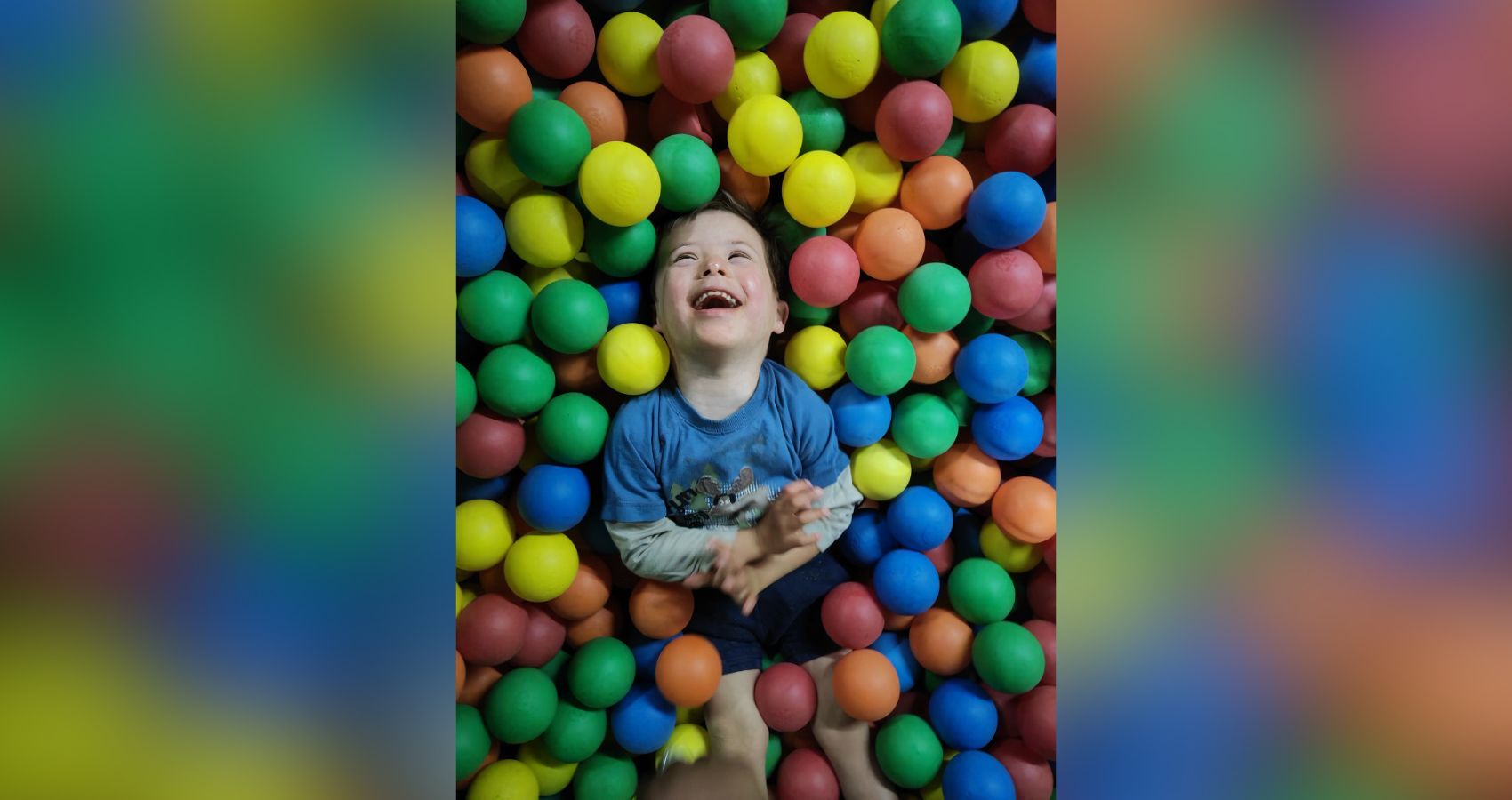
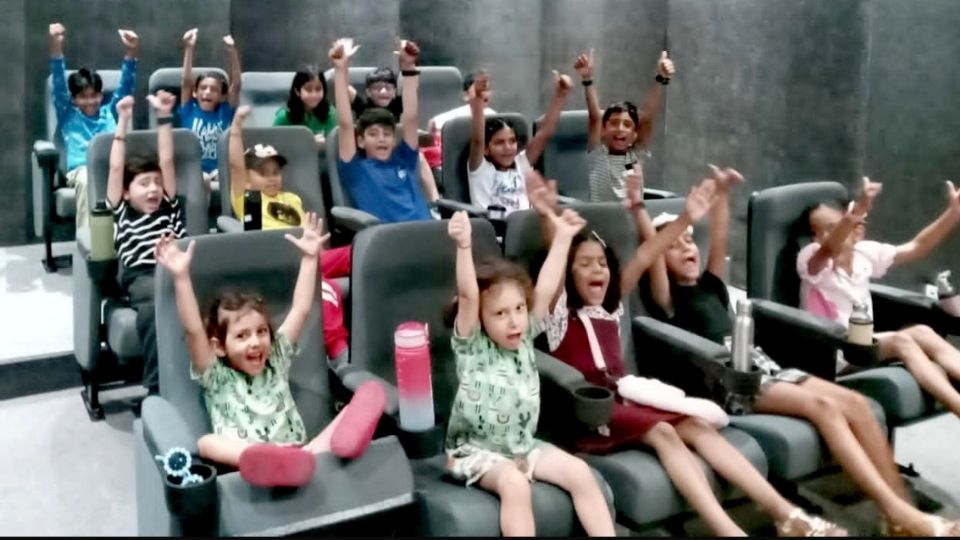
There are some people you meet for one evening over relaxed movie viewing, Jungle book, healthy snacks, some banter, spilled chips, distracted but lovely conversations, and somehow they stay with you longer than people you’ve known for years.
I met Anjali and Simon like that.
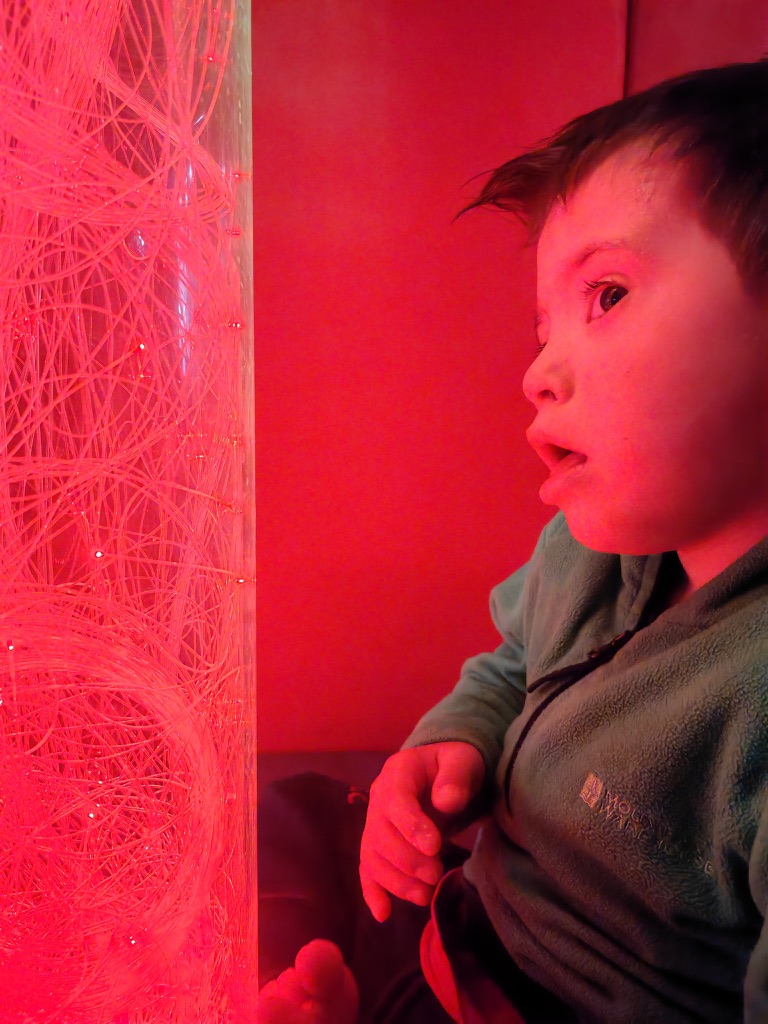
I met them the way real life introduces the people who quietly change you, over a casual outing in Bengaluru society, relaxed viewing event, while their son Dexter and their twin girls rocked happily to the sound of music, fascinated by movement, vibration. And somewhere between the laughter, the sensory toys, calm movie watching, small tight group, the half-finished conversations interrupted by parenting, and Dexter’s unmistakable delight at the world around him, I realised something uncomfortable about the rest of us.
And perhaps that is the first thing Dexter has taught them, and now, unintentionally, taught me.
That some children are not here to fit into our noisy world. They are here to reveal how noisy we have become as a society.
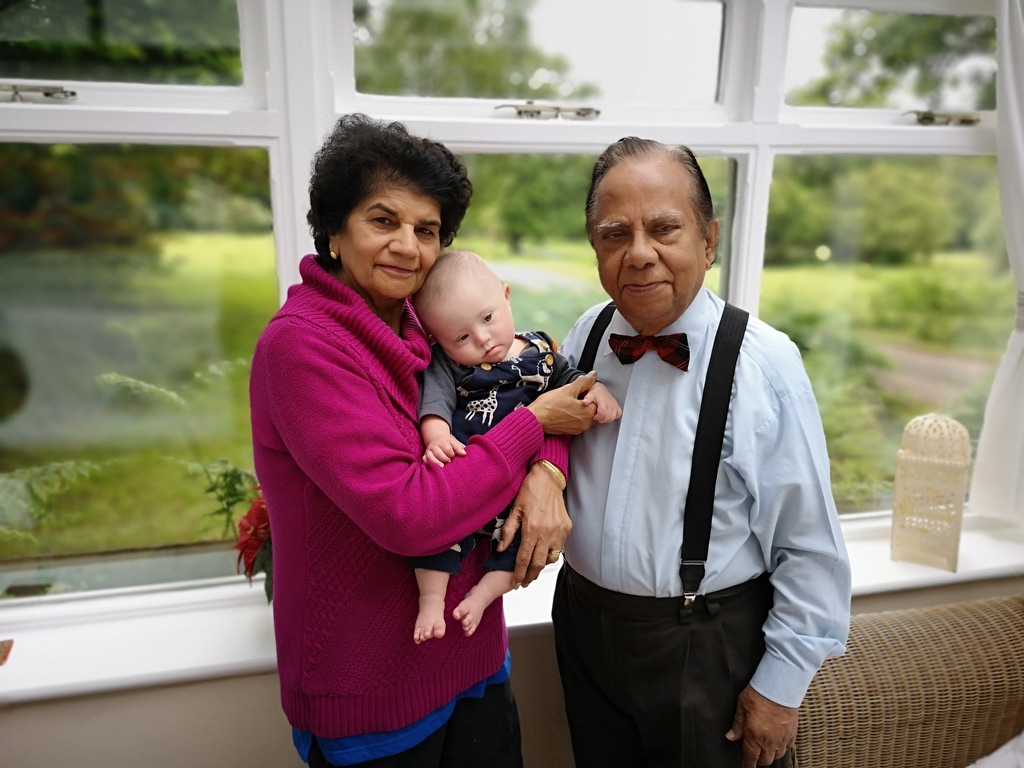
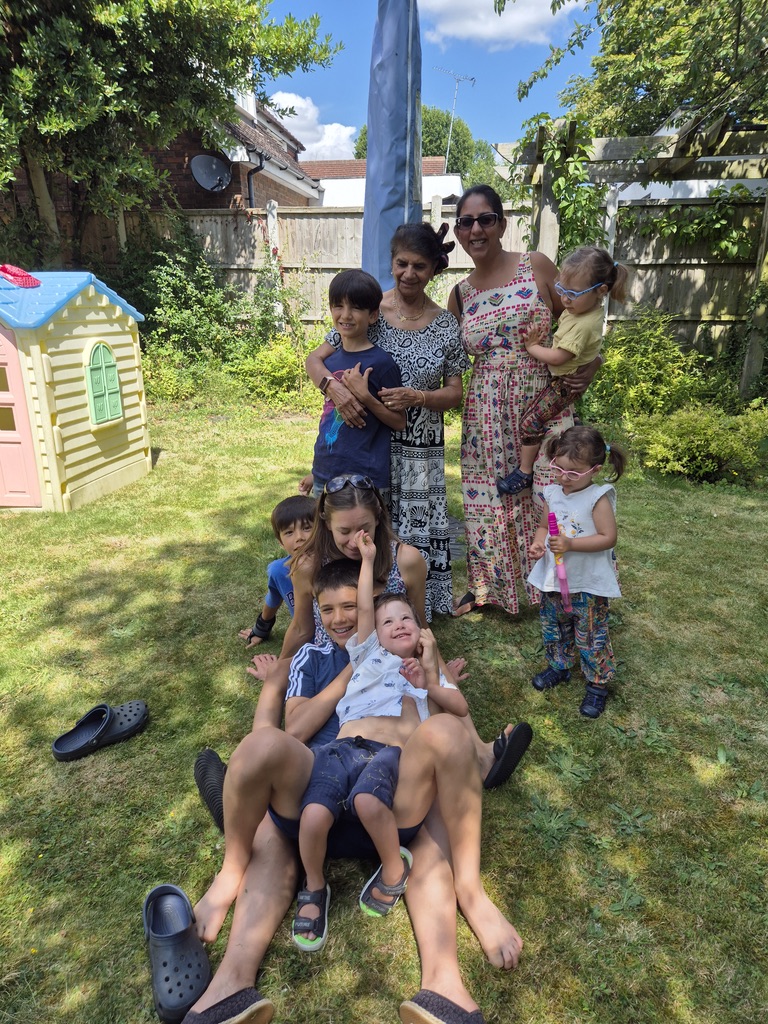
Before Dexter, they admit they had imagined a very different future. Like every parent does. Then came the diagnoses. First Down syndrome. Later autism. And with it arrived the private grief parents rarely confess aloud because society only permits two acceptable emotions from them: bravery or inspiration.
But grief exists too.
Shock exists. Fear exists. Confusion exists.
Not because they loved their son less. But because suddenly the future became unfamiliar terrain with no map, no language, and far too many opinions from strangers.
Anjali told me something that stayed with me long after the evening ended, she wishes diagnoses were delivered with more hope.
Not pity. Not catastrophe. Not whispered tragedy. Hope.
Because somewhere along the way, society decided disability must automatically mean devastation.
Yet sitting with Dexter, what struck me most was not limitation. It was presence. This little boy notices textures, sounds, vibrations, movement, water, music, light. While the rest of us are busy refreshing our phones and planning five years ahead, he is fully committed to the joy of this exact second.
Simon says parenting him taught them that connection is not always verbal. Sometimes a glance, a hug, a tiny routine, or a shared laugh carries entire conversations inside it.
And honestly, in an age where families sit at dinner tables scrolling separate screens, perhaps the neurotypical world should be taking notes.
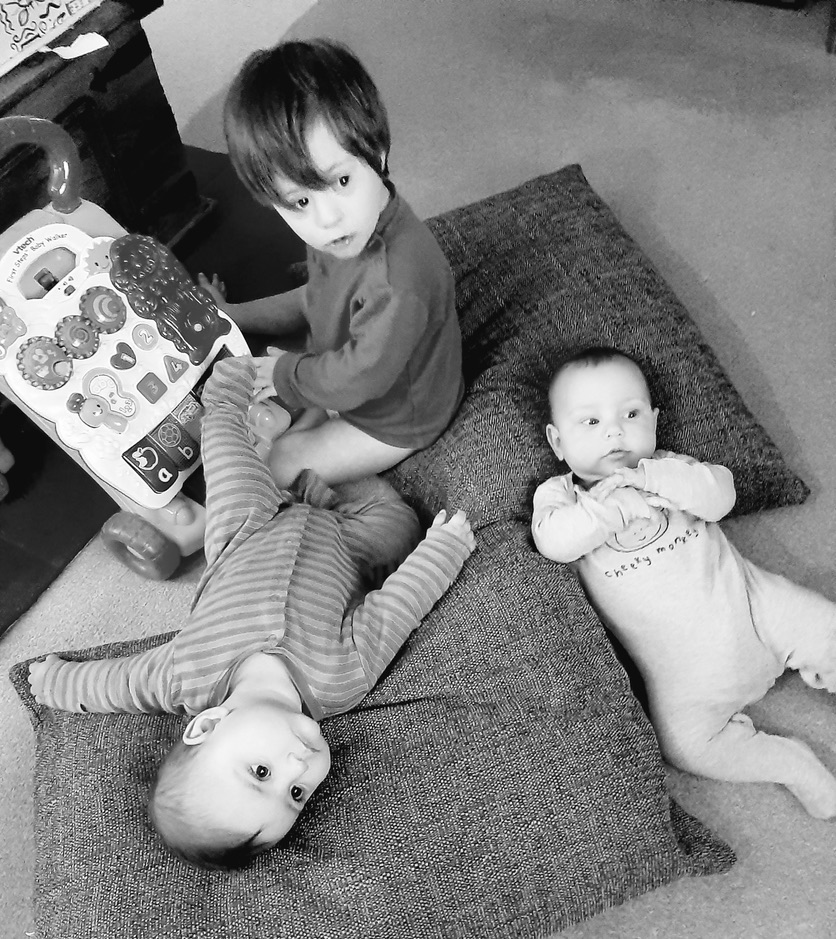
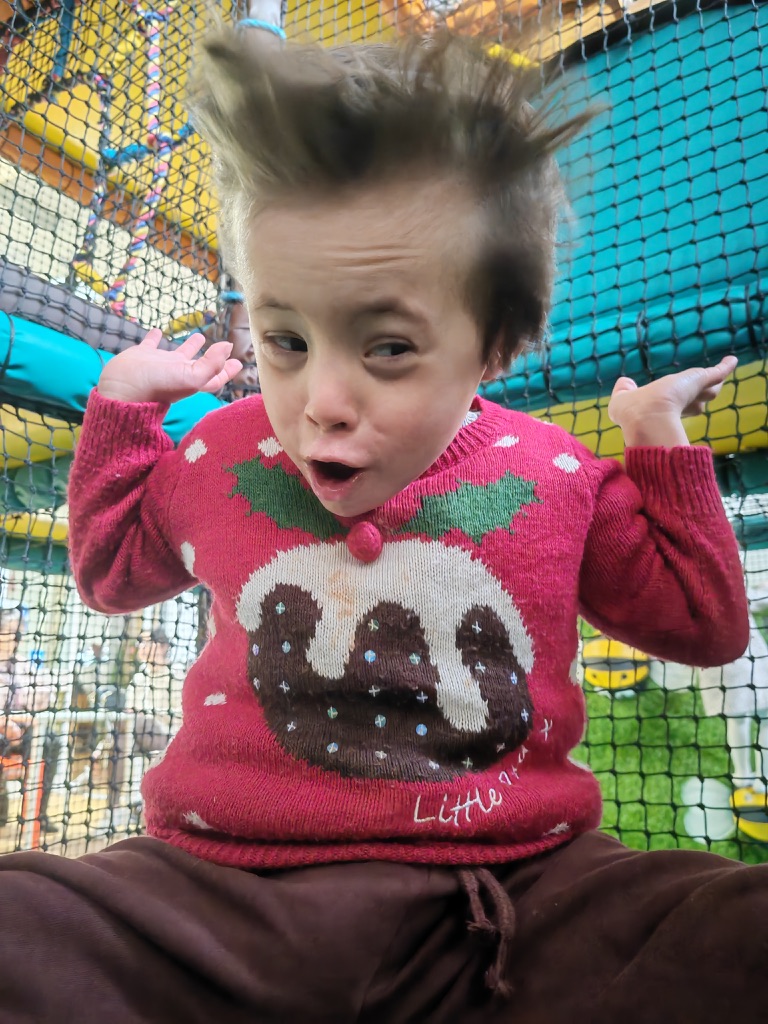
Of course, love does not magically erase exhaustion. That is another truth parents like Anjali and Simon rarely say out loud because they fear sounding ungrateful.
Their lives are filled with therapies, appointments, forms, sensory regulation, educational battles, financial planning, emotional balancing, sleeplessness, routines, constant vigilance, and the invisible mental load of asking one relentless question every parent of a special child secretly carries:
“What happens to my child when I am no longer here?” It is the kind of fear that quietly lives beneath ordinary mornings.
And yet, somehow, there they were that evening and on many movie outings, still laughing, still making room for friendship, still ordering food, still discussing future plans while preparing to return to the UK.
Life, as usual, refusing to pause for anyone.
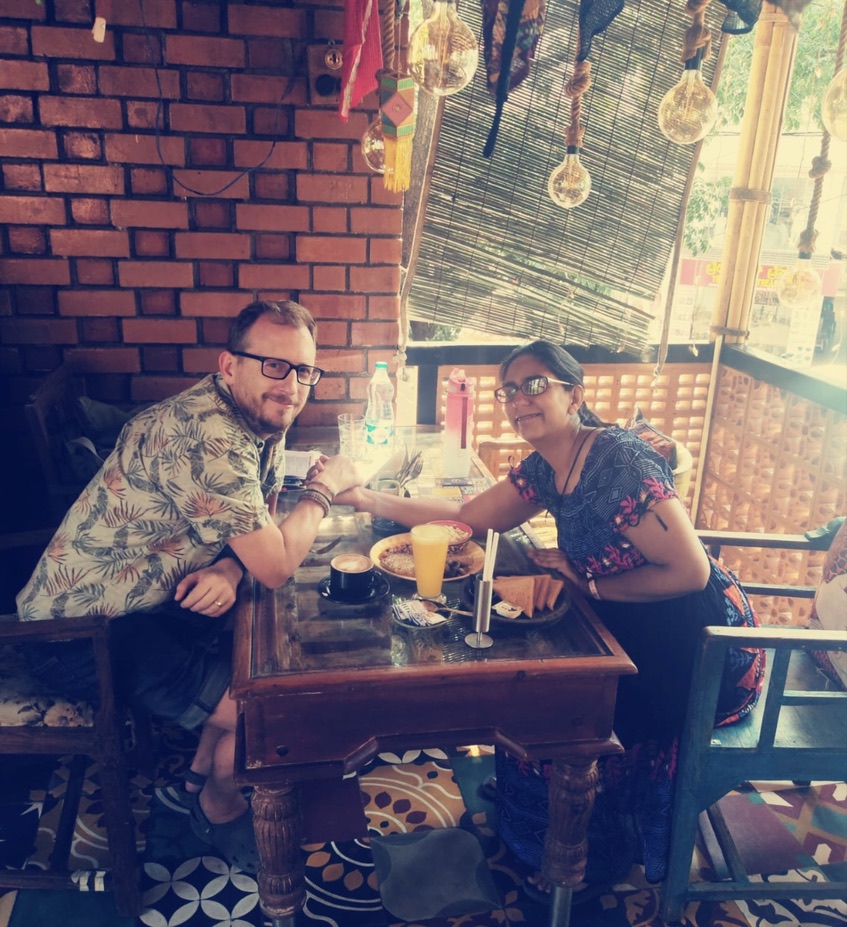
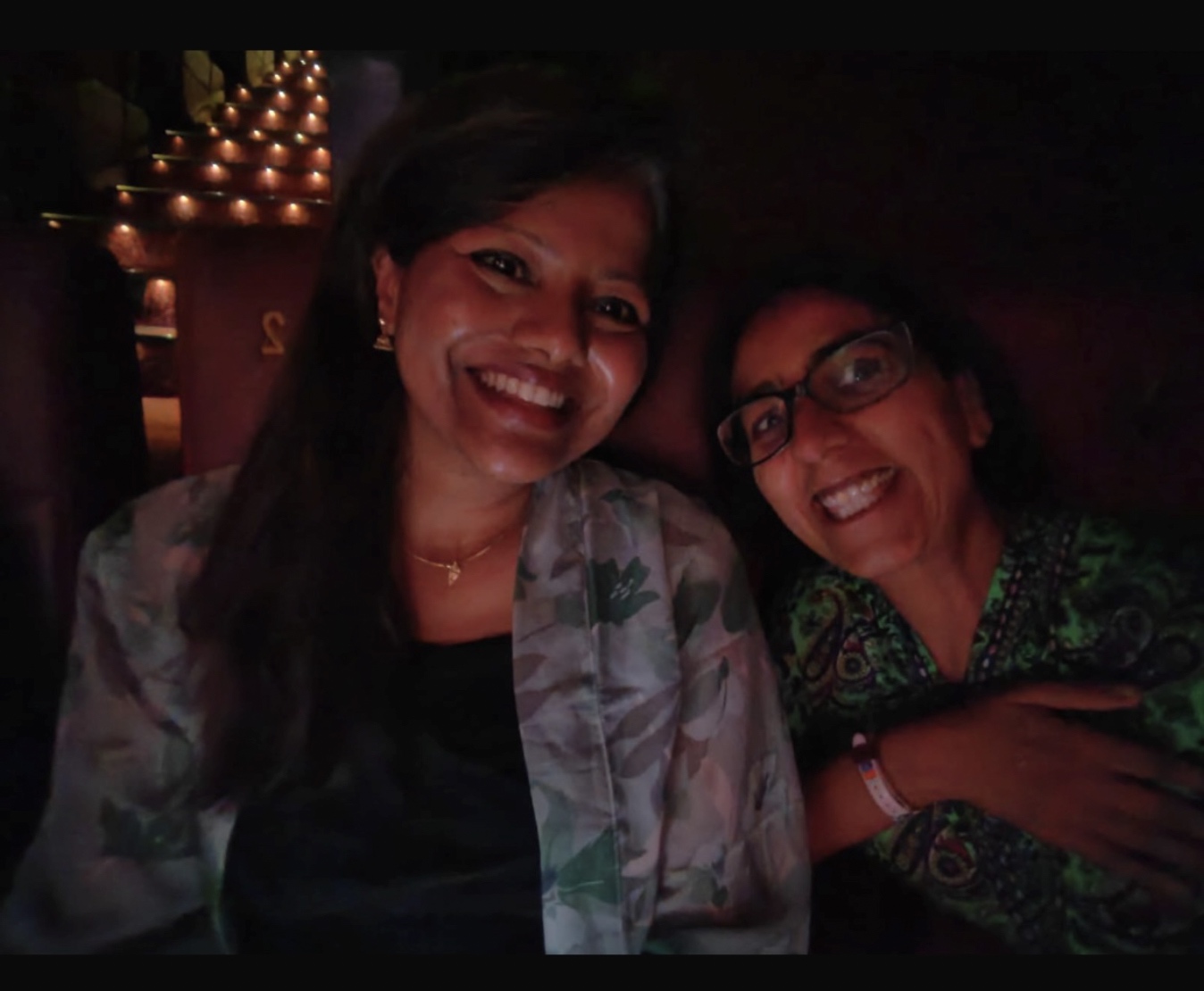
What moves me most in my new growing friendship with both of these lovely humans and their lovely kids is how little self-pity existed in either of them.
Neither wants sympathy. In fact, both almost resist it. Again and again, they returned to the same idea, Dexter has not made their lives smaller. He has expanded them.
He made them more compassionate. More patient. More aware of how differently human beings experience the world.
More accepting of progress over perfection.
More capable of joy in tiny things most of us overlook completely.
And that word, expanded, stayed with me.
Because inclusion is often spoken about like charity. Something generous people do for “those families.” But after meeting Dexter, I suspect inclusion is less about helping special children enter our fast paced world… and more about whether we are evolved enough to enter their human world “Paced in kindness” and dignity.
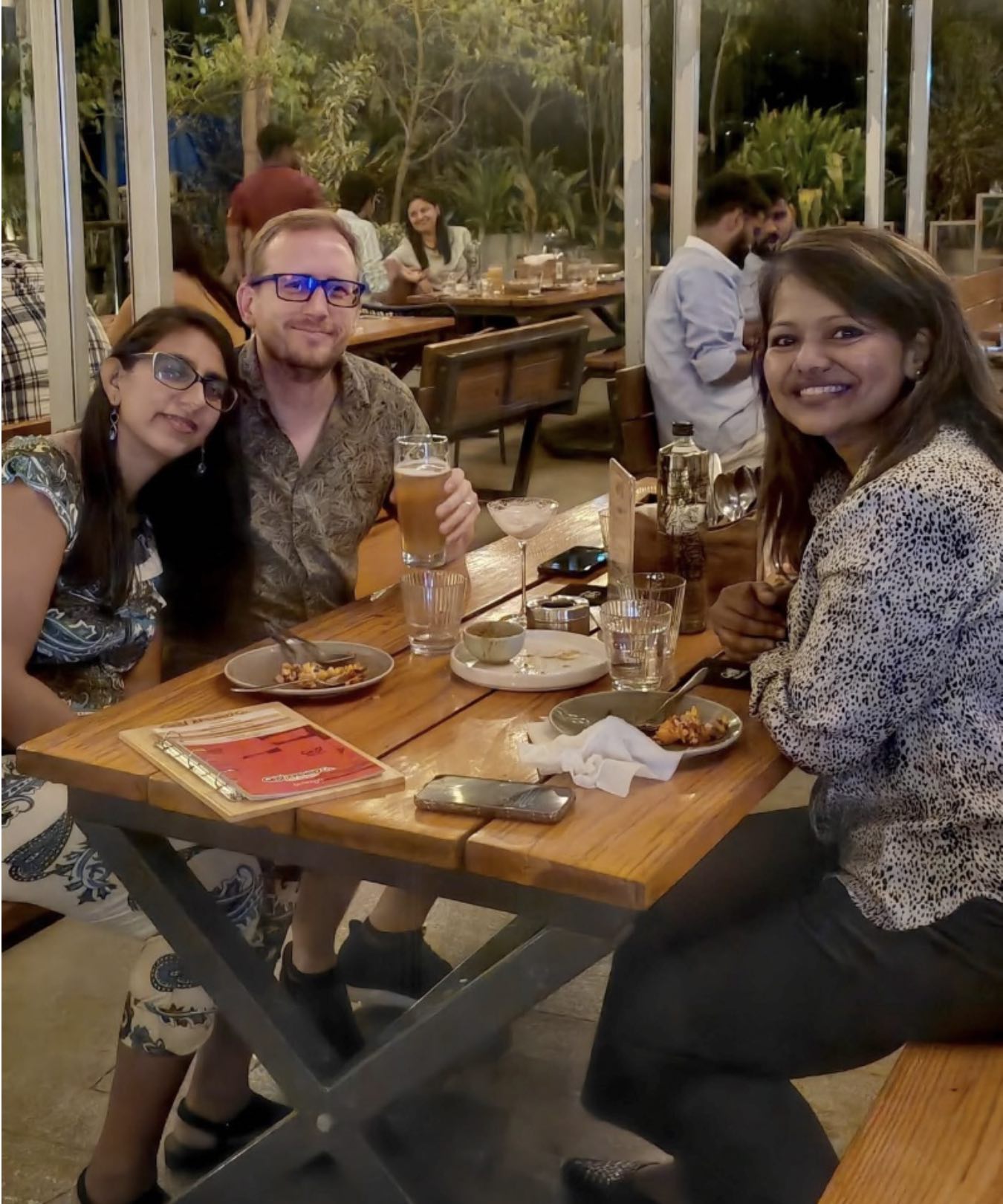
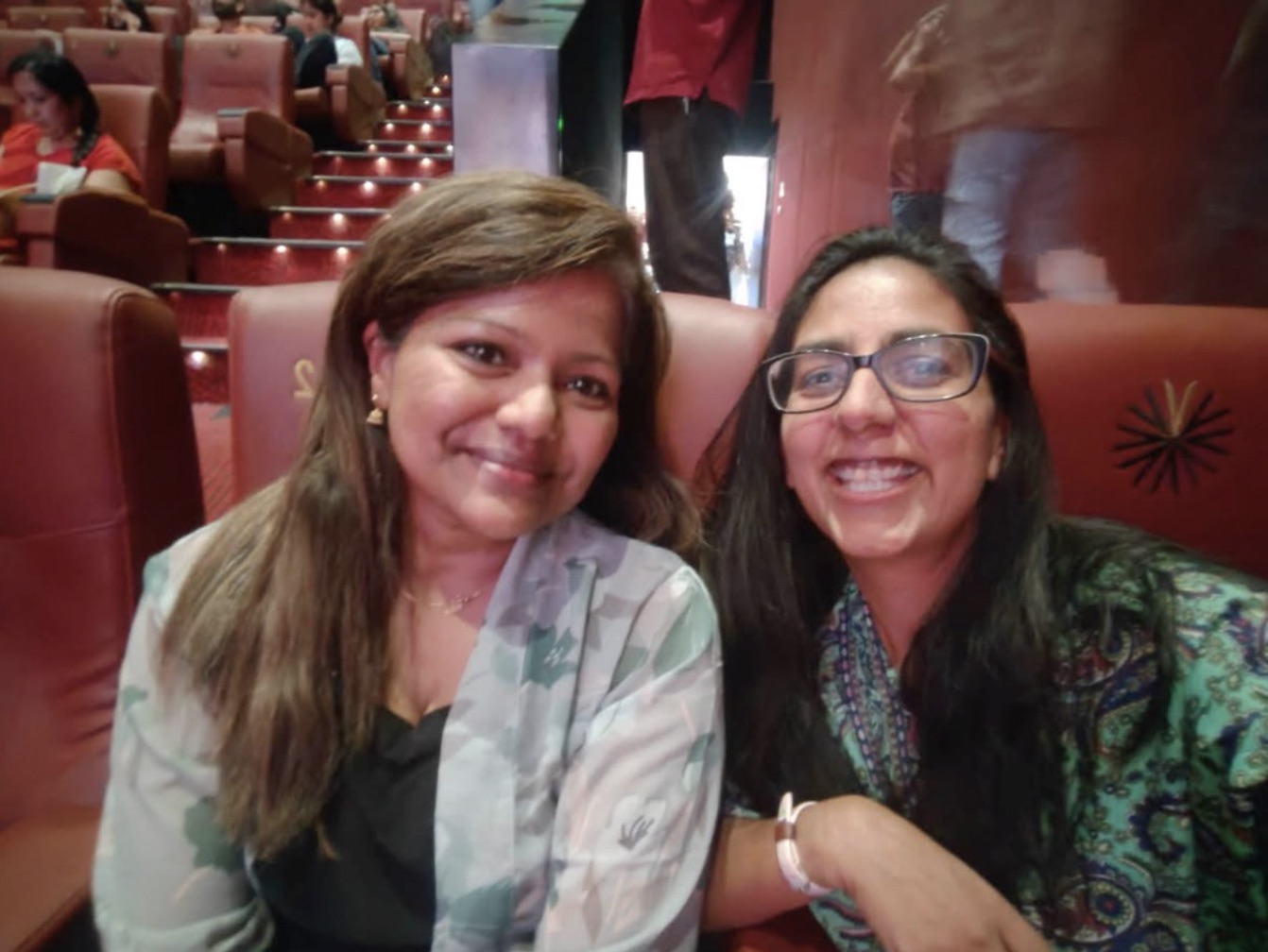
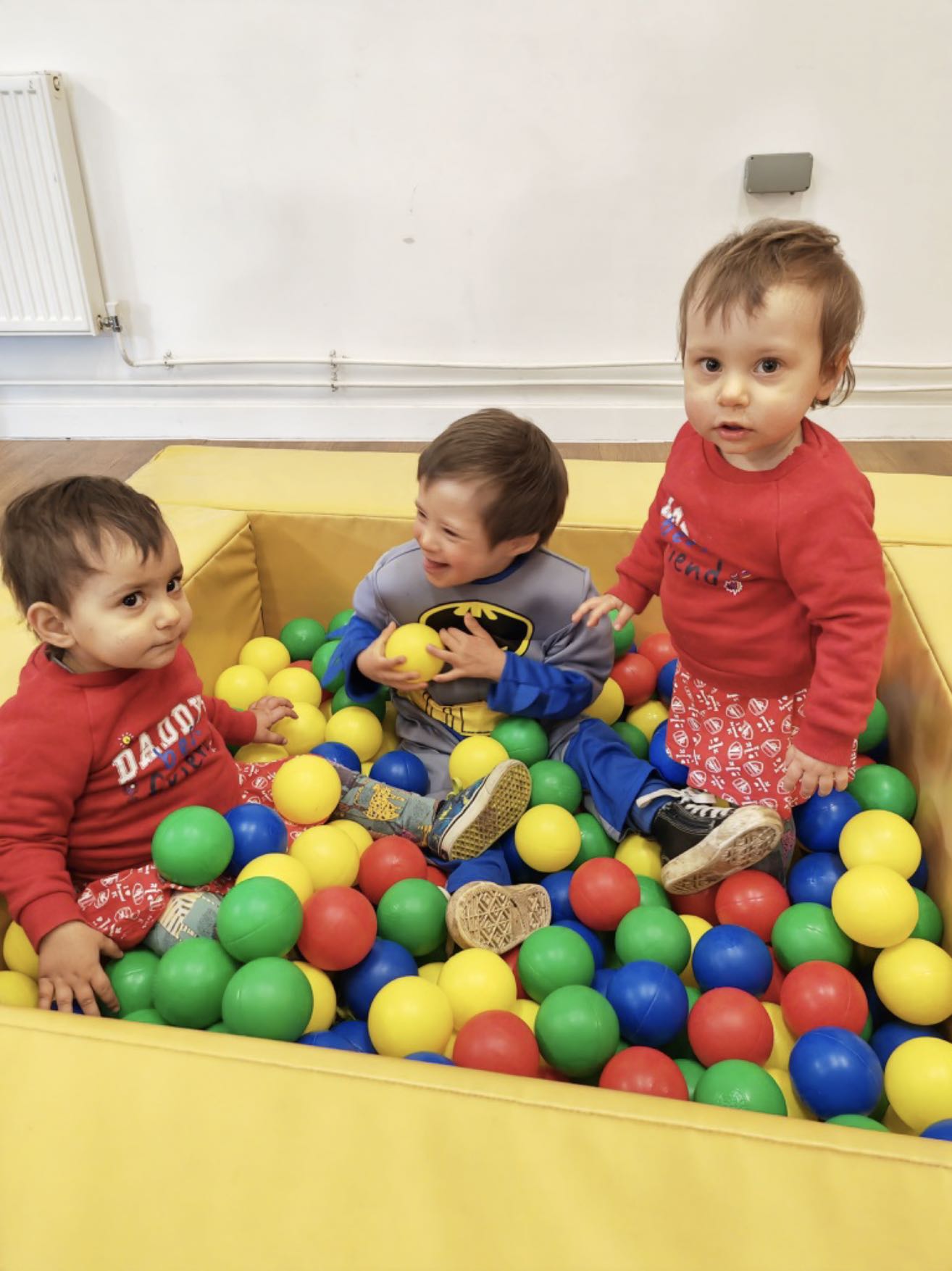
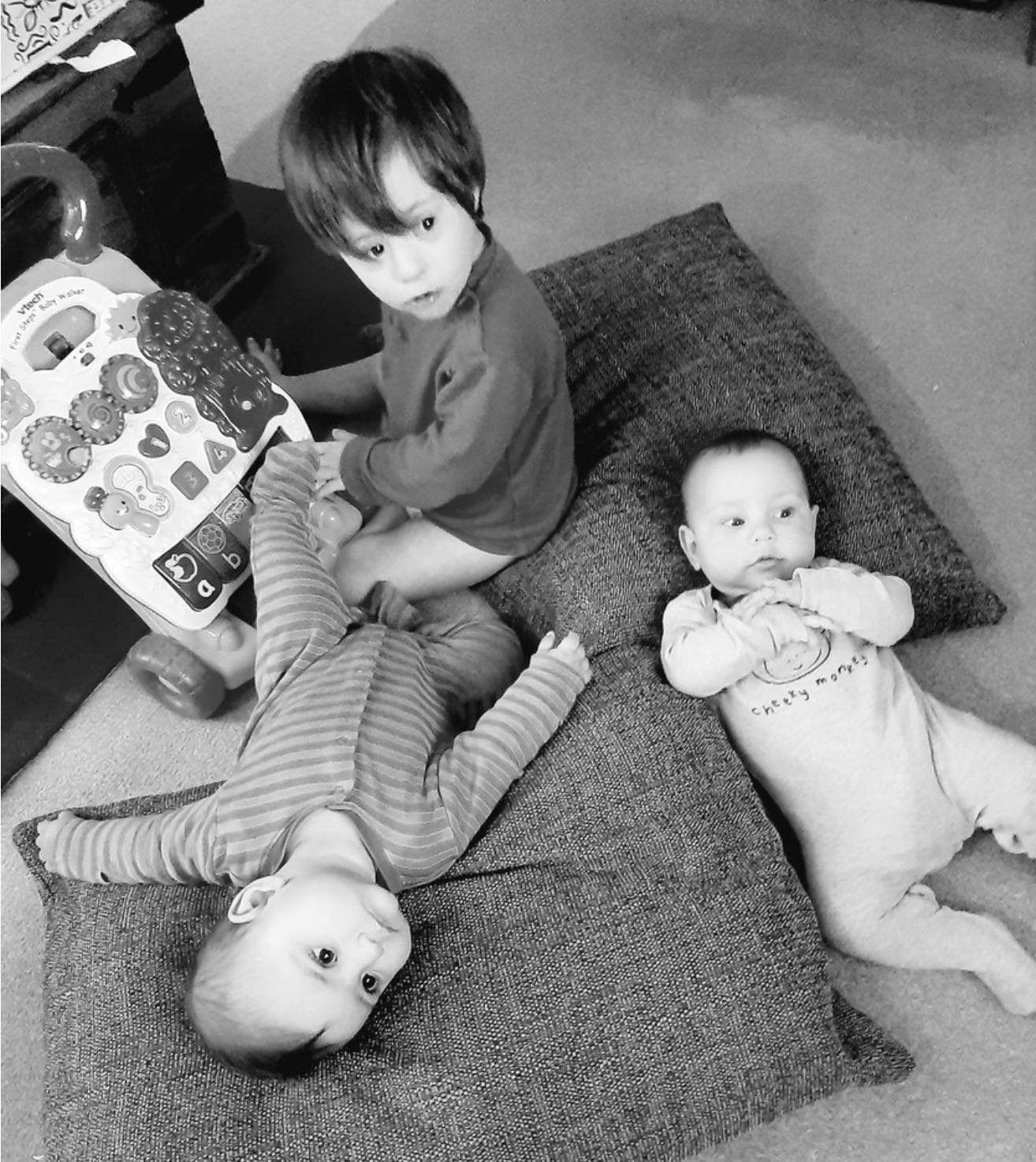
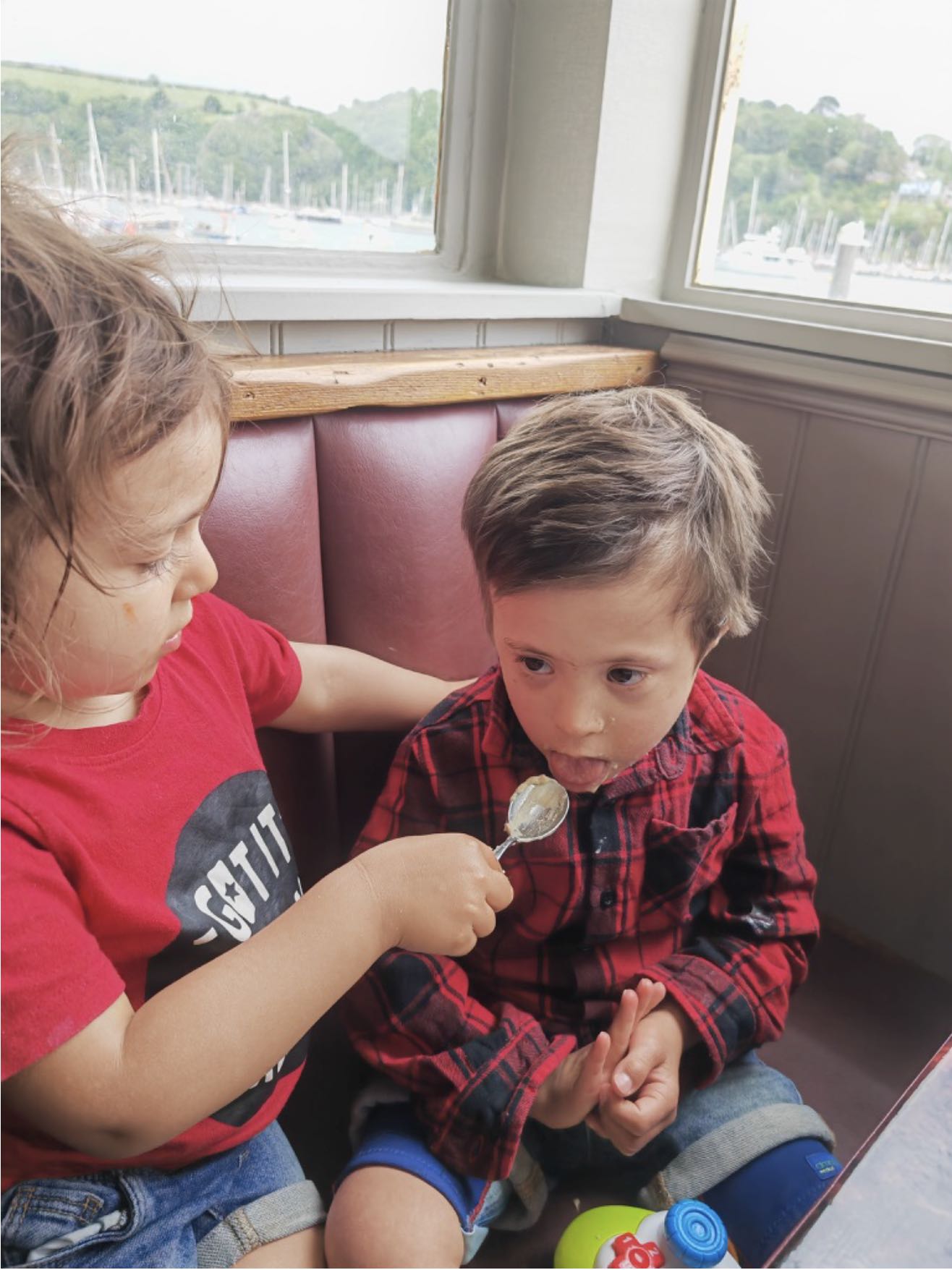
The younger twin sisters are growing up in a home where empathy arrived early. The kind of children who instinctively slow down when Dexter needs regulating, who celebrate tiny victories other families may overlook, and who have learned that communication is not always verbal. One may naturally become the playful entertainer, singing songs, pulling him into games, making him laugh during difficult moments, while the other quietly watches over him in public spaces with the fierce alertness only sisters possess. Not out of burden, but out of attachment.
What struck me most was that the girls did not behave like children “sacrificing” their childhood for a sibling with additional needs. They behaved like sisters. Loud, affectionate, occasionally impatient, deeply protective sisters. And perhaps that is the healthiest thing of all, when inclusion becomes so natural inside a family that it no longer feels like effort, only love with different rhythms. Watching the twins around Dexter was quietly moving. There was no performance to it. No saintly sibling energy social media loves to romanticise. Just familiarity. One adjusted his headphones without being asked. Another pulled him excitedly toward something she knew he would enjoy. They seemed to understand instinctively that love sometimes looks like translation, helping someone else feel safe inside a world that can often feel too loud.
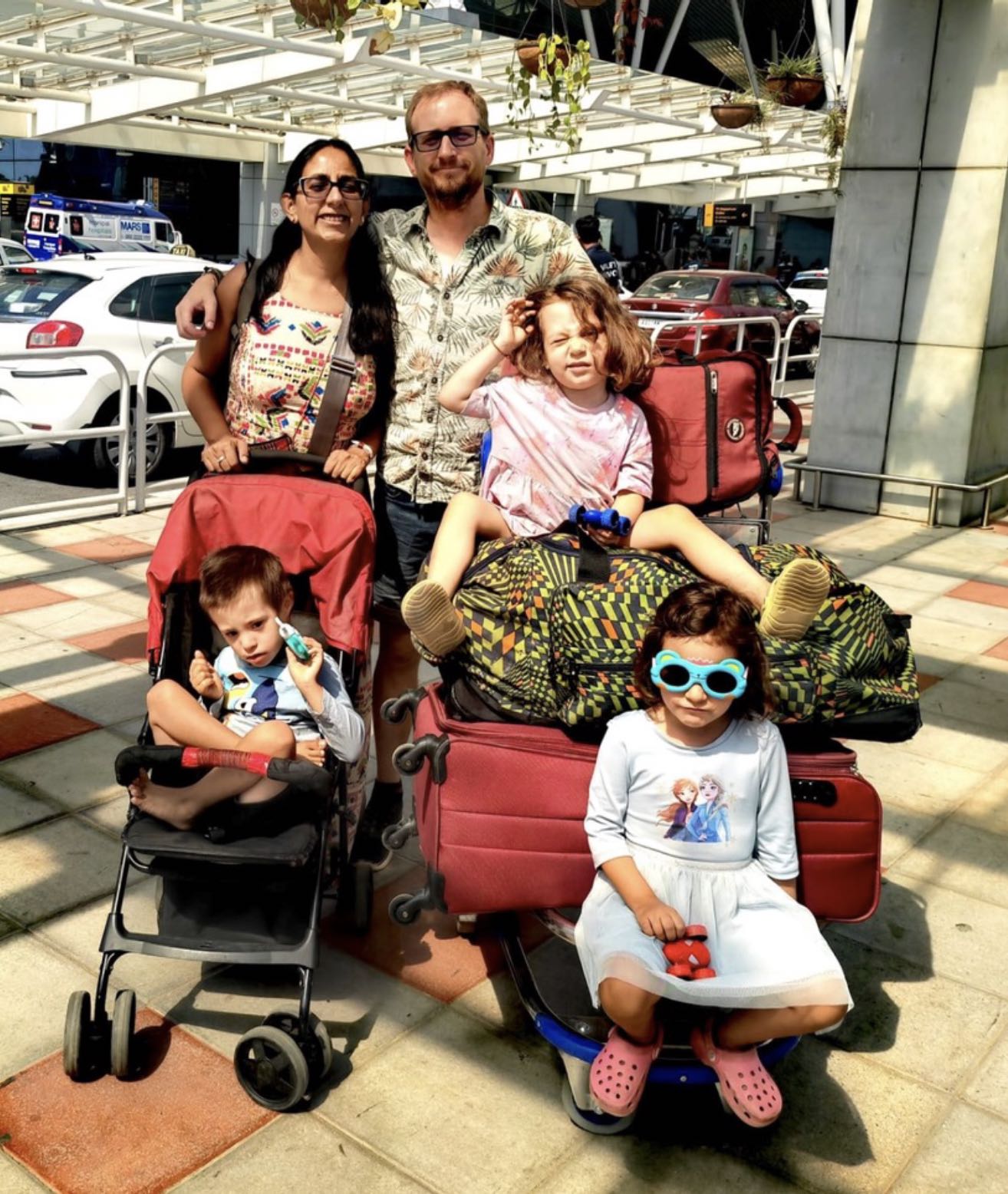
Anjali and Simon speak about playgrounds where children stare. Public spaces that overwhelm sensory systems. Schools that still confuse accommodation with inconvenience. Families exhausted from fighting for rights that should already exist. Parents becoming therapists, educators, advocates, carers, administrators, and crisis managers simultaneously. Quietly. Repeatedly. Without applause.
They do not want miracles.
They want ramps.
Accessible toilets.
Inclusive classrooms. Teachers trained in neurodiversity.
Sensory-aware public spaces. Shorter therapy waiting lists. Basic respect.
Most importantly, they want what every parent wants: For their son to grow up loved, safe, included, and allowed to exist without constantly proving his worth.
That should not be revolutionary.
And yet somehow it still is.
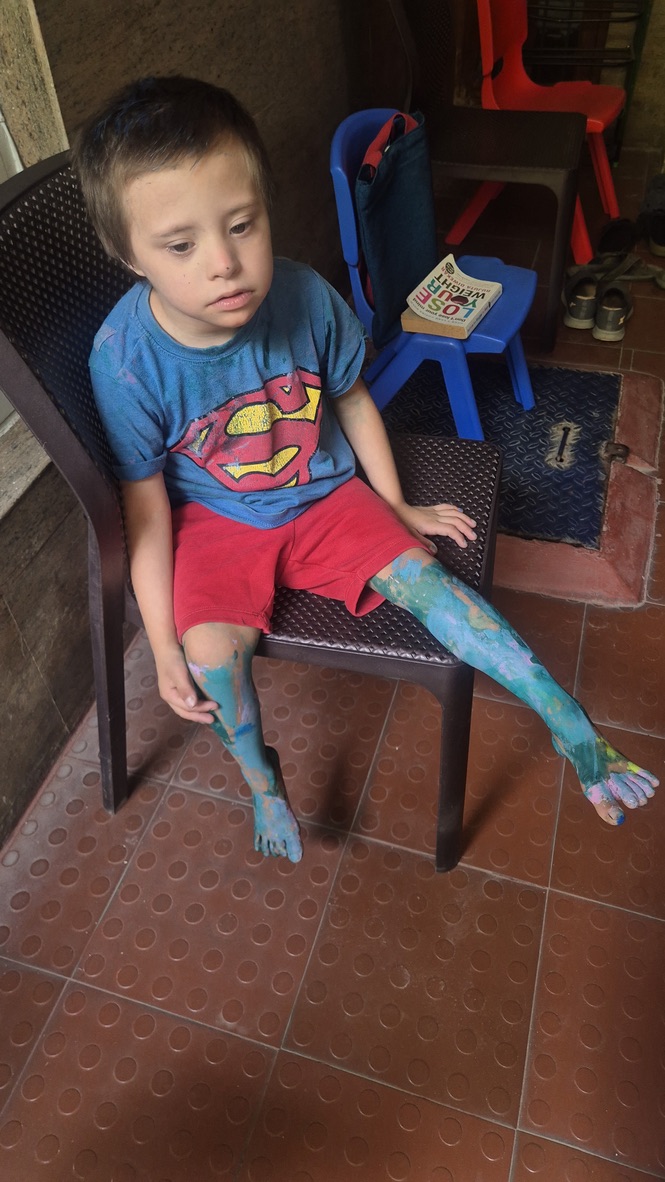
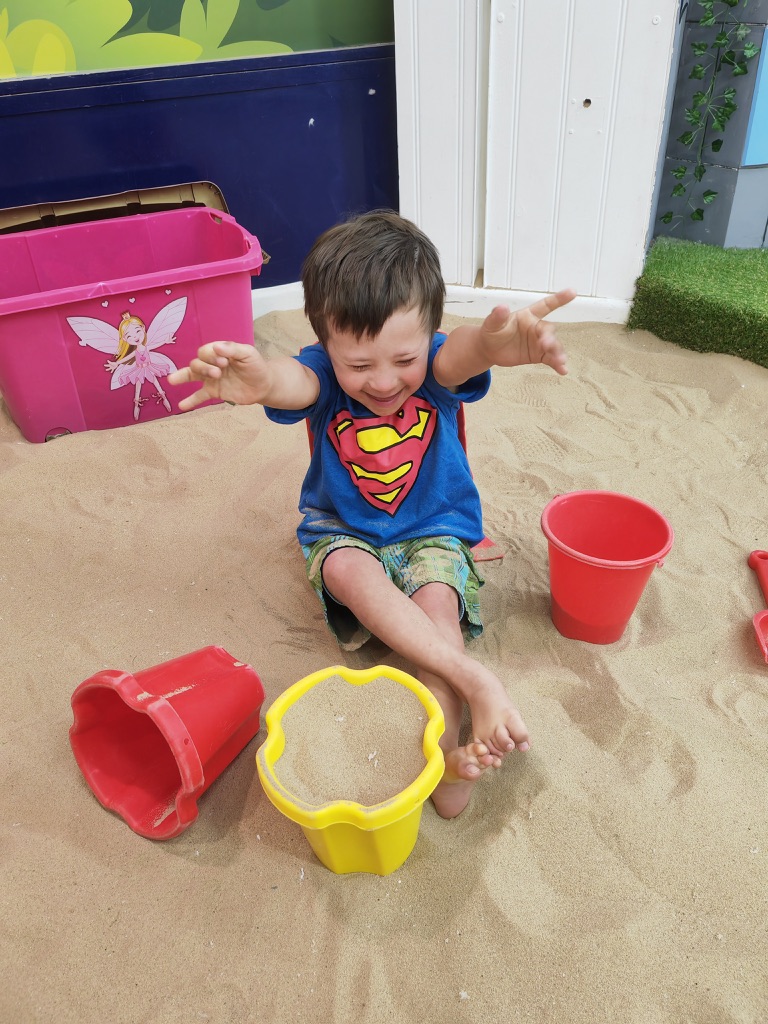
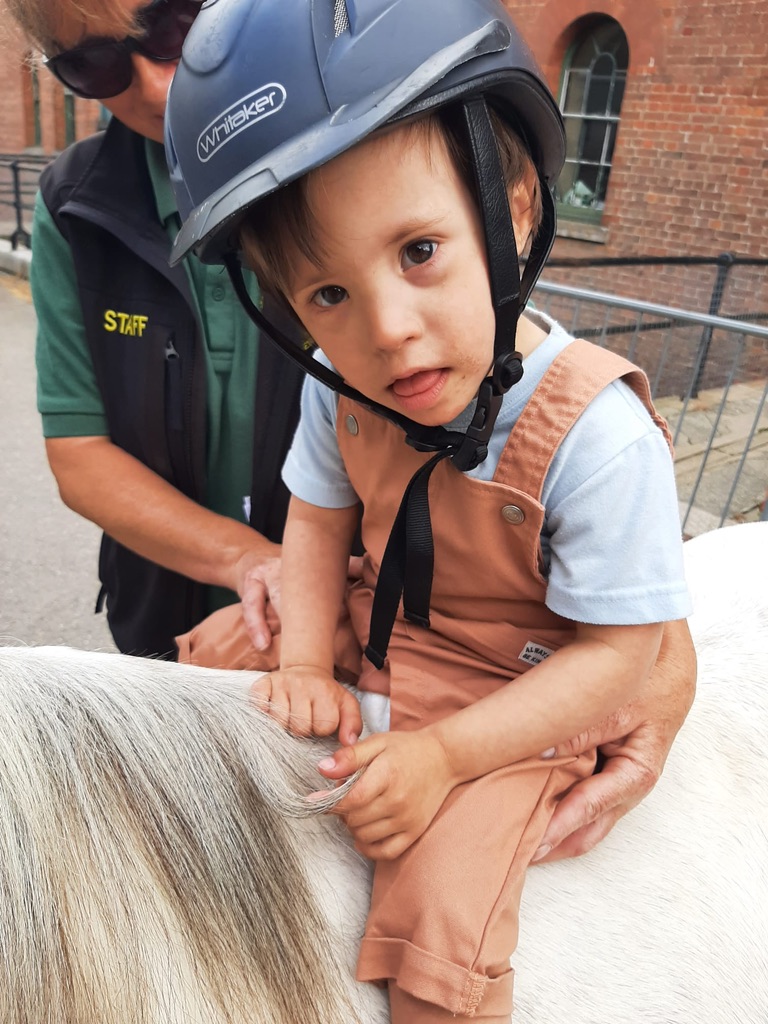
What I admire most about both of them is that they refuse to reduce Dexter to “special” in the patronising way society often uses the word.
He is simply a child. A funny, sensory-seeking, music-loving, deeply human child navigating a world not designed with him in mind.
And maybe that is the real test of civilisation.
Not how loudly we speak about inclusion online.
But whether a child like Dexter can enter a restaurant, school, playground, airport, classroom, or birthday party and feel he belongs there without his parents bracing themselves first.
Whenever I catchup with them, I always notice Dexter light up at something most adults would not even notice, movement, sound, rhythm, connection. Pure uncomplicated delight. And I remember thinking: Perhaps the luckiest people are not the ones raising “perfect” children.
Perhaps the luckiest are the ones whose children quietly teach them how to become better humans.
Maybe one day, years from now, when the twins are adults navigating careers, relationships, and homes of their own, they will realise Dexter gave them something the world struggles to teach even grown people, how to notice vulnerability without discomfort, difference without judgement, and humanity without conditions.
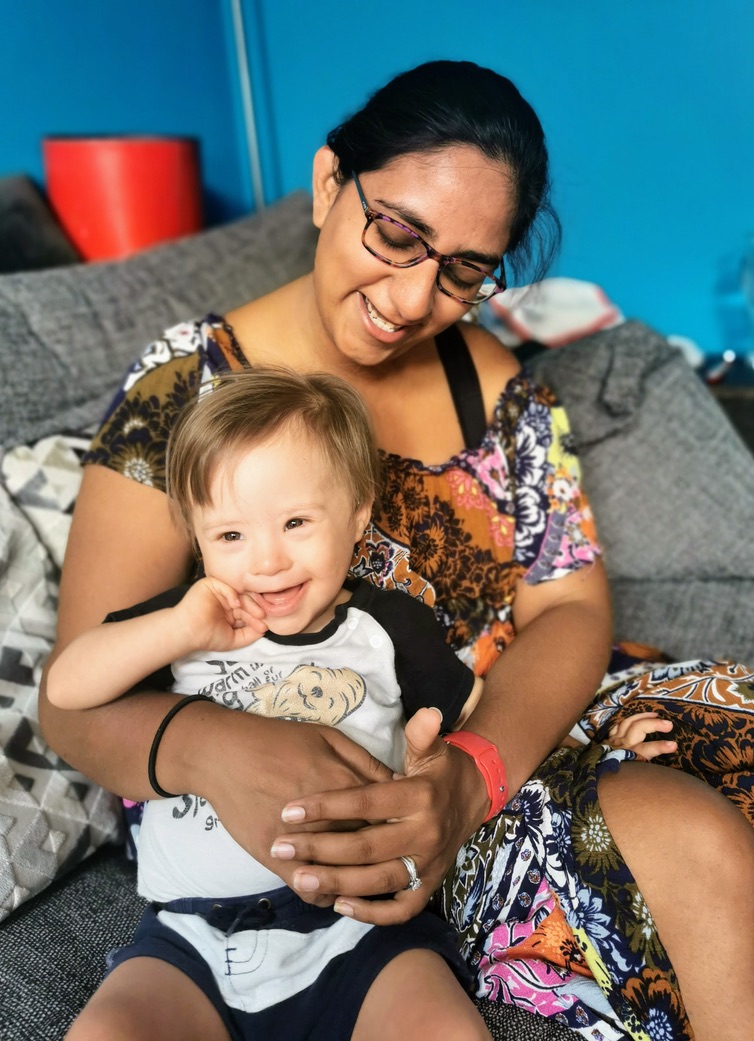

Anjali and Simon are tired sometimes. Worried often. Overstretched almost always. But watching them with Dexter, there was something else too.
Tenderness without performance.
Love without conditions. And in a world increasingly obsessed with achievement, productivity, perfection, and appearances, that felt unusually sacred.
So this week’s entry from the diary of the Luckiest Girl is not about glamorous success stories or curated lives.
It is about a little boy who loves music and rain.
Two parents learning courage in real time.
Two little sisters learning empathy before algebra.
And a reminder to the rest of us that inclusion is not kindness.
It is civilisation.
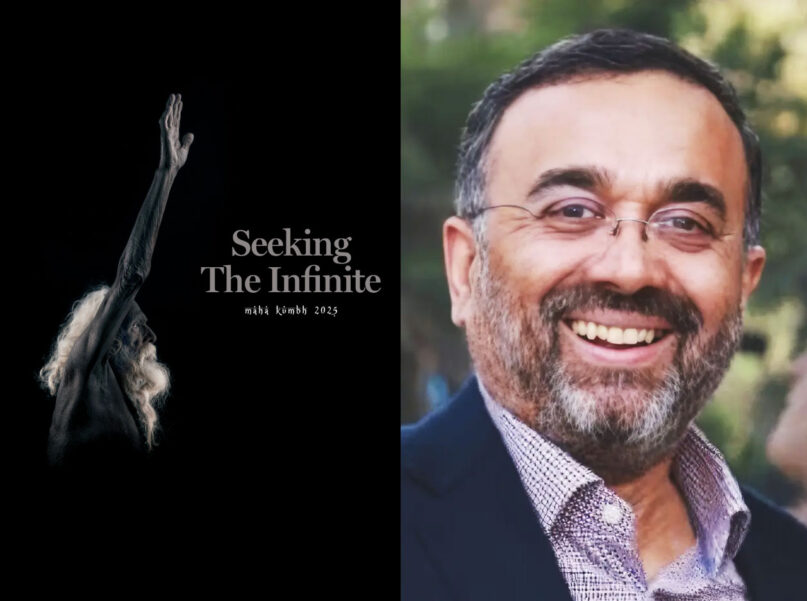
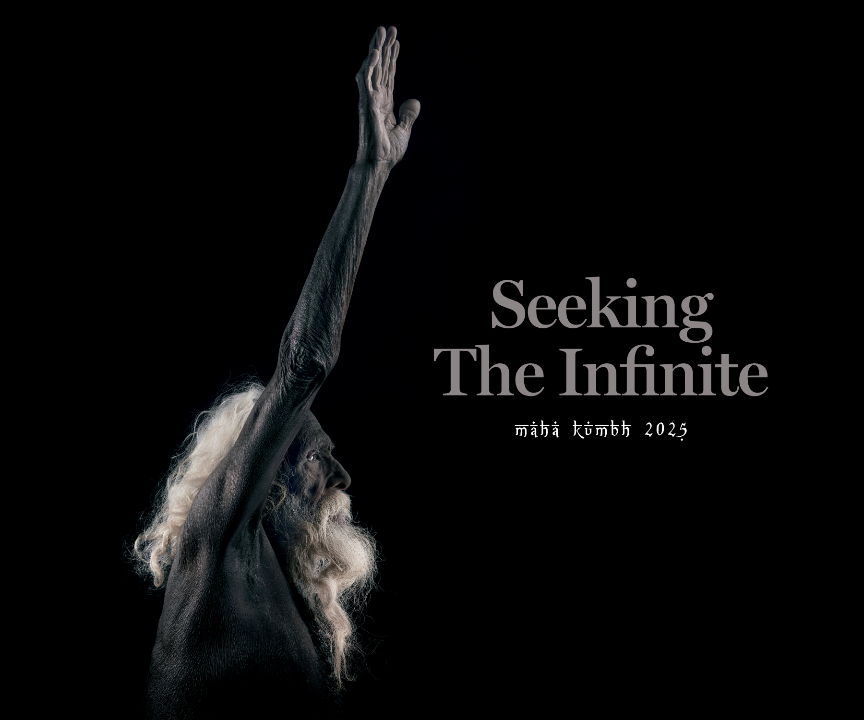
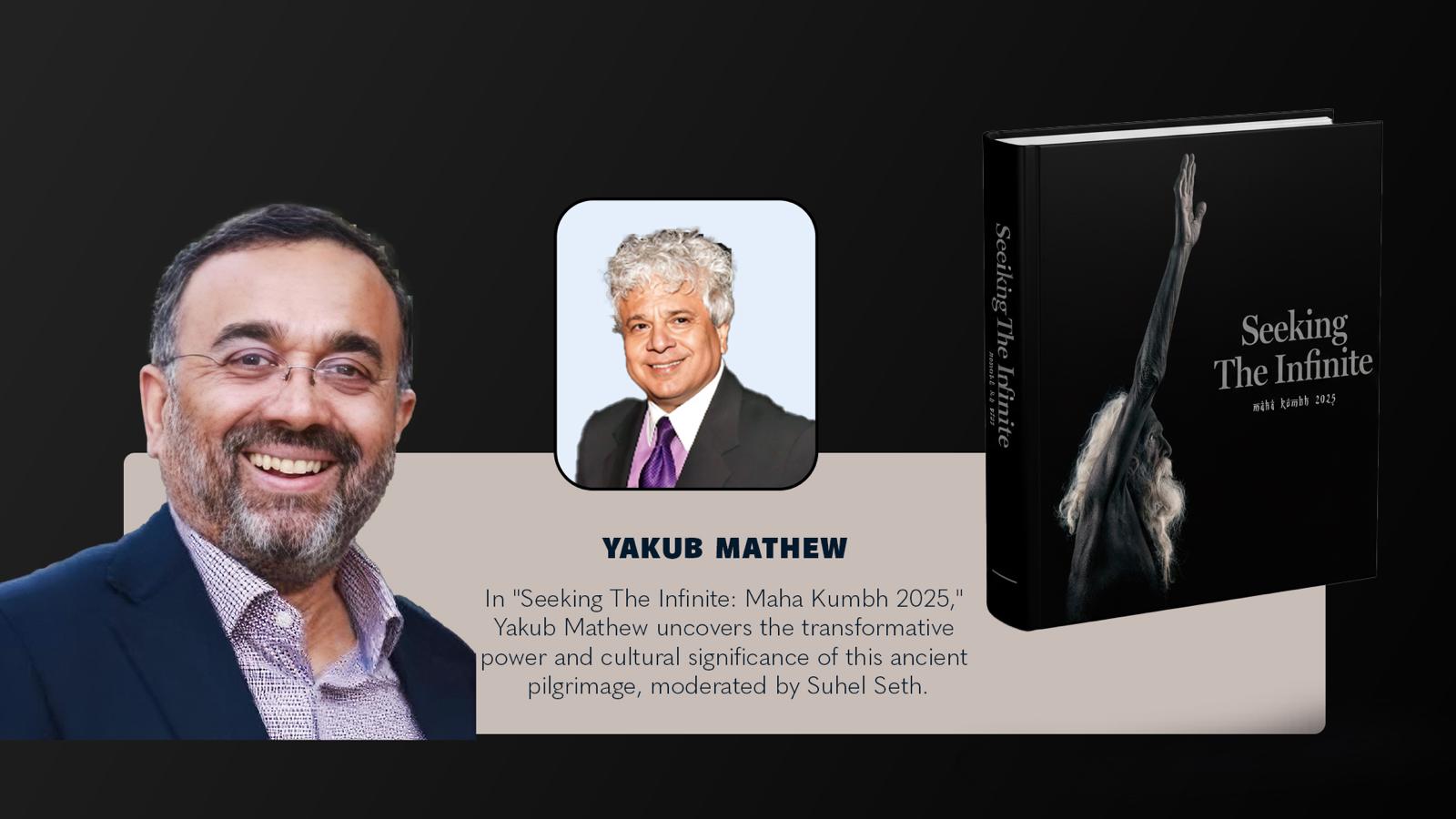
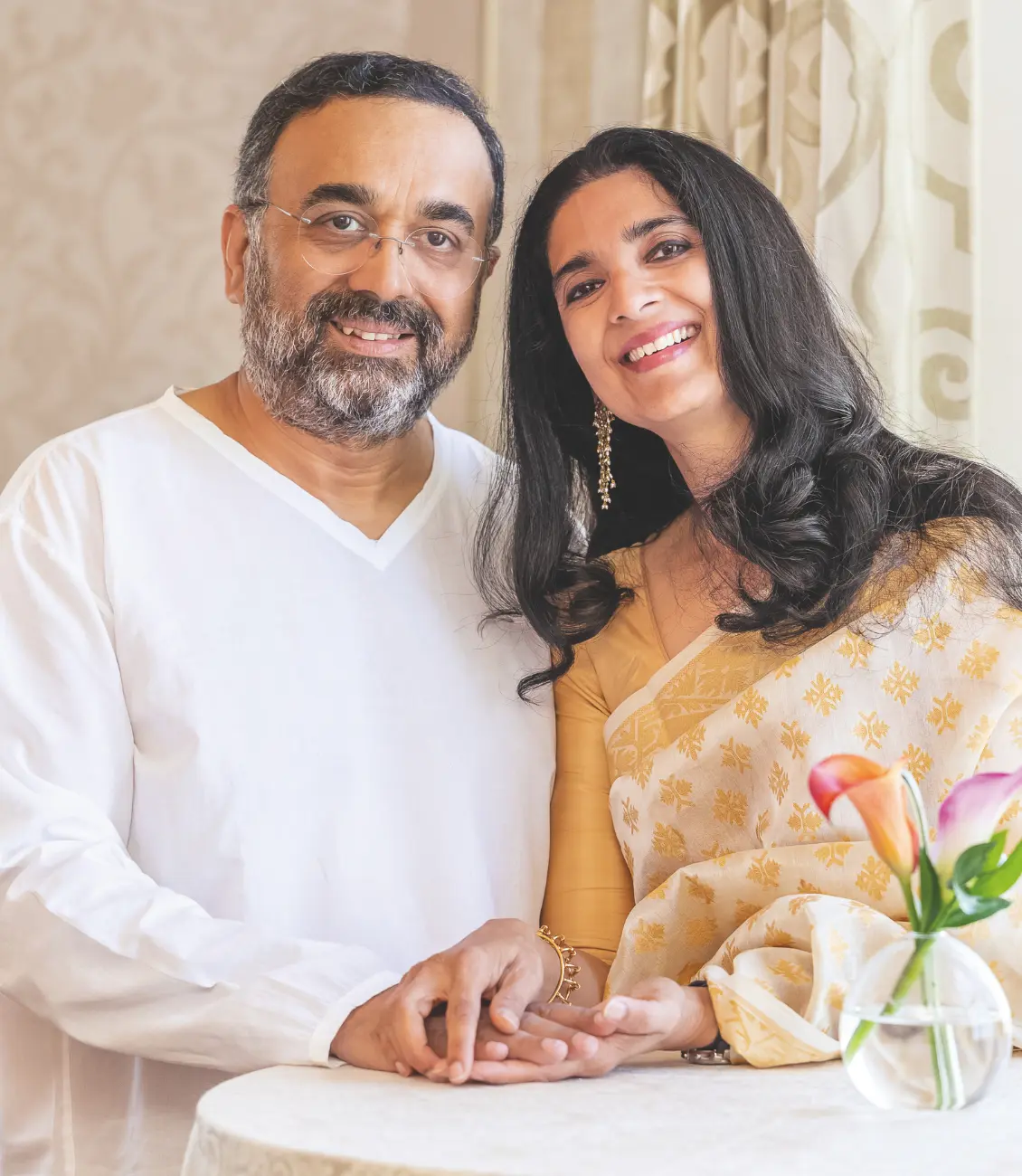 Yakub Mathew, a global financial leader and transformational thinker, will unveil his debut book Seeking the Infinite: Maha Kumbh 2025 during the prestigious IAAC Literary Festival at The International House in New York City on Sunday, November 16, 2025, The landmark literary event will feature a distinguished panel of spiritual and cultural thought leaders, including Sadhguru, Diana Eck, Rabbi Scott Matous, The Very Reverend Winnie Varghese, Imam Feisal Abdul Rauf and Guruji Sri Anish. The event will be moderated by the redoubtable Suhel Seth.
 With over three and a half decades of experience across Citibank, HSBC, and Wells Fargo Advisors, Yakub is known for his purpose-driven leadership and cross-cultural vision. He is a graduate in Economics from Madras University, an undergraduate in Economics Honors from St. Stephen’s College, Delhi, and an MBA from the Asian Institute of Management, Manila.
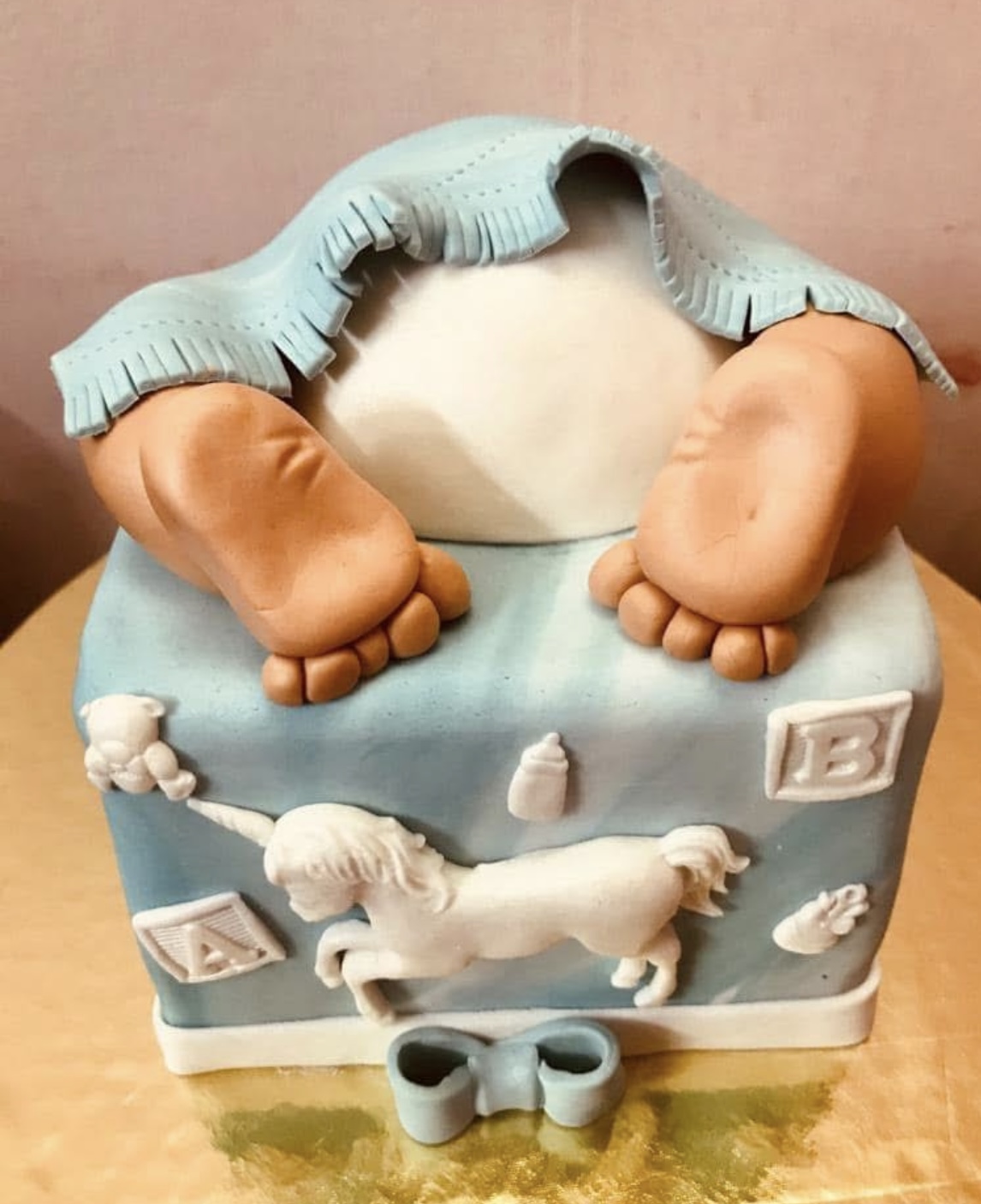
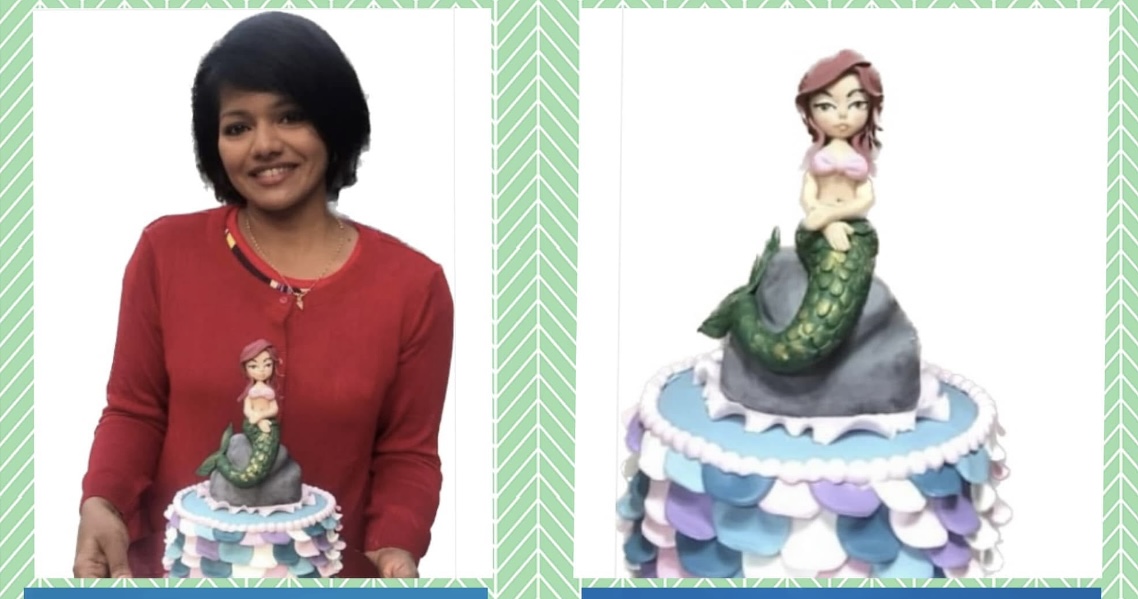
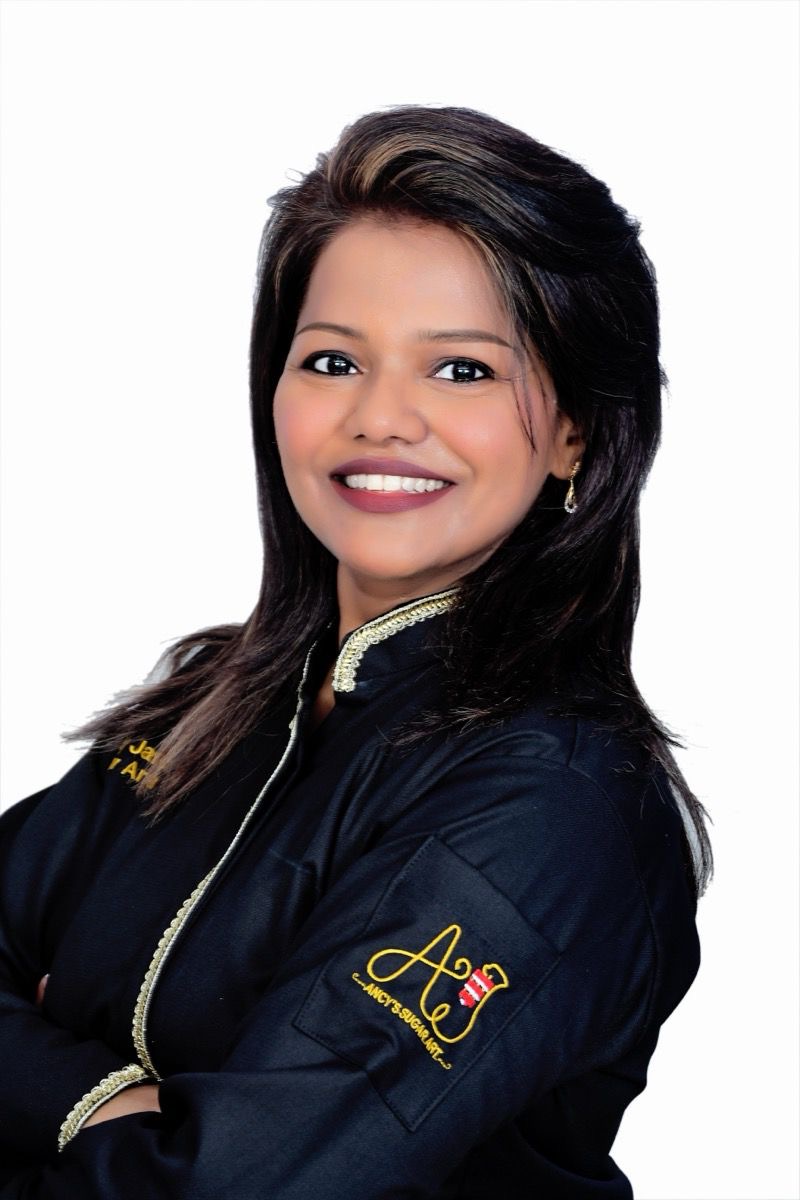 Ancy James is a former television producer who, after a fulfilling 17-year career, chose to step away from the relentless pursuit of output and certainty in favour of retiring from corporate life at age 37 to a slower and more intentional life. In what she calls her act of quiet rebellion, her toddler’s health scare ensured she followed through on this decision and she traded deadlines and huge pay packets for meaningful quiet personal life. Now over 10 years later, She truly believes that our identity isn’t something we prove, it’s something we shape with the decisions we take daily for our loved ones. She now keeps herself busy as an internationally trained Cake Artist and Chef Trainer with a culinary diploma and runs a FSSAI approved business “Ancy’s Sugar Art Academy, in Bengaluru, India. She discovered marathon running in her journey to reversing her bone health diagnosis at age 42. When she is not customising cakes or running, she is busy reading books across the spectrum or spend hours pouring her heart out in these personal memoirs. Through her weekly personal memoirs, she shares raw, honest reflections on grief, resilience, motherhood, midlife reinvention, and the quiet beauty found in overlooked corners of everyday life. At 48, Ancy writes not to impress, but to connect, believing that vulnerability is the birthplace of both healing and growth. In a fast and AI driven world she believes these memoirs are an honest attempt to stay real and relevant as a female writer who is a 100 percent invested in her journey of “Becoming”.
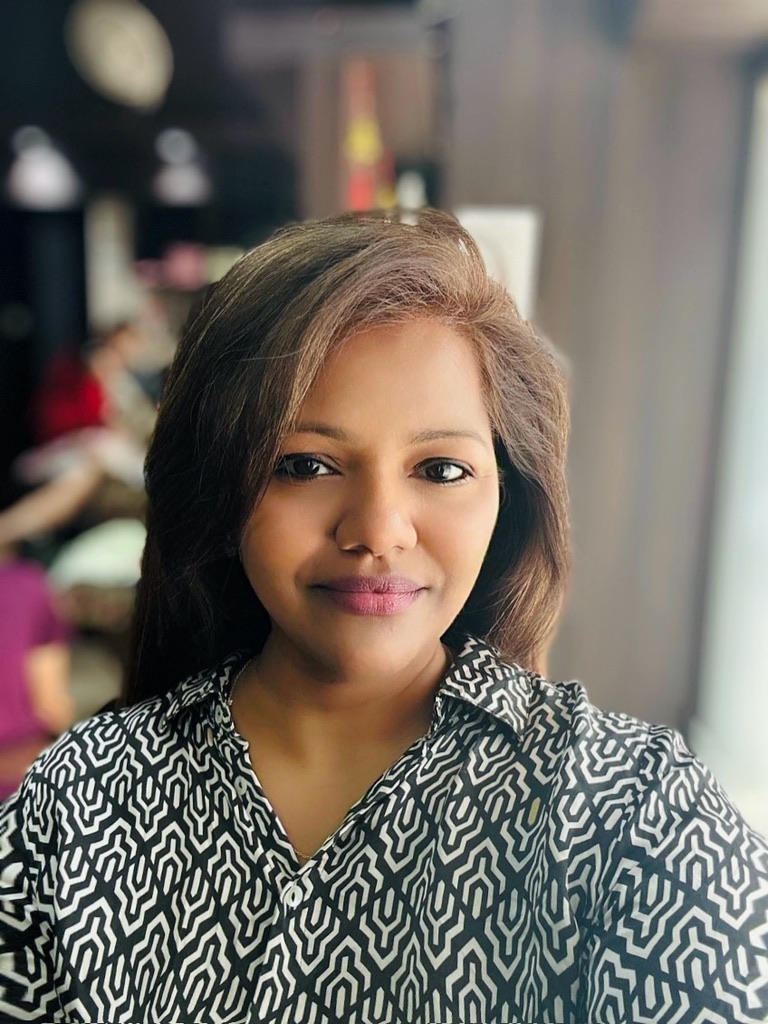 Ancy James is a former television producer who, after a fulfilling 17-year career, chose to step away from the relentless pursuit of output and certainty in favour of retiring from corporate life at age 37 to a slower and more intentional life. In what she calls her act of quiet rebellion, her toddler’s health scare ensured she followed through on this decision and she traded deadlines and huge pay packets for meaningful quiet personal life. Now over 10 years later, She truly believes that our identity isn’t something we prove, it’s something we shape with the decisions we take daily for our loved ones. She now keeps herself busy as an internationally trained Cake Artist and Chef Trainer with a culinary diploma and runs a FSSAI approved business “Ancy’s Sugar Art Academy, in Bengaluru, India. She discovered marathon running in her journey to reversing her bone health diagnosis at age 42. When she is not customising cakes or running, she is busy reading books across the spectrum or spend hours pouring her heart out in these personal memoirs. Through her weekly personal memoirs, she shares raw, honest reflections on grief, resilience, motherhood, midlife reinvention, and the quiet beauty found in overlooked corners of everyday life. At 48, Ancy writes not to impress, but to connect, believing that vulnerability is the birthplace of both healing and growth. In a fast and AI driven world she believes these memoirs are an honest attempt to stay real and relevant as a female writer who is a 100 percent invested in her journey of “Becoming”.








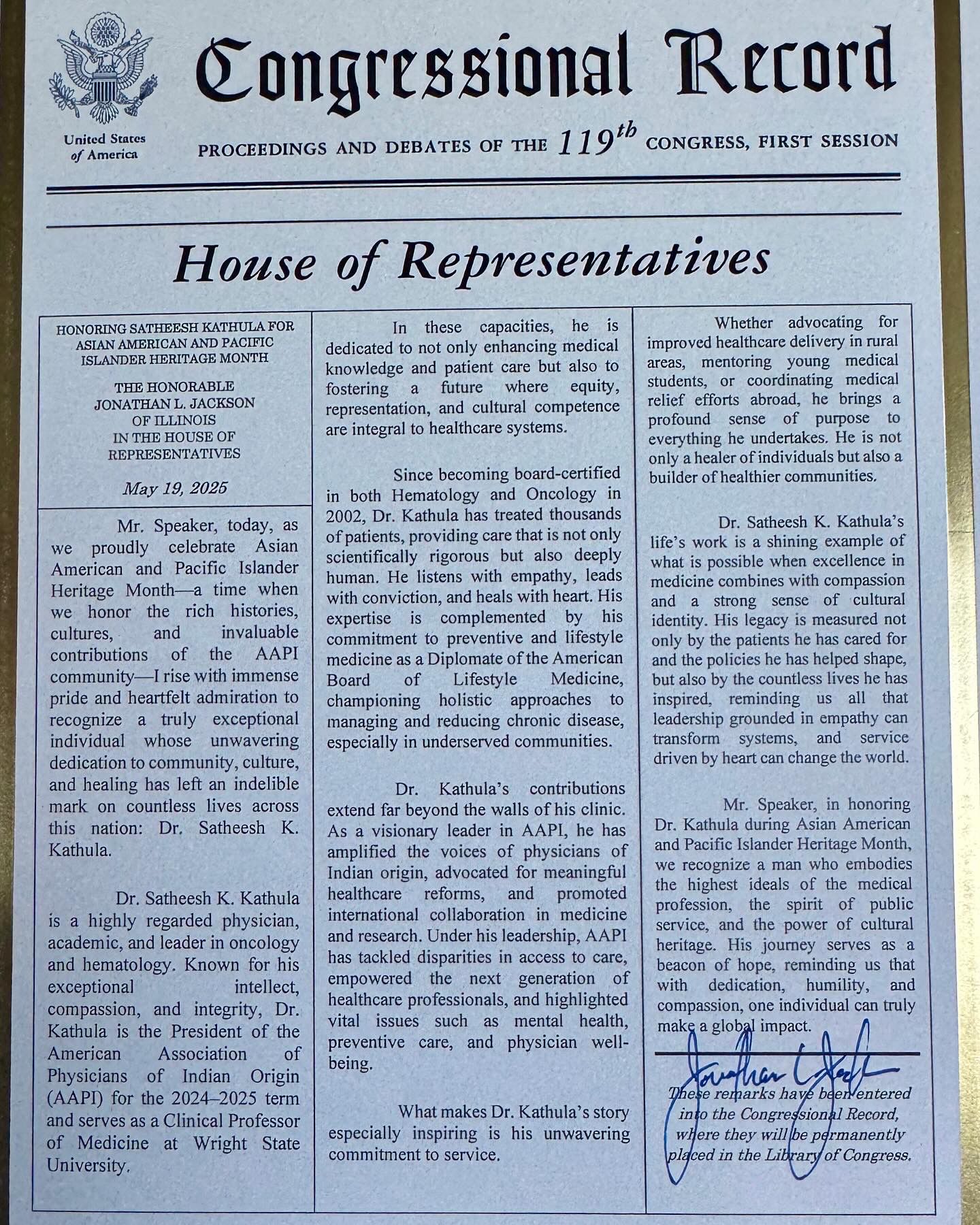 As a Diplomat of the American Board of Lifestyle Medicine, championing holistic approaches to managing and reducing Chronic Disease, especially in underserved communities, “Dr Kathula’s contributions extend far beyond the walls of his clinic. As a visionary leader in AAPI, he has amplified the voices of Physicians of Indian religion, advocated for meaningful healthcare reforms, and promoted international collaboration in medicine and research under his leadership,” Rep. Jackson added.
 His facility, the David S. Zocchi Brain Tumor Center, is renowned for its innovative approaches in treating brain tumors and improving patient outcomes. Dr. Raval’s dedication to providing compassionate care has earned him accolades, including the GBM Heroes Award presented at the 21st Annual Scientific Meeting of the Society for Neuro-Oncology organized by CURE® magazine.
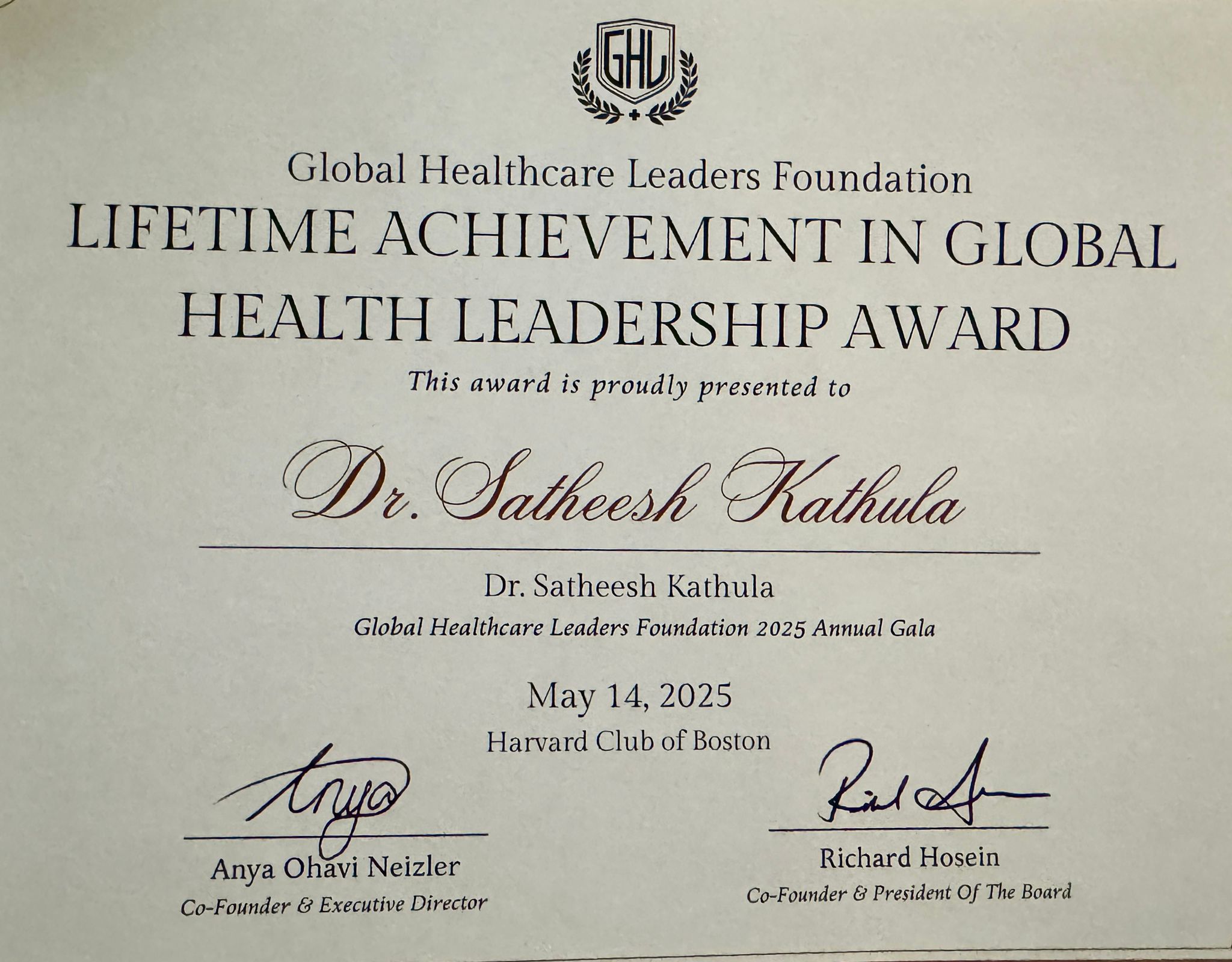
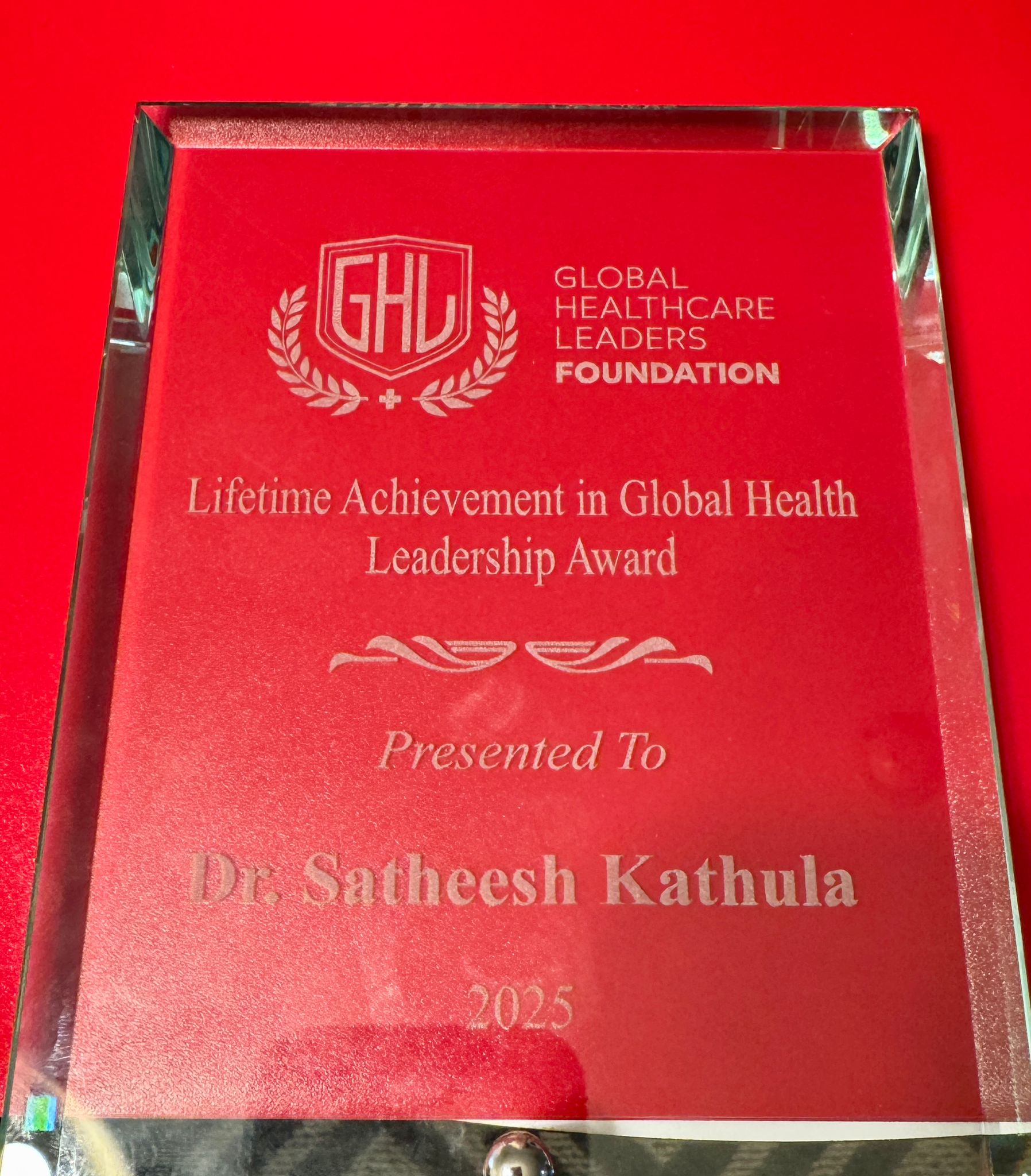
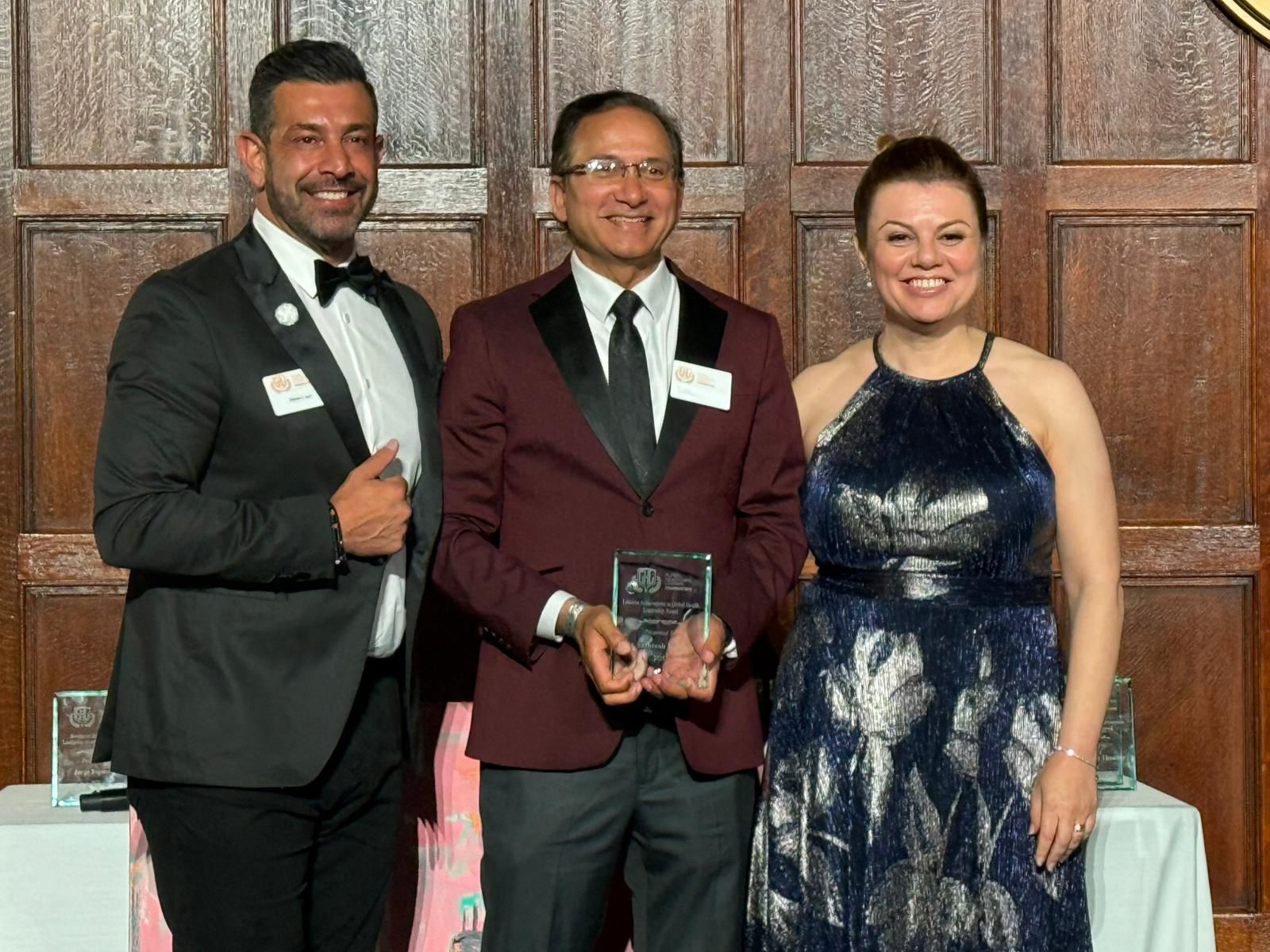 Dr. Satheesh Kathula is a renowned hematologist and oncologist based in Dayton, Ohio, currently serving as the President of the American Association of Physicians of Indian Origin (AAPI). Dr. Kathula, in his response after receiving the award, said, “I am truly humbled to receive this Lifetime Achievement in Global Healthcare Leadership alongside several other remarkable individuals. This inspires not only me, but the people who are serving the community and society at large.”
 Under his leadership, AAPI has launched a program called “Million Miles of Gratitude” to honor veterans by promoting physical activity. Participants can log their walking or running miles, with each mile serving as a tribute to the veterans. The goal is to collectively reach a million miles in the coming year. In May this year, he led a highly successful AAPI Legislative Day on Capitol Hill, where AAPI sought to collectively shape the best health care for the people of US, with the physician at the helm, caring for the medically underserved.
 Dr Kathula’s love for his motherland has manifested in him setting up humanitarian and medical projects in India. The most important of them is establishing a state-of-the-art pharmacy college in Warangal in Telangana, where he grew up. Named the Pathfinder Institute of Pharmacy and Educational Research (PIPER), the non-profit with Dr Kathula as the Chairman provides quality education and has already graduated over 1,000 students who are now working in different parts of India and abroad. He conducted several medical camps close to his native place and donated a defibrillator, water purification plant, and library to his native place.
 The oath ceremony commenced with the singing of the American and Indian national anthems by Bina Sabapthy, Jyoti Gupta, and Roopam Maini, followed by a graceful Ganesh Vandana performance by Hamsaasya School of Dance. Harsh Vyas and Jasbir Jay Singh served as emcees for the evening.
 Wasil, Harsh Vyas, Nilima Madaan; Treasurer: Dr. Bal K. Gilja; Secretary: Dr. Sharad Kothari; Members-at-Large: Anju Sharma, Bhavana Sharma, Deepak Bansal, Deepika Modi, Dr. Narendra Lodha, Dr. Sumita Sengupta, Dr. Usha Bansal, Gobind Bathija, Jay Jasbir Singh, Jyoti Gupta, Kiran Reddy, Parvathala, Narinder Kapoor, Navneet Agarwal, Nick Garg, Nutan Roongta, Roopam Maini, Sanju Sharma, Surin Manaktala, Swati Vaishnav, and, Satnam Singh Parhar.
 She also emphasized the importance of youth involvement in AIA activities and fostering young leadership, saying, “We will encourage and induct young leaders who have grown up with our motto of ‘Indian Heritage and American Commitment’ and have great potential to shape the future of AIA.”
 played a pivotal role in AIA-NY’s success. The evening concluded with a thank-you note from Treasurer Dr. Bal K. Gilja and Secretary Dr. Sharad Kothari, followed by a celebratory dinner. A special plaque was presented to the outgoing President of AIA-NY, Dr. Jagdish Gupta, in recognition of his service and dedication.
 an unwavering commitment to fostering connections, promoting cultural understanding, and supporting community well-being.


 Among the many initiatives Dr. Raju has undertaken, the upcoming Fundraiser in New Delhi is a pan-India Roll Out Program with the objective of raising $500,000, which will be matched by the Eye Foundation of America. The funds raised will be utilized towards establishing 100 ROP screening centers across India; Training 500 healthcare professionals in ROP screening and treatment; and, Treating 10,000 ROP-affected babies annually across India.
  For the past four decades, Dr. Raju and the EFA have been actively and tirelessly on a crusade to eliminate avoidable blindness in areas plagued by poverty and poor access to medical care. The EFA’s mission is to eliminate
  The Goutami Institute has a wing dedicated exclusively for children, and the EFA has future plans to build a service and research eye hospital in India where no child will be denied treatment and children from around the world can come to receive services. Dr. Raju and the EFA are also committed to finding new cures for age-old eye disease in children.
  Dr. Sheth had a passion for writing from school days onwards. “I always loved to write and was also the editor of my school magazine and wrote for local magazines as well. Although journalism was not the most popular career for women in India, especially in those days, “it remained a big passion for me. I have always been intrigued by people’s stories. And once I was well settled in my medical career, I decided to pursue my passion for media as well. The media world has given me the opportunity to meet amazing people, and bring a platform to unique and powerful stories.”
 Dr. Sheth was the co-founder and CEO of INE MultiMedia, a non-profit organization devoted to promoting and supporting charitable organizations, art, culture, education and empowerment through workshops, seminars and multimedia. Dr. Sheth is a former trustee of the Indian-American Forum for Political Education. Dr. Sheth is very dedicated to the education of the community about health related issues, and is also the producer and chair of the annual free mega Health & Wellness Expo.
 Born out of combination of her passions for both media and women empowerment, this noble initiative was co-founded by Dr. Sheth, her daughter, Shaleen Sheth, and her close friend, Deepa Jhaveri. The new global media platform is founded with the “mission to empower women across all ages, industries, and backgrounds, bringing women from around the world together daily with our inspiring, relatable, and relevant original stories,” Dr. Sheth explains. “With thousands of members and daily readers, our membership and our readership spans over 80 countries, and across the United States on our
  She served as the president of Indian Medical Association of New England in 2013. Upon her election to be the president of Indian Medical Association of New England (IMANE) Dr. Sheth said, “My goals for the group in the coming year include strengthening ties with the research and academic medical community, deepening IMANE’s many charitable, social and professional activities and organizing a collaborative health expo that will bring various hospitals and health care providers together with the Indian community.” At the end of her presidency, she had accomplished her goals and was highly praised for her leadership.
 Although Dr. Sheth and her accomplishments are well known in the New England region, she says, “My greatest achievement in life is being a mother and raising my beautiful daughter. She is everything that a mother could dream off in a child. She’s smart, kind, compassionate and she has a lot of gratitude for the opportunities that life has brought her.” One of the first things that she taught her daughter as well was her favorite quote is that “if you reach for the moon then at least you land among the stars.”
 Voters also made history in electing as vice president Kamala Devi Harris, 56, a senator from California and daughter of Jamaican and Indian immigrants who will become the country’s first woman, first Black person and first Asian American to hold the No. 2 job.In a prime-time speech to flag-waving supporters outside the Chase Center in Wilmington, Biden made no mention of Trump’s intransigence, instead offering an olive branch to the president’s supporters and imploring all Americans to “put away the harsh rhetoric” and end “this grim era of demonization.”
 The team also includes a physician on the frontlines of the COVID-19 response, Dr. Robert Rodriguez, a professor at University of California, San Francisco. And the board is rounded out by former government advisors such as Dr. Ezekiel Emanuel, chair of medical ethics and health policy at the University of Pennsylvania, who has advised the White House Office of Management and Budget and the National Institutes of Health; Dr. Atul Gawande, professor at Brigham and women’s Hospital and Harvard Medical School, who advised the Department of Health and Human Services during the Clinton Administration; Dr. Julie Morita, executive vice president of the Robert Wood Johnson Foundation who served on the CDC’s immunization advisory committee; and Dr. Eric Goosby, a professor at University of California San Francisco who served as the U.S. Global AIDS Coordinator and Special Envoy for tuberculosis for the U.N. Secretary General; as well as state public-health experts such as Dr. Celine Gounder, a professor at NYU Grossman School of Medicine who served in the New York City Department of Health and Mental Hygiene, and Dr. Michael Osterholm, director of the center for infectious disease research and policy at the University of Minnesota who worked in the Minnesota Department of Health as an epidemiologist.
 “We are proud of Dr. Vivek Murthy and his many accomplishments and look forward to supporting him throughout the process, as the nation and the entire world seeks to find best possible solutions to tackle the pandemic that has taken the lives of over a million people around the world and nearly 240,000 in the US alone,” said Dr. Anupama Gotimukula, President-Elect of AAPI, that represents over 100,000 physicians of Indian origin in the United States. Dr. Ravi Kolli, Vice President of AAPI, stated that with Dr. Murthy leading the Task Force on the pandemic, he is “looking forward to bringing the experience and perspective of real experts and doctors to the table. His ethics, quiet leadership style and impeccable credentials make him the smart choice for this leadership role.” “Dr. Vivek Murthy represents the next generation of Indian American physicians,” Dr. Amith Chakrabarty, Secretary of AAPI said. “Dr. Murthy was America’s youngest-ever top doctor, and he was also the first surgeon general of Indian-American descent, when appointed by President Barack Obama in 2014.” “Dr. Vivek Murthy’s appointment to the Task Force brings new energy in the fight against Covid-19. We at AAPI, look forward to working closely with Dr. Murthy and his team to end this deadly pandemic,” said Dr. Satheesh Kathula, Treasurer of AAPI. Murthy, 43, who served as the 19th Surgeon General of the United States during Obama Administration from December 2014 to April 2017, said Americans need a leader who works with the people for the progress of the country. Dr. Murthy’s commitment to medicine and health began early in life. The son of immigrants from India, he discovered the art of healing watching his parents – Hallegere and Myetriae Murthy – treat patients like family in his father’s medical clinic in Miami, Florida. Indian American Doctors have lobbied earnestly to have Dr. Murthy confirmed as the US Surgeon General under Obama administration. “The feeling of de ja vu was pervasive, of a triumph over injustice with a hard fought battle by the Indian community during his confirmation, with AAPI playing a major role that secured the prize of the highest position occupied by an Indian American, and that too by one from our second generation,” said Dr. Jahagirdar, who had led a delegation of AAPI leaders to be at the historic oath taking ceremony of Dr. Vivek Murthy as the US Surgeon General at Fort Myer in Virginia across from Washington DC on Wednesday, April 22, 2015. “The oath ceremony, a proud moment for Indian Americans, was led by Joseph Biden, Vice President and currently President-Elect, held in a large hall like a school stadium, with flags in abundance rigged in from the ceiling and leaning in from the sidewalls,” recalls Dr. Suresh Reddy, the immediate past President of AAPI, who was present at the oath ceremony in the nation’s capital. “I am proud of our community of Indian physicians for all the progress that we have made over the years, and I know that AAPI has been a critical force in making this process possible. The advice you shared and assistance you kindly offered were important pieces of this journey,” Dr. Vivek Murthy, stated in a letter to Dr. Jayesh B. Shah, a past president of AAPI, who along with AAPI’s Legislative Affairs Chair, Dr. Sampat Shivangi and several others had led several delegations to US Senators, lobbying for his confirmation. For more information about AAPI, please visit:
  Dr. Jonnalagadda was born in a family of Physicians. His dad was a Professor at a Medical College in India and his mother was a Teacher. He and his siblings aspired to be physicians and dedicate their lives for the greater good of humanity. “I am committed to serving the community and help the needy. That gives me the greatest satisfaction in life,” he said modesty. Ambitious and wanting to achieve greater things in life, Dr. Jonnalagadda has numerous achievements in life. He currently serves as the President of the Medical Staff at the Hospital. And now, “being elected as the President of AAPI is greatest achievement of my life,” As the President of AAPI, the dynamic physician from the state of Andhra Pradesh, wants to “develop a committee to work with children of AAPI members who are interested in medical school, to educate on choosing a school and gaining acceptance; Develop a committee to work with medical residents who are potential AAPI members, to educate on contract negotiation, patient communication, and practice management; Develop a committee to work with AAPI medical students, and to provide proctorship to improve their selection of medical residencies.” Dr. Jonnalagadda wants to emphasize the importance of Legislative Agenda both here in the US and overseas, benefitting the physicians and the people AAPI is committed to serve. According to him, “The growing clout of the physicians of Indian origin in the United States is seen everywhere as several physicians of Indian origin hold critical positions in the healthcare, academic, research and administration across the nation.” He is actively involved with the Indian community and member at large of the Asian Indian Alliance, which actively participates in a bipartisan way to support and fund electoral candidates. His vision for AAPI is to increase the awareness of APPI globally and help its voice heard in the corridors of power. “I would like to see us lobby the US Congress and create an AAPI PAC and advocate for an increase in the number of available Residency Positions and Green Cards to Indian American Physicians so as to help alleviate the shortage of Doctors in the US.” . A Board-Certified Gastroenterologist/Transplant Hepatologist, working in Douglas, GA, Dr. Jonnalagadda is a former Assistant Professor at the Medical College of Georgia. He was the President of Coffee Regional Medical Staff 2018, and had served as the Director of Medical Association of Georgia Board from 2016 onwards. He had served as the President of Georgia Association of Physicians of Indian Heritage 2007-2008, and was the past Chair of Board of Trustees, GAPI. He was the Chairman of the Medical Association of Georgia, IMG Section, and was a Graduate, Georgia Physicians Leadership Academy (advocacy training). “AAPI and the Charitable Foundation has several programs in India. Under my leadership, we will be able to initiate several more program benefitting our motherland, India,” Dr. Jonnalagadda said. The solemn Award Ceremony by IAPC was led by Padma Shri Dr. Sudhir Parikh, Chairman of Parikh Media and an active leader of AAPI. The virtual ceremony was organized, among others, by Dr. Joseph Chalil, IAPC Chairman; Korason Varghese, Award Committee Chair; & Dr. P.V. Baiju, IAPC Board Member. Dr. Vinod K. Shah, Managing Director of MedStar Shah Medical Group, CEO of Health Prime, and former President of AAPI, was conferred with the prestigious Karma Shrestha Award. WHEELS Global Foundation, a charitable initiative by the Indian Institute of Technology alumni, was conferred The Sathkarma Award. Ranjani Saigal, Executive Director of Ekal Vidyalaya, and Dean Nitin Nohria, Dean of Harvard Business School, were given The SathKarma Award. Ambassador Pradeep Kapur, the author of the book Beyond Covid-19 Pandemic and former Ambassador of India to Chile and Cambodia, received the Excellence in Literature Award. Chancellor of the University of California San Diego, Pradeep Khosla, was awarded the Excellence in Technology & Education Award. The Humanitarian Award was given to Dr. Sunil D. Kumar, Broward Health Medical Center, and former President of AKMG. Satish Korpe, the past President of the Indian American Forum for Political Education, and Madhavan B. Nair, former President of FOKANA, received the Community Service Award. Lalit K. Jha, Chief US Correspondent for Press Trust of India (PTI), was given the IAPC Media Excellence Award. The Indo-American Press Club (IAPC), a 501 (c) 3 Non-Profit Organization headquartered in New York, was formed in 2013 with the ideals of providing a common platform to journalists of Indian-origin living in the United States and Canada committed to professionalism and well-being of the larger society. IAPC is also committed to recognize and honor the outstanding entities and individuals in the community that creates a social impact and excel in their field of profession, culture, service, and business.
 A true visionary and reputed for his excellence in healthcare, education, leadership and social services, Dr. Shah received his medical degree from Bombay University, completed his cardiology training at Georgetown University Hospital. Dr. Shah moved to rural Southern Maryland 45 years ago with his wife, Dr. Ila Shah, a Pediatrician and his brother, Dr. U.K. Shah, a Gastroenterologist, and together they founded Shah Associates, the largest private multi-specialty practice in Maryland.
 Dr. Shah has consistently used his personal connections with US Lawmakers to advocate for an increase in the number of medical schools and residencies, with the dual goal of improving access to care nationwide and allowing more qualified and deserving graduates, such as those from India, to practice in the US. As the President of AAPI, Dr. Shah facilitated trips to India with both Maryland Governor Martin O’Malley and a number of Members of Congress, including the current House Majority Leader, Steny Hoyer. In addition to general cultural exchange, Dr. Shah helped bring about the creation of a sister state relationship between Maryland and Maharashtra, with the purpose of encouraging research and investment in life-saving medical technology.
  His literary skills came to be recognized around the world, when he penned the publication of “Antarnaad – Introspection,” created with images of India’s past, present and future with the purpose of educating younger generations in both India and the US as well as US lawmakers as to the strength of democracy. The accompanying documentary film he had produced describes the compelling story of The Golden Era, Islamic Invasion and British India, and was followed by Freedom Movement, Partition, and the Post-Independence India with emphasis on human weakness, corruption, license Raj, and the revolt by the people leading to the Promised Land.
 Dr. Ranga Reddy, who was honored during the Convention, in his remarks, stated, “The journey to the land of opportunities by Physicians of Indian Origin began in the early 1960s and the 1970s and began establishing themselves across the United States. It was tough and challenging for the pioneers to establish practice and find suitable job opportunities in the US. Faced with instances of overt as well as subtle discrimination in Residency recruitment and License Reciprocity, physicians of Indian Origin organized themselves in several states to fight the unfair treatment.”
 In India, Dr. Ranga Reddy started an AAPI Charitable Clinic in a remote village called Ellayapalle to provide medical services to the indigenous people. He promoted “Adopt the Primary Health Care Center of Your Native Place” in Andhra Pradesh. He co-sponsored a water project with Nandi Foundation to supply clean water to the villagers.
 Dr. Thomas Abraham, Chairman GOPIO International, in his introductory remarks said, “GOPIO was born in 1989 and today, it has over 100 chapters across the world, contributing to the larger community. GOPIO chapters also serve the local communities in need, by sponsoring soup kitchens and giving scholarship to needy students. During the Covid-19 period, GOPIO chapters have been making financial contributions and replenishing food items at the food pantries serving the needy. Some chapters also provided N-95 medical masks to frontline workers, he said.
 Prof. Arvind Panagariya, a Padmabhushan Recipient, former Niti Ayog Vice Chairman and a Faculty at Columbia University, while according a warm welcome to the new Consul General in New York, shared his greetings to the new OIffice Bearers of the GOPIO Chapter in NYC. He applauded Dr. Thomas Abraham and called him “a Pillar of the Indian Community globally.”
 GOPIO-Manhattan activities and services to be provided were explained by its board members and committee chairs including Youth Initiative Coordinator Mukul Gupta, Vice President Dr. Vimal Goyle (Supporting food pantries/soup kitchens), Executive VP Prof. Rajasekhar Vangapaty (Welcoming and Hosting Students from India) and Siddharth Jain (Reaching Out Indian American College Students). Treasurer Braj Aggarwal outlined the membership details and appealed everyone to become members. Membership form is available online at
 Harris, 55, becomes the first Black woman on a major presidential ticket in U.S. history and providing him with a partner well suited to go on the attack against Republican President Donald Trump. Harris, a former prosecutor and state attorney general in California, is well known for her sometimes aggressive questioning style in the Senate, most notably of Brett Kavanaugh during his 2018 Supreme Court confirmation hearing.
 The daughter of an Indian mother and a Jamaican father, Harris has knocked down barriers throughout her career. She was the first woman to serve as San Francisco’s district attorney, elected to that office in 2003, and the first woman to serve as California’s attorney general, elected to that office in 2010.
 Senator Harris’ early years also included a brief period in Canada. When Ms Gopalan Harris took a job teaching at McGill University, Ms Harris and her younger sister Maya went with her, attending school in Montreal for five years.


