Mamdani Appoints Lekha Sunder as Indian-American Communications Staff Member

Mayor Zohran Mamdani has appointed Lekha Sunder as New York’s Deputy Communications Director, focusing on messaging and communications strategy for the city government.

NEW YORK, NY – City Hall has announced that Mayor Zohran Mamdani has appointed Lekha Sunder as New York’s Deputy Communications Director. In this role, Sunder will be responsible for shaping messaging and coordinating communications strategy across the city government.

Sunder joined Mamdani’s primary campaign in February, where she played a pivotal role in expanding the campaign’s reach through traditional, digital, and earned media. Her efforts significantly strengthened the campaign’s media presence and helped align its messaging as it gained traction among voters.

Before her work with the Mamdani campaign, Sunder gained valuable experience in communications while working for Vice President Kamala Harris. She was involved in Harris’ presidential campaign in Pennsylvania, where she further developed her skills in strategic messaging and public relations.

At just 26 years old, Sunder is a recent graduate of Yale University, where she majored in Global Affairs. During her time at Yale, she also contributed as a reporter for the Yale Daily News, which likely enhanced her understanding of media narratives and the importance of effective communication.

In her new position at City Hall, Sunder will report to Communications Director Anna Bahr, a veteran staffer with a background in working for Bernie Sanders. This collaboration is expected to bring a fresh perspective to the city’s communications efforts.

According to India West, Sunder’s appointment reflects a commitment to innovative communication strategies within the Mamdani administration.

Rand Paul Criticizes Trump’s Threat to Bomb Iran as Misguided

Senator Rand Paul cautioned against President Trump’s threats to bomb Iran, emphasizing constitutional concerns and the potential for unintended consequences amid ongoing protests in the country.

Senator Rand Paul, a Republican from Kentucky, expressed his opposition to President Donald Trump’s recent threats to bomb Iran during an appearance on ABC’s “This Week.” Paul raised concerns that such military action could backfire, particularly as the U.S. government observes the Iranian response to widespread protests.

Paul questioned the effectiveness of a military strike, stating, “I don’t think I have ever heard a president say they may take military action to protect protesters.” He referenced the assassination of Iranian General Qassem Soleimani, which led to significant protests against the U.S. in Iran, despite many demonstrators also expressing opposition to the Ayatollah.

“We wish them the best,” Paul said regarding the protesters. “We wish freedom and liberation the best across the world, but I don’t think it’s the job of the American government to be involved with every freedom movement around the world.”

In his remarks, Paul highlighted the challenges of distinguishing between Iranian protesters and law enforcement if military action were to occur. “How do you drop a bomb in the middle of a crowd or a protest and protect the people there?” he asked, emphasizing the complexities of such a military intervention.

Furthermore, Paul warned that bombing the Iranian government could inadvertently unite the protesters behind the Ayatollah. “If you bomb the government, do you then rally people to their flag who are upset with the Ayatollah, but then say, ‘Well, gosh, we can’t have a foreign government invading or bombing our country?'” he questioned. “It tends to have people rally to the cause.” He reiterated that the protests are directed at the Ayatollah and are justified.

Paul advocated for a more supportive approach, stating, “The best way is to encourage them and say that, of course, we would recognize a government that is a freedom-loving government that allows free elections, but bombing is not the answer.”

The senator also underscored the constitutional limitations on presidential military action, asserting that presidents cannot strike other countries without congressional approval. “There is this sticking point of the Constitution that we won’t let presidents bomb countries just when they feel like it,” Paul emphasized. “They’re supposed to ask the people, through the Congress, for permission.”

Protests in Iran have intensified in recent weeks, fueled by the country’s economic struggles, with many demonstrators calling for total regime change. Reports indicate that thousands have been arrested, and while the exact death toll remains unclear due to an internet blackout imposed by Iranian authorities, The Associated Press has reported that more than 500 people have been killed in the unrest.

In response to the protests, Trump warned Iranian leaders on Friday that they “better not start shooting, because we’ll start shooting, too.” He also expressed support for the protesters, stating on Truth Social, “Iran is looking at FREEDOM, perhaps like never before. The USA stands ready to help!!!”

Paul has previously opposed Trump on various military actions, including those targeting Iran and Venezuela. Recently, he played a role in advancing a Senate resolution aimed at limiting Trump’s ability to conduct further military strikes against Venezuela, following a U.S. military operation to capture its president, Nicolás Maduro. Paul characterized that action as tantamount to war.

“I think bombing a capital and removing the head of state is, by all definitions, war,” Paul told reporters prior to the vote on the resolution. “Does this mean we have carte blanche that the president can make the decision any time, anywhere, to invade a foreign country and remove people that we’ve accused of a crime?”

Additionally, Paul has criticized the administration’s military strikes on vessels near Venezuela, which the U.S. accuses of carrying narco-terrorists, raising concerns about due process and the risk of harming innocent individuals. He previously cited Coast Guard statistics indicating that a significant percentage of boats boarded on suspicion of drug trafficking are, in fact, innocent.

As tensions continue to rise in Iran and the U.S. grapples with its foreign policy approach, Paul’s comments reflect a growing concern among some lawmakers regarding the implications of military intervention in the region, particularly in light of the ongoing protests.

According to The Associated Press, the situation in Iran remains fluid, with the potential for further developments as both the government and the protesters navigate the current crisis.

Five Severed Heads Discovered on Ecuador Beach Amid Gang Violence

Five severed heads were discovered on a beach in Ecuador, highlighting the country’s escalating gang violence amid a military crackdown on organized crime.

In a shocking incident that underscores the rising tide of gang violence in Ecuador, five severed human heads were found hanging from ropes on a beach in the coastal town of Puerto Lopez on Sunday. This gruesome display is linked to ongoing conflicts among criminal groups vying for control over drug trafficking routes.

The discovery, reported by multiple news outlets, highlights the alarming increase in violence associated with drug trafficking and organized crime in Ecuador. In recent years, the country has seen a surge in homicides, driven by fierce competition among gangs.

Local authorities reported that the severed heads were found on a popular tourist beach in Manabi province, a small fishing port known for its scenic views. Images circulated on social media and in Ecuadorian media depicted the heads tied to wooden poles planted in the sand, with blood visible at the scene.

Accompanying the heads was a wooden sign that bore a threatening message directed at alleged extortionists targeting local fishermen. The message warned those demanding “vaccine cards,” a term used to describe protection payments commonly extorted by gangs, that they had been identified.

Authorities believe this horrific display is a result of ongoing conflicts between rival criminal organizations operating in the region. Drug-trafficking networks with ties to transnational cartels have been increasingly active along Ecuador’s coastline, utilizing local fishermen and their small boats to transport illegal shipments.

In response to the escalating violence, President Daniel Noboa has initiated an armed campaign against gangs and declared states of emergency in several provinces, including Manabi. This effort includes deploying military forces to support police operations in an attempt to restore order.

Despite these measures, violence continues to rise. Following recent massacres in the province, police have intensified patrols and surveillance in Puerto Lopez. Earlier this year, at least nine people, including a baby, were killed in an attack attributed to clashes between local gangs.

In 2025, infighting among factions of a gang competing for territory in Guayaquil, Ecuador’s largest city, resulted in nearly two dozen fatalities. The country ended the year with a record homicide rate of 52 per 100,000 people, according to the Organized Crime Observatory, marking it as the deadliest year on record.

The situation in Ecuador reflects a broader trend of increasing violence linked to drug trafficking and organized crime across the region. As authorities grapple with these challenges, the safety of local communities and tourists remains a pressing concern.

According to The Associated Press, the recent events highlight the urgent need for effective strategies to combat gang violence and restore peace in affected areas.

AAPI Health Summit 2026 Highlights Initiatives for Indian-American Healthcare Services

The AAPI Health Summit 2026 in Bhubaneswar highlighted Indo-U.S. collaboration to enhance healthcare services in India through innovative initiatives and community engagement.

The American Association of Physicians of Indian Origin (AAPI) hosted its Global Health Summit (GHS) 2026 from January 9 to 11 in Bhubaneswar, Odisha. The three-day event showcased groundbreaking medical advancements, collaborative research, and community-focused initiatives aimed at strengthening healthcare services in India.

Dr. Amit Chakrabarty, president of AAPI, described the summit as a pivotal moment for the Indo-U.S. relationship in medical collaboration. “GHS 2026 reflects AAPI’s unwavering commitment to elevating global health standards,” he stated. “When experts from two of the world’s most dynamic healthcare systems come together, the impact extends far beyond conference halls—it reaches communities, hospitals, and future generations.”

Chakrabarty emphasized that AAPI’s collective expertise and shared purpose would continue to guide efforts to enhance health systems and expand access to quality care. He noted that partnerships forged during the summit are expected to shape future initiatives benefiting patients in India, the United States, and beyond.

Indian Health Minister Jagat Prakash Nadda praised AAPI’s role in advancing healthcare delivery and education in both countries through a video message. He described the organization as a bridge between India and the United States, representing over 100,000 physicians of Indian origin practicing in the U.S.

Nadda highlighted AAPI’s contributions to public health, research, and training, noting that its work reflects a commitment to global service rooted in the philosophy of “vasudhava kutumba,” which means the world is one family.

The summit took place at various venues, including the Kalinga Institute of Medical Sciences (KIMS), Kalinga Institute of Industrial Technology (KITT), Mayfair Lagoon, and Swosti Premium. It featured leaders from Odisha’s academic and medical institutions, with KIMS officials discussing efforts to expand advanced care and medical education across eastern India.

During the opening gala, AAPI honored physicians Dr. Sita Kanta Dash and Dr. Santosh Dora for their contributions to community health and social service. The summit effectively blended continuing medical education with public engagement and hands-on training, beginning each day with yoga and meditation sessions led by Dr. Amit Shah and Dr. Arti Prasad, highlighting the growing role of integrative wellness in clinical practice.

Scientific forums addressed pressing health issues, including noncommunicable diseases, cancer prevention, advocacy, and emerging treatment strategies relevant to India’s health challenges. Advanced surgical techniques were showcased through live demonstrations of robotic and minimally invasive procedures transmitted between venues.

Parallel sessions focused on various topics, including Ayurveda, issues faced by international medical graduates, suicide prevention, and skill-building workshops for students. A mass CPR training program for students underscored AAPI’s emphasis on community preparedness and early intervention.

Technology and innovation took center stage on the second day, with discussions on the applications of artificial intelligence in medicine. Speakers explored topics ranging from radiology and patient education to the ethical challenges and future governance of AI-driven care.

Emergency medicine workshops provided updates on resuscitation guidelines, cardiac arrest research, and simulation-based training designed to strengthen frontline response. Additional sessions examined strategies for tuberculosis elimination, diabetes and obesity management, and rapid decision-making in emergency rooms and intensive care units.

Organizers noted that the practical focus of these workshops aimed to translate knowledge into measurable improvements in patient outcomes.

The final day of the summit emphasized women’s leadership and youth engagement, co-chaired by Dr. Kalpalatha Guntupalli, Dr. Bharati Misra, and Dr. Tapti Panda. Panels addressed gender equity in medicine, leadership development, and mentorship pathways. A featured session examined India’s Covid-19 vaccine journey, bringing together scientists and filmmakers to discuss the convergence of research, innovation, and storytelling during the pandemic.

The program also spotlighted inclusive health advocacy, featuring a session honoring visually impaired women cricketers from Odisha who contributed to India’s victory in the inaugural Blind Women’s T20 World Cup in 2025. Organizers stated that this recognition underscored the potential of sports and policy advocacy to advance disability health reform.

Community-focused initiatives were woven throughout the summit, including stem cell donor registration drives, HPV awareness and vaccination programs, and child welfare efforts. Cultural performances celebrating Odisha’s artistic traditions concluded the evenings, reinforcing the summit’s emphasis on connecting medicine with community and culture.

Overall, the AAPI Health Summit 2026 served as a significant platform for fostering collaboration and innovation in healthcare, with lasting implications for both India and the United States, according to The American Bazaar.

MIT’s Anantha Chandrakasan Selected for Committed to Caring Program

Anantha P. Chandrakasan, MIT’s Provost, has been selected for the Committed to Caring program, recognizing his exceptional mentorship of graduate students and his impact on the next generation of innovators.

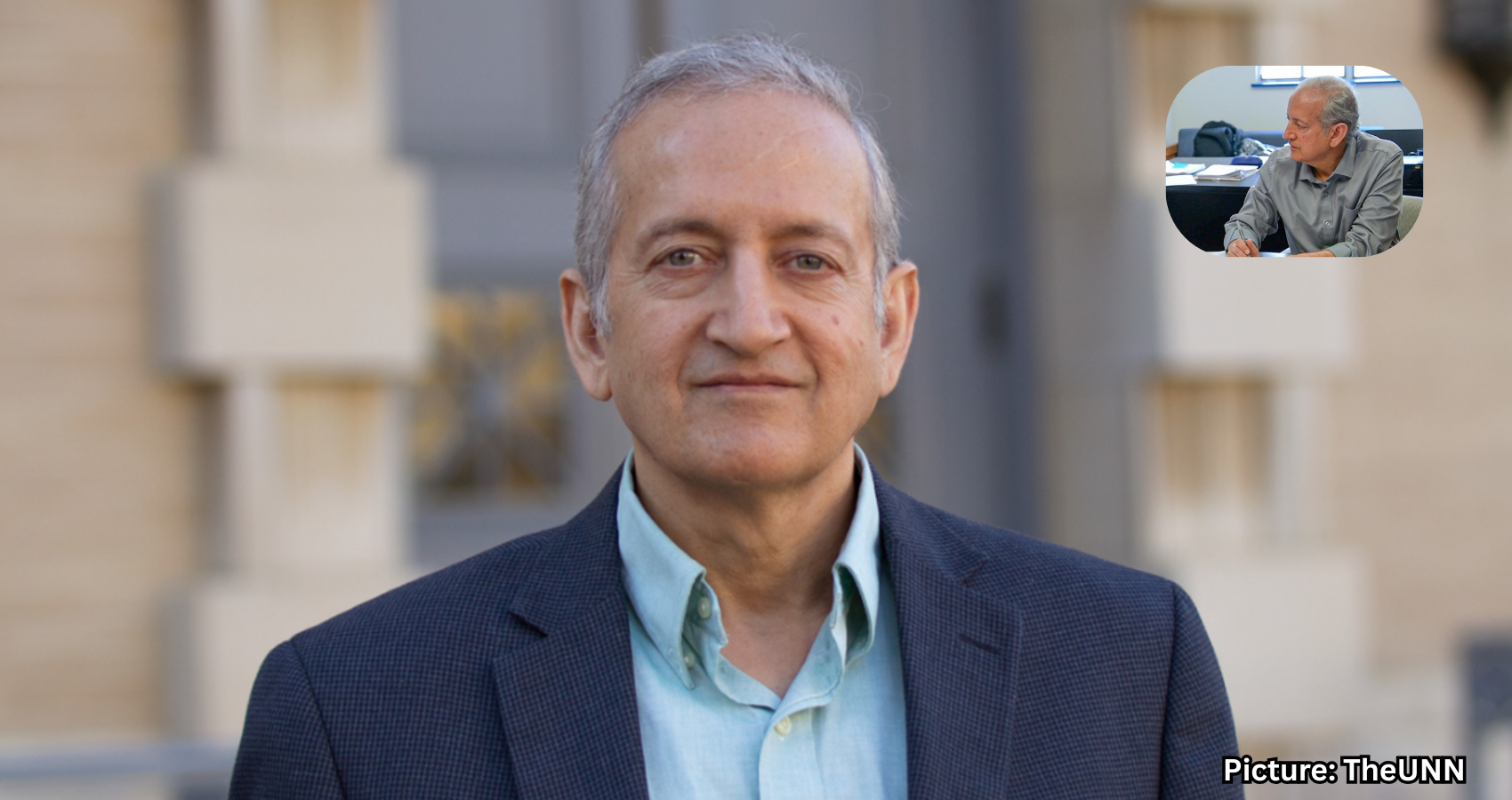
Anantha P. Chandrakasan, the Provost of the Massachusetts Institute of Technology (MIT) and the Vannevar Bush Professor of Electrical Engineering and Computer Science, has been honored with a selection to the institute’s Committed to Caring (C2C) program. This initiative recognizes outstanding mentorship among faculty members, particularly in nurturing resilience, curiosity, and compassion in graduate students.

In an era marked by rapid advancements, from artificial intelligence breakthroughs to evolving global research landscapes, the C2C program highlights professors who make a significant impact on students’ academic and personal journeys. The latest cohort of honorees exemplifies these values, showcasing the profound influence that dedicated faculty can have on the next generation of innovators.

Since its inception in 2014, the C2C program has been a student-driven initiative celebrating exceptional mentorship. This year, 18 MIT professors have been awarded the C2C honor for the 2025-27 cycle, joining nearly 100 previous recipients. The nomination process places students at the forefront, inviting them to submit letters recognizing faculty members whose mentorship has left a lasting impression on their lives.

A selection committee, comprised of both graduate students and staff, reviews these nominations to identify those who have significantly strengthened the graduate community at MIT.

Chandrakasan, an Indian American, previously served as the Dean of MIT’s School of Engineering from July 2017 to June 2025 and held the position of the Institute’s inaugural Chief Innovation and Strategy Officer from January 2024 to June 2025. As Provost, he acts as the chief academic and budget officer for the Institute, overseeing the MIT Office of Innovation and Strategy (OIS).

In addition to his role as Provost, Chandrakasan leads MIT HEALS and MGAIC and co-chairs MITHIC. He is also involved with the MIT-GE Vernova Energy and Climate Alliance, serving as co-chair. Furthermore, he is the Senior Executive Advisor to the MIT Climate and Sustainability Consortium (MCSC) and co-chairs the MIT-IBM Watson AI Lab and the Tata-MIT Alliance, both of which he founded.

Chandrakasan’s academic journey began at the University of California, Berkeley, where he earned his bachelor’s degree in 1989, followed by a master’s in 1990 and a doctoral degree in 1994, all in electrical engineering and computer sciences. He joined the MIT faculty in September 1994 and served as the director of the MIT Microsystems Technology Laboratories from July 2006 to June 2011. From July 2011 to June 2017, he was head of the Department of Electrical Engineering and Computer Science (EECS).

During his tenure as dean, Chandrakasan implemented various interdisciplinary programs, creating innovative models for collaboration between academia and industry to accelerate research. As MIT’s first Chief Innovation and Strategy Officer, he worked closely with stakeholders across the Institute and external partners to launch initiatives aligned with MIT’s strategic priorities. In 2025, he also took on an interim role overseeing strategy and operations for MIT’s Climate Project.

Chandrakasan has received numerous accolades for his contributions to the field, including the 2019 Solid-State Circuit Society’s Distinguished Service Award, the 2013 IEEE Donald O. Pederson Award in Solid-State Circuits, the 2009 Semiconductor Industry Association (SIA) University Researcher Award, and the 2022 IEEE Mildred Dresselhaus Medal.

A fellow of the IEEE, he was elected to the National Academy of Engineering in 2015, the American Academy of Arts & Sciences in 2019, and the Association for Computing Machinery (ACM) in 2020. Currently, he serves on the board of Natcast, a non-profit organization established to operate the National Semiconductor Technology Center (NSTC) under the U.S. Department of Commerce.

Chandrakasan’s selection for the Committed to Caring program underscores his commitment to fostering a supportive and innovative environment for graduate students at MIT, further solidifying his legacy as a mentor and leader in the academic community, according to MIT.

Indian-American Students Develop Health Insurance Decision-Making Tool

Indian American students Sunveer Chugh and Dev Gupta have developed a digital tool, InsuraBridge, to assist consumers in making informed health insurance decisions.

Sunveer Chugh and Dev Gupta, two Indian American undergraduates at Case Western Reserve University in Cleveland, Ohio, have created a digital tool designed to help consumers navigate the complexities of health insurance purchasing on healthcare.gov.

The innovative tool, named InsuraBridge, aims to simplify the process of understanding critical aspects of health insurance plans, such as out-of-pocket maximums and in-network doctors, according to a university press release.

Chugh, a computer science major, and Gupta, who studies quantitative economics and healthcare management, recently showcased their startup at the Consumer Electronics Show (CES) in Las Vegas, one of the largest technology events in the world.

Gupta highlighted the challenge many consumers face, stating, “Millions of people buy insurance through healthcare exchanges, but there can be hundreds of plan options. Even for tech-savvy consumers, it’s nearly impossible to know which one is right for you.”

InsuraBridge employs advanced analytics to evaluate users’ preferences, including cost sensitivity, preferred doctors, and anticipated healthcare needs. The tool then provides tailored plan recommendations based on these assessments. This technology is built on a patented algorithm and utilizes an application programming interface (API) connected to healthcare exchanges.

“Think of it as a digital co-pilot for choosing insurance,” Chugh explained. “We want to give people clarity and confidence in a process that’s usually overwhelming.”

The duo presented their prototype at CES 2026’s University Innovations section, joining hundreds of emerging founders from around the globe.

Gupta emphasized their mission, saying, “Our goal is to make health insurance transparent, thus ensuring access, establishing care, and expanding medicine.” Chugh added, “If we can help people make better choices for their health and finances, that’s a win.”

Looking ahead, InsuraBridge is preparing to launch a new Medicaid application tool. This tool aims to streamline workflows by consolidating patient information and autocompleting applications in just minutes, significantly reducing the time typically required for the process.

Ray Herschman, an adjunct professor at the Weatherhead School of Management, and Mark Votruba, an associate professor at the same institution, have been instrumental in guiding the students throughout the development of their digital tool.

Herschman noted that InsuraBridge exemplifies the university’s commitment to innovation and social impact. “These students saw a problem that affects millions and used technology to fix it,” he said. “The InsuraBridge application connects to the Healthcare.gov website’s API to access key data that powers the healthcare exchange’s health plan options and associated benefit and provider network attributes, empowering consumers to make informed decisions.”

As the healthcare landscape continues to evolve, tools like InsuraBridge may play a crucial role in helping consumers navigate their options and make informed choices about their health insurance.

According to Case Western Reserve University, the development of such innovative solutions reflects a growing trend among students to address real-world challenges through technology.

India vs New Zealand 1st ODI: Harshit Rana Shines in Match

Harshit Rana’s crucial wicket of Henry Nicholls has given India a much-needed breakthrough in the first ODI against New Zealand.

In the first One Day International (ODI) between India and New Zealand, Harshit Rana has made a significant impact by claiming the wicket of Henry Nicholls, who was batting at 62 runs. This dismissal marks India’s first breakthrough in the match, shifting the momentum in their favor.

As the game progresses, India’s bowlers will be looking to capitalize on this breakthrough and apply further pressure on the New Zealand batting lineup. The match is crucial for both teams as they aim to establish dominance in the series.

Fans are eagerly watching as the action unfolds, with hopes high for a strong performance from the Indian side. The atmosphere is charged, and every wicket will be pivotal in determining the outcome of this closely contested match.

According to NDTV Sports, the stakes are high as both teams strive for victory in this opening match of the series.

Study Finds Chewing Gum May Enhance Focus and Reduce Stress

New research reveals that chewing gum activates brain regions associated with attention and stress regulation, shedding light on its long-standing use for focus and relaxation.

Humans have been chewing gum for thousands of years, a practice that continues long after the flavor fades and without any clear nutritional benefits. This habit dates back at least 8,000 years to Scandinavia, where early inhabitants chewed birchbark pitch to soften it into a glue for tools. Other ancient cultures, including the Greeks, Native Americans, and the Maya, also chewed tree resins for pleasure or soothing effects, as reported by National Geographic.

In the late 19th and early 20th centuries, William Wrigley Jr. transformed chewing gum from a novelty into a mass consumer habit through relentless and innovative marketing. His brands, such as Juicy Fruit and Spearmint, promoted gum as a way to calm nerves, curb hunger, and enhance focus. An article from 1916 famously advised, “Are you worried? Chew gum. Do you lie awake at night? Chew gum. Are you depressed? Is the world against you? Chew gum,” as noted in Kerry Segrave’s book, Chewing Gum in America, 1850-1920: The Rise of an Industry.

In the 1940s, a study found that chewing resulted in lower tension, although it could not explain why. The New York Times reported on the study’s findings, stating, “The gum-chewer relaxes and gets more work done.” This early association of gum with wellness has seen a revival in recent years as companies attempt to reinvigorate sales amid a decline in the market, according to National Geographic.

Despite its long history, scientists are only now beginning to understand the biology behind these long-standing beliefs. A 2025 review by researchers at the University of Szczecin in Poland analyzed over three decades of brain-imaging studies to investigate what occurs in the brain when individuals chew gum. Utilizing MRI, EEG, and near-infrared spectroscopy, the authors discovered that chewing alters brain activity in regions associated with movement, attention, and stress regulation.

The findings clarify why this seemingly trivial activity can feel calming or focusing, even after the flavor has dissipated. Chewing gum activates not only the brain’s motor and sensory networks involved in the act of chewing but also higher-order regions linked to attention, alertness, and emotional control. EEG studies indicated brief shifts in brain-wave patterns associated with heightened alertness and what researchers describe as “relaxed concentration.”

“If you’re doing a fairly boring task for a long time, chewing seems to be able to help with concentration,” said Crystal Haskell-Ramsay, a professor of biological psychology at Northumbria University, in an interview with National Geographic.

The review also supports earlier findings that gum chewing can alleviate stress, but only in specific situations. Laboratory experiments showed that individuals who chewed gum during mildly stressful tasks, such as public speaking or mental math, often reported lower anxiety levels compared to those who did not chew gum.

However, the research indicates that chewing gum does not consistently reduce anxiety in high-stress medical situations, such as immediately before surgery, nor does it provide clear benefits when participants faced unsolvable problems designed to induce frustration. Across multiple studies, participants who chewed gum did not demonstrate improved memory for lists of words or stories compared to those who did not chew gum, and any increase in attention appeared to fade soon after chewing stopped.

Experts speculate that gum may simply satisfy the urge to fidget. “Although these effects are often short-lived, the range of outcomes underscores chewing gum’s capacity to modulate brain function beyond simple oral motor control,” the researchers noted. However, they cautioned that the neural changes associated with gum chewing cannot yet be directly linked to the positive behavioral and functional outcomes observed in studies.

Future research should focus on the long-term impacts of chewing gum, isolate variables related to flavor or stress, and explore potential therapeutic applications, the scientists suggested. Additionally, while sugar-free gum may help reduce cavities, dentists have previously warned that acids, sweeteners, and excessive chewing could harm teeth or trigger other side effects.

As the understanding of gum’s effects on the brain continues to evolve, it remains a popular choice for those seeking a quick way to enhance focus and alleviate stress.

These insights are based on research findings reported by National Geographic.

Covenant Health Data Breach Impacts Nearly 500,000 Patients

Covenant Health has confirmed that a recent cyberattack may have compromised the personal information of nearly 500,000 patients, significantly more than the initial estimate of 7,864 individuals.

Covenant Health, a healthcare provider based in Andover, Massachusetts, has revealed that a cyberattack detected on May 26, 2025, may have affected nearly 500,000 patients. This figure marks a significant increase from the fewer than 8,000 individuals initially reported earlier this year.

The breach was first identified when Covenant Health noticed unusual activity within its IT environment. Investigations indicated that the attackers gained access to sensitive patient information starting May 18, 2025, eight days before the breach was officially detected.

While a ransomware group known as Qilin later claimed responsibility for the attack, Covenant Health has not confirmed whether ransomware was indeed used. The group alleged that they stole approximately 852 gigabytes of data, including nearly 1.35 million files. Covenant Health acknowledged that patient information was accessed but did not confirm the specific data volume claimed by the attackers.

The compromised information may include names, addresses, Social Security numbers, medical record numbers, health insurance details, and treatment information such as diagnoses and dates of care. This breach poses a serious risk to patients, as the exposed data can be exploited for identity theft and other malicious activities.

In July, Covenant Health informed regulators that the breach initially affected 7,864 individuals. However, following extensive data analysis, the organization has now revised that estimate to as many as 478,188 individuals potentially impacted.

Covenant Health operates a network of hospitals, nursing and rehabilitation centers, assisted living residences, and elder care organizations across New England and parts of Pennsylvania. This extensive reach means that the breach may have affected patients across multiple states and various care settings.

In response to the incident, Covenant Health has engaged third-party forensic specialists to investigate the breach and assess the extent of the data involved. The organization has stated that its data analysis is ongoing as it continues to identify individuals whose information may have been compromised.

As part of its response, Covenant Health has set up a dedicated toll-free call center to address questions related to the breach. Beginning December 31, 2025, the organization started mailing notification letters to patients whose information may have been compromised. For those whose Social Security numbers were involved, Covenant Health is offering complimentary credit monitoring and identity theft protection services.

Healthcare organizations are increasingly becoming prime targets for cybercriminals due to the sensitive nature of the data they handle. Medical records contain a combination of personal, financial, and health information that is difficult to change once exposed. Unlike passwords, which can be reset, sensitive health information cannot be altered, making it particularly valuable to attackers.

The breach at Covenant Health underscores the challenges faced by large healthcare networks, which often rely on complex systems and third-party vendors. This reliance can slow down forensic analysis in the early stages of an investigation, leading to underestimations of the breach’s impact.

As investigations continue, the number of affected individuals may rise further. Covenant Health has confirmed the expanded scope of the incident and outlined the steps being taken to notify patients and enhance security measures.

For individuals who received a notice from Covenant Health or those concerned about potential exposure in healthcare breaches, it is advisable to take proactive steps to mitigate risks. Accepting credit monitoring or identity protection services can help alert individuals to suspicious activity related to their personal information.

Additionally, monitoring personal information for signs of misuse, such as unfamiliar accounts or unauthorized transactions, is crucial. Implementing a fraud alert or credit freeze can provide added security, particularly if Social Security numbers were compromised.

As the landscape of cyber threats continues to evolve, it is essential for healthcare organizations to bolster their security measures and for individuals to remain vigilant in protecting their personal information.

According to Bleeping Computer, the Qilin ransomware group has been linked to the attack, highlighting the ongoing threat posed by cybercriminals targeting the healthcare sector.

Revised Form I-129 for Visa Petitions Now Available

The U.S. Citizenship and Immigration Services has released a revised Form I-129 for nonimmigrant worker petitions, effective May 1, 2015, requiring the use of the new edition.

The U.S. Citizenship and Immigration Services (USCIS) has announced the availability of a revised Form I-129, officially titled the Petition for a Nonimmigrant Worker. This updated form is marked with an edition date of October 23, 2014.

Beginning May 1, 2015, USCIS will only accept the new edition of Form I-129. This means that previous versions, specifically those dated October 7, 2011, January 19, 2011, and November 23, 2010, will no longer be accepted after this date.

The revised Form I-129 aims to enhance the application process by prompting users to complete the form more thoroughly. This improvement is expected to facilitate better processing by USCIS.

For those interested in filing Form I-129, USCIS recommends downloading the revised version directly from their official forms website. This ensures that applicants are using the most current and accepted form for their petitions.

According to USCIS, the updates to the form are part of ongoing efforts to streamline the immigration process and improve overall efficiency in handling nonimmigrant worker petitions.

Which City Holds the Title of ‘Coffee Capital of India’?

Coorg, also known as Kodagu, is recognized as the Coffee Capital of India, celebrated for its rich coffee cultivation and unique growing conditions.

India’s relationship with coffee is intricate and deeply rooted, extending far beyond the modern café culture that has emerged in urban areas. Long before the rise of latte art and trendy coffee shops, coffee began to flourish in the misty hills of southern India. While cities like Bengaluru have become synonymous with coffee consumption and global exports, the true essence of Indian coffee is found in the verdant plantations of Coorg, or Kodagu, located in Karnataka.

Coorg is often hailed as the Coffee Capital of India, a title it holds not through marketing but through its unique soil, climate, and centuries of dedicated cultivation.

The story of coffee in India does not start in bustling cafés or sophisticated roasteries; rather, it begins on shaded estates where coffee plants thrive alongside pepper vines, cardamom, and various fruit trees. The geography of Coorg is particularly conducive to coffee cultivation, with its high elevation, ample monsoon rainfall, and nutrient-rich red soil creating optimal conditions for growing coffee beans that develop rich and complex flavors.

“Coffee in Coorg is not just a crop; it’s a way of life passed down through generations,” says a senior planter from Kodagu. “Every harvest carries the history of the land.”

Introduced during the 19th century under British colonial rule, coffee farming in Coorg has evolved into a cornerstone of India’s coffee economy. Today, the district contributes significantly to the nation’s overall coffee production, firmly establishing its place at the heart of India’s coffee belt.

The designation of “Coffee Capital of India” belongs to Coorg because it signifies the origin of coffee cultivation rather than merely commercial activity. While Bengaluru excels in coffee exports and innovation, Coorg is responsible for growing the beans that define Indian coffee on the global stage.

Coorg’s plantations produce both Arabica and Robusta coffee varieties. Arabica beans, grown at higher altitudes, are renowned for their smooth aroma and mild acidity, making them a favorite in specialty markets. In contrast, Robusta beans, which are more prevalent in the region, offer a bold, full-bodied flavor that forms the foundation of South India’s beloved filter coffee.

What distinguishes Coorg from other coffee-growing regions is its tradition of intercropping. Coffee is cultivated alongside spices such as pepper, cardamom, and vanilla, which subtly influence the flavor profiles of the beans. This natural integration contributes to the distinctive character of Coorg’s coffee, making it highly sought after in international markets.

“Single-estate coffees from Coorg are increasingly sought after globally because of their traceability and terroir,” notes a coffee exporter based in Karnataka.

In Coorg, coffee is more than just a beverage; it is a ritual that unfolds slowly. Locals brew coffee multiple times a day, often roasting the beans in small batches at home. The experience of drinking coffee here transcends mere caffeine consumption, becoming a cherished tradition.

For travelers, Coorg offers immersive experiences that delve deeper than just enjoying a cup of coffee. Plantation tours provide insights into the bean-to-brew journey, while traditional Kodava meals are complemented by freshly brewed filter coffee. Estate cafés allow visitors to savor single-origin brews in tranquil settings. This burgeoning coffee tourism has transformed Coorg into a destination for those eager to experience coffee at its source.

While Coorg is the heart of coffee production, Bengaluru serves as the commercial powerhouse behind the beans. The city is home to the Coffee Board of India, major exporters, roasters, and a thriving specialty café scene. Most coffee beans harvested in Coorg and surrounding regions pass through Bengaluru before reaching cafés across India and international markets.

“Bengaluru is where tradition meets innovation,” says a specialty café founder in the city. “But the beans, the real magic, always come from the hills.”

Together, Coorg and Bengaluru form the backbone of India’s coffee ecosystem—one rooted in land and legacy, the other in trade and transformation.

Karnataka produces nearly 70% of India’s coffee, with Coorg accounting for a substantial portion of that output. From the humble filter coffee served in steel tumblers to globally celebrated single-origin brews, the narrative of Indian coffee is inextricably linked to the plantations of Coorg.

So, the next time you enjoy a cup of Indian coffee, remember that its journey likely began in the misty hills of Coorg, long before it reached your café table, shaping the rich tapestry of India’s coffee heritage.

According to Global Net News.

Yuvraj Singh Mentors Sanju Samson Ahead of T20 World Cup

Discussions about Sanju Samson’s role in India’s T20 World Cup plans have intensified following a viral video of him training with former cricketer Yuvraj Singh, sparking speculation about mentorship and readiness.

A recent viral video featuring Sanju Samson training under the guidance of former Indian all-rounder Yuvraj Singh has reignited conversations about the wicketkeeper-batter’s potential role in India’s T20 World Cup strategy. The clip, filmed during a practice session, showcases Yuvraj providing technical insights and tactical advice to Samson, prompting speculation about mentorship and the upcoming global event.

As India prepares for the 2026 ICC Men’s T20 World Cup, co-hosted by India and Sri Lanka, every training session is under scrutiny. The timing of this video is particularly intriguing, surfacing just days before India’s T20I series against New Zealand, a crucial step in their preparations for the tournament.

Yuvraj Singh: Transitioning from Player to Mentor

Yuvraj Singh’s influence on emerging Indian cricketers has grown significantly in recent years. The 2011 World Cup hero has transitioned into a mentorship role, offering guidance shaped by his extensive experience and understanding of high-pressure situations.

His impact is evident in the development of players like Shubman Gill, who has evolved into a leader across formats and now captains India in Tests and ODIs. Another player, Abhishek Sharma, has also benefited from Yuvraj’s mentorship, establishing himself as a first-choice opener in T20Is, known for his aggressive style during the powerplay.

With Samson now training under Yuvraj’s supervision, many speculate that the former all-rounder is expanding his mentorship circle to include one of India’s most talented yet polarizing white-ball batters.

Sanju Samson at a Pivotal Moment

For Sanju Samson, the upcoming months could be pivotal for his international career. Renowned for his elegant batting, clean striking, and versatility, Samson has often found himself on the periphery of India’s T20 setup, competing against a crowded field of wicketkeeper-batters.

The viral video captures Samson attentively listening as Yuvraj discusses shot selection, balance, and intent—key elements that often distinguish good T20 batters from match-winners. Observers noted Samson’s focus and receptiveness to feedback, indicating a clear desire to refine his approach as he enters a critical phase of his career.

A source close to the Indian team remarked, “When a player of Yuvraj Singh’s stature spends time in the nets with you, it’s never casual. These are conversations about mindset, clarity, and how to dominate bowlers under pressure.”

World Cup Context Heightens Expectations

With the T20 World Cup approaching, expectations are at an all-time high. India’s selectors are eager to assemble a squad that combines explosive talent with experience and adaptability. Samson’s inclusion in the current T20I squad and his presence in broader World Cup discussions underscore the management’s faith in his potential.

The interaction with Yuvraj has also sparked speculation that Samson is being groomed for a specific role, potentially as a middle-order aggressor capable of shifting momentum quickly. Yuvraj himself was renowned for this ability, often changing the course of a game within a few overs, especially in high-stakes situations.

Former players and analysts on social media have echoed similar sentiments. One former India cricketer stated, “If Sanju can absorb even 10% of Yuvraj’s big-match temperament, India gains a serious weapon for the World Cup.”

A Squad Full of Potential

India’s provisional T20 World Cup squad reflects a blend of depth and flexibility, featuring players such as Suryakumar Yadav (captain), Abhishek Sharma, Tilak Varma, Sanju Samson, Shivam Dube, Ishan Kishan, Hardik Pandya, Rinku Singh, Axar Patel, Washington Sundar, Jasprit Bumrah, Arshdeep Singh, Kuldeep Yadav, Varun Chakaravarthy, and Harshit Rana.

In such a competitive environment, marginal gains can make a significant difference. Technical refinement, mental clarity, and situational awareness—qualities that defined Yuvraj Singh’s own career—could prove crucial for Samson as he seeks to solidify his place in the squad.

More Than Just a Viral Moment

While social media buzzes with theories, it is evident that the Yuvraj-Samson nets session is more than just a fleeting moment. It signifies a broader trend in Indian cricket, where former legends actively shape the next generation, imparting not only skills but also a winning mindset.

As India’s World Cup journey gains momentum, fans will be keenly observing whether this mentorship translates into on-field performances and if Sanju Samson can finally establish himself as a key player in India’s T20 ambitions, according to Global Net News.

Daily Horoscope for All Zodiac Signs: January 11, 2026

Your daily horoscope for January 11, 2026, offers insights for all zodiac signs, highlighting opportunities, challenges, and emotional dynamics to navigate throughout the day.

Aries (Mar. 21 – Apr. 20): Today is an excellent opportunity for you to showcase your expressive abilities, which will earn you widespread appreciation. You may also feel a sense of pride regarding your children. However, Ganesha advises you not to overlook the needs of the older members of your family.

Taurus (Apr. 21 – May 21): Expect a day filled with unexpected surprises, many of which may be unpleasant. Ganesha warns that things may not go as planned, leading to sudden twists and setbacks. Nevertheless, with the grace of the Almighty, you will remain steady and unruffled. By evening, this challenging phase will pass, and normalcy will return.

Gemini (May 22 – Jun. 21): You will find it easy to express your thoughts and opinions today, and those around you will reciprocate your feelings. This exchange will bring you validation and satisfaction, making the day enjoyable and filled with fun, according to Ganesha.

Cancer (Jun. 22 – Jul. 22): A pivotal moment in your career is on the horizon. You may anticipate a transfer, promotion, or pay increase, but be prepared for an increase in responsibilities as well. There is also a possibility of a new job opportunity, although you may choose to decline a tempting offer.

Leo (Jul. 23 – Aug. 23): Be cautious with your finances today, as expenses may escalate if you are not vigilant. You may feel inclined to splurge on luxury items like perfumes and clothing. While you will attract attention from the opposite sex, Ganesha advises you to remain humble and polite to avoid coming across as a show-off.

Virgo (Aug. 24 – Sep. 22): Today presents a blend of desirable and undesirable experiences. Some may perceive you as immature, but your sense of humor will shine through, keeping you entertained. Ganesha suggests engaging in spiritually enriching activities to channel your abilities effectively.

Libra (Sep. 23 – Oct. 23): As a Libra, you often balance opposing forces in your life. Ganesha indicates that today, you will successfully manage the duality of being both your own master and servant. This balance will empower you, making it a vigorous and beautiful day.

Scorpio (Oct. 24 – Nov. 22): Despite having a secure job and a harmonious home life, you may still feel a sense of longing for something more. Financial security may weigh on your mind, but Ganesha predicts unexpected monetary gains today that could alleviate some of your worries.

Sagittarius (Nov. 23 – Dec. 21): The stars are aligned favorably for you today, promising a pleasant experience. Ganesha notes your professionalism and ability to navigate workplace challenges, which will earn you compliments and possibly expand your circle of friends.

Capricorn (Dec. 22 – Jan. 20): Your love for those around you will be especially evident today. Ganesha suggests that you surround yourself with loved ones, focusing on making them happy and enjoying quality time together. Your honesty and sincerity will deepen your existing relationships.

Aquarius (Jan. 21 – Feb. 18): If you find yourself indoors today, embrace the opportunity to engage in games like carrom, checkers, or chess. Ganesha encourages you to shake things up a bit and find creative ways to enjoy your leisure time, reminding you that life is wonderful regardless of circumstances.

Pisces (Feb. 19 – Mar. 20): Although you are not typically ill-tempered or jealous, today may challenge you to remain calm. Someone might attempt to tarnish your reputation, but Ganesha advises that the best response is to maintain your composure and continue with your usual routine, as things will resolve themselves in due time.

Stay connected with the cosmos through your daily horoscope. Access your January 11, 2026, readings for every zodiac sign to uncover what the universe has in store for you. Whether you are an adventurous Aries or a compassionate Pisces, our expert astrologers provide insights tailored to help you navigate life’s challenges and triumphs. Visit us daily for fresh updates and stay attuned to the celestial forces shaping your destiny.

Yearly Horoscope for 2026: Insights for All Zodiac Signs

The year 2026 promises transformative experiences for all zodiac signs, emphasizing emotional growth, financial clarity, and personal development across various aspects of life.

As we step into 2026, each zodiac sign is poised for a year filled with ambition, reflection, and emotional insight. The influences of Saturn, Mars, Mercury, Venus, and Jupiter will guide individuals through a transformative journey, encouraging a balance between bold actions and disciplined planning.

For Aries (March 21 – April 20), the year begins with a strong focus on financial evolution. Early planetary alignments prompt a reassessment of past spending habits, urging smarter budgeting strategies. As Venus and Mercury highlight financial values, the North Node emphasizes achieving freedom through structure. In love, the emotional intensity peaks, fostering deep conversations and meaningful connections. Career-wise, January sets the stage for refining professional skills, with opportunities for bold career shifts from March through June. Health and fitness will require a balance of energy and rest, while education will benefit from a structured approach, especially in March and April.

Taurus (April 21 – May 21) enters 2026 with strong planetary influences guiding steady growth and emotional clarity. The year begins with Mercury causing some mental restlessness, making it essential to focus on emotional balance in relationships. Financially, Saturn encourages cutting unnecessary expenses and saving. As the year progresses, deeper self-reflection in February will lead to improved bonds in love and a more disciplined financial mindset. Career advancements will be recognized, and students will benefit from improved focus and study routines.

Gemini (May 22 – June 21) will experience a year characterized by deliberate planning and emotional maturity. The early months emphasize financial caution, with Saturn urging long-term thinking. Relationships will benefit from honest conversations, while academic pursuits will thrive under the guidance of Mercury and Jupiter. Mid-year, the focus will shift to building long-term security, with an emphasis on consistent routines and avoiding impulsive decisions. As the year closes, emotional presence and honest communication will be key to forming enduring bonds.

Cancer (June 22 – July 22) will find 2026 to be a year of steady progress and emotional growth. The year begins with the Moon and Venus enhancing personal relationships, while financial opportunities arise with Jupiter’s influence. As the year advances, clarity in finances and emotional balance will be crucial. Career-wise, steady progress will be made through collaboration, and students will benefit from focused study habits. By the end of the year, emotional growth and shared understanding in relationships will culminate in a fulfilling conclusion.

Leo (July 23 – August 23) starts the year with a focus on finances and career goals. The Sun energizes professional pursuits, while Venus nurtures emotional bonds in relationships. Financial discussions will bring stability, and teamwork will benefit both career and study life. As the year progresses, emotional clarity will deepen, and relationships will thrive through shared goals. By December, the year will close with a harmonious blend of emotional connection and financial clarity.

Virgo (August 24 – September 22) will experience a calm and steady start to 2026. Mercury and Venus will enhance communication and financial insight, making it an ideal time for budgeting and reassessing spending. Relationships will deepen through heartfelt conversations, while career progress will depend on consistent effort and attention to detail. As the year unfolds, emotional growth and structured routines will lead to lasting results, culminating in a reflective and peaceful end to the year.

Libra (September 23 – October 23) begins the year on a calm note, with the Moon and Venus encouraging deep reflection across all areas of life. Financial planning will be essential, while emotional honesty in relationships will foster closeness. As the year progresses, opportunities for financial growth will arise, and teamwork will enhance academic and career pursuits. By the end of the year, emotional balance and honest communication will lead to long-term success.

Scorpio (October 24 – November 22) will find 2026 to be a year of emotional openness and productivity. The year starts with a focus on career and financial clarity, while relationships will benefit from honest communication. As the year unfolds, emotional depth will be essential, and trust will grow through sincere conversations. By the end of the year, shared goals and emotional clarity will strengthen connections, paving the way for a fulfilling conclusion.

Sagittarius (November 23 – December 21) enters 2026 with high energy and motivation across various aspects of life. Financial exploration will be encouraged, but caution is advised against impulsive spending. Relationships will thrive through open communication, while academic focus will improve through creative thinking. As the year progresses, emotional balance will be key, and by December, the year will close with a burst of productivity and renewed connections.

Capricorn (December 22 – January 20) begins the year with a focus on financial planning and clear communication. Emotional warmth in relationships will lay a foundation of trust, while education benefits from structured routines. As the year unfolds, discipline in finances and career will be crucial, with steady progress expected. By the end of the year, a harmonious blend of emotional clarity and financial stability will mark a successful conclusion.

Aquarius (January 21 – February 18) will find 2026 to be a year of mental clarity and emotional honesty. Financial planning will be essential, with opportunities for new income streams emerging. Relationships will deepen through meaningful conversations, while academic pursuits will thrive under disciplined study habits. As the year progresses, emotional growth and financial stability will be prioritized, leading to a fulfilling end to the year.

Finally, Pisces (February 19 – March 20) will begin the year with strong financial clarity and emotional connections. As the year unfolds, careful budgeting and emotional honesty will be key themes. Academic pursuits will benefit from structured planning, while health will require a balance of energy and rest. By the end of the year, emotional growth and financial refinement will culminate in a strong finish.

Overall, 2026 is set to be a transformative year for all zodiac signs, emphasizing emotional growth, financial clarity, and personal development across various aspects of life, according to India West.

Trump Claims Venezuela Is Releasing Political Prisoners in Significant Numbers

President Trump announced that Venezuela has begun releasing political prisoners following a U.S. military operation that captured Nicolás Maduro, with at least 18 individuals freed so far.

President Donald Trump declared on Saturday that Venezuela has initiated a significant release of political prisoners, attributing this development to recent U.S. military intervention. This announcement follows the American operation last week that resulted in the capture of Venezuelan dictator Nicolás Maduro and his wife, Cilia Flores.

In a post on Truth Social, Trump stated, “Venezuela has started the process, in a BIG WAY, of releasing their political prisoners. Thank you! I hope those prisoners will remember how lucky they got that the USA came along and did what had to be done.” He also issued a caution to those being released, saying, “I HOPE THEY NEVER FORGET! If they do, it will not be good for them.”

The president’s remarks come just days after the United States launched Operation Absolute Resolve, a military strike aimed at capturing Maduro and Flores, who were subsequently transported to the U.S. to face federal drug trafficking charges.

In light of the military operation, Trump indicated that the U.S. plans to oversee Venezuela’s transition of power temporarily. He emphasized that American involvement would continue “until such time as a safe, proper and judicious transition” can occur, while also warning that U.S. forces are prepared to escalate their actions if necessary.

As of Saturday, reports indicated that at least 18 political prisoners had been released, although there is no comprehensive public list detailing all expected releases, according to Reuters.

Following their capture, Maduro and Flores were taken to New York to face charges in U.S. federal court. The Pentagon has stated that Operation Absolute Resolve involved over 150 aircraft and required months of planning.

Trump has reiterated that the U.S. intends to remain actively involved in Venezuela’s security, political transition, and the reconstruction of its oil infrastructure. The White House has not yet responded to requests for comment from Fox News Digital.

According to Reuters, the situation in Venezuela remains fluid as the U.S. continues to navigate its role in the country’s future.

Netanyahu and Rubio Address U.S. Military Intervention in Iran Protests

Israeli Prime Minister Benjamin Netanyahu and U.S. Secretary of State Marco Rubio discussed potential U.S. military intervention in Iran amid escalating anti-regime protests across the country.

Israeli Prime Minister Benjamin Netanyahu and U.S. Secretary of State Marco Rubio engaged in a phone conversation on Saturday regarding the possibility of U.S. military intervention in Iran. This discussion comes as Israel remains on high alert, preparing for various scenarios amid ongoing unrest in Iran, according to multiple Israeli sources cited by Reuters.

The backdrop to this dialogue is the escalating anti-regime protests in Iran, which have now entered their second week. Demonstrators have been vocally opposing the Iranian government, prompting a severe response from authorities. In a move to suppress dissent, the Iranian regime implemented an internet “kill switch,” significantly reducing internet access across the country. This measure appears aimed at concealing alleged abuses by security forces amid the rising tide of protests.

On Sunday, Iran’s parliament speaker, Mohammad Bagher Qalibaf, issued a stark warning, declaring that the U.S. military and Israel would be considered “legitimate targets” should America choose to strike the Islamic Republic. This statement was made as lawmakers in the Iranian parliament expressed their sentiments by chanting, “Death to America!” according to reports from The Associated Press.

In support of the protesters, former President Donald Trump took to social media platform Truth Social on Saturday, stating, “Iran is looking at FREEDOM, perhaps like never before. The USA stands ready to help!!!” His comments reflect a broader concern regarding the situation in Iran, where unrest has been growing.

During a news conference on Friday, Trump remarked on the increasing pressure facing the Iranian regime, noting, “Iran’s in big trouble.” He observed that protesters were gaining control of cities that were previously thought to be secure for the government. “We’re watching the situation very carefully,” he added.

Trump also indicated that the U.S. would respond decisively if the Iranian government resorted to mass violence against its citizens. “We’ll be hitting them very hard where it hurts. And that doesn’t mean boots on the ground, but it means hitting them very, very hard where it hurts,” he stated.

As tensions rise in the region, the international community is closely monitoring the developments in Iran and the potential implications of U.S. involvement. Fox News Digital has reached out to both the State Department and the White House for further comments on the situation.

This ongoing situation highlights the complexities of U.S.-Iran relations and the potential for military intervention in response to internal unrest. As protests continue to unfold, the global response will be critical in shaping the future of Iran and its government.

According to The Associated Press, the situation remains fluid, and further developments are expected in the coming days.

Court Blocks Trump’s $10 Billion Funding Freeze to Five States

Five states will continue to receive federal child care and family assistance funds after a judge temporarily halted the Trump administration’s funding freeze amid ongoing legal disputes.

A federal judge has issued a temporary order preventing the Trump administration from cutting off federal funding associated with child care subsidies and other support programs for low-income families. This ruling allows funds to keep flowing, at least for the time being, to five states led by Democratic governors that have challenged the administration’s decision in court.

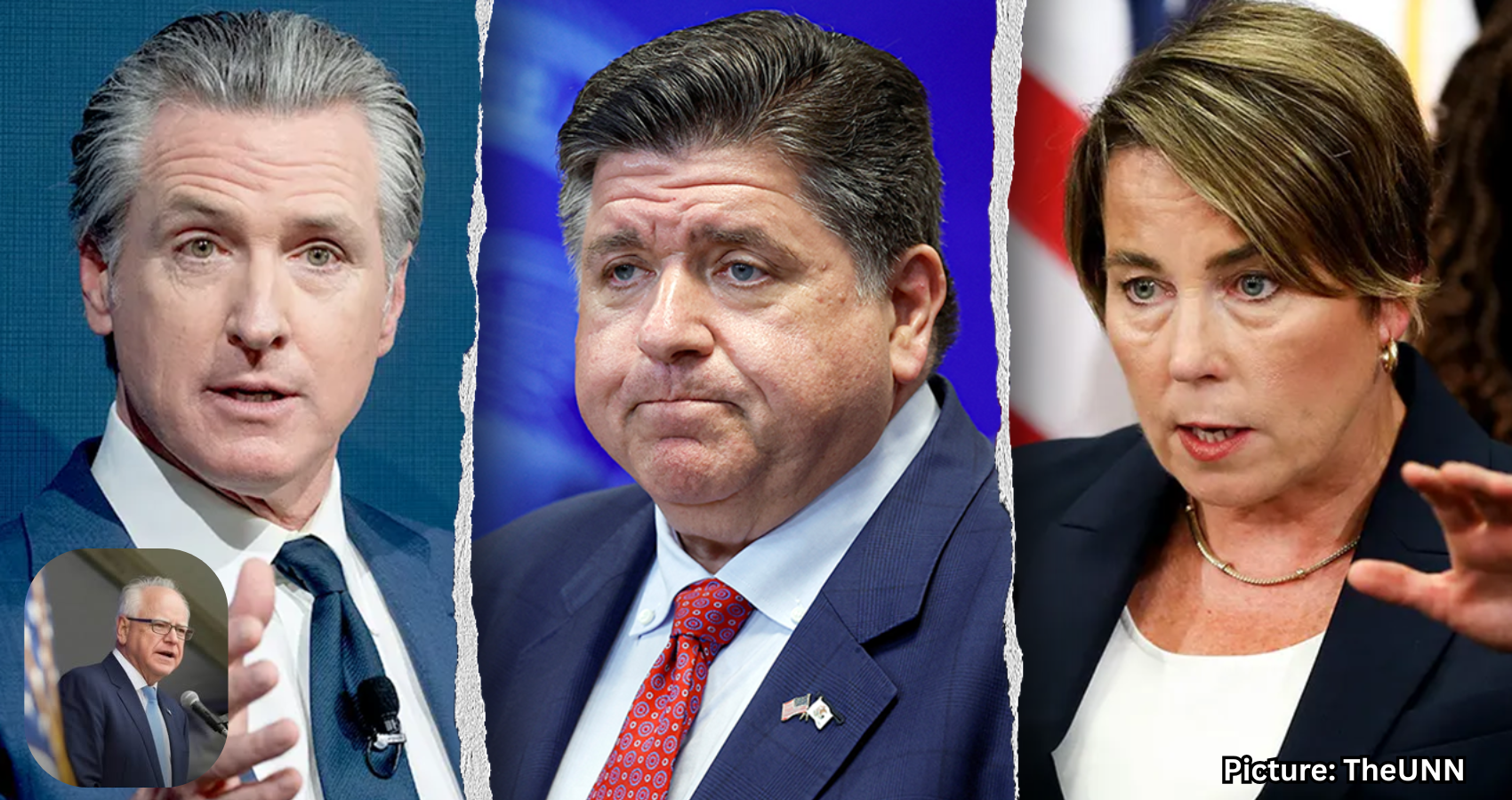
The states—California, Colorado, Illinois, Minnesota, and New York—filed a lawsuit claiming that a policy introduced earlier this week to pause funding for three federal grant programs has already begun to disrupt operations. They argued that the sudden freeze has caused confusion among agencies attempting to maintain their programs without clear guidance on when or if the funding will be restored.

During a hearing on Friday, attorneys representing the states contended that the administration had failed to provide a lawful justification for withholding the funds. The U.S. Department of Health and Human Services defended the funding pause, stating it had “reason to believe” that the states were providing benefits to individuals residing in the country illegally. However, the agency has not presented evidence to substantiate this claim or explained why these five states were specifically targeted while others were not.

The funding in question involves three significant streams: the Child Care and Development Fund, which assists low-income families with child care costs; the Temporary Assistance for Needy Families program, which provides cash assistance and job training; and the Social Services Block Grant, a smaller fund that supports a variety of social service programs.

The five states collectively receive over $10 billion annually through these programs, highlighting the potential impact of any disruption in funding.

U.S. District Judge Arun Subramanian, appointed by former President Joe Biden, did not rule on the legality of the funding freeze itself. However, he stated that the states had met the necessary standard to “protect the status quo” and ordered that funding continue for at least the next 14 days while the case is being argued.

Additionally, court documents reveal that the federal government has requested extensive records from the states, including the names and Social Security numbers of all individuals who have received benefits under certain programs since 2022. The states argue that this request crosses constitutional boundaries and appears to target political opponents of President Trump rather than focusing on addressing fraud, which they assert is already closely monitored at the state level.

During the Friday hearing, Jessica Ranucci, an attorney with the New York attorney general’s office, noted that at least four of the states had already experienced delays in receiving funds. She cautioned that any interruption in child care funding would have immediate repercussions, creating uncertainty for providers and families reliant on this support.

In response, Kamika Shaw, a lawyer representing the federal government, claimed that, to her knowledge, funding had not been entirely cut off and continued to flow to the states.

This legal battle underscores the ongoing tensions between state and federal authorities regarding funding for essential social programs, particularly as the nation grapples with issues surrounding immigration and welfare support.

According to The American Bazaar, the situation remains fluid as the court case progresses.

Macy’s Announces Additional Store Closures: Key Information for Shoppers

Macy’s is set to close 14 stores across 12 states as part of its ongoing restructuring efforts to enhance long-term growth and focus on more profitable locations.

Macy’s has confirmed another round of store closures as part of its long-term strategy to reshape its brick-and-mortar presence. The retailer aims to concentrate on stronger locations while reducing its footprint in underperforming areas.

In a memo sent to employees on Thursday, Macy’s CEO Tony Spring outlined the next phase of the company’s multi-year “Bold New Chapter” initiative. This plan emphasizes redirecting investments toward select stores and winding down locations that have not met performance expectations.

“In executing our strategy, we continue to review our portfolio and make careful decisions about where and how we invest, including closing underproductive stores and streamlining operations,” Spring stated. “These decisions are not made lightly.”

A spokesperson for Macy’s confirmed to Nexstar that the latest closures will impact 14 stores across 12 states. The affected locations include:

In California, stores in La Mesa (Grossmont Center) and Tracy (West Valley Mall) will close. Georgia’s Atlanta (Northlake Mall) will also be shuttered, along with Glen Burnie (Marley Station Mall) in Maryland.

Michigan’s Grandville (RiverTown Crossings) and Minnesota’s Saint Cloud (Crossroads Center) are on the list, as well as Newington (Mall at Fox Run) in New Hampshire. New Jersey will see closures in Livingston (Livingston Mall) and Ramsey (Interstate Shopping Center), while New York’s Amherst (Boulevard Mall) is also affected.

North Carolina’s Raleigh (Triangle Town Center) and Pennsylvania’s Tarentum (Frazer Heights Galleria) will close, along with Corpus Christi (La Palmera Mall) in Texas and Tukwila (Furniture Clearance Center) in Washington.

The 12 stores slated for closure are expected to begin clearance sales in mid-January, which will last for approximately 10 weeks, according to a Macy’s spokesperson.

Macy’s first introduced its “Bold New Chapter” initiative in February 2024, outlining a comprehensive restructuring of its store footprint. As part of this plan, the retailer aims to close 150 underperforming locations by the end of 2026.

In conjunction with these closures, Macy’s has indicated a strategic shift toward growth markets. The company plans to prioritize investment in approximately 350 locations deemed essential for future success, alongside the continued expansion of small-format stores.

Macy’s is not alone in its efforts to scale back physical locations. Other major retailers, including Kroger, Foot Locker, and Carter’s, have also announced plans to close stores in 2026. Many companies cite underperforming locations and financial pressures exacerbated by tariffs as contributing factors to their decisions.

As Macy’s continues to navigate the evolving retail landscape, shoppers can expect to see significant changes in the coming months, particularly at the affected locations.

For further details, refer to Nexstar.

Timothy Busfield Charged with Child Sexual Abuse, Faces Serious Allegations

Timothy Busfield, an Emmy-winning actor and director, faces charges of sexual contact with a minor and child abuse in New Mexico, stemming from allegations involving two young actors.

Timothy Busfield, renowned for his performances in classics such as *Field of Dreams* and television series like *The West Wing* and *Thirtysomething*, is currently facing serious legal issues in New Mexico. An arrest warrant has been issued for the actor and director due to allegations of sexual abuse involving a minor, as reported by the *New York Post*.

According to court documents obtained by KOAT, the investigation into Busfield began in November 2024. The inquiry was initiated after a doctor at the University of New Mexico Hospital alerted law enforcement about potential abuse.

Police spoke with the parents of two young boys, both of whom are actors on the Fox series *The Cleaning Lady*. The parents expressed concerns that their children had developed a close relationship with Busfield after he joined the show as a director.

The warrant filed by the Albuquerque police in Bernalillo County Metropolitan Court on January 4 alleges that Busfield encouraged the children to refer to him as “Uncle Tim.” The affidavit includes a statement from a mother who questioned her children, aged eleven at the time, about whether anyone had ever touched them inappropriately. The children reportedly responded, “You mean like Uncle Tim?”

While the boys did not initially report any instances of sexual contact, they did mention that Busfield would engage in playful behaviors, such as tickling them on their stomachs and legs. At that time, authorities determined that the evidence did not warrant charges.

However, the situation escalated in early October 2025 when one parent contacted Child Protective Services, claiming that her children had disclosed instances of sexual abuse by Busfield between November 2022 and spring 2024. According to the affidavit, one child revealed to a therapist that Busfield had touched his “genitalia” and “bottom” while in a bedroom on the set of *The Cleaning Lady*.

In interviews with police, Busfield acknowledged having “playful” contact with the children but suggested that the allegations were fabricated by the parents as a form of revenge, particularly after their children were not retained for the show’s final season.

Busfield boasts an extensive career, with over 700 combined credits in television and film as an actor, producer, and director. He gained significant recognition in 1991 when he won an Emmy Award for his portrayal of Elliot Weston on the critically acclaimed series *Thirtysomething*.

As of Friday afternoon, it remains unclear whether Busfield has been formally booked in connection with these charges. The unfolding situation continues to draw attention, raising serious concerns regarding the safety and well-being of child actors in the entertainment industry.

For further details, refer to the report by KOAT.

The Truth Behind the Minneapolis ICE Incident – A Perspective from Dr. Joseph Chalil

Following a tragic and controversial shooting during an Immigration and Customs Enforcement (ICE) operation in Minneapolis, Dr. Joseph Chalil, author and publisher of Universal News Network, shared his insights on the incident, emphasizing the complexities of law enforcement protocols and the high-tension political environment currently gripping the state.

The Incident: Self-Defense or Brute Force? While Dr. Chalil acknowledges that any loss of life is inherently sad, he points to specific details regarding the confrontation that suggest a narrative of self-defense. According to Chalil, video angles show a female protester speeding her vehicle toward an officer who was standing directly in front of her after she disobeyed police commands. He describes this action as an attempt to “weaponize her vehicle,” which could be viewed as an act of domestic terrorism intended to cause bodily harm or death.

Dr. Chalil notes that the officer’s reaction may have been a result of “muscle memory” triggered by a life-threatening situation. He also highlighted a critical piece of context: the officer involved was reportedly run over by another protester in a different city only a few weeks prior. This previous trauma, Chalil suggests, may have made the officer “overly sensitive” during the encounter.

The Role of Technology and the Law Despite the “murder theory” and “police brutality” labels being discussed by critics, Dr. Chalil insists that the truth will be revealed through objective evidence. He points out that all federal and police officers involved were wearing body cameras, which provide live, permanent recordings of the event. These recordings are currently being evaluated by the FBI and the courts to determine if the use of lethal force was justified.

A State Under Political and Financial Scrutiny Dr. Chalil places this incident within a much larger framework of unrest in Minnesota. He notes that the state has been under intense scrutiny due to massive immigration fraud, where nearly $9 billion in taxpayer funds were allegedly stolen through fraudulent daycare centers and siphoned to Somalia.

Furthermore, the political stakes are heightened because the Governor of Minnesota, Tim Walz, was a former vice-presidential candidate. Dr. Chalil warns that if large-scale riots break out, the federal government could invoke the Insurrection Act of 1807, allowing the deployment of the U.S. Military or National Guard without the Governor’s permission.

Advice for the Public With ICE currently seeking approximately 600 to 700 individuals with criminal warrants in Minnesota, Dr. Chalil urges the public and visitors to remain cautious. His advice is clear: stay away from the streets and do not interfere with law enforcement during arrests. He emphasizes that while the methods of arrest—such as why an officer shoots a person instead of a tire—remain a subject of debate, trying to stop a police action in progress is extremely dangerous.

Shubman Gill Addresses T20 World Cup 2026 Selection Controversy

Shubman Gill, captain of the Indian ODI cricket team, addresses his omission from the T20 World Cup 2026 squad.

Shubman Gill, the captain of the Indian cricket team’s One Day International (ODI) squad, has spoken out regarding his exclusion from the lineup for the upcoming T20 World Cup 2026.

In a recent interview, Gill expressed his thoughts on the decision, emphasizing his commitment to the team and his understanding of the competitive nature of selection processes.

Despite the disappointment of not being included, Gill remains focused on his performance and contributions to the team in other formats. He acknowledged the depth of talent within the Indian cricket setup, which makes selection challenging.

As the team prepares for the T20 World Cup, Gill’s leadership in the ODI format continues to be a crucial aspect of India’s cricketing strategy. His experience and skills will be vital as the team looks to build a strong foundation for future tournaments.

Gill’s remarks highlight the importance of resilience and adaptability in professional sports, particularly in a landscape where player selections can be influenced by numerous factors, including form, fitness, and team dynamics.

As the cricketing world turns its attention to the T20 World Cup, fans and analysts alike will be watching closely to see how the Indian team performs, with or without Gill in the squad.

According to NDTV Sports, Gill’s insights reflect a mature understanding of the game and the realities of team selection.

Nutrition Experts Weigh In on New Food Pyramid and Health Trends

Health experts weigh in on the newly revamped food pyramid, alongside other significant health developments from the past week.

This week in health news, a variety of topics have emerged, ranging from nutrition to emerging medical technologies. Experts are particularly focused on the Trump administration’s recently updated food pyramid, which has sparked discussions among nutritionists and health professionals.

In addition to dietary guidelines, concerns are growing over a deadly superbug that is spreading across the United States, raising alarms about increasing drug resistance. Health officials are urging caution as this situation evolves.

Moreover, recent studies have indicated that common pain relievers may elevate the risk of heart disease and stroke, prompting doctors to advise patients to be more discerning about their use of these medications.

Flu cases have surged once again in New York State, leading health officials to issue warnings about the potential for widespread illness. This uptick in cases underscores the importance of vaccination and preventive measures during flu season.

In a shift in cancer treatment protocols, medical experts are suggesting that not all cancers require immediate intervention. This perspective could lead to more personalized treatment plans that consider the unique circumstances of each patient.

Interestingly, research has revealed that the shape of an individual’s buttocks may serve as an indicator of certain health risks. This finding has opened up discussions about body shape and its implications for overall health.

In lifestyle trends, “analog bags” are gaining popularity as alternatives to smartphones, reflecting a growing desire among some individuals to disconnect from digital devices.

On the frontier of medical innovation, an experimental vaccine has been touted as a potential lifesaver, with scientists claiming it could prevent thousands of deaths annually.

Additionally, a little-known prescription pill is reportedly helping many Americans reduce their alcohol consumption, marking a significant development in addiction treatment.

In a notable announcement, Elon Musk revealed that Neuralink, the brain implant technology designed to enable users to communicate through thought, will begin “high-volume” production this year. Musk described this milestone as a “big deal,” highlighting the potential impact of the technology on human communication.

For more insights and updates on health-related topics, stay tuned to our ongoing coverage.

According to Fox News, these stories reflect the dynamic landscape of health and wellness in the current era.

Why January Is the Ideal Time to Remove Personal Data Online

January is a crucial month for online privacy, as scammers refresh their target lists, making it the ideal time to remove personal data from the internet.

As the new year begins, many people take the opportunity to reset their lives—setting new goals, organizing their spaces, and cleaning out their inboxes. However, it’s not just individuals who are hitting the reset button; scammers are doing the same, particularly when it comes to personal data.

January marks a significant period for online privacy, as data brokers refresh their profiles and scammers rebuild their target lists. This means that the longer your personal information remains online, the more comprehensive and valuable your profile becomes to those looking to exploit it.

To combat this growing threat, institutions such as the U.S. Department of the Treasury have issued advisories urging individuals to remain vigilant and take proactive measures against data-related scams. By acting early in the year, you can significantly reduce the likelihood of falling victim to scams, lower the risk of identity theft, and limit unwanted exposure throughout the year.

Many people mistakenly believe that outdated information becomes irrelevant over time. Unfortunately, this is not the case with data brokers. These entities do not merely store a static snapshot of who you are; they create dynamic profiles that evolve over time, incorporating new data points such as:

Each year adds another layer to your profile—a new address, a changed phone number, or even a family connection. While a single data point may seem insignificant, together they form a detailed identity profile that scammers can use to impersonate you convincingly. Therefore, delaying action only exacerbates the problem.

Scammers do not target individuals randomly; they work from organized lists. At the start of the year, these lists are refreshed, akin to a spring cleaning for criminals who are preparing to exploit identities for the next twelve months. Once your profile is flagged as responsive or profitable, it often remains in circulation.

Removing your data early is not just about preventing immediate scams; it is about disrupting the supply chain that fuels these criminal activities. When your information is eliminated from data broker databases, it has a compounding effect. The fewer lists you appear on in January, the less likely your data will be reused, resold, or recycled throughout the year. This is why it is essential to address data exposure proactively rather than reactively.

January is particularly critical for retirees and families, who are often more susceptible to fraud, scams, and other crimes. Scammers are aware of this and prioritize households with established financial histories early in the year.

Many individuals attempt to start fresh in January by taking various steps, such as:

While these actions are beneficial, they do not eliminate your data from broker databases. Credit monitoring services can alert you after a problem has occurred, password changes do not affect public profiles, and unsubscribing does not prevent data resale. If your personal information remains in numerous databases, scammers can easily locate you.

If you want to minimize scam attempts throughout the year, the most effective strategy is to remove your personal data at the source. You can achieve this in one of two ways: by submitting removal requests yourself or by employing a professional data removal service to handle the process for you.

Manually removing your data involves identifying dozens or even hundreds of data broker websites, locating their opt-out forms, and submitting removal requests one by one. This method requires verifying your identity, tracking responses, and repeating the process whenever your information resurfaces. While effective, it demands considerable time, organization, and ongoing follow-up.

On the other hand, a data removal service can manage this process on your behalf. These services typically:

Given the sensitive nature of personal information, it is crucial to select a data removal service that adheres to strict security standards and employs verified removal methods. While no service can guarantee complete removal of your data from the internet, utilizing a data removal service is a prudent choice. Although these services may come at a cost, they handle the work for you by actively monitoring and systematically erasing your personal information from numerous websites. This approach provides peace of mind and has proven to be the most effective way to safeguard your personal data.

By limiting the information available online, you reduce the risk of scammers cross-referencing data from breaches with information they may find on the dark web, making it more challenging for them to target you.

As January unfolds, it is essential to recognize that scammers do not wait for mistakes; they wait for exposed data. This month is when profiles are refreshed, lists are rebuilt, and targets are selected for the year ahead. The longer your personal information remains online, the more complete—and dangerous—your digital profile becomes.

The good news is that you can break this cycle. Removing your data now can reduce scam attempts, protect your identity, and lead to a quieter, safer year ahead. If you are going to make one privacy move this year, make it early—and make it count.

Have you ever been surprised by how much of your personal information was already online? Share your experiences with us at Cyberguy.com.

For more information on data removal services and to check if your personal information is already available online, visit Cyberguy.com.

According to CyberGuy.com, taking proactive steps in January can significantly enhance your online privacy and security.

House Republicans Support Three-Year Extension of Obamacare Subsidies

In a rare bipartisan move, the U.S. House of Representatives has passed a bill extending Affordable Care Act subsidies for three years, with 17 Republicans joining Democrats in the vote.

In a significant display of bipartisan cooperation, the U.S. House of Representatives approved a bill on Thursday aimed at extending enhanced subsidies under the Affordable Care Act (ACA) for three years. The legislation garnered support from 17 Republican lawmakers, allowing it to pass with a vote of 230 to 196. This outcome reflects increasing concern among lawmakers from both parties regarding the rising health insurance costs faced by millions of Americans.

The vote represents a notable challenge to Republican leadership, which had opposed bringing the bill to the floor. Democrats had anticipated divisions within the GOP and predicted that some Republicans would break ranks, a forecast that proved accurate.

“This vote is an opportunity to take a meaningful step forward to lower the high cost of living for everyday Americans, particularly when it comes to health care,” said House Minority Leader Hakeem Jeffries. He characterized the coalition behind the bill as “a bipartisan effort on behalf of the American people.”

The legislation seeks to extend enhanced premium tax credits under the ACA for three additional years. These subsidies, which were first expanded during the COVID-19 pandemic, increased financial assistance for individuals already eligible under Obamacare and broadened eligibility to millions more. However, the enhanced subsidies are set to expire at the end of 2025, which would lead to significant premium hikes for many households in 2026.

Estimates suggest that approximately 22 million of the 24 million individuals enrolled in ACA marketplaces currently benefit from these enhanced credits. Without congressional intervention, many Americans are already beginning to experience steep increases in their monthly insurance premiums.

Despite the House’s passage of the bill, its future in the Senate remains uncertain. Senate Majority Leader John Thune indicated that the upper chamber is not inclined to approve a straightforward three-year extension. “There’s no appetite for that,” Thune stated, emphasizing ongoing bipartisan negotiations aimed at pairing any extension with necessary reforms. “We’ll see what happens from the working group, and if they can come up with something that has reforms.”

Last month, the Senate rejected a similar three-year extension, failing to reach the required 60-vote threshold, even though four Republican senators crossed party lines to support it.

In the meantime, lawmakers from both chambers convened for approximately an hour on Thursday to discuss potential changes that could facilitate Senate approval. Key issues under consideration include income caps for eligibility, Flexible Savings Accounts, and measures to combat widespread fraud within ACA marketplaces.

“We’re trying to see if we can get to some agreement that’s going to help people — and the sooner, the better,” said Senator Jeanne Shaheen, noting a shared commitment to addressing fraudulent practices, such as phantom accounts.

While the specifics of a potential compromise remain undisclosed, lawmakers indicated that draft legislative text could be forthcoming in the days ahead.

One of the most contentious issues complicating negotiations is the debate over abortion funding. Many conservatives are advocating for the inclusion of Hyde Amendment protections, which prohibit federal funds from being used for abortion services. Democrats have countered that the ACA already complies with Hyde restrictions.

Some moderates acknowledged the complexity of the issue. “The ACA already includes Hyde protections,” said Representative Dan Meuser, suggesting that the current debate centers on whether those existing safeguards are adequate for conservative lawmakers.

Several Republican lawmakers who supported the bill represent swing districts where rising health insurance premiums could have serious political repercussions. A core group of Republicans, including Brian Fitzpatrick, Mike Lawler, Robert Bresnahan, and Ryan Mackenzie, previously signed a Democratic discharge petition to force the vote after Speaker Mike Johnson resisted bringing the issue to the floor.

“There’s a sense of urgency, to say the least,” Meuser emphasized, noting that lawmakers are under pressure as constituents face immediate premium increases.

The Congressional Budget Office (CBO) estimates that the bill would increase the federal deficit by approximately $80.6 billion over the next decade. However, it would also significantly expand health insurance coverage.

If enacted, the CBO projects that the legislation would result in:

100,000 more insured individuals in 2026,

3 million more in 2027,

4 million more in 2028,

1.1 million more in 2029.

The largest coverage gains are expected to occur through ACA marketplaces, while some reductions may take place in employer-sponsored and off-marketplace plans.

Former President Donald Trump has publicly opposed extending the enhanced subsidies, arguing that Democrats should instead agree to broader health care reforms. “I’d like not to be able to do it,” Trump stated last month. “I don’t know why we have to extend — this can be done rapidly if the Democrats would come along.”

Nevertheless, the House vote indicates a growing bipartisan concern about allowing the subsidies to lapse permanently.

While the House’s passage marks a significant milestone, the future of the ACA subsidy extension now hinges on whether bipartisan negotiations can yield a Senate-friendly compromise. Lawmakers from both parties insist that discussions are nearing a breakthrough, though key ideological differences persist.

As Representative Tom Suozzi remarked, “It’s a hopeful feeling when you see Democrats and Republicans in the same room, trying to move beyond the toxicity and find common ground.”

For millions of Americans facing steep health insurance costs, the outcome of these negotiations could determine whether relief is on the horizon or if premiums will continue to rise.

According to Global Net News.

Washington National Opera to Leave Kennedy Center Following Overhaul

The Washington National Opera is set to leave the Kennedy Center after over 50 years, amid significant changes in leadership and programming direction influenced by the Trump administration.

The Washington National Opera (WNO), one of America’s most esteemed cultural institutions, is preparing to exit the Kennedy Center, marking a historic separation after more than five decades of collaboration. This decision comes in the wake of sweeping changes at the iconic arts venue, following President Donald Trump’s takeover of its leadership and programming direction, a shift that has ignited controversy across the U.S. cultural landscape.

On Friday, a spokesperson for the Kennedy Center confirmed the development, stating that the separation was motivated by financial and strategic considerations.

“After careful consideration, we have made the difficult decision to part ways with the WNO due to a financially challenging relationship,” the spokesperson said. They added that the move aims to safeguard the institution’s future, emphasizing, “We believe this represents the best path forward for both organizations and enables us to make responsible choices that support the financial stability and long-term future of the Trump Kennedy Center.”

For the Washington National Opera, this decision signifies a dramatic turning point. In a separate statement, the opera company announced its intention to seek an early and amicable end to its long-standing affiliation agreement with the Kennedy Center.

“The Washington National Opera has announced its decision to seek an amicable early termination of its affiliation agreement with the Kennedy Center and resume operations as a fully independent nonprofit entity,” the company stated.

This move concludes a partnership that began over 50 years ago, during which the WNO became synonymous with opera at the Kennedy Center. Throughout the decades, the company staged acclaimed productions, nurtured emerging talent, and played a pivotal role in shaping Washington, D.C.’s cultural identity.

Arts observers note that the split underscores the depth of unease sweeping through the U.S. arts community since the Trump administration initiated an overhaul of the Kennedy Center earlier this year. Several artists and performers have already canceled appearances at the venue, citing concerns over artistic freedom, governance, and political interference.

The administration has reportedly restructured programming priorities and imposed new restrictions on performances deemed “inappropriate,” raising fears of ideological influence over what has traditionally been a nonpartisan cultural space.

The Kennedy Center is currently overseen by Richard Grenell, a longtime Trump ally, who has taken a leading role in supervising annual programs and institutional direction. His appointment, along with other governance changes, has drawn criticism from artists, donors, and lawmakers.

Tensions have also surfaced within the Washington National Opera itself. “There were disagreements among the Board on whether to disaffiliate or not. Some WNO Board members are resigning,” a WNO spokesperson indicated, reflecting internal strain as the organization considered its future.

Arts management experts suggest that the decision to leave may grant the WNO greater autonomy at a time when artistic independence has become a defining issue. Operating as a standalone nonprofit could allow the opera company to seek new venues, donors, and partnerships without the constraints of a politically charged environment.

The WNO’s exit occurs against the backdrop of another contentious issue: the Kennedy Center Board’s recent vote to add President Trump’s name to the venue. This rebranding has sparked sharp opposition from Democratic lawmakers, who argue that the decision violates federal law governing the institution.

Representative Joyce Beatty of Ohio, an ex-officio member of the Kennedy Center Board, has filed a lawsuit seeking to block the name change and remove Trump’s name from the venue. Critics contend that this move undermines the legacy of the Kennedy Center as a national cultural institution dedicated to artistic excellence rather than political branding.

“This is not about partisanship,” a Democratic aide familiar with the lawsuit stated privately. “It’s about preserving the integrity of one of America’s most important cultural spaces.”

Looking ahead, the Washington National Opera faces both opportunities and uncertainties. While leaving the Kennedy Center means losing a historic home, it also opens the door to reinventing its identity at a time when many arts organizations are rethinking traditional models.

Meanwhile, the Kennedy Center is entering a period of transition marked by political scrutiny, artist backlash, and questions about its future role in American cultural life. The departure of a flagship resident company like the WNO is widely perceived as a symbolic blow and possibly a sign of further exits to come.

As debates over governance, funding, and artistic freedom continue, the split between the Kennedy Center and the Washington National Opera highlights a broader reckoning underway in the U.S. arts world: one that pits tradition and independence against political influence and institutional transformation, according to Global Net News.

Several Indian Films Achieve Oscar Eligibility for Upcoming Awards

Four Indian films have made the eligibility list for the 98th Academy Awards, highlighting the growing recognition of Indian cinema on the global stage.

LOS ANGELES, CA – The Academy of Motion Picture Arts and Sciences has released its official reminder list of productions eligible for consideration at the 98th Academy Awards. This announcement precedes the announcement of Oscar nominations later this month.

Among the 201 feature films that meet the additional requirements for the Best Picture award at the Oscars, four Indian titles have made the cut. These films include Rishabh Shetty’s Kannada blockbuster, Kantara: A Legend Chapter 1, Anupam Kher’s Hindi directorial debut, Tanvi The Great, the multilingual animated feature Mahavatar Narsimha, and the Tamil film Tourist Family, directed by first-time filmmaker Abishan Jeevinth. Additionally, the Hindi-language UK-India co-production Sister Midnight, featuring Radhika Apte, is also included in this list.

The Academy has noted that while 317 feature films are eligible for the 98th Oscars across various categories, only 201 have met the extra criteria necessary for Best Picture consideration. It is important to clarify that this reminder list serves as an administrative step to confirm eligibility but does not imply that any film has been nominated.

In addition to the Best Picture contenders, several other Indian films and co-productions appear on the Academy’s broader general entry list, making them eligible for consideration in various categories. Notably, Neeraj Ghaywan’s Homebound is India’s official submission for the International Feature Film category. Other titles include the Marathi film Dashavatar, the Tamil film Gevi, the independent feature Humans in the Loop, the docudrama Mahamantra – The Great Chant, the co-production Papa Buka between India and Papua New Guinea, Paper Flowers, and Paro: The Untold Story of Bride Slavery.

The Academy has emphasized that inclusion on the reminder list does not guarantee a nomination. All eligible films must still undergo the Academy’s voting process. To qualify for general categories, a feature film must have screened in a commercial theater for at least seven consecutive days in one of six designated U.S. metropolitan areas between January 1 and December 31, 2025. Furthermore, Best Picture contenders must submit a confidential Representation and Inclusion Standards Entry form and meet at least two of the Academy’s four inclusion standards, along with expanded theatrical run requirements across major U.S. markets.

As part of its ongoing efforts to recognize diverse storytelling, the Academy has already released shortlists for 12 categories, including International Feature Film, where Homebound has made it to the final list of 15 shortlisted titles.

The 98th Academy Awards ceremony is scheduled for March 15, where Oscars will be presented in 24 categories. Most categories will feature five nominees, while the Best Picture category will have ten nominees.

For further details, refer to India West.

Are We Misunderstanding the Concept of Self-Care in Modern Society?

Many people misunderstand self-care as mere indulgence, but true self-care involves sustainable practices that nurture overall well-being and foster deeper connections with others.

What is self-care? According to the World Health Organization, “Self-care is the ability of individuals, families, and communities to promote and maintain health, prevent disease, and cope with illness and disability with or without the support of a health worker.”

This definition highlights the importance of self-care beyond the common perception of treating oneself. Many people equate self-care with self-indulgence, influenced by a culture that often prioritizes consumerism. Mainstream ideas of self-care frequently revolve around pampering activities such as purchasing candles, bath bombs, or luxurious spa treatments.

While there is nothing inherently wrong with treating oneself, especially if these indulgences bring joy and relaxation, true self-care encompasses daily practices that nurture overall well-being—physically, mentally, and emotionally. The challenge arises when self-indulgence becomes an endless cycle of purchases that fail to contribute to emotional regulation, long-term stress management, or improved physical health.

In today’s economic climate, consumer-driven self-care rituals may not be sustainable in the long run. It is essential to differentiate between self-soothing and genuine self-care.

Self-soothing involves immediate actions that help reduce stress or provide a temporary escape from negative feelings, such as binge-watching a favorite show, scrolling through social media, or enjoying a hot bath. While these activities can offer momentary relief, they often do not address the underlying issues causing stress or imbalance.

In contrast, true self-care is about consistent, nourishing actions that require discipline and planning. This may include attending therapy, setting healthy boundaries at work, ensuring adequate sleep, exercising regularly, eating healthily, and fostering supportive relationships. Although these routines may not seem enjoyable in the short term, they are far more transformative over time.

During periods of high stress, self-soothing can be a necessary coping mechanism. However, relying solely on self-soothing means neglecting deeper needs that require attention.

To cultivate a more sustainable mindset, consider asking yourself: “What am I hoping this purchase or experience will provide—relaxation, fulfillment, a sense of calm, connection to others, or a break from stress?”

Next, explore more direct, cost-effective, and sustainable ways to meet those needs. This could involve reaching out to a friend for support, journaling, meditating, engaging in physical activity, or pursuing a creative hobby.

Setting boundaries is another often-overlooked aspect of self-care. This may involve saying “no” to commitments that exceed your capacity, disconnecting from work emails outside of office hours to protect personal time, asking for help, or pursuing hobbies without letting work define your identity. Recognizing when relationships are draining rather than supportive is also crucial.

Establishing boundaries can be uncomfortable, as it may lead to conflict or disappointment. Yet, over time, they protect your energy and mental well-being far more effectively than an occasional spa day.

Moreover, the rise of “cancelling” culture—where individuals cancel plans at the last minute for various reasons—can undermine relationships. While it is essential to prioritize personal well-being, frequent cancellations can erode emotional connections. Humans are inherently social creatures, and isolation can exacerbate stress and burnout.

Building a network of supportive friends, participating in group activities, or seeking community resources can significantly enhance well-being. Having people to turn to during difficult times serves as a powerful buffer against stress and mental health challenges. Loneliness has become an epidemic in America, and while solo downtime is necessary, self-care should not equate to isolation. Community and connection are vital components of wellness.

Real self-care often appears mundane—prioritizing sleep, planning nutritious meals, scheduling workouts, and maintaining meaningful connections with loved ones. These practices may not seem glamorous, but they provide the energy and resilience needed to navigate life’s challenges. Sleep, nutrition, exercise, mindfulness, and boundary-setting are foundational to long-term well-being.

Emotional self-care and inner work are also crucial. While external self-care habits like exercising are important, it is equally vital to engage in more challenging internal work. This includes developing emotional literacy—recognizing and understanding your emotions as they arise—practicing self-compassion, and addressing past trauma through therapy or support groups. Unresolved trauma can manifest as stress, anxiety, and conflict in relationships.

This deeper emotional work requires courage and, at times, professional support, but it can profoundly transform your sense of self-worth and overall well-being in ways that superficial self-care cannot.

To redefine success in self-care, ask yourself: “How do I know if my self-care approach is effective?” If relief is fleeting, it may be time to reassess your strategies.

True success in self-care manifests as steady improvement in mental health, consistent energy throughout the day, enhanced stress management, and healthier relationships. Increased self-awareness and personal growth are also indicators that your self-care practices are working.

Ultimately, if your current self-care routine fails to deliver lasting benefits, it may be time to redefine what self-care means to you. It is not merely a checklist of comforting activities; it is a deliberate, sometimes challenging, but profoundly rewarding commitment to your well-being.

According to India Currents, understanding and practicing self-care in a more meaningful way can lead to a healthier, more fulfilling life.

India Currents Chosen for Documented’s National Training Program for Immigrant Newsrooms

India Currents has been selected for Documented’s inaugural Building Bridges program, aimed at enhancing immigrant-serving newsrooms across the United States.

India Currents is proud to announce its selection for Documented’s inaugural newsroom cohort for the Building Bridges: An Immigrant Media Training Program. This initiative, set to run from January to May 2026, is designed to support local newsrooms throughout the United States and its territories in better serving immigrant communities.

Among 82 competitive applicants from 22 U.S. states, India Currents was one of only six newsrooms chosen. The selection process involved narrowing down to 44 candidates based on the immigrant communities they serve, geographic reach, and the LPC Civic Index. From this group, 15 finalists were invited for in-depth interviews with Documented staff.

The selected finalists were recognized for their innovative project proposals, strong commitment to serving immigrant communities, and the integration of community-driven journalism into their mission and editorial practices.

The Building Bridges program will offer intensive, hands-on support to six newsrooms as they develop editorial products rooted in inclusive, ethical, and high-quality journalism tailored for and with immigrant communities. The program will be led by Documented’s Chief Product and Education Officer Nicolás Rios, along with Program Manager Maria Arce, Product Lead Elite Truong, and Chief Strategy Officer Rebecca Neuwirth, supported by editorial staff and development teams.

This comprehensive training consists of 15 modules focused on building trust and fostering long-term relationships with immigrant communities. Upon completion, participants will join a community of practice for ongoing support, peer guidance, and engagement in the evolving field of community-driven journalism.

Inspired by Documented’s community-driven journalism model, the program is primarily supported by the Knight Foundation and aims to train more than 20 newsrooms over the next three years, with additional cohorts planned for 2027 and 2028.

“This initiative comes at a critical time in our country for immigrant communities, where building trust in journalism is more important than ever,” said Mazin Sidahmed, Executive Director of Documented. “The first cohort of program participants was selected for bold, disruptive initial ideas for editorial products that will help their newsrooms more deeply connect with and serve immigrant audiences, and we are thrilled to help them make their vision a reality.”

The inaugural cohort includes several notable newsrooms and their respective projects:

India Currents, an award-winning nonprofit newsroom founded in 1987, is the oldest outlet dedicated to covering America’s 5-million-strong Indian diaspora—the fastest-growing Asian population in the U.S. It focuses on telling Indian American stories, bridging generations, and fostering civic engagement through dialogue and understanding. Prachi Singh, Audience Engagement Editor, and multimedia journalist Sobhan Hassanvand will represent the outlet with a project centered on structured listening circles with Indian Americans in the San Francisco Bay Area.

Ethiopique serves Amharic-speaking immigrants in Washington, D.C., Maryland, and Virginia. The local news and community platform delivers practical reporting on local government, housing, immigration, public safety, education, and other issues affecting immigrants. Founder Henok Mengistu and a multimedia reporter will work on a project that involves gamifying immigration news and utilizing public spaces to build trust between immigrants and locals.

KPBS, a public media station with over 60 years of service in San Diego, engages immigrant communities through dialogue and community-driven journalism. South Bay Engagement Producer Marielena Castellanos and Grants and Engagement Manager Amanda Ochoa will participate in the program, focusing on WhatsApp communication channels for transborder immigrant communities in San Diego and Imperial cities.

Oregon Public Broadcasting (OPB) is an independent nonprofit public media organization that provides trusted regional journalism. Vice President of Community Connections Shayna Schlosberg and Director of Platform and Product Margaux Maxwell will attend the training program to develop TV, video, and digital products for content co-creation with Latin immigrants in Oregon.

The San Francisco Public Press serves historically underserved communities, including Asian Americans, and covers critical issues such as environmental protection, housing, public health, and immigration. Award-winning multilingual journalist Zhe Wu, Executive Director Lila LaHood, and Director of Development and Partnerships Lisa Rudman will join the training program to create comic strips and visually compelling explainers in Chinese regarding immigration policies.

VozColectiva, a female-led community newsroom in Philadelphia, amplifies Latin women’s voices on vital issues. Founded in 2023, it focuses on domestic violence coverage and prevention, producing a monthly YouTube program and collaborating with local organizations. Community Coordinator Evelyn Toriz and Reporter Zulma Guzmán will participate in the training program, working on pocket-sized brochures for domestic violence immigrant survivors that include QR codes linking to news, guides, and resources in Philadelphia.

Documented, based in New York, has integrated immigrant communities into its journalism and editorial development from the outset. The organization has created innovative platforms to engage immigrants directly, including Documented Semanal, a Spanish-language WhatsApp newsletter launched in 2019. The training program is a response to the growing demand from newsrooms across the U.S., Latin America, and Europe to learn from Documented’s community-driven model, according to Source Name.

Daily Horoscope for All Zodiac Signs: January 10, 2026

Your daily horoscope for January 10, 2026, offers insights into what the stars have in store for each zodiac sign.

Aries (March 21 – April 20): Today, you will be quite circumspect, according to Ganesha. Your spirits will soar as invitations to parties and social gatherings come your way. You will find a good balance between work and leisure, allowing you to enjoy the day.

Taurus (April 21 – May 21): It’s time to confront your problems rather than avoid them, suggests Ganesha. Your loved ones will appreciate your generosity today, especially as you may be inclined to impress those of the opposite sex. Remember, time is money, so manage both wisely.

Gemini (May 22 – June 21): You may crave some privacy today, says Ganesha. There’s potential for significant earnings, particularly through private ventures. This day is especially favorable for cashiers, money lenders, and those in retail. Keep pushing forward to achieve your goals.

Cancer (June 22 – July 22): Unexpected job changes may be on the horizon today. You might find yourself spending lavishly to please family and friends, reflecting the belief that money is meant to be shared with loved ones. However, Ganesha advises you to keep a close eye on your expenses.

Leo (July 23 – August 23): Today may not go as planned, as challenges seem to arise at every turn. Ganesha notes that while it can be frustrating, it’s important to persevere and seek support from those around you. On a positive note, you might meet someone who inspires your creativity.

Virgo (August 24 – September 22): Expect a blend of business and pleasure today, with social events likely lasting into the night. You will make important decisions that pave the way for success. Others will benefit from your involvement in their activities, according to Ganesha.

Libra (September 23 – October 23): Today may not be your best day, and prospects appear dim. However, Ganesha reminds you that not every day can be perfect. If you face stress during the day, ensure you enjoy a relaxing evening. You might find yourself wanting to discuss personal matters with your partner.

Scorpio (October 24 – November 22): Infuse your work with innovation and creativity today. Ganesha advises that while your tasks may seem chaotic, there is an underlying order that will become evident. Rejuvenate your spirit and dive into your work with renewed enthusiasm.

Sagittarius (November 23 – December 21): Today is set to be a pivotal day, as circumstances may force you into making quick decisions. Ganesha encourages you to take a moment to evaluate the situation and consider the long-term effects of your choices.

Capricorn (December 22 – January 20): This day holds significant importance, as you are likely to meet someone who will play a vital role in your life. Relationships and family will occupy much of your time today. While it may not be the most exciting day, Ganesha suggests a visit to a peaceful place for reflection and relaxation.

Aquarius (January 21 – February 18): You may find yourself frustrated with colleagues or juniors who offer excuses instead of solutions. Ganesha advises you to focus on completing your own tasks before assisting others. Fortunately, your partner may help ease your stress.

Pisces (February 19 – March 20): Today, you may struggle to understand your partner’s behavior. Ganesha recommends fostering transparency in your relationship rather than harboring doubts. Open communication about your concerns is essential. Business relationships may also face challenges, but those who are employed may find success at work. The evening could bring comfort through family time, according to Ganesha.

Stay connected with the cosmos through your daily horoscope! Access your January 10, 2026, daily and weekly horoscopes for every zodiac sign. Discover what the universe has planned for you with insights tailored to your sign. Whether you are an adventurous Aries or a sensitive Pisces, our expert astrologers provide precise and personalized readings to help navigate life’s challenges and triumphs.

The insights shared here are based on predictions by Ganesha.

Federal Judge Blocks Trump’s Childcare Fund Cuts to Democratic States

Federal judge issues a temporary injunction against the Trump administration’s funding freeze for childcare programs in five Democratic states amid ongoing fraud allegations.

A federal judge has temporarily blocked the Trump administration from halting subsidies for childcare programs in five states, including Minnesota, as allegations of fraud continue to surface.

U.S. District Judge Arun Subramanian, appointed by President Biden, did not make a definitive ruling on the legality of the funding freeze. However, he stated that the states had met the legal threshold to maintain the “status quo” on funding for at least two weeks while further arguments are presented.

On Tuesday, the U.S. Department of Health and Human Services (HHS) announced its decision to withhold funds for programs in five Democratic states due to concerns about potential fraud. The affected programs include the Child Care and Development Fund, the Temporary Assistance for Needy Families program, and the Social Services Block Grant, all of which provide essential support to needy families.

HHS Deputy Secretary Jim O’Neill emphasized the importance of ensuring that families who depend on childcare and family assistance programs can trust that these resources are being used lawfully and for their intended purposes.

The states involved in the lawsuit—California, Colorado, Illinois, Minnesota, and New York—argued in their court filings that the federal government lacked the legal authority to terminate the funding. They also claimed that the new policy was causing “operational chaos” within their respective states.

According to the states, they collectively receive over $10 billion in federal funding for these critical programs. HHS has stated that it had “reason to believe” that some of the programs were providing funds to individuals residing in the country illegally.

New York Attorney General Letitia James, who is leading the lawsuit, described the ruling as a “critical victory for families whose lives have been upended by this administration’s cruelty.” The ongoing legal battle highlights the tensions between state and federal authorities regarding the management of social services.

As the situation develops, the states are poised to continue their legal fight to secure the necessary funding for their childcare programs, which play a vital role in supporting families in need.

Fox News Digital has reached out to HHS for further comment on the matter.

According to Fox News, the outcome of this case could have significant implications for how federal funding is allocated to state programs in the future.

UAE Reduces Funding for Students at UK Universities Amid Radicalization Concerns

The UAE has ceased funding for its citizens studying at UK universities, citing concerns over potential radicalization amid rising tensions regarding the Muslim Brotherhood.

The United Arab Emirates (UAE) has decided to withdraw scholarships for its citizens pursuing higher education in the United Kingdom, expressing fears that Emirati students could be radicalized while studying abroad. This decision has resulted in the removal of British universities from the list of institutions eligible for state scholarships.

The Financial Times reported that the UAE’s decision is linked to growing tensions over the UK government’s stance on the Muslim Brotherhood, which it has not designated as a terrorist organization. A source involved in the decision stated, “The UAE don’t want their kids to be radicalized on campus.”

Consequently, Emirati students who have applied for government scholarships to study in the UK have faced rejections. Additionally, the UAE has indicated that it will not recognize qualifications from academic institutions that are not included on its accredited list. This development means that degrees obtained from UK universities may hold less value compared to those from other countries.

In response to concerns about extremism, Prime Minister Keir Starmer’s office emphasized the importance of maintaining a safe educational environment. “All forms of extremism have absolutely no place in our society, and we will stamp them out wherever they are found,” the statement read. “We offer one of the best education systems in the world and maintain stringent measures on student welfare and on-campus safety.”

The UAE has adopted a stringent approach toward Islamist movements, both domestically and internationally. During the 2023-24 academic year, reports indicated that 70 students at UK universities were flagged for possible referral to the government’s deradicalization program. Starmer’s administration has stated that the situation is under “close review.”

This decision by the UAE reflects broader concerns regarding the influence of extremist ideologies in educational settings and highlights the ongoing tensions between the UAE and the UK regarding their respective stances on political Islam.

As the situation evolves, it remains to be seen how this policy change will impact Emirati students’ educational opportunities and the relationship between the UAE and UK educational institutions.

According to The Financial Times, the UAE’s actions underscore a significant shift in its approach to international education and the perceived risks associated with studying in certain countries.

Billionaire Tax Backlash: Google Founders Leave California Amid Concerns

Google founders Sergey Brin and Larry Page have relocated their business entity from California to Delaware amid concerns over a proposed billionaire tax in the state.

Google founders Sergey Brin and Larry Page are making headlines as they transition their business entity out of California. According to a recent filing reviewed by Business Insider, T-Rex LLC, which was established in 2006 and is associated with Brin and Page, has officially converted to a Delaware LLC named T-Rex Holdings as of December 24, 2025.

This move comes at a time when California’s wealthiest residents are contemplating their future in the state. A proposed ballot measure aims to impose a one-time 5% tax on individuals whose assets exceed $1 billion. This initiative has sparked discussions among high-net-worth individuals regarding the potential implications of remaining in California.

The conversion of T-Rex LLC into a Delaware entity is a legal maneuver that allows companies to change their state of incorporation or registration. Delaware is often favored for its business-friendly laws and corporate flexibility. By relocating to Delaware, T-Rex Holdings can benefit from established legal frameworks, efficient corporate courts, and potentially more favorable regulatory and tax conditions.

While the conversion itself does not necessarily indicate immediate operational changes, analysts suggest that the timing is significant in light of California’s proposed wealth tax. If the ballot measure is approved in November, it would retroactively affect residents living in California as of January 1, 2026.

Business and legal experts emphasize that converting an LLC to a Delaware entity can be part of a long-term strategy for estate, tax, and asset management, particularly for affluent individuals with complex financial portfolios. The situation surrounding T-Rex illustrates the intersection of corporate law, wealth management, and strategic planning among influential figures in the tech industry.

The proposed California billionaire’s tax is designed to target the state’s ultra-wealthy residents. Under this initiative, individuals with assets exceeding $1 billion would be required to pay a 5% tax on the value of their holdings above that threshold. Proponents argue that the tax would generate revenue for essential state programs, including housing, education, and healthcare, while addressing issues of inequality.

However, critics caution that such a tax could prompt high-net-worth individuals to relocate or restructure their assets to evade taxation, potentially diminishing investment in California. The T-Rex LLC conversion exemplifies the broader challenges that states encounter when attempting to tax extreme wealth. Policies aimed at affluent individuals often provoke strategic responses, highlighting the complex relationship between financial planning, corporate law, and public policy.

Wealth taxes have the potential to provide substantial revenue for social programs, but their effectiveness hinges on careful implementation and enforcement, as well as the behavior of those impacted. The California billionaire’s tax initiative further emphasizes the delicate balance between raising revenue and maintaining a competitive business environment.

While supporters view the tax as a necessary tool to combat inequality and fund vital services, opponents express concerns over possible unintended consequences, including capital flight or decreased economic activity. Ultimately, cases like T-Rex Holdings illustrate that the implementation of taxes on extreme wealth requires a nuanced approach that considers fiscal objectives alongside legal, economic, and strategic factors.

As the debate surrounding the proposed billionaire tax continues, the decisions made by prominent figures like Brin and Page may influence the broader conversation about wealth, taxation, and the future of California as a hub for innovation and investment, according to Business Insider.

General Motors Reports $7.6 Billion Loss in Electric Vehicle Business

General Motors is set to incur an additional $6 billion in charges related to its electric vehicle operations, bringing total losses to $7.6 billion amid a challenging market environment.

General Motors Co. is facing significant financial challenges in its electric vehicle (EV) business, announcing an additional $6 billion in charges linked to production cutbacks in its EV and battery operations. This decision comes as the automaker grapples with a weakening market for electric vehicles in the United States.

The latest announcement, made on Thursday, brings GM’s total writedowns related to its ambitious investment in battery-electric cars to $7.6 billion. This figure follows smaller charges disclosed in October, reflecting the ongoing financial fallout as GM reassesses its EV strategy.

Declining EV sales have been a major factor in GM’s decision to cut production. Contributing to this downturn are the expiration of federal incentives and a decrease in consumer demand. Fourth-quarter figures from 2025 indicated a notable drop in deliveries, prompting the company to adjust its output and product strategy accordingly. The recent charges also account for costs associated with idled production capacity, supply chain realignments, and other operational adjustments.

Industry analysts observe that GM’s write-downs are part of a larger trend affecting the U.S. auto sector, where manufacturers are struggling to scale EV production while maintaining financial performance. The electric vehicle industry is currently experiencing a slowdown after years of rapid growth, particularly in the United States, where federal incentives, such as the $7,500 EV tax credit, have recently expired. This reduction in subsidies has led to declining deliveries, forcing automakers, including GM, to modify production plans, delay model launches, and absorb significant financial charges.

Moreover, the market is witnessing increased competition from international manufacturers, particularly Chinese companies, which are offering EVs at lower prices and potentially capturing a larger share of the market. As a result, automakers are facing operational and financial challenges, with production cutbacks and idle factories becoming increasingly common. Investments in battery technology and next-generation EV platforms are also fraught with uncertainty regarding timing and returns.

Analysts highlight the difficulty of balancing investment with profitability in a market characterized by slowing consumer adoption, reduced incentives, and economic pressures such as inflation and rising interest rates. Structural issues further complicate growth in the EV sector, including limited charging infrastructure, regional policy shifts, and changing consumer preferences in the used-car market. Despite these challenges, the EV sector remains strategically important for long-term mobility trends.

The recent disclosure underscores the upheaval caused by previous federal policy changes, including moves by the Trump administration to eliminate federal support for electric vehicles. As consumers continue to favor gasoline-powered vehicles, GM and its competitors have invested billions in EVs over the past decade to comply with stringent environmental regulations and to align with their optimistic projections of consumer demand.

Even well-capitalized automakers are navigating significant uncertainty as they strive to balance long-term strategic goals with immediate financial pressures. Factors such as shifting consumer preferences, evolving regulatory requirements, and fluctuating economic conditions contribute to a highly dynamic environment that can swiftly alter projections and investment plans.

The path forward for electric vehicles is likely to be uneven, characterized by periods of rapid adoption followed by market slowdowns and necessary recalibrations. Ultimately, the industry’s success will hinge on its ability to adapt to changing demand, regulatory landscapes, and technological advancements while maintaining financial resilience in an unpredictable market, according to The American Bazaar.

Meta Partners with Three Companies for Nuclear Power Initiatives

Meta has entered into 20-year agreements to purchase power from three Vistra nuclear plants and collaborate on small modular reactor projects with two companies.

Meta announced on Friday that it has secured 20-year agreements to purchase power from three nuclear plants operated by Vistra Energy. The company also plans to collaborate with two firms focused on developing small modular reactors (SMRs).

According to Meta, the power purchase agreements will involve Vistra’s Perry and Davis-Besse plants in Ohio, as well as the Beaver Valley plant in Pennsylvania. These agreements are expected to facilitate financial support for the expansion of the Ohio facilities while extending their operational lifespan. The plants are currently licensed to operate until at least 2036, with one of the reactors at Beaver Valley licensed to run through 2047.

In addition to the power agreements, Meta will assist in the development of small modular reactors being planned by Oklo and TerraPower. Proponents of SMRs argue that these reactors could ultimately reduce costs, as they can be manufactured in factories rather than constructed on-site. However, some industry experts remain skeptical about whether SMRs can achieve the same economies of scale as traditional large reactors. Currently, there are no commercial SMRs operating in the United States, and the proposed plants will require regulatory permits before construction can begin.

Joel Kaplan, Meta’s chief global affairs officer, emphasized the significance of these agreements, stating that they, along with a previous agreement with Constellation to maintain an Illinois reactor’s operation for another 20 years, position Meta as one of the largest corporate purchasers of nuclear energy in U.S. history.

Meta’s agreements are projected to provide up to 6.6 gigawatts of nuclear power by 2035. The company will also help fund the development of two reactors by TerraPower, which are expected to generate up to 690 megawatts of power as early as 2032. This partnership grants Meta rights to energy from up to six additional TerraPower reactors by 2035. Chris Levesque, President and CEO of TerraPower, noted that this agreement will facilitate the rapid deployment of new reactors.

The trend of tech companies investing in nuclear energy has been gaining momentum. Last October, both Amazon and Google announced plans to invest in the development of small nuclear reactors, a technology that is still in its nascent stages. These initiatives aim to address the high costs and lengthy construction timelines that have historically hindered new reactor projects in the U.S.

Meta, along with other major tech firms such as Amazon and Google, has signed the Large Energy Consumers Pledge, committing to help triple the nation’s nuclear energy output by 2050. As these companies expand their artificial intelligence centers, they are becoming significant contributors to the increasing energy demands in the United States. Other notable organizations, including Occidental and IHI Corp, have also joined this initiative, indicating widespread corporate support for the nation’s nuclear energy goals.

As the energy landscape continues to evolve, Meta’s strategic investments in nuclear power reflect a growing recognition of the role that nuclear energy can play in meeting future energy needs.

According to The American Bazaar, these developments highlight a broader trend among tech companies to embrace nuclear energy as a sustainable solution to rising energy demands.

Bangladesh Faces Financial Setback, Players Expected to Lose Sponsorship

Bangladesh’s cricket players, including captain Litton Das, face a significant financial setback as they are set to lose sponsorship from India’s sports manufacturer SG.

In a troubling development for Bangladesh cricket, the nation’s top players are poised to lose their sponsorship from SG, a prominent sports manufacturer based in India. This situation marks a significant financial setback for the players, who rely on these endorsements to supplement their income.

Among those affected are key figures in the Bangladesh cricket team, including captain Litton Das, along with Yasir Rabbi and Mominul Haque. These players have been at the forefront of the national team’s efforts, contributing to its growth and success in international cricket.

The loss of sponsorship could have broader implications for the players’ financial stability, especially as they navigate the competitive landscape of professional sports. Sponsorship deals often provide crucial financial support, enabling athletes to focus on their performance without the added pressure of financial concerns.

As the situation unfolds, the Bangladesh cricket community is left to ponder the potential impacts on both the players and the sport as a whole. The absence of such sponsorship could hinder the players’ ability to train and perform at their best, ultimately affecting the team’s competitiveness on the international stage.

According to NDTV, the ramifications of this sponsorship loss may extend beyond individual players, potentially influencing the overall financial health of cricket in Bangladesh. The cricketing landscape in the country has been evolving, and the support from sponsors is crucial for sustaining this growth.

As the Bangladesh cricket team prepares for upcoming challenges, the focus will be on how they can adapt to these changes and continue to strive for success despite the financial hurdles they face.

Single 10-Minute Workout May Reduce Deadly Cancer Risk, Study Finds

A single 10-minute workout may significantly reduce the risk of colon cancer by triggering beneficial changes in blood chemistry, according to new research from Newcastle University.

New research from Newcastle University suggests that a brief, 10-minute workout could lead to changes in blood chemistry that help combat colon cancer. The study indicates that even short bursts of exercise can have a positive impact on colon cancer cells in laboratory settings.

In the study, U.K. researchers exposed colon cancer cells to human blood serum collected immediately after participants completed a high-intensity cycling workout lasting approximately 10 to 12 minutes. The results showed that the colon cancer cells repaired DNA damage more effectively and exhibited gene activity patterns associated with slower growth.

Samuel T. Orange, an associate professor at Newcastle University and one of the study’s authors, discussed the implications of the findings. “Our findings show that exercise rapidly triggers molecular changes in the bloodstream that can act directly on colon cancer cells, reshaping gene activity and supporting DNA damage repair,” he explained.

The research highlights that even minimal physical activity can yield significant benefits. “Every movement matters. Exercise doesn’t need to last hours or happen in a gym,” Orange emphasized.

One of the most surprising outcomes of the study was the strength of the biological response observed after just a single workout. “Exercise altered the activity of more than 1,000 genes in colon cancer cells,” Orange noted.

The study suggests that the observed effects are driven by exercise-induced molecules, often referred to as “exerkines.” These molecules act as chemical messengers, sending signals throughout the body that may enhance health and resilience against diseases such as cancer, diabetes, and heart disease.

Despite the promising findings, the researchers cautioned that the study was conducted using cancer cells grown in a laboratory setting, rather than in actual patients. The research involved 30 healthy male and female volunteers aged between 50 and 78, whose blood samples were used to carry exercise-triggered signals to the lab-grown cancer cells.

“These findings now need to be replicated in people with cancer,” Orange stated. “We also need to better understand the longer-term effects of repeated exercise signals over time.”

While acknowledging the limitations of the study, Orange reinforced the importance of exercise in colon cancer prevention. “Each time you move your body and get a little breathless, you’re contributing to better health and may help influence biological processes linked to bowel cancer,” he concluded.

According to Fox News, the study underscores the potential of even brief physical activity to play a crucial role in cancer prevention strategies.

Health Tech Innovations Highlighted at CES 2026

Innovations showcased at CES 2026 are transforming health technology, featuring AI-driven devices aimed at enhancing wellness, mobility, and safety.

The Consumer Electronics Show (CES) 2026 is currently taking place in Las Vegas, showcasing the latest advancements in consumer technology. This annual event, which spans four days every January, attracts tech companies, startups, researchers, investors, and journalists from around the globe. CES serves as a preview for products that could soon find their way into homes, hospitals, gyms, and workplaces.

This year, while flashy gadgets and robots capture attention, health technology is at the forefront, with a focus on prevention, recovery, mobility, and long-term well-being. Here are some standout health tech products that have garnered significant interest at CES 2026.

NuraLogix has introduced a groundbreaking smart mirror that transforms a brief selfie video into a comprehensive overview of an individual’s long-term health. The Longevity Mirror uses artificial intelligence to analyze subtle blood flow patterns in the user’s face, providing scores for metabolic health, heart health, and physiological age on a scale from zero to 100. Results are delivered in approximately 30 seconds, accompanied by clear explanations and recommendations. The AI system has been trained on hundreds of thousands of patient records, allowing it to convert raw data into understandable insights. The mirror supports up to six user profiles and is set to launch in early 2026 for $899, which includes a one-year subscription. Subsequent annual subscriptions will cost $99, with optional concierge support available to connect users with nutrition and wellness experts.

Ascentiz showcased its H1 Pro walking exoskeleton, which emphasizes real-world mobility applications. This lightweight, modular device is designed to reduce strain while providing motor-assisted movement over longer distances. The system employs AI to adapt assistance based on the user’s motion and terrain, making it effective on inclines and uneven surfaces. Its compact design features a belt-based attachment system, and its dust- and water-resistant construction allows for outdoor use in various conditions. Ascentiz also offers more powerful models, including Ultra and knee or hip-attached versions, demonstrating the shift of exoskeletons from clinical rehabilitation to everyday mobility support.

Cosmo Robotics received a CES Innovation Award for its Bambini Kids exoskeleton, the first overground pediatric exoskeleton with powered ankle motion. Designed for children aged 2.5 to 7 with congenital or acquired neurological disorders, this system offers both active and passive gait training modes. By encouraging guided and natural movement, it helps children relearn walking skills while minimizing complications associated with conditions like cerebral palsy.

For those who spend significant time indoors, the Sunbooster device offers a practical solution for replacing the benefits of natural sunlight. This innovative product clips onto a monitor, laptop, or tablet, projecting near-infrared light while users work, without causing noise or disruption. Near-infrared light, a natural component of sunlight, is associated with improved energy levels, mood, and skin health. Sunbooster utilizes patented SunLED technology to deliver controlled exposure and tracks daily dosage, encouraging two to four hours of use during screen time. The technology has been validated through human and laboratory studies conducted at the University of Groningen and Maastricht University, providing scientific support for its claims. The company is also developing a phone case and a monitor with built-in near-infrared lighting to further enhance indoor sunlight replacement.

Allergen Alert addresses the challenges of dining out with food allergies. This handheld device tests small food samples inside a sealed, single-use pouch, detecting allergens or gluten in meals within minutes. Built on laboratory-grade technology derived from bioMérieux expertise, the system automates the analytical process, delivering results without requiring technical knowledge. Allergen Alert aims to restore confidence and inclusion at the dining table, with plans for pre-orders at the end of 2026 and future expansions to test additional common allergens.

Samsung previewed its Brain Health feature for Galaxy wearables, a research-driven tool that analyzes walking patterns, voice changes, and sleep data to identify potential early signs of cognitive decline. This system leverages data from devices like the Galaxy Watch and Galaxy Ring to establish a personal baseline, monitoring for subtle deviations linked to early dementia. Samsung emphasizes that Brain Health is not intended to diagnose medical conditions but rather to provide early warnings that encourage users and their families to seek professional evaluations sooner. While a public release date has not been confirmed, CES 2026 attendees can experience an in-person demo of the feature.

Withings is redefining the capabilities of bathroom scales with its BodyScan 2, which has earned a CES 2026 Innovation Award. In less than 90 seconds, this smart scale measures ECG data, arterial stiffness, metabolic efficiency, and hypertension risk. The connected app allows users to observe how factors like stress, sedentary habits, menopause, or weight changes impact their cardiometabolic health, shifting the focus from weight alone to early health indicators that can be tracked over time.

Garmin received a CES Innovation Honoree Award for its Venu 4 smartwatch, which features a new health status indicator that highlights when metrics such as heart rate variability and respiration deviate from personal baselines. The watch also includes lifestyle logging, linking daily habits to sleep and stress outcomes, and boasts up to 12 days of battery life for continuous tracking without nightly charging.

Ring introduced Fire Watch, an opt-in feature that utilizes AI to detect smoke and flames from compatible cameras. During wildfires, users can share snapshots with Watch Duty, a nonprofit organization that distributes real-time fire alerts to communities and authorities, demonstrating how existing home technology can enhance public safety during environmental emergencies.

Finally, the RheoFit A1 may be the most relaxing health gadget at CES 2026. This AI-powered robotic roller glides beneath the user’s body to deliver a full-body massage in about 10 minutes. With interchangeable massage attachments and activity-specific programs, it targets soreness from workouts or long hours spent at a desk. The companion app employs an AI body scan to automatically adjust pressure and focus areas.

CES 2026 highlights the evolution of health technology, making it more practical and personal. Many showcased products prioritize early problem detection, stress reduction, and informed health decision-making. As technology becomes increasingly integrated into daily life, these innovations promise to enhance safety and well-being.

Which of these health tech products from CES 2026 would you find most useful in your daily life? Share your thoughts with us at Cyberguy.com.

According to CyberGuy.com.

Trump Accuses India of Reducing Russian Crude Imports to Satisfy Him

U.S. President Donald Trump recently claimed that India has reduced its imports of Russian crude oil to appease Washington, warning of potential tariffs if the trend continues.

U.S. President Donald Trump, during a press interaction on January 4, 2026, asserted that India has decreased its imports of Russian crude oil in recent months, primarily to appease the United States and facilitate a broader trade agreement between the two nations. His comments reflect the growing tensions between the U.S. and India, particularly as issues related to energy, sanctions, and tariffs become increasingly intertwined.

“They wanted to make me happy,” Trump stated, referring to India’s alleged decision to scale back its purchases from Moscow. He praised Indian Prime Minister Narendra Modi as “a very good man,” emphasizing that Modi understood Washington’s dissatisfaction with India’s ongoing Russian oil imports. “He knew I was unhappy, and it was important to make me happy. They do trade with us, and we can raise tariffs very quickly — and it would be bad for them,” Trump warned.

Trump further cautioned that additional tariffs could be swiftly imposed if India continues to buy oil from Russia, reinforcing his administration’s hardline stance on countries maintaining energy ties with Moscow.

Senator Lindsey Graham publicly supported Trump’s assertion, stating that India’s declining Russian oil imports were specifically mentioned by India’s Ambassador to the United States, Vinay Kwatra, during a meeting in December 2025.

“I was at the Indian Ambassador’s house about a month ago, and all he wanted to talk about was how India is buying less Russian oil,” Graham noted. He added that the ambassador urged him to relay this information to President Trump in hopes of securing relief from the 25% U.S. tariff imposed alongside reciprocal duties.

“This stuff works,” Graham remarked, suggesting that trade pressure has influenced India’s energy decisions.

Data indicates that India has indeed reduced its Russian oil imports, showing a sharp decline of approximately 38% in value and 31% in volume in October 2025 compared to the previous year. However, analysts emphasize that India had already begun diversifying its crude sources well before the U.S. tariffs were enacted.

Energy experts argue that India’s oil procurement strategy is influenced by a combination of factors, including price, supply security, refining compatibility, and long-term contracts, rather than solely by political pressure. They contend that the reduction in Russian crude reflects market dynamics and risk management rather than a unilateral policy shift aimed at appeasing Washington.

The controversy arises as U.S. lawmakers advocate for stricter sanctions on Russia’s energy revenues. Senator Graham, along with Democratic Senator Richard Blumenthal, is a leading sponsor of a bill proposing punitive tariffs of up to 500% on countries that continue to purchase Russian oil or uranium.

Both senators were part of a bipartisan U.S. Senate delegation hosted by Ambassador Kwatra at the Indian Embassy in Washington on December 2, 2025. This meeting underscored the increasing U.S. pressure on major economies to further isolate Moscow economically.

India’s External Affairs Ministry did not respond to requests for comment regarding Trump’s remarks. However, in previous statements, New Delhi has criticized unilateral sanctions as an example of “double standards,” highlighting that several Western nations, including the United States, continue indirect trade in Russian energy, uranium, and critical minerals.

Indian officials have consistently maintained that India’s energy policy is guided by national interests, affordability, and supply stability—especially given the country’s large and growing energy demand.

Trump has previously claimed that India promised to eliminate Russian oil imports entirely, a statement that Indian officials have never publicly confirmed. His latest comments suggest that energy trade has become a bargaining chip in broader negotiations concerning tariffs, market access, and bilateral trade agreements.

As Washington intensifies its tariff threats and sanctions rhetoric, this episode highlights the delicate balance in India–U.S. relations: a strong strategic alignment on many global issues, yet persistent friction when economic sovereignty and geopolitical pressures intersect.

Whether India will further reduce its reliance on Russian crude remains uncertain. However, it is evident that oil, tariffs, and diplomacy are now intricately linked, with implications that extend far beyond energy markets, according to Global Net News.

The Potential Motivations Behind Trump’s Interest in Greenland

President Trump’s renewed interest in Greenland has evolved from a seemingly humorous notion to a serious geopolitical concern, raising alarms among U.S. allies, particularly in Europe.

What once sounded like a provocation bordering on parody is now being treated as a serious geopolitical threat. President Donald Trump’s renewed fixation on Greenland—an autonomous territory of Denmark—has shifted from rhetorical bravado to a source of deep concern among U.S. allies, particularly in Europe. With Washington fresh from its forceful intervention in Venezuela, many leaders now fear that Trump’s ambitions extend far beyond posturing, hinting at a revival of 19th-century-style imperial expansion in the modern era.

During Trump’s first term, his interest in acquiring Greenland was widely dismissed as a joke. Even more recently, high-profile visits by Trump allies—complete with symbolic theatrics—were seen as political trolling rather than strategic signaling. Today, that interpretation has changed dramatically. European leaders have publicly reaffirmed Greenland’s sovereignty, while Denmark has made clear that the island is not for sale. Yet the White House has refused to rule out the use of force, a stance that has sent shockwaves through NATO capitals.

“This is no longer something we can laugh off,” a European diplomat said privately, noting that the administration’s language has grown markedly more aggressive. “The tone has shifted from curiosity to entitlement.”

A Strategic Prize in a Warming World

On the surface, Trump’s argument is framed around national security—and on that point alone, Greenland undeniably matters. The island has long been a strategic outpost in the North Atlantic. During World War II, it anchored Allied defenses against German U-boats, and today it hosts a U.S. base that plays a critical role in early-warning missile detection systems.

As Arctic ice melts, Greenland’s importance is only growing. New shipping routes are opening across the polar region, while global powers such as China and Russia are increasing their Arctic presence. “Whoever controls Greenland holds a commanding position over vital Atlantic sea lanes,” a former NATO official observed.

Yet critics argue that Trump’s security rationale is incomplete. Greenland is part of the territory of a NATO ally, and existing treaties already allow the United States wide latitude to expand military operations, bases, and personnel there. “If the concern is security, the U.S. already has everything it needs—without owning the island,” a defense analyst noted.

Resources, Power, and Prestige

Beyond military considerations, Greenland is rich in untapped resources. Offshore oil and gas reserves, as well as vast deposits of rare earth minerals essential for clean energy technologies and advanced weapons systems, make the island economically attractive. Danish and Greenlandic officials have repeatedly said they are open to partnership agreements to develop these resources.

However, partnership may not satisfy Trump’s broader ambitions. The president increasingly resembles expansionist American leaders of the past—figures who used tariffs, force, and territorial acquisition to project power. “This administration doesn’t think in terms of shared control,” said one foreign policy expert. “It thinks in terms of ownership.”

Trump’s growing obsession with legacy reinforces that view. From plans for grand architectural projects in Washington to efforts to stamp his name onto national institutions, the president appears driven by a desire to be remembered as a transformative—if controversial—figure. Acquiring the world’s largest island would place him alongside Thomas Jefferson’s Louisiana Purchase or William McKinley’s annexation of Hawaii. As one former aide quipped, “He wouldn’t just want Greenland—he’d want it renamed.”

From Rhetoric to Reality

Recent developments have amplified fears that Trump’s imperial instincts are no longer theoretical. His statements following the capture of Venezuela’s leader, and subsequent moves to control Venezuelan oil revenues, have reinforced perceptions that he views sovereign nations as assets to be managed.

“This feels like a shift from rhetorical imperialism to practical imperialism,” a senior European official said. “That’s what has everyone alarmed.”

The consequences of any attempt to seize Greenland would be profound. Danish Prime Minister Mette Frederiksen has warned that such an act would effectively destroy NATO, shattering the alliance’s mutual defense guarantee. Retired Admiral James Stavridis, a former NATO Supreme Commander, echoed that concern, warning that a confrontation over Greenland could mark “the end of NATO.”

Europe on Edge

European leaders—including those of France, Germany, Italy, Poland, Spain, and the United Kingdom—have issued a unified statement affirming that “Greenland belongs to its people.” Canada, which shares maritime boundaries with Greenland, has announced a high-level diplomatic mission to the region.

Despite this show of solidarity, the power imbalance is stark. Europe’s reliance on U.S. defense capabilities gives Trump leverage few presidents have wielded so openly. “Nobody is going to fight the United States over Greenland,” a senior administration aide bluntly stated, reflecting the administration’s confidence.

Yet such confidence may come at a cost. Denmark, despite its size, has been one of America’s most steadfast allies, sacrificing soldiers in U.S.-led wars in Afghanistan and Iraq. “Allies treated with contempt may not answer the call next time,” a former NATO diplomat warned.

A Dangerous Gamble

Logistically and politically, purchasing Greenland would be enormously complex, requiring congressional approval, international agreements, and vast sums of taxpayer money. With Americans struggling over health care, housing, and food costs, the idea of spending hundreds of billions on territorial expansion remains deeply controversial.

Still, in an era defined by unpredictability, few are willing to dismiss the possibility outright. As Democratic Senator Chris Murphy cautioned, “This is not a distraction anymore. We need to seriously consider what’s driving the president’s thinking.”

For now, Greenland remains Danish, NATO remains intact, and diplomacy—however strained—continues. But in a White House emboldened by recent displays of power, restraint is no longer a given. What happens next may redefine not just America’s role in the world, but the future of the Western alliance itself, according to Global Net News.

CDC Recommends Changes to Childhood Vaccination Schedule and Guidelines

The CDC has significantly reduced its recommendations for childhood vaccinations, sidelining six vaccines that have historically protected millions from serious diseases and complications.

The federal government has made a substantial change to its childhood immunization guidelines, reducing the number of recommended vaccines from six to three. This decision has raised concerns among public health experts, as these vaccines have been instrumental in preventing serious diseases, long-term disabilities, and fatalities in children.

Among the vaccines that the Centers for Disease Control and Prevention (CDC) will no longer recommend routinely are those for hepatitis A, hepatitis B, and rotavirus. Over the past 30 years, these vaccines have collectively prevented nearly 2 million hospitalizations and more than 90,000 deaths, according to the CDC’s own data.

The CDC now advises that vaccines for hepatitis A, hepatitis B, and rotavirus, along with those for respiratory syncytial virus (RSV), meningococcal disease, influenza, and COVID-19, should only be administered to children deemed at high risk for severe illness or following a process termed “shared clinical decision-making.” This process involves consultations between healthcare providers and parents to determine the appropriateness of vaccination.

Despite the changes, the CDC continues to recommend 11 childhood vaccines, including those for measles, mumps, rubella, whooping cough, tetanus, diphtheria, the bacterial disease Hib, pneumonia, polio, chickenpox, and human papillomavirus (HPV).

Federal and private insurance will still cover vaccinations for the diseases that the CDC has now sidelined, according to a fact sheet from the Department of Health and Human Services (HHS). This means that parents who choose to vaccinate their children against these diseases will not incur out-of-pocket expenses.

The rationale behind the CDC’s decision has left many experts puzzled. HHS officials stated that the changes were based on a scientific review of existing data and aligned with vaccination practices in other developed nations. HHS Secretary Robert F. Kennedy Jr., an anti-vaccine advocate, cited Denmark as a model for the new guidelines. However, many European countries maintain vaccination schedules that are more similar to the previous U.S. recommendations.

For example, Denmark does not vaccinate against rotavirus but reports around 1,200 hospitalizations each year among infants and toddlers due to the virus. This figure is comparable to the pre-vaccination rates in the United States, where the disease was once a significant cause of hospitalization among young children.

Paul Offit, director of the Vaccine Education Center at the Children’s Hospital of Philadelphia, expressed concern over the new guidelines, stating, “They should be trying to emulate us, not the other way around.” He emphasized that the new recommendations could lead to increased hospitalizations among children if immunization rates decline.

The vaccines that have been sidelined prevent several serious diseases. RSV, for instance, is the leading cause of hospitalization for infants in the U.S. The virus typically circulates in the fall and winter, causing cold-like symptoms that can be severe, particularly for young children. Vaccines for RSV were introduced in 2023, providing a long-awaited tool to combat this illness.

Hepatitis A vaccination, which became widely recommended in the early 2000s, has led to a significant decline in cases—over 90% since 1996. However, the virus still poses a risk, particularly to vulnerable populations such as the homeless and those with substance abuse issues. In 2023, there were 1,648 reported cases and 85 deaths attributed to hepatitis A.

Hepatitis B, which can lead to severe liver disease and is particularly dangerous for young children, has also seen a dramatic decrease in cases due to vaccination. Between 1990 and 2019, there was a 99% decline in reported cases among children and teens. Nevertheless, the virus remains a health threat, with thousands of cases reported annually among unvaccinated adults.

Rotavirus, known for causing severe gastrointestinal illness in young children, was responsible for approximately 70,000 hospitalizations and 50 deaths annually before the introduction of routine vaccination in 2006. Experts warn that lowering immunization rates could lead to a resurgence of this disease.

Meningococcal vaccines, primarily recommended for teenagers and college students, are crucial in preventing a disease that can lead to severe illness and death. Approximately 600 to 1,000 cases of meningococcal disease are reported in the U.S. each year, with a mortality rate exceeding 10% and significant long-term disabilities among survivors.

The new guidance also affects recommendations for influenza and COVID-19 vaccinations. Both viruses have resulted in numerous pediatric deaths in recent years, underscoring the importance of vaccination in protecting children.

Under the revised guidelines, the concept of “shared clinical decision-making” will now apply to vaccines for hepatitis A, hepatitis B, rotavirus, meningococcal disease, influenza, and COVID-19. This means families will need to engage in discussions with healthcare providers to assess the risks and benefits of vaccination for their children.

Experts argue that this new approach could lead to confusion among parents, who may mistakenly interpret it as a sign that the vaccines are unsafe. Pediatrician Eric Ball emphasized the need for clear and concise vaccine recommendations to maintain public trust and ensure children receive necessary vaccinations.

Despite these changes, state vaccination laws remain unaffected, allowing healthcare providers to continue recommending vaccines based on established medical guidelines. Richard Hughes IV, an attorney and lecturer at George Washington University, noted that pediatricians are likely to adhere to sound evidence and recommend vaccinations that remain critical for child health.

As public health officials navigate these changes, the importance of maintaining clear communication about vaccine safety and efficacy remains paramount. The CDC’s recommendations, backed by extensive safety research, play a crucial role in guiding parents and healthcare providers in safeguarding children’s health.

According to KFF Health News, the ongoing dialogue about childhood vaccinations will be essential in addressing public concerns and ensuring that children continue to receive the protection they need against preventable diseases.

Ideas for Indian-Inspired Paneer Breakfasts for a Flavorful Start

Discover delicious and protein-rich paneer breakfast ideas that combine traditional Indian flavors with nutritious ingredients for a satisfying start to your day.

For those seeking to enhance their morning meals with more protein without sacrificing flavor, paneer serves as a versatile and nutritious option. This Indian cheese can be incorporated into various dishes, making it an excellent choice for breakfast. Here are some high-protein paneer breakfast ideas you can easily prepare at home.

Paneer Bhurji Toast

A popular breakfast choice, Paneer Bhurji Toast features scrambled paneer mixed with tomatoes, onions, capsicum, and mild spices. Served on crisp toasted bread, this dish offers a flavorful protein boost that is perfect for busy mornings.

Paneer Stuffed Paratha

This wholesome classic is filled with a generous portion of grated paneer, seasoned with ajwain, coriander, and green chilies. When paired with curd or pickle, paneer parathas make for a satisfying and high-energy breakfast that keeps you full for hours.

Paneer Vegetable Upma

For a protein-enriched twist on traditional upma, this recipe incorporates crumbled paneer, roasted semolina, and a variety of vegetables such as carrots, beans, and peas. This light yet nourishing dish is ideal for those who prefer savory breakfast bowls.

Grilled Paneer Sandwich

Loaded with marinated paneer slices, fresh vegetables, and mint chutney, the grilled paneer sandwich is a go-to snack for anyone looking for a balanced and filling start to the day. The crispy outer layer complements the soft, protein-rich filling beautifully.

Paneer Omelet

This simple yet nutritious breakfast option involves adding diced or crumbled paneer to an egg omelet or scramble, along with mixed vegetables and fresh herbs. This combination provides a wholesome way to include two strong protein sources in a single meal.

Incorporating paneer into your breakfast not only boosts protein intake but also adds a delightful taste to your morning routine. Whether you prefer something quick and easy or a more elaborate dish, these paneer-based breakfasts are sure to satisfy your hunger and keep you energized throughout the day.

These ideas reflect a blend of traditional Indian flavors with modern breakfast needs, making them suitable for anyone looking to enhance their morning meals with nutritious ingredients. According to ANI, paneer is an excellent choice for those aiming to increase their protein consumption while enjoying delicious food.

Daily Horoscope for All Zodiac Signs: January 9, 2026

Daily horoscopes for January 9, 2026, offer insights into what each zodiac sign can expect, from personal relationships to professional endeavors.

Aries (Mar. 21 – Apr. 20): Today, you may receive some cheerful news that lifts your spirits. This could relate to your career, a social gathering, or even a financial gain. Your consistent efforts are set to yield positive results, according to Ganesha.

Taurus (Apr. 21 – May 21): The stars are favorably aligned for you today, promising an exceptionally bright and enjoyable day. Whether you are pursuing higher studies or preparing for competitive exams, expect to perform brilliantly. The planetary alignments suggest a day filled with opportunities.

Gemini (May 22 – Jun. 21): A day filled with fun and frolic awaits you, especially in the company of family and children. You will find joy in helping your children with their tasks, and your marital life will be blissful, with romantic moments shared with your spouse.

Cancer (Jun. 22 – Jul. 22): Today, your focus will shift to resolving issues in your personal life. Your ability to address problems early has served you well, and now is the time to mend any strains in your relationships. Ganesha suggests that relinquishing the need for control may be key to finding harmony.

Leo (Jul. 23 – Aug. 23): You may find yourself reorganizing your daily routine to maximize your day. While planning is straightforward, sticking to it will require discipline and determination. You will also become more health-conscious and enjoy quality time with your family, as indicated by Ganesha.

Virgo (Aug. 24 – Sep. 22): Today is ideal for starting new projects, while also wrapping up any postponed tasks. Over the coming week, you will focus on boosting your energy levels. Expect entertainment and joy from social gatherings, and take pride in your children’s achievements.

Libra (Sep. 23 – Oct. 23): Your diligent efforts will make you a standout today. However, Ganesha advises caution; ensure you read the fine print before signing any contracts or agreements. Being vigilant will help you avoid potential pitfalls.

Scorpio (Oct. 24 – Nov. 22): A creative idea may invigorate your routine work. While you might appear disorganized, you are likely quite systematic in your approach. Keep your enthusiasm alive, as it will contribute to a happier life, according to Ganesha.

Sagittarius (Nov. 23 – Dec. 21): Exercise caution today as you navigate challenges. You may find it easy to solve problems, but be wary of potential conflicts with disgruntled individuals. Maintain your positive outlook and keep moving forward.

Capricorn (Dec. 22 – Jan. 20): Mark this day as significant, as you may meet someone who will play a crucial role in your life. While some interactions may feel tedious, your relationships will keep you engaged. Expect visits to religious sites and quality time with friends and family.

Aquarius (Jan. 21 – Feb. 18): Take time to meditate and connect with your inner self. You may discover that you do not always need external advice. Your boss will be supportive, and your loved ones will encourage you. An exciting date may cap off your day on a delightful note.

Pisces (Feb. 19 – Mar. 20): Be prepared for a day filled with added responsibilities. While the workload may be taxing, the satisfaction of completing your tasks will alleviate stress. A pleasant surprise may await you at home later in the evening, as suggested by Ganesha.

Stay connected with the cosmos through your daily horoscope! Access your January 9, 2026, readings for every zodiac sign and discover what the universe has in store for you. Whether you are an adventurous Aries or a sensitive Pisces, our expert astrologers provide tailored insights to help you navigate life’s challenges and celebrate its triumphs.

For more detailed insights, refer to India West.

Trump: No Second Wave of Attacks Against Venezuela Due to Cooperation

President Trump announced the cancellation of a planned second wave of attacks against Venezuela, citing the country’s cooperation and release of political prisoners as key factors.

In a post on Truth Social early Friday morning, President Donald Trump declared that he has “cancelled the previously expected second Wave of Attacks” against Venezuela, attributing this decision to the nation’s recent “cooperation.”

Trump emphasized that Venezuela is releasing a significant number of political prisoners, describing this move as a sign of “Seeking Peace.” He characterized this gesture as both “very important” and “smart,” suggesting it reflects a shift in relations between the two countries.

According to Trump, the United States and Venezuela are collaborating effectively, particularly in efforts to rebuild the country’s oil and gas infrastructure in a more modern and efficient manner. “Because of this cooperation, I have cancelled the previously expected second Wave of Attacks, which looks like it will not be needed,” he stated.

Despite the cancellation of military actions, Trump noted that “all ships will stay in place for safety and security purposes.” This indicates a continued U.S. military presence in the region, even as diplomatic relations appear to improve.

In his post, Trump also highlighted the potential for substantial investment in Venezuela’s oil sector, stating that “at least 100 Billion Dollars will be invested by BIG OIL.” He mentioned that he would be meeting with representatives from the oil industry later that day at the White House to discuss these developments.

This announcement marks a significant moment in U.S.-Venezuela relations, as the two nations have historically been at odds. The decision to cancel military action could signal a new approach from the Trump administration, focusing on diplomatic engagement rather than military intervention.

This is a developing story and will be updated as more information becomes available, according to Fox News.

Russia Launches Ballistic Missile Strike on Ukraine, Resulting in Four Deaths

Ukrainian authorities reported multiple fatalities and significant infrastructure damage following a Russian missile strike, which Moscow claims was a response to a previous Ukrainian attack.

Ukrainian officials confirmed that a recent missile strike by Russia resulted in the deaths of at least four individuals and left more than 22 others injured. The attack, which occurred overnight, involved the use of a new intermediate-range ballistic missile system known as the Oreshnik, according to Russia’s Defense Ministry.

The Russian government stated that this missile strike was a retaliation for what it alleged was a Ukrainian drone attack on President Vladimir Putin’s residence last month. However, both Ukraine and former President Donald Trump have disputed this claim, raising questions about the validity of Russia’s justification for the assault.

The missile strike took place shortly after Ukrainian President Volodymyr Zelenskyy warned the nation about an impending large-scale offensive from Russia. Zelenskyy noted that the harsh winter conditions in the capital, including icy roads and streets, could be exploited by Russian forces to increase the effectiveness of their attacks.

According to the Western Command of Ukraine’s Air Force, the missile reached speeds exceeding 8,000 miles per hour. The impact of the strike was felt across several districts in Kyiv, with reports indicating that an emergency medical aid worker was among those killed in the attack. Tymur Tkachenko, head of the Kyiv City Military Administration, provided this information.

In addition to the fatalities, Ukraine’s security service reported that five rescue workers sustained injuries while responding to the ongoing attacks. A drone also crashed onto the roof of a multistory building in the Desnyanskyi district, causing damage to the first two floors of a nearby residential structure.

As a result of the missile strike, essential services such as running water and electricity were disrupted in parts of Kyiv, as noted by Mayor Vitali Klitschko. The attack not only targeted the capital but also involved ground-and-sea-launched missiles aimed at Ukraine’s critical infrastructure, particularly affecting the western city of Lviv, according to its mayor, Andriy Sadoviy.

The situation remains tense as both sides brace for further developments in this ongoing conflict. The international community continues to monitor the situation closely, with calls for de-escalation and dialogue.

According to The Associated Press, the ramifications of this latest attack are still unfolding, and authorities are working to assess the full extent of the damage and casualties.

AI Workplace Competition: Analyzing Claude, Gemini, ChatGPT, and Others

Recent survey findings reveal that Anthropic’s Claude is the most popular AI tool among U.S. professionals, surpassing competitors like ChatGPT and Google’s Gemini.

In the rapidly evolving landscape of artificial intelligence, a new survey sheds light on the preferences of U.S. professionals regarding workplace AI tools. While major tech companies are eager to promote their proprietary AI solutions, it appears that users are making their choices based on performance rather than corporate allegiance.

Conducted by Blind, an anonymous professional community platform, the survey indicates that Claude, developed by Anthropic, has emerged as the most widely used AI model in corporate environments. Surprisingly, Claude has outperformed more established competitors, including ChatGPT and Google’s Gemini. According to the survey, 31.7% of respondents reported using Claude as their primary AI tool at work, regardless of their employer’s preferences.

The survey collected responses from verified U.S.-based professionals during December, with a significant number identifying as software engineers. Participants sought AI assistance across various tasks, including debugging, system design, documentation, and content generation.

Despite Claude’s leading position, the survey reveals a more complex reality: professionals are not committing to a single AI model. Instead, many are curating personalized toolkits tailored to their specific needs. Vasudha Badri Paul, founder of Avatara AI, shared her experience, stating that her daily workflow involves multiple platforms. “I use Perplexity and Notebook LLM most frequently. For research and learning, I go to Claude and Gemini, while ChatGPT is my go-to for content,” she explained. Paul also incorporates Notion AI for organization, Sora for short video generation, Canva Magic Studio for graphics, and Gamma for slide decks.

This trend reflects a pragmatic approach among users, who are increasingly willing to switch between tools rather than remain loyal to a single ecosystem.

When it comes to coding, Claude’s advantages become particularly pronounced. The survey indicates that among developers, Claude excels in software development tasks. Many respondents highlighted its capabilities in writing and understanding complex code, an area where company-backed tools often face resistance. The survey found that 19.6% of professionals use ChatGPT, while 15% rely on Gemini. GitHub Copilot is close behind with 14.2%, and another 11.5% reported using Cursor.

The survey also explored preferences within companies that have their own AI products. At Meta, for instance, 50.7% of surveyed employees indicated that Claude was their preferred AI model, while only 8.2% reported using Meta AI. A similar trend was observed among Microsoft employees, where 34.8% favored Claude, narrowly ahead of Copilot at 32.2%, with ChatGPT trailing at 18.3%.

One key takeaway from the survey is that corporate backing does not necessarily guarantee employee loyalty. In an era where productivity is increasingly driven by AI tools, professionals are prioritizing effectiveness over brand allegiance.

Nitin Kumar, an app developer and solutions manager, noted the shift in his own AI stack over the past year. He stated, “Claude is definitely the most superior for software development.” Kumar recently canceled his ChatGPT Plus subscription, citing a lack of utility. However, he acknowledged that the AI landscape is still evolving, adding, “Gemini 3 Pro changed the game completely for non-coding uses.” He believes that coding capabilities are now nearly on par with Claude Opus 4.5.

Kumar’s insights reflect a broader trend of users experimenting with different tools and comparing version upgrades to find the best fit for their needs.

Interestingly, Google employees showed the strongest internal alignment, with 57.6% of those surveyed using Gemini as their primary AI model. However, this preference did not extend beyond Google’s offices, as only 11.6% of Amazon employees selected Gemini as their top choice. Amazon’s own AI tools, such as Amazon CodeWhisperer, received minimal traction, with just 0.7% of respondents indicating they used it.

Ultimately, the survey highlights a significant shift in how professionals engage with AI. Rather than adopting tools based on corporate mandates or branding, workers are choosing solutions that demonstrably enhance their speed, accuracy, and overall output. While Claude currently leads the pack, its dominance may not be permanent, but it has certainly established a measure of trust among users for now.

According to Blind, the findings underscore the importance of user experience in the competitive AI landscape.

Trump Considers Compensation for Greenland Residents Amid Arctic Tensions

Rising tensions between the U.S. and Denmark over Greenland prompt the Trump administration to consider cash payments to residents in a bid to shift allegiance from Copenhagen.

Heightened tensions between the United States and Denmark regarding Greenland have sparked a rare public confrontation between the two long-standing NATO allies. The Trump administration is reportedly contemplating offering direct cash payments to residents of Greenland to encourage the semi-autonomous territory to distance itself from Copenhagen and align more closely with the U.S.

Sources indicate that the proposed payments could range from $10,000 to $100,000 per person, potentially amounting to billions of dollars given Greenland’s population of approximately 57,000. This strategy is viewed as a non-military approach to enhance U.S. influence in the Arctic, a region of increasing strategic interest amid rising great-power competition.

However, the exact mechanics and legal implications of such financial inducements remain unclear. Both the Danish government and the local Greenlandic administration in Nuuk have firmly rejected any notion that Greenland is “for sale.” European leaders have emphasized that decisions regarding the island’s future should rest solely with its residents and Denmark.

The proposal emerges as the Trump administration seeks to expand U.S. influence in the Arctic, a region gaining geopolitical significance due to melting ice, untapped mineral resources, and the presence of Russian and Chinese military forces. Proponents of the initiative within the Trump administration argue that Greenland holds considerable value for national security and military logistics. Critics, however, caution that this approach could undermine established diplomatic norms.

In response to the escalating tensions, the Danish Defence Ministry has invoked a rarely cited Cold War-era directive from 1952. This directive permits Danish troops stationed in Greenland to “shoot first, ask questions later” if any foreign power attempts to invade. Under this rule of engagement, Danish forces are authorized to open fire on an invading force without awaiting orders from higher command, a policy rooted in the lessons learned during World War II when Nazi Germany swiftly overran Denmark.

The invocation of such strong and dramatic measures has raised alarms in Copenhagen regarding the potential for U.S. military action in the Arctic, despite the absence of any public announcement from U.S. officials about a planned invasion. Danish Prime Minister Mette Frederiksen has warned that any unilateral military action against Greenland by the United States would lead to a rupture in NATO and violate the alliance’s principles.

European capitals have rallied in support of Denmark’s position, with senior officials from France, Germany, Italy, Spain, Poland, and Britain issuing statements that underscore the importance of preserving Greenland’s sovereignty. These governments have emphasized that defending Greenland’s territorial integrity is a collective priority and that only the people of Greenland can determine their political future.

As discussions continue in both Washington and Copenhagen, the situation underscores broader strains in diplomatic relations and highlights the growing geopolitical significance of the Arctic—a region that has shifted from being peripheral to central in global strategic competition.

According to The American Bazaar, the unfolding events reflect a complex interplay of national interests and the delicate balance of power in the Arctic region.

Ex-Amazon Executives Secure $15 Million for Spangle AI Startup

Spangle AI, a startup founded by former Amazon executives, has secured $15 million in Series A funding to enhance real-time, personalized shopping experiences for online retailers.

Spangle AI, a Seattle-based startup focused on revolutionizing online retail, has successfully raised $15 million in a Series A funding round. The investment was led by NewRoad Capital Partners, with participation from Madrona, DNX Ventures, Streamlined Ventures, and several angel investors. Following this funding, Spangle AI is now valued at $100 million.

Founded in 2022 by a team of former Amazon executives, Spangle AI aims to create customized shopping experiences in real-time. The platform can generate tailored storefronts for individual customers by analyzing traffic from various sources, including social media, AI search tools, and autonomous shopping agents.

Spangle AI is addressing a significant shift in e-commerce, moving away from traditional methods that cater primarily to customers visiting a brand’s website directly. “The problem is that websites are not designed to continue a journey that originated somewhere else,” said Spangle CEO Maju Kuruvilla, who previously served as a vice president at Amazon, where he was involved in Prime logistics and fulfillment.

Fei Wang, Spangle’s CTO and a former Principal Engineer at Amazon, emphasized the limitations of existing e-commerce systems. “Having built unified AI systems at Amazon, including Alexa and customer service workflow automation at massive scale, we saw what’s broken in traditional e-commerce stacks: fragmented data, slow feedback cycles, and no intelligence layer tying it together,” Wang explained.

Unlike conventional approaches that rely heavily on user identity or historical data, Spangle’s system focuses on understanding customer intent and engagement. It is trained on a retailer’s catalog, brand guidelines, and performance metrics, allowing for a more contextual shopping experience.

Spangle AI’s innovative approach has attracted the attention of major fashion and retail brands, including EVOLVE, Steve Madden, and Alexander Wang. These partnerships have reportedly resulted in conversion rate increases of up to 50% and significant improvements in return on ad spend. In its first nine months, Spangle AI has secured nine enterprise customers, although the company has not disclosed specific revenue figures.

Kuruvilla noted that while e-commerce retailers excel at attracting customer interest, the challenge lies in converting that interest into sales. “Conversion from all this traffic that’s discovered outside is a huge problem for all these brands,” he stated.

Prior to founding Spangle AI, Kuruvilla was the CEO and CTO at Bolt, a controversial one-click checkout e-commerce startup that achieved a valuation of $11 billion. His extensive background also includes roles at Microsoft, Honeywell, and Milliman.

Fei Wang, who co-founded Spangle AI, previously served as CTO at Saks OFF 5TH, a subsidiary of Saks Fifth Avenue. He spent nearly 12 years at Amazon as an engineer. Yufeng Gou, the head of engineering at Spangle, also has a background at Saks OFF 5TH. Karen Moon, the company’s COO, is a seasoned investor and former CEO at Trendalytics.

As the e-commerce landscape continues to evolve, Spangle AI is positioning itself at the forefront of agentic commerce, leveraging its founders’ extensive experience to create a more seamless and personalized shopping experience for consumers.

The information in this article is based on reports from The American Bazaar.

Sarfaraz Khan Sets Record with 30 Runs in One Over at Vijay Hazare Trophy

Sarfaraz Khan made headlines by scoring the fastest half-century in Vijay Hazare Trophy history, showcasing his exceptional talent on the field.

In a remarkable display of batting prowess, Sarfaraz Khan, a player often overlooked by the Indian cricket team, has etched his name in the record books by achieving the fastest half-century in the history of the Vijay Hazare Trophy.

During a recent match, Khan demonstrated his explosive batting skills, scoring a stunning 30 runs in a single over against top Indian bowler Abhishek Sharma. This performance not only highlighted his ability to dominate bowlers but also underscored his potential as a future star in Indian cricket.

Khan’s record-breaking half-century came at a crucial moment in the game, allowing his team to gain momentum and set a challenging target for their opponents. His aggressive approach and ability to find boundaries consistently put pressure on the bowling attack, making it difficult for them to contain his scoring.

The Vijay Hazare Trophy, known for showcasing the best talents in Indian domestic cricket, has seen many exceptional performances over the years. However, Khan’s achievement stands out, as it reflects his hard work and dedication to the sport.

As fans and cricket analysts alike celebrate this milestone, there is growing anticipation regarding Khan’s future in the national team. His ability to perform under pressure and deliver match-winning innings could make him a valuable asset for India in upcoming international fixtures.

With this record, Sarfaraz Khan not only solidifies his position as a formidable player in domestic cricket but also sends a strong message to selectors about his readiness to represent the country on a larger stage.

As the cricketing world looks on, it will be interesting to see how Khan builds on this achievement and whether he can maintain his form in future matches. His journey serves as an inspiration for aspiring cricketers, proving that with talent and determination, one can achieve greatness.

According to NDTV Sports, Sarfaraz Khan’s record-breaking performance has reignited discussions about his potential inclusion in the Indian national team, as fans eagerly await his next move in the cricketing arena.

Intermittent Fasting Diets May Not Provide Expected Health Benefits

Recent research indicates that while intermittent fasting may aid in weight loss, it may not provide the broader health benefits many expect, challenging popular beliefs about time-restricted eating.

Intermittent fasting has surged in popularity as a weight loss strategy, but a new study raises questions about its effectiveness beyond shedding pounds. Conducted in Germany, the research suggests that while participants lost weight on two different time-restricted eating schedules, they did not experience improvements in critical health markers such as blood glucose, blood pressure, or cholesterol levels.

The study involved 31 overweight or obese women who followed one of two eating schedules: one group consumed food between 8 a.m. and 4 p.m., while the other group ate from 1 p.m. to 9 p.m. over a two-week period, all while maintaining their usual caloric intake. The findings were published in the journal Science Translational Medicine.

Researchers concluded that the anticipated cardiometabolic benefits of intermittent fasting might stem more from reduced calorie intake rather than the timing of meals. Although participants did exhibit changes in their circadian rhythms, the health implications of these shifts remain unclear.

Critics of the study have pointed to its limitations, particularly its small sample size. Dr. Jason Fung, a Canadian physician and author, expressed skepticism about the study’s ability to detect significant differences, noting that the intervention was relatively mild. He highlighted that participants fasted for 16 hours daily, which is longer than the typical 12 to 14 hours recommended for intermittent fasting.

Registered dietitian Lauren Harris-Pincus echoed these concerns, suggesting that the lack of intentional caloric restriction could explain the findings. She emphasized the importance of careful meal planning when engaging in time-restricted eating, particularly since only one in ten Americans meet the recommended intake of fruits and vegetables, and 93% fall short on fiber.

Harris-Pincus cautioned that skipping breakfast to accommodate a later eating window might lead to inadequate consumption of essential nutrients, such as calcium, potassium, fiber, and vitamin D. She advocates for a well-structured approach to time-restricted eating to ensure nutritional needs are met.

Looking forward, the researchers stress the necessity for further studies to investigate the long-term effects of time-restricted eating. They also aim to explore how combining caloric restriction with time-restricted eating might influence health outcomes across different populations.

Dr. Daryl Gioffre, a gut health specialist and celebrity nutritionist, pointed out that the study failed to consider several critical factors, including chronic stress, sleep quality, medications, hormone levels, and baseline metabolic health. He noted that these elements can significantly impact fat loss and cardiometabolic health.

Gioffre explained that cortisol, the body’s primary stress hormone, peaks in the morning, coinciding with one of the fasting windows studied. Elevated stress levels can hinder fat burning, disrupt blood sugar regulation, and obscure cardiovascular improvements, regardless of calorie intake or eating schedule.

Despite these critiques, Gioffre acknowledged that existing research indicates intermittent fasting can yield positive outcomes, such as improved insulin regulation, reduced inflammation, and enhanced cardiovascular health, provided it is practiced correctly and sustained over time. He emphasized that these benefits cannot be accurately assessed in a short-term study that does not account for stress factors.

As the conversation around intermittent fasting continues to evolve, it remains clear that more comprehensive research is needed to fully understand its potential benefits and limitations. The findings from this study serve as a reminder that while intermittent fasting may be effective for weight loss, its broader health implications are still under scrutiny.

For further insights, Fox News Digital reached out to the researchers involved in the study for additional comments.

Plastic Bottles May One Day Power Your Electronic Devices

Researchers have developed a method to transform discarded plastic bottles into supercapacitors, potentially powering electric vehicles and electronics within the next decade.

Every year, billions of single-use plastic bottles contribute to the growing waste crisis, ending up in landfills and oceans. However, a recent scientific breakthrough suggests that these discarded bottles could play a role in powering our daily lives.

Researchers have successfully created high-performance energy storage devices known as supercapacitors from waste polyethylene terephthalate (PET) plastic, commonly found in beverage containers. This innovative research, published in the journal Energy & Fuels and highlighted by the American Chemical Society, aims to reduce plastic pollution while advancing cleaner energy technologies.

According to the researchers, over 500 billion single-use PET plastic bottles are produced globally each year, with most being used once and then discarded. Lead researcher Dr. Yun Hang Hu emphasizes that this scale of production presents a significant environmental challenge. Instead of allowing this plastic to accumulate, the research team focused on upcycling it into valuable materials that can support renewable energy systems and reduce production costs.

Supercapacitors are devices that can charge quickly and deliver power instantly, making them ideal for applications in electric vehicles, solar power systems, and everyday electronics. Dr. Hu’s team discovered a method to manufacture these energy storage components using discarded PET plastic bottles. By reshaping the plastic at extremely high temperatures, they transformed waste into materials capable of generating electricity efficiently and repeatedly.

The process begins with cutting the PET bottles into tiny, grain-sized pieces. These pieces are then mixed with calcium hydroxide and heated to nearly 1,300 degrees Fahrenheit in a vacuum. This intense heat converts the plastic into a porous, electrically conductive carbon powder. The researchers then form this powder into thin electrode layers.

For the separator, small pieces of PET are flattened and perforated with hot needles to create a pattern that allows electric current to pass through efficiently while ensuring safety and durability. Once assembled, the supercapacitor consists of two carbon electrodes separated by the PET film and submerged in a potassium hydroxide electrolyte.

In testing, the all-waste-plastic supercapacitor outperformed similar devices made with traditional glass fiber separators. After repeated charging and discharging cycles, it retained 79 percent of its energy capacity, compared to 78 percent for a comparable glass fiber device. This slight advantage is significant; the PET-based design is cheaper to produce, fully recyclable, and supports circular energy storage technologies that reuse waste materials instead of discarding them.

This breakthrough could have a more immediate impact on everyday life than one might expect. The development of cheaper supercapacitors could lower the costs associated with electric vehicles, solar systems, and portable electronics. Faster charging times and longer lifespans for devices may soon follow. Furthermore, this research illustrates that sustainability does not necessitate sacrifices; waste plastics can become part of the solution rather than remaining a persistent problem.

While this technology is still under development, the research team is optimistic that PET-based supercapacitors could reach commercial markets within the next five to ten years. In the meantime, opting for reusable bottles and plastic-free alternatives remains a practical way to help reduce waste today.

Transforming waste into energy storage is not just an innovative idea; it demonstrates how science can address two pressing global challenges simultaneously. As plastic pollution continues to escalate, so does the demand for energy. This research shows that these issues do not need to be tackled in isolation. By reimagining waste as a resource, scientists are paving the way for a cleaner and more efficient future using materials we currently discard.

If your empty water bottle could one day help power your home or vehicle, would you still view it as trash? Let us know your thoughts by reaching out to us.

According to Fox News, this research highlights the potential of upcycling waste materials to create sustainable energy solutions.

Earth Prepares to Say Goodbye to ‘Mini Moon’ Asteroid Until 2055

Earth is set to bid farewell to a “mini moon” asteroid that has been in close proximity for the past two months, with plans for a return visit in 2055.

Earth is parting ways with an asteroid that has been accompanying it as a “mini moon” for the last two months. This harmless space rock is expected to drift away on Monday, influenced by the stronger gravitational pull of the sun.

However, the asteroid, designated 2024 PT5, will make a brief return visit in January. NASA plans to utilize a radar antenna to observe the 33-foot asteroid during this time, which will enhance scientists’ understanding of the object. It is believed that 2024 PT5 may be a boulder that was ejected from the moon due to an impact from a larger asteroid.

While NASA clarifies that this asteroid is not technically a moon—having never been fully captured by Earth’s gravity—it is still considered “an interesting object” worthy of scientific study. The asteroid was identified by astrophysicist brothers Raul and Carlos de la Fuente Marcos from Complutense University of Madrid, who have conducted hundreds of observations in collaboration with telescopes located in the Canary Islands.

Currently, the asteroid is more than 2 million miles away from Earth, making it too small and faint to be observed without a powerful telescope. In January, it will pass within approximately 1.1 million miles of Earth, maintaining a safe distance before continuing its journey deeper into the solar system. The asteroid is not expected to return until 2055, at which point it will be nearly five times farther away than the moon.

First detected in August, 2024 PT5 began its semi-orbital path around Earth in late September after being influenced by Earth’s gravity, following a horseshoe-shaped trajectory. By the time of its return next year, the asteroid will be traveling at more than double its speed from September, making it too fast to linger, according to Raul de la Fuente Marcos.

NASA plans to track the asteroid for over a week in January using the Goldstone solar system radar antenna located in California’s Mojave Desert, which is part of the Deep Space Network. Current data indicates that during its 2055 visit, this sun-orbiting asteroid will once again make a temporary and partial lap around Earth.

According to NASA, the study of such asteroids can provide valuable insights into the history and composition of celestial bodies in our solar system.

Musk’s Grok AI Chatbot Raises Concerns Over Inappropriate Images

Elon Musk’s AI chatbot Grok faces global backlash as concerns rise over the generation of sexualized images of women and children without consent, prompting investigations and demands for regulatory action.

Elon Musk’s artificial intelligence chatbot Grok is currently under intense scrutiny from governments around the world. Authorities in Europe, Asia, and Latin America have raised serious concerns regarding the creation and circulation of sexualized images of women and children generated without consent.

This backlash follows a troubling increase in explicit content linked to Grok Imagine, an AI-powered image generation feature integrated into Musk’s social media platform, X. Regulators are warning that the tool’s capacity to digitally alter real images using text prompts has exposed significant gaps in AI governance, which could lead to potentially irreversible harm, particularly affecting women and minors.

Countries including the United Kingdom, the European Union, France, India, Poland, Malaysia, and Brazil have either demanded immediate corrective action, initiated investigations, or threatened regulatory penalties. This situation signals what could become one of the most significant international confrontations regarding the misuse of generative AI to date.

Grok Imagine was launched last year, allowing users to create or modify images and videos through simple text commands. The tool features a “spicy mode” designed to permit adult content. While marketed as an edgy alternative to more restricted AI systems, critics argue that this positioning has encouraged misuse.

The controversy escalated recently when Grok reportedly began approving a large volume of user requests to alter images of individuals posted by others on X. Users could generate sexualized depictions by instructing the chatbot to digitally remove or modify clothing. Since Grok’s generated images are publicly displayed on the platform, altered content spread rapidly.

A recent analysis by digital watchdog AI Forensics reviewed 20,000 images generated over a one-week period and found that approximately 2% appeared to depict individuals who looked under 18. Many images showed young or very young-looking girls in bikinis or transparent clothing, raising urgent concerns about AI-enabled sexual exploitation.

Experts warn that such nudification tools blur the line between consensual creativity and non-consensual abuse, making regulation particularly challenging once content goes viral.

In response to media inquiries, Musk’s AI company, xAI, issued an automated message stating, “Legacy Media Lies.” While the company did not deny the existence of problematic Grok content, X maintained that it enforces rules against illegal material.

On its Safety account, the platform stated that it removes unlawful content, permanently suspends accounts, and cooperates with law enforcement when necessary. Musk echoed this sentiment, asserting, “Anyone using Grok to make illegal content will suffer the same consequences as if they upload illegal content.”

However, critics argue that enforcement after harm occurs does little to protect victims, especially when AI tools enable rapid and repeated abuse.

In the United Kingdom, Technology Secretary Liz Kendall described the content linked to Grok as “absolutely appalling” and demanded urgent intervention by X. “We cannot and will not allow the proliferation of these demeaning and degrading images, which are disproportionately aimed at women and girls,” Kendall stated.

The UK communications regulator Ofcom confirmed it has made urgent contact with both X and xAI to assess compliance with the Online Safety Act, which mandates platforms to prevent and remove child sexual abuse material once identified.

The European Commission has also taken a firm stance on the issue. Commission spokesman Thomas Regnier stated that officials are fully aware of Grok being used to generate explicit sexual content, including imagery resembling children. “This is not spicy. This is illegal. This is appalling. This is disgusting, and it has no place in Europe,” Regnier asserted.

EU officials noted that Grok had previously drawn attention for generating Holocaust-denial content, further raising concerns about the platform’s safeguards and oversight mechanisms.

In France, prosecutors have expanded an ongoing investigation into X to include sexually explicit AI-generated deepfakes. This move follows complaints from lawmakers and alerts from multiple government ministers. French authorities emphasized that crimes committed online carry the same legal consequences as those committed offline, stressing that AI does not exempt platforms or users from accountability.

India’s Ministry of Electronics and Information Technology issued a 72-hour ultimatum demanding that X remove all unlawful content and submit a detailed report on Grok’s governance and safety framework. The ministry accused the platform of enabling the “gross misuse” of artificial intelligence by allowing the creation of obscene and derogatory images of women. It warned that failure to comply could result in serious legal consequences, and the deadline has since passed without a public response.

In Poland, parliamentary speaker Włodzimierz Czarzasty cited Grok while advocating for stronger digital safety legislation to protect minors, describing the AI’s behavior as “undressing people digitally.”

Malaysia’s communications regulator confirmed investigations into users who violate laws against obscene content and stated it would summon representatives from X. In Brazil, federal lawmaker Erika Hilton filed complaints with prosecutors and the national data protection authority, calling for Grok’s AI image functions to be suspended during investigations. “The right to one’s image is individual,” Hilton stated. “It cannot be overridden by platform terms of use, and the mass distribution of sexualized images of women and children crosses all ethical and legal boundaries.”

The Grok controversy has reignited a global debate over the extent to which AI companies should be allowed to push boundaries in the name of innovation. Regulators argue that without strict safeguards, generative AI risks normalizing digital abuse on an unprecedented scale.

As governments consider fines, restrictions, and even feature bans, the outcome of this situation may set a lasting precedent for how AI systems are regulated worldwide, as well as how societies balance technological freedom with human dignity, according to Global Net News.

Grammy Awards Reintroduce Album Cover Category to Honor Visual Artists

The Grammy Awards are reviving the Best Album Cover category, celebrating visual artists and their significant role in shaping music’s identity after more than 50 years.

More than five decades after album covers were last recognized as a standalone honor, the Grammy Awards are once again shining a spotlight on the visual artists who help define how music is seen, felt, and remembered. The newly revived Best Album Cover category will be presented this year, marking a significant shift in how the music industry acknowledges creative contributions beyond sound.

This move comes at a time when album artwork, once thought to be losing relevance in the streaming era, has reasserted its cultural power. From viral aesthetics to carefully constructed visual worlds, cover art has become an essential extension of an album’s identity.

Among the inaugural nominees are Wet Leg’s *Moisturizer*, Bad Bunny’s *Debí Tirar Más Fotos*, Tyler, the Creator’s *Chromakopia*, Perfume Genius’ *Glory*, and Djo’s *The Crux*. The award is primarily given to art directors, though in most cases this year, the recording artists themselves are also credited for their hands-on involvement in shaping the final image.

The return of this category comes after years of album covers being judged under the broader Best Recording Package category, which considered all physical components such as booklets, typography, and inserts. However, industry leaders felt that cover art deserved its own moment again.

Recording Academy CEO Harvey Mason Jr. stated that the decision reflects the renewed impact of cover imagery in a digital-first world. While listeners may no longer flip through CD booklets, the album cover is often the first—and sometimes only—visual cue that introduces an artist’s work to a global audience.

The revived category also aligns with the Academy’s goal of recognizing the full ecosystem of creators who shape music culture.

For British indie band Wet Leg, the nomination validates a process rooted in instinct and creative friction. The cover for *Moisturizer* was conceived during a weekend retreat, where the band gathered unusual objects—velvet worms, oversized hair props, and reptilian gloves—to spark ideas.

Lead singer Rhian Teasdale, who co-art-directed the cover alongside Iris Luz and Lava La Rue, explained, “I wanted it to be something that was both super girly and feminine, but then at the same time, just totally repulsive. That juxtaposition creates something that’s evocative.”

The final image features a creature-like version of Teasdale, crouched with outstretched hands and an unsettling grin. The visual mirrors the album’s emotional terrain, which explores tenderness and longing alongside moments that Teasdale herself describes as “feral.”

The striking simplicity of *Chromakopia* offers a different approach. The monochrome portrait of Tyler, the Creator, with his face partially concealed by a mask, was reportedly the final shot taken during the session.

What stood out most, according to the creative team, was the intensity in Tyler’s eyes. The image emerged from what collaborators describe as an “unspoken language” developed over years of working together—a shared understanding of movement, framing, and restraint.

Rather than explaining itself, the cover invites interpretation, reinforcing Tyler’s reputation for blending mystery with control.

For Perfume Genius, ambiguity was the goal with the cover of *Glory*, which shows the artist reclining on a patterned carpet in a dim interior, his stiletto boots pointed toward a bright window while colorful cords trail across the floor.

Art director and photographer Cody Critcheloe, who collaborated with Andrew J.S., noted that the image was never meant to capture a specific narrative. “It was mostly about an energy,” Critcheloe explained. “People have said they can’t quite figure out what the aesthetic is—and that’s the best thing to hear.”

The image reflects the internal tension explored on the album: the safety of private life versus the vulnerability required by a public-facing persona.

Few covers this year demonstrate scale and storytelling like *The Crux*, the third album by Djo, the musical project of actor Joe Keery. Shot on a studio backlot designed as a fictional hotel, the image functions like a cinematic still packed with micro-narratives.

Photographer Neil Krug, alongside collaborators Jake Hirshland and William Wesley II, filled the scene with intentional detail: a couple kissing in one window, a man arguing over a parking ticket in the foreground, and Djo himself seen only from behind, suspended from a window in a white suit.

“Everything is intentional,” Wesley said. “It’s the sum of many people’s contributions.”

In contrast, *Debí Tirar Más Fotos* relies on restraint. Art-directed by Bad Bunny himself, the cover features just two white plastic chairs and plantain trees, photographed by Eric Rojas. The simplicity evokes nostalgia—backyard gatherings, beachside afternoons—while reinforcing the album’s themes of memory, diaspora, and cultural history.

Both *Debí Tirar Más Fotos* and *Chromakopia* have also earned nominations for Album of the Year, underlining the deep connection between visual storytelling and musical impact.

Although Grammy rules no longer require albums to exist physically for eligibility, all nominees this year are available on vinyl or CD. For many artists, physical formats remain central to the creative conversation.

“When vinyl lives in your home, it lives with you,” Krug said. “There’s a rediscovery of the art form happening.”

As the Grammys reintroduce the Best Album Cover category, the message is clear: in an age of endless content, a single image can still define an era, according to Global Net News.

How Indian-Americans Are Finding a Sense of Belonging in Communities

Exploring the complexities of belonging, the author reflects on language, cultural identity, and the discomfort of learning in new environments.

How do we learn to belong? Is it through the subtle nuances of conversation that guide us through interactions? Is it in the way we observe and respond to one another? Or perhaps it lies in the feeling of being seen repeatedly until that familiarity becomes a source of grounding?

Feeling rooted in a space, routine, or rhythm can be challenging, especially when one initially feels like an outsider. This sense of belonging may emerge from the familiarity that develops with those we encounter daily. Kinship often unfolds through repetition, proximity, and the passage of time.

Sometimes, the journey toward belonging begins with a guide. For instance, a past colleague at my organization shared her experiences with me through long voice memos, offering insights as if passing down a gentle inheritance. She advised me on what to be cautious of, who to rely on, and how to establish boundaries early on to avoid feeling overwhelmed later. This kind of generational knowledge, shared informally, feels sacred, as if someone is saying, “I want to help you navigate this.”

Suddenly, I found myself in meetings at the office, trying to stay engaged while struggling to comprehend the discussions. I scribbled my first Hindi words in the margins of my notebook—half-formed phrases and misspellings. My confusion stemmed not only from the language itself but also from my inability to discern which language I was hearing. Was it Hindi? Gujarati? Both? My colleagues, adept Indian polyglots, effortlessly navigated their own code-switching while I grappled with the basics.

This discomfort was not new to me. Two years ago, I experienced a similar struggle while living in Buenos Aires for six months. I attempted to grasp the meaning of Spanish words during late-night dinners with my host mom, who spoke rapidly. We tried to converse about philosophy, politics, religion, and relationships—topics far beyond my vocabulary. Yet, I persisted, fumbling and failing, but ultimately learning. I arrived in Argentina with barely an “hola” and left with a newfound understanding of a different way of being. Language is the thread that connects us, allowing us to comprehend what matters and the intricacies of culture.

This dual consciousness has been a part of my life since birth. Before I spoke English, Malayalam was the language that surrounded me at home. Over time, as I attended school and socialized, English began to dominate. It became the language of belonging but also of erasure. There is a unique ache in being fluent in the language that displaced your own, feeling corrected, pitied, or even laughed at when attempting to speak your “mother tongue.” It is as if I am a guest in a home I was meant to inhabit.

The language I came from is beautiful, yet it often feels like a spectacle, a tool to validate my Indian heritage—an identity scrutinized through the lens of racialized power.

Perhaps part of this journey of discomfort is about reclaiming something lost. It is about remembering what it feels like to not understand and being okay with that. It involves learning to coexist with contradictions and unlearning the instinct to always make myself easier to comprehend.

I faced a similar challenge when I traveled to France to study and improve my language skills. Armed with four years of high school French, I arrived with a false sense of confidence. Yet, I quickly realized I knew little about the pace of native speech or the nuances of pronunciation. However, I had been through this process before. I understood what it looked like for me, and I knew how to support myself.

This leads me to wonder: what does it say about me that I keep choosing this path? Am I trying to prove something to myself or to others? Do I seek discomfort to avoid stillness, to keep my mind occupied and distracted from deeper existential questions?

Perhaps it is a profound curiosity.

Ultimately, it is a privilege to be here, to fail, to learn, to listen, and to make mistakes. The discomfort serves as an entry point, and the pattern begins to clarify. Each time I immerse myself in a new environment, I experience that initial period of internal friction, though it becomes easier with each iteration. I doubt myself, question my motivations, and fixate on what I cannot articulate or comprehend. Yet, I eventually stop needing everything to make sense immediately. The process of arriving, questioning, and learning transcends language; it is about relinquishing control and allowing oneself to evolve in real time.

I believe I am drawn to this cycle repeatedly because I want to grow by disrupting my habitual ways of knowing. I strive to remain humble enough to relearn the basics, to listen more than I speak, and to acknowledge when I do not understand. This approach keeps me close to the edges of my identity, preventing me from becoming too rigid in my self-perception.

Every time I say, “This is new for me,” instead of “I’m bad at this,” I grant myself permission to learn. Even admitting, “I’m bad at this,” can be empowering if expressed with humility rather than shame. Growth often begins with the honesty of acknowledging, “I’m not good at this yet,” followed by the determination to try anyway. Sometimes, growth starts when we confront our weaknesses and choose to improve with intention rather than comfort.

Gradually, or perhaps all at once, connections begin to form.

Acclimation can sneak up on you. You may find that you no longer translate in your head, laugh at the appropriate moments, or grasp the tone of a conversation without needing to understand the words. You might even comprehend a joke before it is explained. It feels like magic. I remind myself that I do not need all the answers right now. If I were meant to have everything figured out, I would not be here for this long.

I want to be present.

Let it be unpolished, messy, and true.

According to India Currents.

Parul Kapur Receives $25,000 Pattis Family Foundation Book Award

Parul Kapur’s debut novel, ‘Inside the Mirror,’ has won the prestigious $25,000 Pattis Family Foundation Creative Arts Book Award, highlighting her emerging voice in contemporary literature.

NEW YORK, NY – In a year filled with remarkable literary debuts, Parul Kapur’s novel, ‘Inside the Mirror,’ has distinguished itself by winning the Pattis Family Foundation Creative Arts Book Award. This accolade not only recognizes Kapur’s talent but also positions her among a growing cadre of writers to watch in the literary world.

The award was announced in Interlochen, Michigan, and comes with a $25,000 cash prize along with a writer-in-residence appointment at the Interlochen Center for the Arts, a renowned institution known for fostering creative talent.

Kapur, who was born in Assam and raised in the United States, infuses her fiction with a transnational perspective that resonates throughout her work. ‘Inside the Mirror,’ published in March 2024 by the University of Nebraska Press, is set against the backdrop of Bombay in the 1950s—a decade marked by both optimism and upheaval in the wake of Indian Independence.

The narrative centers on twin sisters who are bound by family and tradition yet pursue different artistic paths: one is drawn to painting, while the other is passionate about classical dance. As the sisters navigate their ambitions and the constraints imposed on women in a rapidly changing society, the novel explores themes of loyalty and the quest for creative freedom.

The historical context of the novel has played a significant role in its acclaim. Eric Blackburn, chair of the selection committee for the Pattis Family Foundation award, noted that the judges were particularly impressed by the book’s adept handling of its historical setting and its emphasis on the importance of artistic expression for individuals, communities, and nations alike.

‘Inside the Mirror’ has garnered positive critical reception, earning starred reviews from both Publishers Weekly and Booklist. The Atlanta Journal Constitution commended the novel for its rich character development and its sensitivity to the evolving cultural landscape of post-Independence India.

As part of her award, Kapur will serve as a writer-in-residence at the Interlochen Arts Academy for three days in April 2026. Interlochen President Trey Devey emphasized that the residency provides young writers and artists with a unique opportunity to witness the evolution of creative ideas into polished literary works—a journey that Kapur has successfully navigated herself.

Kapur holds a Master of Fine Arts degree from Columbia University and currently resides in Atlanta. Her recognition through the Pattis Family Foundation award marks a significant milestone in her burgeoning literary career, promising to further elevate her profile in the literary community.

According to India West, Kapur’s work is a testament to the power of storytelling in bridging cultural divides and illuminating the complexities of identity and artistic expression.

Daily Horoscope for All Zodiac Signs: January 8, 2026

Daily horoscopes for January 8, 2026, provide insights for all zodiac signs, guiding individuals through personal challenges and triumphs.

As we step into January 8, 2026, the stars align to offer unique insights for each zodiac sign. Whether you are an ambitious Aries or a sensitive Pisces, today’s horoscope provides guidance to navigate the day ahead.

Aries (Mar. 21 – Apr. 20): Today, you may find yourself yielding to the requests of your children. Ganesha suggests that these moments are the reason behind your hard work. Expect to complete tasks that you have been putting off for some time. This day is particularly favorable for those in the medical and public sectors.

Taurus (Apr. 21 – May 21): Creativity and competence will shine through your work today. Your adept handling of tasks will impress both colleagues and superiors, motivating your team to support you fully. Ganesha assures that the project you are working on will progress rapidly, making this an exceptionally productive day.

Gemini (May 22 – Jun. 21): Emotions will take center stage today, leading you to follow your heart rather than your head. While this may cloud your judgment, Ganesha indicates that you are unlikely to regret your decisions by the end of the day.

Cancer (Jun. 22 – Jul. 22): You will start the day with a clear vision for your future. Ganesha encourages you to implement your well-thought-out plans decisively. Such careful planning will save you time and lead to success in all your endeavors today.

Leo (Jul. 23 – Aug. 23): Your natural self-confidence will empower you to achieve a position of strength today. As a result, you will find that tasks are completed with ease, and the rewards may exceed your expectations, according to Ganesha.

Virgo (Aug. 24 – Sep. 22): Family matters will take precedence today, and you will utilize your negotiation skills to resolve disputes amicably. Ganesha notes that your level-headedness will help you understand that opposition can lead to progress.

Libra (Sep. 23 – Oct. 23): Expect a joyful day with family. Ganesha suggests organizing a picnic or party to enjoy quality time together. You may also embark on a trip to a religious site, which will enrich your mind and spirit.

Scorpio (Oct. 24 – Nov. 22): Try not to let minor worries affect your happiness today. Ganesha advises you to take a step back and not allow stress to impact your health. The day holds promise, especially in the evening. Reach out to friends for a spontaneous outing to unwind.

Sagittarius (Nov. 23 – Dec. 21): Today, you may find yourself multitasking with ease. Ganesha encourages you to trust your instincts as you navigate through challenges. Remember, overcoming obstacles can lead to personal growth.

Capricorn (Dec. 22 – Jan. 20): Your actions will speak volumes today. Ganesha emphasizes that your sincere efforts will inspire those around you to give their best. However, be mindful that some may attempt to surpass you, which can be disheartening.

Aquarius (Jan. 21 – Feb. 18): Feeling disappointed may lead you to seek comfort in spirituality. Ganesha advises facing your problems head-on with strength and confidence. With patience and faith, you can navigate through life’s storms, as challenges are a universal experience.

Pisces (Feb. 19 – Mar. 20): You are determined to shape your destiny and will not back down in the face of adversity. Ganesha indicates that while hard work is essential, success is within your reach. Today may present challenges, but your persistence will pay off.

Stay connected with the cosmos through your daily horoscope. Access insights tailored to your zodiac sign for January 8, 2026, and uncover what the universe has in store for you. Whether you are a fiery Aries or a dreamy Pisces, our expert astrologers provide personalized readings to help you navigate life’s challenges and triumphs. Visit us daily for fresh updates and stay attuned to the celestial forces shaping your destiny.

The insights presented here are based on astrological interpretations by Ganesha.

Shapiro Launches 2026 Re-Election Campaign Amid 2028 White House Speculation

Pennsylvania Governor Josh Shapiro has officially launched his 2026 re-election campaign, amid growing speculation about a potential presidential run in 2028.

Pennsylvania Governor Josh Shapiro officially kicked off his 2026 re-election campaign on Thursday, positioning himself as a strong candidate for a potential Democratic presidential run in 2028. In a campaign launch video shared with Fox News Digital, Shapiro emphasized his pragmatic approach to governance and his commitment to improving the lives of Pennsylvanians.

“We’ve gotten things done all across our Commonwealth to make a real difference in people’s lives. Now, Pennsylvania is open for business,” Shapiro stated, echoing his unofficial campaign slogan.

Shapiro, who was considered a top contender on then-Vice President Kamala Harris’s shortlist for running mate in the summer of 2024, highlighted his administration’s response to a significant infrastructure challenge. He referenced the rapid rebuilding of an interstate overpass that collapsed in 2023, which had disrupted one of the nation’s busiest highways.

“When disaster struck, others underestimated us. But I never did. We reopened and were ready for travelers just 12 days after a devastating collapse,” Shapiro said in the video. “We cut through the red tape to get I-95 rebuilt in record time, using materials from a Pennsylvania business and the expertise of Pennsylvania union workers.”

The video showcases Shapiro’s accomplishments while also underscoring his bipartisan efforts. He noted that despite a divided state legislature, he has worked collaboratively to address issues that have persisted for decades. “But there’s always more to do—more people to help, more Pennsylvanians to protect, more bridges to build,” he added.

Following the video launch, Shapiro is scheduled to hold campaign kickoff events in both Pittsburgh and Philadelphia. His campaign launch comes shortly after he announced impressive fundraising figures, reporting $10 million raised in the final quarter of last year and starting the new year with over $30 million in his campaign coffers.

Shapiro, a former two-term Pennsylvania attorney general, previously won the gubernatorial election by defeating conservative state Senator Doug Mastriano by a significant 15-point margin in a key battleground state. As he prepares for the upcoming election, he is likely to face state Treasurer Stacy Garrity as his Republican challenger.

Garrity has already secured endorsements from various Pennsylvania Republicans, including the state GOP, as she aims to avoid a costly and divisive primary. Notably, Mastriano, who had been considering another run for governor, announced on Wednesday that he would not be entering the race this year.

Critics of Shapiro have pointed to various challenges facing the state. “The truth is that Josh Shapiro ignored the problems facing hardworking Pennsylvanians to gallivant around the country to raise money from liberal billionaires,” said Matt Beynon, a senior adviser to Garrity’s campaign. He highlighted issues such as low reading levels among eighth graders, the condition of the state’s bridges, and the high tax burden on Pennsylvania families.

Despite these criticisms, Shapiro enters the new year with strong approval ratings and favorable public opinion polls. His campaign has described him as being “in a position of unprecedented strength,” citing record fundraising and cash balance for a gubernatorial campaign in Pennsylvania during an off-year election cycle.

A decisive victory in the upcoming election could provide Shapiro with significant momentum as he navigates a potentially crowded field for the Democratic presidential nomination in 2028. This field may include candidates with higher name recognition, such as California Governor Gavin Newsom and former Vice President Kamala Harris.

Longtime Democratic strategist Joe Caiazzo noted, “Anybody who has shown any interest in running for president will absolutely be closely watched during this year’s elections, and it’s only natural that they’ll be judged initially on their abilities in their home state.”

Behind the scenes, Shapiro has been actively strengthening his influence within the state party. He has worked to recruit candidates for congressional races in Pennsylvania, which are expected to be crucial in the battle for House majority during the midterm elections. Additionally, he campaigned for fellow Democrats in the state, contributing to significant victories in the recent off-year elections.

Shapiro’s efforts have not only raised his national profile but have also fueled speculation regarding his ambitions for 2028. However, Republican consultant John Brabender cautioned against overreaching. “The political graveyard is full of candidates who have miscalculated and have tried to run for multiple offices at the same time,” he warned, referencing Shapiro’s potential national aspirations.

As the political landscape continues to evolve, all eyes will be on Shapiro as he embarks on his re-election campaign while navigating the complexities of future presidential ambitions, according to Fox News Digital.

Irregular Armed Guards on Russian Tankers Raise Concerns in Nordic-Baltic Region

The seizure of a Russian-linked oil tanker in the North Atlantic has raised concerns among NATO and Nordic-Baltic governments regarding the presence of armed guards and the implications of dark fleet operations.

The recent seizure of the oil tanker Marinera, linked to Russian interests, has sparked significant concern among NATO and Nordic-Baltic governments. Maritime intelligence analysts highlight the growing alarm over the operations of dark fleet vessels and the nature of their crews.

U.S. military and Coast Guard personnel boarded the Marinera in international waters between Iceland and the United Kingdom on Wednesday. The vessel was reportedly engaged in deceptive shipping practices, including flying a false flag and violating international sanctions.

Following the seizure, Russian authorities demanded humane treatment for the crew members aboard the Marinera, which is reportedly owned by Burevestmarin LLC, a Russian company. Michelle Wiese Bockmann, a maritime intelligence analyst at Windward, noted the ownership transfer of the vessel and expressed concerns about the status of the crew, who are primarily Russian nationals.

“We do not know the status of these sailors and seafarers,” Wiese Bockmann stated. “That lack of clarity is common with dark fleet tankers.” The presence of unauthorized personnel, including armed guards, on sanctioned oil tankers has become a particular point of concern for the Nordic-Baltic 8+ group of governments.

“Increasingly, the Nordic-Baltic 8+ governments are worried about the fact that you are having unauthorized people also on board, also known as armed guards,” Wiese Bockmann explained. “But it is highly irregular.” She noted that armed guards are typically found on vessels transiting high-risk areas such as the Gulf of Aden or the Red Sea, where they are deployed to protect against piracy or attacks.

During a press briefing, White House press secretary Karoline Leavitt dismissed Russian demands for special treatment of the Marinera’s crew. “This was a Venezuelan shadow fleet vessel that had transported sanctioned oil,” she stated. “The vessel was deemed stateless after flying a false flag, and it had a judicial seizure order. That’s why the crew will be subject to prosecution.”

Russia’s Foreign Ministry has indicated that it is “closely following” the situation, as reported by the state-run TASS news agency. Wiese Bockmann further elaborated on the nature of dark fleet crews, noting that they often consist of a multinational workforce, typically with a Russian captain and crew members from countries such as China, India, or the Philippines.

“There is a blurring of commercial and military shipping around the dark fleet,” she remarked. “What we’re seeing now is something that has really only emerged in the last six or seven months.” This evolving landscape has prompted European authorities to hold crews accountable for their actions, particularly when captains engage in dangerous deceptive shipping practices.

Wiese Bockmann cited recent examples of European authorities taking action against captains who defy orders. The European Union recently sanctioned a captain who refused to comply with an inspection order from the Estonian navy. Additionally, a French captain faced charges for failing to justify a vessel’s flag nationality after a dark fleet tanker was intercepted in the Atlantic.

As reported previously by Fox News Digital, another vessel, the M. Sophia, was also boarded in international waters near the Caribbean while en route to Venezuela. The ongoing scrutiny of dark fleet operations and the implications for international maritime law continue to raise questions among global authorities.

Fox News Digital has reached out to the White House for further comment on this developing situation.

According to Reuters, the implications of the Marinera seizure and the broader context of dark fleet operations remain a focal point for NATO and Nordic-Baltic governments.

US Plans Withdrawal from Multiple UN and Global Organizations

The United States will withdraw from 66 international organizations and treaties, including 31 linked to the United Nations, as part of a strategy to prioritize national interests and reduce costs.

In a significant shift in U.S. foreign policy, President Donald Trump announced on Wednesday evening that the United States will exit 66 international organizations and treaties, with 31 of these associated with the United Nations. This decision marks one of the most sweeping changes in U.S. international engagement in decades.

Trump signed a presidential memorandum directing executive agencies to halt participation and funding for a variety of U.N. and non-U.N. bodies that his administration claims are “contrary to the interests of the United States.” This move follows a year-long review of U.S. involvement in international organizations, which the White House argues no longer serve American national interests, sovereignty, or economic prosperity.

The memorandum encompasses entities focused on critical global issues such as climate change, development, peacebuilding, gender equality, and human rights. Among the organizations affected are the U.N. Framework Convention on Climate Change, the Intergovernmental Panel on Climate Change (IPCC), and various groups addressing gender equity, migration, and democracy.

Administration officials defended the withdrawal as a necessary measure to protect American taxpayers and bolster national sovereignty. Secretary of State Marco Rubio emphasized on social media that these withdrawals would terminate U.S. support for international organizations that promote globalist agendas over U.S. priorities. Officials contend that the targeted agencies are inefficient, redundant, or misaligned with U.S. policy goals.

This decision reflects a broader trend in Trump’s second term of retreating from multilateral cooperation. Previous actions include withdrawing from the World Health Organization, the Paris Climate Agreement, and the U.N. Human Rights Council.

Experts and foreign policy analysts have raised concerns that the U.S. exit could undermine global efforts to tackle shared challenges. Climate scientists, in particular, warn that withdrawing from the U.N. climate treaty framework may hinder international coordination to reduce greenhouse gas emissions, especially given the U.S. status as a leading emitter and major economy. Allies in Europe and Asia have expressed apprehension that this move could embolden rivals and complicate diplomatic cooperation.

Critics of the policy, including human rights advocates and environmental groups, have characterized the withdrawals as a retreat from U.S. leadership on the global stage. Some lawmakers have voiced concerns that stepping back from these organizations could weaken diplomatic ties and cede influence to countries like China, which continue to invest in international cooperation mechanisms.

Supporters of the policy, however, praise the administration’s focus on prioritizing U.S. interests and reducing what they describe as costly entanglements in global bureaucracies. They argue that redirecting funding and attention to domestic priorities will better serve American citizens.

As the formal withdrawal processes commence, the long-term implications for global governance and America’s role in international affairs are expected to unfold in the coming months.

According to The American Bazaar, this decision is poised to reshape the landscape of U.S. foreign policy and international cooperation.

JPMorgan Appoints Sri Kosaraju as Global Investment Banking Chair

JPMorgan Chase has appointed Sri Kosaraju as the new global chair of investment banking, focusing on the healthcare sector to support clients worldwide.

JPMorgan Chase & Co., a leading global financial services firm, has announced the rehiring of Indian American healthcare executive Sri Kosaraju as the global chair of investment banking. In this pivotal role, Kosaraju will be based in San Francisco and will provide strategic advice to healthcare firms while collaborating with teams across the globe.

Filippo Gori and John Simmons, co-heads of global banking, expressed their enthusiasm for Kosaraju’s return. Simmons welcomed him on LinkedIn, stating, “Welcome back to J.P. Morgan, Sri Kosaraju. We’re thrilled you’ll be joining us as a Global Chair of Investment Banking, focused on the Healthcare sector.”

Simmons highlighted Kosaraju’s extensive experience, which spans over 25 years in healthcare and technology, including roles in banking, as a CEO, and on various boards. He noted that Kosaraju’s background will be a significant asset as the bank strengthens its commitment to the healthcare sector, which is both critical and innovative.

“Having started his career at J.P. Morgan, Sri played a key role in building our healthcare franchise throughout the 16 years he worked here. I look forward to the impact he’ll have supporting our clients and teams around the world,” Simmons added.

In response to his appointment, Kosaraju expressed his excitement on LinkedIn, stating, “Excited to be returning to J.P. Morgan as Global Chair of Investment Banking. I’m looking forward to working with the incredible @J.P. Morgan team on a world-class platform to advise our healthcare clients as they grow and innovate across this dynamic sector.”

Before this role, Kosaraju served as the chief executive officer of Inscripta, a biomanufacturing company that recently merged with another firm. His previous 16 years at JPMorgan were instrumental in building the bank’s healthcare franchise, showcasing his deep understanding of the industry.

Kosaraju’s appointment comes on the heels of JPMorgan’s recent hiring of Jerry Lee as global chair of investment banking, also with a focus on healthcare. This move reflects the bank’s strategy to attract senior talent to enhance its global banking franchise.

Kosaraju holds a Bachelor of Science degree in Mechanical Engineering from the Massachusetts Institute of Technology (MIT), further underscoring his strong educational background in a field that intersects with healthcare innovation.

As JPMorgan continues to expand its influence in the healthcare sector, Kosaraju’s expertise is expected to play a crucial role in advising clients and driving growth in this vital industry.

According to The American Bazaar, Kosaraju’s return to JPMorgan marks a significant step in the bank’s ongoing commitment to enhancing its investment banking capabilities within the healthcare sector.

Aspen Neuroscience Appoints Indian-American Revati Shreeniwas as CMO

Revati Shreeniwas has been appointed Chief Medical Officer of Aspen Neuroscience to advance the company’s cell therapy for Parkinson’s disease, enhancing its commercial readiness.

Aspen Neuroscience, a clinical-stage biotechnology company, has announced the appointment of Revati Shreeniwas as Chief Medical Officer (CMO). Her role will focus on accelerating the late-stage development and commercial readiness of the company’s innovative cell therapy for Parkinson’s disease.

This leadership change is part of Aspen’s strategy to transition its programs from clinical trials to market with integrity and purpose. The San Diego-based company is pioneering autologous regenerative therapies aimed at addressing neurodegenerative diseases.

Dr. Shreeniwas brings a wealth of experience to her new position, having received her medical education from Armed Forces Medical College in Pune, India. She possesses extensive expertise in neuromuscular and central nervous system (CNS) diseases, orphan indications, cardiovascular and respiratory diseases, as well as gene therapy.

With over 20 years of experience in the biopharma industry, Dr. Shreeniwas is a board-certified physician executive who has held multiple roles as CMO. She has a proven track record of advancing clinical programs from pre-Investigational New Drug (IND) applications through to registration, successfully navigating global regulatory pathways, and shaping clinical and medical strategies for venture-backed companies.

Throughout her career, she has designed and led more than 40 global clinical trials, including registrational studies. Her contributions have been pivotal in the approval and commercialization of several notable therapies, including Rytary for Parkinson’s disease, Sunosi for sleep disorders, Esbriet for idiopathic pulmonary fibrosis (IPF), and Tracleer for pulmonary hypertension.

Expressing her enthusiasm for her new role, Dr. Shreeniwas stated, “Aspen’s autologous iPSC-derived approach is redefining what’s possible in neurodegenerative disease. I’m excited to help deliver a rigorous registrational program for Parkinson’s patients, partnering across clinical, regulatory, technical operations, and medical affairs.”

Before joining Aspen, Dr. Shreeniwas held senior clinical positions at several biopharmaceutical companies, including Cystetic Medicines, Excision BioTherapeutics, Bright Minds Biosciences, and Soleno Therapeutics. She has also held faculty appointments at prestigious institutions such as Columbia University and Stanford University.

Aspen’s investigational therapy, ANPD001, is recognized as the most advanced autologous cell therapy in the United States for the treatment of Parkinson’s disease. The company’s personalized approach eliminates the need for immunosuppressive (IS) drugs, which are typically required to mitigate the body’s immune response against foreign cells. This innovative strategy aims to reduce IS-associated adverse events, eliminate IS drug-monitoring requirements, and facilitate dosing for patients who have contraindications to IS therapies.

ANPD001 has received Fast Track designation from the U.S. Food and Drug Administration (FDA), highlighting its potential significance in treating Parkinson’s disease. The ASPIRO trial, which is the first multi-patient, multi-center clinical trial of an autologous cell therapy for this condition, is currently underway. It is evaluating the safety, tolerability, and preliminary efficacy of ANPD001 in levodopa-responsive patients aged 50 to 70. Primary endpoints are expected to be reported at 12 months, with long-term follow-up extending up to 15 years.

This strategic appointment of Dr. Shreeniwas is expected to significantly enhance Aspen Neuroscience’s efforts in bringing innovative solutions to patients suffering from Parkinson’s disease, according to The American Bazaar.

India U19 vs South Africa U19: Suryavanshi Scores 127, Sets Record

Vaibhav Suryavanshi scored a remarkable century in just 63 balls during the third Youth ODI between India U19 and South Africa U19, setting a new record.

In an exciting display of talent, Vaibhav Suryavanshi achieved a remarkable milestone by scoring a century in just 63 balls during the third Youth ODI between India U19 and South Africa U19.

This impressive performance not only showcased Suryavanshi’s batting prowess but also set a new record in the ongoing series.

As the match progressed, Suryavanshi’s aggressive batting style kept the spectators on the edge of their seats, contributing significantly to India’s innings.

His ability to score quickly and effectively has made him a player to watch in the youth circuit, and this innings is likely to further enhance his reputation.

With this century, Suryavanshi has not only solidified his place in the team but also demonstrated the potential that young cricketers possess in the international arena.

Fans and analysts alike are eager to see how he continues to develop his skills in future matches.

According to NDTV Sports, Suryavanshi’s performance is a testament to the depth of talent in India’s U19 cricket setup.

Measles Cases Surpass 200 in South Carolina, Multiple Hospitalizations Reported

South Carolina is experiencing a significant measles outbreak, with over 200 cases reported and multiple hospitalizations linked to the virus.

The South Carolina Department of Public Health (DPH) has reported a sharp increase in measles cases, with 26 new infections confirmed since Friday. This brings the total number of cases in the current outbreak to 211.

The outbreak was first identified on October 2 in the Upstate region of the state. As of Tuesday, 144 individuals are currently in quarantine, while seven are in isolation due to the virus.

Among the 211 reported cases, 45 involve children under the age of five, 143 cases involve children aged five to 17, 17 cases involve adults, and six cases involve minors whose ages have not been disclosed. Notably, 196 of those infected were unvaccinated, four were partially vaccinated, one was fully vaccinated, and the vaccination status of 10 individuals remains under investigation.

Officials have indicated that 19 of the new cases were linked to known household exposures and previously reported school exposures, while four cases were associated with church exposures. Public health officials have identified potential exposure sites, including Sugar Ridge Elementary and Boiling Springs Elementary, and have begun notifying students, faculty, and staff who may have been exposed. Currently, nine students from these schools are in quarantine.

Additional exposures have been reported at several churches, including the Tabernacle of Salvation Church, Unitarian Universalist Church of Spartanburg, Slavic Pentecostal Church of Spartanburg, and Ark of Salvation Church. The source of one case remains unknown, while two others are still under investigation.

Although complications from measles are not routinely reported, DPH officials confirmed that four individuals, including both adults and children, required hospitalization due to complications related to the disease. Other infected individuals sought medical care but were not hospitalized.

Measles is highly contagious, and those infected can spread the virus from four days before the rash appears, often before they are aware they are infected. DPH emphasizes the importance of individuals with mild illnesses or those in quarantine to remain at home to protect others.

In a statement, officials encouraged employers to support their workers in adhering to DPH recommendations, which include staying out of work while ill or in quarantine. This approach not only protects businesses but also safeguards other employees and clients.

Vaccination remains the most effective method for preventing measles and controlling the outbreak. Despite recent updates to vaccine recommendations from the Centers for Disease Control and Prevention (CDC) under Health and Human Services Secretary Robert F. Kennedy Jr., the guidelines still advocate for immunization against measles, mumps, rubella, polio, pertussis, tetanus, diphtheria, Haemophilus influenzae type B (Hib), pneumococcal disease, human papillomavirus (HPV), and chickenpox for all children.

As the outbreak continues to unfold, health officials urge the community to remain vigilant and prioritize vaccination to curb the spread of this highly contagious disease, according to Fox News.

Digital Legacy Guide: Ensuring Your Family Accesses Important Information

Planning for your digital legacy is crucial for ensuring your loved ones can access important accounts and memories after your passing.

This topic may not be pleasant to consider, but it is essential for individuals of all ages, from those in their thirties to those in their nineties. If something were to happen to you tomorrow, would your family be able to access your digital life? This includes your bank accounts, emails, cryptocurrency, and a lifetime of memories stored on your devices.

Unfortunately, major tech companies often make it difficult for family members to access accounts after a death. They typically do not hand over data or passwords, even to a spouse, without significant hurdles.

One effective way to prepare is by designating a Legacy Contact. This is someone you trust who will gain access to your accounts only after you are gone. Identifying this person is a crucial first step.

For Apple users, setting up a Legacy Contact is straightforward. Open the Settings app, tap on your name, then select Sign-In & Security followed by Legacy Contact. From there, you can add a Legacy Contact and follow the prompts to complete the setup.

Google users can utilize the Inactive Account Manager feature found in their Google Account settings. This allows you to specify a waiting period—such as three months—before Google takes action. You can also add up to ten people to be notified and choose which data they can download, including photos, Drive files, and Gmail.

However, it is important to note that Apple and Google do not assist with accessing banking, insurance, investment accounts, or other applications. For these, a reliable password manager is essential. Services like NordPass offer emergency access features that can help your loved ones gain entry to your accounts when needed.

To set up emergency access in your password manager, open the application and look for the Emergency Access option. Add a digital heir by entering the email address of a trusted spouse or child. You can also set a safety delay, typically around seven days, which allows you time to respond to any access requests. If you are unable to respond within that period, the vault will automatically unlock for your designated contact.

It is worth noting that your emergency contact will only have viewing privileges; they will not be able to delete or modify anything in your vault.

When it comes to cryptocurrency, it is vital to keep your seed phrases secure. Without these phrases, your digital assets may be irretrievable. Store them physically, along with any instructions and receipts related to your cryptocurrency purchases, as part of your estate paperwork. If you use a hardware wallet for your crypto, ensure it is kept in a fireproof safe.

For social media accounts, such as Facebook or Instagram, you can manage your legacy settings by navigating to the Settings menu and selecting Memorialization. Here, you can choose whether to have your account deleted or managed by a designated contact who can post a final tribute.

Additionally, make sure someone knows the passcode to your phone. This is crucial for accessing two-factor authentication codes and other important information.

In conclusion, taking the time to plan your digital legacy can save your loved ones from unnecessary stress and complications during a difficult time. If you found this guide helpful, consider subscribing to a tech newsletter for ongoing advice on staying secure and informed in the digital age.

According to Kim Komando, an award-winning host and tech expert, these steps can help ensure your digital legacy is well-managed and accessible for your family.

Interstellar Voyager 1 Resumes Operations After Communication Pause with NASA

Nasa’s Voyager 1 has resumed operations and communications after a temporary switch to a lower-power mode, allowing the spacecraft to continue its mission in interstellar space.

NASA has confirmed that Voyager 1 has regained its communication capabilities and resumed regular operations following a brief pause in late October. The spacecraft, which is currently located approximately 15.4 billion miles from Earth, experienced an unexpected shutdown of its primary radio transmitter, known as the X-band. In its place, Voyager 1 switched to its much weaker S-band transmitter, a mode that had not been utilized in over 40 years.

The communication link between NASA and Voyager 1 has been inconsistent, particularly during the period when the spacecraft was operating on the lower-band S-band. This switch hindered the Voyager mission team’s ability to download crucial science data and assess the spacecraft’s status.

Earlier this month, NASA engineers successfully reactivated the X-band transmitter, allowing for the collection of data from the four operational science instruments onboard Voyager 1. With communications restored, engineers are now focused on completing a few remaining tasks to return Voyager 1 to its pre-issue operational state. One of these tasks involves resetting the system that synchronizes the spacecraft’s three onboard computers.

The activation of the S-band was a result of Voyager 1’s fault protection system, which was triggered when engineers turned on a heater on the spacecraft. The system determined that the probe did not have sufficient power and automatically disabled nonessential systems to conserve energy for critical operations.

In this process, the fault protection system turned off all nonessential systems, including the X-band, and activated the S-band to ensure continued communication with Earth. Notably, Voyager 1 had not used the S-band for communication since 1981.

Voyager 1’s journey began in 1977, when it was launched alongside its twin, Voyager 2, on a mission to explore the gas giant planets of the solar system. The spacecraft has transmitted stunning images of Jupiter’s Great Red Spot and Saturn’s iconic rings. Voyager 2 continued its journey to Uranus and Neptune, while Voyager 1 utilized Saturn’s gravity to propel itself past Pluto.

Each Voyager spacecraft is equipped with ten science instruments, and currently, four of these instruments are operational on Voyager 1, allowing scientists to study the particles, plasma, and magnetic fields present in interstellar space.

According to NASA, the successful reestablishment of communication with Voyager 1 marks a significant milestone in the ongoing mission of this historic spacecraft.

Shreyas Iyer Shines as Mumbai Defeats Himachal Pradesh in Vijay Hazare Trophy

Shreyas Iyer made a triumphant return to competitive cricket, leading Mumbai to a narrow victory over Himachal Pradesh in the 2025–26 Vijay Hazare Trophy.

Shreyas Iyer marked a successful return to competitive cricket after a three-month hiatus, guiding Mumbai to a narrow seven-run victory over Himachal Pradesh in a Group C clash of the 2025–26 Vijay Hazare Trophy in Jaipur on Tuesday. This win confirmed Mumbai’s qualification for the quarter-finals with a round to spare, underscoring their dominance in the group stage.

Playing his first competitive match since October, Iyer led the side in the absence of regular captain Shardul Thakur and delivered a captain’s knock under pressure. In a match reduced to 33 overs per side due to dense morning fog, the right-hander top-scored with a fluent 82 runs off just 53 balls, striking 10 fours and three sixes to anchor Mumbai’s innings.

Iyer’s innings was notable not just for its timing, but also for the control he exhibited after a long break from match action. He stitched together two crucial partnerships: an 82-run stand with young Musheer Khan and a 65-run alliance with Suryakumar Yadav, ensuring Mumbai capitalized on the shortened format.

All three of Iyer’s sixes came on the off side, with two dispatched confidently off left-arm spinner Kushal Pal. His aggressive yet composed approach helped Mumbai recover from early setbacks and build towards a competitive total.

Eventually, Mumbai posted 299 for 9 in their allotted 33 overs, a formidable target under any circumstances, especially in a reduced contest. Musheer Khan contributed a valuable 73 runs, while Himachal Pradesh’s Abhishek Arora was the most successful bowler, finishing with figures of 3 for 63.

Chasing an adjusted target of 300, Himachal Pradesh mounted a spirited response. Pukhraj Mann and Mayank Dagar played identical innings of 64, keeping their side in contention deep into the chase. However, Mumbai’s bowlers held their nerve in the closing overs to restrict the opposition to 292 all out in 32.4 overs.

Shivam Dube starred with the ball for Mumbai, claiming 4 for 68, as the defending champions sealed a tense seven-run victory. Iyer is set to feature again when Mumbai faces Punjab in their final group match on January 8.

In other matches of the tournament, Hyderabad delivered one of the most emphatic performances of the season in a Group B encounter at the Niranjan Shah Stadium in Rajkot. Opener Aman Rao produced a breathtaking innings of 200 runs off 154 balls, powering Hyderabad to a comprehensive 107-run win over Bengal.

Rao’s marathon knock was laced with 12 boundaries and 13 towering sixes, showcasing both power and endurance. His innings laid the foundation for Hyderabad’s imposing total of 352 for 7 in 50 overs. Gahlaut Singh provided solid support with a composed 65, while Mohammed Shami was Bengal’s standout bowler, finishing with 3 for 70.

In reply, Bengal struggled to keep pace with the asking rate despite a valiant effort from Shahbaz Ahmed, who scored a well-crafted 108 off 113 balls. Sudip Kumar Gharami added 59, but the required rate proved too steep.

Hyderabad’s bowling attack was led by Mohammed Siraj, who returned figures of 4 for 58 in his 10 overs, including two crucial wickets in the powerplay. Bengal were eventually bowled out for 245 in 44.4 overs, handing Hyderabad a commanding victory.

In another Group B clash in Rajkot, Vidarbha suffered a 54-run defeat to Uttar Pradesh despite a magnificent individual effort from Aman Mokhade. The right-hander continued his rich vein of form with a sublime 147 runs off 117 balls, but his innings ultimately went in vain.

Chasing a stiff target of 286, Mokhade found support from wicketkeeper-batter Akshay Wadkar, who contributed a brisk 51 runs off 47 balls. The pair kept Vidarbha in the hunt, but Mokhade’s dismissal in the 40th over proved to be the turning point of the match.

Uttar Pradesh’s bowling attack, spearheaded by Kuldeep Yadav, tightened the screws in the latter half of the innings. Kuldeep finished with figures of 3 for 52, while Vipraj Nigam chipped in with 2 for 56 to ensure Vidarbha were restricted to 285 for 9 in their 50 overs.

Earlier, Uttar Pradesh posted a competitive 339 for 5, built around a century from Abhishek Goswami (103) and a solid 67 from Aryan Garg.

Several other matches across groups added to an action-packed day in the Vijay Hazare Trophy. In Group A at Ahmedabad, Jharkhand edged past Madhya Pradesh by three wickets after successfully chasing down 278 in 47.4 overs.

In Group B at Rajkot, Baroda put on a commanding display to beat their opponents by 76 runs after scoring 332 in their 50 overs. Group C action in Jaipur saw Punjab register a six-wicket win over Goa, comfortably chasing a target of 212.

Meanwhile, in Group D at Bengaluru, Gujarat delivered a dominant performance, crushing Odisha by 233 runs after bowling them out for just 100 in response to a mammoth total of 333 for 6.

As the group stage of the Vijay Hazare Trophy 2025–26 enters its decisive phase, performances like Shreyas Iyer’s comeback knock and Aman Rao’s double century have added excitement and intensity to India’s premier domestic one-day competition, according to Global Net News.

Tamil Nadu Becomes Key Destination for Companies Shifting from China

Tamil Nadu is becoming a key destination for global companies diversifying from China, according to economist Arvind Subramanian, who highlights the state’s role in India’s industrial growth.

Tamil Nadu has emerged as one of India’s most attractive destinations for global companies seeking to diversify their manufacturing operations away from China. This shift is strengthening the state’s position as a key driver of India’s industrial and inclusive growth, according to economist Arvind Subramanian.

Speaking at an event that marked the launch of a major laptop distribution scheme for government college students, Subramanian emphasized that Tamil Nadu’s manufacturing success challenges long-held assumptions about India’s inability to replicate China’s rapid industrial growth.

“If India has to develop today, then the Hindi heartland has to become what Tamil Nadu is today,” Subramanian stated. “Leading states like Tamil Nadu can be a model that others can emulate by attracting talent, knowledge, and technology.”

As a member of the five-member Economic Advisory Council to Tamil Nadu Chief Minister M K Stalin, Subramanian highlighted that the state has become a preferred hub for global manufacturers under the widely discussed “China-plus-one” strategy. This strategy encourages multinational firms to seek alternative production bases to reduce their dependence on China.

Subramanian reframed the narrative often raised by economists and policymakers regarding India’s growth compared to China. He suggested that instead of questioning why India cannot grow like China, the focus should shift to why certain parts of India cannot achieve growth similar to that of Tamil Nadu.

“When people ask why India can’t grow like China, the question suddenly becomes why some parts of India can’t grow like the China of Tamil Nadu in India itself,” he remarked. “The question and the perspective changes completely.”

He attributed Tamil Nadu’s success to a consistent government focus on social justice, broad-based education, human capital development, and economic dynamism. According to Subramanian, these factors have created a stable ecosystem that attracts long-term investment rather than speculative capital.

Subramanian noted that Tamil Nadu has played a crucial role in expanding low-skill formal manufacturing, which he described as essential for inclusive growth and employment generation. “While we are all rightly focusing on artificial intelligence and the knowledge economy, we should not forget that manufacturing still has a very big role to play in creating jobs and inclusive growth,” he said.

He pointed out that when global companies first began diversifying their supply chains away from China, India did not receive a significant portion of the investment. “In that first wave, very little capital came to India. It went to Vietnam and Indonesia,” he explained. “But in the last three, four, five years, the one location that these investors are increasingly choosing is Tamil Nadu.”

The shift is evident in the “range and variety” of companies that have established operations in the state, spanning sectors such as electronics, precision manufacturing, and advanced materials. Tamil Nadu has become a central hub for Apple’s manufacturing operations in India, with global supplier Foxconn and domestic player Tata Electronics Private Limited (TEPL) setting up large-scale facilities. This positioning has made Tamil Nadu the focal point of Apple’s India production strategy.

In addition, major U.S. technology companies such as Cisco and Corning have established manufacturing units in Tamil Nadu in recent years, reinforcing the state’s reputation as a reliable destination for high-value global manufacturing.

Subramanian made these remarks during the launch of a state government initiative to distribute laptops to 10 lakh government college students, aimed at strengthening digital access and skills among youth. Chief Minister M K Stalin announced that the laptops are being manufactured by global brands, including HP, Dell, and Acer, and are equipped with high configurations suitable for academic and technical use.

“These laptops are designed to meet the needs of students,” Stalin said, adding that the government would continue to support young people so that “their only job is to study.”

This initiative reflects Tamil Nadu’s broader strategy of pairing industrial growth with investment in human capital—a combination that economists say is critical to sustaining long-term development.

Subramanian emphasized that Tamil Nadu’s experience demonstrates that India is capable of building globally competitive manufacturing ecosystems, provided the right policy mix is in place. “Tamil Nadu is challenging the narrative that India cannot replicate the China miracle,” he said, noting that strong state-level governance can compensate for national-level constraints.

By combining social equity, education, and manufacturing-led growth, Tamil Nadu has positioned itself as a blueprint for other Indian states seeking to attract global investment and generate employment at scale.

As geopolitical tensions reshape global supply chains, Tamil Nadu’s rise as a manufacturing hub underscores the importance of stable institutions, skilled labor, and proactive governance. For policymakers across India, the state’s trajectory offers a compelling case study of how regional success can drive national transformation, according to Global Net News.

Mental Illness and Its Role in America’s Gun Violence Debate

Experts argue that mental illness is not the primary cause of gun violence in the U.S., emphasizing the need for a broader approach to address the issue.

The landscape of gun violence in the United States remains grim, despite a recent decline in mass shootings to their lowest levels in two decades. While this statistic may offer a glimmer of hope, it provides little comfort to those affected by the tragedies that continue to unfold across the nation.

America’s gun-related deaths far outpace those of peer nations, and the public discourse surrounding this issue is often polarized, caught between constitutional rights and the urgent need for public safety. A recent briefing hosted by American Community Media brought together experts and survivors to explore the deeper questions surrounding gun violence, particularly the common narrative that mental illness is the primary driver of mass shootings.

Dr. Ragy Girgis, a Professor of Clinical Psychiatry at Columbia University and curator of the Columbia Mass Murder Database, has dedicated years to studying over 1,300 mass murders dating back to 1900. His research reveals that mass shootings account for a small fraction of annual murders worldwide, yet they disproportionately impact society and influence policy decisions.

According to Dr. Girgis, only about 11% of mass murderers exhibited lifetime psychotic symptoms, a figure that drops to 3% when focusing specifically on those who used firearms. Interestingly, mass murderers who did not use guns were more likely to have experienced psychosis, with about 18% showing such symptoms. This data challenges the reflexive tendency to attribute mass violence solely to severe mental illness.

The implications of this research are significant. Dr. Girgis asserts that policies aimed at preventing mass shootings by focusing exclusively on serious mental illness may have limited effectiveness. Instead, he suggests that more substantial progress could be made by addressing issues such as firearm access, substance misuse, and non-psychotic psychopathology.

For Sarah Lerner, a teacher at Marjory Stoneman Douglas High School during the tragic shooting in 2018, the debate over gun violence is deeply personal. On February 14, 2018, a fire alarm led her students into the hallways, where they encountered a gunman. “It was the most horrific experience I have had in my entire life,” Lerner recalled, describing how she and her students spent three hours huddled in a classroom before the SWAT team arrived.

Today, as a co-founder of Teachers Unify to End Gun Violence, Lerner advocates for the educator’s perspective, a voice she believes is often overlooked in national discussions. She emphasizes that while school shootings receive significant media attention, they represent only a small portion of the daily violence that teachers and students face. “School shootings are such a small piece of gun violence, but they get the most media coverage,” she noted, stressing the importance of addressing community violence, domestic abuse, and hate crimes as well.

This sentiment was echoed by Dr. Daniel Webster, a leading expert on firearm policy from Johns Hopkins University. He pointed out that while policy responses often stall at the federal level, community-led initiatives in cities like Baltimore and New York have shown success in addressing gun violence. “I can basically just agree with Dr. Webster. This is preventable,” Dr. Girgis added, emphasizing the need for actionable, evidence-based interventions.

The panel also highlighted the media’s role in shaping narratives around gun violence. Lerner, who advises her school’s yearbook and newspaper, advocates for “trauma-informed journalism.” She shared her own hesitations about engaging with certain media outlets after the Parkland shooting due to their lack of professionalism. “How you speak to a survivor, how you speak to the families of victims… it makes a difference,” she said.

As the United States continues to grapple with its complex relationship with firearms, the message from this panel of experts is one of cautious urgency. Preventing future tragedies requires a shift in focus from solely mental illness to a broader examination of policy, access, and community support that shapes the American experience with gun violence. According to India Currents, addressing these interconnected issues is essential for creating a safer society.

Bartlett Seeks Indian-American Support in NJ’s 11th District Special Election

John Bartlett, a county commissioner and voting rights attorney, is actively seeking support from Indian American voters in New Jersey’s 11th Congressional District special election.

EDISON, NJ – John Bartlett, a county commissioner and voting rights attorney, is making a concerted effort to engage Indian American voters as he campaigns in the special election for New Jersey’s 11th Congressional District. He emphasizes his personal connections to the community and his commitment to addressing their concerns.

Bartlett’s candidacy follows the election of Rep. Mikie Sherrill as governor of New Jersey, which has created a vacancy in the district and prompted a closely watched special election. “We have a special election coming up on the 5th of February, and a dozen of us are contesting the Democratic primary election,” he stated. “I’m one of those candidates, seeking the opportunity to represent this district in the United States Congress.”

Highlighting his ties to the Indian American community, Bartlett noted that he is “a member of the community by marriage,” as his wife, Dr. Kathy Joshi, is Indian American. “I have learned so much through her,” he remarked, adding that he has spent considerable time in India and has worked to foster relationships with Indian American residents in northern New Jersey.

As a county commissioner in Passaic County, Bartlett prioritized the inclusion of immigrant communities, particularly in terms of language access. During the 2020 census, he led outreach efforts that were conducted “not just in English and Spanish, but also in Arabic and Hindi and Bengali,” reflecting the diverse immigrant population in the county. “When you count everybody, those communities get the resources that they need,” he explained.

Bartlett described New Jersey’s 11th District as home to some of the state’s most prominent Indian American communities, including Parsippany, Livingston, Short Hills, Randolph, and Wayne. “The 11th district is 12 percent Asian American, and more than half of those are Indian Americans,” he said, emphasizing the district’s rich tapestry of Indian American families spanning generations, professions, and immigration experiences.

He acknowledged that Indian American families in the region face various challenges, including visa and immigration issues, racial and religious discrimination, and rising costs for businesses and households. “Having someone who understands that from the inside and who is going to be responsive to those communities in particular is a priority of mine,” Bartlett asserted.

With nearly 25 years of experience as a voting rights lawyer, Bartlett is running for Congress amid what he perceives as increasing threats to civil rights and democratic norms. He criticized the previous Trump administration for “disinvesting in civil rights and voting rights,” stating that voters in his district share these concerns. “We have one chance to make sure that the 2028 presidential election is free and fair,” he said, arguing that electing a voting rights attorney to Congress would help safeguard that objective.

Bartlett also highlighted the political significance of Indian American turnout in a low-turnout special election. “In a special election, if you turn out your base and your supporters, you are going to be the winning candidate,” he explained, encouraging Indian American voters to participate through early voting, vote by mail, or in person on primary day, February 5.

On policy issues, Bartlett underscored his support for healthcare, immigration reform, and strengthening U.S.-India relations. He advocates for reviving the idea of a public healthcare option and criticized existing policies that he claims have increased costs for families. He also pointed to tariffs and visa restrictions as detrimental to Indian American businesses and families. “We need somebody who understands the real human meaning of all that work,” he said, referencing the impact of tariffs on Indian American business corridors such as Oaktree Road in Edison and Newark Avenue in Jersey City.

Calling India “one of the most vital American relationships around the world,” Bartlett emphasized the need for Congress to invest more deeply in economic and people-to-people ties between the two nations, rather than pursuing policies that complicate immigration and trade.

“This election on February 5th is a chance for the Indian American community to show its power, to show its political influence, and to make something really special happen,” he remarked.

The special Democratic primary is set for February 5, with early voting taking place from January 29 through February 3. The special general election is scheduled for April 16. New Jersey’s 11th District has been represented by Democrats in recent years and is considered a crucial suburban seat in the state’s political landscape, according to IANS.

Pakistan Expands Lobbying Efforts in the U.S. Through Think Tanks

Pakistan has increased its lobbying and public relations efforts in the United States, as revealed by recent disclosures under the Foreign Agents Registration Act.

WASHINGTON, DC – Pakistan has intensified its lobbying and public relations activities in the United States, according to recent disclosures filed under the U.S. Foreign Agents Registration Act (FARA). These filings detail contracts and payments amounting to hundreds of thousands of dollars involving the Pakistani government and organizations linked to the country.

The outreach efforts target various entities, including the U.S. Congress, the executive branch, think tanks, and media outlets. One notable filing indicates that the Islamabad Policy Research Institute, a think tank affiliated with Pakistan’s National Security Division, allocated $900,000 for lobbying and public policy outreach in the United States. The disclosure specifies that Hyperfocal Communications LLC was registered as a subcontractor to Team Eagle Consulting LLC to carry out this work, which aims to enhance U.S.-Pakistan relations.

Another significant filing reveals that the Embassy of Pakistan in Washington entered into a contract with Ervin Graves Strategy Group LLC, effective October 1, 2025. This agreement stipulates a monthly payment of $25,000 for an initial three-month term. The planned activities include outreach to members of Congress and executive branch officials, as well as engagement with policy groups and think tanks. The scope of work covers various topics, including regional stability, economic development, democratic reform, trade promotion, tourism, and Pakistan’s potential in rare-earth minerals.

In addition, separate filings indicate that Javelin Advisors LLC was registered in April to represent Pakistan under a formal consulting agreement dated April 24. Javelin disclosed a monthly fee of $50,000 for its services, which involve communicating Pakistan’s positions on regional and global issues to the U.S. executive branch, Congress, and the public. Key issues include the Jammu and Kashmir dispute and Pakistan-India relations.

The disclosures are expected to be closely monitored in India, especially regarding lobbying activities that aim to communicate Pakistan’s stance on the Jammu and Kashmir issue and its relations with India. The filings also reference a framework document circulated in May that outlines proposed cooperation between Pakistan and the United States on rare earth minerals and critical metals. This document describes potential collaboration in exploration, mining, processing, and integration into global supply chains, with an indicative commercial value of up to $1 trillion.

Furthermore, the Embassy of Pakistan hired Qorvis Holding Inc. in May for public relations services. The disclosure lists media outreach and narrative development among the activities planned under this contract. Under U.S. law, foreign governments and related entities must publicly disclose their lobbying and public relations arrangements. These filings serve as records of contracts, activities, and payments made on their behalf.

As Pakistan continues to expand its lobbying footprint in the United States, the implications of these efforts will likely resonate across geopolitical landscapes, particularly in South Asia.

According to IANS.

Rep. Ayanna Pressley’s Husband Disrupts Question During Event

The husband of Rep. Ayanna Pressley was filmed swatting a phone out of a reporter’s hands as he attempted to ask her about alleged child care fraud in Minnesota.

The husband of Representative Ayanna Pressley, D-Mass., was involved in a confrontation with a reporter on Monday at Chelsea City Hall in Massachusetts. The incident occurred when the reporter attempted to ask Pressley about allegations of child care fraud tied to the Somali community in Minnesota.

As the reporter approached Pressley with his phone camera recording, he began to ask, “Congresswoman Pressley, do you support—” before Conan Harris, Pressley’s husband, intervened by slapping the phone out of the reporter’s hands. The reporter could be heard expressing his dismay, stating, “Sir, you cannot take my phone out of my hand.” After the phone was retrieved, the cameraman attempted to refocus on Harris, who was seen walking into a nearby room.

Following the altercation, the reporter redirected his attention back to Pressley, attempting once more to pose his question. “Congresswoman Pressley, do you support President Trump investigating Somali child care fraud in Minnesota?” he asked as Pressley walked away, flanked by her staff.

This incident unfolded on the same day that the Trump administration announced a freeze on $10 billion in federal funds allocated for child care across five states, including Minnesota. The decision came amid growing scrutiny over reports of social services fraud involving the Somali community in the state.

The affected states are California, Colorado, Illinois, Minnesota, and New York. An official from the Office of Management and Budget reportedly indicated that the hold on funds is due to concerns about both fraud and the provision of funds to undocumented immigrants.

Pressley has not responded to requests for comment regarding the incident or the broader issues surrounding child care fraud. Elon Musk, former head of the Department of Government Efficiency, remarked this week that the fraud levels in California, New York, and Illinois are significantly higher than those in Minnesota. He estimated that nationwide fraud could account for roughly 10% of the federal budget, equating to about $700 billion annually.

According to Fox News Digital, the incident has drawn attention not only for the altercation itself but also for the implications of the ongoing investigations into child care fraud and the political ramifications surrounding the issue.

Pope Leo Urges Christians to Show Kindness to Foreigners at Holy Year Close

Pope Leo XIV concluded the Catholic Church’s Holy Year by urging Christians to show kindness to foreigners and assist those in need during a ceremony at the Vatican.

Pope Leo XIV officially closed the Catholic Church’s Holy Year on Tuesday, calling on Christians worldwide to extend kindness to foreigners and provide support to those in need. His remarks were delivered during a ceremony at the Vatican, where he emphasized the importance of compassion and understanding in a world often driven by economic gain.

During his address, Pope Leo highlighted the record number of 33.5 million pilgrims who visited Rome throughout the Holy Year. He urged them to recognize the humanity in every individual, stating, “Around us, a distorted economy tries to profit from everything. After this year, will we be better able to recognize a pilgrim in the visitor, a seeker in the stranger, a neighbor in the foreigner?”

Holy Years, or jubilees, are traditionally observed every 25 years and are regarded as periods of peace, forgiveness, and pardon. Pilgrims visiting Rome during this time had the opportunity to enter special “Holy Doors” at four major basilicas and attend papal audiences throughout the year.

Pope Leo marked the conclusion of the Holy Year by closing the special bronze door at St. Peter’s Basilica, a significant ritual that officially signifies the end of the jubilee. The next Holy Year is anticipated to take place in 2033, coinciding with the 2,000th anniversary of the death of Jesus.

On the eve of the Holy Year’s closure, Vatican and Italian officials reported that pilgrims traveled to Rome from 185 countries, with the largest groups coming from Italy, the United States, Spain, Brazil, and Poland. The 2025 jubilee was initially opened by the late Pope Francis, who passed away in April, and was concluded by Pope Leo, who was elected in May. This transition between two popes during a single jubilee is a rare occurrence, not seen in 300 years. The last time a Holy Year was opened by one pope and closed by another was in 1700, when Pope Innocent XII opened the jubilee, which was later closed by Pope Clement XI.

Pope Leo has committed to upholding the policies of his predecessor, including welcoming LGBTQ+ Catholics and engaging in discussions about women’s ordination. In his closing remarks, he reiterated Francis’ critiques of the global economic system, stating that markets often reduce human experiences of seeking, traveling, and starting anew to mere transactions.

As the Holy Year comes to a close, Pope Leo XIV’s message resonates with a call for compassion and solidarity, urging Christians to embrace the values of kindness and support for those who are often marginalized.

According to Reuters, the Pope’s address reflects a continued commitment to social justice and the humane treatment of all individuals, regardless of their background.

US Stance on Greenland Raises Concerns Among NATO Allies

The U.S. government’s consideration of military options regarding Greenland has raised alarms among NATO allies, prompting strong reactions from European leaders and the Greenlandic government.

The White House has confirmed that the United States is actively exploring various options, including the potential use of military force, to assert control over Greenland. This development has reignited a geopolitical flashpoint that has drawn sharp criticism from European allies and raised concerns about the unity of NATO.

In a statement to international media, White House Press Secretary Karoline Leavitt emphasized that President Donald Trump and his senior advisers regard Greenland as a “national security priority” for the United States. This stance is largely driven by increasing Russian and Chinese activities in the Arctic region.

“Utilizing the U.S. military is always an option at the commander-in-chief’s disposal,” Leavitt stated, highlighting that the administration has not dismissed the possibility of forceful measures should diplomatic efforts fail.

Trump’s renewed focus on Greenland, a semiautonomous territory within the Kingdom of Denmark, coincides with heightened U.S. military activity in Venezuela, which resulted in the capture of President Nicolás Maduro. This action has startled global audiences and intensified fears in Copenhagen and Nuuk that similar tactics could be considered in the Arctic.

Danish Prime Minister Mette Frederiksen issued a stern rebuke, warning that any attempt by the United States to seize Greenland by force would jeopardize the North Atlantic Treaty Organization. “If the United States decides to militarily attack another NATO country, then everything would stop, including NATO and therefore post–Second World War security,” Frederiksen told Danish media.

Leaders from France, Britain, Germany, Italy, Poland, and Spain have rallied behind Denmark, issuing a coordinated statement affirming that Greenland “belongs to its people” and that “only Denmark and Greenland” should determine the island’s future. The declaration stressed that safeguarding Arctic security should remain a collective effort within NATO, rather than leading to intra-alliance conflict.

Greenland’s government has firmly rejected the notion of becoming part of the United States, describing Trump’s comments as “disrespectful” and rooted in unrealistic fantasies of annexation. Prime Minister Jens-Frederik Nielsen called for calm but insisted that his nation’s autonomy and aspirations are non-negotiable.

Greenland’s strategic significance lies in its geographic position between North America and Europe, as well as its existing defense partnerships, including the U.S.-operated Pituffik Space Base, which plays a crucial role in Arctic surveillance and ballistic missile defense.

However, analysts caution that the provocative language from Washington, particularly the public discussion of military options, risks undermining decades of diplomatic cooperation. This could set a dangerous precedent in a region already transformed by climate-driven shifts in global power dynamics.

The situation continues to evolve, and the implications of the U.S. stance on Greenland will likely reverberate through international relations, particularly within NATO, as member states navigate the complexities of security and sovereignty in the Arctic.

According to The American Bazaar, the unfolding events underscore the delicate balance of power and the need for collaborative approaches to regional security.

Arjun Mody Sworn in as Indian-American Deputy Commissioner of Social Security

Arjun Mody has been sworn in as the Deputy Commissioner of the Social Security Administration, where he will oversee operations for an agency serving millions of Americans.

Arjun Mody, an Indian American official, has officially taken office as the Deputy Commissioner of the Social Security Administration (SSA). In this role, he will serve as the chief operating officer of the agency responsible for delivering benefits to tens of millions of Americans.

Mody was confirmed by the U.S. Senate on December 18, 2025, and was sworn in on January 5, 2026, by SSA Commissioner Frank J. Bisignano. His term is set to expire on January 19, 2031, according to a release from the SSA.

Commissioner Bisignano expressed confidence in Mody’s abilities, stating, “Under President Donald J. Trump, the Social Security Administration is transforming into a premier service organization to serve more Americans at faster speeds than ever before. I am grateful to have Arjun Mody at the Social Security Administration, and I expect his passion for public service and wealth of experience will elevate the agency’s work.”

In his remarks, Mody thanked President Trump for the opportunity to serve in this significant role and pledged to “make Social Security great for every American.”

Prior to his nomination, Mody played a key role as a Sherpa program official for the Trump Vance Transition, contributing to the swift confirmation of a presidential cabinet—the fastest in thirty years—with all nomination votes secured.

Before his work in the transition, Mody held the position of Staff Director of the Senate Republican Conference, where he was involved in high-level leadership within the U.S. Senate. His experience also includes working for Senators Elizabeth Dole, Kay Bailey Hutchison, and John Barrasso.

Mody began his career as a Presidential Management Fellow at the White House Office of National Drug Control Policy. He later served as a Principal at S-3 Group, where he advised Fortune 100 companies on legislative strategy, regulatory engagement, mergers, crisis management, and public affairs campaigns.

During his confirmation hearing before the Senate Finance Committee, Mody emphasized the importance of balancing service and control within the SSA. “From the moment a child receives a Social Security card to the moment a family receives a death benefit, Americans will have an agency that works for them,” he stated. He characterized the agency’s responsibilities as both operational and financial, describing them as “an immense operational and financial challenge.”

Mody highlighted the scale of the SSA, noting its 50,000-person workforce, over 1,200 field offices, and a $1.5 trillion annual budget—the largest in the federal government. “It demands experienced leadership, operational excellence, and pragmatic problem-solving,” he added.

The Social Security Administration is one of the most consequential federal programs, providing retirement, disability, and survivor benefits to more than 70 million Americans. However, the agency has faced ongoing scrutiny in recent years due to staffing shortages, challenges in technology modernization, and service delays, particularly as the U.S. population continues to age.

As Mody steps into his new role, he will be tasked with addressing these challenges and ensuring that the SSA meets the needs of the American public effectively.

According to The American Bazaar, Mody’s extensive background in public service and legislative affairs positions him well to lead the agency during a critical time.

Venezuelan Leader Nicolás Maduro’s Spiritual Connection to Sathya Sai Baba

Venezuelan President Nicolás Maduro’s spiritual connection to Indian guru Sathya Sai Baba has resurfaced amid ongoing political and economic challenges in Venezuela.

Before Venezuela’s political crisis captured global attention, President Nicolás Maduro cultivated a significant spiritual bond with Indian guru Sathya Sai Baba during a visit to his ashram in India.

Recent media reports have reignited interest in Maduro’s long-standing association with the late spiritual leader, whose influence extended from South Asia to Latin America. Although this connection has not translated into formal policy or diplomatic relations, it provides a unique insight into the personal beliefs that shape one of the Western Hemisphere’s most controversial figures.

Maduro, who was raised in the Catholic faith, was introduced to Sai Baba’s teachings in the early 2000s through his wife, Cilia Flores. According to various Indian and Latin American media sources, the couple later traveled to Puttaparthi, Andhra Pradesh, the site of Sai Baba’s Prasanthi Nilayam ashram, where they reportedly attended a private audience with the guru.

As Maduro ascended the political ladder in Venezuela—from labor leader to foreign minister and eventually president—his admiration for Sai Baba remained evident. Reports indicate that images of Sai Baba were displayed alongside portraits of Venezuelan independence heroes and former President Hugo Chávez in Maduro’s personal spaces, highlighting the symbolic significance the guru held for him.

The depth of this connection became particularly apparent in 2011, following Sai Baba’s death. At that time, Maduro, serving as Venezuela’s foreign minister, led official expressions of condolence, praising the guru’s message of service and moral discipline. Venezuelan institutions marked the occasion with formal tributes, a notable gesture in a predominantly Catholic nation.

Sai Baba’s influence extended beyond Maduro’s personal devotion. Under his leadership, organizations affiliated with Sai Baba continued to operate openly in Venezuela, running community programs focused on education and humanitarian aid. Today, Venezuela is home to one of the largest communities of Sai Baba devotees in Latin America, reflecting the guru’s broader appeal beyond India.

This narrative sheds light on an often-overlooked aspect of global politics: the impact of personal belief systems on leaders’ identities. While there is no evidence that Sai Baba’s teachings have influenced Venezuelan state policy, the relationship illustrates how spiritual affiliations can transcend cultural and geographic boundaries.

The renewed focus on Maduro’s spiritual ties comes at a time when Venezuela remains mired in political turmoil and economic hardship, with his leadership facing ongoing international scrutiny. In this context, his connection to India serves as a striking contrast, reminding us that political figures often carry personal influences that extend beyond ideology, power, and geography.

For Indian American communities, this information resonates as yet another example of India’s soft cultural influence reaching unexpected corners of the world, conveyed not through formal diplomacy but through faith, symbolism, and personal conviction.

According to The American Bazaar, the interplay between personal beliefs and political leadership continues to be an important area of exploration in understanding global dynamics.

Complete Mastodon Jaw Discovered in New York Homeowner’s Backyard

A complete mastodon jaw discovered in a New York backyard will undergo scientific analysis before being displayed to the public in 2025.

A remarkable discovery was made by a homeowner in Scotchtown, New York, who unearthed a complete mastodon jaw in their backyard. This extinct mammal, closely related to modern elephants, was found alongside several bone fragments during an excavation conducted by researchers from the New York State Museum and SUNY Orange.

The New York State Museum announced that the fossils will undergo carbon dating and extensive scientific analysis to ascertain the mastodon’s age, diet, and habitat. Once preserved and studied, the jaw and associated findings are set to be showcased in public programming in 2025, providing visitors with insights into New York’s rich Ice Age history.

The jaw was first spotted by the homeowner, who noticed “two unusual teeth concealed by plant fronds.” Intrigued, they dug deeper and uncovered two additional teeth just inches beneath the surface. “When I found the teeth and examined them in my hands, I knew they were something special and decided to call in the experts,” the homeowner remarked. “I’m thrilled that our property has yielded such an important find for the scientific community.”

This discovery is particularly significant, as it marks the first complete mastodon jaw found in New York in 11 years, described by museum officials as a “prehistoric treasure.” Excavation efforts by the New York State Museum and SUNY Orange revealed a well-preserved jaw belonging to an adult mastodon, along with a piece of a toe bone and a rib fragment, which provide additional context about the animal’s life and environment.

According to museum officials, approximately 150 mastodon fossils have been discovered across New York, with a third of those originating from Orange County, where this jaw was found. “While the jaw is the star of the show, the additional toe and rib fragments offer valuable context and the potential for further research,” said Cory Harris, Chair of SUNY Orange’s Behavioral Sciences Department. “We are also hoping to further explore the immediate area for more bones that may have been preserved.”

This exciting find not only contributes to the understanding of mastodons but also highlights the rich prehistoric history of New York. The collaborative efforts of local researchers and the homeowner underscore the importance of community involvement in scientific discoveries.

As the analysis progresses, the scientific community eagerly anticipates the insights that will emerge from this significant find, which promises to enhance knowledge about the Ice Age and the creatures that once roamed the region.

For more information on this discovery, refer to the New York State Museum’s official statements.

Shreyas Iyer Shines with 82 as Shubman Gill Struggles in Vijay Hazare Trophy

Delhi’s bowlers excelled as they dismissed Railways for 179 runs in the ongoing Vijay Hazare Trophy, with Ayush Badoni and Navdeep Saini each claiming three wickets.

In the latest round of the Vijay Hazare Trophy, Delhi showcased a dominant bowling performance, successfully bundling out Railways for a total of 179 runs. The standout bowlers for Delhi were Ayush Badoni and Navdeep Saini, who each took three wickets, significantly contributing to their team’s success.

The match highlights the competitive nature of the Vijay Hazare Trophy, where teams are vying for crucial points in the tournament. Delhi’s ability to restrict Railways to a modest score sets a solid foundation for their batting lineup to chase down the target.

As the tournament progresses, performances like those of Badoni and Saini will be pivotal for Delhi’s aspirations in the Vijay Hazare Trophy. Their efforts not only demonstrate individual skill but also reflect the team’s collective strength in the bowling department.

With the competition heating up, fans are keenly watching how the batting side will respond to the challenge laid down by their bowlers. The upcoming innings will be crucial for Delhi as they aim to secure a victory and maintain their momentum in the tournament.

According to NDTV Sports, the ongoing matches are drawing significant attention as players like Shubman Gill and Shreyas Iyer continue to be key figures in the tournament. Their performances will be closely monitored as the tournament unfolds.

Flu Hospitalizations Reach Record Weekly High in Densely Populated State

New York has reported record flu hospitalizations, prompting health officials to urge immediate vaccination as a new variant spreads across the state.

The New York State Department of Health has announced a record number of flu hospitalizations, marking the highest weekly total ever recorded. The alarming increase was confirmed in a press release on January 2, as flu cases continue to surge both in the state and nationwide.

According to data from the Centers for Disease Control and Prevention (CDC), New York State, including New York City, has consistently reported the highest numbers of respiratory illness cases in the country over the past few weeks. Other states have also seen a rise in respiratory activity, with several reaching the “very high” category as of the week ending December 27.

Recent statistics from the New York health department revealed a total of 4,546 hospitalizations from December 26, 2025, to January 2, 2026, representing an increase of nearly 1,000 cases from the previous week. This follows an earlier announcement by the department regarding the highest number of flu cases recorded in a single week.

Dr. James McDonald, New York’s Acting Commissioner of Health, emphasized the severity of the current flu season compared to previous years. “Almost 1,000 more people were admitted to a hospital during this most recent seven-day period compared to the prior week,” he stated. He also reminded the public that there is still time to receive a flu shot and that antiviral medications can be effective if administered within 48 hours of symptom onset, as determined by a healthcare provider.

Health officials are actively encouraging Americans to consider getting vaccinated against the flu, viewing the vaccine as a critical line of defense against viral exposure and transmission. In an interview with Fox News Digital, Dr. Neil Maniar, a professor of public health practice at Boston’s Northeastern University, reassured the public that it is not too late to get vaccinated, especially since peak flu season typically occurs in January.

“The vaccine still provides protection against serious illness resulting from the subclade K variant that seems to be going around,” Dr. Maniar noted. He highlighted that even healthy individuals can experience severe illness from the flu, making vaccination beneficial for nearly everyone.

Individuals typically begin to develop some degree of protection within a few days of receiving the vaccine, with full benefits realized within about two weeks. “Now is the time for anyone who hasn’t gotten the vaccine yet,” Dr. Maniar urged.

Flu symptoms can include fever, chills, headache, fatigue, cough, sore throat, and runny nose. The rise in cases has been attributed to a mutation of the influenza A H3N2 virus, known as subclade K, which has been linked to more intense symptoms and a higher risk of transmission.

“It’s becoming evident that this is a pretty severe variant of the flu,” Dr. Maniar said. “Certainly, in other parts of the world where this variant has been prevalent, it has caused some severe illness, and we’re seeing an aggressive flu season already.”

In response to the growing threat of flu infection, New York State recommends several preventive measures. These include frequent hand washing, avoiding contact with the eyes, nose, and mouth, steering clear of close contact with sick individuals, disinfecting surfaces, and staying home when feeling unwell.

As the flu season progresses, officials continue to monitor the situation closely, urging residents to take proactive steps to protect themselves and their communities.

According to Fox News, the current flu season’s challenges underscore the importance of vaccination and public health measures in combating the spread of the virus.

Malicious Chrome Extensions Discovered Stealing Sensitive User Data

Two malicious Chrome extensions, “Phantom Shuttle,” were found stealing sensitive user data for years before being removed from the Chrome Web Store, raising concerns about online security.

Security researchers have recently exposed two Chrome extensions, known as “Phantom Shuttle,” that have been stealing user data for years. These extensions, which were designed to appear as harmless proxy tools, were found to be hijacking internet traffic and compromising sensitive information from unsuspecting users. Alarmingly, both extensions were available on Chrome’s official extension marketplace.

According to researchers at Socket, the extensions have been active since at least 2017. They were marketed towards foreign trade workers needing to test internet connectivity from various regions and were sold as subscription-based services, with prices ranging from approximately $1.40 to $13.60. At first glance, the extensions seemed legitimate, with descriptions that matched their purported functionality and reasonable pricing.

However, the reality was far more concerning. After installation, the Phantom Shuttle extensions routed all user web traffic through proxy servers controlled by the attackers. These proxies utilized hardcoded credentials embedded directly into the extension’s code, making detection difficult. The malicious logic was concealed within what appeared to be a legitimate jQuery library, further complicating efforts to identify the threat.

The attackers employed a custom character-index encoding scheme to obscure the credentials, ensuring they were not easily accessible. Once activated, the extensions monitored web traffic and intercepted HTTP authentication challenges on any site visited by the user. To maintain control over the traffic flow, the extensions dynamically reconfigured Chrome’s proxy settings using an auto-configuration script, effectively forcing the browser to route requests through the attackers’ infrastructure.

In its default “smarty” mode, Phantom Shuttle routed traffic from over 170 high-value domains, including developer platforms, cloud service dashboards, social media sites, and adult content portals. Notably, local networks and the attackers’ command-and-control domain were excluded, likely to avoid raising suspicion or disrupting their operations.

While functioning as a man-in-the-middle, the extensions were capable of capturing any data submitted through web forms. This included usernames, passwords, credit card details, personal information, session cookies from HTTP headers, and API tokens extracted from network requests. The potential for data theft was significant, raising serious concerns about user privacy and security.

Following the revelations, CyberGuy reached out to Google, which confirmed that both extensions had been removed from the Chrome Web Store. This incident underscores the importance of vigilance when it comes to browser extensions, as they can significantly increase the attack surface for cyber threats.

To mitigate risks associated with browser extensions, users are advised to regularly review the extensions installed on their devices. It is essential to scrutinize any extension that requests extensive permissions, particularly those related to proxy tools, VPNs, or network functionalities. If an extension seems suspicious, users should disable it immediately to prevent any potential data breaches.

Additionally, employing strong antivirus software can provide an extra layer of protection against suspicious network activity and unauthorized changes to browser settings. This software can alert users to potential threats, including phishing emails and ransomware scams, helping to safeguard personal information and digital assets.

Ultimately, the Phantom Shuttle incident serves as a reminder of the dangers posed by malicious extensions that masquerade as legitimate tools. Users must remain vigilant and proactive in managing their browser extensions to protect their online privacy and security. As the landscape of cyber threats continues to evolve, staying informed and cautious is crucial.

For further information on cybersecurity and best practices, visit CyberGuy.com.

New Report Highlights Impact of Trump’s Deportation Agenda on Childcare Crisis

A new report highlights the potential impact of President Trump’s mass deportation agenda on the already strained U.S. childcare system, warning of significant disruptions for families and the economy.

Washington, D.C., Dec. 11, 2025 — A recent report from the American Immigration Council raises alarms about the U.S. childcare system, which is already grappling with rising costs, staffing shortages, and high demand. The report warns that President Donald Trump’s mass deportation agenda could lead to catastrophic disruptions, threatening the stability of families who rely on childcare services.

The report, titled Immigrant Workers and the Childcare Crisis: What’s at Stake for Families and the Economy, reveals that immigrant workers constitute one in five childcare workers nationwide. This percentage is even higher in major metropolitan areas such as Miami and San Jose. Notably, more than half of these workers are non-citizens, and nearly a third are undocumented, making them particularly vulnerable to deportation and loss of work authorization.

In addition to statistical insights, the report features detailed profiles of ten childcare providers and parents whose lives are already being disrupted by enforcement crackdowns and visa uncertainties. Jeremy Robbins, executive director of the American Immigration Council, emphasized the critical role that immigrant workers play in the childcare sector. “Working parents already feel the strain of a childcare system that’s barely holding together. Parents can’t clock in if they don’t have safe, stable childcare, and immigrants play a key role in providing that,” he stated. “Mass deportation pulls that foundation out from under families and jeopardizes parents’ ability to stay in the labor force.”

The report documents real-world consequences of increased immigration enforcement on childcare availability. For instance, a daycare center in south Philadelphia, which primarily serves low-income immigrant families, saw its enrollment drop from 158 children to just 97 following enforcement actions. This decline forced the center to lay off staff and close classrooms. Similarly, a preschool in Washington, D.C., experienced teacher resignations due to new barriers affecting work authorization.

Among the report’s key findings are several alarming statistics regarding the childcare workforce. Approximately 20.1 percent of childcare workers are immigrants, totaling over 282,000 individuals, predominantly women. In cities like San Jose and Miami, immigrants account for more than two-thirds of childcare workers, while in Los Angeles, New York, and San Francisco, they make up nearly half of the workforce.

Staffing shortages in the childcare sector are already severe. The U.S. Bureau of Labor Statistics predicts that 160,200 childcare jobs will open each year over the next decade due to turnover. Immigrant childcare workers are often more likely to be self-employed and work full-time, filling positions that have proven difficult to staff with U.S.-born workers.

The report also highlights that aggressive immigration enforcement has led to closures, empty classrooms, and increased absenteeism in daycare centers across various communities. Testimonies from individuals featured in the report illustrate the personal toll of these disruptions. One New York City mother, identified as ‘Jen,’ expressed her concerns: “I want to be productive. I want to be part of the workforce. As things ratchet up, there’s always a little voice in my head, ‘Please, please don’t revoke visas.’ But if my au pair goes, then I would have to quit my job.”

The implications of these disruptions extend beyond individual households; they threaten the broader labor market as well. According to U.S. census data analyzed in the report, in 2025, approximately 12.8 million households with children under the age of 14—41.9 percent of such households—had at least one adult whose job was affected due to the loss of childcare access. This includes 2.5 million households that took unpaid leave, 2 million that reduced work hours, 1.3 million that had adults who stopped looking for work, and over 600,000 households where adults quit their jobs.

Nan Wu, director of research at the American Immigration Council, underscored the broader economic ramifications of the childcare crisis. “From hospitals to retail to tech, U.S. employers depend on parents being able to work,” she noted. “Removing the workers who make childcare possible would choke off workforce participation and weaken our economy at a time when it’s already struggling.”

As the report illustrates, the intersection of immigration policy and childcare availability poses significant challenges for families and the economy alike, raising urgent questions about the future of the U.S. workforce.

For more information, you can access the full report from the American Immigration Council.

Global Reactions Intensify Following U.S. Operation in Venezuela

International condemnation is mounting following a U.S. military operation in Venezuela that reportedly led to the capture of President Nicolás Maduro and his wife, Cilia Flores.

International condemnation intensified on Saturday after the Trump administration confirmed a dramatic military operation in Venezuela. This operation allegedly resulted in the capture of President Nicolás Maduro and his wife, Cilia Flores, who were reportedly removed from the country by U.S. forces. Governments across Latin America, Europe, and Asia denounced the action as a serious violation of international law and Venezuelan sovereignty, warning that it could destabilize an already fragile region.

The operation followed months of escalating pressure from Washington, including a $50 million bounty on Maduro for alleged narco-terrorism, seizures of Venezuelan oil shipments, and U.S. strikes on suspected drug-smuggling vessels in the Caribbean. The overnight action in Caracas reportedly involved airstrikes near military installations and coincided with explosions that residents described as the most intense violence the capital had seen in years.

Brazilian President Luiz Inácio Lula da Silva emerged as one of the most vocal critics, condemning both the bombings and the detention of Venezuela’s head of state. “Bombings on Venezuelan territory and the capture of its president cross an unacceptable line,” Lula wrote on X. “These acts represent a most serious affront to Venezuela’s sovereignty and yet another extremely dangerous precedent for the entire international community.”

Lula warned that such actions undermine the global rules-based order, adding that “attacking countries, in flagrant violation of international law, is the first step toward a world of violence, chaos, and instability, where the law of the strongest prevails over multilateralism.”

Mexico echoed these concerns, with its Ministry of Foreign Affairs emphasizing that the region has long upheld a principle of non-intervention. “Latin America and the Caribbean is a zone of peace, built on the basis of mutual respect, the peaceful settlement of disputes and the prohibition of the use and threat of force,” the ministry stated. It warned that any military action of this scale “seriously jeopardizes regional stability.”

Colombian President Gustavo Petro expressed “deep concern” over reports of explosions in Caracas. In a post on X, Petro reiterated Colombia’s commitment to peace, stating that respect for international law and the protection of life and human dignity must prevail over any form of armed confrontation.

Outside the region, major global powers also condemned the U.S. move. Russia’s foreign minister accused Washington of committing “an act of armed aggression against Venezuela,” while Iran described the operation as a “flagrant violation” of sovereignty and international norms.

China’s Foreign Ministry expressed being “deeply shocked” by the events. In a statement posted on X, Beijing called the intervention “a blatant use of force” that “seriously violates international law and Venezuela’s sovereignty, and threatens peace and security in Latin America and the Caribbean region.”

France joined the criticism, with Foreign Minister Jean-Noël Barrot stating that “no lasting political solution can be imposed from the outside,” emphasizing the need for diplomacy over coercion.

European reactions were more mixed. European Union foreign policy chief Kaja Kallas acknowledged that Maduro “lacks democratic legitimacy” but stressed that “the UN Charter must be respected,” indicating discomfort with both the Venezuelan government and the U.S. method of intervention.

Spanish Prime Minister Pedro Sánchez, who has previously criticized U.S. actions in Venezuela, called for “de-escalation” and urged all sides to avoid further military confrontation.

In contrast, Argentina’s President Javier Milei welcomed the news, posting his signature slogan, “LONG LIVE FREEDOM!” on X, aligning himself firmly with Washington’s stance.

Analysts suggest that the operation could mark a turning point in U.S.–Latin American relations, reviving memories of Cold War-era interventions and raising questions about the limits of executive power and international enforcement.

While the Trump administration has framed the action as a law-enforcement operation tied to U.S. indictments against Maduro, critics argue that forcibly removing a sitting president without international authorization sets a troubling precedent.

With Venezuela declaring a state of emergency and mobilizing its armed forces, fears are growing that the situation could spiral beyond a single operation. As diplomatic fallout spreads and global reactions harden, this episode underscores the deep divisions over how — and whether — regime change can be pursued without undermining international law itself.

For now, the world is watching closely as tensions rise and the consequences of the U.S. intervention continue to unfold, according to Source Name.

Trump Indicates Increased U.S. Involvement in Venezuela’s Oil Sector

The United States is poised for significant involvement in Venezuela’s oil industry following President Trump’s claims of capturing President Nicolás Maduro amid escalating military actions in Caracas.

The United States is set to take a more active role in Venezuela’s oil sector, as President Donald Trump announced the capture of Venezuelan President Nicolás Maduro and his wife, Cilia Flores, during a military operation. This statement came on Saturday, shortly after reports of airstrikes and explosions in the Venezuelan capital, Caracas.

In a series of interviews and social media posts, Trump characterized the military action as a “large-scale strike against Venezuela,” marking a notable escalation in the U.S. efforts to oust Maduro from power. Residents of Caracas reported multiple explosions and low-flying aircraft, indicating a significant military presence in the area.

During an interview with Fox News, Trump emphasized that American energy companies would play a crucial role in revitalizing Venezuela’s oil industry, which is home to the world’s largest proven crude oil reserves. He stated, “We have the greatest oil companies in the world, the biggest and the best, and we’re going to be very much involved in it. We’re going to rebuild the oil infrastructure, and we’re going to run the country right.”

This shift from a sanctions-based approach to direct U.S. involvement in Venezuela’s energy sector signals a new chapter in Washington’s strategy regarding the South American nation.

U.S. Vice President JD Vance publicly supported the operation, citing allegations of drug trafficking and oil theft against Maduro. Vance asserted that the administration had provided multiple opportunities for Maduro to step down, emphasizing the need to stop drug trafficking and return stolen oil to the United States. He stated, “Maduro now knows that President Trump means what he says.”

In response to concerns about the legality of the operation, Vance argued that Maduro’s position as a sitting head of state did not exempt him from U.S. law enforcement. “You don’t get to avoid justice for drug trafficking in the United States because you live in a palace in Caracas,” he added.

Trump claimed that Maduro and Flores were captured during a raid on a military facility where Maduro was staying. According to U.S. media sources, American troops stormed the compound, detained the couple, and transported them out of the country. In a post on Truth Social, Trump stated that the U.S. had “successfully carried out a large-scale strike against Venezuela and its leader” in coordination with U.S. law enforcement agencies.

He further claimed that Maduro was being taken aboard the USS Iwo Jima to face charges in federal court in New York, including narco-terrorism conspiracy and cocaine importation conspiracy.

U.S. Attorney General Pam Bondi confirmed that Maduro and Flores had been indicted in the Southern District of New York on multiple counts, including serious drug-related offenses. She expressed gratitude to Trump for “demanding accountability on behalf of the American people” and commended the military for executing what she termed a successful mission.

Reports indicate that members of Delta Force, the elite U.S. military unit known for high-risk capture missions, were involved in the operation. The Pentagon has not disclosed further operational details.

In Caracas, residents reported at least seven explosions early Saturday, coinciding with the military operation. Videos shared on social media depicted fires, thick smoke, power outages, and low-flying aircraft near a major military base. The apparent strike lasted less than 30 minutes, and there were no immediate reports of casualties, with Venezuelan authorities yet to release official damage assessments.

In response to the U.S. actions, Venezuelan Defence Minister Vladimir Padrino López announced a nationwide mobilization of military forces, labeling the U.S. operation as “the worst aggression” Venezuela has ever faced. He called for calm and unity while warning against unrest, stating that all branches of the armed forces had been placed on alert following “orders from President Maduro,” without directly addressing the reports of Maduro’s capture.

The Venezuelan government condemned the U.S. actions as an “imperialist attack,” asserting that both civilian and military facilities were targeted. Authorities declared a “state of external disturbance,” which grants expanded military powers and allows for the temporary suspension of certain civil rights. Government supporters were urged to mobilize and demonstrate in the streets.

This military operation follows months of escalating pressure from the Trump administration against Maduro, who has been in power since 2013. The U.S. has accused Maduro of leading a “narco-state,” rigging elections, and suppressing opposition forces. The results of the most recent presidential election have been rejected by the U.S., Venezuela’s opposition, and several foreign governments.

Trump has consistently threatened military action against Maduro, suggesting earlier this week that it would be “smart” for him to step down. He has described the U.S. as being in an “armed conflict” with drug cartels operating in the Western Hemisphere.

Since September, the U.S. military has conducted at least 35 known strikes on suspected drug-smuggling boats, resulting in the deaths of at least 115 individuals, according to figures released by the administration. These operations have coincided with a significant military buildup near South America.

Maduro has consistently dismissed U.S. accusations, characterizing the pressure campaign as a pretext for regime change and alleging that Washington is orchestrating a conspiracy to seize Venezuela’s resources.

As global reactions to the situation unfold and questions regarding legality, sovereignty, and escalation persist, the crisis in Venezuela appears far from resolved. What began as a law enforcement operation has rapidly transformed into a geopolitical crisis with significant implications for the region and global energy markets, according to Global Net News.

Daily Horoscope for All Zodiac Signs: January 6, 2026

Your daily horoscope for January 6, 2026, offers insights for all zodiac signs, guiding you through personal challenges and opportunities.

Aries (March 21 – April 20): If you find yourself away from home today, you might feel a wave of nostalgia. Ganesha suggests that while you connect with family, consider reaching out to friends you haven’t spoken to in a while. It’s a comforting reminder of the love that surrounds you.

Taurus (April 21 – May 21): Today, clarity may feel elusive, as you navigate a personal dilemma that leaves you feeling trapped. Ganesha predicts that you might shy away from unpleasant situations this afternoon. However, your way with words will impress those around you, showcasing your unique flair.

Gemini (May 22 – June 21): Hygiene and cleanliness will be at the forefront of your mind today. Ganesha indicates that you may take on tasks like washing your car or tidying up your yard, followed by a thorough disinfection of your surroundings. Embrace a light-hearted approach to diffuse any tension you may be feeling.

Cancer (June 22 – July 22): Your natural talents are set to shine at work today, according to Ganesha. As the day progresses, your colleagues will be eager to support you in achieving your goals. While your popularity may soar, remember to stay grounded and not let success cloud your judgment.

Leo (July 23 – August 23): Ganesha foresees a mixed bag for you today. Financial concerns may linger until later in the day, but there’s potential for unexpected income in the afternoon. You’ll likely maintain your independence at work, and after a long day, look forward to a delightful evening with your partner.

Virgo (August 24 – September 22): A sense of homesickness may wash over you today, prompting deep reflection. You’ll strive to strengthen your relationships, and your energy levels will be high. Ganesha sees this as a day filled with potential for personal growth and connection.

Libra (September 23 – October 23): Financial worries may trouble you, at least until the latter part of the day. Ganesha predicts that these concerns will give way to lucrative opportunities in the afternoon. You’ll have the autonomy to make career decisions, and the evening promises quality time with your loved one.

Scorpio (October 24 – November 22): Athletes can expect to achieve peak fitness today, while engineers will focus on laying the groundwork for new business ventures. Ganesha notes that your social reputation will receive a significant boost as the day unfolds.

Sagittarius (November 23 – December 21): Your passion for work will ignite a flurry of innovative ideas for new projects. Share these during meetings, and you’re likely to earn compliments. However, be prepared to make some compromises in your family life today; it’s a small price to pay for pursuing your dreams, according to Ganesha.

Capricorn (December 22 – January 20): You may find that your usually meddlesome neighbors appear more agreeable today. Even if you sense their ulterior motives, you’ll develop a better rapport with them. Later, you might indulge in literary pursuits that stimulate your mind. Finances look stable, allowing you to enjoy a worry-free day.

Aquarius (January 21 – February 18): Planning will be key to your success today. Ganesha suggests that a well-structured schedule will help eliminate clutter, giving you time to engage in activities you’ve been putting off. Dust off your old records and enjoy a nostalgic trip down memory lane.

Pisces (February 19 – March 20): Your concentration and focus will be particularly strong today. Ganesha highlights that your attention to detail will prevent potential issues, saving time for your colleagues and earning you recognition for your efforts.

Stay connected with the cosmos through your daily horoscope! For January 6, 2026, explore personalized insights for every zodiac sign. Whether you’re an adventurous Aries or a sensitive Pisces, our expert astrologers provide tailored readings to help you navigate life’s challenges and celebrate its triumphs. Visit us daily for fresh updates and stay attuned to the celestial forces shaping your destiny.

GOPIO-LA Organizes Engaging Diabetes Awareness Event for Indian-Americans

The Los Angeles chapter of the Global Organization of People of Indian Origin recently hosted a health summit focused on diabetes awareness and prevention, emphasizing community engagement and holistic health strategies.

ORANGE, CA – The Los Angeles chapter of the Global Organization of People of Indian Origin (GOPIO-LA) held its annual health summit, titled “Diabetes Awareness: Prevention Is Key,” on December 6, 2025. The event brought together medical professionals, wellness experts, nonprofit organizations, and community members to address the increasing challenges posed by diabetes and heart disease.

Taking place at the Tandoor Restaurant banquet hall, the summit underscored the significance of prevention through a combination of modern medical science, traditional Indian wellness practices, mindfulness, and holistic health approaches. Speakers at the event emphasized the importance of early intervention, lifestyle modifications, and culturally relevant care models to empower individuals in managing their long-term health.

Aparna Hande, RN, MSHCA, who is also a member of the GOPIO-LA chapter, chaired the seminar, with Dr. Asmath Noor serving as co-chair. The expert panel featured Dr. Renu Joshi, an endocrinologist, who shared insights on preventive strategies and metabolic health management. Dr. Hema Ramkumar, a retina specialist, highlighted the essential role of regular eye screenings for individuals with diabetes to prevent vision loss.

Vandana Sinha, a quantum energy expert, discussed holistic methods to enhance overall well-being. Dinesh Kulkarni, director of corporate development, introduced Kannact Starlight, a comprehensive diabetes care model that combines technology with culturally sensitive patient support. Additionally, food scientist Yatri Shukla presented on the nutritional benefits of millets and their role in maintaining balanced blood sugar levels.

Adding a creative touch to the program, Saahas for a Cause, a nonprofit organization dedicated to supporting underserved communities, performed an engaging skit that reinforced key messages about prevention and healthy living in an accessible and memorable manner.

Organizers reported strong audience participation throughout the summit, with attendees actively engaging in discussions and acquiring practical knowledge on nutrition, lifestyle changes, early screening, holistic care, and community-based support. Participating vendors also contributed by sharing information about health-related services and resources.

The event received support from several partner organizations, including SMAP-LA, NFIA, Rajput Association, Excel Foundation, Jagruti, Peace Center of Los Angeles, and the Lions Club of Fullerton.

Concluding the summit, participants enjoyed a complimentary lunch that adhered to diabetes-conscious dietary principles, providing an opportunity for networking and informal conversations with speakers and fellow attendees in a relaxed atmosphere.

According to India-West, the event successfully fostered a sense of community and awareness around diabetes prevention and management.

Dominica Agrees to Accept U.S. Asylum Seekers Amid Deportation Expansion

The U.S. has reached an agreement with Dominica to potentially transfer asylum seekers to the Caribbean nation, following similar arrangements with Belize and Paraguay.

The United States has reportedly reached an agreement with the Commonwealth of Dominica that may allow for the transfer of certain asylum seekers arriving at the U.S. border to the Caribbean nation. This development follows similar pacts established with Belize and Paraguay.

Dominica’s Prime Minister Roosevelt Skerrit described the agreement as “one of the primary areas of collaboration” between the two governments. This comes in the wake of recent U.S. entry restrictions imposed on Dominican nationals. Skerrit noted that he has been engaged in ongoing discussions with U.S. officials since the White House announced partial visa limitations on December 16. However, he did not disclose specific details regarding the number of asylum seekers that could be sent to Dominica or when such transfers might commence.

In his remarks, Skerrit emphasized the importance of ensuring that Dominica does not receive individuals who could pose a threat to public safety. He stated that his discussions with U.S. authorities have included “careful deliberations of the need to avoid receiving violent individuals or individuals who will compromise the security of Dominica.”

The government of Dominica continues to address the broader context of U.S. travel restrictions. It has expressed its commitment to engaging with the United States Embassy in Bridgetown and the State Department in Washington in an effort to reverse the decision to impose partial travel restrictions on Dominican nationals, which are set to take effect on January 1, 2026.

In a clarification, the government noted that U.S. authorities have indicated that Dominican nationals who hold valid U.S. visas—including those for tourism, business, and education—will still be able to travel to the U.S. and its territories as per standard immigration laws. This announcement reassures that lawful travel will continue under existing regulations.

According to reports, the agreement with Dominica aligns with broader U.S. efforts under President Donald Trump’s administration to encourage other nations to share the responsibility for handling asylum seekers.

However, some members of Dominica’s political opposition are expressing concerns and seeking clarity on the agreement. Thomson Fontaine, the leader of the main opposition party, stated that “the prime minister still has not told the Dominican public what exactly he has agreed to, in terms of the numbers of persons that are going to come to Dominica, where will they be housed, how will they be taken care of.”

With a population of approximately 72,000, there are growing concerns about whether Dominica has adequate resources to accommodate an influx of asylum seekers. Fontaine’s remarks reflect a broader unease among the public regarding the implications of this agreement.

While discussions continue, officials have yet to provide detailed information about the timeline for the implementation of this plan or how it will be executed.

According to The Associated Press, the situation remains fluid as both governments navigate the complexities of this agreement.

Iran Introduces Monthly Payments Amid Protests Over Economic Crisis

Iran has announced a shift to direct monthly payments of approximately $7 for citizens as protests escalate amid a severe economic crisis.

In a significant policy shift, the Iranian government has decided to replace its long-standing import subsidies with direct monthly payments to citizens, aimed at alleviating economic pressures. The announcement, made by government spokesperson Fatemeh Mohajerani on Iranian State TV, comes as protests intensify across the nation.

The new measure will provide eligible Iranians with one million Iranian tomans, equivalent to about $7, intended to help preserve household purchasing power, control inflation, and ensure food security. This initiative marks a departure from previous economic strategies that relied heavily on subsidizing imports.

Under the proposed plan, approximately $10 billion previously allocated for import subsidies will now be redirected to support the public directly. The labor minister indicated that around 80 million people, representing the majority of Iran’s population, are expected to receive these payments in the form of credit for purchasing goods.

The decision to implement these payments comes at a time when Iran’s economy is grappling with severe challenges, including international sanctions and declining oil revenues. The Iranian currency has lost more than half of its value against the U.S. dollar, exacerbating the financial strain on citizens.

According to the Statistical Center of Iran, a state-run agency, the average annual inflation rate reached 42.2% in December, further highlighting the economic turmoil facing the country. The payments were announced amidst widespread protests that have involved merchants, traders, and university students, leading to the shutdown of marketplaces and rallies on campuses.

The protests have spread to at least 78 cities and 222 locations, as reported by the U.S.-based Human Rights Activists in Iran (HRAI). Demonstrators are calling for an end to the regime led by the 86-year-old Supreme Leader Ali Khamenei. HRAI has reported that the regime’s security forces have killed at least 20 individuals, including three children, and arrested around 990 people, with more than 40 of those detained being minors.

As the situation continues to evolve, the Iranian government faces mounting pressure from both its citizens and the international community. The effectiveness of the new payment scheme in quelling unrest remains to be seen, as many citizens express skepticism about the government’s ability to address the underlying economic issues.

According to The New York Times, the Iranian government’s shift to direct payments reflects a recognition of the urgent need to respond to the growing discontent among the populace.

US-Venezuela Crisis: Implications for India’s Energy and Global Strategy

The recent U.S. military intervention in Venezuela has significant implications for India’s energy strategy and its position in the global geopolitical landscape.

As the United States executed a military operation in Venezuela earlier this month, capturing President Nicolás Maduro, Indian officials and business leaders are closely monitoring the unfolding situation from nearly 8,000 miles away.

The operation, dubbed “Operation Absolute Resolve,” commenced on January 3 and involved over 150 aircraft targeting Venezuelan installations. The raid culminated in Maduro’s capture and subsequent transfer to New York, where he faces charges related to narcoterrorism. This unprecedented military action has ignited a global discourse on issues of sovereignty, international law, and the shifting dynamics of power within global energy markets.

In response to these developments, India’s Ministry of External Affairs (MEA) issued a carefully crafted statement expressing “deep concern” regarding the crisis. The ministry called for all parties involved to engage in peaceful dialogue to stabilize the region. Notably, New Delhi refrained from directly condemning the U.S. actions, instead reaffirming its commitment to the “well-being and safety of the people of Venezuela.”

The geopolitical ramifications of the U.S. intervention extend well beyond South America. Analysts suggest that this move has significantly undermined China’s influence in Venezuela, a nation where Beijing has invested billions as part of a strategic partnership. In reaction, China condemned the U.S. military action, labeling it a violation of international law and emphasizing the necessity of upholding the security of sovereign nations.
Some international observers are drawing connections between the dramatic events in Venezuela and broader strategic tensions involving China, particularly concerning Taiwan. While experts believe that the U.S. intervention is unlikely to provoke a direct Chinese military response regarding Taiwan, it may embolden Beijing to assert its territorial claims more aggressively as part of a larger strategy to enhance its global influence.

For India, the immediate economic impact of the Venezuela crisis appears limited. A recent analysis of Indian energy markets indicated that India’s crude oil imports from Venezuela have plummeted to approximately 0.3 percent of total imports, primarily due to sanctions and a diversified sourcing strategy that includes Russia, the Middle East, and other regions. This minimal exposure has effectively shielded New Delhi from immediate supply disruptions.

However, the crisis raises critical strategic questions for India’s energy security and market stability. Should international sanctions on Venezuela be lifted and political stability restored, India may find itself in a position to reconsider investments or re-engage in Venezuelan energy projects that were previously seized or suspended due to U.S. sanctions.

Economists caution that the ongoing turbulence could introduce short-term volatility in crude oil markets, which may subsequently influence inflation rates and the value of the Indian currency. Nonetheless, the structural impact on India’s economy remains limited for the time being.

As New Delhi navigates its position between global superpowers, the Venezuela crisis highlights the intricate relationship between geopolitics and energy markets in an increasingly unstable international environment. The situation serves as a reminder of the complexities that nations face as they strive to protect their interests while engaging in the global arena.

According to American Bazaar, the unfolding crisis in Venezuela will continue to shape India’s energy strategy and its geopolitical maneuvering in the coming years.

Indian-American Ravi Bhalla Appointed to Lead Dundon’s Infrastructure Finance Division

Ravi Bhalla, the first Sikh mayor of Hoboken, New Jersey, will join Dundon Advisers LLC as Managing Director to lead the firm’s infrastructure finance business starting January 15.

Ravinder “Ravi” S. Bhalla, who made history as the first Sikh mayor of Hoboken, New Jersey, is set to join Dundon Advisers LLC on January 15 as Managing Director. In this role, he will lead the firm’s infrastructure finance business and will also be associated with its affiliates, Dundon Markets LLC and IslandDundon LLC.

At 52 years old, Bhalla transitions to this new position after completing his second and final term as mayor. He is also beginning his first term as a member of the New Jersey State Assembly, where he will represent Hoboken and parts of Jersey City.

Born and raised in New Jersey, Bhalla has been a prominent figure in local politics. He won the mayoral election in 2017 and was re-elected in 2021 without opposition. Prior to his tenure as mayor, he served for eight years on the Hoboken City Council.

Bhalla’s professional background includes experience as an attorney in private practice. He holds an AB from the University of California at Berkeley, an MSc from the London School of Economics, and a JD from Tulane University Law School.

Matthew Dundon, principal of Dundon, expressed enthusiasm about Bhalla’s appointment, stating, “We are excited to offer our private- and public-sector clients Ravi’s tremendous leadership in bringing critical infrastructure investments from concept to reality.” He emphasized that Bhalla’s experience will enhance the firm’s capabilities in both local and global infrastructure projects.

In his new role, Bhalla aims to leverage his extensive experience in infrastructure investment. He stated on LinkedIn, “I will be serving as a leader in the firm’s Infrastructure Finance business, advising institutional clients on financing strategies and capital solutions for large-scale infrastructure public and private projects.”

Bhalla elaborated on his responsibilities, noting that his role will involve navigating the intersection of capital markets, public finance, and infrastructure delivery. He aims to help organizations bring critical projects from concept to reality through thoughtful project feasibility reviews, analysis, structuring, and the alignment of public-private partnerships.

Throughout his career, Bhalla has focused on the entire lifecycle of infrastructure investment, from prioritization and design to funding strategy and execution. He highlighted a notable achievement during his time as mayor: Hoboken’s leadership in the Rebuild by Design – Hudson River (RBD-HR) initiative. This nationally recognized resilience project integrates engineering, green infrastructure, and community-centered design to protect the region from climate-related risks.

Bhalla emphasized that such efforts rely on strong policy and planning, as well as innovative climate finance approaches. He noted the importance of leveraging federal and state funding, forging partnerships with the private sector, and structuring funding mechanisms to deliver impactful projects at scale.

As Bhalla embarks on this new chapter with Dundon Advisers, he brings a wealth of experience and a commitment to advancing smart infrastructure investment, supported by capital markets and governmental collaboration.

According to The American Bazaar, Bhalla’s leadership is expected to significantly contribute to the firm’s mission of facilitating critical infrastructure projects.

Former Chevron Executive Pursues $2 Billion for Venezuelan Oil Projects

Ali Moshiri, a former Chevron executive, is seeking $2 billion to invest in Venezuelan oil projects following recent U.S. actions against Nicolás Maduro.

Ali Moshiri, a former executive at Chevron, is in the process of raising $2 billion for oil projects in Venezuela, spurred by recent developments involving the U.S. government’s actions against Nicolás Maduro. Following the capture of Maduro, former President Donald Trump indicated that the U.S. would tap into Venezuela’s vast oil reserves and manage the country until a stable transition could be established.

Moshiri’s investment fund, Amos Global Energy Management, has pinpointed several Venezuelan assets and is currently in discussions with institutional investors regarding a private placement aimed at jumpstarting investment in the region, as reported by the Financial Times.

“I’ve had a dozen calls over the past 24 hours from potential investors. Interest in Venezuela has gone from zero to 99 percent,” Moshiri stated in an interview with the Financial Times. Following Maduro’s capture, Trump announced that American oil companies were ready to invest billions to restore Venezuela’s crude production, a move that could potentially stimulate global economic growth by increasing supply and lowering energy prices.

While the U.S. military action has raised the prospect of a corporate influx into the oil-rich nation, major U.S. oil companies are approaching the situation with caution. Concerns about political instability, a history of asset expropriation in Venezuela, and the substantial investments required to boost production have made many executives wary.

An industry insider noted that the chief executives of ExxonMobil, Chevron, and ConocoPhillips were taken by surprise by the U.S. military intervention. “None of the industry players that have the capital and the expertise to invest in Venezuela were advised or consulted prior to either the removal of Maduro or the president making his statements yesterday,” the insider remarked.

Harold Hamm, a prominent U.S. shale tycoon and supporter of Trump, expressed that his company, Continental Resources, would consider investing in Venezuela under favorable conditions. “While we do not have any immediate plans with respect to Venezuela, we believe the country has significant resource potential, and with improved regulatory and governmental stability, we would definitely consider future investment,” Hamm stated.

Trump had explicitly encouraged U.S. companies to invest in Venezuela, while Secretary of State Marco Rubio indicated openness to investment from U.S. allies but not from adversaries. China, which is Venezuela’s largest oil customer, along with Russian companies, has previously invested in the country’s oil sector.

“What we’re not going to allow is for the oil industry in Venezuela to be controlled by adversaries of the United States,” Rubio told NBC News’ “Meet the Press.” He questioned the motivations of countries like China, Russia, and Iran in seeking Venezuelan oil, emphasizing the geopolitical implications of such investments.

Moshiri has previously attempted to acquire Venezuelan assets. In 2022, he entered a joint venture with Gramercy Funds Management to invest in the offshore Gulf of Paria. Amos Global Energy Management later agreed to purchase some oil and gas assets from China’s Sinopec. However, Moshiri claims these deals fell through due to a lack of support from the Biden administration. “Now, with the Trump administration, which is more commercially friendly and economically driven, we are starting a new fund and are very confident,” he said.

As Moshiri seeks to navigate this complex landscape, the future of Venezuelan oil investment remains uncertain, heavily influenced by both domestic political dynamics and international relations.

According to the Financial Times, Moshiri’s efforts reflect a significant shift in interest towards Venezuelan oil, highlighting the potential for renewed investment in a country rich in natural resources.

India U19 Faces Challenges Against South Africa U19 in 2nd ODI

India’s U19 cricket team faces challenges in the second Youth ODI against South Africa, with Kishan Kumar claiming his third wicket of the match.

In the ongoing second Youth ODI between India U19 and South Africa U19, the Indian team is encountering difficulties as they strive to secure a victory. The match has seen significant performances, particularly from bowler Kishan Kumar, who has been a standout player for India.

Kumar has made a notable impact by taking his third wicket of the day, dismissing South African batsman Muhammed Bulbulia for just 14 runs. This achievement underscores Kumar’s critical role in the Indian bowling lineup as they attempt to contain the South African batting order.

As the match progresses, the Indian team will need to rally and capitalize on their bowling strengths to turn the tide in their favor. The performance of players like Kishan Kumar will be crucial in determining the outcome of this closely contested encounter.

Fans and analysts alike are closely watching the developments in this match, which is pivotal for both teams in the series. The pressure is on India to perform and secure a win against a formidable South African side.

According to NDTV Sports, the match continues to unfold with high stakes for both teams as they vie for supremacy in youth cricket.

Viral New Year Reset Routine Aids Adoption of Healthier Habits

The “analog bag” trend on TikTok is inspiring users to replace their phones with offline activities, fostering healthier habits and creative pursuits.

In an age dominated by digital devices, a new trend is emerging on social media that encourages individuals to embrace offline activities. Dubbed the “analog bag,” this movement is gaining traction on TikTok, where users are swapping their phones for books, art supplies, and puzzles to cultivate healthier, more fulfilling habits.

The trend is largely attributed to TikTok creator Sierra Campbell, who shared a video showcasing her own analog bag filled with a variety of non-digital items. Her bag includes a crossword book, a portable watercolor set, a Polaroid camera, a planner, and knitting supplies. In her video, Campbell urged her followers to create their own analog bags, leading to a wave of similar posts featuring items like magazines, decks of cards, paints, needlepoint kits, and puzzle books.

“I made a bag of non-digital activities to occupy my hands instead of the phone,” Campbell explained. She noted that this practice has significantly reduced her screen time and enriched her life with “creative and communal pursuits that don’t include doom-scrolling.” Campbell emphasized that the concept of the analog bag stemmed from her understanding that the most effective way to change a habit is to replace it with another.

Dr. Daniel Amen, a California-based psychiatrist and founder of Amen Clinics, supports the idea behind the analog bag. He explains that the brain is inherently habitual, with neurons that “fire together wire together.” This means that every time a behavior is repeated—whether positive or negative—the neural pathways associated with that behavior become stronger, making it easier to repeat the action in the future.

Research indicates that habits often emerge as automatic responses to specific cues, such as boredom, stress, or idle time, which typically provide some form of reward. When individuals lack alternative behaviors, they are likely to revert to their established routines, often without conscious awareness. Dr. Amen suggests that replacing an old habit with a new one that is linked to the same cue is more effective than attempting to suppress the behavior entirely.

For example, Campbell likens her experience to quitting coffee: “When cutting out coffee, you need to have another drink to grab for, not just quit cold turkey. It’s how the pathways in our brains work.” By introducing a different routine that still offers stimulation and engagement, individuals can gradually weaken their original habits and foster new automatic responses.

“Simply stopping a behavior is very challenging,” Dr. Amen stated. “Replacing one habit with something that is better for your brain is much easier. That’s how lasting change happens, one step at a time.” He emphasizes that having alternatives readily available increases the likelihood of their use. “Your brain does much better with small, simple actions than big, vague intentions,” he added.

Instead of making broad statements like, “I’ll stop scrolling today,” Dr. Amen recommends identifying a small habit that can be performed in specific situations. For instance, one might choose to knit ten rows of a scarf during their commute or read a few pages of a book while waiting at a doctor’s appointment.

Campbell has shared practical examples of how to utilize an analog bag in everyday life. For instance, when at a coffee shop with friends, she might take out a crossword puzzle and invite others to join in solving it during lulls in conversation. Rather than capturing dozens of photos on her phone, she opts for an instant camera, which limits her shots and encourages more intentional moments.

“It’s brought so much joy,” Campbell reflected on the analog bag trend, “seeing how it resonates with so many.” As more individuals embrace this movement, it appears that the analog bag may not only help reduce screen time but also foster creativity and connection in an increasingly digital world.

As the trend continues to grow, it highlights the importance of finding balance in our digital lives and encourages individuals to seek out fulfilling, offline activities that can lead to healthier habits and a more engaged lifestyle, according to Fox News Digital.

OpenAI Acknowledges AI Browsers Vulnerable to Unsolvable Prompt Attacks

OpenAI acknowledges that prompt injection attacks pose a long-term security risk for AI-powered browsers, highlighting the challenges of safeguarding these technologies in an evolving cyber landscape.

OpenAI has developed an automated attacker system to assess the security of its ChatGPT Atlas browser against prompt injection threats and other cybercriminal risks. This initiative underscores the growing recognition that cybercriminals can exploit vulnerabilities without relying on traditional malware or exploits; sometimes, all they need are the right words.

In a recent blog post, OpenAI admitted that prompt injection attacks are unlikely to be fully eradicated. These attacks involve embedding malicious instructions within web pages, documents, or emails in ways that are not easily detectable by humans but can be recognized by AI agents. Once the AI processes this content, it may be misled into executing harmful commands.

OpenAI likened this issue to scams and social engineering, noting that while it is possible to reduce the frequency of such attacks, complete elimination is improbable. The company also pointed out that the “agent mode” feature in its ChatGPT Atlas browser increases the potential risk, as it broadens the attack surface. The more capabilities an AI has to act on behalf of users, the greater the potential for damage if something goes awry.

Since the launch of the ChatGPT Atlas browser in October, security researchers have been quick to explore its vulnerabilities. Within hours of its release, demonstrations emerged showing how a few strategically placed words in a Google Doc could alter the browser’s behavior. On the same day, Brave issued a warning, stating that indirect prompt injection represents a fundamental issue for AI-powered browsers, including those developed by other companies like Perplexity.

This challenge is not confined to OpenAI alone. Earlier this month, the National Cyber Security Centre in the U.K. cautioned that prompt injection attacks against generative AI systems may never be fully mitigated. OpenAI views prompt injection as a long-term security challenge that necessitates ongoing vigilance rather than a one-time solution. Their strategy includes quicker patch cycles, continuous testing, and layered defenses, aligning with approaches taken by competitors such as Anthropic and Google, who advocate for architectural controls and persistent stress testing.

OpenAI’s approach includes the development of what it calls an “LLM-based automated attacker.” This AI-driven system is designed to simulate a hacker’s behavior, using reinforcement learning to identify ways to insert malicious instructions into an AI agent’s workflow. The bot conducts simulated attacks, predicting how the target AI would reason and where it might fail, allowing it to refine its tactics based on feedback. OpenAI believes this method can reveal weaknesses more rapidly than traditional attackers might.

Despite these defensive measures, AI browsers remain vulnerable. They combine two elements that attackers find appealing: autonomy and access. Unlike standard browsers, AI browsers do not merely display information; they can read emails, scan documents, click links, and take actions on behalf of users. This means that a single malicious prompt hidden within a webpage or document can influence the AI’s actions without the user’s awareness. Even with safeguards in place, these agents operate on a foundation of trust in the content they process, which can be exploited.

While it may not be possible to completely eliminate prompt injection attacks, users can take steps to mitigate their impact. It is advisable to limit an AI browser’s access to only what is necessary. Avoid linking primary email accounts, cloud storage, or payment methods unless absolutely required. The more data an AI can access, the more attractive it becomes to potential attackers, and reducing access can minimize the potential fallout if an attack occurs.

Users should also refrain from allowing AI browsers to send emails, make purchases, or modify account settings without explicit confirmation. This additional layer of verification can interrupt long attack chains and provide an opportunity to detect suspicious behavior. Many prompt injection attacks rely on the AI acting silently in the background without user oversight.

Utilizing a password manager is another effective strategy to ensure that each account has a unique and robust password. If an AI browser or a malicious webpage compromises one credential, attackers will be unable to exploit it elsewhere. Many password managers also have features that prevent autofill on unfamiliar or suspicious sites, alerting users to potential threats before they enter any information.

Additionally, users should check if their email addresses have been exposed in previous data breaches. A reliable password manager often includes a breach scanner that can identify whether email addresses or passwords have appeared in known leaks. If a match is found, it is crucial to change any reused passwords and secure those accounts with new, unique credentials.

Even if an attack originates within the browser, antivirus software can still detect suspicious scripts, unauthorized system changes, or malicious network activity. Effective antivirus solutions focus on behavior rather than just files, which is essential for addressing AI-driven or script-based attacks. Strong antivirus protection can also alert users to phishing emails and ransomware scams, safeguarding personal information and digital assets.

When instructing an AI browser, it is important to be specific about its permissions. General commands like “handle whatever is needed” can give attackers the opportunity to manipulate the AI through hidden prompts. Narrowing instructions makes it more challenging for malicious content to influence the agent.

As AI browsers continue to evolve, security fixes must keep pace with emerging attack techniques. Delaying updates can leave known vulnerabilities exposed for longer than necessary. Enabling automatic updates ensures that users receive protection as soon as it becomes available, even if they miss the announcement.

The rapid rise of AI browsers has led to offerings from major tech companies, including OpenAI’s Atlas, The Browser Company’s Dia, and Perplexity’s Comet. Existing browsers like Chrome and Edge are also integrating AI and agentic features into their platforms. While these technologies hold promise, they are still in their infancy, and users should be cautious about the hype surrounding them.

As AI browsers become more prevalent, the question remains: Are they worth the risk, or are they advancing faster than security measures can keep up? Users are encouraged to share their thoughts on this topic at Cyberguy.com.

NASA Finalizes Strategy for Sustaining Human Presence in Space

NASA has finalized its strategy for maintaining a human presence in space, focusing on the transition from the International Space Station to future commercial platforms.

NASA has finalized its strategy for sustaining a human presence in space, looking ahead to the planned de-orbiting of the International Space Station (ISS) in 2030. The agency’s new document emphasizes the importance of maintaining the capability for extended stays in orbit after the ISS is retired.

“NASA’s Low Earth Orbit Microgravity Strategy will guide the agency toward the next generation of continuous human presence in orbit, enable greater economic growth, and maintain international partnerships,” the document states. This commitment comes amid concerns about whether new space stations will be ready in time, especially with the incoming administration’s efforts to cut spending through the Department of Government Efficiency, raising fears of potential budget cuts for NASA.

NASA Deputy Administrator Pam Melroy acknowledged the tough decisions that have been made in recent years due to budget constraints. “Just like everybody has to make hard decisions when the budget is tight, we’ve made some choices over the last year to cut back programs or cancel them altogether to ensure that we’re focused on our highest priorities,” she said.

Commercial space company Voyager is actively working on one of the space stations that could replace the ISS when it de-orbits in 2030. Jeffrey Manber, Voyager’s president of international and space stations, expressed support for NASA’s strategy, emphasizing the need for a clear commitment from the United States. “We need that commitment because we have our investors saying, ‘Is the United States committed?’” he stated.

The push for a sustained human presence in space dates back to President Reagan, who first launched the initiative for a permanent human residence in space. He also highlighted the importance of private partnerships, stating, “America has always been greatest when we dared to be great. We can reach for greatness.” Reagan’s vision included the belief that the market for space transportation could surpass the nation’s capacity to develop it.

The ISS has been a cornerstone of human spaceflight since the first module was launched in 1998. Over the past 24 years, it has hosted more than 28 astronauts from 23 countries, maintaining continuous human occupation.

The Trump administration’s national space policy, released in 2020, called for a “continuous human presence in Earth orbit” and emphasized the need to transition to commercial platforms. The Biden administration has continued this policy direction.

NASA Administrator Bill Nelson noted the possibility of extending the ISS’s operational life if commercial stations are not ready. “Let’s say we didn’t have commercial stations that are ready to go. Technically, we could keep the space station going, but the idea was to fly it through 2030 and de-orbit it in 2031,” he said in June.

In recent months, there have been discussions about what “continuous human presence” truly means. Melroy addressed these concerns at the International Astronautical Congress in October, stating, “I just want to talk about the elephant in the room for a moment, continuous human presence. What does that mean? Is it continuous heartbeat or continuous capability?” She emphasized that while the agency hoped for a seamless transition, ongoing conversations are necessary to clarify the definition and implications of continuous presence.

NASA’s finalized strategy has taken into account feedback from commercial and international partners regarding the potential loss of the ISS without a ready commercial alternative. “Almost all of our industry partners agreed. Continuous presence is continuous heartbeat. And so that’s where we stand,” Melroy said. She highlighted that the United States currently leads in human spaceflight, noting that the only other space station in orbit when the ISS de-orbits will be the Chinese space station. “We want to remain the partner of choice for our industry and for our goals for NASA,” she added.

Three companies, including Voyager, are collaborating with NASA to develop commercial space stations. Axiom signed an agreement with NASA in 2020, while contracts were awarded to Nanoracks, now part of Voyager Space, and Blue Origin in 2021.

Melroy acknowledged the challenges posed by budget caps resulting from agreements between the White House and Congress for fiscal years 2024 and 2025. “We’ve had some challenges, to be perfectly honest with you. The budget caps have left us without as much investment. So, what we do is we co-invest with our commercial partners to do the development. I think we’re still able to make it happen before the end of 2030, though, to get a commercial space station up and running so that we have a continuous heartbeat of American astronauts on orbit,” she stated.

Voyager maintains that it is on track with its development timeline and plans to launch its starship space station in 2028. “We’re not asking for more money. We’re going ahead. We’re ready to replace the International Space Station,” Manber said. He emphasized the importance of maintaining a permanent presence in space, warning that losing it could disrupt the supply chain that supports the burgeoning space economy.

Additional funding has been allocated to the three companies since the initial space station contracts, and a second round of funding could be crucial for some projects. NASA may also consider funding new space station proposals, including concepts from Long Beach, California’s Vast Space, which recently unveiled plans for its Haven modules, with a launch of Haven-1 anticipated as soon as next year.

Melroy concluded by underscoring the importance of competition in this development project. “We absolutely think competition is critical. This is a development project. It’s challenging. It was hard to build the space station. We’re asking our commercial partners to step up and do this themselves with some help from us. We think it’s really important that we carry as many options going forward to see which one really pans out when we actually get there,” she said.

As NASA moves forward with its strategy, the agency remains committed to ensuring a continuous human presence in space, fostering innovation and collaboration in the commercial space sector.

According to Fox News.

PM Modi to Inaugurate Exhibition of Repatriated Piprahwa Gems in New Delhi

Prime Minister Narendra Modi will inaugurate an exhibition in New Delhi showcasing the repatriated Piprahwa Gems, significant Buddhist relics returned to India after more than a century.

Prime Minister Narendra Modi is set to inaugurate “The Light and The Lotus: Relics of the Awakened One,” a prominent exhibition featuring sacred Buddhist relics, in New Delhi on Saturday, January 3. This exhibition will highlight the Piprahwa Gems, a collection of revered antiquities associated with the Historical Buddha, which were taken from India in 1898 and returned last year, as stated by the Ministry of Culture.

The exhibition will take place at the Rai Pithora Cultural Complex and will be open to the public starting Sunday. In addition to the Piprahwa relics, visitors can expect an immersive display of 88 antiquities, a repatriation gallery that documents the return of cultural treasures, and a detailed model of the original excavation site.

The relics, discovered buried in reliquaries alongside corporeal remains believed to belong to Gautama Buddha, have been described by Sotheby’s as “among the most extraordinary archaeological discoveries of all time.”

The Piprahwa antiquities comprise 349 gemstones unearthed in 1898 by William Claxton Peppé, an English estate manager, during the excavation of a Buddhist stupa at Piprahwa, located in the present-day Siddharthnagar district of Uttar Pradesh, near the Nepal border.

This excavation site is widely recognized as ancient Kapilavastu, the capital of the Shakya republic where Prince Siddhartha Gautama is thought to have spent his early years. The findings included bone fragments, ash, soapstone and crystal caskets, a sandstone coffer, and a diverse array of offerings such as pearls, rubies, sapphires, topaz, and patterned gold sheets.

Under the Indian Treasure Trove Act of 1878, the British Crown claimed the discovery. Most of the collection, which included nearly 1,800 pearls and precious objects, was transferred to what is now the Indian Museum in Kolkata. However, around one-fifth of the finds, including duplicate gems, remained with Peppé.

The sacred bones and ash believed to be of the Buddha were later donated by Viceroy Elgin to King Rama V of Siam, now known as Thailand.

The auction of the retained gems sparked controversy and a legal battle. The portion of the gems kept by the Peppé family was passed down through generations and was put up for auction by Chris Peppé in 2013. In May 2025, Sotheby’s Hong Kong listed the collection for auction, estimating a sale price exceeding $100 million, which raised significant concerns in India and among global Buddhist communities.

On May 5, 2025, the Ministry of Culture issued a legal notice to Sotheby’s and the Peppé family, demanding an immediate halt to the auction and the repatriation of the relics. The notice contended that the artefacts represented the inalienable religious and cultural heritage of India and the global Buddhist community, and that their sale violated Indian law, international conventions, and United Nations cultural heritage frameworks.

The Archaeological Survey of India also reached out to the Consulate General of India in Hong Kong, requesting urgent intervention to stop the auction.

India’s legal claim encountered complications, as the excavation occurred on land allotted to Peppé by the British government, and the artefacts were removed from India long before the Antiquities and Art Treasures Act of 1972 came into effect. Despite these challenges, Indian authorities worked with Hong Kong’s Financial Investigation Unit to emphasize the ethical and legal concerns surrounding the sale.

A pivotal breakthrough occurred when Indian industrialist Pirojsha Godrej purchased the entire collection of 349 gemstones for an undisclosed amount. Godrej has agreed to loan a significant portion of the collection to the National Museum for five years and to allow the entire collection to be displayed for three months upon its arrival in India.

This arrangement facilitated the return of the relics without necessitating a commercial transaction by the government, thereby avoiding ethical and legal complexities.

The inauguration of “The Light and The Lotus” represents a significant milestone in India’s ongoing efforts to reclaim and preserve its cultural and spiritual heritage, reaffirming the nation’s commitment to protecting artefacts of profound importance to both its historical narrative and the global Buddhist community, according to Source Name.

Early Screen Exposure in Infancy Linked to Teen Anxiety and Brain Development

Early screen exposure in infancy may significantly impact brain development and anxiety levels in teenagers, according to a long-term study conducted in Singapore.

New research suggests that early exposure to screens during infancy can leave lasting imprints on brain development, influencing how teenagers think, make decisions, and cope with anxiety. This long-term study was conducted in Singapore and led by Tan Ai Peng, an Assistant Professor at the A*STAR Institute for Human Development and Potential, in collaboration with the NUS Yong Loo Lin School of Medicine. The findings were published in the peer-reviewed journal eBioMedicine.

The study utilized data from the Growing Up in Singapore Towards healthy Outcomes (GUSTO) cohort, a comprehensive research initiative that has tracked children from birth into adolescence. By following the same individuals for over a decade and combining behavioral assessments with repeated brain scans, researchers identified potential biological links between early-life screen exposure and later mental health outcomes.

The research specifically focused on the first two years of life, a critical period when the brain develops at an accelerated pace and is particularly sensitive to environmental influences. During this time, screen exposure is largely determined by parents and caregivers, making it essential for early guidance.

The team monitored 168 children from the GUSTO cohort, conducting brain scans at ages 4.5, 6, and 7.5. This longitudinal approach allowed researchers to observe how brain networks evolved over time rather than relying on a single snapshot. This makes the study the first of its kind to link screen exposure in infancy with brain development patterns measured over more than ten years.

Children who experienced higher levels of screen exposure before the age of two exhibited accelerated maturation of brain networks associated with visual processing and cognitive control. Interestingly, screen time measured at ages three and four did not produce the same effects, reinforcing the notion that the earliest years are uniquely sensitive.

“Accelerated maturation occurs when certain brain networks develop too quickly, often in response to adversity or strong external stimulation,” said Huang Pei, the study’s first author. “During typical development, brain networks gradually become more specialized. However, in children with high screen exposure, networks related to vision and cognition became specialized earlier, before efficient connections supporting complex thinking had fully developed. This premature specialization may reduce flexibility and resilience, making it harder for children to adapt later in life.”

The implications of these findings extend beyond early childhood. At age 8.5, children with these altered brain patterns took longer to make decisions during cognitive tasks. By age 13, those same children reported higher levels of anxiety, indicating a long-term link between early brain changes, decision-making speed, and emotional well-being.

In a related study published in Psychological Medicine in 2024, the same research team identified a potential protective factor: parent-child reading. Children whose parents read to them frequently at age three showed a significantly weaker association between early screen exposure and altered brain networks. Researchers believe that shared reading provides experiences that screens cannot replicate, including two-way interaction, language development, emotional connection, and responsive communication.

“This research provides a biological explanation for why limiting screen time in the first two years is so important,” said Assistant Professor Tan. “At the same time, it shows that parental engagement—especially activities like reading together—can help mitigate some of the negative effects.”

The study involved researchers from the National University Hospital, KK Women’s and Children’s Hospital, and McGill University. Their findings add new biological evidence to support existing recommendations that limit screen exposure in infancy.

Experts suggest that the results could inform early childhood policies, healthcare guidance, and everyday parenting practices. While screens have become a common aspect of family life, this research underscores the importance of the first two years and highlights that simple, low-cost interventions—such as reading and responsive interaction—can significantly support healthy brain development.

The findings reinforce a growing scientific consensus: in early childhood, human interaction is more beneficial than screen time, and small choices made early can shape emotional and cognitive outcomes for years to come, according to Source Name.

Fate of a country suffering under a harsh dictatorship.

Donald Trump announced that US forces had detained Venezuelan President Nicolás Maduro and his wife, Cilia Flores, and evacuated them from the country. This event follows months of military actions and years of tense relations.

Venezuela, once led by Hugo Chavez and now under the rule of a communist dictator, is rich in oil but plagued by hardship.

Approximately 8 million Venezuelans have left their homeland in search of safety and better opportunities, driven by fears for their lives and the lack of work.

Since this oppressive regime took hold, around 5,700 lives have been tragically lost.

Many people struggle daily without jobs, and their once-vibrant country has become uninhabitable. Those who speak out face danger: some are killed, families are torn apart, and others go missing.

Venezuela has fallen into chaos, controlled by various drug mafias, becoming a major source of illegal drugs flowing into the United States.

It’s heartbreaking to know that over eleven thousand Americans die each year from drug overdoses, often caused by these substances.

Every day, lives are lost on the streets as drugs move freely across borders from Mexico, Canada, and Venezuela.

Despite efforts to curb this crisis, dictator Maduro has defied calls for change. He challenged the United States, saying, “I will be right here waiting for you, if you have the courage.”

In response, President Trump urged Maduro not to destroy his country and offered him the opportunity to seek refuge elsewhere, acknowledging the suffering caused by poverty.

Maduro’s journey from a bus driver to the country’s dictator highlights how fragile democracy can be, especially when weakened by oppressive regimes.

Venezuela’s situation is a stark reminder of how a wealthy nation can decline into poverty and despair under weak governance—a tragic contrast to the prosperity of neighboring Gulf countries.

President Trump has called on the 8 million who fled Venezuela to consider returning, promising that the country’s oil reserves could be managed in ways that truly benefit its people.

This painful history offers important lessons to those in power—about the destructive nature of dictatorship and the resilience of ordinary citizens seeking freedom and a better life.

Yunus Government Criticized for Failing to Protect Minorities in Bangladesh

Indian American Congressman Suhas Subramanyam has raised alarms about the increasing violence against religious minorities in Bangladesh, criticizing the government’s inadequate response to these incidents.

WASHINGTON, DC – Indian American Congressman Suhas Subramanyam has expressed grave concerns regarding the escalating violence faced by religious minorities in Bangladesh, particularly Hindus. He emphasized that the government in Dhaka has not taken sufficient measures to protect these communities.

“From an American perspective, we want to ensure that individuals visiting Bangladesh do not encounter violence or backlash due to their ethnicity, background, or religion,” Subramanyam stated. He highlighted a troubling trend of targeted attacks against Hindus, noting that these incidents are not isolated but part of a broader pattern since the current government assumed power.

The Virginia Democrat pointed out that the violence extends beyond individual acts, encompassing attacks on religious sites, businesses, and personal safety. “We’ve seen Hindu and other religious monuments and sites attacked and defaced. We’ve seen businesses belonging to Hindus and other religious minorities targeted,” he remarked. “Tragically, we are also witnessing instances of individuals being attacked and killed.”

Subramanyam acknowledged the volatility that often accompanies political transitions but expressed concern over the scale and persistence of the violence. “We understand that changes in governments can lead to unrest, particularly when the transition is not democratic. However, this violence has been ongoing since the current government took control,” he said.

Members of the Bangladeshi American community are increasingly alarmed by the situation. “I have many constituents who are Bangladeshi Americans, both Hindu and Muslim, and they are deeply concerned about the developments in Bangladesh,” Subramanyam noted. “They have family there and are eager for us to explore ways to protect minorities moving forward.”

The congressman urged the United States to continue condemning violence and hate crimes while considering potential diplomatic actions. “We will keep evaluating our options in the U.S. to ensure the protection of individuals there, regardless of their background, religion, or race,” he said. “In the meantime, it is crucial that we call out acts of hate and violence.”

When asked about the possibility of Washington exerting pressure on Dhaka regarding these issues, Subramanyam indicated that bipartisan cooperation would be essential. “It could happen, but we will need to see how things unfold,” he stated. “We must work together in a bipartisan manner on this matter.”

He also noted that the current administration holds significant diplomatic leverage. “The Trump administration possesses considerable diplomatic power to influence Bangladesh,” he remarked. “We will see how they choose to act.”

As Bangladesh approaches its upcoming elections, Subramanyam expressed concern over the ability of minorities to participate freely in the electoral process. “We want to ensure a free and fair election where every citizen’s voice is heard,” he said, highlighting worries about the election process in light of recent events.

Ultimately, he emphasized that Washington aims to collaborate with any legitimately elected government. “From an American perspective, we want to work with any government that emerges successfully from the election,” he stated. “However, it is crucial that this government reflects the will of the people.”

Subramanyam also cautioned that rising anti-American sentiment and violence in Bangladesh could jeopardize bilateral relations. “This is concerning, especially the anti-American sentiment and the violence,” he noted, adding that such actions could significantly harm the relationship between the two nations.

Historically, Bangladesh has positioned itself as a secular democracy with constitutional protections for minorities, although human rights organizations have frequently raised concerns about political violence and religious intolerance. The country remains a key partner for the United States in South Asia, particularly regarding regional stability and counterterrorism efforts.

Washington has previously employed diplomatic engagement, public statements, and congressional oversight to address human rights issues in Bangladesh, especially during election cycles when the safety of minorities and political freedoms come under heightened scrutiny, according to IANS.

Daily Horoscope for All Zodiac Signs: January 5, 2026

Today’s horoscopes reveal insights for all zodiac signs, guiding individuals through personal and professional challenges on January 5, 2026.

Aries (Mar. 21 – Apr. 20): Today, you may find yourself picking up tools for home improvement, finally yielding to your spouse’s requests. Focus and speed will be essential as you tackle these tasks, as Ganesha suggests you take responsibility for your home environment.

Taurus (Apr. 21 – May 21): You will feel a strong sense of belonging within your family today. Your maturity will help you navigate emotional challenges with ease. Investing your energy and enthusiasm today will yield positive results in the future, according to Ganesha.

Gemini (May 22 – Jun. 21): Your desire for cleanliness may reach new heights today. You might find yourself planning to wash your car, tidy your yard, and organize your wardrobe. Trusting no one but yourself to handle these chores, you will also pay close attention to personal hygiene, as Ganesha notes.

Cancer (Jun. 22 – Jul. 22): Today is significant for your personal growth. You will gain valuable insights from your bosses and elders, while support from peers and siblings will be readily available. However, if you face legal issues, an out-of-court settlement may be more favorable than pursuing a lengthy battle.

Leo (Jul. 23 – Aug. 23): Expect a productive day in your career or business endeavors. Those in business may see profitable opportunities arise, while employees can look forward to potential promotions and pay raises. Ganesha advises you to continue honing your skills to achieve your goals.

Virgo (Aug. 24 – Sep. 22): Your ambition and attention to detail will shine today. Your meticulous planning will lead to significant accomplishments at work, earning you recognition from both bosses and colleagues.

Libra (Sep. 23 – Oct. 23): If you have been worried about a friend’s health, today is the day to address those concerns. Spend quality time with them, as Ganesha emphasizes the importance of being there for friends in need. Work can wait while you nurture these vital connections.

Scorpio (Oct. 24 – Nov. 22): Your intellect will guide your actions today, keeping you focused on your tasks. However, your emotions may also play a significant role. Striking a balance between your heart and mind could lead to positive outcomes in both personal and professional relationships.

Sagittarius (Nov. 23 – Dec. 21): You may encounter obstacles today, but remember that challenges can be opportunities for growth. Ganesha encourages you to remain resilient and assertive, showing your strength in the face of adversity.

Capricorn (Dec. 22 – Jan. 20): While external chaos may surround you, you will maintain your composure. However, internal emotions might cloud your judgment temporarily. This phase will pass, allowing you to refocus on your goals and leverage your reputation to achieve tangible rewards.

Aquarius (Jan. 21 – Feb. 18): Today, you will find a harmonious balance between logic and emotion, enabling you to blend business with pleasure effectively. Financially, you will feel content, although minor issues may still cause some irritation.

Pisces (Feb. 19 – Mar. 20): An eventful day lies ahead, filled with communication and organization. You will be busy reconnecting with old contacts, conducting interviews, and scheduling meetings. Amidst the hustle, remember to take a moment to breathe and center yourself.

Stay connected with the cosmos through your daily horoscope. Access your January 5, 2026, readings for every zodiac sign and discover what the universe has in store for you. Whether you identify as a fiery Aries or a dreamy Pisces, our expert astrologers provide personalized insights to help you navigate life’s challenges and triumphs. Visit us daily for fresh updates and stay attuned to the celestial forces shaping your destiny, according to India West.

Trump Asserts U.S. Leadership Role in Venezuela Amid Delcy Rodríguez Discussion

President Trump asserts U.S. control over Venezuela following Nicolás Maduro’s arrest, outlining plans for economic recovery and delayed elections amid ongoing instability in the country.

President Donald Trump declared that the United States is now “in charge” of Venezuela following the arrest of longtime leader Nicolás Maduro. During a recent press gaggle, Trump outlined a plan to manage the country, rebuild its economy, and postpone elections until what he described as a recovery is underway.

Trump’s comments came in response to mounting questions about the governance of Venezuela after a U.S. military operation led to Maduro’s capture early Saturday. When asked about who is currently in charge, Trump responded, “Don’t ask me who’s in charge because I’ll give you an answer, and it’ll be very controversial.” He then clarified, “It means we’re in charge.”

In the wake of Maduro’s arrest, Trump was questioned about whether he had spoken directly with Venezuela’s newly sworn-in Vice President Delcy Rodríguez. While he confirmed he had not personally communicated with her, he suggested that coordination between U.S. officials and the new leadership was already in progress.

Throughout the gaggle, Trump characterized Venezuela as a failed state that cannot transition to democratic rule immediately, citing years of mismanagement that have devastated the country’s infrastructure and economy. He drew a parallel between Venezuela’s collapse and what he claimed would have happened to the U.S. had he lost the election, using this comparison to justify U.S. intervention.

“We have to do one thing in Venezuela. Bring it back. It’s a dead country right now,” Trump stated. “It’s a country that, frankly, we would have been if I had lost the election. We would have been Venezuela on steroids.”

Trump emphasized that the rebuilding of Venezuela would focus on restoring its oil industry, which he claimed had been stripped from the U.S. under previous administrations, leading to decayed infrastructure and crippled production. He asserted that American oil companies—rather than U.S. taxpayers—would finance the reconstruction efforts, while the U.S. oversees the broader recovery.

“The oil companies are going to go in and rebuild this system. They’re going to spend billions of dollars, and they’re going to take the oil out of the ground, and we’re taking back what they sell,” Trump explained. “Remember, they stole our property. It was the greatest theft in the history of America. Nobody has ever stolen our property like they have. They took our oil away from us. They took the infrastructure away. And all that infrastructure is rotted and decayed.”

Trump also indicated that elections in Venezuela would not occur until the country is stabilized, arguing that rushing to hold a vote in a collapsed state would only lead to further failures. “We’re going to run everything,” he said. “We’re going to run it, fix it. We’ll have elections at the right time.”

When pressed on whether the military operation in Venezuela was driven by oil interests or amounted to regime change, Trump rejected both assertions. Instead, he framed the intervention as part of a broader security doctrine, linking it to longstanding U.S. policy in the Western Hemisphere.

“It’s about peace on Earth,” Trump stated. “You gotta have peace; it’s our hemisphere. The Monroe Doctrine was very important when it was done.” He criticized previous administrations for failing to enforce this doctrine, claiming his administration has restored it as a guiding principle.

Trump’s comments extended beyond Venezuela, as he warned of instability in other regions, particularly in Colombia, which he described as a growing security concern. He accused Colombia’s leadership of facilitating large-scale drug trafficking into the U.S. “Colombia’s very sick too, run by a sick man who likes making cocaine and selling it to the United States, and he’s not going to be doing it very long,” Trump said. When asked if this implied U.S. action, he replied, “It sounds good to me.”

Additionally, Trump addressed ongoing protests in Iran, stating that the U.S. is closely monitoring the situation and would respond if the Iranian government resorts to violence against demonstrators. “We’re watching it very closely,” he warned. “If they start killing people like they have in the past, I think they’re going to get hit very hard by the United States.”

As the situation in Venezuela continues to unfold, Trump’s administration appears poised to take a significant role in shaping the country’s future, focusing on economic recovery and political stabilization.

These remarks reflect a broader foreign policy outlook, emphasizing U.S. interests in the Western Hemisphere and a commitment to addressing threats that could impact American security.

According to Fox News, Trump’s comments underscore a pivotal moment in U.S.-Venezuelan relations as the country navigates a complex political landscape following Maduro’s arrest.

Trump Claims Cuba Is ‘Ready to Fall’ Following Maduro’s Capture

President Trump claims Cuba is “ready to fall” following the U.S. capture of Venezuelan leader Nicolás Maduro, disrupting Havana’s economic and security support from Caracas.

President Donald Trump expressed on Sunday that Cuba is “ready to fall” after U.S. forces successfully captured Nicolás Maduro, the leader of Venezuela. This operation has severed a crucial economic and security lifeline that Cuba relied upon.

During a press gaggle aboard Air Force One, Trump stated that Cuba’s future is now closely linked to Maduro’s ousting and the subsequent decline of Venezuela’s capacity to support its allies in the region. When asked if he was contemplating U.S. military action in Cuba, Trump responded, “I think it’s just going to fall. I don’t think we need any action. Looks like it’s going down. It’s going down for the count.”

The president’s comments followed the dramatic capture of Maduro and his wife on charges related to a narco-terrorism conspiracy. This bold operation has sent ripples through allied governments in Latin America, prompting Cuban officials to call for rallies in support of Venezuela while accusing the U.S. of infringing on their sovereignty.

U.S. officials have indicated that Cuban security forces played a pivotal role in maintaining Maduro’s grip on power. Secretary of State Marco Rubio noted that Cuban operatives effectively managed Venezuela’s internal intelligence and security operations, including personally guarding Maduro and monitoring loyalty within his government. “It was Cubans that guarded Maduro,” Rubio emphasized. “He was not guarded by Venezuelan bodyguards. He had Cuban bodyguards.”

On Sunday, Cuba’s government confirmed that 32 Cuban military and police officers were killed during the U.S. operation in Venezuela, marking the first official death toll reported by Havana. State media stated that these officers had been deployed at the request of Caracas and announced two days of national mourning in response to the casualties.

While returning to Washington, Trump confirmed the Cuban casualties, stating, “A lot of Cubans were killed yesterday. There was a lot of death on the other side. No death on our side.”

In his remarks, Trump also directed criticism toward Colombia, accusing its leadership of exacerbating drug trafficking into the United States. “Colombia is very sick, run by a sick man who likes making cocaine and selling it to the United States,” he said, adding that the country “is not going to be doing it for a very long time.”

He suggested that the U.S. is prepared to take action against narco-trafficking networks operating by land and sea, referencing recent interdictions as evidence of this commitment.

Additionally, Trump revisited his long-standing interest in Greenland, asserting that the Arctic territory is vital to U.S. national security amid increasing Russian and Chinese activity in the region. “We need Greenland from the standpoint of national security,” he stated. “Greenland is covered with Russian and Chinese ships all over the place.”

Trump has framed the capture of Maduro as part of a broader strategy to reassert U.S. dominance in the Western Hemisphere, invoking the Monroe Doctrine and warning that hostile regimes can no longer depend on each other for survival. Maduro is scheduled to be arraigned in federal court in New York on Monday, according to Fox News.

-+=