Nvidia recently made significant strides in the healthcare sector, unveiling partnerships with Johnson & Johnson and GE Healthcare to integrate generative AI into surgery and medical imaging, respectively. These developments, showcased at the 2024 GTC AI conference, underscore Nvidia’s burgeoning revenue opportunities beyond its traditional tech sector.
Raj Joshi, a technology analyst at Moody’s Ratings, praised Nvidia’s pivotal role, stating, “The reason why Nvidia is so popular today is because it basically provided the plumbing and the technology for something that you could not do simply before.” He emphasized the potency of healthcare in Nvidia’s future revenue streams.
The surge in Nvidia’s shares, nearly doubling year-to-date, reflects investor optimism in untapped sectors like biotech. AI’s capacity to accelerate drug discovery and repurpose failed drugs for alternative uses fuels this enthusiasm.
Arda Ural, EY Americas health and life sciences industry market leader, highlighted AI’s tangible impact in healthcare over the past 18 months, moving beyond mere speculation to tangible outcomes. He stressed AI’s crucial role in revolutionizing pharmaceutical, medtech, and biotech industries.
Ural underscored the prolonged and costly nature of drug development, stating, “Drug development is a risky process that can take at least a decade… with a high chance of failure.” However, he noted a paradigm shift among biotech CEOs, with 41% exploring concrete applications of generative AI, a trend surpassing expectations.
Nvidia’s healthcare focus aligns with its long-standing ambitions. Colette Kress, Nvidia’s CFO, emphasized the company’s decade-long expertise in healthcare, epitomized by the NVIDIA Clara healthcare platform and BioNeMo, a generative AI service tailored for drug discovery.
Nvidia’s $50 million investment in Recursion Pharmaceuticals underscores its commitment to advancing drug discovery. Recursion’s collaboration with Roche’s Genentech and Schrödinger further underscores Nvidia’s pivotal role in fostering innovative healthcare solutions.
Joshi lauded Nvidia’s transition from semiconductor design to comprehensive technology packages, citing BioNeMo’s efficacy in facilitating drug development. He emphasized the ease with which biotech firms can integrate Nvidia’s technology, streamlining their operations.
Generative AI platforms not only expedite drug development but also mitigate costs across pharmaceutical companies’ back-office functions. Ural highlighted the potential for AI-driven robotic process automation to enhance operational efficiency, redirecting capital towards drug development.
Nvidia’s evolution from gaming graphics cards to healthcare solutions exemplifies its visionary trajectory. Joshi commended Nvidia’s foresight in recognizing the broader applicability of its technology beyond gaming.
However, widespread AI adoption in healthcare hinges on overcoming workforce apprehensions. EY’s survey revealed significant concerns among health science and wellness employees regarding AI adoption, underscoring the need for concerted efforts to alleviate anxieties.
Nvidia’s foray into healthcare signifies a strategic pivot towards diverse revenue streams, propelled by AI’s transformative potential. Despite workforce reservations, the convergence of AI and healthcare promises groundbreaking advancements in drug discovery and patient care.
Decades were invested in solidifying Boeing’s status as a paragon of reliability in the corporate world. However, in a mere six years, the company’s once-pristine reputation has crumbled, leaving it facing an uncertain future.
Authorities, airlines, passengers, and even Boeing’s own employees are verging on revolt due to a string of mid-flight calamities and a steady decline in the company’s quality standards. Investors, too, are far from pleased; Boeing’s stock (BA) has plummeted by 27% this year, ranking it as the second-worst performer in the S&P 500, trailing only Tesla.
The most recent blow to Boeing occurred on Monday when a 787 Dreamliner en route from Australia to New Zealand experienced a sudden descent mid-flight, resulting in injuries to several passengers. The extent of Boeing’s responsibility in this incident remains unclear, with the company stating it’s in the process of gathering information. However, the firsthand accounts from passengers paint an unflattering picture, especially as Boeing is already under federal scrutiny following the door-plug malfunction on January 5.
Brian Jokat, a passenger aboard the Latam Airlines flight, recounted to CNN the abrupt descent that startled him awake, causing passengers to collide with the cabin ceiling. Reflecting on the incident, he likened it to a scene from “The Exorcist,” underscoring the severity of the ordeal.
For most companies, such a situation would prompt legal action and perhaps the initiation of bankruptcy proceedings. Over the past six years, Boeing has been implicated in two fatal crashes claiming 346 lives, suffered immense financial losses, incurred hefty fines and settlements, and grappled with repeated lapses in quality control.
However, Boeing stands apart from typical enterprises.
The company’s influence is so pervasive that regulatory oversight is notably lacking. The Federal Aviation Administration (FAA), hampered by insufficient funding, has partially delegated regulatory responsibilities to Boeing—a concerning arrangement highlighted by the recent revelation that Boeing failed half of the FAA’s audit of its production facility. In response, the FAA has demanded Boeing submit a plan to rectify its production issues by late May.
In a statement, Boeing pledged to address the concerns raised by the FAA, emphasizing its commitment to immediate action and transparency to bolster safety and quality standards.
Boeing’s dominance in the aviation industry, often likened to a duopoly with Airbus, renders it indispensable. Airlines, bound by certification agreements, lack the flexibility to swiftly switch allegiance to Airbus. Consequently, Boeing’s indispensability shields it from market pressures that other firms confront.
This raises the question: How can the Boeing predicament be resolved?
Gad Allon, a professor at the University of Pennsylvania’s Wharton School of Business, advocates for a leadership overhaul within Boeing, albeit acknowledging the improbability of such a move. Others, like Matt Stoller of the American Economic Liberties Project, propose nationalizing Boeing, given its reliance on government contracts and substantial government-backed revenues.
However, the likelihood of nationalization remains slim, despite Boeing’s considerable government ties.
According to Allon, there are no immediate or mid-term solutions, with the potential for increasingly frequent alarming incidents posing a significant concern. Such occurrences could escalate from isolated events to continuous risks, akin to a financial crisis, given Boeing’s global influence.
The implications extend beyond Boeing itself, with countless businesses worldwide reliant on Boeing aircraft. Should these incidents become more commonplace, the consequences could be dire.
Boeing’s journey from a symbol of reliability to a company grappling with its very survival underscores the complex challenges facing not only the aviation giant but also the broader aviation industry. As stakeholders grapple with potential solutions, the stakes couldn’t be higher.
The new semiconductor manufacturing plants will have a lasting impact on the entire nation and the ecosystem from across the globe will mobilize to have India as their preferred semiconductor destination, N. Chandrasekaran, Chairman of Tata Sons Pvt Ltd, said on Wednesday.
Addressing the ‘India’s Techade: Chips for Viksit Bharat’ program where Prime Minister Narendra Modi laid the foundation stone of three chip manufacturing units worth Rs 1.25 lakh crore — including two from the Tata Group — Chandrasekaran said that today is a special day, “with the foundation stone being laid simultaneously for our projects in Dholera and Jagiroad 2,500 kms apart”.
“On this historic occasion, I would like to thank PM Modi for his enduring vision to bring the semiconductor industry to the shores of our country,” said the top Tata executive.
The semiconductor industry is innovation-driven as it is a foundation for everything digital.
“We look forward to closely partnering with industry, academic institutions, and ecosystem players to select an infrastructure of tomorrow, right here in India. We will be creating thousands of jobs in this journey and this is just the beginning,” N. Chandrasekaran told the gathering.
Today, every major economy is looking for self sufficiency in the semiconductor supply chain.
“From the very beginning, we have been fortunate to pioneer several businesses. And today, our journey of building semiconductor chips has begun”.
The fabrication facility at the Dholera Special Investment Region (DSIR), Gujarat is being set up by Tata Electronics Private Limited (TEPL). With a total investment of more than Rs 91,000 crore, this will be the first commercial semiconductor fab in the country.
The Outsourced Semiconductor Assembly and Test (OSAT) facility in Morigaon, Assam is being set up by Tata Electronics Private Limited (TEPL), with a total investment of about Rs 27,000 crore. The third semiconductor facility in Sanand, Gujarat will be set up by CG Power.
In 2017, Frontiers in Psychiatry published ‘An Update Overview on Brain Imaging Studies of Internet Gaming Disorder’ as part of their research on IGD or Internet Gaming Disorder.
The conclusion was startling:
“There is emerging evidence that IGD is associated with similar brain mechanisms responsible for substance use disorders. The brain imaging studies in IGD show similarity in brain mechanisms between IGD and substance use disorder and therefore support the classification of IGD as a behavioral addiction.”
In simple words,
— Screen addiction is an addiction classified as per WHO
— Its impact on the brain is similar to substance (e.g. Narcotics like Cocaine) use addiction
In short, there may be an irreversible long term impact on the brains of children addicted to Internet games. However the question arises if only internet games are to be blamed or the problem is broader. In 2019, researchers made an attempt to bring together all the use cases under the umbrella of SmUD (Smartphone Use Disorder).
It was the research of Joel Billieux who provided clear pathways into problematic mobile phone usage. He emphasised on the following four pathways for SmUD:
— Impulsive
— Relationship
— Extraversion
— Cyber Addiction
Billieux further broke down cyber addiction into online gambling, online video games, online sex, social networks and mobile phone, thereby defining a spectrum of cyber addictions
Many parents despair at the amount of time their kids spend glued to screens, as a recent study by Kantar for Amazon India showed. However, they may not be in a position to co-relate symptoms in a child’s behavior with cyber or mobile addiction.
A research published by National Library of medicine suggests that both physical and mental well-being can be adversely affected by too much screen use. It divided students into low cellphone usage and high-cell phone usage groups and came up with the following conclusions.
— Physical: High Cell Phone usage group observed higher numbers of eye strain, neck pain, back pain, and gain in weight
— Mental: High Cell Phone usage group were more likely to report loneliness, depression, and mood disorders
In short, excessive phone usage is going to do you and your children harm. And what you may be passing off as a lifestyle aberration, may be the symptom of a larger disorder taking shape for e.g. eye strain and lack of concentration may be the trigger point for ADHD (attention deficit hyperactivity disorder) aggravated by years of mobile phone usage.
At this point, it is important for us to introduce neurotransmitters, especially dopamine commonly called the happiness hormone. But sudden surges in dopamine release causes addiction, this is exactly what cocaine or narcotics do inside our body. They release a lot of dopamine, the brain responds less to the excess dopamine. Then we consume more to release more dopamine.
Eventually this cycle leads to mania, hallucinations and delusions. Now, here is the fun fact: the reason you can’t put that mobile phone down is because it releases cheap and plentiful dopamine in your brain. So you are on a high without consuming anything, just by spending more and more time on a mobile screen on gaming, gambling, sex or social networks!
A logical question therefore is how many hours a day is classified as addiction. A few researchers came up with a limit of 20 hours a week. But, this is hotly contested and WHO has refrained from providing hour-based classification of mobile addiction. Among practitioners a generally held view is that the behaviors of the addict should be such that spending time on the phone comes at the expense of normal life commitments. An often-cited example is that you have an exam or an assignment submission but you skip it because you were unable to keep your mobile phone away.
You may start wondering if this is such an important problem, considering that 70 per cent of India’s population has smartphones. What is being done to solve the problem? To begin with, is it being identified as a problem? The bugle was sounded by Prime Minister Narendra Modi in his Pariksha Pe Charcha wherein he highlighted the distractions mobile phones may cause to students preparing for exams.
There is a lot that needs to be done by different stakeholders like Educators, Health Practitioners, Mobile Device Manufacturers, Mobile Gaming Companies.
However, the biggest question to ask is for a parent themselves. When you hand over a phone or a mobile device to a young child, are you aware you may be starting a one-way cycle for impairing the potential of your own child? What do you think you can do as a parent to change course midway? If you are just starting out, what may be your alternatives to entertain your newborn beyond the mobile screen? To all parents, the question is “are you making your child addicted to cocaine”? (IANS)
The Cabinet has given its nod to the India AI Mission, allocating Rs 10,372 crore over five years to stimulate AI advancements within the nation, announced Union Minister Piyush Goyal. The sanctioned funds are earmarked for establishing a robust AI ecosystem through a collaborative effort between the public and private sectors. Goyal highlighted the significance of this initiative, stating, “With an outlay of Rs 10,372 crore, one very ambitious India AI Mission that will encourage AI segment and ongoing research in this field…has been approved by the cabinet.”
To oversee the implementation of the mission, an Independent Business Division (IBD) dubbed IndiaAI will operate under the auspices of the Digital India Corporation (DIC). The mission aims to democratize access to high-performance computing resources, including over 10,000 GPUs (graphics processing units), to facilitate the development of an AI ecosystem. GPUs have garnered attention for their ability to process data more rapidly than CPU-based servers, prompting increased demand.
Various stakeholders, including startups, academia, researchers, and industry players, will have access to the AI supercomputing infrastructure established under the India AI Mission, fostering innovation and collaboration. Minister of State for Electronics and IT Rajeev Chandrasekhar emphasized the pivotal role of AI in India’s digital economy, asserting, “This program will catalyse India’s AI ecosystem and position it as a force shaping the future of AI for India and the world.”
Recognizing the potential impact of the mission, Minister Chandrasekhar highlighted its relevance for states like Kerala, which have lagged in establishing a robust tech ecosystem. An integral component of the India AI Mission is the establishment of an India AI Innovation Centre (IAIC), which will serve as a premier academic institution fostering research talent and facilitating the development and deployment of foundational AI models.
Furthermore, the approved funds will bolster the India AI Startup Financing mechanism, providing crucial support to budding AI startups and accelerating their journey from ideation to commercialization. The mission also prioritizes industry-led AI projects aimed at driving social impact and promoting innovation and entrepreneurship.
A critical aspect of the India AI Mission involves the establishment of a National Data Management Office to enhance data quality and availability for AI development and deployment. This office will collaborate with various government departments and ministries to streamline data utilization.
The government’s commitment to AI development is underscored by recommendations from working groups on Artificial Intelligence (AI), which advocate for the establishment of a robust compute infrastructure. These recommendations include the creation of a three-tier compute infrastructure comprising 24,500 Graphics Processing Units (GPUs), aimed at closing the gap with global leaders like the US and China in AI computing capacity.
Despite the strides made in AI development globally, India has lagged behind, with only three supercomputers listed in the Top 500 rankings. To address this gap, the government aims to establish best-in-class AI computing infrastructure at five locations, boasting 3,000 AI Petaflops computing power, significantly surpassing current capacities.
In pursuit of AI excellence, the government has allocated substantial resources, investing Rs 1,218.14 crore over the past eight years to bolster compute capacity under the National Supercomputing Mission. However, significant challenges persist, with companies like NVIDIA facing a backlog of 12-18 months in GPU deliveries due to overwhelming global demand.
The global race for AI dominance has seen major investments from tech giants like Microsoft and IBM. Microsoft’s billion-dollar investment in Open AI in 2019 and a subsequent $10 billion injection in 2023 underscore the company’s commitment to AI innovation. Similarly, IBM has allocated $6.5 billion for research, development, and engineering, focusing on AI, hybrid cloud, and emerging technologies like quantum computing.
The approval of the India AI Mission represents a significant step towards fostering AI development and innovation within the country. By investing in infrastructure, startups, and research, India aims to position itself as a key player in the global AI landscape, driving economic growth and societal advancement.
Mobile phone manufacturing in India has experienced an unprecedented surge in value over the past decade, skyrocketing from Rs 18,900 crore in 2014-15 to an estimated Rs 4,10,000 crore in the fiscal year 2024. This staggering 21-fold increase, amounting to a remarkable 2000 per cent rise, underscores the significant strides made in domestic production. The India Cellular and Electronics Association (ICEA) highlighted the pivotal role of government initiatives such as the Production Linked Incentive (PLI) scheme in this phenomenal growth trajectory. According to ICEA, policies like PLI have been instrumental in attracting global players and fostering a conducive environment for local manufacturing, contributing to India’s emergence as a major hub for mobile phone production.
In a statement, ICEA revealed that India now fulfills 97 per cent of its total mobile phone demand through local production, showcasing a remarkable level of self-sufficiency in the industry. Additionally, the country has witnessed a notable shift towards export-oriented production, with 30 per cent of the total output in FY’24 designated for export markets. ICEA anticipates that by the end of the fiscal year, mobile phone exports from India will reach an estimated value of Rs 1.2 lakh crore, marking a substantial 7500 per cent increase over the past decade.
The note on manufacturing also highlighted the significant contributions of industry giants like Apple and Samsung in bolstering mobile phone exports from India. These companies have played a crucial role in leveraging India’s manufacturing capabilities to cater to global markets. Indian-manufactured devices are now being exported in large volumes to countries such as the UK, Netherlands, Austria, and Italy, as well as regions like the Middle East, North Africa, and South America, indicating the growing international footprint of India’s mobile phone industry.
The exponential growth in production and exports can be attributed to strategic government initiatives aimed at promoting domestic manufacturing, such as the Phased Manufacturing Programme (PMP) launched in May 2017. This program has been instrumental in nurturing a robust indigenous manufacturing ecosystem for mobile handsets in India, incentivizing large-scale production and positioning the country as the world’s second-largest mobile phone producer.
Central to this growth trajectory is the Production Linked Incentive (PLI) scheme, which has played a pivotal role in attracting leading global manufacturers to establish production bases in India. The scheme offers lucrative incentives, ranging from 3 to 5 per cent of the incremental sales value, to eligible players for a specified duration. Global giants like Foxconn, Pegatron, Rising Star, and Wistron have been drawn to India’s competitive manufacturing landscape, while Samsung operates its second-largest mobile phone factory in Noida.
ICEA emphasized the collaborative efforts between industry stakeholders and key government ministries, including the Ministry of Electronics and Information Technology, Department for Promotion of Industry and Internal Trade, Ministry of Commerce, Ministry of Finance, NITI Aayog, and the Prime Minister’s Office. This close partnership, combined with a conducive policy environment, has been instrumental in fostering the unprecedented growth witnessed in India’s mobile phone manufacturing sector, propelling it to become one of the country’s key export commodities.
Last month, reports emerged indicating that major corporations like Walmart, Starbucks, Delta, and Chevron had begun utilizing AI systems to monitor employee communications. This revelation sparked immediate concern among employees and workplace advocates regarding potential privacy infringements. However, experts assert that while the implementation of AI tools may introduce novel efficiencies and raise ethical and legal dilemmas, the monitoring of employee conversations is not a new practice. David Johnson, a principal analyst at Forrester Research, notes, “Monitoring employee communications isn’t new, but the growing sophistication of the analysis that’s possible with ongoing advances in AI is.”
A recent study by Qualtrics revealed contrasting attitudes toward AI software in the workplace. Managers exhibit enthusiasm for its potential, whereas employees express apprehension, with 46% describing its use as “scary.” Johnson emphasizes the importance of trust, stating, “Trust is lost in buckets and gained back in drops, so missteps in applying the technology early will have a long tail of implications for employee trust over time.”
Aware, a startup established seven years ago, is integrating AI into common work-related platforms such as Slack, Zoom, Microsoft Teams, and Meta’s Workplace. Collaborating with companies like Starbucks, Chevron, and Walmart, Aware’s product aims to detect various issues ranging from bullying and harassment to cyber threats and insider trading. According to Aware, data remains anonymous until the technology identifies instances requiring attention, at which point it alerts HR, IT, or legal departments for further action.
Companies like Chevron, Starbucks, Walmart, and Delta have disclosed their utilization of Aware’s technology for purposes such as monitoring public interactions on internal platforms, enhancing employee experiences, ensuring community safety, and tracking trends among employees. Additionally, other services like Proofpoint employ AI to monitor cyber risks and enforce company policies regarding AI tool usage, thus addressing concerns regarding data security.
Despite the potential benefits, the integration of AI in the workplace raises apprehensions among employees regarding surveillance. Reece Hayden, a senior analyst at ABI Research, acknowledges the possibility of a “big brother effect,” potentially impacting the candidness of employee communications on internal messaging services.
The use of AI for employee monitoring represents a contemporary iteration of longstanding practices. Social media platforms like Meta have employed similar techniques for content moderation, albeit facing criticism for inadequacies. Moreover, companies have monitored employee behavior on work systems since the advent of email, even extending to browser activity. However, the integration of advanced AI tools directly into employee workflows facilitates real-time analysis of vast datasets, providing insights into trends and discussions.
Hayden suggests that companies’ interest in monitoring employee conversations stems from a desire for real-time insights into workforce dynamics, aiding in the formulation of internal strategies and policies. Nevertheless, Johnson emphasizes the paramount importance of gaining and maintaining employee trust amidst the implementation of AI technologies. Organizations must exercise caution and prudence in their approach to avoid eroding trust through perceived surveillance and punitive actions based on AI-derived insights.
While the deployment of AI for employee monitoring introduces unprecedented capabilities and challenges, it also necessitates a careful balance between operational efficiency and safeguarding employee privacy and trust.
Google CEO Sundar Pichai conveyed to staff through an internal memorandum on Tuesday evening that the company’s rollout of the artificial intelligence tool Gemini had fallen short, committing to rectify and reintroduce the service in the forthcoming weeks.
The decision to halt Gemini’s image generation function came after widespread sharing on social media of certain outcomes, such as portrayals of America’s Founding Fathers as black, the Pope as a woman, and a Nazi-era German soldier with dark skin. This move sparked a backlash, particularly among conservative commentators, who criticized Google for what they perceived as anti-white bias.
Acknowledging the discontent among users, Pichai emphasized the unacceptable nature of the tool’s performance in a message reviewed by NPR, stating, “I know that some of its responses have offended our users and shown bias — to be clear, that’s completely unacceptable and we got it wrong.” He outlined a series of measures to address the issue, including structural adjustments, revised product guidelines, enhanced launch processes, thorough evaluations, and technical recommendations.
In a blog post released on Friday, Google attributed the missteps of Gemini to a “fine-tuning” error during its development phase. The aim was to create diverse images, ensuring the tool catered to a global audience. However, as explained by Google executive Prabhakar Raghavan, the AI service faltered by misinterpreting certain prompts and becoming overly cautious over time.
Raghavan clarified that the intention was to counteract biased and stereotypical images commonly found in datasets, such as the overrepresentation of white individuals or the portrayal of certain professions as predominantly male. Despite these efforts, Google found itself ensnared in another controversy, this time concerning accuracy and historical representation.
Aside from its image generation function, Gemini also serves as an AI chatbot, akin to OpenAI’s ChatGPT. However, its text-generating capabilities faced scrutiny after some of its responses went viral online. Notably, a response regarding the comparative harm caused by libertarians and Stalin drew attention, prompting adjustments to provide more accurate information.
Reflecting on the challenges encountered, Pichai acknowledged in his communication with Google employees that perfection remains elusive in the realm of AI technology. He expressed a commitment to improving Gemini upon its relaunch, recognizing the high expectations set for the company in this evolving industry.
Pichai’s remarks underscored the broader context of technological advancement in the AI sector, with major companies like Google racing to develop and deploy their own iterations of large language models. Despite the setbacks experienced along the way, Pichai remained resolute in his determination to meet the demands of this competitive landscape.
While Google’s foray into AI technology has faced notable setbacks and criticisms, Pichai’s assurances to address these issues reflect the company’s ongoing commitment to innovation and improvement in this burgeoning field.
Nvidia has hit a significant milestone, reaching a market value of $2 trillion (£1.58 trillion), marking a remarkable ascent for the chipmaker. The company’s shares surged over 4% in early trading on Friday, building on momentum gained from its recent impressive earnings report. Nvidia’s success is primarily attributed to the growing demand for its chips, fueled by advancements in artificial intelligence (AI).
CEO Jensen Huang highlighted the company’s remarkable growth, noting that turnover doubled last year, exceeding $60 billion, and emphasizing the surge in global demand. From being valued at $1 trillion less than a year ago, Nvidia now stands as the world’s fourth most valuable publicly traded company, trailing behind giants like Microsoft, Apple, and Saudi Aramco.
Initially recognized for producing graphics processing chips for computer gaming since its establishment in 1993, Nvidia strategically diversified its offerings early on, incorporating features into its chips to support machine learning. This strategic move has significantly contributed to its market dominance and increased market share. Today, Nvidia is viewed as a pivotal player, indicating the widespread adoption of AI-powered technology across various industries.
The meteoric rise of Nvidia’s stock price is evident, having more than tripled over the past year, soaring from below $240 per share to nearly $800 in mid-day trading on Friday. Following its earnings report, investors rushed to purchase shares, resulting in a staggering $277 billion increase in market value in a single day, marking Wall Street’s largest one-day gain on record.
The company’s success not only propelled its own stock but also stimulated a broader market rally, reassuring investors that the AI boom is indeed meeting expectations. According to Derren Nathan of Hargreaves Lansdown, Nvidia’s performance underscores the realization of AI’s potential. The technology is now being integrated across various sectors, including automotive, telecommunications, and mainstream businesses, revolutionizing processes and providing insights into data like never before.
Renowned US-based technology analyst Bob O’Donnell emphasizes the transformative impact of AI, stating that its integration is now permeating companies beyond specialized tech firms, signaling a significant turning point for the industry.
An American firm has achieved a groundbreaking milestone by becoming the inaugural commercial entity to land a spacecraft on the Moon.
Intuitive Machines, headquartered in Houston, successfully deployed its Odysseus robot near the lunar south pole.
Confirmation of the craft’s touchdown was initially delayed, but flight director Tim Crain eventually announced, “What we can confirm, without a doubt, is our equipment is on the surface of the Moon and we are transmitting,” prompting cheers and applause from company staff.
This achievement holds significant importance not only for the commercialization of space but also for the broader US space program. Intuitive Machines’ feat marks the end of the United States’ fifty-year hiatus from the lunar surface, tracing back to the last Apollo mission in 1972.
The Odysseus mission included six scientific instruments purchased by NASA, whose administrator Bill Nelson swiftly extended his congratulations, hailing the mission as a “triumph” and emphasizing the significance of NASA’s commercial partnerships in rekindling American lunar exploration.
Despite encountering a potentially mission-threatening technical glitch prior to descent, with Odysseus’ ranging lasers malfunctioning, engineers managed to resolve the issue by integrating experimental lasers from NASA into the navigation system.
After touching down at 23:23 GMT, initial communication with the robot was absent, causing apprehension among controllers. However, a faint link was eventually established, leading to relief as Intuitive Machines confirmed Odysseus’ upright position and data transmission, including imagery.
The designated landing site, adjacent to the Malapert mountain complex, marked the southernmost point ever visited by a spacecraft on the Moon, situated at 80 degrees South. This location, under consideration for future human exploration as part of NASA’s Artemis program later in the decade, features deep craters perpetually shrouded in darkness, potentially harboring frozen water, a critical resource for sustaining human presence on the Moon.
Lori Glaze, NASA’s director of planetary science, emphasized the significance of lunar ice, highlighting its potential to provide water and essential resources for astronauts, thereby facilitating human exploration efforts.
Among NASA’s payloads aboard Odysseus, scientific investigations aim to better understand lunar dust behavior, addressing challenges faced by Apollo astronauts, including equipment scratching and clogging.
Additionally, six commercial payloads, including a student camera system from Embry-Riddle Aeronautical University and an artistic contribution by Jeff Koons representing lunar phases, enhance the mission’s scientific and cultural significance.
Prior to Intuitive Machines’ achievement, government space agencies exclusively executed soft landings on the Moon, including the US, the Soviet Union, China, India, and Japan.
In January, another American company, Astrobotic, attempted a lunar landing with its Peregrine lander, which encountered technical issues en route and was unable to touchdown, resulting in its return to Earth’s atmosphere for disposal.
Rapid advancements in artificial intelligence (AI) have emerged as a potential boon in fortifying defenses against cyber threats, as indicated by Sundar Pichai, the CEO of Google. Pichai highlighted the utility of intelligence tools in enabling governments and enterprises to expedite the identification and mitigation of security risks posed by hostile entities. Speaking at the Munich Security Conference, Pichai underscored the significance of AI in bolstering cybersecurity defenses, contrary to prevailing apprehensions regarding its potential misuse.
The escalating frequency and complexity of cybersecurity breaches underscore the pressing need for proactive measures, with malicious actors increasingly leveraging such breaches to exert influence and extort funds. Estimates suggest that cyberattacks inflicted a staggering $8 trillion in damages on the global economy in 2023, a figure projected to soar to $10.5 trillion by 2025, according to Cybersecurity Ventures.
While concerns have been raised regarding the exacerbation of cybersecurity threats by AI, a January report from Britain’s National Cyber Security Centre warned that AI could indeed amplify these threats by reducing entry barriers for cybercriminals and facilitating more sophisticated malicious activities like ransomware attacks. Despite these concerns, Pichai emphasized the role of AI in curtailing the time required for detecting and responding to cyber threats. This, he argued, diminishes the “defenders’ dilemma,” wherein attackers need to succeed only once to compromise a system, whereas defenders must thwart every attempt to safeguard it.
Pichai articulated, “AI disproportionately helps the people defending because you’re getting a tool which can impact it at scale versus the people who are trying to exploit.” He asserted that, in essence, strides are being made in tipping the balance in favor of cybersecurity defenders. Google recently unveiled an initiative aimed at enhancing online security through the provision of AI tools and infrastructure investments. Among these offerings is Magika, a free, open-source tool designed to facilitate malware detection, along with a white paper proposing research measures and implementing safeguards around AI.
The deployment of these tools has already commenced across Google’s suite of products, including Google Chrome and Gmail, as well as its internal systems. Pichai remarked on the pivotal moment AI has reached, asserting that stakeholders spanning policymakers, security professionals, and civil society now have an opportunity to shift the cybersecurity paradigm from attackers to defenders.
Concurrent with this initiative, major corporations at the Munich Security Conference pledged to undertake “reasonable precautions” to forestall the exploitation of AI tools to disrupt democratic processes, particularly as the 2024 election year looms large. Notable signatories to this pact included Adobe, Amazon, IBM, Meta, Microsoft, and TikTok. The agreement encompasses a framework delineating the requisite responses to AI-generated “deepfakes” intended to deceive voters, reflecting a concerted effort to safeguard democratic integrity in an increasingly digitally mediated landscape.
The recognition of cyberspace as a new frontier in conflict was underscored by former U.S. Secretary of State Hillary Clinton, who characterized it as “a new battlefield.” The advent of generative AI has heightened the technological arms race, with a recent report by Microsoft revealing the utilization of its OpenAI large language model (LLM) by state-backed hackers from Russia, China, and Iran to enhance their cyber espionage endeavors.
Mark Hughes, president of security at DXC Technology, highlighted the emergence of malicious tools inspired by ChatGPT, such as WormGPT, utilized by adversaries for activities like reverse engineering code. Nonetheless, Hughes emphasized the considerable defensive gains afforded by similar AI-driven tools, enabling engineers to swiftly detect and counteract attacks. He noted the crucial advantage conferred by AI in enabling defenders to outpace adversaries, thereby enhancing overall cyber resilience.
While the proliferation of AI in cyberspace presents multifaceted challenges, its judicious deployment holds promise in fortifying cybersecurity defenses and tilting the balance in favor of defenders. As stakeholders collaborate to navigate this evolving landscape, concerted efforts are imperative to harness the transformative potential of AI in safeguarding digital ecosystems and democratic processes alike.
Since the 1920s, the United States has tightly restricted legal immigration. This century of low legal limits has produced high levels of illegal immigration and a historic level of requests for green cards. This paper concisely reviews the history of immigration caps and charts this backlog’s development. It reveals a legal immigration system that is utterly failing to direct aspiring immigrants to pursue the American dream in lawful and orderly ways.
Only about 3 percent of the people who have submitted green card applications will receive permanent status in the United States in fiscal year (FY) 2024. At the start of this fiscal year, approximately 34.7 million applications were pending—up from about 10 million in 1996. Legal immigration caps plus uncapped categories permit only about 1.1 million green cards for FY 2024, meaning that 97 percent of green card applicants will not receive one this year.
Congress should see these green card applicants as a historic opportunity to unleash the economic potential of immigrants. Approving all existing applicants and increasing legal immigration nearly fivefold would shield the United States from many adverse consequences of demographic decline and reduce illegal immigration. Even with this seemingly massive increase in admissions, America’s immigrant population share would remain below the share in Canada, and US population and labor force growth would stay under their levels of the 1980s. Yet every day that passes without reform only makes finding a sensible solution to immigration more difficult. Congress should act now.
The Creation of Unprecedented Green Card Requests
For its first century and a half, the United States had few restrictions on legal immigration. Except for the Chinese after 1882 and other Asians later, immigrants did not even apply for permission to travel to US borders.1 They simply arrived at a US port of entry and requested admission. Inspectors were required to admit anyone who showed no evidence of falling into a barred category and grant them the historically equivalent status of a modern legal permanent resident—that is, someone with the permanent right to reside in the United States. Under this system, 98.1 percent of immigrant applicants were admitted from 1888 to 1921 (Figure 1 and Tables A.1–A.3 in the Appendix).
During that time, everyone other than the Chinese was presumed eligible to immigrate legally. After the Immigration Act of 1924, the presumption flipped.2 From that point forward, everyone was presumed ineligible until they proved their eligibility for an immigrant visa—that is, authorization to travel to the United States to request permanent residence. Proving eligibility soon became extremely difficult or impossible since Congress also banned almost all Asians and subjected immigrants in Europe, Africa, and the Middle East to new low caps on immigrant visas (or green cards).
By 1929, the new restrictive system had slashed total legal immigration by 77 percent from its pre–World War I levels. During the initial period after the first caps were imposed in 1921, most immigrants were refused admission because the visa cap set by Congress for the immigrant’s country was full. The number of backlogged immigrant visa applicants reached two million by 1929. The share of immigrant applicants who were admitted plummeted from 98 percent in 1921—the last year before the quotas went into effect—to 12 percent (Figure 1 and Tables A.1–A.3 in the Appendix). For many countries subject to caps, the cuts were more drastic.
In 1930, State Department officials implemented a new policy to deny those waiting for immigrant visas, claiming that they would become “public charges”—that is, people who cannot support themselves.3 Before 1930, able‐bodied applicants were not deemed “likely to become public charges” because the vast majority found jobs and supported themselves, which remained true even in the 1930s.4 In creating its new policy, however, the State Department simply pointed to higher‐than‐normal US unemployment rates to exclude most applicants. As a result, immigrant visa rejections, which drop applications from the waitlists, exploded from 3.4 percent of applicants in 1928 to over 87 percent in 1934 (see red bars in Figure 1).
The high rate of denials reduced applications, which eliminated visa backlogs in all but two countries and kept legal immigration far below the annual caps. The buildup of people wanting to immigrate, however, continued unobserved. In 1934, the State Department estimated that nearly a million people would be ready to apply for immigrant visas if the public‐charge policy changed.5 The high denial rates did moderate somewhat in the late 1930s, and waiting lists grew again, reaching 720,000 by June 1940—about half from Germany alone.6 During World War II, the State Department shut down the receipt of new immigrant visa registrations,7 and the admission rate hit a historic low of about 3 percent in 1943, a rate unmatched until this decade.
After World War II, the percentage of applicants admitted started to recover slowly (Figure 2 and Tables A.1–A.3 in the Appendix). Thanks to lower denial rates, fewer cap spots went to waste. At the same time, Congress passed laws to temporarily raise caps for refugees and exempt more applicants from the caps. These exceptions included all spouses of US citizens (1952), parents of US citizens (1965), and Cubans (1966). Immigration also increased from the uncapped Western Hemisphere. In 1965, Congress began to allow unused cap spots to be redistributed to backlogged nationalities. But expansion was then paired with restriction. Starting in FY 1969, Congress capped legal immigration from Western Hemisphere countries. Thereafter, the admitted share fell from 1969 to 1989 before rising temporarily when Congress waived the caps for nearly three million immigrants receiving amnesty.
In the 1990s, however, requests for green cards spiked to unprecedented levels, sending the share of applicants admitted to the lowest rate since World War II. This spike resulted from a buildup of potential applicants without close US family ties and who had given up on applying for green cards once their “nonpreference” category stopped receiving cap space in the 1970s. In response, Congress created annual green card lotteries for these nonpreference immigrants starting in the late 1980s. Unlike other applicants, who wait in line year after year, unselected lottery entrants are rejected at the end of the year, leading to a significant increase in the number of outright “rejected” applicants (red bars in Figure 2).
Before the caps were imposed in 1921, an average of 98 percent of immigrants were approved each year. After the caps, the average year saw just 16 percent admitted. By 2023, just 3.8 percent of green card applicants received them—a 96.2 percent exclusion rate. In 2024, the rate will be even lower: just 3 percent.
Another reason for the buildup in green card requests is that the government has repeatedly failed to issue all the green cards available under the caps. Although this failure explains only a part of the backlog, correcting it would have meaningfully addressed the low rate of issuances over the past century. During the early 1930s, cap space went to waste because most applicants were wrongly denied as public charges. From the 1930s until 1965, cap space from countries with few applications went to waste because it could never be transferred to countries with high demand—a policy that Congress finally changed in 1965. Starting in the 1990s, green card cap space has again repeatedly gone unfilled, largely because of administrative processing delays that cause some of the allotment not to be issued before the end of the year.8
Approximately 6.3 million green card cap spots have gone to waste in this way since 1921. Thanks to the caps and wasted green cards, the few uncapped immigration categories (mainly spouses, minor children, and parents of US citizens and legalized immigrants) have been the primary driver of the growth in US immigrant admissions (Figure 3). To rectify these errors, Congress should require that these 6.3 million green cards be added to future caps.
Green Card Requests in 2024
Figure 4 shows the total requests for green cards and the caps for FY 2024 compared with FY 1996. The total caps (plus processing capacity for uncapped categories) amount to just under 1.1 million for FY 2024. This is compared with a total applicant pool of nearly 35 million—using the most recent data available. In other words, 97 percent of green card applicants who have already applied will not receive green cards this coming year.
Although this paper will refer to them as “applicants,” these aspiring immigrants are mostly stuck at earlier stages in the process before they can even formally submit a green card application. Most are waiting for a cap number to become available or for a decision on whether they will be selected by the green card lottery, which will determine when they can file a formal green card application. The purpose of this paper is not to show how strictly officials are reviewing these final green card applications but to show how few immigrants who start the process make it to approval.
Table 1 shows the number of pending green card applicants by category for 2019 and 2024. The largest growth has occurred in the asylum category, with the family, employment, and immediate relative categories accounting for most of the rest. About 5.6 million of these applicants are already inside the United States, including most employment‐based and humanitarian applications and many family‐based applications. Nothing precludes someone from applying for multiple green card options simultaneously. The extent of duplicate applications is unknown, but it cannot massively sway the general picture—the overwhelming majority of applicants will not get green cards.
Of course, the number of applications for green cards does not reflect the true desire for legal immigration over time because the rules governing who can apply are constantly changing. For example, when the nonpreference category for immigrants without family ties ceased to receive any cap spots in the 1970s, people naturally stopped applying for the category, which reduced applications in the 1980s. When Congress created the green card lottery, the blocked applicants reappeared again. Nonetheless, the green card approval rate can provide a useful measure of just how restrictive legal immigration has become.
The Green Card Lottery: 22.2 Million (0.2 Percent Will Receive Green Cards in 2024)
By far the largest number of applicants appears in this green card category annually, with nearly 22.2 million applicants in 2023 (for the FY 2024 lottery). Unlike other categories, lottery entrants not selected and approved before the end of the year must reapply the following fiscal year if they want to try again. The lottery cap for FY 2024 will be about 55,000. This lottery cap was created in the Immigration Act of 1990 and has never been expanded despite a nearly fivefold increase in requests for green cards. The win rate for the lottery has fallen about 80 percent since 1995, when the first lottery was held, to about 0.25 percent—a 1 in 400 chance of receiving a green card (Figure 5).
Family‐Sponsored Green Cards: 8.3 Million (8 Percent Will Receive Green Cards in 2024)
The family‐sponsored immigration system is divided into two parts. The first part consists of capped categories for spouses and minor children of green card holders as well as for adult children and siblings of US citizens. The cap is 226,000. The second part consists of immediate relatives—including spouses, minor children, and parents of US citizens—and has no cap, but thanks to onerous procedures, the government still fails to process all the immediate relative applications that are submitted every year, leading to a processing backlog for these applicants. As Figure 6 shows, the number of pending family‐sponsored applicants has increased almost every year since the 1970s, increasing from about half a million to 8.3 million. As a result of the backlogs, new applicants in some categories will face lifetime waits for many country‐category combinations.9
Employment‐Based Green Cards: 1.8 Million (8 Percent Will Receive Green Cards in 2024)
The employment‐based green card backlog has grown to 1.8 million as of March 2023—up from about 1.2 million in 2018 when the government first provided detailed data (Figure 7). The overall cap is set at 140,000 per year plus any unused family‐sponsored green cards. Because of a policy that ceased the issuance of family‐sponsored immigrant visas from 2020 through 2022, the employment‐based cap temporarily increased from 2021 to 2023. Despite these increases, however, requests have consistently far outstripped supply.
In FY 2024, about 8 percent of pending employment‐based applications will be approved for a green card. But most of these green cards will not go to the applicants who have waited the longest. Instead, because of the country caps, applicants who apply over the next year will pass applicants from China and India—many of whom have already waited more than a decade. In fact, Indians—who make up half the applicants in the employer‐sponsored categories—must wait more than a century for a green card.10
Asylum: 1.8 Million (3 Percent Approved in 2024)
Since 1980, immigrants who receive asylum in the United States also have the option to obtain a green card. Asylum applicants must be in the United States or at a port of entry. Figure 8 shows the asylum backlog from 1980 to 2023. Nearly 1.8 million immigrants have applied for asylum and have pending cases. Unlike other categories, there is no cap on asylum, but the government processes fewer applications than it receives, which causes a backlog. Also, unlike other categories, where the vast majority of applicants are approved once a cap spot is available, and once someone gets around to processing their formal application, most asylum applicants are denied.
The high denial rate for asylum is a result of both the government’s very restrictive asylum laws and its cramped interpretation of them. Only 3 percent of asylum applicants will receive a grant in 2023, roughly 9 percent will be denied, and the rest will wait. To actually obtain a green card, asylees must file a subsequent application one year after receiving asylum, but it is primarily the initial applications that are caught in the bottleneck and are subject to the high denial rate.
Refugee Program: 358,000 (35 Percent Approved in 2024)
Like asylum, the refugee program has existed since 1980 to allow people facing persecution in their home countries to relocate to the United States. Unlike asylum, however, the US government strictly limits how many people may submit refugee applications, the cap of which is set annually by the president. Unfortunately, the government has not published regular updates on the number of pending refugee applications since the mid‐2000s, but it is worth noting that prior to 2006, the backlog was far below the number approved annually (Figure 9), meaning that administrative processing was quick and that almost everyone completed the process in less than a year.
Today, however, the backlog is nearly three times higher than the cap because the government takes so long to process the applications that it chooses to accept. Some reports indicate that the average refugee processing time was five years after being singled out for US resettlement.11 The refugee limit for FY 2024 is 125,000, and there were about 358,000 applications pending during 2023, meaning that at most only 35 percent of applicants can receive a green card in 2024 in theory. In reality, the processing delays have been so severe that the cap was not reached. It is probable that this situation will occur again and that at least some of the cap slots will be lost. In the last month of FY 2023, only 8,762 were admitted. At that pace, about 105,000 slots will be used, and only 29 percent of pending applications will be approved. Admitted refugees can apply to receive green cards after one year.
U Visa Crime Victims: 334,000 (7 Percent Approved in 2024)
The U nonimmigrant visa was created in 2000 for immigrants already in the United States who were the victims of certain crimes and worked with law enforcement on their cases, but it had no implementing regulations until September 2007.12 Figure 9 shows the U nonimmigrant visa backlog since 2009. The U nonimmigrant visa has a cap of 10,000 grants for primary applicants. Derivative family members on the same application are exempt. In 2023, the U nonimmigrant visa backlog was 334,000, and there were approximately 17,500 grants (Figure 10). Adding in denials, it will take over 16 years to process all pending U nonimmigrant visa applications. U nonimmigrant status is not legal permanent residence, but it allows recipients to generally apply for green cards after three years.
The US Can Assimilate Green Card Applicants
Congress should see the massive demand for green cards as a historic opportunity—an untapped, underutilized resource that can aid the country. Backlogged immigrants are likely to enter the United States and start working at higher rates than the general population, and they also appear to be more educated on average.13 The United States is facing both short‐ and long‐term demographic and economic challenges that these aspiring Americans can help address. The US population in the 2020s is growing at the slowest rate in history (Figure 11), and almost all the growth in the past year came from immigration. The slowdown and eventual decline of the US population will have massively negative consequences for US economic growth in the 21st century.
The slowdown in population growth is so great that even 35 million new immigrant workers would be insufficient to meet the labor needs of the United States over the next decade. To fund Social Security at a sufficient level to cover expenses, the United States will need 38 million more workers than the government expects will be in the country by 2035.14 To get the labor force growth rate merely back to the same rate as the 1980s will take 49 million more workers, yet the 2010s saw an increase of fewer than 7 million workers.15 No one should underestimate the capacity of the US economy to handle an influx of tens of millions of additional people.
Of course, increasing the US labor force by 40 million in 10 years through immigration may seem impossible politically because many people perceive the US immigration policy as exceedingly generous. In reality, the United States ranks in the bottom third of wealthy countries for immigrants per capita.16 For the US immigrant share in the United States to reach the size of Canada’s (23 percent), it would take an immediate net increase in the US immigrant population of about over 40 million. To reach the size of Australia’s share (30 percent), it would require over 80 million. The United States has extensive flexibility to change immigration policy and remain well within the normal range for developed countries.
How to Address Green Card Backlogs
To address green card backlogs, Congress should start by waiving the unnecessarily onerous rules and arbitrary caps to approve current green card applicants. Because the current backlog reflects years of unaddressed requests, annual legal immigration would only need to increase more gradually to meet future demand. For instance, the portion of the family‐sponsored backlog caused by caps that were set in 1990 is about seven million. If those caps had simply increased proportionally to increases in green cards for the uncapped immediate relative categories—an average of just 200,000 per year—six million additional green cards would have been issued in those categories, approving about 85 percent of this backlog.
Overall, since 1990, pending green card requests for family, employment, asylum, lottery, and all other categories have increased at an annual rate of about 800,000 faster than the number of approvals. Congress would need to add at least this amount to the green card caps to prevent green card backlogs from escalating again. But more will likely be needed. Though there are some moderating market and nonmarket forces that would limit how high requests can go, a much larger green card supply would also cause more qualified applicants to apply when they realize that their chances of receiving a green card have greatly increased. For this reason, the annual cap increase would need to exceed 800,000 to prevent a resurgence in the backlog.
Rather than attempt an impossible calculation, after Congress approves the existing backlog, it should assume that annual green card applications will reach about five million—equal to about 1.5 percent of the US population—for the existing categories and build flexibility into the law to allow for adjustments later. Combined with the 35 million pending applications, this creates the potential for 80 million green card issuances over the next decade. Although the United States could certainly absorb 80 million immigrants over a decade, that many green card applicants will not translate into a net increase of that many immigrants. Many green card applicants are already in the United States. Many other applicants abandon immigrating because opportunities or obligations arise in their home countries or elsewhere. Other applicants die, and among the immigrants who do come, enormous numbers return to their home countries.
During the past decade, for instance, the total immigrant population—legal and illegal—increased by just five million.17 During that time, the United States issued about 10 million green cards—about half to people outside the country and half to people adjusting from a temporary status or no status, and given the length of temporary visas, it is likely most of these entered during the past decade as well.18 The government also released over three million people at the border and recorded another two million illegal entrants who escaped apprehension.19 Millions more overstayed their visas.20 Given this reality, Congress should assume that every two green card applications translate into an increase of at most one immigrant over a 10‐year period.
Granting green cards to the 35 million applicants in 2024 and then permanently increasing legal immigration to 5 million annually would likely increase the US immigrant population by only about 40 million by 2033, leading to an immigrant share of 22 percent. It would take until 2036 for the United States to hit Canada’s current 23 percent. The United States would still be tens of millions of immigrants below what it would take to reach the 28 percent the Canadian government predicts its country will reach by 2036.21 Nonetheless, such a substantial reform would erase the buildup of green card applications and put America back on a fiscally and economically sustainable demographic path. It would also greatly reduce illegal immigration.
Conclusion
A century of dysfunctional and restrictive immigration policy has led to an unprecedentedly high number of green card requests. Only 3 percent of green card applicants waiting for approval will likely receive permanent residence in the United States in 2024. In a world where 97 percent of applicants are turned away, the vast majority of people around the world feel that they have no way to come to the United States legally. This accurate perception leads millions to enter illegally.
The buildup of 35 million green card applicants may seem politically impossible to fix, but the United States has the capacity to assimilate an even larger number. With population and labor force growth near all‐time lows, Congress should seize the chance to improve the country’s long‐term demographic outlook. There is no reason to turn away people who will contribute significantly to America’s economy and society.
Artificial Intelligence (AI) has been recently playing a significant role globally in the Medical field to promote “Best Practices in Medicine.” The future of Medicine will be largely AI-based, supplementing physicians’ clinical skills for early diagnosis and timely management of medical conditions and preventive care. Not many countries are currently utilizing AI-based technology in Medicine to the maximum extent. As one of the world leaders in the information technology (IT) sector, India has several opportunities to reap maximum benefits to improve healthcare delivery throughout the country (urban and rural) by utilizing AI-based medical technology more.
Dr. Vemuri S Murthy, an Indo-US Resuscitation Training Expert from Chicago, Illinois, USA, conducted the First Telangana Artificial Intelligence (AI)-based simulation workshop in Emergency Medicine (“Diagnosis and Management of Medical Emergencies”) with the state-of-the-art simulation technology at the Gandhi Alumni Training Center in Hyderabad on February 12, 2024. The 2.5-hour interactive workshop was attended by the Medical Faculty from Gandhi and Osmania Medical Colleges. The training model utilized user-friendly intuitive simulation technology in various clinical settings of virtual realistic cases with game-like interfaces.
Dr. Murthy is known for his several years of contributions to enhance outcomes during Cardiac Emergencies in India and the USA through community CPR Training, Medical University Resuscitation-focused Courses, Research involving Cardiac Arrests, and “Heart Saver” projects with multi-organizational collaborations. An Adjunct Associate Professor in the Department of Emergency Medicine at the University of Illinois College of Medicine in Chicago, Illinois and current Advisor (CPR) to the Government of Odisha (Health and Family Welfare), he has conducted several community Mass CPR programs, directed high-fidelity simulation-based Advanced Cardiac Life support courses, and guided Emergency Medical Care Scientific Conventions in India including the most recent Telangana State Emergency Medical Care Convention organized by the Indian Medical Association (Telangana) on February 11,2024 at the Asian Institute of Gastroenterology, Hyderabad.
Dr. Murthy anticipates significant improvements in the quality of Emergency Medical Care with the Indian Government’s (Ministry of Health and Family Welfare) recently introduced mandated National Emergency Life Support (NELS) Courses with simulation labs. in Medical Colleges for Doctors, Nurses, and Paramedics. He appeals to the Government to help fund lifesaving projects in every state. Dr. Murthy also hopes to see more and more cardiac disease-related research from Indian Physician peers, Medical Institutes, and Hospitals due to the fact that Indians and the Indian diaspora are more prone to heart disease and cardiac emergencies compared to other ethnic populations in the world.
The utilization of artificial intelligence (AI) in recruitment processes has become increasingly prevalent, with companies employing a variety of tools such as body-language analysis, vocal assessments, gamified tests, and CV scanners to screen job candidates. According to a late-2023 survey conducted by IBM among over 8,500 global IT professionals, 42% of companies were utilizing AI screening to enhance their recruitment and human resources procedures, while an additional 40% were contemplating integrating this technology into their operations.
While many within the corporate sphere had initially hoped that AI recruiting technologies would help alleviate biases in the hiring process, concerns have emerged regarding their effectiveness. Despite expectations, some experts argue that these tools may inaccurately evaluate highly qualified job applicants, potentially leading to the exclusion of the best candidates from consideration.
Hilke Schellmann, an author and assistant professor of journalism at New York University, highlights the potential risks associated with AI recruiting software. She suggests that the primary danger posed by such technology lies not in machines replacing human workers, as commonly feared, but rather in the hindrance it may cause in individuals securing employment opportunities.
Instances have already surfaced where qualified job seekers found themselves at odds with AI-powered hiring platforms. In a notable case from 2020, Anthea Mairoudhiou, a UK-based make-up artist, recounted her experience with the AI screening program HireVue. Despite performing well in skills evaluations, she was ultimately denied her role due to a negative assessment of her body language by the AI tool. Similar complaints have been lodged against comparable platforms, indicating potential flaws in their evaluation processes.
Schellmann emphasizes that job candidates often remain unaware of whether AI tools played a decisive role in their rejection, as these systems typically do not provide users with feedback on their evaluations. However, she points to numerous examples of systemic biases within these technologies, including cases where alterations such as adjusting one’s birthdate led to significant differences in interview outcomes, or where certain hobbies were favored over others based on gender norms.
The ramifications of biased selection criteria are particularly concerning for marginalized groups, as differences in backgrounds and interests can lead to their exclusion from consideration. Schellmann’s research further revealed instances where AI assessments failed to accurately evaluate candidates’ qualifications, raising doubts about the reliability of these systems.
Schellmann expresses apprehension regarding the widespread adoption of AI recruiting technologies, fearing that the negative consequences may escalate as the technology proliferates. She underscores the potential impact of algorithms used across large corporations, which could adversely affect hundreds of thousands of job applicants if biased.
The lack of transparency regarding the flaws in AI systems poses a significant challenge in addressing these issues. Schellmann suggests that companies, motivated by cost-saving measures and the efficiency of AI in processing large volumes of resumes, may be disinclined to rectify these shortcomings.
Sandra Wachter, a professor at the University of Oxford’s Internet Institute, stresses the importance of developing unbiased AI systems in recruitment. She advocates for the implementation of tools like the Conditional Demographic Disparity test, which alerts companies to potential biases in their algorithms and facilitates adjustments to promote fairness and accuracy in decision-making.
Echoing Wachter’s sentiments, Schellmann calls for industry-wide regulation and oversight to address the current shortcomings in AI recruiting technologies. Without intervention, she warns that AI could exacerbate inequality in the workplace, undermining efforts to create fair and equitable hiring practices.
In a quaint five-room village school shaded by coconut trees, educator Ravindra K. Nagaiah has something special in store for his seventh-grade science class today.
The lesson revolves around “Acids, Bases, and Salts.” Alongside the customary supply of litmus strips, hydrochloric acid, and baking soda, Ravindra has arranged small beakers containing juice extracted from hibiscus flowers and lemons. The students eagerly gather around the table as one of them combines lemon juice with hibiscus juice. The resulting solution turns green, indicating acidity. Another student mixes baking soda with hibiscus juice, causing it to turn pink.
“Who knew, children, that hibiscus juice could serve as a natural pH indicator?” Ravindra asks with a smile.
The inspiration for this engaging activity came from Shiksha copilot, an innovative AI digital assistant designed to formulate lesson plans – complete with activities, videos, and quizzes – in a matter of minutes. Developed in collaboration with the non-profit Sikshana Foundation, this software is currently being trialed in English and Kannada languages by 30 teachers across 30 schools in Karnataka state, with encouraging feedback from educators.
Shiksha copilot forms part of Project VeLLM, an initiative by Microsoft Research India aimed at creating specialized generative AI assistants accessible to various sectors, from educators to farmers and small business owners. The platform, built on Microsoft Azure OpenAI Service, is intricately linked with the school curriculum and learning objectives. By leveraging Azure Cognitive Service, the software can analyze textbook content and its structure.
The ultimate goal of Shiksha copilot is to provide relief to India’s overburdened government schoolteachers while enriching the learning experience for their students. Ravindra attests to the significant time savings achieved through this tool, allowing him to dedicate more attention to his students. Previously, crafting a single lesson plan could consume up to 40 minutes, whereas now, he can devise a new lesson in just 10 minutes.
In a school with limited resources like his, Ravindra often needs to adapt lesson plans according to available materials. Shiksha copilot proves invaluable in such situations, offering alternative ideas tailored to his requirements. Whether it’s adjusting activities, shortening videos, or modifying assignments, the software enables him to personalize lessons effectively.
The conventional method of teaching with chalk and blackboard no longer suffices in today’s digital age, observes Ravindra. Thanks to Shiksha copilot, he can allocate the time saved to engage more actively with his students.
The challenge of crafting lesson plans is compounded by the prevalence of large class sizes in Indian primary schools. With a teacher-to-student ratio of 1:33, compared to the global average of 1:23, educators face an uphill battle in capturing the attention of their pupils. In urban areas, class sizes can soar to between 40 and 80 students, exacerbating the situation.
This disparity has led many families, regardless of their income level, to opt for private schooling, exacerbating the exodus from government schools. Prasanna Vadayar, CEO of Sikshana Foundation, emphasizes the organization’s mission to enhance the quality of education in government schools, aiming to reverse this trend permanently.
Sikshana’s initiatives, such as the Prerana project, incentivize student participation and academic performance through innovative methods like peer leadership and rewards for achievements. By implementing such interventions, Sikshana has reached over 50,000 schools across six states in India, impacting millions of students.
The collaboration between Sikshana Foundation and Microsoft Research India heralds a new era of educational innovation. Shiksha copilot represents a step towards addressing the pressing challenges faced by teachers and students alike. Through a combination of generative AI technology and domain-specific knowledge, the software streamlines the lesson planning process while ensuring accuracy and relevance.
Feedback from teachers involved in the pilot program underscores the effectiveness of Shiksha copilot in reducing preparation time and enhancing classroom engagement. With plans to expand the initiative to 100 schools and curate top-rated lesson plans, the project aims to further empower educators and optimize learning outcomes.
As Smitha Venkatesh, Chief Program Officer at Sikshana Foundation, reflects on the potential of AI in education, she emphasizes its capacity to support teachers and students alike. Beyond simplifying lesson planning, Shiksha copilot holds promise in addressing a myriad of educational challenges, from scheduling classes to aiding struggling students.
In the evolving landscape of education, AI emerges as a valuable ally, offering solutions to enhance teaching and learning experiences. As educators like Ravindra and Mahalakshmi embrace these technological advancements, every classroom becomes a vibrant hub of knowledge and discovery, nurturing the future generation.
WhatsApp is on the brink of a significant transformation that promises to revolutionize the way users communicate across messaging platforms. According to recent developments in the European Union, Meta, the parent company of WhatsApp, has been designated as a gatekeeper company, compelling it to open its services to other platforms within six months, slated for implementation by March this year. This mandate, part of the Digital Markets Act, aims to foster greater competition and accessibility within the digital sphere. While initially perceived as a regulatory push, WhatsApp has been actively exploring this shift for approximately two years, indicating a degree of proactive adaptation rather than mere compliance.
The forthcoming update heralds a fundamental shift in messaging dynamics, enabling users to seamlessly exchange messages between WhatsApp and other messaging applications. This interconnectivity aims to streamline communication channels, mitigating the inconvenience of toggling between disparate platforms. Dick Brouwer, an engineering director at WhatsApp, emphasizes the voluntary nature of this integration, assuring users that they retain control over their messaging ecosystem. By opting in, users can expect to receive messages from alternative apps in a distinct section of the WhatsApp interface, preserving the integrity of the end-to-end encryption framework.
The envisioned interoperability encompasses a range of multimedia formats, including text, images, voice messages, videos, and file transfers. While this marks a significant stride towards universal messaging compatibility, the integration of calls and group chats may follow a more protracted timeline, potentially spanning several years. Nevertheless, the underlying ethos of inclusivity and accessibility underscores WhatsApp’s commitment to facilitating seamless communication experiences.
In essence, this initiative represents a natural evolution of WhatsApp’s platform-agnostic approach, which has underpinned its widespread adoption, particularly in European markets. By transcending platform barriers, users can connect with friends and family across diverse messaging platforms without the need for multiple app installations or compatibility concerns. However, the realization of this vision entails overcoming technical complexities, particularly pertaining to encryption protocols. Meta advocates for the adoption of Signal encryption protocols across participating platforms, leveraging WhatsApp’s existing infrastructure to facilitate cross-platform communication.
The identity of prospective collaborators remains uncertain, although the prospect of expanded messaging interoperability is met with anticipation. However, TechRadar highlights potential challenges associated with this endeavor, cautioning that seamless integration may prove elusive initially. Notably, the delineation between WhatsApp and third-party app chats necessitates additional navigation steps, potentially impeding user experience. Moreover, skepticism surrounds Apple’s willingness to integrate its iMessage ecosystem with WhatsApp, given past efforts to safeguard its proprietary messaging platform.
Despite these hurdles, the trajectory towards messaging interoperability signals a paradigm shift in digital communication, albeit one that demands meticulous attention to security and privacy. WhatsApp’s forthcoming introduction of usernames represents another stride towards enhancing user privacy and convenience. By allowing users to communicate without divulging personal phone numbers, usernames foster a sense of security and enable more seamless connections. While the precise timeline for this update remains undisclosed, ongoing testing suggests imminent implementation, offering users greater control over their messaging identity.
As these pivotal updates unfold, users can anticipate a more interconnected messaging landscape characterized by enhanced privacy safeguards and streamlined communication experiences. While challenges persist, the overarching objective of fostering inclusivity and accessibility underscores WhatsApp’s commitment to advancing digital communication paradigms. Stay tuned for further updates as these transformative features come to fruition, and prepare to embrace a new era of seamless messaging integration.
The United States federal agency responsible for overseeing communications has enacted a prohibition on robocalls utilizing AI-generated voices. This announcement was made by the Federal Communications Commission (FCC) on Thursday, with the regulation immediately coming into effect. FCC emphasized that this decision empowers state authorities to pursue legal actions against individuals or entities involved in such calls.
The proliferation of robocalls imitating the voices of well-known personalities and political figures has prompted this regulatory move. FCC Chairwoman Jessica Rosenworcel stated, “Bad actors are using AI-generated voices in unsolicited robocalls to extort vulnerable family members, imitate celebrities, and misinform voters.” She underscored the agency’s determination to combat fraudulent activities associated with these robocalls.
This regulatory action follows an incident from the previous month wherein voters in New Hampshire received robocalls impersonating US President Joe Biden ahead of the state’s presidential primary. These calls, estimated to be between 5,000 to 25,000 in number, urged voters to abstain from participating in the primary. New Hampshire’s attorney general disclosed that investigations are ongoing and have traced the calls back to two companies based in Texas.
FCC highlighted the potential of such calls to mislead consumers by disseminating misinformation while impersonating public figures or even family members. While state attorneys general retain the authority to prosecute individuals and entities behind such calls for offenses like scams or fraud, this latest measure specifically outlaws the utilization of AI-generated voices in robocalls, thereby broadening the legal mechanisms available to hold perpetrators accountable.
This regulatory move was spurred by a joint effort from 26 state attorneys general, who urged the FCC to take action to curb the use of AI in marketing phone calls. Pennsylvania Attorney General Michelle Henry, leading this initiative, emphasized the importance of ensuring that technological advancements are not exploited to prey upon or deceive consumers. This request came subsequent to a Notice of Inquiry issued by the FCC in November 2023, soliciting input nationwide regarding the use of AI technology in consumer communications.
The emergence of deepfakes, which utilize AI to create manipulated video or audio content impersonating individuals, has raised significant concerns globally, especially in the context of major elections. Instances of senior British politicians being targeted by audio deepfakes, alongside occurrences in nations like Slovakia and Argentina, have underscored the potential threats posed by AI-generated fakes to the integrity of electoral processes.
In the United Kingdom, the National Cyber Security Centre has issued warnings regarding the risks posed by AI-generated fakes to the upcoming elections, emphasizing the need for vigilance and regulatory measures to safeguard the democratic process.
In a remarkable stride towards technological supremacy, India has swiftly ascended to the 10th position in global 5G speed rankings within just a year of launching its 5G network, boasting a median download speed of 312.26 Mbps, as per a recent Ookla report. This not only surpasses stalwart tech nations like the UK and Japan but also underscores a significant leap from its previous ranking, highlighting India’s prowess in the realm of high-speed connectivity.
Ookla, a leading global authority in mobile and broadband network intelligence, has lauded India’s strategic approach to enhancing its 5G network performance. The nation’s successful implementation of strategic traffic offloading, a model now gaining global recognition, effectively addresses the ubiquitous challenge of network congestion in the telecom industry. As countries grapple with high user density and limited spectrum, they are increasingly turning to India’s template to improve network efficiency and service quality.
India’s efficient spectrum utilization in 5G technology provides a blueprint for global digital partners. By transitioning traffic to 5G, nations can optimize their spectrum resources, serving more users with higher data speeds, a crucial aspect in the data-driven global economy. The impact is being felt globally, with digitally advanced countries like Japan aiming to replicate India’s success in providing faster data speeds and lower latency directly benefiting end-users.
Investment in infrastructure, including the deployment of new 5G base stations and upgrading existing networks, positions India as a guide for other nations in their 5G rollout endeavours. The emphasis on investing in fiber technology for improved backhaul capabilities, replicated globally, underscores the importance of effective backhaul for delivering high-speed connectivity in 5G networks.
India’s achievement is particularly noteworthy when compared to other countries in the Asia-Pacific region, surpassing their European counterparts in 5G speed. The introduction of 5G has not only boosted speeds but also elevated customer satisfaction levels, evident in higher Net Promoter Scores for 5G users compared to 4G users. The deployment of 5G Fixed Wireless Access (FWA) services has further augmented broadband connectivity, particularly in areas where fiber deployment is impractical.
Despite these successes, challenges loom, especially in maintaining and enhancing these speeds. The eventual introduction of 5G pricing will play a pivotal role in shaping consumer perceptions and decisions regarding network upgrades.
India’s telecom giants, including Bharti Airtel and Reliance Jio, have played a pivotal role in the rapid expansion of 5G networks across the country. According to Ericsson’s Mobility report, India is expected to reach 130 million 5G subscribers by the end of 2023, with projections soaring to 860 million by 2029. This anticipated growth rate is among the highest globally, positioning India as a major player in the 5G landscape.
India’s 5G speed of 312.26 Mbps stands out, especially considering the global median speed increase of 20% in Q3 2023, reaching 203.04 Mbps. This progress places India ahead of neighboring nations in South Asia and some G20 countries, creating extensive market opportunities for international telecom equipment manufacturers, service providers, and tech innovators.
India’s burgeoning 5G user base sets the stage for the country to emerge as a global hub for 5G innovation, fostering research and development in critical areas such as the Internet of Things (IoT), smart city technologies, and industrial automation. The global ripple effect is evident as many countries adopt India’s approach in manufacturing core 5G equipment and developing essential supporting technologies.
India’s 5G regulation and policy-making approach are gaining visibility as a potential model for other nations, particularly those in the developing world. Key aspects, including spectrum allocation, network security, and pricing strategies, may set valuable precedents for global telecommunications policy.
The 5G era journey reflects a harmonious blend of technological prowess and strategic market operations. As India continues to expand its 5G footprint, it stands as a key player in the global telecom landscape, showcasing the potential of emerging markets in defining the future of connectivity. In the words of Ookla, India’s rise is not just a leap in speed but a paradigm shift in the global digital landscape.
A new UN Advisory Body is expected to make recommendations on international governance of AI. The members of the AI Advisory Body – launched October 2023 by Secretary-General António Guterres – will examine the risks, opportunities and international governance of these technologies. Credit: Unsplash/Steve Johnson
BANGALORE, India, Feb 5 2024 (IPS) – India is on the brink of a transformation that could change its economic and social future.
Before the end of this decade, more Indians will use AI every day than in any other country in the world. What’s more, people in advanced economies will be surprised by the ways the country will use AI.
India is on the cusp of a technological revolution that could alter the trajectory of its social and economic future, and in this revolution. there are lessons for the rest of the world.
Our prediction hinges on three facts: India needs it, India is ready for it, and India will do it.
India needs it
The concept of “China plus one” has been gaining traction, with its admonition that global companies should not depend inordinately on China for their manufacturing and software needs.
India, with its growing infrastructure investments, favorable policies, and young working population, is the most likely beneficiary of this shift. It is perhaps the only country poised to match the scale of China.
With 1.4 billion people, India is closer to a continent than a country. Its population is almost twice that of Europe. But the average age in India is 28, compared with Europe’s 44, which means a higher share of the population is of working age. This is the starting point: India is a very large country of very young people.
This demographic dividend, favorable global trends, and the unlocking of decades of suppressed potential are starting to show returns. Even as the macroeconomic projections for most of the world seem modest or bleak, India remains a bright spot. These young Indians are aspirational and motivated to use every opportunity to better their lives.
What really sets India apart from the West are its unique challenges and needs. India’s diverse population and complex socioeconomic concerns mean that AI there is not just about developing cutting-edge technology. It’s about finding innovative solutions to address pressing problems in health care, education, agriculture, and sustainability.
Though our population is just double the size of Europe’s, we are much more diverse. Indians, like Europeans, are often bi- or multilingual. India recognizes 19,500 dialects spoken by at least 10,000 people. Based on data from the Indian census, two Indians selected at random have only a 36 percent chance of speaking a common language.
This language barrier is complicated by the fact that the official literacy rate in the country hovers near 77 percent, varying vastly between states. This means that roughly 1 in 4 people can’t read or write. Even though the government tries to provide welfare assistance for its most vulnerable, it’s hard to spread awareness about the service and reach the last mile.
Filling out a simple form to access welfare can be daunting for someone who is illiterate. Determining eligibility for assistance means depending on someone who can read, write, and navigate the bureaucracy.
Actually. receiving services means assistance seekers must have an agent helping them who is not misinformed—or worse, corrupt. These barriers disproportionately affect those who need government assistance the most.
We have the ability to solve a lot of problems for our population, but the hard part has always been in the distribution, not the solution. In India, we believe that AI can help bridge this access gap.
AI enables people to access services directly with their voice using natural language, empowering them to help themselves. As Canadian writer William Gibson aptly said, “The future is already here—it’s just not evenly distributed.” Nowhere is this more glaringly evident than in India.
The rest of the world has been eyeing AI with curiosity, waiting for real-use cases. In India, we see potential today. While this may be true of many other developing economies, the other important factor is that.
The rest of the world has been eyeing AI with curiosity, waiting for real-use cases. In India, we see potential today.
India is ready for it
India’s population isn’t just young, it is connected. According to the country’s telecommunications sector regulator, India has more than 790 million mobile broadband users. Internet penetration continues to increase, and with the availability of affordable data plans, more and more people are online. This has created a massive user base for AI applications and services.
But where India has surpassed all others is in its digital public infrastructure. Today, nearly every Indian has a digital identity under the Aadhaar system. The Aadhaar is a 12-digit unique identity number with an option for users to authenticate themselves digitally—that is, to prove they are who they claim to be.
Further, India set up a low-cost, real-time, interoperable payment system. This means that any user of any bank can pay any other person or merchant using any other bank instantly and at no cost.
This system—the Unified Payments Interface—handles more than 10 billion transactions a month. It is the largest real-time payment system in the world and handles about 60 percent of real-time payment transactions worldwide.
With the success of these models, India is embracing innovation in open networks as digital public infrastructure. Take the example of Namma Yatri, a ride-hailing network built in collaboration with the union of auto-rickshaw drivers in Bangalore and launched in November 2022.
These drivers have their own app, with a flat fee to use it, no percentage commission and no middleman. The app has facilitated close to 90,000 rides a day, almost as many as ride-hailing companies in the city.
Unlike Western countries, which have legacy systems to overhaul, India’s tabula rasa means that AI-first systems can be built from the ground up. The quick adoption of digital public infrastructure is the bedrock for these technologies.
Such infrastructure generates enormous amounts of data, and thanks to India’s Account Aggregator framework, the data remain under the citizens’ control, further encouraging public trust and utilization. With this solid footing, India is well positioned to lead the charge in AI adoption.
India will do it
In September 2023, the Indian government, in collaboration with the EkStep foundation, launched the PM-Kisan chatbot. This AI chatbot works with PM-Kisan, India’s direct benefit transfer program for farmers, initiated in 2019 to extend financial help to farmers who own their own land.
Access to the program, getting relevant information, and resolving grievances was always a problem for the farmers. The new chatbot gives farmers the ability to know their eligibility and the status of their application and payments using just their voice. On launch day more than 500,000 users chatted with the bot, and features are being released slowly to ensure a safe and risk-managed rollout.
These steps are part of an encouraging trend of early adoption of new technology by the Indian government. But the trend extends beyond the government. India’s vibrant tech ecosystem has taken off as well, a direct offshoot of its booming IT exports—currently at nearly $250 billion a year.
Next to those from the US, the largest number of developers on GitHub, a cloud-based service for software development, are from India. This sector not only innovates but also widely adopts digital public infrastructure.
The effect is cyclical: start-ups feed the growing tech culture and, in turn, leverage the data to build more precise and beneficial AI tools. India’s dynamic start-up ecosystem, moreover, is actively working on AI solutions to address various challenges.
AI can be a game changer in education as well, helping close the literacy gap. AI technologies are uniquely positioned to help students learn in their native languages, as well as learn English. AI’s applications are useful not only for students; they extend to teachers, who are often overwhelmed by administrative tasks that detract from teaching.
As AI takes over routine tasks in government and start-ups, the roles of teachers and students evolve, and they form dynamic partnerships focused on deep learning and meaningful human interaction.
What India needs is a strategic plan to chase down the most important opportunities for AI to help. The trick is not to look too hard at the technology but to look at the problems people face that existing technology has been unable to solve.
And organizations such as EkStep have stepped up with a mission called People+AI. Instead of putting AI first, they focus on the problems of people. This has led to surprising new uses unique to India.
India’s emerging status as a technological powerhouse, combined with its unique socioeconomic landscape, puts it in a favorable position to be the world’s most extensive user of AI by the end of this decade.
From streamlining education to aiding in social protection programs, AI has the potential to deeply penetrate Indian society, effecting broad and meaningful change.
Nandan Nilekani is the chairman and cofounder of Infosys and founding chairman of UIDAI (Aadhaar); Tanuj Bhojwani is head of People+AI
Source: IMF Finance & Development
Opinions expressed in articles and other materials are those of the authors; they do not necessarily reflect IMF policy.
Google One subscription service is doing incredibly well with strong user growth and is to cross 100 million subscribers, Alphabet and Google CEO Sundar Pichai has announced. The service provides expanded storage, unlocks exclusive features in Google products, and allows the company to build a strong relationship with its most engaged users.
Speaking during Alphabet’s Q4 2023 earnings call, Pichai added that the company is looking to add more AI-powered features to the Google One service. The search giant first launched Google One in 2018. Since then, the product has evolved and has extra perks, including Google Photos editing features such as magic eraser, portrait light and portrait blur, color pop, and sky suggestion.
Google One Plans start from $1.99 per month, which gives you 100GB of storage shareable with five people and access to its VPN service in the U.S.
Pichai noted that Google’s overall subscription business — including YouTube Premium and Music, YouTube TV, and Google One — is on an upward trajectory and has crossed $15 billion in annual revenues.
The company said that this is a 5x jump compared to 2019. It also added that because of the strong subscription performance, the “Subscriptions, Platforms and Devices” vertical has registered a 23% growth year-on-year.
“Google One is growing very well, and we are just about to cross 100 million subscribers,” Pichai told analysts during the company’s earnings call. Google One Plans start from $1.99 per month, which gives 100GB of storage shareable with five people and access to its VPN service in the US. “Subscriptions is growing strongly, powered by YouTube Premium and Music, YouTube TV, and Google One,” said Pichai.
The company’s total revenues from subscription products reached $15 billion for the full-year 2023, driven primarily by substantial growth in subscribers for the YouTube subscription offerings. “The substantial increase in our subscription revenues over the past few years demonstrates the ability of our teams to deliver high value-add offerings and provides a strong base on which to build, including through YouTube and newer services like Google One,” said Pichai.
The strong demand the company is seeing for its vertically-integrated AI portfolio is creating new opportunities for Google Cloud across every product area. Google Bard, the conversational AI tool that complements Search, is now powered by Gemini Pro, and it’s much more capable at things like understanding, summarizing, reasoning, coding, and planning.
“It’s now in over 40 languages and over 230 countries around the world. Looking ahead, we’ll be rolling out an even more advanced version for subscribers powered by Gemini Ultra,” Pichai informed.
The allure of peering into the unknown future has captivated humanity for ages, from consulting tarot cards to scanning daily horoscopes. However, the landscape of divination shifted dramatically in November 2022 with the emergence of ChatGpt by OpenAI, ushering in a new era of AI-powered astrology that revolutionized predictive practices.
Before the advent of AI, generating astrological charts required inputting birth details into various programs, a process primarily driven by mathematical algorithms. However, the interpretation of these charts and the provision of remedies for potential adverse events remained within the realm of human expertise.
AI has seamlessly integrated into astrology, offering a plethora of applications:
Automated Horoscope Generation: AI algorithms utilize birth data to craft personalized horoscopes, leveraging vast datasets to enhance reliability and efficiency.
Data Analysis and Pattern Recognition: Through machine learning techniques, AI systems analyze astrological data to discern trends and patterns, potentially refining astrological interpretations.
Personalized Recommendations: AI-powered recommendation systems merge horoscope data with user preferences to offer tailored insights and suggestions, spanning various astrological services and applications.
Matchmaking: AI-powered software expedites the process of matching horoscopes, a crucial facet in cultures like India, where astrological compatibility often dictates relationships.
Several AI astrology tools have garnered attention in 2024:
KundliGPT: Integrating ancient wisdom with advanced AI/ML technology, KundliGPT offers personalized horoscope insights and responses, streamlining the acquisition of astrological knowledge.
Melooha: Employing AI-driven algorithms, Melooha provides hyper-personalized interpretations and real-time insights, catering to individual life trajectories.
Aistro: Offering comprehensive astrological insights, Aistro blends tradition with innovation to facilitate self-exploration and decision-making.
Vedic AstroGPT: Merging Vedic astrology with contemporary AI capabilities, Vedic AstroGPT delivers real-time astrological readings tailored to individual life circumstances.
AstroGuide AI: Powered by OpenAI’s GPT-3.5 Turbo, AstroGuide AI offers a range of astrological services, aiming to foster self-awareness and exploration.
While AI in astrology offers more concrete results compared to human-led interpretations, the latter retains value due to its nuanced understanding and subjective approach. Integrating AI predictive analytics with human expertise can enhance the accuracy of astrological predictions, bridging science and tradition to unravel life’s mysteries synergistically.
In essence, the marriage of AI and astrology represents not a replacement but a collaboration, propelling humanity’s quest to decipher the complexities of existence.
The Conference of Catholic Bishops of India (CCBI, Latin Rite) has introduced a mobile application aimed at offering a comprehensive range of services and resources to the Catholic community across the nation. Unveiled on January 30 during the plenary assembly at St John’s National Academy of Health Sciences in Bengaluru by CCBI president Cardinal Filipe Neri Ferrão, the Catholic Connect App seeks to revolutionize the digital landscape within the global Catholic community, with a specific focus on India, as stated by Father Stephen Alathara, CCBI deputy secretary general.
Described as a tool poised to seamlessly blend technology with faith, the app is anticipated to instigate positive changes within the Catholic sphere, promoting a sense of unity, communication, and enhanced user experience both locally and internationally. It is projected to cater to diverse needs by providing access to Church services such as health insurance, education, employment opportunities, and emergency aid, in addition to aiding users in locating nearby churches and accessing various Church services within India.
The app’s innovative approach is expected to mark the dawn of a new era, facilitating efficient communication, resource allocation, and community management. By acting as a hub for information regarding Catholic institutions, entities, and associations, alongside delivering timely news updates from the conference’s 14 regions, the app underscores its commitment to keeping users abreast of local developments, thus fostering a deeper sense of community and connection among users, irrespective of their geographical location.
Moreover, the app is anticipated to serve as a vital link for Catholics to connect with their parishes and dioceses, offering dedicated sections for “My Parish” and “My Diocese,” which encompass information, event updates, notice boards, announcements, and obituaries. During the registration process, users can select their respective parishes and dioceses, further enhancing their engagement with their local Catholic communities.
Additionally, the app features a designated space for CCBI Commissions, where their activities, training sessions, and programs are showcased. This interactive platform empowers commission secretaries to directly showcase their initiatives, thereby amplifying the reach and impact of CCBI’s diverse programs.
The inception of the app traces back to the decision made by CCBI’s 88th executive committee in May 2022 to develop a database application to foster connectivity within the Catholic community in India. Following this decision, the trial version of the app was launched on September 21, 2023, during the CCBI 92nd executive committee meeting.
NAM Info Inc Unveils Telecom Services Startup: NAM Infocom
NAM Info Inc, a trailblazing technology and information services provider has announced the official launch of NAM InfoCom, a dynamic telecom services startup poised to redefine communication in today’s digital landscape. NAM InfoCom offers a suite of innovative communication solutions for enterprises, including three flagship products: eNCALL, eNCOM, and eNWEB, meticulously designed to meet the unique needs and challenges of the modern business landscape.
NAM InfoCom is a dynamic telecom services startup poised to redefine communication in today’sdigital landscape. NAM InfoCom offers a suite of innovative communication solutions forenterprises, including three flagship products: eNCALL, eNCOM, and eNWEB, meticulouslydesigned to meet the unique needs and challenges of the modern business landscape.NAM InfoCom has come out with a revolutionary communication framework based on WebRTC technology and ensuring the most important requirement of enterprise which is security.
“As we embark on this exciting journey with NAM InfoCom, we remain committed to our vision of delivering innovative technology solutions that empower businesses in the digital age,” Vinay Mahajan, President & CEO of NAM Info Inc said. “Our three flagship products, eNCALL, eNCOM, and eNWEB, represent the culmination of extensive research and development aimed at addressing the diverse communication needs of modern enterprises. We firmly believe that secure, efficient, and customized communication is the cornerstone of success in today’s competitive landscape,” Mahajan added.
eNCALL, eNCOM, and eNWEB represent the culmination of extensive research and development aimed at addressing the diverse communication needs of modern enterprises. We firmly believe that secure, efficient, and customized communication is the cornerstone of success in today’s competitive landscape.
Using WebRTC guarantees quality of service (operator values), and can significantly reduce implementation, operation, and maintenance costs for enterprises. Moreover, it is not necessary to maintain high-cost toll-free numbers. WebRTC can be used to deliver video and audio calls to a range of web browsers on any device without the need to download and install any clients. Moreover, WebRTC supports contextual communications that allow the end users to stay on the website, navigating and making calls or sending messages, without the need to use a separate device or to leave the page they are looking at.
All communications using WebRTC are fully encrypted between peers. Unlike legacy PSTN systems, with WebRTC technology, encryption is still a major contributor to end-to-end security for consumers and enterprises.
eNCALL– Revolutionizing Contact Centers: eNCALL is a comprehensive platform designed to revolutionize contact centers of all sizes. Boasting an open architecture, IP-centric IVR, ACD, and a wide array of applications, eNCALL provides enterprises with robust GUI tools for call flows, campaign management, agent screen setting, and reporting. This innovative solution enables contact centers to engage customers through voice, video, SMS, email, web chat, and fax, ensuring seamless multichannel interactions. Transaction confirmations, secure payment processing, VIP customer care, support for digital, analog, and IP trunks, SIP compatibility for worldwide coverage, and web widgets and website plug-ins for improved customer involvement are just a few of the significant benefits.
eNCOM– Securing Mobile Business Communication: eNCOM offers a reliable solution for secure mobile corporate communication in a time when landlines and email are not as important as mobile communication. Mobile security is critical given the rise of smartphones, VoIP services, and Bring Your Own Device (BYOD) guidelines. eNCOM offers IMSI authentication and domain authentication to establish secure connections. All data is encrypted using AES 128/256 algorithms, with additional security features such as message hiding, audit logs, and selective recording management. eNCOM, compatible with Android, iOS, and Windows Mobile, provides audio and video calls, conferencing, messaging, and more.
eNWEB-Browser-Enabled Secured Communication: eNWEB addresses the evolving challenges of secure communication in today’s age of information by providing end-to-end encrypted communication in response to the growing significance of data protection. It enables voice, video, messaging, and conferencing, supports private cloud or on-premises data storage, and connects with workplace apps with ease. Whether it is banking sector, an enterprise, a corporation, or government organization, eNWEB provides tailored solutions with customized distinctive features including application customization, security policy implementation, multitenant support, and browser accessibility.
NAM InfoCom is a Telecom services startup in the ever-changing communication landscape that is committed to delivering innovative solutions that empower businesses. The offerings epitomize security, efficiency, and customization, reflecting the core values of NAM Info Inc. Discover the future of communication with NAM InfoCom – secure, efficient, and customized to for your unique needs.
NAM Info Inc is a distinguished technology-driven company renowned for its dedication to innovation and excellence. With a diverse portfolio of services, NAM Info Inc consistently delivers technology solutions that drive business growth and transformation.
For more information about NAM InfoCom and its groundbreaking products, please visit our website https://www.naminfocom.com/For more information about NAM Info Inc. and its services, please visit our website https://www.nam-it.com/–
Artificial intelligence (AI) exhibits potential as a valuable aid in mental health services, educational counseling, and career guidance. However, the American Counseling Association (ACA), the primary body representing counseling professionals, emphasizes the importance of not substituting AI for human counselors.
The ACA’s AI Working Group has released guidelines to assist counselors and their clients in comprehending the benefits and limitations of integrating chatbots, robotics, and other emerging AI tools into mental health services. Russell Fulmer, PhD, LPC, chair of the working group and professor at Husson University, Bangor, Maine, stresses the necessity for clients to grasp the technical limitations, unresolved biases, and security risks associated with AI before incorporating it into counseling.
“While AI may present promising advantages, its assertions can occasionally be overly ambitious, unsupported by evidence, or even incorrect and potentially harmful,” the panel emphasizes in its recommendations.
AI technologies are engineered to replicate human-like reasoning, decision-making, and language comprehension. Counselors currently utilize them to streamline administrative tasks, such as progress reports for clients, according to Olivia Uwamahoro Williams, PhD, NCC, LPC, a clinical assistant professor at the College of William & Mary and an ACA working group member. Some counselors are encouraging clients to utilize AI chatbots to aid in understanding and managing their thoughts and emotions between therapy sessions, Fulmer notes.
However, as highlighted by the ACA panel, these algorithms inherit the fallibilities and biases of their human creators. There’s a risk that AI tools may rely on data that overlooks specific communities, particularly marginalized groups, potentially resulting in culturally insensitive care. Additionally, there’s a possibility of disseminating false claims or inaccurate information. Despite their potential as diagnostic aids, AI tools cannot replicate the professional judgment and expertise necessary to accurately assess an individual’s mental health requirements.
“Unlike human counselors, AI lacks the ability to comprehensively consider a client’s intricate personal history, cultural background, and diverse symptoms and factors,” the guidelines underscore. “Hence, while AI can be a supportive tool, it should not supplant the professional judgment of professional counselors. It is advisable to utilize AI as a supplement to, rather than a substitute for, the expertise provided by professional counselors.”
The ACA panel recommends that clients take the following into consideration:
Ensure your provider educates you on what AI can and cannot provide so you can make informed decisions regarding its use in your counseling.
To safeguard confidentiality, confirm that the AI tools you utilize comply with federal and state privacy laws and regulations.
Discuss with your counselor strategies to mitigate the risks of AI tools providing misinformation or factual errors that could jeopardize your well-being.
Refrain from utilizing AI for crisis response; instead, seek assistance from crisis hotlines, emergency services, and other qualified professionals.
Providers are urged by the working group to develop a comprehensive understanding of AI technologies, their applications in counseling services, and their implications for confidentiality and privacy. Fulmer stresses the necessity for counselors to undergo thorough and ongoing training in the evolving applications of AI.
“We have an ethical obligation to ensure our competence in anything we utilize,” he asserts. “Thus, one of our recommendations is to enhance our understanding of AI.”
The panel also calls upon technology developers to involve clients and counselors in the design of pertinent AI tools. This inclusion of users will ensure that AI tools are client-centered and address practical needs.
ACA assumes a leadership role in ensuring the responsible use of AI in mental health services, according to Shawn Boynes, FASAE, CAE, the organization’s chief executive officer.
“The integration of AI and its impact on mental health is expanding rapidly in various ways that we are still exploring,” Boynes remarks. “As one of numerous mental health organizations dedicated to well-being, we aim to lead by offering solutions to help address future concerns.”
In a remarkable stride towards technological supremacy, India has swiftly ascended to the 10th position in global 5G speed rankings within just a year of launching its 5G network, boasting a median download speed of 312.26 Mbps, as per a recent Ookla report. This not only surpasses stalwart tech nations like the UK and Japan but also underscores a significant leap from its previous ranking, highlighting India’s prowess in the realm of high-speed connectivity.
Ookla, a leading global authority in mobile and broadband network intelligence, has lauded India’s strategic approach to enhancing its 5G network performance. The nation’s successful implementation of strategic traffic offloading, a model now gaining global recognition, effectively addresses the ubiquitous challenge of network congestion in the telecom industry. As countries grapple with high user density and limited spectrum, they are increasingly turning to India’s template to improve network efficiency and service quality.
India’s efficient spectrum utilization in 5G technology provides a blueprint for global digital partners. By transitioning traffic to 5G, nations can optimize their spectrum resources, serving more users with higher data speeds, a crucial aspect in the data-driven global economy. The impact is being felt globally, with digitally advanced countries like Japan aiming to replicate India’s success in providing faster data speeds and lower latency directly benefiting end-users.
Investment in infrastructure, including the deployment of new 5G base stations and upgrading existing networks, positions India as a guide for other nations in their 5G rollout endeavours. The emphasis on investing in fiber technology for improved backhaul capabilities, replicated globally, underscores the importance of effective backhaul for delivering high-speed connectivity in 5G networks.
India’s achievement is particularly noteworthy when compared to other countries in the Asia-Pacific region, surpassing their European counterparts in 5G speed. The introduction of 5G has not only boosted speeds but also elevated customer satisfaction levels, evident in higher Net Promoter Scores for 5G users compared to 4G users. The deployment of 5G Fixed Wireless Access (FWA) services has further augmented broadband connectivity, particularly in areas where fiber deployment is impractical.
Despite these successes, challenges loom, especially in maintaining and enhancing these speeds. The eventual introduction of 5G pricing will play a pivotal role in shaping consumer perceptions and decisions regarding network upgrades.
India’s telecom giants, including Bharti Airtel and Reliance Jio, have played a pivotal role in the rapid expansion of 5G networks across the country. According to Ericsson’s Mobility report, India is expected to reach 130 million 5G subscribers by the end of 2023, with projections soaring to 860 million by 2029. This anticipated growth rate is among the highest globally, positioning India as a major player in the 5G landscape.
India’s 5G speed of 312.26 Mbps stands out, especially considering the global median speed increase of 20% in Q3 2023, reaching 203.04 Mbps. This progress places India ahead of neighboring nations in South Asia and some G20 countries, creating extensive market opportunities for international telecom equipment manufacturers, service providers, and tech innovators.
India’s burgeoning 5G user base sets the stage for the country to emerge as a global hub for 5G innovation, fostering research and development in critical areas such as the Internet of Things (IoT), smart city technologies, and industrial automation. The global ripple effect is evident as many countries adopt India’s approach in manufacturing core 5G equipment and developing essential supporting technologies.
India’s 5G regulation and policy-making approach are gaining visibility as a potential model for other nations, particularly those in the developing world. Key aspects, including spectrum allocation, network security, and pricing strategies, may set valuable precedents for global telecommunications policy.
The 5G era journey reflects a harmonious blend of technological prowess and strategic market operations. As India continues to expand its 5G footprint, it stands as a key player in the global telecom landscape, showcasing the potential of emerging markets in defining the future of connectivity. In the words of Ookla, India’s rise is not just a leap in speed but a paradigm shift in the global digital landscape.
In a recent development, the Cybersecurity and Infrastructure Security Agency (CISA) has initiated an investigation into a hacking campaign that bears striking similarities to a previous incident in 2021. Back then, CISA disclosed a vulnerability in an earlier version of a program, known at the time as Pulse Secure, which allowed hackers to infiltrate several federal U.S. agencies. Mandiant, a cybersecurity company now under Google’s ownership, identified the perpetrators as members of a Chinese intelligence service engaged in espionage.
According to a spokesperson from China’s embassy in Washington, the Chinese government maintains a consistent and clear stance on cybersecurity, opposing and cracking down on all forms of cyber hacking in accordance with the law. The spokesperson disputed the U.S. claims, stating, “The remarks by the U.S. side are completely distorting the truth.”
In response to these allegations, the embassy did not immediately provide comments when contacted regarding CISA’s ongoing investigation. This aligns with China’s historical tendency to deflect such claims and challenge accusations of cyberespionage from U.S. and other Western officials, as well as Western cybersecurity companies.
CISA’s Brandon Goldstein refrained from directly attributing the recent hacking attempts to China but noted that the observed activities “would be consistent with what we have seen from PRC actors,” using the acronym for the People’s Republic of China. Goldstein clarified that, as of now, there is no concrete evidence suggesting that Chinese actors have exploited these vulnerabilities to target federal agencies. Nevertheless, the agency remains vigilant, focusing on urgent mitigation measures to ensure the security of federal networks and critical infrastructure.
The parallels between the current cybersecurity concerns and the 2021 incident raise questions about the persistence of vulnerabilities within these programs. The 2021 breach revealed a weakness in the Pulse Secure system, enabling unauthorized access to sensitive information held by multiple federal agencies. Mandiant’s findings, linking the intrusion to Chinese intelligence, underscored the global nature of cyber threats and the need for robust cybersecurity measures.
As the investigation unfolds, the Chinese embassy’s denial of involvement aligns with its consistent position on cybersecurity matters. The spokesperson’s assertion that the U.S. side is distorting the truth echoes previous responses to similar accusations, reflecting the ongoing tension between the two nations in the realm of cybersecurity.
The reluctance of the Chinese embassy to immediately respond to CISA’s investigation suggests a diplomatic standoff regarding cybersecurity issues. China’s history of disputing cyberespionage claims and avoiding direct engagement with accusations reflects a broader challenge in establishing international norms and agreements on cybersecurity.
Brandon Goldstein’s careful choice of words indicates a measured approach by CISA, avoiding direct blame while acknowledging the potential involvement of Chinese actors. This diplomatic nuance is essential in the context of U.S.-China relations, where allegations of cyberespionage can quickly escalate tensions.
Goldstein’s emphasis on lacking evidence connecting the vulnerabilities to actual exploitation by PRC actors highlights the need for a thorough and evidence-based investigation. The urgency in implementing mitigation measures underscores the seriousness of the situation and the commitment to safeguarding federal networks and critical infrastructure.
The evolving nature of cybersecurity threats necessitates continuous monitoring and adaptation of security measures. The fact that a similar vulnerability resurfaced in the current hacking campaign raises concerns about the resilience of the systems in place. It underscores the importance of proactive measures to identify and address vulnerabilities promptly, preventing unauthorized access and potential exploitation by malicious actors.
As the investigation progresses, international cooperation and dialogue on cybersecurity become crucial. The global interconnectedness of cyberspace demands collaborative efforts to establish norms, regulations, and mechanisms for addressing cyber threats. The challenges posed by state-sponsored cyber activities require a unified approach to mitigate risks and enhance the overall resilience of digital infrastructure.
CISA’s investigation into the recent hacking campaign targeting U.S. federal agencies mirrors the events of 2021, revealing vulnerabilities within the program, formerly known as Pulse Secure. While China’s embassy in Washington denies any involvement, the historical pattern of deflecting such claims persists. CISA, led by Brandon Goldstein, carefully navigates diplomatic complexities, refraining from direct accusations but acknowledging the consistency of observed activities with those of Chinese actors. The ongoing investigation underscores the need for international collaboration to address cybersecurity challenges and establish a more secure digital landscape.
In his humble brown robes, Friar Paolo Benanti, a member of the Franciscan order, takes on the profound challenge of our times – navigating the ethical governance of artificial intelligence (AI). Serving as the Vatican’s technology advisor, Benanti, with a background in engineering and a doctorate in moral theology, is on a mission to ensure AI enriches lives without exploitation. His urgency aligns with Pope Francis’s call for an international treaty addressing the ethical use of AI, as highlighted in his 2024 peace message.
In an interview with The Associated Press, Benanti pondered, “What is the difference between a man who exists and a machine that functions?” Expressing the gravity of the issue, he emphasized the growing complexity of a machine that seems to be increasingly humanizing. His expertise extends beyond the Vatican, making him a crucial figure in international AI discussions.
Benanti, at 50, wears multiple hats. He serves on the United Nations’ Advisory Body on Artificial Intelligence, heads an Italian government commission safeguarding journalism from disinformation, and consults for the Vatican’s Pontifical Academy for Life. His role involves translating technical terms for the Holy Father, a duty that proved invaluable during a 2023 meeting between Pope Francis and Microsoft President Brad Smith, focused on the ethical dimensions of AI.
Pope Francis, with a commitment to those on society’s margins, fears AI’s potential to infringe on human rights. The concern centers around discriminatory impacts on issues like mortgage applications, asylum bids, or assessing an offender’s likelihood to reoffend. Benanti concurs, warning about the dangers of insufficiently inclusive data leading to non-inclusive choices.
Microsoft, recognizing the friar’s unique expertise, sought Benanti’s insights several years ago. In 2023, Smith and Benanti collaborated on a podcast in Rome, where Smith lauded the friar for his extraordinary blend of engineering, ethics, and technology, making him a vital contributor to the AI debate.
One year away from completing his engineering degree at Rome’s Sapienza University, Benanti chose a different path, forsaking both his degree and his girlfriend to join the Franciscans in his 20s. He envisions AI as a potent tool, capable of reducing medical costs and empowering doctors to serve more people. However, he stresses the ethical quandaries posed by AI, which, with human-like capabilities, demand meticulous governance.
Benanti acknowledges that much of AI’s data is sourced from low-wage workers, often in developing countries marked by a history of colonialism and exploitation. Concerned about extracting cognitive resources from the global South, he states, “I don’t want this to be remembered as the season in which we extract from the global South cognitive resources.” He sheds light on the irony that the best AI tools in the West are trained using underpaid workers from English-speaking former colonies.
In addressing the ethical dilemma, the friar emphasizes, “It is a problem not of using (AI) but it is a problem of governance, and here is where ethics come in — finding the right level of use inside a social context.” Benanti’s advocacy resonates with those striving to strike a delicate balance between harnessing AI’s potential and ensuring it serves the collective good, embodying the timeless values of his Franciscan order founded by St. Francis of Assisi.
In a groundbreaking development poised to revolutionize civilian air travel, NASA and Lockheed Martin have unveiled the X-59, an ultra-sleek aircraft designed to reintroduce supersonic flight for civilians. The unique experimental aircraft, resembling a stretched-out arrowhead, was presented to the public in a joint ceremony held in Palmdale, California. Developed by Lockheed Martin Skunk Works and funded by NASA since 2018, the X-59 marks a remarkable transition from concept to reality in just a few years.
Pam Melroy, NASA deputy administrator, expressed the significance of this achievement in a press release, stating, “In just a few short years we’ve gone from an ambitious concept to reality. NASA’s X-59 will help change the way we travel, bringing us closer together in much less time.”
Measuring 30.4 meters in length and just under 9 meters in width, the X-59 is hailed as a “quiet supersonic” aircraft. It is designed to attain speeds 1.4 times the speed of sound, approximately 925 mph, all while avoiding the disruptive explosive sonic boom typically associated with supersonic flight. The unique shape of the aircraft plays a crucial role in achieving this feat, featuring a thin, tapered nose that constitutes nearly one-third of its total length. This design helps disperse the shock waves responsible for sonic booms, with engineers confident that the resulting sound will be reduced to a mere “sonic thump” devoid of destructive effects.
An additional distinctive feature of the X-59 is the placement of its cockpit, situated near the center of the aircraft. Unlike traditional supersonic jets, this one lacks forward-facing windows. Instead, it incorporates a high-resolution camera system and an internal screen, enabling pilots to navigate the aircraft. Pam Melroy highlighted the innovation, stating, “[With the] huge challenge [of] limited visibility in the cockpit, the team developed the external vision system, which really is a marvel of high-resolution cameras feeding an ultra-high-resolution monitor.”
The reintroduction of supersonic civilian air travel in the United States faces a historical challenge, as commercial supersonic flights over land have been prohibited for over five decades. Bob Pearce from NASA emphasized the goal of demonstrating the possibility of quiet commercial supersonic travel over land. He said, “By demonstrating the possibility of quiet commercial supersonic travel over land, we seek to open new commercial markets for U.S. companies and benefit travelers around the world.”
The X-59 is anticipated to make its inaugural flight later this year, followed by its first quiet supersonic flight. After completing test flights, NASA plans to fly the X-59 over various cities across the United States to gather public feedback on the noise it generates. According to Pearce, the agency will then analyze the collected data to assess the acceptability of the resulting sonic thump. Subsequently, the information will be submitted to both U.S. and international regulatory authorities with the hope of lifting the longstanding ban on commercial supersonic travel over land.
In the words of Pearce, “The X-59 is an experimental aircraft that might help shape the future of civilian air travel and also military jets.” The successful implementation of this project holds the potential to not only transform civilian air travel but also influence advancements in military aviation.
Alphabet Inc.’s Google Pay is teaming up with the National Payments Corporation of India (NPCI) to propel India’s innovative mobile payment system, the Unified Payments Interface (UPI), onto the global stage.
The collaboration between Google India Digital Services and NPCI aims to streamline international payments for Indian travelers and contribute to the establishment of UPI-like digital payment infrastructures in other countries. This aligns with NPCI’s goal to elevate India’s standing in the global digital payment arena and simplify remittances by reducing reliance on traditional money transfer systems.
Ritesh Shukla, CEO of NIPL, expressed excitement about the potential of this partnership, stating, “UPI has demonstrated to the world the change that happens in economies with the introduction of interoperable, population-scale digital infrastructure, and each economy that joins such networks will create an impact beyond the sum of parts.”
Under the leadership of Prime Minister Narendra Modi, the Indian government has actively promoted the international expansion of UPI. In a significant move last year, India and Singapore merged their systems, enabling real-time monetary transfers. Ongoing explorations for collaborations with countries like Sri Lanka and the United Arab Emirates are indicative of India’s commitment to expanding UPI’s global reach.
According to recent statistics from India’s central bank, in November alone, UPI processed transactions worth approximately $209 billion. The new partnership with Google Pay is expected to further amplify UPI’s reach and influence in the international digital payments sphere.
Google Pay’s alliance with NPCI marks a strategic move to propel UPI onto the global stage, benefiting Indian travelers with simplified international payments and aiding the development of similar digital payment infrastructures worldwide. The enthusiasm expressed by NIPL’s CEO underscores the transformative potential of interoperable digital infrastructure, while the Indian government’s initiatives, under Prime Minister Modi’s leadership, continue to drive UPI’s international expansion. The impressive transaction volumes in November highlight UPI’s current significance, with the collaboration set to enhance its impact in the global digital payments landscape.
Along the Davos Promenade, participants of the World Economic Forum encounter the WeLead Lounge, a repurposed storefront highlighting India’s female leadership and talent, and the India Engagement Center, showcasing the country’s growth story, digital infrastructure, and burgeoning startup ecosystem.
In another part of the forum, technology and consulting giants from India, including Wipro, Infosys, Tata, and HCLTech, are making a significant presence to exhibit the country’s prowess in crucial technologies, particularly artificial intelligence, a topic at the forefront of discussions.
The heightened visibility of India at Davos comes after it surpassed China as the world’s most populous country last year. India is now keen on showcasing its evolving strength as an innovative nation and a global business hub, attracting the attention of some of the world’s wealthiest and most influential figures.
Ravi Agrawal, editor-in-chief of Foreign Policy and former CNN India bureau chief, emphasized the significance of India’s presence, stating, “India’s presence is certainly sizable — it has some of the most sought-after spots on the main promenade for tech companies.” He added, “As China’s economy slows down, India’s relatively rapid growth stands out as a clear opportunity for investors in Davos looking for bright spots.
China’s GDP increased by 5.2% last year, a significant improvement from 3% in 2022 but a decline from the 8.1% recorded the year before. In contrast, India achieved a growth rate of 7.2% in the last fiscal year, slightly lower than the just over 9% recorded a year earlier.
India has been actively positioning itself on the global stage, especially in the realms of technology and business. States such as Maharashtra, Tamil Nadu, Telangana, and Karnataka have established their presence at Davos, positioning themselves as leading tech hubs for manufacturing and AI.
“In that sense, the separate state pavilions send a message — that various regions in India are competing with each other to offer global companies the best access,” said Agrawal, an experienced Davos attendee and author of “India Connected,” which explores how smartphones led to a more connected and democratic India.
However, India faces several challenges, including a consistent net migration out of the country and a weakened rupee against the dollar, influenced by high U.S. interest rates and volatile oil prices. The International Trade Administration identifies “price sensitivity” among consumers and businesses as a key risk for doing business in India.
Agrawal raised concerns, stating, “The challenge, as always, is whether India can actually make it easier to do business there, and whether India’s domestic consumers can spend enough to make continued global investment worth it.”
Despite these challenges, foreign direct investment in India has surged, rising from $36 billion in 2014, when Prime Minister Narendra Modi first took office, to $70.9 billion in 2023. Major international manufacturers like Dell, HP, Lenovo, and others are committing to local production in India under the country’s production-linked incentive scheme.
Apple, a notable example, has shifted its production from China to India, opening its first store, Apple BKC, in Mumbai last year. Apple CEO Tim Cook highlighted India’s significance, stating, “We had an all-time revenue record in India. It’s an incredibly exciting market for us and a major focus of ours.”
India is actively courting U.S. chipmakers, hosting the SemiconIndia event last year to showcase investments and announce new ones. AMD plans to invest around $400 million in India over the next five years, including a new campus in Bangalore. Micron also announced plans to invest up to $825 million in setting up a semiconductor assembly and testing facility in Gujarat.
Jack Hidary, CEO of SandboxAQ, emphasized the accelerating adoption of technology in India, particularly in areas like healthcare, due to inefficiencies in public services. He sees AI as an opportunity for India to distinguish itself, noting, “This is a transformation that is well beyond even the mobile phone.” Hidary believes that Mukesh Ambani’s smartphone company, Jio, will bridge the digital gap for about 600 million people in India through a $12 device.
As India positions itself at Davos, 2024 is set to be a crucial year for the country, with general elections scheduled between April and May. During Modi’s tenure, major U.S. tech companies, including Alphabet, Meta, and Amazon, have made substantial investments in India. The country’s stability, popular leadership, and strong growth make it an attractive prospect.
Ian Bremmer, president and founder of Eurasia Group, highlighted India’s positive prospects, saying, “The good thing about India is the fact that it’s a stable country, with a very popular leader.” He contrasted India with the U.S., noting its decentralized nature and predicting individual U.S. states adopting a similar approach in the future.
“It’s not inconceivable to me that in five years time at Davos, you would see individual U.S. states deciding to do the same thing,” Bremmer said. “Texas would be mopping up on fossil fuels and sustainable energy if they had a storefront in Davos this year. And you know, California, frankly, would, too.”
In an era dominated by technology, children are becoming increasingly reliant on phones, tablets, televisions, and computers. Research reveals that, on average, schoolchildren spend a staggering seven and a half hours a day in front of screens, transforming them into what is now termed “iPad Kids.”
The allure of gadgets and their potential as parenting aids has inadvertently led to a generation glued to screens. The implications of such unrestricted access to screen time and how parents can navigate this digital addiction for a more balanced upbringing are critical considerations. Psychological research highlights how easily a child can become a screen addict and how the damage of extensive screen time can be reversed.
What Turns A Child Into An ‘iPad Kid’?
A study published in the journal Pediatrics sheds light on the prevalence of technology in households and early exposure of children to screens. By age 4, half of the children in the sample had their own television, and around three-fourths possessed their own mobile devices. Most concerning was the finding that most children started using mobile devices for entertainment before the age of 1.
Parents attribute their extensive allowance of screen time to keeping children occupied during household chores, facilitating smoother bedtime routines, and maintaining calmness. This trend appears fueled by a societal shift in parenting norms, where screens become a convenient tool for managing children’s behavior and occupying their time. The ease with which a tablet can pacify a restless child might be causing parents to overlook the long-term impact of excessive screen time.
“When screens become the default solution to boredom, tantrums, or moments of unrest, children risk losing touch with the world around them,” warns the article.
The Effects Of Excessive Screen Time On Children
A study from the Australasian Journal of Early Childhood underscores the importance of distinguishing between active and passive screen time when evaluating technology’s impact on children. Active screen time, involving physically or cognitively engaging activities, has positive effects, improving fitness, academic performance, attention regulation, problem-solving, and socialization.
On the contrary, passive screen time, involving sedentary screen-based activities or media consumption, can be detrimental, linked to issues like childhood obesity, attentional problems, cognitive development issues, and language skill deficits. While not all screen-based activities are necessarily harmful, signs of an unhealthy obsession with passive screen time, such as persistent resistance to non-screen activities, difficulty transitioning, and increasing preoccupation with digital content, should prompt a reassessment of screen habits.
How To Regulate Your Child’s Screen Time
Parenting in the digital age requires an empathetic, understanding, and patient approach to regulating a child’s screen time. Research emphasizes the benefits of a “screen-free week” as a transformative starting point for parents attempting to balance technology use in their children’s lives.
During a screen-free week, parents can reflect on the impact of reduced screen time on their child’s behavior, mood, and family dynamics. Based on observations, age-appropriate limits for screen time can be set, considering the developmental needs of the child. Key recommendations for regulating screen time include:
1.Establish clear boundaries:Introduce unsupervised screen time only after age two, prioritizing high-quality educational content. As the child grows, set age-appropriate daily screen time limits and use parental controls to ensure content aligns with values and age suitability.
2.Lead by example:Demonstrate healthy screen habits by modeling limited and purposeful screen use. Actively engage in non-screen activities to emphasize the importance of balance.
Engage in joint activities:Encourage face-to-face interactions through activities like board games, outdoor play, or family outings. Using technology with the child when necessary allows modeling healthy screen time while spending quality time together.
4.Empower your child:Encourage the child to take an active role in managing their screen time by using technology itself. Teach them to set timers for daily screen sessions, instilling valuable time-management skills and a sense of responsibility.
5.Create screen-free zones:Designate specific areas in the home where screens are not allowed, promoting a balance between tech and non-tech environments.
Conclusion
Raising an “iPad Kid” may seem like an unintended consequence of the digital age, but it’s never too late to reshape their relationship with technology. Understanding the impact of excessive screen time and implementing practical strategies to regulate it can nurture a more balanced childhood. Prioritizing family interactions, outdoor play, and shared experiences paves the way for a future generation that is not only tech-savvy but also emotionally resilient and socially adept.
In a serendipitous turn of events during the Covid-19 lockdowns, Gabe Guo, an undergraduate senior at Columbia University, found himself contemplating the uniqueness of fingerprints. This seemingly innocuous question sparked a three-year-long exploration that ultimately led to a paradigm-shifting study challenging the long-accepted belief that every fingerprint is distinct. Guo, along with his coauthor, Professor Wenyao Xu from the University of Buffalo, recently published their findings in the journal Science Advances, raising eyebrows and generating both excitement and skepticism within the forensic community.
The journey to these groundbreaking results involved overcoming numerous rejections from academic journals, with the forensics community initially pushing back against the unconventional findings. Guo, who had no prior background in forensics, noted the initial resistance: “For the first iteration or two of our paper, they said it’s a well-known fact that no two fingerprints are alike. I guess that really helped to improve our study because we just kept putting more data into it until eventually the evidence was incontrovertible.”
The study employed an artificial intelligence model called a deep contrastive network, commonly used for tasks such as facial recognition. Adding their unique twist, the researchers fed the AI system a US government database containing 60,000 pairs of fingerprints, some from the same person but different fingers and others from distinct individuals. The AI system, focused on angles and curvatures at the center of fingerprints, revealed surprising similarities between prints from different fingers of the same individual, challenging the established belief in fingerprint distinctiveness.
Guo explained the departure from traditional minutiae analysis, stating, “They are great for fingerprint matching, but not reliable for finding correlations among fingerprints from the same person.” The team acknowledged potential biases in their data, emphasizing the need for further validation across diverse demographics for the AI system to be considered reliable in actual forensic applications.
Despite skepticism from some experts, Guo expressed confidence in the potential impact on criminal investigations: “The most immediate application is it can help generate new leads for cold cases, where the fingerprints left at the crime scene are from different fingers than those on file.” He also highlighted the potential to spare innocent individuals from unnecessary investigations.
Notable forensic science professor Christophe Champod, while finding the use of deep learning on fingerprint images interesting, questioned the novelty of the study, stating, “Their argument that these shapes are somewhat correlated between fingers has been known from the early start of fingerprinting.” In response, Guo asserted that their study systematically quantified and utilized the similarities between fingerprints from different fingers to an unprecedented degree.
Simon Cole, a professor at the University of California, Irvine, echoed Champod’s sentiments, emphasizing that the unproven claim that no two fingerprints are ‘exactly alike’ remains intact. Cole questioned the practical utility of the study, particularly in cases where all ten fingerprints are routinely recorded during standard procedures.
The study authors, confident in their results, have open-sourced the AI code for public scrutiny. Guo sees the study’s significance extending beyond forensics, emphasizing the transformative role of AI in revealing hidden patterns: “This isn’t just about forensics, it’s about AI. Humans have been looking at fingerprints since we existed, but nobody ever noticed this similarity until we had our AI analyze it.”
The groundbreaking study challenges the conventional wisdom surrounding fingerprint uniqueness, offering potential implications for criminal investigations. The debate continues within the forensic community, with some experts praising the study’s novelty and others expressing skepticism about its practical applicability. Only time will tell whether this discovery proves to be a tempest in a teacup or a catalyst for reevaluating long-standing beliefs in the world of forensic science and artificial intelligence.
In a significant leap forward for space exploration, the first U.S. lunar lander in over 50 years soared towards the moon on Monday, marking the commencement of a space race among private companies vying to fulfill delivery missions for NASA and other clients.
Astrobotic Technology’s lunar lander hitched a ride on United Launch Alliance’s Vulcan, a state-of-the-art rocket that blazed through the predawn sky in Florida, charting a circuitous path towards the moon with an anticipated landing date of February 23.
Astrobotic’s CEO, John Thornton, expressed his exhilaration, stating, “So, so, so excited. We are on our way to the moon!”
The Pittsburgh-based company aspires to be the first private entity to successfully touch down on the lunar surface, a feat achieved only by four countries to date. However, a Houston-based company is also ready to launch its own lander, potentially reaching the moon first through a more direct route.
“First to launch. First to land is TBD,” remarked Thornton, emphasizing the competitive nature of the race.
Both companies received funding from NASA, amounting to millions, to construct and launch their lunar landers. NASA aims to leverage these private landers to conduct reconnaissance missions before astronauts set foot on the moon, facilitating the delivery of NASA technology, scientific experiments, and various payloads for other customers. Astrobotic’s contract for the Peregrine lander is valued at $108 million.
The last U.S. moon-landing mission occurred in December 1972 when Apollo 17’s Gene Cernan and Harrison Schmitt became the 11th and 12th individuals to walk on the moon, concluding NASA’s golden era.
NASA’s upcoming Artemis program, named after Apollo’s twin sister in Greek mythology, is designed to return astronauts to the lunar surface in the coming years, starting with a lunar fly-around featuring four astronauts, possibly before the end of the year.
Monday’s moonshot also marked the long-awaited maiden test flight of the Vulcan rocket from Cape Canaveral Space Force Station. The 202-foot (61-meter) rocket, an upgraded version of ULA’s Atlas V, incorporates main engines from Jeff Bezos’ rocket company, Blue Origin.
While the U.S. and the Soviet Union achieved successful moon landings in the 1960s and 70s, followed by China in 2013 and India in 2023, recent years have seen additional landers from Russia and a private Japanese company, as well as an unsuccessful attempt by an Israeli nonprofit in 2019.
Next month, SpaceX is set to lift off with a lander from Intuitive Machines, and the Nova-C lander’s more direct route could result in both spacecraft attempting to land within days or even hours of each other.
Astrobotic CEO John Thornton acknowledged the challenges of the hour-long descent to the lunar surface, describing it as “exciting, nail-biting, terrifying all at once.”
Aside from delivering experiments for NASA, Astrobotic has ventured into its own freight business. The Peregrine lander, standing at 6 feet tall (1.9 meters), is packed with diverse cargo, including a chip of rock from Mount Everest, toy-size cars from Mexico set to catapult onto the lunar surface and roam around, as well as the ashes and DNA of deceased space enthusiasts, such as “Star Trek” creator Gene Roddenberry and science fiction writer Arthur C. Clarke.
The launch faced objections from the Navajo Nation, seeking a delay due to concerns about the human remains on board, deeming it a “profound desecration” of a celestial body revered by Native Americans. Thornton noted that the objections came too late but pledged to work towards a mutually agreeable solution with the Navajo for future missions.
Celestis, one of the companies that purchased space on the lander for a spaceflight memorial, asserted that no single culture or religion should have the authority to veto a mission, emphasizing that the moon belongs to no specific group. Additional remains are situated on the rocket’s upper stage, which will orbit the sun indefinitely, reaching as far as Mars.
Cargo fares for the Peregrine lander ranged from a few hundred dollars to $1.2 million per kilogram (2.2 pounds), falling short of covering Astrobotic’s costs. Thornton emphasized that breaking even was not the primary goal for this inaugural flight, stating, “A lot of people’s dreams and hopes are riding on this.”
Over the past year, India has experienced a remarkable surge in mobile download speeds, with significant improvements attributed to the launch of 5G technology. According to Ookla® data, India catapulted 72 positions on the Speedtest Global Index™, advancing from the 119th spot in September 2022 to a commendable 47th position in August 2023. This surge is directly correlated with the introduction of 5G, marking a 3.59 times increase in speed performance.
Key Takeaways:
1.Speed Performance Surge:India’s median download speeds witnessed a substantial boost, surging from 13.87 Mbps in September 2022 to an impressive 50.21 Mbps in August 2023. This surge in speed played a pivotal role in India’s ascent on the Speedtest Global Index, propelling the nation from 119th to 47th place.
5G Benefits Across Telecom Circles:The positive impact of 5G extends across all telecom circles in India, enhancing the overall user experience. Operators, including Jio and Airtel, have invested in backhaul infrastructure, resulting in increased 5G subscribers. The deployment of numerous 5G base stations nationwide reflects the ambitious rollout plans of these operators.
3.Diverse Benefits of 5G:Beyond faster speeds, 5G has contributed to higher customer satisfaction, evident in the Net Promoter Score (NPS). Users on 5G consistently rate their network operators more positively compared to 4G users. Additionally, the introduction of 5G Fixed Wireless Access (FWA) services addresses connectivity challenges in areas where laying fiber is impractical.
4.Improvement Across Telecom Circles:Mobile performance has significantly improved in all telecom circles in India. The 5G spectrum auction enabled operators to address issues like network congestion, leading to successful offloading of 4G traffic onto 5G networks. The median download speed increase of 3.59 times since the introduction of 5G is particularly noteworthy.
5.Regional Leadership in Speeds:Jammu and Kashmir emerged as the leader in mobile median download speeds at 150.96 Mbps in August 2023, surpassing other regions like Bihar and Kolkata. The region’s focus on developing infrastructure in tourist destinations contributed to this achievement.
6.Fast-paced 5G Adoption:Operators such as Jio and Airtel have actively implemented 5G technology since October 2022, expanding coverage beyond major cities. The impressive increase in median 5G download speeds across all telecom circles, exceeding 240 Mbps, reflects the success of these deployments.
7.5G’s Impact on Net Promoter Scores:The Net Promoter Score (NPS) for 5G users in India consistently outperforms that of 4G/LTE users. In Q2 2023, the 5G NPS scored 15.80 compared to -29.65 for 4G, reflecting higher levels of customer loyalty and satisfaction.
8.Maximum Download Speeds Exceed 1.7 Gbps:Speedtest data reveals that operators in India have achieved maximum download speeds exceeding 1.7 Gbps, showcasing the full potential of 5G connections. Speedtest’s ability to thoroughly saturate a user’s connection ensures accurate measurements of the maximum speeds available.
9.5G Fixed Wireless Access (FWA) Services:Operators have introduced 5G FWA services as an alternative to traditional fixed networks, particularly in areas where laying fiber is costly or impractical. Bharti Airtel and Jio have launched ‘Airtel Xstream AirFiber’ and ‘JioAirFiber’ respectively, offering broadband connectivity with diverse plan options.
10.Continued Monitoring and Future Prospects:The article concludes by highlighting the ongoing monitoring of 5G performance in India. As more consumers connect with 5G devices and utilize 5G FWA, Ookla® commits to providing analyses and insights through their research subscription.
India’s remarkable leap in mobile download speeds, fueled by the widespread adoption of 5G technology, signifies a transformative phase in the country’s telecommunications landscape. The positive impact on user experience, regional leadership in speeds, and the introduction of innovative services like 5G FWA position India as a prominent player in the global digital arena.
On January 6, 2024, at approximately 16:00 Hrs (IST), the Indian Space Research Organisation (ISRO) achieved a significant milestone with the successful Halo-Orbit Insertion (HOI) of its solar observatory spacecraft, Aditya-L1. This final phase of the maneuver involved a brief firing of control engines, culminating in the spacecraft’s insertion into a periodic Halo orbit located around 1.5 million km from Earth on the Sun-Earth line.
The Aditya-L1 spacecraft is now positioned in a unique three-dimensional orbit at Lagrangian point L1, involving the Sun, Earth, and the spacecraft itself. This specific Halo orbit, with an orbital period of approximately 177.86 Earth days, was meticulously selected to ensure a mission lifetime of five years. The advantages of this strategic orbit include minimizing station-keeping maneuvers, reducing fuel consumption, and providing a continuous, unobstructed view of the sun.
The primary mission of Aditya-L1 is to observe and understand the chromospheric and coronal dynamics of the Sun in a continuous manner. Placing the spacecraft in a Halo orbit around L1 offers several advantages over a Low Earth Orbit (LEO), including a smooth Sun-spacecraft velocity change suitable for helioseismology, positioning outside the Earth’s magnetosphere for “in situ” sampling of the solar wind and particles, and enabling continuous observation of the Sun and Earth for seamless communication with ground stations.
The intricate process of Halo orbit insertion began as Aditya-L1 crossed the XZ plane in the Sun-Earth-L1 rotating system with the required orbital state. This insertion maneuver was crucial to nullify the X and Z velocity components and attain the required Y-velocity in the L1 rotating frame for the desired Halo orbit. The targeted parameters for Aditya-L1’s Halo orbit are Ax: 209200 km, Ay: 663200 km, and Az: 120000 km.
The insertion of Aditya-L1 into this Halo orbit represented a critical mission phase, demanding precise navigation and control. Constant monitoring and adjustments to the spacecraft’s speed and position were carried out using onboard thrusters. The success of this insertion not only highlights ISRO’s capabilities in complex orbital maneuvers but also instills confidence in handling future interplanetary missions.
Aditya-L1, designed and realized at the UR Rao Satellite Centre (URSC) with contributions from various ISRO centers, carries payloads developed by Indian scientific laboratories such as IIA, IUCAA, and ISRO. Launched on September 2, 2023, by PLSV-C57 from SDSC SHAR, Aditya-L1 initially entered an elliptical parking orbit (EPO) of 235.6 km by 19502.7 km. The spacecraft then embarked on a remarkable journey toward the Sun-Earth-L1 Lagrange point, progressively increasing its orbital size with the help of the onboard propulsion system.
During the Earth orbit phase, five liquid engine burns (LEB) were executed to raise the apogee of the EPO gradually. The fifth burn, known as the trans-L1 injection (TL1I) maneuver, played a crucial role in achieving the desired trajectory. To minimize incremental velocity addition (ΔV) and reduce exposure to the high radiation Van Allen belts, a careful maneuver strategy was implemented. Addressing errors during the TL1I phase, two short burns, TCM-1 on October 5, 2023, and TCM-2 on December 14, 2023, were conducted to ensure compliance with Halo orbit insertion condition parameters.
The spacecraft then underwent a cruise phase lasting approximately 110 days to reach the present condition before the targeted HOI on January 6, 2024. Throughout the pre-commissioning phase, all payloads were rigorously tested, confirming the satisfactory performance of each payload.
ISRO’s successful Halo-Orbit Insertion of Aditya-L1 not only marks a key milestone for India’s space exploration endeavors but also demonstrates the organization’s adeptness in executing intricate orbital maneuvers. This success paves the way for continued advancements in solar observation and sets a precedent for future interplanetary missions. As India continues to make strides in space exploration, Aditya-L1 stands as a testament to the nation’s growing prowess in the field of astrophysics and satellite technology.
(Manipal India – Jan. 8th, 2023) The focus of the 17th Annual Global Healthcare Summit by The American Association of Physicians of Indian Origin (AAPI) held in Delhi and Manipal’s has been sharing of knowledge and expertise on The Future of Healthcare and Artificial Intelligence, providing hundreds of delegates from abroad and India to interact and learn from one another about the trends in modern technology in healthcare and best practices that can help physicians to provide the best and affordable healthcare to the patients.
The highly acclaimed annual Summit, organized by AAPI in collaboration with AIIMS, Kasturba Medical College in Manipal, the Indian Medical Association, and the Government of the State of Karnataka and the Global Association of Indian Medical Students (GAIMS) was inaugurated with the lighting of the traditional lamp in Manipal, setting the stage for the convergence of profound medical discourse and cultural celebration on January 5th, 2024.
Future of Healthcare and Artificial Intelligence was echoed in every scientific presentation provided by the esteemed speakers from around the world. The multidisciplinary CME conference during the GHS allowed specialists and primary care physicians to interact in an academic forum. World-renowned speakers discussed gaps between current and best practices on a wide-ranging topics during the CME sessions.
“It’s a well-known fact that physicians of Indian origin excel in their respective areas of work and continue to play key roles in patient care, administration, academics and medical research. In order to cater to its diversity of medical specialties, AAPI continues to use a multi-disciplinary conference format. The essence of AAPI is educational,” Dr. Anjana Samadder, president of AAPI, while describing the objectives of CME said. Dr. Samadder expressed AAPI’s commitment to collaborating with prestigious institutes like AIIMS and MAHE.
Dr. Sampat Shivangi, Chair of GHS highlighted the significant Indian involvement in the American health sector and the aim of the global health conference, discussing innovative technologies’ relevance. Stressing the growing focus on AI technology globally, the conference has aimed to explore its possibilities in healthcare, he added.
According to Dr. Shivangi, “The objective of the GHS has translated into numerous Continuing Medical Education (CME) and non-CME seminars by experts in their fields. CMEs during GHS provided comprehensive and current reviews and guidelines for the diagnosis and treatment of various diseases with the objective of reducing morbidity and mortality and achieve cost effective quality care outcomes. At the end of the GHS, it is expected that attendees have gained an understanding of the causation, diagnosis and the best clinical practices for the management of the diverse groups of diseases.”
The AAPI Medical Symposium continued its legacy of delivering engaging and informative sessions, bringing together medical professionals and experts to explore various facets of healthcare. On January 5th, CME Sessions in Manipal was Inaugurated by Indian Medical Association National President, Dr. R .V. Ashokan.
The inaugural CME session was led by Dr. Amit Chakrabarty MD, MS (PGI), FRCS (Edin), FICS, Consultant Urologist USA Chairman, Poplar Bluff Urology PC, who presented his insights on: PSA Testing – Quandaries and Conundrums, Dr Tom Devasia’s presentation focused on: Intracoronary imaging in complex coronary interventions: Indian trends with a focus on Manipal, Experience. “SGLT2-I & HFrEF” was the topic presented by Dr. Dyanand Naik MD FACC, Associate Prof. at Columbia University, New York.
Comparison of USA & India Zoonotic Diseases was eloquently presented by Dr. Jois Krishnamurthy DVM, MVSc,MS, M(ASCP), DM – Retired Veterinary Medical Officer & Director – U.S. Department of Agriculture, Washington D. C. Dr. Bantwal Suresh Baliga MD, MRCP(UK) Associate, Prof. Mercer School of Medicine, Mercer University, GA USA had his session on Innovative AI management of Diabetes Mellitius. Dr Karthik Udupa’s session was about Principles of Immunotherapy & its application in clinical practice.
Dr. Unnikrishnan opened the 2nd day of the CME with his eloquent presentation on: Role of Artificial Intelligence in achieving sustainable development goals. Dr. Srinivasan Vijayakumar, Cancer Care Advisors & Consultants LLC University of Mississippi Medical Center, USA presented on Precision population medicine in cancer care: Potential benefits for cancer care in India.
Dr. Yogeesh Kamath’s focus during his session was on AI in the prevention & treatment of arthritis for young and old. Dr. Sanjay Agarwal MD Pulmonary & Critical Care did his presentation on Advanced Technology and AI focused Care in OBA (Obstructive Sleep Apnea) & Lung Cancer. A session on Management of Snake Bite by Dr. Chakrapan provided practical solutions to a common problem faced by many.
Insights into Impact of Climate Change on Health Systems was offered by Dr. Vikas Kapil, Chief Medical Officer, Associate Director of Science, Centers for Disease Control and Prevention (CDC) Georgia, USA.
Dr. Krishan Kumar MD FAAP FACEP FAEMS, Prof. Pediatrics & Emergency Medicine, NY College New York, USA educated the delegates on: Emergency Medicine and updates – Weapons of Mass Destruction Relevant to the Current World Order. The final session of GHS 20024 was by Dr. Vani Vijaykumar MD who had her presentation focused on: Transthyretin Cardiac Amyloidosis (ATTR-CA) and Alzheimer Disease & Beyond oncology into Autoimmune Diseases- FDG PETCT role in Systemic Vasculitidis.
The Lifetime Achievement Award was conferred upon Dr. Ramdas Pai, Chancellor of Manipal Education Institute (MAHE). Dr. Ranjan Pai and Mrs. Vasanthi Pai accepted the honor on his behalf, and lauded Dr. Ramdas Pai’s achievements and invited all attending doctors to MAHE. Prominent personalities present at the event included Manipal Education and Medical Group (MEMG) Dr. Ranjan Pai, Dr. H S Ballal Pro Chancellor, MAHE, and Lt Gen (Dr) M D Venkatesh, Chair, GHS, India.
Dr. Arathi Krishna, Deputy Chairman, NRI Forum, Government of Karnataka, while inaugurating the program expressed her happiness about the health summit being organized in Karnataka. She affirmed the government’s commitment to supporting technological and medical sector development.
On January 4th, entertainment by Manipal Cultural Committee was breathtaking, showcasing the rich classical and folk traditions of southern India. This was followed by Live Music & Entertainment, presented by US delegate Dr. Amit Chakrabarty, Vice President of AAPI.
Saturday, January 5, 2024 began with a visit to Udupi Sri Krishna Temple, seeking blessings on all by the delegates. A visit to the Hastha Shilpa Heritage Village Museum Tour was a unique experience appreciated by all participants. Tour of Manipal University provided participants to see and experience the campus, that stands among the best in the world.
Kavyabhinaya performance om January 5th by Manasi Sudhir, led by Kantara, a fame actress & Team was mesmerizing. The delegates enjoyed cultural programs featuring a captivating Kavybhinaya performance by Manasi Sudhir and team, renowned for their contributions to the show “Kantara.” The night ended with a Musical Extravaganza by the highly acclaimed Anirudh Shastry. The grand finale on Saturday night was by Dr. Mohan Alva, the Cultural Ambassador of India, a unique NUDISIRI Cultural Gala Show, cherished by one and all.
Authentic and delicious Mangalore dishes served on traditional banana leaf was another memorable experience for all delegates during GHS in Manipal. Welcome Dinner by Manipal (MAHE) was served on January 4th.
The popular CEO Forum had leaders in both the corporate and healthcare field, including, Ganesh Nayak, Executive Director, Zydus Lifesciences Ltd., Jagadish Tande, Prof. Madhav Das Nalapat, Dr. Vijay Gopal, Cardiologist, and Mr. Jagadish K M, CEO of KMF. The CEO Forum chaired by Dr. Sampat Shivangi, Chair of GHS 2024. The CEO Forum was moderated by Dr. Subra Bhat, who was a lead organizer og GHE Manipal along with his wife, Dr. Anu Bhat.
The much-anticipated Women’s Forum had eminent successful women leaders, including: Dr. Anjana Samadder, President of AAPI; Dr. Arathi Krishna, Deputy Chairperson, NRI Forum of Karnataka, Guest of Honor; Smt. Lakshmi R. Hebbalkar, Princess of Travancore Lakshmi Bayi Nalapat; and Dr. Annapurna Bhat. Co-Chair of Women’s Forum. The Forum was eloquently moderated by Dr. Udaya Shivangi, Chair of AAPI’s Women’s Forum and a key organizer of the GHS 2024 in Manipal.
Dr. Sampat Shivangi, Chair of GHS 2024 expressed his gratitude to all who have been instrumental in organizing the highly successful GHS in Manipal, particularly Dr. Subra Bhat, Dr. Annapurna Bhat, Dr. Udaya Shivangi, Dr. Ballal, Dr. Venkatesh, Dr. Rohit Singh, Dr, Sharat Kumar, Dr. Raj Alappan, Dr. Bantwal S. Baliga, Dr. Unnikrishnan, and Dr, Padmaraj Hegde.
India is making tremendous progress in the healthcare sector and is building modern medical facilities throughout the country. Physicians of Indian origin have earned a name for themselves in the medical field and India is now being touted as a medical tourism hub. With a rise in population, there is an urgent need to create additional health infrastructure, which entails a higher level of investment in the Indian healthcare market in the coming years.
It’s in this context, the groundbreaking AAPI Global Healthcare Summit (GHS) from January 1-6th, 2024 in Delhi and Manipal, Karnataka, organized with participation from some of the world’s most well-known physicians, and industry leaders becomes very critical and significant. This international healthcare summit is a progressive transformation from the first Indo-US Healthcare Summit launched by AAPI USA in 2007.
AAPI is an umbrella organization which has nearly 160 local chapters, specialty societies and alumni organizations. For over 41 years, Indian physicians have made significant contributions to health care in this country, not only practicing in inner cities, rural areas and peripheral communities but also at the top medical schools and other academic centers. Almost 10%-12% of medical students entering US schools are of Indian origin. Headquartered in Oak Brook, Illinois, AAPI represents the interests of over nearly 200,000 physicians, medical students and residents of Indian heritage in the United States. It is the largest ethnic medical organization in the nation. For more details and registration for the convention, please visit: www.aapiconvention.org and www.aapiusa.org
Generative artificial intelligence, a revolutionary technology capable of creating diverse content from existing data, is posing a significant threat to the security of the United States’ electoral process. As this technology becomes more accessible and powerful, it opens the door for malicious actors, including nations like China, Iran, and Russia, to amplify their efforts to undermine American democracy. In particular, generative AI stands to intensify existing cybersecurity risks, enabling the rapid dissemination of fake content, thereby challenging various facets of the electoral process, from voter registration to result reporting.
The forthcoming 2024 election won’t introduce entirely new risks but will undoubtedly elevate existing ones. The responsibility for countering this threat largely falls on the shoulders of state and local election officials, who have historically safeguarded the electoral process against numerous challenges. In the wake of baseless allegations of voter fraud and increased pressure since the 2020 election, these officials require support from federal agencies, voting equipment manufacturers, generative AI companies, the media, and voters alike. It is imperative to provide them with the necessary resources, capabilities, information, and trust to fortify the security of election infrastructure. Generative AI companies, in particular, can contribute by developing tools to identify AI-generated content and ensuring their technologies prioritize security to prevent misuse.
FAKE IT TILL YOU BREAK IT
Generative AI software utilizes statistical models to generate original text, images, and other media based on existing data patterns. This technology, exemplified by applications like ChatGPT, has the ability to produce a wide range of content rapidly. From crafting emails to creating synthetic media, such as deepfakes, generative AI is transforming the landscape of content creation. This accessibility, however, also raises concerns about the malicious use of generative AI in political contexts.
Foreign adversaries have long attempted to undermine U.S. elections through cyberthreats and disinformation. The emergence of generative AI further exacerbates these threats by making malicious activities cheaper and more effective. AI-enabled translation services, account creation tools, and data aggregation empower adversaries to automate processes, targeting individuals and organizations with greater precision and at scale. As the 2024 U.S. presidential election approaches, the potential for generative AI to disrupt electoral processes is a growing concern, with the United Kingdom’s National Cyber Security Centre acknowledging similar risks in their upcoming general election.
THREAT ASSESSMENT
With over two billion people expected to vote globally in 2024, concerns over the impact of generative AI on elections extend beyond the United States. Advances in AI, particularly large language models, enable the generation of fabricated content, hyper-realistic bots, and sophisticated deepfake campaigns. AI’s role in data aggregation empowers malicious actors to undertake tailored cyberattacks, such as spearphishing, targeting specific individuals or organizations. This, combined with high-quality AI-generated content, poses a significant risk to even vigilant internet users.
Generative AI could facilitate the creation of advanced malware, optimize the coordination of botnet attacks, and enhance distributed denial-of-service attacks. These attacks could disrupt election-related websites and communication channels, undermining voter confidence in the electoral process. Additionally, generative AI increases the risk of online harassment, exacerbating the unprecedented level of hostility faced by U.S. election officials.
HUMANS VS. MACHINES
Despite the escalating concerns, the United States possesses the capability to counter the malicious use of generative AI and safeguard its democracy. The resilience of the American electoral process is attributed to the dedication of state and local election officials who continually adapt to unforeseen challenges. The proactive measures taken over the past seven years, including the establishment of digital and physical controls on election systems, demonstrate the officials’ commitment to securing the electoral process.
Security best practices, such as multifactor authentication, endpoint detection, and response software, are crucial in mitigating generative AI cyberthreats. Election officials must be vigilant against phishing attempts, leveraging email authentication protocols and human authentication tools. Transparent and consistent communication with the public, coupled with partnerships with media, community leaders, and constituents, enhances election officials’ role as authoritative voices and strengthens the democratic process.
OF THE PEOPLE, BY THE PEOPLE
The private sector, comprising internet service providers, cybersecurity firms, and generative AI companies, plays a vital role in enhancing election security. Collaboration with state and local election offices to provide enhanced security measures and support services is essential. Generative AI companies, in particular, should focus on secure product design and the development of tools to identify AI-generated content, ensuring continuous improvement in quality and security.
Media outlets hold a responsibility to be aware of the threat posed by generative AI and to relay information from trusted, official sources. Journalists should combat misinformation by disseminating accurate information and amplifying election officials as trusted sources. Voter participation is equally crucial, with opportunities to serve as poll workers, election observers, and by avoiding amplification of nefarious actors seeking to undermine democracy.
The challenges posed by generative AI require a collective effort from government, private sector entities, media, and voters to fortify the democratic process against malicious use. By staying vigilant, adopting security best practices, and fostering collaboration, the United States can navigate the complex landscape of generative AI and preserve the integrity of its elections.
In a recent press conference announcing Microsoft’s acquisition of Nokia, the CEO delivered a poignant speech that reflected on the company’s journey and the challenges they faced. The CEO concluded with a statement that encapsulated the essence of Nokia’s experience: “we didn’t do anything wrong, but somehow, we lost.”
This declaration was met with a somber atmosphere as the entire management team, including the CEO, appeared visibly moved. Nokia, once a highly respected company, found itself grappling with an evolving world that changed at an unprecedented pace. Despite their ethical business practices, they succumbed to the overpowering competition.
The company’s downfall was not a result of any wrongdoing on their part but rather a failure to adapt swiftly to the rapidly changing landscape. Nokia’s formidable opponents proved to be too powerful, leaving them in a vulnerable position. Their missed opportunities for learning and adapting ultimately cost them not only substantial financial gains but also their very survival in the market.
The underlying message of Nokia’s story is clear – in the dynamic world of business, failure to evolve leads to elimination. The CEO emphasized that while it’s acceptable to resist learning new things, the inability of one’s thoughts and mindset to keep pace with the times can lead to obsolescence.
Quoting the CEO, “It’s not wrong if you don’t want to learn new things. However, if your thoughts and mindset cannot catch up with time, you will be eliminated.”
The conclusion drawn from Nokia’s experience highlights several crucial points that businesses and individuals alike can learn from:
The Transience of Advantage: Yesterday’s advantages are fleeting and can swiftly be replaced by the trends of tomorrow. In Nokia’s case, their historical success was overshadowed by the rapid evolution of the industry.
Competitive Dynamics: Doing nothing wrong does not guarantee success. Competitors who adeptly catch the wave of change and execute their strategies correctly can surpass and outperform, leading to failure for others.
Embracing Change:Self-improvement and adaptability are essential for survival in any competitive environment. The CEO emphasized the importance of proactively changing and improving oneself as a second chance at success.
Autonomy in Change:Forced change, on the other hand, is akin to being discarded. The implication is clear – being reactive rather than proactive in adapting to change can have severe consequences.
Learning and Relevance:Those who resist learning and fail to improve will inevitably become irrelevant in their industry. The message is a stark reminder that continuous learning is not just a choice but a necessity.
Nokia’s story serves as a powerful lesson for businesses entering the year 2024 – a reminder to stay vigilant, adapt to change, and continually seek ways to innovate. The cost of neglecting these principles, as Nokia experienced, is not only a hard lesson but an expensive one. The CEO’s final words echo as a call to action for everyone: “ALWAYS IMPROVE YOURSELF. Welcome to 2024!!!”
(Manipal, Karnataka — January 6, 2024) During the 17th annual Global Healthcare Summit 2024 by the American Association of Physicians of Indian Origin (AAPI) being held in Manipal, Karnataka, Dr. Ramdas Pai, Chancellor of Manipal Academy of Higher Education (MAHE) was conferred with the Lifetime Achievement Award for his visionary leadership and dedication to quality education in the nation.
His son Ranjan Pai, an educationist and healthcare baron, who manages the Manipal Group, along with his mother Mrs. Vasanthi Pai, received the award from Dr. Aarti Krishna, Deputy Chair of non-Residents Indian Forum, Karnataka, who was the chief guest at the inaugural ceremony of the GHS – Manipal on January 5, 2024. AAPI’s 17th annual Global Healthcare Summit (GHS) 2024 being held at the Kasturba Medical College, Manipal in Karnataka from January 4th to 6th, 2023.
In her remarks, Mrs. Vasanthi Pai said, “Dr Ramdas M Pai has always set a high bar for the institutions he has set up. She shared with the audience the high regards and appreciation Dr. Pai has for AAPI and its valuable services in promoting healthcare and exchange of knowledge and advocacy of policy initiatives in the US.
Recipient of numerous awards, Dr. Pai was honored with the prestigious awards such as Padma Bhushan from the Government of India, ‘Datuk’ Award from the Government of Melaka, Malaysia and the Golden Peacock Lifetime Achievement Award in recognition of his contribution in the field of education and healthcare.
In her address, Dr. Anjana Samadder, President of the American Association of Physicians of Indian Origin (AAPI) said, “I extend my warmest greetings to each and every one of you attending this prestigious 17th annual Global Healthcare Summit in New Delhi and Manipal. As the president of AAPI, I’m honored to welcome a diverse gathering of experts, policymakers, healthcare professionals, and advocates dedicate dedicated to advancing global health. I want to thank was speakers and sponsors for their contributions.”
GHS is being organized by AAPI in collaboration with AIIMS, Kasturba Medical College in Manipal, the Indian Medical Association, and the Government of the State of Karnataka and the Global Association of Indian Medical Students (GAIMS),
Dr. Sampat Shivangi, Chair of GHS 2024 said, “With the rapidly changing healthcare landscape, AAPI has rightly chosen to focus on the Future of Healthcare and Artificial Intelligence during the GHS 2024, and is being organized in collaboration with AIIMs, and University of Manipal, which are in the league of the best academic centers. With the invention of Artificial Intelligence, we want to explore its impact on Medicine and Healthcare in the 21st century.”
In her keynote address, Dr. Aarti Krishna extended her felicitations to AAPI and all the participants at the Global Healthcare Summit in Manipal. She appreciated the special focus being given to the future of healthcare and artificial intelligence, as well as holding a special segment for women. She recalled her long association with AAPI and its leaders during her tenure in Washington DC where she had interacted with several AAPI leaders. She highlighted how “Karnataka has been in the forefront and now the is the foremost state of India in the healthcare sector and has taken numerous and tremendous strides to raise high quality health care to the people of the state. In fact, it has become the hub of healthcare for Indians all over India. I’m confident that initiatives taken up during the GHS 2924 will be mutually beneficial to all.”
Dr. Krishna said, “AAPI has been a pioneering institution in the United States to support and nurture the Indian American physicians, the pursuit of excellence in professionalism patient care, teaching and research. They steadfastly pursue collective advocacy for furthering the costs of medicine, medical profession, and knowledge of ethics and legislative and regulatory changes in the profession. I’m delighted that AAPI has partnered with India to share the knowledge and progress in both our countries in the field as well as contributing to the health sector in India.”
In a message sent by the honorable Chief Minister of Karnataka Shree Siddaramaiah, he extended his heartfelt greetings to all the participants who are attending the GHS conference in Karnataka. “Karnataka takes immense pride in being at the forefront of health care, and hosting this conference is a testament to our commitment to advancing the field as we bring together minds that have dedicated themselves to the noble cost of healthcare, I am confident that this conference will serve as a dynamic platform for brainstorming and exchanging ideas.”
Lt. Gen. Dr. Venkatesh, Chair of GHS, India described the great achievements of Manipal Academy as one of the most pioneering institutes in the world, among the top six universities in the country, which effectively means that it is number one, multidisciplinary private university in the country. “I think this is a testament to our commitments, more importantly, as the world is grappling with environmental issues, and global warming, we focus on sustainability, targeting our commitment to unwavering support for environment. And today, we are ranked as the number one university in terms of environmental friendliness, and being a green campus,”
Dr. H S Ballal, MAHE Pro Vice Chancellor in his address said, “I’m very happy that AAPI is hosting a scientific conference here in Manipal, today and tomorrow. Congratulations to the more than 100 delegates with their families from the US, who are participating in this conference. Your presence contributes to the richness and diversity to our vibrant community and we are very delighted to have you here.”
The 2 days long sessions in Manipal is packed with top end CMEs delivered by several prominent physicians and academicians who are participating at the GHS and are leading and chairing various academic sessions that are being organized during the summit.
The awesome hospitality and warmth of the local organizing committee, cultural extravaganza depicting the cultural traditions of southern India, delicious Karnataka special cusine, served on banana leaves and the visits to the local education centers, Temples and cultural sites are added attractions that made the Summit in Manipal unique.
Dr. Sampat Shivangi, Chair of GHS 2024 expressed his gratitude to all who have been instrum ental in organizing the highly successful GHS in Manipal, particularly Dr. Subra Bghat, Dr. Annapurna Bhat, Dr. Udaya Shivangi, Dr. Ballal, Dr. Venkatesh, Dr. Rohit Singh, Dr, Sharat Kumar, Dr. Raj Alappan, Dr. Bantwal S. Baliga, Dr. Unnikrishnan, and Dr, Padmaraj Hegde.
India is making tremendous progress in the healthcare sector and is building modern medical facilities throughout the country. Physicians of Indian origin have earned a name for themselves in the medical field and India is now being touted as a medical tourism hub. With a rise in population, there is an urgent need to create additional health infrastructure, which entails a higher level of investment in the Indian healthcare market in the coming years.
It’s in this context, the groundbreaking AAPI Global Healthcare Summit (GHS) from January 1-6th, 2024 in Delhi and Manipal, Karnataka, being organized with participation from some of the world’s most well known physicians, and industry leaders becomes very critical and significant. This international healthcare summit is a progressive transformation from the first Indo-US Healthcare Summit launched by AAPI USA in 2007.
Providing a forum for innovative opportunities for learning, networking and giving back to our motherland that have now enabled us to plan ahead and prepare for an outstanding event with very prominent and talented physicians and surgeons from abroad, in addition to the hundreds of physicians from India, who are very passionate about serving their homeland, mother India. For more details, please visit: www.aapiusa.org/
New Delhi (January 4, 2023): The 17th annual Global Healthcare Summit by the American Association of Physicians of Indian Origin (AAPI) came to a close with a call and commitment to help bridge the Digital Gap in Healthcare delivery system in India with the effective utilization of modern technology.
The flagship conference with the theme, “Cutting Edge in Healthcare and Artificial Intelligence” held at the pioneering All India Medical Institute of Medical Sciences (AIIMS) and Le Meriden Hotel was attended by over a hundred delegates from around the world and over 250 physicians and medical students from several Medical Schools and Hospitals from across India was held in New Delhi from January 1st to 3rd, 2024.
In her welcome address, Dr. Anjana Samadder, President of the American Association of Physicians of Indian Origin (AAPI) said, “I extend my warmest greetings to each and every one of you attending this prestigious 17th annual Global Healthcare Summit in New Delhi and Manipal. For the first time it is being held in two cities, in collaboration with prestigious institutions, such as AIIMS, New Delhi and MAHE in Manipal. As the president of AAPI, I’m honored to welcome a diverse gathering of experts, policymakers, healthcare professionals, and advocates dedicate dedicated to advancing global health. I want to thank was speakers and sponsors for their contributions.”
For the first time ever, AAPI is hosting the annual Global Healthcare Summit (GHS) in two cities in India, giving delegates, who are coming from the United States to participate and gain a unique perspective and experience India from the North to the South ,
AAPI’s 17th annual Global Healthcare Summit (GHS) 2024 was held at the at the Le Meridien Hotel from January 1-3rd and will be held at the Kasturba Medical College, Manipal, MAHE in Karnataka from January 4th to 6th, 2023. The GHS was inaugurated at the prestigious Le Meridien Hotel in New Delhi with a memorable New Year’s Day Eve celebration on December 31st, 2023.
GHS is being organized by AAPI in collaboration with AAIMS, Kasturba Medical College in Manipal, the Indian Medical Association, and the Government of the State of Karnataka and the Global Association of Indian Medical Students (GAIMS),
Dr. Sampat Shivangi, Chair of GHS 2024 said, “With the rapidly changing healthcare landscape, AAPI has rightly chosen to focus on the future of Healthcare and Artificial Intelligence during the GHS 2024, and is being organized in collaboration with AIIMs, and University of Manipal, which are in the league of the best academic centers. With the invention of Artificial Intelligence, we want to explore its impact on Medicine and Healthcare in the 21st century.
The annual event of AAPI, GHS has contributed to ushering in new ways of providing healthcare to India’s 1.4 billion people, who live in the congested urban centers and in the rural/remote regions of the country. The 17th annual GHS will build on past initiatives and add several new programs, Dr. Samadder added.
AAPI, which has been leading efforts to help streamline medical education in India to meet the global standards, assembled a galaxy of medical regulatory organization leaders from India, the United Kingdom and the United States during the GHS on January 2, 2024.
Leaders of National Board of Examination in Medical Science (NBEMS) India, National Board of Examination in Medical Science (NBME) USA, and the Federation of State Medical Boards (FSMB) were among the panelists that discussed and educated the aspiring medical students from some of the premium Medical Schools in India who had keenly participated at the panel discussion.
Dr. Lokesh Edara, BOT-Chair Elect, Dr. Sumul N. Raval, current Secretary of AAPI, and Dr. Shubam Anand, Chairman of Global Association of Indian Medical Students (GAIMS) led and coordinated the initiatives.
Dr. Peter Katsufrakis, President and CEO, NBME,USA, Dr Humayun Chaudhry, President and CEO of the Federation of State Medical Boards, Jeffrey D. Carter, MD (Missouri) Chair of the FSMB, Dr. Sarvam TerKonda (Past Chair, FSMB USA), Ms. Katie Templeton JD (Chair-Elect, FSMB,USA), and Prof. Hasmukh Shah, Recruitment and Training in UK were some of the others from the Medical education field, who were part of the distinguished panelists. Dr. Abhijat Sheth represented NMBE – India. FSMB was represented by Dr. Humayun Chaudhry, President and CEO of the Federation of State Medical Boards. Dr. Sheth presented the NBEMS mission and PG NEET examination, FMGE examination and more than 50 specialties for postgraduate and super specialties courses they are conducting and graduating.
During GHS AAPI entered into a groundbreaking partnership with CLIRNET, India’s leading digital healthcare platform with the objective of running a Mentorship & Observership program jointly. While announcing the new initiative Dr. Samadder emphasized the imperative for healthcare professionals to stay at the forefront of innovation. She also highlighted that the collaboration between AAPI and CLIRNET marks a significant milestone in advancing clinical training in India.
AAPI in collaboration with WHEELS Foundation has announced a $10,000 award towards the Project – Kanya: Sanitary Napkin Machine. The announcement was made during a joint panel discussion held as part of the GHS on ‘Menstrual Health’ (under the banner of ‘Kanya Conference’). The Kanya Challenge Award seeks to catalyze groundbreaking advancements in menstrual hygiene for Indian women through the development and commercialization of absorbent materials made from indigenous Indian resources.
The Panel Session was led by Dr. Anajana Samadder, Dr. Sumul Rawal, Secretary, AAPI, Anitha Thampi (of MCup), Jayadeep Mandal: Aakar Innovations & Aakar Social Ventures, Prof Virendra Kumar Vijay (of IIT-Delhi’s UBA Program) speaking on UBA supporting Saukhyam: Dr. Meenakshi Bharat, a Gynecologist and Fertility specialist who is a green campaigner, an advocate for Clean India. Prof Satish Agnihotri: Professor, Centre for Technology Alternatives for Rural Areas (CTARA), IIT Bombay with messages from Dr. Raj Shah, Dr. Vriti Khurana and Ratan Agarwal.
In his keynote address, Dr. Anupam Sibal, Chair of GHS – Delhi highlighted the enormous accomplishments of India and Indian Americans across many spectrums. He pointed to the advances in Medical Education in India, particularly since its independence, “In the past seven to eight decades, we’ve made considerable progress in higher education, and this is just a snapshot of the area. We have 149 institutes of national importance, more than 1000 universities and more than 50,000 colleges. fourth highest number of doctoral graduates in the world, the fourth highest research output in the world. We produce 6.5 million graduates every year 1.5 million engineers, 300,000 MBAs and 100,000 graduates.:
In his address, M. Srinivasan, Director of AIIMS said, “It is my pleasure that we are onboard with AAPI for its 17th annual Global Healthcare Summit. AIIMS New Delhi was established in 1956 to accomplish the trinity of mission, advanced medical education, cutting edge research, and quality patient care. I am certain that this conference will act as a platform for exchange of ideas and collaboration across the domains for cutting edge research and breakthrough in medical education. We look forward to meeting professionals, researchers and experts in the field of healthcare and research from across the globe.”
Dr. Lokesh Edara, Chair of AAPI BOT said, “AAPI’s GHS is yet another way of continuing with our constant commitment towards making quality healthcare affordable and accessible to all the people of India. In addition, GHS 2024 focusses on promoting Healthcare Technology including Artificial Intelligence in the Healthcare arena.”
Several prominent physicians and academicians are participating at the GHS and are leading the keynote addresses and are chairing various academic sessions that are being organized during the summit. Latest Advances, CME, ELS, Discussions on Research Methodology, and Scientific Writing by Academic Experts are part of the summit.
The CEO Forum addressed by eminent panelists that included, Air Marshal Sadhana Nair, Saurav Kasera, Sreeprasad Guduppa, Sudharshan Jain, Shenoy Robinson, Karthikeyan, IPS, and Suresh Samuel, in their eloquent addresses spoke on Equity, Ethics, and how to adapt to the changing landscape in the healthcare arena and make a positive and lasting impact, benefitting the physicians, industries and the larger population.
Physician Burnout and mitigating mental health issues among physicians was the major theme during the evening session, moderated by Dr. Shubham Anand, Dr. Inderpal Chadda, and Dr. Chanchal Pal. Distinguished panelists included: Dr. Sreenivasan, Director of AIIMS; Dr. Suresh Kumar, Director of LNJP Hospital; Dr. Subhash Giri, Director of LHMC; Dr. Ishwar Singh, Director of Indira Gandhi Hospital; Dr. Vinay Kumar, President, RDA, AIIMS; and Dr. Rohan Krishnan, Chairman, FAIMAR.
Dr. Bhavani Sreenivasan, Chair of AAPI Publications eloquently moderated the Women’s Forum on “Breaking Barriers and Shaping the Future of Women.” Air Marshal Dr. Sadhana Nair, Dr. Anita Ratnam, Dr. Damayante Karkare, Dr. Madhushree Katwal and Mrs. Geetha Athreya shared with the audience, quoting from their personal experiences about how they overcame challenges in life and became role models in their own way.
GHS was packed with day long workshops on various relevant topics, Trainings, Research Contest, Scientific Workshops and Panel Discussions on how modern technology is being used in the vast medical field. On New Years Day, participants went on a pilgrimage to Rishikesh, the holy shrine under the foothills of the Himalayas, seeking blessings from the Almighty.
Dr. Sumul Raval, Secretary of AAPI said, “Harnessing the power of Indian Doctors worldwide, the AAPI Global Healthcare Summit platform has evolved with the support of prominent global and Indian medical associations. AAPI’s mission is to make a positive and meaningful impact on the healthcare delivery system both in the US and in India.”
Healthcare in India is one of the largest sectors, in terms of revenue and employment. India is making significant improvements in its healthcare infrastructure and is building modern medical facilities throughout India. Doctors of Indian origin have made tremendous progress in the 21st century and India is now being touted as a medical tourism hub.
The Global Healthcare Summit has come a long way from the first Indo-US Healthcare Summit launched by AAPI USA in 2007. Since then, AAPI has organized 16 Indo – US/Global Healthcare Summits and developed strategic alliances with various organizations.
Highlighting the importance of the flagship annual GHS, Dr. Samadder said, “This summit serves as a powerful platform for knowledge exchange, collaboration, and the forging of meaningful partnerships. The work we do today paves the way for a healthcare landscape that is more efficient, accessible and affordable toward all individuals. For more details, please visit: www.aapiusa.org/
New Delhi (January 2, 2023): The 17th annual Global Healthcare Summit by the American Association of Physicians of Indian Origin (AAPI) began focusing on the theme, “Cutting Edge in Healthcare and Artificial Intelligence” at the pioneering All India Medical Institute of Medical Sciences (AIIMS) in New Delhi on January 2nd, 2023.
In her welcome address, Dr. Anjana Samadder, President of the American Association of Physicians of Indian Origin (AAPI) said, “I extend my warmest greetings to each and every one of you attending this prestigious 17th annual Global Healthcare Summit in New Delhi and Manipal. For the first time it is being held in two cities, in collaboration with prestigious institutions, such as AIIMS, New Delhi and MAHE in Manipal. As the president of AAPI, I’m honored to welcome a diverse gathering of experts, policymakers, healthcare professionals, and advocates dedicate dedicated to advancing global health. I want to thank was speakers and sponsors for their contributions.”
For the first time ever, AAPI has planned to have the annual Global Healthcare Summit (GHS) in two cities in India, giving delegates, who are coming from the United States to participate in GHS and gain a unique perspective and experience India from the North and the South ,
AAPI’s 17th annual Global Healthcare Summit (GHS) 2024 being held at the at the Le Meridien Hotel from January 1-3rd and at the Kasturba Medical College, Manipal, MAHE in Karnataka from January 4th to 6th, 2023. The GHS was inaugurated at the prestigious Le Meridien Hotel in New Delhi with a memorable New Year’s Day Eve celebration on December 31st, 2023.
GHS is being organied by AAPI in collaboration with AAIMS, Kasturba Medical College in Manipal, the Indian Medical Association, and the Government of the State of Karnataka and the Global Association of Indian Medical Students (GAIMS),
The annual event of AAPI, GHS has contributed to ushering in new ways of providing healthcare to India’s 1.4 billion people, who live in the congested urban centers and in the rural/remote regions of the country. The 17th annual GHS will build on the past initiatives and add several new programs, Dr. Samadder added.
Dr. Sampat Shivangi, Chair of GHS 2024 said, “With the rapidly changing healthcare landscape, AAPI has rightly chosen to focus on the future of Healthcare and Artificial Intelligence during the GHS 2024, and is being organized in collaboration with AIIMs, and University of Manipal, which are in the league of the best academic centers. With the invention of Artificial Intelligence, we want to explore its impact on Medicine and Healthcare in the 21st century.
In his keynote address, Dr. Anupam Sibal, Chair of GHS – Delhi highlighted the enormous accomplishments of India and Indian Americans across many spectrums. He pointed to the advances in Medical Education in India, particularly since its independence, “In the past seven to eight decades, we’ve made considerable progress in higher education, and this is just a snapshot of the area. We have 149 institutes of national importance, more than 1000 universities and more than 50,000 colleges. fourth highest number of doctoral graduates in the world, the fourth highest research output in the world. We produce 6.5 million graduates every year 1.5 million engineers, 300,000 MBAs and 100,000 graduates.:
In his address, M. Srinivasan, Director of AIIMS said, “It is my pleasure that we are onboard with AAPI for its 17th annual Global Healthcare Summit. AIIMS New Delhi was established in 1956 to accomplish the trinity of mission, advanced medical education, cutting edge research, and quality patient care. I am certain that this conference will act as a platform for exchange of ideas and collaboration across the domains for cutting edge research and breakthrough in medical education. We look forward to meeting professionals, researchers and experts in the field of healthcare and research from across the globe.”
Dr. Lokesh Edara, Chair of AAPI BOT said, “AAPI’s GHS is yet another way of continuing with our constant commitment towards making quality healthcare affordable and accessible to all the people of India. In addition, GHS 2024 focusses on promoting Healthcare Technology including Artificial Intelligence in the Healthcare arena.”
Several prominent physicians and academicians are participating at the GHS and are leading the keynote addresses and are chairing various academic sessions that are being organized during the summit. Latest Advances, CME, ELS, Discussions on Research Methodology, and Scientific Writing by Academic Experts are part of the summit.
The CEO Forum addressed by eminent panelists that included, Air Marshal Sadhana Nair, Saurav Kasera, Sreeprasad Guduppa, Sudharshan Jain, Shenoy Robinson, Karthikeyan, IPS, and Suresh Samuel, in their eloquent addresses spoke on Equity, Ethics, and how to adapt to the changing landscape in the healthcare arena and make a positive and lasting impact, benefitting the physicians, industries and the larger population.
Physician Burnout and mitigating mental health issues among physicians was the major theme during the evening session, moderated by Dr. Shubham Anand, Dr. Inderpal Chadda, and Dr. Chanchal Pal. Distinguished panelists included: Dr. Sreenivasan, Director of AIIMS; Dr. Suresh Kumar, Director of LNJP Hospital; Dr. Subhash Giri, Director of LHMC; Dr. Ishwar Singh, Director of Indira Gandhi Hospital; Dr. Vinay Kumar, President, RDA, AIIMS; and Dr. Rohan Krishnan, Chairman, FAIMAR.
Dr. Amit Chakrabarty, Vice President of AAPI, said, “It is these learning opportunities and collaborative relationships that have now enabled AAPI and participating organizations to be part of an outstanding event attended by nearly 100 prominent and experienced physicians and surgeons of Indian origin from around the world, who are very passionate about serving their homeland, Mother India.”
Dr. Sumul Raval, Secretary of AAPI said, “Harnessing the power of Indian Doctors worldwide, the AAPI Global Healthcare Summit platform has evolved with the support of prominent global and Indian medical associations. AAPI’s mission is to make a positive and meaningful impact on the healthcare delivery system both in the US and in India.”
“AAPI GHS offers an opportunity to meet directly with these physicians who are leaders in their fields and play an integral part in the decision-making process regarding new products and services,” Dr. Sreeni Gangasani, Treasurer of AAPI said.
Healthcare in India is one of the largest sectors, in terms of revenue and employment. India is making significant improvements in its healthcare infrastructure and is building modern medical facilities throughout India. Doctors of Indian origin have made tremendous progress in the 21st century and India is now being touted as a medical tourism hub.
The Global Healthcare Summit has come a long way from the first Indo-US Healthcare Summit launched by AAPI USA in 2007. Since then, AAPI has organized 16 Indo – US/Global Healthcare Summits and developed strategic alliances with various organizations.
Highlighting the importance of the flagship annual GHS, Dr. Samadder said, “This summit serves as a powerful platform for knowledge exchange, collaboration, and the forging of meaningful partnerships. The work we do today paves the way for a healthcare landscape that is more efficient, accessible and affordable toward all individuals. For more details, please visit: www.aapiusa.org/
In the epoch dominated by artificial intelligence, Microsoft distinguished itself as a frontrunner under the leadership of CEO Satya Nadella. In a strategic move, Nadella orchestrated a multi-billion dollar investment in AI, integrating cutting-edge tools such as ChatGPT into Microsoft’s product suite ahead of its competitors. This bold step, coupled with Nadella’s adept crisis management skills, propelled the company to reclaim its status as a tech innovator, witnessing a remarkable 55% surge in its stock value over the year.
CNN Business recognized Nadella as the CEO of the Year, surpassing contenders like Jamie Dimon of Chase, Sam Altman of OpenAI, and Jensen Huang of Nvidia. Nadella’s pivotal role in shaping the trajectory of artificial intelligence, the most significant innovation from Silicon Valley in decades, was a key factor in this accolade.
Reflecting on the transformative year, Nadella acknowledged the profound impact of AI, stating, “We’re no longer just talking about innovation in the abstract; we’re seeing real product-making, deployment, and productivity gains.” He emphasized the importance of ensuring that AI innovation empowers individuals in their careers, communities, and countries.
CNN Business annually selects an individual whose executive performance stands out, considering various criteria. Nadella’s influence on AI, coupled with Microsoft’s stock outperforming rivals, positioned him as the standout choice for 2023. The recognition, however, highlights the broader issue of underrepresentation of women in top corporate positions, with only 10% of Fortune 500 CEOs being women.
Nadella’s journey to CEO defies the typical Silicon Valley narrative, as he hails from India and pursued a master’s in computer science at the University of Wisconsin-Milwaukee before obtaining an MBA from the University of Chicago Booth School of Business. Joining Microsoft in 1992 as an engineer, Nadella played a pivotal role in reshaping the company’s image, which had been marred by its perceived sluggishness in adapting to major industry trends.
In his 2017 book, “Hit Refresh: The Quest to Rediscover Microsoft’s Soul and Imagine a Better Future for Everyone,” Nadella detailed the internal restructuring undertaken to foster collaboration and revitalize Microsoft’s image. Partnering with OpenAI in 2016, Microsoft’s collaboration with the emerging AI company laid the groundwork for their later investments and collaboration.
The turning point came with a substantial $13 billion investment in OpenAI, followed by the successful launch of ChatGPT in November 2022. Microsoft swiftly integrated AI-powered versions of its flagship products, including Word, PowerPoint, and Excel, gaining a competitive advantage over rivals like Google and Amazon. This move ignited an industry-wide arms race, with companies like Instacart and Snapchat incorporating ChatGPT into their services, contributing to Microsoft’s robust Azure growth over the last three quarters.
Despite the success, Nadella faced a critical leadership test when OpenAI’s CEO, Sam Altman, was unexpectedly ousted. Nadella, who had shared the stage with Altman just days before at OpenAI’s developer conference, navigated the crisis adeptly. Learning about Altman’s removal just before the public statement, Nadella swiftly offered Altman and other key OpenAI personnel positions at Microsoft, mitigating the potential fallout. His interpersonal skills and ability to turn a challenging situation into an opportunity showcased a rare leadership quality.
In the aftermath, Microsoft’s stock rebounded, reaching a record high, and Nadella’s decisive actions were lauded. Stuart Carlaw, Chief Research Officer at ABI Research, attributed Nadella’s success to his focused leadership, stating, “His approach to the mechanics of leadership remains people driven.” Takeshi Numoto, Microsoft’s Chief Marketing Officer, observed an internal cultural shift, describing the company as “fresh” and “energizing.”
Nadella affirmed his commitment to empowerment, stating, “That’s our mission at Microsoft … and what we continue to focus on as we look to 2024 and beyond.” He envisioned a future where AI facilitates personalized tutoring, medical guidance, and mentorship for billions of people, emphasizing the potential for making the seemingly impossible achievable.
Looking ahead, the challenge for Nadella lies in making Microsoft’s AI-powered products profitable, a task shared by many in the industry. Carlaw emphasized, “You are only as good as your last results release.” Nevertheless, Nadella’s strategic focus and unwavering commitment to innovation position Microsoft for continued success in the evolving landscape of artificial intelligence.
In a significant move to address the rising threat of deepfakes, the Central government has issued an advisory to all social media platforms, urging them to comply with Information Technology (IT) rules. The Ministry of Electronics and Information Technology (MeitY) has mandated intermediaries to effectively communicate prohibited content, specifically focusing on Rule 3(1)(b) of the IT Rules, to users in a clear and precise manner.
The advisory, which follows a two-day meeting involving officials from major companies such as Meta, Google, Telegram, Koo, Sharechat, Apple, HP, and Dell, emphasizes the need for a comprehensive approach in dealing with deepfake-related concerns. The meeting, chaired by Minister of State for Electronics and IT Rajeev Chandrasekhar, aimed to address the growing threat posed by deepfakes.
According to a press release from the Press Information Bureau (PIB), the advisory outlines that content prohibited under Rule 3(1)(b) of the IT Rules should be communicated to users explicitly through terms of service and user agreements. The communication should occur during the initial registration process and be reiterated through regular reminders, especially during login and when uploading or sharing information on the platform.
Furthermore, the advisory underscores the importance of informing users about the penal provisions associated with Rule 3(1)(b) violations, including those outlined in the Indian Penal Code (IPC) and the IT Act of 2000. It states, “The terms of service and user agreements must clearly highlight that intermediaries/platforms are under obligation to report legal violations to the law enforcement agencies under the relevant Indian laws applicable to the context.”
Rule 3(1)(b) falls within the due diligence section of the IT rules, requiring intermediaries to communicate their rules, regulations, privacy policy, and user agreement in the user’s preferred language. It also mandates platforms to make reasonable efforts to prevent the dissemination of information related to 11 specified user harms or content prohibited on digital intermediaries. The primary objective is to identify and promptly remove misinformation, false or misleading content, and material impersonating others, including deepfakes.
Expressing his views on the advisory, IT Minister Rajeev Chandrasekhar highlighted the serious threat posed by misinformation, particularly fueled by artificial intelligence (AI) in the form of deepfakes. Chandrasekhar stated, “Misinformation represents a deep threat to the safety and trust of users on the Internet. Deepfake, which is misinformation powered by AI, further amplifies the threat to safety and trust of our Digital Nagriks.”
The advisory aligns with Prime Minister Shri Narendra Modi’s earlier caution on the dangers of deepfakes. On November 17, the Prime Minister warned the country about the potential risks associated with deepfake technology. Subsequently, the Ministry conducted two Digital India Dialogues to apprise stakeholders of the IT Rules, initially notified in October 2022 and amended in April 2023, outlining 11 specific types of prohibited content applicable to all social media intermediaries and platforms.
Last month, the IT Ministry raised concerns about platforms not aligning their terms of service with India’s internet laws and urged them to promptly inform users about permissible and prohibited content on their platforms. Additionally, the Union government designated an officer to assist users in filing First Information Reports (FIRs) against social media firms in cases related to deepfakes.
Prime Minister Narendra Modi had earlier sought media assistance in educating the public about the capabilities of artificial intelligence and deepfake technology. He expressed concern about the rapid spread of disaffection facilitated by these technologies in a country as diverse and vast as India.
The rise of deepfake videos targeting prominent actors on social media platforms has heightened concerns about potential misuse of this technology. The government’s advisory aims to strengthen regulations and promote responsible use of social media platforms to counter the growing threat of deepfakes.
Bianca Jain’s app on cancer awareness won the Congressional app challenge in NY’s 17th Congressional District.
Indian-origin ninth-grade student Bianca Jain has won the Congressional App Challenge in the 17th Congressional District in New York. The Briarcliff High School freshman student created an app promoting awareness about cancer causes.
As per data from the National Cancer Institute, 609,820 people were estimated to die of cancer in the U.S. in 2023. The Center for Disease Control (CDC) lists cancer among the top two leading causes of death in the U.S. However, cancer awareness has continued to remain poor in developing as well as developed countries. Jain was inspired to create the app after discovering that someone known to her had developed the ailment.
“People said it is probably genetic, but I wanted to learn more about it and I realized that only a small percentage of people get cancer because of their genes and that it is mostly because of a lifestyle,” Jain said in a statement posted by her school.
“I wanted to create an app that will help people have more awareness so that maybe they could prevent it,” she added. The app contains a questionnaire that people can answer about their background and lifestyle. Jain wanted to disprove the idea that cancer is influenced by genetics, but much more influenced by a person’s lifestyle.
Jain submitted the research material she put together to her parents who directed her to participate in the congressional app challenge. The app allows people to assess if they fall in the high-risk category.
“It’s a win-win in the sense that she was learning more about preventing cancer, but also at the same time, using that knowledge to create social awareness,” said Jain’s father. “Getting rewarded for it is the cherry on top,” he added.
Rep. Mike Lawler of New York’s 17th Congressional District dropped by at Briarcliff High earlier this month to hand the award to Jain.
“I knew who Congressman Lawler was, but when he came to the class with my parents, I did not understand what was happening,” Jain said. “When he mentioned the Congressional App Challenge, it made more sense. I was really shocked, and I am really happy right now. I didn’t expect this.”
The Consulate General of India’s office in New York shared a congratulatory message for Jain, in a post on X. “Heartiest congratulations to Bianca Jain for winning Congressional App Challenge for New York’s 17th Congressional District,” the post read. Lawler also posted about paying Jain a visit at school, where he extended her an invite to attend the award ceremony scheduled to take place at the New York State Capitol in April 2024.
In a groundbreaking initiative called Predicting Image Geolocations (PIGEON), three Stanford graduate students, Michal Skreta, Silas Alberti, and Lukas Haas, harnessed the power of artificial intelligence to excel in geolocating photos, demonstrating its potential and raising privacy concerns.
The project originated from a Stanford class, Computer Science 330, where the students, avid players of the online game GeoGuessr, sought to build an AI player surpassing human capabilities. Using the OpenAI-developed CLIP neural network, they trained their system with a dataset of 500,000 Google Street View images, achieving remarkable performance. PIGEON can correctly identify the country in 95% of cases and pinpoint locations within approximately 25 miles.
Silas Alberti emphasized the program’s ability to surpass human geoguessers, recounting their victory against renowned human geoguesser Trevor Rainbolt. PIGEON’s success is attributed to its capacity to discern subtle visual cues, including variations in foliage, soil, and weather, making it adept at image classification by global position.
The potential applications of PIGEON are extensive, ranging from identifying infrastructure issues to aiding biodiversity monitoring and serving as an educational tool. However, the project raises concerns about privacy, voiced by Jay Stanley from the American Civil Liberties Union. Stanley warns of potential misuse for government surveillance, corporate tracking, or even stalking, emphasizing the sensitivity of location information from a privacy standpoint.
To test PIGEON’s capabilities, the program was challenged with personal, unpublished photos from a cross-country trip. Impressively, it accurately identified a campsite in Yellowstone within 35 miles and a street in San Francisco within a few city blocks. While some mismatches occurred, the ACLU’s Jay Stanley acknowledges the project’s overall potential, pondering what larger entities, like Google, could achieve.
The conversation extends to existing features, such as Google’s “location estimation,” utilizing AI to guess photo locations. While currently limited to a catalog of approximately a million landmarks, concerns arise regarding potential expansion for tracking user travel or government surveillance. Stanley emphasizes the shift in removing GPS location tags from photos may become ineffective.
Despite their achievement, the Stanford students recognize the risks associated with AI geolocation and have refrained from publicly releasing their full model. Stanley anticipates the growing influence of AI in geolocation but emphasizes individual awareness of the content in background photos posted online.
The PIGEON project, born from a student endeavor, showcases the remarkable capabilities of AI in geolocating images, opening doors to diverse applications. However, the ethical implications and potential for privacy invasion underscore the need for responsible development and usage of such technology.
Members of ITServe Alliance, the largest association of IT Services organizations across the United States, comprising of over 2200 small and medium-sized businesses were chosen to be and were part of the Judges Panel at the prestigious United States Congressional App Challenge Contest held last month.
Established by members of the U.S. House of Representatives in 2013, the Congressional App Challenge is designed to engage student creativity and encourage their participation in Science, Technology, Engineering and Math (STEM) education fields. The nationwide contest allows high school students from across the country to compete with other students who reside in their congressional district by creating and exhibiting their software application, or “APP” for mobile, tablet, or computer devices on a platform of their choice.
During the event organized by Illinois’s 11th Congressional District, Vinay Mahajan addressed the APP participants and congratulated the winner, a 10th grader from Illinois who developed the Dermidetect APP, a skin cancer detector using AI.
“We are extremely proud that Omprakash Nakka, Tanuj Gundlapalli, Jagan Chitiprolu, and Venkat Yerubandi, all active members of ITServe had the privilege of serving as Judges for the Congressional App Challenge Program,” said Mr. Vinay Mahajan, President of ITServe Alliance. “Such contests across the nation by Congressional Offices is very encouraging of our young and aspiring entrepreneurs and is in sync with the objectives of ITServe Alliance in promoting and advocating for local talents and resources that are aimed at the United States maintaining its leadership in technology and innovation,” Mahajan added.
Siva Moopanar, Director of ITServe Alliance Policy Advocacy Committee (PAC), who has been instrumental in coordinating with the Congressional Offices for ITServe’s participation in the Congressional APP Challenge said, “We acknowledge that this program provides a great opportunity for us at ITServe to engage with Lawmakers and make a positive impact on our upcoming generation of innovators in Science and Technology.”
ITServe recognizes that this is a great program and has plans to engage with more Congressmen for similar opportunities in the coming years. ITServe has offered allocating funds from its Corporate Social Responsibility (CSR) STEM Funds to support this program by collaborating directly with the congressional App challenge organizers. ITServe has advocated for and has invested Millions of Dollars on its STEM Education Program to promote the “American Ingenuity Account” to fund State-administered grants for STEM education and worker training.
The Congressional App Challenge is sponsored by the Internet Education Foundation (IEF), which assists offices in hosting the challenges in their individual districts. Those interested in participating may visit the Congressional App Challenge website for more details. Participation in the contest is at the discretion of each Congress Member office. Please visit the Congressional App Challenge website to confirm your district’s participation and obtain guidance on entry guidelines and other details.
ITServe Alliance represents many prestigious IT companies functioning with similar interests across the United States. With an active membership of 2,200 + members who are small & medium-sized companies, ITServe has 21 Chapters and doing business all over the U.S. Together, the Itserve members have 175,000+ IT professionals employed throughout the U.S and generate over $12 billion in revenue annually. Its members play a critical role in developing and maintaining essential IT systems for corporations, governments, and various organizations. For information on ITServe and its many noble initiatives, please visit: www.itserve.org
A recent investigation carried out in Romania has unveiled that individuals who are subjected to phubbing—being ignored in favor of a mobile phone—tend to experience heightened loneliness and psychological distress. This study, published in BMC Psychology, suggests that loneliness might play a partial role in mediating the connection between perceived phubbing, life satisfaction, and psychological distress.
The ubiquity of mobile devices has seen an explosive growth over the past few decades, with estimates in 2021 indicating a staggering 5.3 billion smartphone users worldwide. While this technological advancement has undeniably facilitated communication and interaction, it has also introduced new challenges in social dynamics, one of which is phubbing.
Phubbing, a contraction of “phone snubbing,” refers to the phenomenon where individuals prioritize their smartphones over face-to-face interactions with others. Those engaging in phubbing neglect the company of others in favor of their mobile devices, leading the person on the receiving end, termed the “phubbee,” to feel ignored or unimportant. This behavior can result in feelings of isolation, frustration, reduced social connection, and diminished life satisfaction for those affected.
Alexandra Maftei and Cornelia Măirean, the authors of the study, aimed to explore the connections between phubbing experiences, loneliness, life satisfaction, and psychological distress in adult phubbees. They hypothesized that higher levels of perceived phubbing would be linked to increased psychological distress and lower life satisfaction. Additionally, they believed that phubbing could induce feelings of loneliness, which, in turn, might lead to higher psychological distress and lower life satisfaction.
The study involved 720 Romanian adults, ranging from 18 to 77 years old, with an average age of 24 years. The majority of participants (74%) were female, and 44% were in a romantic relationship, 36% were single, and 18% were married.
Participants underwent assessments for psychological distress (using the Depression, Anxiety, and Stress Scale), life satisfaction (using the Satisfaction with Life Scale), perceived phubbing (using the Generic Scale of Being Phubbed), loneliness (using the revised UCLA Loneliness Scale), and time spent on social media (assessed with a single item). Results confirmed that higher perceived exposure to phubbing was associated with increased levels of psychological distress and loneliness, although no direct correlation was found between phubbing and life satisfaction.
The researchers developed and tested a statistical model proposing that loneliness acts as a mediator between perceived phubbing and life satisfaction, as well as between perceived phubbing and psychological distress. The model testing revealed a slight positive direct effect of phubbing on life satisfaction and a negative indirect effect through loneliness. This suggests that while phubbing may slightly increase life satisfaction, it more significantly increases loneliness, subsequently decreasing life satisfaction.
The model, when extended to include psychological distress, indicated that phubbing might impact psychological distress both directly and indirectly, through increasing loneliness. The study authors concluded by highlighting the substantial role of perceived phubbing in discussions about psychological distress and life satisfaction. They emphasized the need for further exploration into the (mis)use of digital devices, such as smartphones, within interpersonal relationships and the importance of understanding the outcomes of such behaviors to shape effective interventions.
While this study provides valuable insights into the phenomenon of phubbing, it is crucial to acknowledge its limitations. The study design does not permit drawing cause-and-effect conclusions. It is plausible that phubbing triggers loneliness, but it is equally plausible that lonely individuals are more likely to experience phubbing or pay more attention to phubbing behaviors, consequently reporting greater perceived phubbing. Additionally, the predominantly young age of study participants raises questions about the generalizability of results to populations with a larger proportion of older individuals.
This was Nithin’s third TEDx talk and part of TEDxHartford.
Nithin George Eapen is a Speaker, Entrepreneur, and Investor celebrated for his expertise and eloquence as a Three-time TEDx Speaker. His topics are as varied as they are intriguing, delving into decentralization, NFTs, cryptocurrencies, technology and finance. He has been a keynote speaker or panelist at over 100 global events. Nithin is the mastermind behind ChanceRiver, a successful multi-million dollar technology services firm. His personal journey is a tale of transformation, from a diverse career path to a flourishing entrepreneur, all while managing the joys and challenges of a large family with five children along with his spouse Priyanka Joseph.
His professional odyssey has seen him dabble in multiple sectors, including sales, manufacturing, software programming, and investment banking. Notably, Nithin is part of the victorious team in the prestigious 56 (AmbathiyaaRu) International Championship.
As an entrepreneur passionate about nurturing new talent, Nithin has founded and invested in various startups, guiding aspiring entrepreneurs along their journey. His interests are diverse yet interconnected, spanning finance, technology, and card games such as poker and 56. He is deeply passionate about virtual constructs like money, religion, gods, and borders.
Currently, Nithin devotes much of his time to educating the public about cryptocurrencies, free markets, and the philosophy of money. He leverages multiple platforms to disseminate his extensive knowledge and insights in these areas.
What are TED or TEDx talks?
TED is a non-profit media company founded in 1984. Originally conceived as a four-day conference in California focused on technology, its mission is to disseminate ideas that deserve widespread attention. The annual TED Conference takes place each spring in Vancouver and invites the world’s leading thinkers to speak for 18 minutes or less. TED speakers have included Bill Gates, Richard Branson, Adam Driver, Elon Musk, Hans Rosling, Sal Khan, Shashi Tharoor, Shah Rukh Khan and Daniel Kahneman.
TED has created a program called TEDx, a local, self-organized event program that brings people together to share a TED-like experience. At a TEDx event, live speakers combine to spark deep discussion and connection.
These talks are posted online on the TED/TEDx YouTube channel.
The TED Talks channel boasts an impressive 23 million subscribers, while the TEDx Talks channel commands an even larger audience with 39 million subscribers. When your talk is delivered and subsequently uploaded online, it can reach millions of viewers, with the chance of even going viral. Across these platforms, there are over 250,000 talks available, attracting a global audience. However, less than 1,000 of these talks have achieved the milestone of a million views.
TED speakers are not compensated for their presentations. The numerous individuals involved in TEDx events, including organizers, speaker coaches, marketing teams, and graphic designers, offer their services voluntarily. Their dedication stems from a strong belief in the TEDx community’s ethos and the value of generating impactful content centered around thought-provoking ideas.
Why do a TED talk or why did you do these TEDx talks?
The first question is do you feel that you have a message or an idea that can transform the world or your local community. Then TEDx is the right platform because by default it has 39 million people as its audience .If you really do not care about people viewing it just take a smart phone video of you doing the talk and uploading it on YouTube in your own channel. It is difficult to get traction in today’s digital world with so much garbage content out there. This is where platforms and channels or influencers with a following can help get traction for your message.
Philosophically it is like If a tree fell in the forest and it did not make a sound. Did it really fall?
Being a TEDx speaker will also give you amazing credibility for potential future events or even for a job interview, and depending on your experience, TEDx may even provide referrals and recommendations for future (paying) gigs.
I am an immigrant in America. My professional expertise is in finance and technology, and I have a deep passion for virtual constructs and freedom. Every immigrant departed from their homeland primarily due to socialist policies and governmental interference in the markets, which resulted in fewer job opportunities, limited freedoms, and a diminished quality of life.
America stands out as a country that has delivered a higher quality of life and prosperity for its residents more than any other place, primarily attributed to its strong embrace of free market principles.
From an early point in my journey, I was driven to understand why America is more prosperous and why immigrants often thrive more in the U.S. than in their home countries. Common explanations like the abundance of land were considered, but this still needs to fully answer the question, as countries like China also have vast land, while nations like Switzerland and Japan have much less.
Ultimately, it became clear to me that the critical factor is the freedom for individuals to pursue their life, liberty, and happiness without state interference. The Austrian School of Thought and Mises Institute helped me understand this fact through their various articles on mises.org.
But I see a significant threat against this prosperous way of life by primarily misguided youth indoctrinated by the leftist liberal academia. The other day, while walking by the University of Connecticut campus in Stamford, a bunch of kids came to me and told me they would talk to me about the great socialism and communism ideology. These were kids who had never lived in a communist country, and all I could say to them was, do you know why people like me or people from Cuba, Russia, and China leave their homeland and live here?
The evil trend of expansive government control and their excessive money printing, burdening students with lifelong debts for degrees that often lack practical value, has led to widespread despair and hopelessness among the youth. This has left me concerned about the future of my children. I wonder about their prospects in an America that might one day resemble countries like China, Russia, or India when it comes to economic policies by interfering governments in the name of welfare and warfare.
I can empathize with the perspectives of both white and black Americans who view socialism as a potential solution to their problems. The grass looks greener on the other side. However, I find it troubling when immigrants, especially those from my home state of Kerala, attempt to reshape America into a replica of their native lands but they choose to live here.
Throughout history, the struggle for freedom from oppressive rulers has been constant. In the past, this oppression came from monarchies or kings, and now it manifests through bureaucrats and politicians who change every few years.
There’s a prevailing assumption that a ruler, often someone who hasn’t significantly contributed to others’ welfare, is better suited to determine what’s good for us and deliver justice than the free markets and voluntary exchange among participants.
This echoes Edmund Burke’s sentiment, “The only thing necessary for the triumph of evil is for good men to choose to do nothing.”
This is the reason I spread the message of decentralization and privacy and anonymity when it comes to information and money. These are two avenues through which a government controls its subjects.
What are the steps to secure a TEDx talk?
The thought: are you ready to do one, and do you dream to do one?
TED is not for professional coaches or motivational speakers. They already have a platform and are paid to do what they do. You don’t have to have written a book or have followers on social media. Books, knowledge about a subject, and followers on social media help because this is a content-based channel, and they get revenue when people view content.
Do you have a message to give the world, and do you desire to do it?
My first talk was about bringing our Gods on the Blockchain.
I am passionate about virtual constructs. They originate in the human mind and have value only to humans, like Gods and Money. A monkey will never give you its banana for a million dollars anywhere in the world or share it for the promise of heaven. These are things humans do, like exchanging a banana for 5$.
Pick a Topic or an idea that you would like to share to the world.
What do you want to talk about? Every one of us will have something that we are passionate about. You really need something you are passionate about or people who listen to you will not feel the energy that has to come from within you.
Do research on that and see what has been spoken about that subject earlier.
Now there are few people out there who can speak about anything. Don’t make your subject how to be successful, there are tons of motivational talks out there.
In my case what I am most passionate is about human freedom from middlemen. So my topics will be about decentralization and virtual constructs.
Here is what will disqualify you as a speaker from the TED website
Your idea is backed by questionable science, you have a clear religious or political agenda, You are not emotionally ready to give this talk. (e.g. Your talk is about a traumatic event you have not adequately processed.), It feels overdone or generic, too broad, you are not really an expert, It is only of interest of value to a small niche, e.g. an obscure scientific trend that would only be interesting to cardiologists., you have a promotional agenda.
Key point is no selling a product yours or anyone else’s on stage, no selling yourself or showing how you overcame adversity. You can use your case as an example for some idea but try to make the talk about the idea.
The whole thing becomes different when Shah Rukh Khan or Adam Driver does it, they can and will be allowed to talk about their life and journey. TED or the organizers know that their fans will watch in millions and end of the day this is a business for them and generating content that is viewed by millions make sense for them.
You need an idea and expertise and it has to offer valuable insight for the audience. Write down multiple ideas, share it with people who can give you critical feedback and then decide.
Get a stage or apply.
There are multiple TEDx events every year across the globe. Some will have requirements that you have to be local to the area. For example TEDx Portsmouth has this as a requirement that You must live or work within a 30-mile radius of our event. When I spoke at TEDxHartford on Dec 3rd, 2023, of the eight of us, five were from different parts of the country, and only three were from Connecticut state.
Not all TEDx s’ are equal.
I have done three talks. Only at TEDxHartford did they have coaches. TEDxHartford was organized by Lee Simmons, who runs an event management company, so the stage was highly professional.
There are different kinds of TEDx like TEDxSalon and TEDxUniversity, and some are done exceptionally well. All this requires a lot of funding to get a ballroom or hall, set up props, make flyers and advertisements, and create high-quality videos.
Exceptional events will have good coaches (we had Ryan Mazurkivich and Jeremy Brewer) who can help you by asking questions, tightening the talk, and giving you feedback.
Some events will have a theme. So, make sure the subject can be part of the theme when you apply your talk. Ensure you check their previous talks online and check the video and audio quality. For my second talk the theme was Bridgeport the city. I used the idea of S curves and innovation and applied it to cities and brought insight to it. You can listen to that here.
Once you are selected, start writing the script.
Plan an intro, an opening that will get your attention of your audience.
When you applied, most likely you would have only an idea and a rough draft. Now write the detailed script. Think of the takeaways and examples and think where you would want pauses for the message to sink in for the audience.
Always tell a story, connect to an audience emotionally. Look into story telling tactics. Take improv lessons, go for toastmasters to practice and get feedback. It’s free most likely. These are things you can do with or without a TED talk. It makes you communicate better and you can use this in your meetings in regular life also.
Practice with a coach, show it to multiple people who can give you feedback.
A good number of TEDx’s will not have a coach. If they don’t have one, get a coach who can help you. Ryan and Jeremy helped us online, I can get you in touch with them. They have coached people for years. Or find one in your community or among your friends. But get someone professional. It makes a tremendous difference doing one with a coach and without one. Even Roger Federer and Michael Jordan had a coach. Why shouldn’t you have one?
Make a great visual.
Hire a professional to make a powerpoint with great designs. I used GetStandingOvation.com to help me with my powerpoint after making a basic one.
A visual help should not have too many words. It should only have images and very few words.You can see me here doing my first talk without a powerpoint. A powerpoint helps you remember all the points you need to say.
After my first talk, Vinoo Chacko of GetStandingOvation.com, who makes brilliant presentation material reached out to me and said one of the mistakes of my presentation was that it did not have a great power point. Next one when I got a chance to talk at University of Bridgeport, I reached out to him to get a power point done. You will see a stark difference among these talks.
When I refer to the current system of financial services are broken
When I refer to money is the creation of the human mind
What clothes to wear.
Do not wear whites and plaid. I did that mistake for my first talk and again for my second one since I did not do the research. Remember your content and marketing the talk matters more than the clothes you wear. For men a jacket or sweater is better. You can wear whatever you like that brings you true self out. Just try not wearing a pajamas and doing keynotes unless you are Vitalik Buterin or Mark Zuckerberg. Nobody will take you seriously then. Brighter colors are better when it shows up on a video, keep that in mind. It is a black background so try not to wear black colors that can get washed out.
Practice, Practice and Rehearse on Stage.
Stand and practice—practice in front of the mirror. Practice in front of your camera or cell phone camera, take a video, play it back and check if this is what you want to see about yourself. You can do this for any presentation, even at work. Rework the idea, the tone and the sound if you have to. The nonverbal cues you use make a difference to the talk. If you have never gone on a larger stage, try to be there early and do one or two rehearsals with other speakers listening.
Attend the local Toastmasters event in your area and give the talk. Do it with disturbances also around so that you understand if a distraction occurs, you should not fluster. You can see the difference in my first two and third talks. My coach Ryan would call me every week, and we would do one. And I had to get ready by doing at least one for him. They all help to rework and get the talk crisper.
While you deliver the talk
Breathe, give pauses when you are making a point. People need to grasp it and have it in memory. If you miss a point or two it’s ok, only you know your talk, the audience will not know you missed something. All three talks I did, I missed something that I wanted to convey.
After the talk
Savor the moment, make friendships with other speakers, be a part of the community and get ready to market your talk once it comes online. It could take anywhere from a month to six months to come online.
Just because you made a talk and it is uploaded on the TEDx channel does not mean you will get a million or even 100,000 views. There are already 210,000 talks on the channel and less than 1000 that have more than a million views. If you are a celebrity or influencer, your followers will come and view it and like it. But otherwise, for mere mortals, You need to market it and send messages to your friends via email and social media; they have to share and engage by liking or commenting on it.
Send emails and ask for feedback. Do not hold on to your egos like How will I ask them to do such a thing? If you cannot, why even bother to take all this trouble and make a TED talk?
No amount of marketing alone will help if the content is not that great. It’s like a restaurant, you need a great location, good service but end of the day your food has to be awesome for the restaurant to be a successful one. Location and service are also required once you have great food to serve in a restaurant.
Prime Minister Narendra Modi has invited tech enthusiasts, innovators and stakeholders across the world to participate in the Global Partnership on Artificial Intelligence (GPAI) Summit 2023, scheduled to take place between December 12 and 14 in New Delhi, India.
Emphasizing the significance of the event in the current times, PM Modi wrote in a LinkedIn post, “In this whirlwind of rapid advancement, artificial intelligence (AI) is one area where its applications are expanding at an exponential rate.”
According to the PM, India is taking a giant leap to empower citizens in the field of this revolutionary technology, which will be heralded by the new generation. He emphasized that the country is poised to be an “active contributor to the evolution of AI as the world leaps into a not-so-distant future.”
We live in interesting times and making it even more interesting is AI, which has a positive impact on
tech industry.
“India offers solutions that are scalable, secure, affordable, sustainable, and replicable on a global scale. India’s Digital Public Infrastructure (DPI) initiative is a prime example of such pioneering efforts,” his post read. He stressed that the country is dedicated to clearing the path for a regulatory framework that ensures safe and trusted AI.
The GPAI is an association of 28 member countries and Europe Union to guide in development and use of AI technology, since its inception in June 2020, to which India is a co-founder.
Since then, according to PM Modi, the country has been actively engaging in various initiatives to foster the development, deployment, and adoption of open, safe, secure, and accountable AI. The summit will feature many sessions, including the AI Expo, which will have 150 startups showcasing their strengths.
Unverified hands-on images of the rumored Samsung Galaxy S24 Ultra have surfaced online, providing a sneak peek into the design of the anticipated flagship smartphone. These images, which have garnered attention from Samsung enthusiasts, showcase the bottom and top edges of the device, hinting at some notable design modifications compared to its predecessor, the Galaxy S23 Ultra. Notably, the leaked visuals reveal a distinctive elongated strip-like design for the bottom speaker on the Galaxy S24 Ultra, setting it apart from its forerunner.
One of the noteworthy alterations is the introduction of 8.6mm thin bezels, marking a slimmer profile when contrasted with the Galaxy S23 Ultra. The bottom edge of the smartphone, as depicted in the leaked images, discloses a SIM tray and microphone, accompanied by a USB Type-C port and a speaker grille. Notably, the speaker grille stands out with its long rectangular strip design, a departure from the six pill-shaped holes seen on the Galaxy S23 Ultra. Additionally, the air vents appear to have been relocated to the top, contributing to a revised aesthetic.
In these purported hands-on images shared by tipster Ice Universe on X (formerly Twitter), a flat design for the S Pen is suggested, introducing a potential shift from the previous model’s design. The right spine of the smartphone reveals the presence of volume rockers and a power button, notable for their increased thickness compared to the Galaxy S23 Ultra. The incorporation of Titanium alloy material is claimed to enhance the device’s texture.
An intriguing revelation from the leaked visuals is the reduced thickness of the Galaxy S24 Ultra, measuring at 8.6mm, in contrast to the 8.9mm body of its predecessor. Despite the detailed insights provided by the leaked images, Samsung has yet to make any official announcements or disclosures regarding the Galaxy S24 Ultra, leaving room for speculation and anticipation among consumers.
Tipster Ice Universe, also known as @UniverseIce, took to X to share these alleged hands-on images, shedding light on the possible design and features of the upcoming flagship smartphone. The images portray a SIM tray, microphone, USB Type-C port, and speaker grille on the bottom edge of the device, emphasizing the distinctive rectangular strip design for the speaker. The relocation of air vents to the top is evident, providing a visual distinction from the Galaxy S23 Ultra. Additionally, the leaked images suggest a flat design for the S Pen, adding a touch of novelty to the potential features of the Galaxy S24 Ultra.
The right side of the smartphone exhibits volume rockers and a power button, with a noticeable increase in thickness compared to the previous model. The incorporation of Titanium alloy material is touted to offer an improved texture for the device, enhancing the overall user experience. The reduction in thickness, down to 8.6mm, is a notable departure from the Galaxy S23 Ultra’s 8.9mm body, potentially contributing to a sleeker and more ergonomic design.
Given the absence of official confirmation from Samsung regarding the Galaxy S24 Ultra, it is essential to approach this information with caution, recognizing the speculative nature of these leaks. The hands-on images and details shared by tipster Ice Universe provide an intriguing glimpse into the possible design evolution of Samsung’s flagship handset, yet the veracity of these claims remains unverified until an official announcement is made.
In recent weeks, the Galaxy S24 Ultra has been the subject of numerous speculations and leaks, offering insights into its expected features and specifications. Among the anticipated highlights is a 6.8-inch QHD+ display boasting a 120Hz refresh rate, promising a visually immersive experience for users. The device is rumored to be powered by the Snapdragon 8 Gen 3 SoC, paired with 12GB of RAM and storage options ranging from 256GB to 1TB, catering to diverse user preferences.
The imaging capabilities of the Galaxy S24 Ultra are said to include a quad rear camera setup, comprising a remarkable 200-megapixel wide-angle camera, a 12-megapixel ultra wide-angle sensor, a 50-megapixel telephoto camera featuring 5x optical zoom, and a 10-megapixel telephoto sensor with 3x optical zoom. On the front, a 12-megapixel selfie shooter is expected to deliver impressive photography capabilities for users.
To support these advanced features, the Galaxy S24 Ultra is rumored to house a robust 5,000mAh battery, equipped with super-fast charging 2.0 and fast wireless charging 2.0 capabilities. This powerhouse of a battery is anticipated to ensure prolonged usage without compromising on charging speed, aligning with the demands of modern smartphone users.
As the anticipation builds around the potential launch of the Samsung Galaxy S24 Ultra, these leaked images and speculative details contribute to the excitement within the tech community. However, until Samsung officially unveils the device and provides concrete details, it is prudent for consumers and enthusiasts alike to approach these leaks with a level of skepticism, acknowledging the speculative nature of pre-release information.
ITServe Alliance, with an active membership of 2,200 + members who are small & medium-sized prestigious IT service companies, with similar interests across the United States, has expressed its overwhelming support for the new U.S. State Department’s Pilot Domestic Visa Renewal Program, limited to H1B Visas, which is launched in December of this year, mainly benefiting Information Technology professionals.
The pilot initiative by the U.S. State Department aims to alleviate long wait times for visa appointments, initially issuing 20,000 visas to foreign nationals already in the US in the IT sector with their significant skilled workforce presence.
Highlights of the H-1B Visa Renewal Program:
> The Pilot Visa Renewal Program aims to have around 20,000 work visa renewals, constituting approximately 10% of the anticipated 583,420 H-1B visa holders.
> The program will reduce the waiting period, ease the process of renewals, and eradicate the need for individuals to go back to their home country for appointments.
> Presently, visa applicants must wait for an average period of 130 days for appointments in their home country. Moreover, individuals are restricted from traveling abroad until their visa has been renewed every three years.
> The streamlined renewal process also intends to free up valuable time for US missions abroad to concentrate on new candidates.
> A formal notice in the U.S. Federal Register will be published this month and it will detail the procedures, requirements, and guidelines for the first round of applicants, covering 20,000 cases from December to February. This will pave the way for the State Department’s plan to extend the program for more employment categories in 2024.
In the past few years, ITServe leadership has continuously reiterated the need for a Domestic Visa Renewal Program with the US Congress and Department of State officials. ITServe has expressed gratitude and appreciation to Department of State for listening to its request and now bringing back this program.
“The U.S. needs to maintain its leadership in technology and innovation,” Vinay Mahajan, ITServe Alliance President said. “The U.S. has a large skills gap – availability of workers vs the openings for talent in the IT sector. We need the brightest minds from all over the world to keep our wide lead in technology and innovation.This new initiative is a good step to achieve this goal. ”
A major objective of ITServe has been to educate lawmakers and the larger American community, using digital and traditional methods on the benefits of favorable immigration programs to businesses and eliminate misconceptions by meeting, collaborating, and lobbying with Congressmen and Senators to work together and help write and amend laws that are helpful to ITServe community.
Vinod Babu Uppu, ITServe Governing Board Chair said, “I want to express our sincere gratitude and appreciation to the hundreds of ITServe members, who continue to advocate with their local Lawmakers on behalf of ITServe, and make our voices heard on the corridors of power.”
H-1Bs are temporary, nonimmigrant visas for foreign workers with at least a bachelor’s degree, and they often go to technology workers. Currently, the number of H-1B visas is limited to 65,000 each year, although there are an additional 20,000 available to workers who have a master’s degree or higher from a US university. Enhancing the current H1-B CAP limits – from 65,000 to 130,000 per year has been a major area where ITServe has placed its efforts in recent years.
ITServe is aware that H-1B visa holders play a critical role in bolstering the U.S. economy, fostering innovation, and enriching the fabric of American society through their skills, contributions, and diverse backgrounds, and knowledge to American workplaces. They facilitate knowledge transfer and skills development by engaging in research and development activities, particularly in STEM fields, which contribute to scientific advancements and technological progress.
H-1B visa holders, possessing specialized skills and expertise in fields like STEM, which are vital for American companies to stay competitive in the global market, are a highly skilled foreign workers pool that brings numerous benefits to the United States. They fill in critical skill gaps in the labor market, contributing to economic growth and innovation, thus leading to increased productivity and competitiveness in various industries, by creating new job opportunities by starting businesses and driving entrepreneurship.
High-Skilled Immigration Reform for Employment (HIRE) Act, introduced by US Congressman Raja Krishnamoorthi, D-Illinois covers the above increase. The Bill would strengthen U.S. competitiveness by helping to close the skills gap – the space between the skills required for jobs that employers need to fill, and the skills possessed by current prospective employees.
ITServe leadership believes that immigration laws are becoming more inclusive, which is a positive development with a commitment to easing restrictions on lawful immigrants. The evolving landscape aims to create a more accessible and accommodating environment for skilled professionals seeking opportunities in the United States.
“ITServe Alliance will continue to support and advocate for immigration reforms that will help America maintain its tech leadership in the world,” said Siva Moopanar, Director of ITServe Alliance Policy Advocacy Committee (PAC).
Founded in 2010, ITServe’s vision has been to empower local communities by creating, retaining, and fostering employment opportunities within the United States. Moreover, ITServe is committed to corporate social responsibility (CSR) and actively contributing to local communities nationwide, particularly in the realm of STEM (Science, Technology, Engineering, and Math) education. For more details, please visit: www.itserve.org
This move, announced during Prime Minister Narendra Modi’s visit and formally endorsed later, has received positive feedback from the Indian community in the US. Indian-American community leader Ajay Jain Bhutoria praised the program’s implementation, highlighting its positive impact on over a million H-1B visa holders and advocating for further policy changes to support legal immigrants.
Highlights: US to begin H-1B visa renewals starting from December
US to launch a pilot program for H1-B visa renewals which is an advantage for Indian tech professionals.
The focus is on reducing waiting times, easing the process of renewals, and eradicating the need for individuals going back to their home country for appointments.
The program aims on covering 20,000 work visa renewals starting from 1st of December and looks forward on extending the program plan in 2024.
Pilot program details and objectives
The program which started 0n December 1st, aims to have around 20,000 work visa renewals, constituting approximately 10% of the anticipated 583,420 H-1B visa holders. The program was initially proposed in February gained formal announcement and recognition during PM Modi’s visit to the US in September.
Presently, visa applicants must wait for an average period of 130 days, which is equivalent to 6–8 weeks for appointments in their home country. Moreover, individuals are restricted from traveling abroad until their visa has been renewed every three years.
Deputy Assistant Secretary of State for Visa Services, Julie Stufft, acknowledged the high demand in India for US visas and that the existing waiting times are unnecessary. She highlighted the program’s focus on simplifying the renewal process by aiming on easing it for Indians by enabling them to schedule appointments promptly.
Positive impact and future prospects
The program will be benefitting India, and will reduce the need for individuals to travel back to their home country for visa appointments. The streamlined renewal process also intends to free up valuable time for US missions in India in order to concentrate on new candidates.
A formal notice in the federal register which details the procedures, requirements, and guidelines for the first round of applicants is expected to be released shortly. The program covering 20,000 cases from December to February, paves the way for the State Department’s plan to extend the program for more employment categories in 2024.
Ajay Jain Bhutoria, a prominent figure in the Indian-American community, expressed happiness with the outcome, highlighting the positive impact on over a million H-1B holders, many of whom are Indian.
Immigration laws are seen becoming more inclusive, which is viewed as a positive development with commitment to easing restrictions on lawful immigrants. The evolving landscape aims to create a more accessible and accommodating environment for skilled professionals seeking opportunities in the United States.
WhatsApp has introduced an innovative ‘Secret Code’ feature geared towards enhancing user privacy in sensitive conversations. This complements their existing Chat Lock tool, enabling users to password-protect specific chats.
The Secret Code feature allows users to establish a distinct password, separate from their phone’s lock code, to access locked chats. This introduces an additional layer of security in the event that someone gains unauthorized access to the user’s phone. Moreover, the Locked Chats folder now has the option to be completely concealed from the main chat list. The exclusive means of accessing locked chats is by entering the secret code into WhatsApp’s search bar.
Mark Zuckerberg, the CEO of Meta, expressed, “Rolling out secret code to Chat Lock on WhatsApp so you can protect your chats with a unique password. Now you can set your locked chats to only appear when you type the secret code in the search bar, so no one can unintentionally discover your most private conversations.”
In addition to bolstering security, the new feature streamlines the process of locking new chats. Users can now effortlessly lock any chat by long-pressing on it, eliminating the need to navigate through settings.
The global rollout of this feature commences this week, with the aim of reaching all WhatsApp users in the coming months. This development is part of a series of privacy-centric updates from the Meta-owned app, showcasing its commitment to reassuring users. In a landscape where chat privacy holds significant importance, the introduction of innovative tools like the Secret Code could potentially set WhatsApp apart from its competitors.
U.S. Senators Kevin Cramer (R-ND) and John Hickenlooper (D-CO) introduced the Equal Access to Green Cards for Legal Employment (EAGLE) Act legislation November 14th, 2023, which would allow employers in the United States to focus on hiring immigrants based on their merits, rather than their birthplace.
Most prospective employment-based immigrants currently live and work in America on temporary visas while waiting for a visa to become available. Some of these individuals remain in temporary status for several years due to the caps applied to their country of nationality.
This legislation would ease the backlog for those who wait the longest. Specifically, the EAGLE Act would phase out the 7% per-country limit on employment-based immigrant visas, while raising the 7% per-country limit on family-sponsored visas to 15%.
“In rural states like North Dakota, highly skilled immigrant doctors and nurses play a critical role in our healthcare workforce, sometimes providing the only specialty care available in the area,” said Senator Cramer. “Per-country caps are nonsensical, and it’s past time our immigration policies reflected a skills-based approach.”
“Arbitrary caps on employment-based visas are holding back our economy when so many industries are hurting for workers,” said Senator Hickenlooper. “This bill is a commonsense fix to our immigration system that will reduce visa backlogs, and fill gaps in our workforce.”
“The EAGLE Act is a win-win for America and Americans. Similar common-sense provisions passed both bodies of Congress with broad bipartisan support in 116th Congress. This bill makes the system more merit based. The bill transitions the allocation of employment based green cards to a first-come, first served application while not unduly burdening foreign nationals from countries that were accustomed to special treatment and having no wait time at all to receive green cards due to discriminatory per country limits. The bill ensures that American workers are made the top-priority for hiring by all U.S. companies such that no foreign worker can undercut an American worker for a U.S. job. We are incredibly grateful to Senator Cramer and Senator Hickenlooper for leading the bill and urge its swift passage in Congress,” said Aman Kapoor, Immigration Voice.
The Act, if enacted, would impose requirements to ensure that immigrants receiving these visas do not displace American workers. The bipartisan legislation is aimed at addressing crucial healthcare workforce shortages and eliminating arbitrary and ineffective per-country visa caps.
Over the past year, ChatGPT has solidified its position as the leading AI chatbot, dominating the landscape and garnering an impressive 14.6 billion total visits between September 2022 and August 2023, as per a recent study. This staggering number represents 60% of the total traffic directed to the top 50 AI tools during the same period. On average, ChatGPT received 1.5 billion visits per month, surpassing the combined traffic of its nearest competitors.
To contextualize ChatGPT’s success, its closest rival, Character AI, secured a distant second place with 3.8 billion total visits over the year. While commendable, this figure is dwarfed by ChatGPT’s nearly 15 billion visits. Interestingly, a previous study indicated that Character AI boasted higher engagement, with users spending nearly 8 times more time on the platform compared to ChatGPT.
Major players in the industry, such as Google’s Bard and Microsoft’s Bing Chat, lagged significantly behind in the past 12 months. Google Bard, launched earlier in the year, secured the sixth position with 241 million total visits, while Microsoft’s Bing Chat failed to make the top 10 list.
The gap between ChatGPT and its competitors is poised to widen further, given the explosive 10.7 times year-over-year growth observed in the overall AI industry, largely fueled by ChatGPT’s viral popularity.
The data for this analysis was sourced from writerbuddy.ai, which utilized SEMrush to compile information from AI tool directories. The top 10 most visited AI tools over the last 12 months are listed as follows:
ChatGPT
Character AI
QuillBot
Midjourney
Hugging Face
Google Bard
NovelAI
CapCut
Janitor AI
Civitai
Notwithstanding ChatGPT’s dominance, the broader trend indicates a steady influx of traffic to AI tools, with monthly average visits skyrocketing from 241 million in September 2022 to over 4 billion at its peak in May 2023. The cumulative visits for the top 50 AI tools during this period surpassed 24 billion.
However, not all AI tools experienced growth; some, including Craiyon, Midjourney, and Quillbot, witnessed a significant decline in traffic despite maintaining high rankings.
ChatGPT has achieved remarkable success with its viral launch and user-friendly conversational AI. The landscape of AI is dynamic, and it remains to be seen whether established tech giants like Google and Microsoft will catch up in 2024 or if a surprise contender from a new AI startup will emerge.
The Indian government has taken a significant leap forward in bolstering domestic manufacturing by approving Production Linked Incentive (PLI) schemes in the IT hardware sector. Ashwini Vaishnaw, the Minister for Electronics and Information, announced that 27 companies have received approval, marking a crucial milestone in the country’s quest for self-reliance in the technology industry.
Vaishnaw highlighted that among the approved companies, 23 are set to commence manufacturing operations immediately, while an additional four will initiate within the next 90 days. This move is expected to infuse a substantial Rs 3,000 crore into the industry, generating direct employment for 50,000 individuals and indirect opportunities for 150,000 more.
The initiative attracted applications from a diverse pool of 40 companies, including industry giants such as Dell, HP, and Lenovo. Their commitment involves the production of personal computers, laptops, tablets, servers, and assorted equipment, with an estimated value of Rs 4.65 lakh crore during the scheme’s tenure.
Vaishnaw reassured that companies not yet approved are actively assessing the scheme and are expected to join the initiative soon. This signals a positive trend, indicating broader industry participation in the transformative phase of domestic manufacturing.
The genesis of this monumental step traces back to May when the Cabinet approved a revamped IT hardware PLI scheme worth Rs 17,000 crore. Spanning six years, this initiative aims to significantly boost domestic manufacturing in laptops, tablets, all-in-one PCs, servers, and ultra-small form factor devices. Projections suggest that it will trigger incremental production worth Rs 3.35 lakh crore and create approximately 200,000 job opportunities.
In contrast to the previous scheme, which offered incentives of up to 2 percent of net sales for domestically manufactured goods, the revised version substantially elevates the basic incentive to over 5 percent. This strategic adjustment aims to provide more attractive benefits to companies participating in the scheme, thereby encouraging greater involvement in domestic manufacturing.
Moreover, the revamped scheme places a strong emphasis on catalyzing local manufacturing of smaller components in computing devices. Additional incentives, reaching up to 3 percent, are introduced for companies procuring domestically-produced components such as memory chips, printed circuit board assemblies, solid-state drives, chassis, power supply components, and adaptors. This multifaceted approach is designed to address challenges faced by the industry, including inadequate infrastructure, domestic supply chain and logistics issues, high financial costs, power quality limitations, limited industry focus on research and development, and skill development gaps.
The Ministry of Electronics and Information Technology (MeitY) acknowledges that the industry grapples with significant challenges, experiencing setbacks ranging from 8.5% to 11%. The National Policy on Electronics 2019 (NPE 2019) underscores the overarching goal of establishing India as a paramount hub for Electronics System Design and Manufacturing (ESDM). This vision seeks to foster indigenous capabilities in developing core components, creating a conducive environment that empowers the industry to compete fiercely on the global stage.
In the words of Minister Vaishnaw, “This development is a crucial stride towards realizing the goals set by the NPE 2019. The approval of PLI schemes for the IT hardware sector underscores the government’s commitment to boosting domestic manufacturing and creating a self-reliant ecosystem in the technology industry.”
The approved entities, including well-known names such as Dell, Foxconn, HP, Lenovo Flextronics, VVDL, Neolink, Bhagwati, Netweb, Sahasra, ILP, and Optimus, represent a diverse consortium of manufacturers entering this transformative phase. Their participation is expected to not only contribute significantly to the Indian economy but also strengthen the country’s position in the global technology landscape.
As the approved companies gear up to initiate manufacturing operations, the ripple effect of this government initiative is poised to stimulate economic growth, create job opportunities, and position India as a key player in the IT hardware manufacturing sector. The success of the revamped IT hardware PLI scheme hinges on sustained industry participation, effective implementation, and continued government support, marking a pivotal moment in India’s journey towards technological self-sufficiency.
Bill Gates, a co-founder of Microsoft, has made a significant prediction regarding the future of artificial intelligence (AI), envisioning a world where everyone will have a sophisticated robot “agent” working on their behalf. This revelation was reported by Fortune, where Gates emphasized that a personal assistant powered by advanced AI technology would soon be accessible to anyone with an internet connection, surpassing the limitations of current technology. Gates expressed his view that despite the existing advancements, current software is still relatively limited in intelligence but anticipates a complete transformation within the next five years.
“In the near future, anyone who’s online will be able to have a personal assistant powered by artificial intelligence that’s far beyond today’s technology,” remarked the billionaire, highlighting the transformative potential of AI. Gates emphasized the proactive nature of these future agents, stating, “Agents are smarter. They’re proactive—capable of making suggestions before you ask for them.”
The tech luminary foresees these AI-powered personal assistants being capable of a wide range of tasks, including planning entire trips for users. Gates explained, “When asked, it will recommend things to do based on your interests and propensity for adventure, and it will book reservations at the types of restaurants you would enjoy.” He contrasted this with the present scenario where achieving such personalized planning requires the engagement of a travel agent, involving both payment and time-consuming communication.
Gates’ predictions align with the ongoing advancements in AI, marked by the introduction of platforms such as OpenAI’s ChatGPT, Microsoft’s Bing, Google Bard, and Elon Musk’s Grok. The technology magnate anticipates that AI tools will surpass the functionalities of traditional productivity tools, envisioning a future where these agents can assist in various aspects of life, from business planning to generating product visualizations.
“If you have an idea for a business, an agent will help you write up a business plan, create a presentation for it, and even generate images of what your product might look like,” Gates explained, emphasizing the expanded role of AI agents beyond conventional productivity tools. He further speculated that companies would integrate these agents directly into their operations, making them accessible to employees for consultation and participation in meetings.
Contrary to the notion of a single dominating company in the AI agent business, Gates predicts a competitive landscape with numerous companies entering the fray. While acknowledging that most AI agents may come with a price tag, he anticipates intense competition driving down costs. Currently embedded in software like word processors and spreadsheets, Gates envisions a future where these agents operate independently, providing assistance across various tasks irrespective of the work environment.
Gates envisions AI agents being utilized for diverse purposes, handling more intricate tasks than contemporary voice assistants. He illustrated this by describing scenarios where these agents could facilitate thoughtful gestures, such as sending flowers to a friend who has undergone surgery or coordinating meetups with old college roommates. Gates envisions a seamless integration of these agents into daily life, even providing timely reminders about significant life events, demonstrating their potential to enhance and simplify various aspects of life.
Bill Gates anticipates a paradigm shift in the role of AI, with advanced agents becoming integral to daily life, offering comprehensive assistance across a spectrum of activities. The landscape he envisions is one of increased accessibility, competition, and a broadened scope for AI agents, poised to redefine the way individuals interact with technology and navigate their daily lives.
Networking, learning and sharing of knowledge, great and highly acclaimed speakers, insightful workshops, collaborating with one another, strengthening bonds, cultural and fun events, awards ceremony, showcasing of business booths and products, and delicious and multi-ethnic cuisine were the highlights of the ITServe Alliance’s flagship Synergy 2023 held from October 26th to 27th, 2023 at the popular Harrahs Resort in Atlantic City, NJ. Attended by over 2,200 members of ITServe Alliance, who are small and medium size companies of Information Technology, the annual event was a way of celebrating ITServe Members’ achievements and accomplishments.
In his address to the membership, Vinay K. Mahajan, National President of ITServe Alliance highlighted how under his able leadership, ITServe has grown and strengthened in its mission in protecting members interest, enhancing membership benefits, empowering local employment, empowering local community through various CSR programs including STEM education, and empowering ecosystem of innovation and thus maintaining the leadership of US in Technology.
“Travelling to all the 21 Chapters across the United States in 8 months after I assumed office, I was instrumental in achieving membership to newer heights with more than 700+ new members added in 2023. Two new Chapters were launched. IT Serve Alliance is led by highly talented individuals, phenomenally successful entrepreneurs, and Innovators who are enthusiastic about giving back to the community.” He strengthened STEM Education program by adding STEM Training and Internship programs and enhancing STEM scholarships program.”
Venu Sangani, Director of Synergy 2023, who led a dedicated and visionary team organizing this historic event said, “Synergy 2023 is our landmark flagship gathering, you have opportunities for growth and learning, forging a path with connections, with featuring seven keynote sessions from seven different domain panels, panel discussions, interactive breakout sessions. The essence of Synergy lies not only knowledge exchanges but inspiring one another. Let the success stories of fellow entrepreneurs ignite your ambitions.”
Vinodbabu Uppu, Governing Board Chair of ITServe said, “Synergy 2023 is the only one-of-a-kind conference delivering innovative strategies, unique insights, and proven tactics for success, exclusively for IT service companies and individuals. Synergy 2023 focused on developing strategic relationships with our partner organizations, sponsors, and supporters to work for a better technology environment by building greater understanding.”
Venu Sangani, Director of Synergy 2023, who led a dedicated and visionary team in organizing this historic event said, “Synergy 2023 is our landmark flagship gathering, with opportunities for growth and learning, forging a path with connections, featuring seven keynote sessions from seven different domain panels, panel discussions, and interactive breakout sessions. The essence of Synergy lies not only in knowledge exchanges but inspiring one another. Let the success stories of fellow entrepreneurs ignite your ambitions.”
Secretary of State Hillary Rodham Clinton, the Chief Guest at ITServe Alliance’s Synergy 2023, shared with the audience about her life and aspirations, expressed appreciation for the contributions of the high skilled immigrant community and urged them to play an active role in the society. Ms. Clinton, the 67th Secretary of State of the United States has dedicated over four decades of her life in public service, serving as an advocate, attorney, First Lady, and US Senator.
Secretary Clinton praised the contributions and accomplishments of the high-skilled immigrants to this country. She said, “I’m so proud of the many accomplishments of the ITServe member companies in the United States. I really want to thank you and commend you for the extraordinary contributions to the nation. I was so impressed by the many contributions you’ve made, in addition to building your businesses and providing employment for people.”
Secretary Clinton stressed the importance of Health Insurance program particularly for the children. When it comes to US immigration issues, she advocated for reforming our immigration system to attract the most talented individuals from around the globe. This, in turn, would drive innovation and foster growth in our nation. Additionally, she advocated for a bipartisan approach to address this issue.
ITServe members were filled with immense pride as they welcomed distinguished guests to their Synergy events. In 2021, they were honored to host President George W. Bush in Dallas, followed by President Bill Clinton and a former US Ambassador to the UN Nikki Haley in 2022 in Orlando. The pinnacle of their achievements came in 2023, as they were graced by the presence of Secretary Ms. Clinton at Synergy in Atlantic City.
These momentous occasions were a testament to the organization’s commitment to excellence and its ability to attract influential figures to its gatherings. These remarkable leaders graced the Synergy events with their presence, making each gathering a memorable and prestigious occasion for ITServe and its members.
Founded in 2010, ITServe Alliance is the largest association of Information Technology Services organizations functioning across the United States. Established to be the voice of all prestigious Information Technology companies functioning with similar interests across the United States, ITServe Alliance has evolved as a resourceful and respected platform to collaborate and initiate measures in the direction of protecting common interests and ensuring collective success. ITServe Alliance now has 21 Chapters in several states across the United States, bringing the Synergy Conference to every part of this innovation country. For more information, please visit: www.itserve.org
Artificial intelligence (AI) is making significant strides globally, with transformative technologies like ChatGPT holding the potential to reshape work, information interaction, and social dynamics. While these innovations can propel humanity into new realms of knowledge and productivity, there’s a growing concern about the rapid pace of AI development. Notable figures such as OpenAI CEO Sam Altman and Apple co-founder Steve Wozniak are cautioning against unregulated AI, emphasizing its potential for severe harm on individuals and societies, including the ominous possibility of rendering humans obsolete or even threatening humanity itself.
Amidst heightened criticism and scrutiny, technology companies are racing to advance AI capabilities. The pressure on Washington to formulate AI regulations is mounting, but the challenge lies in balancing regulatory measures with the imperative to foster innovation. The United States, China, and Europe are evolving distinct regulatory paradigms rooted in their values and incentives, not only reshaping domestic markets but also influencing the global digital landscape.
In the United States, a market-driven approach prevails, with a profound faith in markets and a limited role for government. Prioritizing free speech, a free internet, and innovation incentives, Washington views digital technologies as catalysts for economic prosperity and political freedom. This approach is underpinned by a deep-seated techno-optimism, positioning U.S. tech companies as drivers of progress. However, this emphasis on economic and geopolitical primacy has left substantive federal AI legislation largely absent. The U.S. approach leans on voluntary standards, as seen in the Blueprint for an AI Bill of Rights, reflecting a belief in tech companies’ self-regulation. Policymakers, including the chair of the Federal Trade Commission, Lina Khan, warn of potential costs and argue for government regulation, but comprehensive AI regulation faces obstacles amid political dysfunction and concerns about compromising innovation.
In contrast, China adopts a state-driven approach, seeking to become the world’s leading technology superpower. The government actively regulates the digital economy, leveraging AI for censorship, surveillance, and propaganda. Recognizing AI’s economic and political potential, China heavily subsidizes technologies facilitating mass surveillance. However, the authoritarian regime’s desire for control prompts strict regulations to ensure AI aligns with political goals. Recent regulations targeting deepfake technologies and recommendation algorithms illustrate China’s commitment to shaping AI development in line with its vision, even as generative AI poses challenges to censorship efforts.
The European Union (EU) departs from the U.S. and China by prioritizing a rights-driven approach, anchored in the rule of law and democratic governance. With a focus on user and citizen rights, the EU has enacted pioneering regulations like the General Data Protection Regulation and the Digital Markets Act. The recently adopted Digital Services Act holds online platforms accountable for hosted content. As AI advancements unfold, the EU has introduced the AI Act, a comprehensive draft law aimed at mitigating AI risks and protecting fundamental rights. Provisions in this legislation include prohibitions on AI systems exploiting vulnerabilities, predictive policing, and real-time facial recognition in public spaces, with tight regulations on AI systems leading to discriminatory outcomes.
In the final stages of the legislative process, the EU faces the challenge of regulating general-purpose AI, such as ChatGPT, presented to the public in November 2022 by OpenAI. The European Parliament emphasizes transparency requirements and designs that safeguard fundamental rights and prevent the generation of illegal content. Once finalized, the AI Act is poised to become the world’s first comprehensive AI regulation, setting a precedent for responsible AI development.
The landscape of artificial intelligence (AI) governance is witnessing the emergence of three distinct “digital empires” as the United States, China, and Europe vie for control over the future of technology, each advancing unique regulatory paradigms rooted in their values. This competition not only shapes domestic markets but also guides the expansion of these digital empires globally, influencing other nations in their approach to AI legislation.
The U.S. model is market-driven, grounded in techno-optimism, and emphasizes minimal government intervention, relying on voluntary standards for tech companies. However, the lack of regulation has led to market failures and widespread distrust in tech companies due to issues such as data exploitation and monopolistic practices.
China adopts a state-driven approach, intertwining AI development with political control, exemplified by its Digital Silk Road initiative exporting surveillance technologies globally. Despite its authoritarian model, China faces challenges in developing generative AI systems due to censorship rules limiting data for training, highlighting potential innovation drawbacks.
In contrast, the European Union (EU) pursues a rights-driven approach, seeking to balance corporate power, protect fundamental rights, and uphold democratic institutions. The EU’s stringent regulations, such as the General Data Protection Regulation and the Digital Services Act, are influencing global standards, a phenomenon known as the Brussels Effect. The recently introduced AI Act is poised to become the world’s first comprehensive AI regulation, extending the EU’s influence.
As the appeal of the U.S. approach diminishes and the Chinese model gains ground, the EU’s “Goldilocks” alternative becomes attractive to nations seeking to check corporate power while safeguarding rights. Europe’s regulatory approach may shape global AI development through the Brussels Effect, extending its digital sphere of influence.
The future of the AI revolution hinges on how nations navigate these competing regulatory models. The United States, facing growing domestic support for regulation and concerns about China’s influence, may shift toward embracing AI regulation, possibly aligning with the EU. Transatlantic cooperation becomes crucial in the face of shared concerns about China’s digital authoritarianism.
In the evolving AI landscape, winners and losers will emerge not only in technological advancements but also in regulatory approaches, with profound economic and political consequences. The choices governments make will determine whether the AI revolution serves democracy, fosters prosperity, or leads to unforeseeable societal harms. The cooperation between the U.S. and the EU could set joint standards promoting innovation, protecting rights, and preserving democracy in the face of growing global demand for Chinese surveillance technologies.
Networking, learning and sharing of knowledge, great and highly acclaimed speakers, insightful workshops, collaborating with one another, strengthening bonds, cultural and fun events, awards ceremony, showcasing of business booths and products, and delicious and multi-ethnic cuisine were the highlights of the ITServe Alliance’s flagship Synergy 2023 held from October 26th to 27th, 2023 at the popular Harrahs Resort in Atlantic City, NJ. Attended by over 2,200 members of ITServe Alliance, who are small and medium size companies of Information Technology, the annual event was a way of celebrating ITServe Members’ achievements and accomplishments.
In his address to the membership, Vinay K. Mahajan, National President of ITServe Alliance highlighted how under his able leadership, ITServe has grown and strengthened in its mission in protecting members’ interest, enhancing membership benefits, empowering local employment, empowering local community through various CSR programs including STEM education, and empowering the ecosystem of innovation and thus maintaining the leadership of US in Technology.
“Travelling to all the 21 Chapters across the United States in 8 months after I assumed office, I was instrumental in achieving membership to newer heights with more than 700+ new members added in 2023. Two new Chapters were launched. IT Serve Alliance is led by highly talented individuals, phenomenally successful entrepreneurs, and Innovators who are enthusiastic about giving back to the community.” He strengthened STEM Education program by adding STEM Training and Internship programs and enhancing STEM scholarships program.”
Venu Sangani, Director of Synergy 2023, who led a dedicated and visionary team organizing this historic event said, “Synergy 2023 is our landmark flagship gathering, you have opportunities for growth and learning, forging a path with connections, with featuring seven keynote sessions from seven different domain panels, panel discussions, interactive breakout sessions. The essence of Synergy lies not only knowledge exchanges but inspiring one another. Let the success stories of fellow entrepreneurs ignite your ambitions.”
Vinodbabu Uppu, Governing Board Chair of ITServe said, “Synergy 2023 is the only one-of-a-kind conference delivering innovative strategies, unique insights, and proven tactics for success, exclusively for IT service companies and individuals. Synergy 2023 focused on developing strategic relationships with our partner organizations, sponsors, and supporters to work for a better technology environment by building greater understanding.”
Venu Sangani, Director of Synergy 2023, who led a dedicated and visionary team in organizing this historic event said, “Synergy 2023 is our landmark flagship gathering, with opportunities for growth and learning, forging a path with connections, featuring seven keynote sessions from seven different domain panels, panel discussions, and interactive breakout sessions. The essence of Synergy lies not only in knowledge exchanges but inspiring one another. Let the success stories of fellow entrepreneurs ignite your ambitions.”
Secretary of State Hillary Rodham Clinton, the Chief Guest at ITServe Alliance’s Synergy 2023, shared with the audience about her life and aspirations, expressed appreciation for the contributions of the high skilled immigrant community and urged them to play an active role in the society. Ms. Clinton, the 67th Secretary of State of the United States has dedicated over four decades of her life in public service, serving as an advocate, attorney, First Lady, and US Senator.
Secretary Clinton praised the contributions and accomplishments of the high-skilled immigrants to this country. She said, “I’m so proud of the many accomplishments of the ITServe member companies in the United States. I really want to thank you and commend you for the extraordinary contributions to the nation. I was so impressed by the many contributions you’ve made, in addition to building your businesses and providing employment for people.
Secretary Clinton stressed the importance of Health Insurance program particularly for the children. When it comes to US immigration issues, she advocated for reforming our immigration system to attract the most talented individuals from around the globe. This, in turn, would drive innovation and foster growth in our nation. Additionally, she advocated for a bipartisan approach to address this issue.
ITServe members were filled with immense pride as they welcomed distinguished guests to their Synergy events. In 2021, they were honored to host President George W. Bush in Dallas, followed by President Bill Clinton and a former US Ambassador to the UN Nikki Haley in 2022 in Orlando. The pinnacle of their achievements came in 2023, as they were graced by the presence of Secretary Ms. Clinton at Synergy in Atlantic City.
These momentous occasions were a testament to the organization’s commitment to excellence and its ability to attract influential figures to its gatherings. These remarkable leaders graced the Synergy events with their presence, making each gathering a memorable and prestigious occasion for ITServe and its members.
Founded in 2010, ITServe Alliance is the largest association of Information Technology Services organizations functioning across the United States. Established to be the voice of all prestigious Information Technology companies functioning with similar interests across the United States, ITServe Alliance has evolved as a resourceful and respected platform to collaborate and initiate measures in the direction of protecting common interests and ensuring collective success. ITServe Alliance now has 21 Chapters in several states across the United States, bringing the Synergy Conference to every part of this innovation country. For more information, please visit: www.itserve.org
(November 9th, 2023: Atlantic City, NJ) Networking, learning, and sharing of knowledge, great and highly acclaimed speakers, insightful workshops, collaborating with one another, strengthening bonds, celebrating one’s achievements and accomplishments, cultural and fun events, awards ceremony, showcasing of business booths and products, and delicious and multi-ethnic cuisine, and attended by over 2,200 members of ITServe Alliance, who are small and medium size companies of Information Technology were only some of the highlights of ITServe Alliance’s flagship Synergy 2023 held from October 26th to 27th, 2023 at the popular Harrah’s Resort in Atlantic City, NJ.
In his presidential address, Vinay K. Mahajan, National President of ITServe Alliance, welcomed the members, leaders, chapter presidents, sponsors, and volunteers to Synergy 2023 and expressed his “sincere gratitude for your unwavering commitment, and dedication, and for investing your time and energy and resources. You are the backbone of our organization, and your unwavering commitment is what propels us forward.”
Describing the mission of ITServe Mahajan said, “We are the voice representing the interests of small and medium scale enterprises of IT industry, protecting our members’ interests. We give back to the community and invest in startups, which is to help the United States maintain its leadership in innovation and technology. It is about coming together, collaborating, and liberating our collective strength. It is about finding synergy, not only within our own businesses but also across our entire community.”
Vinodbabu Uppu, Governing Board Chair of ITServe said, “Synergy 2023 is the only one-of-a-kind conference delivering innovative strategies, unique insights, and proven tactics for success, exclusively for IT service companies and individuals. Synergy 2023 will focus on developing strategic relationships with our partner organizations, sponsors, and supporters to work for a better technology environment by building greater understanding.”
Venu Sangani, Director of Synergy 2023 said, “As we gather here, let’s remember that our unity as a community is our strength. I took on this leadership role, an opportunity, driven with a single objective: to help at the end of the conference, each attendee departs with concrete insight to grow their business to the next level. Because in all of you here today, there is both gratitude and a deep sense of accomplishment, knowing our collective vision is alive and thriving.”
Sangani, who led a dedicated and visionary team organizing this historic event said, “Synergy 2023 is our landmark flagship gathering. The essence of synergy lies not only very knowledge exchange but inspiring one another. Let the success stories of fellow entrepreneurs ignite your ambitions, be it scaling your business to the next level, diversifying investments or starting new territories. Let’s make the most of Synergy.”
Jagadish Mosali, President-Elect of ITServe said, “Hope everyone at our flagship event has enjoyed Synergy 2023. Some of you know and some might not know the countless amount of time our “Volunteer CEOs” from the Synergy Team as well as the Board have spent to make the event successful as you have seen. My deepest appreciation to both Sung Hero’s as well as the “Unsung Heroes. Thank you all for your service and commitment to the organization and giving back to the community.”
Secretary of State Hillary Rodham Clinton, the Chief Guest at Synergy 2023 delivered the Keynote Address during an interactive session with ITServe members on October 27th evening. Ms. Clinton, the 67th Secretary of State of the United States has dedicated over four decades in public service as an advocate, attorney, First Lady, and US Senator.
During a candid “Fireside Chat” Secretary Clinton shared with the audience very candidly about her private life, growing up as a child, her marriage to Bill Clinton, struggles in managing careers as a daughter, wife, mother, and a public figure holding numerous important positions locally, nationally and internationally.
Secretary Clinton praised the contributions and accomplishments of the fast-growing and influential ITServe Alliance members. She said, “I’m so proud of the many accomplishments of the Diaspora in the United States. I want to thank you and commend you for your extraordinary contributions to the nation. I am so impressed by the many contributions you’ve made, in addition to building your businesses and providing employment for people.”
Secretary Clinton urged the ITServe member community “to continue to be involved in your communities, to be members of civic clubs, volunteer groups and take part in American society in every way possible, and also decide if you so may choose to become an American citizen. And for those of you who have children, who are American citizens, guide them to be very active. Not just getting their education or being a successful person economically but being involved in civic life. There’s a lot to it. I know you are good role models for people in many parts of our country. So, I am very grateful for the many contributions that you are making and will make in the future.”
Steve Forbes, Chairman and Editor-in-Chief of Forbes Media spoke about “Leadership Lessons: The Stunning Parallels Between Great Leaders of the World and Today’s Top Business Leaders.” He said, “You have to do things even if you feel you’re not fully ready to do it. The next year or two will be very severe. But also keep in mind that enormous positive changes are coming. There will be in 2025, after the elections, with your help a new immigration law on H1 B Visas, virtually unlimited to meet the needs of a growing economy.” Giving hope in this world of wars, Forbes pointed to areas of hope. “We saw it in the meeting between President Biden and Prime Minister Modi weeks ago. These forces are coming together to make sure there is peace in the world.”
Phaneesh Murthy, Founder & CEO of Primentor addressed the audience with his insightful talk on, “Strategies for Scaling and Sustaining a Successful IT Company from One to 100 Million Plus” The keynote address by Zack Kass, Technology Futurist, and Generative AI Solutions Specialist focused on: “AI for Small Business Success: Navigating the Future of Entrepreneurship.”
Ashish Agarwal from Turbo Start, DVC led the Startup Cube Panel on “GTM Pitfalls Faced by Growing Startups.” Post Lunch, a Financial Panel Discussion explored “Alternative Investments for Diversified Business Portfolios and Funding Solutions for Diversified Growth.” The Breakout Session in the Afternoon was about: “Mastering the Art of Effective Recruiting in the Staffing Industry” by Barbara Bruno.
“State, County, City, High-Ed & Federal Government Contracting: Opportunities & Challenges” was yet another important topic at the Breakout Session in the afternoon and was led by Nazeera Dawood, CEO of Vendorship.net. The M & A Panel Discussion deliberated on, “Driving Growth and Value Through Strategic M&A: Opportunities and Challenges: Accelerating Business Expansion.”
Another interesting Breakout Session on the first day was about, “Increase Cash Flow $$$ and Collect Bad Debt,” led by Douglas Fuchs at Goldman, Evans & Trammell LLC.
Kevin O’Leary, a Venture Capitalist and Star of ABC’s Shark Tank delivered the Evening keynote address on: “The Path to Profit: Strategies for Building a Successful Business.” Through specific portrayals from his popular Shark Tank, his insightful address to the loud applause from the crowd referred to successful business strategies to enhance business profits.
During the Gala ITServe honored the Grand Sponsors: Four Oaks Insurance and TrackEx, as well as the Platinum Sponsors of Synergy 2023: AG FinTax, BBI Law Group, Ceipal, Imagility, Oorwin, Q 1 Technologies, SOMIREDDY Law, Tech Insurance Agency, and Vitel Global were honored for their generous support to ITServe Alliance and its Synergy 2023. In addition, 20 Platinum Members of ITServe were honored during the Gala with Mementos.
The morning of October 27th began with the keynote address on “Navigating the Financial Crises and Regulatory Landscape: Lessons Learned and Insights for IT Staffing Company Owners” by Sheila Bair, Former FDIC Chair.
Other sessions in the morning included a Startup Cube Finals on GTM Pitfalls Faced by Growing Startups, which Ashish Agarwal, Turbo Start, DVC led. The Immigration Panel Discussion focused on “Navigating Immigration Challenges and Policies.” The CXO Panel focused on “The Evolving Role of IOs and CTOs in AI and ChatGPT Powered Digital Transformation.” Other panel discussions addressed issues related to “Contracts And Litigations,” and “Direct Client Engagement in the World of Contingent Workforce.”
A Special Guest Session at Synergy was a “Dialogue with Yuvraj Singh,” a highly popular international Cricketer, Entrepreneur, and Philanthropist. Synergy 2023 will conclude with a Live Musical Concert by Bollywood Playback Singer and Filmfare Awardee Kanika Kapoor.
During Synergy 2023, ITServe honored high-achieving Entrepreneurs with Leadership Awards. ITServe Alliance recognized and honored companies that have demonstrated exceptional growth and success during a specific period. The ITServe Fastest Growing Company Awards were a testament to the impact of businesses that embrace innovation and strive for excellence.
Ashok Dandamudi, PR Director for ITServe said, “Synergy 2023 offered participants a platform to come together to hear industry leaders speak, engage in discussions with lawmakers, participate in interactive breakout sessions, deliberate on the latest trends, challenges, and opportunities in the world of IT Staffing and Technology.
Amar Varada, Chair of Synergy 2023 said, “Synergy 2023 had prominent speakers, and valuable sponsorships, and helped grow a community network of industry professionals across the country. We are grateful to the unwavering support of our members, volunteers, and sponsors, whose collective efforts made this event a memorable one for all.”
Anil Atyam, Chair of Speakers for Synergy 2023 emphasized the curated lineup of speakers and panels. “We are thrilled to have a diverse and esteemed set of speakers for this year’s conference. From policymakers, and technology leaders to industry innovators, our speakers are pivotal in shaping the discussions and providing invaluable insights that can be immediately applied in various sectors of the IT industry.”
As a participant at Synergy put it, “Synergy 2023 an incredible experience, and I feel so grateful to have been a part of it. The energy and enthusiasm that you brought to the event were truly inspiring, and I came away with a wealth of knowledge and new connections. Once again, thank you for all of your hard work in putting together such a fantastic event.”
With cultural events, music, dance, and sumptuous food, in addition to all the learning and sharing of knowledge, Synergy 2023 provided actionable insights and strategies that companies can directly implement, serving as a catalyst for taking businesses to the next level. Beyond being an arena for networking and knowledge sharing, Synergy 2023 has proved to be a veritable marketplace for ideas and innovations.
Led by an amazing, energetic, and inspiring leadership, ITServe is a fully voluntary organization, where its members and leaders dedicate their valuable time and resources, working selflessly to strengthen the organization and its mission to give back to the larger society. ITServe’s core leadership consists of: Vinodbabu Uppu, Governing Board Chair; Vinay Mahajan, President; Jagadeesh Mosali, President-Elect; Anju Vallabhaneni, Secretary; Mahesh Sake, Treasurer; Ravi K. Komatireddy, Joint Secretary; Sunil Savili, Joint Treasurer. The Governing Board Members include Vinodbabu Uppu, Governing Board Chair; Shashidhar Devireddy, National President 2016; Gopi Kandukuri, National President 2018; Amar Varada, Synergy Chair 2023, & National President 2020; Raghu Chittimalla, National President 2021; Devender Aerrabolu, National President 2022; and, Vinay Mahajan, current National President.
In addition to the 21 ITServe Chapter Presidents across the United States and the dozens of various Committee Chairs, the Executive Board of Directors of ITSeve, who play a critical role in enhancing the mission and vision of ITServe Alliance include: Manish Mehra, Director Chapter Relations; Samba Movva, Director-Corporate Social Responsibility; Srikanth Dasugari, Director-Membership; Ram Nandyala, Director-Benefits & New Chapters Launch; Siva Moopanar, Director-Political Action Committee; Ashok Dandamudi, Director – Public Relations & Media; Omprakash Nakka. Director- Products & Startups; Dasarath Kunapaneni, Director – Sponsorship; Venu Sangani, Director – Synergy; Vinay Parachuri, Director – Bylaws; and, Anil Atyam, Director – Technology.
Founded in 2010, ITServe Alliance is the largest association of Information Technology Services organizations functioning across the United States. Established to be the voice of all prestigious Information Technology companies functioning with similar interests across the United States, ITServe Alliance has evolved as a resourceful and respected platform to collaborate and initiate measures in the direction of protecting common interests and ensuring collective success. ITServe Alliance now has 21 Chapters in several states across the United States, bringing the Synergy Conference to every part of this innovation country. For more information, please visit: www.itserve.org
(November 1st, 2023: Atlantic City, NJ) Networking, learning and sharing of knowledge, great and hignly acclaimed speakers, insightful workshops, collaborating with one another, strengthening bonds, celebrating one’s achievements and accomplishments, cultural and fun events, awards ceremony, showcasing of business booths and products, and delicious and multi-ethnic cuisine, and attended by over 2,200 members of ITServe Alliance, who are small and medium size companies of Information Technology were only some of the highlights of ItServe Alliance’s flagship Synergy 2023 held from October 26th to 27th, 2023 at the popular Harrahs Resport in Atlantic City, NJ.
In his Presidential address, Vinay K. Mahajan, National President of ITServe Alliance, welcomed the members, leaders, chapter presidents, sponsors, and volunteers to Synergy 2023 and expressed his “sincere gratitude for your unwavering commitment, and dedication, and for investing your time and energy and resources. You are the backbone of our organization, and your unwavering commitment is what propels us forward.”
Describing the mission of ITServe Mr. Mahajan said, “We are the voice represent the interests of small and medium scale enterprises of IT industry, protecting our members’ interests. We give back to the community, and invest in startups, which is to help the United States maintain the leadership in innovation and technology. It is about coming together, collaborating and liberating our collective strength. It is about finding synergy, not only within our own businesses but also across our entire community.”
Venu Sangani, Director of Synergy 2023 said, “As we gather here, let’s remember that our unity as a community is our strength. I took on this leadership role, an opportunity, driven with a single objective: to help at the end of the conference, each attendee departs with concrete insight to grow their business to the next level. Because in all of you here today, there is both gratitude and deep sense of accomplishment, knowing our collective vision is alive and thriving.”
Sanghani, who led a dedicated and visionary team organizing this historic event said, “Synergy 2023 is our landmark flagship gathering. The essence of it so synergy lies not only very knowledge exchange, but inspiring one another. Let the success stories of fellow entrepreneurs ignite your ambitions, be it scaling your business to the next level, or diversifying investments or starting new territories. Let’s make the most of Synergy.”
Vinodbabu Uppu, Governing Board Chair of ITServe said, “Synergy 2023 is the only one-of-a-kind conference delivering innovative strategies, unique insights, and proven tactics for success, exclusively for IT service companies and individuals. Synergy 2023 will focus on developing strategic relationships with our partner organizations, sponsors, and supporters to work for a better technology environment by building greater understanding.”
Jagadish Modsali, President-Elect of ITServe said, “Hope everyone at our flagship event has enjoyed Synergy 2023. Some of you know and some might not know the countless amount of time our “Volunteer CEOs” from Synergy Team as well as the Board have spent to make the event successful as you have seen. My deepest appreciation to both Sung Hero’s as well as the “Unsung Heroes.”. Thank you all for your service and commitment to the organization and giving back to community.”
Secretary of State Hillary Rodham Clinton, the Chief Guest at Synergy 2023 delivered the Keynote Address during an interactive session with ITServe members on October 27th evening. Ms. Clinton, the 67th Secretary of State of the United States has dedicated over four decades in public service as an advocate, attorney, First Lady, and US Senator.
During a candid “Fireside Chat” Secretary Clinton shared with the audience very candidly about her private life, growing up as a child, her marriage to Bill Clinton, struggles in managing careers as a daughter, wife, mother, and a public figure holding numerous important positions locally, nationally and internationally.
Secretary Clinton praised the contributions and accomplishments of the fast-growing Indian Americans. She said, “I’m so proud of the many accomplishments of the Indian diaspora in the United States. I really want to thank you and commend you for the extraordinary contributions to the nation. I was so impressed by the many contributions you’ve made, in addition to building your businesses and providing employment for people.:
Secretary Clinton urged the Indian Diaspora “to continue to be involved in your communities,to be members of civic clubs. volunteer groups, and really take part in American society in every way possible, and also to make the decision if you so choose, to become an American citizen and as you wish to do. And for those of you who are the children, who are American citizens, guide them to be very active. Not just getting their education or being a successful person economically, but to be involved in things. There’s a lot to it. So, I think that the Indian diaspora, you know are good role models for people in many parts of our country. So, I personally am very grateful for the many contributions that you are making and will make in the future.”
Steve Forbes, Chairman and Editor-in-Chief, Forbes Media spoke about “Leadership Lessons: The Stunning Parallels Between Great Leaders of the World and Today’s Top Business Leaders.” He said, “You have to do things even if you feel you’re not fully ready to do it. The next year or two will be very severe. But also keep in mind that enormous positive changes are coming. There will be in 2025, after the elections, with your help a new immigration law on H1 B Visas, virtually unlimited to meet the needs of a growing economy.” Giving hope in this world of wars, Forbes pointed to areas of hope. “We saw it in the meeting between President Biden, Prime Minister Modi weeks ago. These forces are coming together to make sure there is peace in the world.”
Phaneesh Murthy, Founder & CEO of Primentor addressed the audience with his insightful talk on, “Strategies for Scaling and Sustaining a Successful IT Company from One to 100 Million Plus” The keynote address by Zack Kass, Technology Futurist, and Generative AI Solutions Specialist focused on: “AI for Small Business Success: Navigating the Future of Entrepreneurship.”
Ashish Agarwal from Turbo Start, DVC led the Startup Cube Panel on “GTM Pitfalls Faced by Growing Startups.” Post Lunch, a Financial Panel Discussion explored “Alternative Investments for Diversified Business Portfolios and Funding Solutions for Diversified Growth.” The Breakout Session in the Afternoon was about: “Mastering the Art of Effective Recruiting in the Staffing Industry” by Barbara Bruno.
“State, County, City, High-Ed & Federal Government Contracting: Opportunities & Challenges” was yet another important topic at the Breakout Session in the afternoon and was led by Nazeera Dawood, CEO of Vendorship.net. The M & A Panel Discussion deliberated on, “Driving Growth and Value Through Strategic M&A: Opportunities and Challenges: Accelerating Business Expansion.” Another interesting Breakout Session on the first day was about, “Increase Cash Flow $$$ and Collect Bad Debt,” led by Douglas Fuchs at Goldman, Evans & Trammell LLC.
Kevin O’Leary, a Venture Capitalist, Star of ABC’s Shark Tank delivered the Evening keynote address on: “The Path to Profit: Strategies for Building a Successful Business.” Through specific portrayals from his popular Shark Tank, his insightful address to the loud applauses from the crowd referred to successful business strategies to enhance business profits.
During the evening Gala Grand Sponsors: Four Oaks Insurance and TrackEx as well as the Platinum Sponsors of Synergy 2023: AG Fintax, BBI Law Group, Ceipa; Corp, Imagility, Oorwin, Q 1 Technologies, Somireddy Law, T I A Tech Insurance Agency, and Vitel Global were honored for their generous support to ITSereve Alliance.
As a participant at Synergy put it, “Synergy 2023 an incredible experience, and I feel so grateful to have been a part of it. The energy and enthusiasm that you brought to the event were truly inspiring, and I came away with a wealth of knowledge and new connections. Once again, thank you for all of your hard work in putting together such a fantastic event.”
With cultural events, music and dance, sumptuous food, in addition to all the learning and sharing of knowledge, Synergy 2023 provided actionable insights and strategies that companies can directly implement, serving as a catalyst for taking businesses to the next level. Beyond being an arena for networking and knowledge sharing, Synergy 2023 has proved to be a veritable marketplace for ideas and innovations.
“Synergy 2023 had prominent speakers, and valuable sponsorships, and helped grow a community network of industry professionals across the country,” said Amar Varada, Chair of Synergy 2023.
Anil Atyam, Chair of Speakers for Synergy 2023 emphasized the curated lineup of speakers and panels. “We are thrilled to have a diverse and esteemed set of speakers for this year’s conference. From policymakers, and technology leaders to industry innovators, our speakers are pivotal in shaping the discussions and providing invaluable insights that can be immediately applied in various sectors of the IT industry.”
Ashok Dandamudi, PR Director for ITServe said, “Synergy 2023 offered participants with a platform to come together to hear industry leaders speak, engage in discussions with lawmakers, participate in interactive breakout sessions, deliberate on the latest trends, challenges, and opportunities in the world of IT Staffing and Technology.
The morning of October 27th began with the keynote address on “Navigating the Financial Crises and Regulatory Landscape: Lessons Learned and Insights for IT Staffing Company Owners” by Sheila Bair, Former FDIC Chair.
Other sessions in the morning included a Startup Cube Finals on GTM Pitfalls Faced by Growing Startups, which were led by Ashish Agarwal, Turbo Start, DVC. The Immigration Panel Discussion focused on “Navigating Immigration Challenges and Policies.” The CXO Panel’s focused on “The Evolving Role of IOs and CTOs in AI and ChatGPT Powered Digital Transformation.” Other panel discussions addressed issues related to “Contracts And Litigations,” and “Direct Client Engagement in the World of Contingent Workforce.”
A Special Guest Session at Synergy was a “Dialogue with Yuvraj Singh,” a highly popular international Cricketer, Entrepreneur, and Philanthropist. Synergy 2023 will conclude with a Live Musical Concert by Bollywood Playback Singer and Filmfare Awardee Kanika Kapoor.
During Synergy 2023, ITServe honored high achieving Entrepreneurs with Leadership Awards. ITServe Alliance recognized and honored companies that have demonstrated exceptional growth and success during a specific period. The ITServe Fastest Growing Company Awards were a testament to the impact of businesses that embrace innovation and strive for excellence.
Founded in 2010, ITServe Alliance is the largest association of Information Technology Services organizations functioning across the United States. Established to be the voice of all prestigious Information Technology companies functioning with similar interests across the United States, ITServe Alliance has evolved as a resourceful and respected platform to collaborate and initiate measures in the direction of protecting common interests and ensuring collective success. ITServe Alliance now has 21 Chapters in several states across the United States, bringing the Synergy Conference to every part of this innovation country. For more information, please visit: www.itserve.org
Corning Inc, the world’s largest producer of smartphone cover glass, is set to commence the manufacturing of this product in India by the close of 2024, courtesy of its joint venture with Optiemus Infracom Ltd, a Noida-based contract manufacturer. This venture, named Bharat Innovation Glass Technologies, signifies a significant step in India’s journey towards self-reliance in smartphone manufacturing. As John Bayne, Senior Vice President, and General Manager of Mobile Consumer Electronics at Corning Inc, highlighted, “For the first time, cover glass will be made in India for both local and international OEMs that are assembling their devices in India. The technology is scalable and can be expanded to support an increase in supplies. It is consistent with the Make in India vision of the government.”
The decision to establish local manufacturing of smartphone cover glass in India is driven by Corning’s strategy to diversify its supply chains and reduce its reliance on China. Bayne elucidated, “During COVID, the world realized it was overly dependent on some regions, and a little more diversity would probably help just as a backup to avoid situations like [the pandemic] or natural disasters, or if a country shuts down. So you’ve seen people start to diversify in different countries in Asia, and our priority is to be close to our customers.”
The joint venture aims to initiate production with a target of 30 million units in India during its first phase, thereby generating employment opportunities for 500 to 1000 individuals. To facilitate this endeavor, discussions are underway with several state governments, including Tamil Nadu and Telangana, to secure suitable land for the factory.
Corning, renowned for its ‘Gorilla Glass’, stated that the joint venture is exploring the possibility of availing financial incentives for the manufacturing of electronic components and semiconductors.
Optiemus Infracom, a prominent player in the technology sector, is poised to venture into the domain of glass-cover manufacturing, where it will hold a 30% stake in the joint venture. The company, known for producing laptops, tablets, telecom equipment such as routers, as well as hearables and wearables for various brands, is diversifying its operations with this strategic partnership.
Cover glass, an integral component in mobile phone manufacturing, is currently imported into India for lamination with display panels. Corning’s decision to establish local manufacturing is expected to not only bolster the domestic production of smartphones but also encourage other companies to establish a presence in India’s burgeoning tech landscape.
The joint venture aspires to offer this crucial component at a comparable quality and cost while simultaneously reducing logistics and shipping expenses. Furthermore, as it achieves greater scale and capabilities, Corning has plans to introduce glass-sheet manufacturing and glass melting capacities in India, reinforcing the nation’s position as a prominent hub in the global electronics manufacturing ecosystem.
India Gains Prominence in Apple’s iPhone Production
India is rapidly becoming a pivotal hub for Apple’s iPhone production, with the Tata Group gearing up to manufacture these sought-after devices for both domestic and international markets. The country’s Electronics and Technology Minister, Rajeev Chandrasekhar, has expressed his commitment to support this venture. Chandrasekhar announced that this ambitious project is set to be completed within two and a half years and pledged government support to Tata Group and other Indian electronics companies looking to collaborate with global brands. He stated, “@GoI_MeitY stands fully in support of the growth of Global Indian Electronics companies that will, in turn, support global Electronic brands that want to make India their trusted manufacturing and talent partner and to realize PM’s goal of making India a global electronics power.”
Tata Group’s Acquisition and Apple’s New Strategy
This significant development stems from Tata Group’s successful acquisition of Wistron Corp., a Taiwan-based contract manufacturer for Apple, for a sum of $125 million. Following board approval, Tata Group will hold a 100% stake in Wistron InfoComm Manufacturing (India) Private Limited (WMMI). The deal is now poised to navigate the requisite approval processes, ushering in a transformative phase for Apple’s manufacturing strategy.
Shifting from Traditional Chinese Production
Apple’s move to establish manufacturing capabilities in India marks a considerable shift from its conventional reliance on Chinese factories for the production of most of its iPhones, which are then distributed globally. Factors such as the ongoing trade tensions between the US and China and the escalating labor costs in China have motivated Apple to explore alternative production sources. India, boasting a substantial consumer market, a skilled workforce, and favorable governmental policies, has surfaced as an appealing alternative.
Apple’s Journey in India
Apple’s journey in India commenced in 2017 when it began assembling iPhones locally, initially starting with the iPhone SE. Since that time, the company has steadily expanded its operations, culminating in the local assembly of the iPhone 15 and iPhone 15 Plus.
This paradigm shift in Apple’s strategy underscores the growing importance of India in its global operations, as the country becomes an integral part of Apple’s production ecosystem. India’s favorable conditions, including its extensive consumer base and skilled labor force, have made it an attractive option for Apple as it seeks to diversify its manufacturing sources away from China.
The cooperation between Tata Group and Apple marks a promising chapter in India’s pursuit of becoming a global electronics manufacturing powerhouse. This partnership not only enhances India’s position in the global electronics industry but also paves the way for further collaboration with other international brands, aligning with the vision of India’s Prime Minister. The Indian government’s backing of this initiative reinforces its commitment to fostering a dynamic and globally competitive electronics sector within the country. With the impending completion of this project, India is poised to play a more pivotal role in Apple’s global production network.
For the past six weeks, the Justice Department and a group of state prosecutors have been attempting to make a case that Google utilized its dominant market position to maintain its search engine’s supremacy. Now, it’s Google’s opportunity to present its defense in this pivotal trial.
The tech giant, valued at $1.7 trillion, is expected to argue that it leads in the search industry because of its superior technology, making it the preferred choice among users. To bolster its case, Google has summoned Alphabet and Google’s CEO, Sundar Pichai, as a star witness.
Pichai’s background is deeply intertwined with Google’s search engine operations. His anticipated testimony will emphasize that Google’s primary aim has always been to offer the best possible search product to consumers, thereby enhancing competition.
This courtroom clash between Google and the government marks the first major antitrust trial involving a tech monopoly in decades, particularly in the era of the modern internet. The last time a case of this magnitude was brought to trial was in 1998, when Microsoft faced similar allegations and was found to have violated antitrust laws.
While the concept of antitrust may appear unexciting to some, the Google trial has been filled with intrigue. The proceedings have seen accusations of document destruction and revelations about billion-dollar deals between some of the world’s wealthiest corporations. The government’s case featured around 30 witnesses, including experts, psychologists, and high-ranking executives from Apple and Microsoft, all aimed at demonstrating Google’s wrongdoing.
According to Kenneth Dintzer, the Justice Department’s lead attorney, “Google illegally maintained a monopoly for more than a decade.” He argued that if Google sets the rules, it will always be in its favor.
The government bears the responsibility of proving that Google’s actions harmed competition. The central claim is that Google orchestrated its business dealings to ensure its search engine appears as the default option on devices, leaving consumers with no real alternatives.
The Justice Department contends that Google achieved this through exclusive agreements with device manufacturers, web browsers, and mobile carriers, including giants like Apple, Mozilla, and AT&T. During the trial, evidence was presented indicating that Google paid Apple over $10 billion annually to secure its position as the default search engine on Apple devices. Eddy Cue, Apple’s senior vice president of services, testified that these deals were mutually beneficial.
The government’s case featured numerous other witnesses, including Microsoft CEO Satya Nadella, who claimed that he had unsuccessfully attempted for years to persuade Apple to switch its default browser from Google to Microsoft’s Bing. He emphasized that even a company as substantial as Microsoft could not compete without such a switch.
Executives from smaller search engines, such as DuckDuckGo and Neeva, also testified, asserting that Google’s exclusive deals hindered their efforts to gain market share. While some information regarding Google’s business practices was disclosed during the trial, much of it remained confidential, with significant portions of Eddy Cue’s testimony occurring behind closed doors.
Google’s defense has consistently downplayed the significance of its exclusive agreements with device manufacturers. The company contends that its success is primarily due to the quality of its products, implying that rival search engines like Bing simply do not measure up.
John Schmidtlein, Google’s lead attorney, argued during opening statements that “Microsoft has failed to invest, failed to innovate in a manner comparable to Google, in many areas that have nothing to do with scale.”
Google initiated its defense last Thursday and intends to maintain this stance over the next few weeks. Sundar Pichai, Google’s CEO, is expected to play a crucial role in presenting Google’s position. Given his history with the company, Pichai is well-suited to discuss the search products offered by Google.
In 2004, when he first joined the company, Pichai worked on the Google search toolbar. He later headed the team responsible for creating Google’s Chrome browser, which prominently features Google search as the primary option. Pichai was also instrumental in securing the exclusive agreements with Apple.
Currently, Google controls roughly 90% of the U.S. search engine market. The company’s argument is that, although it may be the default browser on most devices, users are not compelled to use its search engine. Google maintains that users can easily switch to another search engine with a few clicks or swipes, but they choose to stay.
In addition to Sundar Pichai, Google plans to call at least ten other witnesses. The trial is expected to continue until the end of November. As it is a bench trial, there is no jury, and the final decision will rest with Judge Amit Mehta.
If Google emerges victorious, the company is likely to continue its business practices as usual. However, if the ruling favors the Justice Department, the consequences for Google remain uncertain, ranging from potential fines to ending exclusive agreements or even corporate restructuring.
“This has the potential to be precedent-setting,” remarked John Kwoka, an economics professor at Northeastern University specializing in antitrust. “So, the stakes are high for everybody.”
Elon Musk has ambitious plans to transform X into the central hub for all things financial in people’s lives. He anticipates that these new features will be unveiled by the close of 2024. Musk shared his vision with X employees during a recent company-wide meeting, expressing his belief that users will be astounded by the platform’s capabilities.
In Musk’s words, “When I say payments, I actually mean someone’s entire financial life. If it involves money, it’ll be on our platform. Money or securities or whatever. So, it’s not just like send $20 to my friend. I’m talking about, like, you won’t need a bank account.”
Linda Yaccarino, the CEO of X, echoes this sentiment, stating that the company envisions this development as a full-fledged opportunity that could come to fruition in 2024. Musk reiterated his optimism by declaring, “It would blow my mind if we don’t have that rolled out by the end of next year.”
To achieve this transformation, the company is actively working to secure money transmission licenses across the United States. Musk has expressed his hopes of obtaining the remaining licenses that X needs in the coming months.
Musk has previously outlined his intention to mold X into a comprehensive financial center. He even renamed Twitter after his online bank from the dot-com era, X.com, which later became part of PayPal. His plans encompass a wide array of financial services, including high-yield money market accounts, debit cards, checks, and loan services, all with the ultimate goal of enabling users to send money globally in an instant and in real-time.
Musk couldn’t help but reflect on the original X.com vision during the internal meeting. “The X/PayPal product roadmap was written by myself and David Sacks actually in July of 2000,” Musk revealed. “And for some reason PayPal, once it became eBay, not only did they not implement the rest of the list, but they actually rolled back a bunch of key features, which is crazy. So PayPal is actually a less complete product than what we came up with in July of 2000, so 23 years ago.”
The vision of transforming X into a comprehensive financial services hub aligns with Musk’s broader goal of making the platform an “everything app,” similar to super apps like WeChat in China. These super apps offer users a one-stop destination for a range of services, from shopping to transportation, and more.
However, Musk is well aware that achieving this vision will be no easy task. Convincing users of the necessity and advantages of such a platform is just one of the many challenges. Gaining their trust to entrust X with their entire financial lives is another significant hurdle.
(October 27, 2023: Atlantic City, NJ) ItServe Alliance’s flagship Synergy 2023 was inaugurated here on Thursday, October 26th, 2023 as over 2,200 members of ITServe Alliance, who are small and medium size companies of Information Technology came together at Harras Resort in Atlantic City in New Jersey for networking, learning and sharing of knowledge, collaborating with one another, strengthening bonds, and celebrating their achievements and accomplishments.
In his Presidential Welcome address, Vinay K. Mahajan, National President of ITServe Alliance, welcomed the members, leaders, chapter presidents, sponsors, and volunteers to Synergy 2023 and expressed his “sincere gratitude for your unwavering commitment, and dedication, and for investing your time and energy and resources. You are the backbone of our organization, and your unwavering commitment is what propels us forward.”
Describing the mission of ITServe Mr. Mahajan said, “We’re in the forefront, guiding and empowering its members. ITServe today is a powerful force focused on safeguarding the interests of small and medium business enterprises. We have more than 2,200 member companies, spread over 21 Chapters, they generate 175,000 high paying jobs across the United States. Our members contribute almost $12 billion to the US GDP. We at ITServe Alliance are immensely proud of us for being very successful. We are the voice represent the interests of small and medium scale enterprises of IT industry, protecting our members’ interests. We give back to the community, and invest in startups, which is to help the United States maintain the leadership in innovation and technology.”
Mahajan went on to say, “I always thank you members, because of you, we are all strong together. Our success today is not about working alone in isolation. It is about coming together, collaborating and liberating our collective strength. It is about finding synergy, not only within our own businesses but also across our entire community. As we navigate the challenges and opportunities of the digital age, our role today is even more critical. We are not just service providers. We are architects of transformation. We shape the future of industries and enhance the lives of individuals worldwide. This event is dedicated to you. Together we will innovate and lead the way in the IT services industry. Thank you for being part of synergy. Let us embark on the journey together and fueled by the spirit of collaboration and the pursuit of success.”
In his opening remarks,Venu Sangani, Director of Synergy 2023 said, “As we gather here, let’s remember that our unity as a community is our strength. Last year in Orlando, Florida, I took on this leadership role, an opportunity, driven with a single objective: to help at the end of the conference, each attendee departs with concrete insight to grow their business to the next level. Because in all of you here today, there is both gratitude and deep sense of accomplishment, knowing our collective vision is alive and thriving.”
Sanghani, who led a dedicated and visionary team organizing this historic event said, “ Synergy 2023 is our landmark flagship gathering, whether you’re a familiar face from previous years, or you’re experiencing this your first time, I promise you that the opportunities for growth and learning forging a path with connections during this event unmatching with featuring seven keynote sessions from seven different domain panels, panel discussions, interactive breakout sessions and I encourage each one of you to be fully present, engage dynamically and above all, collaborate with fellow members. The essence of it so synergy lies not only very knowledge exchange, but inspiring one another. Let the success stories of fellow entrepreneurs ignite your ambitions, be it scaling your business to the next level, or diversifying investments or starting new territories. That is going to happen at Synergy 2023. Let’s make the most of Synergy.”
Vinodbabu Uppu, Governing Board Chair of ITServe said, “Synergy 2023 is the only one-of-a-kind conference delivering innovative strategies, unique insights, and proven tactics for success, exclusively for IT service companies and individuals. Synergy 2023 will focus on developing strategic relationships with our partner organizations, sponsors, and supporters to work for a better technology environment by building greater understanding.”
In his inspiring inaugural keynote address, Steve Forbes, Chairman and Editor-in-Chief, Forbes Media sooke about “Leadership Lessons: The Stunning Parallels between Great Leaders of the World and Today’s Top Business Leaders.” Forbes said, “You have to do things even if you feel you’re not fully ready to do it. The next year or two will be very severe. But also keep in mind that enormous positive changes are coming. For example, the issue of immigration today looks hopeless in a town called Washington, which is becoming the epitome of hopelessness. There will be in 2025, after the elections, with your help a new immigration law on H1 B Visas, virtually unlimited to meet the needs of a growing economy.”
Referring to the global situation, Forbes said, “We know we live in a world today, where Russia, China, North Korea and Iran feel that the United States is a declining power. China has made very clear it wants world domination. Russia under Putin has made it very clear he wants to recreate the Soviet empire. Iran wants to be the hegemony of the Middle East and control the oil and dominate the region and ultimately eliminate Israel. In the crazy border wars, China keeps pushing against India. Not a good environment.”
Giving hope in this world of wars, Forbes pointed to areas of hope. “We saw it in the meeting between President Biden, Prime Minister Modi weeks ago. The meetings with South Korea, Japan and the United States. Whoever would have thought that Japan and South Korea would be cooperating with one another. These forces are coming together to make sure there is peace in the world.” In the domestic front, Forbes advocated for tangible, practical and cost-effective measures with minimum regulations to address the issues affecting the United States, which includes, rising inflation, climate change, labor market and annual growth of the economy.
Phaneesh Murthy, Founder & CEO of Primentor addressed the audience with his insightful talk on, “Strategies for Scaling and Sustaining a Successful IT Company from One to 100 Million Plus” The keynote address by Zack Kass, Technology Futurist, and Generative AI Solutions Specialist focused on: “AI for Small Business Success: Navigating the Future of Entrepreneurship.”
Ashish Agarwal from Turbo Start, DVC led the Startup Cube Panel on “GTM Pitfalls Faced by Growing Startups.” Post Lunch, a Financial Panel Discussion explored “Alternative Investments for Diversified Business Portfolios and Funding Solutions for Diversified Growth.” The Breakout Session in the Afternoon was about: “Mastering the Art of Effective Recruiting in the Staffing Industry” by Barbara Bruno.
“State, County, City, High-Ed & Federal Government Contracting: Opportunities & Challenges” was yet another important topic at the Breakout Session in the afternoon and was led by Nazeera Dawood, CEO of Vendorship.net. The M & A Panel Discussion deliberated on, “Driving Growth and Value Through Strategic M&A: Opportunities and Challenges: Accelerating Business Expansion.” Another interesting Breakout Session on the first day was about, “Increase Cash Flow $$$ and Collect Bad Debt,” led by Douglas Fuchs at Goldman, Evans & Trammell LLC.
Kevin O’Leary, a Venture Capitalist, Star of ABC’s Shark Tank delivered the Evening keynote address on: “The Path to Profit: Strategies for Building a Successful Business.” Through specific portrayals from his popular Shark Tank, his insightful address to the loud applauses from the crowd referred to successful business strategies to enhance business profits.
During the evening Gala Grand Sponsors: Four Oaks Insurance and TrackEx as well as the Platinum Sponsors of Synergy 2023: AG Fintax, BBI Law Group, Ceipa; Corp, Imagility, Oorwin, Q 1 Technologies, Somireddy Law, T I A Tech Insurance Agency, and Vitel Global were honored for their generous support to ITSereve Alliance.
With cultural events, music and dance, sumptuous food in addition to all the learning and sharing of knowledge, Synergy 2023 has been curated to provide actionable insights and strategies that companies can directly implement, serving as a catalyst for taking your business to the next level. Beyond being an arena for networking and knowledge sharing, Synergy 2023 has proved to be a veritable marketplace for ideas and innovations.
Founded in 2010, ITServe Alliance is the largest association of Information Technology Services organizations functioning across the United States. Established to be the voice of all prestigious Information Technology companies functioning with similar interests across the United States, ITServe Alliance has evolved as a resourceful and respected platform to collaborate and initiate measures in the direction of protecting common interests and ensuring collective success. ITServe Alliance now has 21 Chapters in several states across the United States, bringing the Synergy Conference to every part of this innovation country. For more information, please visit: www.itserve.org
Microsoft’s CEO, Satya Nadella, recently delivered a compelling vision of the company’s future at the Envision Tour in London, emphasizing that artificial intelligence (AI) will play a central role and drive a new tech revolution. This bold stance, however, raises concerns about whether Microsoft’s intense focus on AI could potentially overshadow its other successful ventures.
At this event, which primarily caters to enterprise audiences, one standout star was Copilot, Microsoft’s AI assistant that has been making waves on Windows 11 PCs worldwide. While the widespread adoption of Copilot exceeded Microsoft’s expectations, it’s important to note that this AI assistant comes in various forms, integrated into select Microsoft products.
The discussions at Envision shed light on how Copilot is transforming the way Microsoft 365 customers work, with an intriguing session on its integration into GitHub, the open-source code repository that Microsoft acquired a few years ago. Copilot significantly accelerates software development processes. Microsoft is adamant that AI should be viewed as a tool used by humans rather than a replacement for them. Nevertheless, concerns persist that despite Microsoft’s optimism about how Copilot can enhance our lives, there’s the fear that AI might eventually replace human jobs.
Nadella addressed this concern during his keynote, asserting that AI, particularly Copilot, isn’t a threat to employment but an opportunity. He highlighted the potential of AI, particularly in the realm of security, where there’s a shortage of professionals. He argued that AI can facilitate on-the-job training, making job opportunities more accessible to a broader range of individuals. While this is an ambitious idea, the practicality of companies hiring unqualified individuals for significant roles while relying on AI to fill the gaps remains in question. However, Nadella presented a more convincing argument regarding the value of adding AI-related skills to one’s resume, which is a feasible and beneficial step for nearly anyone.
Nadella’s faith in AI hinges on the accessibility of this technology to people worldwide. He envisions a world where every individual has access to a personalized tutor and a virtual doctor in their pocket, transforming their agency and empowerment. His conviction in the profound role AI will play in Microsoft’s future is evident, as he believes we’re on the brink of a monumental revolution.
He drew a parallel between the current AI era and the transformative impact of personal computing, particularly Windows, in the workplace, emphasizing the revolutionary shift in workflow brought about by email, word processing, and spreadsheets.
While Nadella’s enthusiasm for AI is contagious, the assertion that AI is “bigger than the PC, bigger than mobile” is debatable. Despite Microsoft’s AI endeavors, Google and other tech giants continue to dominate certain sectors. However, Microsoft’s Copilot feature in Windows 11 has shown promise, even though it’s in its early stages (still in preview, with a full release forthcoming).
There is a perceptible shift in Microsoft’s vision of itself and its target audience. It appears to be increasingly focused on enterprise users, a shift that extends beyond events like Envision, which were traditionally enterprise-focused. This shift is exemplified by Microsoft’s recent Surface product launches.
Previously, Surface devices were aspirational products aimed at consumers, challenging Apple’s premium offerings. However, the recent Surface lineup consists of iterative, less innovative upgrades. This shift in focus raises concerns that Microsoft is becoming less interested in the consumer market.
The push into AI, while important for Microsoft for various reasons, also raises questions about its commitment to enhancing the lives of consumers, particularly through its Surface devices. These devices could have been the ideal platforms to showcase how AI can improve daily life, but Microsoft’s waning interest in them is apparent.
Despite these concerns, it’s difficult not to be swept up by Nadella’s passion for AI and his unwavering belief in its potential. His statement that “AI is only real to me if it can make a real difference” underscores the importance of AI’s practical applications in real life. While the road ahead may have challenges and uncertainties, Microsoft’s bold AI journey is poised to shape the company’s future and the tech landscape at large.
Summarizing what ITServe Alliance is and its remarkable growth, achievements, and contributions to the economy and to the nation, Vinay K. Mahajan, National President of ITServe Alliance put it this way: “We have more than 2,200 member companies, spread over 21Chapters, they generate 175,000 high paying jobs across the United States. Our members contribute almost $12 billion to the US GDP. We at ITServe Alliance are immensely proud of us that we are very successful. We are the voice for and are fighting for causes on behalf of the small and medium scale enterprises of IT industry, protecting our members’ interests. We give back to the community, and invest in startups, which is to help the United States maintain the leadership in innovation and technology.”
Synergy 2023, the annual flagship conference by ITServe Alliance, planned to be held from October 26th to 27th, 2023 at the popular Harrah’s Resort in Atlantic City, New Jersey is a way of celebrating the success story of the 2,200+ ITServe member companies in the United States, who have achieved great success and are eager to share their expertise, skills, resources and knowledge, and be role models for others to emulate.
Under the banner “Come, Learn, and Grow,” a dedicated team under the able leadership of Venu Sangani has been working earnestly to elevate Synergy 2023’s brand and position it as the leading IT Staffing Conference in America.
Venu Sangani, Director of Synergy 2023 says, “Beyond being an arena for networking and knowledge sharing, Synergy 2023 aims to be a veritable marketplace for ideas and innovations. The event is curated to provide actionable insights and strategies that companies can directly implement, serving as a catalyst for taking your business to the next level.”
According to Vinodbabu Uppu, Chair of Board of Directors of ITServe, “Synergy 2023 is the only one-of-a-kind conference delivering innovative strategies, unique insights, and proven tactics for success, exclusively for IT service companies and individuals. Synergy 2023 will focus on developing strategic relationships with our partner organizations, sponsors, and supporters to work for a better technology environment by building greater understanding.”
Designed to cater to the specific needs of ITServe members, primarily tech entrepreneurs, Synergy 2023 will host a plethora of crucial panel discussions. Topics will span from Immigration to CIO/CTO issues, Mergers and Acquisitions, Financial Planning, and Political Action Committees, among others. Barbara Bruno will lead an educational session on “Mastering Effective Recruiting in Staffing,” while other sessions will focus on Contracts, Legal Compliance, and Federal Contracting.
“Synergy continues to add prominent speakers, and valuable sponsorships, and help grow a community network of industry professionals across the country,” said Amar Varada, Chair of Synergy 2023. “Participants at Synergy 2023 will have a platform for IT company heads to come together to hear industry leaders speak, engage in discussions with lawmakers, participate in interactive breakout sessions, deliberate on the latest trends, challenges, and opportunities in the world of IT Staffing and Technology.”
Anil Atyam, Chair of Speakers for Synergy 2023 emphasized the curated lineup of speakers and panels. “We are thrilled to have a diverse and esteemed set of speakers for this year’s conference. From policymakers, and technology leaders to industry innovators, our speakers are pivotal in shaping the discussions and providing invaluable insights that can be immediately applied in various sectors of the IT industry. The selection process has been meticulous, ensuring that each session offers a blend of expertise, vision, and actionable advice for our members. The goal is to create a transformative experience for our attendees.”
On the opening day of the much-anticipated Synergy 2023, Steve Forbes, Chairman and Editor-in-Chief, Forbes Media will deliver keynote address on “Leadership Lessons: The Stunning Parallels between Great Leaders of the World and Today’s Top Business Leaders.” This will be followed by a keynote address on, “Strategies for Scaling and Sustaining a Successful IT Company from One to 100 Million Plus” by Phaneesh Murthy, Founder & CEO of Primentor. The keynote address by Zack Kass, Technology Futurist, and Generative AI Solutions Specialist will focus on: “AI for Small Business Success: Navigating the Future of Entrepreneurship.”
Ashish Agarwal from Turbo Start, DVC will lead the Startup Cube Panel on “GTM Pitfalls Faced by Growing Startups.” Post Lunch, a Financial Panel Discussion will explore “Alternative Investments for Diversified Business Portfolios and Funding Solutions for Diversified Growth.” The Breakout Session in the Afternoon will be on: “Mastering the Art of Effective Recruiting in the Staffing Industry” by Barbara Bruno.
“State, County, City, High-Ed & Federal Government Contracting: Opportunities & Challenges” will be yet another important topic at the Breakout Session in the afternoon and will be led by Nazeera Dawood, CEO of Vendorship.net. The M & A Panel Discussion will deliberate on, “Driving Growth and Value Through Strategic M&A: Opportunities and Challenges: Accelerating Business Expansion.”
Another important Breakout Session on the first day will be on, “Increase Cash Flow $$$ and Collect Bad Debt,” which will be led by Douglas Fuchs at Goldman, Evans & Trammell LLC. Kevin O’Leary, a Venture Capitalist, Star of ABC’s Shark Tank will deliver the Evening keynote address on: “The Path to Profit: Strategies for Building a Successful Business.”
The morning of October 27th will begin with the keynote address on “Navigating the Financial Crises and Regulatory Landscape: Lessons Learned and Insights for IT Staffing Company Owners” by Sheila Bair, Former FDIC Chair.
Other sessions in the morning include a Startup Cube Finals on GTM Pitfalls Faced by Growing Startups, which will be led by Ashish Agarwal, Turbo Start, DVC. The Immigration Panel Discussion will focus on “Navigating Immigration Challenges and Policies.” The CXO Panel’s focus will be “The Evolving Role of IOs and CTOs in AI and ChatGPT Powered Digital Transformation.” Other panel discussions will address issues related to “Contracts And Litigations,” and “Direct Client Engagement in the World of Contingent Workforce.”
Secretary of State Hillary Rodham Clinton, the Chief Guest at Synergy 2023 will deliver the Keynote address during an interactive session with ITServe members on October 27th evening. Ms. Clinton, the 67th Secretary of State of the United States has dedicated over four decades in public service as an advocate, attorney, First Lady, and US Senator.
A Special Guest Session at Synergy will be a “Dialogue with Yuvraj Singh,” a highly popular international Cricketer, Entrepreneur, and Philanthropist. Synergy 2023 will conclude with a Live Musical Concert by Bollywood Playback Singer and Filmfare Awardee Kanika Kapoor.
During Synergy 2023, ITServe will honor high achieving Entrepreneurs with Leadership Awards. “Join us in celebrating the remarkable achievements of our Members,” said Venu Sangani, Synergy Director for 2023. “ITServe Alliance proudly recognizes and honors companies that have demonstrated exceptional growth and success during a specific period. The ITServe Fastest Growing Company Awards are a testament to the impact of businesses that embrace innovation and strive for excellence.”
The ITServe Fastest Growing Companies Award is a prestigious recognition that celebrates outstanding performance and remarkable growth in three categories: Small, Medium, and Large. Applicants are being evaluated based on their revenue growth over a three-year period to be chosen for these prestigious awards.
Founded in 2010, ITServe Alliance is the largest association of Information Technology Services organizations functioning across the United States. Established to be the voice of all prestigious Information Technology companies functioning with similar interests across the United States, ITServe Alliance has evolved as a resourceful and respected platform to collaborate and initiate measures in the direction of protecting common interests and ensuring collective success. ITServe Alliance now has 21 Chapters in several states across the United States, bringing the Synergy Conference to every part of this innovation country. For more information, please visit: www.itserve.org
Prime Minister Narendra Modi held a virtual meeting with Google’s CEO, Sundar Pichai, on Monday. During this interaction, PM Modi and Pichai discussed Google’s plans to contribute to the expansion of the electronics manufacturing ecosystem in India. The Prime Minister commended Google for its collaboration with Hewlett Packard (HP) to manufacture Chromebooks in India.
Additionally, PM Modi acknowledged Google’s “100 languages initiative” and expressed his support for making AI tools accessible in Indian languages. He encouraged Google to focus on developing AI tools that promote good governance, as stated by the Prime Minister’s Office (PMO).
Modi also extended a warm welcome to Google’s intention to establish its global fintech operations center in the Gujarat International Finance Tec-City (GIFT) located in Gandhinagar. During the meeting, Pichai informed the Prime Minister about Google’s plans to enhance financial inclusion in India by leveraging the capabilities of GPay and UPI. He emphasized Google’s commitment to contributing to India’s developmental trajectory.
Furthermore, PM Modi invited Google to participate in the upcoming Global Partnership on AI Summit, which is scheduled to be hosted by India in December 2023 in New Delhi.
Picture: TOI
Notably, earlier this year, Sundar Pichai had the opportunity to meet Prime Minister Modi during the Prime Minister’s official visit to the United States. At that time, Pichai had announced Google’s significant investment of $10 billion in India’s digitization fund and shared insights with the Prime Minister.
Pichai also highlighted Google’s plans to establish a global fintech operation center in GIFT City, Gujarat. He praised PM Modi’s visionary approach to Digital India, considering it a blueprint that other nations are eager to emulate.
The meeting between PM Modi and Sundar Pichai is not a first. The Google CEO had previously met with the Prime Minister during his visit to India in December the previous year. During this meeting, PM Modi expressed his delight in discussing innovation, technology, and related matters with Pichai, emphasizing the importance of global collaboration in leveraging technology for the betterment of humanity and sustainable development.
Executives are raising alarm bells about the impending impact of artificial intelligence (AI) on the workforce. A recent survey conducted by edX, an online education platform, sheds light on their concerns. The survey collected responses from 800 executives and 800 employees, revealing some thought-provoking insights about the evolving skills landscape.
According to the survey, a staggering 49% of executives believe that nearly half of the skills currently existing in the workforce will be irrelevant by 2025 due to AI. This revelation underscores the rapid pace of change that AI is ushering in. Furthermore, an equally substantial 47% of these executives express doubts about their workforce’s readiness for the future job market. While the identification of skills shortages may not be surprising coming from an educational platform, the timeframe in question is indeed an eye-opener.
Picture: LinkedIn
Executives foresee substantial changes on the horizon, particularly in entry-level knowledge worker roles. A striking 56% of these leaders anticipate that over the next five years, their organizations will eliminate more than half of these roles due to AI. Even more startling, 79% of executives believe that entry-level knowledge worker jobs will cease to exist entirely as AI ushers in a new era of roles for incoming employees. Notably, 56% of these executives also foresee their own roles being either “completely” or “partially” replaced by AI.
However, there are dissenting voices in the industry who take a more cautious stance. Richard Jefts, the executive vice president and general manager at HCL Software, believes that the immediate impact of AI on career trajectories may be less dramatic. He asserts that many companies, despite claims of AI adoption, are still in the early stages of implementation. In his view, the real transformation of careers will occur as AI matures, emphasizing a longer-term perspective.
The impact of AI on jobs and tasks is multifaceted and not simply a matter of replacing tasks with AI-driven solutions. Frederico Braga, head of digital at Debiopharm, points out the complexity of predicting where and when this transformation will manifest. He believes that professionals whose daily routines intersect with digital activities will need to adapt their career goals as they witness changes in their work-related activities and processes.
In some cases, career redirection may not be necessary. Jonathan Martin, president at WEKA, suggests that individuals can enhance their career prospects by leveraging emerging AI tools to amplify their existing strengths. He encourages individuals to explore how AI can make them incrementally better at what they already excel in.
Vittorio Cretella, CIO of Procter and Gamble, anticipates AI’s value as augmented, not artificial, intelligence. He asserts that the most successful AI applications will complement human skills rather than replace them. Humans, he believes, will continue to excel in problem definition and pattern identification, areas where AI still struggles.
The survey conducted by edX raises concerns even among the highest-level decision-makers, including CEOs. Surprisingly, 47% of C-Suite executives believe that “most” or “all” of the CEO role should be entirely automated or replaced by AI, a sentiment shared by 49% of CEOs themselves.
While AI may take over decision-making processes at certain levels, running organizations necessitates enduring qualities that only humans can provide. Leadership, curiosity, and strong soft skills are qualities that will remain in high demand, according to Jefts. These qualities are challenging for generative AI to replicate.
As AI continues to evolve, certain skills will become more crucial. These include critical thinking, logical intelligence, interpersonal and intrapersonal intelligence, and structured planning and organization. Conversely, skills in decreasing demand will encompass repetitive tasks, analysis, interpretation activities, and content generation as AI becomes integrated into daily work activities.
The survey highlights that while AI will replace certain tasks, it will also enhance the effectiveness of executives and free up their time for more critical business activities. Beyond handling routine tasks, AI can contribute to idea generation, planning, forecasting, and data-driven decision-making.
The survey reveals that 92% of executives recognize the importance of improving their AI skills within the next one to two years. Almost all of them are already incorporating AI into their roles. However, close to 80% express concerns that their lack of AI proficiency could leave them unprepared for the future of work. The rapid pace of change is cited as a source of anxiety for some executives.
Familiarity with AI and its capabilities is expected to empower business professionals, particularly in areas such as HR, sales, and support. Senior IT leaders, in particular, are likely to be the professionals most impacted by AI and will need to understand the technology.
Nevertheless, Martin maintains that there will always be a place for creative and strategic thinking. Innovation and great ideas will continue to rely on human creativity, as generative AI apps advance. Human involvement will still be needed to develop prompts, curate results, and determine how AI-generated output is applied.
The survey underscores the importance of creativity for problem-solving in any industry. Human creativity, agility, and tenacity will be essential to address the various challenges that arise throughout one’s career. In this realm, AI may struggle to replace years of real-world experience and human intuition.
When Satya Nadella assumed the role of Microsoft CEO in 2014, he displayed a distinct leadership approach. Rather than boasting about IQ points or intellectual achievements, he emphasized the importance of understanding people and building meaningful connections as a leader. His key mantra for effectiveness and setting himself apart from the crowd was encapsulated in just two words: emotional intelligence.
In a widely publicized event nearly a decade ago, Nadella addressed a large audience of students on the topic of their future and possibilities. During his speech, he stressed the significance of developing emotional intelligence (EQ), saying, “In the long run, EQ trumps IQ. Without being a source of energy for others, very little can be accomplished.”
Research indicates that companies that prioritize emotional intelligence in their workforce tend to experience higher levels of productivity and employee engagement compared to those that overlook this vital aspect.
Picture: Harvard
In an era where technological advancements often take center stage, the importance of emotional intelligence can sometimes be overshadowed. However, leaders like Satya Nadella have shown that emotional intelligence is not merely a desirable trait but a crucial element for achieving lasting success in the corporate landscape.
Let’s delve into several ways in which leaders and high achievers can harness emotional intelligence to enhance their own performance and create a more productive workplace environment.
1.Empower Through Active Listening
Two decades ago, I reported to an executive who possessed a high level of emotional intelligence, and I gleaned a valuable lesson that has stayed with me to this day. I was leading a team through a challenging project, and the pressure was palpable, causing tensions to run high. Within the team, there was a quieter member struggling to find their voice amid the chaos.
Instead of steamrolling ahead with his own ideas, our executive, who was also our boss, took a step back. He approached the team member and asked a simple but powerful question: “What do you think?” The impact was astonishing. The team member’s face lit up, and they began to share their valuable insights, including a brilliant solution that hadn’t been considered before. Subsequently, the project achieved resounding success, and we all imbibed a crucial lesson: Leadership is about empowering others and valuing their perspectives.
2.Lead with Authenticity and Empathy
Emotional intelligence is not synonymous with being overly sentimental or softhearted. It is about comprehending the emotions, motivations, and aspirations of the individuals you work with. It involves creating an environment where everyone feels genuinely valued and heard.
The crux of leading with emotional intelligence is to actively listen, empathize, and lead with authenticity. It also entails recognizing and managing one’s own emotions because a high-performing leader who can’t or won’t navigate their own feelings often struggles to guide a team effectively.
3.Embrace the Power of Humility
Admitting that you don’t have all the answers can be uncomfortable, especially when people expect you to provide solutions. Garry Ridge, chairman emeritus of WD-40 Company, had an unconventional perspective during his tenure as CEO. Ridge found that the three most powerful words he ever learned were “I don’t know.” As he became comfortable with not having all the answers, he started to experience personal growth and learning.
Ridge emphasizes that, “As soon as you pretend to know everything, you close yourself off from the opportunity to learn more and gain different perspectives. So, not only have I become comfortable with ‘I don’t know,’ but even more so today, I constantly ask myself, ‘Why do I believe that?’ This is because the world is changing so rapidly.”
As you reflect on your own leadership style, remember that authentic leadership is not about having all the answers but about creating a space where collective brilliance can flourish.
Satya Nadella, in his ongoing role as the leader of Microsoft, continues to demonstrate the power of emotional intelligence. His example underscores that emotional intelligence is not just a buzzword but a potent force that can shape the future of leadership in the tech industry and beyond.
The wisdom shared by Satya Nadella and other experienced leaders emphasizes the importance of emotional intelligence in today’s corporate landscape. This intangible yet powerful attribute, often overshadowed by technological advancements, plays a pivotal role in driving productivity, fostering collaboration, and shaping the future of leadership in the ever-evolving world of business.
Google Cloud unveiled new AI-driven search capabilities designed to assist healthcare professionals in swiftly retrieving accurate clinical information from various medical records. The healthcare sector houses extensive valuable data, but its scattered storage across multiple systems and formats can be an obstacle for clinicians. Google Cloud’s innovative search tool enables doctors to extract data from clinical notes, scanned documents, and electronic health records, consolidating it into a single accessible location. This innovation is expected to significantly save time and enhance efficiency for healthcare workers.
Lisa O’Malley, Senior Director of Product Management for Cloud AI at Google Cloud, highlighted the advantages of this technology, saying, “While it should save time to be able to do that search, it should also prevent frustration on behalf of clinicians and [make] sure that they get to an answer easier.”
With these new capabilities, healthcare professionals can bypass the cumbersome process of sifting through separate notes, faxes, and electronic health records to obtain patient histories. Instead, they can perform specific searches like “What medications has this patient taken in the last 12 months?” and access the relevant information seamlessly.
Furthermore, Google’s search features have broader applications, including accurate billing code assignment and assessing patient eligibility for clinical trials. To address concerns about data accuracy, the technology can trace and link information back to its original source within an organization’s internal data, mitigating doubts about AI-generated responses.
Picture: Bloomberg
These search capabilities are particularly valuable in the context of the healthcare industry, where staffing shortages and excessive administrative work are prevalent. A 2016 study sponsored by the American Medical Association revealed that for every hour physicians spent with patients, they dedicated an additional two hours to administrative tasks. This study also indicated that physicians spent an extra one to two hours on clerical work outside of their regular working hours, commonly referred to as “pajama time.” Additionally, a January 2022 survey by Medscape reported that 53% of physicians experienced burnout, up from 42% in 2018.
Google aims to alleviate these burdens by reducing the time clinicians spend searching through records and databases. Lisa O’Malley expressed the company’s commitment to benefiting patients by making healthcare processes more efficient, stating, “Anything that Google can do by applying our search technologies, our health-care technologies and research capabilities to make the journey of the clinicians and health-care providers and payers more quick, more efficient, saving them cost, I think ultimately benefits us as patients.”
The new search functionalities will be accessible to health and life sciences organizations through Google’s Vertex AI Search platform, an extension of the existing Healthcare API and Healthcare Data Engine products. Aashima Gupta, Global Director of Health Care Strategy and Solutions at Google Cloud, emphasized the importance of seamlessly integrating these capabilities into clinicians’ workflows, ensuring they do not disrupt established routines.
Recognizing the healthcare industry’s historical reluctance to embrace new technology, Google has prioritized providing solutions that are user-friendly and unobtrusive to healthcare workers. Gupta stressed that they are cautious not to introduce friction into healthcare professionals’ daily workflows while empowering them with technology.
While customers can sign up for early access to Vertex AI Search for healthcare and life sciences, Google Cloud has already conducted tests with healthcare organizations such as Mayo Clinic, Hackensack Meridian Health, and Highmark Health.
Mayo Clinic, for example, is initially employing the Vertex AI Search tools for administrative purposes rather than clinical care. Cris Ross, Mayo’s Chief Information Officer, emphasized the organization’s cautious approach, stating that they will only integrate these tools into patient care when they are confident of their readiness.
In the future, Mayo Clinic envisions leveraging Vertex AI Search to assist nurses in summarizing lengthy surgical notes, managing complex medical histories, and rapidly answering specific patient-related queries. However, the organization is taking a gradual approach to assess where Google’s AI solutions can be most beneficial.
Richard Clarke, Chief Analytics Officer at Highmark Health, reported a positive initial response to the search tools within the organization, with more than 200 use-case ideas in the backlog. However, similar to Mayo Clinic, Highmark Health recognizes the challenge of prioritizing and scaling the technology while building trust among employees.
Despite these promising early signs, Google Cloud remains cautious in its deployment strategy, focusing on small-scale implementation with dedicated support. The aim is to ensure that the technology aligns with the unique needs and workflows of healthcare providers.
It’s important to note that Google Cloud does not access customer data for training models, and the service complies with the Health Insurance Portability and Accountability Act (HIPAA) to safeguard patient data.
Aashima Gupta, Global Director of Health Care Strategy and Solutions at Google Cloud, expressed excitement about the potential of Google’s tools to create a more comprehensive and cohesive healthcare experience. She highlighted the role of AI in connecting the dots from a patient’s perspective, making practical use cases in healthcare more feasible.
Google Cloud’s introduction of AI-driven search capabilities has the potential to streamline healthcare workflows, reduce administrative burdens on clinicians, and enhance the overall patient experience. By making it easier for healthcare professionals to access and utilize critical clinical information, Google aims to contribute to the efficiency and effectiveness of the healthcare industry while respecting established workflows and data security standards.
Google Cloud unveiled new AI-driven search capabilities designed to assist healthcare professionals in swiftly retrieving accurate clinical information from various medical records. The healthcare sector houses extensive valuable data, but its scattered storage across multiple systems and formats can be an obstacle for clinicians. Google Cloud’s innovative search tool enables doctors to extract data from clinical notes, scanned documents, and electronic health records, consolidating it into a single accessible location. This innovation is expected to significantly save time and enhance efficiency for healthcare workers.
Lisa O’Malley, Senior Director of Product Management for Cloud AI at Google Cloud, highlighted the advantages of this technology, saying, “While it should save time to be able to do that search, it should also prevent frustration on behalf of clinicians and [make] sure that they get to an answer easier.”
With these new capabilities, healthcare professionals can bypass the cumbersome process of sifting through separate notes, faxes, and electronic health records to obtain patient histories. Instead, they can perform specific searches like “What medications has this patient taken in the last 12 months?” and access the relevant information seamlessly.
Furthermore, Google’s search features have broader applications, including accurate billing code assignment and assessing patient eligibility for clinical trials. To address concerns about data accuracy, the technology can trace and link information back to its original source within an organization’s internal data, mitigating doubts about AI-generated responses.
These search capabilities are particularly valuable in the context of the healthcare industry, where staffing shortages and excessive administrative work are prevalent. A 2016 study sponsored by the American Medical Association revealed that for every hour physicians spent with patients, they dedicated an additional two hours to administrative tasks. This study also indicated that physicians spent an extra one to two hours on clerical work outside of their regular working hours, commonly referred to as “pajama time.” Additionally, a January 2022 survey by Medscape reported that 53% of physicians experienced burnout, up from 42% in 2018.
Google aims to alleviate these burdens by reducing the time clinicians spend searching through records and databases. Lisa O’Malley expressed the company’s commitment to benefiting patients by making healthcare processes more efficient, stating, “Anything that Google can do by applying our search technologies, our health-care technologies and research capabilities to make the journey of the clinicians and health-care providers and payers more quick, more efficient, saving them cost, I think ultimately benefits us as patients.”
The new search functionalities will be accessible to health and life sciences organizations through Google’s Vertex AI Search platform, an extension of the existing Healthcare API and Healthcare Data Engine products. Aashima Gupta, Global Director of Health Care Strategy and Solutions at Google Cloud, emphasized the importance of seamlessly integrating these capabilities into clinicians’ workflows, ensuring they do not disrupt established routines.
Recognizing the healthcare industry’s historical reluctance to embrace new technology, Google has prioritized providing solutions that are user-friendly and unobtrusive to healthcare workers. Gupta stressed that they are cautious not to introduce friction into healthcare professionals’ daily workflows while empowering them with technology.
While customers can sign up for early access to Vertex AI Search for healthcare and life sciences, Google Cloud has already conducted tests with healthcare organizations such as Mayo Clinic, Hackensack Meridian Health, and Highmark Health.
Mayo Clinic, for example, is initially employing the Vertex AI Search tools for administrative purposes rather than clinical care. Cris Ross, Mayo’s Chief Information Officer, emphasized the organization’s cautious approach, stating that they will only integrate these tools into patient care when they are confident of their readiness.
Picture: AliTech
In the future, Mayo Clinic envisions leveraging Vertex AI Search to assist nurses in summarizing lengthy surgical notes, managing complex medical histories, and rapidly answering specific patient-related queries. However, the organization is taking a gradual approach to assess where Google’s AI solutions can be most beneficial.
Richard Clarke, Chief Analytics Officer at Highmark Health, reported a positive initial response to the search tools within the organization, with more than 200 use-case ideas in the backlog. However, similar to Mayo Clinic, Highmark Health recognizes the challenge of prioritizing and scaling the technology while building trust among employees.
Despite these promising early signs, Google Cloud remains cautious in its deployment strategy, focusing on small-scale implementation with dedicated support. The aim is to ensure that the technology aligns with the unique needs and workflows of healthcare providers.
It’s important to note that Google Cloud does not access customer data for training models, and the service complies with the Health Insurance Portability and Accountability Act (HIPAA) to safeguard patient data.
Aashima Gupta, Global Director of Health Care Strategy and Solutions at Google Cloud, expressed excitement about the potential of Google’s tools to create a more comprehensive and cohesive healthcare experience. She highlighted the role of AI in connecting the dots from a patient’s perspective, making practical use cases in healthcare more feasible.
Google Cloud’s introduction of AI-driven search capabilities has the potential to streamline healthcare workflows, reduce administrative burdens on clinicians, and enhance the overall patient experience. By making it easier for healthcare professionals to access and utilize critical clinical information, Google aims to contribute to the efficiency and effectiveness of the healthcare industry while respecting established workflows and data security standards.
Hyundai and Kia are initiating a recall of over 3 million vehicles and advising owners to park them outside due to the risk of engine compartment fires. The companies are urging drivers to keep their vehicles away from homes and structures until they can take them to a dealership for a free repair.
The National Highway Traffic Safety Administration (NHTSA) issued a warning, stating that fires can occur both when the vehicle is parked and turned off or while it’s in motion. The NHTSA identified specific issues in certain Hyundai and Kia models that could lead to these fires.
For Hyundai, the concern is centered around the anti-lock brake system in 13 different models, which may leak fluid and trigger an electrical short circuit that could result in a fire. In the case of Kia, the fire risk is linked to the hydraulic electronic control unit in 10 separate models.
The Hyundai recall includes approximately 1.6 million vehicles, including the following models:
– 2012-2015 Accent
– 2012-2015 Azera
– 2011-2015 Elantra
– 2013-2015 Elantra Coupe
– 2014-2015 Equus
– 2011-2015 Genesis Coupe
– 2013-2015 Santa Fe
– 2013 Santa Fe Sport
– 2011-2015 Sonata HEV
– 2010-2013 Tucson
– 2015 Tucson Fuel Cell
– 2012-2015 Veloster
– 2010-2012 Veracruz
Additionally, Kia is recalling approximately 1.7 million vehicles, including the following models:
– 2014-2016 Cadenza
– 2011-2013 Forte/Forte Koup
– 2015-2017 K900
– 2010-2015 Optima
– 2011-2013 Optima Hybrid
– 2011-2017 Rio
– 2010 Rondo
– 2011-2014 Sorento
– 2011-2013 Soul
– 2010-2013 Sportage
To check if your vehicle is affected, you can visit NHTSA.gov/recalls and enter your 17-digit vehicle identification number (VIN).
As of now, there have been 21 fires associated with the Hyundai recall and 22 “thermal incidents,” including visible smoke, burning, and melting. In the case of Kia, there have been four fires and six thermal incidents. Fortunately, there have been no reported crashes, injuries, or fatalities linked to these recalls, according to the NHTSA.
In the period from 2010 to December 2022, both Kia and Hyundai issued recalls for more than 7 million vehicles, with over 3,100 Kias and Hyundais catching fire. This resulted in 103 injuries and one death, according to the nonprofit Consumer Reports.
It’s worth noting that while Hyundai and Kia are distinct brands, Hyundai Motor Company holds a 33.88% majority stake in Kia Motors, and they often share parts from the same suppliers. Consumer Reports suggests that a shared four-cylinder engine could be a possible culprit behind these recalls and fire incidents.
The nation’s largest technology leaders tentatively endorsed the concept of government oversight for artificial intelligence during a unique closed-door gathering in the U.S. Senate on Wednesday. However, reaching a consensus on the nature of regulation and the political path to legislation remains a formidable challenge.
Senate Majority Leader Chuck Schumer, who convened this private session on Capitol Hill as part of his initiative to regulate artificial intelligence, disclosed that he posed a fundamental question to the nearly two dozen tech executives, advocates, and skeptics present: Should the government have a role in supervising artificial intelligence? He reported that “every single person raised their hands, even though they had diverse views.”
Among the topics under discussion were the potential establishment of an independent agency to oversee specific aspects of the rapidly advancing technology, methods for enhancing corporate transparency, and strategies for maintaining the United States’ competitive edge over nations like China.
Picture : NBC
Elon Musk, CEO of Tesla and X, emphasized the importance of having a “referee” in the field of AI, characterizing the discussion as a “very civilized discussion, actually, among some of the smartest people in the world.” While Schumer welcomed the input of these tech executives, he emphasized that he may not necessarily follow their advice as he collaborates with fellow senators on the challenging endeavor of imposing some level of oversight on this burgeoning sector.
Schumer asserted that Congress should maximize the benefits of AI while minimizing its potential drawbacks, including bias, job displacement, and doomsday scenarios. He noted, “Only government can be there to put in guardrails.”
Prominent tech leaders like Mark Zuckerberg of Meta, former Microsoft CEO Bill Gates, and Google CEO Sundar Pichai attended the meeting. Musk believed that this gathering “might go down in history as being very important for the future of civilization.”
However, before any regulatory framework can be established, lawmakers must first reach a consensus on whether to regulate AI and what form that regulation should take.
Historically, Congress has struggled to effectively regulate emerging technologies, and the tech industry has largely operated without significant government oversight for decades. Previous attempts to enact legislation related to social media, particularly in terms of privacy standards, have failed.
Schumer, who has made AI a top priority, acknowledged that regulating artificial intelligence is one of the most complex challenges Congress has faced. He cited its technical complexity, rapid evolution, and far-reaching global impact as reasons for the difficulty.
The release of ChatGPT less than a year ago has spurred businesses to implement new generative AI tools that can create human-like text, program computer code, and generate novel multimedia content. This has heightened concerns about potential societal harms and has led to calls for greater transparency in data collection and usage.
Republican Senator Mike Rounds of South Dakota, who co-led the meeting with Schumer, stressed the need for Congress to proactively address AI’s positive developments while addressing concerns regarding data transparency and privacy.
During the meeting, participants, including Musk and former Google CEO Eric Schmidt, raised existential risks associated with AI. Zuckerberg brought up the issue of closed versus “open source” AI models, while Gates discussed addressing hunger. IBM CEO Arvind Krishna expressed opposition to certain proposals favored by other companies, which would necessitate licenses.
The potential establishment of a regulatory agency was a significant topic of discussion. Schumer acknowledged that this remains one of the most pressing questions to be addressed. Musk, in particular, expressed confidence in the likelihood of creating such an agency.
Outside the meeting, Google CEO Pichai expressed general support for Washington’s involvement in AI regulation, emphasizing the importance of government’s role in innovation and safeguarding the technology.
However, some senators criticized the closed-door nature of the meeting and called for tech executives to testify in a public forum. Senator Josh Hawley of Missouri, for instance, opted not to attend, characterizing it as a “giant cocktail party for big tech.” Hawley has partnered with Senator Richard Blumenthal of Connecticut to introduce legislation requiring tech companies to seek licenses for high-risk AI systems.
Critics also expressed concerns that the event may have disproportionately prioritized the interests of large corporations over the broader public. Sarah Myers West, managing director of the nonprofit AI Now Institute, noted that the combined net worth of the attendees exceeded $550 billion, making it challenging to represent the broader public adequately.
In the United States, major tech companies have expressed support for AI regulations, though consensus on the specifics remains elusive. Similarly, while members of Congress agree on the need for legislation, divergent opinions on the appropriate course of action persist.
Partisan differences have emerged, with some lawmakers focusing on the risk of overregulation while others prioritize addressing potential AI-related risks. These divisions often align with party affiliations.
Some concrete proposals have already been put forth, including Senator Amy Klobuchar’s legislation that would require disclaimers for AI-generated election ads featuring deceptive content. Schumer indicated the need for swift action before the next presidential election.
Senators Hawley and Blumenthal have proposed a broader approach, which would establish a government oversight authority with the power to assess certain AI systems for potential harms prior to granting licenses.
While figures like Elon Musk have raised concerns akin to those seen in science fiction about losing control to advanced AI systems, Deborah Raji, the sole academic participant at the forum, emphasized real-world harms already occurring. She stressed the importance of balancing perspectives and priorities as senators work toward new legislation.
Some Republicans remain cautious about mirroring the European Union’s approach, as the EU recently implemented comprehensive rules for artificial intelligence. These rules classify AI products and services into four risk levels, ranging from minimal to unacceptable. A group of European corporations has urged EU leaders to reconsider these rules, arguing that they could hinder the ability of companies within the 27-nation bloc to compete internationally in generative AI usage.
Calling the much sought-after H-1B visa system “indentured servitude”, Indian-American GOP presidential candidate Vivek Ramaswamy has pledged to get rid of it if voted to power in 2024, Politico reported.
Having himself used the system 29 times in the past to hire highly-skilled professionals for his pharma company, Ramaswamy said that the temporary worker visas system is “bad for everyone involved”, and the US needs to eliminate chain-based migration.
“The lottery system needs to be replaced by actual meritocratic admission. It’s a form of indentured servitude that only accrues to the benefit of the company that sponsored an H-1B immigrant. I’ll gut it,” the Politico quoted the 38-year-old entrepreneur as saying.
“The people who come as family members are not the meritocratic immigrants who make skills-based contributions to this country,” Ramaswamy, born to immigrant parents from Kerala, added.
The US Citizenship and Immigration Services approved 29 applications for Ramaswamy’s former company, Roivant Sciences, to hire employees under H-1B visas from 2018 through 2023, the report said.
“As the largest organization of members currently on H1B visa stuck in green card backlogs, we completely agree with @VivekGRamaswamy & others willing to speak the truth: H1B visa is, in fact, indentured servitude that only benefits the company that sponsors the visa, but is bad for everyone else. We agree — it is time to gut H1B,” US-based non-profit, Immigration Voice, wrote on X (formerly Twitter).
Stating that Ramaswamy has grabbed headlines for his restrictionist immigration policy agenda, the Politico said that “his rhetoric has at times gone farther than the other GOP candidates, as he calls for lottery-based visas, such as the H-1B worker visas, to be replaced with ‘meritocratic” admission’”.
He has also said that he would deport US-born children of undocumented immigrants.
The H-1B visa allows companies and other employers in the US to temporarily employ foreign workers in occupations that require the theoretical and practical application of a body of highly specialised knowledge and a bachelor’s degree or higher in the specific specialty, or its equivalent.
Every year the US gives 65,000 H-1B visas open to all and 20,000 to those with advanced US degrees. Indians are the biggest beneficiaries of the H-1B visas getting about 75 per cent of them, according to the US government.
In July 2023, Indian American Congressman Raja Krishnamoorthi introduced legislation proposing to double the annual intake of foreign workers on H-1B visas from 65,000 to 130,000.
Earlier this year, bipartisan legislation was introduced in the US Senate to reform and close loopholes in the H-1B visa programme, created to complement America’s high-skilled workforce. (IANS)
As Google celebrates its 25th birthday this month, its CEO Sundar Pichai has reminisced about how technology has changed the way we communicate, create and innovate.
Celebrating Google’s rich history of events (the company will officially celebrate its 25th birthday later this month), Pichai said it’s time for some gratitude, and a moment to reflect.
“Years ago, when I was studying in the US, my dad — who was back in India — got his first email address. I was really excited to have a faster (and cheaper) way to communicate with him, so I sent a message.
“And then I waited…and waited. It was two full days before I got this reply Dear Mr. Pichai, email received. All is well,” he wrote late on Tuesday.
Fast forward to a few months ago. “I was with my teenage son. He saw something interesting, took some quick pictures and shared them with his friends. Then they exchanged a few messages, and it all seemed faster than the time it would take me just to pull out my phone,” said Pichai.
“How I communicated with my dad all those years ago compared with how my son communicates today shows just how much change can happen across generations,” he noted.
Google was founded on September 4, 1998, by American computer scientists Larry Page and Sergey Brin while they were PhD students at Stanford University in California.
The company — now part of the parent group called Alphabet and run by Indian-origin Pichai — has diversified into several tech streams and launched several products.
“Larry and Sergey first wrote down our mission 25 years ago: to organise the world’s information and make it universally accessible and useful. The product they built, Google Search, went on to help billions of people around the world get answers to their questions,” said Pichai
Search is still at the core of the mission, and it’s still the biggest moonshot with so much more to do, according to him.
“Of course, Google today is more than a search box. We have 15 Google products that each serve more than half a billion people and businesses, and six that serve more than 2 billion users each,” Pichai informed.
The company rapidly grew to offer a multitude of products and services beyond Google Search, many of which hold dominant market positions like Gmail, Google Maps, Google Cloud, Chrome, YouTube, Workspace, Android operating system, cloud storage Drive, Google Translate), video chat app Meet, Pixel smartphones, Google Assistant, Bard AI and more.
Google has been investing in AI since almost the beginning. They were one of the first to use machine learning in their products, starting in the early 2000s.
“Now, generative AI is helping us reimagine our core products in exciting ways — from our new Search Generative Experience (SGE), to “Help Me Write” in Gmail. And earlier this year, we launched Bard, an early experiment that lets people collaborate with generative AI,” said Pichai.
One million people are already using generative AI in Google Workspace to write and create. Flood forecasting now covers places where over 460 million people live. A million researchers have used the AlphaFold database which covers 200 million predictions of protein structures, helping with advances to cut plastic pollution, tackle antibiotic resistance, fight malaria, and more.
“We’ve demonstrated how AI can help the airline industry to decrease contrails from planes, an important tool for fighting climate change,” according to Pichai.
Pichai was appointed as CEO of Google on October 24, 2015, replacing Page, who became the CEO of Alphabet. On December 3, 2019, Pichai also became the CEO of Alphabet.
“Over time, AI will be the biggest technological shift we see in our lifetimes. And in 2048, if, somewhere in the world, a teenager looks at all we’ve built with AI and shrugs, we’ll know we succeeded. And then we’ll get back to work. Thanks for an amazing 25,” he noted. (IANS)
“An esteemed panel of keynote speakers, industry experts, thought leaders, and lawmakers will share their insights and best practices on a diverse range of topics relevant to Itserve members, during ITServe’s flagship Synergy 2023 in Atlantic City this Fall.” Venu Sangani, Director of Synergy 2023 announced here today.
Over 2,000+ strong delegates from across the United States will gather to be part of the 9th Annual Synergy Conference, planned to be held at the popular Harrah’s Resort in Atlantic City, New Jersey from October 26-27, 2023, Sangani added.
Vinay K. Mahajan, National President of ITServe Alliance says, “ITServe Alliance’s Synergy is the only one-of-a-kind conference delivering innovative strategies, unique insights, and proven tactics for success, exclusively for IT service companies and individuals. Synergy 2023 will focus on developing strategic relationships with our partner organizations, sponsors, and supporters to work for a better technology environment by building greater understanding.”
Describing the background to the launching of the first-ever Synergy Conference in 2015, Vinod Babu Uppu, Governing Board Chair of ITServe said, “Synergy is ITServe Alliance’s flagship Annual Conference, which began in 2015 with the objective of providing business owners, entrepreneurs, and executives with strategies and solutions that address the unique needs of the IT Solution & Services Industry.”
Synergy continues to add prominent speakers, and valuable sponsorships, and help grow a community network of industry professionals across the country,” said Amar Varada, Chair of Synergy 2023. “Participants at Synergy 2023 will have a platform for IT company heads to come together to hear industry leaders speak, engage in discussions with lawmakers, participate in interactive breakout sessions, deliberate on the latest trends, challenges, and opportunities in the world of IT Staffing and Technology.
Anil Atyam, Chair of Speakers for Synergy 2023, and Radha Alla, Synergy Advisor emphasized the curated lineup of speakers and panels. “We are thrilled to have a diverse and esteemed set of speakers for this year’s conference. From policymakers, and technology leaders to industry innovators, our speakers are pivotal in shaping the discussions and providing invaluable insights that can be immediately applied in various sectors of the IT industry. The selection process has been meticulous, ensuring that each session offers a blend of expertise, vision, and actionable advice for our members. The goal is to create a transformative experience for our attendees.”
Secretary of State Hillary R. Clinton will be a distinguished guest and will address the participants during the Banquet Night during the Synergy 2023. Ms. Clinton, the 67th Secretary of State of the United States has dedicated over four decades in public service as an advocate, attorney, First Lady, and Senator.
Steve Forbes, an American publishing executive, who had sought the Republican Party’s presidential nomination twice and a member of the board of trustees of the Heritage Foundation, a conservative think tank, and Chairman of the Forbes Media will the Inaugural Keynote Speaker during Synergy 2023.
Kevin O’Leary, a Canadian entrepreneur, financier, and television personality who was perhaps best known as a panelist on the reality series Dragons’ Den and Shark Tank will be another phenomenal speaker, who will share his insights with the ITServe dellegates at the Conference.
Phaneesh Murthy, who has established himself as an industry leader over his 25 year career in business, having successfully structured and managed large outsourcing deals for Fortune 500 companies, will share his expertise on consulting in the areas of IT spending, business strategies, and restructuring.
Another remarkable speaker at the Synergy 2023 will Zack Kass, who is the current Head of GTM and had served as the VP of Sales and Customer Success at Terminus, Mixpanel, and Figure Eight. Kass at OpenAI has extensive work experience spanning over a decade in leadership positions in various companies.
Sheila Bair, who has had a long and distinguished career in government, academia, and finance will share with the delegates her insights on effectively working with Government agencies. Twice named by Forbes Magazine as the second most powerful woman in the world, she is perhaps best known as Chair of (FDIC) for steering the agency through the worst financial crisis since the Great Depression.
Prominent among those who were at the previous Synergy conferences include: former Presidents of the United States, Bill Clinton and George W. Bush, and Nikki Haley, a Republican Presidential candidate.
According to Sangani, “Designed to cater to the specific needs of ITServe members, primarily tech entrepreneurs, Synergy 2023 will host a plethora of crucial panel discussions. Topics will span from Immigration to CIO/CTO issues, Mergers and Acquisitions, Financial Planning, and Political Action Committees, among others. Barbara Bruno will lead an educational session on “Mastering Effective Recruiting in Staffing,” and other sessions will focus on Contracts, Legal Compliance, and Federal Contracting.”
Under the banner “Come, Learn, and Grow,” a dedicated team spearheaded by Venu Sangani is fervently working to elevate Synergy 2023’s brand and position it as the leading IT Staffing Conference in America. Beyond being an arena for networking and knowledge sharing, Synergy 2023 aims to be a veritable marketplace for ideas and innovations. The event is curated to provide actionable insights and strategies that companies can directly implement, serving as a catalyst for taking your business to the next level.
Summarizing the mission of ITServe Alliance and Synergy 2023, Jagadeesh Mosali, President-Elect of ITServe said, “We believe in developing strategic relationships with our partner organizations to work for a better technology environment by building greater understanding. Come and join us on our journey. Let us be your voice when it comes to Information Technology.”
According to Anju Vallbhaneni, Secretary of ITServe, “Synergy offers a unique opportunity for IT companies and individuals in the industry to hear from renowned guest speakers and thought leaders from across the country. participants will have the opportunity to break out into start-up cubes with business leaders and investors to pitch their offerings and ideas for the chance to turn dreams into a reality.”
“Since 2015, Synergy has grown from a one-day conference and banquet event to two full days of speakers, panels, and breakout sessions. What began in Dallas, TX, has now travelled to Atlantic City and Chicago, continuing to grow,” said Mahesh Sake, Treasurer of ITServe.
“In just two days, our attendees will grow their peer network, partake in important industry discussions, and gain valuable knowledge to take their business to the next level. Come and experience for yourself the impact we are making when we come together and explore more about Synergy. We can’t wait to see you in Atlantic City,” said Ashok Dandamudi, Media Director of ITServe Alliance.
Vamsi Tamanna, Synergy PR & Media Chair said, “ITServe has built a strong member-focused community within the IT industry, where professionals and experts alike can collaborate, present new business ventures, and work together to find new ways to overcome industry obstacles.”
Sangani said, “We have been working hard to streamline the Synergy conference process, increase the brand value of our Synergy, and promote diversity to establish it as a recognized America’s biggest IT Staffing conference by mainstream media. Come and be part of our journey to be the powerful voice that represents all IT businesses across the United States.”
Founded in 2010, ITServe Alliance is the largest association of Information Technology Services organizations functioning across the United States. Established to be the voice of all prestigious Information Technology companies functioning with similar interests across the United States, ITServe Alliance has evolved as a resourceful and respected platform to collaborate and initiate measures in the direction of protecting common interests and ensuring collective success. ITServe Alliance now has 21 Chapters in several states across the United States, bringing the Synergy Conference to every part of this innovation country. For more information, please visit: www.itserve.org
(September 12th, 2023 – Atlantic City, NJ) “An esteemed panel of keynote speakers, industry experts, thought leaders, and lawmakers will share their insights and best practices on a diverse range of topics relevant to Itserve members, during ITServe’s flagship Synergy 2023 in Atlantic City this Fall.” Venu Sangani, Director of Synergy 2023 announced here today.
Over 2,000+ strong delegates from across the United States will gather to be part of the 9th Annual Synergy Conference, planned to be held at the popular Harrah’s Resort in Atlantic City, New Jersey from October 26-27, 2023, Sangani added.
Vinay K. Mahajan, National President of ITServe Alliance says, “ITServe Alliance’s Synergy is the only one-of-a-kind conference delivering innovative strategies, unique insights, and proven tactics for success, exclusively for IT service companies and individuals. Synergy 2023 will focus on developing strategic relationships with our partner organizations, sponsors, and supporters to work for a better technology environment by building greater understanding.”
Describing the background to the launching of the first-ever Synergy Conference in 2015, Vinod Babu Uppu, Governing Board Chair of ITServe said, “Synergy is ITServe Alliance’s flagship Annual Conference, which began in 2015 with the objective of providing business owners, entrepreneurs, and executives with strategies and solutions that address the unique needs of the IT Solution & Services Industry.”
Synergy continues to add prominent speakers, and valuable sponsorships, and help grow a community network of industry professionals across the country,” said Amar Varada, Chair of Synergy 2023. “Participants at Synergy 2023 will have a platform for IT company heads to come together to hear industry leaders speak, engage in discussions with lawmakers, participate in interactive breakout sessions, deliberate on the latest trends, challenges, and opportunities in the world of IT Staffing and Technology.
Picture : TheUNN
Anil Atyam, Chair of Speakers for Synergy 2023, and Radha Alla, Synergy Advisor emphasized the curated lineup of speakers and panels. “We are thrilled to have a diverse and esteemed set of speakers for this year’s conference. From policymakers, and technology leaders to industry innovators, our speakers are pivotal in shaping the discussions and providing invaluable insights that can be immediately applied in various sectors of the IT industry. The selection process has been meticulous, ensuring that each session offers a blend of expertise, vision, and actionable advice for our members. The goal is to create a transformative experience for our attendees.”
Secretary of State Hillary R. Clinton will be a distinguished guest and will address the participants during the Banquet Night during the Synergy 2023. Ms. Clinton, the 67th Secretary of State of the United States has dedicated over four decades in public service as an advocate, attorney, First Lady, and Senator.
Steve Forbes, an American publishing executive, who had sought the Republican Party’s presidential nomination twice and a member of the board of trustees of the Heritage Foundation, a conservative think tank, and Chairman of the Forbes Media will the Inaugural Keynote Speaker during Synergy 2023.
Kevin O’Leary, a Canadian entrepreneur, financier, and television personality who was perhaps best known as a panelist on the reality series Dragons’ Den and Shark Tank will be another phenomenal speaker, who will share his insights with the ITServe dellegates at the Conference.
Phaneesh Murthy, who has established himself as an industry leader over his 25 year career in business, having successfully structured and managed large outsourcing deals for Fortune 500 companies, will share his expertise on consulting in the areas of IT spending, business strategies, and restructuring.
Another remarkable speaker at the Synergy 2023 will Zack Kass, who is the current Head of GTM and had served as the VP of Sales and Customer Success at Terminus, Mixpanel, and Figure Eight. Kass at OpenAI has extensive work experience spanning over a decade in leadership positions in various companies,
Sheila Bair, who has had a long and distinguished career in government, academia, and finance will share with the delegates her insights on effectively working with Government agencies. Twice named by Forbes Magazine as the second most powerful woman in the world, she is perhaps best known as Chair of (FDIC) for steering the agency through the worst financial crisis since the Great Depression.
Prominent among those who were at the previous Synergy conferences include: former Presidents of the United States, Bill Clinton and George W. Bush, and Nikki Haley, a Republican Presidential candidate.
According to Sangani, “Designed to cater to the specific needs of ITServe members, primarily tech entrepreneurs, Synergy 2023 will host a plethora of crucial panel discussions. Topics will span from Immigration to CIO/CTO issues, Mergers and Acquisitions, Financial Planning, and Political Action Committees, among others. Barbara Bruno will lead an educational session on “Mastering Effective Recruiting in Staffing,” and other sessions will focus on Contracts, Legal Compliance, and Federal Contracting.”
Under the banner “Come, Learn, and Grow,” a dedicated team spearheaded by Venu Sangani is fervently working to elevate Synergy 2023’s brand and position it as the leading IT Staffing Conference in America. Beyond being an arena for networking and knowledge sharing, Synergy 2023 aims to be a veritable marketplace for ideas and innovations. The event is curated to provide actionable insights and strategies that companies can directly implement, serving as a catalyst for taking your business to the next level.
Summarizing the mission of ITServe Alliance and Synergy 2023, Jagadeesh Mosali, President-Elect of ITServe said, “We believe in developing strategic relationships with our partner organizations to work for a better technology environment by building greater understanding. Come and join us on our journey. Let us be your voice when it comes to Information Technology.”
According to Anju Vallbhaneni, Secretary of ITServe, “Synergy offers a unique opportunity for IT companies and individuals in the industry to hear from renowned guest speakers and thought leaders from across the country. participants will have the opportunity to break out into start-up cubes with business leaders and investors to pitch their offerings and ideas for the chance to turn dreams into a reality.”
“Since 2015, Synergy has grown from a one-day conference and banquet event to two full days of speakers, panels, and breakout sessions. What began in Dallas, TX, has now travelled to Atlantic City and Chicago, continuing to grow,” said Mahesh Sake, Treasurer of ITServe.
“In just two days, our attendees will grow their peer network, partake in important industry discussions, and gain valuable knowledge to take their business to the next level. Come and experience for yourself the impact we are making when we come together and explore more about Synergy. We can’t wait to see you in Atlantic City,” said Ashok Dandamudi, Media Director of ITServe Alliance.
Vamsi Tamanna, Synergy PR & Media Chair said, “ITServe has built a strong member-focused community within the IT industry, where professionals and experts alike can collaborate, present new business ventures, and work together to find new ways to overcome industry obstacles.”
Sangani said, “We have been working hard to streamline the Synergy conference process, increase the brand value of our Synergy, and promote diversity to establish it as a recognized America’s biggest IT Staffing conference by mainstream media. Come and be part of our journey to be the powerful voice that represents all IT businesses across the United States.”
Founded in 2010, ITServe Alliance is the largest association of Information Technology Services organizations functioning across the United States. Established to be the voice of all prestigious Information Technology companies functioning with similar interests across the United States, ITServe Alliance has evolved as a resourceful and respected platform to collaborate and initiate measures in the direction of protecting common interests and ensuring collective success. ITServe Alliance now has 21 Chapters in several states across the United States, bringing the Synergy Conference to every part of this innovation country. For more information, please visit: www.itserve.org
“The Corporate Social Responsibility (CSR) of the ITServe Alliance has contributed $1.5 Million in STEM activities and various welfare programs,” said Samba Movva, Director of ITServe Alliance’s CSR. “From the very beginning, ITServe’s mission has been to empower local communities through a wide range of initiatives. ITServe believes in the transformative power of STEM scholarships, STEM training, and STEM internships, which enable individuals to reach their full potential and contribute to a thriving society,” he added.
Elaborating on the unique importance of such a noble and much-needed initiative by ITServe, Vinay Mahajan, President of ITServe Alliance said, “STEM education is something where I feel there is a lot of scope in the United States, especially for the availability of IT jobs and IT skills. There is a shortage across the United States, and local talent is not available. Our efforts have been to get the shortage filled right now, without which we will be lagging behind in terms of technology and software development. Therefore, we are focusing on building the local population and promoting STEM education in the US.”
The organization of multi-talented individuals has set targets of awarding 100 STEM scholarships, providing life-changing opportunities to deserving individuals, empowering and helping educate a diverse group of individuals from across the nation.
In order to achieve these lofty goals, ITServe has assembled an exceptional team of committed and talented national leaders to make its mission accomplished. The STEM Team is chaired by distinguished Chairs for each area. They are: Tanuj Gundlapalli, STEM Scholarship Chair 2023; Jyoti Vazirani, STEM Internship Chair 2023; and Venkata Manthena, STEM Training Chair 2023.
Tanuj Gundlapalli, STEM Scholarship Chair 2023 says, “ITServe offers as many as 100 scholarships to the needy students in the communities they live and serve. Each student chosen for the scholarship is given $5,000 towards one’s educational needs. Through the partnership with our local Chapters, focusing on community colleges, ITServe has given away nearly 80 scholarships this year.”
ITServe has cultivated strong partnerships with over 50 prestigious universities and community colleges, forming a robust network to help achieve STEM goals. At the local level, each of the 21 ITServe Chapters is actively engaged with community non-profit organizations, forming vital partnerships to drive ITSeve’s mission and objectives forward.
Some notable institutions that are part of the collaborative network include Arizona State University, Bronx Community College Foundation, Bucks County Community College, Georgia State University, Illinois State University, Oklahoma State University, University of North Carolina, University of Texas at Dallas, University of Texas at San Antonio, University of Virginia, and St. Charles Community College, among others.
Picture: TheUNN
CSR has a broad range of initiatives aimed at creating a positive impact in various areas. CSR team works to establish partnerships with educational institutions, organizations, and industry experts to provide training opportunities that enhance STEM skills and knowledge. This equips individuals with the tools they need to excel in STEM careers and contributes to building a robust talent pipeline.
Since ITServe’s inception in 2010, the CSR team has embarked on a remarkable journey in the realm of Corporate Social Responsibility (CSR). Starting with small steps, it has made a significant impact on the local communities.
According to Vinod Babu Uppu, Governing Board Chair, “The ITServe CSR vision is empowering local communities through Education and Training, creating local employment, and contributing to the economy as a whole. We actively engage in initiatives that support education, healthcare, and community development, among other areas.”
ITServe encourages and facilitates member engagement in volunteer activities, enabling them to contribute their skills, expertise, time, and resources, ensuring that they collectively make a significant and lasting impact. “By leveraging our collective efforts, we make a meaningful impact on local communities and societal well-being with the objective of making a positive and lasting difference in the areas that matter most to us,” Movva said.
Jagadeesh Mosali, President-Elect of ITServe said, “We are committed to empowering local communities through STEM advocacy, educating the underprivileged, and thus making an impact on humanity. By advocating for these educational opportunities, we aim to bridge the gap and provide equal access to quality education,” Mosali pointed out.
Over the years, ITServe Alliance has established a name for itself as the center point of information for its members and the larger community, covering a variety of areas ranging from immigration, technology, economy, and many more that are relevant to its members. ITServe has 21 Chapters in several states across the United States, bringing resources and service to the larger humanity in every part of this innovation country.
“Our ability to empower our local communities is strengthened by the generous donations by our leadership and member organizations. They play a crucial role in the success of our programs. Our partners play a vital role in helping us broaden our reach and positively impacting the lives of the lesser fortunate in our communities by helping us broaden our reach. I am proud that this respected platform is today more accessible and worthy of your time spent for the common benefit and serving the communities in need across the Chapters through our CSR programs and initiatives,” Mahajan added.
Ongoing participation and commitment are essential to reach ITServe’s lofty goals. The ITSere CSR Team “implores and passionately calls upon our esteemed ITSerrve members and individuals alike to wholeheartedly engage and actively participate in the diverse range of ITServe’s CSR activities.”
“Together, we form an extraordinary team, united in our mission to achieve our CSR goals for 2023 and beyond. I feel incredibly fortunate to be surrounded by such exceptional individuals, all working diligently to create a positive impact and shape a better future for those we serve,” Movva said. “Together, we are making a tangible difference in the lives of those in need. Our approach not only amplifies our impact but also fosters a strong sense of community within ITSERVE. We are proud to be part of a larger movement that extends beyond individual chapters, uniting us under a shared vision of corporate social responsibility.”
Founded in 2010, ITServe Alliance is the largest association of Information Technology Services Organizations functioning across the United States. Established with the objective of being the collective voice of all Information Technology companies with similar interests in the United States, ITServe Alliance has evolved as a resourceful and respected platform to collaborate and initiate measures in the direction of protecting common interests and ensuring collective success. For more information, please visit: www.itserve.org
The number of Indians immigrating to Canada has more than tripled since 2013. The scale of the increase is what one would expect to witness in a refugee situation, not the result of a steady increase in international students and employment-based immigrants. The data show restrictive immigration policies in the United States, particularly during the Trump administration, have played a significant role in Indians choosing to immigrate to Canada.
Canada’s welcoming immigration policies and favorable labor conditions have played a pivotal role in facilitating this significant influx of newcomers, enabling them to forge successful new lives in the country.
Additionally, with approximately 75% of America’s H1-B visa holders being of Indian descent, Canada’s new H1-B program has emerged as an appealing alternative, drawing interest from U.S. H1-B candidates. As a result, Canada’s tech ecosystem is experiencing rapid growth, attracting a diverse pool of global talent, expanding the Indian diaspora in the region, and fostering cultural influences in the process.
The number of Indians who became permanent residents in Canada rose from 32,828 in 2013 to 118,095 in 2022, an increase of 260%, according to a National Foundation for American Policy (NFAP) analysis of Immigration, Refugees and Citizenship Canada data.
In 2022, at 118,095, Indian immigration to Canada dwarfed the next largest source countries for permanent residents: China (31,815), Afghanistan (23,735), Nigeria (22,085) and the Philippines (22,070). In 2014, Canada had more immigrants from the Philippines than from India.
As per Forbes, the significant increase in the number of Indians immigrating to Canada coincided with the election of Donald Trump and his opposition to immigration, including highly educated professionals—and the Canadian government’s policies to attract and retain foreign-born talent.
In January 2015, Canada adopted the Express Entry program to streamline immigration, particularly for high-skilled workers who had experience in Canada as international students or working in temporary status. In June 2017, the Global Skills Strategy began in Canada. “The Canadian government launched a new program to encourage foreign investment in Canada, incentivize companies to open offices in Canada, and attract top foreign talent,” according to a government website.
The Dr. Robert H. and Mary Ellen Harris ZAP-X Center for Noninvasive Neurosurgery, situated within the Hackensack Meridian Neuroscience Institute of Jersey Shore University Medical Center, is on the brink of introducing a groundbreaking advancement in medical technology.
The center is poised to unveil the world’s inaugural ZAP-X® Gyroscopic Radiosurgery®, in conjunction with Synaptive’s noiseless brain MRI, specifically designed for treating brain tumors and various brain-related ailments, including trigeminal neuralgia and arteriovenous malformations (AVM). Marking a significant milestone, this academic medical institution will pioneer the utilization of ZAP-X, become the first hospital in the Northeastern United States to provide Synaptive’s head-only MRI, and hold the distinction of being the sole global facility to combine these innovative technologies. The integration of these two cutting-edge technologies promises to substantially reduce the time between diagnosis and treatment.
ZAP Surgical
Robert C. Garrett, FACHE, the CEO of Hackensack Meridian Health, emphasized the organization’s commitment to enhancing patient care through the adoption of advanced technologies, stating, “Having the latest advancements in technology to treat our patients is part of how Hackensack Meridian Health keeps getting better.” He further acknowledged the significance of the introduction of ZAP-X Gyroscopic Radiosurgery and Synaptive MRI, not only in providing superior care to the communities within New Jersey but also in solidifying the network’s reputation as a leading healthcare provider.
The innovative technology is set to become operational at Jersey Shore University Medical Center in Neptune, NJ, with the generous support of Mary Ellen Harris and the Golden Dome Foundation. Shabbar Danish, M.D., the chair of neurosurgery at the Hackensack Meridian Neuroscience Institute at Jersey Shore University Medical Center, expressed excitement about bringing this advanced form of cranial radiosurgery to patients. Dr. Danish highlighted ZAP-X’s potential as a powerful tool in non-invasively treating brain tumors and other cranial conditions. He envisioned a future where this technology becomes an industry standard, significantly benefiting patients through effective, non-invasive, and timely treatment options.
ZAP-X represents just one of the many state-of-the-art tools available at Hackensack Meridian Health for combating both benign and metastatic tumors. While ZAP-X is tailored specifically for brain-related conditions, the network is adept at employing similar radiosurgery techniques, including CyberKnife, Gamma Knife, and proton therapy. Additionally, the Hackensack Meridian John Theurer Cancer Center (JTCC) is gearing up to introduce Scintix™ by Reflexion, an innovative therapy for patients primarily afflicted with metastatic cancer.
This groundbreaking technology harnesses continuously updated data throughout treatment sessions to precisely deliver radiotherapy. This will be combined with precision medicine or customized treatments, offering new options for patients that were previously unavailable. JTCC is one of only seven institutions worldwide to adopt this technology and is poised to revolutionize radiation oncology in New Jersey.
The ZAP-X and Synaptive MRI equipment is currently being installed at the Dr. Robert H. and Mary Ellen Harris ZAP-X Center for Noninvasive Neurosurgery at Jersey Shore University Medical Center. The Neuroscience Institute is gearing up to commence patient treatments with this groundbreaking technology in the upcoming fall season.
For individuals seeking more information about ZAP-X and Synaptive MRI, as well as other available treatments, comprehensive details are available on the institution’s official website.
As for the Hackensack Meridian Neuroscience Institute, it stands as the preeminent and most comprehensive Neuroscience Institute in New Jersey. Encompassing neurology and neurosurgery programs across three academic medical centers—Hackensack University Medical Center, Jersey Shore University Medical Center, and JFK University Medical Center—the Neuroscience Institute’s prominence extends nationwide.
The Institute has earned various accolades, including Hackensack University Medical Center (HUMC) being ranked #22 for neurology and neurosurgery by US News and World Report. All Neuroscience Institute centers have secured the prestigious Comprehensive Stroke Center designation from the Joint Commission. The Institute boasts specialized Centers of Excellence in ALS, Multiple Sclerosis, Stroke, and Cranial Surgery. The Institute has garnered additional recognitions for excellence from Healthgrades, the Joint Commission, and the American Heart Association/American Stroke Association.
The Institute stands at the forefront of neurological technology with advanced features like High Intensity Focused Ultrasound, Quicktome brain mapping, and Surgical Theater augmented reality for brain surgery—exclusive offerings within New Jersey. Soon, the Neuroscience Institute will take another stride by offering Zap-X Radiosurgery with Synaptive MRI, enabling non-invasive treatment for brain tumors and other brain conditions within as little as a week from diagnosis, an unparalleled accomplishment on the global stage.
In a landmark proclamation, Governor JB Pritzker officially declared August 25, 2023, as “Redberri T-Hub Innovation Center Day in the State of Illinois”. This proclamation celebrates the partnership between the Redberri Earth Foundation, a renowned Illinois non-profit organization Founded by Indian Philanthropist & Civic Leader Deepak Kant Vyas promoting social and economic entrepreneurship for over 30 years, and T-Hub, the world’s largest innovation ecosystem campus. The collaboration has led to the establishment of the Redberri T-Hub Innovation Center Foundation in Chicagoland, a groundbreaking initiative aimed at fostering startup ecosystems in the United States. Illinois Senate President Don Hormon Honored Redberri Earth Foundation in Senate Proclamation, Senator Laura Murphy, Dy. Leader Illinois Senate issued a Proclamation in honor of the Redberri Innovation Center. Illinois Deputy Governor Christie George and Illinois Secretary of Commerce Kristin Richards had a productive meeting with a visiting delegation led by Hon. K T Rama Rao – Visionary leader, Minister of IT & Technology who inspired creation of REdberri Thub Innovation Center to support Indian Start-up companies soft landing in USA, Technology breakthrough with collaboration of academic institutions and corporate world.
This endeavor has been made possible through the generous endowment from the Deepak Kany Vyas Family. The Redberri T-Hub Innovation Center Foundation marks a significant milestone in the efforts to cultivate entrepreneurship and innovation on a global scale. This partnership exemplifies the importance of collaboration between private, non-profit, and governmental entities to promote vibrant start-up & innovation ecosystem. drive economic growth and technological advancement.
Redberri Innovation Center is the vision of Founder & Chairman Deepak Kant Vyas to create lasting legacy in Chicagoland through generous endowment from Deepak Kant Vyas family. 57,000 square feet state of art Redberri Innovation center one the largest Innovation ecosystem in the North America to provide vibrant start-upo & innovation collaboration, Market readiness and platform for enabling start-up companies to pitch their company to Venture Fund & Private Equity companies in a thriving growth environment will soon feature:
Idea to Productization Council: This will support startups to incubate ideas into commercially acceptable product launch – First of its kind project supported by over 18 Academic Institutions in USA & India. Fashion & Design Incubator: Fashion Industry is fastest growing sector worldwide, Launching Fashion & Design Incubator will support upcoming designer with access to Fashion Ramp, with democratization of the fashion Show many design & fashion startups will benefit from successful launch of their designs
The inaugural event of the Redberri T-Hub Innovation Center hosted a delegation of government leaders from Telangana, India, led by K.T Rama Rao, the Minister of Technology and Industry, to acknowledge and celebrate the launch of this transformative initiative. The Innovation Center is poised to strengthen the bond between Illinois and the State of Telangana, leveraging the shared innovative, entrepreneurial spirit and fostering international relationships that will drive progress in both regions.
Illinois and Telangana boast some of the fastest-growing innovation ecosystems in the world, promoting a vibrant startup culture that transcends borders. The Redberri T-Hub Innovation Center will provide a platform for over 100 startups to invest in Illinois, resulting in the planned creation of more than 1830 jobs within the Chicagoland area in the next 24 months. This infusion of entrepreneurial energy will not only contribute to economic development but also further and establish Illinois as a hub for innovation and technology.
Governor JB Pritzker’s proclamation is a testament to the state’s commitment to nurturing innovation, entrepreneurship, and collaboration on a global scale. The Redberri T-Hub Innovation Center Day serves as a reminder of the potential that arises when visionary organizations and government entities join forces to foster growth and drive positive change.
Illinois Senator Sue Rezin, State Representative Mark Walker, Senator Laura Murphy were represented by her Chief of Staff, City of Sandwich Administrator, Matt Kellogg, Chairman Kendall County Board and many Civic leaders and Business Leaders attended the event along with our partners World Business Chicago & Illinois department of commerce. Redberri Earth Foundation and Redberri T-Hub Innovation Center Foundation is part of Redberri Earth Foundation, Illinois-based non-profit organizations dedicated to promoting social and economic entrepreneurship. Committed to fostering innovation and sustainable solutions, the foundations actively collaborate with partners from around the world to drive positive change.
T-Hub is the world’s largest innovation ecosystem that provides resources and support to startups, corporations, and governments. With a mission to catalyze innovation and entrepreneurship, T-Hub connects various stakeholders to create a thriving ecosystem that fuels technological advancements and economic growth.
Eric Garcetti says Delhi has the second largest mission of the U.S. in the world
The United States will issue record number of visas in 2023, said U.S. Ambassador Eric Garcetti in New Delhi on August 22. Speaking at an event organised by “Indiaspora”, an organisation that works for the advancement of India-U.S. relations, Mr. Garcetti recollected his interaction with President Joe Biden and said the latter described India as “the most important country in the world”. He also reminded that freedom of navigation is not being upheld in the South China Sea.
US Embassy in New Deihi
“Delhi has the second largest mission of the U.S. in the world,” said Mr. Garcetti, highlighting the importance of India in the global diplomacy of the United States.
The Ambassador pointed out that the United States had been optimistic about India from the very beginning of independent India. Independence of India was supported by the fact that President Roosevelt discussed India’s independence with Prime Minister Winston Churchill of Great Britain as something that was “necessary”, said Mr. Garcetti.
Mr. Garcetti, who had served as the Mayor of Los Angeles, earlier recollected that he visited India for the first time in 1985 with his parents who were employees of the Pan Am airlines. He paid tributes to the Indian-American community which, he said, is at present paying 6% of the total tax of the United states. The American envoy also highlighted his multi-cultural heritage and said he is half Jewish and half Mexican with the maternal side of his family going back to the early 20th century Russia.
“Please come to America,” said Mr. Garcetti, presenting the American visa scheme that is being implemented in U.S. missions across India.
The Ambassador did not take the name of any country but said there are threats to freedom of navigation and pointed out the challenges that Philippines is facing in the South China Sea.
US Ambassador to India Eric Garcetti on Tuesday highlighted the profound connection between nations through the Indian diaspora. Delivering the keynote address at the Indiaspora G20 forum, Garcetti said US President Joe Biden had stressed to him the importance of India in the world. Talking about his “dream” to be in India, the envoy said he thought he would come back to live in Bodh Gaya and do a Buddhist studies programme.
“But politics got in the way. I got elected to the student council and I promised I would serve, so my India dream kind of died, or so I thought. But the universe has a curious way of connecting people and dreams. Now suddenly I’m living that dream here when President Biden asked me to consider serving here,” the diplomat said.
“He (President Biden) told me, when he asked me to come here to serve, he said, this is the most important country in the world for me, I think something that no American president has ever uttered in the history of our two countries,” he added.
I thought it was just Joe Biden and he tells the candidate for ambassador to Liechtenstein, “Liechtenstein is the most important country in the world. But he actually meant it because I heard him say it to the prime minister during the state visit.”
Highlighting the importance of the Indian diaspora, Garcetti said 4 million people represent 1 per cent of the population of America but 6 per cent of the tax base.
“They are 10% of Fortune 500 CEOs.”
Garcetti said the best thing “you can have in life is being comfortable crossing borders, navigating between places. We are part of multiple identities. But in reality, we are part of concentric circles,” he said. His keynote address was on ‘The Indian Diaspora – A Bridge between the United States and India’.
Pope Francis believes the following World Day of Peace should zero in on the effect, potential open doors and risks of man-made reasoning as the innovation creates and impacts a developing number of fields, from data to fighting.
“Pope Francis requires an open discourse on the significance of these new innovations, enriched with troublesome potential outcomes and undecided impacts,” read a proclamation from the Vatican on Tuesday (Aug. 8).
“He stresses the should be watchful and to work with the goal that a rationale of savagery and separation doesn’t flourish in the creation and utilization of such gadgets, to the detriment of the most delicate and prohibited: treachery and disparities fuel clashes and threats,” the assertion proceeded.
Made in 1967 by Pope Paul VI, the World Day of Peace is a yearly Catholic festival focused on the topic of harmony and seen on Jan. 1, that very day as the Catholic Solemnity of Mary. Popes for the most part convey a discourse on this event, which focuses on the topics of harmony and compromise.
The Vatican reported that following year’s subject will be “Artificial Intelligence and Peace,” when simulated intelligence is progressively standard and has started to upset fighting. Russia’s attack of Ukraine has raised worries over the conceivable utilization of independent weapons frameworks, normally alluded to as executioner robots, as well as cyberwarfare using artificial intelligence innovation.
The Vatican explanation tended to the “dire need to situate the idea and utilization of man-made brainpower in a dependable manner” that spotlights on safeguarding individuals and the climate. It additionally called for more prominent review and regulation of man-made intelligence, as legitimate systems overall linger behind mechanical headways in this field.
“The security of the nobility of the individual, and worry for a brotherhood successfully open to the whole human family, are key circumstances for mechanical improvement to help add to the advancement of equity and harmony on the planet,” the assertion read.
The Pontifical Academy for Life, a Vatican think tank zeroed in on tending to the whole extent of human existence and society, has given various reflections and coordinated gatherings on the subject of computer based intelligence. On Jan. 10, delegates from the Catholic, Jewish and Islamic confidence accumulated in Rome to sign a request requesting the execution of moral rules for man-made brainpower, in an occasion advanced by the Ecclesiastical Foundation.
In the aftermath of former U.S. President Donald Trump’s third indictment, which includes accusations of spreading “pervasive and destabilizing lies about election fraud,” the inevitable surge of disinformation looms large. Trump has been fervently fanning the flames as the upcoming election season looms. In May, he disseminated a fabricated video depicting CNN host Anderson Cooper castigating President Joe Biden for ceaselessly perpetuating untruths.
Yet, Trump is not solitary in his imaginative storytelling. Florida Governor Ron DeSantis, contending with Trump for the 2024 Republican nomination, has also joined the ranks of creative spinners. DeSantis’ presidential campaign took to Twitter with a video advertisement showcasing AI-generated visuals of Trump engaging in affectionate gestures with Anthony Fauci, the former chief medical advisor and a polarizing figure on the far right. A separate counterfeit video, now viral, features former Secretary of State Hillary Clinton expressing admiration for DeSantis, “He’s just the kind of guy this country needs, and I really mean that.”
Picture : Nature
The rise of disinformation has acquired a fresh impetus from artificial intelligence (AI), enabling the democratization of deceptive content creation. The advent of novel generative AI tools like DALL-E, Reface, and FaceMagic has effectively democratized political content generation. This phenomenon was further amplified by Meta’s recent revelation regarding its forthcoming generative AI technology for public utilization, potentially fueling an exponential surge in such “creative” disinformation.
The democratization of the disinformation process poses a profound menace to the already vulnerable U.S. democracy, a concern shared even by AI industry luminaries. Former Google CEO Eric Schmidt cautioned against placing trust in visual or auditory information during elections due to AI manipulation. Sam Altman, CEO of OpenAI, expressed his disquiet about AI’s potential impact on the trajectory of democracy.
Reacting to these concerns, legislators are taking decisive steps. Senate Majority Leader Chuck Schumer proposed an innovative framework for AI regulation aimed at averting a potential democratic erosion. Representative Yvette Clarke introduced legislation mandating politicians to disclose their use of AI in campaign ads, a proposal paralleled by similar bills under consideration in the Senate. Several states, including Michigan and Minnesota, are contemplating legislation that would criminalize the deliberate dissemination of false election-related information, and some lawmakers are even receptive to the notion of establishing an entirely new federal agency tasked with overseeing AI regulation.
However, the conundrum remains: the prospect of regulating AI to safeguard U.S. democracy could inadvertently imperil democracies on a global scale. This paradox becomes conspicuous when considering the potential repercussions of more strident regulatory efforts emanating from influential markets such as the United States and the European Union. The more stringent the regulations on disinformation in these regions, the higher the likelihood of unbridled dissemination elsewhere.
Multiple factors contribute to this complex paradox. The major social media platforms, the chief conduits of disinformation, have been progressively downsizing their disinformation detection teams. This has resulted in limited resources being primarily allocated to address concerns in the U.S. and EU. Consequently, there is a dearth of resources available for monitoring content in other regions, exacerbated by the platforms’ preoccupation with other exigencies. This challenge coincides with the tumultuous year of 2024, marked by a plethora of elections far beyond the confines of the United States.
Contemplating the electoral landscape of 2024 underscores its pivotal role in testing democratic systems worldwide. Nations across Asia, including India, Indonesia, and South Korea, grapple with their own disinformation-driven political campaigns. In Africa, over a dozen countries brace for elections, where disinformation frequently exerts significant influence. Similarly, Latin American nations like Mexico and Peru confront rampant disinformation challenges in the run-up to their forthcoming elections.
Against this backdrop, one might naturally expect social media platforms to establish dedicated election war rooms and robust disinformation identification mechanisms. However, the reality paints a different picture. Companies within the tech sector are grappling with pressing profitability concerns, prompting workforce reductions and streamlining of non-revenue-generating divisions. The focus inevitably shifts towards user attraction and enhancing engagement, relegating disinformation monitoring to a secondary concern.
The ascendancy of AI-propelled disinformation presents a multifaceted dilemma. While the urgency to regulate AI for safeguarding domestic democracy is apparent, the inadvertent consequence of inadvertently facilitating disinformation propagation elsewhere demands equal consideration. The delicate equilibrium between domestic security and global ramifications underscores the intricate challenges confronting lawmakers and regulators in addressing this pressing issue. As the world navigates the turbulent electoral landscape of 2024, achieving this balance becomes an imperative of unprecedented magnitude.
People are now aware of the significance of maintaining cleanliness and hygiene as a result of Covid-19. Nearly everyone uses hand sanitizers and cleans their hands frequently. In any case, imagine a scenario where we let you know that even after all the cleaning and cleanliness rehearses, you are conveying a large number of microscopic organisms with you day in and day out. Yes, you are, and your smartphones contain these bacteria. Quite, your cell phone can be perhaps of the dirtiest thing you convey and can hold onto however many microbes and microscopic organisms as a latrine seat.”
Picture : TOI
As per a concentrate by NordVPN, six out of 10 individuals take their telephones to the washroom while leading their business, particularly youths. 61.6 percent of the study’s participants admitted to checking their social media accounts while sitting on the toilet seat, including Facebook, Twitter, and Instagram. “A third (33.9%) remain in touch with current affairs on the toilet, while a quarter (24.5%) use the time to take care of life admin by messaging or even calling their loved ones,” the research adds.
Smartphone addiction is a bad habit that makes smartphones into breeding grounds for harmful bacteria and pathogens, which is even worse. Bacteria and germs also make their way onto the smartphone’s surface through hands as people entertain themselves on toilet seats. These bacteria can eventually enter our bodies through our mouths, eyes, and noses if we use our smartphones constantly throughout the day.
Report proposes, microbes can live on cell phone evaluates for as long as 28 days. In a report, Dr Hugh Hayden, infection control specialist told Yahoo Life UK. ” It’s obviously true’s that cell phones can convey up to multiple times a larger number of microbes than latrine seats, and from a cleanliness perspective, touchscreens have been portrayed as the ‘mosquito of the computerized age’ as being vectors of irresistible illness.”
“At the point when we contact shared surfaces then, at that point, utilize our cell phone screen there is a gamble of cross tainting, the actual telephone then, at that point, turns into a wellspring of disease,” he further said.
Fundamentally, latrine seats can hold onto different destructive microorganisms, including Staphylococcus aureus. Infections of the urinary tract, abdominal pain, diarrhea, food poisoning, skin infections like abscesses, respiratory infections like sinusitis, and other complications can be brought on by these pathogens.
All in all, don’t take your telephone to the washroom. In addition to your telephone can get sullied; you could likewise risk sullying your headphones or different devices you convey with you in the washroom with hurtful microbes. As a result, for your health, it’s best to avoid entertainment and prioritize hygiene.
“The first ever in-person Capitol Hill Day organized by ITServe Alliance in Washington, DC on July 19th, 2023, was highly successful,” said Siva Moopanar, Director of ITServe Alliance Policy Advocacy Committee (PAC). “We had overwhelming support from the nearly 180 key US Representatives and Senators, including influential committee chairs and members from both the Democrat and Republican Parties for the causes put forth by ITServe.”
The day-long event on Capitol Hill organized by the ITServe Alliance Policy Advocacy Committee (PAC) was attended by over 240 ITServe members from across the nation. A Congressional Reception was held on July 18th and the Capitol Hill Day event on July 19th featured Capitol Hill meetings and interactive sessions with key Members of Congress.
Stressing the importance of ITServe and the Legislative Day, Vinay Mahajan, President of ITServe said, “ITServe Alliance’s Capitol Hill Day has effectively served as a powerful platform in educating policymakers on the issues that are important to our members and the business community, ensuring that our needs and views are reflected in policy debates and outcomes on Capitol Hill.”
“The U.S. needs to maintain its leadership in technology and innovation,” Vinay Mahajan, ITServe Alliance President said. “The startup Eco System needs to be supercharged. One critical component of both is high-skilled workers. The U.S. has a large skills gap – availability of workers vs the openings for talent in IT. We need the brightest minds from all over the world to keep our wide lead in technology and innovation.”
ITServe Alliance expressed its overwhelming support and urged the lawmakers, among other initiatives, to support H.R. 4647, the “High-Skilled Immigration Reform for Employment (HIRE) Act,” introduced by US Congressman Raja Krishnamoorthi, D-Illinois on July 14th, 2023. The Bill would strengthen U.S. competitiveness by helping to close the skills gap – the space between the skills required for jobs that employers need to fill, and the skills possessed by current prospective employees. As introduced, the bill would raise the current H-1B limit from 65,000 to 130,000, remove the H-1B cap for those with a Master’s Degree or PhD and create a STEM grant program.
“ITServe Alliance has been consistently working to protect the needs of its members,” said Sateesh R. Nagilla, Connected PAC Board Chair. “To that end, ITServe Alliance has been lobbying with the Lawmakers on behalf of its members on Capitol Hill and with the US Administration. Capitol Day was the perfect way for ITServe Alliance to use its collective voice to communicate with policymakers on the issues that are important to our members.”
“H-1B visa holders play a crucial role in bolstering the U.S. economy, fostering innovation, and enriching the fabric of American society through their skills, contributions, and diverse backgrounds,” said Sarit Kommineni, Co-Chair – PAC. “They bring diverse perspectives and knowledge to American workplaces, facilitating knowledge transfer and skills development by engaging in research and development activities, particularly in STEM fields, which contributes to scientific advancements and technological progress.”
“ITServe Alliance is consistently working to protect its members’ needs. To that end, ITServe Alliance, through its PAC teams advocates on Capitol Hill and with the US Administration. The Capitol Hill Day served as a perfect platform to communicate our collective voice with key policymakers on important issues to our members,” added Hima Kolanagireddy, Co-Chair PAC.
According to Jagadeesh Mosali, President-Elect of ITServe, “A major objective of the Capitol Hill Day was to showcase to the lawmakers some of the significant contributions of the ITServe members to the country’s economy through Technology & Innovation, local employment, and STEM education. The event also addressed key concerns faced by small businesses, including the need for high-skilled immigration reforms.”
Vinod Babu Uppu, ITServe Governing Board Chair said, “I want to express our sincere gratitude and appreciation to the hundreds of ITServe members who were part of this important event. Advocating for ITServe and making our voices heard in the corridors of power. Through our collective voice and through their continued active participation and collaboration, we will be able to accomplish our goals through grassroots and advocacy.”
Founded in 2010, ITServe’s vision has been to empower local communities by creating, retaining, and fostering employment opportunities within the United States. ITServe has an active membership of 2,100 + members, 20 Chapters established across 23 states, who are small & medium-sized companies that fulfill the growing demand for highly skilled professionals in America. Together, the ITServe members have 175,000+ IT professionals employed throughout the U.S and generate over $12 billion in revenue annually.
ITServe and its member community are committed to corporate social responsibility (CSR) and actively contributing to local communities nationwide, particularly in the realm of STEM (Science, Technology, Engineering, and Math) education. For information on ITServe and its many noble initiatives, please visit: www.itserve.org
A new report from the Asia Society Center on U.S.-China Relations and the Hoover Institution identifies U.S. dependence on Taiwan for semiconductors as “a considerable strategic and economic risk,” and states that “mitigating this risk must be an urgent priority for U.S. policy.”
Taiwan produces most of the world’s semiconductors, which run everything from mobile phones to advanced weapons system. “Semiconductors link our geopolitics, our ongoing economic prosperity, and our technological competitiveness,” the report states.
The report offers recommendations for how the United States and its allies can ensure a reliable supply of semiconductors. “It is not enough to simply constrain China,” the report says. “It is not even enough to innovate in design. The United States must run faster, harder, and with longer-term vision.”
Drawing on the shared thinking of a working group of senior former U.S. government officials and military leaders, technologists, economists, military strategists, industry players, and regional policy experts that met together over 18 months, the report’s recommendations include that the U.S. increase domestic capability to manufacture semiconductors and:
Invest in education on semiconductors within the United States, starting in K-12.
Increase Research & Development funding in both basic and applied research.
Set immigration rules that welcome and retain top scientists and engineers in this field.
Use a market-oriented, government-led industrial policy to strengthen the semiconductor sector within the United States.
The working group is co-chaired by the Arthur Ross Director of the Asia Society Center on U.S.-China Relations Orville Schell, Hoover Institution Senior Fellow Larry Diamond, and retired U.S. Navy Admiral Jim Ellis, Hoover Institution Annenberg Distinguished Fellow. A Foreign Affairs article by the co-chairs, lays out the report’s key recommendations.
Some highlights from the report:
“Restoring U.S. leadership requires close cooperation with reliable partner countries. It also requires an international talent pool of scientists and engineers from around the world, with immigration rules that welcome and retain this talent.”
“Taiwan is one of Asia’s most prosperous and successful liberal democracies, the world’s leading innovator in and producer of semiconductors, and a trusted partner in critical supply chains.”
“We believe it is in the interest not only of Taiwan’s twenty-four million people, but also of the United States and the entire Indo-Pacific region to deter PRC aggression against the island.”
“The United States should pursue comprehensive, market-oriented industrial policy measures as part of a long-term critical-technology global competitiveness agenda.”
“The United States should ensure that its imports of finished semiconductors and key inputs in the supply chain come from reliable and broadly ideologically compatible trading partners, such as current foreign industry leaders Taiwan, South Korea, and Japan.”
“The United States should increase federal R&D funding in basic and applied research that spans established fields such as conventional semiconductors as well as frontier fields.”
“The long-term solution to the critical shortage of home-grown science and engineering talent in the United States must include substantial enhancements of K–12 education. Students should be exposed to high-tech industries, including semiconductors, at an early age.”
“We urge corporations, government agencies, universities, and society at large to make the pursuit of engineering and careers in critical technologies as rewarding, well compensated, and esteemed as pathways as possible. Put simply, we must retain our own talent once they are trained, while attracting as much international talent as we can.”
It took just 48 hours for Canada’s recently announced Open Work Permit Slot to reach its cap of 10,000 applications. Interestingly the slot that was filled in just two days, was given a period of one year.
This overwhelming, or as some say even a desperate response, showcases the sky-high demand among Indians on work visas in the US, to look for an alternate plan given the state of immigration for Indians in the US.
Canada’s open work permit scheme was launched with a view of increasing labor mobility between the US and Canada. Under the program if you hold an H-1B visa in the US, then you can be eligible to get a three-year open work permit to live and work in Canada.
The fact that the application window was filled to its maximum limit in such a short span of time shows the same alacrity with which the H-1B visa cap limit is reached in the US each year.
So, does this reflect that Indians on work visas in the US are desperate to get out of the long immigration rigmarole in the US or is Canada being seen as the new land of opportunities?
Sumit Singh, an IT professional working with a start up in the Bay Area says, “The program did generate a lot of buzz in the expat groups for a few days. Even though I have an H-1B visa, I have chosen to skip it for now as my family isn’t really looking to relocate for now. But my sense is that most of the people who applied used it as a plan B in case things do not work out in the US.”
While both the authorities and immigration watchers may have been stunned at the speed with which the cap limit was reached, there are others who were expecting the cap to fill out even sooner.
“I think it would have only taken 24 not 48 hours for the slots to get filled if the filing process was smoother and less confusing. Even if you had a month-long career gap you had to click as unemployed for that period. Many people thought it was a glitch and gave up in between.”
Many professionals on H-1B currently admit that they have filled the form just as a back-up option and currently have no plans to shift to Canada.
Shalini Shah says, “I admit that we have used it as an option if things don’t go the way we want them to. I see no wrong in it. If one wants to have a back-up option or a cushion, there can be no reason to chastise that person.
“I did see that there was some trolling in expat groups about people who owned up that they may be using it as a just-in-case scenario. This was totally unnecessary and uncalled for. Having an option given the current state of H-1B visa is only a wise thing to do.” (American Bazaar)
Congressman Raja Krishnamoorthi (IL-08) introduced H.R. 4647, the High-Skilled Immigration Reform for Employment(HIRE) Act, which would strengthen U.S. competitiveness by helping to close the skills gap – the space between the skills required for jobs that employers need to fill, and the skills possessed by current prospective employees.
The Bill, supported by ITServe Alliance, the largest association of IT Services organizations functioning across the United States, aims to close the skills gap and foster economic growth by investing in domestic talent and drawing the best minds from around the world to drive technological innovation.
The HIRE Act would help to close the skills gap by providing additional funding to strengthen U.S. elementary and secondary school science, technology, engineering, and math (STEM) education programs while also doubling the number of H-1B visas available annually from 65,000 to 130,000 to allow American employers, including in critical technology sectors, to draw the best talent from around the world.
“Creating jobs and building the economy of the future requires us to lead the way in technology by developing our domestic workforce while drawing the best talent from around the world,” said Congressman Raja Krishnamoorthi. “That is why I am proud to introduce the HIRE Act to increase investments in elementary and secondary school STEM education while doubling the number of available H-1B visas from 65,000 to 130,000. By investing in our homegrown talent while attracting the best minds from around the world, we can create better paying jobs and harness the technology of tomorrow.”
“The U.S. needs to maintain its leadership in technology and innovation,” Vinay Mahajan, ITServe Alliance President, said. “The startup Eco System needs to be supercharged. One critical component of both is high-skilled workers. The U.S. has a large skills gap – availability of workers vs the openings for talent in IT. The HIRE Act focuses on reducing this gap through high-skilled immigration and funding for growing local STEM talent. We need the brightest minds from all over world to keep our wide lead in technology and innovation.”
The US runs the H-1B visa program to make up for the shortage of specialty workers, although critics have argued that the shortage is highly exaggerated and that the program is being used by American companies to use less expensive foreign workers brought here by IT services companies.
An estimated 75% of the H-1B visa granted in a year add up to 85,000 — 65,000 workers hired abroad and 20,000 recruited from foreign students enrolled in US colleges and universities — are known to go workers from India, hired by some of the largest US tech giants such as Amazon, Microsoft, Google and Facebook as well as IT services behemoths like Infosys, TCS and Wipro.
In the past similar Bills were introduced but did not move forward due to lack of support in Congress.
The Innovation Employment Act, introduced by Representative Gabrielle Giffords, an Arizona Democrat, was introduced in the Congress with an effort to increase the cap in H-1B visas from 65,000 a year to 130,000 a year. In addition, there would be no cap on H-1B applications for foreign graduate students attending U.S. colleges and studying science, technology and related fields. Currently, there’s a 20,000-a-year cap on visas for graduate students in all fields. The legislation would increase the H-1B cap to 180,000 in 2010 to 2015 if the 130,000 cap is reached the year before. However, this Bill did not pass the Congress.
Microsoft’s former Chairman Bill Gates had called for an increase in the H-1B visa cap while testifying before the House of Representatives Science and Technology Committee. In recent years, the H-1B cap has been filled days — or even the same day — after the government opened the application period.
“We provide the world’s best universities … and the students are not allowed to stay and work in the country,” Gates said. “The fact is, [other countries’] smartest people want to come here and that’s a huge advantage to us, and in a sense, we’re turning them away.”
The legislation “would boost America’s competitiveness by giving U.S. employers the flexibility they need to hire the best talent available to fill a severe shortage of qualified U.S. high-skilled workers,” Jack Krumholtz, management director of federal government affairs for Microsoft, had said in a statement. The bill would also increase U.S. jobs; Microsoft hires an additional four people to support each H-1B worker, Krumholtz said.
The U.S. government will begin accepting visa applications for next year in April, and Microsoft predicted the cap would be filled the same day, as it was in the past. “The current system effectively prevents American companies from hiring this year’s foreign-born university graduates,” Krumholtz added.
Meta’s new application Strings saw a blast of new clients in its initial not many days, unparalleled by some other organization meaning to equal striving web-based entertainment stage Twitter — or practically any application in the previous ten years. According to data from Quiver Quantitative, more than 100 million users are thought to have joined Threads in less than five days.
The app, widely regarded as a competitor to Twitter, had already been downloaded by 2 million individuals within two hours of its launch on July 5. According to internal company data, users had already posted more than 95 million posts and received 190 million likes by the beginning of July, as reported by The Verge. By the morning of July 7, recruits had outperformed 70 million, a figure President Imprint Zuckerberg said was “far past our assumptions.”
Twitter and its owner, Elon Musk, have not forgotten the company’s early success, as evidenced by his criticism of the app on the platform on Thursday evening. In response to Threads, Twitter’s legal team reportedly sent a letter claiming that Meta had engaged in “unlawful misappropriation” of its trade secrets.
Meta’s Twitter rival, Threads, has finally crossed 100 million user sign-ups within a week of its launch, while Twitter is experiencing a decline in traffic.
Threads reached the milestone even faster than OpenAI’s ChatGPT that passed that mark after two months, reports The Verge.
Meta launched Threads last week for iOS and Android users in 100 countries, and it is currently the top free app on the App Store.
The new app crossed 2 million sign-ups in just two hours after launch, 10 million users in seven hours and 30 million in just 12 hours.
IT service management company Cloudflare CEO Matthew Prince on Sunday tweeted a graph showing Twitter’s declining domain name system (DNS) ranking from January to now.
Twitter-owner Elon Musk on Monday posted, “You will get more laughs from this app than everything else combined.”
In response to a tweet about Meta Founder and CEO Mark Zuckerberg’s investment in the Metaverse, Musk said, “Censorship pays them well.”
Last week, Zuckerberg had said that the launch of the new app has been “way beyond our expectations.”
Also, Instagram head Adam Mosseri had clarified that Meta does not want to replace Twitter but create a public square for communities on Instagram that never really embraced Twitter and for communities on Elon Musk-run platform “that are interested in a less angry place for conversations, but not all of Twitter”. (IANS)
Network protection investigators uncovered two record the executives applications accessible on the Google Play Store that are really spyware, putting the security and security of up to 1.5 million Android clients in danger. So on the off chance that you have one of the most amazing Android telephones with these applications introduced, erase them immediately.
An alert issued this week by Pradeo, a leading mobile cybersecurity company, identified the suspicious applications as File Manager and File Recovery & Data Recovery. Both of the apps, developed by the same developer, are programmed to launch without the user’s knowledge and secretly transfer sensitive user data to Chinese servers.
According to screenshots of their respective Play Store pages shared in Pradeo’s report, File Recovery & Data Recovery was downloaded more than one million times and approximately 500,000 people installed File Manager. According to Bleeping Computer, Google removed the apps from the Play Store relatively recently. In the Play Store screenshots, Wang Tom is listed as the developer of both apps. Therefore, despite the fact that the Play Store contains a number of apps with the name File Manager, spyware has only been detected in the one developed by Wang Tom.
While the applications say they don’t gather any information from the client’s gadget, it turns out this wasn’t true. Pradeo’s social investigation motor found the applications exfiltrate the accompanying information: contacts that are stored on your device; contacts through social media and email; images, audio, and video that have been compiled in the app; continuous client area; device model and brand; mobile phone number; Name of the network provider; what’s more, working framework rendition number. All of this without ever asking for permission to collect this data.
The majority of the above data is not required for file management or data recovery operations, although the apps may have a valid reason to collect some of it to improve performance and guarantee compatibility across devices. The sheer volume of data transferred without the user’s knowledge is even more concerning. Pradeo says that each app sends more than one hundred messages, which is “an amount that is so large it is rarely observed.”
The applications can likewise manhandle the consents the client endorses during establishment to restart the gadget and discreetly send off behind the scenes. Additionally, there are steps involved in deleting them from your phone. The applications hide their home screen symbols to make uninstallation all the more a problem, as clients need to go to their application list in the Settings menu to erase them.
If you don’t see File Manager or File Recovery & Data Recovery on your home screen, go to your Settings menu right away to get rid of them. While you’re at it, you might want to install one of the best Android antivirus apps on your phone to protect it from malicious apps in the future. Google likewise carried out a few new updates to its Android biological system in June, including a convenient little security highlight that allows you to check whether your Gmail address has been uncovered on the dull web.
Disregard the expected enclosure battle between Imprint Zuckerberg and Elon Musk. The genuine clash erupted for the current week when Zuckerberg’s Meta carried out Strings, a Twitter rival that is intended to take advantage of Instagram’s now immense crowd.
“The two men are great at setting sparkling items before our eyes,” composed media pundit David Zurawik. ” They are adept at the art of disorientation and distraction, just like politicians. Consider the concept of a cage fight.
“We largely ignore the much larger societal questions, like how it is that Musk — who re-tweets conspiracy theories and posts antisemitic tropes — now controls such an important cultural space, a channel that once served as a platform for foreign meddling in the 2016 election, as we direct our gaze toward that ridiculous and exhibitionist proposition.”
“Zuckerberg’s Facebook also played a shameful role in the 2016 election by publishing misinformation produced by what we now know to be a Russian troll farm,” reads the statement.
Sensor Tower and data.ai provided the media with data indicating that on its launch day, Threads was the most downloaded non-game app in a decade. As of July 6, it had amassed around 40 million overall downloads, as per Sensor Pinnacle.
While data.ai says Nintendo’s Mario Kart Visit was the quickest truly developing application, Strings came in second and its send off outperformed those of well known applications like Pokemon Proceed to Important mission at hand Portable. Zuckerberg revealed that Strings arrived at 30 million clients in under 24 hours.
According to data.ai, it took Instagram 15 months to reach 30 million downloads, whereas TikTok did so in just under two years. ChatGPT’s application, delivered toward the finish of last year, is barely short of 18 million downloads, data.ai says. The Business of Apps says that 368 million people visit to Twitter every day, so the early numbers still pale in comparison.
A significant piece of the stage’s allure is the way that for the vast majority, the networks they’ve fabricated online are promptly open — clients can without much of a stretch sign up through their current Instagram records and move over their following from photograph based application. Additionally, a significant number of well-known accounts were granted early access to Threads in order to assist in populating the platform prior to its launch. Bill Gates, Shakira, and Oprah Winfrey were among the early adopters, as were brands like Netflix.
Being a household name gives Threads Meta an advantage because it already has a lot of the social media infrastructure in place. It’s a benefit to be related with a major brand,” Darrell West, senior individual at the Brookings Foundation’s Middle for Innovation Development, told TIME beforehand. ” Strings won’t be a specialty player.”
Already, Threads is making you feel nostalgic. A few clients have contrasted the experience on the application with Twitter in its initial days.
It is not yet clear assuming String’s prosperity will proceed, Kevin Driscoll, colleague teacher at the College of Virginia’s Division of Media Studies, gave the current time. ” The fact that these highly centralized platforms’ primary focus is growth, scale, and early user acquisition means that there is less discussion of long-term sustainability, which is one of the issues that has plagued both Twitter and Facebook.
Some essential features, like a search function, hashtags, and a following feed, are still missing from the app. The organization got some pushback for a strategy that would require clients attempting to erase their Strings record to likewise erase their Instagram profile. In a Threads post, Meta’s chief technology officer Andrew Bosworth stated that the business is working on fixing it.
Due to regulatory concerns, Meta also faces difficulties launching Threads in European Union countries. The district is a major market for Meta. Europe represented generally 22% of Meta’s $28 billion in promoting income during the principal quarter of 2023, as per the Money Road Diary.
Twitter’s Reaction
In the midst of the application’s initial achievement, Meta’s President Imprint Zuckerberg, didn’t avoid taking swipes at Strings’ fundamental rival. Zuckerberg stated in a post that Threads would be “focusing on kindness,” implying that Twitter had been lacking in this regard. That is one motivation behind why Twitter never prevailed however much I figure it ought to have, and we believe should do it any other way,” he said.
Many have described the new app as a “Twitter-killer,” posing a serious threat to X-Corp, which Musk founded and merged with Twitter earlier this year. Only hours after String’s send off, X-Corp’s lawful group sent a letter to Zuckerberg-communicating “serious worries that Meta has taken part in orderly, will, and unlawful misappropriation of Twitter’s proprietary advantages and other protected innovation” Semafor covered Thursday.
A spokesperson for Meta reportedly responded by posting: Nobody in the Strings designing group is a previous Twitter representative — that is simply not a thing.”
Musk criticized the app in a series of tweets on Thursday night, describing it as a “closed source, algorithm-only system,” implying that the “manipulation of what information people see is essentially undetectable” is possible. He wrote, “Any social media monopoly is despair,” in response to a tweet about Meta’s social media dominance.
After a string of high-profile scandals and missteps in recent years, Meta is currently riding a win. These include mass layoffs and criticism from activists and regulators regarding the company’s failure to protect users from harm on its platforms and mishandling of user data.
“This is as great of a beginning as we might have expected!” Zuckerberg posted on Strings. ” It feels like the beginning of a special thing.”
Comedian and author Sarah Silverman, along with authors Christopher Golden and Richard Kadrey, have sued Sam Altman-run OpenAI and Mark Zuckerberg-owned Meta over dual claims of copyright infringement.
The lawsuits alleged that OpenAI’s ChatGPT and Meta’s LLaMA (a set of large language models) were trained on illegally-acquired datasets containing their works.
Their works were allegedly acquired from “shadow library” websites like Bibliotik, Library Genesis, Z-Library, and others, noting the books are “available in bulk via torrent systems,” reports The Verge.
“When ChatGPT is prompted, ChatGPT generates summaries of plaintiffs’ copyrighted works — something only possible if ChatGPT was trained on Plaintiffs’ copyrighted works,” the lawsuit claimed.
The lawsuit alleged that chatbot never bothered to “reproduce any of the copyright management information Plaintiffs included with their published works.”
In a separate lawsuit against Meta, it alleged the authors’ books were accessible in datasets Meta used to train its LLaMA models.
“Many of Plaintiffs’ copyrighted books appear in the dataset that Meta has admitted to using to train LLaMA,” it read.
Silverman owns a registered copyright in one book, called The Bedwetter while Golden owns registered copyrights in several books, including Ararat.
Kadrey owns registered copyrights in several books, including ‘Sandman Slim’.
In both lawsuits, the authors said that they “did not consent to the use of their copyrighted books as training material” for the companies’ AI models.
Each lawsuit contains six counts of copyright violations, negligence, unjust enrichment, and unfair competition.
The authors are looking for statutory damages, restitution of profits, and more.
The suits alleges, among other things, that OpenAI’s ChatGPT and Meta’s LLaMA were trained on illegally-acquired datasets containing their works, which they say were acquired from “shadow library” websites like Bibliotik, Library Genesis, Z-Library, and others, noting the books are “available in bulk via torrent systems”. (IANS)
(Washington, DC — July 6, 2023) “Following the success of our virtual Capitol Hill events in 2021 and 2022, ITServe Alliance is excited to host its first-ever in-person Capitol Hill Day in Washington, DC on July 18th-19th, 20023,” said Siva Moopanar, Director of ITServe Alliance Policy Advocacy Committee (PAC). “The conference will have participation by over 150 US Representatives and Senators, including influential committee chairs and members, whose decisions impact our businesses.”
Established a year ago, ITServe Connected PAC’s major goal has been to educate lawmakers and the greater community, using digital and traditional methods on the benefits of the H1-B program and eliminate misconceptions by meeting, collaborating, and lobbying with Congressmen and Senators to work together to help write and amend laws that are favorable to our members’ business interests.
ITServe Alliance has been consistently working to protect the needs of its members,” said Sateesh R. Nagilla, Connected PAC Board Chair. To that end, ITServe Alliance has been Lobbying with the Lawmakers on behalf of its members on Capitol Hill and with the US Administration. Capitol Day will be the perfect way for ITServe Alliance to use its collective voice to communicate with policymakers on the issues that are important to our members.
According to the organizers, a Congressional Reception is planned to be held on July 18th from 5 pm to 7 pm. The daylong event on July 19th from 9 am to 5 pm will feature Capitol Hill Meetings with interactive sessions with US Congressmen and Senators.
A major objective of Capitol Hill Day is to showcase to the lawmakers some of the significant contributions of the ITServe members to the country’s economy through Technology & Innovation, local employment, and STEM education. The event will also address key concerns faced by small businesses, including high-skilled immigration reform.
Stressing the need for and importance of ITServe, Vinay Mahajan, President of ITServe said, “ITServe Alliance’s Capitol Hill Day will serve as a powerful platform in educating policymakers on the issues that are important to our members and the business community, ensuring our needs and views are reflected in policy debates and outcomes.”
ITServe’s vision has been to empower local communities by creating, retaining, and fostering employment opportunities within the United States. Moreover, ITServe is committed to corporate social responsibility (CSR) and actively contributes to local communities nationwide, particularly in the realm of STEM (Science, Technology, Engineering, and Math) education.
Among the several initiatives, ITserve has supported the HIRE ACT Bill (High Skilled Immigration Reform for Employment), introduced in Congress in December 2022. Innovation, STEM education, and avoiding brain drain are the highlights of the Bill. It has advocated to have the STEM graduates with U.S master’s Degrees and/or Ph.D. holders from the H1-B CAP quota removed and make it unlimited to retain the top talent & innovation in the Country.”
Another area, where ITServe has focused is the STEM Program to promote the “American Ingenuity Account” to fund State-administered grants for STEM education and worker training. Enhancing the current H1-B CAP limits – from 65,000 to 130,000 per year has been a major area where ITServe has placed its efforts in the past years.
Urging ITServe members to be active and work collaboratively in making this important event successful, Vinod Babu Uppu, ITServe Governing Board Chair said, “It’s our collective voice. I call upon every member to be part of this important event, advocate for ITServe, and make our voices heard in the corridors of power. Also, if you have a relationship with a member of Congress or their staff, please enter that information too. Through your help we will be able to accomplish our goals through grassroots and advocacy.”
Jagadeesh Mosali, President-Elect of ITServe, while summarizing the importance of Capitol Hill Day said, “ITServe Alliance is consistently working to protect its members’ needs. To that end, ITServe Alliance, through its PAC team, is advocating on Capitol Hill and with the Administration. ITServe Alliance will use its collective voice to communicate with policymakers on important issues to its members.”
ITServe Alliance comprises of small and medium-sized businesses that fulfill the growing demand for highly skilled professionals in America. Its members play a crucial role in developing and maintaining essential IT systems for corporations, governments, and various organizations. For information on ITServe and its many noble initiatives, please visit: www.itserve.org
Microsoft has added another kind of preparation and affirmation to the setup takes advantage of the most recent interest and fervor around man-made intelligence. As part of the organization’s Abilities for Occupations program, the new expert declaration on Generative man-made intelligence will be given to anybody who takes the free classes on artificial intelligence and breezes through the expected test.
Accessible through LinkedIn Learning, the Profession Basics in Generative artificial intelligence program offers a free seminar on generative artificial intelligence, an innovation so named in light of the fact that it can create various types of content. This type of computer based intelligence has made a colossal buzz because of such organizations as OpenAI,
Microsoft, and Google sending off their own artificial intelligence chatbots that individuals can use to clarify pressing issues, get data, and make content.
With its recently discovered prominence, artificial intelligence has been saturating more items, administrations, and associations. This shift implies that more laborers should comprehend how to utilize man-made intelligence, an acknowledgment that provoked Microsoft to devise the new testament.
In an article distributed on LinkedIn, Kate Behncken, Corporate VP for Microsoft Philanthropies, called the drive the principal proficient declaration on generative computer based intelligence. Through the five classes, individuals will begin by learning the essential ideas of artificial intelligence and afterward advance into man-made intelligence structures. Passing the appraisal then qualifies somebody for the Vocation Fundamentals testament.
The course incorporates the accompanying individual meetings:
What Is Generative man-made intelligence? – Find out about the nuts and bolts of generative computer based intelligence, including its set of experiences, famous models, how it works, moral ramifications, and substantially more.
Generative simulated intelligence: The Development of Smart Web-based Search – Investigate the qualifications between web crawlers and thinking motors, with an emphasis on learning insightful pursuit procedures in the realm of generative artificial intelligence.
Smoothing out Your Work with Microsoft Bing Visit – Figure out how to use Microsoft Bing Talk to smooth out and mechanize your work.
Morals in the Time of Generative man-made intelligence – Realize the reason why moral contemplations are a basic piece of the generative man-made intelligence creation and organization process and investigate ways of tending to these moral difficulties.
Prologue to Man-made reasoning – Get an improved on outline of the top devices in computerized reasoning.
Presently presented in English, the endorsement will be accessible in Spanish, Portuguese, French, German, Worked on Chinese, and Japanese before very long. Following Microsoft’s six other Vocation Basics Proficient Authentications in the Abilities for Occupations program, the man-made intelligence classes will be opened and free through 2025.
Past the testament driven preparing in artificial intelligence, Behncken said that Microsoft will start off a tool stash for educators and coaches who give preparing to various individuals and networks. The tool stash will contain downloadable substance for mentors on the viable purposes of artificial intelligence along with a man-made intelligence course intended for teachers.
Besides, Microsoft is sending off several difficulties pointed toward encouraging learning in computer-based intelligence.
Beginning July 17, its Acquire simulated intelligence Abilities challenge is intended to show individuals man-made intelligence abilities utilizing Microsoft items. The organization will likewise collaborate with GitHub and data.org on a Generative computer based intelligence Abilities Award challenge, an open award program designed for not-for-profit associations, social undertakings, and instructive or research foundations zeroed in on executing artificial intelligence for generally underestimated populaces all over the planet.
In view of a study for Microsoft’s new Work Pattern List, 62% of the respondents said that they invest a lot of energy looking for data in a regular business day. Furthermore, however close to half said they’re stressed regarding simulated intelligence possibly supplanting their positions, 70% said that they would offload however much work as could reasonably be expected to simulated intelligence to facilitate their jobs.

 In short, excessive phone usage is going to do you and your children harm. And what you may be passing off as a lifestyle aberration, may be the symptom of a larger disorder taking shape for e.g. eye strain and lack of concentration may be the trigger point for ADHD (attention deficit hyperactivity disorder) aggravated by years of mobile phone usage.





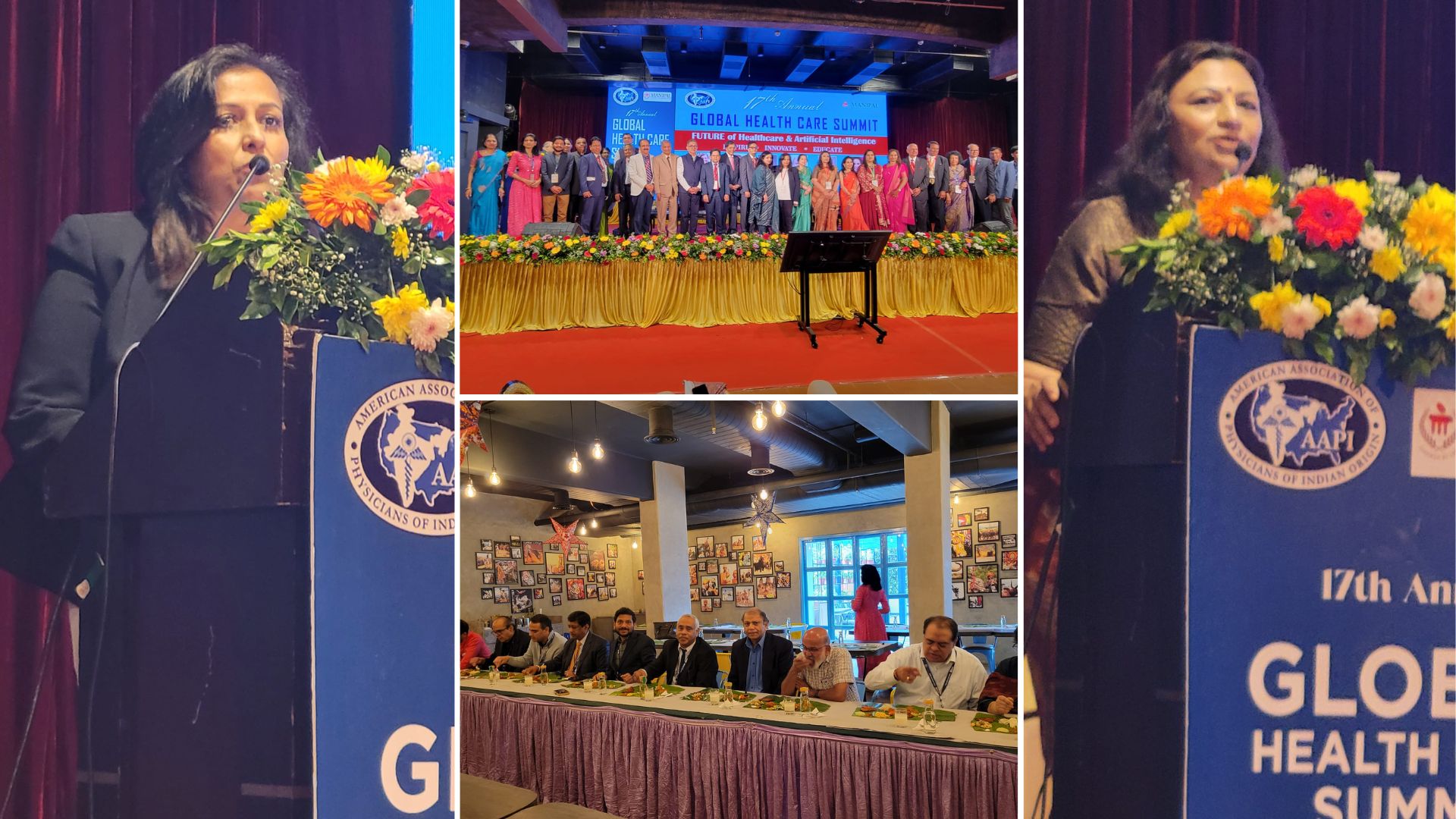 The AAPI Medical Symposium continued its legacy of delivering engaging and informative sessions, bringing together medical professionals and experts to explore various facets of healthcare. On January 5th, CME Sessions in Manipal was Inaugurated by Indian Medical Association National President, Dr. R .V. Ashokan.
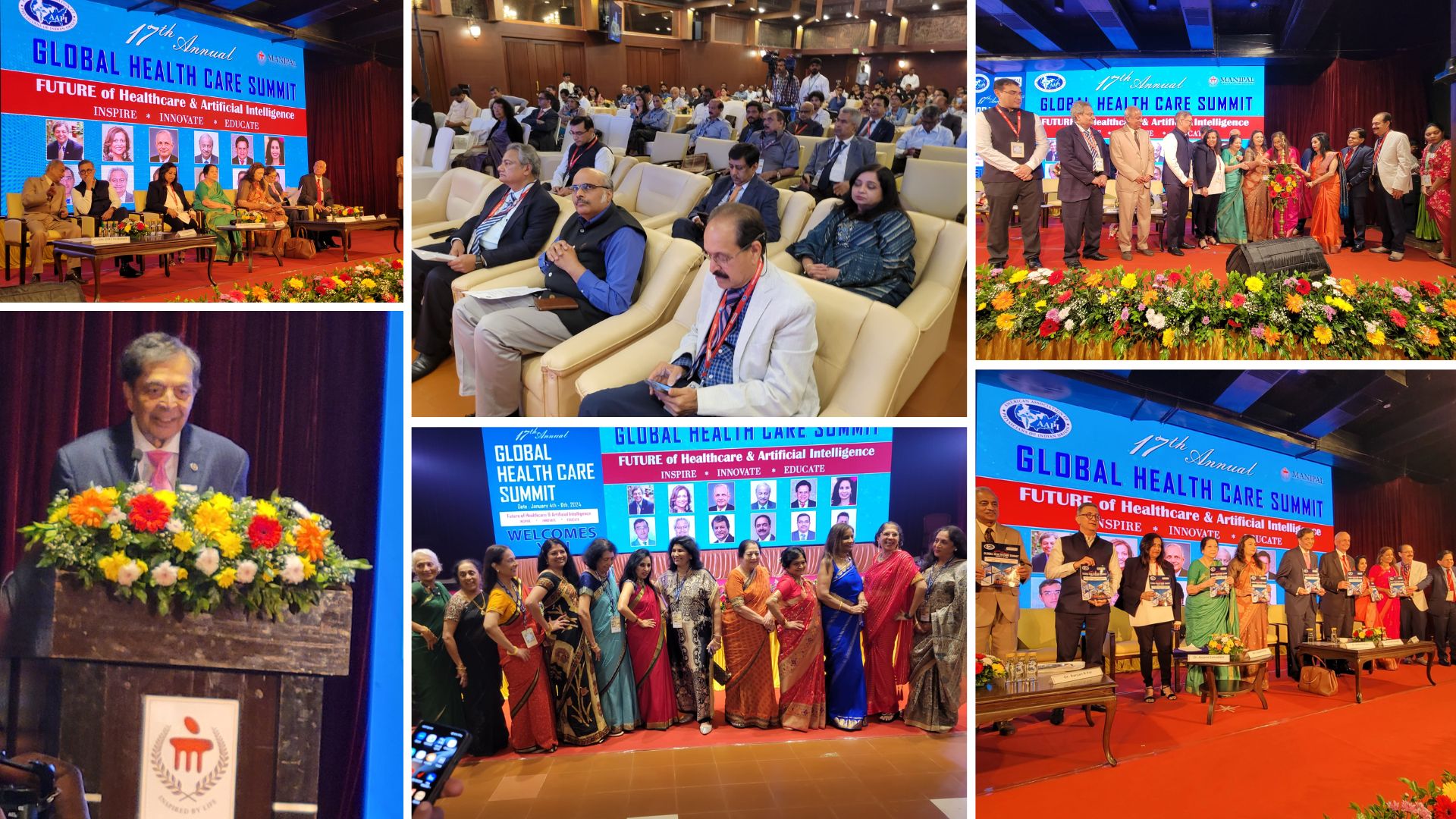 The Lifetime Achievement Award was conferred upon Dr. Ramdas Pai, Chancellor of Manipal Education Institute (MAHE). Dr. Ranjan Pai and Mrs. Vasanthi Pai accepted the honor on his behalf, and lauded Dr. Ramdas Pai’s achievements and invited all attending doctors to MAHE. Prominent personalities present at the event included Manipal Education and Medical Group (MEMG) Dr. Ranjan Pai, Dr. H S Ballal Pro Chancellor, MAHE, and Lt Gen (Dr) M D Venkatesh, Chair, GHS, India.
 The popular CEO Forum had leaders in both the corporate and healthcare field, including, Ganesh Nayak, Executive Director, Zydus Lifesciences Ltd., Jagadish Tande, Prof. Madhav Das Nalapat, Dr. Vijay Gopal, Cardiologist, and Mr. Jagadish K M, CEO of KMF. The CEO Forum chaired by Dr. Sampat Shivangi, Chair of GHS 2024. The CEO Forum was moderated by Dr. Subra Bhat, who was a lead organizer og GHE Manipal along with his wife, Dr. Anu Bhat.
 In her remarks, Mrs. Vasanthi Pai said, “Dr Ramdas M Pai has always set a high bar for the institutions he has set up. She shared with the audience the high regards and appreciation Dr. Pai has for AAPI and its valuable services in promoting healthcare and exchange of knowledge and advocacy of policy initiatives in the US.
 Dr. Krishna said, “AAPI has been a pioneering institution in the United States to support and nurture the Indian American physicians, the pursuit of excellence in professionalism patient care, teaching and research. They steadfastly pursue collective advocacy for furthering the costs of medicine, medical profession, and knowledge of ethics and legislative and regulatory changes in the profession. I’m delighted that AAPI has partnered with India to share the knowledge and progress in both our countries in the field as well as contributing to the health sector in India.”
 The awesome hospitality and warmth of the local organizing committee, cultural extravaganza depicting the cultural traditions of southern India, delicious Karnataka special cusine, served on banana leaves and the visits to the local education centers, Temples and cultural sites are added attractions that made the Summit in Manipal unique.
 In her welcome address, Dr. Anjana Samadder, President of the American Association of Physicians of Indian Origin (AAPI) said, “I extend my warmest greetings to each and every one of you attending this prestigious 17th annual Global Healthcare Summit in New Delhi and Manipal. For the first time it is being held in two cities, in collaboration with prestigious institutions, such as AIIMS, New Delhi and MAHE in Manipal. As the president of AAPI, I’m honored to welcome a diverse gathering of experts, policymakers, healthcare professionals, and advocates dedicate dedicated to advancing global health. I want to thank was speakers and sponsors for their contributions.”
 During GHS AAPI entered into a groundbreaking partnership with CLIRNET, India’s leading digital healthcare platform with the objective of running a Mentorship & Observership program jointly. While announcing the new initiative Dr. Samadder emphasized the imperative for healthcare professionals to stay at the forefront of innovation. She also highlighted that the collaboration between AAPI and CLIRNET marks a significant milestone in advancing clinical training in India.
 The CEO Forum addressed by eminent panelists that included, Air Marshal Sadhana Nair, Saurav Kasera, Sreeprasad Guduppa, Sudharshan Jain, Shenoy Robinson, Karthikeyan, IPS, and Suresh Samuel, in their eloquent addresses spoke on Equity, Ethics, and how to adapt to the changing landscape in the healthcare arena and make a positive and lasting impact, benefitting the physicians, industries and the larger population.
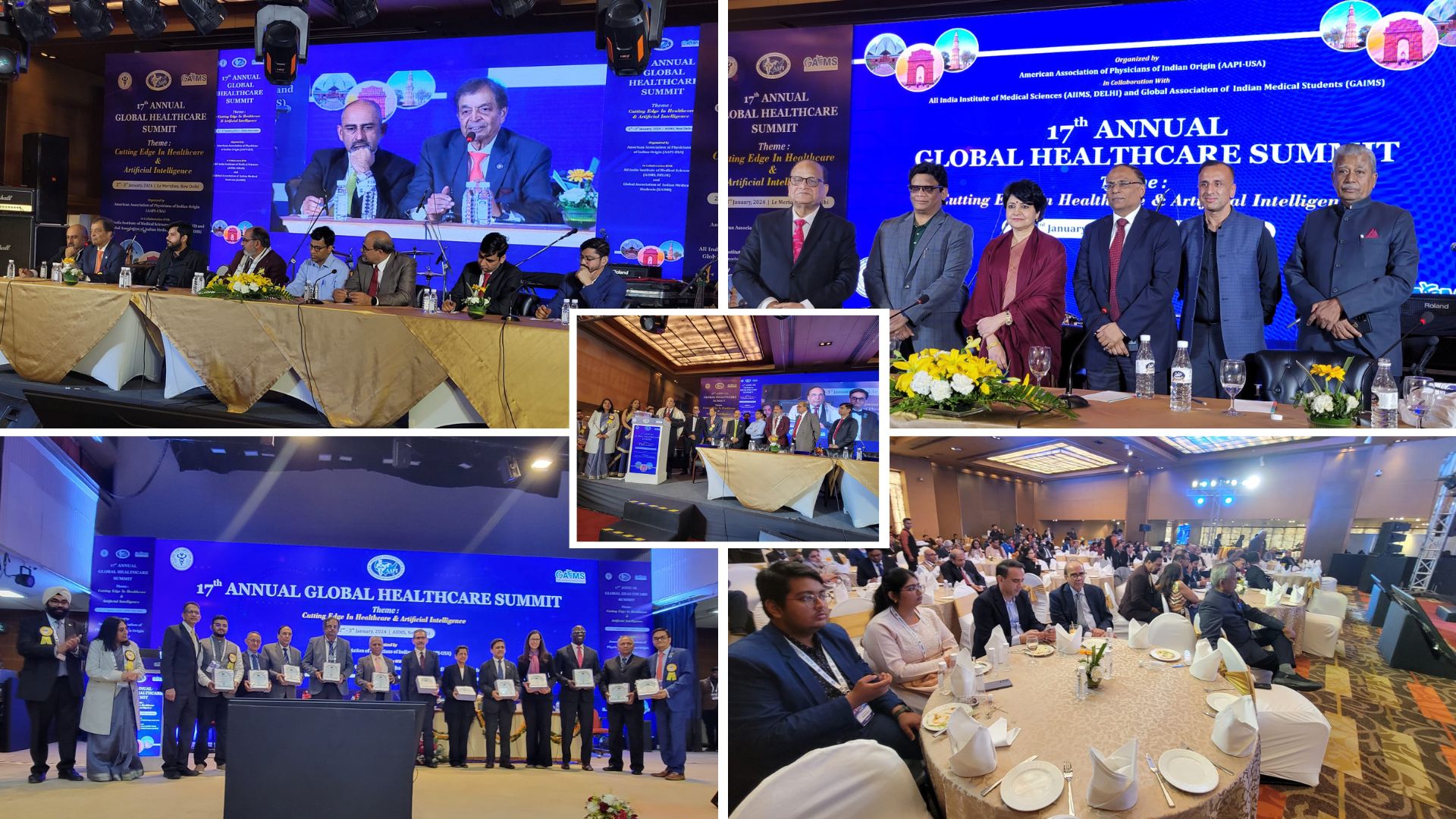 The annual event of AAPI, GHS has contributed to ushering in new ways of providing healthcare to India’s 1.4 billion people, who live in the congested urban centers and in the rural/remote regions of the country. The 17th annual GHS will build on the past initiatives and add several new programs, Dr. Samadder added.
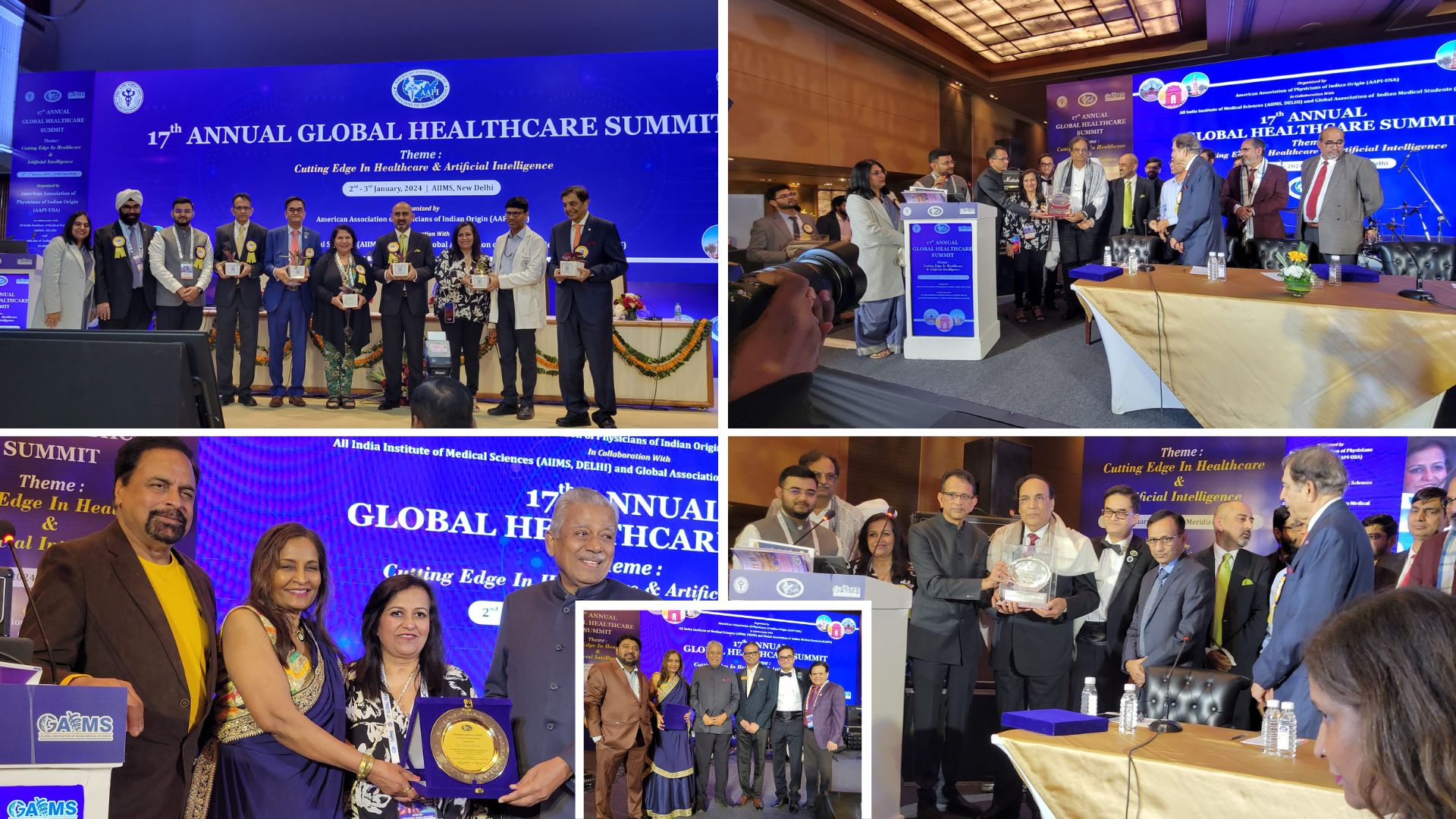 Dr. Lokesh Edara, Chair of AAPI BOT said, “AAPI’s GHS is yet another way of continuing with our constant commitment towards making quality healthcare affordable and accessible to all the people of India. In addition, GHS 2024 focusses on promoting Healthcare Technology including Artificial Intelligence in the Healthcare arena.”
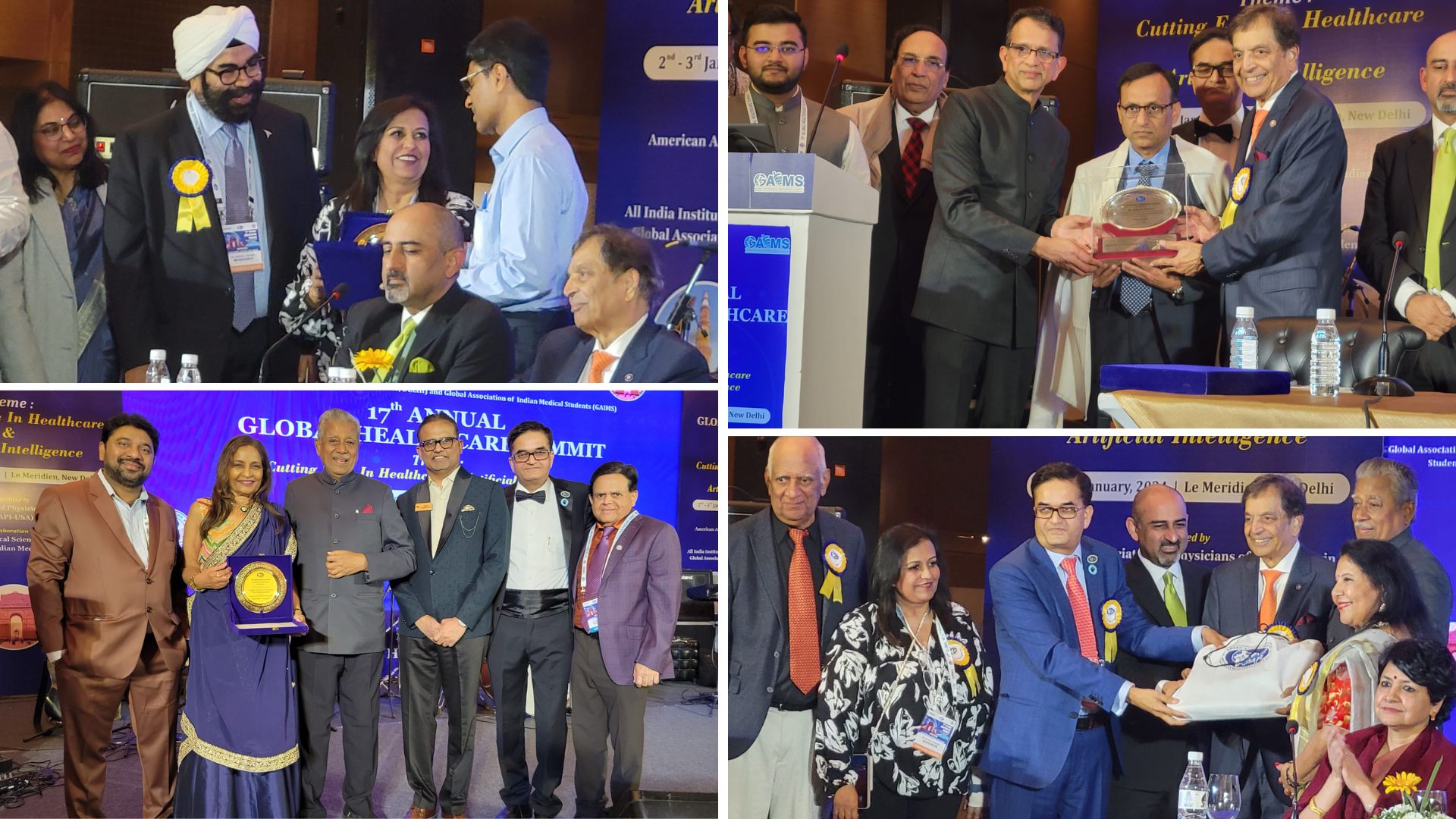 “AAPI GHS offers an opportunity to meet directly with these physicians who are leaders in their fields and play an integral part in the decision-making process regarding new products and services,” Dr. Sreeni Gangasani, Treasurer of AAPI said.
 Established by members of the U.S. House of Representatives in 2013, the Congressional App Challenge is designed to engage student creativity and encourage their participation in Science, Technology, Engineering and Math (STEM) education fields. The nationwide contest allows high school students from across the country to compete with other students who reside in their congressional district by creating and exhibiting their software application, or “APP” for mobile, tablet, or computer devices on a platform of their choice.
 active members of ITServe had the privilege of serving as Judges for the Congressional App Challenge Program,” said Mr. Vinay Mahajan, President of ITServe Alliance. “Such contests across the nation by Congressional Offices is very encouraging of our young and aspiring entrepreneurs and is in sync with the objectives of ITServe Alliance in promoting and advocating for local talents and resources that are aimed at the United States maintaining its leadership in technology and innovation,” Mahajan added.
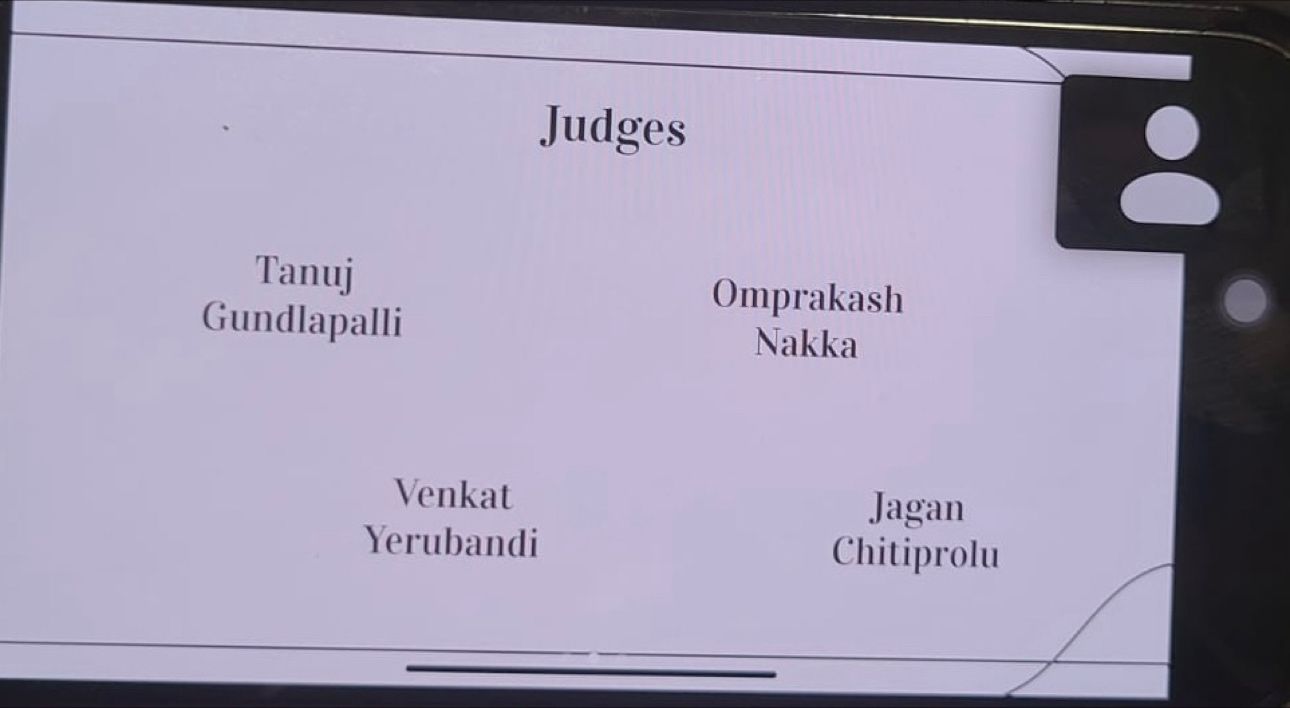 ITServe recognizes that this is a great program and has plans to engage with more Congressmen for similar opportunities in the coming years. ITServe has offered allocating funds from its Corporate Social Responsibility (CSR) STEM Funds to support this program by collaborating directly with the congressional App challenge organizers. ITServe has advocated for and has invested Millions of Dollars on its STEM Education Program to promote the “American Ingenuity Account” to fund State-administered grants for STEM education and worker training.
 What are TED or TEDx talks?
 Why do a TED talk or why did you do these TEDx talks?
 I can empathize with the perspectives of both white and black Americans who view socialism as a potential solution to their problems. The grass looks greener on the other side. However, I find it troubling when immigrants, especially those from my home state of Kerala, attempt to reshape America into a replica of their native lands but they choose to live here.

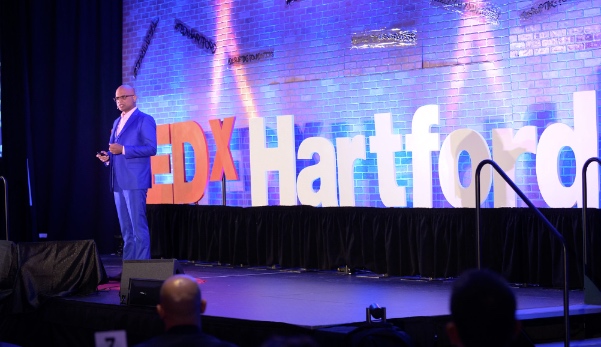

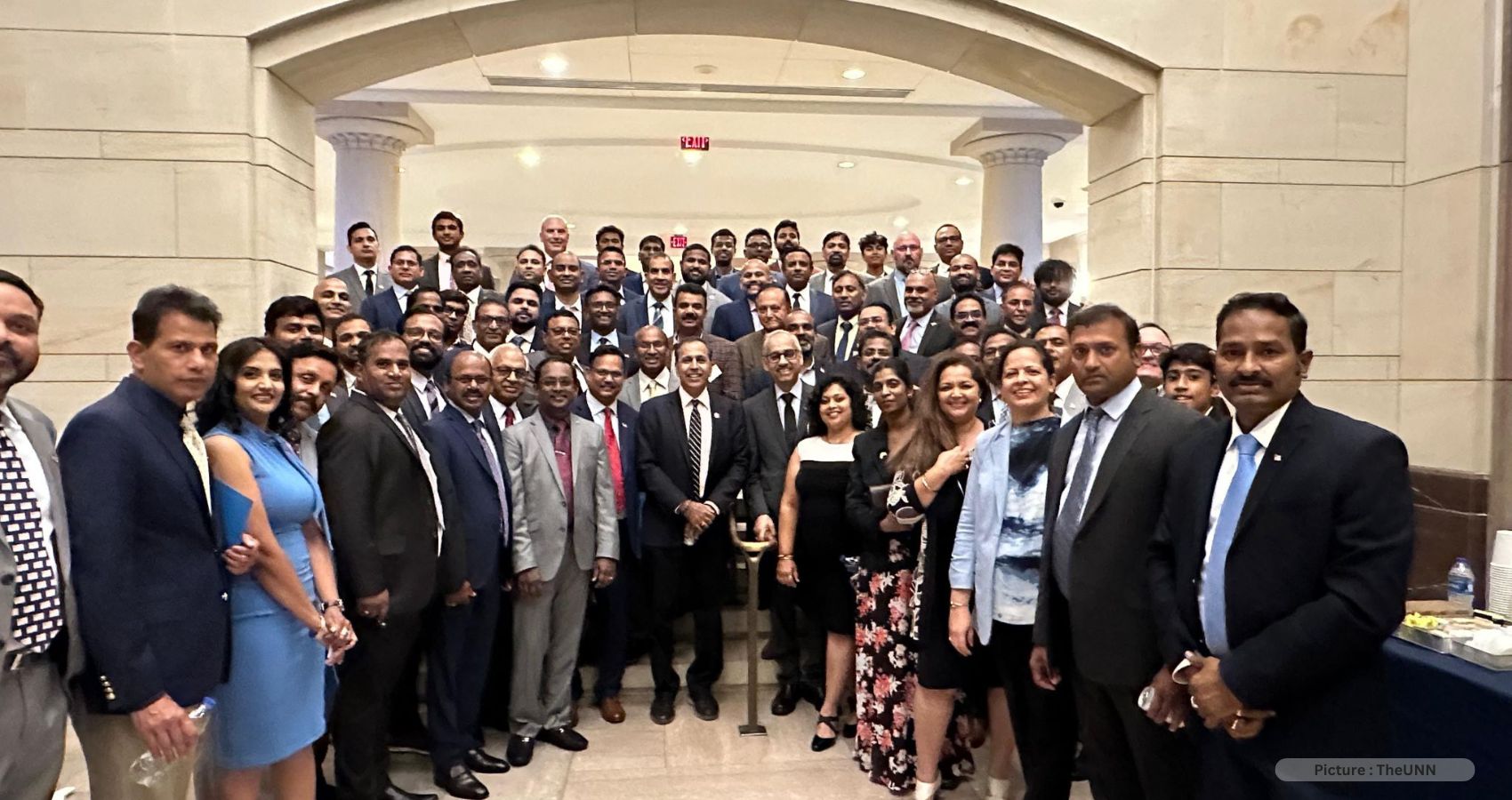 In the past few years, ITServe leadership has continuously reiterated the need for a Domestic Visa Renewal Program with the US Congress and Department of State officials. ITServe has expressed gratitude and appreciation to Department of State for listening to its request and now bringing back this program.
 ITServe is aware that H-1B visa holders play a critical role in bolstering the U.S. economy, fostering innovation, and enriching the fabric of American society through their skills, contributions, and diverse backgrounds, and knowledge to American workplaces. They facilitate knowledge transfer and skills development by engaging in research and development activities, particularly in STEM fields, which contribute to scientific advancements and technological progress.
 ITServe leadership believes that immigration laws are becoming more inclusive, which is a positive development with a commitment to easing restrictions on lawful immigrants. The evolving landscape aims to create a more accessible and accommodating environment for skilled professionals seeking opportunities in the United States.
 The program which started 0n December 1st, aims to have around 20,000 work visa renewals, constituting approximately 10% of the anticipated 583,420 H-1B visa holders. The program was initially proposed in February gained formal announcement and recognition during PM Modi’s visit to the US in September.
 This legislation would ease the backlog for those who wait the longest. Specifically, the EAGLE Act would phase out the 7% per-country limit on employment-based immigrant visas, while raising the 7% per-country limit on family-sponsored visas to 15%.
 “Travelling to all the 21 Chapters across the United States in 8 months after I assumed office, I was instrumental in achieving membership to newer heights with more than 700+ new members added in 2023. Two new Chapters were launched. IT Serve Alliance is led by highly talented individuals, phenomenally successful entrepreneurs, and Innovators who are enthusiastic about giving back to the community.” He strengthened STEM Education program by adding STEM Training and Internship programs and enhancing STEM scholarships program.”
 delivering innovative strategies, unique insights, and proven tactics for success, exclusively for IT service companies and individuals. Synergy 2023 focused on developing strategic relationships with our partner organizations, sponsors, and supporters to work for a better technology environment by building greater understanding.”
 Secretary of State Hillary Rodham Clinton, the Chief Guest at ITServe Alliance’s Synergy 2023, shared with the audience about her life and aspirations, expressed appreciation for the contributions of the high skilled immigrant community and urged them to play an active role in the society. Ms. Clinton, the 67th Secretary of State of the United States has dedicated over four decades of her life in public service, serving as an advocate, attorney, First Lady, and US Senator.
 to US immigration issues, she advocated for reforming our immigration system to attract the most talented individuals from around the globe. This, in turn, would drive innovation and foster growth in our nation. Additionally, she advocated for a bipartisan approach to address this issue.
 In his presidential address, Vinay K. Mahajan, National President of ITServe Alliance, welcomed the members, leaders, chapter presidents, sponsors, and volunteers to Synergy 2023 and expressed his “sincere gratitude for your unwavering commitment, and dedication, and for investing your time and energy and resources. You are the backbone of our organization, and your unwavering commitment is what propels us forward.”
 Venu Sangani, Director of Synergy 2023 said, “As we gather here, let’s remember that our unity as a community is our strength. I took on this leadership role, an opportunity, driven with a single objective: to help at the end of the conference, each attendee departs with concrete insight to grow their business to the next level. Because in all of you here today, there is both gratitude and a deep sense of accomplishment, knowing our collective vision is alive and thriving.”
 Secretary of State Hillary Rodham Clinton, the Chief Guest at Synergy 2023 delivered the Keynote Address during an interactive session with ITServe members on October 27th evening. Ms. Clinton, the 67th Secretary of State of the United States has dedicated over four decades in public service as an advocate, attorney, First Lady, and US Senator.
 Secretary Clinton urged the ITServe member community “to continue to be involved in your communities, to be members of civic clubs, volunteer groups and take part in American society in every way possible, and also decide if you so may choose to become an American citizen. And for those of you who have children, who are American citizens, guide them to be very active. Not just getting their education or being a successful person economically but being involved in civic life. There’s a lot to it. I know you are good role models for people in many parts of our country. So, I am very grateful for the many contributions that you are making and will make in the future.”
 Phaneesh Murthy, Founder & CEO of Primentor addressed the audience with his insightful talk on, “Strategies for Scaling and Sustaining a Successful IT Company from One to 100 Million Plus” The keynote address by Zack Kass, Technology Futurist, and Generative AI Solutions Specialist focused on: “AI for Small Business Success: Navigating the Future of Entrepreneurship.”
 Kevin O’Leary, a Venture Capitalist and Star of ABC’s Shark Tank delivered the Evening keynote address on: “The Path to Profit: Strategies for Building a Successful Business.” Through specific portrayals from his popular Shark Tank, his insightful address to the loud applause from the crowd referred to successful business strategies to enhance business profits.
 Other sessions in the morning included a Startup Cube Finals on GTM Pitfalls Faced by Growing Startups, which Ashish Agarwal, Turbo Start, DVC led. The Immigration Panel Discussion focused on “Navigating Immigration Challenges and Policies.” The CXO Panel focused on “The Evolving Role of IOs and CTOs in AI and ChatGPT Powered Digital Transformation.” Other panel discussions addressed issues related to “Contracts And Litigations,” and “Direct Client Engagement in the World of Contingent Workforce.”
 Amar Varada, Chair of Synergy 2023 said, “Synergy 2023 had prominent speakers, and valuable sponsorships, and helped grow a community network of industry professionals across the country. We are grateful to the unwavering support of our members, volunteers, and sponsors, whose collective efforts made this event a memorable one for all.”
 With cultural events, music, dance, and sumptuous food, in addition to all the learning and sharing of knowledge, Synergy 2023 provided actionable insights and strategies that companies can directly implement, serving as a catalyst for taking businesses to the next level. Beyond being an arena for networking and knowledge sharing, Synergy 2023 has proved to be a veritable marketplace for ideas and innovations.
 In addition to the 21 ITServe Chapter Presidents across the United States and the dozens of various Committee Chairs, the Executive Board of Directors of ITSeve, who play a critical role in enhancing the mission and vision of ITServe Alliance include:
 Secretary Clinton urged the Indian Diaspora “to continue to be involved in your communities,to be members of civic clubs. volunteer groups, and really take part in American society in every way possible, and also to make the decision if you so choose, to become an American citizen and as you wish to do. And for those of you who are the children, who are American citizens, guide them to be very active. Not just getting their education or being a successful person economically, but to be involved in things. There’s a lot to it. So, I think that the Indian diaspora, you know are good role models for people in many parts of our country. So, I personally am very grateful for the many contributions that you are making and will make in the future.”
 Kevin O’Leary, a Venture Capitalist, Star of ABC’s Shark Tank delivered the Evening keynote address on: “The Path to Profit: Strategies for Building a Successful Business.” Through specific portrayals from his popular Shark Tank, his insightful address to the loud applauses from the crowd referred to successful business strategies to enhance business profits.
 Anil Atyam, Chair of Speakers for Synergy 2023 emphasized the curated lineup of speakers and panels. “We are thrilled to have a diverse and esteemed set of speakers for this year’s conference. From policymakers, and technology leaders to industry innovators, our speakers are pivotal in shaping the discussions and providing invaluable insights that can be immediately applied in various sectors of the IT industry.”
 A Special Guest Session at Synergy was a “Dialogue with Yuvraj Singh,” a highly popular international Cricketer, Entrepreneur, and Philanthropist. Synergy 2023 will conclude with a Live Musical Concert by Bollywood Playback Singer and Filmfare Awardee Kanika Kapoor.
 Describing the mission of ITServe Mr. Mahajan said, “We’re in the forefront, guiding and empowering its members. ITServe today is a powerful force focused on safeguarding the interests of small and medium business enterprises. We have more than 2,200 member companies, spread over 21 Chapters, they generate 175,000 high paying jobs across the United States. Our members contribute almost $12 billion to the US GDP. We at ITServe Alliance are immensely proud of us for being very successful. We are the voice represent the interests of small and medium scale enterprises of IT industry, protecting our members’ interests. We give back to the community, and invest in startups, which is to help the United States maintain the leadership in innovation and technology.”
 Mahajan went on to say, “I always thank you members, because of you, we are all strong together. Our success today is not about working alone in isolation. It is about coming together, collaborating and liberating our collective strength. It is about finding synergy, not only within our own businesses but also across our entire community. As we navigate the challenges and opportunities of the digital age, our role today is even more critical. We are not just service providers. We are architects of transformation. We shape the future of industries and enhance the lives of individuals worldwide. This event is dedicated to you. Together we will innovate and lead the way in the IT services industry. Thank you for being part of synergy. Let us embark on the journey together and fueled by the spirit of collaboration and the pursuit of success.”
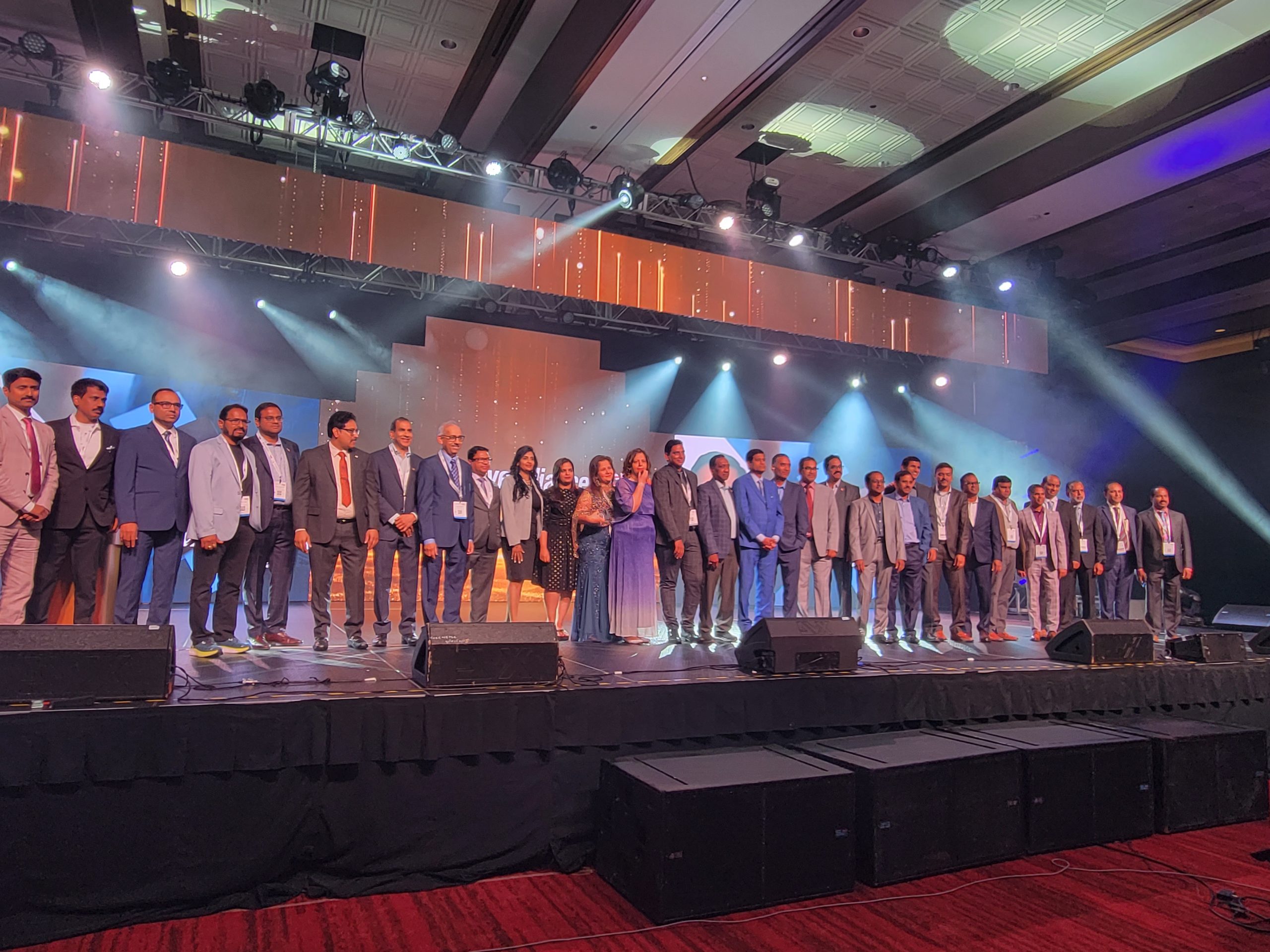 In his opening remarks, Venu Sangani, Director of Synergy 2023 said, “As we gather here, let’s remember that our unity as a community is our strength. Last year in Orlando, Florida, I took on this leadership role, an opportunity, driven with a single objective: to help at the end of the conference, each attendee departs with concrete insight to grow their business to the next level. Because in all of you here today, there is both gratitude and deep sense of accomplishment, knowing our collective vision is alive and thriving.”
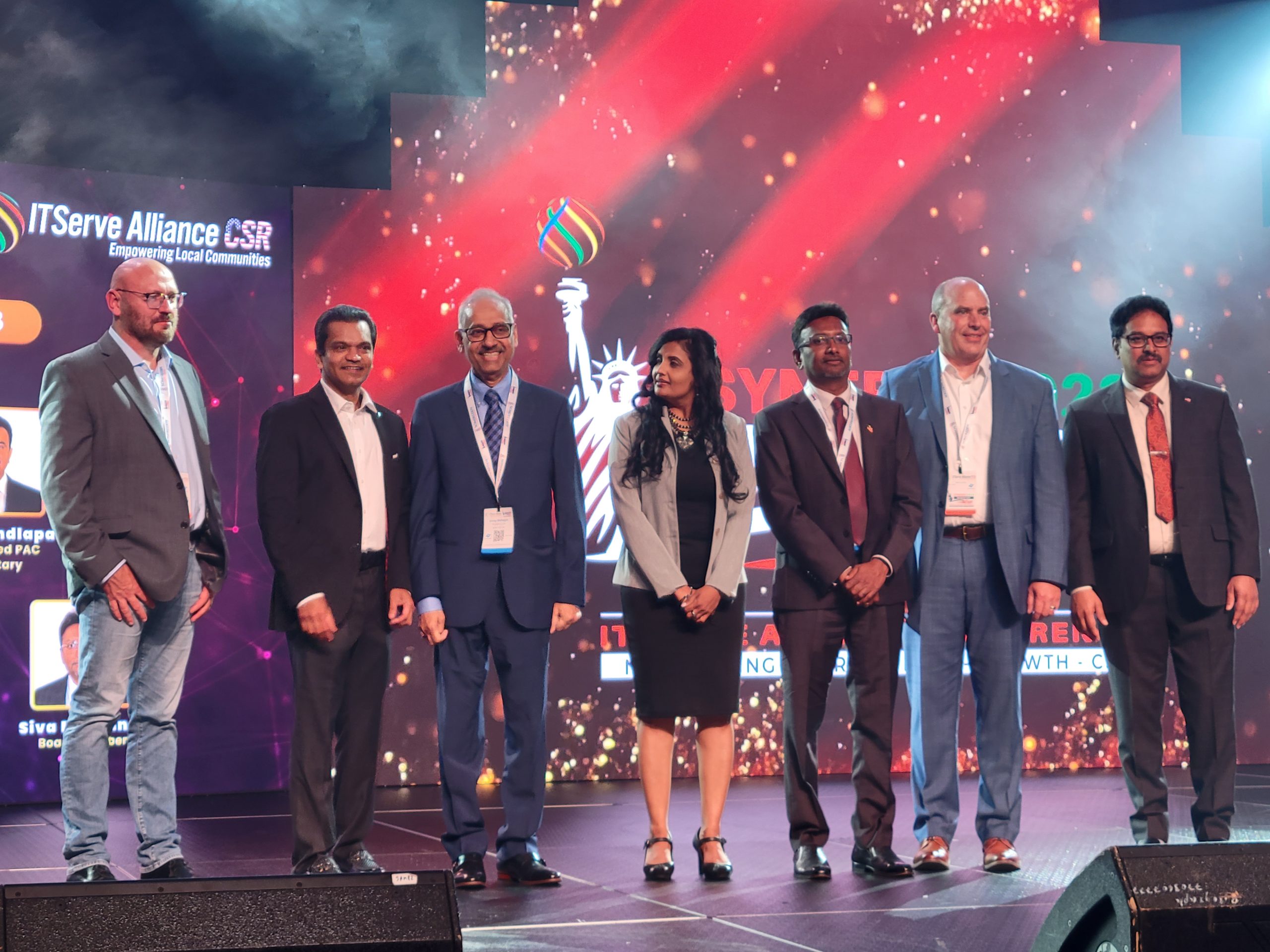 Referring to the global situation, Forbes said, “We know we live in a world today, where Russia, China, North Korea and Iran feel that the United States is a declining power. China has made very clear it wants world domination. Russia under Putin has made it very clear he wants to recreate the Soviet empire. Iran wants to be the hegemony of the Middle East and control the oil and dominate the region and ultimately eliminate Israel. In the crazy border wars, China keeps pushing against India. Not a good environment.”



 For Hyundai, the concern is centered around the anti-lock brake system in 13 different models, which may leak fluid and trigger an electrical short circuit that could result in a fire. In the case of Kia, the fire risk is linked to the hydraulic electronic control unit in 10 separate models.
 Synergy continues to add prominent speakers, and valuable sponsorships, and help grow a community network of industry professionals across the country,” said Amar Varada, Chair of Synergy 2023. “Participants at Synergy 2023 will have a platform for IT company heads to come together to hear industry leaders speak, engage in discussions with lawmakers, participate in interactive breakout sessions, deliberate on the latest trends, challenges, and opportunities in the world of IT Staffing and Technology.