In Win For Tech, Biden Lets Trump’s H1-B Visa Ban Expire

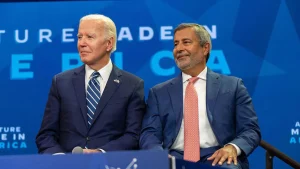
President Joe Biden has let a pandemic-related ban on visas for certain temporary workers, enacted by former President Donald Trump, to expire Wednesday, March 31, 2021. The moratorium, which affected H-1B visas used by technology companies to hire foreign coders and engineers, was imposed last June. Biden has opted not to renew it.

Biden’s decision will please business groups from Silicon Valley giants to India’s IT services leaders, which had pressured the administration to lift the ban ever since the new president took office. Executives have grown frustrated that the directive was not immediately revoked, arguing it hurt U.S. companies.

In an update on Thursday, the US Department of State said visa applicants who were previously refused due to Trump’s freeze may reapply by submitting a new application. Visa applicants who have not yet been interviewed will have their applications prioritized and processed under the State Department’s phased resumption plan.

The Trump administration in June 2020 stopped the government issuing H-1B visas through an an executive order linked to the coronavirus pandemic. In October, Trump then placed new restrictions on H-1B visas for highly skilled foreign workers — rules that were struck down by a federal judge in December who said the administration failed to show “good cause” for issuing the rules on an emergency basis.

American tech firms, from Facebook to Google, rely on foreign talent to shore up domestic workforces. Infosys and Tata Consultancy Services traditionally dispatch Indian software engineers to work in tandem with their American clients, which include some of the largest Wall Street banks and technology corporations. It remains unclear whether Biden will ease visa restrictions in general, reversing curbs imposed by the former Trump administration.

Trump’s restrictions on guest-worker visas, which also covered non-agricultural seasonal laborers, au pairs and others, had been under review by the Biden administration. Biden last month withdrew a related Trump executive order that stopped the issuance of new green cards, citing the pandemic — a move that drastically cut legal immigration to the U.S. Trump had argued the policies were necessary to protect the American economy as it emerged from the pandemic-induced recession.

“To the contrary, it harms the United States, including by preventing certain family members of United States citizens and lawful permanent residents from joining their families here,” Biden said in a presidential proclamation at the time. “It also harms industries in the United States that utilize talent from around the world.”

The ban on guest-worker visas was not revoked at the same time. Temporary work visas are unpopular with labor unions and other worker groups who argue that they put American workers at a disadvantage to their foreign counterparts. Despite the Trump administration’s extension of the visa ban at the end of 2020, opponents of the restrictions had already found some success in court.

A federal judge in California granted a preliminary injunction on Oct. 1 in a lawsuit brought by several large business groups, including the National Association of Manufacturers and the U.S. Chamber of Commerce. The groups argued Trump exceeded his authority by imposing immigration restrictions in his June 22 proclamation.

The Trump Justice Department appealed that ruling to the San Francisco-based U.S. Court of Appeals for the Ninth Circuit. In February, the appellate court requested a status report from the parties by April 7.

Aravalli Project Inception Meeting Held

In collaboration with National Institute of Rural Development and Panchayati Raj and on behalf of all development partners, WHEELS Global Foundation, an initiative of Indian Institutes of Technology (IITs) alumni, organized the Aravalli Project Inception Meeting on Tuesday, 23rd March 2021 at Shri Shamlaji Arts College.
The National Institute of Rural Development & Panchayati Raj (NIRD&PR) has been implementing an Action Research Project for creating Model Gram Panchayat (GP) Clusters in Assam, Chhattisgarh and Maharashtra from 2019 with support from Mission Samridhhi. Now, in further collaboration with WHEELS Global Foundation and Sarjan Foundation, this project is extending to one Cluster of seven GPs (Shamalpur, Bhavanpur, Waghpur, Devni Mori, Dhandhasan, Shamalaji and Ode) covering about 21,000 population in Bhiloda Taluka under Aravalli District of Gujarat.

Mr. Yogesh Andlay, a board member from the WHEELS Global Foundation (WGF), mentioned that this inception meeting, bringing the Government, development partners and community, is an important milestone as WHEELS strives to develop Bhiloda taluka as a model of development, converging all major sectors, Water, Health, Education, Energy, Livelihood and Sustainability. Mr. Andlay presented the WHEELS Foundation’s SMART village development framework.

“There is wonderful work on various technologies going on in US universities and in India especially at the IITs. While we started work on connecting these various technologies to NGOs and grassroots communities, our approach has evolved over the years where we have realized the importance of working on ground walking shoulder to shoulder with rural communities and ensure that these technologies are tailored to the local context, and suited to the needs of the local people. This is the approach that we are bringing to this initiative too.” – Yogesh Andlay, WGF India

The event also witnessed a strong community participation. Dr. Dilip Pal, Project Lead, National Institute of Rural Development and Panchayati Raj, Hyderabad, facilitated a community dialogue with the participants to appreciate the positive deviations in socio-economic development and to improve efforts based on lessons learnt from across the Gram Panchayats. NIRDPR representative, Mr.Dilip Pal, went on to say that this model has the scope of national replicability.
“We will be creating 11 clusters across Gujarat and we have chosen this cluster as the starting point. This is a very unique multi-partnership model, where we are working with more than 18 development partners. Such a collaborative is a very unique public-private development model being tested out for the first time in the country.” – Dilip Pal, National Institute of Rural Development and Panchayati Raj

The active and open participation of the villagers, and the rural community, including Sarpanches and Gram Panchayats, was very encouraging. They expressed their willingness to collaborate with the other stakeholders to make this project successful.
The partners in attendance were, Mission Samridhhi, working in deepening decentralized governance and strengthen institutional structures, Institute of Electrical and Electronics Engineers (IEEE-ISV) in Energy, Entrepreneurships and Education, Sarjan Foundation, BOSCH Foundation and I-Create for skilling, re-skilling and upskilling of the youth and entrepreneurship development, SEVAK Foundation and
EVOLKO in health care service delivery, Indian Institutes of Technologies (IITs) in Rural Development, and Piramal Foundation in Water Security.


“We are very thankful to have this opportunity to work with the community and all the other development partners. Mission Samriddhi’s Community Development Framework is based on Personal, Social, Economic, Ecological and Institutional Development of Gram Panchayats to achieve Holistic and Sustainable development. This model is operationalized through a young fellow, but we urge all of you to provide full support to the young fellow. All of us are going to take this journey together to make Bhiloda into a model development cluster.” – Ram Pappu, Mission Samriddhi

Mr. Ajay Patel, Principal, Shri Shamlaji Arts College, emphasized that concerted efforts are required to support the Aravalli district to improve human development indicators.
Shri A K Rakesh, IAS, Additional Chief Secretary (Chief Guest) emphasized the use of technology for the rural development to reach to the last mile, the most vulnerable and marginalized sections of the society. Mr. Rakesh alluded to the Government of Gujarat’s various programs, schemes and policies to improve holistic development. The ACS suggested all development partners to support in strengthening institutions at the GP level facilitating the convergence of all sectors, chiefly, Agriculture, Health, Nutrition, Education, Water and Sanitation, livelihood to have a cumulative and multiplier impact on the overall development.

Other dignitaries, who spoke in the event are, the District Development Officer, Shri Anilbhai T. Dhameliya, IAS, Aravalli District, Gujarat. Shri Anilbhai presented development Aravalli district. He emphasized and requested partners to focus on three major areas, Training and Capacity Building, Women Empowerment through Self-Help Group and technology for Agro based industries. The consortium partners also presented their plans for the Aravalli District.

There was a dialogue among and verbal support expressed for, the cooperation and collaborative operation by all public and private stakeholders. The meeting concurred with a joint plan of action to support the Gram, Taluka and District panchayats, district administrations and relevant state departments to develop Bhiloda Taluka as a model development taluka in India.

India’s FinTech valuation estimated at $150-160 billion by 2025

The Federation of Indian Chambers of Commerce & Industry (FICCI) and Boston Consulting Group (BCG) on Saturday, March 14th unveiled ‘India FinTech: A USD 100 Billion Opportunity’ report. The report details the findings from the study that BCG and FICCI undertook to size the value-creation potential and identify imperatives for India’s FinTech growth.

Dilip Chenoy, Secretary General, FICCI said, “The FinTech industry in India has been growing at a fast clip. FinTech players are redefining the business models across different segments of financial services industry, helping improve service delivery and contributing to digital financial inclusion. This is a clear area of focus for us in FICCI and through our multiple initiatives, we will continue to promote this industry both in India and abroad.”

India’s dynamic FinTech industry has 2100+ FinTechs of which 67% have been set up over the last 5 years alone. The total valuation of the industry is estimated at $50-$60 billion. The industry’s growth has been undeterred by the pandemic, as it has seen the emergence of 3 new Unicorns and 5 new Soonicorns (USD 500Mn+ valuation) since January 2020.

The Fintech industry’s strong growth is due to India’s deep-rooted customer demand, diverse capital flows, strong tech talent and enabling policy framework. Over the next 5 years, India’s FinTech industry is expected to continue its strong upward trajectory.

Prateek Roongta, Managing Director and Partner, Boston Consulting Group India said, “We believe India’s FinTechs are at the precipice of significant value-creation of USD 100 billion over the next five years. To actualize this potential, the industry would require investments to the tune of USD 20-25 billion till 2025. Consequently, the number of Indian FinTech Unicorns will more than double over the next few years.”

Ruchin Goyal, Managing Director & Senior Partner, Boston Consulting Group India said, “The landscape will be defined by FinTechs that pursue their strategic play with deep, relentless discipline. Tomorrow’s FinTech winners are expected to ‘master the core’ — by innovating on product, user-experience or through deep-tech capabilities. India will also see the emergence of ecosystem orchestrators and multinational FinTechs, as it evolves into a global FinTech powerhouse.”

Another theme covered in this report is internationalization of Indian FinTechs. To develop a close understanding of the FinTech industry’s multinational ambitions, BCG and FICCI conducted the BCG-FICCI FinTech survey 2021. The survey reveals that 39% of Indian FinTechs surveyed have a presence outside India and 73% of FinTechs surveyed are actively considering international expansion opportunities. South-East Asia was the most sought-after destination for international expansion, followed by North America.

Several Indian FinTechs are well-positioned to establish a global footprint owing to their transplantable business models and proven track record of success. To ensure that Indian FinTechs achieve their potential, all stakeholders — FinTechs, Financial Institutions and policymakers — have a role to play. The imperatives for stakeholders have been identified in the report. (IANS)

India’s New Internet Rules Are ‘Digital Authoritarianism’

The Indian government must suspend sweeping new Internet regulations, 10 international NGOs said in an open letter Thursday. The new rules, brought in by executive order in late February, give the Indian government an arsenal of muscular new powers that will force tech companies and news outlets to comply with government surveillance and censorship demands.

The rules increase the pressure on U.S. tech companies including Facebook, Twitter and WhatsApp to comply with what the letter’s authors say is an increasingly authoritarian Indian government—or risk losing access to India, their biggest market in the world, which many see as key to future growth.

The Indian government had been preparing the new rules for years, but published them amid an escalating protest movement by Indian farmers that has captured both national and international attention. In February, the Indian government clashed with Twitter over the company’s refusal of a government request to remove hundreds of posts by activists and politicians about the protests, with the company saying they constituted freedom of expression. After the Indian government threatened Twitter employees with jail time, Twitter eventually re-blocked most of the posts.

“Why the government brought this up now is deeply linked to the farmer protests,” says Raman Jit Singh Chima, the Asia-Pacific policy director at Access Now, one of the groups that signed the open letter criticizing the rules. “After the pushback they received from social media firms, who were contesting orders they were receiving, the government definitely wants to send a clear signal that ‘we are going to regulate you, and if you push back, it will result in more regulation overall.’”

India’s new rules come at a time when tech platforms are facing threats of regulation by Western governments over content including hate speech, misinformation, and incitement to violence. But the Indian rules are more worrying, the open letter says, because they are part of a wider push toward “digital authoritarianism,” including Internet shutdowns and arrests of journalists. Although the Indian rules also contain useful provisions like mandating transparency in cases when user content has been removed, they come with no clear mechanisms for tech companies to push back against potentially unlawful government demands.

“The rules change the fundamental Internet experience for any average user in India,” says Apar Gupta, executive director of India’s Internet Freedom Foundation. “Social media companies, streaming platforms and online news portals are now being brought under some level of direct government supervision,” he says. “These rules are a very stark illustration of a desire of the government to control the online conversation. They extend forms of regulation over areas that enrich any kind of democracy, and encourage self-censorship.”

What do the new rules say?

The rules force companies to remove content that the government says is illegal within three days of being notified, including content that threatens “the interests of the sovereignty and integrity of India,” public order, decency, morality, or incitement to an offense. The rules also state that platforms must hand over information about users to law enforcement upon request.

Encrypted messaging platforms like WhatsApp—which is owned by Facebook—will also be forced under the new rules to keep information on who the “first originator” of any message is, and provide it to the government upon demand. WhatsApp is already facing similar legislation in Brazil, its second-biggest market after India. And Western intelligence agencies have also pressured encrypted platforms to build “backdoors” into their messaging services.

WhatsApp did not respond to TIME’s request for comment, but its head Will Cathcart said the company was “still digesting them and understanding what they actually mean, or don’t mean,” in an interview on Big Technology, a podcast by journalist Alex Kantrowitz.

Cathcart suggested that WhatsApp may be prepared to bring legal cases in India if the rules meant breaking the end-to-end encryption that the chat service is based on. “If you’re talking about break[ing] encryption, it’s really hard for me to imagine being comfortable with it,” he said. “It’s hard for me to imagine even how you ask people to do that, I think it’s such a fundamental threat. So, we’ll stand and we’ll make our case, and we’ll argue.”

Facebook and Signal (an end-to-end encrypted messaging app that is growing in popularity in India) did not respond to TIME’s requests for comment.

In a statement, Twitter said: “We are studying the updated guidelines, and we look forward to continued engagement with the Government of India to strike a balance between transparency, freedom of expression, and privacy … We believe that regulation is beneficial when it safeguards citizen’s fundamental rights and reinforces online freedom.”

India’s new rules also say that companies must appoint a resident Indian citizen to be a “chief compliance officer” who will be criminally liable for any failure to comply with the rules. “India’s worst-kept secret is that if you work in the Internet industry, you will face arrest threats and threats of prosecution on a regular basis,” Chima says. “They’re just trying to codify this in one place. The idea is that if you have one person, you can put them under so much pressure that it will force compliance.”

The open letter by the 10 activist groups called on tech companies to resist the new rules. “They should interpret and implement legal demands as narrowly as possible, to ensure the least possible restriction on expression, notify users, seek clarification or modification from authorities, and explore all legal options for challenge,” the letter said.

As well as social media and streaming platforms, the new rules also impose strict new limits on digital news platforms—where a small handful of Indian publications have managed to remain critical of the government. In March, India’s democracy rating was downgraded from “free” to “partly free” by the U.S.-based NGO Freedom House, which cited among other factors the government’s “rising intimidation of academics and journalists.”

Under the new rules, digital publications will be subject to oversight by government-run committees, with the power to block publication of stories, remove stories, or even shut down entire websites. One of the 10 signatories of the open letter on Thursday is Reporters Without Borders, an NGO that campaigns for press freedom worldwide.

“Digital media has been quite outspoken, and I see this clearly as a way to bring it to heel, to control it, and perhaps intimidate it,” says Sidharth Bhatia, a founding editor of The Wire, a leading online publication that regularly publishes content critical of the Indian government. “It is executive overreach of the worst kind.”

The new legislation could result in critical reporting being silenced, Bhatia says. “Let’s say we’re about to publish a story about somebody powerful,” he says. “In a normal journalistic way, we will probably send a message before publication saying we would like your point of view. That person could very well go and say ‘I fear they will publish a very damaging story against me, and it’s libelous, etc.’” If that were to happen, he says, the case would be escalated through two committees, that contain no representatives of the digital media, until it is heard by a senior bureaucrat in India’s Ministry of Information. “At that level, you’re not likely to want to go against the government,” Bhatia says.

The publisher of The Wire is challenging the government’s new rules in the Indian court system—a challenge that a Delhi high court judge upheld on Tuesday, with the case adjourned to April 16.

Bhatia says that if the new rules are allowed to stand, they will have a “terrible chilling effect” on Indian journalism. “There is already talk within the media of journalists self-censoring,” he says. “More and more will say it’s not worth the trouble.”

We Need To Foundationally Transform Cloud: Nadella

In order to herald the next generation of innovation in Cloud technology, tech companies need to foundationally transform how Cloud can drive the next level of broad economic growth that everyone can participate in, Microsoft CEO Satya Nadella has stressed.

Addressing the Microsoft ‘Ignite 2021’ virtual conference, Nadella said that it’s time for us to reflect on how the Cloud will change over the next decade.

“As computing becomes embedded everywhere in our world — transforming how we interact with people, places and things — and as physical and digital worlds converge, we will require more sovereignty and decentralised control. Cloud and edge computing will evolve to meet all of these real-world needs,” he emphasised.

The volume, variety and velocity of data will go through explosive growth in the cloud — and in particular at the edge devices, driving the decentralised architecture of compute.

“In this world, data will be more private, more sovereign. Data governance and provenance will take on new importance. We will develop new methods of federated machine learning to drive the next generation of personalized and yet privacy-preserving services,” the Microsoft CEO added.

At the digital conference, Microsoft unveiled the public preview of Azure Percept, a platform of hardware and services that aims to simplify the ways in which customers can use Azure AI technologies on the edge.

Roanne Sones, corporate vice president of Microsoft’s edge and platform group, said the goal of the new offering is to give customers a single, end-to-end system, from the hardware to the AI capabilities, that “just works” without requiring a lot of technical know-how.

The Azure Percept platform includes a development kit with an intelligent camera, Azure Percept Vision.

There’s also a “getting started” experience called Azure Percept Studio that guides customers with or without a lot of coding expertise or experience through the entire AI lifecycle, including developing, training and deploying proof-of-concept ideas.

Nadella said that in the artificial intelligence (AI) we create using all this enormous power of the cloud, we will look for increasing levels of predictive and analytical power, common sense reasoning, alignment with human preferences –and perhaps most importantly, augmenting human capability.”

“Our economy will find a new balance between consumption and creation. We believe the next decade will require technology advances that radically democratise creation,” he noted. (IANS)

Biden Orders Allowing H4 Work Permits

“Withdrawn”. A single word on a thick bureaucratic file on the seventh day of the Biden administration delivered a huge win for spouses of workers on H1B visas in the US who spent the last four years worried sick that their work authorizations would be killed off.

The latest development brings to an end years of effort by the Donald Trump administration to rescind an Obama era regulation that allowed a certain subset of spouses of H1B visa holders to work in the US. Up until the summer of 2015, H4 visa holders could not legally hold paid employment in the United States. Almost as soon as Obama changed the game, the lawsuits followed and then the Trump presidency took the attack on the H4 work permit to a whole new level.A

On text messages, chat groups and online threads, the outpouring of relief played out online on Tuesday evening. “Great news! Hopefully H4EAD delays will be ending soon which is leading to a long wait for dependent spouses,” tweeted Rashi Bhatnagar.

Sharmistha Mohapatra posted, “Big win for H4 EAD holders today. Former Pres Trump’s EO to rescind H4 EAD is now withdrawn by POTUS. Let’s hope excruciating long wait times often resulting in job loss is taken away too!”

From the time the skewering of the H4 work permit (called the EAD) began in Fall 2017, the proposed rule has been published seven times for ongoing review, keeping the H4 community on cliff-edge. The Trump government justified the move saying it is “economically significant” and aligns with the “Buy American and Hire American” executive order, which was mostly code for keeping foreign workers out of the US and flinging red meat to the Trump base. Now, the backlink to that Trump executive order ends up as a 404 (page not found) error and re-routes to the Biden White House.

“Removing H-4 Dependent Spouses from the Class of Aliens Eligible for Employment Authorization” was a Trumpian agenda pursued by White House immigration hawks with intense zeal and inter-agency collaboration. It was being reviewed by the Office of Management and Budget (OMB) and Office of Information and Regulatory Affairs (OIRA), where it was parked for months. The pressure on the H4 community never really let up since Trump took office.

The decision to rescind the proposed rule on revoking the H4 work permit came on the same day Biden signed an executive order calling for the practice of racial equity in the United States. Data from the US government show that Indian and Chinese workers account for the lion’s share of H1B visas. H4 visas typically follow the same trajectory. Indians filed 74 per cent of all H1B petitions in fiscal year 2019. Chinese filed 11.8 percent. (IANS)

Last Mile Delivery of COVID-19 Vaccines––A Logistical Nightmare

The world has been reeling hard from the COVID-19 pandemic, crossing over two million deaths across the world. Paul Offit, a vaccine developer at the Children’s Hospital of Philadelphia and a member of the Food and Drug Administration (FDA), explains that there are two ways out of a pandemic: “one is hygienic measures–which we don’t seem very good at–and two is the vaccine.” That said, the government has thrown in everything to help build vaccines as all other measures have been unable to contain the virus efficiently. 


Eighteen billion dollars have been invested through government funds and Operation Warpspeed to expedite the process of vaccine development. Scientists and researchers have worked hand-in-hand with industry and regulatory authorities and were able to perform almost a miracle of getting an effective vaccine ready in fewer than twelve months. Pfizer and Moderna developed vaccines from the messenger RNA (mRNA) that codes for the SARS-CoV-2 spike protein. Phase 3 clinical trials have proven that the Moderna vaccine has 94.1% efficacy and the Pfizer vaccine has 95% efficacy. Despite its high efficacy rate, the process of vaccination is going to have numerous hurdles as the supply chain management process takes long before the vaccine is actually administered to the user.  This involves transporting the vaccines from factories to national storage facilities to clinics through flights, trains, and trucks. 


The major problem in this process is going to arise at the last-mile delivery stage, particularly in remote villages and less developed areas where there may not be as much infrastructure available for transportation. Another significant limitation is that these vaccines need to be stored at extremely low temperatures throughout the process. For example, the Pfizer vaccine needs to be stored at -70 degrees Celsius, and the Moderna vaccine needs to be stored at -20 degrees Celsius. As a result, these vaccines need to be stored in specialized freezers and packaged with dry ice. However, studies have shown that only 25 to 30 countries have this ultra cold storage facility. It is therefore going to be a significant challenge for the rest of the countries that do not have this technology for the storage of vaccines and for people to gain access to vaccines for COVID-19. 


To overcome the lack of infrastructure networks for storage and transportation, drones can be effective tools. Drones have been effectively used in the healthcare field for the delivery of medications, bandages, etc. Similarly, they can be an ideal solution to deliver COVID-19 vaccines in a cost-effective and efficient way. Drones are beneficial because they are small and compact, and they require minimal infrastructure like roads, airports, and rail lines. They are also less expensive due to low maintenance costs, consume less energy, and are battery operated which is great for sustainability. 


Drone technologies are improving each year, enhancing the speed (75 mph) and endurance (8+ hours). By attaching a cold storage box with stored vaccines, it is possible to maintain storage requirements while also delivering vaccines to every corner of the world, regardless of the geographical location or access to transportation of that location. One drawback to utilizing drones is that they can only carry a limited amount of weight, and the cold storage system adds a significant weight. To counter this issue, we will need a large number of drones that can carry the limited baggage they can transport. Vaccines can be initially transported using available infrastructure to the major locations that have an established infrastructure. From these centers, drones can then perform the last-mile delivery to locations that do not have established transport  infrastructures. Drones are one of the most feasible ways to help get the vaccines delivered to everyone, regardless of geography or other socioeconomic factors. The US Government has also realized this, and recently the FAA issued new regulations that will allow small commercial drones to fly short distances over people and at night without a waiver. Small drones will also be permitted to fly over moving vehicles under limited conditions. The new rules mark a significant step forward by the US government towards a future of commercial drone deliveries, which can hopefully translate into getting vaccines for every person in the world.


(Kritika Singh is an aspiring pre-medical undergraduate student at Rutgers University as part of the Honors College, double majoring in Biological Sciences and Public Health. Her research focus is on bringing technology and medicine together to aid patients in underserved areas. She has previously worked as a research intern at Nair Hospital, a tertiary care center in Mumbai, India, to study HIV epidemiology and co-infection rates with other significant illnesses. She has also worked as a UI/UX design intern at the Mount Sinai AppLab in New York, where she helped develop a smartphone app that uses surface area for estimating weight of infants and determining their corresponding medication dosages for emergency pediatric settings. Currently, she is a New Jersey Vaccine Advocate, striving to promote health and wellness in local underserved communities by combating vaccine hesitancy among the population. She is a journalist for The Examiner, the pre-health journal of Rutgers University, and has served as an Editor of The Podium, which was her high school newspaper. She is also a Contact Tracer for COVID-19 at the Montville Township Health Department. Outside of academics, Kritika is passionate about yoga, music, and landscape photography. She runs voluntary classes for yoga to raise money for children with autism. She has played the piano for over eight years and enjoys performing for the elderly at assisted living centers.) 

Sources:

https://wamu.org/story/20/08/27/covid-19-vaccine-may-pit-science-against-politics/

https://www.gasworld.com/restarting-global-economy-depends-on-tackling-last-mile-of-vaccine-journey-new-report-says/2020172.article

https://www.softboxsystems.com

https://www.scientificamerican.com/article/the-covid-cold-chain-how-a-vaccine-will-get-to-you/

https://www.dronesinhealthcare.com

https://spectrum.ieee.org/automaton/robotics/drones/faa-drone-rules-what-recreational-and-commercial-pilots-need-to-know


World Bank To Fund $500 Million ‘Green’ Highways Project In India

India and the World Bank on Tuesday signed a $500 million project to build safe and green national highway corridors in the states of Rajasthan, Himachal Pradesh, Uttar Pradesh and Andhra Pradesh.
The project will also enhance the capacity of the Ministry of Road Transport and Highways in mainstreaming safety and green technologies.
The Green National Highways Corridors Project will support the ministry construct 783 km of highways in various geographies by integrating safe and green technology designs such as local and marginal materials, industrial by-products, and other bio-engineering solutions. The project will help reduce GHG (greenhouse gas) emissions in the construction and maintenance of highways.
“Connectivity for economic growth and connectivity for sustainable development are two important aspects of a country’s development trajectory. This operation brings these two priorities together in support of India’s growth strategy,” said Junaid Ahmad, World Bank Country Director in India.
“This project will provide efficient transportation for road users in the four states, connect people with markets and services, promote efficient use of construction materials and water to reduce the depletion of scarce natural resources, and help lower GHG emissions,” he added.
The National Highways of India carry about 40 per cent of road traffic. However, several sections of these highways have inadequate capacity, weak drainage structures and black spots prone to accidents. The project will strengthen and widen existing structures; construct new pavements, drainage facilities and bypasses; improve junctions; and introduce road safety features.
As it is imperative that the infrastructure investments are climate resilient, disaster risk assessment of about 5,000 km of the National Highway network will also be undertaken under the project along with support to the ministry for mainstreaming climate resilience aspects in project design and implementation.
The $500 million loan from the International Bank for Reconstruction and Development (IBRD) has a maturity of 18.5 years, including a grace period of five years. (IANS)

ASEI Confers Excellence Awards at Virtual Convention

American Society of Engineers of Indian Origin (ASEI) hosted its 33rd Annual National Convention focusing on Global Engineering & Technologies (GET-2020). This virtual convention was held on December 5th and 6th, 2020. While the speakers and participants were on the Zoom platform, it was livestreamed worldwide through YouTube.  Attended by scientists, engineers, entrepreneurs and corporate leaders across the USA, the two-day event featured keynotes and multiple interactive sessions with prominent business and technology leaders, scientists and engineering entrepreneurs. At the Finale session on the second day, ASEI recognized four engineering achievers and four service excellence and contributors to ASEI.
The convention started with a welcome by ASEI President Jwalant Lakhia. It was emceed by Anu Gopalakrishnan. The first keynote speaker Deval Desai, VP Magna Int. spoke about Contributions of Indian Technologists and weaved the storyline from mythology to history to modern era in a very short span of time. From making the best steel in the world to teaching the world to count, India was actively contributing to the field of science and technology long before the modern world evolved. One of the oldest civilizations in the world, India has a strong tradition of science and technology. Many theories and techniques discovered by the ancient Indians have created and strengthened the fundamentals of modern science and technology. While some of these groundbreaking contributions have been acknowledged, some are still unknown to most, and he shared some of the profound inventions that have and will continue to shape the future of humankind. It was heartening to see the contribution of Indian women scientists and engineers highlighted in a field typically dominated by men. There were so many factoids about things and achievements of unsung engineering heroes that would make anyone hailing from the Indian subcontinent proud!
The first technical session Quantum computing by Dancing with Qubits was a keynote by Dr Robert Sutor, VP Quantum, IBM Research. Quantum computing aims to solve complex problems the world’s most powerful supercomputers cannot solve. Leading the race in this field is IBM, though Google, Microsoft, Amazon and lot of others are all putting heavy investment bets in Quantum as well. Considering application in life sciences, an example was presented as follows: On average, it takes 10 to13 years and more than $2.5 billion to bring a new medical therapy from the discovery bench to the patient. The odds of success are overwhelmingly weighted in favor of failure. Harnessing the power of quantum computing can deliver the potential to significantly accelerate the timelines for, and enhance the quality of various stages of pharmaceutical research and development processes. That was very futuristic and sounded exciting.
According to Dr. Sutor, Quantum promises to tackle classically challenging problems across a variety of industries, from optimizing traffic control to refining supply chain logistics, and from discovering new drugs to detecting fraud more rapidly. Also, anyone can now try out the power of quantum on the IBM cloud for free with toolkits and resources available freely!
The next speaker was Prof Solomon Darwin, often known as the “Father of Smart Village Movement.” Dr, Darwin spoke on Agritech innovations for a Smarter Village. Dr Darwin shared how UC Berkeley Haas School defines the concept and after that shared about his books and publications in addition to the agricultural innovations that have the potential to make villages smarter with minimal resources.
The next session was on User Experience Design (UXD), which is a design process whose sole objective is to design a system that offers a great experience to its users. Thus, UXD embraces the theories of a number of disciplines such as user interface design, usability, accessibility, information architecture, and Human Computer Interaction. The first speaker Urmila Kashyap, Senior User Experience Designer with VMware, talked about UX design systems for enterprise products based on her 10+ years of UXD experience working with large companies like Moody’s & VMware. Surbhi Kaul, GM and Head of Product at Juniper Networks, built on it and shared from her own experience of building and launching products over two decades at Netflix, Cisco, YouTube, Google and Juniper Networks covering why UXD is critical to a product’s success and highlighted design systems using examples of AIML products she has helped launch.
 
An engineering and technology conference can’t be complete without covering Artificial Intelligence (AI). One might imagine that artificial intelligence is only something the big tech giants are focused on, and that AI doesn’t impact your everyday life. In reality, Artificial Intelligence is increasingly penetrating both our work and personal lives. Yet, many organizations in traditional industries are still grappling with justifying the ROI beyond proof-of-concept stage and struggling with operationalizing AI/ML. From a research to engineering to business perspective, a complete CXO view is needed which was provided by an IBM Fellow and Master Inventor with over 45 patents to her name – Rama Akkiraju, CTO AIOps addressing this daunting challenge and shared some best practices in this session on Artificial Intelligence in the Enterprise.
Autonomous Vehicles and Future Transportation is an interesting topic in which Jeff Hannah, Director, NA SBD Automotive & Akshay Desai, Associate Partner, McKinsey presented their POVs and tried separating fact from fiction about autonomous cars. Whether you are an automotive expert or newbie, one could gain valuable insights into the future of mobility and learn exciting ways to participate in this growing industry. Desai focussed on the future for autonomous vehicle adoption and the changing AV mobility market. The session was moderated by Convention Co-Chair Bhavesh Joshi.

The first day conference session ended with some amazing Youth Technology Exposition (YTE) finalist students, from high school to undergrad, showcasing their work. The objective of the YTE was to provide a forum for young engineers, students and budding scientists to showcase their projects in science, engineering and technology topics that can have an impact on our world. The finalist students faced a barrage of questions from the judges Amrish Chopra and Mutthu Sivanathan. This competition and session was conceived and coordinated by the Conference Content Chair and President of ASEI-Silicon Valley Piyush Malik.
It was a tight race to pick winners based on combining scores from responses to judges’ questions, audience poll and quality and depth of engineering and research in their submissions from prior rounds. Finally, the top 3 winners declared were: (1) Nidhi Mathihali (2) Jyoti Rani and (3) Isha Jagadish
The second day started with ASEI President Jwalant Lakhia welcoming the audience back and laying out the plan for the day. At the outset it became pretty clear to the audience that they would hear some high-powered content led by industry leaders lined up for the day. 
Opening keynote on Leadership in turbulent times was delivered by Dr. Satyam Priyadarshy, Chief Data Scientist & Technology Fellow, Haliburton. Leadership in turbulent times is a critically important topic and pertinent considering the current socio-geo-politico-economic scenario in the COVID era. Dr. Priyadarshy, is a globally recognized leader for his expertise in leveraging disruptive technologies, strategies and talent transformation to increase business value. He applied ancient Indian wisdom from Hanuman Chalisa to talk about a framework to face disruption in tumultuous times. According to Dr. Priyadarshy, every challenge from the past looks smaller. Paradigm shifts, Leading the transformation with a mnemonic “Karma Matters” and putting the essence of all management texts with 20 words from the religious prayer, he beautifully showed the audience some leadership lessons that have helped him as well as the teams he has led from academics to corporate life.
The next keynote session Career Management in a Disrupted Economy was delivered by Dilip Saraf who is an IIT Alumnus and has reinvented himself 5 times to be a Career and Life Coach besides being an Author and speaker. Dilip very succinctly brought out the problem and solution pertinent to those facing career challenges during this Covid-19 pandemic which has jolted us into action with a career wake-up call with uncertainty about how future jobs will emerge. Using examples from his own career shifts as well as couple of his high-profile clients, Saraf’s talk on career management was about strategies available to all of us to better manage our career and to develop resilient options for us to deal with this uncertainty and to stay in control of our own destinies.
The next session was an inspiring fireside chat conducted by Piyush Malik, SVP SpringML, with Naveen Jain, CEO Viome & Founder/Chairman – Moon Express on Exponential Technologies for Humanity’s Grand Challenges. The session saw both engaged in a high energy conversation on exponential technologies and life sciences. For the uninitiated, exponential technologies are those which are rapidly accelerating and shaping major industries and all aspects of our lives. For a technology to be “exponential,” the power and/or speed doubles each year, and/or the cost drops by half. As in Moore’s law!
Exponential technologies include artificial intelligence (AI), augmented and virtual reality (AR, VR), data science, digital biology and biotech, medicine, nanotech and digital fabrication, networks and computing systems, robotics, and autonomous vehicles. Solutions to the world’s most pressing challenges lie at the intersection of these exponential technologies.
In the next session Cybersecurity: Opportunity of Threat? the audience learned about the latest trends in cybersecurity from Anand Oswal, SVP and GM at PaloAlto Networks and was joined in conversation with popular cybersecurity strategist and influencer Matthew Rosenquist who is currently the Chief Information Security Officer at Eclipz
Cybersecurity has taken center stage in the enterprise executive mind as cases of ransomware and denial of services attacks and data breaches have kept the CISOs of the nation occupied. However, currently the biggest threats are often also the biggest opportunities. Cybersecurity is imperative for enterprises as well as nations today. Projections are that cybercrime will exceed $6 trillion annually by 2021 from $3 trillion in 2015, according to Cybersecurity Ventures. Probably the most significant factor driving this acceleration is the increasing efficiency of cybercriminals. The dark web has become a thriving black market where criminals of all means can gain the capabilities necessary to launch sophisticated cyberattacks.
Anand talked about the 3 concurrent mega transitions in enterprise IT that are impacting network security viz. Rise of a mobile workforce, Shift to hybrid cloud and Direct to app architectures. The fireside chat drew a number of interesting questions from the audience which kept the session flow lively.
The enterprise technology landscape has increasingly become difficult to manage for a CIO whose role has evolved from a Chief Information Officer to a Chief Innovation Officer in the past few years. With digital transformation mandate becoming table stakes, rapid adoption of Cloud and work-from -anywhere becoming a norm, the technology woes of an enterprise CTO or a CIO seem to be unending and may have been exacerbated due to the current pandemic.
Next session was the powerful CXO fireside chat focusing on Innovation in the Enterprise with Manoj Prasad, VP & Global CTO, Thermo Fisher Scientific and Prakash Kota, CIO Autodesk, moderated by Rakesh Guliani. What does a CTO of a public company worry about? How does the CIO become indispensable in M&A decisions? How will this pandemic change the pace of innovation in enterprise technology? These and many more topics were central to this conversation where we also found how Thermofisher Scientific is at the forefront of fight against COVID!
“Space – the final frontier” these words from Star Trek can hardly be erased from memory of those who grew up watching the science fiction TV series. Many of the innovations shown have transcended from fiction into reality as commercial space tourism is set to start and our exploratory missions to either colonizing the moon or to become a multi planetary species have been progressing well with many successful missions with robots to Mars and beyond in the past decade thanks to NASA, ISRO, European Space Agency, SpaceX and other commercial aerospace companies. The next session speaker was a super smart NASA/BAERI Space scientist Dr Sreeja Nag who also happened to be a Robotist at Nuro. Speaking on Robotics and Space, she shared her experiences on autonomous robots that work on earth as well as in the space. 
The last session of the Convention was the ASEI Awards which was anchored by ASEI Board Member Dr Thomas Abraham, Chair Awards Committee. Chief Guest was Ambassador Amit Kumar, Consul General India in Chicago. Consul General Kumar emphasized the importance of Indian American engineers and scientists pooling their talents to help India. He also presided over the function where 8 industry and ASEI awards were given out and each recipient gave a brief acceptance speech. The awardees are as follows:
ASEI Lifetime Achievement -Naveen Jain
ASEI Entrepreneur of The Year – Jyoti Bansal
ASEI Engineer of The Year (Mech/Solar) – Dr Yogi Goswami
ASEI Engineer pf The Year (Industrial Operations and Product Management) – Deval Desai
ASEI Service Excellence Award – Rakesh Patel
Hari Bindal ASEI Founders Award – Vatsala Upadhyay
Leadership and Contribution to ASEI – Rakesh Guliani and Sunita Dublish  
Dr Neeraj Bindal, son of ASEI Founder the Late Dr. Hari Bindal gave a moving tribute to his father as he presented the Founder’s award to Vatsala.    
 
The convention was put together by ASEI President Jwalant Lakhia along with Convention Co-chairs Rakesh Patel and Bhavesh Joshi. The Program chair was ASEI Michigan Chapter President Vatsala Upadhyay. ASEI Silicon Valley Chapter President Piyush Malik served as Convention Content Chair.
About ASEI
The American Society of Engineers of Indian Origin (ASEI) is a not-for-profit organization that provides a platform for networking, career advancement, community service, mentoring and technology exchange for professionals, students and businesses in the United States and abroad. Members are guided by several objectives, including the creation of an open, inclusive, and transparent organization; providing positive role models, awarding scholarships, and remaining socially responsible. ASEI was founded in 1983 in Detroit, Michigan by a handful of visionaries. Today, the organization also has chapters in Michigan, Southern California, Silicon Valley, Seattle, and Washington, DC. For more information, visit: www.aseiusa.org.

TiE Global Awards Bill Gates With Lifetime Achievement Award

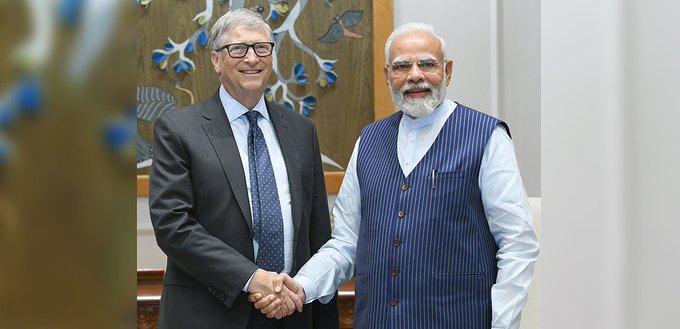
Technologist, business leader, and philanthropist Bill Gates was presented with the Lifetime Achievement First Generation Entrepreneur Award at the inaugural TiE Global Awards held during the TiE Global Summit (TGS) 2020 on Friday. The award was presented by TGS chair Sridhar Pinnapureddy.

The award celebrates Gates’ body of work that laid the foundation for today’s entrepreneurs and technology innovators, and his philanthropic efforts towards making the world a better place for those often overlooked by society.

TiE Global this year honored 12 entrepreneurs and executives from across the world and thanked Bill Gates and Bill Marriott for accepting Honorary Lifetime Achievement awards.

“Entrepreneurship has no boundaries nor a language. We foster and support entrepreneurs and visionaries who build enterprises to solve a billion people’s problems or a dreamer in high school wanting to increase human productivity,” said Praveen Tailam, a member of the Board of Trustee of TiE Global and former [resident TiE Boston. “TiE has brought the corporates to investors to universities to accelerators and the entire startup ecosystem together. TiE Global Entrepreneurship Awards is an appreciation of these individuals from different parts of the world.”

“Mr. Gates’ contributions are ginormous and invaluable, to list them out will be impossible. But the greatest, we at TiE feel is, that his work in computing has empowered anyone who uses a PC or any devices. His dream of the era of home computing when they were just used by big corporates, governments led to this day. Today, we have a mini-computer in the form of smartphones in our pockets. His work has impacted the way the world works,” said Mahavir Sharma, TiE Global chair.

Receiving the award virtually during TiE Global Summit, he said it was honor to receive this prestigious award from TiE. In his remarks on the occasion, he said innovation is the key to solve the world’s toughest challenges, whether it is stopping a pandemic, avoiding a climate disaster or just raising human productivity.

“But as Paul Allen and I experienced with Microsoft, innovators can’t make it on their own. They need supporters and partners to make sure that their best ideas make it from the lab to the marketplace. For over 27 years, TiE has been doing just that. You support great entrepreneurs around the world and in some of the most important fields in technology today. Your work is essential in fostering innovation and creating the better world we all want,” said Gates.

Co-founder of Microsoft Corporation, as well as the Bill and Melinda Gates Foundation, Gates, was chosen for the award by a jury of business leaders, chaired by N.R. Narayana Murthy, founder, Infosys Technologies. Other members of the jury include professor Jagdish Sheth; Charles H. Kellstadt, professor of business, Emory University; and Gururaj Deshpande, president, and chairman, Sparta Group; as well as an entrepreneur and author Ping Fu, co-founder and board director, Geomagic. The TiE Global Awards was chaired by Kali Gadiraju, board member, TiE Global.As a first generation entrepreneur, Bill Gates has created a remarkable impact not only on the global economy but also has become an inspiration to many many entrepreneurs through generations, said Mahavir Sharma, TiE Global Chair.

Bill Gates is a visionary entrepreneur who has overcome various challenges and failures to create a new world, and he has leveraged success to tackle health and poverty issues worldwide which are overlooked by society, said Sridhar Pinnapureddy, TGS2020 Chair.

The lifetime achievement service award was posthumously conferred on late F.C. Kohli, father of Indian IT Industry and the lifetime achievement family business transformation on Bill Marriott of Marriott International.

Kohli was the founder and first CEO of Tata Consultancy Services, India’s largest software services company. He died recently. His wife received the award and thanked TiE for choosing him for the award. TiE also presented 10 awards under various categories. Six outstanding entrepreneurs and seven ecosystem players were recognized.

The Singapore government was given the award for the best government agency supporting startup ecosystem. Best corporate supporting entrepreneurship went to Google/Alphabet for start-ups. Stanford University was recognised as the best university promoting entrepreneurship.

Best accelerator award was conferred on Y Combinator, best performing global VC Fund went to Sequoia Capital, and the most active angel network in the world award went to Tech Coast Angels.

Bootstrapped to Billions award has gone to Ben Chestnut and rapid listing award to VIR Biotechnology, lightening unicorn award to Indigo Agriculture and most innovative startup to Data Robot.

In its inaugural TiE Global Entrepreneurship Awards program, TiE found Bill Gates as the most deserving person on earth, based on their extensive research under the guidance of renowned management professors, to receive Lifetime Achievement Award for a first generation entrepreneur who created a global scale organization which outlives the entrepreneur and is an inspiration to generations, TiE Global said in a statement.


Cyber Vulnerability Grows Along With COVID-19 Pandemic Stresses

As the COVID-19 pandemic rages, demand for telehealth services has also grown, increasing the vulnerability that medical operations have to cyberattacks and hacks, according to Laura Hoffman, AMA assistant director of federal affairs.

Hospitals and medical practices must always take steps to protect their networks from cyberattacks on patient records and other data, but as hospitals and physician practices have adjusted to provide more care virtually, while also devoting significant resources to treating patients with COVID-19 and managing the increased number of cyberattacks on health care providers, security can become stressed, she said during a recent episode of the “AMA COVID-19 Update.”

“In the pandemic, we rightfully have a lot of resources focused on caring for patients with COVID. So, you’ve got a lot of additional personnel maybe working in different areas of the hospital that they aren’t accustomed to, maybe their access controls have had to change in terms of who’s allowed out into what portions of the electronic health records, and that can contribute to insider threats,” Hoffman said.

“We’ve got people continuing to work from home and continuing to receive treatment from home. So, the landscape of the vulnerabilities and entry points during the pandemic are increased as compared to a regular health care system where a lot of the care is delivered inside your secure clinic or hospital.”

Telehealth creates vulnerabilities

Hoffman also pointed to a growing reliance on telehealth and how more patients are receiving care from home using different telehealth platforms. The use of the technology has been “a wonderful way for us to promote social distancing and preserve” personal protective equipment (PPE), she said.

“But at the same time, what is good for the health care system and patients presents an opportunity, unfortunately, for cyber criminals. So, they see this now as an opportunity to perhaps exploit these increased use of telehealth systems and the fact that people are working in an environment that they may be less familiar with, and they are going to town in terms of trying to infiltrate different systems,” Hoffman said.

Ransomware, a long-standing problem for individual internet users, is also on the rise for institutions. “In the beginning [of the pandemic] we saw a lot of attacks via phishing and ransomware. Having people click on links for additional PPE that they might be trying to find … actually would then infect computers and systems,” she said.

Ransomware criminals then demand money from affected institutions to release infected software and locked up data. “It’s not just something that happens in a back room where the IT staff then gets busy to work and trying to fix the ransomware that has infected the system,” Hoffman noted. “It really is a system-wide impact when your systems are shut down. You can’t pull up distinct patient records to learn what medications they’re on or even what their diagnoses are.”

Beware of insider threats

One of the newest and biggest threats is called “Ryuk ransomware,” she explained, which has been released into the open internet for use by any malicious criminal.

The ransomware has created an opportunity for insider attacks by individuals who recognize an opportunity to exploit weaknesses in an institution’s technology.

“We’re seeing a lot of insider threats, unfortunately, where folks may recognize that their systems aren’t patched as strongly as they should be or completely as they should be, and they’re able to just insert this software right into some unsecured systems. One of the biggest examples we’ve actually seen recently is with the UHS [Universal Health Services Inc.] health care system where computers were infected, and many practices had to shut down. Hospital systems were without their EHR for some time,” Hoffman said.

It’s not just hospitals and large institutions that are affected. Small practices or individual physicians working from home may be storing less data, “but they may not have the same kinds of robust cybersecurity protections in place, and so it’s easier to infiltrate that network and maybe link it to a larger network,” she said.

Keep software up to date

Hoffman recommends IT staff check that software is up to date and make sure software patches for all technology are completed regularly—even personal computer operating systems and internet browsers that link to bigger data management systems.

“One thing to consider is giving all of your employees a really serious refresher about the kinds of links they should be clicking on when they review their emails inside the hospital system. Maybe have everybody change their passwords more frequently, make the requirements more complex.

“I know it just adds one more thing for everybody to remember, but you can use password managers to help with that and come up with complex passwords that you don’t need to actually remember every time,” she said

(By Len Strazewski, a Contributing News Writer at AMA)

Your Phone Can Send You An Alert If You Were Near Someone Who Has Coronavirus

As new coronavirus cases explode nationwide, health officials are turning to cell phones to help slow the spread of infections. Thanks to technology available on Apple and Google phones, you can now get pop-up notifications in some states if you were close to someone who later tested positive for Covid-19. The alerts come via state health department apps that use Bluetooth technology to detect when you (or more precisely, your phone) has been in close contact with an infected person’s phone.

While these apps can’t keep you safe — they only let you know after you’ve been exposed — they could prevent others from getting infected if you take precautions, such as self-quarantining, after receiving an alert.

Millions of people are signing up, although these apps aren’t yet available in many states. Health officials believe the alerts could be especially helpful in cases where an infected person has been in contact with strangers — for example in a bus, train or checkout line — who wouldn’t otherwise know they were exposed.

How the notifications work

iPhones and Android devices contain constantly changing anonymous codes that ping nearby phones via Bluetooth — a process that starts once the user opts to get the notifications.

For the exposure notifications to be effective, Android users must turn on Bluetooth and download their state’s Covid-19 notification app. On iPhones, the system is already baked into settings, although users must go to exposure notifications and make sure availability alerts are on.  A close-contact alert from the Covid-19 exposure notification app made by the Nevada Department of Health and Human Services.

When someone who uses the feature tests positive for coronavirus, he or she gets a PIN from a health official to enter into their phone. Any other phone that was nearby in the previous two weeks — usually within six feet or less, for at least 15 minutes — will get an alert telling the user to quarantine and notify a health provider.

The apps assess your risk on the strength of the Bluetooth signal (how close you were to the other person) and the duration of your contact with them.

Where you can get them

At least 15 states are taking part in this Covid-19 exposure notification system.  They include Alabama, Colorado, Connecticut, Delaware, Michigan, Minnesota, Maryland, Nevada, New Jersey, New York, North Carolina, North Dakota, Pennsylvania, Virginia, Wyoming and the nation’s capital, Washington, DC.

Some states reported a flurry of sign-ups within weeks of launching the program. Maryland launched its notification system on November 10 and more than 1 million people have already signed up, said Charlie Gischlar, a spokesman for the state health department. He described the app as “a complement to traditional contact tracing and another tool in the toolbox” to combat coronavirus infections.

Colorado, where coronavirus cases and hospitalizations have surged in recent weeks, has also seen more than 1 million people sign up for alerts since the system launched on October 25. The state is one of several conducting massive campaigns to educate residents about their exposure notification service.

Some states have launched apps to alert residents when they may have been exposed to coronavirus.  “We are at a pivotal moment in this pandemic, and opting in to this service helps keep our families and communities safe and our economy running,” Colorado Gov. Jared Polis said in a statement.

Other states, including California and Oregon, have launched pilot programs but their notification systems are not yet available to everyone.

Questions about privacy

Is information from the apps anonymous? Experts say it is.  The apps don’t collect data on users or their locations, and there is no way to link Covid diagnoses and alerts to names and identities on phones, Gischlar said.

Unlike a previous notification system widely touted at the beginning of the pandemic that used GPS, which tracks a person’s location, the Bluetooth system helps maintain privacy and anonymity among users.

“The fact that they use Bluetooth to bounce signals off other phones close to you, as opposed to tracking your location, does make them less invasive, and people shouldn’t worry their location is being tracked — it isn’t,” said Steve Waters, founder of Contrace Public Health Corps, which provides guidance on Covid-19 contact tracing.

“The process is entirely anonymous and doesn’t collect any personally identifiable information, addressing the privacy concerns of earlier more invasive contact tracing apps.”

Earlier versions that sparked privacy concerns were created by third-party developers. This coronavirus notificiation alert technology is provided by Apple and Google, and users can opt out from using it at any time, Gischlar said.

The alerts can reduce Covid-19 infections

The more people who sign up for the alerts, the more effective they are. Right now only a small percentage of the roughly 100 million Americans who live in the 15 states use the apps.

But health officials say even these minimal numbers are making a difference. In Colorado, officials cited studies that show even a 15% use of exposure notification technologies leads to a significant decrease in coronavirus infections and deaths. The state says usage of their app is now at 17%.

Some states have grouped together to enable pop-up notifications across state lines, according to Tony Anscombe, a global expert for internet security company ESET. This is especially important in places near state borders where people work in one state and live in another.

The alert system only works on phones that are less than five years old. For example, New York, New Jersey, Pennsylvania and Delaware have formed a regional alliance that uses a similar system that allows their apps to work across state lines, Anscombe said.

States face some challenges in spreading them. The alert system is designed to complement traditional contact tracing, not work alone.  But technology brings its own set of challenges. For starters, the notification system only works on Google and Apple phones that are less than five years old, Anscombe said. Not everyone has a newer smartphone, and only a small percentage of those who do are using the notification system.

The software on iPhones and Android devices detects when people — or rather their phones — get close to one another.

In addition, not all states are using the notification system. Many state health departments are already overwhelmed by the virus’ resurgence, and some may not have the resources to develop and maintain an app, Anscombe said.

The earlier, GPS-based notification system caused an outcry among privacy advocates and has created skepticism about contact tracing in general, Waters said.

“States need additional funding, currently stuck in Congress, to help battle disinformation and increase adoption of this critical tool in the battle against Covid,” Waters said. The coronavirus pandemic also has become a political issue, with some Americans taking it less seriously than others. For that reason, Waters said, some are also reluctant to use Covid exposure apps.

-+=