Dinesh D’Souza Supports Trump Following Controversy Over H-1B Comments

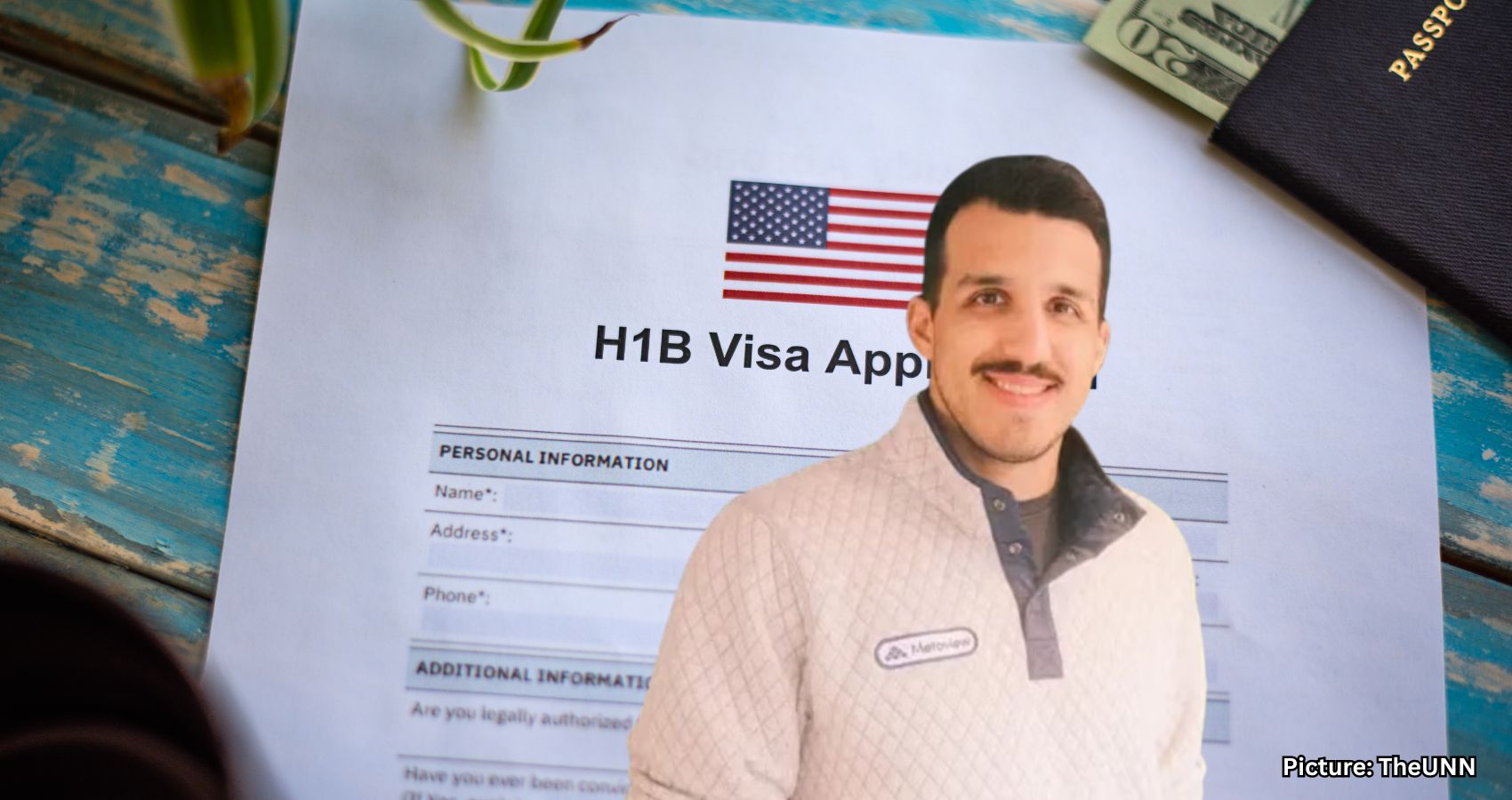
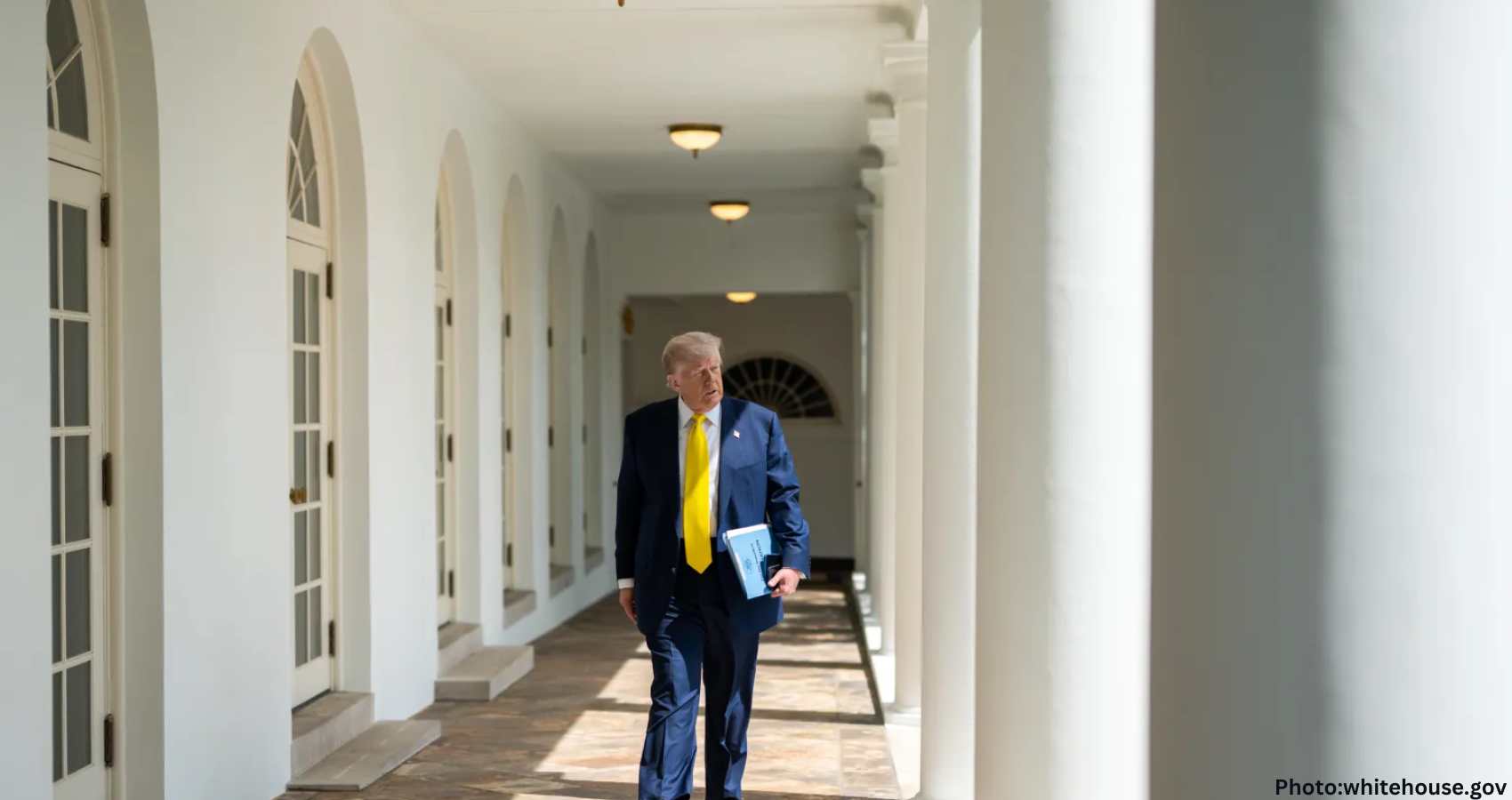
President Donald Trump’s recent comments on H-1B visas have ignited controversy within his “Make America Great Again” base, prompting mixed reactions from supporters and critics alike.

President Donald Trump’s recent remarks regarding H-1B visas have sparked renewed debate within his “Make America Great Again” (MAGA) base. His comments suggest a potential softening of his previously hardline immigration stance.

During an interview with Fox News, Trump stated that the United States is open to “foreign talent” who can contribute to specialized sectors. This statement has been perceived by many supporters as a surprising departure from his earlier “America First” rhetoric.

When asked if reforming the H-1B visa program remains a priority, Trump responded affirmatively, emphasizing the need to attract skilled individuals. “I agree, but you also have to bring this talent,” he said. He acknowledged the importance of raising wages for American workers but argued that the country cannot rely solely on the long-term unemployed to fill advanced positions in critical industries such as manufacturing and defense.

Trump firmly rejected the notion that the U.S. has enough homegrown talent to meet its needs. “You don’t have certain talents… And people have to learn,” he stated. “You can’t take people off an unemployment line and say, I’m going to put you into a factory. We’re going to make missiles.”

The president’s comments quickly ignited backlash among his core supporters, many of whom took to social media to express their anger and disappointment. On X, several users accused Trump of abandoning the “America First” agenda and yielding to corporate interests by favoring foreign labor over American workers.

One user lamented, “Thanks for doing your job. It’s too bad POTUS turned his back on the American people and sold us out to foreigners and big corporations.” Another user pointed out, “Maybe POTUS doesn’t know we have engineers and techies who are on that unemployment line, or far underemployed because the companies who hire H-1Bs don’t advertise to Americans. Ignorance is not becoming in a president.”

Another supporter expressed deep disappointment, stating, “When a president loses faith in his own people, he forfeits the nation’s soul. To distrust your citizens while flooding the country with 600,000 students from a rival power isn’t leadership—it’s betrayal. A nation without trust cannot stand.”

Critics were vocal about their discontent, with one user describing Trump’s response as “horrific” and “insulting” to the hundreds of thousands of displaced workers in the tech industry. Another user remarked, “I don’t know who you are lady, but you just absolutely permanently destroyed what remained of the positive image that I, and many others, had of Trump. Thanks for revealing who he really is.”

In contrast, Indian American conservative commentator and longtime Trump supporter Dinesh D’Souza came to the president’s defense, urging fellow Republicans to look past the outrage. He dismissed the critics who accused Trump of betraying American workers, labeling their outrage as misplaced.

D’Souza challenged those who claimed the president had softened his stance on H-1B visas, arguing that such critics were contradicting themselves. “Many people: Our education system sucks! It’s all indoctrination, no real learning. Standards have plummeted. The same people: Is Trump seriously saying our graduates are not the best in the world and can do any job you can think of? Let’s at least get our stories straight,” he wrote on social media.

The ongoing debate over Trump’s comments on H-1B visas highlights the deep divisions within conservative circles regarding immigration policy. For Trump, the challenge lies in balancing his nationalist rhetoric with the economic realities of a globalized labor market, where innovation often relies on international talent.

As discussions continue, it remains to be seen how this episode will influence Trump’s standing among his supporters and the broader implications for immigration policy in the United States.

Source: Original article

IBM Unveils New Quantum Computing Chip Named Loon

IBM has unveiled its new experimental quantum computing chip, Loon, marking a significant step toward practical quantum computing solutions by the end of the decade.

IBM announced on Wednesday the development of a new experimental quantum computing chip named Loon. This innovative chip signifies a crucial milestone in the company’s efforts to create functional quantum computers before the decade concludes.

Quantum computing, which leverages the principles of quantum mechanics, has the potential to revolutionize computing by performing calculations in ways that classical computers cannot. Unlike classical bits, which can only represent a state of 0 or 1, qubits can exist in multiple states simultaneously due to superposition. Additionally, qubits can be interconnected through entanglement, enabling highly coordinated computations.

Despite their promise, quantum computers face significant challenges, particularly regarding error rates. Due to the unpredictable nature of quantum mechanics, these chips are susceptible to errors. In response to this issue, IBM proposed a novel approach to error correction in 2021. The strategy involves adapting an algorithm designed for enhancing cellphone signals for use in quantum computing, executed on a combination of quantum and classical chips.

Mark Horvath, a vice president and analyst at research firm Gartner, commented on IBM’s approach, noting that while the concept is innovative, it complicates the manufacturing of quantum chips. These chips must incorporate not only the fundamental building blocks known as qubits but also new quantum connections between them. “It’s very, very clever,” Horvath remarked. “Now, they’re actually putting it in chips, so that’s super exciting.”

Quantum computers are capable of exploring numerous possibilities at once and utilizing quantum interference to enhance the probability of correct solutions. This capability makes them potentially much faster at solving complex problems, such as simulating molecular structures, optimizing large systems, and breaking certain types of encryption. However, they remain largely experimental, hindered by issues related to qubit instability, noise, and scalability, and are not universally superior to classical computers for every task.

While Loon is still in its early stages, IBM has not yet specified when external parties will be able to test the chip. Alongside Loon, the company also announced a chip named Nighthawk, which is expected to be available by the end of this year.

These advancements reflect IBM’s commitment to transitioning quantum systems from theoretical concepts into practical infrastructure. The company aims to leverage advanced error-correction techniques, enhance qubit connectivity, and achieve large-scale manufacturing. However, the announcement also highlights that the technology is still in its nascent phase, with chip prototypes not yet widely available and significant challenges related to decoherence, scaling, and integration remaining unresolved.

Jay Gambetta, director of IBM Research and an IBM fellow, emphasized the importance of utilizing the Albany NanoTech Complex in New York, which features chipmaking tools comparable to those found in the world’s most advanced factories. “We’re confident there’ll be many examples of quantum advantage,” Gambetta stated. “But let’s take it out of headlines and papers and actually make a community where you submit your code, and the community tests things, and they select out which ones are the right ones.”

If IBM successfully follows its roadmap, the implications of its quantum computing advancements could extend across various industries, including drug discovery, logistics, cryptography, and materials science. However, the timeline for these developments and their commercial impact remains uncertain, contingent on successful engineering, ecosystem development, and market readiness.

Source: Original article

Google Files Lawsuit Against China-Based Lighthouse Group for Online Scam

Google has filed a lawsuit against a China-based criminal organization known as “Lighthouse,” alleging it operates a sophisticated online scam network targeting victims globally.

Google has taken decisive action against online scammers by filing a lawsuit in the U.S. District Court for the Southern District of New York. The lawsuit targets a sprawling criminal organization based in China, referred to as “Lighthouse,” which allegedly provides software and support to fraudsters engaged in various cybercrimes.

The Lighthouse operation is characterized as a large-scale, organized cybercrime network that reportedly operates on a global scale. According to the lawsuit, Lighthouse offers a phishing toolkit that enables extensive SMS, RCS, and iMessage campaigns, equipping its customers with ready-made templates designed for mass fraud.

While the identities and locations of the defendants remain largely unknown, the case highlights the increasing sophistication of cybercrime in 2025. This operation exemplifies a blend of automation, social engineering, and global distribution, raising concerns about the evolving landscape of online fraud. Legal proceedings are currently ongoing, and the final outcomes, including potential convictions or restitution, are yet to be determined.

The lawsuit alleges that the Lighthouse network operates a “Phishing-as-a-Service” (PhaaS) model, selling a software kit that includes hundreds of fake website templates aimed at would-be scammers. Google’s complaint indicates that nearly 200 of these templates have been designed to mimic legitimate U.S.-based sites, including the official website of New York City, the U.S. Postal Service, and the West Virginia Department of Motor Vehicles.

PhaaS is a criminal business model where cybercriminals provide tools, templates, and infrastructure to facilitate phishing attacks, even for those lacking technical expertise. Subscribers gain access to pre-made fake websites, email or SMS templates, and automated systems designed to steal login credentials, banking information, or personal data.

Some PhaaS platforms also offer ongoing support, updates to evade security filters, and various profit-sharing or subscription models. By industrializing phishing, PhaaS significantly lowers the barrier to entry, enabling large-scale, organized scams that can target millions of victims worldwide.

The Lighthouse network has allegedly targeted victims in over 120 countries, swindling millions of dollars annually. Screenshots included in the complaint reveal that the network has misused logos from several well-known payment, credit card, and social media companies to enhance the credibility of its fraudulent schemes.

Interestingly, Google does not know the actual identities of the individuals it is suing. The lawsuit refers to the defendants as “Does 1-25,” a legal strategy that allows the case to proceed without named defendants. This approach is common when the actual perpetrators are unknown, enabling legal action to commence while investigators work to uncover the identities of the alleged criminals.

Through the discovery process, Google can request records from third parties, including domain registrars, hosting providers, and messaging platforms, to trace IP addresses, account activity, and other evidence that may lead to the identification of those behind the Lighthouse operation.

Courts typically allow this method if the plaintiff demonstrates that the unknown defendants have caused harm and that their identities are likely discoverable. In cases of cybercrime like phishing-as-a-service, where operators often utilize pseudonyms, encrypted communications, and offshore infrastructure, the use of John Doe designations enables legal action to begin without waiting for the perpetrators to be identified. This expedites efforts to disrupt the criminal operation.

Halimah DeLaine Prado, Google’s general counsel, noted that over 100 of the templates used to create fake websites have included the company’s logos in areas where users are directed to sign in or make payments, thereby creating a false sense of legitimacy. “We are a global company. This hits all of our users,” she stated. “We’re concerned about the damage to user trust and not knowing what websites are safe.”

DeLaine Prado refrained from providing a specific dollar figure regarding the damage to Google, describing it as “a bit immeasurable.” However, she emphasized the extensive reach of the organization, highlighting that Lighthouse’s operations encompass fake websites, email and SMS campaigns, and automated systems that impersonate trusted organizations, including U.S.-based entities like the Postal Service, New York City government, and the DMV, as well as banks, payment platforms, and social media companies.

The scale and automation of the Lighthouse network—comprising tens of thousands of fraudulent websites and campaigns—illustrate the industrialization of phishing, allowing organized criminals to efficiently reach millions of potential victims. Legal actions, such as Google’s 2025 lawsuit, aim to disrupt the Lighthouse operation, although many of the individuals behind it remain unidentified.

Source: Original article

High HB1 visa fees and some impacts

For decades, America’s technological lead depended on attracting the world’s top talent. That allure is diminishing. The recent hike in H-1B visa fees alone is projected to cost U.S. companies $14 billion annually, leading many to prefer hiring abroad to avoid these costs.
For instance, Zhou Ming, who played a key role in developing software ensuring the safe flight of Boeing 787s and Airbus A380s, has stepped down from a leadership position at a major U.S. firm. His departure wasn’t driven by financial or prestige reasons, but by a more compelling opportunity—he became the founding dean of an engineering college in Ningbo, China. Zhou is not an exception but a sign: top Chinese scientists, engineers, and entrepreneurs who historically contributed to American innovation are returning home, drawn by opportunities to build, lead, and succeed.
Meanwhile, U.S. policies are quietly driving them away. Over the past year, several Chinese-born academics and tech experts have left elite U.S. institutions for influential roles in China’s innovation scene. In the U.S., foreign researchers now face rising visa costs, increased political scrutiny, and shrinking research funding. Conversely, China offers these researchers million-dollar grants, state-backed laboratories, housing stipends, and startup capital.
This shift is driven by a clear national strategy: China prioritizes science and technology, supporting it with policies designed to attract top global talent. In 2024, China streamlined its visa system, and in October 2025, launched the “K visa,” enabling young STEM professionals to live, work, and seek employment in China without a job offer.
This wasn’t coincidental, as it coincided with the U.S. imposing a $100,000 fee for H-1B visas, which drove away thousands of skilled workers overnight. In India, the Indian tech sector faces immediate impacts due to heavy reliance on the H-1B visa program for U.S. operations. The high application fees could reduce H-1B approvals by thousands monthly, affecting Indian workers and remittances. The policy may also promote “reverse brain drain,” encouraging highly skilled Indian professionals to stay in India or explore other countries. Additionally, with U.S. restrictions, Indian tech firms might expand their markets through diversification and local employment. The landscape continues to evolve—let indian government also align  strategies with these shifting global trends.

Graeme Smith’s Playful Remark on Morne Morkel Ahead of Test Series

Morne Morkel, a former South African cricket star, faces his old team as India’s bowling coach in the upcoming Test series starting Friday.

Morne Morkel is renowned as one of South Africa’s premier bowlers, having made significant contributions to the national team during his playing career. His expertise and experience have now transitioned into coaching, where he currently serves as the bowling coach for the Indian cricket team.

As the Test series against South Africa approaches, Morkel finds himself in a unique position. He will be tasked with guiding the Indian bowlers while simultaneously preparing to face his former teammates on the field. The series is set to commence on Friday, and the dynamics of this matchup are particularly intriguing given Morkel’s history with the South African squad.

His dual role as both a coach and a competitor adds an interesting layer to the series. Morkel’s deep understanding of South African cricket, combined with his current responsibilities, will undoubtedly influence the strategies employed by the Indian team.

As the series unfolds, all eyes will be on Morkel to see how he navigates this challenging situation. The anticipation surrounding this matchup is heightened by the fact that Morkel is not just a coach but also someone who has shared the field with many of the players he will now be strategizing against.

This unique scenario has led to light-hearted banter among cricket enthusiasts and analysts alike, with former players and commentators weighing in on the implications of Morkel’s role. His insights into the South African team’s strengths and weaknesses could prove invaluable for India as they aim for victory.

As the Test series kicks off, the cricketing world will be watching closely to see how Morkel balances his loyalty to his former team with his commitment to his current role. The stakes are high, and the outcome could have lasting implications for both teams involved.

With the series just around the corner, fans are eager to witness how Morkel’s expertise will shape the performance of the Indian bowling attack against a formidable South African lineup.

As the countdown to the first match begins, the excitement continues to build, and Morkel’s journey from player to coach adds a compelling narrative to this highly anticipated series.

According to Source Name, Morkel’s experience and insights will be crucial for India as they prepare to take on South Africa in this Test series.

Source: Original article

Tobacco and Nicotine Ban Faces Backlash from Coastal Town Business Owners

A Bay Area town has enacted a comprehensive tobacco sales ban, prompting backlash from local business owners, with new restrictions on nicotine products scheduled to take effect this December.

A coastal town in the Bay Area has taken a significant step towards public health by passing a comprehensive ban on tobacco sales, despite facing opposition from small business owners. Tiburon, California, recently saw its town council unanimously approve an ordinance that prohibits the sale of all tobacco products, including cigarettes, cigars, vapes, e-cigarettes, and other nicotine items. This new regulation is set to take effect in December.

Tiburon Mayor Holli Thier expressed her support for the ban, stating, “I am pleased to have sponsored and voted to save lives and save our environment.” She emphasized the urgency of the situation, noting that local youth in Marin County are vaping at twice the national average. “It is critical that we take all efforts to reduce teen addiction,” Thier added. “By banning all tobacco sales here in Tiburon, we are preventing youth from getting addicted and protecting our environment.” The mayor highlighted that cigarettes are a major source of single-use plastic pollution, which adversely affects rivers, bays, and oceans worldwide.

The ordinance has garnered support from local youth, particularly from the Youth Advocacy Committee (YAC), a group of high school students from across Marin County. During town council meetings, YAC members advocated for the ban, emphasizing the need to protect the health and future of young people. Diana Garcia, a YAC student, urged council members to continue supporting the amendment, stating, “You have a chance to set an example for communities to follow.”

According to the Centers for Disease Control and Prevention (CDC), nearly 50 million U.S. adults reported using some form of tobacco product in 2022. The CDC also highlights the severe health risks associated with smoking, noting that it causes over 480,000 deaths each year and harms nearly every organ in the body, leading to various diseases. The 2023 County Health Rankings & Roadmaps report from the University of Wisconsin School of Medicine recognized Marin County as the healthiest county in California, underscoring the community’s commitment to improving public health.

Despite the health benefits touted by supporters of the ban, local business owners have expressed significant concerns. The California Fuels & Convenience Alliance submitted a letter to the town council opposing the ordinance. The letter argued that the complete prohibition on tobacco sales sends a discouraging message to small businesses and entrepreneurs. “Small businesses, including convenience stores and gas stations, are essential to communities and provide residents with convenient access to everyday necessities,” the letter stated.

The alliance further contended that such sweeping prohibitions, rather than reasonable regulations, create an unpredictable environment for small businesses, potentially discouraging entrepreneurship and investment in Tiburon. As the town prepares for the implementation of this ordinance, the debate between public health initiatives and the interests of local businesses continues to unfold.

As Tiburon moves forward with its tobacco sales ban, it remains to be seen how this decision will impact the local economy and the community’s health outcomes in the long run.

Source: Original article

VA Alerts Veterans to Overpayment Scam Threats

The Department of Veterans Affairs warns veterans about a rising scam where fraudsters impersonate VA employees to demand payments for alleged overpayments.

As the nation honors its veterans, the Department of Veterans Affairs (VA) is issuing a crucial alert regarding a growing scam targeting the veteran community. This scam involves fraudsters impersonating VA employees and claiming that veterans owe money due to alleged overpayments on their benefits.

Reports indicate that these scammers are reaching out to veterans through various channels, including text messages, emails, and phone calls. They often present themselves as legitimate VA representatives, using official-looking logos and formal language to gain trust. The scammers typically claim that the veteran has been overpaid and must provide money or banking details to rectify the situation.

Once they establish a level of trust, these criminals pressure victims for immediate payment, hoping they act quickly without verifying the claims. The VA emphasizes that staying informed and vigilant is essential for protecting both benefits and personal identity.

To help veterans recognize potential scams, the VA advises being aware of specific red flags. If you receive a communication claiming an overpayment, it is crucial to verify its authenticity directly through official VA channels, such as VA.gov or by calling the VA’s official number.

When the VA identifies a legitimate overpayment, it sends a formal letter detailing the amount owed and the options available for appeal or payment plans. Importantly, veterans will never be asked to make payments through text messages or third-party applications. Additionally, the VA will never request login credentials or banking information outside of its official website.

Real VA notices will always direct individuals to official resources, including VA.gov or the Debt Management Center at 1-800-827-0648. If something seems suspicious, it is advisable to verify the communication before taking any action.

To safeguard against scams, veterans should take proactive steps. When receiving notices about overpayments, it is best to log in directly to your VA.gov account rather than clicking on links or responding to messages. The official site will provide accurate information regarding your current balance, payment status, and any legitimate debts.

If you discover a valid debt, handle it exclusively through the VA’s official payment options. Payments should only be made through the secure VA.gov dashboard or by contacting the Debt Management Center at 1-800-827-0648. The VA will never request payments via apps, wire transfers, or prepaid cards.

Veterans are reminded that their VA login credentials are as critical as their house keys. The VA will never ask for this information via phone, email, or text. Anyone requesting such details is likely a scammer. If you suspect your credentials have been compromised, change your password immediately and enable multi-factor authentication (MFA) if available.

Using a password manager can also enhance security by securely storing and generating complex passwords, which helps reduce the risk of password reuse. Additionally, checking for any exposure of your email in past data breaches can be beneficial. Some password managers include built-in breach scanners to alert users if their information has been compromised.

Scammers often embed fake links in their messages that may appear legitimate at first glance. Hovering over a link before clicking can reveal its true destination; if it does not start with “https://www.va.gov,” it is likely fraudulent. Similarly, attachments can contain malware designed to steal personal data, so caution is advised.

To protect against malicious links and potential malware, having robust antivirus software installed on all devices is essential. This software can alert users to phishing emails and ransomware scams, helping to keep personal information secure.

Data brokers frequently publish personal information, including names, phone numbers, and veteran status, which scammers can exploit. Utilizing personal data removal services can help minimize exposure by requesting the removal of information from numerous broker sites. While no service can guarantee complete removal, these services can significantly reduce the risk of being targeted by scammers.

Veterans should be particularly cautious of unusual payment methods. Requests for payment through gift cards, Bitcoin, prepaid debit cards, or wire transfers should raise immediate suspicions, as the VA does not use these methods for collecting payments.

Scammers may also gather information from social media to make their communications seem more personalized. It is advisable to review friends and followers, tighten privacy settings, and be cautious about sharing details related to military service or VA benefits.

If you believe you have been targeted by a scam, contact the VA directly at 1-800-827-1000. Incidents can also be reported at VSAFE.gov or by calling (833) 38V-SAFE (833-388-7233). Prompt reporting can help protect others within the veteran community.

This Veterans Day serves as a reminder not only to reflect on service and sacrifice but also to safeguard what veterans have earned. While scammers may be persistent, remaining vigilant and utilizing official VA resources can provide veterans with the upper hand in protecting their benefits.

Source: Original article

Researchers Create E-Tattoo to Monitor Mental Workload in Stressful Jobs

Researchers have developed an innovative electronic tattoo, or “e-tattoo,” designed to monitor mental workload in high-stress professions by tracking brain activity through EEG and EOG technology.

In a groundbreaking study published in the journal *Device*, scientists have introduced a novel method to assist individuals in high-pressure work environments by utilizing an electronic tattoo device, commonly referred to as an “e-tattoo.” This device, which is temporarily affixed to the forehead, offers a more cost-effective and user-friendly approach to monitoring mental workload.

Dr. Nanshu Lu, the senior author of the research from the University of Texas at Austin, emphasized the importance of mental workload in human-in-the-loop systems, which significantly affect cognitive performance and decision-making processes. In an email to Fox News Digital, Lu explained that the motivation behind this technology stems from the needs of professionals in high-demand fields, including pilots, air traffic controllers, doctors, and emergency dispatchers.

The e-tattoo is designed to be smaller and more efficient than existing monitoring devices. It employs electroencephalogram (EEG) and electrooculogram (EOG) technologies to measure brain waves and eye movements, providing insights into cognitive fatigue during demanding tasks. Lu noted that this technology could also benefit emergency room doctors and operators of robots and drones, enhancing both training and performance.

One of the primary objectives of the study was to develop a reliable method for assessing cognitive fatigue in high-stakes careers. The e-tattoo is lightweight and conforms to the skin like a temporary tattoo sticker, making it less obtrusive compared to traditional EEG and EOG machines, which are often bulky and expensive.

In the study, six participants were tasked with observing a screen displaying 20 letters, which appeared sequentially at various locations. They were instructed to click a mouse whenever a letter or its position matched one of the previously shown letters. Each participant completed this task multiple times, with varying levels of difficulty. The researchers discovered that as the complexity of the tasks increased, the brainwave activity recorded by the e-tattoo reflected a corresponding rise in mental workload.

The e-tattoo consists of a battery pack, reusable chips, and a disposable sensor, making it a practical solution for real-time cognitive monitoring. Currently, the device is a lab prototype, with an estimated cost of $200. However, Lu indicated that further development is necessary before it can be commercialized. This includes the need for real-time decoding of mental workload and validation through testing with a larger group of participants in more realistic settings.

As the demand for effective tools to monitor mental workload in high-stress jobs continues to grow, the e-tattoo represents a promising advancement in the field of cognitive performance analysis. With continued research and development, this innovative technology may soon play a crucial role in enhancing the capabilities and well-being of professionals in demanding environments.

Source: Original article

Sheetal Devi Becomes First Indian Para Archer on National Team

Sheetal Devi, an 18-year-old para archer from Jammu and Kashmir, has made history as the first Indian para athlete selected for the able-bodied national archery team.

In a landmark moment for Indian sports, Sheetal Devi, an 18-year-old para archer from Jammu and Kashmir, has made history by becoming the first Indian para athlete to qualify for the able-bodied national compound archery team. She is set to compete alongside able-bodied archers at the Asia Cup in Jeddah, Saudi Arabia, scheduled for December 2025. This historic selection follows rigorous trials held from November 3 to 6 at the Sports Authority of India’s National Centre of Excellence in Sonipat, Haryana, where she secured an impressive third place among over 60 participants with a qualifying score of 703.

Sheetal will join compatriots Tejal Rajendra Salve and Vaidehi Hirachandra Jadhav, who finished first and second respectively, to represent India in the women’s compound event. Her inclusion in the able-bodied squad marks a pioneering achievement in Indian sports, highlighting her exceptional skills and determination to transcend barriers. Born without arms due to a rare congenital condition called phocomelia, Sheetal has uniquely adapted her archery technique, using her legs and shoulders to draw and release the bow, earning her acclaim for both innovation and competitive excellence.

Reflecting on her journey, Sheetal shared the inspiration behind her determination: “When I started competing, I had a small dream – to one day compete alongside the able-bodied. I didn’t make it at first, but I kept going, learning from every setback. Today, that dream is one step closer.” Her words resonate deeply with her remarkable achievements and relentless spirit in overcoming challenges and naysayers.

Sheetal’s rise in the archery world has been meteoric. In 2023, she made an indelible mark by winning two gold medals at the Asian Para Games and a silver at the World Archery Championships. That same year, she emerged as the world’s number one ranked para archer in the women’s compound category. At the 2024 Paris Paralympics, she won a bronze medal in the mixed compound team event with Rakesh Kumar, becoming India’s youngest Paralympic medallist at just 17 years old, and only the second archer without arms ever to reach the Paralympic podium.

The crowning achievement came in 2025 when Sheetal became the first woman without arms to win a para world title at the World Archery Para Championships in Gwangju, South Korea. In a thrilling final, she defeated Turkey’s Paralympic champion Oznur Cure Girdi, securing gold and further establishing herself as a global force in archery. She also earned a silver medal in the team event and a bronze in the mixed team category at the same championship.

Sheetal’s selection into the able-bodied national team not only challenges norms but also sets a new precedent for sports inclusivity in India. It underscores an evolving sports culture that evaluates athletes based on skill and performance rather than physical differences, inspiring countless aspiring athletes across the nation and beyond.

The Indian team for the Jeddah 2025 Asia Cup includes:

Recurve Men: Rampal Choudhary, Rohit Kumar, and Mayank Kumar.

Recurve Women: Kondapavuluri Yuktha Sri, Vaishnavi Kulkarni, and Kratika Bichpuriya.

Compound Men: Pradhuman Yadav, Vasu Yadav, and Devansh Singh.

Compound Women: Tejal Rajendra Salve, Vaidehi Jadhav, and Sheetal Devi.

Sheetal’s journey from overcoming physical challenges to excelling on both para and able-bodied platforms exemplifies extraordinary resilience and unwavering ambition. Her story is a testament to the power of perseverance, determination, and breaking down barriers, heralding a future where ability transcends limitations.

Source: Original article

U.S. Investigates 175 Employers for H-1B Visa Fraud Allegations

The U.S. Department of Labor is investigating over 175 employers for potential H-1B visa fraud as part of its enforcement initiative, Project Firewall, aimed at protecting American jobs.

The United States Department of Labor has initiated a comprehensive investigation into more than 175 suspected cases of fraud within the H-1B visa program. This move underscores a determined effort to protect American jobs and ensure adherence to legal hiring practices. The investigations are part of “Project Firewall,” an enforcement initiative launched in September 2025, shortly after the introduction of a one-time $100,000 fee on H-1B visa applications by former President Donald Trump.

At the forefront of this initiative is Labor Secretary Lori Chavez-DeRemer, who has personally authorized each investigation, marking an unprecedented approach for the department. In her remarks, she emphasized the importance of this crackdown, stating, “Rooting out fraud and abuse will guarantee that highly skilled jobs are prioritized for Americans first as we work to restore our nation’s economic strength.” The administration has reiterated its commitment to protecting the American workforce by holding employers accountable for any attempts to circumvent regulations and exploit foreign workers.

Project Firewall aims to address ongoing abuses within the H-1B visa process, ensuring that it serves both American talent and genuinely skilled foreign workers. Investigations have revealed several troubling patterns of misconduct. For instance, some employers have been found to pay highly qualified visa holders significantly less than the wages promised in official documents. This practice not only undermines job prospects for American professionals but also pressures U.S. workers with similar qualifications to accept lower pay to remain competitive.

Another concerning issue involves fraudulent Labor Condition Applications (LCA) submitted by employers. The LCA process requires employers to notify their existing American workforce before hiring H-1B, H-1B1, or E-3 visa holders. Reports indicate that some companies have listed fictitious or non-existent work locations on these forms, misled workers about their job assignments, and failed to promptly report employee terminations. This has resulted in inaccurate records with authorities being maintained for weeks or even months. Furthermore, there have been documented cases where salaries did not match those detailed in the applications, and some job postings appeared to be generic templates with little relation to actual job roles.

The exploitation of foreign workers extends beyond these discrepancies. Some individuals have been paid less than the rates specified in the LCAs and have been excluded from wage cycles while awaiting new projects, which constitutes a clear violation of federal policy. Such inconsistencies not only harm visa holders but also depress wages across the labor market, creating an uneven playing field for American employees.

If companies are found guilty of these violations, they may face several penalties, including the recovery of owed back wages, civil financial penalties, and suspension from participating in the H-1B visa program for a specified duration. The Department of Labor has committed to utilizing all available resources under Project Firewall to audit and enforce compliance. This effort is not only aimed at correcting past abuses but also at deterring future misconduct within the highly scrutinized H-1B visa sector.

Source: Original article

The Bold and Unconventional Styles of Bollywood’s Iconic Characters

The Ba***ds of Bollywood, Aryan Khan’s directorial debut, offers a humorous and self-aware satire of the film industry, captivating audiences with its charm and star-studded cast.

The Ba***ds of Bollywood, Aryan Khan’s highly anticipated directorial debut on Netflix, has quickly ascended to the top of the streaming platform’s charts in India, captivating audiences worldwide. This seven-episode series features a star-studded cast, including Bobby Deol, Lakshya, Raghav Juyal, and Sahher Bammba, and delivers a breezy, entertaining experience that keeps viewers engaged throughout.

As an Indian American with a casual interest in Bollywood, I approached The Ba***ds of Bollywood with a sense of curiosity rather than nostalgia or deep insights. The show is filled with enough cameos and humor to appeal to casual viewers, while die-hard fans of Bollywood will likely appreciate the numerous references that may elude those less familiar with the industry.

The plot centers on newcomer actor Aasman Singh, played by Lakshya, as he navigates the complexities of his newfound success in the film industry. The central narrative revolves around his romance with Karishma Talvar, portrayed by Sahher Bammba, and the relentless efforts of her superstar father, Ajay Talvar, played by Bobby Deol, to thwart their relationship. The story culminates in a surprising twist that momentarily left me pausing the screen in disbelief.

One of the most engaging aspects of the series is its tongue-in-cheek humor, which cleverly critiques the Hindi film industry. The show features cameos from iconic figures such as Karan Johar, Shah Rukh Khan, Rajamouli, Ranbir Kapoor, and Amir Khan, along with the notorious Bollywood Wives—appearances that only someone like SRK’s son could successfully pull off. The series thrives on its self-awareness, as Aryan Khan, a product of nepotism himself, boldly addresses the ongoing debate surrounding the issue. This ability to laugh at its own culture is refreshing, especially in light of the recent scrutiny and controversies that have plagued Bollywood, including Khan’s own highly publicized drug arrest in 2021.

Fans of the industry will appreciate the lighter touches throughout the series. Raghav Juyal, known for his dance skills and his chilling performance in the critically acclaimed film KILL, plays Aasman’s loyal sidekick, injecting humor that feels perfectly at home in this Bollywood satire. Lakshya, who also starred in KILL, convincingly portrays a starlet overwhelmed by the chaotic world of Bollywood.

Aryan Khan’s direction exudes confidence and a sense of playfulness. His use of meta-commentary, extravagant visuals, and satirical exaggeration sets the series apart. Through the portrayal of a vengeful film tycoon and a washed-up star, the show embraces the absurdity of the industry rather than shying away from it, resulting in a narrative that is unafraid to look ridiculous—because that’s precisely the point.

The performances of the cast are commendable; Lakshya shines as Aasman Singh, effectively capturing the naive optimism and insecurity of a newcomer thrust into the chaotic world of Bollywood. Sahher Bammba adds depth to her role as Karishma Talvar, ensuring she is more than just a “nepo baby love interest.” Bobby Deol’s portrayal of Ajay Talvar oscillates effortlessly between an intimidating superstar and an over-the-top, almost cartoonish antagonist.

While the fast-paced narrative occasionally loses momentum in the middle episodes and flirts with ludicrousness—such as during a scene where Aasman helps Karishma escape her home—the sharp writing and witty commentary keep the series afloat. It is not a show meant for deep analysis; rather, it is one to be enjoyed for what it is: a fun, self-aware satire that reminds us not to take Bollywood (or ourselves) too seriously.

Source: Original article

Indian-American Community Celebrates Chhath Festival in Newport Beach

Devotees from Southern California gathered at Newport Dunes Waterfront Resort for the Chhath Puja Mahaparv, celebrating an ancient Vedic festival dedicated to Surya Dev and Chhathi Maiya.

NEWPORT BEACH, CA – The Bihar Jharkhand Bandhu Association (BJBA) hosted the Chhath Puja Mahaparv on October 27 and 28, transforming the tranquil waters of the Newport Dunes Waterfront Resort into a vibrant site of spiritual devotion. This annual event attracted devotees from the Southern California community, who came together to honor the sun god, Surya Dev, and his consort, Chhathi Maiya.

The festival is characterized by its eco-conscious rituals, which are performed using only natural offerings. Devotees engaged in fasting and prayer, creating a serene and divine atmosphere as they gathered to chant sacred mantras during sunrise and sunset.

“The lovely banana trunks lining the entryway and the divine setup made the whole place feel like a piece of home away from home,” remarked a devotee who observed the fast for the fourth consecutive year. A total of ten devotees undertook the demanding 36-hour fast, demonstrating their unwavering faith and commitment to the traditions of Chhath Puja.

The City of Newport Beach formally recognized the BJBA for its outstanding contributions to promoting cultural diversity and community harmony. BJBA President Shweta Sharma, along with her executive team, expressed gratitude to the dignitaries in attendance, including Newport Beach Mayor Joe Stapleton, Yorba Linda Mayor Janice Lim, and State Senator Dave Min.

The evening festivities resonated with sacred melodies, while cultural presentations engaged the audience, showcasing the rich heritage of the festival. Dignitaries from India, including Samrat Choudhary, the Deputy Chief Minister of Bihar, extended their blessings to the participants, further enriching the event’s cultural significance.

This year’s celebration coincided with Prime Minister Narendra Modi’s recent ‘Mann Ki Baat’ address, during which he emphasized efforts to have Chhath Puja recognized by UNESCO as part of the Intangible Cultural Heritage of Humanity. This recognition would highlight the festival’s importance and its role in preserving cultural traditions.

The event concluded with the distribution of Prasad, including the traditional sweet offering known as Thekua, symbolizing the community’s shared devotion and the blessings of the deities.

The Chhath Puja Mahaparv at Newport Beach not only served as a spiritual gathering but also as a celebration of cultural identity, bringing together individuals from diverse backgrounds to honor their heritage.

Source: Original article

Bill to Prevent Government Shutdown Passes Key Hurdle in House

The House is poised to vote on a bipartisan bill aimed at ending the longest government shutdown in U.S. history, following its successful passage through a key committee.

The House of Representatives is scheduled to vote on Wednesday on a measure to end the ongoing government shutdown, which has now lasted for 42 days. This follows the bill’s successful advancement through the House Rules Committee earlier in the morning.

The bipartisan agreement to reopen the federal government received unanimous support from Republicans in the committee, while all Democrats opposed it. The bill is now set to move to the full House, where sources familiar with discussions among GOP leaders indicate that it is expected to pass with strong Republican backing.

Clearing the House Rules Committee is a significant milestone in the effort to end the shutdown, which has become the longest in U.S. history, surpassing previous records by about a week. The committee’s hearing, which began on Tuesday evening, lasted more than six hours, concluding shortly after 1 a.m. on Wednesday.

During the hearing, Democrats attempted to introduce amendments related to COVID-19-era enhanced subsidies for Obamacare, which are set to expire at the end of the year. However, these attempts were unsuccessful. House Minority Leader Hakeem Jeffries, D-N.Y., made a notable appearance, advocating for his amendment to extend those subsidies for an additional three years.

The lengthy debate saw heated exchanges between members of both parties. Democrats accused Republicans of neglecting Americans’ healthcare needs and taking an extended “vacation” while their constituents suffered during the shutdown. In response, House Rules Committee Chairwoman Virginia Foxx, R-N.C., expressed her frustration, stating, “I am sick and tired of hearing you all say we had an eight-week vacation. I worked every day. I don’t know about you. I don’t want to hear another soul say that.”

Additionally, both Democrats and some Republicans criticized a provision in the funding bill that would allow GOP senators to sue the federal government for $500,000 over the alleged secret acquisition of their phone records during the investigation led by ex-Special Counsel Jack Smith. Rep. Chip Roy, R-Texas, voiced concerns about the perception of this provision, suggesting it could be seen as self-serving.

Following the committee’s approval, the bill will undergo a “rule vote” in the House, a procedural step that, if successful, will allow for further debate on the legislation. A final vote is anticipated later on Wednesday, potentially sending the bill to President Donald Trump for his signature.

President Trump has indicated his support for the legislation, stating in comments to reporters on Monday, “We’ll be opening up our country very quickly,” when asked about the deal.

The Senate had previously broken a weeks-long deadlock on Monday night, passing the legislation with a 60-40 vote. This included support from eight Democrats who joined Republicans in the effort to reopen the government.

As the shutdown continues, travel disruptions have been reported at U.S. airports, with air traffic controllers and Transportation Security Administration (TSA) officers working without pay since last month. Many of these employees have taken on second jobs to make ends meet, leading to staffing shortages and flight delays that threaten to impact the upcoming Thanksgiving holiday.

Millions of Americans who depend on federal food assistance programs are also facing uncertainty amid the ongoing partisan disputes over funding. The proposed bill aims to extend federal funding levels for fiscal year 2025 through January 30, allowing negotiators additional time to reach a longer-term agreement for fiscal year 2026.

Furthermore, the legislation would advance funding for several key departments, including the Department of Agriculture, the Food and Drug Administration, the Department of Veterans Affairs, and military construction. These departments are part of a larger package of 12 individual bills that constitute Congress’ annual appropriations, collectively referred to as a “minibus.”

In a notable concession to Democrats, the deal would reverse federal layoffs that occurred during the Trump administration in October, ensuring that affected workers receive back pay for their time off. Additionally, a side deal reached in the Senate guarantees Senate Democrats a vote on legislation to extend the enhanced Obamacare subsidies, which are set to expire at the end of the year. However, Speaker Mike Johnson, R-La., has not made a similar commitment for a vote in the House.

Source: Original article

Major Bridge in China Collapses into River Months After Opening

A massive bridge in southwest China collapsed into a river just months after its opening, raising concerns about infrastructure safety in the region.

A significant bridge at a hydropower station in Sichuan Province, China, collapsed on Tuesday, sending debris of concrete and steel into the river below. This incident occurred just months after the bridge was opened to traffic, according to reports from Chinese state media.

An official from Barkam County confirmed the collapse to the state-run Global Times, stating that, fortunately, no casualties had been reported. The bridge, known as the Hongqi Bridge, had shown signs of distress just a day prior, with cracks detected on its road surface and slope. This prompted local authorities to impose temporary traffic controls to ensure public safety.

Dramatic footage shared on Chinese social media captured the moment the bridge buckled and fell, creating a massive cloud of dust as it plunged into the river. The incident took place around 3 p.m. local time, near the G317 national highway, a crucial route connecting central China to Tibet.

Local transportation and public security bureaus reported that the right-bank slope of the bridge exhibited signs of deformation on Monday afternoon, just hours before the collapse. In response, authorities quickly shut down the bridge to all traffic and issued a public notice warning of potential safety risks.

The Hongqi Bridge was located in the mountainous Maerkang area of Sichuan Province and was completed earlier this year as part of the G317 national highway project. This bridge, measuring 758 meters in length and standing approximately 625 meters above the gorge floor, was designed as a cantilevered two-lane beam bridge, with piers reaching heights of up to 172 meters. It was constructed by the state-backed Sichuan Road & Bridge Group as part of a broader initiative to enhance access to the Tibetan Plateau.

The bridge was intended to symbolize China’s ambitions in infrastructure development and was part of a government effort to improve connectivity and stimulate economic growth across the rugged terrain of western China. However, its collapse marks a troubling chapter for what was meant to be a showcase of the country’s engineering capabilities.

As investigations into the cause of the collapse are underway, state-run outlets have yet to provide a definitive explanation. Early assessments suggest that geological instability may have contributed to the incident. Officials confirmed that no vehicles or pedestrians were on the bridge at the time of the collapse, mitigating the potential for casualties.

The Hongqi Bridge’s brief operational history raises significant concerns regarding the safety and reliability of infrastructure projects in the region, especially given the government’s push for rapid development in challenging environments.

As the situation unfolds, further updates are expected from local authorities and state media regarding the investigation and any measures that may be implemented to prevent similar incidents in the future.

Source: Original article

Indian-American Rajat Singhania Discusses Evolution of yunify.ai from HyLyt

Rajat Singhania is set to revolutionize digital information management with yunify.ai, an integrated platform designed to consolidate notes, files, and communications into one secure space.

Rajat Singhania, a seasoned entrepreneur, is on a mission to reshape the landscape of digital information management. After experiencing a personal data-loss incident that highlighted significant gaps in how organized information is handled in business, he founded HyLyt. With over three decades of entrepreneurial experience, Singhania is now preparing to launch yunify.ai, a platform that aims to bring together scattered notes, messages, files, and media into one secure and integrated space.

Singhania’s impressive accolades include being recognized in the “Greatest Business Minds of the Decade” by Firdouz Hameed, receiving the NASSCOM SME Inspire Award in 2023, and being named one of the Top Influential Business Leaders of 2024 by The Times of India. In 2025, he graced the cover of The Enterprise World magazine as a Visionary Leader.

yunify.ai is gearing up for its launch, promising to simplify how users manage their digital lives. The platform consolidates notes, files, tasks, and conversations into one organized space, ensuring that nothing gets overlooked and productivity flows naturally. In an exclusive interview with The American Bazaar, Singhania elaborated on his vision for this innovative AI model.

Singhania, originally from New Delhi, India, is currently based in Baroda, Gujarat. He completed his schooling at St. Columba’s in New Delhi and graduated from Shri Ram College of Commerce (SRCC) in Delhi. After finishing his education, he moved to Gujarat about 33 years ago, where he has spent the majority of his professional life.

As a first-generation entrepreneur, Singhania has been in business for over 35 years. He has established six businesses, sold two, closed one, and currently owns three. His oldest venture is a 29-year-old cement distribution business, which has maintained a top-three position in the region for over a decade. He also runs a 25-year-old IT services company that caters to U.S. clients. His latest endeavor, HyLyt, is set to evolve into yunify.ai, marking his entry into the tech startup arena.

When asked about the motivation behind creating HyLyt 3.0, which will be launched as yunify.ai, Singhania explained that the previous versions did not incorporate AI. The upcoming iteration will feature enhanced security, a modern interface, and a robust AI layer, making it competitive in global markets such as the U.S., Singapore, and the UAE.

Singhania detailed the evolution of the product from HyLyt to yunify.ai. HyLyt 1.0 was initially a B2C product focused on communication and information management. The second version transitioned to a B2B model, emphasizing security as a critical business need. The latest version, yunify.ai, will introduce an AI layer along with improved security features.

Regarding funding, Singhania shared that the company has been bootstrapped thus far, with a small round of investment from friends and family. They are currently raising $1.5 million in their first seed round and have already secured commitments totaling about $500,000. Once this funding round is closed, they plan to accelerate their growth.

Singhania outlined how the raised capital will be allocated. Approximately 25-30% will be dedicated to product enhancement, while 5-10% will go toward intellectual property development. The company already holds two granted U.S. patents and two in India, with a patent pending in Singapore. The remaining 60% will focus on customer acquisition and market penetration, starting with the U.S. and expanding to Singapore and the UAE.

yunify.ai’s mission is clear: to become the default platform for information management. Singhania envisions a future where, just as WhatsApp is synonymous with communication and Zoom is recognized for meetings, yunify.ai will be the go-to solution for managing information. He noted that information is often scattered across various emails, devices, and platforms, and yunify.ai aims to consolidate everything into one accessible location.

The journey of yunify.ai unfolds in three parts: yuniTALK, a secure all-in-one suite for business communication and collaboration; yuniVAULT, which redefines institutional memory by allowing admins to retrieve everything done through a corporate account on any device or cloud; and yunify.ai itself, which features an AI intelligence layer for smart categorization, tagging, and management.

Initially, yunify.ai will utilize existing pre-trained large language model (LLM) modules to manage costs. Once customer needs are validated, the company plans to develop its own AI modules in a subsequent funding round, aiming to raise between $8 million and $10 million.

While there will not be a free version of yunify.ai, individual users can expect a 15 to 30-day free trial. Organizations can also reach out for custom trials tailored to their specific size and needs.

When discussing competition, Singhania emphasized that achieving what yunify.ai offers would require six different products, including note-taking apps, file management systems, calendars, to-do tools, video conferencing solutions, and collaboration platforms. He believes that while products like Notion or ClickUp address parts of these functionalities, none achieve complete integration, which is where yunify.ai’s patented technology provides a distinct advantage.

Singhania highlighted the key features covered under their patents, which include simplified saving of information, meta-tag connectivity for interlinked data, advanced filtering for intuitive information retrieval, and leakage control to restrict recipients from resharing sensitive information.

Looking ahead, Singhania envisions yunify.ai becoming the WhatsApp of information management. He expressed confidence that, similar to how Zoom has become the standard for video calls, yunify.ai will emerge as the leading platform for managing and accessing information.

As for the U.S. market, Singhania confirmed that they have begun building partnerships and are engaged in discussions across multiple markets. The team includes advisors based in the U.S. and Singapore, in addition to India. While he could not disclose specific names, he indicated that success stories will be shared once yunify.ai goes live in January.

Source: Original article

Billionaire Investor Warren Buffett Plans Departure from Berkshire Hathaway

Billionaire investor Warren Buffett, at 95, is preparing to step down as CEO of Berkshire Hathaway, acknowledging the realities of aging while reflecting on his legacy in the investment world.

Warren Buffett, the 95-year-old chairman and CEO of Berkshire Hathaway, announced on Monday that he is preparing to step down from his role at the renowned investment firm. In a candid reflection on aging, Buffett stated that “becoming old” is “not to be denied.”

Despite his age, Buffett expressed that he generally feels good, although he acknowledges some physical limitations. “Though I move slowly and read with increasing difficulty, I am at the office five days a week, where I work with wonderful people,” he wrote. He humorously noted, “I was late in becoming old … but once it appears, it is not to be denied.”

Buffett, often referred to as the Oracle of Omaha for his remarkable track record in stock picking, provided a rare update on his health as he prepares for his hand-picked successor, Greg Abel, to take over leadership at the end of this year.

Born on August 30, 1930, in Omaha, Nebraska, Buffett displayed an early aptitude for business and investing, purchasing his first stock at the age of 11. He furthered his education at the University of Nebraska and later studied under Benjamin Graham at Columbia University, where he learned the principles of value investing. This approach emphasizes buying undervalued companies with strong fundamentals and holding them for the long term.

Buffett began his investment career through partnerships, gradually building his expertise and reputation for disciplined investing. In the early 1960s, Berkshire Hathaway, originally a struggling textile manufacturer, caught his attention. Buffett began acquiring shares in 1962, initially attracted by the company’s liquidation value. By 1965, he had taken majority control and shifted the company’s focus from textiles to investments and acquisitions.

Under Buffett’s leadership, Berkshire Hathaway transformed into a diversified holding company, acquiring various businesses, including insurance firms like GEICO, railroads such as BNSF Railway, utilities, and consumer brands. His disciplined approach to capital allocation has been a hallmark of the company’s success.

Buffett’s investment philosophy centers on acquiring companies with durable competitive advantages, competent management, and clear intrinsic value. Over the decades, this strategy has turned Berkshire Hathaway into a multibillion-dollar conglomerate, showcasing the effectiveness of long-term value investing.

As of 2025, Berkshire Hathaway remains a benchmark for investors globally. Buffett’s careful stewardship has left a legacy characterized by disciplined investing, strategic acquisitions, and the importance of patience, integrity, and vision in business.

The company is well-known for its disciplined acquisition strategy, focusing on businesses that generate consistent cash flow. Among its most notable acquisitions is Precision Castparts, purchased for approximately $37.2 billion in 2016. The acquisition of BNSF Railway in 2010, valued at around $34 billion including debt, marked a significant move into the transportation sector.

Other major acquisitions include Heinz/Kraft Heinz for $28 billion in 2013, General Re for $22 billion in 1998, and Alleghany Corporation for $11.6 billion in 2022. These transactions highlight Berkshire’s ongoing focus on insurance and reinsurance.

Berkshire has also made substantial investments in utilities and energy, with purchases such as Dominion Energy’s gas transmission assets for $10 billion in 2020 and Pacificorp for $9.4 billion in 2005. These acquisitions reflect Buffett’s preference for stable, regulated industries that provide predictable cash flow and long-term stability, aligning with the company’s conservative investment philosophy.

In the chemicals and manufacturing sectors, the $9.7 billion acquisition of Lubrizol in 2011 expanded Berkshire’s exposure to specialty chemicals, complementing its industrial and consumer businesses. These acquisitions underscore Buffett’s focus on companies with strong competitive advantages and predictable earnings.

Berkshire Hathaway’s investment strategy is not limited to wholly-owned acquisitions. The company is renowned for its strategic minority equity stakes, particularly in Coca-Cola since 1988 and Apple since 2016. These long-term investments allow Berkshire to benefit from high-performing companies while maintaining a diversified portfolio.

Buffett’s philosophy emphasizes acquiring businesses with strong cash flow and durable competitive advantages. He favors companies with consistent earnings, capable management, and straightforward business models. This strategy has guided Berkshire in blending wholly-owned companies with minority stakes to create a diversified and resilient investment portfolio.

Even with large-scale acquisitions, Berkshire maintains a conservative financial structure. Some figures related to acquisitions may not reflect the most recent adjustments, such as impairments or changes in stake values, particularly for Kraft Heinz. This transparency ensures the company’s financial stability while pursuing long-term growth opportunities.

As Buffett prepares to step down, his legacy as one of the most successful investors in history is firmly established, leaving an indelible mark on the investment landscape.

Source: Original article

Intel Enhances AI Strategy Under CEO Lip-Bu Tan Following CTO Departure

Intel’s CEO Lip-Bu Tan will oversee the company’s artificial intelligence initiatives following the departure of CTO Sachin Katti to OpenAI, marking a significant leadership transition.

Intel announced on Monday that CEO Lip-Bu Tan will directly oversee the company’s artificial intelligence initiatives. This change comes in the wake of the departure of Sachin Katti, the former chief technology officer, who has joined OpenAI, the organization behind ChatGPT.

Katti revealed his move to OpenAI in a post on X, signaling a major leadership shift at the semiconductor giant. He had been instrumental in shaping Intel’s AI strategy since a management overhaul earlier this year. His efforts focused on aligning the company’s chip development with the growing demands of artificial intelligence.

In a statement, Intel expressed gratitude for Katti’s contributions, stating, “We thank Sachin for his contributions and wish him all the best. Lip-Bu will lead the AI and Advanced Technologies Groups, working closely with the team.” The company emphasized that AI remains a top strategic priority, with a commitment to executing its technology and product roadmap across emerging AI workloads.

OpenAI President Greg Brockman also commented on Katti’s new role, stating on X that he would be “designing and building our compute infrastructure, which will power our artificial general intelligence research and scale its applications to benefit everyone.”

Since taking the helm as Intel’s CEO in March, Lip-Bu Tan has faced the challenge of stabilizing a company in transition. His tenure has seen several senior executives depart, underscoring the significant changes underway as Intel seeks to regain its competitive edge in the chip industry.

Tan, who has extensive experience in semiconductors and venture capital, was brought in to revitalize a brand that once led global chipmaking but has recently struggled to keep pace with rivals like TSMC and Nvidia. His turnaround strategy focuses on restoring Intel’s reputation as a technology leader and a dependable manufacturing partner.

One of Tan’s primary challenges is the company’s foundry business, which was established to produce chips for external clients. Despite substantial investments and support from U.S. policymakers, Intel has yet to secure a high-profile customer that would demonstrate confidence in its manufacturing capabilities.

Sources close to the company indicate that Tan is working to streamline decision-making processes and attract new partnerships, although tangible results may take time. The recent leadership changes reflect Intel’s ongoing efforts to reinvent itself while balancing the need for fresh direction with the urgency to deliver results in a rapidly evolving landscape dominated by AI and advanced chip design.

Intel’s traditional strength in central processing units (CPUs) has allowed it to maintain relevance in AI infrastructure, where its chips continue to power many server systems. However, these processors are increasingly overshadowed by high-performance AI accelerators that dominate the market. The company has yet to introduce a data center AI chip that can compete with the powerful silicon developed by Nvidia and manufactured by TSMC in Taiwan.

Despite ongoing development efforts, Intel’s AI chips have struggled to match the efficiency and scalability of Nvidia’s graphics processing units (GPUs), which have become the industry standard for training and deploying large-scale AI models.

Sachin Katti spent approximately four years at Intel, beginning in the company’s networking division before eventually leading it under former CEO Pat Gelsinger. Following Tan’s restructuring of Intel’s management earlier this year, Katti was promoted to the dual roles of chief technology officer and chief AI officer, a move seen as part of Tan’s strategy to centralize decision-making around innovation.

Under Lip-Bu Tan’s leadership, Intel has undergone a significant internal reshuffle aimed at tightening operations and invigorating its turnaround plan. Several long-time executives have had their responsibilities expanded, while new talent from outside the company has been recruited to strengthen key divisions.

Naga Chandrasekaran, who previously led Intel’s manufacturing division, has taken on a broader role that now includes managing relationships with external foundry clients. Additionally, Tan has sought to bring in new expertise, notably hiring Kevork Kechichian, a former executive at Arm, to lead Intel’s data center group, a critical unit as the company races to develop hardware capable of meeting the surging demand for artificial intelligence workloads.

Source: Original article

Sunil Chhetri and Others Urge Resolution Amid ISL Deadlock

Sunil Chhetri and other prominent figures in Indian football are calling on the All India Football Federation to take urgent action to resume the Indian Super League season.

Sunil Chhetri, the veteran striker for the Indian national football team, has made a heartfelt appeal to the All India Football Federation (AIFF) to take decisive measures aimed at restarting the Indian Super League (ISL) season.

Chhetri’s plea comes amid growing concerns over the prolonged deadlock affecting the league, which has left players, fans, and stakeholders anxious about the future of professional football in India.

The ISL, which has become a cornerstone of Indian football since its inception, not only showcases local talent but also attracts international players and coaches, contributing significantly to the sport’s growth in the country.

Chhetri emphasized the importance of the league for the development of football in India, stating that it serves as a platform for young players to showcase their skills and gain valuable experience. He expressed that the current situation feels like “a very dark tunnel” for many involved in the sport.

In his statement, Chhetri urged the AIFF to prioritize the resumption of the league, highlighting the need for a collaborative approach to address the challenges that have led to the current impasse. He believes that with concerted efforts, the league can return to action, benefiting players and fans alike.

The ongoing deadlock has raised questions about the future of the league, with many stakeholders expressing their concerns over the potential impact on player contracts, sponsorship deals, and overall interest in football within the country.

Chhetri’s call to action has resonated with other players and coaches, who share his sentiments regarding the urgency of the situation. The collective voice of the football community is becoming increasingly important as they seek to navigate these challenging times.

As discussions continue among the AIFF and other stakeholders, the hope remains that a resolution can be reached soon, allowing the ISL to resume and restore the excitement and passion that football brings to millions of fans across India.

According to Source Name, the future of the ISL hangs in the balance, and the actions taken in the coming weeks will be crucial for the league’s revival.

Source: Original article

Killer Condition Surges into Top 10 Causes of Death Worldwide

Chronic kidney disease has emerged as the ninth leading cause of death globally, impacting 788 million individuals, according to a recent comprehensive health study.

Chronic kidney disease (CKD) has officially been ranked as the ninth leading cause of death worldwide, with an estimated 788 million people affected globally. This alarming statistic comes from a significant study recently published in the journal The Lancet.

The research was conducted by a collaborative team from NYU Langone Health, the University of Glasgow, and the Institute for Health Metrics and Evaluation (IHME) at the University of Washington. The study analyzed the global rise of kidney disease by reviewing 2,230 published papers and health datasets from 133 countries, focusing on diagnoses, mortality rates, and the overall impact of the disease.

From 1990 to 2023, the number of CKD cases surged from 378 million to 788 million, marking the first time the disease has entered the top ten list of the most deadly diseases globally. The findings were part of the Global Burden of Disease 2023 study, which also indicated that approximately 14% of the adult population worldwide suffers from chronic kidney disease.

In 2023 alone, around 1.5 million people died from kidney disease, reflecting an increase of over 6% since 1993. Most individuals identified in the study were in the early stages of the disease, which can often be managed or improved through medication and lifestyle changes before more invasive treatments like dialysis or surgery become necessary.

The research findings were presented at the American Society of Nephrology’s annual Kidney Week conference, and the authors described it as “the most comprehensive estimate of the condition in nearly a decade.”

Chronic kidney disease impairs the kidneys’ ability to filter waste and excess fluid from the bloodstream. While mild cases may not exhibit any symptoms, advanced stages can necessitate dialysis, kidney replacement therapy, or even organ transplants. Additionally, impaired kidney function has been identified as a significant risk factor for heart disease, contributing to approximately 12% of global cardiovascular mortality.

The study identified several key risk factors for developing kidney disease, including high blood sugar, high blood pressure, and elevated body mass index (BMI). Dr. Josef Coresh, M.D., Ph.D., director of NYU Langone’s Optimal Aging Institute, emphasized the urgency of these findings, stating that chronic kidney disease is “common, deadly, and getting worse as a major public health issue.”

Dr. Coresh further noted that these results should prompt policymakers to prioritize CKD alongside other major health concerns such as cancer, heart disease, and mental health issues.

Dr. Morgan Grams, M.D., Ph.D., the Susan and Morris Mark Professor of Medicine at the NYU Grossman School of Medicine and co-lead author of the study, highlighted that chronic kidney disease is often “underdiagnosed and undertreated.” She stressed the importance of increased urine testing to catch the disease early and ensuring that patients have access to affordable therapies once diagnosed.

Recent advancements in medications have shown promise in slowing disease progression and reducing the risks of heart attack, stroke, and heart failure. However, Dr. Grams cautioned that it may take time to observe the global impact of these new treatments.

Dr. Marc Siegel, a senior medical analyst at Fox News, commented on the “dramatic increase” in kidney disease cases, agreeing that the condition is “vastly underestimated and underdiagnosed,” particularly because early stages often lack noticeable symptoms. He explained that the kidneys play a crucial role in filtering waste and managing electrolytes and acid-base balance, making them sensitive to fluctuations in blood pressure and blood flow.

Dr. Siegel noted that conditions such as high blood pressure, obesity, heart disease, and diabetes can significantly affect kidney function, leading to secondary kidney disease and failure. He urged healthcare providers to be more vigilant regarding kidney health and the effects of certain medications on kidney function.

This study received funding from the National Institutes of Health, the Gates Foundation, and the National Kidney Foundation, underscoring the importance of addressing chronic kidney disease as a pressing public health challenge.

Source: Original article

The Most Common Google Search Scam That Affects Everyone

The rise of fake customer service numbers on Google has led to a surge in remote access scams, putting users’ privacy and security at risk.

In an age where online searches are often the first step to resolving issues, a troubling trend has emerged: scammers are exploiting Google search results to deceive unsuspecting users. When faced with a problem related to banking or deliveries, many individuals instinctively search for the company’s customer service number. Unfortunately, this common practice has become a significant trap for scammers, resulting in financial loss and compromised personal security.

One alarming account comes from a man named Gabriel, who reached out for help after a distressing experience. He recounted, “I called my bank to check on some charges I didn’t authorize. I called the number on the bank statement, but they told me to go online. I googled the company and dialed the first number that popped up. Some foreign guy got on the phone, and I explained about the charges. Somehow, he took control of my phone, where I didn’t have any control. I tried to shut it down and hang up, but I couldn’t. He ended up sending an explicit text message to my 16-year-old daughter. How do I prove I didn’t send that message? Please help.”

Gabriel’s experience is not an isolated incident. This type of scam, known as a remote access support scam, involves scammers posing as legitimate bank or tech support representatives. They trick victims into installing software that grants them control over the victim’s device. Once they gain access, they can steal sensitive information, send unauthorized messages, or lock users out of their own devices.

Search engines, including Google, often prioritize paid advertisements in their results. Scammers capitalize on this by purchasing ad space to appear above legitimate customer service numbers. These fraudulent listings can look remarkably professional, complete with company logos and seemingly authentic toll-free numbers. When victims call these numbers, they are greeted by scammers who sound knowledgeable and trustworthy, further lowering their defenses.

Once the scammer establishes trust, they typically instruct the victim to download remote access software, such as AnyDesk or TeamViewer. This software allows the scammer to take control of the victim’s device, leading to potentially devastating consequences.

In light of Gabriel’s harrowing experience, it is crucial for individuals to take immediate action if they suspect they have fallen victim to such a scam. The first step is to turn off the compromised device immediately. Restarting the phone in Airplane Mode and avoiding Wi-Fi connections can help prevent further unauthorized access. Running a full antivirus scan with reliable software is also essential to identify and remove any malicious programs.

Victims should use a secure device that has not been compromised to reset passwords for key accounts, including email, cloud storage, and banking logins. Creating strong, unique passwords for each account and enabling two-factor authentication (2FA) can provide an additional layer of security.

It is also advisable to check if the victim’s email has been exposed in previous data breaches. Utilizing a password manager with a built-in breach scanner can help identify if personal information has been compromised. If any matches are found, it is crucial to change reused passwords and secure those accounts with new credentials.

Victims should inform their phone provider about the unauthorized access and request a check for any remote management apps or SIM-swap activity. Additionally, notifying the bank’s fraud department and reporting the fake number found on Google is vital. Keeping records of all communications, including screenshots, can be helpful if local law enforcement needs to be involved.

To further protect against such scams, individuals should always verify customer service numbers by typing the company’s official web address directly into their browser or using the contact information printed on their bank statements or cards. Scammers often create fake numbers that appear in search results, hoping to mislead users.

It is essential to remain calm when faced with urgent requests for action, as scammers often rely on panic to manipulate victims. If someone insists on immediate action or requests the installation of software like AnyDesk or TeamViewer, it is crucial to hang up and verify the situation through official channels.

Installing and regularly updating a trusted antivirus application can help block remote access tools and spyware before they gain access to devices. Regular scans can also detect hidden threats that may already exist on a phone or computer.

As the internet continues to evolve, so too do the tactics employed by scammers. While the convenience of online searches can be beneficial, it also opens the door for fraudulent activities that can compromise personal security. By taking proactive measures and staying informed, individuals can better protect themselves from falling victim to these deceptive schemes.

As the prevalence of fake customer service numbers increases, the question arises: should search engines like Google bear some responsibility for protecting users from these scams? This ongoing debate highlights the need for vigilance and awareness in an increasingly digital world.

Source: Original article

New Study Shows Leprosy Existed in the Americas Before European Arrival

The discovery of Mycobacterium lepromatosis suggests that leprosy existed in the Americas long before European explorers arrived, reshaping the historical narrative of the disease.

Recent research has revealed that a species of bacteria is rewriting the history of leprosy, or Hansen’s disease, in the Americas. This finding indicates that the disease was present long before the arrival of European explorers.

Scientists from the Institut Pasteur in Paris, in collaboration with a U.S. university, announced that a second species of bacteria is responsible for leprosy in the Americas. Previously, it was widely believed that the bacterium Mycobacterium leprae was the sole cause of leprosy and that it was introduced to the Americas by early European explorers and settlers.

The revelation of Mycobacterium lepromatosis challenges this long-held belief, suggesting that an existing strain of the bacteria was already endemic to the New World. Researchers assert that Mycobacterium lepromatosis had infected humans for approximately 1,000 years prior to European contact.

Dr. Maria Lopopolo, the first author of the study and a researcher at the Laboratory of Microbial Paleogenomics at the Institut Pasteur, emphasized the significance of this discovery. “This discovery transforms our understanding of the history of leprosy in America. It shows that a form of the disease was already endemic among Indigenous populations well before the Europeans arrived,” she stated in a news release.

The study, which involved scientists from the Institut Pasteur, the French National Center for Scientific Research, and the University of Colorado, began after Mycobacterium lepromatosis was identified in a Mexican patient in 2008 and in red squirrels in the British Isles in 2016. Using advanced genetic techniques, researchers reconstructed the genomes of Mycobacterium lepromatosis from ancient individuals in Argentina and Canada.

The analysis revealed that the strains from these different regions were genetically similar, indicating that the bacteria spread rapidly throughout the continent. The findings confirm that Mycobacterium lepromatosis had already established itself across North and South America.

Researchers collaborated with Indigenous communities, various international institutions, and archaeologists to study over 800 DNA samples from ancient human remains and recent medical cases exhibiting signs of leprosy. Nicolás Rascovan, the lead author of the study at the Institut Pasteur, remarked on the implications of their findings. “We are just beginning to uncover the diversity and global movements of this recently identified pathogen,” he said. “This study allows us to hypothesize that there might be unknown animal reservoirs.”

The Centers for Disease Control and Prevention (CDC) notes that leprosy can affect the nerves, skin, and eyes of patients, but it is treatable with antibiotics. Currently, there are up to 225 reported cases of Hansen’s disease in the U.S. and approximately 250,000 cases worldwide, according to the CDC.

This groundbreaking research not only alters the historical understanding of leprosy in the Americas but also opens new avenues for exploring the disease’s origins and its impact on Indigenous populations.

Source: Original article

Legal Groups Seek Emergency Motion to Halt ICE Detention of Immigrant Teens

Advocacy groups have filed an emergency motion to enforce a court ruling that prohibits ICE from detaining immigrant teens in adult facilities, highlighting the need for safer alternatives.

Washington, D.C. — The American Immigration Council and the National Immigrant Justice Center (NIJC) have filed an emergency motion aimed at enforcing a 2021 court ruling from the Garcia Ramirez v. ICE case. This ruling prevents the U.S. Immigration and Customs Enforcement (ICE) from unlawfully detaining unaccompanied immigrant children in adult detention centers once they reach the age of 18.

The motion was filed after reports surfaced indicating that ICE had resumed transferring immigrant children who entered the United States alone into adult detention facilities upon their 18th birthday, a practice that violates the permanent injunction established in the Garcia Ramirez case.

“The permanent injunction made clear that ICE cannot automatically transfer young people to adult detention centers simply because they have turned 18,” stated Michelle Lapointe, legal director at the American Immigration Council. “Locking up these young people in ICE jails rife with overcrowding and hazardous conditions, and far from their support systems, does nothing to make our communities safer; it only inflicts more harm on vulnerable youth.”

When children under 18 enter the United States unaccompanied, they are typically placed in shelters operated by the Office of Refugee Resettlement (ORR). These children are generally released to family members or other vetted sponsors in the U.S., rather than being sent to ICE detention centers. This approach acknowledges that children require care and support, not punitive measures.

According to the Garcia Ramirez ruling, which resulted from extensive litigation by the NIJC and the Council, ICE must consider placing these youths in the least restrictive settings, such as alternative-to-detention programs, rather than resorting to immigration detention.

“ICE’s attempt to expand the detention of immigrant youth is a direct violation of the courts, which explicitly requires the agency to consider safe, less restrictive alternatives to detention,” remarked Mark Fleming, associate director of litigation at the National Immigrant Justice Center. “We will not allow the government to turn back the clock and return to a practice that the courts have already found unlawful.”

The number of individuals in immigration detention has reached unprecedented levels, leading to overcrowding and abusive conditions. Critics argue that the previous administration weaponized the threat of prolonged confinement in these dangerous facilities to coerce individuals into relinquishing their legal rights and accepting deportation. This pressure is further exacerbated by new policies, including a program that offers financial incentives to unaccompanied youths who agree to leave the country.

“The law is clear: ICE must use safe, less restrictive alternatives, not default to jailing young people indefinitely,” emphasized Marie Silver, managing attorney for NIJC’s Immigrant Children’s Protection Project. “These kids came here seeking safety and hope. They deserve a chance to be free, reunite with family and community members, attend school, and work with their lawyers to have their day in court. Trapping them in dangerous and degrading conditions in immigration detention only compounds their trauma in a cruel and unnecessary way.”

The court has granted the emergency motion, reinforcing the need for compliance with the established legal framework regarding the treatment of unaccompanied immigrant minors.

Source: Original article

New York Mayor Mamdani and London Mayor Khan Discuss Challenges in Podcast

New York City’s first Muslim mayor, Zohran Mamdani, and London’s Sadiq Khan share a faith and progressive vision, yet their political journeys highlight significant differences shaped by their unique cities.

New York City’s first Muslim mayor, Zohran Mamdani, has drawn considerable comparisons to London’s Muslim mayor, Sadiq Khan. While both leaders share a progressive outlook and a Muslim identity, their political journeys reveal important differences. Critics have suggested that New York under Mamdani might follow “the way of London,” but the distinct political and social dynamics of the two cities mean that the parallels extend only so far.

Sadiq Khan, who has served as London’s mayor since 2016, is a seasoned politician well-versed in the pressures of governing a global city under intense scrutiny. He has faced persistent criticism and racist attacks, including harsh condemnation from former U.S. President Donald Trump, who labeled him a “stone cold loser” and falsely accused him of wanting to impose Sharia law. Khan responded to these attacks by branding Trump as “racist, sexist, misogynistic, and Islamophobic.” Despite these challenges, Khan has successfully won three consecutive elections and has focused on improving transit, housing, and air quality in London.

In contrast, Zohran Mamdani, at 34, comes from a different background but shares Khan’s progressive vision. Born in Uganda to Indian immigrant parents and raised in the United States, Mamdani represents a new generation of grassroots activism and left-wing politics, heavily influenced by figures like Bernie Sanders. His campaign prioritized issues such as affordable housing, free childcare, and combating corruption. In his victory speech, Mamdani directly challenged Trump’s efforts to undermine his election, urging the city to reject divisiveness.

The BBC podcast titled “A Tale of Two Cities: London’s Lesson for New York’s First Muslim Mayor,” produced by Xandra Ellin, Valerio Esposito, and Cat Farnsworth, delves into these parallels in detail. The podcast features interviews with former BBC reporter Tim Donovan and Sadiq Khan himself, discussing the challenges of leading two of the world’s most diverse and dynamic metropolises. Khan emphasizes the importance of focusing on substantive policies rather than identity politics, a lesson that could prove beneficial for Mamdani as he navigates his new role.

Despite their shared religion and progressive values, Khan and Mamdani are confronted with unique political climates that will shape their leadership styles differently. Both have become targets of far-right rhetoric, yet their responses demonstrate resilience and a commitment to their cities. As Mamdani begins his tenure, the experiences of London offer valuable insights but also highlight that success will depend on navigating local challenges with strategy and coalition-building.

Source: Original article

Car Explosion Near Delhi’s Red Fort Kills Eight, Injures 24

A powerful explosion near Delhi’s Red Fort on November 10, 2025, resulted in eight fatalities and 24 injuries, prompting a high alert across the region.

A devastating explosion occurred in a Hyundai i20 car near Gate No. 1 of the Red Fort Metro Station in Delhi on the evening of November 10, 2025. The blast tragically claimed the lives of at least eight individuals and left 24 others injured. The explosion caused extensive damage to nearby vehicles and shattered windows in the bustling area, leading to widespread panic and a swift emergency response.

In response to the incident, seven fire tenders were dispatched to the scene. Teams from the Delhi Police Special Cell, the National Investigation Agency (NIA), the National Security Guard (NSG), and forensic experts quickly arrived to investigate the cause of the explosion. Authorities cordoned off the area and placed Delhi and neighboring regions on high alert.

Union Home Minister Amit Shah reported that the explosion occurred around 7 PM at the Subhash Marg traffic signal, close to the Red Fort. Law enforcement teams reached the site within ten minutes to initiate their investigation. Prime Minister Narendra Modi has been briefed on the situation, expressing condolences and pledging support for the victims. Shah also visited the hospital where the injured were being treated and has maintained communication with intelligence officials as the investigation progresses.

Delhi Police Commissioner Satish Golcha confirmed that the blast took place while the Hyundai i20 was stopped at a traffic light, resulting in damage to several nearby vehicles. As of now, investigations are ongoing, and authorities are exploring all possibilities, including potential links to terrorism. The high-intensity explosion and subsequent fires disrupted traffic and business activities, leading to the closure of the Chandni Chowk market amid heightened security measures.

Officials are urging residents to remain calm and to rely solely on official updates as the investigation unfolds. Delhi’s Chief Minister Rekha Gupta has assured that all necessary assistance is being provided to those affected and has called for public cooperation to prevent the spread of misinformation on social media.

Source: Original article

Immigrants With Health Conditions Face Visa Denials Under New Guidance

Foreigners applying for U.S. visas may face rejection due to certain medical conditions, including diabetes and obesity, under new guidance from the Trump administration.

Foreign nationals seeking visas to reside in the United States may be denied entry if they have specific medical conditions, such as diabetes or obesity, according to a directive issued by the Trump administration. This guidance, released in a cable sent to embassy and consular officials, has raised concerns among immigration advocates and health experts.

The directive instructs visa officers to consider a broader range of health-related factors when evaluating applicants. This includes assessing the likelihood that an applicant might become a “public charge,” meaning they could potentially rely on government resources due to their health issues or age. The new criteria represent a significant expansion of the health considerations that have traditionally been part of the visa application process.

Historically, visa applicants have undergone health screenings for communicable diseases, such as tuberculosis, and have been required to provide vaccination histories. However, experts argue that the latest guidelines give visa officers increased discretion to deny applications based on a wider array of medical conditions. This change is seen as part of the Trump administration’s broader efforts to limit immigration and enforce stricter policies regarding those living in the U.S. without authorization.

The cable emphasizes that visa officers must consider an applicant’s health status, stating, “You must consider an applicant’s health.” It lists several medical conditions, including cardiovascular diseases, respiratory diseases, cancers, diabetes, metabolic diseases, neurological diseases, and mental health conditions, as factors that could lead to significant healthcare costs.

With approximately 10% of the global population affected by diabetes and cardiovascular diseases being the leading cause of death worldwide, the implications of this guidance could be far-reaching. The directive also highlights obesity as a condition that can lead to other health issues, such as asthma and high blood pressure, further complicating the assessment of potential immigrants.

The cable encourages visa officers to evaluate whether applicants have the financial means to cover their medical expenses without relying on U.S. government assistance. It raises questions about whether applicants can afford long-term care throughout their expected lifespans without seeking public cash assistance or institutionalization at government expense.

This new directive appears to conflict with the Foreign Affairs Manual, which outlines that visa officers should not reject applications based on hypothetical scenarios. Charles Wheeler, a senior attorney for the Catholic Legal Immigration Network, expressed concern over the potential for bias in these assessments, noting that visa officers are not medically trained and should not be making predictions about future medical emergencies or costs.

The guidance also requires visa officers to consider the health of an applicant’s family members, including children or elderly parents. Questions posed in the cable include whether dependents have disabilities or chronic conditions that could hinder the applicant’s ability to maintain employment.

Currently, immigrants must undergo a medical examination by a physician approved by a U.S. embassy. This includes screenings for communicable diseases and inquiries about drug or alcohol use, mental health conditions, and violence history. Additionally, applicants must provide proof of vaccinations against infectious diseases such as measles, polio, and hepatitis B.

However, the new guidance expands the criteria for evaluation, prompting immigration lawyers like Sophia Genovese from Georgetown University to express concern. She noted that the directive encourages visa officers and examining physicians to speculate on the potential costs of an applicant’s medical care and their ability to secure employment based on their medical history. This could lead to significant challenges for applicants during their consular interviews.

The implications of these changes could affect countless individuals seeking to immigrate to the U.S., particularly those with pre-existing health conditions. As the Trump administration continues to implement stricter immigration policies, the impact on public health and the lives of potential immigrants remains to be seen.

According to KFF Health News, the new guidelines represent a significant shift in how health considerations are integrated into the visa application process, raising concerns about equity and access for those with medical conditions.

Source: Original article

Harmanpreet Reflects on Two Years of Hard Work for Victory

India captain Harmanpreet Kaur emphasized that the team’s victory in the 2025 Women’s ODI World Cup was the culmination of two years of dedicated preparation rather than an overnight success.

NEW DELHI – India captain Harmanpreet Kaur has stated that the team’s triumph in the 2025 Women’s ODI World Cup was not an overnight success, but rather the result of two years of sustained preparation.

India secured their first-ever ODI World Cup title by defeating South Africa by 52 runs in the final held at the DY Patil Stadium in Navi Mumbai. Reflecting on the journey, Harmanpreet noted, “After Amol (Muzumdar) sir joined as coach, we finally had proper planning. Before that, we struggled with frequent coaching changes.”

She added, “We actually planned everything two years ago—writing down each series, tournament schedules, training camps, and fitness programs. The BCCI supported us completely, telling us to take whatever we needed without pressure.”

In addition to the coaching changes, Harmanpreet credited the evolution of the Indian cricket ecosystem over the past two years for their World Cup success, including advancements in pay equity.

“The awareness campaigns motivated parents to encourage their daughters to play cricket, creating healthy competition and bringing more talent into the game. The Women’s Premier League (WPL) transformed our dressing room mentality completely,” she remarked.

As the team prepared for the World Cup, they conducted various training camps at the BCCI Centre of Excellence (CoE) in Bengaluru. Harmanpreet praised the center’s world-class facilities, stating, “Earlier, we had to compromise due to limited facilities, but this new center is so good that India won’t have to wait long for our next World Cup. The quality of facilities, coaches, and staff we now have is something very special for Indian cricket.”

Expressing gratitude towards the fans, Harmanpreet acknowledged their unwavering support throughout the World Cup. “The incredible public response showed how much people wanted to be part of this movement. We received countless messages and calls from supporters, showing their support. During our practice sessions, we saw artificial stands being created in stadiums because ticket demand was so high,” she said.

She concluded, “This proved that women’s cricket has truly arrived in our country. The fact that stadiums needed extra seating just showed that this team had something special that nobody wanted to miss.”

Source: Original article

Stefanik Honored with Jewish Award Following New York Governor Bid Announcement

Rep. Elise Stefanik received the World Jewish Congress’ highest honor while launching her campaign for New York governor, pledging to combat rising antisemitism in the state.

Rep. Elise Stefanik accepted the World Jewish Congress’ prestigious Theodor Herzl Award on Monday night, just days after announcing her candidacy for New York governor. During her speech at the Museum of Modern Art in Manhattan, she emphasized her commitment to fighting antisemitism and upholding what she described as “the very Western values that have shaped America.”

Stefanik received the award from Ronald Lauder, a businessman and former U.S. ambassador to Austria under President Ronald Reagan. The Theodor Herzl Award, established in 2012, is the highest honor given by the World Jewish Congress, recognizing individuals who embody Herzl’s vision for a secure and self-reliant Jewish community.

In her acceptance speech, Stefanik expressed gratitude to Lauder for his leadership and dedication to Jewish unity and security. “Under his leadership, the World Jewish Congress has carried forward Theodor Herzl’s vision — not only of a Jewish homeland, but of a Jewish people strong, self-reliant, and respected among the nations,” she stated.

Stefanik described the honor as “deeply humbling,” acknowledging the World Jewish Congress as a longstanding diplomatic voice and moral conscience for Jewish communities worldwide. She praised the organization for its efforts to combat antisemitism and strengthen ties between Israel and the global community of free nations.

Reflecting on her experiences in Congress, Stefanik recounted a notable 2023 hearing with the presidents of Harvard, MIT, and the University of Pennsylvania, where she posed a critical moral question regarding antisemitism. “Does calling for the genocide of Jews violate your university’s code of conduct?” she asked. Her expectation for a straightforward answer was met with a troubling response: “it depends on the context.” She asserted that this exchange sparked a global reckoning and accountability in higher education regarding antisemitism.

As she turned her focus to New York, Stefanik declared the state “the epicenter of the battle for the very Western values that have shaped America.” She emphasized the urgency of addressing antisemitism, bigotry, and anti-Americanism, particularly in a state with a significant Jewish population. “Eighty years after Kristallnacht, we must not stay silent. I will continue to call out antisemitism,” she affirmed, noting that antisemitic incidents in New York reached an all-time high last year.

Stefanik’s remarks resonated with the audience, as she invoked Theodor Herzl’s legacy, stating, “My friends, Theodor Herzl’s story is not ancient history. That is the spirit I see in this room tonight — the spirit that built Israel, the spirit that has always animated the Jewish people, and the spirit that will save New York.”

The award ceremony came a day after billionaire philanthropist Miriam Adelson publicly endorsed Stefanik’s gubernatorial campaign during the Zionist Organization of America’s Justice Louis D. Brandeis Award Dinner. Adelson praised Stefanik for her efforts to confront antisemitism on college campuses, recalling her late husband Sheldon Adelson’s emphasis on moral conviction.

Stefanik, who serves as chairwoman of the House Republican Leadership, was also honored with the Zionist Organization of America’s Mortimer Zuckerman Maccabee Warrior Award for her advocacy against antisemitism. Adelson introduced her at the gala, calling her “a great leader” and commending her commitment to defending the Jewish people, Israel, and the Free World.

With her gubernatorial campaign officially launched, Stefanik is set to challenge Democratic Gov. Kathy Hochul in the 2026 election. Once critical of former President Donald Trump during his first presidential run, Stefanik has since become one of his most ardent supporters in Congress.

Fox News Digital has reached out to Gov. Hochul’s office for a comment regarding Stefanik’s campaign.

Source: Original article

Government Shutdown Impacts Overseas Bases, Straining Military Personnel

The government shutdown is affecting military families stationed overseas, with teachers and support staff facing financial strain as they continue to work without pay.

As the government shutdown continues, its repercussions are being felt far beyond the confines of Washington, D.C. Military families stationed around the globe are experiencing the effects firsthand, particularly those working in educational roles at U.S. bases.

Donna Irwin, a substitute teacher at a naval base in Italy, has shared her concerns about the situation. “It has been absolutely terrible to watch, and the morale at the school is low,” she stated, highlighting the emotional toll the shutdown has taken on educators and students alike.

The Department of Defense Education Activity (DoDEA) oversees 161 schools across 11 countries, seven states, and two territories, serving nearly 900,000 military-connected children. Of these, approximately 67,000 are enrolled in DoDEA schools, supported by over 14,000 employees. The ongoing shutdown has left many of these educators and staff working without pay, creating a challenging environment.

Jessica Tackaberry, DoDEA’s communications operations chief, addressed the situation in a statement to Fox News, emphasizing the organization’s commitment to providing a world-class education. She acknowledged the difficulties faced by dedicated educators and staff during this period of uncertainty, assuring that DoDEA is closely monitoring the situation and will continue to offer guidance and support as needed.

Despite the challenges, Irwin considers herself fortunate that her husband, a sailor, is still receiving a paycheck. However, the couple is feeling the financial strain as half of their income is on hold. Irwin noted that even when the government reopens, it may take time for repayment to occur.

“Especially out here, you feel forgotten because we are here to support that mission — as DoD contractors, as spouses and family members of the service members,” she explained. “These bases, these installations — they really don’t function without us, without our vital jobs and our support.”

For Americans living abroad, the situation is particularly unique. Many are restricted from taking second jobs off base due to contract agreements, and the distance from family adds to the stress of the shutdown. Some individuals are struggling to explain to European landlords why they cannot pay rent or utility bills due to the lack of paychecks.

<p”We oftentimes forget about all those little auto-pay things we have — everything from streaming services to healthcare needs,” Irwin said. “They’re having to do these deep dives into their bank accounts and cancel all of these, you know, car insurance, your vehicle.”

Despite the financial difficulties, educators remain committed to their students. Irwin noted that the mission continues, even if it means personally covering costs for snacks and school supplies. Working in a special education classroom, she teaches essential life skills such as cooking and cleaning.

“I have no budget for any of that in my current classroom, so I’ve been having to go to the commissary myself and make do, trying to buy things that I can’t afford right now for these students who desperately need those life skills,” Irwin explained. “I think the saddest thing for me is watching my students come in, and they don’t fully understand everything that’s happening with the government and with politics. To see them worried about, ‘Am I going to have a meal tomorrow? Am I going to have a meal today?'”

The ongoing government shutdown continues to create uncertainty and hardship for military families and educators stationed overseas, highlighting the broader implications of political stalemates on those serving the nation abroad.

Source: Original article

U.S. Launches 175 Investigations into H-1B Visa Potential Abuse

The U.S. Department of Labor has launched 175 investigations into potential H-1B visa abuses, emphasizing a commitment to prioritizing American workers and holding employers accountable.

The U.S. Department of Labor has ramped up its efforts to address potential abuses of the H-1B visa program, confirming the initiation of 175 active investigations into suspected violations. This move underscores the agency’s commitment to prioritizing American workers and addressing longstanding issues within the program.

In a recent post on social media platform X, the Labor Department highlighted its determination to enforce regulations more stringently, stating that it will hold employers accountable for any misuse of the H-1B visa. “For decades, DC bureaucrats looked the other way as companies abused the H-1B visa and sold out the American Worker,” the department stated. “POTUS and Secretary LCD are bringing this to an end, holding employers accountable for their abuse and ensuring American jobs go to American workers.”

Labor Secretary Lori Chavez-DeRemer has emphasized that safeguarding American workers is her top priority under President Donald Trump’s administration. She announced the launch of Project Firewall, an initiative designed to combat widespread H-1B visa misuse and ensure that U.S. workers are prioritized for available jobs. “That’s why we’re taking action through Project Firewall to hold companies accountable for rampant H-1B abuse and ensure Americans are put first in the hiring process,” she stated.

In an interview with Fox News, Chavez-DeRemer revealed that she personally approved all 175 investigations, marking a significant shift in the Labor Department’s approach to oversight. “We want to make sure these companies are not abusing,” she said, indicating a hands-on approach to the enforcement of H-1B regulations.

Just two days prior to the announcement, Deputy Labor Secretary Keith Sonderling criticized Senate Democrats for allegedly obstructing President Trump’s “America First” agenda. He urged lawmakers to cease “playing politics” with the livelihoods of American workers, further emphasizing the administration’s focus on protecting domestic employment.

The investigations are primarily aimed at uncovering misuse of the H-1B visa program, particularly cases where employers may have underpaid or manipulated over $15 million in worker wages. Early findings from the investigations have revealed concerning patterns in how the visa program has been utilized.

Officials from the Labor Department have reported widespread irregularities in the use of the H-1B visa program. In several instances, foreign workers, including those with advanced degrees, were allegedly compensated far less than what their employers had certified in official filings. Such practices not only exploit visa holders but also contribute to wage suppression for American workers.

Additionally, investigators discovered that some companies delayed reporting the termination of H-1B employees, resulting in inaccurate employment records that remained on file for weeks or even months. A review of Labor Condition Applications (LCAs)—documents that must be filed prior to hiring an H-1B worker—revealed further red flags, including fake or non-existent job locations, mismatched salaries, and positions that did not align with what was promised in the paperwork. In some cases, job postings appeared to be generic templates, lacking relevance to the actual work being performed.

These findings indicate systemic flaws in the management of the H-1B program, prompting the Labor Department to adopt a more aggressive enforcement stance to protect both U.S. and foreign workers from further exploitation.

Project Firewall, launched in September, represents the Labor Department’s most assertive effort to close loopholes and address misuse within the H-1B system. This initiative followed President Trump’s imposition of a $100,000 fee on H-1B visa applications, a measure aimed at discouraging what the administration describes as mass applications for low-cost foreign labor.

The H-1B program is widely utilized across various sectors, including technology, engineering, and healthcare, to attract highly skilled professionals from abroad, with Indian nationals constituting one of the largest groups of recipients. According to the White House, the new measures are designed to prevent companies from inundating the system with “cheap labor” petitions and to ensure that American workers remain competitive in the job market.

Officials assert that the initiative is part of a broader strategy to restore public confidence in the visa process and guarantee that U.S. jobs are prioritized for U.S. citizens. Secretary Lori Chavez-DeRemer has stated that the department is committed to deploying “every resource” available to combat H-1B program abuse and will continue to strengthen oversight under President Trump’s leadership.

Source: Original article

Restaurants Reassess Service Tax on Large Groups Following ‘No Tax on Tips’ Law

Restaurants are reassessing their mandatory gratuity policies following new tax laws that affect how tips are classified and deducted.

Restaurants across the United States may need to reevaluate their mandatory gratuity policies in light of recent tax legislation that impacts how tips are classified for workers. The new “no tax on tips” provision, part of President Donald Trump’s One Big Beautiful Bill act, allows certain employees to deduct up to $25,000 in “qualified tips” annually from 2025 through 2028.

However, the law specifies that mandatory gratuities—typically the 15% to 20% service charges imposed on parties of six or more—do not qualify for this deduction. This has left many in the restaurant and food service industry disappointed, as they had hoped for a more favorable outcome regarding the treatment of automatic gratuities.

Advocates for the restaurant industry are actively lobbying for a change to this policy. The Culinary Union in Nevada has submitted formal recommendations to the U.S. Department of the Treasury and the IRS, arguing that both automatic gratuities and suggested tips should be recognized as eligible tip income. Additionally, several members of Congress from Nevada have reached out to Treasury Secretary Scott Bessent, urging him to ensure that automatic gratuities are classified as deductible tips.

In a letter dated August 12, lawmakers emphasized that there is no functional difference between auto-gratuities and voluntary tips for employees. They argued that including this income as eligible would prevent arbitrary distinctions that could disadvantage workers based solely on their employer’s business model.

Despite these efforts, it appears unlikely that the IRS will alter the distinction between service fees and tips. In September, the IRS proposed rules regarding the “no tax on tips” deduction, and while these rules are not yet finalized, the language suggests that tips must be voluntary to qualify.

“Congressional intent is pretty clear,” stated Andrew Lautz, director of tax policy for the Bipartisan Policy Center. “What’s unclear is how restaurants will respond to that.”

Many restaurant operators are taking a cautious approach, opting to wait for the final IRS rules on the “No Tax on Tips” policy before making any changes to their current tipping practices. Sean Kennedy, executive vice president of public affairs for the National Restaurant Association, noted in an email that restaurant operators are closely monitoring the situation to determine how best to align their policies with the desires of their tipped employees.

“These employees have chosen a restaurant job because of the income potential they get from tipping, so operators want to ensure they can fully benefit from the tax credit while it is available,” Kennedy added.

A spokesperson for the Texas Restaurant Association indicated that some establishments are consulting with accountants and point-of-sale providers to identify the most effective strategies for their businesses and employees.

Additionally, competitive pressures may drive some business owners to adjust their policies. A representative from The Florida Restaurant and Lodging Association highlighted that servers at restaurants using commission-based models or service charges might view it as a disadvantage to miss out on the opportunity for $25,000 in tax-free income. This could lead them to seek employment at establishments that do not impose service charges and thus allow for tax-free tips.

As the restaurant industry navigates these changes, the impact of the “no tax on tips” law will likely continue to shape tipping practices and policies across the country.

Source: Original article

Indian Mid-Tier IT Firms Achieve Stability Amid Rising H-1B Costs

Mid-sized Indian IT firms are adapting to rising H-1B visa costs by emphasizing local hiring and diversified delivery models, mitigating potential impacts on their operations.

Mid-sized Indian IT companies are responding to the Trump administration’s significant increase in H-1B visa fees with a sense of calm, asserting that the effects on their operations will be limited. While the fee hike has caused unease in parts of the global outsourcing sector, executives from these firms believe they are better positioned than larger competitors due to their focus on local hiring and diversified delivery models across the United States and India.

The revised fee structure has raised H-1B petition costs to nearly $100,000 in some instances, raising concerns about the financial burden of maintaining large onsite teams in the U.S. However, earnings calls from various mid-cap Indian IT firms this quarter indicate that the fallout may be less severe than anticipated. Executives report a declining reliance on H-1B workers in recent years, as they have invested more in local hiring and established nearshore delivery centers throughout North America.

Tech Mahindra, a prominent mid-tier IT service provider in India, has highlighted its minimal exposure to the H-1B program. The company has progressively shifted its workforce toward offshore and nearshore locations, thereby reducing its dependence on U.S. work visas. Currently, fewer than 1% of its global employees hold H-1B visas, and overall reliance on U.S. visa routes has fallen below 30%, according to the company.

Managing Director and CEO Mohit Joshi characterized the visa fee increase as “manageable,” outlining a three-part strategy already in place. He noted that Tech Mahindra is concentrating on “identifying and safeguarding critical onsite talent roles,” enhancing its U.S. hiring pipeline, and expanding its delivery network in nearby markets such as Canada, Mexico, and Brazil. Joshi emphasized that this interconnected nearshore model not only helps control costs but also fortifies business continuity.

Industry analysts observe that this shift has been developing over several years. The rapid expansion of Global Capability Centres (GCCs) in India has fundamentally altered how U.S. companies manage their tech operations, diminishing the need for visa-dependent staff movement. These in-house hubs collaborate closely with Indian IT service providers, creating a distributed delivery network that is less vulnerable to changes in U.S. immigration policies.

“American companies have been investing in setting up GCCs in the country, which work closely with system integrators on Indian shores. This further insulates them from H-1B dependence,” said Pareekh Jain, chief executive at tech research firm EIIRTrend, in comments to Financial Express.

Analysts and talent consultants believe that the new H-1B fee structure, which primarily affects new applications, provides Indian IT firms with some leeway before the changes take effect in April 2026. They argue that mid-sized companies, already operating with a higher proportion of offshore talent, are well-positioned to adapt. This transition period allows ample time to refine hiring strategies and rebalance workforce deployment without significant disruption to business operations.

Mphasis has expressed a similar perspective, indicating that the immediate impact of the H-1B fee increase is expected to be minimal. CEO Nitin Rakesh noted that clients with established capability centers and visa-compliant teams have not raised major concerns. He also acknowledged that the company is taking proactive measures to strengthen its delivery network and talent supply chains to better navigate potential fluctuations in H-1B availability over the coming years.

In contrast, larger IT firms such as Tata Consultancy Services, Infosys, Wipro, and HCLTech have been gradually reducing their reliance on H-1B visas since processing challenges began to escalate in 2018. Over the years, these companies have shifted towards hiring more local talent in the U.S. and building robust regional delivery networks, a strategy that has helped shield them from policy changes regarding visa regulations.

Neeti Sharma, chief executive of TeamLease Digital, remarked, “The conversation around (challenges in obtaining) H-1B visas started back in 2018, and since then, the industry has faced multiple macro headwinds like the global pandemic and the slowdown in BFSI. So, IT firms have had to adapt.”

Tata Consultancy Services (TCS) has confirmed that it will suspend new H-1B visa hires in the United States for the current financial year, as the company shifts its focus toward bolstering its local workforce. CEO K. Krithivasan stated, “We’ll continue to hire more locally… we had 500 employees on H-1B visas traveling from India to the U.S. so far this financial year.”

The company reported that of its 32,000 to 33,000 employees based in the U.S., approximately 11,000 currently hold H-1B visas, and it has been deploying fewer visa holders than the number approved each year.

Other major employers, including Cognizant, have also reportedly paused H-1B hiring in light of the steep rise in visa application costs.

Source: Original article

AAPI, American Academy of Yoga and Medicine, and India’s Ministry of AYUSH to Host Groundbreaking Conference on Integrative Health in Memphis, TN

Global Experts Convene to Advance Yoga, Ayurveda, and Integrative Therapies in the Fight Against Chronic Diseases

The American Association of Physicians of Indian Origin (AAPI), in partnership with the American Academy of Yoga and Medicine (AAYM) and India’s Ministry of AYUSH, has announced the inaugural American Conference on Yoga, Ayurveda, and Integrative Therapies for Chronic Diseases and Public Health.

Scheduled for May 8-10, 2026, in Memphis, Tennessee,this historic event will bring together leading clinicians, researchers, educators, and policymakers to explore the transformative role of traditional sciences and integrative medicine in tackling some of the world’s most pressing health challenges.

Dr Amit Chkrabarty (2)

Dr. Amit Chakrabarty, President of AAPI—the largest ethnic physician organization in the United States—emphasized the importance of the conference, stating, “Ayurveda, the science of life, has provided true health and wellness to millions through simple lifestyle changes. AAPI is honored to collaborate with AAYM and India’s Ministry of AYUSH on this unprecedented event, which will showcase the power of Yoga, Ayurveda, and integrative therapies in combatting chronic diseases.”

Dr. Indranill Basu-Ray, a pioneering cardiologist and leading expert in yoga for cardiovascular health, and they key organizer of the Conference, remarked, “The Memphis conference will be a landmark event, offering a dynamic forum for interdisciplinary dialogue between modern medical science and time-tested holistic approaches. Attendees will benefit from keynote lectures, panel discussions, workshops, and interactive sessions designed to share the latest scientific breakthroughs, best practices, and community health initiatives.”

Dr Indranill Basu Ray

The Global Burden of Chronic Disease

Chronic diseases remain a formidable challenge in public health, both in the United States and worldwide. Cardiovascular disease (CVD) continues to be the leading cause of death in the U.S., responsible for an estimated 941,652 deaths in 2022—a trend projected to persist into 2025, comprising nearly one-third of all annual fatalities. The economic impact is equally staggering, with direct and indirect costs of CVD estimated at $100 billion per year, potentially rising to $1.5 trillion by 2050 as the population ages.

Cancer, the second leading cause of death globally, claimed 9.7 million lives in 2022. Experts predict over 10.3 million cancer deaths and 20 million new cases worldwide by 2025. In the United States alone, 2025 projections estimate 2,041,910 new cancer diagnoses and 618,120 deaths—meaning one in five Americans will face cancer in their lifetime. These sobering statistics highlight the urgent need for innovative approaches in prevention, treatment, and rehabilitation.

Integrative Medicine Takes Center Stage

Ayurveda, boasting a 5,000-year heritage, is gaining momentum in the U.S., supported by a growing body of scientific research and a rising number of trained practitioners. Often described as a “complete lifestyle package,” Ayurvedic therapies blend physical activity, meditation, plant-based diets, and lifestyle modifications, focusing on prevention, holistic health, and toxin elimination. These practices offer a cost-effective complement—or alternative—to conventional treatments, representing personalized medicine and preventive care.

Yoga and Ayurveda, ancient Indian practices now embraced worldwide, will be central to these discussions. With an estimated 300 million practitioners globally—including 50 million Americans—yoga has earned recognition for its therapeutic benefits. The international yoga industry is valued at over $107 billion, and research continues to affirm its efficacy in preventing and managing conditions such as hypertension, diabetes, high cholesterol, and cardiovascular disease. Yoga’s integration into cancer therapy and rehabilitation for heart attacks and strokes is becoming increasingly common in leading hospitals.

Conference Highlights and Leadership

Key objectives for the conference include unveiling official guidelines for integrating yoga, Ayurveda, and modern medicine; presenting cutting-edge research across medical disciplines; offering hands-on demonstrations of therapeutic applications; and establishing accreditation standards comparable to those in allopathic medicine. A major feature will be the release of the “Textbook of Yoga for Cardiovascular Disease,” further affirming yoga’s vital role in heart health.

Guiding the event is an esteemed leadership team: CEO Sutirtha Bhattacharya, a distinguished Indian civil servant renowned for his work in energy and infrastructure; Dr. Indranill Basu-Ray, a trailblazing cardiologist and expert on yoga in cardiovascular medicine; Dr. B. N. Gangadhar, a psychiatrist and leader in mental health and yoga research; Dr. Bhushan Patwardhan, a biomedical scientist in Ayurveda and integrative medicine; Dr. Manjunath N. K., a celebrated yoga scientist; Dr. Puneet Misra, a public health and non-communicable disease specialist; and Dr. Akshay Anand, a neuroscientist bridging yoga with neurodegenerative research. Associate Program Director Dr. Pradeep Nair, whose work spans health governance and sustainability, completes this dynamic team.

A Vision for the Future

As chronic diseases continue to take a heavy toll on society, the Memphis conference marks a pivotal moment for the global health community. By fostering partnerships and sparking innovation, the event seeks to advance a more inclusive and sustainable approach to public health—one that harmonizes traditional wisdom with the latest scientific advancements. Organizers envision the conference as a catalyst for bridging disciplines, inspiring new research, and promoting holistic solutions to the world’s most urgent health challenges.

With Memphis preparing to welcome the world’s leading experts in April 2026, anticipation is building for a transformative dialogue on the future of medicine and wellness—a conversation poised to reshape the landscape of global health.

Rohit Sharma Excluded From South African Great’s All-Time ODI XI

Virat Kohli is the sole active cricketer from the all-time ODI XI selected by a South African great, which notably excludes Rohit Sharma.

In a recent selection of an all-time ODI XI by a renowned South African cricketer, Virat Kohli stands out as the only player still actively participating in international cricket. This selection has sparked discussions among fans and analysts alike, particularly regarding the omission of Indian captain Rohit Sharma.

The all-time ODI XI features a mix of legendary players from various cricketing eras, showcasing the rich history and talent that has graced the format. Kohli’s inclusion is a testament to his remarkable career and consistent performance in One Day Internationals, where he has set numerous records and established himself as one of the game’s greats.

Rohit Sharma, despite his impressive achievements, including multiple double centuries in ODIs and leading India to significant victories, was not included in this prestigious lineup. This decision has raised eyebrows, especially among his supporters who argue that his contributions to Indian cricket warrant a place in such an elite team.

The selection highlights the subjective nature of team compositions, where personal preferences and biases often play a role. Fans and experts continue to debate the merits of various players, with many advocating for a more inclusive approach that recognizes the achievements of contemporary stars like Sharma.

As cricket fans eagerly discuss the implications of this selection, it serves as a reminder of the ongoing evolution of the game and the players who shape its narrative. Kohli’s presence in the lineup reinforces his status as a modern-day great, while the exclusion of Sharma opens up conversations about legacy and recognition in the sport.

Ultimately, the debate surrounding the all-time ODI XI reflects the passion and investment that fans have in cricket, as they celebrate the legends of the past while also championing the stars of today.

According to NDTV Sports, the selection has reignited discussions about the criteria used to determine greatness in cricket, as well as the impact of current players on the sport’s history.

Source: Original article

Experts Highlight Security Risks for Children in Adoption Photos

Experts emphasize the need for reform in America’s adoption process to enhance the safety and rights of vulnerable children awaiting permanent homes.

In a recent discussion, Ashley Brown, the CEO of the Selfless Love Foundation, highlighted the critical need for reform in America’s adoption process, particularly regarding the protection of children in foster care. Despite some progress, she asserts that there remains a significant distance to cover in ensuring the safety and rights of these vulnerable young people.

The Selfless Love Foundation’s National Think Tank serves as a collective of change-makers dedicated to improving the foster care adoption process across the nation. This annual conference, held in October, brings together young individuals who have experienced foster care, along with child welfare leaders and policymakers from over 30 states. The initiative aims to influence both federal policy and state-level actions to transform the adoption process to better serve children.

Following the October 2025 Think Tank, researchers from Chapin Hall at the University of Chicago will develop a roadmap and actionable next steps tailored for each state. In recognition of National Adoption Month this November, Brown shared her insights about the adoption landscape and the challenges it faces.

Brown reflected on the progress made thus far, stating, “As a nation, we’ve made progress, but there’s still a long way to go.” She noted that many people might be surprised to learn that in most states, photos of children available for adoption are publicly posted online. While this method of adoption recruitment may have been appropriate in the past, the evolution of the internet raises significant safety concerns for these young individuals.

In Florida, the Selfless Love Foundation collaborated with youth to successfully pass legislation that protects children’s images from public exposure. This law also grants children aged 12 and older a voice in determining the photos and information shared on adoption websites.

During the National Think Tank, a full day was dedicated to discussing this pressing issue. The conference also addressed adoption recruitment strategies and the importance of post-adoption support for families. Brown emphasized that the goal should not only be child placement but also achieving permanency for these children.

One of the primary obstacles to progress, according to Brown, is the absence of a federal policy designed to protect children’s privacy and ensure they have a say in how they are represented. “Each state is left to make its own decisions, and young people lack concrete rights and protections across the board,” she explained. “They are the experts — and they must be included in the decisions that affect them most.”

Brown pointed out the glaring lack of protection for children within the adoption process. “There is no federal law and very limited state laws that even acknowledge young people’s right to choose how they’re represented in adoption recruitment,” she said. This gap underscores the need for reform and highlights the interconnectedness of rights, recruitment, and post-adoption support. “We can’t fix one without strengthening the others,” she added.

She proposed that the most immediate and achievable step is to support legislation that empowers youth to choose how they are represented in adoption recruitment, thereby safeguarding their privacy, dignity, and safety. Researchers from Chapin Hall will compile a report detailing the key findings from the National Think Tank, which will aid state and federal leaders in understanding the importance of youth rights in the adoption process.

Throughout the discussions at the National Think Tank, a recurring theme emerged: the significance of community support. Brown noted that children in foster care and those who have aged out of the system need to feel that they have support and that others care about their well-being.

Thanks to the generosity of supporters, the Selfless Love Foundation can offer the National Think Tank at no cost, including scholarships to cover travel and accommodation for youth participants. Brown emphasized that the best way for individuals to help is by facilitating more opportunities for young people to attend events like this, where their voices are heard, their experiences valued, and they play an active role in transforming the system.

With no national standard in place, a vulnerable group of children remains without clear protections. Brown concluded by stating, “We already recognize a child’s right to choose adoption. Extending that principle to how they are portrayed is a matter of policy alignment and fairness.” For those interested in supporting this cause or learning more, the Selfless Love Foundation’s website offers additional resources.

Source: Original article

Thieves Steal $100 Million in Jewels from Louvre Museum

Thieves executed a stunning $100 million jewel heist at the Louvre Museum, revealing critical cybersecurity flaws, including the use of the museum’s name as a password for its surveillance system.

The Louvre Museum in Paris, one of the world’s most renowned cultural institutions, recently became the target of a shocking jewel heist valued at $100 million. This incident not only rattled the art world but also exposed significant vulnerabilities in the museum’s cybersecurity practices.

According to reports from French media, the Louvre had previously used its own name, “Louvre,” as the password for its surveillance system. This revelation underscores a troubling trend where even prestigious organizations rely on weak passwords, a practice that can lead to severe security breaches.

A decade-old cybersecurity audit highlighted alarming gaps in the museum’s defenses. It was reported that the Louvre operated outdated software, specifically Windows Server 2003, and had unguarded rooftop access. This lack of security mirrors the methods employed by the thieves, who reportedly used an electric ladder to gain access to a balcony.

Among the most egregious mistakes was the use of easily guessable passwords such as “Louvre” and “Thales.” One of these passwords was allegedly visible on the login screen, akin to leaving a spare key under the doormat of a high-security facility.

Despite attempts to tighten security following the heist, experts warn that poor password practices are still prevalent among businesses and individuals alike. While most people may not have priceless jewels to protect, their personal data, financial information, and digital identities are equally valuable to cybercriminals.

As the holiday shopping season approaches, the risk of cyberattacks increases, with many consumers logging in to make purchases and often reusing old passwords. This situation creates a ripe environment for hackers looking to exploit weak security measures.

To safeguard oneself online, it is essential to adopt better password habits. This includes not only securing personal devices such as phones and laptops but also ensuring that Wi-Fi routers, smart home devices, and security cameras have strong passwords.

For those overwhelmed by the need to maintain numerous unique passwords, password managers can be a valuable tool. These applications generate strong, complex passwords for each account and store them securely in an encrypted vault, significantly reducing the risk of password reuse. Many password managers also provide alerts for compromised passwords or data breaches.

Additionally, individuals should check if their email addresses have been exposed in previous breaches. Some password managers come equipped with built-in breach scanners that can identify whether an email or password has appeared in known leaks. If a match is found, it is crucial to change any reused passwords and secure those accounts with new, unique credentials.

The Louvre heist serves as a stark reminder that even the most respected institutions can fall victim to basic cybersecurity oversights. By learning from these mistakes, individuals can take proactive steps to enhance their own digital security. Creating unique, complex passwords for every account and utilizing a password manager can significantly mitigate the risk of financial loss, identity theft, or worse.

Have you ever encountered a weak password or security risk that made you question an institution’s security measures? Share your experiences by reaching out to us.

Source: Original article

Astronauts Return to Earth After Successful ISS Mission Relief

The NASA astronauts and their international crewmates successfully splashed down in the Pacific, marking a historic return after a mission that relieved stranded astronauts aboard the ISS.

NASA astronauts Anne McClain and Nichole Ayers, along with Japan’s Takuya Onishi and Russia’s Kirill Peskov, made a historic splashdown in the Pacific Ocean off the coast of Southern California on Saturday morning at 11:33 a.m. ET. This marked NASA’s first Pacific splashdown in 50 years, a significant milestone for the agency.

The crew had launched to the International Space Station (ISS) earlier this year to replace two astronauts, Suni Williams and Butch Wilmore, who had been stranded due to issues with their spacecraft. The Boeing Starliner, which carried Williams and Wilmore to the ISS, experienced thruster problems and helium leaks, leaving them at the space station for nine months instead of the planned week-long mission.

NASA ultimately determined that returning the stranded astronauts in the Starliner was too risky. Instead, the Starliner returned to Earth without a crew, while Williams and Wilmore were brought back in a SpaceX capsule after their replacements arrived.

McClain expressed her hopes for the mission, stating, “We want this mission, our mission, to be a reminder of what people can do when we work together, when we explore together.” She referenced “some tumultuous times on Earth” and looked forward to enjoying some downtime after their return.

Her crewmates shared similar sentiments, eagerly anticipating hot showers and burgers after their time in space. The mission’s successful completion was a relief for the team and NASA, especially after the challenges faced by the previous crew.

Earlier this year, SpaceX made the decision to shift their splashdowns from Florida to California. This change was implemented to minimize the risk of debris falling on populated areas during re-entry.

Upon exiting the spacecraft, the crew underwent medical checks before being transported by helicopter to meet a NASA aircraft bound for Houston. Steve Stich, manager of NASA’s Commercial Crew Program, expressed satisfaction with the mission, stating, “Overall, the mission went great, glad to have the crew back. SpaceX did a great job of recovering the crew again on the West Coast.”

Dina Contella, deputy manager for NASA’s International Space Station program, also shared her happiness at the crew’s return. She noted that the Crew 10 team had orbited the Earth 2,368 times and traveled over 63 million miles during their 146 days aboard the ISS.

The successful splashdown not only highlights the achievements of the astronauts but also underscores the collaborative efforts of international space agencies in advancing human space exploration.

Source: Original article

The Growing Influence of India’s Soft Power at Major Film Festivals

India’s presence at the Cannes Film Festival highlights its growing soft power, showcasing its cinematic achievements and cultural influence on the global stage.

Experience the magic of Cannes, where films, frenzy, flamboyance, festivity, and fortunes converge in a spectacular celebration of cinematic excellence on the French Riviera. Since its inception in 1946, the Cannes Film Festival has become a shining example of India’s burgeoning soft power.

Bhuvan Lall’s book, Namaste Cannes, offers a first-hand account of the festival’s remarkable history and India’s emergence as a global entertainment powerhouse. With decades of experience at Cannes, Lall transports readers to the world’s most famous film festival, where the Indian cinema industry shares its stories on an international platform, receives standing ovations, and wins prestigious awards.

Namaste Cannes honors the legacy of Satyajit Ray and celebrates the trailblazing filmmakers who have illuminated the path for future generations. The book showcases visionary film producers and distributors at the festival’s Marché du Film, who have extended the reach of Indian films worldwide.

Lall shares exclusive anecdotes about film stars who have influenced the global perception of India, chronicling unforgettable moments in Indian cinema’s journey across the world. His narrative evokes pride and patriotism, reflecting on how Indian cinema has shaped cultural dialogues internationally.

As India embarks on its next chapter in the world of entertainment, Namaste Cannes inspires optimism and energizes dreamers, storytellers, and achievers. The book serves as a testament to the power of cinema in bridging cultures and fostering understanding.

Namaste Cannes is available on Amazon worldwide, offering insights into India’s rich cinematic legacy and its enduring relationship with the Cannes Film Festival.

Dr. Bhuvan Lall deserves credit for his insightful narrative and historical perspective shared in Namaste Cannes, which chronicles India’s cultural influence through its participation in this prestigious film festival.

Source: Original article

Nearly Two-Thirds of Young Americans Contemplate Moving Abroad Due to Stress

Nearly two-thirds of young American adults are considering relocating abroad, driven by rising national stress and societal challenges, according to a recent survey by the American Psychological Association.

As the United States faces increasing societal pressures, nearly two-thirds of young American adults have contemplated moving abroad. This trend reflects a deep unease with the current state of the nation. Data from the American Psychological Association’s 2025 Stress in America survey reveals that 63% of adults aged 18 to 34 and 53% of parents have seriously considered leaving the United States due to various national challenges.

The survey, conducted from August 4 to 24, 2025, involved over 3,000 participants and highlights a nation grappling with heightened anxiety about its future. Approximately 75% of respondents reported feeling increased stress regarding the country’s trajectory compared to previous years. Political tensions remain a significant stressor, affecting 76% of adults, a figure that has remained consistent since before the 2024 election. This indicates that the concerns of many Americans extend beyond typical partisan politics.

When asked to describe the current American identity, respondents frequently used terms such as “freedom” (41%), “corruption” (38%), “opportunity” (37%), and “division” (36%). The impact of societal division is felt on a personal level, with 62% of respondents acknowledging it as a significant source of stress. Those who feel stressed by division report much higher rates of isolation, feeling left out, and lacking companionship compared to those less affected.

Loneliness is a pervasive issue, impacting half of American adults. Over 54% reported feelings of isolation, while 50% stated they often feel left out, and another 50% indicated they lack companionship at times. The need for emotional support is on the rise; 69% of adults admitted to requiring more support in the past year than they received, an increase from 65% the previous year. Among those burdened by division-related stress, 75% felt their emotional needs were unmet.

The correlation between loneliness and chronic health problems is striking. Eighty percent of those experiencing severe loneliness also live with chronic illnesses such as depression, anxiety, or chronic pain, compared to lower percentages among those who report less loneliness. Additionally, stress stemming from political and societal division manifests physically, with 83% of those stressed by division reporting symptoms like anxiety, fatigue, or headaches in the past month, compared to 66% among those less affected.

This pressure seeps into daily life, leading to increased impatience, arguments with family, cancellations of social plans, and difficulties in making future plans. Despite feelings of division and struggle, Americans hold mixed views about progress. Two-thirds believe they have more opportunities than previous generations, yet nearly as many feel their generation has faced sacrifices not previously experienced.

Technological anxiety adds another layer to these worries, particularly concerning artificial intelligence. Currently, 57% of adults cite AI as a source of stress, a significant rise from 49% in 2024. Students are particularly affected, with 78% reporting AI-related stress, nearly double from the previous year. Young adults and parents across age groups also report growing anxiety related to AI developments. Misinformation is another increasing source of stress, cited by 69% of adults, up from 62%.

Other significant sources of worry remain stable, including the economy (75%), financial issues (66%), U.S. politics, housing affordability, and mass shootings (each at 65%). Yet, amidst this turmoil, most Americans feel they retain some control over their personal lives. Seventy-seven percent are confident they can influence their futures, and 74% believe their dreams remain achievable. An even higher 84% think they can create a fulfilling life, albeit perhaps differently than previous generations.

However, 85% identify barriers obstructing their goals, and 26% are uncertain or pessimistic about achieving their aspirations. Those who doubt their future prospects experience intense mental health strains, with 89% reporting stress linked to these concerns.

Meaning and purpose primarily stem from relationships, with 92% of respondents identifying connections as central to life satisfaction. Family is paramount for 77%, followed by friendships, romantic partnerships, and pets. Health and well-being also rank highly at 59%. Conversely, while 69% of workers find their jobs stressful—the highest level since the early days of the COVID-19 pandemic—only 46% say their work adds meaning to their lives, highlighting a growing dissonance between stress and fulfillment.

Looking ahead, financial security is the top personal goal for 64% of respondents, followed by maintaining or improving health (60%) and spending quality time with loved ones (53%). Despite anxieties about the future of America, 65% of adults feel a personal responsibility to help shape the nation’s path, a sentiment that is even stronger among parents. Overall, 73% believe they can contribute to steering the country toward a better future.

The survey paints a picture of Americans navigating multiple crises—political division, social isolation, technological anxiety, and economic uncertainty—while yearning for connection and purpose. Although many young people and parents seriously contemplate leaving the country, a resilient majority still believes in their ability to build meaningful lives and effect positive change. The question remains how this optimism will endure amidst mounting pressures.

Source: Original article

Aim For Seva Marks 25 Years of Educating Rural Indian Children

Aim for Seva celebrates 25 years of transforming the lives of underprivileged children in rural India through education and holistic support.

In the heart of rural India, a quiet revolution has been unfolding for a quarter of a century. Aim for Seva (AIMS), founded in 2000 by Swami Dayananda Saraswati, has dedicated itself to bridging the gap between privilege and deprivation. Over the years, AIMS has touched the lives of more than 20 million individuals across 3,000 villages in 17 states, educating 10,000 children and demonstrating that education is a powerful tool against inequality. Registered as an independent public charitable trust in New Delhi, AIMS has become a beacon of hope for many.

The inception of AIMS can be traced back to a pivotal conversation between Swami Dayananda Saraswati and Pappamal, a tribal woman whose two sons had dropped out of school due to the arduous journey they faced. The school was an hour away on foot, and the daily trek became untenable, especially during the harsh summer sun and monsoon rains. Pappamal suggested the establishment of a “chatralayam”—a free student hostel—to provide a practical solution for children in similar situations.

Today, AIMS operates 94 chatralayams across India, providing a home away from home for 4,000 students. These facilities offer accommodation, three nutritious meals a day, health care, school uniforms, books, and a variety of extracurricular activities, ensuring a well-rounded education. The chatralayas are strategically located near government schools to facilitate access to education.

Among the residents, 90 percent are first-generation learners in their families. The chatralayams cater to students from the 5th to 12th grades, with many staying for an average of seven years. During this time, they receive not only academic tutoring but also life skills training, yoga, arts, and sports. The graduation rate stands at an impressive 94%, significantly higher than the national average.

At its core, AIMS is committed to empowering underprivileged rural and tribal children through quality, holistic education. The organization fosters self-confidence and responsibility among its students. By emphasizing the principle of “seva” (selfless service), AIMS instills values of gratitude and contribution, encouraging recipients to become givers in the future.

AIMS operates as a donor-funded initiative, relying on contributions from supporters in the USA and Canada. These donors organize annual appreciation events to raise awareness and secure the millions of dollars necessary to sustain the organization’s efforts. Volunteers, referred to as “sevaks,” play a crucial role in these initiatives. Rani Goel, a longtime supporter, notes that these individuals “give their time, talent, and energy to help other children succeed in life,” finding fulfillment in their contributions to their homeland.

Currently, AIMS enrolls 10,000 students annually and has served 4 million meals to them. Between 2021 and 2025, the organization expanded its model to include the concept of a Vidyalaya, which encompasses a K-12 school, separate chatralayas for girls and boys, and residences for key school personnel. AIMS now operates 94 hostels and four functioning Vidyalayas, with five more under construction. The graduation rate of 95% and the fact that 80% of graduates advance to higher studies indicate that this model is effective.

Among the success stories are tribal girls from Odisha, who, once restricted by distance and tradition, now lead community health initiatives. Boys from the Manjukudi Chatralayams have graduated as engineers and teachers. AIMS has received a 4-star rating from Charity Navigator for over eight consecutive years, reflecting its commitment to transparency and effectiveness.

Looking ahead, Bay Area organizers emphasize that the Silver Jubilee in 2025 is not just a celebration but a call to action to establish more schools in rural India. The AIMS model promotes a continuous cycle of giving by enabling and encouraging beneficiary students to teach, sponsor others, and spread the success of the movement within their communities. “This is seva without benchmarks—only endless goals of upliftment,” remarked one donor.

As AIMS continues its mission, Goel remarks, “In an era of fleeting philanthropy, Aim for Seva stands as a testament to sustained impact. Its legacy is seen in the thousands of once invisible children who now participate in India’s future.”

For more information, visit: Aim for Seva Bay Area.

Source: Original article

New York Mayoral Race: Could an Indian-American Muslim Candidate Win?

Queens Assemblymember Zohran Mamdani is making history as he campaigns to become New York City’s first South Asian, Indian American, and Muslim mayor, challenging political norms and energizing voters.

In the race for New York City mayor, Queens Assemblymember Zohran Mamdani has emerged as a formidable candidate, challenging traditional political norms and energizing a disillusioned electorate. His candidacy has become a significant focal point for many, with the potential outcome seen as a litmus test for the Democratic Party.

Mamdani, a 34-year-old Indian American, is the son of renowned academic Mahmood Mamdani and Oscar-nominated filmmaker Mira Nair. His candidacy is noteworthy not only for its historical implications but also for the way it reflects the evolving dynamics within the Democratic Party.

Political analysts have noted that while New York’s mayoral race may not serve as a national bellwether, Mamdani’s campaign is viewed through a lens that could influence perceptions of the Democratic Party. This perspective underscores the significance of his candidacy, marking a potential shift in the party’s direction.

Support for Mamdani appears to be growing, with some supporters coining the term “Mamdani Democrats” to describe a new wave of unapologetically progressive voters. Early voting trends indicate that he has a substantial lead as election day approaches on November 4. According to the final Emerson College poll, Mamdani holds a 25-point lead over his closest competitor, former New York Governor Andrew Cuomo, with 50% of the vote. He also leads his Republican rival, Curtis Sliwa, by 29%.

Spencer Kimball, executive director of Emerson College Polling, noted that Mamdani’s support has increased by seven percentage points since last month, while Cuomo’s support has declined. The poll revealed that Mamdani has built a diverse coalition, particularly among Black voters, where his support surged from 50% to 71%. Among younger voters, 69% support him, compared to 37% of those over 50.

If these polling trends hold, Mamdani would make history as New York’s first Indian American, South Asian, and Muslim mayor. However, the implications of his potential victory extend beyond the city. Observers suggest that a win for Mamdani could influence the Democratic Party’s national strategy, particularly as it seeks to appeal to moderate independent voters disillusioned with the Republican Party.

The Republican Party, especially its MAGA base, is closely watching the election. A victory for Mamdani could be leveraged to portray the Democratic Party as overly progressive, which could impact their strategy for the upcoming 2026 mid-term elections. This dynamic highlights the importance of Mamdani’s candidacy in the broader political landscape.

While Mamdani’s left-of-center positions may pose challenges for the Democratic Party nationally, his campaign has resonated with many voters who are concerned about the affordability of living in New York. His proposals, which include freezing rent increases on rent-stabilized housing and making public transportation free, may face scrutiny regarding their feasibility on a national scale.

Despite the potential hurdles, Mamdani’s rise in the political arena has been described as a blockbuster moment for the season. His campaign reflects a growing movement within the Democratic Party, one that seeks to address the pressing issues facing urban voters.

As the election approaches, the outcome remains uncertain, but Mamdani’s candidacy has undoubtedly sparked conversations about the future direction of the Democratic Party and its ability to connect with a diverse electorate.

Source: Original article

Daily Horoscope for All Zodiac Signs: November 10, 2025

Today’s horoscopes reveal a mix of challenges and opportunities for each zodiac sign, as the cosmos influences emotions, finances, and relationships.

Aries (March 21 – April 20): The stars may lead you into some trouble today, but don’t worry; things are likely to settle down by noon. You might find yourself in a more reflective mood by evening, gaining wisdom from the day’s events, according to Ganesha.

Taurus (April 21 – May 21): Your usual confidence in handling problems may falter today, particularly in financial matters. Ganesha suggests that confusion and indecision could hinder your ability to resolve issues. However, later in the day, clarity will return, allowing you to find solutions.

Gemini (May 22 – June 21): Today presents an opportunity to showcase your talents. By afternoon, you will feel invigorated and almost invincible, with your optimism positively impacting your colleagues. Expect to attract attention from the opposite sex, culminating in a passionate evening.

Cancer (June 22 – July 22): Enthusiasm will be your driving force today, both at work and home. Ganesha predicts that your strong convictions will sway your colleagues, but be cautious not to make any critical decisions without prior approval.

Leo (July 23 – August 23): If you are a leader in your organization, expect your inspiring mantra to resonate with many today. Your business acumen will be particularly beneficial as you may launch new products later in the day, according to Ganesha.

Virgo (August 24 – September 22): Engage in discussions and share your ideas with others today. Ganesha advises that you may gain new perspectives. Additionally, take the time to make your loved ones feel special, and consider seeking advice from friends on professional or ethical matters.

Libra (September 23 – October 23): Today is ideal for a break or a pleasure trip to rejuvenate yourself. A pause from your usual business routine will be beneficial. In the evening, you will shine at social gatherings, winning hearts effortlessly.

Scorpio (October 24 – November 22): Expect to be the center of emotional attention today. Ganesha notes that your interest in the performing arts may lead you to explore lessons in classical music or dance. A romantic candlelit evening with your partner could be a lovely way to end the day.

Sagittarius (November 23 – December 21): Embrace the mantra of simple living and high thinking today. Approach your work with creativity and diplomacy. As the day progresses, your family and friends will appreciate the attention you give them, while students may excel academically and enjoy leisure activities.

Capricorn (December 22 – January 20): Today will present a mix of challenges and pleasant surprises. You may overlook some obvious details at work, but as the day unfolds, you could encounter unexpected opportunities that lift your spirits.

Aquarius (January 21 – February 18): Financially, today looks promising, and you may find joy in reviewing your financial status. While some may advise caution, Ganesha encourages you to trust your instincts and ignore any negativity.

Pisces (February 19 – March 20): A positive day lies ahead, with good news likely to bring joy to your family. Ganesha indicates that some pending deals may finalize in the afternoon, and you might need to embark on a short business trip later in the day.

Stay connected with the cosmos through your daily horoscope. Discover what the universe has in store for you on November 10, 2025, with insights tailored to your zodiac sign. Whether you’re an adventurous Aries or a sensitive Pisces, our expert astrologers provide personalized readings to help you navigate life’s challenges and triumphs.

Source: Original article

Sanders Criticizes Eight Senate Democrats for Government Funding Vote

Sen. Bernie Sanders criticized eight Senate Democrats for voting with Republicans on a continuing resolution, labeling it a harmful decision for working families.

Senator Bernie Sanders, an Independent from Vermont, has publicly condemned eight Senate Democrats who sided with Republicans in a recent procedural vote to advance a continuing resolution in the U.S. Senate. In a video posted to his X account, Sanders described the decision as “a very, very bad vote.”

During the vote, which took place on Sunday, Sanders expressed his disapproval, stating, “Tonight, 8 Democrats voted with the Republicans to allow them to go forward on this continuing resolution. And to my mind, this was a very, very bad vote.”

The continuing resolution was intended to provide temporary funding for the federal government and prevent a shutdown. However, Sanders argued that it included provisions that could lead to increased healthcare premiums, potential cuts to Medicaid, and tax benefits favoring high-income earners.

According to Sanders, the measure threatens to “raise healthcare premiums for over 20 million Americans by doubling, and in some cases tripling or quadrupling them.” He emphasized the burden this would place on families already struggling with high healthcare costs, stating, “People can’t afford that when we are already paying the highest prices in the world for healthcare.”

Sanders further criticized the resolution for potentially jeopardizing Medicaid coverage for 15 million individuals, warning that this could result in approximately 50,000 preventable deaths each year. “All of that was done to give a trillion dollars in tax breaks to the 1%,” he added.

Reflecting on the recent elections, Sanders noted, “As everybody knows, just on Tuesday, we had an election all over this country. And what the election showed is that the American people wanted us to stand up to Trumpism — to his war against working-class people, to his authoritarianism. That is what the American people wanted. But tonight, that is not what happened.”

In his video, Sanders framed the procedural vote as more than just a measure to keep the government operational; he viewed it as indicative of a broader policy direction that undermines healthcare protections and the interests of working-class Americans. “So we’ve got to go forward, do the best that we can to ensure and protect working-class people, to make sure that the United States not only does not throw people off of healthcare, but ends the absurdity of being the only major country on earth that doesn’t guarantee healthcare to all people,” he asserted. “We have a lot of work to do, but to be honest with you, tonight was not a good night.”

The nonpartisan Congressional Budget Office (CBO) has indicated that if the enhanced Affordable Care Act subsidies established under the American Rescue Plan are allowed to expire, millions of Americans could face significantly higher marketplace premiums. A 2023 CBO analysis highlighted that the expiration of these expanded subsidies would lead to increased out-of-pocket costs for enrollees in ACA marketplaces.

Additionally, studies referenced by the Senate Committee on Health, Education, Labor, and Pensions (HELP), which Sanders chairs, have estimated that substantial cuts to Medicaid could result in tens of thousands of preventable deaths annually. A 2023 HELP Committee report on Sanders’ website cited peer-reviewed research published in Health Affairs and The Lancet Public Health, which found that losing Medicaid coverage is associated with higher mortality rates due to reduced access to preventive and emergency care.

Supporting this alarming trend, a letter from researchers at the Yale School of Public Health and the University of Pennsylvania’s Leonard Davis Institute of Health Economics warned that proposed federal healthcare cuts could lead to over 51,000 preventable deaths each year.

Sanders’ remarks reflect his long-standing opposition to Republican budget proposals, which he argues disproportionately benefit the wealthy at the expense of working Americans. His comments have been consistently echoed in press releases on his official website since March of this year.

Source: Original article

Iran’s Water Crisis May Undermine Regime and Nuclear Ambitions, Expert Warns

Iran’s severe water crisis, described as “water bankruptcy,” poses a significant threat to the regime’s stability and its nuclear ambitions, according to UN expert Kaveh Madani.

Iran is currently grappling with its worst drought in decades, raising concerns about potential evacuations in Tehran and the overall stability of the regime. Kaveh Madani, Director of the United Nations University Institute for Water, Environment and Health, warns that this escalating “water bankruptcy” could severely impact the country’s functionality and diminish its standing on the global stage.

“This water bankruptcy weakens Iran on the world stage,” Madani stated in an interview with Fox News Digital. “If they want to stick to their ideology and fight with the West, they must use their natural resources and burn them. So if there is no water, there is less resilience and less capacity to resist.”

Madani, who has long highlighted the consequences of environmental mismanagement in Iran, emphasized that the current water crisis was not an unforeseen event. “The water bankruptcy situation was not created overnight,” he explained. “The house was already on fire, and people like myself had warned the government for years that this situation would emerge.”

President Masoud Pezeshkian has warned that without significant rainfall before winter, Tehran could face partial evacuations. Reports indicate that of the five major dams supplying the capital, one has already run dry, while another is operating at less than 8% capacity.

In response to the crisis, Energy Minister Abbas Alibadi announced that water supplies would be cut off during certain evenings to allow reservoirs to refill. He urged citizens to reduce their water consumption by 20% to avoid further rationing. “The symptoms were already present, and now the flames are undeniable. We are discussing Day Zero, when the taps would run dry in Tehran and other cities once immune to shortages,” Madani warned.

Madani further elaborated on the implications of this crisis, stating, “Iran is in a state of water bankruptcy, the result of decades of mismanagement, worsened by prolonged drought and climate change.” He cautioned that the collapse of basic infrastructure could lead to widespread unrest. “When people are out of water and electricity, you face domestic and national security problems that even Iran’s enemies, not even President Trump or Prime Minister Netanyahu, could have wished for this to happen,” he added.

The expert also noted that the ongoing crisis threatens not only the welfare of Iranian citizens but also the country’s energy and nuclear infrastructure. Despite U.S. claims that airstrikes have destroyed Iran’s nuclear facilities, new intelligence reported by The New York Times suggests that enrichment activities continue at a fortified site known as Pickaxe Mountain.

“If water and electricity shortages persist, any nuclear program would also be impacted,” Madani asserted. He explained that reduced rainfall means less hydropower generation, which in turn leads to both water and power outages.

The situation is further complicated by the reimposition of sweeping sanctions on Iran’s oil exports and banking sector following the collapse of the 2015 nuclear deal. “Additionally, they face the issue of sanctions,” Madani noted. “There were already sanctions in place, imposed by the United States, and there were also Security Council sanctions that, as you know, have been reintroduced.”

Madani described Iran as being in “resistance mode,” a state that increases pressure on the country’s ecosystem, natural resources, and water supply. This mode of operation also raises concerns about food insecurity and dependence on food imports.

While the prospect of evacuating Tehran remains unlikely, Madani acknowledged the challenges faced by residents. “People have jobs, children are in school, so it can’t happen overnight. The government hopes for rain, but people are already afraid,” he said. He concluded, “Iran is in resistance mode, and remaining in this mode means increased pressure on Iran’s ecosystem, natural resources, and water.”

Source: Original article

BRICS Nation Faces Urgent Need for One Trillion Dollars in GDP

Mobilizing millions of small and medium-sized enterprises (SMEs) could unlock a trillion-dollar GDP transformation for a BRICS nation, emphasizing the importance of targeted national programs.

In the quest for economic growth, the focus on mobilizing small and medium-sized enterprises (SMEs) rather than large-scale megaprojects is gaining traction. This approach is seen as pivotal for achieving rapid, trillion-dollar economic transformation, particularly within BRICS nations.

The methodology for this transformation involves a step-by-step process aimed at uplifting between one to ten million SMEs within a span of 1,000 days. By leveraging unique national SME mobilization programs, countries can unlock unprecedented GDP growth potential and significant economic impacts.

Countries with a robust base of SMEs engaged in micro-trading, micro-exports, and micro-manufacturing possess an untapped resource. These SMEs often start small but have the potential to grow into major players on the global stage, similar to the trajectories of China and India, as well as the historical successes of the United States.

Recognizing the contributions of these SMEs and their risk-taking founders is essential. These entrepreneurs are often in search of innovative solutions to complex problems, and their efforts can lead to exceptional opportunities for national GDP growth that have remained dormant for years.

As nations grapple with economic stagnation, the urgency to mobilize one to ten million SMEs through targeted programs, such as the National Administration and Mobilization of Entrepreneurialism (NAME), becomes increasingly clear. This initiative offers a pathway to unlock a trillion-dollar surge in GDP within a relatively short timeframe.

To tackle the trillion-dollar GDP challenge, five key questions should be addressed at the Cabinet level:

First, how can a nation quickly identify and qualify high-potential SMEs without creating bureaucratic bottlenecks? A proposed solution is to launch a digital census that integrates existing tax and registry data to automatically qualify SMEs based on revenue thresholds and growth indicators.

Second, what policy mandates are necessary to align government agencies for SME digitization and export enhancement? Appointing a Cabinet SME Czar could help streamline efforts by designating a cross-ministry coordinator with the authority to resolve conflicting regulations.

Third, how can frontline teams and incubators be upskilled to support SME growth from micro to large-scale enterprises? Implementing boot camps led by experts can provide essential training in export coaching and digital tools.

Fourth, what risks threaten the 1,000-day timeline, and how can they be mitigated? Establishing a political buy-in lock through bipartisan commitments and public progress tracking can enhance accountability and voter support.

Finally, why is it crucial to prioritize women and youth in SME mobilization? Establishing participation quotas can tap into underutilized talent pools, driving innovation and contributing to national GDP transformation.

The qualification criteria for the NAME initiative include assessing the presence of one to ten million high-potential SMEs, the readiness of vertical sectors for digital mobilization, and the capability of local chambers and associations to assist in these efforts. Moreover, it is vital to ensure that women entrepreneurs are uplifted on the national stage and that economic development teams are adequately skilled.

Transforming the economy requires a strategic approach that includes establishing policies for SME digitization, mobilizing SMEs onto digital platforms, and achieving robust economic development within a set timeframe. Expothon Worldwide is positioned as an authority in national mobilization of entrepreneurialism, offering tailored solutions for various countries.

As the world grapples with economic challenges, the need for a paradigm shift in how economies are managed has never been more pressing. The focus must shift from traditional economic models to innovative strategies that prioritize the growth of SMEs, which are the backbone of any thriving economy.

In conclusion, the potential for a BRICS nation to achieve a trillion-dollar GDP transformation lies in the effective mobilization of its SMEs. By addressing the outlined questions and implementing targeted strategies, nations can unlock the vast economic potential that resides within their entrepreneurial ecosystems.

Source: Original article

Understanding Longevity: The Importance of Livable Aging for Indian-Americans

Longevity is not just about living longer; it’s about enhancing the quality of life through sustainable habits that promote health and vitality.

The term “longevity” has become increasingly popular, appearing in various contexts such as podcasts, wellness clinics, and health supplements. However, the essential question remains: What kind of years are we adding to our lives? The true pursuit of longevity is not merely about extending lifespan but enhancing the quality of those years. It emphasizes maintaining energy, strength, and mental clarity, enabling individuals to engage fully in life rather than merely existing.

In the realm of longevity science, two key concepts are often discussed: lifespan, which refers to how long one lives, and health span, which indicates how long one lives well. The ultimate aim is to expand both dimensions. This philosophy is encapsulated in what I term “Livable Longevity,” a framework built on sustainable and repeatable habits that align with modern lifestyles. After all, even the most effective health protocols are futile if they cannot be maintained over time.

To illustrate this framework, envision the Longevity Pyramid—a visual representation of interventions arranged from the most fundamental to the most advanced. Each layer of the pyramid builds upon the one below it, indicating that one cannot skip foundational elements and expect to achieve optimal results.

The base of the pyramid comprises four essential pillars: Nutrition, Exercise, Sleep, and Stress Management. These elements are not merely basic; they are fundamental biological levers that influence everything from gene expression to mitochondrial function.

Nutrition plays a critical role in setting metabolic tone. It is vital to prioritize whole foods that stabilize blood glucose levels, protect muscle mass, and nourish the microbiome. While there is no one-size-fits-all diet—be it Mediterranean, high-protein, or time-restricted eating—finding a sustainable approach that can be maintained 90% of the time is crucial. The trifecta for cellular health includes glucose stability, adequate protein intake, and micronutrient density.

Exercise remains the most effective anti-aging therapy available. Resistance training helps preserve lean muscle mass and bone density, while aerobic exercises enhance mitochondrial efficiency, thereby improving the body’s energy production capabilities. Incorporating higher-intensity bursts into workouts can also promote metabolic flexibility. The focus should not be on achieving perfection but rather on integrating movement into daily routines to prevent deconditioning.

Sleep is a master regulator of recovery, hormonal balance, and inflammation. The quality of longevity hinges on effective recovery, not just rigorous training. Establishing a consistent evening routine that includes darkness, a cool environment, and regular sleep patterns can serve as powerful anti-aging strategies.

Stress management is equally important, as chronic stress can accelerate aging more than many toxins. It negatively impacts telomeres, exacerbates insulin resistance, and suppresses hormonal balance. Rather than attempting to eliminate stress entirely, the goal should be to improve recovery techniques. Practices such as breathwork, spending time in nature, journaling, and therapy can help lower cortisol levels and serve as anti-aging interventions.

Once these foundational elements are established, the next layer of the pyramid involves hormone optimization. As individuals age, hormonal levels—including testosterone, estrogen, thyroid hormones, DHEA, and cortisol—tend to decline. The objective is not to chase youth but to restore balance, allowing the body to support vitality effectively.

When approached correctly—through precise diagnostics and careful supervision—hormone optimization can amplify the benefits of the foundational layers. It can enhance workout effectiveness, improve metabolic function, stabilize mood, and deepen sleep quality. However, if done recklessly, it can lead to complications. When executed intelligently, it serves as a valuable leverage point.

The third layer of the pyramid introduces peptides and longevity compounds. These targeted molecules are designed to modulate specific aging pathways, including mitochondrial decline, DNA repair, inflammation, and cellular cleanup (autophagy). Peptides such as BPC-157 and GHK-Cu are known to assist in tissue repair and regeneration, while others like Epitalon and SS-31 may enhance mitochondrial performance. Compounds like semaglutide and GLP-1 receptor agonists are also showing promise in redefining metabolic health and indirectly extending lifespan through their effects on inflammation and insulin sensitivity.

Other compounds, including metformin and rapamycin, are gaining attention for their potential impact on cellular aging. However, these are not supplements to be taken lightly; they require a structured framework to be effective. If the foundational layers are weak, these advanced interventions will be ineffective. When layered appropriately, they represent a powerful, optional, and synergistic aspect of longevity.

At the apex of the pyramid are cellular and regenerative therapies, including stem cells and exosomes. These advanced interventions hold the potential for profound effects, such as reprogramming aged tissues and rejuvenating vitality from within. However, they are most effective when the underlying biology is already optimized. It is akin to renovating a house: one must repair the foundation before addressing the roof.

The future of longevity may well involve personalized regenerative medicine, where stem cells, gene editing, and cellular reprogramming converge. Until that future arrives, the most potent longevity technology remains the daily behaviors we choose to adopt.

Behavior design is where many individuals struggle—not due to a lack of knowledge, but in execution. Biology responds to patterns rather than perfection. There is no need to completely overhaul one’s life; instead, longevity habits can be integrated into existing routines. Begin by mapping personal rhythms: identify when you naturally feel inclined to move or rest. Align interventions with these natural tendencies. For instance, anchor strength training to specific times in your calendar, make protein-rich meals the default, and establish a “lights-down” cue an hour before bedtime. Longevity becomes more attainable when it is frictionless.

When setbacks occur—and they inevitably will—the response should not be guilt but rather a focus on resilience. In the philosophy of Livable Longevity, there is no need to “start over”; instead, one simply gets “back on track.” Missed a workout? Consider a post-dinner walk. Had a challenging travel week? Prioritize sleep that night. Strayed from your meal plan? Use the next meal as an opportunity to reset. Small, consistent wins over time are far more effective than grand, unsustainable changes.

In future discussions, we will delve deeper into each layer of the Longevity Pyramid, exploring how to interpret lab results and biomarkers, the realities of hormone health, promising peptide research, mitochondrial repair science, and emerging fields such as epigenetic reprogramming and biological age testing. We will also examine how Blue Zones and centenarians combine lifestyle simplicity with metabolic resilience and how modern medicine can translate these insights into practical interventions. Topics will include mental longevity, microbiome health, exposure to temperature extremes, light biology, and how digital health and AI can make personalized longevity accessible to a broader audience.

Ultimately, every topic will return to the same core philosophy: Livable Longevity. The effectiveness of a longevity protocol is not determined by its complexity but by its sustainability. True longevity is achieved not through intensity or perfection but through the small, consistent choices made daily over the course of a lifetime.

Source: Original article

Mark Zuckerberg’s Meta Accused of Profiting from Fraudulent Practices

Meta, the parent company of Facebook, has reportedly earned a significant portion of its revenue from fraudulent advertising, raising concerns about user safety and regulatory scrutiny.

Meta, the parent company of Facebook, has come under fire for allegedly profiting from fraudulent advertising. Internal documents reviewed by Reuters indicate that the company projected it would generate approximately 10% of its overall annual revenue—around $16 billion—from running ads for scams and banned products.

For at least three years, Meta has struggled to identify and eliminate a surge of advertisements that have exposed its vast user base across Facebook, Instagram, and WhatsApp to fraudulent e-commerce schemes, illegal online casinos, and the sale of prohibited medical products.

In response to these revelations, Meta spokesman Andy Stone stated that the documents present a “selective view” that misrepresents the company’s approach to combating fraud and scams. He emphasized that the assessment was intended to validate Meta’s planned investments in integrity and fraud prevention.

Stone asserted, “We aggressively fight fraud and scams because people on our platforms don’t want this content, legitimate advertisers don’t want it, and we don’t want it either.” He noted that over the past 18 months, Meta has reduced user reports of scam ads globally by 58 percent and has removed more than 134 million pieces of scam ad content in 2025 alone.

However, the internal documents reveal a troubling reality: Meta’s own research suggests that its platforms have become integral to the global fraud economy. A presentation by the company’s safety staff in May 2025 estimated that Meta’s platforms were involved in a third of all successful scams in the United States.

An internal review conducted in April 2025 concluded that it is easier to advertise scams on Meta platforms than on Google. The documents indicate that, on average, Meta displays an estimated 15 billion “higher-risk” scam advertisements—those clearly indicative of fraud—each day. This category of scam ads reportedly generates about $7 billion in annualized revenue for the company.

The findings highlight the complex tension between platform growth, monetization, and user safety. While Meta emphasizes its ongoing investments in fraud prevention and reports measurable reductions in scam content, the scale of the problem underscores the significant challenges of enforcement and oversight.

These revelations illustrate a broader challenge faced by social media companies: balancing profit motives with the responsibility to protect users and maintain trust. As regulators increasingly scrutinize how platforms manage high-risk content, public awareness of the dangers posed by deceptive online practices continues to grow.

As Meta races to compete with other tech giants, the regulatory pressure to enhance its efforts against scams intensifies. The company is reportedly investing heavily in artificial intelligence, with plans for up to $72 billion in overall capital expenditures this year.

Ultimately, the situation surrounding Meta serves as a cautionary tale about the consequences of rapid platform growth without robust safeguards. It emphasizes the urgent need for transparency, accountability, and ongoing technological and policy interventions to protect users from fraudulent activities.

Source: Original article

2025 BATA Cricket Tournament Supports Sankara Eye Foundation’s Mission

The 18th Annual BATA Cricket Cup Tournament raised funds for the Sankara Eye Foundation, promoting community spirit and sportsmanship among participants in San Ramon, California.

The Bay Area Telugu Association (BATA) recently hosted the 18th Annual BATA Cricket Cup Tournament, co-sponsored by the San Ramon Cricket Association (SRCA). The event took place at Gale Ranch Middle School in San Ramon on November 2, showcasing both men’s and women’s tournaments that highlighted talent, teamwork, and a shared passion for cricket.

Among the attendees were Dublin Vice Mayor Kashef Qaadri and San Ramon Vice Mayor Sridhar Verose, who encouraged participants to embrace the values of participation, sportsmanship, and community spirit. Their presence underscored the importance of such events in fostering community ties and promoting healthy competition.

The tournament concluded with an awards ceremony where prizes and trophies were presented to the winning teams. In keeping with BATA’s commitment to community service, all proceeds from the event were generously donated to the Sankara Eye Foundation (SEF), which aims to eradicate curable blindness.

The women’s tournament saw the Phoenix team emerge victorious, with Boundary Crossers finishing as the runners-up. Spoorthy Nimmala was honored as the Player of the Match for the finals, while Akhila Chippada received the accolade for Player of the Series.

In the men’s championship, the Vinstar team claimed the title, with OG taking second place. Kumar Kannan was recognized as both the Player of the Match and Player of the Series for his outstanding performance.

Community support played a significant role in the success of the tournament, with various sponsors contributing to the event. Grand Sponsor Sanjiv Gupta (CPA), realtor Nagaraj Anniah, Gold Sponsor Srini Goli Real Estates, and Silver Sponsors including PNG Jewelers, Insta Service, and realtor Shika Kapoor all lent their support. Additionally, local restaurants such as TajMahal in Livermore and Antera in Pleasanton provided gift cards for the winners, further enhancing the community spirit surrounding the event.

For over five decades, the Bay Area Telugu Association has been dedicated to promoting Telugu culture, sports, education, and community service through a variety of events and charitable initiatives. The success of this year’s cricket tournament is a testament to their ongoing commitment to these values.

Source: Original article

Election 2025: South Asian-Origin Leaders Prepare for Political Contests

Last week, candidates of South Asian origin achieved historic electoral victories across the United States, marking a significant step in enhancing democratic representation.

In a remarkable turn of events, political contenders of South Asian descent made history last week by securing elected positions across the United States. Their victories not only reflect the growing diversity within American politics but also signify a commitment to breaking barriers and strengthening democracy through public service.

These newly elected officials represent a wide array of backgrounds and experiences, showcasing the rich tapestry of South Asian culture and its increasing influence in the political landscape. As they step into their roles, these leaders are poised to address critical issues affecting their communities and the nation at large.

Their success is a testament to the hard work and dedication of countless individuals who have paved the way for greater representation in government. By engaging with their constituents and advocating for policies that resonate with the needs of diverse populations, these leaders are set to make a lasting impact.

As the political landscape continues to evolve, the presence of South Asian leaders in office serves as an inspiration for future generations. Their achievements highlight the importance of inclusivity and representation in fostering a vibrant democracy.

With their election victories, these leaders are not only breaking new ground but also reinforcing the idea that public service is a powerful avenue for change. Their commitment to serving their communities will undoubtedly contribute to a more equitable society.

As we look ahead to the future, the significance of these elections cannot be overstated. The rise of leaders of South Asian origin marks a pivotal moment in American politics, one that promises to enrich the democratic process and empower underrepresented voices.

According to India Currents, the impact of these elections will be felt for years to come, as these leaders work to create a more inclusive and representative government.

Source: Original article

Daily Horoscope for November 9, 2025: Insights for All Zodiac Signs

Today’s horoscopes reveal insights for each zodiac sign, guiding individuals through challenges and opportunities on November 9, 2025.

Aries (Mar. 21 – Apr. 20): Prepare for a challenging yet action-packed day ahead. You may encounter differing opinions with friends over minor issues, but this will energize you. Fortunately, you will complete all pending tasks, bringing you much-needed relief. It’s a day filled with promise and optimism, according to Ganesha.

Taurus (Apr. 21 – May 21): You might find yourself preoccupied with a complex issue today. It’s essential to express your thoughts freely, as your words can significantly influence those around you. While you may hesitate to face uncomfortable situations, rest assured that the stars are aligned in your favor, predicts Ganesha.

Gemini (May 22 – Jun. 21): Today is perfect for spending quality time with your partner. A light-hearted conversation could lead to deeper connections. In the evening, your charm and wit will captivate those around you, making for an enjoyable social atmosphere, says Ganesha.

Cancer (Jun. 22 – Jul. 22): If you work in finance, you may feel a sense of frustration today. You might question your career choices as a stockbroker. Manufacturers may also need to postpone product launches. However, after some waiting, you could successfully unveil your product with great fanfare. Ganesha wishes you good luck.

Leo (Jul. 23 – Aug. 23): The urge to travel is strong, but finding new destinations may prove challenging. Delays could hinder your plans, dampening your excitement for new adventures. Remember, it’s essential not to let these setbacks affect your mood too deeply, advises Ganesha.

Virgo (Aug. 24 – Sep. 22): Your motivation will be high today, showcasing your artistic talents. Allow your creativity to shine, whether through dance, music, or other forms of expression. Engaging in the performing arts or literature will be particularly rewarding, according to Ganesha.

Libra (Sep. 23 – Oct. 23): Leadership can be challenging, but it is essential to guide your team effectively. Strive to move away from a traditional, authoritative style and foster a collaborative environment that encourages everyone to contribute their best efforts, suggests Ganesha.

Scorpio (Oct. 24 – Nov. 22): Today, you will approach tasks with precision and a methodical mindset. Your actions will speak louder than words, and your persuasive abilities will help you gain the trust of others, predicts Ganesha.

Sagittarius (Nov. 23 – Dec. 21): Love is in the air, and you may find yourself swept away by Cupid’s arrows. Emotional turbulence could arise, but help is on the way from someone special. Exercise caution in choosing whom to rely on for support, advises Ganesha.

Capricorn (Dec. 22 – Jan. 20): A heavy workload may leave you feeling drained, but you will regain your energy before it affects your reputation. Staying observant and engaged during meetings will benefit you in the long run. While today may not be particularly productive, it won’t be entirely negative either, according to Ganesha.

Aquarius (Jan. 21 – Feb. 18): Good news from afar could brighten your day. If you are in the process of obtaining a visa, you may receive positive updates. Your optimistic mood will be contagious, so share your happiness with family, as it will only amplify, says Ganesha.

Pisces (Feb. 19 – Mar. 20): Expect conflicts at work today. It’s crucial to maintain your composure and be mindful of your words. Disagreements often arise from substantial ideas, so keeping this perspective will help you navigate challenges effectively, advises Ganesha.

Stay connected with the cosmos through your daily horoscopes! Access insights for November 9, 2025, tailored to each zodiac sign. Whether you are an adventurous Aries or a sensitive Pisces, our expert astrologers provide personalized readings to help you navigate life’s ups and downs.

Source: Original article

Vance Motivates Marines on 250th Birthday: ‘Defeat the Enemy and Return Safely’

Vice President JD Vance celebrated the Marine Corps’ 250th birthday in Washington, D.C., emphasizing military strength and support for service members during a heartfelt address.

Vice President JD Vance took center stage at the Marine Corps’ 250th Birthday Ball in Washington, D.C., on Saturday, greeting a crowd of Marines in their dress blues with an enthusiastic, “How we doing, Marines?” His warm welcome was met with a resounding cheer from the audience, setting the tone for a night of celebration and reflection.

“It’s so great to be here to celebrate 250 years of the United States Marine Corps,” Vance declared, prompting loud applause from the attendees. His address coincided with the start of Veterans Day weekend, highlighting the White House’s commitment to military strength and service.

As a proud Marine veteran himself, Vance received a standing ovation when he reminded the crowd that he is “the very first vice president of the United States to have been a United States Marine.” He shared personal anecdotes from his time in the service, recalling his experience as a 19-year-old recruit on the yellow footprints of Parris Island, South Carolina.

“The Marine Corps has kept me honest,” Vance reflected. “It gave me great training, it gave me a sense of purpose, and it gave me lifelong friends.” He expressed gratitude for the lessons learned during his service, stating, “The Marine Corps has done more for me than I can possibly repay.” He pledged to honor the Marine Corps throughout his tenure as vice president.

In a light-hearted moment, Vance recounted a humorous encounter with a 99-year-old Iwo Jima veteran he had met earlier that evening. The veteran playfully teased him about his beard, leading Vance to quip, “I’m the vice president of the United States, and this guy is busting my b—- for having a beard.” This anecdote resonated with the audience, reinforcing the camaraderie and honesty that defines the Marine Corps.

Throughout his remarks, Vance paid tribute to Marines of all generations, from the youngest lance corporals born in 2006 to the veterans of Iwo Jima. He expressed pride in each Marine, vowing, “We’re going to keep on winning America’s wars for the next 250 years.” His commitment to supporting service members was evident as he promised that America’s leaders would never again send troops into harm’s way without a clear mission and adequate support.

“When we send you off to fight our nation’s battles, we will do it with full confidence,” Vance assured the audience. “We will give you the knowledge and the tools you need to win, and we will make it clear that your job is to kick the enemy’s a– and come home safely.”

Vance also acknowledged the evolving nature of warfare in the age of advanced technology. “Let’s be honest,” he said, “the battlefield has changed in an incredible and profound way… but I happen to believe that the most important war-fighting technology is not artificial intelligence or anything on a computer. The most important war-fighting technology is a well-trained and well-armed United States Marine.”

As the evening drew to a close, the crowd rose for a final toast. Vance took a moment to reflect on the impact the Marine Corps has had on his life. “The Marine Corps has done a lot for me,” he said. “It’s done more for me than I can possibly repay.” Raising his glass, he concluded, “I will fight every single day to make sure that the next 250 years are just as damn proud as the first 250. Happy Birthday, Marines.” The ballroom erupted in thunderous applause, with a sea of raised glasses celebrating the legacy of the Marine Corps.

Source: Original article

Body of Israeli Hostage Killed in Oct. 7 Attack Returned by IDF

Israeli hostage Lior Rudaeff’s body was returned after he heroically defended his community during the October 7 massacre, according to the Israel Defense Forces.

The body of Lior Rudaeff, an Israeli hostage who advocates say “fought heroically” to protect his community, has been returned following his death during a fierce battle on October 7, 2023. The Israel Defense Forces (IDF) confirmed that Rudaeff, 61, was killed while defending Kibbutz Nir Yitzhak from terrorists and was subsequently taken captive by the Islamic Jihad terrorist organization.

On Saturday, the Hostages and Missing Families Forum announced that Rudaeff’s body had been returned for burial. “Lior is brought home after 763 days,” the forum stated. They detailed how, on the morning of October 7, Rudaeff fought valiantly alongside the kibbutz’s emergency response team, successfully stopping many terrorists at the kibbutz gate.

Despite their efforts, Rudaeff was ultimately killed in the confrontation, and his body was taken to Gaza. Alongside him, the body of Tal Haimi, who was also killed during the attack, was later returned for burial.

The IDF confirmed Rudaeff’s death on May 7, 2024. He is survived by his wife and four children. In a statement, the IDF expressed deep condolences to Rudaeff’s family and reiterated its commitment to returning all deceased hostages. The military is also prepared for the ongoing implementation of a ceasefire and hostage release agreement with Hamas.

“Hamas is required to fulfill its part of the agreement and make the necessary efforts to return all the hostages to their families and to a dignified burial,” the IDF added.

According to the Hostages and Missing Families Forum, Rudaeff was born in Argentina and immigrated to Israel at the age of seven. Those who knew him described him as having a generous spirit, noting that he volunteered for 40 years as an ambulance driver in the Eshkol Regional Council and as a member of the Nir Yitzhak emergency response team. He was known for always being the first to volunteer and for extending a helping hand to everyone in need.

As of Saturday, the forum reported that the bodies of five deceased hostages remain in the Gaza Strip.

Source: Original article

Priyanka Chopra Returns to Music with Desi Version of ‘Last Christmas’

Priyanka Chopra Jonas brings a desi twist to the classic holiday song “Last Christmas” for Gurinder Chadha’s upcoming film, Christmas Karma, set to release on November 14 in U.S. theaters.

Priyanka Chopra Jonas is set to add a distinctly desi flavor to the holiday season this year. The global star has reimagined Wham!’s iconic classic “Last Christmas” for Gurinder Chadha’s new festive film, Christmas Karma. This much-anticipated movie will hit theaters across the United States on November 14, coinciding with the release of its original motion picture soundtrack.

Directed by Chadha, who is renowned for her work on films such as Bend It Like Beckham and Blinded By The Light, Christmas Karma presents a vibrant, musical retelling of Charles Dickens’ beloved tale, A Christmas Carol. The film features Kunal Nayyar, known for his role in The Big Bang Theory, as a modern-day Scrooge named Mr. Sood. The cast also includes notable appearances by Eva Longoria, Billy Porter, and Boy George, who portray the Ghosts of Christmas.

For Chopra Jonas, this project represents a significant collaboration with a longtime friend and a fellow pioneer of the South Asian diaspora in global entertainment. “Gurinder Chadha has been one of the very few stalwarts in entertainment that has championed stories of the Indian diaspora globally and consistently with absolute authenticity and heart,” Chopra Jonas remarked. “She is a dear friend, and I am so happy to support her in my little way in Christmas Karma. I hope this desi twist to a song that has long been the soundtrack of Christmas for so many of us resonates with audiences.”

Chadha, a self-proclaimed fan of George Michael, expressed her gratitude to his estate for permitting the team to create their unique interpretation of the beloved 1984 hit. “When I called my mate Priyanka Chopra Jonas to sing our fun Hindi version, she kindly stepped in to support me and the film with her beautiful take on Last Christmas,” Chadha said. “I hope George will enjoy this track in heaven, and all his fans around the world will sing along to the catchy Hindi vibe.”

The soundtrack for Christmas Karma reflects Chadha’s signature blend of cultures, incorporating elements of gospel, bhangra, Christmas carols, and pop music. In addition to Chopra Jonas, the album features performances from artists such as Gary Barlow, Billy Porter, Pixie Lott, Boy George, and legendary Punjabi singer Malkit Singh, with production contributions from Nitin Sawhney, Panjabi MC, and others.

As the first South Asian actress to win a People’s Choice Award for her role in Quantico, Chopra Jonas continues to exemplify the essence of a global crossover star. Her rendition of “Last Christmas”—a mix of nostalgia and reinvention—adds a fresh sparkle to a song that has long defined holiday playlists around the world.

With Christmas Karma, Gurinder Chadha delivers yet another joyful, multicultural celebration that feels perfectly timed for the season. Priyanka Chopra Jonas ensures that this festive offering comes with a generous dose of desi glamour and heartfelt spirit.

Christmas Karma is set to release in U.S. theaters on November 14, accompanied by its soundtrack album.

Source: Original article

Pharmaceutical Companies Shift to Direct Sales of Medicines to Patients

Several pharmaceutical companies are set to sell drugs directly to patients in the U.S., offering significant discounts as part of a shift in the industry aimed at reducing drug prices.

U.S. pharmaceutical companies are increasingly cutting out the middleman by selling drugs directly to patients. This shift comes in response to calls from former President Donald Trump to lower drug prices and eliminate intermediaries such as pharmacies, insurers, and pharmacy benefit managers.

Major drug manufacturers are embracing direct-to-consumer sales and substantial discounts, driven by regulatory pressures and a focus on reducing costs. AstraZeneca has announced it will sell certain medications at discounts of up to 70-80% off the list price through a direct purchase site. This initiative is part of a deal that grants the company three years of tariff relief in exchange for these price reductions.

Bristol-Myers Squibb is also participating in this trend, offering significant discounts for U.S. patients on drugs like Eliquis and Sotyktu, with the latter being available at more than an 80% discount.

Eli Lilly is moving its top-dose weight-loss drug, Zepbound, to an online platform for cash-pay customers. In collaboration with Novo Nordisk, Eli Lilly has also agreed to reduce prices for GLP-1 weight-loss drugs for both cash and public payers. Novo Nordisk has set the price of its diabetes medication Ozempic at $499 per month for eligible cash-pay patients through its own pharmacy and telehealth partnerships.

In a significant move, Pfizer has reached an agreement with the U.S. government to lower its Medicaid drug prices to align with those in other developed nations. The company is also launching direct-to-consumer channels through the forthcoming TrumpRx website. Roche is contemplating full direct-to-patient sales in the U.S. to cut costs by bypassing insurers and pharmacy benefit managers.

Sanofi has committed to providing a month’s supply of any of its insulin products for $35 to U.S. patients, regardless of their insurance status. Additionally, emerging players like Zealand Pharma and telehealth provider Wisp are entering the direct-to-consumer market for weight management and telemedicine delivery of key therapies.

This shift in the U.S. pharmaceutical industry in 2025 indicates a significant transformation. Many large firms are launching discounted, direct-to-consumer offerings as the government tightens pricing and tariff regulations, creating a new dynamic in drug manufacturing, distribution, and access.

The move toward direct-to-consumer sales and substantial drug discounts reflects a broader strategic recalibration within the pharmaceutical sector. Companies are increasingly recognizing that these approaches can enhance brand loyalty, improve patient adherence, and provide valuable data on usage patterns, all while navigating regulatory and pricing pressures.

For patients, these changes promise greater transparency, reduced out-of-pocket expenses, and more convenient access to essential medications, particularly for chronic conditions and weight-management therapies. However, the shift also introduces operational and regulatory challenges for the industry, including compliance, logistics management, and balancing profitability with public expectations.

As the industry evolves, questions about equity and access arise. Patients with limited digital literacy or without internet access may find themselves at a disadvantage. Policymakers and regulators will need to monitor these new models closely to ensure that lower prices do not compromise patient safety or oversight.

Ultimately, the move toward direct-to-consumer sales in 2025 represents both an opportunity and a challenge for the pharmaceutical industry. It promises more affordable and transparent healthcare delivery but requires careful balancing of commercial incentives, government objectives, and patient needs to achieve sustainable and equitable outcomes.

Source: Original article

DHS Ends Automatic EAD Extensions, Impacting Indian-American Communities

A recent rule change by the Department of Homeland Security has left many visa-dependent professionals, particularly Indian women on H-4 EADs, facing uncertainty and potential job loss.

In a significant shift that has left many work-based visa holders in the United States anxious, the Department of Homeland Security (DHS) announced late last week the termination of automatic extensions for employment authorization documents (EADs). This change affects most noncitizens who must file timely renewal applications to maintain their employment status in the country.

Under the new rule, noncitizens seeking to renew their EADs will no longer receive an automatic extension of their employment authorization or EAD validity while their renewal applications are being processed by U.S. Citizenship and Immigration Services (USCIS). DHS claims that this policy aims to improve screening and vetting processes to reassess an individual’s eligibility before extending their work authorization. However, experts argue that the ruling poses significant financial risks to individuals and could adversely impact the U.S. economy.

Immigration attorney Emily Neumann expressed her concerns, stating, “If proper vetting was actually the issue, why has USCIS been waiting until people renew their EADs to complete a screening? USCIS can review an alien’s background at any point. This just harms the people who are actually following the law and are not a security threat.”

The abrupt implementation of this rule, with only a 24-hour notice, has already begun to affect individuals on the ground. Mani S., a software professional on an H-4 EAD, shared her distress: “Both my H-4 and EAD extensions are filed. I received the receipt in September, a month before this ruling came in. But I am confused; even though I applied for an extension before the ruling date, my EAD has already expired. Does this mean I cannot work? I have been trying to seek opinions from legal experts, and I am told that I need to wait to get a new EAD card before I can start working. This means that one fine day I woke up to joblessness.”

Statistics indicate that a significant number of H-4 EAD holders are Indian women, who are directly impacted by this ruling. While some may overlook the contributions of immigrants to the American economy, immigration consultant Netra Chavan emphasizes the vital roles H-4 EAD holders play. “H-4 EAD holders are often more than just contributors to the workforce; many are passionate professionals dedicated to making a real difference. They can be self-employed, creating jobs, or serve their local community, filling essential gaps in America’s job market, like special needs teachers. Very often, they also drive scientific discoveries, advance technology in IT, and serve in countless other vital roles. Losing their ability to work abruptly wouldn’t just affect their careers; it would challenge employers to find similar replacements.”

As a result of this swift rule change, thousands of H-4 EAD holders are now left scrambling for clarity regarding their next steps. For those who require extensions in the near future, the specter of forced unemployment looms large. Srija K., who works in the tech sector, expressed her confusion: “The rule left me wondering, as my EAD is valid until May 2026, but my I-94 is valid until a later date. Does that mean I stop working once my EAD expires or my I-94? I quickly booked an online consultation with an attorney, and I was told that I can only work until my EAD expiration date. This means I need to plan now, because I may lose my ability to work next year. I hope it’s temporary, but with increased paperwork for the employer too, the situation becomes very precarious. Will they be willing to hold the work until their employee navigates the changing rules?”

DHS implemented this interim final rule without prior notice, public comment, or a delayed effective date, citing urgent national security and public safety reasons. The agency stated that immediate implementation is necessary to enhance the vetting and screening of foreign nationals and that the rule relates to immigration policy affecting foreign affairs. Consequently, DHS waived the usual 30-day waiting period, making the rule effective immediately.

For H-4 EAD holders who need an extension, Chavan advises, “As per USCIS’s ‘Check Case Processing Times,’ currently, for H-4 applicants filing with an EAD, 80% of cases are completed within four months. This applies to both the Application to Extend/Change Nonimmigrant Status (Form I-539) at Service Center Operations (SCOPS) and to the Application for Employment Authorization (Form I-765) filed alone, indicating relatively swift processing for the majority of applicants.”

She adds, “If an H-4 applicant files their H-4 extension and/or EAD renewal up to 180 days before the current status or EAD expires, they are already taking the recommended steps to avoid any employment gaps. In that case, the new DHS rule ending automatic extensions starting October 30, 2025, should not directly affect them, because their work authorization will continue as long as USCIS adjudicates the timely-filed applications while maintaining valid underlying status.”

However, complications arise if USCIS processing times extend beyond the expiration of the EAD for H-4 holders, potentially leading to unintended employment gaps. Chavan notes, “In such cases, applicants may need to challenge the ended rule in court or seek administrative relief, presenting themselves as impacted parties to argue for reinstatement of automatic extensions or other remedies to protect their ability to work legally.”

Source: Original article

Sourdough Bread May Benefit Heart Health and Lower Blood Pressure

Sourdough bread, an ancient staple, may offer health benefits that help lower blood pressure and support heart health, according to recent studies.

Sourdough bread, cherished for its unique flavor and texture, has roots tracing back to ancient Egyptian bakers. Recent research has highlighted its potential health benefits, particularly in lowering blood pressure. Unlike conventional bread, sourdough undergoes a natural fermentation process that utilizes wild yeast and bacteria. This process breaks down the proteins in the flour into peptides, which can help relax blood vessels, thereby easing blood flow and potentially reducing hypertension.

A study conducted in 2024 revealed that participants who replaced their regular bread with sourdough over a two-month period experienced significant reductions in blood pressure. Notably, these individuals were allowed to consume sourdough in their usual quantities, underscoring the bread’s natural advantages without imposing strict dietary limitations.

In addition to its effects on blood pressure, sourdough boasts a lower glycemic index compared to white bread. This characteristic means it raises blood sugar levels more gradually, thanks to the fermentation process that renders starches less digestible. Such properties contribute to improved blood sugar management, which is beneficial for cardiovascular health.

Whole-wheat sourdough, in particular, is noteworthy for its higher fiber content—approximately double that of white sourdough. This increased fiber provides prebiotic benefits that support gut bacteria and enhance digestion. Furthermore, the fermentation process associated with sourdough improves the absorption of essential minerals, contributing positively to heart and immune health.

Experts suggest incorporating whole-wheat sourdough into daily meals as a simple yet flavorful method to bolster cardiovascular function. It pairs well with a variety of dishes, including scrambled eggs, salads, or as a base for melts. The added fiber not only helps maintain a feeling of fullness but also moderates carbohydrate absorption, promoting stable blood sugar levels.

While the effects of sourdough on blood pressure are modest and should not replace medical treatment, it presents a delicious and nutritious option that aligns well with a heart-healthy lifestyle. Embracing sourdough bread can be an enjoyable way to support overall health.

Source: Original article

Tisca Chopra’s Directorial Debut ‘Saali Mohabbat’ Starring Radhika Apte to Release on ZEE5

Tisca Chopra’s directorial debut, *Saali Mohabbat*, featuring Radhika Apte, is set to premiere exclusively on ZEE5 Global later this year, promising a compelling blend of drama and psychological thriller.

Tisca Chopra is stepping into the director’s chair for the first time with her upcoming feature film, *Saali Mohabbat*. The film stars acclaimed actress Radhika Apte alongside Divyenndu Sharma, and is slated for an exclusive premiere on ZEE5 Global later this year. The ensemble cast also includes notable talents such as Anurag Kashyap, Anshumaan Pushkar, Sauraseni Maitra, and Sharat Saxena, contributing to the film’s anticipation following its appearances at prestigious film festivals, including the International Film Festival of India (IFFI) and the Chicago South Asian Film Festival.

Produced by Jio Studios in collaboration with Manish Malhotra’s Stage5 Production, *Saali Mohabbat* marks a significant milestone for the renowned designer, who is making his debut as a digital producer. The film is expected to showcase a strong aesthetic combined with deep emotional resonance, adding a new dimension to Malhotra’s creative portfolio. This project also highlights the successful partnership between ZEE5 and Jio Studios, following the success of previous releases such as *Hisaab Barabar*, *Mrs.*, and *Bhagwat*.

The narrative of *Saali Mohabbat* centers around Smita, portrayed by Radhika Apte, a housewife living in a small town. Her seemingly ordinary life takes a dramatic turn as she becomes entangled in a web of infidelity, deceit, and moral dilemmas. What begins as a domestic drama quickly evolves into a high-stakes psychological thriller, exploring the complex interplay between love and obsession, as well as truth and illusion.

From ZEE5 Global’s perspective, *Saali Mohabbat* is not merely a suspenseful thriller but also a profound exploration of the emotions that drive human decisions. The collaboration with Jio Studios and Manish Malhotra brings together a unique blend of visionary creativity and a commitment to impactful storytelling. Radhika Apte’s return to the platform adds to the excitement, as audiences anticipate another powerful performance from the actress.

The film embodies a shared vision of courage and authenticity. For Jio Studios, *Saali Mohabbat* represents their dedication to supporting bold, genre-defying narratives. Manish Malhotra expressed that Stage5 Production was established to champion original, craft-driven stories. Every aspect of the film—from development to execution—was approached with intention, rigor, and responsibility. The cast members have infused their performances with restraint and truth, resulting in a collection of memorable portrayals.

Tisca Chopra drew inspiration for *Saali Mohabbat* from her fascination with the unspoken power dynamics and silent expectations that exist within relationships, particularly from a female perspective. She aimed to capture the subtle strains that lie beneath domestic life, delving into themes of trust, betrayal, and self-identity. Directing the film has been both a daunting and liberating experience for Chopra, as she navigated vulnerable emotions while challenging the constraints often faced by women filmmakers. She credits the project’s authenticity and emotional depth to the unwavering trust and support from Manish Malhotra, Stage5 Production, Jio Studios, and ZEE5 Global.

As one of the most anticipated releases on ZEE5, *Saali Mohabbat* promises to captivate global audiences with its blend of cinematic artistry, emotional depth, and powerful storytelling, backed by a talented and respected team.

Source: Original article

Trump’s Second Term Could Bring Major Immigration Overhaul

New report reveals that the Trump administration’s recent immigration policies threaten the foundations of American democracy through extreme measures and a radical overhaul of the immigration system.

WASHINGTON, D.C., July 23, 2025 — A special report released today provides a comprehensive analysis of the Trump administration’s first six months back in office, highlighting a significant transformation of the U.S. immigration system that poses a serious threat to the foundations of American democracy. While some voters may have endorsed a tougher stance on immigration during the election, the report illustrates how the administration’s extreme actions extend far beyond mere policy changes; they undermine the rule of law itself.

The report, titled Mass Deportation: Analyzing the Trump Administration’s Attacks on Immigrants, Democracy, and America, was published on July 23 by the American Immigration Council. It details a radical, multi-faceted assault on immigrants and the immigration system.

Among the administration’s actions are severe restrictions on who can enter the United States, the removal of legal protections for those already residing in the country, and an unprecedented increase in enforcement measures. In the process, the Trump administration has dismantled long-standing legal safeguards, disregarded the authority of Congress and the courts, and weaponized government resources against immigrants and dissenters alike.

“This isn’t just a hardline immigration agenda,” said Nayna Gupta, policy director at the American Immigration Council and co-author of the report. “It’s a wholesale effort to use immigrants and the U.S. immigration system to attack core tenets of our democracy and exercise unchecked executive power to realign the American government around exclusion and fear.”

The report outlines several key findings that underscore the administration’s aggressive approach to immigration:

The end of asylum. The report states that asylum at the southern border is effectively non-existent. The administration has shut down the CBP One application without providing an alternative. Asylum-seekers who attempt to approach a port of entry are often turned away, and in some instances, those who win their cases remain detained indefinitely.

Demolishing the refugee program. The U.S. Refugee Admissions Program has been indefinitely suspended, with the exception of white South Africans who have been fast-tracked under questionable persecution claims. Tens of thousands of approved refugees are left stranded abroad.

Mass revocation of legal status. The administration has aggressively revoked humanitarian parole and Temporary Protected Status (TPS) for over a million individuals within just six months, stripping them of work permits and forcing many into undocumented status.

Weaponizing bureaucracy. Legal immigration pathways are being obstructed by significant fee increases, processing freezes, and opaque barriers that make it nearly impossible for lawful applicants to obtain or maintain their status.

A maelstrom of fear and chaos. The administration’s aggressive enforcement tactics have instilled fear among immigrants of all legal statuses, leaving them anxious about their daily safety in the United States. Anyone can be targeted for arrest, detention, and deportation, regardless of their legal status, and these actions can occur in places such as churches, schools, and courthouses.

A radical reorganization of law enforcement resources. The Trump administration is establishing an unprecedented, cross-agency immigration operation that draws resources from various federal and state law enforcement agencies and the U.S. military, prioritizing immigration enforcement above all other public safety and law enforcement objectives.

Turbocharging an inhumane detention system. The “Big Beautiful Bill Act,” enacted in July, increases the budget for Immigration and Customs Enforcement (ICE) detention by 308 percent annually, setting the stage for a dramatic expansion of a detention system already criticized for its careless and cruel management, which has placed tens of thousands of immigrants in life-threatening conditions.

The report also includes powerful firsthand accounts from individuals affected by these policies. Ilia, a nonbinary Russian dissident, won their asylum case but remained in detention for over a year without a release date. Axel, a DACA recipient and youth leader, is leaving his job to return to school amid uncertainty regarding his legal status. Beatriz, an immigrant lawyer, has encountered cases that remind her of her own journey to the U.S., including a confused six-year-old who appeared in court without representation. Kaelyn is incurring debt to prevent her partner from being deported to El Salvador’s megaprison under the Alien Enemies Act.

The report warns that while some policies may change due to legal challenges, the administration’s broader agenda remains clear: to permanently redefine who belongs in America and how power is wielded by the federal government.

“The administration’s policies are reshaping the immigration system in ways that are unfair, unlawful, and out of step with core American values,” said Dara Lind, senior fellow at the Council and co-author of the report. “We’re seeing real harm to families, communities, and the rule of law, and the public deserves to understand what’s at stake.”

The full report is available for review, along with interviews featuring experts and individuals impacted by these policies.

Source: Original article

Harvard Physicist Suggests Interstellar Object May Be Alien Probe

Harvard physicist Dr. Avi Loeb suggests that the interstellar object 3I/ATLAS, larger than Manhattan, may be a technological probe on a reconnaissance mission due to its unusual characteristics.

A remarkable interstellar object, designated 3I/ATLAS, has recently been observed passing through our solar system, prompting speculation about its origins and purpose. Dr. Avi Loeb, a science professor at Harvard University, has raised the possibility that this object could be more than just a typical comet, suggesting it might be on a reconnaissance mission.

“Maybe the trajectory was designed,” Loeb told Fox News Digital. “If it had an objective to sort of be on a reconnaissance mission, to either send mini probes to those planets or monitor them… It seems quite anomalous.”

3I/ATLAS was first detected in early July by the Asteroid Terrestrial-impact Last Alert System (ATLAS) telescope located in Chile. This discovery marks only the third time an interstellar object has been observed entering our solar system, according to NASA.

While NASA has classified 3I/ATLAS as a comet, Loeb pointed out that an image of the object revealed an unexpected glow in front of it, rather than the typical tail that comets exhibit. “Usually with comets, you have a tail, a cometary tail, where dust and gas are shining, reflecting sunlight, and that’s the signature of a comet,” he explained. “Here, you see a glow in front of it, not behind it.”

Measuring approximately 20 kilometers across, 3I/ATLAS is larger than Manhattan and is unusually bright for its distance from the sun. However, Loeb emphasized that its most peculiar characteristic is its trajectory. He noted that if one imagines objects entering the solar system from random directions, only one in 500 would be aligned so well with the orbits of the planets.

The interstellar object originates from the center of the Milky Way galaxy and is expected to pass near Mars, Venus, and Jupiter. Loeb highlighted the improbability of such an alignment occurring randomly, stating, “It also comes close to each of them, with a probability of one in 20,000.”

According to NASA, 3I/ATLAS will reach its closest point to the sun—approximately 130 million miles away—on October 30. Loeb remarked on the potential implications of the object being technological in nature, saying, “If it turns out to be technological, it would obviously have a big impact on the future of humanity. We have to decide how to respond to that.”

In an interesting twist, the object’s discovery comes seven years after SpaceX CEO Elon Musk launched a Tesla Roadster into orbit. Astronomers from the Minor Planet Center at the Harvard-Smithsonian Center for Astrophysics initially confused the vehicle with an asteroid.

A spokesperson for NASA did not immediately respond to requests for comment regarding 3I/ATLAS.

Source: Original article

Connecticut Man Loses Life Savings in Cryptocurrency Scam

Joe A. from Shelton, Connecticut, lost $228,000 to a cryptocurrency investment scam, illustrating the growing threat of online fraud targeting vulnerable individuals.

Joe A., a resident of Shelton, Connecticut, recently fell victim to a cryptocurrency investment scam that cost him his life savings of $228,000. After experiencing a divorce, Joe received a text message about an investment opportunity that he believed could help him rebuild his finances. Unfortunately, this decision led him down a path of deception and loss.

The message came from a company calling itself “ZAP Solutions,” which promised astonishing returns on investment. Joe was enticed by the prospect of turning a $30,000 investment into $368,000. The offer seemed legitimate and professional, which is a common tactic used by scammers to gain the trust of their victims.

As Joe engaged further with the scammers, he was lured into a web of deceit. Each “short-term investment” required additional wire transfers, leading him to deplete his entire savings, including his 401(k) and IRA. The moment he was locked out of his account, panic set in. The scammers demanded more money to “reactivate” it, and by the end of the ordeal, Joe had lost everything.

His mother, Carol, expressed her devastation upon learning of her son’s loss. “I was shocked,” she said. “He showed us the screenshots, the messages. He emptied everything.” In the aftermath, Joe and his family filed a police report and contacted the FBI, but local authorities informed them that recovery of the lost funds was highly unlikely. “They told us there’s no way to get it back,” Carol recounted. “These cyberstalkers move the money too fast.”

Joe’s experience is not an isolated incident. According to the FBI, cybercriminals have stolen over $50 billion from Americans in the past five years. Scammers often target individuals who are hopeful, lonely, or undergoing significant life changes, exploiting their vulnerabilities.

“If it seems too good to be true, it probably is,” Joe advised, a lesson that resonates with many who have fallen prey to similar scams. Awareness and vigilance are crucial in protecting oneself from these fraudulent schemes.

To safeguard against such scams, individuals should take proactive measures. It is essential to verify any investment opportunity before transferring money. This can be done by researching the company through official government or financial websites, such as the SEC’s Investment Adviser Public Disclosure database or FINRA’s BrokerCheck. Reading reviews, confirming licenses, and searching for scam alerts online can also provide valuable insights.

When receiving unsolicited messages promising high returns, it is vital to pause and evaluate the situation. Legitimate firms do not cold-contact individuals with investment offers. Deleting suspicious messages and avoiding clicking on links from unknown sources can help prevent falling victim to scams.

Installing and regularly updating strong antivirus software on all devices is another critical step in protecting personal information. This software can block phishing attempts, malicious downloads, and fake investment platforms designed to steal sensitive data.

Scammers often use domains that closely resemble legitimate ones. Therefore, it is important to double-check for misspellings, extra letters, or unusual web extensions. If there is any doubt, searching for the official company site separately in a browser is advisable.

Once money is wired to a scammer, recovery is nearly impossible. Individuals should never send money to someone they have only met online, even if the person claims to represent a reputable company. Confirming payment details through verified sources is crucial.

Before making significant investments, seeking a second opinion from a licensed financial advisor can help identify red flags and unrealistic promises that may be overlooked. Additionally, protecting personal information through data removal or privacy services can reduce the likelihood of being targeted by scammers.

Identity theft protection services can further enhance security by monitoring personal information and alerting individuals to suspicious activity. These services can help prevent unauthorized use of personal data, such as Social Security numbers and bank account information.

If someone believes they have been targeted or scammed, it is important to act quickly. Contacting local law enforcement, notifying banks, and filing a report with the FBI’s Internet Crime Complaint Center (IC3) can help limit further losses and assist investigators in tracing the fraud.

Joe’s story serves as a painful yet powerful reminder of the risks associated with online investments. By sharing his experience, he hopes to prevent others from suffering similar losses. Online scams thrive in silence, but by raising awareness and encouraging vigilance, individuals can protect themselves from becoming victims.

Have you ever received an investment offer that seemed too good to be true? Share your experiences with us at Cyberguy.com.

Source: Original article

Treating Gum Disease May Lower Risk of Heart Attacks and Strokes

A recent study indicates that treating gum disease may lower cardiovascular risk by 10% annually, highlighting the significant heart health benefits of intensive dental cleanings.

A new study conducted by researchers at University College London (UCL) reveals that treating gum disease can significantly reduce cardiovascular risk. The findings suggest that intensive dental cleanings may provide heart health benefits beyond improving oral hygiene.

The two-year study focused on individuals suffering from periodontitis, a severe form of gum disease. Participants who received intensive treatment, which included a full-mouth deep cleaning and regular follow-ups, exhibited slower thickening and clogging of a major neck artery compared to those who only received routine cleanings. The research was published this month in the European Heart Journal.

In this randomized controlled trial, 135 adults with periodontitis were tracked at UCL’s Eastman Dental Institute. Periodontitis can arise from various factors, including poor oral hygiene, genetics, smoking, and uncontrolled diabetes. At the 12- and 24-month marks, those who underwent intensive deep cleanings showed reduced gum inflammation and fewer bacteria entering their bloodstream. Their arterial health was also notably better than that of participants who received standard scale-and-polish care, which primarily removes plaque and tartar buildup.

Dr. Marco Orlandi, a co-author of the study, noted that participants receiving intensive gum disease treatment experienced a 0.02 millimeter reduction in the thickening of their carotid arteries over the two-year period. “This is a significant result, as even a 0.01 millimeter reduction corresponds to a 10% decrease in cardiovascular disease risk,” Orlandi explained. He emphasized that this suggests participants may have reduced their risk by approximately 10% each year.

Healthcare professionals often monitor the thickness of the carotid artery wall as an early warning sign for clogged arteries, which can lead to heart attacks and strokes. Although this study did not track actual heart events, the observed changes in arterial health and reduced gum inflammation suggest that improved oral health could play a role in combating cardiovascular disease.

Professor John Deanfield, the lead author of the study and director of cardiovascular prevention at UCL, stated, “This is among the most robust evidence to date that oral and cardiovascular health are interconnected.” He added that addressing periodontitis could become a vital strategy in preventing serious heart and brain events, such as heart attacks and strokes.

Another co-author, Professor Francesco D’Aiuto, emphasized the need for medical and dental professionals to collaborate more closely in recognizing and addressing the cardiovascular implications of gum disease. Periodontitis affects approximately 40% of adults worldwide and can lead to symptoms such as bleeding, swelling, and tenderness of the gums, as well as tooth loss if left untreated.

Dr. Catrise Austin, a New York City cosmetic dentist and host of the “Let’s Talk Smiles” podcast, commented on the findings, stating, “Your gums are part of your vascular system. If they’re inflamed and bleeding, your arteries feel it.” Although she was not involved in the study, she believes the results underscore the importance of healthcare providers paying closer attention to their patients’ gum health.

Austin recommends that patients adopt a proactive approach to oral health by brushing twice daily, flossing daily, scheduling regular professional cleanings, quitting smoking, and managing conditions such as diabetes. “These steps not only protect your smile but also lower inflammation that contributes to cardiovascular disease,” she said.

The study was supported by the National Institute for Health and Care Research (NIHR) and the NIHR UCLH Biomedical Research Center, in collaboration with University College London Hospitals NHS Foundation Trust. It adds to a growing body of research linking gum health to overall well-being.

Earlier this year, an analysis of over 500,000 individuals in the U.K. Biobank found that those exhibiting signs of gum disease, such as bleeding or painful gums, were more likely to have multiple chronic conditions, including diabetes, heart disease, and depression. While previous research indicated a correlation between gum disease and higher cardiovascular risk, this study provides evidence that treating gum disease may indeed reduce the likelihood of heart attacks or strokes.

Fox News Digital has reached out to the study’s authors for further comment.

Source: Original article

Deepti Sharma Visits Mahakaleshwar Temple After World Cup Victory

Indian cricketer Deepti Sharma visited the Shree Mahakaleshwar Temple to seek blessings following her recognition as Player of the Tournament in the recent World Cup.

Deepti Sharma, a prominent figure in Indian women’s cricket, recently made a pilgrimage to the Shree Mahakaleshwar Temple. This visit came on the heels of her remarkable performance in the World Cup, where she was honored as the Player of the Tournament.

Sharma’s all-round capabilities were on full display throughout the tournament, contributing significantly to her team’s success. Her consistent performances with both bat and ball earned her accolades and recognition from fans and cricketing experts alike.

The Shree Mahakaleshwar Temple, located in Ujjain, Madhya Pradesh, is one of the most revered temples in India. It is dedicated to Lord Shiva and attracts numerous devotees seeking blessings. Sharma’s visit to the temple reflects her gratitude and humility following her achievement on the international stage.

As a key player for the Indian team, Sharma’s contributions have been pivotal in elevating women’s cricket in the country. Her recognition as Player of the Tournament is a testament to her hard work and dedication to the sport.

Following her visit, Sharma expressed her appreciation for the support she received from fans and teammates throughout the tournament. She emphasized the importance of teamwork and collective effort in achieving success.

Sharma’s journey in cricket continues to inspire many young athletes, particularly women aspiring to make their mark in sports. Her achievements serve as a reminder of the potential within women’s cricket and the growing recognition it is receiving on the global stage.

As the cricketing world celebrates her success, Sharma’s humble visit to seek blessings highlights her grounded nature and commitment to her roots.

According to Source Name, Sharma’s performance and subsequent recognition have sparked conversations about the future of women’s cricket in India and the potential for further growth in the sport.

Source: Original article

India vs Australia 5th T20I: Play Halted Amid Safety Concerns

Lightning at The Gabba in Brisbane has halted play during the 5th T20I between India and Australia, disrupting a strong start by Shubman Gill and Abhishek Sharma.

The highly anticipated 5th T20I match between India and Australia faced an unexpected interruption due to severe weather conditions. Lightning strikes at The Gabba in Brisbane forced officials to stop play, much to the disappointment of players and fans alike.

At the time of the stoppage, Indian openers Shubman Gill and Abhishek Sharma were making a formidable start, showcasing aggressive batting that had the crowd on their feet. Their partnership was promising, and the momentum seemed to be in India’s favor as they aimed to secure a vital win in the series.

However, safety concerns took precedence as the lightning illuminated the sky, prompting match officials to send players indoors. Fans were also advised to move back from the stands to ensure their safety during the inclement weather.

As the situation unfolded, spectators remained hopeful for a quick resumption of play, eager to see how the match would progress. The weather in Brisbane can be unpredictable, and such interruptions are not uncommon in outdoor sports.

Both teams will be looking to capitalize on the conditions once play resumes, with India seeking to build on their strong start and Australia aiming to regain control of the match. The outcome of this game is crucial, as it could have significant implications for the series.

As fans await updates, the focus remains on the safety of everyone present at The Gabba. The players and officials are prepared to resume the match as soon as conditions allow, ensuring that the thrilling contest continues.

According to NDTV Sports, the situation is being monitored closely, and updates will be provided as they become available.

Source: Original article

Smoking Ban Targets Future Generations; Tips for Healthy Aging

New regulations aim to ban smoking for an entire generation, alongside tips for maintaining health beyond the age of 75.

The Fox News Health Newsletter highlights significant developments in healthcare, including new regulations and research findings that could impact public health.

One of the most notable proposals is a plan to ban smoking for an entire generation. This initiative aims to curb tobacco use among young people, potentially leading to a healthier population in the future. By implementing strict regulations, health officials hope to reduce the prevalence of smoking-related diseases and promote a smoke-free lifestyle.

In addition to the smoking ban, recent studies have identified specific types of exercise that can help prevent diabetes. Regular physical activity is essential for maintaining overall health and can significantly lower the risk of developing chronic conditions.

Furthermore, researchers are exploring innovative treatments for various health issues. An experimental serum has shown promise in reversing baldness within just 20 days, offering hope to those struggling with hair loss.

As the healthcare landscape continues to evolve, staying informed about these developments is crucial. The Fox News Health Newsletter serves as a valuable resource for individuals seeking to understand the latest trends and research in health and wellness.

For those looking to maintain their health beyond the age of 75, experts recommend a combination of regular exercise, a balanced diet, and routine health screenings. These practices can help individuals lead healthier, more active lives as they age.

According to Fox News, the combination of preventive measures and innovative treatments could significantly impact public health in the coming years.

Source: Original article

Traveling Soon? Tips for Navigating Flight Cancellations Effectively

As flight disruptions continue across the U.S., travelers are urged to take proactive measures to navigate cancellations and delays effectively.

Travelers preparing for flights in the coming days should be aware of significant disruptions affecting air travel. This week, 40 of the busiest airports in the United States will see a reduction of 10% in flights, resulting in approximately 200,000 fewer seats available each day. The cause of this disruption is attributed to an unprecedented government shutdown.

Major hubs such as Hartsfield-Jackson Atlanta International Airport, Los Angeles International Airport, New York’s JFK, and Chicago O’Hare are expected to be hit the hardest. Collectively, these airports account for about 70% of all U.S. flights, meaning that the impact will be felt nationwide, even in smaller towns.

For those planning to fly, it is crucial to take proactive steps to mitigate the effects of these cancellations. Experts recommend booking early morning flights, as these are less likely to be affected by the cascading delays that can occur throughout the day. Additionally, downloading your airline’s app can provide real-time updates and facilitate easier rebooking in the event of a cancellation.

Travelers should also familiarize themselves with their refund rights. Understanding what compensation is available can alleviate some of the stress associated with unexpected flight changes. It is advisable to stay informed and flexible, treating travel plans with the same caution as one would approach a storm warning.

While air travel may be facing challenges, road trips could be a viable alternative. With gas prices averaging around $3.08, hitting the road might make sense for some travelers looking to avoid the chaos at airports.

In light of the current situation, it is essential to keep checking flight statuses and remain adaptable. Sharing this information with friends and family who are planning to fly can help them avoid being stranded or facing long delays. A simple reminder to download the airline app or check for updates can make a significant difference in their travel experience.

As the situation evolves, travelers are encouraged to stay vigilant and informed. Award-winning tech expert Kim Komando offers valuable insights and tips for navigating the complexities of travel during these turbulent times.

According to Fox News, staying ahead of potential disruptions is key to ensuring a smoother travel experience.

Source: Original article

Virginia Tech Study Reveals Dogs Can Detect Invasive Lanternfly

Researchers at Virginia Tech have discovered that dogs can effectively detect the invasive spotted lanternfly, aiding in the fight against this destructive pest.

Catching the spotted lanternfly early is crucial, but locating its eggs can be a challenging task. This is where dogs come into play, utilizing their exceptional sense of smell to assist in the effort.

Researchers at Virginia Tech have found that dogs, often referred to as man’s best friend, may also serve as a vital ally in combating the spread of the invasive spotted lanternfly. For the first time, a study has demonstrated that pet dogs can help curb the rapid proliferation of this pest.

The spotted lanternfly feeds on various plants and excretes a sugary substance known as honeydew, which fosters mold growth. Due to their destructive nature, several states have initiated campaigns encouraging residents to stomp on these pests upon sight. However, experts emphasize that the real solution lies in eliminating their egg masses, which can be difficult to locate as they often resemble dried mud and blend seamlessly with their surroundings.

“Dogs have one dominant sense. It’s their nose. We use our eyes. Dogs use their nose like their eyes,” explained Katie Thomas, a participant in the study.

Thomas, along with her nine-year-old pit bull mix, Finch, took part in the study with the hope of applying their years of recreational scent work to a pressing environmental issue. They underwent both indoor and outdoor tests, successfully sniffing out egg masses and receiving rewards when Finch accurately identified them.

“To be able to do things that we already do, that we are having a lot of fun with… Train our dogs to sniff stuff, being able to apply that to something like a real problem that affects our community is really fulfilling,” Thomas remarked.

The spotted lanternfly is native to Asia and was first identified in the United States in Pennsylvania over a decade ago. Since then, it has spread to 19 states, according to the United States Department of Agriculture (USDA).

“They are everywhere, and we need to search out the eggs. The problem is it’s too late once we have the lanternfly,” stated Carolyn Shelburne, another study participant.

Shelburne and her nine-year-old border collie, Hermes, were among the first five K9-handler teams to pass their field tests. In total, 182 volunteer teams from across the U.S. participated in the study.

During indoor tests, dogs correctly identified the scent of the lanternfly more than 80% of the time. In real-world outdoor tests, they achieved a correct identification rate of over 60%. This performance surpasses that of most human searches.

“Hopefully, more people will see that you can train any dog to do this, and it gives you something fun to do with your dog,” Shelburne added.

Researchers are optimistic that this study marks the beginning of a new era in which dogs can help protect local environments. Even in regions where spotted lanternflies are not currently an issue, dogs could be trained to detect other invasive species.

Source: Original article

New Report Highlights Impact of Expanded Travel Ban on Indian-Americans

A recent report highlights the significant economic and humanitarian impacts of the Trump administration’s expanded travel ban, which affects immigration from 19 countries.

WASHINGTON, DC — A new report released today by the American Immigration Council outlines the extensive economic and humanitarian consequences of the Trump administration’s travel ban, implemented in June 2025. This ban restricts immigration from 19 countries, and its effects are already being felt across various sectors.

In 2022, nearly 300,000 individuals from these affected countries entered the United States, contributing significantly to the economy by filling essential jobs and generating approximately $715.6 million in tax revenue.

“Those affected by this travel ban are students, workers, and family members who pay taxes, support local economies, and fill jobs in industries facing massive shortages. We’re throwing all of that away, to the detriment of our communities and the U.S. economy,” stated Nan Wu, research director of the American Immigration Council.

According to data from 2023, of the 300,000 individuals impacted by the travel ban, 82 percent were employed, particularly in sectors already grappling with labor shortages, such as hospitality, construction, and manufacturing. The manufacturing sector alone is projected to face a shortfall of 1.9 million workers by 2033.

“The United States absolutely needs strong screening procedures to protect national security, but this travel ban isn’t how you do that. The Trump administration is trying to sell this policy as a security measure, but when you dig into the justifications, they don’t add up,” remarked Jeremy Robbins, executive director of the American Immigration Council. “Many of the targeted countries had fewer than 500 visa overstays last year. This isn’t about keeping America safe; it’s about keeping certain people out.”

While the original travel ban enacted in 2017 sparked immediate and widespread public backlash, the 2025 iteration has seen a more subdued response. This is largely attributed to its gradual implementation and the introduction of expanded exemptions. However, the report emphasizes that the damage caused by this version of the ban is no less severe.

“This quieter version of the ban is deeply harmful,” Robbins added. “It separates families, blocks international talent, and hurts communities across the country. The absence of airport protests doesn’t mean the harm isn’t real; it’s just happening more quietly and more bureaucratically.”

Reports indicate that the administration is contemplating the addition of 36 more countries to the travel ban. Should this occur, tens of thousands more individuals from those nations could be prohibited from entering the United States, further exacerbating the economic, social, and diplomatic fallout.

The countries currently affected by the travel ban include:

All travel banned:

Afghanistan

Burma

Chad

Republic of Congo

Equatorial Guinea

Eritrea

Haiti

Iran

Libya

Somalia

Sudan

Yemen

Visas sharply restricted:

Venezuela

Burundi

Cuba

Laos

Sierra Leone

Togo

Turkmenistan

The implications of this travel ban extend beyond individual hardship; they pose a significant threat to the U.S. economy and its global standing. As the situation evolves, the American Immigration Council continues to advocate for policies that promote inclusivity and economic growth.

Source: Original article

Simple Lifestyle Changes May Reduce Dementia and Alzheimer’s Risk

Research from Mass General Brigham reveals that simple lifestyle changes can significantly lower the risk of dementia and Alzheimer’s disease, utilizing a tool called the Brain Care Score.

Maintaining brain health and reducing the risk of dementia and Alzheimer’s disease are increasingly critical concerns for aging populations worldwide. Recent research from experts at Mass General Brigham underscores how modest lifestyle changes can lead to significant improvements in cognitive health. A key resource in this initiative is the Brain Care Score, designed to help individuals assess and enhance their cognitive health through manageable actions.

Dr. Sanjula Singh, a neurologist at Mass General Brigham, elaborates that the Brain Care Score is a straightforward, 12-item questionnaire that evaluates various factors linked to the risk of dementia, stroke, and late-life depression. These factors include physical health, lifestyle behaviors, and social-emotional wellbeing, offering a comprehensive view of brain health that extends beyond genetic predispositions.

Among the most critical and modifiable risk factors included in the score is blood pressure. Even mildly elevated blood pressure levels can significantly increase the risks of dementia and stroke. Dr. Singh emphasizes the importance of controlling blood pressure through methods such as medication, reducing salt intake, and increasing physical activity. She recommends using an at-home blood pressure monitor to keep regular track of one’s levels, facilitating better management and lifestyle adjustments.

Physical activity plays a vital role in maintaining cognitive health. By enhancing blood flow, reducing inflammation, and promoting the growth of new neural connections, exercise supports brain plasticity. Studies indicate that as little as 30 minutes of brisk walking on most days is associated with improved memory and a slower cognitive decline over time. Importantly, physical activity does not need to be intensive; consistency is the key.

Another often overlooked aspect of brain health is the importance of strong social connections. Individuals who regularly engage with family, friends, and their communities tend to experience lower rates of dementia and stroke. Social interaction provides emotional support, reduces stress, and keeps the brain mentally active, all of which contribute to protecting cognitive function.

Dr. Singh encourages individuals to view the Brain Care Score’s factors as a menu, allowing them to select which habits to focus on based on their preferences and lifestyle. She notes that improvements in one area can naturally lead to positive changes in others. For instance, increasing physical activity may reduce stress and promote healthier eating, resulting in better blood pressure and cholesterol levels.

Starting brain care early, ideally in one’s 40s or 50s, can yield the most significant benefits, but it is never too late to make changes. Adapting behaviors and actively addressing these modifiable factors can enhance brain health outcomes at any age.

The Brain Care Score encompasses essential lifestyle elements such as diet, alcohol consumption, smoking habits, aerobic exercise, and quality sleep. It also assesses socio-emotional factors like stress management, social engagement, and a sense of life purpose. This comprehensive approach addresses both physical and psychological contributors to brain aging.

In large-scale studies, higher Brain Care Scores have been significantly associated with reduced incidences of dementia and stroke. For example, among adults younger than 50, a five-point increase in the score corresponded to a remarkable 59% lower risk of dementia and a 48% lower risk of stroke. This illustrates the profound impact of cumulative lifestyle changes on altering disease trajectories.

Brain health is intricately linked to cardiovascular function. Managing cholesterol, maintaining a healthy weight, and monitoring blood sugar levels support both heart and brain health. The Brain Care Score’s inclusion of body mass index, hemoglobin A1c, and cholesterol measures helps individuals focus on these interconnected areas.

In conclusion, brain health is an aspect of wellness that everyone can influence. Practical tools like the Brain Care Score enable individuals to identify areas for improvement and track their progress. By adopting manageable daily habits—such as exercising, controlling blood pressure, nurturing social ties, and managing stress—we can reduce the risks of dementia and stroke, preserving memory and cognitive function well into later life.

Source: Original article

Family Habits from the 60s and 70s That Shaped Lifelong Values

Old-school family habits from the 1960s and 1970s fostered essential values and skills, creating a foundation of responsibility and connection that can still be relevant in modern homes.

Family habits from the 1960s and 1970s offer more than just a sense of nostalgia; they represent structured practices that instilled strong values and lifelong skills. These routines laid a foundation of responsibility, attention, and calm within households, equipping family members to face life’s challenges through practical lessons rather than extravagant gestures.

Many families during this era didn’t merely pass down possessions; they passed down habits that shaped how individuals work, relate to others, and care for themselves and their communities. For those who grew up in this time, many of these rhythms will feel familiar, revealing how they quietly nurtured qualities such as patience, empathy, and cooperation.

Here are ten key habits from that era, along with the lessons they imparted and suggestions for how to integrate these values into modern family life without trying to recreate the past exactly.

1. Regular Dinners at the Table

In many households, gathering around the dinner table was a non-negotiable ritual. This sacred time allowed family members to connect, often accompanied by expressions of gratitude or prayer, and everyone took turns sharing conversation. Despite financial constraints, this practice provided families with a moment of pause and presence.

Lesson: Attention is a form of love. Listening carefully, waiting your turn, and engaging in meaningful small talk cultivated patience and empathy. Even today, having several family dinners a week—with phones set aside—can strengthen relationships and encourage genuine connection.

2. Saturday Chores with Music

Weekends were not solely for relaxation; they often included shared chores with music playing in the background. Whether sweeping, dusting, or raking, the buzz of work was softened by dancing or singing along. What appeared to be work was actually a method for teaching responsibility.

Lesson: Shared labor fosters a sense of contribution and delayed gratification. The smooth running of the household depended on everyone’s participation, instilling a quiet bias toward doing one’s part in the community.

3. Evening Walks or Drives

Families frequently ended their day with a walk, bike ride, or leisurely drive around the neighborhood, with no agenda other than enjoying fresh air and simple observation. These moments of movement and connection helped reset moods and strengthen bonds.

Lesson: Small routines can restore emotional balance. The simple act of noticing the world around you can nurture patience and improve overall well-being.

4. Libraries as Weekly Visits

Regular trips to the library encouraged curiosity without the pressure of ownership. Borrowing books exposed families to new ideas and promoted lifelong learning. The quiet environment also taught respect for shared spaces.

Lesson: Learning is an ongoing process. Libraries provided a resource-rich community space that cultivated inquisitiveness and humility.

5. Handwritten Notes and Meaningful Calls

Before the age of instant messaging, people took the time to write cards and make thoughtful phone calls for occasions like birthdays or thank-yous. These acts required planning and genuine listening.

Lesson: Nurturing relationships demands purposeful gestures. Regular communication, even through the smallest touchpoints, strengthens social bonds.

6. Fix It First, Buy It Second

Many households maintained drawers full of repair kits and old tools. Before resorting to buying new items, families would mend, patch, sharpen, and oil to prolong the life of their possessions.

Lesson: Care and patience stretch resources and cultivate self-reliance, leading to less financial strain and a deeper appreciation for what you own.

7. Informal Neighborhood Watch

Neighbors actively participated in each other’s well-being, keeping an eye on unusual happenings, supporting the sick, and offering assistance without bureaucratic barriers.

Lesson: Community responsibility deepens social ties and teaches generosity in practical, immediate ways.

What These Habits Build

Collectively, these practices build values that compound over a lifetime:

Shared responsibility: Life is a team effort, supported by chores, care, and accountability.

Attention over extravagance: Presence and mindful interaction outweigh material gestures.

Preparation breeds peace: Consistent small acts foster calm and resilience in the face of stress.

Starting Today

Introducing just a few of these habits can initiate a cultural shift at home:

Share one meal a week at the table without devices.

Set a timer and dedicate 20 minutes to a family clean-up with music.

Take a short walk and observe surroundings together without screens.

Make a weekly library visit to borrow something new and explore ideas.

Send a handwritten thank-you note or make a meaningful phone call.

Fix or maintain one small household item.

Learn and greet your neighbors regularly.

Establish a simple Sunday routine combining rest and preparation.

You don’t need to recreate the past; instead, draw on the logic and values behind these routines to cultivate a home life that promotes connectedness, responsibility, and calm.

Source: Original article

SNAP Food Aid Program Faces Cuts: Key Information for Recipients

The Trump administration’s changes to the Supplemental Nutrition Assistance Program (SNAP) are set to impact millions, strain state budgets, and challenge the nation’s food supply chain.

The Trump administration’s overhaul of the Supplemental Nutrition Assistance Program (SNAP), the largest food assistance initiative in the United States, is poised to result in significant cuts that could affect millions of beneficiaries. These changes are expected to strain state budgets and pressure the nation’s food supply chain, all while potentially undermining the administration’s health initiatives, according to researchers and former federal officials.

Permanent modifications to SNAP are anticipated regardless of the outcomes of ongoing federal lawsuits aimed at preventing the government from terminating benefits scheduled for November. These lawsuits challenge the administration’s refusal to release emergency funds necessary for the program’s continued operation during the government shutdown.

A federal judge in Rhode Island has mandated that the government utilize these funds to sustain SNAP, while a Massachusetts judge has similarly ruled that the administration must tap into its food aid contingency funds to support the program, giving officials until November 3 to devise a plan.

In light of this uncertainty, food banks across the country are preparing for a surge in demand, anticipating that millions may soon be cut off from the vital food assistance that helps them purchase groceries.

On October 28, a delivery of groceries, including SpaghettiOs and tuna, arrived at the Gateway Food Pantry in Arnold, Missouri. This may be one of the pantry’s last shipments for the foreseeable future. Executive Director Patrick McKelvey noted that the pantry primarily serves families with school-age children and has already exhausted its annual food budget due to increased demand.

In response to the looming cuts, New Disabled South, a Georgia-based nonprofit that advocates for individuals with disabilities, announced it would provide one-time payments ranging from $100 to $250 to families and individuals expected to lose SNAP benefits in the 14 states it serves. Within 48 hours, the organization received over 16,000 requests totaling $3.6 million, predominantly from families, far exceeding its available funding.

The impending SNAP funding lapse serves as a precursor to the changes outlined in the One Big Beautiful Bill Act, signed by President Trump in July. This legislation is set to cut $187 billion from SNAP over the next decade, representing nearly a 20% reduction in current funding levels, according to the Congressional Budget Office (CBO).

These new regulations will shift many food and administrative costs to the states, potentially leading some to consider withdrawing from the program that assisted approximately 42 million individuals in purchasing groceries last year. Additionally, the administration is advocating for states to impose restrictions on SNAP purchases, such as banning items like candy and soda.

Cindy Long, a former deputy undersecretary at the Department of Agriculture and now a national adviser at the law firm Manatt, Phelps & Phillips, remarked that these developments place SNAP in “uncharted territory.”

SNAP, which originated during the Great Depression to help impoverished populations afford food, has evolved from food stamps to a modern debit card system. The program continues to support farmers and food retailers while combating hunger during economic downturns.

The CBO estimates that approximately 3 million individuals will lose food assistance due to several provisions in the budget law, including expanded work requirements and increased costs shifted to states. Administration leaders have justified these changes as a means to reduce waste, encourage employment, and promote health.

This represents the most significant cut to SNAP in its history, coinciding with rising food prices and a fragile labor market. The precise impact of these cuts remains difficult to gauge, especially following the administration’s termination of an annual report that tracked food insecurity.

Several major changes are on the horizon for SNAP, each with implications for the health and wellbeing of Americans.

First, accessing food benefits will become more challenging. The new law requires recipients to complete additional paperwork to obtain SNAP benefits. Many recipients are already obligated to work, volunteer, or engage in other qualifying activities for 80 hours per month to receive assistance. The new regulations will extend these requirements to previously exempt groups, including homeless individuals, veterans, and young adults who aged out of foster care. Parents with children aged 14 and older, as well as adults aged 55 to 64, will also be subject to these expanded work requirements. Starting November 1, recipients who fail to document compliance will be limited to just three months of benefits within a three-year period.

Second, states will be required to contribute more funds and resources to maintain the program. Previously, states were responsible for only half of the administrative costs and none of the food costs. Under the new law, states will be liable for 75% of administrative costs and a portion of food costs, potentially leading to a median cost increase of over 200%, according to a report by the Georgetown Center on Poverty and Inequality. A KFF Health News analysis suggests that one funding shift related to food costs could place an additional $11 billion burden on states.

While all states participate in SNAP, some may opt out due to financial constraints. In June, nearly two dozen Democratic governors warned congressional leaders that some states might not be able to sustain their SNAP programs. They cautioned that ending these programs would exacerbate hunger and poverty, negatively impacting health, grocery stores in rural areas, and jobs in agriculture and the food industry.

Third, the administration’s health initiatives may not yield the intended results. Secretary of Health and Human Services Robert F. Kennedy Jr. has promoted restrictions on the purchase of soda and candy through SNAP. Currently, 12 states have received approval to limit eligible purchases. However, previous federal officials had blocked such restrictions due to implementation challenges and the stigma they create around SNAP. Research indicates that individuals receiving SNAP benefits are not more likely to purchase sweets or salty snacks compared to those without benefits. Encouraging healthy food choices has proven to be a more effective strategy than imposing purchase restrictions.

Fourth, the health implications of SNAP cuts could be severe. Advocacy organizations highlight that food insecurity is linked to various health issues, including mental disorders in children and chronic diseases in working-age adults. Low-income adults not on SNAP typically incur higher healthcare costs compared to those who receive benefits.

Lastly, the cuts to SNAP will have repercussions for the nation’s food supply chain. SNAP spending directly supports grocery stores, suppliers, and the transportation and farming sectors. When low-income households receive assistance, they are more likely to allocate funds to other essential needs. Each dollar spent through SNAP generates at least $1.50 in economic activity, according to the USDA. However, compliance with the new SNAP restrictions could cost grocers an estimated $1.6 billion, potentially leading to increased prices for consumers or store closures.

As the nation braces for these significant changes to SNAP, the implications for food security, health, and the economy remain a pressing concern.

Source: Original article

Sholay: A Timeless Classic in Indian Cinema’s Legacy

Sholay, the iconic Bollywood film that transformed the industry, celebrates its 50th anniversary this year, leaving an indelible mark on cinema and popular culture.

Sholay, a film that forever changed the Bollywood landscape, turned 50 this year. The unforgettable characters—Jai, Veeru, Thakur, Basanti, and the notorious Gabbar Singh—have become ingrained in the cultural psyche. The film marked a significant shift in Indian cinema, creating a clear divide between the eras of pre-Sholay and post-Sholay. Before its release, popular film music was primarily limited to individual songs. However, Sholay revolutionized this by releasing not only the songs but the entire film’s soundtrack on vinyl records and cassettes, leading to chart-topping hits and iconic dialogues that remain etched in our memories.

For those fortunate enough to have experienced Sholay in theaters back in 1975, it was not just a movie; it was an unforgettable experience. Many of us were too young to appreciate the Western influences that inspired the film, such as Sergio Leone’s Once Upon a Time in the West and Akira Kurosawa’s Seven Samurai. Yet, the magic of Sholay transcends these influences. Director Ramesh Sippy crafted a unique narrative that stands as a remarkable achievement in filmmaking.

Everyone who grew up in the 1970s has a personal Sholay memory. For instance, I recall my once-fearless cousin developing nightmares about Gabbar Singh, played by Amjad Khan. I, on the other hand, found myself untroubled, allowing me to tease her with the dismissive remark, “It’s just a movie, silly!” But is it merely a movie? No, it is magic; it is legend. The essence of Sholay’s magic is difficult to articulate, yet it is palpable. Upon re-watching the film recently, I was struck by the brilliance of its editing—each scene transitions seamlessly at just the right moment. The romance avoids becoming overly sentimental, the comedy remains fresh and engaging, and the violence is suggested rather than explicit.

My renewed interest in dance and the classical art of Nritya and Abhinaya led me to connect Sholay with the concept of navarasa, or the nine primary emotions in Indian classical dance. Unsurprisingly, Sholay encapsulates all nine. The film’s central revenge narrative is primarily driven by raudra ras (fury), as Thakur, portrayed by Sanjeev Kumar, grapples with his simmering rage against Gabbar Singh, who embodies vibhatsa (disgust). Gabbar’s unkempt appearance and menacing demeanor evoke fear and revulsion, particularly during the harrowing massacre of Thakur’s family, which instills terror in the audience. His chilling laughter and infamous line, “yeh haath hamein de de Thakur,” resonate long after the film ends.

The film also evokes adbhut (wonder) when the armless Thakur enlists the help of two outlaws to confront the seemingly invincible Gabbar. This leads to veer ras (heroism) as the daring duo, Jai, played by Amitabh Bachchan, and Veeru, portrayed by Dharmendra, accept the challenge armed only with their courage and cunning.

Sholay would have been a heavy watch without the infusion of shringar (love and beauty) brought to life by the vivacious Basanti, played by Hema Malini, and Veeru’s relentless pursuit of her affections. Veeru’s wooing is humorously supported by Jai, who persuades Basanti’s incredulous mausi to consider his friend as a suitor. The impeccable comic timing of Amitabh and Dharmendra, alongside memorable performances by Asrani as the jailer and Jagdeep as Soorma Bhopali, adds layers of hasya ras (laughter) to the narrative.

The film also skillfully incorporates shant and karun ras (peace and compassion), elevating it beyond a typical revenge tale. The unspoken tenderness between Jai and Radha, played by Jaya Bhaduri, is woven into the fabric of the story. A poignant moment occurs when Radha lights lanterns as dusk falls, while Jai plays the harmonica, creating an atmosphere of wistful affection. The tragic irony of Jai’s death just as Radha begins to dream again adds depth to the narrative.

While the navarasas offer a framework for understanding Sholay’s magic, they do not fully capture its essence. The film’s extraordinary blend of talent, storytelling, and music creates an experience that is truly magical. So, let’s embrace that magic and watch Sholay again. For those who have only heard about it from their parents, experiencing it together can illuminate the cherished memories that the film evokes.

Source: Original article

Daily Horoscope for November 8, 2025: Insights for All Zodiac Signs

Daily horoscopes for November 8, 2025, reveal insights for all zodiac signs, offering guidance on personal and professional matters.

Aries (March 21 – April 20): Today marks a significant turning point for you, as you are poised to make substantial progress that will allow you to save money for future needs. Ganesha indicates that additional deals are on the horizon, which could become pivotal milestones in your business journey. Your current efforts are expected to yield fruitful results down the line.

Taurus (April 21 – May 21): You are likely to feel both physically alert and spiritually awakened today, according to Ganesha. This heightened awareness may lead you to explore your artistic side through activities such as performing arts, design, or graphics. Additionally, you may find yourself particularly attractive to those around you.

Gemini (May 22 – June 21): Today promises to be busy, but not necessarily with work-related tasks. Ganesha suggests that your mind is in a spiritual space, prompting you to consider making changes to your home environment to reflect your inner state. A romantic evening with your partner in a cozy setting is also on the cards.

Cancer (June 22 – July 22): While business rivals may attempt to undermine your reputation, they will not succeed. Your boldness will help you navigate any obstacles, and with Ganesha’s blessings, you are likely to achieve success. Your honesty and generosity will earn you praise from others, and your hard work will bring you recognition.

Leo (July 23 – August 23): A desire for change in your daily surroundings may lead you to shop for new clothes or embark on home renovation projects. Ganesha advises you to reassess your personal relationships today, as this could lead to valuable insights and improvements.

Virgo (August 24 – September 22): You may feel the need for solitude today, both mentally and physically. Ganesha notes that while you have the ability to face challenges head-on, you might find it difficult to push beyond your current limitations. However, a little devotion could bring about positive changes.

Libra (September 23 – October 23): If you have been considering opening a joint account, today is an auspicious day to make that decision. Ganesha encourages you to take advantage of this favorable time to plan for your future career growth thoughtfully.

Scorpio (October 24 – November 22): Today is an opportunity for you to demonstrate your commitment to both work and family. Ganesha suggests that you are in the right place to receive the right job, and at home, you will solidify your role as a devoted family member.

Sagittarius (November 23 – December 21): You may find yourself feeling overly protective of your personal belongings today. Ganesha warns that intense romantic situations could distract you. However, you will manage to complete outstanding tasks on time, leading to a hopeful day ahead.

Capricorn (December 22 – January 20): You might feel overwhelmed by your responsibilities, but your resilience will shine through. Ganesha predicts that your mental strength and physical endurance will be recognized and appreciated by those around you, encouraging you to keep pushing forward.

Aquarius (January 21 – February 18): Expect to receive plenty of tender loving care today. Ganesha suggests that you may find solutions to lingering issues that have been troubling your peace of mind. Meeting new people could lead to beneficial relationships in the future.

Pisces (February 19 – March 20): You may encounter challenging situations at work today, but it’s important to maintain a positive outlook. Ganesha assures you that as the day unfolds, things will start to align in your favor. By evening, you should feel more relaxed after navigating the day’s challenges.

Stay connected with the cosmos through your daily horoscope! Access your November 8, 2025, readings for every zodiac sign and discover what the universe has in store for you. Our expert astrologers provide tailored insights to help you navigate life’s ups and downs.

Source: Original article

Dem Lawmakers Explain Stock Market Boom Amid Trump Tariffs

The stock market’s continued success under President Trump has prompted Democratic lawmakers to question its relevance to the broader economy, particularly in light of ongoing tariffs.

Democratic lawmakers have been grappling with the apparent contradiction of a thriving stock market amid President Donald Trump’s administration, particularly as they have expressed concerns over the impact of his tariffs on the economy. During a recent conversation with Fox News Digital on Capitol Hill, several Democrats attempted to explain this phenomenon while downplaying the significance of the stock market’s performance.

Senator Catherine Cortez Masto of Nevada emphasized that “the stock market is not the economy.” She pointed out that while the market may be doing well, many Americans are feeling the financial strain at the grocery store due to rising prices. “The tariffs are a cause of that,” she stated, adding that they effectively act as taxes on consumers, which has led to higher costs for everyday goods.

Progressive Representative Pramila Jayapal from Washington echoed this sentiment, asserting that the stock market’s success is primarily benefiting the wealthiest Americans. “Corporations got massive tax breaks, $7 billion in tax breaks in the big, bad betrayal bill,” she explained. Jayapal argued that the stock market’s performance reflects the health of large corporations rather than the economic reality faced by average citizens.

Senator Angela Alsobrooks of Maryland also weighed in, noting that regardless of stock market trends, many Americans are struggling with high grocery and healthcare costs. “They can’t afford the cost of goods,” she remarked, highlighting the disconnect between market performance and everyday financial challenges faced by constituents.

Senator Chris Murphy of Connecticut added that while the stock market is important, the rising prices of goods directly impact people’s lives. “The stock market matters to a lot of folks, but prices matter the most to people,” he stated. Murphy pointed out that Trump’s economic policies, including tariffs, are contributing to increased costs for consumers, which he believes is a significant concern that Democrats are addressing.

In contrast, the Trump administration has shifted the blame for high prices onto the Biden administration, arguing that current inflation issues stem from policies enacted after Trump left office. White House Press Secretary Karoline Leavitt recently took to social media to advocate for Trump’s economic policies, claiming they are a “proven formula” for making America affordable again. She asserted that prices for various essential goods are beginning to fall, suggesting that the administration is working diligently to address affordability issues.

On Capitol Hill, Senator John Hoeven of North Dakota defended Trump’s approach to tariffs, arguing that the president is negotiating better trade terms for American exporters. “You have to separate the short term from what’s going to happen over time,” he explained, suggesting that the benefits of these negotiations may not be immediately apparent but will ultimately strengthen the economy.

Interestingly, not all Democrats are opposed to tariffs. Senator John Fetterman of Pennsylvania expressed support for some tariffs, particularly those targeting China, while criticizing the approach taken against Canada and other allies. He acknowledged the complexities of the issue, noting that the Supreme Court’s decisions on tariffs will carry significant weight moving forward.

As the discussion continues, Senator Richard Blumenthal of Connecticut offered a more cautious perspective, stating, “One thing I’ve learned is not to try to predict or analyze the stock market.” His comment reflects the uncertainty surrounding the relationship between stock market performance and the broader economic landscape.

In summary, Democratic lawmakers are navigating a complex economic narrative as they address the disconnect between a booming stock market and the financial struggles faced by many Americans. Their focus remains on the tangible effects of tariffs and economic policies on everyday life, even as the stock market continues to thrive.

Source: Original article

Iran-Directed Assassination Plot Against Israel’s Ambassador to Mexico Thwarted

A plot directed by Iran to assassinate Israel’s ambassador to Mexico has been thwarted, according to officials.

Officials announced on Friday that a plot orchestrated by a terrorist network linked to Iran aimed at attacking Israel’s ambassador in Mexico has been successfully neutralized.

The alleged assassination attempt, reportedly orchestrated by Iran’s Islamic Revolutionary Guard Corps, was said to have begun late last year. However, U.S. officials confirmed that the threat was contained and no longer poses a risk.

In a statement to Fox News, Israel’s foreign ministry expressed gratitude towards the security and law enforcement agencies in Mexico for their role in thwarting the plot. “We thank the security and law enforcement services in Mexico for thwarting a terrorist network directed by Iran that sought to attack Israel’s ambassador in Mexico,” the ministry stated.

The Israeli security and intelligence community emphasized its commitment to collaborating with global security agencies to counter threats posed by Iran and its proxies against Israeli and Jewish targets worldwide.

A U.S. official highlighted the significance of the thwarted plot, noting, “This is just the latest in a long history of Iran’s global lethal targeting of diplomats, journalists, dissidents, and anyone who disagrees with them.” The official added that this ongoing threat should concern every nation where Iran maintains a presence.

Details surrounding the plot remain sparse. However, security services in both Britain and Sweden had previously warned that Iran was increasingly relying on criminal proxies to execute attacks. Reports indicate that Britain has disrupted approximately 20 Iranian-linked plots since 2022.

As the situation develops, the international community continues to monitor Iran’s activities closely, particularly in light of its history of targeting individuals who oppose its regime.

Source: Original article

Federal Judge Orders Trump to Disburse SNAP Benefits by Friday

A federal judge has ordered the Trump administration to fully fund SNAP benefits for November, emphasizing the urgent need to address food insecurity amid ongoing political gridlock.

A federal judge has ruled against the Trump administration regarding the funding of Supplemental Nutrition Assistance Program (SNAP) benefits, ordering that full payments be made by Friday. This decision comes in light of the ongoing U.S. government shutdown, which has left millions of Americans facing food insecurity.

During a hearing in U.S. District Court in Rhode Island on Thursday, Judge Jack McConnell expressed concern over the impact of partial funding on the 42 million Americans who rely on SNAP. “People have gone without for too long,” he stated, underscoring the urgency of the situation.

Judge McConnell’s order requires the administration to utilize both a congressionally authorized contingency fund and additional resources, known as Section 32 funds, which the administration had previously declined to access. “The evidence shows that people will go hungry, food pantries will be overburdened, and needless suffering will occur” if SNAP is not fully funded, he added.

The SNAP program, which supports over 40 million Americans, has faced significant disruptions due to the federal government shutdown that began in October. The U.S. Department of Agriculture had initially announced that new SNAP benefits would not be issued starting November 1, 2025, leaving many low-income households uncertain about their access to food assistance. While existing benefits remained usable, the threat of halted future payments created immediate economic stress for vulnerable populations.

In response to the crisis, two federal court rulings mandated that the administration utilize contingency funds or other measures to ensure at least partial disbursements, preventing a complete cessation of benefits. This situation has highlighted the critical dependence of SNAP recipients on timely government funding, as well as the exacerbation of food insecurity during government shutdowns.

Judge McConnell pointed out in his written order that more than half of SNAP recipients are children, seniors, and veterans. “While the President of the United States professes a commitment to helping those it serves, the government’s actions tell a different story,” he wrote, emphasizing the disconnect between political rhetoric and the reality faced by many Americans.

On Monday, the Trump administration informed Judge McConnell that it would provide only 50 percent of the benefits by utilizing the contingency fund, while ruling out the use of at least $4 billion from the Child Nutrition Program and other funding sources. This decision raises questions about the balance of power, as courts increasingly step in to enforce social protections when administrative decisions threaten public well-being.

For policymakers, this episode serves as a cautionary tale, illustrating that ensuring food security requires not only adequate funding but also resilient systems capable of withstanding political stalemates. For the public, it highlights the tangible consequences of government gridlock, demonstrating how delays in decision-making can lead to real hardship for millions of individuals and families.

Ultimately, the 2025 SNAP case serves as a critical reminder that social safety nets are only as strong as the commitment of government institutions to maintain them consistently, even amid political uncertainty.

Source: Original article

Prolonged Government Shutdown Drives U.S. Consumer Sentiment to Historic Lows

Consumer confidence in the U.S. has fallen to its lowest level in over three years, driven by fears of a prolonged government shutdown and ongoing political gridlock.

Concerns about a potential government shutdown have significantly impacted consumer confidence in the United States, bringing it to its weakest point in over three years. A recent report from the University of Michigan, released on Friday, reveals that growing uncertainty regarding the economy and political stalemate in Washington has shaken public sentiment, pushing it close to one of the lowest readings ever recorded in the survey’s history.

The University of Michigan’s Consumer Sentiment Index dropped sharply to 50.3 in November, reflecting a 6.2% decline from the previous month and nearly 30% lower than the same period last year. This figure fell well below economists’ expectations of 53.0, indicating a significant decline in public confidence. The last time sentiment reached such low levels was in mid-2022, during a period of soaring inflation that marked its highest level in four decades. This decline underscores renewed anxieties about the nation’s economic trajectory.

Joanne Hsu, the survey director, noted that the ongoing political deadlock in Washington has become the primary factor affecting consumers’ outlook, overshadowing any optimism that might have stemmed from the recent record-breaking performance of the stock market. “With the federal government shutdown dragging on for over a month, consumers are now expressing worries about potential negative consequences for the economy,” Hsu stated. “This month’s decline in sentiment was widespread throughout the population, seen across age, income, and political affiliation.”

Other key indicators from the survey reflected a similarly pessimistic outlook. The index tracking current economic conditions fell to 52.3, marking an almost 11% drop from the previous month as households reported feeling increased pressure from rising costs and slowing economic activity. Meanwhile, the measure of consumer expectations for the future slipped to 49.0, down 2.6%. Compared to a year ago, both figures have experienced sharp declines, with current conditions down more than 18% and future outlooks plunging over 36%, highlighting a deepening sense of financial insecurity among Americans.

Despite the overall decline in sentiment, inflation expectations remained relatively stable, providing a modest point of relief. The survey indicated that while consumers continue to feel the impact of higher prices, their long-term outlook on inflation has eased slightly, suggesting a growing belief that price pressures may gradually subside in the coming months.

In the short term, consumers now expect inflation to rise modestly, with the one-year outlook increasing to 4.7%. However, confidence in the longer-term view appears to be improving, as the five-year inflation expectation dipped to 3.6%, a decline of 0.3 percentage points. This suggests that while near-term price concerns persist, many Americans believe inflation will gradually cool over the next few years.

As federal agencies halt most data collection and reporting during the shutdown, private surveys like the University of Michigan’s consumer sentiment report have gained increased importance. In the absence of regular government updates, these independent indicators are becoming vital tools for gauging how Americans perceive the economy and how broader trends in spending, confidence, and inflation may be shifting in real time.

The survey also revealed a clear divide along income and wealth lines. While overall confidence declined, those with substantial stock market investments appeared more optimistic, buoyed by recent market gains. Hsu noted that sentiment among households with the highest levels of stock ownership actually rose by 11%, highlighting how financial assets continue to cushion wealthier Americans from the broader economic anxieties affecting the rest of the population.

As the government shutdown continues, the implications for consumer sentiment and economic stability remain uncertain. The evolving situation will likely keep Americans on edge as they navigate the complexities of both their personal finances and the national economic landscape.

Source: Original article

Microsoft Forms Superintelligence Team to Enhance Medical Diagnosis

Microsoft has launched the MAI Superintelligence Teams, aiming to develop advanced AI for medical diagnosis while prioritizing human interests and safety.

Microsoft is embarking on an ambitious initiative to create artificial intelligence that surpasses human capabilities in specific areas, beginning with medical diagnosis. This new endeavor, known as the MAI Superintelligence Teams, aligns with similar projects undertaken by other tech giants, including Meta and Safe Superintelligence.

Mustafa Suleyman, Microsoft’s AI chief, announced that the company plans to invest significantly in this project. While he did not disclose specific financial incentives, he noted that Microsoft would continue to attract talent from leading research labs, alongside integrating existing researchers into the new team. Karen Simonyan has been appointed as the chief scientist for this initiative.

Unlike some competitors pursuing the development of “infinitely capable generalist” AI, Suleyman expressed skepticism about the feasibility of controlling autonomous, self-improving machines. He emphasized the importance of ensuring that AI technology serves human interests, stating, “Humanism requires us to always ask the question: does this technology serve human interests?”

Suleyman articulated a vision for what he terms “humanist superintelligence,” which focuses on creating technology that addresses specific problems with tangible benefits. He aims for the Microsoft team to develop specialized models that achieve what he describes as superhuman performance while presenting “virtually no existential risk whatsoever.”

Examples of potential applications include AI systems that enhance battery storage solutions or assist in molecular development, referencing AlphaFold, the AI model developed by DeepMind that predicts protein structures. Suleyman, a co-founder of DeepMind, is keen to leverage this expertise in his new role at Microsoft.

In a recent blog post, Suleyman outlined the objectives of the new AI research group, which will not only focus on medical diagnostics but also explore educational tools and advancements in renewable energy production. He stated, “We’ll have expert level performance at the full range of diagnostics, alongside highly capable planning and prediction in operational clinical settings.”

Importantly, Suleyman clarified that the goal is not to create superintelligence at any cost. He emphasized the necessity of designing AI that remains subservient to human needs, ensuring that humans maintain their position at the top of the technological hierarchy. In an interview with Axios, he rejected the notion of a “race” to achieve artificial general intelligence (AGI), asserting that the outcomes from the new Superintelligence Lab will require time to materialize.

“I think it’s still going to be a good year or two before the superintelligence team is producing frontier models,” Suleyman remarked, indicating a measured approach to this groundbreaking project.

As Microsoft continues to forge ahead with its MAI Superintelligence Teams, the focus remains on developing AI that enhances human capabilities while safeguarding against potential risks associated with advanced technology.

Source: Original article

Lawmakers Reach Agreement, Signaling Possible End to Government Shutdown

The ongoing government shutdown, now in its 37th day, sees Senate Republicans proposing a new funding plan as bipartisan lawmakers seek a compromise amid rising concerns for federal workers.

The record-breaking government shutdown has entered its 37th day, prompting Senate Republicans to propose a new funding plan. Bipartisan lawmakers are now seeking a compromise as concerns grow over the impact on federal workers and essential services.

“Now this is not the end. It is not even the beginning of the end. But it is, perhaps, the end of the beginning,” said Sen. Richard Blumenthal, D-Conn., echoing Winston Churchill’s famous words.

While the proposal marks a significant step, it is important to note that it is not a formal agreement but rather an attempt to initiate discussions. Lawmakers from both parties are increasingly anxious about the shutdown’s effects, particularly on aviation safety and the potential disruption of emergency food benefits like SNAP.

Despite the urgency, finding common ground remains a challenge. “There seems to be some indication of a thaw,” Blumenthal noted, highlighting a cautious optimism among lawmakers.

Sen. Mike Rounds, R-S.D., expressed hope that progress could be made soon, stating, “I’m optimistic that we should get something done this week. I think there’s a path forward here.”

On Tuesday, Sen. Markwayne Mullin, R-Okla., suggested that a Senate vote could occur as early as Thursday, although he tempered his expectations by admitting, “I’m just making assumptions.”

The current shutdown, which has persisted since October 1, has left many uncertain about its resolution. Mullin later recalibrated his earlier statements, indicating that bipartisan discussions were ongoing but complicated by conflicting demands from different factions within Congress.

Republicans have acknowledged that the interim spending bill passed by the House in September is no longer viable. Even if the Senate were to align with the House, that legislation would only fund the government through November 21, potentially leading to another shutdown.

Senate Majority Leader John Thune, R-S.D., emphasized the need for a longer temporary spending bill, suggesting a timeline extending through late January. “We’ve lost five weeks. So the November 21 deadline no longer makes a lot of sense,” he stated.

However, any new proposal will require bipartisan support to overcome a filibuster. Senate Minority Leader Chuck Schumer, D-N.Y., remained noncommittal when asked about potential Democratic support following a lengthy caucus meeting. “We had a very good caucus and we’re exploring all the options,” he replied.

Despite ongoing discussions, uncertainty looms over what might garner Democratic votes, particularly as Republicans appear steadfast in their positions. “It seems they’re pretty dug in and they’re okay, screwing people over on their healthcare,” remarked Sen. Mark Kelly, D-Ariz.

Past decisions by Schumer to collaborate with Republicans have left some House Democrats wary of future agreements. House Minority Leader Hakeem Jeffries, D-N.Y., acknowledged this skepticism but reiterated a commitment to evaluate any bipartisan proposals in good faith.

As lawmakers grapple with the shutdown, House Speaker Mike Johnson, R-La., noted the unexpected duration of the crisis, stating, “I don’t think any of us expected that it would drag on this long.”

On Thursday, Senate Republicans unveiled a new plan aimed at ending the shutdown, which would fund the Department of Veterans Affairs, military construction projects, and the Department of Agriculture until September 30, 2026. A separate short-term spending bill would cover the rest of the government until late January.

However, the likelihood of Democratic cooperation remains uncertain. Johnson expressed concern, saying, “I’m less optimistic this morning than I was yesterday,” indicating that Schumer may have instructed Democrats to hold firm against the proposal.

Progressives within the Democratic Party are urging Schumer to maintain a strong stance, especially after previous compromises that did not yield favorable outcomes. Rep. Pramila Jayapal, D-Wash., emphasized the need for a win, stating, “He’s got to keep doing it, and we’ve got to deliver a win because we can’t have what happened in the spring happen again.”

Democrats are also pushing for guarantees related to healthcare subsidies, a key demand as they seek to offset rising costs associated with the Affordable Care Act. With the House not voting since September 19, some members are resorting to creative tactics to draw attention to the shutdown’s impact.

Rep. Chrissy Houlahan, D-Penn., interrupted a press conference by House Republican leadership to voice her concerns, while Rep. Yassamin Ansari, D-Ariz., set up a table outside the speaker’s office to discuss healthcare issues, highlighting the plight of air traffic controllers working without pay.

As aviation safety concerns mount, Sen. Josh Hawley, R-Mo., warned, “All it takes is one little accident. And if people die? So air travel is nothing to mess around with.”

Even if the Senate votes on a new proposal this week, many remain skeptical about an immediate resolution. Thune noted the challenges ahead, stating, “My hopes and expectations are always that we’re going to have enough Democrats to actually proceed. But I don’t know. We’ll see.”

Sen. John Kennedy, R-La., offered a more pessimistic outlook, predicting that the shutdown could last at least another week, if not longer. “We’re at least seven days and more likely ten and very possibly two weeks away from opening up at best,” he said.

As lawmakers continue to navigate this complex situation, the path to resolving the government shutdown remains fraught with challenges. While there are efforts underway to find a solution, the end of this saga is still not in sight.

Source: Original article

Violent Mob Disrupts Pro-Israel Gathering in Toronto After Mayor’s Remarks

A pro-Israel event in Toronto was violently disrupted by anti-Israel activists, raising concerns about escalating tensions in the city following controversial remarks by the mayor.

A pro-Israel gathering in Toronto descended into chaos on Wednesday when anti-Israel activists stormed a private venue, injuring one speaker and causing significant property damage. This incident occurred just days after Toronto Mayor Olivia Chow faced backlash for her comments regarding “the genocide in Gaza,” remarks that Jewish organizations warned could exacerbate tensions in the city.

The event was organized by the student group Students Supporting Israel at Toronto Metropolitan University and featured Israeli military veterans. Due to safety concerns, the event was relocated at the last minute. Despite efforts to keep the venue secret, approximately 40 masked protesters managed to find the location and force their way inside, breaking glass and attacking attendees.

Israeli-American speaker Jonathan Karten, who splits his time between Israel and New York, was present to discuss his uncle, Sharon Edri, an Israeli soldier who was kidnapped and murdered by Hamas in 1996. “As soon as we got there, we were attacked by roughly forty protesters—terrorists, whatever you want to call them,” Karten told Fox News Digital. “Five managed to get into the main room. One had a drill bit. A guy broke through the glass door, I got knocked in the face, and we barricaded ourselves with tables and chairs until police came.”

Karten noted that the protesters appeared to have prior knowledge of the event’s location. “They were waiting for us before we even started speaking,” he said. “It’s not something I assumed would happen in a civilian population in a Western country.”

The violent disruption occurred less than a week after Mayor Chow stated during an event that “the genocide in Gaza impacts us all.” Her comments sparked immediate outrage from Jewish organizations, with Michael Levitt, CEO of the Friends of Simon Wiesenthal Center, condemning the language as “shocking and dangerous.” He urged Chow to apologize and clarify that Israel is not committing genocide, asserting that such words “validate hate and normalize the harassment of Jews.”

According to a statement from the Toronto police, a group of protesters entered the private event without permission, damaged property, and instilled fear among attendees. One individual sustained injuries from broken glass during the altercation.

Police have arrested five individuals in connection with the incident, all of whom are scheduled to appear in court in January. A spokesperson for the Toronto police informed Fox News Digital that while antisemitic incidents remain the most frequently reported hate-motivated category in the city, they have seen a 41% decline compared to the previous year.

Despite his injuries, Karten expressed his determination to continue speaking on campuses. “We’re cautious, but not scared,” he stated. “We have to make sure Jewish and Israeli voices are heard without fear.”

Source: Original article

India Considers Potential Ban on U.S. Apps, Experts Warn

Harsh Goenka and Sridhar Vembu have raised concerns over a potential ban on U.S. tech platforms in India, urging a shift towards self-reliance in technology.

RPG Group Chairman Harsh Goenka has expressed alarm regarding reports that U.S. President Donald Trump may consider blocking India’s access to major American tech platforms, including X, Google, and Instagram. Goenka warned of the potential consequences of such a ban and encouraged users to explore alternative platforms.

In a post on the social media platform X, Goenka stated, “Imagine if Trump bans India from using US tech platforms—no X, Google, Instagram, Facebook, or ChatGPT. Frightening, no? Just think about the consequences seriously and what could be Plan B for us.”

Joining Goenka in his concerns, Zoho founder Sridhar Vembu emphasized the importance of addressing India’s reliance on foreign technology. He advocated for a National Mission for Tech Resilience to tackle the country’s deep-rooted dependence on external tech solutions.

Vembu commented, “I agree. And we have a lot more such tech dependency beyond the app level: OS, chips, fabs… it goes deeper and deeper. We need a 10-year ‘National Mission for Tech Resilience.’ It can be done.” His remarks come at a time when India is increasingly promoting its own homegrown digital ecosystem.

Platforms developed by Vembu’s company, such as Arrattai—positioned as a local alternative to WhatsApp—and Zoho Mail, which competes with Gmail, have recently gained popularity in India. This trend reflects a growing user interest in domestic tech solutions.

In support of India’s homegrown technology sector, Union Home Minister Amit Shah and several cabinet members have adopted Zoho Mail for official use, signaling the government’s endorsement of domestic digital platforms.

Building on the success of Arrattai, Zoho launched Vani on October 1, 2025. This intelligent visual collaboration platform is designed to transform how remote and hybrid teams plan, collaborate, and execute projects within a unified workspace, positioning it as a strong competitor to Google Workspace.

Goenka’s post has sparked a lively discussion on social media, with users debating the feasibility and potential of developing Indian alternatives to dominant global tech platforms. One user remarked, “Waiting for the day when US tech companies start worrying about attracting top talent from India. The day it happens we will have real independence. As you pointed out, this problem cannot be looked at in isolation. Supply chain dependencies are higher than automotive and pharma.”

Another user suggested, “A consortium of private companies can work for this. Help colleges, R&D labs, etc. A lot of youth would love to stay close to families, and with connectivity, help make it a reality.”

Conversely, some users expressed skepticism about the likelihood of a ban. One user stated, “I highly doubt this would ever happen, not in the next 10 years. Trump’s a businessman, not a fool to cut off America’s biggest tech market—India. India is the largest or second-largest market for nearly every U.S. tech giant. Tech independence is good, but this reasoning isn’t,” as quoted by Mint.

Indian leaders are clearly signaling a push toward self-reliance in the digital space, championing homegrown platforms like Zoho Mail, Arrattai, and Vani as viable alternatives to global giants. Meanwhile, users are actively engaging in the conversation online, with some expressing optimism about adopting domestic tech, while others debate its scalability and readiness.

Source: Original article

Snap and Perplexity AI Announce $400 Million Partnership Deal

Snap has announced a $400 million partnership with Perplexity AI, aiming to enhance user engagement through advanced search technology while exceeding third-quarter revenue expectations.

Snap Inc. has reported third-quarter revenue that surpassed Wall Street expectations, driven by robust advertising demand and the introduction of new AI-powered features. In a significant move, the company has partnered with Perplexity AI to integrate the startup’s advanced search technology into Snapchat, resulting in a 16% surge in Snap’s shares during after-hours trading.

As part of the agreement, Perplexity AI will invest $400 million in Snap over the next year, utilizing a combination of cash and equity. The partnership is anticipated to start contributing to Snap’s revenue in 2026, with plans to deliver verified, AI-generated answers directly within the Snapchat app.

“Perplexity will control the responses from their chatbot inside of Snapchat. So, we won’t be selling advertising against the Perplexity responses,” said Snap CEO Evan Spiegel.

This collaboration with Perplexity represents a strategic initiative for Snap as it seeks to solidify its position in a social media landscape increasingly dominated by major players like TikTok and Meta’s Facebook and Instagram. By incorporating advanced AI-driven search capabilities, Snap aims to enhance user engagement and attract more advertisers, an area where its competitors have traditionally excelled due to their extensive global reach and sophisticated advertising systems.

“Perplexity needs a way to build its profile among young consumers, and Snap needs an AI chat partner that will allow its users to stay engaged without leaving its app,” noted Max Willens, principal analyst at eMarketer.

In addition to its partnership with Perplexity, Snap has been intensifying its focus on direct-response advertising, which targets measurable user actions such as app installations, online purchases, or website visits. This strategy has become integral to Snap’s efforts to enhance its digital advertising business and provide clearer returns on investment for advertisers, especially as competition for ad dollars intensifies across major social media platforms.

Snap’s commitment to performance-driven advertising is yielding results. The company reported an 8% increase in direct-response ad revenue for the quarter, fueled by heightened demand for its “Pixel Purchase” and “App Purchase” optimization tools. These features are designed to help advertisers connect with users most likely to make a purchase, whether through a website or within an app, emphasizing Snap’s dedication to delivering more efficient and data-driven advertising solutions for businesses.

During the third quarter, Snap recorded a 10% year-over-year revenue increase, reaching $1.51 billion, which exceeded the analyst consensus estimate of $1.49 billion, according to LSEG data. The company also made strides in profitability, narrowing its net loss to $104 million compared to $153 million during the same period last year.

Snapchat’s global daily active users rose by 8% in the third quarter, reaching 477 million. However, the company has cautioned that user growth may decelerate in the upcoming quarter, attributing this to shifts in investment priorities, the implementation of age-verification measures, and potential challenges from evolving regulatory requirements that could impact engagement in certain markets.

Looking ahead, Snap has projected its fourth-quarter revenue to fall between $1.68 billion and $1.71 billion, a forecast that aligns closely with analyst expectations, which average around $1.69 billion, according to Reuters.

Source: Original article

Nvidia CEO Jensen Huang Revises Comments on AI Race with China

Nvidia CEO Jensen Huang has softened his earlier assertion that China will win the AI race, emphasizing the need for the U.S. to maintain its technological edge.

Nvidia CEO Jensen Huang appears to be backtracking on his previous comments regarding China’s position in the artificial intelligence (AI) race. In a recent interview with the Financial Times, Huang stated, “China is going to win the AI race.” However, shortly after this statement, Nvidia released a more tempered response from Huang on its official X account.

In the follow-up statement, Huang clarified, “As I have long said, China is nanoseconds behind America in AI. It’s vital that America wins by racing ahead and winning developers worldwide.” This shift in tone highlights the complexities surrounding the competitive landscape of AI technology.

During his interview with the Financial Times, Huang expressed concerns that the West, particularly the United States, is being hindered by “cynicism” and stringent regulations. He contrasted this with China’s approach, which includes energy subsidies aimed at reducing costs for local developers utilizing domestic chips.

Nvidia’s operations in China have faced significant challenges due to U.S. export-control regulations. In April 2025, the company announced that its H20 AI accelerator, intended for the Chinese market, would require a U.S. export license. This decision led to an estimated $5.5 billion in charges related to canceled orders, excess inventory, and purchase commitments. For the quarter ending April 27, 2025, Nvidia reported sales in China of approximately $4.6 billion, accounting for about 12 to 13 percent of its overall revenue.

By mid-2025, Nvidia indicated it would exclude China from its forward revenue and profit forecasts, reflecting the ongoing regulatory uncertainty and licensing limitations. Although export licenses were eventually granted under specific conditions, the company had not resumed shipments of H20 chips to China as of that time. The situation remains fraught with geopolitical and regulatory risks, leading Nvidia to treat China, despite its substantial market potential—estimated at around $50 billion in AI and data-center demand—as a constrained opportunity in its near-term strategy.

Huang has consistently maintained that the U.S. can remain at the forefront of the AI race by ensuring developers continue to rely on Nvidia’s leading AI chips. This argument has been part of his lobbying efforts against export restrictions affecting the company’s sales to China.

Nvidia’s experiences in China during 2025 illustrate the complexities of operating in high-stakes global AI markets, where technological leadership, regulatory policy, and geopolitical tensions intersect. Success in these markets hinges on strategic innovation and agility, as projected financial impacts and market potential are inherently uncertain.

The company’s approach underscores the importance of maintaining a long-term technological advantage through developer ecosystems, research, and innovation. This strategy can prove more critical than immediate market access, particularly in regions where regulations can sharply limit operations.

Even leading technology firms face uncertainty while navigating export controls, licensing requirements, and evolving policy landscapes. This reality highlights the broader fragility of global supply chains in advanced AI sectors.

Moreover, interpretations of the U.S.-China AI race often reflect corporate positioning rather than definitive predictions. This underscores the necessity of carefully framing public messaging while pursuing competitive advantages. Nvidia’s cautious strategy illustrates that high-potential markets can present both opportunities and risks.

To sustain innovation leadership, protect intellectual property, and ensure regulatory compliance will be essential for shaping the long-term trajectory of global AI competition. Overall, the events of 2025 demonstrate that success in AI is determined not only by market access but also by the ability to innovate strategically amid uncertainty.

Source: Original article

Indian-American Community in California Takes Stand Against Domestic Violence

In Artesia, California, the South Asian Network organized a march to raise awareness about domestic violence, highlighting the urgent need for community support and action.

ARTESIA, CA – In recognition of Domestic Violence Awareness Month, the South Asian Network (SAN) hosted a march along Pioneer Boulevard, drawing together survivors, families, youth, and community leaders to “make awaz” and confront the silence surrounding domestic violence.

Participants, many dressed in purple to symbolize awareness, filled the streets of Little India. The atmosphere was charged with energy, amplified by the rhythmic beats of dhol player Jup G, transforming the event into a vibrant display of community solidarity. Local businesses paused their activities to cheer on the marchers, further emphasizing the collective support for the cause.

The urgency of this movement is highlighted by data from SOAR (South Asians Organizing for Radical Healing), which reveals that nearly 48 percent of South Asian Americans experience physical violence. In response to this alarming statistic, SAN, a nonprofit organization based in Southern California, has developed a culturally specific gender-based violence program called AWAZ.

The march culminated in a rally featuring speeches from prominent community figures, including Artesia Councilwoman Zeel Ahir, Cerritos City Councilmember Mark Pulido, and Ada Briceño, President of UNITE HERE Local 11. Their presence underscored the importance of community involvement in addressing domestic violence.

During the rally, Sahil, a representative from SAN’s youth program, spoke passionately about the pervasive nature of domestic violence. He reminded attendees that it “cuts across every background,” emphasizing that many survivors “suffer in silence, afraid or unable to seek help.” His remarks resonated with the crowd, reinforcing the need for open dialogue and support within the community.

The event served not only as a platform for raising awareness but also as a call to action for individuals and families affected by domestic violence. By coming together, the community of Artesia demonstrated its commitment to breaking the cycle of silence and supporting those in need.

As the march concluded, participants left with a renewed sense of purpose, empowered to advocate for change and support one another in the fight against domestic violence.

Source: Original article

Zohran Mamdani Becomes New York’s First Indian-American Mayor

Zohran Kwame Mamdani has made history as New York City’s first South Asian and Muslim mayor, emphasizing the importance of immigrant contributions to the city.

In a historic victory, Zohran Kwame Mamdani, 34, has been elected as New York City’s first mayor of South Asian descent and the first Muslim to hold the office. His election marks a significant milestone in the city’s diverse political landscape.

During his victory speech, Mamdani highlighted the foundational role of immigrants in shaping New York City, stating, “New York City was built by immigrants — and is now going to be led by one.” His remarks resonated with a city that prides itself on its multicultural heritage.

Mamdani’s campaign was characterized by a unique coalition that included a diverse array of supporters. He expressed gratitude to the “aunties” who played a crucial role in his election, as well as to his wife, Rama, and others who contributed to his success. In a heartfelt moment, he acknowledged his parents, saying, “You have made me into the man I am today. I am so proud to be your son.” His mother, acclaimed Indian American director Mira Nair, is known for her influential films such as “Monsoon Wedding” and “The Namesake.”

As a Democratic Socialist, Mamdani’s platform focused on issues that resonate with many New Yorkers, including affordable housing and social justice. His victory is seen as a reflection of the growing political power of South Asians in the city. With approximately 450,000 South Asians residing in New York City, they represent about 5% of the population, a community that has been rapidly expanding in recent years.

Several media outlets have covered Mamdani’s rise to prominence, emphasizing the grassroots nature of his campaign. Jennifer Chowdhury from Harper’s Bazaar noted that first-generation immigrant women of color, including mothers and grandmothers, were instrumental in powering Mamdani’s campaign from community spaces to local businesses.

Astead W. Herndon from The New York Times Magazine described Mamdani’s coalition-building efforts, which brought together Muslims, South Asians, renters, young people, and progressives. This diverse support base was crucial in mobilizing voters who have often felt overlooked by traditional political candidates.

In an era marked by rising nativism and political cynicism, Mamdani’s campaign has embraced New York City as a beacon for immigrants. Eric Lach from The New Yorker highlighted how Mamdani’s approach stands in stark contrast to the prevailing sentiments in some parts of the country, showcasing a vision of inclusivity and hope.

Mamdani’s election also brings attention to the ongoing challenges faced by Muslim communities in the United States. He has spoken candidly about the impact of Islamophobia, particularly in the wake of events like 9/11, and how these experiences have shaped his perspective and commitment to public service.

As Mamdani prepares to take office, his victory is not just a personal achievement but a symbol of the changing dynamics in American politics. His ascent reflects a broader trend of increasing representation for marginalized communities, particularly in urban centers like New York City.

With his election, many are hopeful that Mamdani will continue to advocate for the needs of diverse communities and work towards a more equitable city. As he steps into this historic role, the pronunciation of his name—MUM-DHA-NEE—may become a common refrain, symbolizing a new chapter in New York City’s political narrative.

Source: Original article

Over 100,000 South Asian Families Face Job Loss After EAD Changes

More than 100,000 South Asian families face potential job loss as the Department of Homeland Security eliminates the 540-day automatic extension for Employment Authorization Documents (EAD).

On Thursday, a significant change in immigration policy was announced that has left many South Asian families in distress. The Department of Homeland Security (DHS) has officially removed the 540-day automatic extension for Employment Authorization Documents (EAD), a lifeline that many had relied upon to maintain their employment status while waiting for renewals.

This decision, effective October 30, 2025, means that any EAD renewal filed on or after this date will not receive any grace period. As a result, if an individual’s EAD card expires, their job is at risk, along with their family’s financial stability and future plans.

The 540-day extension was initially introduced to alleviate the burden on legal workers, particularly those from South Asian countries such as India, Pakistan, Bangladesh, and Sri Lanka, as well as others from around the world. This policy was championed by advocates who aimed to “Save 1 Million Families” by extending the auto-renewal period from 180 to 540 days. The extension was signed into law on May 3, 2022, and had provided crucial support to approximately 1.2 million legal workers while the U.S. Citizenship and Immigration Services (USCIS) processed their applications.

However, the recent decision by the DHS has left many individuals anxious about their futures. A software engineer from Hyderabad, a nurse from Kerala, a data scientist from Colombo, and an ERP developer from Dhaka have all reached out with the same urgent concern: “If USCIS takes eight months to process my renewal, will I lose my job, my health insurance, and my child’s school?” The unfortunate answer is yes, unless they filed their renewal before the October 30 deadline.

Among those affected are over 100,000 Indian H-4 spouses, recent OPT STEM graduates from prestigious institutions, and Nepali TPS nurses who played a vital role in healthcare during the COVID-19 pandemic. The impact of this policy change is not just theoretical; it translates into real financial losses for families. For instance, if a card expires on March 1, 2026, and an application is filed on November 3, 2025, the average processing time of 7.5 months could result in a gap of 106 days without income, amounting to a staggering loss of nearly $30,000 for a single family. When multiplied across 100,000 households, this could mean a total economic impact of approximately $3 billion.

The implications of this policy change extend beyond immediate job loss. Families may face severe financial strain as mortgages stall, children may have to switch schools, and remittances to aging parents in their home countries could dry up. Additionally, many individuals may find their driver’s licenses expiring, as these are often tied to EAD status in 17 states. Employment gaps could also jeopardize green card applications, leading to potential denials based on “public charge” criteria.

In light of these challenges, advocates are urging affected individuals to take immediate action. They recommend filing the I-765 application online as soon as possible, as waiting until the previous timeline of 180 days early is no longer sufficient. Individuals are encouraged to document their application receipt and communicate with their employers about potential unpaid leave. Financial planning is also critical, with suggestions to save at least three months’ worth of expenses in a separate account designated for EAD gaps.

Despite the grim outlook, there remains a thread of hope. The USCIS still has 22,000 unused H-1B visas available this year, and there are bipartisan efforts in Congress to address the backlog of applications. Community support continues to be a vital resource, with many South Asian volunteers coming together to provide assistance and solidarity during these trying times.

As families navigate this new reality, it is crucial to remain proactive and connected. The immigrant community has historically shown resilience in the face of adversity, and this situation is no different. By filing early, planning carefully, and leaning on community networks, families can work to protect their futures one renewal at a time.

Source: Original article

India Introduces AI Governance Guidelines for Responsible Innovation

India’s Ministry of Electronics and Information Technology has introduced new AI Governance Guidelines aimed at fostering innovation while ensuring responsible use of artificial intelligence.

On November 5, 2025, India’s Ministry of Electronics and Information Technology (MeitY) unveiled a set of new AI Governance Guidelines designed to promote a hands-off regulatory model for artificial intelligence. This updated framework marks a shift from earlier drafts that primarily focused on minimizing risks associated with AI technologies. Instead, the revised guidelines emphasize the importance of fostering innovation through balanced guardrails that do not impede the adoption of AI.

Under the leadership of Balaraman Ravindran from IIT Madras, these guidelines were developed following the establishment of a committee in July. They outline seven key principles that will guide the governance of AI: trust, people-centricity, responsible innovation, equity, accountability, understandability of large language models (LLMs), and safety, resilience, and sustainability.

This approach reflects India’s commitment to enabling widespread integration of AI across various industries while ensuring its ethical and responsible use. Abhishek Singh, Additional Secretary at MeitY, emphasized that the guidelines aim to set a global benchmark for AI governance. The framework includes recommendations to expand access to AI infrastructure, leverage digital public infrastructure for scalability and inclusion, and enhance AI capacity through education and skill development programs.

Moreover, the guidelines advocate for agile and balanced regulatory measures tailored to address India-specific risks, while promoting transparency and accountability throughout the AI ecosystem. This comprehensive strategy aims to create an environment conducive to innovation while safeguarding public interests.

The guidelines propose a phased implementation strategy, which includes short-term goals to establish governance institutions and enhance the availability of AI safety tools. Medium-term actions focus on updating existing laws, operationalizing AI incident management for cybersecurity, and integrating AI with digital infrastructure such as Aadhaar. Long-term plans involve drafting new legislation that is responsive to the evolving capabilities and risks associated with AI technologies.

IT Secretary S. Krishnan noted that while there are currently no immediate plans for an AI-specific law, the government is prepared to take swift action should the need arise. This proactive stance underscores the government’s commitment to ensuring that AI development aligns with the nation’s interests and ethical standards.

Launched in anticipation of the Delhi AI Impact Summit scheduled for February 2026, this framework aims to position India as a leading hub for responsible AI innovation. It seeks to balance growth with necessary safeguards that protect individuals and society as a whole. The holistic governance architecture includes key bodies such as the AI Governance Group, the Technology and Policy Expert Committee, and the AI Safety Institute, which will ensure a coordinated government approach for effective oversight and continuous improvement.

The introduction of these guidelines represents a significant step forward in India’s journey toward harnessing the potential of AI while maintaining a strong commitment to ethical standards and responsible practices. By establishing a clear framework for AI governance, India aims to encourage innovation while safeguarding the interests of its citizens and society.

Source: Original article

Supreme Court Reviews Legality of Trump’s Tariffs and Economic Effects

As the Supreme Court reviews the legality of President Trump’s tariffs, the economic implications of these import taxes continue to unfold, affecting consumers and businesses alike.

President Trump’s tariffs, among the highest imposed since the Great Depression, have had a profound impact on the U.S. economy. These import taxes have generated billions in revenue for the federal government but have also incurred significant costs for consumers and businesses. Currently, average tariffs have surged to nearly 18%, a stark increase from just 2.4% prior to Trump’s re-election. The Treasury Department is now collecting close to four times the tariff revenue compared to the previous year, with nearly half of this revenue—amounting to billions of dollars—under scrutiny by the Supreme Court.

The tariffs form a central part of Trump’s trade strategy, aimed at bolstering domestic manufacturing, addressing trade deficits, and applying political pressure on international trading partners. However, the economic ramifications are multifaceted. While these tariffs have contributed approximately $224 billion to government revenue, they have simultaneously led to increased prices for everyday goods, including apparel, furniture, and electronics. Retailers have expressed concerns that ongoing tariffs could further elevate consumer prices, contributing to rising inflation, which reached 3% annually in September 2025, up from 2.3% earlier that year.

The economic burden extends beyond consumers. Numerous businesses, particularly those reliant on imported electronics, automotive parts, and other components, are struggling with unpredictable tariff fluctuations, complicating their supply chain management. Although it is often claimed that foreign suppliers bear the brunt of these costs, the reality is that U.S. importers and manufacturers typically absorb the tariffs, resulting in higher costs that are frequently passed on to consumers. The financial impact is significant, with households facing an estimated additional monthly expense exceeding $1,300. Many businesses are either absorbing these costs or raising prices in response to the tariffs.

Legal challenges surrounding Trump’s tariffs center on their extensive application and whether the president exceeded his authority under the International Emergency Economic Powers Act of the 1970s. This law grants the president emergency powers to regulate trade but does not explicitly mention tariffs. Legal experts and business groups argue that utilizing this law to impose broad tariffs infringes upon constitutional limits on presidential power, leading to high-stakes deliberations at the Supreme Court.

A ruling against the administration could result in the dismantling of current tariff policies, potential refunds for duties paid, and broader implications for international trade relations. Conversely, if the Supreme Court upholds the tariffs, they may continue to serve as a significant tool in U.S. trade strategy, albeit at a cost to consumers and business profitability. Meanwhile, President Trump and his supporters maintain that these tariffs are essential for national strength, while critics caution about the long-term effects on economic stability and global relations.

As the Supreme Court deliberates, the outcome could reshape the landscape of U.S. trade policy and its economic repercussions for years to come, highlighting the delicate balance between national interests and global economic dynamics.

Source: Original article

Nearly Half of 2025 Fortune 500 Companies Founded by Immigrants or Their Children

Nearly half of the Fortune 500 companies in 2025 were founded by immigrants or their children, generating $8.6 trillion in revenue and employing over 15 million people worldwide.

WASHINGTON, DC, August 21, 2025 — A recent analysis of the 2025 Fortune 500 list reveals that 46.2 percent of America’s largest companies—231 out of 500—were founded by immigrants or their children. These companies collectively generated an impressive $8.6 trillion in revenue during the fiscal year 2024 and employed more than 15.4 million people globally. This data underscores the vital role that immigrants play in fostering innovation, driving economic growth, and creating jobs in the United States.

This marks the highest percentage recorded since the American Immigration Council began tracking immigrant entrepreneurs in its annual reviews of the Fortune 500 list in 2011.

“Immigrants are a driving force behind America’s prosperity. We need immigration policies that reflect that, instead of investing billions of dollars into detention, deportation, and making it incredibly difficult for foreign workers to come here or even renew their visas. These reckless policies undermine America’s greatest competitive advantage: the talent and drive of immigrants,” stated Nan Wu, director of research at the American Immigration Council.

Companies founded by immigrants or their children are transforming various industries, including technology, retail, and media. Notable names on the list include Amazon, Apple, NVIDIA, Levi Strauss & Co., Ace Hardware, and Sirius XM Holdings.

Key findings from the analysis highlight the significant impact of these immigrant-founded companies:

In fiscal year 2024, the Fortune 500 companies established by immigrants or their children generated $8.6 trillion in revenue, which, if compared to national GDPs, would rank as the third-largest economy in the world.

These companies employ over 15.4 million people, a workforce comparable to the population of the fifth-largest U.S. state.

Immigrants and their children founded 80 percent of the Fortune 500 companies in professional and other services, 65.6 percent in manufacturing, and 57.5 percent in information technology.

Among the 14 companies appearing on the Fortune 500 list for the first time this year, 10 were founded by immigrants or their children.

“Immigrants built nearly half of our Fortune 500 companies, created millions of jobs, and keep our economy competitive. And yet U.S. political leaders are making it increasingly difficult for foreign talent to come here or stay. It’s economic self-sabotage. If we want to stay the world’s innovation leader, we should be welcoming immigrants, not attacking them,” remarked Steve Hubbard, senior data scientist at the American Immigration Council.

The American Immigration Council has experts available to discuss further the benefits that immigrants bring to the U.S. economy at both national and state levels.

Source: Original article

Kim Kardashian Attributes Test Failures to ChatGPT’s Limitations

Kim Kardashian attributes her repeated failures on law school exams to ChatGPT, highlighting the growing concerns surrounding AI’s impact on education and society.

In a recent turn of events, Kim Kardashian has publicly blamed ChatGPT for her struggles in law school, specifically citing her failure in multiple exams. This revelation has sparked discussions about the role of artificial intelligence in education and its potential consequences for students.

As the landscape of artificial intelligence continues to evolve, the Miami-Dade Sheriff’s Office has embarked on a groundbreaking initiative that may reshape law enforcement. The department has introduced the Police Unmanned Ground Vehicle Patrol Partner, or PUG, which it claims is the first fully autonomous patrol vehicle in the United States. This innovative step aims to enhance public safety and redefine the future of policing.

In another significant development, a bipartisan bill has been introduced by Senators Josh Hawley (R-Mo.) and Richard Blumenthal (D-Conn.) aimed at protecting minors from potential risks associated with AI chatbots. The proposed legislation seeks to prohibit individuals under the age of 18 from interacting with certain AI systems, reflecting growing concerns about the implications of “AI companions” on children’s well-being.

The rapid advancements in artificial intelligence have prompted discussions about its broader implications. Mattias Ljungman, founder of Moonfire Ventures, recently shared insights on the robotics revolution and the future of companies like Tesla during an appearance on ‘Mornings with Maria.’ His commentary underscores the transformative potential of AI technology across various sectors.

On the corporate front, Nvidia made headlines by becoming the first company to achieve a $5 trillion market valuation, a milestone driven by the global AI boom. This remarkable growth highlights the increasing significance of AI in shaping the future of technology and business.

However, the rise of AI has also raised concerns about its impact on the workforce. Senator Bernie Sanders has warned that the AI revolution could lead to mass layoffs, challenging the notion that the current labor market issues are primarily due to supply constraints. This debate continues to unfold as experts and policymakers grapple with the implications of AI on employment and economic stability.

In the realm of sports, OutKick founder Clay Travis has expressed optimism about the future of athletics amid the rise of AI. He predicts that sports will become increasingly popular, suggesting that technological advancements could enhance the viewing experience and engagement for fans.

Interestingly, artificial intelligence is also influencing the demand for office space. According to Liz Hart of Newmark, tech firms and startups are expanding their office footprints rather than downsizing, signaling a resurgence in the return-to-office trend driven by AI innovations.

As the conversation around artificial intelligence continues to grow, it is clear that its impact will be felt across various facets of society, from education and law enforcement to business and entertainment. The challenges and opportunities presented by AI will require careful consideration and proactive measures to ensure a positive outcome for all.

According to Fox News, Kim Kardashian’s experience serves as a reminder of the complexities and potential pitfalls associated with the integration of AI into everyday life.

Source: Original article

Higher Alcohol Consumption Linked to Increased Stroke Risk, Study Finds

New research indicates that heavy alcohol consumption may lead to strokes occurring 11 years earlier than in light drinkers, with significant implications for brain health.

A recent study from Harvard University has revealed alarming insights into the relationship between alcohol consumption and stroke risk. The research indicates that individuals who consume three or more alcoholic drinks daily may experience strokes significantly earlier than those who drink less. Published in the medical journal *Neurology*, the study highlights not only the earlier onset of strokes but also the increased severity of brain bleeds associated with heavy drinking.

The study analyzed data from 1,600 adults, averaging 75 years of age, who were hospitalized for intracerebral hemorrhage, a type of stroke caused by bleeding within the brain. During their hospital stays, participants were questioned about their drinking habits, either directly or through family members. Approximately 7% of the participants were classified as heavy drinkers, defined as consuming three or more drinks daily. For the purposes of this study, one drink was quantified as a 12-ounce beer, a 5-ounce glass of wine, or a 1.5-ounce shot of liquor.

Brain scans conducted on the participants revealed the severity of the bleeds and assessed whether patients exhibited signs of cerebral small vessel disease. This condition damages the brain’s tiny blood vessels and is linked to aging, high blood pressure, and dementia. The findings indicated that heavy drinkers experienced brain bleeds at an average age of 64, compared to 75 for non-heavy drinkers, marking an 11-year difference. Furthermore, the brain bleeds in heavy drinkers were, on average, 70% larger.

The study also found that heavy drinkers were twice as likely to experience bleeding deep within the brain and nearly twice as likely to have bleeding that extended into the brain’s fluid-filled spaces, a serious complication known as intraventricular extension. Additionally, these individuals were three times more likely to suffer from severe white matter damage, a condition linked to long-term cognitive decline and accelerated brain aging.

While previous research has established a connection between alcohol consumption and stroke risk, this study suggests that heavy drinking may also exacerbate small vessel disease, making the brain more susceptible to severe strokes and hindering recovery. Dr. M. Edip Gurol, the lead author of the study, emphasized the importance of reducing heavy alcohol consumption. “Reducing heavy alcohol use may not only lower a person’s risk of bleeding stroke, but it may also slow the progression of cerebral small vessel disease, which in turn may reduce the chances of having another stroke, cognitive decline, and long-term disability,” Gurol stated in a press release.

Jennifer Tujague, chief scientist at the International Alliance for Responsible Drinking (IARD) in Washington, D.C., commented on the study, noting that its findings align with previous epidemiological studies linking heavier drinking to an increased risk of hemorrhagic stroke. “Heavier drinking is also associated with high blood pressure, which is a contributing factor for this type of stroke,” she remarked.

However, the authors of the study acknowledged certain limitations. The research utilized a cross-sectional study design, meaning it examined data from a single point in time rather than tracking individuals over an extended period. Consequently, researchers cannot definitively conclude whether drinking caused the strokes or merely worsened their outcomes. Additionally, alcohol consumption was self-reported, which may lead to inaccuracies in the data, as participants could have underestimated or overestimated their drinking habits. Information regarding lifetime drinking patterns was also not available.

As the conversation around alcohol consumption and health continues, this study serves as a critical reminder of the potential risks associated with heavy drinking, particularly concerning brain health and stroke risk.

Source: Original article

Jay Shah Honors Injured Indian Star Pratika Rawal with Medal

Pratika Rawal, India’s second-highest run-scorer in the tournament, received a World Cup winners’ medal despite missing the final matches due to an ankle injury.

Pratika Rawal, a standout player for the Indian women’s cricket team, has made headlines following a significant gesture from Jay Shah, the Secretary of the Board of Control for Cricket in India (BCCI). Despite being sidelined due to an ankle injury, Rawal’s contributions to the team were recognized in a heartfelt manner.

During the recent tournament, Rawal emerged as India’s second-highest run-scorer, showcasing her talent and determination on the field. Unfortunately, her journey took a turn when she sustained an ankle injury, which forced her to miss the last two crucial matches of the competition. This absence was a disappointment not only for her but also for her teammates and fans who had witnessed her impressive performance throughout the tournament.

In a show of support and recognition for Rawal’s efforts, Jay Shah presented her with a World Cup winners’ medal. This gesture underscores the importance of acknowledging the contributions of all players, regardless of their ability to participate in the final stages of the tournament. Shah’s action highlights the BCCI’s commitment to fostering a supportive environment for its athletes.

Rawal’s journey in the tournament was marked by resilience and skill, and her recognition with the medal serves as a reminder of her significant role in the team’s success. The Indian women’s cricket team has been making strides on the international stage, and players like Rawal are integral to that progress.

As the team looks ahead, Rawal’s recovery from her injury will be closely watched, and fans are hopeful for her return to the field. Her determination and talent have already made a lasting impact, and with continued support from the BCCI and her teammates, she is expected to bounce back stronger.

This gesture from Jay Shah not only honors Rawal’s contributions but also sets a precedent for how sports organizations can support their athletes during challenging times. It reinforces the idea that every player’s effort is valued, even if they cannot participate in every match.

As the Indian women’s cricket team continues to evolve and compete at higher levels, the recognition of players like Pratika Rawal will inspire future generations of cricketers. Her story is one of perseverance, and with the backing of the BCCI, she is sure to make a significant impact in the future.

According to Source Name, this moment serves as a reminder of the importance of camaraderie and support within sports, emphasizing that every player’s journey is unique and deserving of recognition.

Source: Original article

India vs Australia 4th T20I: Shubman Gill Approaches Half-Century

India’s captain Suryakumar Yadav has made a strategic decision to promote Shivam Dube in the batting order during the fourth T20I against Australia.

In the ongoing fourth T20I match between India and Australia, a notable shift in the batting lineup has been observed. India’s captain, Suryakumar Yadav, has chosen to sacrifice his usual No. 3 position, opting instead to send Shivam Dube up the order. This tactical move aims to bolster the team’s performance against a competitive Australian side.

As the match unfolds, fans are keenly watching how this change impacts the team’s dynamics and overall scoring potential. Dube’s promotion is seen as a strategic effort to leverage his aggressive batting style early in the innings, potentially setting a strong foundation for the team.

Yadav’s decision reflects a broader strategy to adapt to the challenges posed by the Australian bowlers, who have been formidable opponents throughout the series. By placing Dube higher in the batting order, Yadav is looking to maximize scoring opportunities and maintain momentum in the game.

As the players take to the field, the excitement among fans continues to build, with many eager to see how this lineup adjustment plays out in real-time. The match has already seen its share of thrilling moments, including a dramatic incident where the ball was lost after a massive six was hit, adding to the spectacle of the game.

With both teams vying for supremacy, the fourth T20I promises to deliver an exhilarating contest, showcasing the skills and strategies of some of the best players in the world. As the innings progresses, all eyes will be on Dube to see if he can capitalize on this opportunity and contribute significantly to India’s total.

Stay tuned for live updates as the match continues to unfold, with fans hoping for a memorable performance from their team.

Source: Original article

Diabetes Prevention Linked to Aerobic Exercise, Study Finds

New research indicates that resistance training may be more effective than cardio for blood sugar control and diabetes prevention, offering significant metabolic benefits.

New findings from Virginia Tech’s Fralin Biomedical Research Institute suggest that weightlifting may surpass cardio workouts in managing blood sugar levels and preventing diabetes. The study highlights the advantages of resistance training, such as weightlifting and bodyweight exercises, in enhancing the body’s ability to regulate sugar and fat.

To investigate the impact of different exercise types on metabolism, researchers fed mice a high-fat diet designed to replicate human obesity and insulin resistance, both of which are significant risk factors for type 2 diabetes. The mice were divided into two exercise groups: one group engaged in endurance training by running on a wheel, while the other group performed strength training by lifting a weighted door to access their food, simulating squats with increasing loads.

After several weeks, both exercise groups exhibited substantial health improvements compared to sedentary mice, including reductions in body fat, enhanced blood sugar control, and more efficient insulin utilization. However, the strength training group demonstrated superior results.

“Our data showed that both running and weightlifting reduce fat in the abdomen and under the skin, and improve blood glucose maintenance, with better insulin signaling in skeletal muscle,” said Zhen Yan, professor and director of the Fralin Biomedical Research Institute at Virginia Tech’s Center for Exercise Medicine Research, in a press release.

Yan emphasized that “weightlifting outperforms running in these health benefits.” The mice that engaged in weightlifting not only shed more subcutaneous fat but also significantly decreased visceral fat, which encircles internal organs and heightens diabetes risk. Furthermore, these mice were more effective at clearing sugar from their bloodstream compared to their running counterparts.

Interestingly, the benefits observed were not solely attributed to increased muscle mass. The researchers discovered that resistance training induced distinct metabolic changes and muscle signaling that enhanced glucose regulation.

While this study was conducted on mice rather than humans, it contributes to a growing body of evidence supporting the notion that strength training is a vital component of metabolic health. This finding could be particularly encouraging for individuals who may struggle with prolonged cardio sessions, as it highlights resistance training as a viable alternative.

“The findings also bring good news for people who, for any number of reasons, cannot engage in endurance-type exercise,” Yan noted. “Weight training has equal, if not better, anti-diabetes benefits.”

The researchers advocate for a combination of cardio and strength training to achieve optimal health outcomes, suggesting a balanced approach that benefits the heart, muscles, and metabolism.

“The take-home message is that you should do both endurance and resistance exercise, if possible, to get the most health benefit,” Yan added.

The study has been published in the Journal of Sport and Health Science, further solidifying the role of resistance training in diabetes prevention and overall metabolic health.

Source: Original article

Stop Foreign-Owned Apps from Collecting Personal Data of Users

Foreign-owned apps are increasingly targeting seniors by harvesting personal data, making them vulnerable to scams. Here’s how to protect your privacy and stop data brokers from exploiting your information.

You might not think twice about that flashlight app you downloaded or the cute game your grandkids recommended. However, with a single tap, your private data could travel halfway across the world into the hands of those who profit from selling it. A growing threat is emerging as foreign-owned apps quietly collect massive amounts of personal data, with older Americans among the most vulnerable.

While we all appreciate the convenience of free apps—whether they help us find shopping deals, track the weather, or edit photos—many of these tools are not truly free. Instead of charging money, they collect personal information and sell it to generate profit.

A recent study revealed that over half of the most popular foreign-owned apps available in U.S. app stores collect sensitive user data, including location, contacts, photos, and even keystrokes. Some of the worst offenders are apps that appear harmless, yet they often share data with brokers and ad networks overseas, where privacy laws are weaker and accountability is nearly nonexistent.

For retirees, the situation is particularly concerning. Many may already be listed in public databases such as voter rolls, real estate listings, and charity donor lists. When combined with information harvested from apps, scammers can create frighteningly detailed profiles of individuals. This data can enable them to craft highly convincing scams, such as fake donation requests, Medicare scams, or phishing texts that appear eerily personal. Some even use social media photos to impersonate family members in “grandparent scams.” All of this begins with what users allow seemingly harmless apps to access.

You don’t need to be a tech expert to spot the warning signs. If you’ve noticed unusual behavior from your apps, your information may be circulating through data brokers who purchased it from app networks. Fortunately, you can take back control of your data starting now.

Begin by going through your phone and deleting any apps you don’t use regularly, particularly free ones from unfamiliar developers. Even after deleting risky apps, your personal information may still be circulating online. This is where a data removal service can make a significant difference. While no service can guarantee complete removal of your data from the internet, a data removal service is a smart choice. These services actively monitor and systematically erase your personal information from hundreds of websites, providing peace of mind and proving to be an effective way to protect your privacy.

By limiting the information available about you, you reduce the risk of scammers cross-referencing data from breaches with information they might find on the dark web, making it harder for them to target you. Consider checking out reputable data removal services and get a free scan to determine if your personal information is already exposed online.

Another step you can take is to review your app settings. Open your settings and check which apps have access to your location, contacts, or camera. Revoke any unnecessary permissions immediately. Always read the privacy policy of any app you download; while it may be tedious, it can be eye-opening. If an app requests permissions that do not align with its purpose—such as a calculator wanting your location or a flashlight needing camera access—this is a major red flag. Many foreign-owned apps hide behind vague privacy terms that allow data to be transferred to overseas servers where U.S. privacy laws do not apply.

Stick to the Apple App Store or Google Play Store for downloads. Avoid third-party sites that host cloned or tampered versions of popular apps. Look for verified developers and check privacy ratings in reviews before installing anything new. Regular updates are also crucial, as they close security holes that hackers exploit through malicious apps. Enable automatic updates so your phone and apps stay protected without requiring you to remember.

Finally, limit how much of your activity is shared with advertisers. On iPhone, navigate to Settings → Privacy & Security → Tracking and toggle off “Allow Apps to Request to Track.” For Android users, settings may vary by manufacturer, but generally, you can go to Settings → Google → Ads (or Settings → Privacy → Ads) and choose “Delete advertising ID” or “Reset advertising ID.” This action removes or replaces your unique ID, preventing apps and advertisers from using it for personalized ad tracking. It stops apps from following you across platforms and building data profiles about your habits.

Foreign-owned apps represent a new front line in data harvesting, and retirees are often the easiest targets. However, you do not have to accept that your private life is public property. It is time to take back control. Delete unnecessary apps, lock down your permissions, and consider using a data removal service to erase your data trail before scammers can exploit it.

Have you checked which of your apps might be secretly sending your personal data overseas? Let us know by writing to us at CyberGuy.com.
Source: Original article

Lawsuit Challenges New Public Service Loan Forgiveness Rule by Education Department

Four non-profit organizations have filed a lawsuit against the U.S. Department of Education, challenging a new rule that could disqualify certain employers from the Public Service Loan Forgiveness program.

Washington, D.C., Nov. 4 — A coalition of four non-profit public-interest organizations has initiated legal action against the U.S. Department of Education (ED) over a newly established rule that threatens to disqualify certain employers from participating in the federal Public Service Loan Forgiveness (PSLF) program. The plaintiffs in this case include Robert F. Kennedy Human Rights, the American Immigration Council, The Door – A Center of Alternatives, Inc., and the League of United Latin American Citizens (LULAC). They are represented by Student Defense and the Public Citizen Litigation Group.

The new rule, finalized on October 31, was implemented in response to an Executive Order issued by former President Donald Trump. It grants the Secretary of Education the authority to disqualify employers from the PSLF program if they are deemed to have a “substantial illegal purpose.” This determination will be made unilaterally by ED, based on its assessment of whether an organization has engaged in activities that the current administration disapproves of, particularly concerning immigration, gender-affirming care, and alleged discrimination, among other issues. Critics argue that the rule’s vague and broad language allows for arbitrary enforcement against mission-driven organizations that may express views contrary to those of the government.

The implications of this regulation could be significant for the approximately 2.5 million federal student loan borrowers who have collectively dedicated over 100 million months to public service jobs in pursuit of PSLF forgiveness. The lawsuit contends that the new rule will hinder employers in specific fields, such as immigrant advocacy, from effectively recruiting and training employees. Furthermore, it asserts that the rule contradicts the PSLF statute, exceeds the Department’s regulatory authority, and infringes upon the constitutional rights of nonprofits whose employees are eligible for PSLF.

Established in 2007, the PSLF program was designed to encourage graduates to pursue careers in public service. It offers federal student loan forgiveness to individuals who spend ten years repaying their loans while employed full-time in qualifying public service positions. The statute outlines a clear list of eligible employers, which includes military service, emergency management, public health, government, public safety, law enforcement, early childhood education, library science, and all 501(c)(3) organizations, among others.

The lawsuit seeks a court ruling declaring the new rule unlawful and asserting that ED lacks the authority to alter the statutory criteria for PSLF. Cormac Early, an attorney at Public Citizen Litigation Group and the lead counsel on the case, emphasized that “Congress created PSLF to support those who work in public service jobs, not to let the President play favorites. The Trump administration should not be allowed to use a program designed to reward public service as a weapon against its political enemies.”

Student Defense President Aaron Ament added, “Congress made a promise that if Americans give back to the country, the country will give back to them. Now the Trump Administration wants the power to renege on that promise if they disagree with your employer’s mission or perceived political views. This new, unlawful rule is a slap in the face to the millions of first responders, health workers, teachers, and other public servants who believed the government could be trusted to keep its word.”

Kerry Kennedy, President of RFK Human Rights, stated, “The Trump Administration’s attack on the Public Service Loan Forgiveness program strikes at the heart of civic space and public service. By targeting individuals who choose to work in nonprofits defending the human rights of immigrants and advancing diversity, inclusion, and transgender rights, this rule seeks to silence voices for equity and justice while weakening these organizations’ ability to recruit the next generation of leaders.”

Jorge Loweree, Managing Director of Programs and Strategy at the American Immigration Council, remarked, “Public Service Loan Forgiveness was a clear commitment from the government to individuals who have dedicated themselves to public service. This regulation weaponizes that commitment. No one should be forced to choose between supporting their neighbors and securing the financial stability they were promised.”

Juan Proaño, CEO of the LULAC Institute, expressed concern for Latino families, stating, “Latino families across the country rely on mission-driven nonprofits for immigration assistance, health care, and programs that support underserved young adults. This rule hands any administration a blank check to punish nonprofits it dislikes and jeopardizes the future of the teachers, nurses, veterans, and legal advocates who serve the public every day.”

The lawsuit highlights the potential consequences of the new rule on public service employment and the broader implications for civic engagement and advocacy in the United States.

Source: Original article

Milma Signs MoU for Dairy Exports to Australia and New Zealand

Kerala Cooperative Milk Marketing Federation (KCMMF), known as Milma, has signed a Memorandum of Understanding to export dairy products to Australia and New Zealand, marking a significant expansion in its global operations.

The Kerala Cooperative Milk Marketing Federation (KCMMF), widely recognized as Milma, is making strides in its international presence by signing a tripartite Memorandum of Understanding (MoU) aimed at exporting dairy products to Australia and New Zealand. This initiative represents Milma’s first major foray beyond the Gulf countries, where its products have already gained popularity, particularly among the non-resident Keralite (NRK) community.

The MoU was formalized by KCMMF Managing Director Asif K. Yusuf, RG Foods Executive Director Vishnu G, and Midnightsun Global proprietor Bindu Ganesh Kumar, with Milma Chairman K. S. Mani present at the signing ceremony. Under the terms of the agreement, RG Foods will manage the entire logistics chain, which includes product pick-up from Milma’s facilities, transportation, customs clearance, and freight forwarding. This ensures compliance with the import regulations of both Australia and New Zealand. Meanwhile, Midnightsun Global will serve as a coordinating partner, facilitating operations without holding ownership of the products.

K. S. Mani, the Chairman of Milma, characterized the agreement as a significant milestone in the cooperative’s efforts to reach international markets. He emphasized the brand’s commitment to high quality and health benefits, noting the substantial NRK populations in Australia and New Zealand, which present promising opportunities for Milma’s offerings.

The initial phase of exports will include products such as paneer, payasam mix, and dairy whitener. There are plans to expand the product range further to cater to other countries with notable Kerala diaspora communities. Asif K. Yusuf highlighted that Milma is committed to manufacturing and packaging these products in strict accordance with international quality standards.

Milma’s expanding global footprint not only enhances its market reach but also provides direct benefits to its member dairy farmers. Staying true to its cooperative principles, Milma distributed 92.5% of its profits to farmers in the previous fiscal year. The cooperative reported a consolidated turnover of Rs 4,327 crore for the fiscal year 2024–25.

This strategic move underscores Milma’s dedication to both quality and community, as it seeks to establish a strong presence in new international markets while supporting its local farmers.

Source: Original article

Scientists Develop Brain-Like Living Computers Using Shiitake Mushrooms

Researchers at Ohio State University have transformed shiitake mushrooms into living computer components, creating sustainable memristors that mimic brain function.

Scientists at Ohio State University have made a significant advancement by converting ordinary shiitake mushrooms into living computer components known as memristors. These innovative devices utilize mycelium—the threadlike root networks of fungi—to develop circuits that can store and process information similarly to traditional semiconductor chips.

Remarkably, these fungal memristors emulate the functionality of neurons in the human brain, managing electrical signals while consuming minimal power. This unique approach could revolutionize the field of computing by offering a more sustainable alternative to conventional technology.

The research team cultivated shiitake mycelium in petri dishes, allowing the fungal networks to grow into dense mats. Once fully matured, the mycelium was dried and integrated into custom electronic circuits. When electrical currents were applied, the mushroom-based components exhibited the ability to switch between different electrical states thousands of times per second with impressive accuracy, demonstrating performance that rivals silicon-based memory devices.

In contrast to traditional computer chips that depend on rare minerals and energy-intensive manufacturing processes, these bio-based circuits are low-cost, biodegradable, and environmentally friendly. Their neural-like functionality holds the potential to usher in a new generation of brain-inspired, energy-efficient computing devices that merge sustainability with cutting-edge innovation.

Lead researcher John LaRocco emphasized that these fungal memristors offer significant computational and economic advantages. They require minimal power during both operation and standby, making them a promising option for future applications. The self-organizing, flexible, and scalable nature of the mushrooms’ mycelial networks opens up exciting possibilities for advancements in bioelectronics and neuromorphic computing technologies.

This breakthrough underscores the emerging field that blends biology and technology, with fungi providing novel materials for sustainable computing solutions. The implications for the electronics industry are profound, as this research could lead to transformative changes in how we approach computing and technology.

Source: Original article

Rep. Ami Bera Launches Campaign for CA-03 Seat in 2024

Representative Ami Bera has announced his candidacy for re-election in California’s newly redrawn Third Congressional District, positioning Democrats to potentially reclaim the House majority in 2024.

Following the successful passage of Proposition 50, Representative Ami Bera (CA-06) declared his intention to run for re-election in California’s newly redrawn Third Congressional District. Bera enters the race with nearly $2 million in cash on hand, a significant financial advantage that strengthens the Democratic Party’s position to capture CA-03 and regain control of the House of Representatives next November.

Nonpartisan analysis indicates that the new district has a D+6 partisan lean, with Vice President Kamala Harris winning it by approximately 10 points in the 2024 election. Bera’s candidacy introduces one of California’s most experienced and well-resourced Democratic leaders into a prime opportunity for pickup.

Since first being elected in 2013, Bera has represented Sacramento County, establishing deep roots in the region and a proven track record of winning competitive races. He initially gained his seat by defeating a nine-term Republican incumbent in one of the nation’s most closely watched contests. Bera has successfully navigated three of the most competitive House elections in the country—2014, 2016, and 2018—each time increasing his margin of victory.

In the 2024 election, Bera outperformed Harris by 2.4 points in CA-06, showcasing his ability to exceed favorable Democratic baselines and garner support in swing neighborhoods and suburban communities.

Notably, Bera has represented approximately 60 percent of the new Third District at various points during his congressional career, providing him with a solid foundation as he introduces himself to new constituents across the district.

“The path to a Democratic House majority runs through California,” Bera stated. “I’m stepping up in CA-03 to help deliver that majority and to keep fighting for the hardworking families who call the greater Sacramento region home.”

With a background as a physician, Bera has dedicated 21 years to serving his community as a doctor, including roles as Sacramento County’s Chief Medical Officer and as a Clinical Professor of Medicine and Dean of Admissions at UC Davis. In Congress, he has prioritized expanding access to healthcare, supporting the middle class, and achieving tangible results for the greater Sacramento area, even amidst partisan challenges.

Since taking office, Bera has assisted over 34,000 constituents and returned more than $22 million to Sacramento County taxpayers through federal casework and benefits.

“Our campaign is built to win tough races,” Bera emphasized. “With nearly $2 million in the bank, a strong record of service, and a clear path to victory, we’re ready to take back the House majority and place a much-needed check on Donald Trump’s power.”

Bera brings over a decade of legislative experience to CA-03, currently serving as the Ranking Member of the House Foreign Affairs Subcommittee on East Asia and the Pacific, a senior Democrat on the House Intelligence Committee, and a member of the pro-growth New Democrat Coalition.

Dr. Ami Bera has lived in Sacramento County for nearly 30 years, further solidifying his connection to the community he aims to represent.

Source: Original article

Medicaid Cuts Impact Indian-American Seniors’ Quality of Life

Recent cuts to Medicaid threaten the ability of families, particularly within the Indian American community, to care for their aging loved ones with dignity and support.

When the Senate passed the sweeping Megabill that significantly reduced funding for Medicaid, it marked more than a mere shift in healthcare policy; it represented the unraveling of a vital lifeline for millions of American families. For Indian Americans, these cuts are particularly devastating, jeopardizing core values such as caring for elders with dignity, maintaining close family ties, and ensuring that parents and grandparents age surrounded by love rather than institutional walls.

My 100-year-old grandmother has lived with our family for decades, benefiting from home health services covered by Medicaid. This support has allowed four generations to share in her twilight years. Without it, the burden would fall heavily on my late mother, who battled metastatic cancer while caregiving for her; my uncle, who faces chronic illness in his seventies; and my aunt, now in her sixties. These narratives are not isolated; they reflect the experiences of countless Indian American families nationwide who honor their elders while relying on stable public support to do so.

The recent cuts to Medicaid threaten to dismantle the caregiving compact that has sustained many families. According to the Caregiving in the U.S. 2025 report by AARP and the National Alliance for Caregiving, there are currently 63 million unpaid family caregivers across the United States—approximately one in five Americans. Among them, about 6% identify as Asian American, often navigating the cultural expectations of multigenerational care alongside systemic challenges such as healthcare access, language barriers, and a lack of culturally relevant home and community-based services. Notably, three in ten caregivers of older adults provide over 20 hours of unpaid care each week, often while juggling employment commitments.

In Indian American households, where nearly 70% of older adults live with or near family members, Medicaid-funded home supports make it feasible to fulfill cultural obligations without succumbing to financial and emotional strain. The AARP report highlights that more than half of all caregivers report experiencing high emotional stress, with one in four facing severe financial burdens. The cuts to Medicaid introduce yet another layer of impossible choices: leave the workforce, sacrifice personal health, or place loved ones in understaffed facilities.

The new bill’s cuts of over $1 trillion to Medicaid strike at the fragile infrastructure that supports family caregivers, including transportation to medical appointments, respite care, physical therapy, home health aides, and essential items like dentures and eyeglasses. These services have played a crucial role in keeping aging Americans safe, independent, and at home.

This situation is particularly disheartening given that caregiver policy had begun to make progress. Bipartisan initiatives, such as President Trump’s RAISE Family Caregiver Act in 2018 and President Biden’s National Strategy to Support Family Caregivers in 2022, aimed to provide recognition and resources for caregivers. However, the recent Medicaid cuts threaten to reverse these advancements, eroding trust and pushing millions back into isolation and exhaustion, forced to bear the weight of caregiving alone.

In Indian culture, elders are often viewed as repositories of memory and identity. Caring for them is not seen as a burden but as a blessing—a recognition of the wisdom accumulated over a lifetime. However, blessings cannot substitute for broken systems. When policymakers strip financial support from caregivers, they compel families to choose between their jobs and their aging parents, between pursuing the American dream and fulfilling their cultural responsibilities.

At 100 years old, my grandmother continues to share her life stories, reminiscing about her childhood in pre-Independence India. She walks diligently on her rolling walker, engaging with each generation and communicating in broken English with her great-grandchildren, who delight in their attempts to speak Gujarati. The loss of Medicaid support now threatens these cherished interactions within our home.

As life expectancy increases and the prevalence of dementia is projected to double by 2040, the demand for home and community-based care will surge. The recent cuts to Medicaid will do the opposite of what is needed; they will accelerate institutionalization, caregiver burnout, and despair.

This issue transcends party lines. Caregiving is a universal experience that connects us across age, race, and political affiliations. AARP data indicates that 75% of Americans wish to age at home, but for this to remain a viable option, Medicaid must be preserved and strengthened.

For Indian American families, who view caregiving as an act of love and legacy, this is not merely a policy debate; it is a collective struggle to uphold the sanctity of home. As we approach Family Caregiving Awareness Month this November, let us urge our lawmakers to reverse these damaging actions and restore faith in the promise America once made to its elders: that aging with grace is not a privilege but a fundamental right.

Source: Original article

New U.S. Assistant Secretary Paul Kapur Engages with Indian Envoy

Assistant Secretary of State Paul Kapur met with Indian Ambassador Vinay Kwatra in Washington, discussing shared priorities and strengthening U.S.-India relations.

WASHINGTON, DC – India’s Ambassador to the United States, Vinay Kwatra, recently hosted Paul Kapur, the newly appointed Assistant Secretary of State for the Bureau of South and Central Asian Affairs, at his residence in Washington.

On November 4, the Bureau of South and Central Asian Affairs shared a message on X, expressing gratitude for the meeting. “Thank you @AmbVMKwatra for graciously hosting me at India House last night. Appreciated the opportunity to discuss shared bilateral and regional priorities, including strengthening the U.S.-India relationship,” Kapur tweeted.

Kapur, an Indian American security expert, was sworn in as Assistant Secretary on October 22, marking a significant appointment within the Trump administration for the region. He is also a visiting fellow at the Hoover Institution and a professor at the U.S. Naval Postgraduate School in Monterey, California.

His confirmation came after a Senate vote in early October, alongside the appointment of Sergio Gor as the new U.S. Ambassador to India. During his Senate confirmation hearing in June, Kapur reflected on his unique background, stating that his career had “come full circle.”

“I can’t avoid the feeling of having come full circle. I was born in New Delhi to an Indian father and an American mother. Although I visited India often during my childhood, I grew up in the United States as a thoroughly American kid, never imagining that my career would someday return me to the place where I was born,” he shared.

In discussing U.S.-India relations, Kapur emphasized the multitude of common interests shared by the two nations. He noted the importance of ensuring a free and open Indo-Pacific region, which he asserted should not be dominated by China. He also highlighted the need to expand bilateral trade and build a more symmetrical and profitable economic relationship.

Kapur pointed out the significance of facilitating technology sharing and innovation, as well as ensuring access to energy resources essential for both countries’ economic growth.

Regarding Pakistan, he mentioned his intent to “pursue security cooperation where beneficial to U.S. interests.”

The Bureau of South and Central Asian Affairs plays a vital role in shaping U.S. policy concerning security, economic engagement, counterterrorism, and infrastructure development across the broader South and Central Asia region.

As the U.S. continues to navigate its foreign policy in South Asia, the discussions between Kapur and Kwatra signal a commitment to strengthening ties and addressing shared challenges.

Source: Original article

Kansas Mayor Faces Charges for Allegedly Voting as Noncitizen

Kansas Mayor Joe Ceballos faces criminal charges for allegedly voting as a non-U.S. citizen in multiple elections, raising concerns about voter fraud and registration integrity.

Kansas Attorney General Kris Kobach and Secretary of State Scott Schwab announced on Wednesday that they have filed criminal charges against Joe Ceballos, the mayor of Coldwater, Kansas. The charges allege that Ceballos, a lawful permanent resident from Mexico, voted in several elections despite not being a U.S. citizen.

The charges, which include perjury and voting without being qualified, stem from Ceballos’s participation in elections held in 2022, 2023, and 2024. If convicted, he could face a maximum penalty of more than five years in prison.

Kobach and Schwab, both elected Republicans, revealed that six charges have been filed in Comanche County against Ceballos. The mayor previously served as a city councilman before taking on his current role.

In a broader context, the issue of noncitizen voting has been a point of contention among Republicans, who argue that it is a significant problem. Kobach, a long-time advocate for stricter immigration enforcement and voter ID laws, stated, “Noncitizen voting is a real problem. It is not something that happens once in a decade. It is something that happens fairly frequently.”

States are legally required to maintain accurate voter registration lists, a process often referred to as “cleaning” the voter rolls. This includes using external databases to identify noncitizens. However, Kobach acknowledged that these methods are not foolproof.

Ceballos’s case has drawn attention not only because of the allegations but also due to the implications for local governance. Kobach noted that city officials, including mayors, are required to be U.S. citizens, a point he emphasized even though it is not classified as a criminal offense.

As the investigation continues, Kobach has not disclosed how state officials determined that Ceballos allegedly voted as a noncitizen. However, he claimed that investigators possess “unassailable evidence” against the mayor.

Ceballos was on the ballot for re-election on Election Day, but the official results have yet to be certified. Kobach expressed concerns about the integrity of the electoral process, stating, “In large part, our system right now is based on trust, trust that when the person signs the registration or signs the poll books saying that he is a qualified elector or that he is a United States citizen, that the person is telling the truth. In this case, we allege that Mr. Ceballos violated that trust.”

In an effort to enhance the integrity of voter registration, Kobach and Schwab have begun utilizing a federal government database designed to cross-check voter rolls with immigration records. They anticipate that this initiative will help identify additional voting violations in the future.

Ceballos is scheduled to make his first court appearance on December 3.

Source: Original article

-+=