In the midst of the Covid-19 pandemic, there has been a heightened focus on maintaining robust immune systems. Many individuals have turned to home remedies and various medications, often marketed as immune-boosting solutions. This surge in interest has given rise to an entire industry dedicated to chewables, pills, and powders claiming to fortify our immune defenses. From the popular haldi ka doodh (turmeric milk) to salt gargling, several pseudo-scientific approaches gained traction.
As attention shifts back to the ongoing threat posed by the newest variant, JN.1, concerns about our susceptibility to illness have resurfaced. While vaccines and universal masking strategies take center stage in the battle against Covid-19, Shweta Gupta, unit head of dietetics at Fortis Hospital, Shalimar Bagh, emphasizes the importance of incorporating immune-building practices into our daily routines.
Recognizing that there is no foolproof method to prevent Covid-19, experts suggest a combination of lifestyle changes and healthy habits to naturally enhance the immune system. Shweta Gupta advocates for a nutrient-rich diet, emphasizing the consumption of foods rich in vitamin C (found in citrus fruits like seasonal oranges, malta, and guava), vitamin D (abundant in fatty fish and fortified dairy), and zinc (found in nuts, seeds, and legumes). Dr. Gupta advises against relying on immunity-boosting drinks, urging individuals to opt for colorful fruits and vegetables that are loaded with antioxidants, potentially shielding immune cells.
Furthermore, Dr. Mahua Kapoor Dasgupta, director of medical affairs in infectious diseases at HaystackAnalytics, stresses the importance of obtaining these essential nutrients from food rather than supplements. She highlights that supplements often lack the full spectrum of nutrients and enzymes found in whole foods.
Protein intake is highlighted as crucial for supporting white blood cells, integral to the immune system’s defense against infections. Dr. Gupta recommends ensuring an adequate intake of protein from sources such as dals, legumes, milk, eggs, chicken, and fish. With Indian diets typically rich in carbohydrates, extra attention to incorporating proteins is advised.
Gut health is identified as another key element in immune system support. Dr. Gupta suggests consuming probiotic-rich foods like yogurt and other fermented items to foster a healthy gut microbiome, which is closely linked to immune function.
Hydration is emphasized as a fundamental aspect of immune health. Dr. Dasgupta underscores the role of water in facilitating the circulation of blood and lymph, both essential for carrying immune cells crucial in defending against pathogens and maintaining overall health. It is recommended to consume around 2-3 liters of water daily, considering external and internal factors such as diet and season.
Moderate exercise is proposed as a means of enhancing immune function by reducing inflammation and promoting the healthy turnover of immune cells. Dr. Divya Singh, a senior surgeon at Ram Manohar Lohia Hospital and director of Maaiya Social Front Foundation, advises engaging in activities like brisk walking or swimming, aiming for at least 150 minutes of moderate exercise per week.
Adequate sleep emerges as a vital yet often overlooked factor in immune health. Dr. Singh stresses the importance of adults getting at least 7 hours of sleep each night, with teens and younger children requiring 8–10 hours and up to 14 hours, respectively. Establishing good sleep hygiene practices, including limiting screen time before bed and maintaining a consistent sleep schedule, is recommended.
The impact of stress on immune health is acknowledged, with chronic stress potentially weakening the immune response by reducing the number of natural killer cells or lymphocytes in the body. Stress management techniques, such as mindfulness, meditation, or deep breathing, are suggested by Dr. Gupta to mitigate the negative effects of stress on the immune system.
Maintaining a balanced lifestyle and avoiding excessive alcohol consumption and smoking are highlighted as crucial components of immune health. Recognizing the potential negative impact of these lifestyle choices on the immune system, individuals are encouraged to adopt practices that contribute to overall well-being.
While there is no guaranteed method to prevent Covid-19, a holistic approach encompassing lifestyle adjustments and healthy habits can play a significant role in enhancing the immune system. The advice from experts emphasizes the importance of a nutrient-rich diet, protein intake, gut health, hydration, moderate exercise, adequate sleep, stress management, and a balanced lifestyle in fortifying the body’s defenses against infections and illnesses. As we navigate the ongoing challenges posed by the pandemic, incorporating these practices into our daily lives may contribute to a resilient and robust immune system.
Global, 20th December 2023:ZEE5 Global, the world’s largest streaming platform for South Asian content, has announced the addition of Buhe Bariyan in their US market, yet another hit-comedy title aimed at expanding its Add-ons content library. The newly released Add-on Chaupal aims to provide customers in the US a wide selection of South Asian content in languages like Punjabi, Bhojpuri, and Haryanvi.
Buhe Bariyan, the movie, is not just a cinematic treat but is also an inspiration for all those women who are looking for some sort of strength in their lives. The movie is about the lives of a group of women, played by ace artists from the film industry namely – Rubina Bajwa, Gurpreet Bhangu, Nirmal Rishi, Seema Kaushal, Rupinder Rupi, Dharminder Kaur, Baljinder Kaur, Malkeet Rauni, and Jaswinder Brar, who have in some way, or the other been abused by either their partners or abused by the societies or in their marital homes. The actors have played their parts perfectly and one is sure that their roles can be resonated with a lot of women across. The core of the film has Neeru Bajwa who plays the role of Prem Kaur, an upright police officer who gets involved in the lives of these women and the story takes on from there.
The movie brings up a lot of important issues that have crippled society where women are looked down upon and not treated well. Neeru Bajwa starrer, Kali Jotta, which was released earlier this year, and it is now streaming on OTT platform Chaupal, also showcased a portrayal of women who could neither speak up about their traumas nor take any action as victims of domestic abuse.
Archana Anand, Chief Business Officer, ZEE5 Global mentioned,“Punjabi movies have always delivered a strong performance for us in the US. Our Add-on partner Chaupal’s large Punjabi content library now added in, opens up a huge gamut of content options for our viewers in the US. Buhe Bariyan weaves a powerful narrative, and we are confident that the addition of this title is bound to delight our audiences.”
Nitin Gupta, Chief Content Officer, Chaupal remarked,“In the spirit of year-end festivities, we extend our heartfelt gift to esteemed audiences in Punjab and beyond. Watch an array of big releases from the year gone by exclusively on Chaupal, that can be enjoyed by all. Among these treasures, Buhe Bariyan stands out as a delightful offering that touches on an important issue of society and invites families to partake in its timeless charm and to immerse themselves in the joy of classic cinema with us.”
Users can download the ZEE5 Global app from Google Play Store / iOS App Store. It is available on Roku devices, Apple TVs, Android TVs, Amazon Fire TV and Samsung Smart TVs. Users can also access ZEE5 Global on www.ZEE5.com
About ZEE5 Global
ZEE5 Global is the world’s leading South Asian streaming platform. It brings together the largest offering of content across 18 languages: Hindi, Punjabi, Gujarati, Telugu, Kannada, Tamil, Bengali, Malayalam, , Marathi, Oriya and Bhojpuri, and six international languages Malay, Thai, Bahasa, Urdu, Bangla and Arabic wigth all content being subtitled in English, ZEE5 Global is home to 200,000+ hours of on-demand content. The platform brings together the best of Originals, Movies and TV Shows, Music, Health and Lifestyle content in one destination. In addition, ZEE5 Global offers features like 15 navigational languages, content download options, seamless video playback and Voice Search. ZEE5 Global now also launches ZEE5 Add-ons where you can access and subscribe to multiple South Asian streaming platforms like Chaupal, Oho Gujarati, Namma Flix. Simply South and iStream all in one single destination, ZEE5.
Everyone is advised to wear a mask because the new COVID-Omicron XBB variant of the coronavirus is different, deadly and not easy to detect properly:-
Symptoms of the new virus COVID-Omicron XBB are as follows:-
1. No cough.
2. No fever.
There will just be a lot :-
3. Joint pain.
4. Headache.
5. Neck pain.
6. Upper back pain.
7. Pneumonia.
8. Generally no appetite.
Of course, COVID-Omicron XBB is 5 times more virulent and has a higher death rate than the Delta variant.
The condition takes a shorter time to reach extreme severity, sometimes without obvious symptoms.
Let’s be more careful!
This type of virus does not reside in the nasopharyngeal area and directly affects the lungs, namely the “window”, in a relatively short time.
Several patients diagnosed with Covid Omicron XBB were finally classified as having no fever, no pain, but X-ray results showed mild chest pneumonia.
Nasal swab tests frequently provide negative results for COVID-Omicron XBB, and cases of nasopharyngeal tests providing false negative results are increasing.
This means that the virus can spread in the community and directly infect the lungs, causing viral pneumonia which can cause acute respiratory stress.
This explains why Covid-Omicron XBB is very contagious, very virulent and deadly.
Please note, avoid crowded places, keep a distance of 1.5 m even in open spaces, wear a two-layer mask, use a suitable mask, and wash your hands frequently if everyone is asymptomatic (not coughing or sneezing).
Covid Omicron *”WAVE”* is more deadly than the first wave of Covid-19. So we have to be very careful and take all kinds of coronavirus precautions.
Also maintain vigilant communication with your friends and family.
Don’t keep this information to yourself, share it with as many other relatives and friends as possible, especially your own family and friends.
In a significant development, the White House Office of Information and Regulatory Affairs has given the green light to a pilot program enabling a restricted number of foreign H-1B workers to renew their visas without the need to depart from the United States. The State Department disclosed last month that the pilot program, identified as RIN 1400-AF27, is set to kick off in January with an initial quota of 20,000 participants. However, the comprehensive details regarding eligibility criteria and the operational aspects of this initiative will only be unveiled upon the publication of a notice in the Federal Register.
This pivotal pilot program successfully navigated through the final regulatory checkpoint on December 15 after clearing review by the Office of Information and Regulatory Affairs (OIRA). The imminent launch of the program marks a strategic move by the government to address prolonged wait times for consular services, particularly concerning workers on H-1B specialty occupation visas. These visas, characterized by a three-year duration and predominantly utilized in the technology sector, necessitate visa stamp appointments at US embassies or consular offices for individuals seeking reentry into the country following international travel.
The extended wait times for visa services, notably in countries such as India, a prominent source of H-1B workers, have introduced a layer of uncertainty into travel plans for both employees and their respective employers. The forthcoming pilot program aims to streamline and expedite the visa renewal process, mitigating challenges associated with protracted waiting periods and fostering greater efficiency in consular services.
Quoting the State Department, it was revealed, “The stateside visa renewal program is one of a number of measures the government is pursuing to lower wait times for consular services.” The program’s significance lies in its potential to significantly reduce the burden on H-1B visa holders, particularly those facing the challenges of navigating intricate visa renewal procedures while overseas.
Additionally, the three-year validity period of H-1B specialty occupation visas aligns with industry standards and is integral to the operations of numerous tech-focused enterprises. However, the mandatory requirement for in-person visa stamping has often been a logistical bottleneck for individuals seeking to resume work in the US after international travel.
The pilot program, with its initial allocation of 20,000 participants, is poised to alleviate the strain on the current visa renewal process by enabling eligible individuals to complete the renewal within the United States, eliminating the need for international travel solely for visa-related appointments.
The State Department’s announcement last month underscored the proactive approach of the government in addressing the challenges faced by H-1B visa holders. While the specifics of eligibility and operational modalities are yet to be detailed in the Federal Register, the impending launch of the pilot program signals a positive step toward enhancing the efficiency of visa renewal procedures and diminishing the uncertainties associated with extended wait times.
In the context of the broader initiatives aimed at reducing wait times for consular services, this stateside visa renewal program emerges as a targeted strategy to address the specific needs of H-1B visa holders, acknowledging the pivotal role they play in sectors such as technology. As the program takes effect in January, stakeholders, including employers and foreign workers, anticipate a more streamlined and accessible process for visa renewals, marking a significant stride in the ongoing efforts to enhance the immigration landscape.
Macaulay gained recognition from the Travancore Government for the missionary endeavors of the London Mission, initially established in Travancore with the assistance of Col. Munroe, Macaulay’s successor. In 1817, Charles Meed, an LMS missionary, commenced operations from Munroe’s circuit bungalow in Nagercoil, and Rani Lekshmi Bai contributed Rs. 5,000 to the mission in 1818. Notably, a seminary was established in Nagercoil, and churches were constructed in Thanjavur, Thiruvananthapuram, and Kochi. The first girls’ school in Travancore was established by Mrs. Charles Meed.
The Maharaja of Travancore visited the Nagercoil seminary in 1831, inviting John Robert to establish a school in Thiruvananthapuram, which later evolved into the University College. Responding to the Maharaja’s request, a press in Nagercoil was relocated to Thiruvananthapuram, ultimately becoming the Government Press. Additionally, a Kunnil Mission Centre was founded on the northern side of the Fort in 1838.
Samuel Matteer, a Methodist Church member born in Ireland in 1835, played a crucial role in the growth of the Thiruvananthapuram Mission for 33 years. Upon returning to England in 1890 due to old age and ill-health, the Thiruvananthapuram Mission boasted 10,060 members. He passed away in 1893, and a church was constructed in Thiruvananthapuram in 1906 in his memory.
Matteer documented his Kerala experiences in two books, “The Land of Charity” and “Nature Life in Travancore,” with the latter translated into Malayalam as “Njan Kanda Keralam” in 2010. He also authored “The Gospel in South India.” The LMS has been operational in Kerala for 211 years, with Keralites assuming administrative control in 1921.
In 1939, the LMS underwent reorganization into southern, central, and northern regions, witnessing the ordination of 15 Archbishops. Concurrently, the Church Mission Society functioned in Central Kerala, aiding Syrian Christians in religious activities. In 1806, Claudius Buchanan’s arrival in Travancore led to the writing of “Asiayile Christava Geveshanam,” and missionaries collaborated with Syrian Christians. The CMS Press in Kottayam, established by Benjamin Bailey in 1821, printed the Malayalam translation of the Bible and an English-Malayalam Dictionary. CMS College, founded by Henry Baker in 1839, and Joseph Fen’s encouragement of Christian studies in seminaries marked pivotal contributions.
Protestant missionaries, facilitated by the Church Missionary Society, initiated educational activities in Travancore, sparking an intellectual renaissance. Discussion forums, clubs, and literary associations emerged, fostering interaction among educated youth. A series of lectures in Thiruvananthapuram from 1863 to 1867 covered literature, science, social issues, and ethics, leading to the formation of various student societies and clubs.
The efforts of CMS workers such as Charles Meed, James T., Ringeltaube, John Cox, Bailey, Charles Molt, Dr. J. C. Thomson, Dr. John Lowe, White House, Mrs. Dathy, Vedamanickam, and Maharajan resulted in the establishment of schools, seminaries, boarding schools, theatres, mission press, hospitals, dispensaries, and libraries in Travancore.
European involvement in plantation development for tea, coffee, cocoa, spices, and rubber, accompanied by the clearing of forests and infrastructure development, was attributed to missionary initiatives. The developmental activities spearheaded by missionaries significantly contributed to the State’s progress.
The Malpan residences in various locations were dissolved with the inception of seminaries. Fr. Carneiro’s account in 1557 mentioned a university in Angamaly for theology students, and seminaries for Syrian Christians were established at Varappuzha in 1682 and Alangad in 1766 under the guidance of Carmelite priests.
India is poised to maintain its status as the swiftest-growing major economy over the next three years, propelling it toward claiming the position of the world’s third-largest economy by 2030, according to a report from S&P Global Ratings.
“S&P anticipates that India, presently ranking as the fifth-largest global economy, will witness a growth rate of 6.4% in the ongoing fiscal year, with projections indicating a further acceleration to 7% by fiscal 2027,” as reported by the original article. In contrast, the report foresees a deceleration in China’s growth to 4.6% by 2026 from an estimated 5.4% in the current year.
Recent data revealing a more substantial than expected 7.6% growth in India’s gross domestic product (GDP) during the second quarter of fiscal 2024 has led several brokerages to revise their full-year estimates upward. However, S&P, having revised its forecast prior to this data release, emphasizes that India’s growth trajectory hinges on a successful transition from a services-dominated economy to one dominated by manufacturing.
“A paramount test will be whether India can become the next big global manufacturing hub, an immense opportunity,” emphasizes S&P in its Global Credit Outlook 2024 report dated December 4th. While the Indian government, led by Prime Minister Narendra Modi, has actively promoted domestic manufacturing through initiatives such as the “Make in India” campaign and production-linked incentives (PLIs), the manufacturing sector still contributes only about 18% to the GDP. In stark contrast, services constitute more than half of India’s GDP.
S&P underscores the pivotal role of developing a robust logistics framework for India to truly emerge as a manufacturing hub. Additionally, the report emphasizes the necessity to “upskill” the workforce and boost female participation in the labor force to fully leverage the demographic dividend.
The report notes, “India possesses one of the youngest working populations globally, with nearly 53% of its citizens under the age of 30.” This demographic advantage could be a significant driver of economic growth if the country strategically addresses challenges in its economic structure and focuses on enhancing the capabilities of its workforce.
In essence, S&P’s projections for India’s economic trajectory highlight both the potential for remarkable growth and the challenges that must be addressed for the nation to realize its economic ambitions. As the government continues its efforts to promote manufacturing and economic diversification, the outcomes in the coming years will play a crucial role in shaping India’s position on the global economic stage.
A recent investigation carried out in Romania has unveiled that individuals who are subjected to phubbing—being ignored in favor of a mobile phone—tend to experience heightened loneliness and psychological distress. This study, published in BMC Psychology, suggests that loneliness might play a partial role in mediating the connection between perceived phubbing, life satisfaction, and psychological distress.
The ubiquity of mobile devices has seen an explosive growth over the past few decades, with estimates in 2021 indicating a staggering 5.3 billion smartphone users worldwide. While this technological advancement has undeniably facilitated communication and interaction, it has also introduced new challenges in social dynamics, one of which is phubbing.
Phubbing, a contraction of “phone snubbing,” refers to the phenomenon where individuals prioritize their smartphones over face-to-face interactions with others. Those engaging in phubbing neglect the company of others in favor of their mobile devices, leading the person on the receiving end, termed the “phubbee,” to feel ignored or unimportant. This behavior can result in feelings of isolation, frustration, reduced social connection, and diminished life satisfaction for those affected.
Alexandra Maftei and Cornelia Măirean, the authors of the study, aimed to explore the connections between phubbing experiences, loneliness, life satisfaction, and psychological distress in adult phubbees. They hypothesized that higher levels of perceived phubbing would be linked to increased psychological distress and lower life satisfaction. Additionally, they believed that phubbing could induce feelings of loneliness, which, in turn, might lead to higher psychological distress and lower life satisfaction.
The study involved 720 Romanian adults, ranging from 18 to 77 years old, with an average age of 24 years. The majority of participants (74%) were female, and 44% were in a romantic relationship, 36% were single, and 18% were married.
Participants underwent assessments for psychological distress (using the Depression, Anxiety, and Stress Scale), life satisfaction (using the Satisfaction with Life Scale), perceived phubbing (using the Generic Scale of Being Phubbed), loneliness (using the revised UCLA Loneliness Scale), and time spent on social media (assessed with a single item). Results confirmed that higher perceived exposure to phubbing was associated with increased levels of psychological distress and loneliness, although no direct correlation was found between phubbing and life satisfaction.
The researchers developed and tested a statistical model proposing that loneliness acts as a mediator between perceived phubbing and life satisfaction, as well as between perceived phubbing and psychological distress. The model testing revealed a slight positive direct effect of phubbing on life satisfaction and a negative indirect effect through loneliness. This suggests that while phubbing may slightly increase life satisfaction, it more significantly increases loneliness, subsequently decreasing life satisfaction.
The model, when extended to include psychological distress, indicated that phubbing might impact psychological distress both directly and indirectly, through increasing loneliness. The study authors concluded by highlighting the substantial role of perceived phubbing in discussions about psychological distress and life satisfaction. They emphasized the need for further exploration into the (mis)use of digital devices, such as smartphones, within interpersonal relationships and the importance of understanding the outcomes of such behaviors to shape effective interventions.
While this study provides valuable insights into the phenomenon of phubbing, it is crucial to acknowledge its limitations. The study design does not permit drawing cause-and-effect conclusions. It is plausible that phubbing triggers loneliness, but it is equally plausible that lonely individuals are more likely to experience phubbing or pay more attention to phubbing behaviors, consequently reporting greater perceived phubbing. Additionally, the predominantly young age of study participants raises questions about the generalizability of results to populations with a larger proportion of older individuals.
A dynamic woman with a diverse range of experiences and skills, Alfons Madoc, the current Head of Human Resources and Organizational Culture at the American Embassy School in New Delhi, India, where there are educators and students from 70+ nationalities, and immense cross-cultural exposure achieved through the process, has come a long way, since she began her career at the age of 20 as a management trainee at Cipla Pharmaceuticals. With six promotions in a span of five years in Marketing and Sales, Ms. Madoc began her journey of success.
After five years in the workforce, Ms. Madoc was soon promoted to Regional Manager at Cipla, a large Pharmaceutical company in India. She describes, “The key to my success in my first organization was purely results.” Even when asked about a few lifetime achievements, Ms. Madoc takes pride in being the first ever Woman Regional Manager in Cipla.
Educated at the Convent of Jesus and Mary, New Delhi, Ms. Alfons earned her undergraduate degree from Delhi University before attaining a Master’s Degree in Human Resources. A certified Independent Director and holding expertise in ESG (Environmental, Social, and Governance) through certifications from India’s Ministry of Corporate Affairs, Ms. Madoc is also a certified NLP Master Practitioner and a Life and Leadership Coach.
Having a robust background in corporate strategic planning, recruitment, policy advisory and formulation, employee engagement, executive development, and performance management, Ms. Madoc’s expertise spans various HR roles, underpinned by a deep understanding of labor laws and service conditions. Ms. Madoc confidently claims, “I have contributed to the success of diverse organizations, including a Foreign Mission, an International School, Corporate Healthcare, a Charitable Private Mission Hospital, and a Corporate Pharmaceutical Company.”
With the desire to contribute to the wellbeing of the larger society, Ms. Madoc found and devoted her life, skills, and expertise to St. Stephen’s Hospital in Delhi, a charitable mission hospital that caters to the marginalized society in Old Delhi. “From pharmaceuticals, I moved to healthcare, and from marketing, I moved to Human Resources, and in many ways, from my job being just an occupation, it became a vocation for me,” explains Ms. Madoc about her transition.
Ms. Alfons greatly admires her time at St. Stephen’s Mission Hospital, where she spent nine years in health care. “While my role was primarily in HR, whenever I got an opportunity, I worked as a Social Worker there at the Hospital,” catering to the diverse needs of the patients and families.
From a not-for-profit healthcare setting, Ms. Madoc shifted to a world of corporate healthcare. A seven years experience as the Assistant General Manager for HR, looking after four Hospitals under Fortis situated in Delhi and across North India; this was a major shift towards the branch of corporate HR.
The determination and qualities portrayed by Ms. Madoc in the field of HR led her to the Australian High Commission, where she was recruited as the Head of HR for the Southwest Asian Region. She explains her work at the Foreign Mission as “a wonderful journey through the global outreach of HR, how HR functions beyond the Indian borders, and how cross-cultural experiences and cross-cultural competencies come into play.”
One of the roles Ms. Alfons enjoyed was the implementation program on work-level standards and the introduction of various mentoring policies, which led to the discovery of a better understanding of the global perspectives on HR. Ms Alfons brought about several changes and helped implement various projects on work-level standards across the globe,
Ms. Alfons emphasizes the need to be aware of how we do what we do and also the importance of knowing why we do what we do. Recognizing her dynamism, creativity, and leadership, Ms. Madoc was awarded the High Commissioner’s Excellence Award for her contributions to the Australian High Commission.
Ms. Madoc was appointed as the Head of HR and Organizational Culture at the American Embassy School in New Delhi towards the end of the pandemic. At the American Embassy School, she is focused on bringing in the best educators from across the globe, benefitting the diverse population it serves. In her current role, the major areas where Ms. Madoc offers guidance and leadership are general governance and policy, human resources, employee relations, diversity, equity, and inclusion.
Ms. Madoc believes that “the prospect of community magnets is extremely powerful, particularly when they get together for the greater good of the community. It has the potential for positive changes.”
Over the years, Ms. Madoc believes that “My job is not just an occupation. It has become a vocation.”
Ms. Madoc describes “the unwavering commitment to hard work, determination, grit, and discipline, all firmly rooted in the foundational values instilled by my parents and family” as the keys to her success. “Beyond the tangible elements, the true secret is steadfast belief in one’s capabilities. I firmly believe that faith can move mountains,” Ms. Madoc adds.
Ms. Madoc gives credit to her family for her achievements. “The individuals who have profoundly impacted my life and played a pivotal role in my success include my parents and family. Additionally, I owe a debt of gratitude to both compassionate and challenging bosses, whose guidance has been instrumental. The support and affection from my friends and colleagues have made my journey joyful.”
Ms. Madoc hails from Delhi and “was nurtured in a warm and affectionate environment by my exceptional parents within our expansive and loving family.” She describes her family to be “international” where her siblings and their families are “scattered across the globe, with locations spanning across the United States, Australia, Japan, Bangalore, Kerala, Pune, and New Delhi.”
“My life’s mission has been a constant pursuit of self-improvement, aspiring to be a better version of myself each day,” says Ms. Madoc. “I am dedicated to evolving into a better human being, a more accomplished professional, a nurturing mother, a devoted daughter, a supportive wife, a caring sibling, and an improved citizen. Each day, I strive to surpass the person I was yesterday and today, fostering continuous growth in every aspect of my life.”
Married to a freelance marketing professional, Ms. Madoc is “a proud mother of two wonderful boys. My elder son is on the brink of embarking on his MBA journey, while my younger son has recently begun his first year as a law student.”
A happy, lively, and cheerful person, Ms. Madoc envisions “a world characterized by tranquility, boundless love, and an atmosphere of wonder and excitement. It’s where carefree joy and laughter echo, creating an environment that radiates positivity and warmth.”
The US Commission on International Religious Freedom (USCIRF), an independent federal government commission, has once again urged the Biden administration to categorize India as a “country of particular concern” under the US Religious Freedom Act. This call is based on allegations of India targeting religious minorities beyond its borders. The USCIRF expressed concern over the Indian government’s recent actions, stating that attempts to silence activists, journalists, and lawyers abroad pose a significant threat to religious freedom.
In an official statement, the USCIRF implored the US Department of State to designate India as a Country of Particular Concern, citing India’s systematic, ongoing, and egregious violations of freedom of religion or belief. The commission emphasized the seriousness of the situation and urged decisive action.
USCIRF Commissioner Stephen Schneck raised concerns about the alleged involvement of the Indian government in the killing of Sikh activist Hardeep Singh Nijjar in Canada. Additionally, Schneck highlighted a reported plot to assassinate another Sikh activist, Gurpatwant Singh Pannun, in the United States, deeming these developments “deeply troubling.” Notably, the Indian embassy in Washington did not provide an immediate response to these allegations, and the Indian government consistently denies any discrimination in the Hindu-majority nation.
Federal prosecutors in Manhattan recently disclosed that an Indian national collaborated with an unnamed Indian government employee in a plot to assassinate a New York City resident advocating for a sovereign Sikh state in northern India. However, India’s government has vehemently denied any involvement in this alleged plot. This development adds a layer of complexity to the situation, as it involves sensitive diplomatic considerations between India and the Biden administration, both seeking closer ties in the face of a perceived threat from an ascendant China.
The USCIRF revealed that it has recommended, annually since 2020, that the State Department designate India as a country of particular concern, leveraging the authority granted by the 1998 US Religious Freedom Act. While the act allows for a range of policy responses, including sanctions or waivers, these measures are not automatic and require a deliberate decision-making process.
Commissioner David Curry of the USCIRF emphasized the gravity of India extending domestic repression to target religious minorities residing abroad, deeming it “especially dangerous” and underscoring the need for attention to this issue. The delicate nature of the matter is evident as both India and the Biden administration work to strengthen their ties amid shared concerns about an increasingly influential China perceived as a threat to democratic nations.
In response to the USCIRF’s previous recommendation in 2020, India’s foreign ministry had dismissed it, criticizing the remarks as “biased and tendentious.” This indicates a longstanding divergence in perspectives on the issue, further complicating efforts to address concerns related to religious freedom and human rights.
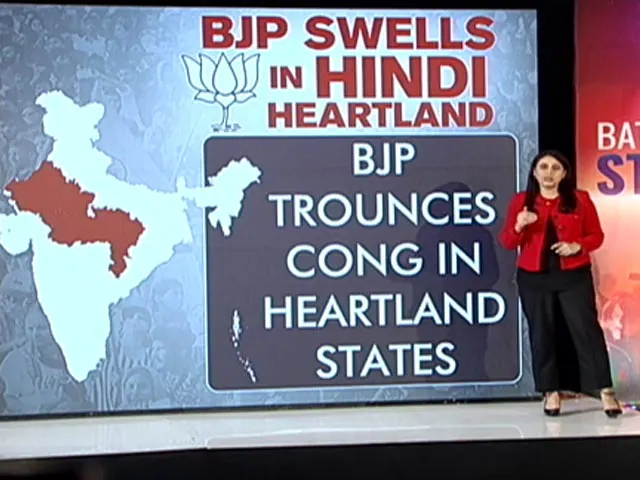
In the midst of escalating tensions between the ruling and opposition factions concerning the breach of Parliament security and the subsequent suspension of 14 members, a senior leader from the Dravida Munnetra Kazhagam (DMK) reportedly proposed a course of action during a meeting on Friday. Sources revealed that T R Baalu, a prominent figure in the DMK, suggested that all opposition Members of Parliament (MPs) should stage protests and willingly face suspension in a show of solidarity.
During the pre-session meeting of the INDIA bloc on Friday morning, held prior to the convening of the House, Baalu articulated his stance, emphasizing the need for continued opposition protests within both Houses and advocating for a collective suspension to support their fellow MPs. Specific reference was made to the suspension of Derek O’Brien from the Rajya Sabha, with Baalu asserting, “We all should continue our protest…and let them suspend all of us. We should not leave them (the suspended MPs) alone,” as reported by a source present at the meeting.
Following this strategic discussion, the opposition, as a united front, has decided to implement this approach in both Houses. N K Premachandran, leader of the Revolutionary Socialist Party (RSP), confirmed the decision, stating, “The INDIA bloc MPs, including leaders, have decided to take placards to both the Houses and get suspended in solidarity with the others.” This move comes in response to the suspension of thirteen MPs from the Lok Sabha for the remainder of the Winter Session due to their perceived “unruly behavior” while demanding a statement from Union Home Minister Amit Shah regarding the Parliament security breach and a subsequent discussion on the matter in the House. Additionally, Trinamool Congress (TMC) leader Derek O’Brien faced suspension from the Rajya Sabha.
The repercussions of this decision were evident on Friday, as both Houses witnessed immediate adjournments shortly after the 11 am meeting. In the Lok Sabha, opposition MPs swiftly converged at the well of the House, brandishing placards bearing messages such as ‘Save Democracy, Down Fascism’ and ‘We want PM and HM to come to the House to make a statement’. Simultaneously, they vocalized their dissent through slogans. The scene escalated when Congress MP Anto Antony ascended the steps near the Speaker’s chair, attempting to obstruct the secretary general.
This orchestrated demonstration reflects the opposition’s firm stance against the suspension of their colleagues and their determination to use parliamentary platforms to voice their concerns. The decision to willingly face suspension as a unified front showcases a strategic move aimed at drawing attention to the perceived injustice and fostering a sense of collective responsibility among opposition MPs. As events unfold, the parliamentary landscape is likely to witness further polarization and heightened rhetoric from both the ruling and opposition sides.
India’s Petroleum Minister, Hardeep Singh Puri, announced that India is set to resume crude oil imports from Venezuela after a three-year hiatus, citing the readiness of several Indian refineries to process heavy crudes. With the United States easing sanctions on Caracas in October, Puri emphasized that India, as a major global consumer of crude oil, is open to purchasing oil from any country not under sanctions.
Puri stated, “Many of our refineries, including (IOC’s) Paradip (refinery), are capable of using that heavy Venezuelan oil, and we will buy…We always buy from Venezuela. It’s when Venezuela came under sanctions that they were not able to supply.” This move comes as at least three Indian refiners—Reliance Industries (RIL), Indian Oil Corporation (IOC), and HPCL-Mittal Energy (HMEL)—have reportedly booked Venezuelan oil cargoes, expected to arrive in India over the next few months. Bharat Petroleum Corporation (BPCL) is also exploring the possibility of resuming oil imports from Venezuela.
India, specifically private sector refiners RIL and Nayara Energy (NEL), was a regular buyer of Venezuelan crude before the imposition of US sanctions in 2019, which led to a cessation of oil imports from Venezuela. According to data from commodity market analytics firm Kpler, the last time India imported Venezuelan crude was in November 2020. In 2019, Venezuela was India’s fifth-largest oil supplier, contributing nearly 16 million tonnes of crude, valued at $5.70 billion, according to India’s official trade data.
With Washington easing sanctions on Venezuela’s oil sector in October, allowing unlimited oil exports for six months, India is looking to capitalize on the opportunity. Venezuela, a member of the Organization of the Petroleum Exporting Countries (OPEC) and possessing the world’s largest proven oil reserves, is keen to expand its crude sales in major markets. India, being the world’s third-largest consumer of crude oil and heavily reliant on imports to meet over 85 percent of its demand, remains committed to procuring oil from cost-effective sources amid the volatile global oil markets.
The recent developments also shed light on Venezuela’s strategy to offer substantial discounts to Chinese independent refiners, historically its primary buyers during the sanctions. However, reports suggest that these discounts have narrowed in recent weeks due to the easing of sanctions and the interest of other buyers in acquiring Venezuelan oil. Caracas appears motivated to diversify its crude sales by extending discounts to attract buyers in other major markets.
Joe Biden’s precipitous decline in the polls is proving to be a significant boon for Donald Trump as the 2024 GOP presidential race gains momentum. Biden’s abysmal polling has not only bolstered Trump but also weakened potential Republican rivals, sending a clear signal that “TRUMP CAN WIN.”
In the run-up to the first contests of the 2024 GOP presidential race, Biden’s dismal performance in polls has become a powerful factor in shaping the political landscape. As a neon sign reading “TRUMP CAN WIN” is illuminated, it underscores the impact of Biden’s fading popularity on the broader political narrative.
Trump’s already strong position in the fight for the Republican nomination has been further solidified by two key external events. Firstly, indictments from the Justice Department and Democratic prosecutors triggered a rally-around-Trump effect, propelling him to a higher trajectory in the race. Secondly, Biden’s consistently poor polling has eliminated any grounds for making an electability argument against Trump.
While selecting opponents through strategic advertisements is a common political tactic, Biden’s own weaknesses have unintentionally made Trump more appealing to his supporters. The primary concern among undecided Republicans has never been Trump’s policy priorities or governance effectiveness but rather his perceived ability to win elections.
Following the 2022 elections, where Republicans underperformed, Trump’s standing within the party was momentarily shaken. The electoral success of Ron DeSantis in Florida created an opportunity for an argument centered around electability—stick with Trump and risk losing, or opt for a fresh face and win. However, this electability argument lost its potency due to Biden’s declining poll numbers.
The electability debate sidesteps many issues about Trump that Republicans may prefer to avoid. Asserting that Trump can’t win is presented as a practical claim rather than a moral critique, providing a tone of sorrow rather than anger. Nevertheless, the effectiveness of this argument depends heavily on polling data, which has not cooperated due to Biden’s downward spiral.
In 2016, Trump often relied on less reputable polls to demonstrate his public support. Now, he can reference highly credible polls that depict Biden’s comprehensive collapse. Biden is losing in hypothetical matchups against Trump, with an approval rating scraping the bottom and trailing on major issues.
The latest Wall Street Journal poll indicates Trump leading Biden by 4 points in a two-way race and 6 points in a multi-candidate field. Only 37 percent approve of Biden’s job performance, while 61 percent disapprove. Trump leads significantly on economic issues, inflation, crime, foreign affairs, and public perception of physical and mental fitness for the job.
Despite the possibility of early, showy, and potentially unsustainable Trump support, it’s crucial to note that Trump never led in 2020 polling. Recent polls, including one by CNN, show Trump leading in crucial states like Georgia and Michigan, further fueling the belief among Republican voters that 2024 is a lock.
Trump’s perceived electoral prowess has grown, with polls indicating increasing confidence among Republicans that he would be the strongest general election candidate. Even in the face of criminal charges, belief in Trump’s electability is rising among Republicans, particularly in states like Iowa.
For potential rivals like Ron DeSantis and Nikki Haley, navigating the political landscape becomes challenging. DeSantis, despite claiming victory, faces a significant gap in national polling against Trump. Nikki Haley, while appearing strong against Biden, must contend with the overarching question for Republicans—can Trump win?
The Democrats’ ideal scenario involves Biden’s weakness being illusory, leading Republicans to nominate Trump based on current polling only to discover his weaker standing against Biden. However, the prevailing possibility is that Biden’s political standing is indeed dire, potentially paving the way for Trump’s resurgence to the White House.
In the realm of political axioms among Republicans, the idea that Trump benefits from having formidable enemies finds its best proof in Biden’s political unraveling.
This was Nithin’s third TEDx talk and part of TEDxHartford.
Nithin George Eapen is a Speaker, Entrepreneur, and Investor celebrated for his expertise and eloquence as a Three-time TEDx Speaker. His topics are as varied as they are intriguing, delving into decentralization, NFTs, cryptocurrencies, technology and finance. He has been a keynote speaker or panelist at over 100 global events. Nithin is the mastermind behind ChanceRiver, a successful multi-million dollar technology services firm. His personal journey is a tale of transformation, from a diverse career path to a flourishing entrepreneur, all while managing the joys and challenges of a large family with five children along with his spouse Priyanka Joseph.
His professional odyssey has seen him dabble in multiple sectors, including sales, manufacturing, software programming, and investment banking. Notably, Nithin is part of the victorious team in the prestigious 56 (AmbathiyaaRu) International Championship.
As an entrepreneur passionate about nurturing new talent, Nithin has founded and invested in various startups, guiding aspiring entrepreneurs along their journey. His interests are diverse yet interconnected, spanning finance, technology, and card games such as poker and 56. He is deeply passionate about virtual constructs like money, religion, gods, and borders.
Currently, Nithin devotes much of his time to educating the public about cryptocurrencies, free markets, and the philosophy of money. He leverages multiple platforms to disseminate his extensive knowledge and insights in these areas.
What are TED or TEDx talks?
TED is a non-profit media company founded in 1984. Originally conceived as a four-day conference in California focused on technology, its mission is to disseminate ideas that deserve widespread attention. The annual TED Conference takes place each spring in Vancouver and invites the world’s leading thinkers to speak for 18 minutes or less. TED speakers have included Bill Gates, Richard Branson, Adam Driver, Elon Musk, Hans Rosling, Sal Khan, Shashi Tharoor, Shah Rukh Khan and Daniel Kahneman.
TED has created a program called TEDx, a local, self-organized event program that brings people together to share a TED-like experience. At a TEDx event, live speakers combine to spark deep discussion and connection.
These talks are posted online on the TED/TEDx YouTube channel.
The TED Talks channel boasts an impressive 23 million subscribers, while the TEDx Talks channel commands an even larger audience with 39 million subscribers. When your talk is delivered and subsequently uploaded online, it can reach millions of viewers, with the chance of even going viral. Across these platforms, there are over 250,000 talks available, attracting a global audience. However, less than 1,000 of these talks have achieved the milestone of a million views.
TED speakers are not compensated for their presentations. The numerous individuals involved in TEDx events, including organizers, speaker coaches, marketing teams, and graphic designers, offer their services voluntarily. Their dedication stems from a strong belief in the TEDx community’s ethos and the value of generating impactful content centered around thought-provoking ideas.
Why do a TED talk or why did you do these TEDx talks?
The first question is do you feel that you have a message or an idea that can transform the world or your local community. Then TEDx is the right platform because by default it has 39 million people as its audience .If you really do not care about people viewing it just take a smart phone video of you doing the talk and uploading it on YouTube in your own channel. It is difficult to get traction in today’s digital world with so much garbage content out there. This is where platforms and channels or influencers with a following can help get traction for your message.
Philosophically it is like If a tree fell in the forest and it did not make a sound. Did it really fall?
Being a TEDx speaker will also give you amazing credibility for potential future events or even for a job interview, and depending on your experience, TEDx may even provide referrals and recommendations for future (paying) gigs.
I am an immigrant in America. My professional expertise is in finance and technology, and I have a deep passion for virtual constructs and freedom. Every immigrant departed from their homeland primarily due to socialist policies and governmental interference in the markets, which resulted in fewer job opportunities, limited freedoms, and a diminished quality of life.
America stands out as a country that has delivered a higher quality of life and prosperity for its residents more than any other place, primarily attributed to its strong embrace of free market principles.
From an early point in my journey, I was driven to understand why America is more prosperous and why immigrants often thrive more in the U.S. than in their home countries. Common explanations like the abundance of land were considered, but this still needs to fully answer the question, as countries like China also have vast land, while nations like Switzerland and Japan have much less.
Ultimately, it became clear to me that the critical factor is the freedom for individuals to pursue their life, liberty, and happiness without state interference. The Austrian School of Thought and Mises Institute helped me understand this fact through their various articles on mises.org.
But I see a significant threat against this prosperous way of life by primarily misguided youth indoctrinated by the leftist liberal academia. The other day, while walking by the University of Connecticut campus in Stamford, a bunch of kids came to me and told me they would talk to me about the great socialism and communism ideology. These were kids who had never lived in a communist country, and all I could say to them was, do you know why people like me or people from Cuba, Russia, and China leave their homeland and live here?
The evil trend of expansive government control and their excessive money printing, burdening students with lifelong debts for degrees that often lack practical value, has led to widespread despair and hopelessness among the youth. This has left me concerned about the future of my children. I wonder about their prospects in an America that might one day resemble countries like China, Russia, or India when it comes to economic policies by interfering governments in the name of welfare and warfare.
I can empathize with the perspectives of both white and black Americans who view socialism as a potential solution to their problems. The grass looks greener on the other side. However, I find it troubling when immigrants, especially those from my home state of Kerala, attempt to reshape America into a replica of their native lands but they choose to live here.
Throughout history, the struggle for freedom from oppressive rulers has been constant. In the past, this oppression came from monarchies or kings, and now it manifests through bureaucrats and politicians who change every few years.
There’s a prevailing assumption that a ruler, often someone who hasn’t significantly contributed to others’ welfare, is better suited to determine what’s good for us and deliver justice than the free markets and voluntary exchange among participants.
This echoes Edmund Burke’s sentiment, “The only thing necessary for the triumph of evil is for good men to choose to do nothing.”
This is the reason I spread the message of decentralization and privacy and anonymity when it comes to information and money. These are two avenues through which a government controls its subjects.
What are the steps to secure a TEDx talk?
The thought: are you ready to do one, and do you dream to do one?
TED is not for professional coaches or motivational speakers. They already have a platform and are paid to do what they do. You don’t have to have written a book or have followers on social media. Books, knowledge about a subject, and followers on social media help because this is a content-based channel, and they get revenue when people view content.
Do you have a message to give the world, and do you desire to do it?
My first talk was about bringing our Gods on the Blockchain.
I am passionate about virtual constructs. They originate in the human mind and have value only to humans, like Gods and Money. A monkey will never give you its banana for a million dollars anywhere in the world or share it for the promise of heaven. These are things humans do, like exchanging a banana for 5$.
Pick a Topic or an idea that you would like to share to the world.
What do you want to talk about? Every one of us will have something that we are passionate about. You really need something you are passionate about or people who listen to you will not feel the energy that has to come from within you.
Do research on that and see what has been spoken about that subject earlier.
Now there are few people out there who can speak about anything. Don’t make your subject how to be successful, there are tons of motivational talks out there.
In my case what I am most passionate is about human freedom from middlemen. So my topics will be about decentralization and virtual constructs.
Here is what will disqualify you as a speaker from the TED website
Your idea is backed by questionable science, you have a clear religious or political agenda, You are not emotionally ready to give this talk. (e.g. Your talk is about a traumatic event you have not adequately processed.), It feels overdone or generic, too broad, you are not really an expert, It is only of interest of value to a small niche, e.g. an obscure scientific trend that would only be interesting to cardiologists., you have a promotional agenda.
Key point is no selling a product yours or anyone else’s on stage, no selling yourself or showing how you overcame adversity. You can use your case as an example for some idea but try to make the talk about the idea.
The whole thing becomes different when Shah Rukh Khan or Adam Driver does it, they can and will be allowed to talk about their life and journey. TED or the organizers know that their fans will watch in millions and end of the day this is a business for them and generating content that is viewed by millions make sense for them.
You need an idea and expertise and it has to offer valuable insight for the audience. Write down multiple ideas, share it with people who can give you critical feedback and then decide.
Get a stage or apply.
There are multiple TEDx events every year across the globe. Some will have requirements that you have to be local to the area. For example TEDx Portsmouth has this as a requirement that You must live or work within a 30-mile radius of our event. When I spoke at TEDxHartford on Dec 3rd, 2023, of the eight of us, five were from different parts of the country, and only three were from Connecticut state.
Not all TEDx s’ are equal.
I have done three talks. Only at TEDxHartford did they have coaches. TEDxHartford was organized by Lee Simmons, who runs an event management company, so the stage was highly professional.
There are different kinds of TEDx like TEDxSalon and TEDxUniversity, and some are done exceptionally well. All this requires a lot of funding to get a ballroom or hall, set up props, make flyers and advertisements, and create high-quality videos.
Exceptional events will have good coaches (we had Ryan Mazurkivich and Jeremy Brewer) who can help you by asking questions, tightening the talk, and giving you feedback.
Some events will have a theme. So, make sure the subject can be part of the theme when you apply your talk. Ensure you check their previous talks online and check the video and audio quality. For my second talk the theme was Bridgeport the city. I used the idea of S curves and innovation and applied it to cities and brought insight to it. You can listen to that here.
Once you are selected, start writing the script.
Plan an intro, an opening that will get your attention of your audience.
When you applied, most likely you would have only an idea and a rough draft. Now write the detailed script. Think of the takeaways and examples and think where you would want pauses for the message to sink in for the audience.
Always tell a story, connect to an audience emotionally. Look into story telling tactics. Take improv lessons, go for toastmasters to practice and get feedback. It’s free most likely. These are things you can do with or without a TED talk. It makes you communicate better and you can use this in your meetings in regular life also.
Practice with a coach, show it to multiple people who can give you feedback.
A good number of TEDx’s will not have a coach. If they don’t have one, get a coach who can help you. Ryan and Jeremy helped us online, I can get you in touch with them. They have coached people for years. Or find one in your community or among your friends. But get someone professional. It makes a tremendous difference doing one with a coach and without one. Even Roger Federer and Michael Jordan had a coach. Why shouldn’t you have one?
Make a great visual.
Hire a professional to make a powerpoint with great designs. I used GetStandingOvation.com to help me with my powerpoint after making a basic one.
A visual help should not have too many words. It should only have images and very few words.You can see me here doing my first talk without a powerpoint. A powerpoint helps you remember all the points you need to say.
After my first talk, Vinoo Chacko of GetStandingOvation.com, who makes brilliant presentation material reached out to me and said one of the mistakes of my presentation was that it did not have a great power point. Next one when I got a chance to talk at University of Bridgeport, I reached out to him to get a power point done. You will see a stark difference among these talks.
When I refer to the current system of financial services are broken
When I refer to money is the creation of the human mind
What clothes to wear.
Do not wear whites and plaid. I did that mistake for my first talk and again for my second one since I did not do the research. Remember your content and marketing the talk matters more than the clothes you wear. For men a jacket or sweater is better. You can wear whatever you like that brings you true self out. Just try not wearing a pajamas and doing keynotes unless you are Vitalik Buterin or Mark Zuckerberg. Nobody will take you seriously then. Brighter colors are better when it shows up on a video, keep that in mind. It is a black background so try not to wear black colors that can get washed out.
Practice, Practice and Rehearse on Stage.
Stand and practice—practice in front of the mirror. Practice in front of your camera or cell phone camera, take a video, play it back and check if this is what you want to see about yourself. You can do this for any presentation, even at work. Rework the idea, the tone and the sound if you have to. The nonverbal cues you use make a difference to the talk. If you have never gone on a larger stage, try to be there early and do one or two rehearsals with other speakers listening.
Attend the local Toastmasters event in your area and give the talk. Do it with disturbances also around so that you understand if a distraction occurs, you should not fluster. You can see the difference in my first two and third talks. My coach Ryan would call me every week, and we would do one. And I had to get ready by doing at least one for him. They all help to rework and get the talk crisper.
While you deliver the talk
Breathe, give pauses when you are making a point. People need to grasp it and have it in memory. If you miss a point or two it’s ok, only you know your talk, the audience will not know you missed something. All three talks I did, I missed something that I wanted to convey.
After the talk
Savor the moment, make friendships with other speakers, be a part of the community and get ready to market your talk once it comes online. It could take anywhere from a month to six months to come online.
Just because you made a talk and it is uploaded on the TEDx channel does not mean you will get a million or even 100,000 views. There are already 210,000 talks on the channel and less than 1000 that have more than a million views. If you are a celebrity or influencer, your followers will come and view it and like it. But otherwise, for mere mortals, You need to market it and send messages to your friends via email and social media; they have to share and engage by liking or commenting on it.
Send emails and ask for feedback. Do not hold on to your egos like How will I ask them to do such a thing? If you cannot, why even bother to take all this trouble and make a TED talk?
No amount of marketing alone will help if the content is not that great. It’s like a restaurant, you need a great location, good service but end of the day your food has to be awesome for the restaurant to be a successful one. Location and service are also required once you have great food to serve in a restaurant.
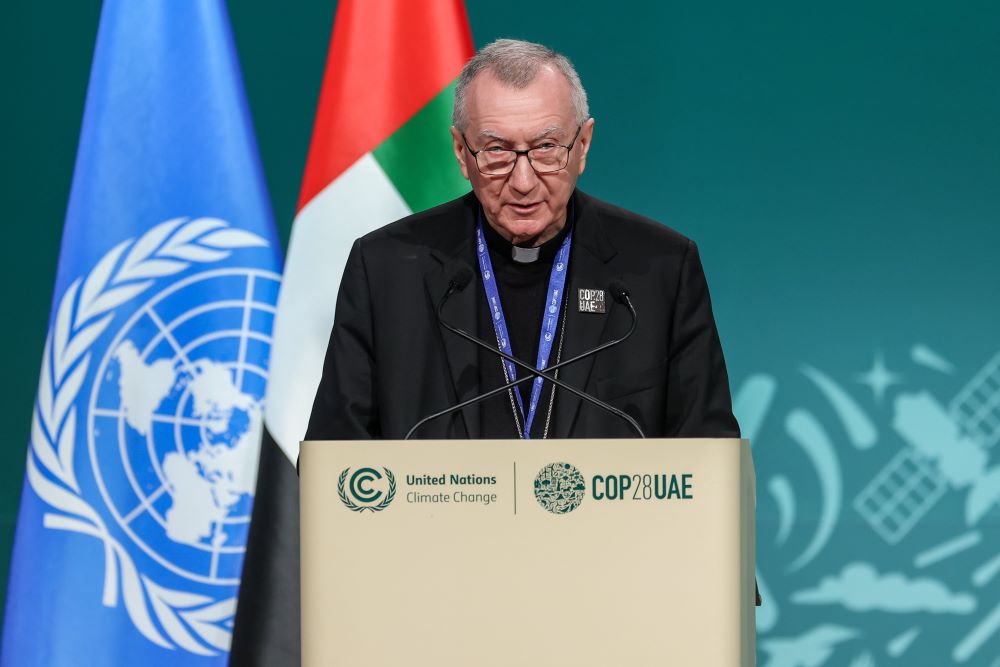
In a historic move, almost 200 nations gathered in Dubai on Wednesday and issued an unprecedented call for a global transition away from fossil fuels, addressing the primary contributor to climate change after years of avoidance. Following 13 days of intensive discussions and sleepless nights in a nation built on oil wealth, the Emirati president of the UN-led COP28 summit, Sultan Al Jaber, signaled consensus by banging a gavel.
“You did step up, you showed flexibility, you put common interest ahead of self-interest,” remarked COP28 president Sultan Al Jaber, acknowledging the global effort. Jaber’s role as the head of the United Arab Emirates’ national oil company had raised suspicions among environmentalists. Describing the agreement as a catalyst for “transformational change” on climate, Jaber highlighted the UAE’s role in restoring faith in multilateralism and showcasing the power of global unity.
EU climate chief Wopke Hoekstra characterized the agreement as “long, long overdue,” emphasizing that nearly three decades of climate meetings were necessary to “arrive at the beginning of the end of fossil fuels.” Despite the need for more robust action, Jaber skillfully adjusted the text to gain the support of countries ranging from small islands fearing extinction due to rising sea levels to major oil exporter Saudi Arabia, which championed petroleum exports.
The revised agreement calls for a “transition away from fossil fuels in energy systems, in a just, orderly and equitable manner,” toughening language from an earlier draft criticized by environmentalists. It advocates for increased action “in this critical decade” and renews the commitment to achieving no net greenhouse gas emissions by 2050, aiming to limit global warming to 1.5 degrees Celsius above pre-industrial levels.
The negotiator from the Marshall Islands, expressing concern about an earlier draft being a “death warrant” for his nation, emphasized the urgency of decisive action. Although the small islands did not block the Dubai deal, a representative from Samoa criticized the language as insufficient, calling for a more significant leap in global actions. Brazil, set to lead climate talks in 2025 in the Amazon, stressed the importance of wealthy nations delivering on their commitment to assist the worst-hit developing nations.
US climate envoy John Kerry praised the agreement as a remarkable achievement in bringing together a divided world for the common good. “I think everyone has to agree this is much stronger and clearer as a call on 1.5 than we have ever heard before, and it clearly reflects what the science says,” Kerry stated. A Saudi representative expressed “gratitude” for the UAE’s efforts, deeming the outcome a “great success.”
While the agreement refrains from endorsing calls for a “phase-out” of oil, gas, and coal, which contribute to approximately three-quarters of emissions causing the planetary crisis, it surpasses Jaber’s initial draft. Environmentalists, although generally viewing the agreement as a positive step, caution that more significant actions are imperative.
“We are finally naming the elephant in the room. The genie is never going back into the bottle, and future COPs will only turn the screws even more on dirty energy,” remarked Mohamed Adow, director of the Power Shift Africa think tank. He acknowledged that while expectations may have been raised too high, the outcome would have been unimaginable just two years ago, especially at a COP meeting in a nation heavily dependent on petroleum.
The agreement outlines more explicit near-term goals, calling for a 43 percent reduction in greenhouse gas emissions by 2030 compared to 2019 levels in pursuit of ending net emissions by 2050. However, Jean Su of the Center for Biological Diversity cautioned that there are still “cavernous loopholes” for fossil fuels. The agreement primarily addresses fossil fuel use in energy, excluding industrial sectors such as plastics and fertilizer production.
Su expressed concern about the recognition of the role of “transitional fuels,” interpreting it as a code word for natural gas and other fossil fuels, notably in the context of energy security. While the deal supports a phase-down of “unabated” coal power, it allows for the preservation of this controversial energy source if carbon capture technology is employed—a technology contested by many environmentalists as unproven.
Glaciers in the Himalayas are rapidly melting, but a recent report reveals a remarkable phenomenon in the world’s tallest mountain range that might be mitigating the impacts of the global climate crisis.
In a study published on December 4 in the journal Nature Geoscience, researchers discovered that when warming temperatures affect high-altitude ice masses, it triggers an unexpected reaction—powerful cold winds that cascade down the slopes, providing a cooling effect in the lower areas of the glaciers and adjacent ecosystems.
Francesca Pellicciotti, a professor of glaciology at the Institute of Science and Technology Austria and lead author of the study, explained, “This leads to an increase in turbulent heat exchange at the glacier’s surface and stronger cooling of the surface air mass.”
As the cool, dry surface air becomes denser, it sinks and flows down the slopes into the valleys, creating a cooling effect in the lower regions of the glaciers. Given that the ice and snow from the Himalayan range feed into 12 rivers, supplying fresh water to nearly 2 billion people across 16 countries, understanding the sustainability of this self-preserving cooling effect is crucial in the face of anticipated temperature increases in the coming decades.
The alarming rate of glacier melt in the Himalayas was highlighted in a June report, indicating a 65% faster melt in the 2010s compared to the previous decade. Fanny Brun, a research scientist at the Institut des Géosciences de l’Environnement in Grenoble, France, emphasized, “The main impact of rising temperature on glaciers is an increase of ice losses, due to melt increase.”
The lengthening and intensification of the melt season lead to glacier thinning and retreat, resulting in deglaciated landscapes that contribute to further temperature increases due to the albedo effect. Brun explained, “Light or ‘white’ surfaces such as clean snow and ice will reflect more sunlight (high albedo) compared with ‘dark’ surfaces such as the land that is exposed as glaciers retreat, soil, and oceans (low albedo).”
Surprisingly, at the base of Mount Everest, overall temperature averages appeared stable despite the region experiencing glacier melt. Franco Salerno, coauthor of the report and researcher for the National Research Council of Italy (CNR), noted, “While the minimum temperatures have been steadily on the rise, the surface temperature maxima in summer were consistently dropping.”
However, the cooling winds are insufficient to fully counteract the impact of increasing temperatures and glacier melt. Thomas Shaw from the ISTA research group with Pellicciotti commented, “The cooling is local, but perhaps still not sufficient to overcome the larger impact of climatic warming and fully preserve the glaciers.”
The scarcity of data in high-elevation areas globally prompted the study team to focus on using ground observation records from a climate station located at 5,050 meters (16,568 feet) on the southern slopes of Mount Everest—the Pyramid International Laboratory/Observatory. The station has recorded detailed meteorological data for almost 30 years.
Pellicciotti emphasized the global relevance of the process highlighted in the study, stating, “The process we highlighted in the paper is potentially of global relevance and may occur on any glacier worldwide where conditions are met.”
The study underscores the importance of collecting more high-elevation, long-term data to substantiate these findings and assess their broader impacts. Pellicciotti urged, “The new study provides a compelling motivation to collect more high-elevation, long-term data that are strongly needed to prove the new findings and their broader impacts.”
The Pyramid International Laboratory/Observatory climate station, located at a glacierized elevation of 5,050 meters, played a pivotal role in the research. Pellicciotti, Salerno, and their team utilized detailed meteorological observations from the station to conclude that warming temperatures trigger katabatic winds—a phenomenon where cold winds flow downhill, common in mountainous regions, including the Himalayas.
“Katabatic winds are a common feature of Himalayan glaciers and their valleys, and have likely always occurred,” Pellicciotti said. “What we observe, however, is a significant increase in intensity and duration of katabatic winds, and this is due to the fact that the surrounding air temperatures have increased in a warming world.”
The team also observed higher ground-level ozone concentrations correlated with lower temperatures, indicating that katabatic winds act as a pump transporting cold air from higher elevations down to the valley.
Comparing glacier loss in the Central Himalaya to Europe, Brun highlighted that, on average, glaciers in the Central Himalaya have thinned about 9 meters over the past two decades—a significantly lower rate than glaciers in Europe, which have thinned about 20 meters over the same period. Understanding how long these glaciers can locally counteract global warming is crucial for addressing climate change effectively.
Study coauthor Nicolas Guyennon, a researcher at the National Research Council of Italy, expressed optimism, stating, “We believe that the katabatic winds are the response of healthy glaciers to rising global temperatures and that this phenomenon could help preserve the permafrost and surrounding vegetation.”
However, further analysis is needed, and the research team aims to identify the glacial characteristics favoring the cooling effect. Pellicciotti emphasized the need for more long-term ground stations, stating, “Even if the glaciers can’t preserve themselves forever, they might still preserve the environment around them for some time. Thus, we call for more multidisciplinary research approaches to converge efforts toward explaining the effects of global warming.”
The surprising discovery of katabatic winds in the Himalayas provides a potential ally in the fight against climate change. While the glaciers are still under threat from rising temperatures, this natural cooling mechanism offers hope for the preservation of the delicate ecosystems and water sources dependent on the Himalayan ice and snow. The study underscores the need for continued research and data collection to fully understand the broader implications of this phenomenon and to develop effective strategies for addressing the challenges posed by a changing climate.
In a historic turn of events, the world reached a groundbreaking climate deal in Dubai on Wednesday at the COP28 summit after two weeks of intense negotiations. The agreement, known as the Global Stocktake, marks an unprecedented call to shift away from fossil fuels. However, the use of vague language in the agreement raises concerns about the level of commitment from some nations.
The COP28 President, Sultan Al Jaber, declared the agreement as “historic” during his address to national delegates at the final session. He highlighted the inclusion of language on fossil fuels for the first time, emphasizing that the deal has the potential to redefine global economies. Despite this apparent progress, differing interpretations of the agreement’s language have sparked a debate on its effectiveness.
“At long last, the loud calls to end fossil fuels have landed on paper in black and white at this COP,” remarked Jean Su, the energy justice director at the Center for Biological Diversity. However, she cautioned that “cavernous loopholes threaten to undermine this breakthrough moment.”
The agreement falls short of mandating a “phase-out” of oil, coal, and gas, a demand voiced by over 100 countries and numerous climate groups. Instead, it “calls on” countries to “contribute” to global efforts to reduce carbon pollution in ways they deem fit. Options include “transitioning away from fossil fuels in energy systems and accelerating action in this critical decade to achieve net-zero by 2050.”
The COP28 summit unfolded against the backdrop of a year marked by unprecedented global heat, resulting in deadly extreme weather events. This year, officially the hottest on record, has been marred by controversies at the Dubai conference, with accusations of oil interests influencing the talks.
Deep divisions emerged among nations, with oil-producing nations, led by Saudi Arabia, rejecting language on phasing out fossil fuels. On the opposing side, more ambitious parties, including the European Union and a coalition of island states, expressed dissatisfaction with a previous draft containing diluted language on fossil fuels. U.S. climate envoy John Kerry acknowledged that these divisions nearly derailed the conference but ultimately deemed the deal a success and a testament to multilateralism.
While Kerry celebrated the agreement as a significant step towards moving away from fossil fuels, critics voiced disappointment and concerns about the adoption process. Anne Rasmussen, the lead negotiator for the Alliance of Small Island States (AOSIS), expressed concern that the decisions were gavelled without the input of small island developing states, a powerful voice in climate talks.
AOSIS, despite acknowledging the agreement’s positive elements, voiced exceptional concern, stating that the needed course correction has not been secured, and the presence of numerous loopholes threatens its efficacy. Many climate experts cautiously welcomed the reference to fossil fuels but pointed out weaknesses, such as leaving room for fossil fuel expansion, particularly through controversial technologies like carbon capture and storage.
Harjeet Singh, head of global political strategy at Climate Action Network International, noted that COP28 highlighted fossil fuels as the primary culprits of the climate crisis. However, he criticized the agreement for containing loopholes that provide escape routes for the fossil fuel industry, relying on unproven and unsafe technologies like carbon capture and storage.
Despite the positive early momentum on finance, with the formal adoption of a loss and damage fund and pledges exceeding $700 million, concerns arose over the lack of requirements for developed countries to provide adequate funding to the most vulnerable nations. Developing countries, heavily dependent on fossil fuels, face challenges without robust guarantees for financial support to adapt to climate impacts and transition to renewable energy.
The COP28 summit concludes with a historic climate agreement, but lingering concerns about vague language, loopholes, and insufficient financial support for vulnerable nations cast a shadow over the optimism expressed by some delegates. The world may be taking a step away from fossil fuels, but the journey ahead remains challenging and uncertain.
In one corner stands Pope Francis, championing a merciful and inclusive Catholic Church, often likened to a “field hospital” tending to the wounds of a suffering humanity. In the opposing corner, a vocal minority, led by US Cardinal Raymond Burke, challenges the Pope’s reforms, setting the stage for a significant showdown.
Pope Francis, committed to upholding the doctrine and principles of the church, aims to propel it forward by shedding certain customs he deems hindering to its mission. The clash arises from differing stances on issues such as communion for divorced and remarried Catholics, pastoral acceptance of LGBTQ individuals, and the Pope’s emphasis on migrants and the climate crisis. Critics desire a Pope who delivers doctrine in unequivocal terms, while Francis advocates for a humbler, service-oriented church focused on bringing the Christian message to the world.
Despite enduring criticisms, Pope Francis has demonstrated resilience, often turning the other cheek and appointing leaders with opposing views to Vatican departments. However, as he enters the 11th year of his papacy and faces health challenges, he has decided to take more assertive measures to address opposition, particularly concentrated in the US and certain Roman circles.
In a significant move, Pope Francis has curtailed privileges for Cardinal Burke, a longstanding opponent. This includes withdrawing a subsidy for Burke’s sizable apartment and monthly stipend. This decision follows the Pope’s recent removal of Texan Bishop Joseph Strickland, who accused Francis of undermining key church teachings. The move has sparked debates, with supporters of Burke and Strickland characterizing Francis as a “dictator” pope, suppressing dissent, while others argue that the Pope is merely addressing critics.
Austen Ivereigh, a papal biographer, shed light on the Pope’s rationale, stating, “Francis told me that he was taking away the apartment and salary of Cardinal Burke because he was using these privileges ‘against the church.’” Ivereigh highlighted the significance of Burke’s prolonged questioning of Francis’ authority and teaching, emphasizing the unusual nature of such dissent within the Catholic Church.
The roots of opposition to Pope Francis extend beyond theological disagreements and delve into the realm of secular politics. Cardinal Burke, aligned with conservative views, expressed satisfaction with President Donald Trump’s election and, along with other bishops, called for denying communion to President Joe Biden due to his support for abortion laws. The intersection of church and politics, particularly amid the polarizing landscape of US politics, is a key element in the resistance to Francis.
Dawn Eden Goldstein, a theologian and canon lawyer, noted that there are forces wishing to see Burke’s vision dominate the church for political purposes. Burke’s alignment with a group critical of Catholic teachings on issues such as care for the poor and the environment further underscores the ideological divide within the church.
The Pope’s decision to strip Burke of privileges may carry unintended consequences, potentially turning him into a “martyr” for the cause, as suggested by church historian Massimo Faggioli. Burke’s support base in the US and the reported financial backing could enable him to maintain a prominent role, akin to the “crown cardinals” of the early modern era.
Critics warn that the Pope’s actions could influence future papal elections by alienating cardinal electors who may seek a candidate governing differently from Francis. However, Pope Francis, seemingly aware of the risks, remains committed to his mission of pivoting the church towards what he deems essential to the Christian faith.
As the Pope navigates this turbulent terrain, it is evident that the clash between traditionalist views and Francis’ vision for a more inclusive and service-oriented church will continue to shape the narrative within the Catholic Church. The tension underscores the broader societal and political challenges that intersect with the ecclesiastical landscape, reflecting the complexities of leading a global religious institution in the modern era.
The Shri Swaminarayan Mandir in New Jersey stands as a testament to the grandeur of Hindu architecture in America. Recently expanded and re-inaugurated, this monumental temple is now the largest Hindu temple in the country, constructed with meticulous craftsmanship using hand-carved Italian Carrara marble, Indian pink stone, and limestone. Originally completed in 2017, the temple underwent enhancements in 2023, solidifying its position as a spiritual and architectural marvel in Robbinsville, Central New Jersey.
The Sri Sri Radha Krishna Temple in Utah is renowned for its vibrant celebrations, particularly the Holi Festival of Colors, held in its expansive natural amphitheater with a capacity for thousands of visitors. A true embodiment of Indian festivities, the temple in Utah provides a unique experience, drawing devotees and curious onlookers alike.
In New York, the Ganesh Temple holds the distinction of being the oldest Hindu temple in the United States, tracing its origins back to 1977. Over the years, it has evolved into one of the most celebrated Hindu temples in the country, attesting to the growing presence of Hinduism in the diverse American landscape.
The proliferation of Hindu temples across the United States and Canada is indicative of the flourishing Hindu community. Notably, the United States now hosts the largest Hindu temple outside of Asia, overshadowing the historical significance of Cambodia’s Angkor Wat, which, despite being the largest Hindu temple in the world, was eventually converted into a Buddhist temple. The Temple of the Vedic Planetarium, currently under construction in India, is poised to claim the title of the new largest Hindu temple globally.
From coast to coast, Hindu temples in the USA offer a rich tapestry of spirituality and cultural diversity. Here are ten remarkable Hindu temples worth exploring, each with its own unique charm and significance.
Shri Swaminarayan Mandir, New Jersey:
The recently expanded Shri Swaminarayan Mandir in New Jersey, constructed with Italian Carrara marble, Indian pink stone, and limestone, is now the largest Hindu temple in America. Inaugurated in 2023, it stands as a majestic symbol of Hindu devotion and architectural brilliance.
“The massive Hindu temple Shri Swaminarayan Mandir in New Jersey has just been expanded and re-inaugurated and is the largest Hindu temple in America.”
Sri Sri Radha Krishna Temple, Utah:
Known for hosting large Hindu festivals and events, the Sri Sri Radha Krishna Temple in Utah boasts a spacious natural amphitheater, providing a captivating setting for gatherings and celebrations. The Holi Festival of Colors, a highlight at this temple, offers visitors an authentic Indian experience.
“The Sri Sri Radha Krishna Temple in Utah is famous for its large Hindu festivals and celebrations. The temple has a large natural amphitheater that has the capacity for thousands of visitors.”
Hindu Temple Of Central Indiana, Indiana:
Situated in Indianapolis, the Hindu Temple of Central Indiana is a breathtaking monument to Hindu architecture. Established in 2006, it serves as a key hub for learning about the Hindu community in Indiana, contributing to the cultural mosaic of the region.
“Located in Indianapolis, the Hindu Temple of Central Indiana is something of a breathtaking monument to Hindu architecture. It first opened in 2006 and is one of the top places to visit to learn about the Hindu community in Indiana.”*
Malibu Hindu Temple, California:
Nestled in Calabasas near Malibu, the Malibu Hindu Temple is dedicated to the worship of Lord Venkateswara. With two complexes, each presided over by different deities, this temple offers a serene and spiritual escape in the heart of California.
“The Malibu Hindu Temple is located in Calabasas near Malibu in California and is dedicated to the worship of the Hindu god Venkateswara. It is made up of two complexes.”
Shri Swaminarayan Sanstha, Illinois:
A prominent Hindu temple in Chicago, the Shri Swaminarayan Sanstha covers a sprawling 27 acres. Constructed in 2004 with Turkish limestone and hand-carved Italian marble, it stands as a testament to the artistic and cultural richness of Hinduism.
“One of the top Hindu temples to explore in Chicago is the Shri Swaminarayan Sanstha Hindu temple, which covers 27 acres. It opened in 2004 and was constructed with Turkish limestone and hand-carved Italian marble.”
Ganesh Temple, New York:
Situated in Flushing, New York, the Ganesh Temple is not only the oldest Hindu temple in the United States, built in 1977, but has also become one of the most renowned Hindu temples in the country. Its enduring legacy reflects the remarkable growth of Hinduism in the past five decades.
“The Ganesh Temple in Flushing, New York (in Queens, NYC) is the oldest Hindu temple in the United States. It was built in 1977 and is now considered among the most famous Hindu temples in the country.”
Shri Swaminarayan Mandir, Georgia:
Inaugurated in 2007, the Shri Swaminarayan Mandir in Atlanta is a traditional Hindu place of worship. It held the distinction of being the largest mandir outside India at the time of its construction, featuring a large assembly hall, classrooms, and an exhibition on key Hindu tenets.
“The Shri Swaminarayan Mandir is a traditional Hindu place of worship in Atlanta, inaugurated in 2007. It was the largest mandir (or Hindu place of worship) outside India when it was built.”
Sri Siva Vishnu Temple, Maryland:
Among the largest temples in the United States, the Sri Siva Vishnu Temple in Maryland, built between 1988 and 2002, is located just 12 kilometers from Washington, DC, in the city of Lanham. The temple’s significance lies in its dedication to the main deities, Shiva and Vishnu.
“Sri Siva Vishnu Temple in Maryland is among the largest temples in the United States and was built between 1988 and 2002. It is located only 12 kilometers or 8 miles from Washington, DC, in the Maryland city of Lanham.”
New Vrindaban Temple, West Virginia:
Named after the sacred town of Vrindaban in India, the New Vrindaban Temple in West Virginia, also known as The Palace of God, pays homage to the religious significance of Krishna’s childhood. Set amidst 500 acres of land, it stands as a stunning complex amid the scenic Appalachian Trail.
“The New Vrindaban Temple (also called The Palace of God) is named after the town of Vrindaban in India. Vrindaban is of religious significance to Hinduism, as Krishna is said to have spent most of his childhood in the city.”
Shri Swaminarayan Mandir, Texas:
In Houston, the Shri Swaminarayan Mandir stands as a top Hindu attraction in Texas, crafted from over 33,000 pieces of hand-carved marble and limestone. With a Hindu exhibit elucidating the fundamental tenets of Hinduism, this temple welcomes visitors and worshippers daily, offering a profound cultural experience.
Swaminarayan Mandir in Houston is one of the top Hindu attractions in Texas, built from over 33,000 pieces of hand-carved marble and limestone. The temple has a Hindu exhibit that explains the fundamental tenets of Hinduism for visitors, and it is open every day for visitors and for worshippers.”*
These ten Hindu temples in the United States not only serve as places of worship but also stand as architectural marvels, reflecting the rich tapestry of Hindu culture and spirituality across the diverse landscapes of America. As more individuals seek to explore and understand different cultures, these temples offer a glimpse into the vibrant and enduring traditions of Hinduism on American soil.
Experiencing the grandeur of some of the world’s most beautiful churches transcends religious boundaries. The intricate details and awe-inspiring architecture of these structures go beyond mere places of worship, becoming powerful testaments to human strength and creativity.
Duomo di Milano – Milan:
Milan’s central cathedral, the Duomo di Milano, is a colossal masterpiece that has dominated the cityscape since construction began in 1386. Commissioned by Milan’s ruler Gian Galeazzo Visconti, the Gothic-style cathedral aimed to symbolize the grandeur of the city. While the nave was consecrated in 1418, the construction continued for over 200 years, involving thousands of artisans, sculptors, and workers, making it an ongoing testament to human dedication.
Interesting Facts:
The Duomo is the world’s fifth-largest Christian church, covering an entire city block.
Adorned with 135 gargoyles, 700 figures, and 3,400 statues, it boasts more statues than any other building globally.
A sundial placed in 1768 by astronomers on the main entrance’s floor, using a hole in the wall, still precisely regulates clocks today.
La Sagrada Familia – Barcelona:
Barcelona’s La Sagrada Familia, a uniquely designed cathedral by Antoni Gaudí, has been under construction since 1882. Gaudí, inspired by nature, dedicated 43 years of his life to this cathedral before his untimely demise. Consecrated as a minor basilica by Pope Benedict XVI in 2010, it continues to attract over 4.5 million visitors annually.
Interesting Facts:
At Gaudí’s death, only one tower, the crypt, the apse walls, and one portal were complete.
The interior features a “forest” supporting the ceiling, with pillars resembling colorful trees.
The cathedral boasts 17 towers, symbolizing the Apostles, Virgin Mary, and evangelists.
St. Basil’s Cathedral – Moscow:
Moscow’s St. Basil’s Cathedral, a vibrant testament to Russian architecture, commenced and concluded construction in the mid-1500s under the rule of Ivan the Terrible. Initially named the Church of the Intercession, its current moniker honors Basil the Blessed, buried in the cathedral in 1557.
These magnificent churches, from Milan’s Duomo di Milano to Barcelona’s La Sagrada Familia and Moscow’s St. Basil’s Cathedral, stand as living testaments to the artistic prowess and dedication of generations past. Whether it’s the ongoing construction of La Sagrada Familia or the vibrant history of St. Basil’s Cathedral, these architectural marvels continue to inspire awe and wonder, transcending time and beliefs.
As the days grow colder and shorter, and the New Year’s resolution deadline looms, it’s the perfect time to focus on staying healthy this winter. We’ve gathered insights from experts, offering a mix of conventional and unique tips to keep you in top shape, from lip care to winter-friendly yoga.
Protect Your Pout
The winter chill can wreak havoc on your lips, the thinnest skin on your body. Dermatologist Sarvenaz Zand recommends choosing petroleum-based balms with minimal ingredients or opting for those with beeswax and shea butter. While sunscreen-infused lip balms are great for summer, skip them in winter to avoid irritating sensitive lips. Zand suggests applying lip balm twice daily and, for severe chapping, trying an over-the-counter ointment with hydrocortisone.
“For those who prefer to avoid petroleum, I love the ones with beeswax and shea butter,” says Sarvenaz Zand, a dermatologist in Mill Valley, Calif. “Remember to use your lip balm twice a day.”
Prioritize Social Connection
Amid the lingering threat of the coronavirus and year-end responsibilities, it’s essential to resist isolation for the sake of your heart and brain health. Consider organizing potlucks, starting a book club, or simply spending time outdoors with friends. Psychologist Tamar Mendelson emphasizes the importance of reaching out to those facing holiday blues, especially adolescents experiencing increased depression and anxiety. Acts of altruism not only benefit others but can also enhance your own well-being.
“Altruism won’t just help your targets; a growing body of research suggests it can make you happier and maybe even healthier as well.”
Embrace Snowga
Combat winter lethargy by embracing “snowga” – yoga in the snow. While unconventional, this activity offers a unique way to stay active during the colder months. Dress warmly in full snow gear, including gloves, scarves, and boots, and avoid pushing your limits in the cold. Remember to incorporate indoor stretching after your snowga session to keep your body flexible.
“You don’t want to do this barefoot. Skip the thin leggings for your full snow regalia, with gloves, scarves, and boots.”
Pamper Your Pet and Dust Off Allergies
Winter can make furry pets dust magnets, so veterinarians recommend washing them at least once a month. To minimize indoor allergies and asthma risks, conduct a dust inventory, change HVAC filters, and wash bedding weekly in hot water. Additionally, consider using special mite-proof cases for pillows. Maintaining a clean living environment contributes to overall health and well-being.
“Furry pets are dust magnets. In the winter, they may also track in snow and mud.”
Savor the Moment with Mindful Moments
Practice “hygge” by indulging in mindful moments, such as a hot-chocolate meditation. Take 20 minutes to enjoy a warm beverage, focusing on its aroma and taste. Mindfulness teachers suggest imagining the experience if actual consumption is not appealing. Hydration is crucial during winter, so be sure to drink enough water and consider using a humidifier to maintain skin and respiratory health in dry indoor environments.
“If you want to go full-tilt hygge, cocoon your way into a pair of flannel PJs and slippers and settle down for a hot-chocolate meditation.”
Stay Healthy, Keep Germs at Bay
Guard against winter ailments by getting a flu shot and maintaining good hand hygiene. The Centers for Disease Control and Prevention provides a handy online demonstration on proper handwashing techniques. Moisturize after washing to prevent dry, cracked skin. Ensure adequate vitamin D intake through diet or supplements, as it plays a crucial role in fighting infections. Consult your doctor before adding curcumin, found in turmeric, to your winter immune-boosting regimen.
“Remember, of course, to apply moisturizer after you wash. Dry, cracked skin makes it easier for germs to get inside your body.”
Prioritize Winter Footwear Safety
Take precautions to avoid falls, particularly for those over 65, as winter increases the risk of slips and falls. Choose footwear with rubber soles, waterproofing, and insulation. Consider slip-on cleats for snowy days, ensuring your footwear accommodates thick socks. If fashion-forward footwear is a must, bring them in a bag and change upon reaching your destination to minimize the risk of falls.
“The CDC warns that millions of people over 65, in particular, fall every year, with risks that rise significantly in winter.”
These expert tips cover a spectrum of winter wellness strategies to help you navigate the season with health and happiness. From caring for your lips to embracing unique winter activities and maintaining social connections, these practices aim to make your winter a season of well-being.
United Nations Secretary-General Antonio Guterres emphasized on Sunday his unwavering commitment to seeking a humanitarian ceasefire in Gaza, asserting that the ongoing conflict undermined the credibility and authority of the Security Council. Guterres made these remarks at the Doha Forum conference, where he addressed the recent veto by Washington on a proposed U.N. Security Council resolution calling for an immediate humanitarian ceasefire in the Israel-Hamas war.
“I urged the Security Council to press to avert a humanitarian catastrophe, and I reiterated my appeal for a humanitarian ceasefire to be declared,” Guterres stated. Despite the disappointing outcome, he emphasized the continued necessity of such a ceasefire, stating, “Regrettably, the Security Council failed to do it, but that does not make it less necessary. I will not give up.”
Qatar’s Prime Minister, Sheikh Mohammed bin Abdulrahman Al Thani, affirmed Doha’s commitment to exerting pressure on both Israel and Hamas for a truce, even as the chances for success appeared to be diminishing. Qatar, serving as a key mediator with several political leaders of Hamas based in the country, has actively facilitated negotiations between the Palestinian group and Israel.
Sheikh Mohammed underscored the impact of diplomatic efforts, noting that hostages were released from Gaza due to negotiations, not solely as a result of Israel’s military actions. Despite the challenges, he maintained Qatar’s resolve in pursuing a peaceful resolution to the conflict.
The head of UNRWA, the U.N. aid agency for Palestinians, Philippe Lazzarini, decried the dehumanization of Palestinians, asserting that it has allowed the international community to tolerate Israel’s sustained attacks on Gaza. Lazzarini emphasized the urgent need for a humanitarian ceasefire, stating, “There is no doubt that a humanitarian ceasefire is needed if we want to put an end to hell on earth right now in Gaza.”
The opposition to a ceasefire from the United States and Israel stems from their belief that it would primarily benefit Hamas. Instead, Washington advocates for intermittent pauses in fighting to safeguard civilians and facilitate the release of hostages taken by Hamas in a deadly October 7 attack on Israel.
In addition to addressing the Gaza conflict, Secretary-General Guterres used the platform to appeal to leaders attending the COP28 climate conference. He urged them to reach a consensus on substantial emissions reductions to prevent global warming from exceeding 1.5 degrees Celsius (2.7 degrees Fahrenheit). Despite previous commitments, Guterres highlighted that emissions are currently at a record high, with fossil fuels identified as the primary contributor.
At the climate summit in Dubai, tensions escalated as oil-producing nations clashed with other countries over a potential agreement to phase out fossil fuels. This discord jeopardizes the prospects of achieving a historic commitment to end the use of oil and gas in the context of 30 years of global warming talks.
“I urge leaders at COP28 in Dubai to agree on deep cuts to emissions, in line with the 1.5-degree limit,” Guterres urged. He further called upon fossil fuel companies and their supporters to leverage their significant resources to spearhead the transition to renewable energy, emphasizing the critical role they play in the global shift toward sustainable practices.
The Church of North India (CNI), a significant evangelical organization with a history dating back to 1970, is facing a setback as the Union Home Ministry has recently revoked its Foreign Contribution Registration Act (FCRA) license. This move comes in the wake of alleged violations of regulations, preventing the trust from receiving or utilizing foreign contributions until the license is renewed. According to reports from the Economic Times, the ministry’s decision is part of a broader government crackdown on non-governmental organizations (NGOs) found to be in violation of FCRA rules.
The CNI, a product of the amalgamation of six different churches, including the Church of India, has been actively involved in various social service programs through its Synodical Board of Social Services. Despite its commendable work, the ministry’s action signals a stringent approach towards compliance with FCRA regulations.
The officials, while revoking the FCRA license, pointed out the alleged violations as the primary reason behind their decision. This implies that the CNI, like many other NGOs, failed to adhere to the rules governing foreign contributions, leading to this enforcement action. The trust’s inability to receive or utilize foreign funds until the license renewal further underscores the severity of the allegations.
The CNI has a history of receiving donations from various countries, including the United States, Europe, and Canada. However, the recent decision by the Ministry of Home Affairs (MHA) disrupts this financial support, potentially impacting the organization’s ongoing social service initiatives.
The government’s crackdown on NGOs violating FCRA regulations is not limited to the CNI but extends to a multitude of organizations. The FCRA mandates that NGOs with licenses must apply for renewal, and the deadline, initially set for September 2020, has been extended until March 31, 2024. Despite this extension, the ministry is actively reviewing and taking action against organizations found in violation, as seen in the case of the CNI.
The MHA grants FCRA licenses for a duration of five years, subject to annual reviews based on returns and the specific utilization of foreign grants for designated purposes. The core objective is to ensure transparency and accountability in the use of foreign funds, with any misuse or diversion considered a violation of the FCRA.
Over the past year, numerous NGOs, including well-known entities such as the Rajiv Gandhi Foundation, Rajiv Gandhi Charitable Trust, Oxfam India, Centre for Policy Research (CPR), and Care India, have faced cancellations, suspensions, denial of renewal, or deemed expiration of their FCRA licenses. This indicates a sweeping regulatory action by the government, emphasizing its commitment to enforcing FCRA compliance across the spectrum of non-governmental organizations.
The revocation of the FCRA license for the Church of North India highlights the government’s rigorous stance on enforcing regulations governing foreign contributions. This action is part of a broader crackdown on NGOs, signaling a commitment to upholding transparency and accountability in the utilization of foreign funds. The impact of such decisions extends beyond individual organizations, affecting the landscape of social service initiatives carried out by these entities. As the government continues its scrutiny, NGOs across the country are compelled to reassess and ensure strict adherence to FCRA regulations to avoid adverse consequences.
In exploring the stark disparities between the policy agendas of America’s two major parties, it becomes evident that the states serve as microcosms reflecting the potential future under each party’s federal governance. The divergence is particularly pronounced where Republicans wield full control, as they leverage authority to enact policies restricting individual freedoms.
The “anti-woke” governance in Florida, under Governor Ron DeSantis, exemplifies this trend, from stigmatizing L.G.B.T.Q. individuals in public schools to an assault on higher education, prompting professors to flee the state. Described as an “intellectual reign of terror” by LeRoy Pernell, a law professor at Florida A&M University, these measures echo across Republican-led states, where bills targeting trans and gender nonconforming people abound. Oklahoma and Tennessee prohibit nonbinary gender identifiers on birth certificates, while Arkansas, Alabama, and Texas restrict gender-affirming care for young trans individuals, with Texas going as far as labeling such care as potential child abuse.
The issue of abortion also surfaces prominently, with Republican-led states imposing stringent policies after the Supreme Court’s decision overturning Roe v. Wade. Mississippi, Missouri, Oklahoma, and Texas have implemented new abortion restrictions, leaving millions of women without access to services, even in cases of life-threatening complications. Texas notably waged a legal battle against Kate Cox, denying her the right to terminate her nonviable pregnancy, compelling her to seek care outside the state.
Furthermore, Republicans in these states pursue efforts to restrict voting and engage in gerrymandering, collectively constituting a comprehensive endeavor to curtail the freedom of entire groups of people.
Contrastingly, Democratic trifectas, as seen in Michigan, reflect a commitment to policies aimed at expanding access and enhancing the well-being of residents. Michigan Democrats recently overhauled election laws to increase access to the polls, including automatic voter registration for released prisoners. Governor Gretchen Whitmer has signed laws addressing various issues, such as increasing the state earned-income tax credit, expanding anti-discrimination protections, repealing the state’s right-to-work law, and abolishing a 1931 statute criminalizing abortion care.
Similar endeavors can be observed in Minnesota and Maryland following Democratic victories. Minnesota Democrats, facing Republican opposition, enacted measures for paid family and medical leave, workplace protections, curbing wage theft, and providing free meals to public school children. In Maryland, Democrats expedited the transition to a $15-per-hour minimum wage, expanded tax credits for low-income residents, imposed restrictions on carrying firearms in public places, and protected abortion rights.
Long-term consequences of state policies on life expectancy underscore the importance of these political distinctions. A 2020 paper highlighted the impact of state policies on life expectancy, with Connecticut’s liberal policies associated with longer life spans and Oklahoma’s conservative policies linked to shorter life spans.
In examining these state agendas, it becomes clear that the differences between Republicans and Democrats extend beyond reasonable policy disagreements. Democrats prioritize the public good, as reflected in their multifaceted legislative initiatives, while Republicans tend toward harsh social regulation, seemingly indifferent to the well-being of those affected by such policies.
US President Joe Biden will not attend India’s Republic Day parade in January 2024, and the Quad summit, initially scheduled around the same time, is being postponed to the latter part of 2024, according to sources on Tuesday.
“We are looking for revised dates (for Quad) as the dates currently under consideration do not work with all the Quad partners,” the source said.
India had invited President Biden for the Republic Day celebrations, intending to host the Quad leaders’ summit in January next year. The Indian Express reported on September 7 New Delhi’s plans to invite the US President for Republic Day along with other Quad leaders and hold the Quad summit in January.
US Ambassador Eric Garcetti confirmed on September 20 that President Joe Biden had been invited by Prime Minister Narendra Modi for the Republic Day celebrations. The invitation was extended during their bilateral meeting on the sidelines of the G20 Summit in New Delhi.
A final decision would be made after confirming the availability of leaders—President Biden, Australian Prime Minister Anthony Albanese, and Japan Prime Minister Fumio Kishida. Albanese’s commitment to Australian national day on January 26 and the Japanese parliament, the Diet, being in session posed scheduling challenges.
Biden’s schedule awaited by the other three sides, the Quad summit could have taken place on January 27, a day after Republic Day celebrations on January 26. An invitation to be the Republic Day Chief Guest is highly symbolic and is usually extended only after informal confirmation of leaders’ availability.
Biden’s unavailability coincides with the US investigating an alleged assassination plot of a Khalistan separatist on US soil. Given an Indian official’s alleged involvement, the Indian government is also investigating information shared by US agencies. Federal prosecutors filed an indictment in November detailing the alleged plot against the separatist with dual US-Canadian nationality.
This marks the second time a US President couldn’t attend Republic Day celebrations. Former President Donald Trump, invited in 2018 for January 2019 celebrations, also couldn’t make it. South African President Cyril Ramaphosa was invited as a replacement. The only instance of a US President attending Republic Day was in January 2015 when President Barack Obama visited during the first year of the Modi government.
While officials emphasize that Biden’s unavailability should not cast a shadow on bilateral ties amid the Pannun assassination plot, they stress the deep stakes and vital interests the two sides share. The Quad grouping is expected to convene towards the end of the year, after elections and before the US election cycle takes over.
Despite ongoing US-China engagement, with Biden meeting Chinese President Xi Jinping in California, officials affirm the commitment to the Quad grouping. A summit, even at a later date, will send a strong signal to China, whose aggressive behavior in the Indo-Pacific region has brought the four countries together.
In contemporary times, fractures within the Western world are becoming increasingly pronounced. The Prime Ministers of Belgium and Spain have voiced their support for Palestine, advocating its recognition as an independent state. Meanwhile, the Prime Minister of Slovakia has withdrawn support for the Ukrainian war effort, echoing sentiments from the winner of the Dutch elections, Geert Wilders, and Hungary. This growing trend towards peace in a wearied Europe suggests the possibility of substantial shifts on the horizon.
Over two decades ago, American neoconservative Robert Kagan observed in his book “Of Paradise and Power” that Europe, existing in a Kantian zone of peace, could afford to be oblivious to the realities of power, thanks to the United States’ wielding of influence. However, recent developments indicate that Europe can no longer remain a paradise detached from power dynamics. Ursula von der Leyen, President of the European Commission, envisions transforming the EU into a geopolitical actor. This shift is evident in Brussels’ more mercantilist stance, demonstrated by the proposed ‘anti-coercion instrument.’
This instrument seeks to impose tariffs and export controls on countries that interfere with the trade or investment decisions of EU member states. Yet, internal resistance within the European Council, composed of member state leaders, hampers its implementation. Similar hurdles emerge in the Global Gateway project, touted as the EU’s response to China’s Belt and Road Initiative. Concerns within the European Commission about provoking China, coupled with budgetary constraints and a lack of political will, cast doubt on the project’s efficacy.
The once-united front of Berlin and Paris, considered the engine of Europe, is now showing signs of strain. Disagreements on issues ranging from nuclear energy to joint defense projects and the European missile shield are exacerbating tensions. Chancellor Scholz’s push for relaxing EU rules on state aid raises concerns in Paris about granting Germany undue advantages. However, it is the issue of China that poses a substantial threat to the Franco-German partnership.
While Scholz’s government announces a China strategy promising de-risking, its actions, including support for growing German investment in China and reluctance to exclude Chinese technology from its telecommunications infrastructure, contradict the rhetoric. Germany’s unique susceptibility to industrial lobby influence over foreign policy, noted by analyst Wolfgang Münchau, further complicates the situation. In contrast, Macron’s approach involves assuring Beijing of friendship while pressuring the European Commission to investigate Chinese subsidies for electric vehicles.
This divergent approach to China intensifies the clash between German export-driven growth, aligned with China, and French aspirations for reindustrialization. The potential impact of a trade war on major German corporations, deeply entwined with China, adds a layer of complexity to this geopolitical puzzle. As France seeks economic autonomy for Europe, and Germany aims to maintain trade surpluses, a collision appears increasingly inevitable.
While some European nations view Washington’s confrontational stance towards China skeptically, the ambiguous positions of European capitals may tempt the United States towards unilateralism. Such a move risks triggering a similar short-sighted egoism in other European states, mirroring Germany’s approach. Moreover, the impending break-up of the Franco-German alliance opens the door to new political possibilities. For the U.S., this means shaping more effective coalitions, while for Europe, it signifies a potential departure from post-historical illusions and an entry into the realm of power politics.
India’s Supreme Court has upheld the Indian Government’s decision to abrogate Article 370 of the Constitution which gave special status to Jammu and Kashmir and said that every decision taken by the Centre on behalf of a State can’t be subject to a legal challenge. On August 5, 2019, the Modi government announced the revocation of the special status of Jammu and Kashmir granted under Article 370 and split the region into two Union Territories.
A five-judge Constitution bench comprising Chief Justice of India DY Chandrachud, Justices Sanjay Kishan Kaul, Sanjiv Khanna, BR Gavai, and Surya Kant delivered the verdict on December 11, 2023. The five-judge Constitution Bench pronounced three judgments in petitions challenging the Centre’s move to scrap Article 370.
A Constitution Bench said, “The exercise of power by the President under Article 370(1)(d) to issue CO 272 is not mala fide. The President in exercise of power under Article 370(3) can unilaterally issue a notification that Article 370 ceases to exist”.
“The President did not have to secure the concurrence of the Government of the State or Union Government acting on behalf of the State Government under the second proviso to Article 370(1)(d) while applying all the provisions of the Constitution to Jammu and Kashmir because such an exercise of power has the same effect as an exercise of power under Article 370(3) for which the concurrence or collaboration with the State Government was not required,” added the bench.
Picture: LawTrend
The bench, which also comprised Justices S K Kaul, Sanjiv Khanna, B R Gavai and Surya Kant, pronounced three judgments – one by the CJI for himself and Justices Gavai and Surya Kant, a concurring judgment by Justice Kaul and a third by Justice Khanna concurring with the other two rulings. The Constitution Bench was hearing a batch of petitions challenging the abrogation of Article 370 of the Constitution and bifurcating the state into two Union Territories.
CJI Chandrachud reading out the judgement said that every decision taken by the Centre on behalf of a State under proclamation can’t be subject to a legal challenge and it will lead to the administration of the State to a standstill.
Supreme Court said that it has held that Article 370 was a temporary provision. “The proclamation of Maharaja stated that the Constitution of India will supersede. With this, the para of Instrument of Accession ceases to exist….Article 370 was an interim arrangement due to war conditions in the State. Textual reading also indicates that Article 370 is a temporary provision,” the Court said.
The Apex court also mentioned that the argument of petitioners that the Union government cannot take actions of irreversible consequences in the State during Presidential rule is not acceptable. “We have held that the state of Jammu and Kashmir did not retain an element of sovereignty when it joined the Union of India. We have arrived at this conclusion for the following reasons. First paragraph eight of the instrument of acession executed by Maharaja Hari Singh provided that nothing in the instrument would affect the continuance of the sovereignty of the Maharaja in and over the state,” CJI Chandrachud said. The CJI further noted that on November 25, 1949, a proclamation was issued for the State of Jammu and Kashmir by “Yuvraj Karan Singh”.
“The declaration on this proclamation, that the Constitution of India would not only supersede all other constitutional provisions in the state, which were inconsistent with it, but also abrogate them, achieves what could have been attained by an agreement of merger. With the issuance of the proclamation, paragraph of the instrument of acession ceases to be of legal consequence. The proclamation reflects the full and final surrender of sovereignty by Jammu and Kashmir through its sovereign ruler to India ” the CJI added.
The Supreme Court said, “The declaration issued by the President exercises the power and clause 3 of Article 370 is a culmination of the process of integration. Thus, we do not find that the President’s exercise of power under Clause 3 of Article 370 was malafide. We hold the exercise of Presidential Power to be valid.”
The Court also noted that Article 370 was meant for the constitutional integration of Jammu and Kashmir with the Union and it was not for disintegration and the President can declare that Article 370 ceases to exist.
“Concurrence of the State government was not required to apply all provisions of the Constitution using Article 370(1)(d). So, the President of India taking the concurrence of the Union government was not mala fide,” the Court noted.
The Supreme Court also directed the Election Commission to hold Jammu and Kashmir Assembly elections by September 30, 2024. The Supreme Court said in view of Centre’s submission on restoration of statehood of Jammu and Kashmir, it directs that statehood shall be restored as soon as possible.
On September 5, the apex court reserved the judgement after hearing the arguments for 16 days.
The central government had defended its decision to abrogate Article 370, saying there was no “constitutional fraud” in repealing the provision that accorded special status to the erstwhile state of Jammu and Kashmir.
Attorney General R Venkataramani and Solicitor General Tushar Mehta appeared for Centre. Senior advocate Kapil Sibal, appearing on behalf of the petitioners, had opened the arguments, saying Article 370 was no longer a “temporary provision” and had assumed permanence post the dissolution of the Constituent Assembly of Jammu and Kashmir.
In a separate concurring opinion, Justice Kaul also recommended setting up of a truth and reconciliation commission to look into alleged violations of human rights by both state and non-state actors in J-K. Justice Kaul said it should be based on a dialogue and cautioned that it should not become a criminal court.
Reading out his ruling, CJI Chandrachud said, “The State of Jammu and Kashmir does not retain any element of sovereignty after the execution of the Instrument of Accession (IoA) and the issuance of the Proclamation dated 25 November 1949 by which the Constitution of India was adopted. The State of Jammu and Kashmir does not have ‘internal sovereignty’ which is distinguishable from the powers and privileges enjoyed by other States in the country. Article 370 was a feature of asymmetric federalism and not sovereignty”.
On the reorganisation of the erstwhile state of J-K into the Union Territories of Jammu and Kashmir and Ladakh, the ruling said, “The Solicitor General stated that the statehood of Jammu and Kashmir will be restored (except for the carving out of the Union Territory of Ladakh). In view of the statement, we do not find it necessary to determine whether the reorganisation of the State of Jammu and Kashmir into two Union Territories of Ladakh and Jammu and Kashmir is permissible under Article 3”.
The court, however, upheld “the validity of the decision to carve out the Union Territory of Ladakh in view of Article 3(a) read with Explanation I which permits forming a Union Territory by separation of a territory from any State”.
The SC directed, “Steps shall be taken by the Election Commission of India to conduct elections to the Legislative Assembly of Jammu and Kashmir constituted under Section 14 of the Reorganisation Act by 30 September 2024”. “Restoration of statehood shall take place at the earliest and as soon as possible,” added the court.
“The power under Article 370(3) did not cease to exist upon the dissolution of the Constituent Assembly of Jammu and Kashmir. When the Constituent Assembly was dissolved, only the transitional power recognised in the proviso to Article 370(3) which empowered the Constituent Assembly to make its recommendations ceased to exist. It did not affect the power held by the President under Article 370(3)”.
Rijul Maini, a medical student from Michigan, has been crowned Miss India USA 2023 at the annual pageant held in New Jersey on Friday, December 8th, 2023. Sneha Nambiar from Massachusetts was declared as Mrs India USA and Saloni Rammohan from Pennsylvania won the title of Miss Teen India USA. Currently in its 41st edition, the pageant is the longest-running Indian pageant outside of India
An aspiring doctor and model, Rijul, 24-year-old Maini aims to be a surgeon and hopes to serve as a role model to women everywhere. “I am so humbled and grateful to say that I am the new MISS INDIA USA 2023! I am especially grateful for the family of amazing, strong, confident women I gained throughout this process. Your light shines so bright, never dim it for anyone,” she said in an Instagram post.
Greeshma Bhat of Virginia was declared first runner-up and Ishita Pai Raikar of North Carolina was the second runner-up. 57 contestants from over 25 states were judged in three different pageants – Miss India USA, Mrs. India USA , and Miss Teen India USA.
According to the organisers, 57 contestants from over 25 states participated in three different pageants— Miss India USA, Mrs. India USA and Miss Teen India USA. Winners of all three categories will be getting complimentary air tickets to take part in Miss- Mrs.-Teen India Worldwide organized by the same group.
The pageant was started by New York-based Indian-Americans Dharmatma and Neelam Saran under the banner of Worldwide Pageants. Currently in its 41st edition, the pageant is the longest-running Indian pageant outside of India. It was started by New York-based prominent Indian Americans Dharmatma and Neelam Saran under the banner of Worldwide Pageants. “I am very thankful to the Indian community around the world for their support over the years,” Dharmatma Saran , founder and chairman Worldwide Pageants said.
Chicago, IL, December 11, 2023: “For the first time ever the American Association of Physicians of Indian Origin (AAPI) has planned to have the annual Global Healthcare Summit (GHS) in two Cities IN India, giving delegates, who are coming to India to participate in GHS a unique perspective and experience from the North and the South India,” Dr. Anjana Samadder, President of the American Association of Physicians of Indian Origin (AAPI) announced here today.
The flagship annual event of AAPI, the Global Healthcare Summit has contributed to ushering in new ways of providing healthcare to India’s 1.4 Billion people, who live in the congested urban centers and in the rural/remote regions of the country. The 17th annual GHS will build on the past initiatives and add several new programs, Dr. Samadder added.
“The registration for AAPI’s 17th annual Global Healthcare Summit 2024 at the prestigious Le Meridien Hotel from January 1-3rd and at the Kasturba Medical College, Manipal, Mahe in Karnataka from January 4th to 6th, 2023 is filling up fast,” said Dr. Samadder. The CMEs and other related events will be held at the pioneering All India al Institute of Medical Sciences (AIIMS) in New Delhi on the January 2nd.
Dr. Lokesh Edara, Chair of AAPI BOT said, “AAPI’s GHS is yet another way of continuing with our constant commitment towards making quality healthcare affordable and accessible to all the people of India. In addition, GHS 2024 will also focus on promoting Healthcare Technology including Artificial Intelligence in Healthcare.”
While elaborating on the themes and areas that are going to be covered during the Summit, Dr. Sampat Shivangi, Chair of GHS 2024 said, “Future of Healthcare and Artificial Intelligence” will be the theme for the GHS 2024, which is organized by AAPI in collaboration with Kasturba Medical College in Manipal, the Indian Medical Association, and the Government of the State of Karnataka.”
The GHS will be inaugurated at the Le Meridien Hotel in New Delhi with a memorable New Year’s Day Eve celebration on December 31st, 2023.
Several prominent physicians and academicians have been invited and have been accepted to be the keynote speakers and chairs of various academic sessions planned and organized during the summit. Latest Advances, CME, ELS, Discussions on Research Methodology, and Scientific Writing by Academic Experts will be part of the summit.
The focus this year will be on Mental Health, Infant and Maternal Mortality as well as Medical Jeopardy and Research Poster presentations by medical students. In addition, there will be panel discussions by International Medical Education experts and National Medical Council Board officials and mentoring of Young Professionals.
Advocacy to dismantle the stigma of mental illness and Suicide Prevention will be the highlight of the program. Chronic Disease Reversal and Prevention, Rural Health Initiatives will continue to be promoted and other Global Health Issues including Climate Change and its impact on health will be discussed.
The CEO Forum will focus on Equity, Ethics, and Physician Burnout issues. The Women’s Forum will deliberate on Gender Bias and Leadership. Dr. Manoj Jain, Chair of CETI – Collaboration to Eliminate TB in India supported by CDC and USAID will discuss their ongoing long-term TB Elimination Projects in India. Comprehensive details and outcomes of TB Elimination Projects in India will be presented to the GHS delegates.
Other activities will include CPR Training for Police personnel; a Walkathon on combating mental health stigma and prevention of Childhood Obesity and several other initiatives will be announced, including treatment modalities for non-communicable medical diseases.
Dr. Anupam Seibel, GHS Chair – New Delhi says, “With physicians from the United States, the Summit is expected to be attended by nearly 400 delegates from India, the US and other parts of the world. AAPI Global Healthcare Summit (GHS) will have many new initiatives and also will be carrying the torch of ongoing projects undertaken by AAPI’s past leaders.”
Lt. Gen. Dr. M.D. Venkatesh, Co-Chair of GHS – India says, “Many of the physicians who will attend this convention have excelled in different specialties and subspecialties and occupy high positions as faculty members of medical schools, heads of departments, and executives of hospitals and pharma companies.
According to GHS Convenor – USA, Dr. Subramanya Bhatt, “The preliminary program is in place, the major attractions include cutting-edge CMEs with renowned speakers, CEO Forum, Innovation Forum, an Entrepreneur Forum, Women’s Forum, and Product Theaters to highlight the newest advances in patient care and medical technology.”
“Alumni meetings for networking, an AAPI-India Strategic Engagement Forum to showcase the AAPI initiatives in India, TB Eradication in India, and recognition of AAPI Award winners will make this Summit unique,” added Dr. Rohit Singh, GHS Convenor – India.
According to CME Chair – USA Dr. Banbwal Suresh Balinga and CME Chair -India, Dr. Dr. Padmaraj Hegde, the focus of GHS 2024 will be on Mental health, Infant and Maternal Mortality, Medical Jeopardy, and Research Poster presentations by medical students with panel discussions by International Medical Education experts and National Medical Council Board officials will help mentoring of young professionals.
GHS Scientific Chair Dr. Rajendran Alappan said, “In our efforts to realize the core mission of AAPI, which is to share the best from leading experts from around the world, to collaborate on clinical challenges, the GHS in Delhi and Manipal will have clinical tracks that are of vital to healthcare in India.”
Dr. Sumul Raval, Secretary of AAPI says, “GHS 2024 is aimed at exploring possibilities for greater collaboration and cooperation between the physicians and health care providers in India with those of Indian origin and major health-care providers abroad.”
Healthcare in India is one of the largest sectors, in terms of revenue and employment. India is making significant improvements in its healthcare infrastructure and is building modern medical facilities throughout India. Doctors of Indian origin have made tremendous progress in the 21st century and India is now being touted as a medical tourism hub.
Dr. Anjana Samadder said, “We are collaborating with senior leaders from leading healthcare organizations including pharmaceuticals, device and medical equipment manufacturers and major medical teaching institutions, hospitals and the Ministries of Health, External/Overseas Affairs and regulatory bodies to attend and coordinate with AAPI with an ultimate goal to providing accessible and affordable high-quality healthcare to all people of India.”
The Global Healthcare Summit has come a long way from the first Indo-US Healthcare Summit launched by AAPI USA in 2007. Since then, AAPI has organized 16 Indo – US/Global Healthcare Summits and developed strategic alliances with various organizations.
Dr. Samadder said, AAPI is hopeful that several international healthcare industry partners are looking for opportunities to participate at this event for greater collaboration on Research & Development and philanthropic engagements.
Dr. Samadder expressed gratitude to all the Chairs and members of various Committees who are working hard to put together a great Summit and to enable members to return home with memories that will last a lifetime.
“Physicians and healthcare professionals from across the country and internationally will meet and participate in the scholarly exchange of medical advances, to develop health policy agendas, and to encourage legislative priorities in the coming year. We look forward to seeing you in New Delhi and Manipal!” said Dr. Samadder. For more details, please visit: www.aapiusa.org/ To register for the Global Healthcare Summit 2023, please visit: https://summit.aapiusa.org
The Vishwa Hindu Parishad of America (VHPA) held the first webinar of the five-part series focused on the Ayodhya Ram Mandir in association with the Hindu University of America (HUA) on December 9th, 2023.
Padma Shri K.K. Muhammed, a distinguished speaker, provided an informative talk about the excavation history of numerous sites, including the old Babri Masjid, where Islamic structures were constructed atop the foundations of Hindu temples.
KK Muhammed, former Director (North), Archaeological Survey of India (ASI) was part of the first excavation that was conducted in the year 1976-77 under BB Lal, former director-general of ASI. Muhammed, who was the only Muslim in the team, claims that there is clear evidence that a grand temple stood at the site.
Subsequently, a second excavation was conducted in 2003 as per the directions of the Lucknow bench of the Allahabad High Court. By this time, the mosque had been destroyed and so a ground-penetrating radar (GPR) survey could be conducted. All the archaeological discoveries were also videographed and corroborated to the previous findings that indicated a temple. Muhammed maintains that there is enough archaeological proof of a grand temple below the Babri Mosque.
Muhammed briefed the audience on the artifacts found by his team during his excavation. The audience greatly admired his principled stance in standing by Dr. B. Lal’s work and the excavation team he was a part of in the face of vicious attacks from special interests like Irfan Habib and his colleagues.
The community memebrs in the audience was pleasantly surprised by the amount of knowledge Muhammed displayed about Hindu traditions, including his flawless recitation of many Sanskrit shlokas from the scriptures.
K K Muhammed had for the first time acknowledged in 1990 through a newspaper article that he had witnessed the remains of a Ram temple under the mosqu. He was awarded the Padma Shri in 2019 after the Bharatiya Janata Party (BJP) returned to power at the Centre for a second consecutive term.
The excavation of the Kesariya stupa in Bihar, the Ibadat khana and Christian Chapel in Fatehpur Sikri, and St. Augustin Church in Goa were all undertaken by Muhammed, who retired as regional director from the Archaeological Survey of India. During his career, he has faced many difficult conversations across the nation, frequently enlisting the aid of dacoits in the Chambal valley and the Naxal groups of Chhattisgarh. Several international, national, and state awards have been bestowed upon him in recognition of his exceptional contributions to conservation.
In an earlier posting, KK Muhammed had referred to the following as the proof that he had presented about the existence of not just a temple but one that was dedicated to Lord Vishnu:
Pillars, Base and Kalash
“When we went inside, I saw 12 pillars of the mosque which were made from temple remains. In almost all the temples of the 12th and 13th centuries, you get ‘Purna Kalasha’ at the base. It is the structure of a ‘ghada‘ (water pitcher) from which foliage would be coming out. It is the symbol of prosperity in Hinduism and is known as ‘Asht-Mangala Chinha‘ – one of the eight auspicious symbols.”
“When you go inside, you can see a number of ‘Purna Kalash As‘ and a number of gods and goddesses. Similar things were there in Babri mosque also. There were no gods and goddesses but ‘Ashtamangala Chinha‘ were there. So, on the basis of these, any archaeologist would say that these are temple remains. Subsequently, BB Lal undertook excavations on the western side of the mosque. The pillar bases were also excavated.”
Terracotta Sculptures
“A number of terracotta sculptures were found. If it is a mosque, you will never get the depiction of human beings or animals because it is ‘haraam’ (forbidden or proscribed) in Islam. This means there was a temple. But these findings were not highlighted by BB Lal because our excavation purpose was not to establish whether there was a temple or not. We just wanted to see the cultural sequence of the place.”
Second Excavation
More Pillars Discovered
“In the second excavation, more than 50 pillar bases in 17 rows were exposed. It means that the structure was imposing and large. The structure discovered was a temple below the Babri Mosque and dated back to the 12th century AD.”
Temple ‘Pranala’
“They also got the temple ‘pranali‘. We have to bathe the deity and the ‘abhishek jal‘ flows through ‘pranali‘. The pranali is mostly ‘makara pranali‘, having a crocodile face. Crocodile is a symbol of river Ganga. In some of the temples, before reaching the ‘garbha griha‘ (sanctum sanctorum), on the one side, there would be a lady standing on crocodile and on the other side there would be a lady standing on a tortoise. This means that you are taking a symbolic bath in rivers Ganga, Yamuna and the underground Saraswati. After cleansing yourself of all the previous sins, you are going to the main God. This ‘makara pranali‘ was excavated.”
Temple ‘Kalasha’, Amalkam Grivaha and Shikhara
“Also, on top of the temple just below the ‘kalasha‘, there is another architectural member known as ‘amalka‘. It was also excavated. Below the ‘amalka‘ there is the ‘grivah‘ and also the ‘shikhara’ portion of the temple in North India. Many architectural members of the ‘shikhara‘ were also excavated from there by the team.”
More Terracotta Objects
“Besides, 263 pieces of terracotta objects of various gods and goddesses, human figures and female figures were excavated from there. Had it been a mosque, how could you get these terracotta objects of various living beings? Depiction of any living being is prohibited in Islam. Then how could you get sculptures of living beings had it been a mosque? So, it was not a mosque.”
‘Vishnu Hari Sheela Phalak’ inscription
“Apart from all these things, a ‘Vishnu Hari Sheela Phalak’ inscription was also found in two pieces from the site. Of course, they were not part of the excavations but were found after the demolition of the mosque. But they form a piece of important circumstantial evidence which clearly says the temple has been dedicated to that incarnation of Lord Vishnu who had killed Bali and a 10-headed person.”
In an upcoming webinar, Dr. Sudhanshu Trivedi, an Indian lawmaker, will provide a historical perspective, beginning with Babur’s 16th-century destruction of the Ram Mandir and continuing up to the current day.
The Consulate General of India in association with the Federation of Federation of Indian Associations NY-NJ-CT-NE held a garba celebration at New York’s iconic Times Square to commemorate the dance’s recent inclusion by UNESCO as an Intangible Cultural Heritage. Garba dancers from the Indian American community in colorful attires took to the streets to represent the cultural richness of Gujarat on a global platform. Free transportation, complimentary refreshments and participation certificates were provided for all performing artists. Indian missions across the globe organised Garba programmes to mark the occasion.
“The event was a spectacular showcase of the rich cultural heritage of Gujarat as attendees donned traditional Garba attires,” the organizers said. “The vivid colors and intricate designs of their attire were a sight to behold, and one could feel the energy and pride emanating from them as they represented their culture on a global platform.”
Acting CG of India in NY, Varun Jeph addressing the gathering. / Image – X/@IndiainNewYork
Describing the dance’s inclusion as “momentous and historic occasion”, Acting Consul General of India in New York Dr Varun Jeph hailed the Times Square celebrations as a testament to India’s rich and diverse cultural heritage.
Traditionally performed during Navratri, the nine-day festival that is celebrated to honor the devine feminine energy, Garba is among the oldest folk dances of India. The UNESCO officials appreciated the dance for its “inclusive” nature and hailed it as a symbol of bringing communities together.
Today, the Intergovernmental Committee for the Safeguarding of the Intangible Cultural Heritage inscribed ‘Garba of Gujarat’ on the Representative List of the Intangible Cultural Heritage of Humanity during its 18th session, taking place in Kasane, Botswana from 5 to 9 December 2023.
The inclusion of Garba now makes it India’s 15th inscription on the List.
A ritualistic and devotional dance performed throughout the State of Gujarat, and across India, Garba is celebrated for nine days during the festival of Navaratri. The festival is dedicated to the worship of the feminine energy or Shakti. The cultural, performative, and visual expressions of this feminine energy are expressed through the Garba dance. The performative and visual celebration of Garba takes place within homes and temple courtyards, public spaces in villages, urban squares, streets, and large open grounds. Garba thus becomes an all-encompassing participatory community event.
“I offer my sincere congratulations to India, its people and the teams that worked on the nomination dossier. I hope this inscription helps ensure the viability of this tradition and inspires the community, particularly young people, to continue with the knowledge, skills and oral traditions associated with Garba,” said Tim Curtis, Director of UNESCO New Delhi Regional Office for South Asia and UNESCO Representative for Bhutan, India, the Maldives, and Sri Lanka.
Over the decades Garba has been an integral, multivalent component of Gujarati culture in India and among the Indian diaspora across the globe. Garba continues to be a vibrant living tradition. In addition to being a religious ritual, Garba fosters social equality by diluting socio-economic, gender, and rigid sect structures. It continues to be inclusive and participative by diverse and marginalized communities, strengthening community bonds.
The 18th session of the Intergovernmental Committee for the Safeguarding of the Intangible Cultural Heritage, hosted by the Republic of Botswana, was assigned with the job of evaluating nominations submitted by States Parties for inscription on the Lists of the Convention, that include 45 elements for inscription on the Representative List of the Intangible Cultural Heritage of Humanity, 6 elements for inscription on the List of Intangible Cultural Heritage in Need of Urgent Safeguarding, 4 proposals for the Register of Good Safeguarding Practices and 1 International Assistance request.
Apart from ‘Garba of Gujarat,’ some of the new inscriptions include Rickshaws and Rickshaw painting in Dhaka from Bangladesh, Songkran in Thailand, traditional Thai New Year festival from Thailand, Hiragasy, a performing art of the Central Highlands of Madagascar, Junkanoo from the Bahamas, and the Procession and celebrations of Prophet Mohammed’s birthday in Sudan, among others.
The Representative List of the Intangible Cultural Heritage of Humanity of the 2003 UNESCO Convention for the Safeguarding of the Intangible Cultural Heritage currently has some 704 elements corresponding to 5 regions and 143 countries. It includes forms of expression that testify to the diversity of intangible heritage and raises awareness of its importance. By enhancing the viability of communities’ cultural practices and know-how, UNESCO aims to safeguard the intangible cultural heritage of communities globally.
Although labeled ‘a ritualistic and devotional dance performed throughout the State of Gujarat’, Garba is a dance of celebration at any joyous event. It is said that Garba originated among the cowherd friends of Krishna in Vrindavan who got together to take off the weariness of their day’s labor with dancing. Going around in circles while clapping their hands and singing was the basic form of that Garba.
Millets have been an integral part of our diet for centuries. In addition to a plethora of health benefits, millets are also good for the environment with low water & input requirement. With the aim to create awareness and increase production & consumption of millets, United Nations, at the behest of the Government of India, declared 2023 the International Year Millets. To commemorate this, the India’s Permanent Mission to the UN in ccordination with India’s Ministry of External Affairs is hosting various interactive activities around Millets.
Mission LiFE, a global initiative for ‘Lifestyle for Environment’ is a groundbreaking step towards sustainable living, according to Ruchira Kamboj, India’s Permanent Representative to the UN. Kamboj was speaking at a reception hosted by India’s Permanent Mission to the UN on December 4, 2023 at the UN headquarters in New York to highlight 2023 as the International Year of the Millet.
According to Kamboj, Mission LiFE and the focus on Millets jointly represent a holistic approach to sustainability. “It’s a clarion call for everyone, everywhere, to rethink their lifestyles and make choices that contribute positively to the Earth’s well-being,” Kamboj said. Earlier at the ‘India Roundtables’ panel discussion at the UN about Mission LiFE, Kamboj had said that the initiative focuses on mindful and deliberate utilization instead of mindless and destructive consumption.
Based on the Gandhian concept of Lifestyle for Environment and Human Flourishing to promote sustainable lifestyles and enduring peace, the Indian initiative was launched globally by Prime Minister Narendra Modi and UN Secretary General António Guterres in February 2023.
Acknowledging the need for global support to the initiative at the reception, Secretary-General Guterres said, “’Mission LiFE’s vision aligns perfectly with the United Nations’ sustainable development goals. It’s a testament to how individual responsibility can foster a sustainable future for the entire planet.”
India is the world’s largest producer and second-largest exporter of millet according to sources. Technically seeds, millets are small grains grown on poor quality soil with very little irrigation. There are nine kinds of millets which grow in India, including sorghum, finger millet, little millet, kodo millet, foxtail millet and barnyard millet. They all differ from each other in color, texture and size.
However, its consumption has largely remained in the rural areas, a scenario which, Modi has been working to change since 2014 to boost millet production and consumption. At the G20 summit in September 2023 in New Delhi, world leaders were served an all-vegetarian dinner predominantly made of millets. At the commemorating ceremony of the International Year of the Millet in February 2023, India organized a special exhibition on the occasion on different kinds of millets grown in India, their nutritional value and health benefits, and a reception with millet-based savories.
Millet and millet based fusion dishes have been introduced by well-known Indian restaurants and gourmet chefs including barley and sorghum salad, millet tortillas and dosas, sorghum pita pockets, ragi pancakes, millet risotto, ragi pizzas, and also millet chips, chakli, noodles, breakfast cereals, and even millet-based beers.
The push for millets by India is based on their being environment friendly. They require less water and can grow in harsher climates, making them a sustainable choice while the world faces increasing water scarcity and global warming.
One of the highlights of last week’s special reception was a performance by Falguni Shah, a Grammy nominee, of her number, ‘Abundance In Millets’ originally ‘written and performed’ by Falu and Gaurav Shah with the prime minister who came up with the concept and contributed the lyrics and collaborated in creating it.
One of the lyrics by Modi goes, “The shared efforts of our farmers and us….will adorn India and the world’s prosperity with a new radiance.”
In a historic invocation of Article 99, UN Secretary-General Antonio Guterres has urged the UNSC to take urgent action and call for a human ceasefire in Gaza. Article 99 allows the Secretary-General to bring to the Security Council’s attention any pressing international security issue.
With an intensifying Israeli offensive and escalating civilian casualties, U.N. Secretary-General Antonio Guterres invoked a rarely exercised power this week to warn the Security Council of an impending “humanitarian catastrophe” in Gaza. He urged members to demand an immediate humanitarian cease-fire.
Article 99 of the U.N. Charter is a provision of the United Nations Constitution. It states that the secretary-general — the U.N.’s top diplomat — may bring to the attention of the Security Council “any matter which, in his opinion, may threaten the maintenance of international peace and security.”
It was last used over half a century ago — which says the secretary-general may inform the council of matters he believes threaten international peace and security. This gives an important additional power to the secretary-general, since the real power at the U.N. is held by its 193 member nations and especially the 15 countries that serve on the Security Council.
Taking to X (formerly Twitter) Guterres shared a letter addressed to the UN Security Council and wrote, “I’ve just invoked Art. 99 of the UN Charter – for the 1st time in my tenure as Secretary-General. Facing a severe risk of collapse of the humanitarian system in Gaza, I urge the Council to help avert a humanitarian catastrophe and appeal for a humanitarian ceasefire to be declared.”
Article 99 of the UN Charter grants the Secretary-General the authority to bring to the Security Council’s attention any matter that, in his judgment, poses a threat to international peace and security.
This unprecedented move comes after the Security Council’s delay in adopting a resolution supporting a ceasefire. In the letter, Guterres conveyed the grim reality of more than eight weeks of conflict, emphasizing the “appalling human suffering, physical destruction, and collective trauma across Israel and the Occupied Palestinian Territory.”
The Secretary General further emphasized the devastating toll of the military operation, revealing that over 15,000 people, with over 40% being children, had lost their lives. Thousands were injured, more than half of all homes were destroyed, and 80% of the 2.2 million population of what??? were forcibly displaced into increasingly confined areas.
In his letter, Guterres also painted a dire picture of the healthcare system in Gaza, which is on the brink of collapse, with hospitals transformed into battlegrounds. He warned that with constant bombardment and a lack of shelter and essentials for survival, the breakdown of public order in Gaza was imminent.
Guterres believes that the humanitarian system and the humanitarian operations in Gaza are collapsing. He also warns in his letter that in the current situation, “amid constant bombardment by the Israeli Defense Forces and without shelter or essentials to survive, I expect public order to completely break down soon due to the desperate conditions, rendering even limited humanitarian assistance impossible.”
Guterres concluded the letter by stating that the international community has a responsibility to use all its influence to prevent further escalation and end this crisis. He urged the Security Council to take decisive action to avert an impending humanitarian catastrophe.
The United States on Friday, December 8th, 2023 vetoed a proposed United Nations Security Council demand for an immediate humanitarian ceasefire in the war between Israel and Palestinian militant group Hamas in Gaza, diplomatically isolating Washington as it shields its ally.
Thirteen other members voted in favor of a brief draft resolution, put forward by the United Arab Emirates, while Britain abstained. The vote came after U.N. Secretary-General Antonio Guterres made the rare move to formally warn the 15-member council of a global threat from the two-month long war.
“What is the message we are sending Palestinians if we cannot unite behind a call to halt the relentless bombardment of Gaza?” Deputy UAE U.N. Ambassador Mohamed Abushahab asked the council. “Indeed, what is the message we are sending civilians across the world who may find themselves in similar situations?”
The United States and Israel oppose a ceasefire because they believe it would only benefit Hamas. Washington instead supports pauses in fighting to protect civilians and allow the release of hostages taken by Hamas in a deadly Oct. 7 attack on Israel.
Deputy U.S. Ambassador to the U.N. Robert Wood told the Security Council that the draft resolution was a rushed, imbalanced text “that was divorced from reality, that would not move the needle forward on the ground in any concrete way. We do not support this resolution’s call for an unsustainable ceasefire that will only plant the seeds for the next war.”
British television executive Samir Shah has been chosen as the government’s preferred candidate to chair the BBC, culture minister Lucy Frazer said last week. Dr. Samir Shah, an India-born media executive with over 40 years of experience in UK broadcasting, has been named as the UK government’s preferred choice for the position of the new British Broadcasting Corporation (BBC) chair.
The 71-year-old, honored with a CBE by Queen Elizabeth II in 2019 for contributions to television and heritage, is set to succeed Richard Sharp. Sharp resigned following scrutiny of his communications with former Prime Minister Boris Johnson.
With a career spanning over four decades, Shah serves as the CEO and owner of Juniper, an independent television and radio production company. Previously, he held the position of head of current affairs and political programs at the BBC. In 2022, he received the Royal Television Society’s top honor, the Outstanding Contribution (Lifetime Achievement) award for journalism.
Shah has held roles as a non-executive director of the BBC, chair of the Museum of the Home (2014-2022), and trustee and deputy chair of the V&A (2004-2014). He also chaired the Runnymede Trust and currently serves as chair of One World Media. Additionally, Shah is a member of the Arts and Media Honors Committee.
“I am delighted to be named the preferred candidate for chair of the BBC and I look forward to the upcoming pre-appointment hearing with the Select Committee. The BBC is, without doubt, one of the greatest contributions we have made to global culture and one of our strongest calling cards on soft power,” he said.
Shah is scheduled to undergo pre-appointment scrutiny before the Culture, Media, and Sport Select Committee of Members of Parliament.
“With a career spanning more than 40 years in TV production and journalism, Dr Shah has a wealth of experience to bring to the position of BBC Chair. He has a clear ambition to see the BBC succeed in a rapidly changing media landscape, and I have no doubt he will provide the support and scrutiny that the BBC needs to meet the challenges and opportunities of the future,” Culture Secretary Lucy Frazer said.
The BBC is funded by a licence fee paid by TV-watching households and is politically independent, but its chair is appointed by the government. Shah, who was born in India and has worked in broadcasting for over four decades, will be questioned by a parliamentary committee of lawmakers before he is formally appointed.
The Rajasthan Association of North America has elected a new leadership team for the year 2023-25 .Current president and prominent New York-based social activist Prem Bhandari has been re-elected to the post of president.
In addition to Bhandari serving as president, the newly elected vice president, Dr Sharad Kothari, secretary Ravi Jargad, and treasurer Neelam Modi make up the executive committee of RANA, New York. According to the organization’s election committee, the elections were unanimous.
In light of RANA’s upcoming 25th anniversary, Bhandari announced that preparations are underway to host a worldwide convention next year. The organisation has held several international conventions over the years, which former Rajasthan Chief Ministers, Ashok Gehlot and Vasundhara Raje attended.
RANA’s primary goals include bridging the gap between the state of Rajasthan and its diaspora and bringing attention to and support for Rajasthani cultural heritage across the United States. This year the organisation spearheaded the Millets awareness campaign abroad on the occasion of the International Year of Millets (IYM).
Bhandari, who also serves as the chairman of Jaipur Foot USA and of US chapter of REDIO – Rescuing every Distressed Indian Overseas, was instrumental in the globalisation of the millets awareness campaign. Under his direction an an all millets meal was launched in collaboration with the head chef of New York-based restaurant SAAR. He has also worked with Harsh Vardhan Shringla, Chief Coordinator for India’s G20 Presidency in 2023 to organize the Jodhpur Millets Festival, among others. RANA’s primary goals include bridging the gap between the state of Rajasthan and its diaspora.
Indian American Representative Ami Bera has announced that Improve Your Tomorrow, a Sacramento-based nonprofit, has been chosen to receive a federal award of $225,900 per year to enhance college readiness for youth in the Sacramento area.
The funding, facilitated through AmeriCorps VISTA, will sustain ten year-round service positions at the local level, a release from the congressman’s office said. Improve Your Tomorrow is dedicated to empowering and uplifting young men of color across California by providing support for them to pursue and successfully complete their college education.
“I am thrilled to share that Improve Your Tomorrow has been chosen to receive over $225,000 in federal funding, furthering their vital mission of empowering Sacramento young men of color to pursue and graduate from college,” said Rep Bera.
“This kind of unwavering support from Congress member Ami Bera and AmeriCorps California showcases a commitment to expanding service opportunities that address critical achievement gaps within our education system,” said Michael Lynch, CEO and co-founder of Improve Your Tomorrow.
“Thanks to the advocacy of youth champions like Congressman Bera, Improve Your Tomorrow will harness the transformative power of the VISTA program—a pinnacle of professional service opportunities in our state. This investment in at-promise youth will undoubtedly propel improved outcomes for the thousands of young men of color we are dedicated to serving,” he added.
In addition to the announced award, AmeriCorps will contribute over $68,950 annually in education scholarships for the AmeriCorps VISTA members who receive support from this award. These scholarships aim to assist with financing college education, vocational training, or the repayment of student loans.
AmeriCorps, the federal agency for service and volunteering, unites individuals to address the nation’s most critical challenges through national service and volunteering initiatives. Annually, tens of thousands of AmeriCorps members engage in service at over 21,000 schools, nonprofits, community and faith-based organizations, as well as state, tribal, and local governments throughout the country.
Sewa USA, a Hindu-faith-based humanitarian nonprofit service organization with over 40 chapters in the country, has called for donations to help victims of the tropical storm cyclone Michaung that recently battered the south Indian states of Andhra Pradesh (AP) and Tamil Nadu (TN).
“Our Cyclone Michaung Relief Fund provides immediate assistance to those in need. Your support can make a significant difference in the lives of affected individuals and families,” the campaign reads. The organization has requested contributions toward emergency shelter and supplies, medical aid, and food and water distribution. They have garnered US $2,842 in donations from their US $50,000 goal.
At least 17 people were killed in rain-related incidents in Chennai, which suffered the most damage from the cyclone, according to city police. These deaths were caused by collapsing walls, electrocution, drowning, and falling trees. More than ten people were injured in the city and taken to various hospitals for treatment. Despite Michaung making landfall with sustained winds of 90-100 kmph, no casualties were reported in Andhra Pradesh.
Prime Minister Narendra Modi said in a post on X, “My thoughts are with the families of those who have lost their loved ones due to Cyclone Michaung, especially in Tamil Nadu, Andhra Pradesh and Puducherry. My prayers are with those injured or affected in the wake of this cyclone. Authorities have been working tirelessly on the ground to assist those affected and will continue their work till the situation fully normalises.”
Aside from the loss of life and property, the constant rains in the states of AP and TN caused the cancellation of hundreds of inbound and outbound flights from the airports in Hyderabad and Chennai. The downpours caused power outages and cellular network outages in different areas of these states.
Prime Minister Narendra Modi has invited tech enthusiasts, innovators and stakeholders across the world to participate in the Global Partnership on Artificial Intelligence (GPAI) Summit 2023, scheduled to take place between December 12 and 14 in New Delhi, India.
Emphasizing the significance of the event in the current times, PM Modi wrote in a LinkedIn post, “In this whirlwind of rapid advancement, artificial intelligence (AI) is one area where its applications are expanding at an exponential rate.”
According to the PM, India is taking a giant leap to empower citizens in the field of this revolutionary technology, which will be heralded by the new generation. He emphasized that the country is poised to be an “active contributor to the evolution of AI as the world leaps into a not-so-distant future.”
We live in interesting times and making it even more interesting is AI, which has a positive impact on
tech industry.
“India offers solutions that are scalable, secure, affordable, sustainable, and replicable on a global scale. India’s Digital Public Infrastructure (DPI) initiative is a prime example of such pioneering efforts,” his post read. He stressed that the country is dedicated to clearing the path for a regulatory framework that ensures safe and trusted AI.
The GPAI is an association of 28 member countries and Europe Union to guide in development and use of AI technology, since its inception in June 2020, to which India is a co-founder.
Since then, according to PM Modi, the country has been actively engaging in various initiatives to foster the development, deployment, and adoption of open, safe, secure, and accountable AI. The summit will feature many sessions, including the AI Expo, which will have 150 startups showcasing their strengths.
Pope Francis has accepted the resignation from the pastoral governance of the Syro-Malabar Major Archiepiscopal Church presented by His Beatitude Cardinal Mar George Alencherry, the Major Archbishop of Ernakulam-Angamaly, of the Syro-Malabars in India. This is one of the two numerically largest Catholic communities in the country and also one of the largest Eastern Catholic Churches.
For some time now, this church has been experiencing a crisis stemming from a change in the way Mass is celebrated, affecting unity. The largest diocese of the Syro-Malabars is on the verge of schism.
According to canon law, the Administrator of the Syro-Malabar Church until the election of the new Major Archbishop is Bishop Sebastian Vaniyapurackal, Titular Bishop of Troina.
The Holy Father addressed an ongoing bitter dispute in the archeparchy of Ernakulam-Angamaly, directing the faithful there to accept the decision of Church leaders to institute a uniform liturgy.
Canon law dictates that bishops must submit their resignations to the pope at age 75. Cardinal Alencherry turned 78 this year. In his letter on Thursday, Francis told Cardinal Alencherry he “decided to accept your resignation as a sign of your openness and docility to the Holy Spirit.”
Last year, Francis noted, was Cardinal Alencherry’s “50th anniversary of priestly ordination and 25th anniversary as a bishop. “Now that you have reached two significant jubilees and accomplished the pastoral objectives set for the flock entrusted to your care, I consider your resignation not as the conclusion but the fulfillment of your service,” the Holy Father told the prelate.
The Vatican said Curia Bishop H.E. Sebastian Vaniyapurackal, titular bishop of Troina, would serve as the interim administrator of the Syro-Malabar Church until the election of the new major archbishop.
Picture: Crux Now
The Vatican on Thursday said Francis had also accepted the resignation of Archbishop Andrews Thazhath, apostolic administrator of the archeparchy since July of last year. Archbishop Thazhath remains metropolitan archbishop of Trichur of the Syro-Malabars.
Bosco Puthur, bishop emeritus of the Eparchy of St. Thomas the Apostle of Melbourne of the Syro-Malabars (Australia), will serve in that role “sede vacante et ad nutum Sanctae Sedis,” the Holy See said.
In addition to the letter, on Thursday the Holy Father sent a video message addressed to “brothers and sisters of the Archeparchy of Ernakulam-Angamaly” in which the Pope confronted a long-standing liturgical dispute in the Syro-Malabar Church in India.
The Syro-Malabar Church is one of the 23 autonomous Eastern Catholic Churches in full communion with Rome. The Eucharistic liturgy of the Syro-Malabar Church, known as the Holy Qurbana, has been the subject of a long, complex dispute over which direction the priest should face when celebrating the liturgy.
Protests against the adoption of a uniform liturgy have included a hunger strike by priests and the burning of effigies of cardinals.
Francis has intervened in the dispute several times, including last year when he asked opponents of the uniform liturgy to take the “difficult and painful step” of accepting the change. In August he appointed Slovak Archbishop-Bishop Cyril Vasil’ to help resolve the ongoing disagreement.
Below is the Pope’s letter translated into English.
***
To My Venerable Brother
His Beatitude Mar George Cardinal Alencherry
Major Archbishop of Ernakulam-Angamaly
of the Syro-Malabar Church
As you celebrated last year your fiftieth anniversary of priestly ordination and twenty-fifth anniversary as a Bishop, I was pleased to join you in giving thanks to the Lord, expressing as well my gratitude for the dedication shown over the course of those years by your many pastoral and educational efforts and initiatives. In particular, since 2011, the year of your election as Father and Head of the Major Archepiscopal Church of Ernakulam-Angamaly, the signs of your zeal and generosity were numerous, as you laboured unceasingly for the achievement of various important milestones in the life of this Particular Church.
Picture: Indian Express
In this regard, I think of the recognition of the All-India jurisdiction, the establishment of the offices of the Procurator in Rome and the erection of Eparchies in Australia, Canada and Great Britain. It is also encouraging that various provisions for the pastoral care of the faithful in the Arabian Peninsula are under serious consideration. You have attended to all this without neglecting the ordinary path of the Church, in considering, together with the Synod, pastoral care in catechesis and the liturgy, formation of the clergy and accompaniment of young people, especially in the diaspora, while not forgetting to give attention and service to the poor and those most in need.
The year 2022 witnessed another important event in the life of the Saint Thomas Christians as well as in the universal Church: the 1,950th anniversary of the martyrdom of the Apostle who, according to tradition, brought the proclamation of the Gospel to India. There, as a martyr, he conformed himself totally to his Lord and God (cf. Jn 20:28) through the supreme sacrifice of his life. Guided by this example of Saint Thomas, and out of love for the risen Lord and his Church, in 2019 you offered to step away from the pastoral governance of the beloved Syro-Malabar Church when faced with divisions and protests. Yet at that time, the Apostolic See accepted the judgment of the Syro-Malabar Synod of Bishops, which did not consider it the suitable moment. The Synod, however, could not fail to recognize in your request the heart of a Pastor who set the unity and mission of the Church above everything else.
Now that you have reached two significant jubilees and accomplished the pastoral objectives set for the flock entrusted to your care, I consider your resignation not as the conclusion, but the fulfilment of your service. Indeed, this step represents a further witness of fidelity to the Gospel and a new way of serving the Church, above all through contemplative and intercessory prayer, as well as by continuing to offer your counsel to the Dicasteries of the Roman Curia of which you are a member.
In light of these considerations, together with the occurrence of the centenary of the Syro-Malabar hierarchy, and always mindful of the good and unity of the People of God, I have decided to accept your resignation as a sign of your openness and docility to the Holy Spirit. Invoking the intercession of Saint Thomas the Apostle and assuring you of my prayers, I impart my blessing to you and to the whole Major Archepiscopal Church of Ernakulam-Angamaly.
At the end of the Angelus on Friday, December 8, Pope Francis announced to the entire Church from his apartment window: “I am pleased to announce that on May 25 and 26 next year, we will celebrate in Rome the first World Day of Children. The initiative, sponsored by the Dicastery for Culture and Education, addresses the question: What kind of world do we want to pass on to the children who are growing up? Like Jesus, we want to put children at the center and take care of them.”
The First World Day of Children (WDC) is an unprecedented event. It arises from Pope Francis’s desire to focus on the future of the youngest, asking everyone to care for them, guide them towards good growth, and listen to them.
“On May 25 and 26, we want to imagine with the children – based on their dreams and desires – a different world, where there is peace, care for the environment, and a choice for fraternity. This day is also a message to the adult world to stop and listen to the simple and direct questions of the little ones, who ask for peace and respect,” declared Father Enzo Fortunato, Marco Impagliazzo, and Angelo Chiorazzo, coordinators of the Organizing Committee of the First World Day of Children.
The next general election is not a done deal. Not yet. Unless the Opposition surrenders to this psychological warfare and gives a walkover before the match begins
On the eve of the 2004 Lok Sabha elections, I had written an article, ‘Never Mind the Pollsters, the Race is Still Open’ (The Hindu, March 15, 2004). It made a limited point: Notwithstanding the hype about “India Shining”, a dispassionate look at electoral numbers showed that a defeat for the BJP was a possibility. Something similar needs to be said now in the wake of the hype around BJP’s hat-trick in the three assembly elections: Never mind the darbari media, the race is still open.
Picture: AP
Let me clarify what I am not saying. There is no doubt that the outcome in Madhya Pradesh, Rajasthan and Chhattisgarh is a setback for the Congress, and all those who wish to see restoration of democracy in 2024. The BJP’s victory in three north Indian states does overshadow the Congress’ historic comeback in Telangana. It creates favourable optics for the BJP in the run-up to the national polls. But this does not translate into cold numbers. The outcome of these four states does not change the electoral calculus as it stood before the results. I just don’t see how these reverses for the Opposition close the 2024 contest.
Let us start by counting votes. Before we conclude that a 3-1 victory for the BJP is a ringing endorsement of the regime by the voters, let us add up votes of both the leading parties for these states. Of the 12.29 crore votes polled, the BJP secured 4.82 crore, while the Congress had 4.92 crore (5.06 crore, if you include all INDIA parties). Except in MP, the margin of the BJP’s victory is very small in terms of popular votes. Congress’s lead over the BJP in Telangana is large enough to make up for its deficit in the rest. So the BJP has not received a massive popular endorsement in the latest round.
Let us convert these votes into parliamentary seats. We have a surprise in store. These states have 83 seats in the Lok Sabha, of which BJP had as many as 65 and Congress secured only 6 seats in the last Lok Sabha elections. Suppose the citizens of these states vote exactly the same way next year as they did in the recent assembly elections, the net gainer will be Congress, not the BJP.
Even after this hat-trick, the BJP’s performance is way below its post-Pulwama support in 2019. If we add up assembly-wise votes for each parliamentary seat, the tally will be 24 for BJP and 5 for the Congress in Madhya Pradesh (compared to 28-1 in 2019), 8 for BJP and 3 for the Congress in Chhattisgarh (9-2 in 2019), 14 for BJP and 11 for Congress in Rajasthan (24-0 in 2019) and 0 for the BJP and 9 for the Congress in Telangana (4-3 in 2019). In all, it would mean 46 seats for the BJP (loss of 19) and 28 seats for the Congress (gain of 22). If we merge the votes of the INDIA partners, there would be 38 seats for the BJP and 36 for INDIA. I am not saying that this is the likely outcome. But this notional calculation puts to rest the idea that the BJP has sealed its victory.
Let us now consider the obvious argument that the Lok Sabha outcome may not replicate the Vidhan Sabha verdict. That’s true. We have seen a reversal in the BJP’s favour in 2019 and for the Congress in 2004. But this argument cuts both ways. If the BJP can look to improve upon its position in the next few months, so can the Congress. You can choose which of these scenarios is more likely, but the outcome of the recent elections is no basis to close any of these. The idea that the BJP is bound to improve its votes in the run-up to the national elections draws upon the misplaced parallel with 2019 when Balakot intervened between these two polls.
Picture: The Guardian
Let us for a moment assume that the BJP improves further during the next few months and sweeps the three Hindi states in the Lok Sabha just as it did last time. Assume further that this sweep extends to states like Gujarat, Delhi and Haryana. Does that settle the national contest? Not really, as the BJP had already reached saturation level in these states. A sweep here is necessary but not sufficient for the BJP.
The Opposition’s game plan for 2024 is not dependent on these states.
Look at the big picture. In 2019, the BJP won 303 seats, just 30 seats above the majority mark. The BJP faces significant depletions in its unprecedented tally in Bengal (where it faces a meltdown), Karnataka (where, going by assembly election results for BJP-JDS combine, Congress would gain 10 seats), Maharashtra (where it faces the MVA), Bihar (pitted against a new Mahagathbandhan) and Uttar Pradesh (even a repeat of the 2022 Assembly results would mean a loss of 10 seats to BJP). Add to it near-certain but minor losses in Himachal Pradesh, Haryana, Telangana and Assam. Put any number to these losses for the BJP and it is sure to exceed 30. The hard question is: Where can the BJP possibly add to its 2019 tally and make up for these losses?
I am not saying that there is no way the BJP can contain its losses or make up for them. I am simply pointing to the writing on the wall, written in cold electoral numbers, as it stands today: 2024 is not a done deal. Not yet. Unless the Opposition surrenders to this psychological warfare and gives a walkover before the match begins.
Australia boosted its annual migration numbers last year to help businesses recruit staff to fill shortages after the Covid-19 pandemic brought strict border controls
Australia on Monday said it would tighten visa rules for international students and low-skilled workers that could halve its migrant intake over the next two years as the government looks to overhaul what it said was a “broken” migration system.
Under the new policies, international students would need to secure higher ratings on English tests and there would be more scrutiny on a student’s second visa application that would prolong their stay.
“Our strategy will bring migration numbers back to normal,” Home Affairs Minister Clare O’Neil said during a media briefing. “But it’s not just about numbers. It’s not just about this moment and the experience of migration our country is having at this time. This is about Australia’s future.”
Prime Minister Anthony Albanese over the weekend said Australia’s migration numbers needed to be wound back to a “sustainable level,” adding that “the system is broken.”
O’Neil said the government’s targeted reforms were already putting downward pressure on net overseas migration and will further contribute to an expected decline in migrant numbers.
The decision comes after net immigration was expected to have peaked at a record 510,000 in 2022-23. Official data showed it was forecast to fall to about a quarter of a million in 2024-25 and 2025-26, roughly in line with pre-Covid levels. O’Neil said the increase in net overseas migration in 2022-23 was mostly driven by international students.
Shares of IDP Education, which provides placement and education services to international students, were down more than 3% in afternoon trade.
Australia boosted its annual migration numbers last year to help businesses recruit staff to fill shortages after the Covid-19 pandemic brought strict border controls, and kept foreign students and workers out for nearly two years. But the sudden influx of foreign workers and students has exacerbated pressure on an already tight rental market, with homelessness on the rise in the country.
A survey done for the Sydney Morning Herald newspaper on Monday said 62% of Australian voters said the country’s migration intake was too high.
Long reliant on immigration to supply what is now one of the tightest labour markets in the world, Australia’s Labor government has pushed to speed up the entry of highly skilled workers and smooth their path to permanent residency.
A new specialist visa for highly skilled workers will be set up with the processing time set at one week, helping businesses recruit top migrants amid tough competition with other developed economies.
India’s Ministry of External Affairs, Government of India has launched the Scholarship Programme for Diaspora Children (SPDC) scheme for the academic year 2023-24 to assist the Children of Persons of Indian Origin (PIOs)/ Overseas Citizens of India (OCIs) and Non-Resident Indians (NRIs) who are pursuing Undergraduate courses in several disciplines (except medical courses) in Indian Universities/Institutes.
The SPDC scheme provides them financial assistance towards tuition fee, admission fee and post admission charges. Since its launch in 2006-2007, the scheme guidelines have been revised over the years to increase the number of scholarships to 150 and the beneficiary can be of any country provided certain conditions are met. (Revised SPDC guidelines are at https://spdcindia.gov.in/login/guideline.php).
Following are the main features of the SPDC for the academic year 2023-24:-
(i) The SPDC Scheme is applicable to eligible applicants from NRI/PIO/OCI community in all foreign countries.
(ii) Students who have already secured admission in Indian institutions are eligible to apply. The scheme can only be availed by 1st year Undergraduate students (not 2nd or 3rd year students) as it provides scholarship for the entire duration of the Undergraduate course.
(iii) The scheme is open to following two categories in the age group of 17 to 21 years, as on July 31, 2023:
(a) Children of PIOs/OCIs/NRIs who have studied outside India in any of the foreign countries; and
(b) Children of Indian workers in ECR countries (who have studied in India or abroad).
(iv) The total number of scholarships under the SPDC programme is 150, out of which 50 slots are reserved for Children of Indian Workers in ECR countries. Further, out of these 50 slots, one-third of slots (i.e. 17 slots ) shall be reserved for those Children of Indian Workers in ECR countries who have studied in India.
(v) The selection of applicants for scholarships will be on Merit-cum-Means basis.
(vi) Applicants from all the categories must have passed grade 11th and 12th from abroad. However, under the category of Children of Indian Workers in ECR countries, who have studied in India, the applicant must have passed grade 11th and 12th or equivalent examination from a system of education recognized by the Association of Indian Universities (AIU).
(vii) Following institutions are covered under the SPDC Scheme:
(a) Central Universities of India offering Undergraduate courses;
(b) ‘A’ Grade institutions accredited by National Assessment and Accreditation Council (NAAC) and recognized by UGC.
(c) National Institutes of Technology (NITs), Schools of Planning and Architecture and Indian Institutes of Information and Technology (IIITs) through DASA Scheme.
(viii) The amount of scholarship admissible would be 75% of the total Institutional Economic Cost (IEC) subject to a maximum of US$ 4,000/- per annum. IEC includes Tuition fees, Hostel fees & other institutional charges (Food charges are excluded).
(ix) The total monthly income of the parent(s) of the NRIs/PIOs/OCIs category applicants should not exceed an amount equivalent to US$ 5000/- and the total monthly income of the parent(s) of the Indian Workers in ECR category applicants should not exceed an amount equivalent of US$ 3000/-.
Indian youth/Indian origin youth, who have taken admission in courses in India in Academic Year 2023-24 and are eligible for the scheme, can apply for the scholarship through SPDC portal (https://spdcindia.gov.in) at the earliest.
Members of the ICAI Washington DC Chapter gathered to honor and celebrate the historic achievement of CA Kannan Srinivasan, recently elected to the Virginia House of Delegates District 26. In a groundbreaking moment, CA Kannan Srinivasan becomes the first Chartered Accountant from India to be elected to the distinguished House.
As Chair of the Virginia Medicaid Board, CA Kannan Srinivasan has also been instrumental in expanding Medicaid access, positively impacting the lives of over 2 million Virginians.
Speaking at the event, CA Kannan expressed gratitude to his supporters and outlined his commitment to addressing critical issues such as healthcare, education, accessibility services, infrastructure, and the economy.
CA Srihari Tolasi, representing the current managing committee of the ICAI Washington DC Chapter at the event, underscored the significance of this achievement for CA members in DC and the broader U.S. He emphasized that CA Kannan’s journey serves as an inspiring beacon for many immigrants, showcasing the rewards of hard work and dedication.
The event was attended by distinguished members of the ICAI Washington DC Chapter, including CA Kalpesh Desai (Chairman, External Relations, ICAI Washington DC Chapter), CA Gokuldas Pai (Founding Chairperson), and esteemed senior members of the Washington DC CA Fraternity such as Sree Harsha, Dinesh Nath, Sneha Rajagopal, Priya Mushti, Shailaja Chari, Vijay Rathi, Pradeep Sahajwalla, and Sarvesh Sharma.
About Kannan Srinivasan
The 26th House District includes the South Riding and Brambleton areas, and stretches from the Dulles Greenway to the southeastern corner of Loudoun County.
“My experience in both the public and private sectors will serve the residents of Loudoun and Virginians across the Commonwealth well,” said Srinivasan, who had previously filed to run for the 27th District.
“I will fight for our public schools, stand up for gun safety, and protect abortion rights,” he said in his campaign announcement.
In 2019, Srinivasan unsuccessfully ran against Republican Loudoun County Treasurer Roger Zurn. A Loudoun resident for almost 25 years, Srinivasan immigrated from India in 1993, according to his campaign.
As a young man, Srinivasan was hit by a truck and was denied medicaid assistance. He now serves as vice chair of the Virginia State Medicaid Board, and has helped to expand Medicaid to cover more than two million Virginians.
“Kannan Srinivasan has been a public servant for years. I enthusiastically endorse his candidacy for Virginia State Delegate and will do all I can to help him become a member of the Virginia General Assembly,” Loudon County Board of Supervisors Chair Phyllis Randall said.
Srinivasan served in Loudoun Fiscal Impact Committee, which helped him learn the drivers of Loudoun’s growth and the multitude of needs to support the growth. He currently serves as a Commissioner in Loudoun Economic Development Advisory Commission where his focus is on helping Loudoun diversify its economy.
Born to parents who were school teachers, Srinivasan says he believes in education being the greatest equaliser and the best investment for our community’s future.He completed his Bachelors in Commerce from University of Madras.
7 In 10 U.S. Adults Describe Themselves As Spiritual In Some Way, Including 22% Who Are Spiritual But Not Religious
In recent decades, Americans have become less likely to identify with an organized religion. Yet a new Pew Research Center survey shows that belief in spirits or a spiritual realm beyond this world is widespread, even among those who don’t consider themselves religious. The survey finds that:
83% of all U.S. adults believe people have a soul or spirit in addition to their physical body.
81% say there is something spiritual beyond the natural world, even if we cannot see it.
74% say there are some things that science cannot possibly explain.
45% say they have had a sudden feeling of connection with something from beyond this world.
38% say they have had a strong feeling that someone who has passed away was communicating with them from beyond this world.
30% say they have personally encountered a spirit or unseen spiritual force.
Overall, 70% of U.S. adults can be considered “spiritual” in some way, because they think of themselves as spiritual people or say spirituality is very important in their lives.
These are among the key findings of a new Pew Research Center survey of American spirituality, conducted July 31-Aug. 6, 2023, among a nationally representative sample of 11,201 members of our American Trends Panel.
Because this is the first time Pew Research Center has asked many of these questions about beliefs, practices and experiences that may be viewed as spiritual, we do not know whether they are more – or less – common today than they were in the past.
This survey is intended to help fill the gap. We plan to use our new questions about spiritual beliefs, practices and experiences as a baseline, re-asking them periodically to see which measures are rising, which are falling and which are stable. And rather than imposing a definition of spirituality, we will let survey respondents tell us what it means to them and how they practice it.
What is spirituality?
Americans’ beliefs about spirits and the afterlife
An overwhelming majority of U.S. adults (83%) say they believe that people have a soul or spirit in addition to their physical body. A smaller majority (57%) believes that animals other than humans can have their own spirits or spiritual energies.
Half of Americans believe that spirits can inhabit burial places, such as graveyards, cemeteries or other memorial sites. And a similar share (48%) says that parts of the natural landscape – such as mountains, rivers or trees – can have spirits or spiritual energies.
About a quarter of U.S. adults believe that spirits or spiritual energy can reside in certain objects, such as crystals, jewels or stones (26%).
What do Americans believe about life after death?
The survey finds that 71% of Americans believe in heaven, while somewhat fewer – 61% – believe in hell and 60% believe in both. These numbers have held steady in recent years.1 But there is less consensus about whether the dead have various powers, such as the ability to follow what is happening in this world and to watch out for loved ones who are alive.
We explored these beliefs for the first time by asking whether it is “definitely true,” “probably true,” “probably not true” or “definitely not true” that people who have already died can do a variety of things. (Respondents also were able to say they were “not sure.”)
More than half of U.S. adults (57%) believe that in the afterlife, people definitely or probably can reunite with loved ones who also have died.
About four-in-ten or more Americans say that dead people definitely or probably can assist, protect or guide the living (46%), be aware of what’s going on among the living (44%) or communicate with people who are still living (42%). Overall, U.S. adults are more than twice as likely to say that the dead can help the living (46%) as they are to say that the dead can harm the living (18%).
About a quarter of U.S. adults believe it is definitely or probably true that the dead can be reincarnated (27%), defined in the survey as being “reborn again and again in this world.”2
Spiritual experiences and practices
Some kinds of spiritual experiences seem to be relatively common. For example, 46% of U.S. adults say that at least once or twice a month they feel a deep sense of wonder about the universe. A similar share (44%) say they feel a deep sense of spiritual peace and well-being that often.
Feeling a deep sense of connection with humanity and feeling “the presence of something from beyond this world” are less common. Still, about one-fifth of Americans or more say they have such feelings at least once or twice a month.
To gauge experiences that may be relatively rare, we asked respondents whether they have ever had specific otherworldly experiences.
Fully 45% say they have had a sudden feeling of connection with something from beyond this world, and 38% say they’ve had a strong feeling that someone who previously passed away was communicating with them from beyond this world. Three-in-ten say they believe in spirits or unseen spiritual forces and also say they have personally encountered one.
How do Americans practice spirituality?
To measure some common spiritual practices, we asked survey respondents how often they pursue five activities: looking inward or centering themselves, meditating, doing yoga, exercising and spending time in nature.
Whether these activities are spiritual depends, of course, on one’s definition of spirituality. As previously noted, many Americans explain the meaning of “spiritual” by talking about various kinds of connections – such as with God or something bigger than themselves, with their innermost selves, with loved ones who have died or with all humanity.
With that understanding of spirituality in mind, we asked survey respondents to select the most important reason why they engage in each of these activities: Is it to “feel connected” with something bigger than themselves, with their “true self” or with other people? Is it to get health benefits, including relaxation? To have fun and enjoy the experience? Or for other reasons?
A total of 77% of U.S. adults say they spend time in nature at least a few times a month, and 26% say they do so mainly to feel connected, such as with something bigger than themselves (18%) or with their “true self” (6%). Half of Americans say they spend time in nature mainly for health benefits, to enjoy themselves or for other reasons.
By comparison, fewer Americans (64%) say they look inward or center themselves at least a few times each month. But a relatively large share – 44% of all U.S. adults – say they look inward or center themselves mainly to feel connected, including 27% who do it mainly to feel connected with their “true self.”
Roughly four-in-ten Americans meditate at least a few times a month (38%), including 22% of U.S. adults who meditate mainly to connect with their “true self” (11%) or with something bigger than themselves (10%).
How many Americans gather in spiritual communities?
Americans are more likely to report gathering in religious communities than meeting in spiritual groups. Fully 39% of U.S. adults say they are involved in a religious community, such as a church or religious congregation, while 14% say they are involved in “a spiritual community, such as a group that helps [them] find a connection with something bigger than [themselves], nature or other people.”
Moreover, most people who are involved in a spiritual community are also involved in a religious one: 10% of U.S. adults say they are involved in both kinds of groups, while just 4% of all U.S. adults say they are involved in a spiritual community and not a religious one.
What kinds of things do Americans have for spiritual reasons?
More than one-third of U.S. adults say they have a cross for spiritual purposes, and 19% say they have some jewelry (which could also be a cross) that serves a spiritual purpose.
Also, 15% of Americans say they maintain a shrine, altar or icon in their home; 12% possess crystals for spiritual purposes; and 9% have a tattoo or piercing for a spiritual purpose.
How many Americans are spiritual?
Seven-in-ten U.S. adults think of themselves as spiritual or say that spirituality is very important in their lives. To be sure, most of these people also consider themselves religious or say that religion is very important in their lives. There is enough overlap between what people mean by “spirituality” and what they have in mind by “religion” that nearly half of U.S. adults indicate they are both religious and spiritual.
Still, 22% of U.S. adults fall into the category of spiritual but not religious. The new survey offers a rich portrait of this group, showing what beliefs they hold, how they practice their spirituality, and how they tend to differ from U.S. adults who embrace the “religious” label.
What do ‘spiritual but not religious’ people believe?
The survey finds that on many questions, “spiritual but not religious” Americans – SBNRs, for short – are no more spiritual, on average, than U.S. adults who are both religious and spiritual. For example, large majorities in both groups say they believe “people have a soul or spirit in addition to their physical body.” Smaller majoritie“Women suffer a lot of discrimination generally, and so they’re less likely to be willing to stake out a position that could subject them to more discrimination, so they say, ‘I may not be religious but I’m spiritual,’” Cragun said. “And that softens the blow very quickly.”
Politically, the spiritual but not religious identify as Democrats rather than Republicans by a ratio of 2-to-1: — 60% say they identify or lean Democratic; 34% identify or lean Republican. (Among religious Americans only 39% identify or lean Democratic.)
The study, the first of its kind, was fielded in early August. Pew has not previously asked specific questions about spiritual beliefs and practices so the study cannot address decline or growth in spiritual attitudes.
The margin of error for the full sample of 11,201 respondents was plus or minus 1.4 percentage points.
s of both groups believe in the existence of “spirits or unseen spiritual forces.”
(IPS) – For the first time at COP28, faith has a pavilion alongside science, technology, nations, and philanthropy, allowing religious leaders from all over the world to discuss the potential for using spiritual merits to protect the earth from climate change.
Syed Salman Chishty, representing India’s largest spiritual shrine, Ajmer Sharief, gave IPS the rationale for the pavilion: “As we gather at COP28, we are reminded of the importance of justice and compassion as guiding principles for transformation—this is the overarching theme of the event—the need for genuine change rooted in universal values found in diverse cultures.”
The Ajmer Sharief shrine is the tomb of Moinuddin Chishti, a 13th-century Iranian Sufi saint and philosopher who made India his final abode. People of all faiths venerate his shrine, which is often described as a symbol of India’s pluralism.
The Faith Pavilion at COP28 has also brought together heads of countries, religious leaders, scientists, and activists in a united front against the looming threat of climate change. Among the dignitaries present at its opening was Indian Prime Minister Narendra Modi, who stood shoulder-to-shoulder with spiritual luminaries, climate activists, and representatives of global think tanks.
Picture: BNN
The Coalition of Faith Partners and the USA both supported the initiative, which has co-hosts like the UAE’s Ministry of Tolerance and Coexistence, Judge Mohamed AbdlSalaam of the Muslim Council of Elders in Abu Dhabi, and Iyad Abumoghil, Director of Faith for Earth at the UN Environment Program (UNEP) in Nairobi.
The Faith Pavilion at COP28 aims to tap into the power of faith communities and religious institutions to address the climate crisis. A diverse array of leaders congregated to explore the potential of spirituality in combating environmental challenges. The discussions were not merely about policies and technologies; rather, they delved into the profound realms of justice, compassion, and conscious transformation.
The Call to Consciousness event panel featured international delegates such as Audrey Kitagawa, founder and President of the International Academy for Multicultural Cooperation in the USA; Ben Bowler, Executive Director of Unity Earth in Australia; Ambassador Mussie Hailu of the United Religious Initiative in Ethiopia; Surender Singh Kandhari, chair of Gurudwara Gurunanak Darbar in Dubai; and Rocky Dawuni, a musician and Global Peace Ambassador of UNEP from Ghana.
The leaders at the Faith Pavilion, says Chishty, emphasized the cultivation of three attitudes towards nature: sunlight-like grace, river-like generosity, and earth-like hospitality. These attitudes, they argued, could serve as a blueprint for individuals to integrate into their daily lives. By doing so, they believed that these principles could bridge differences and divisions in the collective service of others.
“The call for unity in diversity echoed through the discussions, inspired by the teachings of our saint, Khwaja Garib Nawaz, also known as the patron saint of the poor. It was a celebration of the interconnectedness of humanity and nature, urging everyone to look beyond borders and backgrounds in the pursuit of a shared goal: combating climate change,” Chishty said.
He added that the Faith Pavilion at COP28 became a platform not only for dialogue but also for the formulation of actionable strategies. “The leaders recognized the urgency of the situation and committed to translating the discussions into tangible initiatives. The combination of spiritual wisdom, scientific knowledge, and the collective will of diverse faith communities generated a sense of hope and purpose,” Chishty.
According to him, the event marked a departure from conventional approaches to climate change discussions. “It acknowledged that addressing the environmental crisis requires more than technological advancements and policy changes; it necessitates a profound shift in consciousness and values. The Faith Pavilion was a testament to the understanding that faith, when aligned with a shared vision, has the potential to drive transformative change on a global scale,” Chisty said.
According to him, once the deliberations in the Faith Pavilion were concluded, the participants left with a renewed sense of purpose and a shared commitment to take concrete actions in the fight against climate change.
“The fusion of faith, science, and activism paved the way for a new chapter in the global response to environmental challenges—a chapter written with the ink of unity, compassion, and a deep reverence for the interconnectedness of all life on Earth,” Chishty concluded.
Gautam Adani, Adani Group Chairman is now the 15th richest in the world after adding more than $ 12 billion in a massive rally in Adani Group stocks. Adani was back in the list of top 20 richest people in the world in November following the rally in Adani Group stocks.
As per the Bloomberg Billionaires Index, Adani is now the 15th richest person in the world, with a net worth of $82.5 billion. Adani’s wealth jumped by more than $ 12 billion following the rally in Adani Group stocks on Tuesday.
Adani Group market cap hit an 11-month high, reaching Rs 13.8 lakh crore in mcap in Tuesday’s trade.
The Adani conglomerate clinched its best-ever single-day market performance adding Rs 1.92 lakh crore in one day gains.
Tuesday’s strong gains also come on the heels of reports indicating that the US International Development Finance Corp (DFC) did not find the allegations of corporate fraud by short-seller Hindenburg Research relevant. Before extending a significant loan to the conglomerate for a port project in Sri Lanka, the DFC reportedly conducted a thorough examination of the claims against the Adani Group.
All 10 stocks in the Adani group clocked gains ranging from 7-20 per cent with Adani Green Energy and Adani Energy Solutions hitting gains of 20 per cent. The Group’s flagship company Adani Enterprises Ltd (AEL) saw a staggering rise in its share price by 16.91 per cent, increasing its market valuation by a substantial Rs 48,809 crore. Adani Ports and Special Economic Zone (APSEZ) also performed solidly with a 15.3 per cent gain in share price, contributing Rs 29,043 crore to the market cap.
Other group stocks also gained with Adani Energy Solutions and Adani Green Energy Solutions clocking gains of 20 per cent each. Both stocks added over Rs 55,600 crore to the group’s market cap. Adani Power Ltd (APL) and Adani Total Gas Limited (ATGL) registered gains of 15.81 per cent and 19.88 per cent, respectively. (IANS)
Two Indian Americans have been named to Forbes’ 100 most powerful women in the world 2023 list namely US Vice President Kamala Harris and Netflix’s chief content officer Bela Bajaria. This year’s honorees represented a wide range of industries, including technology, banking, media, entertainment, politics, and philanthropy.
The Vice President of the United States has maintained her position at number three for the second year in a row. She had received recognition in the category of politics and policy. The 59-year-old created history as the first woman, the first Black person, and the first South Asian-American to become US Vice President in January 20, 2021.
Harris was also the first Indian American woman to be elected to the US Senate in 2016 and the first woman to serve as California’s Attorney General in 2010. Born to a biologist and civil rights activist from Chennai, India, Harris grew up in Oakland, California and graduated from Howard University and the University of California, Hastings College of the Law.
Bajaria was ranked at the 67th position under the media and entertainment category on the Forbes list. Born in London, she had spent her earliest years in Britain and Zambia, and then moved to Los Angeles when she was 8.
Having held the role of head of Global TV since 2020, Bajaria was appointed as Netflix’s chief content officer in January 2023. She oversees all of the streaming service’s globally distributed scripted and unscripted series, including Lupin, Bridgerton, The Queen’s Gambit, and Cobra Kai.
Before joining Netflix in 2016, Bajaria was president of Universal Television, where she was the first woman of color to oversee a studio. The 52-year-old has also featured in TIME’s 100 Most Influential People list in 2022.
Forbes also included four Indian women in their list of the 100 most powerful women in the world. The country’s finance minister, Nirmala Sitharaman, came in at number 32 in the politics and policy category. HCL Technologies chairperson and industrialist Roshni Nadar Malhotra ranked number 60 in the technology category. Soma Mondal, CEO of the Steel Authority of India, was number 70 in the business category. Kiran Mazumdar-Shaw, an entrepreneur, was number 76 in the business category.
The Indian American activist Reshma Saujani was included in Forbes’ list of women who are rising to prominence but are not quite among the 100 most powerful people in the world. The Forbes Women To Watch In 2024 list also includes Mira Murati, Fei-Fei Li, Michele Bullock and Hafize Gaye Erkan.
Founder and CEO of the non- profit Girls Who Code, Saujani’s work focuses on female empowerment.
The organization works to empower women in the field of computer science, and end gender discrimination in the field. Forbes observed that over the last 11 years, the organization has educated more than 500,000 girls, women and non-binary participants.
Post Covid, Saujani has shifted her energy towards advocating for better family leave and childcare policies in the US. She founded the Marshall Plan for Moms, which has become Moms First. In an interview with Forbes Women editor Maggie McGrath, Saujani emphasized that “childcare is an economic issue, not a social issue.” Her movement has ignited a national conversation about how to support moms and is backed by A-list celebrities, activists, and business leaders. In September 2015, Saujani was named in the Fortune Magazine’s 40 under 40 list. She has authored books including: Women Who Don’t Wait in Line: Break the Mold, Lead the Way, published by Houghton Mifflin Harcourt in 2013, and Girls Who Code: Learn to Code and Change the World, published by Viking in August 2017, and Brave, Not Perfect: Fear Less, Fail More, and Live Bolder in 2018.
Illinois-born Saujani hails from a Gujarati Indian family settled in Chicago. She earned a bachelor’s degree in political science and speech communication from the University of Illinois at Urbana-Champaign in 1997, a master’s degree in public policy from Harvard’s John F. Kennedy School of Government in 1999, and a juris doctorate from Yale Law School in 2002.
Foreign policy and national security expert, Krystle Kaul, has announced her run for the U.S. House of Representatives from Virginia’s 10th Congressional District. The Democrat will focus on issues like public safety, women’s rights, healthcare, education, economy and jobs; and energy and the environment, according to her campaign website.
“I’m Krystle Kaul, I’m running for Congress to represent the people of Virginia District 10. I will fight to ensure everyone has the chance to make a good living, raise a family and create an American dream of their own,” her statement reads, alongside, “Kystle is the Klear Choice,” the campaign slogan.
Kaul has served as a director (GS-15) of the Defense Threat Reduction Agency at the U.S. Department of Defense (DOD), as director of strategic communications of the U.S. Air Force and NATO for General Dynamics Information Technology, and as an intelligence political-military expert at U.S. Central Command. She resigned from her position at the DOD within a year after former President Donald Trump took office.
Following that, she established a small business that assists firms owned by economically and socially disadvantaged individuals), disabled veteran and women-owned businesses, as well as medium to large companies to apply their solutions to safeguard the U.S.
Kaul is also the head facilitator for Massachusetts Institute of Technology’s executive education programs via 2U, a company that contracts with non-profit colleges and universities to build, deliver, and support online and non-degree programs.
If elected in 2024, Kashmiri-origin Kaul will be the second Indian-origin woman to be elected to the House of Representatives, after Rep. Pramila Jayapal.
Kaul is one of the many Indian-origin candidates who have announced their run for Congress, including Vimal Patel, an entrepreneur who declared candidacy for the 2nd Congressional District seat in Alabama, and Ohio Senator Niraj Antani who announced his candidacy for the 2nd Congressional District seat of Ohio. Suhas Subramanyam is another Indian-origin candidate running for Congress from Virginia’s 10th Congressional District.
The diplomatic tug of war betwwen the Modi-led Indian government and the Canadian government has hit the growing flow Indian students aspiring to come to this North Americann nation seeking higher education.
The number of Indian students choosing Canada as a destination for further studies has seen a downtick, as per data for the period of July to October 2023. As per data reported by Better Dwelling, new study permits from India dropped from a total of 145,881 last year between July-October to 86,562 in the same period of 2023, representing a 40 per cent decline.
The report said that overall applications have declined by 9 per cent compared to 2022, despite being observed annually that the period between July to August shows growth ahead of September when terms commence.
The drop in applications can be attributed to the ongoing diplomatic row that India and Canada are tied up in, Following Prime Minister Justin Trudeau’s allegations in mid-September about India’s involvement in the death of Canadian national Khalistani Hardeep Singh Nijjar.
The decline was reported months after the federal government announced plans to consider a cap on international students in the face of Canada’s housing crisis. In August, Federal Housing, Infrastructure and Communities Minister Sean Fraser told reporters that he planned to sit down with post-secondary institutions to find out what can be done to make it easier to find living space for students.
“If they’re going to continue to bring in record numbers of students, that they are being part of the solution as well by making sure that they have a place to live,” Fraser had said. He called out institutions for exploiting students by enrolling more than they had space for, which in turn also hurt the housing market.
“There are good private institutions out there and separating the wheat from the chaff is going to be a big focus of the work that I tried to do with [Immigration Minister Marc] Miller.”
Earlier this year, a record number of Indian students faced the threat of deportation from Canada after being accused of entering the country on the base of fraudulent letters. These letters were used to obtain their entry visa into the country.
While the fraud was attributed to the agents in India who processed their applications, students also questioned Canada’s federal government for granting the visas in the first place. The government ordered a temporary freeze on the deportation of these students after mass protests.
The Gujarati Physicians Association (GPA) held Sardar Vallabhbhai Patel Jayanti which would fall on December 15th, combined with a Diwali and New Year celebration at the Royal Albert’s Palace in Fords, New Jersey Friday, December 1, 2023.
Attended by more than 200 Indian American physicians from Gujarat, the evening’s program began with lighting of the ceremonial lamp by GPA committee members and Dr. Sudhir Parikh, chairman of Parikh Worldwide Media and ITV Gold, and H.R. Shah, Chairman of TV Asia.
After the lamp lighting, a song rendered 20 years ago by famous Indian singer Sonu Nigam was played to honor Sardar Patel. The song was the same one which Nigam sang when Albert Jasani inaugurated the Sardar Patel Statue in New Jersey, Dr. Jayesh Patel informed attendees.
The first award of the evening went to Albert Jasani. Announcing the award, Dr. Jayesh Patel, who emceed the event, said Jasani was a big man with a heart of gold. Noting that Jasani was going to be the Grand Marshal at the upcoming Woodbridge Holiday Parade, Dr. Jayesh Patel said it was the first time that an Indian American was going to act as the Grand Marshal in a parade organized by any Indian association. He went on to praise Jasani saying he was always ready to help in any manner, and added that the evening’s dinner was provided by him.
Accepting the award, Jasani said he remembered the ceremony from 20 years ago. Speaking of the Ramji Temple in India which is going to be consecrated in January 2024, Jasani invited everyone present to the temple consecrating ceremony.
Dr. Mukund Thakar of Aristacare, was recognized for his services in adult care, and contributions to the healthcare industry in that sector, especially in regard to the Indian American community.
Dr. Parikh presented an award to Dr. Vithal Dhaduk in absentia. His award was accepted by Shobhna Patel of Royal Albert’s Palace as Dr. Dhaduk was away in Florida for an emergency.
Speaking on the occasion, Dr. Parikh said it was good to see so many Gujarati physicians and their families gather for the evening’s celebrations. He credited Dr. Hemant Patel, past president of AAPI, Dr. Jayesh Patel, Dr. Sumul Raval, and many other volunteers for organizing the event.
“The organization provides a great networking platform to us and also for our second generation,” Dr. Parikh said, urging those gathered to keep supporting the association and be part of the family.
Wishing those gathered a happy Diwali and New Year, Parikh reminded them about the upcoming office bearer’s elections in January 2024, and asked them to support Dr. Sumul Raval for the post of the Vice President of national AAPI.
He described Dr. Raval as a good person and a good physician, ready to help the Gujarati physicians and their families, and the AAPI families in general. “God bless you, our tristate physicians’ association,” Parikh said, adding, “God bless India and God bless America.” (Courtesy: News India Times)
(AP) Greta Gerwig’s “Barbie” dominated the Golden Globe Awards nominations with nine nods for the blockbuster film, including best picture musical or comedy as well as acting nominations for Margot Robbie and Ryan Gosling and three of its original songs.
It was closely followed by its release date and meme companion Christopher Nolan’s “Oppenheimer,” which scored eight nominations, including best picture drama and for actors Cillian Murphy, Robert Downey Jr. and Emily Blunt.
In a statement, Gerwig said she, “can’t wait to bring the Barbie party to the Globes.”
Picture: VINA.com
The revamped group, now a for-profit endeavor with a larger and more diverse voting body, announced nominations Monday for its January awards show, after scandal and several troubled years, including one without a broadcast. Cedric the Entertainer and Wilmer Valderrama presided over the announcements from the Beverly Hilton Hotel, where the show will also take place on Jan. 7.
Films nominated for best motion picture drama included “Oppenheimer,” Martin Scorsese’s “Killers of the Flower Moon,” Bradley Cooper’s “Maestro,” Celine Song’s “Past Lives,” Justine Triet’s “Anatomy of a Fall” and Jonathan Glazer’s “The Zone of Interest.”
In the best motion picture musical or comedy category, “Barbie” was joined by “Air,” “American Fiction” “The Holdovers,” “May December” and “Poor Things.”
Picture: Charlotte Observer
Yorgos Lanthimos’ “Poor Things” and Scorsese’s “Killers of the Flower Moon” both received seven nominations each. “Poor Things” saw nominations for Lanthimos, its actors Emma Stone, Mark Ruffalo, Willem Dafoe, and Tony McNamara for screenplay. “Killers of the Flower Moon” got nods for Scorsese, for direction and co-writing the screenplay with Eric Roth, and stars Leonardo DiCaprio, Lily Gladstone and Robert De Niro.
Stone, who was also nominated for the Showtime series “The Curse,” said in a statement that she was “Feeling extremely bewildered and thankful for it all.” She also said her “Poor Things” character Bella Baxter is her favorite.
Advertisement
DiCaprio praised Gladstone in his statement: “She is the soul of our film and helped to bring this sinister and painful part of our nation’s history to life,” he wrote. The film is about the murders of wealthy Osage individuals in Oklahoma in the early 20th century.
“Barbie” tied for second-most nominations in Globes history with “Cabaret,” from 1972. Robert Altman’s “Nashville” remains the record-holder with 11 nominations. It went into the morning as a favorite and got a big boost from its three original song nominations, including “I’m Just Ken,” and one of the year’s new categories, recognizing cinematic and box office achievement. One person who was not nominated was America Ferrera, who delivered the movie’s most memorable monologue.
“Succession” was the top-nominated television program, with nine nods including for series stars Brian Cox, Jeremy Strong, Sarah Snook and Kieran Culkin, followed by Hulu’s “The Bear.”
As always there were some big surprises, like Jennifer Lawrence getting nominated for her bawdy R-rated comedy “No Hard Feelings” for best performance by a female actor in a musical or comedy. She was nominated alongside Robbie, Stone and Fantasia Barrino (“The Color Purple”), Natalie Portman (“May December”) and Alma Pöysti (“Fallen Leaves”).
Barrino heard the news from her husband who she immediately called back to make sure she wasn’t dreaming.
“My voice is shot because I’ve been screaming, crying and just telling God, ‘Thank you.’ I almost allowed fear to hinder me from this role, to keep me from this role,” she told the AP through tears. She’s been on the road for work and said she’s excited to go home and experience it with her children.
“The Color Purple” was expected to do better. The adaption of the stage musical got only two nominations total, both for actors, for Barrino and Danielle Brooks for her supporting performance. Left out was Colman Domingo, who was nominated for best drama actor for “Rustin.”
Cord Jefferson’s comedy “American Fiction” also came up with only two nods, best musical or comedy and for lead actor Jeffrey Wright, who plays a frustrated writer.
“I don’t think it’s totally healthy to think about these things too much, but they’re there, so one does,” Wright told the AP Monday. “I’m really pleased that the film is being recognized more so than my own personal recognition.”
Sofia Coppola’s widely acclaimed “Priscilla” got only one nomination, for actor Cailee Spaeny’s portrayal of Priscilla Presley. Her category mates in best female performance in a drama include Gladstone, Annette Bening for “Nyad,” Sandra Hüller for “Anatomy of a Fall,” Greta Lee for “Past Lives” and Carey Mulligan for “Maestro.”
The Globes won’t have to worry about anyone criticizing its “all male” directors this year, however. Gerwig was nominated as was Celine Song, for her romantic debut “Past Lives,” alongside Nolan, Scorsese, Cooper and Lanthimos.
Netflix got the most nominations overall, with 13 total for a slate which included “Maestro,” “May December” and “Rustin,” followed by Warner Bros., which made “Barbie” and “The Color Purple” with 12.
Ridley Scott’s “Napoleon” was not nominated at all. Instead, its star Joaquin Phoenix was recognized for “Beau is Afraid” in the lead actor comedy/musical category, with Wright, Matt Damon (“Air”), Nicolas Cage “Dream Scenario,” Timothée Chalamet (“Wonka”) and Paul Giamatti (“The Holdovers”). Michael Mann’s “Ferrari,” with Adam Driver, and Wes Anderson’s starry “Asteroid City” also got zero nominations.
The voting body has now grown to 300 members, following backlash to a 2021 report in the Los Angeles Times that found that there were zero Black members in the group that was then composed of only 87 foreign journalists.
Perhaps as a result, there were more international films and actors nominated in prominent categories including the Finnish comedy “Fallen Leaves,” the courtroom thriller “Anatomy of a Fall” and the harrowing Auschwitz drama “The Zone of Interest.”
The 81st Golden Globes will be the first major broadcast of awards season, with a new home on CBS, but no word yet on a host. It’s been tumultuous few years behind the scenes in the aftermath of the L.A. Times report, which also exposed ethical lapses like its members accepting lavish gifts and travel from awards publicists and studios.
The Globes had long been one of the highest-profile awards season broadcasts, second only to the Oscars. Before the pandemic, it was still pulling in around 19 million viewers. The show was touted as a boozy, A-list party, whose hosts often took a more irreverent tone than their academy counterparts.
Some years, the HFPA were pilloried for nominating poorly reviewed films with big name talent with hopes of getting them to the show, the most infamous being “The Tourist,” with Angelina Jolie and Johnny Depp. In the past decade, they’ve more often overlapped with the Oscars.
This year, NBC’s Tuesday night broadcast got its smallest audience ever for the ceremony, with 6.3 million viewers.
Negotiations on how the world can reduce greenhouse gas emissions and combat the impacts of the climate crisis are set to intensify over the next few days at the Cop28 UN climate summit in Dubai. Nations are grappling with the crucial decision of whether to phase out or phase down fossil fuels, a central point of contention in the talks.
The remaining five negotiating days will see ministers engaging in a series of meetings to break the impasse and formulate a text outlining a roadmap to limit global heating to a rise of 1.5°C above preindustrial levels. Simon Stiell, the UN climate chief, emphasized the urgency of the situation, urging countries to prioritize ambitious actions. He stated, “Now all governments must give their negotiators clear marching orders – we need the highest ambition, not point-scoring or lowest common denominator politics. Good intentions won’t halve emissions this decade or save lives right now.”
As the negotiations approach their conclusion, the host country, the United Arab Emirates, plays a crucial role in determining the next steps. Cop28 president Sultan Al Jaber, also the chief executive of the UAE national oil company Adnoc, is tasked with appointing pairs of ministers representing both developed and developing countries. Their mandate is to facilitate dialogue and find compromises.
Despite Al Jaber’s role in the oil industry, he expressed a desire for an ambitious outcome from the talks. He told negotiators, “What we have collectively accomplished only in a week is nothing short of historic. In just seven days, we have demonstrated that multilateralism does actually work. It is alive and well.”
The Cop28 president is set to convene a plenary session, promising to use “all the tools available” to forge an agreement. Al Jaber stated, “The presidency will assess the status of the different items [under negotiation] and lay out a tailored approach to conclude all outstanding elements.”
The transparency of the negotiation process is expected to improve this year, with the UAE hosting a larger team and having greater resources to manage the task of involving more than 190 countries in the discussions.
A critical aspect of the negotiations revolves around the global stocktake, a requirement of the 2015 Paris climate agreement. This comprehensive assessment evaluates progress toward the Paris goals of limiting global temperature increases to “well below 2°C” while making efforts to restrict temperature rises to 1.5°C above pre-industrial levels.
The most contentious lines within this text concern the potential phase out or phase down of fossil fuels. Over 100 countries support a phase-out, but they face opposition from countries such as Saudi Arabia, China, and India. The inclusion of language on fossil fuels in the final text remains uncertain.
Negotiators have highlighted the transition from technical discussions, overseen by civil servants, to political negotiations involving ministers. The lack of clarity on a compromise adds to the challenges as the talks approach the Tuesday evening deadline.
Despite early optimism, the talks faced obstacles, particularly regarding loss and damage – funds required for the rescue and rehabilitation of countries affected by climate disasters. This issue, one of the longest-running in climate negotiations, saw unprecedented resolution on the first official day of the summit, with more than $800 million pledged. While a promising start, the amount falls far short of the expected needs reaching into the hundreds of billions.
With loss and damage addressed, countries shifted their focus to other segments of the talks, including the global stocktake and the “mitigation work programme.” Developing countries are advocating for a significant increase in climate finance to help them adapt to extreme weather impacts. The key issues for these nations center around equity, justice, human rights, and finance.
Madeleine Diouf Sarr, Chair of the Least Developed Countries Group, emphasized the importance of the global stocktake, stating, “This is a big fight, the global stocktake. We are already at 1.2°C, so we need to really close the gap to get to net zero emissions. Developed countries must take the lead [on cutting emissions]. It’s not easy, it requires a lot of negotiation, but the guiding principle must be of common but differentiated responsibilities – historical responsibility [for emissions].”
Loneliness affects approximately one in four adults globally, with repercussions ranging from an increased risk of heart attacks to dementia and premature death. However, loneliness is not a new or rare phenomenon; rather, it is nearly universal. The key lies in how individuals respond to these feelings of isolation. Dr. Jeremy Nobel, a primary care physician and author of the recently published book Project UnLonely, emphasizes the importance of human connection in addressing loneliness.
“Just like thirst is a signal you need hydration, loneliness is a signal that you need human connection,” notes Dr. Nobel. His book, Project UnLonely, serves as a guide, advocating for creative expression as a means to communicate and establish connections. Vulnerability to loneliness can stem from various factors, including trauma, illness, or being part of a marginalized group. The prevalent American mindset of individualism and independence may also contribute to social disconnection.
The evolving societal norms over the past century have provided individuals with greater freedom to shape their own identities. While this presents opportunities, it also poses challenges, as determining one’s identity and sense of belonging can be disorienting. Dr. Nobel remarks, “It’s both a set of opportunities and a set of challenges.” The absence of a prescribed way to “belong” can make finding connections challenging, leading many to hesitate in expressing themselves or communicating openly.
Dr. Nobel, a poet himself, has experienced the healing power of creative expression firsthand. His early work with active-duty service members and veterans returning from Iraq and Afghanistan focused on using artistic expression and mindfulness activities to help them cope with post-traumatic stress. As a believer in the medicinal benefits of creative expression, he founded the Foundation for Art & Healing two decades ago.
Project UnLonely now collaborates with community-based organizations to develop evidence-based creative expression programs, spanning various forms such as music, painting, drawing, and culinary arts. Dr. Nobel emphasizes that the options are endless, including activities like knitting, crocheting, quilting, and even gardening.
Research supports the idea that engaging in art, or even appreciating the work of others, reduces stress hormone levels and increases feel-good hormones like dopamine, endorphins, and oxytocin. Dr. Nobel explains, “So what the arts do is they relax you and put you in a good mood,” creating an inviting atmosphere for connection.
Project UnLonely encourages individuals to take steps toward fostering connections:
1.Be Curious:Pay attention to your interests and motivations. Knowing yourself is the first step to bonding with others. Dr. Nobel suggests, “Connecting authentically with other people is best done if you have some kind of authentic connection with yourself.”
Make Something:** Creative expression doesn’t require artistic prowess. Dr. Nobel recommends simple acts like doodling, dancing, cooking, or engaging in textile arts. Making something tangible becomes an artifact expressing your thoughts and feelings to others.
3.Take a Risk by Having Conversations:Share something about yourself, even if it’s not a deep secret. Taking a risk is the first step to authentic connection. Sharing something you’ve made, like a doodle or dance move, can act as a catalyst for more profound conversations.
Find a Group that Matches Your Interests:Whether through volunteering or joining a group with shared interests, connecting with like-minded individuals is crucial. Dr. Nobel shares examples, such as an online group fascinated by brown bears in Alaska, which led to a unique connection during Fat Bear Week.
Recognize Other People’s Loneliness:Loneliness can be a cycle, and reaching out to others experiencing loneliness is vital. Dr. Nobel advises, “If you see someone who’s experiencing loneliness, tolerate the risk of asking them how they’re doing.” Sharing your own experiences of loneliness can create a meaningful connection.
Project UnLonely and Dr. Jeremy Nobel advocate for the transformative power of creative expression in combating loneliness. By encouraging individuals to explore their interests, make tangible artifacts, take risks in conversations, join groups, and recognize others’ loneliness, the initiative aims to create a supportive and connected community, addressing the global issue of social isolation.
In a study released this week by the American Psychological Association (APA), psychologists nationwide have highlighted the persistent challenges faced by their patients, revealing that symptoms are escalating, necessitating extended treatment periods for the third consecutive year. The annual survey, initiated by the APA in 2020 to assess the repercussions of the COVID-19 pandemic on practicing psychologists, emphasizes the growing demand for mental health services.
According to the survey, a majority of psychologists have noted a surge in individuals seeking mental health care in the current year, exacerbating the already lengthy waitlists. An alarming 56% of respondents indicated that they had no available slots for new patients. For those managing waitlists, the average waiting period extended beyond three months, and nearly 40% acknowledged an expansion of their waitlists over the past year.
Psychologist Vaile Wright, the Senior Director of Health Care Innovation at the APA, expressed concern about the unsustainable situation, stating, “We continue to see incredibly high demand for mental health services and an incredibly limited supply. This is not a sustainable solution to addressing the mental health crisis in this country.”
The survey findings also shed light on a notable increase in the number of individuals seeking assistance for specific mental health issues, particularly anxiety disorders, depression, trauma, and stress-related disorders such as post-traumatic stress disorder (PTSD), sleep disturbances, and addiction. Over half of the psychologists observed a lengthening of the duration for which patients required treatment.
Wright attributes these lingering mental health challenges to the enduring impact of the pandemic. She explains, “I think there are a variety of ways that individuals experienced trauma during the pandemic,” citing the loss of loved ones, associated grief, personal sickness, and the consequences of hospitalizations. Additionally, pandemic-induced changes to personal lives, encompassing alterations in social interactions, employment circumstances, and the ability to care for loved ones, have contributed to heightened stress levels.
The repercussions of these stressors often manifest after the initial traumas and stresses have subsided. Wright notes, “It’s when things actually start to quiet down that the impacts of all that we’ve gone through, all that stress, actually start to hit us.”
Furthermore, mental health care providers themselves have grappled with significant stress since the pandemic’s onset. Adapting rapidly to virtual platforms and coping with increased care demands have added to the strain. Psychologist Mary Alvord, founder of Alvord, Baker & Associates, a private practice in Chevy Chase and Rockville, Md., acknowledges the challenges, stating, “It’s been just very difficult the last number of years, first pivoting to virtual and now pivoting back to accommodation of in-person and hybrid.”
Alvord notes changes in patient preferences, with children increasingly requesting in-person sessions, while adults prefer virtual meetings after one or two initial in-person appointments.
The survey exposed the toll on mental health care providers, with 36% of psychologists admitting to feeling burned out. Although slightly lower than the 2021 peak of 41%, the report underscores the substantial number of practitioners struggling to meet the demands of their profession. However, a positive aspect revealed in the survey is that two-thirds of psychologists actively practice self-care to combat work pressures and burnout, with nearly half relying on peer support to enhance their well-being.
While not part of the survey, Alvord attests to the significance of peer support in managing stress. “We have peer consult groups throughout the week, and this is where we really support one another,” she reveals. Personally, she emphasizes physical activity, walking 3 to 5 miles a day, as a crucial means of stress relief.
In a historic decision, the Food and Drug Administration (FDA) has granted approval for the first-ever gene-editing treatment aimed at mitigating human illness. This groundbreaking development encompasses two gene therapies specifically designed for individuals aged 12 and above grappling with the most severe manifestation of sickle cell disease, an agonizing blood disorder that has long been overlooked in medical research.
Dr. Nicole Verdun, the director of the Office of Therapeutic Products within the FDA’s Center for Biologics Evaluation and Research, expressed enthusiasm, stating, “Sickle cell disease is a rare, debilitating and life-threatening blood disorder with significant unmet need, and we are excited to advance the field, especially for individuals whose lives have been severely disrupted by the disease by approving two cell-based gene therapies today.”
The approval marks significant milestones in both sickle cell treatment and the swiftly advancing domain of gene editing, generating anticipation for addressing numerous diseases. Dr. Verdun emphasized the potential of gene therapy, stating, “Gene therapy holds the promise of delivering more targeted and effective treatments, especially for individuals with rare diseases where the current treatment options are limited.”
Jennifer Doudna of the University of California, Berkeley, a key figure in the discovery of the CRISPR gene-editing technique employed in one of the sickle cell treatments, conveyed her excitement, stating, “I’m elated, excited, in awe. It’s an exciting day and the beginning of a new day in medicine.”
The CRISPR treatment, developed collaboratively by Vertex Pharmaceuticals and CRISPR Therapeutics, involves extracting cells from the patient’s bone marrow, editing a gene using CRISPR, and then reintroducing billions of modified cells back into the patient. This process prompts the production of fetal hemoglobin, restoring normal red blood cell function. While not a definitive cure, the therapy, named Casgevy, is designed as a one-time treatment expected to alleviate symptoms for a lifetime.
According to data presented to the FDA, the CRISPR treatment resolved severe pain crises for 96.7% of subjects for at least 18 months, demonstrating promising results. Another gene therapy, Lyfgenia, developed by bluebird bio inc., received FDA approval for sickle cell treatment without utilizing CRISPR. Instead, Lyfgenia employs a conventional gene therapy approach using a virus to transport a gene into cells.
However, the approval’s celebratory tone is tempered by concerns about accessibility and cost. Both treatments are priced significantly, with Casgevy at $2.2 million and Lyfgenia at $3.1 million wholesale. Additionally, the complex and labor-intensive procedures involved may pose challenges for many hospitals, limiting accessibility for patients.
“We have a lot more work to do,” cautioned Doudna, emphasizing the need to make gene-editing treatments widely available.
Sickle cell disease, caused by a genetic defect leading to abnormal hemoglobin production, results in misshapen red blood cells that cause severe pain and organ damage. Primarily affecting individuals of African, Middle Eastern, and Indian descent, sickle cell is a rare yet prevalent genetic disorder.
While bone marrow transplants offer a potential cure for some patients, the majority struggle to find suitable donors. Approximately 20,000 severe cases in the U.S. could potentially benefit from the CRISPR treatment.
Dr. Lewis Hsu, a pediatric hematologist at the University of Illinois at Chicago, expressed excitement, stating, “This is something that we’ve been waiting for in the sickle cell community for basically 70 years. This is a very big deal.”
The approval holds personal significance for Victoria Gray, a sickle cell patient from Forest, Miss., who became the first person to receive the CRISPR treatment in the U.S. in 2019. Reflecting on the approval, Gray said, “I’m ecstatic. It’s a blessing that they approved this therapy. It’s a new beginning for people with sickle cell disease.” She described the treatment as transformative, allowing her to lead a more energetic life, work full time, and spend quality time with her children.
Despite these positive outcomes, concerns persist regarding the technical complexity and lengthy hospitalization required for the treatments. The intricate procedures involve multiple hospital visits, bone marrow transplants, and extended hospital stays, potentially deterring patients due to physical and logistical challenges.
Melissa Creary, an assistant professor at the University of Michigan studying sickle cell, acknowledged the promise of technology but cautioned about potential disparities, stating, “I am excited about the promise that this technology has for those living with sickle cell disease. But as this technology comes to market, it’s going to be really interesting to see the ways in which profit overtake social justice.”
The geographical and financial challenges of accessing treatment also raise concerns. Many countries lack the necessary medical infrastructure for these advanced treatments, and even in the U.S., availability may be limited.
Doudna, leading a center at Berkeley focused on simplifying gene-editing treatments, and the National Institutes of Health are actively working to address these challenges. Biotech companies are collaborating with insurers to explore coverage options. Advocates argue that the high upfront costs may be justified by the long-term savings from avoiding lifelong sickle cell complications.
Amid these developments, concerns about potential “off-target” effects and unintended consequences of gene editing persist. The FDA has issued a warning about Lyfgenia, which employs a more conventional gene therapy approach, potentially increasing the risk of blood cancer.
The companies involved plan to monitor patients for 15 years to assess the treatment’s longevity, effectiveness, and potential long-term complications. CRISPR-based treatments also show promise in addressing other conditions, such as amyloidosis and familial hypercholesterolemia.
“This is only the beginning,” remarked CRISPR researcher Doudna, underscoring the ongoing evolution of gene-editing technologies.
Tens of thousands are converging on Dubai this December for COP28, the annual United Nations-led international climate summit. With the urgency to avert irreversible damage from fossil fuel pollution, global leaders, negotiators, climate advocates, and industry representatives are focusing on adapting to increasingly lethal heatwaves, more powerful storms, and catastrophic sea-level rise.
In a bid to understand the nuances of the world’s most crucial climate change conference, it’s imperative to delve into the roots of COP. Over 30 years ago, a UN treaty was signed by over 150 nations to curb the alarming rise of planet-warming pollution. The inaugural Conference of the Parties (COP) convened in Berlin in 1995. In 2015, COP21 saw over 190 countries endorsing the Paris Agreement, aiming to limit global warming to well below 2 degrees Celsius, preferably to 1.5 degrees. Despite its landmark status, the agreement lacked specificity on implementation strategies.
As COP28 unfolds, controversy surrounds its host, the United Arab Emirates (UAE), a major oil-producing nation. Critics argue that appointing Sultan Al Jaber, head of the UAE’s national oil company, as COP president, creates a conflict of interest. Responding to concerns, the UAE initiated a campaign to enhance its green credentials ahead of the summit. The controversy led over 100 US Congress and European Parliament members to call for Al Jaber’s resignation, citing potential undermining of negotiations. However, some, including US climate envoy John Kerry, praised Al Jaber’s appointment, emphasizing the UAE’s commitment to emissions reduction targets.
The roster of attendees at COP28 is illustrious, with over 160 nations, including major players like the UK, France, Germany, and Japan. Notably, King Charles III will address the opening ceremony, and while Pope Francis had planned to attend, his cancellation due to health reasons has been a setback. Notably absent from the speaker list are US President Joe Biden and China’s Xi Jinping, leaders of the world’s top polluting countries. In their stead, US Vice President Kamala Harris will attend, marking a response to criticism over Biden’s absence.
A notable presence at COP28 is expected from major oil-producing countries such as Saudi Arabia, Syria, Russia, and Iran. Despite concerns that the Israel-Hamas conflict could overshadow climate action, representatives from both Israel and the Palestinian territories are slated to speak. Additionally, the UAE has extended invitations to fossil fuel executives, anticipating new commitments to decarbonize. Wall Street heavyweights, led by BlackRock CEO Larry Fink, are also expected, bringing financial perspectives to the climate talks.
Eight years post-Paris Agreement, the global stocktake at COP28 reveals minimal progress in slashing climate pollution. The first scorecard, published in September, highlights the urgent need for action. Melanie Robinson, the global climate program director for the World Resources Institute, acknowledges the wake-up call provided by the stocktake, urging a roadmap for effective climate goal achievement.
Central to COP28 are carryovers from COP27, namely finalizing a “loss and damage” fund and navigating the transition away from planet-warming fossil fuels. A crucial debate centers on whether to “phase out” or “phase down” fossil fuels. At COP27, nations like China and Saudi Arabia obstructed a proposal to phase out all fossil fuels, emphasizing the importance of unequivocal language covering all fossil fuels.
The loss and damage fund, a pivotal issue from the previous agreement, aims to channel funds from wealthy countries responsible for the majority of climate crisis impacts to poorer nations. The goal is to operationalize the fund by 2024, with a special committee recommending the World Bank as its temporary trustee. Nate Warszawski, a research associate with WRI’s International Climate Action team, underscores the delicate nature of the loss and damage fund, identifying it as a key determinant of COP28’s success or failure.
As COP28 unfolds, the world watches with anticipation, hoping for resolutions that propel global efforts toward mitigating climate change. The dynamics of this conference underscore the urgency and complexity of addressing the climate crisis on a global scale.
Israel’s relationship with the United Nations has reached a historic low following an escalation in tensions between the two entities this week. UN Secretary-General Antonio Guterres invoked Article 99 of the UN Charter, a seldom-used but potent tool, in his determined effort to secure a ceasefire in Gaza. This move, however, sparked outrage among Israeli diplomats who vehemently opposed calls for a ceasefire, asserting the need to continue their offensive against Hamas.
Guterres’ employment of Article 99 marked the seventh instance in the UN’s 78-year history and the first since 1989. The article empowers the UN chief to bring to the Security Council’s attention any issue that could exacerbate existing threats to international peace and security. In a letter to the council, Guterres urged for unified action to avert a humanitarian catastrophe, stating, “We are at a breaking point…there is a high risk of the collapse of the humanitarian support system in Gaza, which would have devastating consequences.”
Israeli Foreign Minister Eli Cohen criticized Guterres, labeling the UN chief’s tenure as a “danger to world peace” and accusing him of siding with Hamas. Cohen argued that the call for a ceasefire endorsed the October 7 attack by Hamas, where militants killed 1,200 people and took over 240 hostages. Israel’s offensive in Gaza, according to the Palestinian Health Ministry in Ramallah, has resulted in over 16,000 deaths.
Guterres’ unprecedented use of Article 99 was described as a “symbolic punch” by Daniel Forti, a senior UN analyst at the International Crisis Group. Forti emphasized that, while unlikely to shift political dynamics within the Security Council, the rare utilization of this tool had a moral impact due to its infrequency.
Israeli Ambassador to the United Nations Gilad Erdan argued against a ceasefire, contending that it would solidify Hamas’ control of Gaza and prolong suffering for all. He criticized Guterres for invoking Article 99, highlighting the contrast with other global conflicts that did not prompt a similar response.
The United States later vetoed a resolution calling for an immediate ceasefire in Gaza, referencing Guterres’ use of Article 99. Drafted by the United Arab Emirates and co-sponsored by at least 97 other countries, the resolution received majority support from thirteen Security Council members, with the UK abstaining. The US, exercising its veto power, emphasized Israel’s right to self-defense and criticized the resolution for overlooking Hamas’ attacks on October 7.
Gabriela Shalev, former Israeli ambassador to the UN, asserted that Israel-UN relations were at a historic low. Shalev, noting strained ties since Israel’s establishment in 1947, criticized the UN for not understanding Israel’s existential threat. Israeli diplomats, led by Erdan and Cohen, openly denounced the UN, with Erdan wearing a yellow Star of David to protest alleged inaction.
The ongoing conflict has strained not only relations with Guterres but extended to various UN agencies, including the World Health Organization, UN Women, and the UN’s Special Rapporteur for the Occupied Palestinian Territories, Francesca Albanese. Over 100 UN staffers have been killed in Gaza, marking the largest loss in the organization’s history, with UNRWA facing criticism from Israel.
Israeli media has amplified stories questioning UNRWA’s role in the war, with allegations of complicity in Hamas’ militancy. Albanese, the UN’s Special Rapporteur, faced accusations of being a “shameless Hamas-complicit official,” prompting her to defend her work and criticize the attacks as baseless.
Despite distrust, Shalev cautioned against anti-UN rhetoric, urging a focus on presenting the facts of the October 7 attack. She emphasized the need for a measured approach rather than emotional declarations to convey Israel’s perspective.
The high-stakes fourth Republican presidential debate on Wednesday night highlighted why former President Donald Trump has been avoiding the 2024 primary debate circuit. The event featured four contenders: former South Carolina Gov. Nikki Haley, Florida Gov. Ron DeSantis, former New Jersey Gov. Chris Christie, and entrepreneur Vivek Ramaswamy. However, the debate was marked by intense infighting among the candidates, diverting attention from the primary focus on the frontrunner.
Despite the smallest debate field to date and the Iowa caucuses approaching in less than six weeks, the candidates utilized the two-hour debate to showcase their policy beliefs and emphasize major differences. However, the evening was dominated by personal attacks, with Ramaswamy referring to Haley as “lipstick on a Dick Cheney,” Christie mocking Ramaswamy’s “smartass mouth,” and DeSantis claiming Haley “caves every time the left comes after her.”
The candidates seemed united in their belief that establishing themselves as the GOP’s sole alternative to Trump was essential before making a concentrated case against him. However, this strategy also underscored why Trump’s absence from the debates hasn’t affected his standing in the polls. Although there were occasional attacks on the former president, such as Christie’s anti-Trump campaign message and Haley’s criticism of his China approach, the majority of the debate was dominated by clashes between the present candidates.
DeSantis and Ramaswamy Target Haley
The debate’s first hour highlighted Haley’s increasing prominence in the race, as both DeSantis and Ramaswamy focused on criticizing her. DeSantis wasted no time taking aim at Haley, drawing her into a dispute over transgender bathroom usage. Ramaswamy continued his critique from the third debate, targeting Haley for her association with Boeing while serving on its board.
DeSantis and Ramaswamy collaborated at various points, criticizing Haley’s recent support from donors like Reid Hoffman and Larry Fink. Ramaswamy even held up a notepad with the message “Nikki = Corrupt.” Haley defended herself, stating she welcomed support but wouldn’t let it dictate her policies, adding that her competitors would accept similar support if offered.
Christie, however, broke the pattern by defending Haley against Ramaswamy’s foreign policy insults, emphasizing her intelligence and accomplishments. Haley expressed gratitude for Christie’s support.
Christie’s Resurgence and Criticisms
Chris Christie, who has struggled to recreate the success of the 2016 presidential primary debates, regained some momentum in Tuscaloosa. He portrayed his opponents as immature and unprepared for the job, making it challenging for DeSantis and Ramaswamy.
Christie criticized DeSantis for avoiding basic questions and challenged him on sending US troops to rescue American hostages in Gaza. Later, when asked about Trump’s fitness for office, Christie insisted on a straightforward answer, accusing DeSantis of being afraid or not listening. He also targeted Ramaswamy’s tendency to backtrack on comments, labeling him the “most obnoxious blowhard in America.”
In a departure from his previous allegiance to Trump, Christie reserved his most severe criticism for all three opponents, accusing them of being afraid to offend the former president and emphasizing the importance of speaking the truth.
Avoidance of Trump Criticism
While the candidates engaged in intense personal clashes, Chris Christie attempted to refocus the debate by highlighting Trump’s significant lead in the polls. He compared his rivals to characters avoiding saying the name of the villain in the Harry Potter series, suggesting they were hesitant to directly confront Trump.
Christie implied that candidates refrained from criticizing Trump directly to safeguard their chances of becoming his vice presidential nominee or securing future presidential prospects. He emphasized the necessity of telling the truth, even if it meant offending, to avoid denial and secure the party’s success.
DeSantis’ Culture War and Criticism of Haley
DeSantis, known for his “war on woke,” shifted the focus to domestic culture war issues like environmental, social, and corporate governance (ESG) investing and transgender rights. He used these issues to paint Haley as a moderate, criticizing her stance on gender-affirming care for transgender minors.
DeSantis accused Haley of opposing a bill in Florida to prevent gender mutilation of minors, linking her support from wealthy donors to the ESG investing movement. He argued that these donors sought to impose a left-wing agenda on the country through economic power.
Haley clarified her position, stating that while she believed the law should stay out of it, parents should take the lead in such matters. She emphasized that she did not endorse youth gender transition.
Ramaswamy’s Conspiracy Theories
Vivek Ramaswamy, potentially in his last appearance on a GOP debate stage, embraced extreme conspiracy theories. He asserted that the January 6, 2021, Capitol attack was an “inside job,” claimed the 2020 election was “stolen by Big Tech,” and accused the government of lying about Saudi Arabia’s involvement in the 9/11 attacks.
Ramaswamy also endorsed the “great replacement” theory, a racist conspiracy suggesting non-White people are being brought in to replace White voters. He labeled it a basic statement of the Democratic Party platform. In his closing statement, he declared the “climate change agenda” a hoax.
The fourth Republican primary debate showcased intense personal clashes, candidates avoiding direct criticism of Trump, and a divergence into culture war issues. Each contender sought to position themselves as the GOP’s primary alternative, but the evening was marked by memorable confrontations and minimal attention on Trump’s absence from the debate stage.
The government announced on Thursday that 403 Indian students have lost their lives abroad since 2018 due to a variety of reasons, including natural causes, accidents, and medical conditions. Canada has reported the highest number of fatalities among 34 nations, with 91 Indian students succumbing to different circumstances.
Minister of State for External Affairs, V Muraleedharan, provided this information in a written response to a question raised in Rajya Sabha, stating, “According to the information available with the ministry, 403 incidents of death of Indian students abroad have been reported since 2018.” To address the well-being of Indian students studying abroad, heads of mission/post and senior officials engage in regular interactions with universities and educational institutions.
Canada leads the list with 91 reported deaths of Indian students since 2018, followed by the United Kingdom (48), Russia (40), the United States (36), Australia (35), Ukraine (21), Germany (20), Cyprus (14), and Italy and the Philippines (10 each), according to data submitted by the ministry. Minister Muraleedharan emphasized, “The safety and security of Indian students abroad is one of the foremost priorities for the Government of India.”
He assured that Indian missions and posts remain vigilant, closely monitoring the well-being of students. In case of any untoward incident, prompt action is taken by engaging with the authorities of the host country to ensure a thorough investigation and appropriate punishment for the perpetrators. The government is committed to providing comprehensive consular assistance to distressed Indian students, including emergency medical care and lodging, whenever necessary.
Addressing concerns about the high number of student deaths, External Affairs Ministry spokesman Arindam Bagchi referred to the increasing influx of Indian students into Canada. Bagchi stated during a weekly briefing, “I don’t know if this is an issue that merits taking up with the government. There are individual incidents where there has been foul play and others….Our consulates do reach out to families; we also take up such cases with the local authorities.”
In essence, the government’s response highlights the tragic loss of 403 Indian students abroad since 2018 and the varied causes contributing to these incidents. The emphasis on the safety and security of Indian students, coupled with ongoing efforts by Indian missions and posts, reflects the commitment to addressing concerns and providing assistance in distressing situations.
Minister Muraleedharan’s assurance of swift action and engagement with host country authorities underscores the proactive approach taken to investigate incidents and ensure justice. Additionally, the acknowledgment of the increasing number of Indian students in Canada as a factor in the higher death toll aims to contextualize the statistics and prompt further examination.
The government’s commitment to consular assistance, encompassing medical care and lodging, reaffirms the dedication to supporting distressed Indian students abroad. The complex nature of these incidents, involving various countries and circumstances, underscores the need for continuous monitoring and diplomatic efforts to address challenges faced by Indian students studying overseas.
The terms “spiritual” and “spirituality” have posed a challenge for researchers and scholars in the realm of religion, defying easy definition. What constitutes being spiritual? Does it entail a sense of wonder, well-being, or peace? Is belief in God or a higher power a prerequisite? These terms appear so elastic that they encompass a myriad of disparate ideas and experiences.
A recent study conducted by Pew Research delves into the meaning of “spiritual” for those who identify with the term, shedding light on the beliefs and practices of individuals who consider themselves “spiritual but not religious.” In their report titled “Spirituality Among Americans,” Pew surveyed over 11,000 people earlier this year, revealing that 7 in 10 U.S. adults describe themselves as spiritual in some way.
The study finds that almost half of respondents identify as both religious and spiritual. This suggests a dual engagement, where individuals participate in religious institutions while also maintaining personal spiritual practices or perspectives outside formal religious traditions. Meanwhile, 22% of U.S. adults identify as “spiritual but not religious,” 21% claim neither spiritual nor religious affiliation, and 10% identify as religious but not spiritual.
The shifting landscape of religious affiliation in the United States has witnessed increased diversity in recent years. While Christianity remains the predominant faith, there has been a rise in the numbers of Jews, Muslims, Hindus, Buddhists, and other religious groups. However, there is an overarching trend of declining religious affiliation, indicating a reduced identification with specific religious groups.
Lead Pew researcher Becka Alper notes the ongoing attempt to make sense of this shift, asking, “Is the U.S. public becoming more secular? Are they becoming more spiritual?” The study aims to provide a comprehensive understanding of spiritual beliefs, practices, and experiences.
Key findings from the survey include:
– 83% of all U.S. adults believe in the existence of a soul or spirit alongside the physical body.
– 81% acknowledge the presence of something spiritual beyond the natural world, even if it is imperceptible.
– 74% assert that there are aspects science cannot explain.
– 45% report experiencing a sudden connection with something beyond this world.
– 38% claim to have felt a strong connection with a departed person communicating from beyond.
Regarding the meaning of “spiritual,” the majority (74%) associate it with “being connected to something bigger than myself.” A substantial 70% specify that it means “being connected with God,” while 64% interpret it as “being connected with my true self.” Only 40% equate spirituality with adherence to a specific religious faith. The term also encompasses various other interpretations, such as a connection with nature, other people, deceased loved ones, open-mindedness, or the continuation of family traditions.
A recurring theme across these interpretations is the idea of being “connected.”
Notably, evangelical Christians, predominantly white, and members of historically Black Protestant churches share similar experiences. Both groups overwhelmingly report a deep sense of well-being at least once a month due to their spiritual beliefs and practices, a sentiment less prevalent among other religious groups like Catholics or Mainline Protestants.
In allowing respondents to describe in their own words what being spiritual means, Pew received a diverse range of anonymous responses, including:
– “Being one with your soul, emotions, feelings, actions.”
– “Believing in something larger and more creative than science.”
– “One with the universe!”
– “The belief that a supreme being is the creator of the universe, and that humans’ existence in this realm is transient.”
– “It means having a relationship with God and a belief system that includes a responsibility to do what is right.”
Given that this survey marked the first time Pew posed many of these questions specifically about spirituality, it serves as a baseline rather than establishing trends. Pew plans to continue exploring these themes in subsequent years, offering a deeper understanding of the evolving landscape of religion and spirituality among Americans.
Unverified hands-on images of the rumored Samsung Galaxy S24 Ultra have surfaced online, providing a sneak peek into the design of the anticipated flagship smartphone. These images, which have garnered attention from Samsung enthusiasts, showcase the bottom and top edges of the device, hinting at some notable design modifications compared to its predecessor, the Galaxy S23 Ultra. Notably, the leaked visuals reveal a distinctive elongated strip-like design for the bottom speaker on the Galaxy S24 Ultra, setting it apart from its forerunner.
One of the noteworthy alterations is the introduction of 8.6mm thin bezels, marking a slimmer profile when contrasted with the Galaxy S23 Ultra. The bottom edge of the smartphone, as depicted in the leaked images, discloses a SIM tray and microphone, accompanied by a USB Type-C port and a speaker grille. Notably, the speaker grille stands out with its long rectangular strip design, a departure from the six pill-shaped holes seen on the Galaxy S23 Ultra. Additionally, the air vents appear to have been relocated to the top, contributing to a revised aesthetic.
In these purported hands-on images shared by tipster Ice Universe on X (formerly Twitter), a flat design for the S Pen is suggested, introducing a potential shift from the previous model’s design. The right spine of the smartphone reveals the presence of volume rockers and a power button, notable for their increased thickness compared to the Galaxy S23 Ultra. The incorporation of Titanium alloy material is claimed to enhance the device’s texture.
An intriguing revelation from the leaked visuals is the reduced thickness of the Galaxy S24 Ultra, measuring at 8.6mm, in contrast to the 8.9mm body of its predecessor. Despite the detailed insights provided by the leaked images, Samsung has yet to make any official announcements or disclosures regarding the Galaxy S24 Ultra, leaving room for speculation and anticipation among consumers.
Tipster Ice Universe, also known as @UniverseIce, took to X to share these alleged hands-on images, shedding light on the possible design and features of the upcoming flagship smartphone. The images portray a SIM tray, microphone, USB Type-C port, and speaker grille on the bottom edge of the device, emphasizing the distinctive rectangular strip design for the speaker. The relocation of air vents to the top is evident, providing a visual distinction from the Galaxy S23 Ultra. Additionally, the leaked images suggest a flat design for the S Pen, adding a touch of novelty to the potential features of the Galaxy S24 Ultra.
The right side of the smartphone exhibits volume rockers and a power button, with a noticeable increase in thickness compared to the previous model. The incorporation of Titanium alloy material is touted to offer an improved texture for the device, enhancing the overall user experience. The reduction in thickness, down to 8.6mm, is a notable departure from the Galaxy S23 Ultra’s 8.9mm body, potentially contributing to a sleeker and more ergonomic design.
Given the absence of official confirmation from Samsung regarding the Galaxy S24 Ultra, it is essential to approach this information with caution, recognizing the speculative nature of these leaks. The hands-on images and details shared by tipster Ice Universe provide an intriguing glimpse into the possible design evolution of Samsung’s flagship handset, yet the veracity of these claims remains unverified until an official announcement is made.
In recent weeks, the Galaxy S24 Ultra has been the subject of numerous speculations and leaks, offering insights into its expected features and specifications. Among the anticipated highlights is a 6.8-inch QHD+ display boasting a 120Hz refresh rate, promising a visually immersive experience for users. The device is rumored to be powered by the Snapdragon 8 Gen 3 SoC, paired with 12GB of RAM and storage options ranging from 256GB to 1TB, catering to diverse user preferences.
The imaging capabilities of the Galaxy S24 Ultra are said to include a quad rear camera setup, comprising a remarkable 200-megapixel wide-angle camera, a 12-megapixel ultra wide-angle sensor, a 50-megapixel telephoto camera featuring 5x optical zoom, and a 10-megapixel telephoto sensor with 3x optical zoom. On the front, a 12-megapixel selfie shooter is expected to deliver impressive photography capabilities for users.
To support these advanced features, the Galaxy S24 Ultra is rumored to house a robust 5,000mAh battery, equipped with super-fast charging 2.0 and fast wireless charging 2.0 capabilities. This powerhouse of a battery is anticipated to ensure prolonged usage without compromising on charging speed, aligning with the demands of modern smartphone users.
As the anticipation builds around the potential launch of the Samsung Galaxy S24 Ultra, these leaked images and speculative details contribute to the excitement within the tech community. However, until Samsung officially unveils the device and provides concrete details, it is prudent for consumers and enthusiasts alike to approach these leaks with a level of skepticism, acknowledging the speculative nature of pre-release information.
In a move not seen in decades, U.N. Secretary-General Antonio Guterres activated a long-dormant provision known as “Article 99” to raise an alarm about the deepening humanitarian crisis in Gaza. As the Israeli offensive intensified and civilian casualties mounted, Guterres utilized this rarely exercised power to alert the Security Council of an impending “humanitarian catastrophe” and called for an immediate humanitarian cease-fire.
Article 99, embedded in the United Nations Charter, grants the secretary-general the authority to bring attention to any situation that, in their judgment, may jeopardize international peace and security. Edith M. Lederer, the chief U.N. correspondent for The Associated Press, elucidates the significance of this seldom-invoked provision.
Lederer explains, “It’s a provision of the United Nations Charter, the U.N.’s constitution. It states that the secretary-general — the U.N.’s top diplomat — may bring to the attention of the Security Council ‘any matter which, in his opinion, may threaten the maintenance of international peace and security.'” This provision bestows added influence upon the secretary-general, recognizing that ultimate authority at the U.N. lies with its 193 member nations and the 15 countries on the Security Council.
The infrequent use of Article 99 is underscored by its last invocation during the 1971 conflict leading to the creation of Bangladesh. Guterres took this step because he perceives the situation in Gaza as at risk of a “complete collapse” of the humanitarian system and civil order, emphasizing the urgency of his action.
Given the pivotal role of the United States, which holds veto power, the effectiveness of Article 99 remains uncertain. Arab and Islamic nations swiftly responded to Guterres’s plea, with the United Arab Emirates presenting a resolution to the Security Council, urging an immediate humanitarian cease-fire. The resolution is slated for a vote on Friday morning.
However, the U.S., Israel’s staunch ally, has not endorsed a cease-fire. Deputy Ambassador Robert Wood expressed on Tuesday that the Security Council’s role is not to impede ongoing diplomacy in the Israel-Gaza conflict, stating that a resolution at this time “would not be useful.” While this suggests a potential veto, the U.S. has not definitively declared its stance.
Despite the potential for a U.S. veto, Guterres invoked Article 99 due to his concern for the deteriorating humanitarian situation in Gaza. He highlighted in his letter that the territory’s humanitarian system and operations are on the brink of collapse. The ongoing Israeli Defense Forces bombardment, coupled with the lack of shelter and essential supplies, may lead to a breakdown of public order, making even limited humanitarian assistance impossible.
Guterres’s letter also warned of escalating conditions, pointing to the possibility of epidemics and a mass displacement of Palestinians into neighboring countries. He envisions a looming disaster and emphasizes the gravity of the situation. Past secretaries-general have brought threats to international peace and security before the Security Council without specifically invoking Article 99. Instances include Congo in 1960, the U.S. hostage crisis in Iran (1979), the Iran-Iraq war (1980), and Myanmar in 2017.
The reasons for not invoking Article 99 in these cases remain unknown, and many of the former secretaries-general are no longer alive. Guterres, however, has been vocal about both the Hamas attacks on Israel and the alarming death toll of Palestinian civilians in Gaza, underscoring the urgency of international intervention.
Parth Mehta ’19 challenges the conventional question of “where do you want to be in five years?” by advocating for a present-focused approach. According to him, instead of fixating on a distant future, one should strive to build for the current moment. When the information technology graduate established Startup Tribes, his initiative aimed at democratizing startup and entrepreneurial support, he relied heavily on sheer determination and an unwavering commitment to achieving nothing less than 100%, with the understanding that the rest would unfold over time.
In the wake of his company’s acquisition by a leading player in startup ecosystem development, Mehta, now 26, lives by the mantra, “At the top of one mountain, is the bottom of the next,” signifying his perpetual quest for new challenges. Despite achieving success at a relatively young age, he remains driven by a willingness to take risks, a characteristic that has defined his journey thus far.
Even after the acquisition, Mehta found himself mentoring and advising founders of high-growth companies in Silicon Valley and New York City, illustrating his relentless commitment to entrepreneurship. His break from this fast-paced lifestyle was a rarity, occurring back in 2017 while he was still a student at NJIT.
For Mehta, embracing the journey with resolute determination and a belief in destined inevitability places one at the pinnacle. He contends that this realm is inhabited by visionary founders, Olympic athletes, and champions in their respective fields—individuals who transform the most challenging dreams into reality. Through meaningful connections with esteemed CEOs and founders, Mehta discovered that excelling in this space requires breaking away from a conventional, run-of-the-mill lifestyle.
As the Senior Leader in Product Management at SS&C Intralinks, a prominent player in virtual data rooms for mergers and acquisitions, Mehta oversees the entire security and compliance product suite. His journey to this role began when the company approached him while he was conducting workshops on entrepreneurial product management skills in Silicon Valley. Despite the role originally being tailored for an expert with over a decade of experience, Mehta’s unique background as both an entrepreneurial leader for a product and an entire tech company set him apart.
Navigating high-pressure situations, handling high-risk tasks, and managing resource constraints while successfully launching products and engaging various stakeholders represent a distinctive skill set that individuals like Mehta bring to the table. Transitioning from a startup to a corporation, he likens the experience to steering a speedboat and then captaining a battleship, where heightened awareness of interdependencies and the potential domino effect of small changes is crucial. Mehta asserts that managing $50 million provides a blueprint for managing $500 million and beyond.
In his role leading the company’s cybersecurity product line, Mehta collaborates closely with senior executives, embodying a strong sense of accountability and ownership. His confidence in delivering results at an age where such responsibility is less common stems from his experience working in highly stressful, high-stakes environments. His extensive subject matter expertise in cybersecurity, coupled with past founder experiences, positions him well to tackle critical challenges with a significant impact.
Despite his success in his 20s, Mehta remains grounded, emphasizing the importance of strong character and moral fiber in navigating adversity. His achievements have not come without sacrifices, as he acknowledges the toll on his internal body clock and the sacrifices made in his social life. Yet, he takes nothing for granted and maintains an outlook centered on gratitude.
Startup Tribes, founded by Mehta at the age of 22, aimed to ‘democratize’ entrepreneurship. In the initial two years, he took no salary, and in the third year, he kept his income below that of a fast-food chain employee, prioritizing the well-being of his staff and company. Working tirelessly, sometimes up to 20 hours a day, he reflects on the intensity of those years with a touch of humor, suggesting that even with a 100-hour work week over four years, he might still be underpaid.
The challenging backdrop of starting a new company during the onset of COVID added to the complexity. However, Mehta, drawing on the mentorship of Suresh U. Kumar, director of entrepreneurial programs at NJIT, navigated these challenges. Kumar’s experience as a serial entrepreneur, including successfully founding a company after 9/11, provided Mehta with valuable insights into building a startup ecosystem during periods of uncertainty.
Startup Tribes initially addressed challenges faced by university entrepreneurship centers, and Mehta secured his first customer based on merit and trust rather than the best pitch deck. As industries shifted to remote operations due to COVID, Mehta adapted, expanding his company’s scope to digitize entrepreneurship support organizations and startup accelerators, ultimately leading to the acquisition in 2022.
Mehta’s accomplishments have come at a cost, impacting his internal body clock and social life. Yet, he values the friendships cultivated, especially with peers over 45 years old who run billion-dollar companies. Despite moments of uncertainty during his company’s evolution, Mehta’s strong character enabled him to navigate extreme hardships.
In prioritizing making a difference over making money, Mehta has consistently adhered to his guiding principle. His decision to forgo a high-paying job on Wall Street right after school in favor of Startup Tribes underscores his commitment to providing resources, access to capital, and tools to underserved entrepreneurs. Beyond his role at Intralinks, Mehta collaborates with Kumar at TiE NJ, chairing the Emerging Entrepreneurs Special Interest Group, dedicated to helping young founders and first-time entrepreneurs acquire tangible skills in their initial startup years.
Mehta’s perspective embodies an ongoing journey of personal and professional evolution, marked by a willingness to embrace criticism and feedback for skill refinement, character development, and moral compass alignment. His resounding philosophy emphasizes contentment with the present coexisting with an unwavering pursuit of excellence, aiming for a life free of regrets.
The final GOP presidential debate of the year unfolded on Wednesday, featuring prominent figures such as Nikki Haley, Ron DeSantis, Chris Christie, and Vivek Ramaswamy. Hosted by NewsNation, a sister news organization of The Hill, the two-hour event in Tuscaloosa, Ala., became a stage where Haley and DeSantis vied to solidify their positions behind former President Trump, who opted to skip the debate once again. Moderators Elizabeth Vargas, Megyn Kelly, and Eliana Johnson pressed the candidates on Trump, casting his shadow over the proceedings. CNN has also announced plans to host two Republican primary debates in January.
Haley, the former United Nations ambassador, found herself under the spotlight as the potential second-tier candidate to beat. Threatening to overshadow DeSantis as the leading Trump alternative, Haley faced challenges from DeSantis and Ramaswamy during the debate. However, former New Jersey Governor Chris Christie came to her defense, rebuffing Ramaswamy’s insults with a firm stance, declaring, “stop insulting her.” Despite the scrutiny, Haley maintained her composure, expressing gratitude for the attention and asserting her neck-and-neck position with DeSantis in recent Iowa caucus polls.
DeSantis, the Governor of Florida, emerged as a winner in the debate, delivering a strong performance that injected new momentum into his campaign. Responding to questions about his low poll numbers, DeSantis dismissed the polls, highlighting his landslide reelection in Florida last year and criticizing Haley for allegedly succumbing to pressure. Once considered a shoo-in alternative to Trump, DeSantis now faces a challenge from Haley’s rising popularity, leaving the primary outcome uncertain.
Chris Christie, despite facing calls to exit the race, demonstrated resilience within the GOP field. Taking a bold stance against Trump, Christie labeled him a “dictator” and a “bully,” urging fellow candidates to denounce the former president. In Alabama, Christie unequivocally stated, “His conduct is unacceptable. He’s unfit, and be careful of what you’re gonna get.” Christie’s refusal to back down showcased his determination to maintain relevance in the crowded GOP race.
Entrepreneur Vivek Ramaswamy, whose favorability among voters continues to decline, utilized the prime-time platform to launch personal attacks and promote conspiracy theories. His performance, including a scribbled note targeting Haley, drew strong reactions from the audience. Christie, in a memorable moment, called out Ramaswamy, saying, “This is the fourth debate that you would be voted in the first 20 minutes as the most obnoxious blowhard in America, so shut up for a while.”
Even in his absence, former President Trump loomed large as a dominant force. Trump’s decision to skip all debates has not diminished his lead in the primary field. The day before the crucial debate, he made headlines with comments during a Fox News town hall, where he asserted that he would not act as a dictator except on day one. While Haley and DeSantis compete for second place in recent polls, with Haley at 10 percent and DeSantis at 11 percent, Trump maintains a commanding 60-point lead over the field.
The US ambassador to India, Eric Garcetti, expressed optimism about the India-US relationship, stating that it is a “force of good for the world” with a “positive romantic ambiguity” for the future. Speaking at Carnegie’s Global Tech Summit 2023, Garcetti highlighted the growing breadth and depth of ties between the two nations, emphasizing efforts to negotiate differences and plan for the future.
In his address, Garcetti humorously likened the historical status of the relationship to a Facebook status of “It’s complicated,” suggesting that it has evolved into a phase resembling dating. He remarked on the complexities of merging habits, symbolizing the ongoing efforts to understand and navigate the partnership’s direction. Despite the uncertainties, he underscored a shared desire on both sides to advance the relationship.
Quoting Garcetti, “There’s a positive romantic ambiguity about where this will ultimately lead… But there’s a strong desire on both [sides to take the relationship forward].”
Reflecting on the partnership’s effectiveness, Garcetti pointed to the G20 Summit as a notable example. He commended the collaboration between India and the US, emphasizing how their joint efforts surpassed a simple additive relationship, producing a historic consensus involving 20 countries.
Quoting Garcetti, “India-US relationship is not additive, its multiplicative. We demonstrated that at G20, where it was more than just 1+1 equals 2 countries, 1+1 actually produced 20 countries together with a historic and strongest, deepest statement ever put forward by a G20.”
The ambassador highlighted Prime Minister Narendra Modi’s state visit to the United States as a significant milestone in the relationship’s growth. He noted the extensive discussions and numerous deliverables, emphasizing the unprecedented nature of the continued communication between the two nations.
Quoting Garcetti, “if you get three to five deliverables, that’s a strong state dinner. The week before [the state dinner], we were ploughing through 123 different deliverables.”
Garcetti concurred with External Affairs Minister Jaishankar’s perspective that the state dinner should be viewed not as the pinnacle but as a new base for US-India relations. He emphasized President Joe Biden’s recognition of the relationship as the most consequential in the world.
Quoting Garcetti, “[President Joe Biden] is the very first president to say this is most consequential relationship in the world.”
Addressing the role of China in the bilateral ties, Garcetti acknowledged its importance but refuted the notion that the relationship was primarily centered around China. He asserted that 95% of the relationship was fundamentally about other matters, characterizing China as a component related to deterrence.
Quoting Garcetti, “Peace is critical, but deterring war, respecting borders and sovereignty, making sure that we don’t have people who steal intellectual property, that we are not overly dependent on any one place for a supply chain, is a deterrent peace.”
Responding to concerns about India’s ability to absorb the impact of US-China derisking, Garcetti emphasized that missing this opportunity would be a loss. He also addressed challenges hindering the desired flow of Foreign Direct Investment, pointing to India’s status as the “highest taxed input major economy in the world.”
Quoting Garcetti, “It’s not a criticism…but it’s harming your own internal capacity to be the manufacturing powerhouse that India should be. That we want it to be. That it is starting to accelerate to become but it will require some fundamentally deeper changes.”
G20 Chief Coordinator Harsh Vardhan Shringla, participating in the discussions, echoed the sentiment that the relationship is multifaceted and constantly evolving. He emphasized the collaborative role of the US and India as a force for good in the world beyond their individual interests.
Quoting Shringla, “The relationship is amazingly multifaceted, but it’s also constantly evolving. US and India are a force for good in the world together, not just for our countries.”
The UK government, on Wednesday, revealed its selection for the new BBC chairman, a decision prompted by the departure of the previous chair earlier this year due to involvement in a loan to then-Prime Minister Boris Johnson. The Conservative government nominated seasoned TV executive Samir Shah to succeed Richard Sharp, who resigned in April as the head of the publicly funded broadcaster.
This appointment is expected to receive approval from a parliamentary committee and is crucial for the BBC, currently grappling with heightened funding challenges. With the goal of achieving £500 million in savings, the corporation recently announced cutbacks to its flagship “Newsnight” program.
Samir Shah, aged 71, will be entrusted with the task of negotiating an increase in the license fee, the primary source of funding for the BBC. Recent reports from UK media suggest that Prime Minister Rishi Sunak intends to block a proposed nine percent increase in the annual fee, currently set at £159 ($200) per household.
With a career spanning over 40 years in television, including various roles at the BBC such as head of current affairs, Samir Shah expressed his delight at being named the government’s preferred candidate in a statement. A BBC spokesperson welcomed the announcement, stating, “We welcome the announcement that Samir Shah has been selected as the Government’s preferred candidate to take up the role of BBC chair and look forward to him joining the board once the formal process has been complete.”
The backdrop to this appointment is the departure of Richard Sharp, a former executive at investment bank Goldman Sachs. Sharp resigned after it was revealed that he acted as an intermediary in facilitating an £800,000 ($1 million) loan for Boris Johnson.
In essence, the UK government, facing the aftermath of Sharp’s resignation, has chosen Samir Shah to take the helm of the BBC. Shah’s extensive experience in television, particularly at the BBC, positions him to lead the broadcaster through a challenging period marked by financial constraints and the need for strategic decision-making.
As the new chair, Shah is poised to play a pivotal role in negotiations with the government regarding an increase in the license fee. This fee, constituting a significant portion of the BBC’s funding, is under scrutiny as reports circulate that Prime Minister Rishi Sunak plans to oppose a proposed nine percent hike, challenging the broadcaster to navigate financial uncertainties.
Shah’s career trajectory, spanning four decades, underscores his wealth of experience, including key roles in current affairs at the BBC. His statement expressing delight at the government’s preference for him as the new chair reflects his readiness to assume this responsibility.
The BBC, through a spokesperson, conveyed its anticipation of Shah officially joining the board, emphasizing the importance of completing the formal process. This signals a degree of alignment between the government’s choice and the broadcaster’s outlook on the future leadership.
The departure of Richard Sharp, who had a background in investment banking, added a layer of complexity to the dynamics surrounding the BBC. Sharp’s resignation was tied to his involvement in facilitating a substantial loan for Boris Johnson. The transition to Samir Shah marks a shift in leadership and a potential course correction for the BBC in light of recent challenges.
The appointment of Samir Shah as the new BBC chairman comes at a critical juncture for the broadcaster. His role in negotiating the license fee increase, navigating financial pressures, and steering the organization through cutbacks will be closely watched. As the government’s preferred candidate, Shah brings a wealth of experience to the position, and the outcome of this transition will shape the future trajectory of one of the UK’s most prominent media institutions.
Forbes, the renowned business magazine, has unveiled its annual compilation of the World’s Most Powerful Women for the year 2023, spotlighting four exceptional Indian women. These dynamic individuals have not only shattered glass ceilings but have also left an indelible mark on the global stage, underscoring the diverse and influential voices emerging from India. Forbes employed four key metrics — money, media, impact, and spheres of influence — to ascertain the rankings.
As the world applauds their remarkable achievements, these four Indian women emerge as potent symbols of resilience, leadership, and excellence on the global platform:
Nirmala Sitharaman (Ranked 32)
Nirmala Sitharaman, a stalwart at 64, holds a prominent position in the Bharatiya Janata Party (BJP) and has been serving as India’s Minister of Finance and Minister of Corporate Affairs since 2019. Notably, she previously served as the 28th Defence Minister from 2017 to 2019, marking her as India’s second female to hold both the defense and finance portfolios after Indira Gandhi. In the 2022 Forbes list of the world’s most powerful women, she secured the 36th position, and this year, she climbs to the 32nd spot.
Ms Sitharaman’s journey is indeed a testament to her multifaceted leadership, having navigated both financial and defense realms.
Roshni Nadar Malhotra (Ranked 60)
Roshni Nadar Malhotra, aged 42, stands as an Indian billionaire and philanthropist of significant acclaim. As the chairperson of HCL Technologies, she etched her name in history as the first woman to lead a listed IT company in India. Being the only child of HCL founder Shiv Nadar, she holds the distinction of being recognized as the richest woman in India, according to the IIFL Wealth Hurun India Rich List (2019). Forbes consistently acknowledges her influence, with rankings at 54th in 2019, 55th in 2020, and 60th in 2023.
Ms Malhotra’s journey reflects not only her business acumen but also her commitment to philanthropy.
Soma Mondal (Ranked 70)
Soma Mondal, at the age of 60, currently serves as the Chairperson of the Steel Authority of India, achieving a historic milestone as the first woman in this role since January 2021. Born in Bhubaneswar, she graduated in Electrical Engineering in 1984 and has amassed over 35 years of experience in the metal industry. Rising from her beginnings at NALCO, she became Director (Commercial) before joining SAIL in 2017. Noteworthy career milestones include being the first woman Functional Director and Chairman at SAIL. Beyond corporate achievements, she holds the prestigious position of Chairperson of SCOPE and received the ‘CEO of the Year’ honor at the ETPrime Women Leadership Awards in 2023. Her ranking on the Forbes list is 70th.
Ms Mondal’s journey underscores her trailblazing path in the male-dominated steel industry, coupled with her commitment to leadership beyond corporate borders.
Kiran Mazumdar-Shaw (Ranked 76)
Kiran Mazumdar-Shaw, aged 70, stands as a prominent Indian billionaire entrepreneur renowned for founding and leading Biocon Limited and Biocon Biologics Limited in Bangalore, India. Apart from her pivotal role in the biotechnology sector, she previously chaired the Indian Institute of Management, Bangalore. Her numerous accolades include the Othmer Gold Medal in 2014 for significant contributions to science and chemistry. Recognized on the Financial Times’ Top 50 Women in Business list in 2011, Forbes positioned her as the 68th most powerful woman globally in 2019. In 2020, she received the esteemed title of EY World Entrepreneur Of The Year. Her current rank in the Forbes List of powerful women for 2023 is 76th.
Ms Mazumdar-Shaw’s journey is a narrative of entrepreneurial prowess and steadfast dedication to advancements in science and business.
These four exceptional Indian women, Nirmala Sitharaman, Roshni Nadar Malhotra, Soma Mondal, and Kiran Mazumdar-Shaw, have not only earned their places on the prestigious Forbes list but have also become emblematic figures, embodying the strength, leadership, and excellence emanating from India on the global stage.
In the aftermath of Cyclone Michaung’s assault on India’s southern coast, the city of Chennai faced widespread flooding on Wednesday, compelling rescuers to employ boats to reach stranded individuals in their inundated homes. The cyclone, accompanied by heavy rain and powerful winds, uprooted trees, and inflicted damage on roads, resulting in the loss of an estimated 13 lives, particularly in the manufacturing hub of Tamil Nadu. The flooding, triggered by torrential rains preceding the cyclone’s landfall in Andhra Pradesh on Tuesday afternoon, prompted rescuers to utilize inflatable rafts and ropes for evacuations in Chennai, a city with a population exceeding 6 million, renowned for its status as a major automobile and technology manufacturing center.
As Greater Chennai Corporation Commissioner Dr. J. Radhakrishnan highlighted, “There are pockets of low lying areas.” The efforts of rescue workers were vividly captured by local media, showcasing their determination as they waded through waist-deep water and engaged in the retrieval of stranded individuals. Additionally, air force helicopters played a crucial role by airdropping food rations to those marooned in flooded homes.
The impact of the deluge extended beyond immediate human consequences, affecting industrial operations. Notably, Taiwan’s Foxconn and Pegatron had temporarily halted Apple iPhone production at their Chennai facilities due to the rains, with Foxconn resuming operations on Tuesday.
In the state of Andhra Pradesh, which bore the brunt of Cyclone Michaung, damage was relatively contained, primarily manifesting as road impairments and uprooted trees from the force of crashing waves along the coast. This calamity evoked memories of a devastating flood eight years prior, claiming around 290 lives, raising questions among residents about the city’s infrastructure resilience in the face of extreme weather events.
State Chief Minister M K Stalin expressed concern by writing to Prime Minister Narendra Modi, seeking 50.6 billion rupees ($607.01 million) for the extensive damage. However, civil engineer and geo-analytics expert Raj Bhagat P emphasized that even with improved stormwater drainage systems in the city, preventing flooding in the face of very heavy and extremely heavy rains would have remained a challenge.
Bhagat P noted, “This solution would have helped a lot in moderate and heavy rainfall, but not in very heavy and extremely heavy rains.” Despite these challenges, the spirit of resilience prevailed as rescue efforts persisted amidst the adversity, emphasizing the need for both short-term relief and long-term infrastructure improvements to fortify Chennai against the unpredictable forces of nature.
The Delhi Police have heightened their vigilance in response to a video message from Gurpatwant Singh Pannu, a Khalistani supporter based in the United States. In the video, Pannu issued a threat to “shake the very foundation of Parliament” on December 13, coinciding with the anniversary of the 2001 terrorist attack on the Indian Parliament. The authorities are taking the threat seriously, with a senior police officer confirming the implementation of enhanced security measures in and around Parliament.
The senior officer emphasized the commitment to maintaining law and order, stating, “No one will be allowed to disturb law and order. When Parliament is in session, we remain alert.” These assurances were accompanied by a clear message that all necessary precautionary measures are being taken to prevent any untoward incidents. Security has been bolstered not only in the vicinity of Parliament but throughout the entire city of Delhi.
The video message, delivered by Pannu, who is the chief of the banned organization Sikhs for Justice, also featured a photograph of Afzal Guru, the convict in the 2001 Parliament attack. In the video, Pannu made serious allegations against the Narendra Modi government, claiming an attempt on his life and vowing to respond on December 13. His ominous promise asserted that his retaliation would “shake the very foundation of the Indian Parliament.”
The threat issued by Pannu has raised concerns and prompted a proactive response from law enforcement agencies. The reference to the 2001 Parliament attack, a dark chapter in India’s history, adds gravity to the situation. Authorities are not taking any chances, and the increased security measures are indicative of the seriousness with which they are approaching this potential threat.
While the specific nature of Pannu’s allegations against the Modi government remains unclear, the mere mention of an attempt on his life suggests a heightened level of tension and animosity. Such claims, when made by individuals with affiliations to proscribed organizations, demand thorough investigation and a robust security response.
The timing of the threat, coinciding with the anniversary of the 2001 Parliament attack, adds a layer of historical significance to the situation. December 13 is a solemn day in the memory of the brave individuals who lost their lives in the 2001 attack. The threat to disrupt Parliament on this particular day is not only a security concern but also a potential attempt to exploit the emotional resonance associated with the anniversary.
As the authorities work to ensure the safety and security of Parliament and the people of Delhi, the larger question looms regarding the motivations and objectives behind such threats. Pannu’s affiliation with Sikhs for Justice, an organization that has been banned in India, raises questions about the broader implications of the threat and its potential impact on the socio-political landscape.
The heightened security measures in response to Gurpatwant Singh Pannu’s video threat reflect the seriousness with which law enforcement is treating the situation. The anniversary of the 2001 Parliament attack adds historical significance to the threat, emphasizing the need for a robust and comprehensive security response. As the authorities remain vigilant, the coming days will be crucial in determining the credibility of the threat and ensuring the safety of Parliament and the citizens of Delhi.
Former U.S. Vice President and climate advocate Al Gore criticized the United Arab Emirates (UAE), host of the COP28 climate summit, for what he deemed an abuse of public trust in overseeing international negotiations on global warming. Speaking to Reuters at the conference in Dubai, Gore expressed skepticism about COP28 President Sultan al-Jaber, who heads the UAE’s national oil company ADNOC, being an impartial broker of a climate deal.
Gore remarked, “They are abusing the public’s trust by naming the CEO of one of the largest and least responsible oil companies in the world as head of the COP.”
During a presentation at the COP’s main plenary hall, Gore revealed data indicating a 7.5% increase in the UAE’s greenhouse gas emissions in 2022 compared to the previous year, contrasting with a 1.5% global rise. This data, sourced from the Climate TRACE coalition—a group Gore co-founded—utilizes artificial intelligence and satellite data to monitor carbon emissions from specific companies.
The UAE did not immediately respond to Gore’s comments or the TRACE data.
Gore, who previously ran for the U.S. presidency in 2000 as the Democratic Party’s nominee, criticized the presence of oil and gas companies at the annual climate summit. He particularly opposed their endorsement of technologies like carbon capture as a means of mitigating fossil fuel emissions.
Addressing the first-ever appearance of Exxon Mobil CEO Darren Woods at a COP conference, Gore dismissed the significance, asserting that the oil giant’s engagement doesn’t negate its historical resistance to climate policies. Gore stated, “He should not be taken seriously. He’s protecting his profits and placing them in a higher priority than the survival of human civilization.”
Exxon Mobil declined to provide a comment on Gore’s remarks.
In urging summit delegates, Gore emphasized the need for language in the final text that commits to phasing out fossil fuels without conditional statements or references to carbon capture technology. He criticized the current state of carbon capture and direct air capture technology as a long-term research project, highlighting a lack of cost reduction over the past 50 years. Gore accused fossil fuel companies of falsely presenting these technologies as readily available and economically viable.
“The current state of the technology for carbon capture and direct air capture is a research project,” Gore said. “There’s been no cost reduction for 50 years, and there is a pretense on the part of the fossil fuel companies that it is a readily available, economically viable technology.”
Reliance Industries Chairman Mukesh Ambani has expressed unwavering confidence in the trajectory of the Indian economy, projecting its ascent to a staggering $40 trillion by 2047, a substantial leap from its current standing at $3.5 trillion, according to reports from PTI.
Ambani, speaking at the convocation of Pandit Deendayal Energy University (PDEU) in Gandhinagar, Gujarat, highlighted India’s position as the world’s third-largest energy consumer. He foresaw a doubling of the country’s energy needs by the close of this decade. Emphasizing the necessity for copious amounts of energy to propel this growth, he underscored the imperative nature of ensuring it is clean and green, safeguarding the environment in the pursuit of human progress.
“In fact, India’s energy requirement is set to double just by the end of this decade,” Ambani asserted, addressing the audience at PDEU. He envisioned an unparalleled explosion of economic growth in the next 25 years, portraying it as a crucible for transforming the vision of a cleaner, greener, and sustainable future into a tangible reality.
Ambani posed three pivotal questions as India races to fortify its energy infrastructure: How can universal access to affordable energy be ensured for every citizen and economic activity? How can a swift transition from fossil fuel-based energy to clean and green alternatives be accomplished? And, crucially, how can the expanding needs of the fast-growing economy be shielded from the volatility of the external environment? He coined these queries as the “Energy Trilemma.”
The business magnate, also the wealthiest individual in India, contended that the transition of energy sources holds the utmost significance in propelling India towards becoming a global leader in green, sustainable, and inclusive development.
Demonstrating faith in India’s capability to navigate this trilemma with smart and sustainable solutions, Ambani credited the nation’s exceptionally talented youth for their commitment to combat the climate crisis. He envisioned these young minds designing breakthrough energy solutions that would not only contribute to a robust and self-reliant India but also foster a safer and healthier planet.
Addressing the students, Ambani imparted a message of fearlessness and unwavering confidence in their abilities. “Courage is the ship that can safely sail you across the stormiest seas. You will commit mistakes. But let that not worry or deter you. The one who succeeds in life is the one who corrects his mistakes and continues on his mission boldly,” he asserted.
Reflecting on his own journey, Ambani attributed his success to India, to Bharat. He urged the graduates to contribute wholeheartedly to the greatness and glory of the country, emphasizing that being young in today’s India is a true blessing. He concluded on an optimistic note, proclaiming that the 21st Century is unequivocally poised to be India’s Century as the nation strides forward with confidence.
The origin of the caste system in India is subject to various theories. According to the religious perspective, the Varnas were created from Brahma’s body, with Brahmanas from his naval, Kshatriyas from his hands, Vaishyas from his thighs, and Sudras from his feet.
The social historical theory attributes the caste system’s emergence to the arrival of Aryans in 1500 BC. Disregarding local cultures, they conquered northern regions, displacing locals southwards. Aryans divided into warriors (Rajanya or later Kshatriyas), priests (Brahmanas), and farmers/craftsmen (Vaisyas). Brahmanas emerged politically victorious, while conquered locals and Aryans’ descendants formed the Sudra Varna, representing society’s simple workers.
Hindu religious stories depict conflicts between Aryans and dark-skinned demons/devils, with gods having dark-skinned slaves. These tales involve demon women attempting to deceive Aryan men and marriages between Aryan heroes and demon women. Some believe these stories reflect actual events, portraying Aryans as positive heroes and the indigenous population as monsters, devils, demons, and slaves.
Inheritance of professions continued from father to son, evolving into family-based professions. As these families grew, they formed communities or Jatis. The caste system expanded as Aryans integrated non-Aryans, placing different Jatis into Varnas based on their professions. Foreign invaders, particularly those creating kingdoms, were integrated into the Kshatriya Varna, while many pre-Aryan aristocratic and warrior communities did not attain Kshatriya status.
In a recent interview on CNN’s “State of the Union,” Representative Pramila Jayapal (D-Wash.) emphasized the importance of a coalition involving the United States, Israel, and Arab countries to address the threat posed by Hamas and to establish long-term stability in the region.
Jayapal reiterated her call for a cease-fire while dismissing the idea that it would perpetuate the existence of the “brutal terrorist regime in place in Gaza.” She asserted that Hamas, being a terrorist organization, needs to be dealt with, and the key lies in forming a durable coalition within the Middle East. According to Jayapal, terrorism experts advocate for this approach, emphasizing collaboration with the United States and Israel to foster a lasting political solution and provide an alternative leadership for Gaza, ultimately leading to the creation of a Palestinian state.
Addressing the ongoing conflict, Jayapal condemned both Hamas and Israel, attributing the lack of progress toward a long-term solution to Israel’s “indiscriminate bombing” in Gaza. She underscored the need for accountability, stating, “We have to condemn what Hamas did on October 7. We cannot allow for 15,000 Palestinians to date to have been killed, three-quarters of whom are women and children, and say that that is going to help us in the long term.”
Jayapal highlighted the moral and strategic imperative for Israel to pursue a political solution that includes the establishment of both a Palestinian and Israeli state. She expressed concern that a lasting coalition, essential for ending the war, would not materialize if Israel continued its current military actions, asserting, “The United States cannot be backers of this kind of indiscriminate bombing.”
The representative’s call for a coalition coincides with Israel’s resumption of its offensive in Gaza, following a seven-day temporary cease-fire. This pause in hostilities resulted in the release of dozens of Israeli hostages in exchange for three times that number of Palestinian prisoners from Israeli custody.
To encapsulate Jayapal’s position, she advocates for a comprehensive coalition approach involving the United States, Israel, and Arab nations to counter Hamas, condemning both indiscriminate actions and calling for a political solution that addresses the needs of both Palestinians and Israelis for long-term stability in the region.
Ilayas Quraishi, COO at the Parikh Media and Neha Mahajan, Business development and Outreach manager at Chugh are among those elected to the Borad of Directors of The Asian Indian Chamber of Commerce (AICC) after the elections held on November 29, 2023 at the prestigious Mogul Ballroom in Edison, NJ.
Other newly elected Board of Directors for the term 2024-25 include: Rajeev Krishna, Rekha Sarathy, Chetan Wattamwar, Harry Mehta, Komal Dangi, Ajay Kumar, Parag Nevatia, and Shachi Rai Gupta.
This term marks the inclusion of three new faces, Neha Mahajan, Shachi Rai Gupta, and Ajay Kumar, bringing fresh perspectives and energy to the AICC leadership, the organization said. “Each member of the newly elected board brings a wealth of experience and enthusiasm, and their leadership is expected to contribute significantly to the growth and success of the chamber,” a press release isued here stated.
Addressing the gathering, current President Rajeev Krishna, highlighted the accomplishments of the last two years under his leadership. He expressed gratitude to the dedicated Board members who he said, worked tirelessly to elevate the organization. He said he expected AICC to achieve new heights, and hoped to organize AI technology seminars to impact small businesses positively. He encouraged Board members to share their ideas and actively participate in implementing them.
“I am thrilled to share the exciting news ablut the newly concluded elections for AICC. Each member to the BOD brings a wealth of experience and enthusiasm to the table, and I am confident that their leadership will significantly to the growth and success of our chanmber,” wrote Ilayas Quraishi after being elected to the Board.
Neha Mahajan in her remarks after being elected to the BOD said, “Super excited and thankful to be voted and appointed to the Borad of Directors of The Asian Indian Chamber of Commerce. Looking forward to serving the community at large, one step at a time, creating newer heights for the business community.’
Anil Bansal and Priti Pandya Patel, past presidents of AICC, conducted the election process efficiently, in their positions as election committee members. They announced the results, and extended heartfelt congratulations to the new board.
As a gesture of appreciation to the members, Kunal Lamba, a well-known singer from New Jersey, entertained the audience with Bollywood melodies at the event.
A Bill aimed at strengthening US efforts to push China to negotiate with the Dalai Lama’s envoys and resolve the ongoing Tibet-China dispute can now proceed to the House floor, following a unanimous vote by the US House Foreign Affairs Committee on Wednesday, November 29, 2023.
The bipartisan legislation, known as the Resolve Tibet Act, received approval at a markup meeting attended by Tibetan Americans, according to the Washington-based advocacy group International Campaign for Tibet (ICT).
The Resolve Tibet Act establishes official US policy that China must resume dialogue with the Dalai Lama’s envoys, emphasizing the unresolved conflict between Tibet and China and Tibet’s undetermined legal status under international law.
Additionally, the US could also explore activities to improve prospects for dialogue leading to a negotiated agreement on Tibet and coordinate with other governments in multilateral efforts towards the goal of a negotiated agreement on Tibet. Furthermore, it should encourage the Chinese government to address the aspirations of the Tibetan people regarding their distinct historical, cultural, religious and linguistic identity.
The repression in Tibet has intensified over the decades and China’s constant attacks have constantly deteriorated the lives of Tibetan people, Voice Against Autocracy reported.
The bill, an amended House version of the legislation, was introduced last year; however, the dialogue process has been stalled since 2010. The bill aims to pressure China to resume negotiations with the Dalai Lama’s envoys or democratically elected Tibetan leaders, according to the International Campaign for Tibet (ICT).
The bill also seeks to dismiss as inaccurate the Chinese claim that Tibet has been part of China since antiquity, and it will empower the State Department to actively counter China’s disinformation about Tibetan history, people and institutions.
According to the Resolve Tibet Act, China’s policies are “systematically suppressing the ability of the Tibetan people to preserve their religion, culture, language, history, way of life and environment.”
The Resolve Tibet Act states that Tibetans “are a people with a distinct religious, cultural, linguistic and historical identity,” as per the ICT.
The approval of the bill comes just days after President Joe Biden met Chinese President Xi Jinping on the sidelines of the Asia-Pacific Economic Cooperation summit in San Francisco, where the White House said that Biden raised concerns about China’s human rights abuses in Tibet.
The Promoting a Resolution to the Tibet-China Dispute Act states that it is US policy that the dispute between Tibet and China must be resolved in accordance with international law, including the UN Charter, by peaceful means through dialogue and without preconditions, the ICT stated.
According to the legislation, the US should promote substantive dialogue without preconditions between the Chinese government and the Dalai Lama, his representatives or the democratically elected leaders of the Tibetan community.
Additionally, the US could also explore activities to improve prospects for dialogue leading to a negotiated agreement on Tibet and coordinate with other governments in multilateral efforts towards the goal of a negotiated agreement on Tibet.
Furthermore, it should encourage the Chinese government to address the aspirations of the Tibetan people regarding their distinct historical, cultural, religious and linguistic identity.
ZEE5 Global, the world’s largest streaming service for South Asian content, announced a strategic move to aggregate multiple South Asian streaming platforms within the ZEE5 Global platform with the launch of Add-ons in the US. ZEE5 Global Add-ons will offer subscribers in the US a single-window to access their favorite South Asian entertainment platforms on the ZEE5 Global platform itself, with Add-ons pricing starting from just $1.49 onwards.
ZEE5 Global Add-ons was unveiled by Amit Goenka, president, Digital Businesses and Platforms, and Archana Anand, chief business officer, ZEE5 Global, at an event at Mumbai’s Hotel Taj Land’s End on November 28. The show was attended by various Hindi film, TV and web series celebs as well as regional names. Subhash Ghai, Anu Malik, Gulshan Grover, Amisha Patel, Luv Sinha, Aamir Ali, Rohitashv Gaur, Aasif Shaikh, Shubhangi Atre Poorey, Sharad Kelkar and others were spotted at the launch.
Said Goenka: “We have become No. 1 in the US market, and also Europe, Australia and Middle-East and more, that too within a short span of four years, Our user base is 15 times that of our nearest competitor. And because we have reached this pinnacle, we thought we can go further.”
“The launch of Add-ons on ZEE5 Global is a significant milestone, further cementing our leadership position as the No.1 South Asian streaming platform,” said Anand. “Add-ons will bring the best of South Asian content from multiple streaming platforms within ZEE5 Global for the diaspora in the US and soon globally, and at the best possible value.”
ZEE5 Global Add-ons currently offers content across languages from streaming platforms like Simply South (all South Indian languages), Oho Gujarati (Gujarati), Chaupal (Punjabi, Bhojpuri and Haryanvi), NammaFlix (Kannada), EPIC ON (Hindi) and iStream (Malayalam) with at least six more about to join. As a first for ZEE5 Global, Gujarati content will be available on the platform to delight the huge Gujarati-speaking population in the US.
ZEE5 Global Add-ons partner titles will further add to the platform’s huge catalogue of over 250,000 hours of movies, TV shows, and originals across languages. Currently, audience fragmentation looms large, their being over 30 South Asian streaming platforms.
Goenka added, “As digital entertainment consumption and delivery models evolve in the global landscape, addressing the growing consumer demand for engaging content and a seamless, personalized experience that combines accessibility and affordability is the need of the hour. With the launch of our aggregator platform, ZEE5 Add-ons, we aim to unite the entertainment ecosystem for the discerning viewer to build a robust monetization opportunity for multiple players in the global markets. We are pleased to have on board some of the most renowned names offering South Asian content to the diaspora, and we look forward to building a healthy partnership by enhancing capabilities in the realm of content creation and distribution by establishing ZEE5 Global Add-ons as the single destination for all South Asian content.”
Sharing her vision for ZEE5 Global Add-ons, Anand added, “As the foremost South Asian streaming platform in the United States, ZEE5 Global has played a crucial role in connecting the South Asian diaspora with their cultural roots. Building on our leadership, the natural progression was to evolve into the premier aggregator for South Asian entertainment. Add-ons will help address challenges such as content and consumer fragmentation and empower subscribers to effortlessly access their preferred content at one destination. It also benefits our partners, who can bank on our extensive reach in the US and save on customer acquisition and marketing costs.”
Users will now have just one app to download, only one login and a single password to remember. Billing and payment is also simplified through a single platform for all streaming subscriptions. Personalized recommendations across languages, unified user interface and search across platforms, and an ad-free viewing experience are just some of the other key benefits for consumers in the US.
In addition to Add-ons, ZEE5 Global is set to launch the largest consumer giveback program, the Great ZEE5 GiveAway, for its US consumers over the next few weeks in association with multiple partners like Quicklly, the leading online South Asian marketplace in the US, wherein with every purchase of ZEE5 or any Add-On pack, all new or existing subscribers will stand to win guaranteed gifts with sweepstakes ranging from gift cards to all-expenses-paid trips to destinations like Hawaii, Las Vegas and more.
A unique India-to-US Referral Program will also be rolled out shortly. Subscribers in India will be able to share their unique referral link with friends or family in the US and earn Rs.500 for each successful referral. The best part is: no capping on the number of referrals, so there is no upper limit to how much one can get.
Speaking at the event, Anand also announced a massive campaign against global piracy to be launched soon with ZEE5 Global, offering a logical and legitimate option for consumers tempted by the content variety and low costs offered by pirate platforms.
Tied in with her aspiration around ZEE5 Global being at the forefront of making South Asian entertainment larger on the global stage, the launch event also featured a panel discussion titled “The Coming of Age of South Asian Entertainment: The Time is Now.” The panel discussion, moderated by Anupama Chopra, featured Manoj Bajpayee, Guneet Monga, Vishal Bhardwaj and Pratik Gandhi besides Anand. The panelists discussed a range of topics around the subject covering how South Asian content is finally taking centrestage, their own perspectives about the South Asian audience, how storytelling has evolved and whether crossing over was a personal aspiration for them.
Hinduism is not just a religion, it’s a way of life, a prominent Indian-American physician, who has committed $4 million to advocate Hindu advocacy and awareness causes in the United States, has said.
Emergency care physician Mihir Meghani, who founded the Hindu America Foundation along with his friends two decades ago, has pledged to donate $1.5 million more to the Hindu cause over the next eight years.This contribution will raise his total donations for the cause to $4 million in two decades. He ecognize the pledge early this month at the Hindu America Foundation Gala at the annual Silicon Valley.
Stressing that Hinduism is more than a religion, he aimed to increase understanding and appreciation of Hindu identity among Americans, especially those with a Christian background.
Meghani emphasized the importance of Hindu Americans being proud of their heritage while actively engaging with others to foster better understanding. The Hindu American Foundation, initially volunteer-driven, has now expanded significantly, with plans for further growth to continue advocating for Hindu causes and enhancing awareness of Hinduism in American society.
The announcement by Dr Meghani pos”Ibly’gives him the distinction of being the biggest Indian American donor for the Hindu cause in the United States.
“My wife, Tanvi and I, have contributed $1.5 million to the Hindu American Foundation thus far. We’ve also contributed a million dollars more over the last 15 years to other Hindu and Indian organisations and causes. Over the next eight years, we’re making a pledge of $1.5 million to pro-India and Hindu organisations,” Dr Meghani told PTI in a recent interview.
“I say this to all of you who are viewing this to realise that I don’t have a startup company. I don’t have any side businesses. I’m an emergency doctor on a salary. My wife is a fitness instructor and a jewellery designer. We’re not making millions of dollars a year. We don’t have stock options. We’re doing this because it’s our Dharma, it’s our duty,” he said.
Just out of university, Dr Meghani and three of his friends Aseem Shukla, an associate professor in urologic surgery; Suhag Shukla, an attorney and Nikhil Joshi, a labour law attorney co-founded the Hindu American Foundation (HAF) in September 2003, the first of its kind Hindu advocacy group in the US.
Responding to a question, Dr Meghani said Hinduism is not as easily understood by most Americans because most Americans are Christian. “They come from an Abrahamic background. When they look at different religions, they can’t understand that Hinduism is not just a religion, it’s a way of life. It’s a way of thinking about life,” he said.
Hindus who are coming from India don’t quite understand that they have a Hindu identity and an Indian national identity, he said, adding: “We need to talk about that”.
“What we need are Hindus to be strong in the Bharatiya or Indian identity, which is the political identity for our ecognizedn, but also they should be very proud and open about their Hindu identity. And when they have that, their coworkers, their friends, and neighbours will understand us better,” he said.
One of the early successes of HAF in Washington DC, he said, was to get Diwali ecognized in the US.
“Now you can see that Diwali is celebrated at the White House, with the Vice President, in the US Congress and all across different state and local governments across the country. But it took time to get there,” he said about the three-year effort by them.
The Hindu American Foundation, which in its initial years was all based on volunteerism, now has an annual budget of $2.5 million and has several full-time staffers. Its goal is to increase its budget to $5 million next year and $20 million by the end of the decade, he said.
This move, announced during Prime Minister Narendra Modi’s visit and formally endorsed later, has received positive feedback from the Indian community in the US. Indian-American community leader Ajay Jain Bhutoria praised the program’s implementation, highlighting its positive impact on over a million H-1B visa holders and advocating for further policy changes to support legal immigrants.
Highlights: US to begin H-1B visa renewals starting from December
US to launch a pilot program for H1-B visa renewals which is an advantage for Indian tech professionals.
The focus is on reducing waiting times, easing the process of renewals, and eradicating the need for individuals going back to their home country for appointments.
The program aims on covering 20,000 work visa renewals starting from 1st of December and looks forward on extending the program plan in 2024.
Pilot program details and objectives
The program which started 0n December 1st, aims to have around 20,000 work visa renewals, constituting approximately 10% of the anticipated 583,420 H-1B visa holders. The program was initially proposed in February gained formal announcement and recognition during PM Modi’s visit to the US in September.
Presently, visa applicants must wait for an average period of 130 days, which is equivalent to 6–8 weeks for appointments in their home country. Moreover, individuals are restricted from traveling abroad until their visa has been renewed every three years.
Deputy Assistant Secretary of State for Visa Services, Julie Stufft, acknowledged the high demand in India for US visas and that the existing waiting times are unnecessary. She highlighted the program’s focus on simplifying the renewal process by aiming on easing it for Indians by enabling them to schedule appointments promptly.
Positive impact and future prospects
The program will be benefitting India, and will reduce the need for individuals to travel back to their home country for visa appointments. The streamlined renewal process also intends to free up valuable time for US missions in India in order to concentrate on new candidates.
A formal notice in the federal register which details the procedures, requirements, and guidelines for the first round of applicants is expected to be released shortly. The program covering 20,000 cases from December to February, paves the way for the State Department’s plan to extend the program for more employment categories in 2024.
Ajay Jain Bhutoria, a prominent figure in the Indian-American community, expressed happiness with the outcome, highlighting the positive impact on over a million H-1B holders, many of whom are Indian.
Immigration laws are seen becoming more inclusive, which is viewed as a positive development with commitment to easing restrictions on lawful immigrants. The evolving landscape aims to create a more accessible and accommodating environment for skilled professionals seeking opportunities in the United States.
Most Asian Americans experience discrimination in many parts of their day-to-day lives. In the survey, we asked Asian American adults if they have ever experienced discrimination or been treated unfairly because of their race or ethnicity.
In addition to this broad question, we also asked whether they have experienced specific discrimination incidents in their everyday life. These include incidents in interpersonal encounters with strangers; at security checkpoints; with the police; in the workplace; at restaurants or stores; and in their neighborhoods.
A recent report from the Pew Research Center reveals that encountering prejudice is a commonplace experience for the majority of Asian Americans living in the US.
About 58 percent of Asian individuals have experienced racial discrimination or unfair treatment because of their race or ethnicity, according to the report, which was based on a poll of more than 7,000 participants. Of those, 53 percent said they encounter racial discrimination sometimes and 5 percent say it happens very often.
Picture: VOA
The prevalence of reported racial discrimination among Asian adults varies across demographic groups, particularly concerning ethnic origin. In this context, 67 percent of Korean adults recall experiencing racial discrimination, a higher percentage compared to Vietnamese adults at 57 percent, Filipino adults at 55 percent, and Indian adults at 50 percent. According to the report, U.S.-born Asian adults are more inclined to acknowledge experiencing racial discrimination compared to their immigrant counterparts, with 65 percent of U.S.-born individuals reporting such experiences, as opposed to 55 percent among immigrants.
The report also found that 57 percent of U.S.-born Asian adults have been called offensive names by strangers, almost twice the rate of Asian immigrants at 30 percent. Among Indian adults, 26 percent report that strangers have used offensive names to refer to them, a percentage lower than that reported by individuals from other ethnic origin groups.
About six-in-ten Asian adults (58%) say they have ever experienced racial discrimination or been treated unfairly because of their race or ethnicity. This includes 53% of Asian adults who say they have experienced racial discrimination from time to time and 5% who say they experience it regularly.
Whether Asian adults say they have experienced racial discrimination varies across some demographic groups:
Ethnic origin:67% of Korean adults say they have experienced racial discrimination, higher than the shares among Vietnamese (57%), Filipino (55%) and Indian (50%) adults.
Nativity:S.-born Asian adults are more likely than immigrants to say they have experienced racial discrimination, 65% versus 55%.
Immigrant generation:69% of Asian immigrants who are 1.5 generation – those who came to the U.S before they were 18 years old – say they have ever experienced racial discrimination. About half of immigrants who traveled to the U.S. as adults (first generation) say the same.
Years in U.S.:45% of immigrants who arrived in the U.S. in the last decade say they have experienced racial discrimination, compared with 60% of those who have been in the U.S. for more than 20 years.12
Discrimination in interpersonal encounters with strangers
In the survey, we asked Asian adults whether they have experienced discrimination incidents in their daily interpersonal encounters with strangers.
37% of Asian adults say strangers have called them offensive names.
18% say strangers have acted as if they thought they were dishonest.
12% say people have acted as if they were afraid of them.
About 37% of Asian adults say that in day-to-day encounters in the U.S., strangers have called them offensive names. Whether Asian adults say they have had this experience is associated with their experiences with immigration:
57% of U.S.-born Asian adults say strangers have called them offensive names. They are nearly twice as likely as Asian immigrants (30%) to say this.
Among immigrants, 54% of Asian adults who immigrated as children (1.5 generation) say they have been called offensive names by strangers, while 20% of those who immigrated as adults (first generation) say the same.
39% of immigrants who have been in the U.S. for more than two decades say they have been called offensive names. By contrast, 16% of those who immigrated 10 years ago or less say the same.
Responses also vary across other demographic groups:
Ethnic origin:26% of Indian adults say strangers have called them offensive names, a lower share than other origin groups.
Regional origin: This pattern is also echoed among regional origin groups. Among South Asian adults overall, 29% say they have been called offensive names, compared with higher shares of East (41%) and Southeast (39%) Asian adults.
Age:About four-in-ten Asian adults under 50 years old say they have been called offensive names, compared with 33% of those 50 to 64 and 25% of those 65 and older.
Race:50% of Asian adults who identify with two or more races – that is, those who identify as Asian in addition to at least one other race – say they have been called offensive names by strangers during day-to-day encounters. In comparison, 36% of those who are single race – those who identify as Asian and no other race – say the same.
In the survey, we also asked Asian Americans whether they have ever hidden part of their heritage – including cultural customs, food, clothing or religious practices – from non-Asians. Whether Asian Americans have hidden their culture is associated with their experiences of being called offensive names:
60% of Asian adults who have hidden their heritage say they have also been called offensive names by strangers, compared with 32% of those who have not hidden part of their heritage.
The US State Department has highlighted that it has given out record number of visas during the previous financial year. From October 2022 through September 2023, the Department has achieved a near-record level of nonimmigrant visas, surpassing 10 million globally.
Notably, half of the U.S. embassies and consulates have adjudicated more nonimmigrant visas than ever before during this period. In addition to the nearly historic total of over 10.4 million nonimmigrant visas issued worldwide, the department has issued nearly eight million visitor visas for business and tourism, marking the highest number in any fiscal year since 2016.
International students at U.S. colleges and universities contribute up to $38 billion annually to the U.S. economy, with the department issuing more than 600,000 student visas, the highest in any year since FY 2017. The embassy and consulates in India have issued an all-time record of more than 140,000 student visas.
In recent years, international visitors have made significant contributions, providing as much as $239 billion in annual spending to the U.S. economy and supporting an estimated 9.5 million American jobs, the Department noted. It has issued a record-breaking 442,000 visas to temporary and seasonal workers, specifically addressing the demand for workers in agriculture and other sectors where there is a shortage of available U.S. workers.
The Department issued 590,000 nonimmigrant visas to high-skilled workers and executives, enabling them to work alongside American experts. Additionally, nearly 365,000 nonimmigrant visas were issued to airline and shipping crew members, recognizing their essential role in maintaining global transportation networks.
Many countries turned to the scientific method and embraced atheism, nontheism, and apatheism. As you will notice, there is no clear pattern, though European studies suggest that countries with economic growth are losing their religion more rapidly. The situation in the East is just as interesting, so with that in mind, take a look at some of the most atheistic countries in the world.
People’s Republic of China
The country that gave the world Buddhism, Taoism, and Confucianism is mostly unreligious. Partly, that is due to China’s unitary one-party ruled by the Chinese Communist Party. This does not mean that the people of China do not cherish their spirituality, though in much less obvious ways than people in other countries.
Japan
The third largest economy’s population is primarily irreligious. Many Japanese people hold onto their traditional philosophies, but the majority are not religious in the Western sense of the word.
Republic of Estonia
The Baltic country is consistent with its no religious affiliation. Around 60 percent of people do not practice religion, and those who do are primarily Christians. The country is doing reasonably well despite being one of the smallest economies in the world.
Democratic People’s Republic of Korea
Around 70 percent of North Koreans are not religious. The rest are divided between Chondoism, Shamanism, and a small percentage of Buddhism. According to one of the State Department reports, Christians were considered the “most dangerous political class of people, and the persecution is violent and intense.”
Czech Republic
This Central European country enjoys a relatively high per capita income due to the car industry and nuclear power plants. In the first half of the XX century, around 90 percent of the population were Christians. As of 2021, less than 12% of the population identified with Christianity, mainly Catholicism, while another 10 percent belonged to other religions. Around seven in ten Czechs are religiously unaffiliated.
South Korea
This highly developed country has seen a rise in Christianity and a revival of Buddhism. However, 60% of its citizens identify with no religion. Like many countries in this region, spirituality is present in everyday life, but it is more about upholding traditions than believing in one religion.
Netherlands
Several of the happiest nations in the world are also mostly atheists or hold little regard for religion. The Netherlands is one of them, with 58% of its people labeling themselves as irreligious. The Dutch, however, believe in ecology, work-life balance, strong family ties, and acceptance of diversity.
France
One of the largest economies and the most developed countries, France has a rich history, but when it comes to religion, things are only going downhill. Projections show that the irreligious population will continue its growth in the upcoming decades.
United Kingdom
The United Kingdom of Great Britain and Northern Ireland is also a European country with a rich history and powerful impact worldwide. Over 31 percent of its people are religiously unaffiliated, and that comes as no surprise if you look at the country’s history and relationship with the Catholic church. The British royals are the head of the Church of England, a Protestant Anglican church, and they’ve been a part of this religion since the XVI century.
Australia
The country embraces diversity, so it comes as no surprise that Australians are not that invested in religion. The believers are primarily members of Anglican and Catholic churches, though the country recognizes over 100 religions.
Germany
Around 42 percent of Germans are non-religious, and among them, 12 percent are atheists. Most Germans say religion has no significance in their lives, with only 33 percent believing that higher powers have an effect on their lives.
Sweden
Irreligion is common in Sweden, and a 2023 Gallup International Survey 2023 confirmed the nation has the highest percentage of citizens who do not believe in God. For most citizens, religion is not important, so much so that in 2016, Sweden became the first country to open neutral cemeteries.
Denmark
Around 50 percent of Danish people are not religious, with only 30 percent stating they believe in God or a higher power. Approximately 20 percent are undecided, though over 70 percent are registered at the Church of Denmark. Denmark is open to all religions, and like other Scandinavian countries, it prides itself on being open-minded and accepting.
A recent Newspaper report from Gujarat highlighted the increasing incidence of heart-attack-related deaths in India. 1,052 persons died due to heart-related conditions in the past 6 months. Most of the victims are in the 11-25 age group. Sudden injuries of the chest sustained in sports such as Cricket (“Commotio Cordis”) are lethal if not managed immediately with on-the-spot Cardiopulmonary Resuscitation (CPR) by any nearby bystander.
As announced by the State education minister, the decision to provide CPR training to nearly two lakhs of schoolteachers and college professors is commendable as it might save thousands of lives annually that would otherwise could be lost with no emergency intervention.
According to Chicago-based Indo-US Resuscitation Training Expert Dr. Vemuri S Murthy, the simple technique of hands-only (compressions-only) CPR is easy to learn. Many organizations, such as the American Heart Association and American Red Cross, have in-person training programs in addition to CPR promotional videos. CPR training is mandatory for high schools in most of the states in USA currently.
Dr. Murthy, an Honorary Advisor to the Government of Odisha (Health and Family Welfare), recommends that all the State Governments in India initiate statewide Community, Police, and High-school CPR programs to “Save Lives” in Sudden Cardiac Arrests due to any cause. Odisha was the first state in India to implement statewide CPR programs among Odisha communities. The Hon’ble Chief Minister of Odisha, Mr. Naveen Patnaik, officially launched the governmental “Saving Lives with Bystander CPR Training” project on February 1,2023 at the Kalinga Stadium, Bhubaneswar. The project’s key players include service-oriented Sri Sathya Sai Seva Organizations, Odisha, and Sri Jagannatha Service Foundation. The ongoing community programs have trained so far, a few thousands of community members and students, including 1000 police personnel. Dr. Murthy hopes to see all the states in India initiate community CPR training programs in the near future with support from their respective state governments and non-governmental organizations.
Dr. Murthy, who has been actively involved with community CPR programs in the USA and India for about two decades, stresses the critical need to train the public in “AEDs”(Automated External Defibrillators) also along with hands-only CPR to save many more lives than with Hands-only CPR alone before the arrival of EMS (Emergency Medical Services). He recommends public access to AEDs in places such as health clubs, shopping malls, train and bus stations, and at all community, religious, and sports events.
Dr. Murthy, an Associate Professor (Adjunct) in the Department of Emergency Medicine at the University of Illinois College of Medicine, Chicago, Illinois, is establishing a state-of-the-art Community CPR Training Center with multi-organizational support at the National India Hub in Schaumburg, Illinois. In addition to training communities, the center will initiate “Training the Trainers in CPR” program in High Schools and plan evidence-based research in Resuscitation Medicine involving Medical Students and Residents at the Hub.
Hands-only CPR and early Access to AED (Automated External Defibrillator) can save many lives in Sudden Cardiac arrests
India’s ruling nationalist Bharatiya Janata Party (BJP) won big in the Hindi heartland, wresting Rajasthan and Chhattisgarh from the Congress while comprehensively beating anti-incumbency in Madhya Pradesh. The Congress party failed to retain its bastions in the three states. However, the grand old party achieved significant success in southern India, wresting Telangana from K Chandrashekar Rao’s Bharat Rashtra Samithi. The Northeastern state of Mizoram has elected a regional party, the Mizo National Front, where the ruling BJP came a distant third. The elections results were announced on Sunday, December 3, 2023.
Of 90 assembly constituencies in Chhattisgarh, the BJP bagged 54 while the Congress won 35. In Rajasthan, the BJP got 115 of 199 seats.
The right-wing party was also likely to be re-elected in Madhya Pradesh for a record fifth term by winning 163 of 230 seats.
The Congress comfortably won Telangana state, which was ruled by the Bharat Rashtra Samithi party, formerly known as the Telangana Rashtra Samithi. Of 119 seats in the southern state, the Congress won 64, while the BRS got 39. The BJP won eight seats in the state.
Elections in the five states were held last month and more than 160 million people, or a sixth of India’s electorate, were eligible to vote. Polling in India is generally done in phases owing to the large population. “We always said we will win the heartland states,” BJP President Jagat Prakash Nadda told the media. “The results are the outcome of our finest political strategy and work on the ground.”
Congress president Mallikarjun Kharge said the party should not get “disheartened by this defeat” and should start preparing for the general elections with INDIA parties with “double enthusiasm”.
Modi and leaders of Congress, led by Gandhi, criss-crossed the states, addressing campaign rallies and promising cash payouts, farm loan waivers, subsidies and insurance cover, among other incentives, to woo voters.
The election results indicate the voter mood ahead of the national elections in May in which Modi is eyeing a third consecutive term. At the BJP headquarters in New Delhi on Sunday evening, party members and supporters lined up on the two sides and Modi walked between them, waving. The activists showered him with flower petals, chanting “Long live Mother India” and other slogans.
Picture: NDTV
BJP’s performance was better than widely expected as opinion and exit polls had suggested a close contest between Modi’s party and Congress. Modi remains widely popular after a decade in power and surveys suggest he will win again next year. However, a 28-party opposition alliance led by the Congress has come together to jointly fight the BJP, posing a renewed challenge.
Modi told jubilant BJP members at the party headquarters the results suggested a third term next year was guaranteed.
“The results in Chhattisgarh, Madhya Pradesh and Rajasthan indicate that the people of India are firmly with politics of good governance and development, which the @BJP4India stands for,” Modi wrote on X, formerly known as Twitter.
BJP had suffered a setback itself when it lost the big southern state of Karnataka to Congress this year, as Rahul Gandhi, Congress Party leader worked hard to revive the party since its drubbing in the 2019 election and went on a 135-day march across the country covering more than 4,000 km (2,500 miles).
Rahul Gandhi has been instrumental in building the united opposition alliance, called the Indian National Developmental Inclusive Alliance or INDIA, after the Karnataka victory and his temporary disqualification from parliament after being convicted in a defamation case. Gandhi posted on X “the battle of ideology will continue.”
Politicians and analysts say state elections do not always influence the outcome of the general elections or accurately indicate national voter mood. Results of the last round of state elections before national elections have been misleading in the past.
The 2024 general election to India’s Parlaiument comes at a time when India is facing multiple challenges, including rising unemployment, attacks by Hindu nationalists against the country’s minorities, and a shrinking space for dissent and free media.
Prime Minister Narendra Modi said on December 1, 2023 that India has shown the world the perfect balance of ecology and economy. He made the remarks while delivering an address at the high-level segment of COP28 in Dubai.
“Despite India having 17 percent of the world’s population, our share in global carbon emissions is only less than 4 percent. India is one of the few economies in the world that is on track to meet the NDC targets,” the PM said adding that his country is continuously making progress to achieve the goal of reaching net zero by 2070.
He highlighted that targets related to emissions intensity were achieved 11 years ago while non-fossil fuel targets were achieved nine years ahead of schedule. Additionally, the PM underscored that efforts are being made to reduce emission intensity to 45 percent by 2030 and increase the share of non-fossil fuel to 50 percent.
“India has consistently given importance to the issue of climate in its G-20 Presidency with the spirit of One Earth, One Family, One Future,” Modi said enumerating the various green initiatives launched by India, including the Global Biofuels Alliance and Mission LiFE – Lifestyle for Environment.
Picture: FE
Urging participation from the COP states, Modi announced the launch of the Green Credits initiative, a campaign that aims to facilitate mass participation as an effective response to the challenge of climate change. The program’s long-term goal is to restore degraded and abandoned land and river catchment areas through the issuance of green credits to plant trees there.
At a joint session, the United Arab Emirates and India officially launched the Green Credits initiative and unveiled a website that would compile policies and best practices that encourage eco-friendly behaviors.
The Prime Minister concluded his address by expressing India’s commitment to the UN Framework for Climate Change Process and proposed to host the COP-33 summit in India in 2028. In the hopes of a successful COP28, he advocated for an inclusive and equitable energy transition, as well as the continuous development of innovative technologies and their transfer to other countries, to propel collective progress toward a secure future.
Asserting that the world does not have much time to correct the mistakes of the last century, PM Narendra Modi on Friday announced a ‘Green Credit Initiative’ focused on creating carbon sinks through people’s participation and also proposed to host the UN climate conference in 2028, or COP33, in India.
Carbon sinks are essentially anything that absorbs more carbon from the atmosphere than it releases.
What is it?
Addressing the high-level segment for heads of states and governments during the UN climate conference (COP28) in Dubai, Modi called for a pro-planet, proactive and positive initiative.
He further said the Green Credits Initiative goes beyond the commercial mindset associated with carbon credits, which are essentially permits that allow entities to emit certain amount of carbon dioxide or other greenhouse gases.
The Green Credit Initiative is similar to the Green Credit Programme, notified domestically in October. It is an innovative, market-based mechanism designed to reward voluntary environmental actions in different sectors by individuals, communities and the private sector.
‘India has walked the talk’
Asserting that India has presented a great example to the world of striking balance between development and environment conservation, PM Modi said India is among the only few countries in the world on track to achieve the national action plans to restrict global warming to 1.5C, the guardrail to avoid worsening of the impact of the changing climate.
Modi called for maintaining a balance between mitigation and adaptation and said that energy transition across the world must be “just and inclusive.” He also urged rich countries to transfer technologies to help developing nations combat climate change.
Meetings that matter
On the sidelines of the COP28 summit, Modi met with the King of Bahrain, Hamad bin Isa Al Khalifa, and said that India deeply values its strong ties with the Gulf nation.
Modi also met Ethiopian PM Abiy Ahmed Ali, UAE Vice President Sheikh Mohammed bin Rashid Al Maktoum and Israeli President Isaac Herzog.
While Israel has a war going on with Hamas, the other countries (Bahrain, Ethiopia and UAE) have deep economic ties with India.
(Reuters) – Pope Francis said on Sunday that it was essential for all world religions to unite in opposing the “rapacious” devastation of the environment.
The 86-year-old pope had planned to preside at the opening of the Faith Pavilion at the C0P28 climate conference in Dubai but a lung inflammation forced him to remain in the Vatican.
Secretary of State Cardinal Pietro Parolin read the pope’s message in his place, as he did with Francis’ main address to the conference on Saturday.
“Religions, as voices of conscience for humanity, remind us that we are finite creatures, possessed of a need for the infinite,” the pope said, noting that a Faith Pavilion was a first at a COP conference.
“For we are indeed mortal, we have our limits, and protecting life also entails opposing the rapacious illusion of omnipotence that is devastating our planet,” he said.
Picture: NCR
Religions, he said, “need, urgently, to act for the sake of the environment”, educate their members to “sober and fraternal lifestyles” instead of wasteful ones and work for a return to the individual contemplation of nature’s grandeur.
“This is an essential obligation for religions, which are called to teach contemplation, since creation is not only an ecosystem to preserve, but also a gift to embrace,” Francis said.
“A world poor in contemplation will be a world polluted in soul, a world that will continue to discard people and produce waste,” he said.
In his main address to the conference on Saturday, Francis repeated his call for the elimination of fossil fuels.
Hundreds of Catholic institutions around the globe have announced plans to divest from them.
But a Reuters investigation found that in the United States, the world’s top oil and gas producer and where about a quarter of the population is Catholic, not a single diocese has announced it has let go of its fossil fuel assets.
In his address to faith leaders, Francis also said peace and stewardship of the planet were interdependent.
“Before our very eyes, we can see how wars and conflicts are harming the environment and dividing nations, hindering a common commitment to addressing shared problems like the protection of the planet,” he said
(Reporting by Philip Pullella; Editing by Bernadette Baum)
In the past half-year, Gujarat has witnessed a tragic toll of 1,052 lives claimed by heart attacks, a revelation shared by State Education Minister Kuber Dindor on Friday. Shockingly, 80% of the victims fall within the 11-25 age bracket, a demographic that typically evades the specter of heart-related issues. Dindor, during a media address in Gandhinagar, underscored the urgency of the situation, emphasizing that these young individuals, despite lacking obesity concerns, succumbed to cardiac events. Disturbingly, the 108 ambulance service fields an alarming average of 173 cardiac emergency calls daily.
Expressing concern over the palpable fear gripping youngsters due to the prevalence of heart attacks in their peer group, Minister Dindor urged teachers to partake in a vital initiative. This initiative, spearheaded by the State Education Department, seeks to equip nearly two lakh school and college educators with the skills needed for cardiopulmonary resuscitation (CPR), a critical intervention that can be life-saving during such medical emergencies.
Dindor lamented the unfortunate incidents where individuals met their demise due to heart attacks while engaging in seemingly innocuous activities like playing cricket or participating in garba, a traditional dance form synonymous with Navratri festivities. In response to this distressing trend, he called upon educators to actively engage in CPR training camps, highlighting the potential for them to become lifesavers.
To address this pressing need, the Education Department’s initiative entails organizing CPR training camps across 37 medical colleges between December 3 and 17. The ambitious goal is to train nearly two lakh school and college teachers during this period. A cadre of 2,500 medical experts and doctors will be on hand to impart essential knowledge and skills at these training camps. Participants in the program will also receive certificates acknowledging their completion of the training.
Minister Dindor emphasized the precedence of such training, citing instances where Bharatiya Janata Party workers and police personnel in the state had previously undergone similar programs. The scale of this initiative reflects a proactive response to the alarming surge in heart attacks among the youth, underscoring the gravity of the situation and the need for a collective effort to mitigate its impact.
Justice Sandra Day O’Connor, the first female justice on the US Supreme Court, faced a mix of admiration and skepticism when her successor was nominated, with her historic appointment in 1981 carrying the weight of expectations throughout her 26-year term. Despite being a self-professed “cowgirl from the Arizona desert,” O’Connor, a conservative justice, had to continually prove her worth against gender biases.
Quoting O’Connor’s sentiments, “Good in every way, except he’s not a woman,” encapsulated her ambivalence toward her successor. This echoed her consistent effort to demonstrate that she was not just as good as men but also an advocate for women’s rights, a balancing act she accomplished with political acumen gained as a Republican activist and state senator.
While ideologically a moderate, O’Connor often held the decisive swing vote in a sharply divided Supreme Court. Her consequential votes spanned contentious issues such as abortion rights and the disputed 2000 presidential election. As a trailblazer for gender equality, O’Connor paved the way for the second female justice, Ruth Bader Ginsburg, earning the title of the “queen of the court.”
O’Connor’s upbringing on Lazy B, a cattle ranch in the Arizona desert, shaped her independent and hard-working character. Despite facing gender bias in her legal career, she navigated through challenges, even setting up her own legal practice when law firms wouldn’t hire women. A brief hiatus to focus on family was followed by a remarkable return to public life, with O’Connor breaking gender barriers in Arizona’s Senate.
Her journey to the Supreme Court aligned with President Ronald Reagan’s commitment to appoint the first woman to the bench. O’Connor’s nomination was supported by Justice William Rehnquist, her old flame, and she secured an emphatic 99-0 confirmation vote. She became a symbol of progress for women but was also known for her pragmatic approach on legal matters.
O’Connor’s tenure saw her as a core member of the conservative bloc, but she later broke ranks on matters of equality and civil rights. Notably, in the 1992 case Planned Parenthood v Casey, she joined a majority in affirming Roe v Wade, a decision that conflicted with her personal views on abortion. However, her legacy was tarnished by the controversial Bush v Gore decision in 2000, where she voted to halt legal challenges, putting George W. Bush in the White House.
Upon her retirement in 2006, O’Connor dedicated herself to a second career focused on civic education. She expressed regret for leaving the court, but her efforts, including the iCivics initiative, left a lasting impact on educating young Americans. In 2018, O’Connor revealed her diagnosis of the beginning stages of dementia, emphasizing her gratitude for a fulfilling life.
Justice Sandra Day O’Connor’s legacy extends beyond her role as the first woman on the Supreme Court. Her impact on gender equality, constitutional law, and civic education reflects a genuine desire to be a good person and do good things. As she expressed at her confirmation hearings, she hoped her tombstone would read, “Here lies a good judge.”
Antarctica has witnessed the release of around 66.9 trillion tons of freshwater into the oceans over the last 25 years, according to scientists from the University of Leeds. The research indicates that nearly 67 trillion tons of ice have melted into the ocean during this period, with 59 trillion tons added back to the ice shelves. Despite this, there is a net loss of 7.5 trillion tons. The western side of Antarctica’s ice shelves, in particular, has been heavily impacted, with human-induced global warming identified as the likely culprit.
In the analysis of 162 ice shelves surrounding Antarctica, 71 have seen a reduction in volume from 1997 to 2021. The study highlights that most ice shelves on the western side have experienced loss, while those on the eastern side have generally remained unchanged or even expanded in volume. The research involved examining over 100,000 satellite radar images to comprehensively evaluate the “health” of the ice shelves.
The potential repercussions of ice shelf loss or reduction are substantial for Antarctica’s ice system and global ocean circulation. This could impact the vital “conveyor belt” responsible for transporting nutrients, heat, and carbon throughout the polar ecosystem. Dr. Benjamin Davison, the lead researcher from the University of Leeds, explains the varying conditions around Antarctica: “The western half is exposed to warm water, which can rapidly erode the ice shelves from below, whereas much of East Antarctica is currently protected from nearby warm water by a band of cold water at the coast.”
The study’s findings challenge expectations, with almost half of the ice shelves shrinking without signs of recovery. Dr. Davison notes the impact of ocean temperature and currents, emphasizing that the susceptibility of the western side to warm waters beneath the ice shelves contributes to their erosion.
The researchers attribute these changes to global warming, arguing that if natural climate fluctuations were responsible, there would have been indications of ice regrowth, especially on the western ice shelves.
Ice shelves, acting as extensions of the continental ice sheet, float on the surrounding seas, serving as significant barriers that regulate the pace of glacier ice flowing into the oceans. As these barriers diminish or weaken, the acceleration of glacial ice loss occurs.
Notable ice losses were observed on the Getz Ice Shelf, with a total of 1.9 trillion tons of ice lost during the study period. Calving, where large ice portions detach and drift into the sea, accounted for only five percent of this loss, while the remainder was attributed to base melting. The Pine Island Ice Shelf experienced a loss of 1.3 trillion tons, with approximately 450 billion tons due to calving and the rest from base melting. Conversely, the Amery Ice Shelf on Antarctica’s eastern side gained 1.2 trillion tons, attributed to its colder surrounding waters.
This influx of freshwater can alter the density of salty ocean water, potentially disrupting the global ocean conveyor belt—an essential component for global ocean circulation. A separate study in the journal Nature Climate Change suggests that this disruption may already be underway.
Professor Anna Hogg, a co-author of the study, comments on the consistent losses observed through melting and calving, stating, “With 48 shelves losing over 30% of their original mass in just a quarter-century, it’s clear evidence of Antarctica’s response to a warming climate.” The ongoing research underscores the urgency of addressing climate change to mitigate the far-reaching impacts on Antarctica’s ice shelves and the global climate system.
As leaders and delegates converge in Dubai for the annual UN climate summit, an analysis by Climate Central, a nonprofit climate research group, reveals the vulnerability of host cities from past summits to rising ocean waters. The escalating levels of planet-warming pollution have led to severe droughts, deadly floods, and the rapid melting of glaciers and ice worldwide. The analysis employs peer-reviewed sea level rise projections and local elevation data to visually depict a stark contrast between the present and a potential high-tide future if global temperatures rise to 3 degrees Celsius above pre-industrial levels.
“Decisions made at COP28 will shape the long-term future of Earth’s coast cities, including Dubai,” emphasizes Benjamin Strauss, Chief Scientist, and CEO of Climate Central. This urgency stems from the recent UN report indicating that the world is on track to warm up to 2.9 degrees. Climate scientists underscore the critical threshold of 1.5 degrees beyond which both humans and ecosystems will face challenges in adaptation.
Although the Paris Agreement, established in 2015 at COP21, aimed to limit global warming to below 2 degrees Celsius, with a preferable target of 1.5 degrees, the current trajectory risks making coastal communities, low-lying nations, and small islands uninhabitable. Strauss highlights the dependence of these places on swift and substantial carbon pollution reductions to cap global warming at 1.5 degrees Celsius.
A report from the World Meteorological Organization predicts 2023 to be the hottest year on record. Monthly temperatures from June to October have consistently set new global records, accompanied by unprecedented ocean temperatures. This global warming contributes to accelerated melting of glaciers and ice sheets, even in Antarctica, with potentially devastating implications for global sea level rise.
Climate Central estimates that approximately 385 million people reside in areas prone to eventual inundation by ocean water at high tide, even with substantial reductions in planet-warming pollution. Restricting warming to 1.5 degrees would still affect land inhabited by 510 million people today. However, if global temperatures breach 3 degrees, more than 800 million people could find themselves living in areas threatened by high-tide encroachment, as per a recent study.
While these scenarios may unfold over centuries, scientists emphasize that every fraction of a degree of warming exacerbates the consequences of climate change. The upcoming COP28 discussions will center on strategies to curtail fossil fuel use to avert the escalating risk of an underwater future. This year’s climate talks introduce a new scorecard, revealing countries’ progress on their climate targets and underscoring the urgency of addressing climate pollution, as the window for action is “rapidly narrowing.”
House Speaker Mike Johnson expressed confidence on Saturday that Republicans possess adequate votes to initiate a formal impeachment inquiry into President Joe Biden. In an interview with Fox News, Johnson stated, “I believe we will. I suspect no Democrats will assist in this effort, but they should.”
He emphasized the GOP’s obligation to proceed with the inquiry, asserting, “we cannot stop the process.” Johnson, joined by House GOP conference chair Elise Stefanik, contended that the inquiry wouldn’t be wielded as a partisan political tool, drawing a distinction from past instances.
“Elise and I both served on the impeachment defense team of Donald Trump twice, when the Democrats used it for brazen partisan political purposes. We decried that use of it. This is very different,” Johnson remarked.
He pointed out impediments faced by the Republicans, asserting, “Now we’re being stalled by the White House because they’re preventing at least two to three DOJ witnesses from coming forward” and withholding evidence from the National Archives. Johnson proposed that a formal impeachment inquiry vote would propel the process forward, deeming it a necessary step.
In response, a spokesman for the White House counsel’s office, Ian Sams, criticized the move, stating, “This is a baseless, politically-motivated attempt to smear President Biden with lies, and it reflects how this chaotic House GOP is focused on the wrong priorities, when they should be working on real issues Americans actually care about like the President is.”
As of now, House Republicans have been striving to formalize their impeachment inquiry into Biden but have encountered challenges in securing sufficient votes. Former House Speaker Kevin McCarthy had urged his committees in September to launch a formal impeachment inquiry into Biden, facing mounting pressure from the right flank. However, the conference remains divided over the existence of evidence warranting the president’s impeachment.
Addressing the issue of Hunter Biden’s lawyers seeking an open hearing instead of a deposition, Stefanik deemed the request “unacceptable” and emphasized, “the only correct response to a subpoena is a deposition.” She reasoned that an open hearing might devolve into a mere public spectacle, advocating for a legal and factual approach through a deposition.
“It’s the precedent,” Johnson added. “Every investigation of Congress in the modern era, the deposition has come first, and the public testimony follows. Why would we break that precedent now?”
This paraphrased rendition maintains the key elements and quotes from the original article while presenting the information in a slightly rephrased manner. The focus remains on the statements of House Speaker Mike Johnson, the White House’s response, and the broader context of the Republicans’ push for a formal impeachment inquiry into President Joe Biden.
In a stellar display of skill and determination, reigning Asian Junior champions Nisha (52kg) and Akansha (70kg) secured medals, leading a formidable contingent of Indian pugilists who confirmed their places on the podium during the seventh day of the IBA Junior World Boxing Championships 2023 in Yerevan, Armenia.
The Indian girls showcased their dominance as all five boxers in action emerged victorious, advancing to the semifinals. Akansha (70kg) started the day aggressively, but her Uzbekistan counterpart, Kurbonboeva Rayhona, posed a challenge with a counterattack. Despite the setback, Akansha claimed victory with a 4-1 split decision. Nisha (52kg) exhibited her strength against Grace Conway of Ireland, securing a unanimous 5-0 decision. Shrushti displayed prowess in the 63kg category, winning comfortably as the referee stopped the contest in round two against Mariia Kazaova of Russia. Kritika (75kg) mirrored the dominance, preventing Melendez Sanchez of Mexico from settling down and winning the bout by referee stopping the contest in round one. Vini (57kg) advanced to the semis with a walkover as her opponent Nunez Naiomi of Trinidad and Tobago conceded.
While the girls excelled, the boys had a mixed day. Three out of the five competing boxers progressed to the final four. Hemant Sangwan (80+kg) and Sikandar (48kg) exhibited exceptional performances, winning with identical 5-0 decisions against Bachevvski Roselin of Bulgaria and Urmanov Ramzidin of Kyrgyzstan, respectively. In the 75kg quarterfinals, Sahil faced a tough challenge from Ruslan Esanov of Uzbekistan but secured a 3-2 split decision victory, showcasing impressive quick movements and decision-making. However, M. Kabiraj Singh (63kg) and Rahul Kundu (70kg) faced defeats in the quarterfinals.
With eight more medals added, India’s total medal count now stands at an impressive 17, with Megha (80kg) having already confirmed a medal after receiving a bye in the initial two rounds. A total of 17 Indian boxers, including 12 girls, are set to compete in the semifinals, reflecting the nation’s prowess on the international boxing stage.
In a Fox News debate, Florida Gov. Ron DeSantis (R) and California Gov. Gavin Newsom (D) engaged in a heated exchange over their records and policies. The 90-minute debate, titled “The Great Red vs. Blue State Debate” and moderated by Sean Hannity, delved into key issues such as the COVID-19 pandemic, crime, and abortion. Personal attacks, with both governors labeling each other as bullies, added intensity to the discussion. DeSantis, initially a threat to Donald Trump in the presidential race, now lags behind, while Newsom, despite denying interest in challenging President Biden, gains attention as a potential contender.
Five Takeaways from the Debate:
1.Newsom’s Resilience: Despite a challenging media environment, Newsom maintained composure, deflecting DeSantis’s attacks and launching counterarguments. Notably, he defended California’s COVID-19 response, citing differences in approach and challenging DeSantis’s claims about Florida’s measures.
Newsom responded to DeSantis: “Let’s talk about your record on COVID… Donald Trump laid you out on this.”
2.DeSantis’s Performance:As a GOP presidential primary candidate, DeSantis held his ground, showcasing research and using visual aids, including a map of San Francisco’s issues. Despite impactful moments, the debate felt somewhat biased, with Hannity’s questions often portraying California negatively.
DeSantis labeled Newsom a “liberal bully” and mocked his “shadow campaign” for the 2024 Democratic nomination.
3.Raucous Atmosphere: Hannity’s intent to let the debate flow led to a lively exchange, with frequent interruptions and bickering between DeSantis and Newsom. The lack of an in-person audience allowed for a more direct confrontation without the need for applause pauses.
Hannity remarked on the chaos: “I’m not a potted plant,” expressing frustration during the governors’ back-and-forth.
4.Biden as a Focal Point: DeSantis positioned President Biden as a central theme, connecting Newsom to the Biden-Harris administration. Newsom defended the Democratic agenda, emphasizing the contrast between parties. DeSantis portrayed California as the epitome of the “Biden-Harris agenda on steroids,” predicting disaster for the nation.
5. Limited Impact on Both: Despite the fiery exchanges, the debate is unlikely to significantly alter the political landscape for either governor. DeSantis continues to struggle against Trump in the GOP primary, while Newsom’s boosted national profile may not sway conservative opinions in the hyper-partisan environment.
The debate, though intense, is unlikely to alter the trajectory for either candidate significantly.
The Fox News debate between DeSantis and Newsom provided a platform for a fierce exchange, showcasing their contrasting approaches and political ideologies. While both governors received praise from their respective sides, the event’s broader impact on their political trajectories remains limited.
In 2014, Dr. Ezekiel Emanuel, a bioethicist, gained notoriety for his essay titled “Why I Hope to Die at 75,” asserting that pursuing maximum human lifespan isn’t worthwhile if it results in additional decades marred by disease and poor health. Almost a decade later, Emanuel maintains his stance, expressing his intent to forego most life-extending medical care at the age of 75, emphasizing the quality of life over mere longevity. The disparity between the average life expectancy in the U.S. (77.5 years) and the years lived in full health (66.1 years) remains, highlighting the distinction between “lifespan” and “healthspan.”
Tim Peterson, CEO of Healthspan Technologies, underscores the importance of focusing on “healthspan,” stating that living to 100 is commendable but less so if the last decades are plagued by poor health. The COVID-19 pandemic and increased rates of suicide and drug overdoses led to a temporary decline in U.S. life expectancy, which rebounded in 2022. Despite this, the substantial increase in life expectancy over the past century, from 59.6 years in 1922 to 77.5 years in 2022, is not mirrored in healthspan improvements.
Persistent challenges in healthspan result from high rates of age-related chronic conditions such as cancer, dementia, and heart disease. Lifestyle factors, including insufficient sleep, exercise, and poor nutrition, contribute to diminished well-being. This issue isn’t exclusive to the U.S., as global life expectancy reaches 73.4 years, while healthy lifespan lags behind at 63.7 years, as per the World Health Organization’s 2019 estimates.
Dr. Andre Terzic, a regenerative medicine specialist at the Mayo Clinic, acknowledges the prolonged life but emphasizes the potential trade-off—extended life without necessarily enhanced health. Bridging the gap between lifespan and healthspan becomes a lofty goal for researchers, policymakers, and entrepreneurs. The United Nations designates 2021-2030 as “the decade of healthy aging,” with the American Heart Association striving to increase U.S. healthy life expectancy by at least two years during the same period.
Numerous startups offer consumer-focused solutions, including DNA tests providing personalized recommendations for nutrition and exercise. Some caution against these approaches, stating they might be ahead of the scientific understanding. Concurrently, companies are developing therapies to counter the effects of aging, aiming to extend healthspan.
In a 2021 paper, Dr. Terzic and colleagues propose strategies for closing the healthspan gap, from global tobacco cessation to drugs eliminating damaged cells accumulated during aging. Other avenues involve gene therapy and restoring protective caps on DNA strands. Encouraging developments, such as cancer immunotherapy and genetic testing, suggest progress in the medical field. New diabetes drugs like Ozempic and Mounjaro, along with potential longevity-enhancing effects of metformin and rapamycin, provide additional optimism, though some individuals adopt these drugs off-label ahead of conclusive scientific evidence.
The U.S. Food and Drug Administration (FDA) recently acknowledged a drug potentially extending canine lifespans, signaling a willingness to consider drugs targeting aging itself rather than accompanying diseases. This development holds significance for humans, indicating a shift in approach.
Emanuel aligns with the goal of expanding healthspan but proposes a different focus. Instead of prioritizing new aging-reversal drugs, he advocates addressing prevalent health issues like hypertension, diabetes, and maternal and infant mortality, particularly in underserved populations. The 2022 data reveals lower life expectancies for Black and American Indian/Alaska Native individuals, underscoring health disparities.
Emanuel emphasizes the role of behaviors in lifelong health, citing the importance of a nutritious diet, sufficient sleep, exercise, and social support. He contends that promoting these habits universally and maximizing existing medical treatments takes precedence over the “pipe dream” of a future where aging is optional.
The recently concluded week-long cease-fire, aimed at exchanging hostages held by Hamas for Palestinian prisoners in Israeli custody, has given way to renewed hostilities between Israel and Hamas. Amidst efforts by mediators to broker another swap, concerns arise about the remaining captives in the besieged enclave.
In the deadly October 7 attack by Hamas and other militants on southern Israel, approximately 247 hostages were seized, resulting in over 1,200 casualties. In retaliation, Israel has pounded the Gaza Strip, claiming the lives of at least 13,300 individuals, with two-thirds being women and children, as reported by health authorities in the Hamas-ruled territory.
Examining the current status of hostages, Israel stated on Friday that 136 individuals remain captive in Gaza, comprising 119 men and 17 women and children. Notably, around 10 hostages are aged 75 and older. Among the captives, 11 are foreign nationals, including eight from Thailand, one each from Nepal and Tanzania, and one with French-Mexican citizenship.
Highlighting the plight of those still in captivity, families anxiously await the return of their loved ones, expressing concerns about the challenging conditions and inadequate access to food, water, and medicine. The uncertainty surrounding the fate of hostages, such as 10-month-old Kfir Bibas and his family, adds to the anguish of their relatives.
Despite the cease-fire, reports indicate that four hostages, including the oldest captive, have died in captivity. The military confirmed the deaths of Maya Goren (56), Arye Zalmanovich (86), Ronan Engel (54), and Eliyahu Margalit (75). Kibbutz Nir Oz, home to these individuals, suffered significant losses during the attack, with a quarter of its population killed or kidnapped.
Little information has been provided about the circumstances of the hostages’ deaths, but the military claims to have gained valuable insights from returned hostages. The grieving families mourn the loss of their loved ones, with the death of Arye Zalmanovich, a founding member of Kibbutz Nir Oz, and Maya Goren, a mother of four and kindergarten teacher, being particularly poignant.
Despite the grim news, there were moments of relief during the cease-fire, as 110 hostages held by Hamas were released. These included 86 Israeli citizens and 24 foreign nationals, primarily Thais. While the returnees generally appeared in stable health, some experienced weight loss, and one 84-year-old hostage returned in critical condition due to inadequate medical care during captivity.
Families celebrated the return of their loved ones, yet doctors emphasized the psychological toll of captivity, cautioning that recovery would be a lengthy process. The government, meanwhile, urged those released to refrain from disclosing details of their time as prisoners to ensure the safety of those still held captive. The lack of in-depth narratives about the hostages’ ordeals reflects this cautious approach.
WhatsApp has introduced an innovative ‘Secret Code’ feature geared towards enhancing user privacy in sensitive conversations. This complements their existing Chat Lock tool, enabling users to password-protect specific chats.
The Secret Code feature allows users to establish a distinct password, separate from their phone’s lock code, to access locked chats. This introduces an additional layer of security in the event that someone gains unauthorized access to the user’s phone. Moreover, the Locked Chats folder now has the option to be completely concealed from the main chat list. The exclusive means of accessing locked chats is by entering the secret code into WhatsApp’s search bar.
Mark Zuckerberg, the CEO of Meta, expressed, “Rolling out secret code to Chat Lock on WhatsApp so you can protect your chats with a unique password. Now you can set your locked chats to only appear when you type the secret code in the search bar, so no one can unintentionally discover your most private conversations.”
In addition to bolstering security, the new feature streamlines the process of locking new chats. Users can now effortlessly lock any chat by long-pressing on it, eliminating the need to navigate through settings.
The global rollout of this feature commences this week, with the aim of reaching all WhatsApp users in the coming months. This development is part of a series of privacy-centric updates from the Meta-owned app, showcasing its commitment to reassuring users. In a landscape where chat privacy holds significant importance, the introduction of innovative tools like the Secret Code could potentially set WhatsApp apart from its competitors.
Novavax has secured emergency-use authorization from the World Health Organization (WHO) for its updated COVID-19 vaccine, extending its eligibility to individuals aged 12 and older. This approval, granted on Tuesday, follows the previous authorization the vaccine received in the United States just last month. The enhanced Novavax shot is designed to combat a variant stemming from the XBB lineage of the coronavirus, which held global prominence earlier this year.
The World Health Organization’s emergency use listing serves the crucial purpose of expediting regulatory approvals for the importation and administration of these vaccines by member states. This streamlined process is fundamental in ensuring a swift and efficient response to the ongoing challenges posed by the COVID-19 pandemic, allowing for more expedited deployment of the Novavax vaccine.
Novavax faced setbacks during the initial stages of the pandemic, missing out on the vaccine success experienced by mRNA counterparts. Manufacturing issues hampered the company’s ability to file for regulatory approval during the peak of the pandemic. As a result, its original COVID-19 vaccine obtained authorization in the United States in July 2022, a considerable delay compared to the earlier approvals granted to Pfizer and Moderna vaccines.
In contrast to the mRNA-based vaccines developed by Pfizer and Moderna, Novavax’s updated shot employs a more conventional protein-based technology. This marks a departure from the innovative mRNA approach that has characterized many of the widely used COVID-19 vaccines.
The market responded positively to Novavax’s recent developments, with shares of the Maryland-based vaccine maker experiencing a 1.8% rise to $5.6 in premarket trading. This increase reflects the optimism surrounding the expanded authorization and the potential impact of Novavax’s vaccine on a broader age range.
In reflecting on the journey of Novavax, the challenges it faced in manufacturing, and the subsequent delay in regulatory approval, the company has now taken a significant step forward with the WHO’s emergency-use authorization. This approval not only validates the safety and efficacy of the updated Novavax vaccine but also facilitates a more efficient global response to the ongoing COVID-19 crisis.
As we delve into the details of Novavax’s updated vaccine, it is crucial to highlight the technology behind it. While Pfizer and Moderna relied on mRNA-based approaches, Novavax has opted for a more traditional protein-based technology. This choice comes with its own set of advantages and considerations, contributing to the diversity of strategies employed in the fight against COVID-19.
The importance of WHO’s emergency use listing cannot be overstated, particularly in the context of a global health crisis. By streamlining the regulatory processes for member states, the WHO enables a more rapid deployment of vaccines, thereby enhancing the collective effort to curb the spread of the virus. Novavax’s inclusion in this list underscores its role as a valuable tool in the global vaccination strategy.
Novavax’s updated vaccine receiving emergency-use authorization from the World Health Organization signifies a pivotal moment in the ongoing battle against COVID-19. The extended eligibility to individuals aged 12 and older expands the reach of this vaccine, while the more traditional protein-based technology adds a distinctive element to the array of vaccination strategies. As the world grapples with the challenges of the pandemic, such developments underscore the resilience of scientific innovation and global collaboration in the pursuit of public health
In anticipation of the 2024 elections, the global political landscape is poised for significant shifts. As we approach November 5, millions of Americans will cast their votes, potentially deciding whether incumbent Joe Biden will secure another term at the age of 86. Despite concerns about Biden’s age, a majority of voters view him as the favored candidate, setting the stage for a potential rematch with former President Donald Trump. However, echoes of disinformation from the previous contentious election, marked by the storming of the US Capitol, are likely to linger.
“Disinformation looks set to be a feature of the campaign,” reflecting the challenges of the past, where misinformation played a role in the polarized political climate. Trump, despite facing multiple criminal trials, stands as the standout favorite for the Republican party nomination.
Across the globe, another enduring political figure, Vladimir Putin, has been at Russia’s helm for 23 years, making him one of the longest-serving leaders. The constitutional amendment in 2020 allows him to extend his rule until 2036, potentially surpassing even Joseph Stalin’s reign. With the war in Ukraine quelling dissent and imprisoning opponents, Putin’s path to another six years seems unhindered, particularly with key challengers like Alexei Navalny and Igor Girkin detained.
Moving to India, where nearly a billion voters are gearing up for the April-May elections, Prime Minister Narendra Modi and his nationalist BJP party aim for a third term. Modi’s political strategy, criticized for stoking tensions with the Muslim minority, has garnered substantial support from the majority Hindu population. Despite concerns about civil liberties, Modi is the clear favorite, credited with elevating India’s global standing, notably achieving milestones in space exploration.
In June, the European Union will witness its largest transnational election, involving over 400 million eligible voters across 27 countries. This election will be a pivotal moment for right-wing populists, testing the momentum gained from recent successes in Dutch and Italian elections. The outcome will influence decisions on issues ranging from mobile phone roaming charges to online data privacy, reflecting the broad impact of the EU Parliament’s decisions.
Meanwhile, in Mexico, the June elections hold the promise of historic change. Two women, former Mexico City mayor Claudia Sheinbaum and businesswoman Xochitl Galvez, are vying to become the first female president in a country with a history of machismo. Sheinbaum, representing the Morena party, leads early polls, while Galvez, part of an opposition coalition, brings a diverse perspective to the race. Samuel Garcia, a young governor, adds another dimension to the electoral landscape.
As the world watches these elections unfold, the political dynamics are undoubtedly complex, with implications reaching far beyond national borders. The challenges of disinformation, power consolidation, and the push for historic milestones underscore the significance of these electoral events on the global stage.
Americans for Prosperity Action, a prominent advocacy organization supported by billionaire Charles Koch and his coalition of wealthy conservatives, has officially thrown its weight behind Nikki Haley as the preferred Republican alternative to Donald Trump in the upcoming 2024 primary, set to kick off in less than 50 days with the Iowa caucus.
According to a memo circulated by Emily Seidel, the CEO of Americans for Prosperity, Haley, a former U.N. ambassador and ex-governor of South Carolina, is seen as offering “America the opportunity to turn the page on the current political era.” Seidel emphasized Haley’s capability to lead a policy agenda that addresses the nation’s major challenges, expressing confidence that the organization’s grassroots and data capabilities uniquely position them to support Haley effectively.
Michael Palmer, a senior adviser to AFP Action, noted that Haley’s policies closely align with the group’s free market ideology, acknowledging that while disagreements on specific issues exist, Haley represents the best chance to enhance the lives of all Americans.
In response to the endorsement, Haley expressed her gratitude, stating, “AFP Action’s members know that there is too much at stake in this election to sit on the sidelines,” underscoring the importance of saving the country and expressing appreciation for AFP Action’s support.
Notably, the Koch-backed group refrained from involvement in the 2016 and 2020 presidential cycles but is now poised to channel significant resources into boosting Haley’s campaign. Although the exact amount of spending remains undisclosed, AFP Action, having raised over $70 million, including substantial contributions from Charles Koch and his nonprofit groups, aims to make a substantial impact.
The organization initially signaled opposition to Trump in February, citing concerns about his ability to defeat President Joe Biden. However, despite these reservations, Trump has strengthened his position within the Republican base, leading his closest primary rival, Florida Gov. Ron DeSantis, by nearly 50 points in national polls. In contrast, Haley trails DeSantis in the national average.
The dynamics shift in early-voting states, where Trump faces a relatively weaker position. DeSantis, Haley, and former New Jersey Gov. Chris Christie are banking on potential upsets in Iowa, New Hampshire, or South Carolina to position themselves as viable alternatives, although their campaigns have yet to significantly erode Trump’s standing.
AFP Action, optimistic about its potential impact, revealed internal memos suggesting that a substantial portion of GOP voters in Iowa and New Hampshire are undecided or believe the primary campaign has just begun. Furthermore, the organization believes that a significant majority of Republicans are open to a Trump alternative if they perceive a better chance of victory.
Following the Tuesday endorsement, AFP Action plans to transition from identifying wavering Trump voters to persuading against him. Their strategy involves concentrated efforts on behalf of their chosen candidate, accompanied by a new ad spot released alongside the endorsement. Large-scale events and efforts to drive turnout are also in the works.
In response to the endorsement, DeSantis’ campaign sought to downplay its significance, labeling Haley as a “moderate” without a viable path to defeating the former president. The Trump campaign, in its statement, characterized AFP Action as part of an “America Last movement” but remained resolute that Washington’s “swamp creatures” would not impede Trump’s bid for the Republican nomination.
The endorsement of Haley introduces a potentially pivotal development in the 2024 race. While no candidate with leads as substantial as Trump’s in the primary has failed to secure their party’s nomination, Trump’s campaign faces unprecedented legal challenges, adding a layer of complexity with court appearances and trial dates.
Seidel, CEO of Americans for Prosperity, highlighted that early in the election cycle, 70% of Americans expressed a preference for neither Trump nor Biden to run. The organization’s endorsement aims to prevent squandering this opportunity for a different political trajectory.
In the early hours of the truce between Israel and Hamas, Israa, named after her mother, was born in a crowded shelter, signaling hope for peace. Israa abu Aaser, cradling her newborn, expressed relief, “Her arrival was an omen of peace—there was quiet and no bombings.” The family, sheltered due to their apartment being destroyed, faced challenges. Bilal abu Aaser crafted a crib from wood scraps for his 3-day-old daughter, acknowledging, “The cold and hunger made her cry; I had to do something.”
Israa’s mother worried about the harsh conditions, stating, “I’m afraid for my daughter in a place like this; I can barely keep her clean and warm.” As the truce’s final day approached, the new parents pondered the uncertain future, hoping for an extension. Their wish was granted temporarily when, after mediation by Qatar and Egypt, Hamas declared a two-day extension.
This extension aimed to facilitate the release of hostages taken by Hamas on Oct. 7 from Israel and Palestinian women and teenagers in Israeli prisons. Approximately a quarter of the 240 hostages were freed in exchange for over 100 Palestinians during the truce. In Gaza, the extension brought relief from the relentless Israeli military campaign, which local health authorities reported to have claimed over 13,300 lives.
During the pause, aid groups intensified humanitarian efforts, and Gaza’s 2.3 million inhabitants reflected on their losses while stocking up on essentials. Many prayed for a longer-lasting ceasefire, hoping it would evolve into a durable peace. Tahani Haboush, assisting her husband undergoing dialysis, emphasized the need for the truce to persist, recalling past conflicts when life was less disrupted.
For Ahmad Mughrabi, the truce offered a temporary reprieve. Fleeing south with his family, an Israeli tank’s shell caused severe injuries, forcing him to endure a painful wait for medical attention. Lack of supplies and relentless bombing delayed treatment, but ultimately, a surgeon at Al Aqsa Martyrs Hospital, despite challenging circumstances, managed to stabilize his arm with a platinum bar.
Respondents from India, China, and Russia expressed optimism about their country’s future, in contrast to Western nations’ pessimism
A global survey conducted by the European Council on Foreign Relations (ECFR), in collaboration with Oxford University’s ‘Europe in a Changing World’ project, exposed significant shifts in attitudes towards the future world order.
The survey included responses from people in 21 different countries, including India and the United States, providing valuable insight into a dynamic geopolitical scene.
Picture: Parag Khanna
This departure from traditional power alliances is reflected in respondents’ views of the current international system, which is an intriguing aspect of the survey. It shows that countries are increasingly choosing issue-based alliances rather than full allegiance to the United States or China.
A sizable percentage of respondents still favored closer security cooperation with the United States over China, despite the poll’s split results. The majority of respondents from Brazil, India, and South Africa supported the United States. A significant number of respondents from India, Russia, China and Saudi Arabia foresaw European Union’s potential collapse within the next 20 years.
The survey also delved into perceptions about ongoing global conflicts, notably the war in Ukraine. Non-Western countries, including India, had a higher percentage of respondents who predicted Russia would win within the next five years. The report suggested that European countries would view such a development as an existential threat.
Notably, respondents from India, China, and Russia expressed optimism about their country’s future, in contrast to Western nations’ pessimism.

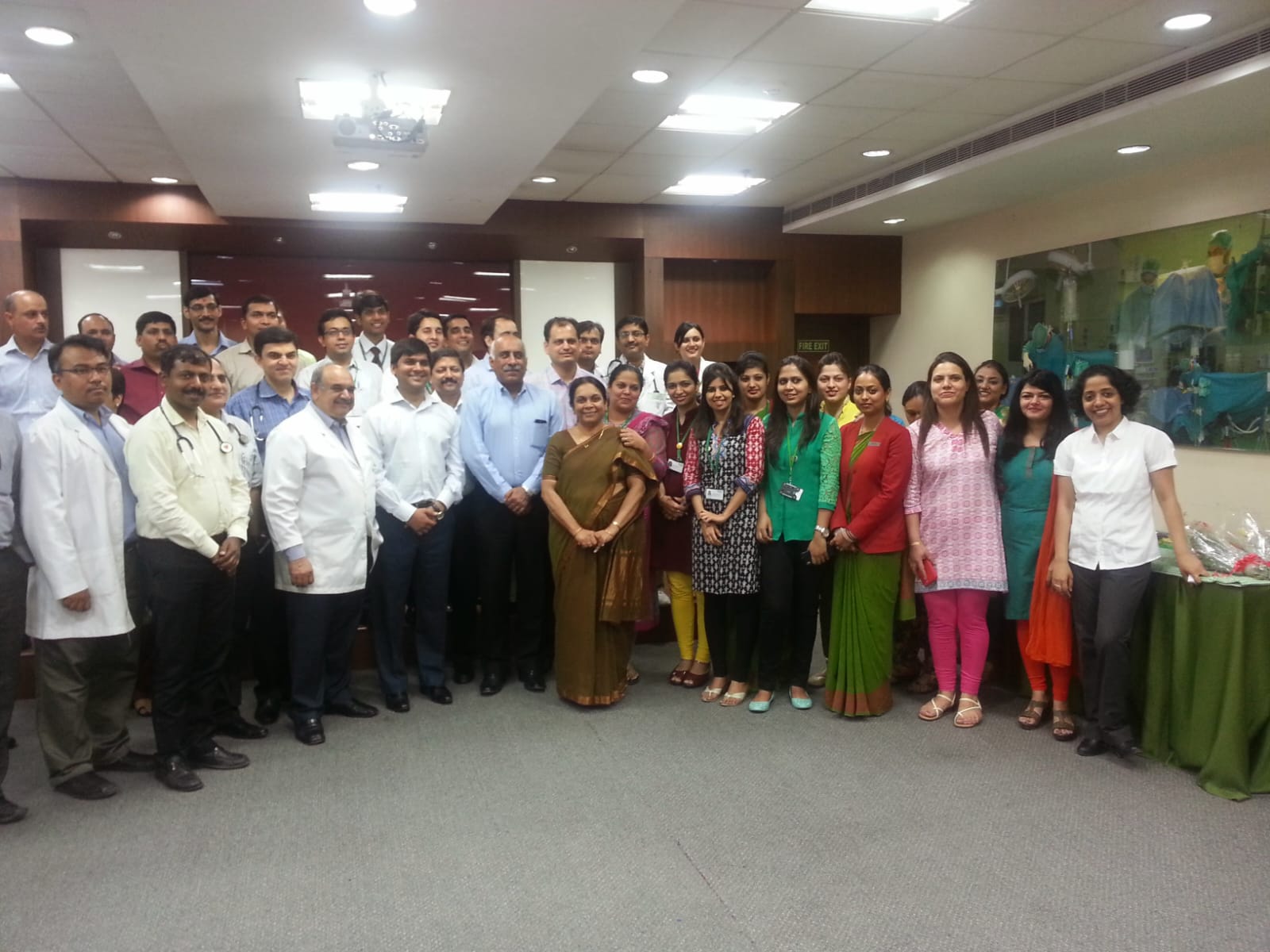 After five years in the workforce, Ms. Madoc was soon promoted to Regional Manager at Cipla, a large Pharmaceutical company in India. She describes, “The key to my success in my first organization was purely results.” Even when asked about a few lifetime achievements, Ms. Madoc takes pride in being the first ever Woman Regional Manager in Cipla.
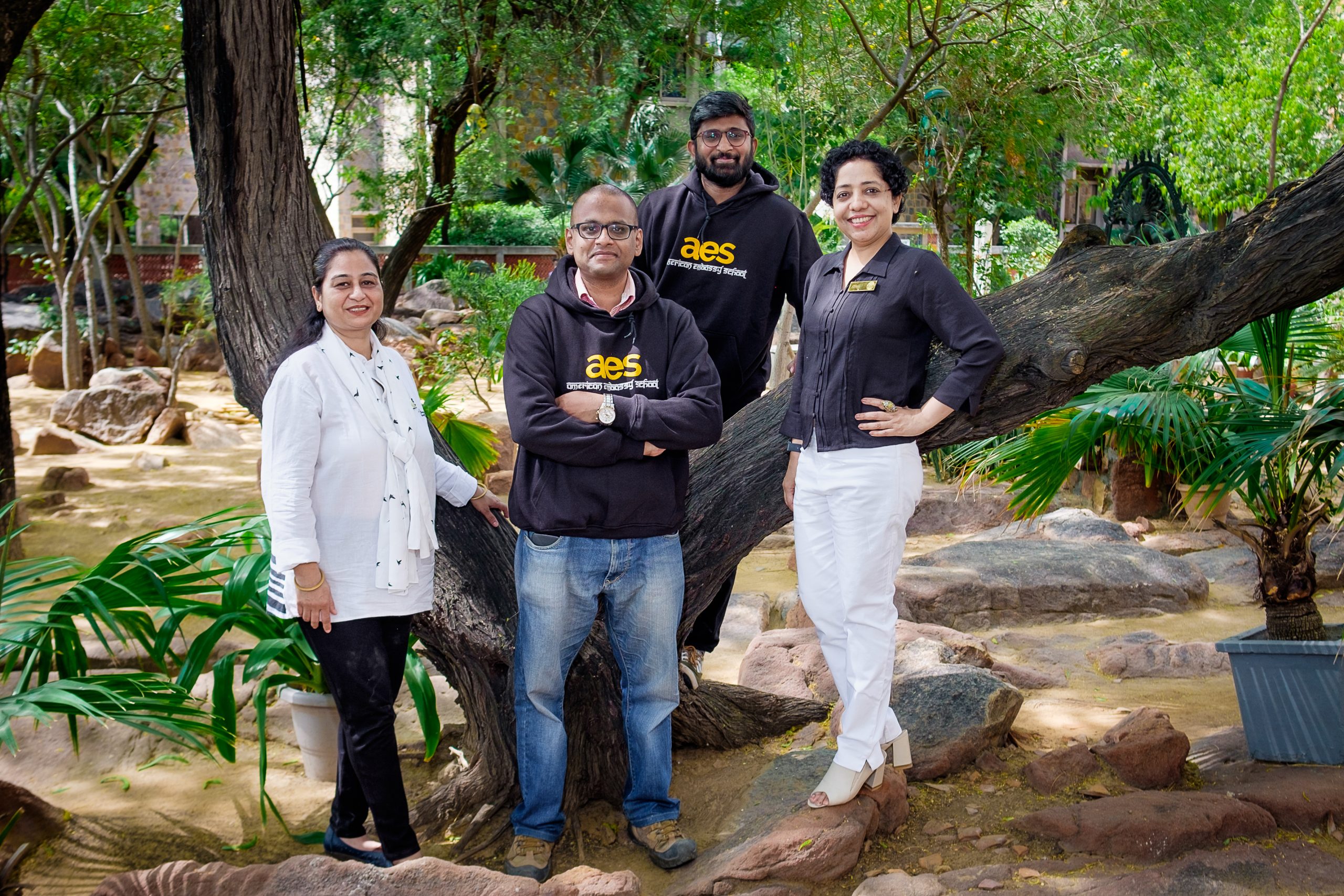 engagement, executive development, and performance management, Ms. Madoc’s expertise spans various HR roles, underpinned by a deep understanding of labor laws and service conditions. Ms. Madoc confidently claims, “I have contributed to the success of diverse organizations, including a Foreign Mission, an International School, Corporate Healthcare, a Charitable Private Mission Hospital, and a Corporate Pharmaceutical Company.”
 Ms. Alfons greatly admires her time at St. Stephen’s Mission Hospital, where she spent nine years in health care. “While my role was primarily in HR, whenever I got an opportunity, I worked as a Social Worker there at the Hospital,” catering to the diverse needs of the patients and families.
 Commission, where she was recruited as the Head of HR for the Southwest Asian Region. She explains her work at the Foreign Mission as “a wonderful journey through the global outreach of HR, how HR functions beyond the Indian borders, and how cross-cultural experiences and cross-cultural competencies come into play.”
 Ms. Alfons emphasizes the need to be aware of how we do what we do and also the importance of knowing why we do what we do. Recognizing her dynamism, creativity, and leadership, Ms. Madoc was awarded the High Commissioner’s Excellence Award for her contributions to the Australian High Commission.
 rooted in the foundational values instilled by my parents and family” as the keys to her success. “Beyond the tangible elements, the true secret is steadfast belief in one’s capabilities. I firmly believe that faith can move mountains,” Ms. Madoc adds.
 What are TED or TEDx talks?
 Why do a TED talk or why did you do these TEDx talks?
 I can empathize with the perspectives of both white and black Americans who view socialism as a potential solution to their problems. The grass looks greener on the other side. However, I find it troubling when immigrants, especially those from my home state of Kerala, attempt to reshape America into a replica of their native lands but they choose to live here.


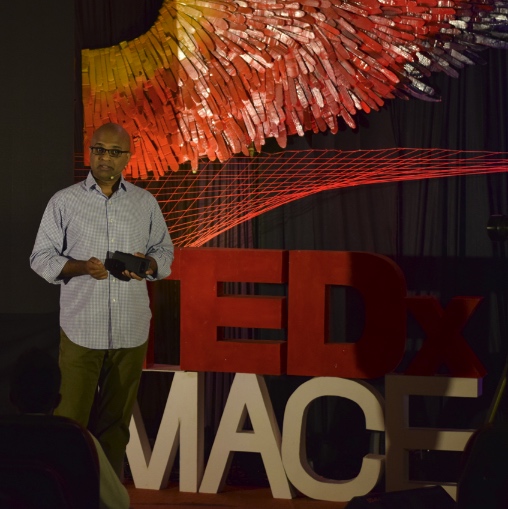
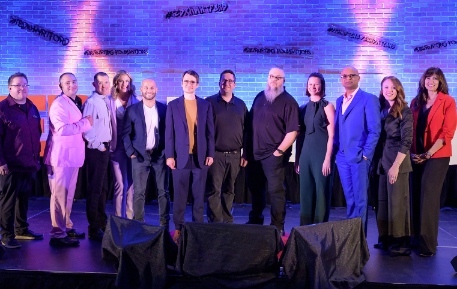
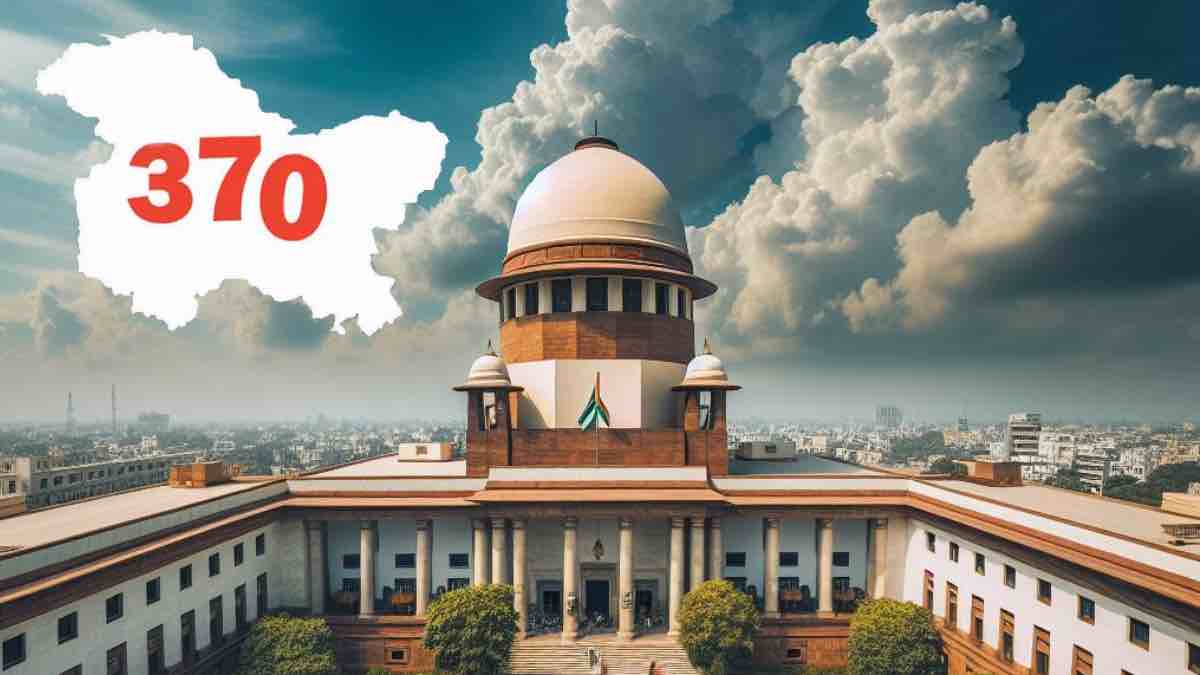
 An aspiring doctor and model, Rijul, 24-year-old Maini aims to be a surgeon and hopes to serve as a role model to women everywhere. “I am so humbled and grateful to say that I am the new MISS INDIA USA 2023! I am especially grateful for the family of amazing, strong, confident women I gained throughout this process. Your light shines so bright, never dim it for anyone,” she said in an Instagram post.
 USA, Mrs. India USA and Miss Teen India USA. Winners of all three categories will be getting complimentary air tickets to take part in Miss- Mrs.-Teen India Worldwide organized by the same group.
 providing healthcare to India’s 1.4 Billion people, who live in the congested urban centers and in the rural/remote regions of the country. The 17th annual GHS will build on the past initiatives and add several new programs, Dr. Samadder added.
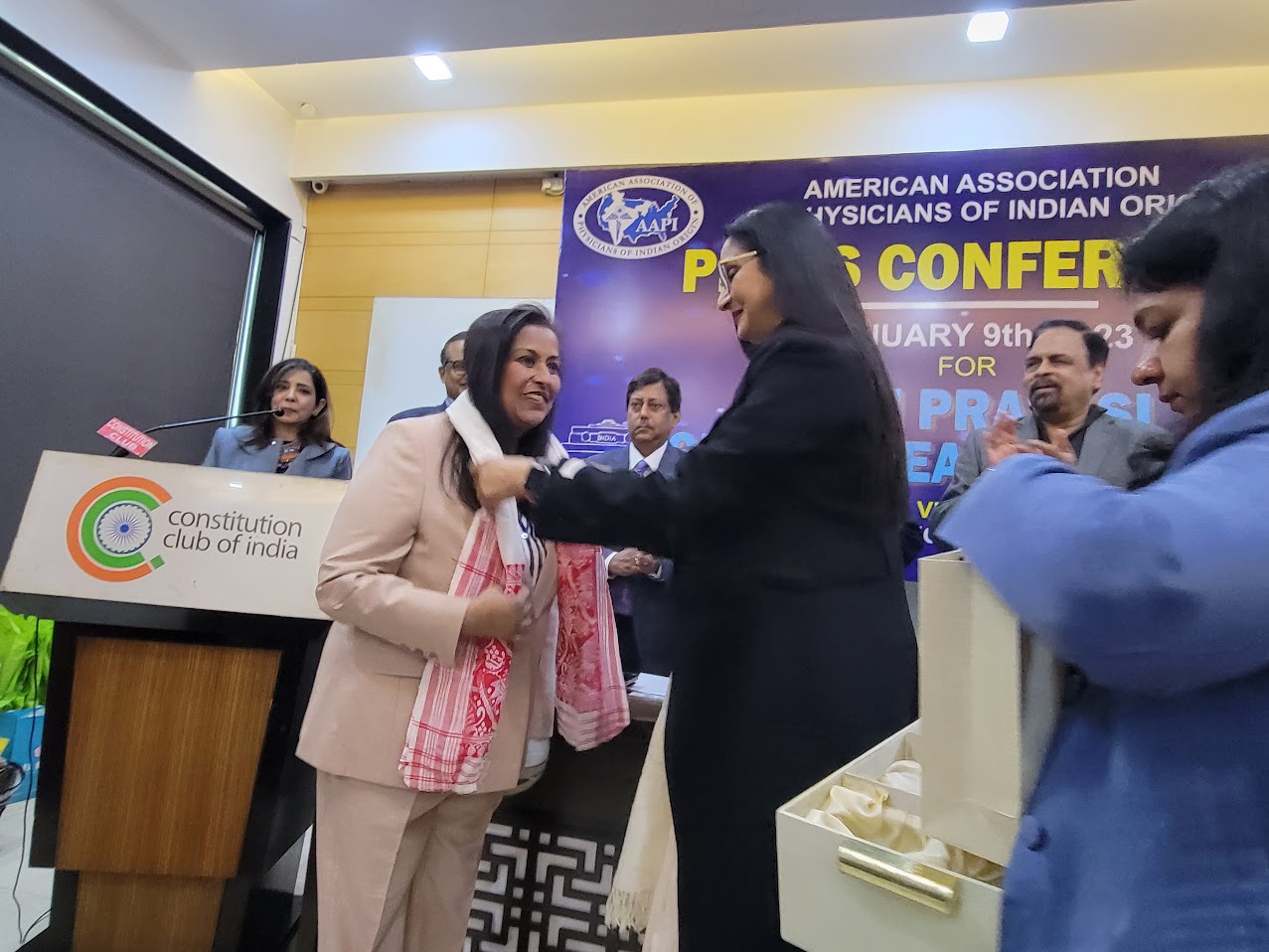 While elaborating on the themes and areas that are going to be covered during the Summit, Dr. Sampat Shivangi, Chair of GHS 2024 said, “Future of Healthcare and Artificial Intelligence” will be the theme for the GHS 2024, which is organized by AAPI in collaboration with Kasturba Medical College in Manipal, the Indian Medical Association, and the Government of the State of Karnataka.”
 The community memebrs in the audience was pleasantly surprised by the amount of knowledge Muhammed displayed about Hindu traditions, including his flawless recitation of many Sanskrit shlokas from the scriptures.
 Traditionally performed during Navratri, the nine-day festival that is celebrated to honor the devine feminine energy, Garba is among the oldest folk dances of India. The UNESCO officials appreciated the dance for its “inclusive” nature and hailed it as a symbol of bringing communities together.
 Mission LiFE, a global initiative for ‘Lifestyle for Environment’ is a groundbreaking step towards sustainable living, according to Ruchira Kamboj, India’s Permanent Representative to the UN. Kamboj was speaking at a reception hosted by India’s Permanent Mission to the UN on December 4, 2023 at the UN headquarters in New York to highlight 2023 as the International Year of the Millet.
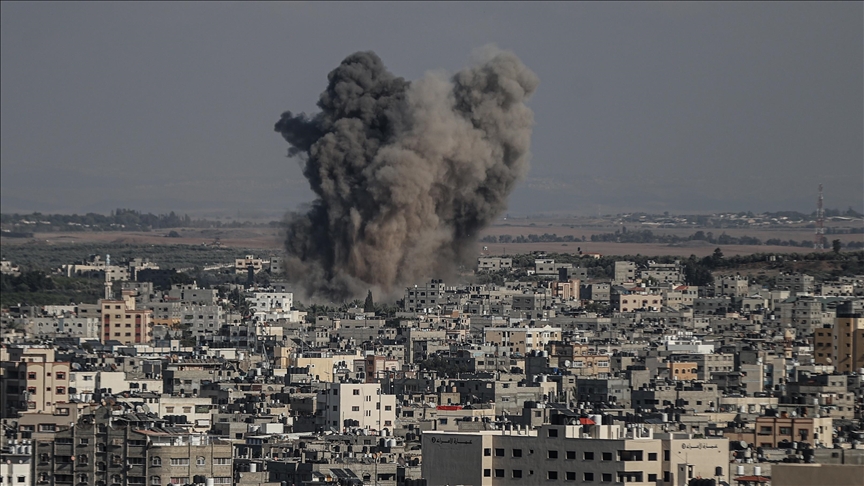 This unprecedented move comes after the Security Council’s delay in adopting a resolution supporting a ceasefire. In the letter, Guterres conveyed the grim reality of more than eight weeks of conflict, emphasizing the “appalling human suffering, physical destruction, and collective trauma across Israel and the Occupied Palestinian Territory.”
 At least 17 people were killed in rain-related incidents in Chennai, which suffered the most damage from the cyclone, according to city police. These deaths were caused by collapsing walls, electrocution, drowning, and falling trees. More than ten people were injured in the city and taken to various hospitals for treatment. Despite Michaung making landfall with sustained winds of 90-100 kmph, no casualties were reported in Andhra Pradesh.
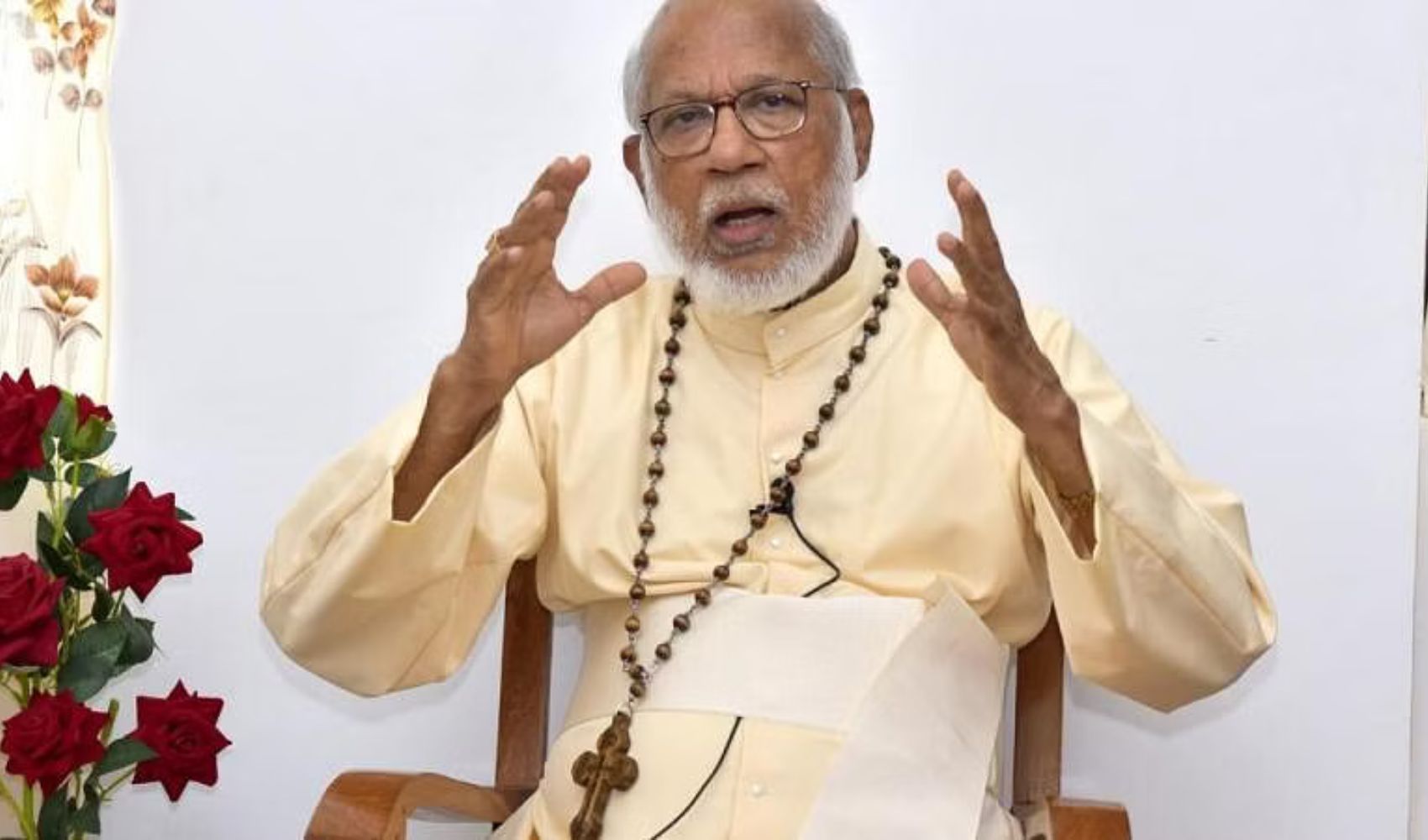
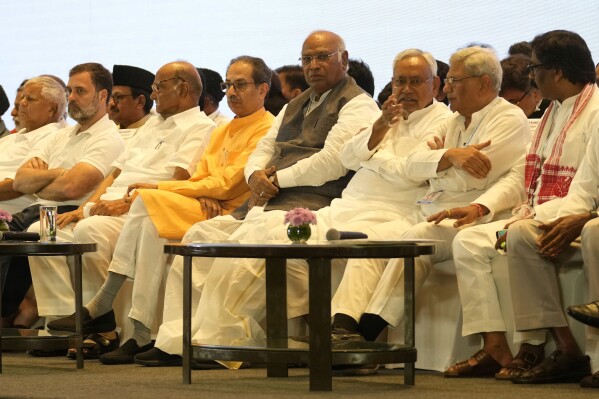
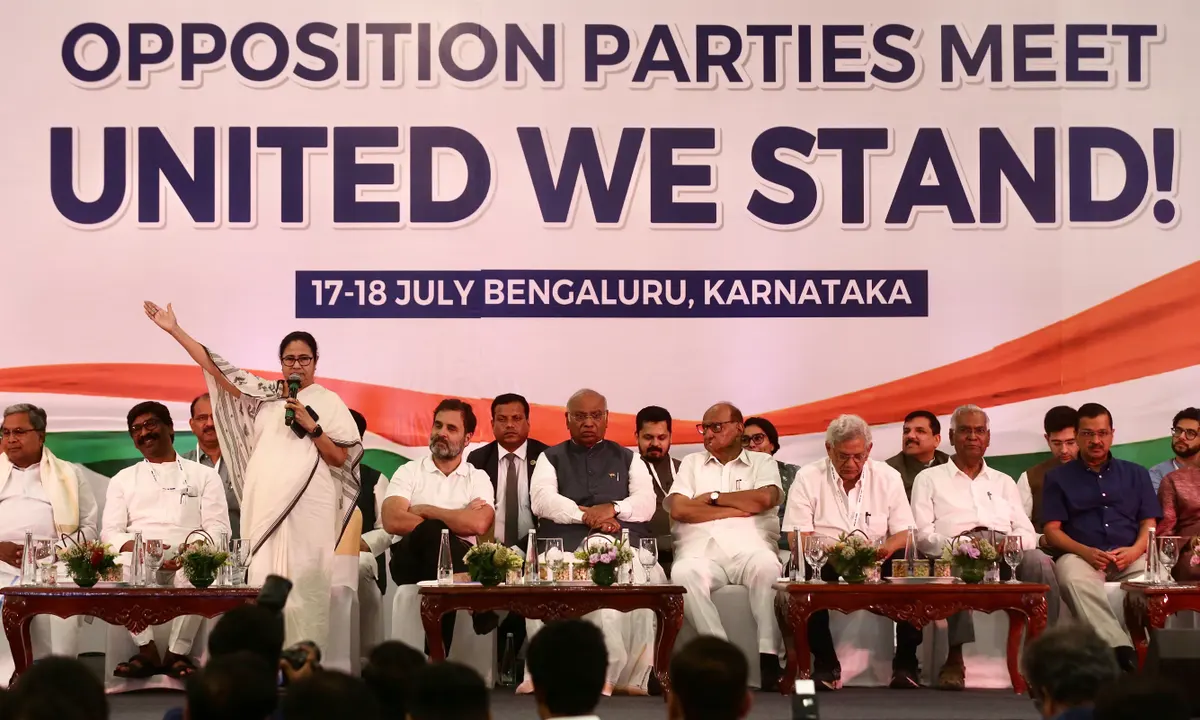
 The 26th House District includes the South Riding and Brambleton areas, and stretches from the Dulles Greenway to the southeastern corner of Loudoun County.
 83% of all U.S. adults believe people have a soul or spirit in addition to their physical body.
 the difficulty of defining and separating those concepts.
 About a quarter of U.S. adults believe that spirits or spiritual energy can reside in certain objects, such as crystals, jewels or stones (26%).
 once or twice a month they feel a deep sense of wonder about the universe. A similar share (44%) say they feel a deep sense of spiritual peace and well-being that often.
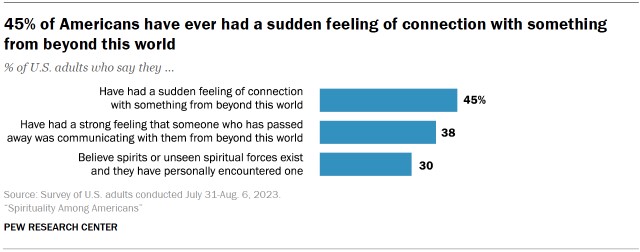 Fully 45% say they have had a sudden feeling of connection with something from beyond this world, and 38% say they’ve had a strong feeling that someone who previously passed away was communicating with them from beyond this world. Three-in-ten say they believe in spirits or unseen spiritual forces and also say they have personally encountered one.
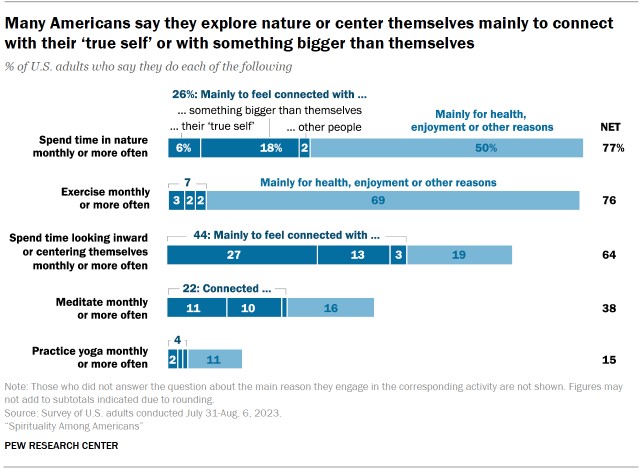 important reason why they engage in each of these activities: Is it to “feel connected” with something bigger than themselves, with their “true self” or with other people? Is it to get health benefits, including relaxation? To have fun and enjoy the experience? Or for other reasons?
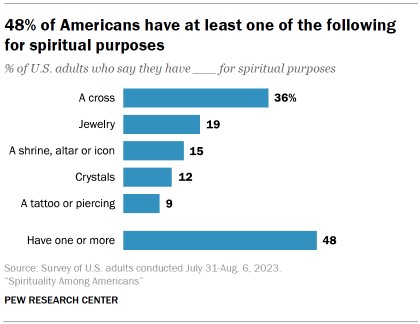 Roughly four-in-ten Americans meditate at least a few times a month (38%), including 22% of U.S. adults who meditate mainly to connect with their “true self” (11%) or with something bigger than themselves (10%).
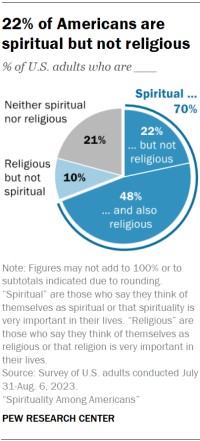 no more spiritual, on average, than U.S. adults who are both religious and spiritual. For example, large majorities in both groups say they believe “people have a soul or spirit in addition to their physical body.” Smaller majoritie“Women suffer a lot of discrimination generally, and so they’re less likely to be willing to stake out a position that could subject them to more discrimination, so they say, ‘I may not be religious but I’m spiritual,’” Cragun said. “And that softens the blow very quickly.”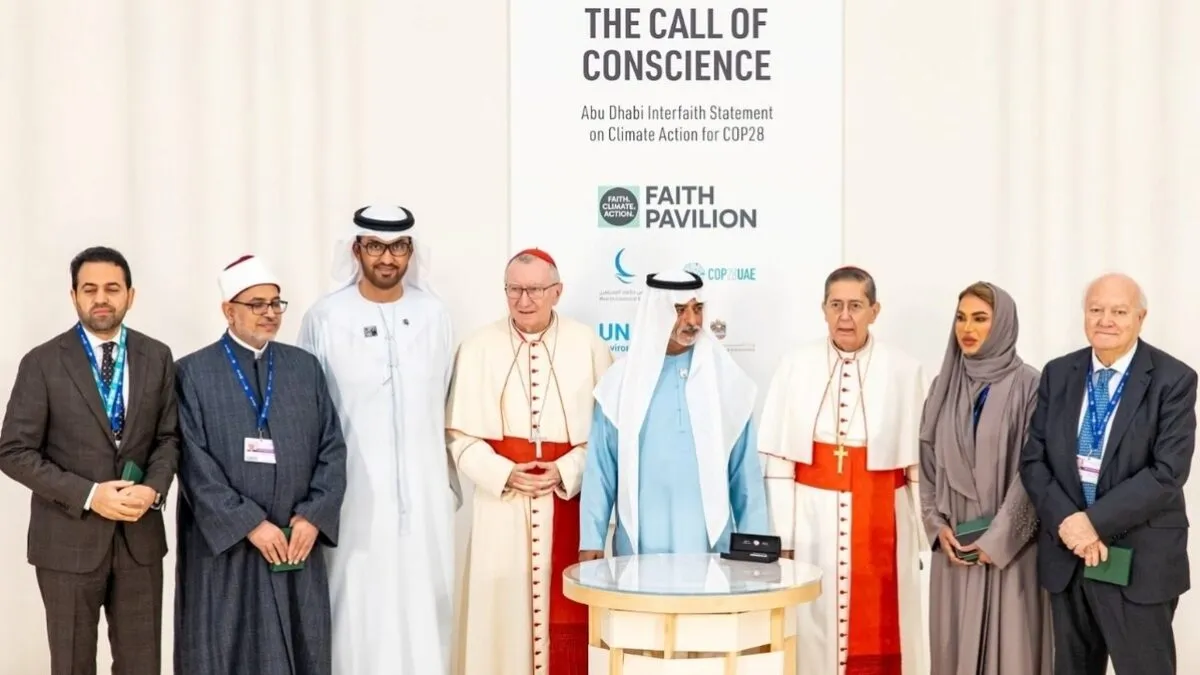
 Forbes also included four Indian women in their list of the 100 most powerful women in the world. The country’s finance minister, Nirmala Sitharaman, came in at number 32 in the politics and policy category. HCL Technologies chairperson and industrialist Roshni Nadar Malhotra ranked number 60 in the technology category. Soma Mondal, CEO of the Steel Authority of India, was number 70 in the business category. Kiran Mazumdar-Shaw, an entrepreneur, was number 76 in the business category.
 “If they’re going to continue to bring in record numbers of students, that they are being part of the solution as well by making sure that they have a place to live,” Fraser had said. He called out institutions for exploiting students by enrolling more than they had space for, which in turn also hurt the housing market.

 Additionally, the US could also explore activities to improve prospects for dialogue leading to a negotiated agreement on Tibet and coordinate with other governments in multilateral efforts towards the goal of a negotiated agreement on Tibet. Furthermore, it should encourage the Chinese government to address the aspirations of the Tibetan people regarding their distinct historical, cultural, religious and linguistic identity.
 “The launch of Add-ons on ZEE5 Global is a significant milestone, further cementing our leadership position as the No.1 South Asian streaming platform,” said Anand. “Add-ons will bring the best of South Asian content from multiple streaming platforms within ZEE5 Global for the diaspora in the US and soon globally, and at the best possible value.”
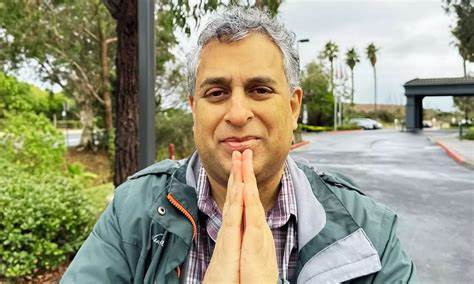 Meghani emphasized the importance of Hindu Americans being proud of their heritage while actively engaging with others to foster better understanding. The Hindu American Foundation, initially volunteer-driven, has now expanded significantly, with plans for further growth to continue advocating for Hindu causes and enhancing awareness of Hinduism in American society.
 The program which started 0n December 1st, aims to have around 20,000 work visa renewals, constituting approximately 10% of the anticipated 583,420 H-1B visa holders. The program was initially proposed in February gained formal announcement and recognition during PM Modi’s visit to the US in September.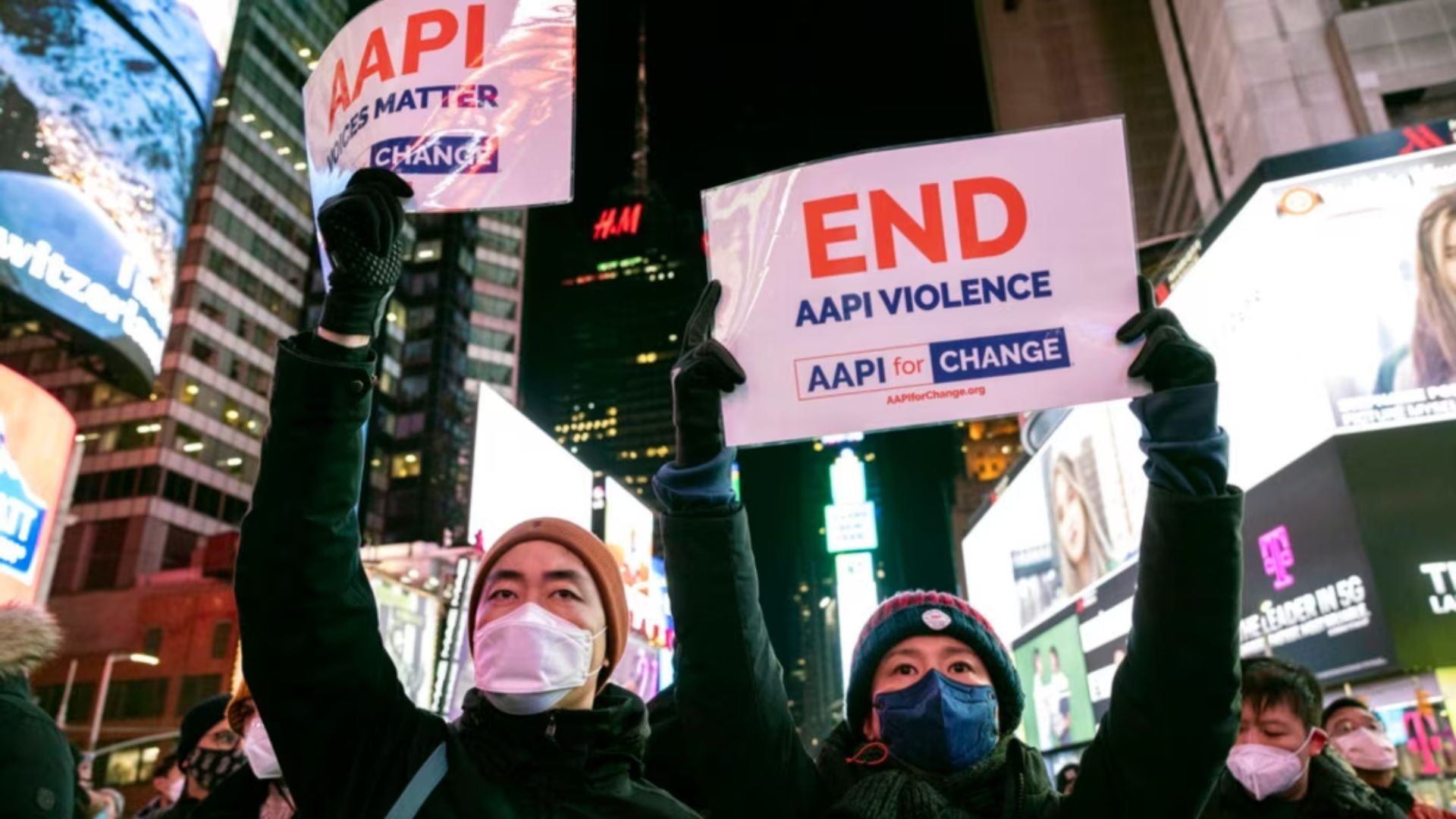
 Japan
Japan Dr. Murthy, an Honorary Advisor to the Government of Odisha (Health and Family Welfare), recommends that all the State Governments in India initiate statewide Community, Police, and High-school CPR programs to “Save Lives” in Sudden Cardiac Arrests due to any cause. Odisha was the first state in India to implement statewide CPR programs among Odisha communities. The Hon’ble Chief Minister of Odisha, Mr. Naveen Patnaik, officially launched the governmental “Saving Lives with Bystander CPR Training” project on February 1,2023 at the Kalinga Stadium, Bhubaneswar. The project’s key players include service-oriented Sri Sathya Sai Seva Organizations, Odisha, and Sri Jagannatha Service Foundation. The ongoing community programs have trained so far, a few thousands of community members and students, including 1000 police personnel. Dr. Murthy hopes to see all the states in India initiate community CPR training programs in the near future with support from their respective state governments and non-governmental organizations.