President Murmu Leads 77th Republic Day Parade at Kartavya Path

India celebrated its 77th Republic Day with a grand ceremony at Kartavya Path, led by President Droupadi Murmu, highlighting the nation’s constitutional legacy, military strength, and cultural diversity.

India marked its 77th Republic Day with a grand and emotionally charged ceremony at Kartavya Path in New Delhi. The event celebrated the country’s constitutional legacy, military strength, cultural diversity, and national aspirations. President Droupadi Murmu led the celebrations, unfurling the national flag amid a 21-gun salute fired using indigenous artillery, symbolizing India’s growing self-reliance in defense.

This year’s observance commemorated the historic adoption of the Indian Constitution on January 26, 1950, reaffirming the country’s commitment to democracy, unity, and justice.

Distinguished guests attended the parade, underscoring India’s expanding global partnerships and diplomatic outreach. President Murmu arrived in a ceremonial procession, accompanied by senior political leaders, defense officials, and foreign representatives. In a revival of tradition that had been discontinued for decades, the President and Chief Guests were escorted to Kartavya Path in a ceremonial buggy, adding a regal and historic touch to the proceedings. Prime Minister Narendra Modi paid tribute to fallen soldiers at the National War Memorial before attending the parade, serving as a solemn reminder of the sacrifices made to protect the nation.

A senior official described the moment as “a powerful blend of tradition, respect for history, and national pride.”

The parade opened with a precision march-past by contingents from the Indian Army, Navy, Air Force, and Central Armed Police Forces, showcasing discipline, professionalism, and unity. A major highlight was the display of advanced indigenous defense systems, including missile platforms, armored vehicles, radar units, and modern artillery, reinforcing India’s focus on self-reliance in defense manufacturing. Several newly developed military technologies made their public debut, signaling the country’s expanding strategic capabilities.

The Indian Air Force flypast featured a fleet of fighter jets, surveillance aircraft, transport planes, and helicopters, delivering a dramatic aerial spectacle. The roar of Rafale and Sukhoi jets soaring above Kartavya Path drew thunderous applause from spectators lining the boulevard. A defense analyst noted, “This year’s parade showcased India’s transition into a technologically empowered military power.”

The 2026 parade featured several historic milestones, including the debut of new elite military units, advanced weapon systems, and special operational formations. Observers highlighted the increasing role of women officers and personnel in frontline and leadership positions, symbolizing the growing gender inclusivity within India’s armed forces. The visual presentation of battle formations, modern warfare equipment, and operational readiness reflected a shift toward realistic and future-oriented defense representation.

One of the most visually striking segments of the parade was the presentation of tableaux from States, Union Territories, and Union Ministries, each narrating stories of India’s heritage, innovation, sustainability, freedom movement, and national development. This year’s overarching theme celebrated 150 years of “Vande Mataram,” the iconic national song that inspired generations of freedom fighters. The floats reflected a blend of historical pride and contemporary progress, highlighting achievements in science, technology, education, digital transformation, environment, tribal culture, and social empowerment.

A cultural historian remarked, “The tableaux act as moving storytelling platforms, presenting India’s past, present, and future in a shared visual narrative.”

Over 2,500 artists from across the country performed synchronized cultural dances, representing India’s diverse folk and classical traditions. Performances ranged from Mohiniyattam and Bharatanatyam to regional folk dances, celebrating the nation’s unity in diversity. Special segments featured schoolchildren, youth groups, martial artists, and National Cadet Corps contingents, reinforcing the role of young Indians in shaping the country’s future. A student performer expressed, “Being part of Republic Day celebrations is an honor we will cherish for life.”

The parade drew thousands of spectators, including first-time attendees who described the experience as emotional, unforgettable, and deeply patriotic. Many citizens expressed pride in witnessing the grandeur of the event live, calling it a once-in-a-lifetime experience. A spectator shared, “Watching the parade in person fills you with pride and reminds you of the sacrifices that built this nation.”

President Murmu’s leadership of the ceremony symbolized constitutional authority, unity, and national resilience. The event conveyed a strong message of progress, inclusivity, innovation, and confidence in India’s future — from military readiness and technological ambition to cultural vibrancy and democratic pride. As the celebrations concluded with a spectacular flypast, the 77th Republic Day parade left millions across India inspired, reaffirming the nation’s commitment to democracy, development, and unity, according to GlobalNetNews.

India Celebrates Republic Day with Festivities and National Pride

India celebrates Republic Day, honoring the adoption of its Constitution and the nation’s commitment to democracy and justice.

Every year on January 26, India commemorates Republic Day, a significant occasion that marks the adoption of the Constitution of India in 1950. This day is not only a celebration of the nation’s democratic values but also a tribute to the sacrifices made by countless individuals in the struggle for independence.

The Constitution of India, which came into effect on this day, laid the foundation for a sovereign, socialist, secular, and democratic republic. It guarantees fundamental rights to all citizens, ensuring equality, justice, and liberty. Republic Day serves as a reminder of the principles enshrined in the Constitution and the responsibilities that come with them.

Celebrations across the country include grand parades, cultural performances, and the hoisting of the national flag. The main event takes place in the capital, New Delhi, where a spectacular parade showcases India’s military might and cultural diversity. Various states participate by presenting their unique traditions and heritage, reflecting the rich tapestry of Indian culture.

In addition to the parades, Republic Day is also a time for reflection on the progress the nation has made and the challenges that lie ahead. It is an opportunity for citizens to reaffirm their commitment to the values of democracy and to work towards a more inclusive and equitable society.

As India celebrates this important day, it is essential to remember the vision of the founding fathers and the ongoing journey towards realizing that vision. The spirit of Republic Day inspires citizens to engage actively in the democratic process and contribute to the nation’s development.

In conclusion, Republic Day is a celebration of India’s identity as a democratic nation and a reminder of the importance of upholding the values enshrined in its Constitution. It is a day to honor the past while looking forward to a brighter future.

According to India Currents, the observance of Republic Day is a vital part of India’s national identity and a celebration of its democratic ethos.

Measles Cases Resurge in the United States, Health Officials Warn

The United States is at risk of losing its measles-free status due to a surge in outbreaks, with over 2,400 reported cases this year, raising concerns among health officials.

After a year marked by ongoing measles outbreaks that have affected more than 2,400 individuals, the United States is on the verge of losing its designation as a measles-free country. This alarming trend has prompted discussions among health officials, including Ralph Abraham, the newly appointed principal deputy director at the Centers for Disease Control and Prevention (CDC).

During a recent briefing for journalists, Abraham expressed a nonchalant attitude toward the potential loss of the measles-free status. “It’s just the cost of doing business with our borders being somewhat porous for global and international travel,” he stated. He added, “We have these communities that choose to be unvaccinated. That’s their personal freedom.”

Interestingly, infections from other countries accounted for only about 10% of the measles cases reported since January 20, 2025, the official start of the current outbreak in West Texas, which has since spread to other states and Mexico. The majority of cases were acquired domestically, marking a significant shift since the U.S. eliminated measles in 2000. Previously, while occasional cases emerged from international travelers, they rarely led to outbreaks due to the high vaccination rates in the country. Two doses of the measles, mumps, and rubella (MMR) vaccine are known to effectively prevent infection and curb the virus’s spread.

To retain its measles elimination status, the U.S. must demonstrate that the virus has not circulated continuously within the nation for a year, specifically between January 20, 2025, and January 20, 2026. In response to this requirement, scientists are currently investigating whether the significant outbreaks in South Carolina, Utah, Arizona, and Texas are interconnected.

Health officials have confirmed that the primary strain of the measles virus involved in these outbreaks is D8-9171. However, since this strain is also present in Canada and Mexico, CDC scientists are conducting a comprehensive analysis of the entire genomes of measles viruses—approximately 16,000 genetic letters long—to determine whether the strains in the U.S. are more closely related to each other than to those found in other countries.

The CDC anticipates completing its genomic studies within the next couple of months, after which the findings will be made public. The Pan American Health Organization, in collaboration with the World Health Organization, will then decide whether the U.S. will lose its measles elimination status. Such a loss could lead to an increase in costly, preventable measles outbreaks.

Measles was declared eliminated in the U.S. in 2000, a significant public health achievement. However, pediatrician and vaccine specialist Paul Offit criticized Abraham’s remarks, stating, “When you hear somebody like Abraham say ‘the cost of doing business,’ how can you be more callous? Three people died of measles last year in this country.” Offit emphasized the importance of the elimination status, noting, “We eliminated this virus in the year 2000—eliminated it. Eliminated circulation of the most contagious human infection. That was something to be proud of.”

While Abraham maintained that vaccination is the most effective means of preventing measles, he also acknowledged that parents should have the autonomy to decide whether to vaccinate their children. Since 2020, several states have relaxed school vaccine requirements, leading to a decline in vaccination rates. A record number of kindergartners—approximately 138,000 children—obtained vaccine exemptions for the 2024-25 school year.

Compounding the issue, misinformation regarding vaccines has proliferated, fueled in part by Health and Human Services Secretary Robert F. Kennedy Jr., who previously founded an anti-vaccine organization. Throughout his tenure, Kennedy has perpetuated scientifically debunked claims linking vaccines to autism, brain swelling, and death.

Jennifer Nuzzo, director of the Pandemic Center at Brown University, criticized the focus on genetic details that may allow the U.S. to retain its measles-free status. “This is the wrong thing to pay attention to. Our attention has to be on stopping the outbreaks,” she stated. Nuzzo added, “If we keep our status, it should be because we have stopped the spread of measles. It’s like they’re trying to be graded on a curve.”

Investigations by KFF Health News revealed that the Trump administration hindered the CDC’s ability to assist West Texas during the initial critical weeks of the outbreak and delayed the release of federal emergency funds. Nevertheless, the agency increased its efforts last year by providing local health departments with measles vaccines, communication materials, and testing resources. Abraham confirmed that HHS would allocate $1.5 million to South Carolina to address its outbreak, which has reached 646 cases as of January 20.

Last year’s case counts were the highest since 1991, prior to the implementation of government vaccine policies designed to protect all children through measles immunization. If the CDC’s genomic analyses reveal that the outbreaks stemmed from separate introductions from abroad, political appointees may credit Kennedy for preserving the country’s measles-free status. Conversely, if the studies indicate that the outbreaks are linked, former CDC national immunization center director Demetre Daskalakis predicted that the administration would downplay the findings, suggesting that a reversal of the country’s status is insignificant.

Indeed, during the briefing, Abraham told a reporter from Stat that a change in the nation’s status would not be particularly concerning: “Losing elimination status does not mean that the measles would be widespread.” However, data suggests otherwise, as the case counts from last year indicate a troubling trend in the resurgence of this highly contagious disease.

For more information on the current measles situation, visit the CDC’s real-time measles update.

According to KFF Health News, the ongoing situation underscores the critical need for public health initiatives aimed at increasing vaccination rates and combating misinformation surrounding vaccines.

Pressure Mounts on Mexico Regarding Cuba’s New Oil Support

Cuba’s regime faces unprecedented challenges as Mexico steps in with oil support, raising concerns in the U.S. about the implications for Communist governance in the region.

Cuba’s government is reportedly at its weakest point in 65 years, as Mexico has allegedly begun providing oil assistance to the island nation. This development has sparked increasing concerns among U.S. lawmakers and analysts regarding the implications of continued Communist support in the region.

For years, the regime of Venezuelan dictator Nicolás Maduro played a crucial role in sustaining Cuba, but with Maduro now imprisoned in New York, attention has shifted to Mexico. As of January, Mexico accounted for approximately 13,000 barrels per day, or 44% of Cuba’s projected oil imports for 2025, a critical factor in keeping the struggling economy afloat. With renewed trade discussions set to take place in July, Republican lawmakers and conservative analysts are calling for heightened pressure on Mexico to sever its oil lifeline to Cuba.

The Trump administration is reportedly considering a maritime blockade on oil imports to Cuba, a move that would escalate previous efforts to cut off imports from Venezuela. This blockade could potentially lead to a humanitarian crisis and the economic collapse of the Castro/Diaz-Canel regime, a scenario long hoped for by many in the U.S. diaspora.

“The Cuban government was, even before this action with Maduro, probably at the weakest point that the regime has been in the last 65 years,” stated Rep. Carlos Gimenez, R-Fla., the only Cuban-born member of Congress. He expressed concern that Mexico’s involvement could inadvertently bolster the Cuban regime. “This just makes them weaker. My one concern is that it appears that Mexico is now trying to prop them up,” he added.

Gimenez criticized Mexican President Claudia Sheinbaum, suggesting that her government’s alignment with socialist policies has facilitated this support for Cuba. He emphasized that the oil previously supplied by Venezuela is now being replaced by Mexican oil, raising alarms about the ideological motivations behind such actions.

As Cuba grapples with rolling blackouts, food shortages, medical crises, and a decline in tourism, Gimenez questioned whether the U.S. should consider pushing Cuba closer to the brink of collapse. “Would it be okay for us to kind of nudge them over the edge? I don’t know a problem with that,” he quipped.

Andres Martinez-Fernandez, a Latin America and national security policy analyst at the Heritage Foundation, echoed these concerns, stating that U.S. tolerance for Mexico’s support of Cuba may be waning. He described the Mexico-Cuba relationship as having reached “worrying levels” under Sheinbaum’s predecessor, particularly due to a Cuban medical program that has been criticized as “forced slavery for revenue,” involving Cuban doctors working in Mexico and sending remittances back to the regime.

If Mexico continues to aid Cuba, Martinez-Fernandez warned of “severe pushback” from the U.S., particularly in light of the upcoming USMCA negotiations mentioned by Gimenez. He characterized Mexico’s support for the Cuban regime as “mendacious and duplicitous,” especially given the ongoing issues with drug cartels that Sheinbaum has resisted addressing.

Former President Trump has made it clear that he believes there should be “no more oil or money going to Cuba – Zero,” and the Department of War has been actively seizing sanctioned oil tankers associated with Cuba. A White House official has indicated that Cuba’s struggles are largely self-inflicted, exacerbated by the loss of support from Maduro’s regime. Trump has urged Cuba to negotiate before it is too late.

The upcoming USMCA talks in July are expected to focus on additional concessions from both Mexico and Canada, particularly in light of the evolving Mexico-Cuba relationship. The Sheinbaum administration has reportedly framed its oil shipments as “humanitarian aid” for the Cuban people, but this characterization may further strain U.S.-Mexico relations, which are already tense due to Trump’s criticism of Sheinbaum’s approach to drug cartels.

As discussions continue, many pro-democracy advocates, particularly within the South Florida diaspora, remain hopeful that the Castro/Diaz-Canel regime will not endure much longer. Martinez-Fernandez noted that the regime is likely facing one of its most challenging periods in history, regardless of Mexico’s involvement.

Historically, Cuba has endured significant hardships, notably after losing its primary supporter, the Soviet Union, in the 1990s. While concerns have been raised about China’s growing influence in the region, it appears that Beijing has largely distanced itself from Cuba, leaving the island nation in a precarious position.

As the situation develops, it remains to be seen whether Mexico will adjust its policies in response to U.S. pressure and how these dynamics will ultimately affect the future of Cuba’s government.

According to Fox News, the upcoming months will be critical in determining the trajectory of U.S.-Mexico relations and the fate of the Cuban regime.

Kavya Gowda Trends After Alleging Assault by In-Laws, Husband Hospitalized

Kannada actress Kavya Gowda and her husband Somasekhar were hospitalized following a violent family dispute in Bengaluru, leading to police investigations and public outcry.

A disturbing family dispute involving Kannada television actress Kavya Gowda has garnered significant attention after she and her husband, Somasekhar, were hospitalized due to an alleged attack by relatives in Bengaluru. The incident, which escalated from an internal disagreement to physical violence, has prompted police action, including the registration of FIRs and ongoing investigations.

Kavya Gowda is a well-known figure in the Kannada entertainment industry, having gained fame through popular television serials such as “Radha Ramana” and “Gandhari.” With a strong fan base, she has largely maintained a private life, making her recent public statements about this personal crisis particularly noteworthy.

The actress is trending on social media following reports that she and her husband were allegedly assaulted by close family members at their home. The seriousness of the allegations, which include claims of stabbing and threats, has sparked widespread discussion and concern among the public.

In a powerful media statement, Kavya described the trauma of the incident and called for legal action against those involved. The case has remained in the spotlight due to the involvement of multiple relatives and the filing of counter-complaints, further complicating the situation.

Somasekhar, Kavya’s husband, is a businessman based in Bengaluru. The couple married in December 2021 and have a young daughter together. According to police reports, Somasekhar sustained stab wounds during the altercation and was rushed to a private hospital. Medical professionals have indicated that his condition is stable and he is out of danger, although concerns about his safety within the family environment remain.

The incident reportedly occurred on January 26 at the couple’s residence. Kavya’s sister, Bhavya Gowda, filed an FIR stating that Kavya had called her multiple times in distress, claiming that she and Somasekhar were being threatened and assaulted. The complaint alleges that Somasekhar’s brother, Nandish, his sister-in-law, Prema, their father, Ravikumar, and another woman named Priya physically attacked the couple using sticks and rods. During this altercation, Somasekhar was allegedly stabbed.

Preliminary investigations suggest that longstanding family disputes may have contributed to the violence. The couple reportedly lived in a joint family setup, where disagreements over household responsibilities and child-rearing had created tension. As arguments escalated, the situation spiraled out of control, leading to the violent confrontation. Police are currently examining whether the attack was premeditated or a spontaneous outburst during the dispute.

The FIR, filed at the Ramamurthy Nagar Police Station in Bengaluru, names several individuals as accused. The complaint details how the accused restrained, abused, and physically assaulted Kavya and Somasekhar during the altercation. It also mentions threats to their lives, prompting Kavya to seek urgent help from her sister.

Based on the FIR, Bengaluru Police have invoked relevant sections of the Bharatiya Nyaya Sanhita (BNS), including those related to assault, criminal intimidation, unlawful restraint, and causing physical injury. Authorities have indicated that additional charges may be added as more evidence comes to light, depending on medical reports and witness statements.

In her media address, Kavya Gowda made serious allegations against her relatives, stating, “I am not someone who seeks publicity over trivial issues. My husband was stabbed, and I was assaulted. This should be punished according to the law. I want justice.” She also mentioned threats of sexual violence and indicated that evidence from home surveillance cameras would support her claims.

This incident has reignited discussions about unresolved family conflicts and the potential for such disputes to escalate into violence. It underscores the necessity for legal intervention and protective measures, particularly when physical safety is at risk. As the investigation unfolds, public attention remains focused on the police findings and the potential for accountability based on the evidence gathered.

As the situation develops, it serves as a reminder of the complexities surrounding domestic disputes and the urgent need for effective resolution mechanisms.

According to The Sunday Guardian, the case continues to evolve as authorities work to uncover the full details of the incident.

Iranian Security Forces Kill Boxer Amid Father’s Search for Missing Son

Iranian security forces allegedly shot and killed amateur boxer Sepehr Ebrahimi during protests near Tehran, prompting his father to search morgues for a week before identifying his body.

Iranian security forces reportedly killed amateur boxer Sepehr Ebrahimi during ongoing anti-regime protests near Tehran, contributing to a rising death toll that has surpassed 6,126 individuals since the protests began.

The tragic incident occurred on January 11 in the Andisheh area, located approximately 19 miles west of Tehran’s city center. Ebrahimi, just 19 years old, was shot during demonstrations against the Iranian government. His father spent a harrowing week searching through morgues and hospitals before finally identifying his son’s body among the deceased.

Distressing footage circulating online captures the moment when Ebrahimi’s father, visibly distraught, searches among piles of bodies covered with black body bags. In the video, he can be heard calling out for his son, crying, “My dear Sepehr, where are you?” At one point, he exclaims, “Damn Khamenei. They have killed the children of so many people. You killed so many young people!”

According to Ali Safavi, a senior official with the National Council of Resistance of Iran (NCRI), Ebrahimi was shot with live ammunition by security forces during the protests. His family’s anguish reflects the broader turmoil in Iran, where citizens have been demonstrating against political repression, economic hardship, and human rights abuses.

The death of Ebrahimi has drawn renewed attention to the plight of another Iranian boxer, Mohammad Javad Vafaei Sani, who is currently on death row. Vafaei Sani, now 30, was arrested in 2020 for participating in pro-democracy protests. Iranian authorities accused him of supporting the opposition group, the People’s Mojahedin Organization of Iran (MEK).

During his five years in prison, Vafaei Sani has reportedly endured torture and prolonged solitary confinement, according to various human rights organizations. In 2023, over 100 human rights experts and international organizations sent a letter to U.N. High Commissioner for Human Rights Volker Türk, urging immediate intervention to prevent his execution. His case echoes that of Iranian wrestling champion Navid Afkari, who was executed in September 2020.

The killing of Ebrahimi adds to the growing list of fatalities related to the protests. The Human Rights Activists News Agency (HRANA) reports that at least 6,126 people have been killed since the latest wave of demonstrations began. The agency also noted that 214 government-affiliated forces and 49 civilians have lost their lives, while more than 17,000 deaths remain under investigation.

As protests continue to unfold across Iran, the situation remains tense, with citizens demanding accountability and justice for the violence they have faced. The tragic death of Sepehr Ebrahimi serves as a stark reminder of the human cost of the ongoing unrest, highlighting the urgent need for international attention and intervention in the region.

According to Fox News Digital, the ongoing protests reflect deep-seated frustrations among the Iranian populace, who are increasingly vocal about their demands for change.

Affordability and Immigration Are Key Concerns for AAPI Adults

A new poll reveals that economic issues, immigration, and health care are the primary concerns for Asian American, Native Hawaiian, and Pacific Islander (AAPI) adults as they look toward 2026.

Asian American, Native Hawaiian, and Pacific Islander (AAPI) adults share many of the same concerns as the broader American population, with economic issues, immigration, and health care emerging as top policy priorities for the upcoming year. A recent poll conducted by AAPI Data and the AP-NORC Center for Public Affairs Research highlights these pressing issues.

The poll indicates a significant lack of confidence in the federal government’s ability to address these concerns. Only 10% of respondents expressed optimism that the government would make meaningful progress on important issues in 2026. This marks a decline in confidence from a previous poll conducted in December 2024, where 60% of AAPI adults reported feeling either not at all or only slightly confident. As President Donald Trump begins his second year back in office, the sentiment appears to have worsened, with 70% of respondents now expressing skepticism.

Economic issues are particularly salient, with 72% of AAPI adults identifying at least one economic concern that they believe the government should prioritize in 2026. Personal finance issues were also highlighted, with 42% of respondents mentioning them as significant. Inflation and the rising cost of living are at the forefront of these concerns, with 49% of AAPI adults citing them as key priorities—an increase from 37% the previous year and notably higher than the general public’s concern at 33%.

Looking ahead, 58% of AAPI adults believe the national economy will deteriorate, while approximately a quarter anticipate it will remain unchanged. Only 17% are hopeful for improvement. In contrast, AAPI adults are slightly more optimistic about their personal finances, with 45% expecting their situation to remain stable, compared to 35% who predict a decline. Nineteen percent foresee an improvement in their personal financial circumstances.

Health care also ranks high on the list of concerns for AAPI communities. Forty-four percent of respondents mentioned health care issues, a notable rise from 32% last year. Additionally, 60% of AAPI adults expressed significant concern about rising health care costs, while nearly 40% worry about access to health care, affordability, and the potential loss of health insurance.

These health care concerns resonate with the general population, reflecting a broader anxiety about the state of health services in the United States. While only 6% of AAPI adults identified democracy as a primary issue, there is a palpable concern regarding its functionality. Over half of the respondents (57%) view the U.S. as a poorly functioning democracy, with only 21% believing it operates effectively. Another 21% do not consider it a democracy at all.

Concerns about civil liberties are also prevalent, with 58% of AAPI adults perceiving significant threats to freedom of speech and 57% to freedom of the press. Nearly half (48%) believe their personal rights and freedoms will decline over the next year, while 42% expect them to remain the same.

Despite these challenges, AAPI adults demonstrate a commitment to community support and charitable giving. The survey reveals that a majority of AAPI adults have contributed to those in need over the past year, with about half donating between $1 and $500. While the amounts donated are comparable to those of the general population, AAPI adults are more likely to support crowdfunding campaigns, disaster relief organizations, and educational institutions.

Similar to the general population, confidence in a charity’s impact (69%) and belief in its mission (69%) are the primary motivators for AAPI adults when making donations. Additionally, about three-quarters of respondents consider it very or extremely important to provide assistance to friends and family, while half feel the same about supporting neighbors and community members. However, fewer respondents express the same level of concern for individuals living elsewhere in the U.S. (31%) or outside the country (26%).

Overall, the findings underscore the shared priorities of AAPI adults and the general population, particularly regarding economic stability and personal finances. The poll, conducted from December 2 to December 8, 2025, surveyed 1,029 AAPI adults aged 18 and older living in the United States, with a margin of sampling error of +/- 4.7 percentage points, according to AAPI Data.

No Political Content on TikTok? New U.S. Owners Encounter Turmoil

TikTok’s new U.S. ownership faces significant challenges, including service outages and user concerns about content restrictions, raising questions about the app’s future.

TikTok’s newly established U.S. ownership is encountering unexpected difficulties shortly after taking control of the popular social media platform, leading to growing concerns among users and industry observers about the app’s future.

Over the past weekend, thousands of American TikTok users reported issues with the app, including feeds that failed to load and “For You” pages that did not refresh. Consumer outage tracker Downdetector recorded over half a million user reports within a 24-hour period, peaking on Sunday morning. Many users expressed frustration, stating they could neither upload videos nor access new content.

These outages occurred just days after TikTok announced the completion of a significant restructuring that transferred control of its U.S. operations to a new joint venture, primarily owned by American investors. This move was mandated under U.S. law due to ongoing national security concerns regarding foreign ownership, which had threatened a ban on the app.

In a statement posted on the social media platform X, the newly formed TikTok USDS Joint Venture attributed the app’s “disruptions” to a power failure at a U.S. data center. “We’re working with our data center partner to stabilize our service,” the joint venture stated. “We’re sorry for this disruption and hope to resolve it soon.”

The managing investors of the venture each hold a 15 percent stake and include Oracle, the Silicon Valley cloud computing company co-founded by billionaire Larry Ellison; private equity firm Silver Lake; and the Abu Dhabi-based investment group MGX. ByteDance, TikTok’s former parent company based in China, retains a minority stake of just under 20 percent as part of the U.S. ownership deal.

This change in ownership was intended to ensure TikTok’s continued operation in the United States amid increasing political and regulatory pressure. A 2024 law aimed to compel ByteDance to divest TikTok’s American operations or face removal from U.S. app stores, a ruling upheld by the Supreme Court last year. The joint venture was established to “protect national security through comprehensive data protections, algorithm security, content moderation, and software assurances for U.S. users,” according to their press release.

Despite the establishment of a U.S.-controlled entity, many users have reported that the platform already feels different. Several social media posts from users suggested that politically themed content, such as videos addressing recent immigration enforcement actions and the Israeli-Palestinian conflict, appeared to be missing from the algorithm. Users have also reported difficulties in uploading videos related to political issues, although TikTok has not confirmed any intentional content restrictions.

It appears that the primary motivation for the joint venture may be more about control than national security concerns, as indicated by user posts on social media stating, “the new TikTok algorithm has ZERO, and I mean absolutely ZERO news or politics content.”

For many creators, TikTok remains a vital platform for reaching audiences and generating income. However, the early technical issues have ignited fresh discussions about whether the new ownership structure will impact the app’s performance or influence the content users see. Analysts suggest that broader changes to data handling and the recommendation algorithm, now being localized for U.S. users, could also affect how content is served on the platform.

As the joint venture works to resolve the outages and stabilize service, both users and industry observers will be closely monitoring the situation to determine if this rocky start signals longer-term challenges for TikTok’s new chapter, according to The American Bazaar.

Asia Leads Global University Rankings, Yet India Remains Absent

India’s absence from the top ranks of global university standings highlights systemic failures in its higher education system, as Asian institutions continue to excel across disciplines.

The Times Higher Education (THE) Subject Rankings 2026 have revealed a troubling reality for India’s higher education landscape. While universities in China, Singapore, Hong Kong, Japan, and South Korea consistently dominate the global top-100 lists across various disciplines, India has made a minimal showing, appearing only once in the entire subject ranking table.

The Indian Institute of Science (IISc) in Bengaluru is the sole representative from India, ranking 96th in Computer Science. In stark contrast, numerous Asian countries boast dozens of universities that consistently rank highly in fields such as STEM, humanities, business, law, medicine, and social sciences.

This situation is not merely a comparison with elite institutions like Harvard, Oxford, or MIT—universities with centuries of history and substantial endowments. Rather, it is a comparison within Asia itself, and the differences are striking.

The key takeaway from THE 2026 rankings is both uncomfortable and unavoidable: India is falling behind not due to a lack of talent, but because of systemic failures within its educational framework.

While some may argue that India performs reasonably well in technical fields, the rankings indicate that Asia’s success is broad-based and not limited to niche areas. For instance, in Computer Science, universities from China, Singapore, Hong Kong, Japan, and South Korea dominate the global top 50. In Engineering, over 30 Asian universities are ranked among the top 100. Chinese institutions are also prominent in Business and Economics, appearing in the global top 10, while Hong Kong and China host internationally recognized programs in Law and Social Sciences. Additionally, China and Hong Kong lead in Education Studies, and Japan and China significantly outperform India in Psychology and Health Sciences. In the Arts and Humanities, Asian universities are now rivaling Western research output.

In contrast, India remains largely absent across these disciplines. This is not a failure of intellectual capability; it is a failure of institutional design, research funding strategy, faculty policies, and governance.

Several factors contribute to the success of Asian universities, which India has yet to adopt effectively. First, research is treated as a core mission rather than an afterthought. Top Asian universities prioritize research output as the backbone of their academic credibility. Faculty promotions and career advancement are closely tied to publications in high-impact journals, citation performance, international research collaborations, and competitive research grants. While teaching is important, research productivity carries significant institutional weight.

In India, however, research often feels secondary, underfunded, and constrained by bureaucracy, with insufficient incentives for faculty. As one ranking analyst noted, “In Asian systems, research defines prestige. In India, it is often treated as optional.”

Another critical factor is funding. Countries like China and Singapore follow a deliberate concentration strategy, investing heavily in a select few institutions such as Tsinghua University, Peking University, and the National University of Singapore. This approach allows them to build a few global leaders rather than spreading limited resources across hundreds of universities, which has resulted in widespread mediocrity and few globally competitive institutions in India.

Furthermore, Asian universities actively recruit international faculty, creating diverse academic rosters that include professors with PhDs from top global universities and joint international appointments. In contrast, India faces challenges such as rigid salary caps, slow hiring processes, visa and immigration hurdles, and heavy administrative control, which hinder its ability to attract global talent.

Industry integration is another area where Asian universities excel. Institutions such as KAIST, POSTECH, NTU, and Tsinghua have deep ties with industry, with companies funding research labs, sponsoring faculty chairs, driving patent pipelines, and supporting innovation hubs. These partnerships convert research into real-world applications, while in India, industry collaborations often remain superficial, limited to guest lectures and paper agreements.

Moreover, Asian governments utilize global rankings as strategic tools to diagnose and improve their higher education systems. When performance drops, they redirect funding, change leadership, and restructure research strategies. In contrast, India often dismisses rankings as biased, celebrates selective successes, and avoids systemic reform, which does not foster the development of world-class universities.

The paradox of the Indian Institutes of Technology (IITs) further illustrates this issue. Indian students excel in global competitions, lead research teams abroad, and dominate Silicon Valley and other global tech firms. However, Indian universities do not reflect this excellence. The reason lies in India’s tendency to export talent rather than anchor it domestically. In contrast, countries like China and Singapore actively work to reverse brain drain by attracting global PhD talent and retaining international faculty.

The presence of IISc Bengaluru in the global top 100 highlights its strong research culture, academic autonomy, stable funding, international collaboration, and institutional discipline. However, one university cannot uphold a country’s global academic reputation. The pressing question is not “Why did IISc succeed?” but rather “Why did no other Indian institution follow?”

India can learn valuable lessons from Asia without merely replicating Western models. The focus should be on prioritizing depth over scale, rewarding research over seniority, treating universities as national strategic assets, reducing bureaucratic micromanagement, and establishing intentional, long-term academic policies.

While China, Singapore, Hong Kong, Japan, and South Korea are not without their flaws, they have adopted deliberate strategies that have propelled their universities to the forefront of global rankings. In contrast, India’s higher education system remains reactive, fragmented, and politically constrained.

The bottom line is clear: India’s absence from the global academic stage is a warning sign, not a mystery. While India does not need to surpass the U.S. or Europe immediately, there is no justification for its near invisibility within Asia. As Asian universities continue to excel across disciplines, India’s absence serves as a reflection of systemic neglect.

If India aspires to become a knowledge superpower rather than just a supplier of talent, systemic reform in higher education is no longer optional. The THE 2026 rankings have made this reality painfully clear, emphasizing the urgent need for change.

According to GlobalNetNews.

Sir Mark Tully, Renowned BBC Journalist and Voice of India, Dies at 90

Sir Mark Tully, the esteemed BBC correspondent known as the “voice of India,” has passed away at the age of 90, leaving a profound impact on journalism and the understanding of India worldwide.

Sir Mark Tully, a legendary broadcaster, author, and longtime BBC correspondent, has died at the age of 90. Widely regarded as the “voice of India,” Tully leaves behind an extraordinary legacy that has shaped how millions around the globe perceive India.

For decades, Tully’s rich, warm voice and insightful storytelling brought the political, social, and cultural realities of India into homes across Britain and beyond. His deep empathy, sharp insights, and unwavering commitment to truth allowed him to chronicle some of the most pivotal moments in modern South Asian history, including wars, assassinations, religious conflicts, natural disasters, and significant political changes.

Among the notable events he reported on were the Bhopal gas tragedy, the storming of the Golden Temple, communal riots, and the seismic political transitions that have reshaped India and its neighbors.

“Sir Mark opened India to the world through his reporting, bringing the vibrancy and diversity of the country to global audiences,” said Jonathan Munro, Interim CEO of BBC News and Current Affairs. “Widely respected in both India and the UK, he was a joy to speak with and will be greatly missed.”

One of the most dangerous moments in Tully’s career occurred in Ayodhya in 1992, when he witnessed the demolition of the Babri Masjid, an event that ignited some of the worst communal violence in independent India. As Hindu hardliners tore down the mosque, Tully found himself trapped in a room amid an enraged crowd that was suspicious of foreign media.

“Death to Mark Tully,” members of the mob reportedly chanted, and he was locked inside for several hours before being rescued by a local official and a Hindu priest. Years later, Tully described the mosque’s destruction as “the gravest setback to secularism since India’s independence in 1947.”

Born in 1935 in Calcutta (now Kolkata) during the British Raj, Tully grew up in a family deeply connected to India. Although British by nationality, India was more than just a posting for him; it was his home. His mother was born in Bengal, and his family had lived in India for generations. Despite being raised in a colonial environment, he developed a profound emotional connection to Indian society, culture, and language.

Fluent in Hindi, a rare accomplishment among foreign correspondents in Delhi, Tully earned widespread respect and affection, often referred to as “Tully sahib.” In a 2016 interview, he emphasized the importance of preserving India’s secular culture, stating, “It’s really important to treasure the secular culture of this country, allowing every religion to flourish.”

His love for India fostered friendships with politicians, editors, intellectuals, and grassroots activists, who admired his insight and sincerity.

After World War II, Tully moved to Britain for his education at age nine. He studied history and theology at Cambridge and briefly considered becoming a clergyman, reflecting his lifelong engagement with faith and spirituality. However, his path ultimately led him to journalism. He joined the BBC in 1965, initially in an administrative role before transitioning into reporting, a move that would define his legacy.

Tully’s broadcasting style was distinctive, reflective, and quietly authoritative, emphasizing context, nuance, and human voices over sensationalism. He was never content to be an armchair correspondent; he traveled extensively across India and South Asia, often by train, reporting on the lives of ordinary citizens—farmers, laborers, villagers, activists, and everyday families.

His extensive reporting included covering the birth of Bangladesh, military rule in Pakistan, the Sri Lankan civil conflict, and the Soviet invasion of Afghanistan, spending more than 20 years as the BBC’s bureau chief in Delhi. Comfortable in both a kurta and a suit, Tully embodied a rare cultural bridge—neither fully outsider nor insider, but deeply rooted in the region he reported on.

In 1975, during Indira Gandhi’s Emergency, Tully was expelled from India with just 24 hours’ notice. However, he returned 18 months later, reaffirming his enduring bond with the country. “India is where I feel I belong,” he once said, a sentiment reflected in the fact that he spent three-quarters of his life living there.

In the early 1990s, Tully found himself increasingly at odds with the BBC’s corporate leadership. In 1993, he delivered a now-famous speech accusing then Director General John Birt of running the BBC through “fear.” The fallout led to his resignation in 1994, marking the end of his official tenure, but not his public voice. He continued broadcasting, notably hosting BBC Radio 4’s “Something Understood,” where he returned to themes of faith, meaning, and moral reflection that had shaped his early life.

Sir Mark Tully received rare recognition from both nations he considered home. India awarded him two of its highest civilian honors: the Padma Shri and the Padma Bhushan. In 2002, he was knighted in Britain for his services to broadcasting and journalism, which he humbly described as “an honour to India.” Later in life, he became an Overseas Citizen of India, calling it “a recognition of the two countries I feel I belong to—India and Britain.”

Beyond broadcasting, Tully authored numerous books on India, including essays, political commentary, cultural reflections, and short stories, often collaborating with his partner Gillian Wright. Despite his fame, he lived modestly in south Delhi, preferring intellectual conversation and observation over public spectacle.

Sir Mark Tully’s death marks the end of an era—not just for the BBC, but for global journalism. He was a reporter who listened deeply, a storyteller who honored complexity, and a bridge between India and the world. In an age where fast news often replaces thoughtful reporting, his life stands as a reminder of journalism’s highest ideals: truth, empathy, patience, and integrity.

“He gave voice to the hopes and fears of ordinary Indians as well as the country’s elite,” colleagues recalled. “His journalism helped the world understand India—not as a headline, but as a living, breathing civilization.”

Sir Mark Tully leaves behind a legacy that will continue to inspire generations of journalists and millions who came to understand India through his words, according to GlobalNetNews.

WHO Advocates Higher Taxes on Sugary Drinks and Alcohol to Combat Diabetes

Increasing taxes on sugary drinks and alcohol is crucial to combat rising non-communicable diseases, according to the World Health Organization.

NEW DELHI – The World Health Organization (WHO) has emphasized the urgent need to increase taxes on fruit juices, sugary drinks, and alcoholic beverages to address the growing prevalence of non-communicable diseases, including obesity, diabetes, heart disease, and certain cancers, particularly among children and young adults.

In two recent global reports, the WHO highlighted that the affordability of sugary drinks and alcohol has been bolstered by consistently low tax rates in many countries. While over 100 nations impose taxes on sugary beverages like sodas, other high-sugar products, including 100 percent fruit juices, sweetened milk drinks, and ready-to-drink coffees and teas, often evade taxation. The median tax on sugary sodas is a mere 2 percent of their retail price.

Moreover, few countries are adjusting these taxes for inflation, which allows these health-harming products to remain increasingly affordable. The WHO noted that the low cost of these beverages contributes to substantial profits for manufacturers, while health systems worldwide are strained under the financial burden of preventable non-communicable diseases and injuries.

“Health taxes are one of the strongest tools we have for promoting health and preventing disease,” stated Dr. Tedros Adhanom Ghebreyesus, WHO Director-General. He further explained that by increasing taxes on products such as tobacco, sugary drinks, and alcohol, governments can reduce harmful consumption and generate funds for essential health services.

In a separate analysis, the WHO reported that the price of alcohol has either decreased or remained stable in most countries since 2022, despite the known health risks associated with its consumption. Currently, at least 167 countries impose taxes on alcoholic beverages, while 12 countries have implemented total bans on alcohol.

However, the WHO found that tax rates on alcohol remain low across various regions, with global median excise tax shares of 14 percent for beer and 22.5 percent for spirits. “More affordable alcohol drives violence, injuries, and disease,” warned Dr. Etienne Krug, Director of WHO’s Department of Health Determinants, Promotion, and Prevention.

Dr. Krug added, “While industry profits, the public often bears the health consequences, and society faces the economic costs.”

The WHO is urging countries to raise and redesign taxes on tobacco, alcohol, and sugary drinks, aiming to increase their real prices by 2035. This strategy is intended to make these products less affordable over time, thereby protecting public health.

According to IANS, the WHO’s recommendations underscore the importance of fiscal policies in addressing health challenges associated with non-communicable diseases.

JD Vance Describes Incident Involving ICE and CBP Officers in Minneapolis

JD Vance recounted a troubling incident in Minneapolis where off-duty ICE and CBP officers were doxxed and trapped in a restaurant, criticizing local leaders for their lack of cooperation with immigration enforcement.

On Sunday, Vice President JD Vance shared a disturbing account highlighting the dangers faced by federal immigration officers in Minneapolis. This incident comes amid a backdrop of agent-involved shootings and rising unrest in the city.

During a recent visit, Vance described an alarming situation in which off-duty Immigration and Customs Enforcement (ICE) and Customs and Border Protection (CBP) officers were doxxed while dining at a local restaurant. He recounted that their location was publicly disclosed, leading to the restaurant being mobbed, effectively trapping the officers inside.

“When I was in Minneapolis, I heard a number of crazy stories. But near the top of the list: A couple of off-duty ICE and CBP officers were going to dinner in Minneapolis,” Vance wrote on X. “They were doxxed and their location revealed, and the restaurant was then mobbed. The officers were locked in the restaurant.”

Vance further stated that local police did not respond when the officers called for assistance. “The officers were locked in the restaurant, and local police refused to respond to their pleas for help (as they’ve been directed by local authorities),” he noted. “Eventually, their fellow federal agents came to their aid.”

He attributed this incident to a broader issue in Minneapolis, where local and state officials have been criticized for not cooperating with immigration enforcement. “This is just a taste of what’s happening in Minneapolis because state and local officials refuse to cooperate with immigration enforcement,” Vance asserted. “They have created the chaos so they can have moments like yesterday, where someone tragically dies and politicians get to grandstand about the evils of enforcing the border.”

Vance called on Minneapolis officials to reconsider their approach, stating, “The solution is staring everyone in the face. I hope authorities in Minneapolis stop this madness.”

His comments followed another incident in Minnesota that he described as “engineered chaos.” This reference was made in light of a fatal shooting involving a federal agent that occurred just a day prior. On Saturday, 37-year-old Alex Pretti, a nurse from Minneapolis, was shot and killed by a U.S. Border Patrol agent while protesting a federal immigration enforcement operation. Authorities reported that Pretti had resisted arrest after attempting to intervene in the operation.

In the wake of these events, Minnesota Governor Tim Walz and Minneapolis Mayor Jacob Frey did not immediately respond to requests for comment from Fox News Digital.

This situation underscores the ongoing tensions surrounding immigration enforcement in the region, as local leaders face scrutiny for their handling of such incidents and their cooperation with federal authorities.

According to Fox News Digital, the unfolding events in Minneapolis continue to raise questions about the balance between local governance and federal immigration policy.

8th Pay Commission Sparks Renewed Optimism Among Government Employees

The proposed 8th Pay Commission in 2026 is generating optimism among central government employees and pensioners as unions advocate for early approval to address rising living costs.

After months of uncertainty, the focus on the 8th Pay Commission for 2026 has intensified among central government employees and pensioners across India. With the cost of living steadily increasing, there is growing anticipation for changes that could enhance salaries and retirement benefits. Recent reports indicate that employee unions and government staff organizations have submitted important memorandums to authorities, urging the swift establishment of the commission. If the proposal progresses, it could lead to significant increases in pay, pensions, and overall financial stability.

The demand for the 8th Pay Commission has surged due to escalating living expenses and stagnant income growth in recent years. Employees argue that the current salary structures fail to reflect the realities of today’s costs. With rising prices for housing, healthcare, and essential goods, many households are feeling the financial strain. Staff associations maintain that a new pay revision is essential to ensure a decent standard of living for both current employees and retirees.

Multiple employee unions and federations have reportedly submitted detailed memorandums to the government. These documents include requests for the early formation of the commission, a fair fitment factor, and prompt implementation once approved. They also address outstanding concerns related to allowances and pension adjustments. The submission of these memorandums indicates that the issue is moving into a more formal stage, rather than remaining a mere discussion.

If the 8th Pay Commission receives approval, central government employees could see a noticeable increase in their salaries. Experts suggest that the new pay matrix may significantly enhance basic salaries, which would, in turn, boost overall take-home income. A higher basic pay would also positively influence other benefits, such as House Rent Allowance (HRA) and Dearness Allowance (DA). For many workers, this could alleviate financial pressures and assist in better future planning.

Retired employees are also closely monitoring the developments surrounding the commission. A revised pension system under the new commission could lead to increased monthly pension amounts, providing better support during retirement. Many pensioners currently grapple with rising medical expenses and daily living costs. An updated pension structure would help restore financial balance and offer greater security in their later years.

One significant topic of discussion is the fitment factor, which plays a crucial role in determining revised salaries and pensions. Employee groups are advocating for a higher fitment factor than that of the previous pay commission to ensure meaningful salary growth. Although the government has not released any official figures yet, expectations regarding this issue remain strong.

As of now, the central government has not officially confirmed the formation of the 8th Pay Commission. However, the acceptance of memorandums and ongoing internal discussions suggest that the matter is under review. Given that pay commissions involve substantial financial implications, the process typically requires time. Nevertheless, employees remain hopeful for a clear update in the near future.

Speculation continues regarding the timeline for the commission’s announcement. Some believe it could align with future budget sessions or major policy updates. Even if the commission is established in 2026, the implementation may take additional time due to the preparation of reports and necessary approvals. Despite this uncertainty, employee groups persist in their push for expedited action.

The 8th Pay Commission update for 2026 is a critical issue for millions of government workers and pensioners. While official approval is still pending, the submission of memorandums demonstrates strong intent and increasing pressure for change. A favorable decision could result in higher salaries, improved pensions, and enhanced financial confidence. For now, all eyes are on the government’s next steps, which will ultimately shape the future of public sector compensation.

According to The Sunday Guardian, the anticipation surrounding the 8th Pay Commission reflects the urgent need for adjustments in government employee compensation amidst rising living costs.

President Droupadi Murmu to Address Nation on Republic Day 2026

President Droupadi Murmu will address the nation on January 25, 2026, at 7 PM IST, ahead of India’s 77th Republic Day celebrations.

India is gearing up for its 77th Republic Day celebrations, which will commence with a significant national address by President Droupadi Murmu on the eve of the occasion. Scheduled for January 25, 2026, at 7:00 PM IST, the President’s speech is a long-standing tradition that reflects on India’s democratic journey, constitutional values, and national priorities.

Millions of citizens across India and around the world are expected to tune in to hear the President’s message, which sets the tone for the grand Republic Day parade that follows on January 26.

This will mark President Murmu’s fourth Republic Day address since she assumed office in 2022. The address is considered one of the most important annual national speeches, providing a moment of reflection and unity for the nation.

The President’s speech will be broadcast widely to ensure maximum reach. It will be available on Akashvani (All India Radio) and will be telecast on all Doordarshan channels, starting with a Hindi version followed by an English version. Regional language broadcasts will air at 9:30 PM IST.

Additionally, the address will be accessible on Doordarshan’s YouTube channel and streamed live on the President’s official social media platforms, including X (formerly Twitter), Facebook, and YouTube.

The tradition of the President addressing the nation before Republic Day serves as a moment of national reflection. It underscores the importance of India’s democratic values, constitutional principles, social and economic progress, and the challenges and aspirations that lie ahead. The speech also serves as a reminder to citizens of their rights and duties under the Constitution, which came into effect on January 26, 1950.

In addition to her national address, President Murmu will preside over the 16th National Voters’ Day event in New Delhi as the chief guest, as announced by the Election Commission of India. The theme for this year’s event is “My India, My Vote,” with the tagline “Citizen at the Heart of Indian Democracy.” This initiative emphasizes the importance of voter participation and democratic responsibility.

The Republic Day Parade itself will take place on January 26, 2026, at Kartavya Path in New Delhi. The parade will feature marching contingents from the armed forces, cultural tableaux from various states and ministries, displays of India’s military strength, and performances by schoolchildren. During the event, the President will unfurl the national flag and take the salute, with the entire parade broadcast live on national television and online platforms.

Viewers can prepare to watch the speech and parade by tuning in to Doordarshan and Akashvani, following official YouTube and social media channels, and checking regional language telecast schedules. For those who may miss the live broadcast, digital platforms will provide opportunities to follow the events later.

In her previous Republic Day addresses, President Murmu has focused on the core values of democracy, including justice, liberty, equality, and fraternity. She has praised government initiatives aimed at inclusion and welfare, highlighted social justice as a priority, and acknowledged achievements in fields such as sports and space science. Her speeches have consistently emphasized national unity and India’s evolving role on the global stage.

As the nation prepares for these significant events, the upcoming address and parade promise to be a moment of pride and reflection for all Indians.

According to The Sunday Guardian, the anticipation surrounding President Murmu’s address is palpable, as citizens look forward to her insights and vision for the future.

Minneapolis Shooting Involves Border Patrol Agent and ICU Nurse

A U.S. Border Patrol agent’s fatal shooting of ICU nurse Alex Pretti in Minneapolis has ignited widespread protests and calls for federal immigration officers to withdraw from the state.

Minneapolis has become a focal point of tension following the shooting of a man by a U.S. Border Patrol agent. The incident, which resulted in the death of 37-year-old ICU nurse Alex Pretti, has led to significant protests and political outrage, with hundreds taking to the streets in frigid temperatures. This unrest follows another fatal shooting in the city just weeks prior.

In the wake of the shooting, Democratic leaders have called for federal immigration officers to leave Minnesota. Family members identified the victim as Pretti, who was known for his participation in protests against former President Donald Trump’s immigration policies.

Following the shooting, an angry crowd gathered at the scene, leading to confrontations with federal officers. Authorities employed batons and flash-bang devices in an attempt to control the situation.

The Minnesota National Guard was deployed to assist local law enforcement at the request of Governor Tim Walz. Troops were stationed at both the shooting site and a nearby federal building that had been the site of ongoing protests.

Police Chief Brian O’Hara stated that investigators are still working to gather details about the events leading up to the shooting.

A spokesperson for the Department of Homeland Security, Tricia McLaughlin, reported that federal officers were conducting an operation when they fired “defensive shots” after a man with a handgun approached them and “violently resisted” efforts to disarm him. However, bystander videos appear to show Pretti holding a phone, with no visible weapon present.

O’Hara noted that police believe Pretti was a “lawful gun owner with a permit to carry.” Meanwhile, DHS Secretary Kristi Noem suggested that Pretti had arrived to “impede a law enforcement operation,” although she did not clarify whether he pointed a weapon at the officers.

According to federal officials, the agent involved in the shooting has eight years of experience with Border Patrol.

President Trump took to social media to criticize Governor Walz and the mayor of Minneapolis, posting images of a gun that officials claimed was found at the scene. He questioned the local police’s absence and accused Democratic leaders of inciting insurrection with their rhetoric.

In response, several Democratic lawmakers have demanded the removal of federal immigration officers from Minnesota. Representative Alexandria Ocasio-Cortez emphasized the need to protect Americans from tyranny, while Senate Democratic Leader Chuck Schumer indicated that Democrats would not support a funding bill that includes money for the Department of Homeland Security, potentially risking a partial government shutdown when funding expires on January 30.

Pretti’s family expressed their grief and anger, describing him as a caring individual dedicated to helping others through his nursing work. In a statement, they condemned the “sickening lies” propagated by the administration, asserting that Pretti was not holding a gun during the incident but rather a phone, with his left hand raised in a gesture of surrender while attempting to protect a woman who had been pushed down.

Video footage obtained by the Associated Press depicted a chaotic scene, showing officers pushing individuals on the street. One officer was seen shoving a person wearing a brown jacket, who was holding onto Pretti. As officers surrounded him, at least seven attempted to control him, and a gunshot was heard as he lay motionless on the ground.

Chief O’Hara has called for calm, urging federal agencies operating in the city to conduct themselves with discipline and humanity. “Our demand today is for those federal agencies that are operating in our city to do so with the same discipline, humanity, and integrity that effective law enforcement in this country demands,” he stated. He also urged the public to remain peaceful.

Border Patrol official Gregory Bovino remarked that officers nationwide face attacks, asserting that the agent involved had received extensive training. Governor Walz expressed distrust toward federal officials, asserting that Minnesota would lead the investigation. However, Drew Evans of the state investigation bureau noted that federal officers had blocked his team from accessing the scene, even after they had obtained a warrant.

Protests have spread beyond Minneapolis, with demonstrations occurring in cities such as New York, Washington, and Los Angeles. In Minneapolis, despite the extreme cold, crowds gathered, some shouting at officers and labeling them “cowards.” Streets were blocked with dumpsters, and signs demanding “Justice for Alex Pretti” were prominently displayed. As night fell, hundreds quietly gathered at a memorial, with nearby shops providing warmth, drinks, and snacks for the protesters.

One protester, Caleb Spike, voiced his frustration, stating, “It feels like every day something crazier happens. What’s happening in our community is wrong, it’s sickening, it’s disgusting.”

As the situation continues to unfold, the community remains on edge, grappling with the implications of this tragic event.

According to The Sunday Guardian, the fallout from this incident is likely to resonate throughout the state and beyond.

South Minneapolis Shooting Involving Federal Agents Raises Community Tensions

A man was shot during an encounter with federal agents in South Minneapolis, heightening tensions following recent protests against the Trump administration’s immigration policies.

A shooting incident involving federal agents occurred early Saturday in South Minneapolis, resulting in at least one person being shot. This event unfolded just a day after thousands protested the Trump administration’s immigration enforcement operations in the area.

According to local and state officials, as well as witness video footage, the confrontation involved approximately six federal agents restraining a man on the ground when a gunshot was heard. Shortly thereafter, at least one agent discharged several rounds in the direction of the man while he remained on the ground.

The shooting is expected to exacerbate existing tensions surrounding the Trump administration’s immigration enforcement efforts in the Twin Cities, where federal agents have been conducting a significant crackdown. Minnesota Governor Tim Walz expressed his concerns, stating he had communicated with the White House regarding the incident. He condemned the use of force by federal officers, labeling it as “sickening.”

“The President must end this operation,” Walz stated. “Pull the thousands of violent, untrained officers out of Minnesota. Now.”

City officials in Minneapolis acknowledged reports of the shooting involving federal law enforcement near the intersection of 26th Street West and Nicollet Avenue. They urged residents to remain calm and to avoid the immediate area as the situation developed.

The Department of Homeland Security confirmed that the individual involved in the incident was armed with a firearm, which was recovered at the scene along with two magazines. Federal authorities assert that the individual fired upon officers before the shooting took place, although many details regarding the initial confrontation remain unclear.

This incident follows a series of protests and unrest in Minneapolis, sparked by earlier federal encounters, including a fatal shooting earlier this month that garnered national attention. Witnesses captured footage of bystanders filming the scene as federal agents subdued the man on the ground.

In a show of solidarity against the immigration operations, hundreds of businesses across the Twin Cities closed their doors the day prior to the shooting, joining thousands of demonstrators who took to the streets.

Federal authorities have defended both the operation and the actions of their agents, claiming that the presence of demonstrators and onlookers has complicated enforcement efforts and posed additional safety risks.

As of now, there is no confirmed update on the condition of the individual involved in the shooting. Local officials continue to investigate the situation as more information becomes available, with the incident being described as a developing story.

According to The American Bazaar, the situation remains fluid as authorities work to gather further details.

Meta Limits Teen Access to AI Characters for Safety Reasons

Meta Platforms will temporarily restrict access to AI characters for teenagers as it develops a new, age-appropriate version that includes parental controls and adheres to PG-13 content guidelines.

Meta Platforms announced on Friday that it will suspend access to its AI characters for teenagers across all its applications globally. This decision comes as the company works on a revised version of the feature tailored specifically for younger users.

The initiative reflects Meta’s commitment to refining the interaction between its AI products and teenage users amid increasing scrutiny regarding safety, age-appropriate design, and the implications of generative AI on social media platforms.

“Starting in the coming weeks, teens will no longer be able to access AI characters across our apps until the updated experience is ready,” Meta stated.

Once the revamped AI characters are launched, they will incorporate parental controls, allowing families greater oversight of how younger users engage with the technology. This move follows a preview of these controls released in October, where Meta indicated that parents would have the option to disable private chats between their teens and AI characters. This response was prompted by growing concerns over reports of flirtatious interactions between chatbots and minors on its platforms.

Despite the announcement, Meta clarified that these parental controls are not yet operational. Additionally, the company has committed to ensuring that its AI experiences for teenagers adhere to the PG-13 movie rating framework, aiming to restrict exposure to content considered inappropriate for minors.

The changes come at a time when U.S. regulators are intensifying their examination of AI companies and the potential risks associated with chatbots. In August, reports indicated that Meta’s internal AI guidelines had permitted provocative conversations involving minors, further amplifying the pressure on the company to enhance its safety measures.

As the landscape of AI technology continues to evolve, Meta’s proactive approach aims to address the concerns of parents and regulators alike, ensuring a safer online environment for younger users.

The post Meta to block teen access to AI characters appeared first on The American Bazaar, according to The American Bazaar.

New Democratic Group Advocates for Fresh Faces Amid Low Party Approval

Democrats have launched a new political group called The Bench, aimed at supporting emerging candidates to revitalize the party amid historically low approval ratings.

Democrats are introducing The Bench, a new political organization dedicated to backing a new generation of candidates who aim to reshape the party. Formally launched earlier this month by a group of seasoned campaign veterans, The Bench’s mission is to cultivate a roster of candidates they describe as “the future of the Democratic Party.”

This initiative comes at a critical time as Democrats seek to regain majorities in the House and Senate during this year’s midterm elections. The party is currently grappling with historically low favorability and approval ratings, which complicate their electoral prospects. Typically, the party in power in Washington, D.C.—which this year is the GOP—faces significant challenges during midterm elections. Recent national polls show that President Donald Trump’s approval ratings remain low, largely due to ongoing concerns about persistent inflation.

However, Democrats are also facing their own polling challenges. A series of surveys over the past year indicate that the party’s brand has reached historic lows. In a statement, The Bench emphasized that the candidates they support “can help us repair our brand,” asserting that these individuals are well-positioned to win general election races and maintain crucial seats.

The organization plans to equip these candidates with the necessary tools, strategies, and support to run serious, solutions-focused campaigns that challenge the status quo, engage with voters, and deliver tangible results for their constituents.

The Bench includes notable Democratic figures such as strategist Lis Smith and communications specialist Andrew Mamo, who have been actively recruiting and developing three Senate candidates and a dozen House contenders. The Senate candidates being supported are Michigan state Senate Majority Whip Mallory McMorrow, Texas state lawmaker and Presbyterian seminarian James Talarico, and Iowa state Representative Josh Turek, a Paralympian wheelchair basketball player.

In the House races, The Bench is backing candidates like Jamie Ager in North Carolina’s 11th Congressional District, Shannon Bird in Colorado’s 8th District, Bob Brooks in Pennsylvania’s 7th District, Cait Conley in New York’s 17th District, and Mike Cortese in Tennessee’s 5th District. The group also supports Sam Forstag in Montana’s 1st District, Sarah Trone Garriott in Iowa’s 3rd District, Matt Maasdam in Michigan’s 7th District, Darren McAuley in Florida’s 15th District, Denise Blaya Powell in Nebraska’s 2nd District, and Bobby Pulidio in Texas’ 15th District. Recently, The Bench endorsed Nancy Lacore in South Carolina’s 1st District. Lacore, a 35-year military veteran who served as a Navy helicopter pilot and later as chief of the Navy Reserve, was removed from her position last August by Secretary of War Pete Hegseth.

The candidates supported by The Bench span a wide ideological spectrum, from progressives to centrists. The group notes that these individuals are not united by a specific ideology but rather by a shared commitment to break from traditional Democratic norms, engage honestly with their communities, and compete seriously in areas that the party has often overlooked.

In contrast, Mike Marinella, a spokesman for the National Republican Congressional Committee, criticized the initiative, stating, “The Democrat Party is a broken brand, and they’re stitching it together with deeply radical candidates. They’re too woke for the working class, too weak to get anything done, and too lost to get out of the wilderness.”

As The Bench seeks to reshape the Democratic Party’s image and electoral prospects, the upcoming midterm elections will serve as a critical test for both the candidates they support and the party as a whole.

According to Fox News, the success of this initiative could significantly impact the Democratic Party’s ability to regain ground in the upcoming elections.

Ramayana Exhibit at Maryland Legislature Attracts Lawmakers and Indian Diplomats

The Ramayana exhibition at the Maryland State Assembly highlighted the epic’s cultural significance, attracting lawmakers, diplomats, and community leaders to foster understanding and appreciation of diverse traditions.

ANNAPOLIS, MD – A one-day exhibition showcasing the Ramayana and its influence across Asia and beyond took place at the Maryland State Assembly building. The event attracted state lawmakers, diplomats, and community leaders to the Annapolis complex.

Several Maryland delegates addressed attendees during the exhibition. Delegate Wu Chao, who represents parts of Howard and Montgomery counties, emphasized the exhibition’s role in illustrating how culture can connect people across borders and backgrounds.

“It’s a culture that connects people and provides that diversity, enhancing understanding between different backgrounds,” Chao remarked. He noted that cultural exchanges like this one serve as a counterbalance to the divisions often present in politics.

Delegate Harry Bhandari shared his reflections on the moral lessons of the Ramayana and their relevance in today’s society. He described the epic as more than just a religious text, referring to it as a guide to character, sacrifice, and inner peace.

“When we talk about the Ramayana, I think we can reflect on the modern world,” Bhandari stated, highlighting its teachings on family values, humility, and the dangers of ego. He pointed out that these stories remain instructive at a time when many societies grapple with social fragmentation and mental well-being.

Delegate Mike Roger, a military veteran with extensive travel experience in Asia, expressed how the exhibition resonated with his own experiences abroad. “You have more things in common than we have differences,” he said, adding that understanding shared traditions fosters mutual respect and contributes to making “the world a better place.”

Diplomatic representatives also spoke, emphasizing the Ramayana’s significance beyond India.

Organizers noted that the exhibition was strategically placed within the state legislature to engage policymakers and staff who may be unfamiliar with the broader Asian civilizational context of the Ramayana. Utsav Chakrabarti of HinduAction remarked that Maryland’s diversity made it an ideal venue for such an event.

“In the state of Maryland, there are more than 160,000 Hindu community members,” Chakrabarti said, highlighting the presence of significant Thai, Vietnamese, Cambodian, and Filipino communities. He pointed out that many legislators have limited knowledge of Hindu history in countries where Hindus are no longer a majority, such as Malaysia, Indonesia, or the Philippines.

Chakrabarti explained that the exhibition aimed to educate elected officials about the “civilizational connection that the Ramayana brings to people across different faith groups and ethnicities.” He noted that around a dozen delegates and several senators visited during the day-long display, calling the response encouraging.

The exhibition was brought to Maryland by Dr. Vidya Sathiamoorthy, a pathologist and volunteer with HinduAction. She was inspired to organize the event after learning that the display had previously been hosted at the U.S. Capitol and the Ohio State Capitol.

According to IANS, the exhibition serves as a reminder of the Ramayana’s enduring legacy and its ability to foster dialogue and understanding among diverse communities.

San Jose Community Commemorates MLK Day with Climate Action Initiatives

More than 150 community members in San José honored Dr. Martin Luther King Jr. on MLK Day by participating in a climate action event focused on tree planting and environmental stewardship.

On January 19, Rainbow Park in San José buzzed with activity as over 150 community members, students, and local leaders gathered to honor the legacy of Dr. Martin Luther King Jr. through meaningful action. This event was part of Our City Forest’s annual MLK Day of Service, where volunteers engaged in environmental stewardship, demonstrating that service can strengthen communities.

Our City Forest, a nonprofit dedicated to urban forestry in Silicon Valley, has commemorated MLK Day since 1994. The organization unites neighbors to plant trees, restore public spaces, and foster healthier, more resilient neighborhoods. This year, the focus was on expanding green access in underserved communities through activities such as tree planting, mulching, weeding, and beautifying local parks.

The event received strong civic support, featuring remarks from several prominent figures, including San José Mayor Matt Mahan, San José State University President Cynthia Teniente-Matson, State Senator Dave Cortese, Assemblymember Marc Berman, and Santa Clara County Supervisor Susan Ellenberg. Notably, San José City Councilmember Rosemary Kamei of District 1 was also present, as her office contributed funding for the tree planting initiative.

“For more than 30 years, Our City Forest has honored MLK Day by bringing people together to take action,” said Rhonda Berry, Founding President and CEO of Our City Forest. “Every tree planted is a commitment to our neighborhoods. Seeing students, families, volunteers, and community leaders working side by side reminds us that climate resilience is built when people show up for one another.”

The spirit of collective action was further echoed by the California Climate Action Corps. Launched in 2020 with Our City Forest as an inaugural host partner, the program began with 28 host organizations and 63 Fellows aimed at jump-starting local climate solutions. Today, it has expanded to over 150 partners and 1,400 Fellows statewide, mobilizing efforts that have resulted in the planting of more than 428,000 native plants and trees. The initiative has also engaged over 50,000 volunteers, diverted 75 million pounds of organic waste from landfills, and recovered 35 million pounds of edible food.

This event not only honored Dr. King’s legacy but also reinforced the importance of environmental action and community engagement in addressing climate change. By coming together, participants demonstrated their commitment to creating a sustainable future for all.

According to India Currents, the collaboration between community members and local organizations exemplifies how grassroots efforts can lead to significant environmental impact.

Rising Need for Visitor Health Insurance Among Indian Travelers to the U.S.

Visitor health insurance has become essential for Indian travelers to the U.S. in 2026, providing crucial financial protection against rising healthcare costs and travel disruptions.

For Indian travelers, selecting the right visitor health insurance is not merely about anticipating problems; it is about being prepared for the unexpected. Ensuring that a medical or travel setback does not evolve into a lasting financial burden has become increasingly important.

Traveling to the United States continues to be a top choice for Indian nationals, whether they are parents visiting children, students studying abroad, tourists exploring iconic landmarks, or business travelers attending meetings. However, the risk landscape for visiting the U.S. in 2026 is markedly different from what it was just a few years ago.

Rising healthcare costs, frequent travel disruptions, and limited margins for error have transformed the way visitors must prepare. Visitor health insurance is no longer a mere formality or optional add-on; it has become a critical financial safeguard against risks that are both common and costly.

This article explores the heightened importance of visitor health insurance in 2026 and outlines what Indian travelers should consider when selecting coverage.

Escalating U.S. Healthcare Costs: A Financial Reality

Healthcare in the United States remains among the most expensive in the world. For uninsured visitors, even routine medical care can become financially overwhelming. Typical out-of-pocket costs without insurance can include:

Urgent care visits ranging from $250 to $650, emergency room visits costing between $2,500 and $6,000 or more, one-day hospital stays averaging $12,000 to $25,000, and MRI or CT scans priced between $2,000 and $6,000. Emergency air ambulance services can run from $12,000 to $150,000.

Many Indian travelers underestimate these expenses, as they are accustomed to far more affordable healthcare in their home country. Some assume that minor issues will remain minor or believe they can manage costs if a problem arises. However, in the U.S., the cost of a single emergency room visit can exceed the price of an entire visitor insurance policy.

In 2026, assumptions such as “I probably won’t need medical care” or “I’ll handle it if something happens” are increasingly risky. One unexpected illness or accident can quickly lead to bills that run into tens of thousands of dollars.

What Smarter Insurance Must Include in 2026

To effectively manage today’s healthcare costs, visitor health insurance should provide:

Policy maximums ranging from $100,000 to $500,000, particularly for senior travelers; access to PPO hospital networks for broader provider choice; low deductibles (between $0 and $250) to avoid large upfront expenses; and emergency assistance services that go beyond post-treatment reimbursement.

Travel Disruptions: A Higher Risk Reality

Medical expenses are only part of the equation. Travel disruptions have become a routine aspect of long-haul international journeys, especially on India-U.S. routes that often involve multiple connections. Common disruptions include flight delays, missed connections, cancellations, and baggage delays.

These situations are no longer rare exceptions; they are increasingly part of normal travel conditions. The financial impact without coverage can add up quickly, with missed connection rebooking costing over $800, three-day delays (including hotels, meals, and transport) ranging from $600 to $1,000, and lost or delayed baggage replacement exceeding $1,500.

Essential Travel Protections for 2026

Modern visitor insurance plans now include:

Trip delay benefits for accommodation and meals after a waiting period, trip interruption coverage if travel must be cut short for covered reasons, missed connection benefits for multi-segment itineraries, and baggage delay and loss coverage. These protections help travelers manage disruptions without scrambling for funds during already stressful situations.

Why Indian Parents Visiting the U.S. Face Higher Stakes

Parents and grandparents visiting children in the U.S. represent one of the largest segments of Indian visitors. These trips are often longer in duration and emotionally significant, but they also carry higher health risks. Common medical issues among senior visitors include falls and fractures, respiratory infections, acute cardiac events, diabetic emergencies, and dehydration-related complications.

Basic insurance plans frequently fall short because low coverage limits can be exhausted quickly, pre-existing conditions may be excluded, and high deductibles can lead to immediate out-of-pocket expenses.

What Parent Coverage Should Look Like in 2026

Smarter plans for senior travelers should include minimum coverage limits of $100,000 to $250,000 or age-appropriate maximum possible coverage limits, acute onset of pre-existing condition coverage, low or zero deductibles where available, and clear explanations of benefit limits and exclusions upfront. The objective is not to eliminate medical risk but to prevent a health emergency from escalating into a family-wide financial crisis.

Pre-existing Conditions: A Critical Coverage Factor

A significant number of Indian travelers over age 60 manage chronic but stable conditions such as diabetes, hypertension, or heart disease. While these conditions may be under control, sudden complications can still arise during travel due to fatigue, climate changes, diet, or stress. In 2026, acute onset coverage is essential, referring to sudden, unexpected emergencies requiring immediate treatment. Without this protection, a stable condition that suddenly worsens may result in no insurance payout at all.

Travelers must clearly understand how pre-existing conditions are defined, what qualifies as an emergency, and the coverage limits and exclusions. Overlooking these details remains one of the most common—and costly—mistakes.

Transparency and Usability Matter More Than Ever

Modern travelers expect clarity, accessibility, and reliability from insurance providers. In 2026, the value of a policy is measured not only by coverage amounts but also by how easily it can be utilized during an emergency. Indian travelers increasingly seek digital access to policy documents and ID cards, online and mobile claims submission, 24/7 customer support across time zones, and clear rules for cancellations, extensions, and claims. Insurance that is difficult to understand or access during a crisis fails to fulfill its primary purpose.

Insurance as Responsible Travel Planning in 2026

With rising costs and tighter financial margins, visitor insurance is now viewed as part of responsible travel planning rather than an optional expense. A typical visitor insurance premium of a few hundred dollars can protect against potential medical and travel costs that could run into tens of thousands. The financial tradeoff is clear.

Right-sized coverage helps prevent catastrophic out-of-pocket expenses, protect family savings, reduce emotional stress during emergencies, and allow travelers to focus on the purpose of their visit.

Traveling to the United States in 2026 requires a more realistic and prepared mindset. High healthcare costs and frequent travel disruptions have reshaped the risk environment for Indian visitors. Visitor health insurance is no longer an afterthought; it is a critical component of responsible travel planning. While travelers may plan more cautiously, those who do travel are doing so with a greater awareness of potential risks.

For Indian travelers, choosing the right visitor health insurance is not about expecting problems. It is about being prepared for the unexpected and ensuring that a medical or travel setback does not turn into a lasting financial burden, according to The American Bazaar.

AAPI Delegation Promotes Healthcare Collaboration in India–US Relations

The American Association of Physicians of Indian Origin (AAPI) has strengthened India–US medical ties through a series of engagements in Gujarat, emphasizing unity and healthcare collaboration.

The American Association of Physicians of Indian Origin (AAPI) has reaffirmed its commitment to unity, cross-border collaboration, and healthcare advancement through a landmark series of engagements in Gujarat, India. This initiative marks a significant step toward strengthening India–US medical partnerships and enhancing patient care on a global scale.

At the core of the delegation’s visit was a powerful message: unity is the foundation of AAPI’s strength, influence, and service mission. By bringing together medical leaders, policymakers, and institutions, AAPI positions itself as a bridge between Indian and American healthcare systems, working toward shared goals in medical education, emergency care, and clinical excellence.

During the Indian Medical Association convention in Ahmedabad, an AAPI delegation led by Dr. Amit Chakrabarty met with Gujarat Chief Minister Bhupendra Rajnikant Patel to discuss pressing healthcare challenges and policy priorities. The delegation presented a comprehensive memorandum highlighting the urgent need to expand postgraduate training slots in emergency medicine, as well as the importance of structured training programs for first responders and Emergency Medical Technicians (EMTs). These initiatives were strongly advocated by Dr. Lokesh Edara, who emphasized the necessity of building stronger emergency response capacity across India.

AAPI Chairwoman Dr. Hetal Gor addressed the gathering in Gujarati, underscoring the organization’s mission to elevate healthcare standards across India. “Our vision is to collaborate, innovate, and uplift the standards of care in every community we touch,” Dr. Gor stated.

The Chief Minister welcomed the initiative and requested a formal memorandum jointly prepared by AAPI and the Indian Medical Association, signaling strong governmental interest in turning proposals into actionable policy.

A symbolic highlight of the visit was the delegation’s stop at the Statue of Unity, honoring the legacy of Sardar Vallabhbhai Patel, the architect of India’s national unity. Reflecting on Patel’s leadership, Dr. Chakrabarty emphasized that unity remains the cornerstone of both national strength and organizational impact. “Standing before this monumental tribute, we were reminded that unity is not just a word — it is the foundation upon which greatness is built,” he said.

He further noted that Patel’s life offers enduring lessons for AAPI’s mission: “When diverse voices come together under shared principles, no challenge is insurmountable. Division weakens, but unity empowers.” Dr. Chakrabarty called on AAPI members worldwide to stand together, celebrate their shared identity, and amplify their collective impact in advancing healthcare and community service.

Another milestone during the Gujarat visit was a historic engagement with the Indian Medical Association (IMA) at its centennial conference. The meeting culminated in the drafting of a Memorandum of Understanding (MOU), setting the stage for long-term cooperation between Indian and American medical communities. The MOU aims to facilitate joint conferences, knowledge-sharing platforms, training initiatives, and collaborative research, blending the best of Indian clinical expertise with American innovation.

Dr. Chakrabarty stated, “This meeting was not just about agreements — it was about building bridges, fostering trust, and envisioning a future of collaboration.” AAPI members actively participated in the conference, delivering academic lectures, sharing best practices, and engaging in dynamic discussions on evidence-based medicine, patient safety, and ethical healthcare delivery. The event reinforced the power of dialogue, research exchange, and collective learning in shaping compassionate and effective medical care.

Throughout the Gujarat visit, AAPI leaders reiterated that unity is the organization’s greatest asset — strengthening credibility, amplifying advocacy, and ensuring meaningful service to patients and communities. “AAPI is our collective home, our shared voice, and our enduring strength,” Dr. Chakrabarty concluded. “Just as Patel refused to let India fragment, we must refuse to let discord dilute our mission.”

As AAPI continues to expand its footprint in India and beyond, its emphasis on collaboration, innovation, and solidarity positions it as a key driver of medical excellence, healthcare diplomacy, and humanitarian service. By aligning global medical expertise with local healthcare needs, AAPI’s Gujarat engagement marks a transformative step toward a healthier, more connected future, according to GlobalNetNews.

Kamala Harris Criticizes ICE for Detaining Five-Year-Old Child

Former Vice President Kamala Harris has expressed outrage over the detention of a five-year-old boy and his father by U.S. immigration authorities in Minneapolis.

Former U.S. Vice President Kamala Harris has condemned the recent detention of a five-year-old boy, Liam Conejo Ramos, along with his father, Adrian Alexander Conejo Arias, by U.S. immigration authorities. This incident marks the fourth such detention of a student in a suburban Minneapolis school district in recent days, according to local media reports from January 23.

In a statement posted on social media, Harris emphasized the innocence of the child, saying, “Liam Ramos is just a baby. He should be at home with his family, not used as bait by ICE and held in a Texas detention center. I am outraged, and you should be too.”

The family’s attorney, Marc Prokosch, revealed that Liam and his father were taken to an immigration detention center in Dilley, Texas. Prokosch noted that both father and son arrived in the U.S. from Ecuador in 2024 and currently have an active asylum claim.

During a press conference on January 22, Prokosch asserted, “These are not illegal aliens. They came legally and are pursuing a legal pathway.” His comments highlight the complexities surrounding immigration status and the legal rights of those seeking asylum in the United States.

A photograph released by the school district depicts young Liam standing next to a vehicle, with an adult’s hand resting on his backpack. School officials reported that the boy and his father had just returned home when immigration officials apprehended them.

Tricia McLaughlin, a spokeswoman for the U.S. Department of Homeland Security, provided further context regarding the incident. She stated that during the arrest, Adrian fled on foot, leaving Liam behind in the vehicle. McLaughlin claimed that agents had attempted to contact Liam’s mother to take custody of the child, but she “refused” to accept him. According to McLaughlin, Adrian expressed to federal agents his desire for Liam to live with him.

The detention of Liam and his father has sparked widespread concern and outrage, particularly among advocates for immigrant rights. The incident raises critical questions about the treatment of families within the immigration system and the implications of detaining young children.

As the situation unfolds, many are calling for a reevaluation of immigration policies that impact vulnerable populations, particularly children. The emotional toll on families facing such circumstances is profound, and advocates argue that the focus should be on keeping families together rather than subjecting them to detention.

According to India West, the developments surrounding Liam’s case have drawn attention to the ongoing challenges faced by immigrant families in the United States, highlighting the need for compassion and reform in immigration practices.

Johnson Urges House Republicans to ‘Stay Healthy’ Amid Shrinking Majority

House Speaker Mike Johnson warns Republicans to maintain attendance as the GOP’s majority in the House dwindles to a precarious 218-213 following recent departures and upcoming special elections.

House Speaker Mike Johnson is facing increasing pressure as the Republican majority in the House of Representatives has narrowed to a slim 218-213. This precarious situation has prompted the Speaker to enforce strict attendance rules among party members.

The GOP’s numbers have been further diminished by the recent unexpected retirement of Rep. Marjorie Taylor Greene from Georgia and the death of Rep. Doug LaMalfa from California. These developments have left House GOP leaders with little room for error, compelling them to keep a close watch on their members.

“They’d better be here,” Johnson said, emphasizing the importance of attendance. “I told everybody, and not in jest, I said, no adventure sports, no risk-taking, take your vitamins. Stay healthy and be here.”

House Majority Whip Tom Emmer’s office has echoed this sentiment, advising Republican lawmakers that, “outside of life-and-death circumstances,” they are expected to be present on Capitol Hill.

Currently, there are four vacant House districts, necessitating special elections to fill these seats. However, it appears that Democrats may benefit more from these upcoming elections in the near term.

In Texas, voters in the Democrat-leaning 18th Congressional District will head to the polls on January 31 to select a successor for the late Rep. Sylvester Turner. The special election will see Democrats Christian Menefee, a former attorney for Harris County, and Amanda Edwards, a former Houston City Council member, competing against each other. Both candidates emerged as the top finishers in a crowded field of 16 candidates during an initial election in November.

While Texas has redrawn its congressional maps for the 2026 midterms amid contentious redistricting battles, the special election will proceed using the current district lines.

The winner of this election will add one more Democratic member to the House, further complicating matters for Republican leadership.

In New Jersey, eleven candidates are vying for the Democratic nomination in the 11th Congressional District, which became vacant after now-Governor Mikie Sherrill stepped down following her gubernatorial victory. The Democratic primary will take place on April 16, with the winner facing Randolph Mayor Joe Hathaway, the sole Republican candidate in the special election.

This suburban district in northern New Jersey leans Democratic, as evidenced by Sherrill’s re-election victory in 2024 by a margin of 15 points. However, the district was won by then-Vice President Kamala Harris by only eight points in the 2024 presidential election, providing the GOP with a glimmer of hope for a potential upset.

In Georgia’s 14th Congressional District, a staggering 22 candidates, including 17 Republicans, are competing to succeed Greene. Under Georgia state law, all candidates will appear on the same ballot, and if no candidate receives more than 50% of the vote, a runoff election will be held on April 7 between the top two finishers. This district is solidly Republican, with Greene having won re-election in 2024 by nearly 30 points and Trump carrying the district by 37 points.

California’s 1st Congressional District will also hold a special election to fill LaMalfa’s seat, with the primary coinciding with the state’s elections in 2026. The general election is scheduled for August 4. Like Texas, California is undergoing redistricting, but the special election will be conducted under the existing district lines.

Both the White House and congressional Republicans have criticized Democratic Governor Gavin Newsom for delaying the special election to fill LaMalfa’s seat until August, six months after the congressman’s passing. Conversely, Democrats have expressed frustration over Republican Governor Greg Abbott’s decision to wait eight months after the death of Rep. Turner to schedule the special election in Texas.

As the GOP navigates these challenges, the stakes remain high for House Speaker Mike Johnson and his party’s leadership. The outcome of the upcoming special elections could significantly impact the balance of power in the House.

According to Fox News, the Republican majority is under increasing strain as they brace for the potential fallout from these elections.

Russia and Ukraine to Discuss Territorial Issues Amid Trump’s Comments

U.S., Ukraine, and Russia engage in trilateral talks in Abu Dhabi, focusing on territorial disputes as pressure mounts for a peace deal to end the nearly four-year conflict.

In a significant development, the United States, Ukraine, and Russia are convening in Abu Dhabi, United Arab Emirates, to address one of the primary obstacles to ending the nearly four-year war: territorial disputes. This trilateral meeting marks the first of its kind since 2022.

The discussions follow a series of high-profile meetings, including Ukrainian President Volodymyr Zelenskyy’s recent encounter with former President Donald Trump in Davos, and Russian President Vladimir Putin’s discussions with U.S. Special Envoy Steve Witkoff and Trump’s son-in-law, Jared Kushner. Witkoff and Kushner traveled to the UAE for the trilateral talks after their meeting with Putin in Moscow earlier this week.

As the fourth anniversary of Russia’s invasion approaches, both Zelenskyy and Putin face mounting pressure to reach a peace agreement. Trump has also been vocal about his desire to see the conflict come to an end. While Russia has insisted that Ukraine cede control of the Donbas region, Zelenskyy has remained steadfast in his refusal to make territorial concessions. However, the ongoing discussions in Abu Dhabi suggest that he may be open to negotiation.

According to reports, Putin is demanding that Ukraine relinquish the 20% of the Donetsk region it currently controls. “The question of Donbas is key. It will be discussed how the three sides see this in Abu Dhabi today and tomorrow,” Zelenskyy stated in a message to reporters via WhatsApp. An aide to Zelenskyy indicated that the talks are expected to continue into Saturday.

The trilateral meeting comes at a time when Ukrainians are grappling with severe winter conditions, exacerbated by Russian strikes that have damaged the country’s power infrastructure. Maxim Timchenko, the head of Ukraine’s leading private power producer, warned that the situation is approaching a “humanitarian catastrophe.”

During a press briefing aboard Air Force One, Trump was asked whether the trilateral meeting could pave the way for a direct meeting involving himself, Putin, and Zelenskyy. While he did not commit to such a meeting, he remarked that “any time we meet, it’s good.” Trump also expressed skepticism regarding Putin’s intentions, suggesting that there have been moments when both leaders were unwilling to negotiate.

“What’s happened here is there were times when Putin didn’t want to make a deal, times when Zelenskyy didn’t want to make a deal, and it was opposite times. Now, I think they both want to make a deal. We’ll find out,” Trump said, acknowledging that the topics under discussion have been debated for months.

The outcome of the Abu Dhabi talks could have significant implications for the future of Ukraine and its ongoing conflict with Russia. As both sides navigate the complexities of territorial claims and the desire for peace, the international community watches closely, hopeful for a resolution.

According to Reuters, the discussions in Abu Dhabi represent a critical juncture in the long-standing conflict, with the potential to reshape the geopolitical landscape in Eastern Europe.

Costco Hiring Software Engineer for Issaquah, Washington Office

Costco Wholesale Corporation is actively seeking a software engineer for its Issaquah, Washington office, offering competitive salaries and flexible work arrangements.

Costco Wholesale Corporation is on the lookout for a software engineer to join its team in Issaquah, Washington. The company announced the position through a post on Jobs.Now, indicating a need for a candidate who can develop conceptual systems architecture and the supporting technologies necessary for new and enhanced software functionality.

The role allows for telecommuting up to three days a week, provided the employee resides within commuting distance of Issaquah, Washington, Dallas, Texas, or Schaumburg, Illinois.

Compensation for the position ranges from $180,600 to $225,000, accompanied by a comprehensive benefits package. This package includes paid time off (PTO), medical, dental, and behavioral health coverage, employee assistance programs, healthcare reimbursement, and dependent care assistance plans. Additionally, employees are offered short- and long-term disability insurance, accidental death and dismemberment (AD&D) insurance, life insurance, a 401(k) plan, and stock purchase options.

Individuals interested in applying for the position can submit their applications via email to it-recruiting@costco.com, referencing Job H 10344.

Recently, Costco was recognized by Investopedia as one of the top five grocery stores in the U.S. for employee benefits. The publication highlighted the company’s commitment to ethical business practices, which are integral to its strategy for retaining quality employees.

In addition to offering a competitive salary, Costco is known for providing flexible working hours, a stock purchase plan, 401(k) matching, and excellent health and dental insurance for both full-time and part-time employees, according to Investopedia.

Other grocery stores that made the list alongside Costco include Trader Joe’s, which is noted for its competitive starting pay and opportunities for advancement; Whole Foods, known for generous health benefits and retirement plans; Publix, which offers employee stock options and promotes from within; and Wegmans, recognized for its outstanding employee benefits and career advancement opportunities.

A recent report by FinanceBuzz also highlighted some of the best jobs available at Costco, which include roles such as Deli Manager, Database Administrator, Unloader, Staff Pharmacist, Licensed Optician, Sales Manager, Senior Accountant, Business Architect, Food Court Manager, and System Administrator.

As Costco continues to expand its workforce, the company remains committed to providing a supportive and rewarding work environment for its employees, making it an attractive option for job seekers in the tech field.

For more information about the job opening, refer to Jobs.Now.

US Airlines Anticipate Delays, Issue Travel Waivers Due to Winter Storms

U.S. airlines are issuing travel waivers and warning of significant delays as winter storms are expected to impact air travel across multiple states this weekend.

Airlines across the United States are taking proactive measures in response to severe winter weather forecasts that predict heavy snow, sleet, and hazardous ice across two dozen states. The National Weather Service has issued warnings indicating that the combination of freezing rain, sleet, and snow could create dangerous travel conditions, potentially leading to power outages and tree damage, particularly in the Southeast. Meanwhile, heavier snowfall is anticipated in northern regions.

According to AccuWeather, a weather forecasting service, this winter storm is expected to bring some of the coldest temperatures seen since 2021. As a result, airlines are bracing for significant disruptions to their operations.

Delta Air Lines has already begun canceling flights at select airports in five states. The airline, along with others, has indicated that the mix of ice, snow, and strong winds could severely slow airport operations, leading to delays and cancellations. This situation is particularly concerning during one of the busiest travel periods of the winter season.

Dan DePodwin, vice president of forecasting operations at AccuWeather, has warned that thousands of flight cancellations are likely to occur over the weekend, specifically on Saturday, Sunday, and Monday. Travel booking app Hopper estimates that more than 15,000 flights could be delayed due to the storm’s impact.

In light of these developments, major airlines are offering flexible travel options to accommodate affected customers. Southwest Airlines has acknowledged the potential for disruptions and is allowing travelers to rebook or travel standby within a two-week window without incurring additional fees.

Delta has noted that weather conditions could impact flights across the Southern Plains and Southeast, including its major hub in Atlanta. The airline has already canceled flights in North Texas, Oklahoma, Arkansas, Louisiana, and Tennessee. Delta is automatically rebooking customers to the next available itinerary and providing fee-free changes for eligible travelers who adjust their plans within the parameters of its waiver.

American Airlines has also expanded flexibility across its network, which includes major hubs such as Dallas-Fort Worth and Charlotte. United Airlines has issued a waiver that covers much of the Mid-Atlantic and Northeast, as well as parts of the Carolinas and Ohio Valley, allowing customers to change their travel plans without incurring change fees or fare differences, provided they maintain the same itinerary and cabin class.

JetBlue has implemented a waiver focused on the Northeast, covering airports in New York and Boston. The airline will waive change and cancellation fees for customers traveling to and from 11 cities. Additionally, ultra-low-cost carrier Frontier Airlines has announced that travelers can request a refund if their flights are canceled or delayed by more than three hours for domestic flights and six hours for international flights. Spirit Airlines is also waiving modification charges and fare differences for travel across 13 cities between January 23 and 25.

Airlines are advising travelers to closely monitor their flight status and utilize mobile apps and airline websites for the quickest rebooking options as the storm progresses. Hopper has reported a 17% increase in travelers opting for Disruption Assistance for their trips this weekend, reflecting heightened concern over potential travel interruptions.

As the winter storm approaches, travelers are encouraged to stay informed and prepared for possible changes to their travel plans.

According to AccuWeather, the impact of this storm could be significant, and travelers should remain vigilant.

Trump Imposes 10% Tariffs on Denmark and European Allies Amid Greenland Dispute

US President Donald Trump has announced a 10% tariff on imports from Denmark and several European allies, intensifying a geopolitical dispute over Greenland amid rising military tensions in the Arctic.

US President Donald Trump announced sweeping new tariffs on Denmark and several key European allies on Saturday, escalating a high-stakes geopolitical standoff linked to his long-running push for US control over Greenland. This move has sent shockwaves through transatlantic relations, raising concerns about potential trade retaliation, NATO unity, and the growing militarization of the Arctic.

In a post on his social media platform Truth Social, Trump stated that the United States would impose a 10 percent tariff on imports from Denmark and allied European countries starting February 1. The tariffs are set to increase sharply to 25 percent by June 1 if no agreement is reached.

“We have subsidized Denmark, and all of the Countries of the European Union, and others, for many years by not charging them tariffs, or any other forms of remuneration,” Trump wrote. “Now, after centuries, it is time for Denmark to give back — World Peace is at stake!”

The tariffs are directly tied to Trump’s ambition to acquire Greenland. He indicated that the tariffs would remain in effect “until such time as a Deal is reached for the Complete and Total purchase of Greenland.” The measures apply not only to Denmark but also to Norway, Sweden, France, Germany, the United Kingdom, the Netherlands, and Finland.

Trump claimed that the US has sought to acquire Greenland for over 150 years, but Denmark has consistently refused. He argued that advancements in military technology and missile defense systems, which he referred to as “The Golden Dome,” have made American ownership of the Arctic territory strategically urgent.

“Because of modern-day weapons systems, both offensive and defensive, the need to acquire is especially important,” the president stated.

The announcement comes amid heightened military activity in the Arctic. Recently, troops from several European nations, including France and Sweden, arrived in Greenland to participate in joint military exercises organized by Denmark. Copenhagen has also increased its military presence in and around the territory, citing security concerns.

“These countries, who are playing this very dangerous game, have put a level of risk in play that is not tenable or sustainable,” Trump wrote. “Therefore, it is imperative that strong measures must be taken so that this potentially perilous situation ends quickly, and without question.”

US officials have repeatedly argued that Greenland’s strategic location is essential for safeguarding American and allied interests against Russia and China, both of which have expanded their Arctic ambitions in recent years.

Earlier this week, US Vice President J.D. Vance and Secretary of State Marco Rubio held talks at the White House with Greenlandic Foreign Minister Vivian Motzfeldt and Danish Foreign Minister Lars Løkke Rasmussen. Rasmussen later described the meeting as a “brilliant opportunity” to exchange views but acknowledged sharp differences. “We share the challenges linked to the situation in the Arctic,” he told Fox News. “But we didn’t agree that it can only be achieved if the US conquers Greenland.”

Trump dismissed Denmark’s ability to counter Russian and Chinese influence in the region. “Only the United States of America, under President Donald J. Trump, can play in this game,” he wrote. “Nobody will touch this sacred piece of land, especially since the national security of the United States — and the world at large — is at stake.”

The administration has not ruled out the use of military force in Greenland, a stance that has drawn strong opposition from Denmark, European allies, and even some Republicans in Congress. Critics warn that such actions could fracture the NATO alliance at a time of heightened global instability.

Public opinion polls in the US have shown limited support for military action over Greenland, with many Americans questioning the economic and diplomatic costs of such a move.

Despite the hardline rhetoric, Trump stated that the US remains “immediately open to negotiation” with Denmark or other European countries, suggesting that tariffs could be lifted if talks move in Washington’s favor.

The tariff announcement marks one of the most aggressive steps yet in Trump’s renewed second-term push to reshape US alliances, trade relationships, and global security architecture. By explicitly linking trade penalties to territorial acquisition, the administration has blurred the lines between economic policy and geopolitical coercion — a move that analysts say could set a dangerous precedent.

As Europe weighs its response and markets brace for potential retaliation, the Greenland dispute is fast becoming a defining test of US–European relations in the Arctic age, where climate change, security, and great-power competition intersect, according to GlobalNetNews.

Indibar and Nadu Named Semifinalists for James Beard Best New Restaurant Award

Indibar and Nadu have been recognized as semifinalists for the 2026 James Beard Award for Best New Restaurant, highlighting the rising prominence of Indian cuisine in the United States.

NEW YORK, NY – The James Beard Foundation has announced its semifinalists for the 2026 James Beard Awards, and several Indian-inspired restaurants and chefs have garnered national recognition, showcasing the growing influence of Indian cuisine across the United States.

Among the nominees in the Best New Restaurant category is INDIBAR, a modern Indian establishment located in Arizona. The restaurant has gained attention for its innovative take on Indian street food, featuring a variety of inspired chaats, regional specialties, and contemporary dishes. Chef Partner Nigel J. Lobo, who has honed his skills in Michelin-starred kitchens across Europe, leads the culinary team alongside Chef Ajay Singh, an expert in tandoor cooking with international experience. The menu at Indibar highlights street-inspired chaats, tandoor preparations, and regional dishes that reflect the rich diversity of India’s culinary landscape.

Another notable contender is Nadu, which translates to “homeland” in English, led by Chef Sujan Sarkar. This restaurant emphasizes the regional cuisines of India, offering a menu that includes dishes such as Hyderabadi biryani, Kerala curries, Delhi street snacks, and coastal specialties from Goa. Nadu’s culinary approach combines traditional Indian spices with fresh, locally sourced ingredients, creating an authentic yet contemporary dining experience that celebrates the cultural and gastronomic breadth of India.

In addition to the restaurant nominations, Srijith Gopinathan and Ayesha Thapar have been recognized as semifinalists in the Outstanding Restaurateur category for their work at Ettan, Copra, and Eylan, with locations across Palo Alto, San Francisco, Los Altos, and Menlo Park, California. Their contributions to the culinary scene have been significant, further elevating the profile of Indian cuisine in the region.

Also honored in the Outstanding Restaurateur category are Meherwan Irani and Molly Irani of the Chai Pani Restaurant Group, which operates Chai Pani and Botiwalla in Asheville, North Carolina. Their dedication to authentic Indian flavors and innovative dining experiences has earned them a loyal following and recognition within the industry.

The winners of the James Beard Awards will be celebrated at a ceremony on June 15 at the Lyric Opera of Chicago, marking a significant occasion for the culinary community.

As the recognition of these restaurants and chefs illustrates, Indian cuisine continues to make a substantial impact on the American dining landscape, blending tradition with innovation to create memorable culinary experiences. According to India West, this year’s nominations reflect a broader appreciation for the diversity and richness of Indian culinary traditions.

Trump Suggests NATO Article 5 Invocation for U.S. Border Security

President Trump proposed that the U.S. should have tested NATO’s commitment by invoking Article 5 in response to the southern border crisis.

President Donald Trump suggested on Thursday that the United States should have considered invoking Article 5 of NATO in response to the ongoing crisis at the southern border. This clause, which asserts that an attack on one member is an attack on all, could have been used to compel NATO member countries to assist in securing the U.S. border.

In a post on Truth Social, Trump stated, “Maybe we should have put NATO to the test: Invoked Article 5, and forced NATO to come here and protect our Southern Border from further Invasions of Illegal Immigrants, thus freeing up large numbers of Border Patrol Agents for other tasks.”

Trump’s remarks come amid his ongoing skepticism regarding NATO’s commitment to supporting the United States. Earlier this month, he expressed a sentiment of loyalty to NATO, stating, “We will always be there for NATO, even if they won’t be there for us.”

His comments followed a meeting with NATO Secretary General Mark Rutte at the World Economic Forum in Switzerland, where Trump discussed the “framework of a future deal regarding Greenland.” He indicated that if this deal is finalized, it would benefit both the United States and all NATO nations.

In the wake of this meeting, Trump also announced his decision to abandon a plan to impose tariffs on NATO members that had sent troops to Greenland. Initially, he had proposed a 10% tariff on goods from these countries, set to take effect on February 1.

In an exclusive interview with Fox News, Rutte supported Trump’s call for increased security in the Arctic region, highlighting the growing threat posed by Russia and China. He praised Trump’s leadership in pushing NATO countries to increase their defense spending, stating, “I would argue tonight with you on this program he was the one who brought a whole of Europe and Canada up to this famous 5%.” This increase in spending is seen as crucial for equalizing defense expenditures and enhancing security.

Previously, NATO members had committed to spending 2% of their GDP on defense, but they have now agreed to raise this figure to 5% for defense and national security infrastructure.

Fox News Digital reached out to the White House for further comment on Trump’s statements and proposals.

According to Fox News, Trump’s remarks reflect his ongoing focus on national security and international alliances as he navigates complex geopolitical issues.

Census 2027: Key Questions for Indian-American Respondents in First Phase

The Indian government has unveiled the 33 questions for the first phase of Census 2027, set to begin on April 1, 2026, focusing on housing and household data.

The Central Government of India has officially released the list of 33 questions that will be posed during the first phase of Census 2027. This initial phase, known as the house listing and housing enumeration phase, is scheduled to commence on April 1, 2026.

The updated questionnaire introduces several new inquiries, including those related to internet access, mobile numbers, and the types of cereals consumed by households. Notably, the question regarding banking services, which was included in the 2011 census, has been removed.

The house listing exercise will take place over a 30-day period, with each state and union territory selecting a suitable 30-day window between April 1 and September 30, 2026. Additionally, citizens will have the opportunity to participate in a 15-day self-enumeration period prior to the official house listing.

Originally, the Census was slated for 2021; however, it was postponed due to the COVID-19 pandemic. Furthermore, the Cabinet Committee on Political Affairs, chaired by Prime Minister Narendra Modi, approved the inclusion of caste-related questions on April 30, 2025.

Officials have indicated that while data collection is expected to conclude by March 1, 2027, the process of compiling and releasing the final results may take an additional two to three years.

According to the official notification from the Ministry of Home Affairs, the following questions will be included in the first phase of Census 2027:

1. Building number (municipal/local authority or census number)

2. Census house number

3. Predominant material of the floor

4. Predominant material of the wall

5. Predominant material of the roof

6. Purpose of using the census house

7. Condition of the house

8. Household number

9. Total number of residents

10. Name of the head of household

11. Gender of the head of household

12. Whether the head belongs to Scheduled Caste/Scheduled Tribe/Other

13. Ownership status of the house

14. Number of rooms exclusively used by the household

15. Number of married couples living in the household

16. Main source of drinking water

17. Availability of drinking water source

18. Main source of lighting

19. Access to latrine

20. Type of latrine

21. Waste water outlet

22. Availability of bathing facility

23. Availability of kitchen and LPG/PNG connection

24. Main fuel used for cooking

25. Radio/Transistor ownership

26. Television ownership

27. Internet access

28. Laptop/Computer ownership

29. Telephone/Mobile/Smartphone ownership

30. Bicycle/Scooter/Motorcycle/Moped ownership

31. Car/Jeep/Van ownership

32. Main cereal consumed in the household

33. Mobile number (for census-related communication only)

This comprehensive questionnaire aims to gather detailed information about housing conditions, household facilities, and access to technology. The data collected will assist the government in planning future policies and development programs more effectively.

For more information, refer to the official notification from the Ministry of Home Affairs.

GTA 6 Trailer 3 Anticipated Soon Ahead of 2026 Launch

As anticipation builds for the release of GTA 6, fans eagerly await the arrival of the third trailer, expected soon from Rockstar Games ahead of the game’s November 19, 2026 launch.

Anticipation for Grand Theft Auto VI (GTA 6) continues to escalate as fans worldwide search for clues regarding the next major trailer. With the official launch date set for November 19, 2026, players and industry analysts are speculating that Rockstar Games will unveil a third trailer this year to kick off the final phase of marketing.

The first two trailers, released in late 2023 and May 2025, significantly heightened excitement by showcasing characters, gameplay, and the vibrant world of modern-day Vice City. Historical patterns observed in previous Rockstar titles suggest that another trailer could be released months prior to the launch to sustain momentum.

Rockstar Games has been actively updating its channels and playlists, fueling speculation that GTA 6 Trailer 3 could drop soon. The company has reorganized its YouTube content, which some fans interpret as a precursor to the next major reveal. While Rockstar has not confirmed any details, analysts believe these updates indicate preparations for a new trailer ahead of the November 19, 2026 launch.

This update keeps fans engaged by hinting at gameplay footage, soundtrack teasers, and character insights without revealing too much. Rockstar’s meticulous approach ensures that each trailer has a substantial impact, maintaining excitement for both GTA 6 and the eventual expansion of GTA Online.

Regarding the release date, Rockstar Games and its parent company, Take-Two Interactive, have confirmed that GTA 6 will launch on November 19, 2026. This announcement follows two delays from its original targets, with the studio stating that the additional time will help deliver the level of polish that players expect.

The journey to the final release has been lengthy, with delays initially pushing the game from late 2025 to May 2026, and subsequently to November 2026. While these setbacks have tested fan patience, they have also heightened expectations for a blockbuster final product.

Speculation surrounding GTA 6 Trailer 3 has surged following leaks and updates on Rockstar’s official channels. Fans monitoring YouTube and social media believe that changes to the company’s online media assets could signal an imminent reveal, although nothing has been confirmed yet.

Gaming analysts suggest that the trailer could be released as early as late winter or spring 2026, aligning with marketing and earnings cycles. Patterns from previous Rockstar titles support this theory, indicating that a third major reveal typically occurs months before the launch.

Rockstar has maintained a tight lid on details, opting to delay official reveals until they have content ready to impress. This selective approach has drawn both criticism and admiration from the gaming community. While some fans express frustration over the long gaps between trailer releases, others appreciate Rockstar’s commitment to ensuring each drop delivers maximum impact.

Some industry insiders argue that releasing too many teasers too early may dilute excitement leading up to the launch. Therefore, Rockstar’s slower pace may be a strategic choice, reserving the next significant trailer for closer to key milestones such as pre-orders or major gaming events.

Fan sentiment across social media platforms reflects a blend of eagerness and impatience. Many players are excited about the potential for new footage, while others express concern over the lengthy wait following years without substantial updates. The steady stream of speculation and leaks keeps GTA 6 in the news cycle, but some fans caution that the hype could plateau without new official content.

The gaming community remains actively engaged in discussions about possible trailer timing, story details, and even features related to GTA Online that may accompany the upcoming release. This ongoing dialogue illustrates how deeply GTA 6 has embedded itself in global gamer culture.

GTA 6 is not merely another major release; it is poised to set a benchmark for game marketing in 2026. Competing titles are reportedly adjusting their release schedules to avoid launching too close to GTA 6, which is expected to dominate sales and capture significant attention.

If Trailer 3 is released soon, it could reset the conversation around the game and rejuvenate excitement ahead of the busy gaming release season, according to The Sunday Guardian.

Russian Oil Tanker Grinch Intercepted Amid Escalating Sanctions Crackdown

A Russian oil tanker, the Grinch, was intercepted by the French navy in the Mediterranean as Western nations ramp up efforts to disrupt Moscow’s sanctions-evading operations.

A Russian oil tanker was intercepted in the Mediterranean Sea between Spain and Morocco as Western powers intensify their efforts to disrupt Moscow’s sanctions-evading shadow fleet operations.

The French navy boarded and searched the tanker, which is reportedly operating under the Comoros flag and is subject to international sanctions. French President Emmanuel Macron announced the operation on Thursday, stating that it was conducted with the support of several allied nations.

In a post on X, Macron detailed that the operation occurred on the high seas and that the vessel had been diverted for further checks. The tanker, identified as the Grinch, was intercepted in the western Mediterranean, according to French maritime police.

The Associated Press reported that France and the United Kingdom had gathered and shared intelligence regarding the vessel prior to the interception. French military officials, who spoke on condition of anonymity, confirmed the collaboration.

This interception marks a continuation of a trend in which U.S. and European authorities have increasingly targeted Russian-linked vessels in recent months as part of a broader strategy to disrupt Russia’s oil exports. Earlier this year, U.S. forces seized another sanctioned tanker, the Russian-flagged Marinera, in the North Atlantic.

According to France’s Mediterranean Maritime Prefecture, the team that boarded the Grinch raised concerns about the legitimacy of the vessel’s flag based on the documents inspected during the operation. The tanker is now being escorted by the French navy to an anchorage for additional verification.

Since Russia’s full-scale invasion of Ukraine in 2022, the European Union has imposed 19 rounds of sanctions aimed at curbing Moscow’s oil exports. Despite these measures, Russia has managed to continue exporting millions of barrels of oil, primarily to China and India, often at discounted prices.

The so-called “shadow fleet” consists of hundreds of older, poorly regulated tankers that frequently change names, ownership structures, and flags to evade detection and sanctions. Maritime data firm Lloyd’s List Intelligence estimates that the global shadow fleet comprises around 1,400 tankers, many of which are subject to U.S., British, or European sanctions.

Ukrainian President Volodymyr Zelenskyy has criticized European nations for not doing enough to halt the transportation of Russian oil using sanctioned vessels, arguing that these operations help fund the ongoing war in Ukraine. At the World Economic Forum in Davos, Switzerland, he questioned why the U.S. could successfully stop tankers from the shadow fleet while Europe could not.

“Russian oil is transported right along the European coast. This oil funds the war against Ukraine. This oil helps destabilize Europe,” Zelenskyy stated.

The interception of the Grinch highlights the ongoing tensions surrounding energy exports and the international community’s efforts to hold Russia accountable for its actions in Ukraine. As Western powers continue to navigate the complexities of sanctions and enforcement, the fate of vessels like the Grinch remains a focal point in the broader geopolitical landscape.

According to The Associated Press, the situation underscores the challenges faced by Western nations in curbing Russia’s oil trade and the ongoing implications for global energy markets.

Indian-American CEO Vasudha Badri-Paul Launches AI Accelerator in East Bay

Vasudha Badri-Paul, founder and CEO of Avatara AI, discusses her transition from corporate life to launching an AI accelerator aimed at fostering innovation in California’s East Bay.

Vasudha Badri-Paul, the founder and CEO of Avatara AI, has embarked on an ambitious journey to reshape the landscape of artificial intelligence startups in California’s East Bay. After a lengthy corporate career, she is now focused on building an AI accelerator that aims to nurture the next generation of innovators.

In 2023, Badri-Paul established Avatara AI, a San Francisco-based firm dedicated to helping businesses design and manage AI solutions. She recognized the urgent need for companies to adapt to the rapidly evolving AI landscape. “AI is advancing at such a rapid pace that failing to continuously update your skills can leave you obsolete almost overnight,” she noted.

However, her decision to leave a stable corporate career was also influenced by the Bay Area’s unpredictable hiring environment. “I would say that the job lifespan in the Bay Area is two years, and it’s the same across sectors—corporate, tech, marketing, sales, everywhere,” she explained. With experience at major corporations like Pfizer, Microsoft, GE, Cisco, and Intel, Badri-Paul has witnessed firsthand the constant churn in the job market.

She elaborated on the challenges of this cycle, stating, “There is a constant churn. Reasons range from no funding to restructuring, and people are asked to leave every few years. This recurring cycle in the Bay Area job market that results in redundancies gets tiring after a while. Everyone is watching their back; there is no margin for humanity.”

Frustrated by this instability, Badri-Paul decided to take a bold step: “I took a hard stance and thought of building a company of my own.” As an early innovator in the AI space, she recognized the transformative potential of AI across various sectors. At Avatara, she oversees the development and deployment of AI solutions, focusing on responsible and ethical practices.

In addition to her work at Avatara, Badri-Paul is enthusiastic about the opportunities emerging in the East Bay region. She recently launched the Velocity East Accelerator, which she envisions as a catalyst for the future of AI in the area. “In California, Silicon Valley is where all the tech happens. It is the start-up empire. Despite this boom, some parts of Silicon Valley remain underrepresented, and we have been seeing a shift in the trend,” she stated.

Badri-Paul believes that the East Bay is on the verge of significant growth. “East Bay has kind of taken off,” she remarked. Through Velocity East, she aims to create a hub for innovation and entrepreneurship. As a long-time California resident, she has observed how migration patterns have spurred development in the region. “During Covid, a builder built about 20,000 homes in East Bay. A lot of migration happened during that time,” she noted.

Despite the influx of new residents, Badri-Paul observed a lack of formal support for startups in the area. “While there is a boom in newer residents, there was no formal atmosphere to nurture startups in the area, no Y Combinators—basically no ecosystem to help build ideas,” she explained.

With this vision in mind, she launched Velocity East, an AI accelerator based in San Ramon. Badri-Paul emphasized that the goal of the accelerator is not to replicate existing tech programs but to highlight the potential for groundbreaking AI companies to emerge from the East Bay. “We are talking about areas such as Fremont, Concord, as well as across Alameda and Contra Costa counties,” she said.

Velocity East is powered by The AI Foundry community and aims to accelerate early-stage AI startups through mentorship, resources, and access to capital. Badri-Paul added, “We also build bridges between East Bay innovators and the broader Bay Area ecosystem and create pathways for underrepresented founders to lead in AI.”

Her larger vision is to establish San Ramon and Bishop Ranch as legitimate hubs for AI innovation, shining a spotlight on the East Bay as a vital player in the tech landscape.

As Badri-Paul continues to navigate her entrepreneurial journey, she remains committed to fostering an environment where innovation can thrive, ensuring that the East Bay is recognized as a key contributor to the future of artificial intelligence.

According to The American Bazaar, Badri-Paul’s efforts represent a significant shift in the tech ecosystem, highlighting the importance of nurturing local talent and ideas.

Sunil Gavaskar Praises Indian Player as ‘Magician’ After T20I Against New Zealand

Sunil Gavaskar lauded Varun Chakravarthy’s exceptional performance in the first T20I against New Zealand, highlighting the team’s overall strength in the match.

Former India captain Sunil Gavaskar has expressed his admiration for spinner Varun Chakravarthy following the first T20I of the five-match series against New Zealand. Gavaskar referred to Chakravarthy as a “magician” for his impressive display on the field.

In the match, which showcased the talents of both teams, Chakravarthy’s bowling stood out, contributing significantly to India’s performance. His ability to deceive batsmen with his variations and control over the ball was evident, earning him accolades from cricketing legends and fans alike.

Gavaskar’s analysis highlighted not only Chakravarthy’s skills but also the all-round performance of the Indian team. The former captain noted that the collective effort of the players was crucial in securing a win against New Zealand, setting a positive tone for the rest of the series.

The first T20I served as a platform for India to demonstrate their depth in talent, with players stepping up in key moments. Chakravarthy’s role as a spinner was pivotal, as he effectively contained the New Zealand batting lineup and took crucial wickets.

As the series progresses, the spotlight will remain on Chakravarthy and his ability to maintain this level of performance. His unique bowling style and strategic approach make him a key player for India in the T20 format.

Gavaskar’s praise reflects the high expectations surrounding the Indian squad, particularly with the T20 World Cup on the horizon. The team’s performance in this series will be closely watched as they prepare for future challenges.

According to NDTV Sports, the first T20I victory has set a promising foundation for India as they look to build momentum in the series against New Zealand.

India Excluded From ‘High Risk’ Countries Facing Immigrant Visa Pause

India is not among the 75 countries facing an indefinite pause on immigrant visa issuance, announced by the U.S. Department of State.

On January 14, the U.S. Department of State revealed an indefinite pause on the issuance of immigrant visas for nationals from 75 countries, which includes several Asian nations. Notably, India is not included in this list.

According to the statement released by the Department of State, this pause will take effect on January 21, 2026. The affected countries will see a halt in all visa issuances to immigrant visa applicants.

The Department of State emphasized that immigrants must demonstrate financial self-sufficiency and should not become a financial burden on American citizens. To this end, the department plans to conduct a comprehensive review of all policies, regulations, and guidance to ensure that immigrants from the designated high-risk countries do not rely on welfare or become public charges in the United States.

The announcement has drawn criticism from civil rights organizations, including Asian Americans Advancing Justice (AAJC). The group condemned the decision, describing it as an unprecedented and restrictive assault on the immigration system. In a statement released on January 16, AAJC noted that blocking immigration pathways for hundreds of thousands of individuals harkens back to the racially discriminatory immigration restrictions of the 1920s, which effectively barred many Asian and Black immigrants.

AAJC also expressed concern that this decision would lead to family separations and hinder workers who have diligently followed the necessary steps to obtain permanent status in the United States.

“The pause disproportionately targets immigrants of color—yet another indication of the xenophobia and racism driving this administration’s policies,” stated AAJC. The organization highlighted that 44% of Asian immigrant visa holders, amounting to over 135,000 individuals, would be affected by this pause. They urged the administration to reconsider this decision and collaborate with Congress to enhance, rather than restrict, the immigration system.

For those wondering about the implications of this pause on immigrant visa interview appointments, applicants from the affected countries may still submit their visa applications and attend interviews. However, no immigrant visas will be issued to these nationals during the pause.

There are some exceptions to this pause. Dual nationals applying with a valid passport from a country not included in the list will be exempt from these restrictions.

Importantly, this pause does not affect current valid visas. No immigrant visas have been revoked under this new guidance. For inquiries regarding admission to the United States, individuals are directed to consult the Department of Homeland Security (DHS).

This pause specifically pertains to immigrant visa applicants and does not impact tourist visas, which are classified as non-immigrant visas.

According to Asian Americans Advancing Justice, the implications of this pause could be far-reaching, affecting families and individuals who have complied with the immigration process.

Dialog Aims to Strengthen Ethical Canada-India AI Collaboration

India and Canada strengthen their partnership in artificial intelligence through the ‘India-Canada AI Dialogue 2026,’ focusing on ethical and inclusive AI development.

TORONTO — The Consulate General of India in Toronto recently hosted the ‘India-Canada AI Dialogue 2026,’ highlighting India’s pivotal role in fostering inclusive, responsible, and impactful artificial intelligence (AI). This event underscored the importance of bilateral cooperation for mutual economic and societal benefits.

Organized in collaboration with the University of Waterloo, the Canada India Tech Council, and Zoho Inc., the dialogue attracted over 600 senior leaders. Participants included C-suite executives, policymakers, and researchers from various sectors, including government, industry, academia, and the innovation ecosystem across Canada. The gathering aimed to enhance collaboration in the field of artificial intelligence.

Dinesh K. Patnaik, the High Commissioner of India to Canada, emphasized the significance of the dialogue, stating, “The India-Canada AI Dialogue 2026 reflects our shared vision for shaping the future of artificial intelligence responsibly. As we build momentum toward the India AI Impact Summit 2026 in New Delhi, this engagement highlights how trusted partners like Canada can collaborate with India to drive innovation that is inclusive, ethical, and globally relevant.”

Canadian Minister of Artificial Intelligence and Digital Innovation, Evan Solomon, addressed the attendees, noting, “AI is no longer an abstract or future-facing conversation — it’s shaping how we work, govern, and relate to one another. What makes the India-Canada AI Dialogue so important is that it puts impact, accountability, and human outcomes at the center of the discussion. India and Canada bring different strengths, but a shared responsibility: to make sure this technology serves people, strengthens societies, and delivers real economic value.”

Doug Ford, the Premier of Ontario, also shared his insights on the dialogue’s significance, stating, “India and Canada share a deep and long-standing partnership, one built on robust trade and investment, people-to-people ties, and research partnerships in emerging technologies such as artificial intelligence.”

The dialogue serves as a platform for both nations to explore innovative solutions in AI while ensuring that ethical considerations remain at the forefront of technological advancements. As the world increasingly relies on AI, the collaboration between India and Canada is poised to set a precedent for responsible AI development globally.

According to IANS, the event marks a significant step in enhancing the Canada-India relationship in the tech sector, particularly in artificial intelligence.

Rare Filing in Lisa Cook–Trump Case May Influence Supreme Court Justices

A rare filing from prominent economic figures could influence the Supreme Court’s decision regarding President Trump’s authority to remove Lisa Cook from the Federal Reserve’s Board of Governors.

A significant legal battle is unfolding as the Supreme Court deliberates on whether President Donald Trump has the authority to remove Lisa Cook from the Federal Reserve’s Board of Governors. This case has garnered attention due to an extraordinary amicus brief submitted by a coalition of influential figures in U.S. economic policy.

On Wednesday, the nation’s highest court engaged in two hours of oral arguments concerning Cook’s position. The amicus brief, which is a submission from parties not directly involved in the case, aims to provide the court with information and arguments that could influence its decision.

The brief is signed by every living former chair of the Federal Reserve, including Alan Greenspan, Ben Bernanke, and Janet Yellen, along with six former Treasury secretaries who served under both Democratic and Republican presidents. This group also includes seven former White House economic advisers, representing nearly five decades of U.S. economic policymaking.

Such a collective intervention is rare, as former Fed chairs and Treasury secretaries typically avoid engaging in public legal disputes. In their 32-page brief, the signatories argue that allowing the Trump administration to remove a sitting Fed board member would “erode public confidence in the Fed’s independence and threaten the long-term stability of the economy.”

The brief contends that expanding presidential power over Federal Reserve board membership is “neither necessary nor appropriate” and would ultimately be counterproductive. The authors warn that such a move could undermine the central bank’s independence, leading to higher inflation and economic instability.

They assert that the ramifications of this dispute are already observable. “Sectors that pay close attention to the Federal Reserve—including the financial markets, the public, employers, and lenders—are watching the current dispute over the President’s removal of Governor Cook to judge how credible the Fed will be going forward,” the brief states.

However, John Sauer, the solicitor general, criticized the amici filing for not addressing the “legal issues at the heart of this case.” He noted that most of Cook’s supporters emphasized policy arguments, highlighting the perceived benefits of the Federal Reserve Board’s independence in setting monetary policy. Sauer argued that “policy preferences are not the law, and these particular preferences lack any logical limit.”

The outcome of Cook’s case could also have implications for Federal Reserve Chair Jerome Powell’s future at the institution. In a notable departure from his usual low-profile approach, Powell attended the oral arguments at the Supreme Court. His presence comes amid a criminal investigation by the U.S. Attorney’s Office in Washington, D.C., related to his congressional testimony regarding a multi-billion dollar renovation of the Fed’s headquarters. Powell has described the investigation as “unprecedented,” suggesting it reflects an effort by the Trump administration to exert legal pressure on the central bank regarding policy decisions.

Lisa Cook’s appointment to the Federal Reserve was historic, and now she finds herself at the center of a pivotal moment as President Trump seeks to remove her—a move that would mark an unprecedented action in the Fed’s 112-year history. The Supreme Court is expected to issue a ruling on Cook’s case by the summer, a decision that could have lasting implications for the independence of the Federal Reserve and the future of U.S. monetary policy.

As this case unfolds, the perspectives of economic leaders and the legal arguments presented will play a crucial role in shaping the court’s decision, which may redefine the boundaries of presidential authority over the Federal Reserve.

According to Fox News, the implications of this case extend beyond Cook herself, potentially affecting the overall credibility and independence of the Federal Reserve in the eyes of the public and financial markets.

Iran Accused of Sexual Assaults on Teenage Prisoners and Families Charged for Remains

Reports of sexual assaults on teenage prisoners in Iran emerge as families face financial demands to recover the remains of loved ones amid ongoing unrest and government crackdowns.

Iran’s prosecutor general, Mohammad Movahedi, recently claimed that the government has successfully quelled nationwide protests, which have resulted in a rising death toll of 544 and over 10,681 arrests.

Eyewitness accounts from within the country allege that sexual assaults are occurring against teenagers held in custody. Additionally, families of protesters who have been killed are reportedly being forced to pay as much as 10 billion rials to recover the bodies of their loved ones. The National Council of Resistance of Iran (NCRI-US) informed Fox News Digital that the “barbarity continues” across the nation, with claims that prison detainees are being killed and their bodies burned.

The reports surfaced as Iran’s government asserted that it had successfully suppressed weeks of unrest that began on December 28, fueled by widespread public anger over political repression, economic hardship, and state violence. The protests quickly spread across the country.

“The sedition is over now,” Movahedi stated, as reported by the judiciary’s Mizan News Agency. “And we must be grateful, as always, to the people who extinguished this sedition by being in the field in a timely manner,” he added, according to the New York Times.

These claims emerged on the 25th day of protests, during which the number of confirmed fatalities reached 4,902, with an additional 9,387 deaths still under review. The total number of arrests has escalated to 26,541, according to the Human Rights Activists News Agency (HRANA).

The France-based Kurdistan Human Rights Network (KHRN) reported that some families have been coerced into paying substantial sums to recover the bodies of their relatives. In many instances, funeral ceremonies were conducted under heavy security in the hometowns of the deceased. Some families faced threats and pressure to falsely attribute the responsibility for the killings to the protesters themselves.

Furthermore, KHRN indicated that two protesters, including a 16-year-old, reported being sexually assaulted by Iranian security forces during their detention in Kermanshah. Eyewitnesses, as reported by NCRI’s Ali Safavi, stated that “several young women and men were forced to undress, so the military could see whether they had pellet wounds.” Safavi described the situation as one of “barbarity,” noting that when detainees were killed, their bodies were burned.

Clashes reportedly continued in several cities, including Kermanshah, where protesters engaged with armed units of the Islamic Revolutionary Guard Corps (IRGC). Safavi noted that similar confrontations occurred in Rasht and Mashhad, asserting that the people and the regime will not revert to the status quo, even if the uprisings have slowed down. He emphasized that the blood of thousands of martyrs weighs heavily on the regime’s hands.

Despite the government’s claims of control, Safavi warned that the regime remains in power and shows no signs of abandoning its brutal and bloody suppression tactics. He stated, “there is no pathway to a velvet revolution in Iran.” He also drew attention to the shoes and sneakers left along sidewalks, symbolizing the 30,000 members of the Mujahedin-e Khalq (MEK) and Iranian prisoners who were executed during the 1988 massacre under a fatwa issued by Khomeini.

As the situation in Iran continues to evolve, the international community remains watchful of the government’s actions and the ongoing plight of its citizens.

According to Fox News Digital.

Airline Water Systems Test Positive for Contamination, Passengers Warned

Flight passengers are advised to reconsider drinking water on planes following a study revealing contamination in airline water systems.

Concerns over airline water safety have emerged from a recent analysis conducted by the Center for Food as Medicine and Longevity, based in New York City. The study examined over 35,000 samples collected from airline water systems between 2022 and 2025, highlighting potential risks for passengers.

The analysis assessed both major and regional carriers, evaluating them on contamination violations, E. coli findings, maintenance practices, and the frequency of water system cleanings. According to the study, a score of 3.5 or higher indicated relatively safe water, while lower scores suggested potentially unhealthy conditions.

During the study period, researchers identified 32 E. coli violations across 21 airlines. Delta Air Lines emerged as the leader in water safety, receiving the highest scores, while Alaska Airlines also ranked favorably. In contrast, Spirit Airlines, JetBlue, and American Airlines found themselves at the bottom of the rankings.

Charles Platkin, the researcher behind the study, expressed concerns about the reliance on self-reported data from airlines. “Compliance should be the floor, not the ceiling,” he stated, emphasizing that airlines must do more than just meet minimum federal guidelines to ensure passenger safety.

Platkin further noted that travelers should not have to worry about the safety of onboard water when ordering drinks or washing their hands. “These aren’t luxuries; they’re basic expectations,” he remarked.

Nicolette M. Pace, a registered dietitian and founder of NutriSource in New York, echoed Platkin’s sentiments, advocating for simple precautions when flying. She recommended that passengers fill reusable water bottles after passing through security or opt for bottled water instead. Additionally, she advised using hand sanitizer rather than washing hands with airplane tap water.

Pace warned that consuming contaminated water, even in small amounts, can disrupt digestion and weaken immune defenses. She particularly emphasized the need for extra caution among children, older adults, and individuals with compromised immune systems.

In response to the study, Fox News Digital reached out to airlines that ranked both at the top and bottom of the analysis for comments. Spirit Airlines stated that it maintains an extensive testing and maintenance program for its onboard water systems, in compliance with the Environmental Protection Agency’s Aircraft Drinking Water Rule. “The well-being and comfort of our guests is very important to us,” the airline said, noting its progress in recent years and commitment to refining procedures as necessary.

American Airlines emphasized that its potable water program fully complies with EPA requirements and that a recent EPA audit found no significant issues. The airline is currently reviewing the Center for Food as Medicine and Longevity’s analysis, including its methodology, to explore potential enhancements to passenger safety.

Delta Air Lines highlighted its commitment to providing clean, safe, potable water for customers and employees, stating that its top ranking in water safety reflects this dedication. “Safety and quality in all aspects of our global service and operation are paramount at Delta,” the airline affirmed.

JetBlue also responded, reiterating that safety is their “first responsibility.” The airline noted that it serves bottled purified drinking water on all flights and follows EPA, FDA, and FAA guidelines for coffee and tea preparation. A spokesperson added that JetBlue conducts routine water system sampling and cleaning procedures to ensure the safety and reliability of the water used on its planes.

As concerns about airline water safety continue to grow, experts recommend that passengers remain vigilant and consider their options carefully when it comes to hydration during flights, particularly in light of the findings from this comprehensive study.

According to Fox News Digital, the implications of these findings underscore the importance of prioritizing safety in airline operations.

Illinois DHS Data Breach Exposes Records of 700,000 Residents

Illinois residents are urged to take protective measures following a data breach at the Department of Human Services that exposed sensitive records of approximately 700,000 individuals.

The Illinois Department of Human Services (DHS) has confirmed a significant data breach affecting nearly 700,000 residents. This incident has raised concerns about the vulnerability of government data systems and the sensitive information they hold.

The breach reportedly exposed two distinct sets of records. The first set includes personal and program-related data for more than 672,000 recipients of Medicaid and the Medicare Savings Program. This data encompasses addresses, case numbers, demographic details, and medical assistance plan names. The second set involves approximately 32,000 customers from the Division of Rehabilitation Services, whose names, addresses, case details, and referral information were also compromised over multiple years.

According to reports from Bleeping Computer, unauthorized access to one of DHS’s systems was the cause of this breach. The affected data pertains to individuals who have engaged with various DHS programs, which provide benefits, assistance services, and support across the state.

While DHS has not disclosed all technical details regarding the breach, the agency confirmed that personally identifiable information (PII) was accessed. Notifications have been sent to those impacted, and an investigation is currently underway to determine the full scope of the incident and how it occurred.

The nature of the data involved is particularly concerning. Government agencies like DHS often store sensitive information, including names, addresses, dates of birth, case numbers, and, in some cases, Social Security numbers. Once this data is compromised, it can be exploited in various ways, leading to long-term consequences for the individuals affected.

Unlike breaches at private companies, where individuals can change passwords or close accounts, government data breaches present unique challenges. For example, changing a Social Security number is not a straightforward process, and past interactions with public assistance programs cannot be erased. This makes breaches involving state agencies particularly perilous.

Compromised records can facilitate identity theft, fraudulent benefit claims, phishing scams, and long-term impersonation. Criminals often combine government data with information from other breaches to create detailed profiles, making their scams more convincing. Even if there is no immediate misuse of the data, stolen information can resurface months or even years later.

In response to the breach, DHS has stated that it is taking steps to secure its systems and prevent similar incidents in the future. However, the responsibility for protecting personal information now largely falls on the affected residents.

For those who received notifications from DHS or have interacted with its programs, several protective measures can help mitigate risks. If DHS offers free identity monitoring or credit protection services, it is advisable to take advantage of these resources. Such services can alert individuals to suspicious activity involving their Social Security numbers or credit files before any damage occurs.

In addition to basic monitoring, comprehensive identity theft services can assist with recovery, paperwork, and financial reimbursement in the event of fraud. These services can be particularly valuable following large-scale government breaches.

Identity theft protection companies can monitor personal information, such as Social Security numbers, phone numbers, and email addresses, alerting users if their data is being sold on the dark web or used to open unauthorized accounts. Utilizing a password manager can also enhance security by helping users create and store strong, unique passwords for each account. This is crucial, as attackers often attempt to use the same credentials across multiple services.

Residents should also check if their email addresses have been exposed in past breaches. Many password managers include built-in breach scanners that can identify whether an email address or password has appeared in known leaks. If a match is found, it is essential to change any reused passwords and secure those accounts with new, unique credentials.

Strong antivirus software is another critical line of defense. Beyond scanning for malware, effective antivirus tools monitor for suspicious behavior, phishing attempts, and malicious links that often follow large data breaches. Victims of breaches are frequently targeted with follow-up scams, making robust antivirus protection vital for safeguarding personal information and digital assets.

Additionally, placing a fraud alert with lenders can require them to verify identity before opening new accounts, while a credit freeze can block new credit entirely unless lifted. If Social Security numbers were compromised, a credit freeze is often the safest option.

Once personal information is leaked, it can spread to data broker sites that sell personal details. Personal data removal services can help request takedowns and reduce the amount of information publicly available. While these services cannot guarantee complete removal of data from the internet, they can significantly lower exposure to potential scammers.

After government agency breaches, scammers often impersonate state officials, benefits offices, or support hotlines. It is crucial to verify the source of any communication independently before clicking links or sharing personal information.

Residents are entitled to free credit reports from major credit bureaus, which can help identify unfamiliar accounts, inquiries, or address changes. Early detection is key to containing identity theft.

This breach serves as a stark reminder that even government agencies are not immune to large-scale security failures. With nearly 700,000 residents affected, the implications extend beyond a single department. As DHS continues its investigation, the onus of protecting personal information now rests largely on the individuals impacted. Taking proactive steps, layering protections, and remaining vigilant can make the difference between a breach being a minor inconvenience or a long-term nightmare.

For further information on how to protect yourself from identity theft, visit CyberGuy.com.

New Cohort Chosen for Gateways for Growth Challenge Program

Over 10 local communities have been selected for the Gateways for Growth Challenge, aimed at enhancing immigrant inclusion and support across the United States.

WASHINGTON, D.C. & Decatur, GA, December 15, 2025 — The American Immigration Council and Welcoming America, two prominent national nonprofits, have announced the selection of over 10 local communities to receive awards as part of the sixth round of the Gateways for Growth Challenge (G4G). This initiative aims to support local efforts in welcoming immigrants and fostering inclusive environments.

The awardees, representing a diverse mix of urban and rural areas across ten states, will benefit from tailored research, technical assistance, and planning support. These resources are designed to help communities develop effective strategies that enable all residents, including immigrants, to thrive and contribute fully to their localities.

Among the selected communities are:

Arlington County, Virginia

Charlotte, North Carolina

Durham, North Carolina

Fort Bend County, Texas

Johnson County, Kansas

Lancaster, Pennsylvania

Las Cruces, New Mexico

Mahoning County, Ohio

St. Louis, Missouri

Wabash County, Indiana

“For nearly a decade, the Gateways for Growth Challenge has empowered local communities to assess the impact of their immigrant populations and invest in policies and programs that promote inclusivity,” said Rich André, Director of State and Local Initiatives at the American Immigration Council. “We are excited to collaborate with this new cohort to create opportunities for all residents.”

Molly Hilligoss, Senior Network Director of Welcoming America, added, “This cohort represents local leaders who are committed to making their communities places where everyone can participate and succeed. We are proud to support them as they translate their welcoming values into actionable initiatives.”

Since its inception in 2016, the Gateways for Growth Challenge has supported over 75 localities across 37 states. Participating communities have crafted welcoming plans that address various aspects of immigrant inclusion, including language access, workforce development, civic participation, and social cohesion. Many of these communities have successfully passed welcoming resolutions, launched new programs, joined the broader Welcoming Network, and achieved Certified Welcoming status—a national recognition for communities that meet specific benchmarks for inclusion and welcoming.

For more information about the Gateways for Growth Challenge, visit gatewaysforgrowth.org.

About the Gateways for Growth Challenge:

The Gateways for Growth Challenge is a competitive opportunity for localities to receive research support and technical assistance from the American Immigration Council and Welcoming America. The goal is to enhance immigrant inclusion within communities. Learn more at gatewaysforgrowth.org.

About Welcoming America:

Welcoming America is a nonprofit, nonpartisan organization that leads a movement to create inclusive communities that foster prosperity by ensuring everyone belongs. Through the Welcoming Network, the organization aims to change systems and culture by providing communities with the necessary resources to develop welcoming policies and share innovative approaches to inclusion. Learn more at welcomingamerica.org.

About the American Immigration Council:

The American Immigration Council works to strengthen America by shaping public perception and policy regarding immigrants and immigration. The organization advocates for a fair and just immigration system that opens doors to those in need of protection and harnesses the skills and energy that immigrants bring. The Council employs a multifaceted approach to advance change through litigation, research, legislative and administrative advocacy, and communications. Follow the Council on Bluesky @immcouncil.org and on Instagram @immcouncil.

This announcement marks a significant step forward in fostering inclusive communities across the United States, ensuring that immigrants can thrive alongside their neighbors.

According to American Immigration Council.

Dr. Avinash Gupta of Lakewood Achieves Board Certification in Lifestyle Medicine

Dr. Avinash Gupta, a senior cardiologist in Lakewood, NJ, has achieved board certification in Lifestyle Medicine, emphasizing a holistic approach to heart health and chronic disease management.

In a significant milestone reflecting the growing emphasis on preventive and patient-centered healthcare, Dr. Avinash C. Gupta, MD, FACC, a senior cardiologist based in Lakewood, New Jersey, has earned board certification from the American Board of Lifestyle Medicine (ABLM). This achievement underscores Dr. Gupta’s long-standing commitment to addressing chronic diseases not only through advanced medical interventions but also by focusing on the root causes of illness.

Lifestyle Medicine is an evidence-based medical specialty dedicated to the prevention, treatment, and even reversal of chronic conditions such as cardiovascular disease, type 2 diabetes, obesity, hypertension, and metabolic disorders. This discipline emphasizes sustainable behavior change built around six foundational pillars: optimal nutrition, regular physical activity, restorative sleep, stress management, social connection, and avoidance of risky substances, rather than relying solely on medications or procedures.

Medical research indicates that lifestyle-related interventions can positively influence as much as 80 percent of chronic diseases, making this approach increasingly vital as healthcare systems worldwide grapple with rising rates of preventable illnesses.

Dr. Gupta is already triple board-certified in Cardiovascular Diseases, Nuclear Cardiology, and Lipidology, and has been practicing cardiology in Lakewood for over three decades. He currently serves as Chief of Cardiology at Monmouth Medical Center Southern Campus (MMC-SC) and is a former President of the hospital’s Medical Staff.

With his new certification in Lifestyle Medicine, Dr. Gupta adds a powerful dimension to his clinical practice—one that integrates cutting-edge cardiology with proactive, whole-person care.

“Lifestyle Medicine allows us to move upstream,” Dr. Gupta said while reflecting on his certification. “Instead of only treating the consequences of disease, we can address the behaviors and environments that give rise to them in the first place. This approach aligns perfectly with my belief that prevention is the most powerful form of medicine.”

Beyond his clinical responsibilities, Dr. Gupta has played a prominent leadership role in both the medical and Indian American communities. He currently serves as Regional Director of the American Association of Physicians of Indian Origin (AAPI) and is a past President of the Federation of Indian Associations (FIA), BJANA, and MOCAAPI.

Dr. Gupta is also deeply involved in faith-based and charitable initiatives, serving as Chairman of the Shree Siddhivinayak Temple in Toms River, New Jersey. His commitment to global health outreach is reflected in his leadership of PRAN-BJANA clinics, which have organized more than 100 charitable medical camps across India, delivering care to thousands of underserved patients.

In recognition of his dedication to public health and community wellness, Dr. Gupta has been appointed to the Ocean County Board of Health, where he contributes to local health policy and preventive health initiatives.

For Dr. Gupta, Lifestyle Medicine is not merely a professional credential—it is a philosophy that extends beyond the clinic walls.

“I am excited to incorporate the principles of Lifestyle Medicine not only into my patient care but also into my own life, my family, and my community,” he said. “Health is not created in hospitals alone. It is shaped every day by how we eat, move, sleep, connect, and manage stress.”

Patients, colleagues, and community leaders have welcomed the news of Dr. Gupta’s expanded expertise, noting that it arrives at a time when cardiovascular disease remains the leading cause of death worldwide. By combining evidence-based lifestyle interventions with advanced cardiology, he is uniquely positioned to guide patients toward lasting, meaningful health improvements.

As healthcare increasingly shifts toward prevention, wellness, and value-based care, Dr. Gupta’s certification reflects a broader transformation within medicine itself. His journey illustrates how experienced specialists can evolve alongside science—embracing new models of care without losing clinical rigor.

With more than 30 years of cardiology practice, extensive leadership experience, and now board certification in Lifestyle Medicine, Dr. Avinash Gupta continues to exemplify a physician-leader committed to healing hearts in every sense of the word, according to GlobalNetNews.

CDC Reports 18 Million Flu Cases and 9,300 Deaths This Season

The CDC reports that the current flu season in the U.S. has led to at least 18 million illnesses, 230,000 hospitalizations, and 9,300 deaths.

WASHINGTON, DC – The United States has recorded at least 18 million influenza illnesses, 230,000 hospitalizations, and 9,300 deaths during the current flu season, according to the latest estimates released by the U.S. Centers for Disease Control and Prevention (CDC).

The CDC indicated that seasonal influenza activity remains elevated nationwide, although it has either decreased or stabilized over the past two weeks.

This flu season, the most commonly reported strains circulating in the United States are Influenza A(H3N2) viruses.

For the week ending January 10, the CDC reported 15 influenza-associated pediatric deaths, bringing the total number of flu-related deaths among children this season to 32.

Notably, the CDC stated that 90 percent of reported pediatric deaths this season have occurred in children who were not fully vaccinated against influenza.

Typically, the flu season in the United States occurs during the fall and winter months, with peak activity generally observed between December and February, according to the agency.

Common symptoms of influenza include an acute onset of fever, cough, sore throat, body aches, and fatigue.

Treatment for the flu primarily focuses on relieving symptoms. Individuals with the flu are advised to rest and stay hydrated. Most people will recover on their own within a week, although medical care may be necessary in severe cases or for those with underlying risk factors.

Influenza can exacerbate symptoms of other chronic diseases and, in severe cases, may lead to pneumonia and sepsis. Therefore, individuals with pre-existing medical conditions or severe symptoms should seek medical attention.

H3N2 is a subtype of the influenza A virus responsible for seasonal flu outbreaks. It spreads easily and causes symptoms such as fever, cough, sore throat, and body aches. In India, waves of the H3N2 virus typically occur during the monsoon and winter seasons.

These findings highlight the importance of vaccination and preventive measures during flu season. According to India West, public health officials continue to encourage vaccination as a key strategy to reduce the impact of influenza.

Comer Challenges Democrats on Clinton Contempt of Congress Resolutions

House Oversight Committee Chairman James Comer is urging bipartisan support for contempt resolutions against Bill and Hillary Clinton after they defied subpoenas related to the Epstein investigation.

House Oversight Committee Chairman James Comer, a Republican from Kentucky, is calling for bipartisan action to hold former President Bill Clinton and ex-Secretary of State Hillary Clinton in contempt of Congress. This comes after both individuals failed to comply with subpoenas related to the committee’s investigation into Jeffrey Epstein.

Comer plans to request that Democrats join Republicans in preparing for House-wide votes on the contempt resolutions during a committee meeting scheduled for Wednesday. He emphasized the seriousness of the situation, stating, “The Committee does not take this action lightly. But subpoenas are not mere suggestions; they carry the force of law and require compliance.” An excerpt of his remarks was obtained by Fox News Digital.

The chairman pointed out that both Clintons were legally obligated to appear for depositions before the committee and that their refusal to do so warranted accountability. “We’ve offered flexibility on scheduling. The response we received was not cooperation, but defiance, marked by repeated delays, excuses, and obstruction,” Comer stated. He added that Democrats must support the contempt measures or risk being labeled as hypocrites.

The committee is set to convene at 10 a.m. on Wednesday to discuss and potentially approve the contempt resolutions. If passed, which is anticipated to occur largely along party lines, the full House will then vote on whether to refer the Clintons to the Department of Justice for prosecution.

Comer reiterated the importance of upholding Congress’s investigative authority, asserting that it is essential to the legislative process. He stressed that justice should be applied equally to all individuals, regardless of their status or background.

A contempt of Congress conviction is classified as a misdemeanor, carrying a maximum penalty of $100,000 in fines and up to one year in jail. Notably, Steve Bannon and Peter Navarro, both associates of former President Donald Trump, were found guilty of similar charges after defying subpoenas from the now-defunct House select committee investigating the January 6 Capitol riot.

The Clintons were among ten individuals subpoenaed by Comer over the summer as part of the Oversight Committee’s inquiry into Epstein. However, the investigation has devolved into partisan conflict, with both sides accusing one another of politicizing the probe at the expense of Epstein’s victims.

In response to Comer’s actions, Rep. Robert Garcia, a Democrat from California and the committee’s top Democrat, accused Comer of hypocrisy. Garcia criticized Comer for attempting to hold the Clintons accountable while not pressing harder for the release of Epstein-related files from the Department of Justice, which have not yet been disclosed. “I think it’s incredibly hypocritical for James Comer to go out and try to hold in contempt his political enemies while [Attorney General Pam Bondi] is actively breaking the law, and he refuses to hold her in contempt,” Garcia remarked during an interview.

Comer also revealed that he rejected an offer from Bill Clinton’s lawyer for a private interview with the former president in New York, which would not have included an official transcript. “The House Oversight Committee rejects the Clintons’ unreasonable demands and will move forward with contempt resolutions on Wednesday due to their continued defiance of lawful subpoenas,” Comer concluded.

As the situation unfolds, it remains to be seen how the committee’s actions will impact the ongoing investigation and the political landscape surrounding it, particularly as tensions between the parties continue to escalate.

According to Fox News, the upcoming committee meeting will be a pivotal moment in determining the next steps regarding the Clintons and their alleged defiance of congressional subpoenas.

Netanyahu Joins Trump’s Gaza Board of Peace After Initial Resistance

Israeli Prime Minister Benjamin Netanyahu has agreed to join President Donald Trump’s newly established Gaza Board of Peace following initial concerns regarding its structure and membership.

Israeli Prime Minister Benjamin Netanyahu announced on Wednesday that he will participate in President Donald Trump’s newly formed Gaza Board of Peace. This decision comes after Netanyahu previously expressed criticism regarding the composition of the board’s executive committee.

The Gaza Board of Peace is intended to oversee the next phase of the Trump administration’s peace plan for the region. Netanyahu’s change of heart follows his earlier objections to the inclusion of Turkey’s Foreign Minister Hakan Fidan and Qatari diplomat Ali Al-Thawadi on a separate “Gaza Executive Board.” Netanyahu’s office stated that this inclusion was not coordinated with Israel and contradicts its established policies.

The announcement aligns with Trump’s attendance at the World Economic Forum in Davos, Switzerland, where he is expected to elaborate on the board’s objectives. Reports indicate that Trump plans to host a signing ceremony for the Gaza Board of Peace during his visit.

During a press conference on Tuesday, Trump suggested that the board could potentially replace the United Nations, stating, “It might.” He criticized the world body for not being particularly helpful and for failing to fulfill its potential, while also acknowledging that the U.N. should continue to exist due to its significant possibilities.

On January 16, the White House described the Board of Peace as playing an “essential role” in implementing all 20 points of Trump’s Gaza plan. This includes providing strategic oversight, mobilizing international resources, and ensuring accountability as Gaza transitions from conflict to peace and development.

Dozens of countries have been invited to join the board, with invitations sent out over the weekend. Among those invited are Belarus, China, Ukraine, India, Canada, Argentina, Jordan, Egypt, Hungary, and Vietnam. The executive arm of the European Union has confirmed receipt of an invitation but has yet to respond.

Additionally, Trump confirmed that Russian President Vladimir Putin received an invitation to join the board. The Kremlin acknowledged receipt of the invitation and indicated that it is reviewing the details and will seek clarification on various aspects in communication with the U.S. government.

France has also received an invitation but has stated that it does not plan to participate “at this stage,” according to a French official close to President Emmanuel Macron.

The White House has indicated that Trump will chair the Board of Peace, joined by senior political, diplomatic, and business figures, including Jared Kushner, Secretary of State Marco Rubio, U.S. special envoy Steve Witkoff, and billionaire Marc Rowan.

This development marks a significant step in the ongoing efforts to address the complex issues surrounding peace in Gaza, with the international community closely watching the formation and actions of the Gaza Board of Peace.

According to Fox News, the dynamics of this new initiative will be pivotal as it seeks to navigate the longstanding challenges in the region.

Prakash Maggan Named Chair of IHG Owners Association Global Board

Prakash Maggan, an Indian American hotelier and Principal & CFO of Rainmaker Hospitality, has been appointed Chair of the IHG Owners Association Global Board for 2026.

The IHG Owners Association, which represents the interests of over 5,000 owners of IHG Hotels & Resorts properties worldwide, has announced the appointment of Prakash Maggan as Chair of its Global Board of Directors for 2026. Maggan, who is also the Principal and CFO of Rainmaker Hospitality, brings a wealth of experience to this leadership role.

According to a news release from the Atlanta-based association, Maggan’s unique combination of financial discipline, operational expertise, and extensive involvement with the Association positions him well to guide key initiatives and advocacy efforts throughout the year.

The IHG Owners Association plays a crucial role in enhancing the returns on investment for its members by advocating on their behalf to IHG leadership regarding standards and initiatives that impact hotel operations and address broader challenges within the hospitality industry.

Maggan, a second-generation hotelier, credits his entrepreneurial roots and leadership style to his family’s background in the industry. He earned a degree in accounting from Transylvania University before pursuing legal studies at the University of Dayton School of Law. This educational foundation has been instrumental in shaping his strategic approach to managing and expanding his diverse hospitality portfolio.

Under his leadership, Rainmaker Hospitality has experienced significant growth, expanding from eight to 29 hotels across two states and employing a team of over 600 individuals. Maggan emphasizes the importance of collaboration and practical solutions in navigating the rapidly evolving hospitality landscape. “Hotel owners today are navigating a rapidly evolving environment, and the Association plays an important role in helping them stay competitive and informed,” he stated. “I’m looking forward to working closely with our members and IHG Hotels & Resorts to advance Strategic Plan initiatives that support long-term performance and growth for our hotels.”

Maggan has held several key volunteer positions within the Association, including serving on the Board since 2024, chairing the Technology Committee, and acting as vice chair of the Americas Regional Council. His contributions have been recognized as vital to the organization’s mission.

Steve Sickel, the newly appointed CEO of the IHG Owners Association, expressed confidence in Maggan’s leadership as he transitions into his own role. “Prakash brings a grounded, owner-focused perspective to the table,” Sickel remarked. “His operational understanding and strategic insight will be invaluable as we continue shaping the Association’s priorities and programs. I’m very much looking forward to working with him.”

In addition to his role in the hospitality sector, Maggan is active in his community. He serves on the Board of Trustees at Transylvania University and has volunteered with various local organizations, including the Kentucky Travel Industry Association and Providence Montessori.

The IHG Owners Association also announced its 2026 Global Board of Directors, which includes five Indian Americans: Asad Malik, Chair Elect & AMER Member at Large; Manish Patel, Secretary & AMER Regional Representative; Dhaval Brahmbhatt, AMER Member at Large; Shazma Charania, AMER Member at Large; and Ketan Patel, AMER Member at Large.

This new leadership structure aims to enhance the Association’s effectiveness in advocating for hotel owners and addressing the challenges they face in the hospitality industry, ensuring a strong future for IHG Hotels & Resorts.

For further details, refer to the original announcement from the IHG Owners Association.

Texas AG Candidate Faces Backlash Over Controversial X Post About Indian-Americans

A Texas attorney general candidate is facing backlash after posting a controversial message on social media that criticized Indian immigrants and corporate hiring practices in the state.

A Republican candidate for Texas attorney general, Aaron Reitz, has come under fire for a social media post that has reignited discussions about immigration and corporate hiring practices. His remarks, made on X, targeted Indian immigrants and multinational corporations operating in Texas.

In his post, Reitz stated, “Collin, Dallas, & Harris Counties may soon be renamed Calcutta, Delhi, & Hyderabad Counties given how bad the invasion of un-assimilated & un-assimilable Indians has become.” He suggested that these counties were being overwhelmed by foreign workers, whom he accused of taking jobs from native Texans.

Reitz’s comments were met with swift condemnation from civil rights advocates and political opponents, who labeled his language as racist and inflammatory. He criticized global corporations for allegedly exploiting Texas’ favorable economic climate while sidelining American workers through the use of H-1B visas, a federal program that allows companies to hire highly skilled foreign labor.

As a former federal prosecutor and conservative activist, Reitz claimed that if elected attorney general, he would collaborate with the Trump administration to scrutinize corporate immigration paperwork and pursue deportations aggressively. He also indicated that he would allow only some immigrants to remain in the state through a process of “assimilation.” Furthermore, he pledged to target companies he accused of disloyalty to Texas and the United States, asserting that the state should not be treated “like a mere economic zone.”

The backlash was immediate, with immigrant advocacy groups, business leaders, and Democratic lawmakers criticizing Reitz’s rhetoric. They argued that his comments unfairly generalize entire communities and risk inciting ethnic tensions in one of the most diverse states in the nation. Steven Brown, a Houston-based immigration attorney, remarked on X that Indian Americans play significant roles in various sectors, including medicine, technology, and small business ownership in Texas. He added, “This kind of language dehumanizes people who live, work, and contribute to Texas every day,” and noted that Reitz’s understanding of legal immigration and workforce needs is fundamentally flawed.

According to U.S. Census data, Texas is home to one of the fastest-growing Indian American populations in the country, particularly in the Dallas-Fort Worth and Houston metropolitan areas. Many individuals from this community are employed in engineering, healthcare, and information technology—industries that state leaders have long touted as vital to economic growth.

Business groups have also pushed back against Reitz’s characterization of corporate hiring practices. They argue that programs like H-1B are federally regulated and are often utilized when qualified domestic workers are in short supply. A spokesperson for a statewide technology association stated, “Texas’ economic success has been built on attracting talent from around the world. Vilifying companies and workers alike sends the wrong signal.”

The timing of Reitz’s post is particularly notable, as immigration remains a central issue in Texas politics, especially along the U.S.-Mexico border, where Republican leaders are focused on illegal crossings and border security. Critics contend that shifting the focus to legal immigrants risks undermining this message by fostering cultural resentment.

Despite the backlash, Reitz has not issued an apology or clarification. Instead, he has doubled down on his broader argument that immigration policy should prioritize American workers and national identity. As the race for attorney general heats up, this controversy highlights the ongoing collision of immigration, corporate power, and cultural change within Texas’ political landscape.

The situation continues to evolve, and the implications of Reitz’s comments may resonate throughout the campaign and beyond, as discussions about immigration and its impact on local communities remain at the forefront of Texas politics, according to The American Bazaar.

Measles Outbreak Reported at Major South Carolina College Campus

The measles outbreak in South Carolina has reached Clemson University, prompting health officials to implement isolation and contact tracing measures following a confirmed case.

The South Carolina measles outbreak has extended to Clemson University, with the state’s Department of Public Health (DPH) confirming a case associated with the institution. The university announced this development in an update released on Saturday.

According to the university’s statement, the individual has been isolated in accordance with DPH requirements. Health officials are actively conducting contact tracing to identify those who may have been exposed to the virus and are outlining necessary isolation and quarantine protocols.

Individuals believed to have been exposed will receive notifications via email regarding quarantine procedures. As of now, South Carolina has reported a total of 558 confirmed measles cases, primarily concentrated in Spartanburg County. Some of these cases are linked to travel-related exposures or close contacts with known cases, while others have no identified source, indicating that the virus is circulating within the community.

Dr. Johnathon Elkes, an emergency medicine physician at Prisma Health in Greenville, South Carolina, provided an alarming update during a media briefing on Friday. He noted that over the past week, the state has seen an increase of more than 200 new cases, effectively doubling the number of infections. “We feel like we’re really kind of staring over the edge, knowing that this is about to get a lot worse,” he said.

Despite the outbreak, nearly 98% of students on Clemson’s main campus have provided proof of immunity against measles, according to the latest data from the university’s Student Health Services. The university emphasized that the health, safety, and well-being of its campus community remains its highest priority.

Measles is known for its high contagion rate. The Centers for Disease Control and Prevention (CDC) states that if one person is infected, up to 90% of unprotected individuals in close proximity may also contract the virus. An infected person is contagious for four days before and after the onset of a rash, necessitating isolation until four full days have passed since the rash appeared.

Quarantine measures apply to individuals who have been exposed to the virus but lack documented immunity. This quarantine lasts for 21 days following the last exposure, as per DPH guidelines. However, individuals without documented immunity who receive a dose of the measles, mumps, and rubella (MMR) vaccine within 72 hours of their last exposure are exempt from quarantine.

Clemson University has previously issued guidance to students, faculty, and staff regarding preparedness for measles outbreaks. For further information, individuals are encouraged to visit the Student Health Services website and the South Carolina Department of Public Health’s measles updates.

As the situation develops, health officials continue to monitor the outbreak closely, urging the community to remain vigilant and adhere to health guidelines.

For more details, refer to the South Carolina Department of Public Health.

Queen of the Arabian Sea: A Look at Its History and Heritage

Kochi, known as the “Queen of the Arabian Sea,” is a historic port city in India celebrated for its rich trade legacy and multicultural heritage.

When explorers, traders, and sailors navigated the shimmering waters of the Arabian Sea, one port city emerged not merely as a waypoint but as a vibrant hub of power, prosperity, and cultural exchange. Kochi, located on the southwestern coast of India, is widely recognized as the “Queen of the Arabian Sea.” This title reflects centuries of maritime dominance, flourishing trade routes, and a unique multicultural heritage that continues to define its identity today.

Strategically situated along the Malabar Coast in the state of Kerala, Kochi boasts a deep natural harbour that has historically made it an ideal anchorage for ships arriving from distant lands. Long before modern transportation networks were established, this coastline served as a vital connection for merchants from Arabia, Africa, Europe, and Southeast Asia. The waters of Kochi welcomed spice traders, shipbuilders, and adventurers, who navigated routes across the Indian Ocean long before colonial powers arrived.

The city’s harbour represented more than just a geographic advantage; it symbolized economic strength. Over the centuries, Kochi evolved into a bustling marketplace where goods such as black pepper, cardamom, cinnamon, and ginger were traded under the watchful eye of fleets from far-off regions. These commodities were highly sought after in international markets, and Kochi’s role as a major distributor earned it global recognition.

What truly sets Kochi apart is its rich tapestry of cultural influences—a legacy shaped by centuries of interactions with traders and settlers. From Arab merchants to Chinese explorers, European colonizers to Indian rulers, each group has left its mark on the city’s architecture, language, cuisine, and customs.

Arab traders established strong commercial ties with Kochi long before the arrival of Europeans, influencing local language, dress, and social life. Today, elements of Arab culture still resonate in the city’s traditions.

The iconic Chinese fishing nets, now synonymous with Kochi’s waterfront, are believed to have been introduced by Chinese traders centuries ago. These massive cantilevered structures are still in use today by local fishermen and attract visitors from around the globe.

Kochi’s colonial history is evident in the Fort Kochi district, where forts, churches, and old European buildings evoke the city’s central role in colonial ambitions. Each European power contributed to the port’s infrastructure, civic planning, and trade regulations, leaving behind a rich architectural legacy.

This multicultural heritage has endowed Kochi with a cosmopolitan spirit, where festivals, food, and communities blend local traditions with global influences.

The streets of Kochi reveal history at every turn. In the historic Fort Kochi area, centuries-old churches, spice warehouses, colonial mansions, and synagogues stand as living museums of the city’s past.

St. Francis Church, one of the oldest European churches in India, was originally built by the Portuguese for sailors and merchants. The Mattancherry Palace, also known as the Dutch Palace, is adorned with traditional Kerala murals that reflect the artistic fusion of European and Indian design. The Jewish Synagogue serves as a symbol of the once-thriving Jewish community, whose trade activities helped shape the region’s early connectivity.

These monuments narrate a story of trade, faith, adaptation, and coexistence—elements that have contributed to Kochi’s unique identity.

Today, Kochi stands at the intersection of heritage and modernity. It has transformed into a thriving urban center, featuring technology parks, international ports, cultural festivals, and a vibrant arts scene. Yet, the rhythm of the sea continues to resonate through its streets and markets.

Visitors can stroll along the waterfront promenades, observe traditional fishing techniques, savor world-inspired local cuisine, and immerse themselves in art festivals that attract global talent. From the spice-scented lanes of Mattancherry to contemporary art spaces and waterfront cafés, Kochi offers a blend of reflection and exploration.

The title “Queen of the Arabian Sea” encapsulates far more than maritime stature. It speaks to Kochi’s enduring ability to unite the world—through trade, culture, ideas, and people. Once a crossroads of commerce, its streets today serve as hubs of heritage and innovation.

In Kochi, the ebb and flow of the sea mirror the city’s own narrative—shaped by tides of change, currents of culture, and centuries of history, according to Global Net News.

Jaishankar Meets Senator Steve Daines in Delhi to Discuss Indian-American Relations

External Affairs Minister S. Jaishankar and U.S. Senator Steve Daines engaged in discussions in New Delhi, focusing on the strategic significance of their bilateral relationship.

NEW DELHI – External Affairs Minister S. Jaishankar met with U.S. Senator Steve Daines in the Indian capital on January 18. The meeting underscored the ongoing dialogue between the two nations regarding their bilateral relationship.

Following their discussions, Jaishankar took to social media to express that they had a “wide-ranging and open discussion on our bilateral relationship and its strategic significance.”

This meeting comes on the heels of a phone conversation on January 13 between Jaishankar and U.S. Secretary of State Marco Rubio. During that call, they reviewed key areas of cooperation, which included civil nuclear energy, trade negotiations, and regional security in the Indo-Pacific.

U.S. Ambassador to India, Sergio Gor, characterized the call as positive, noting that it set the stage for further discussions. “They discussed next steps regarding our bilateral trade negotiations, critical minerals, and a possible meeting next month,” Gor wrote on X.

The interactions between U.S. officials and Indian leaders highlight the importance both countries place on strengthening their partnership, particularly in areas of mutual interest such as trade and security.

As geopolitical dynamics continue to evolve, the dialogue between India and the United States remains crucial for addressing shared challenges and enhancing cooperation in various sectors.

According to IANS, these discussions reflect a commitment to fostering a robust bilateral relationship that addresses both countries’ strategic interests.

GOP Considers Trump a ‘Secret Weapon’ Amid Midterm Poll Concerns

As the GOP prepares for the upcoming midterm elections, President Trump is touted as a “secret weapon,” but polls indicate potential challenges for the party among key voter demographics.

Republican National Committee Chair Joe Gruters has labeled President Donald Trump as the GOP’s “secret weapon” in an effort to “defy history” during the upcoming midterm elections. Traditionally, the party in power tends to lose seats in both the House and Senate during these elections. However, as Trump embarks on his second term in the White House, public opinion surveys suggest that many Americans are growing increasingly disillusioned with both the president and his agenda.

According to the latest Wall Street Journal poll, Trump’s approval rating stands at 45%. In a Reuters/Ipsos survey, it is reported at 41%. Meanwhile, an average of recent national polls compiled by Real Clear Politics shows Trump’s approval at 42%, with 55% of respondents disapproving of his performance. Although Trump began his second term with positive approval ratings, they fell below the waterline last March and have continued to decline since then.

“Support among Republicans has remained in place, but the opposition has become even more calcified,” said veteran Republican pollster Daron Shaw. He noted that the approval ratings among Independents are particularly troubling for both the White House and Republican operatives nationwide. “Independents don’t turn out in particularly high levels in midterm elections, but they do vote, and that’s where erosion in support of the president can cost Republicans seats not only in the House but also in some close Senate races,” Shaw warned.

In the 2024 elections, deep concerns over inflation helped propel Trump and the Republicans to significant victories, allowing them to reclaim the White House and Senate while maintaining their House majority. However, Democrats argue that their success in the November 2025 elections, along with strong performances in special elections and other contests last year, was driven by a focused approach on affordability amid ongoing inflation challenges.

Trump’s approval ratings concerning the economy are slightly lower than his overall approval ratings. The rising cost of living has emerged as a critical issue for voters in recent years, with a significant majority expressing concern about high prices in a recent Fox News national poll.

Despite these challenges, Republicans are emphasizing the series of tax cuts implemented through Trump’s signature domestic policy achievement, the One Big Beautiful Bill Act. Gruters contends that the GOP will effectively address affordability issues this election year. “From an affordability standpoint, I think we win hands down based on the policies this president has pushed,” he stated.

Democrats, however, disagree with this assessment. “As working families struggle to afford groceries, utilities, and health care, and worry about finding a job, Trump is busy meddling in foreign countries and palling around with executives, failing to address Americans’ top concerns on the economy,” remarked Kendall Witmer, the Democratic National Committee’s Rapid Response Director.

Additionally, Trump’s approval ratings regarding illegal immigration—a key issue that contributed to his re-election victory—have also declined over the past year. This issue has resurfaced in the public eye following a recent tragic incident involving an ICE agent and a Minnesota mother of three.

As the midterm election cycle intensifies, Shaw pointed out that the current political environment is more favorable for Democrats than it was in the previous midterm elections of 2022 or 2024. The presidential approval rating and generic ballot are closely monitored indicators leading up to the midterms. Historically, Trump’s recent predecessors faced significant losses in their parties during their second-term midterms, with George W. Bush’s approval rating plummeting over 15 points by Election Day 2006 and Barack Obama’s hovering 10 to 12 points below water leading up to the 2014 midterms.

Looking ahead to 2026, the GOP faces a unique challenge: a segment of MAGA voters who may not turn out when Trump is not on the ballot. Nevertheless, Gruters remains optimistic, noting that Trump has made appearances in key battleground states in recent weeks. “We got to make sure we turn our voters out, and we got to make sure that we have people energized. And there’s nobody that can energize our base more than President Trump,” he asserted.

Shaw, who has experience as a strategist and pollster for Bush’s campaigns, emphasized that the turnout question is now more of a Republican concern than a Democratic one. “There is very little question Democrats are going to turnout to oppose Trump and the Republicans,” he said. “Are Republicans going to show up and vote?”

As the midterms approach, the GOP’s reliance on Trump as a motivating force will be tested, with the potential for significant implications for the party’s future.

According to Fox News, the evolving dynamics of voter sentiment could play a crucial role in shaping the outcomes of the upcoming elections.

Trump Criticizes UK’s Diego Garcia Deal with Mauritius as Irresponsible

President Donald Trump criticized the UK’s decision to return the Chagos Islands to Mauritius, labeling it a “great stupidity” and warning of potential repercussions from global rivals.

President Donald Trump has publicly condemned the United Kingdom’s recent decision to transfer sovereignty of the Chagos Islands back to Mauritius. He described the move as an act of “great stupidity,” asserting that it would be perceived as a sign of weakness by global powers such as China and Russia.

Trump’s comments were made on his Truth Social platform, where he expressed frustration over Britain’s agreement concerning the Indian Ocean archipelago, which includes Diego Garcia—home to a crucial UK-US military base.

“Shockingly, our ‘brilliant’ NATO Ally, the United Kingdom, is presently planning to giveaway the Island of Diego Garcia, home to an essential United States Military Base, to the government of Mauritius, and to do so FOR NO REASON WHATSOEVER,” Trump wrote.

He emphasized that international rivals would certainly take note of this decision. “There is no doubt that China and Russia have noticed this act of total weakness,” he added, arguing that only strength is recognized by great nations.

In his post, Trump also connected the issue to his long-standing argument for the United States to acquire Greenland for security purposes. He reiterated, “The UK giving away extremely important land is an act of GREAT STUPIDITY, and is another in a very long line of National Security reasons why Greenland has to be acquired. Denmark and its European Allies have to DO THE RIGHT THING.”

Trump’s remarks represent a notable shift from the U.S. government’s earlier position. When the deal was signed in May, the United States had expressed support for the agreement, emphasizing its importance for maintaining the military base at Diego Garcia. U.S. Secretary of State Marco Rubio stated that Washington “welcomes the historic agreement,” highlighting the significance of the joint US-UK military facility for regional and global security.

The Chagos Islands deal allows Britain to formally return the islands to Mauritius while leasing Diego Garcia, ensuring the continued operation of the strategically vital military base. This base plays a critical role in operations across the Asia-Pacific and the Middle East.

Historically, Britain retained control of the islands after Mauritius gained independence in the 1960s, forcibly removing thousands of islanders between 1967 and 1973. Many displaced residents have since pursued legal claims for compensation. In 2019, the International Court of Justice recommended that Britain hand the islands over to Mauritius, increasing pressure on London to resolve the longstanding dispute.

In response to the agreement, UK Prime Minister Keir Starmer noted that without this deal, the UK would face significant legal and strategic challenges, including the risk of other nations establishing interests in nearby islands. The UK government recognized that the agreement had the backing of key allies and was the only viable means to maintain control over the area.

India has welcomed the return of the Chagos Archipelago to Mauritius, viewing it as an important step in the decolonization process. The Ministry of External Affairs in India expressed support for Mauritius’ “legitimate claim,” calling it “a positive development for the region.”

India has also reaffirmed its commitment to cooperating with Mauritius and other nations to promote maritime security and foster peace and stability in the Indian Ocean region.

Trump’s comments and the broader implications of the Chagos Islands deal highlight the complexities of international relations and the ongoing debates surrounding sovereignty and military strategy.

According to The Sunday Guardian, the situation continues to evolve as global powers assess the ramifications of the UK’s decision.

Trump Confirms Invitation to Putin for Board of Peace Membership

U.S. President Donald Trump confirmed that Russian President Vladimir Putin has been invited to join his newly established Board of Peace to oversee the Gaza peace plan.

U.S. President Donald Trump announced on Monday that Russian President Vladimir Putin has received an invitation to join his new Board of Peace, which is tasked with supervising the next phase of the Gaza peace plan.

Trump made the announcement while speaking to reporters at the College Football National Championship Game in Florida, where Indiana triumphed over Miami. “Yeah, he’s been invited,” Trump stated when asked about Putin’s involvement.

Earlier on the same day, the Kremlin confirmed that Putin had received the invitation and noted that it is currently “studying the details.” The Kremlin added that it will seek clarity on “all the nuances” in its communications with the U.S. government.

In addition to Russia, France has also received an invitation to join the Board of Peace. However, a French official close to President Emmanuel Macron indicated that France does not plan to participate “at this stage.” This official expressed concerns regarding the respect for the principles and structure of the United Nations in relation to the peace board.

When asked about Macron’s reluctance to join, Trump took the opportunity to criticize the French leader. He suggested that Macron’s political future is uncertain, saying, “Well, nobody wants him because he’s going to be out of office very soon.” Trump further threatened to impose a 200% tariff on French wines and champagnes, jokingly adding, “But he doesn’t have to join.”

Several other countries have also received invitations to the Board of Peace, including Israel, Canada, Belarus, Slovenia, and Thailand. Meanwhile, Morocco, Vietnam, Kazakhstan, Hungary, and Argentina have already accepted their invitations.

The announcement of the Board of Peace and the invitations extended to various countries marks a significant step in the ongoing efforts to address the complex situation in Gaza. The involvement of major global players like Russia and the United States could influence the dynamics of future negotiations.

As the situation develops, it remains to be seen how these international invitations will shape the peace process and whether the Board of Peace will effectively contribute to resolving the longstanding conflict in the region.

According to The Associated Press, the unfolding developments will be closely monitored by various stakeholders involved in the peace efforts.

Rand Paul Describes U.S. Involvement in Venezuela as ‘Active War’

Senator Rand Paul asserts that the U.S. is engaged in an “ongoing war” with Venezuela, emphasizing concerns over oil acquisition and military actions in the region.

Senator Rand Paul, a Republican from Kentucky, stated on Sunday that the United States is currently involved in an “ongoing war” with Venezuela. His comments came during an appearance on NBC’s “Meet the Press,” where he discussed recent U.S. actions regarding the South American nation.

Paul emphasized that the conflict centers around Venezuela’s oil resources. “That is an act of war; it’s an ongoing war to continue to take their oil, ongoing war to distribute it,” he said. He expressed hope for a positive resolution but maintained that the U.S. remains actively engaged in military operations against Venezuela.

His remarks follow a series of U.S. operations aimed at Venezuela, including efforts to arrest President Nicolás Maduro and the seizure of an oil tanker linked to the country. The U.S. has long viewed Venezuela as a significant player in the global oil market, and its oil industry has become a focal point of U.S. foreign policy.

In a recent statement, former President Donald Trump indicated that oil sales from Venezuela to the U.S. would commence immediately, with initial shipments estimated between 30 million and 50 million barrels. Trump claimed that the proceeds from these sales would be managed by his administration to benefit both the Venezuelan people and Americans.

Trump has also suggested that U.S. involvement in Venezuela would extend beyond a short-term engagement. He and Secretary of State Marco Rubio have indicated that it will take time for Venezuela, now led by interim President Delcy Rodriguez, to stabilize and prepare for elections.

Polling data from Quinnipiac University reveals that more than half of U.S. voters oppose the Trump administration’s approach to managing Venezuela, reflecting a significant divide in public opinion on the issue.

Senator Paul is part of a bipartisan coalition of lawmakers advocating for limitations on the president’s ability to conduct military operations in Venezuela without congressional approval. This group recently attempted to pass a War Powers resolution aimed at restricting further U.S. military intervention. However, their efforts were unsuccessful in the Senate.

During his interview, Paul expressed frustration with the current political climate surrounding military action. “The only problem about a war powers vote now is that, since it hasn’t happened, there are a lot of Republicans who say, ‘Oh, that’s prospective. I’m not going to tie his hands prospectively,'” he noted.

He further criticized the administration’s definition of war, stating, “The problem is, if you wait until after an invasion, whereas the administration argues, we don’t know it’s a war until we count the casualties. That’s sort of a crazy definition of war, because our job is to initiate or declare war.”

As tensions continue to rise between the U.S. and Venezuela, the debate over military intervention and the management of foreign policy remains a contentious issue among lawmakers and the public alike, highlighting the complexities of U.S. involvement in Latin America.

According to Fox News, the ongoing situation in Venezuela and the U.S. response will likely remain a focal point in political discussions as both parties navigate the implications of military action and foreign policy strategy.

Trump Writes to Norway PM, Criticizes Nobel Snub and Greenland

U.S. President Donald Trump expressed his displeasure over not receiving the Nobel Peace Prize in a letter to Norway’s Prime Minister, linking it to his renewed interest in Greenland’s status.

U.S. President Donald Trump recently penned a letter to Norwegian Prime Minister Jonas Gahr Støre, voicing his frustration over not being awarded the Nobel Peace Prize. Trump claimed that he had effectively ended eight wars worldwide, which he believed warranted recognition from the prestigious committee.

In his correspondence, Trump connected the Nobel Peace Prize to his renewed threats regarding Greenland, stating that he no longer felt obligated to think “purely of peace.” He suggested that the potential annexation of the Arctic territory was now on the table.

Trump also raised questions about Denmark’s “right of ownership” over Greenland, emphasizing that the Nobel Peace Prize is awarded by an independent committee appointed by the Norwegian Parliament, not directly by the Norwegian government.

In the letter addressed to Støre, Trump wrote, “Dear Jonas: Considering your country decided not to give me the Nobel Peace Prize for having stopped eight wars plus, I no longer feel an obligation to think purely of peace, although it will always be predominant, but can now think about what is good and proper for the United States of America.”

He further alleged that Denmark was incapable of protecting Greenland from threats posed by Russia and China. Trump questioned the legitimacy of Copenhagen’s claim to the island, asserting that there were “no written documents” to support Denmark’s ownership. He argued that Denmark’s claim was based solely on a historical boat landing centuries ago, adding that Americans had also landed boats there.

Trump concluded his letter by asserting, “I have done more for NATO than any other person since its founding, and now NATO should do something for the United States. The world is not secure unless we have complete and total control of Greenland. Thank you! President DJT.”

In response to the situation, the Nobel Peace Prize committee clarified its position on January 16, 2026, stating that “the Nobel Prize and the laureate are inseparable.” This statement followed an incident where Venezuelan opposition leader María Corina Machado presented her Peace Prize medal to Trump. The committee emphasized that even if a medal or diploma changes hands, it does not alter the official award status.

On January 18, the committee reiterated that “a prize can therefore not, even symbolically, be passed on or further distributed.”

In a separate statement on social media, Trump claimed that he had saved millions of lives and credited the rebuilding of the U.S. military under his leadership with restoring global deterrence. He stated, “The only nation that China and Russia fear and respect is the rebuilt USA,” while criticizing NATO allies for what he described as years of inadequate defense spending prior to his intervention.

This correspondence and Trump’s comments reflect ongoing tensions regarding international relations and the geopolitical significance of Greenland, a territory rich in resources and strategically located in the Arctic.

According to The Sunday Guardian, Trump’s remarks highlight his administration’s focus on national interests and assertive foreign policy.

Indian-American Boxer Aims to Avoid Being a ‘Punching Bag’ in Upcoming Fight

In a recent press conference, tennis stars Coco Gauff, Amanda Anisimova, Alex de Minaur, Daniil Medvedev, and Felix Auger-Aliassime shared their thoughts on competition and resilience.

During a press conference held in Melbourne, Australia, on January 19, 2026, several prominent tennis players discussed their experiences and perspectives on the sport as they prepare for upcoming matches.

Coco Gauff, the young American sensation, emphasized her desire to be an active competitor rather than a passive participant in matches. “I don’t want to be just standing there like a punching bag,” she stated, highlighting her determination to engage fully in every match.

Gauff’s comments reflect a broader sentiment among athletes who strive to maintain a competitive edge and avoid becoming complacent in their performances. She noted that the mental aspect of the game is just as crucial as physical preparation.

Amanda Anisimova, another rising star in women’s tennis, echoed Gauff’s sentiments. She spoke about the importance of resilience and adaptability in the face of challenging opponents. “Every match is a new opportunity to prove yourself,” Anisimova remarked, underscoring the need for players to stay focused and ready for anything.

On the men’s side, Alex de Minaur shared his thoughts on the competitive landscape of tennis. He acknowledged the pressure that comes with high-stakes matches but emphasized the importance of maintaining a positive mindset. “You have to believe in yourself and your game,” he said, reinforcing the idea that confidence plays a pivotal role in success.

Daniil Medvedev, the reigning champion, also weighed in on the challenges of competition. He discussed the mental fortitude required to succeed at the highest levels of the sport. “It’s not just about physical strength; it’s about mental strength too,” Medvedev stated, highlighting the dual nature of the challenges athletes face.

Felix Auger-Aliassime rounded out the discussion by reflecting on his journey in tennis. He spoke about the importance of learning from each match, regardless of the outcome. “Every experience is valuable,” Auger-Aliassime noted, emphasizing the growth that comes from both victories and defeats.

The insights shared by these athletes illustrate the complexities of professional tennis, where mental resilience and a proactive approach can make all the difference in achieving success on the court.

As the tournament progresses, fans can expect to see these players embodying the competitive spirit they discussed, striving to avoid the pitfalls of complacency and embracing the challenges that lie ahead.

According to The Sunday Guardian, the press conference highlighted the athletes’ commitment to excellence and their readiness to face whatever challenges come their way.

Iran Accused of Genocide in Crackdown Resulting in 16,500 Deaths

Iran’s crackdown on protests has reportedly resulted in at least 16,500 deaths, with security forces accelerating executions, leading to accusations of genocide against the regime.

Iran is experiencing one of its deadliest periods as security forces intensify their crackdown on protests, which some observers are labeling as “genocide.” A report by The Sunday Times, compiled by local doctors and reviewed by the outlet, estimates that at least 16,500 protesters have been killed, with more than 330,000 others injured. The report characterizes the violence as an “utter slaughter,” cautioning that the actual toll may be even higher due to limited access to hospitals and a near-total shutdown of communication networks.

The majority of the victims are believed to be under the age of 30, highlighting the severe impact on Iran’s younger generation as the regime escalates its efforts to suppress dissent. In a televised address, Iran’s Supreme Leader, Ayatollah Ali Khamenei, acknowledged that “several thousands” have died since protests began on December 28. He attributed the violence to demonstrators, labeling them as “foot-soldiers of the U.S.” and falsely asserting that they were armed with imported live ammunition.

According to the Human Rights Activists News Agency (HRANA), verified figures indicate that 3,919 people have been killed as of the 22nd day of protests, with an additional 8,949 deaths under investigation. The agency also reported 2,109 severe injuries and 24,669 detentions. HRANA emphasized that the true toll is likely much higher due to the ongoing internet shutdown.

Professor Amir Parasta, an Iranian-German eye surgeon and medical director of Munich MED, expressed his shock at the situation in an interview with The Sunday Times. He noted that doctors across Iran are “shocked and crying,” despite their experience in treating war injuries. Parasta described the current level of brutality as unprecedented, stating that Starlink terminals smuggled into Iran have been the only means of communication since authorities cut internet access on January 8.

Eyewitness accounts from those who fled Iran depict a grim reality, with reports of snipers targeting protesters’ heads, mass shootings, and systematic blinding using pellet guns. One former resident recounted that doctors reported over 800 eye removals in a single night in the capital, with estimates suggesting that more than 8,000 people have been blinded nationwide. Parasta referred to the situation as “genocide under the cover of digital darkness.”

In addition to the street killings, executions have surged dramatically. Ali Safavi, a senior official with the National Council of Resistance of Iran (NCRI), reported that 2,200 people were executed in 2025, with 153 already hanged in the first 18 days of January 2026—averaging more than eight executions per day. Safavi stated, “Ali Khamenei is continuing mass executions in parallel with the killing of young protesters,” adding that three executions in the form of hanging are occurring every hour based on their data.

Iranian Foreign Minister Abbas Araghchi has previously disputed the high death tolls reported, claiming fatalities are only in the hundreds and dismissing higher figures as “misinformation.” In a recent interview, former President Donald Trump condemned Khamenei, labeling him a “sick man” and calling for new leadership in Iran. Trump accused Khamenei of presiding over “the complete destruction of the country” and using “violence at levels never seen before,” urging the Iranian leadership to “stop killing people.”

The ongoing violence and repression in Iran have drawn international condemnation, with calls for accountability and support for the protesters who continue to face brutal crackdowns. As the situation develops, the world watches closely, hoping for a resolution that respects the rights and lives of the Iranian people.

According to The Sunday Times, the situation remains dire as the regime’s actions continue to escalate.

The Dilemma of Destiny: Insights on Freedom from MLK

Martin Luther King Jr.’s strategy of disciplined nonviolence serves as a lens through which to examine today’s affordability crises in housing, healthcare, and food, framed by the principles of game theory.

A recent analysis highlights the relevance of game theory in understanding Martin Luther King Jr.’s approach to social change, particularly his commitment to disciplined nonviolence. This strategy was not merely a moral stance but a calculated effort to escape destructive social equilibria, such as the well-known Prisoner’s Dilemma. The insights drawn from this analysis can also illuminate the ongoing affordability crisis affecting housing, healthcare, and food.

The Prisoner’s Dilemma, a concept that has persisted for over seventy years, illustrates a paradox where rational individuals, acting independently and in good faith, can inadvertently create outcomes that are detrimental to all involved. This dilemma is particularly relevant today as we grapple with rising costs in essential areas of life. King recognized that the essence of the Prisoner’s Dilemma lies in the fact that when individuals act solely out of self-interest, the status quo remains unchanged. However, when expectations shift, cooperation becomes feasible.

By consistently demonstrating restraint and trust, King altered how others perceived risk and reward. This lesson resonates today, as millions struggle with the high costs of healthcare, housing, and food. In this contemporary scenario, the “prisoners” are not abstract figures but rather all of us—consumers, patients, workers, employers, insurers, providers, developers, lenders, and policymakers. Each group makes rational, self-protective decisions within their own confines, yet collectively sustains a system that renders basic necessities increasingly unaffordable.

The formal structure of the Prisoner’s Dilemma was developed in 1950 by mathematicians Merrill Flood and Melvin Dresher at the RAND Corporation and later framed by philosopher Albert W. Tucker. In its original form, two prisoners are interrogated separately and offered incentives to betray one another. Each prisoner faces a choice that minimizes their own punishment if the other defects. However, when both choose to defect, the outcome is worse for each than if they had cooperated. Game theorists quickly recognized that this model is not merely about crime; it reflects coordination failures in scenarios where cooperation could yield better results.

Interestingly, the architects of the Prisoner’s Dilemma may not have fully grasped the dynamics of actual prisons. In reality, the central choice of whether to cooperate or betray often does not exist as the theory suggests. Inside prison walls, there is an unwritten code: silence is expected, and betrayal carries consequences that extend far beyond the immediate transaction. The mantra is simple: “stay in your lane,” as those who “snitch” face dire repercussions. Thus, the dilemma in prison is not about cooperation but about living with the long-term social costs of defection.

The true insight of the theory lies not in the actions of prisoners but in how individuals and institutions behave when isolated from one another, stripped of shared context, and guided by incentives that favor self-protection over collective benefit. This distinction is crucial because it exposes a flaw in how we often apply economic and policy models. In many respects, we all inhabit our own cells.

Game theory assumes that individuals make rational choices in isolation. However, in real life, decisions are made within social systems. Ironically, it is modern institutions—rather than individuals in prison—that often resemble the prisoners in the theoretical model, making critical decisions within narrow incentive structures, disconnected from the broader consequences of their choices.

If these vacuums did not exist, insurers, physicians, hospitals, pharmacy benefit managers, and patients would not be working at cross purposes. They would be aligned around a common goal: delivering high-quality, cost-efficient care that benefits the system as a whole, rather than optimizing narrow outcomes that ultimately undermine it.

Healthcare exemplifies this complexity. A recent analysis indicates that hospitals feel compelled to invest in expensive technologies, such as surgical robots, not necessarily because they improve outcomes or lower costs, but to avoid losing physicians to competing institutions. This focus on hospitals, however, oversimplifies the multi-player dilemma inherent in the healthcare affordability crisis, which involves hospitals, physicians, insurers, employers, and patients, all responding rationally to misaligned incentives.

Hospitals invest in costly infrastructure to signal capability and competitiveness. Physicians gravitate toward institutions with advanced technology, higher compensation, or greater procedural volume, even when lower-cost settings might provide comparable care. Insurers create narrow networks and administrative controls to manage utilization, shifting burdens onto clinicians and patients. Employers, who finance much of private insurance in the United States, prioritize predictable premiums over long-term investments in population health.

Consumers, often the least powerful and informed participants, are drawn into this game. Faced with rising premiums, deductibles, and out-of-pocket costs, patients may delay care, skip medications, or avoid preventive visits to protect their immediate finances. While these choices are rational in isolation, collectively they lead to worse health outcomes and higher downstream costs—more emergency visits, more hospitalizations, and more expensive interventions—ultimately reinforcing the very affordability crisis consumers are trying to escape.

These choices contribute to rising costs, increased paperwork, clinician burnout, and widening access gaps, particularly in rural and underserved communities, without clear improvements in health outcomes. Cooperation—achieved through aligned payment models, shared standards, and value-based care—makes sense in theory but feels risky for any single player to pursue alone.

The same logic applies to the food system, where affordability and nutrition are increasingly at odds. A revised food pyramid emphasizes nutrient-dense foods, such as red meat and healthy fats, over grain-heavy, low-fat diets. While this shift is defensible from a metabolic standpoint, it presents an economic dilemma. These healthier foods are often the most expensive items in grocery stores, and adhering to this guidance could significantly increase household food spending, making it unaffordable for many families already under financial strain.

Farmers respond to subsidy structures and commodity markets by prioritizing crops optimized for yield and price stability rather than nutritional value. Food manufacturers compete on cost and shelf life, while retailers squeeze margins and wages. Consumers are urged to eat healthier while navigating a system that makes nutritious choices the least affordable. Consequently, many opt for cheaper, calorie-dense processed foods to stretch their limited budgets, even though these choices contribute to higher rates of obesity, diabetes, and long-term healthcare costs, ultimately making the system more expensive for everyone.

In housing, the situation is similarly dire, particularly for Gen Z, who increasingly find themselves locked out of homeownership. Developers pursue high-margin luxury projects, investors treat housing as a financial asset rather than a basic need, and local governments approve projects that maximize tax revenue while minimizing fiscal risk. Each of these decisions makes sense individually, yet collectively they result in a housing market characterized by a shortage of affordable units, rising rents, and delayed household formation.

For Gen Z, this is not merely an abstract model but a lived reality, as the rational choice often becomes to continue renting, delay family formation, or move farther from job centers to manage costs. They are not locked out due to poor decisions but because the system rewards defection at every level. Cooperation—through zoning reform, affordability mandates, and coordinated public-private investment—could reduce long-term social costs, yet remains fragile because no single actor can trust others to take the first step.

Across healthcare, food, and housing, the Prisoner’s Dilemma reveals a consistent pattern. Affordability crises persist not because individuals or institutions are malicious, but because they operate within systems that incentivize short-term self-interest and penalize cooperation. The most significant insight from the dilemma is not about betrayal but about perspective. We are all prisoners of the incentive structures that govern our lives, making decisions in isolation, guided by narrow definitions of risk and reward.

Recognizing this reality does not solve the problem but reframes it. Affordability is not merely a pricing issue; it is fundamentally a coordination problem. Until our systems are structured so that cooperation is safer than defection, we will continue to reproduce outcomes that no one truly desires, remaining imprisoned by the very structures we inhabit. Just as King shifted a broken equilibrium by fostering trust and coordinated action, addressing today’s affordability crises will require creating rules and incentives that make collaboration the rational choice for all.

According to The Wall Street Journal, understanding these dynamics is essential for creating effective solutions to the pressing issues we face today.

Europe Responds to Trump’s Threat of New Tariffs Over Greenland

European leaders are responding firmly to President Trump’s tariff threats linked to Greenland, warning of potential retaliation and escalating tensions among longtime allies.

European leaders are gearing up for a robust response following President Donald Trump’s recent announcement of new tariff threats against several European countries, tied to his controversial ambitions regarding Greenland.

Trump revealed that starting February 1, the United States would impose a 10% tariff on goods from eight European nations: Denmark, Norway, Sweden, France, Germany, the United Kingdom, the Netherlands, and Finland. This measure will remain in effect until a deal to purchase Greenland is finalized or the dispute over the island’s future is resolved. If no agreement is reached by June 1, the tariffs could escalate to 25%.

This move is rooted in Trump’s assertion that Greenland, an autonomous territory of Denmark, holds strategic significance for U.S. security. The president has faced criticism both domestically and internationally for his stance, claiming that other global powers, such as China and Russia, have their eyes on Greenland, and only the United States can effectively secure it.

European capitals reacted with alarm to the tariff threats. Leaders from the eight targeted nations issued a joint statement on Sunday, warning that the proposed tariffs would undermine transatlantic ties and risk a dangerous downward spiral in economic and diplomatic cooperation.

Denmark’s Prime Minister, Mette Frederiksen, expressed strong opposition to the U.S. pressure, stating, “Europe will not be blackmailed.” Her sentiments were echoed by senior officials in Germany and Sweden, who emphasized a collective stance against what they perceive as coercive tactics.

Trump’s tariff plans have also become a topic of discussion within U.S. political circles. Treasury Secretary Scott Bessent, appearing on the television program “Meet the Press,” suggested that the president views his approach as a demonstration of strength, asserting that Europeans “project weakness” while the United States signals resolve.

In Greenland and Denmark, public protests erupted in response to the tariff threats and the broader push to influence Greenland’s governance. Thousands marched in Nuuk, Greenland’s capital, chanting the island’s native name, “Kalaallit Nunaat,” and voicing their opposition to external pressure on their homeland.

European Union officials have indicated that discussions are underway in Brussels regarding potential retaliatory tariffs on U.S. exports, with estimates suggesting around $107 billion in goods could be affected. Emergency meetings among EU member states are planned to evaluate options, balancing the need to protect economic interests with a desire to avoid an all-out trade war.

Currently, both sides face heightened uncertainty in their relations. European leaders continue to advocate for diplomacy as the preferred path forward, while the Trump administration appears ready to leverage tariffs in pursuit of its broader strategic objectives.

As the situation develops, the implications of these tariff threats could reshape the dynamics of transatlantic relations, with both sides weighing the potential costs of escalation against the benefits of cooperation.

According to The American Bazaar, the unfolding events underscore the fragility of alliances in the face of aggressive economic tactics.

WhatsApp Web Malware Automatically Distributes Banking Trojan to Users

A new malware campaign is exploiting WhatsApp Web to spread Astaroth banking trojan through trusted conversations, posing significant risks to users.

A recent malware campaign is transforming WhatsApp Web into a tool for cybercriminals. Security researchers have identified a banking Trojan linked to Astaroth that spreads automatically through chat messages, complicating efforts to halt the attack once it begins. This campaign, dubbed Boto Cor-de-Rosa, highlights the evolving tactics of cybercriminals who exploit trusted communication platforms.

The attack primarily targets Windows users, utilizing WhatsApp Web as both the delivery mechanism and the means of further spreading the infection. The process begins innocuously with a message from a contact containing what appears to be a harmless ZIP file. The file name is designed to look random and benign, which reduces the likelihood of suspicion.

Upon opening the ZIP file, users unwittingly execute a Visual Basic script disguised as a standard document. If the script is run, it quietly downloads two additional pieces of malware, including the Astaroth banking trojan, which is written in Delphi. Additionally, a Python-based module is installed to control WhatsApp Web, allowing the malware to operate in the background without any obvious warning signs. This self-sustaining infection mechanism makes the campaign particularly dangerous.

What sets this campaign apart is its method of propagation. The Python module scans the victim’s WhatsApp contacts and automatically sends the malicious ZIP file to every conversation. Researchers from Acronis have noted that the malware even tailors its messages based on the time of day, often including friendly greetings to make the communication feel familiar. Messages such as “Here is the requested file. If you have any questions, I’m available!” appear to come from trusted contacts, leading many recipients to open them without hesitation.

The malware is also designed to monitor its own effectiveness in real time. The propagation tool tracks the number of successfully delivered messages, failed attempts, and the overall sending speed. After every 50 messages, it generates progress updates, allowing attackers to measure their success quickly and adapt their strategies as needed.

To evade detection by antivirus software, the initial script is heavily obfuscated. Once executed, it launches PowerShell commands that download additional malware from compromised websites, including a known domain, coffe-estilo.com. The malware installs itself in a folder that mimics a Microsoft Edge cache directory, containing executable files and libraries that comprise the full Astaroth banking payload. This allows the malware to steal credentials, monitor user activity, and potentially access financial accounts.

WhatsApp Web’s popularity stems from its ability to mirror phone conversations on a computer, making it convenient for users to send messages and share files. However, this convenience also introduces significant risks. When users connect their phones to WhatsApp Web by scanning a QR code at web.whatsapp.com, the browser session becomes a trusted extension of their account. This means that if malware gains access to a computer with an active WhatsApp Web session, it can act on behalf of the user, reading messages, accessing contact lists, and sending files that appear legitimate.

This exploitation of WhatsApp Web as a delivery system for malware is particularly concerning. Rather than infiltrating WhatsApp itself, attackers take advantage of an open browser session to spread malicious files automatically. Many users remain unaware of the potential dangers, as WhatsApp Web often feels harmless and is frequently left signed in on shared or public computers. In these scenarios, malware does not require sophisticated methods; it simply needs access to a trusted session.

To mitigate the risks associated with this type of malware, users should adopt several smart habits. First and foremost, never open ZIP files sent through chat unless you have confirmed the sender’s identity. Be cautious of file names that appear random or unfamiliar, and treat messages that create a sense of urgency or familiarity as potential warning signs. If a file arrives unexpectedly, take a moment to verify its authenticity before clicking.

Additionally, users should regularly check active WhatsApp Web sessions and log out of any that are unrecognized. Avoid leaving WhatsApp Web signed in on shared or public computers, and enable two-factor authentication (2FA) within WhatsApp settings. Limiting web access can significantly reduce the potential spread of malware.

Keeping devices updated is also crucial. Installing Windows updates promptly and ensuring that web browsers are fully updated can close many vulnerabilities that attackers exploit. Strong antivirus software is essential for monitoring script abuse and PowerShell activity in real time, providing an additional layer of protection against malware.

Banking malware is often associated with identity theft and financial fraud. To minimize the fallout from such attacks, consider reducing your digital footprint. Data removal services can assist in removing personal information from data broker sites, making it harder for criminals to exploit your details if malware infiltrates your device. While no service can guarantee complete data removal from the internet, these services actively monitor and erase personal information from numerous websites, enhancing your privacy.

Even with robust security measures in place, financial monitoring adds another layer of protection. Identity theft protection services can track suspicious activity related to your credit and personal data, alerting you if your information is being sold on the dark web or used to open unauthorized accounts. Setting up alerts for bank and credit card transactions can help you respond quickly to any irregularities.

Most malware infections occur when users act too quickly. If a message feels suspicious, trust your instincts. Familiar names and friendly language can lower your guard, but they should never replace caution. Taking a moment to verify the authenticity of a message or file can prevent significant damage.

This WhatsApp Web malware campaign serves as a stark reminder that cyberattacks are increasingly sophisticated, often blending seamlessly into everyday conversations. The ease with which this threat can spread from one device to many is alarming. A single click can transform a trusted chat into a vehicle for banking malware and identity theft. Fortunately, simple changes in behavior, such as being vigilant about attachments, securing WhatsApp Web access, keeping devices updated, and exercising caution before clicking, can significantly reduce the risk of falling victim to such attacks.

As messaging platforms continue to play a larger role in our daily lives, maintaining awareness and adopting simple security habits is essential. Do you believe messaging apps are doing enough to protect users from malware that spreads through trusted conversations? Share your thoughts with us.

According to Source Name.

Federal Court Halts ICE’s Detention of Immigrant Teens at Age 18

On December 12, 2025, a federal court in Washington, D.C., ruled against a new ICE policy that unlawfully detained immigrant teens transitioning to adulthood.

Washington, D.C., December 12, 2025 — A federal court in Washington, D.C., has ordered U.S. Immigration and Customs Enforcement (ICE) to adhere to a long-standing court order that safeguards immigrant teens from being placed in adult detention centers. This ruling blocks a recent ICE policy that aimed to automatically transfer unaccompanied minors into adult detention upon turning 18.

The court’s order specifically pertains to children who entered the United States as unaccompanied minors and who “age out” of the custody of the Office of Refugee Resettlement (ORR). The ORR is the federal program responsible for the care of unaccompanied children, which includes placing them in shelters and eventually with family or guardians.

This decision reinforces a 2021 permanent injunction established in the case of Garcia Ramirez v. ICE, which mandates that ICE must comply with statutory obligations by considering the least restrictive setting available for every unaccompanied child who turns 18. Furthermore, it requires that all age-outs be eligible for alternatives to detention.

Suchita Mathur, a senior litigation attorney with the American Immigration Council, emphasized the significance of the ruling, stating, “This ruling makes clear that ICE cannot secretly flout the law or blatantly ignore court orders. ICE tried to detain newly-18-year-olds as a matter of course. These are kids that ICE officers have found, in almost all cases, do not pose a danger or flight risk, with sponsors, families, and community support waiting for them. This decision puts a stop to that.”

Under a new policy implemented on October 1, ICE informed shelters and attorneys that all unaccompanied children turning 18 would be transferred to adult detention, even if they had safe homes and sponsors ready to receive them. This practice poses significant risks to the teenagers’ short- and long-term development. Currently, ICE is holding a record number of individuals in detention, contributing to overcrowding and inhumane conditions, including inadequate medical care, abusive treatment, and limited access to legal and psychological support. The court found that automatically sending teens into adult detention, without considering safer, age-appropriate alternatives, constitutes a violation of the law.

Mark Fleming, associate director of federal litigation at the National Immigrant Justice Center, remarked, “Today’s ruling sends a powerful message: ICE can’t put teenagers in dangerous, overcrowded facilities just because they turned 18. There are safer, lawful options that keep young people connected to school, family, and community. That’s what the law requires, and that’s what this order restores.”

The court’s ruling mandates that ICE immediately cease following its October 1 guidance and remove anyone who was placed in detention as a result of this policy.

For further details, the court order and opinion can be accessed through the appropriate legal channels.

This article is based on information from the American Immigration Council.

Kolkata: The City of Palaces in India Explained

Kolkata is renowned as the “City of Palaces,” celebrated for its rich architectural heritage and historical significance, particularly during the British colonial era.

India’s cities are rich with history, royalty, and architectural brilliance, but one city stands out as the true “City of Palaces” — Kolkata. Known for its grand colonial mansions, aristocratic residences, and palatial buildings, Kolkata has long been associated with elegance, power, and refined living, especially during the British era.

While cities like Mysore are celebrated for their royal legacy and iconic palaces, historians and cultural scholars widely agree that Kolkata most accurately holds the title of City of Palaces due to the sheer number and variety of palatial structures woven into its urban landscape.

Why Kolkata Is Called the City of Palaces

Kolkata, formerly known as Calcutta, served as the capital of British India until 1911. During this period, the city emerged as the political, economic, and cultural nerve center of the subcontinent. British officials, wealthy zamindars, merchants, and Indian aristocrats constructed sprawling mansions inspired by European neoclassical, Baroque, and Indo-European architectural styles.

“These were not just residences; they were statements of power and prestige,” says a Kolkata-based heritage conservationist. “The city evolved into a landscape of palaces rather than one royal complex, which is why the title fits Kolkata so naturally.”

Unlike cities known for a single royal palace, Kolkata developed as a city filled with palace-like buildings, each reflecting a different chapter of colonial ambition, Bengali aristocracy, and cultural renaissance.

A Capital Shaped by Grandeur

As the seat of British governance, Kolkata attracted immense wealth and influence. The British constructed imposing administrative residences, while Indian elites responded by building equally grand homes that blended European aesthetics with Indian traditions.

A senior historian from West Bengal noted, “The British presence reshaped Kolkata’s skyline. The aristocracy adopted global architectural trends, resulting in mansions that rivalled royal palaces in scale and splendour.”

This concentration of monumental buildings earned Kolkata its enduring nickname and left behind a legacy that continues to define the city’s character.

Kolkata vs. Mysore: Understanding the Difference

Mysore is undoubtedly one of India’s most royal cities, famed for the magnificent Mysore Palace, a symbol of the Wadiyar dynasty’s legacy. However, Mysore’s royal identity revolves primarily around one central palace and a cluster of nearby heritage sites.

In contrast, Kolkata is dotted with palace-like structures across multiple neighborhoods. Its identity is not tied to a single monument but to an entire architectural ecosystem of mansions and estates.

Iconic Palatial Landmarks in Kolkata

Several structures exemplify why Kolkata deserves its regal title:

The Marble Palace is renowned for its marble walls, sculptures, and priceless art collection, making it one of Kolkata’s most striking aristocratic homes.

Raj Bhavan, once the residence of the British Governor-General, symbolizes imperial authority and governance.

Belvedere Estate is a colonial-era building known for its stately charm and historical importance.

Jorasanko Thakur Bari, the ancestral home of the Tagore family, reflects the intellectual and cultural aristocracy of Bengal.

Sovabazar Rajbari showcases traditional Bengali palace architecture and heritage.

Each of these buildings tells a story of wealth, influence, and cultural refinement, reinforcing Kolkata’s identity as a city of palaces rather than a city with a single palace.

Cultural and Historical Significance

These palatial residences were not merely architectural achievements; they served as centers of art, literature, politics, and social reform. Kolkata’s mansions hosted debates that shaped India’s freedom movement and cultural renaissance.

“Kolkata’s palaces were spaces where modern India was imagined,” says a cultural historian. “They played a vital role in shaping intellectual thought, art, and nationalism.”

Best Time to Visit Kolkata

The ideal time to explore Kolkata is from October to March, when the weather is pleasant. This period also coincides with Durga Puja, the city’s grandest festival, offering visitors a unique blend of heritage, art, and celebration.

How to Reach Kolkata

By air, Netaji Subhas Chandra Bose International Airport connects Kolkata to major Indian and global cities.

By train, Howrah and Sealdah railway stations serve as key rail hubs linking the city nationwide.

By road, national highways and extensive bus services provide smooth connectivity.

The Final Verdict

India may have many royal cities, but Kolkata stands apart. With its unmatched concentration of palatial mansions, colonial estates, and aristocratic homes, Kolkata rightfully earns the title “City of Palaces.” It is a city where history lives not in one monument, but in every grand doorway, column, and courtyard, according to Global Net News.
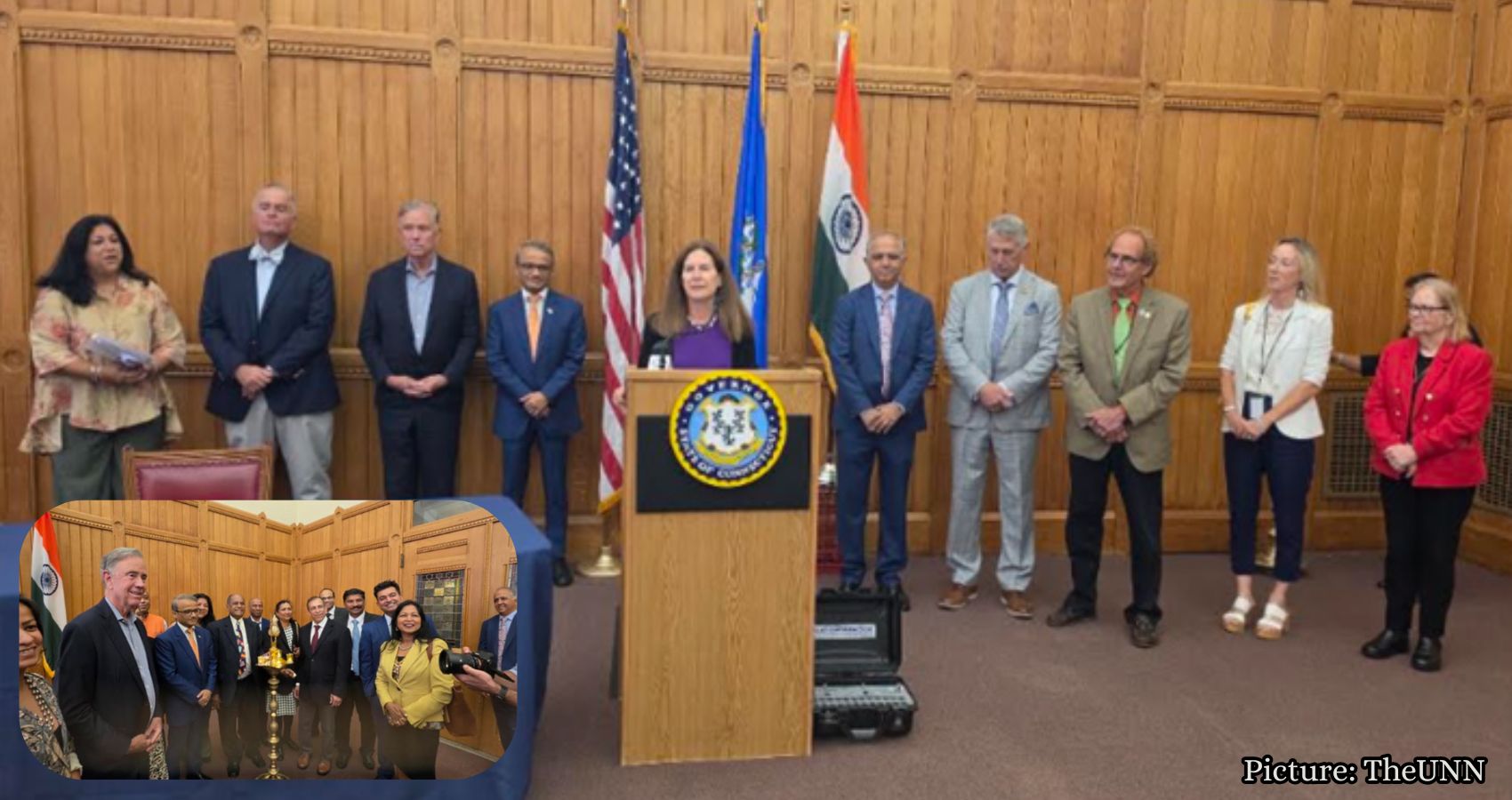
U.S. Exempts Major Sporting Events From Trump Visa Ban for Athletes

The United States has designated several major sporting events exempt from President Trump’s visa ban, allowing athletes and essential staff to enter the country despite ongoing travel restrictions for many foreign nationals.

The United States has officially identified a variety of international and domestic sporting events that will be exempt from President Donald Trump’s extensive visa ban. This exemption allows athletes, coaches, and essential support staff to travel to the U.S., even as entry remains restricted for citizens from nearly 40 countries.

According to a State Department cable circulated this week to all U.S. embassies and consulates, the exemptions encompass more than just the 2026 FIFA World Cup and the 2028 Olympic and Paralympic Games in Los Angeles. This decision aims to ensure that significant global sporting events hosted in the U.S. can proceed without interruption, despite the administration’s broader efforts to tighten immigration and travel standards.

The cable specifies that only participants directly involved in competitions—such as athletes, coaches, and essential support personnel—will qualify for the exemption. Foreign spectators, media representatives, sponsors, and other attendees from affected countries will still be barred from entry unless they meet the criteria for a separate visa exemption.

“Only a small subset of travelers for the World Cup, Olympics and Paralympics, and other major sporting events will qualify for the exception,” the cable stated.

This exemption framework arises from a proclamation issued on December 16 by Trump, which imposed full or partial visa bans on citizens from 39 countries and the Palestinian Authority. While this order is part of a broader crackdown on U.S. entry standards, it explicitly carved out exceptions for athletes and staff involved in significant sporting events.

Authority to determine which additional competitions qualify as “major sporting events” was delegated to Marco Rubio. The recent cable represents the most detailed clarification yet on how that authority will be exercised.

Administration officials have indicated that this policy reflects an effort to avoid diplomatic fallout and logistical chaos ahead of high-profile international tournaments. The U.S. is set to host an unprecedented concentration of global sporting events over the next several years, including the World Cup, the Olympics, and numerous international championships across various sports.

The State Department’s guidance lists a broad range of competitions that will be covered under the exemption. These include all Olympic and Paralympic competitions and their qualifying events, as well as the Pan-American Games and Para Pan-American Games.

The exemption also applies to events hosted, sanctioned, or recognized by a U.S. National Governing Body, along with all competitions and qualifying events organized under the Special Olympics.

In the realm of football, the exemption covers all official events and competitions hosted or endorsed by FIFA and its regional confederations, reinforcing guarantees already made to participating nations ahead of the 2026 World Cup.

Beyond global tournaments, the list extends into collegiate and professional sports. It includes competitions hosted or endorsed by the International Military Sports Council, the International University Sports Federation, and the National Collegiate Athletic Association.

A notable aspect of the cable is the inclusion of nearly every major U.S. professional sports league. Athletes and staff associated with the National Football League, National Basketball Association, Women’s National Basketball Association, Major League Baseball, and National Hockey League will all be eligible for visas under the exemption.

Other organizations covered include NASCAR, Formula 1, the Professional Golf Association, the Ladies Professional Golf Association, LIV Golf, Major League Soccer, Major League Rugby, the Professional Women’s Hockey League, World Wrestling Entertainment, Ultimate Fighting Championship, and All Elite Wrestling.

The cable also notes that additional leagues and competitions may be added in the future, allowing for further expansion as the U.S. prepares to host more international events.

Despite the broad sporting exemptions, the policy remains strict for non-participants. Fans, journalists, and sponsors from affected countries will not be permitted to travel to the U.S. to attend these events unless they qualify under another visa category.

The full travel ban applies to citizens of Afghanistan, Burkina Faso, Chad, the Republic of the Congo, Equatorial Guinea, Eritrea, Haiti, Iran, Laos, Libya, Mali, Myanmar, Niger, Sierra Leone, Somalia, Sudan, South Sudan, Syria, Yemen, and holders of Palestinian Authority-issued passports.

A partial ban is in effect for citizens of Angola, Antigua and Barbuda, Benin, Burundi, Cuba, Dominica, Gabon, Gambia, Ivory Coast, Malawi, Mauritania, Senegal, Tanzania, Tonga, Togo, Venezuela, Zambia, and Zimbabwe.

This policy underscores the Trump administration’s attempt to draw a clear line between facilitating elite-level international sport and maintaining restrictive immigration controls. While athletes and coaches will be able to compete on U.S. soil, the absence of fans and media from banned countries could significantly alter the atmosphere of major tournaments.

For now, the exemptions ensure that competitions can proceed as planned. However, the limited scope of the carve-out highlights that, under the current administration, even the world’s biggest sporting events are not immune from the impact of U.S. immigration policy, according to Global Net News.
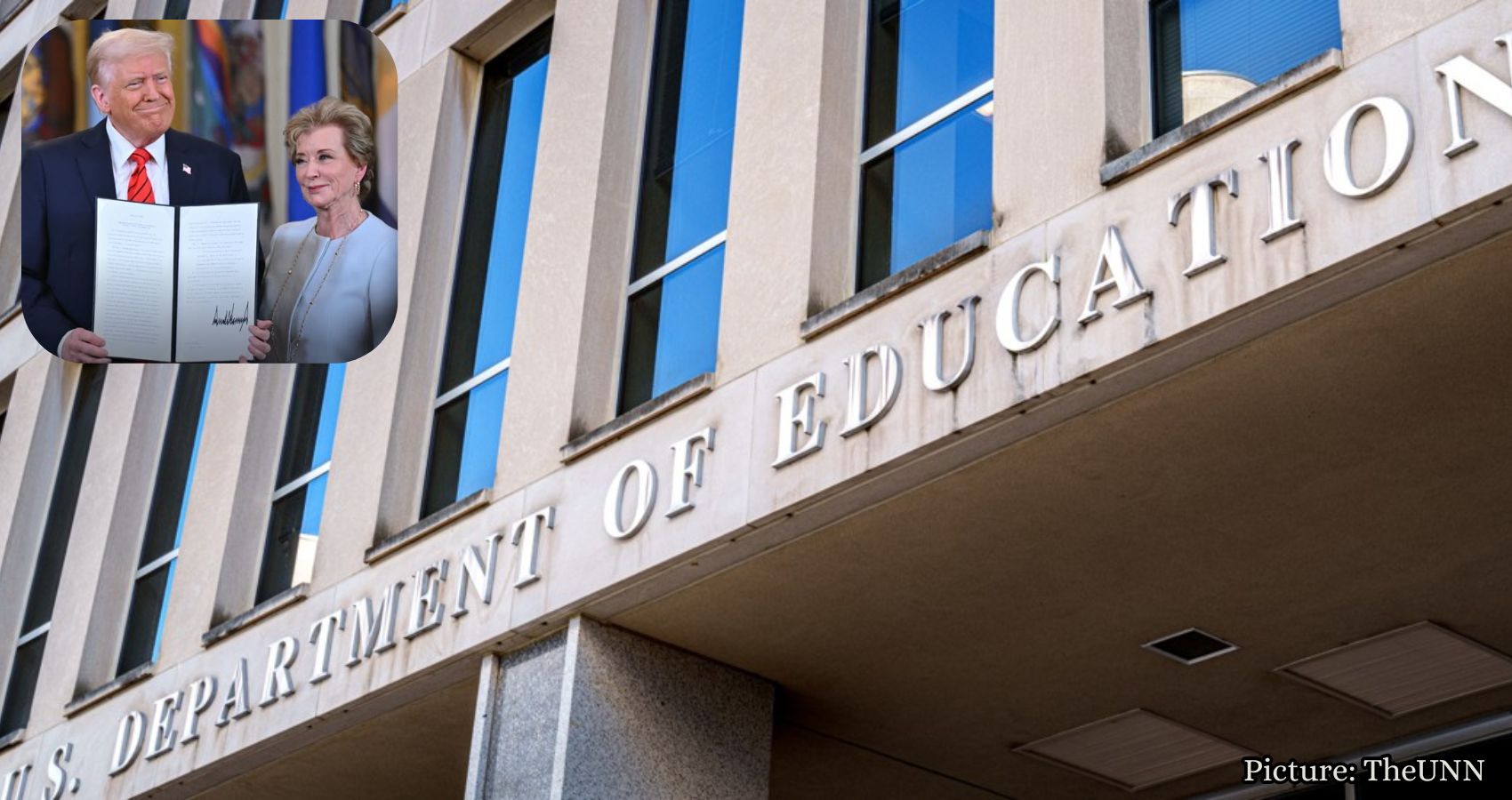
Border Patrol Commander Defends Tear Gas Use Following Judge’s Ruling

Border Patrol commander Gregory Bovino asserts that federal agents will persist in using tear gas against violent protesters in Minneapolis, despite a federal judge’s recent ruling limiting its use against peaceful demonstrators.

A senior immigration official from the Trump administration has reaffirmed that federal agents will continue to deploy tear gas during Operation Metro Surge in Minneapolis. This statement comes in the wake of a Minnesota federal judge’s ruling that prohibits the use of tear gas against peaceful protesters.

Border Patrol commander Gregory Bovino expressed his commitment to using tear gas against those who “cross the line” into violence. Speaking on “Fox News Live” on Saturday, Bovino emphasized that federal agents have never directed tear gas at peaceful demonstrators. “We’re going to continue to use that minimum amount of force necessary to accomplish our mission,” he stated.

Bovino underscored the importance of maintaining safety for both officers and the public. “We always support the First Amendment, but when they cross the line and they’re violent, we will use those less lethal munitions because it keeps them safe, it keeps our officers safe, and it keeps the public safe,” he said.

This discussion follows a ruling by U.S. District Judge Kate Menendez, who issued an order on Friday in a case brought forth by six Minnesota activists, represented by the American Civil Liberties Union (ACLU) of Minnesota. The ruling prohibits federal officers from detaining or deploying tear gas against peaceful protesters who are not obstructing law enforcement while participating in Operation Metro Surge.

The judge’s order mandates that federal agents must demonstrate probable cause or reasonable suspicion of criminal activity before taking action against individuals. Furthermore, the ruling specifies that federal agents cannot use pepper spray or other crowd-dispersal tools against peaceful protesters. It also clarifies that merely following officers at an appropriate distance does not constitute reasonable suspicion justifying a vehicle stop.

The ruling comes amid heightened tensions in Minneapolis, particularly following the fatal shooting of 37-year-old Renee Good by an Immigration and Customs Enforcement (ICE) agent during a recent immigration enforcement operation. Menendez noted in her ruling that the immigration crackdown by the Department of Homeland Security (DHS) in Minnesota appears to be intensifying. “There is no sign that this operation is winding down—indeed, it appears to still be ramping up,” she wrote.

The City of Minneapolis welcomed the court’s decision, urging community members to remain “peaceful and lawful” in their interactions with immigration agents. “As this is a federal court order, we expect the federal administration to change course and comply for the safety of all,” the city stated on social media platform X.

In response to the ruling, Minnesota Attorney General Keith Ellison remarked that “this preliminary win matters for every Minnesotan exercising their constitutional right to peaceful protest and witness.” He expressed gratitude to the ACLU and the plaintiffs for their efforts in defending this fundamental freedom.

Following the judge’s decision, DHS Assistant Secretary Tricia McLaughlin asserted that the First Amendment does not protect rioting. She emphasized that the DHS is committed to upholding the rule of law and ensuring the safety of both officers and the public. “Rioters and terrorists have assaulted law enforcement, launched fireworks at them, slashed the tires of their vehicles, and vandalized federal property,” McLaughlin stated in a message to Fox News Digital.

McLaughlin reiterated that law enforcement has adhered to their training and has utilized the minimum amount of force necessary to protect themselves, the public, and federal property.

As tensions continue to rise in Minneapolis, the ongoing debate over the use of tear gas and other crowd control measures remains a contentious issue, reflecting broader discussions about law enforcement practices and civil rights in the United States.

For more information, see the report from Fox News.

Trump Considers Expanding ‘Board of Peace’ to Ukraine and Venezuela

The U.S. is considering expanding its “Board of Peace,” initially focused on Gaza, to include Ukraine, Venezuela, and other global conflict zones, raising questions about its role compared to the UN.

The United States is reportedly exploring plans to broaden the scope of its newly established “Board of Peace,” which was created to oversee the reconstruction of Gaza following years of conflict. This potential expansion has sparked interest and concern among diplomats and governments, particularly as discussions center on Ukraine, Venezuela, and possibly other regions affected by prolonged crises.

The Board of Peace was officially formed on January 15, 2026, under UN Security Council Resolution 2803. Its primary mission is to facilitate Gaza’s recovery after a devastating conflict that erupted in 2023. Chaired by U.S. President Donald Trump, the board includes notable figures such as Secretary of State Marco Rubio, former UK Prime Minister Tony Blair, and various special envoys and international leaders.

What exactly is the Board of Peace? It is an international body designed to support the administration, reconstruction, and economic recovery of the Gaza Strip. This initiative operates alongside a Palestinian technocratic committee that is responsible for civil governance. Trump has described the board as “the greatest and most prestigious board ever assembled at any time, any place.”

Unlike traditional peacekeeping or reconstruction efforts, the Board of Peace combines diplomatic oversight with mandates for reconstruction and development. Its creation was supported by the United Nations but was largely driven by U.S. diplomatic efforts.

Why is the U.S. considering expanding the Board of Peace beyond Gaza? Senior U.S. officials and diplomats suggest that the Trump administration views the board as a potential model for addressing other global conflicts. Some discussions indicate that it could function not only as a reconstruction body but also as a mediating or supervisory entity in diplomatic efforts, particularly in regions experiencing prolonged tensions.

One area of focus is Ukraine, where international efforts to resolve the ongoing war with Russia have stalled. A senior official from Kyiv has described proposals for a similar body to monitor the implementation of peace plans between Ukraine, Russia, and Western partners.

Another conflict under consideration is Venezuela, where political instability continues following the U.S. capture of Nicolás Maduro. Expanding the board’s mandate in this context could involve both diplomatic and reconstruction support, although specific details remain unclear.

The potential expansion of the Board of Peace has elicited mixed reactions among diplomats. Some Western and Arab officials express caution, concerned that the board’s prominence might undermine traditional multilateral institutions like the United Nations. An unnamed Arab diplomat remarked that the idea of using the board as a parallel alternative to the UN has raised eyebrows.

Critics question the effectiveness and legitimacy of an expanded Board of Peace in mediating conflicts that extend beyond its original mandate. Many argue that diplomatic legitimacy and inclusiveness are crucial for achieving lasting peace—elements that are deeply rooted in UN-led processes.

Supporters, however, contend that a reimagined board could address gaps left by slow global diplomacy, offering innovative ways to facilitate negotiations in Ukraine and help stabilize deeply divided nations, provided it is implemented thoughtfully and with the support of key stakeholders.

What lies ahead for the Board of Peace? U.S. officials have suggested that further announcements regarding the board’s role and membership may be made at significant international forums, such as the World Economic Forum in Davos, where policymakers and world leaders often unveil new initiatives and agreements.

For the time being, the Board of Peace remains focused on Gaza, where challenges related to reconstruction and governance require urgent attention. However, if discussions about expansion progress, the board could evolve into a broader peace coordination body, potentially reshaping how the international community addresses complex conflicts.

If the Board of Peace becomes active beyond Gaza, it could indicate a shift in the U.S. approach to global conflict resolution—moving towards more direct, leadership-driven frameworks rather than relying solely on traditional multilateral mechanisms. Whether this strategy will garner widespread international support or exacerbate geopolitical tensions remains a critical question on the global stage.

According to The Sunday Guardian, the developments surrounding the Board of Peace could have significant implications for international diplomacy in the coming years.

College Student Lopez Belloza Deported as Judge Calls for US to Fix Error

U.S. District Judge Richard Stearns urges the government to rectify the deportation of college student Any Lucia Lopez Belloza, who was removed to Honduras while traveling home for Thanksgiving.

A U.S. judge has given the Trump administration three weeks to address what he described as a serious error following the deportation of a college student to Honduras. Any Lucia Lopez Belloza, 19, was removed from the United States while attempting to travel to Texas for Thanksgiving with her family.

U.S. District Judge Richard Stearns, based in Boston, set a deadline for the government to reissue Lopez Belloza’s student visa, which would enable her return to the United States. Earlier this week, a government attorney acknowledged in court that the deportation violated an existing court order that should have prevented her removal.

Lopez Belloza, a Honduran citizen, came to the United States with her mother at the age of eight while seeking asylum. She stated that she was unaware of any removal order at the time of her deportation.

In addressing the case, Judge Stearns remarked, “There is happily no one-size-fits-all solution for seeing that justice be done in what all agree was an amalgam of errors that ended badly for Any.” He suggested that the “simplest solution” would be for the U.S. Department of State to issue her a student visa.

As an alternative, the judge indicated he could instruct the Trump administration to take measures to facilitate Lopez Belloza’s return, warning that the government could face contempt proceedings if it failed to comply. He has given the administration 21 days to inform the court of its plans moving forward.

Lopez Belloza’s attorney, Todd Pomerleau, expressed satisfaction with the ruling, stating in an email that it would allow him to collaborate with the government “to come up with a solution to bring Any to the United States in the near future.”

Lopez Belloza is currently a freshman at Babson College in Massachusetts. She was arrested on November 20 at Boston’s airport while preparing to fly to Texas for a surprise Thanksgiving visit with her family. The following day, her lawyer filed a lawsuit in Massachusetts challenging her detention, leading to a judge issuing an order on November 21 that blocked her deportation or transfer out of the state for 72 hours.

However, by that time, Lopez Belloza had already been transferred to Texas and was deported to Honduras on November 22. She is currently residing with her grandparents in Honduras.

Judge Stearns, appointed by former President Bill Clinton, noted that because Lopez Belloza was outside Massachusetts when her lawyer filed the suit, he no longer had jurisdiction to hear the broader case. Nevertheless, he emphasized that the government still possesses the authority to rectify what he termed a “tragic (and preventable) mistake” resulting from the violation of his court order.

Earlier this week, a government lawyer apologized in court, characterizing the deportation as a “mistake” made by an Immigration and Customs Enforcement officer. The officer failed to properly flag the order after determining it no longer applied once Lopez Belloza was moved out of Massachusetts.

This case highlights the complexities and challenges within the U.S. immigration system, particularly concerning the treatment of individuals who are navigating legal processes while seeking education and stability in the country.

As the situation develops, the focus remains on the government’s response to Judge Stearns’ order and the potential for Lopez Belloza’s return to the United States.

According to The American Bazaar, the outcome of this case could have implications for similar situations involving students and their immigration statuses.

January Sees Surge in Scams and Fraudulent Activities

January sees a significant rise in scams as criminals leverage updated personal data to target consumers with fraudulent messages related to account verification and tax notices.

Every January, many individuals report receiving suspicious emails that appear official, often expressing relief at avoiding a potential scam. This trend is not coincidental; January is a peak month for scammers. While consumers are focused on taxes, benefits, and financial organization, criminals are busy refreshing their scam tactics and targeting individuals with newly updated personal data.

Scammers often send messages claiming that account verification is needed, benefits are at risk, or tax information is incomplete. If you have encountered such messages, you are not alone. According to YouMail’s Robocall Index, U.S. consumers received over 4.7 billion robocalls in January 2025, marking a roughly 9% increase from December 2024. This pattern is expected to continue in the current year.

The primary reason for the surge in scams during January is the accessibility of personal data. Data brokers compile and update consumer profiles year after year, making it easier for scammers to obtain detailed information. By January, these profiles are often more comprehensive, allowing criminals to craft convincing messages.

One prevalent scam during this time appears innocuous at first glance. Victims receive messages that sound official, sometimes even using their real names or locations, which can lead to confusion. It is crucial to remember that legitimate government agencies do not request sensitive information through unsolicited emails or texts. Scammers exploit urgency and familiarity to prompt quick reactions.

A good rule of thumb is: if you did not initiate the request, do not respond. Always verify through the official website or contact number, rather than clicking on links provided in the message.

Another common scam during January involves tax-related communications. Scammers often send messages that mimic those from tax agencies or benefits programs, capitalizing on the timing when individuals expect to hear from these organizations. They require minimal information to appear credible, such as a name or an email address. If you receive an unexpected tax-related message, take a moment to assess its legitimacy. Real agencies do not pressure individuals to act immediately.

Subscription scams also see a rise in January. Fraudulent messages may claim issues with subscriptions, banking, or other services. Scammers know that many people have ongoing subscriptions, increasing their chances of success. Instead of clicking on links in these messages, it is advisable to access your accounts directly through the official app or website to check for any legitimate issues.

Many individuals wonder how scammers obtain their personal information, especially when messages include their names. The uncomfortable truth is that this information is often purchased from data brokers, who compile extensive profiles that include personal details. This data is then sold, shared, or leaked, allowing scammers to create tailored messages that seem authentic.

To mitigate the risk of falling victim to scams, it is essential to take proactive measures to reduce exposure to fraud. While deleting emails or blocking numbers can help, it does not address the root cause. Scammers rely on data broker sites that collect and sell personal information. Removing your data from these sites can significantly reduce the volume of scam calls, phishing emails, and targeted texts over time.

There are two primary methods for removing your data from these brokers. The first is to do it yourself, which involves visiting individual data broker websites, searching for your profile, and submitting opt-out requests. While effective, this method can be time-consuming, as each site has its own rules and verification processes. Additionally, data may be re-added later, necessitating repeated efforts.

The second option is to utilize a data removal service, which automates the opt-out process by contacting multiple data brokers on your behalf. This option saves time and provides ongoing protection, particularly for those seeking long-term results without the hassle of constant follow-ups. Although no service can guarantee complete removal of your data from the internet, a reputable data removal service can significantly reduce the information available to scammers.

To further protect yourself, it is crucial to adopt safe online habits. If you receive a suspicious message, do not click on any links. Instead, visit the official website by typing the address directly into your browser or using a saved bookmark. This simple practice can help prevent most phishing attacks.

Implementing two-factor authentication (2FA) adds an essential layer of security. Even if a scammer obtains your password, they cannot access your account without the second verification code. Start by enabling 2FA on your email, financial accounts, social media, and government services.

Be cautious of any warnings regarding account issues. Always verify by opening the official app or website to check for any legitimate problems. If everything appears normal, you have successfully avoided a scam.

Enabling login alerts and security notifications on important accounts can also provide early warnings if someone attempts to sign in from an unfamiliar device or location. This proactive approach allows you to act swiftly before any real damage occurs.

Finally, avoid reusing passwords across multiple accounts. If one service is compromised, attackers may attempt to use the same login credentials on other platforms. A password manager can help create and store strong, unique passwords for each account without the need to remember them.

January scams are not random; they are strategically timed and fueled by easily accessible personal data. The longer your information remains online, the greater the risk of it being exploited by scammers. To enjoy a quieter inbox and fewer scam calls this year, take action now to protect your data. By doing so, you will enhance your safety and security throughout the year.

Have you noticed an increase in scam emails, texts, or calls since the start of the new year? Share your experiences with us at Cyberguy.com.

CNN Poll: Majority of Americans Believe Trump Is Misfocused Amid Economic Anxiety

Public sentiment towards President Trump has turned negative as economic anxiety rises, with a recent CNN poll revealing that many Americans believe he is prioritizing the wrong issues.

Public sentiment toward President Donald Trump has shifted significantly during his first year back in the White House, according to a new national survey conducted by CNN in partnership with SSRS. The poll reveals a challenging landscape for both the president and the Republican Party as they approach a pivotal midterm election cycle. A majority of Americans feel that Trump is focusing on the wrong priorities and is failing to adequately address the rising cost of living.

The survey indicates that 58 percent of Americans view Trump’s first year of his second term as a failure. This perception underscores a lack of positive momentum for the administration, particularly regarding the economy, which voters overwhelmingly identify as the nation’s most pressing concern.

When asked to identify the country’s top issue, respondents overwhelmingly chose the economy, with nearly double the support compared to any other topic. However, the poll suggests that Trump has struggled to convince the public that his policies are effectively improving economic conditions.

Views on the current economy remain largely unchanged from previous years, with only about 30 percent of Americans rating economic conditions as good. A notable decline has occurred in optimism about the future; just over 40 percent expect the economy to be in good shape a year from now, a decrease from 56 percent recorded just before Trump took office last January.

A majority of respondents, 55 percent, believe that Trump’s policies have worsened economic conditions, while only 32 percent think they have led to improvements. Nearly two-thirds of Americans feel that the president has not done enough to reduce the prices of everyday goods, highlighting the political risks posed by ongoing inflation and cost-of-living pressures.

This dissatisfaction is not limited to the general public; it extends into Trump’s own party. Approximately 42 percent of Republicans and Republican-leaning voters who identify with the Make America Great Again movement believe the president should be doing more to address rising prices, indicating unease even within his core base.

The poll also highlights a growing perception that Trump is disconnected from the concerns of ordinary Americans. Only 36 percent of respondents say he has the right priorities, a drop from 45 percent at the beginning of his term. Furthermore, only one-third of Americans believe he cares about people like them, marking the lowest rating of his political career in this regard.

Only 37 percent of Americans feel that Trump prioritizes the good of the country over his personal interests, and just 32 percent believe he understands the everyday problems faced by citizens. Even among those who approve of his presidency, more than a quarter express that he is out of touch with their daily struggles.

“Even if he is doing some good in areas, he comes across very self-seeking and shows a lack of caring about the common good of our citizens,” remarked an independent voter from Oklahoma who participated in the survey.

Concerns about Trump’s leadership capacity persist. Fewer than half of respondents believe he has the stamina and sharpness to serve effectively, and only 35 percent express pride in having him as president.

Trump’s overall job approval rating currently stands at 39 percent, with perceptions of his presidency largely remaining in negative territory. While his approval was around 48 percent early in his second term, it fell sharply within the first 100 days and has since fluctuated between the high 30s and low 40s.

The poll reveals a familiar pattern: Trump retains strong loyalty among Republicans but struggles to expand his appeal beyond that base. Nearly nine in ten Republicans approve of his performance, and support among self-identified MAGA voters is nearly universal.

<p“He’s not perfect, but he’s actually getting results in what he’s doing,” stated a Republican respondent from Tennessee.

However, outside of this base, support for Trump is limited. His approval rating among independents is just 29 percent, and he receives almost no backing from Democrats. Approval has also declined among younger adults and Latino voters, with only 30 percent of each group expressing support, a significant drop from earlier in his term.

During his first presidency, Trump often enjoyed higher approval ratings for economic management compared to his overall ratings. Early in his second term, immigration briefly emerged as a relative strength and remains a key motivator for his supporters. Among those who approve of Trump, immigration is the most frequently cited reason for their support.

However, among the broader public, Trump now lacks a standout issue. His approval ratings across various policy areas—including the economy, immigration, foreign policy, health care, and federal government management—cluster tightly around his overall 39 percent mark.

Beyond economic anxiety, concerns about American democracy are also significant. A majority of Americans believe Trump has overstepped his bounds in using presidential and executive power, with this figure rising to 58 percent from 52 percent near the start of his term.

Most respondents also feel he has overreached in attempts to reshape cultural institutions and in cutting federal programs. Roughly half believe he has gone too far in altering how the federal government functions.

While many Americans still expect Trump’s presidency to bring significant change, the proportion who believe those changes will permanently reshape the country has declined. More voters now anticipate that the impact of his policies will diminish over time.

As the midterm elections approach, the poll underscores the central challenge facing Trump and his party: an electorate deeply concerned about the economy and increasingly skeptical that the president is focused on the priorities that matter most to them, according to CNN.

Rutgers Honors Vin Gupta for Leadership in Combating Misinformation

Vin Gupta, a physician and health policy expert, has been awarded the 2026 Senator Frank R. Lautenberg Award in Public Health by Rutgers University for his leadership in combating misinformation.

NEW BRUNSWICK, NJ – Vin Gupta, a prominent physician and health policy expert, has been named the recipient of the 2026 Senator Frank R. Lautenberg Award in Public Health by the Rutgers School of Public Health. This prestigious honor will be presented to Gupta during the school’s 40th graduation ceremony in May 2026, where he will also serve as the keynote speaker.

Established in 2001, the Lautenberg Award recognizes individuals who have made significant contributions to the public health profession through advocacy, sustained service, and innovative program development. Gupta’s selection for this award underscores his commitment to translating complex health policies into actionable information, particularly in his efforts to combat misinformation and restore public trust in evidence-based health guidance.

Currently, Gupta is a managing director at Manatt’s Health Care group, where he focuses on healthcare innovation and system transformation. He is also recognized as a national health analyst for NBC News and MSNBC. Throughout his career, Gupta has worked to bridge the gap between clinical science and public understanding, aiming to improve health equity and population outcomes across the United States.

In response to receiving the award, Gupta expressed his gratitude, stating, “I am deeply honored to be named the 2026 Senator Frank R. Lautenberg Award recipient and to serve as graduation speaker for the Rutgers School of Public Health. Advancing health equity, strengthening systems, and restoring trust through clear, compassionate communication are among the most urgent challenges of our time as public health must evolve to meet the realities of a changing world.”

Perry N. Halkitis, Dean of the Rutgers School of Public Health, praised Gupta’s selection, highlighting his alignment with the award’s legacy. Halkitis remarked, “Dr. Gupta joins a distinguished lineage of Lautenberg Award honorees and speakers who exemplify a bold and forward-looking vision of academic public health. This vision moves decisively beyond antiquated frameworks that have failed us in recent decades, embracing instead a holistic, humanistic, and multidisciplinary understanding of what public health truly is today.”

Gupta’s recognition not only honors his individual achievements but also emphasizes the critical need for effective communication and leadership in public health, especially in an era marked by widespread misinformation.

This award reflects the ongoing commitment of the Rutgers School of Public Health to acknowledge and celebrate those who are making significant strides in the field, ensuring that public health continues to evolve and adapt to meet the challenges of the modern world, according to India-West.

Virginia Democrats Seek Redistricting Control, Potentially Adding Four Seats

Virginia Democrats have taken a significant step toward redrawing congressional maps, potentially creating four additional Democratic-leaning seats ahead of the upcoming midterm elections.

The Virginia state Senate approved a constitutional amendment on Friday that allows the Democrat-controlled legislature to redraw the state’s U.S. House maps in preparation for this year’s midterm elections. This decision follows a similar vote in the state House earlier in the week and marks the final step needed to present the amendment to Virginia voters.

If approved in the upcoming spring ballot, the amendment would enable the legislature, rather than the current non-partisan commission, to redraw the congressional maps through 2030. This move positions Virginia as a critical battleground in the ongoing struggle between Republicans and Democrats to reshape congressional districts ahead of the November elections.

Currently, Democrats hold six of Virginia’s eleven U.S. House districts and are aiming to create up to four additional seats that lean Democratic. The Democratic Congressional Campaign Committee (DCCC) hailed the Senate’s decision as “a critical step in giving Virginia voters the opportunity to ensure they have fair and equal representation in Congress.”

DCCC Chair Rep. Suzan DelBene criticized Republicans, asserting that “Donald Trump and Republicans are doing everything they can to rig the midterms in their favor through unprecedented mid-decade gerrymandering.” She emphasized that Virginians would now have the chance to vote for a temporary, emergency exception that would restore fairness and level the playing field against those seeking to silence their voices.

In contrast, the Virginia Senate Republican Caucus accused Senate Democrats of advancing “a partisan gerrymandering amendment to entrench their party in power.” The Republican National Committee (RNC) labeled the amendment a “power grab,” with RNC national press secretary Kiersten Pels stating, “This is just the most recent example of Democrats’ multi-decade campaign to gerrymander in every state where they gain power.” She added that this situation exemplifies why red states are responding to counteract what they perceive as unfair districting practices in states like Illinois, New York, and California.

Virginia Democratic lawmakers plan to unveil a proposed congressional map later this month. Additionally, a Democratic-aligned nonprofit called “Virginians for Fair Elections” launched on Thursday to encourage voters to support the redistricting ballot measure.

In a broader context, former President Donald Trump has previously floated the idea of mid-decade congressional redistricting as a strategy to bolster Republican representation. This initiative aims to redraw congressional district maps in red states to strengthen the GOP’s slim House majority, particularly during midterm elections when the party in power typically faces challenges.

Trump’s initial focus was on Texas, where Republican Governor Greg Abbott called a special session of the GOP-dominated legislature to pass a new congressional map. However, Democratic state lawmakers responded by breaking quorum for two weeks in an effort to delay the bill’s passage, energizing Democrats nationwide.

In California, Democratic Governor Gavin Newsom led the charge against Trump’s redistricting efforts, resulting in voters approving Proposition 50 in November. This ballot initiative temporarily sidelined the state’s nonpartisan redistricting commission, returning map-drawing authority to the Democratic-controlled legislature, which is expected to create five additional Democratic-leaning congressional districts.

The redistricting battle has extended beyond Texas and California, with Republican-controlled states like Missouri and Ohio, as well as swing state North Carolina, drawing new maps as part of Trump’s redistricting push. In Florida, Republicans, backed by Governor Ron DeSantis, are also seeking to gain three to five additional seats through a special legislative session in April.

In a setback for Republicans, a Utah district judge rejected a congressional map proposed by the state’s GOP-dominated legislature, opting instead for an alternative that would create a Democratic-leaning district ahead of the midterms. Additionally, Indiana’s Senate defied Trump in December by rejecting a redistricting bill that had already passed the state House.

Despite these challenges, Trump secured a significant victory when the conservative majority on the Supreme Court approved Texas’ new congressional map. Other states that may become involved in the redistricting conflict include Democratic-leaning Illinois and Maryland, as well as red states with Democratic governors, such as Kentucky and Kansas.

As the redistricting wars unfold, the Supreme Court is expected to rule on Louisiana v. Callais, a pivotal case that could potentially overturn a key provision of the Voting Rights Act. A ruling favoring conservatives could lead to the redrawing of numerous majority-minority districts nationwide, significantly benefiting Republicans. However, the timeline for the court’s decision and its implications remain uncertain.

According to Fox News, the outcome of Virginia’s redistricting efforts could have lasting implications for the state’s political landscape and the balance of power in Congress.

Georgian Protesters Monitor Iran Amid Ongoing Domestic Demonstrations

Georgians are expressing solidarity with Iranian protesters while continuing their own demonstrations against the ruling party’s decision to halt EU accession, reflecting a shared struggle for democracy.

In Tbilisi, the capital of Georgia, demonstrators are displaying Iranian Lion and Sun flags during daily protests, signaling solidarity with their counterparts in Iran while opposing their government’s recent halt to European Union accession efforts.

As Iranians take to the streets demanding the downfall of the Islamic Republic, Georgians have been protesting at various levels of intensity for over a year. These protests were ignited by the disputed parliamentary elections of October 2024, which saw the pro-Russia Georgian Dream party claim victory and subsequently suspend Georgia’s EU membership aspirations.

Despite facing freezing temperatures and allegations of violence from authorities, many Georgians continue to rally in support of democracy. “When you walk through the demonstrations every day in Tbilisi, all people talk about is Iran,” said Tinatin Khidasheli, a former defense minister of Georgia. “The heated debate over it shows how much it matters and how optimism is out on the streets due to developments despite controversies.”

Khidasheli emphasized that the situation in Iran resonates deeply with Georgians. “If people can challenge a far more despotic and violent regime, it reinforces the belief that resistance in Georgia is not futile,” she added.

The protests in Georgia intensified after the Georgian Dream party halted the country’s path toward EU integration. Public opinion polls indicate that a significant majority of Georgians support joining the EU, making the government’s decision particularly contentious.

Rustaveli Avenue, Tbilisi’s main thoroughfare, has become a focal point for protests, with demonstrators chanting and blocking traffic in response to the ruling party’s pivot away from Europe and toward a Russian-oriented foreign policy.

Erekle Koplatadze, a 33-year-old protester from Tbilisi, has been participating in demonstrations almost daily since November 2024. He was detained for six days for allegedly blocking a road during a protest in November 2025. Koplatadze noted a strong sense of solidarity with the Iranian protests, which began in December 2022 against economic mismanagement and regime corruption. “You will see many Lion and Sun flags in front of Georgia’s Parliament. And there have been protests in front of the Iranian Embassy in Tbilisi,” he said.

The news emerging from Iran, particularly regarding the regime’s violent crackdown on dissent, has deeply affected many Georgians. “I don’t remember such a big protest in Tbilisi in support of a foreign nation except for Ukraine,” Koplatadze remarked.

Ana Riaboshenko, co-founder of the “Initiative Culture For Democracy,” also highlighted the interconnectedness of the struggles in Iran and Georgia. “Its transformation from a terrorist state to a democratic government will significantly change the situation and indeed contribute substantially to the global power balance and economy,” she stated. “A particularly positive outcome is expected with the collapse of the Russian-Iranian partnership.”

Riobashenko pointed out that representatives of the Georgian Dream party have positioned themselves as allies of Tehran, with bilateral relations increasing since the controversial elections of 2024. A report from Civic IDEA, a Georgian NGO, revealed that Iranian businesses are using Georgia as a strategic transit point to evade international sanctions, with nearly 13,000 Iranian companies registered in the country.

Marika Mikiashvili, Foreign Secretary of the Droa party, part of Georgia’s largest democratic alliance, expressed admiration for the bravery of Iranian protesters. However, she also cautioned that their struggle serves as a warning. “Many protesters see Iran as a cautionary tale of what happens when a consolidating dictatorship isn’t defeated soon enough,” Mikiashvili warned.

Despite the ongoing protests, the Georgian Dream government has not issued any statements supporting the pro-democracy movements or condemning the human rights violations committed by security forces against peaceful demonstrators. Instead, the government has enacted stringent anti-demonstration laws to suppress dissent, employing disproportionate force against protesters.

Human Rights Watch has documented numerous violations of the right to peaceful assembly in Georgia, including steep fines for protest-related activities and abusive police tactics. Since the Georgian Dream party’s election, approximately 600 individuals have been arbitrarily detained, 300 protesters have reported torture or inhumane treatment, and 1,000 citizens have faced fines for expressing political opinions. Additionally, around 400 journalists have been arrested, beaten, or harassed, according to Transparency International Georgia, an NGO focused on combating corruption.

As both Georgians and Iranians continue their respective fights for democracy, the shared experiences of struggle and resilience highlight the interconnected nature of their movements.

According to Fox News Digital.

Rams Owner Stanley Kroenke Becomes Largest Private Landowner in U.S.

Stanley Kroenke, owner of the Los Angeles Rams, has become the largest private landowner in the United States after acquiring nearly 1 million acres of ranchland in New Mexico.

Stanley Kroenke, the owner of the NFL’s Los Angeles Rams, has made headlines by becoming America’s largest private landowner, as reported by The Land Report. This significant milestone follows his recent acquisition of nearly 1 million acres of ranchland in New Mexico from the Teledyne family, known for their industrial conglomerate.

With a total of 2.7 million acres, Kroenke’s landholdings surpass the size of Yellowstone National Park, equating to approximately 2 million football fields. This remarkable expansion of his portfolio marks the largest land purchase in the United States in over a decade, according to the trade publication.

Kroenke’s extensive portfolio includes vast ranches located in Texas, Montana, Nevada, Wyoming, and New Mexico. The recent acquisition of approximately 937,000 acres in New Mexico propelled him from fourth to first place in The Land Report‘s annual ranking of the nation’s 100 largest private landowners. This leapfrogged him over notable landowners such as the Emmerson family, as well as billionaire media moguls John Malone and Ted Turner.

His landholdings primarily consist of ranchland, much of which is utilized for cattle operations, wildlife management, and conservation efforts. Kroenke’s strategy blends traditional ranching with a long-term investment approach, viewing land as a valuable and appreciating asset. This trend of ultra-wealthy investors consolidating large parcels of land in the American West is becoming increasingly prominent, with Kroenke at the forefront.

Stanley “Stan” Kroenke, born in 1947 in Columbia, Missouri, is an American billionaire businessman renowned for his ventures in real estate, entertainment, and professional sports. He amassed his wealth through real estate development, particularly in retail and commercial properties, before expanding into ranching and large-scale land ownership. As of 2026, he owns more than 2.7 million acres of private land across the United States.

In addition to his real estate ventures, Kroenke is a significant figure in the sports industry. He owns several professional sports teams, including the Los Angeles Rams (NFL), the Denver Nuggets (NBA), the Colorado Avalanche (NHL), and the Colorado Rapids (MLS). His sports empire also extends internationally with holdings in Arsenal Football Club in England.

Kroenke’s ascent to the status of the largest private landowner in the United States underscores the increasing influence of ultra-wealthy individuals in shaping land ownership and management in the American West. His holdings not only reflect sheer scale but also represent a combination of strategic investment, conservation, and traditional ranching practices. This dynamic illustrates how private capital can significantly impact both economic and environmental landscapes.

Moreover, Kroenke’s extensive portfolio highlights broader trends in wealth concentration, where high-net-worth individuals consolidate large parcels of land. This consolidation can have far-reaching implications for local communities, wildlife management, and agricultural practices.

At the same time, Kroenke’s dual focus on sports and real estate exemplifies the diversification strategies employed by modern billionaires. By leveraging assets across multiple industries, he aims for long-term growth and sustainability.

As the landscape of land ownership continues to evolve, Kroenke’s position as the largest private landowner serves as a notable case study in the intersection of wealth, land management, and environmental stewardship.

His recent acquisition and its implications reflect a significant shift in how land is viewed and utilized in the United States, raising questions about the future of land ownership and its impact on various sectors.

For more insights on this topic, see The Land Report.

Trump’s Job Creation Promises: An Assessment of Progress So Far

President Donald Trump’s promises of job growth in the manufacturing sector have not materialized as expected, with employment declining since his “Liberation Day” announcement in April.

President Donald Trump’s ambitious promises regarding job creation for Americans appear to have fallen short. Since Trump declared “Liberation Day” in April, manufacturing employment has reportedly declined every month. At present, U.S. factories employ approximately 12.7 million workers, which is 72,000 fewer than when Trump made his announcement in the Rose Garden.

Economist Michael Hicks, director of the Center for Business and Economic Research at Ball State University in Muncie, Indiana, commented, “2025 should have been a good year for manufacturing employment, and that didn’t happen. I think you really have to indict tariffs for that.”

During Trump’s second term, his administration introduced a series of extensive tariffs on imported goods, particularly targeting China, the European Union, and other significant trading partners. The stated objective was to rebalance global trade in favor of American workers and stimulate domestic manufacturing by making imported goods more expensive, thereby encouraging U.S. production.

The White House frequently promoted these tariffs as a means to create new jobs in manufacturing and related sectors. However, as of early 2026, U.S. manufacturing employment stands at approximately 12.7 million workers, reflecting a decrease of 72,000 jobs since the tariffs were implemented.

Reports indicate that manufacturing employment has consistently declined in each month following the rollout of the tariffs, suggesting that the anticipated job gains have not occurred on a broad scale. Hicks argues that the tariffs may have inadvertently increased costs for businesses, slowed production, and limited job growth.

Small and midsize businesses seem particularly affected by the tariffs. A November survey conducted by the Federal Reserve Bank of Richmond revealed that 57% of midsize manufacturers and 40% of small producers expressed uncertainty regarding their input costs due to the tariffs.

The unpredictability surrounding which goods would be taxed, along with fluctuating rates, has created planning challenges for companies. This uncertainty often translates into hiring freezes or delayed expansion efforts.

While some industries, such as domestic steel production, have experienced modest gains, these improvements are largely offset by job losses or stagnation in other sectors that rely on imported components. For instance, agricultural exports have suffered due to retaliatory tariffs imposed by other countries, adversely affecting rural employment.

Analysts note that isolating overall employment gains directly attributable to tariffs is challenging, as multiple economic factors—including automation, shifts in global supply chains, and pandemic recovery—also influence job numbers.

The experience with tariffs highlights a broader lesson: economic policies rarely operate in isolation. Even well-intentioned measures aimed at bolstering domestic industries can yield unintended consequences when global supply chains, trade partners’ responses, and market dynamics interact in complex ways.

Companies may respond to these challenges by shifting production, delaying investment, or restructuring operations, which can limit the immediate impact on employment. This case underscores the difficulties governments face in balancing protectionist strategies with sustainable economic growth in an interconnected global market.

As the situation continues to evolve, the effectiveness of Trump’s tariff policies in achieving their intended goals remains a subject of debate among economists and industry leaders alike, according to American Bazaar.

Taiwan Plans $250 Billion Investment in U.S. Semiconductor Manufacturing

Taiwan has committed to investing $250 billion in U.S. semiconductor manufacturing, aiming to enhance domestic production capabilities and reduce reliance on foreign supply chains.

The U.S. Department of Commerce announced on Thursday that Taiwan will invest $250 billion to bolster semiconductor manufacturing in the United States. This significant deal, signed during the Trump administration, aims to enhance domestic production capabilities in a sector critical to both the economy and national security.

Under the agreement, Taiwanese semiconductor and technology companies will make direct investments in the U.S. semiconductor industry. These investments are expected to cover a range of areas, including semiconductors, energy, and artificial intelligence (AI) production and innovation. Currently, Taiwan is responsible for producing more than half of the world’s semiconductors, highlighting its pivotal role in the global supply chain.

In addition to the direct investments, Taiwan will provide $250 billion in credit guarantees to facilitate further investments from its semiconductor and tech enterprises. However, the timeline for these investments remains unspecified.

In exchange for Taiwan’s substantial investment, the United States plans to invest in various sectors within Taiwan, including semiconductor manufacturing, defense, AI, telecommunications, and biotechnology. The specific amount of this reciprocal investment has not been disclosed.

This announcement follows a proclamation from the Trump administration that reiterated the U.S. goal of increasing domestic semiconductor manufacturing. The proclamation emphasized that reliance on foreign supply chains poses significant economic and national security risks. “Given the foundational role that semiconductors play in the modern economy and national defense, a disruption of import-reliant supply chains could strain the United States’ industrial and military capabilities,” it stated.

Additionally, the proclamation introduced a 25% tariff on certain advanced AI chips and indicated that further tariffs on semiconductors would be considered once trade negotiations with other countries, including the deal with Taiwan, are finalized.

In 2025, semiconductor manufacturing has become a focal point of Trump’s economic agenda, with efforts aimed at reducing U.S. dependence on foreign chip production. The administration has proposed aggressive trade measures, including a potential 100% tariff on imported semiconductors, although companies that commit to establishing manufacturing facilities in the U.S. may be eligible for exemptions.

Last year, Taiwan Semiconductor Manufacturing Company (TSMC) announced plans to invest $100 billion to enhance chip manufacturing capabilities in the United States, further underscoring the importance of this sector.

Semiconductors are essential components of modern technology, powering a wide array of devices, from smartphones and automobiles to telecommunications equipment and military systems. The U.S. share of global wafer fabrication has significantly declined, dropping from 37% in 1990 to less than 10% in 2024. This shift has largely been attributed to foreign industrial policies that favor production in East Asia.

As the U.S. seeks to reclaim its position in the semiconductor industry, the partnership with Taiwan represents a critical step towards enhancing domestic manufacturing capabilities and securing supply chains.

This initiative reflects a broader strategy to strengthen the U.S. economy and safeguard national interests in an increasingly competitive global landscape, according to The American Bazaar.

Testimony Highlights Concerns Over DHS Immigration Enforcement Practices

Senior Fellow Aaron Reichlin-Melnick testified before Congress about the alarming rise in “at-large” arrests by ICE, highlighting wrongful detentions of U.S. citizens and the need for urgent reform.

Senior Fellow Aaron Reichlin-Melnick recently delivered oral testimony before Congress, shedding light on the troubling increase in “at-large” arrests conducted by U.S. Immigration and Customs Enforcement (ICE). His testimony focused on the implications of aggressive enforcement tactics, which not only target noncitizens but also result in wrongful detentions of U.S. citizens.

Reichlin-Melnick emphasized the rapid expansion of ICE’s “at-large” arrests, noting a significant rise in apprehensions of individuals who have no criminal records. This trend raises serious concerns about the methods employed by ICE and the broader impact on civil liberties.

Among the aggressive tactics highlighted were collateral arrests, roving patrols, and worksite raids. These methods have led to an increase in the number of U.S. citizens and lawful permanent residents being wrongfully detained, often based on appearance-based profiling. Such practices not only violate the rights of individuals but also contribute to a growing mistrust between immigrant communities and law enforcement.

Reichlin-Melnick pointed out that prioritizing immigration arrests over other federal law enforcement needs poses significant public safety risks. The focus on immigration enforcement can detract from addressing more pressing criminal activities, ultimately making communities less safe for everyone.

He called for immediate congressional action to address these issues, urging lawmakers to implement restrictions on ICE’s overreach. Key recommendations included requiring clear officer identification during arrests and prohibiting profiling based on appearance.

The expansion of interior immigration enforcement has far-reaching consequences that extend beyond the noncitizen population. As “at-large” arrests and aggressive tactics continue to grow, more U.S. citizens and lawful permanent residents find themselves ensnared in sweeping immigration operations. This not only undermines trust in law enforcement but also erodes civil liberties, threatening the social fabric of immigrant and mixed-status communities across the nation.

Without legislative reform, the risks associated with this overreach could have lasting effects, damaging relationships within communities and fostering an environment of fear and uncertainty.

Reichlin-Melnick’s testimony serves as a critical reminder of the urgent need for reform in immigration enforcement practices, highlighting the importance of protecting the rights of all individuals, regardless of their immigration status.

According to American Immigration Council, the consequences of unchecked immigration enforcement are profound, necessitating immediate attention from Congress to safeguard civil liberties and restore trust in law enforcement.

Understanding the Reality of Undocumented South Asians in America

Understanding the reality of undocumented South Asians reveals the complexities of immigration, highlighting the need for advocacy and support for this often-overlooked community.

By Shakeel Syed

The haunting images of over a hundred Indian migrants being deported to India on a U.S. military plane, their hands tied and ankles shackled, are difficult to forget. Their only crime was lacking proper documentation, rendering them undocumented or under-documented.

It is crucial to recognize the existence of undocumented and under-documented South Asians, who frequently remain invisible due to the prevailing model minority myth.

Among the estimated 11 million undocumented individuals in the United States, between 800,000 and 900,000 are South Asian. With around 6.5 million South Asian Americans in the country, this means that approximately 1 in 8 South Asians are undocumented.

A recent policy brief from the South Asian Coalition and ASATA Power sheds light on the realities faced by undocumented immigrants. However, it is important to note that these statistics may underestimate the actual population figures, especially in the context of heightened anti-immigrant sentiment.

Indians represent one of the fastest-growing immigrant populations in the United States, with their numbers soaring from 600,000 in 1990 to 3.2 million in 2022—a staggering 500% increase. It is essential for those of us who are “properly documented” to understand the challenges faced by the undocumented and to confront the intense vitriol directed at them. Undocumented Indians are the third-largest group of undocumented immigrants in the U.S., following those from Mexico and El Salvador.

Anti-Asian and anti-immigrant hate has surged in recent years. A report by the coalition Stop AAPI Hate, titled “Empowered/Imperiled” (October 2024), highlights the simultaneous rise of South Asian political representation and the increase in anti-South Asian hate.

Additionally, there are prevalent myths and misconceptions surrounding South Asian immigrants that need to be addressed.

One common misconception is that immigration from India is uniform. In reality, there are significant nuances. Punjabi speakers make up the largest ethnolinguistic group among undocumented Indian immigrants, followed by individuals from Haryana and Gujarat.

Another misconception is that education levels predict undocumented status. In fact, 91% of undocumented Indians have attended some college or have obtained a college degree or higher education.

It is a moral imperative for those of us who have successfully navigated the immigration system to actively reject anti-South Asian hate and to advocate for the rights of undocumented and under-documented immigrants.

The South Asian Network is committed to continuing its advocacy for immigrants and demands the following:

First, undocumented immigrants should not face undue punishment for low-level offenses that lead to deportation and family separation.

Second, we must reject attempts to limit undocumented immigrants’ access to public benefits and advocate for a robust social safety net that ensures living wages, healthcare, education, and other essential supports for undocumented individuals.

Third, South Asian-American legal professionals must step up to provide legal assistance to those facing immigration or removal proceedings.

Finally, South Asian-American legislators and leaders in the corporate sector should leverage their influence to secure increased funding for the immigration court system, ensuring that claims are processed fairly and in a timely manner.

As we move forward, it is vital to amplify the voices of undocumented South Asians and to work collectively towards a more just and equitable immigration system.

According to Source Name.

RNC Chair Aims to Use ‘Secret Weapon’ to Secure GOP Majorities

RNC Chair Joe Gruters believes that President Trump will be the GOP’s “secret weapon” in the 2026 midterms, aiming to defy historical trends and maintain party majorities.

Republican National Committee (RNC) Chair Joe Gruters has set a clear objective for the upcoming midterm elections: to ensure that the GOP retains its fragile majority in the House and its narrow control of the Senate. This mission is complicated by the historical trend that typically sees the party in power lose congressional seats during midterm elections.

Gruters, a longtime ally of former President Donald Trump, asserts that he has a “secret weapon” to counteract these traditional headwinds. In a recent exclusive interview with Fox News, he stated, “I think the President of the United States is our secret weapon… He’s laser focused.” Gruters emphasized that Trump’s agenda during his first year back in the White House will yield significant benefits for candidates across various levels, from governors to local offices.

However, Democrats view the situation differently, highlighting Trump’s low approval ratings and the public’s ongoing concerns about high prices. The GOP also faces challenges with voter turnout, particularly among MAGA supporters who may not be motivated to vote when Trump is not on the ballot.

Despite these challenges, Gruters pointed out that Trump has recently made appearances in critical battleground states for the midterms, asserting that the former president will actively campaign for GOP candidates. He also noted the party’s substantial fundraising advantage over the Democratic National Committee (DNC), stating, “We’re raising a ton of money.” Gruters cautioned, however, that the party must ensure voter turnout and maintain enthusiasm among its base, emphasizing that “there’s nobody that can energize our base more than President Trump.”

As the RNC prepares for its winter meeting, Gruters highlighted Trump’s focus on affordability, citing recent decreases in gas prices and other essential costs. He believes that these issues resonate with everyday Americans and will be pivotal in the upcoming elections. “Look at gas prices, the lowest prices since 2021; look at egg prices,” he said. “The president is focused on real pocketbook issues that impact everyday Americans, and he’s not done.”

In the 2024 elections, concerns over inflation helped propel Trump and the Republicans to significant victories, allowing them to reclaim the White House and the Senate while maintaining their House majority. Nevertheless, Democrats argue that their successes in the November 2025 elections and their performance in special elections were driven by a strong emphasis on affordability.

DNC Rapid Response Director Kendall Witmer criticized Trump, stating, “One year into his second term, Donald Trump has made one thing unmistakably clear: He doesn’t care about everyday Americans — he only cares about himself and his billionaire donors.” Witmer expressed confidence that voters would remember Trump’s actions when they head to the polls in November, asserting, “Voters won’t forget Trump’s betrayal come midterms — and Republicans will have to answer for it.”

Gruters, who previously worked as a certified public accountant, also pointed to the tax cuts included in Trump’s “One Big Beautiful Bill Act,” which he considers a significant achievement of the current administration. “I will tell you that people are very excited about filing their taxes this year. This should be some of the biggest refunds that anybody has gotten,” he claimed.

The cost of living remains a critical issue for voters, with a recent Fox News national poll indicating that a majority of respondents are concerned about rising prices. Gruters, in promoting Trump’s policies, asserted, “From an affordability standpoint, I think we win hands down based on the policies this president has pushed.” However, Democrats remain skeptical of this claim.

DNC Chair Ken Martin bluntly addressed the economic situation at the party’s winter meeting last month, stating, “S*** is too expensive.” This sentiment underscores the ongoing debate between the two parties as they prepare for the upcoming midterm elections.

As the political landscape evolves, both parties will be closely monitoring voter sentiment and the effectiveness of their respective strategies leading up to the elections. The stakes are high, and the outcome will significantly impact the future direction of the U.S. government.

According to Fox News, the GOP is gearing up for a challenging electoral battle, with Gruters confident that Trump’s involvement will play a crucial role in energizing the party’s base and securing victories in the midterms.

Nobel Laureate Machado’s Personal Gift to Trump for Venezuela’s Future

Venezuelan leader María Corina Machado presented her Nobel Peace Prize medal to President Donald Trump, symbolizing gratitude for U.S. support amid ongoing tensions regarding Venezuela’s future.

In a dramatic blend of diplomacy and personal gesture, Venezuelan leader María Corina Machado met with President Donald Trump at the White House on Thursday. During the meeting, which lasted approximately two and a half hours, Machado reportedly handed Trump her Nobel Peace Prize medal as a token of appreciation for his role in the recent ousting of Nicolás Maduro.

The encounter marked a significant reunion for two figures who have navigated a complicated relationship since the U.S. captured Maduro on January 3. As Machado exited the White House, she was greeted by a crowd of supporters gathered along Pennsylvania Avenue. She described the presentation of the medal as a “recognition for his unique commitment to our freedom.”

“We can count on President Trump,” Machado told the crowd, pausing to embrace several supporters who had braved the winter cold for hours to see her.

However, the gesture comes with considerable political implications. Earlier in the week, the Norwegian Nobel Institute issued a stern reminder that the Peace Prize is a non-transferable honor. “Once a Nobel Prize is announced, it cannot be revoked, shared, or transferred to others,” the institute stated, emphasizing that the decision remains final “for all time.”

While the White House has not confirmed whether Trump officially accepted the medal for his personal collection, the meeting represents a pivotal moment in the ongoing struggle for Venezuela’s future. Despite Machado’s popularity among the diaspora and her status as a Nobel laureate, Trump has been cautious about fully endorsing her as the country’s next leader. Recently, the president expressed a preference for working with interim leader Delcy Rodríguez, citing concerns that Machado may lack the necessary domestic support to stabilize Venezuela.

White House Press Secretary Karoline Leavitt characterized Machado as a “remarkable and brave voice,” but noted that the meeting was a “realistic assessment” of the situation on the ground rather than a formal shift in U.S. policy.

For Machado, the visit to Washington carried personal risk. Having spent much of the past year in hiding to evade Maduro’s security forces, her appearance at the White House and subsequent meetings with a bipartisan group of senators on Capitol Hill signaled a return to the global spotlight.

During her remarks to lawmakers, Machado shifted from the symbolic gesture of the medal to the practical needs of her homeland. She articulated a vision for transforming Venezuela from a “criminal hub” into a “security shield” for the Western hemisphere through open markets and the rule of law.

As the dust settles on the meeting, the image of a Nobel laureate offering her highest honor to a sitting U.S. president remains a striking testament to the unconventional nature of modern Venezuelan-American relations. Later, Machado was seen leaving the White House with a Trump-branded swag bag, a gesture that seemed minor in comparison to her significant gift. Whether her efforts will be sufficient to secure Trump’s full backing for her presidency remains a central question in both Caracas and Washington.

According to The American Bazaar, Machado’s actions reflect the complexities and challenges of international diplomacy in the context of Venezuela’s political landscape.

Forcing Early Wake-Up Times May Negatively Impact Health, Experts Warn

Experts warn that forcing an early wake-up time may not be healthy for everyone, as individual chronotypes significantly influence sleep quality and overall well-being.

As the new year begins, many people consider adopting a stricter morning routine, often involving an early wake-up time to seize the day. However, sleep experts caution that a 6 a.m. alarm may not be suitable for everyone.

Individuals classified as “morning birds” tend to fall asleep and enter deep sleep earlier, allowing them to wake up feeling more refreshed. In contrast, “night owls” naturally prefer to sleep later and depend on late-night and early-morning REM sleep. Forcing night owls to wake up too early can result in grogginess and a lack of mental restoration.

“We need to move beyond the ‘early bird gets the worm’ mentality and consider the biological cost of fighting one’s internal clock,” said Dr. Aaron Pinkhasov, chair of the Department of Psychiatry at NYU Grossman Long Island School of Medicine.

According to Dr. Pinkhasov, people experience sleep in cycles lasting 90 to 110 minutes, alternating between deep non-rapid eye movement (NREM) sleep and REM sleep. Early in the night, deep sleep predominates, which is essential for physical repair, immunity, and memory consolidation. As the night progresses, REM sleep becomes more prevalent, supporting learning, emotional regulation, and cognitive function. It is normal to experience brief awakenings between these cycles.

The tendency to rise early or late is determined by an individual’s “chronotype,” which refers to whether they are a morning person or a night person. This chronotype acts as a “genetic blueprint,” dictating when the body is naturally more alert or ready for rest.

“About 40% to 50% of our sleep-wake preference is inherited, meaning our internal clock is hardwired,” Dr. Pinkhasov noted.

Waking up earlier than the body’s natural schedule often leads to a loss of REM sleep. This misalignment between the internal clock and the alarm clock can result in feelings of being “wired but tired,” mood instability, and long-term metabolic risks.

Dr. Nissa Keyashian, a California board-certified psychiatrist and author of “Practicing Stillness,” highlighted that night owls often face increased challenges due to societal pressures to conform to early schedules. “Unfortunately, many people have early work, family, or social commitments, leading to a higher prevalence of anxiety, depression, eating disorders, obesity, obstructive sleep apnea, and type 2 diabetes among night owls,” she explained.

Experts agree that prioritizing sleep quality and consistency is more beneficial for health and productivity than simply aiming for an early wake-up time. “The main benefit of switching to an earlier schedule is social alignment. It makes it easier to navigate a world built around a 9-to-5 lifestyle. However, the drawbacks can be significant if the shift is forced,” Dr. Pinkhasov added.

Fortunately, there are strategies to help “rewire” internal clocks or at least mitigate the negative effects of waking up too early. Establishing a regular bedtime and wake-up time, even on weekends, can help regulate sleep patterns.

Dr. Pinkhasov recommends creating a calming nighttime routine that minimizes electronic device usage, incorporates meditation, utilizes essential oils, and includes relaxing activities such as warm showers or herbal tea.

Gradually adjusting wake-up times by just 15 minutes each day can also be beneficial, according to Dr. Keyashian. Additionally, exposure to bright light in the morning can enhance mood, energy, and concentration. For those who experience seasonal mood dips, therapeutic light boxes can provide significant benefits.

“If you believe this might be you, I recommend speaking with a psychiatrist,” Dr. Keyashian advised. “Also, consider minimizing caffeine intake. Some individuals find that exercising late in the day can interfere with their ability to fall asleep, so it’s important to be mindful of this as well.”

Ultimately, understanding and respecting individual chronotypes can lead to better sleep, improved mental health, and enhanced overall well-being.

For more insights, refer to Fox News Digital.

FCC Takes Action Against Violations in Robocall Reporting

The FCC has introduced new penalties for telecom companies that submit false information to the Robocall Mitigation Database, aiming to strengthen enforcement against robocall violations.

The Federal Communications Commission (FCC) has taken significant action against telecom companies by imposing new penalties for submitting false, inaccurate, or late information to the Robocall Mitigation Database. These changes, which will take effect on February 5, are designed to enhance oversight and accountability in the fight against robocalls.

The Robocall Mitigation Database plays a crucial role in tracking spoofed calls and holding telecom providers accountable for their practices. Under the new regulations, voice service providers will be required to recertify their filings in the database annually, ensuring that the information they provide is accurate and up-to-date. The FCC has made it clear that violations will be treated as ongoing until corrected, meaning that fines can accumulate daily rather than being assessed as one-time penalties.

Historically, many submissions to the database have failed to meet basic standards. Some filings lacked accurate contact information, while others included robocall mitigation plans that did not outline any effective mitigation practices. The database requires providers to verify and certify the identities of callers using their networks, a task complicated by the fragmented nature of America’s telecom system. Calls often traverse multiple networks owned by major carriers, such as Verizon and AT&T, as well as smaller regional providers and VoIP services, making verification challenging.

For years, the FCC did not rigorously verify or enforce the accuracy of these filings, which raised concerns about the effectiveness of efforts to combat illegal robocalls. With the updated rules, providers that fail to recertify or correct deficient filings may be referred for enforcement action and could be removed from the database. This removal can prevent other carriers from transmitting their calls, further complicating the issue of robocalls reaching consumers.

Inaccurate or outdated robocall filings increase the likelihood that scam calls will reach consumers. Providers may mistakenly treat a call as trustworthy, even when it should raise alarms. This situation allows robocallers to operate with greater ease and makes it more difficult for regulators to shut them down promptly. The FCC’s new penalties and tighter oversight aim to close this gap before consumers bear the consequences.

When the FCC proposed these penalties, it sought input on whether violations should be viewed as minor paperwork errors or serious misrepresentations. Telecom trade groups argued that fines should only apply after providers have an opportunity to correct errors or if the FCC can demonstrate that filings were willfully inaccurate. In contrast, state attorneys general and the robocall monitoring platform ZipDX advocated for a tougher approach, warning that false filings undermine efforts to combat illegal robocalls. Ultimately, the FCC chose a balanced approach, rejecting the notion that violations are harmless paperwork errors while stopping short of imposing the maximum penalties allowed by law.

For consumers, these changes are more significant than they may appear. Accurate robocall reporting facilitates the tracing of scam calls, the shutdown of bad actors, and the prevention of spoofed numbers from reaching phones. Stricter penalties incentivize telecom companies to take these filings seriously rather than treating them as routine compliance tasks.

The FCC has also established a firm annual deadline for recertification, requiring providers to update their robocall mitigation filings by March 1 each year. This predictable enforcement checkpoint is intended to tighten a weak link that scammers have exploited for years. While these measures will not eliminate robocalls overnight, they represent a crucial step toward improving accountability in the telecom industry.

Despite the FCC’s enhanced enforcement, it is important to note that scam calls will not vanish immediately. Consumers can take proactive steps to reduce their risk. Many robocalls originate from personal information being sold or shared by data brokers. These companies compile phone numbers, addresses, emails, and other details from public records, apps, purchases, and online activities. Scammers and unscrupulous marketers purchase this data to create call lists.

To mitigate the influx of robocalls, individuals can attempt to remove their information from data broker websites, although this process can be time-consuming and often requires repeated efforts. Some choose to utilize data removal services that automate this process and continuously monitor for re-posting, thereby limiting the circulation of their phone numbers among marketers and scammers.

The FCC’s new regulations signal a shift toward greater accountability in the telecom industry. By implementing meaningful fines, stronger security measures, and annual recertification requirements, the FCC is emphasizing that accuracy in robocall reporting is essential. As penalties can accumulate until issues are resolved, telecom companies now face tangible consequences for neglecting or delaying necessary corrections. This rule compels providers to acknowledge their role in combating illegal calls rather than shifting blame along the network chain.

While real progress will depend on effective enforcement, the FCC’s actions represent a clear indication that regulators are working to close the gaps that scammers have long exploited. The question remains whether stricter penalties will motivate telecom companies to prioritize robocall prevention or if scammers will simply seek out new loopholes.

For more information on these developments, refer to Fox News.

Avtar Singh Walia Recognized as Top Indian-American Restaurant Owner of the Year

Avtar Singh Walia has been honored as Top Restaurant Owner of the Year by the International Association of Top Professionals, solidifying his legacy in the realm of Indian fine dining.

In a momentous celebration of Indian cuisine in America, celebrated restaurateur Avtar Singh Walia received the prestigious title of Top Restaurant Owner of the Year from the International Association of Top Professionals (IAOTP) during a dazzling awards ceremony at the Bellagio Hotel in Las Vegas.

In addition to this accolade, Walia’s flagship restaurant, Tamarind Tribeca, was recognized as Top Restaurant of the Year 2025 by IAOTP, further affirming its status as a premier destination for refined Indian dining.

The annual gala, held in December 2025, brought together distinguished leaders and innovators from various industries to honor excellence, leadership, and long-term impact. For Walia, this recognition represents nearly four decades of dedication, innovation, and a steadfast belief in the global potential of Indian cuisine.

“It was truly humbling for me and my beloved restaurant, Tamarind, to be chosen as the top in the world from among the hundreds that were considered for this great honor,” Walia stated during his acceptance speech. “This recognition is a testament to Indian cuisine going mainstream across the globe.”

IAOTP honors only a select few professionals each year, evaluating candidates based on leadership, professional excellence, industry influence, and community impact. According to Stephanie Cirami, President of IAOTP, the decision to recognize Walia was clear-cut.

“Choosing Mr. Walia for this honor was an easy decision for our panel,” Cirami remarked. “He is inspirational, influential, and a true visionary and thought leader. His journey exemplifies the highest standards of excellence we aim to celebrate.”

Avtar Singh Walia’s journey is one of perseverance, vision, and reinvention. Born in Abheypur, Punjab, he earned his bachelor’s degree from Punjab University in 1974 and initially considered a career in the army. However, fate led him toward hospitality and entrepreneurship.

After immigrating to the United States in the late 1970s, Walia began his career as a warehouse manager for Gucci before transitioning to a position at New York’s Tandoor restaurant, where he discovered his passion for the culinary arts. His early managerial role at Akbar Restaurant on Park Avenue was formative, planting the seeds of a dream to elevate Indian cuisine within the fine-dining sector.

That dream became a reality in 1986 with the founding of Dawat, co-created with acclaimed actor and food writer Madhur Jaffrey. The restaurant quickly gained a reputation for redefining Indian food for American diners.

“We wanted to show people that Indian cuisine could be sophisticated, nuanced, and worthy of the city’s culinary spotlight,” Walia recalled. “It was about changing perceptions and celebrating the richness of our culture.”

Walia’s most significant achievement came in 2001 when he opened Tamarind in Manhattan’s Flatiron District as the sole proprietor. Collaborating with renowned chefs Raj Jallepalli and Durga Prasad, he guided the restaurant to Michelin-star recognition, marking a first for Indian cuisine in New York City.

“A Michelin star isn’t just a personal achievement,” Walia explained. “It’s a recognition of my team’s relentless pursuit of perfection. It affirms that Indian food belongs among the world’s greatest cuisines.”

In 2010, he expanded his vision with Tamarind Tribeca, an 11,000-square-foot culinary landmark located at 99 Hudson Street. The restaurant, which seats 175 guests across two levels, features a grand dining hall, a windowed cocktail lounge, and a private mezzanine, earning Michelin stars in both 2013 and 2014.

Designed to blend the elegance of Tribeca with the depth of Indian flavors, Tamarind Tribeca has become synonymous with luxury, hospitality, and authenticity.

“Dining at Tamarind Tribeca isn’t just a meal—it’s a journey,” said longtime patron and food critic Susan Feldman. “Mr. Walia has redefined Indian fine dining by blending tradition with innovation in every dish.”

At the heart of Walia’s philosophy lies the Indian ethos of “Atithi Devo Bhava”—the guest is god. Known for his hands-on leadership, Walia is a constant presence at the restaurant, greeting guests, overseeing service, and maintaining high standards, particularly during festivals such as Diwali.

“Success comes from honesty, sincerity, and giving your best every single day,” he stated. “I believe in leading by example.”

This philosophy has cultivated a fiercely loyal clientele and a reputation for warmth that extends beyond the plate. Tamarind Tribeca’s acclaimed wine program and inventive cocktails further enhance the dining experience.

Walia’s influence reaches far beyond his restaurants. He is widely regarded as a mentor to aspiring chefs and restaurateurs, an advocate for Indian gastronomy, and a supporter of civic and cultural initiatives. Over the years, he has received numerous accolades, including Lifetime Achievement honors, and has been featured in leading global publications and television programs.

Often referred to as the “godfather of high-end Indian cuisine in America,” Walia’s impact has helped shape the perception of Indian food on the global stage.

Despite decades of success, Walia remains committed to giving back and inspiring the next generation.

“I want to encourage young people to enter this industry and believe that integrity and dedication still matter,” he said. Among his future plans is writing a memoir chronicling the lessons, challenges, and triumphs of his extraordinary journey.

With Tamarind Tribeca firmly established as a global beacon of Indian fine dining and recognition continuing to pour in, Avtar Singh Walia’s legacy is secure—not just as a restaurateur but as a visionary who has transformed the culinary landscape of America, according to Global Net News.

Flu Cases Rise in California, CDPH Urges Vaccination

California health officials are urging vaccinations as flu cases rise, driven by the H3N2 subclade K strain, with a focus on protecting vulnerable populations.

Influenza cases and related hospitalizations are on the rise across California, prompting the California Department of Public Health (CDPH) to issue a strong recommendation for vaccinations. The emergence of a new influenza A strain, known as H3N2 subclade K, has been detected in the state and is circulating globally.

In a statement released on January 14, the CDPH alerted health care providers and the public about the increasing flu activity and hospital admissions. Dr. Erica Pan, CDPH Director and State Public Health Officer, emphasized the importance of vaccination, stating, “Current seasonal flu vaccines remain effective at reducing severe illness and hospitalization, including the currently circulating viruses.”

Dr. Pan further noted that it is crucial for families to understand that flu vaccines, tests, and treatments are widely available for all Californians. “It is not too late to get a flu vaccine. As a pediatrician, parent, and daughter, I have made sure that my own family is protected with this season’s flu vaccine,” she added.

The CDPH has also confirmed the state’s second pediatric flu-associated death of the season, highlighting the vulnerability of young children and older adults to severe complications from the virus. This underscores the importance of proactive measures families can take to safeguard their health.

Health officials are urging everyone aged six months and older who has not yet received the 2025–26 influenza vaccine to get vaccinated as soon as possible. Vaccination is recognized as the most effective means of protection against severe illness and hospitalization. Individuals can schedule appointments through their health care provider, local pharmacies, or by visiting myturn.ca.gov.

In addition to vaccination, the CDPH recommends that individuals exhibiting flu symptoms, particularly those at risk for serious illness, should promptly contact their healthcare provider to determine whether testing is necessary and if they could benefit from antiviral treatment. At-home combined influenza and COVID-19 tests may also be used when available.

For high-risk individuals and hospitalized patients with suspected influenza, it is advised to begin antiviral treatment immediately, without waiting for test confirmation. Options such as oseltamivir and the single-dose baloxavir have been shown to reduce the risk of severe illness and hospitalization.

Despite recent changes to federal recommendations, vaccines endorsed by the CDPH will continue to be covered at no cost by state-regulated health insurers. These vaccines are accessible through local pharmacies, healthcare providers, and other authorized vaccinators. Appointments can be arranged via health care providers, local pharmacies, or the state’s vaccination website, myturn.ca.gov.

For ongoing updates on influenza and other respiratory viruses, the CDPH provides a Respiratory Virus Dashboard. Healthcare providers can access clinical guidance and resources through the CDPH Influenza Update. Additionally, educational materials about the benefits of the flu vaccine are available in the CDPH Flu Vaccine Toolkit.

For more information regarding flu prevention and vaccine eligibility, visit the CDPH Influenza page.

According to California Department of Public Health, taking these steps is essential to protect yourself and your loved ones during this flu season.

Sergio Gor Submits Credentials as Indian-American Envoy to President Murmu

Sergio Gor officially began his role as U.S. Ambassador to India and Special Envoy to South and Central Asia after presenting his credentials to President Droupadi Murmu on January 14.

NEW DELHI – Sergio Gor formally presented his credentials to President Droupadi Murmu on January 14, marking the commencement of his tenure as the U.S. Ambassador to India and Special Envoy to South and Central Asia.

Following the oath-taking ceremony at the U.S. Embassy, Gor addressed guests, emphasizing the strong ties between Washington and New Delhi. He highlighted the importance of relationships at the highest levels of leadership, noting the personal rapport between former President Donald Trump and Indian Prime Minister Narendra Modi.

Gor remarked, “Real friends can disagree but ultimately resolve their differences,” underscoring the collaborative spirit that he aims to foster during his tenure.

In outlining his objectives, Gor described India-U.S. relations as strategically significant. He expressed his commitment to elevating the partnership to new heights, stating that his mandate includes enhancing collaboration across various sectors.

He also reflected on Trump’s past visit to India and the positive interactions between the two leaders, expressing hope that Trump would return to India within the next year or two.

Gor’s appointment comes at a time when the U.S. and India are looking to strengthen their bilateral ties, particularly in areas such as trade, security, and climate change.

According to IANS, Gor’s extensive experience in diplomacy positions him well to navigate the complexities of U.S.-India relations as he embarks on this new chapter in his career.

Federal Court Approves California House Map Favoring Democrats for 2026

California’s new congressional map, approved by a federal court, is expected to enhance Democratic prospects in the 2026 midterms, despite challenges from Republicans and the Department of Justice.

A federal court has approved California’s new U.S. House map, which could significantly improve the Democratic Party’s chances in the upcoming 2026 midterm elections. On Wednesday, a three-judge panel in Los Angeles ruled 2-1 against requests from both state Republicans and the Department of Justice (DOJ) to block the implementation of the map, which may allow Democrats to flip as many as five House seats in the election.

The new congressional map stems from a ballot initiative known as Proposition 50, which California voters passed in November. This initiative dramatically altered the state’s congressional districts and was largely viewed as a response to recent redistricting efforts in Texas that resulted in more Republican-leaning districts.

California Governor Gavin Newsom expressed satisfaction with the ruling, stating, “Republicans’ weak attempt to silence voters failed. California voters overwhelmingly supported Prop 50 – to respond to Trump’s rigging in Texas – and that is exactly what this court concluded.”

The legal challenge to California’s redistricting efforts argued that race was improperly used as a justification for creating districts that favor Democrats. However, California Democrats maintained that the map was legal and drawn for partisan advantage. In a landmark 2019 ruling, the U.S. Supreme Court determined that partisan gerrymandering is a political issue rather than one for federal courts to adjudicate. The California panel sided with the state’s argument, concluding that there was insufficient evidence to suggest that the maps were drawn based on race.

In their ruling, the judges stated, “After reviewing the evidence, we conclude that it was exactly as one would think: it was partisan.” U.S. District Judge Kenneth Lee, a Trump appointee, dissented, arguing that at least one district was drawn with race as a factor to gain favor with Latino groups and voters.

Despite the ruling, Republicans are expected to appeal the decision to the Supreme Court. This legal battle represents a significant victory for Democrats, particularly in light of new congressional maps being implemented in several Republican-led states. For instance, Missouri has moved forward with redistricting that favors Republicans, and North Carolina’s Republican-controlled legislature has approved a new map that could lead to additional congressional gains for the GOP.

California Attorney General Rob Bonta also celebrated the ruling, stating, “Californians overwhelmingly voted in favor of Proposition 50. Today’s decision upholds the will of the people. It also means that, to date, every single challenge against Proposition 50 has failed.” He expressed pride in his team’s efforts to defend the ballot initiative in court on behalf of Governor Newsom and Secretary of State Weber, emphasizing their confidence in the legality of Proposition 50.

Typically, congressional maps are redrawn every ten years following the census, and mid-decade redistricting is uncommon. California employs an independent commission to draw its maps, while other states, including Texas, allow lawmakers to lead the process.

To regain control of the House in the midterms, Democrats need to secure only a handful of seats. Currently, Republicans hold a narrow majority, with 218 seats compared to the Democrats’ 213.

This ruling marks a pivotal moment in the ongoing battle over congressional redistricting, as both parties strategize for the upcoming elections. The implications of this decision will likely resonate throughout the political landscape as the 2026 midterms approach, shaping the dynamics of power in the U.S. House of Representatives.

According to Fox News, the outcome of this legal challenge underscores the contentious nature of redistricting in the United States, particularly as both parties seek to gain an advantage in the electoral process.

China Projects Nearly $1.2 Trillion Trade Surplus by 2025

China has reported a record trade surplus of nearly $1.2 trillion for 2025, as exporters shift focus to non-U.S. markets amid ongoing tariff pressures from the Trump administration.

China’s export sector continues to thrive despite ongoing tariff pressures from the United States, as the country announced a remarkable trade surplus of nearly $1.2 trillion for the year 2025. This surplus is largely attributed to a strategic pivot by Chinese exporters toward non-U.S. markets, allowing them to build a more resilient global presence in the face of sustained economic challenges.

According to reports released on Wednesday, the trade surplus reflects a significant increase in exports to regions such as Southeast Asia, Africa, and Latin America. This shift comes as Chinese producers seek to diversify their markets beyond the United States, which has historically been their largest consumer. Fred Neumann, chief Asia economist at HSBC, noted, “China’s economy remains extraordinarily competitive.” He explained that this competitiveness is driven not only by improvements in productivity and technological sophistication among Chinese manufacturers but also by a combination of weak domestic demand and excess production capacity.

The Chinese government’s strategy to broaden its export footprint appears to be yielding positive results. By encouraging domestic firms to explore new markets, Beijing has managed to cushion its economy against the impacts of U.S. tariffs, which have intensified since President Trump returned to office last year. Neumann cautioned, however, that rising trade surpluses could lead to increased tensions with other trade partners, particularly those that rely heavily on manufacturing exports.

Wang Jun, a vice minister at China’s customs administration, emphasized the benefits of diversifying trading partners, stating that this approach has significantly enhanced China’s ability to withstand external risks. The latest trade figures underscore the complexities of global economic interdependence and highlight the limitations of unilateral policy measures. While tariffs can influence trade patterns in the short term, they do not necessarily alter long-standing supply chains or diminish competitive advantages that have been established over decades.

As China expands its exports into new markets, it illustrates how major economies can adapt to external pressures, even as these adaptations may create new frictions with trading partners. Zhiwei Zhang, chief economist at Pinpoint Asset Management, remarked, “Strong export growth helps to mitigate the weak domestic demand.” He also suggested that the combination of robust export performance, a booming stock market, and stable U.S.-China relations may lead the Chinese government to maintain its current macroeconomic policies at least through the first quarter of 2026.

Looking ahead, the focus is likely to shift toward addressing structural issues such as industrial overcapacity, dependency on key products, and the sustainability of long-term growth models. These topics remain contentious among economists and policymakers alike. As trade negotiations progress, governments will need to consider a broader range of factors, including investment flows, technological competition, and regulatory alignment, rather than solely focusing on tariffs and market access.

The evolving trade landscape necessitates careful navigation and strategic decision-making from all stakeholders, including governments, businesses, and multilateral institutions. Balancing national economic interests with the need for broader stability will be crucial as trade relationships continue to influence economic and geopolitical outcomes in uncertain ways. The challenges ahead will require cooperation and innovation to foster a more resilient global economy.

According to The American Bazaar, the implications of these developments will resonate beyond China, affecting trade dynamics across the globe.

GOPIO Webinar Highlights Indian-American Diaspora’s Impact on Global Business

The Global Organization of People of Indian Origin (GOPIO) hosted a webinar celebrating the Indian diaspora’s achievements in global business, featuring prominent leaders and discussions on cultural and economic contributions.

The Global Organization of People of Indian Origin (GOPIO) successfully hosted its monthly webinar titled “Diaspora Indians – Trailblazers in Global Business Success” on January 10, 2026. The event brought together accomplished business leaders, professionals, and thought leaders from the United States, the United Kingdom, Africa, and India.

Held virtually, the webinar served as a powerful reflection on the journeys, resilience, and achievements of Indians who migrated abroad—often with limited resources—and went on to build globally successful enterprises. It also highlighted the Indian diaspora’s growing influence in shaping global business, innovation, and policy.

The session began with welcome remarks by Mr. Sunil Vuppula, GOPIO Associate Secretary and Chair of the Monthly Webinar Series. He introduced GOPIO Chairman Dr. Thomas Abraham and GOPIO International President Mr. Prakash Shah.

Dr. Abraham opened the event by extending greetings on the occasion of Pravasi Bharatiya Divas, observed annually on January 9 to commemorate Mahatma Gandhi’s return to India from South Africa, a moment widely regarded as a turning point in India’s freedom struggle. He briefly outlined GOPIO’s founding in New York in 1989 and its mission to represent and empower the global Indian diaspora.

“The Indian diaspora today represents one of the most compelling success stories in global business and enterprise,” Dr. Abraham stated. “From pioneering industrialists and innovative entrepreneurs to leaders of major multinational corporations, members of the diaspora have demonstrated exceptional resilience, entrepreneurial excellence, and strategic vision. Their achievements continue to inspire generations of Indians worldwide.”

Mr. Prakash Shah followed with remarks tracing the deep historical roots of the Indian diaspora, noting that Indian influence abroad dates back centuries. He cited examples such as the Angkor Wat temple complex in Cambodia and discussed the journey of Indians taken as indentured laborers to Africa and the Caribbean under British rule—communities that today include some of the most successful business leaders in those regions.

Mr. Shah introduced the webinar moderator, Mr. Anil Bansal, President of First National Realty Management, who shared his own entrepreneurial journey. Mr. Bansal spoke about founding and selling a technology company, establishing Indus American Bank in New Jersey, and later becoming a prominent real estate investor.

He then introduced the keynote speaker, Dr. Bhuvan Lall, a noted writer, biographer, and documentary producer known for his works on Netaji Subhas Chandra Bose, Lala Har Dayal, and Sardar Vallabhbhai Patel. Dr. Lall is currently working on a major Hollywood film project.

In his keynote address, Dr. Lall spoke about the global success of Indian entrepreneurs, emphasizing their ability to retain Indian cultural values while achieving international recognition. He highlighted iconic figures such as Prof. Amar Gopal Bose, founder of Bose Corporation, and Lord Rami Ranger, who rose from humble beginnings to become a leading business figure and a member of the UK House of Lords.

Dr. Lall underscored the importance of viewing the Indian diaspora as a strategic global asset, calling for closer collaboration between the Government of India, Indian embassies, and diaspora organizations to harness this potential more effectively.

Dr. Kali Pradip Chaudhuri, Founder and Chairman of the KPC Group, urged Indians worldwide to focus on current and future challenges rather than resting on past achievements. He highlighted India’s growing economic strength and its potential under the leadership of Prime Minister Narendra Modi, encouraging the diaspora to lead in knowledge, innovation, and education.

Lord Rami Ranger shared his deeply personal journey from India to the United Kingdom, describing how values, education, and long-term vision enabled him to build a business from £2 into a multi-million-pound enterprise. He emphasized the importance of political engagement and civic participation by the Indian diaspora, advocating for a UK–India free trade agreement and cooperation in defense manufacturing.

Responding to a question on the future of young Indian professionals, Dr. Chaudhuri stressed the importance of cultural pride, education, and preserving Indian languages and history. Lord Ranger reflected on India’s civilizational heritage, highlighting unity and education as enduring strengths that shape global influence.

Attorney and CPA Ms. Navneet Chugh provided insights into Indian immigration to the United States, noting that approximately 5.2 million Indians have entered the U.S. since 1965. She highlighted the community’s high levels of education and income, discussing the significance of the U.S. nonprofit sector, which accounts for nearly 10 percent of the U.S. economy, generating revenues of about $1.8 trillion.

Ms. Chugh also addressed economic disparities between India and China, observing that while both countries had similar per capita incomes in 1978, China’s per capita income reached approximately $17,000 by 2023, compared to India’s $4,000, resulting in a substantial gap.

During audience interaction, Dr. Abraham explained GOPIO’s evolution—from its early focus on addressing human rights violations against Indian communities worldwide to its current emphasis on political integration, civic engagement, and community service through nonprofit initiatives.

Mr. Shah highlighted the role of technology in connecting the global Indian community through regular webinars, while Mr. Bansal encouraged greater participation by younger members, including Ms. Manasvi Mangai, representing the next generation of Indian leadership.

The program concluded with a vote of thanks by Dr. Thomas Abraham, who announced an upcoming meeting on the Indian Diaspora Museum Project scheduled for January 17, 2026. Technical support for the webinar was provided by Ms. Vatsala Upadhyay, GOPIO Associate Secretary, according to Global Net News.

ICE Chief Reports Ongoing Challenges for Agents Amid Migrant Incidents

Acting ICE Director Todd Lyons asserts that immigration agents are facing significant challenges and dangers, following a recent incident in which a suspected illegal migrant attempted to evade arrest by ramming cars.

Acting Director of Immigration and Customs Enforcement (ICE) Todd Lyons expressed serious concerns on Tuesday regarding the safety and effectiveness of federal immigration agents. His remarks followed the release of a video showing a suspected illegal migrant in San Antonio ramming vehicles in an attempt to escape arrest.
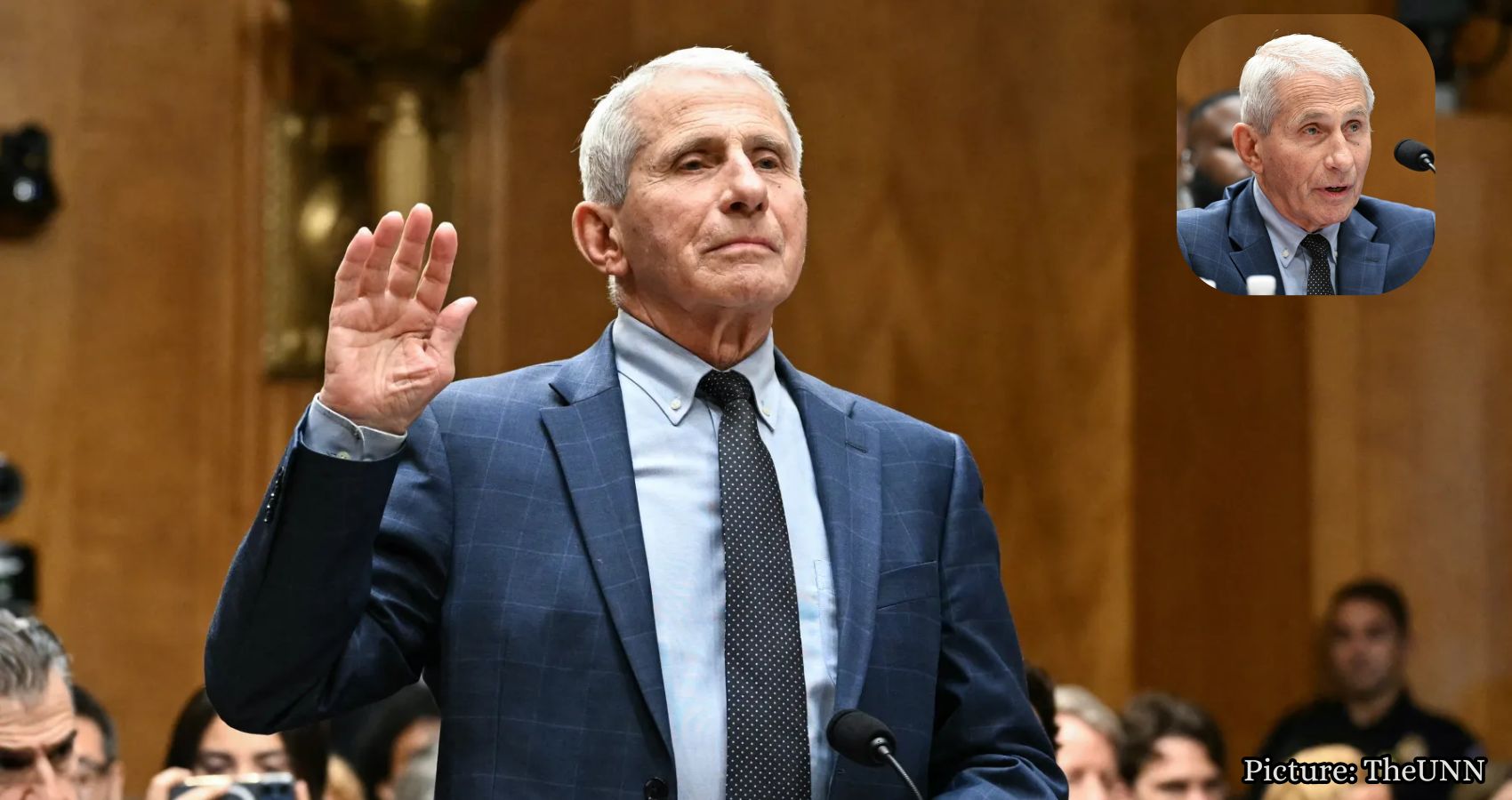
The footage depicts the migrant using a car to collide with vehicles that were blocking their path, illustrating the lengths to which some individuals will go to evade law enforcement. During an appearance on Fox News’ “Hannity,” Lyons was questioned about the impact of political rhetoric on such incidents, particularly comments from Democratic officials criticizing ICE operations.

“When we hear elected officials calling upon individuals to impede or obstruct ICE law enforcement operations nationwide, you’re going to see incidents like this,” Lyons stated. He emphasized the dangers faced by ICE agents, noting that one officer sustained neck injuries during the incident when their vehicle was struck.

“Every day, this is what the men and women of ICE are facing,” he continued. “It’s constant impediments, constant attacks like this. And it’s not safe for my folks; it’s not safe for the public. It really needs to stop.”

Lyons further claimed that organized criminal gangs are working to disrupt immigration enforcement efforts. “It’s a constitutional right to go out there and protest. But when you have organized criminal gangs that are organizing these groups to impede or obstruct law enforcement operations, that’s a criminal act,” he asserted. He mentioned that investigations are underway involving Homeland Security and the FBI to hold those responsible accountable.

In response to recent comments from Philadelphia District Attorney Larry Krasner, who threatened to prosecute any ICE agent committing unlawful acts during operations, Lyons defended his agency. Krasner clarified that his threat does not extend to “honest, decent, moral” agents.

“The men and women of ICE, the men and women of HSI, they’re not committing any crimes,” Lyons argued. “So he doesn’t have to worry about arresting any of my folks because what we’re doing is we’re enforcing the law. We are out there every day making this nation and his city safe again.”

Lyons urged Krasner to focus on the consequences of sanctuary policies that allow criminal aliens to return to neighborhoods, where they may commit serious crimes, including fentanyl trafficking and human trafficking. “He should focus on those and let law enforcement do law enforcement work,” he added.

The discussion comes in the wake of a tragic incident in Minnesota, where Renee Nicole Good, a U.S. citizen, was fatally shot by ICE agent Jonathan Ross. The agent fired into the driver’s side window of her vehicle, leading to a crash. The shooting has drawn condemnation from Democrats and local residents, who have labeled it murder and called for Ross’ prosecution. Conversely, supporters of the Trump administration and Republican lawmakers have defended the shooting as justified.

As the debate over immigration enforcement continues, the challenges faced by ICE agents remain a focal point of discussion, highlighting the complexities of law enforcement in a politically charged environment.

According to Fox News, the situation underscores the ongoing tensions between immigration enforcement and local policies, as well as the risks that agents encounter in the field.

South Korean Prosecutor Seeks Death Penalty for Ex-President Yoon

Prosecutors in South Korea are seeking the death penalty for former President Yoon Suk Yeol, accusing him of rebellion related to his controversial martial law declaration in December 2024.

An independent counsel has called for the death penalty for former South Korean President Yoon Suk Yeol, citing rebellion charges connected to his contentious martial law decree.

During a court hearing on Tuesday, prosecutors presented their case against Yoon, alleging that he orchestrated a rebellion through the martial law declaration made in December 2024. Independent counsel Cho Eun-suk urged the Seoul Central District Court to impose the death sentence, characterizing Yoon’s actions as “anti-state activities” and labeling the decree a “self-coup.”

Yoon, a conservative leader who was ousted from office last spring, remains in custody as he faces multiple criminal proceedings linked to the martial law incident and other controversies from his presidency. Prosecutors assert that the rebellion charge carries the most severe potential punishment.

In court, Cho’s team argued that Yoon aimed to extend his grip on power by undermining South Korea’s constitutional governance. Yoon has vehemently denied these accusations, describing the investigations into his actions as “frenzied” and characterized by “manipulation” and “distortion.”

He contends that the martial law declaration was a necessary response to what he perceived as a growing threat from the opposition Democratic Party, which utilized its legislative majority to obstruct his political agenda. Yoon maintains that exercising presidential emergency powers should not be construed as rebellion under the law.

The court is expected to announce its verdict next month. Legal experts suggest that a life sentence is more likely than execution, especially considering that South Korea has not carried out a death penalty since 1997.

Yoon is the first South Korean president to face the possibility of a death penalty after leaving office since Chun Doo-hwan, who was sentenced to death in 1996 for various crimes. Chun’s death sentence was later commuted to life in prison, and he was ultimately pardoned and released.

According to The Associated Press, the outcome of this case could have significant implications for South Korea’s political landscape and the legal precedents surrounding presidential powers.

Indian Students Settle Palak Paneer Lunch Dispute for $200,000

Two Indian students have secured a $200,000 settlement from the University of Colorado Boulder following a dispute over a palak paneer lunch, which they claimed highlighted discriminatory kitchen policies.

A dispute over heating a palak paneer lunch in a microwave has led to a significant $200,000 settlement for two Indian students from the University of Colorado Boulder. The students, Aditya Prakash and Urmi Bhattacheryya, both PhD candidates in the Anthropology Department, filed a civil suit against the university, alleging that its kitchen policy was discriminatory. The settlement was reached in September 2025, and the couple has since returned to India.

The incident that sparked the controversy occurred on September 5, 2023, about a year after Prakash began his studies at the university. While heating his lunch in the department’s microwave, he was approached by a staff member who complained about the “pungent smell” of the food and requested that he refrain from using the microwave for his meal. Prakash calmly defended his right to heat his food, stating, “It’s just food. I’m heating and leaving.”

However, the situation escalated, prompting Prakash and Bhattacheryya to file a civil suit in the Colorado U.S. District Court in May 2025 after the university denied them their Master’s degrees, which are typically awarded to PhD students en route to their doctoral degrees. They argued that the university’s kitchen policy disproportionately affected ethnic groups, particularly South Asians, and created an environment where many Indian students felt uncomfortable using shared spaces to eat their lunches.

In their suit, the couple described the “discriminatory treatment” they experienced and alleged that the university engaged in a pattern of escalating retaliation against them. They claimed this treatment caused them “emotional distress, mental anguish, and pain and suffering.”

University spokesperson Deborah Mendez-Wilson issued a statement regarding the settlement, emphasizing that the university denies any liability. She noted that the institution has established processes to address allegations of discrimination and harassment and adhered to those processes in this case. Mendez-Wilson reaffirmed CU Boulder’s commitment to fostering an inclusive environment for all students, faculty, and staff.

Prakash, who was a fully funded PhD student at the time of the incident, reported that he faced harassment following the microwave dispute. He claimed he was frequently summoned for meetings with senior faculty, accused of making staff feel unsafe, and was the subject of complaints to the Office of Student Conduct.

Bhattacheryya shared her experience, stating that she lost her teaching assistant position without any warning or explanation. Just two days after the microwave incident, she and three other students brought Indian food to campus, only to be accused of “inciting a riot.” The complaints against them were ultimately dismissed by the Office of Student Conduct.

The couple expressed gratitude for the support they received from their peers, with 29 fellow students in the Anthropology Department backing their claims and criticizing the university’s response to what they termed “discriminatory food policies.”

They referenced the Anthropology Department’s own Statement on Systemic Racism and Violence, which emphasizes the importance of celebrating diversity within the department. Bhattacheryya noted that her actions following the incident, including inviting Prakash to share his experiences in a class on ethnocentrism, were intended to foster dialogue rather than incite conflict.

As the settlement was finalized, both Prakash and Bhattacheryya expressed reluctance to return to the United States. They felt that returning would mean re-entering a system that had caused them distress and anxiety, particularly concerning visa issues. “I don’t see myself going back,” Prakash stated, indicating that starting anew in the U.S. was not appealing.

Despite their decision to leave, Prakash emphasized the importance of their case, stating, “If this case can send out a message that this (‘food racism’) cannot be practiced with impunity, that we, as Indians, will fight back, that would be the real victory.”

The outcome of this dispute highlights ongoing conversations about inclusivity and cultural sensitivity within academic institutions, particularly as they relate to the diverse backgrounds of their student populations. The settlement serves as a reminder of the challenges faced by international students and the need for universities to foster environments that respect and celebrate cultural diversity.

According to The Indian Express, the couple’s experience underscores the importance of addressing discriminatory practices in educational settings.

US Allocates 35,000 Additional H-2B Work Visas for 2026

The U.S. government has announced an additional 35,000 H-2B temporary work visas for Fiscal Year 2026 to help address labor shortages in key sectors of the economy.

The United States government has announced the release of 35,000 additional H-2B temporary nonagricultural worker visas for Fiscal Year (FY) 2026. This measure aims to provide partial relief to American businesses grappling with seasonal and short-term labor shortages across critical sectors of the economy.

This announcement was made jointly by the Department of Labor (DOL) and the Department of Homeland Security (DHS). The new allocation expands the number of H-2B visas available beyond the 66,000 visas that Congress mandates annually. However, officials acknowledged that this supplemental allocation represents a nearly 50 percent reduction compared to the additional H-2B visas released during the FY 2023–2025 period, indicating a more constrained approach to temporary labor expansion.

According to the DOL and DHS, the supplemental visas are intended to assist U.S. employers in meeting seasonal or temporary workforce demands in industries critical to economic stability and infrastructure continuity. These sectors include seafood processing, forestry, hospitality and tourism, transportation, and manufacturing, all of which traditionally rely on short-term foreign labor when domestic supply is insufficient.

Federal officials emphasized that the visas are targeted at employers who can demonstrate that the absence of foreign workers would cause irreparable harm to their operations. The agencies noted that detailed eligibility requirements and filing procedures will be released in the coming weeks through a temporary final rule to be published in the Federal Register.

Officials stated, “The additional visas are designed to support U.S. businesses while maintaining protections for American workers,” adding that safeguards against labor displacement remain in place.

The H-2B visa program allows U.S. employers to hire foreign nationals for temporary non-agricultural jobs when qualified U.S. workers are unavailable. Common occupations under the program include hotel staff, landscapers, seafood processors, amusement park workers, and construction support roles.

Under existing regulations, the maximum stay for an H-2B worker is three years. After reaching this limit, individuals must leave the United States and remain outside the country for at least three months before becoming eligible to apply for reentry under the H-2B classification.

Unlike the H-1B visa, which targets skilled professionals, the H-2B program primarily addresses seasonal and peak-load labor needs, making it a lifeline for industries dependent on fluctuating demand.

Currently, Congress caps the H-2B program at 66,000 visas per fiscal year, divided evenly between two employment periods. This includes 33,000 visas for workers beginning employment between October 1 and March 31, and another 33,000 for those starting between April 1 and September 30.

The newly announced 35,000 supplemental visas will be issued on top of this statutory cap, subject to agency discretion and regulatory criteria.

The Office of Foreign Labor Certification (OFLC) opened the filing window for H-2B Applications for Temporary Employment Certification (Form ETA-9142B and appendices) for jobs with start dates of April 1, 2026, or later on January 1, 2026, at 12:00 a.m. Eastern Time.

Applications submitted during the initial three-day window from January 1 to January 3 were subjected to a randomization process, a long-standing mechanism used when filings exceed available visa numbers. The OFLC completed this randomization on January 4, 2026, assigning applications to Assignment Group A, which includes enough worker positions to reach the 33,000 semi-annual visa cap for the second half of the fiscal year. Employers in Group A will receive Notices of Deficiency or Acceptance from the National Processing Centers.

Subsequently, the OFLC published assignment information for 10,062 H-2B applications covering 162,603 worker positions with April 1 start dates. Written notifications were sent to employers and their authorized attorneys or agents on January 4, informing them of their application status.

Employer groups have welcomed the additional visas but expressed concern that the reduced supplemental allocation may not meet the demand. Industry associations in hospitality and seafood processing have long argued that labor shortages threaten business continuity, particularly in rural and coastal regions.

Meanwhile, labor advocates have urged stricter oversight, citing concerns over wage suppression and worker protections. Federal officials reiterated that the H-2B program includes prevailing wage requirements, recruitment obligations, and compliance audits to safeguard both U.S. workers and foreign employees.

As the federal government prepares to release the final rule detailing eligibility and allocation criteria, employers and immigration practitioners are closely monitoring developments that will shape access to temporary labor for the remainder of FY 2026, according to Global Net News.
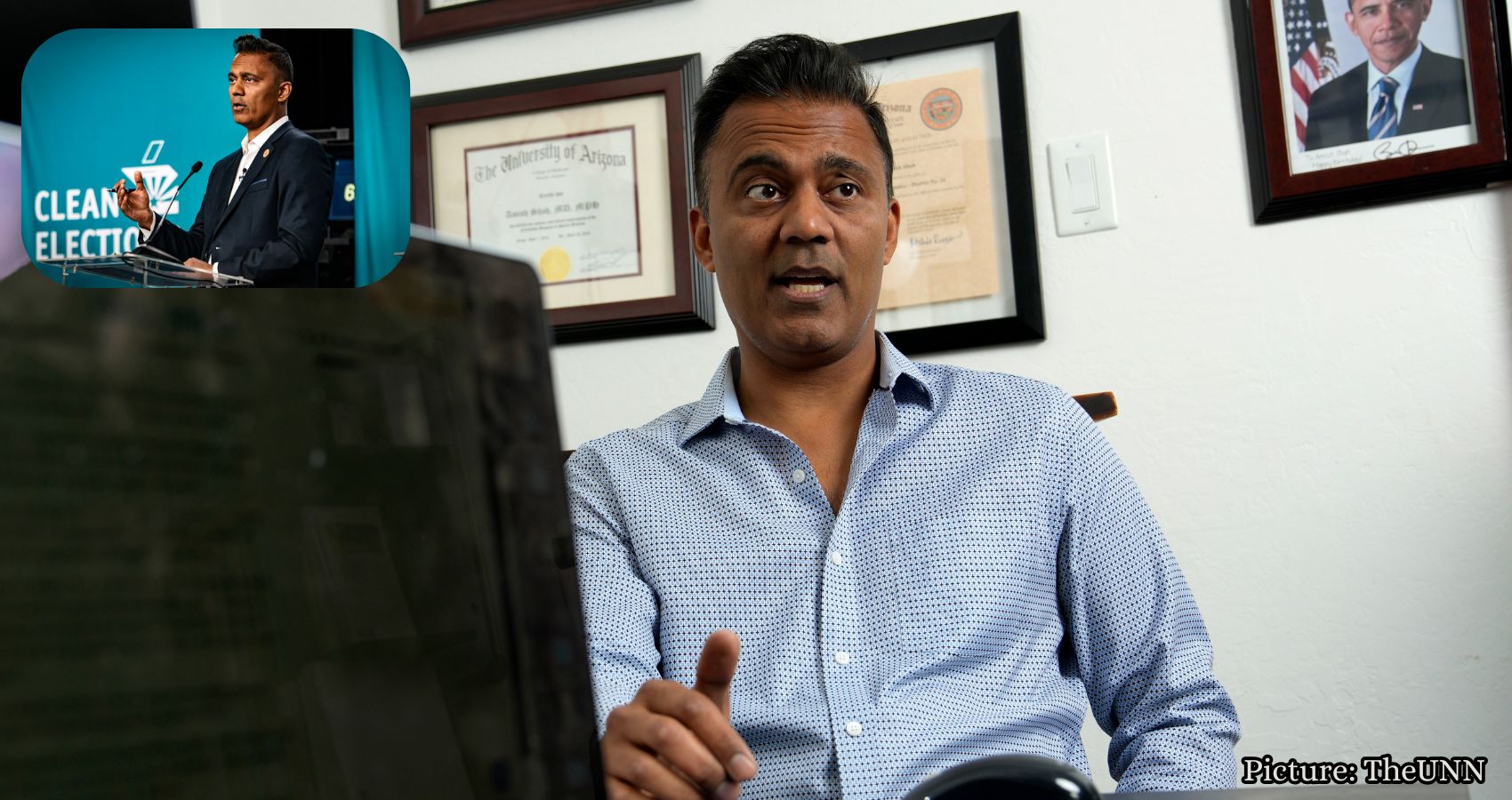
Congress Approves Extension of Affordable Care Act for 2023

A bipartisan effort in Congress has led to the passage of a bill extending Affordable Care Act tax credits for three years, aiming to alleviate rising health care costs for millions of Americans.

A Democrat-led initiative to extend Affordable Care Act (ACA) tax credits for three years has successfully advanced, following the support of 218 members of Congress—every House Democrat and four Republicans—who signed a discharge petition to force a floor vote. The legislation has now passed the House and is set to move to the Senate for further consideration.

As of January 1, the expiration of ACA tax credits, which had previously saved hardworking families thousands of dollars, has left nearly 22 million Americans—over 90 percent of Marketplace enrollees—facing increased health care premiums. This situation arose due to inaction by Congress, as highlighted by the Congressional Asian Pacific American Caucus (CAPAC). The expiration of these tax credits is seen as a consequence of cuts to health care support for working families, which were made to fund tax breaks for wealthier individuals.

The health care crisis resulting from this lapse is significant. Without the tax credits, enrollees are experiencing an average increase in annual health care costs of 114 percent, translating to an additional $1,106. Experts predict that approximately 15 million Americans may lose their health coverage in the coming years. Alarmingly, nearly six in ten Marketplace enrollees report that they could not manage even a $300 annual increase in health care costs without severely straining their household finances.

To illustrate the impact of these rising premiums, consider the following scenarios: A 60-year-old couple with an income of $85,000 would see their monthly Marketplace premiums surge from $602 to $2,647, resulting in an annual increase of about $24,500. Similarly, a family of four earning $130,000 would face premiums increasing from $921 to $1,992 per month, costing them an additional $12,900 each year.

For a family of four with an income of $66,000, monthly premiums would triple from $121 to $373, leading to an annual increase of approximately $3,025. A couple earning $44,000 would see their premiums rise from $85 to $253 per month, adding $2,013 annually. Lastly, a single individual earning $32,000 would experience a jump in monthly premiums from $58 to $180, resulting in an annual increase of $1,468.

Rep. Grace Meng (NY-06), Chair of the Congressional Asian Pacific American Caucus, criticized the previous administration’s handling of health care, stating, “President Trump and Republicans have created a health care crisis, forcing millions of hardworking Americans to pay double, triple, or even quadruple more for health care premiums as they allowed the Affordable Care Act (ACA) tax credits to expire.”

She emphasized the importance of the newly passed legislation, saying, “However, thanks to the efforts of House Democrats and a few Republicans, we have advanced legislation that would restore the ACA tax credits that help people afford health insurance, including the 1.5 million Asian Americans, Native Hawaiians, and Pacific Islanders who receive coverage through the ACA. The Senate must take up this bill immediately to reverse these outrageous premium hikes and deliver relief to working families across the country.”

The urgency of this legislation reflects the growing concern over health care affordability in the United States, particularly as millions face the prospect of losing coverage or experiencing crippling premium increases. The Senate’s prompt action on this bill will be crucial in determining the future of health care access for many Americans.

According to India Currents, the passage of this bill marks a significant step towards addressing the health care crisis exacerbated by the expiration of ACA tax credits.

Protests in Iran Raise Concerns for India’s Chabahar Port Project

The ongoing protests in Iran have raised concerns in India regarding the future of the Chabahar Port project, a key strategic investment worth nearly $500 million.

NEW DELHI – The situation in Iran has become increasingly chaotic, with protests erupting in over 100 cities across the country. As regime instability rises, India is closely monitoring the developments, particularly regarding its strategic investment in the Chabahar Port.

Indian officials have expressed concerns about the safety and continuity of operations at this critical port, where India has invested nearly $500 million. While there is currently no direct threat to the project itself, officials warn that escalating protests and potential regime changes could significantly delay its progress.

The Chabahar Port holds strategic importance for India, serving as a vital gateway to bypass Pakistan and access Afghanistan, Russia, Europe, and Central Asia. This port is integral to India’s Connect Central Asia policy, which aims to enhance trade with landlocked nations such as Uzbekistan, Turkmenistan, and Kazakhstan.

Moreover, the port is a key component of the International North-South Transport Corridor (INSTC), a 7,200-kilometer ship-rail-road network linking India to Iran, Russia, Europe, and the Caspian Sea. This corridor is expected to reduce transit times by nearly 40 percent and cut costs by around 30 percent.

However, the ongoing protests pose a risk of delaying the project’s completion, which could undermine India’s strategic advantages. A significant aspect of the INSTC is the Chabahar-Zahedan railway project, and unrest in the region could hinder rail connectivity, ultimately affecting the efficiency of the corridor.

New Delhi is particularly concerned that the unprecedented protests in Iran could disrupt cargo handling and infrastructure development at Chabahar. The protests have already led to internet blackouts and supply chain disruptions, making it crucial for normalcy to return to Iran for the project’s success.

The current unrest has created challenges for Iranian security agencies, with low morale reported among the ranks of the Islamic Revolutionary Guards (IRG) due to the escalating economic crisis. This environment has fostered insecurity among the labor class, who fear being targeted by protesters amid the turmoil.

India is also wary of potential moves by China during this period of instability. Historically, China has sought to expand its influence in countries experiencing unrest. The Chabahar Port is seen as a counter to China’s growing presence at the Gwadar Port in Pakistan, located just 170 kilometers away.

In addition to its economic implications, Chabahar is vital for India to monitor Chinese naval activity in the Arabian Sea and the Indian Ocean. Indian officials are hopeful that the situation in Iran will stabilize soon, preventing any adverse effects on their strategic investments. They are acutely aware that delays at Chabahar could hinder India’s long-term plans, especially as China continues to expand its operations in Gwadar.

The protests in Iran began on December 28, 2025, fueled by a deepening economic crisis and widespread frustration with the Islamic Republic government. Initially sparked by rising inflation, food prices, and the severe depreciation of the Iranian Rial, the protests have since evolved to include calls for regime change.

What started as demonstrations by shopkeepers has now expanded to include students and the general public, with protests spreading across more than 100 locations in Iran. The situation remains fluid, and the international community is watching closely as events unfold.

According to IANS, the implications of these protests extend beyond immediate concerns, potentially affecting regional dynamics and international relations in the coming months.

Bipartisan Bill Aims to Prevent Military Action Against NATO Members

A bipartisan group of lawmakers has introduced legislation to prevent unauthorized military action by President Trump against NATO countries, particularly in light of his comments regarding Greenland.

A coalition of bipartisan lawmakers has introduced a bill aimed at restricting any unauthorized military action by President Donald Trump, particularly concerning NATO countries and territories, including Greenland. The initiative comes amid rising concerns over Trump’s remarks about acquiring Greenland “one way or the other.”

Leading the legislative effort is Rep. Bill Keating, a Democrat from Massachusetts, who is joined by Reps. Steny Hoyer (D-Md.), Brendan Boyle (D-Pa.), and Don Bacon (R-Neb.). According to POLITICO, Keating emphasized the importance of the legislation, stating, “This is about our fundamental shared goals and our fundamental security, not just in Europe, but in the United States itself.”

The group is actively seeking broader support for the bill, hoping to attract additional Republican backing to restrict funding for any unauthorized military actions against U.S. allies. In a letter to his colleagues, Keating asserted that the legislation “takes a clear stand against such action and further supports NATO allies and partners.”

While the bill does not explicitly name any countries, it is a direct response to Trump’s repeated threats regarding Greenland. Keating explained that the decision to omit Greenland’s name was intentional, aiming to broaden the legislation’s focus. He noted his discussions with the Danish Ambassador and the head of Greenland’s representation, emphasizing, “This isn’t just about Greenland. This is about our security.”

Keating believes that cutting funding is the most effective way to deter Trump administration officials from taking military action. “War powers are important, but we’ve seen with Democratic and Republican presidents that that’s not as effective,” he stated. “It’s hard to get around having no funds or not allowing personnel to do it.”

This legislative move follows the Senate’s recent advancement of a bipartisan resolution aimed at limiting Trump’s ability to conduct military actions against Venezuela, particularly after the U.S. military’s recent operations targeting President Nicolás Maduro. The Senate could pass this measure later this week, although its future in the House remains uncertain despite some Republican support.

In discussions about Greenland, administration officials have reportedly been weighing options, including the potential use of military force to take control of the Danish territory. Such an action would violate NATO’s Article V, which stipulates that an attack on one member is an attack on all, potentially jeopardizing the alliance that has existed for over 75 years.

Trump has been vocal about his intentions regarding Greenland, stating, “We are going to do something on Greenland, whether they like it or not. Because if we don’t do it, Russia or China will take over Greenland, and we’re not going to have Russia or China as a neighbor.”

In response to these developments, Greenland’s Prime Minister Jens-Frederik Nielsen and four party leaders reiterated last week that the self-governing island has no desire to become part of the United States. “We don’t want to be Americans, we don’t want to be Danes, we want to be Greenlanders,” they declared, emphasizing that Greenland’s future should be determined by its own people.

Additionally, Danish Prime Minister Mette Frederiksen, along with leaders from France, Germany, the United Kingdom, Italy, Spain, and Poland, signed a letter affirming that “Greenland belongs to its people. It is for Denmark and Greenland, and them only, to decide on matters concerning Denmark and Greenland.”

The prospect of expanding U.S. control over Greenland has elicited mixed reactions within Congress. While most Democrats oppose the idea, some Republicans have expressed support for fostering closer ties with the territory. Rep. Randy Fine, a Republican from Florida, has even introduced legislation to make Greenland the 51st U.S. state, advocating for a voluntary acquisition. “I think it is in the world’s interest for the United States to exert sovereignty over Greenland,” Fine told Fox News Digital.

As the debate continues, the bipartisan bill aims to ensure that any military actions involving NATO allies are conducted with proper authorization and in alignment with U.S. commitments to its allies.

According to POLITICO, the introduction of this legislation reflects a growing concern among lawmakers about the implications of Trump’s foreign policy decisions.

Iranians Gain Limited Access to International Calls Amid Internet Blockade

Iranians have regained the ability to make some international phone calls amid ongoing protests, while internet access and text messaging remain severely restricted.

Iranians were able to place some international phone calls on Tuesday for the first time since authorities imposed a sweeping communications blackout during a violent crackdown on anti-government protests. Residents in Tehran reported that calls to numbers outside the country briefly connected, although text messaging remained disabled and internet access was still limited to government-approved domestic websites, leaving Iran largely isolated from the outside world.

This partial restoration of communication occurred as security forces maintained a heavy presence across central Tehran. According to residents, riot police, Revolutionary Guard units, and plainclothes officers were deployed at key locations as authorities sought to contain the unrest.

Protests have erupted in recent weeks over Iran’s deepening economic crisis, with demonstrators increasingly calling for regime change. Activist groups claim that hundreds of people have been killed, although the true toll remains difficult to verify due to the internet blackout and strict state controls on information.

Reports indicate that some government offices and financial institutions were damaged during the unrest. Residents noted that merchants were ordered to reopen businesses despite ongoing security operations, but foot traffic remained sparse in many areas of the capital.

The unrest has drawn heightened international attention, particularly as tensions escalate between Tehran and Washington. U.S. President Donald Trump has stated that Iran is seeking to negotiate with his administration, following his threats to bomb the country in response to the protests. “Iran better not start shooting, because we’ll start shooting, too,” Trump warned on Friday.

In an interview aired on Al Jazeera, Iranian Foreign Minister Abbas Araghchi confirmed that he continued to communicate with U.S. envoy Steve Witkoff. He stated that these communications “continued before and after the protests and are still ongoing,” adding that “Washington’s proposed ideas and threats against our country are incompatible.” Araghchi also asserted that Tehran is “fully prepared for war” should the U.S. decide to attack.

White House Press Secretary Karoline Leavitt told reporters that diplomacy remains Trump’s first option, but emphasized that the president “has shown he’s unafraid to use military options if and when he deems necessary, and nobody knows that better than Iran.” She added, “He certainly doesn’t want to see people being killed in the streets of Tehran. And unfortunately, that’s something we are seeing right now.”

In addition to the protests, tens of thousands of pro-government demonstrators took to the streets on Monday, following days of unrest challenging the rule of Supreme Leader Ayatollah Ali Khamenei. Iranian state television broadcast chants from the crowd, which included slogans such as “Death to America!” and “Death to Israel!” along with “Death to the enemies of God!”

Iran’s attorney general has issued a warning that anyone participating in protests will be considered an “enemy of God,” a crime punishable by death. In response to the crackdown on protests, Trump announced on Monday that countries engaging in business with Iran would face a 25% tariff that would be “effective immediately.”

The situation in Iran continues to evolve, with significant implications for both domestic stability and international relations, particularly with the United States. According to The Associated Press, the ongoing unrest and government response are closely monitored by global observers.

Jumio Appoints Indian-American Bala Kumar as President and Interim CEO

Jumio has appointed Bala Kumar as president and interim CEO, focusing on eradicating identity theft while enhancing digital interactions as the company prepares for its next phase of growth.

Jumio, a prominent provider of AI-powered identity intelligence solutions, has announced the appointment of Indian American executive Bala Kumar as its president and interim chief executive officer. This leadership change comes as the company aims to strengthen its position in a rapidly evolving market.

Kumar, who holds a master’s degree in Computer Applications from the National Institute of Technology Karnataka and has completed the Harvard Leadership Direct program, takes over from Robert Prigge. Prigge has led the company for nearly a decade and is departing to pursue new opportunities.

The transition in leadership is described by Jumio as a planned evolution, designed to ensure continuity and effective execution as the company embarks on its next phase of expansion. The firm is focused on maintaining its momentum in the identity verification and biometrics market.

Having joined Jumio in 2021, Kumar previously served as the chief product and technology officer. In this capacity, he successfully expanded Jumio’s offerings from a single product to a comprehensive portfolio of identity intelligence solutions, addressing the evolving needs of customers. He will continue to guide the company’s product vision and innovation.

Ben Cukier, co-chairman of Jumio’s board of directors, expressed confidence in Kumar’s capabilities. “This transition reflects the strength of our leadership bench and the company’s focus on disciplined execution,” Cukier stated. “With deep institutional knowledge and a proven track record of delivering results, Bala is exceptionally well-positioned to lead the company with full authority during this period while we conduct a thoughtful search for a CEO to fuel the next phase of Jumio’s growth.”

Kumar expressed his enthusiasm for his new role, stating, “I am honored to step into this role. We have a strong foundation, a clear strategy, and an incredibly talented team. My focus is on executing our strategy in service of our customers and Jumio’s core mission: eradicating identity theft while enabling trusted, low-friction digital interactions for consumers and businesses both now and in the future.”

The Jumio Platform offers AI-powered identity intelligence that integrates biometric authentication, automation, and data-driven insights. This technology is designed to accurately establish, maintain, and reassert trust throughout the customer journey, from account opening to ongoing monitoring.

Utilizing advanced automated technology, including biometric screening, AI and machine learning, liveness detection, and no-code orchestration with hundreds of data sources, Jumio aims to combat fraud and financial crime. The platform also facilitates faster customer onboarding and ensures compliance with regulatory requirements, including Know Your Customer (KYC) and Anti-Money Laundering (AML) standards.

With a global presence that includes offices in North America, Latin America, Europe, Asia Pacific, and the Middle East, Jumio has processed over one billion transactions across more than 200 countries and territories, encompassing real-time web and mobile transactions.

This strategic appointment of Bala Kumar as president and interim CEO marks a significant step for Jumio as it continues to innovate and lead in the identity verification space, ensuring a secure digital environment for businesses and consumers alike.

According to The American Bazaar, this leadership change positions Jumio for continued growth and success in the identity intelligence sector.

Ways to Safeguard Seniors from Email Scams

Email scams pose a significant threat to seniors, often jeopardizing their financial security with just one click. Here are strategies families can implement to safeguard their loved ones.

Email scams have emerged as one of the most effective methods for fraudsters to steal money from older adults. A single click can compromise bank accounts, personal information, and retirement savings accumulated over a lifetime. This growing concern was highlighted by a reader named Bob, who reached out with a pressing question: “My friend’s father is 95 and absolutely lives through his phone and laptop. He refuses to give them up and often clicks on email links. A few years ago, he fell victim to a gift card scam that nearly cost him his life savings. It’s not just about taking away the car keys anymore; it’s about managing email and online banking access! What do you recommend his daughter do to protect his online presence?”

Bob’s observation is spot on. For many seniors, email and online banking have become the most significant access points for potential scams. The objective is not to take away devices but to implement protective measures that prevent a single bad click from resulting in a financial catastrophe. Here are some practical strategies families can adopt.

First, limit the potential damage from a single click. If possible, remove online banking access from devices primarily used for email. If that isn’t feasible, consider opening a secondary checking account with only enough funds for everyday expenses and linking it to a debit card for routine purchases. Keeping primary savings accounts offline or setting them to view-only access can also provide an additional layer of security. If available, require in-branch or phone verification for transfers above a certain amount. This way, even if login credentials are compromised, the most significant accounts remain protected.

Email is the primary entry point for scams targeting seniors, making strong filtering essential. Opt for an email provider with advanced spam protection, such as Gmail or Outlook.com. Within the email settings, enable warnings for emails that use familiar display names but originate from unfamiliar addresses. This feature helps thwart impersonation scams that may appear to be from family members, banks, or service providers. These precautions can slow down scammers and reduce the likelihood of impulsive clicks.

While email scams are prevalent, voicemail and callback scams are also on the rise among seniors, often as follow-ups to phishing emails. If possible, silence unknown callers and disable voicemail-to-email transcription for unfamiliar numbers, as many scams now begin with urgent callback messages instead of links.

Next, establish safety nets that can alert family members when something seems amiss. Enable banking alerts for significant withdrawals, new payees, password changes, unusual logins, and new device sign-ins. Adding a trusted contact, such as his daughter, wherever the bank allows can also enhance security. If available, enable delays or approval requirements for first-time transfers to new payees. This creates a cooling-off period that can prevent scam-driven transactions. For email accounts, set up a recovery contact so that his daughter is notified immediately if someone attempts to access or reset the account.

Implementing two-factor authentication (2FA) on email and banking accounts is crucial, but it should be paired with device and transfer alerts, as many scams can succeed even with 2FA enabled. Additionally, devices should be configured to fail safely. Regularly update operating systems and browsers, and ensure that laptops use standard user accounts instead of administrator accounts. This setup prevents unauthorized software installations. Installing real-time protection that blocks scam sites before they load is also essential. Strong antivirus software can help block malicious links and fake login pages automatically.

To further protect against malicious links that could install malware and compromise private information, using a robust antivirus solution is advisable. This protection can alert users to phishing emails and ransomware scams, safeguarding personal information and digital assets.

Password reuse significantly heightens the risk of scams. Fraudulent pop-ups and lookalike websites are designed to trick individuals into entering their usernames and passwords. A password manager can mitigate this risk by securely storing credentials and autofilling them only on legitimate websites. If a page is fake or malicious, the password manager will not fill in any information, often preventing account takeovers before they occur. Additionally, password managers alleviate the frustration of remembering or reusing passwords across various accounts.

Many phishing scams no longer rely on obvious fake emails; instead, they utilize realistic login pages. Autofill protection is one of the most effective ways to thwart these attacks without altering daily habits. It’s also wise to check if an email address has been exposed in past data breaches. A reliable password manager often includes a built-in breach scanner that checks whether an email address or passwords have appeared in known leaks. If a match is found, it’s crucial to change any reused passwords and secure those accounts with new, unique credentials.

If scammers already possess personal information, prevention alone may not suffice. Freezing credit with Experian, TransUnion, and Equifax can prevent new accounts from being opened in a senior’s name. Additionally, placing freezes with ChexSystems and the National Consumer Telecom and Utilities Exchange can stop criminals from opening bank accounts, phone lines, or utility services. Requesting an IRS Identity Protection PIN can also help prevent tax-related identity theft.

Ongoing identity monitoring can alert individuals to suspicious activity quickly. Identity theft companies can monitor personal information, such as Social Security numbers, phone numbers, and email addresses, and notify users if their information is being sold on the dark web or used to open accounts. They can also assist in freezing bank and credit card accounts to prevent further unauthorized use.

While technology plays a vital role in safeguarding seniors, setting clear expectations is equally important. Have a calm conversation to establish simple rules, and post these rules near the computer or phone. Visual reminders can help reduce panic-driven decisions. Additionally, designate one primary trusted contact to avoid confusion during urgent situations involving money or account access.

Scammers often target seniors by extracting personal details from public data broker websites, which publish information such as phone numbers, addresses, and age. Utilizing a data removal service can help seniors opt out of these databases, reducing the amount of personal information available online. Fewer exposed details can lead to fewer scam calls, phishing emails, and impersonation attempts. While this step may not eliminate all scams, it can significantly decrease the frequency of targeting.

Many tools designed for child safety can also be beneficial for seniors when used thoughtfully. When configured correctly, these tools can provide protection without disrupting daily routines. For instance, Apple’s built-in Screen Time tools can offer strong protection without the need for additional apps. Similarly, Android offers built-in protections and optional supervised controls through Google Family Link.

Ultimately, protecting seniors online is not about exerting control; it’s about prevention. Email scams are designed to exploit trust and urgency, particularly among individuals who did not grow up with digital threats. Implementing smart guardrails can help maintain independence while preventing irreversible mistakes. As email and banking become the new car keys, families must ensure that modern safety features accompany them.

If your parent clicked on a scam email right now, would you know before the money was gone? For more information and resources, visit Cyberguy.com.

AAPI Global Health Summit 2026 Enhances Indo-US Medical Collaboration in Odisha

The AAPI Global Health Summit 2026 fostered collaboration between Indian and U.S. healthcare professionals, emphasizing community-centric initiatives and innovative medical practices in Odisha.

The American Association of Physicians of Indian Origin (AAPI) recently achieved a significant milestone in global healthcare collaboration by successfully hosting its 19th Annual Global Health Summit (GHS) 2026. This three-day event, held from January 9 to 11, brought together leading physicians, researchers, educators, policymakers, and public health experts from both India and the United States.

Taking place at premier academic and hospitality venues, including the Kalinga Institute of Medical Sciences (KIMS), Kalinga Institute of Industrial Technology (KIIT), Mayfair Lagoon, and Swosti Premium, the summit served as a powerful platform for advancing medical innovation, strengthening Indo-US partnerships, and delivering tangible community impact in the state of Odisha.

AAPI President Dr. Amit Chakrabarty described the summit as a landmark moment for global medical collaboration. He stated, “GHS 2026 reflects AAPI’s unwavering commitment to elevating global health standards. When experts from two of the world’s most dynamic healthcare systems come together, the impact extends far beyond conference halls—it reaches communities, hospitals, and future generations.”

India’s Union Minister for Health, Shri Jagat Prakash Nadda, praised AAPI’s contributions to healthcare delivery, education, and research across borders in a video message. “AAPI stands as a powerful symbol of professional excellence, global leadership, and dedicated service to humanity,” he remarked, noting that the organization represents over 100,000 physicians of Indian origin practicing in the United States.

Shri Nadda emphasized AAPI’s role as a bridge between India and the U.S., stating, “Through sustained academic collaboration, knowledge exchange, and capacity building, AAPI has significantly strengthened healthcare systems in both nations. Guided by the timeless philosophy of ‘Vasudhaiva Kutumbakam’—the world is one family—AAPI reminds us that service beyond borders is the highest form of leadership.”

Dr. Achyuta Samanta, Founder of KIIT and KIMS, addressed the gathering and underscored the growing collaboration between AAPI and KIIT institutions. He described KIIT as one of India’s leading private universities, known for its multidisciplinary academic excellence and world-class infrastructure.

In his welcome address, Prof. R.C. Das highlighted the significance of hosting the summit at KIMS, stating that the institution has “redefined healthcare delivery in Odisha and neighbouring states through advanced medical care anchored in social responsibility.”

Other dignitaries who spoke during the inaugural session included Prof. C.B.K. Mohanty, Pro Vice-Chancellor of KIMS; Dr. Atashu Nayak, President of Odisha Physicians of America; and Dr. Ajit K. Mohanty, Director General of KIMS. During a gala evening, AAPI honored Dr. Sita Kanta Dash and Dr. Santosh Dora for their outstanding contributions to society.

The summit commenced each day with Yoga and Meditation sessions led by Dr. Amit Shah and Dr. Arti Prasad, reinforcing the importance of holistic wellness in modern medicine. The opening Scientific Forum featured high-impact Continuing Medical Education (CME) sessions on topics such as metabolic syndrome, hemoglobinopathies, cervical cancer, and healthcare advocacy. AAPI President-Elect Dr. Krishan Kumar noted, “These discussions are not just academic—they are actionable. Our goal is to bring evidence-based solutions to the forefront of India’s healthcare landscape.”

On the first day, participants engaged in state-of-the-art surgical practices, including live robotic and minimally invasive procedures broadcast simultaneously across venues. Parallel tracks addressed Ayurveda, international medical graduate updates, suicide prevention, and hands-on workshops for students. A large-scale Mass CPR Training Program further highlighted AAPI’s commitment to community empowerment.

The second day of the summit focused on the transformative role of Artificial Intelligence (AI) in healthcare. Experts discussed AI applications in diagnostics, radiology, ethics, and patient education. AAPI Board Chair Dr. Hetal Gor remarked, “AI is transforming medicine at a pace we’ve never seen before. AAPI is committed to ensuring this transformation is guided by responsibility and vision.”

The day also featured intensive emergency medicine workshops, live simulations, and discussions on tuberculosis elimination, diabetes, obesity, and critical care decision-making. AAPI Treasurer Dr. Soumya Neravettila emphasized, “These are the skills that save lives in the golden hour.”

The final day highlighted women’s leadership in healthcare, youth engagement, and community initiatives. A landmark session on India’s COVID-19 vaccine journey brought together scientists and filmmakers, bridging science and storytelling.

Community-focused initiatives included stem cell donor registration drives, HPV awareness campaigns, child welfare programs, and the celebration of India’s visually challenged women’s cricket champions, reinforcing AAPI’s inclusive vision of healthcare.

As the summit concluded, Dr. Chakrabarty reaffirmed AAPI’s mission, stating, “Our strength lies in unity, expertise, and purpose. Together, we are shaping a healthier future for India and the world,” according to Global Net News.
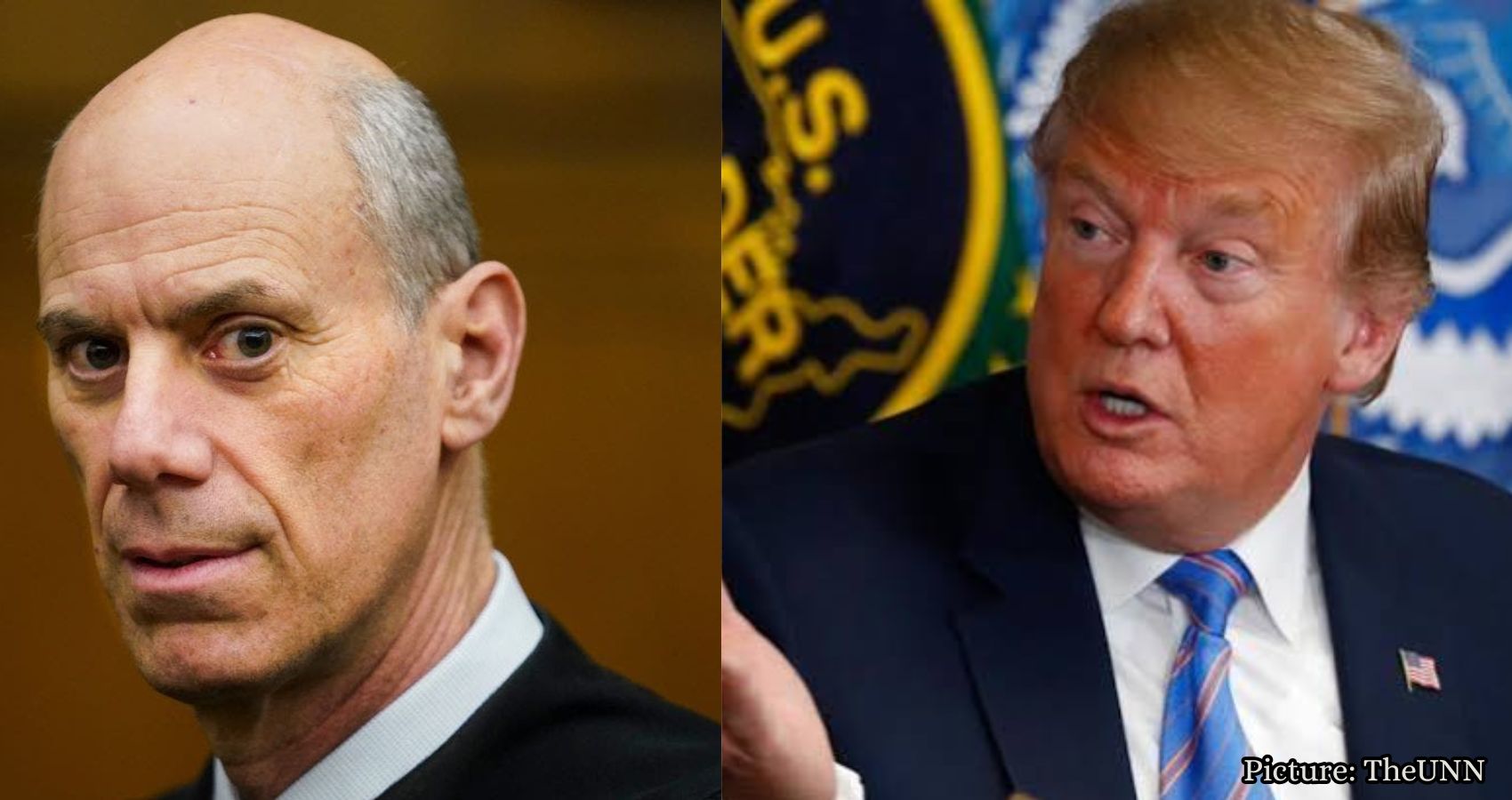
Rand Paul Criticizes Trump’s Threat to Bomb Iran as Misguided

Senator Rand Paul cautioned against President Trump’s threats to bomb Iran, emphasizing constitutional concerns and the potential for unintended consequences amid ongoing protests in the country.

Senator Rand Paul, a Republican from Kentucky, expressed his opposition to President Donald Trump’s recent threats to bomb Iran during an appearance on ABC’s “This Week.” Paul raised concerns that such military action could backfire, particularly as the U.S. government observes the Iranian response to widespread protests.

Paul questioned the effectiveness of a military strike, stating, “I don’t think I have ever heard a president say they may take military action to protect protesters.” He referenced the assassination of Iranian General Qassem Soleimani, which led to significant protests against the U.S. in Iran, despite many demonstrators also expressing opposition to the Ayatollah.

“We wish them the best,” Paul said regarding the protesters. “We wish freedom and liberation the best across the world, but I don’t think it’s the job of the American government to be involved with every freedom movement around the world.”

In his remarks, Paul highlighted the challenges of distinguishing between Iranian protesters and law enforcement if military action were to occur. “How do you drop a bomb in the middle of a crowd or a protest and protect the people there?” he asked, emphasizing the complexities of such a military intervention.

Furthermore, Paul warned that bombing the Iranian government could inadvertently unite the protesters behind the Ayatollah. “If you bomb the government, do you then rally people to their flag who are upset with the Ayatollah, but then say, ‘Well, gosh, we can’t have a foreign government invading or bombing our country?'” he questioned. “It tends to have people rally to the cause.” He reiterated that the protests are directed at the Ayatollah and are justified.

Paul advocated for a more supportive approach, stating, “The best way is to encourage them and say that, of course, we would recognize a government that is a freedom-loving government that allows free elections, but bombing is not the answer.”

The senator also underscored the constitutional limitations on presidential military action, asserting that presidents cannot strike other countries without congressional approval. “There is this sticking point of the Constitution that we won’t let presidents bomb countries just when they feel like it,” Paul emphasized. “They’re supposed to ask the people, through the Congress, for permission.”

Protests in Iran have intensified in recent weeks, fueled by the country’s economic struggles, with many demonstrators calling for total regime change. Reports indicate that thousands have been arrested, and while the exact death toll remains unclear due to an internet blackout imposed by Iranian authorities, The Associated Press has reported that more than 500 people have been killed in the unrest.

In response to the protests, Trump warned Iranian leaders on Friday that they “better not start shooting, because we’ll start shooting, too.” He also expressed support for the protesters, stating on Truth Social, “Iran is looking at FREEDOM, perhaps like never before. The USA stands ready to help!!!”

Paul has previously opposed Trump on various military actions, including those targeting Iran and Venezuela. Recently, he played a role in advancing a Senate resolution aimed at limiting Trump’s ability to conduct further military strikes against Venezuela, following a U.S. military operation to capture its president, Nicolás Maduro. Paul characterized that action as tantamount to war.

“I think bombing a capital and removing the head of state is, by all definitions, war,” Paul told reporters prior to the vote on the resolution. “Does this mean we have carte blanche that the president can make the decision any time, anywhere, to invade a foreign country and remove people that we’ve accused of a crime?”

Additionally, Paul has criticized the administration’s military strikes on vessels near Venezuela, which the U.S. accuses of carrying narco-terrorists, raising concerns about due process and the risk of harming innocent individuals. He previously cited Coast Guard statistics indicating that a significant percentage of boats boarded on suspicion of drug trafficking are, in fact, innocent.

As tensions continue to rise in Iran and the U.S. grapples with its foreign policy approach, Paul’s comments reflect a growing concern among some lawmakers regarding the implications of military intervention in the region, particularly in light of the ongoing protests.

According to The Associated Press, the situation in Iran remains fluid, with the potential for further developments as both the government and the protesters navigate the current crisis.

Five Severed Heads Discovered on Ecuador Beach Amid Gang Violence

Five severed heads were discovered on a beach in Ecuador, highlighting the country’s escalating gang violence amid a military crackdown on organized crime.

In a shocking incident that underscores the rising tide of gang violence in Ecuador, five severed human heads were found hanging from ropes on a beach in the coastal town of Puerto Lopez on Sunday. This gruesome display is linked to ongoing conflicts among criminal groups vying for control over drug trafficking routes.

The discovery, reported by multiple news outlets, highlights the alarming increase in violence associated with drug trafficking and organized crime in Ecuador. In recent years, the country has seen a surge in homicides, driven by fierce competition among gangs.

Local authorities reported that the severed heads were found on a popular tourist beach in Manabi province, a small fishing port known for its scenic views. Images circulated on social media and in Ecuadorian media depicted the heads tied to wooden poles planted in the sand, with blood visible at the scene.

Accompanying the heads was a wooden sign that bore a threatening message directed at alleged extortionists targeting local fishermen. The message warned those demanding “vaccine cards,” a term used to describe protection payments commonly extorted by gangs, that they had been identified.

Authorities believe this horrific display is a result of ongoing conflicts between rival criminal organizations operating in the region. Drug-trafficking networks with ties to transnational cartels have been increasingly active along Ecuador’s coastline, utilizing local fishermen and their small boats to transport illegal shipments.

In response to the escalating violence, President Daniel Noboa has initiated an armed campaign against gangs and declared states of emergency in several provinces, including Manabi. This effort includes deploying military forces to support police operations in an attempt to restore order.

Despite these measures, violence continues to rise. Following recent massacres in the province, police have intensified patrols and surveillance in Puerto Lopez. Earlier this year, at least nine people, including a baby, were killed in an attack attributed to clashes between local gangs.

In 2025, infighting among factions of a gang competing for territory in Guayaquil, Ecuador’s largest city, resulted in nearly two dozen fatalities. The country ended the year with a record homicide rate of 52 per 100,000 people, according to the Organized Crime Observatory, marking it as the deadliest year on record.

The situation in Ecuador reflects a broader trend of increasing violence linked to drug trafficking and organized crime across the region. As authorities grapple with these challenges, the safety of local communities and tourists remains a pressing concern.

According to The Associated Press, the recent events highlight the urgent need for effective strategies to combat gang violence and restore peace in affected areas.

-+=