
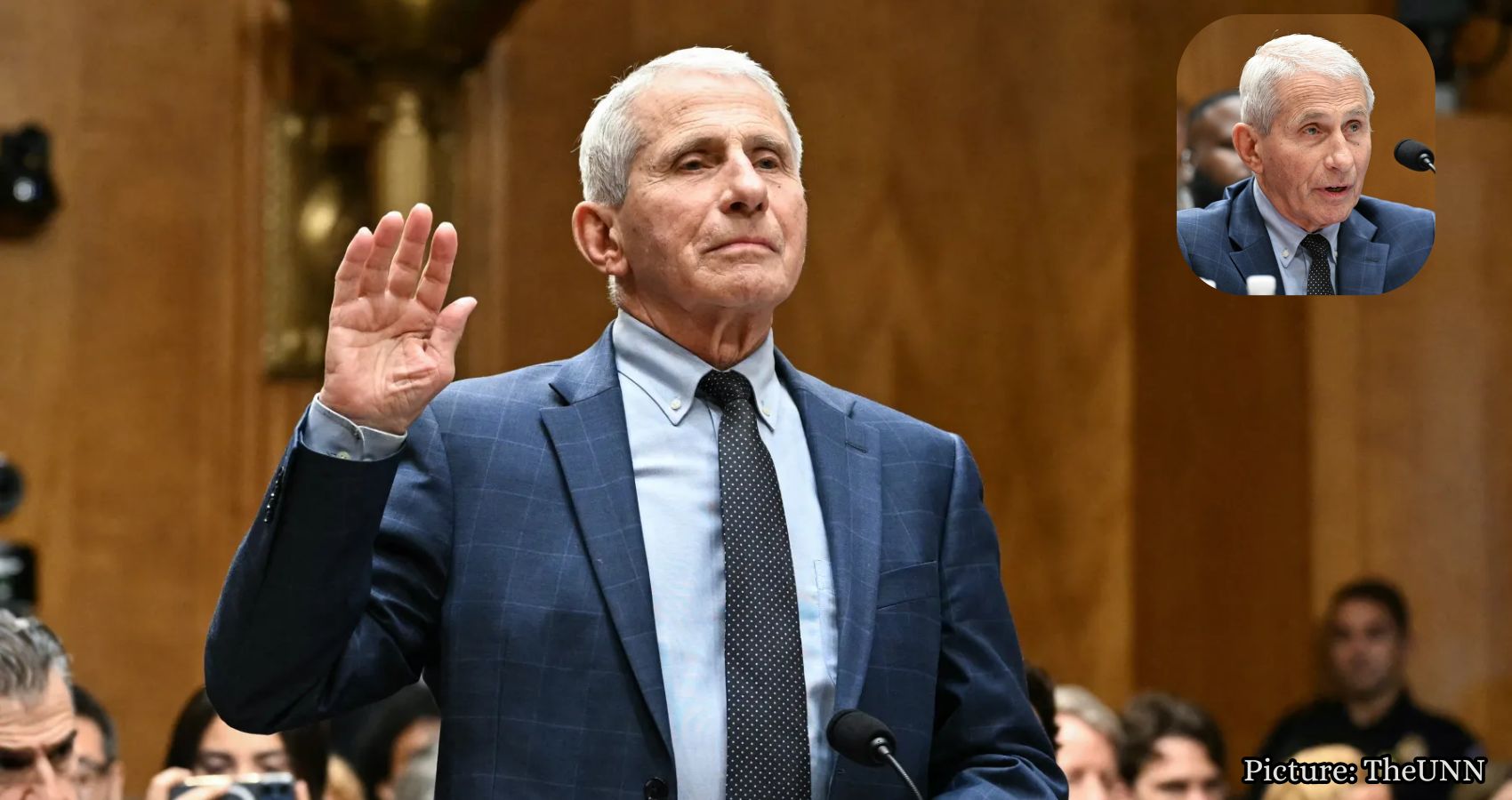
Anthony Fauci invoked the Fifth Amendment during a congressional hearing, opting not to answer questions regarding his role in the U.S. government’s COVID-19 pandemic response.
Dr. Anthony Fauci, the former director of the National Institute of Allergy and Infectious Diseases, invoked his Fifth Amendment rights during a recent congressional hearing focused on the federal government’s response to the COVID-19 pandemic. This decision came as lawmakers sought to question him about his involvement in managing the crisis.
The hearing, led by Senator Rand Paul (R-Ky.), is part of an ongoing investigation into the origins of COVID-19 and the government’s actions throughout the pandemic. Senator Paul has been a vocal critic of Fauci, frequently challenging him on various aspects of the federal response, including the origins of the virus and U.S. funding for coronavirus research.
By asserting the Fifth Amendment, which protects individuals from being compelled to provide self-incriminating testimony, Fauci marked a pivotal moment in the ongoing political scrutiny surrounding the pandemic response. His decision to refrain from answering questions has intensified the debate over the government’s handling of the crisis.
Fauci has faced significant criticism from Republican lawmakers regarding his management of the pandemic, with particular focus on public health guidelines, restrictions, and research funding. Despite this scrutiny, he has consistently defended his record, denying any allegations of intentionally misleading Congress or the public.
The hearing underscores the continued examination of decisions made during the pandemic, including the federal government’s approach to public health measures and virus research. Fauci’s invocation of the Fifth Amendment is expected to further fuel the political discourse surrounding the pandemic response and his involvement in it.
Republicans have been pushing for increased scrutiny of the actions taken by federal health agencies during the pandemic. In contrast, Democrats and Fauci’s supporters have defended his public health record, characterizing the investigations as politically motivated.
This congressional hearing also highlights the deep partisan divide that persists in discussions about the COVID-19 pandemic, a topic that remains a significant point of contention in Washington, even years after the initial outbreak.
Fauci became a highly recognizable figure in the U.S. pandemic response, serving as a key adviser to the federal government. His public briefings and appearances positioned him as a central communicator of government guidance during the health crisis.
Even after his retirement from government service, lawmakers continue to seek answers regarding the pandemic’s origins, federal research funding, and the decisions made during the emergency. Fauci’s refusal to answer questions under the Fifth Amendment leaves several issues unresolved, likely prompting further political debate about the scope of congressional investigations into the federal government’s COVID-19 response.
As the political landscape evolves, the implications of Fauci’s testimony—or lack thereof—will continue to resonate in discussions about public health policy and accountability in the wake of the pandemic, according to The American Bazaar.