
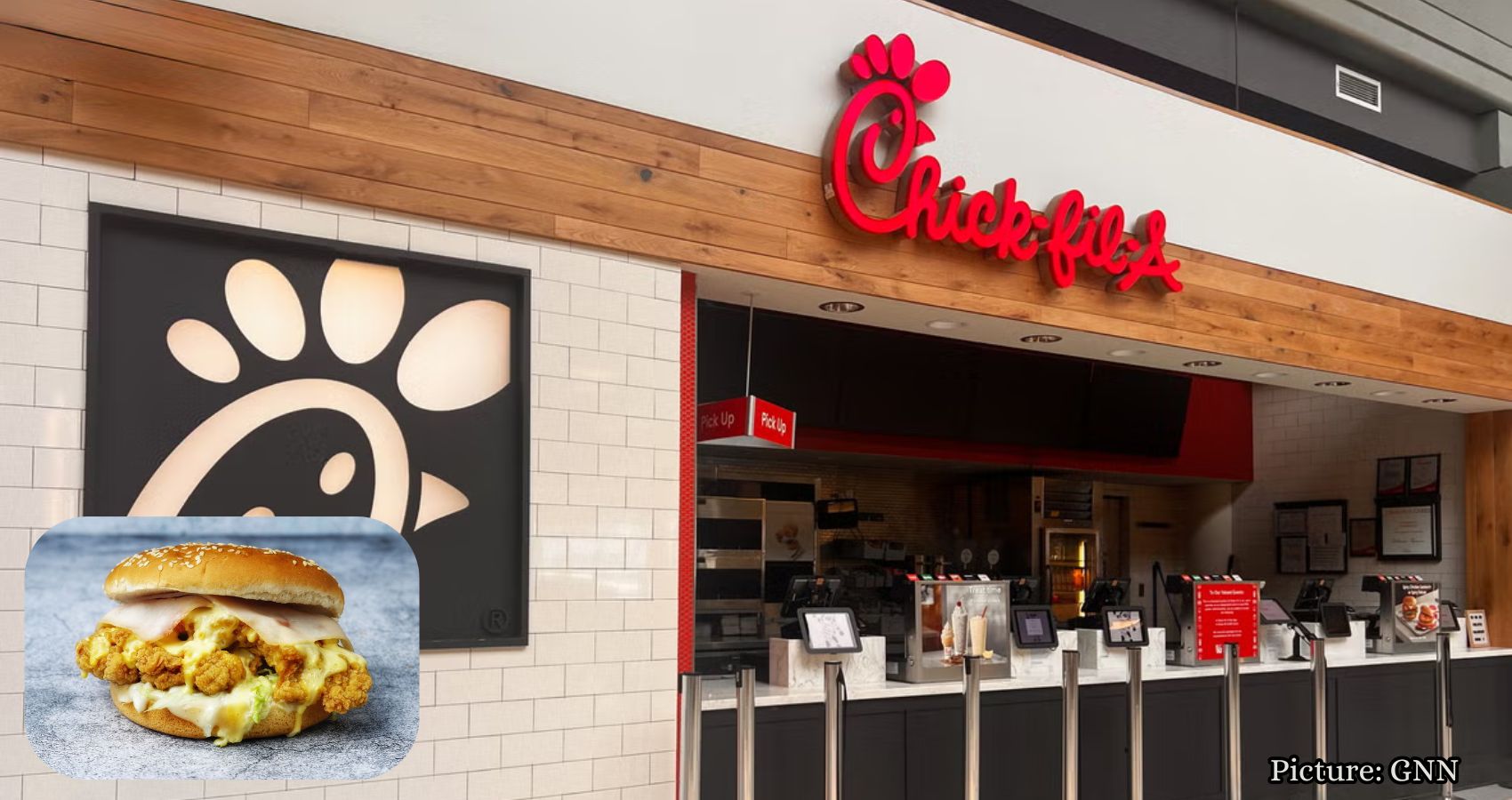
Chick-fil-A has issued a warning to customers following a data breach that exposed personal information from certain Chick-fil-A One loyalty accounts due to credential stuffing attacks.
Chick-fil-A is alerting customers about a recent data breach that has compromised the security of certain Chick-fil-A One loyalty accounts. The breach exposed personal information, including names, payment details, and rewards balances, raising concerns about the risks associated with password reuse.
The Chick-fil-A One account is designed to streamline the ordering process, allowing customers to collect points and store payment information for future visits. However, this convenience has made the account a target for cybercriminals. The company first detected suspicious login activity on its platform and subsequently discovered that attackers had executed an automated attack against its website and mobile application.
This attack occurred between June 17 and June 19, 2026, and Chick-fil-A confirmed on July 13 that unauthorized parties may have accessed information stored in affected accounts. The attackers utilized email addresses and passwords obtained from a third-party source, testing these combinations against Chick-fil-A One accounts. When customers reused passwords across multiple sites, it provided an opportunity for the attackers to gain access.
While Chick-fil-A has not disclosed the total number of affected customers, public filings indicate that 2,182 residents in Texas and 39 residents in Massachusetts were impacted. Notices were also submitted for residents in Iowa, the District of Columbia, Maryland, New Mexico, New York, North Carolina, Oregon, Vermont, and Rhode Island.
The nature of the exposed information varied by account. According to Chick-fil-A’s notification, the compromised data may have included names, phone numbers, email addresses, and the last four digits of payment cards. However, full card numbers, Social Security numbers, and bank account details were not among the exposed information. Despite this, the available details could still facilitate convincing scams, as attackers could leverage names and partial card digits to create fraudulent communications.
Credential stuffing, the method used in this attack, involves criminals collecting email addresses and passwords from previous data breaches and then using automated tools to test those credentials across various websites and applications. This technique is effective because many individuals reuse passwords, allowing attackers to exploit old breaches to gain access to unrelated accounts.
Chick-fil-A stated that the login details used in this incident originated from a third-party source. While this distinction may clarify how the breach occurred, it offers little reassurance to customers whose accounts were compromised. The company emphasized that relying solely on a username and password increases the risk of account takeovers. Implementing multifactor authentication can provide an additional layer of security when a password has been compromised.
A spokesperson for Chick-fil-A, Inc. provided a statement indicating that the company identified the security incident and took immediate steps to address and secure affected accounts. They expressed their commitment to restoring customer trust and apologized for any inconvenience caused by the breach.
In response to the incident, Chick-fil-A logged out affected customers, removed saved payment methods, and added rewards to their accounts. This is not the first time Chick-fil-A has faced a credential stuffing incident; in March 2023, the company confirmed that attackers had accessed over 71,000 customer accounts in a similar attack that spanned from December 2022 to February 2023.
Given the potential risks associated with loyalty accounts, customers are encouraged to take proactive measures. Even if you have not received a notification from Chick-fil-A, it is wise to review your password, stored payment methods, and recent rewards activity.
To enhance security, customers should create a new password for their Chick-fil-A account that has not been used elsewhere. It is advisable to avoid minor variations of old passwords, as attackers often test common modifications. Chick-fil-A recommends using a unique password that is not connected to any other online accounts.
Changing the password for just the Chick-fil-A account is insufficient; customers should also update passwords for any other accounts that share the same login credentials. Prioritizing the email account is crucial, as it can be used to request password resets for other services. Additionally, reviewing accounts that store payment information or sensitive personal details is essential.
Customers should monitor their Chick-fil-A app for any unauthorized orders or changes to their account balance. The app allows users to review transaction history for up to one year, enabling them to identify any suspicious activity. It is also important to verify that saved payment methods have been removed from affected accounts.
Chick-fil-A has advised customers to resolve any unauthorized activity and change their passwords before re-adding payment methods. While the last four digits of payment cards were among the exposed information, they typically cannot authorize purchases on their own. However, criminals could use this information in conjunction with other personal details during phishing attempts.
Customers should remain vigilant for follow-up phishing messages that may attempt to exploit the breach. Caution is advised when receiving emails or texts claiming that immediate action is required for Chick-fil-A accounts. It is best to navigate directly to the official Chick-fil-A app or website rather than clicking on links in suspicious messages.
Credential stuffing does not necessitate malware on devices, but it can be followed by phishing attempts designed to extract further information. Keeping devices updated and utilizing strong antivirus software can help protect against malicious links and downloads. This software can also alert users to phishing emails and ransomware scams, safeguarding personal information and digital assets.
The Chick-fil-A data breach underscores the importance of maintaining unique passwords across different accounts. Attackers reportedly utilized credentials obtained from a third party to execute their attack. While Chick-fil-A has taken steps to secure affected accounts, the total number of impacted customers remains undisclosed. The most critical action for customers now is to change any reused passwords and review their account activity and financial statements.
For further information on data security and protection, customers can refer to resources available at CyberGuy.