
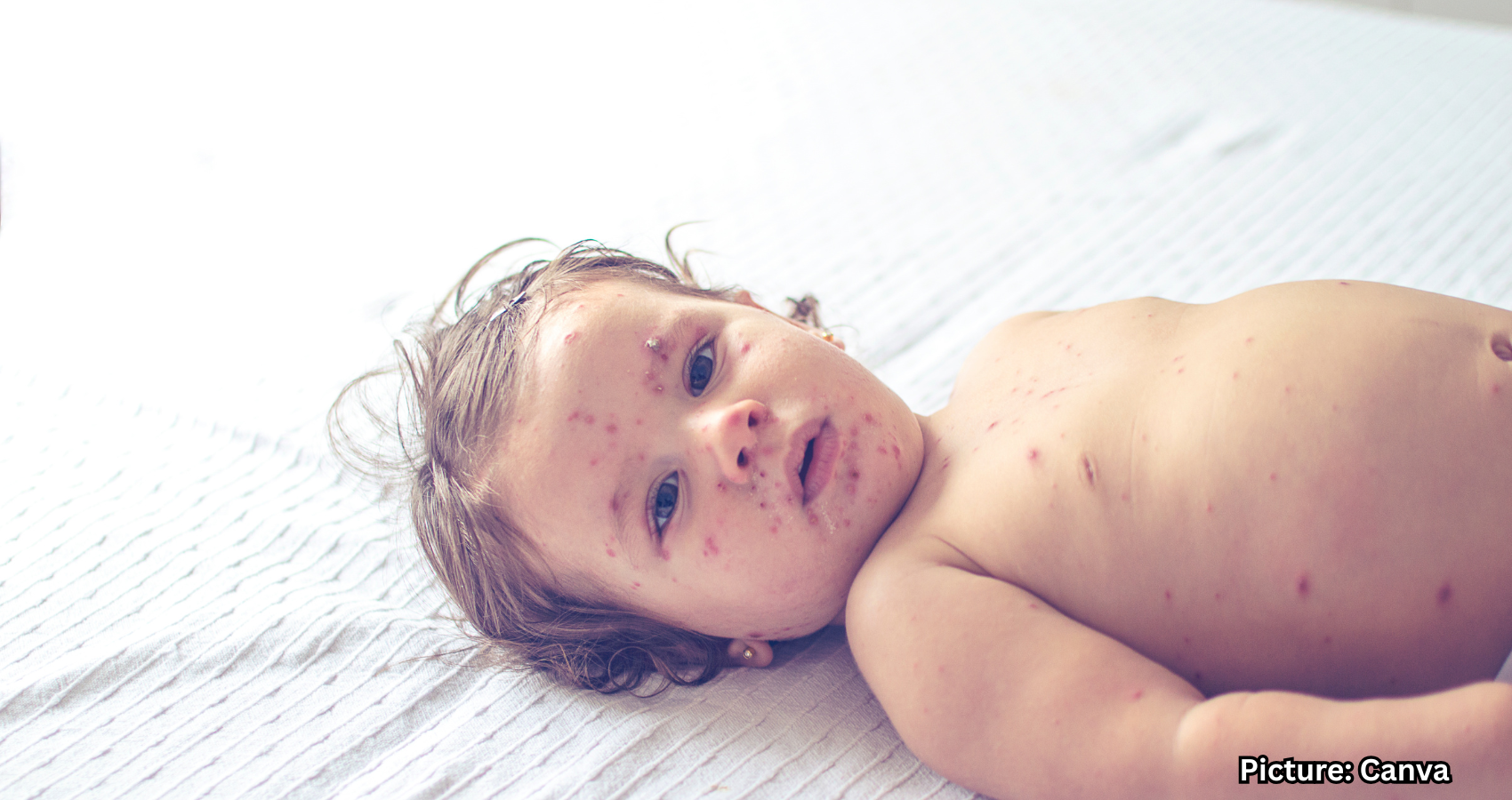
U.S. measles cases in 2026 have surpassed last year’s totals, with 93% of patients unvaccinated or with unknown vaccination status as outbreaks continue across several states.
Measles has reemerged as a significant public health challenge in the United States, with the number of confirmed cases in 2026 officially exceeding those reported in 2025. As of July 22, there have been 2,295 confirmed measles cases nationwide, surpassing the 2025 total of 2,286 cases.
Outbreaks have been reported across the country, with concentrated cases worsening in states such as Pennsylvania, South Carolina, Florida, Virginia, Utah, Texas, and Arizona. Texas experienced the largest outbreak in 2025, accounting for 803 cases throughout the state.
According to the latest update from the Centers for Disease Control and Prevention (CDC) on July 17, there have been 34 new outbreaks reported in 2026, compared to 48 outbreaks in 2025. Most of the current cases are linked to local outbreaks, while some have connections to international visitors.
Data indicates that 93% of all measles patients in both 2025 and 2026 were either unvaccinated for measles, mumps, and rubella (MMR) or had an unknown vaccination status. The majority of cases have occurred among children and young adults aged 5 to 19. Fortunately, there have been no reported deaths in 2026, although three deaths were documented in 2025.
The rise in measles cases comes more than two decades after health agencies declared the disease eliminated in the U.S. in 2000. Measles is highly contagious and can be transmitted through direct contact with infectious droplets or through the air when an infected person breathes, coughs, or sneezes. The virus can remain infectious in the air for up to two hours after an infected individual leaves an area.
Symptoms of measles typically appear within one to two weeks and may include a high fever, cough, runny nose, and red, watery eyes. A few days later, flat, red spots appear on the face and then spread down the neck and to the rest of the body. Individuals are most contagious during the four days before and four days after the rash appears.
Dr. Marc Siegel, a senior medical analyst at Fox News, highlighted the highly contagious nature of measles. “Measles is so contagious that up to 90% of susceptible people who are exposed to an infected person will become infected,” he stated, emphasizing the importance of community protection through vaccination. “We need a 95% vaccine coverage rate to ensure herd immunity,” he added.
The herd immunity threshold is a mathematical estimate based on how contagious a disease is and how effectively immunity from vaccination or prior infection prevents its spread. Dr. Siegel noted that the two-dose vaccination is nearly 100% effective, and natural immunity following a measles infection is generally lifelong. “This isn’t about personal choice; it’s about community protection,” he said. “We need to protect those who can’t have a live virus vaccine because they are immunocompromised or pregnant.”
Dr. Siegel also cautioned that the U.S. could be at risk of losing its measles elimination status, as the increasing number and duration of outbreaks suggest sustained local transmission rather than isolated cases linked solely to international travel.
The CDC recommends that everyone receive two doses of the MMR vaccine, asserting that vaccination is the best defense against measles. Individuals showing symptoms of measles or who believe they have been exposed should self-isolate and contact their healthcare provider before visiting a medical facility to prevent further transmission.
According to Fox News, the ongoing rise in measles cases underscores the critical need for increased vaccination efforts and community awareness to combat this preventable disease.