
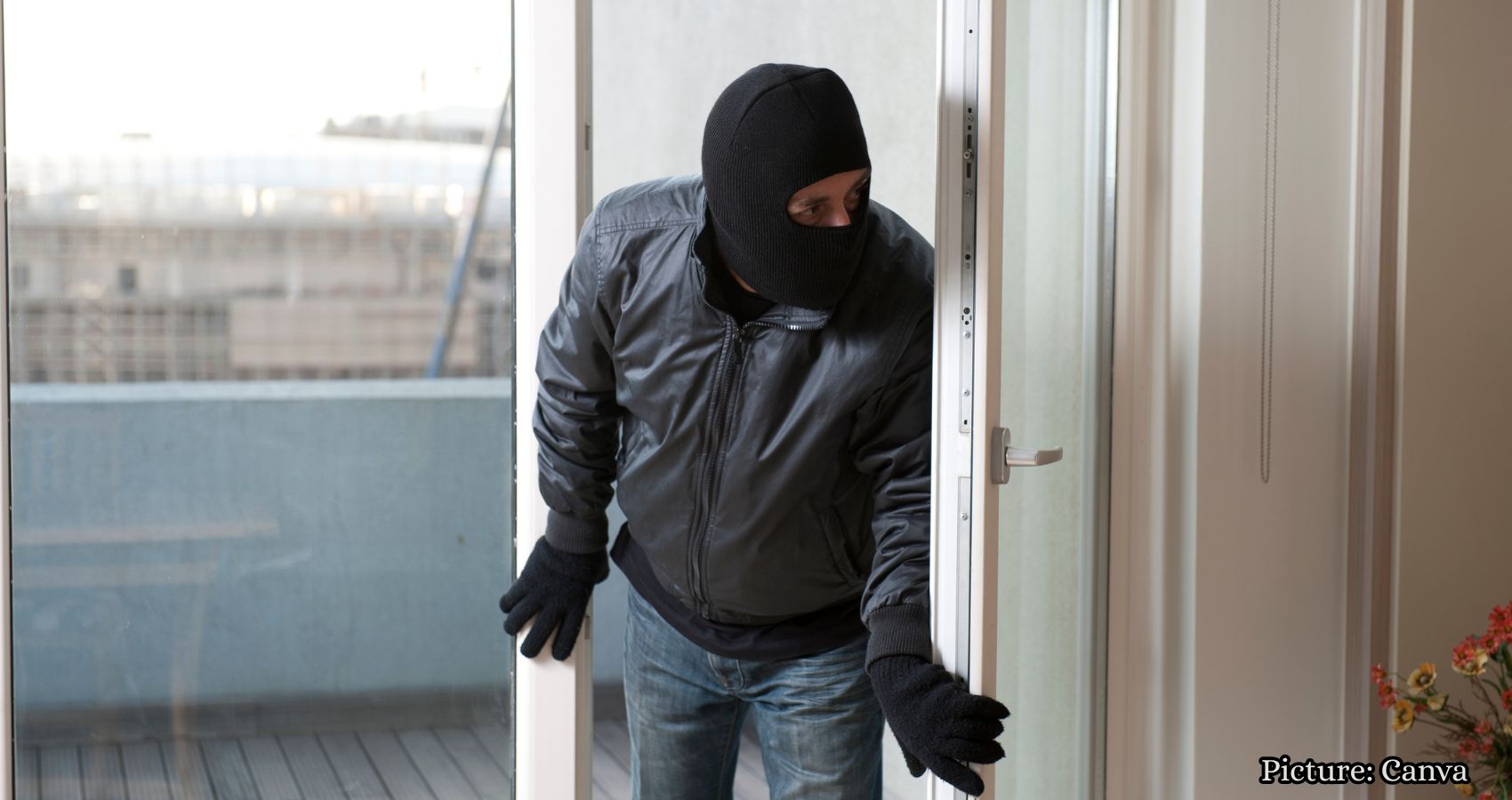
Your home may be at risk while you’re away, as burglars increasingly use public information and social media to identify targets, including professional athletes and everyday homeowners.
In a recent development, authorities in Argentina arrested three Chilean men linked to a South American theft group responsible for burglarizing the homes of professional athletes in the United States. Federal prosecutors have connected this group to break-ins involving Kansas City Chiefs stars Patrick Mahomes and Travis Kelce, Milwaukee Bucks player Bobby Portis, and other notable athletes. Additionally, two of the suspects were implicated in a burglary at the home of tennis legend Juan Martín del Potro in Argentina.
According to prosecutors, the group employed publicly available schedules and location data to identify their targets, striking while the athletes were away or engaged in games. The FBI has also issued warnings about international theft groups that monitor homeowners to learn their routines, advising travelers to refrain from announcing vacations on social media.
Online criminals can gather extensive information about individuals, including their addresses, family details, travel plans, and estimated property values, without ever needing to visit the neighborhood. Understanding how these criminals piece together digital clues can help homeowners take preventive measures to safeguard their properties.
It is a common misconception that only individuals with mansions or celebrity lifestyles are at risk of burglary. While high-profile cases often make headlines, security researchers and law enforcement agencies have found that everyday homeowners are also targeted using similar tactics. A recent incident involved a content creator from Silver Lake, Los Angeles, whose home was burglarized while she was traveling. Thieves made off with tens of thousands of dollars in designer goods after she shared her travel plans on social media, inadvertently providing thieves with a valuable clue.
For retirees, the risk of burglary may increase as they embark on more frequent travels. Whether it’s a long-awaited cruise, a month spent in Florida during winter, or a road trip to visit grandchildren, these trips often lead to social media posts that announce their absence. While it may be tempting to share vacation experiences in real-time, doing so can signal to potential burglars that a home is unoccupied.
Even if you choose to wait until you return home to post vacation photos, other family members may inadvertently share your travel details. A spouse might tag the airport, an adult child could post a picture of grandchildren in front of your house, or a neighbor might mention your absence during casual conversation. To mitigate this risk, it is essential to have open discussions with family members before traveling, asking them to refrain from sharing any location details or travel photos until you are back home.
While monitoring social media is crucial, it only accounts for part of the information that criminals can compile. Investigators in Riverside, California, have reported finding searches from real estate websites like Zillow and Redfin on the phones of arrested burglary suspects. These sites can reveal estimated property values, past sale prices, and even photos from old listings, allowing criminals to assess potential targets before approaching a property.
Public property records can disclose the owner’s name, mailing address, and purchase history. Data broker and people-search websites can further connect this information with phone numbers, relatives, and other personal details. When combined, the knowledge that a homeowner is traveling alongside the understanding of a property’s significant value creates a compelling target for criminals.
To protect your home from potential burglary, it is advisable to search your name, phone number, and home address online to see what information is publicly available. You may discover people-search profiles that list your age, relatives, address history, and possible phone numbers. Real estate websites may still display old interior photos, which can provide additional insights into your home’s layout.
To reduce the amount of information available to potential burglars, consider taking the following steps. Save airport, hotel, and sightseeing photos until you return home, as real-time posts can reveal your location and confirm that your house is empty. Inform your spouse, children, grandchildren, and travel companions to wait before sharing any information about your travel plans.
Limit your posts to people you know and trust. Remove followers you do not recognize and review old public posts for any information that may reveal your routines, vehicles, or home address. Additionally, ask a trusted neighbor to collect your mail, newspapers, and deliveries while you are away. You can also place a temporary hold on your mail for extended trips.
Utilizing timers or smart plugs to control your lights can create the illusion that someone is home. Leaving every light off for an extended period can make an empty home more noticeable to potential burglars.
To examine what information is available about your home online, search your address on real estate sites like Zillow and Redfin. On Redfin, you can hide listing photos by signing in, selecting your property, and choosing the option to hide photos from public view. On Zillow, you can claim ownership of your property and remove individual photos or hide them from public view.
While some off-market homes may not allow for photo editing, you can submit requests to customer support for assistance. Data broker and people-search websites can connect your name, phone number, relatives, and home address, so it is wise to search for your information and request removal from any sites that display it.
While it is impossible to eliminate all risks, taking these proactive measures can significantly reduce the amount of information available to online criminals. Burglary crews no longer need to spend days surveilling neighborhoods; social media can reveal when you are away, and property records can disclose where you live and the value of your home. By delaying travel posts, tightening privacy settings, and removing old listing photos, you can make your home a less attractive target for burglars.
Have you ever discovered personal details about your home online that surprised you? Share your experiences with us at Cyberguy.com.