We will discuss 20 nations with the best education in this article. We will likewise examine the arising patterns around Edtech, the vital participants in the business, and the stressing quantities of missing educators all over the planet. To avoid our definite investigation, go directly to 5 Nations with the Best Schooling.
Because it establishes the foundation for individual and societal development, high-quality education is essential for nations. Social mobility, disparities, and a culture of lifelong learning are all bolstered by a robust educational system. At last, putting resources into the best training guarantees a country’s seriousness, supportable development, and a more promising time to come for its kin. Consequently, as countries endeavour to give quality schooling to their residents, a few nations have arisen as worldwide forerunners in advancing a climate that sustains learning, development, and decisive reasoning.
As indicated by OECD Training Rankings, Estonia, leads among all OECD nations with a typical PISA score of 526, firmly followed by Japan and Korea with scores of 520. Colombia, the OECD nation with the lowest performance and an average score of 406, is on the opposite end of the spectrum. This reveals a significant discrepancy of 120 points between the OECD’s highest-performing and lowest-performing nations.
Which Nations Have The Hardest School Systems?
It is valid when they say mental durability cultivates decisive reasoning. At the point when difficulties are dealt with directly, understudies foster strength, steadiness, and a faithful obligation to greatness. This association is especially obvious in nations like South Korea, Japan, and Singapore, known for their hardest school systems. They focus on scholarly greatness as well as set thorough norms for their understudies.
Where is EdTech Headed?
The Coronavirus pandemic powered the ascent of computerized training all over the planet which is presently heading towards a future described by expanded openness, customized growth opportunities, and the incorporation of arising instructive innovations. Such a future is guaranteed by the patterns saw around Edtech and Edtech Organizations.
First, in 2021, venture capitalists worldwide invested more than $20.8 billion in the education technology industry. Online education is becoming the new norm as businesses continuously upskill their workforce. The Worldwide EdTech funding interests in 2022 came to $10.6 billion, encountering a 49% downfall contrasted with the record levels of 2021. However, it is anticipated that growth in the United States, Europe, and India will replace China’s dominance in EdTech funding in 2023, bringing levels back to pre-pandemic levels.
Also, EdTech firms are consolidating and cooperating to accomplish economies of scale and address high client securing costs. For instance, in the year 2022, 2U Inc. TWOU) acquainted a significant element with its certificate organization model, growing its help for a more extensive scope of projects and foundations on the edX stage. Universities can now offer a variety of levels of technology-enabled services through this updated model, allowing them to customize partnership packages to meet their specific requirements. Importantly, 2U Inc.’s (NYSE:) degree programs all TWOU) and edX, university partners keep control over important academic decisions like tuition and admission.
Furthermore, enormous firms are putting resources into representative reskilling and upskilling to draw in and hold ability. To meet the demand for reskilling and upskilling, educational technology companies are expanding their enterprise offerings. This was exemplified by the retail monster, Walmart Inc. (NYSE: WMT). It is collaborating with edtech company Springboard to offer short-form programs through Walmart Inc., which is expanding its contributions to learning and development. The Live Better U program of WMT).
The goal of these programs is to improve associates’ skills in highly sought-after fields like cybersecurity, software engineering, and data analytics. Walmart Inc. (NYSE: Since 2018, approximately $333 million has been saved on tuition as a result of WMT’s investment in education, which includes paying for all associates’ college tuition and other related costs. The program has shown positive outcomes, with enrollees being bound to get advancements and remain with the organization.
Last but not least, Edtech providers are concentrating on enhancing user experiences by providing services with added value, such as individualized mentoring, job preparation, and community support. In accordance with this pattern, Key Training Inc (NASDAQ: STRA’s) US Advanced education portion has seen development interestingly beginning around 2020. In the first quarter of 2023, the segment saw year-over-year growth of 2.3% thanks to an increase in Capella and Strayer University enrollments. The development can be credited to both individual enlistments and enrollments through manager affiliations.
As a feature of its administrations, Vital Instruction Inc (NASDAQ: Sophia Learning, a subscription-based service offered by STRA), provides students with access to numerous college-level courses for a monthly fee of $99. Moreover, through a new organization with the College of Individuals, the organization has accessed a potential understudy base of 126,000. The credits procured through this program are adaptable to accomplice schools and colleges. The program’s success is demonstrated by Strategic Education Inc.’s (NASDAQ: SEI) impressive 24% year-over-year increase in total subscribers and 36% increase in revenue. STRA) in January of 2023.
Losing Educators: A Developing Concern
Despite the fact that EdTech and advanced schooling are on the ascent, conventional instructing and gaining have not been wiped out from instructive organizations. Notwithstanding, while at the same time educating is quite possibly of the most regarded calling on the planet, its nonattendance torment instructive establishments around the world. Across a number of European nations, including France, Germany, Portugal, Sweden, and Italy, teacher shortages are becoming a major issue. The impact of the COVID-19 pandemic is making recruitment challenges and a general sense of disillusionment within the teaching profession more difficult to overcome in these nations.
Germany, in spite of having one of the most mind-blowing schooling systems, it states that “a deficiency of 25,000 educators by 2025, while Portugal expects a deficit of 30,000 by 2030”.
France as of now has 4,000 empty educating positions. The absence of engaging quality in the calling can be credited to variables like low wages, crumbling working circumstances, and an apparent absence of status. Europe is not the only region experiencing similar teacher shortages; the US and nations in sub-Saharan Africa are likewise confronted with challenges in finding and holding educators.
Approach
To rank nations with the best schooling, we used a philosophy in view of three key markers: consumption, presence of value organizations, and strength of the schooling system. To begin, we investigated the proportion of GDP allotted to education expenditures. We obtained information for Gross domestic product allotment towards instruction from the IMF. Furthermore, we thought about the quantity of lead and profoundly positioned establishments, with a specific spotlight on colleges stressing research. Last but not least, we looked at how citizens in general felt about the quality of the education they received. Every marker was relegated a score out of 10, and these scores were then found the middle value of to compute a general score out of 10 for every country.
The nations with the best education are as follows:
- Slovenia
Consumption: 9.1 Existence of Good Organizations: 7.0
Strength of Schooling System: 6.5
Normal Score: 7.53 Despite its small size, Slovenia has a very good education system. The obligatory essential schooling guarantees that understudies get a strong groundwork and urges them to seek after additional instruction. The framework’s accentuation on both professional and scholarly review encourages a harmony between scholarly turn of events and industrialization inside the country. In addition, the reasonableness of schooling guarantees that understudies have equivalent chances to succeed and take full advantage of their true capacity.
- Israel’s expenses: 8.8
Presence of Value Foundations: 7.2
Strength of Schooling System: 7.0
Normal Score: 7.66
As indicated by Wisevoter, Israel positions as the 22nd most instructed country internationally, with a great 46.01% of its populace having finished tertiary schooling. Moreover, Israel flaunts a somewhat high for each capita Gross domestic product, demonstrating serious areas of strength for a. Additionally, the country puts a lot of money into education, demonstrating its dedication to providing high-quality learning opportunities.
- New Zealand
Use: 7.6 The Existence of Reputable Institutions: 8.1
Strength of School System: 7.5
Normal Score: 7.73 The education system in New Zealand is highly regarded for its innovativeness and quality. Two noticeable colleges in the nation known for their exploration greatness are the College of Auckland and the College of Otago, drawing in understudies from around the world and adding to pivotal examination in different fields.
- Taiwan
Consumption: 8.2 The Existence of Reputable Institutions: 7.0
Strength of Schooling System: 8.3
Normal Score: 7.83 The high standards and strong emphasis on academic excellence of Taiwan’s education system are widely acknowledged. In international tests like the Programme for International Student Assessment (PISA), the nation consistently performs well. Taiwan puts huge significance on science, math, and innovation training, cultivating a culture of development and logical examination. This makes Taiwan quite possibly of the most exceptional country in innovation, especially in hardware.
- Norway
Use: 9.5 The Existence of Reputable Organizations: 7.7
Strength of School System: 8.0
Normal Score: 8.07
Norway is a country with the best expectations of living alongside a very much respected school system which is known for its obligation to inclusivity, correspondence, and high scholarly norms. The nation provides free education at all levels, including higher education, and places a strong emphasis on early childhood education. Additionally, Norway is home to a few regarded colleges, including the College of Oslo and the Norwegian College of Science and Innovation, known for their exploration result and scholastic greatness.
- Finland’s expenses: 9.2
Presence of Value Organizations: 8.4 The Education System’s Strength: Average Score: 8.5 8.37 Finland’s exceptional educational system is well-known all over the world. It reliably positions among the top entertainers in worldwide schooling appraisals like the Program for Global Understudy Evaluation (PISA). Finnish schools focus on a comprehensive way to deal with instruction that values understudy prosperity and subsequently, advances an affection for learning.
- Belgium’s expenses: 8.4 The Existence of Reputable Institutions: 7.8
Strength of School System: 9.2
Normal Score: 8.46
Belgium is one of the nations with the greatest school systems that is known for its meticulousness and variety. The country’s structure is one of a kind, and the Flemish, French, and German-speaking communities each have their own educational systems. It puts serious areas of strength for an on multilingualism, with understudies regularly learning numerous dialects. KU Leuven, which is known for its extraordinary research and academic contributions, is one of several prestigious universities in Belgium.
- Japan
Consumption: 8.0
Presence of Value Establishments: 8.7
Strength of School System: 8.7
Normal Score: 8.47
Japan’s schooling system is profoundly respected around the world for its scholarly greatness, thorough norms, and solid accentuation on discipline and devotion. Japanese students consistently perform well on the OECD’s Programme for International Student Assessment (PISA), particularly in science-related subjects.
- Singapore
Consumption: 8.1
Presence of Value Organizations: 9.2 The Education System’s Strength: 8.3
Normal Score: 8.53 Singapore places an emphasis on responsive reforms, differentiated learning pathways, and educational rigor and competitiveness. The Public College of Singapore (NUS) and Nanyang Mechanical College (NTU) add to its prosperity through the top schooling system rankings, research accentuation, and extensive projects across different disciplines. Singapore’s school system is generally respected everywhere. In any case, the explanation we’ve positioned it a little lower than different nations in our rundown is its high understudy educator proportion and the way that understudies are likewise frequently isolated in light of grades.
- Australia’s expenses: 7.9
Presence of Value Foundations: 8.5
Strength of School System: 9.5
Normal Score: 8.63
The nation is home to a few lofty colleges, including the College of Melbourne and the Australian Public College, which reliably rank among the top colleges universally. Australia likewise stresses exploration and advancement, making it an appealing objective for worldwide understudies.
- Germany’s expenses: 8.7
Presence of Value Organizations: 8.74
Strength of Schooling System: Average Score: 8.9 8.67
Germany’s schooling system is the most great free schooling system on the planet. The framework is massively successful because of its accentuation on commonsense abilities, solid professional preparation projects, and close coordinated effort among industry and the scholarly community that outcomes in a talented labor force and financial seriousness.
- Switzerland’s expenses: 8.6 The Existence of Reputable Institutions: 8.6 The Education System’s Strength: 8.8
Normal Score: 8.67
Switzerland is among the top nations with top notch schooling. It is well-known for its exceptional educational system, which places a strong emphasis on vocational training and has high academic standards. The nation is home to elite colleges like ETH Zurich and the College of Zurich, known for their examination and advancement. Furthermore, Switzerland was additionally one of the top nations with the best of life heading into 2023, with its residents appreciating one of the greatest typical salaries worldwide.
- Spending in the Netherlands: 8.9 The Existence of Reputable Institutions: 7.8
Strength of School System: 9.4
Normal Score: 8.7 The Netherlands places a high value on interdisciplinary instruction, hands-on experience, and critical thinking, which helps to create an interactive and student-centered learning environment. The Netherlands is a popular destination for individuals looking for high-quality education and cultural diversity because of its high standard of living and strong emphasis on internationalization.
- South Korea
Consumption: 9.0 The Existence of Reputable Institutions: 9.3 The Education System’s Strength: 7.8
Normal Score: 8.7
South Korea is famous for having one of the world’s top school systems, especially succeeding in the field of designing. Recognizing the significance of education in propelling the economy forward, the government places a significant emphasis on it.
- France
Use: 8.3
Presence of Value Organizations: 9.3 The Education System’s Strength: 8.7
Normal Score: 8.76 The strong focus of the French government, remarkable investment, and extensive educational tradition and history are to blame for the country’s high quality of education. Schools and universities with adequate resources that place an emphasis on academic excellence and foster a culture of intellectual rigor are a result of these factors.
- Canada’s expenses: 8.5
Presence of Value Establishments: 8.9
Strength of Schooling System: 9.0
Normal Score: 8.6 Canada’s renowned universities serve as an example of the country’s educational system. McGill University and the University of Toronto are two notable establishments. These colleges reliably rank among the top on the planet, offering a great many projects and developing state of the art research. They contribute to Canada’s reputation as a global leader in higher education by attracting students from a variety of backgrounds to experience its high-quality learning environment. They place an emphasis on academic excellence, innovation, and inclusivity. Denmark
Consumption: 9.4
Presence of Value Organizations: 8.0
Strength of Schooling System: Average Score: 9.1 8.83
Denmark puts major areas of strength for an on request based learning, cooperative undertakings, and involved encounters. Its obligation to instructor preparing and proficient advancement guarantees profoundly qualified teachers who can successfully connect with and support understudies. The nation’s emphasis on instructive value and social government assistance likewise adds to its standing for giving comprehensive and top notch training for all understudies. Denmark’s capital Copenhagen is one of the 5 most joyful urban areas on the planet.
- Denmark
Expenditure: 9.4
Presence of Quality Institutions: 8.0
Strength of Education System: 9.1
Average Score: 8.83
Denmark places a strong emphasis on inquiry-based learning, collaborative projects, and hands-on experiences. Its commitment to teacher training and professional development ensures highly qualified educators who can effectively engage and support students. The country’s focus on educational equity and social welfare also contributes to its reputation for providing inclusive and high-quality education for all students. Denmark’s capital Copenhagen is one of the 5 happiest cities in the world.
- Sweden
Consumption: 9.3 The Existence of Reputable Institutions: 8.2
Strength of Schooling System: Average Score: 9.3 8.93 There are a number of important reasons why Sweden’s educational system is so well-known. First and foremost, it underscores understudy independence, decisive reasoning, and inventiveness. Second, the system encourages a holistic approach to education, individualized learning, and supportive learning environments. Finally, Sweden puts essentially in educator preparing and proficient turn of events, guaranteeing exceptionally qualified instructors who can successfully meet the assorted necessities of understudies. Sweden is additionally one of the 15 Most Exceptional Nations on the planet on account of its schooling system.
- United Kingdom
Consumption: 7.8
Presence of Value Foundations: 9.5
Strength of School System: 10
Normal Score: 9.1
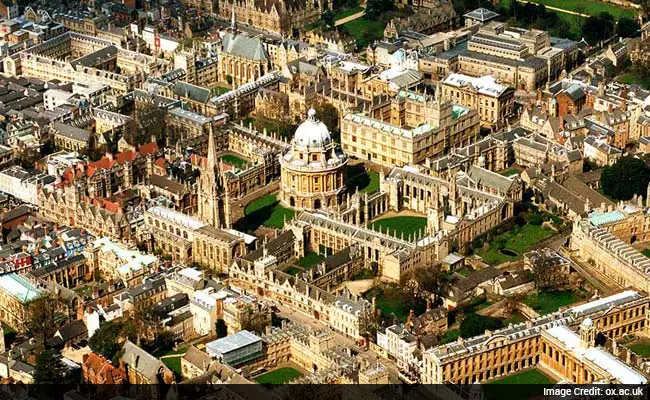
Referred to for renowned establishments, for example, Oxford and Cambridge, the Unified Realm is around the world perceived for its excellent schooling system. With a standing for high scholastic principles, the UK offers a different scope of courses and invites worldwide understudies. The country’s obligation to quality schooling has laid out it as a forerunner in the field, drawing in students from around the world. UK is likewise among the 20 Most Skeptic Nations on the planet.
- US
Consumption: 7.7
Presence of Value Establishments: 10
Strength of School System: Average Score: 10 9.23
From our rundown of best nations with the best schooling, this one must be an easy decision. Its prestigious colleges, like Harvard, Stanford, and MIT, offer top notch training across different disciplines (see 15 Colleges with the Greatest Enrichments). The US likewise advances a culture of development and exploration, with broad assets and open doors for scholarly and proficient development. The country’s reputation as an education powerhouse is bolstered by its dedication to educational diversity, academic freedom, and entrepreneurial spirit.
With an end goal to further develop access and learning, Apple Inc (NASDAQ: AAPL), through its Has returned to School advancement and the Advanced education Offer, gives motivating forces and limits to understudies and instructive foundations. Apple Inc. (NASDAQ: AAPL) is making its products more accessible. AAPL) permits educators and students to utilize Apple AAPL)’s cutting-edge software and technology in the learning process to enhance the educational experience as a whole.


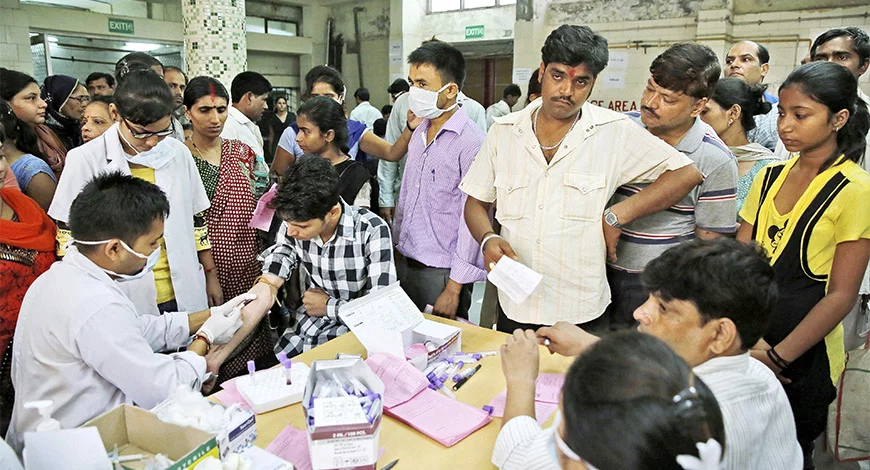 Cureus is an online platform that utilises crowdsourcing to share and promote medical knowledge worldwide, without paywalls.
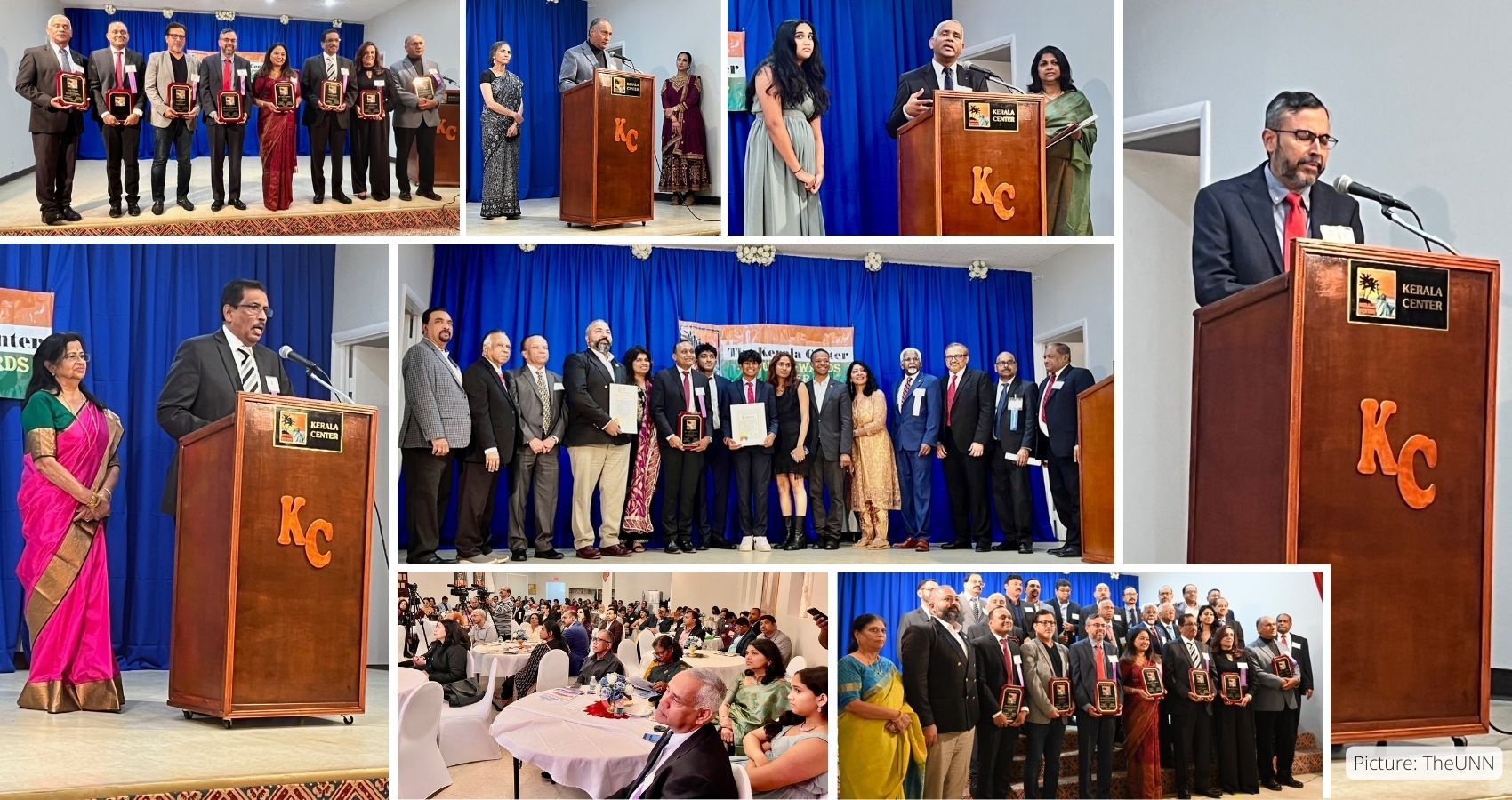 “I have been collecting books on India related to religion, culture, economy, politics, relations with other countries and tourism, which will be housed at the Kerala Center,” Dr. Abraham sated. “In addition, I have personal collection of books on India and Indian Diaspora related books, some of them are not even available at any other place, which will be donated to this library. The Government of India through the Indian Consulate New York has provided several hundreds of India related books.”
 groups and history of Indian Diaspora in different countries. Ultimately, the Kerala Center plans to make it a top Indian Diaspora Resource Center, may be even as a research center with grants from Foundations and government agencies in the future.
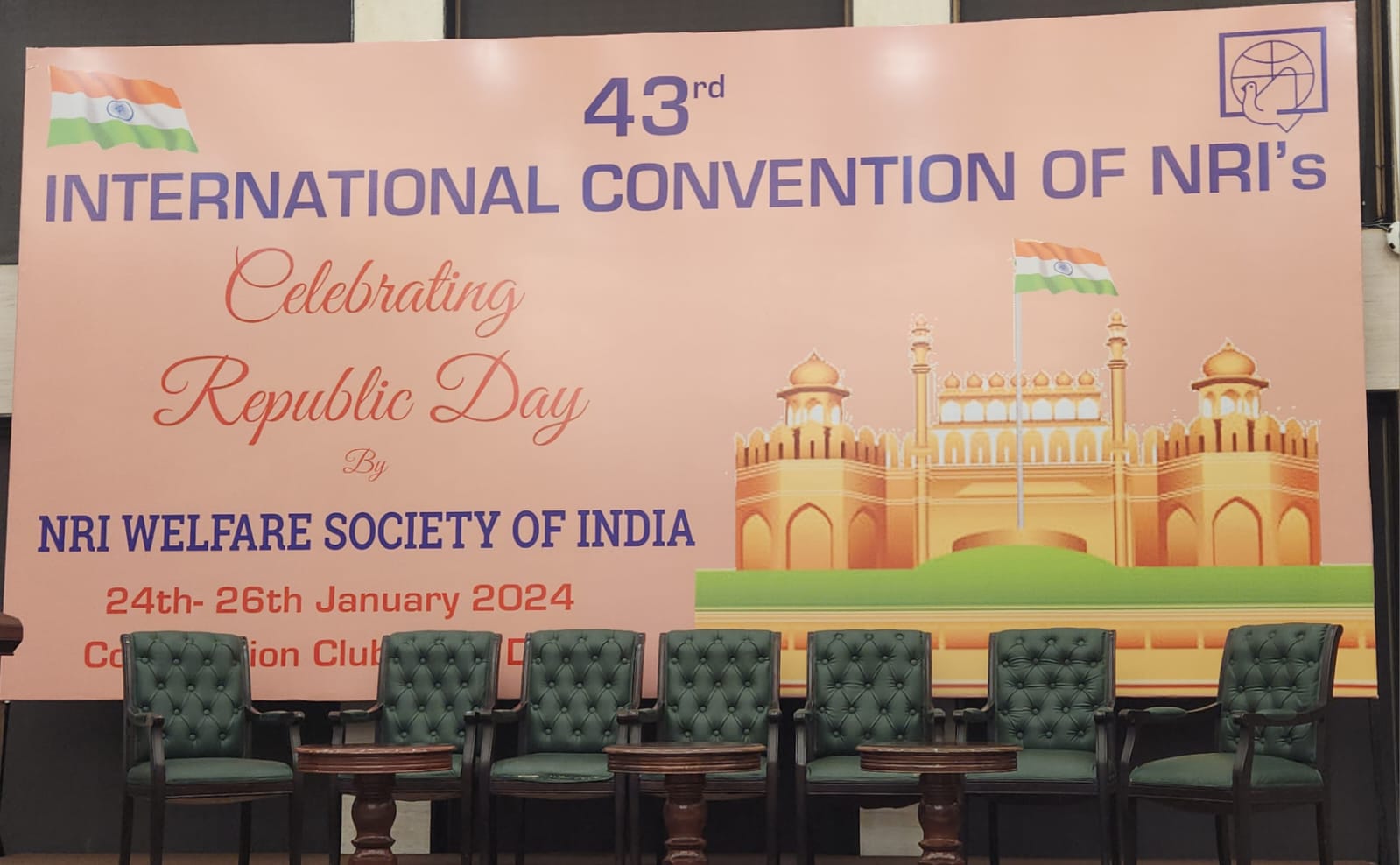 Described as the second highest award given to the Indian diaspora, The ‘Hind Rattan Award’ is given to outstanding Indians by the NRI Welfare Society of India, New Delhi. In conjunction with the national Pravasi Bharatiya award, the highest one (given by the Government of India), the Hindu Rattan award is granted at the society’s annual Congress on the eve of India’s Republic Day. The Hindu Rattan award ceremony is attended by the members of the Prime Minister’s Office, Government officials, Judges and advocates of the Supreme Court of India, international diplomats, and celebrities.
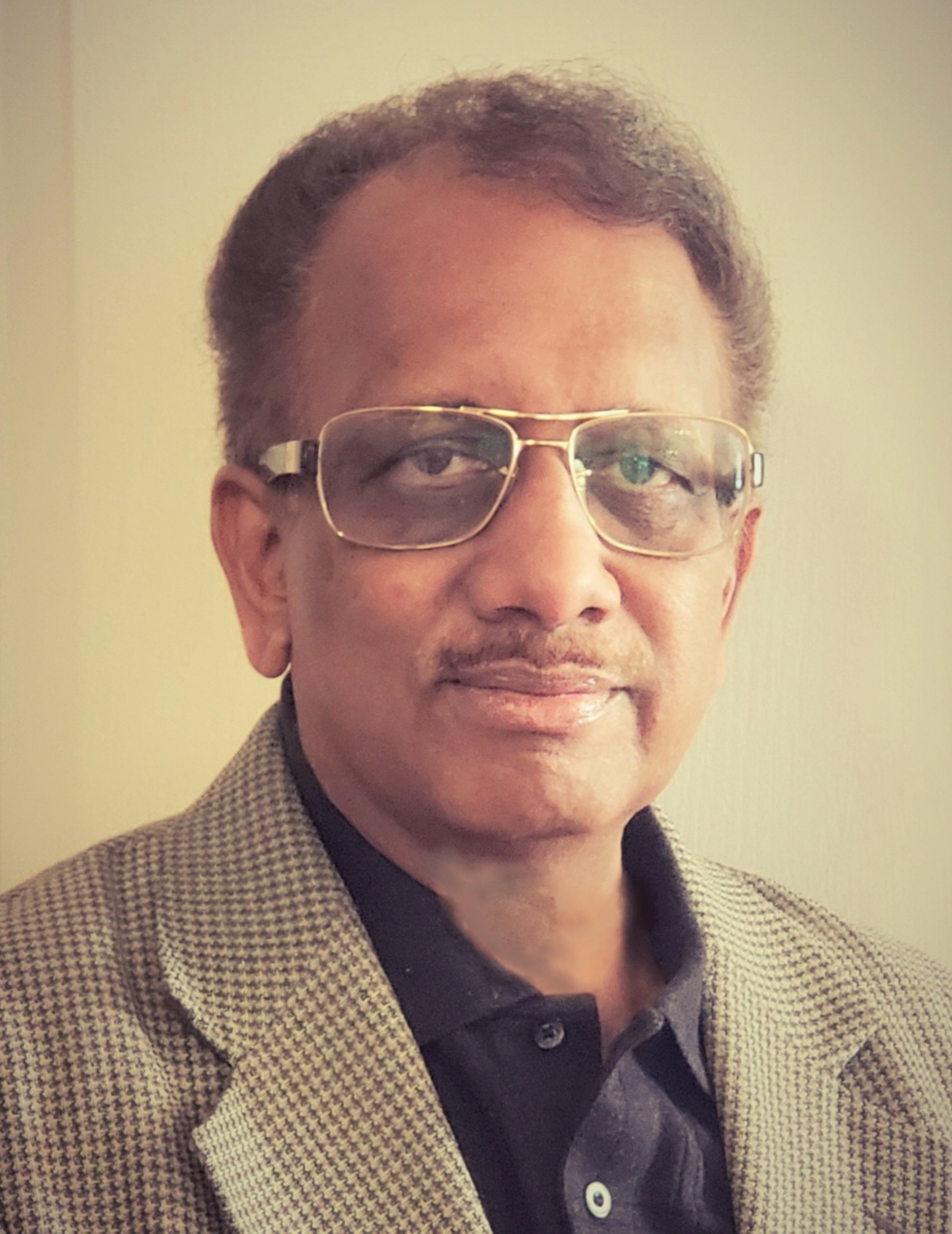 research, teaching and mentoring in the field of medicine spans 40 years in Asia (India & Japan), Europe, and the United States, including the Intramural Research Program of the US National Institutes of Health, and the US Department of Veterans Affairs. During this period, Dr. Kishore did impactful research with seminal discoveries in kidney diseases, obesity, and related conditions, and obtained patents for the development of novel therapies. In recognition of his innovative work in academics, Dr. Kishore has been inducted as the Senior Member of the National Academy of Inventors, Washington DC.He has been inducted as a Fellow by professional organizations such as the American Society of Nephrology (FASN), Royal Society of Biology (FRSB), American Physiological Society (FAPS), American Heart Association (FAHA), the International Society of Nephrology (FISN).
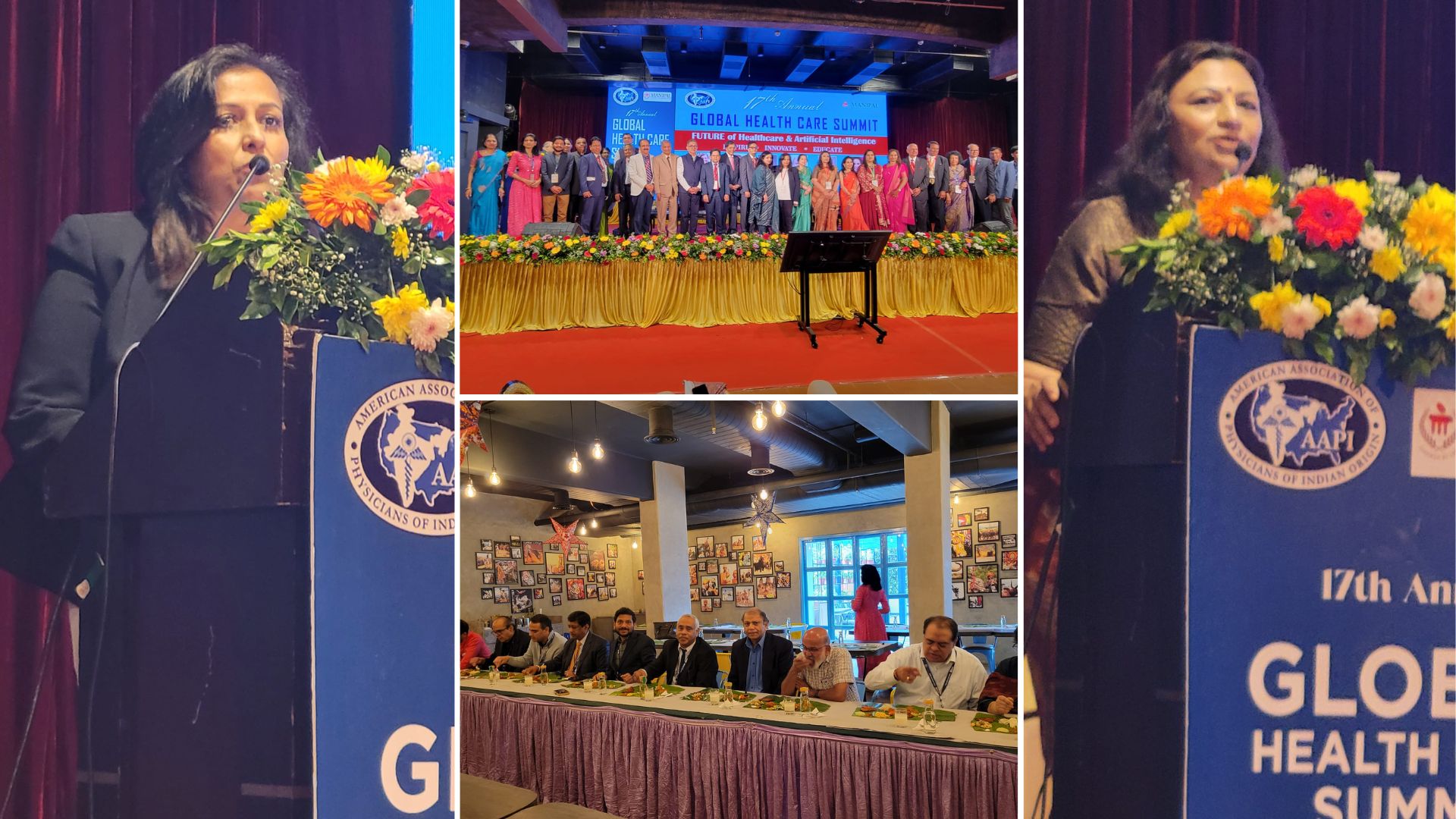 The AAPI Medical Symposium continued its legacy of delivering engaging and informative sessions, bringing together medical professionals and experts to explore various facets of healthcare. On January 5th, CME Sessions in Manipal was Inaugurated by Indian Medical Association National President, Dr. R .V. Ashokan.
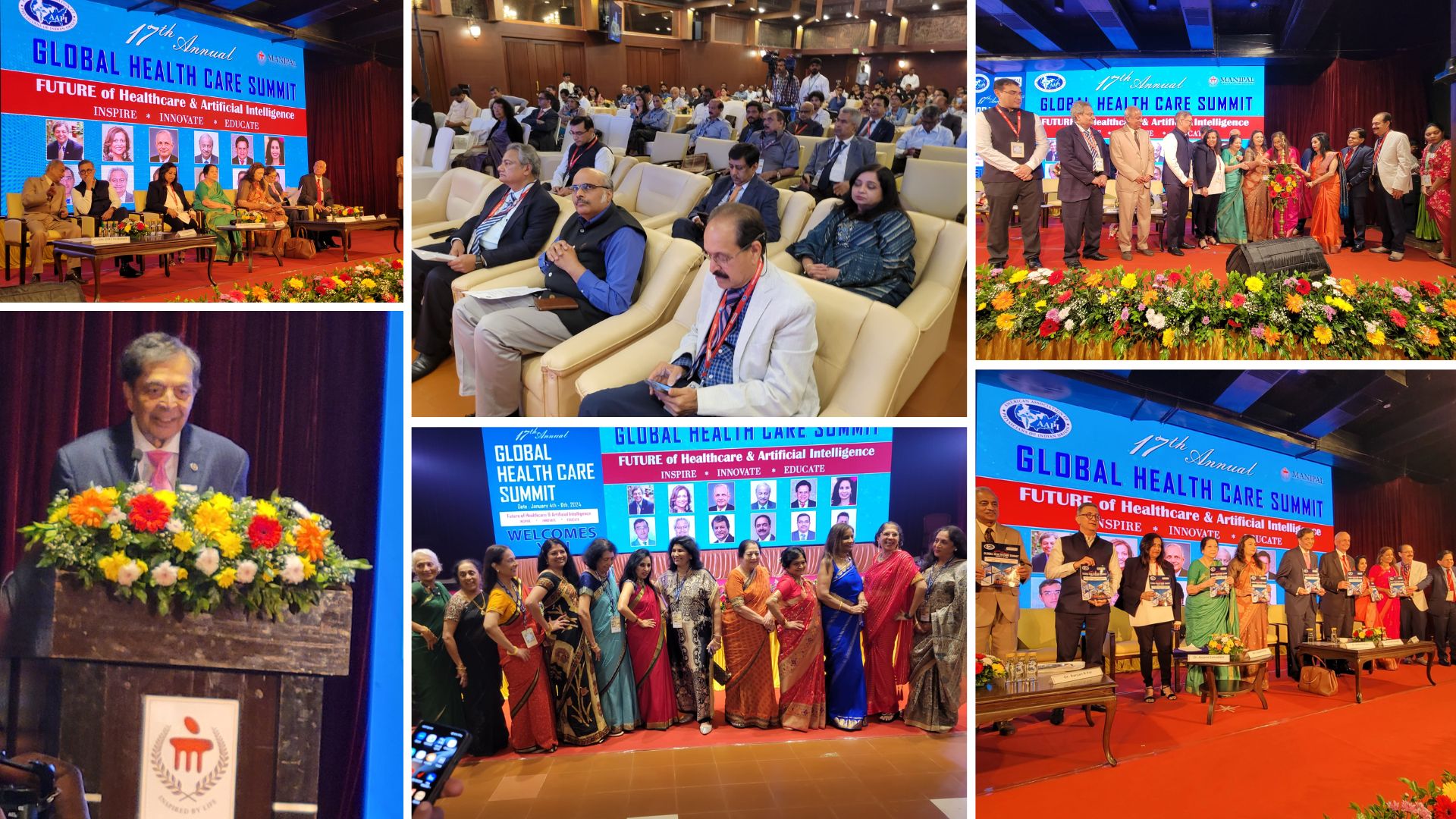 The Lifetime Achievement Award was conferred upon Dr. Ramdas Pai, Chancellor of Manipal Education Institute (MAHE). Dr. Ranjan Pai and Mrs. Vasanthi Pai accepted the honor on his behalf, and lauded Dr. Ramdas Pai’s achievements and invited all attending doctors to MAHE. Prominent personalities present at the event included Manipal Education and Medical Group (MEMG) Dr. Ranjan Pai, Dr. H S Ballal Pro Chancellor, MAHE, and Lt Gen (Dr) M D Venkatesh, Chair, GHS, India.
 The popular CEO Forum had leaders in both the corporate and healthcare field, including, Ganesh Nayak, Executive Director, Zydus Lifesciences Ltd., Jagadish Tande, Prof. Madhav Das Nalapat, Dr. Vijay Gopal, Cardiologist, and Mr. Jagadish K M, CEO of KMF. The CEO Forum chaired by Dr. Sampat Shivangi, Chair of GHS 2024. The CEO Forum was moderated by Dr. Subra Bhat, who was a lead organizer og GHE Manipal along with his wife, Dr. Anu Bhat.
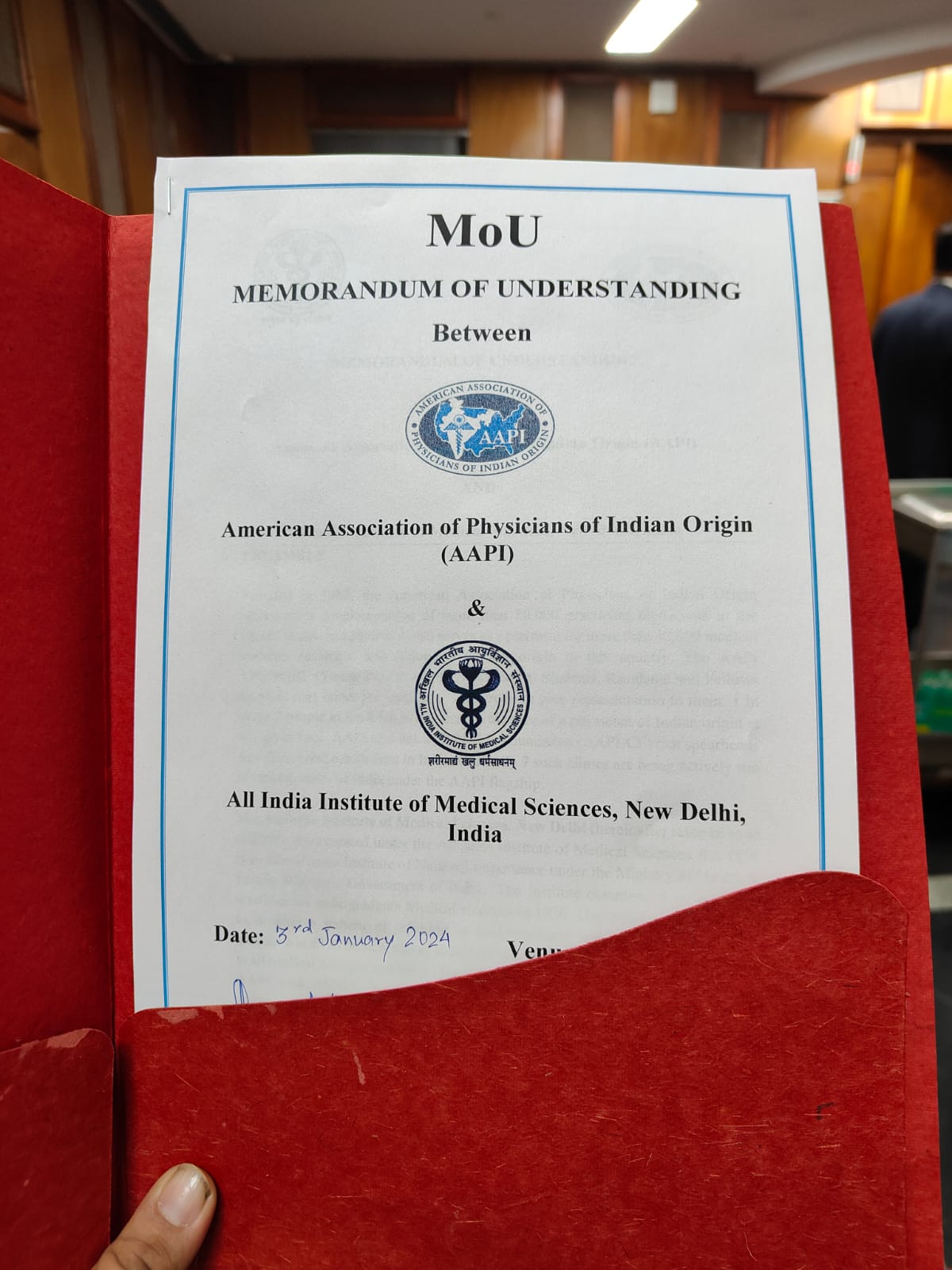 The collaboration between the AIIMS and AAPI signed at AIIMS in the presence of representatives from AAPI and AIIMS on January 3rd, 2024, marks a significant initiative to advance research, academia, and the exchange of knowledge, ultimately aiming to enhance patient care in India and has been hailed as a major step forward.
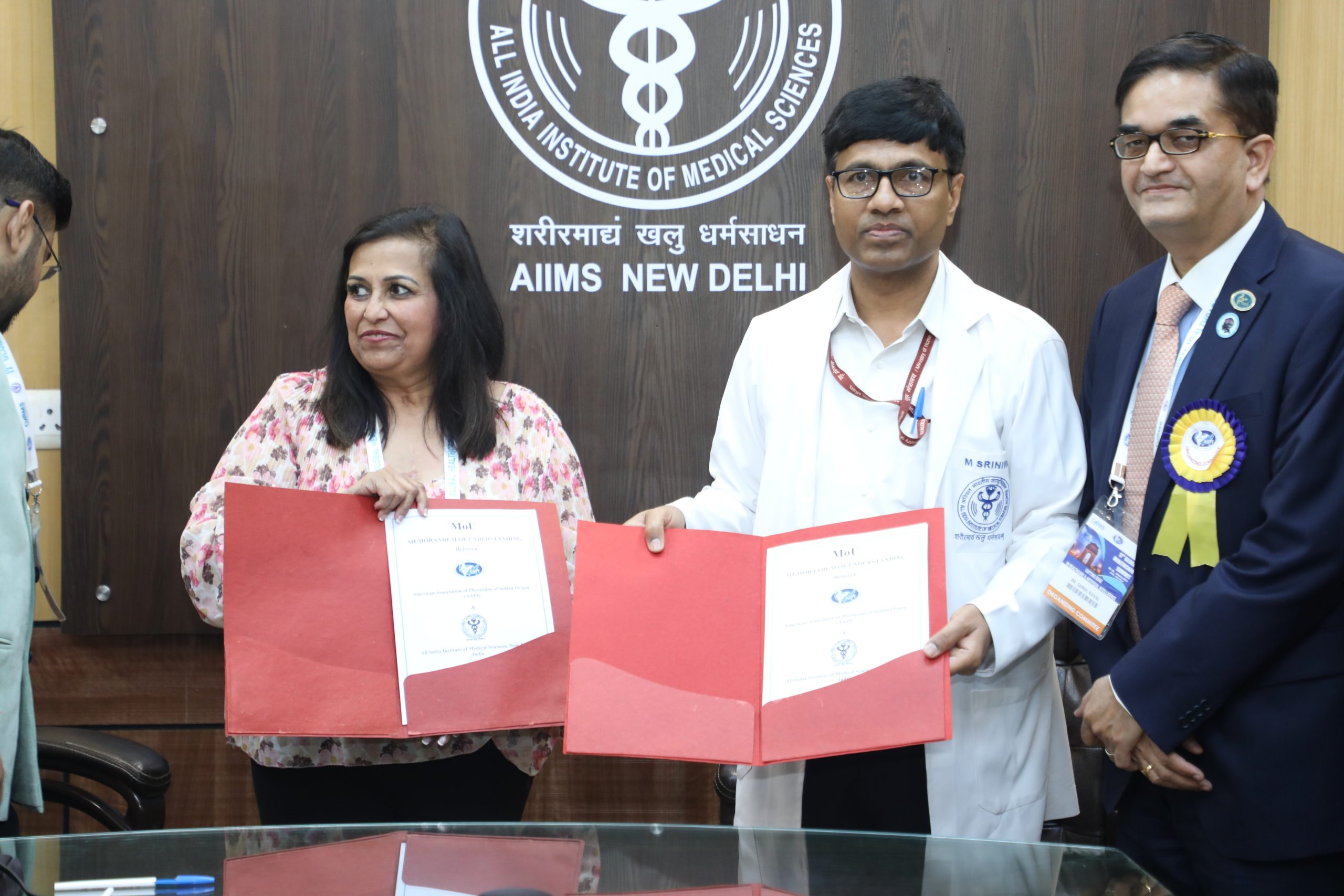 Under the Joint Supervision Program, Doctoral level students from either side can be co supervised by faculty members from both the organizations. AAPI members may permit its members to visit AIIMS for short durations, ranging from one week to one year to teach at AIIMS.
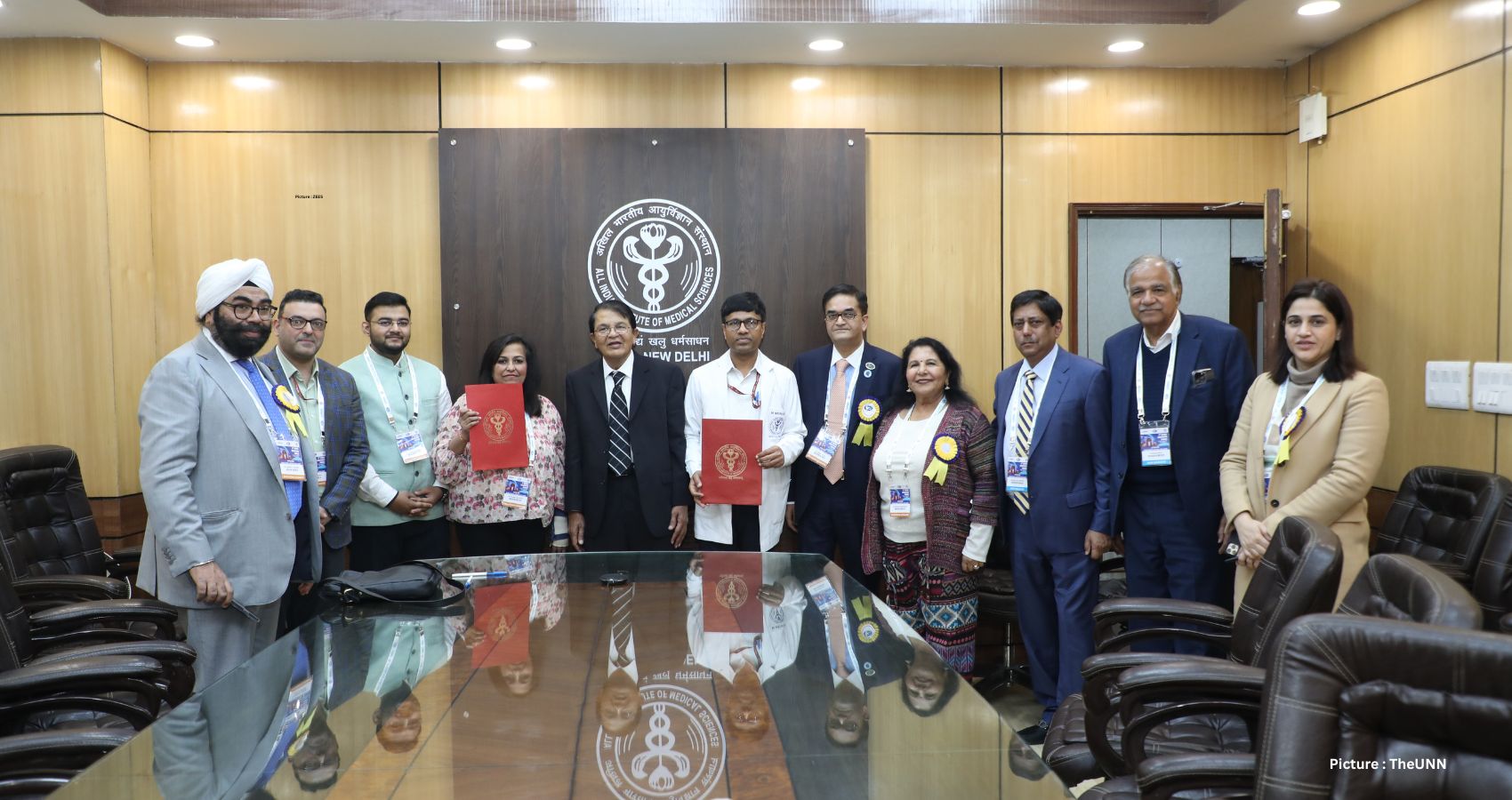 Dr. Sumul N. Raval, current Secretary of AAPI highlighted importance of the MoU said that this is the most successful outcomes from the GHS 2024 for the purpose of “learning from each other’s experiences, sharing vital insights and collaboration on future endeavors, mutual exchange of ideas, sharing of best practices that are critical for advancing medical education and assuring high standards for protecting public health will positively shape the medical education.”
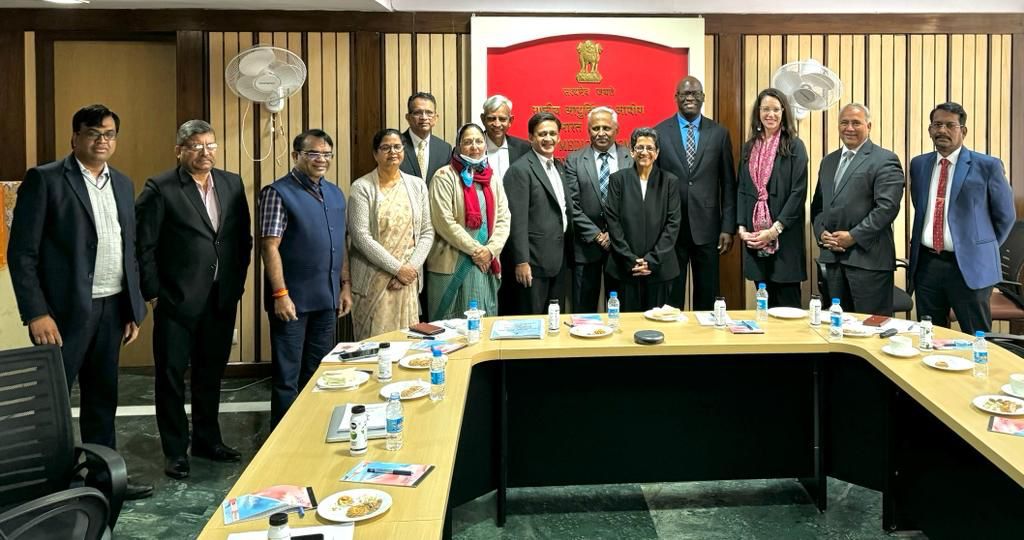 In this context, the American Association of Physicians of Indian Origin (AAPI), which has been leading efforts to help streamline medical education in India to meet the global standards, assembled a galaxy of medical regulatory organization leaders from India, the United Kingdom and the United States during the 17th annual Global Healthcare Summit in New Delhi, India on January 2, 2024.
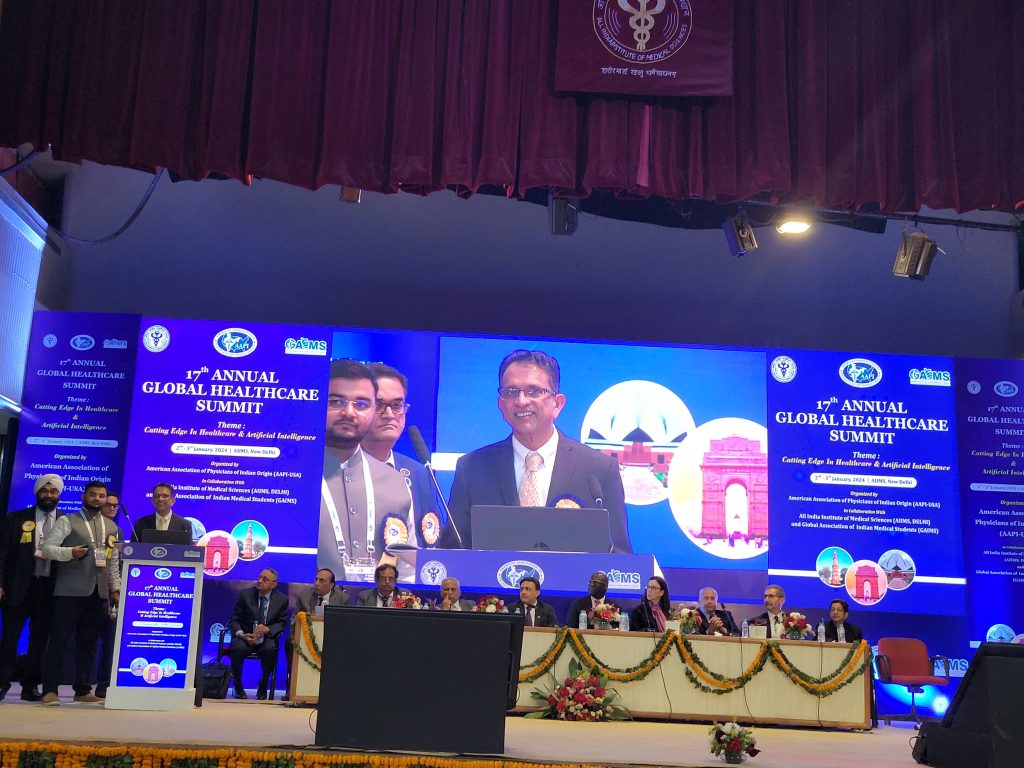 AAPI Global Medical Education has led this effort taking the delegation to the Indian National Board of Examinations in medical science NBEMS (nbe.edu.in) which conducts examination for the 1.8 million students and UG entrance examination across India and conduct the PG NNET entrance examination for 200,000 students annually. AAPI has been able to connect their visits to the National Medical Commission (NMC – nmc.org.in) that monitors ll700+ medical collges,100,000 MBBS admisisions,60,000 post graduate admissions and their education. During panel discussions lasting more than 3 hours of their experiences and their challenges.
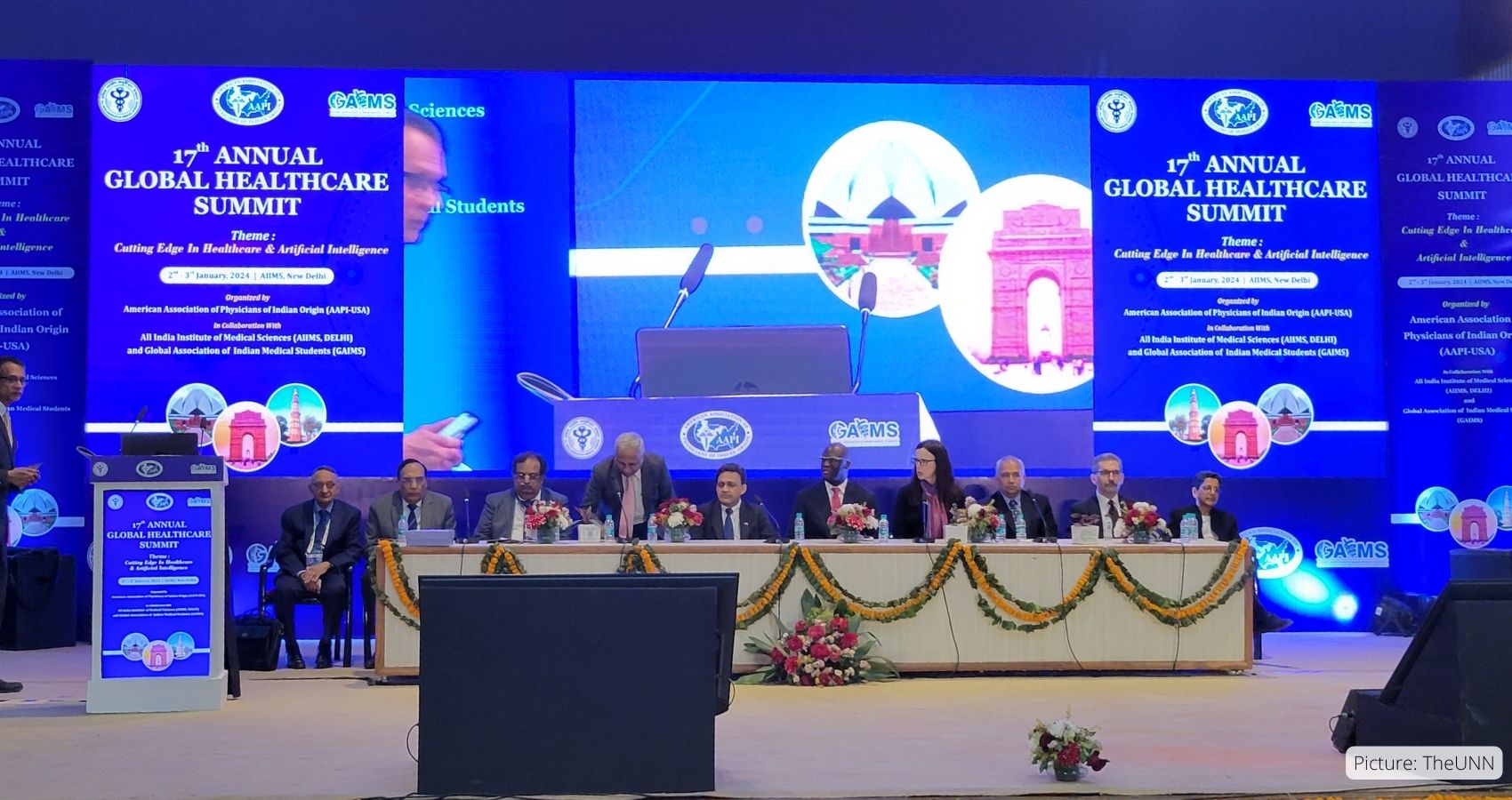 Dr. Raval said, “In order for us to meet the unprecedented demand and to bring up the quality of education, the Indian medical education system is changing rapidly. The meeting today was a great beginning to facilitate collaborative efforts between India and the United States.”
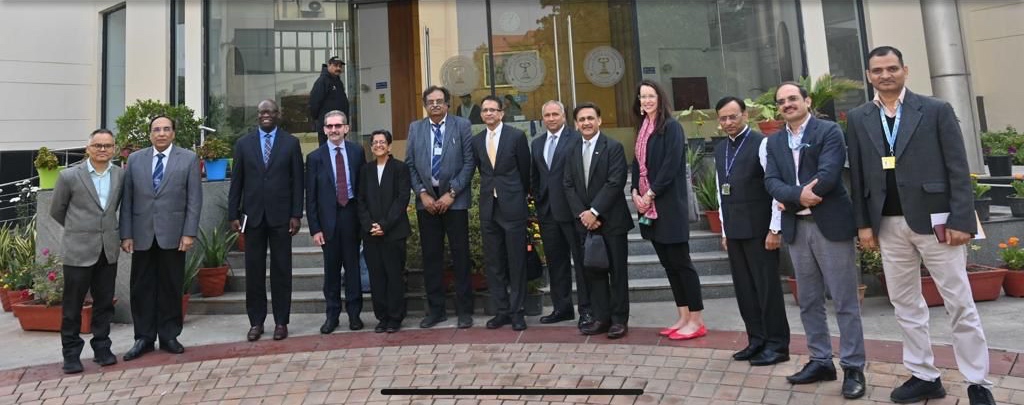 Expressing appreciation for Dr. Edara and Dr. Raval for taking the lead in facilitating interaction and dialogue between the Medical Education Boards of India and the United States, Dr. Anjana Samadder, President of AAPI said, “Since its inception over four decades ago, AAPI has been in the forefront advocating for medical school education reform and for the medical graduates from India to be treated on par with their counterparts in India. India is already leading the global pharmaceutical industry, and rebooting medical education will help India enter the league of leaders in healthcare around the world. The meeting today was a great start, and I look forward to AAPI continuing to lead such efforts in the coming years benefitting the medical fraternity.” For more information on AAPI and its many initiatives, please visit: www.aapiusa.org
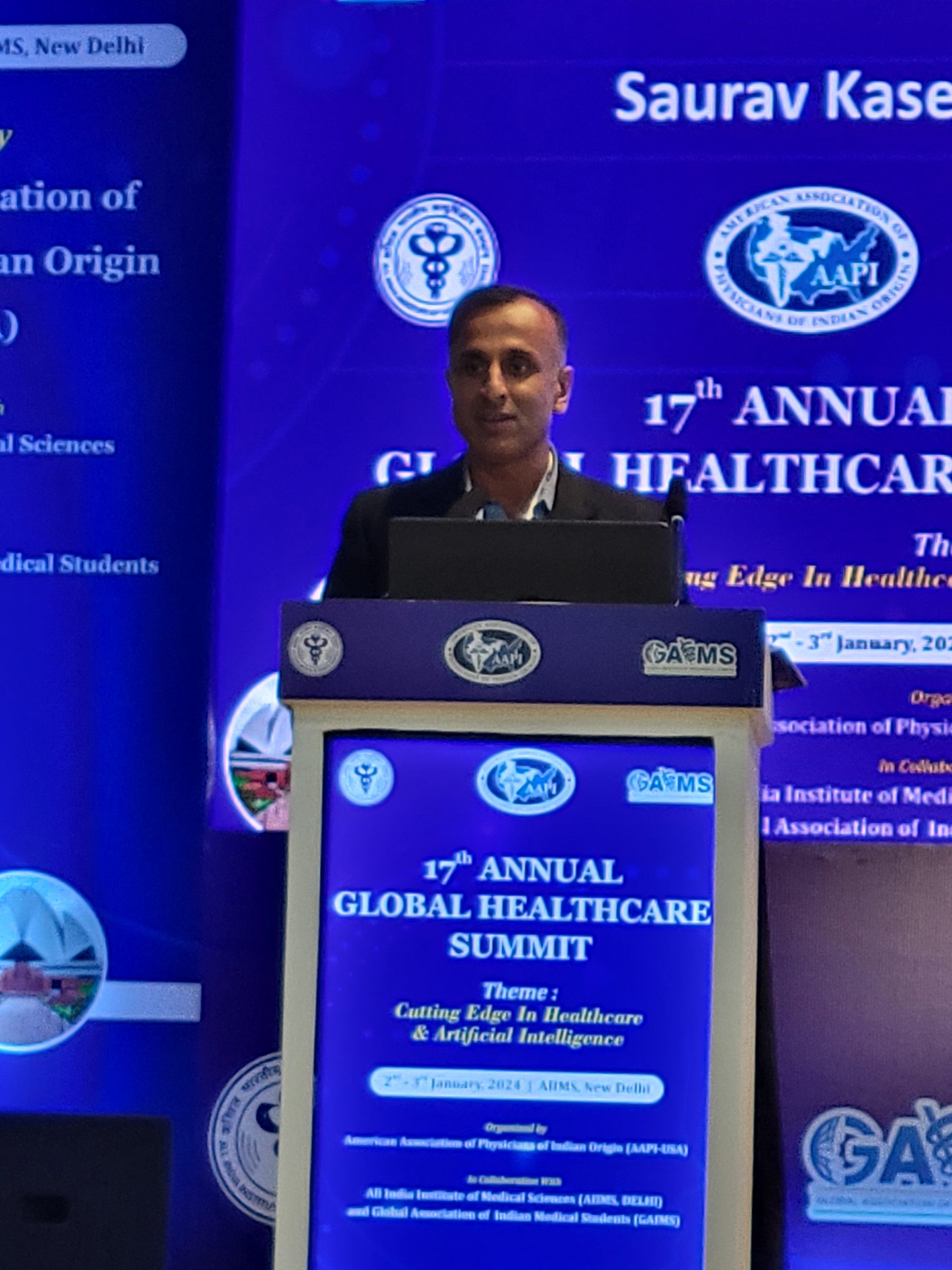 The GHS began here at AAIS this morning with an eloquent address by Dr. Anupam Sibel, GHS Chair – New Delhi, who spoke on India becoming Vishavaguru in almost all areas of international standing, including in healthcare, technology, finance and scientific research, The scientific sessions moderated and presented by world renowned physicians of Indian origin are being attended by Fellows, Residents and Medical students at AIIMS and the dozens of delegates from the United States.
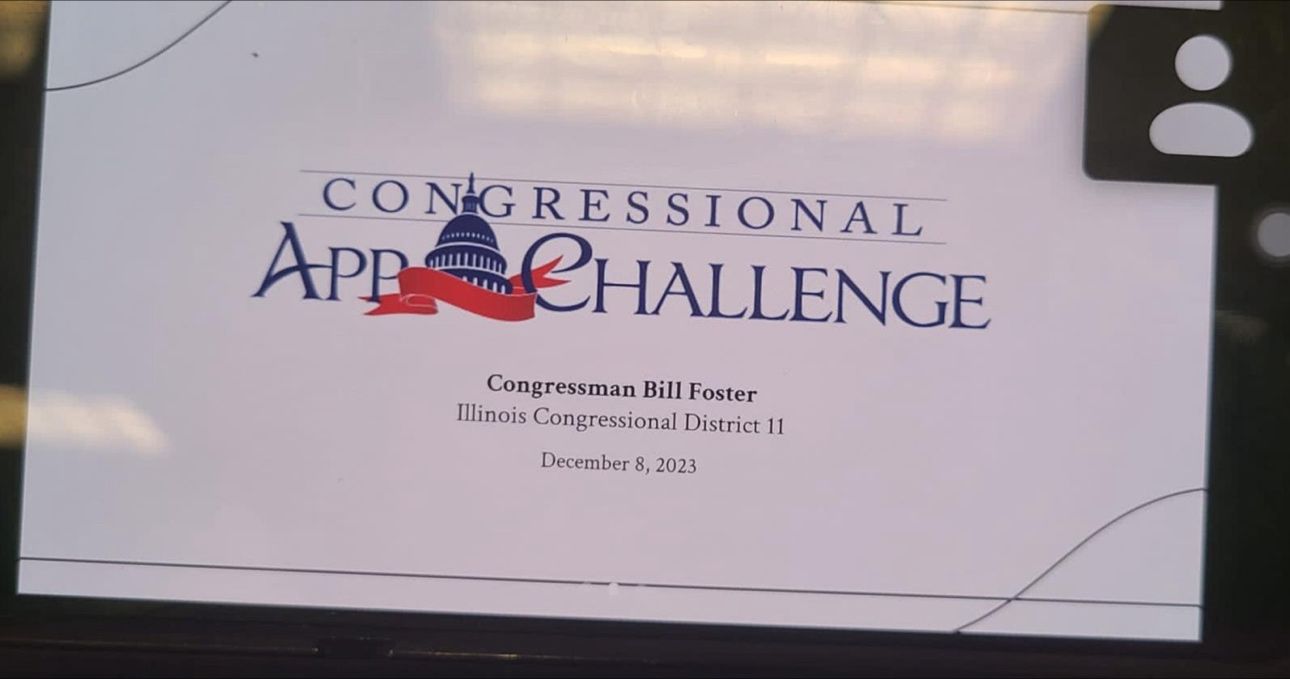 Established by members of the U.S. House of Representatives in 2013, the Congressional App Challenge is designed to engage student creativity and encourage their participation in Science, Technology, Engineering and Math (STEM) education fields. The nationwide contest allows high school students from across the country to compete with other students who reside in their congressional district by creating and exhibiting their software application, or “APP” for mobile, tablet, or computer devices on a platform of their choice.
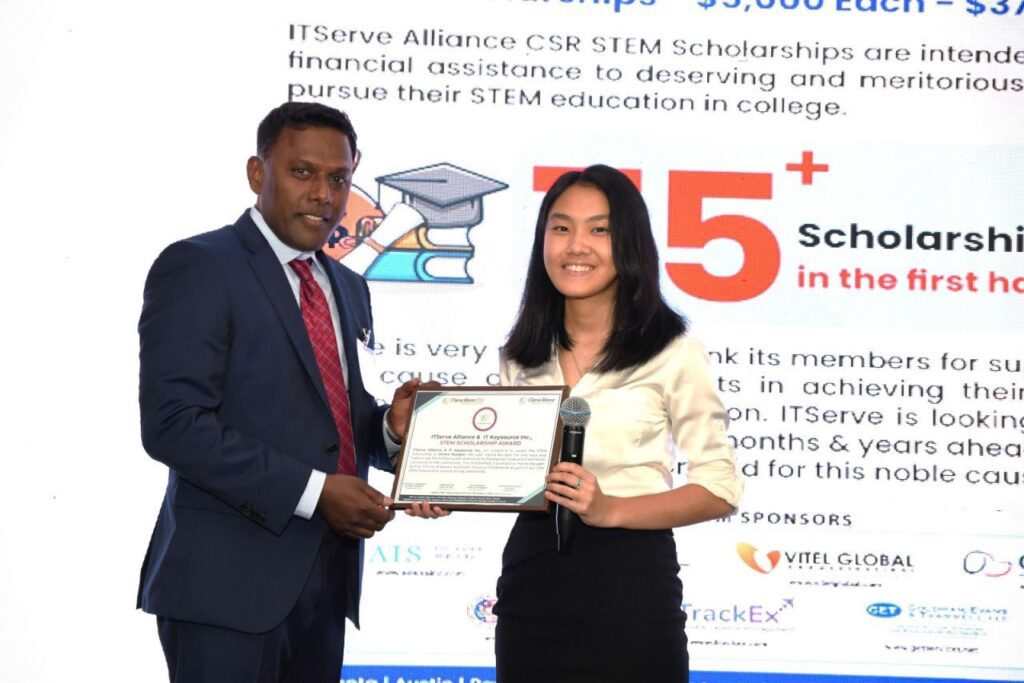
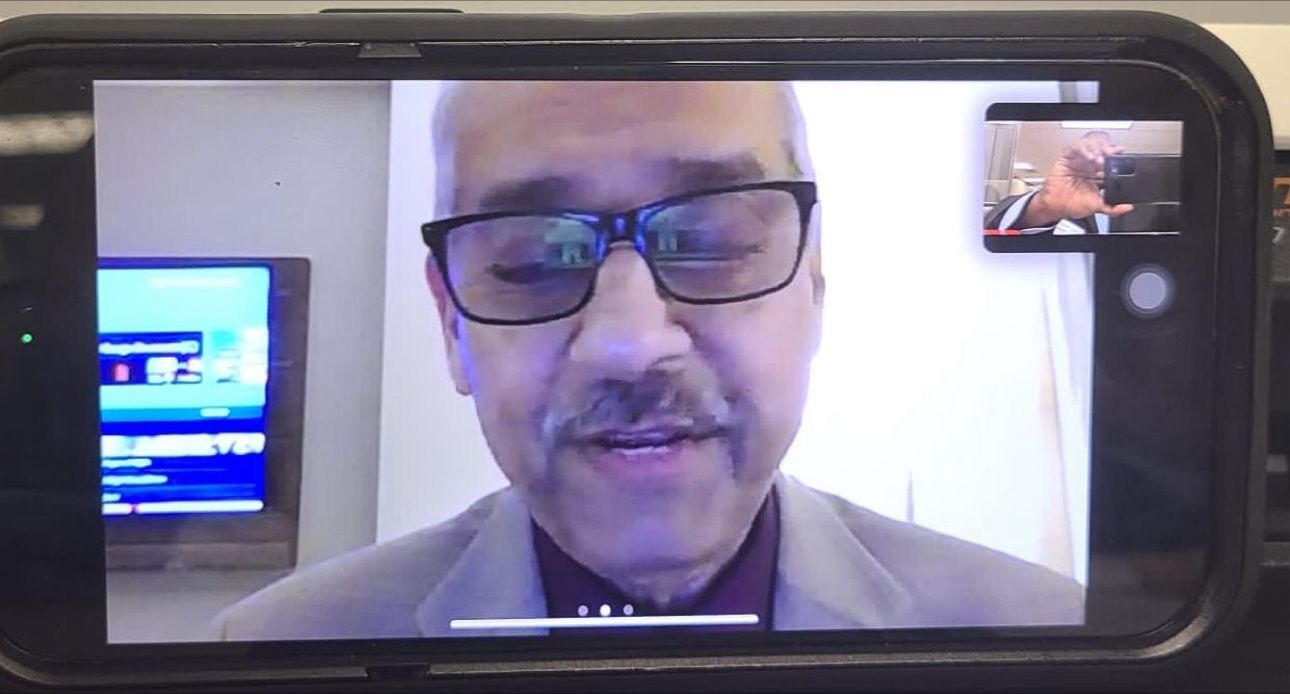 active members of ITServe had the privilege of serving as Judges for the Congressional App Challenge Program,” said Mr. Vinay Mahajan, President of ITServe Alliance. “Such contests across the nation by Congressional Offices is very encouraging of our young and aspiring entrepreneurs and is in sync with the objectives of ITServe Alliance in promoting and advocating for local talents and resources that are aimed at the United States maintaining its leadership in technology and innovation,” Mahajan added.
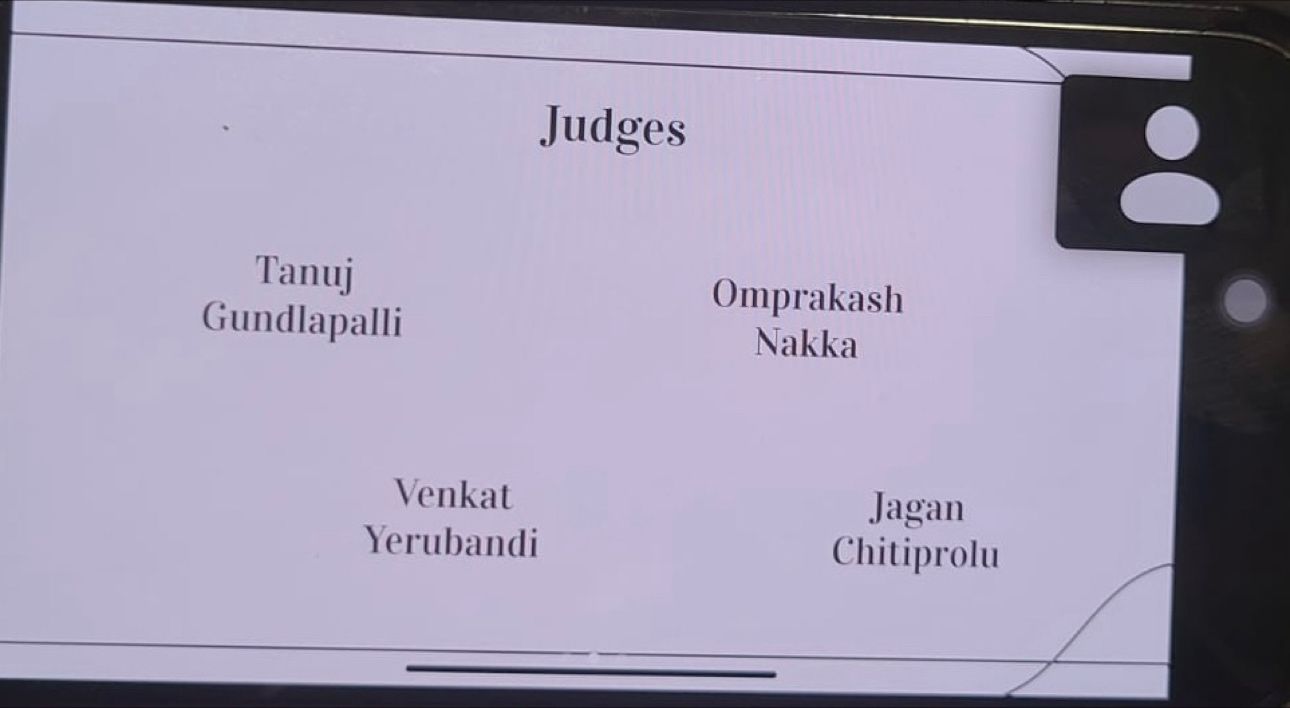 ITServe recognizes that this is a great program and has plans to engage with more Congressmen for similar opportunities in the coming years. ITServe has offered allocating funds from its Corporate Social Responsibility (CSR) STEM Funds to support this program by collaborating directly with the congressional App challenge organizers. ITServe has advocated for and has invested Millions of Dollars on its STEM Education Program to promote the “American Ingenuity Account” to fund State-administered grants for STEM education and worker training.
 “If they’re going to continue to bring in record numbers of students, that they are being part of the solution as well by making sure that they have a place to live,” Fraser had said. He called out institutions for exploiting students by enrolling more than they had space for, which in turn also hurt the housing market.
 Dr. Murthy, an Honorary Advisor to the Government of Odisha (Health and Family Welfare), recommends that all the State Governments in India initiate statewide Community, Police, and High-school CPR programs to “Save Lives” in Sudden Cardiac Arrests due to any cause. Odisha was the first state in India to implement statewide CPR programs among Odisha communities. The Hon’ble Chief Minister of Odisha, Mr. Naveen Patnaik, officially launched the governmental “Saving Lives with Bystander CPR Training” project on February 1,2023 at the Kalinga Stadium, Bhubaneswar. The project’s key players include service-oriented Sri Sathya Sai Seva Organizations, Odisha, and Sri Jagannatha Service Foundation. The ongoing community programs have trained so far, a few thousands of community members and students, including 1000 police personnel. Dr. Murthy hopes to see all the states in India initiate community CPR training programs in the near future with support from their respective state governments and non-governmental organizations.
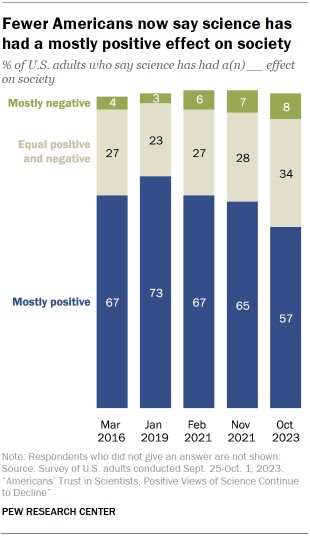 Impact of science on society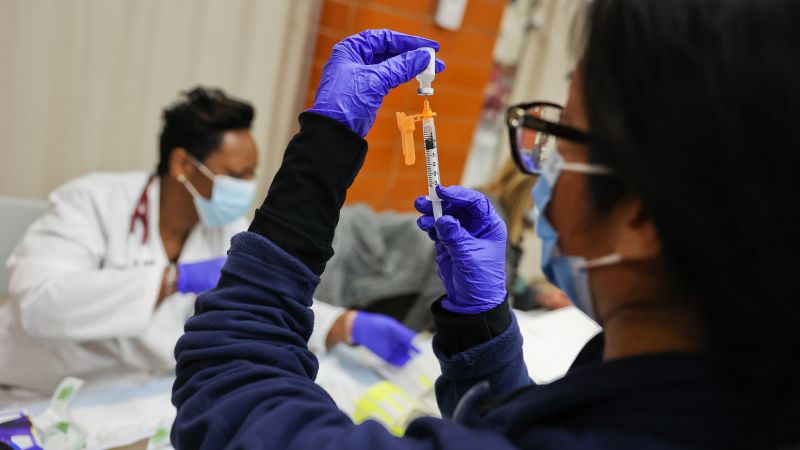
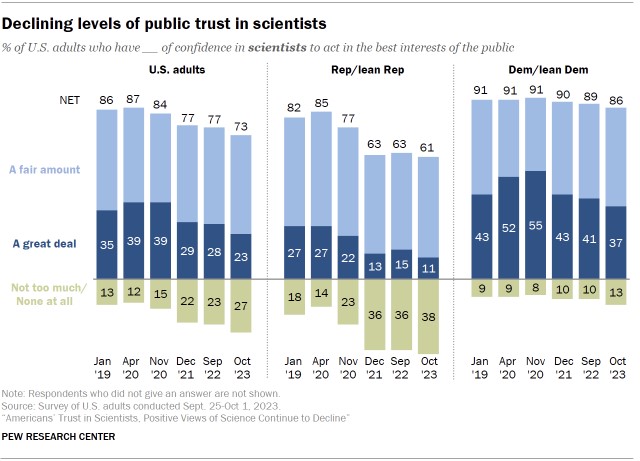 Confidence in scientists has also moved lower among Democrats. The share of Democrats and Democratic-leaning independents with a great deal of confidence in scientists – which initially rose in the pandemic’s first year – now stands at 37%, down from a high of 55% in November 2020. But unlike Republicans, a large majority of Democrats (86%) continue to express at least a fair amount of confidence in scientists to act in the public’s best interests. The overall differences in partisan views remain much more pronounced today than they were prior to the coronavirus outbreak.
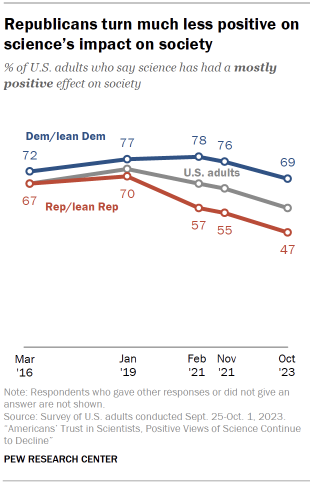 A majority of Democrats (69%) continue to say science has had a mostly positive effect on society, though this share is 8 points lower than it was in 2019.
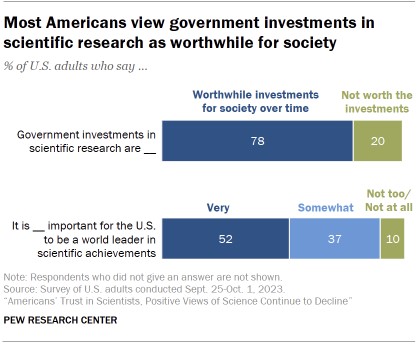 About eight-in-ten Americans (78%) say government investments in scientific research are usually worthwhile for society. Far fewer (20%) think these investments are generally not worthwhile. Large majorities across demographic and education groups see government investments in scientific research as worthwhile, as do large majorities of both Democrats and Republicans.
 Panelists were: Vijay Anand, CEO, Everest DX, Stamford, CT; Indira Yedavalli, Vice President, Franklin Templeton Investments, New York; Sushanth Krishnamurthy, Director of IT, UBS, Stamford, CT; Prashanthi Reddy, Esq, Immigration Attorney, New York, NY; Amit Lakhotia, Founding Principal ADH (A Real Estate Development and Management Company), Westport, CT; Padmini Viswanath MPH, Monitoring, Evaluation and Learning Manager, Last Mile, New York City; Anand Chavan, Senior Director of S&P Global Market Intelligence, New York. Many GOPIO-CT members also attended, so the students had one to one interaction with senior members of our community. The program was coordinated GOPIO Trustees Prasad Chintalapudi and Dr. Thomas Abraham.
 Following that, host of the evening Ms. Bhavya Gupta, Founder ACE Consultants and Secretary at GOPIO Manhattan, expressed pride in the large number of Indian students in the U.S. and hoped that the panel discussion would provide valuable insights to help these students adapt and succeed in the academic, social, and cultural aspects of American life. She mentioned the idea of the event is not only to come together and gain from the experiences and learnings of the accomplished panel, but also to become part of the Indian American community, as an extended family. The discussion aimed to better inform and educate the students about their future in the United States.