
Brazil have secured their place in the 2026 FIFA World Cup with a narrow 1-0 win over Paraguay, courtesy of a decisive goal by Vinicius Jr. The victory, celebrated by an enthusiastic crowd of 46,000 fans at the Corinthians Arena in São Paulo, marks another step forward for the five-time world champions. The match was also notable as one of the first major tests for Brazil’s new head coach, Carlo Ancelotti, who recently took over the reins of the national team.
Vinicius Jr, a key player for Real Madrid, scored just before half-time, sending the home crowd into a frenzy. The result confirmed Brazil’s qualification from the South American region, alongside fellow powerhouses Argentina and Ecuador. Brazil’s journey to the tournament now shifts from qualifying to preparation, as they aim to lift their sixth World Cup trophy.
While Brazil celebrated, another team experienced a bitter night in their own qualifying campaign. In a dramatic match held in Amman, Jordan, Palestine were on the verge of advancing to the fourth round of the Asian Football Confederation (AFC) qualifiers until they conceded a heartbreaking equalizer from the penalty spot in the dying seconds of the game against Oman.
Palestine had taken the lead at the end of the first half thanks to a goal by Oday Kharoub. They maintained their advantage until stoppage time, when a controversial penalty decision saw Oman’s Essam al-Subhi convert in the 97th minute. The 1-1 result ended Palestine’s hopes of moving forward in the AFC qualification process.
Palestine have been playing their matches at neutral venues due to the conflict in their homeland. Israel’s war on Gaza, its control and destruction of sports facilities and venues in Gaza and the occupied West Bank have left the players unable to travel and play at their home venue, the Faisal Al-Husseini International Stadium in ar-Ram, a town northeast of occupied Jerusalem. Matches have been relocated to Jordan, Kuwait, and Qatar to ensure the safety and participation of the Palestinian team.
Oman have now taken Palestine’s spot in the next round, joining other Asian teams that have successfully advanced. The emotional blow to Palestine highlights the often overlooked human and geopolitical challenges that intersect with international football.
Across the world, several other nations have already punched their tickets to the 2026 FIFA World Cup. Here’s a breakdown of which countries from each region have officially qualified so far:
From Asia, six teams have confirmed their spots: Iran, Uzbekistan, South Korea, Jordan, Australia, and Japan. In South America, the teams that have booked their places are Argentina, Brazil, and Ecuador. North, Central America, and the Caribbean have three automatic spots reserved for the host countries – Canada, Mexico, and the United States – all of whom have confirmed participation. In the Oceania region, New Zealand claimed their sole qualification slot by winning the third-round playoff final against New Caledonia on March 24.
However, no team from Africa or Europe has qualified yet. None of the 54 nations involved in the qualifiers has been able to confirm their spots as the first round of qualifying matches does not conclude until October 16. Europe is in a similar position, with its 54 competing teams having until November 18 to complete their initial qualification round.
As for those who will miss out, Chile, who famously finished third in the 1962 World Cup, have been eliminated. China, despite ambitious investments in domestic football development and having last played in a World Cup in 2002, also crashed out following a critical loss on June 5.
Several other teams still remain in contention, hoping to grab one of the remaining qualification spots.
In Asia, teams like Qatar, the United Arab Emirates, Saudi Arabia, Indonesia, Iraq, and Oman are still competing for two direct World Cup slots and one intercontinental playoff position.
From South America, the battle for qualification continues among Uruguay, Paraguay, Colombia, Venezuela, and Bolivia, who are all vying for the three remaining direct slots. Peru can no longer qualify directly but still has a chance via the intercontinental playoff.
In the North, Central American and Caribbean region, twelve teams – Honduras, Bermuda, Costa Rica, Trinidad and Tobago, Curaçao, Haiti, Panama, Nicaragua, Jamaica, Guatemala, Suriname, and El Salvador – have made it to the third round. Three of these teams will earn direct qualification, while the three runners-up from each group will compete for one intercontinental playoff spot.
New Caledonia, having lost out to New Zealand in the Oceania qualifiers, have qualified for the intercontinental playoffs and will look to secure a spot through that route.
The final list of the 48 teams that will take part in the 2026 FIFA World Cup won’t be confirmed until March 31, 2026. The European qualifiers will extend into March, and the intercontinental playoff final is also scheduled for the same month, leaving just under three months before the tournament begins to finalize the lineup.
The 2026 FIFA World Cup, which will be the first edition of the tournament to feature 48 teams, is scheduled to begin on June 11 in Mexico City. The final will take place on July 19 in New Jersey, United States. This extended format is set to bring in more nations than ever before and will be hosted across Canada, Mexico, and the United States.
As qualification heats up, the coming months promise intense action, heartbreak, and triumph as teams from around the world fight for their place on football’s biggest stage.
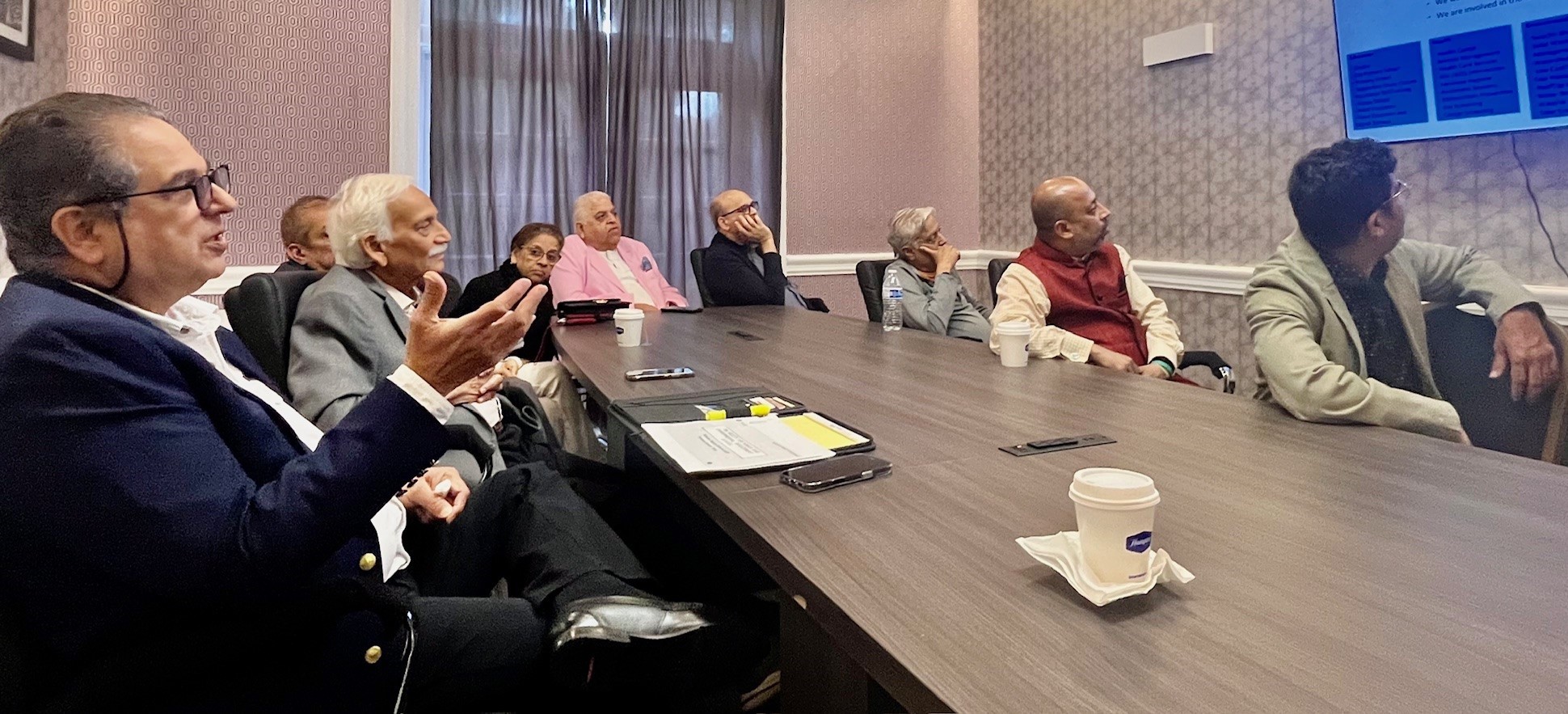 In tribal regions where access to healthcare is limited, SHED has established Health Centers that provide essential primary medical services. More severe or complex cases are referred to larger hospitals, such as Bhaktivedanta Hospital located in Meera Road. These centers serve as a crucial health lifeline in areas that often lack even basic medical facilities.
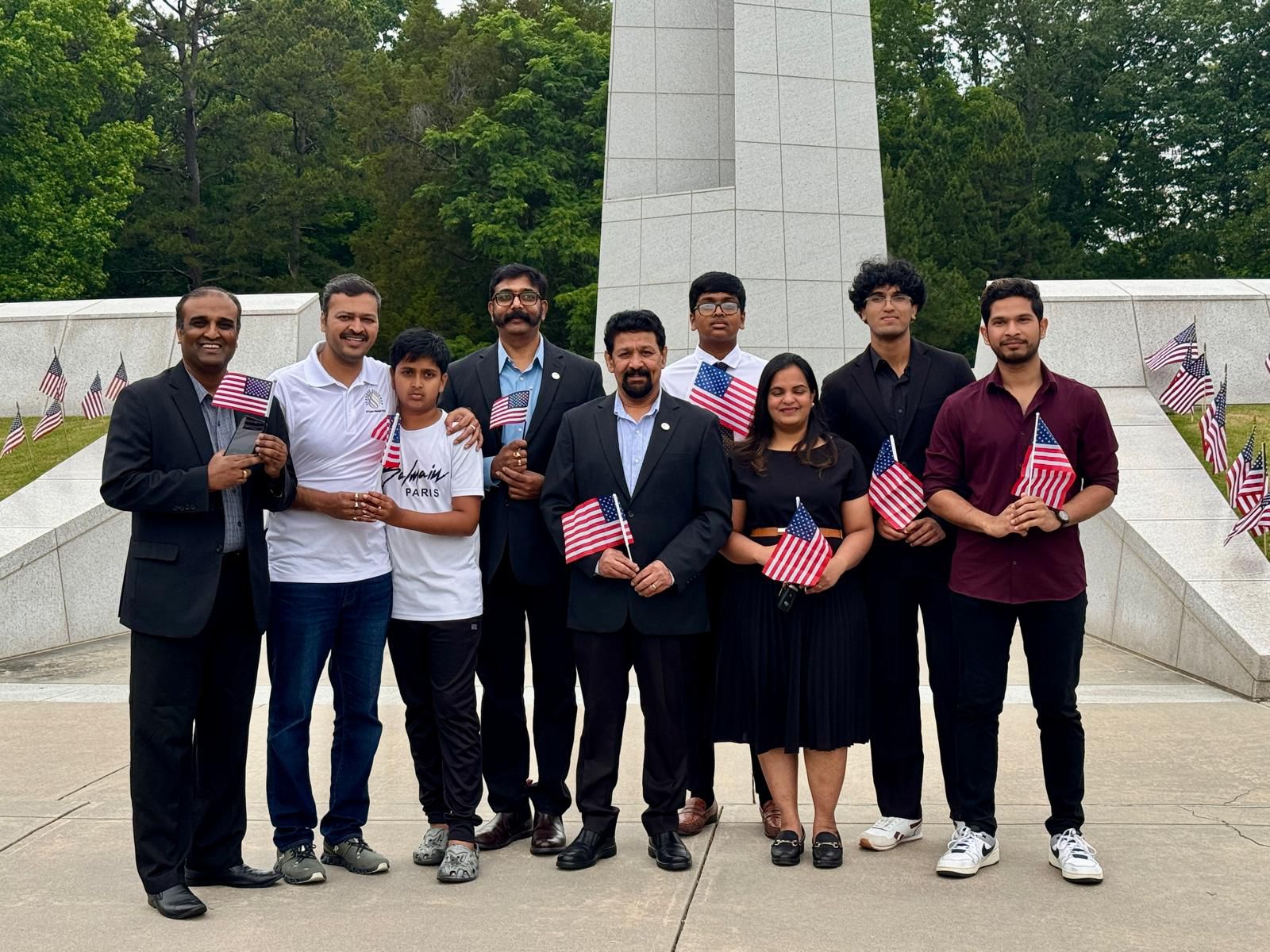 “ITServe and its member community is committed to corporate social responsibility (CSR) and actively contributing to local communities nationwide,” said Anju Vallabhaneni. “We recognize the sacrifices of our veterans and first responders, who selflessly serve our nation. Supporting them and their families is of utmost importance to us, as we express our gratitude for their unwavering dedication and bravery.”
 The book launch garnered widespread attention and praise, underscoring the impact of India’s cultural footprint at one of the world’s most prestigious film festivals. Among the many distinguished guests attending the event were acclaimed figures from across the globe, including legendary Hollywood producer Ashok Amritraj, billionaire industrialist Prakash Hinduja, William Pfeiffer, Chairman of Global Gate, celebrated art historian Sundaram Tagore, and a range of internationally renowned filmmakers such as Gurinder Chaddha, Rima Das, Sudhir Misra, Pan Nalin, Deepak Tijori, and Vijay Singh. Together with leading personalities from both Indian and global cinema, they came together in a show of solidarity and celebration of India’s cultural ascent.
 influencer. Bhuvan Lall, clearly moved by the moment, shared his personal reflections on the launch and his decades-long association with Cannes. “Cannes 2025 has been a dream come true, both for my journey of 3 decades at the festival and the launch of Namaste Cannes. I’m honored to share this story of India’s soft power with the world,” he said.
 The selection of Cannes as the venue for this launch was deeply symbolic. As one of the most celebrated film festivals in the world, Cannes has long been a benchmark for cinematic excellence. Holding the book launch here sent a powerful message about how far India has come in terms of artistic recognition and global outreach. For Bhuvan Lall, whose own relationship with the festival spans over thirty years, it was a moment of deep personal and professional fulfillment.
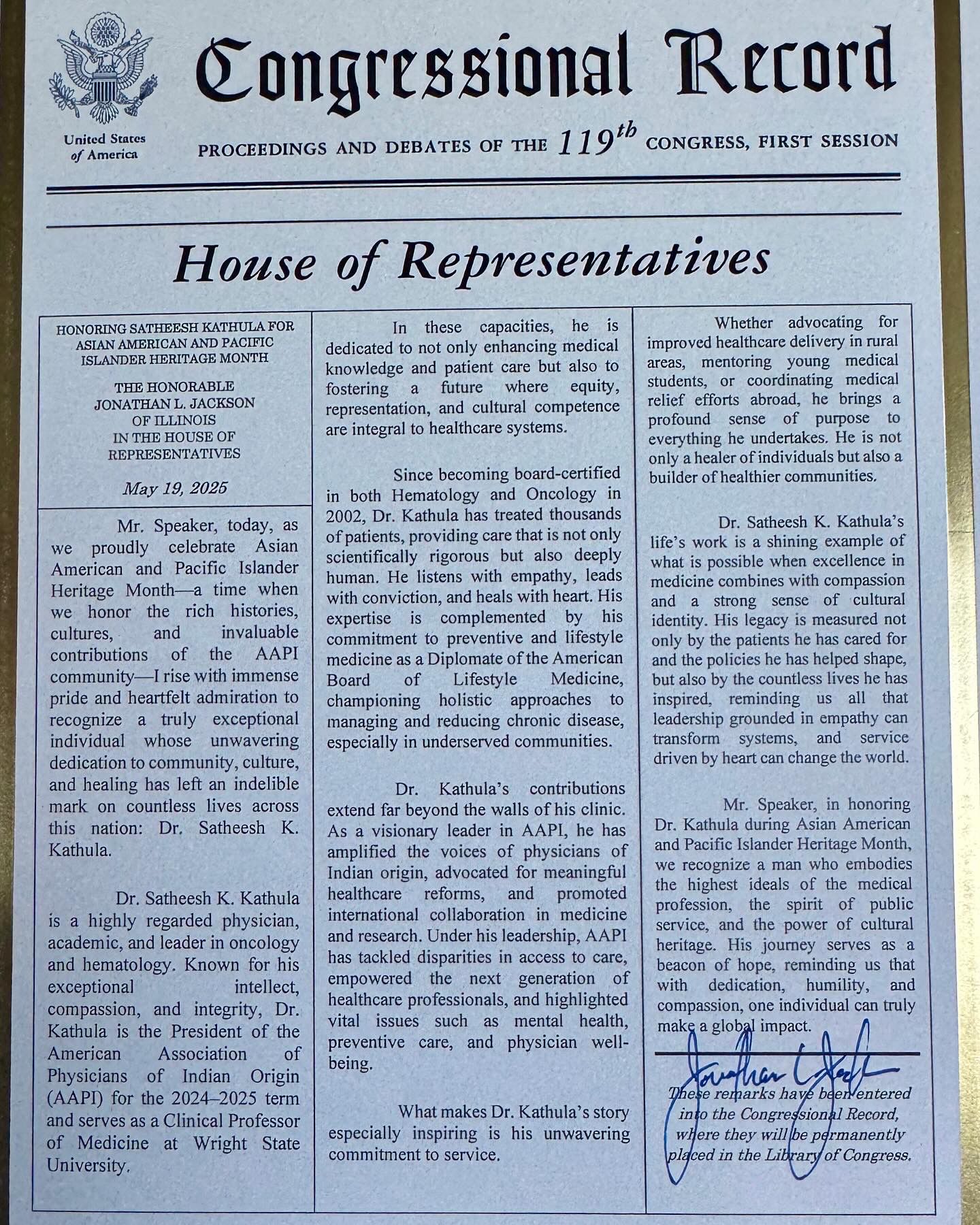 As a Diplomat of the American Board of Lifestyle Medicine, championing holistic approaches to managing and reducing Chronic Disease, especially in underserved communities, “Dr Kathula’s contributions extend far beyond the walls of his clinic. As a visionary leader in AAPI, he has amplified the voices of Physicians of Indian religion, advocated for meaningful healthcare reforms, and promoted international collaboration in medicine and research under his leadership,” Rep. Jackson added.