As we Indians are feeling proud of world leaders assembling in our country under the presidency of India led by the charismatic Prime Minister Shri Narender Modi for the G20 summit, there are Indians facing incidents of violence for practicing a faith that is of their own choice.
In the first 212 days of this year, 2023, 525 incidents of violence against Christians have been reported from 23 states of India in just 8 months as against 505 incidents in the whole year of 2022. June has seen the highest number of incidents with 89 followed by July with 80, 68 in August, 66 in March, 63 in February, 62 in January, 50 in May and 47 in April.
There are 13 Districts in India wherein practicing Christianity is becoming dangerous. Bastar is leading with 51 incidents of violence against Christians followed by 14 each in Kondagaon and Azamgarh, 13 each in Jaunpur, Raebareli and Sitapur, 12 in Kapur, 10 each in Hardoi, Maharajganj, Kushinagar and Mau, 9 each in Gazipur and Ranchi.
Three (3) large states of North India are witnessing the highest number of incidents of violence against Christians: Uttar Pradesh leading with 211 incidents followed by Chhattisgarh with 118 and Haryana with 39 incidents.
Picture : TheUNN
All these incidents of violence are by mob violence led by so called vigilante groups of particular faith who are allegedly receiving support from people in power. Attacks against Christians do not stop with mob violence only there are 520 Christians who have been arrested accused of false forced conversions with any proven evidence.
There are 54 cases of social ostracism predominantly occurring in the states of Chhattisgarh and Jharkhand. This exclusion involves denying victims access to basic resources such as village water sources, common roads, etc. Additionally, in certain situations, victims are prevented from harvesting their own crops, leading to adverse economic consequences.
This year also saw Delhi NCR experiencing incidents of violence with four recorded cases in which individuals conducting prayer meetings were confronted and disrupted by religious extremist groups. These extremists resorted to physical assault against the victims and used threats to coerce them into ending their prayer gatherings.
As per the reports recorded by the United Christian Forum (UCF), the incidents of violence against Christians have been increasing sharply and steadily since 2014: 147 incidents in 2014, 177 in 2015, 208 in 2016, 240 in 2017, 292 in 2018, 328 in 2019, 279 in 2020,505 in 2021, 599 in 2022 and 525 incidents in first 212 days of 2023.
This press release does not include the details of Manipur wherein, according to media reports, over 300 Churches belonging to various communities were destroyed, nearly 200 people died and over 54, 000 were displaced since May 3, 2023. While the situation remains tense and volatile, we will await the official report of the Government’s inquiry and investigation.
Ø HIGHEST NUMBER OF INCIDENTS IN 13 DISTRICTS IN 3 STATES
Ø 520 CHRISTIANS ARRESTED IN FALSE ALLEGATION OF CONVERSIONS
Ø 54 CASES OF SOCIAL OSTRACISM
Ø 2.5 INCIDENTS A DAY
Petition On Violence Against Christians Before Supreme Court Of India
The matter is coming up on 12th September 2023 before a bench led by the Chief Justice of India for final hearing. The Union government is opposing our petition. Our advocate Colin Gonsalves has submitted an interim prayer for SIT comprising officers outside the respective states to register FIRs, investigate and prosecute; police protection prayer meetings conducted by the Christian community and to provide legal aid to all the victims. For further details, please contact: acmichael60@gmail.com
Last week, political leaders gathered in New Delhi for the annual G20 summit, the first ever to be held in South Asia. As international attention is drawn to India, a new Pew Research Center survey finds that views of India are generally positive across 23 countries.
A median of 46% of adults hold a favorable view of India, while a median of 34% have unfavorable views. In comparison, views of Indian Prime Minister Narendra Modi, which were collected in a subset of 12 countries, are more mixed: A 37% median say they have confidence in Modi, and a 40% median say they lack confidence in him.
The new survey examines views of India and its political leaders in and outside of India, as well as Indians’ views of other countries. The survey includes eight middle-income nations that Pew Research Center has not surveyed since 2019, before the outbreak of COVID-19, due to the challenges of conducting face-to-face interviews during the pandemic. Below are some of the key findings from the survey of 30,861 people in 24 countries, including India, conducted from Feb. 20 to May 22, 2023:
Indians are more likely than others to believe India’s power is on the rise. Around seven-in-ten Indians believe their country has recently become more influential, compared with a median of 28% across 19 countries who said the same in 2022. In those 19 countries, respondents were most inclined to say that India’s influence had not changed much in recent years (48% median), but only 19% of Indians agree with this view. Indians are just as likely as those in other countries to think India’s influence has become weaker in recent years (13% vs. a 19-country median of 13%).
Modi is popular in India, but has more mixed reviews internationally. About eight-in-ten Indians (79%) have a favorable view of Modi, including a majority of 55% with a very favorable view. In comparison, a median of 37% in 12 countries, most of which are middle-income, report having confidence in Modi to make the right foreign policy choices. Kenyans are especially confident, with 60% saying they trust Modi to do the right thing regarding world affairs, while Argentines are particularly skeptical. Just 12% in Argentina have confidence in the Indian leader. At least one-in-ten in each of these countries also do not offer an opinion on Modi.
European attitudes toward India have turned more negative over time. Favorable views of India have declined by roughly 10 percentage points or more in all five of the European countries where past data is available. The greatest change is seen in France, where just 39% now have a favorable view of India, compared with 70% in 2008. Notably, French adults are also less likely than they were in 2008 to share an opinion on India. In all other countries, people are more or about as likely to offer an opinion on India as they were in 2008.
Indians stand out for their favorable views of Russia. Whereas a median of only 14% across 22 countries have a positive view of Russia, a 57% majority of Indians see Russia favorably. Indians are also the most likely to have confidence in Russian President Vladimir Putin to do the right thing regarding world affairs among all publics surveyed. Likewise, the United States is seen more favorably in India (65%) than in many other countries surveyed. When it comes to China, India stands out for the opposite reason: It is the only middle-income country surveyed where a majority has unfavorable views of China.
Negative attitudes toward Pakistan persist in India. Roughly three-quarters of Indian adults hold an unfavorable view of Pakistan. This includes 57% who have a very unfavorable opinion. Indians’ views of Pakistan have consistently been unfavorable since the question was first asked in 2013, with the share holding an unfavorable view of the country never dipping below 60%.
Outside of India, substantial shares in many countries surveyed do not offer an opinion on India and on Modi. In the U.S., this includes 40% who report having never heard of Modi. Some groups are more inclined to provide a response to the two questions: This includes men and those with more education in several countries. Younger adults are also generally more likely to offer an opinion on India. Within India, a quarter or more do not offer an opinion of Indian National Congress (INC) leaders Mallikarjun Kharge and Adhir Ranjan Chowdhury. (PEW Research)
Reporters accompanying President Joe Biden to the G20 summit in India did not have the opportunity to ask questions to President Biden and Indian Prime Minister Narendra Modi during their meeting in New Delhi. The White House confirmed this decision despite repeated requests for increased press access.
National Security Adviser Jake Sullivan explained that this meeting was unique because it would take place at the prime minister’s residence, unlike the typical bilateral visits to India where meetings are held in the prime minister’s office. He mentioned that Prime Minister Modi had set specific protocols for the meeting.
Picture : KTVZ
Sullivan acknowledged that the administration had pushed for a pool spray of the meeting, as is customary when President Biden hosts foreign leaders at the White House. He humorously remarked, “We spend our lives asking for pool sprays and other things” for reporters.
Prime Minister Modi, who has faced criticism from press freedom organizations for his government’s crackdown on independent reporting, has rarely taken questions from the press since assuming office.
During a state visit in June, Modi agreed to participate in a news conference at the White House after extensive negotiations between the two sides. Initially, Indian officials were hesitant about the White House’s insistence on holding a news conference.
The Biden administration has been keen to highlight the President’s willingness to address press freedom and humanitarian issues under Modi’s rule. During Modi’s visit in June, six Democratic lawmakers boycotted his address to Congress, citing concerns about India’s treatment of Muslim minorities.
However, President Biden warmly welcomed Prime Minister Modi to the White House during the visit, hosting a formal state dinner in his honor, emphasizing the shared commitment to democracy between the two nations.
White House press secretary Karine Jean-Pierre stated that the administration was making every effort to ensure media access to the President during his trip to India for the G20 summit. Several officials, including Sullivan, White House Communications Director Ben LaBolt, Deputy National Security Adviser Jon Finer, and Deputy Assistant to the President Kurt Campbell, contacted their Indian counterparts to advocate for increased press access, but their efforts were apparently unsuccessful.
Jean-Pierre noted, “We have reached out, we have made the request multiple times and at different pressure points.” She emphasized that the administration had been working diligently to ensure a smooth trip for everyone involved and left it to the Indian government to respond.
She added, “Look, we are all trying to do our best, at the behest of the president, to get this done – and so we’re gonna keep working on it.”
Instead of addressing reporters after the G20 summit’s conclusion in New Delhi, President Biden will hold a news conference in Vietnam, where it is deemed “easier” for him to take questions from reporters.
Jean-Pierre explained the decision by stating that it was logistically simpler to hold the press conference in Vietnam and that it would not change anything, as it would have been a solo press conference by the President regardless.
Regarding formal engagements with world leaders during the G20 summit, Sullivan indicated that there would likely be few formal meetings. He said, “I can’t confirm any (bilateral meetings), and to be honest with you, I think you will not see, because of the way the schedule was structured, a significant number of formal engagements with other leaders.” Instead, most of the interactions with other leaders would be informal and on the margins, rather than formal sit-down meetings.
Xi Jinping’s decision to stay away from the Group of 20 summit may have been intended to deny India its moment. Instead, Prime Minister Narendra Modi — along with the U.S. and Europe — figured out how to more effectively counter China on the world stage.
Fellow G20 nations hailed India’s success in reaching an agreement on a joint communiqué that remained in doubt just days before world leaders gathered in New Delhi for their most significant annual diplomatic event. Apart from finding consensus on Russia’s war in Ukraine, the most difficult issue, they also elevated the African Union as a full G20 member and took action on issues like climate change and debt sustainability that are priorities of emerging markets.
The final outcome irked Ukraine, which saw the compromise on war language as weaker than what leaders produced just 10 months ago in Bali, Indonesia. But for the U.S. and its allies, criticism of a communiqué that on substance was similar to Bali and has little impact on the ground is a small price to pay for giving Modi a win that bolsters India’s status as a rising power capable of blunting China’s global influence.
U.S. President Joe Biden led the charge, seeing in India his administration’s best hope of isolating China and Russia — and providing a booster shot to the U.S.-led world order. The result showed that Washington is finally learning the language of the so-called Global South, with India as its principle guide.
“Some commentators are pointing to watered-down language on Russia-Ukraine as a sign of Western ‘climbdown,’” said Milan Vaishnav, director of the South Asia Program at the Carnegie Endowment for International Peace. “But there’s another way of looking at it: The West is also invested in making sure India got a win. A lack of consensus would have been a huge disappointment for India.”
If there was a moment that illustrated the summit dynamics, it was Biden’s meeting on Saturday to discuss White House-led efforts to deliver more financing to developing nations.
Along with World Bank President Ajay Banga, the first Indian American to hold the role, Biden was pictured with Modi, Brazil’s Luiz Inacio Lula da Silva and Cyril Ramaphosa of South Africa — key members of the BRICS grouping, minus China and Russia. That bloc expanded earlier this month, posing a challenge for the Group of Seven advanced economies.
Earlier in the day, U.S. Deputy National Security Advisor Jon Finer swiped at China by referring to those nations as “the three democratic members of the BRICS,” saying they and the U.S. were all committed to the G20’s success. “And if China is not, that’s unfortunate for everyone,” Finer said. “But much more unfortunate, we believe, for China.”
And the U.S. didn’t stop there. It separately announced a deal with India, the European Union, Saudi Arabia, Israel and other Middle Eastern countries to develop an ambitious rail and maritime network across the region. Biden hailed it as a “game-changing regional investment,” cementing the deal with a three-way handshake that included Modi and Crown Prince Mohammed bin Salman, who the U.S. president had cast as a “pariah” ahead of the last American election.
That kind of pronouncement is more likely to appeal to Middle East interests than badgering over human rights, even if the project’s time line and funding remains vague. The U.S. denied it was meant to counter China’s growing influence in the Gulf, but a French official acknowledged it was designed to provide competition for Xi’s Belt and Road Initiative (BRI), saying that wasn’t a bad thing.
“I want to see China succeed economically,” Biden told reporters Sunday in Hanoi, Vietnam, where he flew after the G20. “But I want to see them succeed by the rules.”
Xi’s move to skip the G20 summit for the first time since he became president in 2013 marked a shift in behavior from last November, when he cast himself as a statesman with a responsibility to “get along with other countries.” China’s negotiators also risked appearing petty in looking to thwart India’s progress, taking a stand on minor issues like Modi’s use of a Sanskrit phrase and the U.S.’s bid to host the G20 gathering in 2026. The Global Times, a newspaper affiliated with the Communist Party, called the U.S. “just a copycat” for its Mideast infrastructure plan.
In a further blow to Beijing, Italian Prime Minister Giorgia Meloni told Premier Li Qiang on the sidelines of the summit that her nation plans to withdraw from the BRI while still looking to maintain friendly relations, according to a person familiar with the matter who asked not to be named. At a press conference after the G20, Meloni said she spoke to Li, representing China in Xi’s absence, about the BRI but a decision had yet to be made.
Going into the summit, British Prime Minister Rishi Sunak accused China of acting as a brake on progress toward a joint statement. At one point in the deliberations behind closed doors, Beijing raised the issue of access to semiconductors in a discussion of climate action, people familiar with the talks said. That prompted National Security Advisor Jake Sullivan — a leading advocate of U.S. export controls on chips and chip technology to China — to decry “the idea of holding climate hostage” to unrelated issues.
China’s Li told leaders that the G20 “needs unity instead of division, cooperation instead of confrontation,” the official Xinhua News Agency reported. That followed a commentary posted hours earlier by a Chinese think tank affiliated with the country’s top spy agency, which criticized India for having “sabotaged the atmosphere for cooperation” at the G20 by pushing its own agenda.
But China relented on its opposition to the communiqué, and India drew praise from all camps for negotiating a compromise. People familiar with the discussions said the breakthrough occurred after India, Indonesia, Brazil and South Africa jointly put forward a proposal on language describing the war.
“This consensus itself shows the cemented role of India as a trustworthy fulcrum of a world bitterly divided on geopolitical issues like the Ukraine war,” said Swasti Rao, an associate fellow at the Europe and Eurasia Center at the Manohar Parrikar Institute for Defense Studies and Analyses. “There is little doubt that middle order powers wish to keep the global economic order multipolar and not fall into the Chinese game of dominating it.”
While the final language on Ukraine made some U.S. allies uneasy, supporting the compromise presented a bigger opportunity to align more closely with major democracies in the Global South that ultimately serve as key swing nations when it comes to Russia’s war and other world issues. G7 leaders publicly praised the outcome, with Sunak insisting that the language adopted was “very strong” and that “Russia is completely isolated.”
‘Just and durable’
For the U.S., any move that bolsters India and amplifies other democracies in the Global South helps to counter China and Russia’s influence, particularly when it comes to bringing about the G20’s call for a “comprehensive, just and durable peace” in Ukraine. Back in May at the G7 summit in Japan, the U.S. and its allies struggled to convince Modi, Lula and Indonesia’s Joko Widodo to side with them on Ukraine, even after President Volodymyr Zelenskiy made a surprise appearance. Zelenskiy wasn’t invited to address India’s G20.
A senior European Union official said the agreement effectively saved the G20 as the last global forum bringing together the world’s major powers. Moreover, the official said, it helped bridge the gap between the G-7 and emerging markets, who would now be partners in holding Russia to account if it doesn’t follow through on seeking a just peace in line with UN principles.
Other senior European officials said China shot itself in the foot by staying away from the summit, allowing India to cement its leadership of the Global South and providing the U.S. and Europe a clear path to strengthen ties with emerging markets.
Even Russia, represented by Foreign Minister Sergei Lavrov after Vladimir Putin stayed home, saw the agreement as a win. Moscow was pleased that BRICS democracies served as interlocutors with the G7, according to a person familiar with the situation, underscoring China’s status as an outsider looking in.
The U.S., of course, could yet stumble in its bid to appeal more to the Global South. Ahead of the G20, Biden skipped a summit in Indonesia hosted by the Association of Southeast Asian Nations, a move that appeared like a snub to Widodo. The U.S. president sought to do damage control in Delhi, meeting the Indonesian leader briefly and pledging to meet him at the White House in November, when world leaders head to the U.S. for the APEC summit.
More significantly, however, was India’s ability to grasp the moment to assert a global leadership role. Modi — who is on pace to extend his decade in power next year — declared that “history has been created” while his chief negotiator, Amitabh Kant, called India “the spokesperson of all the Global South.”
“More than anything else, it has amplified the voice of Global South,” Kant said of the summit outcome. “It has also demonstrated that India has a huge capacity of bringing the world together and leading the world. (TIME.COM)
The US conceded space to the host India in the wording of the final Delhi Declaration of G20 on Russia’s invasion of Ukraine and lauded Indian Prime Minister Narendra Modi’s diplomatic skills that virtually represented a coup as the final document came out despite fractures in the group.
The declaration earned the praise of the US.
US National Security Adviser Jake Sullivan called the statement a “significant milestone for India’s chairmanship and a vote of confidence that the G20 can come together to address a pressing range of issues.”
“The G20 statement includes a set of consequential paragraphs on the war in Ukraine. And from our perspective, it does a very good job of standing up for the principle that states cannot use force to seek territorial acquisition,” Sullivan told newspersons.
Still, the language differed from last year’s G20 declaration, which stated “most members strongly condemned the war in Ukraine.” So, in a way, it was a diplomatic coup for India as the host country took a softer line than the Bali G20 one by not calling it a war but saying, “All states must refrain from the threat or use of force to seek territorial acquisition.”
US and western nations wanted stronger language to condemn the aggression on Ukraine as they succeeded in the Bali G20 conference. The Russian invasion was described as a war in the declaration then.
Picture : Sakshi Post
The softer tone in the Delhi declaration showed that US and western allies yielded space to India, the host country, to word it differently which still had the same effect but also gave India the leverage with its long term ally Russia, whose leader Vladimir Putin did not attend, balancing its equations with US and Russia at the same time – a feat pilled of by the foreign office officials under foreign minister S Jaishankar along with trusted allies .
Russia, as a member of the G20, would have to agree on any consensus statement on Ukraine. Russia and China had resisted stronger language in a final statement, making any kind of agreement difficult. No G20 summit has concluded without a joint declaration of some type, media reports said.
Leaders gathered here for the annual Group of 20 summit managed to agree on a joint statement laying out shared views on climate change and economic development but showed the fractures within the group by stopping short of explicitly condemning Russia’s invasion of Ukraine, CNN reported .
Diplomats virtually burnt the midnight oil to sort out what sort of language and phraseography the final draft joint statement required in the lead-up to the summit . Anticipating snags, Indian foreign office officials along with its allies managed to play down the Ukraine situation as a war.
The eventual compromise statement amounted to a coup for the summit’s host, Prime Minister Modi, but still reflected a position far softer than those the US and its Western allies have adopted individually, CNN reported.
US President Joe Biden’s hopes of convincing the world’s largest economies to rally behind Ukraine during his two-night stay in India for the summit did not bear fruit in the way he wanted, but he still liked the final wording. He also pressed his case for American investment in the developing world.
Even as the summit was midway through on Saturday, the leaders agreed to the joint declaration acknowledging the situation in Ukraine while not papering over the group’s major divides on the issue.
“All states must refrain from the threat or use of force to seek territorial acquisition,” the declaration read, without explicitly singling out Russia for its invasion. The document also stated opposition to the use of nuclear weapons and highlighted the economic effects of the war in an indirect reference to Putin’s threat of using nuclear weapons if NATO allies intervened militarily to help Ukraine.
In a reflection of the deep fractures among the G20 nations, the statement acknowledged “there were different views and assessments of the situation”, US media reports noted.
Ukraine’s Foreign Ministry spokesperson Oleg Nikolenko however criticised the declaration. Kiev was not invited by India to the G20 summit.
“Ukraine is grateful to its partners who tried to include strong wording in the text,” he wrote on Facebook. “At the same time, the G20 has nothing to be proud of in the part about Russia’s aggression against Ukraine. Obviously, the participation of the Ukrainian side would have allowed the participants to better understand the situation. The principle of ‘nothing about Ukraine without Ukraine’ remains as key as ever,” media reports said.
The absence of Chinese leader Xi Jinping and Russian President Vladimir Putin – US President Biden’s arch rivals – provided opportunities for Biden to make a more affirmative case at the summit, White House officials said during the summit.
Biden said Saturday he would have welcomed the presence of his Chinese counterpart at the summit, but that positive outcomes were still possible. “It would be nice to have him here but, no, the summit is going well,” Biden said when questioned about the impact of Xi’s absence.
Biden hoped to leverage on the two leaders absence at the summit to portray the US as a credible counterweight to China’s economic outreach.He announced new plans partnering Europe, the Middle East and Asia to construct a major new transit corridor connecting the regions, thus challenging Beijing’s own efforts at expanding global trade with its belt road initiatives.
“India calls upon the world to come together to transform the global trust deficit into one of trust and reliance. This is the time for all of us to move together,” Prime Minister Modi said as the gathering got underway.
“Be it the divide between North and South, the distance between the East and West, management of food and fuel, terrorism, cyber security, health, energy or water security, we must find a solid solution to this for future generations,” he emphasised. It was a message of unity at a markedly fractured moment for the grouping, the US media observed.
While Biden enjoyed success at other summits convincing European leaders and NATO allies to step up their military support for Ukraine and tighten their punishment of Russia, many nations, particularly in the Global South, weren’t convinced. They viewed the billions of dollars in Western assistance pouring into Ukraine sceptically, and sought a more balanced relationship with Moscow, CNN said.
Biden’s aides claimed the president welcomed the opportunity to make the case for Ukraine, including to audiences that aren’t necessarily on the same page. “Part of what makes the G20 an appealing format for the United States is it gives us a chance to interact with and work with and take constructive steps with a wider range of countries, including some, frankly, that we don’t see eye to eye with on every issue,” US deputy national security adviser Jon Finer told reporters on Saturday.
G20 Leaders Declaration adopted in New Delhi
Prime Minister Narendra Modi while addressing the second session of the G20 Leaders Summit, announced that the leaders declaration has been officially adopted by the member states at the New Delhi Summit.
“There is good news. With everyone’s cooperation, consensus has been reached on New Delhi G20 Leadership Declaration…I announce the adoption of this declaration,” PM Modi told the gathering amid loud applause.
The official document contains 112 outcomes on various developmental and geo-political issues. It mainly focuses on Strong, sustainable, balanced, and inclusive Growth; Accelerating progress on SDGs; Green development pact for a sustainable future; Multilateral institutions for the 21st Century and Reinvigorating multilateralism.
“The #NewDelhiLeadersDeclaration has been officially adopted at the #G20India Leaders’ Summit! Today’s era must be marked as the golden age of human-centric globalisation & India’s G20 Presidency under the leadership of PM @narendramodi has worked tirelessly towards this goal,” G20 Sherpa Amitabh Kant wrote on X.
In the context of the Russia-Ukraine war, the declaration reads, “Concerning the war in Ukraine, while recalling the discussion in Bali, we reiterated our national positions and resolutions adopted at the UN Security Council and the UN General Assembly and underscored that all states must act in a manner consistent with the Purposes and Principles of the UN Charter in its entirety. In line with the UN Charter, all states must refrain from the threat or use of force to seek territorial acquisition against the territorial integrity and sovereignty or political independence of any state. The use or threat of use of nuclear weapons is inadmissible.”
Drawing on Prime Minister Narendra Modi’s earlier statement that ” Today’s era must not be one of war,” the declaration states that all member states will work together to mitigate the war’s negative impact on the global economy and welcome all relevant and constructive initiatives that support a comprehensive, just, and lasting peace in Ukraine.
Starting September 9, New Delhi is scheduled to host the G-20’s 18th annual summit. The event, in the eyes of the Indian government, will mark the country’s growing international importance. “During our G-20 presidency, we shall present India’s experiences, learnings, and models as possible templates for others,” Indian Prime Minister Narendra Modi declared last year, when his country assumed the organization’s leadership. This August, he asserted that India’s presidency would help make the world into “one family” through “historic efforts aimed at inclusive and holistic growth.”
The government’s message was clear: India is becoming a great power under Modi and will usher in an era of global peace and prosperity.
But 1,000 miles away from New Delhi, in the northeastern state of Manipur, India is caught in a conflict that suggests it is in no position to serve as an international leader. Over the last four months, ethnic violence between Manipur’s largest community, the Meiteis, and its second-largest minority, the Kukis, has killed hundreds of people and rendered 60,000 people homeless. Mobs have set fire to over 350 churches and vandalized over a dozen temples. They have burned more than 200 villages.
At first glance, it may seem as if the violence in Manipur will not hinder Modi’s foreign policy ambitions. After all, the prime minister has traveled the world over the last four months without having to talk about the conflict. It did not come up (at least publicly) in June, when U.S. President Joe Biden rolled out the red carpet for Modi in Washington, D.C. It was not mentioned when Modi landed in Paris three weeks later and met French President.
Emmanuel Macron. And the issue has not arisen during his visits this year to Australia, Egypt, Greece, Japan, Papua New Guinea, South Africa, and the United Arab Emirates.
Picture : OPIndia
But make no mistake: the events in Manipur threaten Modi’s goal and vision of a great India. The state’s violence has forced the Indian government to deploy thousands of troops inside Manipur, reducing the country’s capacity to protect its borders from an increasingly aggressive China. The conflict has also hampered India’s efforts to be an influential player in Southeast Asia by making it hard for the country to carry out regional infrastructure projects and by saddling neighboring states with refugees.
And the ongoing violence could give other Indian separatist and ethnic partisan groups an opening to challenge New Delhi’s primacy. If these organizations do begin to rebel, as some of them have in the past, the consequences would be disastrous. India is one of the most diverse countries in the world, home to people from thousands of different cultures and communities. It cannot function if these populations are in intense conflict.
There is little reason to think that tensions will ease under Modi, and plenty of reason to think they will get worse.
The prime minister’s central ideological project is the creation of a Hindu nationalist country where non-Hindu people are, at best, second-class citizens. It is an exclusionary agenda that alienates the hundreds of millions of Indians who do not belong to the country’s Hindu majority. It is also one with a track record of prompting violence and unrest—including, now, in Manipur.
Modi’s allies and supporters like to argue that the prime minister is personally transforming India into a new superpower. Modi’s deputies, for example, suggest that the prime minister has earned respect unmatched by any previous Indian leader. Modi “exudes India in many ways, and I think that has had a big impact as well on the international community,” Subrahmanyam Jaishankar, India’s foreign minister, remarked in June.
The country’s pliant media have declared that Modi is vishwaguru: the world’s teacher and guide. But Manipur shows that India stands little chance of becoming a global leader as long as Modi is at the helm. Great powers need to be stable, and the ruling party’s exclusionary policies will open the country’s various fault lines, creating chasms that lead to violence and drain the state’s capacity. Manipur has sent Modi a warning. He is ignoring it at India’s peril.
SONS OF THE SOIL
Modi is not the first Indian politician to promote Hindu nationalism and majoritarianism. The prime minister’s Bharatiya Janata Party (BJP) and its parent organization, the Rashtriya Swayamsevak Sangh (RSS), have spent decades trying to turn India into a Hindu Rashtra, or a nation exclusively of Hindus. Along the way, the groups have routinely provoked bloodshed. The groups, for example, inspired the man who assassinated Mahatma Gandhi in 1948. The RSS helped destroy a historic mosque in 1992, which set off widespread riots.
But although Hindu nationalism has been around for decades, the movement has amassed more power than it ever has before. Manipur provides an insight into how. In theory, the state should be unfavorable terrain for Hindu supremacists. Its Meitei majority does not traditionally identify as Hindu; they have instead followed an animistic faith, one with its own beliefs and traditions. The community’s language is not Hindi, nor is it one of Hindi’s cousins. In fact, until the late 1990s, the Meitei nationalist movement sought independence from India. Meitei organizations should, if anything, oppose Hindu nationalists ruling the country.
But the BJP and the RSS have worked to get ethnic groups that form the majority in their own states to join their cause (except when they are Muslims), arguing that these groups deserve to dominate their regions—just as Hindus should dominate India overall. Sometimes, the BJP and RSS even try to amalgamate smaller communities of animistic faiths into the Hindu tradition.
Their message does not always land, but in Manipur, it appears to have done so. Many Meiteis now say they are Hindus, and the community’s nationalists identify as part of the BJP’s program. They believe that they are the original inhabitants of Manipur—the sons of the soil—and that Kukis are illegal immigrants from Myanmar. Their argument mirrors the one made everywhere by the RSS, which claims that Hindus are the original inhabitants of India whereas Muslims and Christians are outsiders.
Great powers need to be stable.
The state’s chief minister, Nongthombam Biren Singh, has fashioned himself accordingly. Once a pluralist politician from the Indian National Congress—the main opposition party—Singh joined the BJP in 2017 and has positioned himself as a Meitei partisan since 2022. He won Manipur’s state elections again for the BJP, and he has been leading the charge against the Kukis.
In the months before the conflict began, he adopted a policy of arbitrarily evicting Kuki villages under the pretense of protecting forests. Beginning in February, his government began checking the biometric details of people living in Kuki-dominated hill districts in order to identify “illegal immigrants.” In March, he blamed “illegal immigrants from Myanmar” engaged in the “drug business” for protests against the state’s efforts to evict Kukis from their villages. And in April, he told an RSS-controlled newspaper that “foreigner Kuki immigrants have taken control of the social, political, and economic affairs of the native tribal people of the state.”
Singh’s policies and rhetoric are squarely at odds with the Indian constitution, which was designed to safeguard marginalized groups. The document affords all of the country’s indigenous minorities—including the Kukis—special protections to secure their land, language, and culture. But under Modi, those protections are falling apart.
After winning reelection in 2019, Modi’s government quickly stripped Jammu and Kashmir, India’s only Muslim-majority state, of its constitutionally enshrined protections. He then split the state in two and downgraded the resulting components from states into federally controlled territories. Anticipating widespread unrest, Modi deployed vast numbers of troops into what was already a militarized region and shut off the area’s Internet. It was a brutal response, and one that sent a message to other protected groups.
That included the Kukis, who are now at risk of losing their own protections. In April 2023, the state’s high court ruled that the state government must recommend whether Meiteis should be given access to the same set of privileges granted to the Kukis, including reserved jobs, reserved university seats, and the ability to buy land in Manipur’s hill regions. (In the context of Indian politics, this effectively meant telling the state it had to give Meiteis access to these privileges.)
The decision, immediately condemned by Manipur’s Kuki and other tribal communities, kicked off the recent unrest. As tribal groups marched to protest the order, they began fighting against Meiteis who supported it. Soon, the clashes escalated into organized bloodshed. Meitei-majority areas in the Manipur’s Imphal valley were cleansed of all ethnic Kukis. In response, Kukis targeted Meitei households in their midst.
But even though both sides have resorted to violence, it is clear that tribes have borne the brunt of the carnage. Kuki women have been raped and subjected to other forms sexual violence. Indian soldiers have done little to arrest armed Meitei men. Manipur’s police have done almost nothing while Meitei groups ransacked their armories. Since the conflict started, mobs have taken more than 4,900 weapons and 600,000 rounds of ammunition—including mortars, machine guns, and AK-47s—from Manipur’s stockpiles. Almost 90 percent of these weapons have been taken by Meitei militias.
WEAK LINKS
The Kukis are not an isolated ethnic group. Instead, they belong to a broad network of tribes that live in Manipur, Manipur’s neighboring states, and two of India’s neighboring countries: Bangladesh and Myanmar. As a result, tens of thousands of Kuki families have fled into these jurisdictions, turning Manipur’s conflict into a regional issue.
The exodus and violence have undermined Modi’s grand strategy. Under Modi’s “Act East” policy, for example, India is trying to build infrastructure connecting its remote northeastern states with Southeast Asian countries. But the instability has delayed these ambitious projects.
The government, for instance, cannot begin a planned highway linking India to Myanmar and Thailand until there is peace in Manipur. It also cannot start a project that would improve the Indian northeast’s coastal access by building a road to the Burmese river town of Paletwa. (Civil conflict in Myanmar is holding up these endeavors as well.) India’s bid for greater influence in Southeast Asia therefore remains stalled, even as China continues its heavy regional spending under the Belt and Road Initiative.
The spillover is not the only way that Manipur’s violence has made it harder for New Delhi to compete with Beijing. Over the last 40 months, the Chinese and Indian militaries have been locked in a series of heated—and sometimes lethal—border standoffs, as China works to grab Himalayan territory from India. As a result, protecting India’s borders has become one of the country’s main foreign policy objectives. But to send troops to Manipur, the federal government had to pull a whole mountain division of roughly 15,000 soldiers away from the Chinese-Indian border, weakening India’s defensive posture.
China, of course, may not capitalize on India’s border weakness; Beijing has its own security priorities and issues. But even if the conflict in Manipur does not end up directly helping China, the violence will still degrade India’s international position. Since its independence from British colonial rule in 1947, India has been bedeviled by many separatist insurgencies. Sikh separatists, for example, waged a bloody, failed campaign for independence in the northern state of Punjab during the 1980s and 1990s. Maoist insurgents fought against India in parts of the country’s east and center.
Some of these groups still exist, and they occasionally remind Indians of their presence by carrying out spectacular acts of violence. The central government’s complete collapse in Manipur could embolden all of them to challenge New Delhi, putting India’s security establishment under increased pressure and diverting its energy and resources away from major external threats.
And yet despite these risks, Modi has been remarkably blasé about the conflict. He has not visited Manipur, and he has refused to meet with elected representatives from the state. He has not chaired a meeting about the violence, nor has he issued major statements condemning the deaths or suffering of Manipur’s people. He did not react even when the house of his junior foreign minister was burned by a large, angry mob in the state’s capital. His silence was broken only after 78 days, when he spent all of 36 seconds criticizing the violence after a video of two naked Kuki women being harassed and paraded went viral. Modi talked about the fighting again a few weeks later, but only when opposition parties tabled a no-confidence vote in parliament in order to force him to speak about the issue. Even then, Modi raised the subject about 90 minutes into his remarks, after all the opposition lawmakers staged a walkout in frustration.
KING OF THE ASHES
There are several explanations for Modi’s silence. One is Manipur’s location. The state, tucked into India’s northeast corner, is seen as a distant land—barely connected to the country psychologically, physically, and now digitally. (The government has largely shut down Manipur’s Internet in response to the unrest.) Another is that Manipur is home to just three million people, a tiny fraction of India’s 1.4 billion residents, and so the country’s BJP-friendly media can easily ignore its politics. A third is that Modi may believe he can fix the conflict without saying anything, simply by throwing more troops and police at it.
But the final explanation for Modi’s silence is more chilling: the prime minister cannot condemn what is happening because it would expose the debilitating contradiction between his ideological project and his vision for a strong India. The BJP’s goal is to create an India where Hindus, as the party defines them, control everything. It is encapsulated in the BJP’s old unitary slogan—“Hindi, Hindu, Hindusthan”—and is evidenced in its virulently anti-Muslim election campaigns. (During the 2019 national elections, Amit Shah, now India’s home minister and Modi’s second-in-command, called Muslim immigrants from Bangladesh “termites.”) Letting the Meiteis dominate the Kukis is perfectly in keeping with this majoritarian vision. It may, in other words, be the natural outcome of Modi’s politics.
Modi has certainly behaved as if he does not mind Meitei dominance. The prime minister could fire Singh, or he could use his considerable weight to make the country’s armed forces actually check Meitei violence. But he has not. Instead, Modi has placed his political interests ahead of the requirements of India’s constitution. He has decided that, although the BJP’s behavior in Manipur may alienate some voters, it is more likely to help by rallying Meiteis to the party’s side. Corralling the country’s Hindu majority through exclusionary rhetoric and actions has, after all, helped Modi win commanding national elections.
But in the long run, Modi’s project will take a toll on the authority and credibility of the Indian state. It will open up fault lines between and among India’s many communities—divides that will widen and cement into permanent gulfs. The country could eventually confront what the British Trinidadian writer V. S. Naipaul called “a million mutinies,” threatening India’s own being. The northeast’s various other ethnic groups might begin fighting with each other.
India’s southern states, which have their own distinct languages and identities, could demand more freedoms from New Delhi. Kashmir and Punjab—which do not have Hindu majorities—could experience renewed sectarian violence and insurgencies. Both places are on India’s volatile border, and so conflict in either would bode poorly for New Delhi’s international dreams.
The BJP’s goal is to create an India where Hindus control everything.
Even if Hindu supremacy does not result in widespread civil strife, the Indian government’s nationalist program could still undermine its bid for global leadership. New Delhi likes to argue that its aspirations are peaceful, but the RSS has long spoken of trying to establish Akhand Bharat: a fantastical, greater India in which New Delhi would govern over all or part of Afghanistan, Bangladesh, Bhutan, Myanmar, Nepal, Pakistan, Sri Lanka, and Tibet. When the Modi government unveiled a new parliament building in May, it even featured a mural of the entity. Multiple countries lodged formal complaints in response.
None of those countries, of course, are part of the West, which has nothing to directly fear from India’s regional goals. Indeed, Western governments seem to believe they will gain. The United States and Europe both openly hope that as India grows more powerful, it can serve as a strong check on China. As a result, they have gone out of their way to avoid criticizing New Delhi, irrespective of its bad behavior.
But the violence in Manipur clearly shows the limits of India’s potential under Modi. The country will not be able to effectively defend its borders if it has to divert military force to suppress internal unrest. It cannot serve as a counterweight to China if it is burdening other parts of Asia with domestic conflicts. In fact, India will struggle to be effective anywhere in the world if its government remains largely preoccupied with domestic strife.
For New Delhi’s Western partners, an India that cannot look outward will certainly prove disappointing. But it will be more disappointing for Indians themselves. Theirs is the largest country in the world; it should, by rights, be a global leader. Yet to be stable enough to project substantial authority, India needs to keep peace and harmony among its diverse population—something it can accomplish only by becoming an inclusive, plural, secular, and liberal democracy. Otherwise, it risks turning into a Hindu version of South Asia’s other countries, such as Myanmar and Pakistan, where ethnic dominance has resulted in tumult, violence, and deprivation. Everyone who wants India to succeed should therefore hope that New Delhi can see the problem with its vision—and change course before it is too late. (Courtesy: Foreign Affairs)
After fulfilling key promises such as the construction of Ram temple in Ayodhya and abrogation of Article 370, the ruling BJP is now focussed on the party’s agenda of simultaneous polls in the country.
The Modi government has constituted a committee headed by former President Ram Nath Kovind to explore the possibility of ‘one nation, one election’.
Since coming to power in 2014, the Modi government has been a strong votary of simultaneous polls, citing financial burden caused by an almost continuous election cycle and jolt to development work during the polling period.
The Kovind-led panel will explore the feasibility of the exercise and the mechanism to see as to how the country can go back to having simultaneous Lok Sabha and state assembly polls, as was the case till 1967.
India had simultaneous polls before — national and all assembly polls were held together in 1951-52, 1957, 1962 and 1967.
The latest move comes a day after the government called a special session of Parliament between September 18 and 22, the agenda for which is under wraps.
Picture: Bussiness Standard
Although there is speculation that the government could table the ‘one nation, one election’ bill in the upcoming session, it may not be the case given it will involve a long process of public consultations and feedback from various quarters.
The primary challenge would be to sync the terms of various state assemblies with that of the Lok Sabha.
A 1999 Law Commission report had argued in support of simultaneous elections, but another draft report by the Commission in 2018 said that “simultaneous elections could not be held within the existing framework of the Constitution.”
It would require multiple constitutional amendments, especially Article 83 and Article 172, which stipulate a five-year term for the Lok Sabha and state assemblies, respectively, from the date of the first sitting.
With the BJP’s performance in state polls often inferior to its show in Lok Sabha elections, party leaders are of the view that simultaneous polls will result in national issues taking centre-stage and the ‘Modi factor’ playing a bigger role, stripping regional leaders of some of their sway.
At a time when the Supreme Court is hearing the Adani Group-Hindenburg case, the business conglomerate was on Thursday hit by fresh allegations that it used family associates to secretly invest hundreds of millions of dollars through “opaque” Mauritius-based investment funds to fuel the spectacular rise in group stocks.
Citing a review of files from tax havens and internal Adani Group emails, the Organised Crime and Corruption Reporting Project (OCCRP) said two individual investors with “longtime business ties” to the Adani family used such offshore structures to buy and sell Adani shares between 2013 and 2018 — a period during which the ports-to-energy conglomerate saw meteoric rise to become India’s largest and most powerful businesses.
OCCRP is a non-profit global network of investigative journalists funded by Hungarian-American billionaire and philanthropist George Soros.
Picture : Eligibility
OCCRP said Nasser Ali Shaban Ahli from the UAE and Chang Chung-Ling from Taiwan spent years trading Adani group stock worth hundreds of millions of dollars through two Mauritius-based funds that were overseen by a Dubai-based company run by a known employee of Vinod Adani.
Market regulator SEBI had been handed evidence in early 2014 of alleged suspicious stock market activity by the Adani Group, OCCRP said citing a letter.
U K Sinha, who was then heading SEBI, is now a director and chairperson of an Adani-owned news channel.
The fresh broadside, which comes months after US short-selling firm Hindenburg Research published an explosive report in January that accused Adani Group of running the “largest con in corporate history”, sent all 10 listed Adani stocks down.
Shares of nine out of 10 Adani group companies closed in the red on Thursday, taking a combined hit of Rs 35,708 crore in market valuation after the OCCRP report. More here
On the OCCRP allegations, the Group on Thursday termed them as “recycled allegations” and called them “yet another concerted bid by (George) Soros-funded interests supported by a section of the foreign media to revive the meritless Hindenburg report”.
Opposition parties, which stalled proceedings in Parliament for nearly one full session when the Hindenburg allegations first came out, were quick to latch on to the OCCRP to attack the government and Adani Group.
Maintaining that India’s reputation is at stake ahead of the G20 Summit, Congress leader Rahul Gandhi asked why PM Modi was silent on the allegations and demanded a probe by a joint parliamentary committee (JPC).
Shaktikanta Das, the Governor of the Reserve Bank of India (RBI), has achieved global recognition by securing the top spot in the prestigious Global Finance Central Banker Report Cards for 2023. In this authoritative ranking, he was bestowed with an ‘A+’ rating, placing him at the pinnacle of central bank governors worldwide. This distinguished evaluation was conducted by the esteemed US-based Global Finance Magazine.
Das has garnered accolades for his adept stewardship of the Indian economy, particularly during a turbulent period of global economic uncertainty. His remarkable achievements include maintaining a firm grip on inflation and providing crucial support for economic growth.
As of December 12, 2018, Shaktikanta Das assumed office as the 25th Governor of the RBI, succeeding Urjit Patel. His tenure is marked by a string of influential roles, including serving as the Secretary of the Department of Revenue and the Department of Economic Affairs within the finance ministry.
Prime Minister Narendra Modi expressed his heartfelt congratulations to Shaktikanta Das for attaining the coveted ‘A+’ rating in the Global Finance Central Banker Report Cards for 2023. He underscored the significance of this achievement, stating, “Congratulations to RBI Governor Shri Shaktikanta Das. This is a proud moment for India, reflecting our financial leadership on the global stage. His dedication and vision continue to strengthen our nation’s growth trajectory.”
In the Global Finance grading system, an ‘A’ signifies an exceptional performance, while an ‘F’ represents a clear failure. In this regard, Shaktikanta Das’s ‘A+’ rating underscores his outstanding contributions to the central banking sphere.
Trailing behind Das in the rankings are Switzerland’s Governor Thomas J. Jordan and Nguyen Thi Hong, the central bank chief of Vietnam, both of whom also received ‘A’ ratings.
The report emphasized the global reliance on central bankers in the fight against inflation, which has surged due to pent-up demand and disrupted supply chains. Central bankers are increasingly called upon to address these economic challenges.
Global Finance’s annual Central Banker Report Cards are a platform to honor bank governors whose innovative ideas, originality, ingenuity, and tenacity have set them apart from their peers.
Joining Shaktikanta Das in the ‘A’ grade category are notable central bank governors like Roberto Campos Neto of Brazil, Amir Yaron of Israel, Harvesh Kumar Seegolam of Mauritius, and Adrian Orr of New Zealand, all of whom have been recognized for their remarkable performance.
Additionally, several governors received an ‘A-‘ rating in the report, including Leonardo Villar of Colombia, Hector Valdez Albizu of the Dominican Republic, Asgeir Jonsson of Iceland, and Perry Warjiyo of Indonesia.
It’s worth noting that Global Finance has been evaluating central bank governors from 101 countries, territories, and districts, including prominent institutions such as the European Union, the Eastern Caribbean Central Bank, the Bank of Central African States, and the Central Bank of West African States since 1994.
Shaktikanta Das’s ascendancy to the top of the Global Finance Central Banker Report Cards for 2023 is not an isolated recognition of his excellence. In June of the same year, he was honored with the title of ‘Governor of the Year’ at the Central Banking Awards 2023 held in London. This further underscores his exceptional contributions to the field of central banking.
Shaktikanta Das has emerged as the preeminent central banker globally, earning an ‘A+’ rating in the esteemed Global Finance Central Banker Report Cards for 2023. His adept management of India’s economy, particularly during times of global economic uncertainty, has earned him widespread acclaim. This recognition not only reflects his dedication and vision but also positions India as a leader on the international financial stage. Additionally, his ‘Governor of the Year’ accolade at the Central Banking Awards 2023 in London underscores the enduring impact of his contributions to central banking.
India’s lunar rover has concluded its exploration on the moon’s surface and has been placed in sleep mode, marking a significant milestone in the nation’s space endeavors. This development occurred less than two weeks after the rover’s historic landing near the lunar south pole, as confirmed by India’s space mission.
In an official statement released on a Saturday evening, the Indian Space Research Organization (ISRO) reported, “The rover completes its assignments. It is now safely parked and set into sleep mode.” This decision was influenced by the impending lunar nightfall, as daylight on that part of the moon was coming to an end.
The ISRO statement further revealed that the rover’s scientific instruments had been powered down, and the data it diligently gathered during its lunar expedition had been successfully transmitted to Earth through the lander.
Originally, the Chandrayaan-3 lander and rover were expected to function for a single lunar day, equivalent to 14 days on Earth. In a hopeful note, the statement mentioned the current status of the rover’s battery, stating, “Currently, the battery is fully charged. The solar panel is oriented to receive the light at the next sunrise expected on September 22, 2023. The receiver is kept on. Hoping for a successful awakening for another set of assignments!”
Despite the success in various aspects of the mission, there was no mention in the statement regarding the outcome of the rover’s mission to search for signs of frozen water on the lunar surface. Such discoveries could prove crucial for future astronaut missions, serving as a potential source of drinking water or even the production of rocket fuel.
Just a week prior, the space agency had announced a significant discovery by the rover, confirming the presence of sulfur and identifying several other elements on the lunar surface. The rover’s laser-induced spectroscope instrument had also detected the presence of aluminum, iron, calcium, chromium, titanium, manganese, oxygen, and silicon.
However, the mission wasn’t without its challenges. The Indian Express newspaper reported that the electronic components on board the Indian lunar mission were not designed to endure the extreme low temperatures experienced on the moon, dropping to less than -120 degrees Celsius (-184 degrees Fahrenheit) during the lunar night, which spans approximately 14 days on Earth.
Pallava Bagla, a renowned science writer and co-author of books focusing on India’s space exploration, emphasized the rover’s limited battery power. He noted that while the data had safely made its way back to Earth, the rover’s ability to wake up during the next lunar sunrise remained uncertain, as the electronic circuits and components weren’t equipped to withstand the moon’s frigid conditions. Bagla remarked, “Making electronic circuits and components that can survive the deep cold temperature of the moon, that technology doesn’t exist in India.”
India’s achievement in successfully deploying a rover to the lunar surface came after a previous attempt to land on the moon in 2019 had encountered difficulties. This recent success positioned India alongside the United States, the Soviet Union, and China as the fourth nation to accomplish this remarkable feat.
This triumphant mission not only signifies India’s growing prominence in the realms of technology and space exploration but also aligns with Prime Minister Narendra Modi’s aspirations to project India as an ascendant nation, asserting its position among the global elite.
This multifaceted mission commenced over a month ago and was executed with an estimated budget of $75 million. India’s success on the lunar surface closely followed Russia’s Luna-25 mission, which had the same lunar region as its target but sadly veered into an uncontrolled orbit and crashed. Luna-25 had aspired to become Russia’s first successful lunar landing in 47 years.
Roscosmos, Russia’s state-controlled space corporation, attributed the mission’s failure to a lack of expertise, resulting from the prolonged hiatus in lunar research following the last Soviet mission to the moon in 1976.
India’s space journey has been active since the 1960s, encompassing satellite launches for both domestic and international purposes. Notably, in 2014, India successfully placed a satellite in orbit around Mars, a significant accomplishment that drew global attention. As part of its future plans, India is gearing up for its maiden mission to the International Space Station in collaboration with the United States, demonstrating its continued commitment to pushing the boundaries of space exploration.
In the United States, a substantial backlog in Green Card processing is putting over one lakh Indian children at risk of being separated from their parents. With more than 10.7 lakh Indians in line for employment-based Green Cards, which grant legal permanent residency in the US, the current system’s limitations suggest that completion could take a staggering 135 years. This crisis primarily affects those under H-4 visas, with a recent study by immigration expert David J. Bier from the Cato Institute highlighting that approximately 1.34 lakh Indian children under H-4 visas may age out before their Green Card applications are processed, forcing them into separation from their families.
The Cato Institute, a libertarian think tank based in Washington, DC, has drawn attention to this pressing issue, emphasizing the severity of the problem. When factoring in dropout factors such as death and aging out, the waiting time remains at a staggering 54 years.
Under the H-4 visa system, children moving to the US with their parents, who hold H-1B visas for highly skilled workers, are permitted to stay until they reach the age of 21. Once they reach this age, they can no longer remain in the United States under the H-4 visa category. These young individuals, sometimes referred to as “documented dreamers,” face two difficult choices upon aging out.
Picture : MSN
The first option is to apply for an F-1 or student visa, which allows them to study in the US. However, this route doesn’t grant them the right to work without obtaining an Employment Authorization Document (EAD). The EAD application process is often protracted and expensive, with no guarantees of success, as only a limited number of children manage to secure the F-1 visa.
The second alternative is to return to their home country, which can be an emotionally challenging decision. This is particularly true for those who have spent the majority of their lives in the US, with minimal or no connection to their family in India.
The age limit imposed on H-4 visas and the extensive backlog in the Green Card process have created significant uncertainty and anxiety among Indian families settled in the United States. While the Biden administration has proposed a rule that would permit certain H-4 visa holders who turn 21 to remain in the US and work, it remains uncertain when or if this rule will be put into effect. Additionally, President Biden had pledged to modify the 7 percent country cap for Green Cards, but concrete steps towards this change remain to be seen.
The lengthy waiting times for Green Cards in the United States are endangering the unity of Indian families settled there, especially those with children on H-4 visas. Urgent reforms are needed to address this issue and provide a more compassionate solution to prevent the forced separation of families.
Prime Minister Narendra Modi’s government has replaced the name India with a Sanskrit word in dinner invitations sent to guests attending this week’s Group of 20 (G20) summit, triggering speculation that the name of the country will be officially changed.
Reports suggest, India is likely to be renamed Bharat. Buzz on the country’s name change gained ground after images of the official invite to the G20 Heads of State and ministers for a dinner being hosted by President Droupadi Murmu came to the fore. The invite shows the invite was from “the President of Bharat“.
Picture : Gulte
The name change from “India” to “Bharat” in the formal invite for a global summit, that will see Joe Biden and Rishi Sunak in attendance, could possibly be a hint by the Modi administration that India could soon be renamed.
Several Opposition leaders took to social media to share the invites to the dinner to be held on September 9th, that shed the country’s English name “India”. Narendra Modi’s ruling Hindu nationalist government is rumoured to be looking to change the name during a special parliamentary session this month amid instances of the removal of the traces of previous governments and leaders, including the country’s first prime minister Jawaharlal Nehru, from official landmarks and buildings of national importance.
What is India officially called?
The official name for the country is mentioned in the Indian Constitution as “India, that is Bharat” that “shall be a Union of states”. The Indian Constitution was written and made public in 1951 and the issue had been heavily debated after India gained independence as well, in 1947.
Nehru, also a historian, had said in his book, Discovery of India: “Often, as I wandered from meeting to meeting, I spoke to my audiences of this India of ours, of Hindustan and of Bharata, the old Sanskrit name derived from the mythical founders of the race.” He had mentioned the three most popular names – Hindustan, India and Bharat – with their own roots to the geographical and historical relevance of the country.
All the official documents for the country in English carry the name “India” when referring to the Republic, its ministries, domestic and foreign correspondence, and even while mentioning leaders as Indian leaders. Valid identity cards like passports and voting cards use the term “India” as the official marker of citizenship. The documents published in colloquial Hindi language say “Bharat” instead of “India”.
Where do the names India and Bharat come from?
The earliest records used to identify the country reveal the usage of “Bharat”, “Bharata” or “Bharatvarsha”. These commonly used terms have found a place in the Constitution alongside “India”.
Bharat, a Sanskrit name for the country, comes from ancient Puranic literature and also from one of the two major epics of India – the Mahabharata – in which Indians are believed to be the descendants of king Bharat, a mythical figure Hindus claim had started the Indian race. Many historians believe it dates back to early Hindu texts. The word also means “India” in Hindi.
The name “India” gained relevance when the country was ruled by the British from the late 18th century onwards, and was prominently used in historical maps. After gaining freedom, the country’s new leaders did not do away with the usage, but incorporated it in official documents.
Who is calling for Bharat to be used?
After centuries of the country being known as India outside its borders, the Modi administration is pushing for the name change. This is coincidentally just weeks after the country’s opposition leaders formed an alliance bloc called “INDIA” – short for Indian National Developmental Inclusive Alliance – in a bid to remove Modi’s Bharatiya Janata Party (BJP) from power in elections next year.
Several right-wing leaders of his party cheered on the probable use of “Bharat” as the only official name for the country on Tuesday, after photos widely shared across social media showed an official invite for India’s G20 summit asking foreign dignitaries to join the “President of Bharat” with no mention of India on the card.
Recent media reports about a “special session” of the Indian parliament, coupled with the photo of the invite, have also sparked rumours that BJP is planning to use the rare session to announce its intention to officially rename the country.
Why is it in the news now?
The biggest push came after the opposition rebranded itself as “INDIA” and claimed it wants to protect democracy and the idea of a united nation that it insists has been attacked by Modi’s Hindu nationalist party amid a sharp rise in attacks against other religious minorities in the country, prominently Muslims.
Right-wing political leaders from Mr Modi’s BJP, however, insist “India” was introduced by British colonialists, is a “symbol of slavery” and argue that a name change is an effort to reclaim India’s Hindu past. Large portions of India’s population, however, follow several different religions. Several of Mr Modi’s ministers have dropped India from their social media bios and replaced it with “Bharat” in the past few weeks.
Since then, some officials in Mr Modi’s party have demanded the country be called “Bharat”, without explaining how official documents, prominent national buildings, hospitals, colleges and universities using “India” in their name will be renamed.
US President Joe Biden will travel to India on Thursday to attend the G20 summit. He will also have a meeting with Prime Minister Narendra Modi, on the sidelines of the summit, the White House has announced.
India, President of G20, will host global leaders at the summit, which will take place on September 9 and 10 in New Delhi. On Thursday (September 7), the US President will travel to New Delhi to attend the G20 Leaders’ Summit, the White House said in a statement.
On September 8, he will participate in a bilateral meeting with Prime Minister Modi. On Saturday and Sunday, Biden will participate in the G20 summit, where the US President and G20 partners will discuss a range of joint efforts to tackle global issues, including clean energy transition and combating climate change.
Picture : The Guardian
They will also discuss ways to mitigate the economic and social impact of Russian President Vladimir Putin’s war in Ukraine and increase the capacity of multilateral development banks, including World Bank, to better fight poverty and address global challenges.
The President will participate in the G20 Summit on Saturday and Sunday where he and G20 partners will discuss a range of joint efforts to tackle global issues which include clean energy transition and combating climate change.
They will also mitigate the economic and social impacts of Russia’s war in Ukraine and boost the capacity of multilateral development banks, including the World Bank, to better fight poverty, including by addressing global challenges, the White House said.
“While in New Delhi, the President will also commend Prime Minister Modi’s leadership of the G20 and reaffirm the US commitment to the G20 as the premier forum of economic cooperation, including by hosting it in 2026,” it added.
Earlier, amid the reports of Chinese President Xi Jinping skipping the G20 Summit in New Delhi, Biden had said that he hoped that Xi would attend the meeting in India.
While in New Delhi, the US President will reaffirm the United States’ commitment to the G20 as the premier forum of economic cooperation. The G20 or Group of 20 is an intergovernmental forum of the world’s major developed and developing economies.
At their third conclave in Mumbai, INDIA parties resolved to fight the 2024 Lok Sabha polls together “as far as possible”. Amid speculation of early polls, the Opposition bloc set up a 14-member coordination committee as its top decision-making body.
Top leaders of the opposition bloc held talks in an informal setting in Mumbai on Thursday evening to chart out a concrete roadmap and evolve a structure for cooperation among the alliance partners.
Before the meeting, Congress leader Rahul Gandhi was seen chatting with Shiv Sena (UBT) leaders Aaditya Thackeray and Sanjay Raut and NCP’s Supriya Sule and Jayant Patil. Uddhav Thackeray and NCP supremo Sharad Pawar were also seen sharing light moments ahead of the meeting.
The Congress party president Mallikarjun Kharge, former party chief Sonia Gandhi, West Bengal CM Mamata Banerjee, Bihar CM Nitish Kumar, Tamil Nadu CM M K Stalin, Samajwadi Party (SP) leader Akhilesh Yadav and Rashtriya Lok Dal (RLD) chief Jayant Chaudhary among others were present in the meeting.
“The meeting was good. You will know the details tomorrow,” Shiv Sena (UBT) president Uddhav Thackeray told reporters. Thackeray hosted dinner for the INDIA leaders after the meeting.
Picture : MINT
Against much anticipation, no seat-sharing formula could be finalised in Mumbai, indicating major differences among the parties. They also did not launch a logo for the alliance. Its resolution said, “Seat-sharing arrangements in different states will be initiated immediately and concluded at the earliest in a collaborative spirit of give-and-take.” The coordination committee has got the task of starting the work on seat sharing.
While a comprehensive action plan for taking on the PM Modi-led NDA government in the 2024 Lok Sabha elections has been finalized at the end of the INDIA alliance meeting on Friday, the crucial discussions on a seat-sharing formula were left to state-level committees comprising leaders of various parties, Congress sources told the media.
The Congress and a few other parties have also identified 400 parliamentary seats out of the total 543 where a one-on-one fight with the BJP is possible and will push for such contests, a senior Congress leader said.
The INDIA bloc is in no hurry to appoint a convenor, but it has been proposed that a coordination committee of 11 members be appointed, the leader said.
The INDIA bloc is likely to announce a coordination committee as well as unveil a logo for the alliance. The opposition leaders had earlier met in Patna and Bengaluru.
Not officially invited, Rajya Sabha MP Kapil Sibal made an unexpected entry at the conclave stage, leaving some Congress leaders miffed. KC Venugopal, a close aide of Rahul Gandhi, reportedly complained to Shiv Sena (UBT) chief Uddhav Thackeray, the official host of the meeting, over the presence of his lawyer. Sibal, who had quit the Congress last year as he didn’t want to “hang on coattails of any party” was seen being warmly welcomed by NCP’s Supriya Sule.
In their second conclave in July in Bengaluru, the INDIA bloc’s resolution declared a national caste census as one of its demands. But in Mumbai, when JDU, SP and RJD pushed for the caste census demand, TMC opposed it.
Rahul Gandhi said PM Modi’s call of ‘Congress-mukt Bharat’ would never materialise just like the Britishers failed to finish off the party during their heydays. He claimed his party would replicate its win in Karnataka notched up a few months ago in poll-bound Telangana, Madhya Pradesh, Chhattisgarh and Rajasthan. “The INDIA alliance is going to defeat the BJP in national elections and the Congress party will win the polls,” he said.
Congress President Mallikarjun Kharge during the third INDIA meeting on Friday asked the alliance partners to be ready for more attacks from the ruling party and Prime Minister Narendra Modi in the coming days due to vendetta politics and said “INDIA strength is making the government nervous”.
He also targeted the BJP and the RSS for increase in hate crime in the country and also accused it of trying to keep the states under check. Addressing the INDIA bloc leaders here on second day of the meeting, Kharge said, “The success of both our meetings first in Patna and second in Bengaluru can be measured by the fact that the Prime Minister in his subsequent speeches has not just attacked INDIA but has also compared the name of our beloved country with a terrorist organisation and a symbol of slavery.”
“We should be prepared for more attacks in the coming months, more raids and arrests due to this government’s vendetta politics,” he said. The Congress leader asserted that the more ground INDIA alliance gains the more the BJP government will misuse agencies against the opposition leaders. He cited the example of the central agencies actions in Maharashtra, Rajasthan, West Bengal and recent actions in the states of Jharkhand and in Chhattisgarh.
“Today every section of our society — be it the farmers, youth, women, the marginalised, middle class, public intellectuals, NGOs and even journalists — all have been at the receiving end of BJP’s authoritarian misrule and 140 crore Indians are looking towards us with hope to relieve them of their miseries,” Kharge said targeting the government.
Hitting back at the BJP and the Rashtriya Swayamsevak Sangh (RSS), Kharge, who is also the leader of Opposition in Rajya Sabha said, “The communal poison that the BJP and RSS have spread over the last nine years is now seen in hate crimes against innocent train passengers and against innocent school children. It is no surprise that when people involved in gruesome rape are released and felicitated in one part of the county, it encourages horrific crimes and parading of naked women in the other. In Modiji’s India the wife of a Kargil brave heart is also not spared.”
Kharge was referring to the recent killing of four people in train by an RPF constable, naked parading of women by a mob in Manipur, release of Bilkis Banu rape accused.
“It is the BJP govt’s apathy towards the marginalised that makes their leaders urinate on poor tribals and dalits and the culprits are left to roam freely,” he said referring to the Madhya Pradesh’s incident.
Slamming the government further, the Congress leader said that the Central government headed by the “Prime Minister wants to keep states under check. States are being denied their share of the tax revenues. MGNREGA dues to Opposition ruled states are not being given. Special grants and state specific grants are not released as per recommendation of the Finance Commission. Investors are forced to move their investments and projects out of opposition ruled states to states ruled by the BJP,” he said.
He also referred to former party president Rahul Gandhi’s press conference on Thursday questioning the Prime Minister’s silence on alleged stock manipulation by Adani Group.
“He (Rahul Gandhi) demanded a JPC probe into charges of round tripping and reports of Opaque Investment from Mauritius based Company. It is unexplainable why the Prime Minister is not getting the matter investigated?” Kharge questioned.
Kharge alleged that the BJP wants complete control on agencies and institutions — it is adamant on controlling the appointment of ED Chief, the CBI Director, Election Commissioners or even judges of courts across the country.
“Through the course of the three meetings INDIA alliance has successfully held the government accountable both within and outside Parliament as a united front. Our strength makes the government nervous and which is why it has further bulldozed important bills in Parliament, suspended our MPs on flimsy grounds, filed privilege motions against us, switched off our mikes, not allowed cameras to cover our protests and blatantly censored our speeches on Sansad TV,” he said. He also said that he would like to end on a positive note as the people of this country are our hope.
“The success of Chandrayaan 3 and our scientists from ISRO, success of sports people like Neeraj Chopra and young chess wizard Praggnanandhaa make us all proud. I want to congratulate all of them on their success for inspiring the next generation,” Kharge added.
Eighteen-year-old Indian prodigy R Praggnanandhaa could not pull off a repeat of his giant-killing acts of the last few days as fancied Magnus Carlsen beat him in the tie-break to win the in the final of the International Chess Federation (FIDE) World Cup in Baku, Azerbaijan last week. The two classical games on Tuesday and Wednesday had ended in draws, stretching the final into a tie-break.
After a keenly contested first game, the second game was a rather tame affair with Praggnanandhaa falling behind quickly and agreeing to a draw.
Carlsen, who had been under the weather due to food poisoning and did not look at his best in the first classical game, showed why he is so tough to get past with his remarkable comeback in the tie-break.
He ultimately beat Praggnanandhaa 1.5 – 0.5 in the tie-break to win the trophy. Norwegian Grand Master (GM) Carlsen, 32, became a first-time winner of the FIDE World Cup – with which he also retained his No. 1 global rank.
Praggnanandhaa defeated world No. 2 Hikaru Nakamura in the fourth round and eventually went on to shock world No. 3 Fabino Caruana 3.5 – 2.5 via the tie-break in the semifinals on August 21, earning the reputation of a ‘giant killer’. Former world champion GM Viswanathan Anand had won the FIDE World Cup in 2000 and 2002. But, back then, it was held under a different format.
PM Narendra Modi hailed Praggnanandhaa for his remarkable performance at the FIDE World Cup and said he showcased exceptional skills to give a tough fight to the formidable Magnus Carlsen in the finals. “This is no small feat. Wishing him the very best for his upcoming tournaments,” he added.
Praggnanandhaa, or Pragg as he’s popularly known, made headlines for becoming the world’s youngest player to play in the finals and the third-youngest person to qualify for the Candidates Tournament, putting him in the league of prodigies like Carlsen himself and Bobby Fischer.
The teenager’s achievements have bolstered his reputation in the field. With younger players making a mark, it also signals a “generational shift” in the game itself and that shift “is likely to heavily favour India,” Devangshu Datta, a columnist and Fide-rated chess player wrote in The Times of India.
During this World Cup, four Indian players advanced to the quarterfinals, securing an impressive 50% of the available slots. Currently, there are 21 Indian players who hold positions within the top 100 junior players in the world, all under 20 years of age; among them, four rank in the top 10 and seven in the top 20.
These youngsters “will almost certainly dominate chess for a decade or more,” says Datta. And the theory is a plausible one, because thousands of young Indians are now playing chess – a trend that began in the 2000s after Anand’s victories made headlines – and has since steadily picked up speed.
Smartphones and cheap internet access have made it easy for children to hone their skills through apps and online tournaments, while basic chess coaching is easily available as well. This is significantly different from the way things stood even a couple of decades ago.
“For Indians players who arrived on the scene even two decades after Anand, access to regular training under a GM (Grandmaster) was almost inconceivable,” notes sports writer Susan Ninan in The Indian Express.
Global Indian Council President PC Mathew presided over the meeting, and the Global General Secretary delivered a detailed welcome speech. Dr. Gopinath Muthukad as the Chief Guest and Dr. Jija Madhavan Hari Singh IPS, Rtd. (Global Goodwill Ambassador of GIC)graced the event with their valuable presence. “Conquering the Moon Mirrors Our Journey as a Nation Marked by Determination, Challenges, Perseverance, and the Pursuit of Excellence,” a global news reporter stated with emphasis.
The meeting began with Kumari Krystal Shajan (New York) singing the American National Anthem, followed by the Indian National Anthem by sisters Aditi & Ananya from Kerala, who won popular awards and applause from the Flowers channel music competition in its 1st phase.
Chief guest Dr Gopinathan Mudukad addressed the gathering as the audience were awaiting to hear from the World famous Magician who turned into a Philanthropist. He expressed his happiness and endorsed the achievement of Chandrayaan 3 mission and the achievement of India from its independence in 1947.
He prolonged his speech that Independence is complete in its entirety when all the humans around are also independent in all aspects. He was mentioning about the differently abled population of India who are still not recognized by the world community. The social stigma about disability has to go away and society should accept them without bias.
A considerable percentage in India’s population has some kind of disability which is unnoticed by many. Children should be educated to take this invisible majority. He announced the opening of the Different Arts Center at Thiruvananthapuram on August 27, 2023, wherein 300 differently abled children are enrolled, and appreciated Global Indian Council for its vision and missions.
Global Goodwill Ambassador of GIC, Dr.Jija Madavan Harisingh IPS, former DGP of Karnataka, on her Independence Day message emphasized that it is an honour to come before the GIC community. She continued in her detailed and eloquent statement that “Today, we come together in excitement, not only to celebrate our cherished Independence Day but also to commemorate a remarkable milestone in our nation’s history” Chandrayaan- 3, the Indian Moon Mission.
As we unfurl the tricolor flag of India, we are reminded of the sacrifices, struggles, and indomitable spirit that culminated in our independence on August 15, 1947. Our celebrations today go beyond the boundaries of our nation. Our global Indian community is connected not only by our heritage but also by our aspirations for a better future. Just as our forefathers dreamt of an independent India, our scientists and engineers at ISRO dared to dream of reaching the lunar surface.
And they achieved it! India’s historic journey to the moon is a testament to our unwavering commitment to be global! Congratulations to ISRO for reaching new heights in space exploration!💕Chandrayaan-3, with its orbiter, lander, and rover, at a frugal cost of only 75 million dollars, which is much lower than what other countries have spent on missions, and less than half the cost of even a Hollywood movie.
As we celebrate our nation’s moon mission, we also observe the indomitable spirit of inquiry and innovation that defines us as Indians. Our journey to the moon mirrors our journey as a nation” marked by challenges, perseverance, and the pursuit of excellence. Just as our freedom fighters did not waver in their commitment to a free India, our scientists did not falter in their quest for lunar conquest. They teach us that with determination, the sky is not the limit! Today, let us pledge to carry forward this same spirit of innovation. Let us remember that as global Indians, we are not bound by borders; we are bound by our shared values and aspirations.
We have the power to make a positive impact on the world, just as India’s moon mission has! In conclusion, as we celebrate India’s Independence Day and the remarkable Chandrayaan-3, let us remember that our heritage is a source of strength, our diversity is a source of unity, and our dreams are a source of inspiration. Together, as a global Indian community, we can continue to reach for the stars and achieve greatness.
GIC Cabinet members Prof.Joy Pallattumadom VP, Adv Yamini Rajesh Associate Secretary,Tom George Kolath -Associate Treasurer, Adv Susan Mathew – Compliance officer, Adv Seema-Public Relations Officer, Dr. Mathew Joys – Media & Publicity felicitated the event and expressed their congratulations on the successful mission of chandrayaan 3.
The following chapter Presidents/CoE chairperson and members also felicitated the event. African Chapter president – Dr Mohan Lumba, NY chapter president – Dr. Anil Paulose, Andrews Kunnuparampil, Health & Wellness CoE – Dr Jacob Eapen, Usha George, Marginalized Community: Dr Narayanankutty, Education & Literature: Prof VC John, Travancore chapter: Prof KP Mathew, Cinema & Visual media Red Carpet: Komal Kothari, Sunil Hali & Trilok Malik, Vani Madula, Woman empowerment chairs: Sosamma Andrew, Dr. Alice Mathew, Business: Elizabeth Paulose, Arts&Culture: Minku Buttar, Deepa Mohandoss from the Canada chapter, Eminent community leaders like Kallikkadu Babu, and Alex Koshy also felicitated the event.
Tom George Kolath Ass. Treasurer greeted all with Independence Day wishes and also shared our gratitude to “ISRO chairman Dr. Somanath, all the scientists, and teamwork and contributions to Our Prime Minister Narendra Modi ji. Unity and diversity are our strength. We remember all our freedom fighters and all the leaders who started the footwork of this research and developments of our great nation India.” Tom also gave a Vote of thanks and thanked the chief guest, cabinet, emcees, performers, and all participants.
The Parliament of the World’s Religions has quietly removed Hindu religious leader Nivedita Bhide from its list of speakers at this week’s conference in Chicago after activists raised concerns over her links to Hindu nationalism.
MEE first reported last week that anger was growing over Bhide’s inclusion at the event over her links with the far right, but also her history of spreading Islamophobic disinformation about minorities in India, including Muslims and Christians.
A source familiar with the issue at the parliament confirmed to MEE on Wednesday that Bhide, the vice president of Vivekananda Kendra, a Hindu nationalist social service and “nation-building” organisation, had been removed due to her affiliations and her Islamophobic social media posts.
Earlier this week, Bhide, who was scheduled to address a plenary session at the conference on 16 August, was no longer listed as a featured luminary on the Parliament of the World’s Religions program.
Vivekananda Kendra also did not respond to MEE’s requests for comment.
Rasheed Ahmed, the executive director of the Indian American Muslim Council (IAMC), welcomed the decision, but said it was worrying that Bhide had been invited in the first place.
“It raises a concern if there are other speakers who similarly profess or normalise Hindu supremacist ideologies while invoking diversity and other seemingly progressive and cultural symbolism,” Ahmed told MEE.
A history of Islamophobia
In 2017, Bhide was awarded India’s fourth highest civilian award by the government of Indian Prime Minister Narendra Modi.
Activists said that she has routinely shared the rhetoric of right-wing Hindu nationalists who demonise prominent Indian activists.
Targets have included Afreen Fatima, a researcher and activist, Washington Post columnist Rana Ayyub, and the late Christian priest, Father Stan Swamy.
Bhide has also been seen participating in events either hosted or endorsed by the Rashtriya Swayamsevak Sangh (RSS), a Hindu paramilitary organisation that aims to turn India into a Hindu state. She actively reposts disinformation, conspiracy theories and Islamophobia on social media.
The Parliament of the World’s Religions describes itself as “cultivating harmony among the world’s spiritual traditions and fosters their engagement with guiding institutions in order to achieve a more peaceful, just and sustainable world”.
Ahead of this year’s convention, titled A Call to Conscience: Defending Freedom & Human Rights, programme director Phyllis Curott said the parliament was “uniting in a collective, courageous and clear reply to the most dangerous crisis confronting us today – authoritarianism”.
Leaders of the BRICS — Brazil, Russia, India, China and South Africa — decided last week to expand the grouping and admit six new members. Saudi Arabia, Iran, UAE, Egypt, Ethiopia and Argentina will become part of BRICS with effect from January 1, 2024.
BRICS expands from 5 to 11, Modi says it’s a message to all global bodies
There are about 23 countries which have formally applied so far for membership of the grouping.
At a joint media briefing in Johannesburg, South African President and Summit host Cyril Ramaphosa, along with Prime Minister Narendra Modi, Chinese President Xi Jinping and Brazilian President Luiz Inacio Lula da Silva, said, “We have consensus on the first phase of this BRICS expansion process…
“We have decided to invite Argentina, Egypt, Ethiopia, Iran, Saudi Arabia and the United Arab Emirates to become full members of BRICS. We value the interests of other countries in building partnership with BRICS and have tasked our Foreign Ministers to further develop the BRICS partnership model and list of prospective countries (which want to join the grouping),” Ramaphosa said.
FP
He said the decision on the new members was agreed upon after firming up the guiding principles, criteria and procedure for the expansion process. There are about 23 countries which have formally applied so far for membership of the grouping.
Prime Minister Modi, in a tweet, said, “On the occasion of the 15th anniversary of BRICS, we have taken the decision to expand this forum. India has always fully supported this expansion. Such an expansion will make BRICS stronger and more effective. In that spirit, India welcomes Argentina, Egypt, Ethiopia, Iran, Saudi Arabia and UAE into the BRICS family.”
He said the “expansion and modernisation” of BRICS is a message that all institutions in the world need to mould themselves according to changing times.
“India has always fully supported the expansion of the BRICS membership. India has been of the view that the addition of new members will further strengthen BRICS as an organisation, and give a new impetus to all our common endeavours,” he said.
Modi said the decision to expand the bloc will further strengthen the faith of many countries in the multipolar world order.
The BRICS, in its declaration, said, “We have decided to invite the Argentine Republic, the Arab Republic of Egypt, the Federal Democratic Republic of Ethiopia, the Islamic Republic of Iran, the Kingdom of Saudi Arabia and the United Arab Emirates to become full members of BRICS from 1 January 2024.”
The grouping was formed in September 2006 and it originally comprised Brazil, Russia, India and China (BRIC). It was renamed as BRICS after South Africa was accepted as a full member in September 2010.
At present, the BRICS represents 41 per cent of the global population, 24 per cent of the global GDP and 16 per cent of the global trade.
Chinese President Xi described the expansion of BRICS as a “new starting point” for cooperation in the grouping. “It will bring new vigour to the BRICS cooperation mechanism, further strengthening a force for world peace and development,” he said.
Speaking via virtual mode, Russian President Vladimir Putin hailed the expansion.
Ramaphosa said, “Through this Summit, BRICS has embarked on a new chapter in its effort to build a world that is fair, a world that is just, a world that is also inclusive and prosperous.”
He said the BRICS is ready to explore opportunities for improving the “stability, reliability and fairness of the global financial architecture”.
This strategic move aims to bolster the economic prowess and global influence of the BRICS bloc, countering the influence of the United States and its Western allies. The expansion carries noteworthy implications in terms of augmenting trade participation and political representation for the member nations. Notably, India stands to gain from this expansion due to its escalating prominence within the group.
This expansion, however, raises pertinent questions about the bloc’s political aspirations and its capacity to effectively advocate for the interests of the Global South. The inclusion of the six new members underscores the BRICS’ evolving nature, potentially shifting its initial economic focus towards broader geopolitical ambitions.
Initially coined by British economist Jim O’Neill, the BRICS acronym underscored emerging investment opportunities rather than political objectives. The establishment of the BRICS in 2014, which later incorporated South Africa, centered on fostering economic engagement. However, the subsequent additions suggest a broader vision, which may divert the bloc from its original purpose.
While the expansion of the BRICS appears promising on the surface, it carries inherent complexities. The decision-making process within such a diverse coalition is fraught with challenges. Prior to this expansion, the bloc already grappled with differing foreign policy and economic goals among its founding members. The inclusion of nations with distinct economies and geopolitical stances could exacerbate these existing challenges.
For instance, India’s evolving relationship with Western powers and its well-known tensions with China highlight the disagreements within the group. Furthermore, while the intention to expand the BRICS is evident and several countries have expressed interest, the bloc’s overarching vision remains unclear. This lack of clarity poses a significant threat to the group’s ability to maintain unity and exert influence.
Projected to collectively account for $27.6 trillion in GDP, representing 26.3% of the global total, the initial BRICS members are set to welcome the new entrants, elevating the anticipated GDP to $30.8 trillion, with a 29.3% share of the global market.
The strength of the BRICS alliance has traditionally rested on its significant share of the world’s population, largely attributed to China and India, the only two countries with populations exceeding one billion. Notably, the alliance’s demographic weight will increase further with the inclusion of Ethiopia, boasting a population of 126.5 million, and Egypt, with 112.7 million residents.
A prominent question surrounds the potential for the BRICS to achieve “de-dollarization.” Despite claims of reducing dependence on the US dollar, the BRICS’ own New Development Bank, established to rival Western institutions like the IMF, remains significantly tied to the dollar. A comprehensive shift away from the dollar would necessitate a radical transformation of the entire financial ecosystem, which has relied on the dollar for decades.
While some member nations, such as Russia, have initiated trade in alternative currencies, a complete overhaul seems distant. Additionally, while the integration of affluent oil-producing nations contributes financial assets, a cohesive economic strategy demands more than just monetary input. Achieving cohesion involves sharing a vision, purpose, and compatible economic strategies, elements that the BRICS alliance has historically struggled to unify.
Despite the apparent benefits of BRICS’ rapid expansion, challenges accompanying such growth should not be overlooked. While attaining supremacy in the global commodities market holds promise, it does not automatically translate into geopolitical significance or an immediate shift away from the US dollar. Many of the participating countries maintain substantial economic ties with the West, making a swift separation difficult and potentially detrimental to their own economies.
Furthermore, although there is growing public interest in commodities, as evidenced by increased Google searches, this doesn’t always correlate with a genuine comprehension or willingness to deviate from existing trade norms. Hastily altering global economic institutions without well-defined strategies can result in economic instability.
The expanded membership of the BRICS alliance undoubtedly has the potential to reshape global economic discourse. However, this potential is countered by inherent challenges arising from the diverse economic objectives, geopolitical affiliations, and historical conflicts among the member nations. To truly challenge Western dominance and the supremacy of the US dollar, the BRICS bloc requires not only expansion but also cohesion, a clearly defined vision, and time.
According to a Reuters report, more than 40 nations have expressed their interest in joining the BRICS alliance. Among them, a subset of 16 countries has formally submitted applications for membership, including Algeria, Cuba, Indonesia, Palestine, and Vietnam.
US President Joe Biden is set to make his way to India from September 7 to 10 to participate in the G-20 Leaders’ Summit, an event aimed at tackling a variety of pressing worldwide issues. During this summit, President Biden will engage with fellow leaders in discussions encompassing critical topics, including the ongoing Ukraine conflict, as revealed by the White House on Tuesday.
The White House disclosed that President Biden plans to commend the leadership of Indian Prime Minister Narendra Modi within the G20 framework. This accolade underscores the significance of India’s role as the host country for the upcoming G20 world leaders’ summit scheduled for September 9 and 10 in New Delhi.
AP
This event is anticipated to bring together a notable assembly of global leaders, marking one of India’s most prominent diplomatic efforts. Having assumed the G20 Presidency on December 1, 2022, India took over this mantle from Indonesia.
At the forthcoming summit, President Biden will be actively engaging with his G20 counterparts in a dialogue aimed at addressing a diverse range of shared challenges. Among these issues, the focus will encompass collaborative efforts towards the clean energy transition, a critical element in the fight against climate change. The G20 partners will also be dedicating discussions to devise strategies for managing the socio-economic repercussions of the ongoing Ukraine conflict.
Highlighting the importance of global financial institutions, White House Press Secretary Karine Jean-Pierre emphasized the intent to bolster the capacity of multilateral development banks, including the renowned World Bank.
The goal is to enhance their effectiveness in eradicating poverty while simultaneously addressing the overarching global issues at hand. The discussions are expected to delve into innovative approaches to harnessing these institutions for tackling the intertwined challenges of poverty and global crisis.
As President Biden makes his presence felt in New Delhi, he will extend appreciation towards Prime Minister Modi for his stewardship of the G20. Furthermore, this visit will serve to reaffirm the United States’ unwavering commitment to the G20 as the primary platform for international economic cooperation. An additional testament to this commitment comes in the form of the United States’ decision to host the G20 summit in the year 2026.
In consonance with these developments, Jake Sullivan, the national security adviser at the White House, indicated that President Biden’s conversations with his counterparts during the summit sidelines will revolve around several core themes. High on the agenda will be the issue of climate change, reflecting the urgency of global efforts to combat this existential challenge.
Equally pressing is the topic of Russia’s military involvement in Ukraine, a situation that continues to elicit significant international concern. These engagements reaffirm the collective resolve of the G20 nations to collaborate in finding solutions to the world’s most formidable challenges.
President Joe Biden’s upcoming visit to India for the G-20 Leaders’ Summit signifies a critical juncture for global diplomacy. The summit’s agenda underscores the importance of united efforts in addressing complex issues such as climate change and the ongoing Ukraine conflict. President Biden’s participation further reinforces the United States’ commitment to the G20 framework as a cornerstone of international cooperation, both through his commendation of Prime Minister Modi’s leadership and the nation’s future role in hosting the summit. The summit serves as a reminder that in a world characterized by interconnected challenges, collaborative endeavors among global leaders remain paramount.
In recent weeks, a celestial competition took place, as both India and Russia raced to be the first nation to achieve a lunar landing in the moon’s southern polar region. On the 14th of July, India’s spacecraft, Chandrayaan-3, took off from the Satish Dhawan Space Center, carrying a lander weighing 1,726 kg, housing a 26 kg rover. Following this, Russia launched its Luna 25 lander, weighing 1,750 kg, on the 9th of August from the Vostochny Cosmodrome.
Eventually, on August 23rd, India emerged as the victor, with Chandrayaan-3 gently touching down in the polar terrain at 8:34 AM ET. S. Somanath, the head of ISRO, exclaimed, “We have achieved a soft landing on the moon,” celebrating the successful endeavor. Prime Minister Narendra Modi echoed this sentiment, stating, “This success belongs to all of humanity. And it will help moon missions by other countries in the future.”
The fact that India and Russia were in a competitive race despite India’s 26-day lead was due to ISRO’s strategy of taking a leisurely five-week trajectory, maneuvering through multiple orbits around Earth before reaching lunar proximity. In contrast, Russia’s Luna 25 embarked on a quicker trajectory, aimed at reaching the moon in under two weeks, with both planned for landing around August 23rd.
DEccan Harald
However, a twist occurred. Luna 25 entered lunar orbit on August 16th but crashed into the lunar surface on August 20th after an engine firing mishap. Roscosmos, the Russian space agency, conveyed that the spacecraft deviated from its intended path, leading to a collision with the moon’s surface.
Modi’s claim of a historic landing was substantiated. While the U.S., China, and the former Soviet Union had previously achieved soft lunar landings, none had reached the moon’s south pole. This location presents unique challenges due to its rugged and boulder-strewn terrain. ISRO’s achievement of navigating Chandrayaan-3 through hover mode at 850 meters above the surface, searching for a suitable spot, attested to both the spacecraft’s agility and the expertise of mission control engineers.
Despite the difficulties, the moon’s south pole remains a crucial target for space agencies and private companies. The area is believed to contain water ice and potentially frozen lakes in permanently shadowed craters. India’s Chandrayaan-1, launched in 2008, confirmed these theories, detecting icy regolith through onboard instruments and verifying water’s presence with an impactor probe.
The significance of these findings resonates with future lunar exploration plans. Water ice can be used for drinking water, oxygen production, and rocket fuel. NASA’s Artemis program aims to land astronauts in the south pole region in the coming years for such purposes, with China pursuing a similar goal by 2030.
However, the focus now shifts to Chandrayaan-3’s mission. Equipped with various instruments and a small rover, it will explore and study the moon’s surface. This research is a step toward understanding the region that may eventually become a home for human explorers.
The space race between India and Russia concluded with India’s successful landing in the moon’s south polar region.
While Luna 25 encountered difficulties and crashed, Chandrayaan-3 achieved a remarkable feat by touching down in a challenging area. The implications of this achievement for future lunar exploration and potential human settlement are significant, as scientists uncover the moon’s resources and prepare for further missions.
As the US tries to break the stranglehold of China on its supply chains, especially in hi-tech, India is emerging as a venue for what is now called ‘friendshoring’ – developing manufacturing in friendly countries that can be reliable partners. From being a recipient of food aid from the US seven decades ago, India has emerged as a partner in defence, space, health and technology.
China, intriguingly, has been a constant factor in the trajectory of India-United States relations, putting them at odds in the first years after Independence but now propelling them to the apex.
In the years after Independence, India under Prime Minister Jawaharlal Nehru backed Beijing while the US supported Taiwan laying the foundation for the many differences between them that would continue in many forms. Now it is China with its aggressive postures from the Himalayas to the South China Sea and beyond that helping strengthen bonds between India and US that share worries about it.
Eurasia Review
Yet, even as the two largest democracies draw closer, a shadow of ambiguity persists in their ties.
India still will not back the US unambiguously, is still dangerously reliant on Russia for defence, and is wary of going too far in provoking China while appearing with them on international forums. And it is the China factor that makes Washington so forgiving of India’s neutrality ignoring calls, especially in the US media tinged with hostility to India, especially under the BJP.
Those in the administration with an unblinkered view of geopolitics know that were India to break with Russia, its defences would be degraded making it vulnerable to China and thus reduce its value as a strategic partner.
Leaving geopolitics aside, perhaps the most momentous development is a person of Indian heritage, Kamala Harris, holding the second highest office in the US – something Franklin D Roosevelt, the US president who laid the groundwork for India becoming free of the colonial yoke, might not have dreamt of.
How initial warmth turned to fissures
Modern India’s ties to the US can be traced to Roosevelt forcing British Prime Minister Winston Churchill, the archetypical racist colonialist, into signing the 1941 Atlantic Charter promising independence for colonies with a clause about self-determination.
“America won’t help England in this war simply so that she will be able to continue to ride roughshod over colonial peoples”, Roosevelt is said to have warned the imperialist.
Roosevelt, who tried unsuccessfully to have an emissary mediate between the British and India’s Independence movement leaders, could not force Churchill to implement it as long as World War II was raging. But ultimately, Roosevelt’s idea prevailed and India became free under both their successors, US President Harry Truman and British Prime Minister Clement Atlee.
Truman had high expectations of a democratic India and sent Prime Minister Jawaharlal Nehru his own plane to bring him from London and went out of his way to greet him on arrival and feted him in 1949.
But China intervened. With Cold War both leaders were hung up on China – Truman was backing Taiwan, then officially recognised as China at the UN and was set against a Communist Beijing, and wanted Nehru, who was behind Mao Zedong, to switch sides.
That was the first overt sign of the fissures between the two countries, yet about three-quarters of a century later, it is China that is drawing them closer.
Truman’s Secretary of State Dean Acheson declared Nehru “one of the most difficult persons”. Shortly after the visit, Nehru declared more firmly the policy of not aligning with blocs, which would later become the concept of non-alignment.
In the Korean War that broke out a year later when the US and Beijing’s forces clashed, India stood neutral, much to the chagrin of Washington.
But the US continued with economic assistance for India and in 1951 Truman pushed through the India Emergency Food Assistance Act when India faced severe food shortage.
The 1962 China war and aftermatch
Engulfed in an ideological fog, Nehru ramped up his rhetoric of nonalignment, which in effect was perceived as critical of the West. The tenuous relationship with Washington continued with a slight warming of ties between Nehru and the wartime general President Dwight Eisenhower, who expressed respect for Nehru in his memoir. In 1959, Eisenhower became the first US president to visit India.
Meanwhile, Pakistan had grown closer to the US, joining the two now-defunct defence collectives, SEATO and CENTO, and benefitted militarily from the US.
India Today
The China war in 1962 shocked Nehru into reality and temporarily abandoning his veneer of nonalignment sought US military aid from President John F Kennedy, which he received.
The Soviet Union, which had broken up with China, began supplying arms to India, notably the MIG21 fighter jets, although the supply began after the war.
The Kennedy administration initially supported Nehru’s request for setting up a massive state-owned steel plant at Bokaro, viewed as a socialist project it faced political opposition. Moscow stepped in to help India set up the steel plant further deepening ties between the two countries.
That was further strengthened at the cost of Washington during the 1965 Pakistan War when Islamabad flung advanced US weaponry at India, which was using mostly British and Soviet arms.
Yet, when the danger of famine loomed over India, President Lyndon Johnson rushed food aid to India in 1966, while also extracting promises to reform agriculture and to tone down criticism of the US internationally. India and the US had already been collaborating in agriculture development and what was probably the greatest achievement in India-US cooperation followed, helping India achieve food self-sufficiency through the Green Revolution in a few short years and making it one of the nations that can extend food aid to others.
The 1971 Bangladesh and dip in ties
The 1971 Bangladesh War of Independence is the nadir in New Delhi-Washington relations. A month before the War, Prime Minister Indira Gandhi visited Washington and met with President Richard Nixon, asking for help to temper the Pakistani military crackdown on what was then East Pakistan and to deal with the crisis of refugees fleeing army terror.
His vulgar personal comments about Indira Gandhi and about Indians emerged from White House tapes that were made public decades later.
Given the deep ties with Pakistan and Islamabad acting as the broker for the US to establish relations with China, Nixon made the infamous “tilt” to Pakistan and tried to intimidate India by sending the Seventh Fleet to the Bay of Bengal.
Under Presidents Jimmy Carter, who visited India, Ronald Reagan, who warmly received both Indira Gandhi and her son Rajiv who succeeded her, and George Bush, the senior, the two countries plodded on with no breakthroughs in their relations.
India’s nuclear test brought sanctions against it from President Bill Clinton, marking another diplomacy dip between the two nations.
Although relations with India had had a rocky start at the start of his administration due to Secretary of State Madeline Albright’s perceived hostility, Clinton came through when Pakistan sent its forces into Kargil in Kashmir in 1999.
A war seeming likely when India began to root out Islamabad’s forces, Clinton called Prime Minister Nawaz Sharif to Washington and read him the riot act, forcing him and then-military chief Pervez Musharraf to withdraw their troops.
The beginning of the embrace
With the emergence of the Indian American community and the onset of India’s economic liberalisation, Clinton started the steps that have led to the embrace of the two countries now.
His visit to India the next year, was the first visit by a US president in 22 years, Prime Minister Atal Bihari Vajpayee went to Washington the same year.
A bipartisan consensus on cooperation with India was becoming entrenched and President George W Bush in 2001 ended all the sanctions against India, that were already beginning to be relaxed.
The 2001 terrorist attack on the US that was orchestrated by Pakistan’s allies in Afghanistan brought a sense of urgency to New Delhi’s and Washington’s war on terror, even as Islamabad took advantage of its geography in the US invasion of Afghanistan.
India and the US began joint military exercises in 2002 and in 2005 signed an agreement on the framework for defence cooperation.
That year the two countries also signed the landmark Civil Nuclear Agreement that allowed them to resume cooperation in the area, while having an impact beyond their borders facilitating trade in nuclear equipment and materials.
The agreement became the centre-piece of the era of Bush and Prime Minister Manmohan Singh. Singh visited Washington in 2005 to discuss it, and in 2008 after it was ok’d by Congress, while Bush went to India in 2006 to finalise it, and during that trip the two countries agreed to increase trade and loosen restrictions.
Singh returned to Washington the next year on a state visit at the invitation of President Barack Obama, and made another visit in 2013. The cerebral Indian leader bonded with the intellectual American and the relations in economy and defence took off.
China has again taken the centre in the relations between the US and India, but this time with a convergence – India jolted from the Nehruvian illusion and the US waking up to the looming threats in the economy, trade and, more importantly, security.
The Quad, the group of India, the US, Australia and Japan, that was to play a greater role later on was launched in 2007, but collapsed quickly when Canberra cooled towards Washington.
Prime Minister Narendra Modi, without ideological baggage and with a fresh outlook on the world, opened up the avenues for ties that bind closer. Once shunned by the US, his election made Washington realise the new realities of India and Obama quickly invited him to visit in 2014.
He arrived like a rock star feted by tens of thousands of Indian Americans. Besides vowing to boost trade, the two leaders turned their focus to climate change and agree on programmes on green energy.
Obama was the guest at India’s Republic Day celebration the next year.
In 2016, Modi addressed a joint session of Congress for the first time and the US gave India the status of Major Defence Partner, which led to an agreement on an agreement to deepen military cooperation
At President Donald Trump’s invitation, Modi visited Washington in 2017 and in 2019 the two of them went together to Houston and paraded at an event billed as “Howdy Modi” that drew about 50,000 people.
Trump went to India in 2020 for his last foreign trip as president and was greeted by a roaring crowd of about 100,000 in Ahmedabad.
During the Covid pandemic, India sent some medicines at the request of Trump, as well as some medical supplies, while the US sent medical equipment.
While New Delhi was already sending vaccines to many countries, the Quad which was revived in 2017 devised a joint programme to provide developing countries with vaccines made by India.
On the trade front, Modi’s “Make in India” clashed with Trump’s “America First” resulting in a mini-trade-war. Trump ended preferential trade status for some Indian products under the Generalised Scheme of Preferences programme asserting that New Delhi does not give “equitable” access to Indian markets for some US products – among them whisky and motorcycles.
India retaliated by hiking tariffs on 28 products, among them almonds, and the US hit back with more duties on Indian aluminium and steel imports.
But they went ahead on the defence and security front, signing a slew of pacts including the Communications Compatibility and Security Agreement (COMCASA) that gives New Delhi access to advanced technologies and realtime military data and the Basic Exchange and Cooperation Agreement (BECA) for intelligence-sharing.
What Next for U.S.-India Military Ties?
A new agreement between top U.S. and Indian officials will deepen military cooperation and bolster strategic tie…
The unthinkable happens
When President Joe Biden came into office and the full impact of China on security, trade and the economy hit him, he revved up cooperation with India.
The Quad meetings were raised to summit status and Modi attended it in Washington in 2021.
Ignoring opposition from the vociferous left in the Democratic Party and the ideologically liberal mainstream media, Biden invited Modi for a state visit last month.
Not only was the US selling India advanced military equipment worth several billions of dollars, but it was also authorising the production of military jet engines jointly in India while promoting cooperation in defence production, something unthinkable some years ago.
(The writer is Nonresident Fellow, Society for Policy Studies, New Delhi, Views are personal) Read more at: https://www.southasiamonitor.org/spotlight/how-china-factor-influenced-us-india-ties-last-76-years
(New York, NY: August 22nd, 2023) Physician burnout is an epidemic in the U.S. health care system, with nearly 63% of physicians reporting signs of burnout such as emotional exhaustion and depersonalization at least once per week. The American Association of Physicians of Indian origin (AAPI) in its efforts to provide education and helping the reduce burnout and offer insights into effective leadership strategies, organized a Leadership Conference for AAPI leaders at the Indian Consulate in New York on Saturday, August 19th, 2023.
“Leading From The Inside Out” was the theme for the Leadership Conference organized by AAPI, which was attended by dozens of AAPI members form across the nation. Experts from Brahma Kumaris and Point of Life Foundation presented insightful workshops for the members of AAPI. The workshop is intended to provide healthcare workers with practical self-care tools for health and wellness and help build a simple daily meditation practice.”
In her welcome address, Dr. Anjana Samadder said, “Welcome to the first ever Leadership Conference by AAPI after the Covid pandemic that impacted our lives in so many ways. This Conference led by Brahma Kumaris and Point of Life Foundation has been designed to help AAPI leaders develop deeper clarity about the nature, scope, and the need for and ways to care for us, who are deeply impacted by the pandemic and the daily stressors of caring for our patients. The workshops today encompasses a wide range of skills that not only reflect one’s ability to process emotions, but even more importantly, their ability to communicate with, manage, and be true leaders in the modern world.”
In his brief remarks, Consul General of India, Shri Randhir Jaiswal praised the achievements and contributions of Indian American physicians. He highlighted the recent visit of Prime Minister Narendra Modi to Washington, DC and thanked AAPI members for coming out in large numbers to be part of the event. Calling the Indian American Physicians as the “real heroes” Ambassador Jaiswal said “You are the real heroes who have risked your lives and have been out to assist others. What is unique about AAPI is that you bring a global perspective to defeat the virus and serve the people. We are proud of your achievements, serving the people all across the United States.”
Shri Randhir Jaiswal thanked AAPI members for their response to the Covid pandemic and beyond, serving selflessly millions of people around the nation, and their actions have become a benchmark for the rest of the Diaspora community. He lauded AAPI and the tireless work of its members. “You have put a benchmark for all other diaspora organizations,” he said.
Dr. Anupama Tiwari, a Professor of Pulmonary Critical Care at the Albany Medical School and a Raja Yoga advocate for holistic healing led the presentation along with along with Judy Rodgers, a consultant and media specialist, who is also the co-founder of the Center for Business as Agent of World at Case Western. Judy, the co-author of “Something Beyond Greatness,” spok about the three critical areas of Doing Leadership: Adaptability, Mindful Communication, and Self Mastery. She said, “Listening is an act of love and respect.”
Dr. Neha Bungla presented her insightful thoughts On Being A Leader. Dr. Neha is a primary care physician in outpatient and inpatient, as well as a dance teacher. A Raj Yoga practitioner, her mission has been advocating for a healthy mind. According to Neha, “Values matter the most to you as a leader” and she spoke about values such as: Integrity, Honesty at the core, and Dedication. Her insightful talk was focused on “How do we maintain stability in the midst of low frequency energy.” She said, “What you think, affects how you act and feel. Great leaders don’t tell what you need to do but show you the way.”
Satyan Shah, an Investors turned Board Certified Health Coach, having an MBA, is now turned to meditation, whose passion is promoting holistic lifestyle for the past 14 year. He shared with the audience how his successful job at the highly competitive Finance World took a turn for the better, by practicing Yoga and mindfulness.
Self Care and Meditation wer the topics presented by Dr. Anjali Grover, an Endocrinologist,
and a wellness chief and trustee. She’s a Raj Yoga meditation enthusiast, using it to influencing patient care, teaching and life. Elaborating on self-care strategies, Anjali said, “Time is trying to tell us something. When I take care of myself I can give my best to others. The foundation of self-care is awareness of who I am. We have the dual Self Beauty and Beast. Beast is the acquired self, and we forget our true natural self, which is Beauty,” she said. “Start with one moment, one thought. Embrace the role entrusted to you. Embrace change. Embrace challenges. Nurture the seed of inner strength by spending few moments daily on meditation. Accept and appreciate each one plays in your role. Be there in the present moment.”
Dr. Kala Iyengar is a pediatrician turned spiritual teacher, who advocates meditation’s role in health. She directs Peace Village Learning and Retreat Center, BK, US. Sr. Kala provided education on Raj Yoga Meditation and creating the right mindset for mediation. “Yoga is the connection to the spiritual self,” she said. “Mind is like a horse that is driven by the external world. Knowing what is controlling my mind is essential. Then, there is a need to reverse the trend,” she said. She led the participants to a 20 minutes long meditation, using techniques from Raja Yoga.
Dr. Satheesh Kathula, President-Elect said: “The leadership conference was a well organized event by Dr. Kusum Punjabi. The speakers were outstanding and there was so much to learn from them as leaders. Thanks Consulate General of India, New York for hosting this event.
It was an awesome experience participating in India’s Independence Day celebrations in New York City. Thanks to FIA for organizing it and proud of AAPI for representing American physicians of Indian origin!”
In his remarks, Dr. Sumul Rawal, Secretary of AAPI, who coordinated the conference. said, “Our physician members have worked very hard during the covid 19 pandemic and this is a perfect time to heal the healers with a special focus on wellness and leadership through Yoga and Meditation practices.”
Dr. Avinash Gupta, Executive Vice President of the Federation of Indian American Associations (FIA) and an organizer of the AAPI Float at the annual India Day parade urged AAPI members to join in the 41st annual India Day Parade by FIA on Madison Avenue at the heart of New York City.
Dr. Kusum Punjabi, a key organizer of the event, while introducing the need for the timely conference said, “This is an afternoon of informative and enlightening presentations by leaders from the Brahmakumari’s World Spiritual Organization and Point of Life Foundation is geared to provide RP members and healthcare professionals with them. effective management and relationship assertive communication strategies, practical self-care tools for health and wholeness and step to build a simple daily meditation practice.”
The AAPI Leadership Conference was sponsored by MOCAAPI, Suresh Nachani, Real Assets, Dr. Nand Panwani, Polina Tours, ABC Billing, Dr. Lokesh Edara, and, Dr. Anajana Samadder. For more details on AAPI, please visit: http://www.aapiusa.org
The no confidence motion, passed by opposition alliance I.N.D.I.A against the Modi government, was defeated in the Lok Sabha after a heated debate Thursday, August 10th, 2023 amid a walkout by the opposition. Congress leader Rahul Gandhi accused the government of not doing enough to stop the Manipur violence.
The no-confidence motion moved by Congress’s Gaurav Gogoi against the Modi government was defeated in the Lok Sabha by a voice vote. The Opposition bloc INDIA leaders staged a walkout while PM Modi was replying to the no-trust motion, which was put to vote in their absence.
Lok Sabha speaker Om Birla had accepted the motion by the opposition last week after which August 8 to August 10 was set for the debate on the motion.
This is the second time Prime Minister Narendra Modi is facing a no-confidence motion.
The first such motion against the Modi government was introduced in 2018 over granting a special category status to Andhra Pradesh, which was later defeated.
Picture : VOIX
The Opposition’s walkout prompted a furious rebuke from PM Modi. “Those who don’t trust democracy are always ready to make a comment but don’t have the patience to hear the rebuttal. They would speak ill and run away, throw garbage and run away, spread lies and run away.”
The opposition had tabled a no-confidence vote in Modi largely to force him to appear and speak about the three-month-long crisis, about which he had refused to say more than a few words.
Only after the opposition had walked out did Modi make a few, brief remarks about Manipur.
After accusing the opposition of not having the “patience” to listen, he said: “I want to tell the mothers and sisters of Manipur that the country and the parliament are with you.”
The current session of parliament, which began on 20 July, has been dominated by the opposition’s anger at Modi’s refusal to talk about the violence that has engulfed Manipur.
Modi assured the people of Manipur that the government is working to restore peace in the violence-hit state. “The violence in Manipur is saddening. Crimes against women are unacceptable and the central and state governments are working together to ensure the guilty are punished, “I want to tell the mothers and sisters of Manipur that the country and Parliament are with you. I want to assure the people of Manipur that we will work to develop Manipur.” Modi said, “After 2014, India secured a spot in the top five [economies]. When you bring no-trust motion in 2028, we will be in the Top 3.”
In a controversial move, the Modi Government has introduced a Bill removing the Chief Justice of India (CJI) from a three-member panel to select the Chief Election Commissioner (CEC) and Election Commissioners. Instead of the CJI, the three-member panel, when formed, would consist of a Cabinet Minister besides the Leader of Opposition (LoP) in the Lok Sabha, and the Prime Minister, who would head it.
The Bill is expected to allow the government to have more control in the appointments of members of the poll panel, an autonomous constitutional authority responsible for administering national and state election processes in India.
The Supreme Court in March had ruled that a three-member panel, headed by the Prime Minister and comprising the leader of the opposition in Lok Sabha and the CJI, will select the CEC and ECs till a law is framed by Parliament on the appointment of these commissioners.
Picture : Tribune India
The apex court’s order was aimed at insulating the appointment of the CEC and ECs from the Executive’s interference. A five-judge constitution bench headed by Justice KM Joseph, in a unanimous verdict, held that this norm will continue to hold good till a law on the issue is made by Parliament.
However, the BJP-led NDA government has sought to influence the process and appoint its own men on the panel, and thus influence election process favoring the ruling party and its machinery.
According to the Chief Election Commissioner and other Election Commissioners (Appointment Conditions of Service and Term of Office) Bill, 2023, a three-member selection committee headed by the Prime Minister, and comprising the LoP and a cabinet minister nominated by the PM shall select the CEC and ECs. More here
A slugfest
The bill was introduced amid an uproar by the opposition parties that accused the government of “diluting and overturning” an SC Constitution bench order. The BJP, however, said the government is well within its right to bring the bill.
“Read the Supreme Court judgement. It had suggested a transient method for appointment of the CEC in absence of a statutory mechanism. The government is well within its right to bring in a bill for the same,” BJP’s IT department head Amit Malviya posted on ‘X’, formerly Twitter.
The new bill will now neutralize the judiciary’s involvement in the selection process and is likely to initiate a new confrontation between the two branches of government.
This is one of many such disputes involving the Executive and Judiciary in recent years with both bodies differing in their views starting from the Collegium system to the basic structure doctrine.
Recently, the Centre passed the contentious Delhi Services bill on July 7 circumventing SC’s judgement to strip the control of civil services in the national capital from the elected government of Delhi. The apex court on May 11, had delivered a verdict that gave the Delhi government control of services in the national capital, excluding the matters relating to public order, police and land.
Opposition, critics call out government
Meanwhile, leaders from the Opposition have called out the Modi government and accused them of trying to turn the election commission into a “partisan” body.
Delhi Chief Minister Arvind Kejriwal said he has always maintained that the government will overturn any Supreme Court order that it doesn’t like and this is a dangerous situation that can impact fairness of elections.
The proposed panel will have two BJP members and one from the Congress, and therefore, whoever is selected to the poll panel will be loyal to the ruling party, Kejriwal, who is the Aam Aadmi Party’s national convener, alleged on X, formerly known as Twitter.
Congress MP and the party’s whip in Lok Sabha, Manickam Tagore, alleged that Prime Minister Narendra Modi and Home Minister Amit Shah want to control the EC by bringing the bill. “Modi and Shah want to control the EC as they are doing now,” Tagore wrote on X.
Congress spokesperson Supriya Shrinate called the Bill a “gimmick” to make the Election Commission a “complete puppet” in the hands of PM Modi. “Why does PM Modi need an election commissioner of his choice? If this arbitrariness is not unconstitutional and unfair then what is?” Shrinate wrote on X.
TMC’s Rajya Sabha MP Saket Ghokale said the Modi government “is making the Election Commission its own bunch of stooges” and called the bill a “clear step towards rigging the 2024 elections.”
Constitutional expert Gautam Bhatia wrote on X: “The bill will formalise executive control over appointments to the election commission (2:1 majority in the selection committee) – further moving towards an executive Constitution.”
The Rajya Sabha (the upper house of the Indian Parliament) on Wednesday, August 9th passed the Digital Personal Data Protection Bill (DPDPB), 2023 by voice vote. The Bill will now become law after President Draupadi Murmu grants her assent.
From hefty penalties ranging from a minimum of ₹50 crore to a maximum of ₹250 crore on social media platforms for violating rules to enabling digital markets to grow more responsibly while safeguarding citizens’ data, the Data Protection Bill was passed by the Lok Sabha (the lower house of the Indian Parliament) on August 7.
In the Upper House, the Bill was presented for passage by Minister for Electronics and Information Technology, Ashwini Vaishnaw.
Industry leaders on Wednesday hailed the passing of the Digital Protection Data Protection (DPDP) Bill 2023 by the Parliament, saying India is rapidly digitising and hence the bill stands as a crucial and long-awaited piece of legislation which upholds an individual’s right to safeguard their digital privacy.
Minister of State for Electronics and IT, Rajeev Chandrasekhar, tweeted that he feels deeply privileged at being given an opportunity by Prime Minister Narendra Modi “to help achieve this important step to protect our citizens rights and support innovation economy and governance”.
“My engagement on the issue of privacy started in 2010 and led to me filing a case in the Supreme Court as a petitioner that fought and succeeded in order that Privacy is a fundamental right,” he said.
“More than a decade on, India and Indians under PM Modi have a global standard Digital Personal Data Protection law,” the minister posted.
Union Telecom Minister Ashwini Vaishnaw moved the Digital Personal Data Protection Bill, 2023 for consideration and passing in the Rajya Sabha after the Lok Sabha had already passed it.
Ruchir Shukla, MD, Safehouse Tech said that the bill is set to establish an international benchmark for data protection frameworks. “While online safety for institutions have been prioritised thus far, this bill will ensure safeguarding individuals in the digital world too,” Shukla said.
The Data Protection Bill will assess penalties based on the nature and severity of the breach, with potential fines of up to ₹250 crore for instances of data breaches, failure to protect personal data, or failure to inform the Board and users of a breach.
The Bill will apply to the processing of digital personal data within India where such data is collected online, or collected offline and is digitised. It will also apply to such processing outside the country, if it is for offering goods or services in India.
Personal data may be processed only for a lawful purpose upon consent of an individual. Consent may not be required for specified legitimate uses such as voluntary sharing of data by the individual or processing by the state for permits, licences, benefits, and services.
Data fiduciaries will be obligated to maintain the accuracy of data, keep data secure, and delete data once its purpose has been met.
The Bill grants certain rights to individuals, including the right to obtain information, seek correction and erasure, and grievance redressal.
The Centre may exempt government agencies from the application of provisions of the Bill in the interest of specified grounds such as security of the state, public order, and prevention of offences.
According to Manish Sehgal, Partner, Risk Advisory, Deloitte India, the Bill will enhance the privacy cognisance of Indian citizens by empowering them with their privacy rights through transformative accountability measures to be adopted by the enterprises. The Bill brings in the much-needed legal framework to foster trust in digital markets. On one hand, it protects the privacy of Indian digital citizens and on the other, it enables digital markets to grow more responsibly.
In the event of a data breach, companies are mandated to promptly inform the Data Protection Board (DPB) and the affected users. Processing data of minors and individuals with guardians must be done only with the consent of guardians, according to the Bill.
At the point when the US High Court as of late banned governmental policy regarding minorities in society in school affirmations, among those praising the second were areas of the Hindu right in America.
The Hindu Policy Research and Advocacy Collective (HinduPACT), for instance, was quick to tweet: “#RacialQuotas in ed. adversely impacted #IndianAmerican students. We welcome #AffirmativeAction ruling by the #SCOTUS”. HinduPACT is an advocacy group established by the US branch of the Vishwa Hindu Parishad (VHPA) – an organisation known for its role in the rise of Hindu militancy in India.
However, for what reason does a gathering related with the Hindu patriot reasoning of Hindutva care about governmental policy regarding minorities in society in the US?
Picture : ALJAZEERA
To some degree, it is an indication of a consistently developing kinship between US preservationists and diaspora Hindu patriots. However, similarly, it means that a hazardous obscuring of lines between legislative issues at home and abroad – and a work to close down analysis of verifiable and current oppression individuals from strict minorities and lower standings, in India as well as in the US.
For it is that separation that governmental policy regarding minorities in society looked to handle under the watchful eye of the High Court struck it down.
A unified governmental issues
However Indian Americans – like most migrant networks – proceed to generally uphold the Leftist alliance, fragments of the Indian diaspora have been revitalizing help for conservatives. That pattern has gotten forward momentum lately.
The Republican Hindu Coalition (RHC), sent off in 2015 by Chicago-based finance manager Shalabh Kumar to construct a scaffold between Hindu Americans and the Conservative Faction, expectedly advocates for more modest, restricted government and lower charges. It accepts the public authority ought to deter single nurturing and early terminations and that fighting extremist Islam ought to be key to US international strategy.
Kumar by and by supported previous President Donald Trump’s position on prohibitive migration as well as his arrangements to construct a wall along the US-Mexico line.
Moderate arguments are additionally simple to recognize on the sites of gatherings like HinduPACT, Hindu Swayamsevak Sangh, Hinduvesha, American Hindus Against Defamation (AHAD) and the VHPA. These are generally joined by analysis of American dissidents.
All of this filled in as the setting for Indian Top state leader Narendra Modi’s manly relationship with Trump, broadcast to the world through two uber rallies they kept intact – one in Houston, Texas in 2019, and the other in Ahmedabad, India in 2020.
At the point when numerous US administrators, particularly in the Progressive alliance, were raising worries about the Indian government’s for the time being repudiation of Kashmir’s naturally ensured semi-independent status, Trump and his organization stayed unflinching in their help for Modi.
The legend of ‘merit’
No place does this moderate conjunction appear as obviously as it does in training. The equals between the resistance to governmental policy regarding minorities in society from Hindutva bunches like HinduPACT and the feeling against station based training shares in India among numerous upper-position Hindus are striking.
In the two cases, this is situated as a fight for supposed merit – pandering to casteist and bigoted sayings to recommend that recipients of governmental policy regarding minorities in society or quantities are less meriting school seats. Disregarded, again in the two examples, are the long stretches of foundational treachery and oppression minorities, particularly African Americans, in the US and against individuals from lower positions in India, which makes any thought of a level battleground negligible.
In India, the people who contend against position based governmental policy regarding minorities in society appear to have acquired from the conservative idea of “turn around bigotry”, frequently heard in the US, when they contend that any reservations and portions for lower standings lead to “switch separation” or “converse casteism” against meriting understudies.
However, they seldom notice or recognize the uncontrolled rank based segregation as well as regular badgering and vilification looked by lower-standing understudies in establishments of advanced education, driving some like PhD researcher and Dalit dissident Rohith Chakravarthi Vemula to end their own life. In his splitting letter, he composed: ” My introduction to the world is my deadly mishap.”
In the US, this works out in the utilization by Hindutva gatherings of the Indian-American people group’s “model minority” picture to contend that it doesn’t need or need the help that other ethnic and racial minorities need.
In this, they advantageously conflate Hindu Americans and Indian Americans. The RHC promotes the way that Indian Americans have the “most noteworthy middle family pay” of every single ethnic gathering, are least subject to government support and have among the most elevated levels of training.
In an infographic on the “Direction of Hindus in America”, HinduPACT transfers a comparative message, adding that, “Indians skirted the ‘ghetto stage’ normal to most foreigner stories”.
However, following the High Court controlling, a Seat overview uncovered that most Indian Americans believed governmental policy regarding minorities in society to be something to be thankful for. Hindutva bunches have plainly fizzled, up to this point, to persuade them in any case.
In numerous ways, however, US governmental issues is the genuine objective these gatherings are hoping to impact and the point is to safeguard the interests of Hindu patriots in India.
‘Hinduphobia’
Diaspora Hindu patriots have lately attempted to contend that Hindus are the casualties of broad and foundational separation, strict contempt, disgrace, slander and destructive savagery. The VHPA’s “Hinduvesha” drive blames significant colleges for developing “a biological system of researchers, funders, and diaries to sustain Hinduphobic grant”.
Hindutva bunches venture to such an extreme as to look at the segregation Hindus supposedly face universally with the defamation and abuse looked by Jews in Europe before the Holocaust.
On its site, HinduPACT contends that scrutinizing Hinduism for standing based separation is additionally proof of Hinduphobia. Hindutva bunches have gone against bills to boycott standing separation in California and the Seattle City Chamber, calling them Hinduphobic and claiming that the regulation would build dangers of harassing and viciousness looked by Indian Americans in schools and work environments.
Furthermore, after the St Paul City Chamber passed a goal in 2020 that was reproachful of the Modi government’s citizenship regulation changes which victimize Muslim refuge searchers, the VHPA gave an assertion saying that “the genuine motivation behind this goal is to make scorn for Hindus and individuals of Indian beginning dwelling in Minneapolis – St. Paul region”.
As a result, any analysis of the Modi government’s strategies in India is considered Hinduphobic in the US by these gatherings.
A risky future?
The impacts of this mission by Hindutva gatherings – against legislators, scholastics and ordinary residents went against to them – are apparent.
In 2019, after an article uncovered the developing impact of Hindu majoritarian governmental issues in the US, Ro Khanna, a Popularity based representative from Silicon Valley, tweeted: ” It’s the obligation of each and every American lawmaker of Hindu confidence to represent pluralism, reject Hindutva, and represent equivalent freedoms for Hindus, Muslims, Sikhs, Buddhists and Christians”.
Assaults on him were prompt and relentless. After four years, Khanna seems to have mellowed. As a matter of fact, in the number one spot up to Modi’s visit to the US recently, he wrote a “bipartisan letter calling for Modi to address a joint seating of Congress”. He supported his choice to do as such by demanding that “the method for gaining ground on common liberties is to draw in with the Indian PM”.
In the midst of strain from Hindutva activists, the language of the California position segregation bill was likewise altered. Rather than position being a different class under the state’s non-segregation regulation as was initially planned, it was currently characterized as a “safeguarded class under the bigger umbrella of ‘lineage'”.
Hostile to charge activists praised this weakened form as a triumph, however the bill’s defenders demand the substance of the regulation remaining parts unaltered.
These are indications of a hazardous invasion of Hindu patriotism in American legislative issues.
Back in India, this philosophy has savagely separated a country and battered its majority rule government. Presently it’s adjusting itself against civil rights – whether on governmental policy regarding minorities in society or standing based separation – in the US, while attempting to menace pundits of the Indian government into quietness.
This is presently not simply India’s concern. It’s America’s as well.
In a narrative that could rival Asia’s grandest movie plots, an unexpected love story has unfolded between Australia and the luminaries of Bollywood. Despite the considerable geographical distance, a genuine connection has burgeoned between the two realms, showcasing the depth of this cross-continental relationship.
Earlier this year, Australian Prime Minister Anthony Albanese embarked on a journey to Delhi to engage with his Indian counterpart, Narendra Modi. The discussions spanned a gamut of topics, encompassing trade, defense, and cricket. One particular announcement captured the headlines—an agreement on bilateral Audiovisual Co-production. This accord was designed to foster collaboration and cultural interchange through joint Indian-Australian film projects. Australian arts minister Tony Burke humorously referred to it as “bringing a slice of Bollywood to Brisbane.”
Picture : TheUNN
Contrary to its recent prominence, this bond traces back several decades, as depicted in the forthcoming documentary “Brand Bollywood – Downunder.” The film, set to debut this fall, delves into the expansion of ties between the Indian film industry and Australia since the late 1990s. Anupam Sharma, the documentary’s producer, writer, and director, was born in India but ventured to Australia as a child to visit relatives. In the 1990s, he enrolled in a Sydney film school, choosing acting as his sub-major.
In a video interview with CNN, Sharma reflected on those early days, saying, “There was a distinct lack of opportunities. I was doing the usual thing, playing a doctor or a spice shop owner in a TV commercial.” Fast forward to the present, and the landscape has transformed dramatically.
The shift is palpable in Melbourne, where the Indian Film Festival of Melbourne, now in its 14th year and the largest of its kind outside India, has unfolded. Over ten days, more than 100 films in 20 languages are showcased, alongside panel discussions, an awards ceremony, and even a Bollywood dance competition.
Sharma narrates the evolution of this unique connection with a touch of serendipity. In 1997, a fortuitous twist of fate led him to seek out Feroz Khan, often referred to as “Bollywood’s Clint Eastwood,” who was visiting town. With a daring attitude, Sharma cold-called hotels, hoping to connect with the star. His gamble paid off when Khan’s assistant reached out for a meeting. This encounter led to a fruitful partnership, culminating in the production of “Prem Aggan” in 1998, a movie Khan directed, wrote, and Sharma produced.
The collaboration gained momentum from there, with Khan pioneering the trend. Bollywood enthusiasts flocked to cinemas to witness stars performing exuberant song and dance routines against the backdrop of iconic Australian landmarks like the Sydney Opera House and the Twelve Apostles. A slew of Indian movies was filmed in Australia over the ensuing years.
In 2008, “Love Story 2050,” starring Harman Baweja and Priyanka Chopra, was shot in South Australia, becoming a significant moment in the cinematic landscape. Baweja shared that the film was a result of seamless production environments, efficient government support, and breathtaking locations. This cultural fusion was so impactful that the then-state premier Mike Rann even secured a cameo role.
As the success story spread, Australia encountered a deluge of requests, not only for visas for future productions but also from tourists eager to explore the movie locations. Sharma aptly described it as a “huge Bollywood bandwagon.”
The narrative shifted in 2009 when tensions emerged due to apparent racially motivated attacks on Indian students in Australia. This marked the end of the honeymoon period, but Sharma pointed out that the enthusiasm for collaboration persisted. He emphasized, “Australia realized that after ‘servicing’ Bollywood for over 13 years, it was time to shift gears and move to collaboration with Indian cinema.” This transition birthed a new phase, concentrating on shared narratives and narratives that highlighted the Indo-Australian experience.
In a tale where distance couldn’t deter the power of cinematic connection, Australia and Bollywood found themselves in an enduring love story, building bridges of creativity and culture across continents.
The unfolding romance between Australia and Bollywood has led to the creation of a new genre of films, characterized by a Western structure and an Indian essence. This bond has given rise to acclaimed movies like “Lion,” “Hotel Mumbai,” and Anupam Sharma’s very own creation, “UnIndian,” a romantic tale centered on an Australian woman with an Indian soul.
Describing this unique blend, Sharma elucidated, “It means films made with a Western beat – around 90 minutes long, not the three hours of Bollywood. The distribution, the financing, the structures, the editing are Western, but the soul, the emotions, the music, the drama is still Indian.” However, the term “Bollywood” occasionally stirs mixed feelings. Sharma acknowledged, “There are people who would swear at me for saying the word Bollywood.” He highlighted the diversity within the industry, likening it to an Indian goddess with multifaceted arms.
Australia has already formed 13 formal co-production partnerships with countries like Canada, China, and the UK. If India follows suit, it would unlock co-production opportunities, granting access to government funding, grants, loans, and tax offsets.
Once ratified by both the Australian and Indian parliaments, the Audiovisual Co-production Agreement could yield substantial benefits for both nations—both economically and culturally. Garth Davis, the Australian director of “Lion,” eagerly welcomed the prospect, emphasizing the enrichment that collaboration brings. He praised India’s history, humanity, and spirit, along with the exceptional skill level within the industry.
Salim and Sulaiman Merchant, Mumbai-based composers and musicians who worked on “UnIndian,” expressed their enthusiasm for more collaborations. Salim Merchant applauded Australia’s “vibe,” stating, “I think it’s wonderful there’s that synergy. Film is a beautiful medium. Making films that have both the diverse cultures and traditions creates a lot of love and respect between the two countries.”
The burgeoning audience for Bollywood productions in Australia has added to the allure of collaboration. The Indian Film Festival of Melbourne, initiated in 2010 by Mitu Bhowmick Lange, has drawn immense success. Lange set up the festival in response to her own desire to watch Indian films and has seen it grow beyond the Indian community. Australia’s Indian-born population is now the second-largest migrant community in the country, accounting for 9.5% of the overseas-born population and 2.8% of the total population.
As cultural connections deepen, both sides aspire to broaden their appeal. Sharma asserted, “Australia wants to boost its diversity credentials.” Simultaneously, Sharma noted a friend’s perspective that “Bollywood is not after a wider audience, but a Whiter audience.”
However, the shifting dynamics of global consumption seem promising. Lange observed, “The world is getting smaller and smaller, and streaming has changed everything.” She believes that the global appetite for foreign content has evolved, contributing positively to bridging cultural gaps.
The agreement’s potential is met with hope and optimism. Sharma stressed, “Indian films have always been a universal language for foreign governments to engage with India.” This alliance between Australia, a highly professional film industry, and India, a prolific cinematic powerhouse, is anticipated to be mutually beneficial. In Sharma’s words, “The marriage between the two has to be a win-win for both.”
Dr. Vadrevu K. Raju, a world-renowned ophthalmologist, who has lived abroad (in England and the USA) longer than in India, has visited India more than 200 times since 1977. Each visit was a working vacation to combat avoidable blindness among Indians, especially children. He founded “Eye Foundation of America” in 1979, which is active in India and 30 other developing countries across the globe.
Dr. Raju who was recently appointed to the Faculty of Department of Ophthalmology, Johns Hopkins University, is a man with a vision: creating a world without avoidable blindness. Dr. Raju earned his medical degree from Andhra University and completed an ophthalmology residency and fellowship at the Royal Eye Group of Hospitals in London.
Dr. V.K. Raju, who was born in Rajahmundry, Andhra Pradesh, India is a Clinical Professor of Ophthalmology at West Virginia University, Fellow of the Royal College of Surgeons, Fellow of the American College of Surgeons, Director of the International Ocular Surface Society, Director of the Ocular Surface Research and Education Foundation, Chairman of Goutami Eye Institute in Rajahmundry and is the President and Founder of the Eye Foundation of America, a non-profit organization dedicated to realizing a world without childhood blindness.
In 1977, Dr. Raju began traveling home to India to offer his services as an ophthalmologist to those who could not afford, or access, desperately needed eye care. Since 1979, the Eye Foundation of America has expanded its reach to over 25 countries, screened millions of patients, and provided hundreds of thousands of surgeries. As Dr. Raju points out, prevention is more beneficial than disease management, and lifestyle changes can be preventive. His organization’s programs, which aim at prevention through education and lifestyle modifications, include the 100,000 Lives (diabetes prevention) campaign in India and the WV Kids Farmer’s Market Program in West Virginia.
These preventive services and medical and surgical interventions were delivered in the form of eye camps in the early days, and the EFA was initially founded to allow for easier transfer of state-of-the-art equipment and medicine from the United States to India. As the Foundation matured, it became so much more. The EFA is now a global organization responsible for treating millions of patients, performing hundreds of thousands of surgeries, and training hundreds of eye care professionals to join in the global fight against preventable blindness.
One focus of current outreach efforts is in the prevention of diabetes and its health consequences. Diabetes-related complications typically strike during the prime of life and include the development of cataracts at an earlier age than normal, a two-fold increased risk of glaucoma, and small blood vessel damage (i.e., diabetic retinopathy). Retinopathy can cause blindness; however, early detection and treatment can prevent blindness in up to 90% of cases. The International Diabetes Foundation estimates that 20% of the diabetic world population resides in India, approximately 61.3 million diabetics.
The Eye Foundation of America is entering a new phase in its mission of ending avoidable blindness by collaborating with the Rotary International, GAPIO (Global Association of Physicians of Indian Origin), and AAPI (American Association of Physicians of India Origin). In collaboration with these 3 organizations, preventive services and medical and surgical interventions were delivered in the form of eye camps in the early days, and the EFA was initially founded to allow for easier transfer of state-of-the-art equipment and medicine from the United States to India. As the Foundation matured, it became so much more.
Retinopathy of Prematurity (ROP) in premature infants can cause blindness; however, early detection and treatment can prevent blindness in up to 90% cases. The EFA is now a global organization responsible for treating millions of patients, performing hundreds of thousands of surgeries, and training hundreds of eye care professionals to join in the global fight against preventable blindness.
Dr. Raju has received numerous awards, including the AMA Foundation Nathan Davis Excellence in Medicine International Award, Four Time Awardee by The American Academy of Ophthalmology, Martin Luther King Jr Achievement Award from WVU, Distinguished Community Service Award from AAPI (American Association of Physicians from India), Pride of the Pride Award from Lions International District 29, Vaidya Ratna (conferred by Shankaracharya of Kanchi), Lifetime Achievement Award from the American Association of Ophthalmologists of Indian Origin, and the Lifetime Achievement Award from the WV State Medical Association. Dr. VK Raju was among the class of 2017 inductees into the University of Toledo Global Medical Missions Hall of Fame, the President’s Lifetime Achievement Award from President Barack Obama, and the Lifetime Achievement Award from the North America Telegu Society. Dr. Raju was awarded with the Excellence in Medicine Award by GOPIO – Virginia in 2021.
Dr. Raju has published several books, seventeen chapters, and over 100 publications in scientific journals. Through his recently released book, “The Tragedy of Childhood Blindness in India,” Dr. Raju while expressing his gratefulness to Mother India for giving him the best medical education almost for free, attempts to discuss in the voluminous historical and philosophical material in the book, and connects the readers with present-day India.
The most recent EFA publication is a short self-help book inspired by the voices of many great leaders. “How to Live Like Gandhi” can be purchased at eyefoundationofamerica.org. All proceeds go to combatting avoidable blindness.
For the past four decades, Dr. Raju and the EFA have been actively and tirelessly on a crusade to eliminate avoidable blindness in areas plagued by poverty and poor access to medical care. The EFA’s mission is to eliminate avoidable blindness under the guiding principles of service, teaching, and research.
This is accomplished through eye camps and brick-and-mortar hospitals in developing countries, training of medical personnel to serve the needy, and educating the population at large on preventative eye care and healthy lifestyle choices. With adequate education, patients are empowered to take charge of their lives and their own health and prevent further deleterious consequences of their poor lifestyle choices, while sharing this knowledge with their friends and families.
The public is educated on eye care and injury prevention, and local teachers are taught how to screen for early eye problems in children. Patients, their families, and the greater community benefit from preventative medical care, free procedures, and access to education.
When education and preventative measures are insufficient, medical and surgical interventions are performed. With the aim of permanently providing world-class state-of-the art services to populations with poor access to health care, the EFA helped to build 2 hospitals in rural India: the Srikiran Eye Institute and the Goutami Eye Institute.
With all of Dr. Raju’s momentous achievements, he has also ensured that his life’s work and vision are self-sustaining. Dr. Raju has passed on his knowledge, plans, and vision to the future leaders of this movement: Dr. Leela Raju, Dr. Raju’s daughter and fellow ophthalmologist, is the EFA’s Secretary and Coordinator for Education and actively participates in its mission. Her father’s humanity and passion stimulates whatever she undertakes, Leela says. “This is not a job for him; it has never been a job,” she says. “He does his work with passion and he enjoys it. His enthusiasm and passion are infectious.”
The Goutami Eye Institute has a wing dedicated exclusively to children, and the EFA has future plans to build another service and research eye hospital in India where no child will be denied treatment and children from around the world can come to receive services. Dr. Raju and the EFA are also committed to finding new cures for age-old eye disease in children.
The EFA has served approximately 2.5 million patients and performed 340,000+ vision-saving surgeries, with 30,000+ surgeries performed on children alone.
Over 40 years of noble work bringing vision to millions in India started unexpectedly for Dr. Raju. While living in London, Dr. V.K. Raju traveled home to India on vacation, where a farmer asked him to examine his eyes. Dr. Raju complied, but without any instruments. In 1977, Dr. Raju returned to rural India with personnel and equipment, and offered his first eye camp near his hometown in 1977. This was the inception of the foundation’s work, beginning with the West Virginia Ophthalmology Foundation. The West Virginia Ophthalmology Foundation subsequently became the EFA in 1992.
“I feel so incredibly thankful for my personal and professional gifts, and I make great efforts to share those gifts with those in need of my services,” says Dr. Raju, and he generously gives freely of his own time, money, and medical expertise to help the less fortunate for the past several decades. Never too tired to give his best for preventing, caring, and sustaining the vision for the visually impaired, Dr. Raju says, “Our work is only just beginning.”
From Silicon Valley startups to leading medical institutions, Indian immigrants began to leave their mark, their contributions reflecting their ambition and drive.
In an ever-evolving global landscape, the recent state visit of Indian Prime Minister Narendra Modi to the United States stands as a significant milestone, marking the strengthening bonds between two of the world’s largest democracies. This visit, hailed as a turning point in India-US relations, has not only fortified the strategic partnership between the two nations but also highlighted the substantial contributions of the Indian diaspora to American society. Prime Minister Modi, during his visit, praised the Indian diaspora as India’s “strength,” emphasizing their crucial role in the US economy and society. This acknowledgment from one of the world’s most influential leaders is a testament to the remarkable journey of Indian Americans.
Picture : Rediff
The narrative of Indian Americans is a saga that began over a century ago, a story of dreams, aspirations, and the quest for a better life. The first wave of Indian immigrants arrived on American shores in the late 19th and early 20th centuries, primarily as agricultural workers in California’s fertile farmlands. These pioneers embarked on a journey spanning thousands of miles, leaving behind the familiarity of their homeland for the promise of the American dream.
However, this journey was far from smooth. The early immigrants faced numerous challenges, from the harsh realities of manual labor to the sting of racial discrimination. Yet, they persevered, their resilience echoing in the fields they tilled and the communities they built.
Picture : ASPI Strategist
The Immigration and Nationality Act of 1965 marked a significant turning point in the history of Indian immigration. The Act, which abolished the national origins quota, paved the way for a new wave of Indian immigrants, primarily highly skilled professionals, including doctors, engineers, and scientists. This influx of talent from India played a pivotal role in shaping the American technological and medical landscape. From Silicon Valley startups to leading medical institutions, Indian immigrants began to leave their mark, their contributions reflecting their ambition and drive.
Indian Americans, now numbering an estimated 4.4 million, have emerged as the second-largest Asian American group in the country. The majority of Indian Americans are Hindu (72%), followed by Muslim and Christian populations. But it’s not just their numbers that command attention; it’s the remarkable strides they’ve made in education, income, and professional fields that truly set them apart.
Education is a cornerstone of the Indian American community, with an impressive 73% holding a bachelor’s degree or higher. This figure stands in stark contrast to the national average of 33%, underscoring the community’s deep-rooted emphasis on academic excellence. This pursuit of knowledge extends into their professional lives, with one in four Indian Americans making their mark in the STEM fields – science, technology, engineering, or mathematics. Achieving remarkable accomplishments, they have risen to leadership positions in some of the world’s most eminent companies. Their ingenuity, innovation, and steadfast work ethic have propelled them to the forefront of their industries, making them highly respected and influential figures.
Indian Americans are not just employees or professionals; they are business owners, innovators, and job creators. With an estimated 1.2 million businesses under their belt, Indian Americans are making a significant impact on the U.S. economy. These businesses, spanning across various sectors, generate an estimated $1 trillion in annual revenue.
A striking example of this entrepreneurial success can be seen in the hospitality industry. According to a report by the Asian American Hotel Owners Association (AAHOA), Indian Americans own more than 40% of all hotels and motels in the United States. This includes approximately 20,000 properties, a testament to their significant presence in this industry. The rise of Indian Americans in the US motel industry has been so remarkable that it has given birth to a playful moniker, the “Patel Motel Cartel.”
Indian Americans have made substantial strides in the political arena. Several notable figures have achieved unprecedented success, inspiring millions within the Indian American community. This rise is a testament to the assimilation of Indian Americans into American society, without losing their unique identity or heritage. It’s a testament to the American public’s growing acceptance of the role Indian Americans play in the progress of America.
The rise of Indian Americans in the US political landscape is powerfully exemplified by Vivek Ramaswamy. An entrepreneur and author, Ramaswamy has made a significant leap into politics as a Republican candidate for the 2024 US presidential elections. Despite facing challenges, including an attack on his Hindu faith, Ramaswamy has garnered cross-party support, underlining the growing acceptance of Indian Americans in politics.
Ramaswamy’s campaign is gaining traction, with him currently ranking third in the national primary field according to the FiveThirtyEight polling aggregate. His active campaigning and media presence have made him a prominent figure in the Republican presidential primary, reflecting the increasing influence of Indian Americans in American politics.
As we look to the future, the Indian American community continues to grow, evolve, and make their mark. Their journey is a testament to the fact that America’s strength lies in its diversity, and its acceptance of Indian-Americans enriches the nation. The story of Indian Americans is not just their story; it’s an integral part of the American narrative.
A Bipartisan US Congressional delegation in India for the nation’s 77th Independence Day met with India’s Prime Minister Narendra Modi on Wednesday, August 16, 2023 in New Delhi. During the meeting, Modi praised the bipartisan support as key to strengthening the bilateral strategic relationship between the two democracies.
The delegation included US Representative Ro Khanna of California, Democratic co-chair of the India Caucus, Rep. Michael Waltz of Florida, Republican co-chair of the India Caucus, as well as Representatives Ed Case, D-Hawaii, Kat Cammack, R-Florida, Deborah Ross, D-North Carolina, Jasmine Crockett, D-Texas, Rich McCormick, R-Georgia, and Shri Thanedar, D-Michigan.
Taking to X, formerly known as Twitter, PM Modi said, “Glad to receive a Congressional delegation from US, including co-chairs of India Caucus in the House of Representatives, Rep. @RoKhanna and Rep. @michaelgwaltz. Strong bipartisan support from the US Congress is instrumental in further elevating India-US Comprehensive Global Strategic Partnership.”
Picture : New India Abroad
Welcoming the delegation to India, PM Modi conveyed his appreciation for the “consistent and bipartisan support” of the US Congress and highlighted his recent visit. “Prime Minister fondly recalled his historic State Visit to the US in June at the invitation of President Biden during which he had an opportunity to address a Joint Session of the US Congress for a second time,” the Prime Minister’s office said in a press release on Wednesday.
“Prime Minister and the US delegation highlighted that the India-US Comprehensive Global Strategic Partnership is based on shared democratic values, respect for rule of law and strong people-to-people ties,” the PMO said.
During his June visit to US, PM Modi also attended various events, apart from the address to Congress. He was hosted by Biden as well as First Lady Jill Biden for a state dinner at the White House as well as a State Luncheon by the US Secretary of State Antony Blinken, and US Vice President Kamala Harris.
External Affairs Minister S. Jaishankar also met US Congressional delegation on August 16, and discussed the transformation underway in India. The two sides exchanged views on advancing the bilateral partnership between India and US. They discussed the global situation and collaboration between India and US on multilateral, regional and global issues.
“A good interaction with US Congressional delegation today. Glad they could join as we celebrated #IndependenceDay. Discussed the transformation underway in India, especially its outcomes of better governance. Shared our aspirations and expectations for Amritkaal. Also exchanged views on our advancing bilateral partnership. Shared perspectives on the global situation and our collaboration on multilateral, regional and global issues,” Minister Jaishankar tweeted after the meeting.
“Representatives Khanna, Thanedar, Waltz and others are doing a great service to the bilateral relationship in undertaking this visit. The Indian Embassy in Washington, DC and several other stakeholders have been working closely with them to create an impactful itinerary,” says Sanjeev Joshipura, the Washington DC based executive director of Indiaspora.
This historic visit holds symbolic significance, marking the first time Indian American lawmakers are part of a US House delegation to India, highlighting the growing influence of Indian Americans in US politics and their commitment to enhancing bilateral relations.
For Rep. Khanna, this is history coming full circle. His grandfather Amarnath Vidyalankar was an Indian freedom fighter who spent four years in jail alongside Gandhi and later was part of India’s first parliament.
“As co-chairs of the Congressional Caucus on India and Indian Americans, we are proud to lead a bipartisan delegation to India. We will be there to discuss how to strengthen economic and defense ties between our two counties, the oldest and largest democracies,” Khanna said prior ro his visit to India.
“Both of us believe that the U.S. India relationship will be a defining one of the 21st century. India is a key partner in ensuring multipolarity in Asia and the denial of China as a hegemon. We must continue to strive to make progress and build our partnership based on our shared founding values of democracy, freedom of the press and assembly, and human rights. This delegation is a historic opportunity to drive further collaboration and advance shared aims,” Khanna said
Earlier this year, Khanna and Waltz hosted a historic US-India Summit on the Hill featuring panels and remarks from government leaders, experts, and Indian American leaders from across the country.
“His grandfather Amarnath Vidyalankar was an Indian freedom fighter who spent four years in jail alongside Gandhi and later was part of India’s first parliament,” the US government said in its press release referring to the history Ro Khanna and his family share with respect to the Indian Freedom struggle.
On his visit to India, Khanna said, “As co-chairs of the Congressional Caucus on India and Indian Americans, we are proud to lead a bipartisan delegation to India. We will be there to discuss how to strengthen economic and defense ties between our two counties, the oldest and largest democracies.”
After Prime Minister Modi’s much-celebrated visit to the United States, there was a growing debate as to the level of success compared to the previous visits by Modi himself or the former Indian prime Ministers. In an Economic Times report, various industrialists in India called it trend a setting or landmark visit. However, an article in Time magazine called the Biden-Modi meeting a failure for democracy. The truth is somewhere between these two assertions.
Undoubtedly, Biden’s embrace of Modi was a significant endorsement by Washington that has made several of his allies in the progressive wing of the Democratic Party express deep concern about the state of affairs in India. About 75 Washington lawmakers, Senators, and Congressmen wrote to Biden in an open letter demanding that Biden discuss growing human rights violations in India. American mainstream media in general, decried Modi’s past complicity in rights violations and his current governance that discriminates religious minorities across India.
It is to be noted that Modi was on a visit to the United States when one of the states in the union called, Manipur, was burning by ethnic clashes involving Hindu militants and Tribal Christians. Although the BJP propaganda machine has been eager to portray that as a dispute between two ethnic groups involving land rights, the burning of 243 churches in the Meitei heartland alone reveals the hidden agenda of the party in power. It is inconceivable that Mr. Modi hasn’t spoken about Manipur before or after his state visit to Washington.
Washington’s Deep State’ might have embraced Modi, but the mainstream media’s stories tell altogether a different story about the situation in India. In a press conference held in Washington along with President Biden, Modi pretended to be surprised by the question about how India treats its minorities. Not long after that, the Muslim WSJ reporter who asked that question was threatened and trolled mercilessly by those faithful followers of the Prime Minister.
Picture : TheUNN
There is little doubt in independent minds that Modi has been presiding over a period of rapid deterioration of human rights and religious freedom and the increasing criminalization of dissent. Civil Society, once vibrant in the country, is close to extinction as their voices are muted, and their financing channels are blocked. The media, by and large in India, has been taken over by the crony capitalists who have turned them into a Modi worship team. Investigative agencies have been weaponized to silence any organization, media outlet, or political party that would dare to challenge their deception and half-truths.
As the country is about to celebrate its 76th Independence Day from colonialism, one wonders whose independence we will celebrate! It indeed is not the independence of those two women who were marched naked and allegedly gang-raped in Manipur at the beginning of the unrest. The video showed two women stripped naked, held, and groped by a mob of men and dragged to a field. Would a country that prides itself on being the largest democracy and of a great civilization treat its women this way? Moreover, the arbitrary Internet shutdown, another violation of the right to information, covered up this embarrassing news to the public before his impending arrival in the U.S.
It is indeed not the independence of two Muslim men called Junaid and Nasir, from the Rajasthan-Haryana border,
SONY DSC
who were allegedly attacked and abducted by a mob that later set them ablaze, alive while they were inside their car. A gang of self-professed right-wing zealots appears to have taken control of what Indians should eat in that part of the country! A Bajrang Dal leader Monu Manesar is named as the gang leader as accused in the burning of Junaid and Nasir and still at large and probably is the latest provocateur in the Nuh, Haryana riots.
It is indeed not the independence of those hundreds of Muslim families who were made homeless and destitute overnight by the actions of the state machinery that engaged in bulldozing homes of those who were allegedly accused of throwing stones at a march that appeared to have designed to enrage the locals due to the rumored presence of Monu Manesar. Nobody should condone the behavior of those who pelted stones; however, bulldozing their homes and shops that helped a community make a living is a crime against humanity. Don’t we have enough laws on the books to arrest and punish those culprits? Does the extra-judicial and collective punishment we might have copied from the Israeli occupation of Palestine appropriate for real democracy and the land of Mahatma?
After nine years of BJP rule, lynching, burning of people alive, and ethnic cleansing are all assumed to have a sense of normality. However, the institutions that were built to safeguard the values of democracy are all under great duress. It is quite evident that the current government disregards the aspirations of minorities while actively diminishing the power structures that provided political and social equilibrium in the last 65 years or more. The great leaders who have fought for our independence from the British, like Gandhi, Nehru, and Patel, together with B.R. Ambedkar who, have built institutions that guaranteed life and property protection of every citizen regardless of their race, religion, or region, also provided the opportunity to climb up the ladder of success and economic prosperity. What we are witnessing today is not the pursuance of that dream but somewhat revisionist steps on a regressive path that would not bode well for the Republic.
This week, we may witness widespread celebrations of India’s independence that will be held in many cities across the country in the U.S. However, you may not hear a word about whether the hard-fought freedom won by our founding fathers of modern India is in danger of being extinguished! The Indian community, by and large, remains silent on the ever-diminishing freedom or the weakening of its institutions. Five Congressmen of Indian origin are represented in the halls of Congress today, and we should be proud of that achievement. We must be grateful as well for the opportunities and privileges accorded in this great land of our adoption, where we can express our opinions freely and challenge the powers that be when we feel discriminated against. Yet not a single Congressman, who has taken an oath to uphold the American constitution and values, uttered a word when Manipur was burning, and the ethnic cleansing was in progress! They sat there in the joint session of Congress and clapped away, cheering the leader of the ‘mother of democracy’!
There is little doubt that the BJP’s role in the last nine years has ushered in an unprecedented attack on India’s democracy and people’s independence while injecting new elements of intolerance and authoritarianism. Martin Luther King Jr. once said that our lives begin to end when we become silent about things that matter. The question would be whether the Indian Diaspora could ill afford to continue its long-held silence on the current polarization that is ripping the country apart or its open defense of a regime that discriminates and punish the minorities in India! The thirty million-strong Diaspora may need to ponder our status as minority citizens across the globe and how we may be on the verge of undermining our own moral arguments in defense of freedom and justice.
(Writer is the Vice-Chairman of the Indian Overseas Congress, USA)
US lawmakers are celebrating India’s Independence Day in a big way with a House resolution declaring it a National Day of Celebration and a bipartisan group traveling to New Delhi to attend the festivities at historic Red Fort.
The House resolution introduced by a group of lawmakers led by Indian-American Congressman Shri Thanedar declares India’s Aug 15 Independence Day as the “National Day of Celebration of the World’s Two Largest Democracies.”
Thanedar will also join a bi-partisan Congressional delegation led by Indian American Congressman Ro Khanna and Congressman Michael Waltz going to India to participate in the festivities including Prime Minister Narendra Modi address to the nation from the ramparts of Red Fort on Aug 15.
The House resolution expresses the belief that the strong partnership between the United States and India, rooted in shared democratic values, will continue to advance global democracy and foster peace, stability, and prosperity for all nations.
Picture : TheUNN
Co-sponsored by Buddy Carter and Brad Sharman, the resolution says Modi’s official state visit on June 22, “anchored the two nations in a new level of trust and mutual understanding based on common interests and shared commitments to freedom, democracy, pluralism, the rule of law, and respect for human rights.”
“Americans with Indian heritage enhance public life in the United States as government officials, military personnel, and law enforcement officers who diligently uphold the principles of the US Constitution and contribute to the enriching diversity of the nation,” it says.
“It is proper and desirable to celebrate with the Indian people, and to reaffirm the democratic principles on which the two nations were born,” the resolution adds.
Meanwhile, the US Congressional delegation led by Khanna and Waltz, co-chairs of the bipartisan Congressional Caucus on India and Indian Americans, will also visit Raj Ghat, a historic memorial dedicated to Mahatma Gandhi, according to a media release.
They will meet with business, tech, government, and Bollywood leaders in Mumbai, Hyderabad, and New Delhi.
Picture : TheUNN
The delegation includes Deborah Ross, Kat Cammack, Jasmine Crockett Rich McCormick and Ed Case. For Khanna, this is history coming full circle. “His grandfather Amarnath Vidyalankar was an Indian freedom fighter who spent four years in jail alongside Gandhi and later was part of India’s first parliament,” the release noted.
“As co-chairs of the Congressional Caucus on India and Indian Americans, we are proud to lead a bipartisan delegation to India. We will be there to discuss how to strengthen economic and defense ties between our two counties, the oldest and largest democracies,” Khanna and Waltz stated.
“Both of us believe that the US-India relationship will be a defining one of the 21st century. India is a key partner in ensuring multipolarity in Asia and the denial of China as a hegemon,” they stated.
“We must continue to strive to make progress and build our partnership based on our shared founding values of democracy, freedom of the press and assembly, and human rights. This delegation is a historic opportunity to drive further collaboration and advance shared aims.”
Earlier this year, Khanna and Waltz hosted a historic US-India Summit on the Capitol Hill featuring panels and remarks from government leaders, experts, and Indian-American leaders from across the country.
Khanna, 46, is the second Indian-American after Ami Bera to hold the position of co-chair of the Congressional Caucus on India and Indian Americans since its inception in 1993.
Prime Minister Narendra Modi on Tuesday said there has been an unprecedented surge in India’s exports and noted that India is now the world’s fifth-largest economy due to the efforts of 140 crore citizens.
Addressing the nation from the ramparts of Red Fort on India’s 76th Independence Day, the Prime Minister said India will become the third-largest economy in the next few years.
“In coming years, India will be in the top three economies. This is Modi’s guarantee,” PM Modi said.
He said the government has taken several steps to tackle corruption, stop leakages and contain inflation.
“Today, inflation’s impact is felt by everyone, including us. However, India has taken resolute measures to contain and manage inflation,” PM Modi said.
“When we came to power in 2014, we were at the 10th position in the global economic system. Today, with the efforts of 140 crore Indians, we have reached the fifth position, This did not happen just like that. The demon of corruption that had the country in its clutches — we stopped leakages and created a strong economy.”
“Our primary goal remains the minimization of inflation, ensuring that the citizens of this great nation can lead prosperous and fulfilling lives,” he added.
For his 10th Independence Day address from the ramparts of the iconic Red Fort, PM Modi carried forward a custom — of wearing colourful turbans — that has become his style statement on this day.
Continuing with his tradition from 2014, PM Modi donned a multicolour Rajasthani bandhani print turban with an off-white kurta and churidar for the Independence Day celebrations.
PM Modi was received by Defence Minister Rajnath Singh and other dignitaries as he arrived at the Red Fort and began his customary address to the nation after raising the tricolour at the iconic monument.
This year’s Independence Day will culminate the ‘Azadi Ka Amrit Mahotsav’ celebrations, which were launched by the Prime Minister from Sabarmati Ashram in Ahmedabad, Gujarat on March 12, 2021, and will usher the country into the ‘Amrit Kaal’ (golden era).
He said India faced a struggle for several centuries before it gained Independence in 1947.
“I am talking about the last 1000 years because I see that there is opportunity before the country once again. What we do in this era, the steps we take, and the decisions we take one after the other will decide the direction, future of the country in the coming 1000 years,” he said.
“Today, we have demography, democracy and diversity – these three together have the ability to realize the dreams of the nation. The trinity of demography, democracy and diversity has the power to realize the dreams of the nation,” he added.
“Today, we have demography, democracy and diversity — these three together have the ability to realize the dreams of the nation,” PM Modi said.
As soon as the national flag was hoisted by the Prime Minister, flower petals were showered at the venue by two Advanced Light Helicopters Mark-III Dhruv of the Indian Air Force.
Modi appealed for peace in strife-torn Manipur saying that people across the country stand with the people of the Northeast state. “The whole country stands with the people of Manipur. Peace is the only way to resolve all disputes. The Centre and the Manipur government are making every effort to ensure that peace returns to the state at the earliest,” PM Modi said.
Modi expressed concern over the heavy rainfall that has wreaked havoc in many states. “…This time, natural calamity has created unimaginable crises in several parts of the country. I express my sympathies to all families who faced this….” PM Modi said. The prime minister assured that both the Centre and the state will help the affected families during times of crisis so they can start their life again. “I assure you about it”.
India’s Congress Party leader Rahul Gandhi on Tuesday extended his wishes on India’s Independence Day to the people of the country and called Bharat Mata as the voice of every Indian.
Taking to social media platform X, formerly known as Twitter, the Congress leader said, “Bharat Mata is the voice of every Indian! Happy Independence Day to all the countrymen.”
The Congress leader also shared his experience of ‘Bharat Jodo Yatra’ and said that he started the hundred and forty-five days walk at the edge of the sea and reached the soft snow of Kashmir.
“Last year I spent a hundred and forty-five days walking across the land I call home. I started at the edge of the sea and walked through heat, dust and rain. Through forests, towns and hills, until I reached the soft snow of my beloved Kashmir,” he said.
He also mentioned the pain he faced while continuing his yatra and the motivation that helped him in continuing the yatra.
Picture : Indica News
“Within a few days, the pain arrived. My old knee injury, one that hours of physiotherapy had banished, was back. A few days into the walk, my physio joined us, he came and gave me sage advice. The pain remained. And then I started to notice something. Every time I would think about stopping, every time I considered giving up, someone would come and gift me the energy to continue,” he said.
“The Yatra progressed. But soon the numbers of people became so large, the pain so persistent that I started to observe and listen,” he added.
Meanwhile, in view of the Independence Day celebrations, Delhi Police have beefed up security arrangements in the national capital.
Police personnel checked vehicles as security tightened up across the national capital on the occasion of Independence Day celebrations.
Various iconic buildings and monuments in India have been illuminated in the Tricolours lights ahead of Independence Day.
Old Delhi Railway Station, New Delhi Railway Station and India Gate were light-up as the city soaks in Independence Day fervour.
This year’s Independence Day will culminate the ‘Azadi Ka Amrit Mahotsav’ celebrations, which were launched by the Prime Minister from Sabarmati Ashram in Ahmedabad, Gujarat on March 12, 2021, and will, once again, usher the country into Amrit Kaal with renewed vigour to realise PM Modi’s dream of making India a developed country by 2047.
A number of new initiatives have been taken to celebrate the 77th Independence Day. A large number of guests have been invited as compared to last year.
On a picturesque Sunday afternoon, the New England Indian American community gathered once again to extend a warm welcome to Congressman Ro Khanna, renowned as a member of the esteemed “samosa caucus,” representing Silicon Valley and California’s 17th district. The lunch meet and greet fundraiser, hosted by the US India Security Council’s President, Mr. Ramesh Vishwanath Kapur, along with esteemed co-hosts Thomas Arul, Mr. Ashok Bhatt, Dr. Suvas Desai, Sanjay Gokhale, Priya Samant, Amar Sawhney, Deepika Sawhney, Pramit Maakoday, Manoj Schinde and AbhishekSingh proved to be a remarkable occasion for celebration and camaraderie.
The event took place at the Clay Oven restaurant, nestled in the historic town of Lexington, MA, and was graced by the presence of many distinguished business and community leaders, including Mr. and Mrs. Puran Dang, Mrs. Ranjani Saigal, Ms. Amrita Saigal, Mr. Gope Gidwani, Mr. Dhruba Sen, Mr. Archan Basu, Dr. Smita Joshi, Puneet Kohli, Paru Sanghvi, Vijay and Madhu Narang, Dr. Dinesh Patel, Mr and Mrs. Yash Shah Mr. Guruprasad Sowle, Krishna Srinivasa and many others.
Ramesh Kapur, in his opening address, welcomed Congressman Ro Khanna to New England, emphasizing the Congressman’s unwavering perseverance and determination that led him to triumph in his third election, eventually defeating the incumbent. Notably, Congressman Khanna played a significant role in inviting Indian Prime Minister Narendra Modi last month to address the joint session of the US Congress.
Picture : TheUNN
During his remarks, Congressman Khanna emphasized the importance of recognizing India’s elected leaders and acknowledged that the relationship between India and the United States is pivotal. He stressed that India’s emergence as a powerful nation, two generations removed from colonialism, requires realistic expectations in terms of alignment with US policies.
In his closing statements, Kapur shed light on the upcoming visit of Congressman Khanna and other esteemed members of Congress to India in August, signifying the continued commitment to strengthening India-US ties.
This momentous event marked not only a celebration of Congressman Ro Khanna’s achievements but also a testament to the cohesive spirit and vibrant engagement of the New England Indian community in furthering bilateral relations between India and the United States.
The Indian American Community of Massachusetts successfully raised over $25,000 at this event.
It’s been the same old thing recently for Prime Minister Narendra Modi of India: honorary pathway trips abroad, strip cuttings and political meetings at home.
However, he has largely avoided discussing the ethnic violence that has been raging for months in the northeastern state of Manipur. Mobs of the majority ethnic Meitei community have destroyed villages of the minority Kuki and other tribes, killing more than 150 people and forcing over 60,000 people to flee their homes.
The tumult has been broad to the point that huge number of public safety powers shipped off suppress the distress have attempted to reestablish quiet, with the region really parceled along ethnic lines in the thing occupants are portraying as a nationwide conflict.
However a few senior figures inside Mr. Modi’s Bharatiya Janata Party have gotten more engaged with the emergency, the state leader has kept a concentrated on quietness.
The flash was a court deciding that undermined a fragile equilibrium by basically giving greater government advantages to the Meiteis. In spite of the fact that they control the switches of state power, they have had a little portion of the state’s territory.
Meitei mobs, which activists and rights groups contend are enabled by the state government, attacked tribal communities as they protested the ruling. India’s Supreme Court has since proclaimed the lower court’s decision “totally genuinely off-base,” yet halting the violence was past the point of no return.
To drive Mr. Modi to address inquiries on the issue, India’s opposition groups depended on something exceptional last week: a motion in Parliament to vote against his government’s no-confidence.
The move, which is merely procedural and is Mr. Modi’s second such vote in his nearly decade in power, There is no chance that voters will remove his government.
Yet, it has featured how India’s most impressive forerunner in many years has reshaped the country’s parliamentary majority rule government. With an outright greater part in the governing body permitting him to obstruct and crash banter; a tyrannical national media that largely follows his lead and conceals difficult topics; Mr. Modi wields power increasingly unchecked by India’s political system’s previous guardrails and an overwhelmed judiciary.
Also, experts say what is happening in Manipur epitomizes India’s more extensive weaknesses even in the midst of the country’s ascent as a monetary and strategic power. Misusing homegrown separation points in the immensely assorted country opens room that foes at its boundary could take advantage of.
It also puts India’s military at risk. The division that is primarily in charge of providing security along China’s extensive border, where the two sides have been at odds for more than two years, sent troops to Manipur.
The opposition leader Gaurav Gogoi, who initiated the vote of no confidence, referred to it as an effort “to force” Mr. Modi, who rarely attends sessions or debates, to discuss Manipur.
Mr. Gogoi, deputy leader of the Indian National Congress party in the lower place of Parliament, said that the ethnic gatherings engaged with the savagery were spread across a few states and that “gradually expanding influences” were conceivable. In a region that has a history of violent insurgencies, he added, mobs had robbed police weapons depots, leaving approximately 5,000 weapons unaccounted for.
“The way that there are these weapons which are at large — monstrous number of refined weapons — is an extremely tremendous gamble to our public safety,” Mr. Gogoi said in a meeting.
Mr. Modi’s quietness, experts said, reflects how vital his image is for the estimations of his administering party, known as the B.J.P., around the following year’s overall decisions. He has been able to save state and local elections where the B.J.P. was having trouble because he is personally more popular with voters than the party he leads. Party pioneers need to try not to connect him in the public brain with Manipur.
Amit Shah, Mr. Modi’s home minister, visited Manipur last month and told Parliament last week that he was able to have a conversation in the interest of the public authority. In addition, he and other officials informed the local media that Mr. Modi had been frequently briefed on the government’s efforts to restore order through security operations, legal action, and meetings between Meiti and Kuki groups.
Insurgencies based on tribal and ethnic grievances have plagued India’s northeast region ever since it became a republic seven decades ago. Many have resulted in fragile cease-fires, creating a delicate equilibrium between tribes competing for resources and land from New Delhi as well as a share of illicit trade along the border. Connections through the northeast, which have been prioritized by successive national governments, have the potential to expand trade with Bangladesh, Myanmar, and Southeast Asia as a whole.
The winding in Manipur “brings into question something beyond India’s homegrown story, more than India’s network story,” Avinash Paliwal, a researcher at SOAS College of London and the writer of a forthcoming book on India’s northeast ” You are making old wounds worse.
The Meiteis are to a great extent Hindu and the Kukis generally Christian, yet the savagery has been more along ethnic lines than strict.
Strains had stewed for quite a long time as Biren Singh, the Meitei chief minister of the B.J.P., adopted an inexorably biased strategy to the ancestral networks, especially the Kuki and the Kuki-Zo, portraying them as outcasts usurping land. In the ongoing emergency, he has portrayed the contention as between the state and what he named “psychological oppressors,” alluding to Kuki gatherings.
In any case, the Indian Armed force’s head of safeguard staff said the “circumstance in Manipur doesn’t have anything to do with counterinsurgency and is essentially a conflict between two nationalities.”
Mr. Singh has stayed in his occupation in spite of far and wide requires his renunciation, some from his own party. Ancestral administrators from the B.J.P. have basically denounced Mr. Singh of complicity in the viciousness..
Rather than holding Mr. Singh responsible, examiners said, the public authority has attempted to put a top on Manipur, hindering web access in the state.
As of late Mr. Modi talked diagonally about Manipur when a viral video on Twitter dodged the web closure. It showed a Meitei crowd strutting ancestral ladies stripped and attacking them. His remark zeroed in on the “disgrace” of the episode prior to lumping it with maltreatments against ladies and savagery during nearby surveys in resistance run states.
His administration moved to pressure Twitter into bringing the video down, and authorities told the neighborhood news media that the one who had recorded it had been captured.
The government has really divided Manipur — keeping Mr. Singh as boss clergyman to care for the Meitei regions, while the areas of Kukis and different clans are run from New Delhi, with the military attempting to keep a support zone, experts and occupants said.
“This ought to be a contextual investigation on how not to deal with the rule of law circumstances, not to mention ones of ethnic partitions,” said Vikram Singh, a previous senior police official.
Among those compelled to escape was Ngaliam, a Kuki lady in her 60s. At the point when she and her sibling got away from their town, her 38-year-old child, Thangkhochon, remained behind. The family claims that a mob with police assistance carried out the attack that resulted in his death. It was impossible to verify that assertion.
Ngailam, who utilizes just a single name, is presently at a help camp in the Churachandpur region. Via telephone, she said she was confused for how to sort her life back out.
Volunteer medical caretakers depicted her as melancholy and said she discusses how she feels remorseful for abandoning her child.
Lunminthang Kipgen, one of the nurses, stated in a telephone interview, “She wakes up crying in the middle of the night and saying, ‘My son is looking at me and blaming me for being alive.'”
In New Delhi, the world’s largest museum will soon open. On Wednesday, Prime Minister Narendra Modi gave a speech at the opening of the convention center at Pragati Maidan. He talked about the idea for the museum called “Yuge Yugeen Bharat,” which will show India’s rich and varied history.
Talking at the India Trade Promotion Organisation (ITPO) perplexing, the State leader said, “Soon, there will be the world’s greatest historical center in the Public Capital. Imagine something amazing, think beyond practical boundaries and act enormous.”
Yuge Yugeen Bharat Museum
The Sanskrit name “Yuge Yugeen Bharat” means “never-ending India” in English. It catches the everlasting person of the nation’s set of experiences.
The public historical center will be worked out of the ongoing North Block and South Block structures, as per Times Now. The notable blocks were built by Edwin Lutyens and Herbert Cook during the 1930s and have long filled in as the center of Indian administration.
The Prime Minister’s Office, the External Affairs Ministry, and the Defence Ministry are situated in the South Block, while the Finance Ministry and the Home Ministry are located in the North Block.
The public authority made arrangements to transform the North and South Blocks into exhibition halls in 2021.
One-stop objective for India’s rich culture and history
The exhibition hall would have 950 rooms spread over a cellar, ground floor, and two additional accounts, covering 1.17 lakh square meters of room. The design will house various “khands,” or divisions, that follow the improvement of 5000+ year of Indian civilisation.
Its design emphasizes not only the splendor of Indian history’s various epochs but also the country’s vibrant cultures, animals, and plants.
Picture : Kumparan
As indicated by Swarajya Magazine, the exhibition hall will archive the scholarly and creative achievements of ancient India, the Indus Valley Civilisation, the Vedic period, and India’s top colleges like Takshashila and Nalanda. The Maurya, Gupta, Pandya, Pallav, Chola, Kushans, Kashmir, and Rashtrakut administrations who kept up with exchanging associations with countries like Rome and Greece, will likewise be featured. Huge realms like the Rashtrakutas, Gurjara-Pratiharas, and Palas will likewise get a decent lot of support during the time spent making a country. The bravery of the Rajputs, the Mughal era, the Sultanate, the British Empire, and India’s struggle for independence.
The engineering entryways will open to show the unmistakable metallurgical custom of the country’s verifiable social classes, for example, the extraction of zinc in Zawar, Rajasthan, the magazine said in a report. A whole floor will be dedicated to the old Sindhi-Saraswati civilisation, with a fixation on areas like Harappa, Mohenjo-Daro, and Lothal.
A section will likewise be committed to the changed fauna and plants of the country, which have contributed fundamentally to shaping the way of life of the locale and are subsequently still worshipped vigorously now. The collectorate will also have the nation’s sacred peethas and temples to preserve the holy heritage.
The fifth part of the historical center will be committed to the fights that the progressives battled to win all through the very long term English occupation to liberate their country from unfamiliar abuse. The Sannyasi insurrection in Bengal in 1770, in which Sadhus rebelled against the oppressive government, and the Indian Revolt in 1857, in which some Indians attempted to overthrow the East India Company completely, are two instances of this.
The last segment will then stress the battle for social liberties, logical turns of events, and other huge realities like the thought behind the ongoing Indian constitution. Individuals like CV Raman, HJ Bhabha, and JC Bose will go about as good examples for our nation’s rising gifts.
The gallery will likewise feature India’s commitments to math, science, and innovation. Stressing the commitments of Vallabhbhai Patel, Dr BR Ambedkar, and Mahatma Gandhi, the top state leader said that historical centers will currently interestingly perceive ancestral autonomy warriors.
“The redevelopment of Mahaparinirvana Sthal of Dr BR Ambedkar into a National Memorial at 5, Alipore Street in Delhi (is in progress)… alongside the improvement of Panch Teerth connected with his life, in Mhow where he was conceived, in London where he resided, in Nagpur where he took commencement, and the Chaitya Bhoomi in Mumbai where his Samadhi exists today,” he expressed, as per Hindustan Times.
The Indian chief went on by saying that the galleries will likewise give a connoisseur experience, reporting many years of Indian history connected with Ayurveda and millets, which are as of now turning into a worldwide pattern. He argued that museums should actively support the preservation of resources for future generations. It is encouraging to observe that younger generations are drawn to these museums, which are becoming destinations and potential places of employment.
For anyone inquisitive about the set of experiences and culture of the country, the exhibition hall will act as a one-stop objective.
240 recovered objects
PM Modi also emphasized during his speech at Pragati Maidan that the destruction of libraries and manuscripts during hundreds of years of slavery resulted in the loss of a significant portion of the territory’s heritage. He underscored that the misfortune impacted India as well as the worldwide social inheritance in general. He likewise censured India’s post-autonomy government for neglecting to do whatever it takes to reestablish and safeguard the nation’s for some time failed to remember social legacy.
“We must be grounded previously yet work for what’s to come. We need to respect our inheritance, as we work to make a superior and more promising time to come,” he said.
The Prime Minister communicated his fulfillment that different countries had begun returning bits of Indian history, which mirrored India’s rising global standing. In the past nine years, he claims, more than 240 ancient artifacts have been discovered and returned to India.
He likewise featured a significant decrease in social relic carrying from India during this period and encouraged craftsmanship devotees and historical center experts overall to improve joint effort in this space, focusing on the significance of guaranteeing that no work of art got unscrupulously tracks down a spot in any gallery. The Prime Minister concluded by promising to create a new legacy while preserving India’s past.
World’s ongoing biggest gallery
With north of 73,000 square meters of display region, the Louver in Paris, France, is presently the biggest historical center.
It is home to the absolute most notable bits of craftsmanship in the whole world, like the Mona Lisa and the Venus de Milo.
The exhibition hall, which is situated in the focal point of Paris, is coordinated into eight divisions, each showing craftsmanship from an alternate time span. These offices incorporate Traditional Ancient pieces, Archaic and Renaissance Craftsmanship, Current and Contemporary Workmanship, Ornamental Expressions, Prints and Drawings, Islamic Workmanship, and Egyptian Artifacts. The Louvre has attracted art enthusiasts from all over the world for centuries.
The rapid rise of Indian Americans from politics to administration, entrepreneurship to technology, medicine to hospitality, science to academia has put the global spotlight like never before on the high-achieving four million-plus strong diaspora.
The community happens to be the most educated with the highest median income in the US, with an average household earning of $123,700 — making them the top earners in the US among other Asians in the country.
As the profile of the Indian American community — now the second-largest immigrant group in the US — has grown, so too has its economic, political, and social influence, according to a recent Carnegie Endowment study.
In 2010, only 18 per cent of Americans saw India as “very important” to the United States, according to The Chicago Council survey.
Now, India is perceived by Americans as their seventh favourite nation in the world, with 70 per cent of people viewing India favourably in 2023, says a Gallup survey.
Picture : TheUNN
Much of how America views India today can be attributed to the success of this community, which according to Prime Minister Narendra Modi, has played a significant role in the all-round development of the nation they live in and also strengthened the India-US relationship.
The fifth largest economy of the world, India today is seen in the US as a strong bilateral partner sharing common democratic values with broad-based and multi-sectoral cooperation in sectors like trade and investment, defence and security, education, science and technology, cyber security, etc.
American businesses heavily rely on highly-skilled workers from India to fill the gaps in IT and engineering sectors via the H-1B visa programme. These visa holders create prospects for US citizens, by enabling companies to invest in domestic operations instead of sending jobs abroad.
As US Ambassador Eric Garcetti recently said: “India is a place where dreams become reality every day. Our counties have so much in common. Indian dreams and American dreams are two sides of the same coin.”
Addressing the 2019 Pravasi Bharatiya Divas, then Foreign Minister late Sushma Swaraj had noted that while the Indian diaspora started migrating centuries ago, it was the migration of the educated, highly-skilled and dynamic young Indians that brought laurels to India.
The dominance of Sundar Pichai, Satya Nadella, and Parag Agarwal in the IT sector has strengthened the image of India in the US as a technology powerhouse and a source of quality human resources.
With US Vice President Kamala Harris sitting atop the political ladder, the US House of Representatives has five Indian Americans — Ami Bera, Ro Khanna, Raja Krishnamoorthi, Pramila Jayapal and Shri Thanedar.
There are close to 60 Indian-American CEOs in Fortune 500. Even though Indians are just 1 per cent of the American population, they are more than 10 per cent of the Fortune 500 CEOs with the likes of Laxman Narasimhan (Starbucks) and Raj Subramaniam (FedEx).
The US now has 20,000 Indian-American professors and at least a third of companies in the Silicon Valley that come for funding, and have an Indian American co-founder, according to Indiaspora founder M.R. Rangaswami.
According to foreign policy experts, it is the success of this community, which has dramatically changed the US perception of Indians and India, with its ability to spread Indian soft power, lobby for India’s national interests, and contribute economically to their mother country’s rise.
As part of “soft diplomacy”, Indian-Americans played a pivotal role in the fructification of the historic Indo-US nuclear deal in 2005.
The community also urged the political establishment — right from the Oval Office down to statehouses — to send aid worth at least half-a-billion dollars to India during the second wave of the Covid-19 pandemic.
The introduction of the Ayush visa is in line with government’s aim to promote India as a medical tourism destination in the world
The Ministry of Home Affairs officially announced a new category of Ayush (AY) visa for foreign nationals seeking treatment under Ayurveda, Yoga and Naturopathy, Unani, Siddha and Homeopathy (Ayush) or Indian systems of medicine. The new visa category was announced by the Prime Minister at the Global Ayush Investment and Innovation Summit (GAIIS) in Gandhinagar, Gujarat in April 2022.
According to a government statement, the introduction of the Ayush visa is part of the “Heal in India” initiative, which is aimed at promoting the country as a medical value travel destination. The Ministry of Ayush and the Ministry of Health and family welfare are working together to develop a one-stop “Heal in India” portal to promote the country as a medical tourism destination of the world.
Picture : InsuranceDekho
Commenting on its significance, Union Minister of Ayush and Ports, Shipping and Waterways Sarbananda Sonowal, said, “The creation of a new category of Ayush (AY) visa for foreign nationals seeking treatment under Indian systems of medicine is a significant step. It will boost the medical value of travel in India. This initiative will strengthen our endeavour to accomplish PM Modi’s vision for making Indian traditional medicine a global phenomenon. I also want to compliment Amit Shah, Union Home Minister for his efforts in creating a special Ayush Visa category.”
A new chapter 11A – Ayush Visa has been incorporated after Chapter 11 – medical visa of the manual, which deals with treatment under the Indian systems of medicine accordingly necessary amendments have been made in various chapters of the Visa Manual, 2019, the release said.
The Ayush ministry has been working on many fronts to promote the Ayush system of treatment nationally and globally. Recently, a memorandum of understanding (MoU) with the India Tourism Development Corporation (ITDC) and the Ministry of Tourism, was signed to work together for the promotion of medical value travel in Ayurveda and other traditional systems of medicine.
Pakistan and India cannot be “normal neighbours” if they do not communicate, said Pakistan Prime Minister Shehbaz Sharif.
Pakistan Prime Minister Shehbaz Sharif said the country is ready to hold “peaceful and meaningful discussions” with India to address all serious and outstanding issues. The PM made the comments at the inaugural session of the Pakistan Minerals Summit in Islamabad on August 1, 2023.
Sharif expressed that communication was key if Pakistan and India were to be “normal neighbours”. His comments come a little over a month since India’s External Affairs Minister Dr S. Jaishankar said India couldn’t have normal relations with Pakistan until they shun the policy of cross-border terrorism.
“We are prepared to talk with everyone, even with our neighbour, provided the neighbour is serious to talk serious matters on the table because war is no more an option,” the Prime Minister said, in a discernible reference to India, as per media reports.
Bilateral relations between India-Pakistan have remained strained since August 5, 2019, when the Narendra Modi government bifurcated the state of Jammu and Kashmir into two union territories. Sharif said relations would not become normal until the “abnormalities” are removed and “serious issues are understood.”
The Pakistani leader also spoke about the history of war between India and Pakistan saying it impacted the overall well-being of both countries and the people. India and Pakistan are nuclear powers, with the latter having a larger arsenal. While the countries have not engaged in nuclear warfare with each other yet, experts have predicted that the ongoing tensions could reach a point where things are escalated beyond the use of conventional weapons.
India has declared a No First Use policy meaning it will never use nuclear weapons first if a conflict arises. While Pakistan has not declared the same, in his recent address, “War is no longer an option,” Sharif said stressing that “Pakistan is a nuclear power, not for aggression but for our defence purposes.”
It has been almost three months since the State of Manipur in India has been in flames. The latest news reports speak about 140 or more people killed, 50,000 or more people made destitute and homeless, many hiding in forests, 317 churches burned, and 6137 homes set ablaze. It is indeed a colossal human tragedy that is unfolding before our eyes, and the power centers in the State or at the Center seem to be cavalier in their approach to a resolution.
The Godi media in India is spinning the story as an age-old rivalry between two ethnic groups, and many pundits have dismissed it as some tribal infighting that occurs relatively often. However, there is little doubt that since the 3rd of May, the Kuki-Zomi tribals have been at the receiving end of this horrible attack, which has all the designs of a well-orchestrated and planned campaign of ethnic cleansing. Kuki-Zomi forms about 16% of the population of Manipur, and the Meiteis, predominantly Hindus, make up about 53% of the State.
There is a raging debate over whether this ongoing crisis has any religious undertones! There is no doubt that it all started with an effort by the State Government to empower the Hindu majority at the expense of the Scheduled Tribes (mostly Christians) as regards their land rights. A writ petition filed in the High Court by members of the Meitei Tribe Union towards that goal appeared to have produced a ruling in favor of Meities, triggering the current mayhem. These anti-tribal policies are increasingly put in place in various states by the BJP government. Fr. Stan Swamy is a victim of those disastrous initiatives supporting crony capitalists that have hurt the indigenous and tribal people across India.
The attacks appeared to have been pre-meditated and well-planned. In the valley, the reports indicate the precision pinpointing of minority houses that were selected and burnt. The Hindu militants, who mostly belong to Arambai Tenngol and Meitei Leepun, appeared to have the tacit support of the Police and the law enforcement authorities. As per sources, it has now been revealed that over 4000 weapons, including sophisticated ones, have been looted from different locations in Manipur since the unrest began. These arms appeared to have played a critical role in exacerbating the violence. Using mortars against fleeing Kukis-zomi refugees to the forest to escape death and destruction may point to a higher-level conspiracy in aiding and abetting these militant groups.
It is also a known fact that there are Christians among the Meities. According to Dominic Lumon, the Archbishop of Imphal, 249 churches belonging to the Meitei Christians had been destroyed within 36 hours since the start of the violence. He said, “The wonder is, amid the fight between the Kukis and the Meiteis, why did the Meitei mob burn down and destroy 249 churches in the Meitei heartland? How is it that there was almost a natural attack on the church in the Meitei localities itself, and how did the mob know where the churches were located if not previously planned”. He attributed these attacks to the revival of Sanamahism, and the emergence of groups like Arambai Tenggol and Meitie Leepun.
Therefore, the theory that has been promoted by vested interests that there is hardly any religious angle to the whole unrest is quite suspect. BJP has long been critical of Northeastern states and blamed foreigners, especially missionaries, for their separatist tendencies. Although people in those states are apprehensive about the Hindutva agenda, they have given in to supporting the party because it allows proximity to state power and, more importantly, to central funds. After the BJP took control of the central government in 2014, political leaders in these states gradually switched loyalties to the BJP. Now, they are beginning to pay a heavy price for their wanton disregard for making crucial decisions.
While looking back at recent BJP history, the initial grabbing of power in Manipur and the subsequent unrest and violence come directly from the BJP playbook. According to Human Rights Watch, a majority of the reported incidents of violence against Christians in 1998 occurred in the western State of Gujarat, the same year that the BJP came to power in the State. The year began with an unprecedented hate campaign by Hindutva groups and culminated with ten days of nonstop violence against Christian tribals and the destruction of churches and Christian institutions in the southeastern districts at the year’s end. Human Rights Watch investigated these attacks in Dangs district in southeastern Gujarat. The events were preceded by escalating violence throughout the State in which many police and state officials were implicated. Biren Singh, the Chief Minister of Manipur, seems to be following the same model. Before the current crisis, his government bulldozed three churches in the name of an anti-encroachment drive, though some have existed since the early 70s in Imphal’s’ East district Tribal colony.
Despite widespread destruction and human loss of lives, India’s Prime Minister Narendra Modi has kept a vow of silence until now while making several important state visits to various capitals around the world, including the United States. His primary constitutional duty is to protect the lives and property of every citizen of India, regardless of caste, religion, or region. Yet, this leader of a great nation, whose aim is to make India the Vishwaguru and would readily tweet if a cricketer is involved in an accident, found it convenient to close his eyes to a State ablaze under his premiership. On his foreign visits, he often asks foreign leaders, especially in Christian-majority countries, to protect Hindu shrines and safeguard their sanctity. Yet, he is pretty undaunted about the destruction of 300 or more Christian Churches under his watch. His External Affairs Minister S. Jaishankar who has specialized in propaganda, could always rationalize his thoughts in the name of traditions and culture, and even as he has redefined human rights, one that would fit the people of his stripes abroad and the other for the marginalized communities in his homeland.
For astute political observers, Manipur is coming apart at its seams, and so does the rest of India. The politics of polarization championed by the Modi administration is taking its toll on human lives and personal properties. However, more than anything else, transforming trajectories are not only causing the alienation of its people and the dismantlement of its institutions but also destroying the moral underpinnings of a great country. The party that prides itself on nationalism has given the impetus to the extremist elements to tear the nation apart for the selfish pursuit of power regardless of its consequences. Who is anti-national now: is that someone who drives the country towards disintegration with odious policies using religion as a tool with disastrous results or who honestly criticizes the downward spiral of a nation under the current governance? This question remains to be answered!
Indian Prime Minister Narendra Modi’s government is facing a no-confidence vote in parliament due to a deadlock with the opposition concerning violence in Manipur, a state in northeastern India.
On Wednesday, a member of the opposition Congress party introduced a no-confidence motion, aimed at pressuring Mr. Modi to address the issue of ethnic clashes that erupted in Manipur between the Meitei group, the majority population, and the tribal Kuki minority in May. The violence has led to the deaths of at least 130 people and displacement of tens of thousands.
Despite the no-confidence motion, Mr. Modi’s government is unlikely to lose the vote, given that his party and its allies hold a clear majority in parliament. However, the move is expected to compel the Prime Minister to address the concerns related to Manipur in the parliamentary session.
Picture : AP News
The situation in Manipur escalated last week when a video surfaced showing two women being paraded naked by a mob, triggering global outrage and condemnation. In response to the incident and mounting pressure, Mr. Modi finally broke his silence on the matter, expressing his shame over the incident and vowing to hold the attackers accountable.
Federal home minister Amit Shah had also indicated the government’s willingness to discuss the violence in the Lok Sabha, the lower house of parliament. However, he accused the opposition of obstructing the discussions on the matter.
This marks the second time that Mr. Modi’s government has faced a no-confidence motion since coming into power in 2014. In 2018, a similar motion was brought forward, centered on the issue of granting a special category status to the state of Andhra Pradesh. That motion was ultimately defeated after a 12-hour debate.
To initiate a no-confidence motion, it must be presented in the Lok Sabha and requires the support of at least 50 lawmakers. Once accepted, the speaker will schedule a debate and vote within 10 days. If the government fails to prove its majority, it would be compelled to resign.
In the present case, two motions were moved on Wednesday—one from the Congress party and the other from the Bharat Rashtra Samithi. The speaker, Om Birla, has stated that he will finalize the date for the debate and vote after consulting with leaders from all political parties.
“We are well aware that the numbers are not in our favour,” Manoj K Jha, an opposition MP, said on Wednesday. “But it is not about the numbers, the PM will have to speak in parliament following a no-confidence motion.”
The opposition was “forced to move the no-confidence motion as it was the last weapon”, Congress leader Manickam Tagore said.
Indian Prime Minister Narendra Modi’s government is facing a no-confidence vote in parliament over the handling of the violence in Manipur. Although the government is expected to retain its majority and survive the vote, the no-confidence motion serves as a means to pressure Mr. Modi to address the concerns surrounding the ethnic clashes in the state.
The situation has attracted international attention, particularly due to a shocking incident involving the public humiliation of two women. The government has expressed its willingness to discuss the issue in parliament, but it has accused the opposition of hindering the process. This is the second time Mr. Modi’s government has faced a no-confidence motion, highlighting the political tensions and challenges the government has encountered during its tenure. The final date for the no-confidence vote will be determined after consultation with leaders from various political parties.
India’s top court on Friday remained Rahul Gandhi’s defamation conviction, offering a pivotal respite for the beset previous seat of the country’s fundamental resistance who was precluded as a legislator following a preliminary he kept up with was politically spurred.
The Supreme Court request prepares for Parliament to restore Gandhi’s lawmaker status and let his case be settled on merits in preliminary, permitting him to challenge Prime Minister Narendra Modi in the 2024 election.
Gandhi’s legal advisor, KC Kaushik, affirmed the decision to the Press Trust of India, one of India’s biggest news organizations, and said parliament ought to reestablish his lawmaker’s status “however quick as it might have been renounced.”
Gandhi, the former Indian National Congress leader, was viewed as at fault for criticism and allowed a two-year prison sentence in March, connecting with a discourse he made during a political race in 2019.
Gandhi’s Congress party criticized the conviction, blaming Modi for involving the courts as a method for removing him from parliament and quietness his faultfinders.
From that point forward, the resistance chief has been in and out of courts, battling for a suspension of his sentence that would permit him to be restored as a legislator.
Picture : PBS
Under Indian law, an individual from parliament can be excluded for political decision offenses including “advancing hatred between two gatherings,” pay off, unnecessary impact, or personation – the demonstration of casting a ballot while acting like another citizen.
In the event that a legislator is indicted for some other offense and condemned to a time of two years or more, they can likewise be excluded.
Addressing the Press Trust of India after the decision, Gandhi’s lawyer, K.C. Kaushik, said parliament ought to reestablish his administrator’s status “however quick as it might have been renounced.”
Gandhi was viewed as at legitimate fault for criticism by a court in western territory of Gujarat, for a discourse he made in 2019, in which he alluded to cheats as having a similar family name as Modi. Gujarat is the state Modi used to run prior to becoming prime minister.
The ensuing exclusion took steps to fix one of a handful of the resistance figures that had the sort of name acknowledgment to challenge Modi.
Gandhi strolled 3,500 kilometers (2,175 miles) across India last year to meet citizens and resuscitate interest in the Congress – a once strong party that has as of late battled to win votes.
In the main huge measure of elector opinion since that trial, the Congress unseated the BJP in pivotal state races in southwest Karnataka state.
Last month, the Congress and a few other opposition parties held hands to frame a coalition, known as INDIA, in a bid to unseat Modi in the following year’s political decision.
Nonetheless, while the BJP can put money on the fame of Modi, the INDIA partnership has not yet advanced a pioneer to challenge him one year from now. Gandhi is one of only a handful of exceptional resistance figures considered to have the sort of star power and name acknowledgment to remain against Modi in an overall political decision.
He is the child of previous Indian Prime Minister Rajiv Gandhi. His grandma Indira Gandhi was India’s most memorable female pioneer, and his incredible granddad, Jawaharlal Nehru, was the nation’s founding Prime Minister.
His grandma was killed while in office, and his dad was killed by a bomb impact while he was battling in the southern territory of Tamil Nadu.
Hundreds of Indian Americans from across the United States gathered in front of the United Nations at a prayer vigil on Saturday, August 5th, 2023 organized in solidarity with the suffering people in the Northeastern state of Manipur in India.
Violence and destruction of life, property and religious institutions has plunged the Indian state of Manipur into what many have dubbed a state of civil war as the two largest groups, the majority Meitei and minority Kuki, battle over land and influence.
The hilly north-east Indian state sits east of Bangladesh and borders Myanmar. It is home to an estimated 3.3 million people. More than half are Meiteis, while around 43% are Kukis and Nagas, the predominant minority tribes.
At least 130 people have been killed and 400 wounded in violence that began in May. More than 60,000 have been forced from their homes as the army, paramilitary forces and police struggle to quell violence.
The state and the federal government’s lack of adequate measures to contain the ongoing violence and the silence by the leader of the nation, Shri Narendra Modi have come under sharp criticism by the media, political establishment, civic groups, the Supreme Court of India, and peace loving Indians as well as the global community.
Led by the Indian American community in the Tri-state area, the prayer vigil in front of the United Nations, praying for the perpetrators to come to their senses and for the authorities to reign in the continuing attacks on the tribal people, mostly Christians, was attended by more than 700 people.
Carrying placards, condemning the violence, praying for peace and urging the government to effectively intervene to stop the deadly violence, participants at the rally expressed solidarity with all the grieving people of Manipur. Prayers by the Clergy reflected the deep pain felt across the Indian American Community in the U.S. for the great calamity that has impacted the people of Manipur with immense loss of human lives and destruction of homes and churches.
The Prayer rally was initiated by a handful of concerned citizens that was instrumental in bringing together the Indian American community in several buses form the New York tri-state region. As per the organizers, “People from all denominations and regions in cooperation with FIACONA (Federation of Indian American Christians of North America) united for the cause of the Manipuri Christians who have taken the brunt of the suffering in the last 90 days.
President of FIACONA, Dr. Koshy George stated the purpose of the vigil at the beginning. “This is not a protest rally. We aim not to examine why the riots happened, who is responsible, or politics. We are here today to pray for the rule of law in Manipur, and obviously, there are limits as to what we can do to help. However, Prayer does not have any limitation.” He further clarified that “We aim not to condemn or oppose anyone politically.”
Dr. Anna George, a lead organiser of this event, pointed out that “when our brothers are in pain, it hurts us too. It is a reflection of this that so many people gathered here on the day off, putting aside all other programs,” she said. “People are being killed and become refugees. Women are sexually molested, gang-raped, and marched naked. People are without food, water, or shelter. Their anguish and pain are beyond our imagination,” she added.
“We have lived in India in harmony with various religious sects for years. But what has happened now? A genocide or massacre is taking place right before our eyes. One hundred forty-five people died. Sixty thousand people were left homeless. Over three hundred churches were destroyed, and One hundred seventy villages were burnt. It is continuing. Undoubtedly, Christians are being targeted. These are massive human rights violations,” she said.
“We cannot be silent when we see the tears and lamentation of our brothers and sisters. So far, neither the State Government nor the Central Government has intervened adequately. It must end. This vigil also demands that the American media and government speak for us on this issue. It is a shame that this country is silent on women being abused and run naked,” Dr. George added.
In a remarkable speech, American activist and journalist Peter Friedrich pointed out that Manipur is a repeat of what was done in Odisha’s Kandhamal. “The police and the government need to do more. The central government is not moving. The U.S. government, on the other hand, pretends to have seen nothing. America is strengthening trade ties with Delhi while Christians are bleeding in Manipur. He also criticized the reticent American churches. As free people, we have a duty to fight for freedom. We are one in Christ. Let us unite and pray for Manipur from our knees. Let us act against the forces trying to suffocate the Christian people,” he said.
New York State Senator Kevin Thomas attended in solidarity with the victims. The only elected legislator to attend, Mr. Thomas clarified that “justice and peace should prevail and that the lives of all human beings are equal. There is no difference between Hindu, Christian, Sikh or Jain.” He called to work for a world where people live as one.
Bishop Johncy Itty of the Episcopal Church said,” the wonderful thing about humanity is that we reveal ourselves in times of distress and how we come together in times of anxiety and frustrations because we care about justice, freedom, and peace. He urged the gathering to be resolute in fighting for justice and praying for those who are persecuted”.
Pastor Robinson Frank, a Catholic priest of the American Church, said that the governments should wake up and work to develop the legal system in Manipur. He said that the persecution of Christians in India also saddens us.
Wumang, a woman from Manipur, while sharing the experiences of violence in her homestate pointed out that their houses were burnt down in Imphal. They have a family of 28 members. They escaped by seeking shelter in an army camp. Later, they were transferred to Delhi. They are now living in rented houses. Mark Mang from Manipur described how his relatives were killed. His cousins, who were protecting the village, were shot dead by security forces.
FOMAA president Jacob Thomas said that India is a country with a secular constitution. He demanded that the government should act according to the Constitution. FOKANA leader Leela Maret appreciated those who took the initiative to hold such a prayer vigil. She said, “The sorrow of Manipur is our sorrow too, and there should be justice and peace.
Pastor Jacob George gave the opening prayer. Evangeline Jacob sand the American National Anthem, and Fr. Francis Nambiaparambil sang the Indian National Anthem. Pastor Babu Thomas, Dr. Sam Samuel, Pastor Itty Abraham, Rev. Dr. Taylor, Rev. Jess M. George, Rev. Dr. Hemalatha Parmar, Pastor Percy McEwan, Rev. Jatinder Gill, were prominent among those who had participated in speeches, prayers, and scripture readings. Mr. Mathew George expressed vote of thanks.
Special buses were arranged from various places. Organizers also submitted a petition to the United Nations Commissioner for Human Rights asking to protect human rights in Manipur, considering today’s gross violations. The petition pointed out that the United Nations has an obligation to intervene to protect human rights, life, and property in this situation.
The organizing committee was led by Anna George, Koshy George, George Abraham, Raju Abraham, Mathew George, Jimmy Christian, Mary Philip, Paul Panakal, Leela Maret, Pastor Jatinder Gill, Shaju Sam, V. J. Macwan, and several other community leaders from across the US.
Indian American businesswoman and philanthropist Chandrika Tandon is all set to release her fifth album, titled Ammu’s Treasures, in September. According to a press statement, Chandrika’s new recording described as “a hug for the world,” was inspired by her grandchildren.
The 3-volume collection of 35 familiar songs and 20 soothing chants features a distinguished lineup of musicians including Béla Fleck, Kenny Werner, Eugene Friesen, Romero Lubambo, Rakesh Chaurasia, Purbayan Chatterjee, and the Czech National Symphony Orchestra. “This album, which began as a simple gift from a loving grandmother to her grandchildren, has become an expression of intergenerational love and wisdom for everyone,” a release said.
Tandon has released four albums, including the Grammy-nominated Soul Call (2009) and Shivoham – The Quest (2018), an oratorio that premiered in a sold-out concert at the Kennedy Center. Her performances have reached iconic venues including Lincoln Center, the Smithsonian, Olympiastadion (Berlin), NYC’s Cathedral of Saint John the Divine, and the World Culture Festival (New Delhi).
The Grammy-nominated musician is recognized for her donation of US$100 million to New York University (NYU), where the School of Engineering now bears her name. She chairs the board of the NYU Tandon School of Engineering and is a trustee of the University, NYU Langone Health; and also a board member of the NYU Stern School of Business.
Tandon is a Harold Acton Fellow at NYU and a Sterling Fellow at Yale University, where she serves on the President’s Council on International Activities. She was one of the eminent personalities whom Indian Prime Minister Modi met at the United Nations during his visit to the US last month.
The New York-based businesswoman came to the United States at the age of 24, earning her bachelor’s degree from Madras Christian College, Chennai, and an MBA from the Indian Institute of Management (IIM) Ahmedabad.
Is it coincidence or a well-thought-out plan that the systematic targeting of a small and peaceful community should begin only after the BJP government of Narendra Modi came to power
There was a time, not very long ago — one year short of 30, to be precise — when only a Christian was chosen to go to Punjab to fight what then Prime Minister Rajiv Gandhi termed “the nation’s battle” against separatists. I had accepted a “demotion” from secretary in the Union home ministry to DGP of the state of Punjab at the personal request of the prime minister.
Then Home Secretary, Ram Pradhan, and my dear friend, B.G. Deshmukh, then chief secretary to the government of Maharashtra, were flabbergasted. “Why did you accept this assignment?” they asked. The same question was put to me over the phone by then President Zail Singh. But Arjun Singh, the cabinet minister who personally escorted me by special aircraft from Delhi to Chandigarh, remarked that when my appointment was announced the next morning, the Hindus of Punjab would breathe more freely and rejoice. I presume Hindus would include RSS cadres who had been pinned into a corner by the separatists.
When 25 RSS men on parade were shot dead in cold blood one morning, then Punjab Governor S.S. Ray and I rushed to the spot to console the stricken families. The governor visited 12 homes, I visited the rest. The governor’s experience was different from mine. He was heckled and abused. I was welcomed.
Today, in my 86th year, I feel threatened, not wanted, reduced to a stranger in my own country. The same category of citizens who had put their trust in me to rescue them from a force they could not comprehend have now come out of the woodwork to condemn me for practising a religion that is different from theirs. I am not an Indian anymore, at least in the eyes of the proponents of the Hindu Rashtra.
Is it coincidence or a well-thought-out plan that the systematic targeting of a small and peaceful community should begin only after the BJP government of Narendra Modi came to power last May? “Ghar wapsi”, the declaration of Christmas as “Good Governance Day”, the attack on Christian churches and schools in Delhi, all added to a sense of siege that now afflicts these peaceful people.
Christians have consistently punched above their weight — not as much as the tiny Parsi community, but just as noticeably. Education, in particular, has been their forte. Many schools, colleges, related establishments that teach skills for jobs have been set up and run by Christians. They are much in demand. Even diehard Hindus have sought admission in such centres of learning and benefited from the commitment and sincerity of Christian teachers. Incidentally, no one seems to have been converted to Christianity, though many, many have imbibed Christian values and turned “pseudo-secularist”.
Hospitals, nursing homes, hospices for dying cancer patients needing palliative care — many of these are run by Christian religious orders or Christian laymen devoted to the service of humanity. Should they desist from doing such humanitarian work for fear of being so admired and loved that a stray beneficiary converts of his or her own accord? Should only Hindus be permitted to do work that could sway the sentiments of stricken people in need of human love and care?
The Indian army was headed by a Christian general, the navy more than once, and same with the air force. The country’s defence forces have countless men and women in uniform who are Christians. How can they be declared non-Indians by Parivar hotheads out to create a pure Hindu Rashtra?
It is tragic that these extremists have been emboldened beyond permissible limits by an atmosphere of hate and distrust. The Christian population, a mere 2 per cent of the total populace, has been subjected to a series of well-directed body blows. If these extremists later turn their attention to Muslims, which seems to be their goal, they will invite consequences that this writer dreads to imagine.
I was somewhat relieved when our prime minister finally spoke up at a Christian function in Delhi a few days ago. But the outburst of Mohan Bhagwat against Mother Teresa, an acknowledged saint — acknowledged by all communities and peoples — has put me back on the hit list. Even more so because BJP leaders, like Meenakshi Lekhi, chose to justify their chief’s remarks.
What should I do? What can I do to restore my confidence? I was born in this country. So were my ancestors, some 5,000 or more years ago. If my DNA is tested, it will not differ markedly from Bhagwat’s. It will certainly be the same as the country’s defence minister’s as our ancestors arrived in Goa with the sage Parshuram at the same time. Perhaps we share a common ancestor somewhere down the line. It is an accident of history that my forefathers converted and his did not. I do not and never shall know the circumstances that made it so.
What does reassure me in these twilight years, though, is that there are those of the predominant Hindu faith who still remember my small contribution to the welfare of the country of our birth. During a recent trip to Rajgurunagar in the Khed taluka of Pune district to visit schools that my NGO, The Bombay Mothers and Children Welfare Society, had adopted, I stopped at Lonavla for idli and tea. A group of middle-aged Maharashtrians sitting on the next table recognised me and stopped to greet and talk. A Brahmin couple returning from Kuwait (as I later learnt) also came up to inquire if I was who I was and then took a photograph with me.
It warmed the cockles of my heart that ordinary Hindus, not known to me, still thought well of me and would like to be friends 25 years after my retirement, when I could not directly serve them. It makes me hope that ordinary Hindu men and women will not be swayed by an ideology that seeks to spread distrust and hate with consequences that must be avoided at all cost. (Courtesy: The Indian Express)
(The writer, a retired IPS officer, was Mumbai Police Commissioner, DGP Gujarat and DGP Punjab, and is a former Indian Ambassador to Romania)
The ongoing ethnic/religious violence in the northeastern Indian state of Manipur and the lack of adequate response from the state have been condemned by people and organizations around the world.
The violence erupted on May 3 after the Kuki-Zomi community protested against the Meitei demand for Scheduled Tribe (ST) status. The majority Meiteis account for about 53 per cent of Manipur’s population and live mostly in the Imphal Valley, while tribals, which include Nagas and Kukis, constitute 40 percent and reside mostly in the hill districts.
Reports of tribal Kuki attacks on ethnic Meiteis circulated immediately after the protest, which in turn plunged the Imphal Valley which accommodates 90% of Manipur’s population into an outburst of violence against Kuki tribal Christians. At the same time, ethnic Meitei settlements in the Kuki-dominated hills surrounding the valley also were the targets of violence.
While the official death count now totaling around 150, with the overwhelming majority of the victims being Kuki Christians, human rights observers estimate the figure to be underestimated.
Nearly 60,000 people, most of them Kuki Christians, now have fled their homes to the Kuki-dominated hills and to other states to escape the arson attacks, and more than 300 churches have been burned and destroyed.
According to multiple media reports, a clear anti-Christian political agenda is in play in the strife, with the Hindu nationalist BJP state government condoning the targeted violence by Meitei groups.
The unprecedented attacks on Christian targets in Manipur have galvanized Christians across the country to participate in the street protests, including at the parish level in the southern Christian heartland of Kerala, where Hindu nationalists led by Modi have been trying to woo Christians to support the BJP by assuring them of “security.”
The situation in Manipur has also provoked international concerns. On July 13, the European Union parliament passed a resolution urging India to “take all necessary measures and make the utmost effort to promptly halt the ongoing ethnic and religious violence, to protect all religious minorities, such as Manipur’s Christian community, and to pre-empt any further escalation.”
The US is “shocked and horrified” by the video of an extreme attack on two women in Manipur and supports the Indian Government’s efforts to seek justice for them, Vedant Patel, Deputy Spokesperson of the State Department. a senior Biden administration official said.
The video showing two women being paraded naked and molested by a group of men on May 4 in Kangpokpi district surfaced on July 19, attracting condemnation countrywide.
“We were shocked and horrified by the video of this extreme attack on two women in Manipur. We convey our profound sympathies to the survivors of this act of gender-based violence and support the Indian Government’s efforts to seek justice for them,” Vedant Patel, Deputy Spokesperson of the State Department, told reporters at his daily news conference on Tuesday, July 25th.
Picture : Prokerala
The Executive Committee of the Supreme Court Bar Association of India has expressed its deep concern and condemnation regarding the several incidents of violence in Manipur, including the recent incidents involving women being paraded naked by a group of armed men. “Such incidents in Manipur, which have been taking place, since have not only brought suffering among the people of Manipur, but also have led to the loss of several lives,” a statement issued by the SC Bar Association led by its President Dr. Adish C. Agarwala, Sr., stated. “The Executive Committee expresses its deep concern over the incidents which have tarnished the humanitarian ethics to its core. We categorically condemn the gender-based violence and humiliation as it has far-reaching consequences on the victims’ physical and psychological well-being.”
It is noteworthy to state that from its very inception, the Supreme Court Bar Association has been in the vanguard of the movement for upholding, maintaining and consolidation of the constitutional values of democracy, the rule of law and the independence of the Judiciary. In its meeting dated 4th May 1951, the Executive Committee of the Bar Association consisting of legal luminaries like M. C. Setalvad, C. K. Daphtary and K. M. Munshi spoke of their deep concern against the first amendment of the Indian Constitution.
The prestigious and top Bar Association in the nation also condemned “the inaction of the state police in bringing the culprits to book for a long period of two months and the inability to generally tackle the debilitating violence in the state of Manipur. We call upon the state government and the central government to immediately take action to punish the perpetrators and prevent other acts of violence in the state, which are still continuing,” the statement signed by Rohit Pandey, Honorary Secretary of the Supreme Court Bar Association.
Indian Americans and allies have held protests in the US states of California, New Jersey, and Massachusetts throughout the past weekend to condemn the ongoing ethnic violence in Manipur, which has left hundreds of people dead and thousands displaced. The protests were in part a response to a horrific video last week, showing two young tribal women being paraded naked while being molested by a group of men in the violence-hit state.
Other protest rallies and prayer vigils have been planned across several states including infront of the United Nations, condemning the government’s inaction and in solidarity with the suffering Manipuri people.
Pieter Friedrich, a well-known freelance journalist, has been on hunger strike since July 25 with a call on Representative Ro Khanna to speak about the Manipur issue in US Congress. ‘One thing I know about Ro is that he’s passionate about human rights. It’s close to his heart and he has always been swift to speak about it, even on international issues, except when it comes to India. I want to stand in solidarity with Ro’s grandfather, Amarnath Vidyalankar, who struggled for the freedom of India. I hope that Ro chooses to follow his grandfather’s example by taking this one very small, easy step of speaking on the House floor against the anti-Christian violence which is still happening in Manipur,’ Friedrich told the media. “What is happening in Manipur is far more awful than my experience of not eating. I hope and pray Khanna speaks out,” he said. Two other people have also joined the fast in solidarity as of the 25th, he said.
“The Prime Minister’s reaction has come too late. He should have spoken out when the bloodshed started but just kept quiet all through,” Archbishop Dominic Lumon of Imphal, who heads the Catholic Church in the strife-torn state, told the media. “Fear is pervasive even now [after 79 days] and peace remains a dream for us. Everyone is living in fear as violence keeps erupting in the [Imphal] Valley and its peripheries frequently,” added Archbishop Lumon, who heads the 100,000-member local Catholic Church in the tiny state in northeast India, which has a total population of less than four million people.
This spring, Bristol Smith, a manager at a McDonald’s in Maryville, Tennessee, came across the name Vivek Ramaswamy shortly after the entrepreneur Mr. Ramaswamy announced that he was running for president. Mr. Smith was drawn in. He liked Mr. Ramaswamy’s plan to send the military to the southern border to fight drug cartels and the way he “stands up against the wokeness.” He regarded Mr. Ramaswamy’s insight as a money manager worth countless dollars.
Then, at that point, Mr. Smith, 25, looked for Mr. Ramaswamy’s confidence. Mr. Smith is an evangelical Christian who recently established a modest church at his parents’ house.
He recalled, “I looked up his religion and saw he is Hindu.” I planned to decide in favor of him until that surfaced.” Mr. Smith believes that the nation needs to be “put back under God,” and he doesn’t want to risk it with a non-Christian.
By then, he said, “I got back on President Trump’s train.”
Mr. Ramaswamy, 37, is a practicing Hindu who was brought up in India by immigrants. Some conservative Christian voters, who make up a significant portion of the Republican primary electorate and are accustomed to evaluating candidates not only based on their policy proposals but also on their biographies and personal beliefs, including religious faith, face a dilemma as a result of this.
A candidate’s faith is a sign of a candidate’s values, lifestyle, loyalties, and priorities as a leader for many conservative voters. It’s the classic Sunday morning question about which candidate you’d like to have a beer with most: Who is a good fit for your church?
“It’s another obstacle individuals need to cross to go to him,” Weave Vander Plaats, a powerful fervent forerunner in Iowa, said of Mr. Ramaswamy.
Mr. Vander Plaats as of late had Mr. Ramaswamy’s family over for Sunday dinner at his home, where the feast opened with a request and the perusing of an entry from the Good book. He said that Mr. Ramaswamy’s message aligned with the priorities of many evangelical voters and that he left impressed. He referred to Mr. Ramaswamy’s list of ten fundamental “truths,” the first of which is as follows: God really exists. The subsequent: There are men and women.”)
“I believe he’s truly interfacing with the crowds in Iowa,” said Mr. Vander Plaats, who has not embraced an up-and-comer. ” He is open to more in-depth inquiries. In the most recent national polls, Mr. Ramaswamy receives less than 5% of the vote.
Mr. Ramaswamy has taken the direct approach of addressing the issue and arguing that he shares more similarities with observant Christians than they might think.
“I’m not Christian. In June, he addressed Mr. Vander Plaats in front of a small audience at the Family Leader’s headquarters. “I was not raised in a Christian household.” However, we truly do have the very Christian qualities that this country was established on.”
In a meeting in late June, in the wake of leaving a gathering with a couple dozen ministers in New Hampshire, Mr. Ramaswamy said his confidence instructed him that Jesus was “a child of God, totally.” ( That “a” will be a sharp qualification from the focal Christian conviction that Jesus is the child of God. Many Hindus believe in a plethora of deities, and some even consider Jesus to be a single teacher or god.) Hinduism is a fluid and expansive religion.
Mr. Ramaswamy pointed out that even though he is not a Christian, he openly discusses why belief in God is important, why increasing secularism in the United States is bad for the country, and values like marriage fidelity, duty, religious liberty, and self-sacrifice.
Regarding the theological differences between Hinduism and Christianity, he stated, “I don’t have a quick pitch to say, ‘No, no, that doesn’t matter.'” It’s that I see precisely why that would make a difference to you.”
Mr. Ramaswamy cites Thomas Aquinas and makes references to Bible stories at campaign stops, including the crucifixion of Jesus. He frequently discusses his time spent attending a Cincinnati “Christian school” (Catholic St. Xavier High School). Also, he differentiates “religions like our own,” which have gone the distance, with the contending perspectives of “wokeism, climatism, transgenderism, orientation belief system, Covidism,” as he put it to a group of people in New Hampshire.
The campaign of Mr. Ramaswamy has distributed videos of him responding to a New Hampshire man who asked about his “spiritual beliefs” at a town hall and of a pastor in Iowa comparing him to King David from the Bible. A woman blessed Mr. Ramaswamy in the name of Jesus Christ by placing her hand on his chest in Iowa.
“So be it,” Mr. Ramaswamy said as she closed her request.
Mr. Ramaswamy will be able to win over evangelical primary voters in the crowded Republican field in part because of outside forces. Rather than seeking a “pastor-in-chief,” many conservative voters now say they are looking for someone who shares their political and cultural goals and will fight on their behalf.
“The culture has changed, but theology is important. America has changed,” said David Brody, the boss political expert for the Christian Telecom Organization, who has talked with Mr. Ramaswamy. Mr. Brody stated that the fight against “cultural Marxism” and reversing the course of “a country gone haywire” are currently the most important goals.
He compared evangelical priorities in the Iowa caucuses the following year to those in 2008 and 2012, when conservative Christian candidates Rick Santorum and Mike Huckabee won.
Mr. Brody stated, “I don’t buy it at all the lazy narrative that he’s Hindu so he can’t appeal to evangelicals.”
As political divides have widened, theological boundaries have become increasingly muddled. Few temples split nowadays over old discussions like the specific timing of the final days or the job of through and through freedom in salvation. About portion of American Protestants presently say they like to go to a congregation with individuals who share their political perspectives, as per surveying from Lifeway Exploration.
Mr. Ramaswamy’s accentuation on his faith in one God has a long history for Hindus in the US, particularly those addressing white Christian crowds, said Michael Altman, a teacher of strict examinations at the College of Alabama.
Master Vivekananda, who addressed Hinduism at the Parliament of the World’s Religions in Chicago in 1893, went to considerable lengths to portray his confidence as monotheistic, rather than the generalizations of its devotees as “pagan” polytheists. Although the religion has a number of deities, they are typically subordinate to a single supreme “reality.” Its theology, according to many scholars and Hindus, is too complicated to be classified as either entirely monotheistic or entirely polytheistic.
“The polytheism obstacle is the principal thing that must be tended to” for the majority American Christian crowds, Mr. Altman said. He believes that Mr. Ramaswamy’s argument against “wokeism” is a way to dispel myths that Hinduism is synonymous with yoga, hippies, and vegetarianism.
According to evangelical observers, former President Donald J. Trump paved the way for Republican candidates who weren’t necessarily the kind of people voters would expect to sit next to on Sunday mornings at church. Numerous fervent citizens embraced the rough, threefold wedded gambling club financier not on the grounds that he was one of them but since they accepted he would battle in the public square for their benefit.
Most Indian Americans, including Hindus, are leftists. However, a segment of the population that places a high value on family, marriage, and education presents a chance for conservatives. Mr. Trump celebrated Diwali at the White House while serving as president, and the Republican National Committee introduced a brand-new Republican Hindu and Indian American Coalition in April. When he appeared with President Trump in Houston in 2019, Indian Prime Minister Narendra Modi drew a crowd of 50,000 people, making him a well-known figure to a growing group of right-wing Indian Americans. Mr. Ramaswamy talked last year at a celebration coordinated by the conservative U.S. bunch HinduPACT, which is lined up with Mr. Modi’s style of patriotism.
Nikki Haley, one more Indian American competitor in the 2024 essential, has also underlined her experience as the girl of foreigners. However, Ms. Haley converted to Christianity and now attends a large Methodist church in South Carolina, despite the fact that she was raised Sikh. Bobby Jindal, a Republican from Louisiana who ran for president in 2016, was born and raised Hindu, but he has said that he is an “evangelical Catholic.”
Mr. Ramaswamy goes to a similar sanctuary in Dayton, Ohio, that he did as a youngster that his folks actually do.
In 2015, he had his wedding in New York City officiated by one of the priests from the temple. His wife, Dr. Apoorva Ramaswamy, stated that he, his wife, and their two young sons attend the temple on holidays and for special occasions, including the younger son’s first birthday in early July.
Dr. Ramaswamy, who has spoken out about the family’s faith on the campaign trail, stated that serious and nominal adherents to the same faith share more similarities than committed believers from different traditions.
Dr. Ramaswamy stated, “The fact that we are believers, that we have that sense of humility, that we raise our children with true respect, fear, and love of God — that is so much more unifying than the name of the God to whom people pray.”
The inquiry for her significant other’s mission is whether enough Christian citizens will concur.
Ken Bosse, the pastor of New Life Church in Raymond, New Hampshire, said that he is “an extreme follower of Jesus Christ” and that, all things considered, he would rather have a Christian in the White House. But because “we have had some professing Christians in that position who didn’t follow biblical principles,” he would be open to the right candidate who is not a Christian.
Mr. Bosse welcomed Mr. Ramaswamy to convey a concise discourse at his congregation on a Sunday morning in April. He enjoyed the competitor’s accentuation on recovering a positive American personality, he expressed, and on his story as an independent tycoon who is the offspring of workers. Right now, in any case, Mr. Bosse is inclining in the direction of supporting Mr. Trump. (Courtesy: The New York Times)
While politicians in the U.S. fuss and fret over whether there should be a third political party, India is preparing for a grand electoral fight between two alliances, one consisting of 26 parties and the other 38.
One month after the commencement of discussions on forming a united front against the BJP, the multi-party coalition has christened itself as the Indian National Developmental Inclusive Alliance or INDIA. This nomenclature, decided upon during the Opposition conclave, reflects a noteworthy and politically significant collaboration between the Congress and the Trinamool Congress.
Additionally, the coalition announced that its next meeting will be held in Mumbai, tentatively scheduled for the latter half of August, with the Shiv Sena (UBT) acting as the host. Despite being a relatively recent entrant to the anti-BJP sphere, the Shiv Sena has faced considerable pressure from the BJP in Maharashtra. The Mumbai gathering may witness the Opposition parties’ first joint rally, as well as a decision regarding the appointment of an alliance convenor.
The Bengaluru meeting brought together representatives from 26 parties, a substantial increase from the 16 parties that convened in Patna on June 23. One of the significant outcomes of this meeting was the establishment of an 11-member coordination committee, comprising major parties, as well as a ‘secretariat’ in Delhi. The secretariat’s primary roles will involve campaign management and coordination of various sub-committees, each tasked with addressing specific issues.
The suggestion to name the alliance INDIA initially came from senior Congress leader Rahul Gandhi. Before finalizing the name, Rahul sought the approval of West Bengal Chief Minister Mamata Banerjee through K C Venugopal, the Congress general secretary (Organisation). Mamata readily agreed to the name but proposed that the letter ‘N’ should represent “new” instead of “national.” Subsequently, there was informal deliberation on whether the letter ‘D’ should stand for democratic or developmental. After a late-night discussion, it was decided that Mamata would propose the name at the meeting.
During the meeting, some leaders, including Nitish Kumar, Sitaram Yechury, D Raja, and G Devarajan, expressed reservations about naming the alliance INDIA. However, Rahul Gandhi fervently supported the name, arguing that it would enable the Opposition to create an “INDIA vs. NDA” narrative, implying that Narendra Modi and the BJP were “against INDIA,” while all those opposing the BJP were “INDIA.” Alternative names like People’s Alliance for India and Progressive People’s Alliance were suggested, with Mehbooba Mufti proposing ‘Bharat Jodo Alliance’ in reference to Rahul’s successful Bharat Jodo Yatra.
The alliance’s coordination between Mamata Banerjee and the Congress did not sit well with the Left parties. Mamata was reportedly upset with Yechury’s remarks that “secular parties,” including the Left and Congress, would take on both the BJP and the TMC in Bengal. Amidst these discussions, the central theme emerged that the battle was not merely between political factions, but for the soul of the country, an idea encapsulated by the alliance’s name, Indian National Developmental Inclusive Alliance (INDIA).
It was emphasized that the battle for INDIA was against the NDA and its ideology, which seeks to stifle and subjugate the voice of the nation. Rahul Gandhi underscored that the parties would strategize and prepare an action plan in Mumbai to take their fight to the people.
She added: “All the focus, all the publicity, all the campaigning, all the programmes will be under the banner of INDIA. If anybody can challenge this, catch us if you can.”
Rahul said the battle is no longer between two political formations or Opposition and the BJP, but for the voice of the country which is being “silenced and crushed”. “The battle is for the idea of India. That is why we came up with this name… the Indian National Developmental Inclusive Alliance. That means INDIA. The battle is between the NDA and INDIA, their ideology and INDIA. And you know who wins when somebody stands against India.”
As of now, the composition of the coordination committee and sub-committees has not been revealed. However, these panels will play crucial roles in drafting a common program and communication points for the 2024 general elections, as well as devising a joint program comprising rallies, conventions, and agitations to rally support for the alliance’s objectives.
Ironically, it is the Bharatiya Janata Party (BJP) of Prime Minister Narendra Modi, which will have ruled for ten years by the 2024 parliamentary elections, that is going to depend on the alliance with 38 parties. This notwithstanding the fact that Modi has been known to say that he alone is formidable enough for the entire opposition, the implication being that he does not need the support of other parties.
However, the reality of 26 opposition parties cobbled into an alliance by the Indian National Congress Party appears to have made the prime minister sit up and take notice. The opposition alliance came together in Bengaluru under the somewhat labored acronym INDIA or Indian National Developmental Inclusive Alliance. The acronym may have the feel of an unimaginative political hack’s slapdash creation, as a challenge to Modi and his National Democratic Alliance (NDA) it seems to pack considerable punch.
In a measure of that potential threat the BJP also quickly called a meeting of its own 38-party alliance in New Delhi even while some of its constituents mock the acronym INDIA.
That 64 political parties will slug it out for the votes of electorate of 600 million plus people in 2024 may seem extraordinary to an American watcher but it is quite routine in India, where according to its Election Commission there are 6 national parties, 54 state parties, and 2,597 unrecognized parties.
Although within INDIA there are parties that are antagonistic to one another, this coming together was explained by Congress Party president Mallikarjun Kharge saying, “We are setting aside our political differences to save democracy.” At a news conference to announce the alliance various leaders gave versions of how they believe the BJP and Modi were stifling opposition voices and violating the letter and spirit of the country’s constitution.
INDIA faces an uphill battle taking on the NDA with the BJP controlling more than 300 seats in the 543-member parliament. Despite mounting attacks on him by the opposition Modi remains highly popular. His party acolytes frequently boast that the next election is as good as won by them and there may not be any prospect for the opposition even in 2029.
However, there is serious belief that if INDIA manages to field one-on-one candidates against the NDA rivals across the country, they could defeat them considering there is a great deal of disquiet across the country over several existential issues such as rampaging inflation and high unemployment along with a certain amount of communal toxicity whipped up through social media.
Despite its latest defeat in the Karnataka state elections, the BJP rules in 15 out of 28 states and eight federally administered territories either on its own or with coalitions. It has deep coffers with a reported cash reserves of 19.17 billion rupees or over $233 million, which by the U.S. standards is rather minuscule but makes it the country’s richest party.
The acronym INDIA is politically fraught. BJP leaders are known to make a distinction between India and Bharat, preferring the latter to the former, on the grounds that Bharat is the historical entity rooted into hearts and minds of its people unlike India which is a western construct used by the political elites. There are already barbs doing the rounds of social media on that distinction. On the opposition’s side, they are already raising questions such as “Can the BJP take on INDIA?”
It is still early days to determine whether INDIA will shake up NDA but if the BJP’s response is any indication, they want to take no chances. There is every indication that 2024 will be an intensely fought elections where India’s core cultural and political identity will be a top issue at the front and center apart from the many existential crises.
They decided to form an 11-member coordination committee, when they meet next in Mumbai, to formulate the opposition’s strategy to stop the Modi juggernaut from securing third consecutive Lok Sabha victory in 2024.
A resolution
The front released a declaration of a “Samuhik Sankalp” — joint resolution — for implementation of the caste census among other programmes, and mentioning Manipur violence, role of governors and LGs, and demonetisation.
PM candidate and Gandhis
While Congress president Mallikarjun Kharge said his party is not interested in having a PM candidate, Sonia Gandhi’s name was suggested as the chairperson of INDIA, with Bihar CM as its convener. Rahul said, “The idea of India is under attack today. The idea of an inclusive India is being attacked by the ideology of the BJP.”
India has banned the product of non-basmati white rice trying to avert approaching homegrown cost spikes. Rice prices have increased by more than 11% over the past year as a result of the country’s crops being damaged by heavy rains.
Non-basmati white grain presently represents about a fourth of India’s rice trades, the Service of Shopper Undertakings said as it declared the strategy change. Specialists cautioned the move could push up worldwide food costs.
Emma Wall, head of investment analysis and research at Hargreaves Lansdown, stated, “It’s fair to say this will have quite an impact on global food prices.”
Following Russia’s withdrawal this week from a deal guaranteeing the safe passage of Ukrainian grain, including wheat, food supplies are already under pressure.
India is the largest rice exporter in the world, shipping more than 40% of all rice shipped worldwide. Non-basmati rice is chiefly traded to nations in Asia and Africa.
Last year, the Indian government forced a 20% commodity duty to attempt to beat unfamiliar deals down. It has additionally restricted wheat and sugar shipments. Be that as it may, trading can be more worthwhile for Indian ranchers than selling locally.
The public authority said that ranchers would in any case have the option to send out different sorts of rice, including long-grain basmati, guaranteeing they “get the advantage of gainful costs in the global market”.
The state will likewise consider solicitations to permit shipments to different nations in view of food security needs, the Directorate General of Unfamiliar Exchange said. The invasion of Ukraine the previous year led to an increase in global food prices.
While those tensions have since facilitated at a global level, in India, terrible weather conditions has harmed crops in numerous northern states, provoking the expense of numerous things – including tomatoes and onions – to pointedly rise.
Vegetable costs hopped 12% from May to June, adding to the increasing cost for many everyday items. Expansion rose to 4.8% last month, which was surprisingly high because of the climbing food costs.
The increasing cost for most everyday items has placed political tension on the public authority in India, in front of public races one year from now. The nation will likewise see state-level races before long.
Expert in Indian agriculture policy Devinder Sharma stated that the government was attempting to foresee a production shortfall, with rice-growing regions in the south also vulnerable to dry rain when the El Nino weather pattern arrives later this year. “The government is taking a very, very precautionary kind of approach,” he said.
(ZENIT News) The Thursday, 20th July the monsoon session of India’s parliament was disrupted by politicians demanding an emergency debate on a video footage of two women being led naked by a mob in Manipur – before they were gang raped, according to reports.
The event occurred on 4th May, the day after the uprisings which spiraled into violence against the Christian-majority Kuki and Naga ethnic groups broke out, but the footage only surfaced on the web (Wednesday, 19th July).
Although reports have not confirmed that the women were Christian, they belong to the Kuki ethnic group. Last week, senior BJP politician R Vanramchhuanga resigned over his party’s failure to condemn violence against Christians.
In his resignation letter, dated 13th July, Vanramchhuanga wrote that even though 357 churches and other buildings belonging to Christian organizations had been destroyed by Meitei militants in Manipur that BJP leaders from local and national governments had not spoken out against the targeting of Christians.
Christians belonging to the Meitei ethnic group were also targeted during the attacks. The vicious persecution in India’s Manipur state – where hundreds of churches have been destroyed – has entered a new stage as a video showing women being paraded naked went viral.
Vanramchhuanga, the former BJP vice president in Mizoram which neighbors Manipur, expressed the view that there was political support for the violence against religious and ethnic minority groups.
He wrote: “I do believe that massive demolition of Christian Churches in Manipur was supported by the state and central authorities”.
Earlier India’s PM Narendra Modi responded to parliamentarians’ outrage over the footage of the two women by condemning the incident. He said: “I assure the nation, no guilty will be spared. The law will take its course with all its might. What happened with the daughters of Manipur can never be forgiven.”
According to the Indigenous Tribal Leaders’ Forum: “The gang rape of the women happened after the village was burnt down and two men – one middle-aged and another a teenager – were beaten to death by the mob.” The incidents occurred in B Phainom village in Kangpokpi District.
Denoting the conclusion of an important time period in the Congress as well as legislative issues in Kerala, Oommen Chandy, 79, died right off the bat Tuesday morning after a long fight with disease. In an impression of the notoriety of quite possibly of Kerala’s most cherished political pioneer, sympathy messages poured in from across partisan divisions, including from State head Narendra Modi.
A critical part of this fame was Chandy’s openness, being that uncommon pioneer who didn’t fabricate hindrances around him and trusted in being among individuals. He likewise decided to stay in state legislative issues notwithstanding close connections with the Congress public authority practically all through his profession in legislative issues.
The end came at an emergency clinic in Bengaluru. Chandy’s body would be traveled to Thiruvananthapuram, and kept in state at his home, trailed by the Secretariat and Congress office, for individuals to offer their appreciation. On Wednesday, the body will be taken to Kottayam by street, and the burial service will happen Thursday early afternoon at Chandy’s local spot Puthuppally.
The LDF government in Kerala has proclaimed a two-day grieving, and allowed a one-day public occasion for all workplaces on Tuesday.
A drawn out swarm puller for the Congress, Chandy was the Kerala CM from 2004 to 2006 and 2011 to 2016, the Head of the Resistance from 2006 to 2011, and filled in as a priest in legislatures drove by K Karunakaran and A K Antony, taking care of the arrangement of Work, Money and Home.
An MLA from the Puthuppally seat for quite a long time, winning it whenever back in 1970, Chandy’s dynamic political profession first was entwined intimately with the tale of the Congress in Kerala.
He entered politics through the Kerala Students’ Union, the Congress’ student wing, and rose to become its president from 1967 to 1969. He was born in October 1943 and graduated from law school. In 1970, he turned into the leader of the State Youth Congress, and worked side by side with senior pioneers Karunakaran and Antony, aside from Vayalar Ravi, to fabricate a mass base for the party in Kerala.
Chandy’s ascent was breathtaking and by 1977, he was a Work Pastor under a Karunakaran-drove Congress government. In the contention ridden Kerala Congress however, Chandy was viewed as a feature of the Antony camp, named the A Gathering. On the opposite side was the I Gathering drove by Karunakaran.
In 1994, when the ISRO spy case shook Congress governmental issues in Kerala, Chandy, as the convener of the Congress-drove Joined Popularity based Front (UDF), drove conferences with partners, which finished in unseating of then CM Karunakaran.
Chandy emerged from Antony’s shadow in 2004 when he moved his political base to Delhi. Chandy also helped Congress maintain its support among the Christian community in Central Kerala thanks to his warm rapport with leaders of the community. Shockingly, that was never the reason for any strain in the Congress relations with its principal partner, the Indian Association Muslim Association, with Chandy in charge.
In 2011, when Chandy accepted office for his second and last term as CM, the hole between the UDF and LDF was only two MLAs. Despite the fact that his administration was shaken by pulls and tensions from partners, and embarrassments going from bar pay off to sunlight based, Chandy’s adaptability and logical legislative issues assisted the Congress with finishing the term.
After Karunakaran, he was, as a matter of fact, the main Congress CM in Kerala to have an entire five years in office. During this second term as CM, Chandy sent off a mass contact program under which he would go to general society to hear their complaints and guarantee alleviation. The program was commended as a novel vote based explore, with the CM meeting huge number of individuals straightforwardly. The program was honored with the United Nations Global Award for Public Service in 2013.
During Chandy’s tenure, crucial state infrastructure projects like the Kochi Metro, Vizhinjam international seaport, Kannur international airport, Vallarpadam container transhipment project, Smart City IT project, and others were completed. The idea of a rapid rail passageway, presently being supported by the Pinarayi Vijayan-drove Left government, was likewise first mooted by the Chandy system.
However, this term of Chandy was overshadowed by the solar scam, which resulted in the arrests of three of his close aides for connections to the woman behind the fraud. Chandy kept up with that his “public life has forever been very easy to read before individuals. I have done nothing against my still, small voice”.
Last year, the CBI gave a perfect chit to Chandy, finding the body of evidence against him manufactured. During his term in power or later, Chandy appeared to be the most joyful among individuals. Legend had it that the CM was only a call away for any state inhabitant, at any hour, and that he was similarly open to party pioneers as grassroot-level specialists.
Consistently, he would be tracked down in his body electorate Puthuppally, where individuals would drop in at his Karott Vallakalil house, and he would go to Sunday Liturgy at St George’s Conventional Church.
He gave his house in Thiruvananthapuram the name “Puthuppally” because he cared so much about his district. His family consists of Chandy’s wife Mariyamma, daughters Achu and Mariyam, and son Chandy Oommen, a leader of the Youth Congress. As Chandy’s last rites closed at the burial ground at the town church, tens of thousands showed up to say goodbye to the pioneer they warmly called “Kunjunju.”
“The United States and India are pleased to notify the DSB (dispute settlement body), in accordance with Article 3.6 of the Understanding on Rules and Procedures Governing the Settlement of Disputes, that the parties have reached a mutually agreed solution to the matter raised in this dispute,” according to a communication of the WTO dated July 17.
The dispute panel has been urged by the two nations to limit its report to a brief description of the case and information that the two nations have reached a solution.
The exchange question which was settled relates to a protest documented by the US in 2019 against India.
India had forced extra traditions obligations on 28 US items including chickpeas, lentils and apples in reprisal to the US expanding obligations on specific steel and aluminum items.
Against this goal, India would eliminate extra obligations on eight US items, including chickpeas, lentils and apples, which were forced in 2019 because of America’s action to increment taxes on specific steel and aluminum items, government sources said.
Six World Trade Organization (WTO) disputes were settled during Prime Minister Narendra Modi’s recent state visit to the United States, and these retaliatory tariffs on certain US products were lifted.
In 2018, the US forced an import obligation of 25% on steel items and 10 percent on specific aluminum items on grounds of public safety. In reprisal, India in June 2019 forced traditions obligations on 28 American items.
India has turned down a travel request for members of a U.S. government panel seeking to review its religious freedom, saying such foreign agencies had no standing to assess the constitutional rights of citizens.
Since taking power in 2014, the Indian government has faced criticism for attacks on Muslims and the panel has called for the world’s biggest democracy to be designated a “country of particular concern”, along with China, Iran, Russia and Syria.
The call by the U.S. Commission on International Religious Freedom (USCIRF) was made in an April report urging sanctions against officials of Prime Minister Narendra Modi’s government after it excluded minority Muslims from a new citizenship law.
Foreign Minister Subrahmanyam Jaishankar said the government firmly repudiated the surveys of the commission, which had little knowledge of the rights of Indian citizens, describing it as biased and prejudiced.
“We have also denied visas to USCIRF teams that have sought to visit India in connection with issues related to religious freedom,” he told a lawmaker from Modi’s ruling group in a June 1 letter.
The step was taken because the government saw no grounds for a foreign entity such as the USCIRF to pronounce on the state of Indian citizens’ constitutionally protected rights, he added.
Reuters has reviewed a copy of the letter to Nishikant Dubey, an MP who had raised the issue of the panel’s report in parliament.
USCIRF spokeswoman Danielle Saroyan Ashbahian said its team wanted to travel to India for constructive dialogue with the government.
“As a pluralistic, non-sectarian, and democratic state, and a close partner of the United States, India should have the confidence to allow our visit, which would give it the opportunity to convey its views directly to USCIRF in a constructive dialogue,” she said in an email.
The commission is a bipartisan U.S. government advisory body that monitors religious freedom abroad and makes policy recommendations to the president, the secretary of state, and Congress. However, these are not binding.
(Los Angeles, CA) International veteran comedian Rajiv Satyal is recording his long-anticipated full-length standup special. It’s taking place at The Bourbon Room in Hollywood on Thursday, July 27.
Satyal’s 2-min video, I AM INDIAN, has been viewed over 100 million times across online platforms. The video was used to introduce Indian Prime Minister Narendra Modi in Shanghai and in Dubai. Satyal emceed Modi’s 2015 speech in San Jose in front of 17,000 people.
The Burbank-based comedian has been busy hosting his online talk show, What Do You Bring to the Table? Between that and his red carpet interviews, he has chatted 1:1 with Deepak Chopra, Malala Yousafzai, Marisa Tomei, Paul Reiser, Hasan Minhaj, Lilly Singh, Kumail Nanjiani, Matt Walsh, and Danny Pudi.
In 2009, Satyal was the first person to perform an hour of standup comedy anywhere in India. He has now performed in 11 states across India. Satyal is the only person ever to perform standup comedy on all seven continents.
In fact, Satyal has interviewed more high-profile South Asian American celebrities than anyone and has done a lot of work in the South Asian community, hosting many charity events for Pratham, the Hindu American Foundation, and 23 events for Akshaya Patra.
For a year, he has brought the community together with his monthly Entertainment Meet-Ups that assemble creatives and businesspeople in the Industry.
Satyal’s team is confident in their plan to submit this 75-min set to streamers Netflix, Amazon, and Max. After all, in May, Satyal filmed a special for Dry Bar Comedy, one of the hottest outlets in standup.
Because Satyal has worked in offices, in cubicles, on factory floors, on TV sets, and on stages, he possesses a deep understanding of everything from current events to history to social justice issues to leadership to romantic relationships. It’s like he’s got a permanent 5-TB hard drive wired to his head.
Satyal tapped his vast network and enlisted 35 of his closest friends (including Russell Peters, Maz Jobrani, et al) to help him assemble a 90-sec promo video.
Two of LA’s hottest DJs will spin before and after Satyal’s set to keep the event moving. Satyal elaborated, “Post-pandy… OK, in non-Zoomer language: after the pandemic, it seems like the right time. Dress up: you might end up on camera. It’s gonna be a party. It’s about relieving and reliving.
This allows parents responsible for kids at home to relieve their babysitters and allows non-parents to relive their college years by raging on a Thursday. Well, irresponsible parents, too. Like me. What I bring to the table is that, once you walk out of the room — hopefully at the end of the show and not in the middle — you feel like you really got to know me.”
Still a few tickets left. Get yours now before they run out.
Rajiv Satyal will perform “Let Me Be Clear” at The Bourbon Room.
Location: Near Hollywood and Vine. 6356 Hollywood Blvd., Los Angeles, CA 90028.
One night only: Thursday, July 27, 2023.
Doors at 7:00 PM, Showtime at 8:00 PM. DJ at 10:00 PM.
The 26 opposition parties in India, which met in Bengaluru over two days, have resolved to bring out an “alternative political, social and economic agenda” to counter the BJP, even as seat-sharing arrangements to take on the ruling party on the ground remained a challenging hurdle.
The parties, including national and regional parties have been splintered at the national level, account for less than half the 301 seats the BJP has in the 542-member lower house of parliament. They have, however, sought to sink their differences to challenge BJP after Rahul Gandhi, leader of the main opposition Congress party, was convicted in a defamation case and disqualified from parliament in March.
While the multi-party front gave itself a name – INDIA, or Indian National Developmental Inclusive Alliance – proposed by TMC chief Mamata Banerjee, Bihar CM and JD(U) chief Nitish Kumar asked how a political alliance could be named INDIA. Caught by surprise, Left leaders Sitaram Yechury, D Raja and G Devarajan were not immediately convinced either.
Meanwhile, as all eyes were on the Opposition and NDA meetings in Bengaluru and Delhi, parties like BSP, BJD, JD(S), Akali Dal, BRS, YSRCP, INLD, AIMIM and AIUDF stayed away from either due to the politics at play in their states, their equations with specific parties, or their desire to come across as neutral.
Their campaign to unite all parties opposed to the ruling BJP got a shot in the arm in May when Congress trounced BJP in a key state election, exceeding expectations and gaining fresh momentum ahead of more state elections due this year and national elections in April-May 2024.
Although Modi remains popular and is widely expected to win a third term without much difficulty, opposition leaders say a joint campaign and straight, one-on-one constituency contests against BJP could turn the tables.
“Everyone has agreed that we will all work together in the interest of the country,” Nitish Kumar, chief minister of the eastern state of Bihar, of which Patna is the capital, told reporters.
“There is agreement to go together, there has been agreement to fight the elections together,” said Kumar, who hosted the meeting, adding that a second meeting would be held next month to seal Friday’s discussions.
Gandhi said the fight against BJP was an “ideological battle” and opposition parties were united in it.
“There certainly will be some differences among us but we have decided we will work together, work with flexibility,” Gandhi said.
India’s opposition parties have formed alliances to challenge governments – led by both Congress and BJP – in the past and win elections but have a mixed record of sticking together and running governments smoothly.
The Congress party has asserted that the Opposition unity would be “a game changer” for the Indian political scenario. This comes as the BJP conducted a grand show of strength of its alliance with party president J P Nadda asserting that 38 constituents of the ruling NDA attended the meeting.
The Monsoon Session of Parliament has been facing continuous disruptions over Manipur violence since it began on July 20th. The violent killings, rape, and destruction of properties continued to rock Parliament as monsoon session proceedings in both Lok Sabha and Rajya Sabha have been paralyzed.
The Bharatiya Janata Party (BJP) government led by Narendra Modi has said, it was ready for a debate in both Houses with a response from the home minister, but the Opposition parties remained adamant on their demand for a statement by prime minister Modi, which will be followed by a debate without any time restriction. They sought a statement by the Prime Minister on the Manipur violence “inside the House and not outside.”
The Rajya Sabha and Lok Sabha were adjourned each day of the Monsoon session amid protests by Opposition parties who are demanding discussion on Manipur violence and a recent horror video that came out on social media platforms. In Manipur, the viral video showed two women, stripped naked, held and groped by a mob of men, and dragged to a field.
Chilling details
As the Manipur police launched a massive manhunt to nab all the culprits, an FIR filed in the sexual assault case on June 21 detailed how an armed mob, nearly a thousand strong, had attacked a village in Kangpokpi district and allegedly torched, looted houses, killed and raped wantonly before abducting the two tribal women.
Amid growing protests against the sexual assault of the two women in Manipur, the four arrested men were remanded in 11-day police custody while the house of another suspect was set on fire by angry locals in the second such incident in connection with the case.
The incident in a village in Kangpokpi district that was captured in the 26-second video took place on May 4, a day after ethnic violence erupted in the northeastern state. The footage surfaced only last week and became viral after the internet ban was lifted. The government has asked Twitter and other social media platforms to take down the video of the incident since the matter is being probed.
‘Dismiss Biren govt’
The Congress party demanded that President Droupadi Murmu exercise her powers to dismiss the N Biren Singh government in the state.
Nationwide outrage
Eminent personalities in Manipur described the incident as “barbaric, shameful and against the human race” and demanded “strictest” punishment for the culprits.
Different tribal organizations in Jharkhand organized a protest march in capital Ranchi against the violence and alleged torture of women in Manipur.
In Assam, the Congress party organized an earthen lamp lighting program at its state headquarters, in Guwahati as a show of support for the two survivors in Manipur.
In Churachandpur, braving heavy downpour, thousands of tribals raised their demand for a separate administration and stringent punishment for the perpetrators involved in the crime.
Meanwhile, an organization of former militants has asked Meiteis from Manipur to leave Mizoram for their “own safety” citing “anger among Mizo youths” over the horrific video.
PM breaks silence finally, after months of violence
“Today, when I am standing by this temple of democracy my heart is full of pain and anger,” PM Modi said in his first public comments on July 19th about the Manipur violence, which has led to the killings of hundreds and the destruction of tens of thousands of homes and the displacement of millions in the past several months.
“I want to assure the countrymen that no guilty will be spared. Law will act with its full might and firmness… What has happened to these daughters of Manipur can never be forgiven,” he told reporters ahead of the monsoon session of Parliament last week.
Hitting out at the government, Congress leader Jairam Ramesh said the PM had broken his silence on Manipur, but it was “too little too late.”
A warning
A bench headed by CJI Chandrachud took cognizance of the video and warned that the apex court would take action if “nothing is happening on the ground”. A man who was allegedly part of the mob and was seen dragging one of them in the video was among four persons arrested last week.
The Congress Party has said that the Modi government was rattled by the Opposition unity under ‘INDIA’ as its members are ‘marjivdas’ (living martyrs) and it was the reason why BJP is showing signs of frustration. It said that northeast is an integral part of India and any unrest there will have implications on the national security of the country.
Addressing a press conference at the party headquarters in New delhi, Congress Lok Sabha MP and party spokesperson Manish Tewari said: “Northeast is one of the most integral part of India and if something happens over there then it will have far reaching consequences on the country and have direct implications on national security.”
Hitting out at the government over the Manipur violence that has been going on since May 3, the Congress leader said that the condition in the northeastern state is very bad and the Prime Minister himself before the commencement of Monsoon Session of Parliament admitted that the incidents that had happened in Manipur makes us to feel ashamed. Tiwari asked, “Why cannot he come to the Lok Sabha and Rajya Sabha and speak there?”
Like few other ancient practices, yoga has shaped the world’s consciousness. Over a quarter of adults in the United States say they can’t function because they are so stressed. As indicated by the World Wellbeing Association, normal mental issues, for example, uneasiness and melancholy expense the world economy US$ 1 trillion yearly. This International Yoga Day, as we mark the second year since a major pandemic, it is high time that we delve deeper into the benefits of yoga for our post-pandemic world, which is dealing with significant shifts in work, wellness, and personal lives.
This Yoga Day is special because Indian Prime Minister Narendra Modi was in New York to celebrate it at the UN Headquarters this year, where he proposed the idea of a dedicated yoga day in 2014.
While Yoga has become well known with an expected 300 million specialists around the world, 34 million in US alone, the famous origination of yoga is many times restricted to ‘asanas’, the actual stances that structure only one of the eight appendages of yoga as per Yoga Sutras of Patanjali. Although the asanas can provide a workout comparable to that of a gym session, comparing yoga to a gym routine would be like comparing a single wave to the ocean.
Pranayama, or breath mindfulness, is another basic appendage that remains closely connected with asanas is in many cases disregarded in Western practices. Breathing methods can pivot crippling medical problems and as per Dr. Andrew Huberman, a neuroscience teacher in Stanford College, changing how you inhale can end pressure in its tracks. He referred to a specific form of pranayama as a “psychological sigh,” which involves taking a shorter inhalation followed by a longer exhalation.
Whether as basic as a mental murmur or as perplexing as the ‘Wim Hof Technique’, which assisted its namesake with enduring outrageous cold and procure a few notices in the Guinness Book, are characteristically attached to our profound and actual prosperity. Yoga stands out because of the harmony between Asana and Pranayama, which gives us a mindful synchronicity that goes far beyond the mat.
Yama and Niyama, the initial two appendages, lay the moral and moral foundation for a yogic way of life. They create a mutually respectful agreement with the outside world, which results in mental clarity, emotional equilibrium, and spiritual awakening. Strangely, the pandemic has pushed us towards these standards. We have reduced our ecological footprint by working from home and commuting less, which is in line with “Ahimsa,” or nonviolence toward our planet. The thoughtfulness time, then again, mirrors ‘Svadhyaya’ or self-study. For sure, the pandemic has pushed us to ponder our lives, rethinking our connections, and reevaluating our work-life reconciliation.
The fifth appendage, Pratyahara, urges us to separate from the computerized over-burden and reconnect with ourselves. Initial five appendages structure the Bahiranga (outer) yoga, which, when dominated, can assist us with taking advantage of inert human potential.
The last three appendages — Dharana, Dhyana, and Samadhi — address Antaranga yoga, the inner part of yoga that takes advantage of the force of the brain. Here, we track down the underlying foundations of care — an idea now far reaching in the West. Care Based Pressure Decrease (MBSR) procedures, broadly perceived for their adequacy in managing pressure and injury, can be followed back to the standards tracked down in these appendages of yoga.
So, what does this all mean for the world after the pandemic? The comprehensive form of yoga provides a path as we shift our focus to health, well-being, and meaningful living. This isn’t just about adaptability or stress help, yet an excursion of self-change that starts with self-restraint, prompting internal harmony, poise, and euphoria.
Dharana and Dhyana can get us in contact with our inward presence, true serenity and inward joy and those manifest remotely as us having ‘chief presence’, which is progressively pursued in our work places. Yoga’s standards of concentration and discipline have even been applied effectively by Indian young people in bringing home the Scripps Spelling Honey bee titles a large number of years because of training that they get from North South Establishment.
Presently, envision the potential if we somehow happened to expand the utilization of these standards to more extensive life difficulties and open doors. An increase in productivity, creativity, and focus as well as a decrease in stress levels and a greater comprehension and acceptance of oneself and others could result from an expanded yoga practice.
As we celebrate Global Yoga Day this year, it merits thinking about how yoga, in its complete structure, has such a huge amount to propose in rethinking our reality. Its range stretches out past the Indian diaspora, who, with their developing presence across worldwide influential positions, have a one of a kind chance to share this all encompassing comprehension of yoga.
The principles and practices of yoga can help leaders establish businesses and communities that are harmonious and sustainable as the focus of leadership shifts from profit as the single bottom line to a triple bottom line that incorporates social and environmental considerations.
Moreover, it’s interesting to take note of the amount of this old insight lines up with the goals of contemporary developments. For instance, the developing accentuation on psychological wellness tracks down a friend in the yoga sutras. The Yama and Niyama tenets are in line with the focus on sustainable living. Careful practices, when thought about other option, are currently at the very front of standard wellbeing discussions. Yoga’s timeless relevance is demonstrated and its role in shaping our collective future is demonstrated in this synergy.
Yoga provides us with a framework for transformation—an opportunity to redefine our relationship with ourselves, others, and the world as a whole—as we navigate the complexities of our post-pandemic reality. Every small step on the yoga path can result in significant inner shifts, whether through mastering a challenging pose or simply observing our breath.
The force of yoga lies not simply in that frame of mind to assist us with contacting our toes yet in aiding us reach inside and contact our actual selves. To draw in with yoga at this level means to set out on an excursion of persistent learning and development, one that can prepare us to explore existence with versatility, elegance, and serenity.
As we keep on investigating the profundities of yoga, we should make sure to praise its extravagance and variety. Whether you’re rehearsing Ashtanga yoga in a New York studio, pondering by the Ganges, or performing Pranayama in your family room, you’re adding to a worldwide embroidery of change.
Thus, on this Worldwide Yoga Day, we should imagine a future where the comprehension of yoga rises above past the asanas. How about we endeavor to embrace its more profound insight in our regular routines. All things considered, a definitive objective of yoga, as portrayed in the Yoga Sutras, is to in any case the vacillations of the brain. In the midst of the variances of our impacting world, that feeling of quietness may very well be the securing force we want.
In a little over 15 minutes after launch, the Chandrayaan-3 propulsion module, carrying the lander, was put into an elliptical orbit around the Earth by the Indian Space Research Organisation’s (ISRO’s) heaviest rocket — the Geosynchronous Satellite Launch Vehicle (GSLV) Mark-III.
Over the next two weeks, ISRO will conduct between five to six orbit raising maneuvers using the onboard propulsion system.
With every burn of the onboard propulsion system, the module will keep spiralling outwards in increasingly elongated ellipses.
The speed of the propulsion module will steadily increase until it reaches the escape velocity necessary to break free from Earth’s gravity, enabling it to enter a Lunar Transfer Trajectory (LTT) and set a course towards the moon.
Translunar injection, which is when Chandrayaan-3 will leave Earth orbit for the Moon, will take place on 1 August. The landing is projected to take place sometime around 23 August, over three weeks later.
Over 40 days after the launch and several orbital manoeuvres later, the lander will reach the surface of the moon and deploy the rover.
Although the travel duration may seem reasonable given the distance between the Earth and the Moon, it is important to note that previous missions have completed this journey in a shorter timeframe.
China’s Chang’e 2, launched in 2010, also took just four days covering the distance between the Earth and the Moon, and so did its follow up mission to the lunar surface, Chang’e 3.
The Soviet Union’s Luna-1, the first unmanned mission to reach close to the Moon, took just 36 hours to make the journey.
Even Apollo-11’s command module, Columbia, carrying three astronauts, reached the Moon in just a little over four days.
Why, then, is Chandrayaan-3 taking weeks to reach the cratered sphere?
The simple answer is because ISRO does not have a rocket powerful enough to put Chandrayaan-3 on a direct path to the Moon.
In the case of Apollo missions, including Apollo 11, a direct trajectory called Translunar Injection (TLI) was used. The Saturn V launch vehicle propelled the Apollo spacecraft into Earth orbit first.
From there, a powerful engine burn was executed to send the spacecraft on a trajectory directly towards the Moon. The spacecraft was directed to the LTT through a single six-minute-long burn of the Saturn rocket’s third stage, akin to a slingshot effect.
This direct path allowed the Apollo missions to reach the Moon relatively quickly, within a few days.
As explained earlier, the mission will use a series of Earth orbits and engine burns to gradually increase the spacecraft’s speed and position it for a lunar insertion.
The spacecraft will first enter an initial Earth orbit and then perform engine burns at specific times to transfer to a trajectory that intersects with the Moon’s orbit. Finally, another engine burn will be conducted to insert the spacecraft into lunar orbit.
Mission profile for Chandrayaan-3.
This multi-step approach used by the ISRO for the Chandrayaan and Mangalyaan missions requires more time but allows for the use of a relatively less powerful launch vehicles.
While the GSLV Mk-III is a capable launch vehicle, it does not have the same power and payload capacity as the Saturn V used in the Apollo missions. As a result, a more gradual trajectory was chosen to optimize the mission within the constraints of the launch vehicle.
More Manoeuvres And Some Clever Use Of Gravity
ISRO will use Earth and Moon’s gravity to workaround the constraints.
While orbiting the Earth in an elliptical orbit, the module will be at its highest speed when it passes through the point in that orbit closest to the planet. This point is called the perigee.
Exactly opposite to this point in the orbit is the apogee, where the module will be the furthest from the Earth and at its slowest speed. The speed varies across different points in the orbit due to the variation in the Earth’s gravitational pull.
The closer the module is to the Earth, the more the gravitational pull, and the greater the speed. Each time the module reaches the perigee, or the point of highest speed, the onboard engine fires, increasing its speed even more, pushing it into a higher, more elongated orbit as a result.
With every burn of the onboard propulsion system, the module will keep spiralling outwards in increasingly elongated ellipses.
Eventually, as the module continues its journey, it reaches the escape velocity necessary to break free from Earth’s gravity. At this point, the module’s orbit will elongate, allowing it to set a course towards the moon.
The entry of the Chandrayaan-3 module into the LTT is carefully timed to align with the moon’s position in its own orbit. This strategic timing ensures that the module reaches proximity to the moon’s orbit precisely when the moon is located in that region.
Once the module reaches this point, a precise manoeuvre is executed using the onboard propulsion system. This manoeuvre, known as lunar orbit insertion, is designed to reduce the module’s velocity.
The gravitational field of the moon can then pull the module into a stable lunar orbit. This successful lunar insertion completes the crucial phase of placing the spacecraft in orbit around the moon.
Having escaped Earth’s gravity and entered lunar orbit, the module will start revolving around the moon in an elliptical orbit.
A series of manoeuvres will be used to progressively lower the altitude of the module and place it in a 100 km circular orbit around the moon. It is at this point that the propulsion module will separate from the lander, which will continue its journey towards the lunar surface.
If all proceeds as planned, sometime around 23 August, Chandrayaan-3 will accomplish a groundbreaking feat as the first mission ever to successfully soft-land in the vicinity of the lunar south pole.
India has sent off its third Moon mission, expecting to be quick to land close to its little-investigated south pole.
In the event that effective, India will be just the fourth country to accomplish a delicate arriving on the Moon, after the US, the previous Soviet Association and China.
Great many individuals watched the send off from the watcher’s exhibition and pundits portrayed seeing the rocket “taking off overhead” as “lofty”. The scientists and the crowds gave the lift off a round of applause and cheers.
The BBC’s Arunoday Mukharji, who was at the send off site, said there were thunders of “Bharat Mata ki jai [Victory to mother India]” from each edge of the corridor.
In his initial remarks following the successful launch, Indian Space Research Organization (Isro) chief Sreedhara Panicker Somanath stated, “Chandrayaan-3 has begun its journey towards the Moon.” Our send off vehicle has placed the Chandrayaan on the exact circle around the Earth.” That’s what isro tweeted “the wellbeing of the shuttle is typical”.
Chandrayaan-3, according to Prime Minister Narendra Modi, “scripted a new chapter in India’s space odyssey.”
“It soars high, raising every Indian’s hopes and dreams. This pivotal accomplishment is a demonstration of our researchers’ tenacious devotion. I salute their inventiveness and spirit!” he composed on Twitter.
The third in India’s program of lunar investigation, Chandrayaan-3 is supposed to expand on the progress of its prior Moon missions.
Mylswamy Annadurai, Chandrayaan-1’s project director, described it as “the first and most detailed search for water on the lunar surface and established the Moon has an atmosphere during daytime,” 13 years after the country’s first Moon mission in 2008.
Chandrayaan-2 – which likewise contained an orbiter, a lander and a wanderer – was sent off in July 2019 however it was just to some extent fruitful. Its orbiter proceeds to circle and concentrate on the Moon even today, however the lander-wanderer neglected to make a delicate landing and crashed during score. It was a result of “a latest possible moment misfire in the stopping mechanism”, made sense of Mr Annadurai.
According to Mr. Somanath, they have carried out simulations and carefully examined the data from the most recent crash to address the issues.
Chandrayaan-3, which costs $75 million and weighs 3,900 kilograms; He added that the £58 million project has the “same goals” as its predecessor, which are to ensure a soft landing on the Moon’s surface.
The 26-kilogram rover known as Pragyaan, which is the Sanskrit word for wisdom, is carried by the lander, which is named Vikram after the founder of Isro. The lander weighs approximately 1,500 kg.
After Friday’s takeoff, the art will take around 15 to 20 days to enter the Moon’s circle. After that, over the course of the following few weeks, the scientists will begin reducing the rocket’s speed in order to get it to a point where Vikram can make a soft landing.
The six-wheeled rover will then eject and roam the rocks and craters on the Moon’s surface, collecting crucial data and images that will be sent back to Earth for analysis if everything goes according to plan.
“The wanderer is conveying five instruments which will zero in on learning about the actual attributes of the outer layer of the Moon, the environment near the surface and the structural movement to concentrate on what happens beneath the surface. I’m trusting we’ll find a novel, new thing,” Mr Somanath told Mirror Now.
The south pole of the Moon is still generally neglected – the surface region that remaining parts in shadow there is a lot bigger than that of the Moon’s north pole, and that implies there is plausible of water in regions that are for all time shadowed. Chandrayaan-1 was quick to find water on the Moon in 2008, close to the south pole.
“We have more logical interest in this spot in light of the fact that the tropical locale, which is ok for landing, has proactively been reached and a ton of information is accessible for that,” Mr Somanath said.
“If we have any desire to make a critical logical disclosure, we need to go to another area like the south pole, yet it has higher dangers of landing.”
Mr Somanath adds information from Chandrayaan-2 accident has been “gathered and broke down” and it has helped fix every one of the blunders in the most recent mission.
“The orbiter from Chandrayaan-2 has been providing a lot of very high-resolution images of the spot where we want to land. That data has been thoroughly studied so that we know how many boulders and craters are there and we have widened the domain of landing for better chances.”
The arrival, Mr Annadurai said, would need to be “totally exact” to harmonize with the beginning of a lunar day (a day on the Moon rises to 14 days on The planet) in light of the fact that the batteries of the lander and the wanderer would require daylight to have the option to charge and work.
According to the Moon mission, Mr Annadurai, was concocted in the mid 2000s as a thrilling undertaking to draw in ability during a period of the IT blast in India, as most innovation graduates needed to join the product business.
“The outcome of Chandrayaan-1 aided on that count. India’s space program has become a source of pride, and working for Isro is now regarded as extremely prestigious.
Be that as it may, the bigger objective of India’s space program, Mr Annadurai says, “incorporates science and innovation and the fate of mankind”.
There is a growing interest in the Moon from around the world, not just India. Additionally, according to scientists, the Moon, which is frequently referred to as a gateway to deep space, still has a lot to learn.
“To foster the Moon as a station, an entryway to profound space, then we really want to do a lot more investigations to see what kind of environment would we have the option to work there with the locally-accessible material and how might we convey supplies to our kin there,” Mr Annadurai says.
“Hence, the ultimate objective of India’s probes is that one day, when the Moon will become an extended continent of Earth, separated by 360,000 kilometers, we will not be a passive spectator but will have active, protected life in that continent, and we must continue to work toward that.” Furthermore, an effective Chandrayaan-3 will be a huge move toward that heading.
Prime Minister Narendra Modi has been awarded the Grand Cross of the Legion of Honour, the highest civilian and military honor in France. The prestigious award was presented to Modi by President Emmanuel Macron during a private dinner at the Élysée Palace in Paris. This marked the final engagement on the first day of Modi’s two-day visit to France.
Modi’s reception of the Grand Cross of the Legion of Honour is a historic moment as he becomes the first Indian Prime Minister to receive this distinction. The honor has previously been bestowed upon notable global leaders and eminent personalities, including Nelson Mandela, Angela Merkel, and Boutros Boutros-Ghali. This recognition further solidifies the strong partnership and camaraderie between India and France.
The dinner at the Élysée Palace was a significant occasion where President Macron and his wife warmly hosted Prime Minister Modi. The External Affairs Ministry spokesperson, Arindam Bagchi, described the award as a “warm gesture embodying the spirit of India-France partnership.” Bagchi’s statement emphasizes the significance of this honor in strengthening the bond between the two nations.
Prime Minister Modi’s recognition by France adds to the list of prestigious awards and honors he has received from various countries. In June, Egypt bestowed upon him the Order of the Nile, highlighting his contributions to international diplomacy. Additionally, Bhutan awarded him the Order of the Druk Gyalpo in 2021, the United States honored him with the Legion of Merit in 2020, and Russia presented him with the Order of St. Andrew in 2019. Moreover, the United Arab Emirates conferred the Order of Zayed in 2019, and Saudi Arabia granted him the Order of Abdulaziz Al Saud in 2016.
Modi’s international recognition through these honors reflects his significant contributions and influence on the global stage. These awards not only acknowledge his diplomatic efforts but also demonstrate the respect and admiration he has garnered from various countries. As India’s Prime Minister, his leadership and commitment to strengthening bilateral relations have played a pivotal role in forging alliances and partnerships worldwide.
In conclusion, Prime Minister Narendra Modi’s receipt of the Grand Cross of the Legion of Honour from France signifies a momentous occasion in India-France relations. The honor, conferred during a private dinner hosted by President Emmanuel Macron, serves as a testament to the strong partnership between the two nations. Modi’s recognition as the first Indian Prime Minister to receive this prestigious distinction highlights his significant contributions to international diplomacy. Furthermore, his collection of awards and honors from various countries further solidifies his stature as a respected global leader.
Indian students pursuing a Master’s degree in France will now be given a five-year long-term post-study visa, Prime Minister Narendra Modi announced.
Modi, who is on an official visit to France at the invitation of President Emmanuel Macron, made the announcement during his address to the Indian community at LA Seine Musicale in Paris on Thursday.
“The last time I came to France, it was decided that Indian students studying in France would be given a two-year post-study work visa. Now, it has been decided that Indian students pursuing Masters in France will be given a long-term post-study visa of five years,” he said.
During his address, the Prime Minister also highlighted the contribution of the Indian community in France, who form a strong foundation of the India-France partnership.
Approximately 65,000 immigrants from India currently reside in France.
Around 2.7 million students enroll for French higher education, 14 per cent of whom are foreign students, according to a French embassy data.
France is especially popular for its management programmes with over 70 per cent of Indian students enrolled in them.
According to the latest official data collected post-Covid, there were around 6,000 Indian students in France in the 2021-2022 academic year.
France plans to invite 20,000 Indian students in the country by the year 2025, Foreign Minister Catherine Colonna said last year.
While calling the plan “very ambitious”, Colonna said: “We want 20,000 Indian students in France by 2025. We’re starting from something close to 5,000. It is very ambitious but, between India and France, the sky’s the limit.” (IANS)
One of the three memorandums signed between India and UAE includes the establishment of the first Indian Institute of Technology Delhi campus in Abu Dhabi.
A Memorandum of Understanding (MoU) to establish the first Indian Institute of Technology Delhi (IIT Delhi) campus in Abu Dhabi was signed on July 15. The agreement between the Ministry of Education, India, and the Abu Dhabi Department of Education and Knowledge (ADEK), was signed in the presence of the President of the UAE and ruler of Abu Dhabi Sheikh Mohamed Bin Zayed Al Nahyan, and Prime Minister of India Narendra Modi.
The signing ceremony was attended by Mubarak Hamad Al Mheiri, ADEK under secretary, Sunjay Sudhir, Indian Ambassador to the UAE, and Professor Rangan Banerjee, director of IIT Delhi.
Expressing his delight at the signing of the MoU, Union Education and Skill Development & Entrepreneurship Minister, Dharmendra Pradhan stated that the establishment of the IIT Delhi campus in Abu Dhabi represents a new chapter in the internationalization of India’s education. He emphasized that the campus will be an example of new India’s innovation and expertise, and India-UAE friendship.
Modis said, “This marks a significant stride in our educational internationalisation and is testament to India’s innovation prowess. Education is the bond that unites us, it’s the spark that ignites innovation. Together, we will leverage this power for mutual prosperity and global betterment.”
Modi welcomed the bilateral agreements finalized in defense, digital technology visas, and other sectors during his trip. France is an important partner in Make in India and Aatmanirbhar Bharat, Prime Minister Modi said on July 14 in a joint press briefing with French President Emmanuel Macron. The Indian leader who was on a state visit to France thanked Macron for his cooperation and hospitality during the visit.
Sharing the outcomes of his visit, Modi said that both countries have agreed on the importance of enhancing cooperation in diverse fields such as renewable energy, artificial intelligence (AI), semiconductors, and digital technology. He welcomed the agreement signed between Indian Oil and France’s Total for export of LNG and the agreement to launch India’s Unified Payment Interface (UPI) in France.
Hailing France as a natural partner in India’s developmental journey, the PM said, “We are celebrating 25 years of our strategic partnership. We are making a roadmap for the next 25 years on the basis of the strong foundation of the previous 25 years.”
In his address, President Macron mentioned the agreement on visa regulations. “We will work on our visa policies so that more students from India can study in France,” he said adding “By 2030, we want to send 30,000 French students to India.” PM Modi reiterated that all conflicts should be resolved through dialogue and diplomacy. “India and France have a special responsibility to ensure peace and stability in the Indo-Pacific region,” he said and highlighted that both countries are working together for peace and believe that stringent measures should be taken to counter cross-border terrorism.
Further, the PM highlighted the strong people-to-people ties that bind India and France. He welcomed the decision to set up a new Indian consulate in Marseille and France joining as a partner for the upcoming National Museum in New Delhi. Concluding his address, Modi extended his best wishes to the President for the 2024 Paris Olympics and invited him to attend the G20 summit in India.
While in Paris, PM Modi met with Leena Nair, the global CEO of fashion brand Chanel, Thomas Pesquet, a French aerospace engineer, pilot, European Space Agency astronaut and actor and Charlotte Chopin, renowned French yoga teacher. He invited Nair and Pesquet to explore investment opportunities and collaboration potential in India in the area of their expertise.
Prime Minister Narendra Modi highlighted the strong “people-to-people connect” between India and France during his hour-long speech to the Indian diaspora at the La Seine Musicale in Paris on July 13. “Wherever we go, we create a “mini-India”,” the Prime Minister said thanking the community for the warm welcome that made him feel like he is in India.
Sharing the importance of his visit Modi said that the world is moving towards a new world order. “Be it climate change, supply chains, counter-terrorism or counter-radicalism, the world is looking to India,” he maintained.
During his speech, the Indian leader made significant announcements, including the extension of India’s Unified Payment System (UPI) to France. “In the coming days, UPI will begin from the Eiffel Tower, which means Indian tourists will now be able to pay in rupees,” he said.
The move will simplify financial transactions for Indian travelers in France, eliminating the need to carry foreign currency or forex cards. France joins the UAE, Nepal, and Bhutan as countries that have already adopted India’s UPI.
The Prime Minister further announced that Indian students pursuing master’s degrees in France. will be granted a five-year post-study work visa, an increase from the previous two-year visa. “The last time I came to France, it was decided that Indian students studying here would be given a two-year post-study work visa. Now, it has been decided that Indian students pursuing a Master’s degree will be given a long-term study visa of five years,” he said amid loud applause.
In a move to strengthen diplomatic ties and facilitate services for the Indian community, Modi announced the opening of a new consulate in Marseille, France. Addressing concerns regarding the Overseas Citizen of India (OCI) cards, he informed the audience that the issues in Reunion Island have been resolved, and OCI cards are now being issued there. Similar efforts will be made in Martinique and Guadeloupe.
In his speech, the Prime Minister also urged the Indian community residing abroad to invest in India, which is rapidly progressing toward becoming a developed nation. He stated, “Today, every rating agency is saying that India is a bright spot. You invest in India now. This is the opportune time. Those who invest early will reap benefits.” He also invited the diaspora to visit India.
During his state visit to France, Prime Minister Narendra Modi was conferred with the Grand Cross of the Legion of Honour, the country’s highest award by President Emmanuel Macron. With this honour, PM Modi becomes the first Indian state head to receive the highest French honour in military or civilian orders.
“It is with great humility that I accept the Grand Cross of the Legion of Honor. This is an honour for the 140 crore people of India. I thank President @EmmanuelMacron, the French Government and people for this gesture. It shows their deep affection towards India and resolve for furthering friendship with our nation,” Modi tweeted on receiving the honor.
President Macron said, “India and France are celebrating 25 years of strategic partnership made of trust and friendship, which are only getting stronger with time. “
The award ceremony took place at the Elysee Palace in Paris, where President Macron welcomed Modi and hosted a dinner in his honor, the Ministry of External Affairs (MEA) said in a statement. In the past, this highest honour has been received by few prominent leaders from across the world including former South African President Nelson Mandela and former German Chancellor Angela Merkel among others.
United Nations Secretary-General Antonio Guterres has denounced the international financial system as a relic of the colonial past and said that the G20 Summit in India offers an opportunity to start moving on reforming it.
The debt crisis faced by 40 per cent of the developing is because of the “inequality built into our outdated global financial system, which reflects the colonial power dynamics of the era when it was created”, Guterres said on Wednesday.
He referred to the recent international initiatives on dealing with the crisis and said, “The upcoming G20 Summit is an opportunity to take these ideas forward”.
The summit in September in New Delhi the G20, which is made up of industrialised and major emerging economies will be presided over by Prime Minister Narendra Modi.
Setting the tone ahead of the summit at a meeting of the G20 finance ministers earlier this year, Modi called urgent action to reform the international financial institutions asserting that trust in them was eroding.
Picture : Mint
Even though India itself is not facing a debt crisis, it has taken up the cause of countries affected by it during its leadership of the G20 and was reported to be preparing a proposal in the context of the group to help the countries facing the worst debt crisis by taking drastic actions, including lenders taking “haircuts” or forgiving substantial portions of the loans.
The main international financial institutions were created in the aftermath of World War II.
Guterres, who was speaking at the release of the report on the international debt problem by the UN Global Crisis Response Group (GCRG), said, “Half our world is sinking into a development disaster, fuelled by a crushing debt crisis”.
The markets may not be feeling the impact of the crisis “because most of these unsustainable debts are concentrated in poor countries [and] they are not judged to pose a systemic risk to the global financial system,” he said.
But that is a “mirage” and even if markets aren’t, the 3.3 billion people are, Guterres said.
Explaining how the debt burden affects the development programmes of countries, the GCRG showed that the burden of interest payments for India was 1.2 times what the country spent on education and 5.2 times what it spent on health.
Highlighting the inequalities in the global financial system, the GCRG report said that developing countries have to pay much higher interest rates compared to developed countries.
Rebecca Grynspan, the coordinator of the GCRG, said that credit rating agencies made the problems worse for developing countries that receive lower ratings, which translate to higher interest rates.
Without reference to the fundamental indicators of the economies, credit rating agencies are “punishing” developing countries, said Grynspan, who is also the secretary-general of the UN Conference on Trade and Development (UNCTAD).
Asked about what can be done by the G20 to help deal with the crisis, she suggested increasing the capitalisation of the International Monetary Fund (IMF) and the World Bank (WB).
She noted that the size of the WB’s capital was now one-fifth of what it was in 1960 in relation to the size of the global GDP.
Asked about the need for debts for development and the risk of their non-productive use, Grynspan said that to make up for their lack of capital, countries have to incur debts for the investments they need.
“When the debt is well used to expand the productive capacity of the countries the infrastructure and the basic needs of its people”, she said, and it “has a very high return”.
“The problem is, when you have done that, and suddenly that [interest rate] has become much more expensive and so you are no longer in a sustainable path because you have to dedicate a lot of your revenues inside the country or the revenues from export to pay your debt”, she said.
But “if it is ill-used, you can be in trouble”, she said adding that it was not the case for most countries and they “are in trouble because of systemic shocks, not because of the of the country’s individual decisions”.
“The Covid pandemic, climate change and the cost of living crisis have put a very heavy burden on the sustainability of the debt of the developing countries”, she said.
The conditions for the loans also matter and the private sector is reluctant to finance loans for development that require long periods, according to her.
“And that’s why we are insisting that the development banks have to be recapitalised and they have to use the resources to scale up the support for developing countries”, she added.
The Equality Act, which provides legal protections for the LGBTQ+ community, was reintroduced last week Wednesday, according to Democrats in the House and Senate.
During a news conference on Capitol Hill, Democrats joined LGBTQ+ leaders to say that the laws currently in place make that community vulnerable to discrimination in employment and many other areas.
Senate Greater part Pioneer Hurl Schumer, R-N.Y., and House Minority Pioneer Hakeem Jeffries, D-N.Y., vowed to make a solid effort to get the Correspondence Act passed notwithstanding resistance from conservatives.
The Equity Act would revise the Social equality Demonstration of 1964 to broaden securities for instruction, lodging, and work for the LGBTQ+ people group by growing insurances to incorporate sexual direction and orientation character.
As evidence that the Equality Act has a path forward, they cited the Respect for Marriage Act, which enshrined the protection of gay marriage and passed last year with bipartisan support.
Sen. Tammy Baldwin, D-Wis., stated, “Progress must not be mistaken for victory.” who once again introduced the bill in the Senate. “[ We should fight] until all Americans have the opportunity of fairness.”
According to Jeffries, the Equality Act has not been modified since it failed to gain traction a year ago. However, the rash of state laws that target the transgender community has contributed to the creation of some momentum in the effort to take action to safeguard the LGBTQ+ community.
“Until we get it over the finish line, the Equality Act is and will continue to be one of our top priorities,” Jeffries stated. Choosing hopefulness over hatred is the purpose of the Equality Act, which seeks to combat discrimination against the LGBTQ+ community.
Common liberties Mission said 525 bills have been presented by states that have designated the local area and have harmed freedoms. At the news conference, HRC President Kelly Robinson stated that gay, lesbian, and transgender people are subject to different laws than the rest of the country.
According to conservatives, the law would probably violate religious liberties and rights. Mario Diaz-Balart, R-Fla., said that the bill will be difficult for any GOP member to sign in 2021 because it does not provide enough protections for those with deeply held religious beliefs.
India’s position in America’s China strategy is growing as a result of mistrust of Beijing. In the meantime, the relationship between the United States and India has become fueled by cooperation on technological and geoeconomic issues.
For India’s part, public outrage has been sparked by China’s salami-slicing strategies to seize territory along the long Himalayan border between the two countries. New Delhi’s natural partner to counter China’s military advantages is the United States.
India has the potential to be a useful partner for the United States in the fight against China’s efforts to drive Washington out of the Indo-Pacific region and in restoring strategic equilibrium there.
As a result, pragmatism is in charge. Technological cooperation has benefited greatly from the easing of inhibitions between the United States and India that existed during the Cold War. Washington and Delhi have begun to collaborate on a comprehensive partnership that includes semiconductors, supply chains, defense coproduction, and digital public goods.
Given the growing landscape of geoeconomic rivalry between major powers, such cooperation is essential. China and Russia have intensified their geoeconomic ties ever since the Ukraine conflict began. New Delhi naturally feels constrained by the fusion of Eurasian energies to its north, given its historical reliance on Russian defense technologies and border issues with China.
India and the United States see each other as important players in their respective geopolitical and economic strategies.
Washington is establishing a new economic system based on cutting-edge technologies with countries like India and others who share its values. In the coming years, technology appears to be going to be the driving force behind relations between the United States and India. This will lead to enormous economic opportunities, increased national security for both countries, and the formation of a new geoeconomic global order.
The “new Washington consensus” was outlined by Jake Sullivan, the U.S. National Security Advisor, in April.
Restructuring supply chains through “friend-shoring” and “de-risking,” creating economic frameworks to avoid dependence on individual nations, and forming advanced technology coalitions are all essential components of this initiative.
“The Biden administration’s international economic vision is centered on a deeper partnership between the U.S. and India,” Sullivan stated to an Indian newspaper last month.
In May 2022, the U.S. and Indian efforts in quantum computing, artificial intelligence, space, telecommunications, biotechnology, defense, and semiconductors were announced as part of the Initiative on Critical and Emerging Technologies.
During Top state leader Narendra Modi’s visit to Washington last month, he joined an “India-U.S. Greetings Tech Handshake” occasion to encourage associations between the startup biological systems of the two nations. The importance of the relationship to young entrepreneurs is demonstrated by the fact that Zerodha’s co-founder, Nikhil Kamath, was invited to the prestigious White House state dinner for Modi.
Another area in which the partnership is reaching its peak is semiconductors. India is seen as a crucial counterweight as the United States blocks the flow of technology that China needs to support advanced chipmaking.
While Modi was in Washington, U.S. chipmaker Micron Innovation reported that it would contribute $825 million to construct a semiconductor gathering and test plant in Gujarat, the top state leader’s home state. By the year 2020, the brand-new facility should be operational. Applied Materials, another key American chip tech organization, said it would set up a designing place in Bengaluru zeroed in on growing new advances for semiconductor fabricating hardware.
India was also welcomed into the Minerals Security Partnership, a crucial minerals coalition that included Australia, Japan, South Korea, and seven Western allies to support supply line diversification and security. In order to facilitate private investment and public financing, the purpose of this group is to share information on crucial opportunities in the mineral sector.
Several Indian businesses made investments in support of Washington’s efforts to increase domestic production of green technologies while Modi was in Washington. Epsilon Carbon will invest $650 million in a battery component factory in the United States for electric vehicles. VSK Energy said it would put up to $1.5 billion in sunlight based charger producing in Colorado and other U.S. areas. The Ohio foundry of JSW Steel will be upgraded for $145 million to support the production of offshore wind energy platforms.
Strangely, Modi likewise endorsed on to the Artemis Accords, a U.S.- drove astropolitical alliance to advance space participation. India attempted to reconcile the Artemis Accords with the China and Russia-led International Lunar Research Station effort for some time.
A lot of technical talent is required for the rapid advancement of advanced technology. Anecdotal evidence indicates that Silicon Valley is largely supported by Indian-born tech professionals and executives. India is a treasure trove of such talent. Modi and U.S. President Joe Biden have subsequently been coaxing the Indian American people group to get a sense of ownership with coordinating the tech areas of California and Bengaluru.
India and the United States are becoming increasingly entwined on a geopolitical and economic level. By building tough innovative establishments, the two nations can each propel their plans for Indo-Pacific security.
India’s Culture Secretary Govind Mohan, briefing reporters Sunday on the third G20 Culture Working Group meeting in Hampi, said this is the first lot of antiquities that the Met has willingly agreed to return to India.
These will be among the 150 antiquities that will return to India from the US in 3-6 months, he said, adding that besides the 15 objects returned by the Met, the others are those confiscated by US authorities and kept in the office of the New York Attorney General. “We are making efforts to have our team go there, verify them and bring them back,” Mohan said.
According to an investigation in March by The Indian Express, in association with the International Consortium of Investigative Journalists (ICIJ) and the UK-based Finance Uncovered, a treasure trove at the Met was traced to antique dealer Subhash Kapoor who is serving a prison term in Tamil Nadu for smuggling antiquities.
On March 30, the Met issued a statement saying it would “transfer 15 sculptures for return to the government of India, after having learned that the works were illegally removed from India”. It said “all of the works were sold at one point by Subhash Kapoor, a dealer currently serving a prison sentence in India.”
Of the 15 items listed in the search warrant, 10 were flagged in The Indian Express report. Significant among these are the Celestial Dancer, a 1st century BCE Yakshi terracotta from West Bengal; a bronze sculpture of God Revanta Returning from the Hunt (10th century CE); and a 15th century Parikara (Backplate).
The other works that are set to return to India include antiquities in different mediums such as marble, terracotta and sandstone, span a period of 1,600 years, from the 1st century BC to the 15th century AD, and hold significant historical and market value, officials said.
Restitution of cultural heritage is among the main themes of the cultural track under India’s G20 Presidency. The 1970 UNESCO Convention enjoins upon all the signatories to voluntarily return all the artefacts that have either been taken there due to colonial plunder or post-colonial misappropriation through smuggling, theft or other such means, Mohan said.
“The 1970 convention has been discussed extensively among all the countries and there are some countries who are not signatories so far. We are trying to develop a broad consensus that at least all the G20 countries become signatories to the convention. India would be a big gainer from this process,” he said.
Picture : Indian Express
India is pursuing agreements pertaining to the return of antiquities through both bilateral and multilateral routes. According to the Cultural Property Agreement signed between India and the US, which found mention in the joint statement after Prime Minister Narendra Modi’s State visit last month, “the US will do all that is within its power to intercept smuggled goods at the border and return them expeditiously”.
“With the US having accepted this kind of a framework, we are hopeful that the other countries will also look at something similar, if not identical,” Mohan said, adding that presently, India is pursuing bilaterally for such agreements with the United Kingdom, France, Italy and Australia.
As many as 50 delegates are attending the third CWG meeting, including those from member countries, guest nations and multilateral organisations. Progress has been made towards bridging opinions during deliberations and arriving at a consensus, Mohan said.
India has turned down a travel request for members of a U.S. government panel seeking to review its religious freedom, saying such foreign agencies had no standing to assess the constitutional rights of citizens.
Since taking power in 2014, the Indian government has faced criticism for attacks on Muslims and the panel has called for the world’s biggest democracy to be designated a “country of particular concern”, along with China, Iran, Russia and Syria.
The call by the U.S. Commission on International Religious Freedom (USCIRF) was made in an April report urging sanctions against officials of Prime Minister Narendra Modi’s government after it excluded minority Muslims from a new citizenship law.
Foreign Minister Subrahmanyam Jaishankar said the government firmly repudiated the surveys of the commission, which had little knowledge of the rights of Indian citizens, describing it as biased and prejudiced.
“We have also denied visas to USCIRF teams that have sought to visit India in connection with issues related to religious freedom,” he told a lawmaker from Modi’s ruling group in a June 1 letter.
The step was taken because the government saw no grounds for a foreign entity such as the USCIRF to pronounce on the state of Indian citizens’ constitutionally protected rights, he added.
Reuters has reviewed a copy of the letter to Nishikant Dubey, an MP who had raised the issue of the panel’s report in parliament.
USCIRF spokeswoman Danielle Saroyan Ashbahian said its team wanted to travel to India for constructive dialogue with the government.
“As a pluralistic, non-sectarian, and democratic state, and a close partner of the United States, India should have the confidence to allow our visit, which would give it the opportunity to convey its views directly to USCIRF in a constructive dialogue,” she said in an email.
The commission is a bipartisan U.S. government advisory body that monitors religious freedom abroad and makes policy recommendations to the president, the secretary of state, and Congress. However, these are not binding.
This spring, Bristol Smith, a manager at a McDonald’s in Maryville, Tennessee, came across the name Vivek Ramaswamy shortly after the entrepreneur Mr. Ramaswamy announced that he was running for president. Mr. Smith was drawn in. He liked Mr. Ramaswamy’s plan to send the military to the southern border to fight drug cartels and the way he “stands up against the wokeness.” He regarded Mr. Ramaswamy’s insight as a money manager worth countless dollars.
Then, at that point, Mr. Smith, 25, looked for Mr. Ramaswamy’s confidence. Mr. Smith is an evangelical Christian who recently established a modest church at his parents’ house.
He recalled, “I looked up his religion and saw he is Hindu.” I planned to decide in favor of him until that surfaced.” Mr. Smith believes that the nation needs to be “put back under God,” and he doesn’t want to risk it with a non-Christian.
By then, he said, “I got back on President Trump’s train.”
Mr. Ramaswamy, 37, is a practicing Hindu who was brought up in India by immigrants. Some conservative Christian voters, who make up a significant portion of the Republican primary electorate and are accustomed to evaluating candidates not only based on their policy proposals but also on their biographies and personal beliefs, including religious faith, face a dilemma as a result of this.
A candidate’s faith is a sign of a candidate’s values, lifestyle, loyalties, and priorities as a leader for many conservative voters. It’s the classic Sunday morning question about which candidate you’d like to have a beer with most: Who is a good fit for your church?
“It’s another obstacle individuals need to cross to go to him,” Weave Vander Plaats, a powerful fervent forerunner in Iowa, said of Mr. Ramaswamy.
Mr. Vander Plaats as of late had Mr. Ramaswamy’s family over for Sunday dinner at his home, where the feast opened with a request and the perusing of an entry from the Good book. He said that Mr. Ramaswamy’s message aligned with the priorities of many evangelical voters and that he left impressed. He referred to Mr. Ramaswamy’s list of ten fundamental “truths,” the first of which is as follows: God really exists. The subsequent: There are men and women.”)
“I believe he’s truly interfacing with the crowds in Iowa,” said Mr. Vander Plaats, who has not embraced an up-and-comer. ” He is open to more in-depth inquiries. In the most recent national polls, Mr. Ramaswamy receives less than 5% of the vote.
Mr. Ramaswamy has taken the direct approach of addressing the issue and arguing that he shares more similarities with observant Christians than they might think.
“I’m not Christian. In June, he addressed Mr. Vander Plaats in front of a small audience at the Family Leader’s headquarters. “I was not raised in a Christian household.” However, we truly do have the very Christian qualities that this country was established on.”
In a meeting in late June, in the wake of leaving a gathering with a couple dozen ministers in New Hampshire, Mr. Ramaswamy said his confidence instructed him that Jesus was “a child of God, totally.” ( That “a” will be a sharp qualification from the focal Christian conviction that Jesus is the child of God. Many Hindus believe in a plethora of deities, and some even consider Jesus to be a single teacher or god.) Hinduism is a fluid and expansive religion.
Mr. Ramaswamy pointed out that even though he is not a Christian, he openly discusses why belief in God is important, why increasing secularism in the United States is bad for the country, and values like marriage fidelity, duty, religious liberty, and self-sacrifice.
Regarding the theological differences between Hinduism and Christianity, he stated, “I don’t have a quick pitch to say, ‘No, no, that doesn’t matter.'” It’s that I see precisely why that would make a difference to you.”
Mr. Ramaswamy cites Thomas Aquinas and makes references to Bible stories at campaign stops, including the crucifixion of Jesus. He frequently discusses his time spent attending a Cincinnati “Christian school” (Catholic St. Xavier High School). Also, he differentiates “religions like our own,” which have gone the distance, with the contending perspectives of “wokeism, climatism, transgenderism, orientation belief system, Covidism,” as he put it to a group of people in New Hampshire.
The campaign of Mr. Ramaswamy has distributed videos of him responding to a New Hampshire man who asked about his “spiritual beliefs” at a town hall and of a pastor in Iowa comparing him to King David from the Bible. A woman blessed Mr. Ramaswamy in the name of Jesus Christ by placing her hand on his chest in Iowa.
“So be it,” Mr. Ramaswamy said as she closed her request.
Mr. Ramaswamy will be able to win over evangelical primary voters in the crowded Republican field in part because of outside forces. Rather than seeking a “pastor-in-chief,” many conservative voters now say they are looking for someone who shares their political and cultural goals and will fight on their behalf.
“The culture has changed, but theology is important. America has changed,” said David Brody, the boss political expert for the Christian Telecom Organization, who has talked with Mr. Ramaswamy. Mr. Brody stated that the fight against “cultural Marxism” and reversing the course of “a country gone haywire” are currently the most important goals.
He compared evangelical priorities in the Iowa caucuses the following year to those in 2008 and 2012, when conservative Christian candidates Rick Santorum and Mike Huckabee won.
Mr. Brody stated, “I don’t buy it at all the lazy narrative that he’s Hindu so he can’t appeal to evangelicals.”
As political divides have widened, theological boundaries have become increasingly muddled. Few temples split nowadays over old discussions like the specific timing of the final days or the job of through and through freedom in salvation. About portion of American Protestants presently say they like to go to a congregation with individuals who share their political perspectives, as per surveying from Lifeway Exploration.
Mr. Ramaswamy’s accentuation on his faith in one God has a long history for Hindus in the US, particularly those addressing white Christian crowds, said Michael Altman, a teacher of strict examinations at the College of Alabama.
Master Vivekananda, who addressed Hinduism at the Parliament of the World’s Religions in Chicago in 1893, went to considerable lengths to portray his confidence as monotheistic, rather than the generalizations of its devotees as “pagan” polytheists. Although the religion has a number of deities, they are typically subordinate to a single supreme “reality.” Its theology, according to many scholars and Hindus, is too complicated to be classified as either entirely monotheistic or entirely polytheistic.
“The polytheism obstacle is the principal thing that must be tended to” for the majority American Christian crowds, Mr. Altman said. He believes that Mr. Ramaswamy’s argument against “wokeism” is a way to dispel myths that Hinduism is synonymous with yoga, hippies, and vegetarianism.
According to evangelical observers, former President Donald J. Trump paved the way for Republican candidates who weren’t necessarily the kind of people voters would expect to sit next to on Sunday mornings at church. Numerous fervent citizens embraced the rough, threefold wedded gambling club financier not on the grounds that he was one of them but since they accepted he would battle in the public square for their benefit.
Most Indian Americans, including Hindus, are leftists. However, a segment of the population that places a high value on family, marriage, and education presents a chance for conservatives. Mr. Trump celebrated Diwali at the White House while serving as president, and the Republican National Committee introduced a brand-new Republican Hindu and Indian American Coalition in April. When he appeared with President Trump in Houston in 2019, Indian Prime Minister Narendra Modi drew a crowd of 50,000 people, making him a well-known figure to a growing group of right-wing Indian Americans. Mr. Ramaswamy talked last year at a celebration coordinated by the conservative U.S. bunch HinduPACT, which is lined up with Mr. Modi’s style of patriotism.
Nikki Haley, one more Indian American competitor in the 2024 essential, has also underlined her experience as the girl of foreigners. However, Ms. Haley converted to Christianity and now attends a large Methodist church in South Carolina, despite the fact that she was raised Sikh. Bobby Jindal, a Republican from Louisiana who ran for president in 2016, was born and raised Hindu, but he has said that he is an “evangelical Catholic.”
Mr. Ramaswamy goes to a similar sanctuary in Dayton, Ohio, that he did as a youngster that his folks actually do.
In 2015, he had his wedding in New York City officiated by one of the priests from the temple. His wife, Dr. Apoorva Ramaswamy, stated that he, his wife, and their two young sons attend the temple on holidays and for special occasions, including the younger son’s first birthday in early July.
Dr. Ramaswamy, who has spoken out about the family’s faith on the campaign trail, stated that serious and nominal adherents to the same faith share more similarities than committed believers from different traditions.
Dr. Ramaswamy stated, “The fact that we are believers, that we have that sense of humility, that we raise our children with true respect, fear, and love of God — that is so much more unifying than the name of the God to whom people pray.”
The inquiry for her significant other’s mission is whether enough Christian citizens will concur.
Ken Bosse, the pastor of New Life Church in Raymond, New Hampshire, said that he is “an extreme follower of Jesus Christ” and that, all things considered, he would rather have a Christian in the White House. But because “we have had some professing Christians in that position who didn’t follow biblical principles,” he would be open to the right candidate who is not a Christian.
Mr. Bosse welcomed Mr. Ramaswamy to convey a concise discourse at his congregation on a Sunday morning in April. He enjoyed the competitor’s accentuation on recovering a positive American personality, he expressed, and on his story as an independent tycoon who is the offspring of workers. Right now, in any case, Mr. Bosse is inclining in the direction of supporting Mr. Trump. (Courtesy: The New York Times)
During her visit to China, Treasury Secretary Janet L. Yellen expressed the hope that the United States and China could rekindle a relationship that had been in decline for a number of years and had recently veered off course due to significant points of tension, such as the conflict in Ukraine, a Chinese spy balloon that flew over U.S. territory and was shot down by the American military, and the escalating exchange of trade restrictions between the two countries.
Ms. Yellen stated at a news conference on Sunday that she believed the United States and China were on a steadier footing despite their “significant disagreements” after meeting for ten hours over two days in Beijing. “We accept that the world is large enough for both of our nations to flourish,” Ms. Yellen said.
Ms. Yellen said that the two sides would try to talk to each other more often at the highest levels. She said that better communication would stop mistrust from growing in a relationship that she called “one of the most consequential of our time.” Secretary of State Antony J. Blinken made a similar excursion a few weeks earlier. Also, not long from now, John Kerry, the exceptional official emissary for environmental change, will visit China to restart a worldwide temperature alteration talks.
However, a significant decrease in economic tension may not be possible. On Sunday, when Ms. Yellen returned to Washington, she did not make any announcements about any breakthroughs or agreements to close the ever-widening rifts that exist between the two countries. Additionally, Ms. Yellen made it abundantly clear that the Biden administration has serious concerns regarding a number of China’s commercial practices, including the country’s treatment of foreign businesses and policies that the United States regards as attempts at economic coercion.
On her outing, the first by a U.S. Depository secretary in four years, Ms. Yellen met with four of the most remarkable Chinese pioneers engaged with financial policymaking under President Xi Jinping, who is toward the beginning of his third term in office: China’s No. 1 leader, Premier Li Qiang two official Ms. Yellen’s partner, Bad habit Chief He Lifeng; Liu Kun, the minister of finance; what’s more, the recently introduced party head of Individuals’ Bank of China, Skillet Gongsheng.
Xinhua, China’s official news agency, published a report on Ms. Yellen’s visit a few hours before her news conference. The report praised the talks as productive while also reiterating China’s key points of contention. The report communicated China’s proceeded with issues with the Biden organization’s accentuation on saving American public safety through exchange limitations.
According to Xinhua, “China believes that generalizing national security is not conducive to normal trade and economic exchanges.” The Chinese side communicated worry about U.S. sanctions and prohibitive measures against China.”
The U.S.- China relationship is immensely noteworthy. Together, their economies, the two largest in the world, account for 40% of global output and remain important partners in many ways. They sell and purchase basic items from one another, finance each other’s organizations, and make applications and motion pictures for crowds in the two nations.
Chinese authorities raised their own interests with Ms. Yellen. The secretary of the Treasury claimed that they discussed the still-in-place tariffs that the Trump administration imposed on Chinese imports. While Ms. Yellen has reprimanded duties as ineffectual, she proposed that the organization wouldn’t arrive at any conclusion about the tolls until a continuous inside audit of them was closed, emphasizing the place of the organization since President Biden got down to business.
She additionally recognized Chinese worries about approaching U.S. limitations on interest in China and said that she attempted to make sense of that such measures would be barely focused on at specific areas and wouldn’t be planned to comprehensively affect China’s economy. Experts and officials in China are also concerned that the administration’s efforts to restrict China’s access to certain technologies may impede the growth of high-potential industries like quantum computing and artificial intelligence.
Ms. Yellen stated on Sunday’s episode of CBS’s “Face the Nation” that “I explained that President Biden is examining potential controls on outbound investment in certain very narrow high technology areas.” She added that such restrictions “should not be something that will have a significant impact on the investment climate between our two countries.”
Since 2015, China has imposed additional, more stringent restrictions on foreign investment. The country has been encouraging Chinese households and businesses to invest abroad in strategic value sectors like aircraft production, heavy manufacturing, and cybersecurity rather than in overseas real estate speculation.
Wu Xinbo, the senior member of global examinations at Fudan College in Shanghai, forewarned that Ms. Yellen’s outing wouldn’t bring about a meaningful improvement in relations except if it was joined by changes in the Biden organization’s strategies toward China.
“Up to this point, we haven’t seen any sign that Biden will reexamine his financial approach toward China,” he said. Some analysts saw the desire for more dialogue as a significant development, with both nations finally discussing their disagreements after months of silence.
He Weiwen, a previous authority at China’s Service of Trade who is presently a senior individual at the Middle for China and Globalization in Beijing, invited Ms. Yellen’s remark that both China and the US could flourish. ” Because of the profound differences that exist between China and the United States, regular, open exchanges are not only beneficial but of crucial importance, he stated.
The Treasury Department, which has historically valued China as a significant investor in American bonds and as a potential market for American financial services, has a long history of working more closely with Chinese economic policymakers. The Business Division and the Workplace of the US Exchange Agent, with their more noteworthy accentuation on encouraging business and modern independence, have would in general have more peevish associations with their Chinese partners.
This was especially true during the time that Trump was in charge. Before he took over as vice premier four months ago, Liu He was in charge of international economic policy. He made numerous attempts to compromise with Steven Mnuchin, who was the Treasury Secretary under former President Donald J. Trump. In any case, Mr. Mnuchin couldn’t convince Mr. Trump, who wound up monumental levies on a large number of Chinese commodities as reprisal for what he said were unreasonable strategic policies.
Numerous U.S. organizations with binds to China, alongside Chinese authorities, had expected more amicable relations under Mr. Biden. Instead, since the spy balloon incident in February, tensions between the United States and China have only intensified over the past two years.
While Ms. Yellen’s visit was viewed as a positive step, numerous specialists in both China and the US forewarned against anticipating that a ton should change.
According to Mark Sobel, a former longtime Treasury official, “Yellen’s trip will likely turn down the temperature on the economic relationship for a bit and remind the U.S. and China that they share some commercial interests, even if they are waning, and they need to talk through thick and thin — perhaps business conditions will improve at the margins.”
Yet, given public safety worries in the two nations, a discernment in China that the U.S. looks to contain its financial progression and hawkish political language on the two sides, he said, “Yellen’s outing will scarcely adjust the basic dynamic and direction of the monetary relationship.”
Regardless of the conflicts between the U.S. what’s more, China, Ms. Yellen was welcomed energetically during her most memorable visit to Beijing as Depository secretary.
He mentioned that a rainbow had appeared overhead upon her arrival during a meeting with China’s second-highest official, Premier Li Qiang, and suggested that it was a sign of hope that ties between the two countries could be repaired.
After Ms. Yellen was spotted feasting at an eatery that serves food from the territory of Yunnan, Chinese state media expounded on her noteworthy utilization of chopsticks and revealed that appointments at the café were up after she was seen eating mushroom dishes via virtual entertainment.
Ms. Yellen also had lunch with a group of Chinese women who are economists and business owners and met with Chinese experts on climate finance. She recommended that there are numerous regions where the US and China can track down understanding.
Ms. Yellen stated at the lunch that “our people share many things in common — far more than our differences.”
The wait time for first-time tourist visa interviews in the United States has been reduced by over 50%, United States Ambassador to India Eric Garcetti said last week. He further emphasized that the goal for 2023 is to process at least one million visas and highlighted the improved speed of visa processing in India.
United States Ambassador to India, Eric Garcetti, revealed that the wait time for first-time tourist visa interviews in the United States has been reduced by over 50%. Speaking at IIT Delhi, Garcetti highlighted the goal of processing at least one million visas in 2023, expressing confidence that they are already more than halfway towards reaching that target. He emphasized the efforts to streamline the visa process, including reducing the need for in-person interviews and opening new consulates, while Prime Minister Narendra Modi announced that Indian professionals can renew their work visas without traveling abroad.
Addressing the audience at IIT Delhi, Garcetti said, “We’re already doing this. We’re currently processing more visas, faster, than the US Mission in India ever has before. We have set a goal for ourselves to process at least a million visas in 2023, and we’re already more than halfway towards reaching that goal.” “Our investments have brought real results, and we’ve seen wait times for first-time tourist visa interviews fall by more than 50 per cent,” he added.
Garcetti stressed the importance of expanding visa operations and increasing staff to remove barriers for qualified travelers experiencing the United States
“We’ll find innovative solutions to streamline the visa process, such as reducing the need for in-person interviews, which allows consular teams around the world to assist in processing visas for the growing number of Indian travellers,” the envoy said.
India and US are doing every bit of effort to make the visa process smooth and in that process, recently, during his interaction with the Indian community in the US, Prime Minister Narendra Modi announced that Indian professionals can renew their work visas without travelling abroad.
“America’s new consulates will be opened in Bengaluru and Ahmedabad. It has now been decided that the H1B visa renewal can be done in the US itself,” PM Modi said while addressing the Indian diaspora at the Ronald Reagan Building in Washington DC.
India is going to open a new consulate in Seattle this year. Apart from this, Indian Consulates will be opened in 2 more cities in America. “Together we are not just forming policies and agreements, we are shaping lives, dreams and destinies,” said PM Modi.
Sporting legend and India’s first-ever Olympic medallist in women’s boxing, Mary Kom, has been honored with the Global Indian Icon of the Year award at the annual U.K.-India Awards in Windsor, south-eastern England.
Sporting legend and India’s first-ever Olympic medallist in women’s boxing, Mary Kom, has been honoured with the Global Indian Icon of the Year award at the annual U.K.-India Awards in Windsor, south-eastern England.
The 40-year-old former Rajya Sabha member spoke of her 20-year journey of hard work and devoting her life to boxing as she accepted the award from Indian High Commissioner to the U.K. Vikram Doraiswami at a gala ceremony on June 29 night.
Picture : TheUNN
“I have been fighting for 20 years, putting in so much effort, hard work in my life, in boxing, it means a lot[…] making sacrifice for my country, for my family. I really thank from the bottom of my heart for this recognition,” she said.
Filmmaker Shekhar Kapur, behind Oscar-nominated ‘Elizabeth: The Golden Age’ received a Lifetime Achievement Award for his contribution to the field of cinema across both nations at the awards, organised by IGF (India Global Forum) as part of U.K.-India Week.
The Nehru Centre in London, the cultural wing of the Indian High Commission, won the U.K.-India Award for Significant Contribution to U.K.-India relations.
“This is one of the most exciting times to be an Indian in the last many centuries, and India’s growing economy has made many others, including many Westerners, think differently about India. But India’s culture will actually make many others, including many Westerners, think differently period. And it’s our privilege at the Nehru Centre to contribute to the growth and to the popularisation of Indian culture in the West,” said author Amish Tripathi, Director of the Nehru Centre.
The awards, now in their fifth year, recognise outstanding contributions of leaders in business, professional services, government, culture and social impact, highlighting their remarkable achievements in strengthening bilateral ties.
“These awards are not just about recognising achievements of some outstanding contributors to the U.K.-India corridor, but also about celebrating the power of collaboration and the limitless potential that lies within our partnership,” said IGF founder and chairman Manoj Ladwa.
Spanning across several categories, the U.K.-India Award for Business Promotion Organisation of the Year was conferred upon the FICCI (Federation of Indian Chambers of Commerce & Industry) U.K.
Among the other awards were Market Entrant of the Year for startup investment platform CrowdInvest, Consultancy of the Year for SannamS4, Legal Practice of the Year for Cyril Amarchand Mangaldas and Financial Services Organisation of the Year for ICICI Bank U.K. PLC. While Mphasis bagged the Technology Company of the Year, Action Aid U.K. was named as the Social Impact Project of the Year.
The awards were selected from a shortlist by a jury of industry experts and marked the penultimate event of the six-day U.K.-India Week, which included a special reception hosted by British Prime Minister Rishi Sunak at 10 Downing Street during which he committed to working towards a “truly ambitious” FTA (Free Trade Agreements) with India.
“It’s not just U.K.-India Week, but a whole Indian summer[…] over the next few weeks the eyes of the world will be on India. There’s the G20 in New Delhi, I can’t wait to be there,” Mr.Sunak said, indicating plans for a visit for the world leader’s summit hosted by Prime Minister Narendra Modi in September.
The harassment of Wall Street Journal reporter Sabrina Siddiqui who questioned Prime Minister Narendra Modi during his joint presser with US President Joe Biden last week on religious rights and free speech, is “unacceptable”, the White House said.
At a press briefing, White House National Security Council spokesman John Kirby was asked about the “intense online” harassment the reporter was facing following her questions at the joint conference on June 22.
To this, he replied: “We’re aware of the reports of that harassment. It’s unacceptable. And we absolutely condemn any harassment of journalists anywhere under any circumstances. That’s just — that’s completely unacceptable. And it’s antithetical to the very principles of democracy were on display last week during the state visit.”
At the White House on June 22, after Modi and Biden had read out their prepared statements, the President said: “I’m told there are two questioners: Sabrina (Siddiqui) from The Wall Street Journal and (Rakesh) Kumar from the (Press) Trust of India”.
Siddiqui asked him about criticisms from some in Biden’s party about the treatment of religious minorities and “crackdown on dissent”.
“It is in America’s DNA and, I believe, in India’s DNA that the whole world — the whole world has a stake in our success, both of us, in maintaining our democracies. It makes us appealing partners and enables us to expand democratic institutions across — around the world,” Biden said.
He said that they had a “good discussion about democratic values”, and added, “we’re straightforward with each other, and — and we respect each other”.
Siddiqui then asked, Modi of “what steps are you and your government willing to take to improve the rights of Muslims and other minorities in your country and to uphold free speech?”
Speaking in Hindi, Modi repeated Biden’s remarks about the DNA of democracy in both countries.
He said: “Our ancestors have actually put words to this concept, of democracy and that is in the form of our constitution.
“We have always proved that democracy can deliver. And when I say deliver, this is regardless of caste, creed, religion, gender (and) here’s absolutely no space for discrimination.”
As a result of the question, the reporter faced widespread criticism online.
In response, Siddiqui posted a picture of her wearing a jersey of the Indian cricket team and another one with her father watching a match and cheering for the team.
“Since some have chosen to make a point of my personal background, it feels only right to provide a fuller picture. Sometimes identities are more complex than they seem,” she said in the Twitter post.
Ambassador Eric Garcetti lauds Prime Minister Narendra Modi’s recent visit to the US, emphasizes its potential to strengthen India-US ties and turn dreams into reality
United States Ambassador to India, Eric Garcetti spoke about the importance of Prime Minister’s Narendra Modi’s recent visit to the United States in furthering India-US ties, which he believes have the power to turn dreams into reality.
Speaking at the “Peace, Prosperity, Planet, People : A New Chapter In U.S.-India Relations” event co-organized by the Asia Society Policy Institute and IIT Delhi, Garcetti used the phrase “Sapne sakar karna” (Making dreams into reality). He emphasized the need to work together for peace, prosperity, and the planet with a focus on bolstering bilateral security, promoting freedom, and people-to-people exchanges.
Sharing his experience of the PM’s US visit, the Ambassador said it as a momentous occasion during which he witnessed a profound celebration of the “defining partnership of this century” between the two great democracies.
“I saw history being made and our future framed,” Garcetti said welcoming the slew of joint initiatives announced across various fields which he believed could “change the world.” He highlighted IIT Delhi scholar, Anchal Sharma’s presentation alongside PM Modi and First Lady Jill Biden at the National Science Foundation (NSF), as one of his favorite moments from the visit.
The Ambassador acknowledged the shared dreams and visions of the Indian and American people, emphasizing the desire to leave a positive impact on the world. He highlighted the strong people-to-people ties between the US and India, stating that the Indian diaspora in the US plays a crucial role in fostering friendship and understanding between the two countries. He mentioned several statistics that reflect the close connection between the nations, including the significant number of Indian students studying in the US, the two-way trade volume, and the presence of Indian professionals in key sectors of the US economy.
Garcetti also shed light on the significance of visa policies in the US-India relationship. With over 200,000 Indians studying in the United States, he added, “We set a goal for ourselves to process at least a million visas in 2023, and we’re already more than halfway towards reaching that goal.”
Having completed his studies in India, the Ambassador expressed, “I may not be Indian, but India is a big part of me and has helped shape who I am today.” He went on to share his goal as an Ambassador was to present many more people with similar life-changing experience that he had while in India.
He concluded by stating India and USA are two sides of the same coin, and that he hopes to realize his dream of the countries partnering and bringing transformative changes to challenges together.
Australia Extends Post-Study Work Rights, Work-Hour Cap For Indian Students
Education/Immigration
Starting July 1, 2023, the working hours for international students per fortnight will go up from 40 to 48 hours.
Indian graduates from Australian tertiary institutions will have the opportunity to apply for an eight-year work visa starting July 1, 2023. Additionally, the work-hour limit of 40 hours per fortnight for all international students will go up to 48 hours. This was done to address workforce shortages, as well as to ensure that student visa holders have enough time to dedicate toward studies while gaining work experience and supporting themselves financially.
The new visa rules are an outcome of a bilateral agreement signed between India and Australia in May 2023. Indian PM Narendra Modi and Australian PM Anthony Albanese signed a migration deal, which included a new pilot program called the Mobility Arrangement for Talented Early-professionals Scheme (MATES). The program was devised to benefit university graduates and early-career professionals, precisely 3,000 of them, to live in Australia for two years without requiring visa sponsorship.
Speaking of eligibility, candidates seeking to apply for the MATES visa must be under the age of 31. They must be pass-outs from recognized Indian universities with specialized degrees in the areas of engineering, Artificial Intelligence, Information Technology, Agricultural Technology, Renewable Energy, etc. Details regarding fees and visa processing time for MATES are yet to be announced.
The Biden administration’s student loan debt handout program cannot proceed, the Supreme Court ruled on Friday, June 3oth, 2023.
The court decided, with a vote of 6-3, that the secretary of education cannot cancel more than $430 billion in student loan debt under federal law.
“The Secretary’s arrangement dropped generally $430 billion of government understudy loan adjusts, totally deleting the obligations of 20 million borrowers and bringing down the middle sum owed by the other 23 million from $29,400 to $13,600,” Boss Equity John Roberts composed for the larger part. ” Six States sued, contending that the Legends Act doesn’t approve the advance dropping arrangement. We concur.”
President Biden firmly couldn’t help contradicting the court’s choice and will make a declaration Friday at 3:30 p.m. enumerating new activities to safeguard understudy loan borrowers, the White House said.
In a statement, Biden stated, “I will stop at nothing to find other ways to deliver relief to hard-working middle-class families.”
According to a source at the White House, Biden intends to blame Republicans for failing to provide student loan borrowers with the relief he promised.
Biden’s understudy loan drive, which had been waiting forthcoming case, involved the central government giving up to $10,000 in the red help — and up to $20,000 for Pell Award beneficiaries — for individuals who make under $125,000 every year. It was anticipated that the program would cost the government more than $400 billion.
Biden made the phenomenal push for obligation cancelation in August 2022, and his organization acknowledged about 16 million applications before conservatives protested and the program was required to be postponed.
Republicans argued that Biden did not have the authority to forgive student loans on his own. Gauges from the Legislative Financial plan Office said Biden’s arrangement would cost citizens generally $400 billion. Conservatives were offended at the aggregate, contending the absolution would be out of line to the people who either paid their direction through school, reimbursed their credits or never went to school in any case.
Two distinct legal challenges were presented to the justices. The court ruled that two private borrowers who wanted to challenge the loan forgiveness plan lacked standing to sue in one case, Department of Education v. Brown.
Biden v. Nebraska, in which six states sued to challenge the loan forgiveness program, is the second and more significant case. Because the program would open a state-established nonprofit government corporation called MOHELA, which would face an estimated $44 million in annual fees, the court determined that Missouri at least had standing to sue.
The HEROES Act, according to Biden’s administration, gave the secretary of education authority to “waive or modify any statutory or regulatory provision applicable to the student financial assistance programs… as the secretary deems necessary in connection with a war or other military national emergency.” The law was used to enact the plan.
That argument was rejected by the majority of the court. The position to ‘change’ rules and guidelines permits the Secretary to make unassuming changes and increases to existing guidelines,” Roberts expressed, “not change them.”
Roberts proceeded to say the Branch of Training’s “changes” to the law “made a novel and in a general sense different credit pardoning program” than what Congress expected in the Legends Act. This program successfully conceded advance absolution “to virtually every borrower in the country,” Roberts said.
The chief justice wrote, “The Secretary’s comprehensive debt cancelation plan cannot fairly be called a waiver because it not only nullifies existing provisions, but also significantly augments and expands them.” It can’t be just a change because it’s “effectively the introduction of a whole new regime.” It also can’t be a combination of the two because when the Secretary wants to add to existing law, the fact that he’s “waived” some provisions doesn’t give him a free pass to avoid the limitations of the power to “modify.”
“That language cannot authorize the kind of extensive rewriting of the statute that has been done here, regardless of how broad the meaning of “waive or modify” may be.”
The three liberal justices on the court disagreed. 43 million Americans will no longer be eligible for loan forgiveness as a result of the majority’s decision, which overrules the collective judgment of the Legislative and Executive branches. “With respect, I respectfully disapprove of that decision,” wrote Justice Elena Kagan.
In the event of a ruling in the administration’s favor, Biden’s Education Department had already begun investigating alternate methods for providing handouts.
Conservatives disclosed their own arrangement to address understudy loans and high school costs in June, presenting a progression of five bills. The arrangement from Senate conservatives upholds programs pointed toward ensuring understudies grasp the genuine expense of school and furthermore stop credits for programs that don’t bring about compensations that are sufficiently high to legitimize those advances.
“This would forestall a portion of the most horrendously terrible instances of understudies being taken advantage of for benefit. It would drive schools to cut down cost and to vie for understudies. What an idea,” said Alabama senator Tommy Tuberville, said of the bill. ” Additionally, it would prevent students from becoming entangled in debt they will never be able to repay.”
US President Joe Biden hails the partnership with India as one of the “most consequential in the world” following Indian Prime Minister Narendra Modi’s grand state visit to Washington. Exploring the potential of this visit in strengthening ties between the two nations, experts highlight the transformative nature of the relationship. According to Michael Kugelman of The Wilson Center, the India-US summit indicates a broad and deep connection that has developed in a relatively short period. He states, “It underscores just how broad and deep it has become in a relatively short time.”
One significant driving factor behind the deepening relationship is the US’s aim to establish India as a counterbalance to China’s growing influence in the Indo-Pacific region. While the promise of India-US ties had previously been limited due to India’s liability law and a fading commitment during former Prime Minister Manmohan Singh’s tenure, the enthusiasm to embrace the US has surged under Prime Minister Modi’s leadership. Seema Sirohi, author of “Friends With Benefits: The India-US Story,” explains, “With Mr Modi, there has been a lot more enthusiasm about embracing the US. Mr Biden has also given an overall broad directive to make it work.”
The US has demonstrated its commitment to the relationship by actively pursuing substantial outcomes during Prime Minister Modi’s visit. Areas of focus include defense-industrial cooperation and technology transfer. Noteworthy collaborations include General Electric and Hindustan Aeronautics Limited partnering to manufacture advanced fighter jet engines in India. This move represents a significant transfer of US jet engine technology, emphasizing Washington’s willingness to not only sell arms but also share military technology.
Additionally, India plans to purchase $3 billion worth of MQ-9B Predator drones from General Atomics, which will establish a facility in India for assembly. This aligns with Prime Minister Modi’s ‘Make in India’ campaign. While Russia remains India’s largest arms supplier, the US aims to become the primary provider in the coming years. The objective, as highlighted by Michael Kugelman, is to “strengthen India’s military capacity to counter China.”
Recognizing the importance of technology and the future, India seeks to establish itself as a semiconductor hub. Micron Technology, a US memory chip giant, plans to invest up to $825 million in building a semiconductor assembly and test facility in India, which will generate numerous job opportunities. Furthermore, Lam Research, a US semiconductor equipment maker, will train 60,000 Indian engineers to accelerate semiconductor education and workforce development. Applied Materials, the largest semiconductor manufacturing equipment supplier, will invest $400 million to establish an engineering center in India.
Seema Sirohi sums up the current focus of the India-US relationship, stating, “It is all about the future now. Both sides are talking about cutting-edge technologies and how to seed and shape the future.” While the relationship between India and the US has experienced fluctuations over the years, the recent visit signifies a more substantial and forward-looking connection.
India’s approach to geopolitics and its position in the global order has shaped its foreign policy, rooted in the strategy of nonalignment established by Jawaharlal Nehru, India’s first prime minister. India has always sought to maintain its independence and avoid being perceived as subservient to any global superpower. Prime Minister Modi continues to uphold the ideals of “strategic altruism” in Indian foreign policy, despite leading a more economically and geopolitically influential India. He has developed close relationships with former US presidents Barack Obama and Donald Trump, and now with President Biden, while preserving India’s “strategic autonomy.”
While the Biden administration may have desired a stronger stance from India on Russia and China, Prime Minister Modi’s approach did not compromise India’s strategic autonomy. Although he refrained from mentioning Russia, he reiterated the importance of humanitarian assistance to Ukraine. He also emphasized the significance of a free and prosperous Indo-Pacific without directly mentioning China. This delicate balance allowed Mr. Modi to push the boundaries of strategic autonomy without undermining the success of his visit.
The defense collaboration between India and the US has strengthened, with increased cooperation, joint exercises, intelligence sharing, and the utilization of each other’s facilities for refueling and maintenance purposes. This progress, without formalizing a full-fledged alliance, demonstrates Mr. Modi’s ability to test the limits of strategic autonomy. Michael Kugelman acknowledges his achievement, stating, “In the sense that he is getting about as close as you can to a major power without signing on to a full-fledged alliance.”
While trade disputes and tariffs have been contentious issues between India and the US in recent years, the two nations announced the resolution of six separate trade disputes, including tariff-related disputes, during the visit. The US is currently India’s top trading partner, and analysts see tremendous untapped potential for further growth, given India’s expanding middle class and its aspiration to become a manufacturing hub and an alternative to China in the global supply chain. Resolving trade disputes will undoubtedly provide a significant boost to India-US trade ties and help unlock their full potential.
Despite concerns raised by critics in Washington regarding democratic backsliding under Prime Minister Modi’s Hindu nationalist Bharatiya Janata Party (BJP), there is a bipartisan agreement to deepen and broaden the relationship between India and the US. While some progressives in the Democratic Party express concerns about the treatment of minorities in India, the broader consensus recognizes the importance of strengthening the relationship, especially considering the growing influence of China. Seema Sirohi asserts that the India-US strategic partnership has indeed reached the next level, characterized by mutual need and mutual benefit.
In conclusion, India’s foreign policy under Prime Minister Modi reflects a delicate balance between preserving strategic autonomy, fostering strong ties with the US, and positioning India as a significant global player. The successful state visit solidified the partnership between India and the US, with a focus on defense collaboration, the resolution of trade disputes, and the recognition of shared interests and benefits.
Prime Minister Narendra Modi expressed his optimism for a prosperous future as he met with business leaders from India and the United States at the White House, highlighting the collaboration between Indian talent and American technological advancement. During the India-U.S. Hi-Tech Handshake Event, PM Modi emphasized the promising outcomes of the meeting, stating, “This morning (meeting) is only among a few friends but has brought with it the guarantee of a bright future,” with President Joe Biden acknowledging his remarks.
PM Modi seized the opportunity to align President Biden’s vision and capabilities with India’s aspirations and possibilities, expressing gratitude for the U.S. leader’s presence at the meeting. Describing the development as “honhaar, shandaar, dhardaar” in Hindi, he emphasized its potential to pave the way for a new future. The timing of the meeting is crucial as both countries aim to deepen their ties in the high-tech sector.
Reiterating the significance of the collaboration between Indian talent and U.S. technological advancement, Prime Minister Modi stressed the diverse representation of business leaders from various sectors, ranging from agriculture to space. Notable participants included Satya Nadella, CEO of Microsoft; Tim Cook, CEO of Apple; Sundar Pichai, CEO of Google; Sam Altman, CEO of OpenAI; Lisa Su, CEO of AMD; and NASA astronaut Sunita Williams, among others. The Indian business delegation comprised prominent figures such as Mukesh Ambani, Chairman and Managing Director of Reliance Industries; Anand Mahindra, Chairman of Mahindra Group; Nikhil Kamath, co-founder of Zerodha and True Beacon; and Vrinda Kapoor, co-founder of 3rdiTech.
President Biden emphasized that their partnership would contribute to a free, secure, and prosperous future for future generations. He stated, “Our cooperation matters, not just for our people but quite frankly to the whole world, as our partnership is about more than the next breakthrough or the next deal as big as they may be.” The President underscored the importance of collaboration in addressing climate change, exploring the universe, alleviating poverty, preventing pandemics, and providing real opportunities for citizens.
PM Modi’s four-day state visit to the U.S. has been hailed as historic and groundbreaking by Indian officials, marking a significant breakthrough in India’s pursuit of critical cooperation in cutting-edge technologies, including technology transfer and joint research. The meeting between the Indian and U.S. business leaders sets the stage for potential collaborations that could drive innovation, economic growth, and societal progress for both nations.
Prime Minister Modi’s meeting with business honchos from India and the United States signifies the fusion of Indian talent and American technological advancements, leading to a promising future. The engagement between the two countries’ leaders and business representatives paves the way for collaborative efforts in various sectors, addressing global challenges and exploring new opportunities for growth and development.
Indian Prime Minister Narendra Modi’s state visit is fueling concerns from activist groups that the Biden administration is putting human rights on the back burner.
During the visit, President Biden held back from public criticism of Modi’s handling of human rights and democratic values — issues that led a handful of progressive lawmakers to boycott his speech to a joint address to Congress.
The president, instead, rolled out the red carpet for Modi with a celebratory welcome and hug, a 21-gun salute and a state dinner with notable White House guests, a charm offensive underscoring India’s economic and foreign policy importance to the United States.
Biden had previously come under criticism last July for a fist bump with Saudi Crown Prince Mohammed bin Salman during a visit to Jeddah that advocates argue effectively ignored the Saudi government’s human rights abuses.
White House officials contend that tough conversations with allies behind closed doors — including Modi — are more productive than grandstanding and scolding in public.
“The prime minister and I had a good discussion about democratic values. … We’re straightforward with each other, and — and we respect each other,” Biden said during a press conference alongside Modi at the White House on Thursday.
But critics say that puts little pressure on governments and leaders like Modi to actually deliver on reforms.
The Indian leader in particular is criticized for failing to counter anti-Muslim hate and is cracking down on civil liberties and press freedoms — issues that strike at the core of respect for democratic governments.
“I would argue that the administration needs to be more explicit about backsliding allies, practically recommitting themselves to fundamental freedoms and the respect for human rights as the basis for an evolving global order,” said Tess McEnery, who previously served as Biden’s director for democracy and human rights at the National Security Council.
During his campaign, Biden put human rights at the center of his foreign policy messaging and identified strengthening democracy — at home and abroad — as key to pushing back against autocratic governments such as Russia and China.
Yet in pushing back on Russia and China, the U.S. also needs allies. And that has complicated efforts with human rights.
The White House sees India as an indispensable partner in its strategy with China; its population of 1.4 billion people is the only market that can compete with Beijing’s.
India represents a needed partner in the administration’s efforts to diversify supply chains away from China for critical materials such as semiconductors and rare earth minerals that are the building blocks of those technologies.
Modi recognized the power that India holds during his address to Congress on Thursday. “When defense and aerospace in India grow, industries in the states of Washington, Arizona, Georgia, Alabama, South Carolina, and Pennsylvania thrive. … When Indians fly more, a single order for aircrafts creates more than a million jobs in 44 states in America,” he said. “When an American phone maker invests in India, it creates an entire ecosystem of jobs and opportunities in both countries.”
The most robust applause from Congress came when Modi said the U.S. was one of India’s “most important defense partners” — an important statement given American efforts to turn New Delhi away from its reliance on on Russia’s defense industry and have it serve a bulwark against China’s growing military.
Being hospitable to Modi also has its domestic political benefits.
The U.S. is home to a more than an Indian-American community of more than 4.5 million people — a key voting bloc that the president hopes to hold onto ahead of what is likely to be a fraught 2024 presidential election.
“I think that President Biden is eager not to cede any of the, kind of, Indian-American community vote to the Republican Party,” said Daniel Markey, senior adviser on South Asia at the United States Institute of Peace (USIP).
Republicans and Democrats in Congress are largely united in supporting a robust U.S. and Indian partnership. A bipartisan and bicameral grouping introduced legislation Thursday to fast-track weapons sales to India in recognition of Modi’s visit.
And while more than 70 House and Senate lawmakers raised concerns over Modi’s human rights record in a letter to Biden ahead of the visit, only a little more than a handful of progressive Democratic lawmakers boycotted the prime minister’s speech.
“We are told that we must now turn a blind eye to the repression because of foreign policy concerns, even though human rights are supposed to be at the center of our foreign policy,” Rep. Ilhan Omar (D-Minn.) said during a policy briefing she hosted with human rights advocates after Modi’s address, which she boycotted.
Among the most pressing criticisms against Modi’s rule is the criminal conviction against Indian opposition leader Rahul Gandhi, who was sentenced to two years in prison for negatively using Modi’s surname during a political rally in 2019.
Advocates have also warned about freedom of speech and press freedoms in India in the wake of a tax raid on the offices of the BBC in India in March, and cases of journalists being jailed.
Freedom House, a nongovernmental organization that tracks democratic freedoms globally, rated India as “partly free” in its Freedom in the World report for 2023. The group claimed Modi’s government and his Hindu nationalist Bharatiya Janata Party “has presided over discriminatory policies and a rise in persecution affecting the Muslim population.”
“The constitution guarantees civil liberties including freedom of expression and freedom of religion, but harassment of journalists, nongovernmental organizations, and other government critics has increased significantly under Modi,” the group wrote.
Rep. Jim McGovern (D-Mass.), co-chairman of the Tom Lantos Human Rights Commission, argued that a balance can be met between calling out human rights concerns while also supporting the U.S.-Indian relationship.
“It’s because we value our friendship with the Indian people that we also have to speak the truth about human rights abuses in India that are ongoing, well-documented by credible observers and deeply troubling,” he said at the policy briefing hosted by Omar.
“We don’t raise these issues to discredit India,” he continued. “We raise them because we know from our own experience that if human rights problems are not confronted and resolved, they will fester and deepen and undermine a country’s promise.”
Markey, of the USIP, said the Biden administration prepared for blowback over the decision to keep criticisms against Modi in private, but added that its excessive references to sharing appreciation for democratic governance did itself no favors.
“I think they went even farther than maybe they needed to do, for Indian consumption,” he said. “They leaned into the shared-democracy issue, rather than pulling back from it,” Markey added. “They gave a lot of ammunition to those who would suggest that this is just pure hypocrisy at this point, rather than kind of edging around it.”
McEnery, who is now the executive director of the Project on Middle East Democracy,said the Biden administration needs to elevate defending democracy and human rights to an “interest” more than a value.
That would mean doing trade and economic deals centered on good governance principles, she said, or reforming arms and security relationships based on human rights.
“I saw this firsthand a lot, where many good, hard-working people inside every arm of the U.S. government, including the National Security Council, tried to make the case for democracy and human rights as a vital national security interest,” she said. “And I would see that shot down time and again by others throughout the government.”
PM Modi’s much-touted visit to the US, and his address to both houses, marks another watershed moment in the increasing alliance between the US and India, now the largest democracy and a country with the highest census figures.
Several authors have sung the customary paeans on the strength of emerging India. However, there is a not-so-silent murmur about doubts about ideological alignment between India and the West. Equally important are the suspicions that India harbors against the US.
Use and Throw
The West, and especially the US, has adopted a “Use and Throw” policy in shaping and reshaping its political partners on the global stage. Unlike the West, the East, especially India, is less focused on a transactional relationship and more on the substance of an alliance. India is wary of being staged like a stooge and decapitated later when the interests effervesce. Supporting Pakistan (and indirectly the terror outfits) has truly not gone well in the annals of recent Indian memory bylanes.
What does India look for in an alliance partner?
With a resurgence of Indian identity, Indian pride, and Indian legacy, India is looking for independence in its interaction with its partners. Despite being a partner, India does not want to play second fiddle or be overwhelmed with the pressure of alliance in building or maintaining its identity and Asmita (Hindi word with roots in Sanskrit). India’sIndia’s Independent identity and Asmita are key to forging relations with India.
Indian Aspirations and Threats
India can successfully counter the bullying of China. However, other than the border disputes, India has to care for its voracious appetite for essential needs and concurrently face the vagaries of the confluence of challenges emanating from the resources crunch, creating opportunities and innovating itself from strategies to operations across multiple dimensions (governance, regulations, and operating model), and sectors, (agriculture, industry, commerce). It hasn’t lost sight of gaining self-reliance in several sectors. Its quest for ”Make in India.”
PM Modi’s Visit
Not sure if that is a watershed moment, but one thing is for sure, it has nothing to do with Modi’s charisma. There are several charismatic global leaders, and several have not been accorded the type of welcome offered to PM Modi.
Fragmenting Global Order and Restituting Supremacy
Modi arrives at a crucial juncture in international politics. China and Russia are overtly (no more covertly) opposing Western hegemony. Countries like Saudi Arabia, Turkey, and Israel are fast-changing alliances. A bipolar global order is fast reassembling into a multipolar order. Technological advances are fast challenging the existing order. More so, the pandemic, the Chinese hegemony, and belligerence have prompted an urgent reshaping of the global supply chain and creating multiple manufacturing hubs.
PM Modi’s visit has to be viewed against these complex global dynamics. It’s a coincidence and not charisma. India fits the bill as an alliance partner for the West, and its indomitable leader, the US. India is aware that it is a junior partner in the alliance, but Modi’s astute leadership will articulate its needs, aspirations, and Asmita. If the US can understand the psyche of contemporary India, the partnership will rise high like an Eagle. However, the West and the US will have to invest in removing the suspicion and building confidence for an enduring partnership with India.
Times have changed, and in a flat and multipolar world, the US, too, needs to introspect, retrospect, and reflect. Adopting an ideological change is pertinent and time-sensitive. Will it?
Lawmakers expressed a warm reception as Prime Minister Modi addressed the House Chamber, with applause and a standing ovation. The Washington Post highlighted the grandeur of the state dinner held at the White House, featuring a photograph of Prime Minister Modi alongside President Biden and the Bidens. However, the accompanying article pointed out that the event lacked genuine enthusiasm.
The New York Times featured a front-page photograph of Prime Minister Modi greeting US lawmakers with a traditional ‘Namaste’ during his address to the US Congress. The caption noted that Modi deliberately avoided mentioning the names of Russia and China. Inside the newspaper, there was extensive coverage of the visit, including a photograph of President Biden placing his hand on Modi’s shoulder as they observed the ceremonial guard of honor, with the Washington Monument in the background. The report highlighted the joint initiatives in various fields, such as telecommunications, semiconductors, and artificial intelligence, which symbolized the deepening ties between the two nations.
The Financial Times captured a photograph of both leaders standing for the national anthems on the South Lawn of the White House. The caption emphasized the commitment to a “defining” relationship between the world’s two largest democracies. The report on the second page elaborated on the technology and defense agreements signed during the visit, which included the purchase of US spy drones. The FT report also highlighted the US’s strategic intent to strengthen its alliance with India and engage allies and partners in countering China.
In a separate article titled “US, India announce agreements on technology, defense,” it was reported that both President Biden and Prime Minister Modi announced significant agreements. Among them was a joint venture to manufacture GE fighter jet engines in India and efforts to secure supply chains for crucial technologies like microchips. The article emphasized the importance of these agreements in enhancing bilateral cooperation between the two countries.
Overall, the media coverage reflected the ceremonial aspects of the state visit, with grand gestures and elaborate dinners. The agreements signed between the US and India in areas like defense, technology, and space cooperation demonstrated the intention to strengthen ties and foster a strategic partnership.
Prime Minister Narendra Modi and US President Joe Biden held a series of high-level meetings with American and Indian technology CEOs during Modi’s four-day visit to the United States. The leaders convened at the White House and later attended a luncheon at the State Department hosted by Vice-President Kamala Harris and Secretary of State Antony Blinken. As part of his visit, Modi also addressed business leaders at the Kennedy Center for Performing Arts, emphasizing his “Make in India” initiative.
The meetings between Biden, Modi, and the CEOs aimed to strengthen cooperation on various fronts, including artificial intelligence, semiconductor production, and space exploration. Both leaders emphasized the significance of the “Innovation Handshake” initiative, which seeks to address regulatory challenges hindering collaboration between the two countries and foster job growth in emerging technologies.
During the discussions, President Biden expressed his optimism about the future of technological advancements, stating, “We’re going to see more technological change … in the next 10 years than we’ve seen in the last 50 years.” Modi echoed this sentiment and highlighted the importance of merging talent and technology for a brighter future. He stated, “The coming together of talent and technology guarantees a brighter future.”
Modi had the opportunity to interact with prominent figures in the technology and business world, including Microsoft CEO Satya Nadella, Google CEO Sundar Pichai, NASA astronaut Sunita Williams, Mahindra Group chairman Anand Mahindra, Reliance Industries chairman and MD Mukesh Ambani, and Zerodha & True Beacon co-founder Nikhil Kamath. Modi commended President Biden for recognizing India’s potential and expressed confidence in the future of the bilateral relationship.
At the luncheon hosted by Vice-President Harris and Secretary Blinken, Modi acknowledged the strengthened trust between India and the United States in the field of emerging technologies. He expressed his gratitude to the American leadership for the warm welcome he received during his visit. Modi also took the opportunity to appreciate Vice-President Harris and her family’s connection to India, recounting the story of her mother, Dr. Shyamala Gopalan, who maintained her ties with India despite being thousands of miles away.
In response, Vice-President Harris expressed her appreciation for Prime Minister Modi’s commitment to strengthening US-India ties. She acknowledged the significant contributions of Indian Americans across various sectors in the United States, remarking on their extraordinary impact. Harris also shared her personal connection to India, mentioning her mother’s roots in Chennai and her own deep ties to the country.
Secretary of State Blinken highlighted the indispensable partnership between the United States and India, emphasizing their mutual influence on each other’s cultures. He cited examples such as the popularity of Indian-American comedian Mindy Kaling’s work and the enthusiasm for Indian musician Diljit Dosanjh’s performances at events like Coachella.
In conclusion, Prime Minister Narendra Modi’s visit to the United States culminated in productive discussions and engagements with American and Indian technology leaders. The meetings underscored the commitment of both countries to deepen cooperation in critical areas of innovation and technology. The exchanges between the leaders and CEOs have laid the groundwork for future collaborations, fostering a stronger relationship between India and the United States in the ever-evolving digital age.
The recent visit of Indian Prime Minister Narendra Modi to Washington has ushered in a new era in the relationship between the United States and India. During his visit, Modi successfully advanced a seemingly strong bond between the world’s oldest and the world’s largest democracies, emphasizing cooperation on various fronts such as investment and trade. However, despite the fruitful discussions, Modi stopped short of explicitly endorsing a formal alliance or taking a stance on pressing global issues like the conflict between Ukraine and Russia or the longstanding border disputes between India and China.
This outcome is likely to result in a complex and ambivalent relationship, characterized by ongoing discussions and negotiations on trade, investment, and diplomatic and military priorities. While there may be occasional challenges and disagreements, Modi’s visit to Washington was undoubtedly a highlight that sets the tone for the near future. President Biden encapsulated the positive atmosphere during a state dinner at the White House, raising a toast to “Two great nations, two great friends, and two great powers.” In response, Modi lauded the India-America relationship, stating, “You are soft-spoken, but when it comes to action, you are very strong.”
Despite the cordial exchanges, Modi carefully maintained India’s historic position of neutrality in the power dynamics of Asia. While highlighting the close ties between India and the United States across various domains, he tactfully indicated that India would not abandon its reliance on Russia for defense equipment, including fighter planes. In his address to a joint session of Congress, Modi emphasized, “Today India and the U.S. are working together in space and the seas, in science and semiconductors,” underscoring the vast potential for cooperation. Throughout his three-day visit, tangible agreements were reached between Indians and Americans, spanning areas such as jet engines and supply chains.
President Biden, mindful of India’s relationship with Russia, focused on the overall potential of the India-American partnership, emphasizing their collective efforts in unlocking a shared future. Following their one-on-one conversation at the White House, Biden expressed optimism, stating, “Together we’re unlocking the shared future.” Both leaders, while celebrating the progress made, carefully navigated the complexities of global alliances and India’s strategic considerations, signaling that the path ahead for US-India relations will continue to be nuanced and multifaceted.
Biden emphasized the growing defense partnership and economic ties between India and America, stating, “We are growing our defense partnership with more exercises, and trade between our countries has doubled over the past decade.” Additionally, Indian firms were announced to be making significant investments totaling over $2 billion.
Addressing the sensitive issue of human rights, both Biden and Modi approached it with subtlety, taking into account the criticisms raised against Modi’s past. Biden acknowledged the value of universal human rights, highlighting that Indian-Americans of various faiths and backgrounds were pursuing the American dream.
Modi, while discussing the importance of negotiations and diplomacy for peace, aimed to reassure skeptics about India’s commitment to democracy and equal treatment of its citizens, irrespective of religious, cultural, or linguistic differences. He firmly stated, “Democracy is in our DNA, democracy is in our spirit, democracy runs in our veins. Democracy can deliver. There is no space for discrimination.”
Despite accusations of intimidation, political repression, and censorship of opposition parties and journalists during Modi’s tenure, he passionately defended Indian democracy in his speech to Congress. However, several members, including Rep. Rashida Tlaib, boycotted his speech, criticizing Modi’s human rights record.
Modi, while emphasizing the shared values between India and the United States, described India as the “mother of democracy” and highlighted the country’s diversity. He focused on projecting himself as a unifying figure leading India towards a peaceful path in a turbulent world, calling for dialogue and diplomacy to prevent bloodshed and suffering.
Notably absent from Modi’s remarks were explicit mentions of India’s caste differences, poverty, economic disparities, or the ongoing border clashes with China in the Himalayas. While he acknowledged “dark clouds of confrontation” hanging over the Indo-Pacific, he emphasized the importance of a free and open Indo-Pacific, free from strategic leveraging of power and the need to combat terrorism.
Modi’s speeches aimed to present a unified vision based on the bond between India and America as imperfect democracies, evoking emotional responses and applause in Congress and the White House. He expressed optimism, stating, “We come from different histories, but we are united by a common vision. Democracy will shine brighter, and the world will be a better place.”
Biden emphasized the strengthening defense partnership and economic ties, saying, “We are growing our defense partnership with more exercises, and trade between our countries has doubled over the past decade.”
Modi defended Indian democracy, stating, “Democracy is in our DNA, democracy is in our spirit, democracy runs in our veins. Democracy can deliver. There is no space for discrimination.”
Modi highlighted the shared values between India and the United States, declaring, “We come from different histories, but we are united by a common vision. Democracy will shine brighter, and the world will be a better place.”
Indian Prime Minister Narendra Modi received a rousing welcome as he delivered a speech to Congress on Thursday, June 22, 203 celebrating the growing ties and shared ambitions of the world’s two largest democracies.
Modi made the rare address to a joint meeting of Congress on the same day President Joe Biden and first lady Jill Biden hosted him for a state dinner, an honor reserved for the closest allies of the U.S.
Picture : TheUNN
“Now, when our era is at a crossroads, I am here to speak about our calling for this century,” Modi told lawmakers, drawing applause in the House chamber. “I can relate to the battles of passion, persuasion and policy. I can understand the debate of ideas and ideology. But I am delighted to see you come together today to celebrate the bond between the world’s two great democracies: India and the United States. I agree with President Biden that this is a defining partnership of this century,” he said. “Because it serves a larger purpose. Democracy, demography and destiny give us that purpose.”
While Modi has faced criticism from some U.S. lawmakers and advocates over human rights and his country’s reluctance to break with Russia in its war in Ukraine, the Biden administration and leaders of both major parties are unified in their belief that India is a vital ally for Washington’s top foreign policy goal — containing the rise of China — and a partner on defense, technology and energy.
Modi — who has dealt with violentclashes with China on the border it shares with India — visited at a time of rising U.S.-China tensions. “The dark clouds of coercion and confrontation are casting their shadow in the Indo-Pacific,” he told Congress. “The stability of the region has become one of the central concerns of our partnership. We share a vision of a free, open and inclusive Indo-Pacific.
Picture : TheUNN
“Now, the United States has become one of our most important defense partners,” he said to a standing ovation from lawmakers. Modi alluded to the “millions” of Americans of Indian origin, including Vice President Kamala Harris, who sat on the dais with him alongside House Speaker Kevin McCarthy, R-Calif. Others in attendance were Indian American members of Congress such as the Progressive Caucus chair, Rep. Pramila Jayapal, D-Wash.; Rep. Ro Khanna, D-Calif., a Biden surrogate; and Rep. Raja Krishnamoorthi, D-Ill., the ranking member of the House’s select committee on China.
Before the speech, Sens. Mark Warner, D-Va., and John Cornyn, R-Texas, the co-chairs of the Senate India Caucus, introduced a bill to add India to the list of favored nations for U.S. arm sales under the Arms Export Control Act, alongside NATO members and Australia, Japan, Israel, New Zealand and South Korea.
“In the face of rising global authoritarianism, it is more important than ever for our countries — as the world’s two largest democracies — to respect and reaffirm the shared values that are the foundation of both of our countries, and to bolster democracy, universal human rights, tolerance and pluralism, and equal opportunity for all citizens,” Warner said in a statement.
Part of their goal is to cultivate closer U.S.-India ties that would help New Delhi break its dependence on Moscow for military equipment. The senators hope to add it to the annual defense authorization bill.
“We need to continue to encourage India to align itself with the democracies in the world and not the autocracies,” Cornyn said. “And obviously, history is a big influence here, because since — what, 1947? — the United States has been more aligned with Pakistan, and India was then forced in the arms of Russia. And obviously, they’re very dependent, still, on Russian weapons.”
Senate Finance Committee Chair Ron Wyden, D-Ore., and ranking member Mike Crapo, R-Idaho, called on Biden to “prioritize the elimination of India’s significant barriers to U.S. trade and investment on the Indian subcontinent.”
The invitation for Modi to speak on Capitol Hill was signed by the top Democrat and the top Republican in both the House and the Senate, who mounted a show of bipartisanship to praise “the enduring friendship between the United States and India.”
Modi told the Congress members who gave multiple standing ovations: “Today, we stand at a new dawn in our relationship that will not only shape the destiny of our two nations, but also that of the world.”
India’s Prime Minister Narendra Modi arrived in New York on Tuesday, 20 June 2023 as part of the first leg of his three-day State visit to the United States. Modi’s visit will include an Oval Office meeting with Biden, an invitation to address a joint session of Congress, and a formal state dinner at the White House.
Prime Minister Modi’s visit to New York includes celebration of International Yoga Day at the UN headquarters and interaction with thought leaders as well the Indian diaspora. Modi will lead the International Yoga Day celebrations at the United Nations headquarter lawns. It will be the first time when the yoga day’s main event will be held abroad, nine years after India had proposed to mark it as an annual commemoration.
“Landed in New York City. Looking forward to the programmes here including interaction with thought leaders and the Yoga Day programme tomorrow, 21st June,” Mr. Modi tweeted.
Mr. Modi was received in New York by India’s Ambassador to the U.S., Taranjit Singh Sandhu and India’s Permanent Representative to the United Nations, Ruchira Kamboj.
Modi will meet first with Elon Musk. The meeting between the two since the billionaire took over reins of the social media platform and introduced sweeping changes. Modi will also meet top thought leaders including American astrophysicist Neil deGrasse Tyson, senior World Bank official Paul Romer, Lebanese-American essayist Nassim Nicholas Taleb, investor Ray Dalio, and American singer Falu Shah.
After New York, PM Modi will head straight to the capital Washington DC to meet President Biden and First Lady. On Day 2, PM Modi will be accorded a ceremonial welcome by President Biden at the White House. More than a thousand people including members of the diaspora are expected to attend the event. The prime minister will hold a high level dialogue with the US President. Biden is the third president which Modi will meet in the US, the others being Barack Obama and Donald Trump.
According to reports, both India and United States are expected to take forward movement on crucial defence deals. It includes those for manufacturing GE Aviation’s F414 engine and for acquiring 31 MQ-9 weaponised drones.
After the bilateral meet, Modi will address the joint session of the US Congress, the second time since 2016. Former British prime minister Winston Churchill and South African president Nelson Mandela are some of the world leaders to be accorded this honour twice.
In the evening, Biden and the First Lady will host a state dinner in honour of PM Modi that evening. Several guests including members of Congress, diplomats and celebrities are expected to attend the dinner.
Day after meeting Biden, PM Modi will be jointly hosted at a luncheon by US vice-president Kamala Harris and secretary of state Antony Blinken. He is also scheduled to have interactions with CEOs, professionals and other stakeholders.
The prime minister will address an invitation-only gathering of diaspora leaders at the Ronald Reagan Building and International Trade Center in Washington DC. The event will be for two hours from 7pm to 9pm (local time) on June 23.Award-winning international singer Mary Millben will perform for Modi and other guests.
Previously, Modi has visited the US a total of five times since taking oath as the prime minister in 2014. However, this particular visit has been termed as a milestone in ties between the two countries that would deepen and diversify their partnership as this will be his first with the full diplomatic status of an official State visit.
During this visit, India and the US are expected to expand cooperation in the defence industry and high technology sectors, with India getting access to critical American technologies that Washington rarely shares with non-allies.
Défense deals and tech ties underpin Modi’s visit to Washington.
“My dream is that in 2020, the two closest nations in the world will be India and the United States,” then-Sen. Joe Biden said on a visit to New Delhi in 2006. They may not be quite there yet, but Biden is doing everything to ensure they end up much closer—especially economically and militarily—after Indian Prime Minister Narendra Modi visits next week.
Washington is rolling out the red carpet for Modi, hosting him for a state dinner, the Biden administration’s third such visit after welcoming French President Emmanuel Macron and South Korean President Yoon Suk-yeol within the past year. Modi will also address a joint session of Congress, his second time doing so as Indian prime minister.
It’s not just pomp and symbolism, however. The United States wants to bring India deeper into its manufacturing and defense orbit, with the added benefit of helping wean New Delhi’s military off Russia and U.S. supply chains off China. Although both sides have been tight-lipped on planned announcements, a number of expected agreements on semiconductor chips and fighter jet engines have been in the works for months, bolstered by visits to New Delhi by Secretary of Defense Lloyd Austin and National Security Advisor Jake Sullivan in the weeks leading up to Modi’s trip. This week, the two sides reportedly sealed a deal for India to buy more than two dozen American drones.
“While I will not spill the beans, I can tell you that the ceremonial and substantive parts of the visit will fully complement each other and will be unparalleled,” Taranjit Singh Sandhu, India’s ambassador to Washington, said at a recent event.
The India-U.S. relationship hasn’t always been smooth sailing, and potential frictions remain, but the two countries have increasingly zeroed in on an arena where they can achieve symbiosis. “If you ask me what I would bet on the most, what is that one force multiplier for this relationship, it is tech,” Sandhu said. “It is the master key to unlock the real potential in the relationship.”
Officials from both sides have spent months laying the groundwork—and acronyms. An initiative on critical and emerging technology (iCET), launched in late January by Sullivan and his Indian counterpart, Ajit Doval, commits to cooperation in areas such as artificial intelligence, quantum computing, space exploration, semiconductors, and defense technology. There has been more movement on the last two in particular: U.S. Secretary of Commerce Gina Raimondo and Indian Commerce Minister Piyush Goyal inked a bilateral semiconductor supply chain partnership in New Delhi in March, while Austin’s visit to New Delhi earlier this month yielded INDUS-X, or the India-U.S. Defense Acceleration Ecosystem, described by the Pentagon as a “new initiative to advance cutting-edge technology cooperation” between the two militaries.
The most significant developments are likely to take place on the defense front, particularly if recent discussions on jointly producing jet engines, long-range artillery, and military vehicles come to fruition next week, product of a yearslong rapprochement on sharing defense technology with India. “This is not just manufacturing in India, this is genuine tech transfer,” said Rudra Chaudhuri, director of New Delhi-based think tank Carnegie India. “That’s a big deal.”
In some ways, it is an opportunity for a marriage of convenience. About half of India’s military equipment is Russian-made, and although New Delhi has spent years trying to diversify that supply, Russia’s protracted war in Ukraine has increased the urgency of finding new bedfellows. Washington sees an opening.
“The one relationship which the U.S. has traditionally been wary of in closer defense ties with India has been the India-Russia partnership,” said Aparna Pande, director of the India Initiative at the Hudson Institute. “This is one chance where if India can be weaned away because of a lack of supply parts, problematic equipment, or Russia getting closer to China, [you can] maybe convince India to purchase more from the United States and U.S. partners and allies.”
China is another major source of mutual concern pushing Washington and New Delhi closer together. India’s relationship with China deteriorated earlier and far more dramatically, with military clashes on their shared border leading to an Indian purge of Chinese technology (including, notably, a TikTok ban) nearly three years ago. Chinese naval expansion into the Indian Ocean has also spooked India and reinforced the importance of the so-called Quad group of countries. The United States and its allies, meanwhile, are urgently trying to reorient and “friendshore” global tech supply chains to reduce dependence on China, which has spent years establishing itself as the world’s factory floor.
India presents a ready replacement in many ways, much of it stemming from its new status as the world’s most populous country. That means a large (and youthful) labor force, millions of whom are skilled engineers, and relatively low manufacturing costs that the Modi government is further bolstering with tax incentives under its signature “Make in India” program. Like China, India’s sheer size also presents a huge potential domestic market for U.S. companies, an advantage over other alternatives such as Vietnam and Mexico. If for decades dollars and cents determined the landscape of global technology production, geopolitics have become supreme.
“There’s a sense of Balkanization taking place” in the global tech supply chain, said Mukesh Aghi, CEO of the U.S.-India Strategic Partnership Forum, a Washington-based business advocacy group. “Geopolitical stress points are driving the tech agenda.”
There are still hurdles that need to be overcome, including India’s history of protectionism and red tape that has burned U.S. companies in the past and made it difficult to create the kind of manufacturing infrastructure required to rival what China has built. One large semiconductor push, a $19 billion joint venture between Indian conglomerate Vedanta and Taiwanese manufacturer Foxconn, has reportedly already been stymied by a denial of government incentives.
And while companies will ultimately have to vote with their checkbooks, Biden and Modi are sending nothing but boosterish signals.
“Remember the old saying that trade follows the flag—I think the two governments are waving the flag very mightily to show which direction industry and business ought to be going,” said Atul Keshap, a former diplomat who heads the U.S. Chamber of Commerce’s U.S.-India Business Council. “The two governments tried for a long time to figure out what government-to-government interaction would look like, and now I think they’re realizing the value of letting the private sector collaborate,” he added.
But one casualty of the Modi visit and his newfound status will likely be U.S. willingness to call out concerns about the health of India’s democracy, at least publicly. The Biden administration has been increasingly reluctant to call out Modi’s crackdowns on free speech and violence against minorities, and experts say the strategic imperatives are too great to afford antagonizing a vital partnership.
“There is a desire to emphasize the strategic and the national security imperative over the domestic imperative,” Pande said. “In the current context, India is important, and so what the U.S. is preferring to do is convey a lot of what it wants to say in private and not in public.”
(Rishi Iyengar is a reporter at Foreign Policy. Twitter: @Iyengarish)
In 2006, then-Senator Joe Biden expressed his hope that by 2020, India and the United States would become “the two closest nations in the world.” Although this dream has not yet been fully realized, Biden is taking significant steps to strengthen the bond between the two countries, particularly in economic and military spheres, as Indian Prime Minister Narendra Modi prepares for a visit next week.
The US capital is set to welcome Modi with a state dinner, marking the third such event hosted by the Biden administration following the visits of French President Emmanuel Macron and South Korean President Yoon Suk-yeol within the last year. In addition, Modi is scheduled to address a joint session of Congress for the second time during his tenure as India’s prime minister.
More than just symbolic gestures, the US aims to further integrate India into its manufacturing and defense sectors, while simultaneously reducing India’s reliance on Russian military resources and US supply chain dependence on China. Though official announcements have yet to be made, several agreements concerning semiconductor chips and fighter jet engines have been anticipated for some time, supported by recent visits from Secretary of Defense Lloyd Austin and National Security Advisor Jake Sullivan to New Delhi. This week, reports emerged of a deal for India to purchase over two dozen American drones.
Taranjit Singh Sandhu, India’s ambassador to Washington, spoke of the upcoming visit, stating that “the ceremonial and substantive parts of the visit will fully complement each other and will be unparalleled.” While the India-US relationship has experienced its share of challenges, both nations are increasingly focusing on technology as a key area for collaboration. Sandhu emphasized that tech serves as “the master key to unlock the real potential in the relationship.”
In preparation for this partnership, officials from both countries have been working on various initiatives, including iCET (initiative on critical and emerging technology), which was launched in January by Sullivan and his Indian counterpart, Ajit Doval. This initiative promotes cooperation in fields such as artificial intelligence, quantum computing, space exploration, semiconductors, and defense technology. Notably, progress has been made with regard to semiconductors and defense technology, including a bilateral semiconductor supply chain partnership signed by US Secretary of Commerce Gina Raimondo and Indian Commerce Minister Piyush Goyal in March, as well as the India-US Defense Acceleration Ecosystem (INDUS-X) announced during Austin’s visit to New Delhi earlier this month.
Significant advancements are anticipated in the defense sector, particularly if recent talks on joint production of jet engines, long-range artillery, and military vehicles come to fruition during Modi’s visit. Rudra Chaudhuri, director of New Delhi-based think tank Carnegie India, noted that this collaboration represents “genuine tech transfer,” making it “a big deal.”
In some respects, this partnership presents an opportunity for a strategic alliance. With approximately half of India’s military equipment originating from Russia, New Delhi has been seeking to diversify its supply sources for years. The ongoing conflict in Ukraine has intensified this need, providing Washington with an opening to further develop defense ties with India. Aparna Pande, director of the India Initiative at the Hudson Institute, explained that “this is one chance where if India can be weaned away because of a lack of supply parts, problematic equipment, or Russia getting closer to China, [you can] maybe convince India to purchase more from the United States and U.S. partners and allies.”
The growing mutual concern over China’s influence has brought Washington and New Delhi closer together. India’s relationship with China soured earlier and more dramatically due to border conflicts and a subsequent purge of Chinese technology, including the infamous TikTok ban. Furthermore, China’s naval expansion into the Indian Ocean has alarmed India and emphasized the importance of the Quad group of countries.
As the world’s most populous country, India presents an attractive alternative to China for global tech supply chains. With a large and young labor force, skilled engineers, and relatively low manufacturing costs, India is well-positioned to replace China in many aspects. The “Make in India” program, championed by Prime Minister Modi, offers tax incentives to further boost the country’s manufacturing capabilities. While economic factors once dictated the landscape of global technology production, geopolitics now play a crucial role.
Mukesh Aghi, CEO of the U.S.-India Strategic Partnership Forum, highlights the shift: “There’s a sense of Balkanization taking place” in global tech supply chains, adding that “geopolitical stress points are driving the tech agenda.” However, challenges remain, such as India’s history of protectionism and bureaucratic red tape, which have hindered the development of manufacturing infrastructure required to compete with China.
Despite these obstacles, President Biden and Prime Minister Modi continue to foster a positive atmosphere for collaboration. Atul Keshap, head of the U.S. Chamber of Commerce’s U.S.-India Business Council, notes, “The two governments tried for a long time to figure out what government-to-government interaction would look like, and now I think they’re realizing the value of letting the private sector collaborate.”
Nonetheless, this newfound partnership may come at the expense of addressing concerns about the state of democracy in India. The Biden administration has been increasingly hesitant to publicly criticize Modi’s restrictions on free speech and violence against minorities. Aparna Pande, director of the India Initiative at the Hudson Institute, explains, “There is a desire to emphasize the strategic and the national security imperative over the domestic imperative.” In the current context, she says, “India is important, and so what the U.S. is preferring to do is convey a lot of what it wants to say in private and not in public.”
India has defended its decision to host a Group of 20 (G20) meeting in Jammu and Kashmir, despite criticism from human rights groups and expected boycotts from some countries. Srinagar, the summer capital of Jammu and Kashmir, is scheduled to host a tourism meeting for G20 members, which the Indian government has marketed as an opportunity to showcase the region’s culture. It is the first international event of this scale to be held in the disputed, Muslim-majority region since India revoked its special status and split the former state into two federal territories in 2019.
China has said that it will not attend the meeting, citing its opposition to “holding any kind of G20 meetings in disputed territory “, according to Foreign Ministry spokesperson Wang Wenbin. Ladakh, which was previously part of the state, was separated and turned into another standalone territory. Ladakh is a disputed region along the Line of Actual Control, a de-facto border between India and China. Both countries claim parts of it.
Tensions along the de factor border have been simmering for more than 60 years and have spilled over into war before. In 1962 a month-long conflict ended in a Chinese victory and India losing thousands of square miles of territory. Other countries, including Saudi Arabia, Egypt, and Turkey, were also expected to boycott the event.
Kashmir is one of the world’s most dangerous flashpoints. Claimed in its entirety by both India and Pakistan, the mountainous region has been the epicenter of more than 70 years of an often-violent territorial struggle between the two nuclear-armed neighbors. A de facto border called the Line of Control divides it between New Delhi and Islamabad.
In April, Pakistan criticized India’s decision to hold the tourism meeting in Kashmir, calling it an “irresponsible” move. Last week, the United Nations Special Rapporteur on Minority Issues, Fernand de Varennes, said the Indian government was “seeking to normalize what some have described as a military operation by instrumentalizing a G20 meeting” in a region where fears of human rights violations and violence are rife.
India has been keen to position itself as a leader of emerging and developing nations since it assumed the G20 presidency. India, the world’s largest democracy with a population of more than 1.4 billion, has been pushing its international credentials, portraying Prime Minister Narendra Modi as a key player in the global order.
India’s tourism secretary, Arvind Singh, said the G20 meeting will not only “showcase (Kashmir’s) potential for tourism” but also “signal globally the restoration of stability and normalcy in the region.” India said the move to revoke Kashmir’s semi-autonomy was to ensure that the nation’s laws were equal for all citizens and to increase economic development in the region. India also alleged that separatist and terrorist groups were aided and abetted by Pakistan, and the move was to put an end to that.
However, rights groups and Pakistan claim that the Indian government’s unilateral move has resulted in human rights violations, including torture, extrajudicial killings, and restrictions on freedom of expression and assembly. The region has been under a military lockdown since August 2019, with mobile internet services shut down for most of that period.
In a statement on Twitter, India’s permanent mission to Geneva rejected de Varennes’s criticism, calling the allegations “baseless and unwarranted.” Earlier this month, India said the G20 meeting in Srinagar “aims to strengthen economic growth, preserve cultural heritage, and promote sustainable development of the region.”
The Indian government’s decision to hold a major international event in Kashmir has raised concerns, especially as the region remains under military lockdown, with a significant military presence. Some countries are boycotting the event, citing the disputed nature of the region. Despite criticism, India maintains that the move is aimed at promoting tourism and economic growth in the region while also signalling the restoration of stability and normalcy. The world will be watching, waiting to see if India can successfully promote tourism and economic development while dealing with the challenges presented by the conflict in the region.
Medical colleges grew by 78% in India compared to 9% in the US and 0% in Canada since 2014, while the MBBS seats increased by 105% in India, outpacing growth in the US and Canada. AIIMS grew by 186%. Is this time for ‘One India, One Healthcare?’
With the term of Prime Minister Narendra Modi entering its 9th year, the effect of his government’s healthcare policies has been scrutinized, particularly analyzing its response to the pandemic that swept the globe. Covid exposed many weaknesses in healthcare systems worldwide, from manufacturing critical vaccines to a shortage of medical personnel, facilities, and equipment. India uncovered several areas that needed attention, but also plenty to celebrate. Although India has only been independent for 75 years, it has managed to build a significant infrastructure meant to care for its citizens, which quickly adapted to meet the demand for manufacturing and production in the face of the worldwide health crisis. During the nine years of the Modi government, several changes have been made in the healthcare sector that made this possible. Here are some of the highlights:
Ayushman Bharat: One of the significant healthcare initiatives of the Modi government is the Ayushman Bharat scheme, which aims to provide health coverage to over 500 million people from economically weaker sections of society. The scheme provides cashless health insurance coverage of up to Rs 5 lakh per family per year for secondary and tertiary care hospitalization and prescriptions after a hospital stay for up to a year. As a result, India has made significant strides in providing coverage of what could otherwise be catastrophic healthcare costs. But now the focus needs to shift towards covering annual physical exams and prescription drugs for chronic disease management like diabetes and heart disease to prevent those hospitalizations while maximizing the health of Indians, regardless of income status.
Digital Health Mission: The government launched the National Digital Health Mission (NDHM) in August 2020, which aims to create a digital health ecosystem that will provide universal health coverage, including access to health records and other healthcare services for all citizens. Millions have transitioned to telehealth consultations during Covid-19, allowing them to receive care without extensive travel costs while minimizing the spread of illness.
Infrastructure Development: The government has invested significantly in improving healthcare infrastructure, including building new medical colleges, upgrading existing healthcare facilities, and expanding the number of hospital beds. Many of these programs have succeeded, mainly as India established 302 new medical colleges in the past nine years, outpacing countries worldwide. Today, India can boast an over 78% growth in its number of medical schools, opening the doors for more doctors and medical personnel to be trained, thus addressing an ever-increasing need for these professionals globally. While more medical professionals are needed, India is increasing the educational opportunities available. The next stage in its development is maintaining the highest standards within each new medical school as it comes online. In addition, a recommendation will be to mandate NABH accreditation for all medical colleges and hospitals, including government hospitals.
Covid-19 Response: The government took several steps to combat the pandemic, including setting up Covid-19 hospitals and increasing the number of testing facilities. They also increased the production of vaccines and could vaccinate nearly their entire population, which was a target few other countries achieved.
Despite these initiatives, several challenges still need to be addressed in the healthcare sector. Here are just a few suggestions to continue to build upon the progress that has already been made:
ONE INDIA, ONE HEALTHCARE
Healthcare delivery in India is decentralized and varies from state to state as it’s currently a state subject. Various factors like low levels of education, lack of environmental sanitation and safe drinking water, under-nutrition, poor housing conditions, tobacco consumption, poverty, unemployment, unhealthy lifestyle, etc., impact health.
The allocation of funds to the health sector inter-alia depends on the government’s overall resource availability, competing sectoral priorities, and the system’s absorptive capacity. With the advancement in technology and telemedicine and labour migration leading to interstate commerce, one could argue it is time for a constitutional amendment to guarantee access to primary healthcare to every citizen as a fundamental right and change healthcare to a Central subject. The Covid-19 pandemic also showed us that state borders are irrelevant regarding disease prevention and healthcare delivery. It’s time for “One India, One Healthcare.”
PUBLIC HEALTHCARE CIVIL SERVANTS
Government hospitals are managed by doctors promoted based on their seniority rather than their training in hospital management, while professional hospital managers manage private hospitals. Managing a public health system for the largest population in the world takes work, even for the best doctor with decades of experience in patient care.
Indian civil services select and train senior bureaucrats who lead the Indian government. India currently has several IAS and IFS officers with MBBS training. I propose that the Government of India create an Indian Health Service (IHS) branch. India will need 742 “IHS” officers, one per district, who are ranked equal to the IAS officers to coordinate the public health system of the district. By creating a civil service branch to manage healthcare centres and increasing medical and nursing colleges to one per district, a large workforce could be made available to staff these facilities adequately.
Work in rural areas could also be mandated, allowing communities and villages to receive quality care. For instance, part of a doctor’s training could include a year or more of service in a rural village working in a primary care centre. Other options include incentives to reduce educational costs in exchange for time served in a primary healthcare center.
FOCUS ON PRIMARY AND PREVENTIVE HEALTHCARE
While the Ayushman Bharat scheme focuses on secondary and tertiary healthcare, more future emphasis should be given to preventing fraud using the DRG payment system and covering primary healthcare, including chronic disease management and community health. With all its progress, India still struggles with the rapidly growing burden of chronic diseases and the demands on its healthcare system. Chronic conditions like diabetes only worsen, resulting in complications and hospitalizations without proper and consistent treatment.
How can these issues be addressed? First, by mandating wellness exams yearly and prioritizing primary and preventive care for all citizens. Identifying and managing chronic diseases early is more effective and less costly than managing and treating their complications. Like countries around the globe, India faces geographic variations in the quality of healthcare services and providers, reflecting the need for consistent processes and standards throughout the country.
Second, in determining the best path forward, the process of delivering healthcare services needs to be improved by differences in the funding and availability of healthcare options within each state. To move to a universal healthcare system, India needs to be willing to step away from the current state model that does not evenly address the needs of all Indian citizens. Instead, we must embrace a “One India, One Healthcare” for all citizens. Private-public partnerships in primary healthcare delivery should be encouraged.
With a long history of rising to the challenge, India can continue to lead the world in tackling healthcare issues for all, particularly by elevating the value of primary care, annual physical exams, and continued investment in environmental policies that can positively impact all Indians. With the largest population in the world, India could lead the world in providing quality healthcare to all its citizens.
The biggest democracy in the world needs urgent investment in the health of all its citizens and reform the public healthcare system while maintaining the current rate of infrastructure growth.
Prof (Dr.) Joseph M. Chalil is an Adjunct Professor & Chair of the Complex Health Systems advisory board at Nova Southeastern University’s School of Business, the Chief Medical Officer at Novo Integrated Sciences, Inc, and the Chief Strategy Officer of the American Association of Physicians of Indian Origin (AAPI). He recently published a best-seller book, “Beyond the Covid-19 Pandemic: Envisioning a Better World by Transforming the Future of Healthcare.”
Cementing bilateral ties, stabilization of Afghanistan, counterterrorism, Indo-Pacific and climate change are expected to be on the agenda when Prime Minister Narendra Modi goes on a three-day visit to the US this week.
Prime Minister Narendra Modi and US President Joe Biden, during their bilateral meeting on September 24 in Washington, are expected to discuss ways to stem radicalization and combat terrorism, Foreign Secretary Harsh Vardhan Shringla said on Tuesday, September 21, 2021. Modi and Biden are also expected to discuss ways to bolster defence and trade ties between the two countries, he added. “PM Modi and President Biden expected to discuss ways to stem radicalisation and combat terrorism. They are also expected to discuss ways to bolster defence and trade ties. Regional developments are also expected to figure in bilateral meeting,” Shringla said.
He added, “Modi and Biden will review the robust and multifaceted ties between the India and the US. They will also deliberate on ways to further enrich India-US global partnership.” As per a tentative schedule, PM Modi’s visit will take place between September 22-27. During his trip, the Prime Minister is expected to visit both Washington and New York.
PM Modi, Joe Biden to discuss ways to fight ‘common enemy terrorism’, says senior US official here in DC, adding that they would discuss ways to working together to fight a common enemy of terrorism. During a briefing, the official said: “This will be the first face-to-face meeting [of President Biden] with Prime Minister Modi on Friday, and it will be an opportunity to really step up from the perspective of our global partnership with India, working together to defend a free and open Indo-Pacific and our two countries were both essential in the global fight against COVID-19. And by taking conservative action to deal with the climate crisis. “
Biden will host Modi for their first in-person bilateral meeting at the White House on September 24. Later on the same day, Modi is expected to participate in the first in-person Quad — India, US, Australia, and Japan — leaders’ summit in Washington on September 24 being hosted by US President Joe Biden at the White House. Apart from addressing the crisis unfolding in Afghanistan, the two sides will also be working on an ambitious agenda concerning the Indo-Pacific region.
A statement by White House spokeswoman Jen Psaki said that “President Biden is looking forward to welcoming to the White House Prime Minister Scott Morrison of Australia, Prime Minister Narendra Modi of India, and Prime Minister Yoshihide Suga of Japan.” Modi will later address the General Debate of the 76th session of the UN General Assembly (UNGA) on September 25 in New York. This will be Modi’s first visit to the United States since President Joe Biden assumed charge early this year. The two have met virtually on at least three occasions – the Quad summit in March, the climate change summit in April, and the G-7 summit in June this year.
Modi was supposed to travel to the UK for the G-7 summit where he could have met Biden, but had to cancel the trip due to the second Covid-19 wave across India. Centre says it will resume vaccine export, ahead of Modi’s US visit India will resume the export of Covid-19 vaccines in October to fulfil the country’s commitment to the WHO-supported COVAX programme, union health minister Mansukh Mandaviya announced on Monday. “The surplus supply of vaccines will be used to fulfil our commitment towards the world for the collective fight against Covid-19,” he said.
Meanwhile, India expects a supply of 300 million doses of the Covid vaccines in October from different makers, the minister added. Separately, news agency Reuters report that India could receive 43.5 million doses of Johnson & Johnson’s single-dose vaccine next month. India had stopped vaccine exports in April amidst the devastating second wave, allowing it to accelerate the vaccination of its population but derailing the COVAX program that supplies vaccines to low- and middle-income countries. COVAX depends on the Serum Institute of India-made AstraZeneca doses to meet its goals.
The decision to resume exports comes ahead of Prime Minister Narendra Modi’s visit to the US, where he will address the UN General Assembly as well as sit with fellow leaders of the Quad group. Vaccine distribution is to be on the agenda at both the UN meet and Quad summit. PM is to address the UN on September 25. At the Quad summit, the leaders will review the “vaccine initiative” announced in March, the ministry of external affairs had said. Reports say, a plan to distribute vaccine doses to Indo-Pacific nations, largely by leveraging India’s production capabilities, is on the agenda.
Following the Quad virtual summit, the US said it will provide financial support to help Hyderabad-based Biological E to produce a billion doses of the Covid vaccine by the end of 2022. Modi’s visit to the US is his first visit abroad in six months—the prime minister had visited Bangladesh in March for the 50th anniversary celebrations of Bangladesh’s emergence as a separate country. Modi was supposed to visit Europe in May but the trip was called off after India was hit by a particularly brutal second wave of covid-19 infections.
The US statement said that the “Biden-Harris Administration has made elevating the Quad a priority, as seen through the first-ever Quad Leaders-level engagement in March, which was virtual, and now this Summit, which will be in-person. Hosting the leaders of the Quad demonstrates the Biden-Harris Administration’s priority of engaging in the Indo-Pacific, including through new multilateral configurations to meet the challenges of the 21st century.”
Tens of thousands of protesting Indian farmers called for a national farmers’ strike on Monday, the second in a week, to press for the quashing of three new laws on agricultural reform that they say will drive down crop prices and devastate their earnings.
The farmers are camping along at least five major highways on the outskirts of New Delhi and have said they won’t leave until the government rolls back what they call the “black laws.” They have blockaded highways leading to the capital for three weeks, and several rounds of talks with the government have failed to produce any breakthroughs.
Scores of farmer leaders also conducted a token hunger strike on Monday at the protest sites. Heavy contingents of police in riot gear patrolled the areas where the farmers have been camping.
Protest leaders have rejected the government’s offer to amend some contentious provisions of the new farm laws, which deregulate crop pricing, and have stuck to their demand for total repeal.
At Singhu, a protest site on the outskirts of New Delhi, hundreds of farmers blocked all entry and exit routes and chanted anti-government slogans. Some of them carried banners reading “No farmers, no food.”
About two dozen leaders held a daylong hunger strike at the site, while a huge communal kitchen served food for the other protesters.
“It’s the government’s responsibility to provide social benefits (to people.) And if they don’t give those, then people will have to come together” to protest, said Harvinder Kaur, a government employee who came from her home in Punjab state to help at the kitchen.
Another protester, Rajdeep Singh, a 20-year-old student who helps his farming family back home in Punjab, said the protest would continue until their demands are met.
“Now it’s their (government’s) ego and the question of our pride,” he said.
Farmer leaders have threatened to intensify their actions and have threatened to block trains in the coming days if the government doesn’t abolish the laws.
The farmers filed a petition with the Supreme Court on Friday seeking the quashing of the laws, which were passed in September. The petition was filed by the Bharatiya Kisan Union, or Indian Farmers’ Union, and its leader, Bhanu Pratap Singh, who argued that the laws were arbitrary because the government enacted them without proper consultations with stakeholders.
The farmers fear the government will stop buying grain at minimum guaranteed prices and corporations will then push prices down. The government says it is willing to pledge that guaranteed prices will continue.
With nearly 60% of the Indian population depending on agriculture for their livelihoods, the growing farmer rebellion has rattled Prime Minister Narendra Modi’s administration and its allies.
Modi’s government insists the reforms will benefit farmers. It says they will allow farmers to market their produce and boost production through private investment.
Farmers have been protesting the laws for nearly two months in Punjab and Haryana states. The situation escalated three weeks ago when tens of thousands marched to New Delhi, where they clashed with police.
Prime Minister Narendra Modi on Thursday laid the foundation stone of the new Parliament building which will be equipped with all modern audio visual communication facilities and data network systems — making it a symbol of Atmanirbhar Bharat.
Modi also performed ‘Bhoomi Poojan’ for the construction of the four-storied new Parliament building, one of the most magnificent buildings in the country, would be built in an area of 64,500 square meter at an estimated cost of Rs. 971 crore.
Each Member of Parliament would also be provided with a 40 square metre office space in the redeveloped Shram Shakti Bhawan, construction for which is slated to be completed by 2024. The new Parliament building has been designed by HCP Design and Management Pvt Ltd Ahmedabad and the construction would be carried out by Tata Projects Ltd, keeping the needs and requirements for the next 100 years in mind.
Critics say the 200 billion rupees ($2.7bn) that the Hindu-nationalist government is reportedly spending on the vast project could be better directed to fighting COVID-19 and repairing the pandemic-battered economy. The project has also run into legal trouble with several petitions in India’s top court questioning its validity on the grounds of land and environmental rules. The Supreme Court on Monday expressed unhappiness over the government’s rush to inaugurate the project before it had considered the pleas.
The ceremony was attended by Lok Sabha Speaker Om Birla, Deputy Chairman of the Rajya Sabha Harivansh, Union Minister Hardeep Puri and Pralhad Joshi along with senior members of the Union Cabinet, diplomats, and Members of Parliament. The ceremony included an all-faith prayer as well, while priests from the Sringeri Math, Karnataka, did the rituals.
“The new building will be the amalgamation of the new and the ancient, and reflects also the spirit of fostering change in oneself adapting to changing circumstances,” said Modi. “Our Constitution was framed and given to us in the current parliament building and it is the repository of much of our democratic legacy but it is important to be realistic as well. Over the last 100 years, several modifications have been made to the current building to the point where even the building requires rest. Which is why the decision was taken to construct a new Parliament building”.
The Prime Minister spoke of some of the new features added to the new building, including a space where people from constituencies could meet their MPs on visiting the building, something lacking in the current building.
The building will have a seating capacity for 888 members in the Lok Sabha chamber with an option to increase to 1,224 members during Joint Sessions. Similarly, the Rajya Sabha Chamber would have a seating capacity for 384 members.
India’s glorious heritage too will find a place in the building. Artisans and sculptors from all over the country would contribute to and showcase India’s cultural diversity in the building.
Modi called upon MPs to keep the spirit of optimism alive around democracy by being always accountable to people and the Constitution. He spoke of the spirit of conversation and dialogue, quoting the first Guru of the Sikhs, Guru Nanak Devji: “as long as the world exists, conversations must continue”, noting that it was the spirit of democracy, a comment significant with regard to the stalled negotiations between his own government and agitating farmers groups over three farmer-specific laws passed by Parliament in the last session. While there could be disagreements, there cannot be space for disconnect, he pointed out.
While pointing out that many nations felt Indian democracy would not last, the country had proven naysayers wrong, especially because of the ancient roots of democracy in India as elaborated in the concept of the 12th century Anubhava Mantapam set up by Basaveshwara; a 10th century stone inscription in a village near Chennai, describing a panchayat mahasabha and its elaborate rules, including the need for members to disclose their income; and the ancient republics of the Lichchavis and Shakyas.
“As a nation we must pledge to keep the spirit of democracy and public service alive,” he observed. “The day isn’t far when the world acknowledges that India is the mother of democracy,” he added.
Due for completion in 2022, when India marks 75 years of independence from Britain, the much larger new parliament will replace an old building that the government says is showing signs of “distress”. Designed by British architect Edwin Lutyens in the early 20th century, the current Parliament building is the commanding centerpiece of the British Raj, with the adjoining grand Rajpath boulevard, the president’s residence, government offices, the national museum and the India Gate war memorial.
Ram Lalla and ‘Vikas’ were brought together in a fine interpretation of Lord Ram in the speech by Prime Minister Narendra Modi, on Wednesday, August 5th after the ‘Bhumi Pujan’ ceremony in Ayodhya.
“Ram is for everyone, Ram is within everyone,” he said, while addressing the seers after the ‘Bhumi Pujan’ of the Ram Temple in Ayodhya. Beginning his speech with “Jai Siya Ram” chants, Modi went on to link Lord Ram with modern times and said, “Lord Ram has shown us the path of realisation and research.” He referred to the epitome of morals & dharma “Maryada Purushottam Ram” to stress on the observation of similar “maryada” (limits) in today’s life. The Prime Minister exhorted citizens to follow a similar “maryada” in times of the Covid-19 pandemic by wearing masks and maintaining social distancing. “Ram speaks, thinks, according to time, place and circumstances. Ram teaches us to grow with time. Ram is in favor of change, Ram is in favor of modernity,” said the Prime Minister.
He said that a grand temple will now be built for the Ram Lalla deity who had been living under a temporary tent for many years. “Every heart is illuminated; it is an emotional moment for the entire country… A long wait ends today,” said the Prime Minister. The event sets the ball rolling for the construction of a grand Ram Temple, a key electoral promise of the ruling party.
However, the message the Prime Minister tried to drive home was larger. “This day is proof of the truth of the resolve of crores of devotees. This day is a unique gift of a just, fair India to truth, non-violence, faith and sacrifice,” he said.
He said Ram is present in different cultures, in different areas. “Thousands of years ago, in the Ramayana of Valmiki, Lord Ram was guiding ancient India, in the Middle Ages, Ram was pushing India through Tulsi, Kabir and Nanak, the same Ram was present in Bapu’s hymns as a force of non-violence and satyagraha during the freedom struggle,” said the Prime Minister, while sending out a powerful message.
It was a speech, however, not without a subtle dig. He said, “Ram is carved in our mind, mixed with us. You see the amazing power of Lord Ram — buildings were destroyed, every attempt was made to eradicate his existence. But he still remains in our mind.”
But, at the end, the Prime Minister sent a larger message that Lord Ram stands for modernity, development and fairness and those are the aspects all Indians should aspire for, in the name of the deity, he suggested.
Playback legend Lata Mangeshkar has lauded the historic Bhumi Pujan performed by Prime Minister Narendra Modi at the proposed Ram temple site in Ayodhya on Wednesday. The veteran singer posted a note on her verified Twitter account to express her joy.
“The dreams of several kings, several generations and the devotees of Lord Ram from across the world, which they have been nurturing over the ages, is being fulfilled today. After years of Vanvaas, Lord Shri Ram’s temple is being rebuilt in Ayodhya today, the foundation stone is being laid,” Mangeshkar tweeted Hindi.
“A huge credit goes to honourable Lal Krishna Advani ji who performed Rath Yatra across the country to raise awareness among people about this. Credit also goes to honourable Balasaheb Thackeray ji. Today, a lot of arrangements have been made for the foundation stone, and Prime Minister Narendra Modi, RSS chief Mohan Bhagwat, Uttar Pradesh Governor Anandiben Patel, Uttar Pradesh Chief Minister Yogi Adityanath, Mahant Nritya Gopal Das and several other respected personalities will be present,” she added.
“Maybe lakhs of devotees of Lord Ram will not be able to be physically present over there due to the corona pandemic, but they will be praying and submitting their hearts at Lord Ram’s feet. I am happy that honourable Narendrabhai will be performing the ceremony with his own hands. Today I and my family are very happy. Our every breath and every heartbeat is chanting Jai Shri Ram,” Mangeshkar concluded.
International graduates in the US Optional Practical Training (OPT) program may have to deal with OPT suspension soon. This comes as the US government considers further immigration restrictions to manage the devastating impact of COVID-19.
The OPT is a student visa extension which allows eligible international graduates to work in the US for up to 12 months after completing their studies. STEM majors get an additional 24 months. OPT is one of the only options available to graduating international students to stay and work in the United States and suspending OPT would mean that most international students who get a degree from a U.S. college or university would be forced to leave the country after graduating.
News reports suggest the Administration will soon take steps to suspend OPT, the Optional Practical Training program for international students who graduate from U.S. colleges and universities, along with restrictions to other legal immigration channels. This would be a significant mistake that will hurt our economy long term while providing no substantial impact on job or wage growth in the short term.
[Suspending OPT] would be a significant mistake that will hurt our economy long term while providing no substantial impact on job or wage growth in the short term. Research shows that each foreign-born STEM graduate who stays and works in the U.S. creates 2.62 jobs for native-born Americans. Suspending OPT would mean that most international students who get a degree from a U.S. college or university would be forced to leave the country after graduating.
First, the US government took the first step by suspending entry of immigrants deemed risky to the US. Then, it released an executive order directing agencies to “address this economic emergency by rescinding, modifying, waiving, or providing exemptions from regulations and other requirements that may inhibit economic recovery”.
If the Administration immediately ends OPT and stops issuing renewals and extensions, many international graduates, including those graduating this year with pending OPT applications, might no longer qualify for their immigration status and could be forced to leave before having an opportunity to fully contribute to the U.S.
OPT allows international students who are studying at or have graduated from universities and colleges in the U.S. to maintain their student status and be authorized to work for an American employer in their field of study. Approximately 200,000 international students are living in and contributing to the United States thanks to OPT today.
Providing options to stay and work in the country after graduation is critical for retaining U.S. educated graduates, and for attracting future students, as well. Over the last few years, the Trump Administration’s ongoing efforts to limit legal immigration have contributed to alarming drops in international student enrollment rates, costing the U.S. economy more than $11 billion. Meanwhile, countries like Canada have rolled out more options for international students, and have seen enrollment rates grow as a result.
Because international students typically pay full tuition, their enrollment helps subsidize costs for domestic students and expands teaching and research capacity. However, recent drops in enrollment have cost some universities millions of dollars in lost revenue, and experts are already predicting a 25% drop in international enrollment next year because of COVID-19. Ending OPT could dramatically accelerate these losses.
If graduates are forced to leave, America’s investment in their education will directly benefit our competitors and leave a massive gap in our skilled workforce. With no prospect of employment after graduation, many students would stop coming to study in the first place, sacrificing one of America’s greatest competitive advantages and abandoning our role as the global leader in education and innovation.
International graduates on OPT make critical contributions to America’s national security and economy; that’s why more than 324 employers in trade, industry, and higher education associations wrote to the President, urging him to keep OPT in place.
Recently 21 Republican Members of Congress wrote to Secretary of State Mike Pompeo and Acting Homeland Security Secretary Chad Wolf ahead of an announcement, urging the Administration to keep OPT intact. The letter explains:
“We urge the administration to publicly clarify that OPT will remain fully intact so we send the right messages abroad about the U.S. as an attractive destination for international students. As countries like Canada, the United Kingdom, China and Australia bolster immigration policies to attract and retain international students, the last thing our nation should do in this area is make ourselves less competitive by weakening OPT. The program is essential to the many international students who desire not just to study in the U.S. but also have a post completion training experience.”
The Federation of Indian Associations of NY-NJ-CT (FIA-Tri-state) is calling yoga enthusiasts as well as novices of all age groups to attend their virtual celebration to commemorate the 6th annual International Day of Yoga on June 21, 2020. The event is held in association with the Consulate General of India in New York.
The virtual yoga event will begin at 9:00 a.m., with an address from FIA President Anil Bansal and Consul General of India in New York Sandeep Chakravorty.
The event will include four simultaneous yoga segments, taught by renowned yoga teachers. The sessions include Kids Yoga, Gentle Yoga, Intermediate Yoga and Pranayama and other styles of yoga. Each segment will have its own zoom id, which will be shared at the time of the event. Each segment will have its own instructor as well.
Yoga is an ancient physical, mental and spiritual practice that originated in India. The word ‘yoga’ derives from Sanskrit and means to join or to unite, symbolizing the union of body and consciousness. Today it is practiced in various forms around the world and continues to grow in popularity.
The International Day of Yoga has been celebrated annually on June 21, 2015, following its inception in the United Nations General Assembly in 2014. The International Day of Yoga aims to raise awareness worldwide of the many benefits of practicing yoga.
The draft resolution establishing the International Day of Yoga was proposed by India and endorsed by a record 175 member states.The proposal was first introduced by Prime Minister Narendra Modi in his address during the opening of the 69th session of the General Assembly, in which he said: “Yoga is an invaluable gift from our ancient tradition Yoga embodies unity of mind and body, thought and action … a holistic approach [that] is valuable to our health and our well-being. Yoga is not just about exercise; it is a way to discover the sense of oneness with yourself, the world and the nature.”
The resolution notes: “The importance of individuals and populations making healthier choices and following lifestyle patterns that foster good health.” In this regard, the World Health Organization has also urged its member states to help their citizens reduce physical inactivity, which is among the top ten leading causes of death worldwide, and a key risk factor for non-communicable diseases, such as cardiovascular diseases, cancer and diabetes.
China’s ongoing border clash with India may seem remote, but it has global impact. Reports say thousands of troops moved into the disputed area 14,000 feet up in the Himalayas after skirmishes broke out on May 5 near Pangong Lake in Ladakh and then on May 9 in North Sikkim, leaving more than 100 soldiers injured.
Amid the global coronavirus pandemic, assessing exactly what is happening in this dispute between the two most populated countries on Earth is difficult. Much of the border region is closed to the press, so reporters have to rely on statements and leaks.
Many accounts suggest that aggressive Chinese patrols in the area known as the Line of Actual Control (LAC) were to blame – or, in what may not necessarily be a contradiction, that Indian construction in the region had been interpreted as an aggressive challenge to Beijing’s Belt and Road infrastructure project.
Ultimately, India and China’s border problems are not new – it’s the circumstances surrounding them that have changed. Both Beijing and Delhi are led by governments in the thrall of nationalistic ambition. The pandemic has further pushed many nations into pro- or anti-China positions, camps that were already forming amid a global trade war that has lasted years.
The United States, locked in its own squabble with China, has voiced terse support for India’s position and offered to mediate. Hu Xijin, the outspoken editor of China’s party paper the Global Times, seized on the conflicting messages, mocking President Trump and arguing that the United States “seems to be the beneficiary of China-India border tension.”
India and China’s relationship is based on their status as two giant, wary neighbors. They share a 2,167-mile-long border. Together, their populations are around 2.7 billion, more than a third of the world. Both have achieved rapid economic development in recent decades and increased their territorial ambitions. Both have nuclear weapons.
India was among the first democracies to recognize the People’s Republic of China in 1950, but border disputes between the two increased as Beijing took control of Tibet. In 1962, they fought a month-long war on the Himalayan border, with China inflicting serious casualties on India before withdrawing to the LAC.
There were skirmishes over the border for years. In 1988, after one incident in the Sumdorong Chu Valley in Arunachal Pradesh, Indian Prime Minister Rajiv Gandhi traveled to Beijing to meet his counterpart Deng Xiaoping. The two nations, both undergoing a wave of economic development just as the Soviet Union began to collapse, put aside their differences out of pragmatism.
Now, that pragmatism is being tested. China, whose economic development has dwarfed India’s, has a gross domestic product of roughly $14 trillion, compared to India’s less than $2.7 trillion. “While India has risen as an economy and a global power in the past three decades, its relative strength to China has in fact greatly declined,” Sumit Ganguly and Manjeet S. Pardesi wrote in Foreign Policy.
China’s close relationship with Pakistan, an unequal partner in the Belt and Road project, and lingering disagreement over Tibet have soured relations with India further. The tension between the two nations spilled over in 2017 in the Doklam area of the Himalayas after Indian troops moved in to prevent the Chinese military from building a road into territory claimed by Bhutan, an ally of India.
Over two months, the two powers flooded the area with military personnel. The threats, especially those from China, were apoplectic. “India will suffer worse losses than 1962 if it incites border clash,” the Global Times wrote.
The Doklam dispute ultimately fizzled out. Both sides withdrew troops in late August of that year and issued vague remarks about a resolution. Exactly what was decided behind the scenes was unclear, though reports that China had halted construction of the motorway suggested that Beijing had backed down.
Some Indian analysts have suggested that the current situation will end similarly, pointing to a number of conciliatory messages from Chinese officials. “We should never let differences overshadow our relations. We should resolve differences through communication,” China’s ambassador to India, Sun Weidong, said Wednesday.
But another inconclusive end to a standoff will fail to address the root of the problem. The Indian government has claimed that the Chinese military crossed into Indian territory 1,025 times between 2016 and 2018 (the Chinese government has not released comparable figures).
India and China are both in the throes of aggressive nationalist movements, each displaying their own brand of “wolf warrior” foreign policy. Under President Xi Jinping, China has moved from subtle pushes to strong shoves to bring the city of Hong Kong under Beijing’s sovereignty, while also applying pressure in the South China Sea and against Taiwan.
Indian Prime Minister Narendra Modi entered his second term in power bent on changing many norms of Indian policy. The long-disputed territory of Kashmir has been under lockdown for months, while last year India and Pakistan were drawn into their most serious military escalation in decades. Reuters reported this week that Modi’s plans to build 66 key roads by the Chinese border, including one to a new air base, had probably drawn Beijing’s anger.
In the past, this might have remained a bilateral dispute. But now, anything that involves China seems to involve the United States too. The Hindustan Times reported Wednesday that Trump’s offer to mediate was “part of [a] growing anti-China juggernaut.” Under such a juggernaut, ambiguity may not exist.
This is a North Indian all-time-favourite curry recipe using paneer (Indian cottage cheese) and mutter (green peas) in a spiced tangy tomato gravy. Unlike many North Indian recipes of paneer, like paneer makhani (butter masala), shahi paneer,.etc., this recipe is lighter without the addition of milk or cream. It’s a must try recipe that’s quick and easy.
How I developed this recipe-
Paneer is my sister’s favourite and whenever I ask her what she would like me to cook for her on Fridays(when my whole family eats only vegetarian food), she prefers mostly either paneer or mushrooms. As butter paneer is a famous dish in India and because my family is not a big fan of its creamy rich and sweet gravy, one day, I tried this modified recipe of mutter paneer with basic indian pantry ingredients and it became a great hit in my family.
What’s special about this recipe-
. Protein rich- Even though this is not a non-vegetarian dish, the combination of both paneer & green peas in this recipe adds the goodness of protein ,calcium , folate and many vitamins.
. Mildly spiced- Unlike many Indian curry dishes, this curry isn’t overly spiced or hot, but flavourful and tangy with a punch of cumin ,tangy tomatoes and fresh coriander.
What you’ll need-
. 250 g Paneer- cut into cubes
. Half cup green peas
. Vegetable oil- 2 tablespoon
. Ghee- 1 tablespoon
. 3 Red medium tomatoes ,chopped
. 1 Big red onion ,finely chopped
. 2 tablespoons chopped coriander
. Half teaspoon cumin seeds
. Half teaspoon coriander seeds (lightly crushed)
. 1 Inch grated ginger
. 4 Garlic cloves
. 2 green chillies, chopped
. Half teaspoon red chilli powder
. Half teaspoon turmeric powder
. Half teaspoon garam masala
. A pinch of sugar
. Salt to taste
How to make-
. Heat 1 tablespoon oil in a pan and sauté garlic, green chillies ,half of the onion and tomatoes with few pinches of salt to taste.
. Cool it and blend into a fine purée.
. Heat ghee and shallow fry all sides of paneer cubes- carefully without breaking -until golden brown and charred a bit. Transfer to a dish.
. In the same pan heat rest of the oil and splutter cumin seeds. To this, add coriander seeds, rest of the chopped onion ,ginger and sauté well adding a pinch of salt.
. Now add the spice powder and sauté until the raw spell is gone.
. Stir in the puréed mix and cover and cook for 2 min.
. Stir in a pinch of sugar and half cup of water, when the curry starts boiling, adjust salt to taste and add paneer ,peas and sprinkle half of coriander. Cover and cook for 1 minute.
. Transfer into a bowl and sprinkle with rest of the chopped coriander. Serve hot.
Notes, tips & suggestions-
Do not over stir your curry after adding paneer, as you don’t want your paneer cubes to break and look like a mess.
Paneer cooks quite fast and so be careful to keep the flame from low-medium while browning the paneer cubes.
This is a humble curry that goes well with parathas ,phulkas and even a warm bowl of basmati rice.
If you want your curry to look more appetising and fancy, your could top it with a swirl of a tablespoon of fresh cream and a dollop of butter.
Though most of us don’t know when we’ll travel again, Emirates is ready to put its planes back in the air. Today, the Dubai-based airline announced that it will resume passenger flights to nine destinations this month, including one city in the U.S.
As of May 21, Emirates flights will operate from Dubai to Chicago, London, Paris, Milan, Madrid, Toronto, Sydney, Frankfurt, and Melbourne, making it among the first airlines to resume long-haul services to the U.S. “We are pleased to resume scheduled passenger services to these destinations, providing more options for customers to travel from the UAE to these cities,” Adel Al Redha, Emirates’ chief operating officer said in a statement. As several of the destinations currently have travel bans and other entry restrictions in place, the airlines says it will only accept passengers who meet the criteria for entering their destination country.
For those concerned about safety on planes during the ongoing pandemic, the airline says they’ve made the necessary accommodations. “We have implemented additional measures at the airport in coordination with the relevant authorities in respect to social distancing and sanitization,” Al Redha said in the statement. “The safety and well-being of our employees, customers and communities, remain our top priority.”
Last month, the airline became the first in the world to begin using blood tests to screen passengers before they board Emirates flights; they have also announced that Emirates’ cabin crews, boarding agents, and ground staff who interact with travelers will be wearing personal protective equipment, including safety visors and disposable gowns. In-flight service has been modified to minimize contact, printed reading materials removed, and all cabin baggage must be checked. Planes are also being disinfected between every flight.
Since April, Emirates has primarily been operating repatriation flights for United Arab Emirates’ residents, after a two-week suspension of operations in late March per UAE government orders. In addition to the just announced passenger flights, Emirates will continue to fly repatriation routes prior to May 21, including those from Dubai to Tokyo Narita; Dubai to Conakry, Guinea; and Dubai to Dakar, Senegal.
Earlier this month, Qatar Airways announced that it was beginning to gradually resume service as well, and is planning to fly to 52 destinations by the end of this month. This includes two U.S. cities, Dallas and Chicago, according to a press representative for the airline. Turkish Airlines—which had stopped all international flights—is also increasing flight service gradually, Reuters reports. They plan to fly to 19 countries this month, and work up to 99 in September.
Though most of us don’t know when we’ll travel again, Emirates is ready to put its planes back in the air. Today, the Dubai-based airline announced that it will resume passenger flights to nine destinations this month, including one city in the U.S.
As of May 21, Emirates flights will operate from Dubai to Chicago, London, Paris, Milan, Madrid, Toronto, Sydney, Frankfurt, and Melbourne, making it among the first airlines to resume long-haul services to the U.S. “We are pleased to resume scheduled passenger services to these destinations, providing more options for customers to travel from the UAE to these cities,” Adel Al Redha, Emirates’ chief operating officer said in a statement. As several of the destinations currently have travel bans and other entry restrictions in place, the airlines says it will only accept passengers who meet the criteria for entering their destination country.
For those concerned about safety on planes during the ongoing pandemic, the airline says they’ve made the necessary accommodations. “We have implemented additional measures at the airport in coordination with the relevant authorities in respect to social distancing and sanitization,” Al Redha said in the statement. “The safety and well-being of our employees, customers and communities, remain our top priority.”
Last month, the airline became the first in the world to begin using blood tests to screen passengers before they board Emirates flights; they have also announced that Emirates’ cabin crews, boarding agents, and ground staff who interact with travelers will be wearing personal protective equipment, including safety visors and disposable gowns. In-flight service has been modified to minimize contact, printed reading materials removed, and all cabin baggage must be checked. Planes are also being disinfected between every flight.
Since April, Emirates has primarily been operating repatriation flights for United Arab Emirates’ residents, after a two-week suspension of operations in late March per UAE government orders. In addition to the just announced passenger flights, Emirates will continue to fly repatriation routes prior to May 21, including those from Dubai to Tokyo Narita; Dubai to Conakry, Guinea; and Dubai to Dakar, Senegal.
Earlier this month, Qatar Airways announced that it was beginning to gradually resume service as well, and is planning to fly to 52 destinations by the end of this month. This includes two U.S. cities, Dallas and Chicago, according to a press representative for the airline. Turkish Airlines—which had stopped all international flights—is also increasing flight service gradually, Reuters reports. They plan to fly to 19 countries this month, and work up to 99 in September.
Globally, we are running the risk of an unprecedented humanitarian crisis, uncontrolled.
President Trump during a recent coronavirus task force briefing said, “If it was a mistake, a mistake is a mistake. But if they were knowingly responsible, yeah, I mean, then sure there should be consequences.” This strong and vehement announcement is viewed by the international defense experts as “the threat by the US President against China is not just an emotional expression, repercussions may follow.”
Meanwhile Karma News web channel has warned in detail that the world is going to turn topsy-turvy due to the once-in-a-century Covid-19 pandemic which has engulfed the whole human race. As per their narrative in the social media, the US and Allies may wage a shadow economic war against China.
According to Fox News, China lied from the very beginning of this virus, covering up the origins and severity. They manipulated the WHO to spread misinformation about the human-to-human transmissions. Hence Rep. Andy Barr of Kentucky is proceeding to pass a resolution to establish a bipartisan select committee to probe China’s conduct and hold it accountable.
Once the Coronavirus is contained, China can expect the reward for their malicious acts if proven. Experts from world over validate this warning. European countries are also questioning China for a clear-cut answer on how the virus started spreading from Wuhan. Australia is also demanding an answer blaming China for the deaths in their country due to COVID-19. Only Russia is keeping quiet.
It seems, if needed, superpowers will dare to stand shoulder to shoulder with an unprecedented level of cooperation to teach a lesson to China, their common enemy for erasing so many human lives from the earth already. Meanwhile, many nations angrily rejected China’s preliminary explanation that the coronavirus might have originated and spread through bats. US had its initial investigations exposing the fact that there are no such varieties of bats in or around Wuhan province. Recently, a report from China confirmed that a lady working in Wuhan Institute of Virology got infected and then infected her boyfriend. So the strong suspicion is that the world is dealing with a man-made virus. If true that this evil virus escaped from their lab, China has created a monster which may bite back, leading to the fall of the Great Wall!
Nobel Prize winner Japan’s professor of physiology Dr. Tasuku Honjo created a sensation when he claimed that coronavirus is not natural. Only an artificial virus can spread to different countries with cold or hot climate simultaneously.
Even if not true that the virus escaped from their lab, China won’t be spared, as they failed to disclose the attack of a deadly virus early enough, or not alarming the world about its dangerous transmissibility. Instead, their evil minds seem to have conspired to export it worldwide through infected patients. Hence, it appears intentional and China may face heavy bouts and punches, as tweeted by the US President; while the global death toll has crossed 240,000.
European countries like U.K., Germany, France, Italy and Spain are sharpening their arsenals. US has umpteen reasons to declare an open war with China. Australia wants China to answer for each Covid fatality in their country. They affirm that the anti-democratic policies of the Iron Curtain Communist dictatorship caused this havoc, which would not have originated from a socialist democratic system.
China still says they are in the investigating process, and the world is keenly awaiting their report. America, on the other hand, is expediting the investigation, and the report will instigate a drastic action against China.
The war if initiated against China will of a different kind never seen before, and act quicker than the epidemic itself. China will be opposed by all affected nations rallying behind the super powers. China will then be unable to export even a single pin or paper clip to any foreign country, clipping China’s wings as a superpower.
Gulf countries may stop exporting crude oil and gas to China. Chinese people will then find life horrible due to oil scarcity. Its almost 80% of economy will collapse. Chinese passport holders will be shunned everywhere.
The biological war that China seems to have waged will be retaliated by the world in the form of economic warfare. Maybe the recent exports of gloves and masks from China will be their last piece of international trade. The imposed restrictions and prohibitions the world over may shrink China to a mere skeleton of its present self. That is what the world wishes to see in the post-Corona war. We may see a new world without China. But for now this is only a projection.
Now let us look at what the changed world means for India. The immediate impact will be noticed in attempts by companies of relocating most of their manufacturing units from China to India, where the labor cost is also cheap. Countries and corporates will turn to Indian sources and resources to produce all things as per their requirements, for which they will push enough economic assistance to India with immediate effect. Yes, this is where India has the golden opportunity to emerge as the new superforce.
Only Pakistan and China will be jealous of the fast growth of Indian economy in the near future while the rest of the world entrusts their utmost faith in India. Ours is a clean history of never inducing any war against any country, nor will we cheat anyone for selfish reasons.
Will India rise to the occasion in a new world without China? For that to happen it has to demonstrate high quality fidelity in their contracts and delivering better products than China did so far? The Indian government and industrial houses need to better focus their resources to take the challenge – that is an imperative necessity to make India export oriented.
Though we have cheap labor, high intelligence and infrastructure, we have fallen short in exports in many instances. Indian exports of agricultural products like black pepper, cardamom and other spices have gone down due to adulterated supplies. Even in USA, we have heard instances poor quality garments and damaged zippers on signature products, and rusty containers imported from India.
Indian government has earlier launched the very ambitious scheme of Special Economic Zones (SEZs) and ministries concerned have to initiate speedy steps to reduce bureaucratic hurdles and red-tape delays for which the country has been notorious but on the amend. Now that India is going to be the center of attraction, and if we need to emerge as the most favored nation in the world, we need to be trustworthy and high quality-conscious in every aspect of the international trade orders we are likely to get soon from many big economies.
Once exports are boosted, India’s domestic economic downturn will be mitigated instantly. The federal government and its departments concerned should gear up to motivate organizations to produce high quality products to export and earn precious foreign exchange. We need to modify the framework of export incentives in the form of duty exemptions and remission schemes to serve the interests of exporters as well as the commitments India is going to undertake. Time is coming close to see the world filled with ‘guaranteed Made in India products’.
We may need lot of imports too. The Duty Exemption Scheme helps exporters import duty-free inputs required for manufacturing export products.
Of late media is abuzz with the encouraging news that many leading mobile phone manufacturers and automobile companies have already commenced discussions with Indian officials.
The Indian government should get ready to reap the fruits of the opportunity knocking at our door that unexpectedly the world may entrust in us on the other side of the Covid pandemic. We can ‘Make India Great’ – Welcome to incredible India!
Dr Mathew Joys is Las Vegas based Kerala origin Journalist and Columnist in various media and a published author. He is currently Executive Editor of Jaihind Vartha, Associate Editor of Expressherald and MalayaliFM and Vice Chairman of Indo American Press Club
As the coronavirus pandemic dominates global news in the United States, progress toward the next presidential election scheduled to be held on Nov. 3 moves slowly forward. President Donald Trump had no real opposition in the Republican party and is running for re-election. And it has now become apparent that former Vice President Joe Biden will be his opponent as the Democratic candidate for president.
What would a Trump victory bode for the future of U.S.-India relations? What would a Biden victory bode? Let me answer each of those questions in turn.
Given the love fests of Prime Minister Narendra Modi’s ‘Howdy Modi’ event in Houston, Texas, in which Trump participated in September of 2019, and Trump’s ‘Namaste Trump’ event hosted by Modi in India in February of this year, it might be assumed that the future for U.S.-India relations is a splendid one. This would be an incorrect assumption.
Both of these events were more symbolic than substantive. Trump’s participation in them undoubtedly helped to persuade some – perhaps many – Indian American Modi supporters who voted for Hillary Clinton in 2016 to cast their ballots for Trump in 2020. Trump’s campaign team took steps to ensure this by holding an event at his Mar-a-Lago resort in which a group of prominent Indian Americans announced their plans to work for his re-election and to mobilize Indian Americans on his behalf.
To understand the future potential of India’s relations with the U.S. with Trump as president, however, it is necessary to look beyond these political moves and to examine the present state of those relations and Trump’s personal style.
In a word, the best way to characterize the current relations between the U.S. and India is “functional.” The relationship was relatively good for the first two years of Trump’s presidency. In fact, near the end of 2018, Alice Wells, the Acting Assistant Secretary of State for South and Central Asia, was quoted in the media as saying: “This has been a landmark year for U.S.-India ties as we build out stronger relationships across the board.”
Then, in 2019, the relations went off the track in the first half of the year after the U.S. and India got into a tit-for-tat tariff war after the U.S. terminated India’s Generalized System of Preferences which allowed India to send certain goods to the U.S. duty-free. There have been continuing efforts to structure a “modest” trade deal since then. It was thought there might be some type of deal done in September of 2019 while Modi was in the U.S. by year’s end, and then during Trump’s India visit. But, as of today, there is still no deal.
This inability to get any meaningful trade agreement in place speaks volumes about India’s potential future relations with India with Trump as president. So, too does Trump’s style.
Trump’s campaign slogans this time around are “Keep America Great” and “Promises Made, Promises Kept.” Trump is not a policy wonk and most of his effort will go toward “America First.” This involves making the U.S. more isolated by withdrawing from international agreements, restructuring trade agreements, emphasizing building walls to stop immigrants at the border, using tariffs to block trade with countries who are taking away American jobs, and confronting businesses who are allegedly stealing American trade secrets.
This perspective suggests what India can expect for its relations with the U.S. if it has to deal with Trump for a second term as president. The relations will stay functional at best. As I have said before, that’s because the words partnership, cooperation and collaboration are not in Trump’s vocabulary. Nationalism, isolationism and protectionism are.
Joe Biden stands in stark contrast to President Trump both professionally and personally. Biden is a strategic thinker and doer with a solid eight-year track record of leadership experience as vice-president in forging alliances that have made a difference around the world and he has also been a long-standing friend of India.
He was chairman of the Senate Foreign Relations Committee and a leading advocate for the Congressional passage of the Indo-US civic nuclear deal in 2005.
At a dinner convened 10 years later in 2015 by the Confederation of Indian Industry and the Carnegie Endowment for International Peace, Vice President Biden discussed the tremendous joint progress that had been made by the two countries in the past and declared, “We are on the cusp of a sea change decade.”
Early in his campaign for the Democratic nomination for president in July of 2019, in laying out his foreign policy vision, Biden stated that the U.S. had to reach out to India and other Asian partners to strengthen ties with them. The items on Biden’s foreign policy agenda for strengthening which are of importance for India include climate change, nuclear proliferation and cyberwarfare.
During his vice presidency, Biden worked side by side with President Barack Obama to do things that would contribute to achieving Obama’s vision stated in 2010 of India and America being “indispensable partners in meeting the challenges of our time.” In 2020, those challenges are even greater than they were a decade ago.
That is why it is so essential that India and the U.S. develop a strategic relationship that enables them to become those indispensable partners. That can happen if Biden assumes the presidency on January 20, 2021. It cannot happen if Donald Trump remains as president for a second term.
The results of this upcoming election in the U.S. matter greatly for the future of the United States. They matter greatly for the future of India-U.S. relations as well. Time and the American electorate will tell what that future will be.
(Frank F. Islam is an Indian American entrepreneur, civic and thought leader based in Washington, DC. The views expressed here are personal.)
This cheesecake is the easiest but the yummiest cheesecake recipe ever when it comes to no-bake cheesecakes. I really want all the beginners reading this to stop using ready-mixes for quick cheesecakes as it’s a shame to call those as ‘cheesecakes’ as it does not even use cheese. Those packets are full of highly processed and modified dairy solids along with emulsifiers, anti caking agents, preservatives….etc. Uh! That’s a long list of unwanted stuff that’d ruin your body, I know. But that’s the truth.
So please try this recipe once and you’ll never go back to instant cheesecake mixes.
Why is this recipe special?
. Common ingredients- Made from ingredients easily found in your kitchen pantry or refrigerator.
. Easy method- This recipe does not involve water bath or other such techniques that puts you into worrying thinking about how the final product is, presentable or not.
. Great texture- Right amount of gelling/setting agent is used in the right way, combined with right proportions of dairy goodness to ensure correct texture and creaminess.
. Tangy- This recipe does not leave that guilty heavy feeling in your mouth or tummy as it’s topped with strawberries with an added zesty flavour from citrusy oranges and squeeze of fresh lemon in the cake itself.
. Cinnamon- A little amount of cinnamon is used in the crust mix , which not only adds flavours to this yummy cheesecake, but also is known to help keep your blood sugar levels under control to a extend.
How did I develop this recipe?
Everyone in my family are cheesecake lovers. And not all cheesecakes are rated good enough by their palates which have tasted and tried a lot of different cheesecakes from most of the places they’ve gone to.
So even though I was expecting a lot of criticism from them during my trials, I never gave up with my ultimate goal of making them rating my cheesecake good enough for a no-bake one. And to my surprise my dad who has a sweet tooth and great palate when it comes to point out the flaws with best criticisms, rated my cheesecake beyond my expectations appreciating its right amount of sweetness, use of citrus, perfect crust, creamy light texture and the used of a tinge of right spices in the crust.
What you’ll need-
For the crust-
1. 250g crumbled digestive biscuits (I used Mc vities whole-wheat digestive biscuits)
2. 100g melted butter
3. One pinch salt
4. 1/2 tsp milk powder
5. 1/4 tsp cinnamon powder
6. 1/4 tbsp castor sugar
7. 1 tsp cocoa powder
For the cheesecake layer-
8. Condensed milk – 1/2 tin
9. Philadelphia cream cheese- 200 gram
10. Whipping cream -100ml
11. Sugar – 2 tbsp
12. Vanilla extract- 1/4 tsp
13. Lemon juice- 1/2 tbsp
14. Milk powder- 1/2 tbsp
15. Milk- 3 tbsps
16. Gelatin-3/4 tbsp , dissolved in 50-60 ml hot water.
For the strawberry topping-
17. 1 cup chopped fresh strawberries
18. 1/2 cup sugar
19. 1 tsp tbsp lime juice
20. 1-2 tbsps orange juice (fresh)–optional-i used
21. 1/4 tsp finely grated orange peel –optional- I used coz I like dat zesty flavour it give to the berry layer.
How to prepare-
-Grease a 9*5 (or med sized) springform cake dish with a little butter.
-Mix 1 to 7 untill well combined (wet sand texture) .Layer the bottom of the dish with this , pressing down with it hands.
-Combine 8,9,11,14 and 15 in a mixing bowl and blend well using an electric beater.
-In another bowl (cold) powder chilled whipping cream and whip it till it stiffens enough to form peaks.
-Double boil the gelatin water mix till gelatin is completely dissolved.
-Stir it well into the cream cheese mix along with the lemon juice and vanilla extract.
-Fold in the whipped cream into the cream cheese mix untill well combined.
-Pour this on top of the biscuit layer and refrigerate(DON’T FREEZE) for 2 hrs.
-Mean while, prepare the strawberry layer.
-Caramelise 18 and add in strawberries.
-Cook it till it reaches a lil’ sticky consistency (not watery). Add in 19, 20, 21 and mix well. LET IT COOL COMPLETELY.
-Take out the cheesecake from the refrigerator and top it with the strawberry mix.
-Clinwrap the top of the spring form pan and Refrigerate for another 4 hrs (or overnight) before opening the springform to cut it cheesecake into slices for serving.
Notes, Tips & serving suggestions-
. You can serve it with a dollop of freshly whipped cream on top or berries along side as you wish.
. Time for the cake to set may vary with differences in refrigerator temperatures.
. Flavours used in this recipe are according to mine and my family’s preferences. You can always try to incorporate your favourite flavours like using blueberries instead of strawberries,etc.

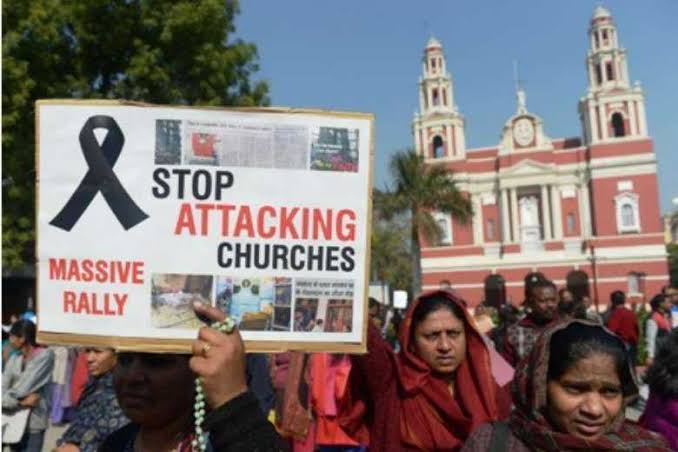
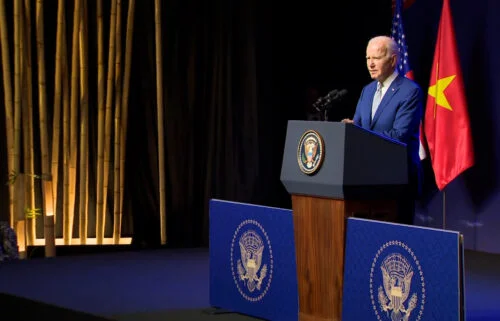
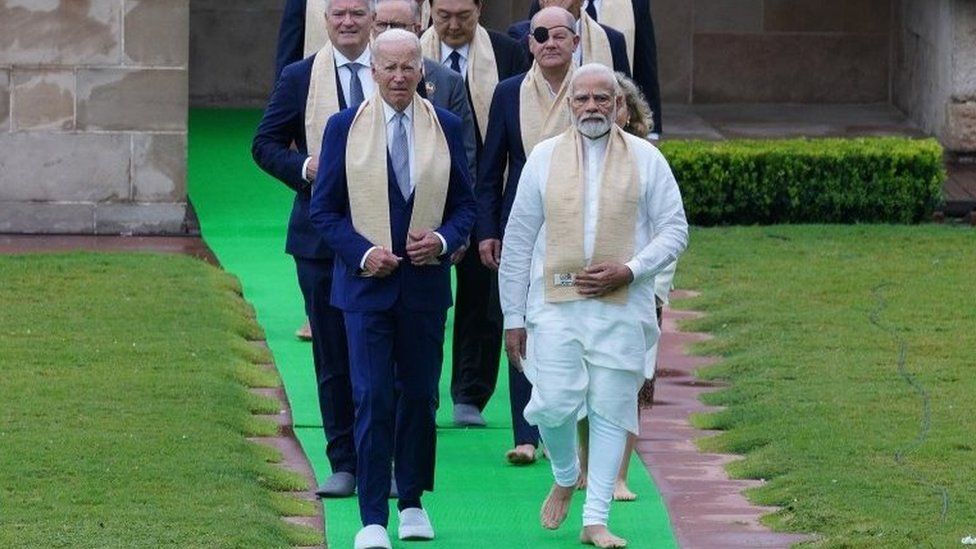
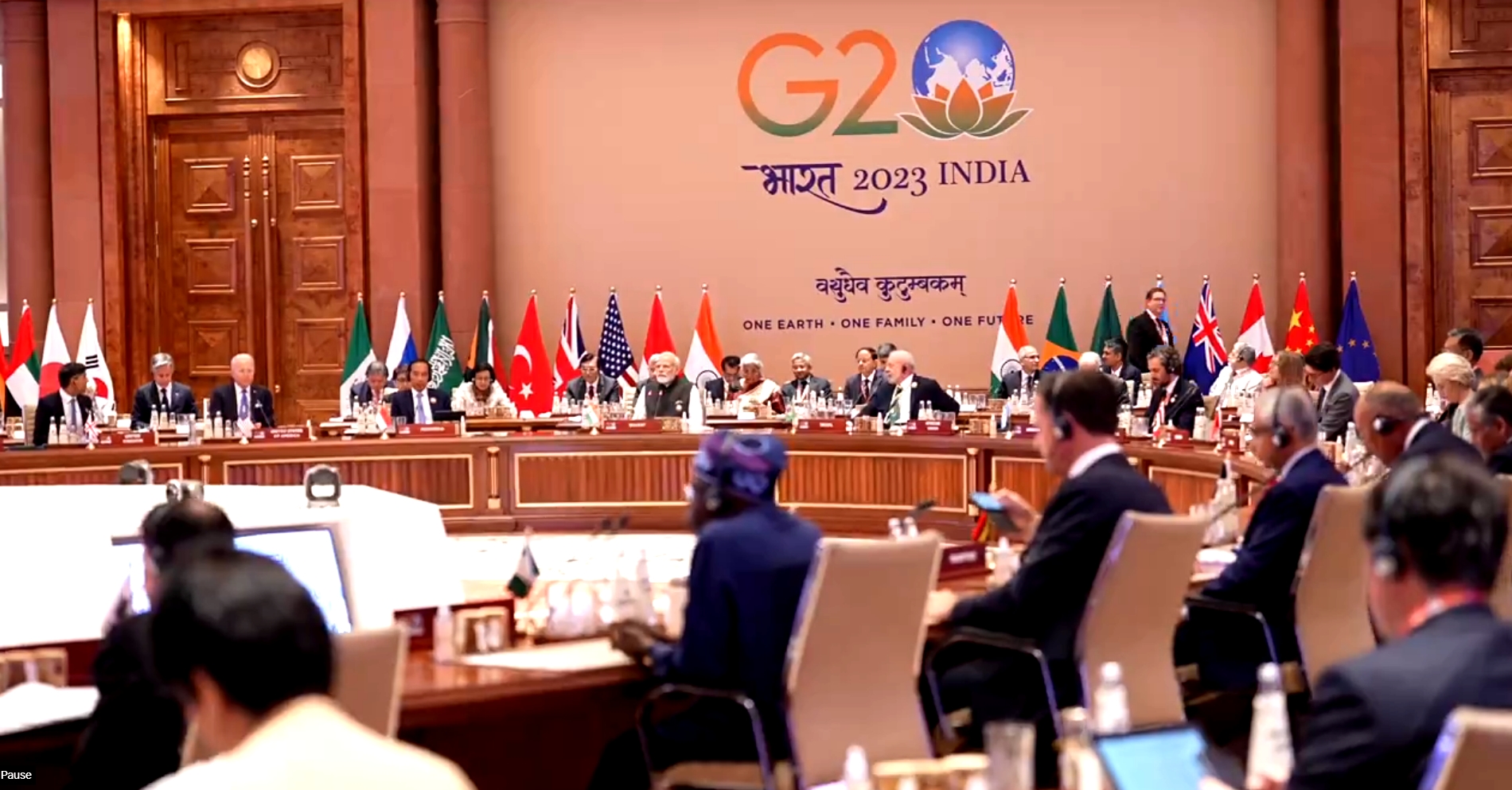
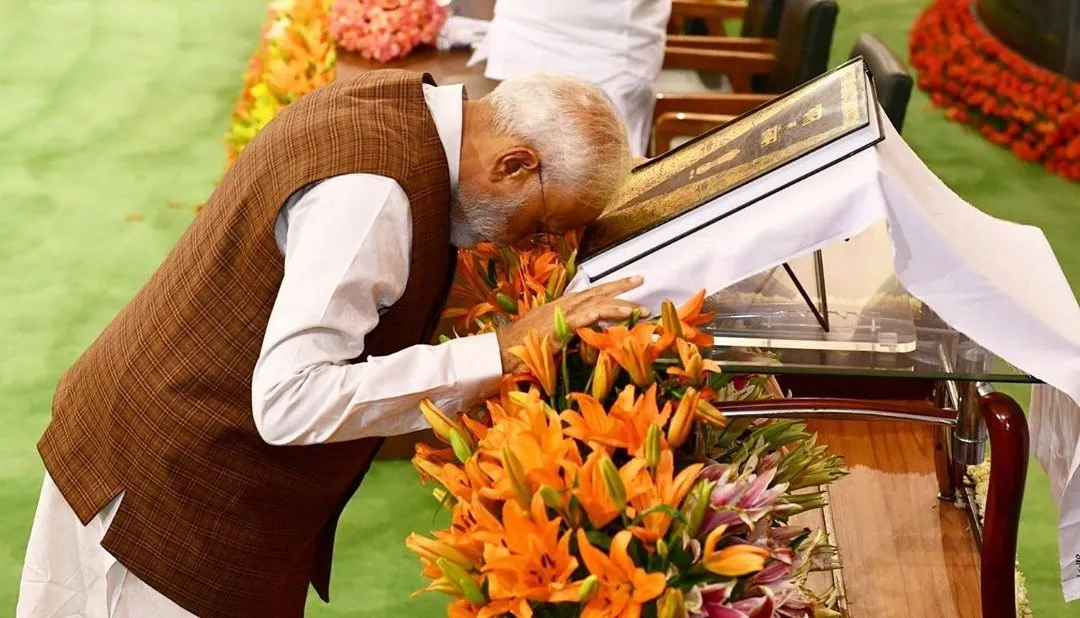
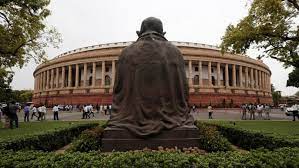
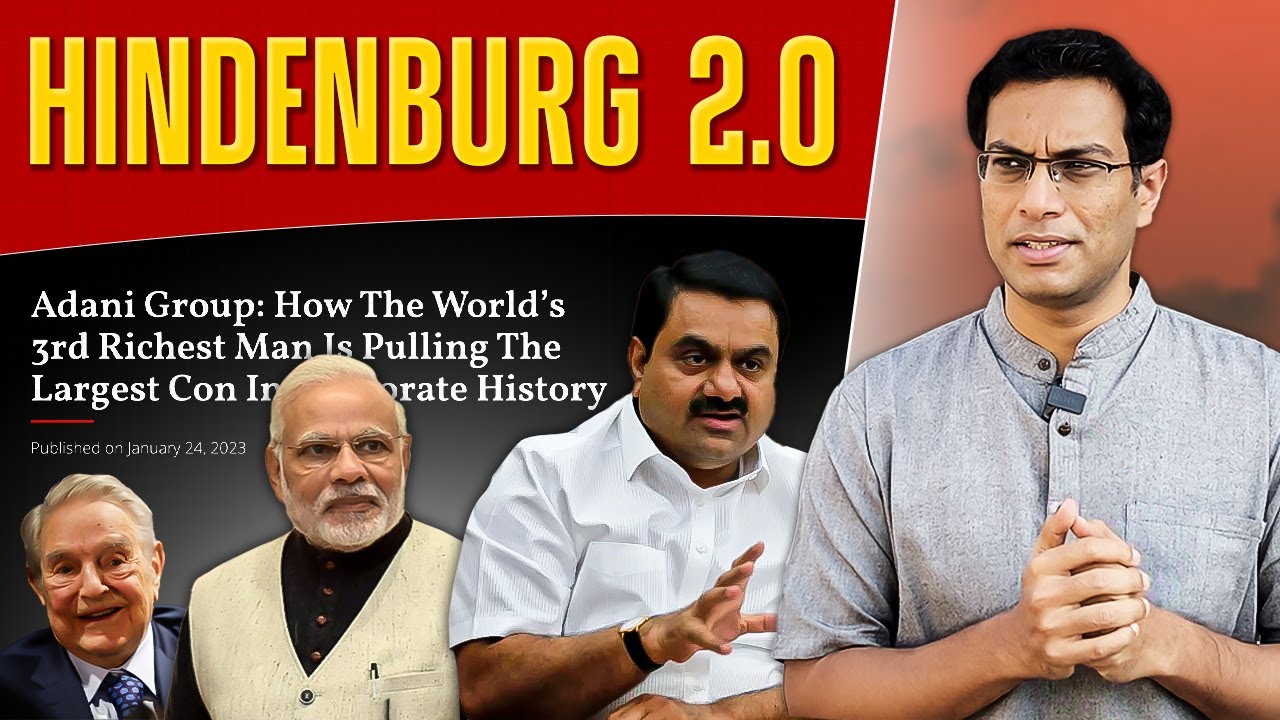
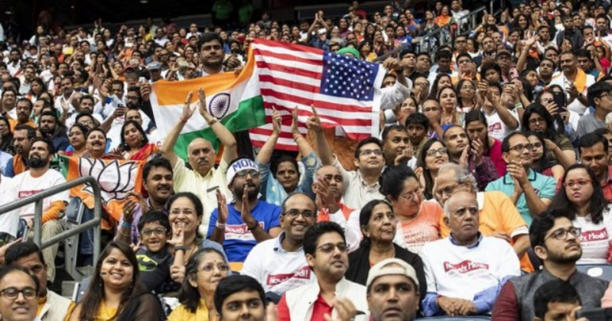
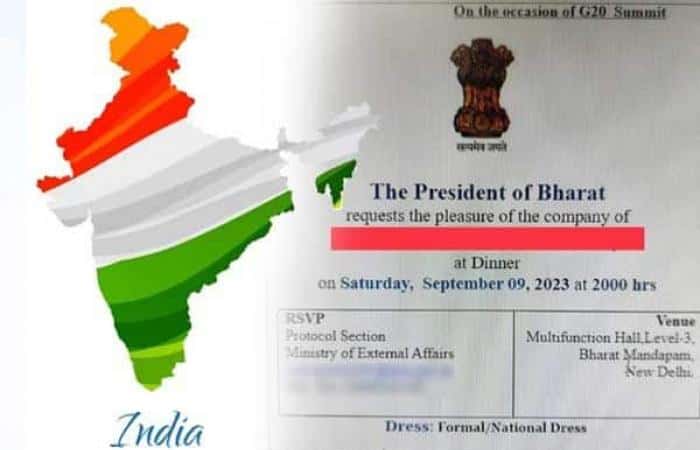
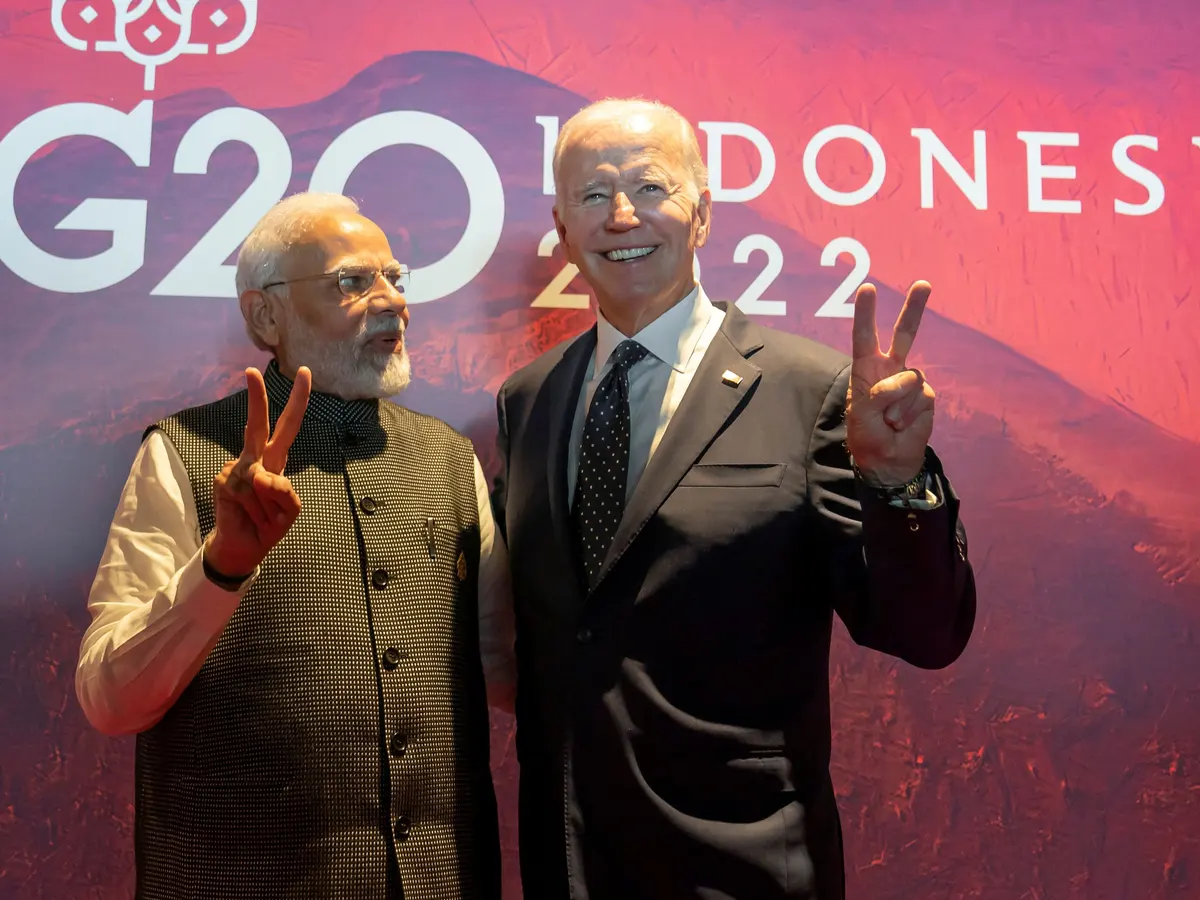
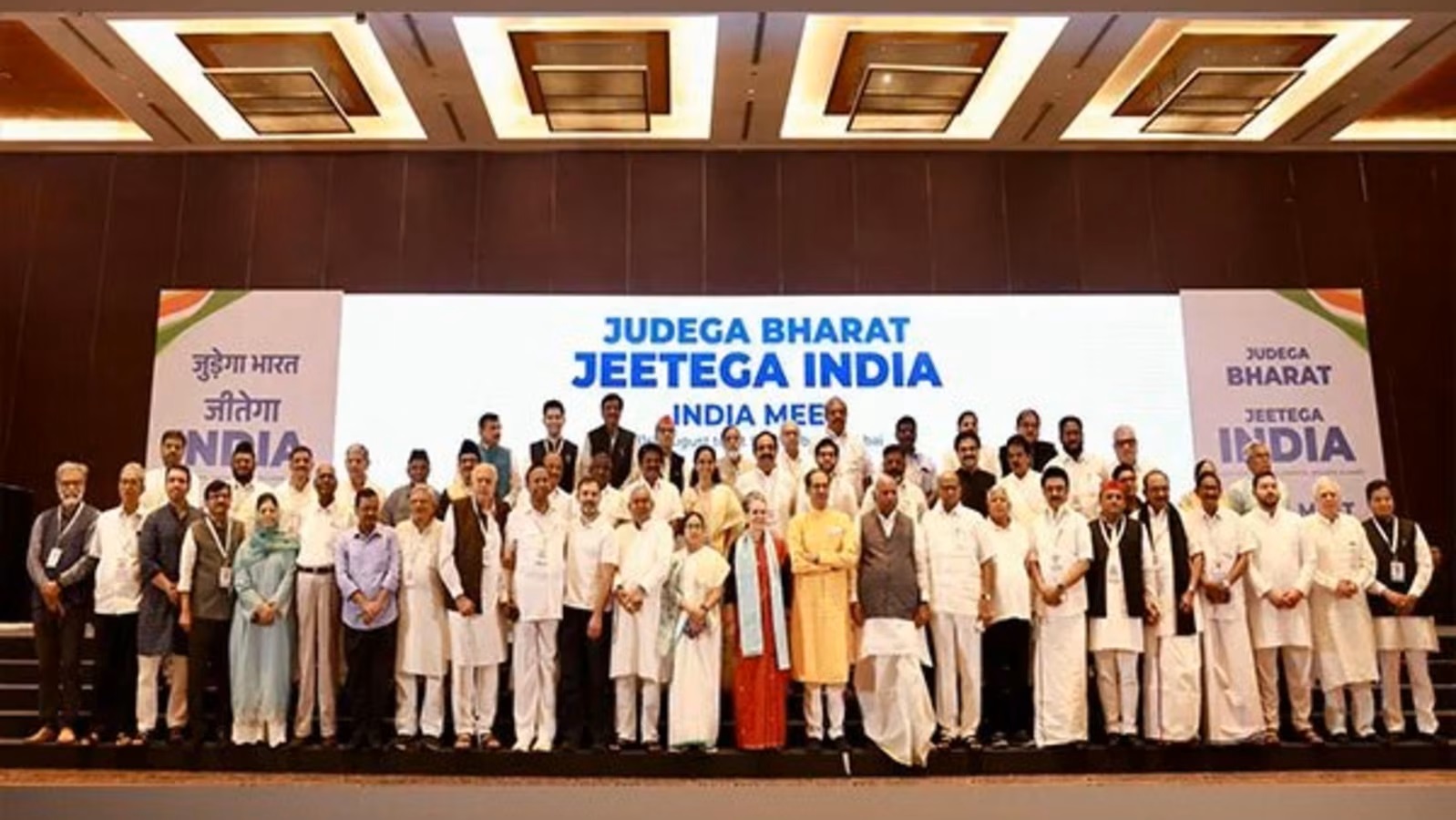
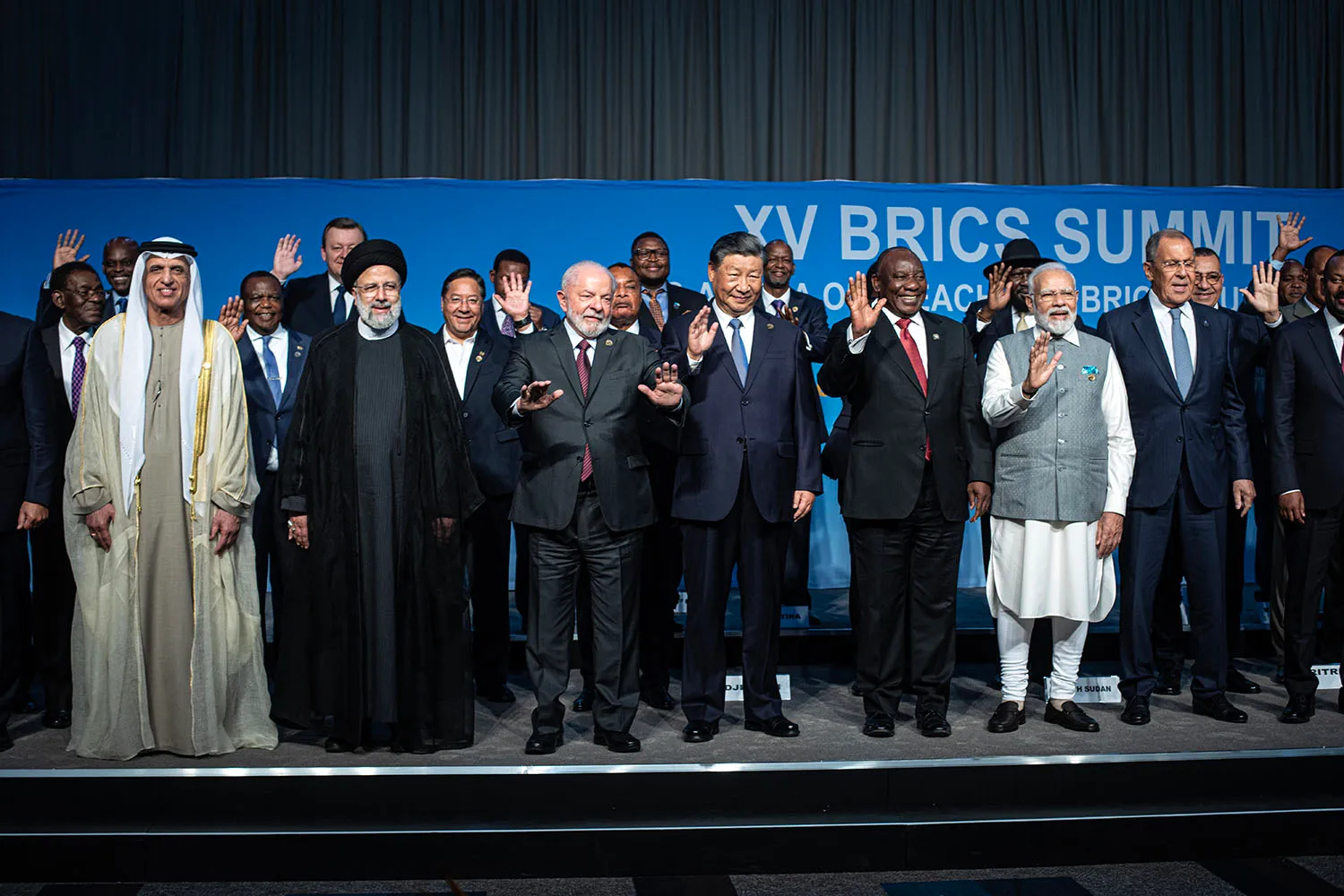
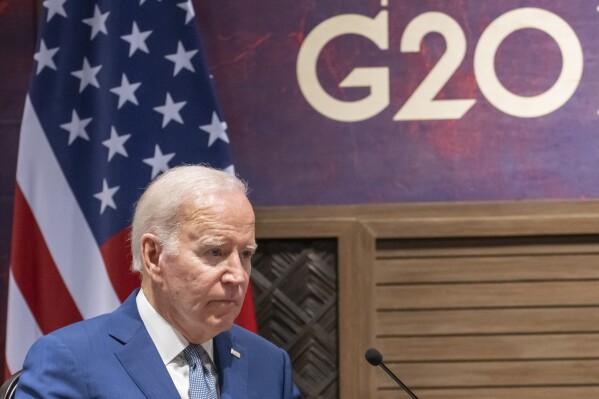
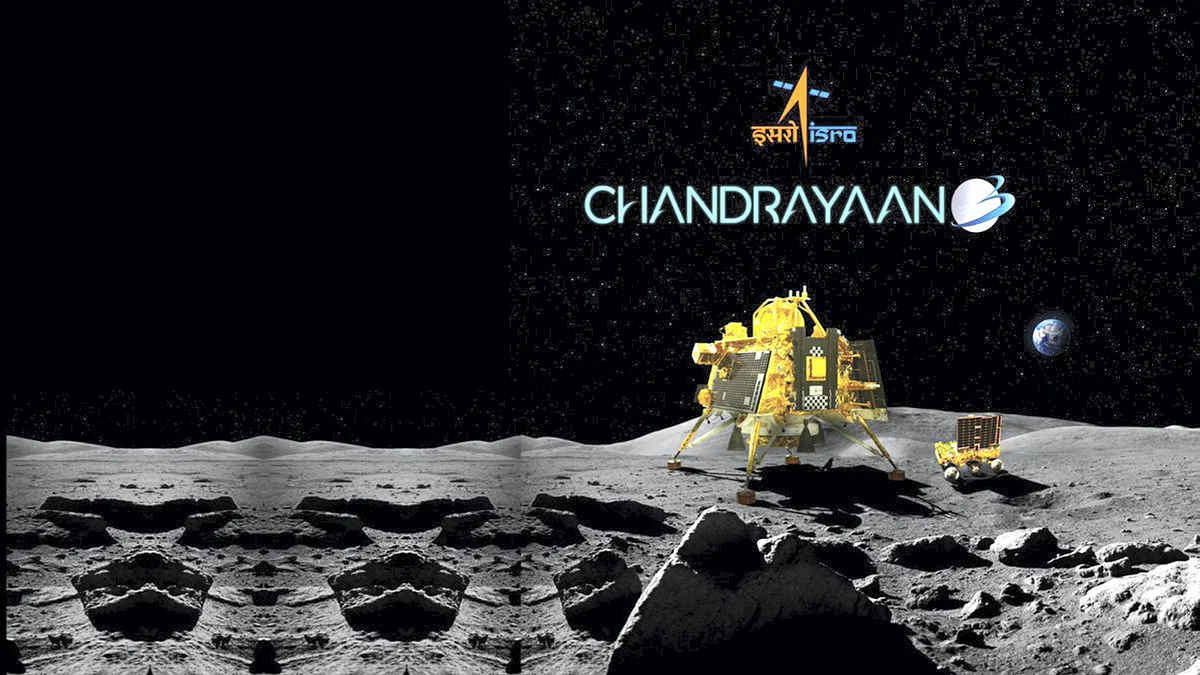
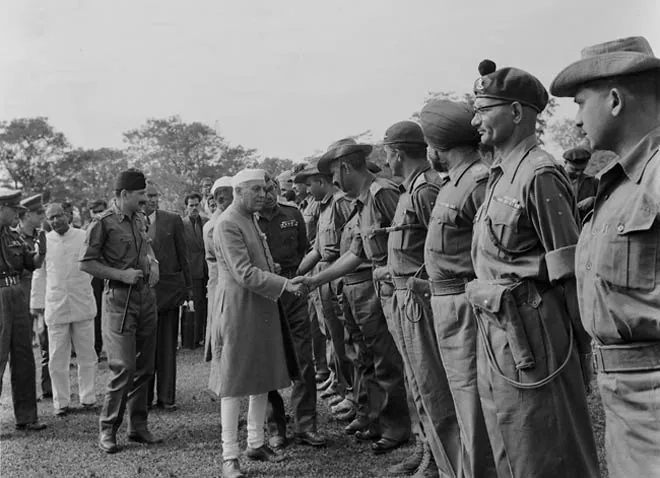
 “Leading From The Inside Out” was the theme for the Leadership Conference organized by AAPI, which was attended by dozens of AAPI members form across the nation. Experts from Brahma Kumaris and Point of Life Foundation presented insightful workshops for the members of AAPI. The workshop is intended to provide healthcare workers with practical self-care tools for health and wellness and help build a simple daily meditation practice.”
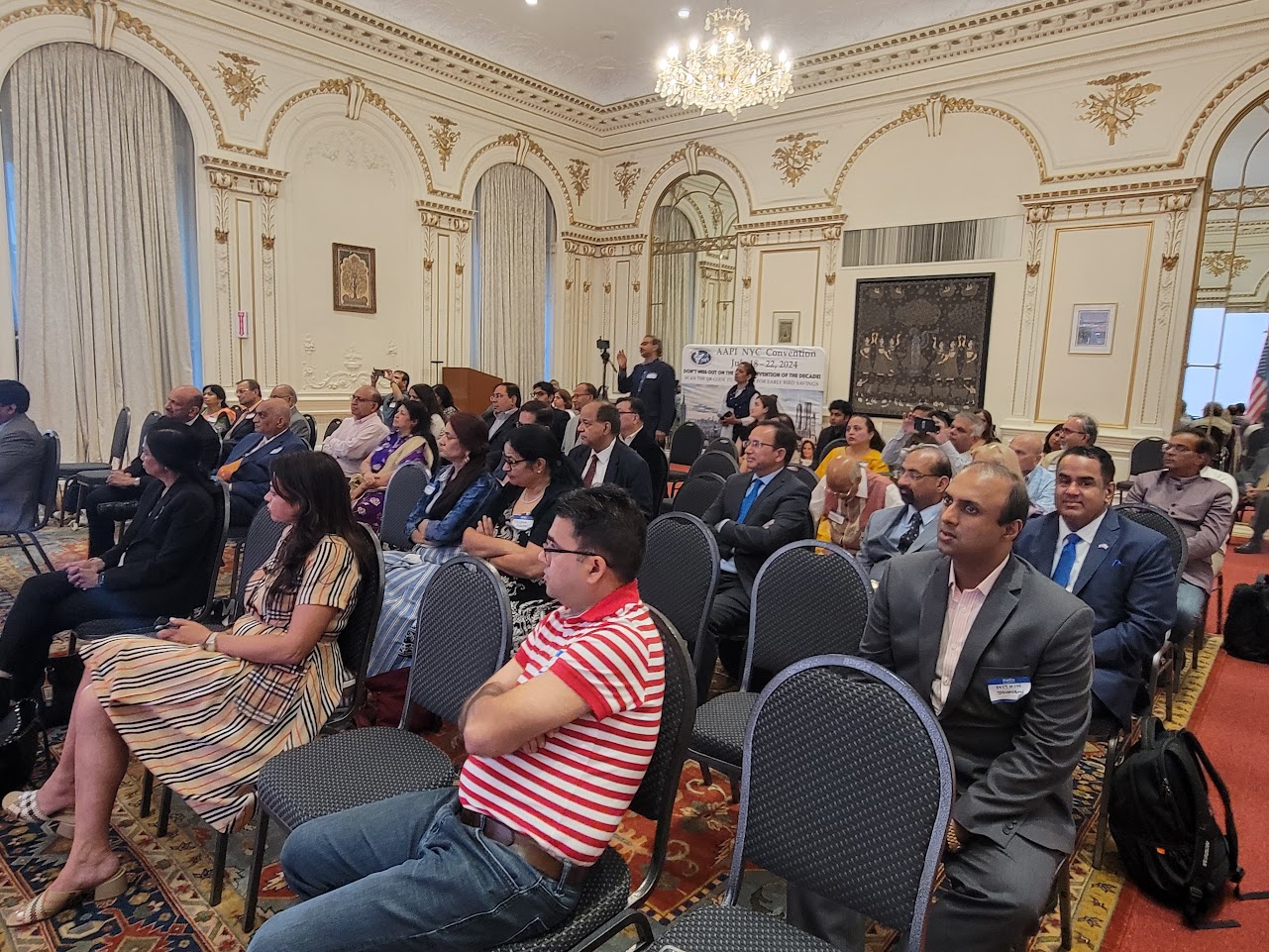 Indian American physicians. He highlighted the recent visit of Prime Minister Narendra Modi to Washington, DC and thanked AAPI members for coming out in large numbers to be part of the event. Calling the Indian American Physicians as the “real heroes” Ambassador Jaiswal said “You are the real heroes who have risked your lives and have been out to assist others. What is unique about AAPI is that you bring a global perspective to defeat the virus and serve the people. We are proud of your achievements, serving the people all across the United States.”
 Dr. Anupama Tiwari, a Professor of Pulmonary Critical Care at the Albany Medical School and a Raja Yoga advocate for holistic healing led the presentation along with along with Judy Rodgers, a consultant and media specialist, who is also the co-founder of the Center for Business as Agent of World at Case Western. Judy, the co-author of “Something Beyond Greatness,” spok about the three critical areas of Doing Leadership: Adaptability, Mindful Communication, and Self Mastery. She said, “Listening is an act of love and respect.”
 and life. Elaborating on self-care strategies, Anjali said, “Time is trying to tell us something. When I take care of myself I can give my best to others. The foundation of self-care is awareness of who I am. We have the dual Self Beauty and Beast. Beast is the acquired self, and we forget our true natural self, which is Beauty,” she said. “Start with one moment, one thought. Embrace the role entrusted to you. Embrace change. Embrace challenges. Nurture the seed of inner strength by spending few moments daily on meditation. Accept and appreciate each one plays in your role. Be there in the present moment.”
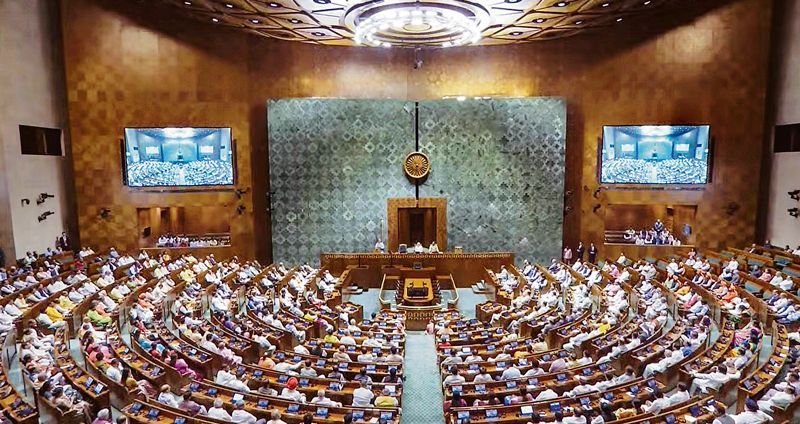
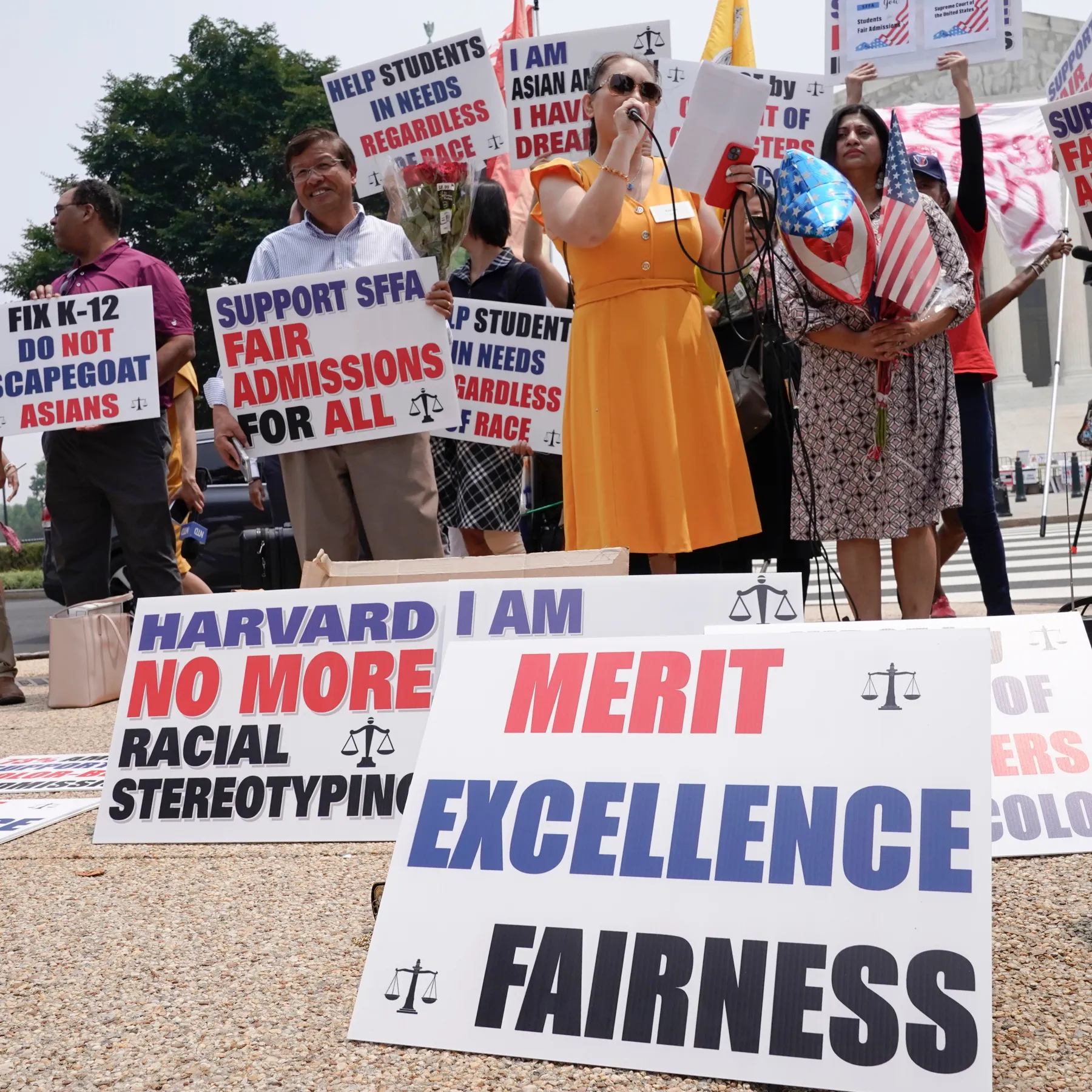
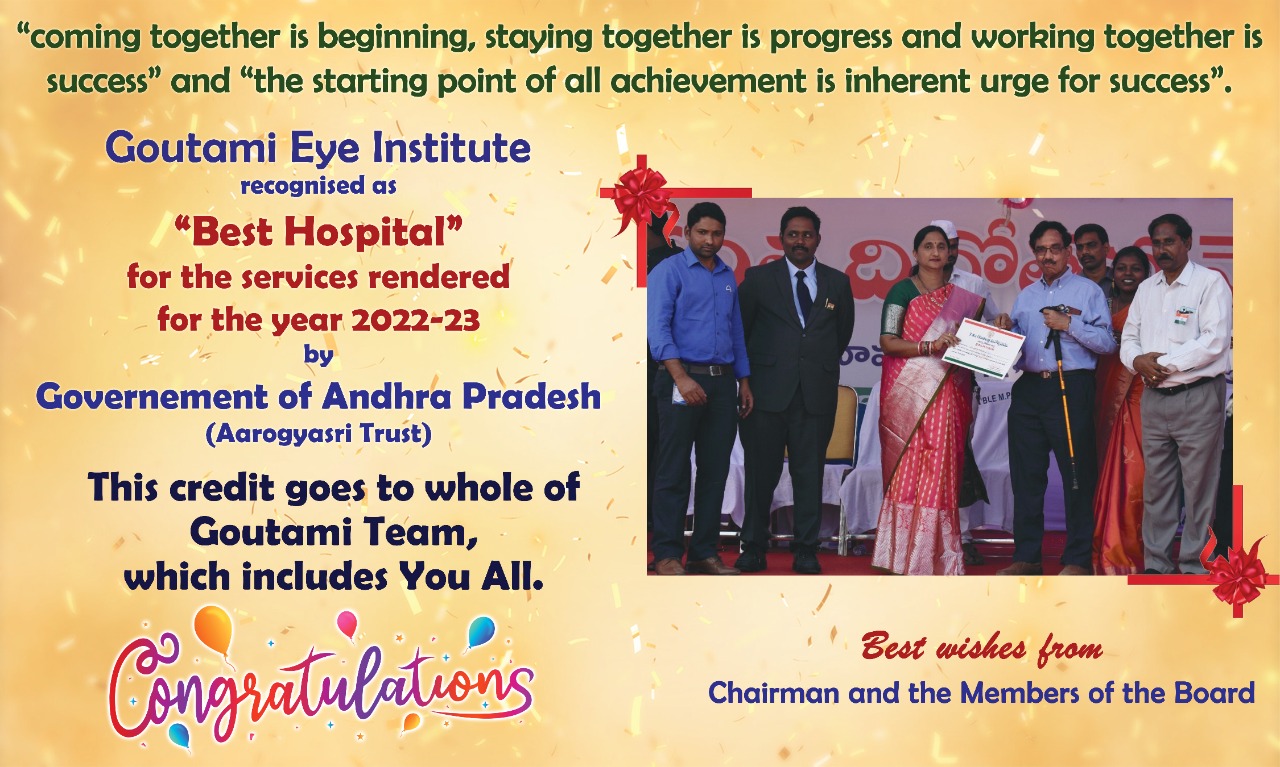 In 1977, Dr. Raju began traveling home to India to offer his services as an ophthalmologist to those who could not afford, or access, desperately needed eye care. Since 1979, the Eye Foundation of America has expanded its reach to over 25 countries, screened millions of patients, and provided hundreds of thousands of surgeries. As Dr. Raju points out, prevention is more beneficial than disease management, and lifestyle changes can be preventive. His organization’s programs, which aim at prevention through education and lifestyle modifications, include the 100,000 Lives (diabetes prevention) campaign in India and the WV Kids Farmer’s Market Program in West Virginia.
 complications typically strike during the prime of life and include the development of cataracts at an earlier age than normal, a two-fold increased risk of glaucoma, and small blood vessel damage (i.e., diabetic retinopathy). Retinopathy can cause blindness; however, early detection and treatment can prevent blindness in up to 90% of cases. The International Diabetes Foundation estimates that 20% of the diabetic world population resides in India, approximately 61.3 million diabetics.
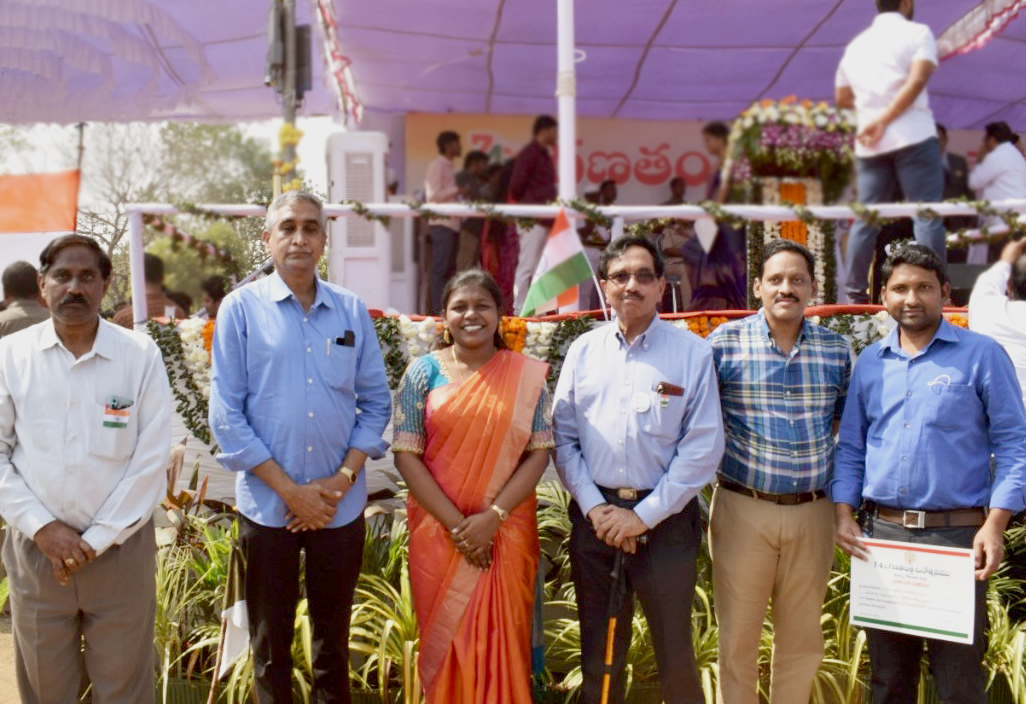 Dr. Raju has received numerous awards, including the AMA Foundation Nathan Davis Excellence in Medicine International Award, Four Time Awardee by The American Academy of Ophthalmology, Martin Luther King Jr Achievement Award from WVU, Distinguished Community Service Award from AAPI (American Association of Physicians from India), Pride of the Pride Award from Lions International District 29, Vaidya Ratna (conferred by Shankaracharya of Kanchi), Lifetime Achievement Award from the American Association of Ophthalmologists of Indian Origin, and the Lifetime Achievement Award from the WV State Medical Association. Dr. VK Raju was among the class of 2017 inductees into the University of Toledo Global Medical Missions Hall of Fame, the President’s Lifetime Achievement Award from President Barack Obama, and the Lifetime Achievement Award from the North America Telegu Society. Dr. Raju was awarded with the Excellence in Medicine Award by GOPIO – Virginia in 2021.
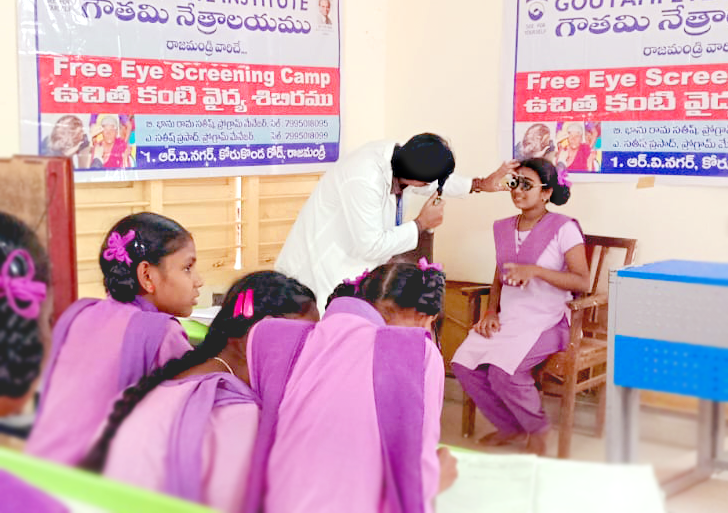 London, Dr. V.K. Raju traveled home to India on vacation, where a farmer asked him to examine his eyes. Dr. Raju complied, but without any instruments. In 1977, Dr. Raju returned to rural India with personnel and equipment, and offered his first eye camp near his hometown in 1977. This was the inception of the foundation’s work, beginning with the West Virginia Ophthalmology Foundation. The West Virginia Ophthalmology Foundation subsequently became the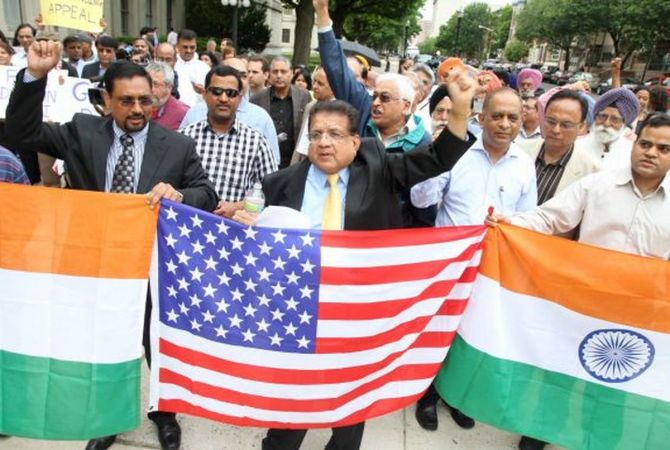
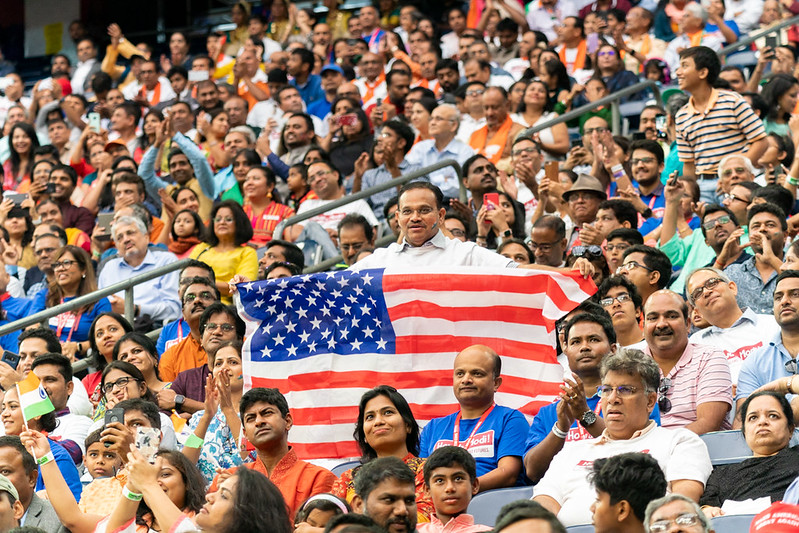
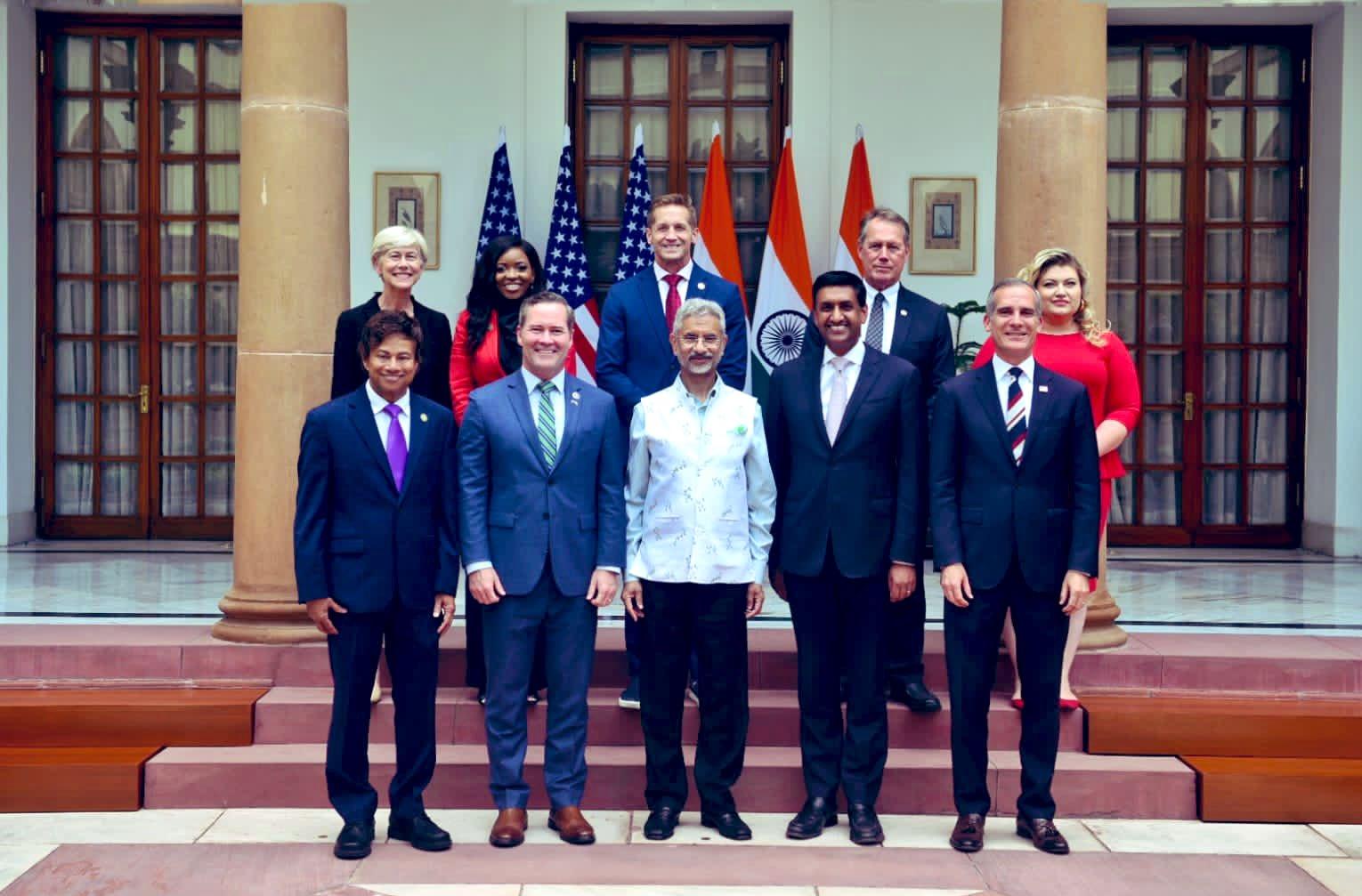

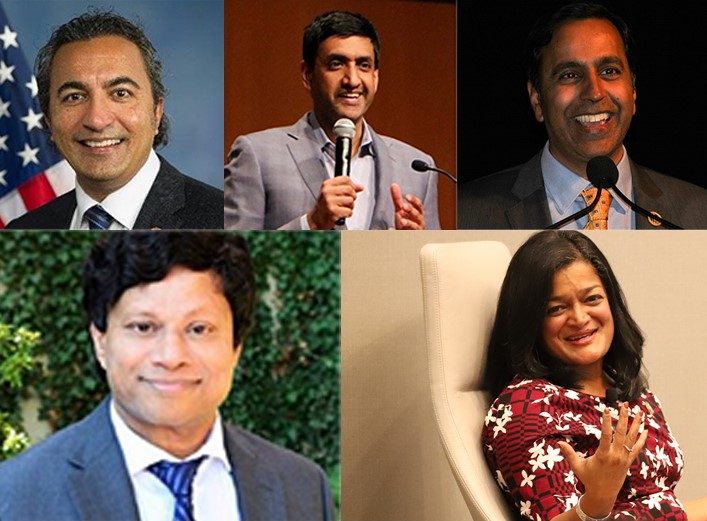
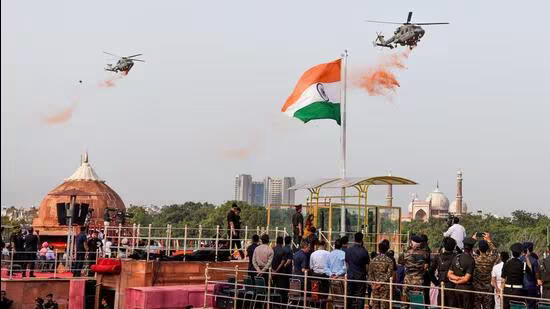
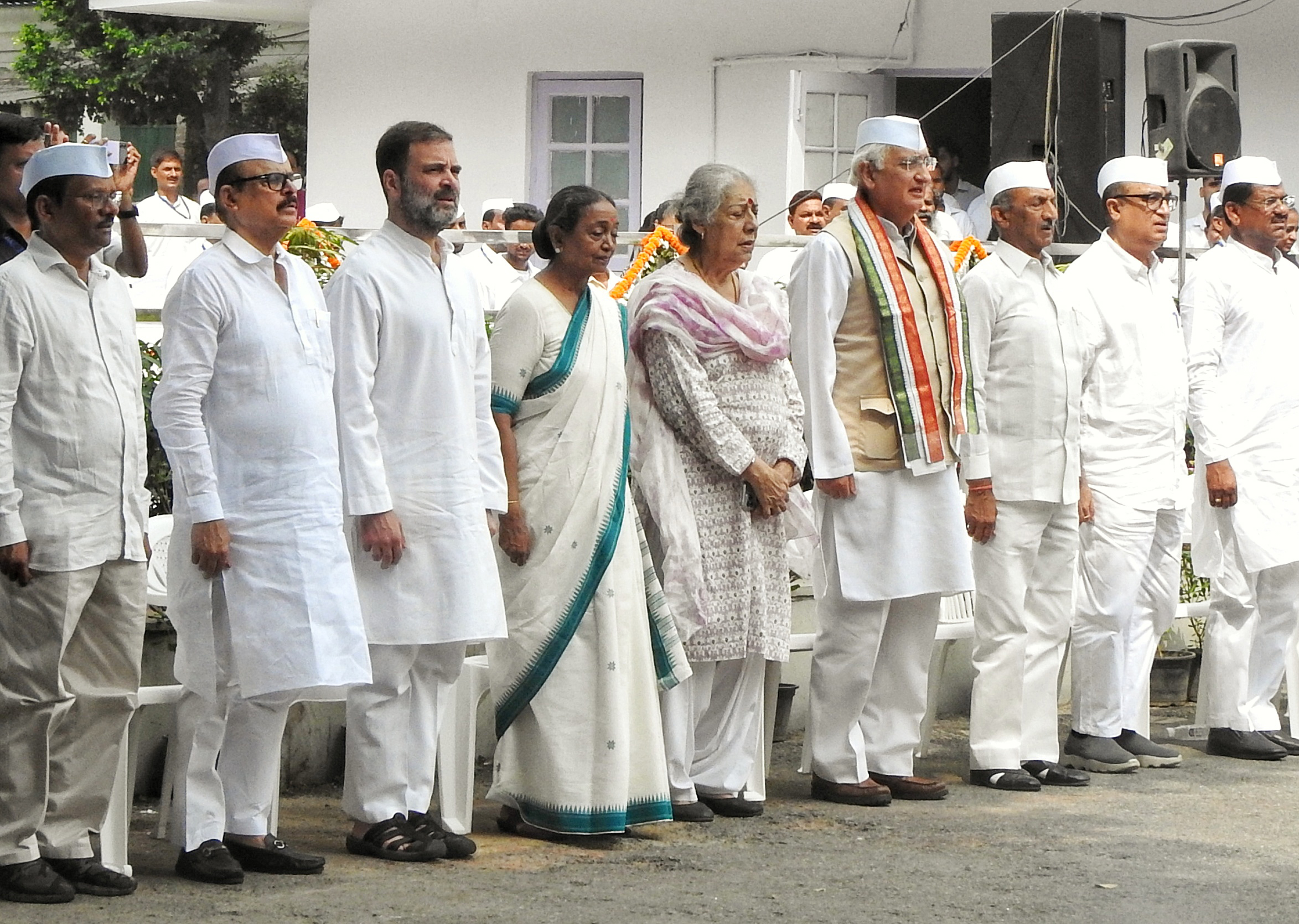

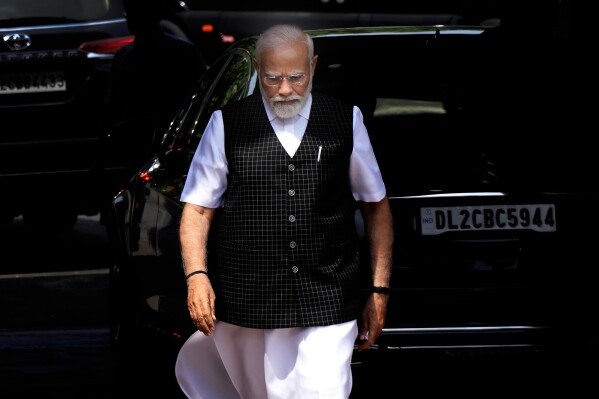
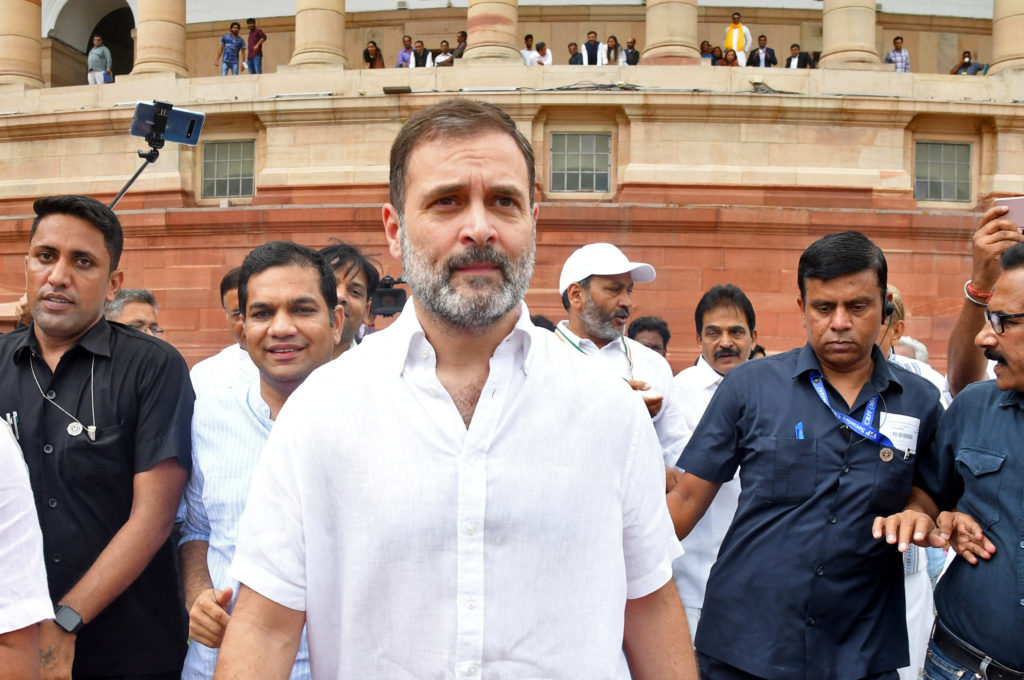
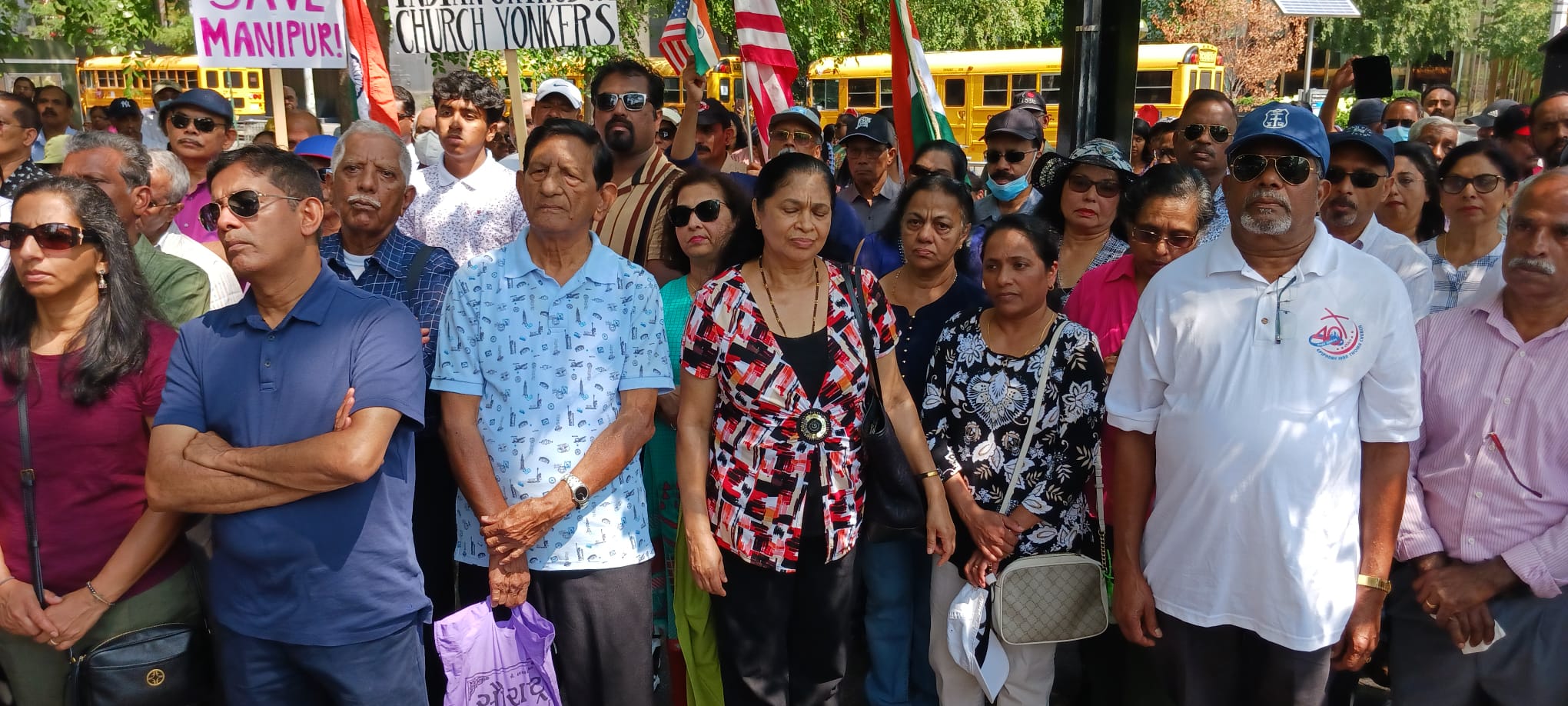
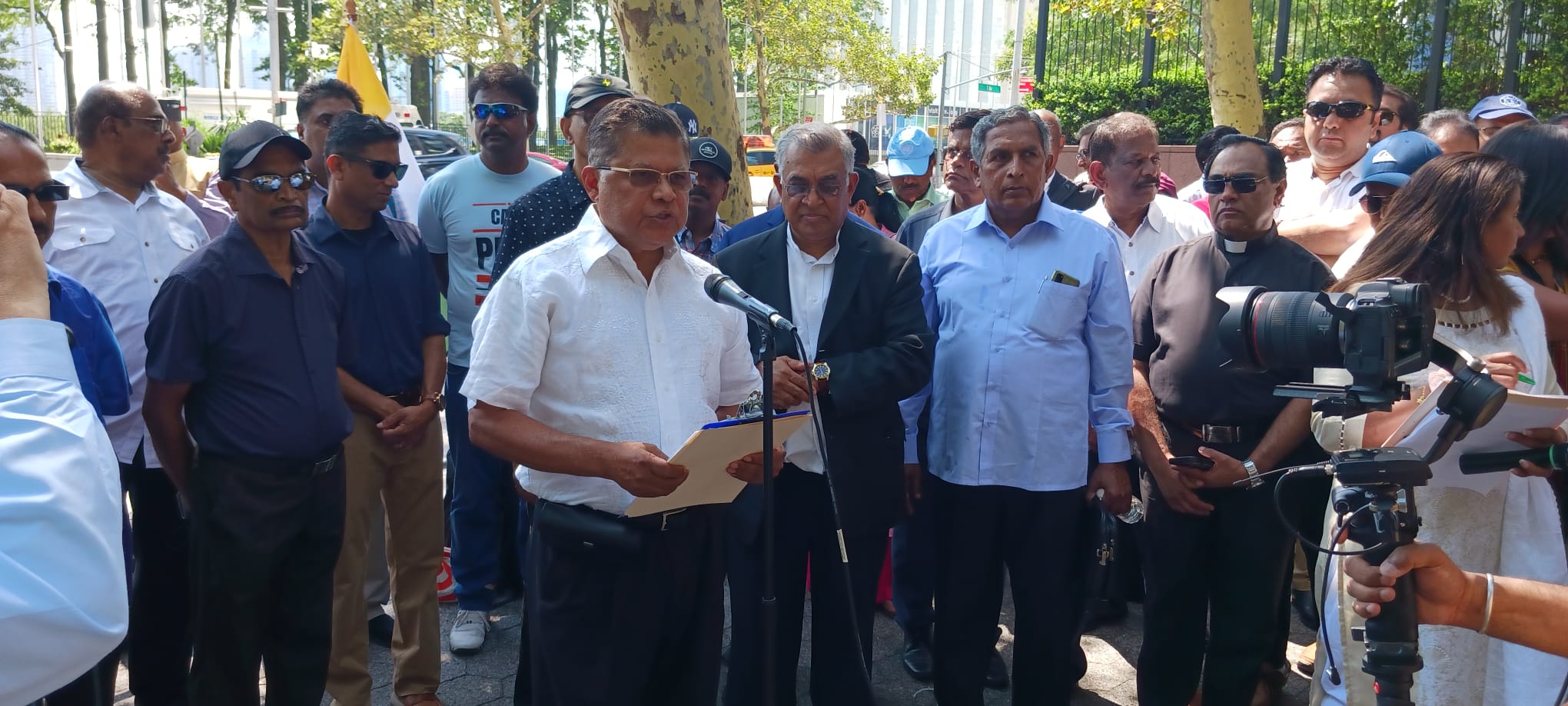
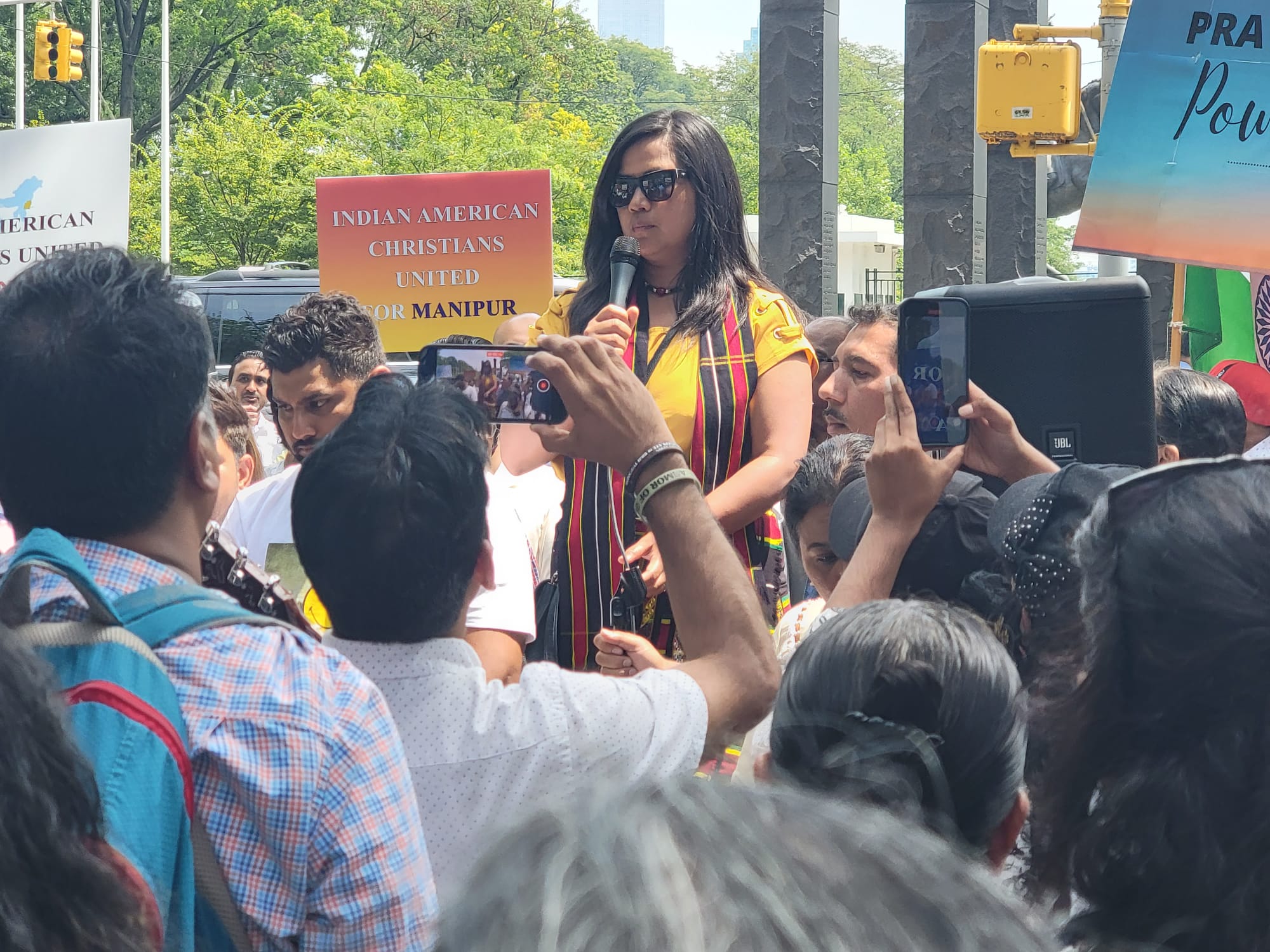
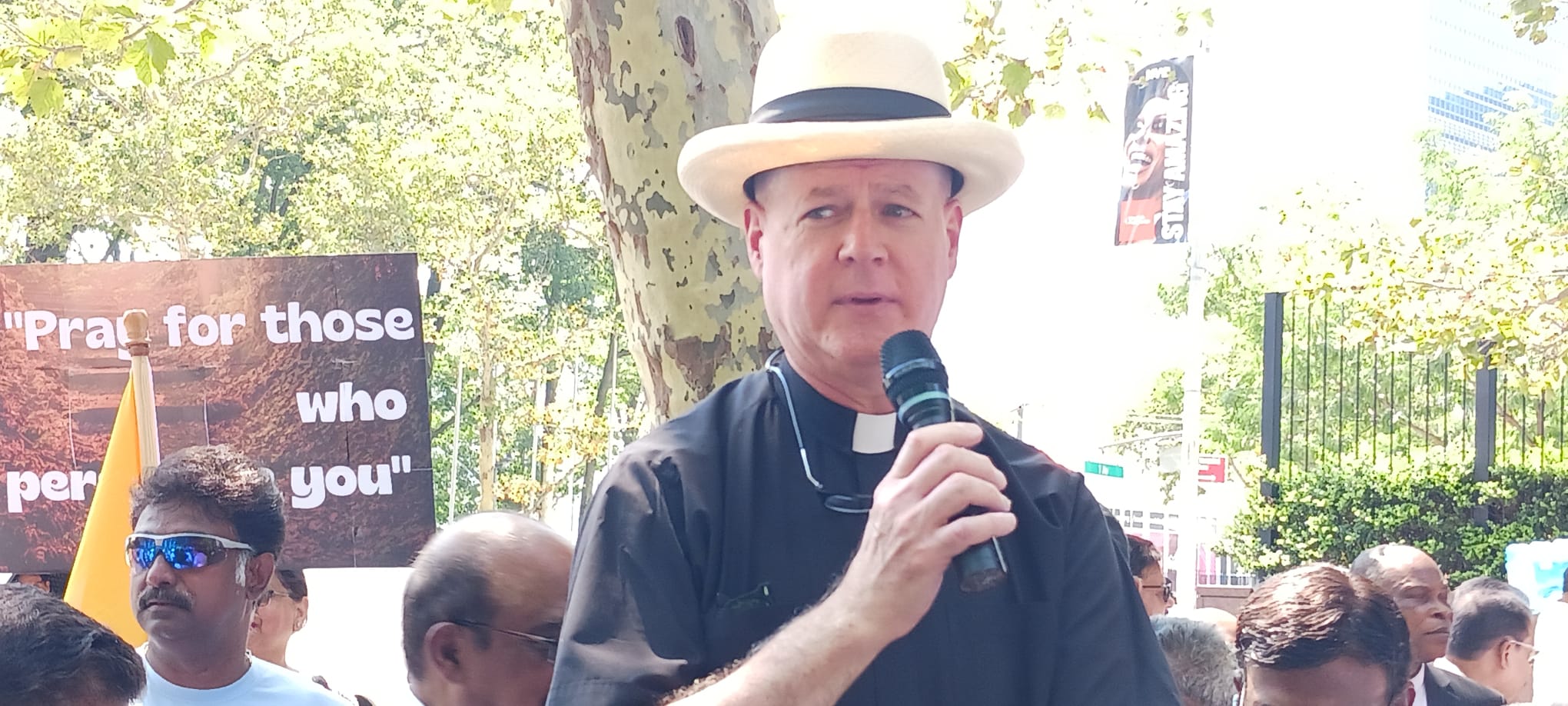
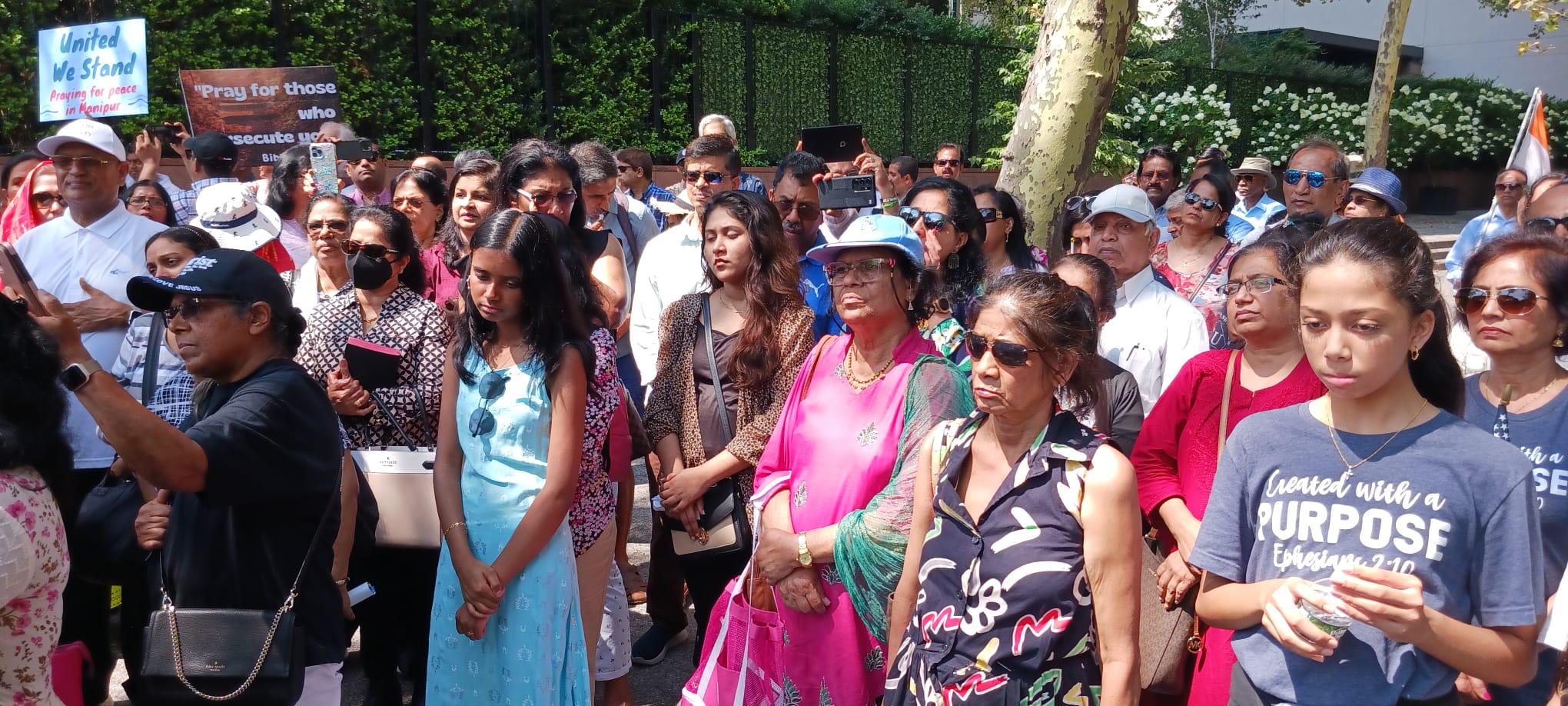
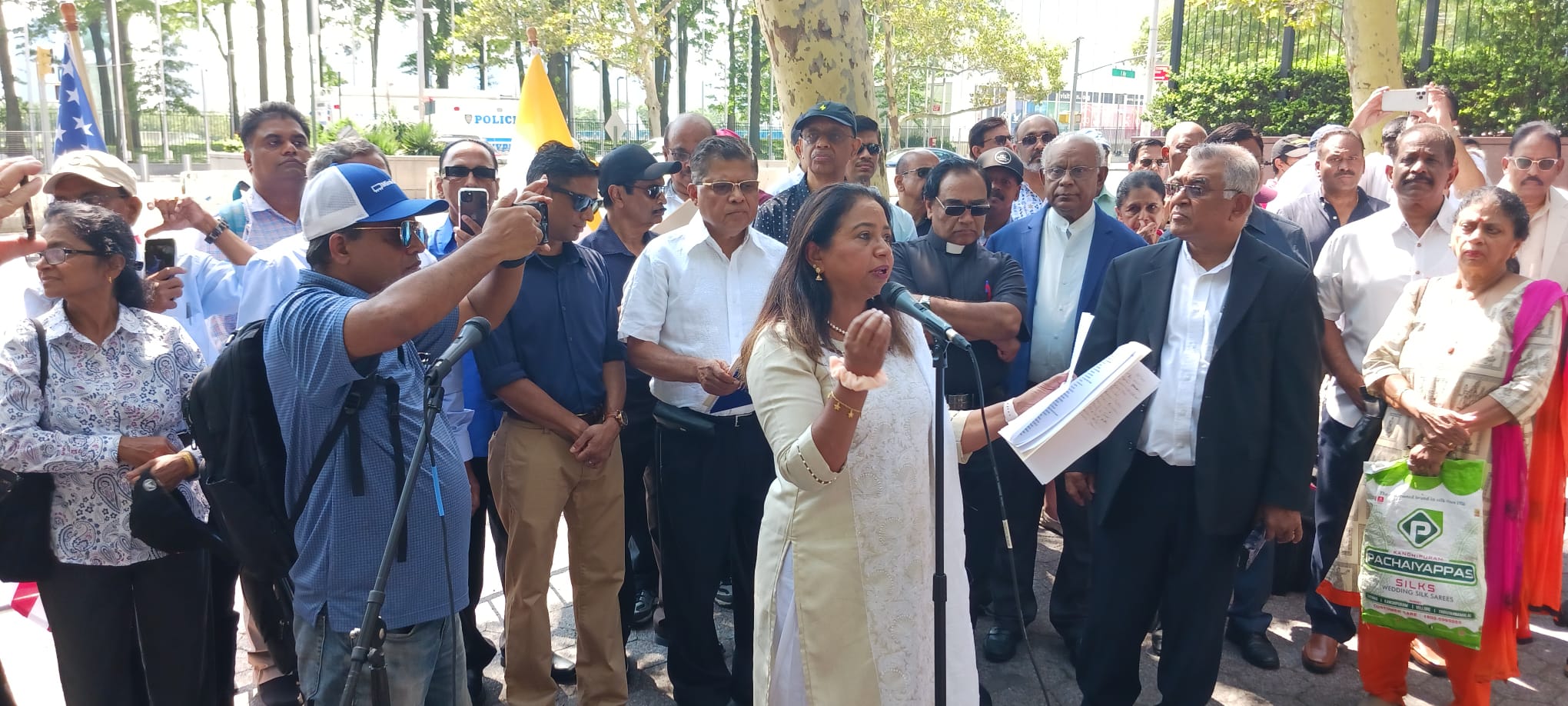
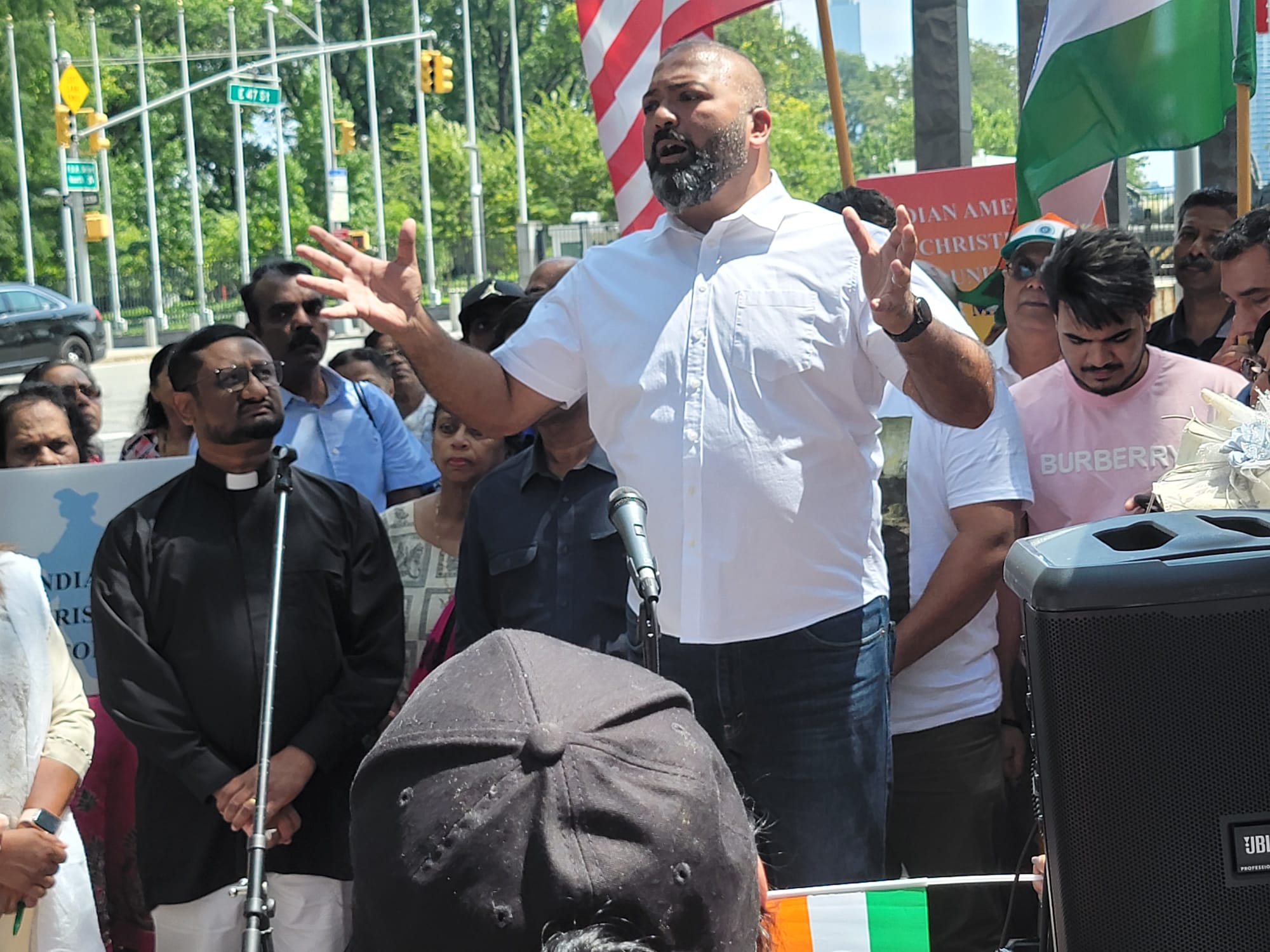
 The ongoing ethnic/religious violence in the northeastern Indian state of Manipur and the lack of adequate response from the state have been condemned by people and organizations around the world.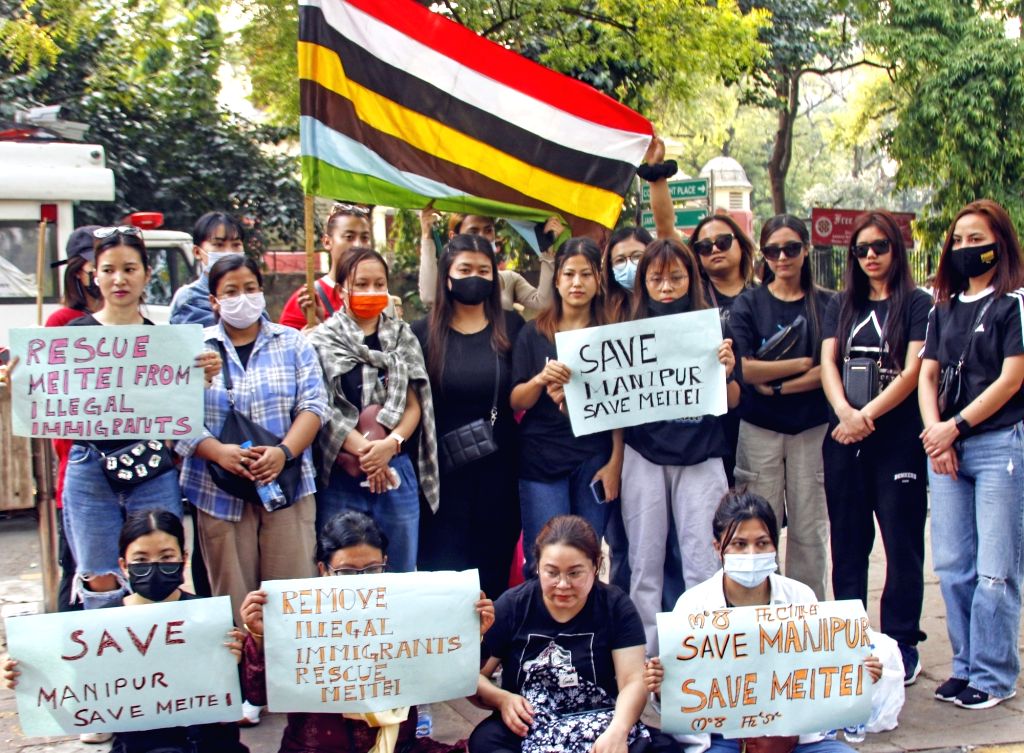
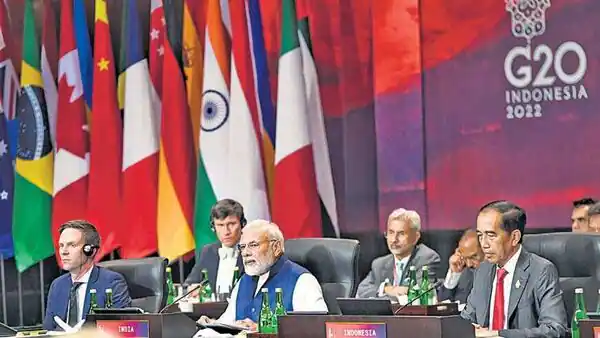
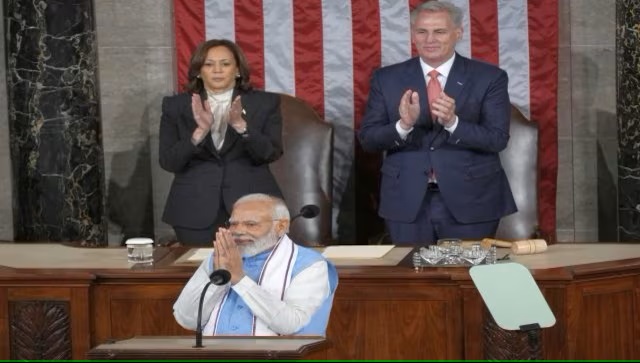
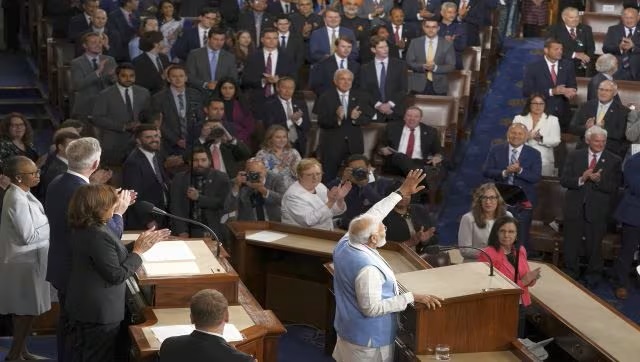
 With the term of Prime Minister Narendra Modi entering its 9th year, the effect of his government’s healthcare policies has been scrutinized, particularly analyzing its response to the pandemic that swept the globe. Covid exposed many weaknesses in healthcare systems worldwide, from manufacturing critical vaccines to a shortage of medical personnel, facilities, and equipment. India uncovered several areas that needed attention, but also plenty to celebrate. Although India has only been independent for 75 years, it has managed to build a significant infrastructure meant to care for its citizens, which quickly adapted to meet the demand for manufacturing and production in the face of the worldwide health crisis. During the nine years of the Modi government, several changes have been made in the healthcare sector that made this possible. Here are some of the highlights:
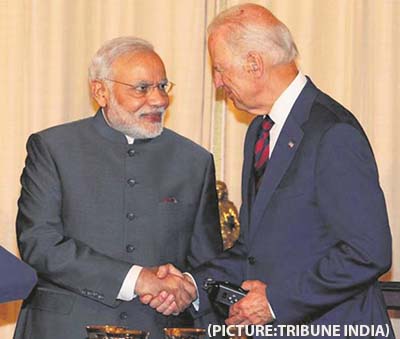 He added, “Modi and Biden will review the robust and multifaceted ties between the India and the US. They will also deliberate on ways to further enrich India-US global partnership.”


