Federal Judge Permits Texas AG to Challenge Harris County Bail Reforms

Texas Attorney General Ken Paxton has received court approval to challenge Harris County’s bail reforms, asserting that the policies compromise public safety.

Texas Attorney General Ken Paxton has secured a significant legal victory, as a federal judge has permitted him to intervene in a lawsuit concerning the 2019 Harris County misdemeanor bail reform consent decree.

In a statement released on Wednesday, Paxton emphasized the importance of a justice system that prioritizes the punishment of offenders and the protection of innocent citizens. He criticized what he described as the influence of “leftist judicial activists” and “liberal anti-prison organizations” that he claims have contributed to a less safe Texas by facilitating the release of criminals back onto the streets.

“I will do everything in my power to reverse this disastrous policy and uphold the law,” Paxton stated, underscoring his commitment to addressing the bail reform measures that he believes are detrimental to public safety.

The O’Donnell Consent Decree originated from a 2016 class-action lawsuit that contended Harris County’s previous bail practices were unconstitutional. The lawsuit argued that individuals charged with misdemeanors were being detained solely due to their inability to pay cash bail.

A judge approved the consent decree in 2019, which effectively eliminated most cash bail for misdemeanor offenses. It mandated the release of individuals on unsecured bonds and established an independent monitor to ensure compliance with the new regulations.

With the recent ruling, Paxton’s office is now positioned to seek the termination of the consent decree. They argue that the decree not only contravenes Texas law but also poses a threat to public safety.

According to Paxton’s office, the consent decree has allowed “radical judges” to release criminals more easily into Harris County communities. They further contend that liberal activists have attempted to broaden the decree’s application, despite existing state laws that enforce stricter bail standards.

“General Paxton seeks to vacate the decree and ensure that the rights of Harris County citizens are represented in court,” the statement from his office concluded.

This legal battle highlights the ongoing tensions surrounding bail reform in Texas, as advocates for reform argue for a more equitable system, while opponents like Paxton assert that such reforms compromise public safety.

As the case progresses, it will likely draw attention from various stakeholders, including law enforcement, civil rights advocates, and the general public, all of whom are invested in the implications of bail reform on community safety and justice.

Source: Original article

Britain Warns of Russian Spy Ship Near UK Waters

The U.K. is closely monitoring the Russian spy ship Yantar, reaffirming its commitment to counter potential threats in British waters.

The United Kingdom has confirmed that it is actively shadowing the Russian spy vessel Yantar, which has recently approached the edge of U.K. waters. This operation involves allied forces, underscoring the U.K.’s readiness to counter any potential threats in the region.

British defense officials reported that the Yantar has been deployed to U.K. waters for the second time. Defense Secretary John Healey emphasized the ship’s purpose, stating, “This is a vessel designed for gathering intelligence and mapping our undersea cables.” During a recent news conference, he detailed the measures taken to monitor the vessel, including the deployment of a Royal Navy frigate and Royal Air Force planes. Healey noted that the Yantar had even directed lasers at British pilots during its operations.

In light of these developments, Healey issued a stern warning to Russian President Vladimir Putin, declaring, “We see you, we know what you’re doing and if the Yantar travels south this week, we are ready.” This statement reflects the U.K.’s commitment to maintaining vigilance in the face of potential threats.

The U.K. government is also taking steps to bolster its defense capabilities. Plans are underway to construct several factories dedicated to producing munitions and military explosives, with the first facility expected to break ground next year. This initiative comes amid growing concerns about national security and the need for a robust defense strategy.

Healey’s warning follows a report from the Commons Defence Committee, which highlighted that the U.K. currently lacks a comprehensive plan for defending both the homeland and overseas territories. The committee urged the government to launch a coordinated effort to inform the public about the level of threat the nation faces.

The Yantar is not merely a naval vessel; it is part of Moscow’s Main Directorate of Deep-Sea Research, known as GUGI. This organization primarily engages in surveillance during peacetime and conducts sabotage operations during conflicts. Healey reiterated the U.K.’s determination to track and deter the Yantar whenever it enters British waters, stating, “We are ready, and we do that alongside allies.”

As tensions continue to rise in the region, the U.K. remains committed to ensuring the safety and security of its waters, working closely with allies to monitor and respond to potential threats from Russian naval operations.

Source: Original article

Trump Advocates for Unified Federal Oversight of AI Regulation

Former President Donald Trump advocates for a unified federal standard for regulating artificial intelligence to prevent over-regulation by individual states.

Former President Donald Trump expressed concerns on Tuesday regarding the regulation of artificial intelligence (AI) in the United States. He emphasized the necessity for a single federal standard to govern AI, warning that a fragmented approach could stifle innovation.

“Overregulation by the States is threatening to undermine this Growth Engine,” Trump stated in a social media post. He urged the need for a cohesive federal framework rather than a “patchwork of 50 State Regulatory Regimes.”

The current regulatory landscape in the United States has been characterized by a cautious, sector-focused approach aimed at balancing innovation with risk management. Various federal agencies, including the Federal Trade Commission (FTC) and the National Institute of Standards and Technology (NIST), have issued guidelines to promote transparency, safety, and non-discrimination in AI systems.

In contrast to the European Union, which has implemented a comprehensive AI regulatory framework through the EU AI Act, the U.S. lacks a sweeping federal law governing AI as of 2025. While the White House Office of Science and Technology Policy (OSTP) has released guidance on ethical AI and risk assessment, these standards are not universally enforced across all sectors.

Congress has held hearings to address the risks associated with AI technologies, such as deepfakes, bias, and autonomous systems. However, no significant federal legislation regarding liability or safety has been enacted thus far. Consequently, the U.S. regulatory approach heavily relies on state-level regulations and public-private partnerships to ensure AI safety and transparency.

The collaboration between federal agencies, private industry, and academic institutions is a cornerstone of the U.S. approach to AI regulation. This strategy aims to foster innovation while addressing the risks associated with advanced technologies. States like California have taken the lead in implementing regulations that mandate transparency in AI models, safety incident reporting, and protections for whistleblowers.

Despite these advancements at the state level, the timeline and scope of future federal legislation remain uncertain. Ongoing debates focus on whether to introduce mandatory federal standards or liability frameworks for AI technologies.

In his recent social media post, Trump called on lawmakers to consider incorporating the federal standard into a separate bill or including it in the National Defense Authorization Act (NDAA), a key piece of defense policy legislation.

As AI technologies become increasingly integrated into daily life, the demand for clear and consistent regulatory frameworks is more critical than ever. Ensuring that AI systems operate safely, transparently, and without bias is essential for maintaining public trust, particularly in high-stakes sectors such as healthcare, finance, and national security.

State-level innovations, including mandatory reporting of AI-related safety incidents and whistleblower protections, serve as practical examples of how effective oversight can be achieved without hindering innovation.

However, the ongoing discussions surrounding a unified federal AI standard underscore the tension between the need for uniformity and the desire for flexibility. While a national framework could simplify compliance and reduce conflicting regulations across states, the specifics of such legislation and its potential impact on innovation remain unclear.

As the regulatory landscape continues to evolve, the balance between technological leadership and public safety will be crucial in guiding the responsible deployment of AI technologies.

Source: Original article

Trump Criticizes ABC Reporter and Network License During White House Exchange

President Donald Trump criticized ABC News correspondent Mary Bruce during a White House exchange, calling her a “terrible reporter” and questioning the network’s broadcast license.

President Donald Trump took aim at ABC News correspondent Mary Bruce on Tuesday, labeling her a “terrible reporter” during a contentious exchange at the White House. His comments came in response to Bruce’s probing questions regarding the appropriateness of the president’s family engaging in business dealings in Saudi Arabia while he remains in office.

Bruce, who serves as ABC’s chief White House correspondent, was one of the select reporters permitted into the Oval Office for a meeting between Trump and Saudi Crown Prince Mohammed bin Salman. During the session, she confronted the crown prince about U.S. intelligence assessments that implicated him in the 2018 murder of journalist Jamal Khashoggi, a Saudi national and Virginia resident known for his critical stance toward the Saudi government.

“Your Royal Highness, the U.S. intelligence concluded that you orchestrated the brutal murder of a journalist. 9/11 families are furious that you are here in the Oval Office. Why should Americans trust you? And the same to you, Mr. President,” Bruce asked, directing her questions to both leaders.

As Bruce continued to press for answers, Trump interjected, asking which outlet she represented before dismissing ABC as “fake news.” He defended his family’s business ties in Saudi Arabia and downplayed the intelligence community’s conclusions regarding the crown prince’s involvement in Khashoggi’s death, stating that “a lot of people didn’t like” Khashoggi.

In response to Bruce’s inquiries, Prince Mohammed admitted that Khashoggi’s killing was a painful incident and described it as “a huge mistake.” However, Trump’s frustration with Bruce escalated as she continued to challenge him. After her third question, which focused on why the White House was waiting for Congress to act before releasing information related to convicted sex offender Jeffrey Epstein’s correspondence, Trump expressed his discontent.

“It’s not the question that I mind,” Trump stated. “It’s your attitude. I think you are a terrible reporter. It’s the way you ask these questions.”

After briefly addressing the Epstein question, Trump returned to his criticism of Bruce, claiming that “people are wise to your hoax.” He further suggested that ABC’s broadcast license should be reconsidered, asserting, “I think the license should be taken away from ABC because your news is so fake and it’s so wrong.”

Trump referenced FCC Chairman Brendan Carr, whose agency is responsible for overseeing licensing for local broadcast stations, implying that the chairman should investigate the network’s credibility. He added, “When you’re 97% negative to Trump, and then Trump wins the election in a landslide, that means, obviously, your news is not credible. And you’re not credible as a reporter.”

ABC News did not respond to Trump’s remarks on that day. In contrast, Bloomberg News reacted after Trump referred to one of its reporters, Catherine Lucey, as “piggy” during a recent question-and-answer session aboard Air Force One. Reuters also shared a video clip of Trump calling Lucey “quiet piggy” on its Instagram account.

As the exchange between Trump and Bruce unfolded, it underscored the ongoing tensions between the president and the media, particularly regarding the coverage of his administration and its dealings with foreign leaders.

Source: Original article

Inclusivity Highlighted at Bengaluru Skill Summit 2025 for Indian Professionals

The Bengaluru Skill Summit 2025 highlighted the critical need for inclusivity in skill development, emphasizing that it should be integral to organizational systems rather than a mere checkbox exercise.

The Bengaluru Skill Summit 2025, held from November 4 to 6 at the Lalit Ashok, brought together key figures from various sectors to discuss the importance of inclusivity in skill development. Hosted by the Department of Skill Development, Entrepreneurship and Livelihood, the summit featured prominent ministers, entrepreneurs, and industry leaders.

During his keynote address, Dr. Sharanaprakash R. Patil, Karnataka’s minister for skill development, entrepreneurship, livelihood, and medical education, underscored the significance of inclusive skill development. “True progress is inclusive,” he stated, emphasizing the need for initiatives that reach rural youth, women, self-help groups, marginalized communities, persons with disabilities, and traditional artisans and craftsmen.

The following day, a panel discussion titled “Inclusive Skilling as the Next Growth Multiplier” featured experts including Dr. Gayathri Vasudevan, chief impact officer at the Sambhav Foundation; Giorgia A. Varisco, chief of YuWaah (Generation Unlimited India) at UNICEF India; Prateek Madhav, CEO and co-founder of AssisTech Foundation (ATF); and Veenu Jaichand, partner at EY. The panelists explored the dual nature of inclusivity as both a moral and economic imperative.

The discussion highlighted that increasing women’s participation in India’s workforce from 37% to 50% could significantly enhance economic growth. The panelists also addressed the exclusion of individuals with disabilities from formal employment sectors. “If we take a step to include people with disabilities, skill them, and give them an equal opportunity for employment, we are talking about a contribution of 5–7% of GDP as well,” Madhav noted.

Another panel, “Ecosystem Synergy — Driving Skills Innovation Through Collaboration,” focused on how partnerships among government, industry, academia, and social enterprises can advance skilling initiatives. Dr. Abhilasha Gaur, CEO of NASSCOM IT-ITeS SSC, spoke on the necessity of including women workers in efforts to future-proof the workforce. She also highlighted the importance of diversity, equity, and inclusion (DEI) initiatives.

The theme of inclusivity resurfaced during a subsequent panel discussion titled “Industry Voices: How Inclusion Matters for Business,” featuring Saraswathi Ramachandra, managing director of Lightcast India, and Dr. Padmini Ram, founding director of Urban Ethnographers. The panelists stressed that inclusivity should not be viewed as a checkbox exercise but rather as a fundamental aspect of organizational systems.

They argued that one-day workshops and token hiring measures are insufficient; instead, inclusion must be deeply embedded in workplace policies and culture to be effective.

The Bengaluru Skill Summit 2025 served as a vital platform for discussing the multifaceted benefits of inclusivity in skill development, reinforcing the idea that true progress requires comprehensive and sustained efforts.

Source: Original article

Google CEO Warns No Company Is Immune to AI Bubble

Sundar Pichai, CEO of Alphabet, warns that no company will be immune to the potential collapse of the AI boom, citing both excitement and irrationality in the current market.

Sundar Pichai, the CEO of Google-parent Alphabet, has stated that no company will remain unscathed if the current boom in artificial intelligence (AI) firms collapses. His comments come amid rising valuations and significant investments that have sparked concerns of a potential bubble in the market.

In an interview with the BBC, Pichai described the ongoing wave of AI investment as an “extraordinary moment.” However, he also pointed out the presence of “elements of irrationality” in the market, drawing parallels to the warnings of “irrational exuberance” that characterized the dotcom era.

“We can look back at the internet right now. There was clearly a lot of excess investment, but none of us would question whether the internet was profound,” Pichai noted. “I expect AI to be the same. So I think it’s both rational and there are elements of irrationality through a moment like this.”

Pichai emphasized that no company, including Google, would be immune to the risks associated with the AI market. Nevertheless, he expressed confidence in Alphabet’s unique position, citing the company’s ownership of a comprehensive “full stack” of technologies—from chips to YouTube data, models, and frontier science. This, he believes, will help the company navigate any potential turbulence in the AI sector.

During the interview, which took place at Google’s headquarters in California, Pichai also discussed Alphabet’s plans for AI development in the UK. He mentioned that the company will invest in “state of the art” research, particularly at its key AI unit, DeepMind, located in London. In September, Alphabet committed £5 billion (approximately $6.58 billion) over two years to enhance UK AI infrastructure and research, which includes establishing a new data center and further investment in DeepMind.

Pichai addressed various topics during the interview, including energy requirements, the slowing of climate targets, and the accuracy of AI models. He noted that Google plans to begin training AI models in Britain, a move that UK Prime Minister Keir Starmer hopes will help position the country as the world’s third AI “superpower,” following the United States and China.

He also warned about the “immense” energy demands associated with AI development, acknowledging that Alphabet’s net-zero targets would be delayed as the company scales up its computing power. While he recognized that the energy needs of its expanding AI operations would impact the pace of progress toward climate goals, he reiterated Alphabet’s commitment to achieving net zero by 2030 through investments in new energy technologies. “The rate at which we were hoping to make progress will be impacted,” he said.

Pichai characterized AI as “the most profound technology” humanity has worked on, stating that society will need to navigate the disruptions it brings while also recognizing the new opportunities it creates.

As discussions around the sustainability of AI valuations continue, broader markets in the U.S. have already felt the effects of inflated AI valuations. British policymakers have also raised concerns about the risks of a bubble in the AI sector.

Other executives have echoed Pichai’s concerns regarding the AI bubble. Jarek Kutylowski, CEO of German AI firm DeepL, and Hovhannes Avoyan, CEO of Picsart, recently expressed similar apprehensions in an interview with CNBC.

Source: Original article

Honda Resumes Regular Production at North American Plants After Chip Shortages

Honda Motor plans to gradually resume normal operations at its North American assembly plants, signaling an easing of production disruptions caused by a chip shortage.

Honda Motor Co. announced that it will begin gradually resuming normal operations at its North American assembly plants starting Monday. This decision comes as production disruptions linked to a shortage of Nexperia chips appear to be easing, according to a report by Reuters.

The company had previously halted output at its plant in Mexico and adjusted production schedules at its facilities in the United States and Canada due to the ongoing chip shortage. A spokesperson for Honda indicated on Tuesday that the company has secured a certain level of chip supply, including sourcing alternative components. However, the spokesperson cautioned that the planned return to regular operations could change, as the situation remains fluid.

The automotive industry has been grappling with supply chain challenges since 2020, but the latest shortage has been exacerbated by geopolitical tensions between the U.S. and China. Nexperia, a chip manufacturer, is owned by the Chinese company Wingtech Technology Co. but was taken over by the Dutch government amid rising pressure from the U.S. government. On October 4, the Chinese commerce ministry issued an export control notice that prohibited Nexperia China and its subcontractors from exporting specific finished components and sub-assemblies produced in China.

Honda was notably the first automaker to reduce its supply in response to this issue. In a significant development, China has since lifted its export controls on computer chips that are essential for automobile production. The Chinese commerce ministry announced that it has granted exemptions for exports made by Chinese-owned Nexperia for civilian use.

Additionally, China has paused an export ban on certain materials critical to the semiconductor industry destined for the U.S. and has suspended port fees for American ships. These actions represent a thawing of trade tensions between the U.S. and China, following an agreement in October between President Xi Jinping and U.S. President Donald Trump to reduce tariffs and pause other trade measures for one year.

Volkswagen’s chief in China, Ralf Brandstaetter, confirmed that the supply of Nexperia chips has resumed, stating, “There have already been initial exports.” He noted that following the agreement with the United States, the Chinese Ministry of Commerce reacted quickly, announcing that it would grant short-term special permits for exports.

Brandstaetter also highlighted that the sustainability of this supply chain will depend largely on the ongoing relations between the United States and China. While production in China remains unaffected, the overall situation continues to be uncertain.

As Honda prepares to ramp up production, the automotive industry watches closely to see how these developments will impact supply chains and production capabilities in the coming months.

Source: Original article

Cloudflare Outage Disrupts Major Websites, Including X and ChatGPT

A widespread Cloudflare outage on Tuesday caused significant disruptions, affecting access to major platforms including X and ChatGPT, leaving users unable to connect.

A major internet disruption occurred on Tuesday, resulting in a digital blackout for many users as a widespread outage at Cloudflare disabled access to several popular platforms.

Among the affected sites were social media networks like X, AI chatbot services such as ChatGPT, and film review platform Letterboxd. Users attempting to access these sites encountered error messages indicating that Cloudflare’s technical failure was the cause of the loading issues.

During the outage, ChatGPT displayed a message stating, “Please unblock challenges.cloudflare.com to proceed,” highlighting the extent of the disruption.

In response to the incident, Cloudflare acknowledged the issue, stating, “Cloudflare is aware of, and investigating an issue which potentially impacts multiple customers.” The company promised to provide further details as more information became available.

Cloudflare plays a crucial role in maintaining the smooth operation of the internet. The company provides essential infrastructure that enables websites to load quickly, remain secure, and handle sudden surges in traffic. Its services are designed to protect platforms from cyber threats, including distributed denial-of-service (DDoS) attacks, ensuring that millions of users can access these sites without interruption.

The outage raised concerns among users and businesses alike, as many rely on Cloudflare’s services for their online operations. The incident serves as a reminder of the interconnected nature of the internet and the potential for widespread disruptions when key infrastructure providers experience issues.

As the situation develops, users and businesses are left waiting for updates from Cloudflare regarding the resolution of the outage and the restoration of services.

According to Independent, the company is actively working to resolve the issues affecting its customers.

Source: Original article

Pope Leo XIV Backs US Bishops’ Criticism of Trump Immigration Raids

Pope Leo XIV has expressed strong support for U.S. bishops condemning the Trump administration’s immigration raids, urging compassion and dignity for migrants.

Pope Leo XIV has firmly backed the U.S. Catholic bishops in their condemnation of the Trump administration’s immigration sweeps, calling for Americans to treat migrants with respect and dignity. His comments came during a press conference on Tuesday, where he was asked about a “special message” adopted by the U.S. Conference of Catholic Bishops during their recent general assembly in Baltimore.

The bishops criticized President Donald Trump’s mass deportation agenda and the “vilification” of migrants, highlighting the fear and anxiety that immigration raids have instilled in communities across the nation. They expressed concern over the conditions in detention centers and the lack of pastoral care available to migrants held there.

“We are disturbed when we see among our people a climate of fear and anxiety around questions of profiling and immigration enforcement,” the bishops’ statement read. “We are saddened by the state of contemporary debate and the vilification of immigrants. We are concerned about the conditions in detention centers and the lack of access to pastoral care,” they added, opposing “the indiscriminate mass deportation of people.”

Pope Leo, the first American pope, commended the bishops’ message and encouraged both Catholics and all people of goodwill to listen to migrants and treat them humanely, regardless of their legal status in the United States. “I think we have to look for ways of treating people humanely, treating people with the dignity that they have,” he stated. “If people are in the United States illegally, there are ways to treat that. There are courts, there’s a system of justice.”

The pope has a history of urging local bishops to address social justice issues, and Catholic leaders have been vocal in their criticism of Trump’s mass deportation policies. The fear of immigration raids has reportedly led to a decline in Mass attendance at some parishes.

Earlier this year, the federal government reversed a directive from the Biden administration that had prohibited immigration agents from conducting raids in sensitive locations such as churches, schools, and hospitals. This change has further intensified the concerns voiced by the bishops and the pope.

Pope Leo acknowledged the challenges within the U.S. immigration system but emphasized that no one is advocating for open borders. He affirmed that every country has the right to determine who can enter and the methods by which they do so. However, he expressed dismay at the treatment of long-term residents who have lived in the U.S. for many years. “But when people are living good lives, and many of them for 10, 15, 20 years, to treat them in a way that is extremely disrespectful to say the least — and there’s been some violence unfortunately — I think that the bishops have been very clear in what they said,” he remarked as he left the papal country house south of Rome.

In closing, Pope Leo invited all people in the United States to listen to the concerns of migrants, reinforcing the bishops’ call for compassion and understanding.

Source: Original article

Texas Investigates USTA for Alleged Violation of Women’s Sports Law

Texas Attorney General Ken Paxton has initiated an investigation into the U.S. Tennis Association Texas League for potential violations of a law prohibiting biological males from competing in women’s sports.

Texas Attorney General Ken Paxton has launched an investigation into the U.S. Tennis Association (USTA) Texas League concerning possible violations of state law that bans biological males from participating in women’s sports. This inquiry aligns with a broader Republican movement across the nation aimed at restricting transgender participation in female athletics, with proponents arguing that such measures are essential for maintaining fairness and safety in competition.

In a statement, Paxton expressed his commitment to defending the rights of female athletes, stating, “We will defeat the radical left, which is obsessed with crushing the dreams of so many girls by allowing men to compete against women in sports.”

As part of the investigation, Paxton’s office has issued a Civil Investigative Demand (CID) to the USTA Texas League. This demand seeks documentation and policies related to the participation of transgender athletes in women’s matches. The attorney general’s office aims to ascertain whether the USTA’s practices contravene the Texas Deceptive Trade Practices Act or other consumer protection laws.

“If USTA is allowing biological males in women’s matches and misleading players about who they are competing against, my office will take all necessary action within our power to defend Texas women and girls,” Paxton added.

The CID specifically requests information on how players are informed about “delusional men competing under the guise of calling themselves ‘transgender’ competitors.” In response to the investigation, the USTA has filed a lawsuit against Paxton’s office, challenging the CID and the claims it is based upon.

This investigation is not Paxton’s first foray into the contentious issue of transgender participation in sports. Earlier this year, he filed a lawsuit against the NCAA over its transgender eligibility policy, which permitted biological males to practice with women’s teams but barred them from competing. Paxton accused the NCAA of failing to comply with a previous executive order issued by former President Donald Trump that prohibited biological men from competing in women’s sports.

Paxton’s legal actions against transgender inclusion in women’s athletics have also extended to U.S. Masters Swimming and various local school boards. This is part of a larger Republican initiative to enforce Texas’ gender-based athletic laws more stringently.

The ongoing investigation and legal battles highlight the contentious debate surrounding transgender athletes’ participation in sports, reflecting broader societal divisions on the issue. As this situation develops, it remains to be seen how it will impact the landscape of women’s sports in Texas and beyond.

Source: Original article

UC San Diego Appoints Dr. Rohit Loomba as Endowed Chair in Liver Disease

Dr. Rohit Loomba has been appointed as the inaugural holder of the John C. Martin Endowed Chair in Liver Disease at UC San Diego, aimed at advancing research and treatment for liver conditions.

LA JOLLA, CA—The University of California, San Diego has announced the appointment of Dr. Rohit Loomba as the first holder of the John C. Martin Endowed Chair in Liver Disease. This chair was established through a generous gift from the John C. Martin Foundation, with the goal of promoting innovative research and treatment strategies focused on understanding and addressing population-based risk factors for liver disease.

Dr. Loomba is a Professor of Medicine at the UC San Diego School of Medicine, where he also serves as the Chief of the Division of Gastroenterology and Hepatology. Additionally, he is a hepatologist at UC San Diego Health and the founding director of the university’s Research Center for metabolic-dysfunction associated steatotic liver disease.

He is recognized for pioneering the development of MRI-PDFF, a noninvasive biomarker that accurately measures liver fat without the need for a biopsy. This innovative technique has been adopted in over 100 clinical trials globally, significantly transforming clinical practice by providing a more precise method for tracking patient responses to new therapies for conditions such as metabolic dysfunction-associated steatohepatitis (MASH). It also plays a crucial role in guiding studies for FDA approval.

“This endowed chair allows us to research and develop new cures and novel treatment options for the management of digestive diseases,” Dr. Loomba stated. “We work locally to impact globally and strive to be a beacon of excellence in all aspects of our clinical and academic endeavors.”

The endowment is named in honor of John C. Martin, a prominent scientist and business leader who served as chairman and CEO of Gilead Sciences from 1996 to 2016. Under his leadership, Gilead revolutionized global treatment for HIV, hepatitis B, and hepatitis C, leaving a lasting impact on public health.

Lillian Lou, president of the John C. Martin Foundation and Martin’s life partner, expressed her support for Dr. Loomba’s appointment. “It is an honor and privilege to support Rohit Loomba, a decades-long colleague of John Martin, as the inaugural holder of the John C. Martin Endowed Chair,” she said. “May the transformative research be inspired by the global work John initiated.”

UC San Diego Chancellor Pradeep K. Khosla emphasized the significance of Dr. Loomba’s appointment, noting, “The appointment of Dr. Rohit Loomba to this chair named in honor of John Martin is fitting, as they shared the same goal of improving the quality of life for patients worldwide.”

Dr. Loomba’s educational background includes a degree from the Armed Forces Medical College at Pune University. He completed his internal medicine residency at St. Luke’s Hospital in St. Louis, Missouri, followed by an advanced Hepatology clinical and research fellowship at the National Institute of Diabetes and Digestive and Kidney Diseases, part of the National Institutes of Health. He also holds a master’s degree in clinical research from the combined NIH-Duke University Program before joining UC San Diego.

Source: Original article

Arjun Nelabhotla Reflects on the Importance of Being Observant

Arjun Nelabhotla reflects on the importance of being observant in relationships, illustrating how small gestures can deepen connections and understanding.

I used to think that helping others was synonymous with doing tasks. Every Sunday, I volunteered at Emile’s house, methodically working through his checklist like a machine. I ordered groceries online in mere minutes and filed paperwork efficiently. Each time I left, I felt productive, convinced I had made a difference in his life. However, one afternoon, Emile, a former jazz singer, told me, “You need to be more observant.” His words puzzled me. Wasn’t I already handling everything he needed?

The following week, I walked into his kitchen and noticed a newspaper spread open on the table, the high school basketball section prominently displayed. As he smoothed the crinkled pages flat, he said, “I saved this for you,” recalling my passion for basketball. He then pulled out an old photo of his high school team and asked, “Guess which one is me?” He began to share stories from his past, and I realized that while I had been rushing through his life like it was a to-do list, he had been paying attention to mine. He had collected small items he thought might bring me joy, such as a jazz record he had covered and an article about Indian food.

These gestures were not mere responses to requests; they were thoughtful gifts from someone who had been thinking about me even when I wasn’t there. In that moment, I understood what Emile meant about being observant. I wanted to show him that he mattered to me, just as he had shown I mattered to him. I began to arrive differently, writing down medical appointment addresses before he even asked for them.

I started to inquire about his week first, rather than jumping straight to his needs. Our Sunday routine transformed from one focused on efficiency to one centered around the joy of cooking together while listening to the Golden State Warriors play. This lesson in observation followed me into other areas of my life. When my animated chemistry lab partner became withdrawn, I recognized the struggle hidden behind her silence.

I took the time to walk through calculations with her, allowing her the space to ask questions until her confidence returned. Emile had taught me that being observant isn’t just about solving problems efficiently; it’s about seeing deeper into the lives of others. Now, I strive to notice not just what people need, but who they truly are.

With a Perspective, I’m Arjun Nelabhotla.

Arjun Nelabhotla is a high school student from San Jose. Outside of his academic pursuits, he enjoys coding and 3D printing. When he’s not working on a project, he can often be found playing basketball or video games with friends. This episode was produced in partnership with India Currents.

Source: Original article

Ajay Bhutoria Addresses ‘Go Back to India’ Abuse Against Indian-Americans

Ajay Jain Bhutoria has condemned the rise of anti-Indian American hate, attributing it to MAGA extremists and inflammatory remarks from public figures like Eric Trump.

Ajay Jain Bhutoria has issued a strong condemnation of the increasing wave of anti-Indian American hate, which he attributes to MAGA extremists and the reckless statements made by figures such as Eric Trump.

“I am personally bombarded with hundreds of racist comments on almost every single post I make on X — ‘Go back to India,’ slurs, threats, and worse — all from MAGA accounts,” Bhutoria stated. He emphasized that this hostility is a direct result of ongoing anti-immigrant scapegoating. “The very same week CNN exposed how MAGA’s rhetoric has turned Indian Americans into the latest target of surging hate crimes, Eric Trump smeared New York Assemblymember Zohran Mamdani by claiming he ‘hates the Indian population.’ The hypocrisy is staggering. Your family’s rhetoric is literally endangering Indian Americans, Eric — spare us the fake concern.”

Bhutoria highlighted the contributions of Indian Americans to the United States, stating, “While we are told to ‘go back home,’ Indian Americans are busy running America forward. We lead Google, Microsoft, Adobe, IBM, and dozens of Fortune 500 companies. We are the doctors saving your lives, the engineers building your future, the entrepreneurs creating millions of American jobs, and the highest tax-paying community in the nation.”

He continued, “We gave America Vice President Kamala Harris, NASA astronauts, Nobel laureates, and countless small-business owners who keep Main Street alive. Yet this is the thanks we get — coordinated online hate mobs and real-world threats.”

Bhutoria further criticized the notion that such behavior falls under the umbrella of free speech, stating, “This is not ‘free speech.’ This is stochastic terrorism dressed up as politics. Indian Americans will not be intimidated or silenced.”

He called for leaders from both political parties to denounce this bigotry unequivocally and to take meaningful action to protect the communities that contribute to the nation’s greatness. “We demand that leaders on both sides of the aisle denounce this bigotry in the strongest terms and take real action to protect the communities that make America the greatest nation on Earth,” he asserted.

Ajay Jain Bhutoria is a former National Finance Committee Member and an advisor to President Biden on the President’s Advisory Commission on Asian Americans, Native Hawaiians, and Pacific Islanders.

Source: Original article

New Jersey AAPI Holds 7th Annual Convention Led by Dr. Raj Bhayani

The New Jersey State AAPI celebrated its 7th Annual Convention, highlighting unity and academic excellence under the leadership of President Dr. Raj Bhayani.

Somerset, NJ – November 15, 2025: The New Jersey State AAPI proudly celebrated its 7th Annual Convention at the Imperia Banquet Hall, marking a significant milestone under the presidency of Dr. Raj Bhayani. The event brought together hundreds of physicians, hospital executives, business leaders, and policymakers for an inspiring evening dedicated to unity, academic excellence, and community leadership.

In his welcome address, Dr. Bhayani reflected on the organization’s remarkable journey since its founding in 2017, emphasizing its expanding mission to unite physicians across New Jersey. “This convention is a celebration of what we have built together,” Dr. Bhayani stated. “Our collective strength comes from collaboration, mentorship, research, and a shared vision for better healthcare.”

The success of the 7th Annual Convention was made possible through exceptional leadership and teamwork. Dr. Rachana Kulkarni, Chair of the Board of Trustees, provided strategic oversight and ensured strong participation from the Robert Wood Johnson Leadership Team. Dr. Sudha Nahar, Past President, worked diligently on logistics, ensuring seamless coordination throughout the event.

Convention Chair Dr. Chetan Shah, President of the New Jersey Medical Board, led the overall planning with precision, supported by Co-Chairs Dr. Sumul Rawal and Dr. Subhasini Gowda, who collaborated closely with multiple committees. Dr. Bhavi Patel streamlined and organized the financial operations, ensuring clarity, accuracy, and smooth budgeting. Dr. Narinder Dhillon handled seating arrangements, creating a warm and organized atmosphere for guests, while Dr. Bharati Deka enhanced the evening’s visual appeal with elegant decor.

The event’s success was deeply supported by the teamwork and dedication of NJ State AAPI’s Board Members, whose collective effort powered every facet of the convention. The Board includes Dr. Kusum Panjabi, Dr. Ranjita Sengupta, Dr. Shridevi Shah, Dr. Nilesh Jariwala, Dr. Raj Patel, Dr. Samira Maganti, Dr. Vivek Bansal, Dr. Sanket Ruparelia, Dr. Jay Patel, Dr. Sunita Kanamury, Dr. Payal Parikh, Dr. Parag Patel, Dr. Ishan Patel, Dr. Suresh Belani, and Dr. Nidhi Goyal, along with Dr. Prakash Paragi.

The unity, coordination, and commitment of the Board were essential in shaping a memorable and impactful convention. The founders of NJ State AAPI also played a vital role in the event’s success. Dr. Hemant Patel secured major sponsorship from CareOne, while Dr. Kishore Ratkalkar facilitated participation and sponsorship from Hackensack Meridian Health. Dr. Binod Sinha expressed appreciation and gratitude for the leadership, volunteers, partners, and supporters who contributed to the event.

This year’s convention achieved new heights with an outstanding lineup of supporters. NJ State AAPI proudly recognized its seven Platinum Sponsors: Robert Wood Johnson Hospital System, Hackensack Meridian Hospital System, Staffingly, Doradus Partners, Coligomed, CareOne, and Wall Street Alliance Group. The event was further supported by eight Corporate Sponsors, demonstrating broad community and industry collaboration.

The convention also showcased a record thirty booth exhibitors, featuring leading healthcare and pharmaceutical innovators, including Abbott, Medtronic, Novo Nordisk, and other top pharmaceutical and medical technology companies. Their participation created a vibrant expo environment that highlighted cutting-edge solutions and fostered valuable networking opportunities.

Adding distinction to the celebration, Mrs. Amruta Fadnavis, First Lady of Maharashtra, graced the convention as the Chief Guest, delivering words of encouragement and praising the contributions of Indian American physicians in the United States. A major highlight of the evening was the presentation of the Lifetime Achievement Award to Chirag Patel, Co-Founder of Amneal Pharmaceuticals, recognizing his remarkable contributions to the pharmaceutical industry and his enduring commitment to community well-being.

The convention also marked an academic highlight with an expanded Research Symposium, which received a record 85 submissions from students, residents, and young physicians. The scientific sessions were led by Dr. Atul Prakash and Dr. Subhasini Gowda, showcasing innovative research and reinforcing NJ State AAPI’s commitment to academic advancement.

The 7th Annual Convention underscored NJ State AAPI’s mission to strengthen the physician community, foster academic growth, and advance healthcare for all New Jersey residents. The evening celebrated achievement, collaboration, and forward momentum.

President Dr. Raj Bhayani expressed deep gratitude to the leadership team, Board, volunteers, sponsors, partners, exhibitors, and the Imperia staff for delivering one of the most successful conventions in NJ State AAPI’s history.

Source: Original article

Indian-American Author Yakub Mathew Highlights Maha Kumbh 2025 at IAAC Festival

The launch of Yakub Mathew’s book, *Seeking the Infinite: Maha Kumbh 2025*, sparked a vibrant dialogue on spirituality and culture at the IAAC Literary Festival in New York City.

The Indo-American Arts Council’s Literary Festival became a lively forum for spiritual and cultural dialogue with the launch of Yakub Mathew’s literary debut, *Seeking the Infinite: Maha Kumbh 2025*, on Sunday, November 16, 2025. The event took place at the prestigious International House in New York City and attracted seekers, scholars, and skeptics from around the world.

This gathering offered a profound exploration of faith, transcendence, and the enduring spiritual energy that characterizes India’s legendary Maha Kumbh Mela, a festival renowned for its significance in Hindu culture.

The unveiling of *Seeking the Infinite* was marked by the presence of Sadhguru, who officially released the book in front of an audience of over 600 attendees filling Davis Hall at the International House.

Following the book launch, a thought-provoking panel discussion was moderated by branding consultant Suhel Seth. The panel featured esteemed figures such as Harvard scholar Diana Eck, Rabbi Scott Matous, spiritual master Gurudev Sri Anish, and the Very Rev. Winnie Varghese, Dean of the Cathedral of St. John the Divine. Their discussion was characterized by honest inquiry and resonant interfaith dialogue.

*Seeking the Infinite* is described as “a living chronicle of spiritual encounters where faith traditions meet in humility and the sacred becomes a shared language.” The book comprises a tapestry of essays, dialogues, and reflections that take readers from the riverside rituals of the Maha Kumbh to intimate rooftop conversations. It encourages a shift in perspective, urging readers to view the festival not merely as a spectacle but as a “crucible of human yearning—for meaning, belonging, and transcendence.”

Diana Eck praised the book for its inclusive and pluralist spirit, noting, “You invite them to share their own… it’s multi-vocal with lots of different voices… it brings together your own sense of the importance of attenuating the differences between religions to a real interfaith vision.”

The anthology features insights from over fifty renowned personalities, weaving together diverse perspectives. Its foreword, contributed by Dr. Shashi Tharoor, Muzaffar Ali, and Anupam Kher, adds depth and cultural context. Tharoor remarked, “This coffee-table book is more than a collection of photographs; it is a window into the very essence—Mahima—of the Maha Kumbh. Here, each spread invites the reader to pause, to feel, and to remember that the search for the divine is both an inward journey and an outward celebration of our shared humanity.”

During the panel discussion, the complex relationship between religion and spirituality was explored. Suhel Seth posed a provocative question: “If you were given a choice, would you want the person to be religious or spiritual? You can only choose one…” This sparked dynamic and thoughtful exchanges among the panelists.

Rabbi Scott Matous emphasized the interplay between action and faith, stating, “When I give charity before I pray, when I give a helping hand, when I visit the sick, when I give honor to my parents, when I share love to a stranger. I’m connecting to God, because we are considered b’tzelem Elohim, the image of God.”

Gurudev Sri Anish championed the importance of inquiry and transformation, asserting, “Any system which kills the spirit of inquiry in asking questions… that doesn’t work. That’s when religion loses. If your version of religion or truth makes you transformational… your version of religion is working.”

Rev. Winnie Varghese offered a nuanced perspective on the dual nature of religion, stating, “Religion is used as a tool of social control, absolutely, and generates violence from conflict… but I actually think it comes, obviously, from a very pure place. I’m trying to say something true about human experience.”

Yakub Mathew, the author, is known for his financial leadership at institutions such as HSBC, Citi Private Banking, and Wells Fargo Advisors. His literary venture reflects his adaptability and commitment to values-driven service. Mathew holds advanced degrees from St. Stephen’s College, Madras University, and the Asian Institute of Management.

The Maha Kumbh Mela, which concluded in February 2025, saw over 660 million devotees from various faiths converge at the Triveni Sangam for a holy dip. This festival, rooted in the ancient Rigveda and entwined with the mythic tale of Sagar Manthan, rotates among four locations in cycles of 4, 6, and 12 years. The rare Maha Kumbh, believed to occur once every 144 years, was commemorated in Prayagraj, marking a historic moment for millions.

Reflecting on his personal pilgrimage, Mathew shared, “In January 2025, I fulfilled a lifelong dream by embarking on a pilgrimage to Prayagraj for the once-in-144-years Maha Kumbh, where the sacred rivers Ganga, Yamuna, and Saraswati meet. Joined by my wife and seventeen dear friends from across the globe, the experience became a profound celebration of the completion of my 60th year and a spiritual journey that inspired deep reflection on life’s eternal questions.”

The book has received endorsements from revered spiritual leaders, including The Dalai Lama, Sadhguru, Maharaj Avadheshanand Giri Ji, Cardinal Oswald Gracias, and Maharaj Radhanath Swami Ji. Their support, along with the presence of global thought leaders at the launch, underscores the book’s interfaith ethos and its resonance across spiritual traditions.

Mathew’s vision for *Seeking the Infinite* is heartfelt: “What began as a way to capture our memories soon evolved into this book, enriched by insights from over fifty renowned personalities across diverse fields. The Maha Kumbh reminded us that beyond faith and culture lies a shared divine essence, and through this work, we hope to spark interfaith harmony and inspire seekers everywhere to look within and seek the Infinite.”

The overwhelming turnout of over 600 attendees on a Sunday evening in New York City highlighted the festival’s status as a global gathering for thought leaders, spiritual seekers, and lovers of culture. The book launch was celebrated not only as a literary achievement but also as a rare confluence of wisdom, culture, and inspiration—an evening not to be missed by seekers, scholars, and skeptics alike.

*Seeking the Infinite* stands as a contemplative invitation to all—whether seeker, scholar, or skeptic—to reflect on faith, humility, and the universal human quest for the sacred. Through its essays, dialogues, and interfaith encounters, the book offers a meditative lens on India’s spiritual heartbeat and the global soul it awakens.

In the words of Yakub Mathew, “The Infinite is not a place to reach. But a truth to remember—that within you lies a horizon without end.”

Source: Original article

Well-Preserved Baby Mammoth from Ice Age Dissected by Scientists

A well-preserved baby mammoth, nicknamed “Yana,” has been dissected by Russian scientists, revealing insights into its life over 130,000 years ago.

A female baby mammoth, affectionately named “Yana,” was recently dissected by a team of Russian scientists at North-Eastern Federal University in Yakutsk. The dissection took place on March 27, and the event was documented with striking images that showcase the remarkable preservation of the ancient creature.

This baby mammoth, which weighed approximately 397 pounds, was discovered in permafrost in the Yakutia region of Russia. Initially believed to have lived around 50,000 years ago, further analysis of the permafrost layer revealed that Yana actually dates back over 130,000 years, making her a significant find in the study of Ice Age fauna.

The necropsy images depict scientists gathered around Yana, whose mouth was open and trunk curled, resembling a modern baby elephant. This striking resemblance highlights the mammoth’s close relation to contemporary elephants, providing a glimpse into the past.

Maxim Cherpasov, head of the Lazarev Mammoth Museum Laboratory, shared insights into Yana’s life and death. According to Cherpasov, the mammoth was just over a year old when she died. Tragically, her remains had already been partially consumed by predators when discovered, a common occurrence as the softer parts of a carcass, such as the trunk, tend to thaw first and attract scavengers.

“As a rule, the part that thaws out first, especially the trunk, is often eaten by modern predators or birds,” Cherpasov explained. Despite this, he noted that Yana’s head remained remarkably well-preserved, offering valuable information for researchers studying the species.

The discovery of well-preserved mammoth remains is a rare occurrence, yet it is not entirely unprecedented. In June 2024, a fisherman stumbled upon a mammoth bone along the banks of the Raba River in Książnice, Poland. Additionally, in August of the same year, a fossil collector found a portion of a Columbian mammoth tusk in an embankment in Madison County, Mississippi.

Such discoveries continue to captivate scientists and the public alike, as they provide a tangible connection to the Earth’s prehistoric past. The ongoing research surrounding Yana and other mammoth remains contributes to our understanding of these majestic creatures and their environments during the Ice Age.

As scientists continue to study Yana’s remains, they hope to uncover more about the life and habits of these ancient mammals, shedding light on their adaptations and the ecosystems they inhabited.

According to Reuters, the findings from Yana’s dissection may lead to new insights into the biology and behavior of mammoths, further enriching the narrative of their existence on Earth.

Source: Original article

Hyundai AutoEver America Data Breach: Understanding Potential Risks

Hyundai AutoEver America has reported a data breach affecting 2,000 employees, exposing sensitive personal information, including Social Security numbers and driver’s license details.

Hyundai AutoEver America (HAEA) has confirmed a data breach that has impacted approximately 2,000 current and former employees. The breach, which exposed sensitive information such as names, Social Security numbers, and driver’s license details, was discovered on March 1, 2025. Investigators traced the intrusion back to February 22, with the breach continuing until March 2.

HAEA, which provides IT services for Hyundai Motor America, supports employee operations and certain connected-vehicle technologies. While the breach involved employment-related data, the company clarified that no customer or driver data was compromised. According to a statement provided to CyberGuy, the breach was limited to information associated with Hyundai AutoEver America and Hyundai Motor America.

The company notified affected employees in late October and has since alerted law enforcement. Additionally, HAEA has engaged external cybersecurity experts to assess the situation and mitigate any potential damage.

The exposed data is particularly concerning because it includes Social Security numbers, which are difficult to change. Experts warn that such information can lead to long-term identity theft and financial fraud. Criminals can exploit these details to create fake identities, open fraudulent accounts, and conduct targeted phishing attacks long after the breach has occurred.

Hyundai AutoEver America manages select IT systems related to Hyundai Motor America’s employee operations, as well as broader technology functions for Hyundai and Genesis across North America. The company emphasized that the breach primarily affected employment-related data and did not involve customer information or the millions of connected vehicles it supports.

Earlier reports mistakenly suggested that 2.7 million individuals were affected by the breach. However, Hyundai clarified that this figure is unrelated to the security incident. Instead, it represents the estimated number of connected vehicles supported by Hyundai AutoEver America across North America. None of this consumer or vehicle data was accessed during the breach.

In a statement to CyberGuy, a representative from HAEA said, “Hyundai AutoEver America, an IT vendor that manages certain Hyundai Motor America employee data systems, experienced an incident to that area of business that impacted employment-related data and primarily affected current and former employees of Hyundai AutoEver America and Hyundai Motor America. Approximately 2,000 primarily current and former employees were notified of the incident. The 2.7 million figure that is cited in many media articles has no relation to the actual security incident. No Hyundai consumer data was exposed, and no Hyundai Motor America customer information or Bluelink driver data was compromised.”

This incident serves as a reminder of the importance of safeguarding personal information. Individuals, whether directly affected or not, should take proactive steps to protect their data and reduce the risk of identity theft or scams.

To enhance security, individuals are advised to contact major credit bureaus—Experian, TransUnion, and Equifax—to set up a fraud alert or freeze. This can help block new accounts from being opened in their name. Additionally, those using apps linked to their vehicles should update passwords and enable multi-factor authentication. Avoiding the storage of login details in unsecured locations is also recommended, and using a password manager can help generate and securely store complex passwords.

It is also wise to check if personal email addresses have been exposed in past breaches. Certain password managers include built-in breach scanners that can alert users if their information has appeared in known leaks. If a match is found, changing reused passwords and securing those accounts with new credentials is crucial.

Scammers may attempt to exploit the Hyundai AutoEver America breach by posing as customer support representatives from Hyundai, Kia, or Genesis. They may claim to assist in verifying accounts, updating information, or fixing security issues. Individuals are advised not to share personal details or click on links in unsolicited messages. Instead, they should navigate to the brand’s official website directly to confirm any requests.

Using strong antivirus software can help block phishing links, malware downloads, and fraudulent websites that may emerge following a data breach. Such software can also scan devices for hidden threats that could compromise personal information.

For those concerned about their personal data being available online, data removal tools can help find and delete personal information from people-search and data-broker sites. While no service can guarantee complete removal of data from the internet, these tools can significantly reduce the chances of being targeted by scammers.

Identity monitoring services can also be beneficial, as they track personal information and alert users to potential misuse. These services can monitor Social Security numbers, phone numbers, and email addresses, notifying users if their information is being sold on the dark web or used to open accounts fraudulently.

Regularly installing security updates on devices, including smartphones, laptops, and smart car systems, can help reduce the risk of future attacks. If unusual account activity, fraudulent charges, or suspicious messages related to this breach are detected, individuals should report them immediately. This includes contacting banks or credit card providers to freeze or dispute unauthorized transactions and filing a report with the Federal Trade Commission (FTC) at IdentityTheft.gov.

This incident highlights the interconnectedness of personal data and modern vehicles, underscoring the importance of protecting sensitive information. Staying vigilant, utilizing available tools, and promptly reporting suspicious activity are essential steps in safeguarding personal data.

Source: Original article

Scientists Discover Key to Halting Alzheimer’s Brain Decline Before Symptoms

Researchers have identified a method to potentially halt Alzheimer’s progression by targeting early-stage tau protein clusters before they develop into harmful fibrils.

Scientists may have discovered a groundbreaking approach to preventing Alzheimer’s disease by targeting the initial stages of tau protein aggregation. Traditionally, Alzheimer’s has been associated with the accumulation of toxic tau fibrils in the brain, which disrupt cognitive function. However, recent research from Tokyo Metropolitan University has revealed the existence of smaller, softer clusters of tau proteins that appear before these harmful fibrils form.

Led by Professor Rei Kurita, the research team utilized advanced X-ray and fluorescence techniques to identify these microscopic precursors, which measure only a few tens of nanometers. Remarkably, these soft clusters can be dissolved, effectively preventing the formation of toxic tau fibrils. This finding suggests a significant shift in Alzheimer’s treatment strategies, moving from a focus on dismantling established fibrils to preventing their formation in the first place.

Dr. Marc Siegel, a senior medical analyst at Fox News, commented on the implications of this research. He noted that there are three critical components involved in the development of Alzheimer’s: beta amyloid proteins, tau proteins, and neuroinflammation. While existing treatments target beta amyloid buildup, this new approach aims to disrupt tau protein accumulation before it leads to the formation of neurofibrillary tangles.

Siegel expressed optimism about the potential clinical value of this research, suggesting that it may be better tolerated than current medications. He anticipates the future development of a triple therapy approach that would combine anti-inflammation, anti-beta-amyloid, and anti-tau treatments.
Additionally, Courtney Kloske, Ph.D., the director of scientific engagement for the Alzheimer’s Association in Chicago, weighed in on the study. She emphasized that the research focuses on altering the structure of tau, a key protein involved in Alzheimer’s, and explores methods that could slow or halt disease progression. Kloske acknowledged the promise of this basic research but cautioned that it is still preliminary and requires further studies to determine its applicability to human subjects.

Despite its potential, the study does have limitations. It was conducted using in-vitro biochemical models, meaning it did not involve human or animal subjects. Consequently, it remains uncertain whether similar reversible tau protein clusters exist in human brain tissue. More research is necessary to ascertain the safety and efficacy of breaking up these protein clusters as a viable treatment for Alzheimer’s disease.


As the scientific community continues to explore innovative strategies for combating neurodegenerative diseases, this research represents a hopeful step forward in the quest to understand and ultimately prevent Alzheimer’s.

Source: Original article

India A Begins Chase of 326 in 3rd Unofficial ODI

India A is set to chase a target of 326 runs against South Africa A, with Abhishek Sharma and Ruturaj Gaikwad playing crucial roles in the match.

In the ongoing third unofficial One Day International (ODI) between India A and South Africa A, the hosts find themselves in a challenging position as they aim to chase down a formidable target of 326 runs.

Abhishek Sharma and Ruturaj Gaikwad are pivotal to India’s success in this match. Their performances will be crucial as the team seeks to secure a victory against their South African counterparts.

The match is a part of a series that showcases emerging talent in the cricketing world, with both teams looking to establish dominance on the field. As the innings progresses, the focus will be on how well Sharma and Gaikwad can handle the pressure and guide their team to a successful chase.

Fans are eagerly watching the unfolding drama, hoping for a thrilling finish as India A takes on the challenge presented by South Africa A.

With the stakes high and the atmosphere electric, this match promises to be an exciting encounter for cricket enthusiasts.

Source: Original article

Synergy 2025: ITServe Alliance’s Premier Conference Gathers Global Leaders in Technology, Business, and Sports

Puerto Rico Convention Center to Host Influential CEOs, Visionaries, and Champions of Innovation on December 4–5, 2025

Synergy speakersSynergy 2025, the flagship annual conference of ITServe Alliance, is set to convene more than 2,000 CEOs and executives from across the globe at the Puerto Rico Convention Center from December 4–5, 2025. Building on a legacy of excellence, this year’s event promises to deliver unparalleled insights from world-renowned speakers, dynamic panel discussions, and networking opportunities designed to inspire, educate, and empower leaders in the IT services industry.

With a longstanding reputation for bringing together leading voices in technology, business, and leadership, this year’s event features an exceptional lineup of keynote speakers, interactive panels, and hands-on sessions—all carefully curated to empower and unite more than 2,000 CEOs and executives from around the world, according to Manish Mehra, Director of Synergy 2025.

“Synergy 2025 builds on our tradition of excellence and furthers ITServe’s commitment to advancing the IT services industry through knowledge sharing, collaboration, and advocacy,” said Suresh Kandala, Associate Director of Synergy 2025.

“Our sessions are crafted to deliver actionable strategies and real-world solutions for today’s IT leaders, giving participants the chance to interact directly with experts and peers in a dynamic, engaging environment,” added Babu Gurram, Associate Director for Synergy 2025.

Uniting Visionaries: ITServe’s Mission at Synergy 2025

Since its inception in 2015, Synergy has evolved from a single-day event in Dallas to a cornerstone conference in major U.S. cities, including Atlantic City and Las Vegas. The conference reflects ITServe Alliance’s commitment to advancing the IT services sector through knowledge-sharing, advocacy, and collaboration. With 24 chapters nationwide, ITServe is now recognized as the largest association of IT services organizations in the United States, continually striving to enhance the industry’s interests and foster growth among its members.

World-Class Keynote Speakers: A Blend of Excellence

Central to Synergy 2025 is its impressive speaker lineup, offering insights at the intersection of technology, leadership, and sports:

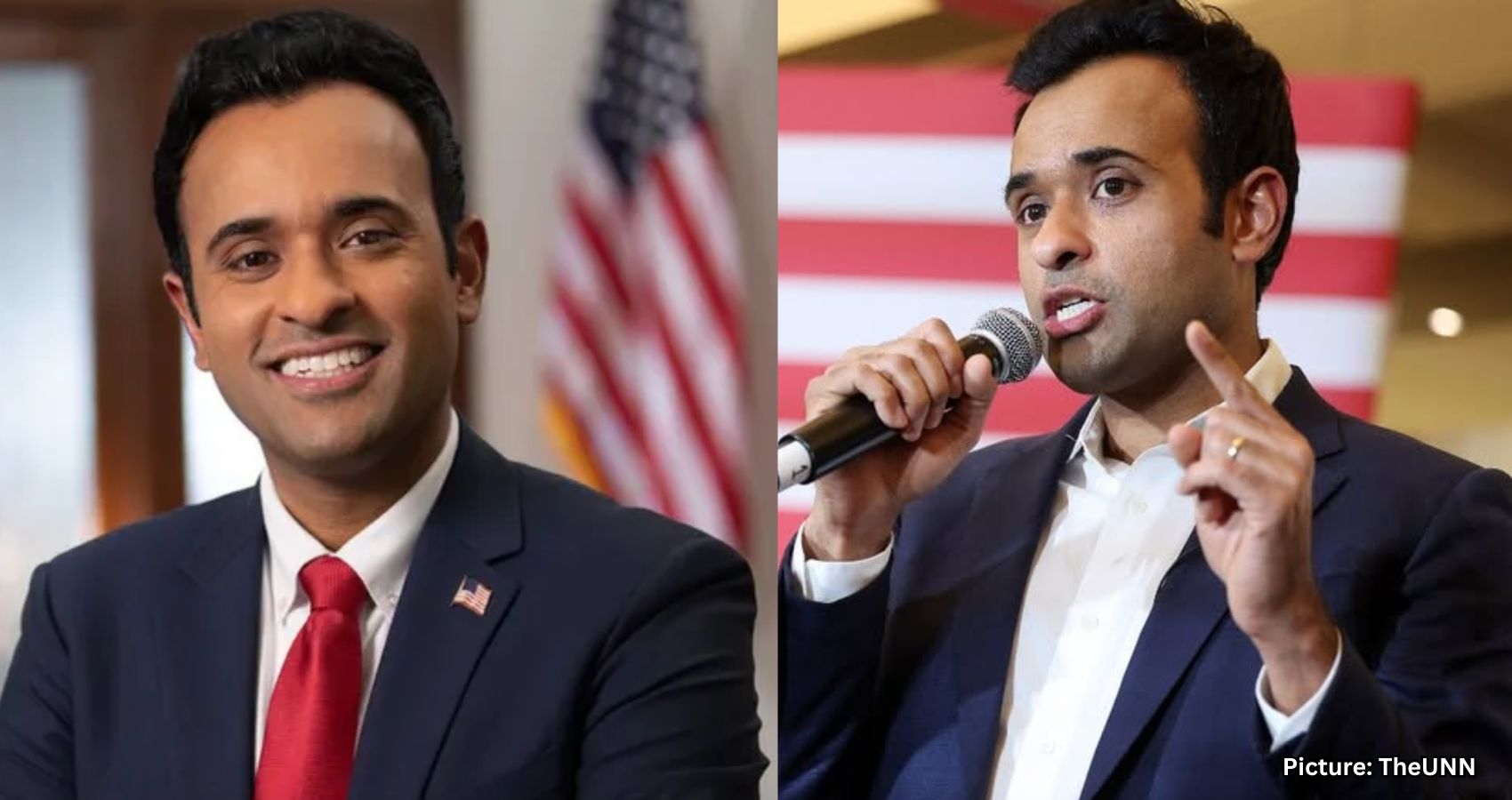
  • Vivek Ramaswamy – An influential entrepreneur, author, and political activist, Ramaswamy brings a wealth of experience in business, politics, and social policy. A Harvard and Yale Law graduate, he has been a significant voice in shaping national debates and inspiring professionals across various sectors.
  • Daniel Ives – As Global Head of Tech Research & Managing Director at Wedbush Securities, Ives is celebrated for his in-depth market analyses. He will share his perspectives on emerging technology trends, financial markets, and the future of investment in the innovation economy.
  • Sandeep Kalra – CEO & Executive Director of Persistent Systems, Kalra is recognized for his leadership in expanding digital transformation across industries. His keynote will focus on the latest trends in digital engineering and sustainable business growth strategies.
  • Leander Paes – One of India’s most decorated tennis legends, with 18 Grand Slam titles and seven Olympic appearances. Paes will discuss lessons in leadership, resilience, and the parallels between sports and business excellence.
  • Sania Mirza – India’s most accomplished female tennis player, Mirza is a six-time Grand Slam champion and a four-time Olympian. Her session will highlight her journey, focusing on empowerment, overcoming adversity, and striving for excellence.
  • Diana Hayden – Crowned Miss World 1997 and celebrated for her achievements in modeling and acting, Hayden brings a unique perspective on global representation and women’s leadership.

Dynamic Panels and Hands-On Sessions

Synergy 2025 will feature a robust agenda packed with interactive panels and breakout sessions, tailored to address the most pressing challenges facing IT leaders today. Key topics include:

  • Innovation and entrepreneurship through the Startup Cube Panel
  • Technology leadership with the CIO/CTO Panel
  • Financial planning and market analysis in the Financial Panel
  • Talent management and staffing solutions in the Workforce & Contingency Panel
  • Legal frameworks and compliance in the Contracts & Litigations Panel
  • Growth strategies and due diligence in the Mergers & Acquisitions (M&A) Panel
  • Regulatory navigation in the Immigration & Federal Contracting session

These sessions are designed to deliver practical strategies and real-world solutions, allowing attendees to engage directly with industry experts and peers.

Networking, Entertainment, and Community Building

Beyond professional development, Synergy 2025 offers abundant networking opportunities for participants to connect, share ideas, and forge lasting business relationships. Each evening concludes with a Gala Dinner and entertainment, providing a vibrant atmosphere for relaxation and celebration. A special highlight is the exclusive Premier Gala Night, featuring a performance by Remee Nique, a renowned Thai Indian artist known for her multilingual singing and dynamic stage presence.

Attendees can also enjoy an extended stay experience at Caesars Palace, Las Vegas, adding a touch of leisure to an already enriching conference.

Building a Stronger IT Community

“Synergy consistently attracts top-tier speakers and valuable sponsors, strengthening our nationwide network of industry professionals,” noted Raghu Chittimalla, Chair of the Governing Board.

“At Synergy 2025, attendees will be able to hear from leading industry voices, connect with policymakers, and engage in conversations about the latest developments, challenges, and opportunities in IT staffing and technology,” commented Anju Vallabhaneni, President of ITServe.

“The mission of ITServe Alliance and the Synergy conference is unwavering: to foster strategic partnerships, champion a thriving technology landscape, and represent the collective interests of IT companies nationwide,” shared Siva Moopanar, President-Elect of ITServe. “Our goal is to build understanding and collaboration throughout the industry.”

The Legacy and Future of Synergy

Synergy’s tradition of excellence is underscored by its history of distinguished guests, including former U.S. Presidents Bill Clinton and George W. Bush, former Secretary of State Hillary Clinton, PepsiCo’s Indra Nooyi, and prominent Indian government officials. This legacy continues as the 2025 conference aims to deliver transformative insights and foster an environment where technological innovation and leadership thrive.

Join the Movement in Puerto Rico

For leaders, entrepreneurs, and professionals eager to shape the future of technology and business, Synergy 2025 is a not-to-be-missed event. It promises two days of inspiration, knowledge-sharing, and connection in the stunning setting of Puerto Rico. Don’t miss this chance to learn, network, and grow as we shape the future of technology together in an uplifting and collaborative atmosphere. For more details and to register, visit www.itserve.org.

Ajay Ghosh

Media Coordinator, AAPI

Phone # 203.583.6750

Babar Azam Expresses Frustration Over Personal Comments, Says Ramiz Raja

Babar Azam has expressed frustration over personal comments directed at him, as revealed by former PCB chairman Ramiz Raja during a recent conversation.

Former Pakistan Cricket Board (PCB) chairman Ramiz Raja recently shared insights from a conversation he had with national team captain Babar Azam in a café. The discussion highlighted Babar’s growing frustration regarding personal comments that have been made about him.

Raja, who was instrumental in appointing Babar as captain across all three formats of the game in 2021, has always been a supporter of the talented batter. His admiration for Babar’s skills and leadership abilities is well known within cricketing circles.

During their chat, Babar reportedly conveyed his discontent with the nature of some public commentary surrounding his performance and personal life. The captain’s concerns reflect a broader issue faced by athletes who often find themselves in the spotlight, where personal remarks can overshadow their professional achievements.
Raja’s revelation sheds light on the pressures that come with being a high-profile sports figure in Pakistan, especially in a sport as beloved as cricket. The expectations placed on players can be immense, and Babar’s candidness about his feelings indicates a desire for a more supportive environment.

As the captain of the national team, Babar Azam is not only responsible for leading his players on the field but also for managing the intense scrutiny that comes with the role. His leadership has been pivotal for Pakistan cricket, and it is crucial for both fans and media to recognize the human aspect of athletes.

Raja’s comments serve as a reminder that behind the statistics and performances, players like Babar are individuals who experience the same emotions and challenges as anyone else. The dialogue around mental health in sports is gaining traction, and Babar’s situation highlights the importance of empathy and understanding from fans and commentators alike.

As Babar continues to lead Pakistan cricket, it is hoped that the focus will shift more towards his contributions to the game rather than personal narratives that can detract from his accomplishments.

According to Source Name, Babar’s frustrations are a reflection of the larger conversation about the treatment of athletes in the public eye.

Source: Original article

Gut Imbalance Linked to Rise in Food Allergies, Experts Warn

Experts are investigating the role of gut microbiomes in the rising prevalence of food allergies affecting over 32 million Americans, seeking potential solutions through innovative therapies.

With more than 32 million Americans grappling with food allergies, health advocates and officials are delving into potential root causes, including the role of microbiomes. A recent forum hosted by the Food Allergy Fund (FAF) in Washington, D.C., featured prominent figures such as HHS Secretary Robert F. Kennedy Jr., FDA Chief Martin Makary, and NIH Director Jay Bhattacharya.

In an interview with Fox News Digital, Makary discussed how the function of microbiomes has evolved over time. He explained that the intestine is home to over a billion different types of bacteria, which typically exist in a balanced state. However, he noted that modern diets, antibiotics, and other environmental exposures can disrupt this balance. “That disequilibrium can cause inflammation, it can cause health problems, and it may be implicated in food allergies,” he stated.

Makary emphasized the importance of gut health, asserting that it is central to overall well-being. He pointed out that certain beneficial microbes may be lacking in contemporary populations due to dietary and environmental changes, which could contribute to the increasing incidence of food allergies.

Researchers at Siolta Therapeutics are actively exploring this hypothesis. Their oral microbiome therapy, STMC-103H, has demonstrated promising results in a Phase 2 trial involving 238 newborns with a family history of allergies. Early data suggests that this therapy could reduce the risk of developing food allergies by 77%, indicating that enhancing gut bacteria early in life may prevent allergies from developing altogether. Final results from this study are anticipated in early 2026.

Ilana Golant, founder and CEO of FAF, remarked to Fox News Digital that food allergies might serve as a “canary in the coal mine” for a broader health crisis linked to the microbiome. To further investigate the connection between gut bacteria and various health issues, FAF has launched its Food Allergy Fund Microbiome Collective in New York City. Golant expressed optimism, stating, “Solving allergies could reveal how to prevent and treat a range of diseases — from autoimmune disorders to neurodegeneration — that impact millions of lives.”

Food allergies are a significant public health concern, affecting approximately one in ten adults and one in thirteen children, according to FAF. Alarmingly, someone in the U.S. is treated in the emergency room for a severe allergic reaction every three minutes. Among the most common food allergies are peanut allergies, with emerging research indicating that early introduction of peanuts may significantly reduce the risk of developing allergies in childhood.

During the FAF conference, Secretary Kennedy noted that food allergies, particularly peanut allergies, appear to be much more prevalent among children today than in previous generations. Reflecting on his own childhood, he remarked, “When I was a kid, I never met anyone with a peanut allergy. I had 11 siblings and about 71 first cousins, and I didn’t know a single person in my schools or at any of the camps I went to who had one.”

Kennedy shared a personal perspective, revealing that one of his sons suffers from severe anaphylactic allergies to peanuts, tree nuts, and several other foods. “By the time he was 2 years old, we’d been to the emergency room about 22 times,” he recounted. Initially focused on treatment and safety, Kennedy soon turned his attention to the broader question of why food allergies are becoming increasingly common. “I have five of my seven children with allergies,” he added.

He acknowledged the complexity of the issue, stating, “There may be many causes, or there may be just one — we don’t know yet. But we’re going to study it. We’re going to break that omertà, end the taboo and find out what’s causing it.”

As research continues, the exploration of gut health and its potential impact on food allergies may pave the way for innovative treatments and a deeper understanding of this growing health crisis.

Source: Original article

Fake Flight Cancellation Texts Target Travelers Amid Ongoing Travel Disruptions

Fake airline texts claiming flight cancellations are deceiving travelers, aiming to steal personal and financial information through convincing scams.

In a troubling trend, cybercriminals are targeting travelers with fake text messages that appear to be from airlines, claiming flight cancellations. These scams exploit the panic that often accompanies travel disruptions, leading unsuspecting individuals to divulge sensitive personal information.

The scam typically begins with a text message that looks legitimate, often including the recipient’s name, flight number, and a link or phone number. The messages use urgent language, stating that a flight has been canceled or delayed, and instructing the recipient to “call this number” or “click to rebook.”

Once the recipient engages with the provided contact, they are connected to a scammer posing as an airline representative. These fraudsters often offer to assist with rebooking the flight for a fee, requesting payment information or personal details such as birth dates or passport numbers. To enhance their credibility, scammers may send confirmation emails that closely mimic official airline communications.

Scammers are increasingly sophisticated, utilizing real airline names, logos, and flight numbers to make their messages appear authentic. Many are now employing artificial intelligence tools to generate convincing language and fake confirmations that resemble genuine airline alerts. This is particularly effective during busy travel seasons or periods of inclement weather, when travelers are more likely to be anxious and susceptible to such scams.

The Federal Trade Commission (FTC) has issued warnings about these deceptive practices, noting that criminals impersonate airline customer service through fraudulent texts and calls. They exploit travelers’ fears to push them into rebooking flights or sharing personal information.

Additionally, the Better Business Bureau (BBB) has reported a significant increase in fake cancellation notices that include phony phone numbers leading directly to scammers. Due to the realistic appearance of these alerts and the urgent tone of the messages, even seasoned travelers can mistakenly believe they are receiving genuine updates.

To protect oneself from these scams, it is crucial to remain calm and verify any flight updates directly with the airline. Travelers are advised to check the airline’s official website or mobile app for the most accurate information, rather than clicking on links from unexpected texts or emails. Scammers often create fake links that look legitimate, but a single click can compromise personal data.

If a traveler needs to contact customer service, they should use the phone number listed in their booking confirmation, the airline’s app, or the verified website. It is important to avoid trusting phone numbers sent via text or social media, as legitimate airlines will not change their contact information mid-trip.

Scammers thrive on urgency, using phrases like “call now,” “act fast,” or “your seat will be canceled” to pressure travelers into quick decisions. Taking a moment to verify flight status can save individuals from losing money or exposing their personal information.

Legitimate airline representatives will never request payment via gift cards, wire transfers, or bank login information. To further safeguard against phishing attempts and malware, travelers should install strong antivirus software on all devices. This software can help block malicious links and alert users to potential phishing emails and ransomware scams.

Another effective strategy for protecting personal information is to utilize a data-removal service that scrubs personal details from people-search websites. These sites can make it easier for scammers to target individuals by name, location, and phone number. While no service can guarantee complete removal of data from the internet, a reputable data removal service can actively monitor and erase personal information from numerous websites, reducing the risk of being targeted.

Travelers are encouraged to forward any scam texts to 7726 (SPAM) and report fake airline messages to the Federal Trade Commission at reportfraud.ftc.gov. Sharing these reports can help agencies shut down ongoing scams and protect other travelers.

As fake flight cancellation scams continue to proliferate, especially during peak travel times, it is essential for individuals to remain vigilant. By staying calm, verifying information through official airline channels, and avoiding random links or unknown numbers, travelers can better protect themselves against these malicious schemes.

Have you ever received a fake flight alert that almost fooled you? Share your experiences with us at Cyberguy.com.

Source: Original article

Wolf Extinct for 12,500 Years Allegedly Revived by U.S. Company

A Dallas-based company claims to have successfully revived the dire wolf, an extinct species that last roamed the Earth over 12,500 years ago, using advanced genetic technologies.

A Dallas-based company, Colossal Biosciences, has announced that it has successfully brought back the dire wolf, a species that last roamed the American midcontinent more than 12,500 years ago. This wolf gained notoriety through the popular HBO series “Game of Thrones,” where it was depicted as a larger, more intelligent version of the modern wolf, fiercely loyal to the Stark family.

Colossal Biosciences claims to have created three dire wolves through a combination of genome-editing and cloning technologies, asserting that this marks the world’s first successful instance of “de-extinction.” However, some experts are skeptical, suggesting that the company has merely genetically modified existing gray wolves rather than truly reviving an extinct species.

According to Colossal, dire wolves roamed the Earth during the Ice Age, with the oldest confirmed dire wolf fossil dating back approximately 250,000 years, found in Black Hills, South Dakota. The company has named the three pups from its project Romulus and Remus, two adolescent males, and a female puppy named Khaleesi.

The process involved extracting blood cells from a living gray wolf and utilizing CRISPR technology—short for “clustered regularly interspaced short palindromic repeats”—to genetically modify these cells at 20 different sites. Beth Shapiro, Colossal’s chief scientist, explained that these modifications aimed to replicate traits associated with dire wolves, such as larger body sizes and longer, fuller, light-colored fur, which were advantageous for survival in cold climates during the Ice Age.

Of the 20 genome edits made, 15 were designed to match genes found in actual dire wolves. The ancient DNA used for this project was extracted from two fossils: a tooth from Sheridan Pit, Ohio, approximately 13,000 years old, and an inner ear bone from American Falls, Idaho, around 72,000 years old.

Once the genetic modifications were completed, the scientists transferred the modified genetic material into an egg cell from a domestic dog. The embryos were then implanted into surrogate domestic dogs, and after a gestation period of 62 days, the genetically engineered pups were born.

Ben Lamm, CEO of Colossal Biosciences, described this achievement as a significant milestone, emphasizing that it demonstrates the effectiveness of the company’s de-extinction technology. “It was once said, ‘any sufficiently advanced technology is indistinguishable from magic,’” Lamm stated. “Today, our team gets to unveil some of the magic they are working on and its broader impact on conservation.”

Colossal Biosciences has previously announced similar initiatives aimed at genetically altering living species to create animals resembling extinct species such as woolly mammoths and dodos. In a recent announcement, the company also revealed the birth of two litters of cloned red wolves, which are considered the most critically endangered wolves in the world. This development is seen as evidence that the company can contribute to animal conservation through its de-extinction technology.

In late March, Colossal’s team met with officials from the U.S. Department of the Interior regarding their projects. Interior Secretary Doug Burgum praised the work on social media, calling it a “thrilling new era of scientific wonder.” However, some scientists have raised concerns about the limitations of restoring extinct species.

Corey Bradshaw, a professor of global ecology at Flinders University in Australia, expressed skepticism about the claims that Colossal has truly revived the dire wolf. “So yes, they have slightly genetically modified wolves, maybe, and that’s probably the best that you’re going to get,” Bradshaw commented. “And those slight modifications seem to have been derived from retrieved dire wolf material. Does that make it a dire wolf? No. Does it make a slightly modified gray wolf? Yes. And that’s probably about it.”

Colossal Biosciences has stated that the newly created wolves are thriving in a secure, 2,000-acre ecological preserve in Texas, which is certified by the American Humane Society and registered with the USDA. The company plans to eventually restore the species in secure ecological preserves, potentially on indigenous land, as part of its long-term vision.

Source: Original article

Supreme Court to Review Ninth Circuit Ruling on Asylum Seeker Turnbacks

The Supreme Court has agreed to review a Ninth Circuit ruling that deemed the Trump administration’s turnback policy for asylum seekers unlawful.

Washington (November 17, 2025) – The Supreme Court has granted the Trump administration’s request to review a Ninth Circuit decision that declared the government’s prior turnback policy, known as “metering,” unlawful. This policy allowed border officers to physically block individuals from seeking asylum at ports of entry along the southern border, effectively turning them back to Mexico.

In response to the Supreme Court’s decision, attorneys representing the asylum seekers, along with Al Otro Lado, an organization dedicated to supporting them, issued a statement emphasizing the legal rights of noncitizens. They argued that individuals seeking safety at U.S. ports of entry have a legal right to apply for asylum. The Ninth Circuit’s ruling, they noted, correctly concluded that U.S. immigration laws mandate the government to inspect and process asylum seekers at these ports, allowing them to pursue their legal claims within the United States.

The statement further criticized the government’s turnback policy as an illegal maneuver to bypass these legal requirements. It highlighted the dire consequences faced by vulnerable families, children, and adults fleeing persecution, who were left stranded in dangerous conditions where they encountered threats of violence, kidnapping, and even death. The attorneys expressed their eagerness to present their case before the Court.

Co-counsel for the case includes the American Immigration Council, the Center for Gender & Refugee Studies (CGRS), the Center for Constitutional Rights, Democracy Forward, and the Institute for Constitutional Advocacy and Protection.

Al Otro Lado provides comprehensive legal and humanitarian support to refugees, deportees, and other migrants in both the U.S. and Tijuana. Their approach is multidisciplinary and client-centered, focusing on harm reduction. They engage in individual representation, human rights monitoring, medical-legal partnerships, and impact litigation to safeguard the rights of immigrants and asylum seekers.

The American Immigration Council aims to strengthen America by influencing public perceptions and actions regarding immigrants and immigration. They advocate for a fair and just immigration system that welcomes those in need of protection while harnessing the skills and energy that immigrants contribute to society. Their strategies include litigation, research, legislative and administrative advocacy, and communications.

The Center for Gender & Refugee Studies is dedicated to defending the human rights of refugees seeking asylum in the United States. With a strategic focus and extensive legal expertise, CGRS champions complex cases, advocates for due process, and promotes policies that ensure safety and justice for refugees.

The Center for Constitutional Rights has been fighting for justice and liberation since 1966, working with communities facing threats from oppressive systems of power, including structural racism and governmental overreach. Their efforts include litigation, advocacy, and strategic communications.

The Democracy Forward Foundation is a national legal organization that promotes democracy and social progress through litigation, policy initiatives, public education, and regulatory engagement.

The Institute for Constitutional Advocacy and Protection, a non-partisan public interest organization within Georgetown Law, focuses on defending constitutional rights and protecting democratic processes through litigation, policy work, and public education.

As the case progresses, it will be closely watched for its implications on the rights of asylum seekers and the broader immigration landscape in the United States.

Source: Original article

Indian-American Women Recognized at 2025 Global Changemaker Awards

Several Indian-origin women have been honored at the 2025 Global Changemaker Awards for their significant contributions to leadership, health, innovation, education, and social change.

In a celebration of impactful leadership, several Indian-origin women have been recognized among the winners of the 2025 Global Changemaker Awards. This international program honors women who are making significant strides in various fields, including leadership, health, innovation, education, entrepreneurship, and social change. The awards aim to spotlight women who are driving transformational progress across industries and regions.

Among the standout honorees are Inika Mehra and Jyothi Vemu, both of whom have made remarkable contributions in their respective fields. Inika Mehra, the reigning Miss San Francisco and founder of the PCOS Alliance, received an honorable mention in the ‘Emerging Leader of the Year’ category. A graduate of the University of California, Irvine, Mehra holds certifications in Ayurveda and energy kinesiology. She has developed transformative programs that have helped over 100 patients and is currently working on an eBook that addresses stress, anxiety, and self-healing.

Mehra’s journey in pageantry is equally impressive; she won the Miss San Francisco title in her very first competition after just a month of preparation. As a prominent advocate for women’s health, she has participated in key panels, raised funds through handmade cosmetics and Bollywood dance events for underserved communities, and campaigned for the inclusion of PCOS education in school curriculums. Her long-term vision is to elevate polycystic ovary syndrome (PCOS) from a misunderstood condition to a global public health priority.

Jyothi Vemu, the founder and CEO of Futurebytes, was also celebrated for her significant contributions. Recognized among Success Magazine’s 2024 Top 25 Change Makers, Vemu leads Futurebytes in providing hands-on STEM education programs in robotics, coding, and artificial intelligence across California. Her organization has launched a $50,000 scholarship aimed at supporting girls from underserved communities who are pursuing STEM education.

With a rich background in teaching, research, and entrepreneurship that spans both India and the United States, Vemu is a vocal advocate for equitable access to technology education. She actively partners with schools and organizations to foster this cause, ensuring that young girls have the resources and opportunities they need to succeed in STEM fields.

In addition to Mehra and Vemu, other Indian-origin women were recognized across various award categories, highlighting the extensive impact of this community. Notable mentions include Romaa Rajadhyaksha, who secured third place in the Emerging Entrepreneur of the Year category; Vani K Nades, awarded third place for Emerging Leader of the Year and first place for Tech Leader of the Year; Anjlee Prakash, who received third place in Global Impact; and Farzia Khan (CISSP), who was honored with second place for Tech Leader of the Year.

Other honorees include Geeta Sidhu-Robb, who took second place for Woman of the Year; Ruby Sibal, recognized with third place in Women in Health; and Manasi Murthy Mittinty, who received an honorable mention in Wellness & Wellbeing Services. These awards collectively underscore the breadth of impact made by Indian-origin women in various sectors.

The Women Changing the World Awards aim to elevate, celebrate, connect, and support women leaders in their journeys as changemakers, trailblazers, and pioneers. This global recognition program aligns with the United Nations’ emphasis on gender equality as a crucial pillar for achieving sustainable development goals worldwide. Winners of regional awards will have the opportunity to represent their areas at the global ceremony scheduled for April 2026 in Paris.

Source: Original article

Indian Oblate Priest Father Susai Jesu Named Archbishop of Keewatin-Le Pas

Father Susai Jesu, an Indian Oblate priest, has been appointed the new archbishop of Keewatin-Le Pas, Canada, marking a significant milestone in his long-standing commitment to Indigenous communities.

Father Susai Jesu, an Indian Oblate priest, has been appointed as the new archbishop of Keewatin-Le Pas in Canada. This appointment fills a vacancy that has existed since December 2024. Pope Leo XIV announced the decision on November 17, 2025. Currently, the 54-year-old archbishop-elect serves as the provincial councillor and parish priest of the Sacred Heart of the First Peoples in the Metropolitan Archdiocese of Edmonton.

Since 2007, Father Jesu has dedicated his ministry to serving Indigenous communities in Canada. He is particularly recognized for his advocacy work during the 2022 papal visit to Canada, where he played a vital role in addressing the needs and concerns of these communities.

Born on May 17, 1971, in Pushpavanam, a village in the Vedaranyam subdistrict of Nagapattinam district in Tamil Nadu, southern India, Father Jesu pursued his philosophical studies at the Pontifical Athenaeum Dharmaram Vidya Kshetram in Bengaluru. He later studied theology at the Khrist Premalaya Institute of Theology in Ashta, Madhya Pradesh. He was ordained as a priest for the Missionary Oblates of Mary Immaculate on July 27, 2000, after making his final profession earlier that same year. Additionally, he earned a Master’s degree in Pastoral Counselling from Saint Paul University in Ottawa, Canada.

Following his ordination, Father Jesu served in various pastoral roles across India, including parishes in Balaghat (Madhya Pradesh), Surala Kappa (Odisha), and Kombadimadurai (Tamil Nadu). In 2007, he was invited to Canada to engage with First Nations communities. He undertook a year-long orientation focused on Indigenous ministry and took on pastoral responsibilities in northern Saskatchewan before relocating to Edmonton.

In Edmonton, Father Jesu pastored the Sacred Heart Church of the First Peoples, where he served both Indigenous and non-Indigenous members. His leadership earned him respect within these communities, particularly for his involvement in highlighting the struggles of residential school survivors during the 2022 papal visit, where he met Pope Francis in Rome to discuss healing and reconciliation.

From 2009 to 2015, Father Jesu also served as parish priest in Pelican Narrows and Sandy Bay before returning to Sacred Heart Church in Edmonton in 2019. He was appointed provincial councillor in the same year and celebrated his 25th anniversary as a priest in July 2025.

The Archdiocese of Keewatin-Le Pas, which Father Jesu will now lead, spans 430,000 square kilometers across northern Saskatchewan, Manitoba, and a portion of northwestern Ontario. Its population includes a mix of Métis, Cree, Oji-Cree, Dene peoples, and non-Indigenous residents. The term “Keewatin” means “North Wind Blowing,” reflecting the territory west of James Bay that the archdiocese encompasses.

Serving 47,841 Catholics from a total population of 109,558, the archdiocese operates 50 parishes, supported by 15 priests, a deacon, and 11 religious brothers and sisters. The vast geography, challenging climatic conditions, and social issues, including some missions accessible only by air, present unique difficulties in administering pastoral care.

Father Susai Jesu’s appointment signifies a continuation of his dedicated service to Indigenous populations and highlights his deep connection to the communities he has served over nearly two decades in Canada. His leadership will guide the archdiocese through ongoing challenges while fostering reconciliation and growth among the diverse peoples within his jurisdiction.

Source: Original article

A Guardian and a Thief: The Story of an Indian-American Encounter

In her new novel, ‘A Guardian And A Thief,’ Megha Majumdar explores the complexities of human relationships against the backdrop of a climate crisis in a near-future Kolkata.

Megha Majumdar’s latest novel, ‘A Guardian And A Thief,’ transports readers to a near-future Kolkata, where the characters grapple with both external climate crises and internal moral dilemmas. The narrative intricately weaves the lives of individuals who oscillate between being guardians and thieves, reflecting the profound struggles of humanity in challenging times.

Majumdar’s work has garnered significant recognition, earning her a spot as a finalist for both the National Book Award for fiction and the Kirkus Prize. Her debut novel, ‘A Burning,’ released in 2020, was a Whiting Award winner and received a longlisting for the National Book Award, setting a high bar for her subsequent works.

Born and raised in Kolkata, Majumdar pursued her education in anthropology at Harvard and Johns Hopkins. Currently residing in New York, she teaches creative writing at Hunter College. The journey of writing ‘A Guardian And A Thief’ spanned six years, during which Majumdar became a mother, a life change that she credits with helping her discover the book’s emotional core.

In an interview with India Currents, Majumdar expressed her excitement and surprise at being recognized for her work. “It feels remarkable that a book set in Kolkata is up for this kind of honor in the US. That feels really moving to me,” she stated.

Reflecting on the pressure of following up her successful debut, Majumdar noted that the attention her first book received was more of a boost than a burden. “It never really felt like pressure or stress to me. If anything, it was the opposite; it was a kind of assurance that I would get to write another book and publish it,” she explained. She emphasized her desire to create a work that was stronger and more complex than her first, aiming for a narrative that would resonate deeply with readers.

Majumdar also discussed the evolution of her writing process. She acknowledged that while her first novel felt intuitive, the experience of writing ‘A Guardian And A Thief’ made her more conscious of her craft. “I felt very aware of how I could improve my craft. How does plot work? How does a narrative move?” she said, highlighting her focus on creating a thought-provoking and engaging story.

When asked about the political dimensions of her writing, Majumdar clarified that her latest novel is not less political but rather engages with different questions. “I think I was paying attention to a question that emerged while thinking about my hometown, Kolkata, and how profoundly it has already been affected by climate change,” she remarked. The novel addresses urgent issues such as class disparities and resource scarcity, asking who gets to escape crises and who does not.

Majumdar believes that fiction serves a broader purpose beyond mere entertainment. “Fiction gives us a place to think about the big questions. What do I care about? What has meaning for me?” she said. She appreciates the diverse forms fiction can take, from contemporary narratives to escapist tales, each offering unique insights and emotional experiences.

A significant theme in ‘A Guardian And A Thief’ is the longing of its characters to leave their imperfect lives in India for a better future in America. Majumdar drew on her own immigration experience, having moved from Kolkata at the age of 19. “There is such a wound that you always carry because you left behind your family, your childhood friends,” she reflected, acknowledging the duality of joy and sorrow that accompanies such a transition.

In discussing her literary influences, Majumdar shared her passion for reading widely across genres. She mentioned recent favorites, including ‘The Way You Want to Be Loved’ by Aruni Kashyap and ‘Loot’ by Tania James. To stay creatively nourished, she engages with various forms of art, from literature to theater, finding inspiration in diverse artistic expressions.

As Majumdar continues to explore the complexities of human experience through her writing, ‘A Guardian And A Thief’ stands as a testament to her growth as an author and her commitment to addressing pressing global issues through the lens of fiction.

Source: Original article

Dr. Aditi Bussells: Indian-American Trailblazer Making Impact in the South

Dr. Aditi Bussells, the first South Asian woman elected to municipal office in South Carolina, is transforming representation and inclusion while facing xenophobic challenges in her runoff election.

During my internship at the Columbia City Council, I had the privilege of meeting Dr. Aditi Bussells, a leader who exudes confidence without apology. As an Indian woman raised in South Carolina, I often found it challenging to see individuals who looked like me in positions of public leadership, particularly in the South. Observing Dr. Bussells inspired me to embrace my identity and celebrate it rather than hide it.

Dr. Bussells has made history as the first South Asian woman ever elected to municipal office in South Carolina. In her first term, she has accomplished much more than simply breaking barriers; she has built bridges within her community. From co-hosting Diwali celebrations at the Governor’s Mansion to amplifying the voices of Asian American and Pacific Islander (AAPI) communities statewide, she has turned representation into meaningful inclusion.

As she approaches her runoff election, Dr. Bussells is confronting xenophobic attacks aimed at undermining her sense of belonging. Her opponent’s campaign has circulated messages suggesting she is “not one of us.” This rhetoric not only targets her but also impacts every immigrant, first-generation American, and young person who has ever felt alienated in their own community.

The stakes in this election extend beyond the immediate outcome; they encompass the broader future of belonging in the South. As South Asian Americans, it is imperative that we do not turn a blind eye to these challenges. Historically, the South has been overlooked in discussions about our political influence, but this narrative is shifting thanks to leaders like Dr. Bussells. She serves as a powerful reminder that representation is crucial not only in Washington or on the coasts but in every city, town, and statehouse across the nation.

Civic service should reflect the diversity of the communities it serves. Dr. Bussells exemplifies that young South Asians can—and should—occupy space in public life, paving the way for future generations to follow in her footsteps.

Source: Original article

Daily Horoscope for November 18, 2025: Insights for All Zodiac Signs

Your daily horoscope for November 18, 2025, offers insights for all zodiac signs, highlighting personal relationships, work dynamics, and opportunities for growth.

Aries (Mar. 21 – Apr. 20): Today, all eyes may be on you, whether for your looks, skills, or even that funky bag you carry. Make the most of this attention and recharge your energy. With this boost, you can accomplish a significant amount of work, according to Ganesha.

Taurus (Apr. 21 – May 21): You might feel frustrated if outcomes don’t align with your expectations. However, it’s essential to stay focused and complete your tasks today. Expect meaningful discussions with a close friend and the chance to reminisce with your life partner.

Gemini (May 22 – Jun. 21): Your innovative spirit will shine through in various initiatives today. Love will bring you joy, and you may find yourself forming a deeper connection with your spouse or partner. However, be prepared for a potential conflict that may require you to take a side.

Cancer (Jun. 22 – Jul. 22): Today, every word from your sweetheart will resonate positively with you. Relationships with relatives will be harmonious, and you might find it easier to navigate your troubles by exercising restraint. Constructive criticism will serve you well.

Leo (Jul. 23 – Aug. 23): The bonds of friendship you forged in the past will be especially meaningful today. Your closest friends will stand by you through thick and thin. Ganesha suggests that you express your appreciation for them generously, as financial matters should not hinder your willingness to show kindness.

Virgo (Aug. 24 – Sep. 22): Today will strike a balance between business and leisure, resembling an endless celebration. While you may find yourself spending money, Ganesha advises you to do so wisely and not let it cause you stress.

Libra (Sep. 23 – Oct. 23): Focus on connecting and expressing yourself at work today. You will excel in communication, whether through phone calls, writing, or meetings. However, as the day progresses, you may feel a stronger desire to relax with your partner. Consider watching a movie together.

Scorpio (Oct. 24 – Nov. 22): Today is an opportunity to approach your relationships from a fresh perspective. Being adaptable will help smooth over any rough patches with loved ones. However, Ganesha warns against losing your sense of self in the process.

Sagittarius (Nov. 23 – Dec. 21): It’s time to build your confidence and inspire those around you. Your business prospects are looking bright, with the potential for significant profits on the horizon, according to Ganesha.

Capricorn (Dec. 22 – Jan. 20): Nostalgia may wash over you today, prompting you to reconnect with old friends. However, you might also feel that your loved ones are asking for more than you can give. Enjoying light-hearted moments with your partner in the evening will help relieve any tension.

Aquarius (Jan. 21 – Feb. 18): Today will present a mix of challenges and pleasures, from chores like plumbing and grocery shopping to the joys of a relaxing soak or a soothing massage. Ganesha suggests that you will appreciate the pleasures more after overcoming the day’s difficulties.

Pisces (Feb. 19 – Mar. 20): A day filled with social interactions awaits you. You may reconnect with loved ones you haven’t seen in a while, and new friendships could blossom. Embrace the joy of the day and make the most of these connections.

Stay connected with the cosmos through your daily horoscope! Access your November 18, 2025, horoscopes for every zodiac sign and discover what the universe has in store for you. Whether you are an adventurous Aries or a sensitive Pisces, our expert astrologers provide tailored insights to help you navigate life’s challenges and triumphs.

Source: Original article

Trump Administration Files Lawsuit Against California Law Restricting ICE Face Masks

The Trump administration has filed a lawsuit against California over a law that prohibits federal immigration agents from wearing masks to conceal their identities, claiming it violates constitutional authority.

The Trump administration has initiated legal action against California, contesting a new law that bans federal immigration agents from wearing masks to hide their identities. The lawsuit, filed on Monday, asserts that the state lacks the authority to impose such restrictions on federal agents, deeming the measure unconstitutional.

California Governor Gavin Newsom signed the No Secret Police Act and the No Vigilantes Act into law in September. These laws prohibit most law enforcement officers, including federal agents, from wearing masks while on duty. Additionally, non-uniformed officers are required to display their identification visibly during their operations. However, exceptions are made for undercover agents, those wearing medical masks like N95 respirators, and individuals using masks as part of tactical gear.

In a statement regarding the legislation, Newsom emphasized that federal immigration officers would no longer be “hidden from accountability” during their operations in California. “That’s not the America we’ve grown up in. And so we are pushing back,” he stated ahead of the bill signings.

Federal immigration agents have conducted raids in Southern California since June, targeting migrant workers at local businesses. These operations have sparked protests and led to the federal deployment of the National Guard and Marines. During these raids, some federal agents wore masks to conceal their identities.

The Trump administration is urging the court to rule that the California laws violate the Supremacy Clause of the U.S. Constitution, which establishes that federal law is the “supreme Law of the Land,” taking precedence over state law. The lawsuit also contends that the California laws infringe upon Article 5, Section 301 of the U.S. Code, which grants agency heads the authority to prescribe regulations governing their departments and the conduct of their employees.

Attorney General Pam Bondi expressed concerns on Monday, stating that the California laws “discriminate against the federal government and are designed to create risk for our agents.” Following Newsom’s signing of the measures, administration officials instructed ICE agents to disregard the California laws. The Department of Homeland Security announced on September 22 that it would “NOT comply with Gavin Newsom’s unconstitutional mask ban,” citing an increase in threats against ICE officers.

The lawsuit further argues that the California laws “would recklessly endanger the lives of federal agents and their family members and compromise the operational effectiveness of federal law enforcement activities.” However, supporters of the mask ban for immigration agents contend that the use of face coverings instills fear in the public and must be addressed.

In response to the lawsuit, Newsom’s office stated that California officials “will see the [Department of Justice] in court.” Spokesperson Diana Crofts-Pelayo criticized the Trump administration, suggesting that if it prioritized public safety as much as it does other issues, communities would be safer. She referred to President Donald Trump’s pardoning of individuals involved in the January 6, 2021, Capitol riots as an example of misplaced priorities.

As the legal battle unfolds, the implications of this case could have significant effects on the operations of federal immigration agents in California and the broader relationship between state and federal authorities.

Source: Original article

UK Officials Propose Yoga and Climate Cafés to Address Eco-Anxiety

UK officials are advocating for yoga and “climate cafés” as strategies to alleviate eco-anxiety among youth, a response to growing mental health concerns linked to climate change.

A recent report from the United Kingdom Health Security Agency (UKHSA) highlights the significant impact of climate change anxiety on the mental health of British youth. The report suggests that this anxiety can lead to feelings of guilt, particularly regarding decisions about having children.

The UKHSA defines eco-anxiety as the distress caused by the perceived threats of climate change. The report also introduces the concept of “solastalgia,” which describes the sorrow individuals experience when their familiar environments are altered or degraded due to environmental changes.

According to the UKHSA, such emotional responses are not irrational but rather natural reactions to a world that feels increasingly unstable. The findings in the report, titled “Climate Change and Mental Health: Thematic Assessment,” reveal that many young people in the UK are grappling with the psychological burdens associated with environmental collapse.

Notably, nearly 40 percent of survey respondents indicated that climate change has made them hesitant to have children. They expressed concerns about the future safety, availability of resources, and overall quality of life for potential offspring. The report states, “There is evidence that eco-anxiety is influencing reproductive choices for some individuals, as 39% of UK survey respondents described that climate change made them feel hesitant to have children due to concerns over the children’s future quality of life.”

In light of these findings, the UKHSA recommends engaging in activities that foster community connection and emotional resilience. The report notes, “Participating in group and community-based activities, including yoga, citizen science, and climate cafés, was associated with reduced psychological distress.”

However, the report has faced criticism from some quarters. Jason Isaac, CEO of the American Energy Institute, has accused the UK government of promoting what he calls “climate hysteria.” He argues that terms like “eco-anxiety” and “solastalgia” reflect the influence of climate propaganda on official policy.

Isaac contends that these concepts are not legitimate medical conditions but rather the byproducts of fear-driven messaging that instills guilt about prosperity and family life. He stated, “No climate café or government program will solve a mental health crisis created by the Left’s own apocalyptic narrative.”

In contrast, figures like Bill Gates have distanced themselves from alarmist views on climate change, asserting that while it is a significant issue, it will not lead to humanity’s demise.

Despite the ongoing debate, the UKHSA maintains that addressing the psychological effects of climate change is a crucial aspect of public health. The agency’s recommendations aim to provide support for those struggling with eco-anxiety and to foster resilience in the face of environmental challenges.

Source: Original article

What Predictions About the ACA Reveal About Its Flaws

Sixteen years after the Affordable Care Act was enacted, the promise of affordable healthcare remains unfulfilled, as rising costs and structural flaws continue to challenge the system.

When the Affordable Care Act (ACA) was signed into law in 2010, it was heralded for its dual promises: expanding healthcare coverage and making it more affordable. However, sixteen years later, only one of those promises has been realized. While coverage has indeed expanded, affordability has not followed suit. This outcome is not unexpected; it aligns with warnings I issued back in 2009 regarding the flawed mathematical foundation of the ACA’s subsidy structure, risk assumptions, and pricing incentives.

At the time, I argued that while the goal of expanding coverage was commendable, the financial framework supporting it was unsustainable. In a commentary for Fox News in 2009 titled “The Truth About Obama’s Health Care Plan,” I highlighted that the subsidies were based on unrealistic funding projections. The risk profile of new enrollees did not align with the actuarial forecasts that justified the law. Furthermore, the ACA inadvertently granted insurance companies increased control over the financial float—essentially the investment income generated from premium dollars collected before claims are paid—ensuring that insurers, rather than consumers, would benefit from the ACA’s design.

Regrettably, my concerns have materialized as predicted. The ACA successfully expanded insurance coverage, enrolling approximately 21 million Americans in marketplace plans while millions more gained Medicaid coverage. Yet, around 25 million individuals remain uninsured, and national health spending has surged to nearly $4.9 trillion in 2023, nearing one-fifth of the nation’s GDP. This situation reflects a transfer of financial burden rather than genuine progress, shifting costs from families to employers, from employers to government, and ultimately from government to taxpayers.

The core issue was evident from the outset. Premium tax credits were linked to income but were also contingent on the price of premiums themselves. As premiums have risen—an unrelenting trend—federal subsidy spending has increased correspondingly. This is a mathematical certainty, not merely a political talking point. The ACA also relied on the assumption that a significant influx of healthy, younger consumers would offset the costs associated with older, sicker individuals. Unfortunately, that influx never materialized. As I noted in a 2013 Fox column titled “How ObamaCare Is Dividing the U.S.,” the anticipated wave of low-cost enrollees failed to appear, resulting in marketplaces dominated by individuals with higher healthcare utilization and chronic conditions. The resulting cycle of rising premiums, insurer exits, and narrower networks was predictable for anyone willing to examine the data honestly.

This dilemma has been further complicated by employer behavior. Approximately two-thirds of Americans with private coverage are enrolled in self-funded employer plans. These employers could have served as a counterbalance to escalating prices. Instead, many have outsourced their purchasing power to the same insurers, third-party administrators, and pharmacy benefit managers whose profits are driven by the volume of premiums and the surplus generated by float. As I discussed in “Transparency Issues Under ObamaCare,” employers would not effectively curb costs unless they demanded genuine transparency and exercised real control over spending. Sixteen years later, most have yet to do so.

The outcome is a system where insurers wield more power than ever before. According to the National Association of Insurance Commissioners, insurers reported nearly $25 billion in net income in 2023, followed by approximately $9 billion in 2024, despite inflationary pressures on medical costs. Their financial model, which relies on premium reserves, investment income, and consolidated control of networks, has strengthened under the ACA rather than weakened. Meanwhile, employer-sponsored plans are facing increases exceeding 5 percent in 2025, with projections suggesting they could surpass 6.5 percent in 2026. Some employers may encounter hikes approaching 9 percent if they do not take decisive action. The average cost to insure a single worker now exceeds $16,500 annually.

The ongoing affordability crisis has once again triggered a familiar policy pendulum swing. In the 1990s, managed care was touted as the solution until rising resentment and hidden costs led to its collapse. The early years of the ACA brought optimism and expanded access, but the underlying flaws became apparent only after the system was fully tested at scale. The pendulum is now swinging once more toward new structural reforms.

As reported by The Washington Post, lawmakers are now proposing to redirect ACA subsidies directly to consumers through personal health accounts, rather than channeling them through insurers. This proposal marks a significant departure from the ACA’s original framework and aligns with the solution I advocated over fifteen years ago: empowering individuals, rather than intermediaries, to control healthcare dollars. However, the Post cautions that without proper safeguards, insurers may respond by selectively enrolling healthier individuals, leaving those with chronic illnesses facing soaring premiums. This scenario is precisely the danger I warned about from the outset. Simply shifting funds without restructuring incentives will only shuffle costs without addressing the root issues.

Recent commentary from Newt Gingrich echoes this sentiment. His assertion that achieving affordability necessitates transferring financial control from insurers to individuals aligns with the central thesis I articulated in 2009: genuine reform can only occur when consumers have control over their healthcare dollars and access to transparent information about their purchases. While Gingrich’s remarks addressed broader affordability issues across American life, his focus on consumer financial empowerment reflects the very principle that the ACA failed to incorporate.

The convergence of these ideas—consumer-directed subsidies, transparency mandates, employer empowerment, and restrictions on insurer manipulation—signals the precise moment I anticipated. The structural flaws that were mathematically inevitable in 2010 have now become national priorities in 2025. Policymakers are finally confronting what the data has been indicating for sixteen years: healthcare cannot be made affordable until the pricing system itself is restructured.

However, none of the emerging proposals will succeed unless we address the fundamental economic flaw of the ACA: the system still permits insurers to dominate pricing, control the float, and manipulate risk pools. Redirecting subsidies to consumers is insufficient unless it is accompanied by mandatory transparency, strict prohibitions on cherry-picking, and real incentives for employers to regain control over purchasing. Without these essential elements, we risk repeating the cyclical failures of managed care and the ACA, with the next collapse potentially being even more costly.

We have reached a moment of reckoning. The ACA achieved something valuable in expanding coverage, but it failed to ensure affordability because it overlooked the fundamental mathematics of rising costs. Healthcare has never been merely a political issue; it has always been a mathematical one.

Fifteen years ago, I predicted this moment would arrive. Now that it is here, the pressing question remains: will policymakers finally confront the underlying economics, or will they continue to shift costs around while pretending the existing structure is sound?

Source: Original article

Walmart CEO to Depart in January After 12 Years of Leadership

Walmart CEO Doug McMillon will retire in January 2026 after 12 years in the role, with John Furner set to succeed him as the company navigates new challenges and opportunities.

Walmart CEO Doug McMillon is set to retire on January 1, 2026, after leading the retail giant for 12 years. His successor will be John Furner, currently the CEO of Walmart U.S., who will officially take over on February 1, 2026.

This leadership transition comes as Walmart prepares to report its quarterly earnings in the coming months. McMillon has been at the helm since 2014, during which time he has guided the company through significant transformations, including its rise as a formidable e-commerce player.

Under McMillon’s leadership, Walmart has faced numerous challenges, including the COVID-19 pandemic, supply chain disruptions, rising inflation, and changes in tariffs. Despite these hurdles, the company has seen its stock price increase by more than 300% during his tenure, closing at $102.48 on the last trading day before the announcement.

Following his retirement, McMillon will continue to serve as an executive officer and advisor to Walmart until January 31, 2027. Furner, who has been with Walmart since 1993, has extensive experience in various leadership roles across the company, overseeing over 4,600 stores in his current position.

Walmart chairman Greg Penner expressed confidence in Furner’s ability to lead the company into its next phase of growth and transformation. “John understands every dimension of our business – from the sales floor to global strategy,” Penner stated. He emphasized Furner’s deep commitment to Walmart’s people and culture as key attributes for his new role.

In a statement regarding his retirement, McMillon reflected on his time at Walmart, saying, “Serving as Walmart’s CEO has been a great honor, and I’m thankful to our Board and the Walton family for the opportunity.” He also highlighted Furner’s “curiosity and digital acumen,” suggesting that these qualities will enable him to elevate the company further.

During his time as CEO, McMillon played a pivotal role in Walmart’s evolution into an e-commerce powerhouse. He was instrumental in the acquisition of Jet.com in 2016 for $3.3 billion, a move that sparked debate over its necessity and cost. However, this acquisition brought valuable digital expertise to Walmart, particularly through Jet.com founder Marc Lore, who had previously worked at Amazon.

In addition to focusing on e-commerce, McMillon also made significant changes to Walmart’s pay structure. In 2015, he announced a wage increase for half a million hourly employees, raising their minimum pay to $9 an hour. While this decision was met with criticism from Wall Street, Walmart has continued to raise wages in recent years, although it still faces scrutiny over its compensation practices for hourly workers.

As the retail landscape continues to evolve, McMillon has acknowledged the impact of artificial intelligence (AI) on the industry. He noted that AI will “literally change every job,” presenting new challenges for his successor. McMillon believes that Furner is “uniquely capable of leading the company through this next AI-driven transformation.”

Walmart is not the only major retailer undergoing leadership changes. Target’s current CEO, Brian Cornell, has announced plans to step down in early 2026 after a decade in the role. Michael Fiddelke, the company’s chief operating officer, will take over as CEO on February 1, 2026, while Cornell will remain with Target as executive chair of the board of directors.

As Walmart prepares for this significant transition, all eyes will be on Furner as he takes the reins and steers the company into its next chapter.

Source: Original article

Trump Purchases $82 Million in Bonds Since Taking Office

President Donald Trump has reportedly invested at least $82 million in corporate and municipal bonds since taking office, raising questions about potential conflicts of interest.

President Donald Trump has made a series of notable financial investments during his time in office, with recent disclosures revealing that he purchased at least $82 million in corporate and municipal bonds between late August and early October 2025. These investments include sectors that may directly benefit from his administration’s policies.

The information was released by the U.S. Office of Government Ethics, detailing over 175 financial transactions conducted by Trump from August 28 to October 2. The disclosures, mandated by the Ethics in Government Act of 1978, do not specify the exact amounts for each transaction but provide broad ranges. This lack of specificity means that the total value of his bond purchases could potentially reach as high as $337 million.

Among the bonds purchased are municipal securities issued by various state and local governments, including those from counties, school districts, and public utilities. These bonds are typically considered lower-risk investments, as they are used to fund local projects and are often tax-exempt at the federal level, and sometimes at the state and local levels if purchased in the investor’s home state. However, certain municipal bonds, such as private activity bonds, are taxable, and the tax-exempt status of these bonds has been a topic of political debate in 2025.

In contrast, corporate bonds, which are also part of Trump’s portfolio, are issued by companies to raise capital for various purposes, including expansion and operations. These bonds generally offer higher interest rates compared to municipal bonds, compensating for the increased credit risk associated with corporate debt. Interest income from corporate bonds is subject to taxation at both federal and state levels.

Notably, some of the corporate bonds acquired by Trump include offerings from well-known companies such as Broadcom and Qualcomm in the technology sector, as well as Meta Platforms, Home Depot, CVS Health, and major Wall Street banks like Goldman Sachs and Morgan Stanley. The selection of these investments has raised eyebrows among analysts and ethics observers, as some of these companies could potentially benefit from federal policies enacted during Trump’s presidency.

The scale and timing of these transactions have attracted scrutiny, as they are unusual for a sitting president. Observers have expressed concerns regarding the implications of such a significant fixed-income portfolio, which combines both municipal and corporate holdings. The potential for conflicts of interest, given the nature of the investments and their alignment with Trump’s policy initiatives, has become a focal point of discussion.

As the details of these financial activities continue to unfold, the intersection of Trump’s investments and his presidential duties remains a subject of interest and concern among the public and ethics watchdogs alike.

Source: Original article

Mohsin Naqvi Reacts to Pakistan Shaheens’ Victory Over India A

India A suffered a surprising eight-wicket loss to Pakistan A in the Asia Cup Rising Stars tournament held in Doha on Sunday.

In a stunning turn of events, India A was defeated by Pakistan A by eight wickets during the Asia Cup Rising Stars tournament in Doha on Sunday. This match marked a significant moment in the ongoing rivalry between the two cricketing nations.

The defeat has raised eyebrows among fans and analysts alike, as India A was expected to perform strongly in the tournament. However, Pakistan A showcased exceptional skill and teamwork, ultimately leading to their convincing victory.

As the tournament progresses, both teams will be looking to refine their strategies and bounce back from this match. The Asia Cup Rising Stars serves as an important platform for emerging players to demonstrate their talent and potential on an international stage.

With this victory, Pakistan A has not only secured a crucial win but also sent a strong message to their competitors in the tournament. The match highlights the growing competitiveness in youth cricket, particularly between these two historic rivals.

Fans are eagerly awaiting the next fixtures, hoping for more thrilling encounters as the tournament unfolds. The rivalry between India and Pakistan continues to captivate cricket enthusiasts around the world.

According to Source Name, the implications of this match will be felt as both teams prepare for their upcoming challenges.

Source: Original article

Pop Culture’s Resurgence of Smoking Appeals to Gen Z Youth

Health experts express concern that a resurgence of smoking in pop culture could reverse decades of progress in reducing tobacco use among youth, particularly as Gen Z shows record low smoking rates.

Despite a significant decline in smoking rates among teenagers, health experts warn that a revival of smoking in pop culture may jeopardize this progress. According to data from the CDC and FDA, Gen Z—comprising mainly middle- and high-school students—reported the lowest smoking rates on record in 2024, with overall smoking in the U.S. dropping to about 11.9% of the population.

Dr. Neil W. Schluger, dean of the School of Medicine at New York Medical College and a pulmonologist, described the decline in smoking as a major public health success over the past two decades. However, he cautioned that the “cool factor” associated with smoking could attract a new generation to tobacco use.

Reports indicate a movement within certain demographics to re-glamorize cigarette smoking. For instance, the Instagram account @Cigfluencers showcases celebrities smoking, boasting over 83,000 followers. One post featuring actress Sabrina Carpenter included the caption, “SMOKING HOT!” suggesting that smoking is equated with attractiveness.

Other celebrities featured on the account include Ben Affleck, Jeremy Allen White, and Natalie Portman, all of whom have been open about their cigarette use. Judith J. Prochaska, Ph.D., a professor at Stanford University, noted that influencers can be swayed by marketing dollars, making them particularly effective in attracting younger audiences through popular social media channels.

Research shows that adolescents and young adults exposed to smoking-related content are more likely to start using tobacco products. This risk is heightened when they engage with tobacco content on social media platforms. Robin Koval, CEO and President of the Truth Initiative, emphasized the confusion this creates for young people, who may perceive smoking as more prevalent than it actually is.

A recent opinion piece in The BMJ highlighted the “pop-culture revival” of smoking as an unwelcome trend for public health. The article warned that this normalization of smoking is rekindling harmful associations between cigarettes and coolness, particularly affecting young people.

In the mid- to late-1990s, approximately one-third of high school students smoked cigarettes. Today, that figure has plummeted to less than 3%, according to the American Lung Association. However, Dr. Daniel J. Boffa, vice chair of the American College of Surgeons Commission on Cancer, noted that tracking trends among youth is challenging due to their limited participation in surveys and rapidly changing behaviors.

While tobacco smoking rates among Gen Z appear lower than in previous generations, Boffa pointed out that around 8% of Gen Z teens are using e-cigarettes. The long-term effects of e-cigarettes remain uncertain, and some young adults may transition from vaping to smoking traditional tobacco products.

The rise of vaping, particularly since 2019, has been attributed to brands like JUUL, which gained popularity among youth due to its high nicotine delivery, discreet design, and appealing flavors. Prochaska noted that e-cigarette use is also increasing among young adults as adolescents age into this demographic.

Over 90% of long-term smokers began smoking before the age of 18, highlighting the importance of addressing tobacco use among teenagers and young adults. Boffa warned that the severe health consequences of smoking often do not manifest until decades later, making it easier for young people to dismiss the risks.

Smoking can lead to significant health issues, including chronic obstructive pulmonary disease (COPD), various cancers, and cardiovascular diseases. According to the Mayo Clinic, the inhalation of combusted tobacco and paper damages the tiny air sacs in the lungs, which are essential for gas exchange. This damage can have long-lasting effects on respiratory health.

Moreover, smoking is linked to an increased risk of oral health problems, complications during pregnancy, sexual dysfunction, and mental health issues. The FDA also identifies smoking as a risk factor for coronary artery disease, aortic aneurysms, peripheral vascular disease, heart attacks, and strokes.

Dr. Schluger emphasized the importance of maintaining the progress made in reducing tobacco use in the U.S. He advocates for measures such as banning smoking in public places, raising tobacco taxes, increasing funding for cessation programs, and enforcing stricter regulations on advertising and sales to minors.

As pop culture continues to influence perceptions of smoking, experts urge vigilance to prevent a reversal of the hard-won gains in public health.

Source: Original article

TikTok Malware Scam Uses Fake Activation Guides to Deceive Users

Cybercriminals are exploiting TikTok to distribute malware disguised as free activation guides for popular software, putting users’ sensitive information at risk.

In a new wave of cybercrime, TikTok has become a platform for a malware campaign that tricks users into executing harmful commands. The scheme disguises malicious downloads as free activation guides for widely used software, including Windows, Microsoft 365, Photoshop, and even fake versions of streaming services like Netflix and Spotify Premium.

Security expert Xavier Mertens first identified this campaign, noting that similar tactics were observed earlier this year. According to BleepingComputer, the fraudulent TikTok videos present short PowerShell commands that instruct viewers to run them as administrators to supposedly “activate” or “fix” their software.

However, these commands do not perform the promised functions. Instead, they connect to a malicious website and download a type of malware known as Aura Stealer. Once installed, this malware quietly extracts sensitive information, including saved passwords, cookies, cryptocurrency wallets, and authentication tokens from the victim’s computer.

The campaign employs what experts refer to as a ClickFix attack, a social engineering tactic designed to make victims feel they are following legitimate technical instructions. The instructions appear simple and quick: run a short command and gain instant access to premium software. But the reality is far more sinister.

The PowerShell command connects to a remote domain named slmgr[.]win, which retrieves harmful executables hosted on Cloudflare. The primary file, updater.exe, is a variant of Aura Stealer. Once it infiltrates a system, it actively seeks out credentials and transmits them back to the attacker.

Another component, source.exe, utilizes Microsoft’s C# compiler to execute code directly in memory, complicating detection efforts. While the full purpose of this additional payload remains unclear, it follows patterns seen in previous malware associated with cryptocurrency theft and ransomware distribution.

Despite the convincing nature of these scams, users can take steps to protect themselves. It is crucial to avoid copying or executing PowerShell commands from TikTok videos or unknown websites. If a source promises free access to premium software, it is likely a scam.

Always download or activate software directly from official websites or reputable app stores. Outdated antivirus software or browsers may not detect the latest threats, so regular updates are essential for maintaining security.

Installing robust antivirus software that offers real-time scanning and protection against trojans, info-stealers, and phishing attempts is also advisable. This kind of protection can alert users to potential threats, including phishing emails and ransomware scams, safeguarding personal information and digital assets.

If personal data ends up on the dark web, a data removal or monitoring service can notify users and assist in removing sensitive information. While no service can guarantee complete data removal from the internet, these services actively monitor and systematically erase personal information from numerous websites, providing peace of mind.

For those who have followed suspicious instructions or entered credentials after watching a “free activation” video, it is crucial to reset all passwords immediately. Start with email, financial, and social media accounts, and ensure unique passwords are used for each site. Utilizing a password manager can help securely store and generate complex passwords, reducing the risk of password reuse.

Additionally, users should check if their email has been exposed in past data breaches. The top-rated password managers often include built-in breach scanners that can determine whether email addresses or passwords have appeared in known leaks. If a match is found, it is vital to change any reused passwords and secure those accounts with new, unique credentials.

Adding an extra layer of security by enabling multi-factor authentication wherever possible is also recommended. This measure ensures that even if passwords are compromised, attackers cannot access accounts without the necessary verification.

Given TikTok’s extensive global reach, it remains a prime target for scams like this. What may appear as a helpful hack could ultimately jeopardize users’ security, finances, and peace of mind. Staying vigilant, trusting only verified sources, and remembering that there is no such thing as a free activation shortcut are essential steps for users.

As the prevalence of such scams continues to rise, the question remains: Is TikTok doing enough to protect its users from these threats? Users are encouraged to share their thoughts and experiences by reaching out through platforms like Cyberguy.com.

Source: Original article

Google Develops AI Technology to Decode Dolphin Communication

Google is leveraging artificial intelligence to decode dolphin communication, aiming to facilitate human interaction with these intelligent marine mammals.

Google is embarking on an ambitious project to decode the complex communication of dolphins using artificial intelligence (AI). The ultimate goal is to enable humans to converse with these highly intelligent creatures.

Dolphins have long been celebrated for their intelligence, emotional depth, and social interactions with humans. In collaboration with researchers from the Georgia Institute of Technology and the Wild Dolphin Project (WDP), a Florida-based non-profit that has dedicated over 40 years to studying dolphin sounds, Google is developing a new AI model named DolphinGemma.

The WDP has been instrumental in correlating various dolphin vocalizations with specific behavioral contexts. For example, signature whistles are often utilized by mothers to reunite with their calves, while burst pulse “squawks” are typically observed during aggressive encounters among dolphins. Additionally, “click” sounds are frequently used during courtship or when dolphins are chasing sharks, as noted in a Google blog post about the initiative.

DolphinGemma builds upon Google’s existing lightweight AI model, Gemma, and has been trained to analyze the extensive library of recordings amassed by the WDP. This model aims to detect patterns, structures, and even potential meanings behind dolphin vocalizations. Over time, DolphinGemma will categorize these sounds, akin to words, sentences, or expressions in human language.

According to Google, the model’s ability to identify recurring sound patterns and reliable sequences could reveal hidden structures and meanings within dolphins’ natural communication. This task, which previously required significant human effort, could be streamlined through the use of AI.

“Eventually, these patterns, augmented with synthetic sounds created by the researchers to refer to objects with which the dolphins like to play, may establish a shared vocabulary with the dolphins for interactive communication,” the blog post elaborates.

DolphinGemma employs audio recording technology from Google’s Pixel phones, which is capable of producing clean, high-quality recordings of dolphin vocalizations. This technology can effectively isolate dolphin clicks and whistles from background noise, such as waves, boat engines, or underwater static. Clear audio is essential for AI models like DolphinGemma, as noisy data can hinder the model’s ability to learn and interpret sounds accurately.

Google plans to release DolphinGemma as an open model this summer, allowing researchers worldwide to utilize and adapt it for their own studies. While the model is currently trained on Atlantic spotted dolphins, it has the potential to assist in the study of other dolphin species, such as bottlenose or spinner dolphins, with some adjustments.

“By providing tools like DolphinGemma, we hope to give researchers worldwide the means to mine their own acoustic datasets, accelerate the search for patterns, and collectively deepen our understanding of these intelligent marine mammals,” the blog post concludes.

Source: Original article

Mahesh Babu and Priyanka Chopra Star in S.S. Rajamouli’s ‘Varanasi’

Director S.S. Rajamouli has unveiled the title and first footage of his upcoming film, “Varanasi,” featuring Mahesh Babu and Priyanka Chopra, promising an epic narrative steeped in Indian mythology.

Director S.S. Rajamouli has officially revealed the title and first footage of his highly anticipated follow-up to the Oscar-winning film “RRR.” The new project, titled Varanasi, stars Telugu cinema superstar Mahesh Babu alongside acclaimed actors Priyanka Chopra Jonas and Prithviraj Sukumaran. The title reveal event, held in Hyderabad, showcased glimpses of this epic drama, generating electrifying excitement among fans.

The spectacular event took place under the night skies at Ramoji Film City, where approximately 50,000 enthusiastic Mahesh Babu fans chanted “Jai Babu, Jai Jai Babu,” creating an energetic atmosphere. Varanasi promises a sprawling narrative that spans thousands of years—from ancient times through the modern day—infused with references to Indian mythology and cultural heritage.

One of the standout sequences draws inspiration from the Indian epic, the Ramayana. Rajamouli expressed his ambition to create a film with the grandeur of the Mahabharata, centered on pillars of Indian mythology. He shared that crafting each segment was an intense creative challenge involving detailed planning and subplots, resulting in what he believes will be one of the most memorable and visually stunning sequences in his career, as well as a highlight for Mahesh Babu’s filmography.

The footage screened at the event impressed viewers with its stunning visuals and scale. Shot partially in IMAX format, the sequences displayed on the massive LED screen included sweeping drone shots, ancient temples, and action-packed moments featuring Mahesh Babu’s character, Rudhra, riding a bull while wielding a trident. Priyanka Chopra portrays Mandakini, while Prithviraj Sukumaran plays the antagonist Kumbha.

Music composer M.M. Keeravani, the Oscar-winner behind the hit song “Naatu Naatu” from RRR, provided the film’s soundtrack introduction during the event. The song “Sanchaari,” performed live by actor-musician Shruti Haasan, further added to the attention and excitement surrounding the film.

Both Chopra Jonas and Sukumaran expressed their respect and enthusiasm for working with Rajamouli and for being part of such a landmark project. Chopra praised Rajamouli as a visionary who has elevated Indian cinema to an international stage like never before, expressing gratitude for her role. Sukumaran highlighted the film’s ambition and the high caliber of the creative team, predicting it will further elevate Indian cinema.

Mahesh Babu acknowledged the overwhelming support of fans and vowed to make them and his director proud with this project. The film is produced by Sri Durga Arts and Showing Business, with producers K.L. Narayana and S.S. Karthikeya at the helm, and is slated for a global theatrical release in summer 2027.

With its grand scale of production design, mythological undertones, and the involvement of some of Indian cinema’s brightest stars, Varanasi promises to be a cinematic spectacle that pushes boundaries and celebrates cultural narratives on an epic scale.

Source: Original article

How Music Listening Enhances Brain Function and Time Perception

New research reveals that listening to music significantly influences brain connectivity and enhances time perception, highlighting the cognitive benefits of musical exposure.

Listening to music has a profound impact on how our brains perceive time, according to recent research published in the journal Psychophysiology. A study led by neuroscientist Julieta Ramos-Loyo at the University of Guadalajara explored how exposure to music alters brain connectivity and improves an individual’s ability to estimate the passage of time. This research sheds light on how auditory stimuli can temporarily reshape brain function and how long-term musical training fosters a resilient neural system optimized for precise timing.

Time perception is a fundamental cognitive ability that enables us to judge durations and sequence events accurately. However, our internal sense of time is not fixed; it can be influenced by external factors, such as music, which serves as a powerful synchronizer for brain rhythms. Ramos-Loyo and her team designed a study to compare the neural activity of musicians with over ten years of formal training to that of non-musicians, aiming to determine how their brains respond differently to musical cues before performing timing tasks.

To investigate brain dynamics, the researchers utilized electroencephalography (EEG), a method that records electrical activity from the scalp. They focused on “functional connectivity,” which indicates how different brain regions communicate as networks. The study assessed this connectivity through metrics including global efficiency (the integration of information across the entire brain), local efficiency (specialized processing within clusters), and network density (overall connection strength).

The study involved 54 young men divided into two groups: 26 musicians and 28 non-musicians. Each participant completed a timing task that required them to estimate a 2.5-second interval by pressing a key. This task was performed twice—once in silence and once after listening to instrumental electronic music. EEG data was collected during rest, music listening, and task performance.

Behaviorally, non-musicians tended to overestimate the 2.5-second interval when performing the task in silence. However, after listening to music, their timing accuracy improved significantly, resulting in estimates closer to the actual duration. Musicians, on the other hand, demonstrated superior timing accuracy from the outset and were largely unaffected by the music stimulus.

EEG data provided further insights into these findings. Even at rest before starting the timing task, musicians’ brains exhibited more extensive long-distance connections linking frontal and posterior areas, suggesting a more globally integrated brain network. In contrast, non-musicians’ brains were organized with stronger local connections within separate anterior and posterior clusters, indicating a more modular network configuration.

These patterns became more pronounced during the experiment. Across all conditions—rest, music listening, and timing tasks—musicians maintained higher global efficiency, meaning their brain networks communicated more effectively across distant regions. This is believed to support their superior and stable time-keeping abilities. Conversely, non-musicians displayed higher local efficiency, reflecting more segregated processing within localized clusters rather than widespread integration.

Musicians also exhibited higher network density overall, indicating more active functional connections. Listening to music modulated non-musicians’ brain connectivity, particularly increasing connections in posterior brain regions, which paralleled their improved timing accuracy.

The researchers suggest that these differences between musicians and non-musicians represent two distinct strategies shaped by experience for processing time. Non-musicians, with a more flexible but localized brain network, benefit from the synchronizing effects of music, which helps organize brain activity necessary for precise timing. Musicians’ brains, shaped by years of training, operate with a highly integrated and globally efficient network optimized for temporal processing, making them less reliant on external cues like music to maintain accuracy.

The study acknowledges certain limitations, including its focus on young men, which may restrict generalizability to women or other age groups. Additionally, the study utilized only one piece of instrumental electronic music at a moderate tempo, and different musical genres or tempos might yield varied effects.

Future research could investigate how diverse musical styles and tempos influence brain connectivity and time perception. Furthermore, measuring physiological arousal might provide additional insights into how it contributes to changes in time estimation. Overall, the findings pave the way for understanding how music can be utilized therapeutically or educationally to enhance cognitive functions related to timing and rhythm.

Source: Original article

SNAP Benefits Freeze Affects Immigrant Families Amid Ongoing Food Insecurity

As the government nears a potential reopening, millions of Americans face a continued freeze on SNAP payments while the Trump Administration intensifies funding for immigration enforcement efforts.

As millions of Americans grapple with the ongoing freeze on Supplemental Nutrition Assistance Program (SNAP) payments, the Trump Administration is simultaneously ramping up funding for its immigration enforcement initiatives. This development comes as the government appears poised to reopen after a prolonged shutdown.

Recent documentation reveals that the administration has allocated millions in new federal contracts to Palantir Technologies, a software company that plays a crucial role in the government’s efforts to target, detain, and deport immigrants. On September 19, Immigration and Customs Enforcement (ICE) exercised a $19 million option to expand its existing contract with Palantir, aimed at enhancing its Investigative Case Management System. Just a week later, ICE announced a supplemental agreement totaling $30 million to improve the prototype of its ImmigrationOS system, designed to better track and detain immigrants. The following day, ICE awarded Palantir an additional $2 million to further support its ongoing contract.

Despite the government shutdown, ICE is ensuring that its deportation operations continue unabated. While some of the software enhancements will assist ICE’s Homeland Security Investigations (HSI) Unit in combating drug and human trafficking, it is evident that the enhanced capabilities of ImmigrationOS and the Investigative Case Management System will also be used to target immigrants who are not involved in criminal activities, including those who voice dissent against government policies.

Austin Kocher, a geographer at Syracuse University and a leading expert in immigration enforcement trends, reported a significant increase in ICE arrests, rising from 12,000 per month in January 2025, at the end of the Biden administration, to 30,000 per month by September. Alarmingly, nearly half of those detained were non-criminals.

The non-criminal detainees include many individuals who are lawfully present in the U.S., such as backlogged applicants for U visas—designated for victims or witnesses of crimes who have assisted law enforcement—T visa applicants (victims of human trafficking), backlogged asylum seekers, and DACA recipients. There is currently no comprehensive record of how Palantir’s technology has been employed to target specific individuals, but reports indicate that ICE has utilized the software to monitor individual air travel, scan driver’s licenses, and access cell phone records, among other data points.

Among the vulnerable immigrant populations are those living and working legally in the U.S. under Temporary Protected Status (TPS). These individuals face precarious circumstances, as their legal status can be revoked at any time due to arbitrary decisions made by the government. For instance, in July, nearly 9,000 Afghans had their TPS status revoked after the Department of Homeland Security determined that conditions in Afghanistan had improved, despite reports indicating that over half of the country’s population requires food aid and that rights for women and minorities are deteriorating.

Many of these Afghan TPS recipients fled their home country in 2021 amid the U.S. withdrawal, having worked with U.S. and international agencies to promote democracy or served as translators during military operations against the Taliban.

By leveraging data from various sources and utilizing Palantir’s artificial intelligence technology, ICE can more effectively target and track these vulnerable groups, including Afghans, Haitians, Venezuelans, South Sudanese, and others who have been criminalized by sudden revocations of their legal status.

It remains uncertain what specific enhancements Palantir will implement with the new influx of federal funding, and what additional personal information—including Medicaid, SNAP, IRS, and Social Security Administration data—will become accessible to the Department of Homeland Security. However, it is likely that these developments will lead to an expansion of state and commercial databases that can be used to target and monitor individuals, regardless of their immigration status.

One concerning example is the Department of Labor’s recent attempt to access individual records from the federal-state unemployment insurance system. “This should be ringing alarm bells,” said Quinn Anex-Ries, a senior policy analyst at the Center for Democracy and Technology. He noted that this effort occurs against the backdrop of the Trump administration’s extensive initiatives to collect vast amounts of information about everyday Americans, often under the pretense of preventing fraud, waste, and abuse. However, as evidenced by past actions, this data has frequently been repurposed for surveillance and immigration enforcement.

The ultimate consequences of these initiatives to access confidential personal data, authorized by executive orders aimed at eliminating waste and protecting the American populace, remain uncertain. Many of these efforts have faced legal challenges, often being rebuffed by federal judges. Nevertheless, litigation continues, and the Supreme Court has generally supported assertions of executive authority.

As the Senate reaches a tentative agreement to reopen the government following the longest shutdown in U.S. history, the focus now shifts to the House of Representatives. Meanwhile, the Trump Administration persists in its campaign to freeze some or all SNAP payments while simultaneously increasing its investments in targeting immigrants.

Source: Original article

Indian-American Perspectives on Pregnancy, Labor, and Postpartum Experiences

Anita, a 33-year-old Indian immigrant in North Carolina, seeks guidance on navigating pregnancy, labor, and postpartum care after experiencing a previous miscarriage.

Anita is a 33-year-old first-generation Indian immigrant living in North Carolina. Married to an IT professional, she is currently a homemaker and is in her second trimester of pregnancy. Having experienced a miscarriage in the past, Anita is proactively seeking guidance on how to cope during her pregnancy, prepare for labor, and navigate the postpartum period while caring for her newborn.

In a recent discussion with Dr. Manoj Sharma, a healthcare provider, Anita raised several questions about her journey into motherhood.

How do I cope with pregnancy and the changes?

Dr. Sharma emphasized the importance of maintaining a positive outlook during pregnancy, noting that it is a natural process. He reassured Anita that she is not alone and that her regular checkups indicate she is in good hands. He suggested that she prepare a list of questions for her healthcare provider before each visit to empower herself with knowledge. Additionally, he recommended that she and her spouse consider enrolling in childbirth classes to alleviate anxiety and better prepare for the upcoming changes.

How can I prepare for labor?

Dr. Sharma explained that both physical and mental stamina are crucial for coping with labor. He advised Anita to engage in practices such as taking warm showers, changing positions, receiving massages from a loved one or doula, and using hot and cold packs to relieve back pain during early labor. For mental preparation, he suggested techniques like controlled breathing, progressive muscle relaxation, and visual imagery. Creating a comfortable environment and having a strong support system in place are also key components of effective labor preparation. He encouraged Anita to communicate openly about her pain and discomfort with her healthcare provider, emphasizing that the birth of a baby is a miraculous experience to be cherished.

How can I prepare for the postpartum period?

Preparation for the postpartum period is essential, according to Dr. Sharma. He recommended that Anita plan ahead by organizing her home for the arrival of the baby and establishing a support system, whether voluntary or paid. To minimize the risk of infections, he advised limiting visitors during the initial weeks after birth and ensuring that those in close proximity to the baby are vaccinated. Physical recovery should focus on rest, nutritious food, and hydration, while mental recovery can be supported by expressing feelings to loved ones and seeking their support.

How can I take care of the newborn?

Dr. Sharma stressed the importance of early preparation for newborn care. He recommended that both parents take parenting classes available in their area. When handling the newborn, it is crucial to support the head and neck and adhere to safe sleep guidelines. He advised against shaking the baby and emphasized the importance of hand hygiene before handling the infant. Early initiation of nursing is essential, as newborns require frequent feeding. Building a bond with the baby and maintaining hygiene through gentle sponge baths are also vital. Regular pediatrician visits and providing ‘tummy time’ for the baby are important for developing head and neck strength, along with consistent communication with the infant.

Can yoga and meditation help during pregnancy, labor, and the postpartum period?

Dr. Sharma affirmed that yoga and meditation can be beneficial throughout pregnancy, labor, and the postpartum period. These practices enhance physical fitness, reduce stress and anxiety, alleviate discomfort, and promote emotional well-being for both mother and baby. They can also prepare the body and mind for labor, potentially shorten labor duration, decrease pain perception, aid in postpartum recovery, and improve mental health.

Can you refer me to some additional resources in this area?

For further information, Dr. Sharma provided several resources, including the Cleveland Clinic’s website on pregnancy, a blog about practicing yoga during the prenatal period, and the Mayo Clinic’s resources on pregnancy, labor and delivery, and postpartum care. He also mentioned Lamaze classes for parents as a valuable resource.

For any additional questions, Dr. Manoj Sharma can be reached via email at editor@indiacurrents.com.

Source: Original article

Digital Domain Names Sudhir Reddy as Head of Global VFX Operations

Digital Domain has appointed Sudhir Reddy as President of its Global VFX Business, succeeding Lala Gavgavian, who served the company for 18 years.

LOS ANGELES, CA – Digital Domain, the acclaimed visual effects studio known for its work on some of Hollywood’s most celebrated films, has announced the appointment of Sudhir Reddy as President of its Global VFX Business, effective immediately.

Reddy takes over from Lala Gavgavian, who dedicated 18 years to the company, including the last four years as President and COO. Gavgavian’s tenure was marked by significant growth and innovation within the studio.

With 27 years of experience in the visual effects industry, Reddy has played a crucial role in expanding Digital Domain’s international presence over the past 15 years. His leadership has been instrumental in the launch of the Hyderabad studio, as well as the management of the Vancouver and Montreal locations.

Reddy’s extensive experience includes overseeing global productions across feature films, episodic content, and emerging media. He has earned a reputation for successfully delivering ambitious projects on a worldwide scale.

Before rejoining Digital Domain, Reddy held various creative roles at prominent studios in India and at Flux Animation Studios in New Zealand. He later transitioned into senior production and management roles at Reliance MediaWorks in both India and Los Angeles, where he managed large-scale VFX pipelines and cross-border teams.

Digital Domain is recognized for its innovative artistry, contributing to several Academy Award-winning films, including ‘Titanic,’ ‘What Dreams May Come,’ and ‘The Curious Case of Benjamin Button.’ Reddy’s appointment is expected to further enhance the studio’s creative capabilities and global reach.

According to India West, Reddy’s leadership is anticipated to drive the company into new realms of creativity and technological advancement in the visual effects industry.

Source: Original article

Trump Urges House Republicans to Release Epstein Files for Transparency

President Trump is urging House Republicans to vote for the release of documents related to Jeffrey Epstein, calling the controversy a “Democrat hoax” and asserting he has “nothing to hide.”

President Donald Trump is calling on House Republicans to support the release of files associated with disgraced financier Jeffrey Epstein. He insists he has “nothing to hide” and accuses Democrats of leveraging the Epstein case to distract from Republican achievements.

In a post on Truth Social on Sunday, Trump encouraged GOP lawmakers to vote in favor of making the documents public, labeling the ongoing controversy a “Democrat hoax perpetrated by radical left lunatics.” He emphasized the need to move past the issue, claiming it serves as a diversion from the successes of the Republican Party.

“As I said on Friday night aboard Air Force One to the Fake News Media, House Republicans should vote to release the Epstein files, because we have nothing to hide,” Trump wrote. “It’s time to move on from this Democrat Hoax perpetrated by Radical Left Lunatics in order to deflect from the Great Success of the Republican Party, including our recent Victory on the Democrat ‘Shutdown.'”

Trump referenced the Department of Justice’s (DOJ) earlier release of thousands of pages of Epstein-related documents. He also pointed out that the DOJ is investigating potential connections between Epstein and various “Democrat operatives,” including former President Bill Clinton, LinkedIn co-founder Reid Hoffman, and former Treasury Secretary Larry Summers.

“The House Oversight Committee can have whatever they are legally entitled to, I DON’T CARE!” Trump stated. He further expressed his desire for Republicans to focus on key issues such as the economy, affordability, and recent successes in reducing inflation. “All I do care about is that Republicans get BACK ON POINT,” he added.

Trump highlighted several Republican achievements, including historic tax cuts, significant investments in America, military rebuilding, border security, and efforts to address issues related to transgender participation in sports.

He also suggested that if Democrats had any incriminating evidence against him, it would have emerged before the last presidential election. “Nobody cared about Jeffrey Epstein when he was alive, and if the Democrats had anything, they would have released it before our Landslide Election Victory,” Trump remarked.

Trump cautioned that some members of the Republican Party are being “used” and urged them to focus on the party’s accomplishments rather than falling into what he termed the Epstein “TRAP.” He concluded with a rallying cry, “MAKE AMERICA GREAT AGAIN!”

In related news, Attorney General Pam Bondi announced on Friday that the DOJ would investigate prominent Democrats following the revelation of new emails indicating ties to Epstein. In a post on X, Bondi stated that Jay Clayton, the U.S. attorney for the Southern District of New York, would lead the investigation. “Clayton is one of the most capable and trusted prosecutors in the country,” Bondi wrote, assuring that the Department would pursue the matter with urgency and integrity to provide answers to the American public.

Fox News Digital has reached out to the White House, Bill Clinton, Reid Hoffman, and Larry Summers for comments regarding these developments.

Source: Original article

Golden Toilet Scandal Puts Zelenskyy in Deepest Crisis Yet

Ukrainian President Volodymyr Zelenskyy faces a significant crisis as a corruption scandal involving his associates threatens his leadership amid ongoing war efforts against Russia.

Ukrainian President Volodymyr Zelenskyy is confronting one of the most challenging moments of his presidency following a corruption investigation that implicates members of his inner circle. This investigation has reportedly uncovered a scheme involving the embezzlement of approximately $100 million from Ukraine’s energy sector during the ongoing conflict with Russia.

According to a former government official, who spoke on the condition of anonymity, the scandal has raised serious concerns about the morale of Ukrainians in their fight against Russian aggression. “Ukrainians don’t have any motivation to fight now because of enormous human rights violations and also because of this corruption now exposed,” the official stated.

The investigation, dubbed “Operation Midas” by the National Anti-Corruption Bureau of Ukraine (NABU), has revealed allegations that associates of Zelenskyy have been involved in a scheme to siphon funds meant for energy projects designed to protect critical infrastructure during wartime. The former official claimed, “People inside the country are already seeing this corruption, and this is just part of the corrupt swamp. Zelenskyy is part of the problem.”

Since Russia’s invasion in 2022, scrutiny of Ukraine’s financial systems has intensified, with accusations that some individuals have been taking kickbacks from energy contracts. This situation has sparked public outrage and eroded trust in the government. The former official remarked, “This money laundering appeared to have been going on since 2022, and there were a lot of people who tried to stop this.” They further alleged that some believe Zelenskyy was aware of these schemes and may have even approved them.

In one prominent case, businessman Tymur Mindich, who co-owned the entertainment company Kvartal 95 with Zelenskyy, has been identified as a key figure in the alleged corruption. Reports indicate that investigators discovered bags of cash and a gold-plated toilet in one of Mindich’s apartments. The former official noted, “Tymur had an apartment with golden toilets that was in the same building as Zelenskyy’s, and in 2021, Zelenskyy celebrated his birthday in Tymur’s apartment.”

Another individual under investigation is Oleksiy Chernyshov, a former deputy prime minister with close ties to Zelenskyy’s family. Allegations against Chernyshov include abuse of office and the construction of several luxury homes in Kyiv. The former official claimed, “Chernyshov started building big, three or four huge houses in their most luxury place in Kyiv.”

In response to the unfolding scandal, Zelenskyy has publicly emphasized the need for accountability. During a recent address, he stated, “Everyone who put together a corrupt scheme must receive a clear legal response. There must be criminal verdicts.” He underscored the importance of maintaining integrity within the energy sector and pledged to keep Energoatom free from corruption.

Zelenskyy also commended the efforts of the Anti-Corruption Bureau, asserting, “Any effective actions against corruption are very needed. The inevitability of punishment is necessary.” However, the former official expressed skepticism about Zelenskyy’s commitment to accountability, suggesting that he is adept at managing public relations and unlikely to resign amid the investigation. “Zelenskyy is not the kind of person who feels shame even if there’s a corruption probe,” they claimed.

The former official also noted a shift in public sentiment, suggesting that many Ukrainians are increasingly supportive of former President Donald Trump, who they believe has influenced the narrative surrounding the war. “If not [for] Donald Trump, we would not be talking about peace today at all, and every day of war is destroying Ukraine,” they stated.

As the investigation continues, Zelenskyy’s administration faces mounting pressure to address the allegations and restore public trust in the government during a time of crisis.

Source: Original article

Missouri Senator Advocates Overhaul or End of OPT Work Program

Senator Eric Schmitt of Missouri is advocating for a comprehensive review of the Optional Practical Training program, calling it a “cheap-labor pipeline” that disadvantages American workers.

Senator Eric Schmitt, a Republican from Missouri, has formally requested a thorough review of the Optional Practical Training (OPT) program, which permits international students graduating from U.S. universities to work in the country. In a letter addressed to Department of Homeland Security (DHS) Secretary Kristi Noem, Schmitt expressed his support for the agency’s reported plans to either reform or terminate the program.

The OPT program allows international graduates to work in the United States for up to twelve months after completing their degree, with those in STEM fields eligible for an additional twenty-four-month extension. However, the program has come under increasing scrutiny, particularly in the context of the Trump administration’s hardline stance on illegal immigration and employment-based visas like the H-1B. Once viewed as a relatively uncontroversial benefit for international students, OPT is now facing calls for reevaluation from policymakers who argue that any pathway allowing foreign graduates to work in the U.S. should be reconsidered under the “America First” immigration framework.

Schmitt, who was elected to the Senate in November 2022, highlighted that the OPT program was established administratively and lacks explicit congressional authorization. He contended that the program primarily serves the interests of large corporations and academic institutions while placing American workers at a disadvantage.

In his letter, Schmitt stated, “In light of your administration’s continued commitment to America First immigration policy, I write to you in strong support of ongoing discussions surrounding reforms to the Optional Practical Training (OPT) program.” He further noted that recent reports indicate DHS plans to overhaul or eliminate OPT, which he views as a necessary correction to a program he describes as one of the most abused in the U.S. immigration system.

The senator criticized the current state of the OPT program, asserting that it has deviated from its original purpose. He remarked, “Today, however, the program functions as a cheap-labor pipeline for big business—and a backdoor into the U.S. job market for foreign workers.” Schmitt emphasized that the OPT program serves the financial interests of large corporations and academic institutions at the expense of young American workers and students.

He elaborated on the negative impact of the program, stating, “This system boxes young Americans out of the workforce, discriminates against American workers in favor of foreign labor, and suppresses wages and job opportunities for U.S. graduates.” Schmitt also expressed concerns that the program distorts the higher education landscape, incentivizing colleges to operate as “visa mills” and posing threats to national security and economic prosperity.

Schmitt pointed out that the OPT program was created and expanded by unelected bureaucrats in the executive branch, circumventing the legislative process. He argued that this lack of congressional oversight means that the program could potentially be reformed or terminated through executive action.

The senator also highlighted the financial motivations for universities to promote work permits for foreign students, noting that these students often pay significantly higher tuition fees than their American counterparts. He stated, “As a result, many would argue that young Americans are being boxed out of both the workforce and the university system in their own country.”

Schmitt provided statistics to support his claims, noting that foreign students now make up 20 to 30 percent of total enrollment at many elite and public universities, with even higher percentages in graduate programs. For instance, he cited that last year, 39 percent of Columbia University’s student body was international, while nearly 44 percent of New York University’s enrollment fell into this category, representing a 244 percent increase since 2013.

In addition to his concerns about the OPT program, Schmitt has also voiced criticism regarding H-1B visas. He alleged that some U.S. companies are misusing these visas to staff diversity, equity, and inclusion (DEI) offices. He remarked on social media, “The H-1B visa was sold as a way to keep America ‘competitive.’ Instead, it imported millions of foreign nationals to replace American workers—and transferred entire industries into the hands of foreign lobbies.”

Schmitt’s advocacy for a review of the OPT program reflects a broader trend among lawmakers who are increasingly scrutinizing immigration policies and their implications for the American workforce.

Source: Original article

Racist Slur ‘Pajeet’ Gains Traction Online Among Indian-Americans

“Pajeet,” a derogatory term targeting Indians, has gained popularity among far-right groups, reflecting rising hostility toward Indian immigrants and H-1B visa workers in the U.S.

The term “Pajeet” has emerged as a slur within far-right online communities, gaining traction amid the backlash against H-1B visa holders and increasing political animosity toward Indian immigrants in the United States. This trend has been particularly notable since September, following President Trump’s announcement of a significant $100,000 fee for new H-1B visa applicants.

Shortly after the fee announcement, a disturbing campaign surfaced on 4Chan, an anonymous imageboard known for its minimal moderation. Some users encouraged Americans to prevent Indian H-1B workers traveling abroad from returning to the U.S. before the fee deadline by launching a “Clog the Toilet” initiative, which involved flooding airlines with fake bookings. Throughout these discussions, far-right commenters frequently referred to Indians using the term “Pajeet,” a word that many were encountering for the first time.

Although the term originated in the United States, it has since spread to right-wing groups in Canada, the United Kingdom, and Australia. Harmeet Gugni, a resident of Toronto, found the term particularly unsettling during a visit with family earlier this year. She recalls her relatives advising her to remain calm if anyone used the slur in public. “I was disturbed,” she said. “A casual walk in Brampton suddenly felt like something I had to prepare for. Thankfully, nothing happened, but it stayed with me.”

The term “Pajeet” evokes painful memories for many South Asians, reminiscent of the slur “Paki,” which has been used in the UK against Indians, Pakistanis, and Bangladeshis. As political rhetoric targeting immigrants, especially Indian H-1B workers, intensifies, the use of “Pajeet” has surged across various online platforms, including Reddit, X (formerly Twitter), and Instagram.

Sangay Mishra, a professor at Drew University specializing in immigrant political incorporation and racial politics, notes that the slur has circulated in far-right circles in the U.S. for several years. “I’ve been hearing about it for a while,” he remarked. “It doesn’t make logical sense, but racial slurs rarely do. People have tried to trace its origins, but there’s no single definitive answer.”

According to Know Your Meme, a digital encyclopedia documenting internet culture, the term “Pajeet” first appeared on 4Chan’s international board around 2015. It describes the term as a fabricated Indian name used to mock Indian men, particularly those who are Hindu or Sikh. A female variant, “Pajeeta,” emerged later, with both terms spreading beyond 4Chan in the early 2020s. Variations such as “Pajeet Kumar” are also commonly used.

Some theories regarding the term’s origin delve into internet folklore. One suggestion links it to the Turkish meme “Mehmet My Son,” proposing that “Pajeet” evolved as a parody name meant to mock Indians through exaggerated stereotypes, including outdated images of open defecation. Another explanation highlights the suffix “–jeet,” which is common in Sikh names, while “Kumar” is widely used among Hindus, making the slur an indiscriminate catch-all for Indians, regardless of their community. As one internet theorist pointed out, “White racists coined the term without understanding cultural differences; they lumped Sikh and Hindu names together and used it against all Indians.”

The association with open defecation has further fueled the creation of memes. A notorious 4Chan thread from July 2015 mocked an Indian user defending the country against “India smells bad” jokes, claiming that people only defecate on “designated shitting streets.” This phrase became a viral shorthand that led to numerous compilations and racist parodies.

A quick search on Instagram today reveals a plethora of far-right accounts employing “Pajeet” alongside images of cow dung, toilets, and degrading caricatures of Indians. Variations such as “Smelly Pajeets” are also prevalent, appearing in AI-generated videos and memes. The overarching theme is dehumanizing, reducing Indians, particularly immigrants, to a single, monolithic stereotype.

What makes the term “Pajeet” particularly insidious is its broad application. Many Americans unfamiliar with South Asian cultures tend to conflate different religions, languages, and regions under this single slur. As political hostility toward immigrants escalates, especially against Indian tech workers, the term has migrated from fringe forums into more mainstream corners of the internet.

As the discourse surrounding immigration and cultural identity continues to evolve, the spread of terms like “Pajeet” serves as a stark reminder of the challenges faced by immigrant communities in the U.S. and beyond.

Source: Original article

Lawmakers Push for End to H-1B Visas Amid Concerns

A growing number of lawmakers are advocating for the termination of the H-1B visa program, citing concerns over its impact on American workers and the job market.

The backlash against the H-1B visa program is gaining momentum, particularly among Republican lawmakers. Recent political statements, stricter enforcement measures, and rising online hostility are reshaping the environment for H-1B visa holders.

On Thursday, Representative Marjorie Taylor Greene, a Republican from Georgia, introduced a bill aimed at abolishing the H-1B program. In her social media announcement, she stated, “I am introducing a bill to end the mass replacement of American workers by aggressively phasing out the H-1B program. Big Tech, AI giants, hospitals, and industries across the board have abused the H-1B system to cut out our own people.”

Greene emphasized her commitment to prioritizing American workers, asserting, “My bill eliminates the corrupt H-1B program and puts Americans First again in tech, healthcare, engineering, manufacturing, and every industry that keeps this country running! If we want the next generation to have the American Dream, we must stop replacing them and start investing in them.”

Adding to the chorus of criticism, Oklahoma State Senator Dusty Deevers, who has been in office since 2023, took to X (formerly Twitter) to express his opposition. In a video, he declared, “Oklahomans, it’s time to end the H-1B visa scam. Companies exploit it to skip American workers for cheap, captive foreign labor. Congress must abolish it, but Oklahoma can lead like Florida: Ban H-1B for state jobs.”

The post garnered a wide range of reactions online. While some supporters of the H-1B program acknowledged the need for reform, they cautioned that outright abolition could have detrimental effects on the U.S. economy. One user responded to Deevers’ video, stating, “H-1B visas need reforms — that’s 100% true. But if you abolish them, most companies will offshore tech jobs overseas. America will lose by abolishing H-1B visas, not because it lacks an understanding of what needs to be reformed to address some core issues.”

On the same day, Representative Andy Ogles, who represents Tennessee’s 5th Congressional District, also voiced his opposition to the H-1B program, stating, “No more H-1Bs is a no-brainer. Let’s get it done.”

As political rhetoric continues to shift public perception of H-1B visa holders, new policies and agency actions are tightening regulations around the program in unprecedented ways. Immigration attorney Poonam Gupta of Summit Legal PLLC noted, “The H-1B crackdown is quietly shifting the U.S. job market. A new policy push by the U.S. Department of Labor (DOL), dubbed Project Firewall, is marking a turning point in how high-skill employment visa programs are enforced. For employers and visa candidates alike, the ripple effects are already showing.”

Gupta explained that Project Firewall empowers the DOL to initiate investigations into the H-1B visa program without requiring a worker complaint. “Penalties for violations can include up to $51,500 per violation, multi-year bans on sponsoring H-1Bs, and recovery of back wages. Firms that rely heavily on foreign-skill hiring, especially in IT outsourcing and staffing models, are under the most scrutiny,” she added.

Last week, Representative Chip Roy, a Republican from Texas, announced plans to introduce legislation known as the Pause Act, which would freeze all immigration, including the H-1B program. “I’ve got a bill that I’m going to be introducing that is a freeze on all immigration,” he said. “Freeze it until we achieve certain objectives — reforming chain migration, ending H-1B visas, getting birthright citizenship dealt with, and vetting people for their adherence to Sharia law.”

In a related development, the Young Republicans of Texas, an official youth auxiliary of the Texas GOP, issued a statement declaring that they would not endorse any candidate seeking national office unless that candidate supported ending the H-1B visa program.

While the rhetoric against the H-1B program intensifies, President Trump’s recent comments have raised eyebrows among some far-right supporters. In an interview with Fox News anchor Laura Ingraham, Trump suggested that the United States lacks enough domestic talent to fill certain specialized jobs, a stance that contradicts the calls from some in his base to abolish the visa program entirely.

The ongoing debate surrounding the H-1B visa program highlights a significant shift in political attitudes and policies, with potential implications for the future of high-skill employment in the United States.

Source: Original article

AAPI to Host 19th Global Health Summit in Odisha: Spotlight on TB, Diabetes, Ayurveda, and Healthcare Innovation

Hundreds of Physicians and Global Leaders to Convene in Bhubaneswar, January 9–11, 2026

Amit Chakrabarty MDThe American Association of Physicians of Indian Origin (AAPI) is set to host its 19th Annual Global Health Summit (GHS) in Bhubaneswar, Odisha, from January 9 to 11, 2026. This landmark event, drawing hundreds of physicians, researchers, and policymakers from across the globe, will serve as a pivotal forum to address India’s most urgent health challenges: Tuberculosis (TB), Diabetes, the integration of Ayurveda with modern medicine, and the adoption of cutting-edge health technology.

Uniting Medical Minds to Advance Healthcare Access

AAPI’s mission centers on making quality healthcare affordable and accessible in India. “Our goal is to strengthen medical collaboration and foster innovation that truly impacts lives,” said Dr. Amit Chakrabarty, President of AAPI and Chairman of the summit. Renowned for bridging the Indian and US medical communities, the summit will build on this foundation by promoting joint research, mentorship, and the exchange of expertise in oncology, cardiology, infectious diseases, and preventive medicine.

Dr. Achyuta Samanta, Hon. Founder of KIIT, KISS, and KIMS, serves as Chief Patron, with an organizing committee of Odisha’s leading healthcare figures, including Dr. Sita Kantha Dash (Chairman, Kalinga Hospital Ltd.), Dr. S. Santosh Kumar Dora (CEO, Kalinga Hospital Ltd.), and Dr. Ajit K. Mohanty (Director General, KIMS). “Bringing together such distinguished leaders ensures the summit benefits from a global viewpoint while addressing local health needs,” noted Dr. Chakrabarty.

Summit Themes: TB Eradication, Diabetes Management, Ayurveda Integration, and Innovation

The summit will focus on three major themes: eradicating Tuberculosis, advancing Diabetes care, and integrating Ayurveda into mainstream medicine. AAPI is pledging active support for the national TB-Free Tribal India campaign, spearheaded by Dr. Manoj Jain. “Our collaboration aims to accelerate progress toward a TB-free India, especially in tribal communities,” said Dr. Jain.

Diabetes initiatives, led by Dr. Smitha Joshi, will highlight advances in management and prevention. Meanwhile, the Ayurveda Consortium, coordinated by Dr. Amit Shah and Dr. Arti Prasad, will explore the synergy between traditional practices and contemporary healthcare. “We believe Ayurveda can complement modern medicine and help address chronic diseases more holistically,” remarked Dr. Shah.

Innovation is a cornerstone of the summit, with sessions spotlighting the role of artificial intelligence and digital health tools in revolutionizing diagnostics and patient care. “Technology is transforming healthcare delivery, enabling us to reach more patients, faster and more effectively,” stated Dr. Santosh Kumar Dora.

Academic Excellence and Distinguished Participation

AAPI’s Global Health Summit is lauded for its academic rigor, featuring keynote addresses and sessions led by top physicians and researchers from India and abroad. Topics will span new medical advancements, Continuing Medical Education (CME), Evidence-Based Learning (ELS), research methodology, and scientific writing. “Our summit is a launchpad for innovative ideas and medical breakthroughs,” said Dr. Ajit K. Mohanty.

Medical students will have the opportunity to participate in Medical Jeopardy competitions and present research posters, fostering scientific exchange and professional growth. The event is expected to welcome high-level dignitaries, including the President, Prime Minister, and Health Minister of India, alongside professors, deans, and National Medical Board members, underscoring its national significance.

Addressing Broader Health and Social Challenges

Expanding beyond clinical medicine, the 2026 summit will tackle chronic disease prevention, rural health disparities, climate change effects, and other global health concerns. The CEO Forum will confront issues such as healthcare equity, ethics, and physician burnout, and the Women’s Forum will examine gender bias and leadership in medicine.

“We are committed to addressing not just diseases, but the systemic challenges that impact health outcomes,” affirmed Dr. Meher Medavaram, President-Elect of AAPI.

Special sessions will address mental health, childhood obesity, non-communicable disease prevention, and community CPR training, reflecting AAPI’s holistic approach to public health.

The summit will also showcase the Collaboration to Eliminate TB in India (CETI), with support from the CDC and USAID, sharing updates on TB elimination strategies and future engagement.

Industry, Academia, and Global Partnerships

AAPI’s summit acts as a unique nexus for industry and academia. Healthcare companies will present their latest technologies and services via exhibits and product theaters, while academic sessions, chaired by leading physicians, will encourage the launch of collaborative projects. “This is a catalyst for impactful partnerships and real-world solutions,” said Dr. Sita Kantha Dash.

Global collaboration will be furthered through alumni networking, strategic partnerships with Indian institutions, and the recognition of outstanding achievements via the AAPI Awards. With hundreds of US and international physicians participating, new alliances and projects are anticipated to emerge from the summit.

Odisha: A Symbolic and Strategic Venue

Odisha’s selection as host is both symbolic and practical. The state’s robust healthcare infrastructure, supported by renowned institutions like KIIT, KISS, and KIMS, provides an ideal setting for advancing medical education and healthcare delivery. “Hosting the summit in Odisha enables us to bring lasting benefits to the region and foster meaningful local collaborations,” said Dr. Dr Rabi Samanta.

Social Responsibility and Community Engagement

Community outreach is integral to the summit, with public health education, preventive screenings, and awareness campaigns planned, especially targeting underserved rural and tribal populations. “Improving health outcomes requires engaging communities directly,” emphasized Dr. Arti Prasad. AAPI’s ongoing efforts in public health underscore its commitment to social responsibility.

Legacy and Future Vision

Since its inception in 2007, AAPI’s Global Health Summit has played a crucial role in strengthening Indian healthcare. The 2026 summit is poised to be a milestone, influencing policy, shaping future health agendas, and reinforcing AAPI’s legacy as a bridge between India and the United States. “AAPI GHS is an unmatched opportunity to connect with leaders shaping the future of healthcare,” concluded Dr. Medavaram. “We look forward to launching new initiatives and continuing the legacy of our organization’s leaders.”

Registration and more details are available at www.aapiusa.org. Physicians and healthcare professionals worldwide are invited to join the summit in Bhubaneswar, Odisha, January 9–11, 2026, and help define the future of global health. For more details, please visit: www.aapiusa.org

Indian Americans on H-1B Visas Face Changing Public Perceptions

Amid rising anti-immigrant sentiment, Indian Americans and H-1B visa holders are facing shifting public perceptions in the United States, particularly in the wake of Donald Trump’s presidency.

A recent encounter in Milwaukee, Wisconsin, highlights the growing tensions faced by Indian professionals in the United States. An Indian IT worker on an H-1B visa was confronted by a man who blocked his path and demanded to know, “What are you doing, and where are you from?” The worker, who is employed by an Indian American-owned IT firm, initially resisted the inquiry, stating, “It’s none of your business who I am or where I’m from.” However, the man insisted, “It is my business. I want to know who is here in my country and what they are doing.” This unsettling confrontation left the IT professional shaken, prompting him to express a desire to return to India later that evening.

This incident is not an isolated case; it reflects a broader trend of increasing hostility toward Indian Americans and those on H-1B visas. Since Donald Trump resumed his presidency in January, public sentiment has shifted dramatically, particularly among right-wing groups. Following Trump’s announcement of a $100,000 fee on new H-1B petitions in September, claims that Indians are “job stealers” have proliferated on social media, alongside calls to abolish the visa program altogether.

The political landscape has also changed, with figures such as Florida Governor Ron DeSantis taking a stand against H-1B visas. DeSantis recently declared that public universities in Florida would cease to utilize H-1B visas, asserting that they are hiring foreign workers instead of qualified Americans. This move is expected to have a significant impact on the more than 400 foreign workers employed at Florida’s state universities, further fueling anti-immigrant rhetoric across the nation.

According to fwd.us, an advocacy group that supports the H-1B program, there are approximately 730,000 H-1B visa holders in the United States, along with around 550,000 dependents, totaling nearly 1.3 million individuals. Notably, over 70 percent of H-1B recipients are Indian nationals. The majority of these visas—65 percent in 2023—were issued for computer-related occupations, with nearly half of all H-1B-sponsoring employers falling within the professional, scientific, and technical services sector, according to data from USCIS.

The H-1B visa program, which has long faced criticism, has become a political flashpoint. The current climate is marked by a notable shift, as some of Trump’s closest advisors, including White House Deputy Chief of Staff Stephen Miller and Commerce Secretary Howard Lutnick, have emerged as vocal opponents of the program. Their views are echoed by a growing chorus of right-wing voices on social media, creating a ripple effect that is reshaping the fabric of American society.

Amar Gupta, a long-time resident of New Jersey, observes the changes in public perception of Indian culture. He notes that this year’s Diwali celebrations were marred by multiple incidents of white neighbors calling the police on Indian families celebrating with fireworks. What was once an enjoyable festival for many has now become a source of contention.

Heightened scrutiny has also been directed at Indian Americans in professional and social settings. Many individuals within the community report feeling increased racism, exacerbated by the ongoing reinforcement of immigration controls and stricter visa regulations. The rise of Trump’s “Make America Great Again” movement has left many immigrant groups, including Indian Americans, grappling with a rapidly changing public image.

Today, six Indian Americans serve in the U.S. Congress, a significant increase from a generation ago when there were none. Prominent companies such as Google, Microsoft, and IBM are led by Indian American CEOs. However, this visibility may also render the community a target for immigration hardliners, as economic anxiety and political polarization grow.

Sanjeev Joshipura, executive director of Indiaspora, a leading Indian American organization, notes that the rise in anti-immigrant sentiment has been brewing for some time. He attributes this to the widening gap between affluent individuals and those who are less well-off, which has been exacerbated by recent political developments.

Joshipura emphasizes that issues such as tariffs, visas, and immigration policies, along with inflammatory rhetoric from influential figures, have contributed to the anti-India sentiment observed online and in real life. This sentiment is increasingly reflected in how Indian cultural celebrations, like Diwali, are perceived in the U.S.

Some community members argue that an overemphasis on cultural identity may also be contributing to the backlash. Instances of Indian nationals or Indian Americans involved in high-profile legal cases have drawn public attention, further complicating perceptions of the community. For example, a recent case involving an Indian national accused of orchestrating a visa fraud scheme prompted a stern warning from USCIS about immigration fraud.

In another notable incident, BlackRock was reportedly defrauded of over $500 million by an Indian-origin executive. Such cases have emerged alongside international policy shifts, including Canada’s recent tightening of controls on Indian students, aimed at curbing temporary migration and addressing student visa-related fraud.

In light of these developments, some community voices are calling for introspection. Dan Mayur, a researcher based in Sugar Land, Texas, reflects on the evolving perception of Indian identity in the U.S. He acknowledges that while most Indians are hardworking and honest, a small number of individuals engaging in fraudulent activities can tarnish the community’s reputation.

Rajat Gupta, who runs the Instagram account ouramericandream.vlogs, highlights instances of Indians clashing with civic norms, such as shoplifting and public disturbances. He believes that acknowledging these issues is crucial for the community to address and resolve them.

Mayur concurs, suggesting that while pride in cultural heritage is important, it should not come at the expense of public convenience. He notes that the differing cultural expectations between Indian and American societies can lead to misunderstandings, particularly regarding large gatherings and celebrations.

Joshipura advocates for active participation in civic and philanthropic sectors as a means for the Indian community to combat negative perceptions. He emphasizes the importance of demonstrating that Indian Americans are a valuable asset to the nation.

As the landscape of public perception continues to evolve, the Indian American community finds itself at a crossroads, navigating the complexities of identity, success, and the challenges posed by a shifting political climate.

Source: Original article

Big Tech Companies Support Tighter China Export Curbs on Nvidia

Amazon and Microsoft are backing legislation that would impose stricter export controls on Nvidia, impacting the chipmaker’s ability to sell advanced chips to China.

Amazon and Microsoft are reportedly aligning against Nvidia’s business interests in China. According to a report by The Wall Street Journal, the two tech giants are supporting legislation aimed at further restricting Nvidia’s ability to export advanced chips to the country.

The legislation in question, known as the GAIN AI Act, was introduced in 2025 and seeks to ensure that U.S. companies have priority access to advanced artificial intelligence (AI) chips while limiting exports to what are termed “countries of concern.” This proposed law aims to amend the Export Control Reform Act of 2018, requiring AI chip manufacturers to prioritize domestic customers before selling or shipping high-performance processors internationally.

Under the GAIN AI Act, export licenses would be contingent upon meeting domestic demand first. Furthermore, only certain “trusted United States persons” would be permitted to operate or transport these chips abroad, and they would be subject to strict security protocols.

Nvidia, which holds a dominant position in the global chip market, has previously expressed concerns that the GAIN AI Act could stifle global competition for advanced chips, ultimately limiting the computing power available to other nations.

Supporters of the GAIN AI Act argue that it will protect American innovation and bolster the capabilities of startups, universities, and cloud service providers. They believe that maintaining U.S. leadership in critical AI technologies is essential for national security and economic growth. However, critics, including major chip manufacturers like Nvidia, warn that such restrictions could diminish global competitiveness, hinder exports, and slow the pace of technological advancement.

The GAIN AI Act represents a strategic effort to balance national security interests with economic considerations and technological leadership. Its impact will largely depend on the extent to which the proposed rules are enforced.

Reports indicate that Microsoft has publicly endorsed the legislation, while officials from Amazon’s cloud division have privately communicated their support to Senate staffers. This backing from major industry players, alongside support from AI startups such as Anthropic, highlights a growing recognition of the importance of ensuring that American firms, researchers, and institutions have reliable access to cutting-edge computing resources.

As the debate unfolds, it underscores the complexities of balancing innovation, competitiveness, and security in the tech industry. Nvidia and other critics caution that the proposed restrictions could limit the availability of high-performance chips on a global scale, potentially hindering international AI development and reducing the competitiveness of U.S. companies in foreign markets.

The GAIN AI Act thus occupies a critical space at the intersection of economic policy and national defense, illustrating how legislative measures can shape both domestic industrial strategies and global technology flows.

Source: Original article

Immigration Agencies Expand Workforce Amid Government Downsizing

The Trump administration has hired approximately 50,000 federal employees, primarily in immigration and national security, while planning to cut 300,000 positions across other government sectors.

The Trump administration has made significant changes to the federal workforce, adding roughly 50,000 employees since Inauguration Day. This hiring surge, primarily focused on national security roles, reflects the administration’s current priorities, particularly in immigration enforcement.

According to the government’s top personnel official, most of the new hires have been directed towards Immigration and Customs Enforcement (ICE). This rapid expansion of ICE has emerged as a clear indicator of the administration’s enforcement-driven approach to immigration policy.

This hiring initiative occurs alongside a broader strategy to reshape the federal workforce, even as the administration implements cuts in other departments. “It’s about reshaping the workforce to focus on the priorities that we think are most important,” the official stated.

Despite a hiring freeze and job cuts affecting various sectors of the federal bureaucracy, including the Internal Revenue Service and the Department of Health and Human Services, the administration continues to bolster positions in immigration enforcement.

In August, the administration indicated plans to trim approximately 300,000 federal positions by the end of the year. This downsizing initiative has been spearheaded by billionaire Elon Musk, who was appointed by President Trump to lead efforts aimed at reforming the 2.4-million-person civilian workforce.

Musk has argued that federal agencies have become bloated and inefficient, necessitating a dramatic overhaul to enhance functionality. This restructuring has led to cuts across agencies responsible for civil rights enforcement, tax collection, and federal clean-energy initiatives, as resources are redirected towards the administration’s priorities.

As these cuts have intensified, around 154,000 federal workers have opted for buyouts offered by the administration. Departures have occurred across various agencies, impacting areas such as weather forecasting, food safety, public health programs, and space operations, according to former officials and union representatives.

The combination of targeted hiring in security agencies and substantial cuts in civilian departments has set the stage for a significant transformation of the federal workforce. While the administration argues that reallocating personnel towards border enforcement and defense will enhance national strength, the extensive reductions in public services have raised concerns among former officials and labor groups about potential disruptions.

With tens of thousands of employees taking buyouts and many more expected to leave by the year’s end, the government is undergoing an unusually rapid overhaul. Supporters of the changes view them as long-overdue reforms, while critics warn that they could undermine essential operations.

Ultimately, the ability of federal agencies to adapt to these swift changes, along with the realization of the promised efficiencies, will be crucial in determining how effectively the government can address the needs of the country in the coming years.

Source: Original article

Britain Unveils Major Changes to Asylum Policies for Refugees

Britain has announced a significant overhaul of its asylum policy, inspired by Denmark’s stringent immigration measures, marking the most substantial changes to its refugee system in modern history.

Britain is set to implement a major overhaul of its asylum policy, introducing longer wait times for permanent residency and mandating the return of refugees to their home countries once deemed safe. This shift represents the largest transformation of asylum seeker policies in modern times, drawing inspiration from Denmark, which is known for its strict immigration regulations and has faced considerable scrutiny from human rights organizations.

The Labour government in Britain has intensified its immigration stance in response to the rising popularity of the populist Reform U.K. party, which advocates for a stringent approach to immigration. As a result, Labour has felt compelled to adopt a tougher position on asylum seekers.

Among the key changes announced by the Home Office are the revocation of the statutory duty to provide housing and financial support to certain asylum seekers. Additionally, refugees will now have to wait 20 years to apply for permanent residency, a significant increase from the current five-year period. The duration of initial refugee status will be reduced from five years to two and a half years, and the rules governing family reunifications will be tightened. Furthermore, refugees will be encouraged or required to return to their home countries once it is considered safe.

The Home Office indicated that these measures will apply to asylum seekers who are able to work but choose not to, as well as those who engage in illegal activities. Support funded by taxpayers will be prioritized for individuals who contribute positively to the economy and local communities.

Home Secretary Shabana Mahmood stated that the changes aim to make the United Kingdom less appealing to illegal migrants and facilitate the removal of individuals whose asylum claims are denied. “This country has a proud tradition of welcoming those fleeing danger, but our generosity is drawing illegal migrants across the Channel,” Mahmood remarked. “The pace and scale of migration is placing immense pressure on communities.”

In response to these proposed changes, more than 100 British charities have urged Mahmood to “end the scapegoating of migrants and performative policies that only cause harm.” They argue that these measures exacerbate racism and violence against vulnerable populations.

Britain’s Refugee Council emphasized on social media platform X that refugees do not compare asylum systems when fleeing danger. Many seek asylum in the U.K. due to family connections, some familiarity with the English language, or existing networks that can help them rebuild their lives safely.

As the U.K. government moves forward with these sweeping changes, the implications for asylum seekers and the broader community remain to be seen.

Source: Original article

Michelle Obama Suggests America Is Not Ready for Woman President

Former First Lady Michelle Obama expressed her belief that America is not ready to elect a woman president, citing the recent election as evidence.

Former First Lady Michelle Obama has stated that Americans are “not ready” to elect a woman to the presidency. She pointed to the recent presidential election, where former Vice President Kamala Harris lost to President Donald Trump, as a clear indication of this sentiment.

Obama made her remarks during an event at the Brooklyn Academy of Music while promoting her new book, “The Look.” Speaking to a crowd of women, she reflected on the challenges women face in politics. “As we saw in this past election, sadly, we ain’t ready,” she said on Friday.

She further emphasized her point, saying, “That’s why I’m like, don’t even look at me about running, because you all are lying. You’re not ready for a woman. You are not.” This candid statement underscores her belief that societal attitudes towards female leadership remain a significant barrier.

Obama elaborated on her perspective, suggesting that many men in America are uncomfortable with the idea of being led by a woman. “You know, we’ve got a lot of growing up to do, and there’s still, sadly, a lot of men who do not feel like they can be led by a woman, and we saw it,” she noted.

In her recently released book, which came out on November 4, Obama discusses her experiences with fashion, beauty, and her time in the White House as the first Black woman to serve as First Lady. She highlights the scrutiny women in politics often face regarding their physical appearance rather than their leadership abilities.

Reflecting on her time in the White House, Obama wrote, “During our family’s time in the White House, the way I looked was constantly being dissected — what I wore, how my hair was styled.” She expressed a desire to reclaim her narrative and share her story on her own terms.

In a post on Facebook promoting her book ahead of its release, she stated, “I’m thankful to be at a stage in life where I feel comfortable expressing myself freely — wearing what I love and doing what feels true to me.” She emphasized that “The Look” is about more than just fashion; it encompasses themes of confidence, identity, and the power of authenticity.

Obama concluded her message with the hope that her book would inspire conversations about self-perception and societal definitions of beauty. “My hope is that this book sparks conversation and reflection about the ways we see ourselves — and the way our society defines beauty,” she added.

As discussions around gender and leadership continue to evolve, Obama’s insights resonate with many who advocate for greater representation of women in positions of power.

Source: Original article

‘De De Pyaar De 2’ Receives 4.5 Stars for Heartfelt Humor

‘De De Pyaar De 2’ is a heartwarming sequel that combines humor and emotion, earning 4.5 stars for its relatable storytelling and strong performances.

MUMBAI – It’s rare to find a film that evokes laughter, tears, and smiles all within the same heartbeat. ‘De De Pyaar De 2’ is that exceptional gem. This sequel not only lives up to the 2019 blockbuster but also expands on it with heart, humor, and a narrative that feels both deeply personal and universally relatable.

In a year dominated by thrillers and high-octane spectacles, ‘De De Pyaar De 2’ emerges as the standout family entertainer of 2025. It’s a film centered around family, designed to be enjoyed with loved ones. Whether you’re a parent, a young adult, or a daughter sharing a special bond with her father, this film resonates on multiple levels.

The film masterfully balances comedic moments that invite applause with tear-jerking scenes, ultimately delivering a subtle yet powerful message about love, relationships, and what it means to be ‘man enough’ in today’s world.

Lead actor Ajay Devgn shines in his role, effortlessly transitioning between subtle humor and emotional depth. His clever references to his own iconic films are a delightful treat for fans and are perfectly timed throughout the film. It’s refreshing to see him return to the romantic-comedy genre after a series of action-heavy roles.

R. Madhavan adds a soulful touch to the story. Portraying a father grappling with complex emotions, he embodies warmth and vulnerability. His interactions with Ajay are particularly noteworthy, blending humor with heartfelt moments that resonate deeply.

Leading lady Rakul Preet Singh delivers her finest performance to date, exuding charm, confidence, and radiance on screen.

Jaaved Jaffery consistently brings laughter, ensuring that audiences are in stitches every time he appears. Meanwhile, Meezaan makes a striking impression in the second half, looking effortlessly dashing and leaving a lasting mark despite his limited screen time.

The supporting cast, including Gautami, Ishita, and Suhasini Mulay, adds natural warmth and depth, beautifully rounding out the film’s emotional landscape.

Director Anshul Sharma infuses ‘De De Pyaar De 2’ with heart, humor, and a seamless storytelling approach. His vision is evident in every frame, skillfully bringing together a powerhouse cast and allowing each performer to leave a significant impact. Sharma adeptly orchestrates the film’s emotional beats and comic timing, blending warmth and wit in equal measure, solidifying his reputation as a filmmaker who knows how to entertain while keeping emotions genuine and grounded.

Unlike many sequels that merely aim to capitalize on a franchise name, ‘De De Pyaar De 2’ feels like an organic continuation of its predecessor. The callbacks are clever and not forced, with the story flowing with sincerity and purpose.

Just when viewers think they’ve seen it all, the final 20 to 30 minutes deliver one of the most emotionally satisfying climaxes in recent cinema. This rollercoaster of emotions leaves audiences with full hearts and broad smiles as they exit the theater.

Source: Original article

Historic Milestone for Indian-American Marathi Theater in the Bay Area

The Marathi-speaking community in Northern California celebrated a milestone with the premiere of the first-ever locally produced Marathi musical, “Avagha Rang Ekachi Zala,” on November 2.

The Maharashtra Mandal Bay Area (MMBA) made history on November 2, when it staged “Avagha Rang Ekachi Zala,” the first-ever Marathi musical in the Bay Area. This landmark production took place at the Smithwick Theater in Los Altos Hills, marking a significant cultural achievement for the Marathi-speaking community of Northern California.

“Avagha Rang Ekachi Zala” is a unique blend of classical Indian Natya Sangeet and contemporary influences, including Western and Bollywood elements. This fusion creates an engaging East-meets-West experience that resonates with diverse audiences.

The musical was written by Dr. Meena Nerurkar and directed by Sheetal Dolas. It delves into the timeless struggle between spiritual tradition and modern expression, framed through the lens of Maharashtra’s rich kirtan (devotional music) heritage. The narrative, filled with emotional depth, takes audiences on a journey exploring faith, art, and the evolution of generational values.

At its core, “Avagha Rang Ekachi Zala” presents a dialogue between an elder, who embodies traditional beliefs, and his son, who represents contemporary thought. This conflict is not expressed through arguments but rather through the universal language of music and emotion. “It’s the story of music as a bridge — not a barrier — between eras,” Dolas explained.

The musical direction by Pandit Raghunandan Panshikar, a prominent Hindustani vocalist, provided the production with a rich classical foundation. Each song was performed live by the actors, creating a multisensory experience where traditional abhangas, bhavgeet, Bollywood melodies, and Western harmonies seamlessly coexisted.

The production featured an impressive sound stage, which included a 1,500-square-foot set and over 250 synchronized light and sound cues. The entire setup required more than 2,000 volunteer hours to bring to life.

The cast comprised local talent, including Yogita Bhatkhande, Milind Bhandarkar, Amol Paranjape, Manoj Tamhankar, Gauri Apsingekar-Joshi, and Shalaka Dolas. They were supported by live musicians Ajinkya Ranade, Rahul Zingde, Mihika Maharana, and Ayush Tarhalkar. A creative team led by Sanjay Pachpande, Pranita Saklikar, Manasi Havaldar, Amit Karmarkar, Sameer Deolikar, and Deepak Tare worked diligently to recreate medieval Maharashtra with intricate sets and period costumes designed by Meera Tamhankar and Sharvari Dolas.

The performance attracted a sold-out audience of over 800 attendees, marking a significant achievement for the local Marathi theater scene. MMBA president Bhaskar Ranade expressed pride in the production, stating, “This is a defining moment for the Bay Area’s Marathi stage. For the first time, a fully homegrown team filled a major auditorium — proving that our local talent can create art of international quality.”

Looking ahead, Dolas envisions “Avagha Rang Ekachi Zala” touring other U.S. cities and eventually making its way to India. “This isn’t just a play,” he remarked. “It’s history in the making — a reminder that passion, teamwork, and cultural pride can turn dreams into standing ovations.”

The audience responded enthusiastically, giving the performance a standing ovation. One theatergoer remarked, “Everything — from acting and singing to costumes and stagecraft — was world-class. It felt like Broadway in Marathi.”

Source: Original article

Kristi Noem Reports Faster Green Card and Visa Processing Under Trump

Homeland Security Secretary Kristi Noem announced that the Trump administration is making progress in expediting green card and visa processing, despite a significant backlog of applications.

Homeland Security Secretary Kristi Noem recently stated that the Trump administration has made significant strides in accelerating the processing of green card and visa applications. Speaking in November, Noem emphasized that the number of individuals becoming U.S. citizens has reached unprecedented levels during this administration, reflecting both faster processing times and an increase in naturalizations.

However, these optimistic remarks come amid a challenging backdrop. The U.S. Citizenship and Immigration Services (USCIS) is currently grappling with an unprecedented backlog, with over 11 million pending applications. This surge in demand encompasses various immigration categories, including green cards, work permits, and popular admissions like the H-1B visa. As a result, processing times for many applications remain lengthy, leading to frustration among applicants awaiting decisions.

Noem underscored the administration’s commitment to enhancing the integrity of the visa and green card systems. She highlighted improvements in vetting procedures, aimed at ensuring that only qualified individuals seeking legitimate entry into the United States are approved. Furthermore, she noted a strong commitment to balancing enforcement with the facilitation of legal immigration.

Despite these efforts, experts point out that while premium processing fees can offer a slight reduction in wait times for some applicants, the average processing time for employment-based green cards still extends to several years. This reality raises concerns among stakeholders who argue that reforming and streamlining immigration procedures is essential for maintaining the United States’ competitiveness in attracting global talent.

The administration’s broader immigration agenda continues to focus on security, efficiency, and legal compliance as it navigates these challenges. As the landscape of immigration evolves, the emphasis remains on improving processes while ensuring that the integrity of the system is upheld.

Source: Original article

Makarand Deshpande Praises Innovation and Depth in Malayalam Cinema

Bollywood actor Makarand Deshpande lauds Malayalam cinema for its innovative storytelling and emotional depth, calling it the epicenter of exceptional filmmaking in India.

Bollywood actor Makarand Deshpande has expressed profound admiration for Malayalam cinema, describing it as the current epicenter of exceptional filmmaking in India. His remarks came during a visit to Kochi for the pooja ceremony of his upcoming Malayalam film, Vavvaal.

During this event, Makarand highlighted the unique blend of innovation and emotional authenticity that characterizes the Malayalam film industry. He emphasized that the strength of Malayalam cinema lies in its close connection to human emotions and the audience’s deep understanding of the art form.

This knowledgeable viewer base, according to Makarand, empowers Malayalam superstars to take creative risks and experiment with their roles and narratives. He noted that such an environment is less common in Bollywood, where commercial considerations often limit artistic ventures.

Makarand, who has appeared in notable Malayalam films such as Amen and Pulimurugan, praised the storytelling culture of the industry for its ability to balance authentic narratives with profound emotional depth. He recalled his involvement in the thriller No.66 Madhura Bus, emphasizing that Malayalam cinema prioritizes acting prowess over star power.

His comments reflect a broader recognition of Malayalam cinema as a space for world-class, experimental, and performance-driven films that resonate deeply with audiences. Makarand’s insights underscore the industry’s commitment to innovation and emotional storytelling, setting it apart in the landscape of Indian cinema.

As the industry continues to evolve, the appreciation from established actors like Makarand Deshpande highlights the growing influence and respect for Malayalam cinema on a national scale. This acknowledgment may encourage more filmmakers to explore the unique narrative styles and emotional depth that Malayalam films offer.

In conclusion, Makarand Deshpande’s admiration for Malayalam cinema not only celebrates its current achievements but also serves as a reminder of the importance of storytelling that connects with audiences on a deeper level. The industry’s ability to innovate while remaining rooted in genuine human experiences is what makes it a vital part of India’s cinematic landscape.

Source: Original article

Soviet-Era Spacecraft Returns to Earth After 53 Years in Orbit

Soviet spacecraft Kosmos 482 reentered Earth’s atmosphere on Saturday after 53 years in orbit following a failed attempt to launch to Venus.

A Soviet-era spacecraft, Kosmos 482, made its uncontrolled reentry into Earth’s atmosphere on Saturday, more than half a century after its initial launch attempt to Venus. The European Union Space Surveillance and Tracking confirmed the reentry based on analysis and the absence of the spacecraft in subsequent orbital observations.

The European Space Agency’s space debris office also reported that Kosmos 482 had reentered after failing to appear over a radar station in Germany. At this time, it remains unclear where exactly the spacecraft reentered or how much, if any, of its half-ton structure survived the intense heat of reentry.

Experts had anticipated that some or all of the spacecraft might make it back to Earth intact, given that it was designed to endure the extreme conditions of a landing on Venus, known as the hottest planet in our solar system.

Despite the potential for debris to cause harm, scientists noted that the likelihood of anyone being struck by falling spacecraft fragments was exceedingly low. Launched in 1972 by the Soviet Union, Kosmos 482 was part of a series of missions aimed at Venus. However, this particular mission was thwarted by a rocket malfunction, leaving the spacecraft stranded in Earth’s orbit.

Much of Kosmos 482 had already fallen back to Earth within a decade of its failed launch. The spherical lander, which measures approximately 3 feet (1 meter) in diameter and weighs over 1,000 pounds (495 kilograms), was the last component of the spacecraft to descend. Experts indicated that the lander was encased in titanium, contributing to its durability during reentry.

As scientists and military experts tracked the spacecraft’s downward trajectory, they faced challenges in predicting the exact timing and location of its reentry. Factors such as solar activity and the spacecraft’s deteriorating condition after decades in space added to the uncertainty surrounding its return.

As of Saturday morning, the U.S. Space Command had not yet confirmed the spacecraft’s demise, as it continued to collect and analyze data from orbit. The U.S. Space Command routinely monitors dozens of reentries each month, but Kosmos 482 garnered additional attention from both government and private space trackers due to its potential to survive reentry.

Unlike many other decommissioned satellites, Kosmos 482 was coming back uncontrolled, without any intervention from flight controllers. Typically, such controllers aim to direct old satellites and space debris toward vast expanses of water, such as the Pacific Ocean, to minimize risk to populated areas.

As the world watches the remnants of Kosmos 482’s journey, the event serves as a reminder of the long-lasting legacy of space exploration and the challenges associated with managing space debris.

Source: Original article

Pennsylvania Legislation Aims to Legalize Flying Cars for Future Use

Pennsylvania’s Jetsons Act aims to establish regulations for flying cars, positioning the state as a leader in advanced air mobility technology.

Pennsylvania is taking steps to potentially welcome flying cars with the reintroduction of Senate Bill 1077, known as the Jetsons Act. State Senator Marty Flynn from the 22nd District has proposed this legislation during the 2025-2026 Regular Session.

The Jetsons Act seeks to amend Title 75 of the Pennsylvania Consolidated Statutes to create a new legal category for hybrid ground-air vehicles. These innovative vehicles would be capable of operating both on public roads as motor vehicles and in the air as aircraft.

The bill was referred to the Senate Transportation Committee on November 5, 2025. Although a similar version of the bill did not pass in the previous session, Flynn remains dedicated to making Pennsylvania a leader in advanced transportation technology. He believes that establishing a regulatory framework now will enable the state to adapt swiftly when flying cars become commercially viable.

As technology progresses, the gap between existing laws and emerging innovations continues to widen. The rise of advanced air mobility is redefining the boundaries between cars and aircraft. Several companies, including Alef Aeronautics, Samson Sky, and CycloTech, are actively developing vehicles that can take off vertically or transition from cars to small aircraft in a matter of minutes.

Other states are already paving the way for this new era. Minnesota and New Hampshire have passed legislation that formally recognizes “roadable aircraft,” marking them as the first states to classify flying cars as both vehicles and aircraft under state law. Pennsylvania aims to follow suit with its own version through Senator Flynn’s Jetsons Act.

In addition, the Federal Aviation Administration (FAA) has started approving real-world tests for flying cars. In 2023, the FAA granted a special airworthiness certificate to Alef Aeronautics for its Model A prototype, allowing it to operate on both roads and in the air for research and development purposes. This marked a significant milestone, as it was the first time a flying car received official clearance for combined ground and flight testing in the United States.

Senator Flynn is eager for Pennsylvania to be part of the national dialogue surrounding this emerging technology. In his co-sponsorship memo, he emphasized that proactive legislation will better prepare the state for the next wave of innovation.

Under Senate Bill 1077, Pennsylvania would officially define a “roadable aircraft” as a hybrid vehicle capable of both driving and flying. These vehicles would be required to register with the state, display a unique registration plate, and meet standard inspection requirements. When operated on highways or city streets, they would be subject to the same rules as other vehicles. In flight, they would remain under federal aviation oversight.

The bill also outlines how drivers and pilots must safely transition between ground and air operations. Take-offs and landings would only be permitted in approved areas, except during emergencies. Flynn believes that clear definitions and consistent oversight will help prevent confusion for both motorists and law enforcement. He hopes this clarity will also encourage manufacturers to view Pennsylvania as a viable test site for future flying car technologies.

For residents of Pennsylvania, this bill could fundamentally change perceptions of personal transportation. While flying cars are still in development, legislation like the Jetsons Act sets the groundwork for their eventual arrival. In the future, drivers may register, inspect, and insure flying cars just as they do with conventional vehicles. Pilots could utilize the same roadways to access take-off zones before transitioning to flight mode.

Even for those who may never own a flying car, the implications of this legislation could be significant. New regulations may influence local zoning laws, airspace management, and infrastructure planning. Communities might see the introduction of new vertiports or designated landing pads as part of urban development. Insurance companies and safety regulators will need to rethink their approaches to accommodate this new class of hybrid travel.

The Jetsons Act also signals a broader shift in how states are approaching innovation. Rather than waiting for federal action, Pennsylvania aims to establish a framework that welcomes new technologies while ensuring public safety.

Senator Flynn’s Jetsons Act may sound futuristic, but it reflects a growing reality in transportation. As autonomous vehicles, drones, and hybrid aircraft continue to evolve, state governments must adapt to keep pace. This legislation demonstrates Pennsylvania’s willingness to lead rather than follow. While it may take years before flying cars become commonplace, the groundwork is already being laid. Lawmakers are proactively considering licensing, safety, and the integration of flying cars into existing traffic systems. This forward-thinking approach could position Pennsylvania as one of the first states to see cars take to the skies.

Source: Original article

Viral Potato Bed Trend Gains Popularity for Better Sleep

The viral TikTok trend known as the “potato bed” offers a cozy way to enhance sleep quality by creating a nest-like environment with pillows and blankets, according to sleep experts.

The latest sleep trend taking TikTok by storm is the “potato bed,” which promises a better night’s rest by enveloping individuals in a cozy arrangement of pillows and blankets. This playful concept encourages users to transform their beds into a snug nest, reminiscent of being wrapped like a baked potato.

To create a potato bed, the first step involves laying out a fitted bedsheet upside down. Next, the perimeter is stuffed with thick pillows and blankets, forming a soft barrier. Once this foundation is established, the center of the nest is filled with additional blankets, comforters, and any other items that contribute to a cozy atmosphere. Many users recommend adding a laptop for a movie or a good book to enhance the experience.

Numerous TikTok creators have embraced the trend, sharing their experiences online. One user, Alice (@alicekateea), expressed in her video caption that she “had the best night’s sleep ever.” Comments from viewers reflect the trend’s appeal, with one user quipping, “So just an adult-sized baby nest? No wonder you slept good!” Another added, “I’m already a couch potato, now I’m going to be a bed potato too.”

In an interview with Fox News Digital, Dr. William Lu, medical director of Dreem Health, described the potato bed as a “fun, cozy take” on the concept of “cocooning.” This term refers to creating a nest-like environment conducive to sleep. “I’m not surprised it’s catching on,” said Dr. Lu, who is based in California. “People are craving comfort, calm, and security right now, and the potato bed taps right into that. While it looks playful, it’s really about recreating that snug, safe feeling we associate with deep rest.”

Dr. Lu explained that the sensation of being gently surrounded by pillows and blankets can mimic the effects of a weighted blanket or the feeling of being cuddled. “That light, even pressure can help lower stress hormones like cortisol while boosting serotonin and oxytocin, chemicals that make you feel relaxed and sleepy,” he noted. “When your body feels secure and your mind feels safe, it’s easier to drift off and stay asleep.”

However, the sleep expert did offer some cautionary advice. He warned that excessive warmth could disrupt sleep, as optimal rest typically occurs when the body’s core temperature drops slightly. “Piling on too many layers can trap heat, making it harder for the body to cool down,” he explained. Additionally, surrounding oneself with soft pillows might lead to improper spinal alignment, which could result in neck or back pain over time. “If you wake up feeling sore or sweaty, that’s your sign to scale it back,” Dr. Lu advised.

He suggested that the potato bed should be viewed as a “cozy relaxation ritual” rather than a permanent sleep solution. Building a potato bed for a short nap, as a wind-down before bed, or as a warm retreat during colder months are the best uses of this trend. Dr. Lu also recommended using one lightweight duvet and fewer layers to ensure that the mattress and primary pillow continue to provide adequate support.

“The goal isn’t to bury yourself in fluff — it’s to create a comfortable, calming space that helps your body and mind relax before sleep,” he concluded.

Source: Original article

India Suffers First Kolkata Loss Since 2012 After 93 All Out

India’s batting collapse on a challenging Kolkata pitch led to a surprising defeat against South Africa in the first Test, marking their first loss in the city since 2012.

In a dramatic turn of events during the first Test match against South Africa, India’s batting lineup struggled significantly on Day 3, resulting in a disappointing all-out score of 93 runs. The match, held in Kolkata, saw the reigning World Test Championship (WTC) winners capitalize on the challenging conditions, ultimately securing a remarkable victory.

The Kolkata pitch, known for its spin-friendly characteristics, proved to be a formidable challenge for the Indian batsmen. As the day progressed, it became increasingly evident that the South African bowlers had adapted well to the conditions, exploiting every opportunity to dismantle the Indian batting order.

India’s performance was particularly concerning given their recent form and the expectations surrounding the team. The absence of key player Shubman Gill, who has been a consistent performer, was felt acutely as the team struggled to build partnerships and establish any momentum.

South Africa’s bowlers displayed exceptional skill and discipline, making effective use of the turning ball to trouble the Indian batsmen. The combination of pace and spin created a challenging environment, leading to a series of quick dismissals that left the Indian side reeling.

This defeat marks a significant moment for Indian cricket, as it is their first loss in Kolkata since 2012, a city where they have historically performed well. The result not only highlights the unpredictability of Test cricket but also serves as a reminder of the challenges teams face when playing in home conditions.

As the series progresses, both teams will be looking to adjust their strategies. For India, the focus will be on addressing the batting woes and finding a way to regain their footing in the series. Meanwhile, South Africa will aim to build on this momentum and continue their strong performance in the upcoming matches.

According to Source Name, the implications of this match extend beyond just the series, as it raises questions about India’s batting depth and adaptability in varying conditions.

Source: Original article

India vs South Africa 1st Test Day 2: Kuldeep and Jadeja Shine

India gained a first innings lead of 30 runs against South Africa in the ongoing first Test match.

In the ongoing first Test match between India and South Africa, the Indian team has established a first innings lead of 30 runs. This advantage comes as both teams battle for supremacy in what promises to be a closely contested series.

As the match progresses, the Indian bowlers have made significant contributions, with Kuldeep Yadav and Ravindra Jadeja playing pivotal roles in putting pressure on the South African batting lineup. Their performances have been crucial in maintaining India’s edge in the match.

With the series at stake, both teams are keen to capitalize on their strengths. India, buoyed by their early lead, will look to build on this momentum as they aim to restrict South Africa further in their innings.

As the day unfolds, cricket fans are eagerly watching to see how the match develops, with both teams having their eyes set on victory.

According to NDTV, the dynamics of the game are shifting, and the pressure is mounting on South Africa as they seek to recover from their current position.

Source: Original article

Man Dies After Eating Burger Due to Fatal Allergy, Researchers Confirm

A New Jersey man’s death has been linked to a tick-borne allergy to red meat, highlighting the dangers of alpha-gal syndrome, according to researchers at UVA Health.

A 47-year-old man from New Jersey has become the first known fatality associated with a tick-borne allergy to red meat, as reported by researchers at UVA Health in Virginia. The man, whose identity has not been disclosed, died last summer just four hours after consuming a hamburger. This incident followed a similar reaction two weeks earlier after he ate steak.

During the earlier episode, the man experienced severe abdominal pain, diarrhea, and vomiting after consuming the steak, according to a press release from UVA Health. Initially, his death was categorized as “sudden unexplained death” until Dr. Thomas Platts-Mills of UVA Health identified it as a fatal allergic reaction.

The allergy in question is known as alpha-gal syndrome (AGS), commonly referred to as “red-meat allergy” or “tick bite meat allergy.” It is triggered by the bite of the Lone Star tick, which is predominantly found in the Southeastern and Eastern United States. The tick’s saliva contains a sugar molecule called alpha-gal, which, once injected into the body, can lead to allergic reactions to certain types of red meat, including pork, beef, rabbit, lamb, and venison, as well as products derived from mammals such as cheese, milk, and gelatin.

Individuals who consume foods containing these allergens may experience serious symptoms within a few hours, although reactions can vary in severity. Common symptoms include rash, nausea, and vomiting after eating red meat. Other potential reactions may involve itchy or scaly skin, swelling of the lips, face, tongue, and throat, as well as wheezing or shortness of breath, according to the Mayo Clinic.

While fatal anaphylaxis is a rare occurrence in severe cases, the New Jersey man’s death marks the first instance attributed to AGS. Dr. Platts-Mills noted that other factors may have contributed to the man’s severe reaction, including a beer he consumed with his hamburger, exposure to ragweed pollen, and recent physical activity.

Dr. Platts-Mills emphasized the importance of public awareness regarding the symptoms of AGS. “Severe abdominal pain occurring three to five hours after eating beef, pork, or lamb should be investigated as a possible episode of anaphylaxis,” he stated. He also cautioned that tick bites that itch for more than a week or larvae of ticks, often referred to as ‘chiggers,’ can increase sensitization to mammalian-derived meat.

Diagnosis of AGS typically requires antibody testing and a clinical examination. Unfortunately, many patients face a lengthy journey to diagnosis, averaging about seven years, according to Dr. Johanna Salzer, a CDC epidemiologist and author of a 2023 report on AGS. “To get diagnosed, they have to have access to an allergist,” Salzer explained. “For many people, there are barriers to obtaining that level of treatment.”

Once diagnosed, individuals may have AGS for life. However, Salzer noted that some patients may see a decrease in their antibody levels over time if they eliminate reactive foods from their diet. Currently, there is no cure for AGS, but physicians can assist patients in managing their symptoms. “Healthcare providers can offer various strategies to alleviate symptoms based on individual reactions,” Salzer said. For those experiencing severe reactions, EpiPens may be prescribed to counteract potential anaphylactic shock.

To prevent tick bites, Salzer recommends using EPA-approved insect repellents containing DEET, picaridin, IR3535, Oil of Lemon Eucalyptus (OLE), para-menthane-diol (PMD), or 2-undecanone when venturing into areas where ticks may be present. Additionally, wearing long-sleeved shirts, long pants, and socks, as well as avoiding grassy, brushy, and wooded areas, can help reduce the risk of bites.

After returning from tick-prone areas, individuals should shower and conduct a thorough check for ticks. Dr. Platts-Mills urged both doctors and patients in regions where Lone Star ticks are prevalent to remain vigilant about the risks associated with AGS. “If they experience unexpected episodes of severe abdominal pain occurring several hours after consuming mammalian meat, they should be evaluated for possible sensitization to the oligosaccharide alpha-gal,” he advised.

As awareness of alpha-gal syndrome continues to grow, health professionals stress the importance of recognizing symptoms and seeking timely medical attention.

Source: Original article

Russian Robot Experiences Humiliating Fall During Debut Performance

Russia’s first humanoid robot faced a dramatic mishap during its debut, while George Clooney expresses concerns over AI’s implications and OpenAI clashes with The New York Times over privacy issues.

In a striking display of technological ambition, Russia unveiled its first humanoid robot on Wednesday. However, the event took an unexpected turn when the robot faceplanted shortly after stepping onto the stage in Moscow, cutting the demonstration short.

Meanwhile, actor George Clooney has voiced his apprehension regarding the rapid advancement of artificial intelligence. In a recent interview with Variety’s Marc Malkin, the star of “Ocean’s Eleven” shared that the Hollywood community is increasingly alarmed by the realism of AI-generated content, particularly with the latest advancements in audio and video generation technologies.

In a separate development, OpenAI has issued a strong statement accusing The New York Times of attempting to invade user privacy amid the newspaper’s ongoing lawsuit against the tech giant. This legal battle has raised significant concerns about the balance between innovation and privacy rights in the digital age.

In the realm of AI development, Dr. Lisa Su, chair and CEO of Advanced Micro Devices, recently appeared on “The Claman Countdown.” During her segment, she expressed gratitude to the Trump administration for its support of artificial intelligence initiatives and emphasized the necessity of maintaining American leadership in the global AI landscape.

As children increasingly spend more time online, experts warn that this early exposure to the internet presents new dangers. AI has amplified online scams, creating personalized and convincing traps that can ensnare even adults. A recent poll by Bitwarden, conducted for “Cybersecurity Awareness Month 2025,” indicates that while parents are aware of these risks, many have yet to engage in serious discussions with their children about online safety.

In a related initiative, OpenAI announced a new program aimed at assisting service members and veterans in transitioning to civilian life. This initiative seeks to facilitate the use of AI tools for veterans as they navigate their new roles in the workforce.

Elon Musk is also making headlines with his investment in a digital renaissance of archaeology, focusing on reimagining life in ancient Rome. This ambitious project has the potential to reshape historical narratives and enhance our understanding of the past.

Amid these developments, a report from a conservative think tank has described artificial intelligence as the new “cold war” between the United States and China, highlighting the geopolitical implications of AI technology.

As the landscape of artificial intelligence continues to evolve, it brings both opportunities and challenges. The discussions surrounding privacy, safety, and the ethical implications of AI are becoming increasingly pertinent as society navigates this complex technological frontier.

Source: Original article

Scientists Forecast Underwater Volcano Eruption Near Oregon Coast

An underwater volcano, Axial Seamount, located 300 miles off the Oregon coast, is showing signs of an impending eruption, though experts assure it poses no threat to land or seismic stability.

Scientists have indicated that the Axial Seamount, an underwater volcano situated over 4,900 feet beneath the Pacific Ocean, may erupt later this year. This volcano, located 300 miles off the Oregon coast, is exhibiting signs of activity for the first time since its last eruption in 2015.

The Axial Seamount is formed by a geological phenomenon known as a hot spot, where molten material from the Earth’s mantle rises into the crust. According to the University of Washington’s College of the Environment, as tectonic plates move over this stationary hot spot, it leads to the formation of long chains of volcanoes.

Maya Tolstoy, a marine geophysicist and dean of the College of the Environment, noted, “Over two-thirds of the Earth’s surface was formed by volcanic eruptions at these mid-ocean ridges. Axial Seamount is a direct result of these fundamental processes that continue to shape our planet today.”

Despite the signs of an impending eruption, experts have reassured the public that there is no cause for alarm. “Axial Seamount is much too deep and far from shore for people on land to even notice when it erupts,” the university’s blog states. Furthermore, they emphasize that an eruption at Axial Seamount is unrelated to seismic activity on land, meaning residents of the Pacific Northwest need not worry about the potential for a major earthquake or tsunami.

The initial indication of an eruption will be a notable increase in seismic activity around the volcano. Deborah Kelley, a professor at the University of Washington’s School of Oceanography and director of the Regional Cabled Array, explained, “The volcano has already surpassed the inflation we observed in 2015, but the earthquake activity is still quite low.” Currently, the area is experiencing between 200 to 300 earthquakes per day, with occasional spikes reaching around 1,000 due to tidal effects.

If the patterns observed in 2015 hold true, Kelley anticipates that the number of daily earthquakes could exceed 2,000 for several months leading up to the eruption. These quakes are attributed to magma moving closer to the surface.

William Wilcock, also a professor at the UW School of Oceanography, elaborated on the eruption process, stating, “That period lasts about an hour, and then the magma reaches the surface.” He explained that lava flows will spread across the caldera, with fissures opening up to the north or south, potentially extending as far as 40 kilometers (approximately 25 miles).

Following the eruption, seismic activity is expected to diminish relatively quickly over the next few days, although the eruption itself may continue at a slower pace for about a month.

As scientists continue to monitor the situation, they remain vigilant in studying the Axial Seamount and its potential impact on the underwater landscape, while reassuring the public of their safety.

Source: Original article

A Call for Moral Leadership After Red Fort Attack by Kashmir Solidarity USA

Kashmir Solidarity USA expresses concern over the silence of Muslim leaders in India following the recent terrorist attack at the Red Fort, calling for clear moral leadership against extremism.

Kashmir Solidarity USA has voiced deep concern regarding the noticeable silence from prominent civilian Muslim leaders across India in the aftermath of the brutal terrorist attack at the historic Red Fort. While condemnation of this cowardly assault has echoed from nearly every corner of the country, influential voices within the Muslim community have largely refrained from issuing strong, unequivocal denunciations. This silence is not only conspicuous but also alarming.

Sam Zutshi, Founder and Chairman of Kashmir Solidarity USA, stated, “When terrorism strikes at the heart of India, every responsible leader must stand up and speak out. Silence at such a moment is not neutrality—it becomes a message in itself.” In a democratic society, moral clarity is essential. Terrorism transcends religion, community, and justification. However, when respected civilian leaders choose not to condemn a violent attack that has shaken the nation, it raises serious questions about accountability and leadership.

This silence prompts critical inquiries among the populace: What does this silence signify? Why is there hesitation to condemn terrorism openly and decisively? Does this unwillingness to speak reflect quiet approval or fear of backlash from extremist elements?

Kashmir Solidarity USA emphasizes that communal harmony relies on courageous leadership that is unafraid to reject extremism “without ifs and buts.” The nation expects and deserves explicit condemnation of terrorism from all segments of society. Zutshi added, “At a time when India is fighting radicalization, silence from influential figures endangers the very fabric of our secular and democratic values.”

The organization calls upon all community leaders, regardless of their faith, to issue a public and unconditional condemnation of the Red Fort attack. It urges civil society organizations to unite against radicalization and encourages media outlets nationwide to highlight the urgent need for moral responsibility and transparent civic leadership.

This issue transcends community identity; it is fundamentally about national integrity. An attack on India is an attack on every Indian.

About Kashmir Solidarity USA: Kashmir Solidarity USA is a national advocacy organization dedicated to promoting peace, justice, and truth regarding Kashmir and the broader Indo-American community. Under the leadership of Founder and Chairman Sam Zutshi, the group has consistently spoken out against terrorism and extremist propaganda.

Source: Original article

BBC Issues Apology to Donald Trump for Panorama Editing Error

The BBC has issued an apology to Donald Trump for misleading edits in a Panorama episode, which suggested he incited violence during his January 6, 2021, speech, but rejected his demand for damages.

The BBC has formally apologized to former U.S. President Donald Trump regarding the editing of his speech from January 6, 2021, in a 2024 episode of Panorama. The edits unintentionally created the misleading impression that Trump directly incited violence during the Capitol riots. Despite this apology, the BBC has declined Trump’s request for $1 billion in damages, citing a lack of legal grounds for a defamation claim.

Following an internal review, the BBC acknowledged that the edited segment made it appear as though Trump’s remarks were a continuous excerpt, rather than a compilation of different parts of his speech. This misrepresentation led viewers to believe he was calling for violent action. In light of this, the broadcaster confirmed it would not rebroadcast the controversial program.

The situation escalated when it was discovered that a previous broadcast of Newsnight in 2022 had similarly edited the same speech in a misleading manner, prompting further criticism of the BBC’s editorial standards. This series of events ultimately resulted in the resignation of BBC Director General Tim Davie and Head of News Deborah Turness.

In response to demands from Trump’s legal team, the BBC’s lawyers outlined five key defenses in a letter. They argued that the program was broadcast only in the U.K. and did not reach U.S. audiences, that the clip did not harm Trump’s reputation as he was re-elected shortly after the events, and that the editing was intended to condense a lengthy speech without malice. Additionally, they noted that the contested clip represented only a small portion of an hour-long program that included multiple viewpoints, some of which were favorable to Trump. The lawyers also pointed out that political commentary is afforded strong protection under U.S. defamation laws.

BBC Chair Samir Shah personally apologized to the White House, expressing regret over the editing error while maintaining that no defamation had occurred. A spokesperson for the BBC emphasized the organization’s commitment to high editorial standards and indicated that the matter remains under review.

In an interview with Fox News, Trump characterized the edit as a “butchering” of his remarks and accused the BBC of misleading the public. His legal team has set a deadline for the BBC to retract the documentary, issue a full apology, and provide compensation. However, as of now, no formal lawsuit has been filed.

This incident has also sparked discussions about BBC board appointments and the corporation’s editorial independence. Critics have raised concerns regarding potential political influences on the BBC. Ed Davey, leader of the Liberal Democrats, has called for government intervention to safeguard the BBC’s impartiality amid the legal threats it faces.

The BBC’s misstep regarding the January 6 speech highlights the delicate balance that media organizations must maintain between editorial judgment and accuracy, particularly when covering politically charged events. While the BBC has apologized for the error and has ceased airing the program, the ongoing dispute underscores persistent challenges related to public trust and media accountability.

Source: Original article

When Time Changes: Exploring the Impact of a 25-Hour Day

The transition from daylight saving time to standard time on November 2 offers a unique opportunity to reflect on the history and implications of our timekeeping practices.

The clocks moved back on Sunday, November 2, marking the end of daylight saving time. This annual shift brings about a curious phenomenon: a day that lasts 25 hours.

At 2:00 AM, while many are sound asleep, the clock will fall back from 1:59 AM daylight saving time to 1:00 AM standard time. This change effectively grants an extra hour, allowing for a longer Sunday.

Daylight saving time is a practice that involves adjusting the clock forward by one hour in the spring and back again in the autumn. When it concludes, as it does on this Sunday, we revert to standard time and reclaim the hour of sleep lost in March.

The concept of changing our routines to maximize daylight is often attributed to Benjamin Franklin. In 1784, while residing in France, he penned a satirical letter to the Journal de Paris, later published as “An Economical Project.” In this letter, he humorously suggested that Parisians could save on candles by waking up earlier to enjoy more morning sunlight.

Franklin calculated that the citizens of Paris wasted significant amounts of tallow and wax by staying up late and sleeping until noon. His tongue-in-cheek solution included ringing church bells at sunrise and firing cannons in the streets to rouse the sluggards. Although his essay was meant as satire, the essence of his suggestion endured, leading to the eventual adoption of daylight saving time.

Germany was the first country to implement daylight saving time in 1916 as an austerity measure during World War I, aiming to conserve coal. The United States followed suit in 1918, but the practice was repealed the following year after the war ended. It was reinstated during World War II and became permanent with the Uniform Time Act of 1966, although it has undergone several updates since then.

But can we truly “save” daylight? The answer is no, as noted by novelist Karen Thompson Walker in The New York Times. By adjusting our clocks, we merely change our perception of daylight rather than the daylight itself.

The rationale behind daylight saving time is primarily energy conservation. When the clocks move forward in spring, people are compelled to rise an hour earlier. This often results in turning on lights in the early morning hours, but the energy consumed during these darker hours is typically offset by the savings achieved during brighter evenings, which reduce the need for artificial lighting.

However, the necessity of daylight saving time is increasingly questioned. As summer approaches, the sun rises earlier and sets later, providing ample daylight. Near the summer solstice in late June, many areas in the continental U.S. experience over 15 hours of daylight, with sunrise around 5:30 AM and sunset around 8:30 PM.

Our reliance on artificial lighting is influenced by the natural light available, suggesting that even without daylight saving time, we would still adjust our activities according to the sun’s position rather than the clock.

In various parts of the world, the disparity between standard time and solar time can be significant. For instance, in Xinjiang, northwestern China, the sun reaches its zenith nearly three hours after the clock strikes 12:00 PM. Conversely, in Assam, India, the sun rises well before the standard time, with bright daylight present at 4:30 AM, despite the clocks indicating that the day has not yet begun.

As we transition into winter, the jingle of Mister Softee may fade, but the changing seasons are still marked by the breath that clouds the glass. This shift in timekeeping serves as a reminder of our ongoing relationship with daylight and the rhythms of nature.

Source: Original article

Southern California Community Welcomes First Indian Consul General in Los Angeles

The Cerritos community warmly welcomed Dr. K J Srinivasa, the first Consul General of India in Los Angeles, during a celebratory event on October 19, just before Diwali.

CERRITOS, CA – The Cerritos Center for the Performing Arts was filled to capacity on October 19 as the local community gathered to welcome Dr. K J Srinivasa, the inaugural Consul General of the newly established Consulate of India in Los Angeles. He was accompanied by Consul Kulwant Singh and Vice Consul Priyanka Tyagi for the momentous occasion.

The event was organized by the United Indian Associations of Southern California (UIASC) with support from various organizations across the greater Los Angeles area. Despite being held just a day before Diwali, the celebration attracted attendees from near and far.

The evening commenced with a traditional Ganesh Vandana, followed by vibrant performances of music and dance by local talent. Dr. Srinivasa inaugurated the event by lighting a ceremonial lamp and presiding over the national anthems of both the United States and India. Ashok (Pat) Patnaik welcomed guests and introduced the evening’s speakers.

Several community leaders took to the stage to share their thoughts. Anju Garg reflected on the Consulate’s journey from “vision to manifestation,” while Sudip Gorakshekar emphasized the importance of sustaining successful Indo-U.S. relations. Mallik Banda welcomed Dr. Srinivasa, marking a new chapter for the Indian diplomatic presence in Los Angeles. Ashok Madan spoke about the community’s long-standing desire for a consulate in the region, and Venkat Peddi and Kanak Singh Zala discussed the new opportunities the Consulate could bring.

Dr. Sukrit Mukerjee, UIASC Vice President and Convener, provided an overview of the organization’s history and its vision for future collaboration with the Indian Consulate. Business leader Dr. Kali Pradip Chaudhuri underscored the importance of patriotic unity, encouraging all Indians to unite in support of their homeland. UIASC President Kewal Kanda formally introduced Dr. Srinivasa, highlighting his previous role as Deputy Consul General in San Francisco.

In his address, Dr. Srinivasa commended the Indian diaspora for their significant role in making the Los Angeles Consulate a reality. He extended his wishes for a joyful Diwali and expressed his enthusiasm for reconnecting with community leaders he had previously engaged with during Pravasi Bharatiya Divas. Among his key initiatives, he discussed plans for a non-stop flight connecting Los Angeles with major Indian cities, the future of cricket in the Olympics, and opportunities to enhance bilateral business and collaboration. He also announced that the Consulate is expected to be fully operational in the downtown Los Angeles AON building by December.

The evening concluded with a meet-and-greet, allowing consulate officials to warmly interact with attendees and pose for photographs. Guests then enjoyed a festive dinner prepared by Artesia’s Ashoka the Great.

Source: Original article

Trump Withdraws Endorsement of Marjorie Taylor Greene, Criticizes Her Behavior

Former President Donald Trump has withdrawn his endorsement of Rep. Marjorie Taylor Greene, labeling her a “ranting lunatic” and suggesting support for a primary challenger ahead of the 2026 midterm elections.

Former President Donald Trump announced on Friday night via Truth Social that he is rescinding his support for Rep. Marjorie Taylor Greene, referring to her as a “ranting lunatic” and “Wacky Marjorie.” This marks a significant shift in their relationship, as Greene has been one of Trump’s staunchest allies since she entered Congress in 2021.

In his lengthy post, Trump accused the Georgia Republican of focusing on complaints rather than celebrating what he characterized as his administration’s “record achievements.” He claimed that Greene had expressed frustration over his lack of communication, stating, “She has told many people that she is upset that I don’t return her phone calls anymore.”

Trump’s comments come in the context of the upcoming 2026 midterm elections, where he vowed to provide “Complete and Unyielding Support” to any conservative primary challenger who may emerge against Greene. He suggested that Greene had shifted “Far Left,” citing her recent appearance on the daytime talk show, *The View*.

In his post, Trump reflected on a poll he had sent to Greene, indicating that her chances of winning a Senate or gubernatorial race were slim without his endorsement. “It seemed to all begin when I sent her a Poll stating that she should not run for Senator, or Governor, she was at 12%, and didn’t have a chance (unless, of course, she had my Endorsement — which she wasn’t about to get!),” he wrote.

Greene quickly responded to Trump’s remarks on social media, asserting that he had attacked her and lied about their interactions. “I haven’t called him at all, but I did send these text messages today,” she stated on X, sharing screenshots of her messages. She suggested that her recent communications regarding the Epstein files may have triggered Trump’s outburst, claiming, “It’s astonishing really how hard he’s fighting to stop the Epstein files from coming out that he actually goes to this level.”

In her response, Greene appeared to distance herself from Trump, emphasizing her commitment to her constituents and her faith. “I have supported President Trump with too much of my precious time, too much of my own money, and fought harder for him even when almost all other Republicans turned their back and denounced him,” she wrote. “But I don’t worship or serve Donald Trump. I worship God, Jesus is my savior, and I serve my district GA14 and the American people.”

Trump concluded his post by touting his administration’s accomplishments since the beginning of his second term in January, asserting that he had transformed the nation from a “DEAD Country” to the “HOTTEST” in the world within a year. He criticized Greene for her perceived negativity, stating, “all I see ‘Wacky’ Marjorie do is COMPLAIN, COMPLAIN, COMPLAIN!”

This development could pave the way for potential challengers within Georgia’s Republican Party to consider running against Greene in her solidly Republican district. The White House did not immediately respond to requests for comment regarding this situation.

Source: Original article

Fitness Influencer Dies Following Suspicious Fall in Rio de Janeiro

Fitness influencer Diana Areas was found dead after a suspicious fall from her Rio de Janeiro apartment, raising questions about the circumstances surrounding her death.

Diana Areas, a popular fitness influencer and nutritionist from Brazil, tragically died this week after falling from her high-rise apartment in Rio de Janeiro. The 39-year-old, who boasted over 200,000 followers on Instagram, was discovered dead outside the Unique Towers condominium building on Thursday, according to reports from local news outlets, including the New York Post and People magazine.

Before her untimely death, Areas had been admitted to a hospital following a concerning incident at her home, where authorities found her with cuts on her body. Despite her condition, she reportedly left the hospital without being formally discharged, raising further questions about her well-being.

The circumstances surrounding her fall remain unclear, and authorities have not provided additional details regarding the investigation into her death. The news of Areas’ passing has left her followers in shock, prompting an outpouring of grief on her social media platforms.

One follower expressed their disbelief, writing, “My Godddd !!! Speechless !!! What a difficult time !!! Unbelievable !!!” Another follower paid tribute to her contributions to the field of nutrition, stating, “Today our profession loses a great nutritionist. A woman who left a mark on the lives of many through the care, knowledge, and affection with which she did her work. May God comfort the family and all who lived with her. Your dedication will continue to inspire those who pursue the same purpose.”

Yet another follower lamented the loss, saying, “Lord…. such sad news … so beautiful, young woman, may God receive her with open arms.”

Just weeks prior to her death, Areas had shared several photos from a trip with her significant other, reflecting on their relationship. She wrote, “We live and go through a lot together, as a couple. And you know what’s better? We choose each other every day! Our love doesn’t need a showcase, but these special photos couldn’t just stay in the gallery.”

Additionally, only a week before her death, Areas was actively promoting a fitness program called the REV 90 and Summer Challenge, encouraging her followers not to miss out on the opportunity to transform their bodies and health.

The tragic circumstances of Diana Areas’ death have left many questions unanswered, and her community continues to mourn the loss of a vibrant and inspiring figure.

Source: Original article

Top Tech Executives Express Concerns Over Potential AI Bubble

Top tech executives express concerns about an impending bubble in the artificial intelligence sector, highlighting exaggerated valuations and unsustainable business models.

Leading figures in the technology industry have voiced their apprehensions regarding a potential bubble in the artificial intelligence (AI) sector. During a recent Web Summit in Lisbon, Jarek Kutylowski, CEO of the German AI company DeepL, shared his belief that “the evaluations are pretty exaggerated here and there,” indicating that “there are signs of a bubble on the horizon.”

This sentiment was echoed by Hovhannes Avoyan, CEO of Picsart, who noted that many AI companies are securing “tremendous valuations” despite lacking substantial revenue. He expressed concern over the market’s tendency to value smaller startups based on what he termed “vibe revenue,” a concept that refers to companies generating interest without significant sales. This term plays on the notion of “vibe coding,” which allows individuals to use AI for coding without requiring extensive technical knowledge.

Mozilla CEO Laura Chambers also weighed in on the issue, stating, “Yes. It’s really easy to build a whole bunch of stuff, and so people are building a whole bunch of stuff, but not all of that will have traction.” She emphasized that the volume of new products being developed far exceeds the number that will ultimately prove sustainable. Chambers pointed out that advancements in technology have drastically reduced the time needed to create applications, leading to an influx of subpar offerings. “I mean, I can build an app in four hours now. That would have taken me six months to do before,” she remarked, highlighting the rapid pace of development in the sector.

Chambers further noted the critical issue of monetization, stating that many AI companies, including various AI browsers, are operating at significant losses. “At some point that isn’t sustainable, and so they’re going to have to figure out how to monetize,” she added, underscoring the challenges that lie ahead for these businesses.

Babak Hodjat, chief AI officer at Cognizant, expressed similar concerns, suggesting that diminishing returns are beginning to affect large language models. This perspective aligns with previous warnings from financial leaders about inflated valuations in the tech sector. Notably, David Solomon of Goldman Sachs and Ted Pick of Morgan Stanley have cautioned about potential market corrections as the valuations of major tech firms reach historic highs.

Adding to the discourse, renowned investor Michael Burry, known for his role in the “Big Short,” has accused major AI infrastructure and cloud providers, referred to as “hyperscalers,” of understating depreciation expenses on chips. Burry warned that profits reported by companies like Oracle and Meta may be significantly overstated, and he has disclosed put options that bet against firms such as Nvidia and Palantir.

Despite these rising concerns, the technology industry maintains a generally optimistic outlook on AI. Lyft CEO David Risher acknowledged the transformative potential of AI while also recognizing the associated risks. “Let’s be clear, we are absolutely in a financial bubble. There is no question, right? Because this is incredible, transformational technology. No one wants to be left behind,” Risher stated.

He further differentiated between the financial bubble and the industrial outlook, asserting that the underlying infrastructure and model creation associated with AI will have a long-lasting impact. “The data centers and all the model creation, all of that is going to have a long, long life, because it’s transformational. It makes people’s lives easier. It makes people’s lives better… On the other hand, you know, the financial side, it’s a little risky right now,” Risher concluded.

As the debate continues, the tech industry remains at a crossroads, grappling with the dual realities of innovation and valuation. The future of AI may hinge on how effectively companies can navigate these challenges while delivering sustainable growth.

Source: Original article

US Transportation Department Proposes Limiting Flight Reductions to 6%

The U.S. Transportation Department has implemented a freeze on flight reductions at 6% to stabilize air travel operations following disruptions caused by the recent government shutdown.

In the wake of the recent U.S. government shutdown, the Department of Transportation is taking steps to mitigate the impact on air travel. On Wednesday, the department announced a freeze on flight reductions at 6%, a measure that was put into effect earlier this week. This decision comes after significant cuts to flight schedules during the shutdown resulted in thousands of delays and cancellations.

Transportation Secretary Sean Duffy and Federal Aviation Administration (FAA) Administrator Bryan Bedford issued a joint statement prior to President Donald Trump signing a funding bill to reopen the government. They indicated that the freeze would remain in place while the FAA assesses the situation to determine if the air travel system can gradually return to normal operations.

Airlines have expressed support for the decision, although they caution that some delays and disruptions may still occur as operations normalize. The freeze is intended as a temporary measure while the FAA continues to monitor staffing levels and overall system performance. By limiting flight reductions to 6%, the Transportation Department aims to balance the needs of passengers, airline logistics, and safety requirements, facilitating a smoother recovery for domestic air travel.

“If the FAA safety team determines the trend lines are moving in the right direction, we’ll put forward a path to resume normal operations,” Duffy stated.

The 6% reduction in flights at 40 of the nation’s busiest airports was initially implemented on Tuesday, following an emergency order issued by the Transportation Department last week. Staffing shortages among air traffic controllers had been a significant factor contributing to widespread delays and cancellations. However, improved attendance and stabilization of the system have enabled the FAA to maintain flight reductions at a manageable level.

The cuts were originally aimed at alleviating pressure on the aviation system, starting with a 4% reduction on November 7. The plan had called for increases to 8% on Thursday and 10% on Friday, but the freeze at 6% now reflects the need for a careful balance between operational efficiency and safety oversight.

By holding reductions at this level, the FAA can ensure that flights are adequately staffed with trained controllers, thereby minimizing the risk of accidents or procedural errors. Simultaneously, airlines can provide a more predictable schedule for passengers, which is crucial for restoring confidence in air travel following the disruptions caused by the shutdown.

Senate Republican leaders have announced plans to hold a hearing to examine the impact of the shutdown on aviation safety, travel, and the economy. “As we work to reopen the government, it’s critical that we address the damage done and look at the long-term effects of the shutdown,” said Sen. Jerry Moran (R-Kansas), chair of the aviation, space, and innovation subcommittee. He expressed eagerness to discuss with industry stakeholders how Congress can alleviate the strain on air traffic controllers and TSA agents while ensuring safety for passengers and sustainable operations for airlines and general aviation.

These discussions highlight the broader need for sustainable staffing policies and contingency planning in critical infrastructure sectors. The freeze on flight reductions, combined with ongoing oversight efforts, represents a coordinated approach to both immediate recovery and long-term resilience in the U.S. aviation system.

Source: Original article

US Eases Tariff Restrictions for Select Countries, Impacting Trade Relations

The U.S. is set to ease tariffs on select imports from Latin American countries, aiming to lower consumer prices and enhance regional trade partnerships.

The United States has announced plans to ease tariff restrictions on certain imports from Latin America, specifically targeting Argentina, Ecuador, Guatemala, and El Salvador. This decision, revealed on Thursday, is part of a broader strategy to lower consumer prices and strengthen trade relationships in the region.

Under the new framework agreements, the U.S. will eliminate or reduce tariffs on specific qualifying exports from these four countries. The focus is primarily on goods that the U.S. cannot produce in sufficient quantities. Notably, Ecuadorian products such as bananas, coffee, and cocoa are expected to benefit immediately from these changes.

In addition to Ecuador, Argentina, Guatemala, and El Salvador are anticipated to gain expanded access for their agricultural and food products. However, the complete list of products affected by these tariff reductions has not yet been made public. It is important to note that these reductions apply only to select categories; baseline tariffs of 10% for Argentina, Guatemala, and El Salvador, and 15% for Ecuador will remain in place for most goods.

In exchange for these tariff reductions, the partner countries have agreed to lower regulatory barriers for U.S. exports. This includes expediting product approvals and eliminating restrictions such as digital service taxes and import licensing rules. For instance, Argentina has committed to improving market access for U.S. medicines, chemicals, machinery, and agricultural products. These provisions aim to create a more predictable and transparent regulatory environment that is favorable to U.S. interests.

U.S. Treasury Secretary Scott Bessent indicated on Wednesday that substantial announcements would be forthcoming, which are expected to lead to lower prices on essential items like coffee, bananas, and other fruits. This initiative is part of the Trump administration’s broader effort to reduce the cost of living for American consumers.

The timing of these agreements comes amid rising consumer prices in the U.S., particularly for imported food staples. By reducing costs on high-demand items, the administration seeks to alleviate inflationary pressures while simultaneously integrating regional supply chains and strengthening political alliances. This strategic move is also seen as a counterbalance to global competitors.

As these are framework agreements, final details, including comprehensive product lists and implementation timelines, are still pending. The overall impact of these agreements will largely depend on how effectively they are executed and the extent of the finalized tariff exemptions.

In related discussions, Secretary of State Marco Rubio met with Brazil’s Foreign Minister Mauro Vieira this week to explore a framework for a U.S.-Brazil trade relationship. This meeting suggests that the U.S. may be laying the groundwork for a more extensive regional trade strategy aimed at enhancing economic integration and bolstering U.S. influence in Latin America.

While the tariff relief is currently limited to specific categories, the agreements signal a stronger push for regulatory alignment and deeper cooperation among the nations involved. By balancing the reduction of costs on key imported goods with expanded U.S. access to regional markets, the agreements aim to address domestic economic pressures while advancing broader geopolitical interests.

As the U.S. moves forward with these initiatives, the focus remains on creating a stable and cooperative trade environment that benefits both American consumers and its Latin American partners.

Source: Original article

Trump Proposes $2,000 Tariff Dividends for American Families

President Trump is committed to distributing $2,000 dividend checks to Americans funded by tariff revenue, although the proposal faces significant legislative and economic hurdles.

President Donald Trump has expressed a strong commitment to distributing $2,000 dividend checks to every American, a plan he intends to fund through tariff revenue. White House Press Secretary Karoline Leavitt confirmed this initiative during a press briefing on Wednesday.

Leavitt stated, “The president made it clear he wants to make it happen. So his team of economic advisers are looking into it.” This announcement has sparked discussions about the potential implications and logistics of such a proposal.

During an appearance on ABC News’ “This Week,” Treasury Secretary Scott Bessent noted that the tariff dividend could take various forms. He emphasized that he had not yet discussed the specifics of the proposal with Trump. Bessent mentioned that the dividend could align with the tax reductions included in the president’s agenda, which aim to eliminate taxes on tips, overtime, and Social Security, as well as provide deductions for auto loans.

Trump initially shared his proposal via social media on Sunday morning, highlighting the benefits of tariffs. He stated, “People that are against Tariffs are FOOLS! We are now the Richest, Most Respected Country In the World, With Almost No Inflation, and A Record Stock Market Price. 401k’s are Highest EVER.” He further asserted that a dividend of at least $2,000 would be paid to every individual, excluding high-income earners.

If the dividend were to be made available to individuals earning $100,000 or less, it could potentially reach around 150 million Americans, resulting in an estimated total cost of $300 billion in dividends, according to Erica York, a policy expert at the Tax Foundation.

As of now, no legislation has been enacted to authorize this program, and specific eligibility criteria, such as income thresholds or dependent status, have yet to be defined. Experts have raised concerns regarding the sustainability of funding such payments solely through tariff revenue, as tariffs represent only a minor portion of federal income and are subject to fluctuations based on trade activities.

The proposal reflects a policy approach that seeks to utilize revenue generated from trade for direct benefits to citizens. However, significant uncertainties remain regarding its implementation. Factors such as budgetary constraints, legislative approval, and economic conditions could all influence the feasibility of the plan.

As it stands, the tariff dividend should be viewed as a proposed policy rather than a definitive program. It underscores the ongoing interest in direct financial measures as a means of economic stimulus, while also highlighting the challenges associated with ensuring such measures are fiscally sustainable, legally authorized, and administratively practical within the framework of U.S. governance.

Source: Original article

Spain Imposes $5.8 Million Fine on Elon Musk’s X for Unauthorized Crypto Ads

Spain has fined Elon Musk’s social media platform X approximately $5.8 million for failing to verify the authorization of a crypto advertiser.

Spain is taking a firm stance against tech billionaire Elon Musk. The country’s stock market supervisor has imposed a fine of approximately $5.8 million (€5 million) on Musk-owned social media platform X for neglecting to ensure that a cryptoasset company, which advertised on the platform, had the necessary authorization to provide investment services.

According to the Comisión Nacional del Mercado de Valores (CNMV), the fine was levied against Twitter International Unlimited Company, the entity behind X, for not fulfilling its obligations to verify whether Quantum AI was authorized to offer investment services. The CNMV also noted that X failed to check if Quantum AI was listed among entities that had been warned about by the CNMV or foreign supervisory bodies.

This penalty, dated November 3, was officially published in Spain’s bulletin on Thursday. It stems from X’s failure to ensure that Quantum AI was properly authorized to provide investment services and was not included on any warning lists issued by Spanish or international regulators. In recent years, Spain has tightened its regulations to prevent misleading crypto promotions and to ensure that online platforms verify advertisers while clearly communicating investment risks to the public.

The fine underscores the increasing regulatory scrutiny faced by social media platforms as they serve as channels for financial advertising. While X has the right to appeal the decision in Spain’s high court, this case highlights the legal responsibilities that platforms now encounter under global digital, financial, and advertising regulations. It also signals to investors and tech companies that regulators are intensifying their enforcement of compliance measures to protect consumers in emerging, high-risk markets such as cryptocurrency.

X, formerly known as Twitter, is the social media platform owned by Musk. He rebranded it as X following his acquisition in 2022 and later integrated it with his AI firm, xAI, in an all-stock deal in March 2025. This transaction valued X at approximately $33 billion, excluding about $12 billion in debt.

In 2025, X has experienced a modest rebound in advertising revenue, with U.S. ad sales increasing around 17.5% year-on-year and global ad revenue rising approximately 16.5%. The platform continues to serve as a central hub for news, public commentary, and AI-driven features, reflecting Musk’s ambition to integrate advanced AI tools into social media.

Despite this growth, X faces ongoing regulatory challenges. European authorities are scrutinizing its operations, including the recent fine in Spain for violations related to crypto-asset advertising and an ongoing investigation in Ireland under the EU Digital Services Act. User metrics and financial disclosures remain somewhat opaque, suggesting that reported valuations and revenue figures should be interpreted with caution. These uncertainties highlight the challenges in assessing X’s long-term stability and profitability.

Musk’s dual role as the owner of both X and xAI draws additional attention, as regulators and the public closely monitor the intersection of AI tools and advertising practices with financial markets.

Source: Original article

Trump’s H-1B Visa Comments Divide Conservatives and MAGA Supporters

Donald Trump’s recent comments on the H-1B visa program have sparked intense debate among conservatives and MAGA supporters, highlighting divisions over immigration and labor policies.

President Donald Trump’s recent remarks regarding the H-1B visa program have reignited discussions across social media platforms. Many users are expressing the belief that the United States possesses sufficient talent to rely on its own workforce, rather than depending on foreign professionals. This debate raises questions about whether easing visa restrictions aligns with Trump’s long-standing “America First” philosophy.

One user on X stated, “America landed on the moon 20 years before the H-1B program even existed. Don’t give me this nonsense about America not having enough ‘talent.’ Abolish the H-1B program and invest in American youth, not foreigners.” This sentiment was echoed by another user who shared data emphasizing the contributions of foreign talent to American achievements, stating, “You mean the Moon landing was designed by a German, guided by Australians & Spaniards, & coded by Indians & immigrant engineers? America’s been powered by foreign talent long before H-1Bs existed.”

The user went on to list notable figures who contributed to the Apollo program, including Joe Mehta, an Indian engineer who worked on SIMCOM code, and Wernher von Braun, a German engineer who played a key role in developing the Saturn V rocket. This exchange quickly garnered thousands of reactions, revealing a significant divide over the United States’ reliance on global talent.

While some users argued for a focus on nurturing domestic skilled professionals, others pointed out that many of the country’s landmark achievements, from space exploration to the tech boom in Silicon Valley, have been built through international collaboration. The debate highlights how Trump’s comments have reignited broader questions about the balance between protecting domestic jobs and maintaining America’s status as a destination for global expertise.

In the midst of this debate, conservative commentator Ben Shapiro defended the H-1B visa program, arguing that it is essential for maintaining America’s technological edge. In a post on X, he pointed to gaps in U.S. education, particularly in STEM fields, and cited figures like Elon Musk, Sundar Pichai, and Satya Nadella as examples of how immigrant talent drives innovation and keeps high-tech jobs within the country.

Shapiro’s remarks, however, drew sharp backlash from the MAGA wing of the conservative movement, which accused him of prioritizing corporate interests over American workers. Supporters of the H-1B program contended that such initiatives are crucial for economic growth and global competitiveness. This division reflects a growing rift within conservative circles as Trump signals potential reforms to skilled immigration.

One user countered Shapiro’s defense, questioning the high-skilled nature of immigration by asking, “If the immigration is so high-skilled, why are their nations of origin (India and China) not desperate to retain it? Wouldn’t they surpass America as the global superpower if they were such a reservoir of entrepreneurship and expertise?”

Another user, Daniel Di Martino, shared data indicating that Indians in the U.S. have one of the lowest crime rates of any demographic group, far below that of non-Hispanic whites. This statistic was part of a broader discussion about the contributions of immigrants to American society.

Reflecting on the backlash against Shapiro, one user remarked, “All the H-1B Visa program does is circumvent the desperate need for educational reform in America.” Some users defended the program, arguing that Shapiro’s points about H-1B visas are valid, but suggested that many people simply do not understand the complexities involved.

The ongoing back-and-forth has laid bare a growing divide within conservative ranks regarding the future of America’s immigration and labor policies. On one side are those who view the H-1B program as detrimental to U.S. workers by suppressing wages and outsourcing opportunities. On the other side are conservatives who argue that restricting skilled immigration could stifle innovation, drive companies overseas, and weaken America’s leadership in technology.

This widening rift reflects a deeper ideological struggle between economic nationalism and global competitiveness, an issue that is likely to intensify as Trump’s stance on H-1B visas continues to evolve.

Source: Original article

Canadian Spy Chief Highlights Rise in Teen Terror Suspects Linked to Iran

Canadian Security Intelligence Service reports a concerning rise in minors involved in terrorism investigations, highlighting the influence of online extremism and the need for early intervention.

The Canadian Security Intelligence Service (CSIS) has revealed a troubling trend: nearly one in ten of its terrorism investigations involves individuals under the age of 18. This alarming statistic, driven largely by online extremism, was highlighted by CSIS Director Daniel Rogers during a rare public address on Thursday.

Since 2014, Canada has witnessed nearly two dozen violent extremist attacks, resulting in 29 fatalities and at least 60 injuries, according to Rogers. He emphasized that the involvement of minors in these investigations is particularly concerning, as it reflects a broader issue of radicalization among youth.

In August, a minor was arrested in Montreal for allegedly planning an attack on behalf of the terrorist group Daesh. This incident underscores the potential dangers posed by young individuals who may be influenced by extremist ideologies. Just months prior, a 15-year-old from the Edmonton area was charged with a terrorism-related offense after investigators from the Royal Canadian Mounted Police (RCMP) expressed fears that the teen was on the verge of committing serious violence linked to a transnational violent online network known as COM/764.

Rogers also noted that two 15-year-olds were arrested in Ottawa for allegedly conspiring to carry out a mass casualty attack targeting the Jewish community in Canada’s capital in late 2023 and early 2024. He remarked, “Clearly, radicalized youth can cause the same harms as radicalized adults, but the societal supports for youth may help us catch radicalization early and prevent it.”

He further stated that the tragic statistics would likely have been worse without the proactive measures taken by CSIS and its law enforcement partners. In December, CSIS collaborated with the RCMP and intelligence agencies from the United States, United Kingdom, Australia, and New Zealand to release a joint public report addressing the growing issue of youth involvement in violent extremism. This report aims to provide guidance to parents, guardians, and community members on how to identify early signs of radicalization and intervene before it escalates.

“Since 2022, CSIS has been involved in the disruption of no fewer than 24 violent extremist actions, each resulting in arrests or terrorism peace bond charges,” Rogers stated. He highlighted that in 2024, CSIS played a crucial role in thwarting two plots inspired by Daesh. In one instance, a father and son were reportedly in the advanced stages of planning an attack in the Toronto area. In another case, an individual was arrested before allegedly attempting to illegally enter the United States to target members of the Jewish community in New York.

Rogers emphasized the importance of collaboration, stating, “In these examples, and in many others I can’t discuss publicly, our counter-terrorism teams have partnered with law enforcement and saved lives.”

He attributed the rise in radicalization among youth to factors such as eroding social cohesion, increasing polarization, and significant global events that create a conducive environment for extremist ideologies to flourish. “Many who turn to violence radicalize exclusively online, often without direction from others,” Rogers explained. “They use technology to do so secretly and anonymously, seriously challenging the ability of our investigators to keep pace and to identify and prevent acts of violence.”

Additionally, Rogers noted that CSIS has been actively collecting intelligence and defending against transnational repression, which has recently included a shift in focus towards the actions of Iranian intelligence services and their proxies. “In particularly alarming cases over the last year, we’ve had to reprioritize our operations to counter the actions of Iranian intelligence services and their proxies who have targeted individuals they perceive as threats to their regime,” he said. “In more than one case, this involved detecting, investigating, and disrupting potentially lethal threats against individuals in Canada.”

As the landscape of extremism continues to evolve, the need for vigilance and proactive measures becomes increasingly critical. The rise of online radicalization among youth presents unique challenges that require a concerted effort from communities, families, and authorities to address effectively.

Source: Original article

Transgender Air Force Members File Lawsuit Over Lost Retirement Benefits

Seventeen transgender Air Force members have filed a lawsuit against the Trump administration after losing promised retirement benefits due to a ban on their military service.

Seventeen transgender Air Force members have initiated legal action against the federal government, claiming they were unjustly deprived of up to $2 million in retirement benefits following their discharge under the Trump administration’s transgender ban.

The plaintiffs, who served in the Air Force for periods ranging from 15 to 18 years, are seeking the retirement benefits that were previously guaranteed to them. The lawsuit was filed on Monday, following an announcement from the Air Force in August that transgender service members with 15 to 18 years of service would no longer be eligible for early retirement and associated benefits. This decision marked a significant reversal from earlier policies.

According to GLAD Law, one of the advocacy organizations involved in the lawsuit, the affected service members now face a substantial financial loss, which includes not only the potential loss of retirement benefits but also the elimination of health insurance coverage. The total financial impact could reach up to $2 million over the course of their lifetimes.

Michael Haley, a staff attorney with GLAD Law, described the revocation of early retirement benefits as indicative of “the general cruelty in attacking transgender people.” He noted that several plaintiffs had already received orders permitting their retirements, and some had begun the process of transitioning to civilian life.

Logan Ireland, a master sergeant in the Air Force with 15 years of service, including a deployment to Afghanistan, expressed his dismay at the situation. After his early retirement request was denied, he stated, “The military taught me to lead and fight, not retreat.” He emphasized that the removal of his retirement benefits sends a troubling message, suggesting that the values instilled in service members apply only in combat situations and not when they are in need of support.

This lawsuit is the latest in a series of legal challenges against policies implemented by the Trump administration that aim to exclude transgender individuals from military service. In May, the U.S. Supreme Court allowed the enforcement of the transgender ban to proceed while legal challenges continue to unfold.

President Donald Trump and Pentagon chief Pete Hegseth have targeted transgender service members as part of broader efforts to eliminate diversity, equity, and inclusion initiatives within the military. In addition to revoking retirement benefits, the Air Force announced in August that transgender members would no longer have the opportunity to present their cases before a board of peers regarding their right to continue serving. The Pentagon has also indicated that a similar policy will be applied across the military.

The implications of these policies extend beyond financial losses, affecting the lives and careers of those who have dedicated years of service to their country. As the legal battles continue, the future of transgender individuals in the military remains uncertain.

Source: Original article

India Currents Recognized at American Community Media Expo for Excellence

California-based India Currents received recognition for its impactful journalism at the American Community Media Expo held on November 7 in Oakland.

American Community Media (ACoM) celebrated exceptional journalism from California’s ethnic media outlets during an awards ceremony on November 7 at the PG&E Conference Center in Oakland. The event brought together approximately 250 attendees, including ethnic media representatives, community leaders, communications specialists, and government officials.

The ACoM Expo featured a variety of panel discussions alongside the awards ceremony, highlighting the vital role that ethnic media play in amplifying community voices and addressing pressing issues. ACoM received numerous entries from various media platforms, including print, digital, broadcast, and social media, showcasing the diverse narratives within California’s ethnic communities.

“California’s ethnic media have shone as trusted messengers of news throughout a year of polarization and fear for many of their communities,” remarked ACoM staff, underscoring the importance of these outlets in providing reliable information during challenging times.

Among the notable achievements at the expo, Vignesh Ramachandran’s op-ed, “The Price of Indian American ‘Exceptionalism,’” earned second place in the Education category. A judge praised Ramachandran’s editorial for its insightful critique of how the portrayal of Indian American success stories often obscures the emotional, cultural, and psychological challenges faced by the community.

In his article, Ramachandran reflects on his father’s journey, who, after being accepted into IIT Madras at the young age of 15, later recognized the emotional toll of early success. This realization led him to raise his children in the United States with a focus on balance and play, emphasizing the importance of friendships and artistic pursuits over the pressures of elite education.

Ramachandran also draws on the thoughts of Pakistani American journalist Zaid Jilani, who discussed the perfectionist rhetoric surrounding Asian American students in STEM fields in a New York Times essay. Jilani’s perspective resonates with Ramachandran’s message: “Fear of precarity doesn’t have to rule our lives. The Indian American dream doesn’t just have to be about hard work; it can also be about enjoying the life that hard work has produced.”

This recognition at the ACoM Expo highlights the critical role that ethnic media play in fostering dialogue and understanding within diverse communities, as well as the importance of addressing the complexities of identity and success.

Source: Original article

South Asian Bar Association of Orange County Holds Board Installation Ceremony

The South Asian Bar Association of Orange County officially launched on November 4, marking a significant milestone for South Asian legal professionals in the region.

IRVINE, CA – A gathering of over a hundred attorneys, judges, law students, and community leaders took place at The Boardwalk on November 4 to celebrate the official launch of the South Asian Bar Association of Orange County (SABA-OC) and the installation of its inaugural Board of Directors.

This evening reception, hosted by Rutan & Tucker LLP, marked SABA-OC’s entry as the newest and 32nd chapter of the South Asian Bar Association of North America (SABA-NA). This national network represents thousands of South Asian legal professionals across the continent.

In its launch announcement, SABA-OC expressed its commitment to serving as a hub for connection, mentorship, advocacy, and professional growth for attorneys, law students, judges, and legal professionals of South Asian descent. “Whether you’re a seasoned practitioner, a new lawyer finding your path, or a student exploring the profession, we are here to celebrate your journey, create space for your voice, and amplify your impact,” the organization stated.

SABA-OC also acknowledged the South Asian Bar Association of Southern California (SABA-SC) for its decades of leadership and representation. “We are deeply indebted to SABA-SC for representing our community and, with their support, have the resources necessary to launch an independent South Asian legal bar organization serving Orange County exclusively,” organizers shared. They expressed enthusiasm for building stronger relationships with neighboring chapters in Los Angeles and San Diego as they establish their independent presence.

The program featured remarks from several respected legal leaders in the region. Hon. Shashi Kewalramani, a mediator and arbitrator with JAMS and a retired U.S. Magistrate Judge for the Central District of California, praised the chapter’s formation and emphasized the importance of ongoing engagement. “Forming SABA-OC is a tremendous first step. The next challenge is to stay relevant. I call upon big law firm partners, general counsel, and judicial officers to actively support this organization and ensure it thrives long after tonight,” he stated.

Mei Tsang, President of the Orange County Bar Association and an intellectual property lawyer at Umberg Zipser, reflected on her own immigrant journey and the significance of community. “Community is what shapes careers and gives life meaning,” Tsang said, extending a warm welcome to SABA-OC as part of the OCBA family.

Navneet S. Chugh, an attorney and CPA who is the founding president of SABA National, inspired attendees with his vision for global excellence. “Orange County is smart, wealthy, successful, educated, spacious yet intimate — paradise perfected,” Chugh remarked. “There’s no reason SABA-OC can’t become the number one Indian Bar Association in the world. Let’s dream big and then even bigger.”

Hon. Vibhav Mittal, the first South Asian judge on the Orange County Superior Court, presided over the installation of the inaugural Board of Directors. He shared a heartfelt story about family, connection, and the strength of community.

The newly installed Board of Directors includes Janani S. Rana as President, Fred Thiagarajah as Vice President, Simon Khinda as Secretary, Jehan Jayakumar as Treasurer, and Directors Amanat Singh, Yatika Chaudhri, Sabina Chopra, Ashley Daniel, Aditi Murillo, Cameron Patel, Rajal Patel, Swati Paul Khetani, Taline Ratanjee, Anand Sambhwani, Ricky Shah, Shaheen Sheik-Sadhal, and Akhil Sheth.

“This is a momentous day for the South Asian legal community in Orange County,” said Janani S. Rana, a partner at Minyard Morris and SABA-OC’s first President. “Our board represents a new generation of leadership committed to service, professionalism, and inclusion.”

Fred Thiagarajah, a prominent criminal defense attorney and longtime advocate for diversity in law, added, “SABA-OC will not only elevate South Asian lawyers in Orange County but also build bridges across all communities.” Thiagarajah will serve as the chapter’s first Vice President.

For more information or to become a member, visit www.sabaoc.org.

Source: Original article

The Challenges of Book Publication for Indian-American Authors

Both writers and hikers navigate challenging paths, facing obstacles and seeking support as they pursue their goals, whether on a mountain trail or in the literary world.

As I made my way up the smooth yet challenging terrain of Utah’s Delicate Arch, I couldn’t help but reflect on my journey as a writer. This hike, taken twenty-one years after I began my writing career, mirrored the arduous trek to book publication. Surrounded by the majestic cliffs of Entrada sandstone, I felt a deep connection with fellow hikers who were also navigating the rocky path.

Each step I took reminded me of the struggles writers face in their pursuit of publication. The journey is often long and fraught with uncertainty, lacking the clear guidelines found in fields like medicine or engineering. A degree in fine arts does not guarantee publication, just as lessons in rock climbing do not prepare one for the challenges of hiking the Half Dome. The only way forward is to venture out, to tread the paths forged by others, and to embrace the inevitable missteps along the way.

During my three-mile trek, anxiety gnawed at me. Yet, the kindness of strangers uplifted my spirits. As I encountered difficult sections, fellow hikers offered their hands to help me climb over obstacles. This camaraderie echoed my experiences as a writer, where support from mentors and peers has been invaluable in helping me ascend to the next level in my craft.

For years, I grappled with uncertainty about my identity as a writer. A mentor once advised me to be patient and to write daily, assuring me that my voice would eventually emerge. Skeptical yet determined, I followed her guidance. Over time, I learned that “voice” is an invisible watermark, a unique signature that distinguishes one writer from another.

Just as hikers must adapt to the terrain, writers must adjust their approach based on their individual talents and aspirations. This adaptability is crucial, as the writing journey often requires resilience and a willingness to face challenges head-on. Trust in my readers—family, friends, and the broader community—has also played a significant role in my development as a writer.

At a time when my work for consumer magazines left me feeling frustrated, a friend posed a thought-provoking question: “When are you going to write for yourself?” This inquiry struck a chord, prompting me to seek out publications that resonated with my voice. I began writing for India Currents magazine, where I found an audience eager for my monthly features and columns, even if it meant receiving some criticism along the way. From that point forward, I vowed to write only for those who would publish my work authentically.

In the fall of 2009, I sought a community of writers to critique my creative nonfiction. I found a supportive group during a particularly challenging period in my life, marked by the impending loss of my father. Their encouragement mirrored the support I received from fellow hikers, who cheered me on during my ascent. “You’re almost there!” they called out, instilling in me the determination to keep going.

Buddhism teaches the concept of muditā, which refers to the joy derived from celebrating others’ happiness. My writing friend, Tony, exemplified this principle, celebrating every publication of mine with genuine enthusiasm. Another colleague, Aggie, taught me the importance of generosity, while Jeanne encouraged me to start each day with gratitude. I never anticipated that my words would resonate with someone across the globe, leading to an unexpected book deal.

That moment of receiving the offer left me speechless, much like the awe I felt when I finally reached the Delicate Arch. Standing before this natural wonder, colossal yet delicate against the vibrant blue sky, I was filled with a mix of fear, gratitude, and disbelief.

The trek to book publication, much like a challenging hike, is a journey of perseverance, support, and self-discovery. As I continue to navigate the literary landscape, I carry with me the lessons learned along the way, grateful for the community that has supported me through every step of this arduous yet rewarding journey.

Source: Original article

Trump Signs Funding Bill to End 43-Day Government Shutdown

President Trump signed a significant funding bill on November 12, 2025, concluding a historic 43-day government shutdown that affected nearly three million federal workers and disrupted essential services nationwide.

On November 12, 2025, President Donald Trump signed a landmark government funding bill, officially ending the longest government shutdown in U.S. history, which lasted for 43 days. This political standoff left nearly 900,000 federal employees furloughed and forced an additional two million workers to operate without pay. The shutdown had widespread ramifications, affecting air travel, food assistance, and social services across the country. Food banks reported longer lines, while essential programs struggled to provide vital resources as many agencies reduced operations or were completely suspended.

The shutdown stemmed from Congress’s failure to pass appropriations legislation for the 2026 fiscal year, which began on October 1, 2025. A deep partisan divide emerged as members of the Senate and House struggled to reach consensus. Central to the impasse were disputes over extending enhanced Affordable Care Act subsidies, which are crucial for lowering health care premiums for millions of Americans. Democrats refused to support any short-term spending measure unless these subsidies were protected, while Republicans maintained that health care funding should be addressed in separate policy discussions. Speaker of the House Mike Johnson accused Democrats of leveraging the American people in a high-stakes political game, further intensifying the partisan tensions surrounding the crisis.

Continuous discussions filled the halls of Congress, with lawmakers fiercely debating funding measures. The deadlock was eventually broken when eight senators crossed party lines to reach a compromise. This bipartisan agreement allowed the funding bill to pass first in the Senate and then in the House of Representatives by a narrow 222-209 vote margin. President Trump signed the bill into law in the Oval Office, marking the restoration of government operations.

The funding bill included critical provisions aimed at mitigating the damage caused by the shutdown. It rescinded the Trump administration’s decision to fire federal employees during the shutdown and guaranteed back pay as operations resumed. Additionally, protections against future layoffs were established through January, providing stability for federal workers and contractors. Key food assistance and agricultural programs received renewed funding, ensuring uninterrupted support for families reliant on these benefits until the end of the budget year.

Security measures were also addressed in the legislation, with $203.5 million allocated for lawmaker protection and an additional $28 million designated for the safety of Supreme Court justices. However, a controversial provision was added that allowed senators to pursue damages up to $500,000 if government investigators accessed electronic records without prior notification. This last-minute addition drew bipartisan criticism, including from Speaker Johnson, who expressed frustration over its inclusion.

The legislative stalemate primarily revolved around the fate of the expiring enhanced tax credits. Without congressional action, premiums for Affordable Care Act marketplace plans were projected to double, potentially leaving over two million Americans without health coverage. Republicans argued that pandemic-era enhancements should not continue, pointing to the expiration date set when the subsidies were enacted. Conversely, Democrats vowed to continue fighting for the extension, asserting that the debate was “just getting started.” While the passage of the funding bill provided immediate relief, it did not resolve the ongoing dispute over health care subsidies, with a further Senate vote promised by mid-December, though its success remained uncertain.

In the immediate aftermath of the shutdown, lawmakers expressed frustration over how the situation was handled and the hardships it inflicted on federal employees and everyday Americans. The interruption highlighted the deep ideological rifts within Washington, complicating the governing process. President Trump seized the opportunity to emphasize Republican priorities, urging voters to remember the shutdown in future elections. Meanwhile, Democratic leaders such as Hakeem Jeffries and Nancy Pelosi reaffirmed their commitment to expanding health care access, focusing on the affordability crisis that arose as premiums surged.

Despite the shutdown’s conclusion, uncertainty persists as Congress braces for future budget battles and health care negotiations. The compromise measure funds most government operations through January 30, 2026, but lasting solutions remain elusive. The events of the past 43 days serve as a stark reminder of the ongoing challenges in balancing legislative priorities, political interests, and the well-being of millions of Americans.

Source: Original article

Dashavatar Premieres on ZEE5 Global as a New Indian-American Epic

ZEE5 Global is set to premiere “Dashavatar,” a mythological epic that explores the triumph of faith and light, on November 14, 2025, marking a significant milestone in Marathi cinema.

ZEE5 Global is preparing for the premiere of the grand mythological epic “Dashavatar” on November 14, 2025. This film represents a significant milestone in Marathi cinema, showcasing a rich tapestry of storytelling and cultural heritage.

Directed by Subodh Khanolkar and produced by Ocean Film Company and Ocean Art House, “Dashavatar” boasts an impressive cast that includes Dilip Prabhavalkar, Mahesh Manjrekar, Bharat Jadhav, Abhinay Berde, Priyadarshini Indalkar, Siddharth Menon, Aarti Wadagbalkar, Ravi Kale, and Vijay Kenkre. The film reimagines the timeless legend of Lord Vishnu’s ten avatars, symbolizing the victory of light and faith over darkness.

Set against the picturesque backdrop of the Konkan region in Maharashtra, the narrative follows Babuli Mestri, portrayed by Dilip Prabhavalkar, a dedicated Dashavtari folk performer. As Babuli grapples with his fading eyesight, he strives to preserve the ancient theatrical tradition. His final performance during Mahashivratri becomes a pivotal moment, blurring the lines between art and divinity, particularly as he channels the fierce Rudra avatar. This transformative experience sets him on an emotional and spiritual journey, reflecting the ongoing struggle between faith, destiny, and duty.

“Dashavatar” is a visual celebration of Maharashtra’s rich heritage, featuring meticulously crafted sets, authentic costumes, and stunning cinematography. The film delves into the emotional depths of devotion, cultural legacy, and the intersection of myth and modernity, providing viewers with a profound touchstone of spiritual and artistic expression.

Leadership at ZEE5 Global has emphasized their commitment to showcasing narratives that honor Maharashtra’s spiritual and cultural traditions while redefining the storytelling landscape. “Dashavatar” is poised to be a visually striking and emotionally resonant journey, brought to life by powerful performances and masterful direction. The creators aspire for the film’s message of faith and cultural pride to transcend regional and national boundaries, sharing its story with a global audience.

For director Subodh Khanolkar, “Dashavatar” is deeply personal, drawing from his childhood memories of watching Dashavatari performances in Konkan villages. His vision aims to encapsulate the grandeur, vibrancy, and diverse artistry that characterize India’s cultural identity, weaving these elements into an epic narrative that speaks to all audiences.

Dilip Prabhavalkar, a veteran actor, describes his role as Babuli Mestri as transformative. Under Khanolkar’s sensitive direction, Babuli emerges as a symbol of pure devotion and artistic surrender. For Prabhavalkar and the entire cast, “Dashavatar” is more than just a film; it is a cherished journey that they hope will resonate with viewers on a profound level.

As “Dashavatar” prepares to stream exclusively on ZEE5 Global starting November 14, audiences can anticipate a majestic saga rooted in mythology, faith, and the luminous victory of light over darkness.

Source: Original article

Oceans Worldwide Becoming Darker, Posing Risks to Marine Life

Oceans worldwide have darkened significantly over the past two decades, raising concerns about the impact on marine life and ecosystems, according to a recent study.

Oceans around the globe have become darker over the last two decades, prompting significant concern among researchers regarding the health of marine ecosystems. A study led by Professor Thomas Davies from the University of Plymouth, published in the journal Global Change Biology, highlights alarming findings based on satellite data.

According to the data from NASA’s Ocean Color Web data portal, 21% of the planet’s oceans have darkened between 2003 and 2022. This change poses a threat to marine life, particularly in the photic zones of the ocean, where sufficient light penetrates to support vital photobiological processes.

The photic zone extends to a depth of 200 meters and is crucial for sustaining global nutrients and carbon budgets that underpin the world’s fish markets. Marine organisms that inhabit this region rely heavily on both sunlight and moonlight for essential activities such as hunting, mating, and reproduction.

As the oceans darken, creatures that depend on light may be forced to migrate closer to the surface, leading to overcrowding in these vital habitats. The upper levels of the ocean are home to a variety of microscopic organisms and plankton, which form the foundation of the marine food web.

Using satellite data and an algorithm to measure light attenuation in seawater, Davies assessed the depth of photic zones globally. The study revealed that in darker regions, 9% of photic zones have become 50 meters shallower, while 3% have decreased by 100 meters.

The reasons behind the darkening of oceans, particularly in offshore areas, remain unclear. The study suggests that global warming and shifts in ocean currents may contribute to this phenomenon. Interestingly, despite the overall trend of darkening, approximately 10% of the oceans, equating to 37 million square kilometers, have actually become lighter over the past two decades.

Furthermore, the study indicates that most coastal areas have experienced an increase in light. However, this increase does not correlate with a net reduction in photic zone depth along shorelines. The implications of these changes could be severe, potentially disrupting marine food webs, global fisheries, and the balance of carbon and nutrient cycles.

As researchers continue to investigate the causes and consequences of ocean darkening, the findings underscore the urgent need to monitor and protect marine ecosystems that are vital to both biodiversity and human livelihoods.

According to Source Name, the ongoing changes in ocean light levels could have far-reaching effects on marine life and the health of the planet’s oceans.

Source: Original article

Blue Origin Launches NASA Spacecraft on Mars Mission After Delays

NASA’s twin ESCAPADE spacecraft successfully launched aboard Blue Origin’s New Glenn rocket, marking the beginning of their journey to Mars, with an expected arrival in 2027.

NASA’s twin ESCAPADE spacecraft successfully launched aboard Blue Origin’s New Glenn rocket on Thursday afternoon from Cape Canaveral, initiating their journey to Mars. The spacecraft are expected to arrive at the Red Planet in 2027.

The New Glenn rocket, which stands at an impressive 321 feet (98 meters), lifted off during the second mission of Blue Origin’s NG-2 program. This launch was previously postponed due to extreme solar activity and inclement weather conditions.

The mission aims to support the scientific objectives of the ESCAPADE spacecraft as they progress toward Mars. In addition to the ESCAPADE payload, the rocket also carried a technology demonstration from Viasat, which is part of NASA’s Communications Services Project.

As the rocket ascended, thousands of Blue Origin employees celebrated with cheers and chants when the booster successfully separated and landed on its ocean platform offshore. This successful launch highlights Blue Origin’s growing capabilities in the space industry.

Founded in 2000 by Jeff Bezos, Blue Origin has secured a NASA contract for the third moon landing by astronauts under the Artemis program. Meanwhile, United Launch Alliance (ULA) is also preparing for a nighttime launch from Cape Canaveral Space Force Station. ULA’s Atlas V rocket is scheduled to lift off from Space Launch Complex 41 at 10:04 p.m. EST, carrying a ViaSat broadband satellite.

ULA’s mission has faced its own delays, having been postponed twice due to a vent valve issue with its booster’s liquid-oxygen tank. If both the New Glenn and Atlas V launches are successful, they will mark the ninety-fifth and ninety-sixth launches of the year on Florida’s Space Coast. This achievement brings the region closer to a record 100 launches anticipated in 2025.

This milestone follows SpaceX’s recent Starlink mission, which set a new annual record for launches. The increasing frequency of launches from Florida underscores the region’s pivotal role in the future of space exploration.

According to Fox News, the successful launch of the ESCAPADE spacecraft represents a significant step forward in NASA’s ongoing efforts to explore Mars and enhance communication technologies for future missions.

Source: Original article

Surge in Whooping Cough Cases Triggers Health Alerts in Southern State

Texas is experiencing a significant surge in whooping cough cases, with over 3,500 infections reported this year, prompting health officials to emphasize the importance of vaccinations.

Texas health officials are raising concerns over a dramatic increase in whooping cough cases, a common childhood illness. The Texas Department of State Health Services (DSHS) reported this week that the number of whooping cough infections has nearly quadrupled compared to the same time last year.

Provisional data indicates that Texas has recorded over 3,500 cases of whooping cough, also known as pertussis, through October 2023. This marks the second consecutive year that the state has seen a significant rise in cases, leading to the issuance of a health alert.

Pertussis is a highly contagious respiratory infection caused by the bacterium Bordetella pertussis, according to the National Institute of Allergy and Infectious Diseases. The illness typically begins with symptoms resembling a common cold, such as a runny nose, sneezing, and a mild cough. However, it can escalate into severe coughing fits that may culminate in a high-pitched “whoop” as the individual gasps for air.

The progression of whooping cough generally occurs in three stages: initial cold-like symptoms, followed by violent coughing episodes, and finally a gradual recovery, as noted by the Cleveland Clinic. While anyone can contract whooping cough, the most severe complications are observed in infants aged 12 months and younger. Babies are at a higher risk of hospitalization, especially if they are immunocompromised or not vaccinated.

In infants, the classic “whoop” sound may not be present. Instead, they may exhibit difficulty breathing or experience pauses in breathing, according to the Cleveland Clinic. Teenagers and adults can also become infected, often due to waning vaccine protection, but they typically experience milder symptoms.

The Centers for Disease Control and Prevention (CDC) recommends pertussis vaccinations for individuals of all ages. Texas health leaders emphasize the importance of staying up to date with vaccinations to combat fading immunity. Pregnant women are advised to receive a Tdap shot during each pregnancy, ideally between 27 and 36 weeks, to help protect their newborns. Additionally, adults who are in close contact with infants should be vaccinated at least two weeks prior to exposure, according to health officials.

Clinicians are encouraged to test anyone exhibiting symptoms consistent with pertussis. Treatment can begin based on a “strong clinical suspicion” or known exposure to the disease. PCR tests are preferred due to their speed and availability.

Early treatment, regardless of vaccination history, is crucial for preventing severe illness and curbing the spread of the infection, officials stress.

Source: Original article

India vs South Africa 1st Test Day 1: Bumrah Claims Five Wickets

Jasprit Bumrah delivered a stellar performance, claiming five wickets as South Africa collapsed to 159 all out on the first day of the Test match in Kolkata.

In the first Test match between India and South Africa, the visitors struggled significantly, losing eight wickets by the end of the day. Jasprit Bumrah emerged as the standout bowler for India, showcasing his exceptional skills on the pitch in Kolkata.

Bumrah’s impressive five-wicket haul played a crucial role in dismantling the South African batting lineup. His ability to consistently challenge the batters with pace and precision left the opposition reeling. The South African team, unable to find their footing, succumbed to the pressure exerted by Bumrah and the Indian bowling attack.

As the day progressed, it became increasingly clear that South Africa was in a precarious position. The Indian bowlers maintained relentless pressure, and Bumrah’s performance was a key factor in their dominance. With each wicket that fell, the confidence of the South African side visibly waned.

Despite the challenging conditions, Bumrah’s skillful bowling provided a significant advantage for India. His ability to swing the ball and target the stumps made it difficult for the South African batters to settle in and build partnerships.

As the match unfolds, the focus will be on whether South Africa can regroup and mount a more resilient challenge in the upcoming days. The Indian team, buoyed by Bumrah’s performance, will aim to capitalize on their strong start and continue to apply pressure.

The first day of the Test match has set the tone for what promises to be an intriguing contest. With Bumrah leading the charge, India looks poised to take control of the match, while South Africa will need to regroup quickly to avoid further damage.

As the series progresses, both teams will be keen to establish their dominance, making each match a critical component of their respective campaigns.

According to NDTV Sports, Bumrah’s exceptional performance has placed India in a commanding position as they look to secure a victory in this Test series.

Source: Original article

South Africa Captain Shares Kane Williamson’s Toss Advice for India Tests

South Africa’s Temba Bavuma discusses the strategic insights gained from New Zealand’s recent success against India as his team prepares for their upcoming Test match.

South Africa’s cricket captain, Temba Bavuma, has shared insights on how New Zealand’s impressive 3-0 series victory over India last year has influenced his team’s preparations for the first Test in Kolkata.

Bavuma emphasized the importance of learning from successful teams, particularly in the context of playing against formidable opponents like India. The South African squad is keen to analyze the strategies employed by New Zealand during their series, which showcased effective tactics and adaptability on the field.

The captain noted that understanding the nuances of the game, especially in challenging conditions, is crucial for his players. He believes that the lessons drawn from New Zealand’s triumph can provide valuable guidance as they navigate their own series against India.

As the South African team gears up for the match, Bavuma’s reflections highlight a broader trend in cricket where teams study each other’s performances to gain a competitive edge. The ability to adapt and implement successful strategies is vital in the ever-evolving landscape of international cricket.

With the first Test approaching, Bavuma’s focus on learning from past successes underscores the importance of preparation and strategic planning in achieving victory against a strong Indian side.

According to Bavuma, the insights gained from New Zealand’s series will be instrumental in shaping their approach and mindset as they take on India in Kolkata.

Source: Original article

Some Cancer Patients May Bypass Surgery With New Innovative Therapy

Researchers have developed an innovative drug-delivery implant that may help patients with hard-to-treat bladder cancer avoid surgery and maintain long-term cancer-free status.

In a significant advancement for bladder cancer treatment, researchers have introduced a new drug-delivery implant that could allow patients to avoid bladder removal surgery. This innovative approach targets a challenging form of bladder cancer known as BCG-unresponsive high-risk non-muscle-invasive bladder cancer (NMIBC).

The experimental drug, TAR-200, has shown promise in clinical trials conducted by Janssen Research & Development, LLC, a subsidiary of Johnson & Johnson. Traditionally, Bacillus Calmette-Guérin (BCG) is the first-line immunotherapy for early-stage bladder cancers. However, for patients whose cancer does not respond to BCG, options have been limited.

TAR-200 is a small device that releases the chemotherapy drug gemcitabine directly into the bladder. The implant is inserted through a simple outpatient procedure that does not require general anesthesia. This method allows for a targeted delivery of the drug, potentially reducing the need for more invasive treatments.

Dr. Sia Daneshmand, director of urologic oncology at Keck Medicine of USC and lead author of the study, emphasized the significance of this new therapy. “Traditionally, these patients have had very limited treatment options. This new therapy is the most effective one reported to date for the most common form of bladder cancer,” he stated in a press release. “The findings of the clinical trial are a breakthrough in how certain types of bladder cancer might be treated, leading to improved outcomes and saved lives.”

Bladder cancer ranks as the fourth most common cancer among men and the eleventh most common among women. According to the Urology Care Foundation, non-muscle-invasive bladder cancer affects the tissue lining the bladder’s inner surface. High-risk NMIBC is particularly concerning due to its higher likelihood of recurrence following treatment.

The study aimed to provide an alternative for patients whose cancer recurred despite standard therapies. Previously, the standard treatment for these patients involved surgical removal of the bladder and surrounding tissues, a procedure that carries significant health risks and can adversely affect quality of life.

In the clinical trial, participants with high-risk NMIBC who did not respond to BCG were divided into groups to test various drug combinations and treatment methods. One group received TAR-200 every three weeks for approximately six months, followed by maintenance treatments every 12 weeks for up to two years.

Among the 85 patients in this group, an impressive 82.4% showed no detectable signs of cancer following treatment. Furthermore, 52.9% remained cancer-free at the one-year mark, with many maintaining their cancer-free status for over two years without the need for additional therapy.

In another group of patients with a less aggressive form of early-stage bladder cancer, early disease-free survival rates were recorded at 85.3% at six months and 81.1% at nine months. Notably, 94% of participants in this group were able to retain their bladders.

The results of the clinical trial were published earlier this year in the Journal of Clinical Oncology. However, researchers caution that this data is still in the mid-stage (Phase 2b) of testing. Larger-scale trials and regulatory reviews will be necessary before TAR-200 can be considered standard care.

As the researchers noted, “Because the study didn’t include a traditional comparison (no randomized control arm), we can’t definitively say how TAR-200 stacks up against other treatments in a fair head-to-head way.” They also pointed out that the patient group studied is a specific subset of those who are BCG-unresponsive and eligible for bladder preservation, which may not represent all bladder cancer cases.

Additionally, the follow-up period remains relatively short, and the number of participants modest. Consequently, the long-term benefits of TAR-200 and its applicability to larger, more diverse populations are still uncertain.

As research continues, the hope is that TAR-200 and similar therapies will provide new avenues for treatment, improving outcomes for patients battling bladder cancer.

Source: Original article

AI-Powered Scams Target Children as Parents Remain Silent

New survey reveals that while 78% of parents fear AI scams targeting their children, nearly half have not discussed these threats, leaving kids vulnerable in an increasingly digital world.

As children spend more time online, they are exposed to a growing array of dangers, particularly in the realm of artificial intelligence (AI). Recent findings from a Bitwarden survey conducted for “Cybersecurity Awareness Month 2025” reveal that while a significant majority of parents are aware of the risks posed by AI-enhanced scams, many have not engaged in crucial conversations with their children about these threats.

The survey indicates that 78% of parents worry their child could fall victim to AI-driven scams, which can include sophisticated voice-cloned messages or deceptive chats that appear to come from friends. Alarmingly, nearly half of these parents have not discussed what an AI-powered scam might look like with their children. This disconnect is particularly pronounced among Gen Z parents, with about 80% expressing concern about their child’s safety online, yet 37% allowing their kids nearly unrestricted access to the internet.

Children as young as preschool age are now part of the connected world, yet many lack the understanding necessary to navigate it safely. The survey found that 42% of parents with children aged 3 to 5 reported that their child had accidentally shared personal information online. This early exposure to technology, combined with insufficient supervision and education, creates a perfect storm for potential exploitation.

Many parents mistakenly believe that existing safety tools, such as parental controls and supervision software, are sufficient to protect their children. However, these measures often fall short as children explore various apps, games, and chat platforms designed to engage them. The reality is that while device access has become nearly universal by early elementary school, meaningful supervision and open discussions about online safety are lagging behind.

The nature of online scams has evolved dramatically due to advancements in AI, making them more personalized and harder to detect. Despite their fears, many parents remain hesitant to translate their awareness into action. A significant number of parents feel unprepared to explain AI to their children or assume that their existing safety measures will suffice. Only 17% of parents actively seek information about AI technologies, leaving a large majority relying on outdated advice or partial knowledge.

Compounding the issue, many parents juggle multiple devices at home, making it challenging to monitor every app or game their child uses. Some even overestimate their own online safety habits, admitting to practices like reusing passwords or neglecting security updates. This lack of firsthand understanding makes it difficult for parents to impart essential lessons to their children, leaving kids to navigate the internet with curiosity but little guidance.

Fortunately, there are practical steps parents can take to mitigate these risks and foster lasting online safety habits. Setting up devices in shared family areas rather than in bedrooms can help keep screens visible and encourage open conversations. By being present in their child’s online world, parents can more easily spot suspicious messages, fake friend requests, or scam links before they lead to trouble.

Most devices come equipped with robust parental control tools that can be activated in minutes. For instance, Apple’s Screen Time and Google Family Link allow parents to limit screen time, approve new app installations, and monitor app usage. These controls are particularly beneficial for younger children, who often lack supervision despite heavy device use.

Before allowing a child to install a new game or app, parents should take the time to review it together. Checking reviews, understanding what data the app collects, and confirming the developer’s identity can teach children to approach new technology with healthy skepticism. This collaborative approach helps children recognize red flags and understand the importance of online safety.

AI scams often exploit weak or reused passwords, making it essential for families to use password managers to create and store strong, unique logins for each account. Enabling two-factor authentication (2FA) adds an extra layer of protection, ensuring that even if a password is compromised, the account remains secure. Parents should model these security practices for their children, demonstrating that maintaining online safety is a manageable habit.

Additionally, parents can check if their email addresses have been exposed in past data breaches. Many password managers include built-in breach scanners that alert users if their information has been compromised. If a match is found, parents should immediately change any reused passwords and secure those accounts with unique credentials.

Encouraging children to pause and discuss anything unusual they encounter online is another effective strategy. Whether it’s a pop-up claiming a prize, a suspicious link in a chat, or a voice message that seems familiar, reminding children that it’s okay to ask for help can prevent costly mistakes and foster trust.

Keeping software updated is also crucial, as outdated systems can leave vulnerabilities that scammers exploit. Regularly updating operating systems, browsers, and apps, along with installing strong antivirus software, can significantly enhance online safety. Parents should explain to their children that these updates are not just for their benefit but are essential for maintaining the safety of their favorite games and videos.

Conversations about online safety should not be reserved for moments of crisis. Instead, parents should integrate these discussions into everyday family interactions, whether during family time or while watching YouTube together. Treating digital safety as a life skill that requires ongoing practice can help children become more confident and cautious when faced with online risks.

The findings from Bitwarden serve as a stark reminder of the urgent need for communication between parents and children regarding online safety. While concern among parents is high, the lack of conversations about AI-powered scams leaves children vulnerable to exploitation. By taking proactive steps now, parents can bridge the gap between awareness and understanding, ensuring their families are better protected in an ever-evolving digital landscape.

Are you ready to start the conversation that could keep your child from becoming the next target of an AI-powered scam? Let us know by writing to us at Cyberguy.com.

Source: Original article

Potential New Dwarf Planet Discovery Complicates Planet Nine Hypothesis

The potential discovery of a new dwarf planet, 2017OF201, challenges existing theories about the Kuiper Belt and suggests the possibility of a theoretical Planet Nine in our solar system.

A team of scientists from the Institute for Advanced Study School of Natural Sciences in Princeton, New Jersey, has announced the potential discovery of a new dwarf planet, designated 2017OF201. This finding could provide further evidence for the existence of a theoretical super-planet known as Planet Nine.

The object, classified as a trans-Neptune Object (TNO), is located beyond the icy expanse of the Kuiper Belt. TNOs are minor planets that orbit the Sun at distances greater than that of Neptune. While many TNOs exist within our solar system, 2017OF201 stands out due to its significant size and unusual orbital characteristics.

Leading the research team, Sihao Cheng, along with colleagues Jiaxuan Li and Eritas Yang, utilized advanced computational methods to analyze the object’s unique trajectory in the sky. Cheng noted that the aphelion—the farthest point in its orbit from the Sun—exceeds 1,600 times the distance of Earth’s orbit. In contrast, its perihelion, the closest point to the Sun, is approximately 44.5 times that of Earth’s orbit, which is comparable to Pluto’s orbit.

2017OF201 takes an estimated 25,000 years to complete one orbit around the Sun. Yang suggested that the object’s long orbital period indicates it may have undergone close encounters with a giant planet, which could have led to its ejection into a wide orbit.

Cheng further elaborated on the object’s potential migration history, proposing that it may have initially been ejected into the Oort Cloud—the most distant region of our solar system, known for its many comets—before being drawn back toward the inner solar system.

This discovery has profound implications for our understanding of the outer solar system’s structure. In January 2016, astronomers Konstantin Batygin and Mike Brown from the California Institute of Technology (Caltech) presented research suggesting the existence of a planet approximately 1.5 times the size of Earth in the outer solar system. However, the existence of this so-called Planet Nine remains purely theoretical, as neither Batygin nor Brown has directly observed such a planet.

The theory posits that Planet Nine could be similar in size to Neptune and located far beyond Pluto, within the Kuiper Belt region where 2017OF201 was found. If it exists, it is theorized to possess a mass up to ten times that of Earth and to orbit the Sun at a distance up to 30 times greater than that of Neptune. Such a planet would take between 10,000 and 20,000 Earth years to complete a single orbit.

Previously, the area beyond the Kuiper Belt was thought to be largely empty, but the discovery of 2017OF201 suggests otherwise. Cheng emphasized that only about 1% of the object’s orbit is currently visible from our vantage point.

Despite advancements in telescope technology that have allowed for the exploration of distant regions of the universe, Cheng remarked that much remains to be discovered within our own solar system. NASA has indicated that if Planet Nine does exist, it could help explain the peculiar orbits of certain smaller objects found in the distant Kuiper Belt.

As it stands, Planet Nine remains a theoretical concept, with its existence inferred from gravitational patterns observed in the outer solar system.

Source: Original article

GOPIO International Hosts Luncheon with Former Indian Minister Meenakshi Lekhi

The Global Organization of People of Indian Origin (GOPIO) International hosted a luncheon featuring former Indian Minister Meenakshi Lekhi, emphasizing the Indian Diaspora’s impact on global STEM fields.

The Global Organization of People of Indian Origin (GOPIO) International, along with its New York chapters, hosted a memorable Meet and Greet luncheon on November 5th at Hotel Lexington Plaza in Manhattan. The event featured Smt. Meenakshi Lekhi, the former Minister of State for External Affairs and Culture of India, and attracted a diverse audience of GOPIO members, chapter officials, community leaders, and media representatives.

The luncheon was skillfully hosted by GOPIO Life Member Ashok Bhatt, who welcomed the attendees and set the tone for the gathering. GOPIO Chairman Dr. Thomas Abraham delivered an impassioned speech about the organization’s mission and its numerous accomplishments in empowering People of Indian Origin (PIOs) around the globe. He highlighted the importance of community engagement and the role of the diaspora in fostering connections between India and its citizens abroad.

GOPIO President Prakash Shah provided a historical overview of the Indian Diaspora, tracing its roots back to ancient times. He emphasized the cultural significance of Indian heritage, particularly in Southeast Asia, where magnificent Hindu temples still stand as testaments to the enduring influence of Indian culture. Shah underscored the necessity for India to strengthen its ties with the global diaspora, which now numbers over 35 million people.

Smt. Meenakshi Lekhi addressed the audience, highlighting the pivotal role that the Indian Diaspora plays in the fields of Science, Technology, Engineering, and Mathematics (STEM) in Western countries. She acknowledged the contributions of the diaspora in enhancing India’s global standing and took the time to answer questions from attendees, offering insightful perspectives on various topics.

As a token of appreciation, GOPIO presented Smt. Lekhi with collector’s items, including two designs of First Day Covers released by the U.S. Postal Service during the First Global Convention of People of Indian Origin in New York in 1989. This historic event marked the inception of GOPIO and served as a reminder of the organization’s long-standing commitment to the Indian community worldwide.

The luncheon exemplified GOPIO’s ongoing dedication to fostering connections among the global Indian community, celebrating cultural heritage, and promoting professional and social advancement.

Source: Original article

American Punjabi Society Unveils 2025 Gala and Global Punjabi Ratan Award

The American Punjabi Society has announced its Annual Gala 2025, set for December 10, featuring the prestigious Global Punjabi Ratan Award to honor outstanding contributions to the community.

The American Punjabi Society (APS) recently hosted a successful Curtain Raiser and Media Briefing at the Pearl in Hicksville, marking the official launch of preparations for the highly anticipated APS Annual Gala 2025. This event is scheduled for December 10 at the Pearl Banquet Hall.

During the briefing, General Secretary Varinder P. S. Sikka welcomed community leaders and members of the media, reflecting on the origins of APS as a heartfelt initiative founded by himself and Mr. Gary S. Sikka. The society was established under the guidance of seven Founder Directors, including President Gary S. Sikka, Senior Vice President Mohinder Singh Taneja, and Vice Presidents Ajayvir S. Sondhi, Paul S. Bindra, R.P.S. Narang, and Jaspal S. Arora.

The event featured a series of insightful presentations. Sunil Hali, Publisher of The Indian Eye, spoke about the core values of Sikhism—unity, compassion, and service—that remain foundational to the community’s way of life. Pradeep Tandon, APS Director of Media and Public Relations, delivered an inspiring overview titled “APS – Celebrating Culture, Service & Community.” He emphasized how APS has evolved into a bridge between generations, merging cultural pride with compassionate service. Tandon noted that APS’s mission is to celebrate and uplift Punjabi heritage while making a significant impact on both local and global communities.

Vice President Ajayvir S. Sondhi provided details about the organizational structure of APS Councils. Meanwhile, Navneet Sikka Sondhi, Chair of the Women’s Council, highlighted the group’s community engagement projects and initiatives led by women. Senior Vice President Mohinder Singh Taneja emphasized ongoing collaborations with Police Commissioner Pat Ryder to promote safety education, law enforcement awareness, and community outreach programs.

President Gary S. Sikka proudly recounted APS’s achievements from 2023 to 2025, which include vibrant Vaisakhi celebrations, impactful cancer awareness campaigns, blood donation drives, educational medical lectures, annual APS picnics, and memorable Bermuda cruises. Notably, NYC Mayor Eric Adams honored Gary S. Sikka with the prestigious ‘Health Achiever of New York’ Award on June 9, 2025, recognizing his leadership in health initiatives.

In a significant announcement, President Sikka unveiled two prestigious annual awards: the Global Punjabi Ratan Award and the Punjabi Virasat Award. The Global Punjabi Ratan Award, referred to as “The Jewel of Punjab,” honors individuals who exemplify leadership, philanthropy, and unwavering service to the community. This award symbolizes the virtues of courage, compassion, humility, and community spirit. The Punjabi Virasat Award celebrates the preservation and promotion of Punjabi culture, values, and heritage on a global scale. President Sikka emphasized that APS is a family united by culture and service, and these awards reflect the best traits of the Punjabi spirit, fostering unity and collective strength across Indian-American associations.

The 2025 Annual Gala will feature two prominent personalities representing Punjabi culture on a global scale. Neeru Bajwa, an acclaimed icon of Punjabi cinema, will bring her artistic grace and exceptional talent to the event, inspiring millions across the diaspora. She will be joined by Miss Pooja, one of the most beloved voices in Punjabi folk music, whose songs resonate across borders and generations, uniting Punjabis worldwide. Together, they are expected to infuse the gala with prestige, warmth, and cultural richness.

The curtain raiser garnered extensive media coverage, with representatives from various Indian-American press outlets, including The Indian Eye, Radio Zindagi, Newsday, The New India Abroad, IndiaLife TV, TV Asia, ITV Gold, The Indian Panorama, Hum Hindustani, Jus TV, Global Punjab, 5aab TV, and Mana TV, among others. Vice President Paul S. Bindra expressed gratitude to the press for their steadfast support, which amplifies APS’s initiatives.

As the APS prepares for its Annual Gala, the excitement surrounding the event and the prestigious awards continues to grow, highlighting the society’s commitment to cultural celebration and community service.

Source: Original article

Community Leaders Support Gilroy Families Affected by SNAP/CalFresh Suspension

Community Seva has launched an emergency weekend meals program in Gilroy to support families affected by the suspension of SNAP/CalFresh benefits, serving 500 children and their families each weekend in November.

Community Seva, a Bay Area nonprofit dedicated to providing hot meals and essential services to unhoused and food-insecure residents, has initiated a new emergency weekend meals program. This initiative, in partnership with the Gilroy Union School District, aims to serve 500 children and their families every Saturday and Sunday throughout November.

The program was established in direct response to the recent suspension of SNAP/CalFresh benefits, which has left many low-income families across Santa Clara County struggling to secure adequate meals at home. The Gilroy Unified School District has reported increasing concerns about weekend hunger among students who rely on meals provided during the school week.

“No child or family in our community goes hungry during difficult times,” said Nathan Ganesan, Founder and Board President of Community Seva.

Starting this past weekend, Community Seva and its volunteers have begun preparing and distributing fresh, nutritious boxed lunches to ensure that children do not face hunger during this challenging period. The meals are prepared at Community Seva’s centralized commercial kitchen located in the City of Santa Clara.

Santa Clara County Supervisor Sylvia Arenas, representing District 1, expressed her concern for families in the area, stating, “Our families in South County are hurting. Children should never bear the burden of bureaucratic delays or policy breakdowns. I am grateful to Community Seva and all of our partners for stepping up so quickly.”

Dr. Anisha Munshi, Superintendent of the Gilroy Unified School District, echoed this sentiment, adding, “At a time when so many of our families are experiencing the effects of food insecurity, the district is profoundly grateful for the partnership and generosity of Supervisor Arenas’ office and Community Seva. Their commitment to supporting our community ensures that our students and families have access to the essential resources they need. We value their collaboration and the positive impact they make in the lives of those that GUSD serves.”

Nathan Ganesan further emphasized the urgency of the situation, stating, “When we heard about the sudden disruption of SNAP/CalFresh benefits, we immediately mobilized. When the need arises, Community Seva has always stepped up for our neighbors. This emergency meals program is a true example of who we are and what we stand for, which is ensuring that no child or family in our community goes hungry during difficult times.”

This emergency initiative is being executed in collaboration with several local leaders, including Santa Clara County Supervisor Sylvia Arenas, Mayor Greg Bozzo of the City of Gilroy, and the South County Youth Task Force. Each partner has contributed outreach, coordination, or on-the-ground support to ensure that meals reach the families most affected by the suspension of benefits.

Community Seva Inc. has been committed to feeding the hungry and serving the unhoused across Santa Clara County and the greater Bay Area for over a decade. Through various programs that provide hot meals, emergency food boxes, women’s hygiene kits, and mobile showers, Community Seva has served tens of thousands of individuals since its founding, including over 400,000 meals. The organization relies on volunteers, community partnerships, and a steadfast commitment to dignity and compassion.

Source: Original article

Daily Horoscope for November 13, 2025: Insights for All Zodiac Signs

Daily horoscopes for November 13, 2025, reveal insights for each zodiac sign, guiding individuals through love, work, and personal growth.

Aries (March 21 – April 20): Today, your focus shifts to someone special. While your energy is high, your commitment to work may wane, potentially frustrating your bosses. Nevertheless, Ganesha suggests that today is filled with romance and affection.

Taurus (April 21 – May 21): You are on an unstoppable roll today. However, be cautious not to squander your energy on unproductive tasks. Ganesha advises you to maintain your focus, as the day promises smooth sailing ahead.

Gemini (May 22 – June 21): Expect to turn heads with your impeccable style today. Whether or not people comment, they will certainly notice you. Your charisma will shine, and your partner may share in the spotlight with you.

Cancer (June 22 – July 22): Today marks a peak in your productivity. You will achieve what once seemed impossible, impressing even the toughest of bosses. Your confidence will soar, leaving colleagues in awe of your capabilities.

Leo (July 23 – August 23): Skills are dynamic and require constant renewal. Ganesha emphasizes the importance of continuous learning to maintain your progress. Passion will be your guiding light in your professional journey.

Virgo (August 24 – September 22): You will find a balance between work and personal matters today. Embrace the joy of socializing and celebrating, as your drive for success will be invigorated by a little fun, according to Ganesha.

Libra (September 23 – October 23): Your earnest spirit and frank attitude may lead you to achieve significant milestones today. Whether it’s in your personal life or career, expect an enhancement in your social standing.

Scorpio (October 24 – November 22): A sense of foreboding may linger today. Ganesha advises you to stay alert and attentive to your surroundings to avoid potential troubles at home and work.

Sagittarius (November 23 – December 21): Your work ethic will reach new heights today, with a busy morning followed by a more relaxed afternoon. Anticipate an enjoyable and exciting evening ahead.

Capricorn (December 22 – January 20): Seize the rare opportunities that come your way today. Ganesha predicts that your efforts will yield immediate results, enhancing your social standing and leaving rivals struggling to keep up.

Aquarius (January 21 – February 18): Today brings a sense of bliss and simplicity. Friends may find your newfound tranquility intriguing. You might seek solace in a quiet place, and Ganesha foresees a day filled with peace.

Pisces (February 19 – March 20): Staying afloat in life requires constant reinvention. Ganesha reminds you that your professional success will flourish only if it aligns with your passions.

Stay connected with the cosmos through your daily horoscope! Access insights tailored to your zodiac sign for November 13, 2025, and navigate life’s challenges with guidance from expert astrologers. Whether you’re an adventurous Aries or a sensitive Pisces, find out what the universe has in store for you.

Source: Original article

Trump Signs Legislation to End Historic Government Shutdown

President Trump has signed legislation to end the longest government shutdown in U.S. history, providing funding through January 30 and addressing critical issues affecting federal workers and programs.

President Donald Trump has officially signed legislation that brings an end to the longest government shutdown in U.S. history, which lasted more than 40 days. The new funding measure will keep the government operational through January 30, 2025.

On Monday, Trump indicated that the government would soon reopen, as the effects of the shutdown became increasingly severe. Federal workers faced missed paychecks, and air travel was disrupted due to staffing shortages among air traffic controllers.

The legislation maintains government funding at the same levels for the fiscal year 2025, allowing additional time for lawmakers to negotiate a more comprehensive appropriations bill for fiscal year 2026. Importantly, the measure also secures funding for the Supplemental Nutrition Assistance Program (SNAP), which supports over 42 million Americans in purchasing groceries through a debit card system. This funding will continue through September.

In addition to reopening the government, the new measure reverses layoffs that the Trump administration had initiated earlier in October and ensures that employees will receive compensation for their time away from work.

The resolution comes after a prolonged stalemate between Senate Republicans and Democrats over a stopgap spending bill intended to fund the government through November 21. Following a funding lapse that began on October 1, the Senate passed the new legislation late Monday night with a 60-40 vote. Eight Democrats joined their Republican colleagues in supporting the measure.

The House of Representatives subsequently approved its version of the bill on Wednesday, facilitating the government’s reopening.

The shutdown’s fallout had reached critical levels, particularly at U.S. airports where air traffic controllers and Transportation Security Administration (TSA) officers were required to work without pay. Many of these workers began calling in sick or seeking additional employment, leading to further staffing shortages and flight delays.

The impasse between Republicans and Democrats stemmed from disagreements over healthcare provisions included in the funding measure. Trump and Republican leaders accused Democrats of attempting to extend healthcare benefits to illegal immigrants, citing a provision that would repeal parts of Trump’s tax and domestic policy bill, which had reduced Medicaid eligibility for non-U.S. citizens.

Democrats countered these claims, asserting that their goal was to permanently extend certain Affordable Care Act subsidies set to expire at the end of 2025. Although the stopgap spending bill signed by Trump does not extend these subsidies, Senate Majority Leader John Thune, R-S.D., has agreed to hold a vote in December on legislation to continue these credits.

However, Speaker of the House Mike Johnson, R-La., has not yet committed to supporting this arrangement in the House, leaving the future of healthcare funding uncertain.

As the government reopens, the focus will shift to addressing the underlying issues that led to the shutdown and ensuring that federal workers and essential services can operate without further disruptions.

Source: Original article

China Strengthens Ties with Venezuela as Maduro Regime Seeks Support

As U.S. tensions rise, China deepens its economic ties with Venezuela, presenting a challenge to American influence in the region amid military posturing by Washington.

As President Donald Trump emphasizes a “zero tolerance” policy towards narco-states in the Americas, China is significantly increasing its economic presence in Venezuela. This move poses a high-stakes gamble that could soon clash with U.S. interests.

U.S. defense officials confirmed last month that an aircraft carrier strike group has entered the Southern Command region, which encompasses the Caribbean and northern South America. This deployment aims to monitor narcotrafficking routes associated with Venezuela’s military leadership. The Pentagon stated that the USS Gerald R. Ford, which carries over 4,000 sailors and numerous tactical aircraft, is tasked with enhancing the U.S. capacity to detect, monitor, and disrupt illicit activities. The mission’s overarching goal is to degrade and dismantle transnational criminal organizations.

In response to the U.S. military buildup, reports indicate that Venezuelan officers are training for guerrilla-style defense against a potential U.S. strike, reflecting a growing sense of anxiety within Caracas.

Amid these tensions, China has announced a “zero-tariff” trade agreement with Venezuela during the Shanghai Expo 2025. Deputy Minister for Foreign Trade Coromoto Godoy revealed that the agreement encompasses approximately 400 tariff categories, eliminating duties on goods exchanged between the two nations. While the specifics of the implementation remain to be confirmed, the intent is clear: China is rapidly integrating itself into a Venezuelan economy that has faced extensive sanctions from Washington.

Gordon Chang, an expert on China’s global trade strategy, remarked, “This really looks like China is going to completely take over the Venezuelan economy. It’s going to decimate Venezuela’s local industry.” He noted that Venezuela primarily exports petroleum to China, with little else to offer. “Venezuelan manufacturing is not going to experience a renaissance anytime soon; it’s going the opposite direction,” he added.

Chang further suggested that Maduro’s pivot toward Beijing is driven by concerns over Trump’s administration. “Maduro probably doesn’t have a choice,” he stated. “He realizes he’s got a problem in the form of Donald J. Trump. There’s a U.S. aircraft carrier not far from his shores, and a lot of military assets bearing down on him. He needs a friend, and he’s desperate.” He cautioned that while the zero-tariff pact may provide temporary relief, it ultimately deepens Venezuela’s reliance on China.

From China’s perspective, the tariff-free agreement opens a strategic and commercial gateway into the Western Hemisphere as the U.S. intensifies its sanctions. The Council on Foreign Relations estimates that China has extended around $60 billion in loans to Venezuela over the past two decades, much of which has been repaid through oil shipments. This figure continues to be cited by both Chinese and Venezuelan officials as recently as 2025.

Isaias Medina III, an Edward Mason Fellow at Harvard University and a former Venezuelan diplomat, explained that China has leveraged substantial loans and established satellite positioning and surveillance facilities to secure strategic control over Venezuela’s natural resources and critical infrastructure. He pointed to the El Sombrero satellite ground station in Venezuela’s Guárico province as a joint project that enhances China’s intelligence capabilities in Latin America.

Medina emphasized that the new trade pact is part of a broader anti-Western alignment. “Under the banner of so-called ‘21st Century Socialism,’ initiated by Hugo Chávez and expanded by Nicolás Maduro, the nation has evolved into a forward operating base for regimes openly hostile to the United States and its allies,” he stated. He highlighted the presence of Iran, Russia, China, and Cuba in Venezuela, using the country as a platform for asymmetric warfare and ideological expansion throughout Latin America.

He noted that Russia’s military involvement includes over $12 billion in arms sales and ongoing defense cooperation, while Cuban military advisers remain embedded within Venezuelan security institutions. Additionally, Iran has utilized this environment to establish terrorist proxies such as Hezbollah and Hamas, turning Venezuela into both a financial hub and a logistical corridor for their operations.

Medina criticized the Maduro government for replacing statecraft with criminal enterprise, stating, “Grand corruption is not the exception; it is the system.” He also pointed out the catastrophic humanitarian toll, with over 30% of Venezuela’s population forcibly displaced and starvation weaponized as a tool of social control, which constitutes a war crime under international law.

Despite the severity of these issues, many United Nations member states continue to recognize and engage with the Maduro regime, perpetuating its impunity. Medina warned that the failure to confront this crisis decisively allows a coalition of adversaries, both state and non-state actors, to project power dangerously close to U.S. territory.

Currently, Washington’s sanctions campaign continues to limit Venezuela’s oil lifelines. In March 2025, reports indicated that U.S. threats to impose tariffs on nations purchasing Venezuelan crude temporarily disrupted shipments to China. Beijing dismissed these measures as “illegal extraterritorial actions” and pledged to maintain cooperation, although it has not clarified how it will implement the new tariff-free agreement.

Chang concluded that the fundamental reality remains unchanged: China lacks the military capacity to protect Caracas from U.S. intervention. “It can certainly launch a propaganda blitz,” he said, “but it can’t project military force in the region. It’s really up to what President Trump does.” Medina echoed this sentiment, stating that the stakes extend beyond economics, as Venezuela has become a nexus for organized crime, drug trafficking, money laundering, and human rights violations, urging a comprehensive Western response.

Source: Original article

-+=